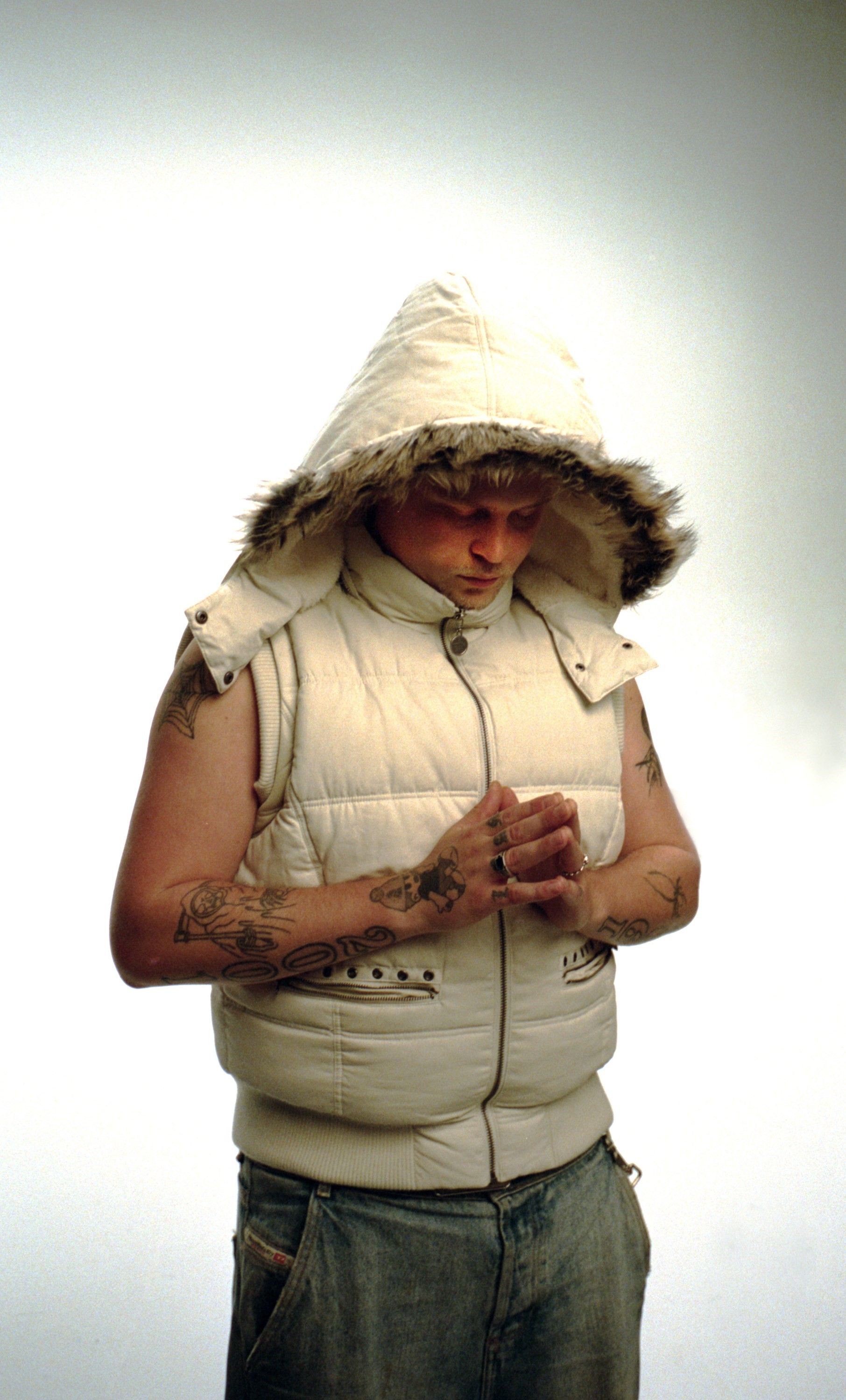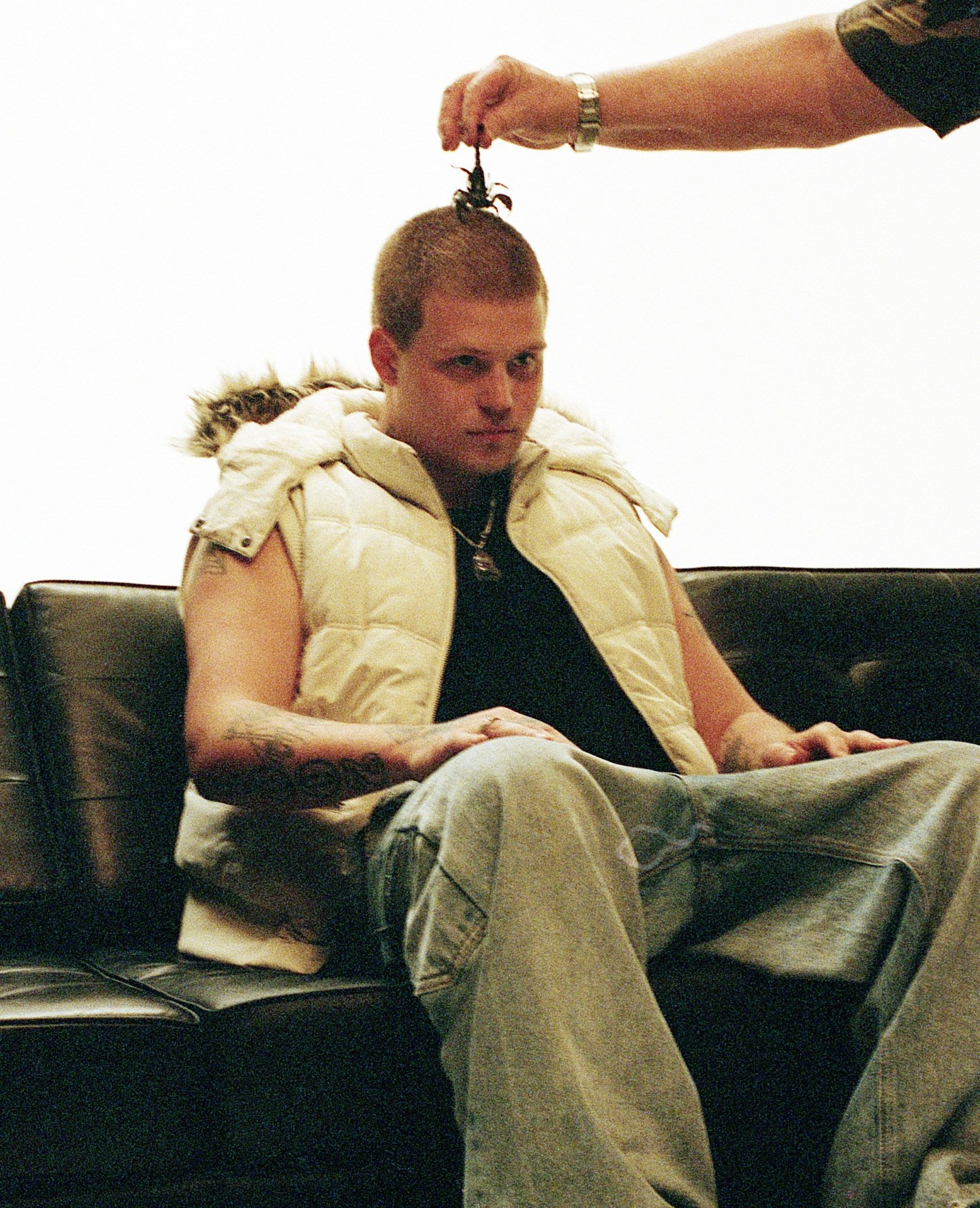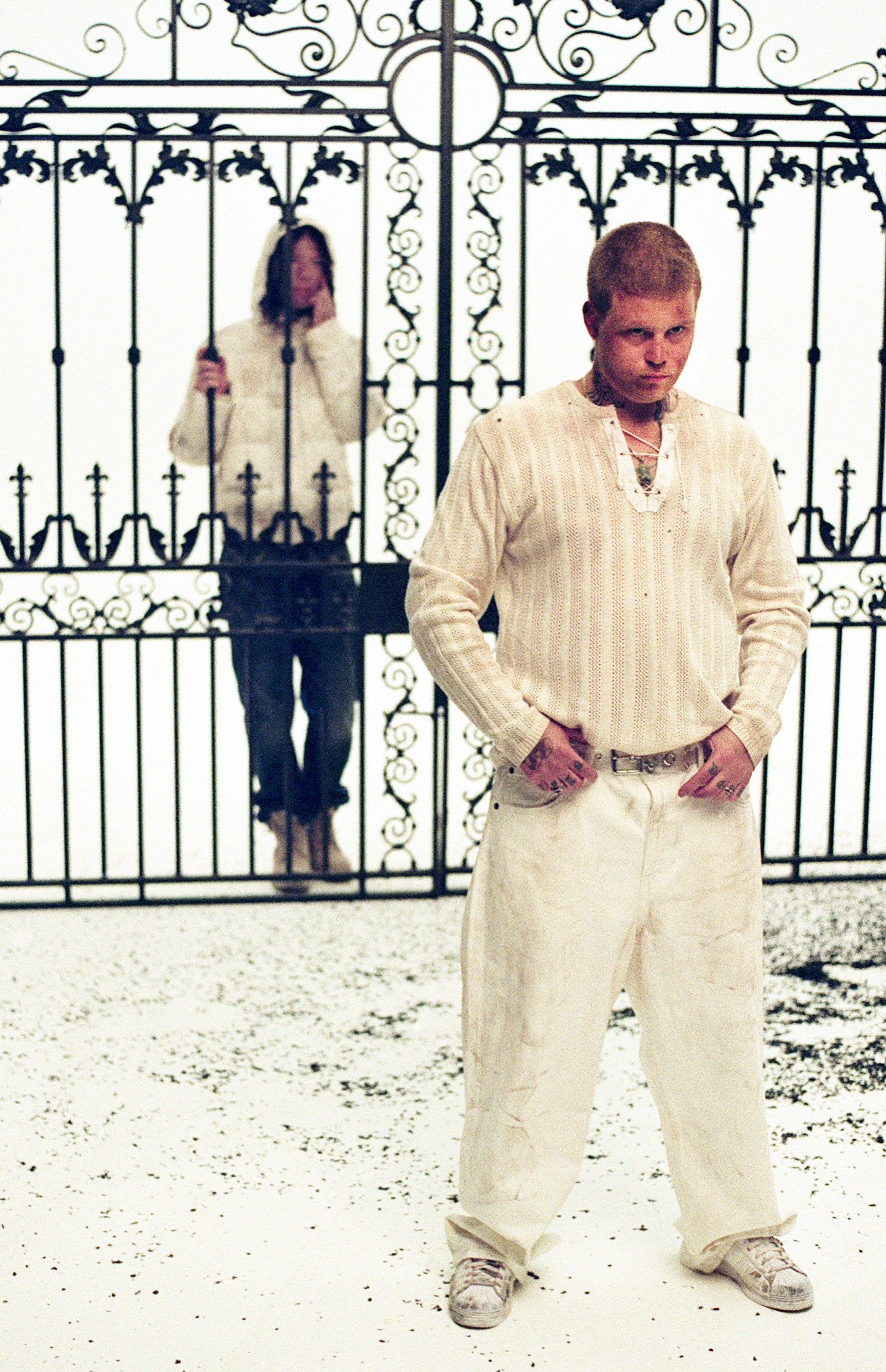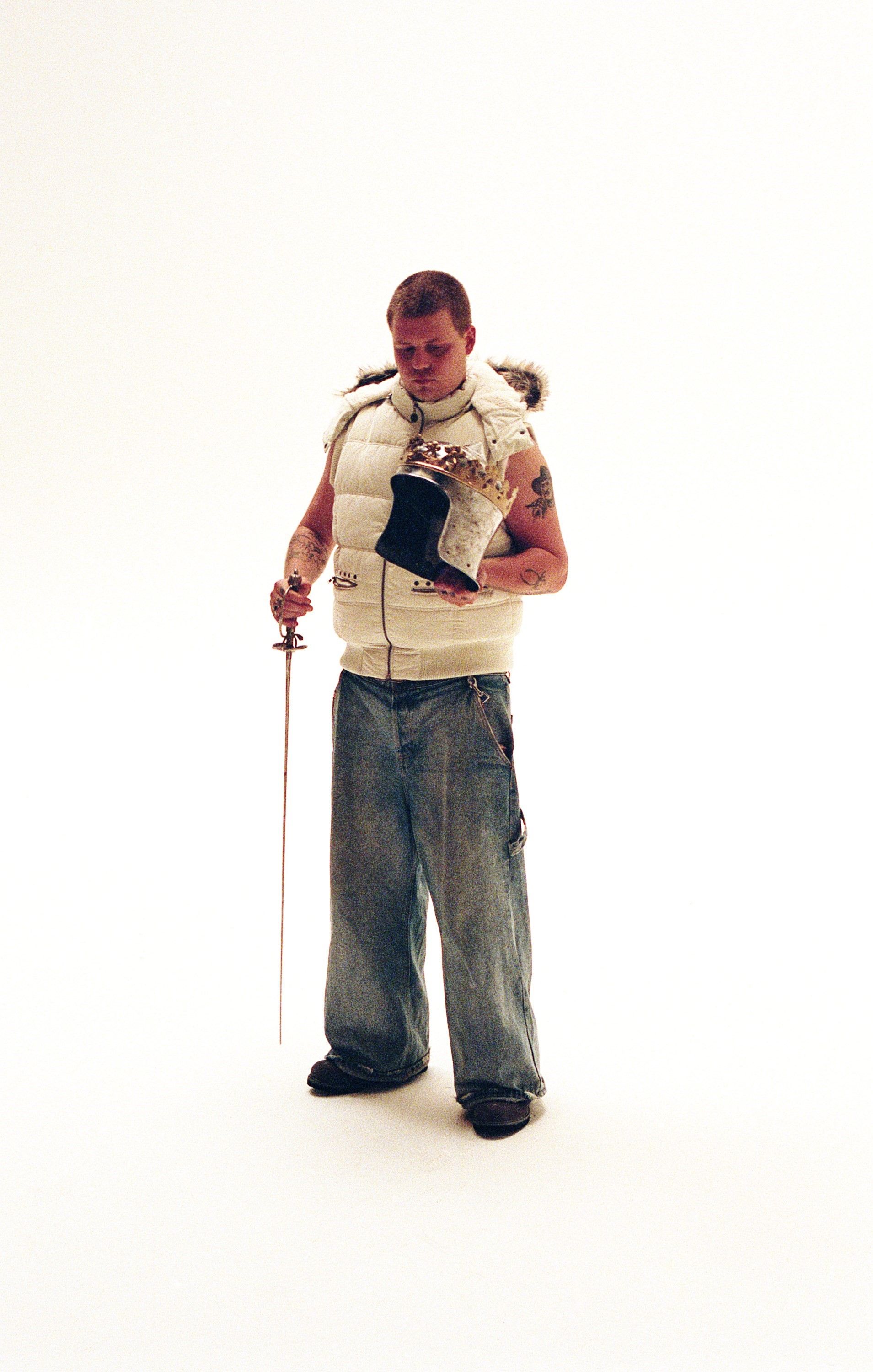
Forty Percents Against Rights
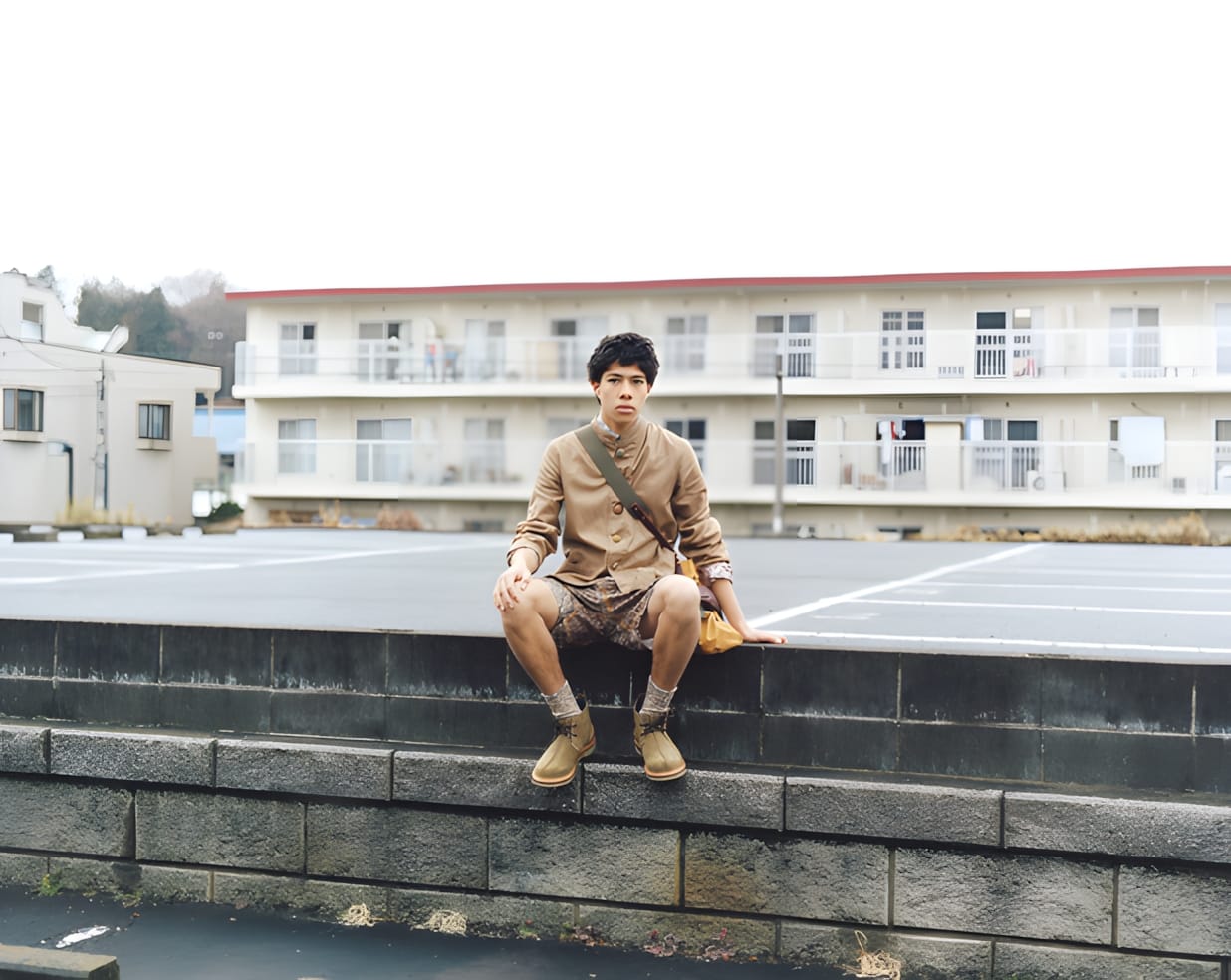
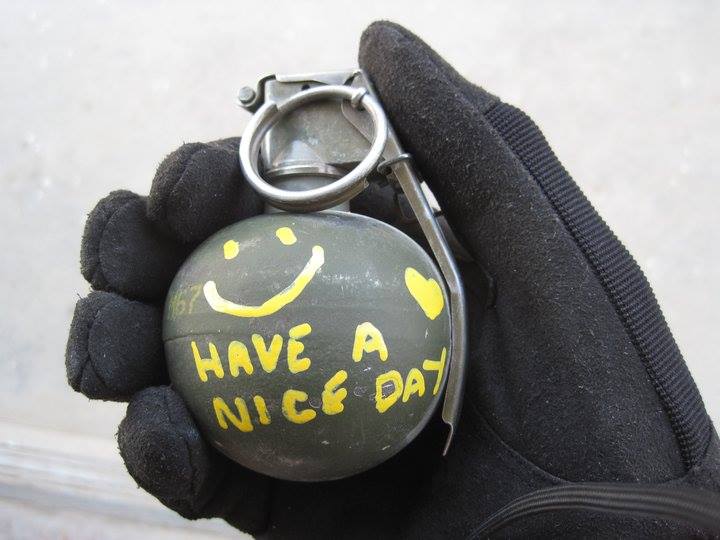
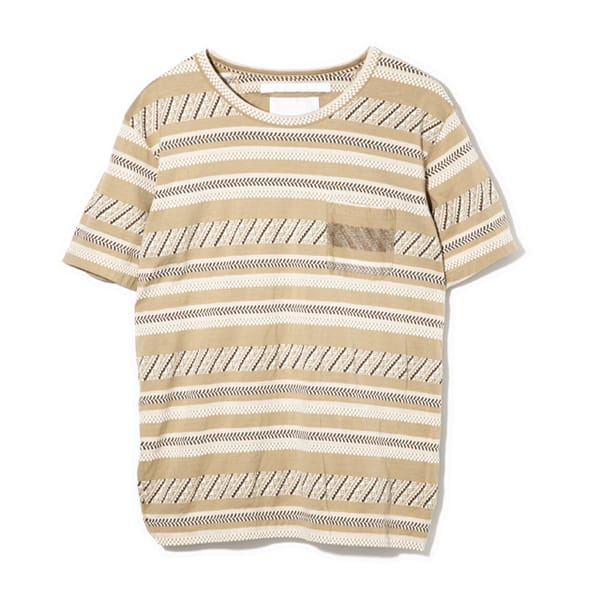
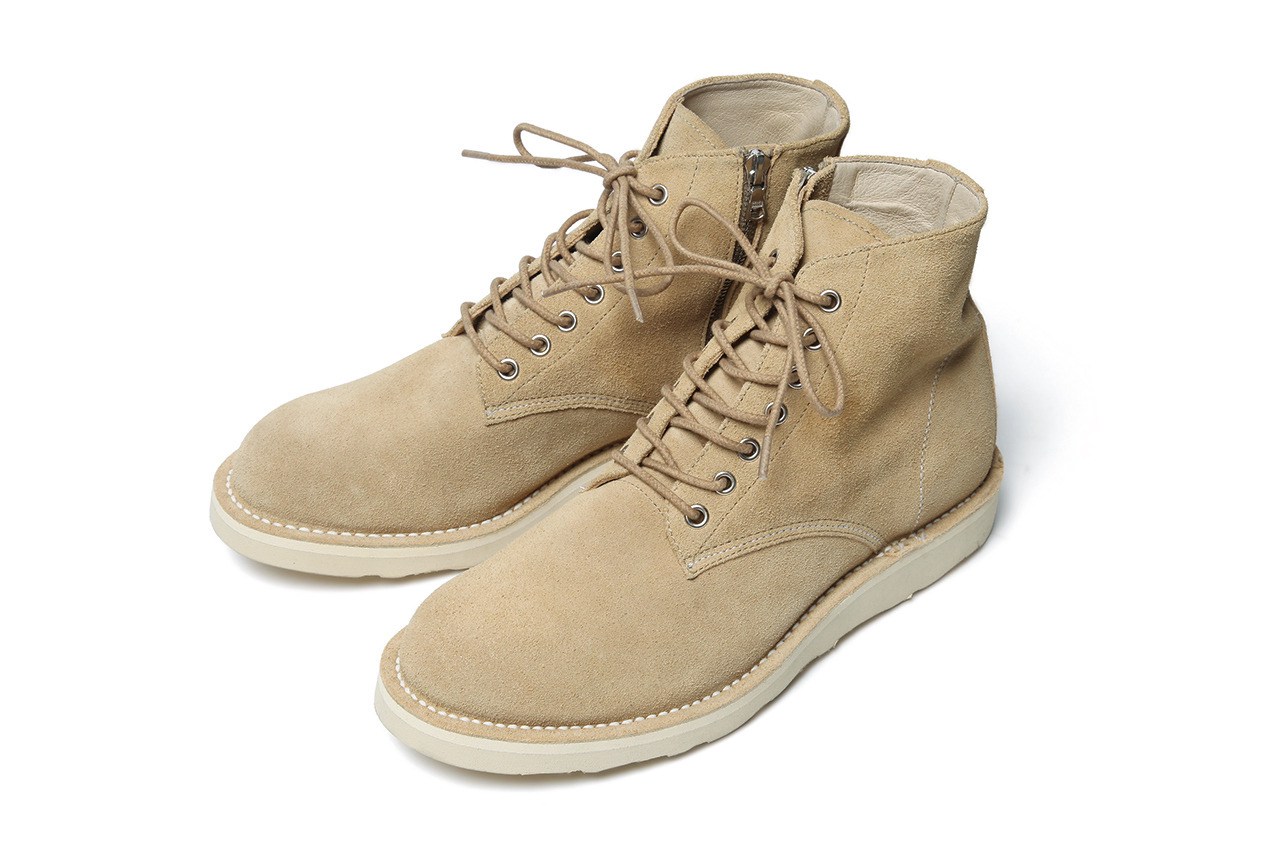
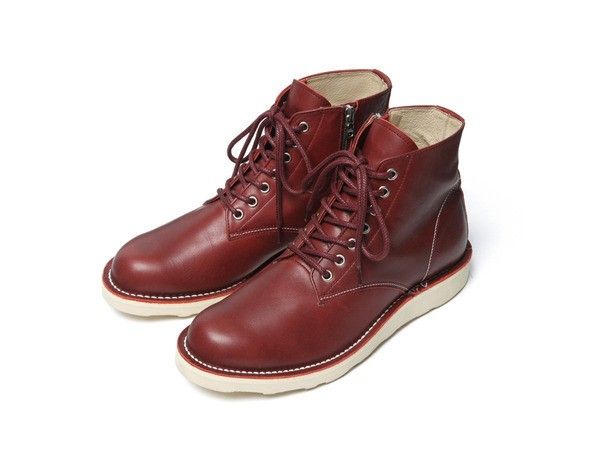
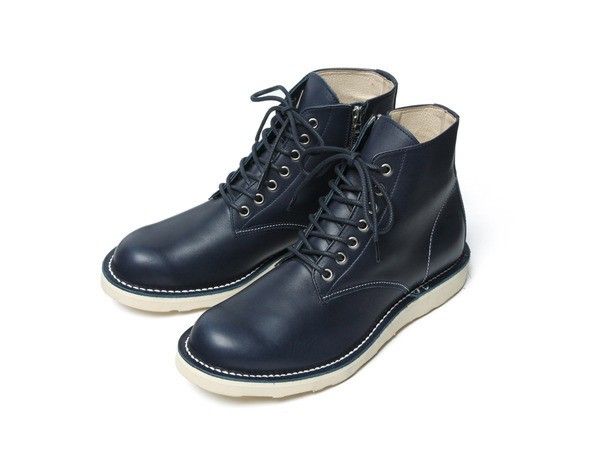
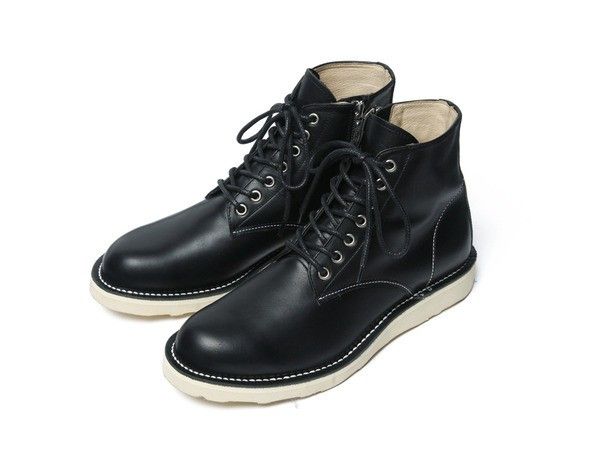
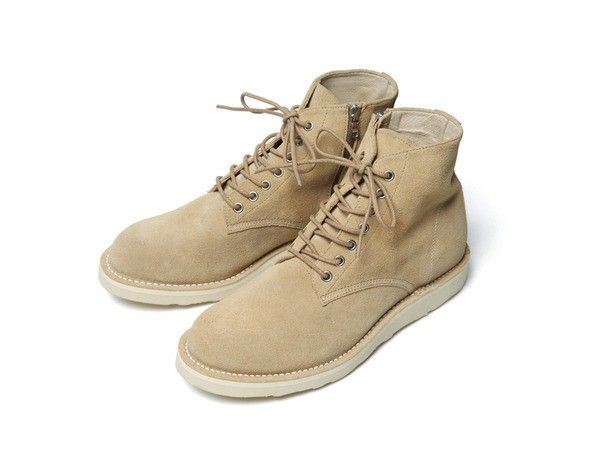
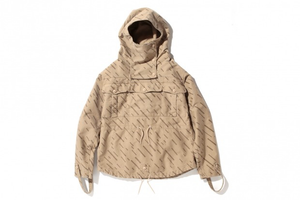
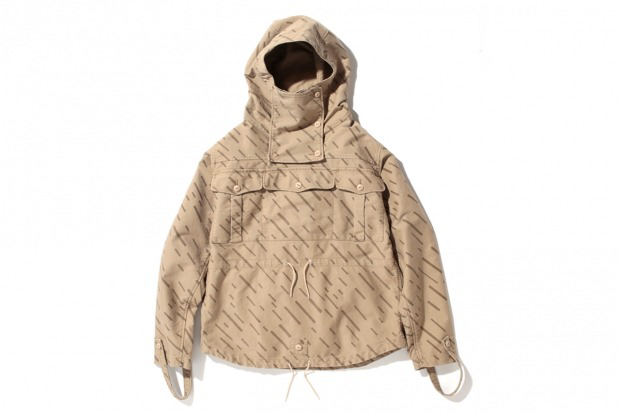
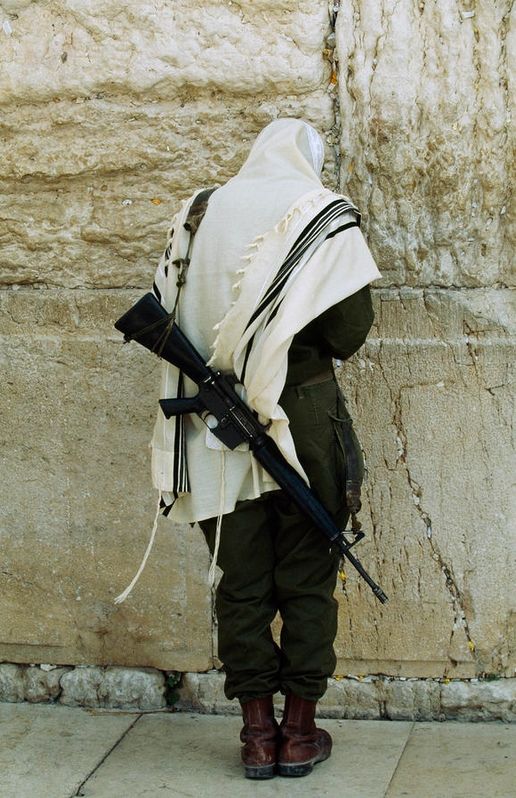
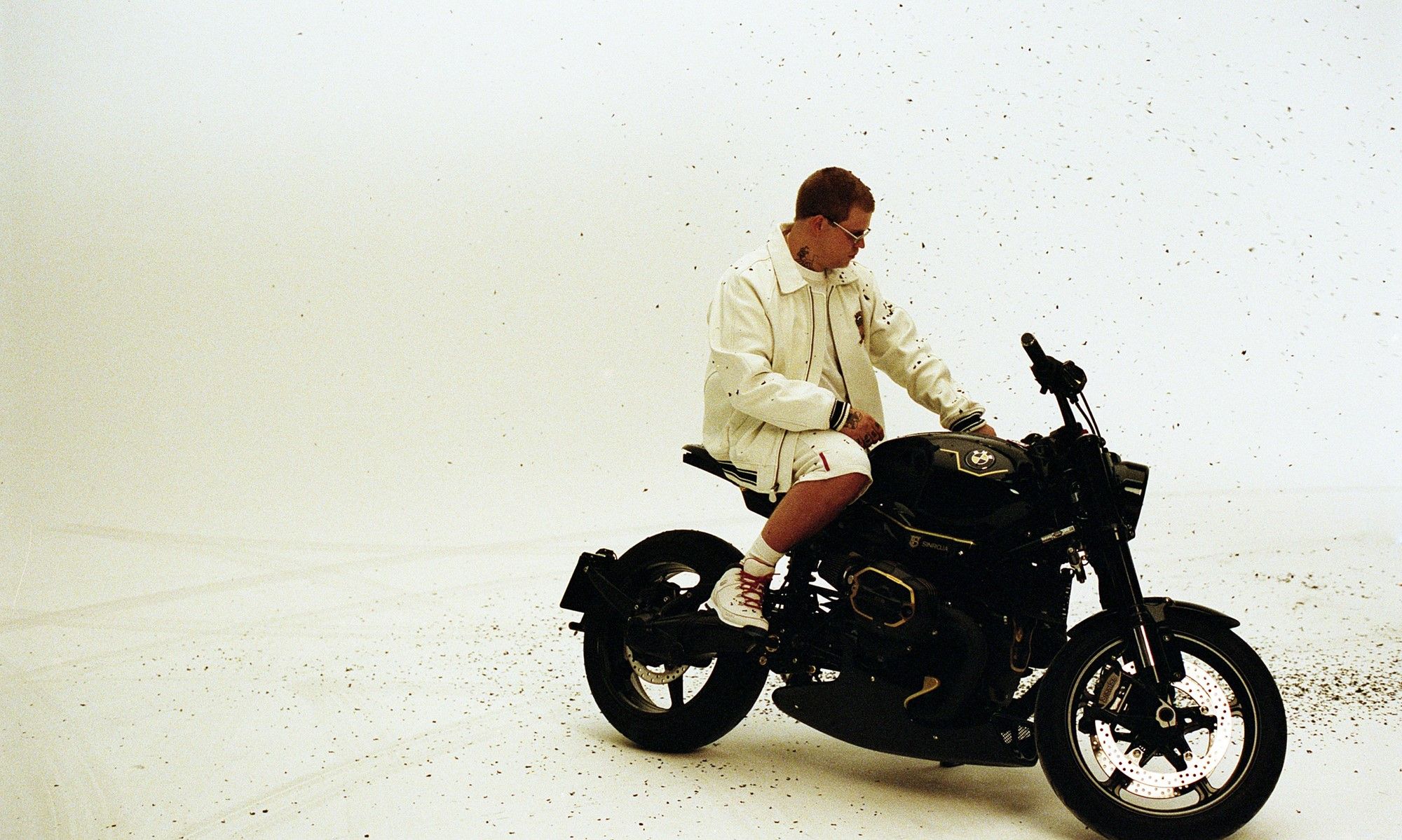
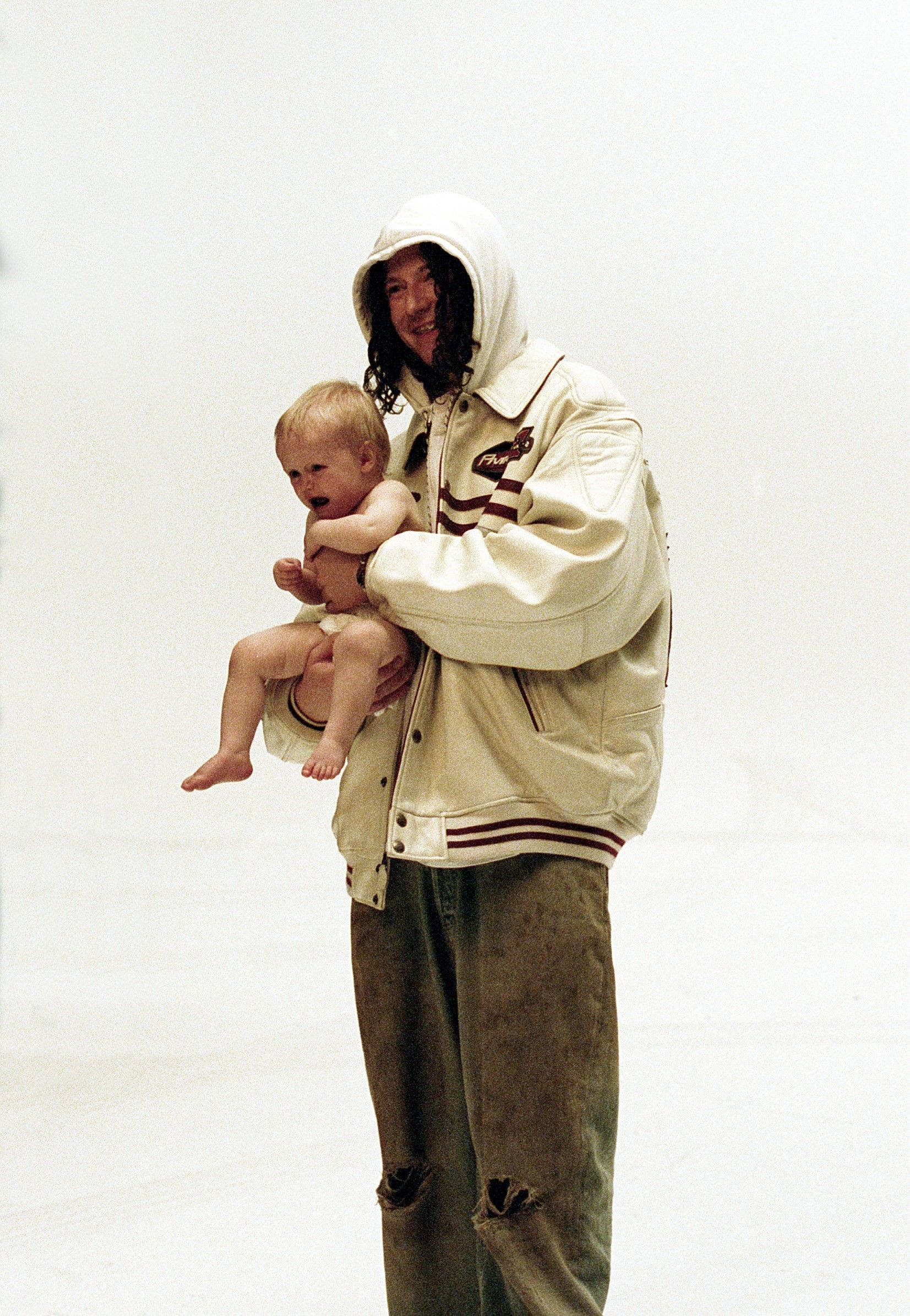
FORTY PERCENTS AGAINST RIGHTS (FPAR), a Japanese label by Tetsu Nishiyama, who also runs WTAPS and ran the 1990s FPAR. Message-based graphics with military- and workwear-derived cuts; it opened its own online store in 2013.

obviously 5 believers
Cargo Chair by Benjamin Hubert
The Cargo Chair, manufactured by portuguese brand De La Espada, designed by Benjamin Hubert


TRON Designs Corian — DuPont x Disney Milan Design Week 2011


White Mountaineering Work Shirt
Teresa Margolles, Frontera, 2011
Teresa Marolles' "Frontera" reflects on the dramatic scale of drug trafficking in Mexican society. The artist has used basic but very striking elements to create the works in "Frontera", and despite their minimalist style, they reveal great emotional depth and tragedy. The works go beyond the specific context that gave rise to them, with a universal value that explores our mechanisms of denial and the taboos still surrounding death and violence in contemporary society. The Museion exhibition features walls where executions took place, that the artist took down in Mexico and rebuilt in Bolzano—Muro Baleado (Culiacán), 2009, and Muro Ciudad Juárez, 2010—along with the works Plancha, 2010 and Cubo, 2010, a minimalist cube weighing a ton made out of iron from reinforced concrete taken from demolished buildings. The Bolzano exhibition will also be the first opportunity to see the filmed action Camiseta, created specially for "Frontera" and shot in the cities of Juarez, Kassel and Bolzano.'


Moncler W SS2014 Lookbook


“Dissertation on Self-Verification: 2001-2011″
visvim 10th Anniversary Book "Dissertation on Self-Verification 2001-2011"
The book is hand bound and uses a washi paper made by a craftsman who sources the raw materials from Japanese trees.
Limited to 300 copies.
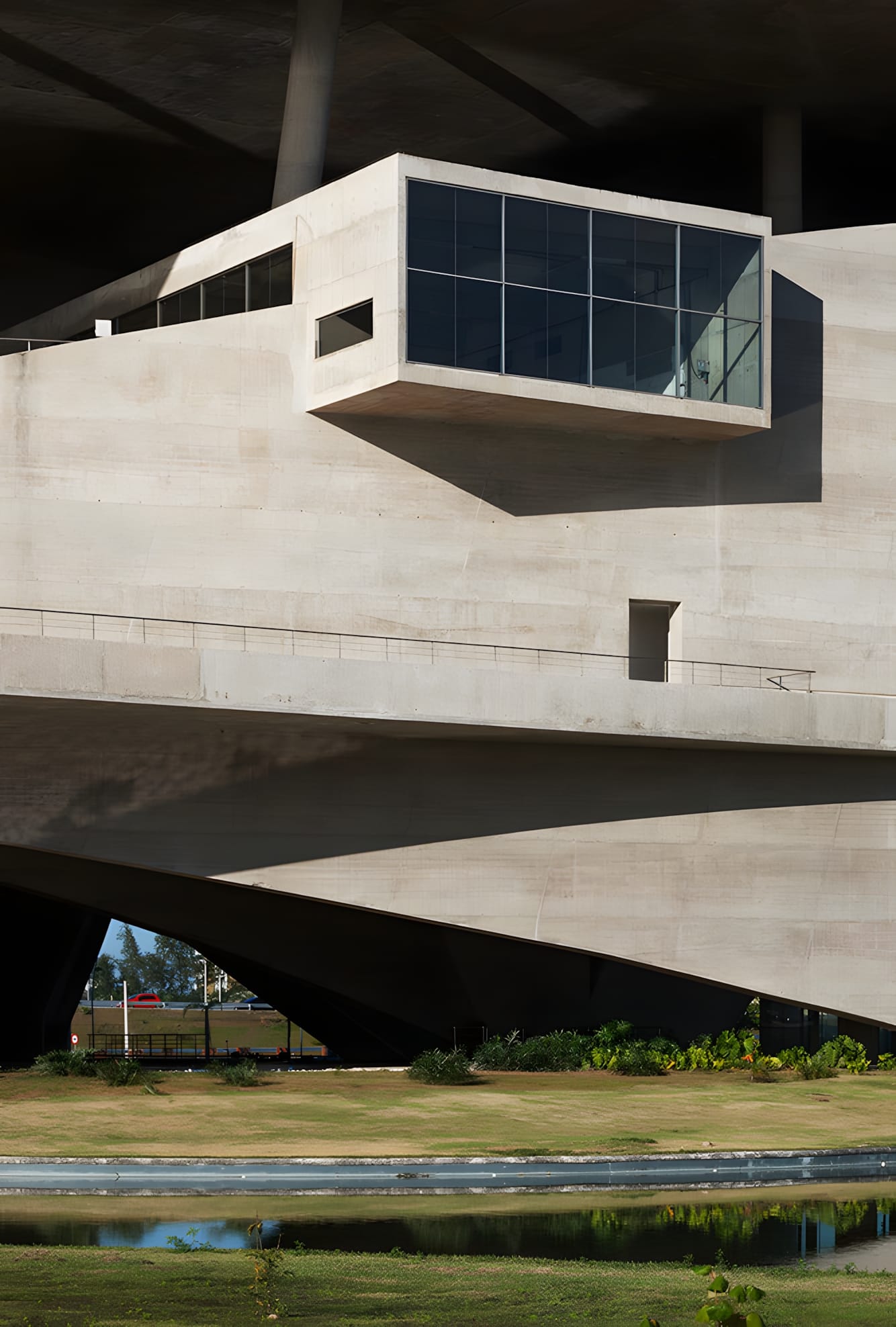
House in Curitiba


FLCL (Fooly Cooly) — Naota Nandaba
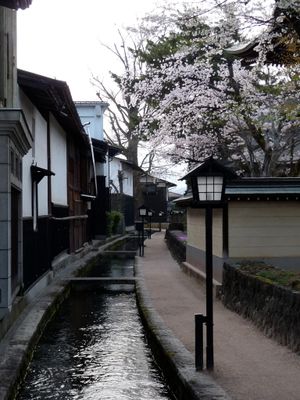
Ogimachi Global Dispensing Pharmacy — ninkipen! + TKY Japan
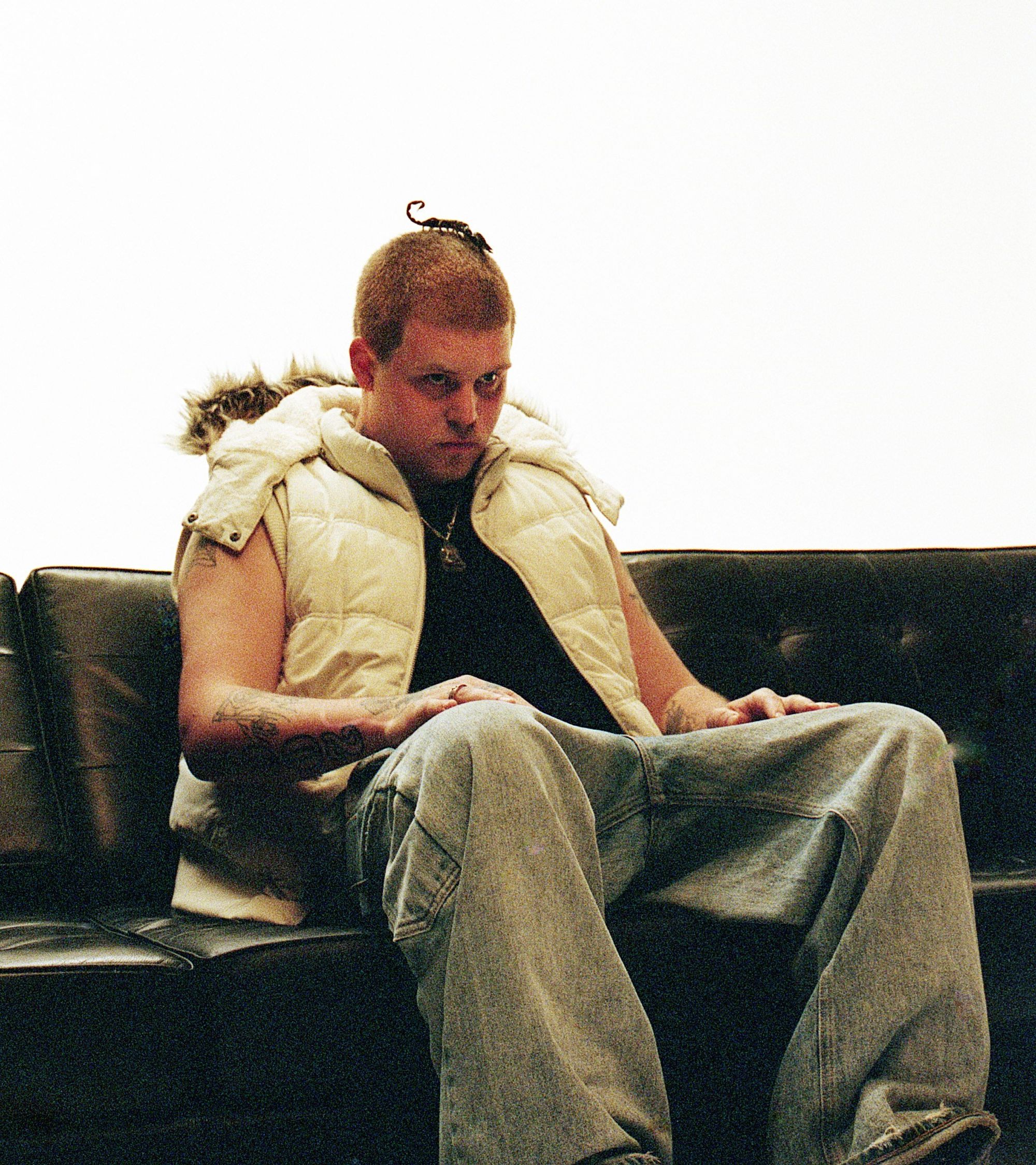
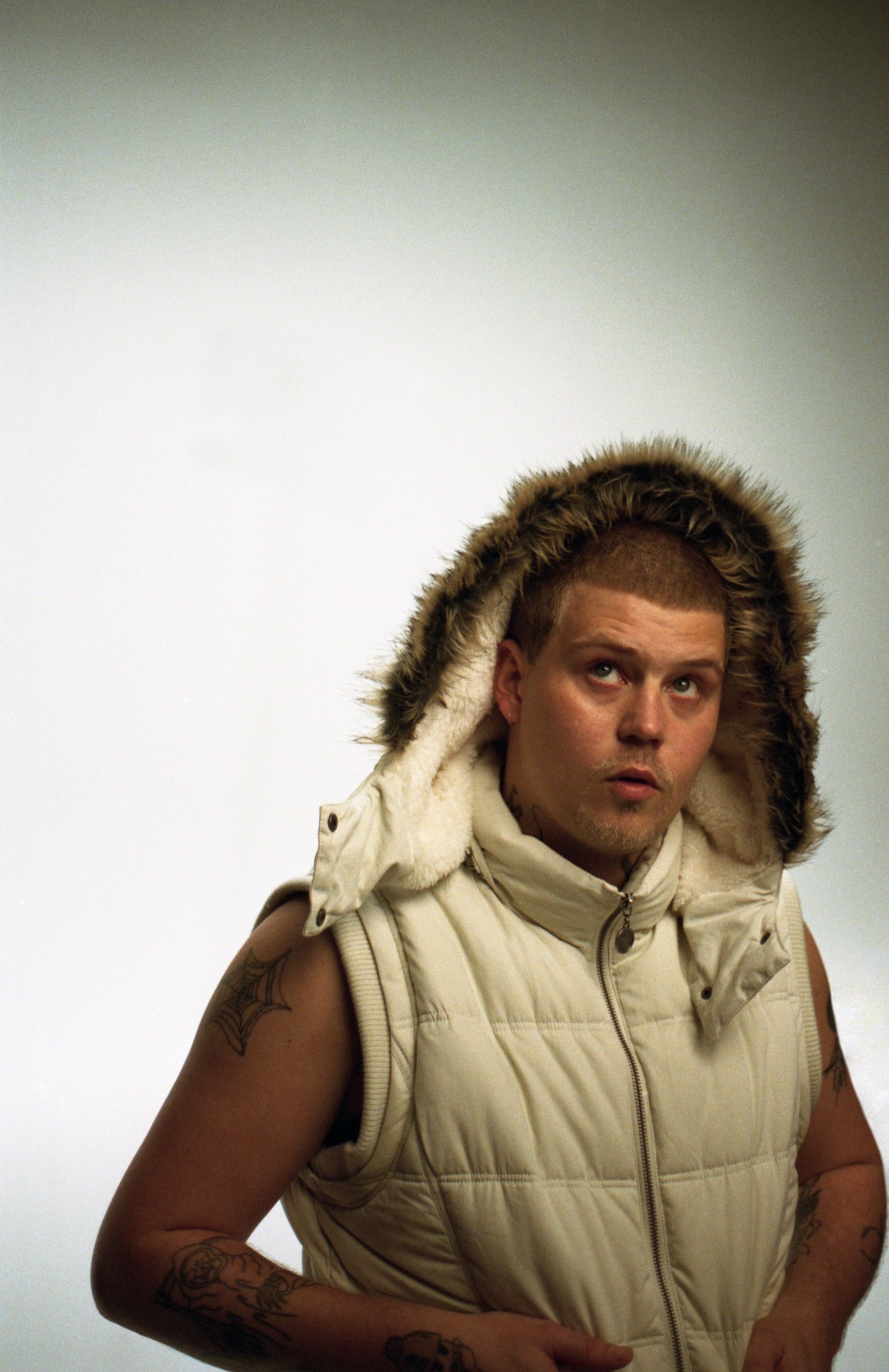
The North Face Purple Label 65/35 Sierra Vest
Parasite Dolls (2003) — Cyberpunk Anime
Worlds End by Vivienne Westwood and Malcolm McLaren “BUFFALO COAT” fw1982


Casa Paracas — RRMR Arquitectos, Paracas Bay (2013)
The North Face Purple Label Floral Print Hooded Zip Jacket
Precast Concrete Slab — Texture Study
Bas Princen — Colonnade Infrastructure Photograph
TinyMtn Sculptures
TinyMtn crafts 3D-printed mini sculptures of some of the most storied peaks and valleys in the United States. Whether you want to remember the time you backpacked through Yosemite or peered over the edge of the Grand Canyon, TinyMtn offers a bit of a topographic reminder. Each comes on a small stand with the name, peak, and coordinates displayed, and makes for an ideal piece of art for the adventurer at heart.


Mugler
Christopher Williams, Cutaway model Zeiss
Christopher Williams, Cutaway model Zeiss Distagon T* 2.8/15 ZM / Focal length: 15mm. Aperture range: 2.8 – 22. No. of elements/groups: 11/9 / Focusing range: 0.3 m–infinity. Image ratio at close range: 1:18 / Coverage at close range: 43 cm × 65 cm. Angular field, diag./horiz./vert.: / 110/100/77˚ / Filter: M 72 × 0.75. Weight: 500 g. Length: 86 mm / Product no. black: 30 82016. Serial no.: 15555891. / (Subject to change.) / Manufactured by Carl Zeiss AG, Camera Lens Division, Oberkochen, Germany / Studio Rhein Verlag, Düsseldorf / January 18, 2013 (2013).
Dis-Armor, Krzysztof Wodiczko, 2000
Instrument designed and built in collaboration with members of the Interrogative Design Group, Center for Advanced Visual Studies, MIT: Adam Whiton, Sung Ho Kim, Jerzy Stypułkowski; Japanese team: Mari Ishiko with a group of school psychologists.
Dis-Armor is a psycho-cultural prosthetic device designed as a communications tool for school students. It was directly inspired by the artist’s meeting with alienated, sociopathic Japanese youngsters. The project’s title serves as a reference to the need for “disarming” – for young people encased in a carapace of silence to open up. Resembling a protective suit, the Dis-Armor combines modern technology with Japanese cultural traditions; its overall aesthetic and individual elements were inspired by antique samurai armor. The device features two mini cameras that film the eyes and send the image to two small-size screens at the user’s back. Young people who otherwise avoid direct contact with others can communicate by “looking and speaking with their backs.” Three versions of Dis-Armor were made: a blue one (the earliest); a gold one with an added camera to play back prerecorded statements, with sound-image synchronization, and the option to switch between playback and live broadcasting; and a third one, equipped with a back camera and a small LCD screen replacing the earlier rearview mirror.

Shirt Design Detail 1415
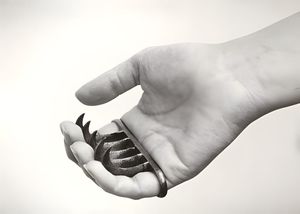
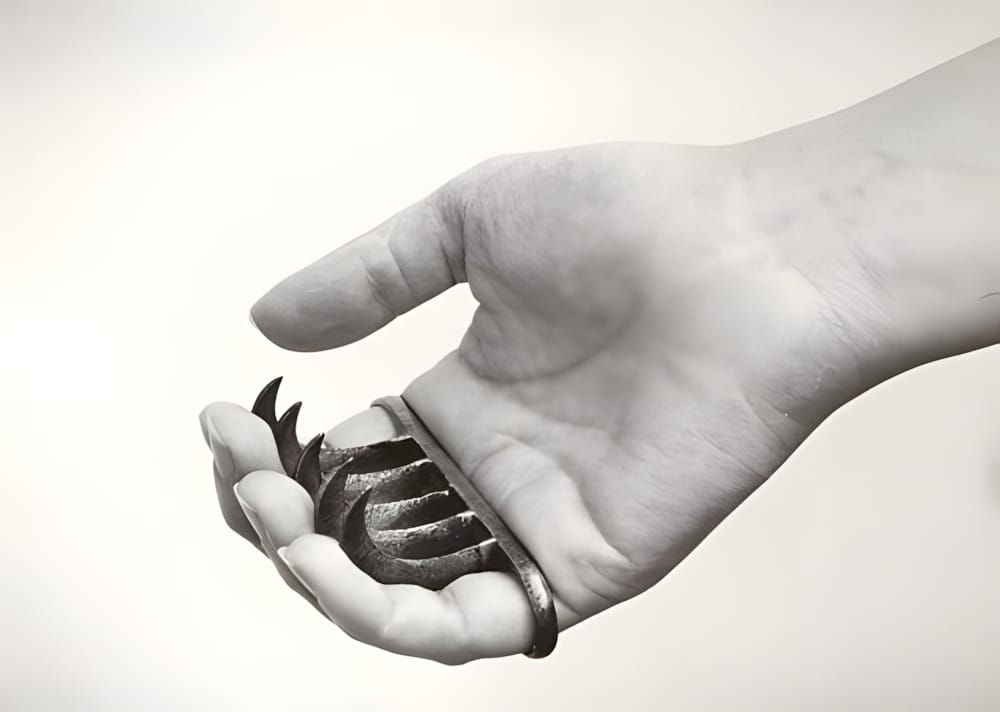
Bagh Nakh