Related_
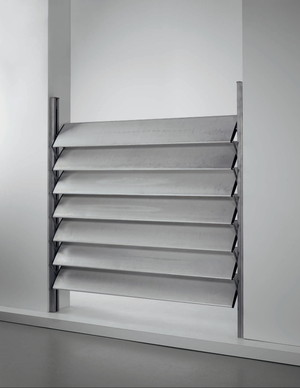
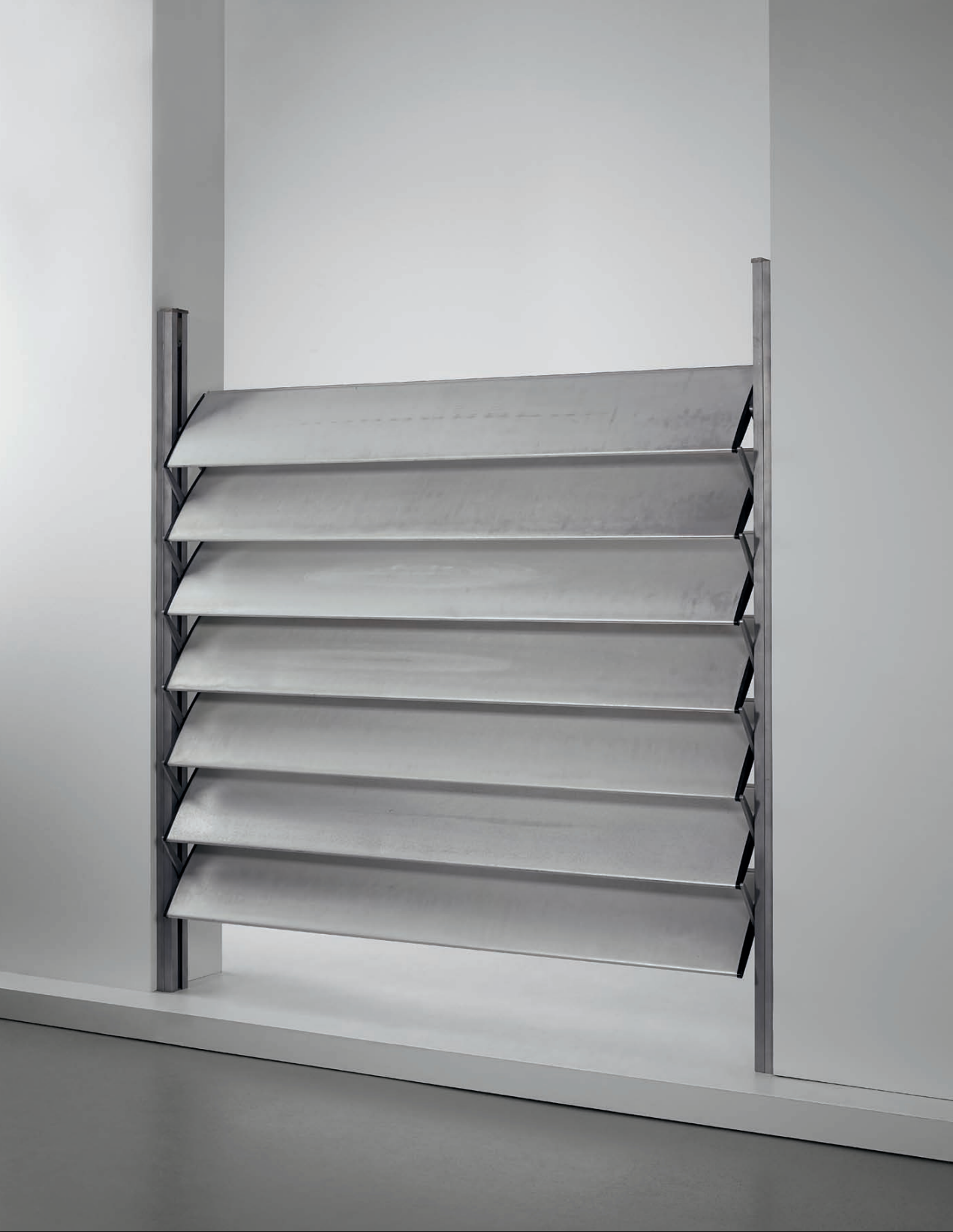
Seven-panelled sun-shutter, Jean Prouvé
Jean Prouvé 1901-1984 Seven-panelled sun-shutter, from the Cité scolaire de La Dullague, Béziers, designed 1956, executed circa 1962-1965 Aluminium, metal. 185.5 x 184.4 x 8.3 cm (73 x 72 5/8 x 3 1/4 in.) Manufactured by Les Atelier Jean Prouvé, Nancy, France.
Estimate £12,000-15,000 $17,800-22,300 €16,300-20,400 provenance Cité scolaire de La Dullague, Béziers, France, circa 1962-1965 exhibited Architecture Biennale, Venice, 7 June-23 November, 2014
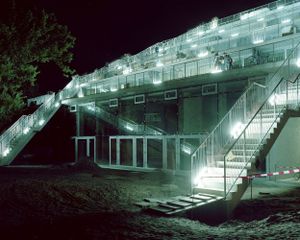
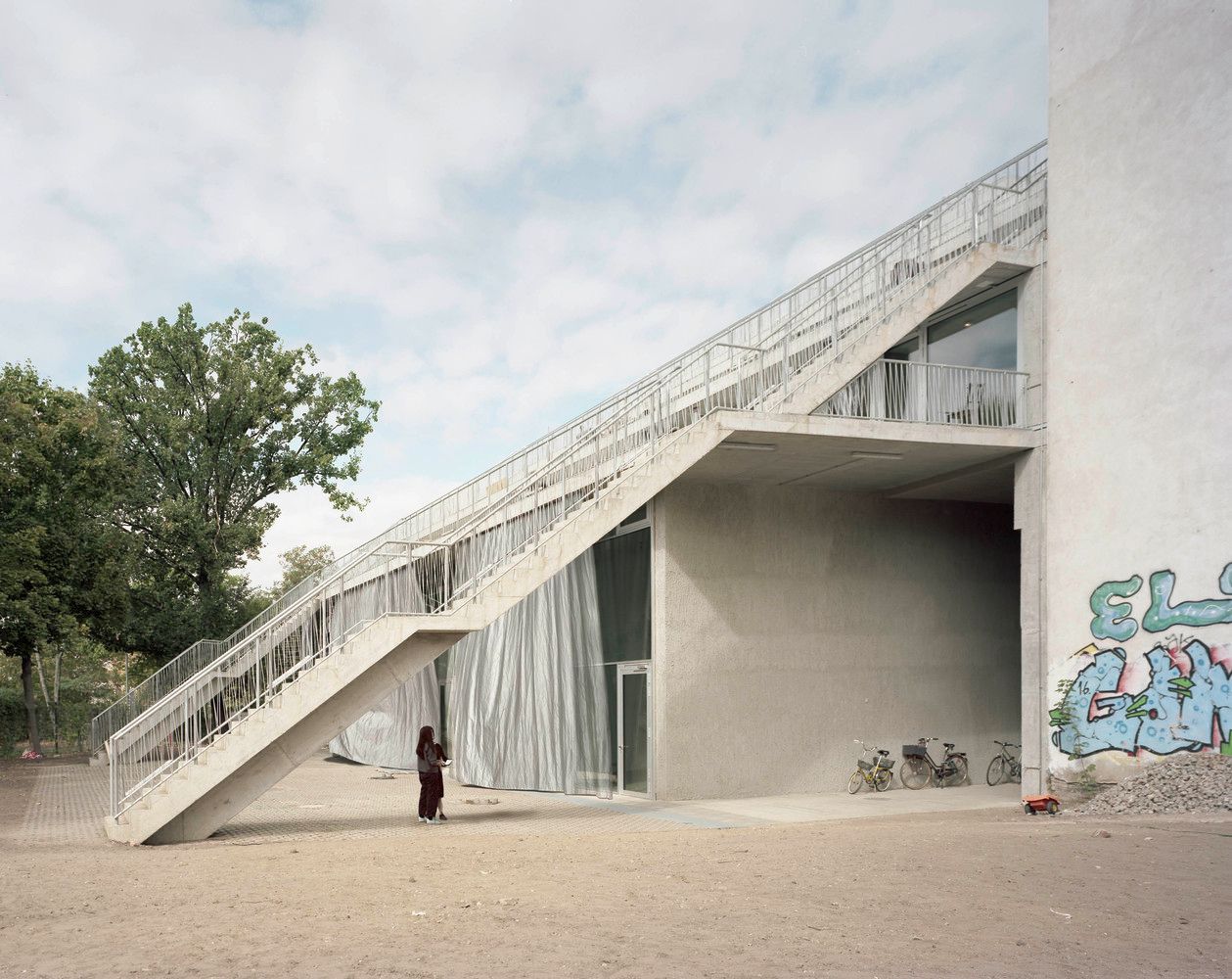
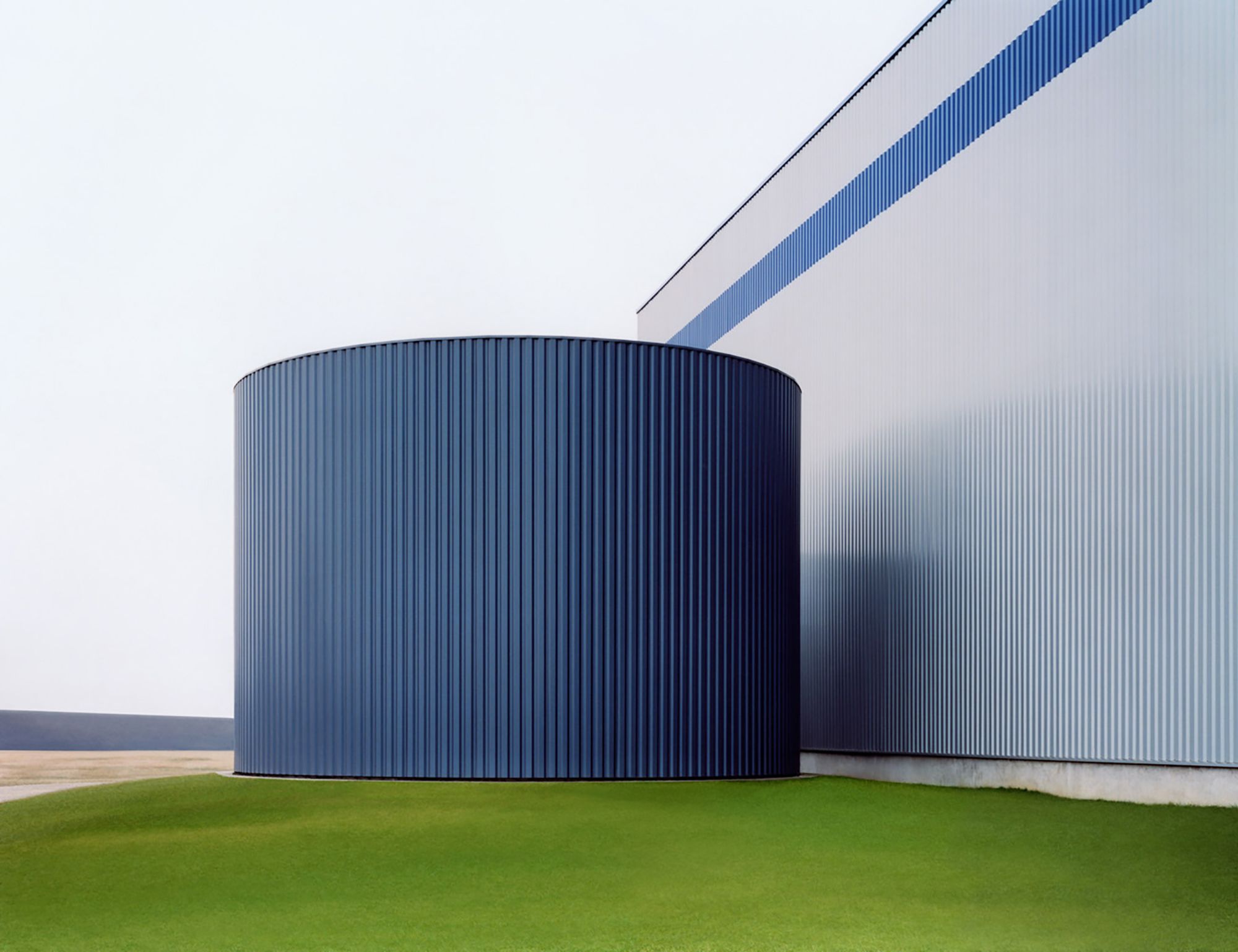
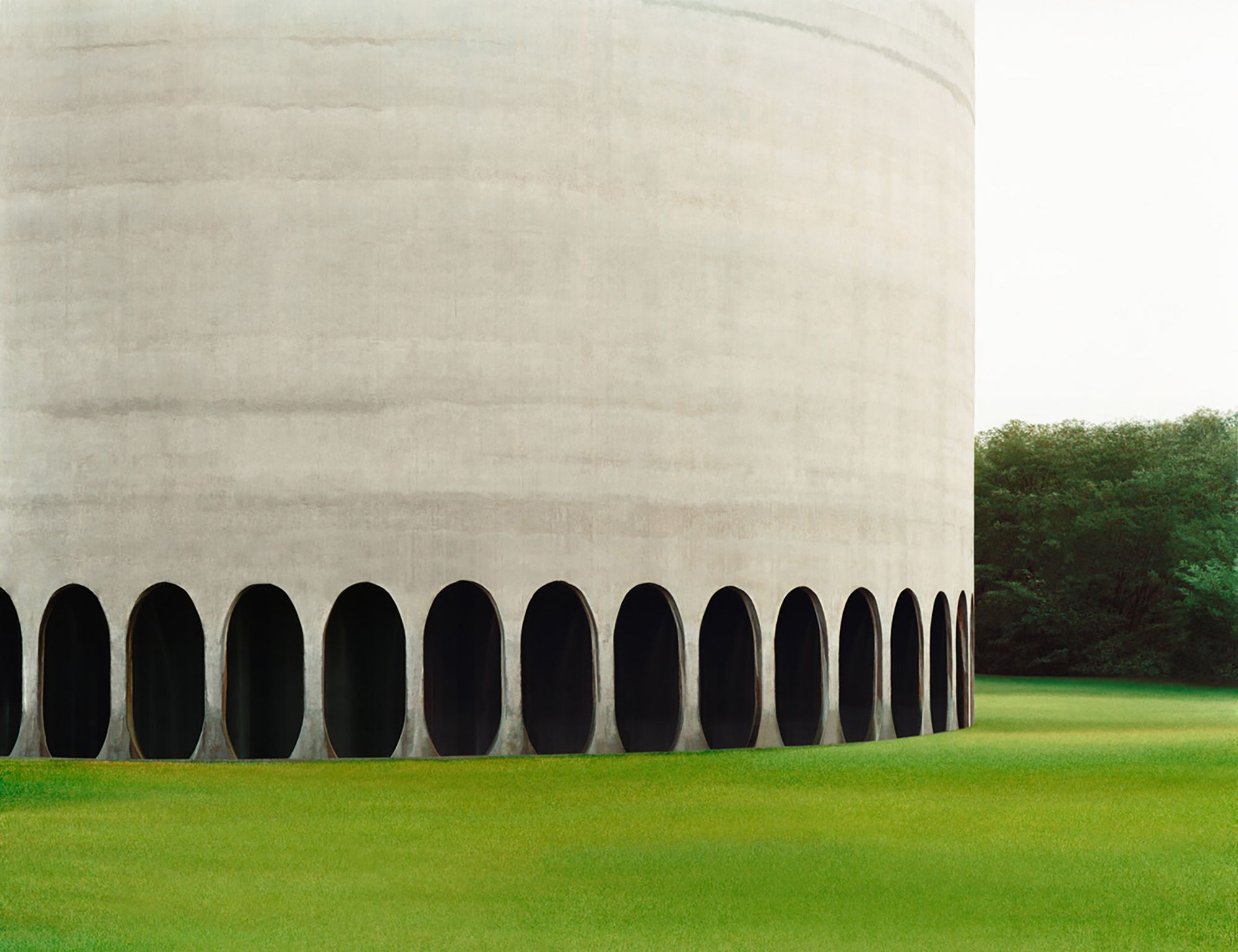
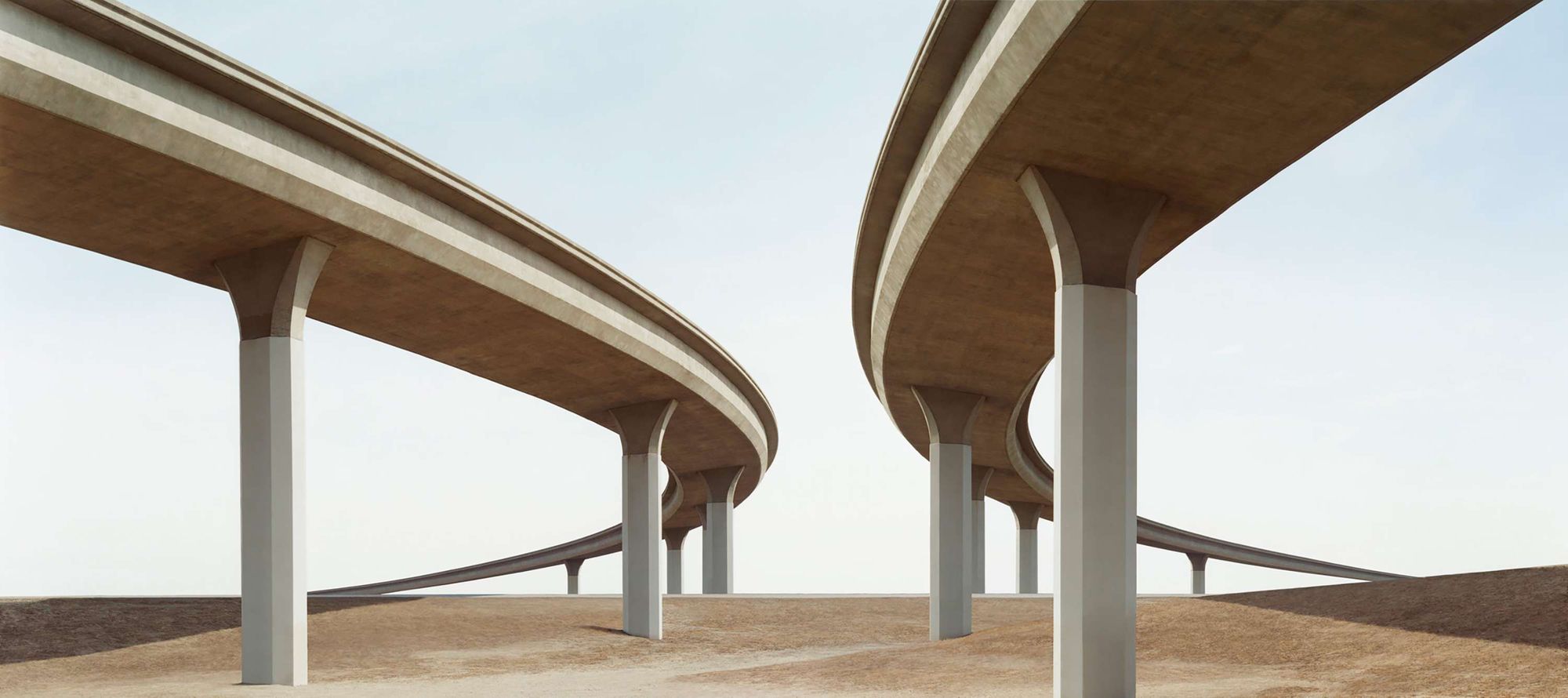
Form #7, Josef Schulz, 2003
Josef Schulz is a photographer known for capturing images of modern warehouses and factories, which are typically considered mundane industrial structures with little architectural significance. These buildings, produced worldwide, follow standardized plans and materials, lacking distinct external features to reveal their specific purposes.
Schulz's approach involves studying the essence of his craft through these photographs. He employs digital image processing to remove any elements hinting at the buildings' age, location, or surroundings, transforming them into virtual blueprints. By emphasizing colors, shapes, and symmetries, he turns the buildings into block-like structures, resembling toy architecture and presenting them as idealized versions of themselves.
In this process, Schulz blurs the line between photographic and painted reality to optimize the images. Simultaneously, he reduces the physical buildings to their design concepts and the photographic reality to its virtual representation. His intent is to diverge from the typical pursuit of making digital images appear as real as possible. This approach might leave the viewer perplexed, as they struggle to distinguish between authentic elements captured by the camera and those created through digital tools.
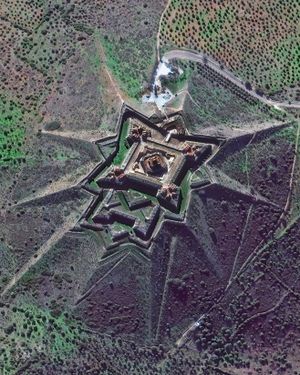
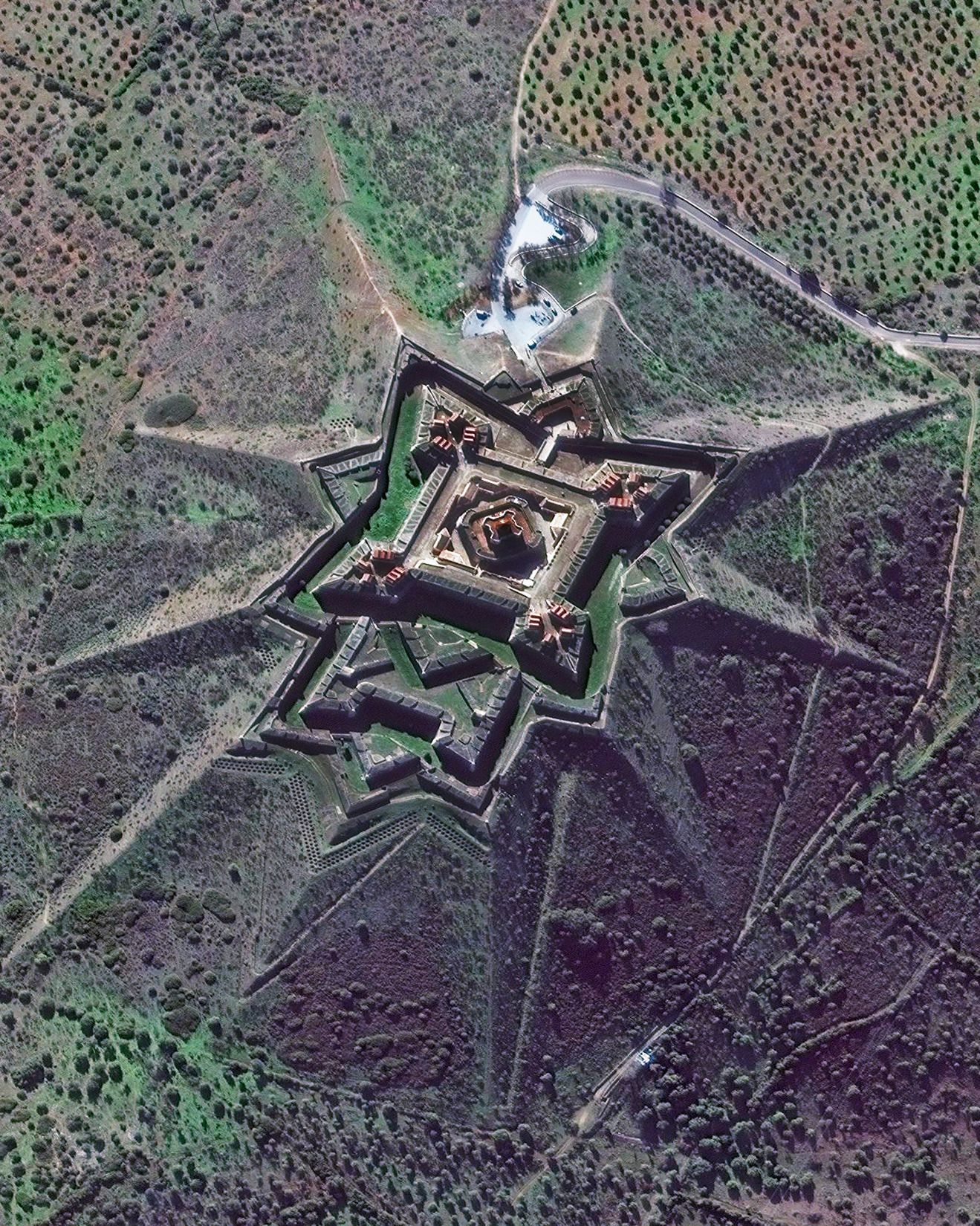
Nossa Senhora da Graça Fort
The Nossa Senhora da Graça Fort is an eighteenth century fort in the village of Alcáçova, Portugal. Its prominent position atop Monte da Graça (Hill of Grace) made it an important stronghold during the Seven Years’ War, War of the Oranges and the Peninsular War. The fort is part of the Garrison Border Town of Elvas and its Fortifications, a UNESCO World Heritage Site.
38.894444°, -7.164167°
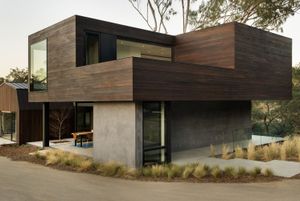
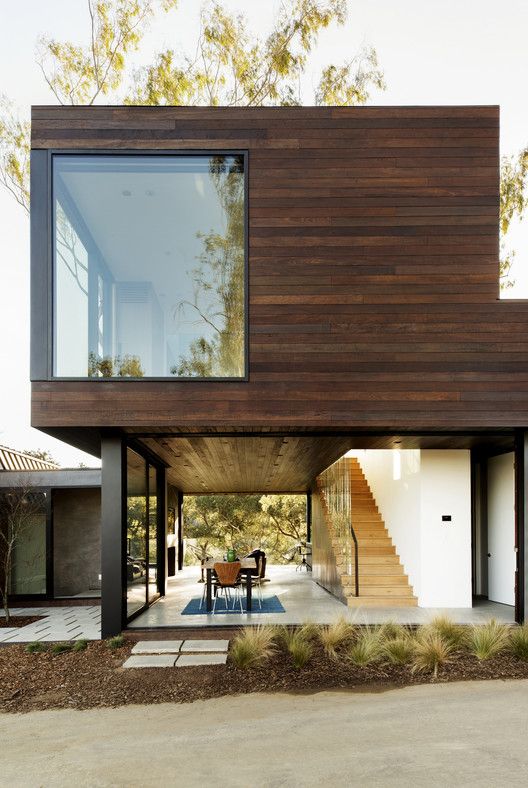
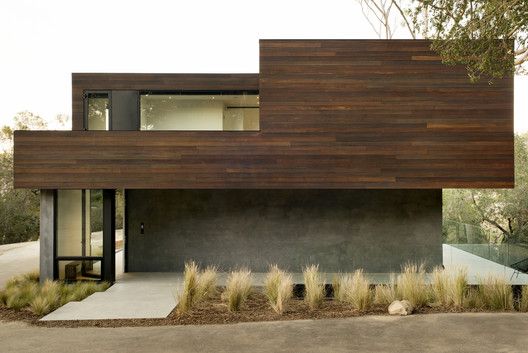
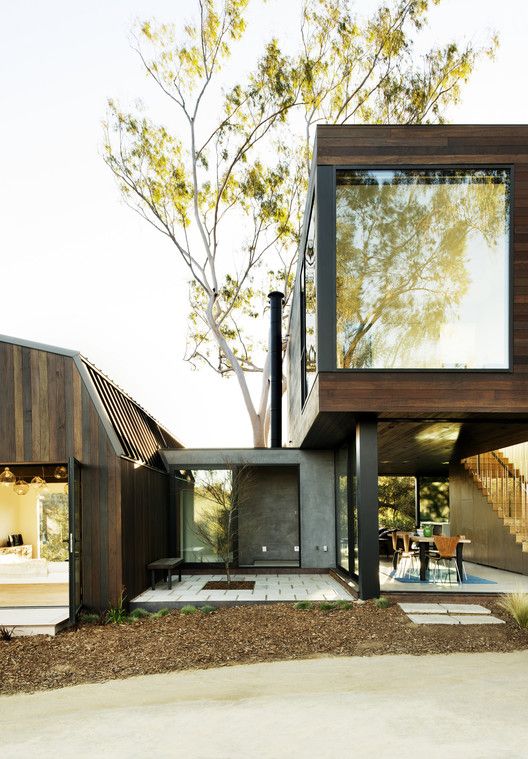
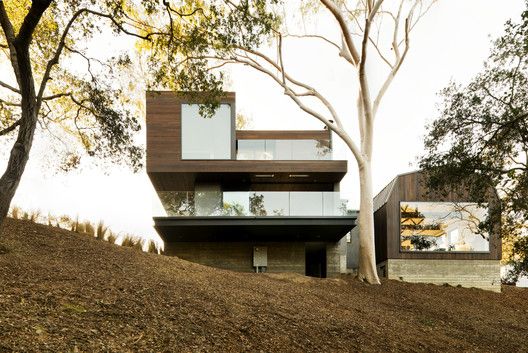
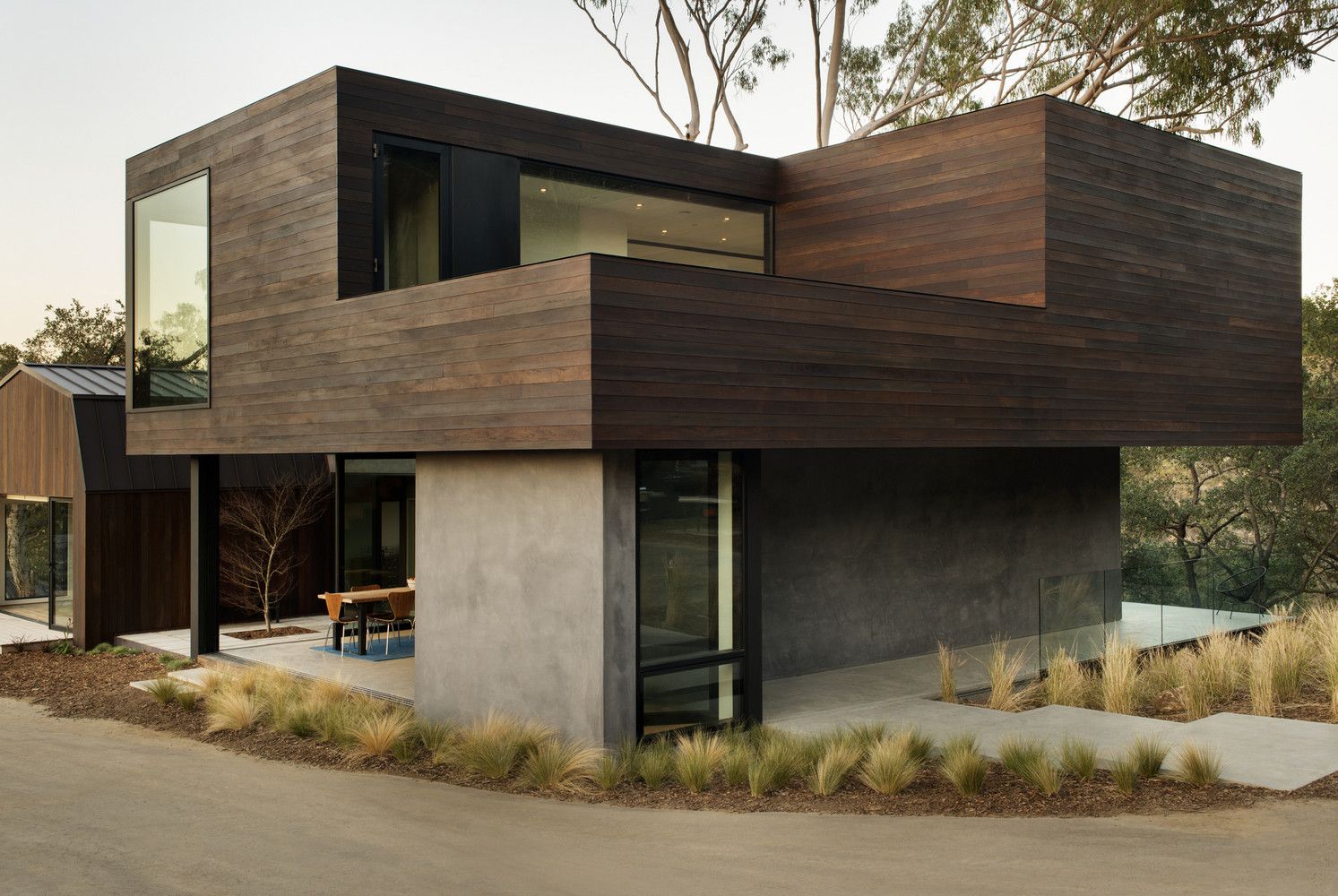
Oak Pass Guest House by Walker Workshop
Beverly Hills, United States of America.
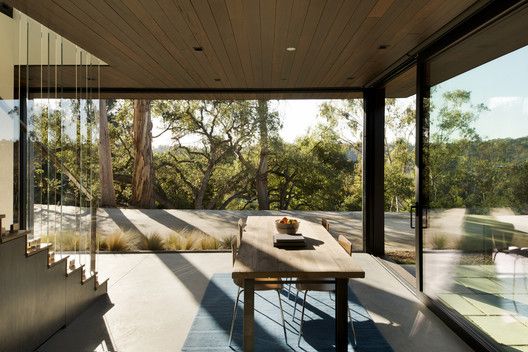
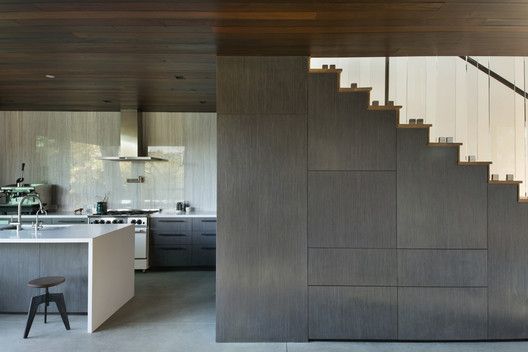
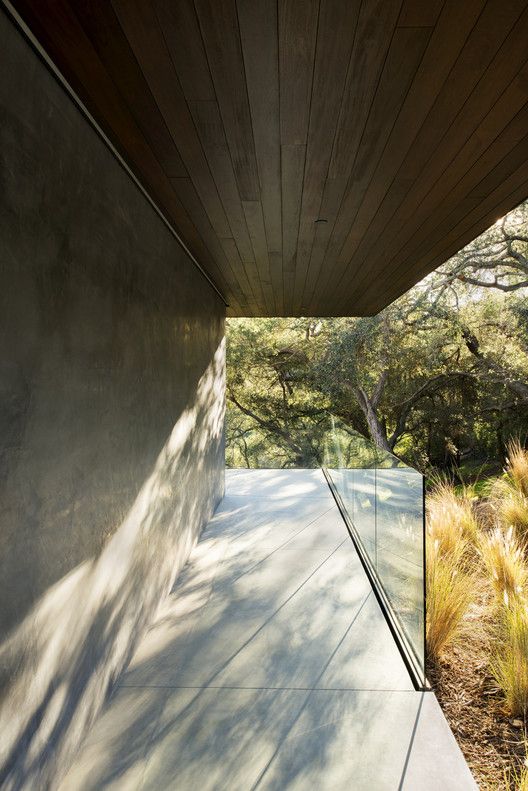
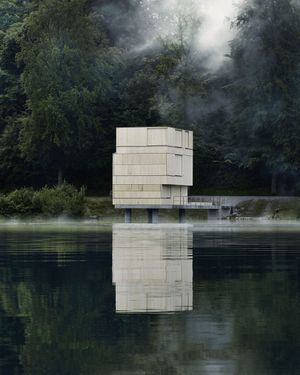
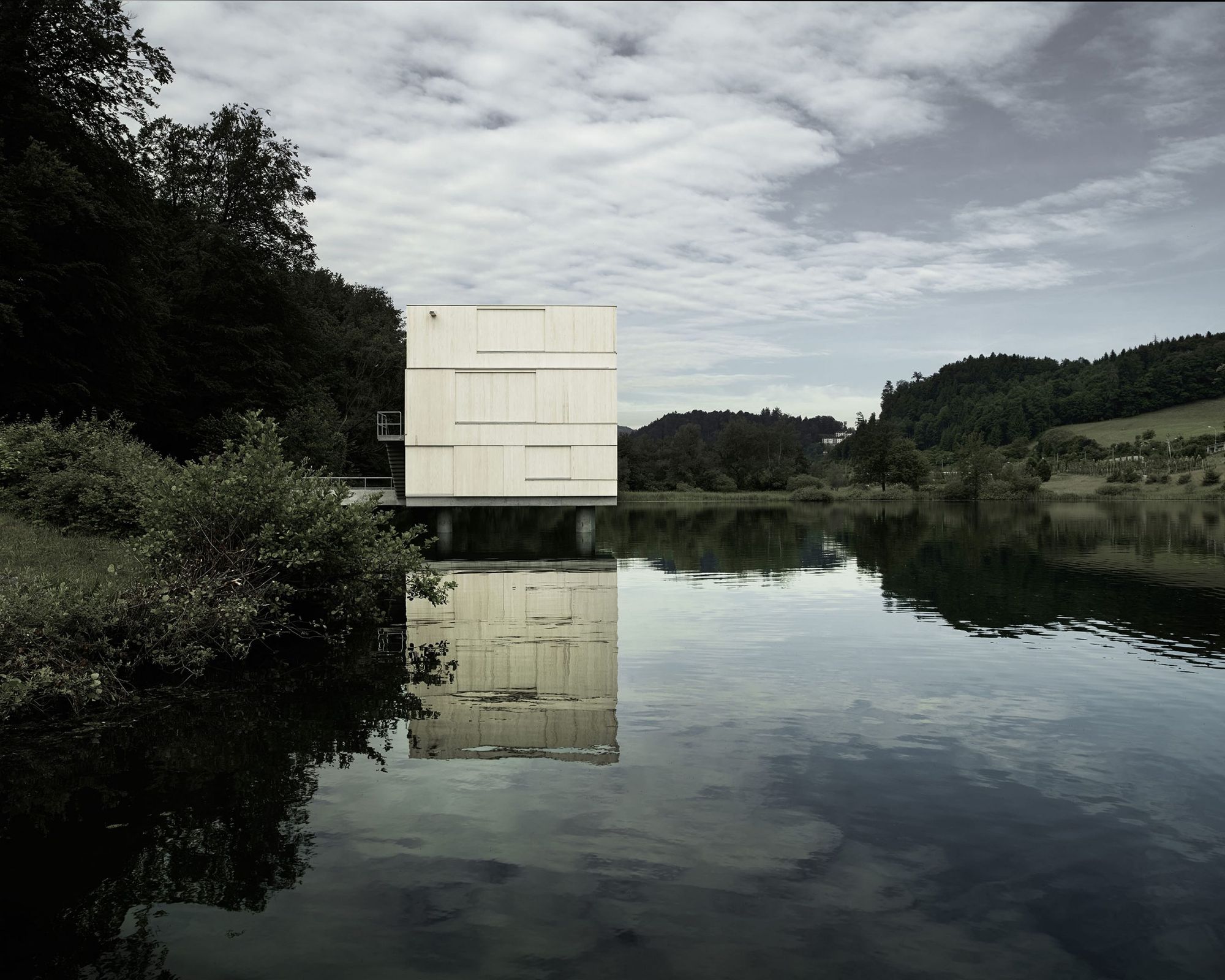
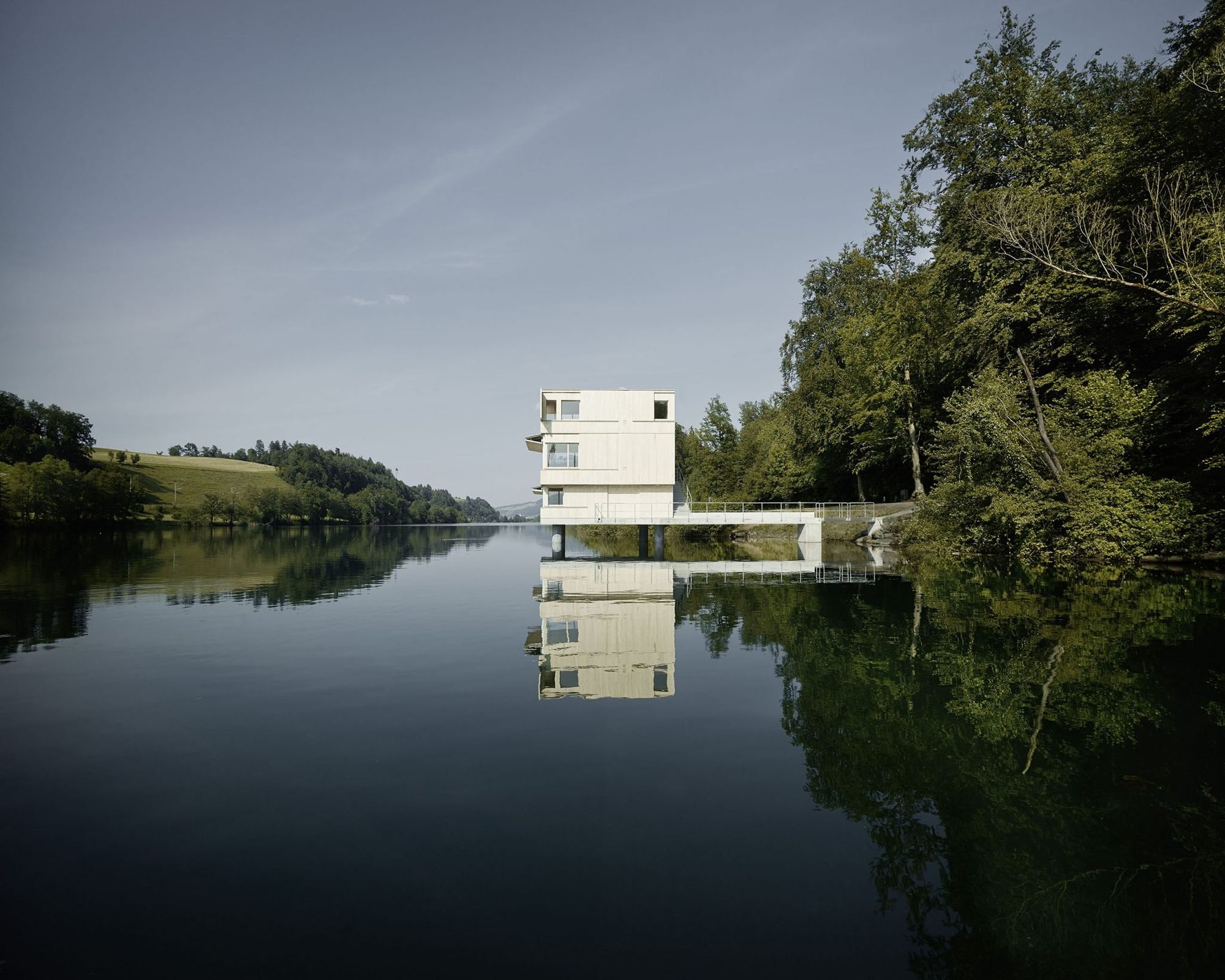
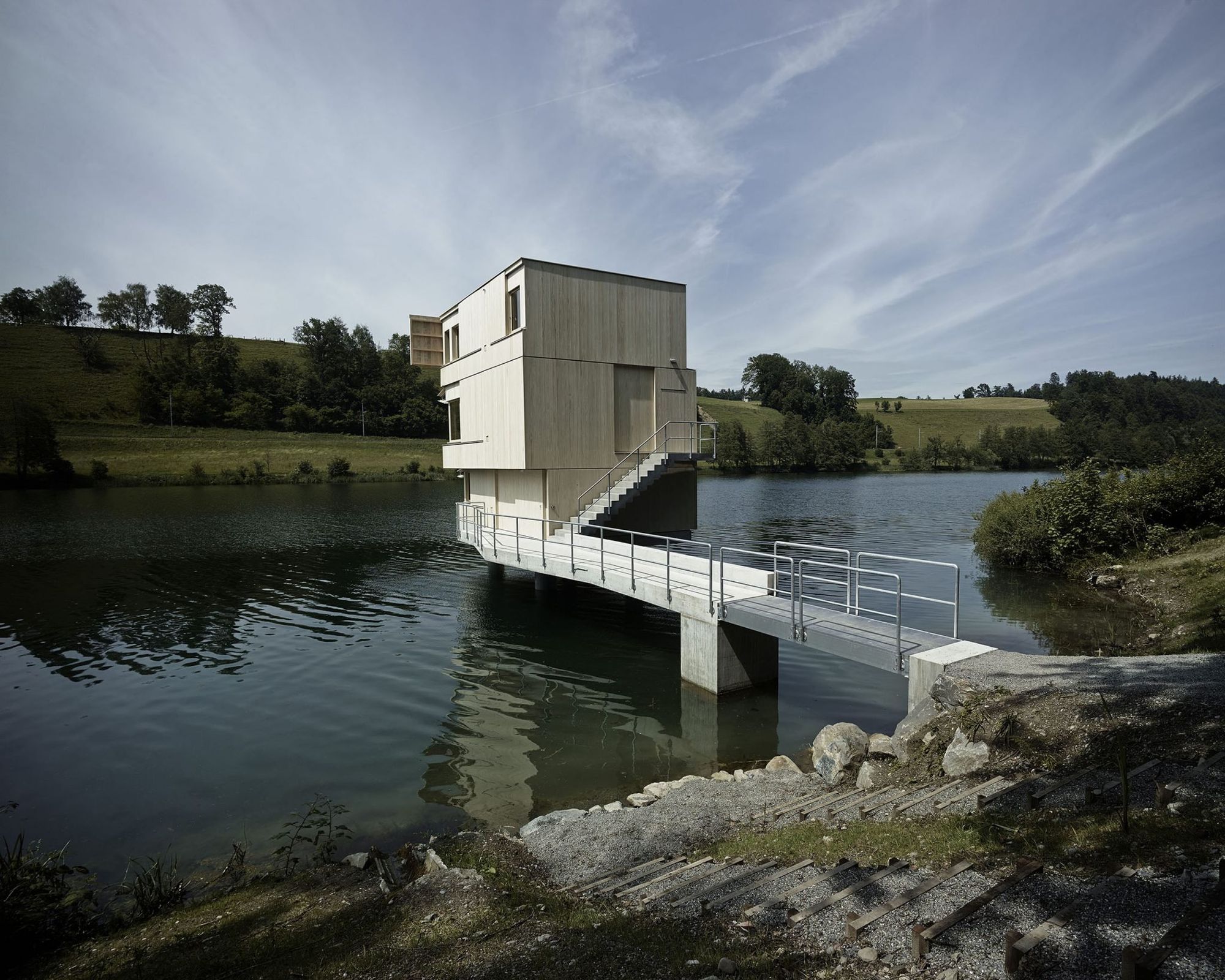
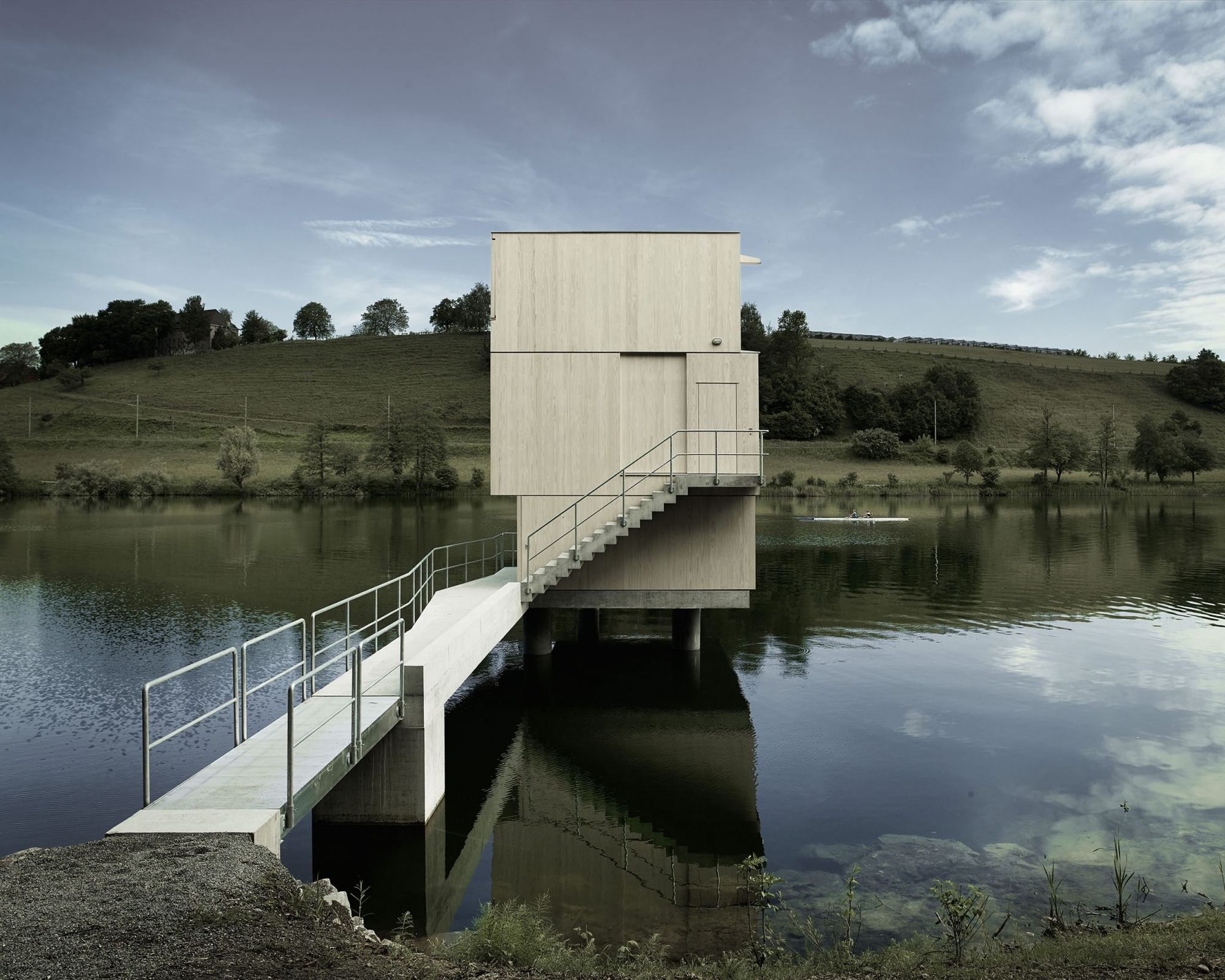
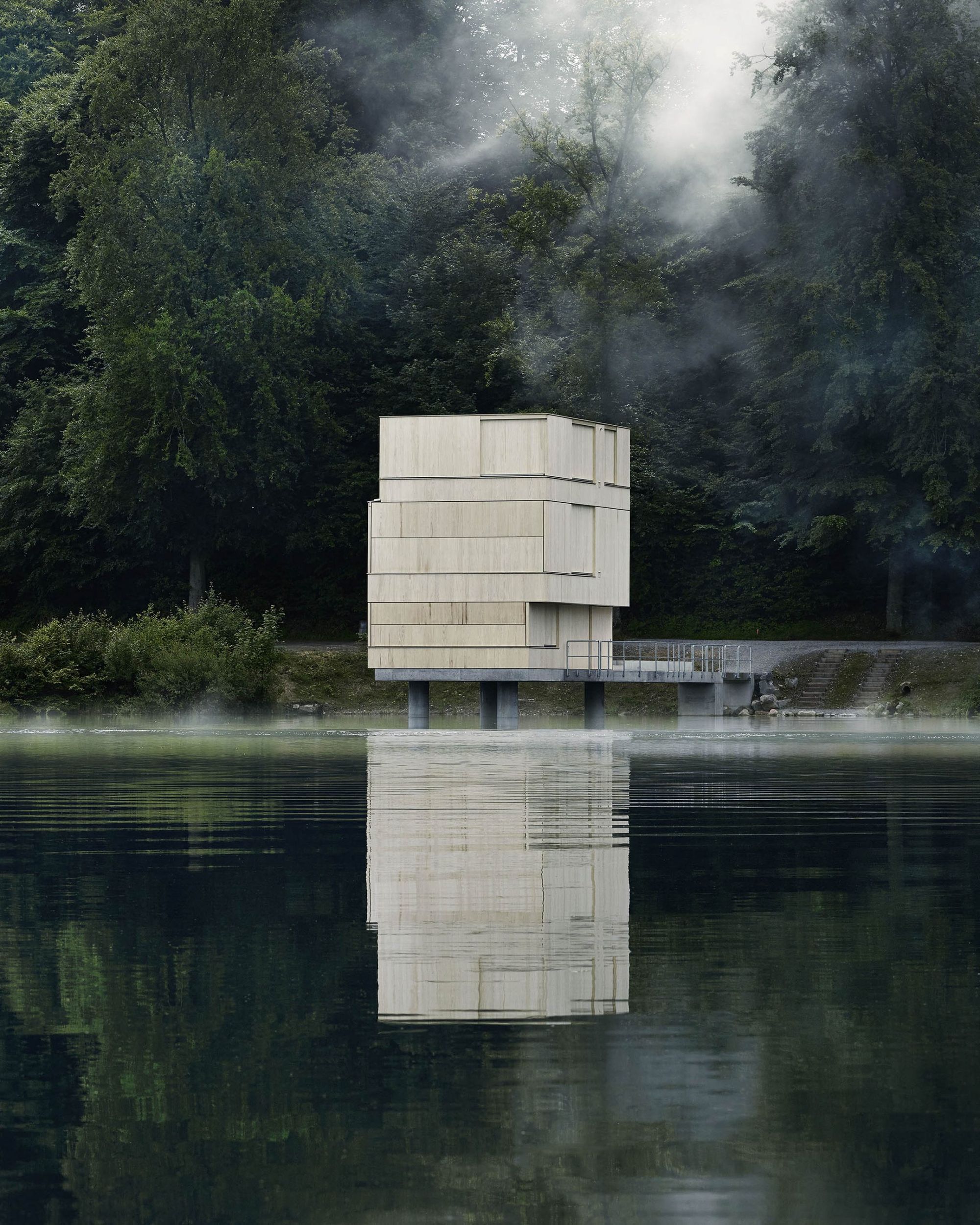
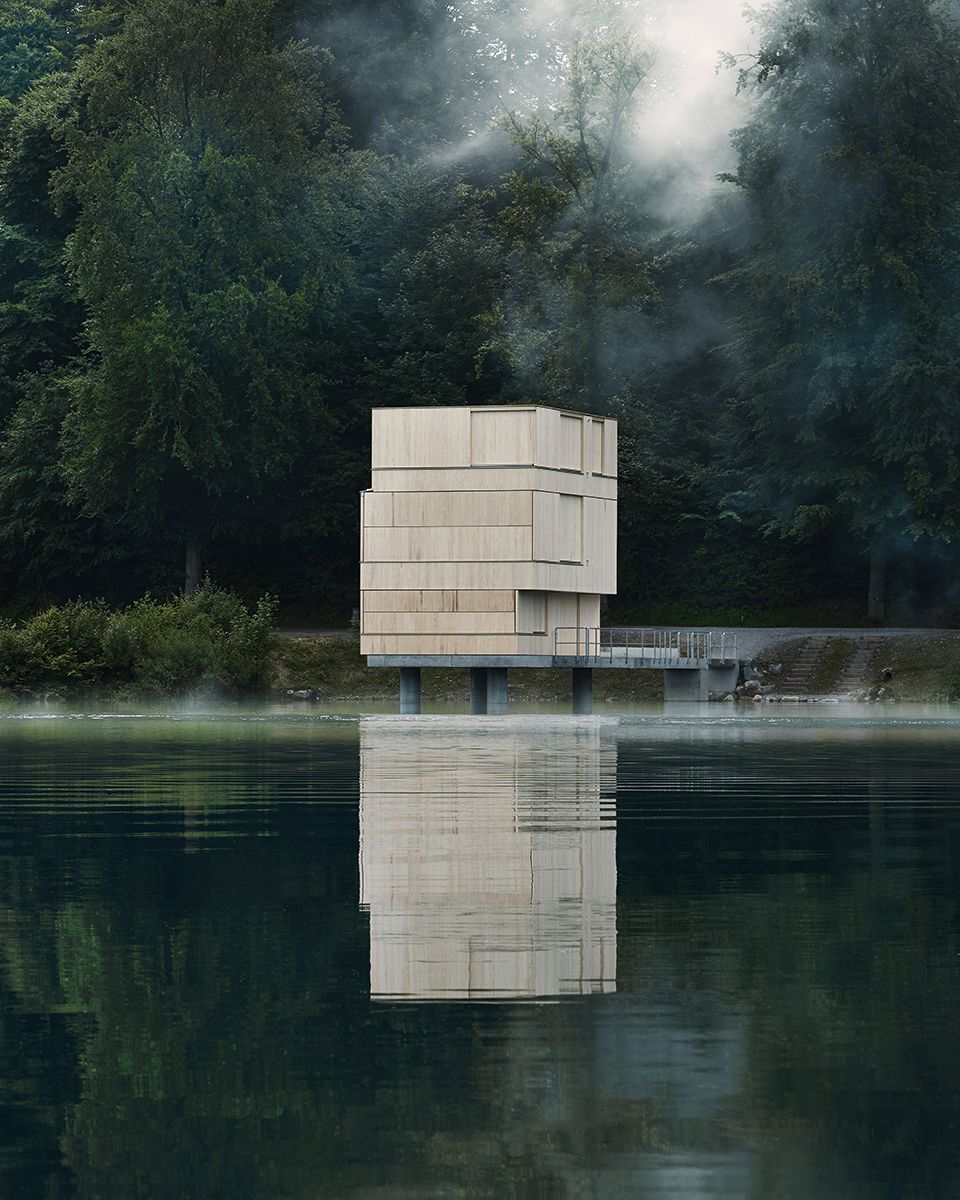
Lake Rotsee Refuge by AFGH Architekten firm
Arms 1 1999-2004 Chromogenic print Thomas Struth
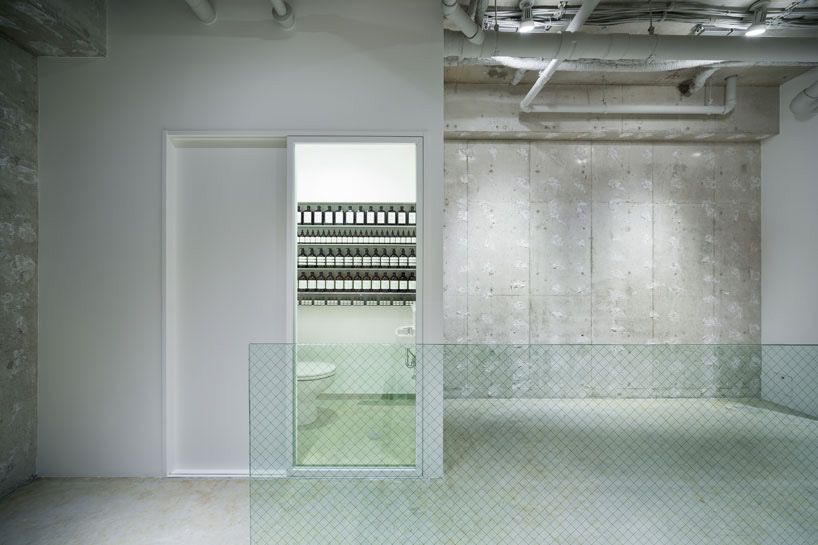
Aesop Kawaramachi Shop by Torafu Architects
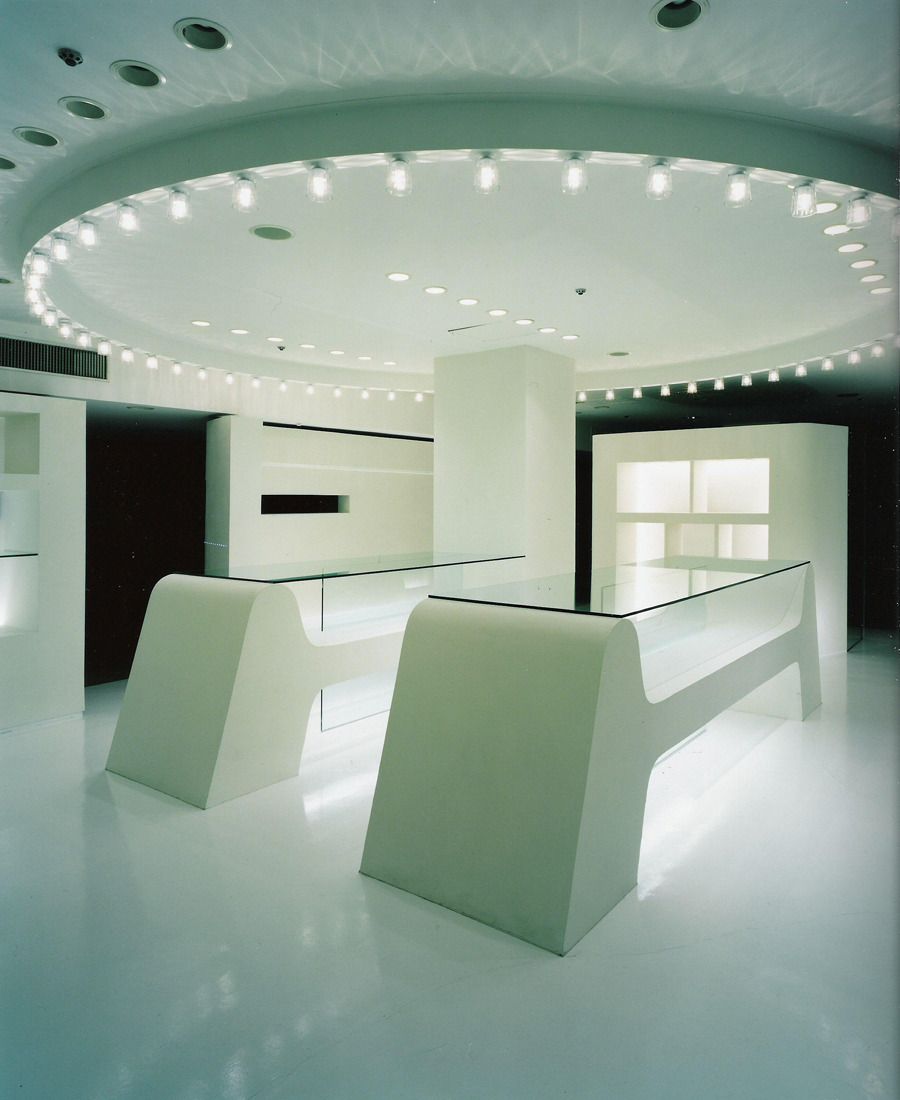
Jean Paul GAULTIER KYOTO BAL (2002)

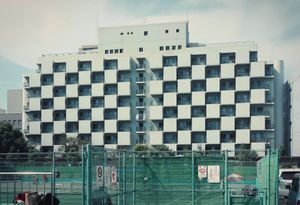
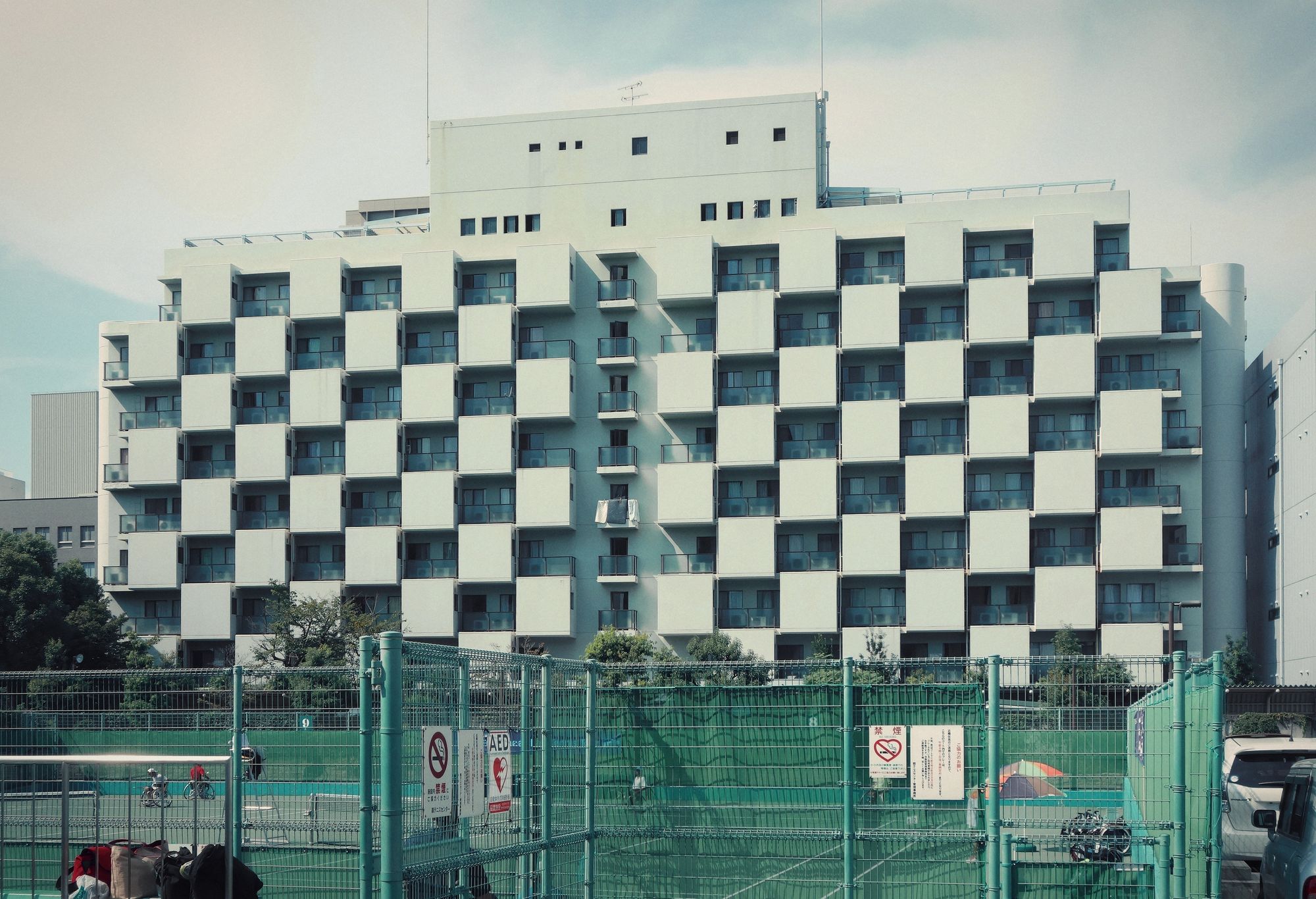
Sumitomo Hospital Seisen-ryo Apartments
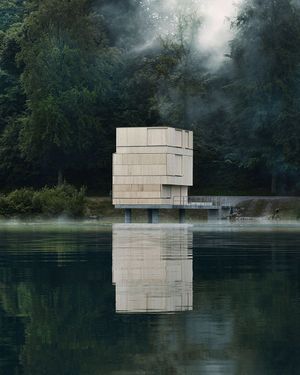
Andreas Fuhrimann Gabrielle Hächler - Zielturm Rotsee, Rotsee Luzern
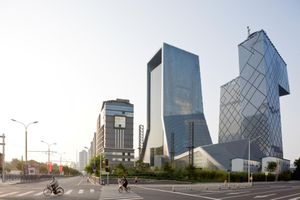
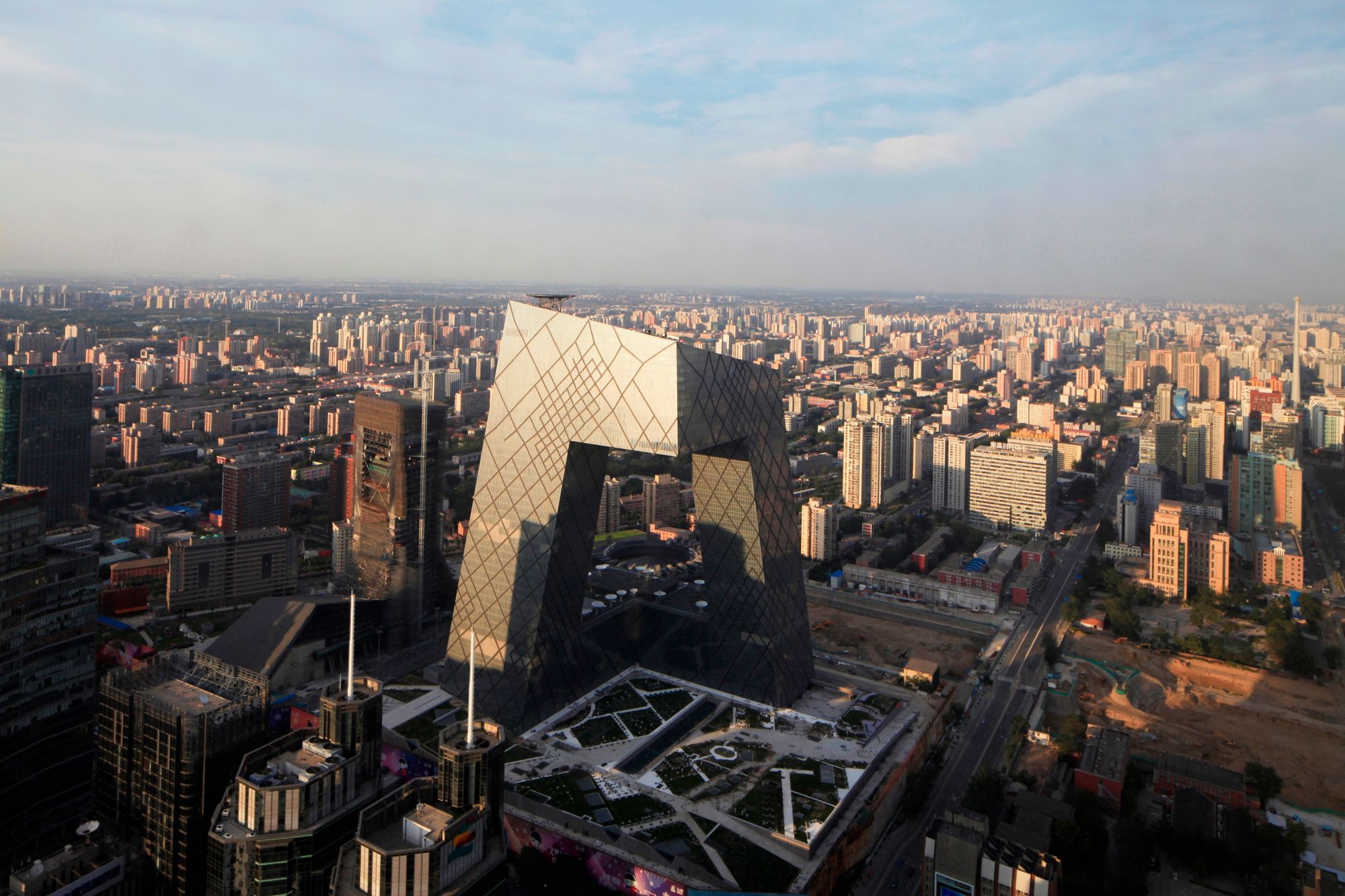
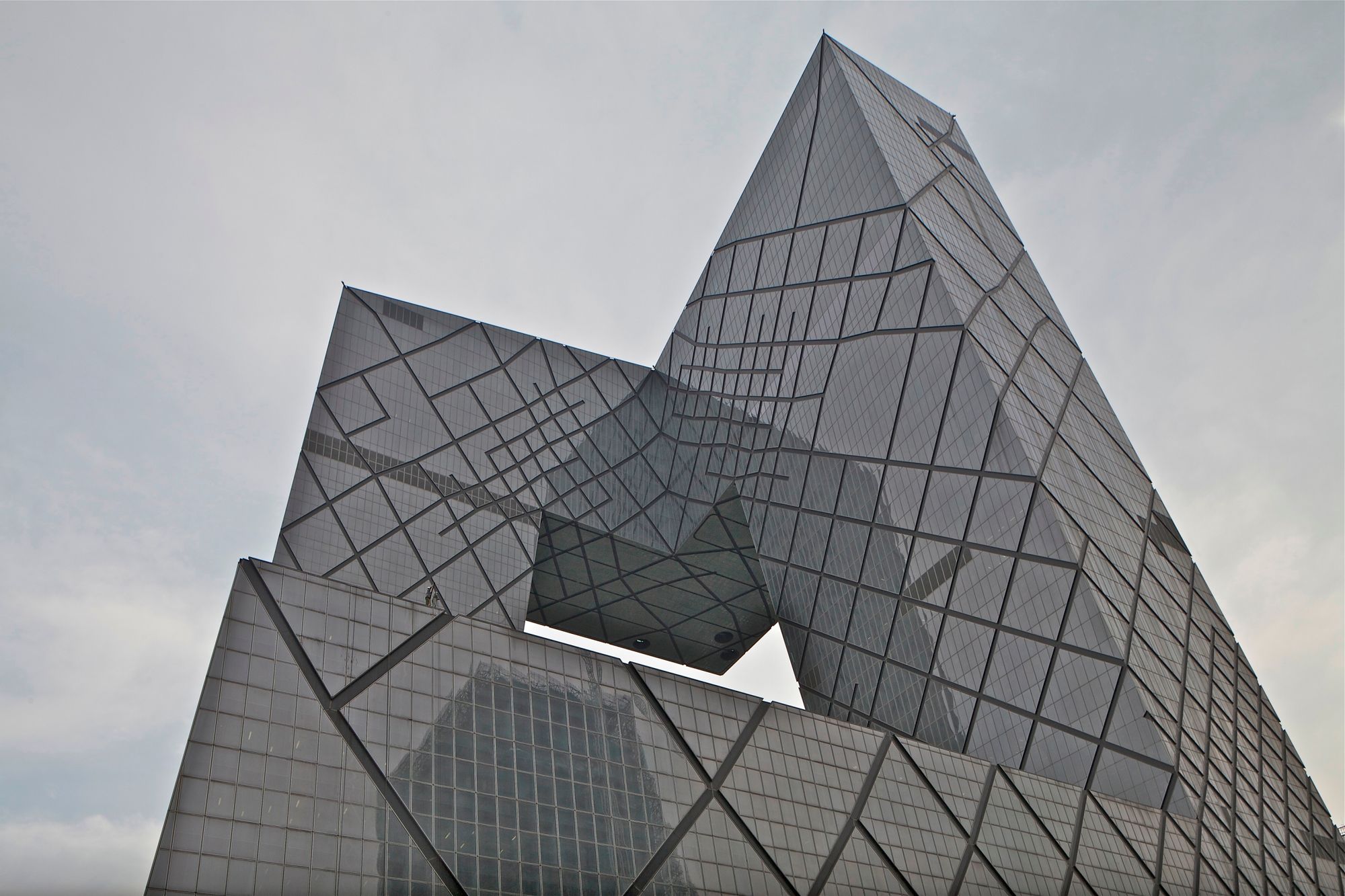
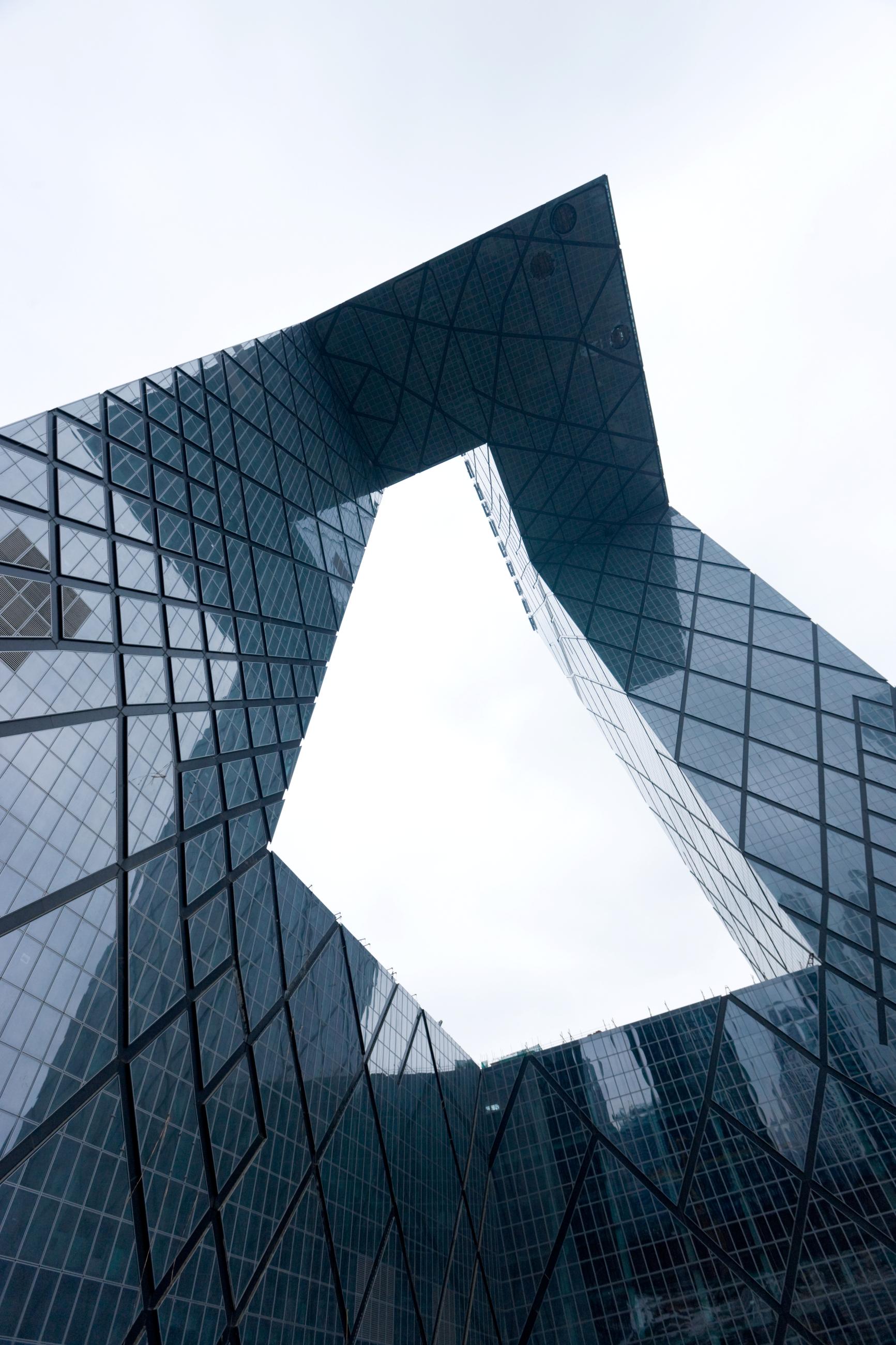
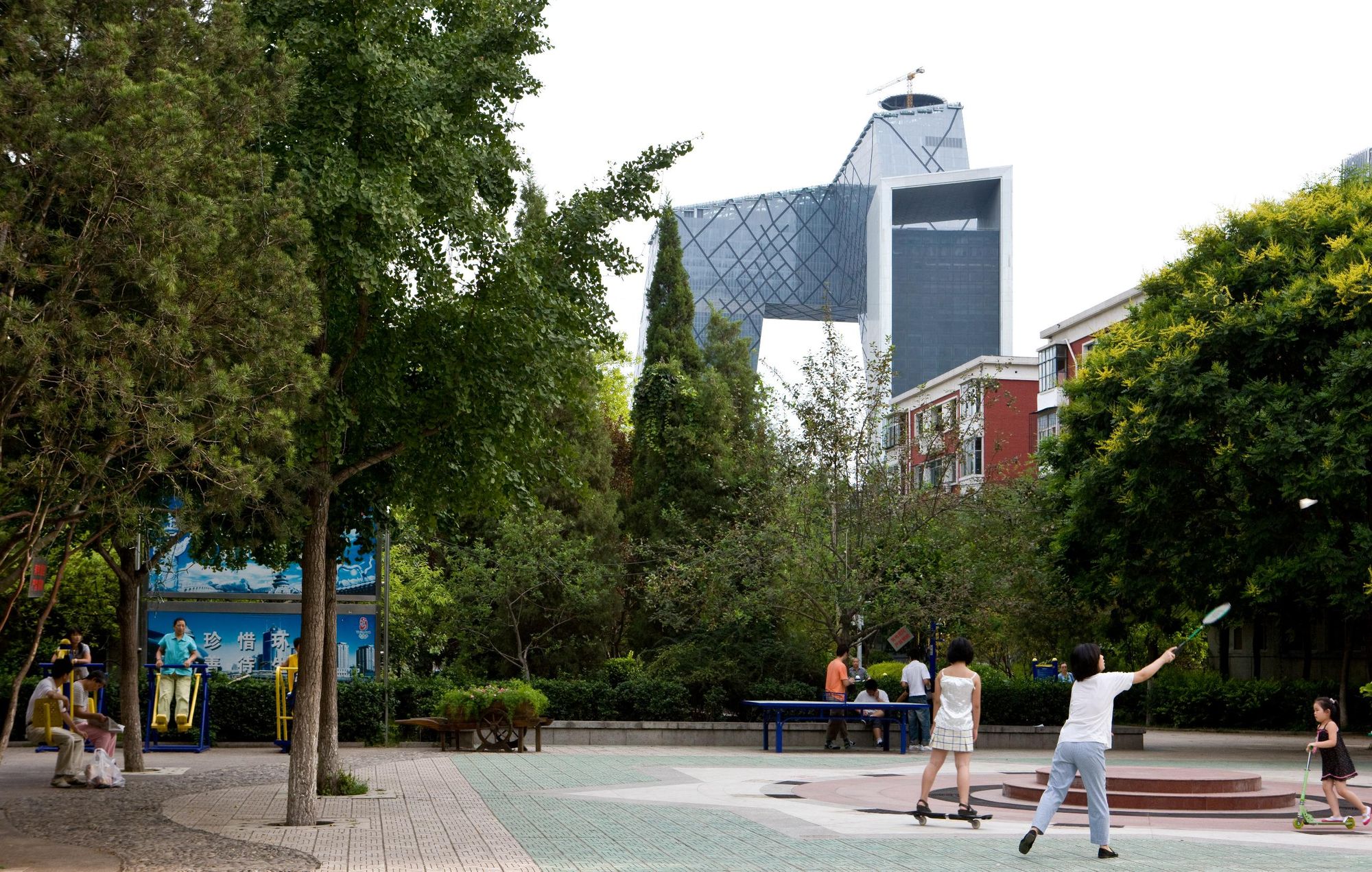
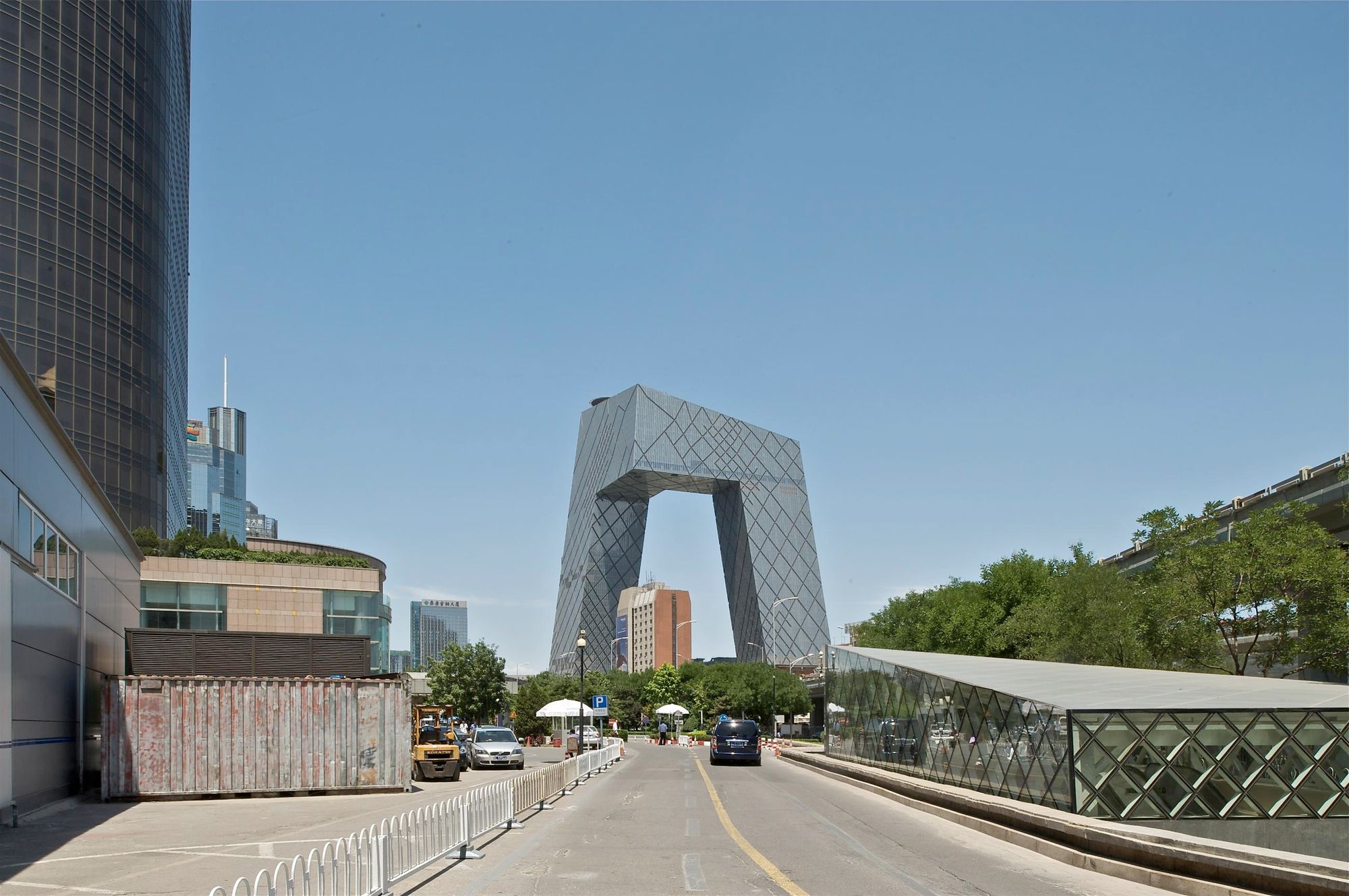
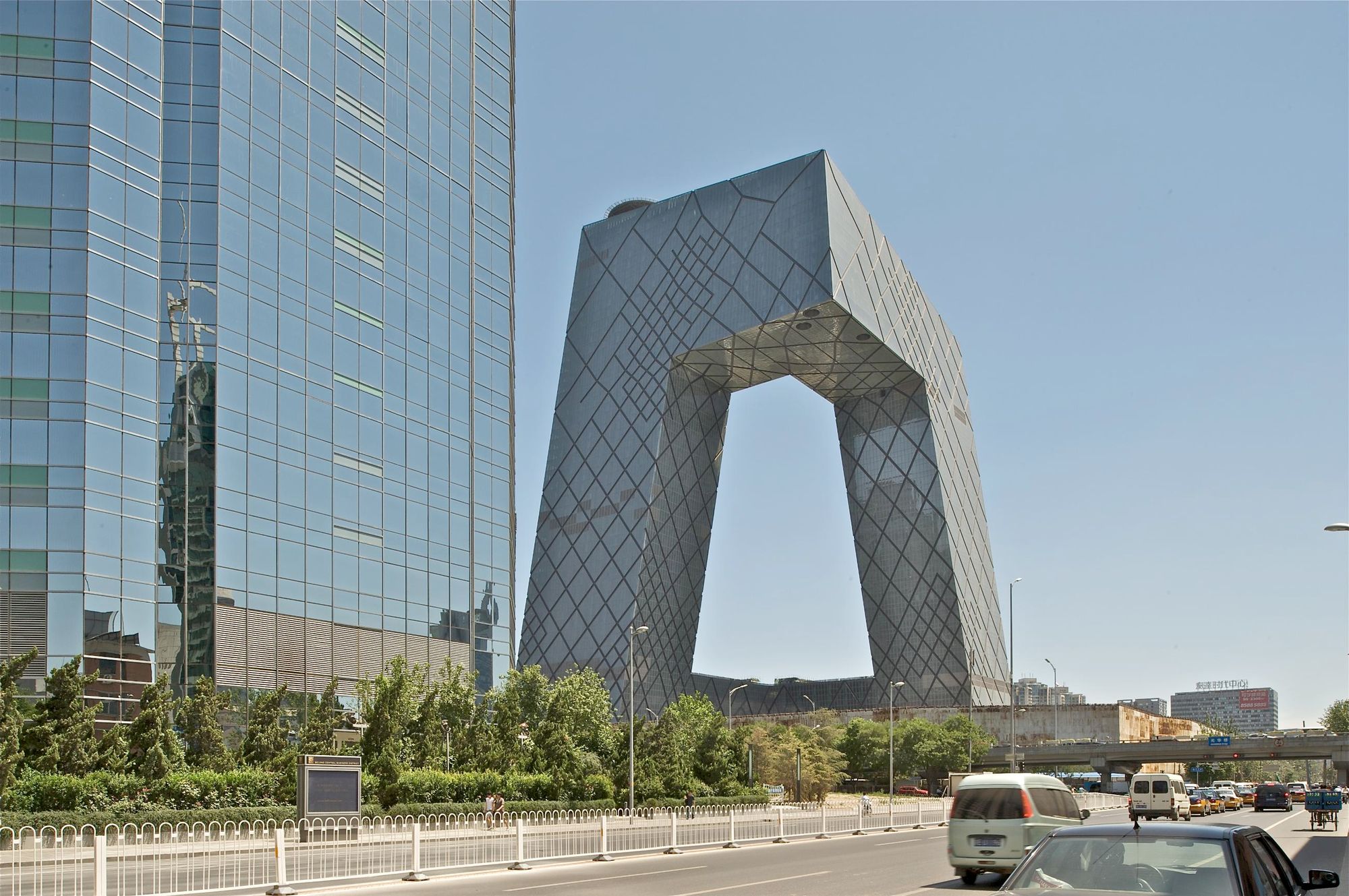
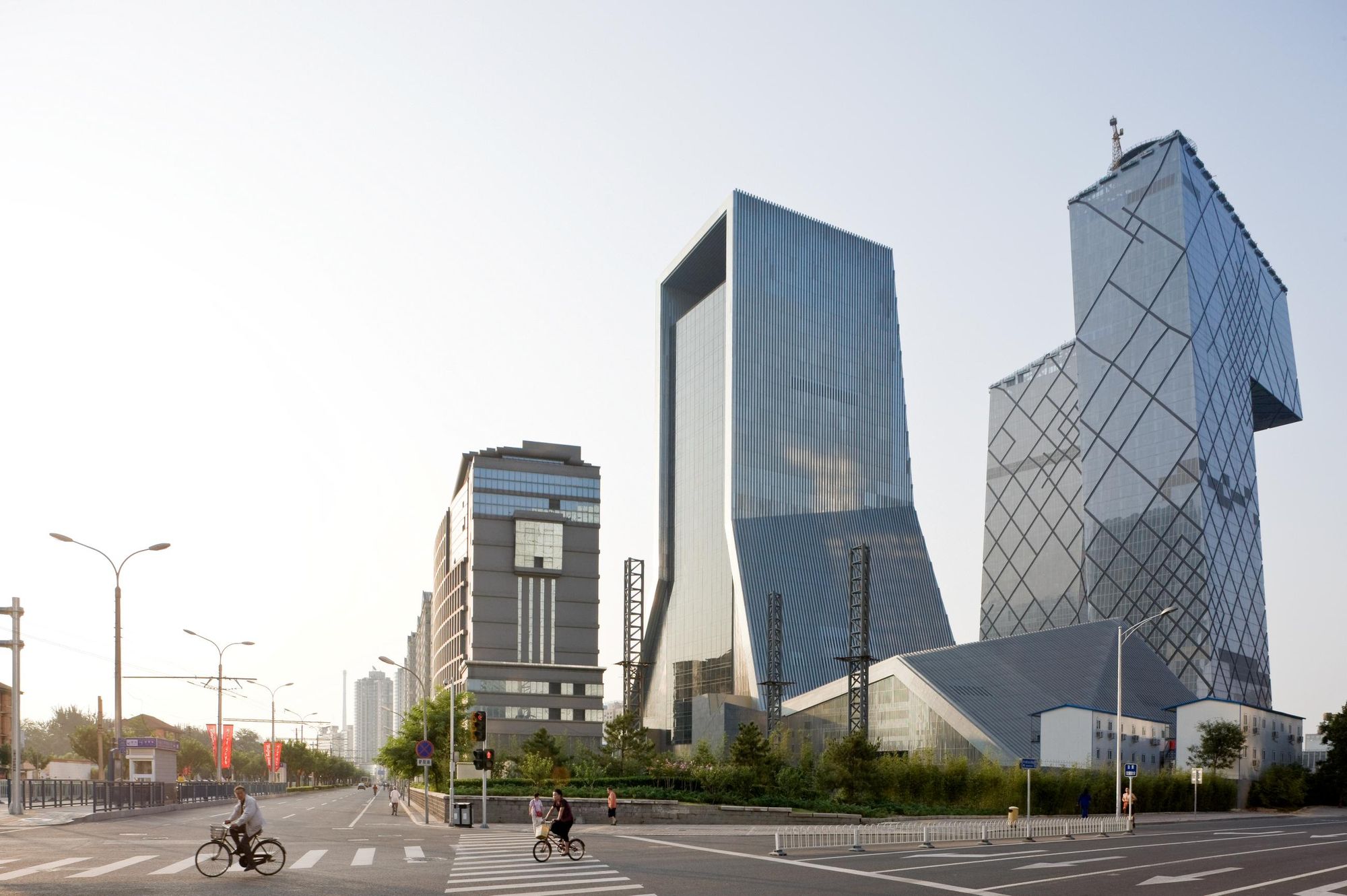
China Central Television (CCTV) Headquarters
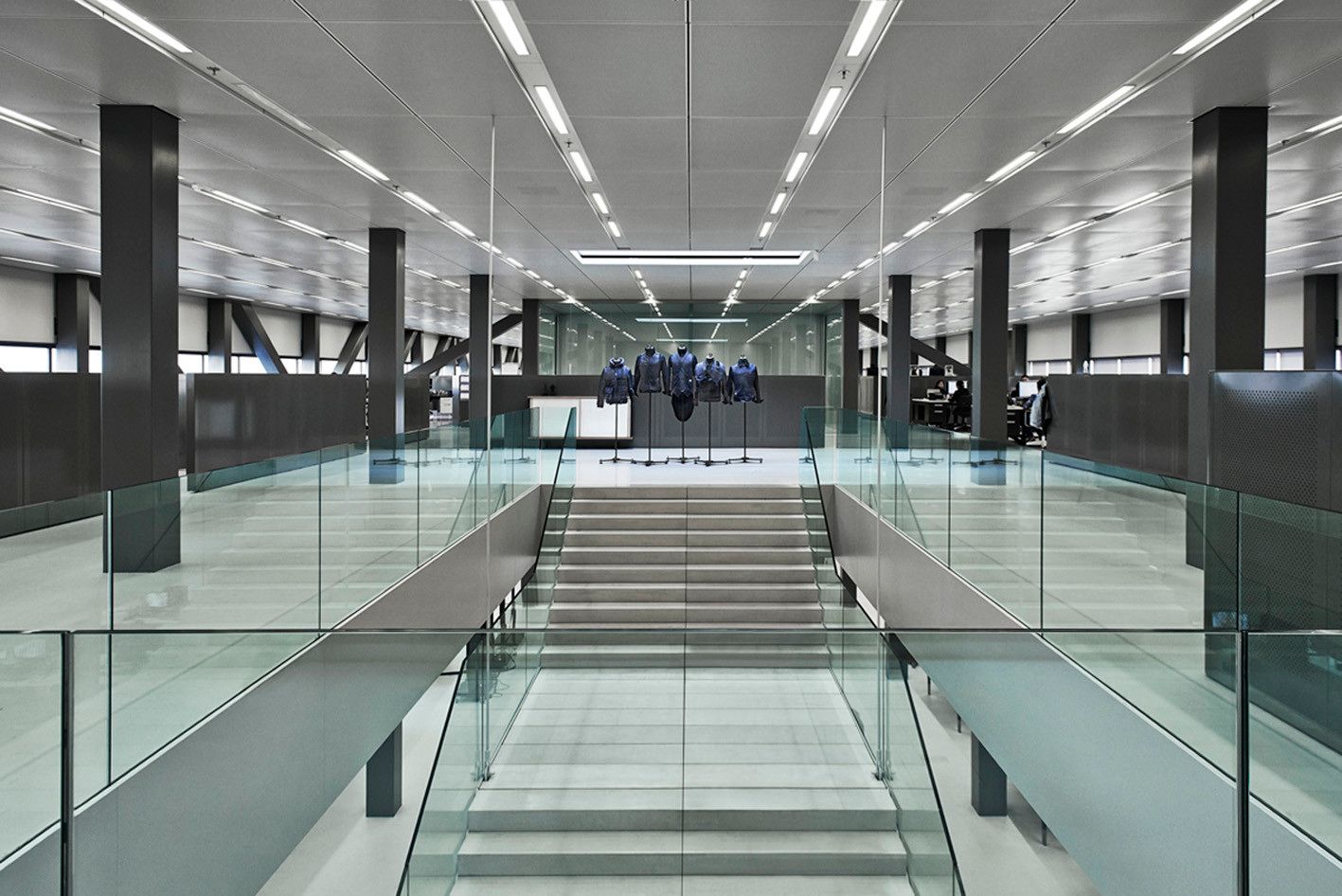
G-Star RAW HQ / OMA
The horizontal building spans 27,500 square meters and stretches 140 meters in length. It comprises a central creative hub that houses G-Star RAW's essential departments. This creative center is encircled by offices, parking spaces, and supporting amenities. The differentiation between the functional support areas and the dynamic creative core is emphasized by the use of distinct materials. The outer ring is constructed from black concrete, giving it a solid and unified appearance, while the transparent glass facade reveals the vibrant creative core within. The lower section of the ring serves as a base for parking and drop-off purposes, as well as a platform for installations and events.
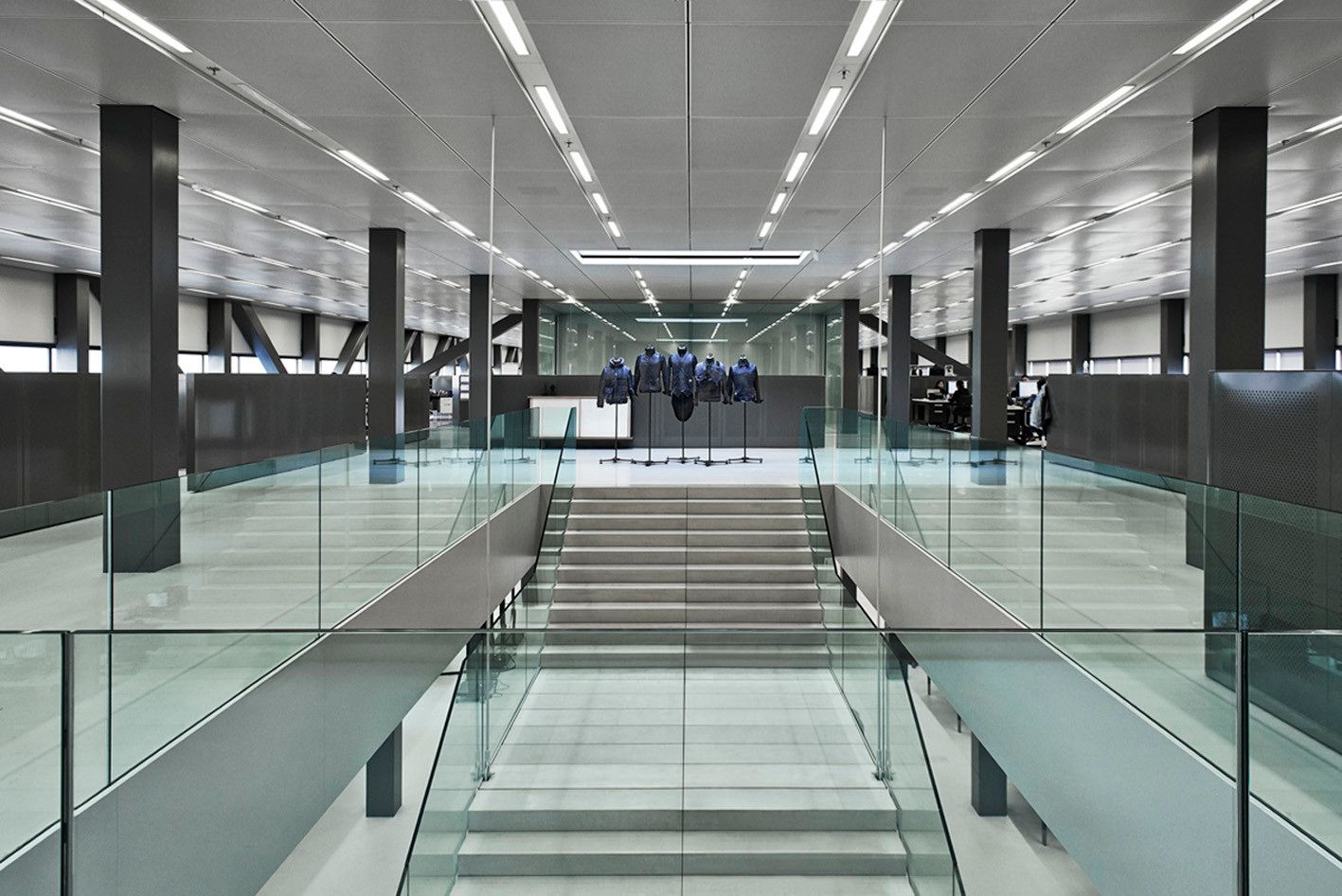
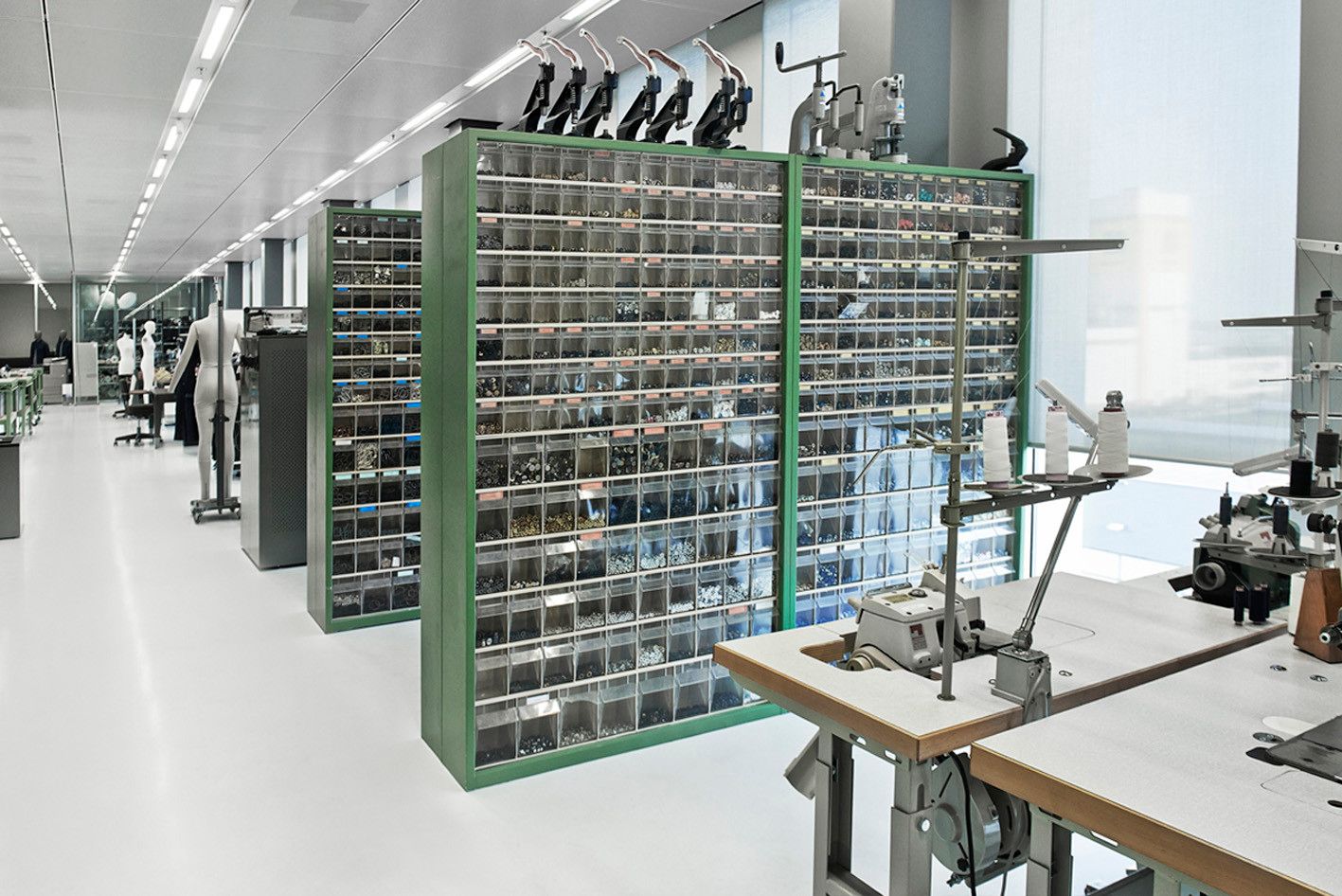
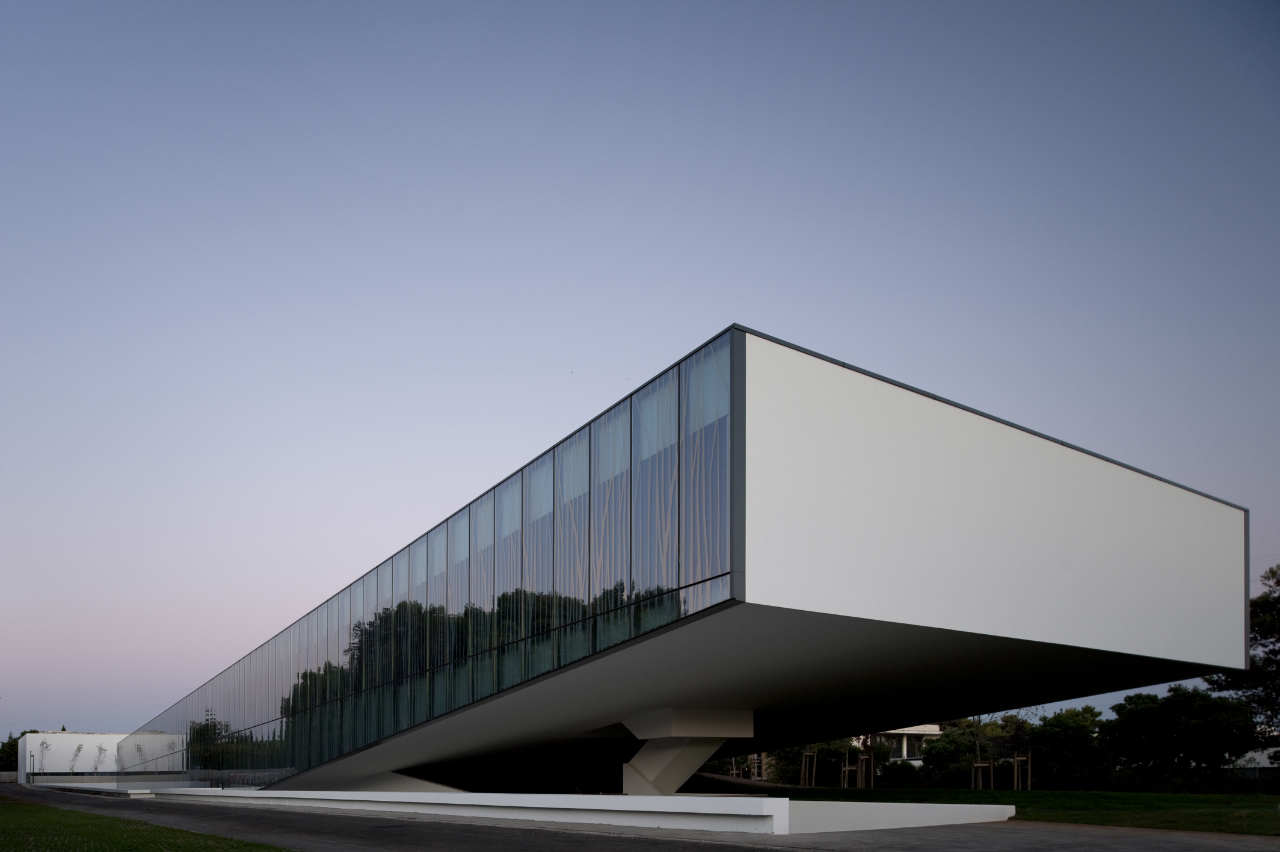
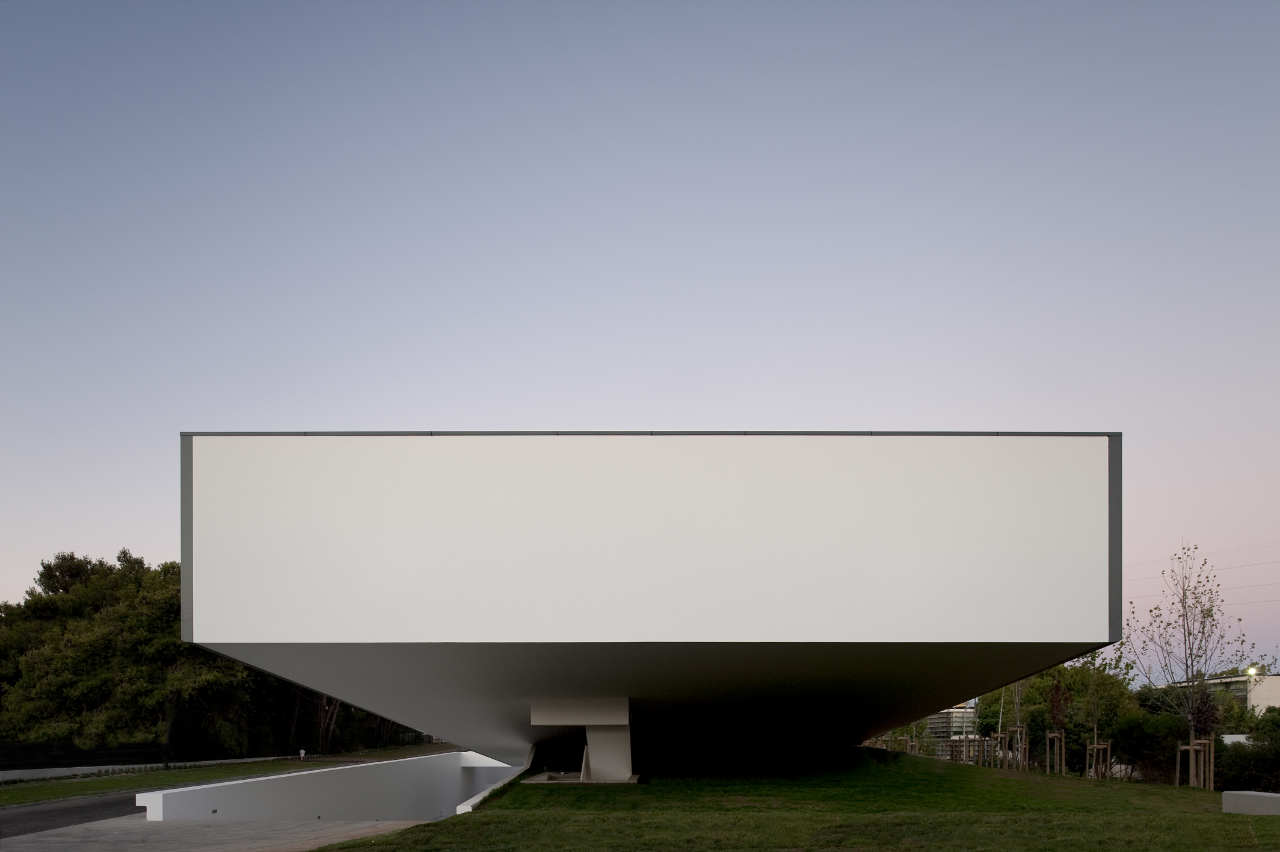
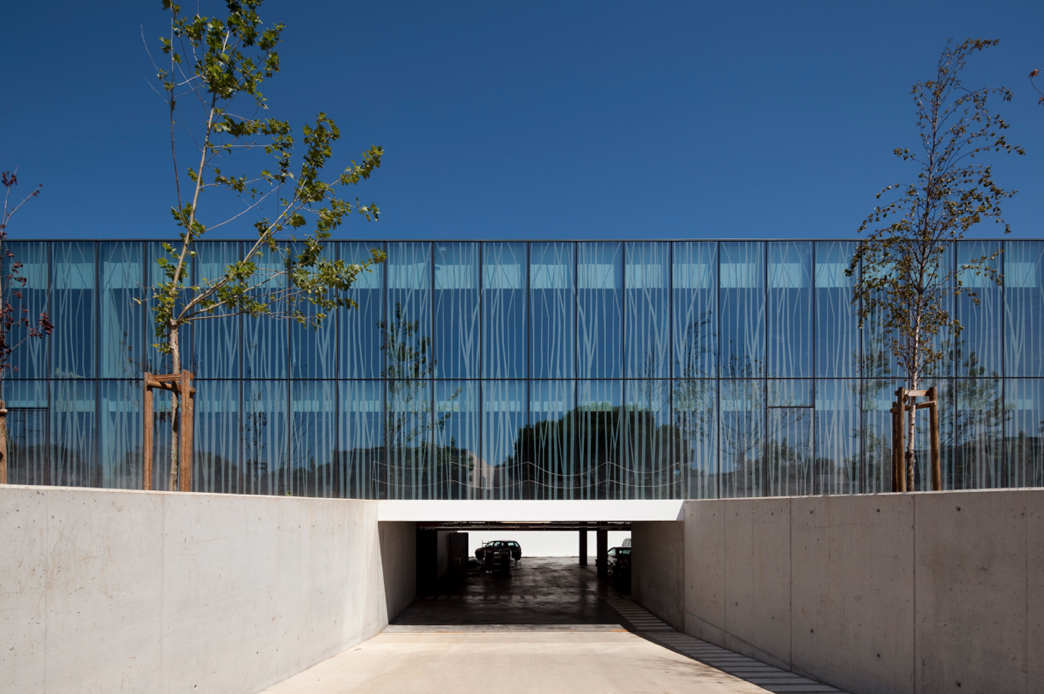
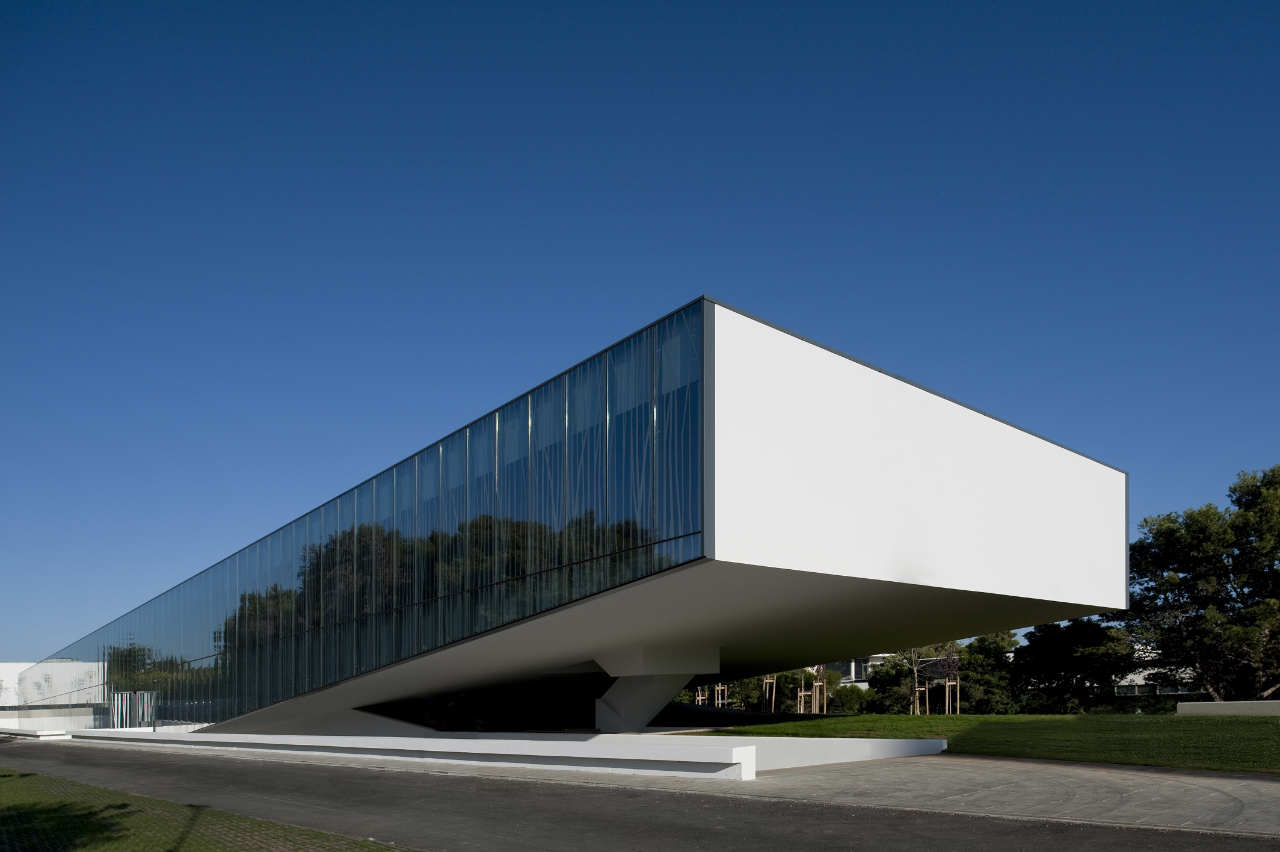
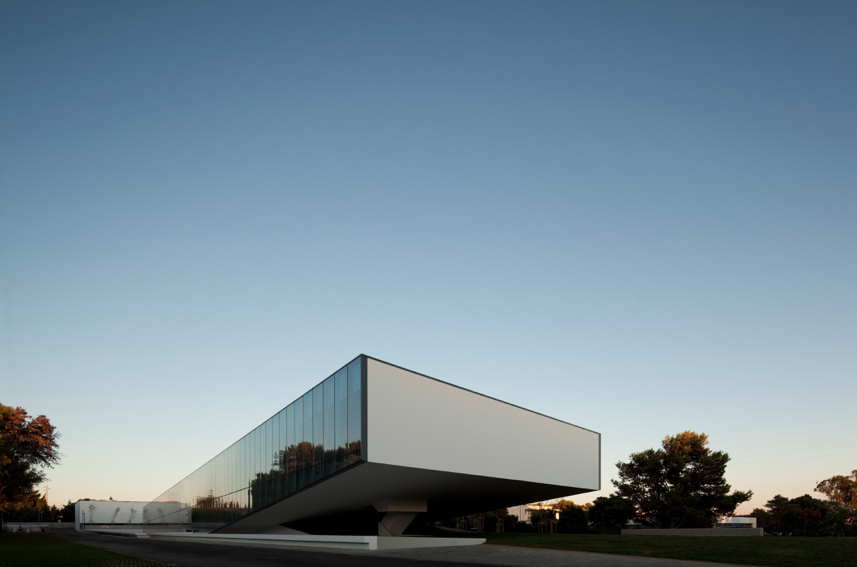
Alcatel Head Office by Frederico Valsassina Architects
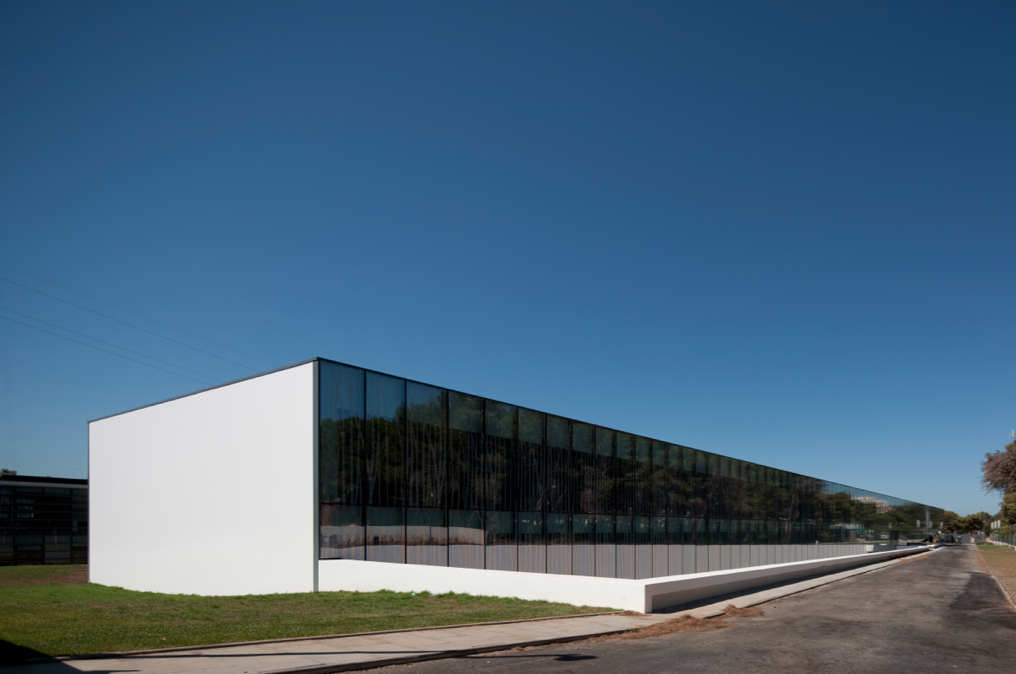
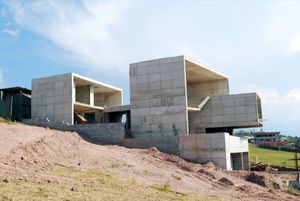
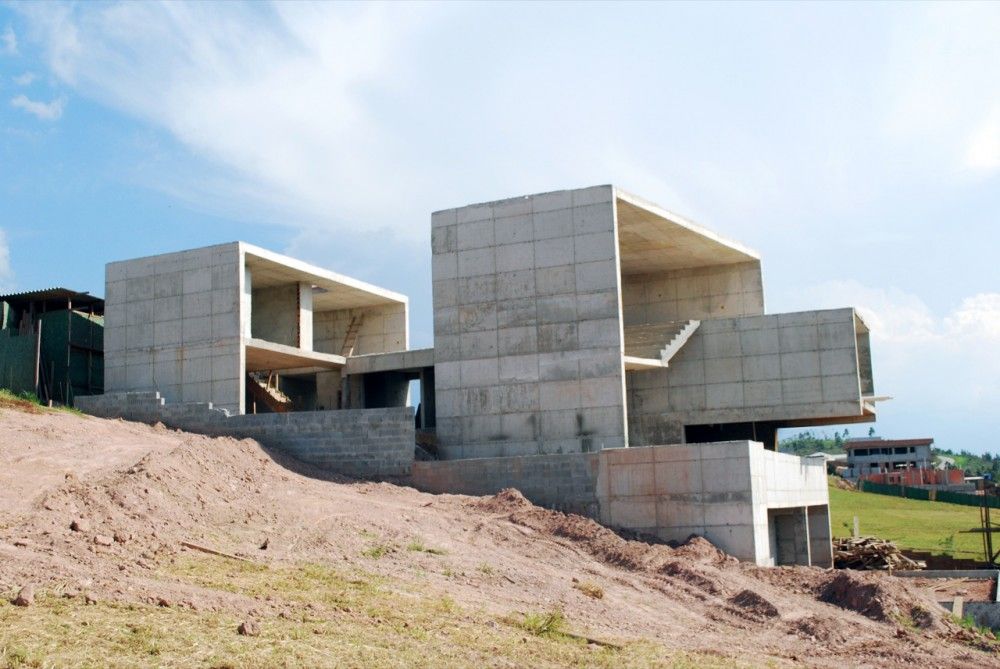
Residência Itahye / Apiacás Arquitetos + Brito Antunes Arquitetura
Designed to be implanted in a plot of a condominium in the city of Santana do Parnaíba, it was possible to develop the project of this house with the contribution of its future resident who, in an unusual way in these situations, he agreed with a house that would establish a more frank relationship with the street.
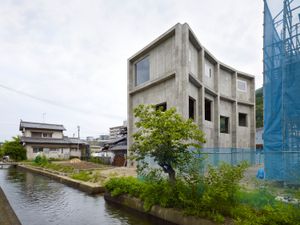
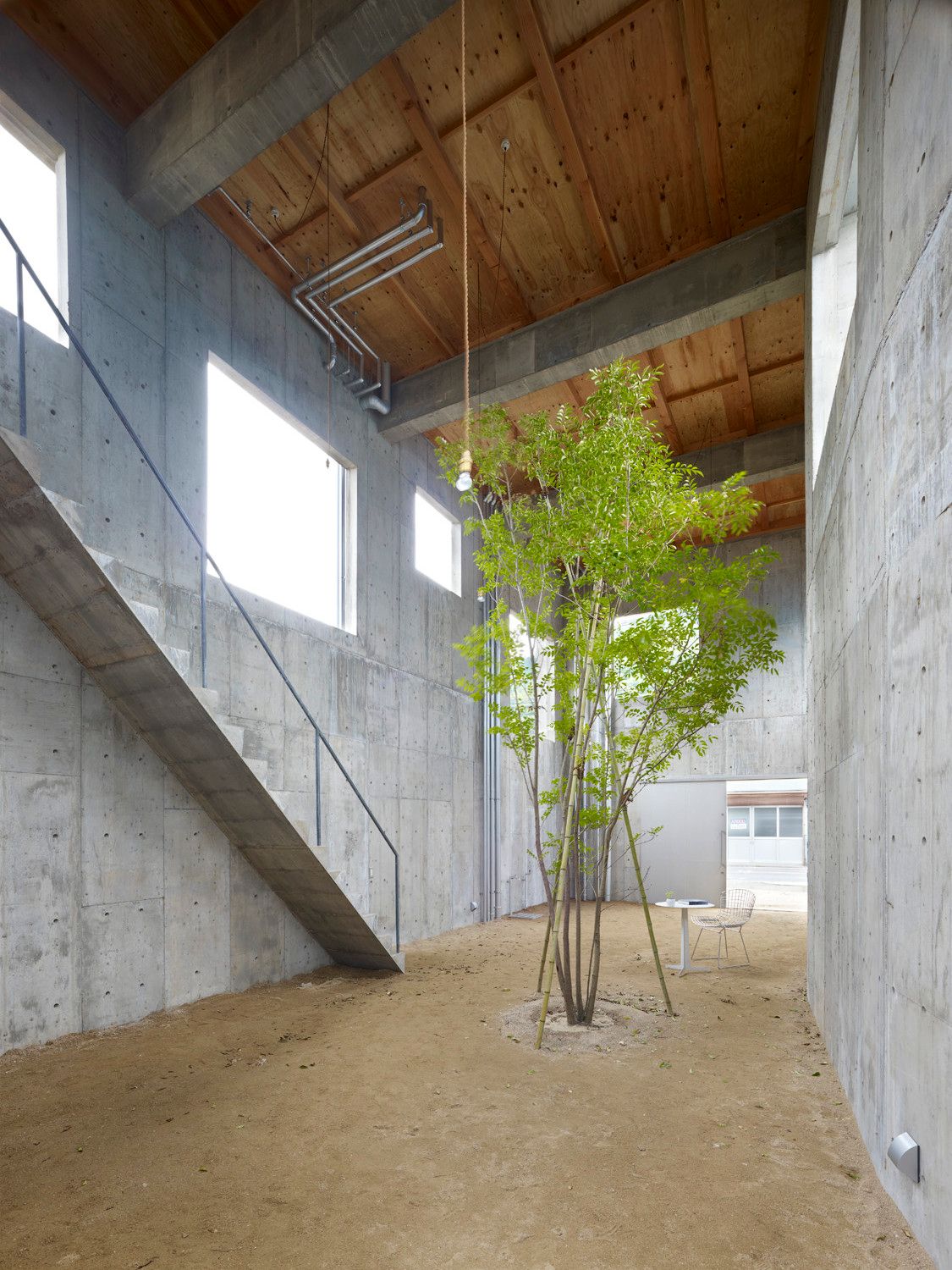
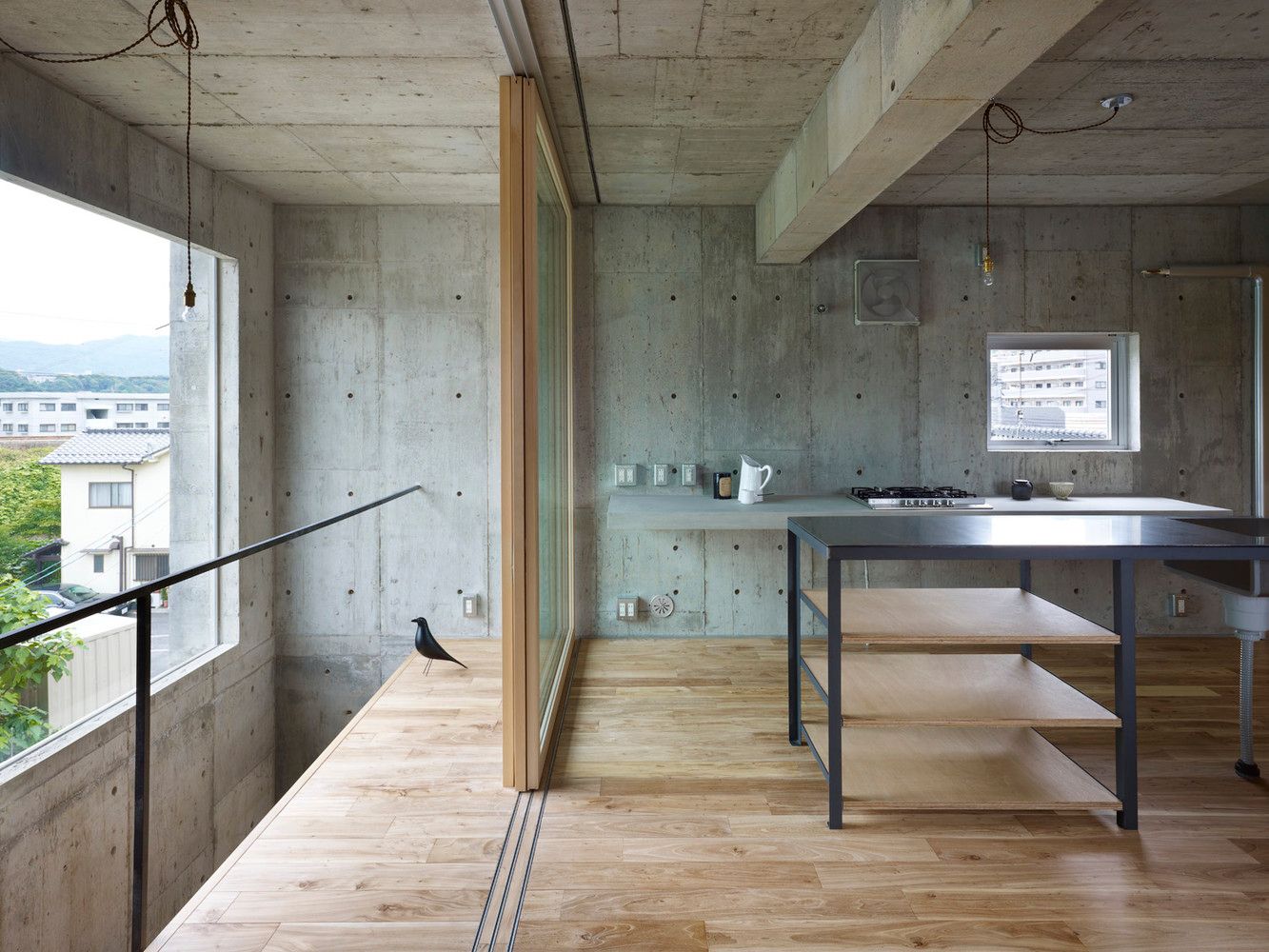
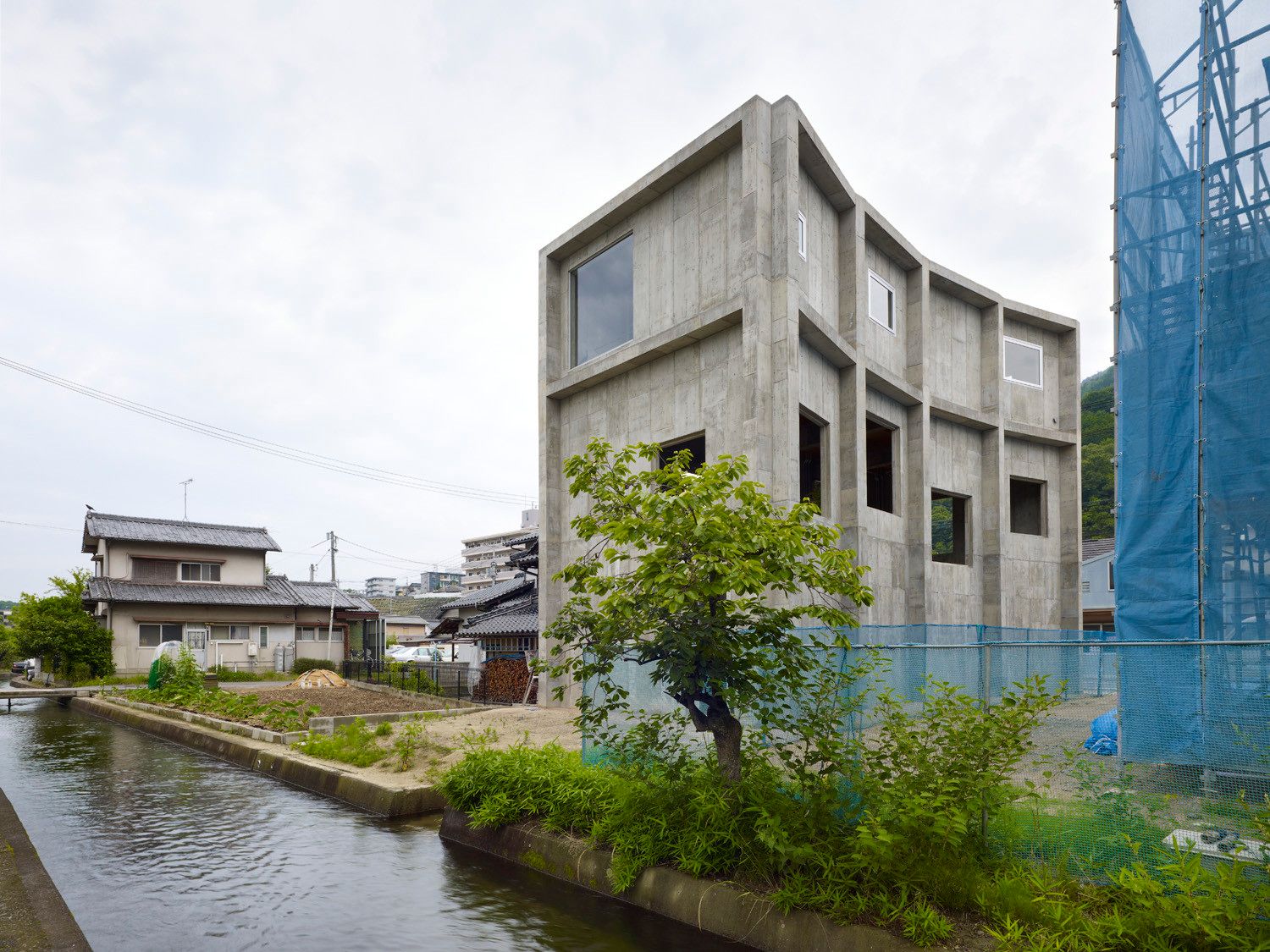
The House of Yagi by Suppose Design Office + Ohno Japan
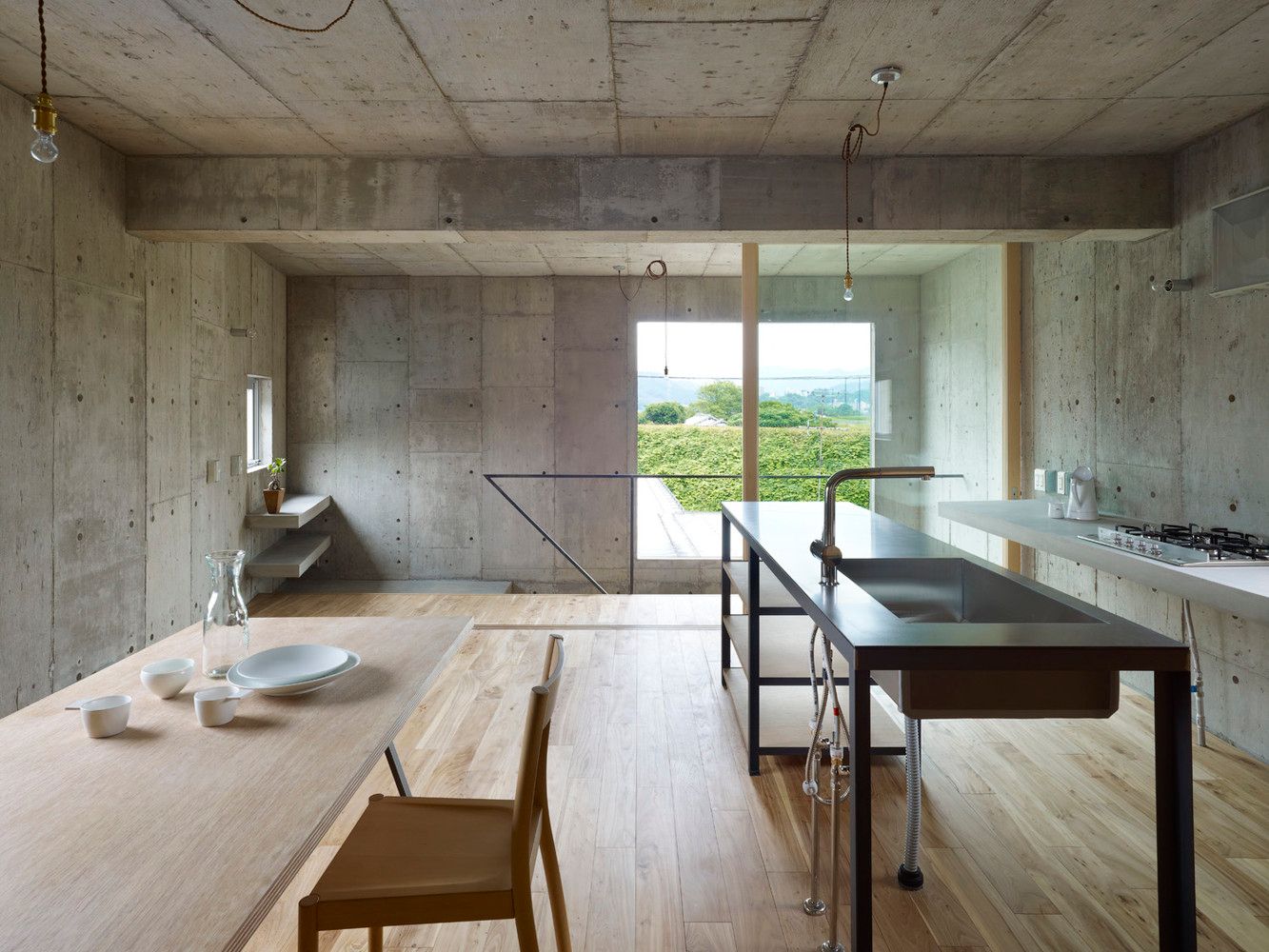
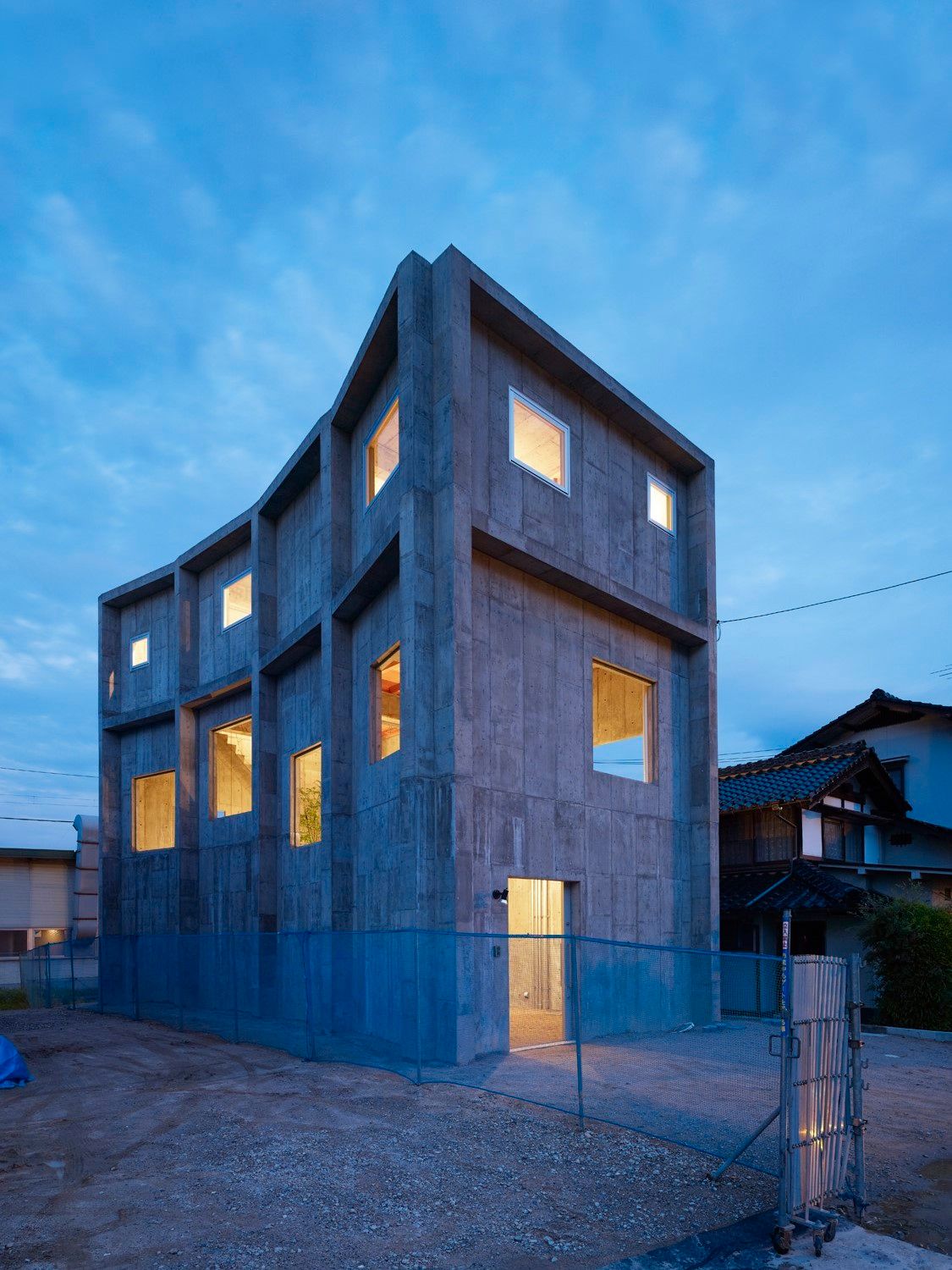
Text description provided by the architects. The House of Yagi is designed with the idea of an incomplete/complete form. Unlike other projects, the final stage of construction for this house was not aiming towards a finish stage, but to let the owner experience the sense of completion after living here. Interior space of the house is designed to maximize the interaction to its surrounding environment.

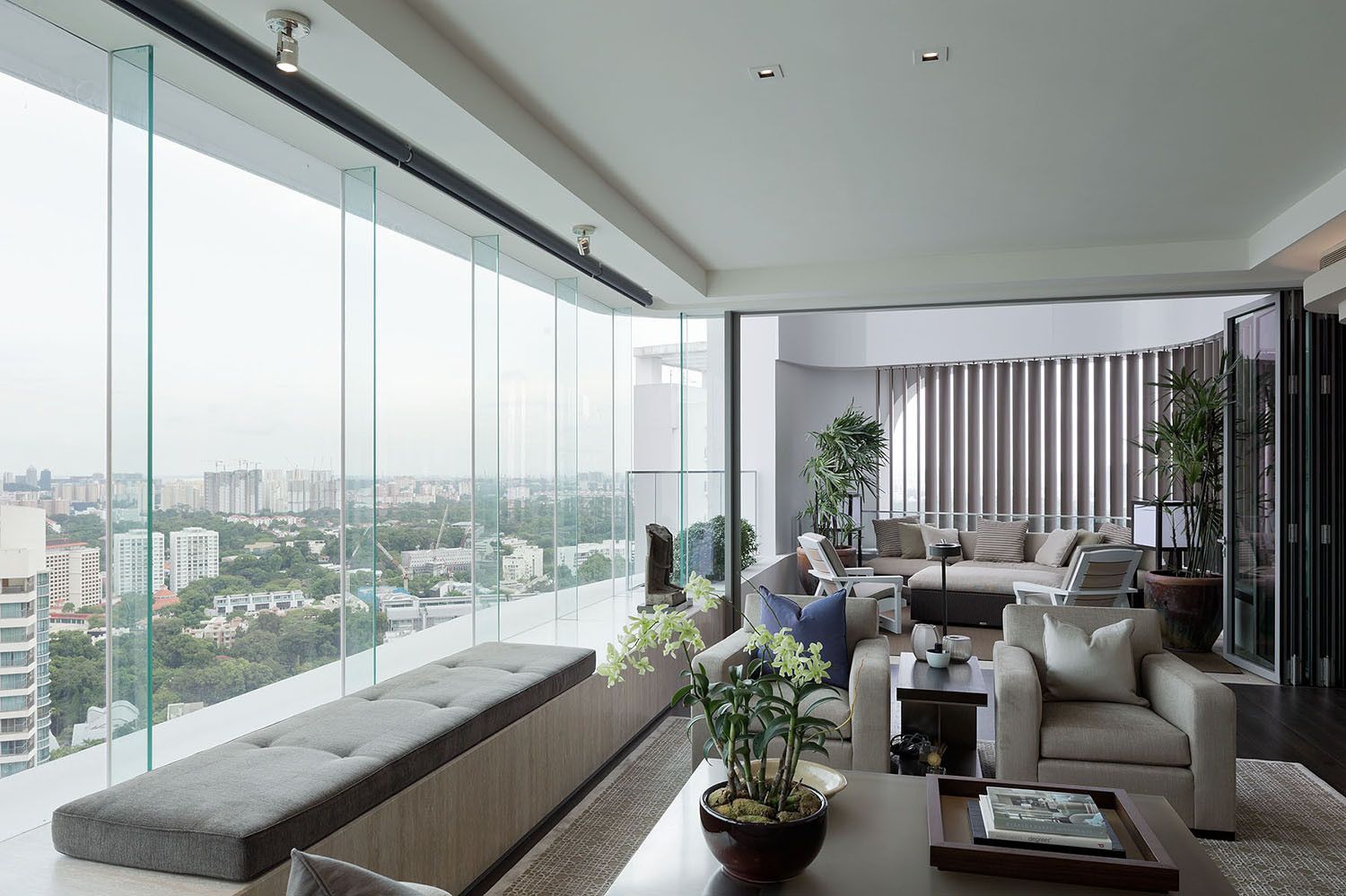
Ardmore Residence by UNStudio in Singapore
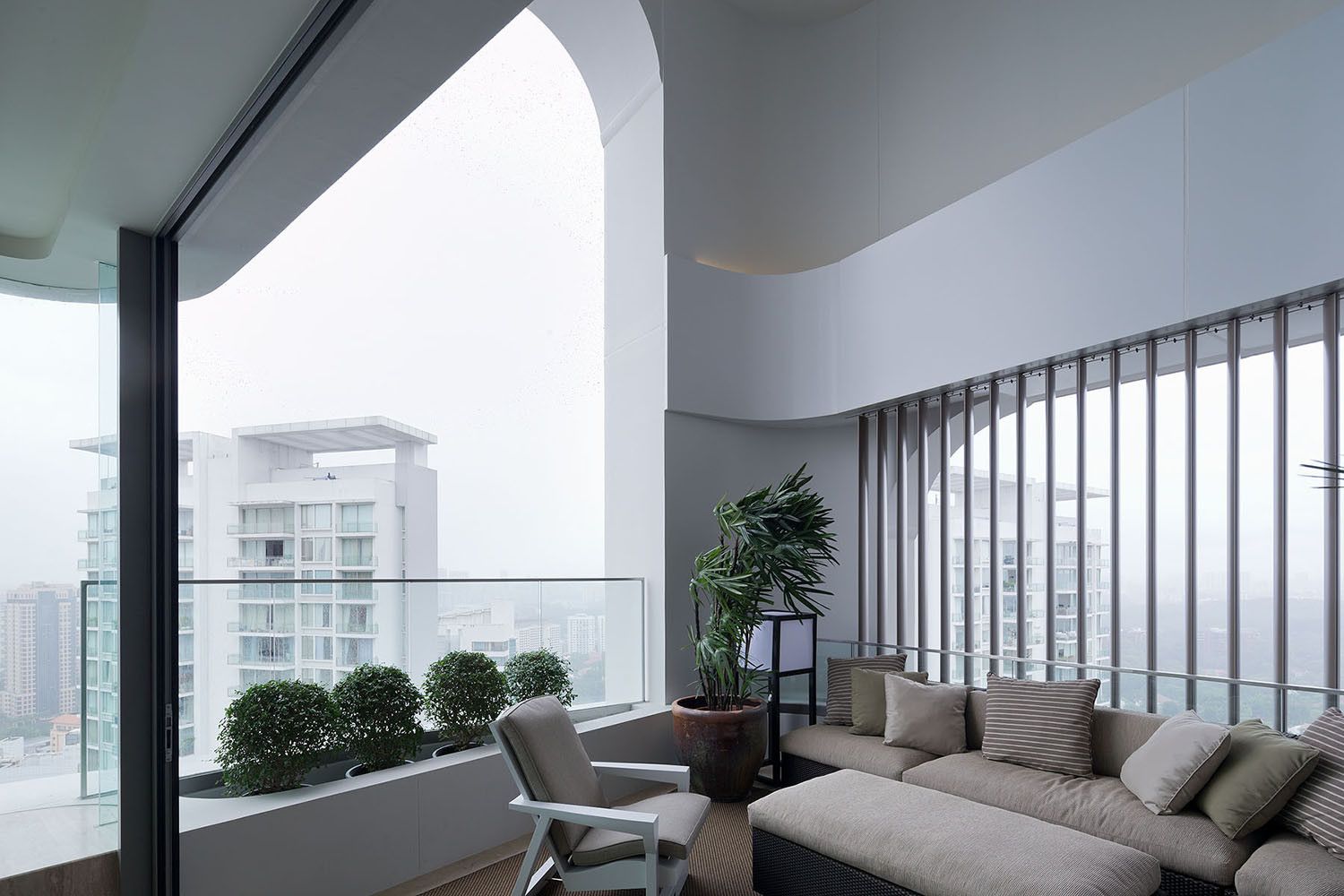
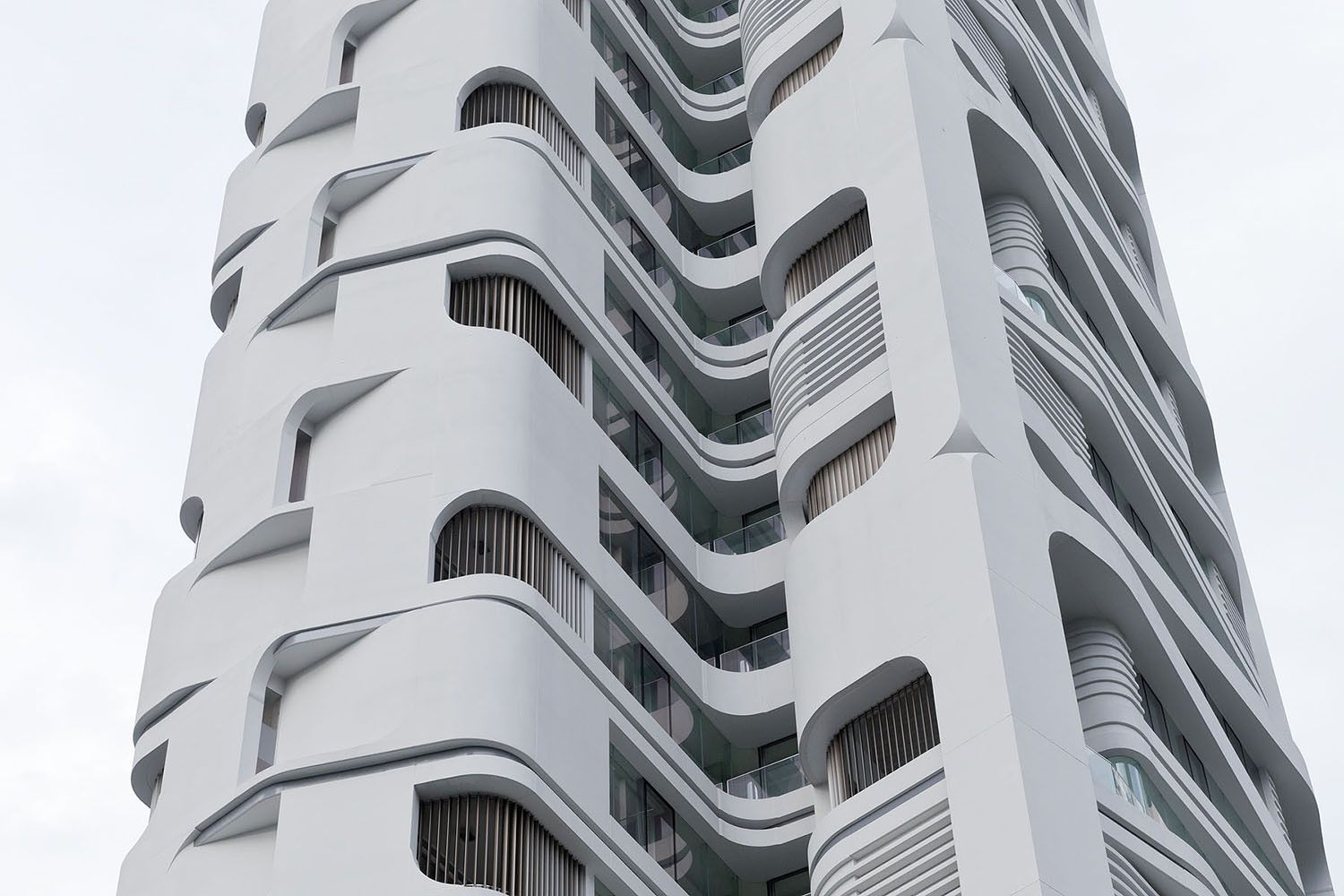
The primary concept for the design of the 36 storey, 17.178 m² residential tower is a multi-layered architectural response to the natural landscape inherent to the ‘Garden City’ of Singapore. This landscape concept is integrated into the design by means of four large details: the articulation of the facade, which through its detailing creates various organic textures and patterns; expansive views across the city made possible by large glazed areas, bay windows and double-height balconies; the interior ‘living landscape’ concept adopted for the design of the two apartment types and the introduction of transparency and connectivity to the ground level gardens by means of a raised structure supported by an open framework.
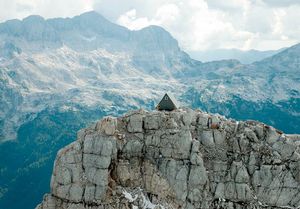
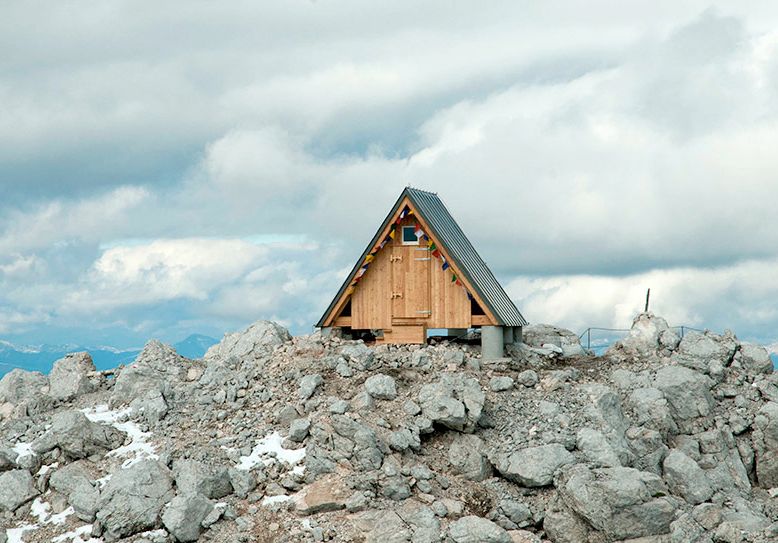
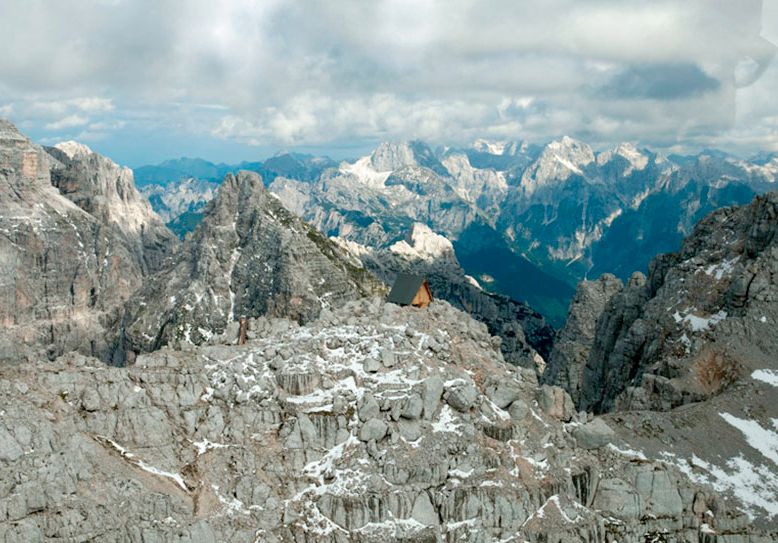
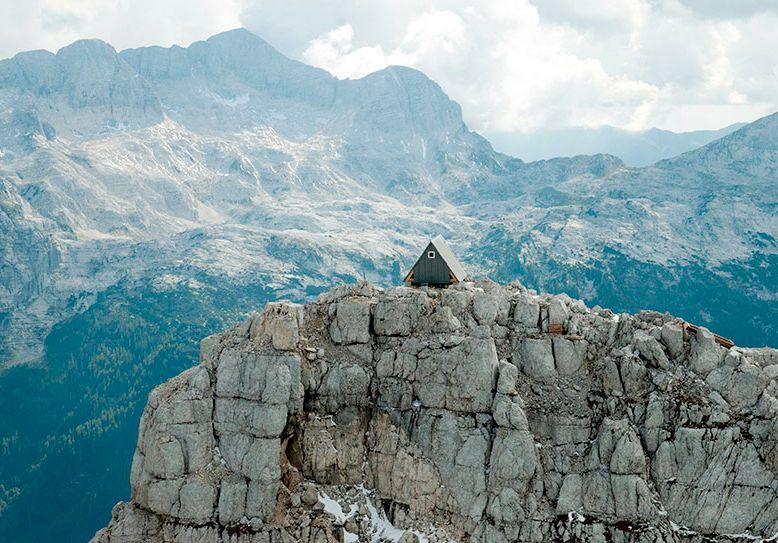
Giovanni Pesamosca’s Alpine Cabin in Friuli, Italy
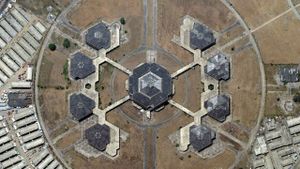
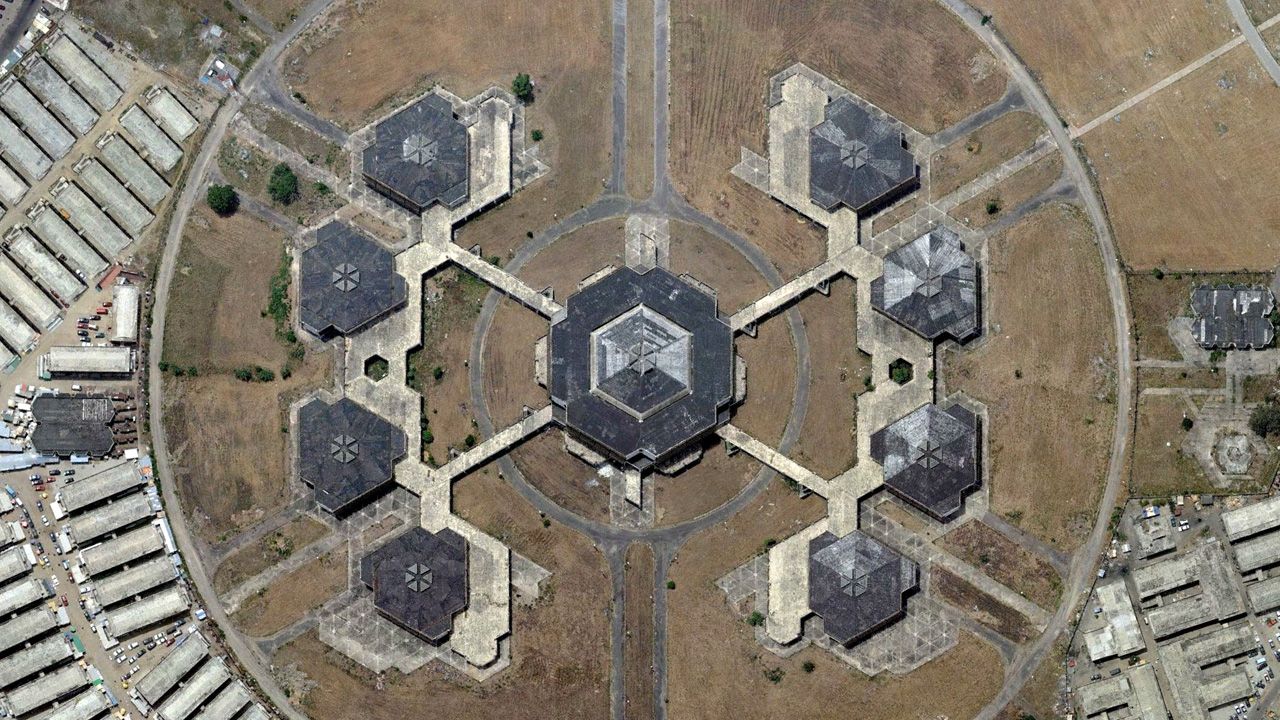
Aerial view of the Lagos fair ground designed and constructed by Energoprojekt, (Yugoslavia), completed 1976-77.
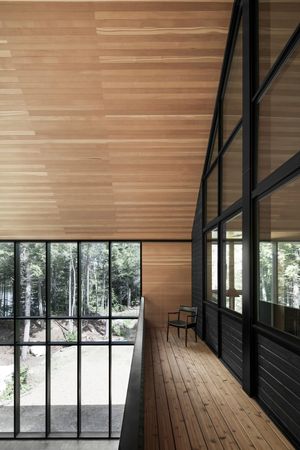
Les Marais par Alain Carle Architecte, Canada
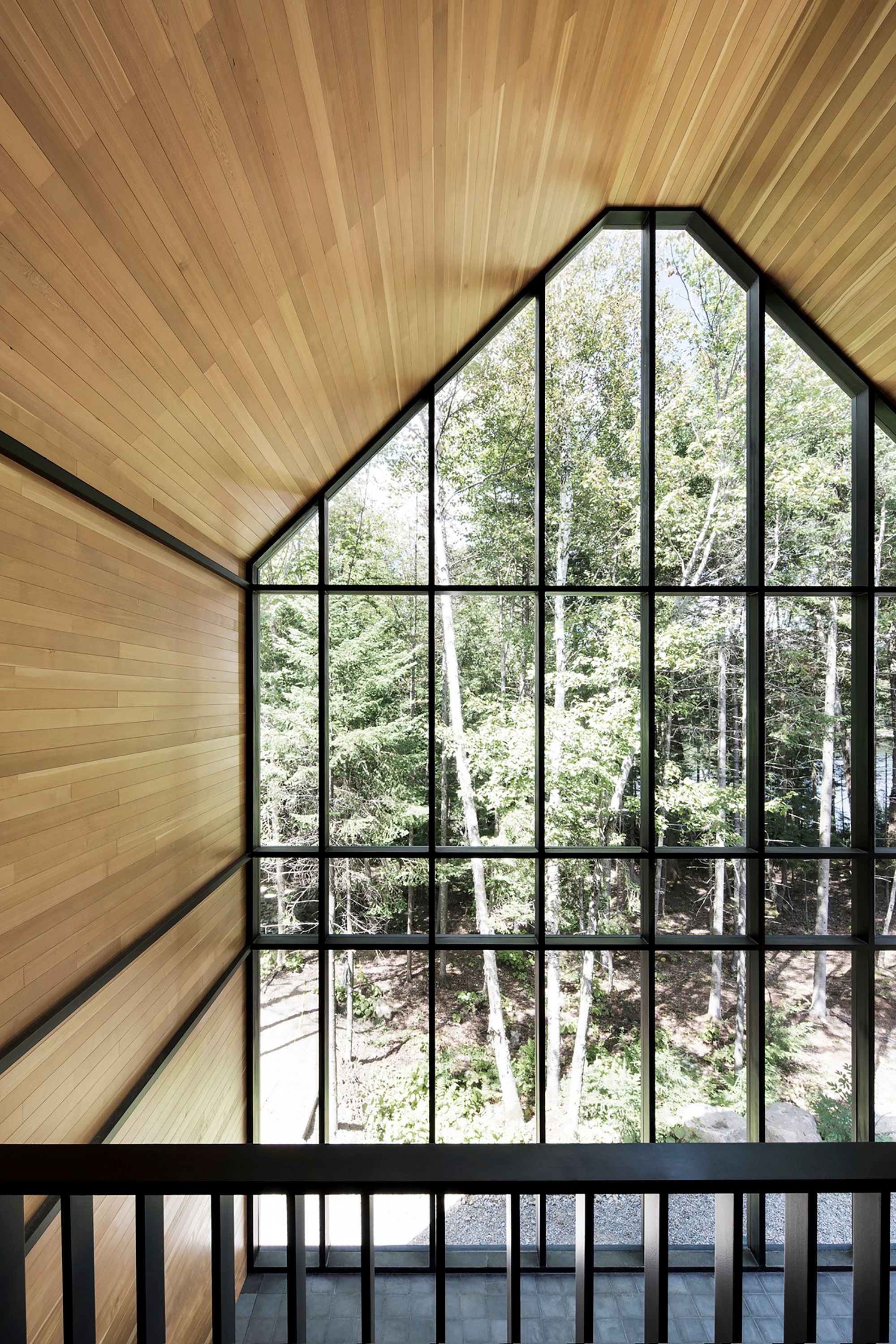
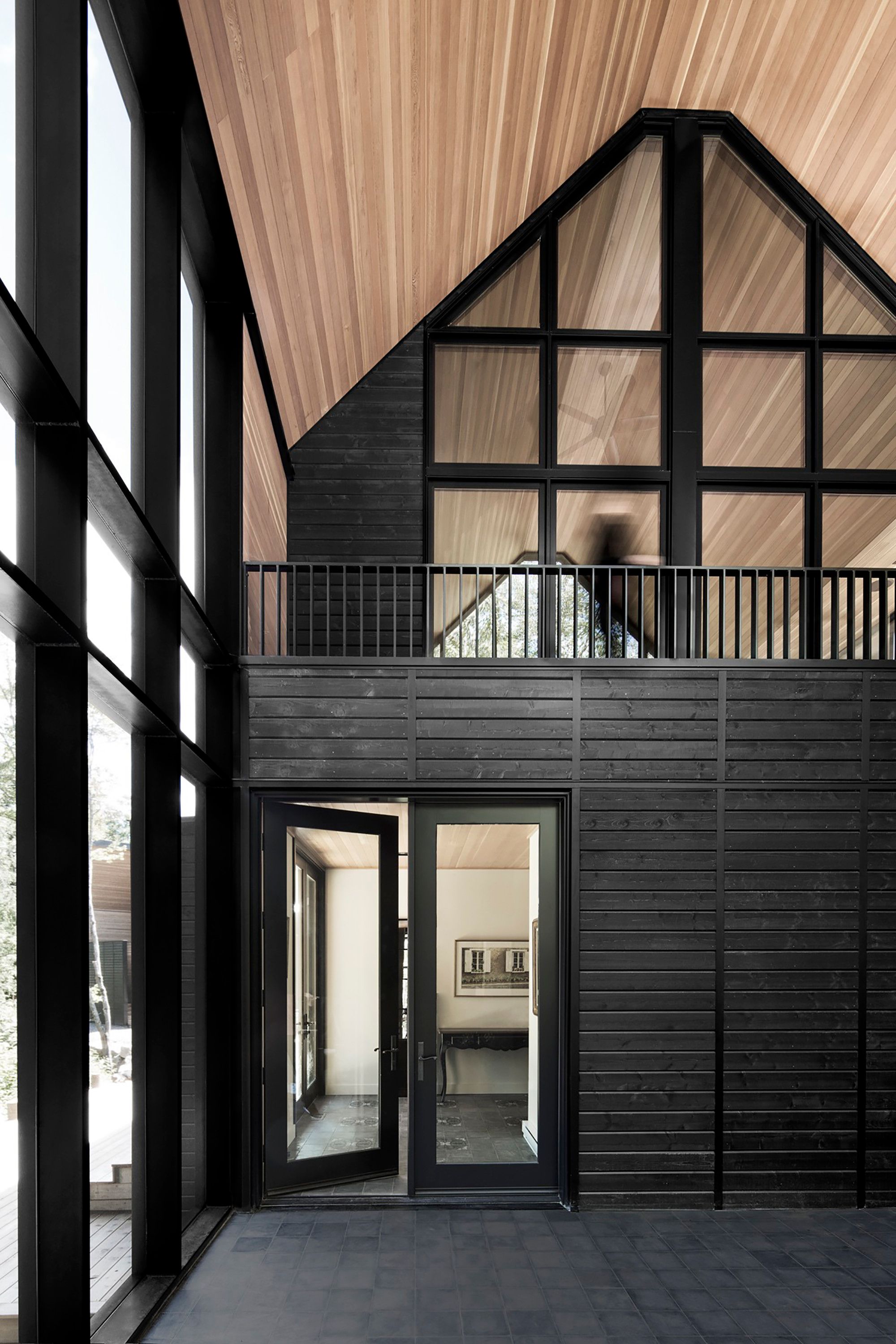
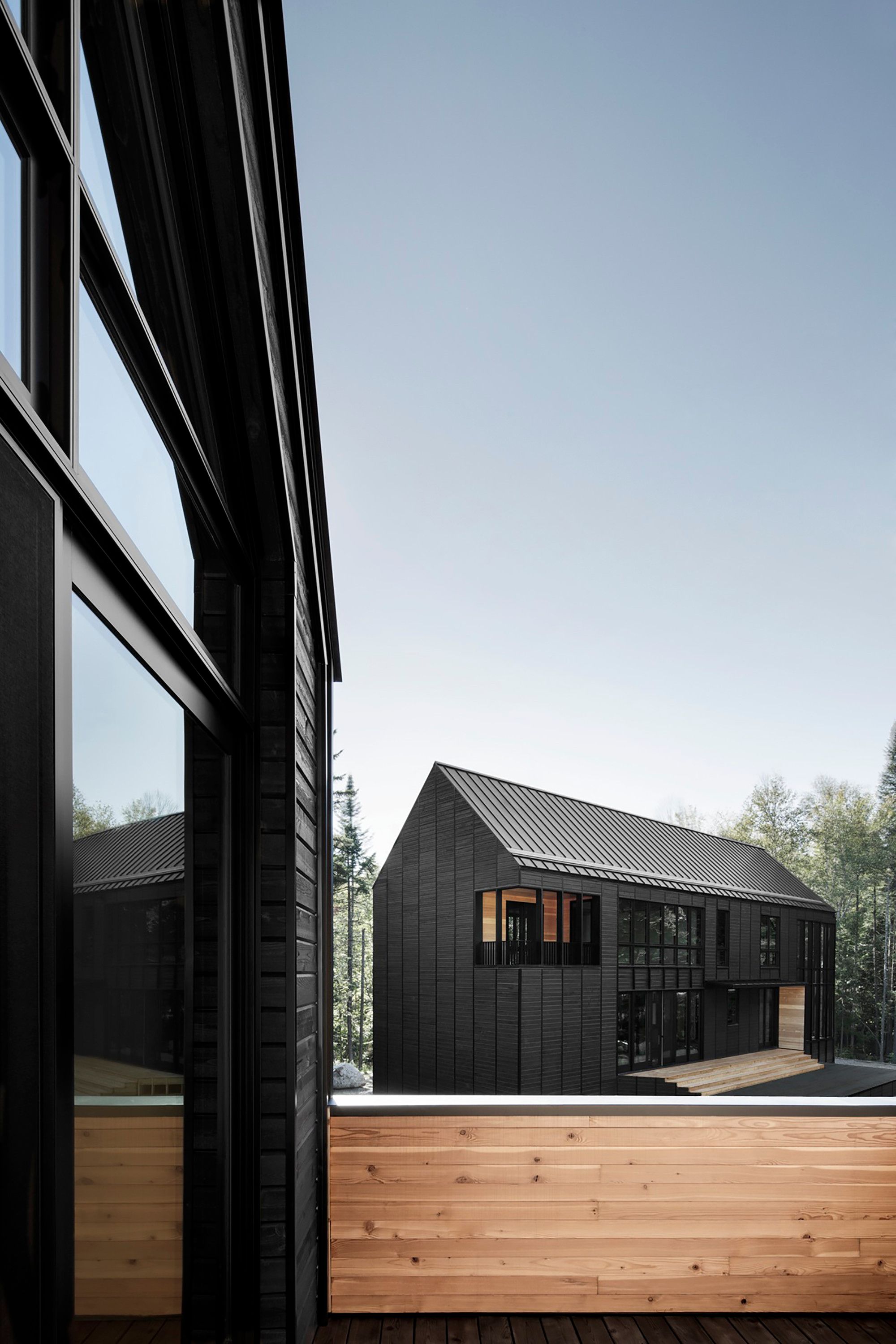
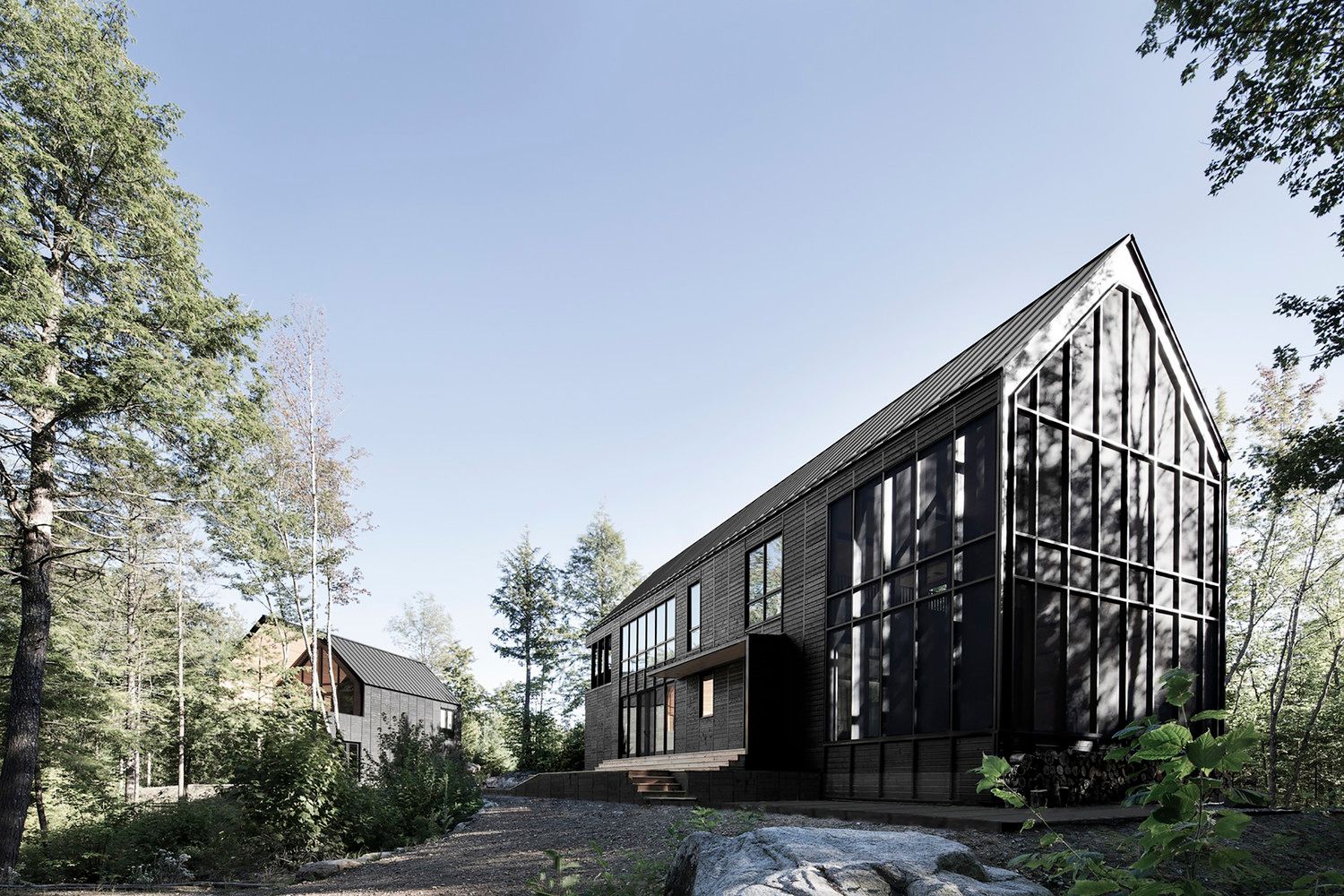
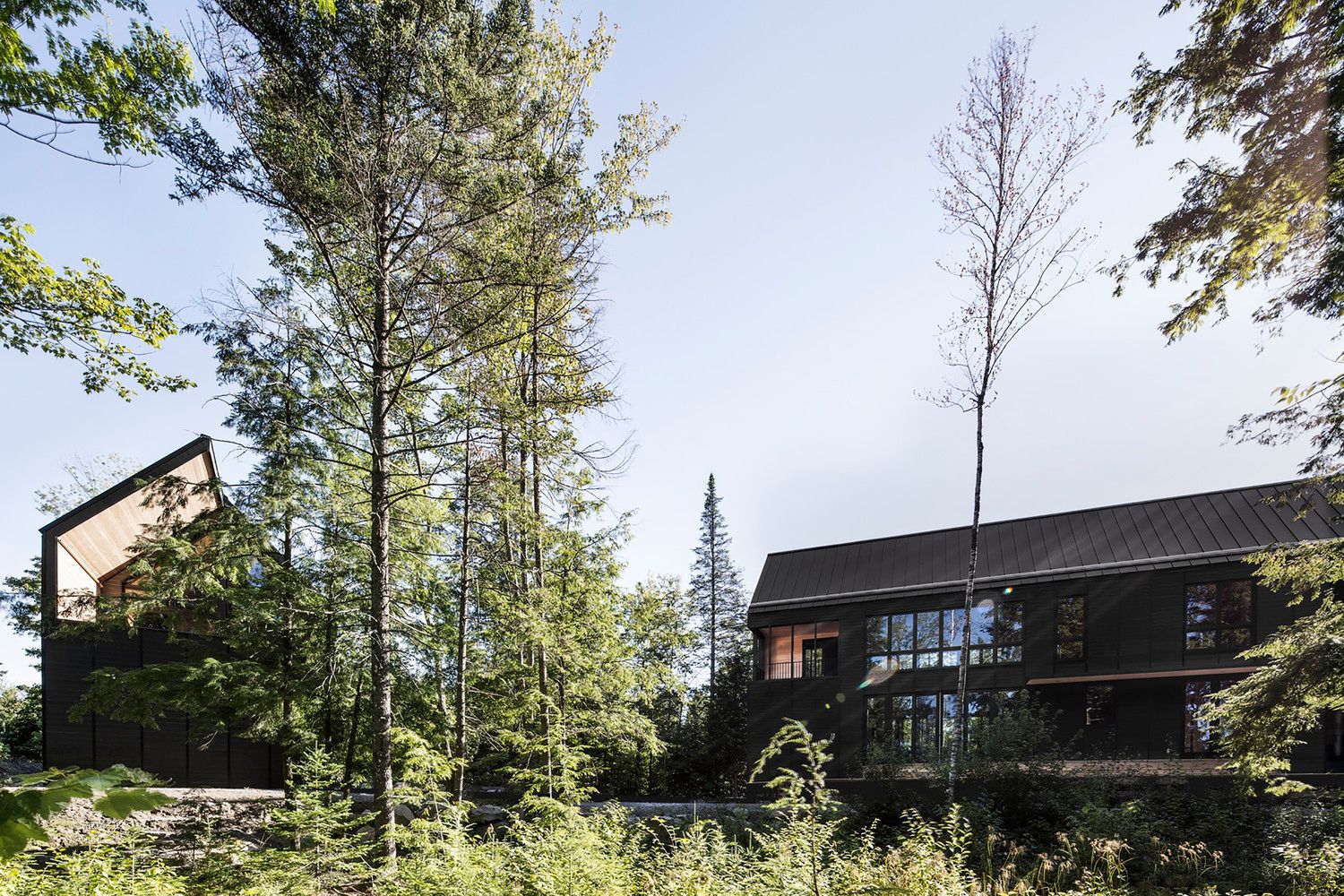
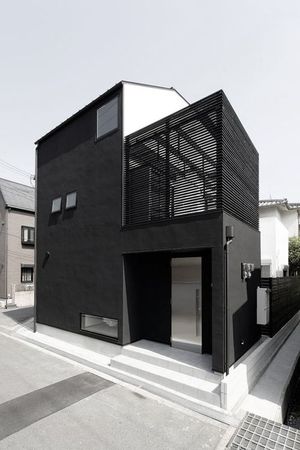
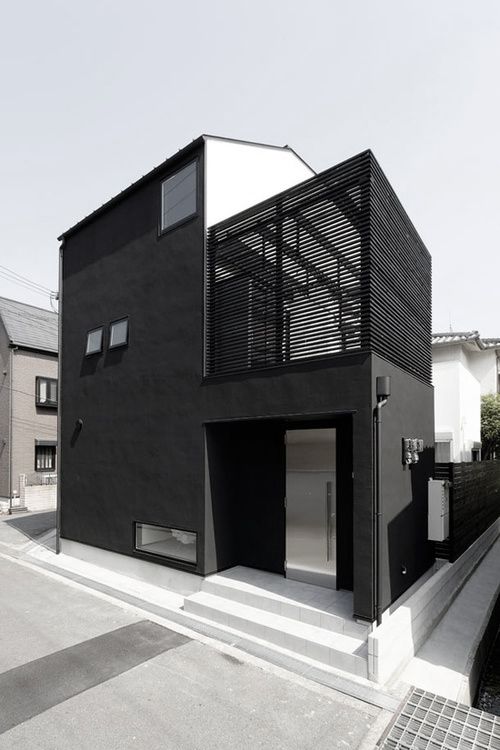
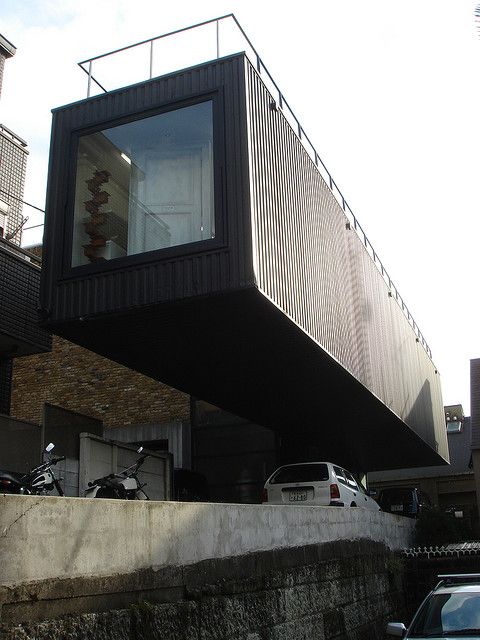
black house with stainless steel door
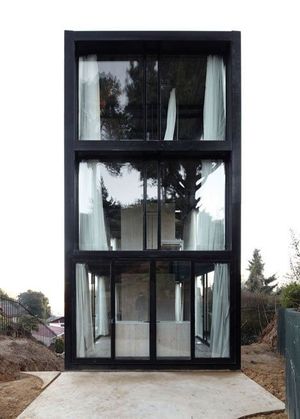
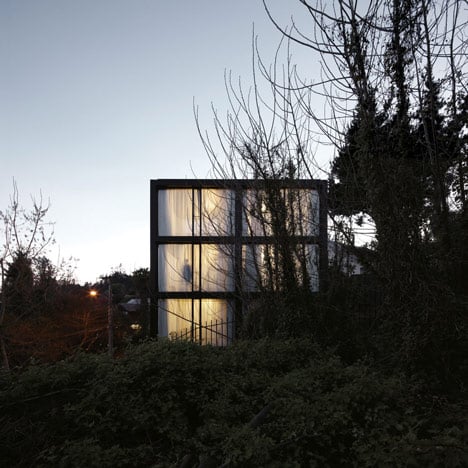
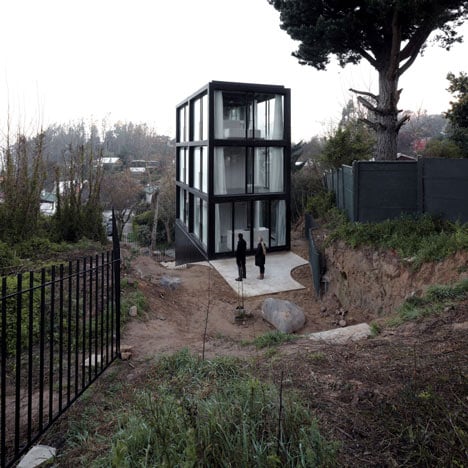
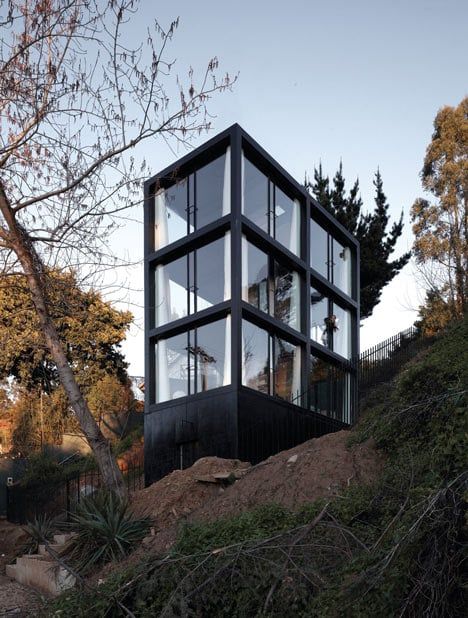
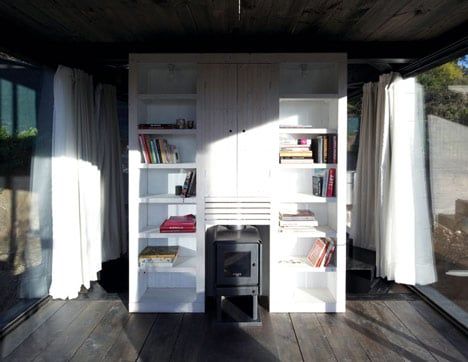
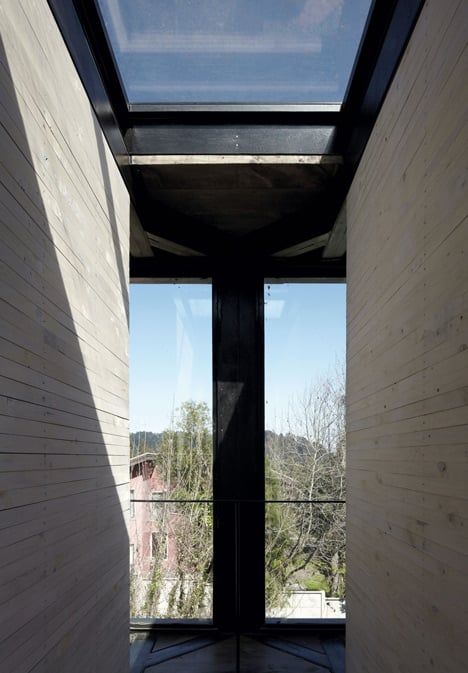
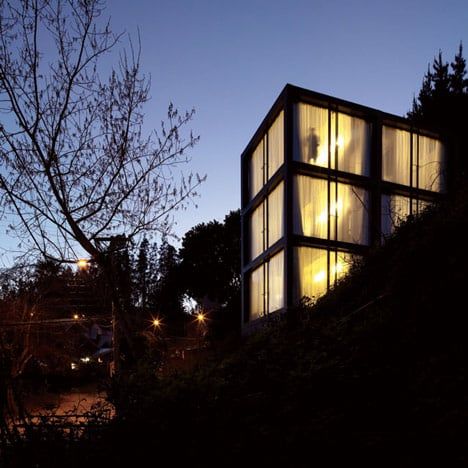
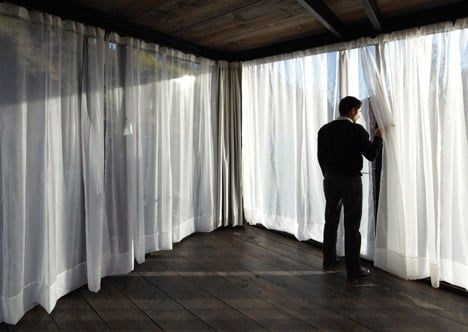
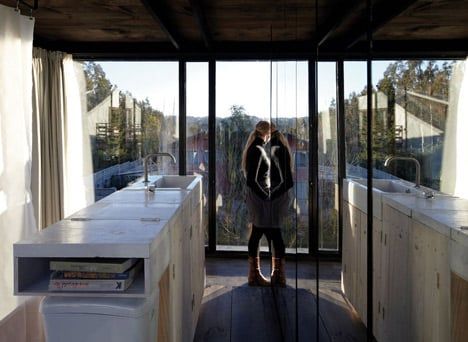
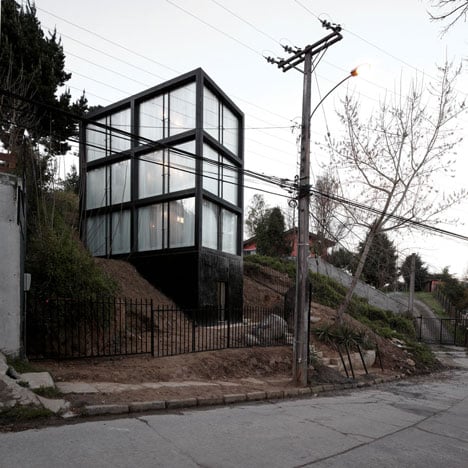
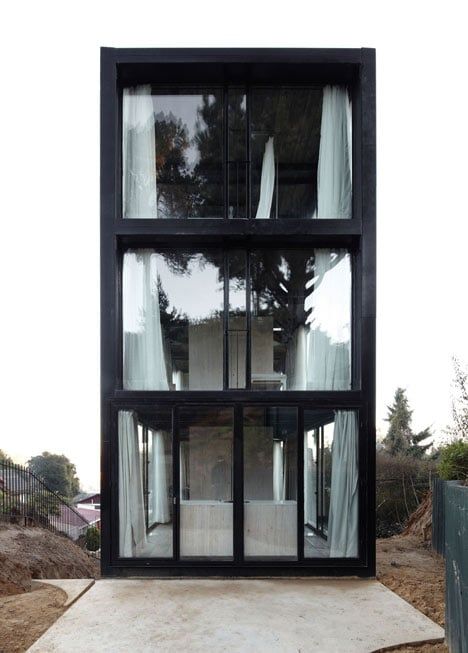
Earthquake-proof house on a hillside in western Chile by architects Pezo von Ellrichshausen
This earthquake-proof house on a hillside in western Chile by architects Pezo von Ellrichshausen has six rooms with glass walls (+ photos by Cristobal Palma).
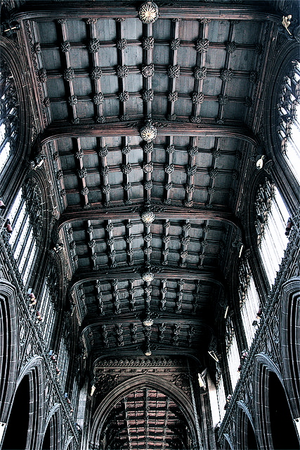
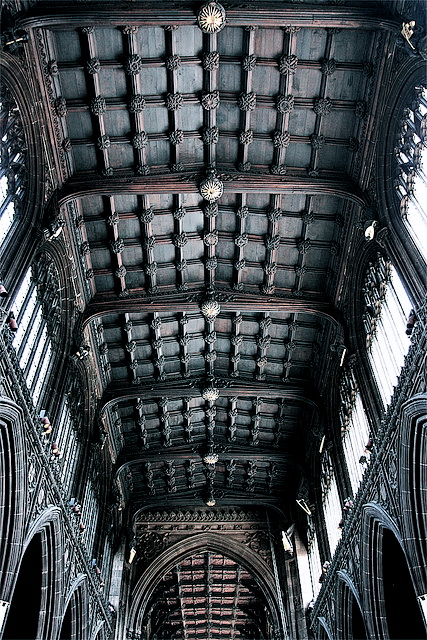
Manchester Cathedral Wooden ceiling
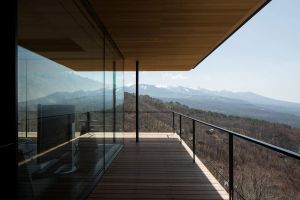
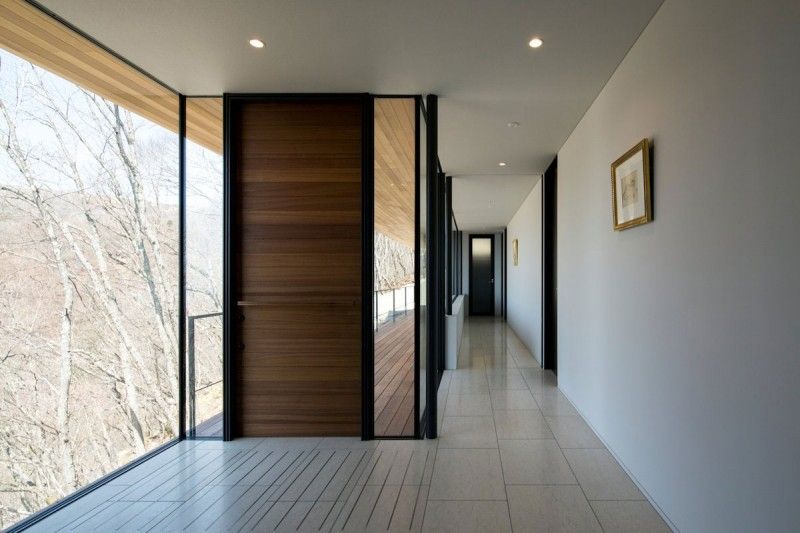
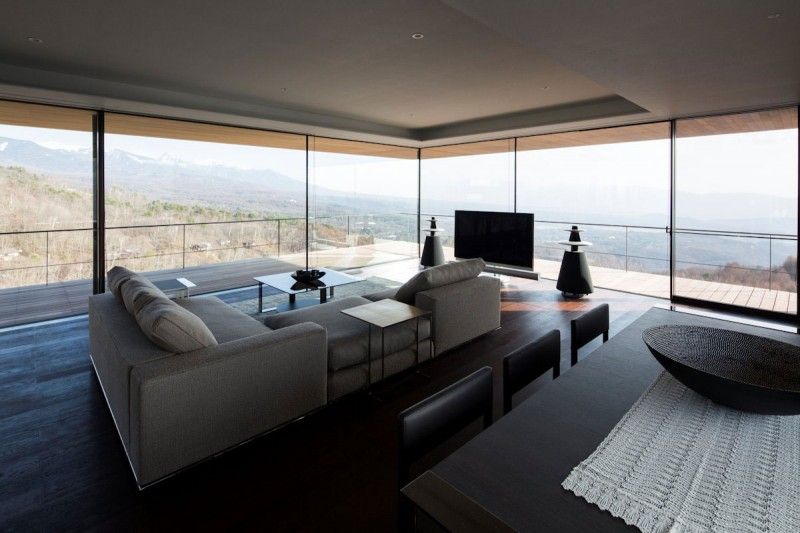
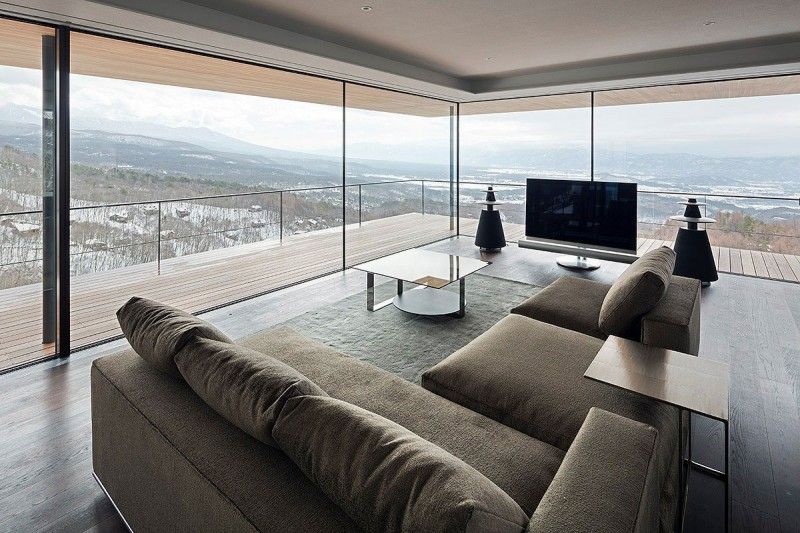
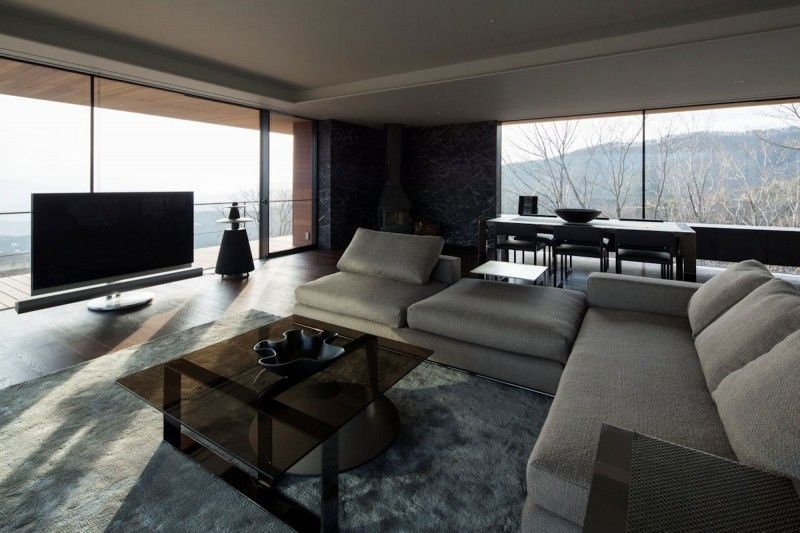
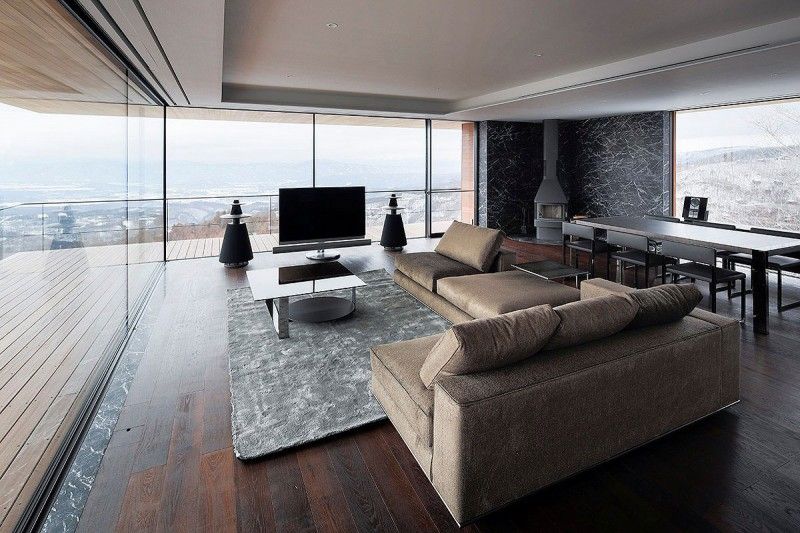
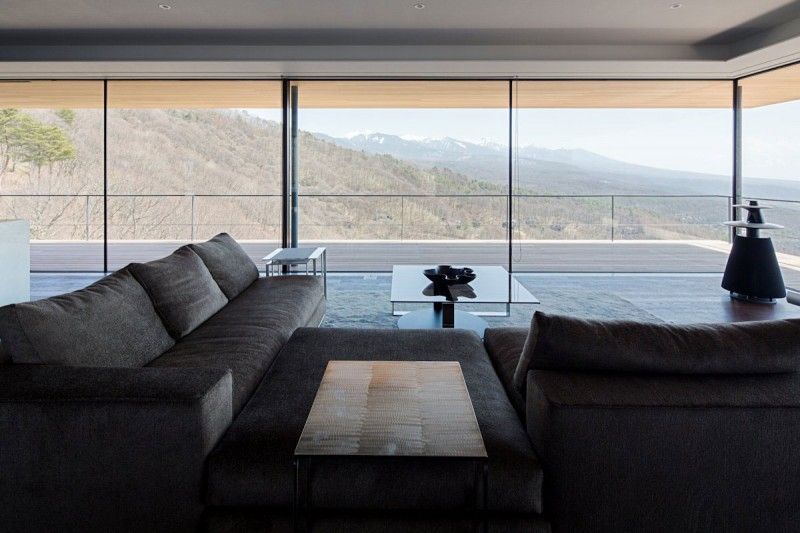
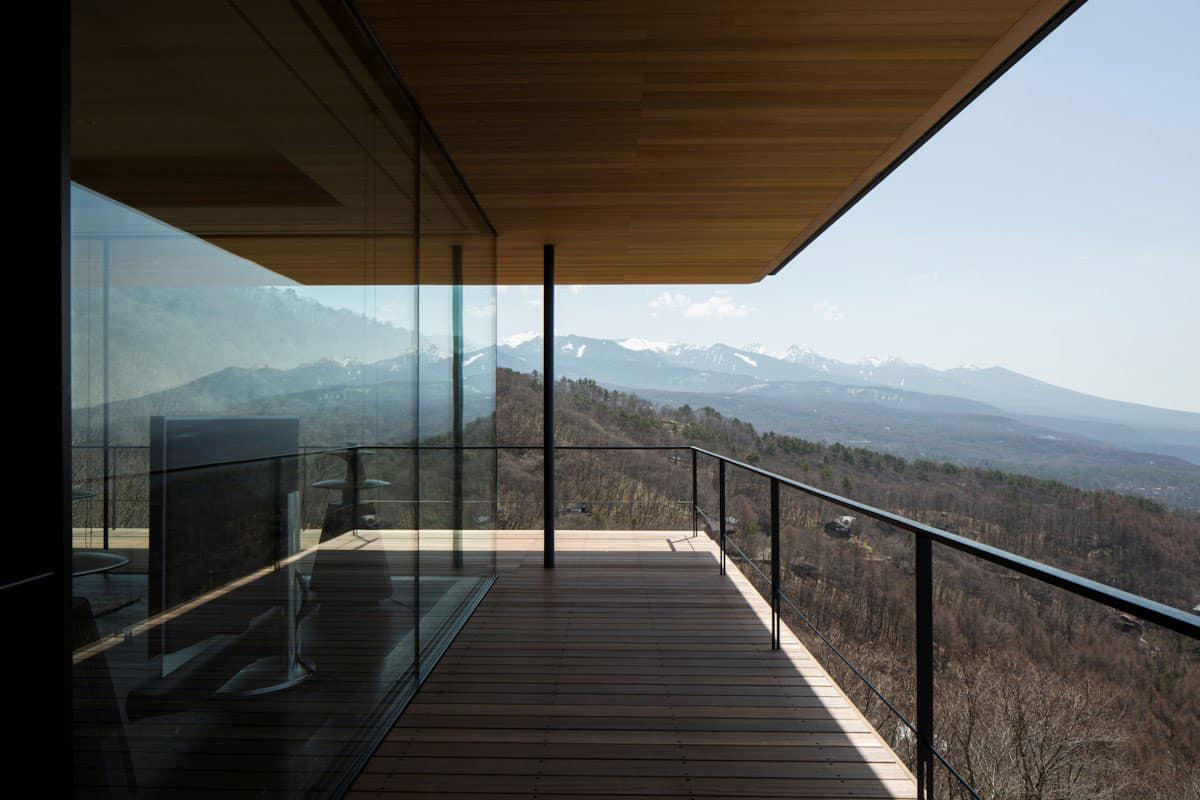
House in Yatsugatake by Kidosaki Architects Studio
This private residence was designed by Kidosaki Architects Studio. It is located on the edge of the Yatsugatake Mountains in Nagano, Japan.
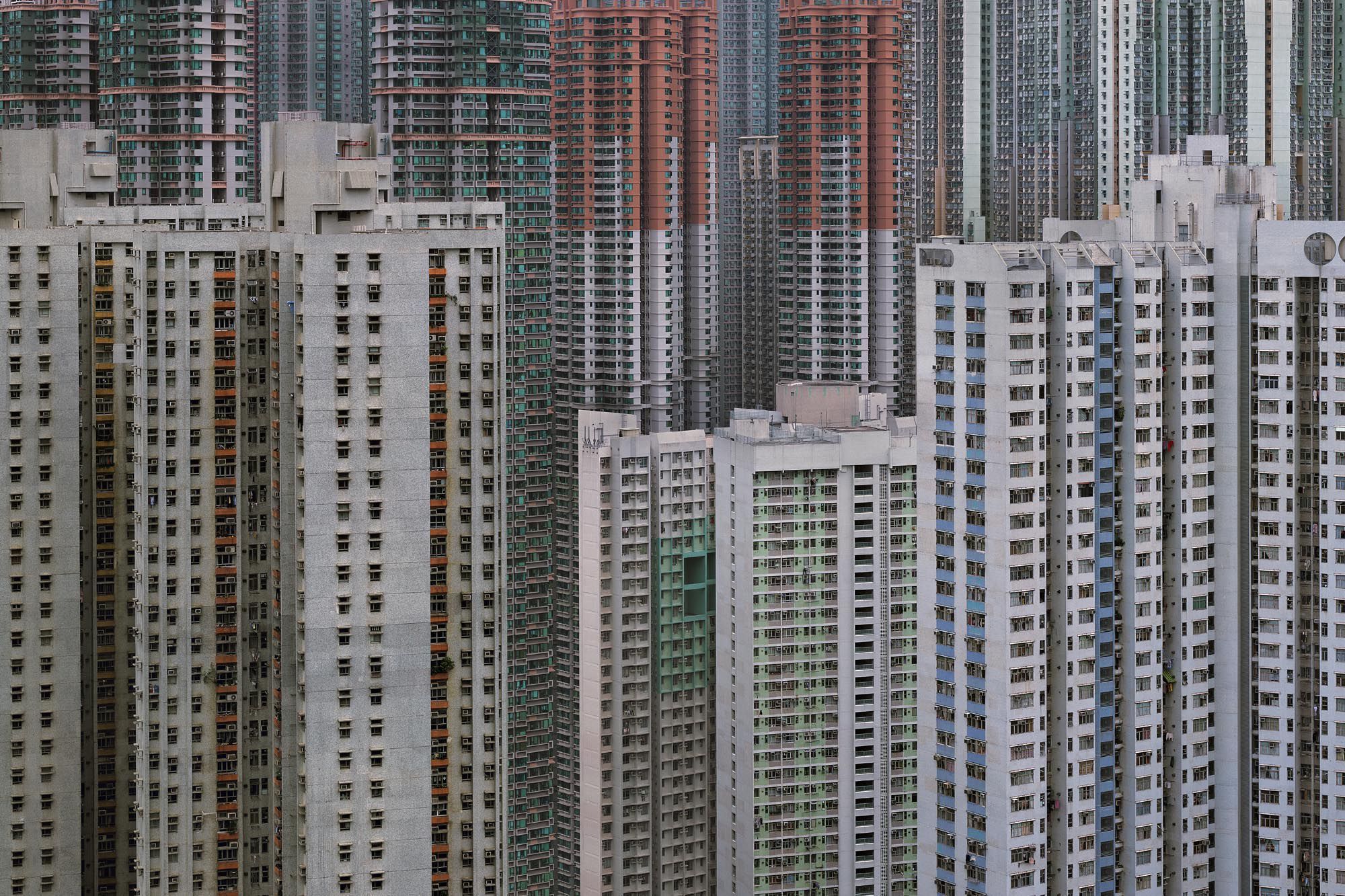
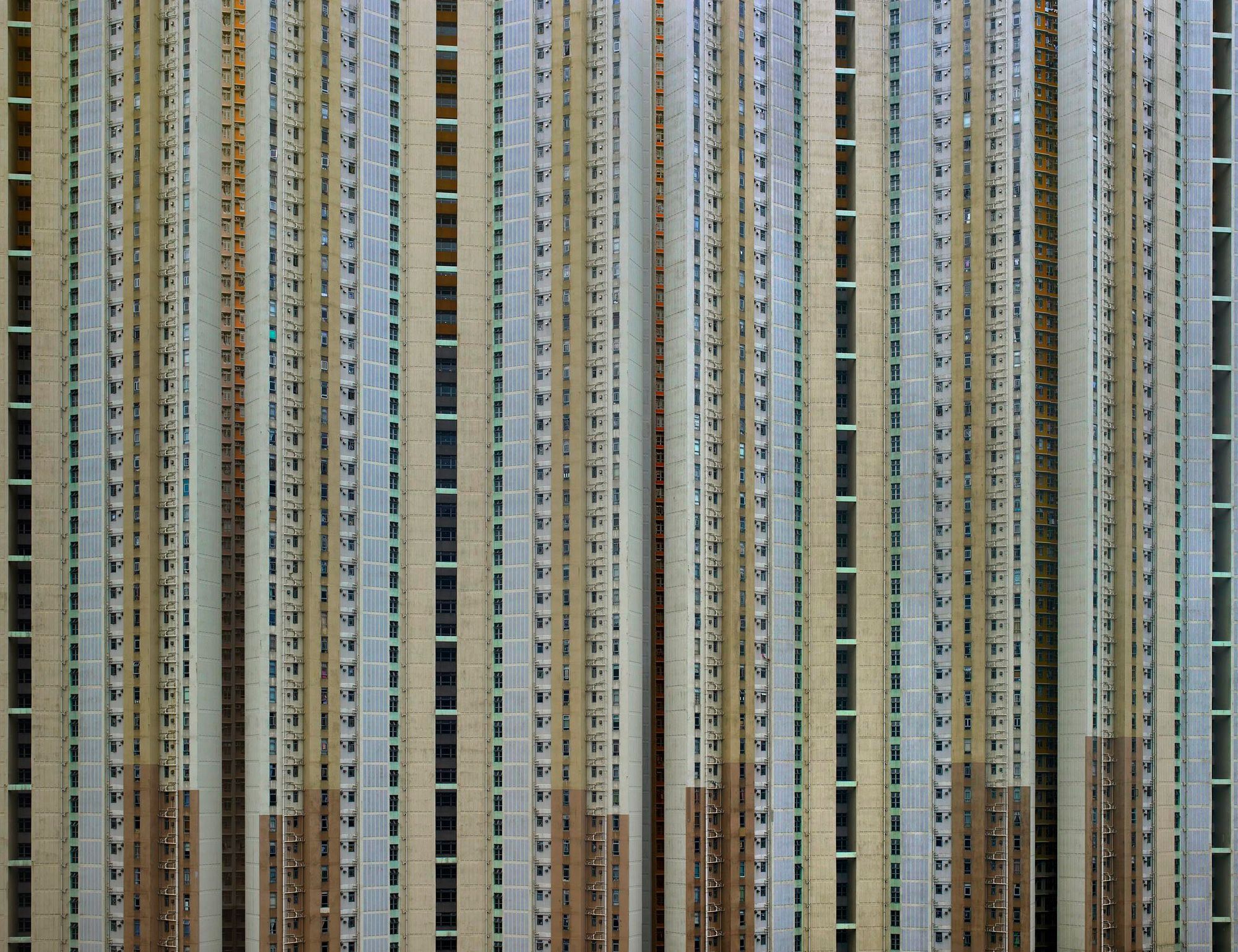
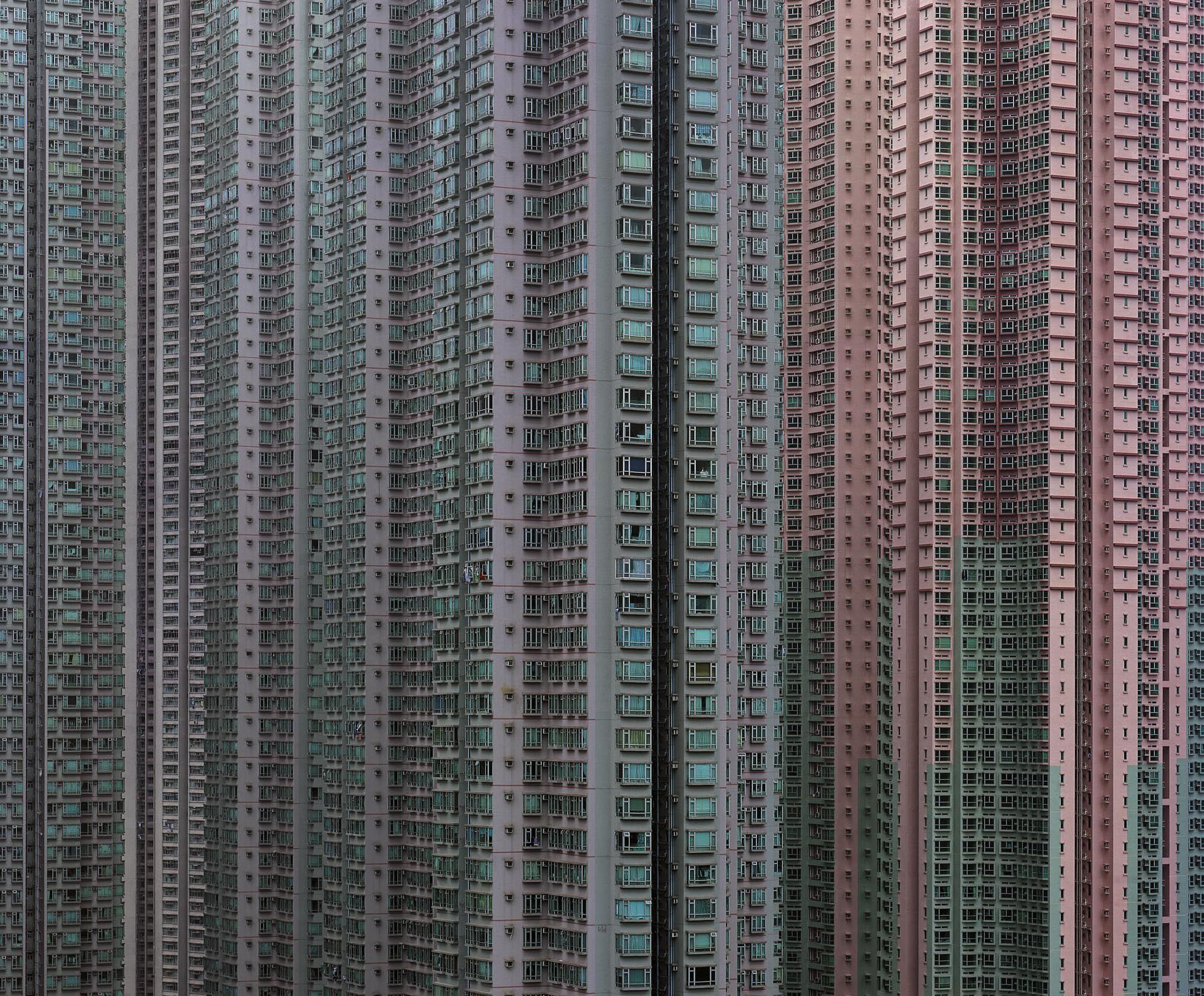
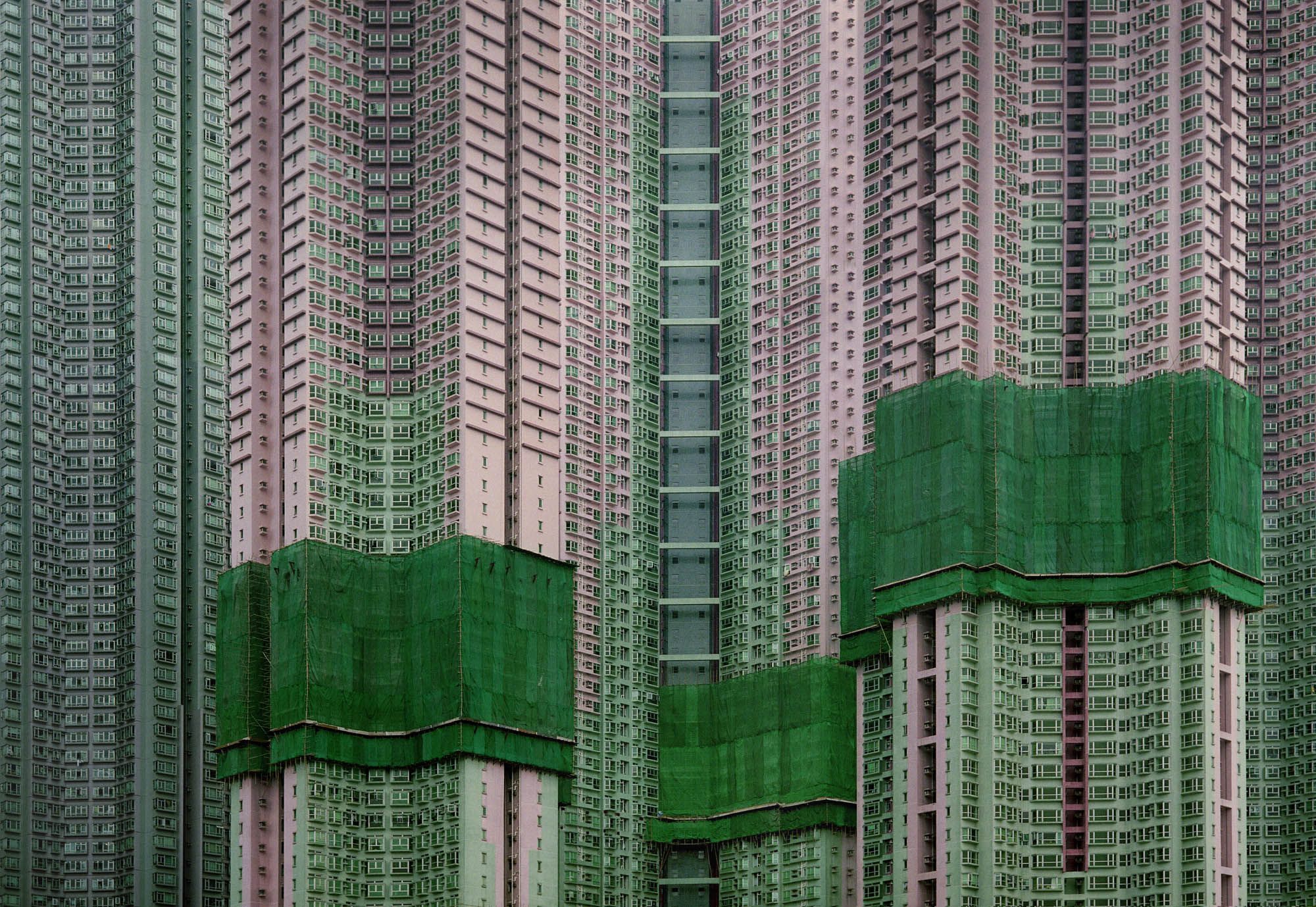
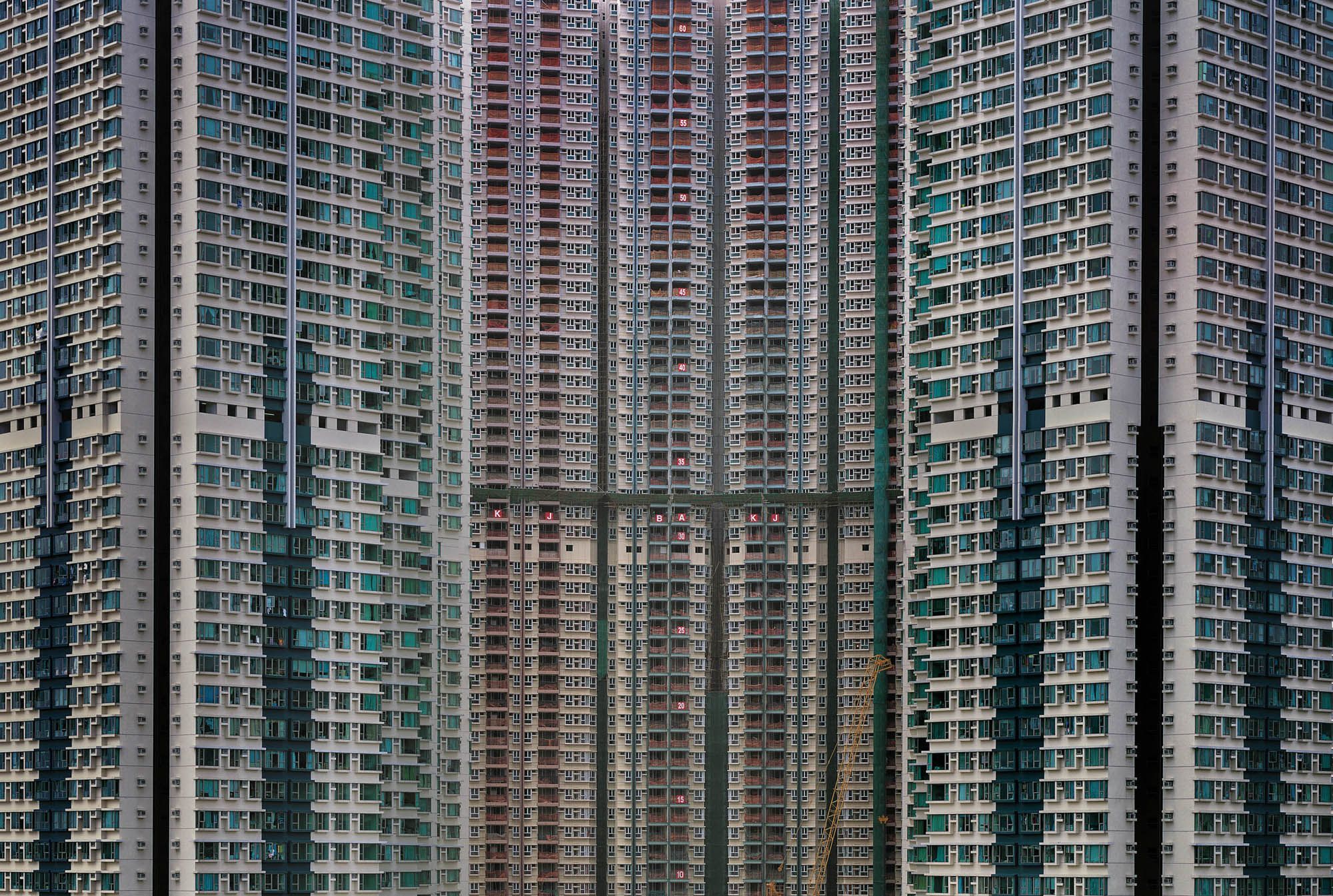
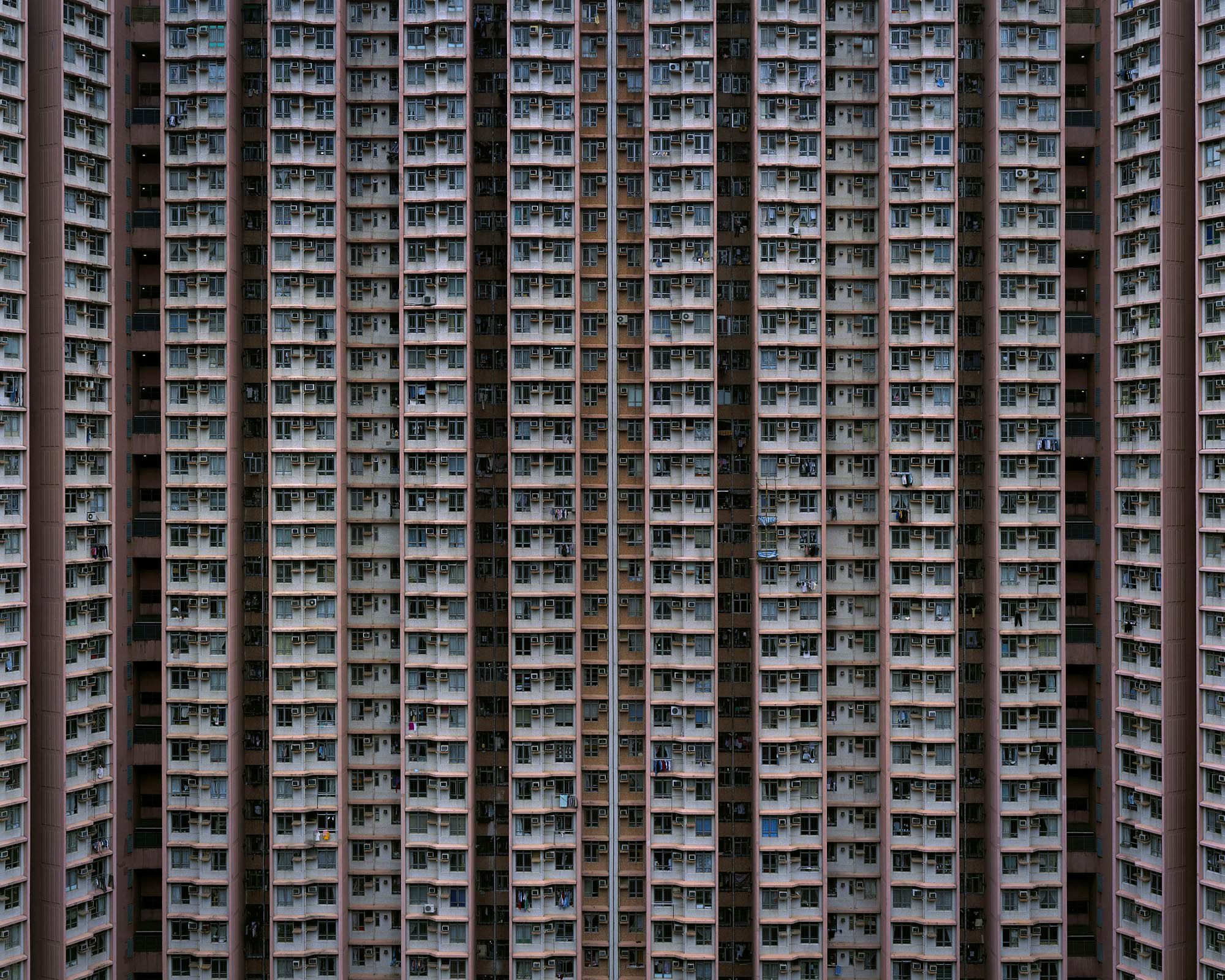
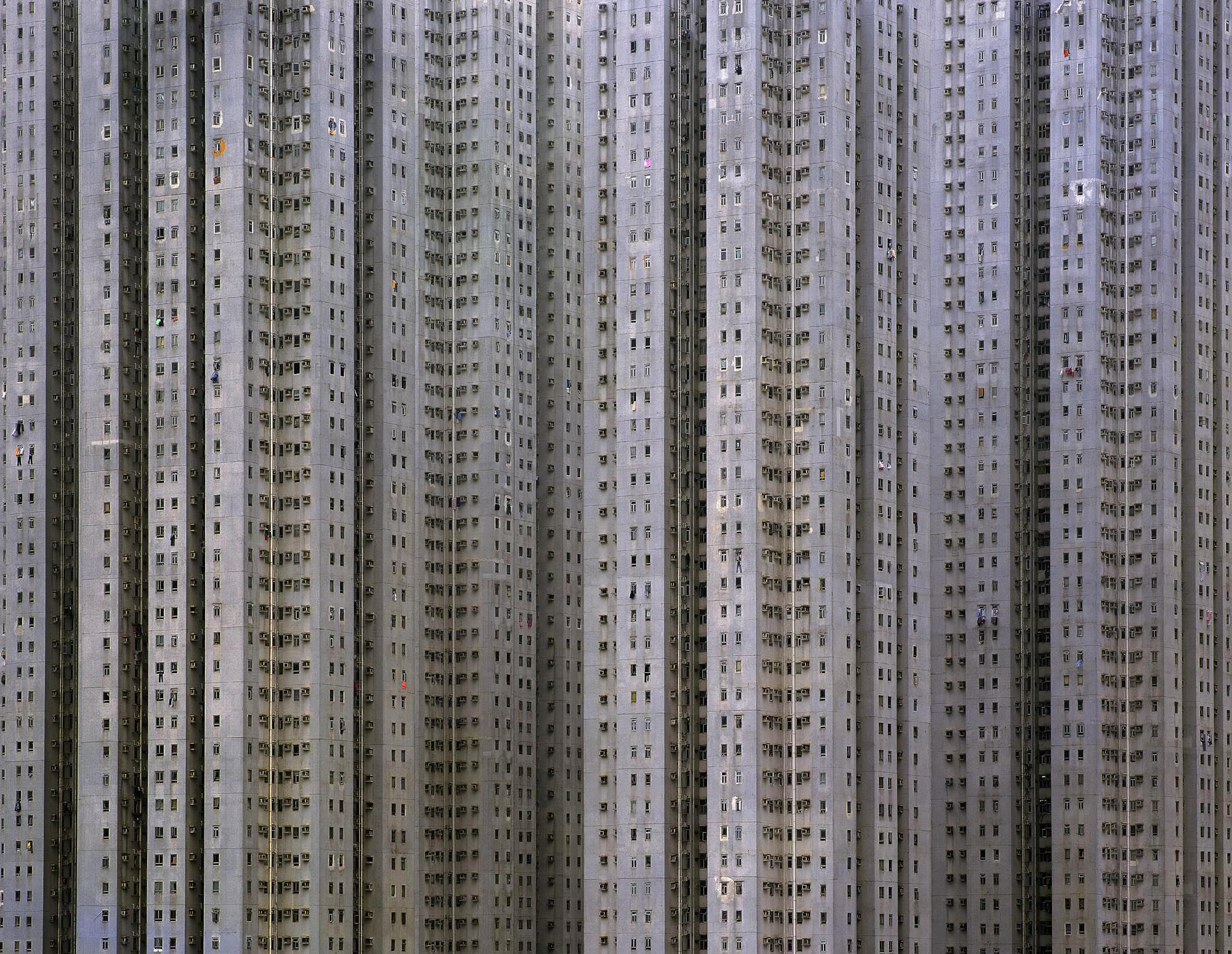
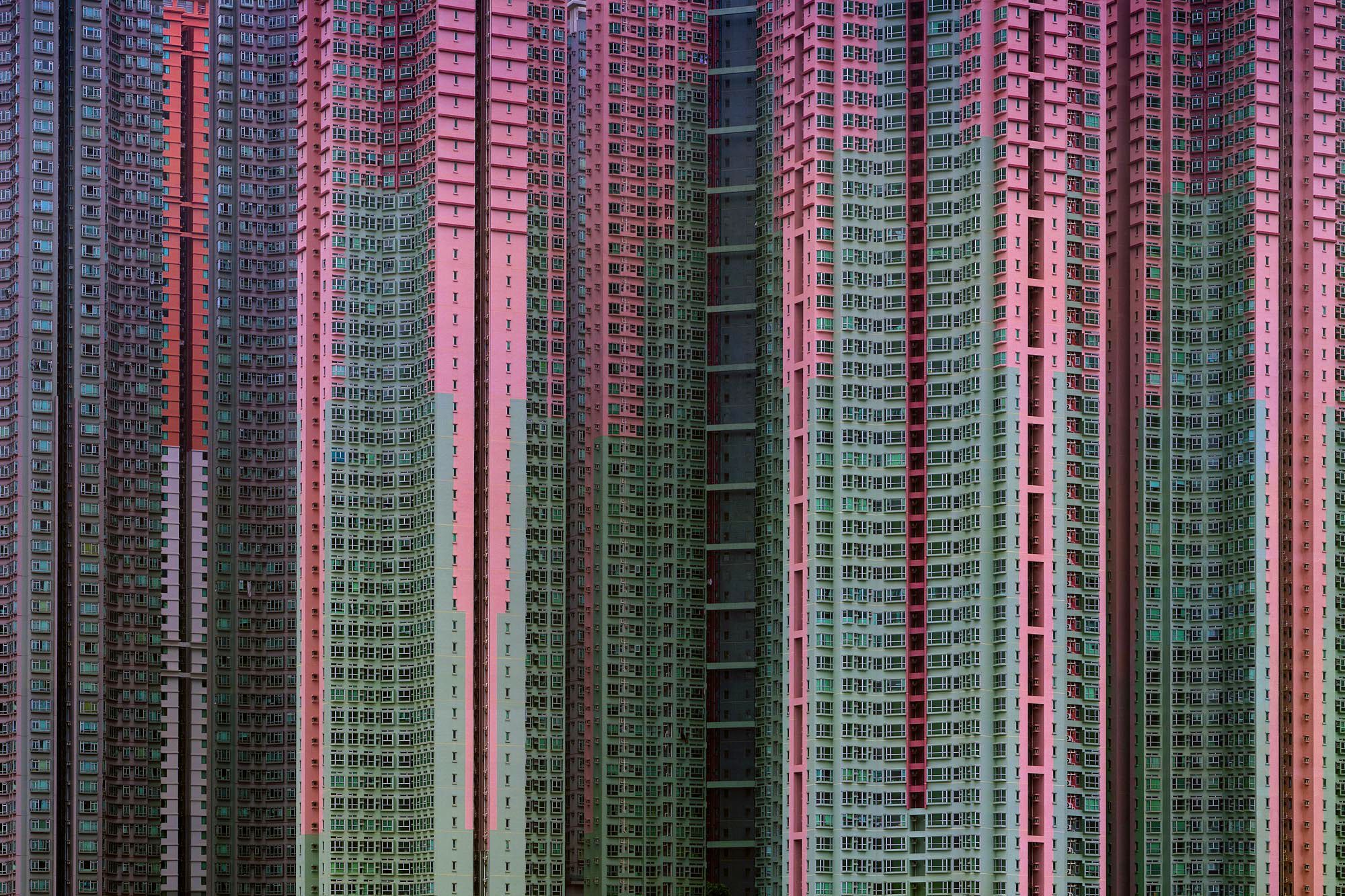
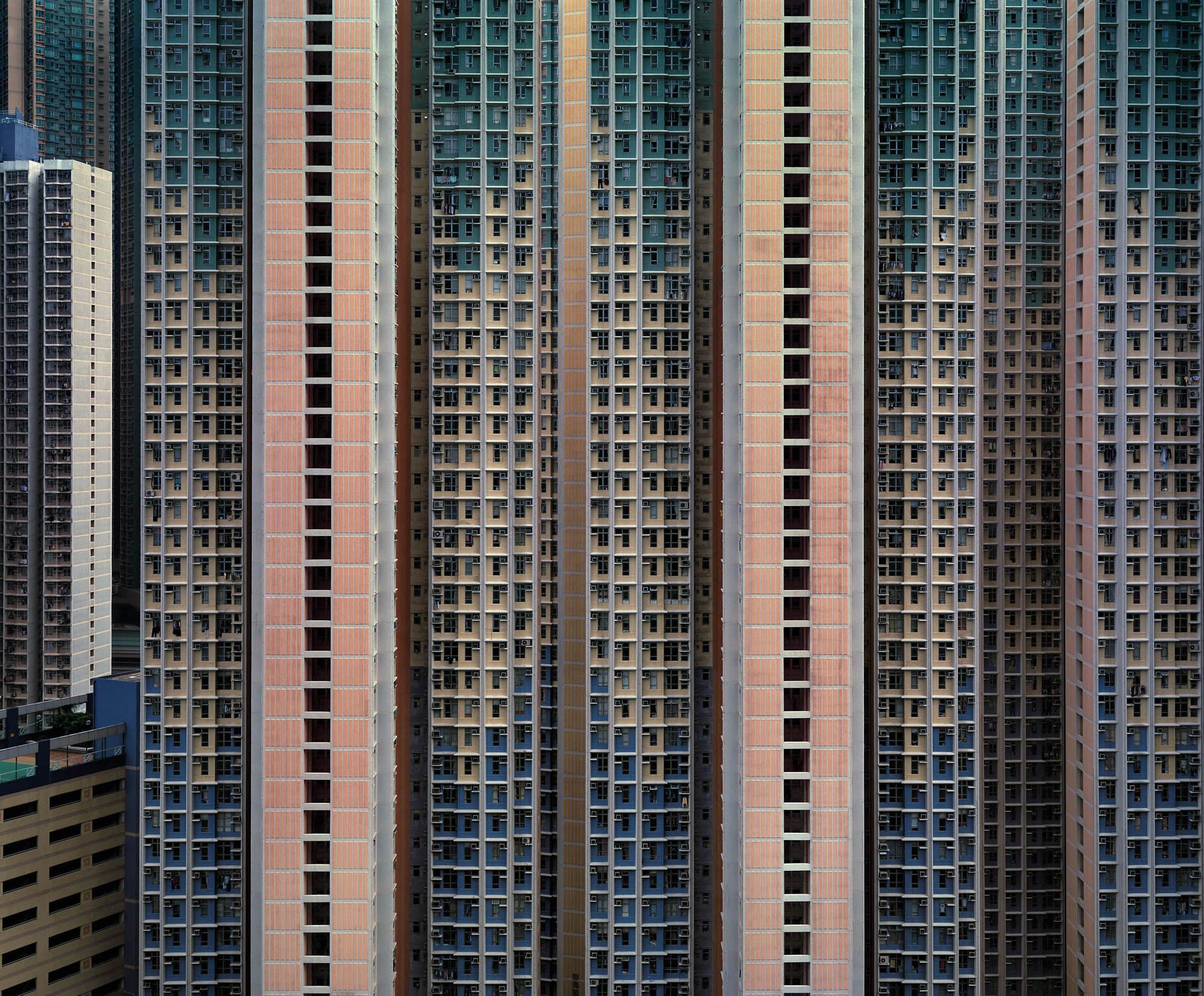
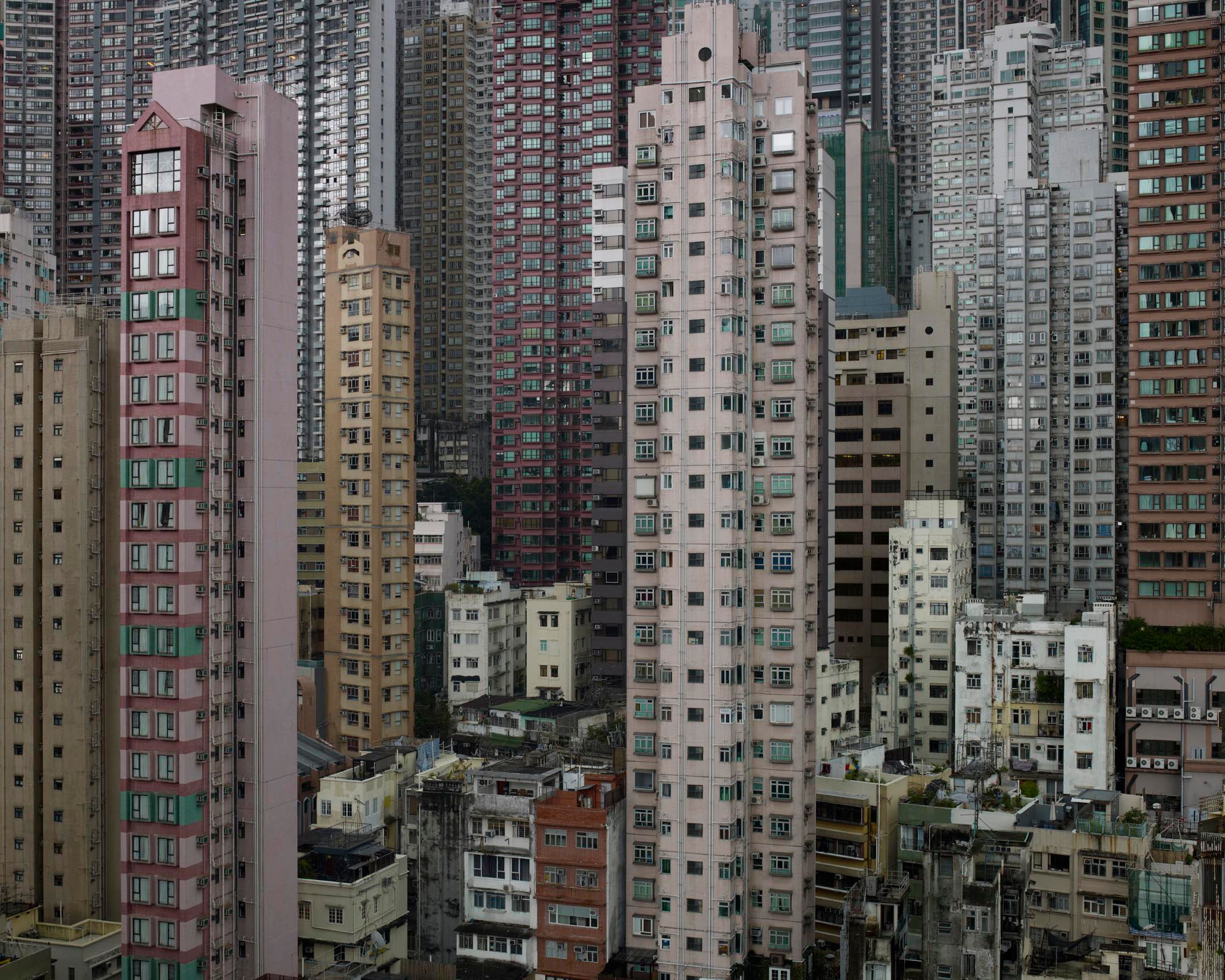
Michael Wolf Architecture of Density
One of the most densely populated metropolitan areas in the world, Hong Kong has an overall density of nearly 6,700 people per square kilometer. The majority of its citizens live in flats in high-rise buildings, whose units can house as many as 10,000 people.
In Architecture of Density, Michael investigates these enormous city blocks, finding a mesmerizing abstraction in the buildings’ facades. The structures in the series are photographed without reference to the context of sky or ground, and many buildings are seen in a state of repair or construction: their walls covered with a grid of scaffolding or the soft coloured curtains that protect the streets below from falling debris. From a distance, such elements become a part of an intricate design. Upon closer inspection of each photograph, the anonymous public face of the city is full of rewarding detail – public space is private space, large swatches of colour give way to smaller pieces of people’s lives. The trappings of the people are still visible here: their days inform the detail of these buildings. Bits of laundry and hanging plants pepper the tiny rectangles of windows- the only irregularities in this orderly design. The images of Architecture of Density give one an inkling of what our cities could look like if grown continues unchecked.
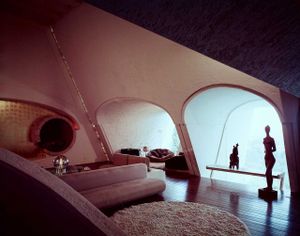
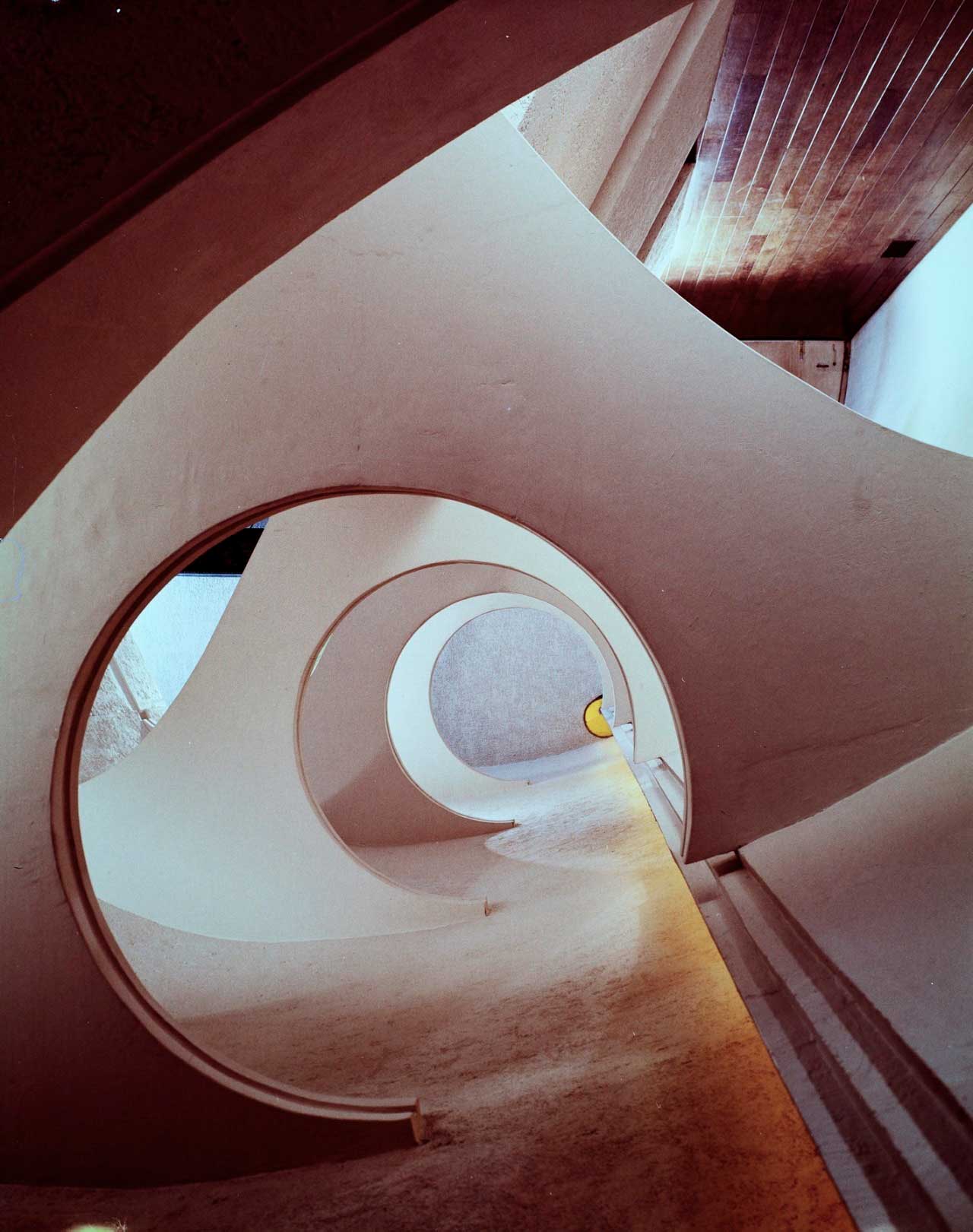
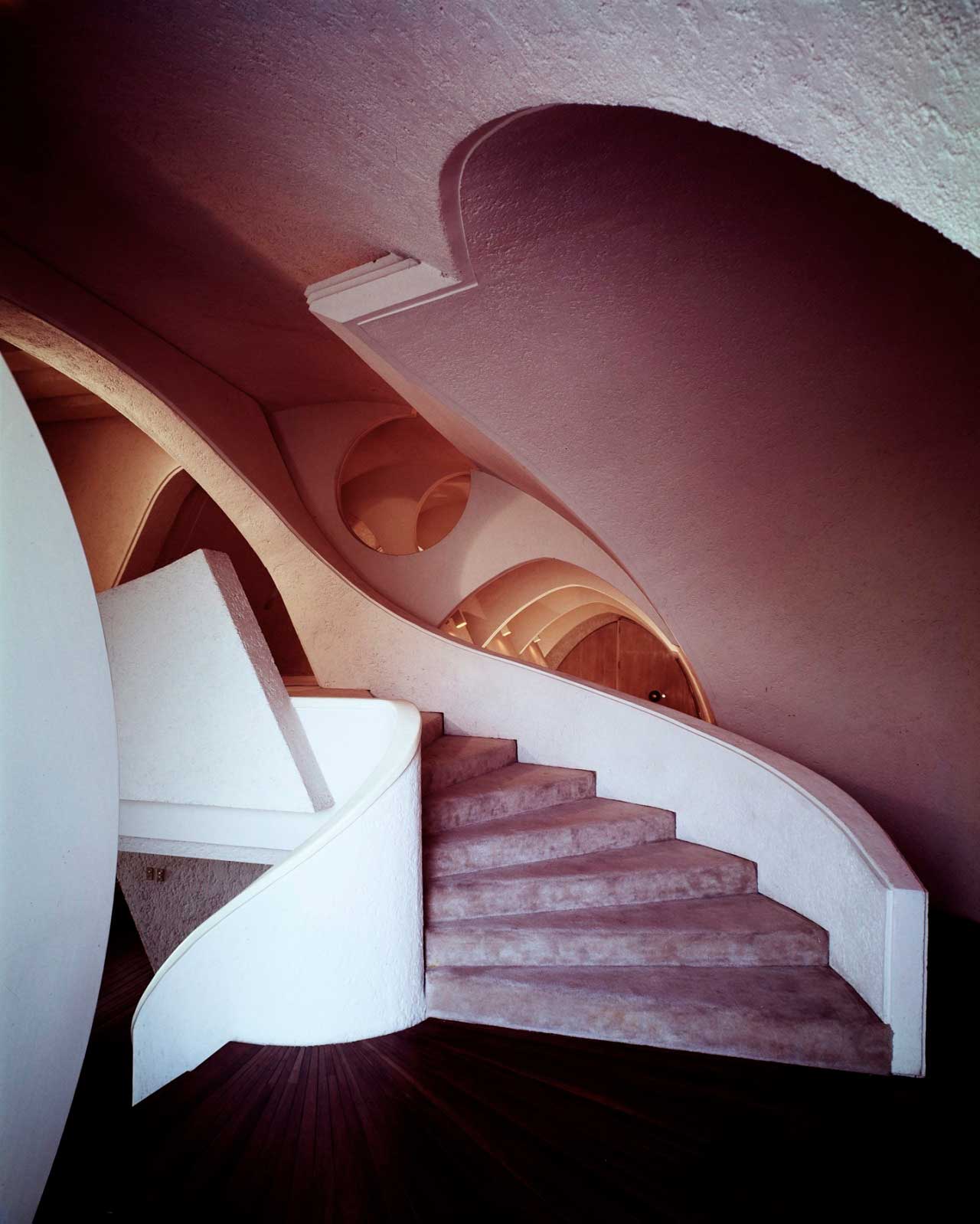
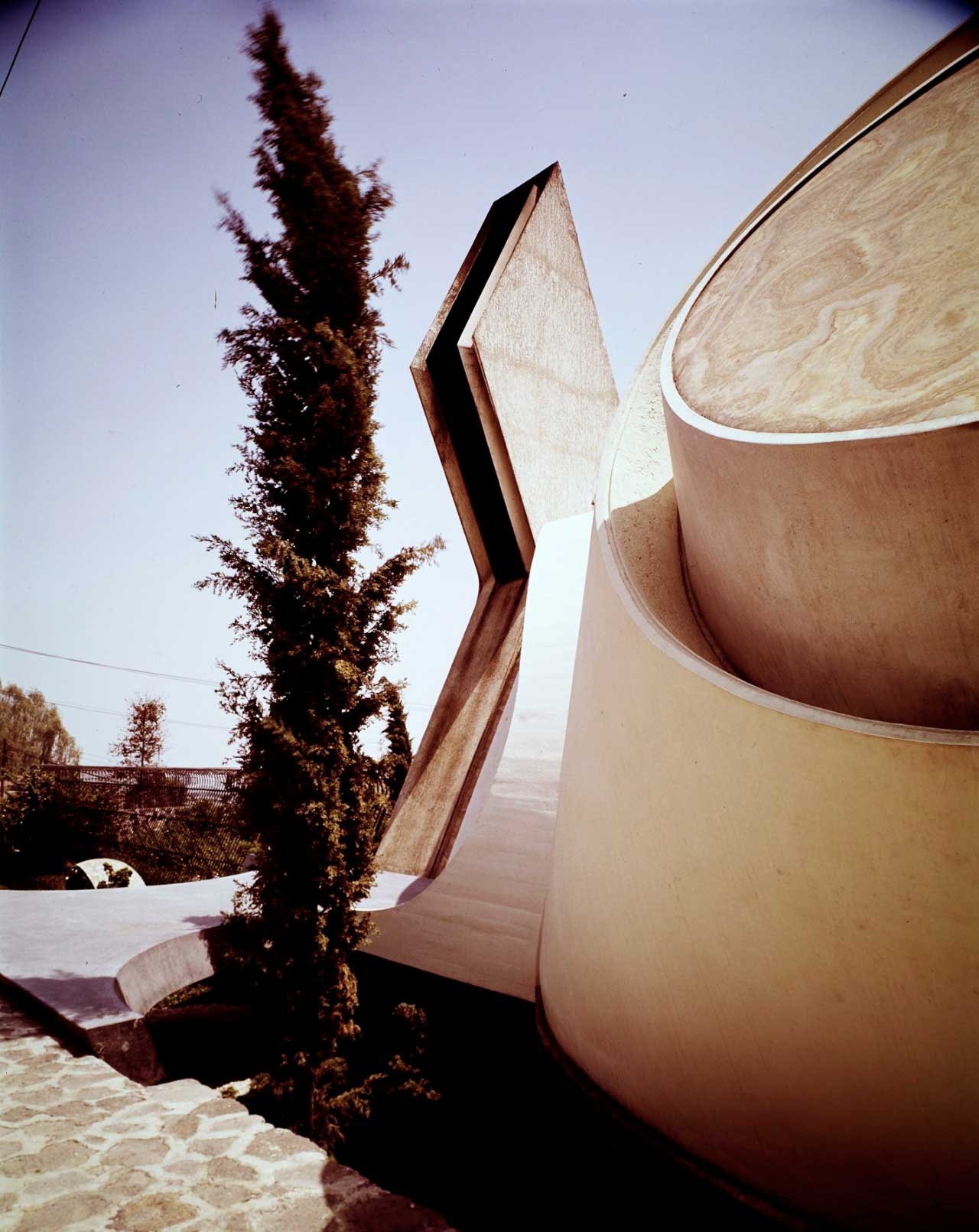
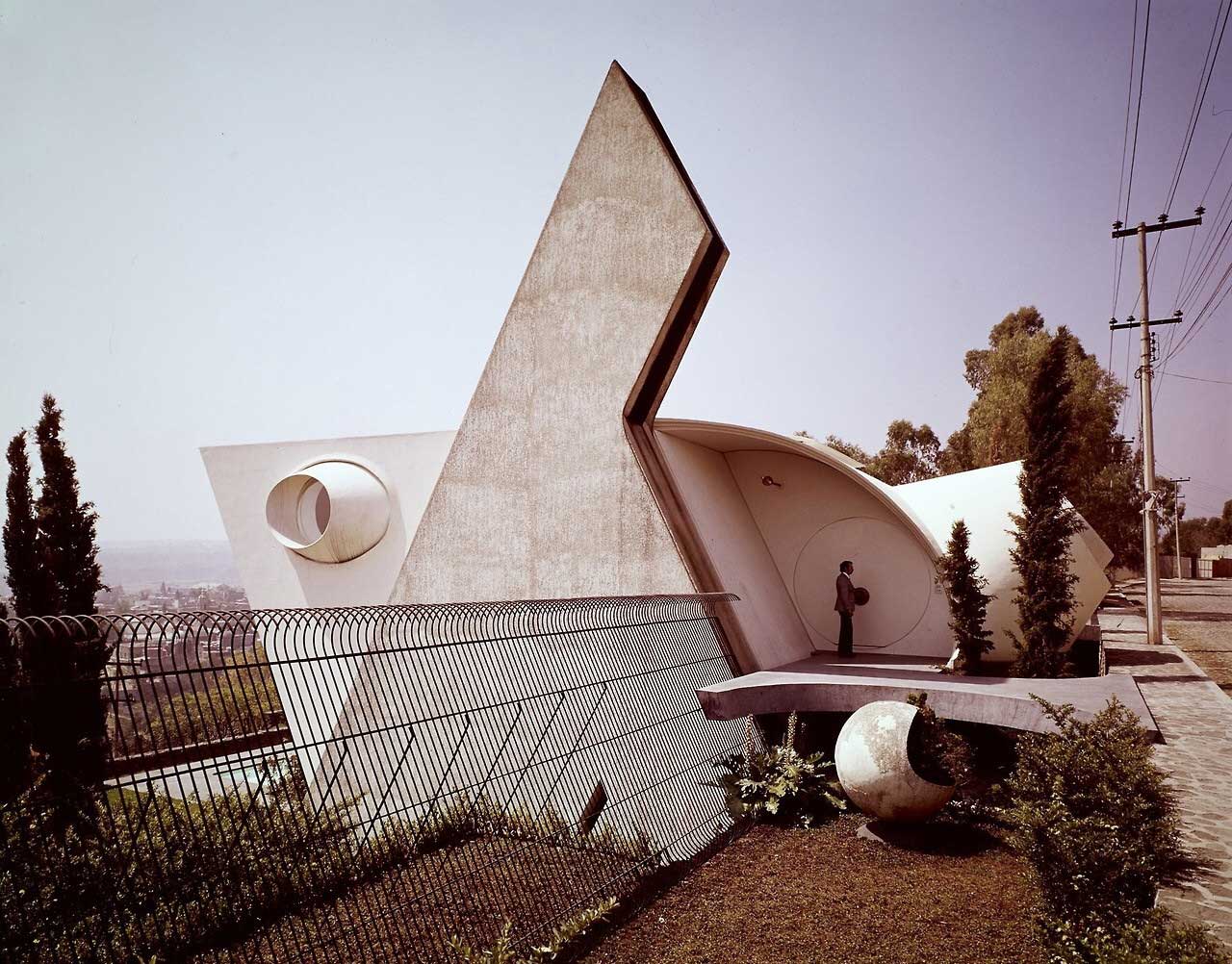
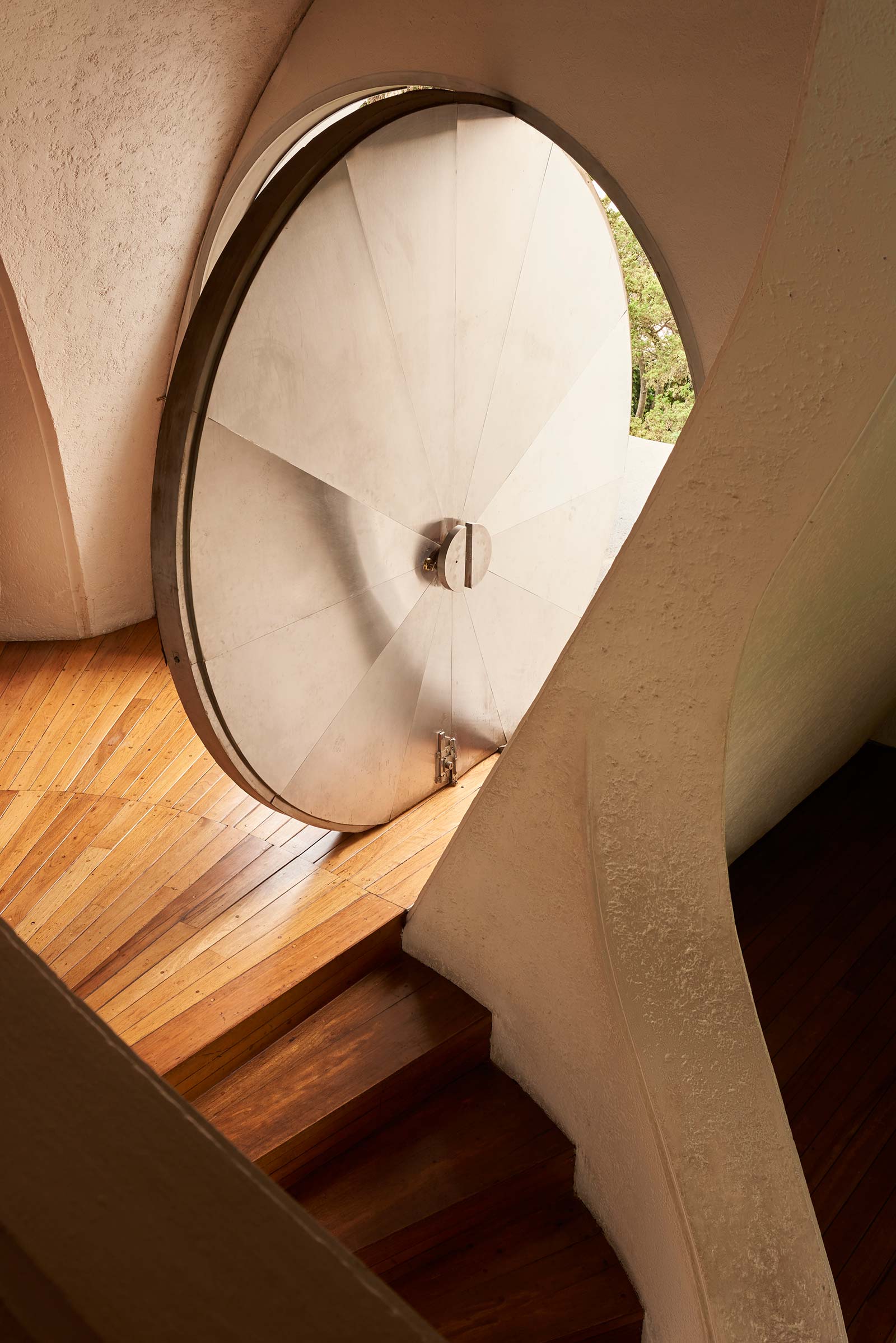
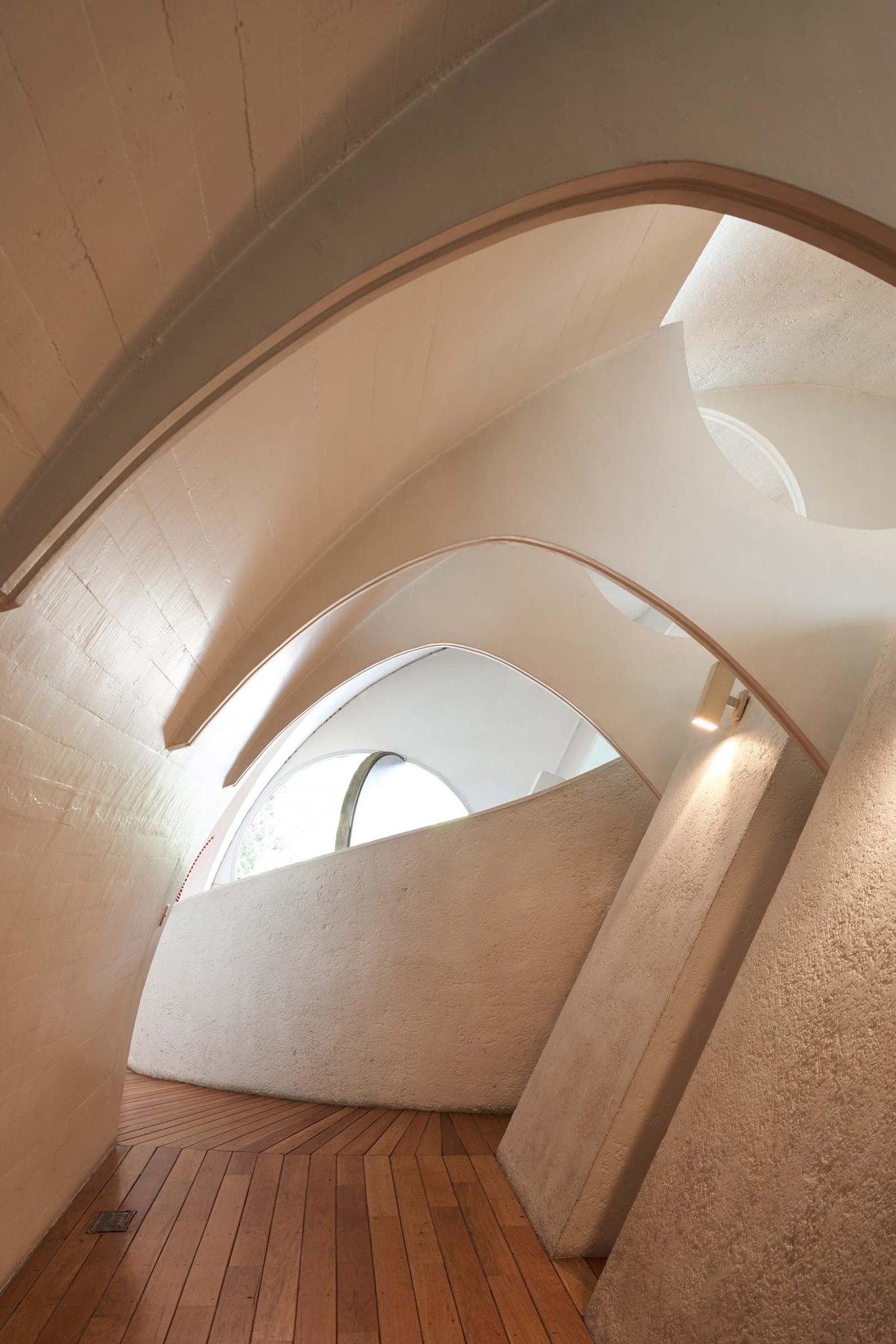
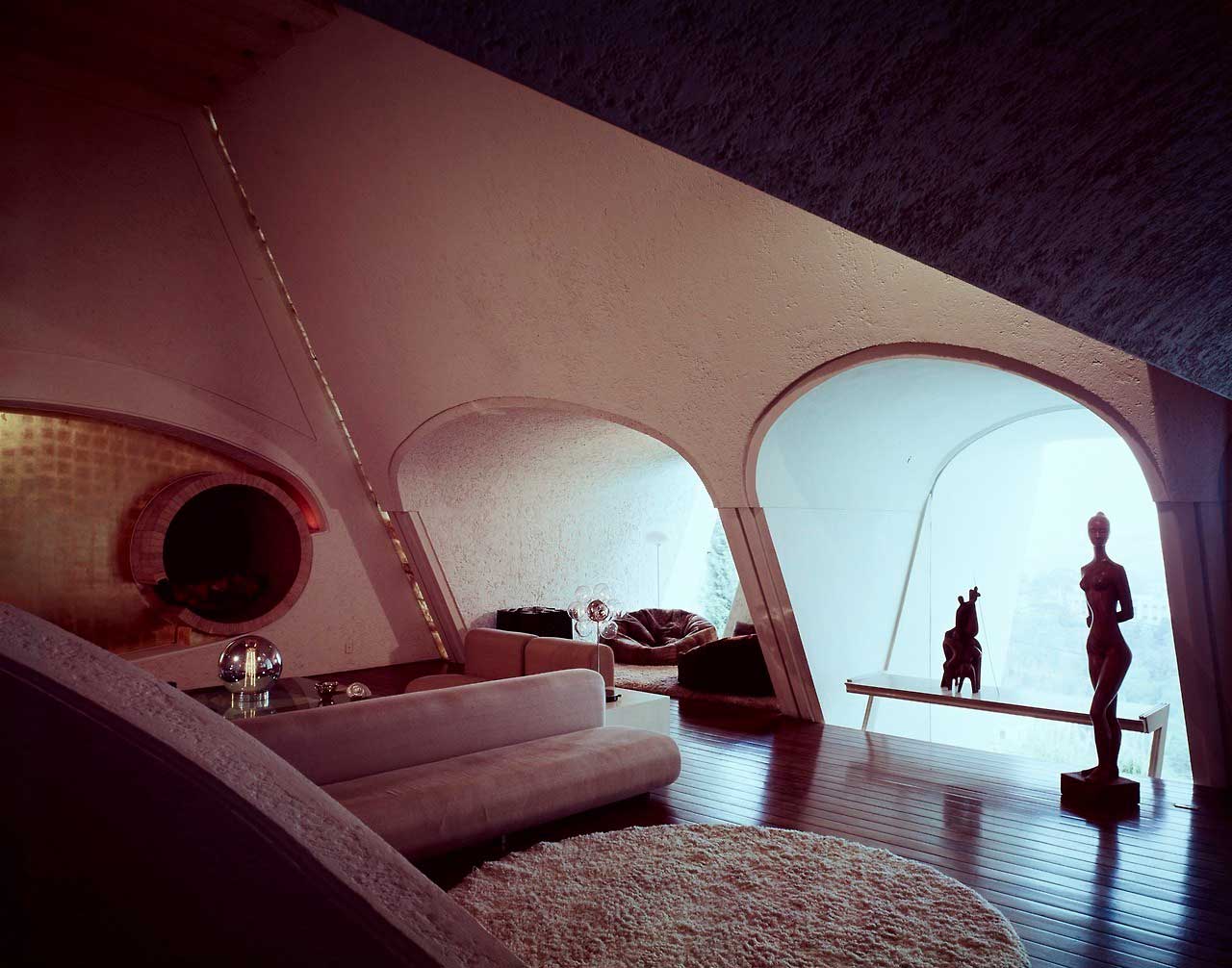
Amalia Hernández House / Agustín Hernández Navarro
Agustín Hernández Navarro is a Mexican sculptor and architect born in Mexico City. He is the son of politician Lamberto Hernández and Amalia Navarro and studied at the National Autonomous University of Mexico. Leading exponent of “emotional” architecture in his country, Hernandez has fused elements from Mexico’s Pre-columbian past in his contemporary architecture. He usually starts by designing the vertical elements of a building, such as the stairs, as he feels these are of much importance. As organic nature, his architecture unites structure, form, and function.
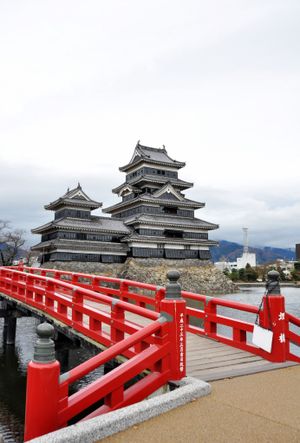
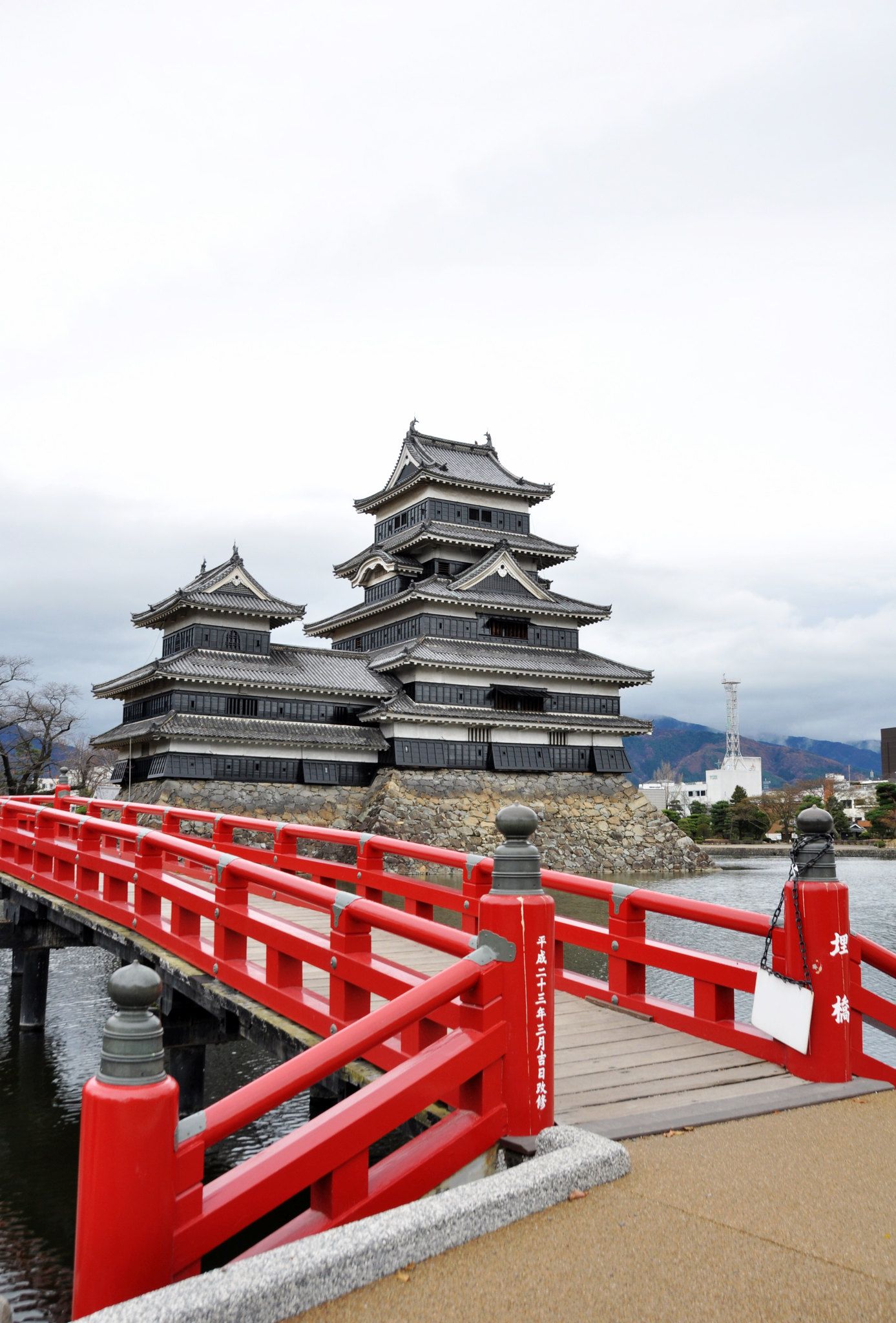
Matsumoto Castle, Nagano Prefecture
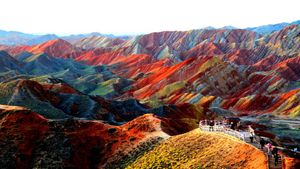
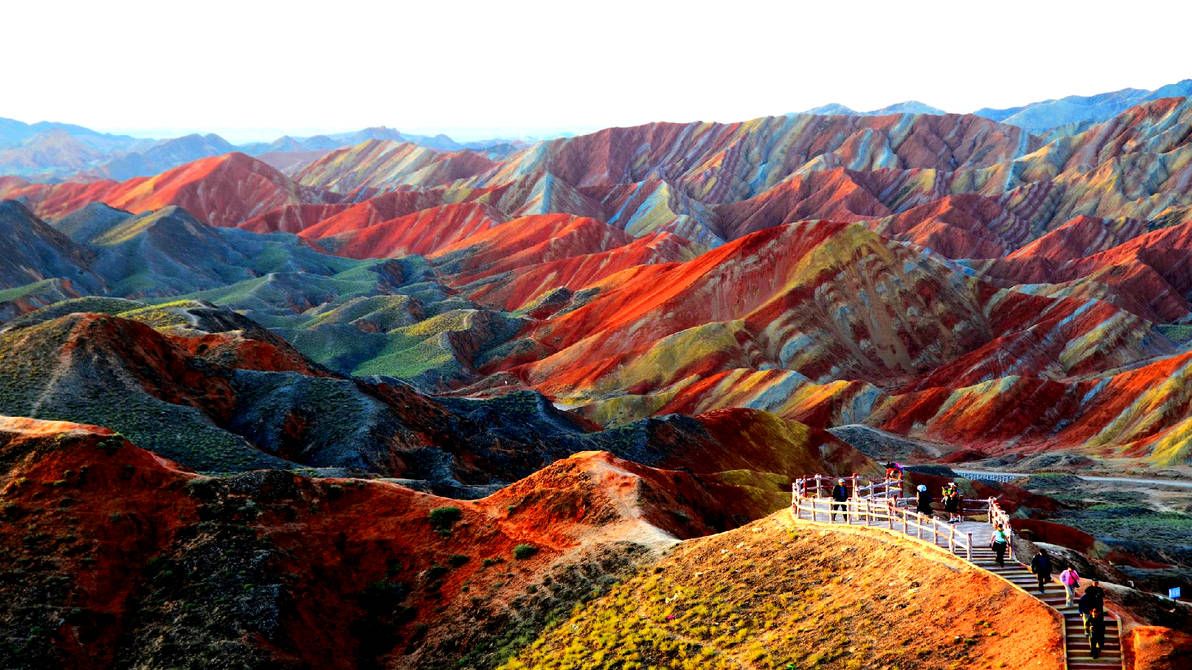
Rainbow mountains at Zhangye Danxia national geopark Gansu China
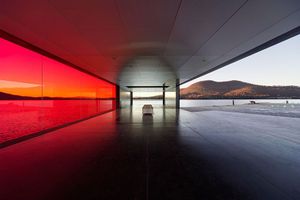
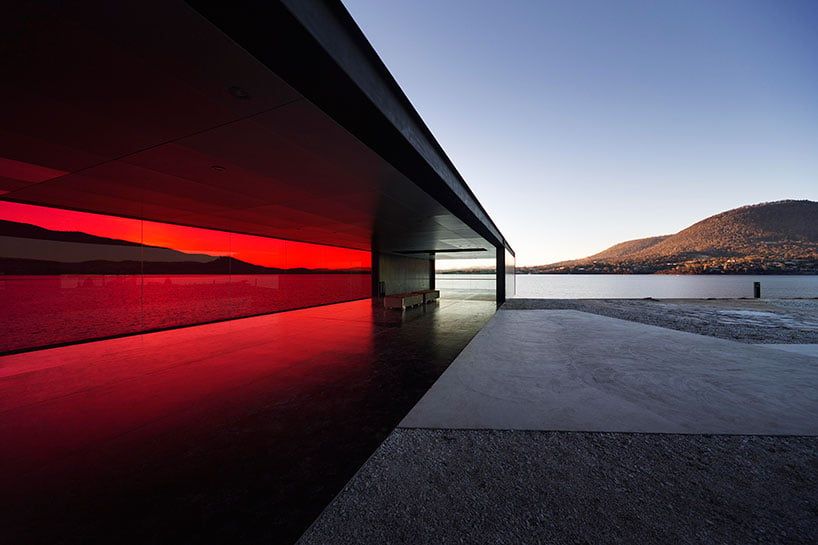
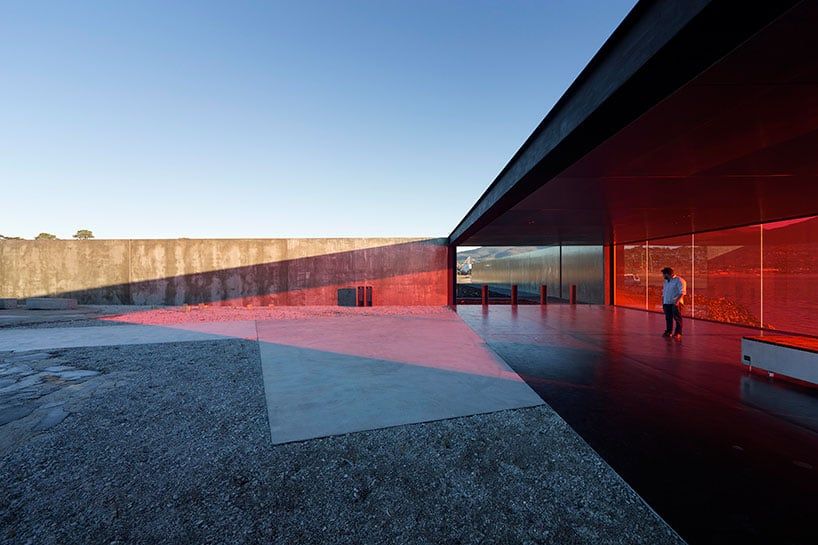
the grove pavillion
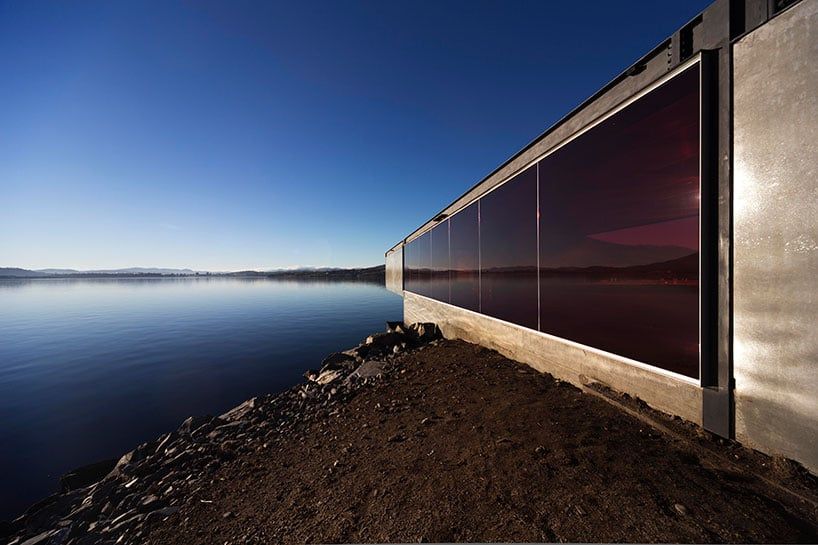
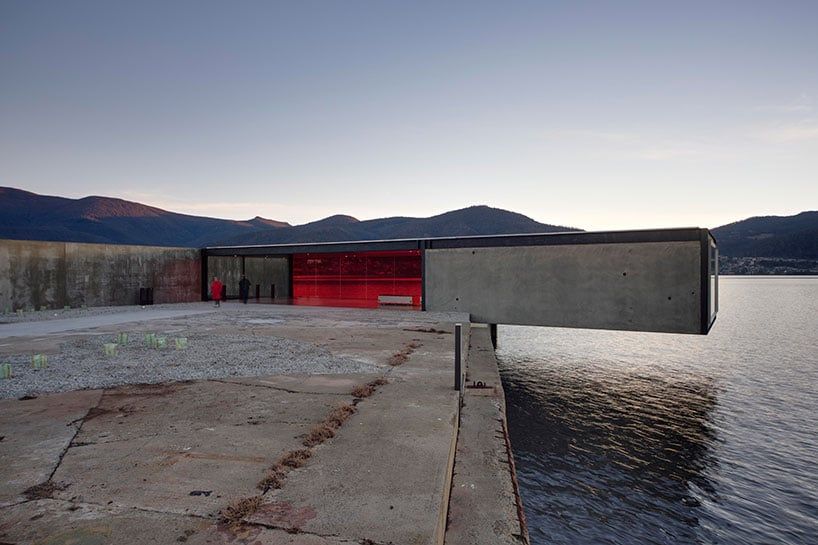
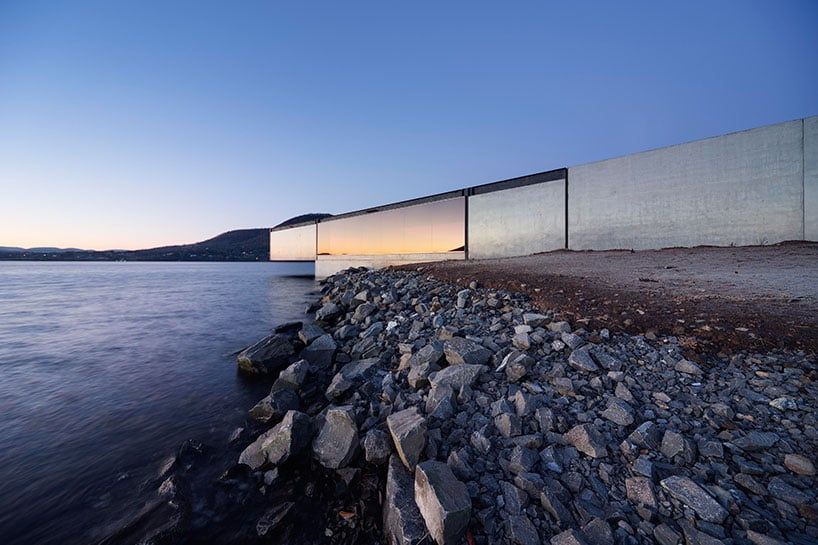
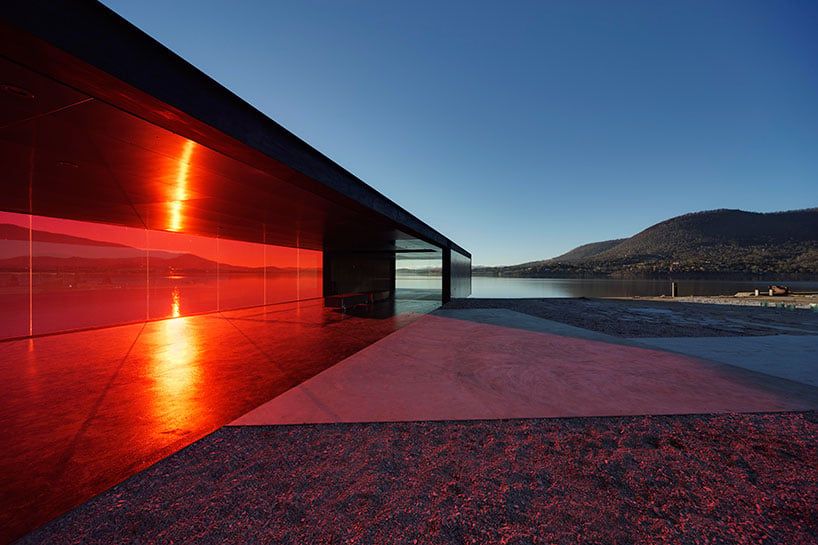
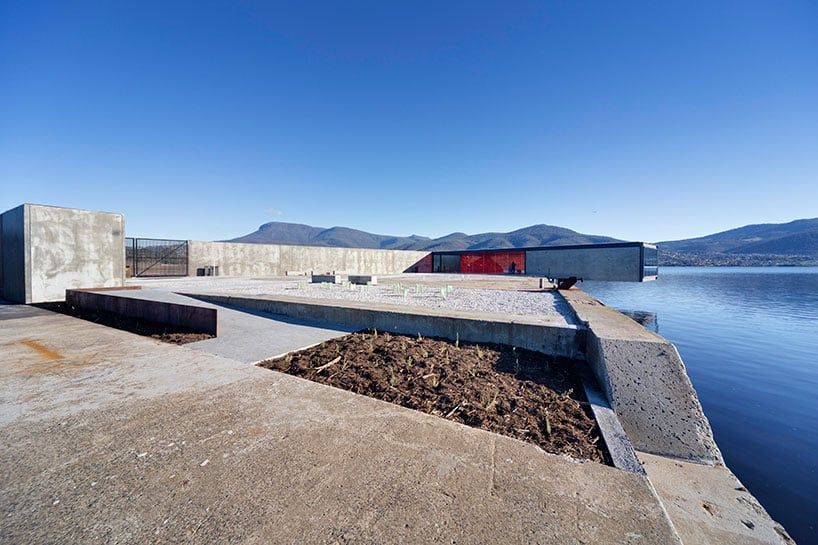
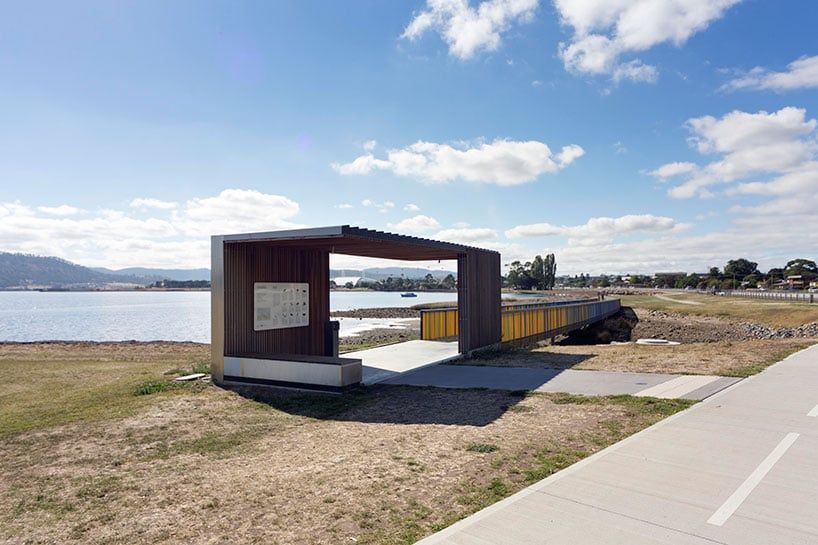
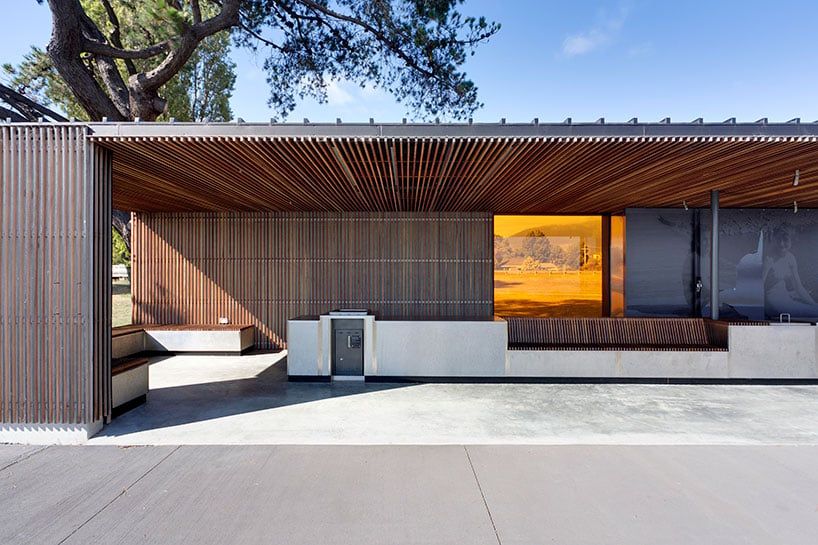
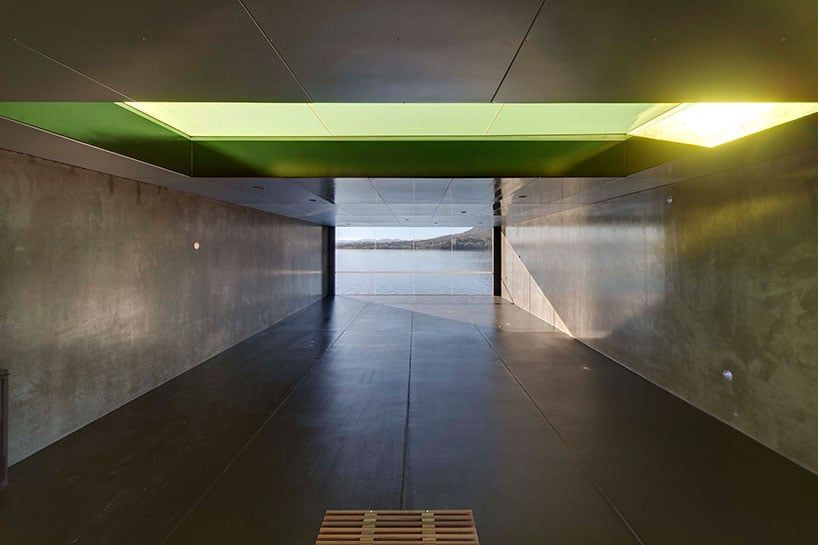
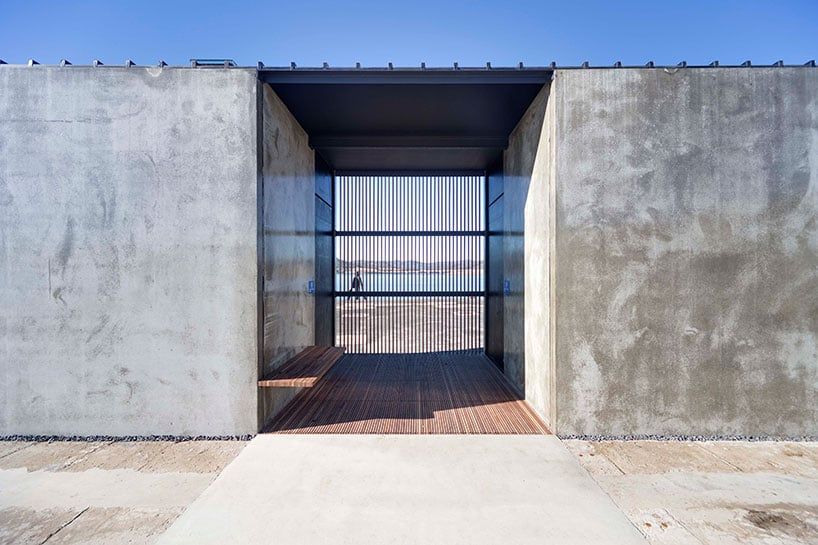
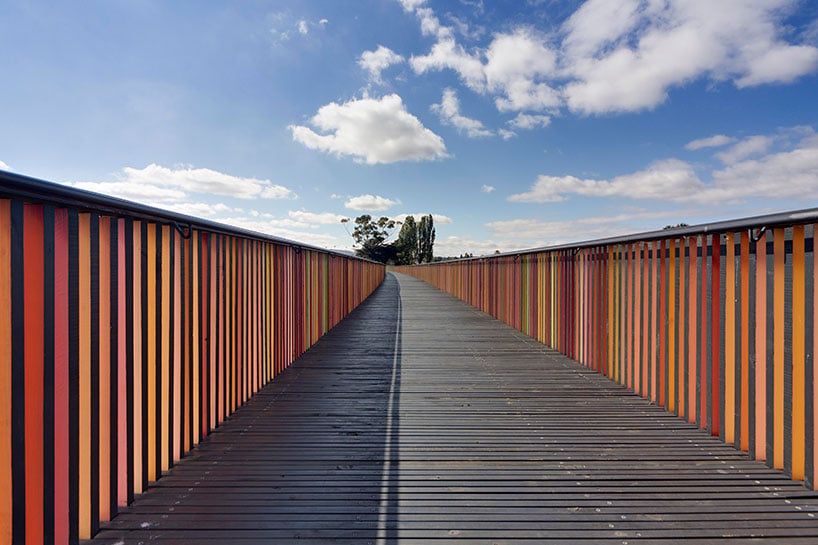
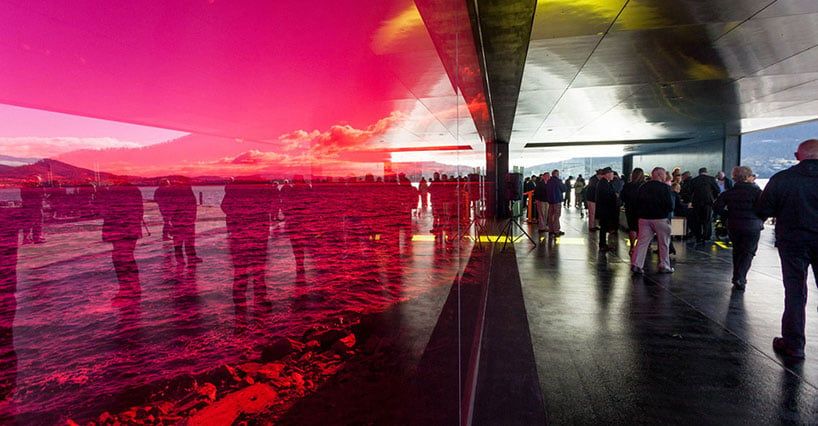
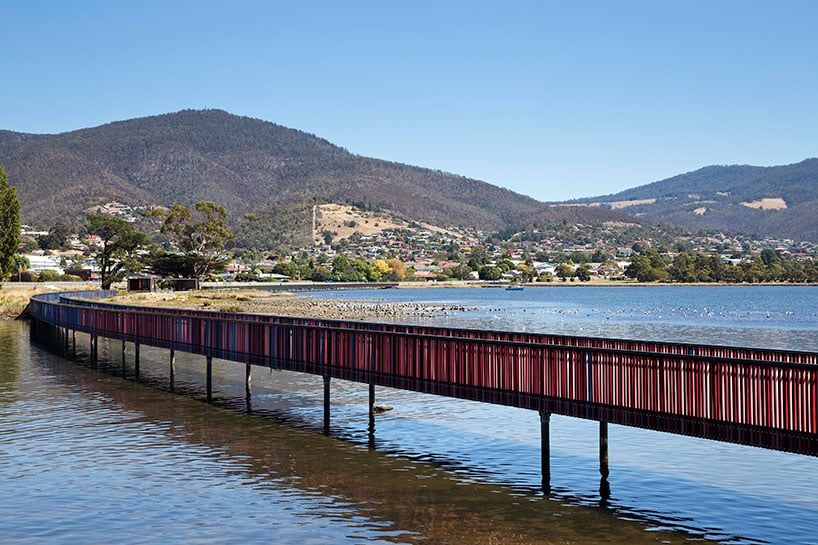
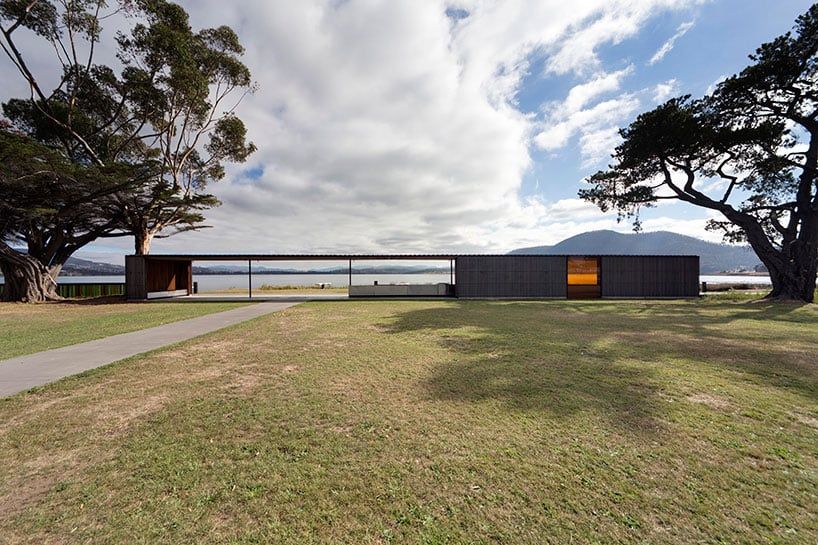
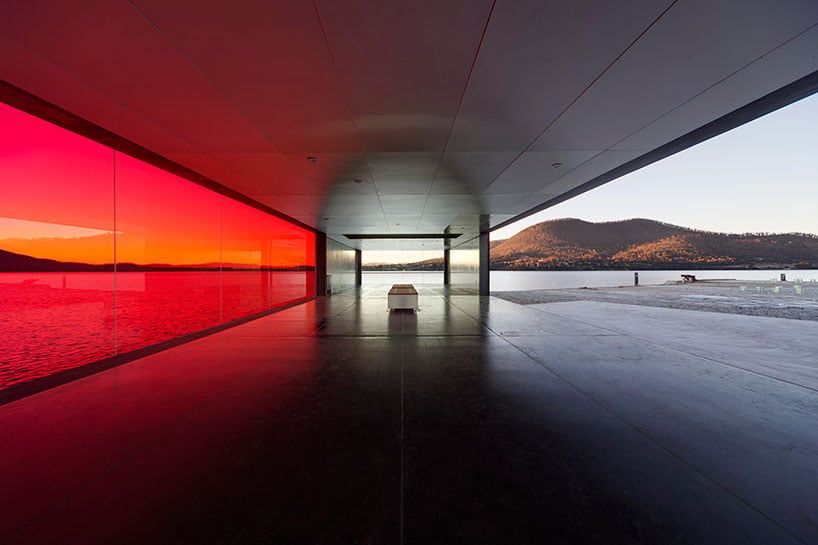
the grove pavilion is located at the center of the arced walkway where it briefly touches upon land, between the constantly texture of the water and matured trees. barbeques and public space provide recreational services to visitors within a subdued black structure that frames the colorful surrounding landscape. continuing eastward down the walkway leads to the wilkinson’s point pavilion born from an existing concrete pad built in the mid 20th century as the foundation for an unrealized bridge. the pavilion, a series of intersecting planes exhibiting various degrees of transparency and filtering of views and colors, cantilevers out over the water framing the site and a large open-air pad capable of hosting large scale events. massive concrete walls support a floating canopy containing an expansive red glass wall and a yellow skylight towards the cantilevered portion. the architecture adopts a simple form, poetic and restrained in the landscape, an experience heightened by its relative isolation from any other man-made developments.
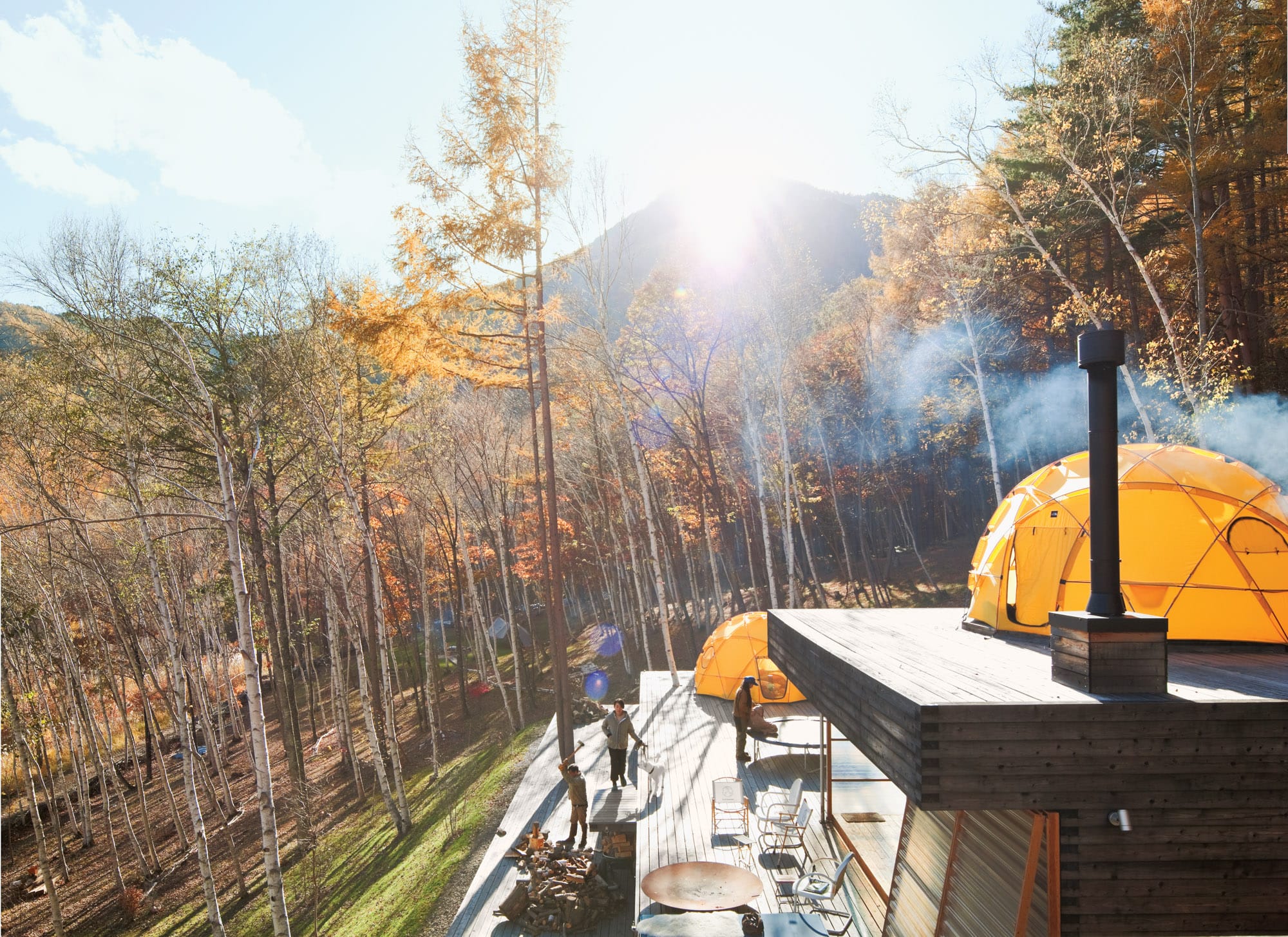
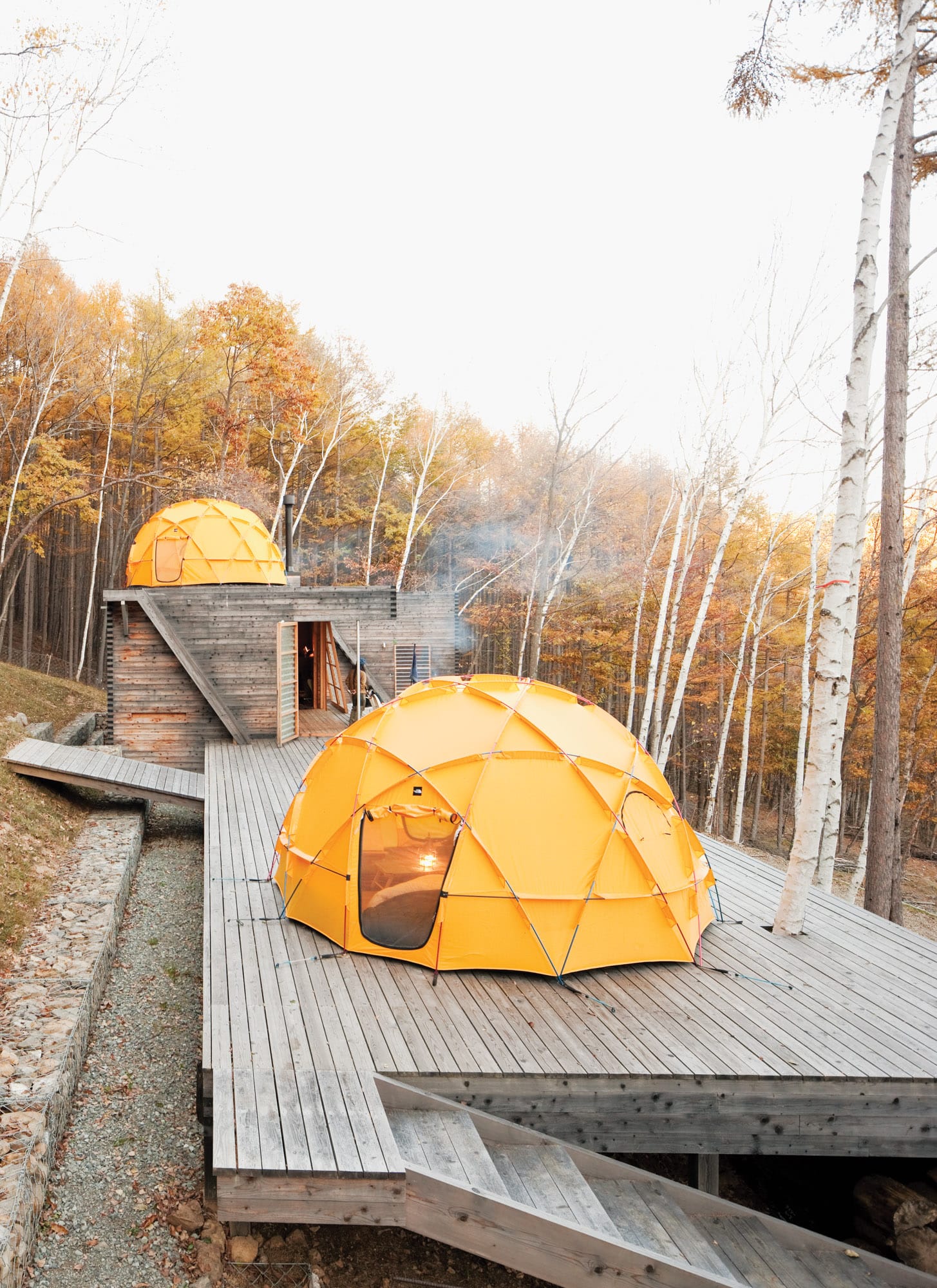
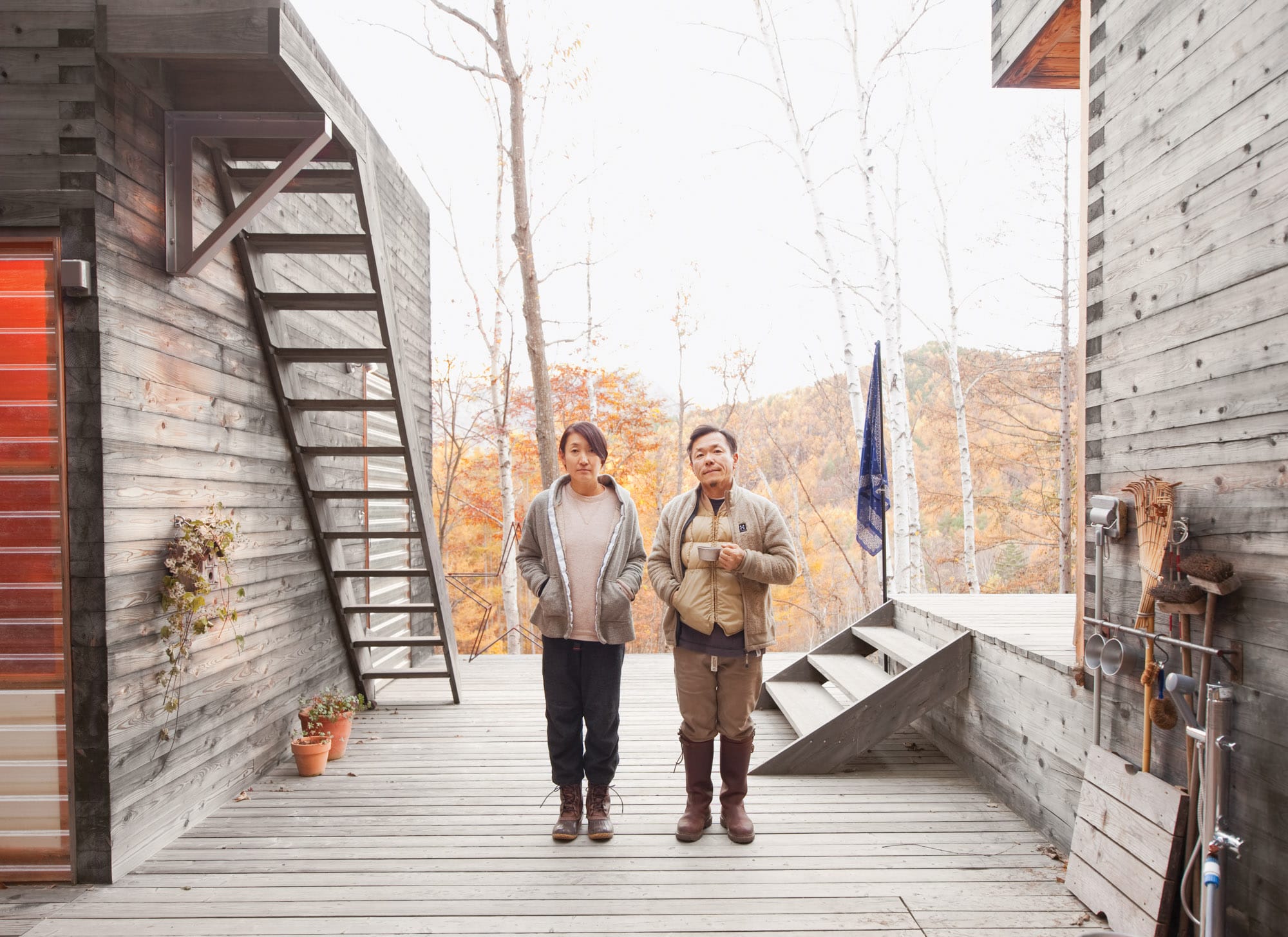
GENERAL RESEARCH OFF-SITE
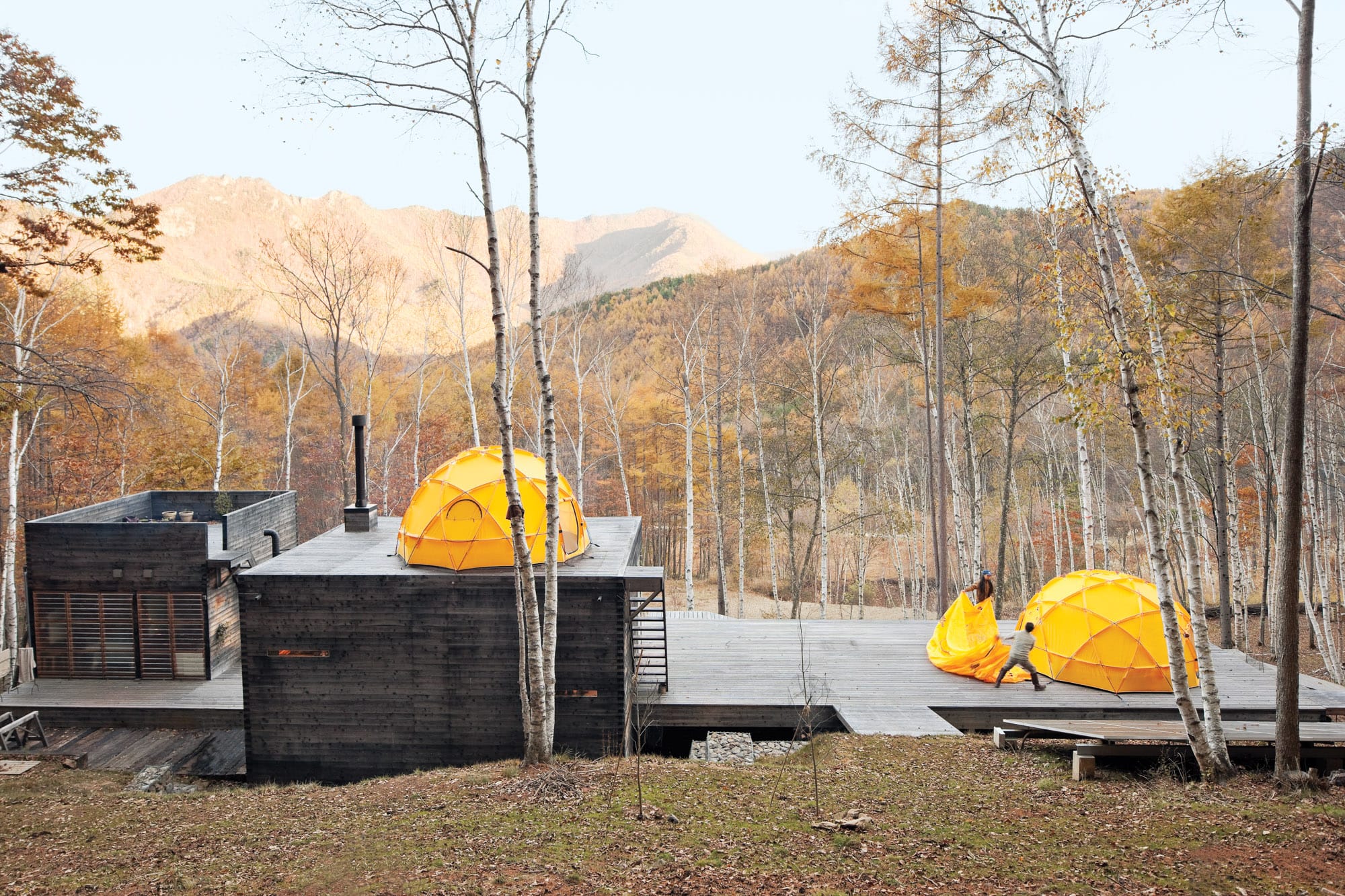
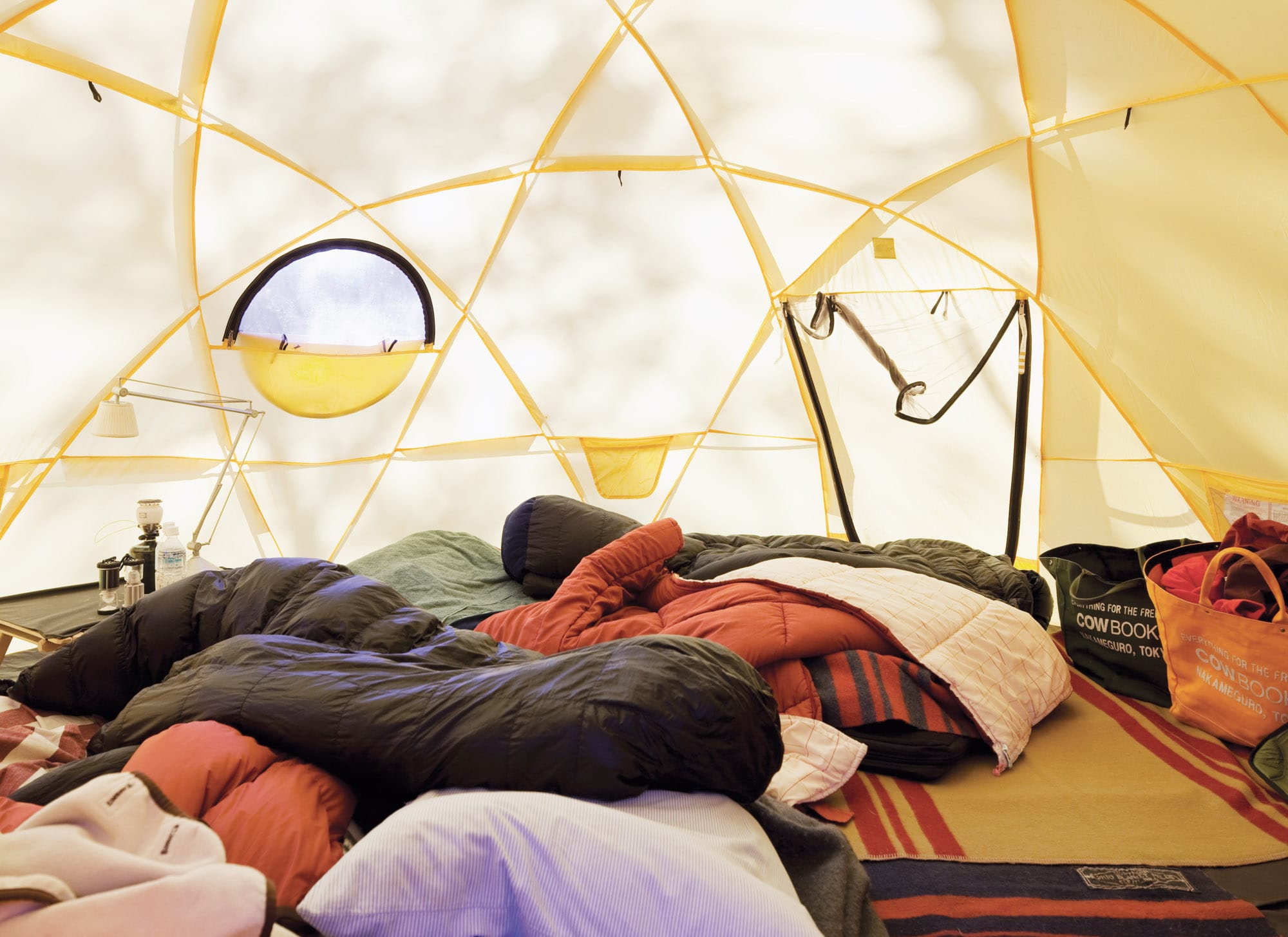
Designed by architect Shin Ohori of General Design for Setsumasa and Mami Kobayashi, founders of General Research. Located in the Chichibu mountain range northwest of Tokyo, the site serves as both a personal weekend shelter and a field-testing ground for product development.
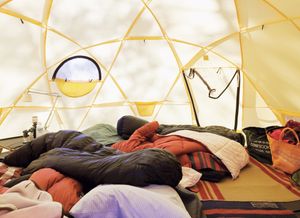
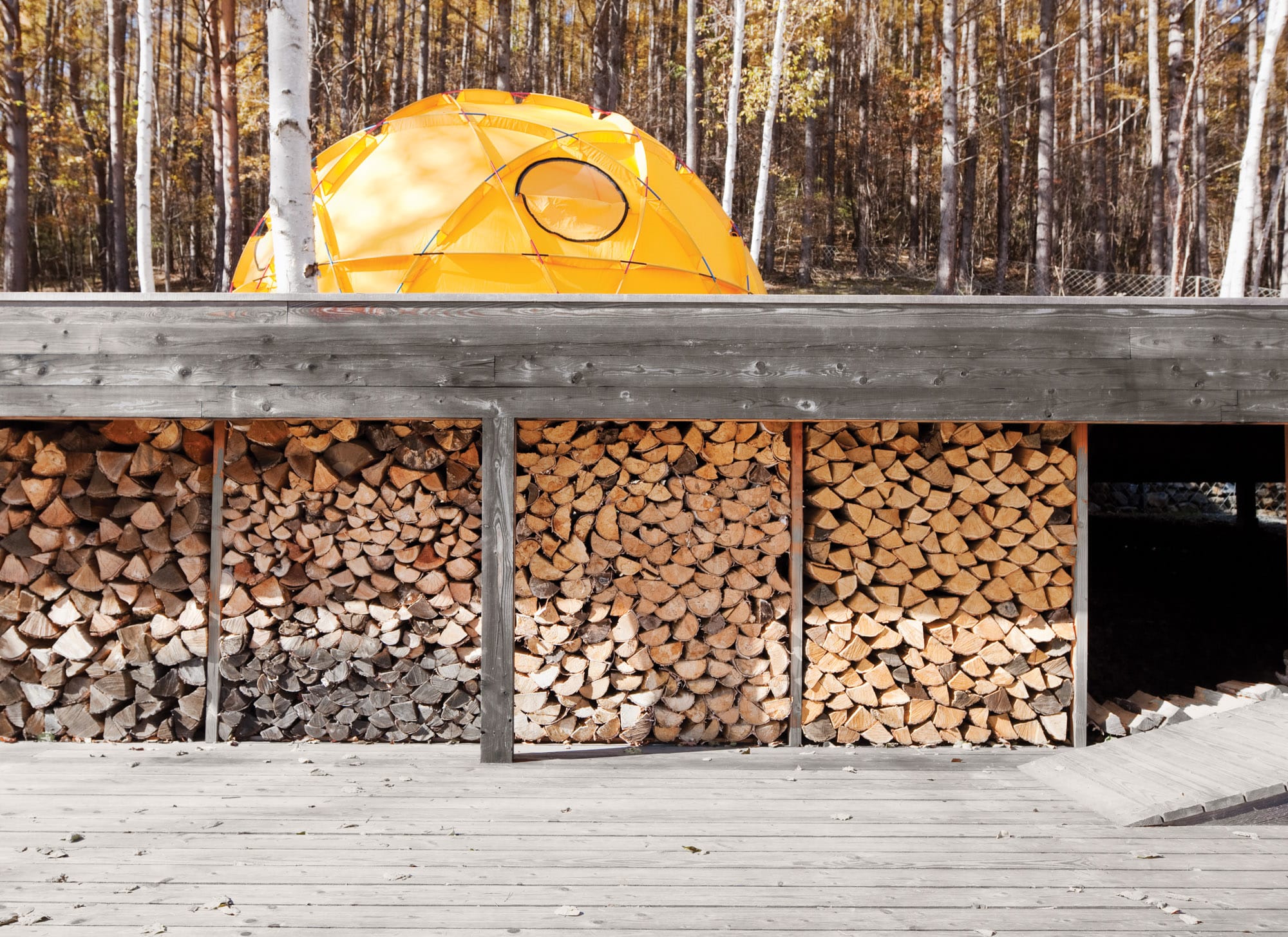
The structure is built on an elevated platform using locally harvested larch wood and features removable walls made from fiber-reinforced plastic. It includes two yellow dome tents used as permanent sleeping areas—one placed on a secondary deck and the other on the roof of the main volume. The central enclosed space houses a kitchen and dining area.
The shelter is equipped with electricity, hot water, internet access, and basic amenities, including a clawfoot bathtub. The location is remote but accessible, allowing the Kobayashis to engage in maintenance tasks and outdoor work while still performing professional duties remotely. The architecture is intentionally simple and functional, emphasizing modularity, environmental responsiveness, and a hybrid of modernist design with primitive outdoor living elements.
The project operates as a live-in testing platform for lifestyle and gear integration in a real-world setting, merging domestic space with performance wear prototyping. It represents an approach to architecture and living that prioritizes adaptability, utility, and a direct relationship with the natural environment.
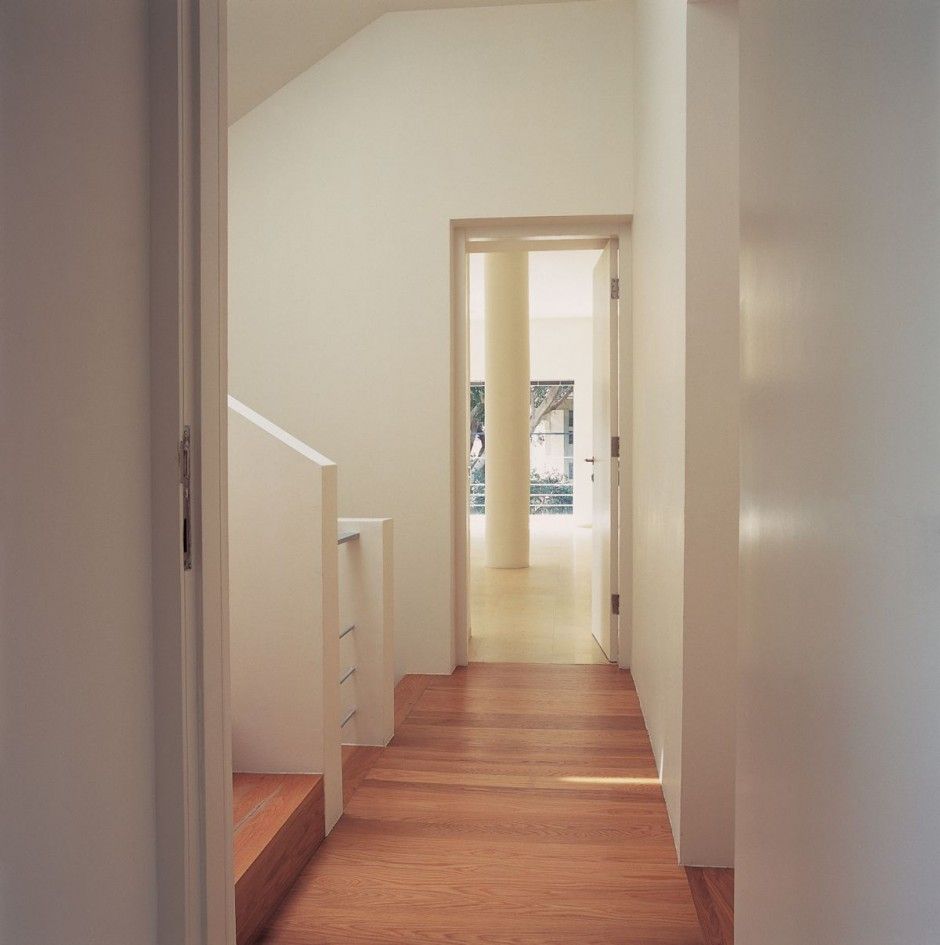
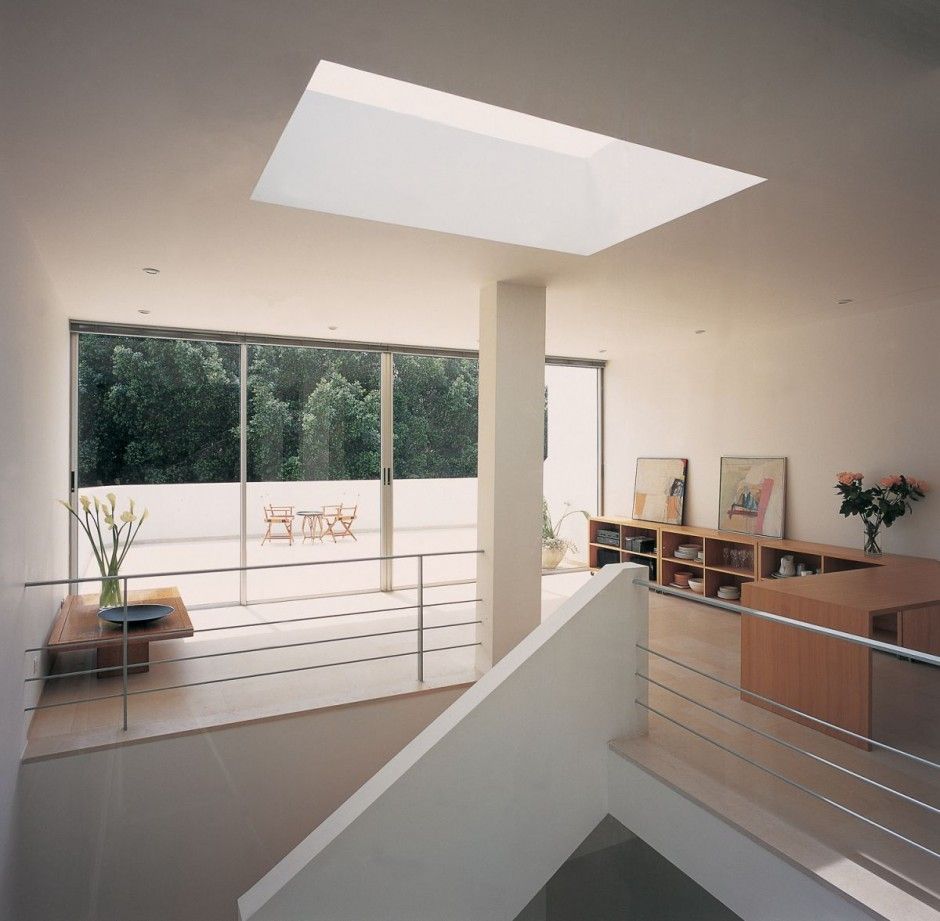
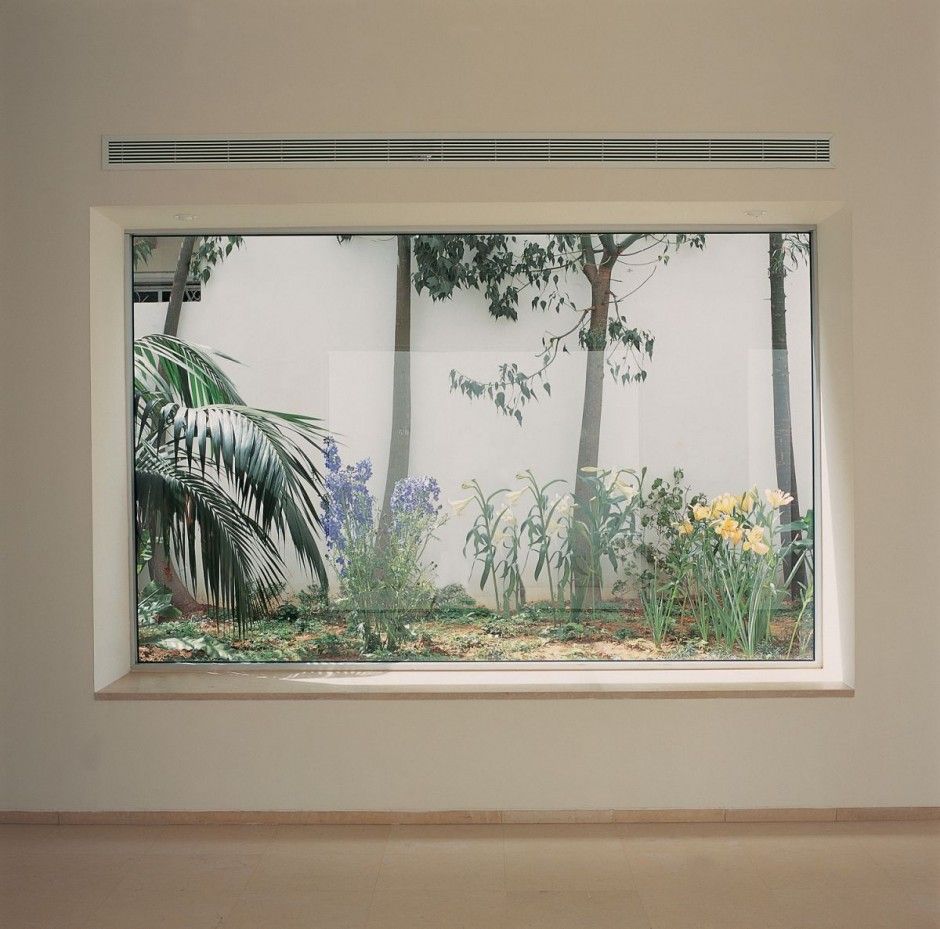
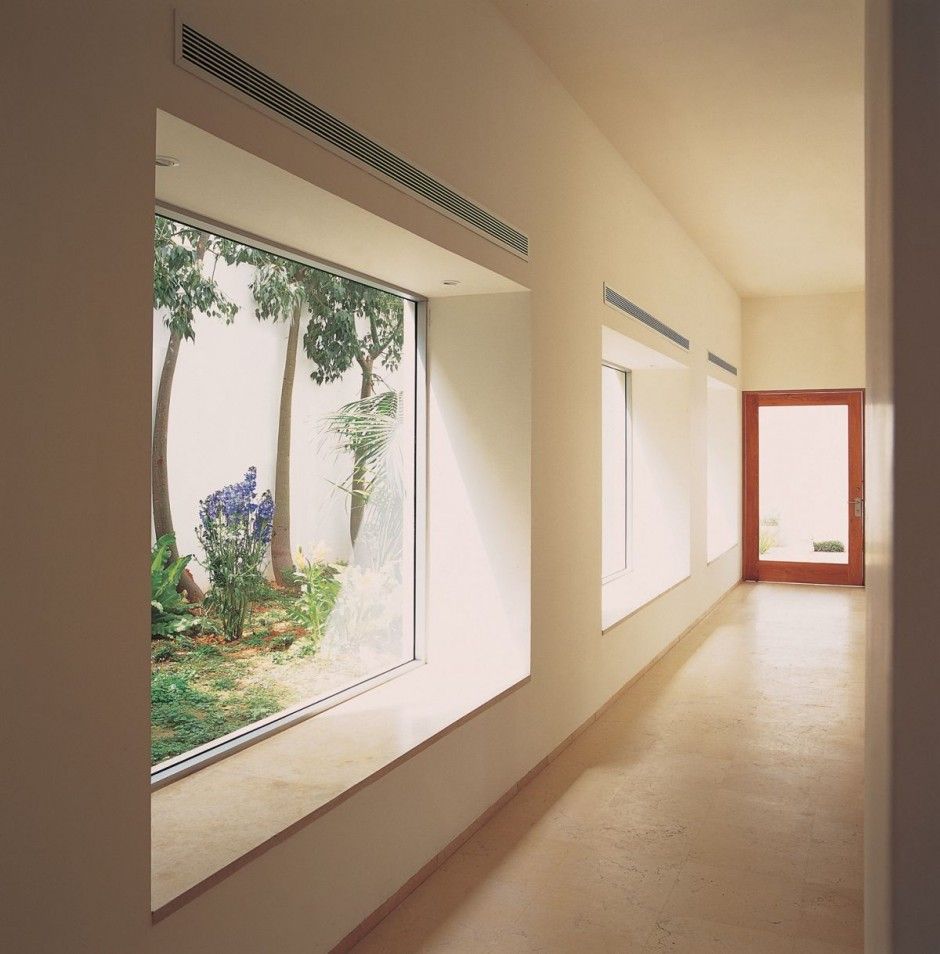
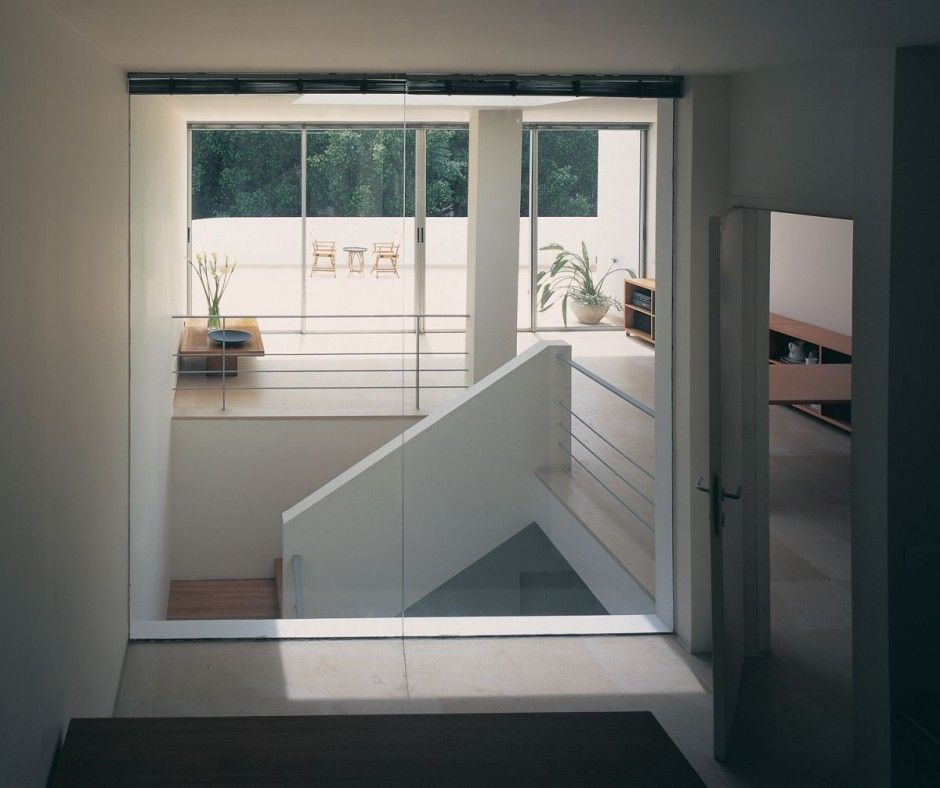
Tel Aviv Residence by Chyutin Architects
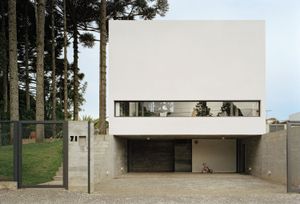
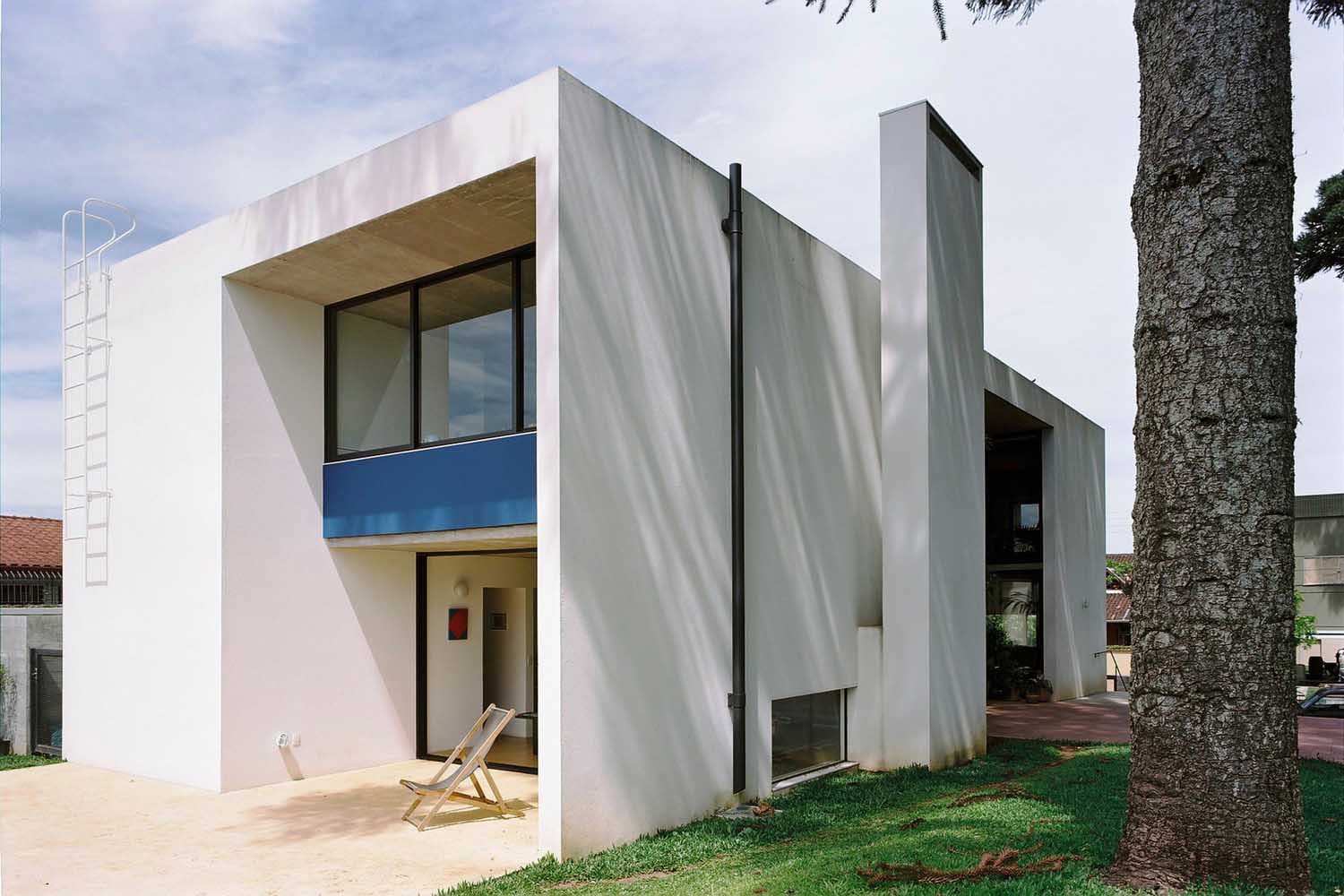
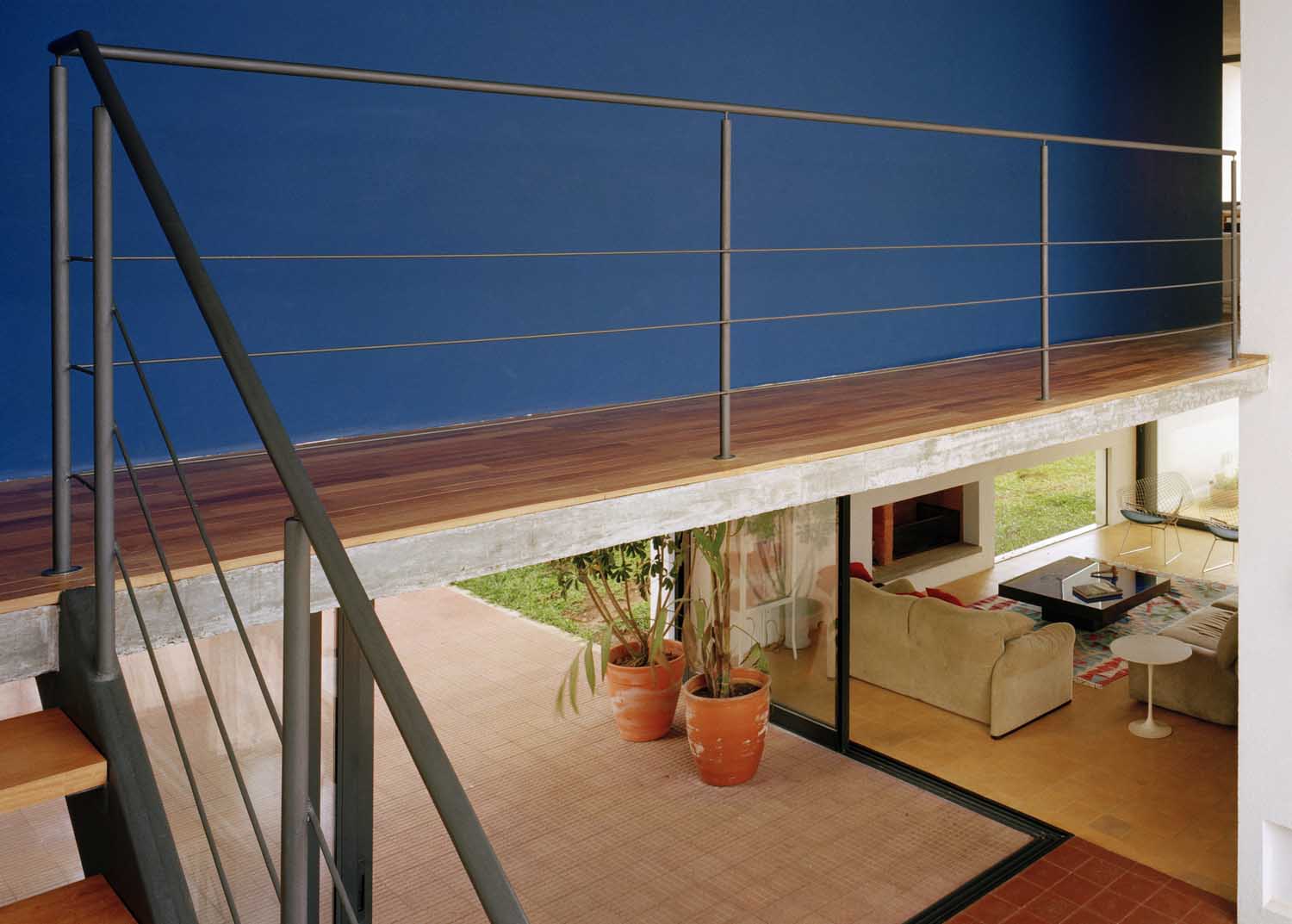
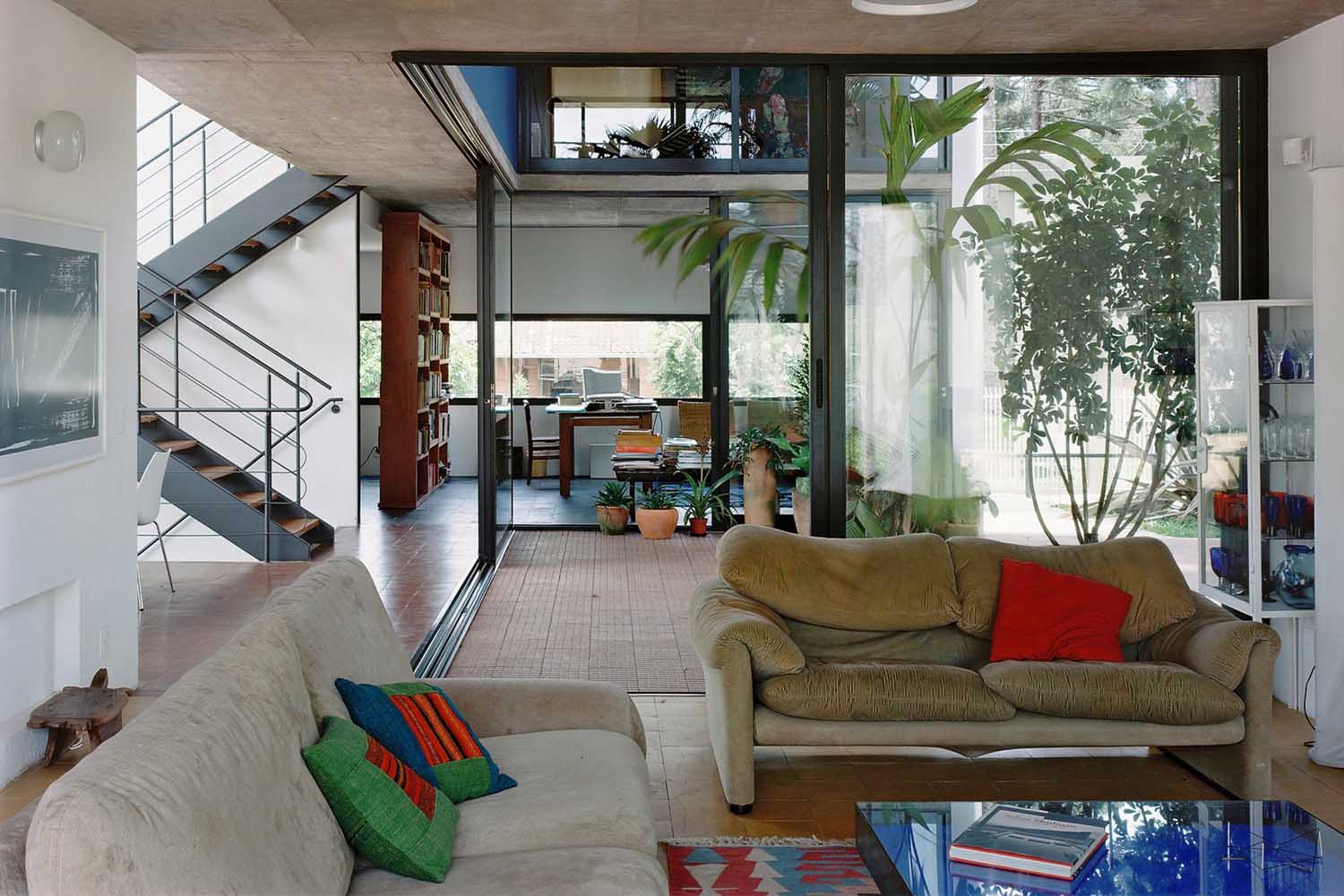
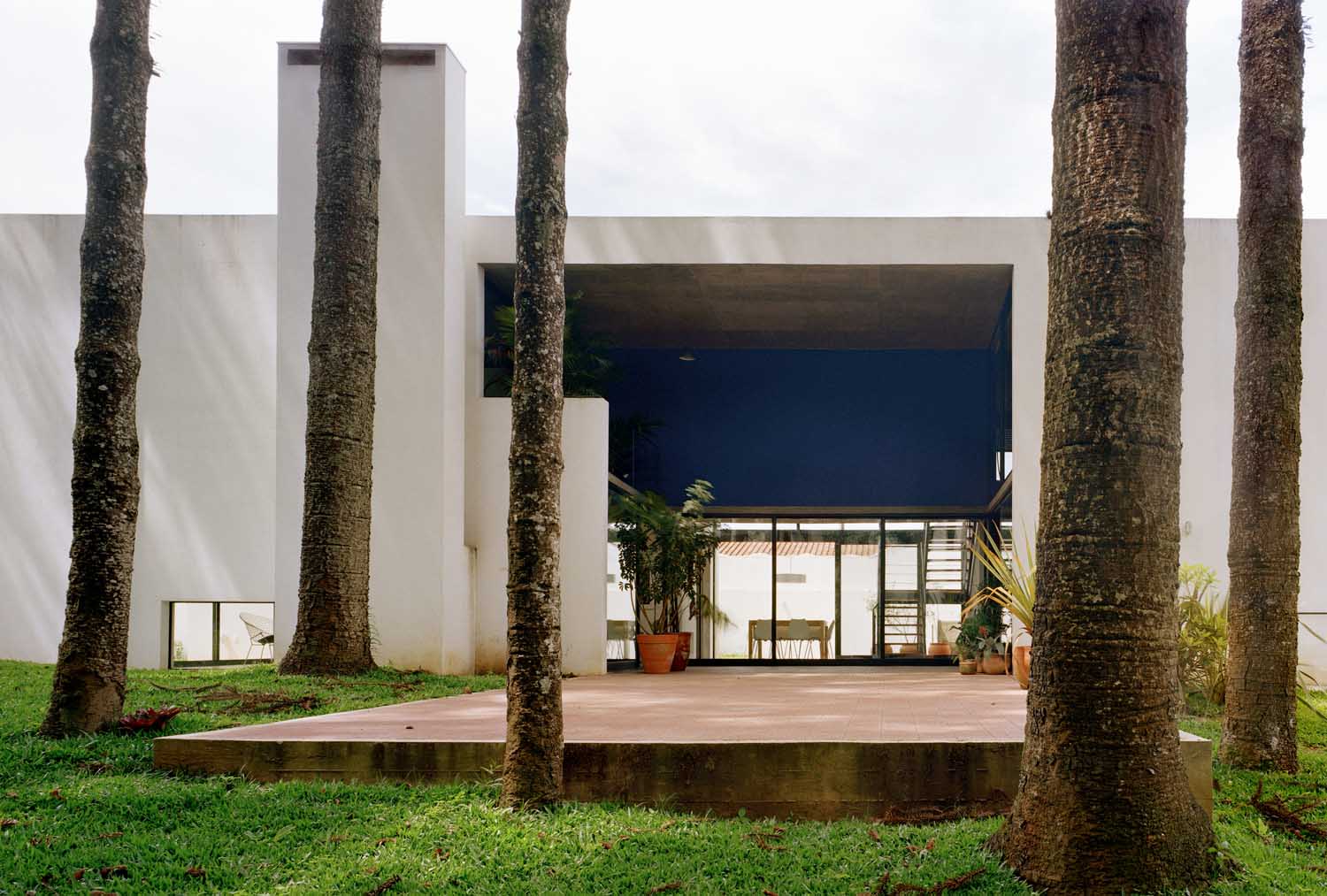
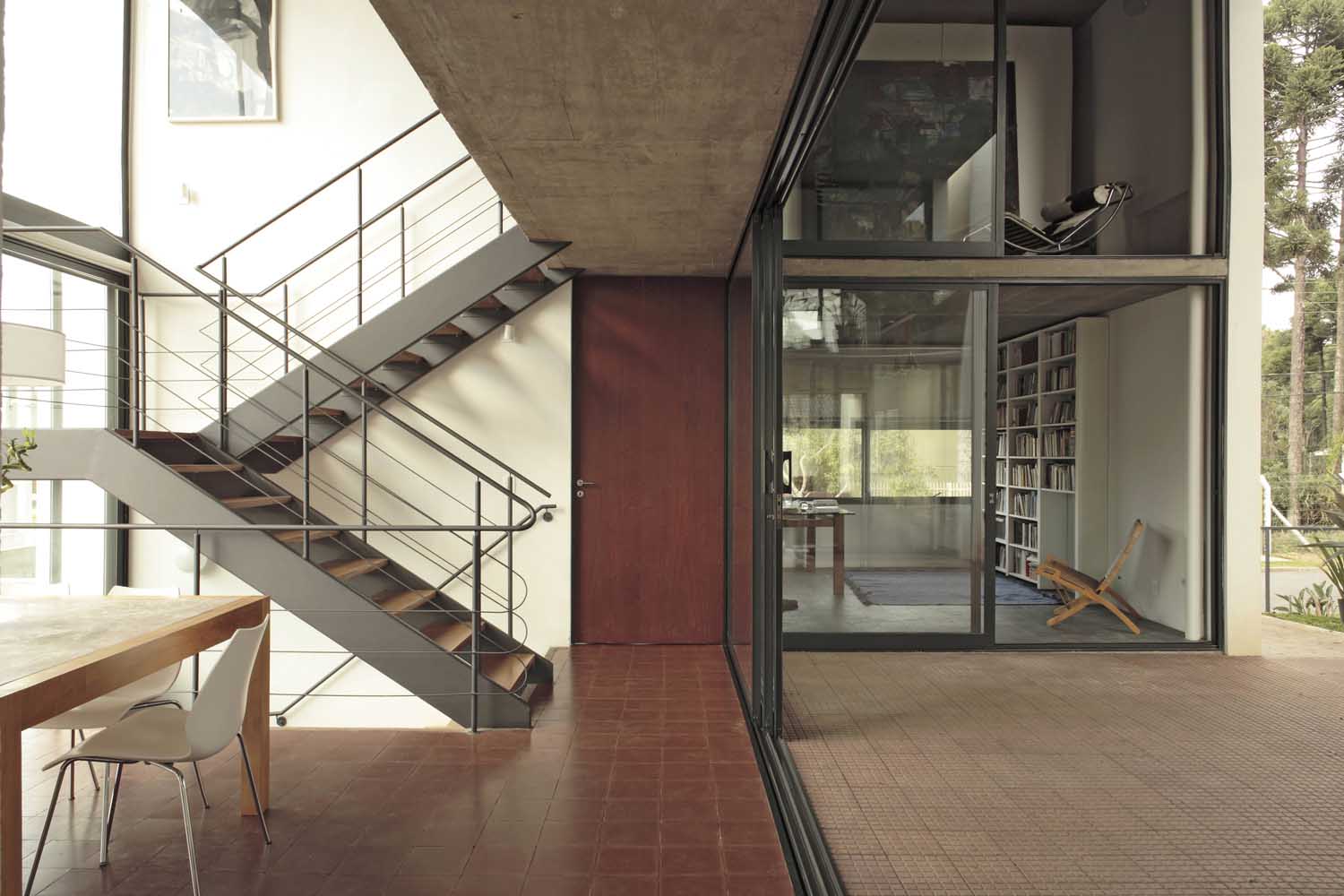
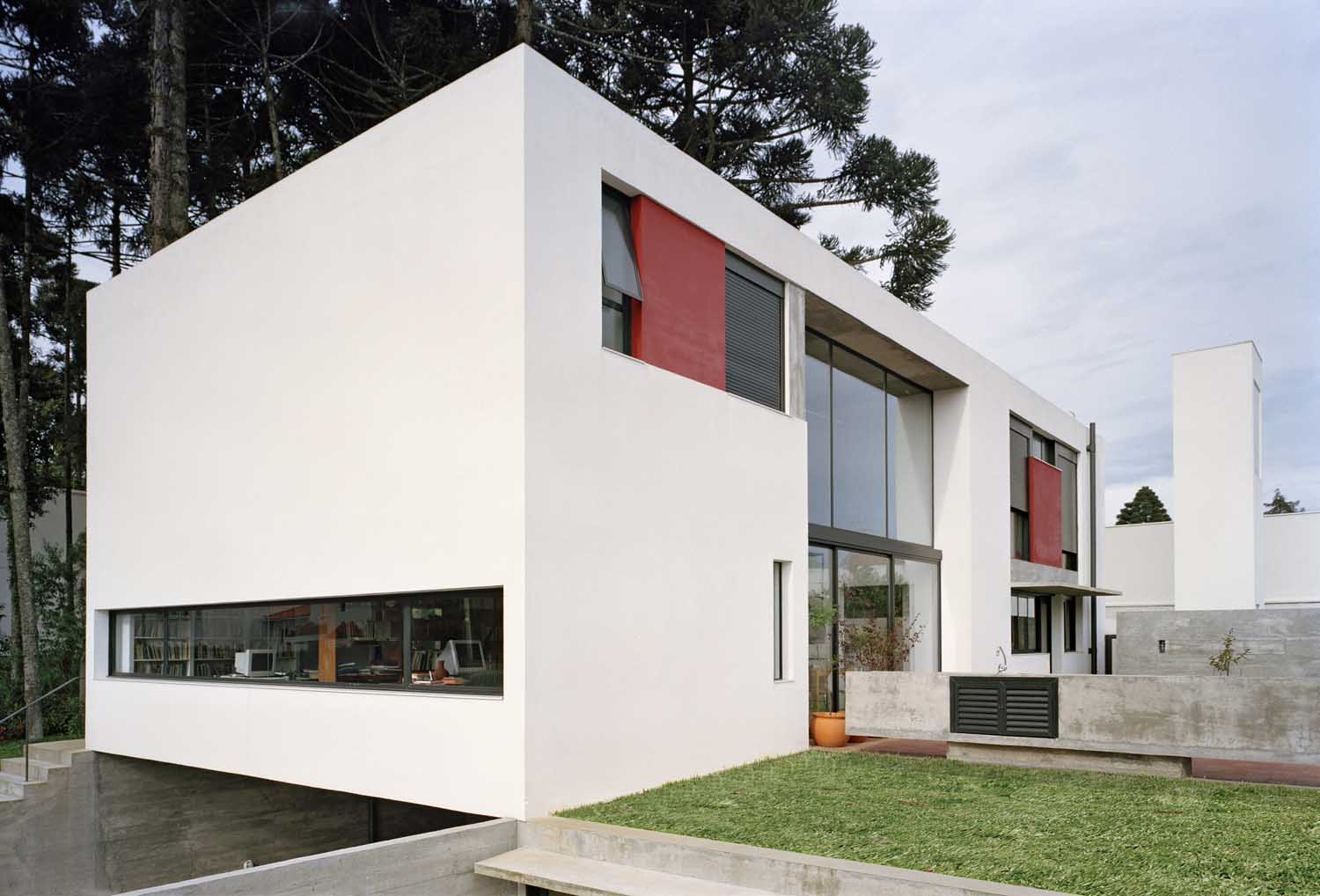
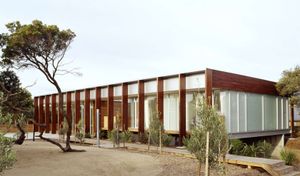
Two Living Pavilions Under One Roof Open Onto an Outdoor Covered Deck designed by Watson Architecture + Design
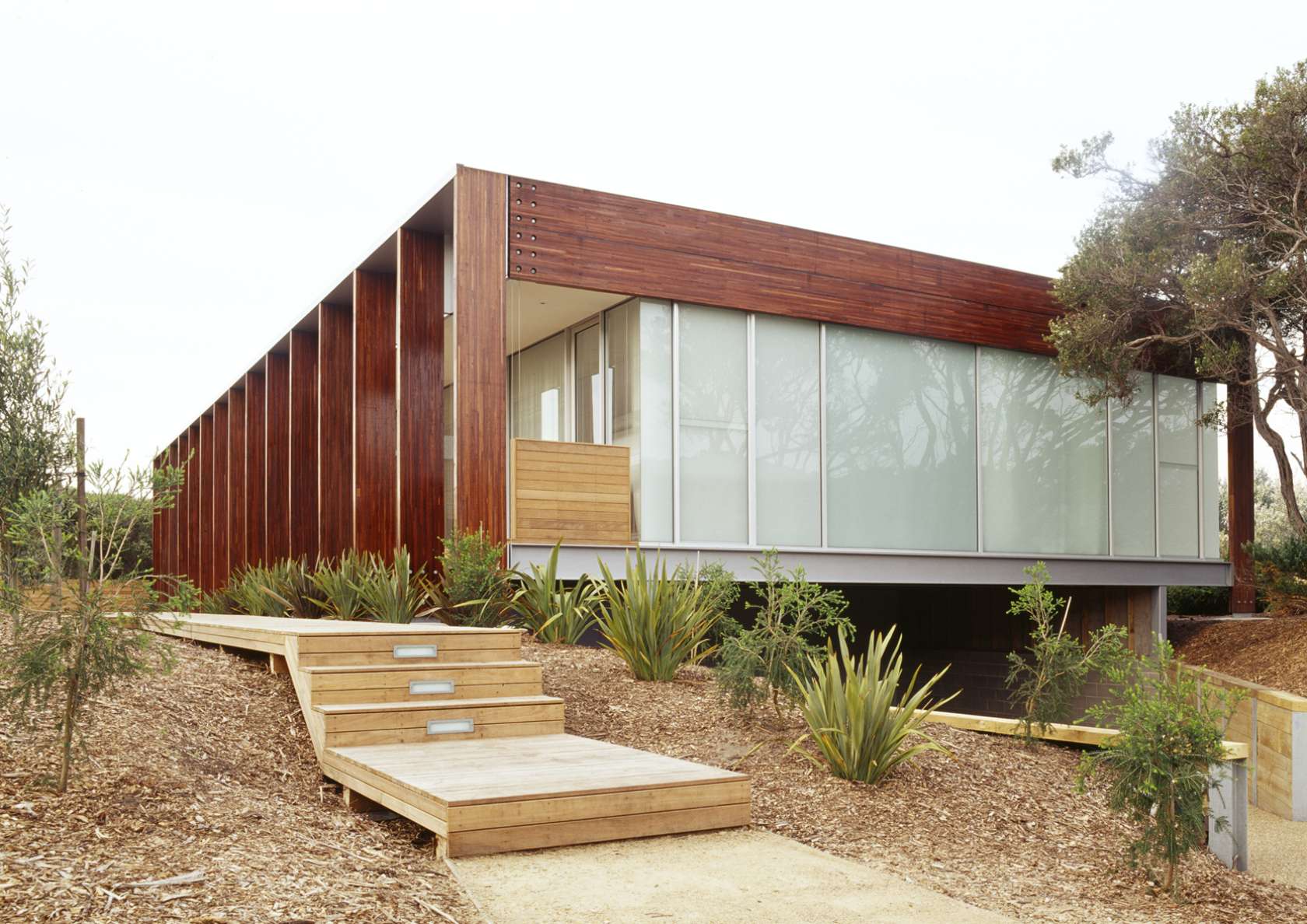
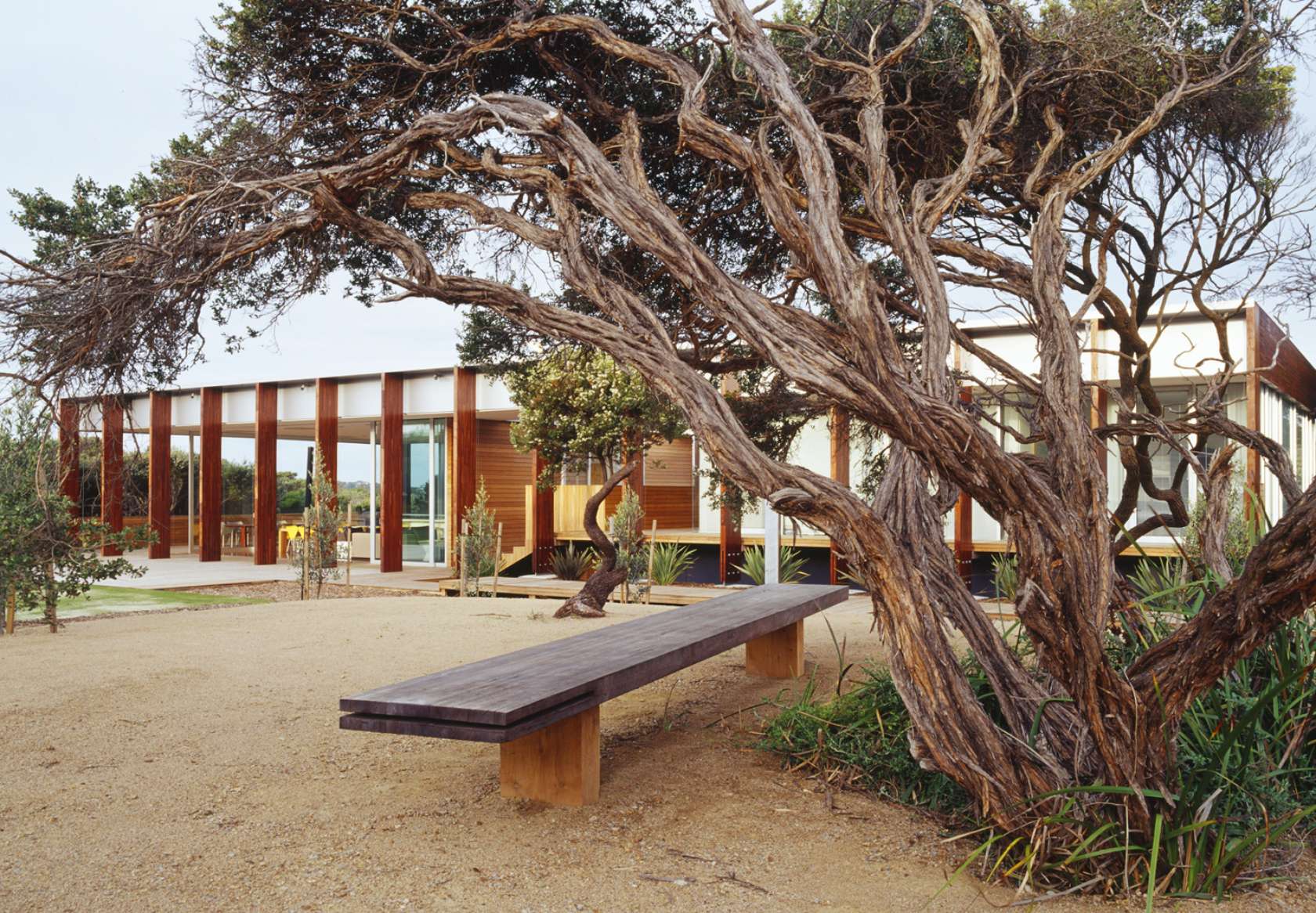
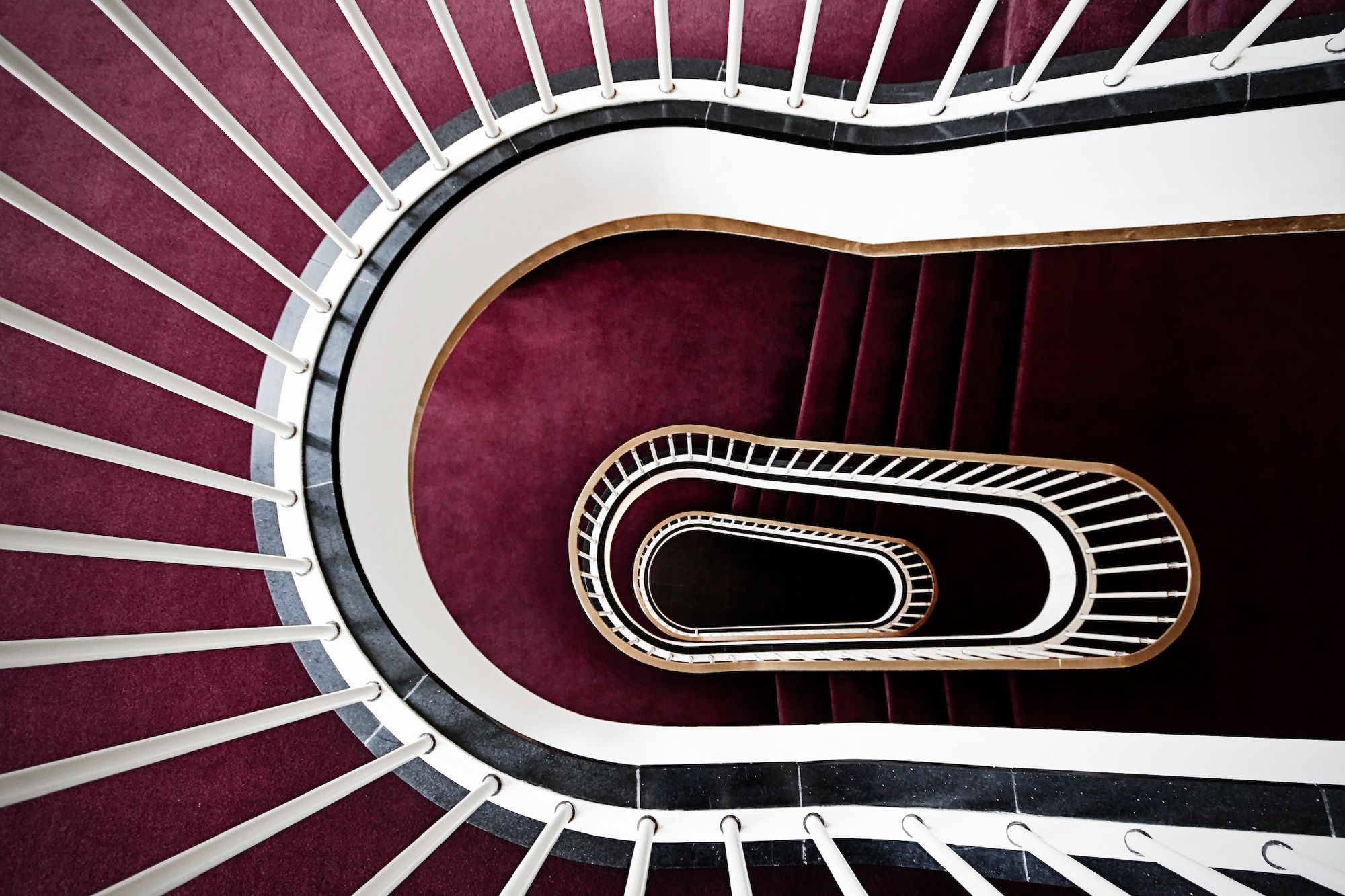
Stairs at the Leipzig opera house
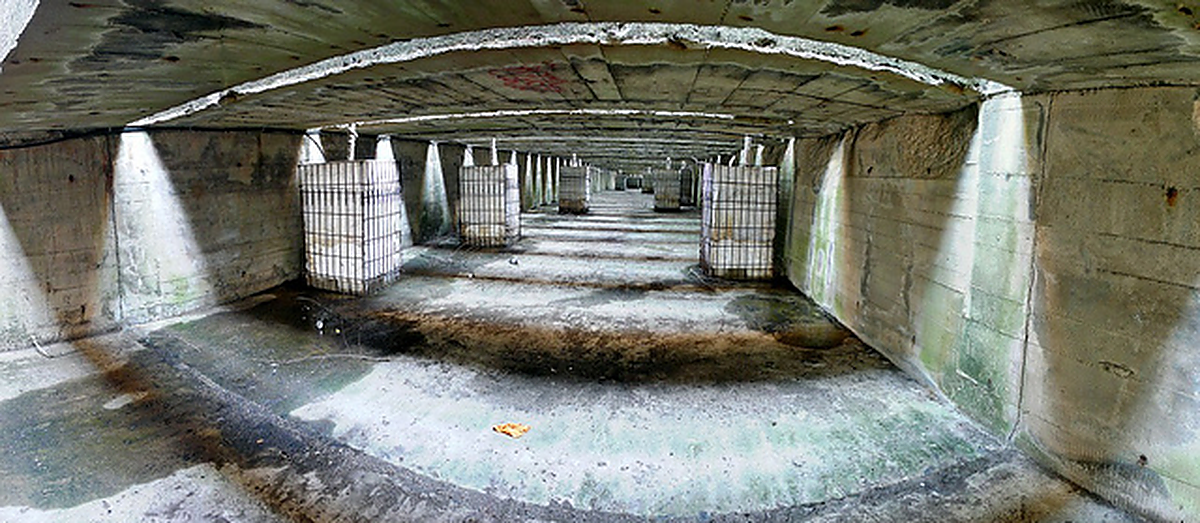
Concrete Bunker Interior
Concrete Bunker Interior
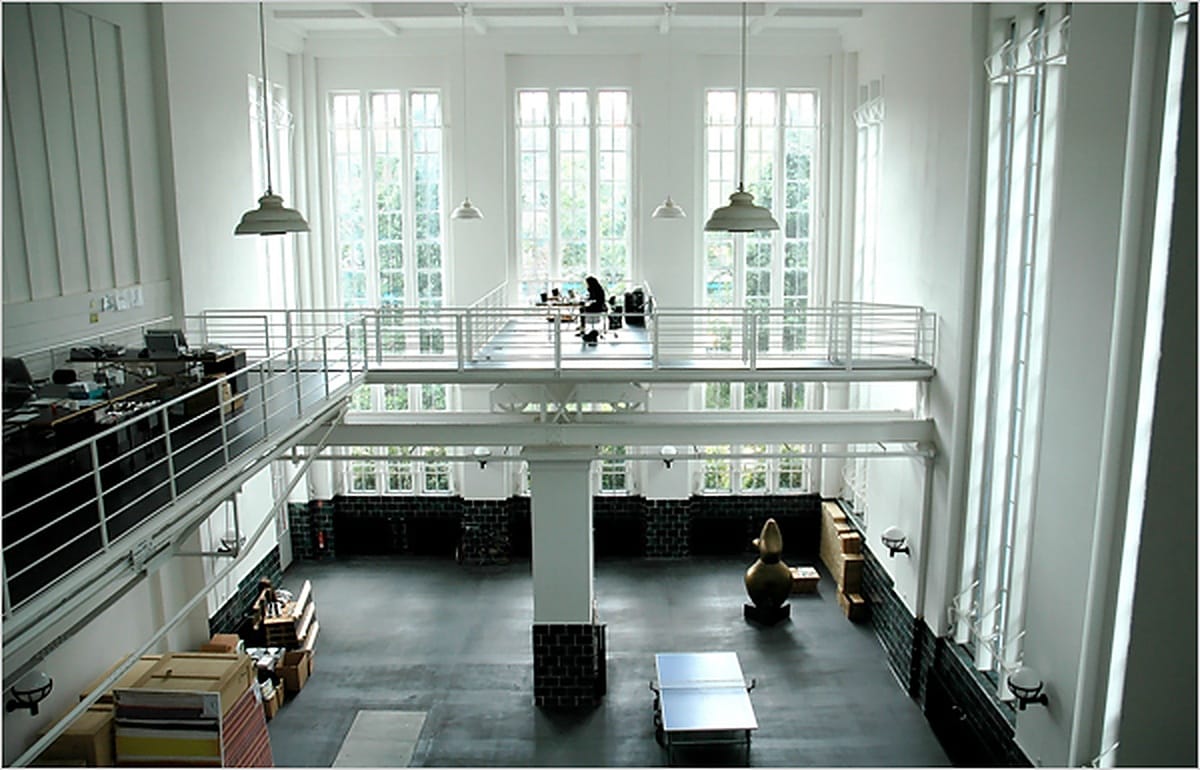
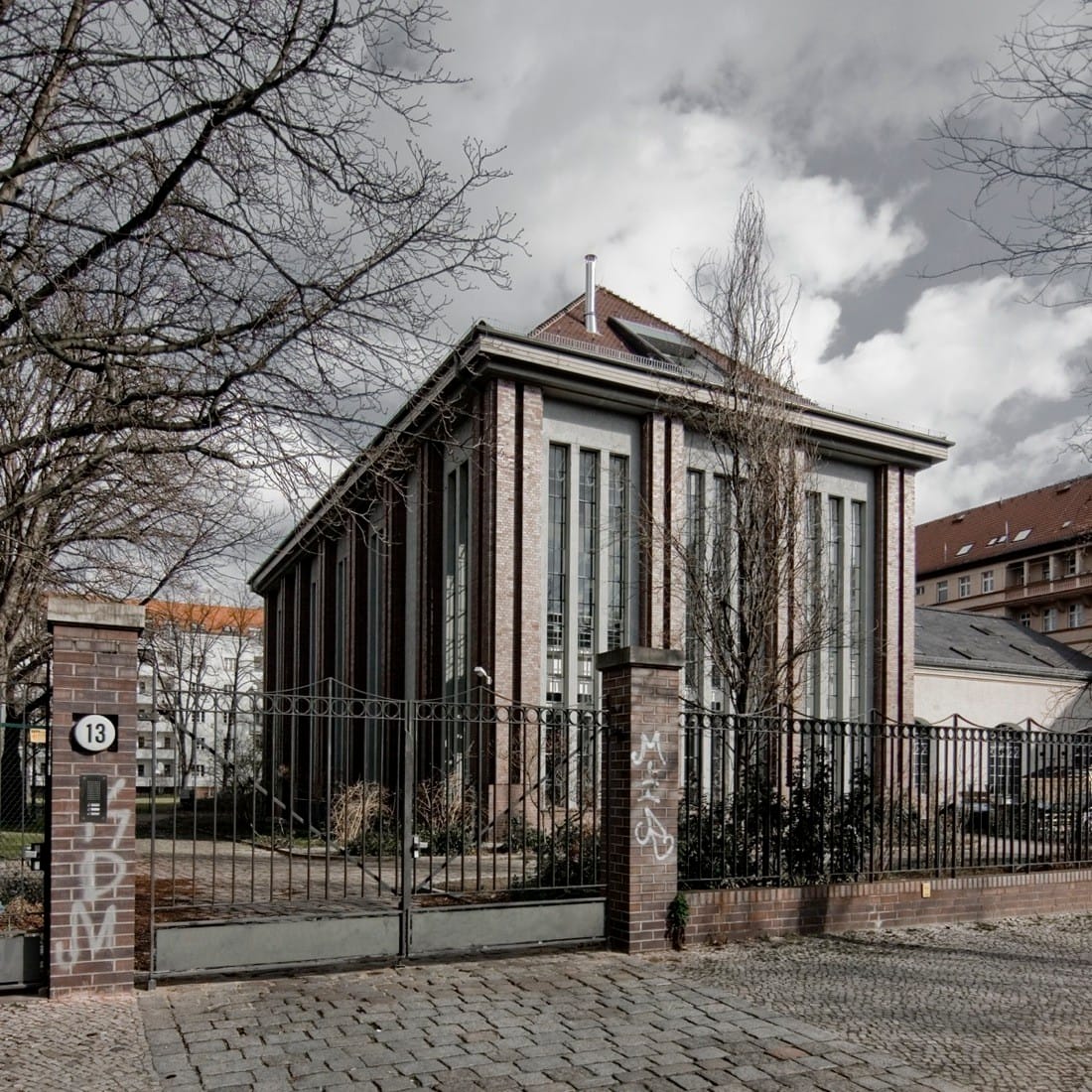
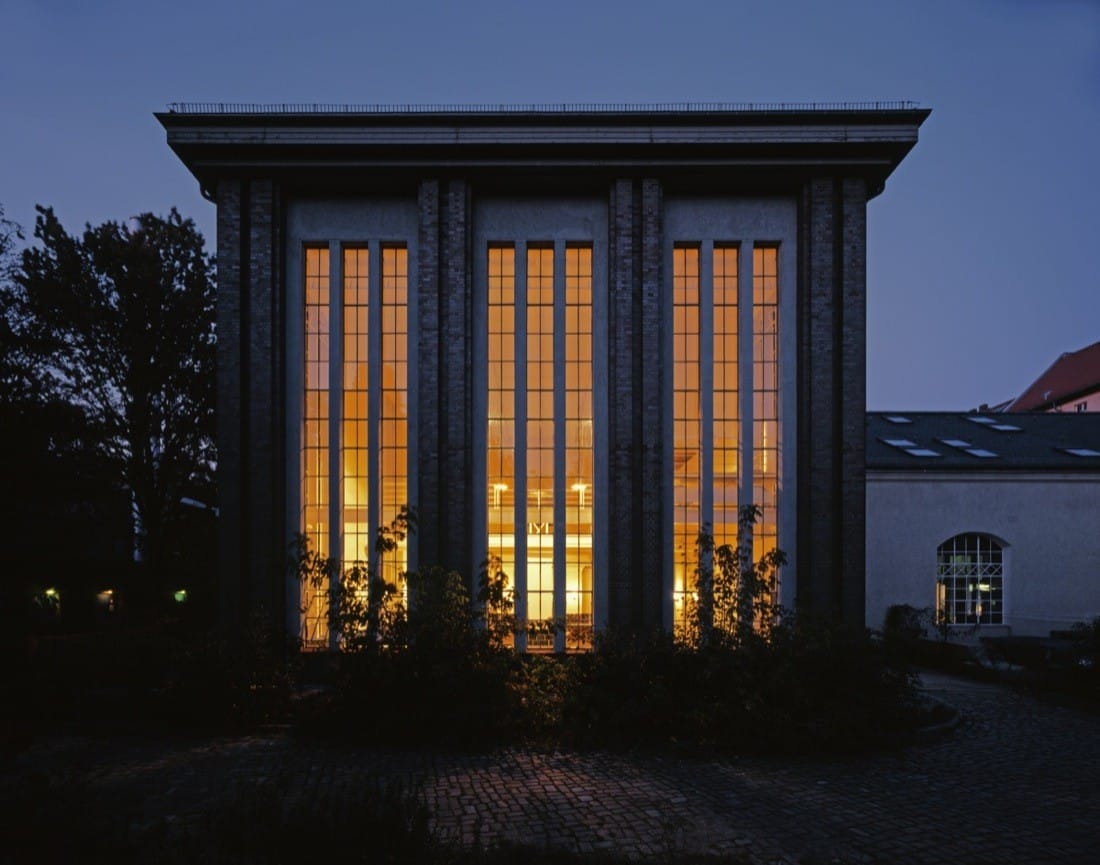
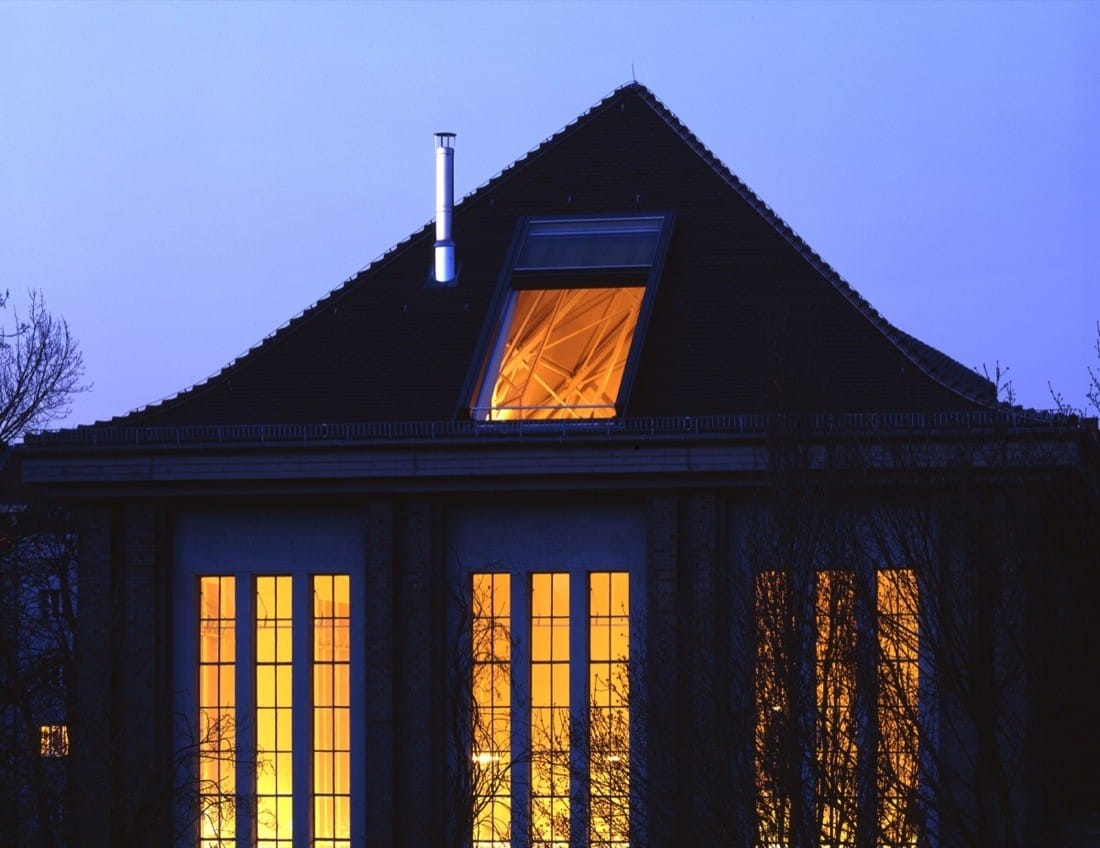
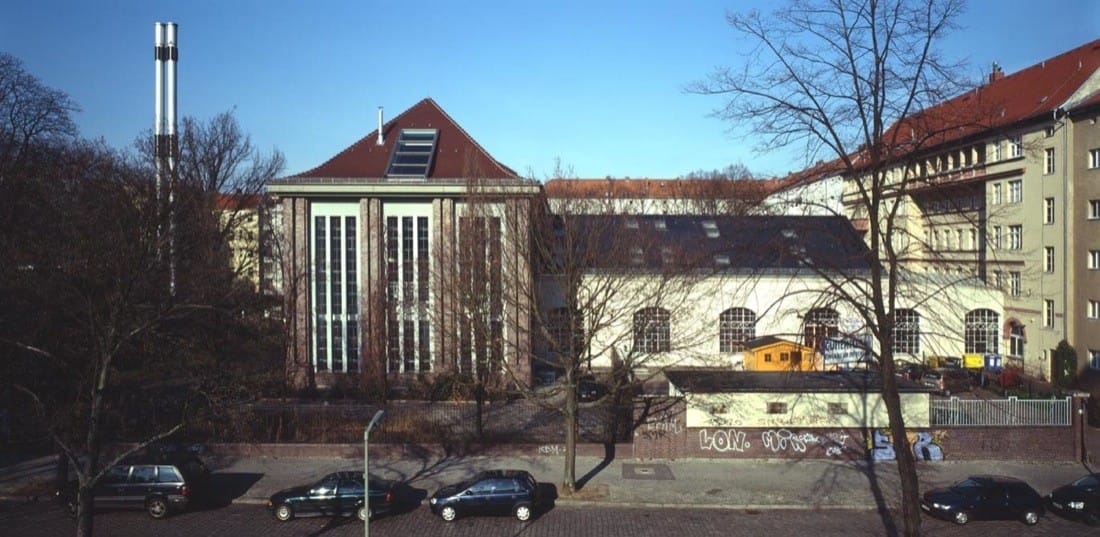
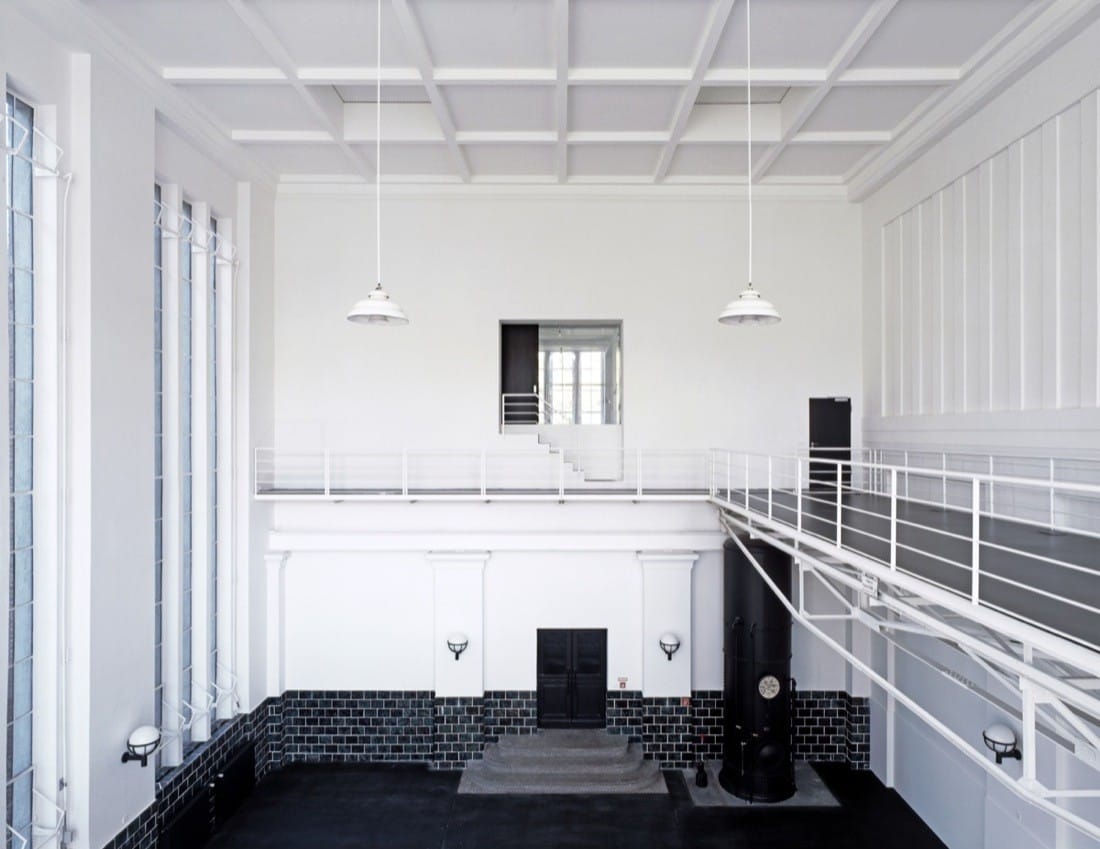
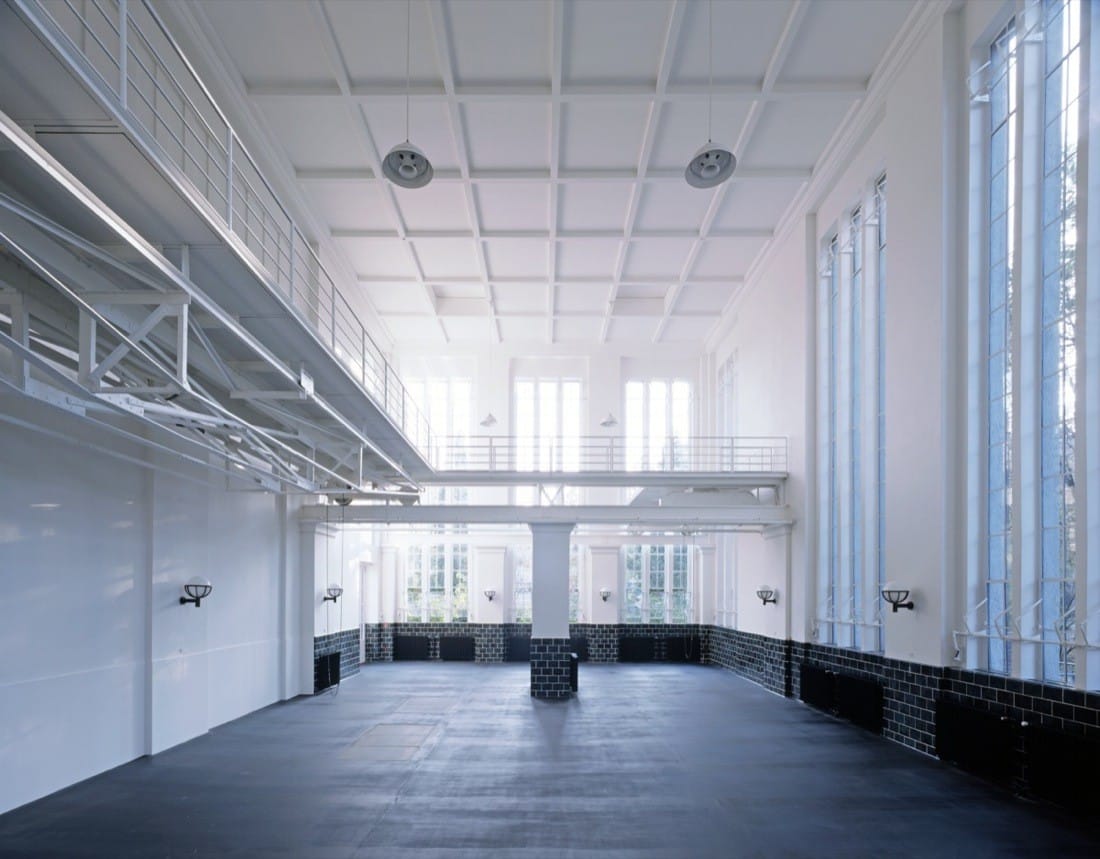
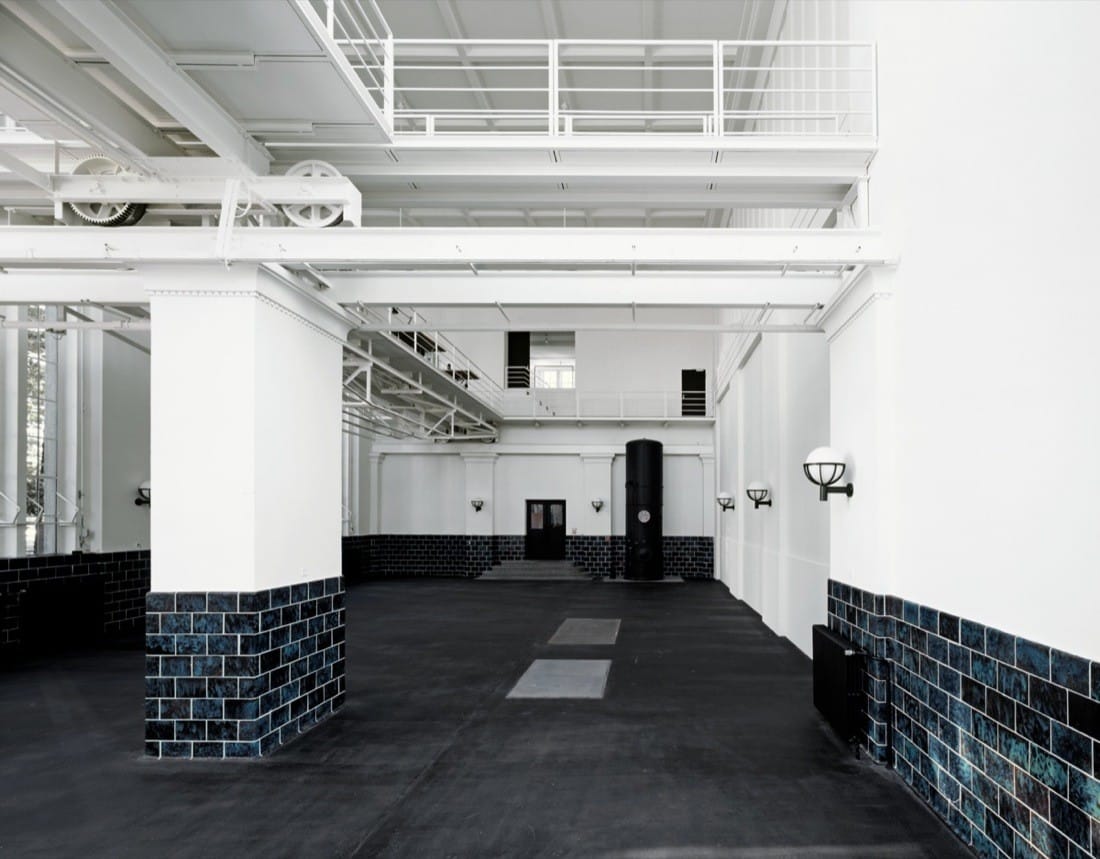
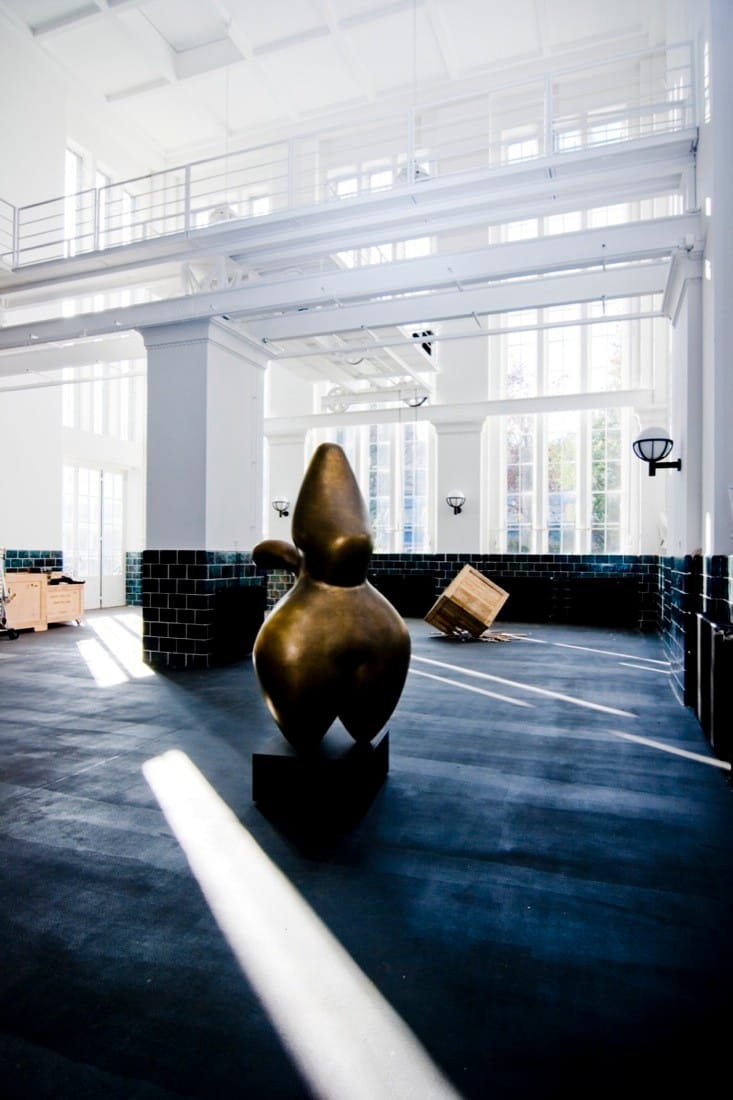
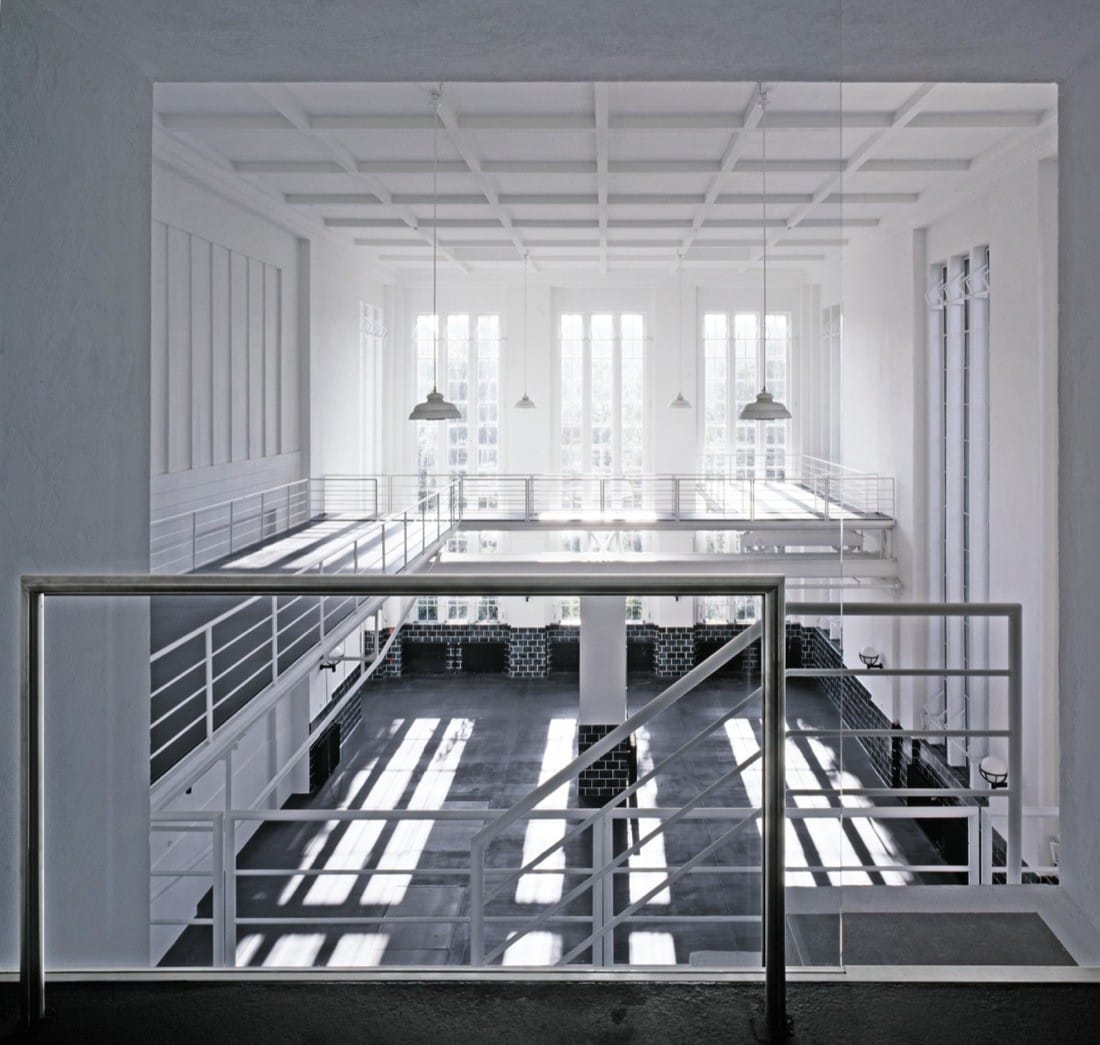
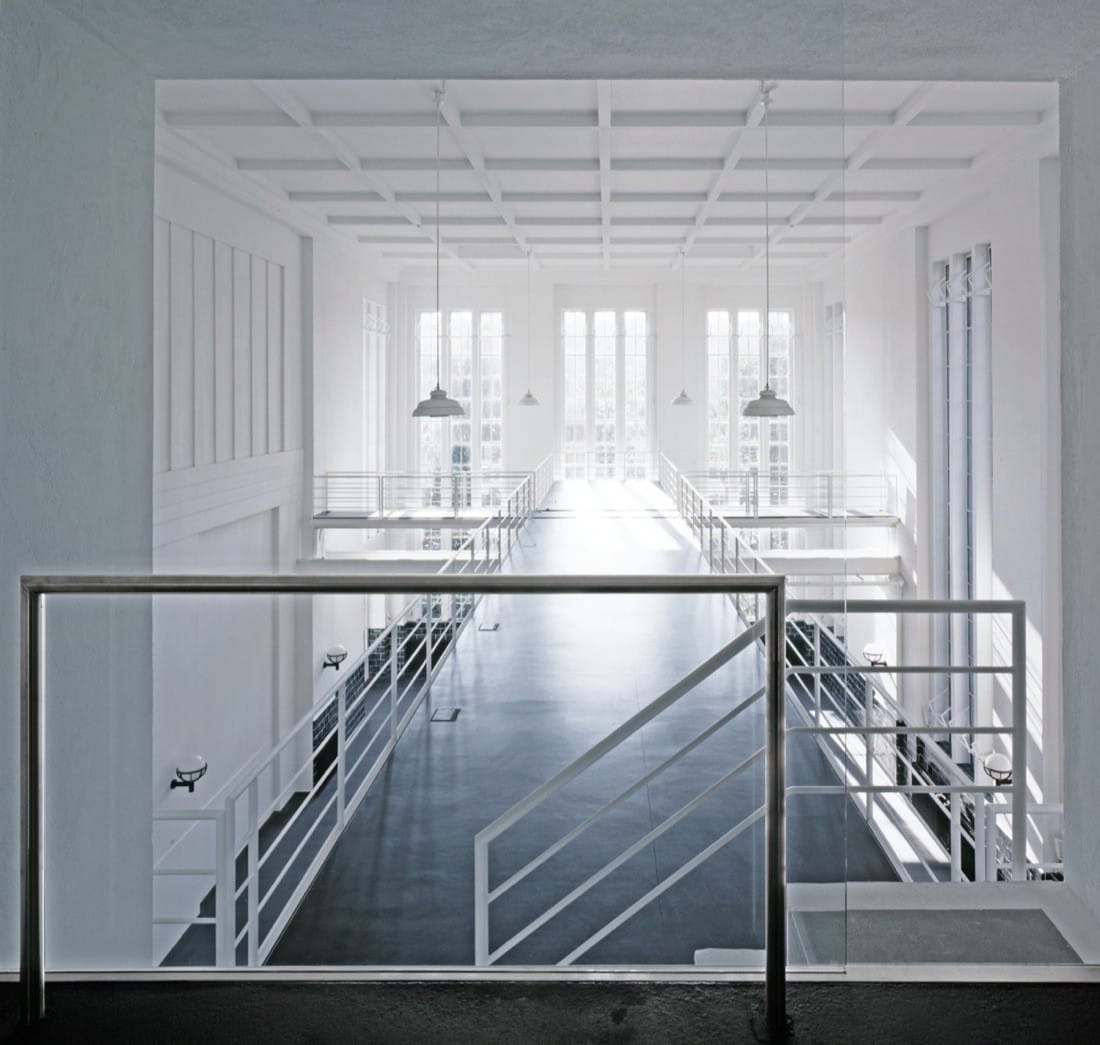
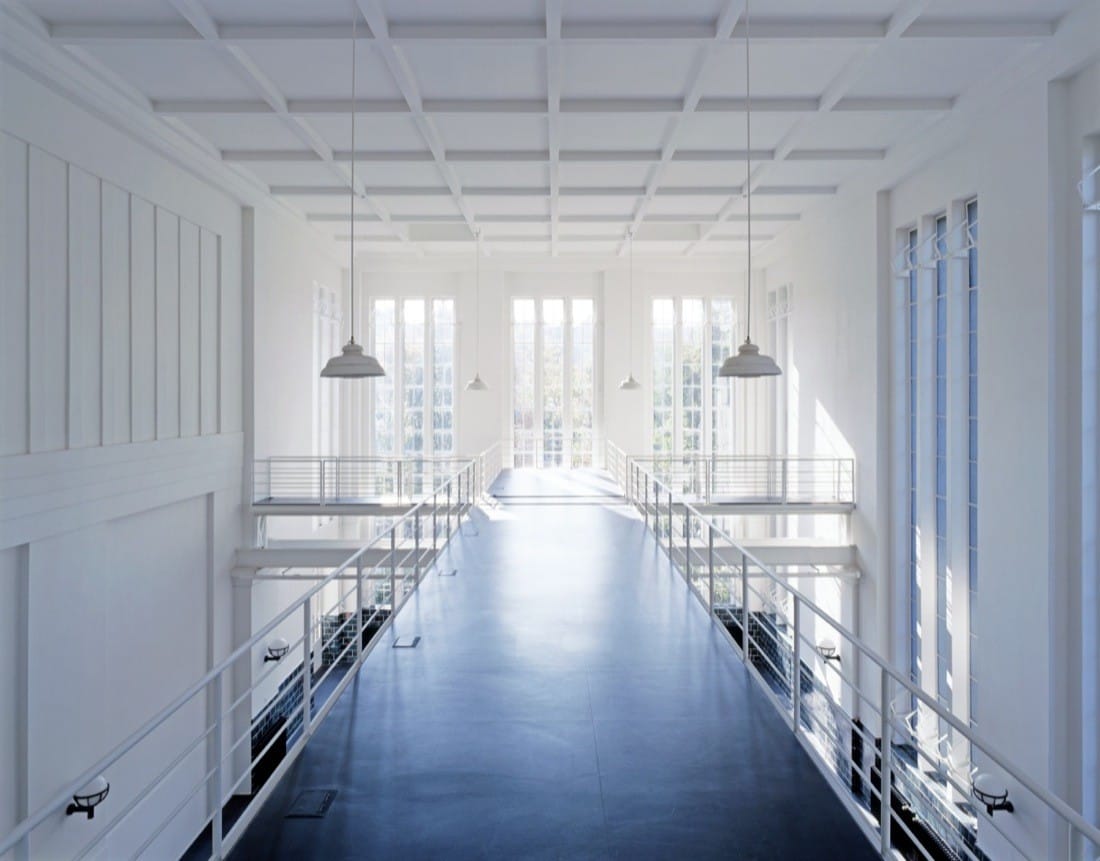
Neukölln Pumping Station
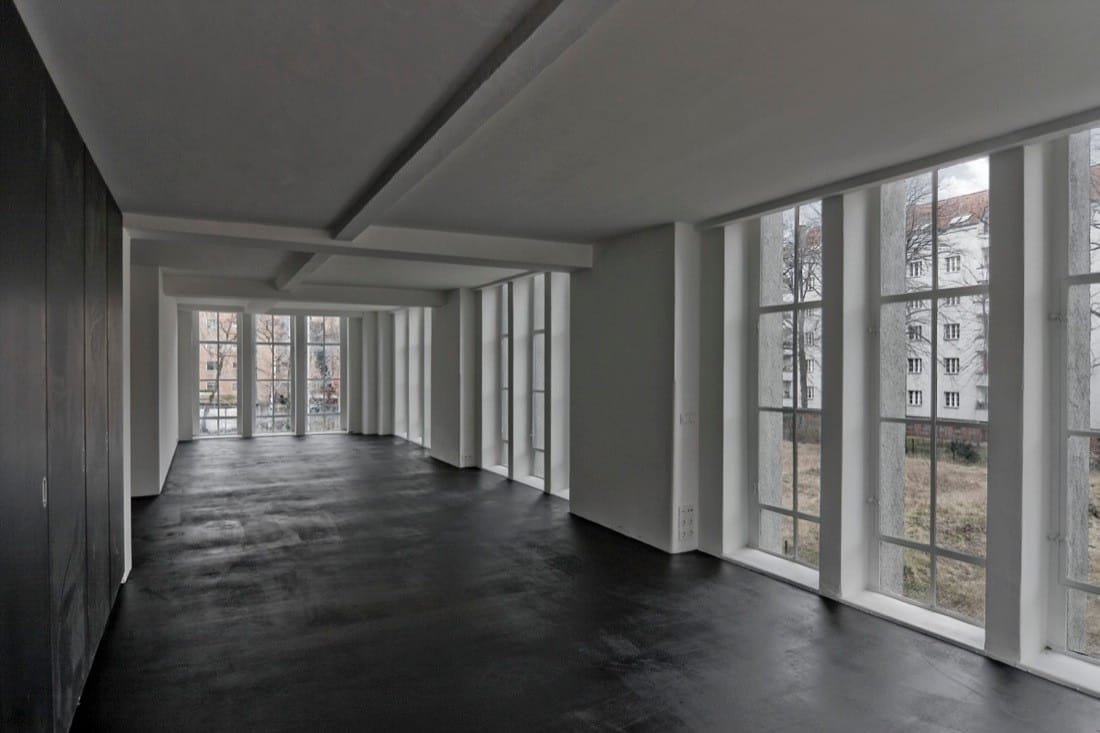
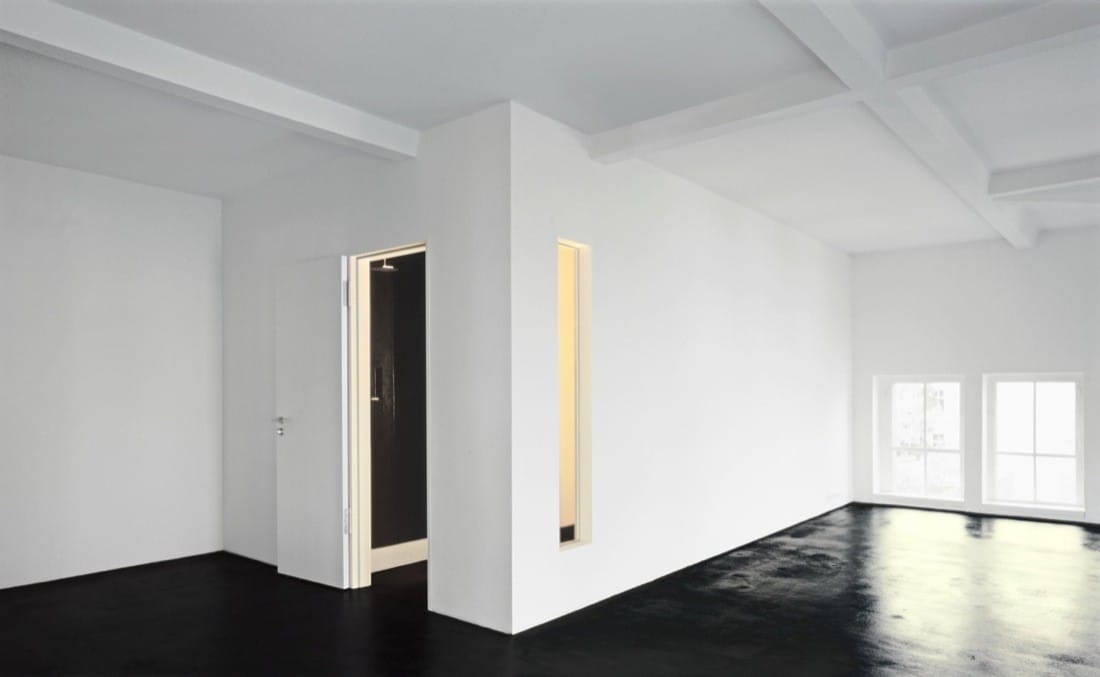
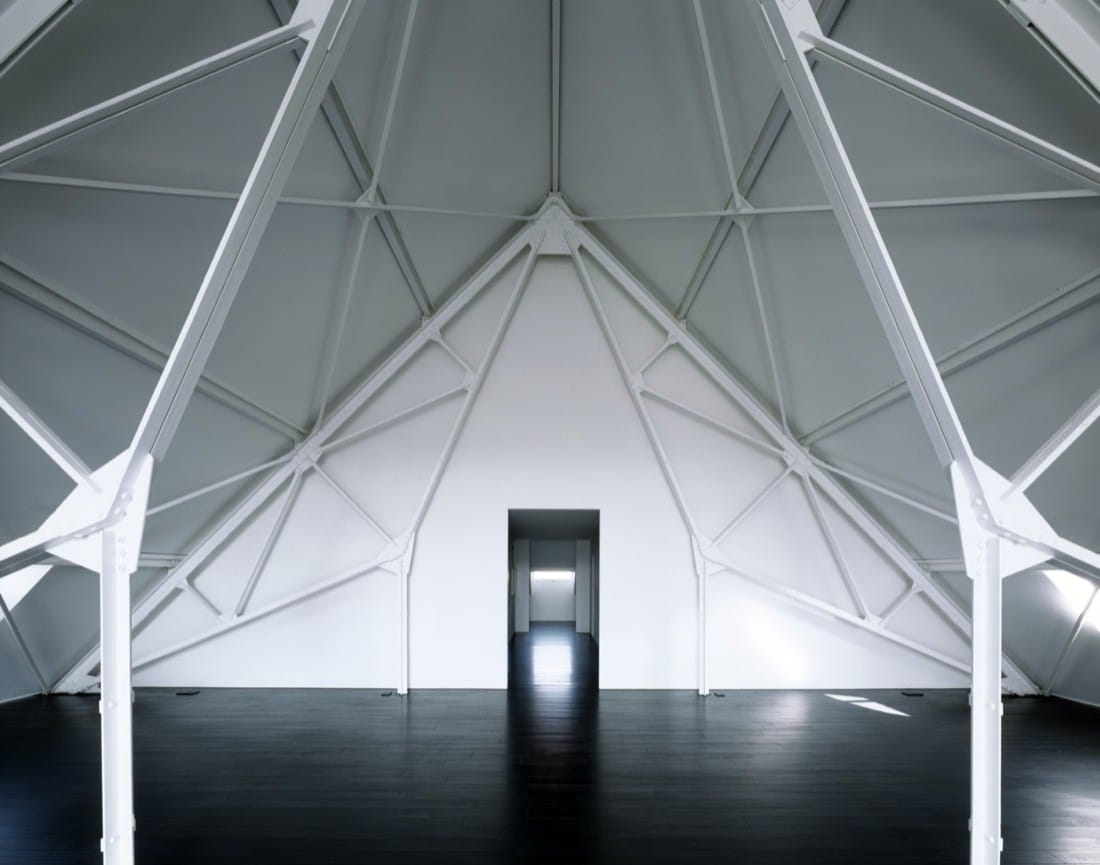
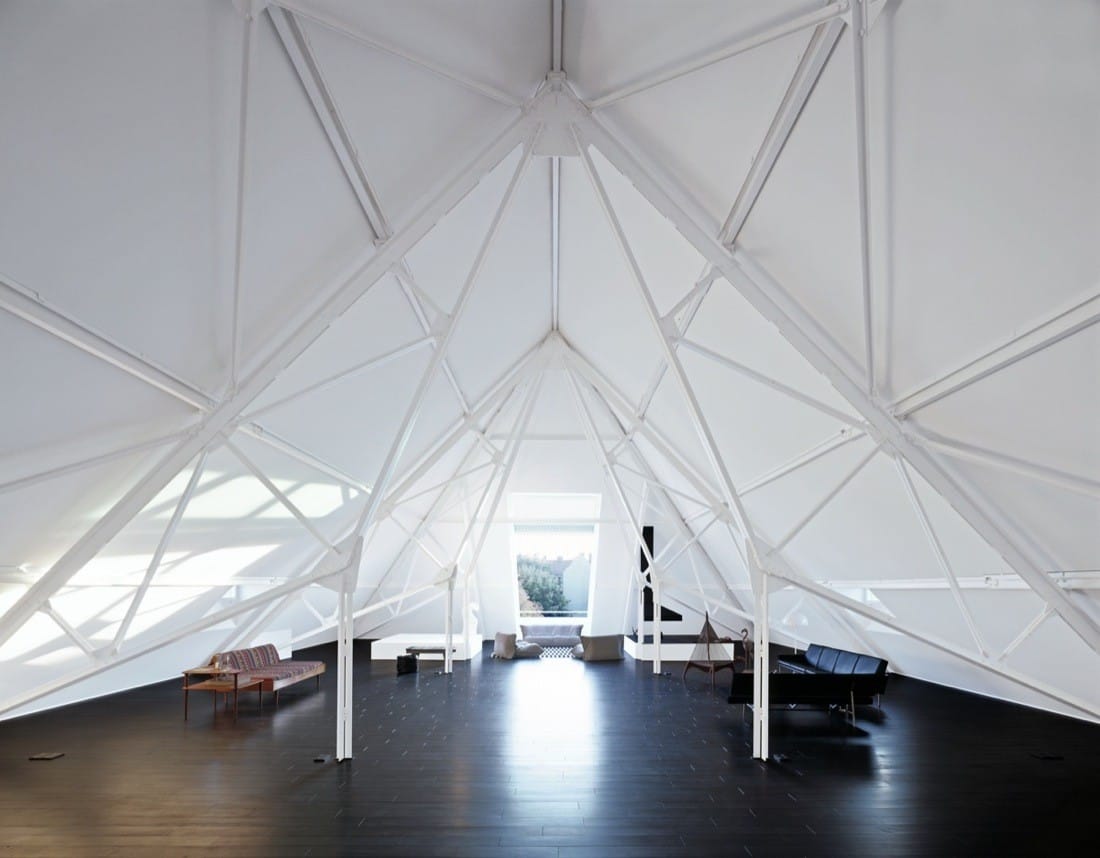
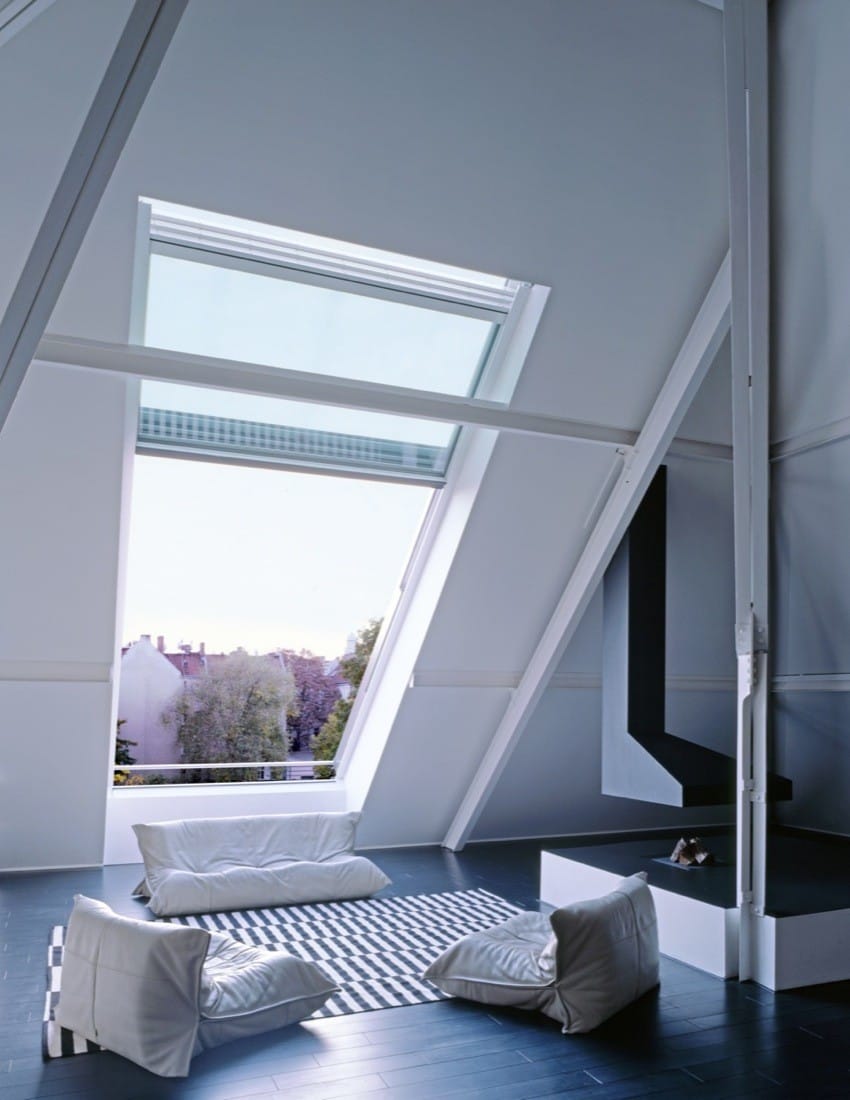
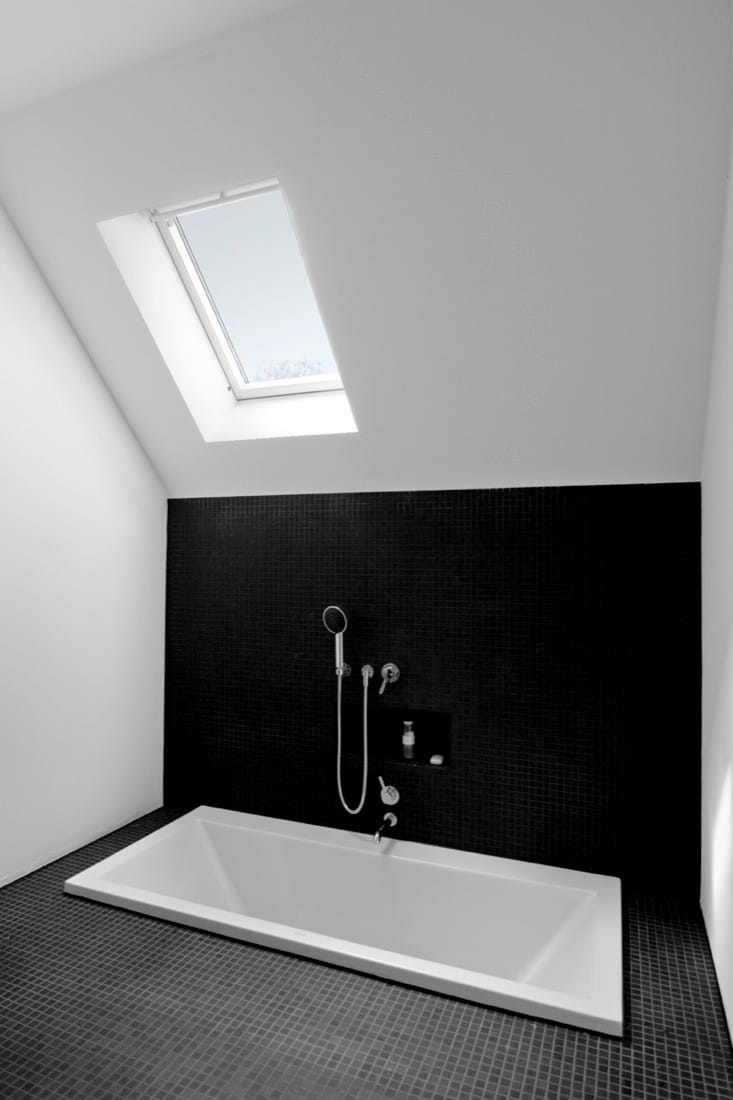
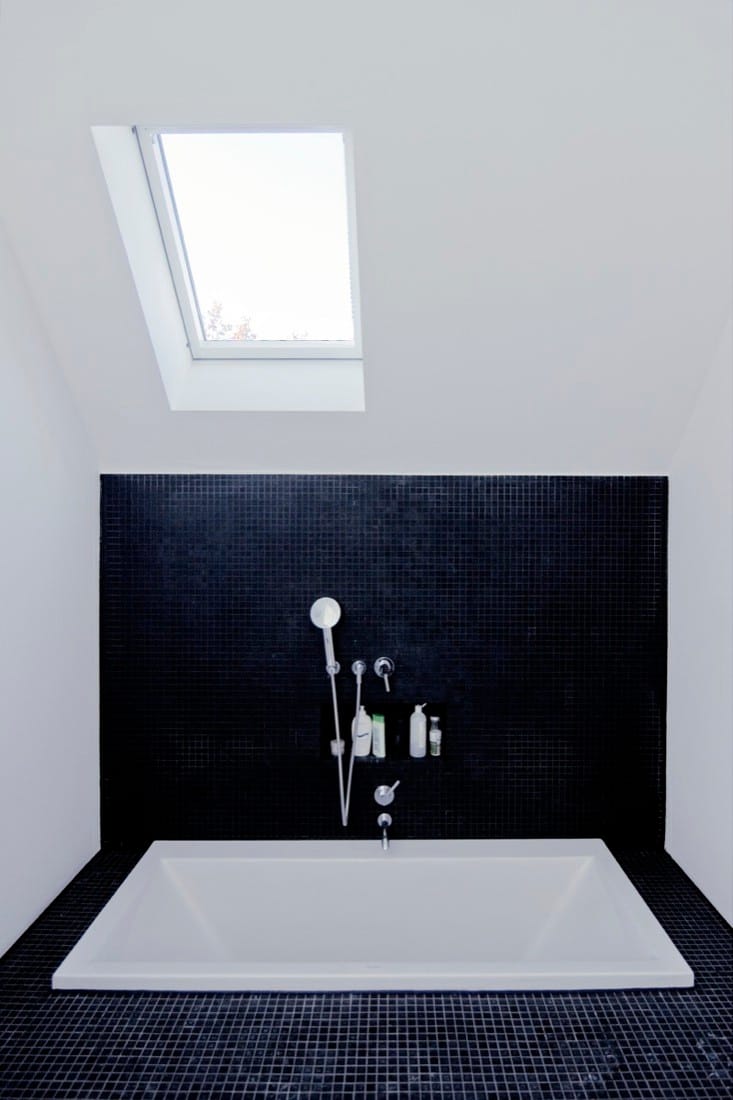
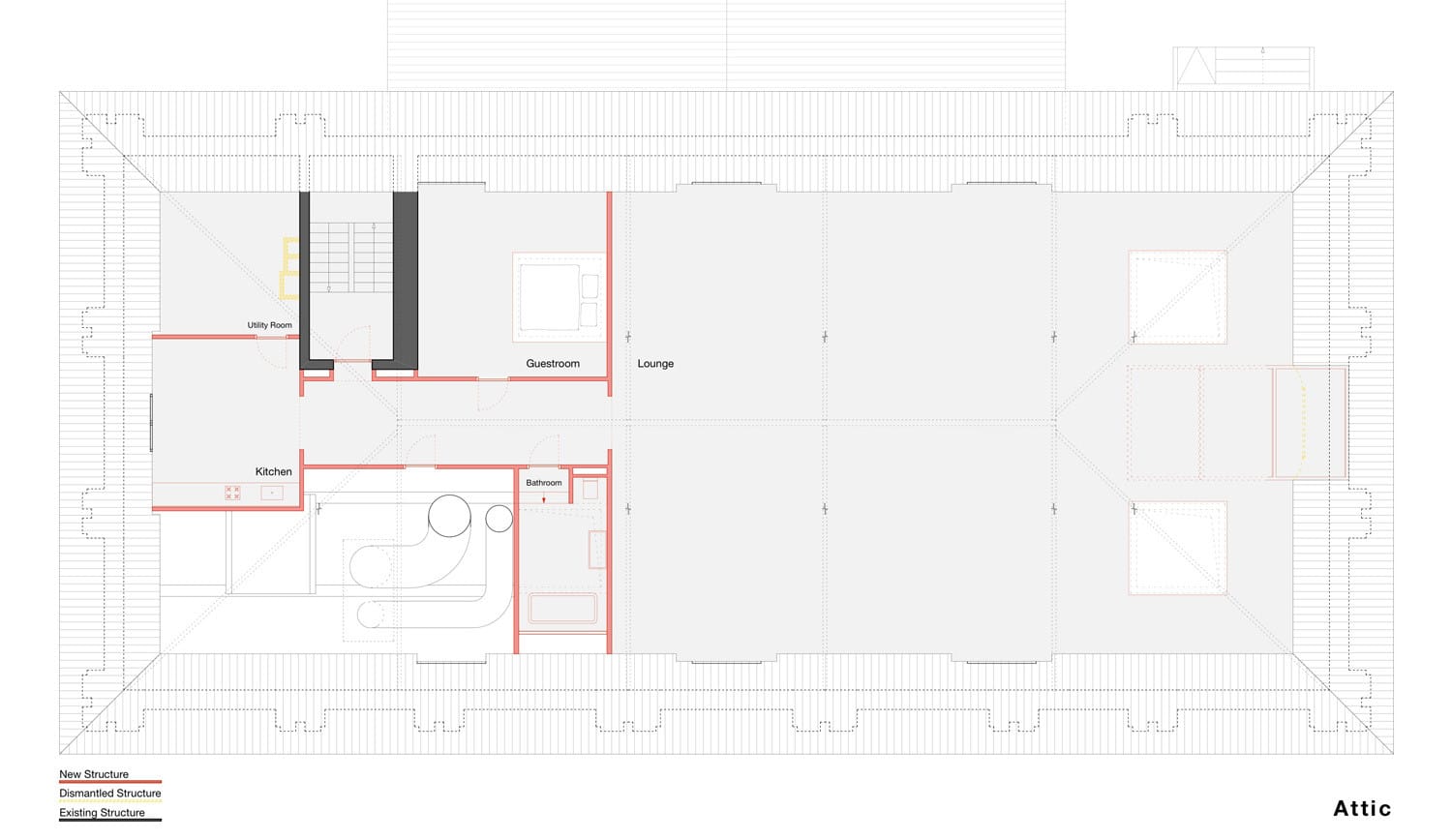
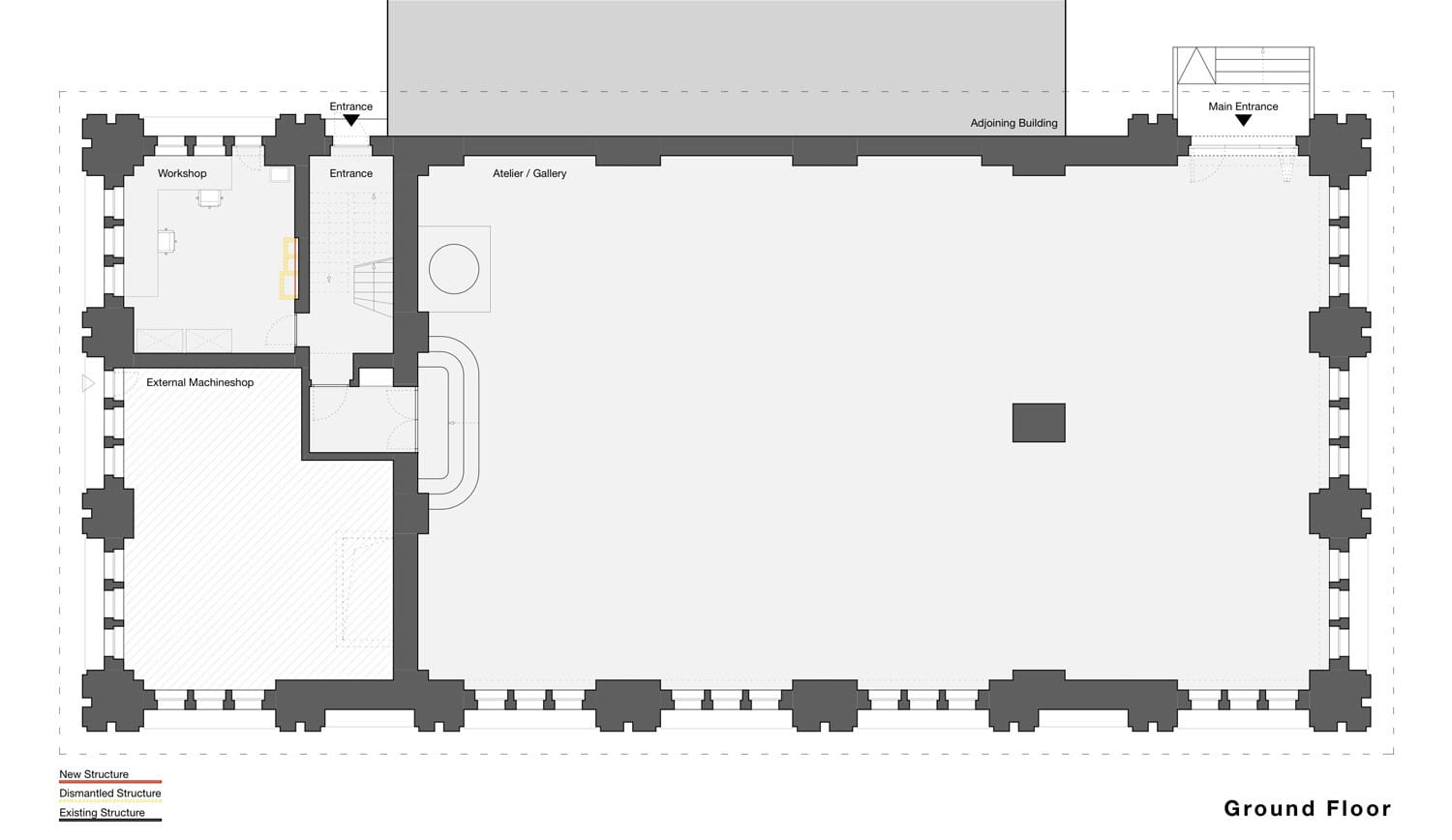
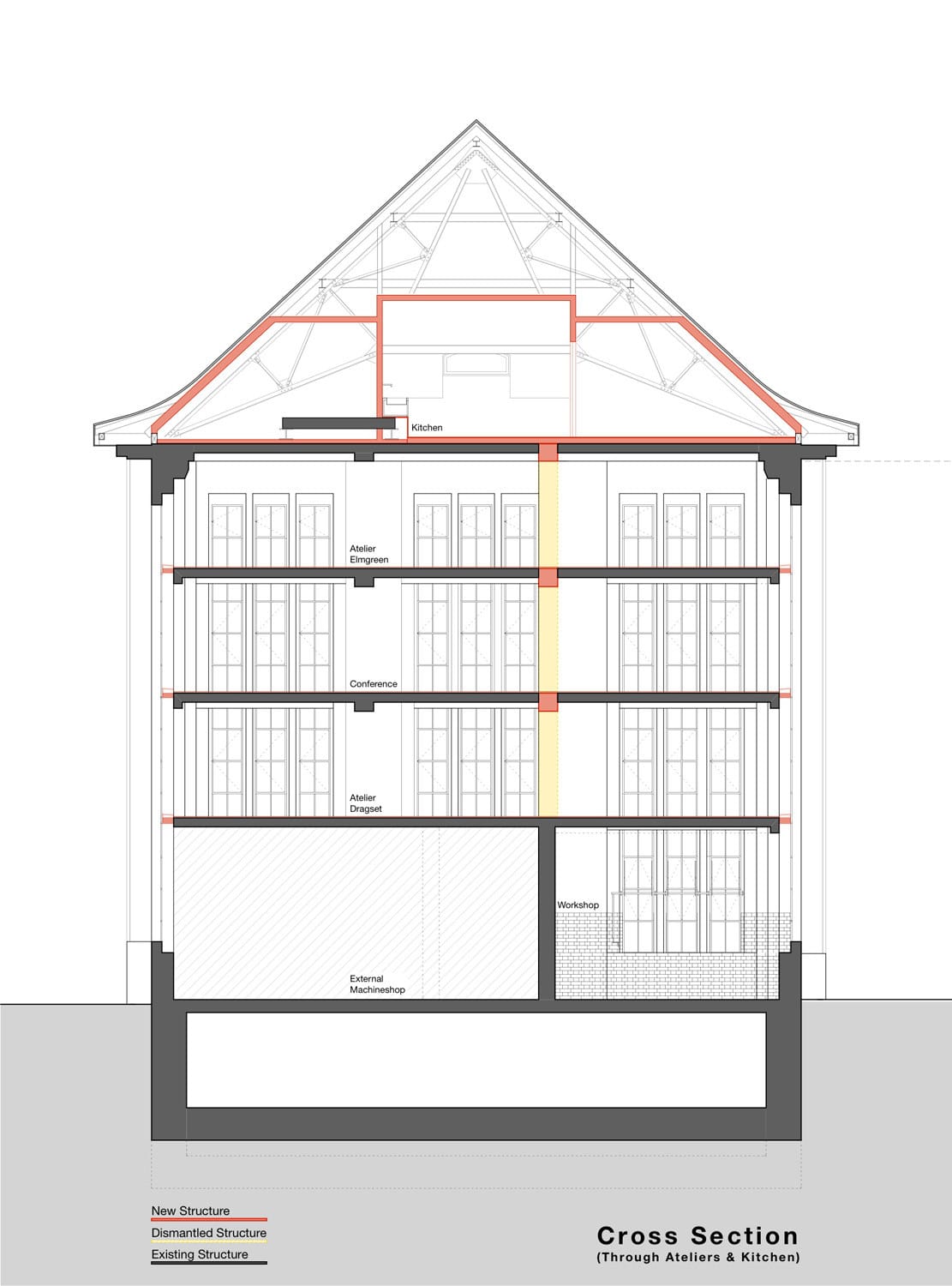
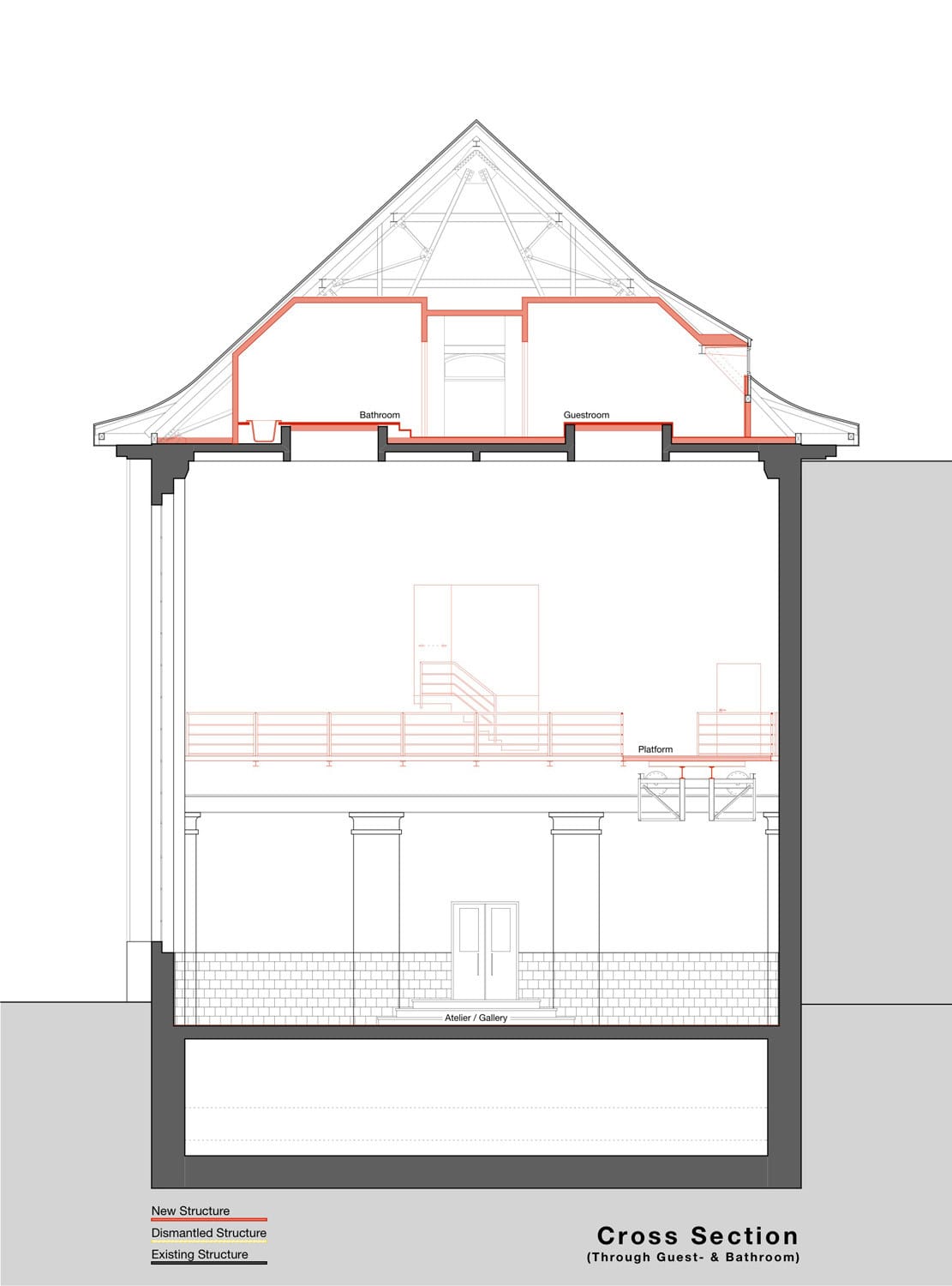
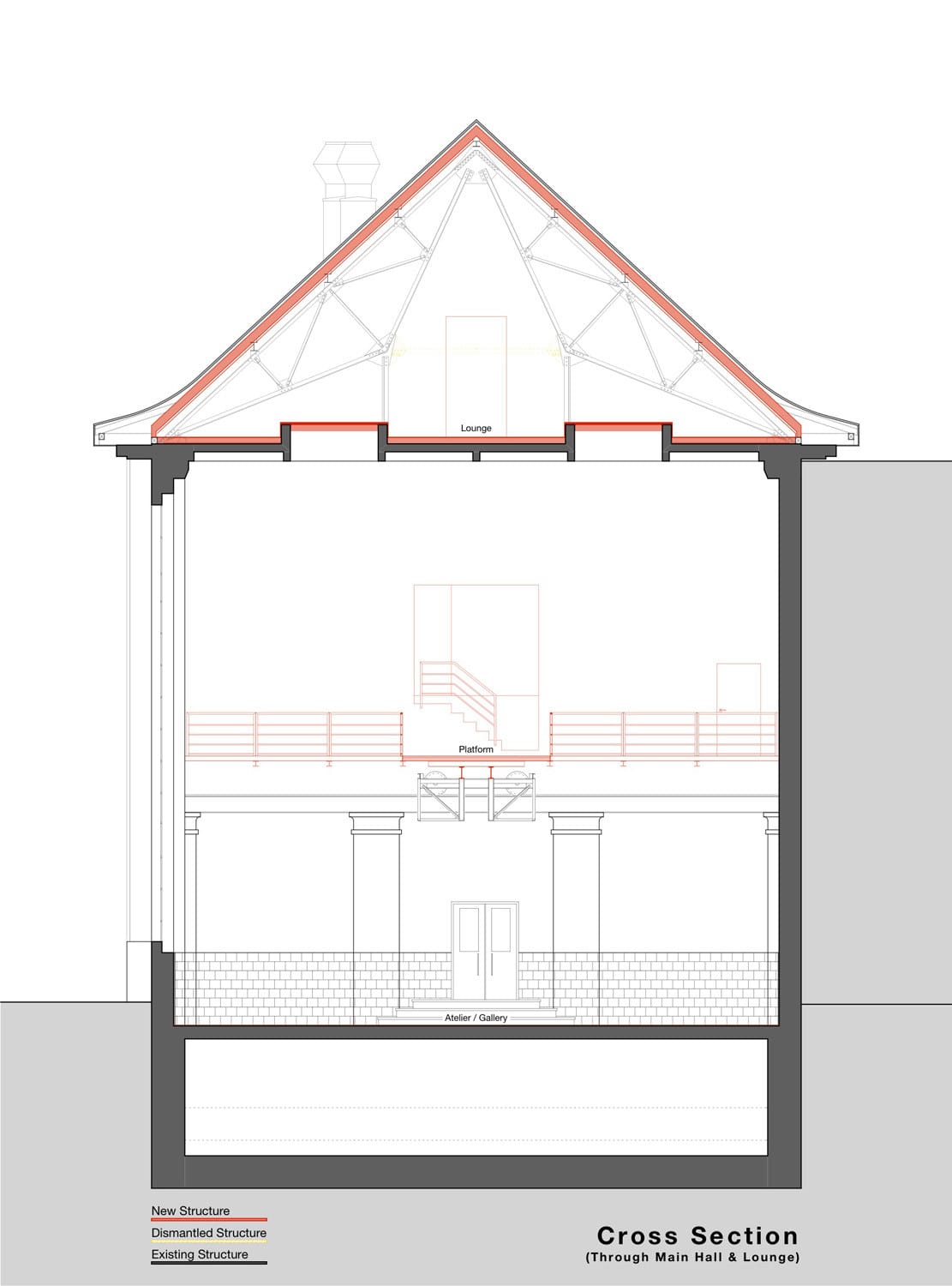
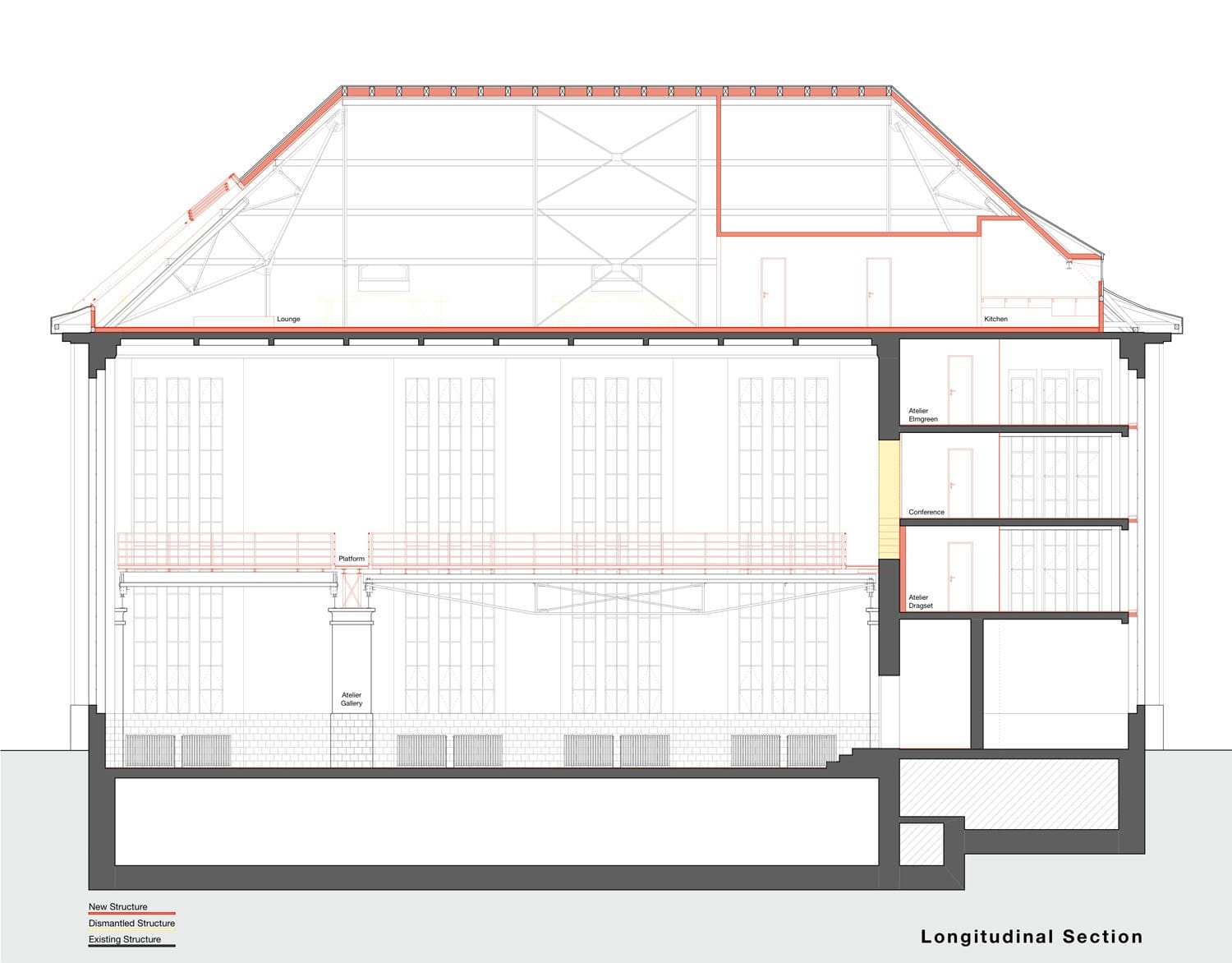
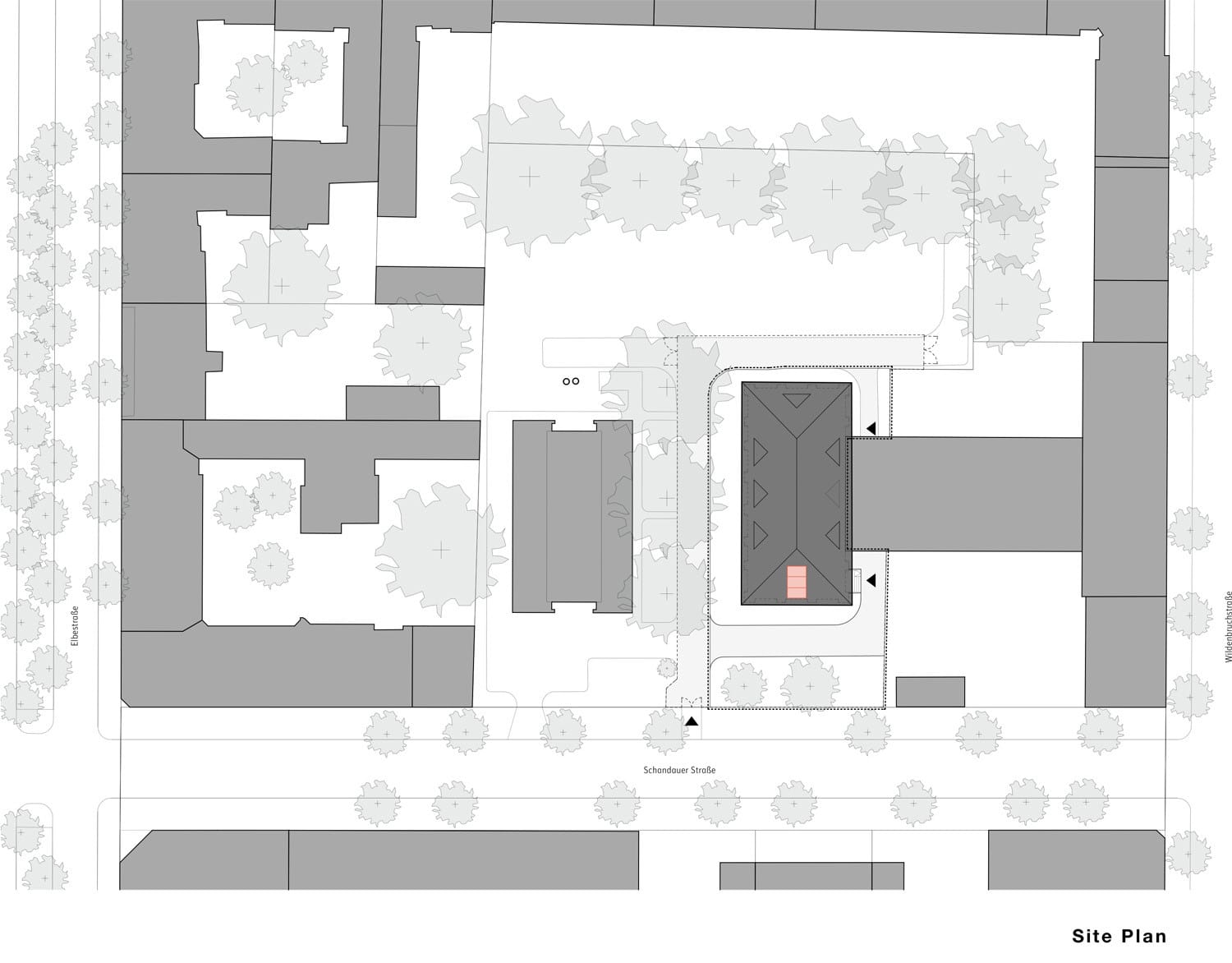
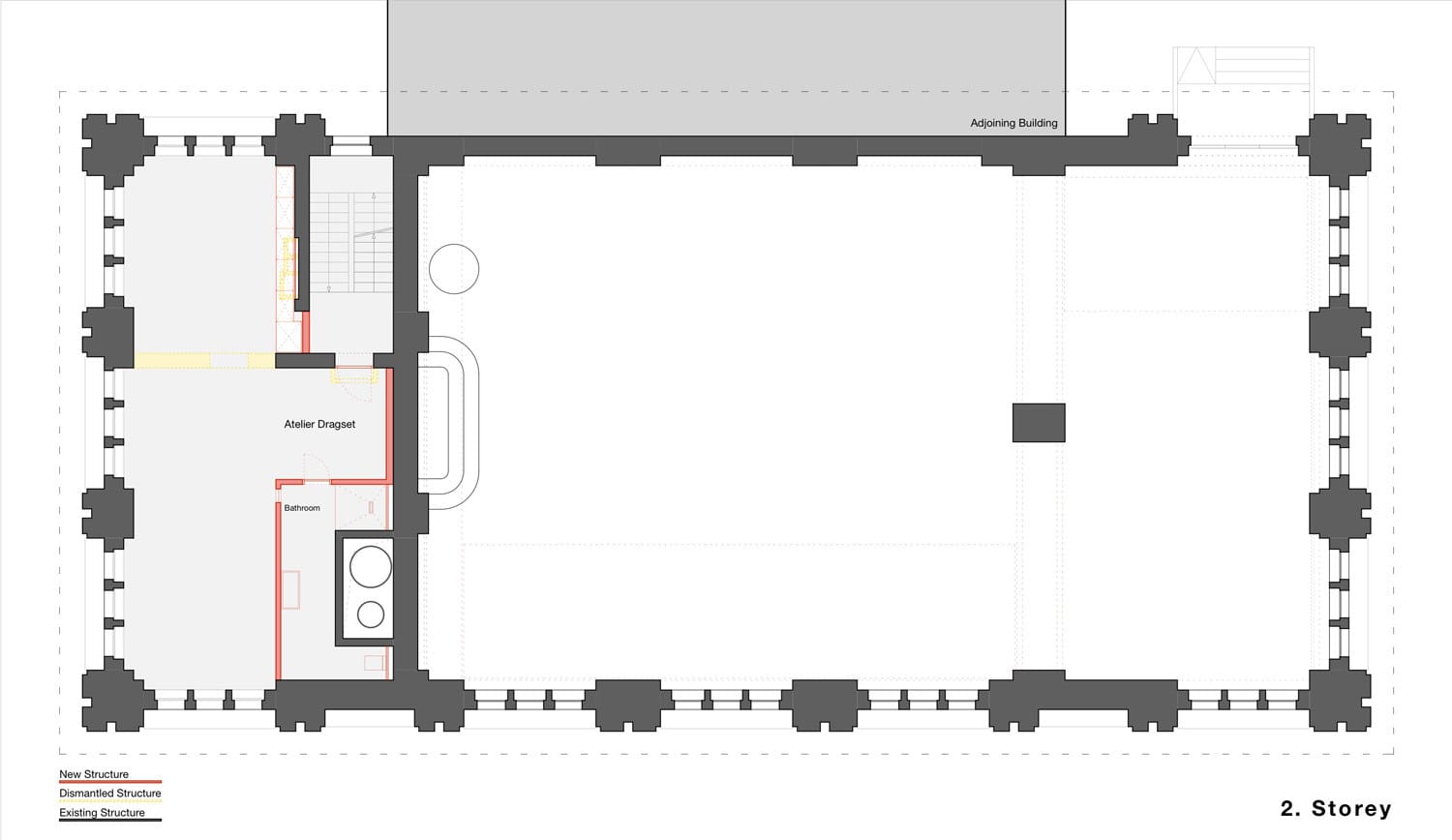
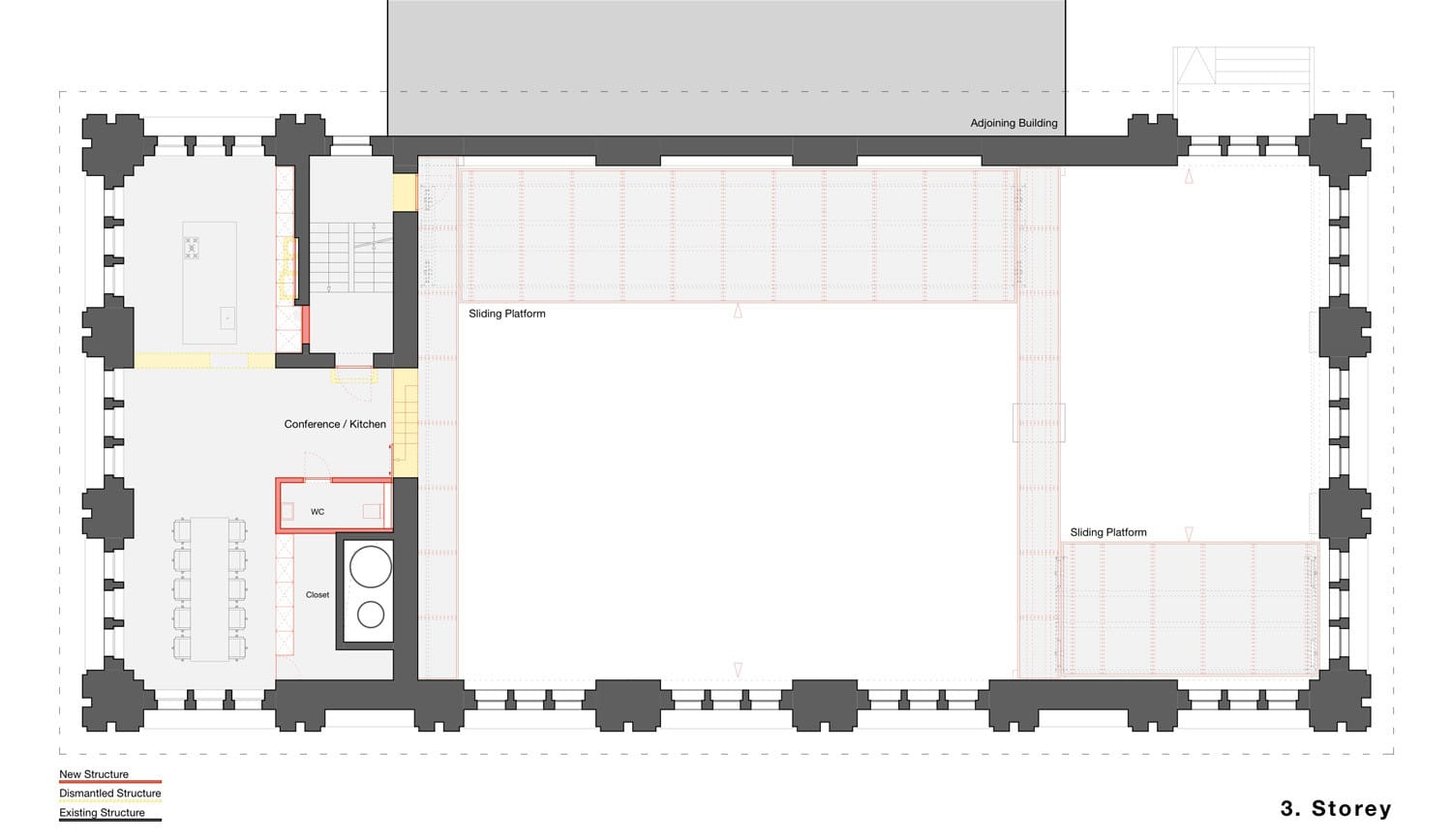
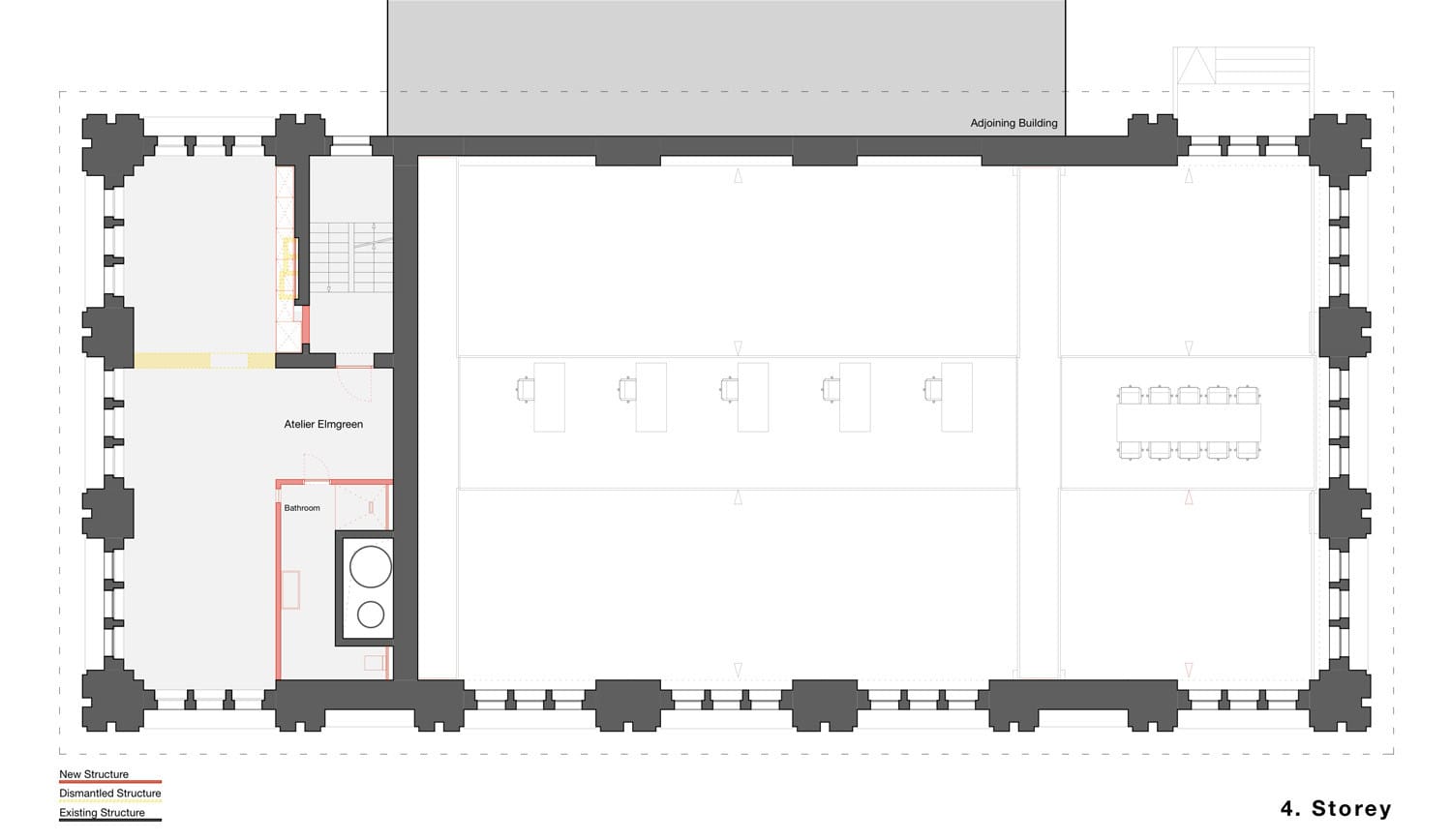
Wenk und Wiese converted a 1920s water-pumping station in Neukölln, Berlin, into a live-work studio for Michael Elmgreen and Ingar Dragset.
The project keeps the industrial hall, tall windows and dark tiled base while adding white rooms, catwalks and upper work platforms through the former machinery space.
Source: ArchDaily: Water Pumping Plant Renovation / Wenk und Wiese.