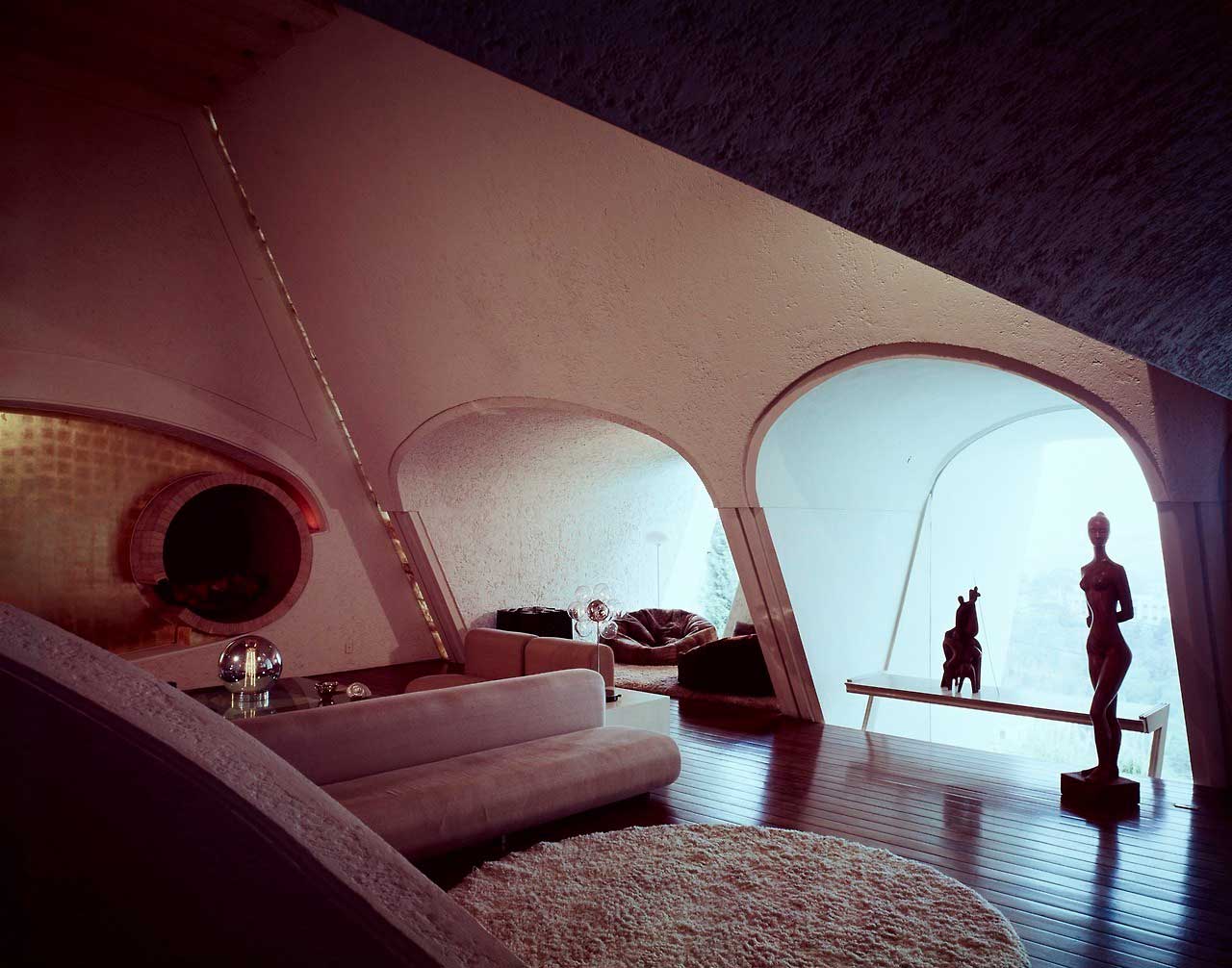
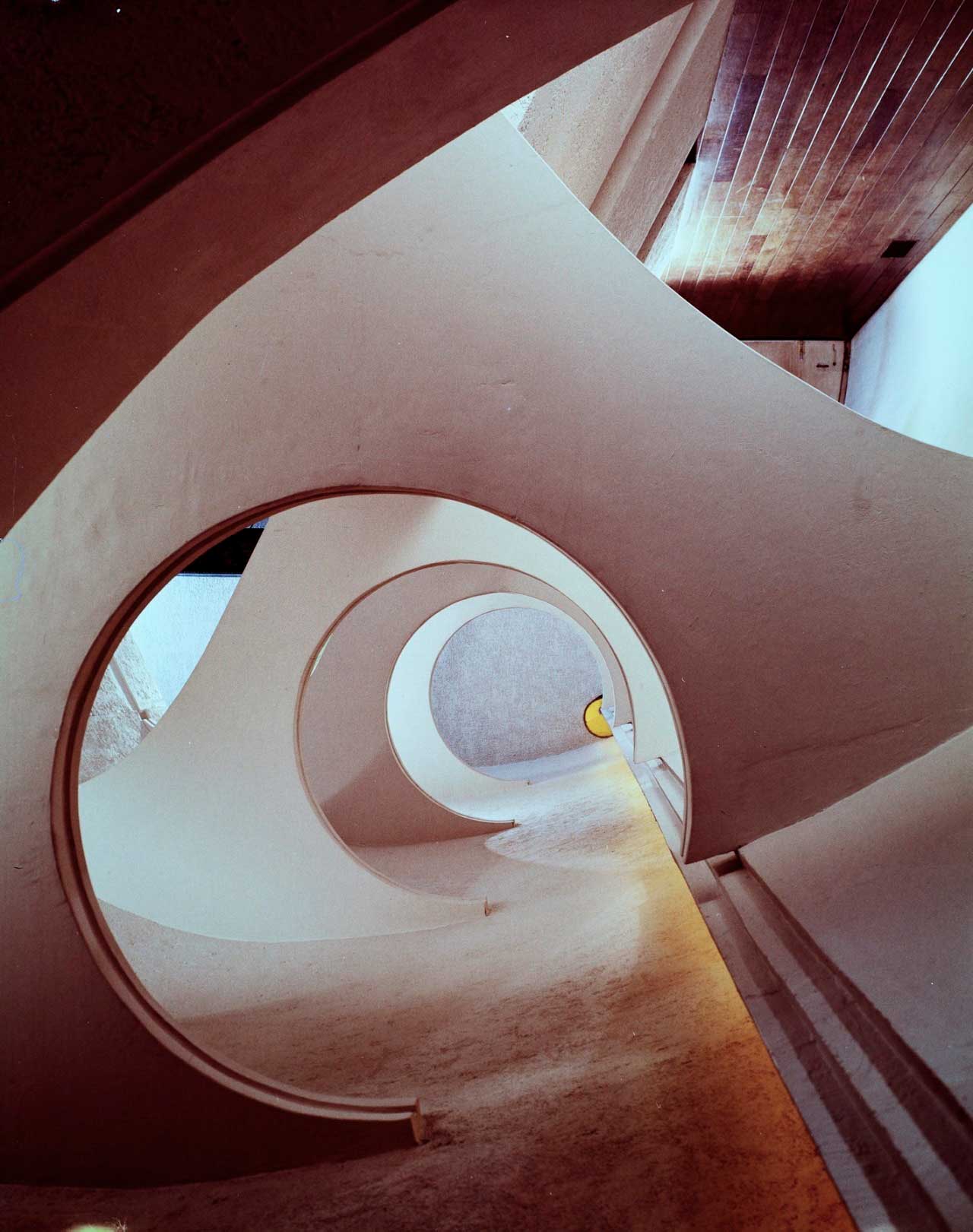
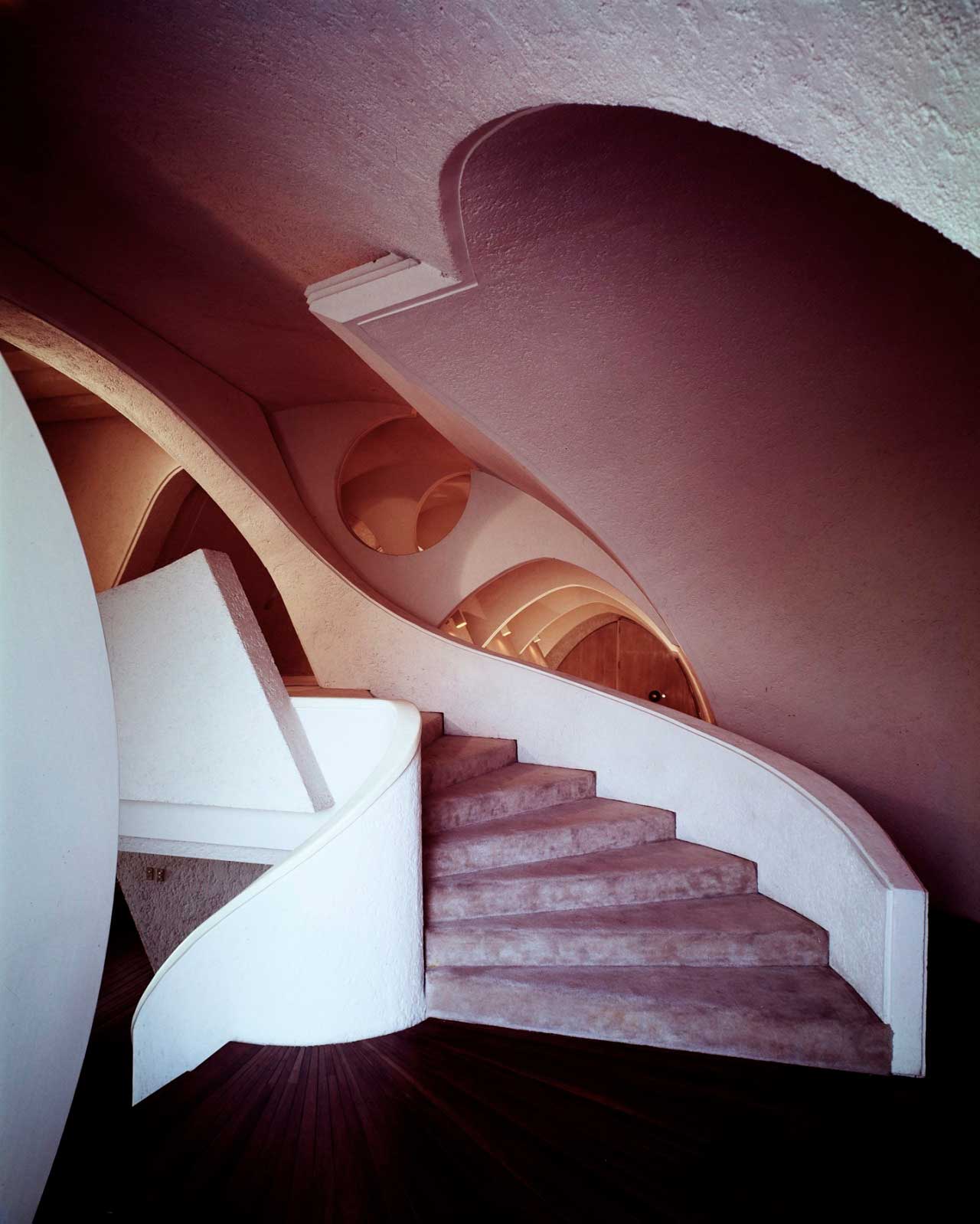
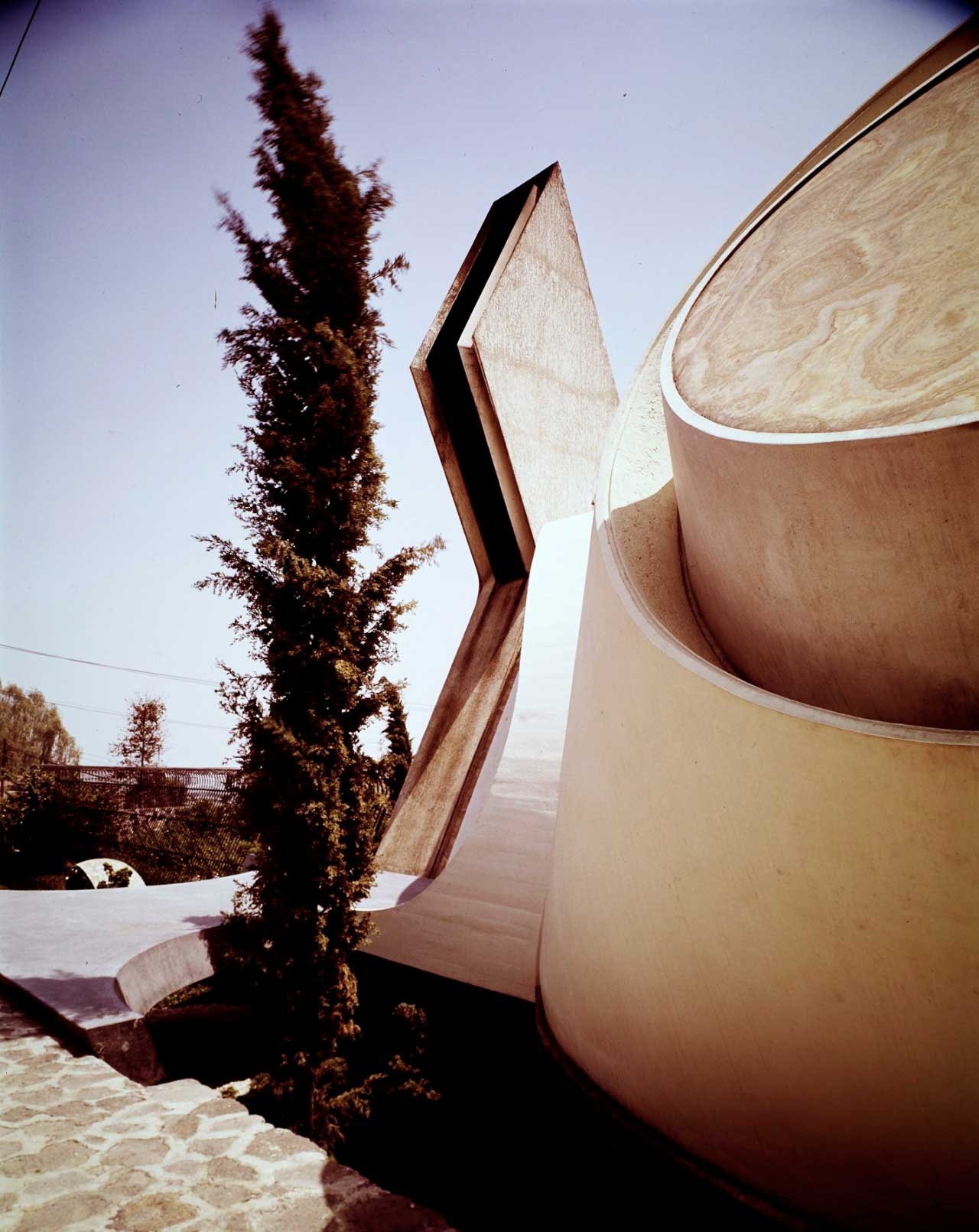
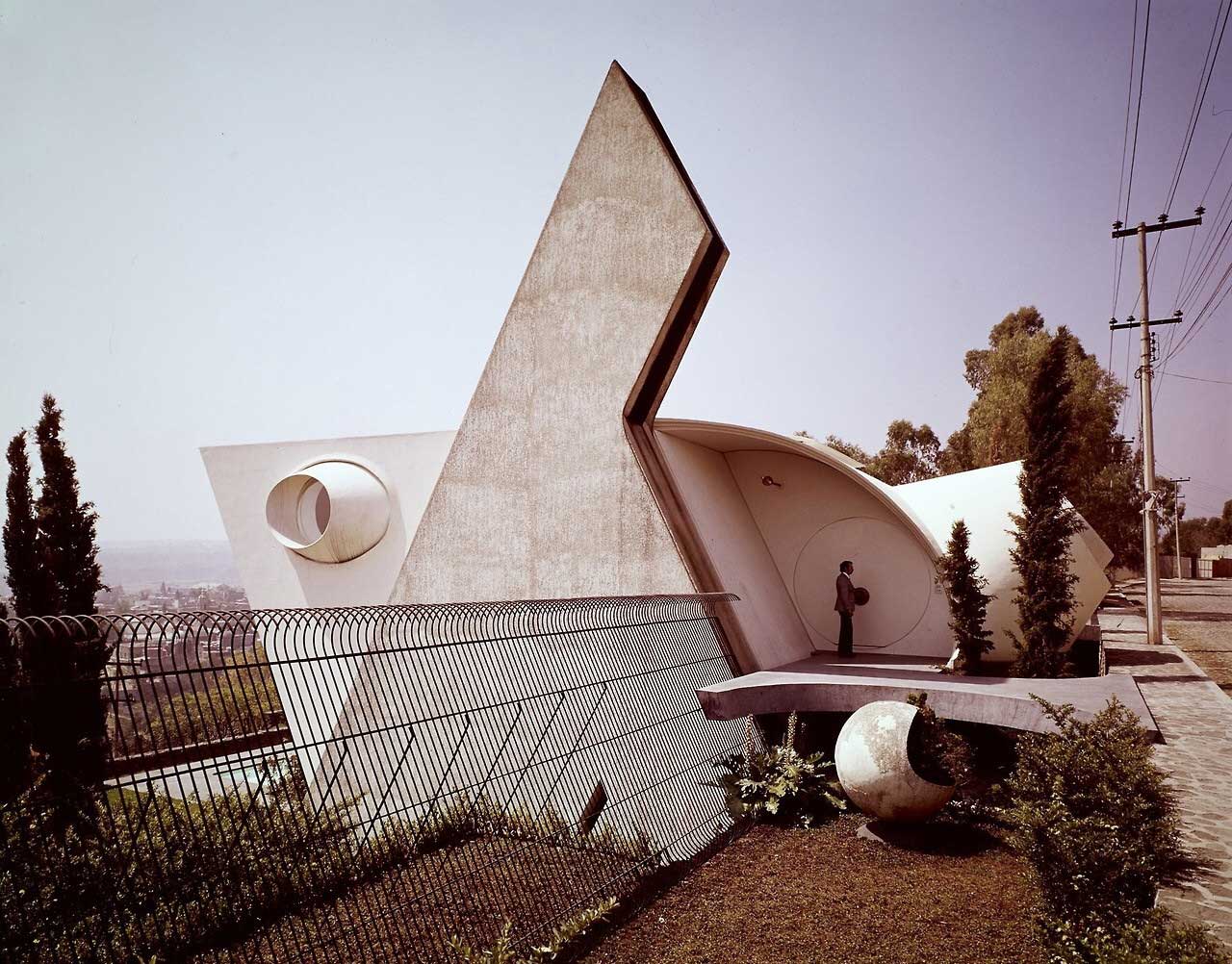
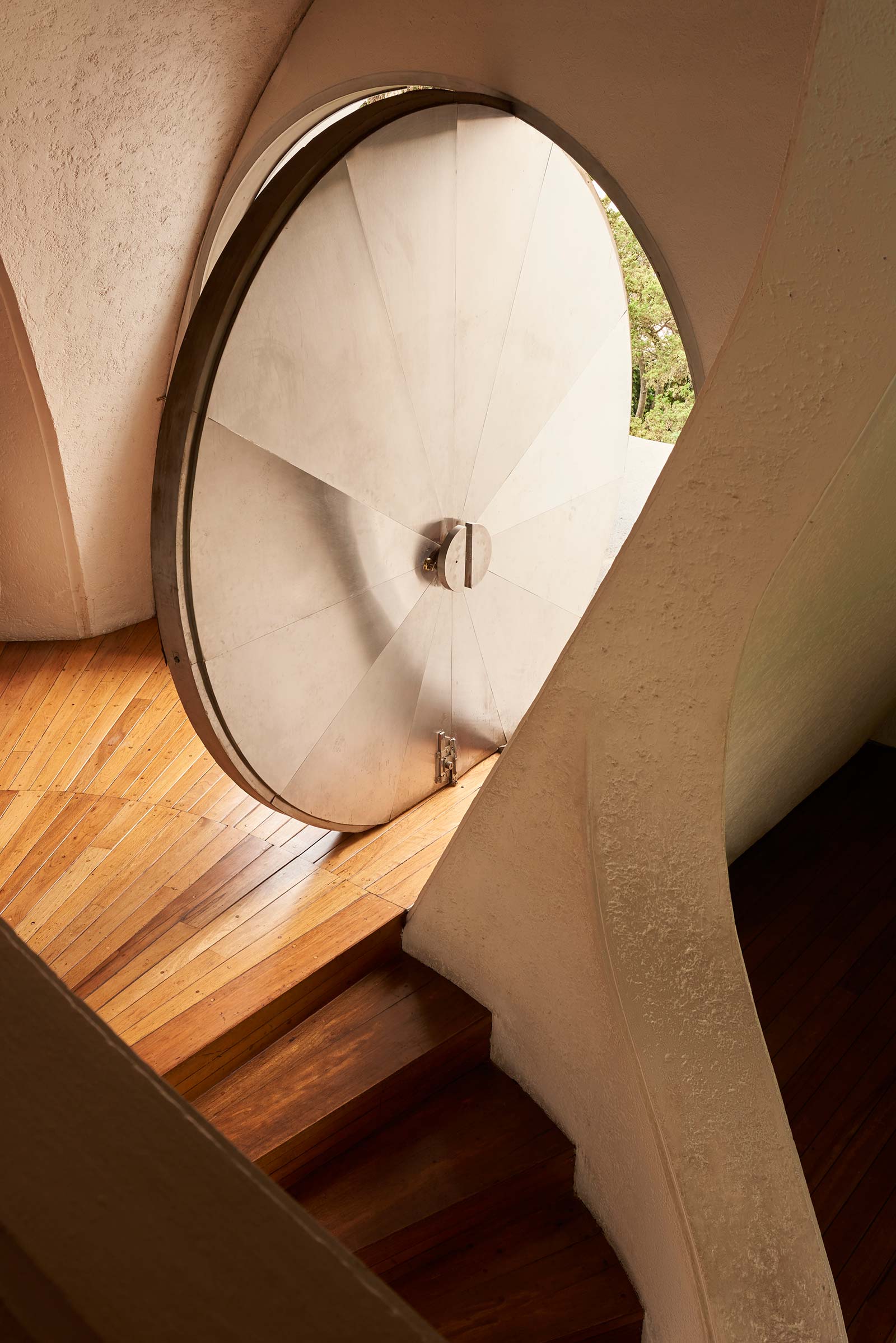
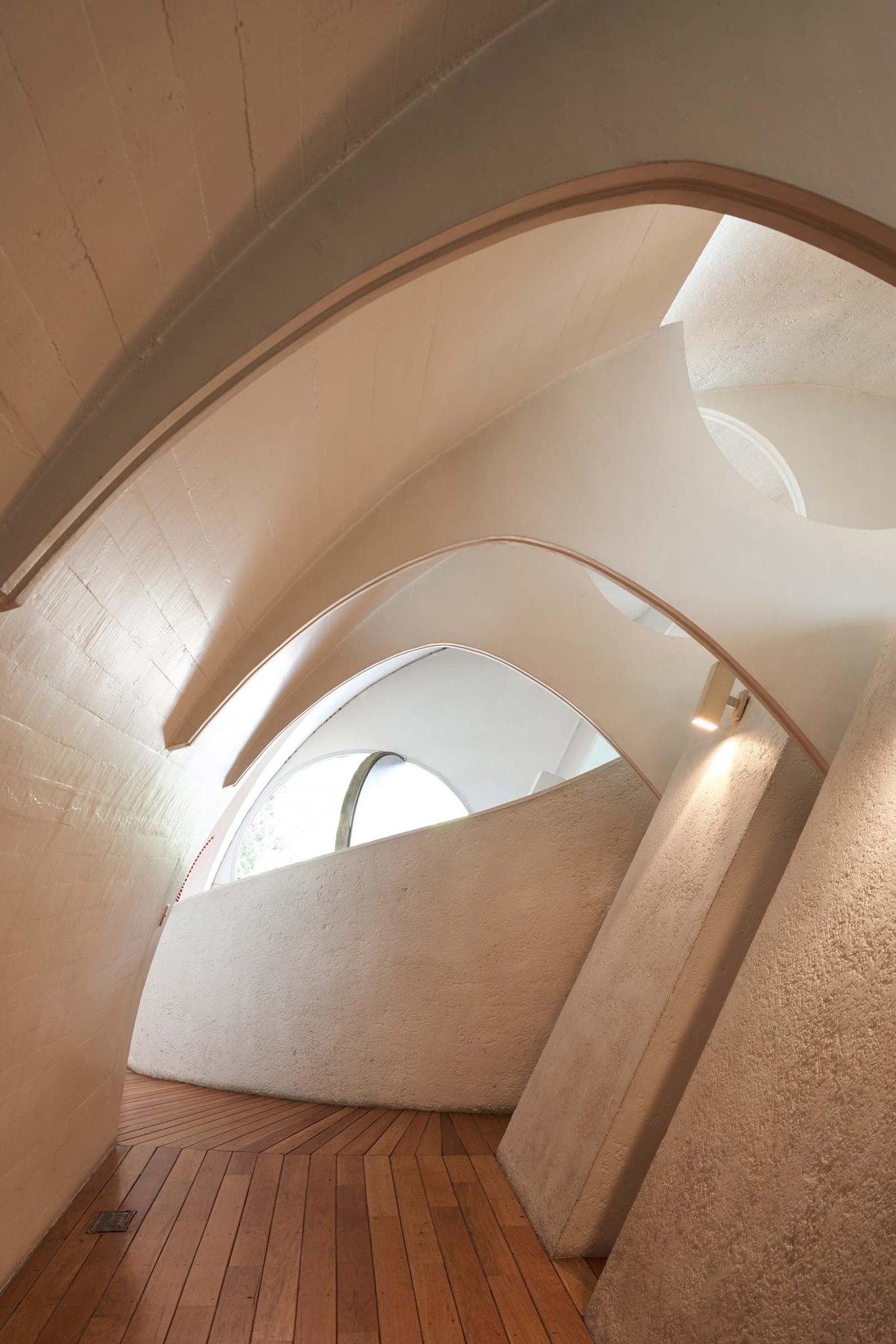
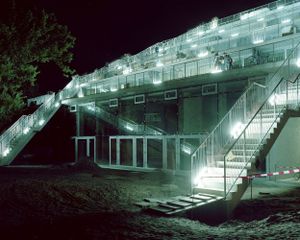
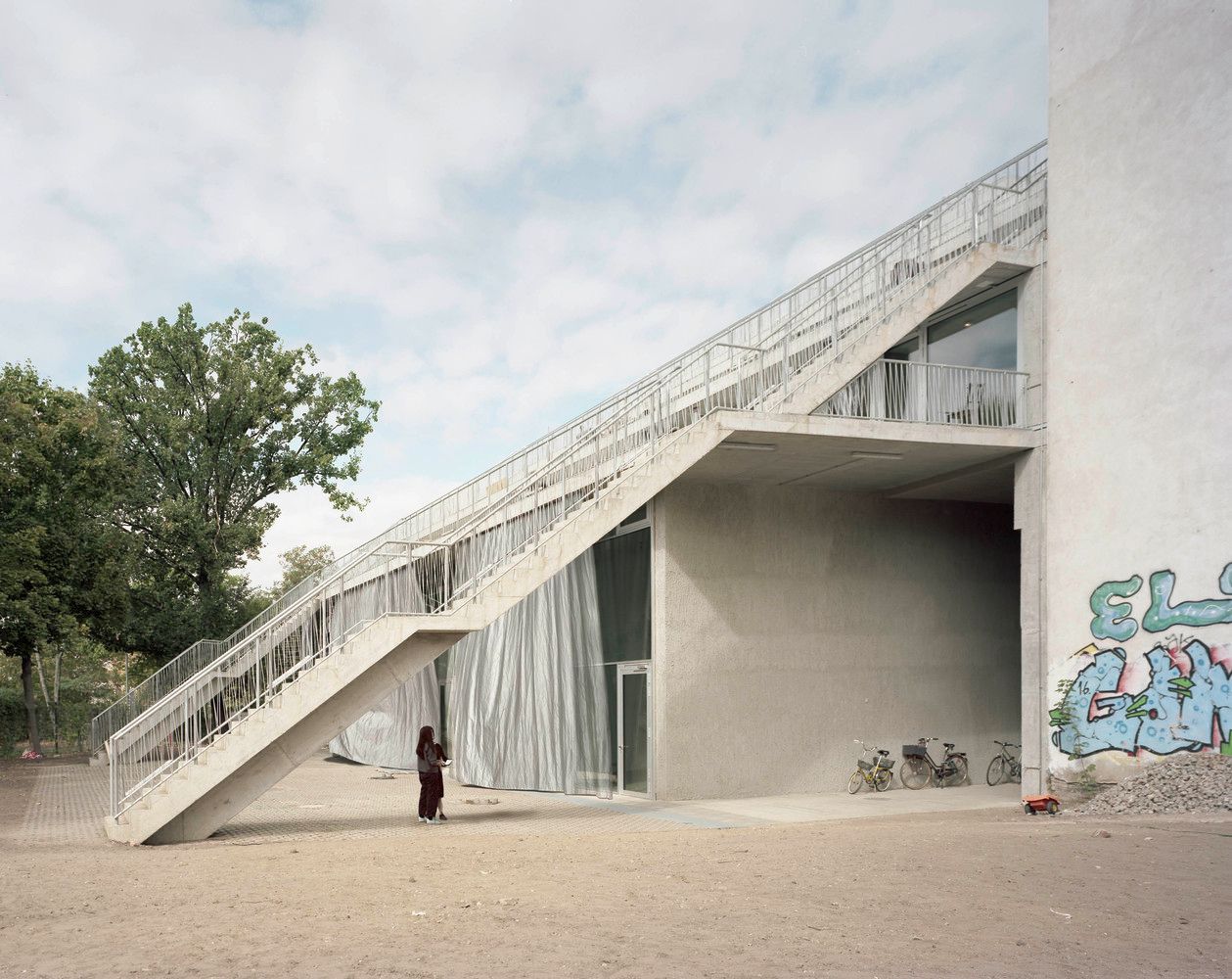
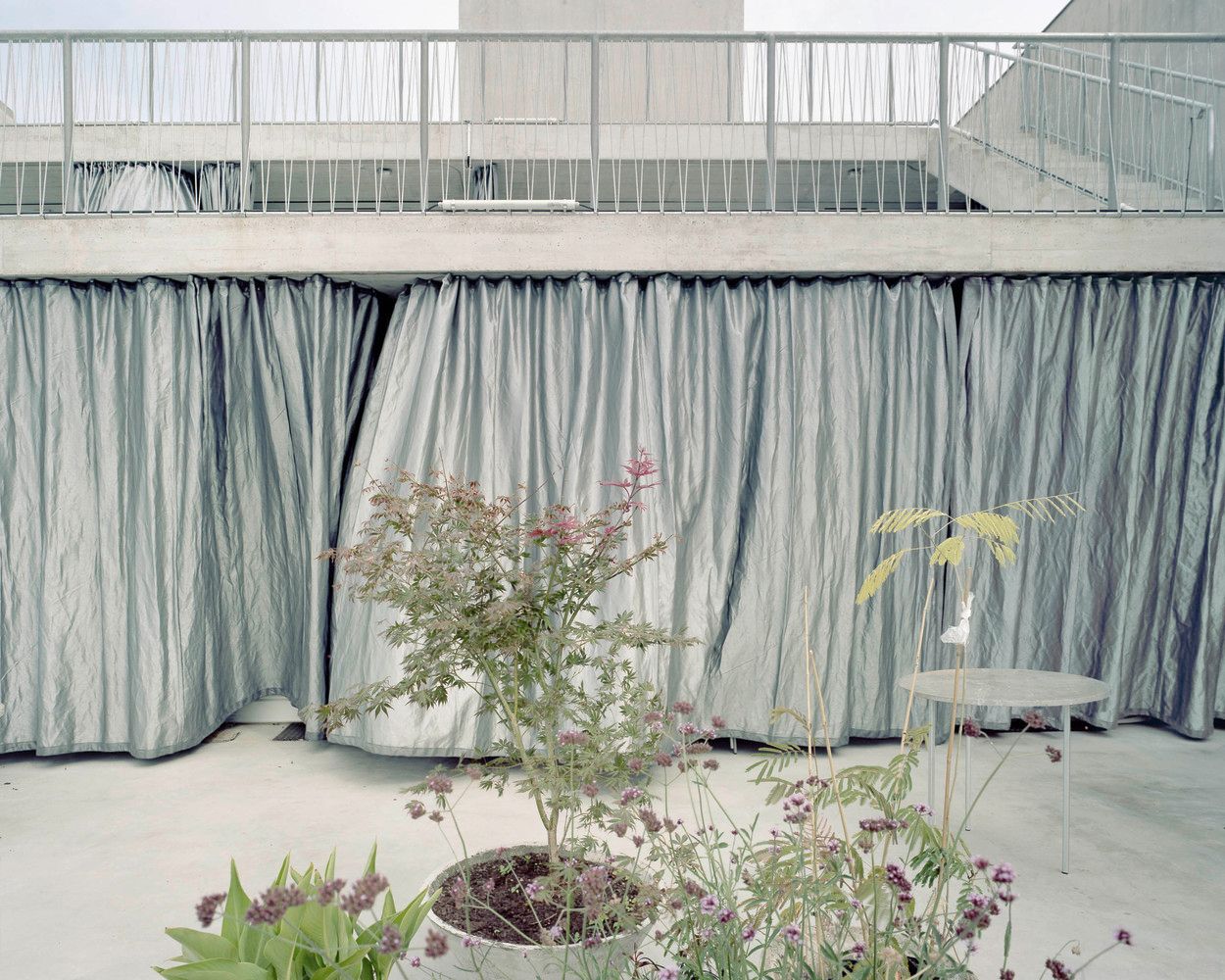
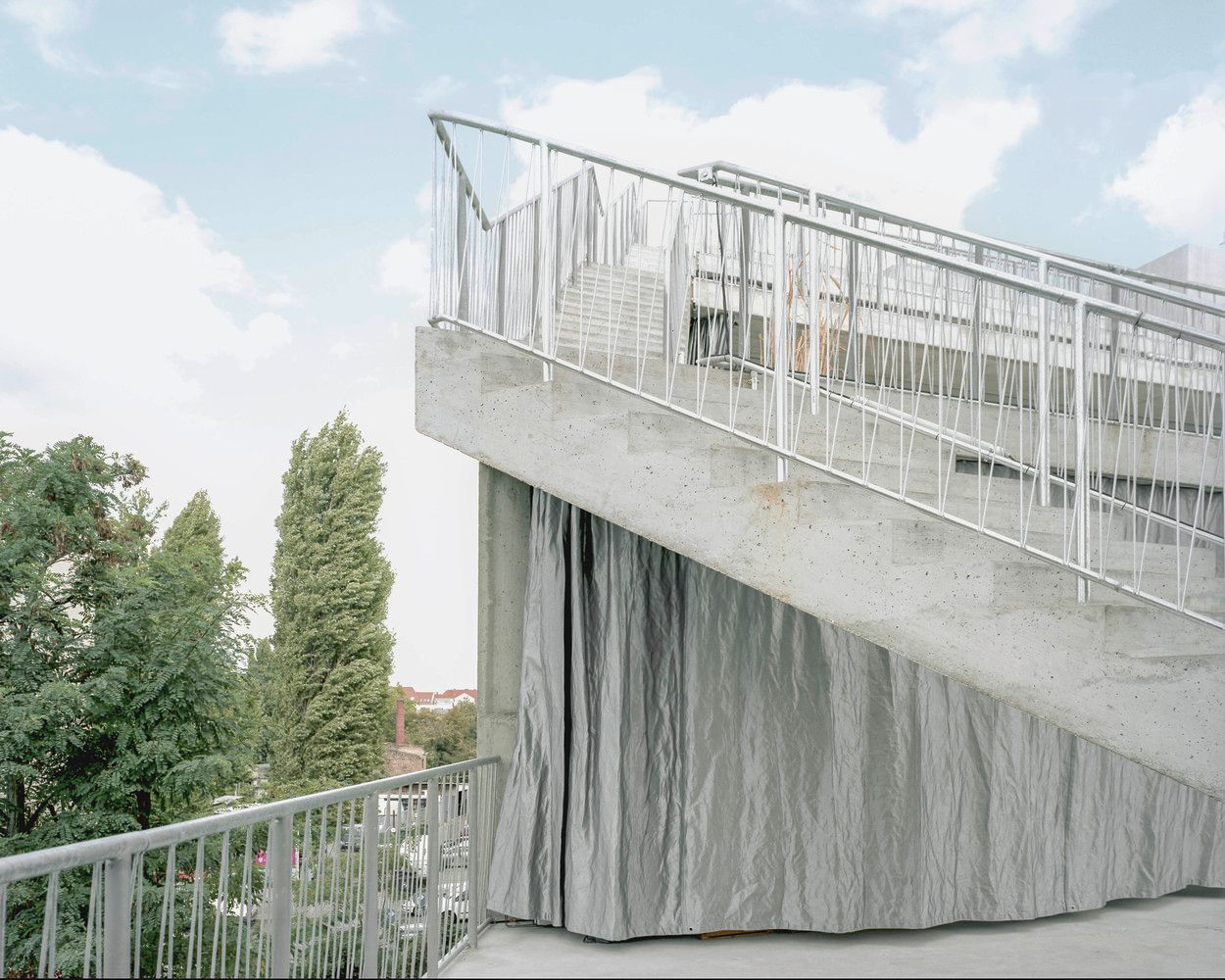
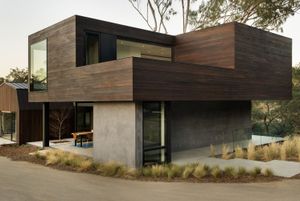
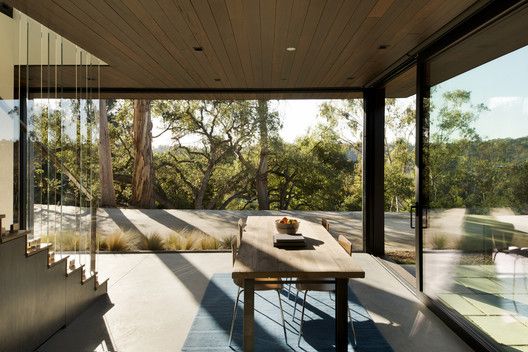
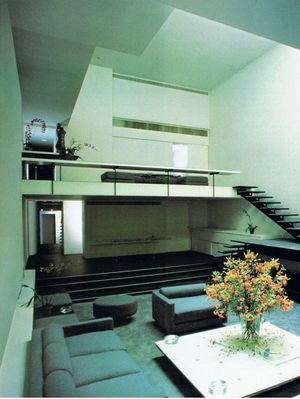
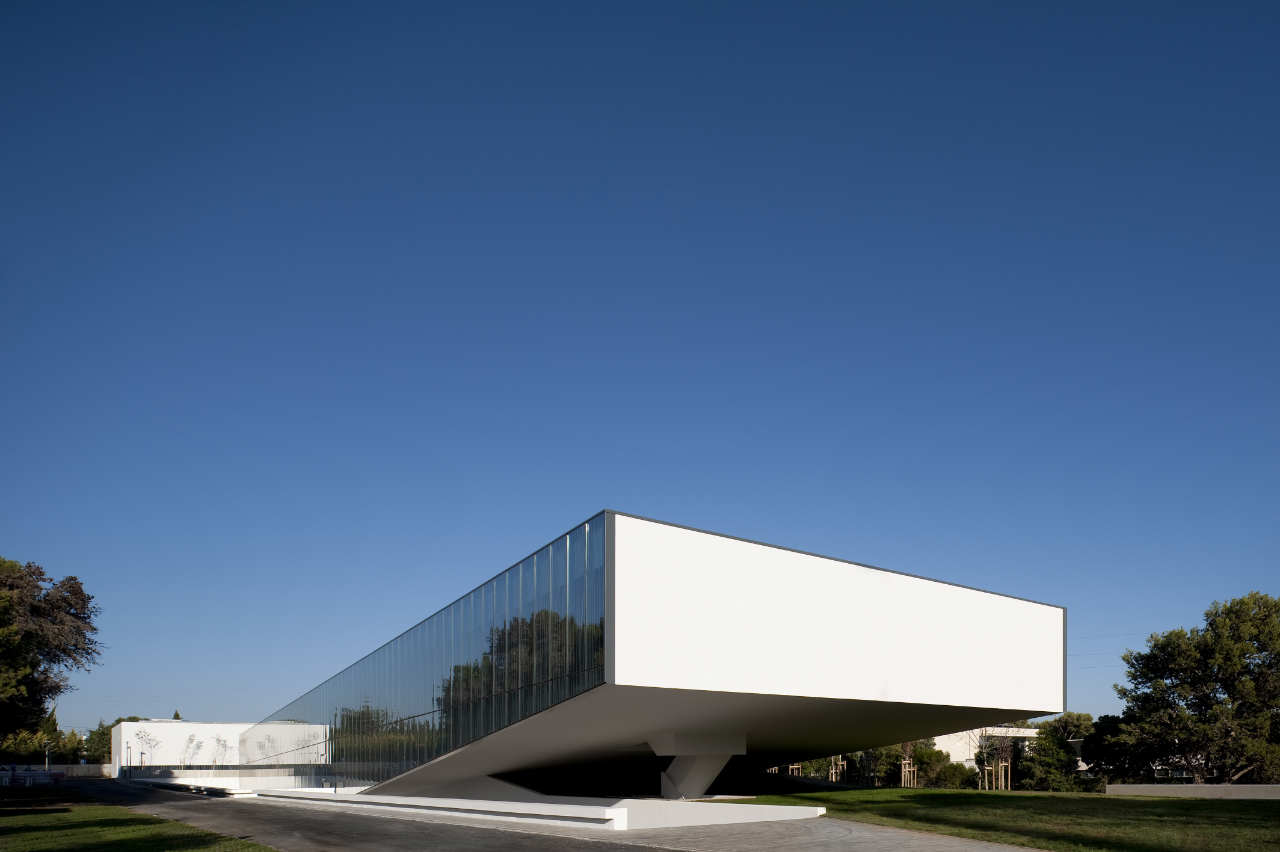
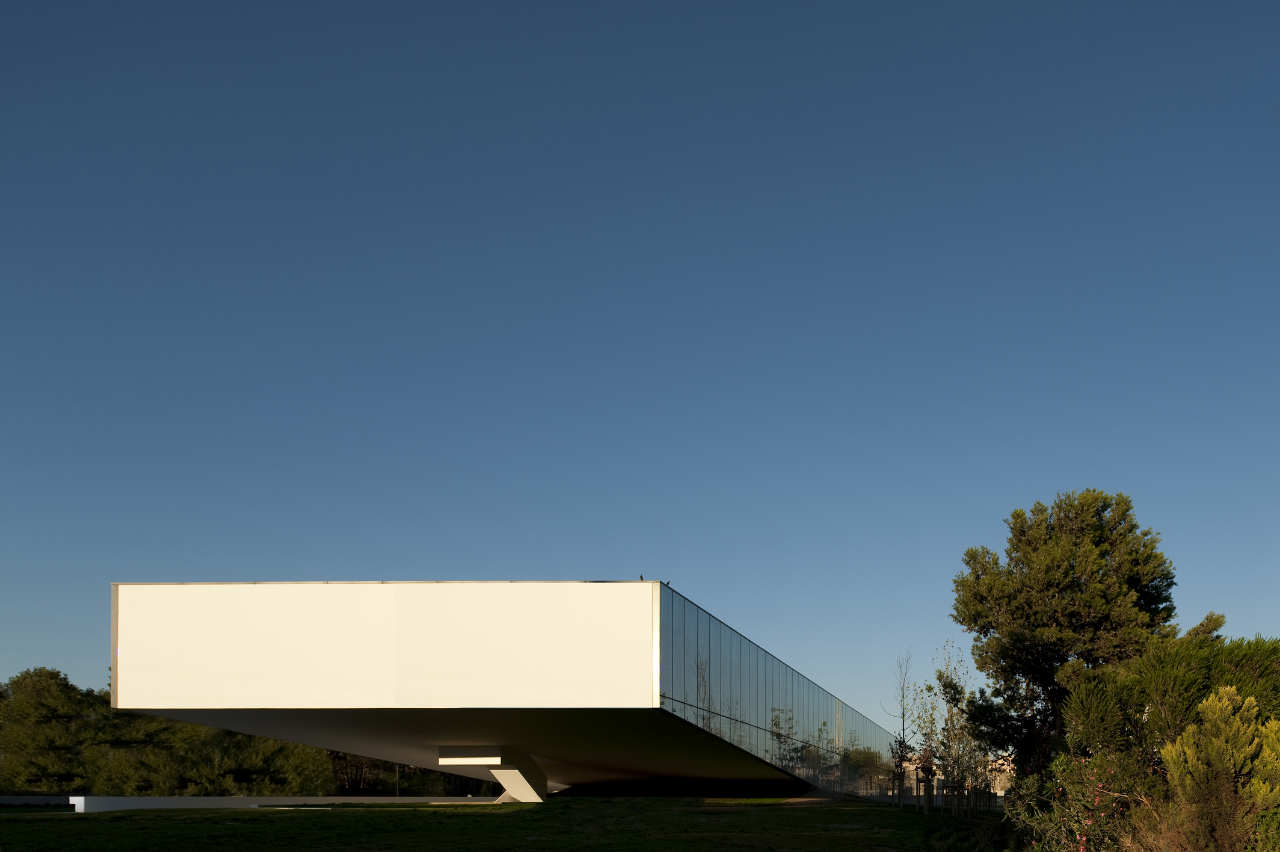
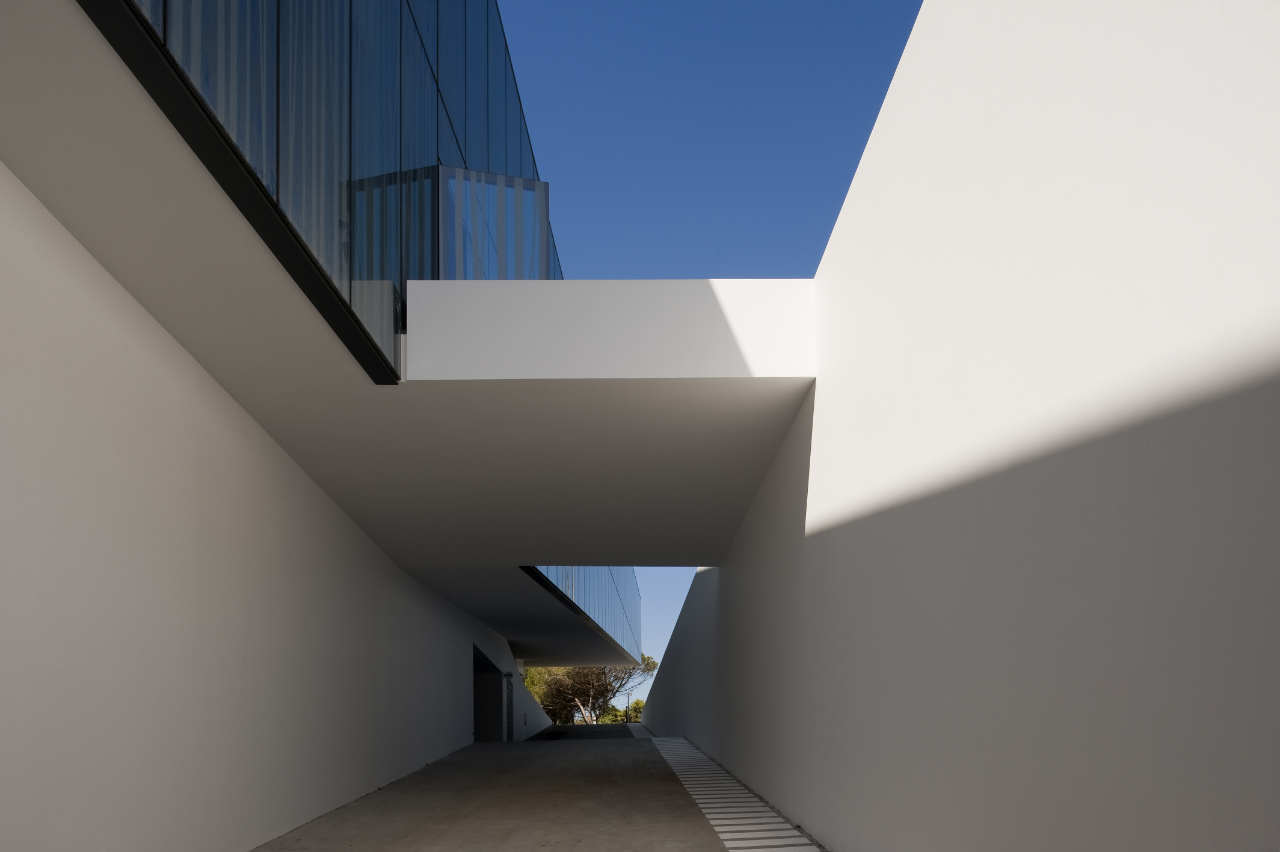
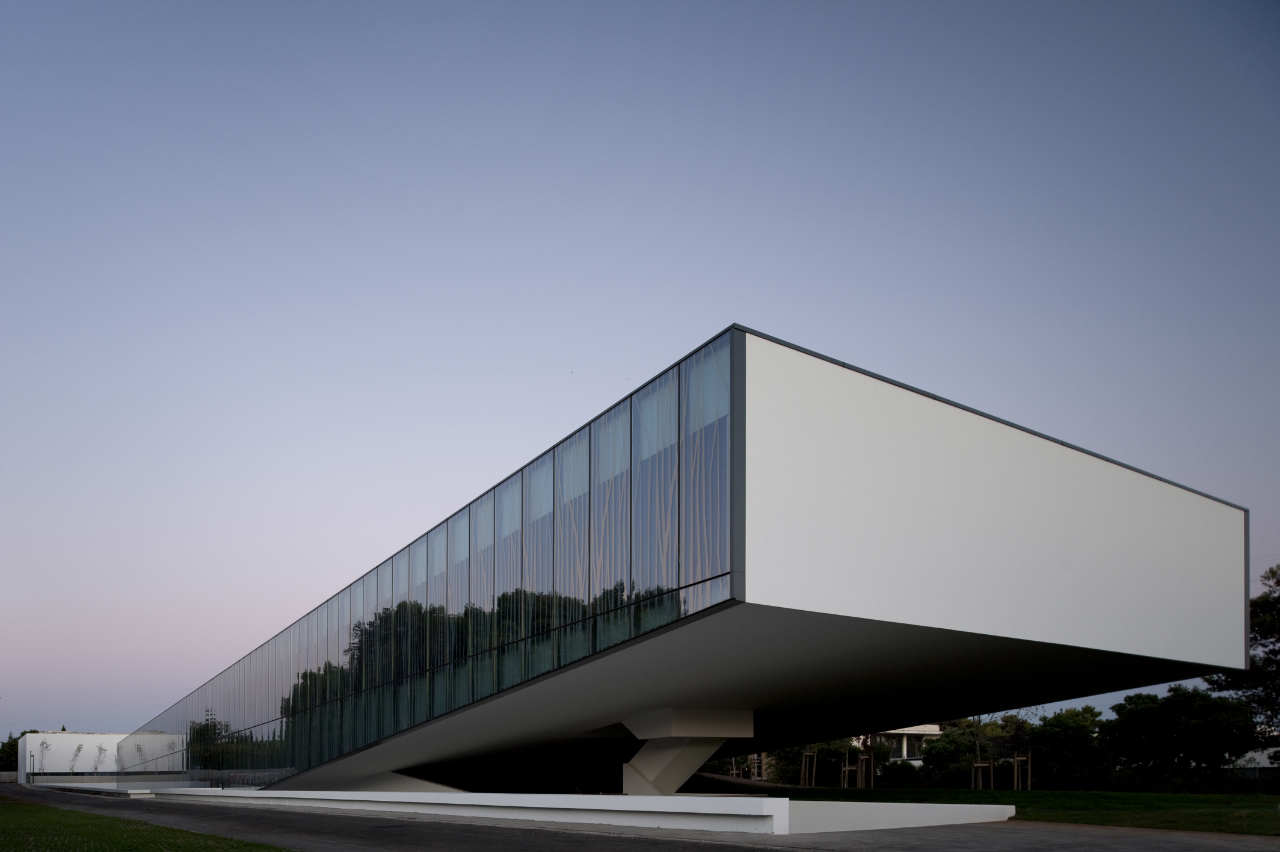
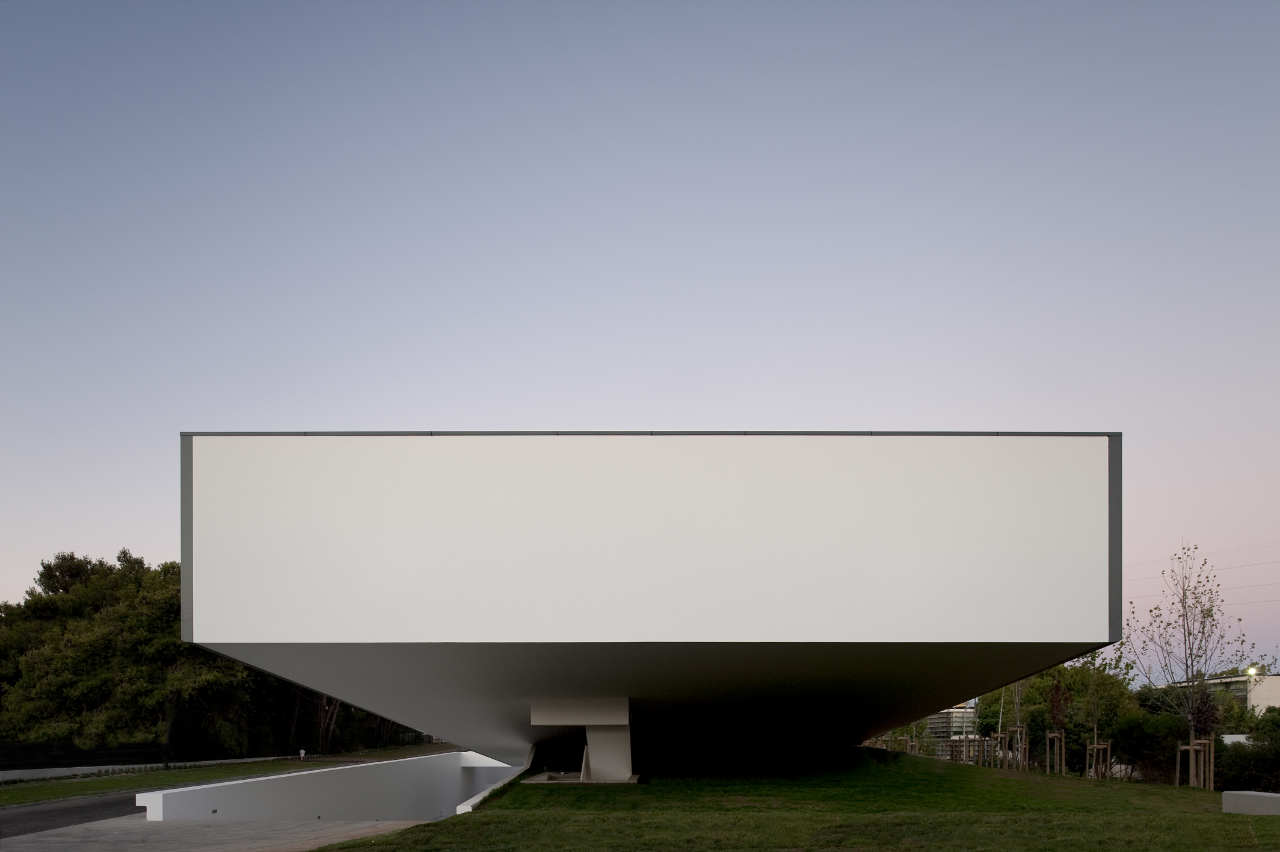
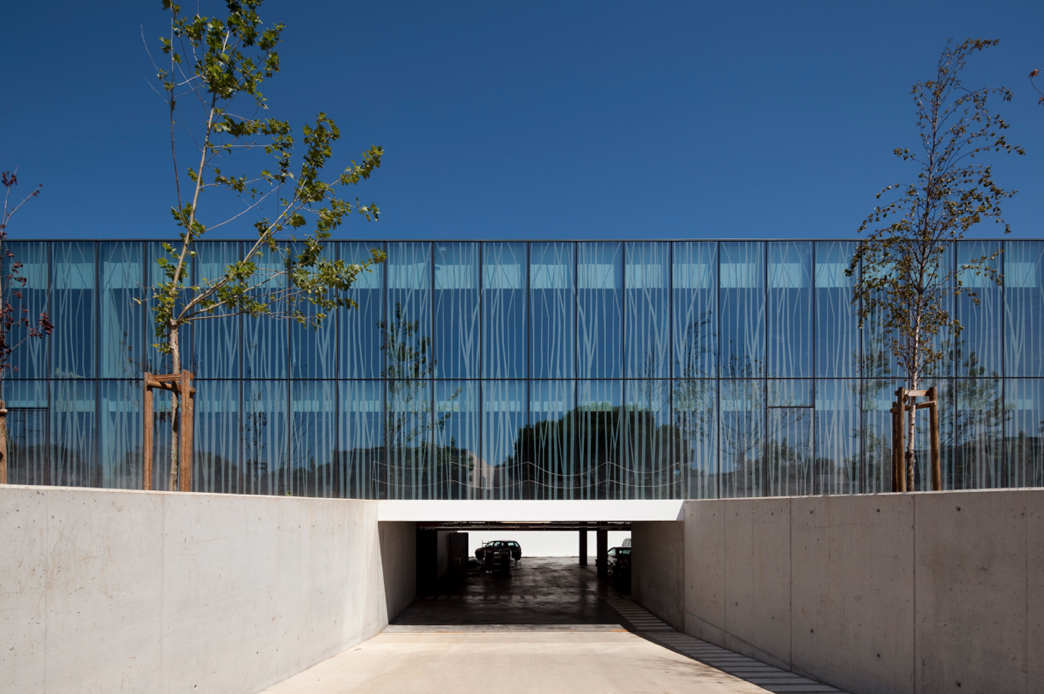
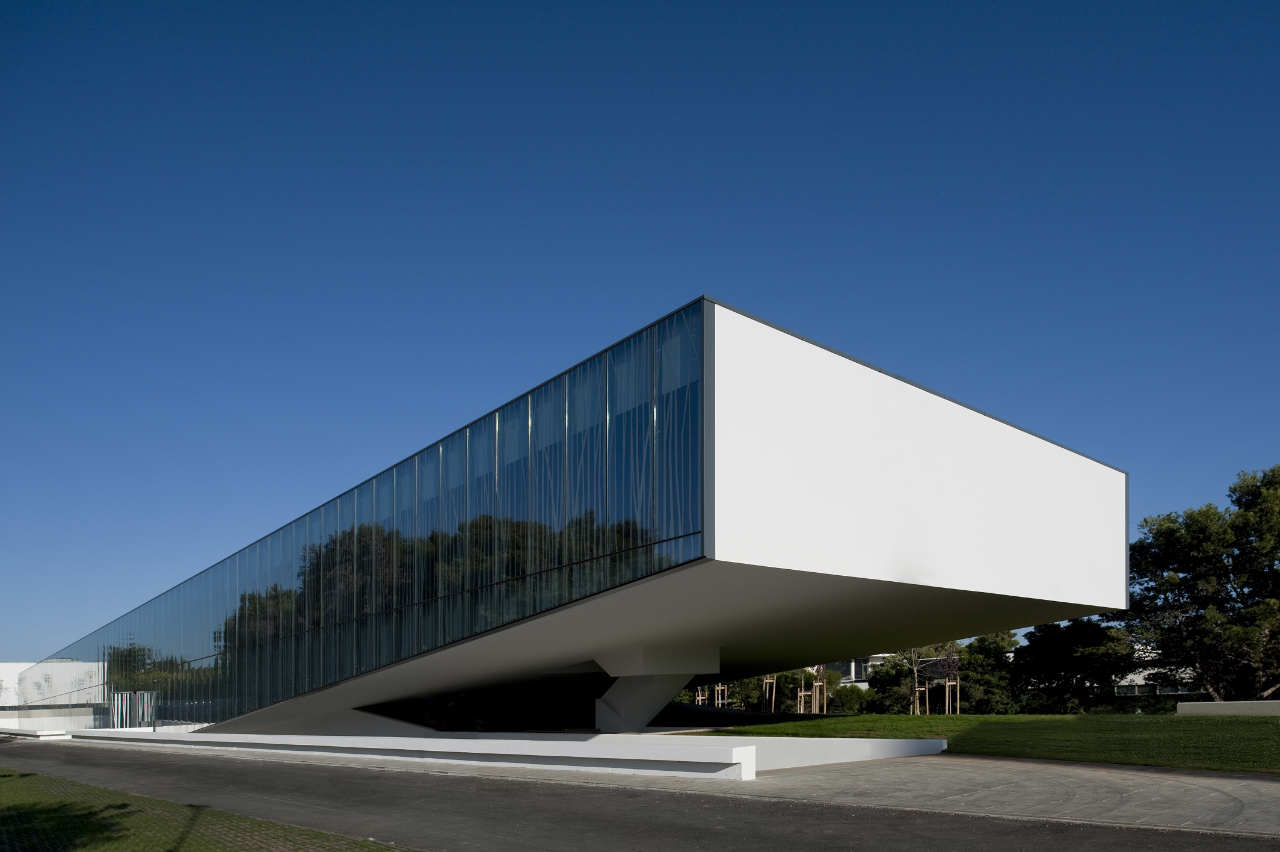
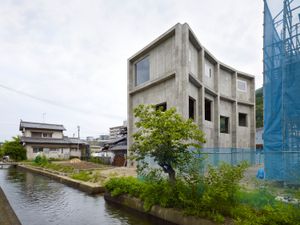
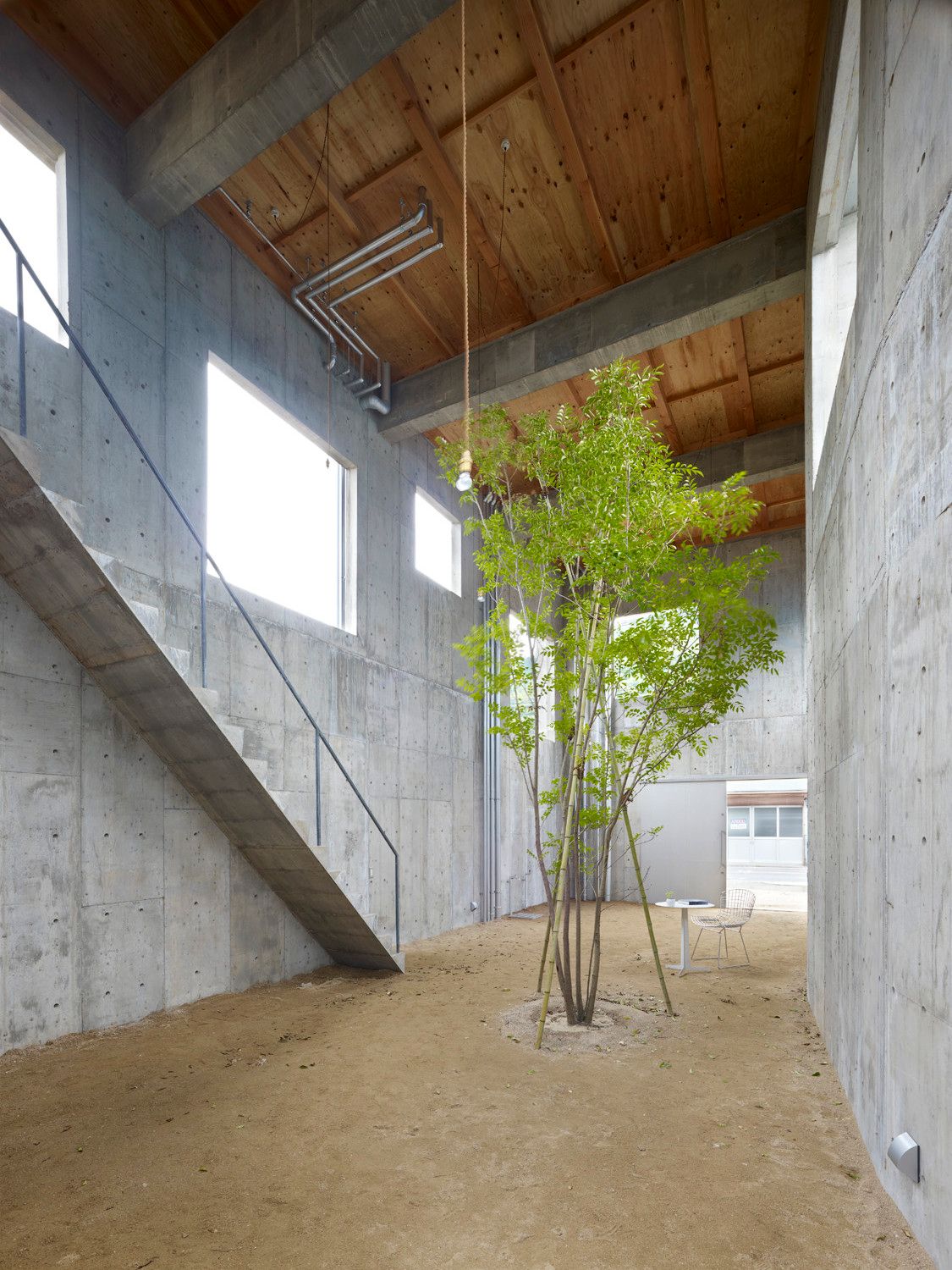
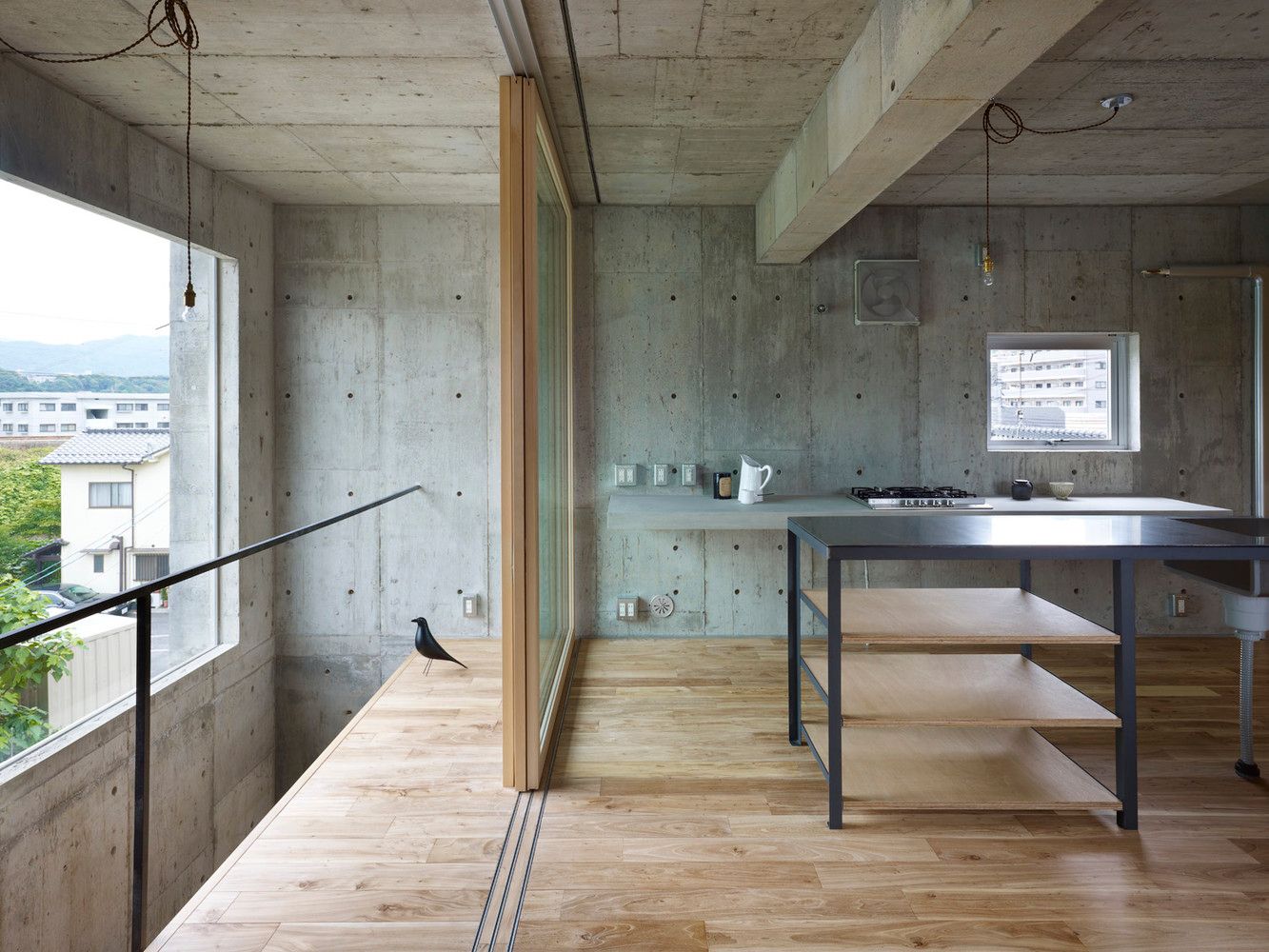
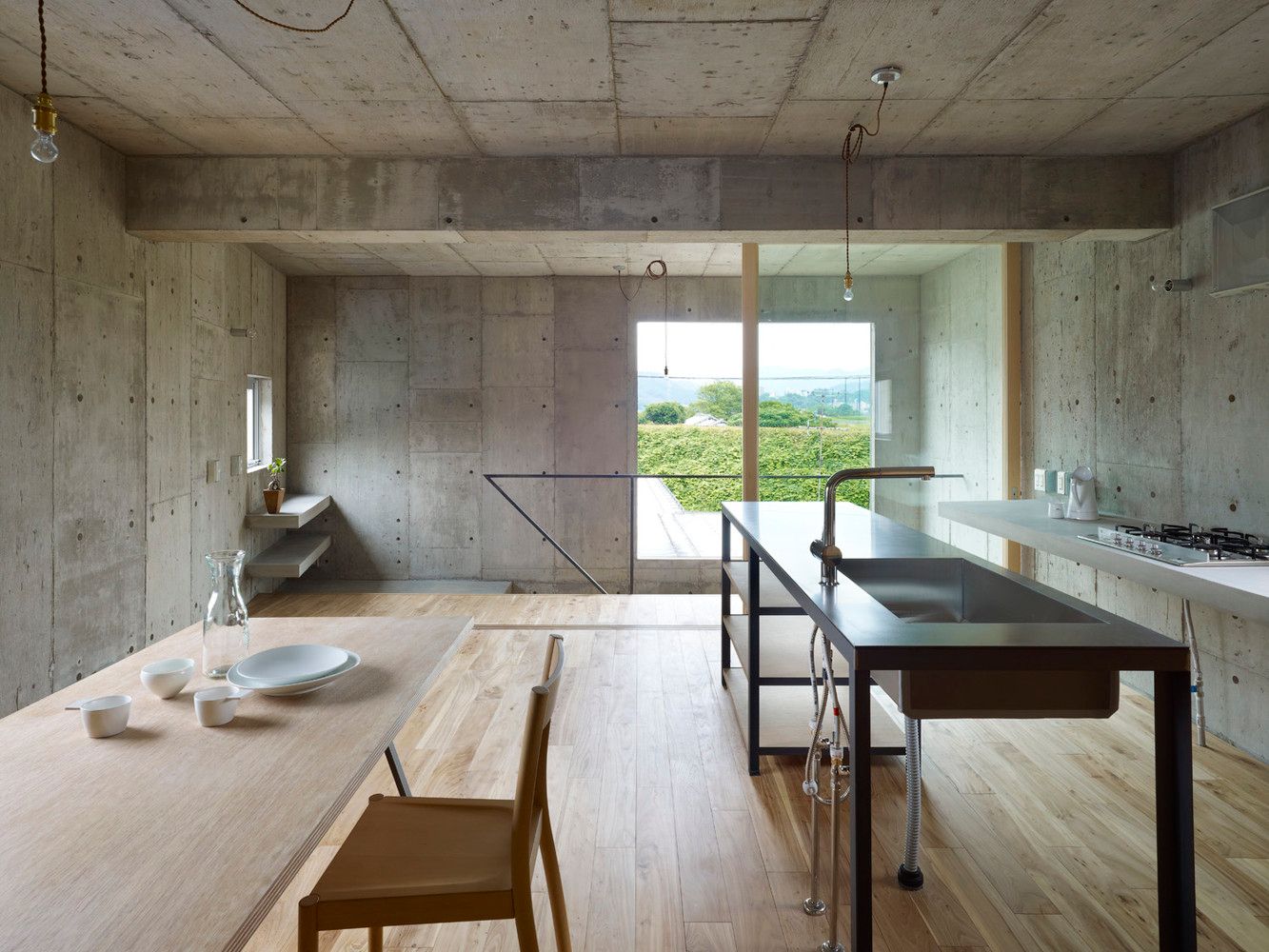
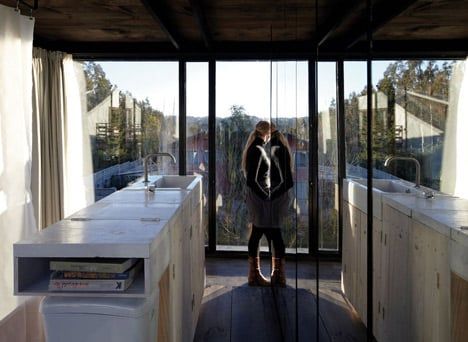
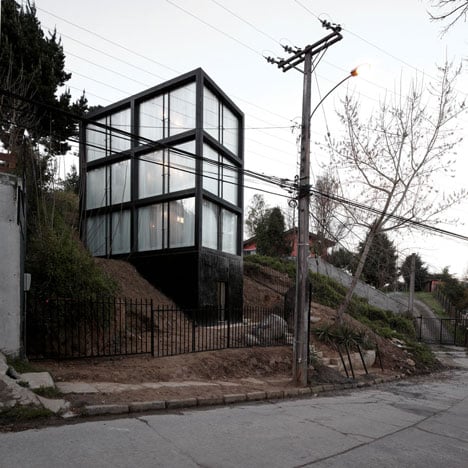
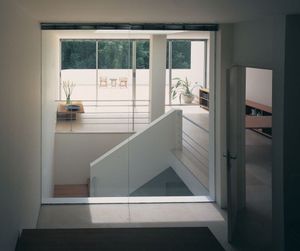
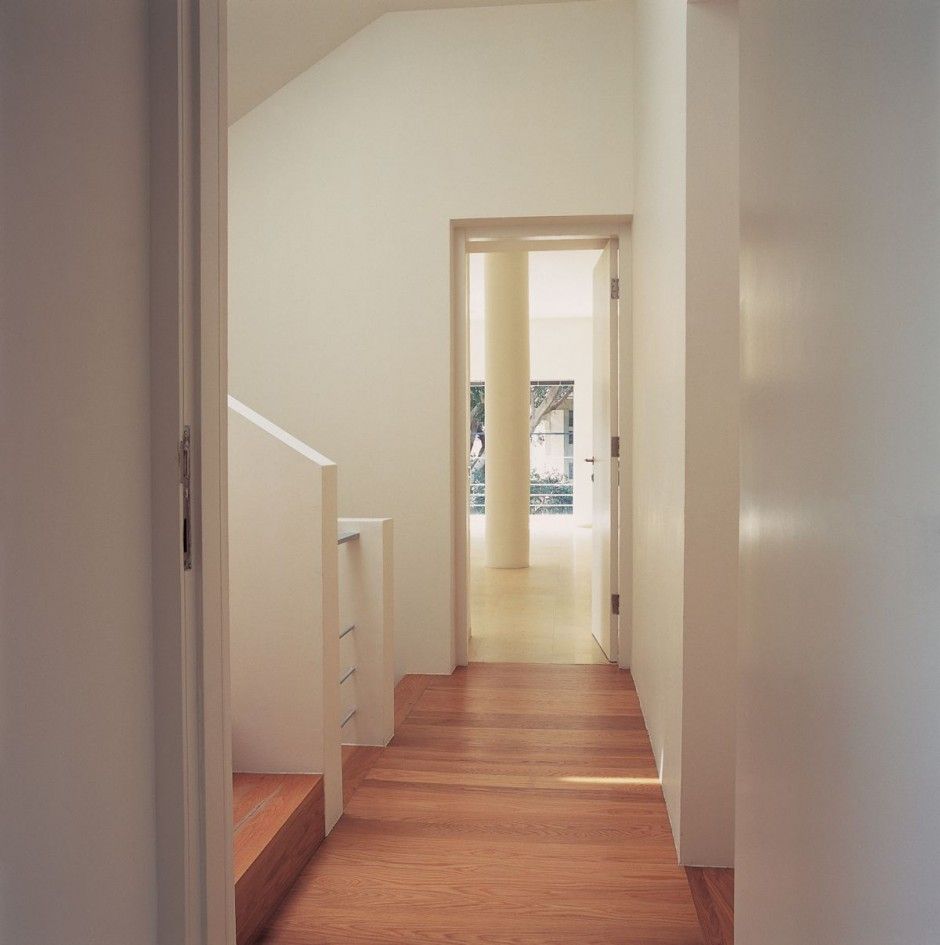
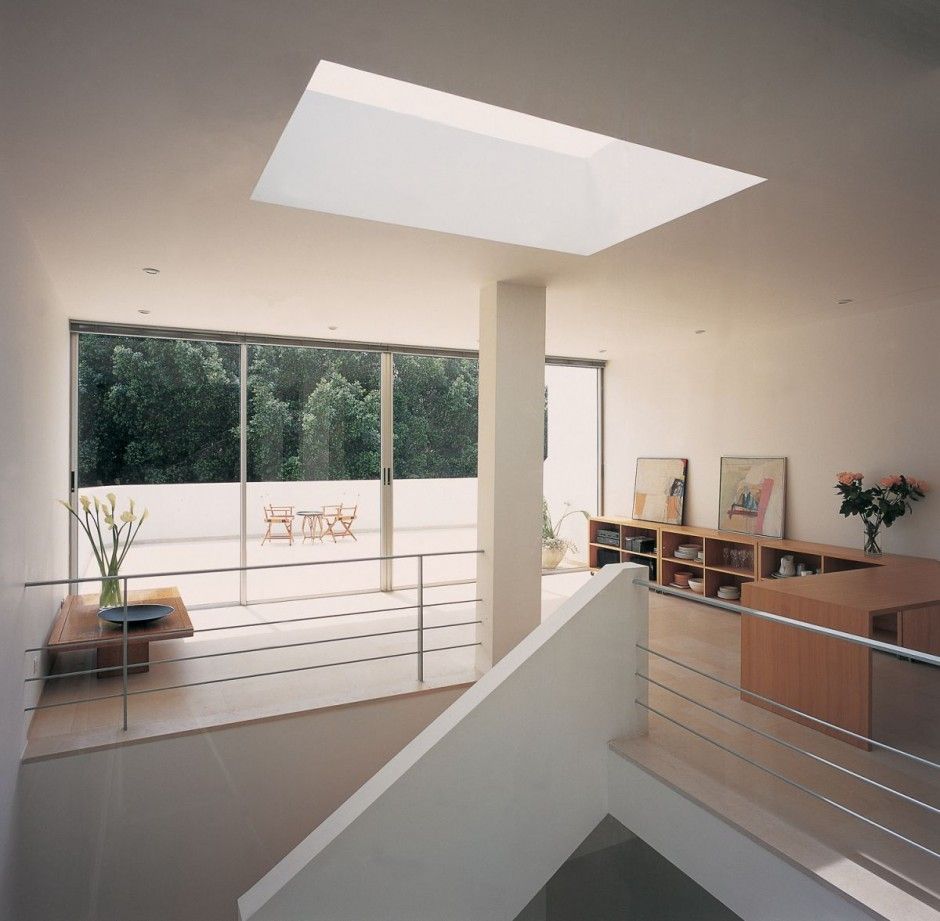
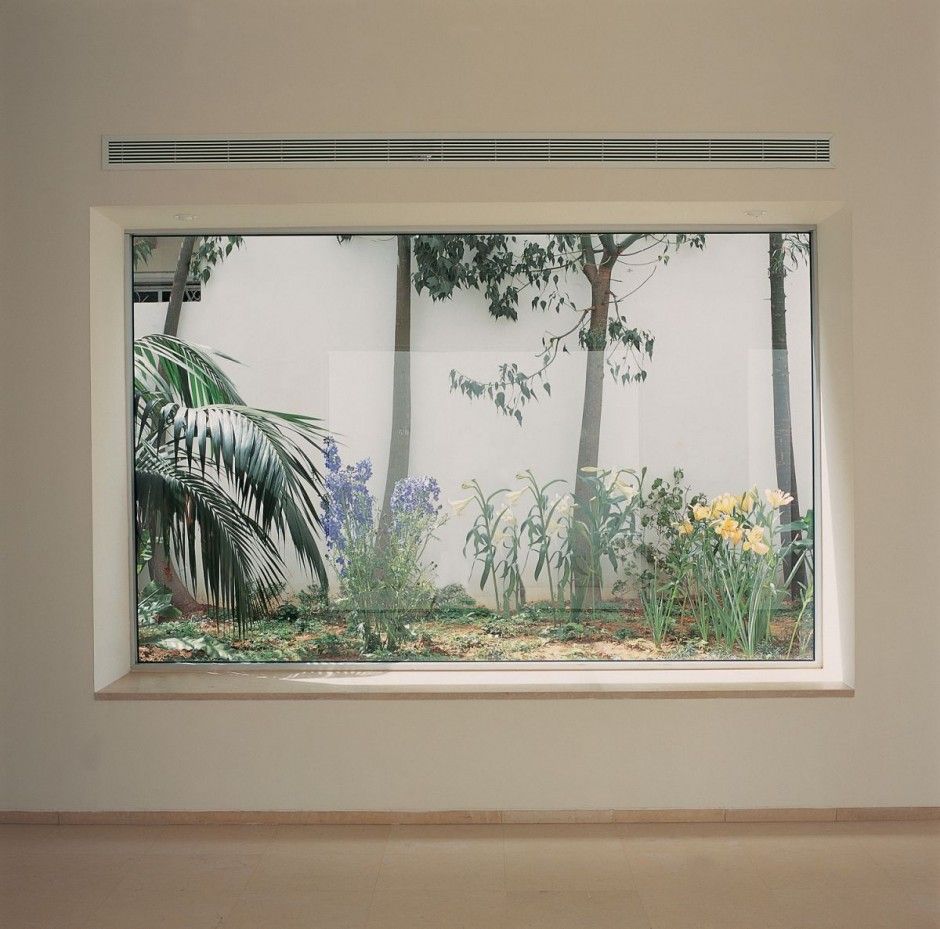
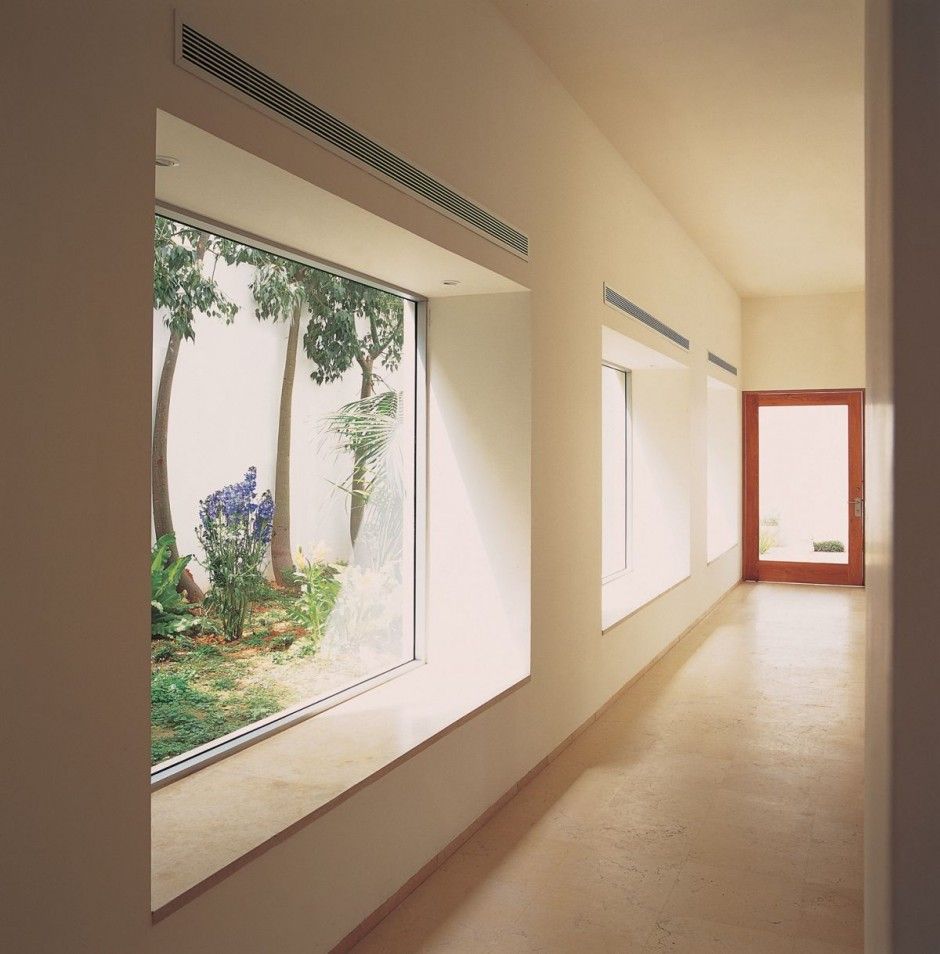
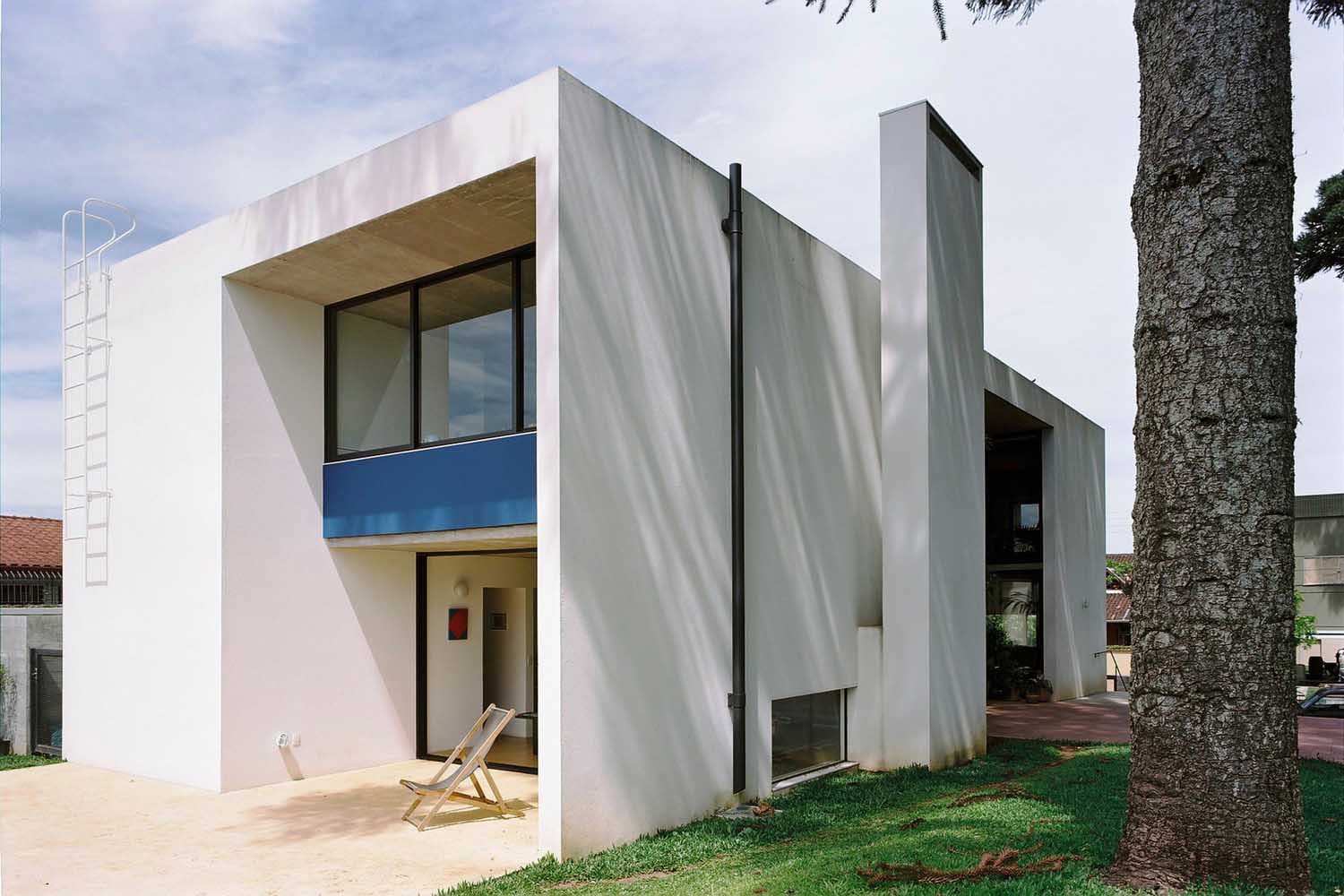
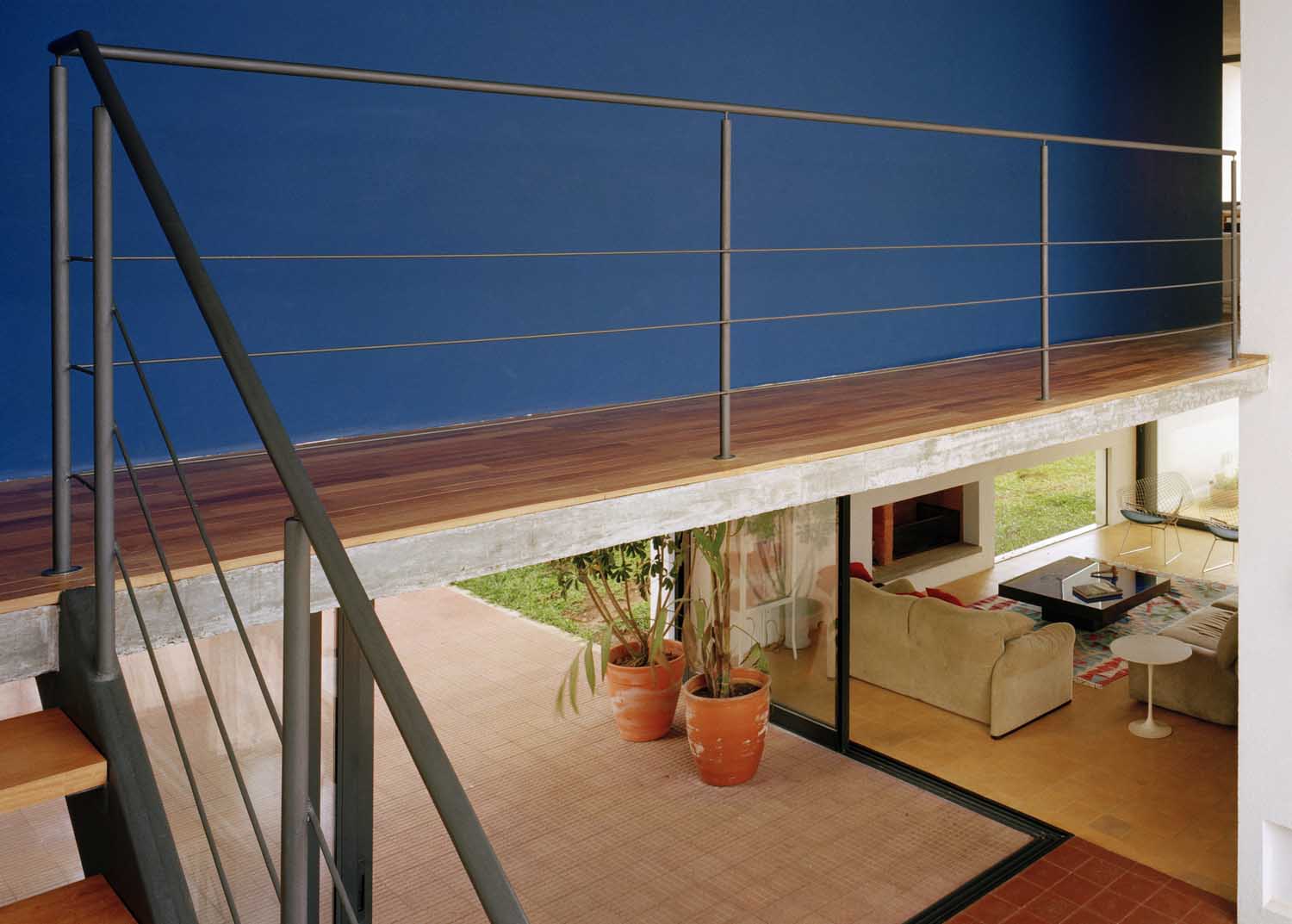
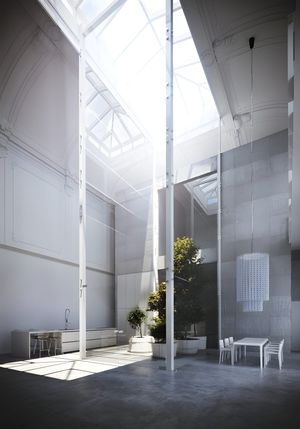
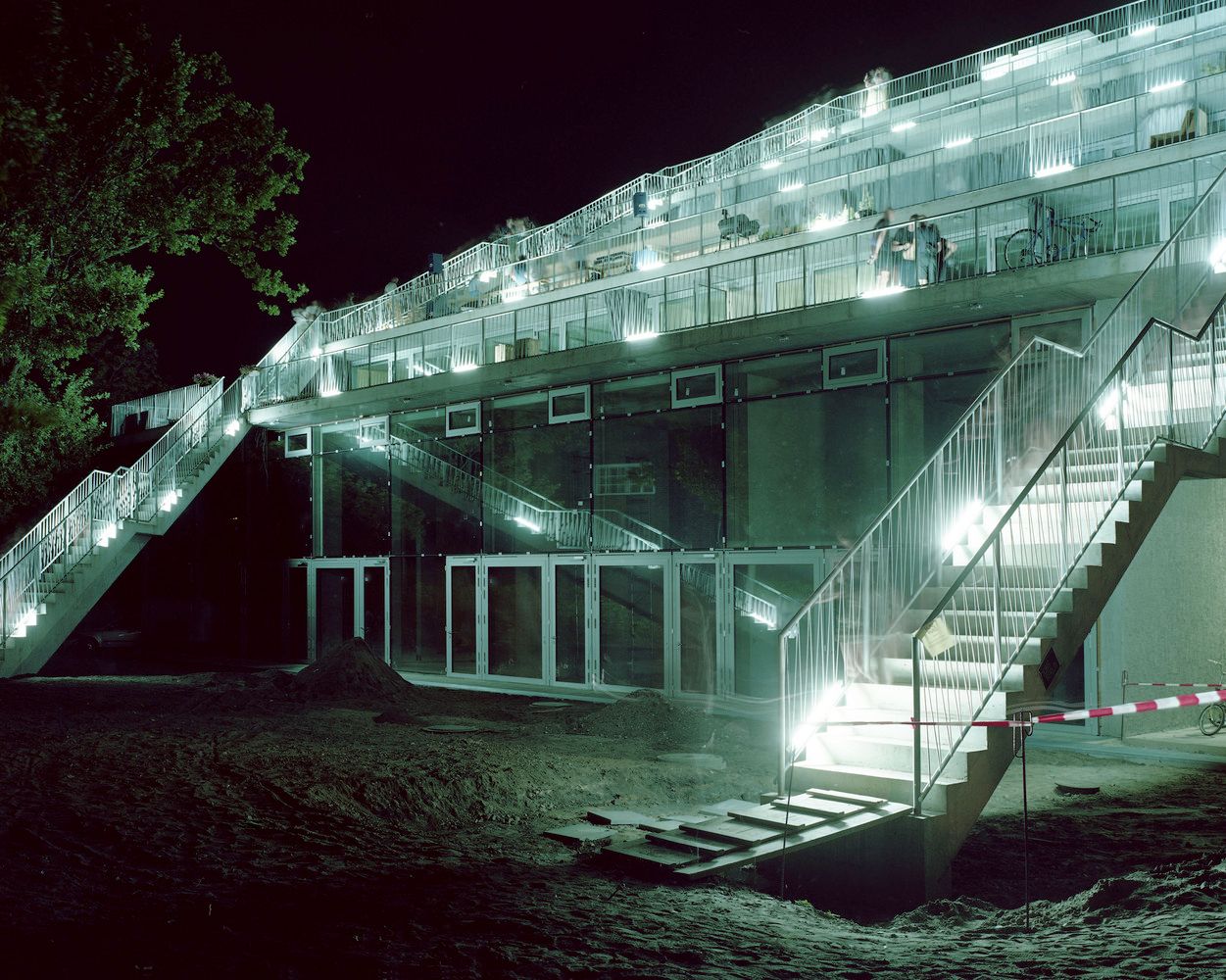
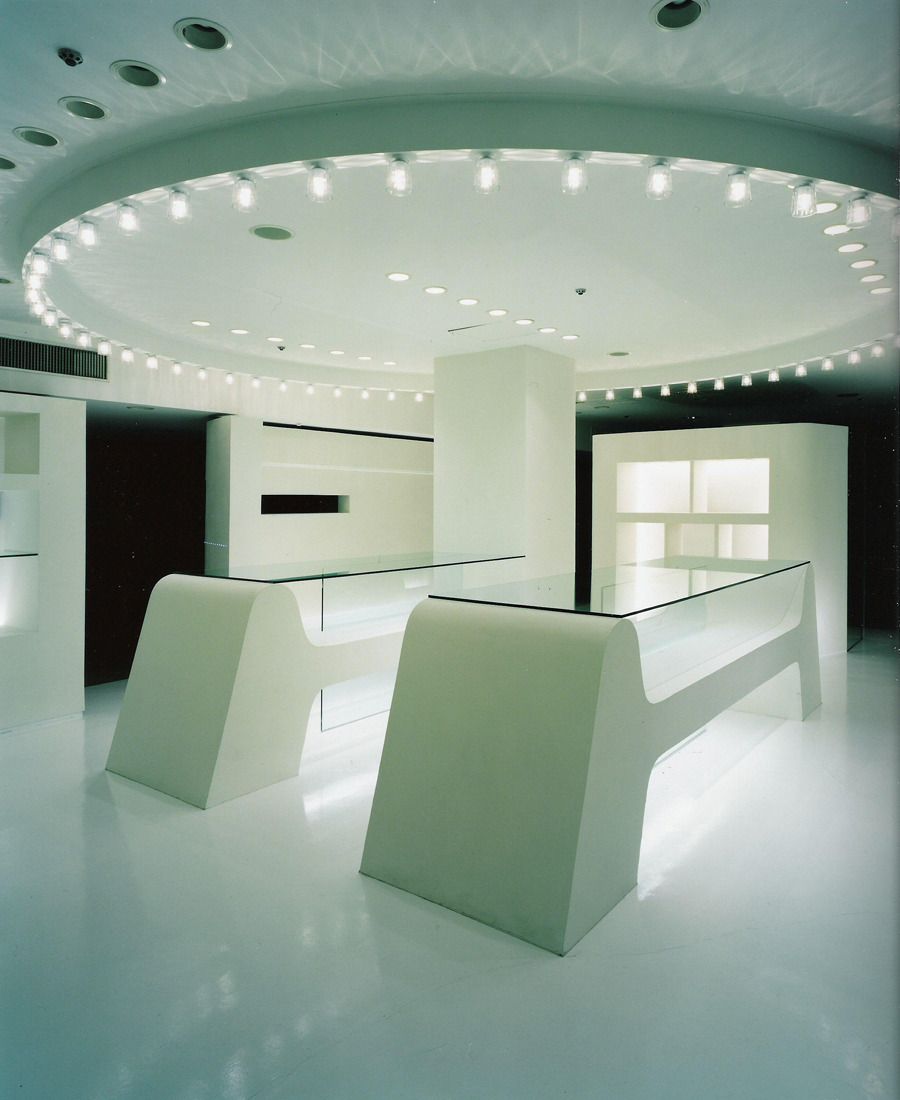
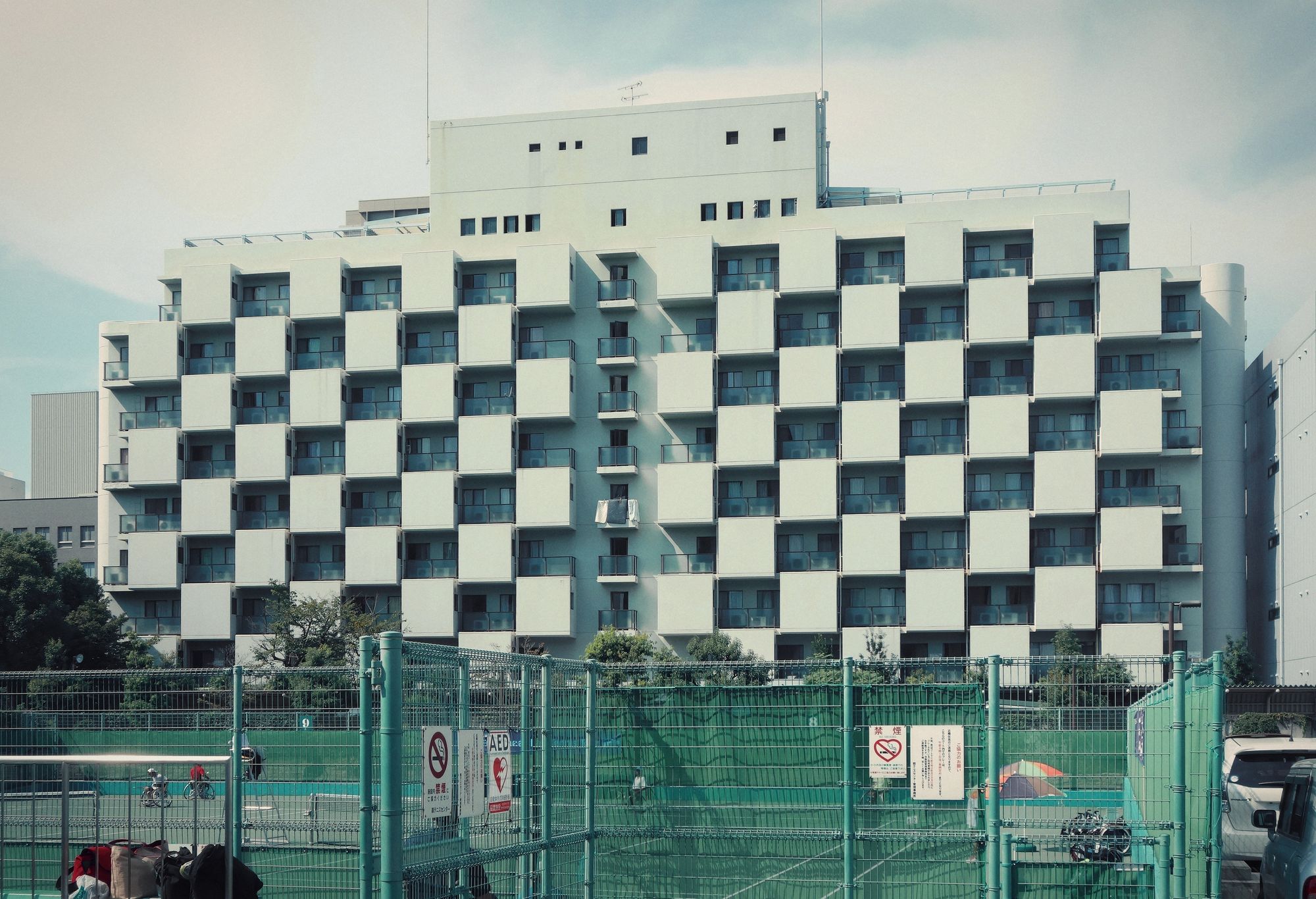
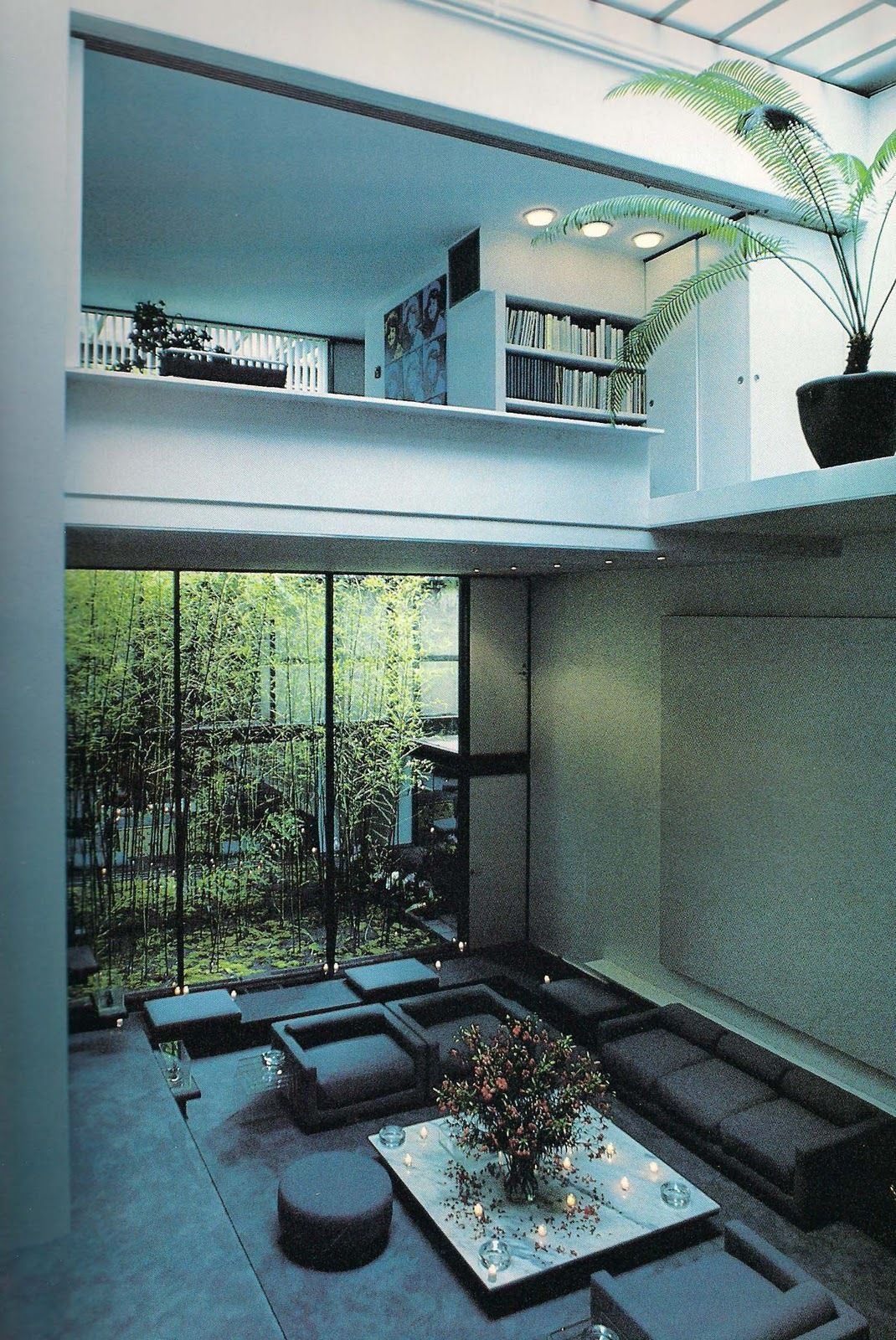
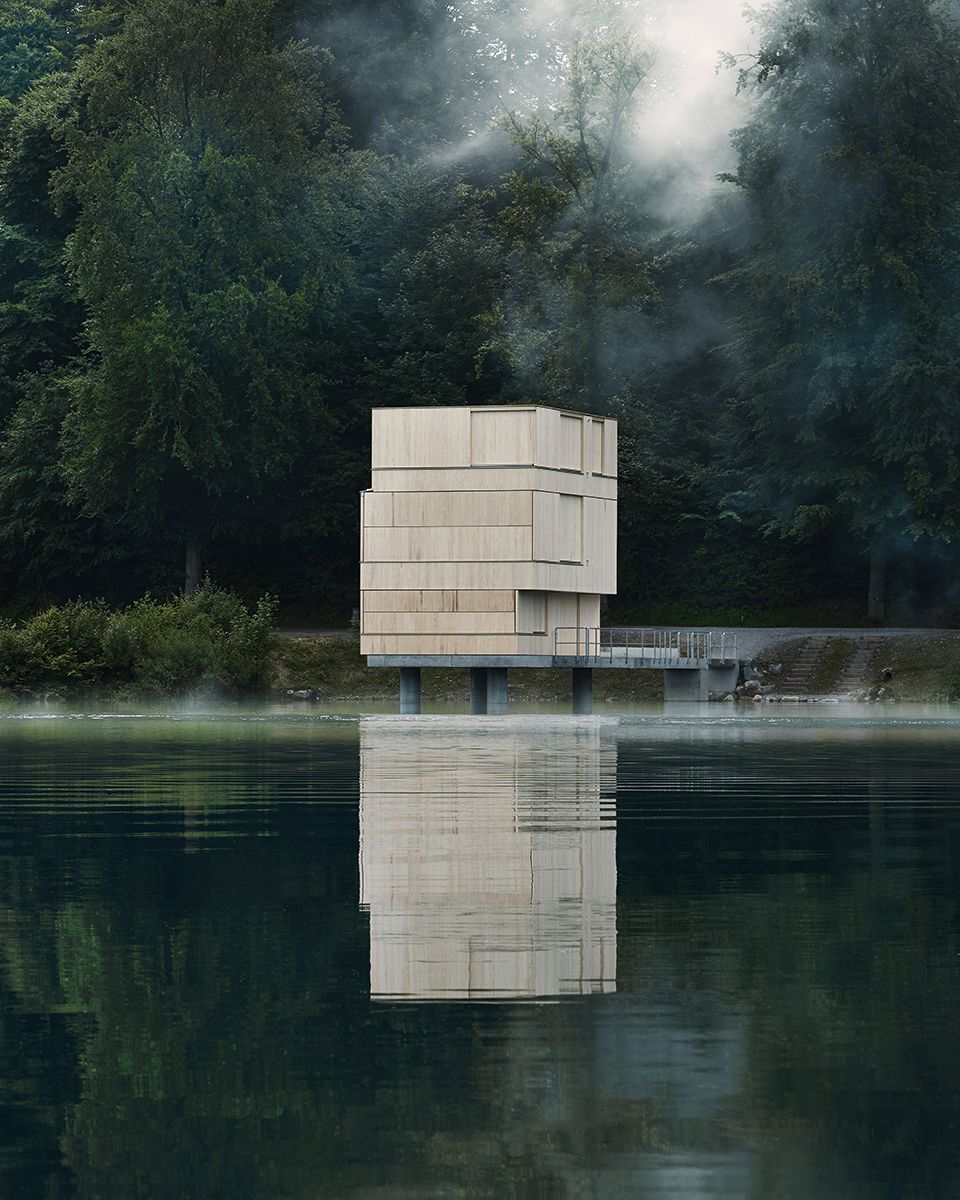
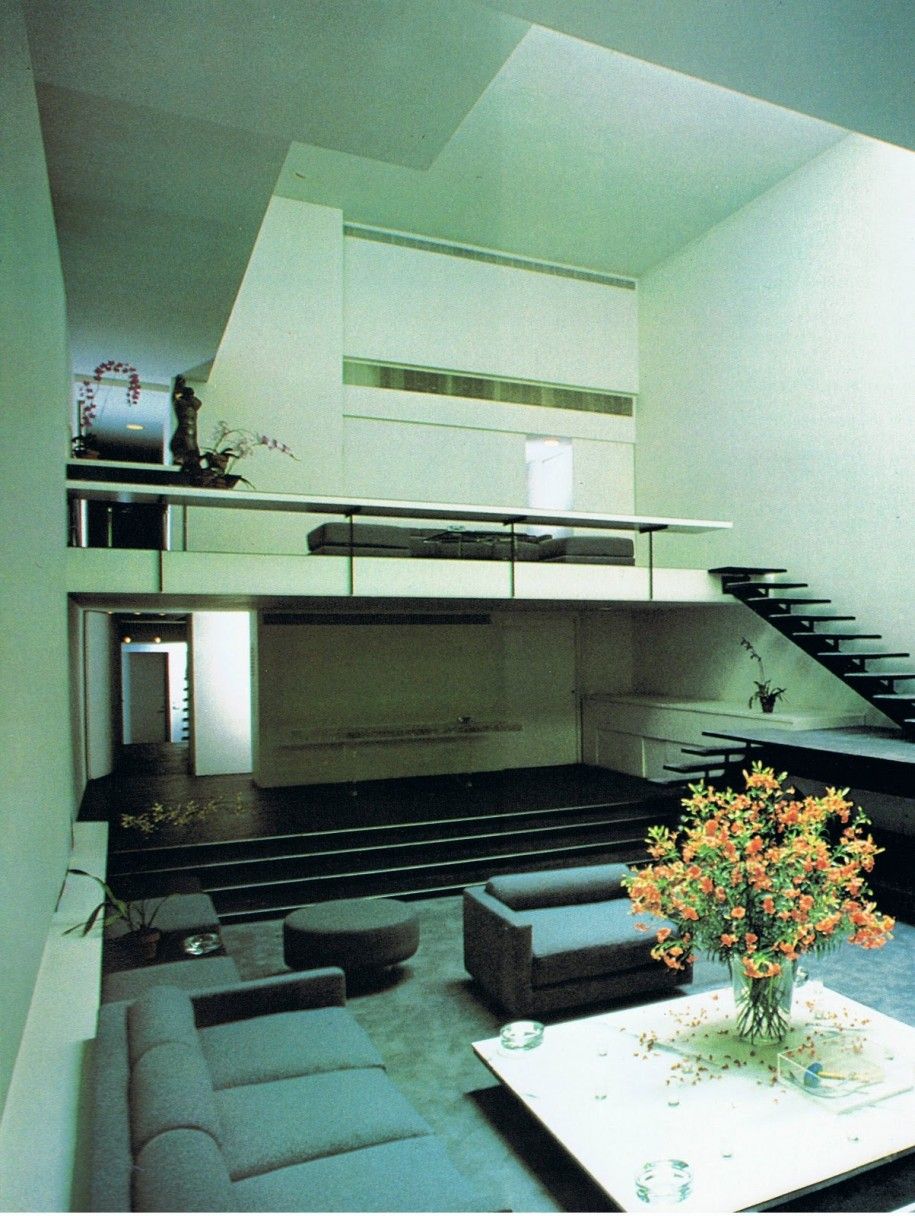
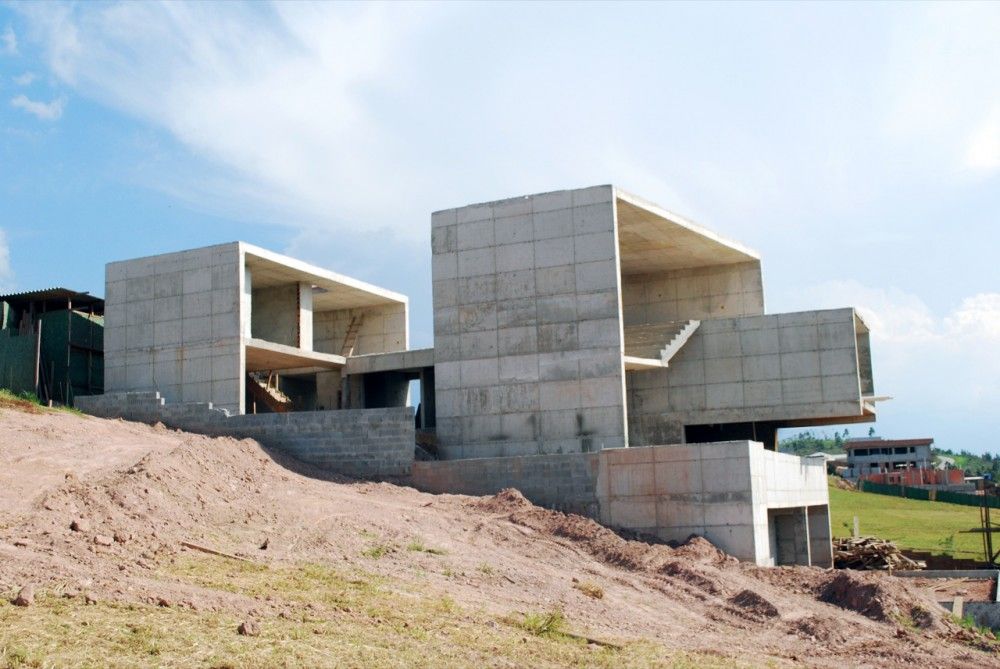
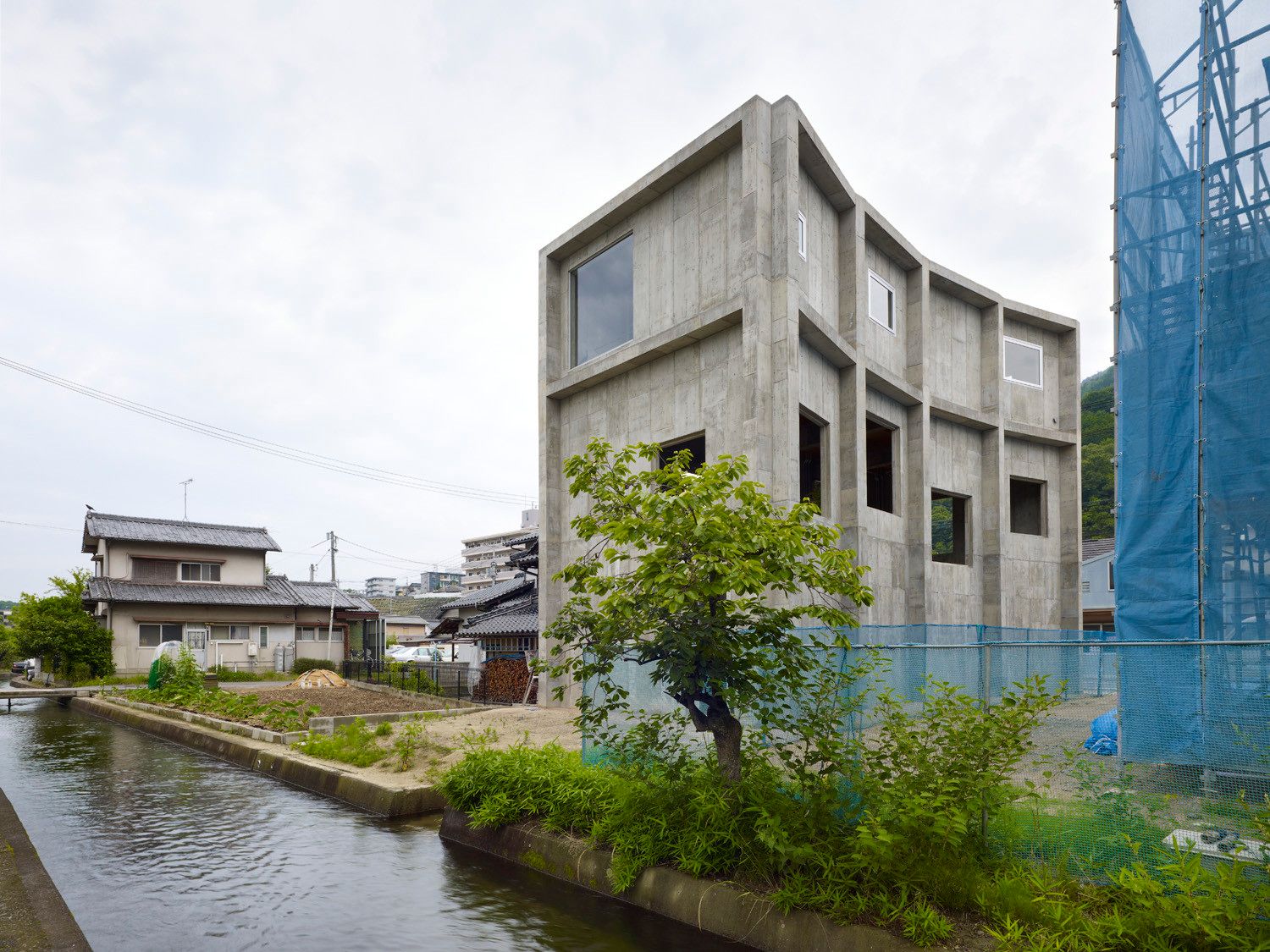
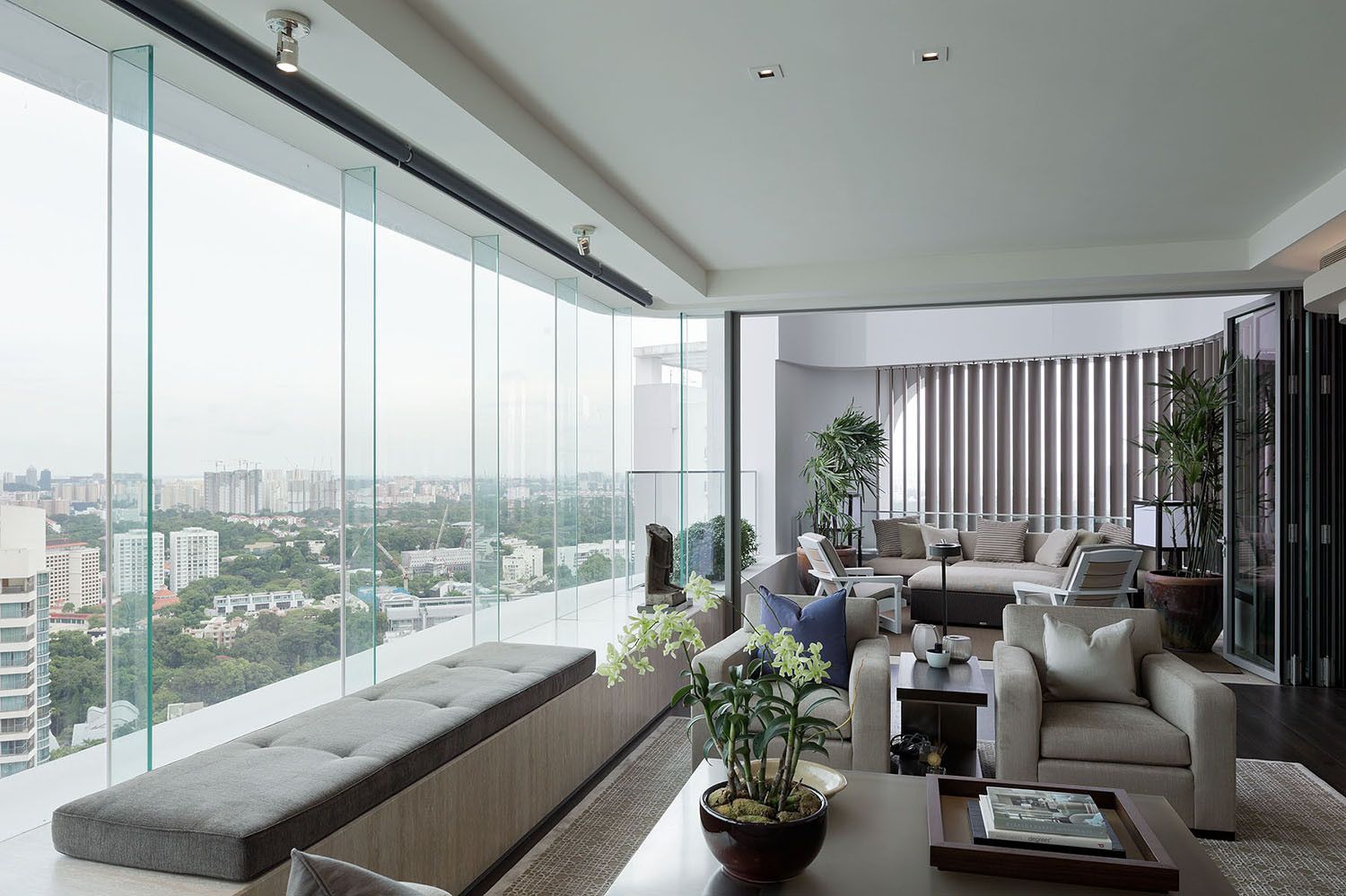
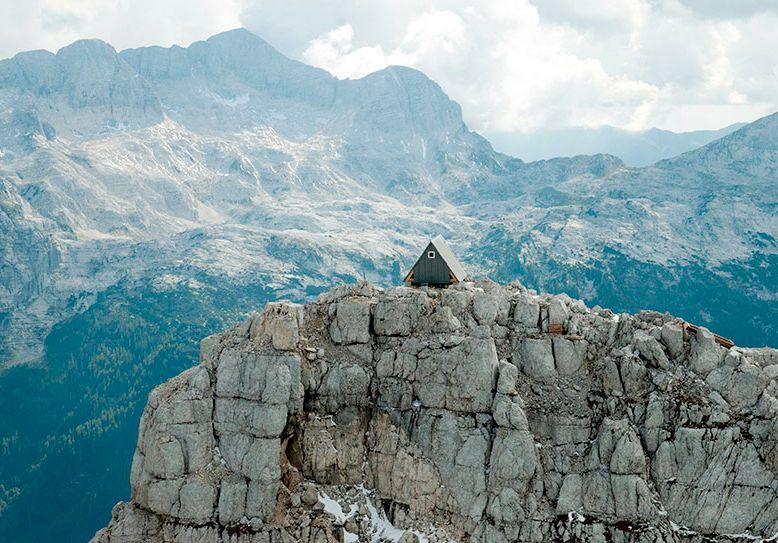
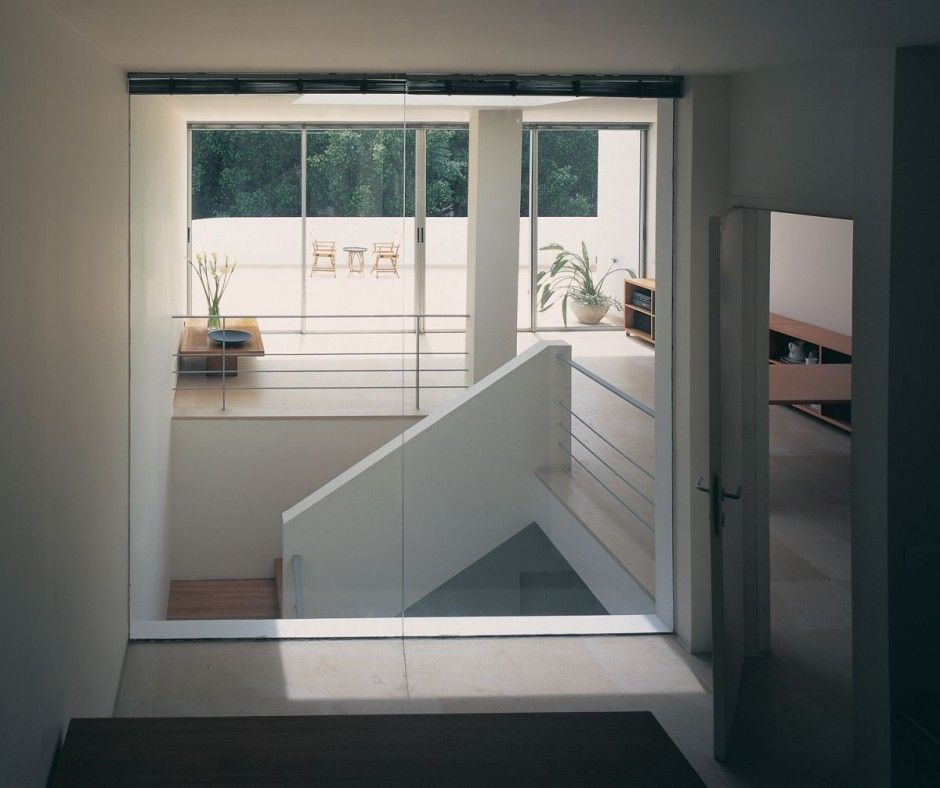
Amalia Hernández House / Agustín Hernández Navarro
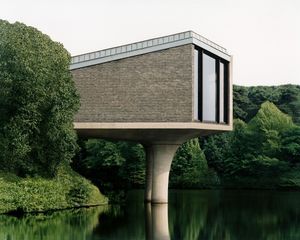
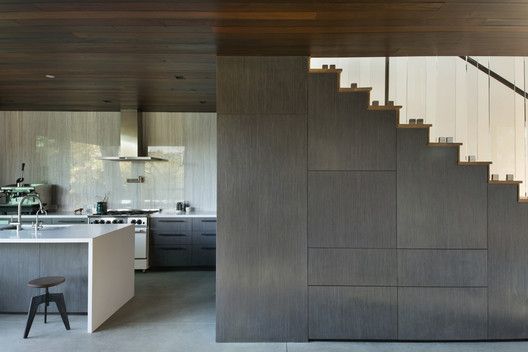
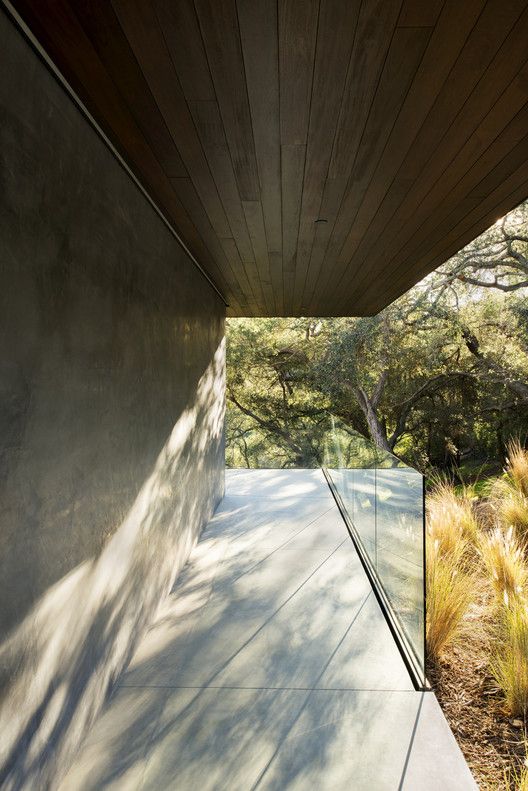
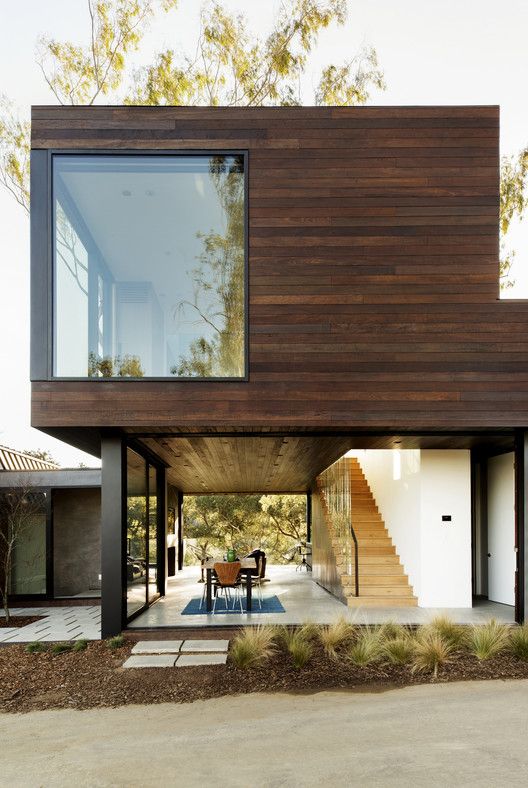
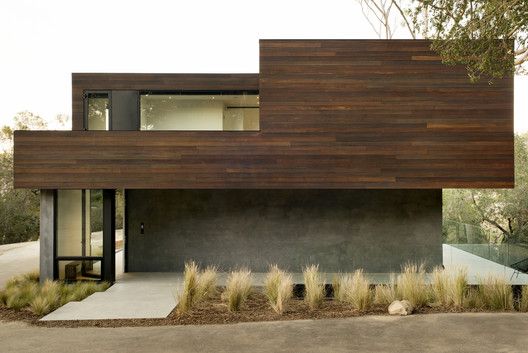
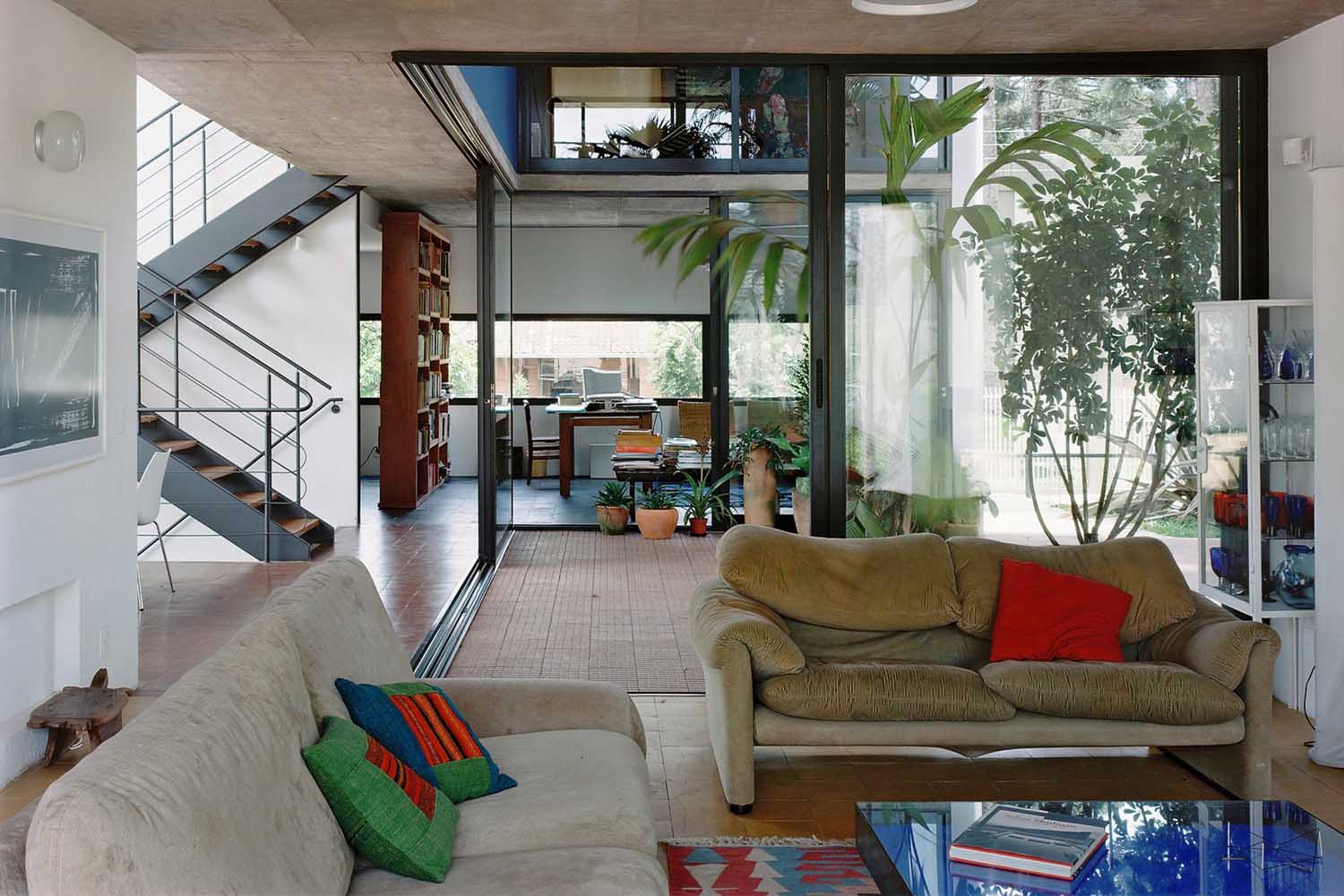
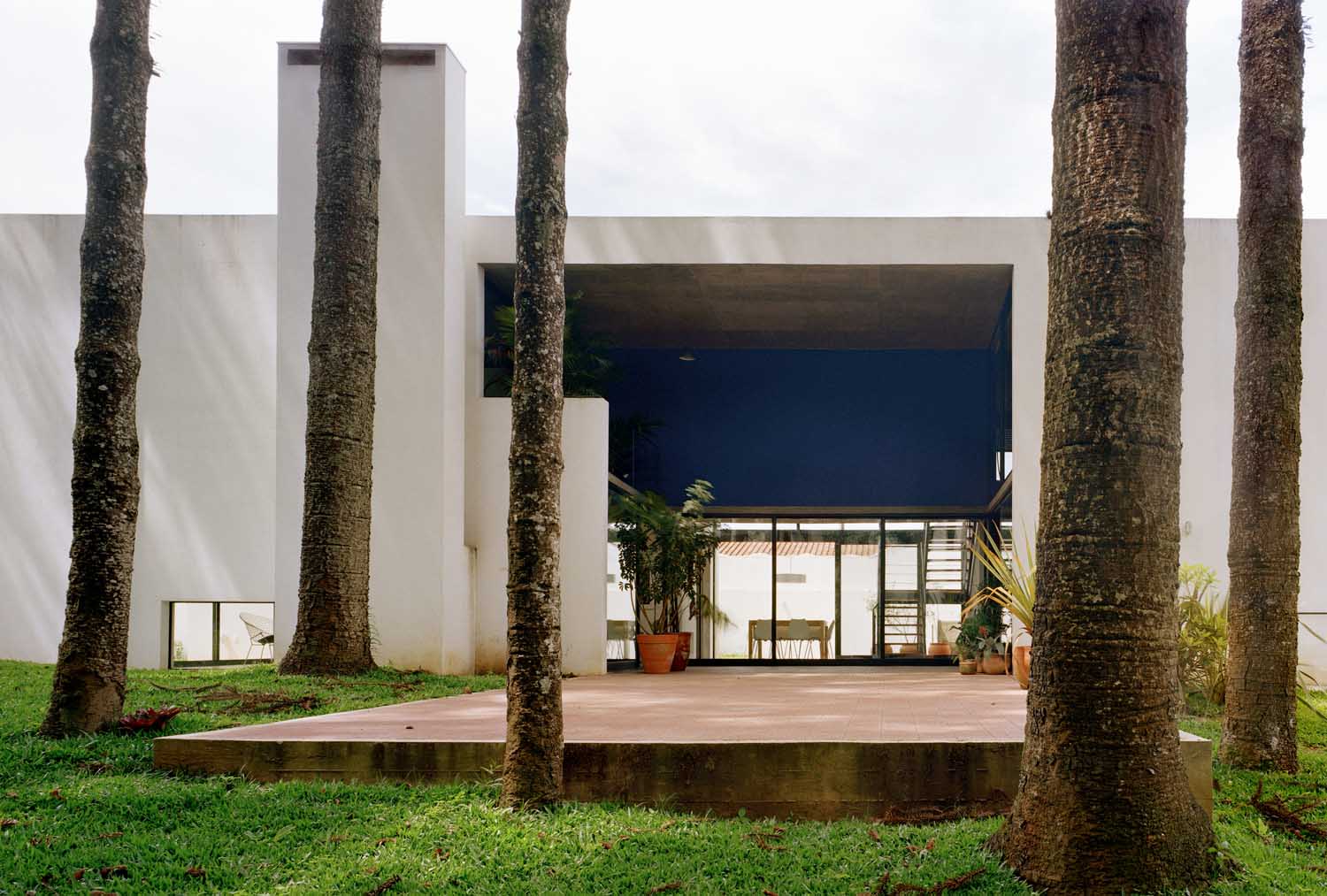
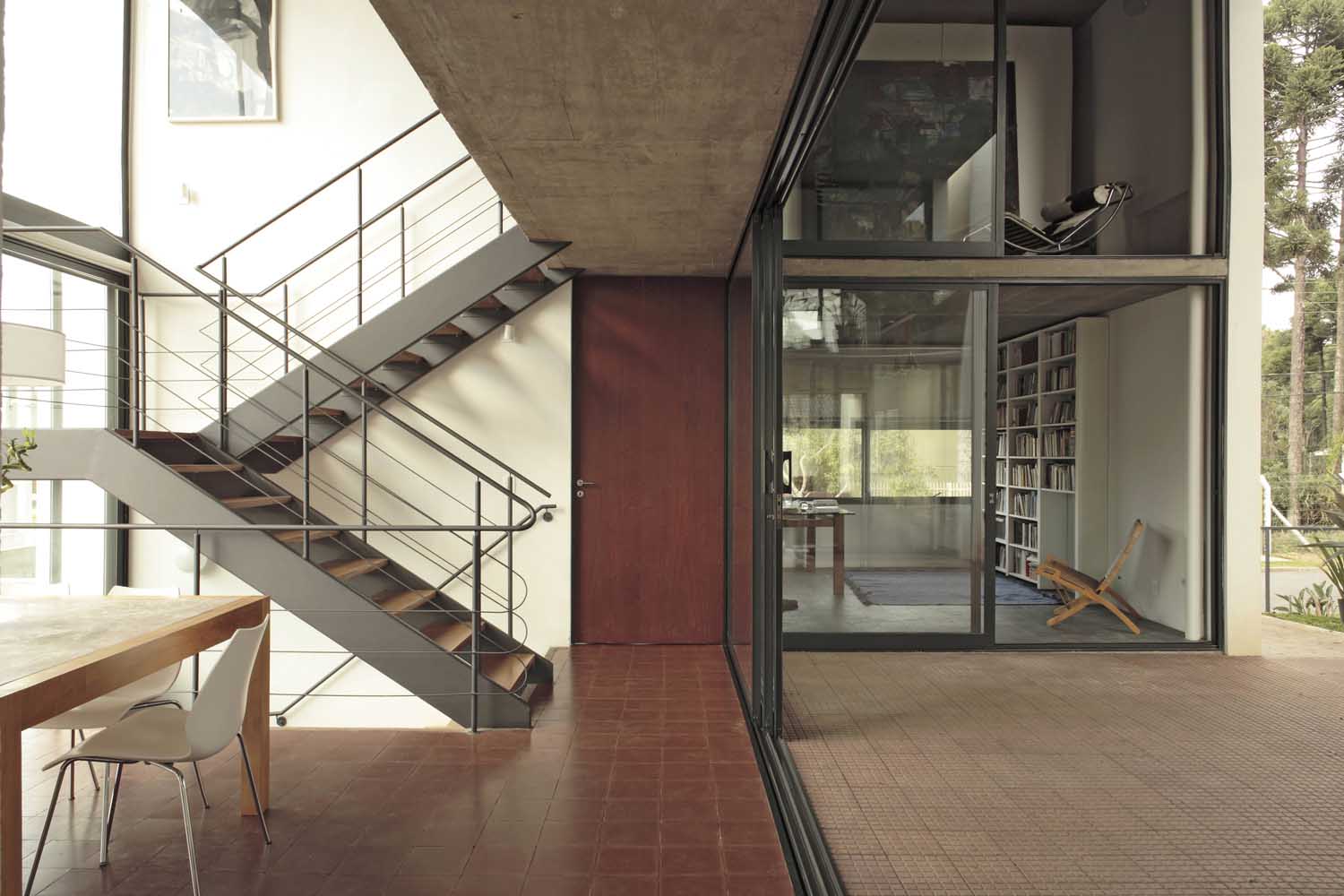
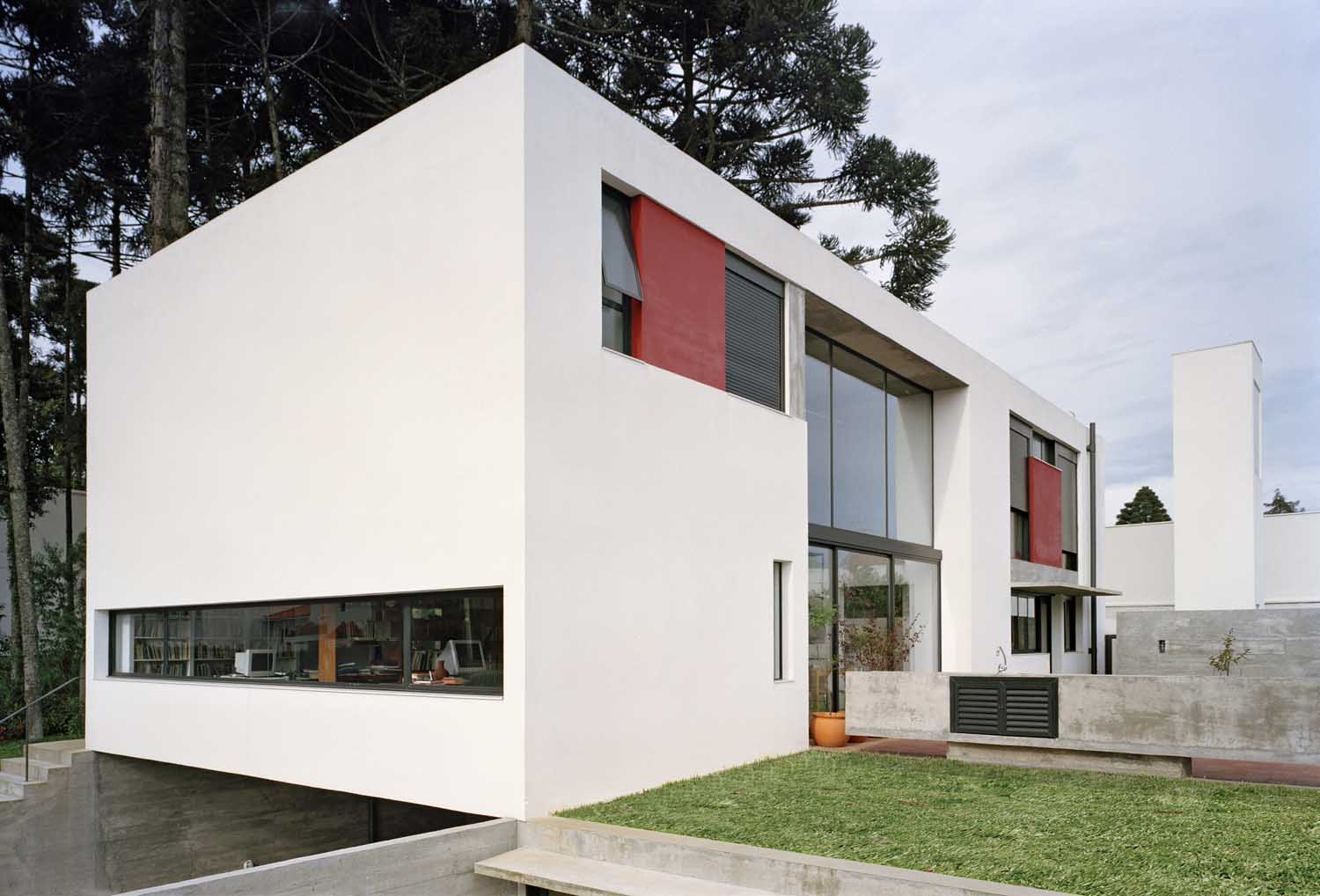
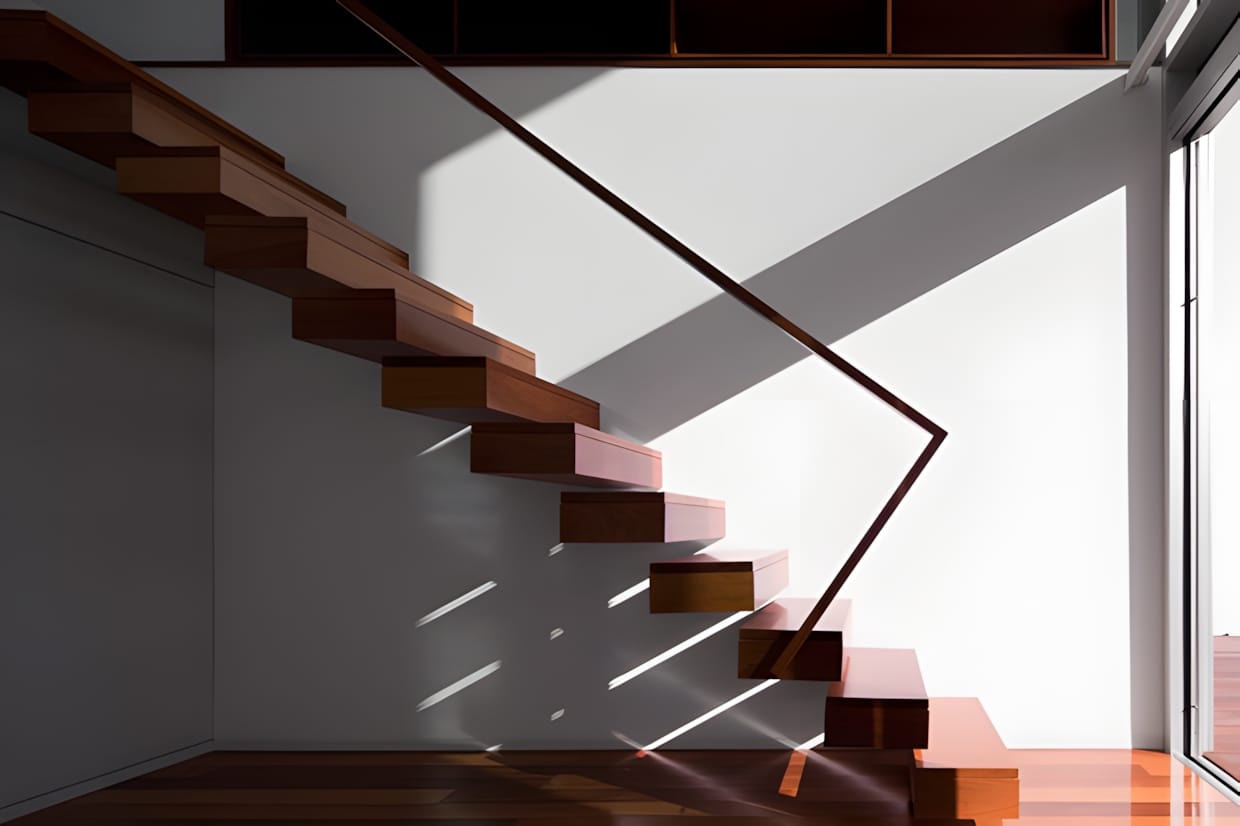
Agustín Hernández Navarro is a Mexican sculptor and architect born in Mexico City. He is the son of politician Lamberto Hernández and Amalia Navarro and studied at the National Autonomous University of Mexico. Leading exponent of “emotional” architecture in his country, Hernandez has fused elements from Mexico’s Pre-columbian past in his contemporary architecture. He usually starts by designing the vertical elements of a building, such as the stairs, as he feels these are of much importance. As organic nature, his architecture unites structure, form, and function.
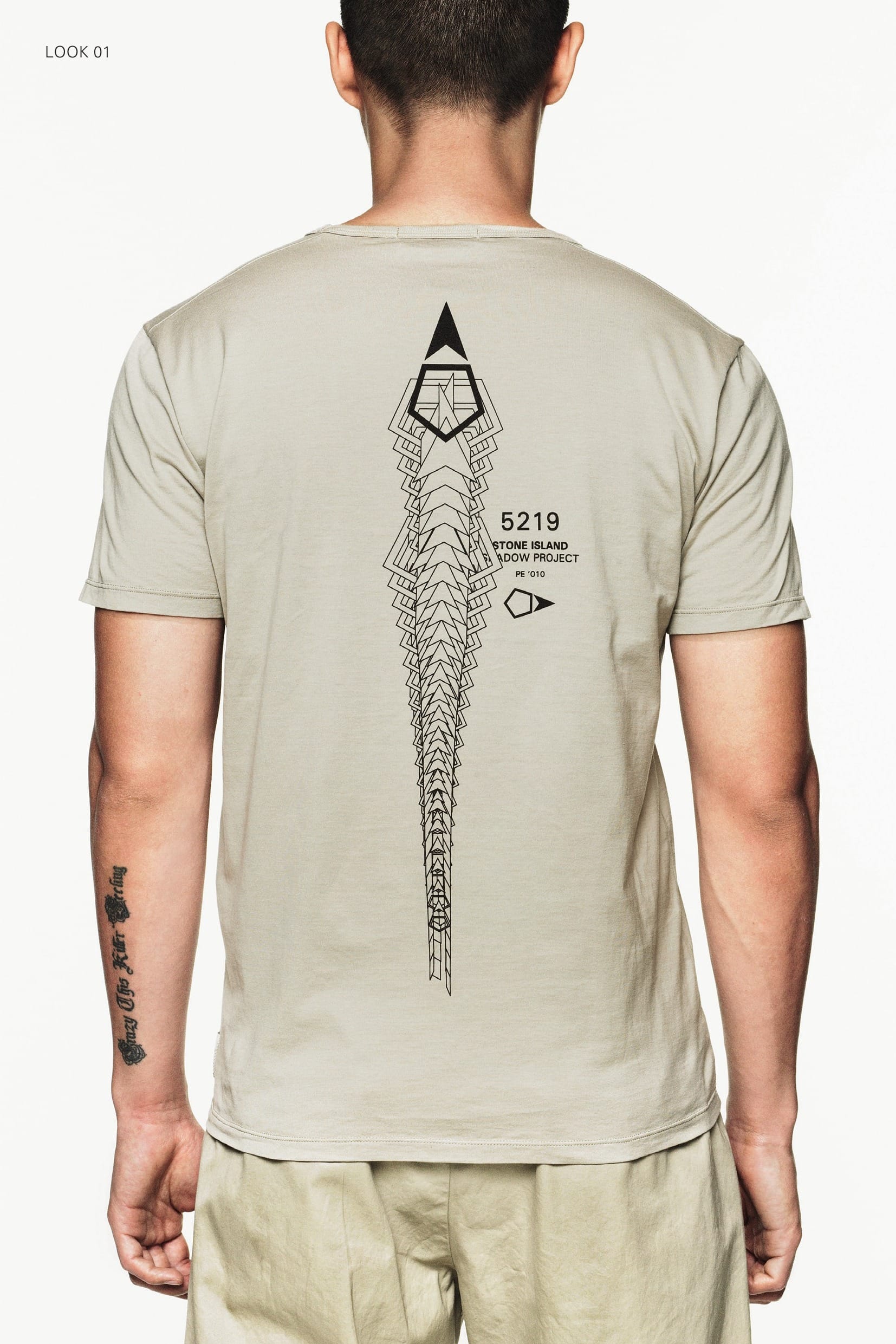
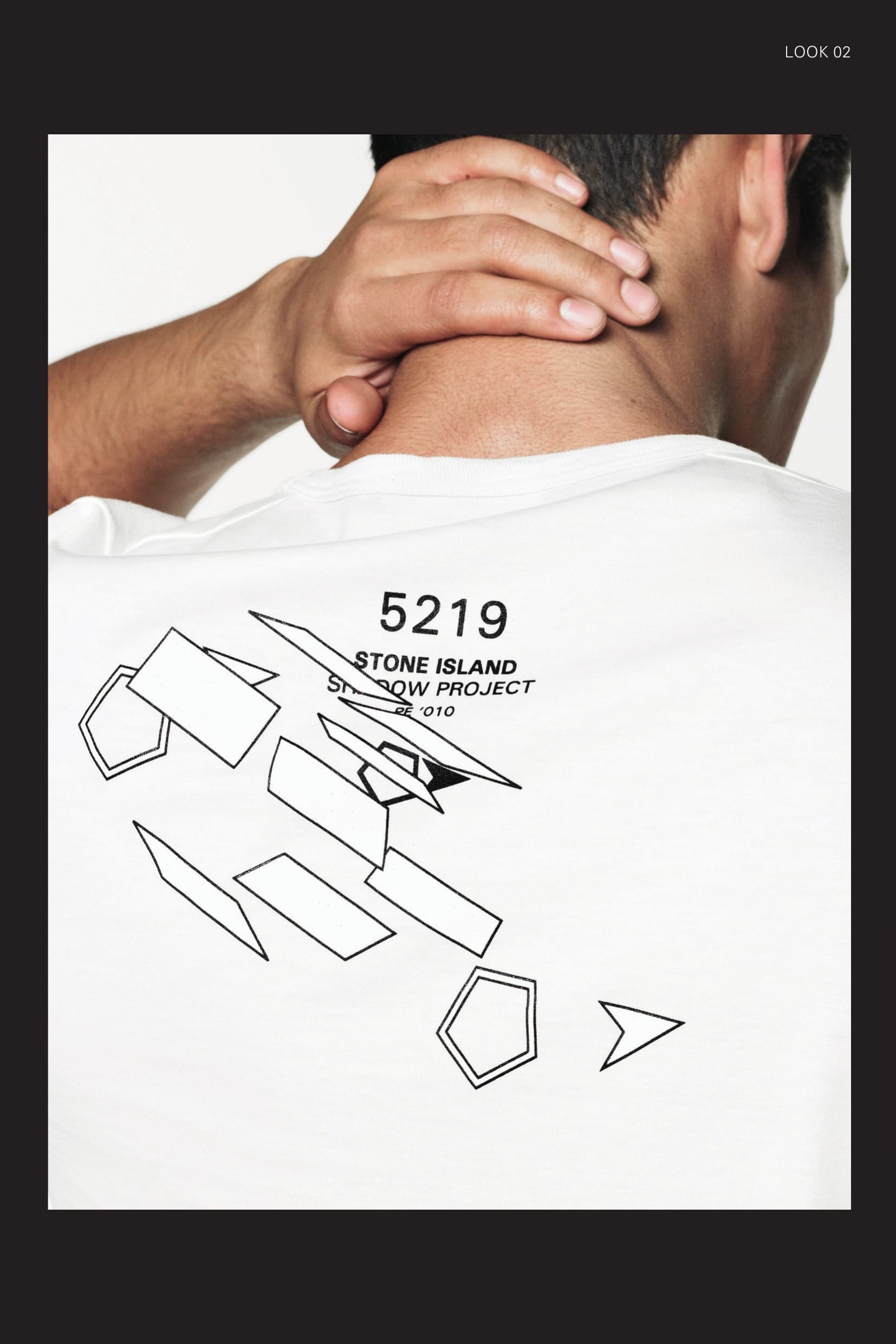
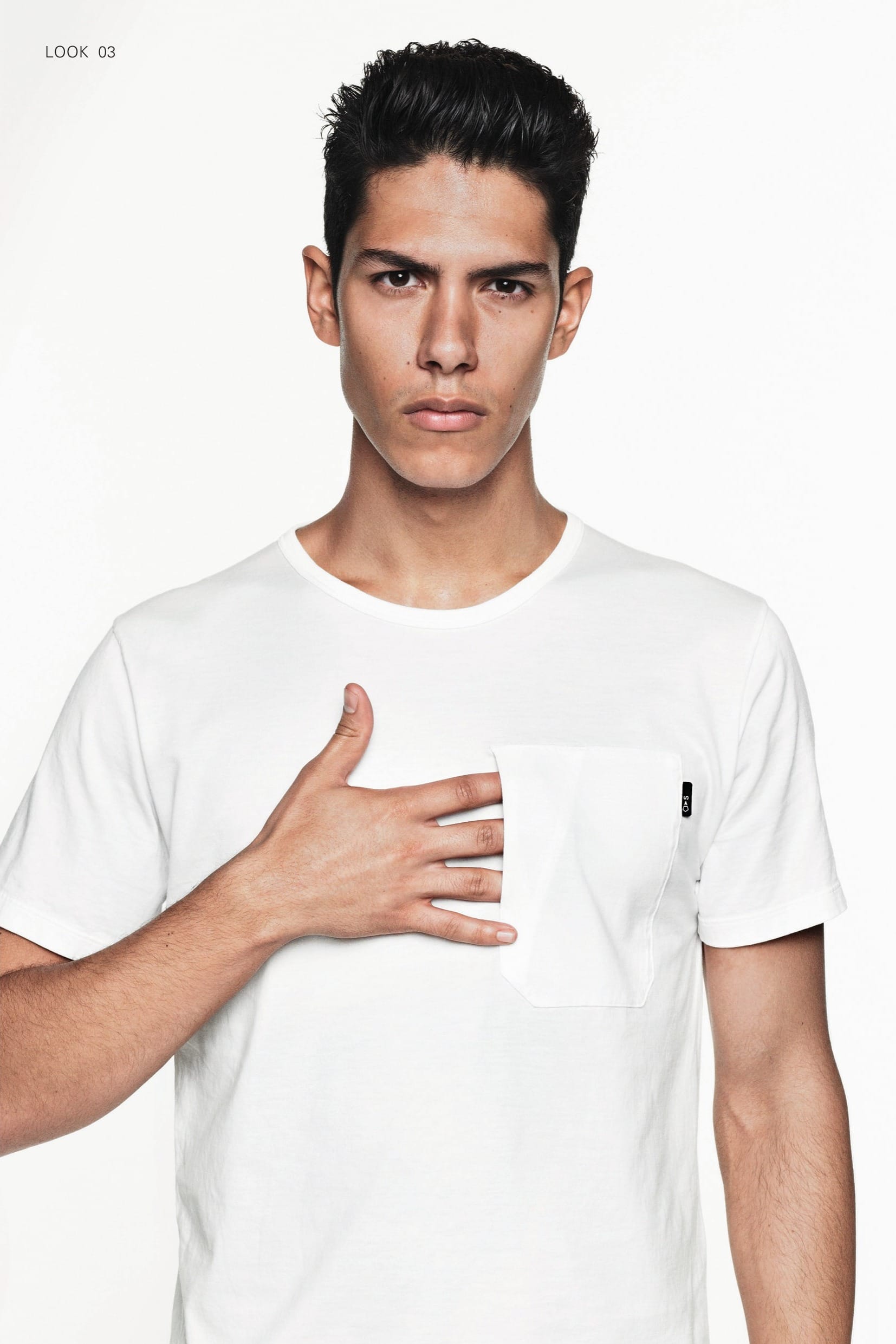
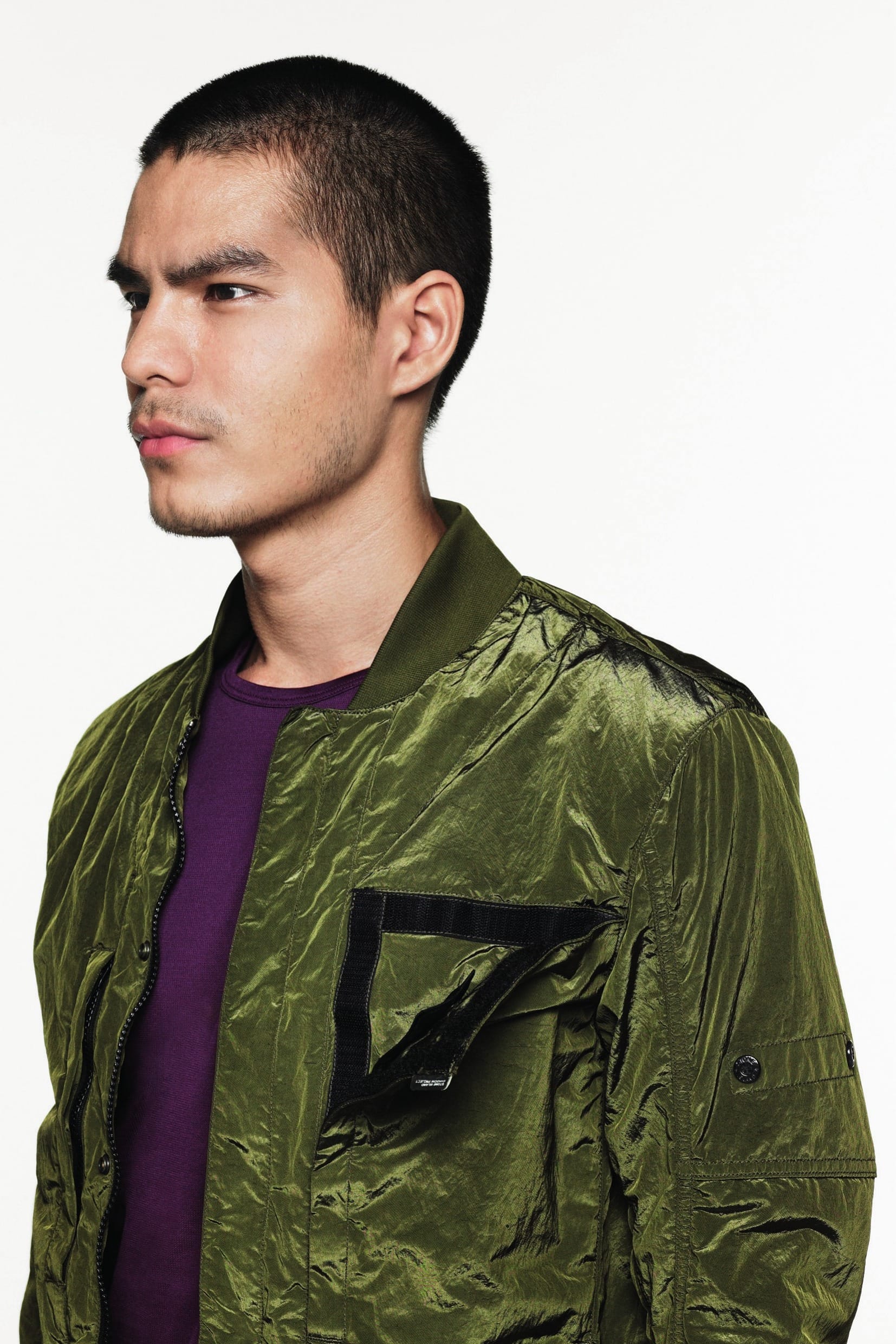
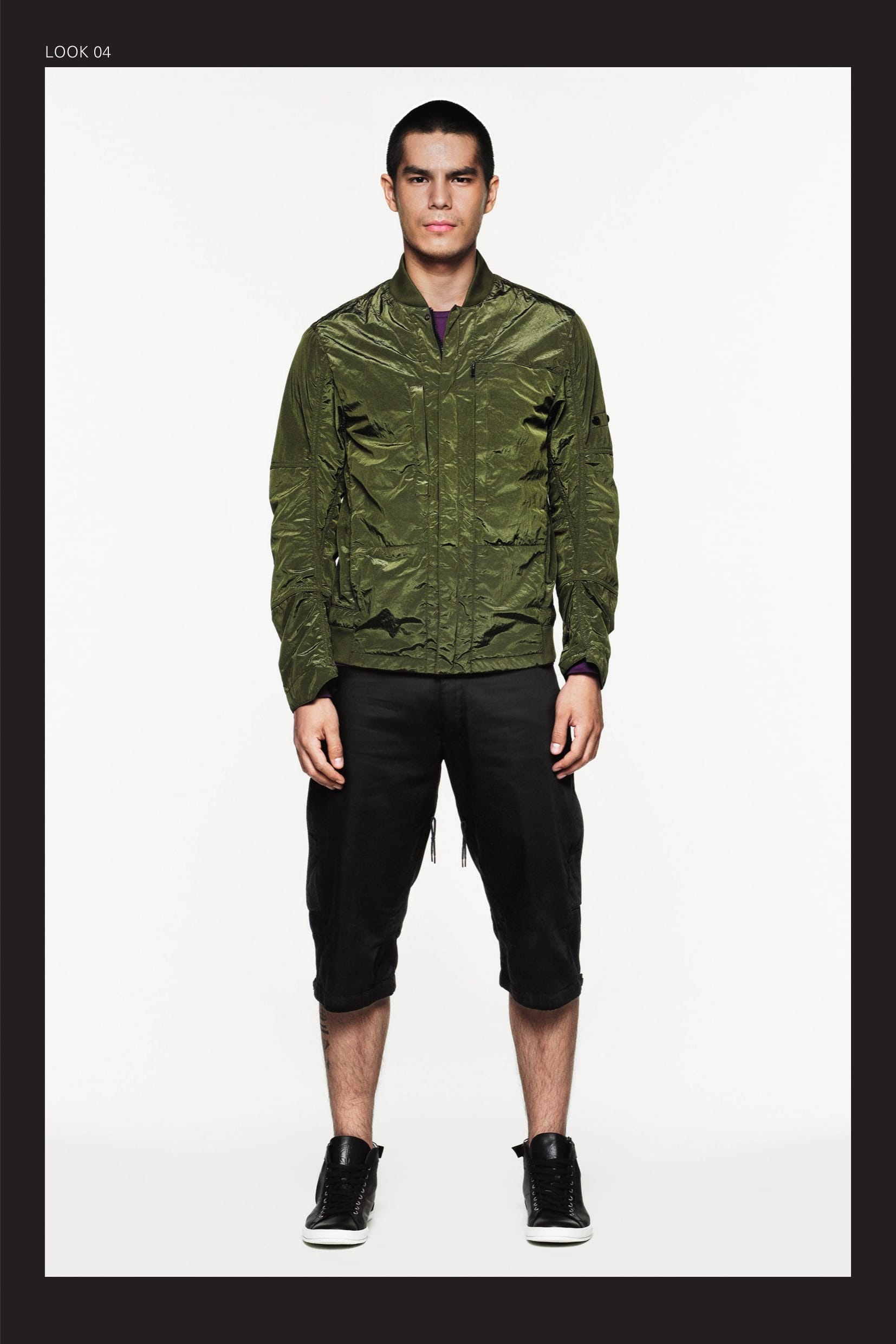
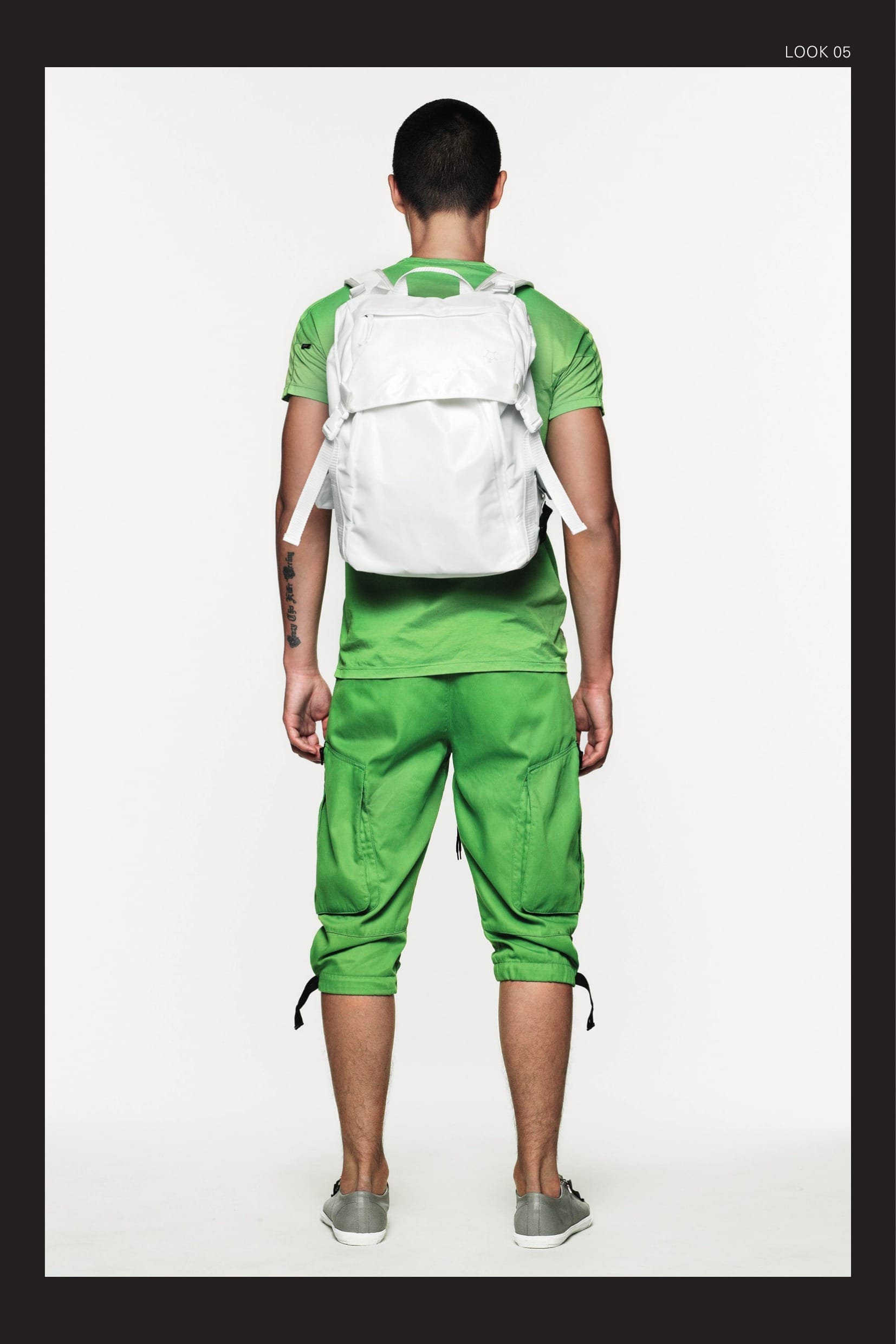
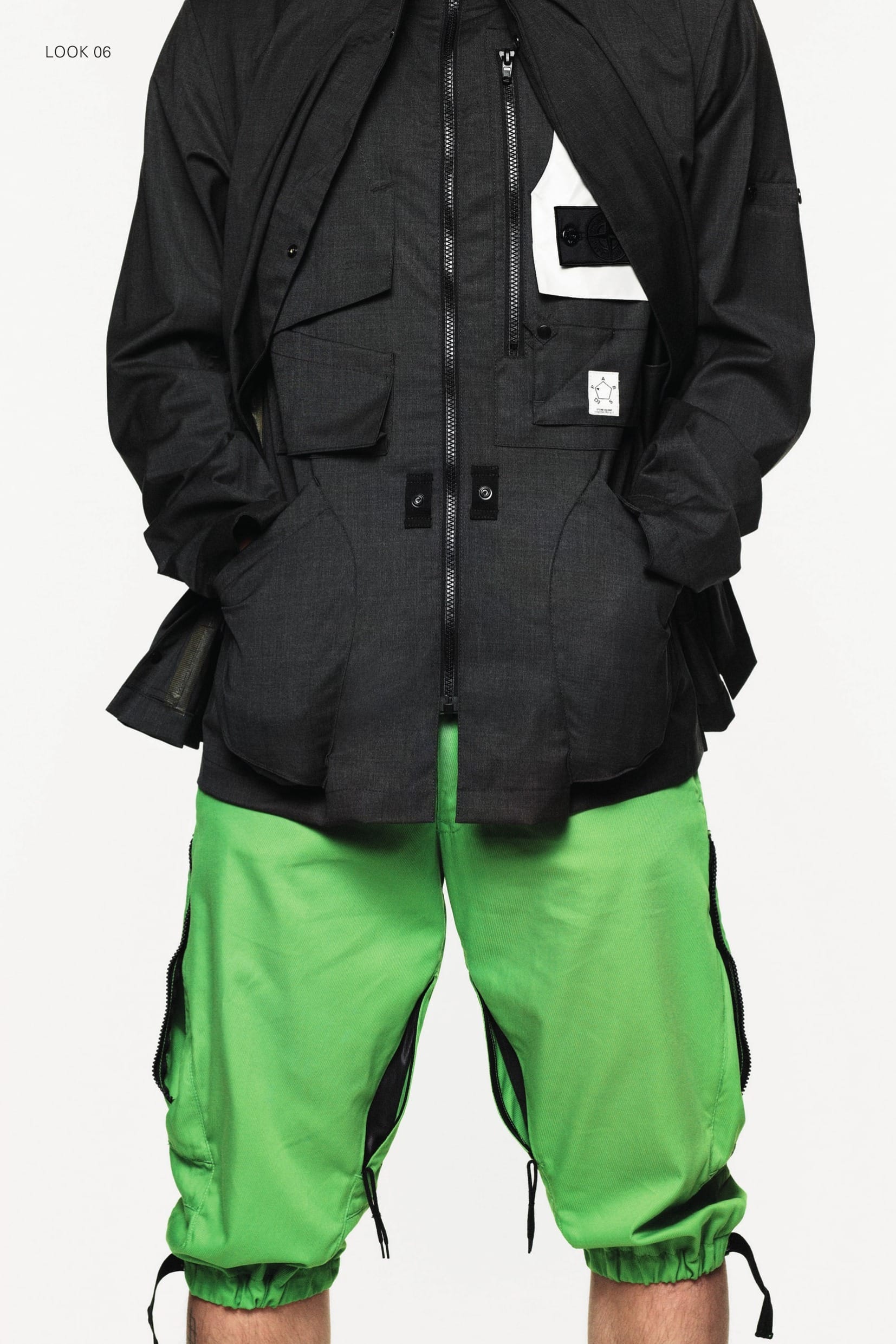
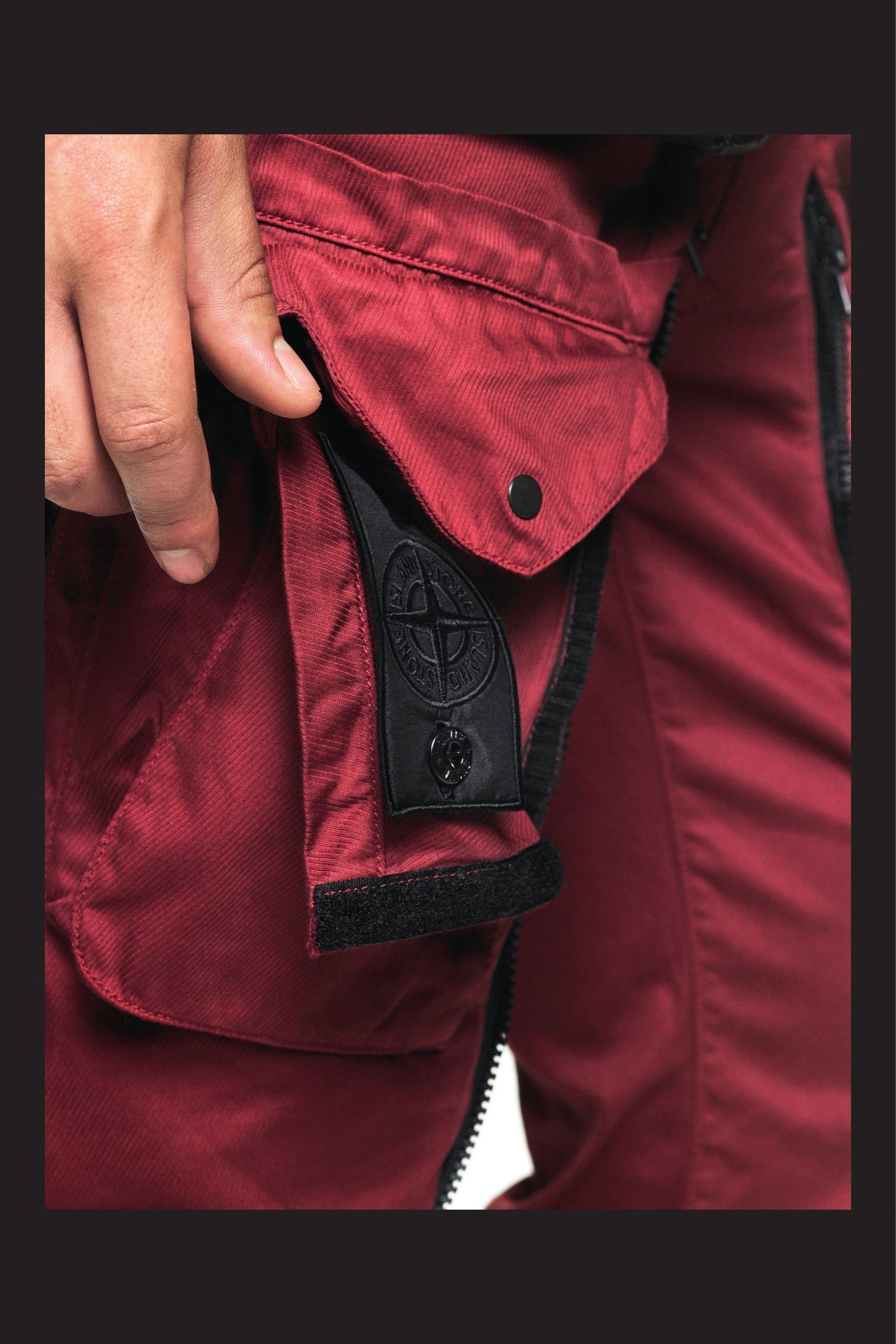
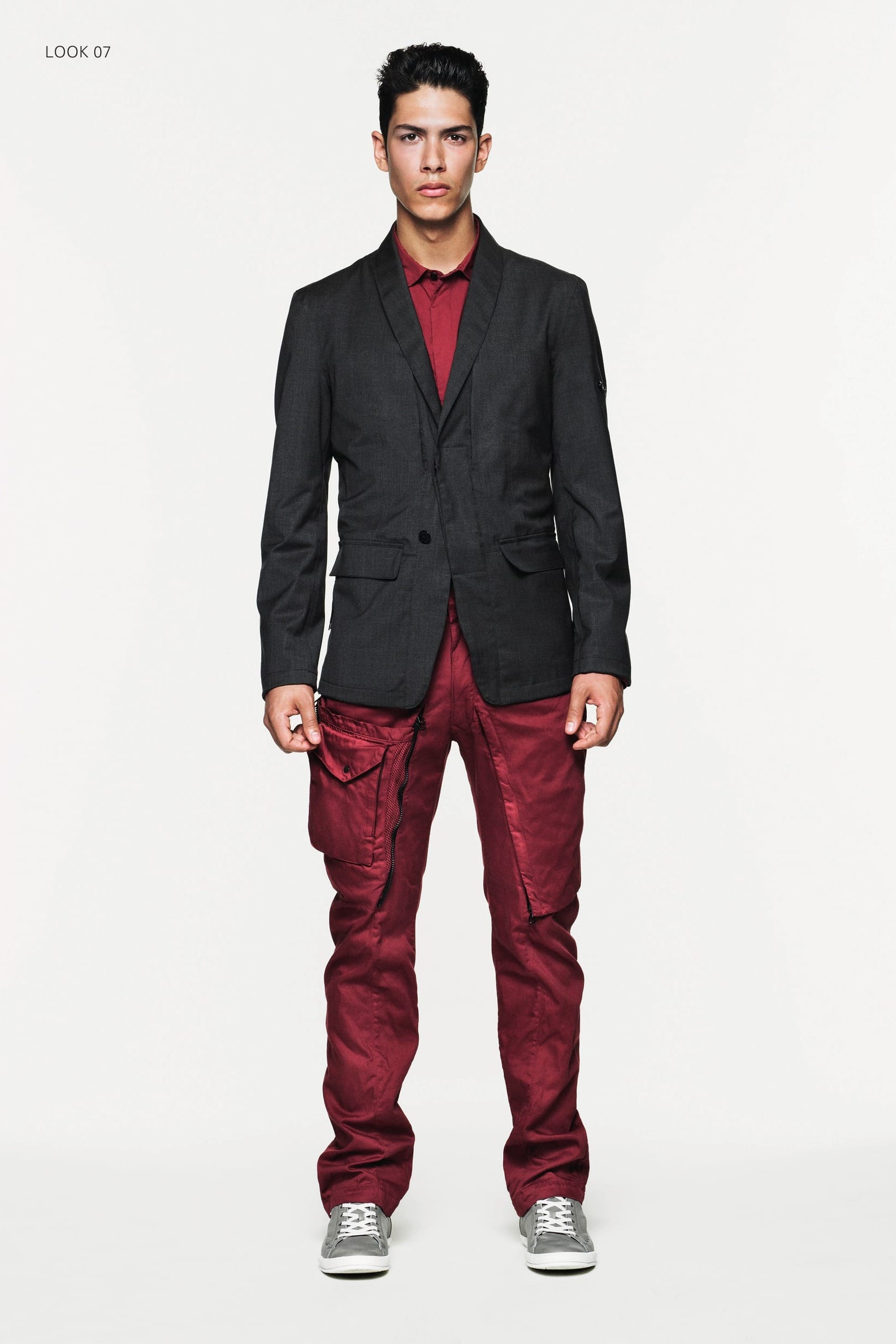
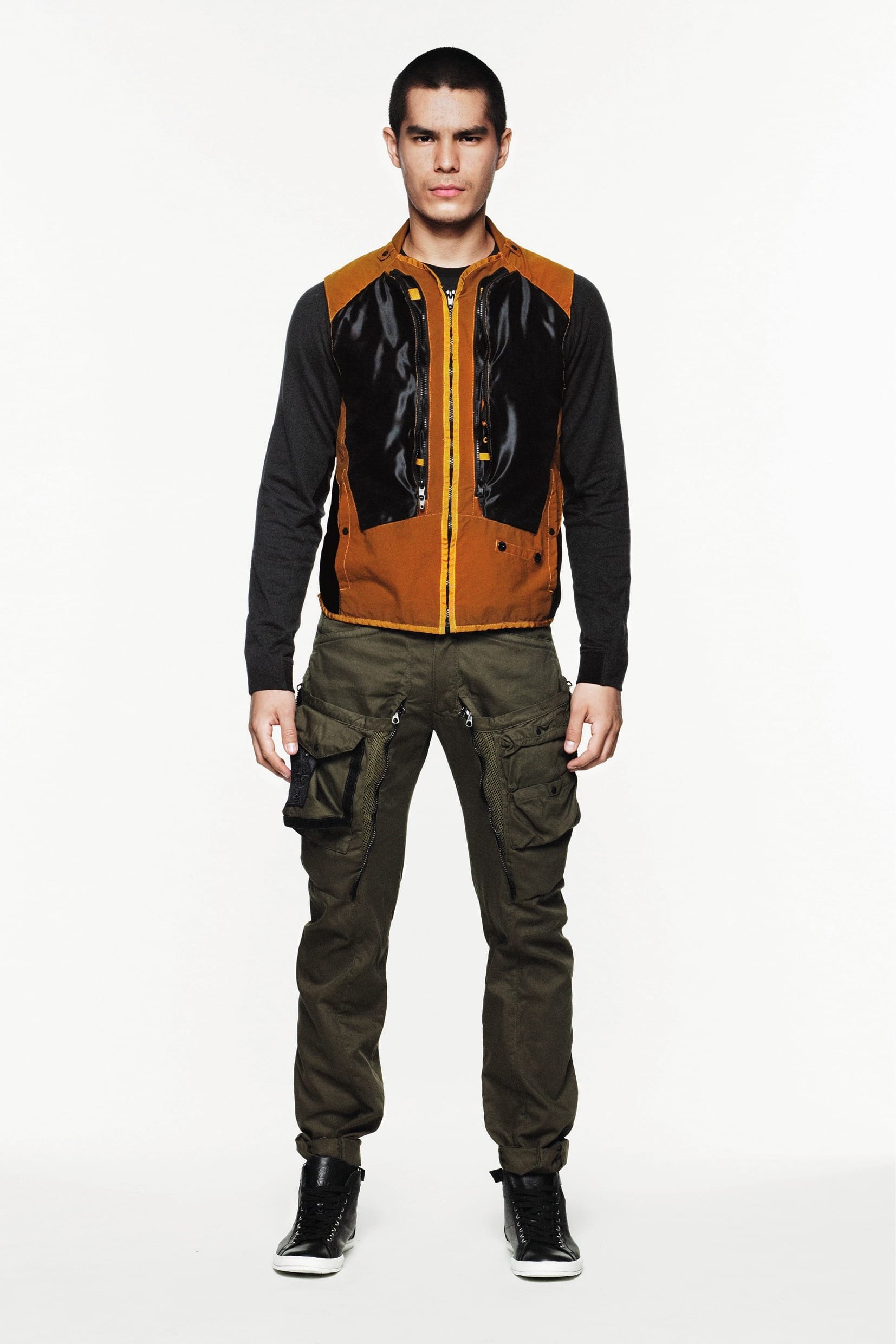
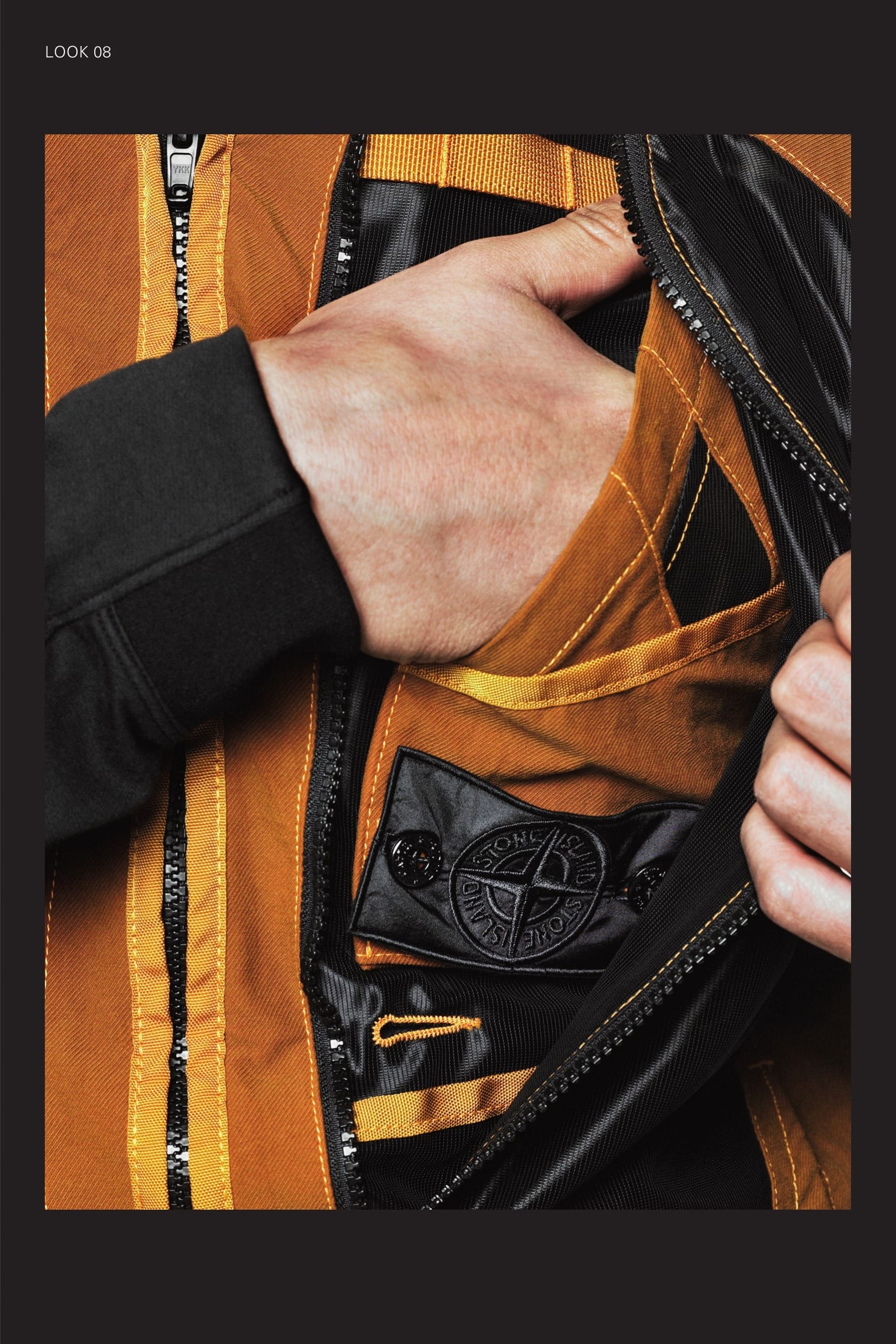
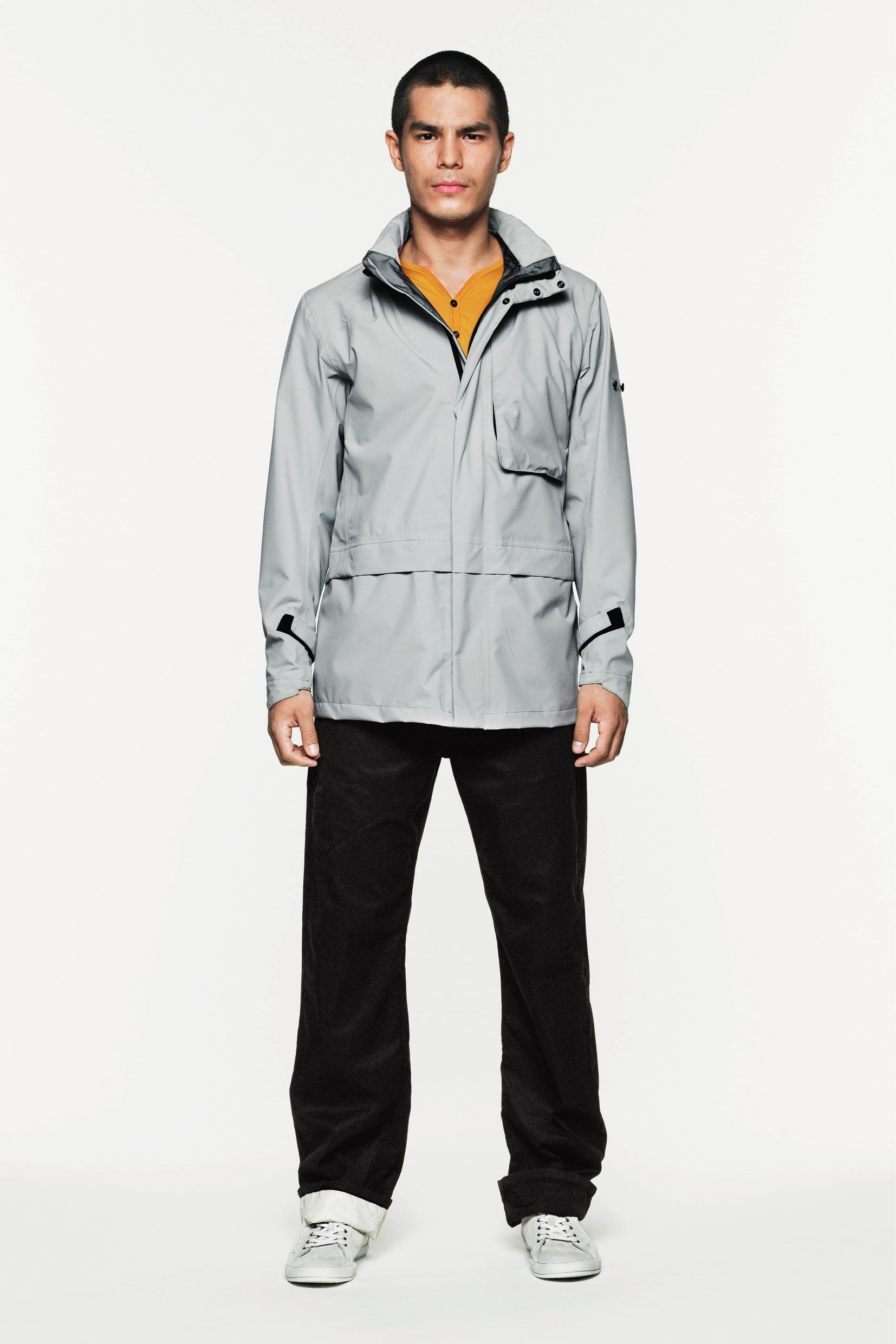
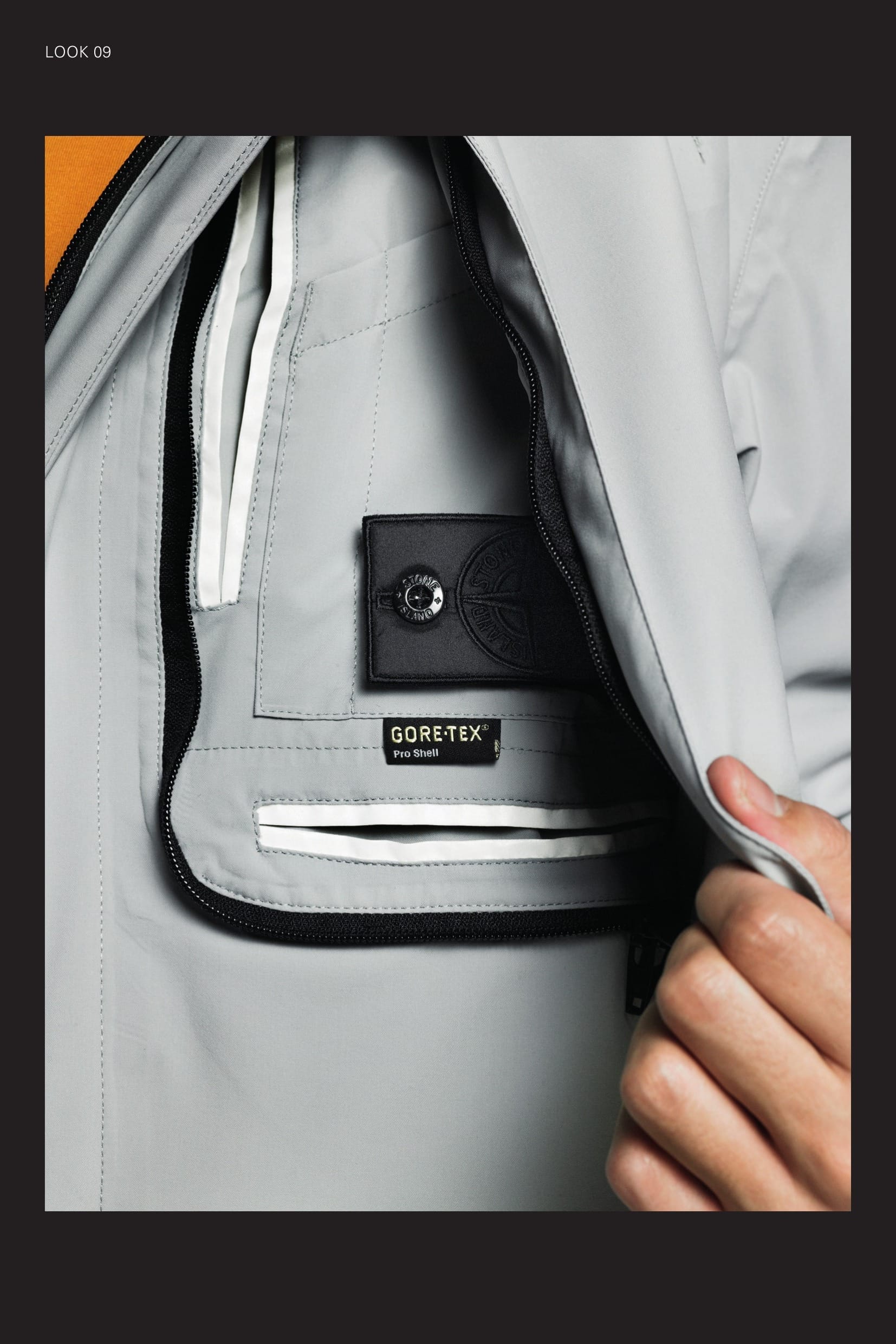
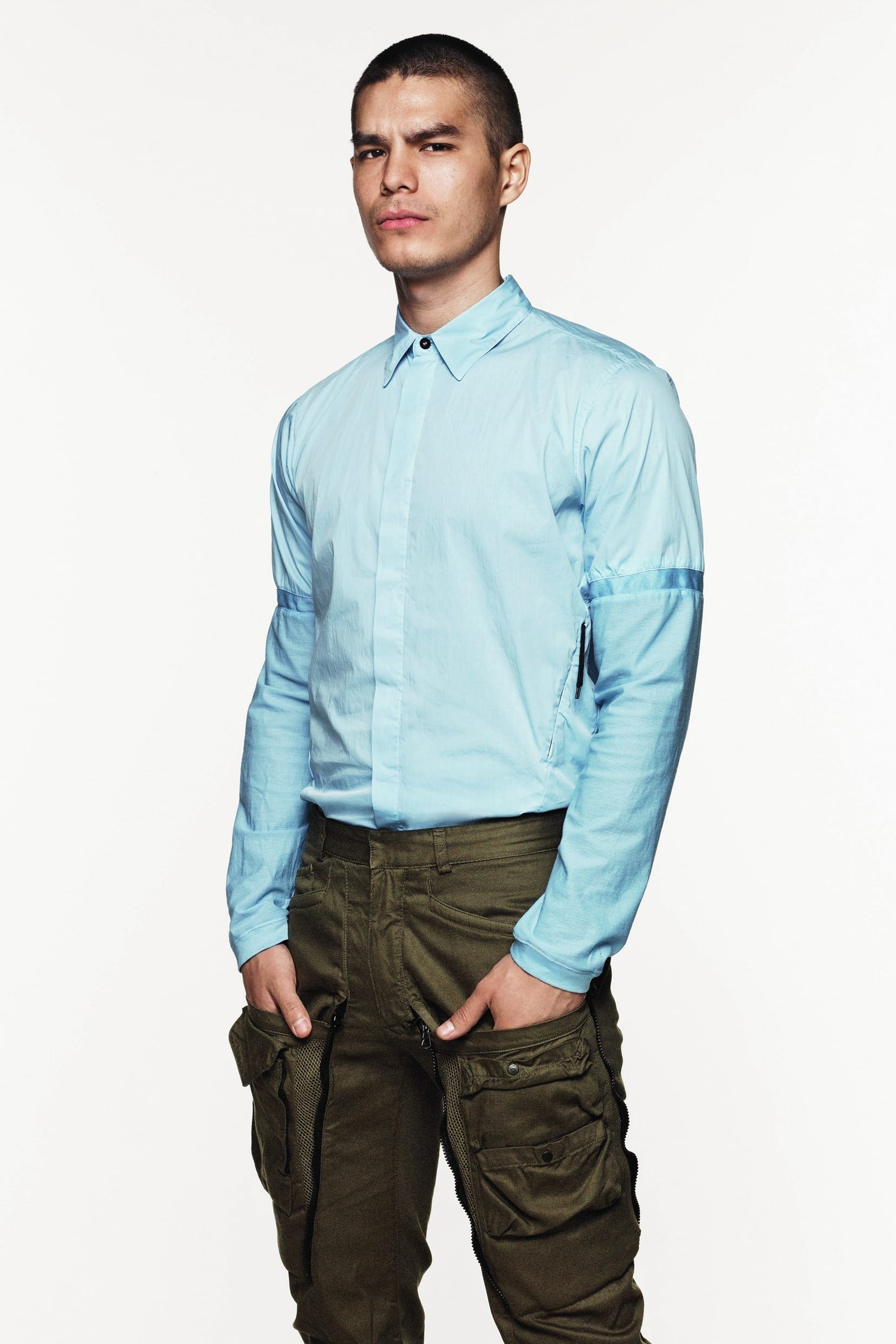
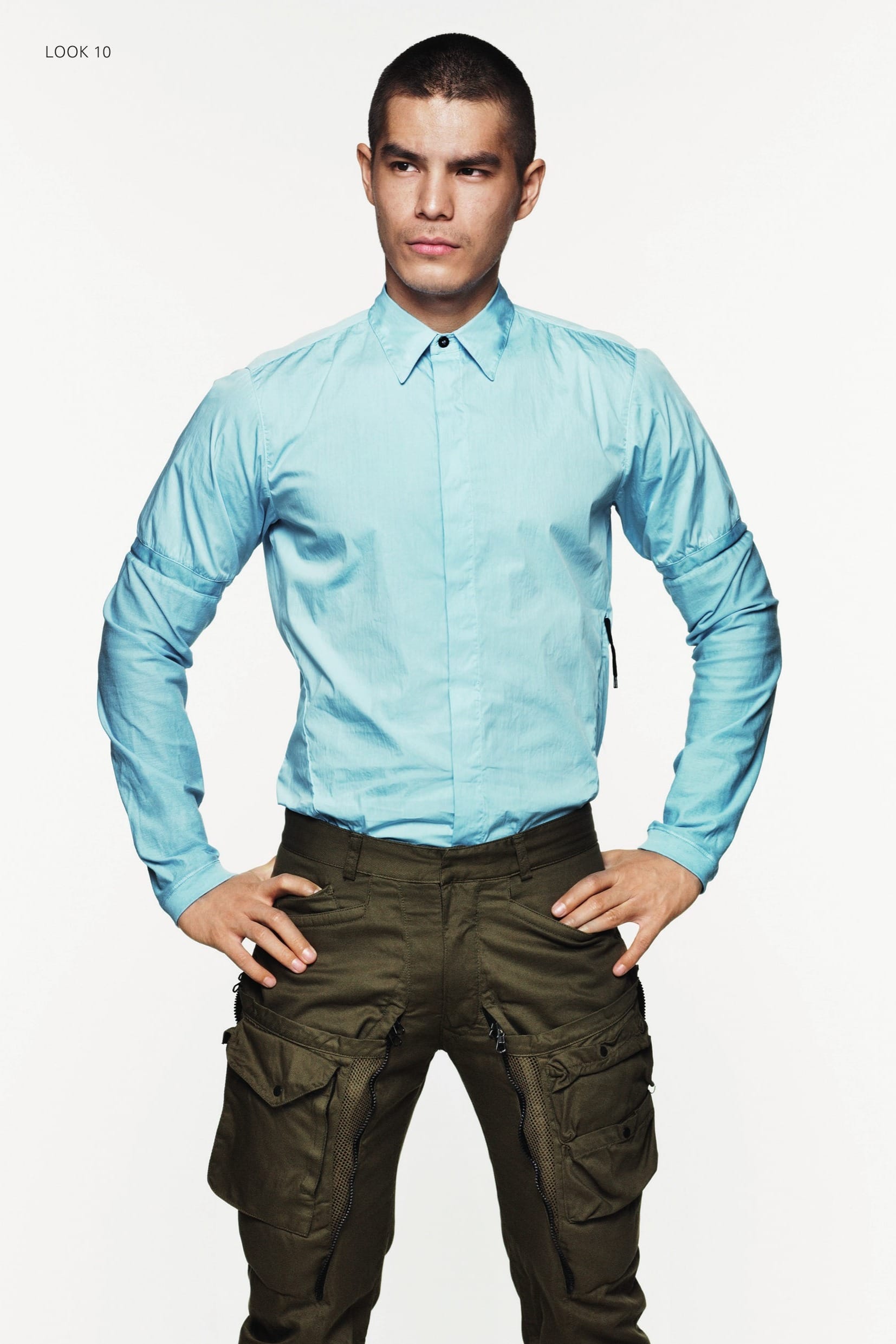
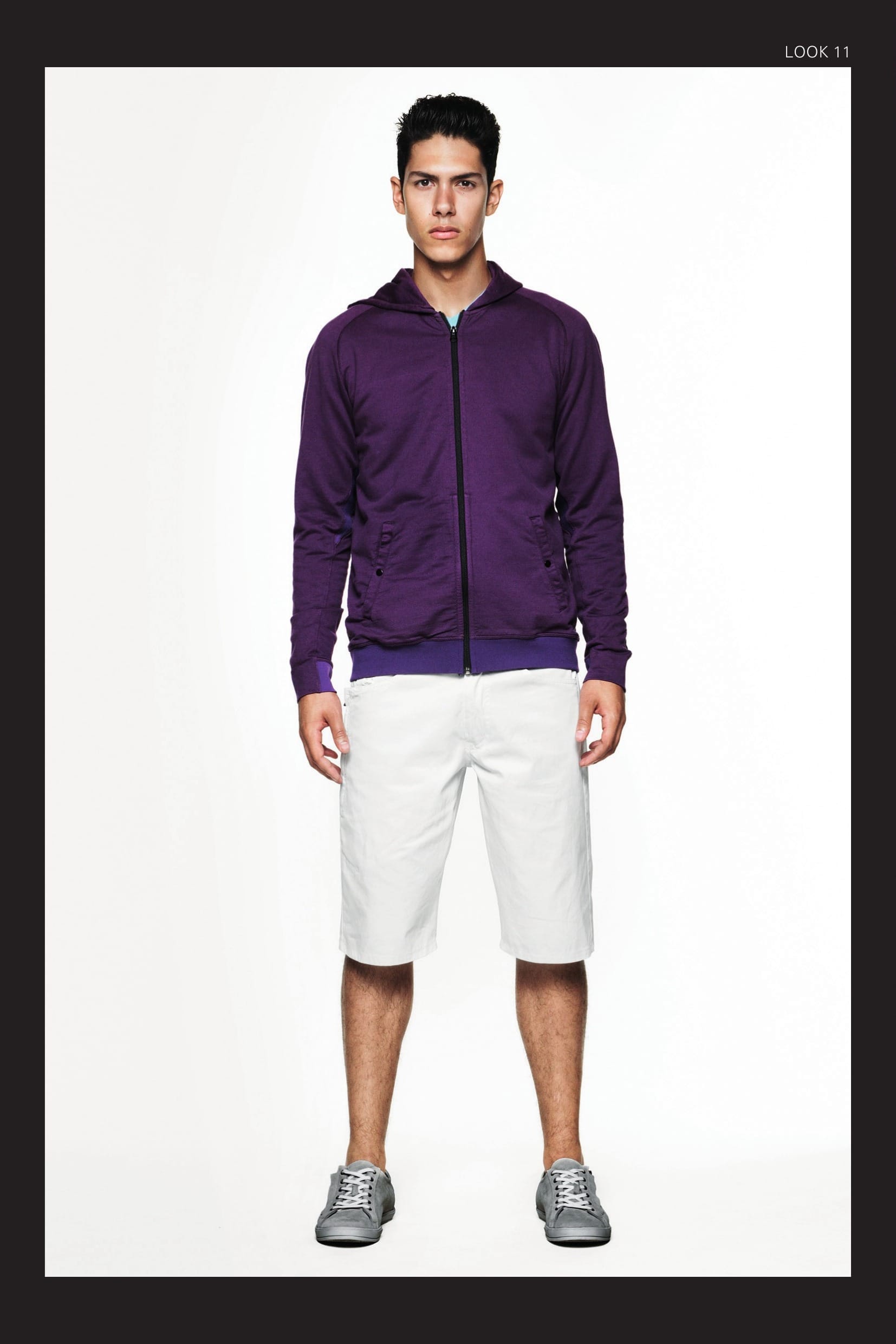
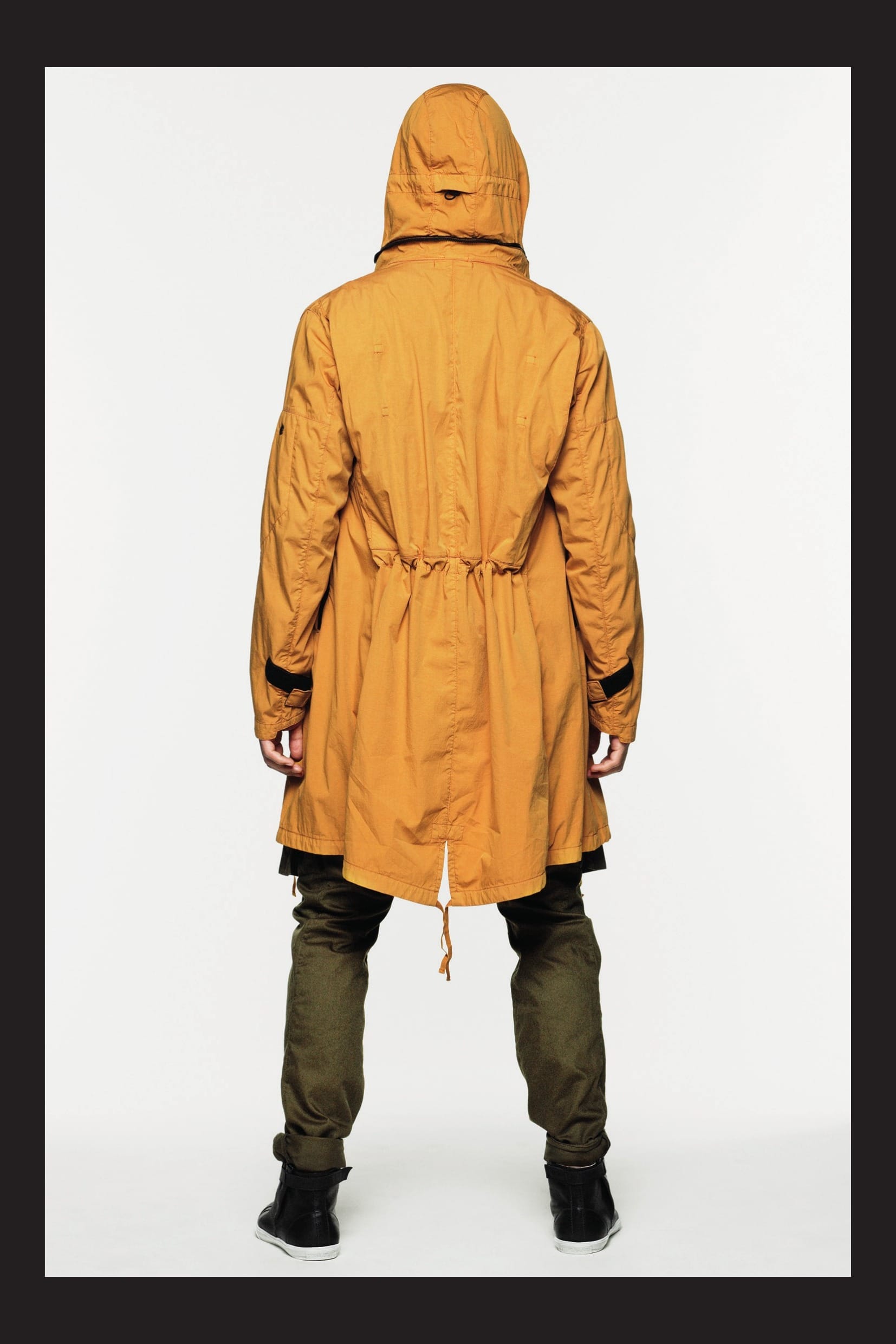
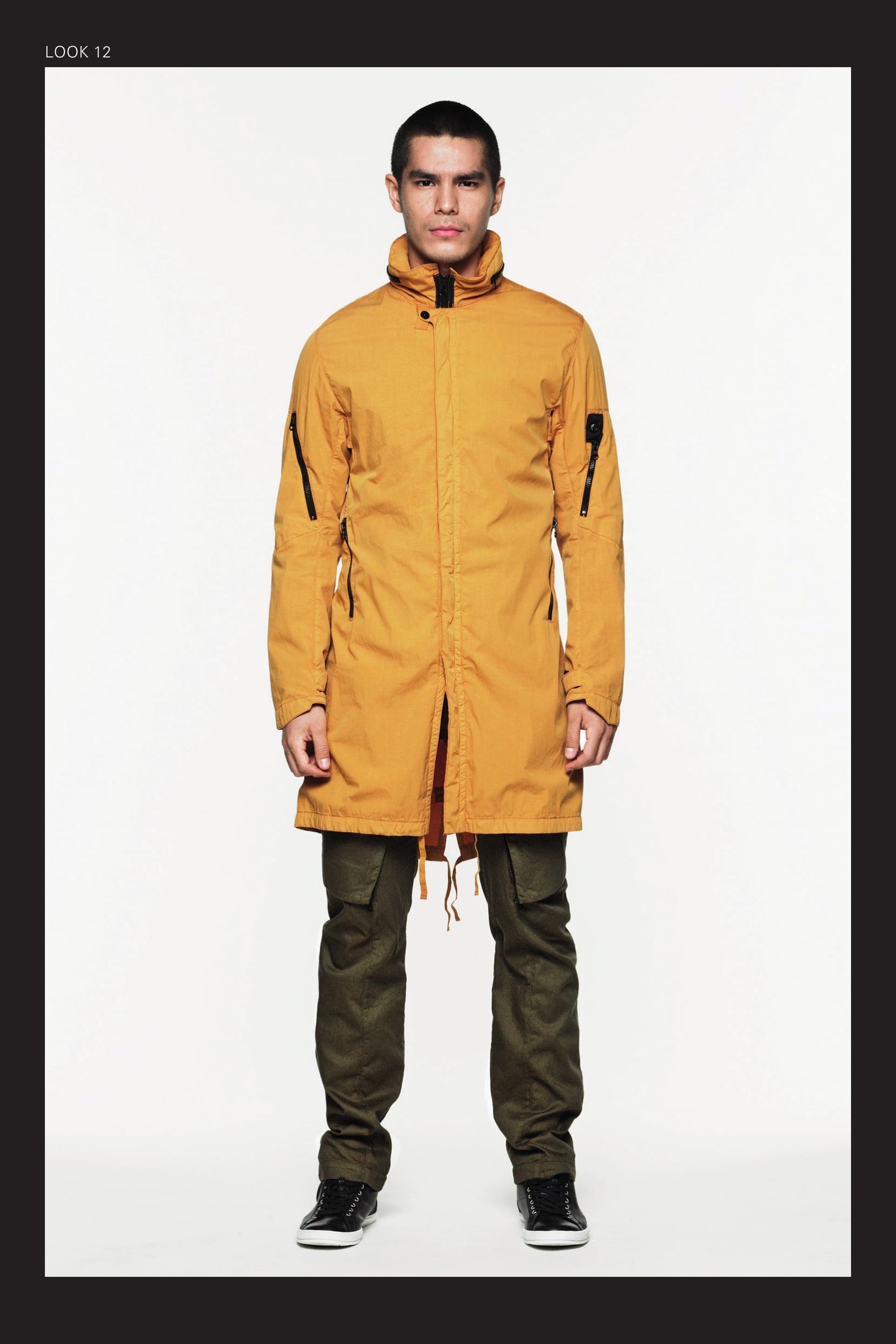
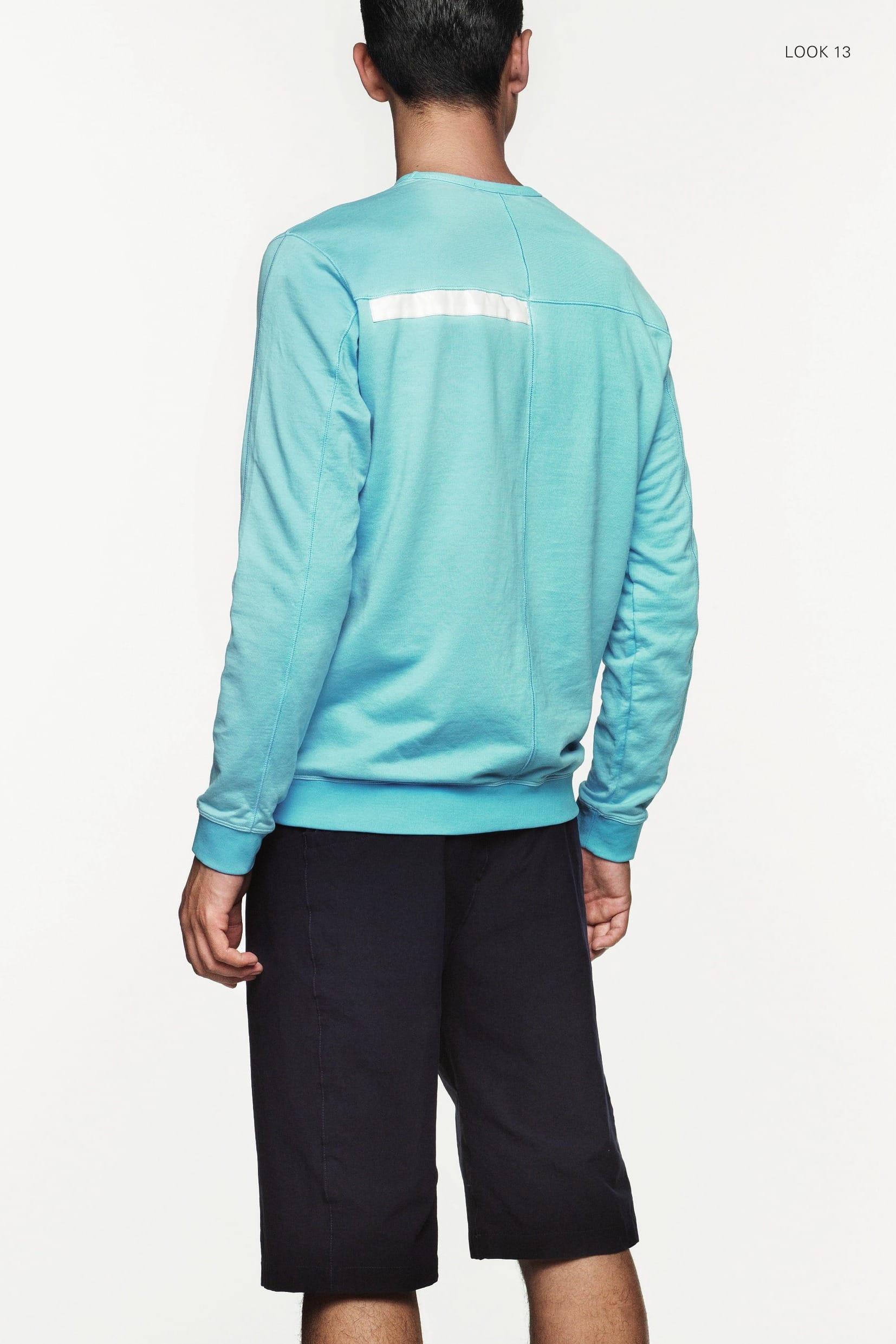
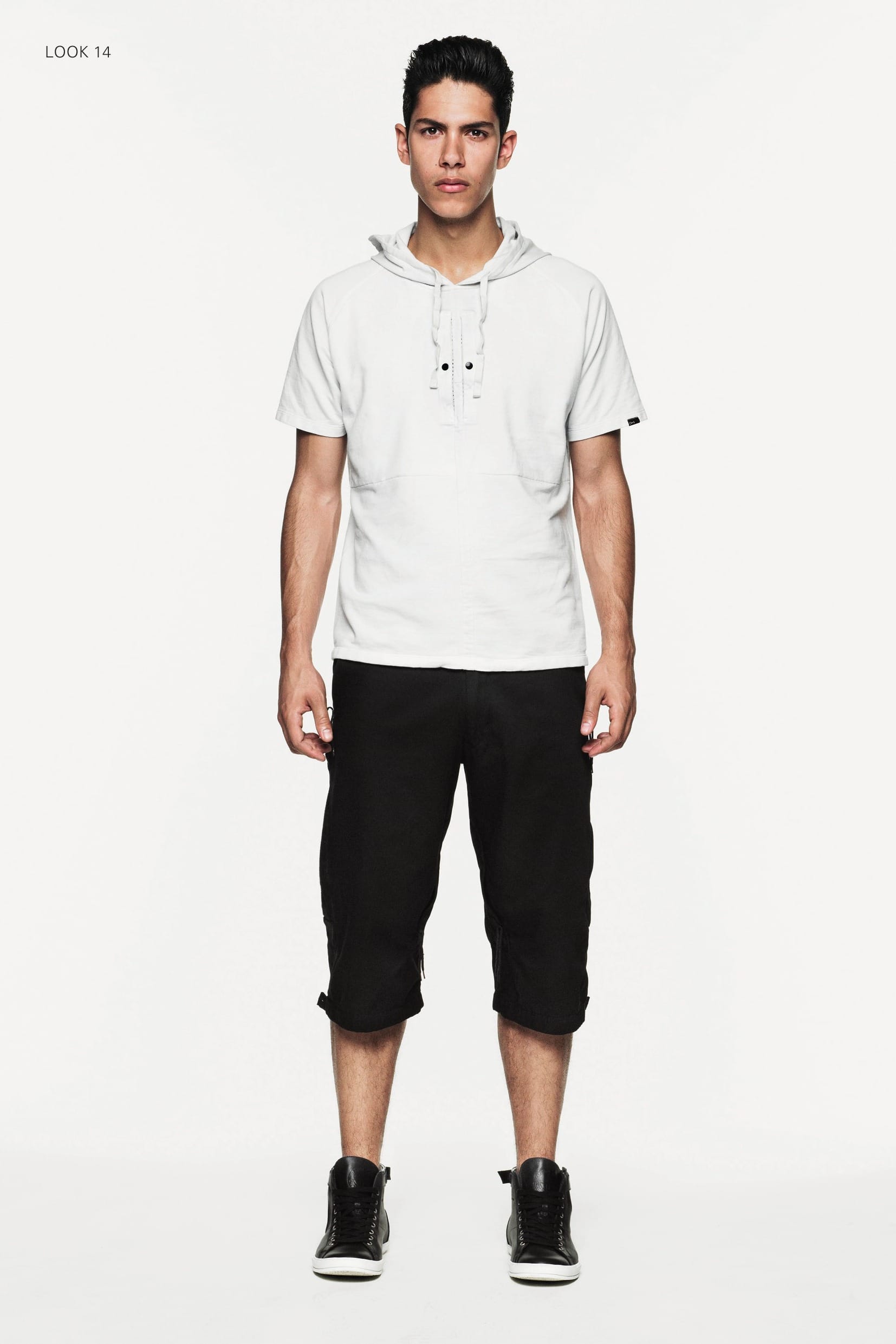
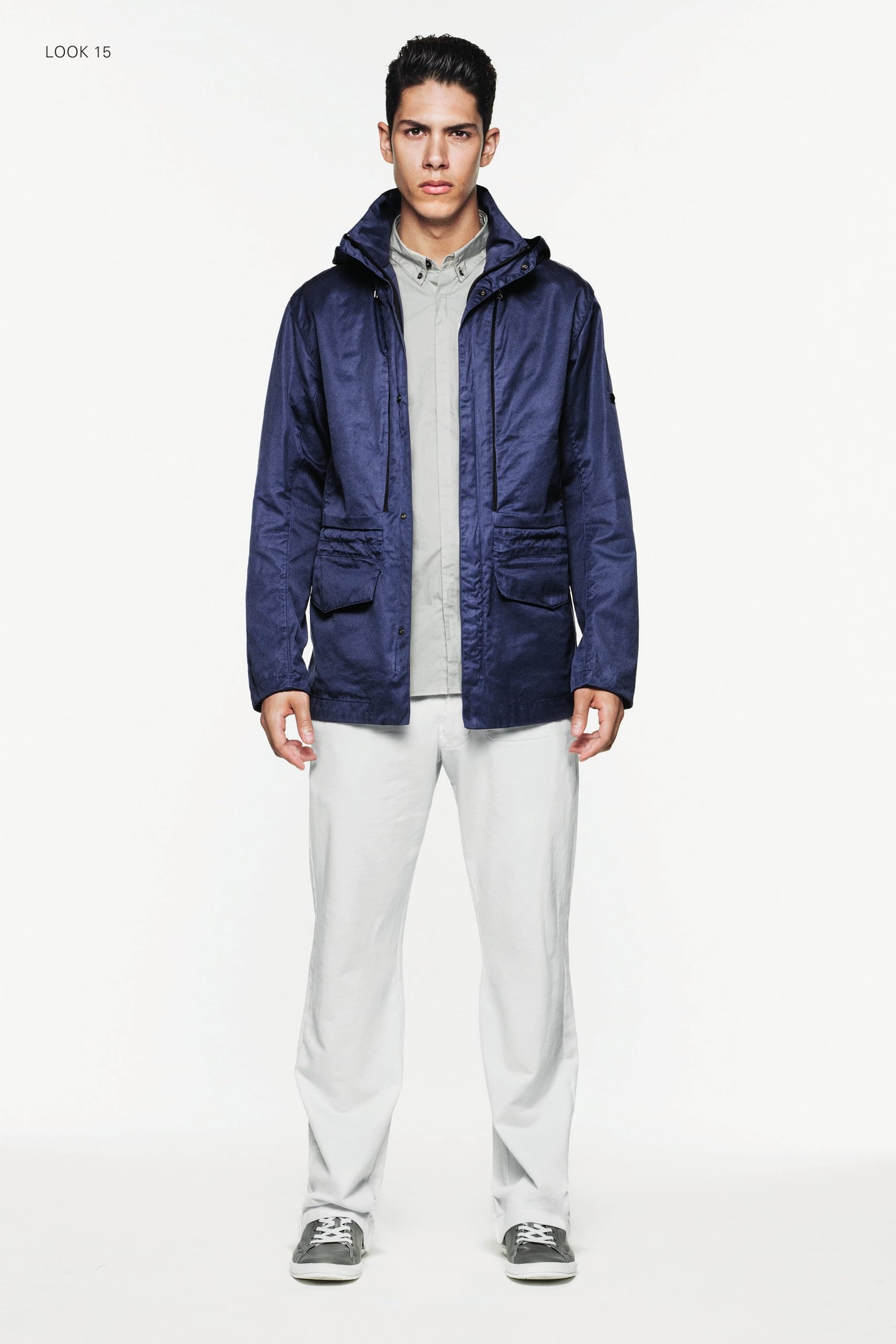
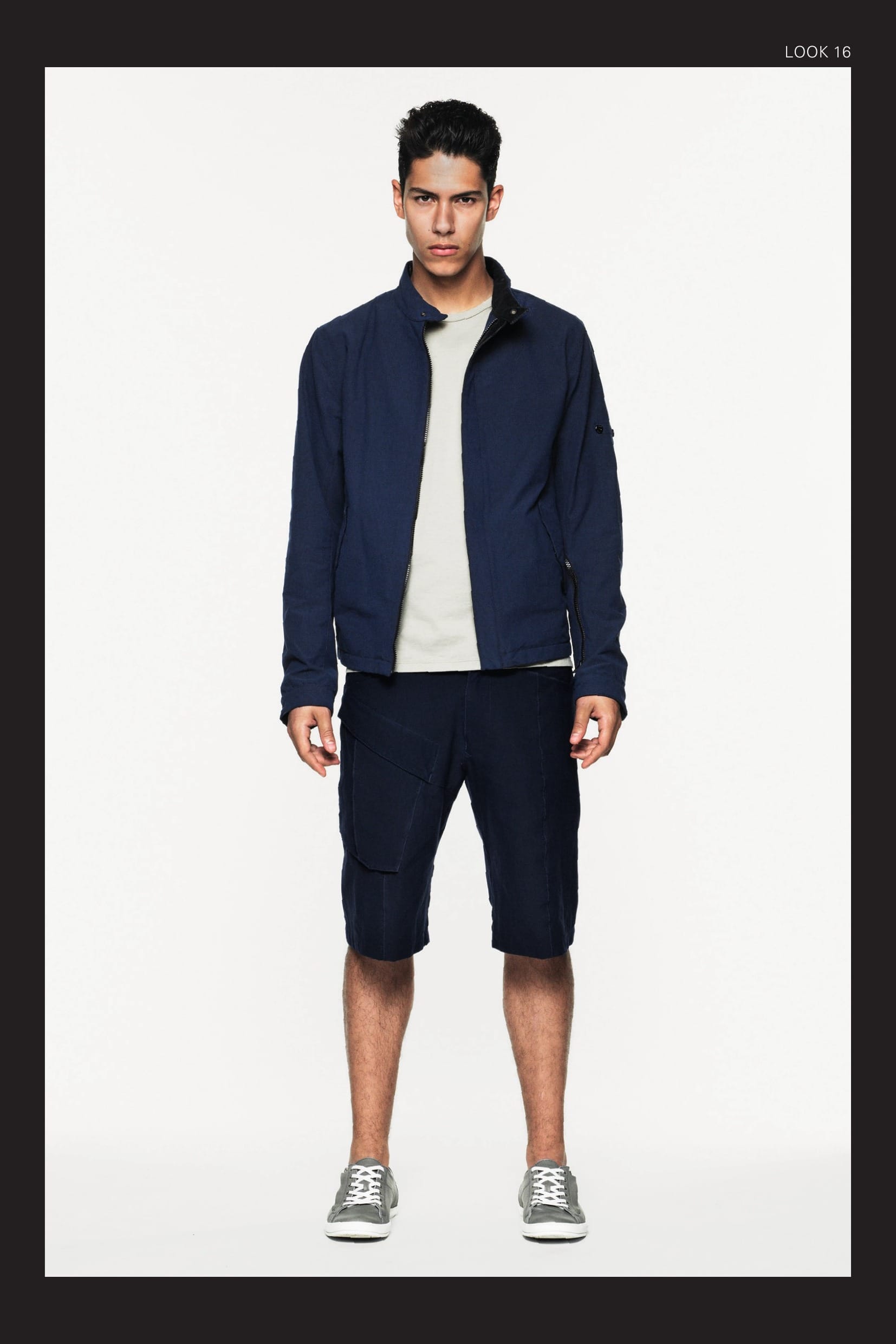
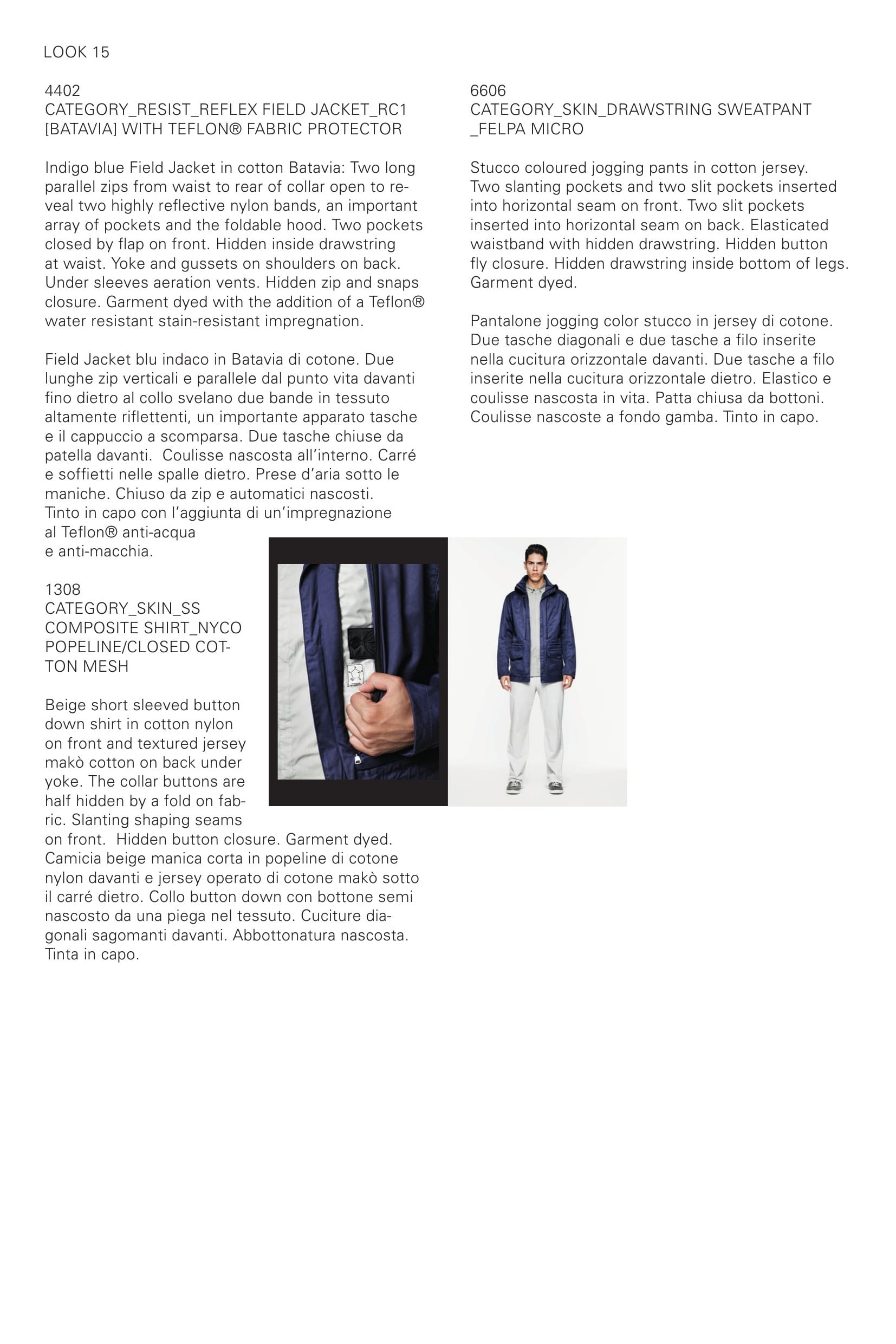
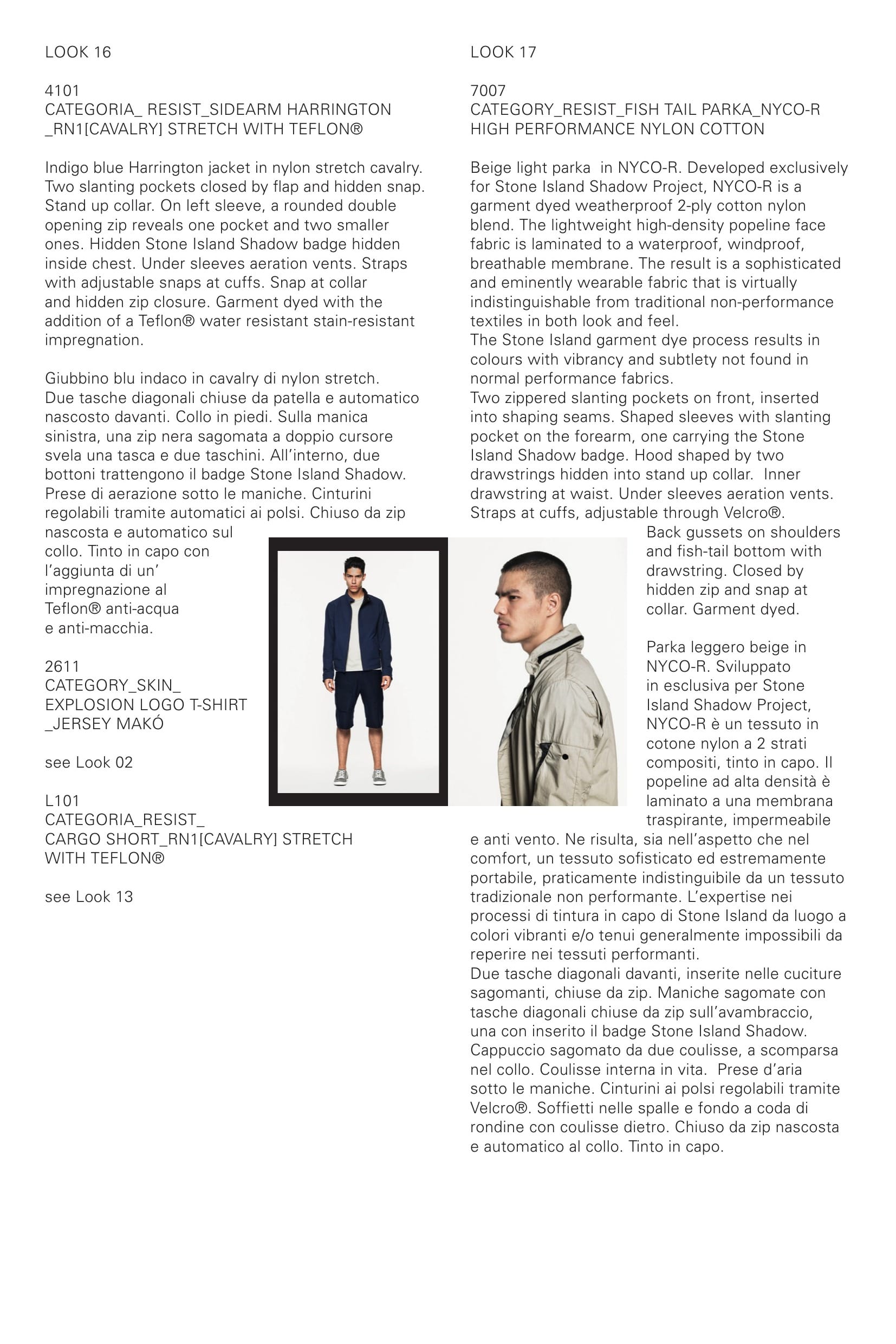
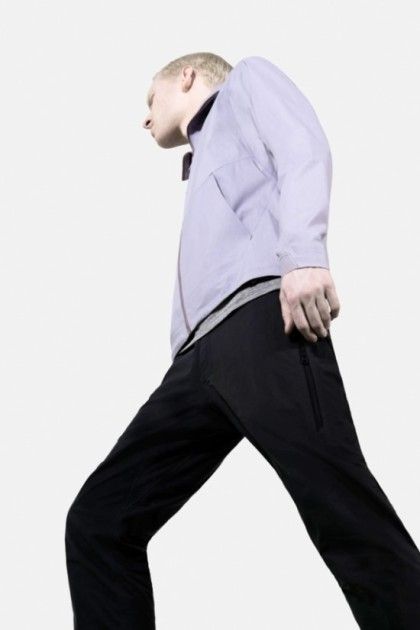
Stone Island Shadow Project SS2010 Lookbook stone-island-shadow-project-ss2010-lookbook The complete Stone Island Shadow Project SS2010 lookbook from the Techspec archive: lightweight technical sportswear and the PARSEQ system by Acronym.
The Stone Island Shadow vector continues with the project's fourth seasonal capsule collection. Fueled by new reactions within the project's original conceptual core, fresh manifestations of fabric, style, detail, and interface emerge as the lightest, yet most comprehensive, offering thus far.
This unique trajectory begins, of course, at a unique point of origin — the inimitable constellation of research and
[]
The Stone Island Shadow vector continues with the project's fourth seasonal capsule collection. Fueled by new reactions within the project's original conceptual core, fresh manifestations of fabric, style, detail, and interface emerge as the lightest, yet most comprehensive, offering thus far.
This unique trajectory begins, of course, at a unique point of origin — the inimitable constellation of research and development that is STONE ISLAND. Hidden detail and potential action lies at the heart of each and every Stone Island Shadow style.
Enfolding this in a simpler, softer way, a new focus can be brought to bear on both resolution of shape and fidelity of color. The goal is vibrancy and directness; stripping away the superfluous without sacrificing capability, and the lightness that can only be found by moving through one's environment with zero resistance.
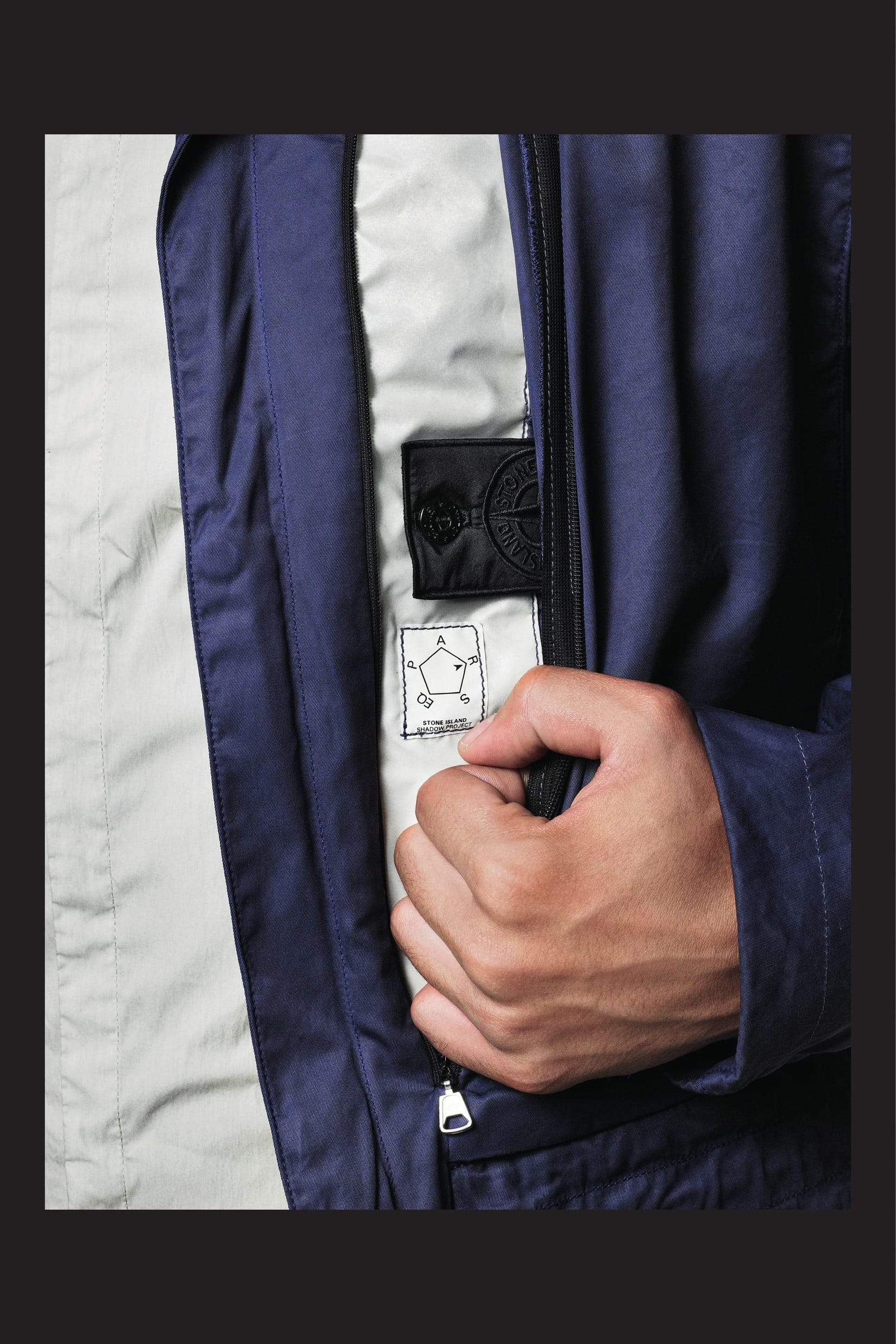
Modular Performance Grid, PARSEQ is the organizational framework upon which the idea is built: PROOF, AUGMENT, RESIST, SKIN and EQUIP. All Shadow fabrics work together as part of the grid — breathable, moisture managing, skin-friendly and maintainable — chosen for their balance of performance technology and the aesthetic treatments for which Stone Island has been known since its inception.
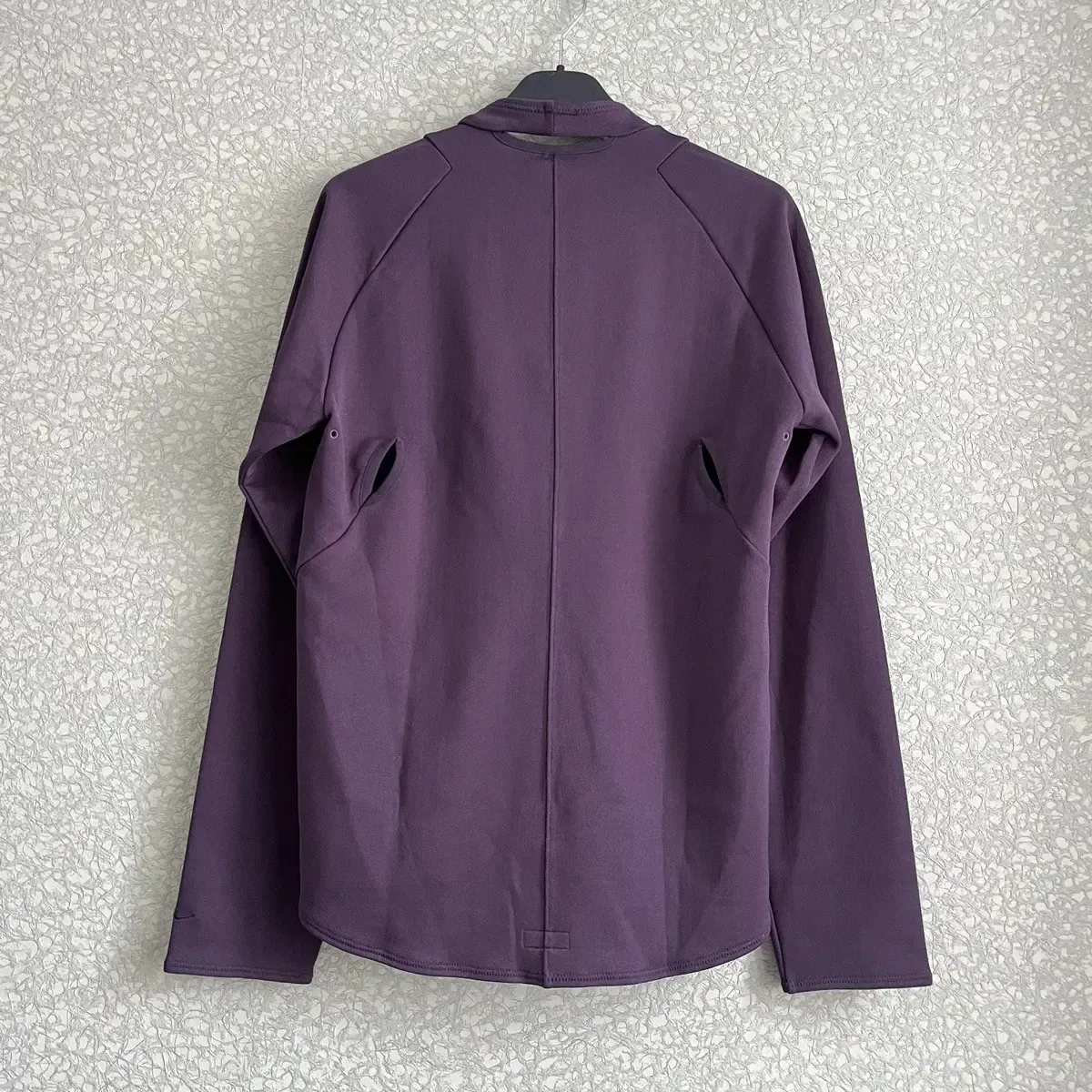
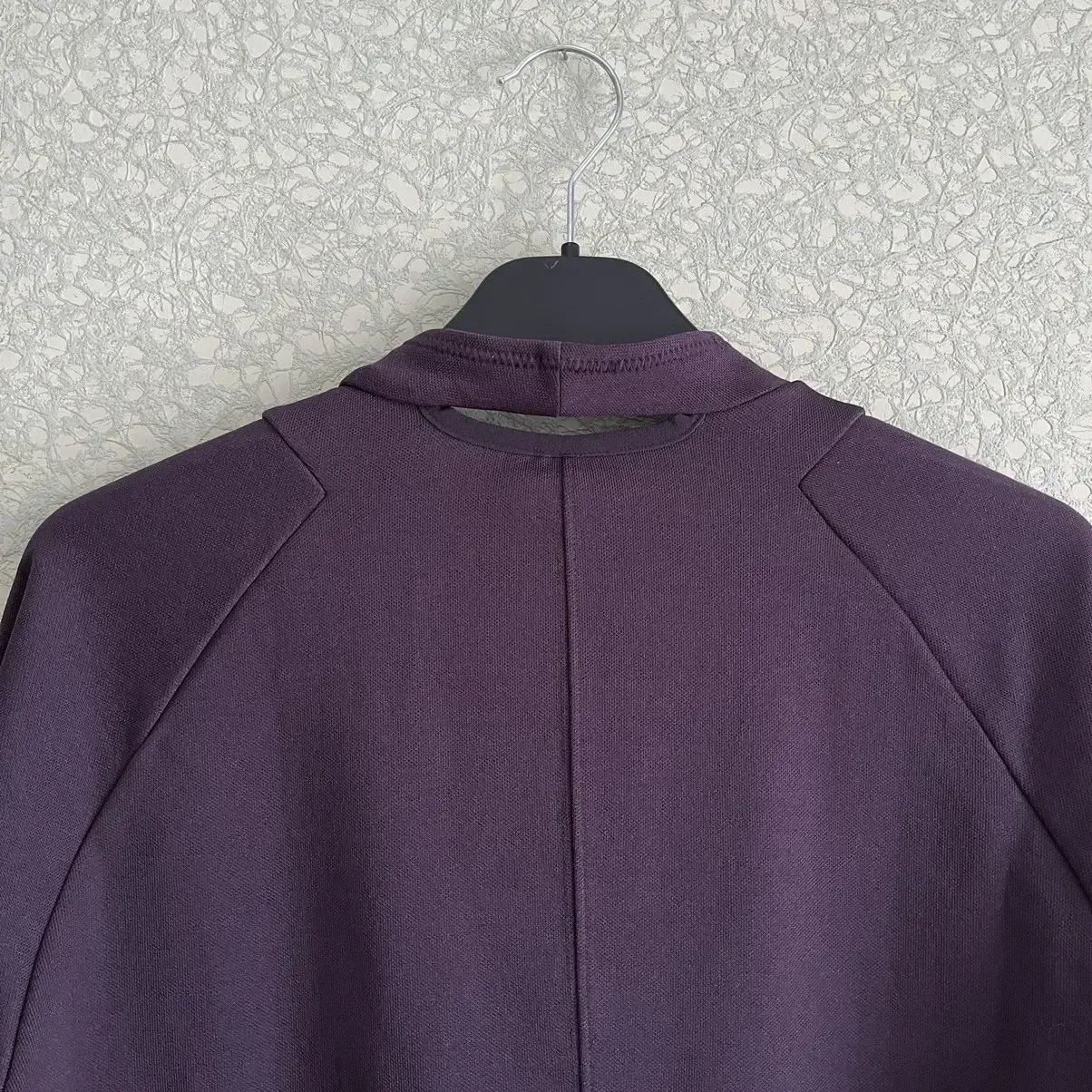
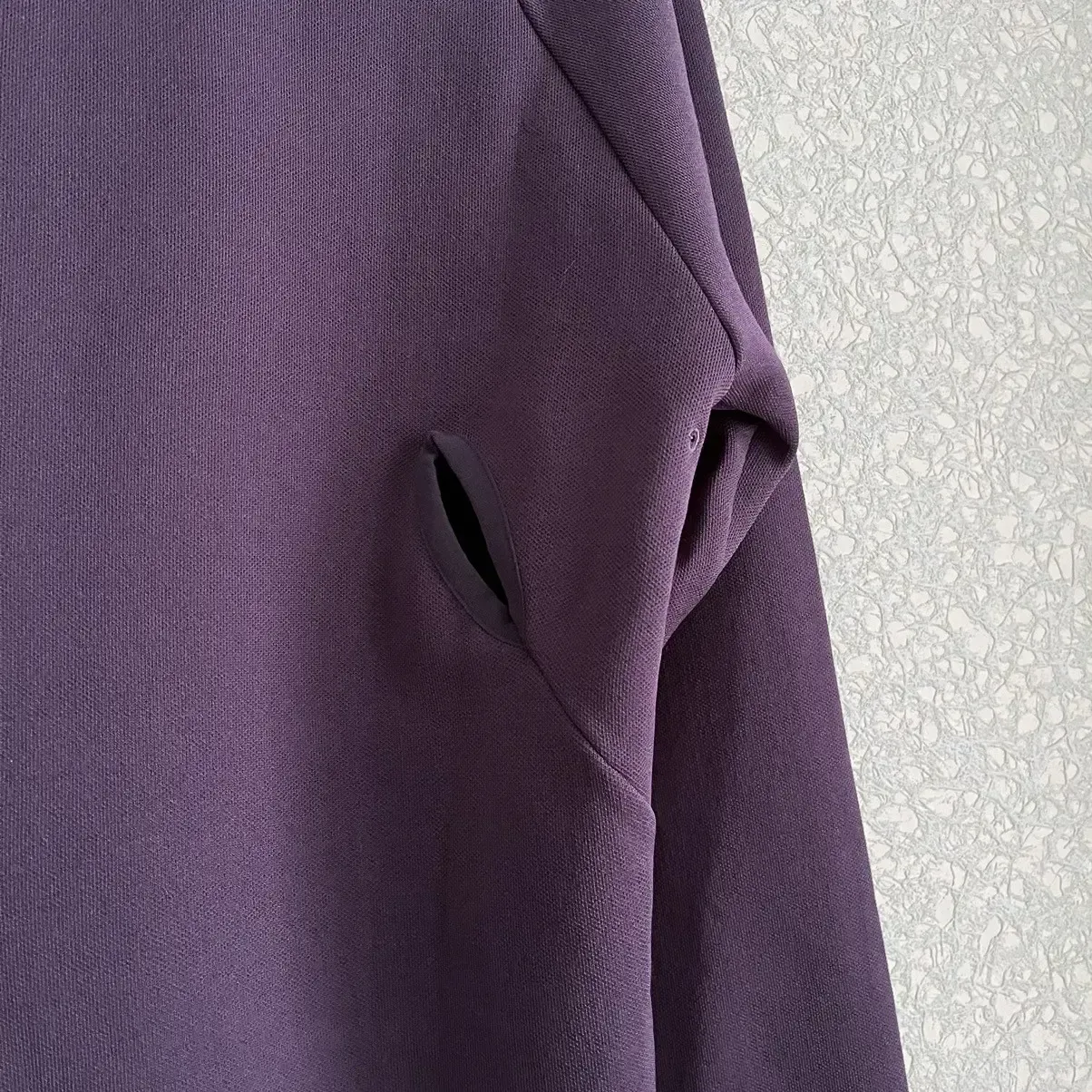
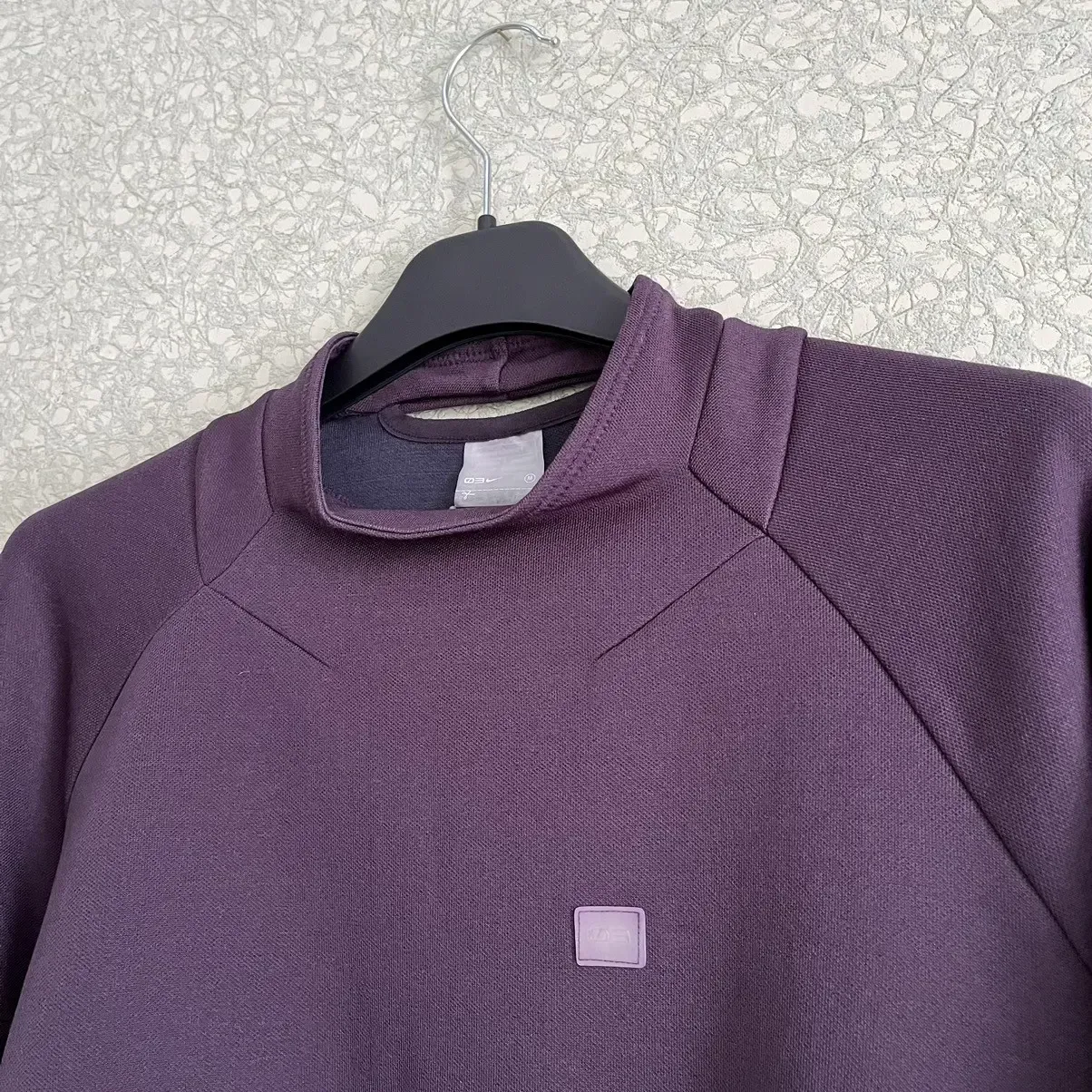
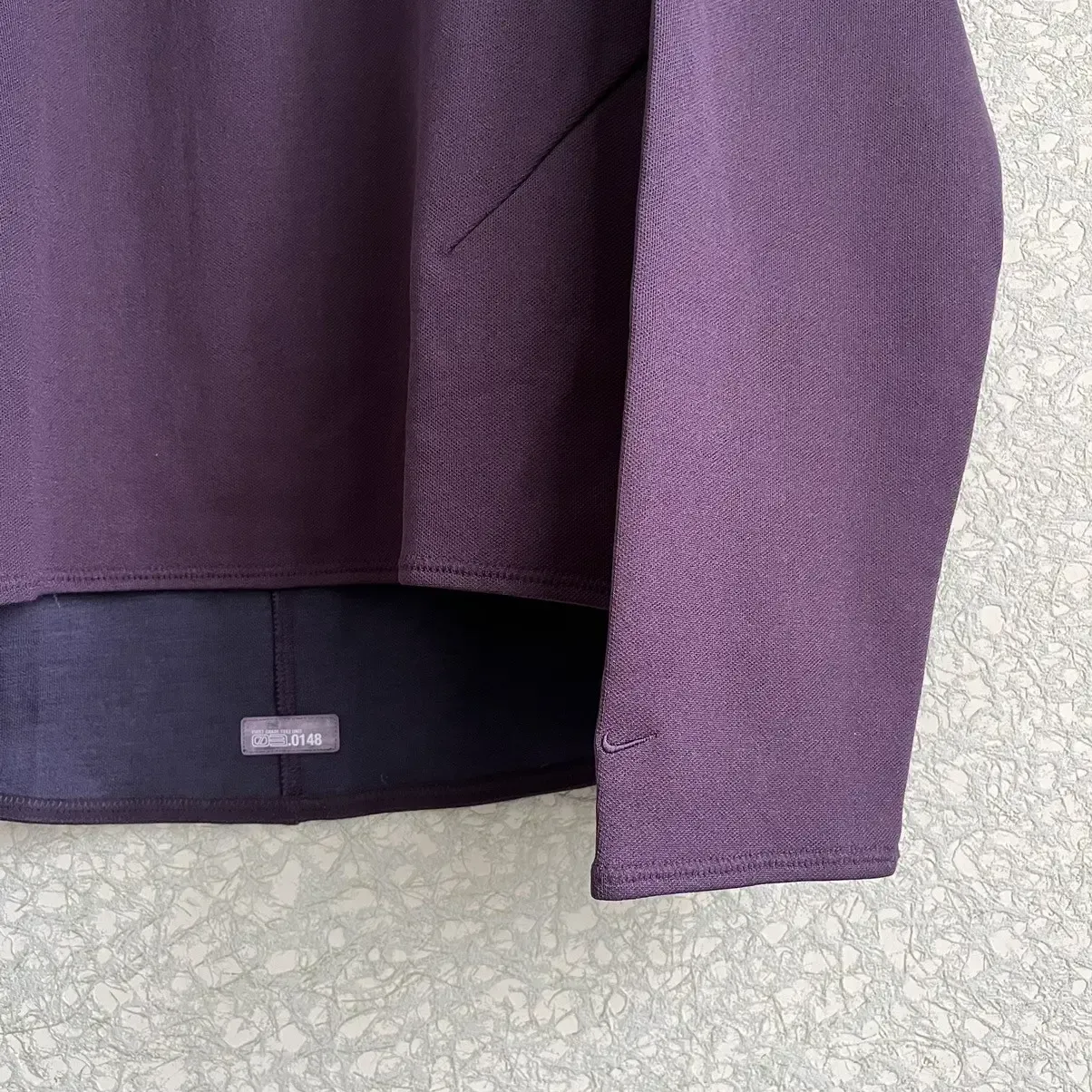
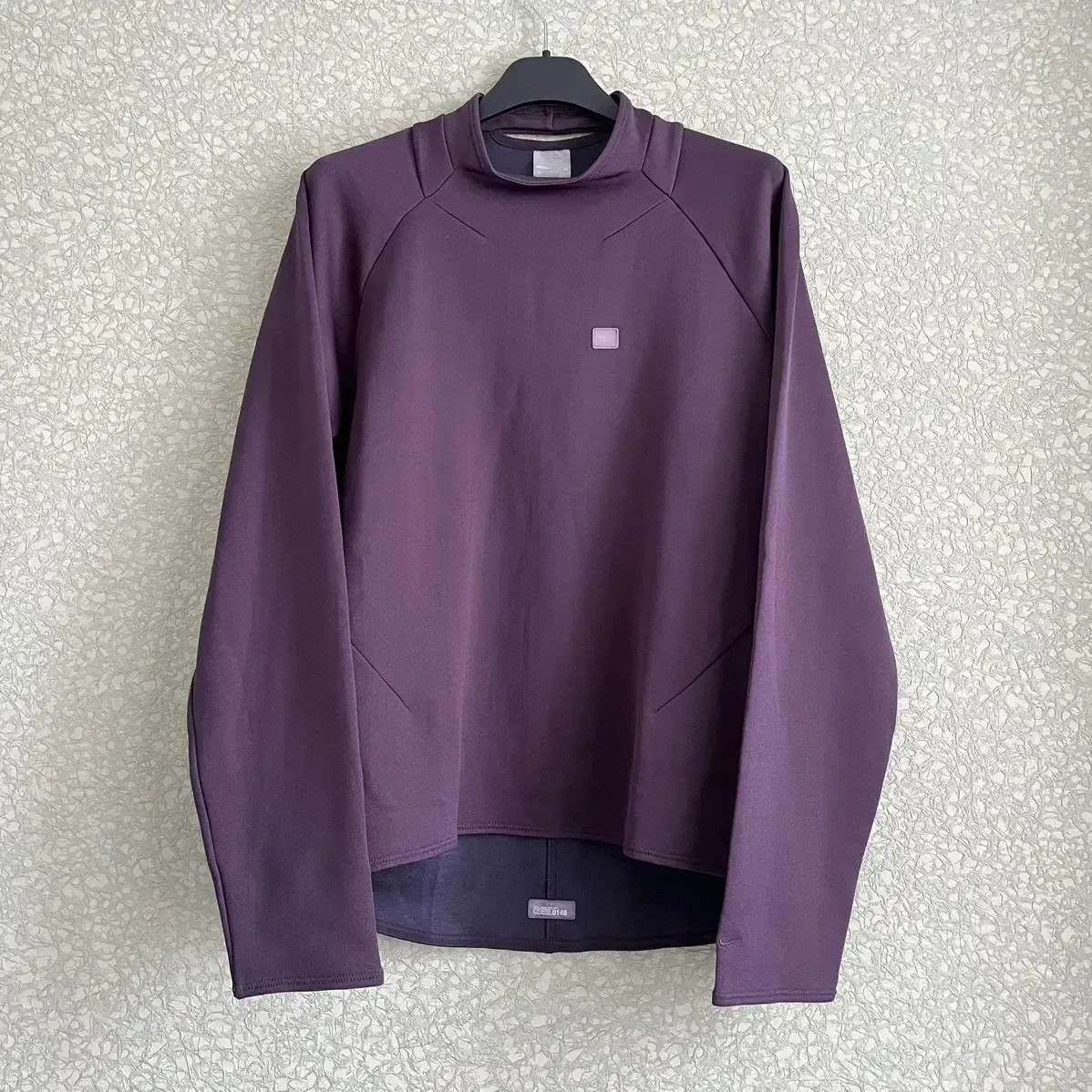
Nike Code 03 FW02 First Grade Longsleeve nike-code-03-fw02-first-grade-longsleeve Third-season Nike Code longsleeve by Tony Spackman, “First Grade Tee2 Unit,” in wool blend with structured collar, ventilation eyelets and darts.
Longsleeve from the third season of the Tony Spackman–designed Code collection. Each Nike Code piece was produced in a series of 1,000 numbered units. This style is titled “First Grade Tee2 Unit” and is made from a wool-blend fabric with a uniquely shaped structured collar. Functional details include reinforced ventilation eyelets at the back and underarms, lower front darts, and a tonal Swoosh on the sleeve. Brandin
[]
Longsleeve from the third season of the Tony Spackman–designed Code collection. Each Nike Code piece was produced in a series of 1,000 numbered units. This style is titled “First Grade Tee2 Unit” and is made from a wool-blend fabric with a uniquely shaped structured collar. Functional details include reinforced ventilation eyelets at the back and underarms, lower front darts, and a tonal Swoosh on the sleeve. Branding elements consist of a rubber “03” patch on the chest, along with rubberized hang tag and brand label.
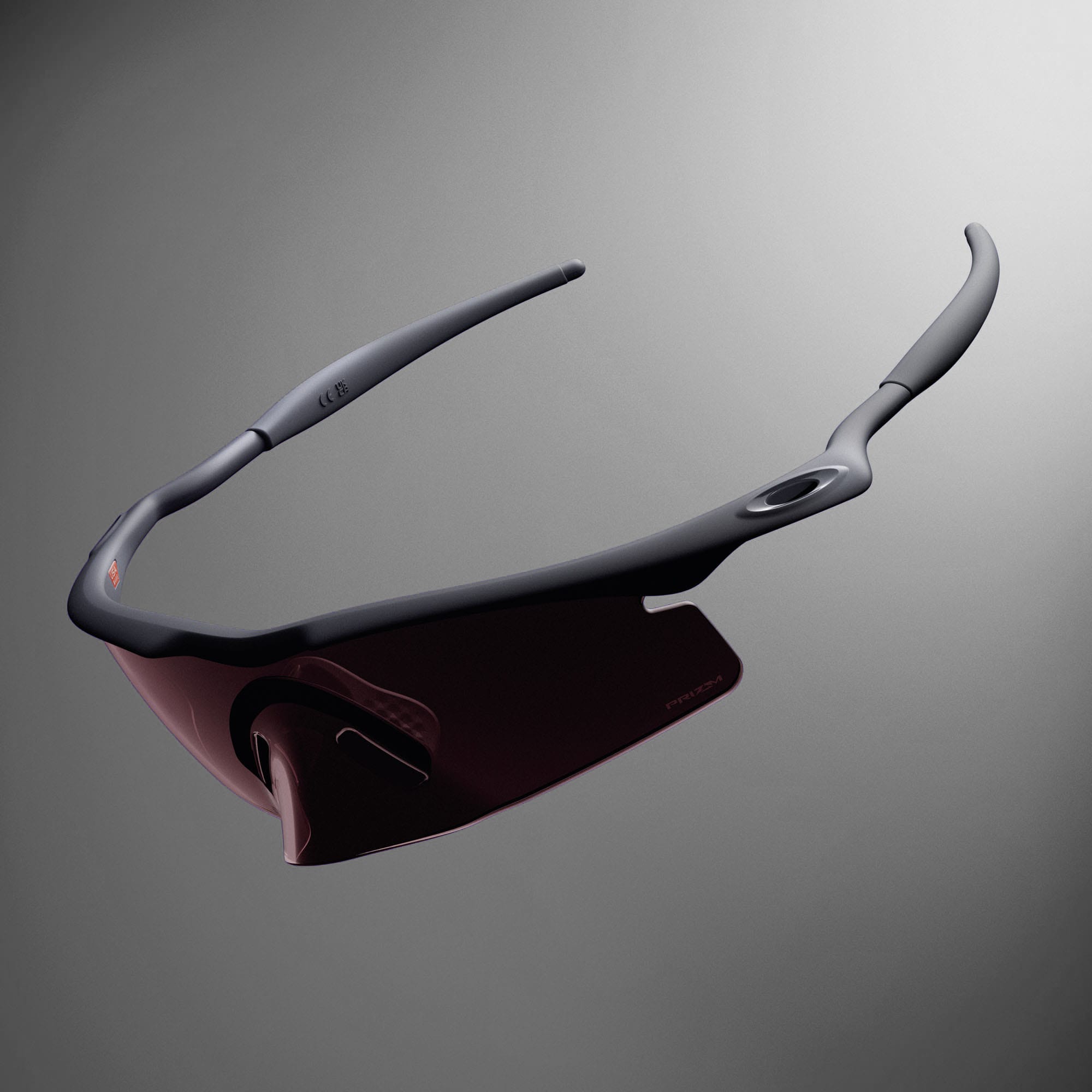
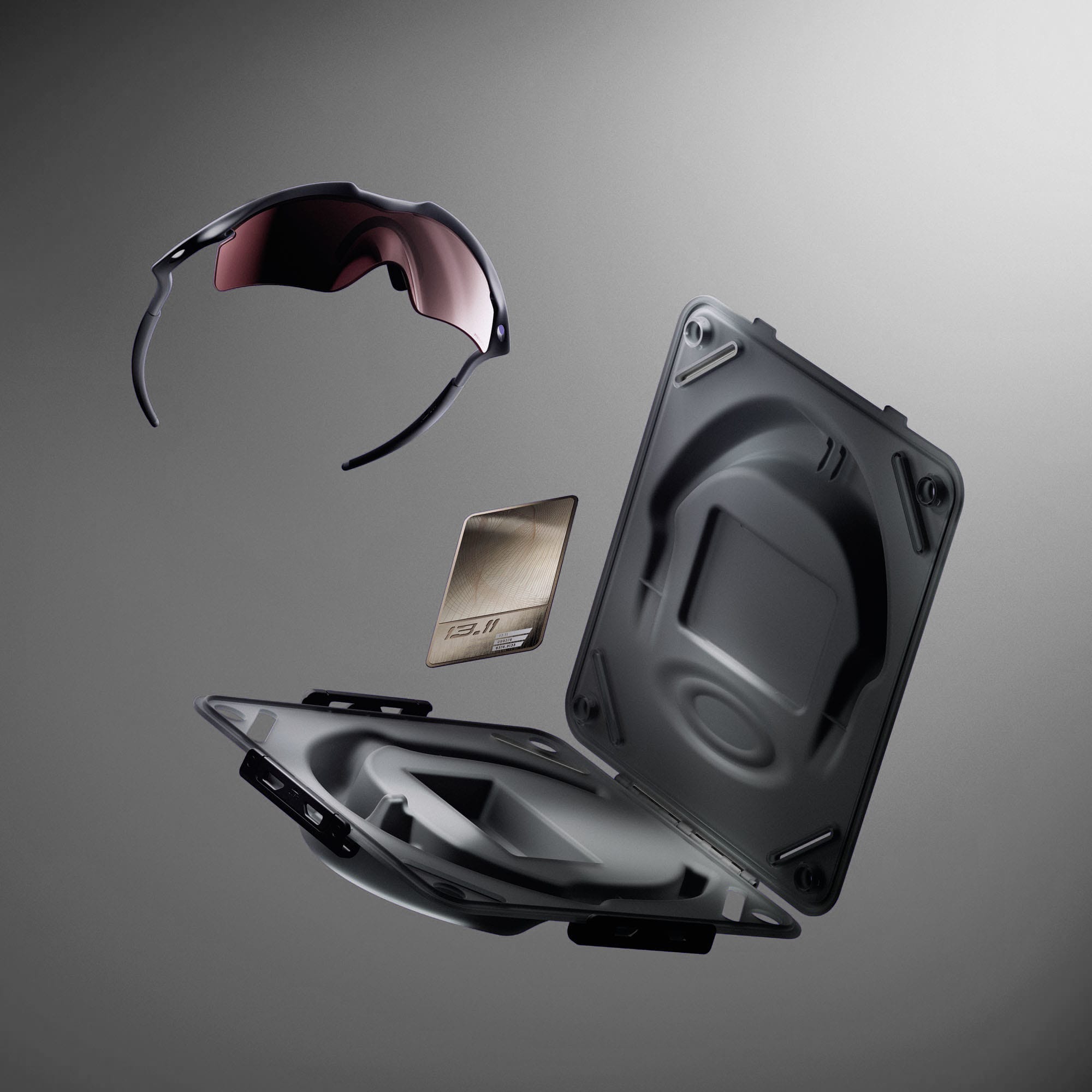
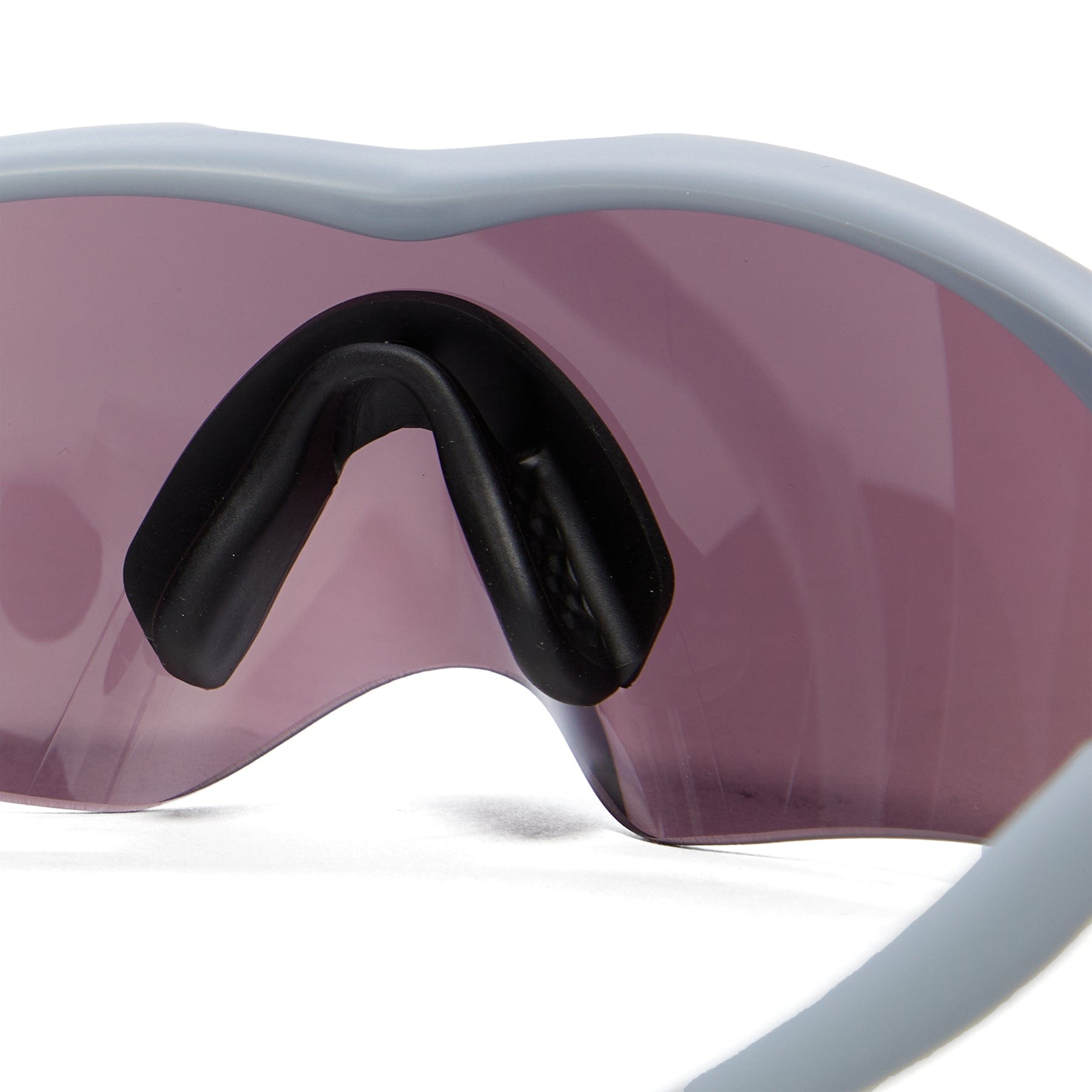
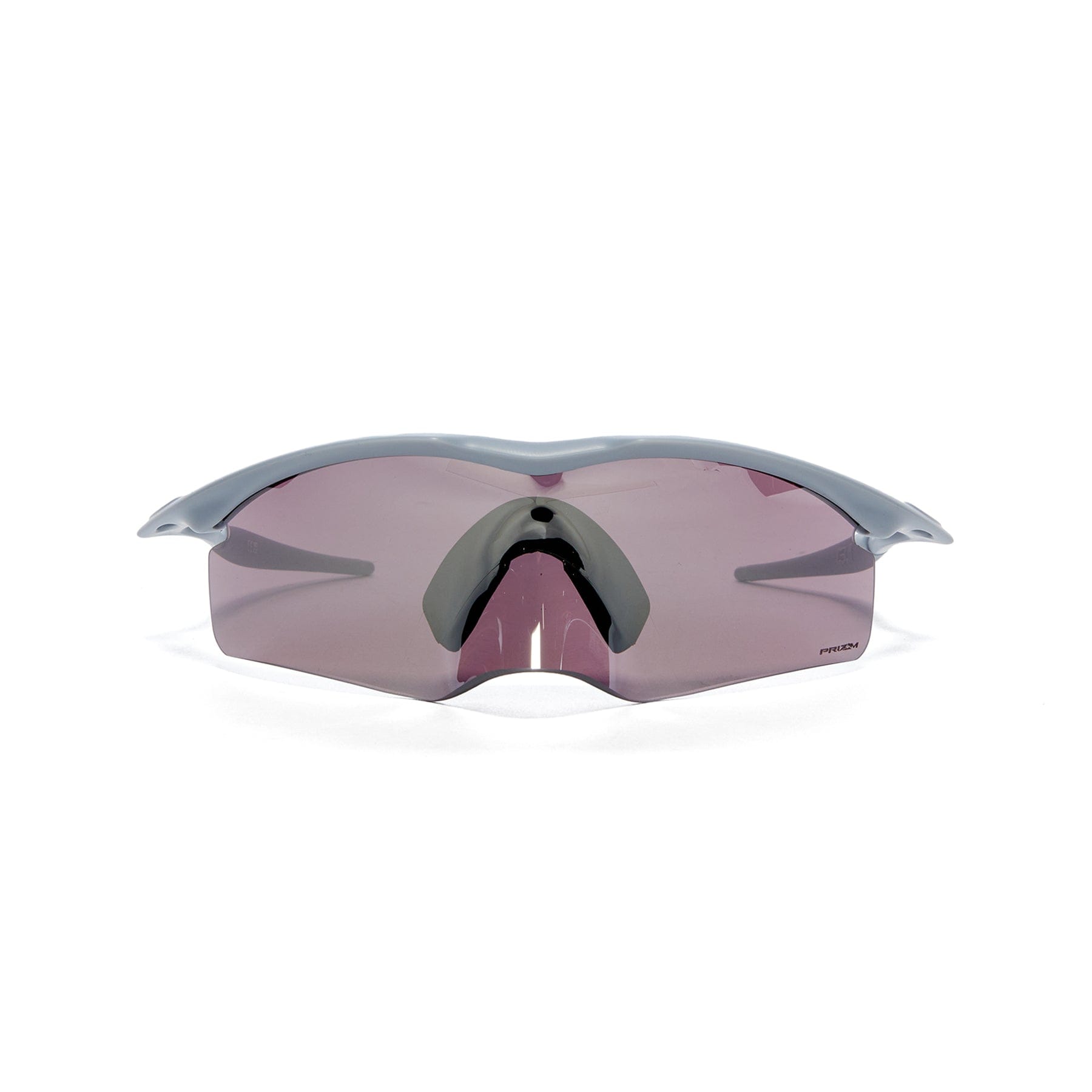
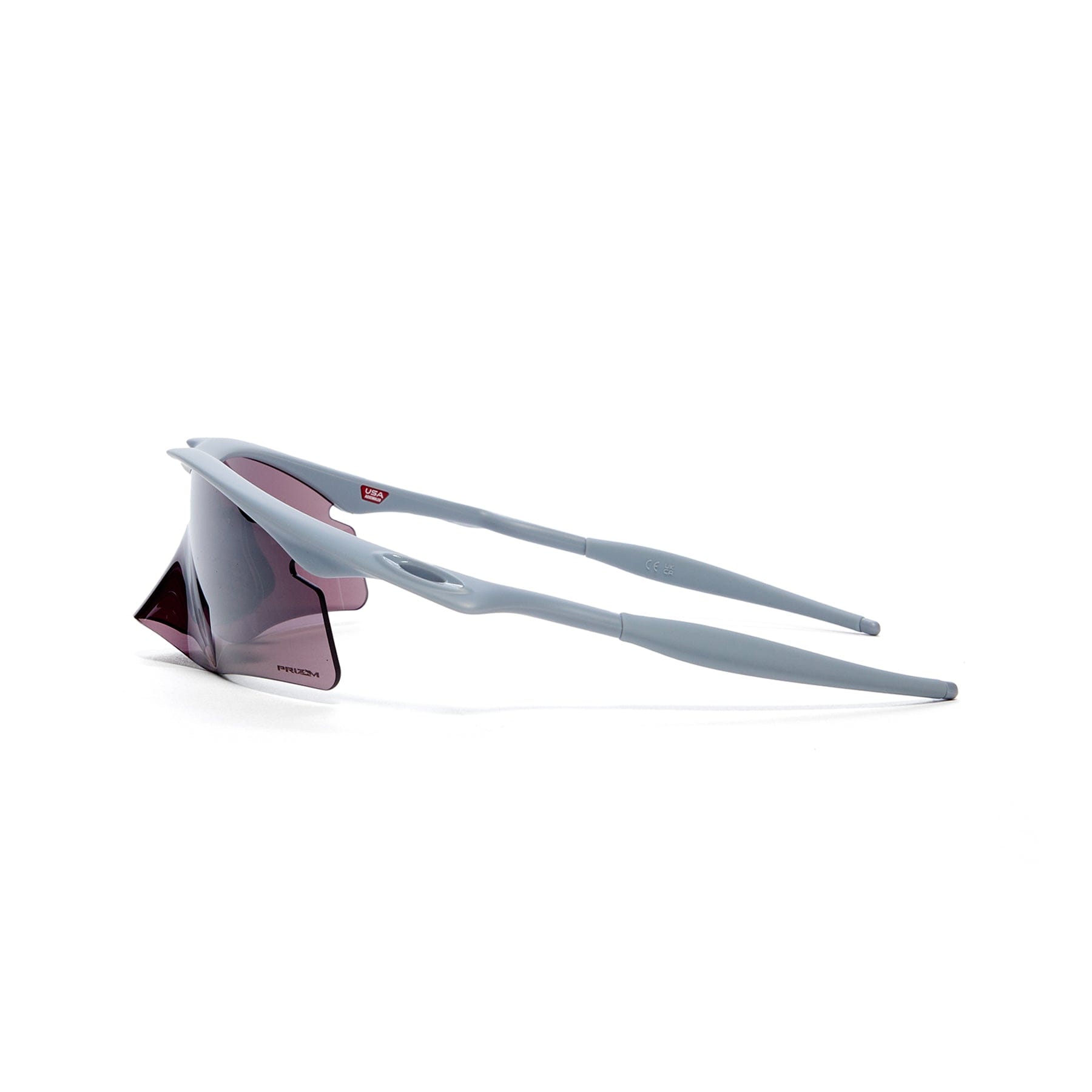
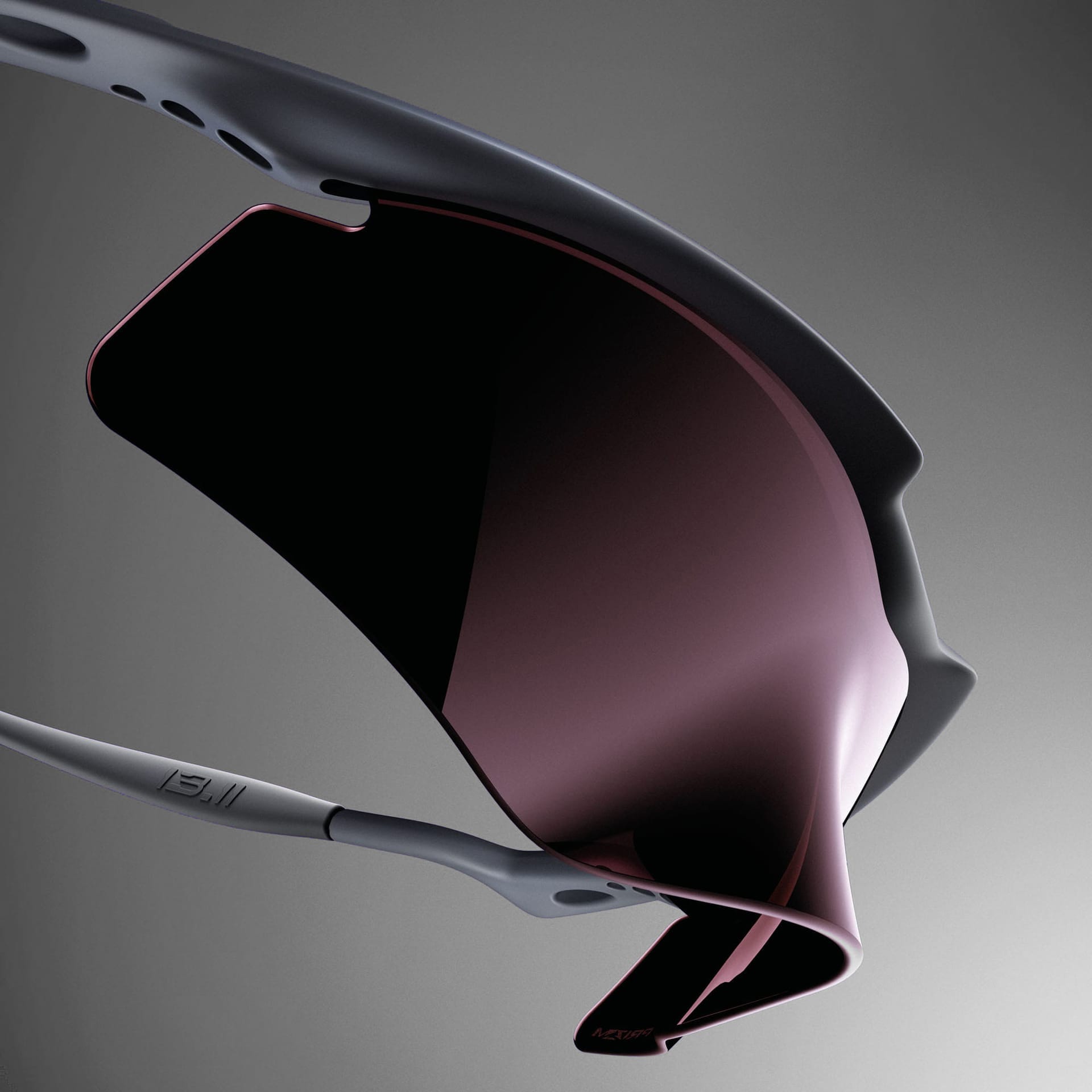
OAKLEY 13.11 oakley-1311 The Oakley 13.11 - a fusion of heritage and neo-tech. The reimagined design features an advanced reconfigured brow with the Kato wrap lens.
OAKLEY 13.11 MATTE FOG W/ PRIZM ROAD BLACK SUNGLASSES
The Oakley Pro M-Frame®, a revered icon of its era, has transformed, culminating in the emergence of the Oakley 13.11 - a fusion of heritage and neo-tech. The reimagined design features an advanced reconfigured brow and incorporates Oakley's Prizm Technology within the Kato wrap lens.
[]
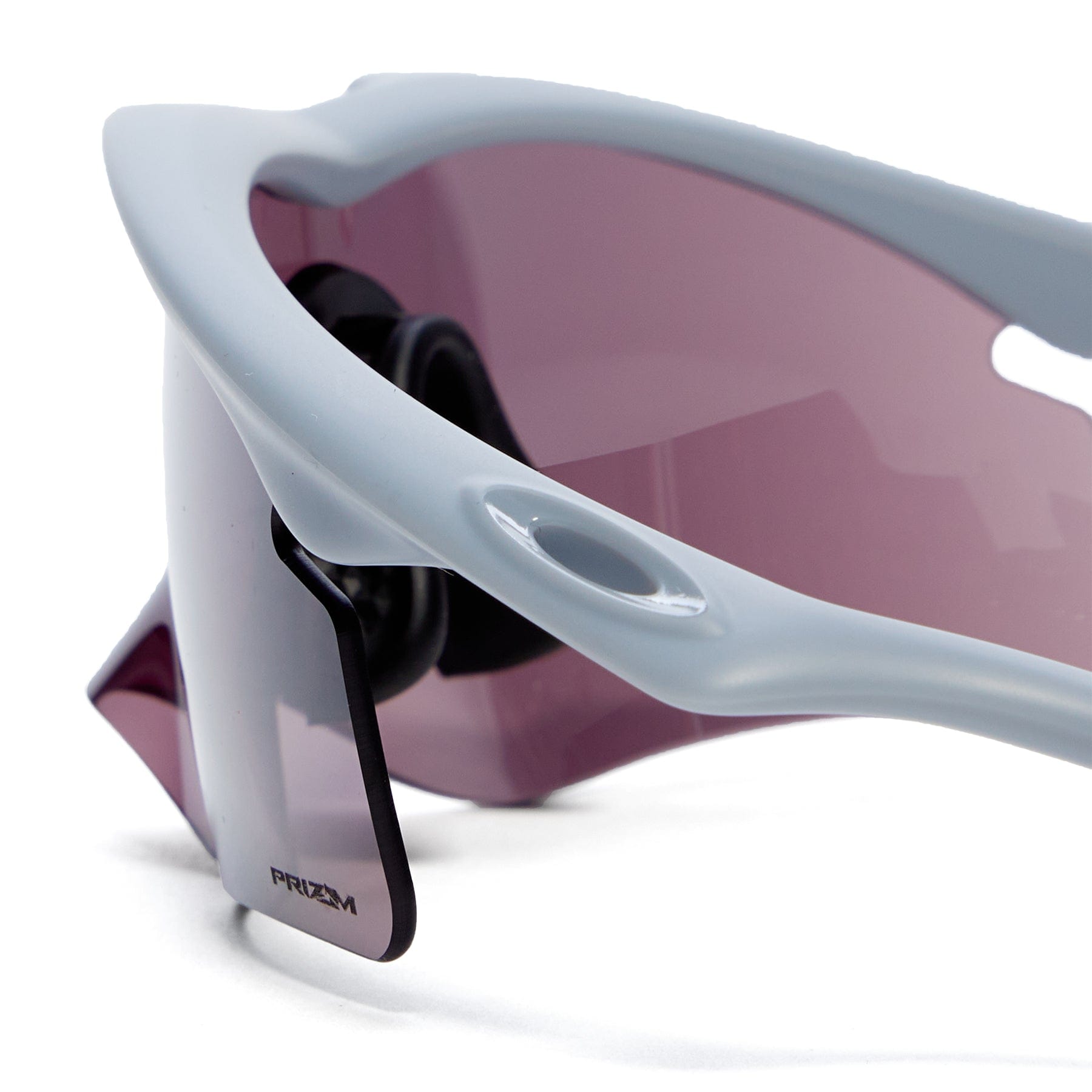
OAKLEY 13.11 MATTE FOG W/ PRIZM ROAD BLACK SUNGLASSES
The Oakley Pro M-Frame®, a revered icon of its era, has transformed, culminating in the emergence of the Oakley 13.11 - a fusion of heritage and neo-tech. The reimagined design features an advanced reconfigured brow and incorporates Oakley's Prizm Technology within the Kato wrap lens.
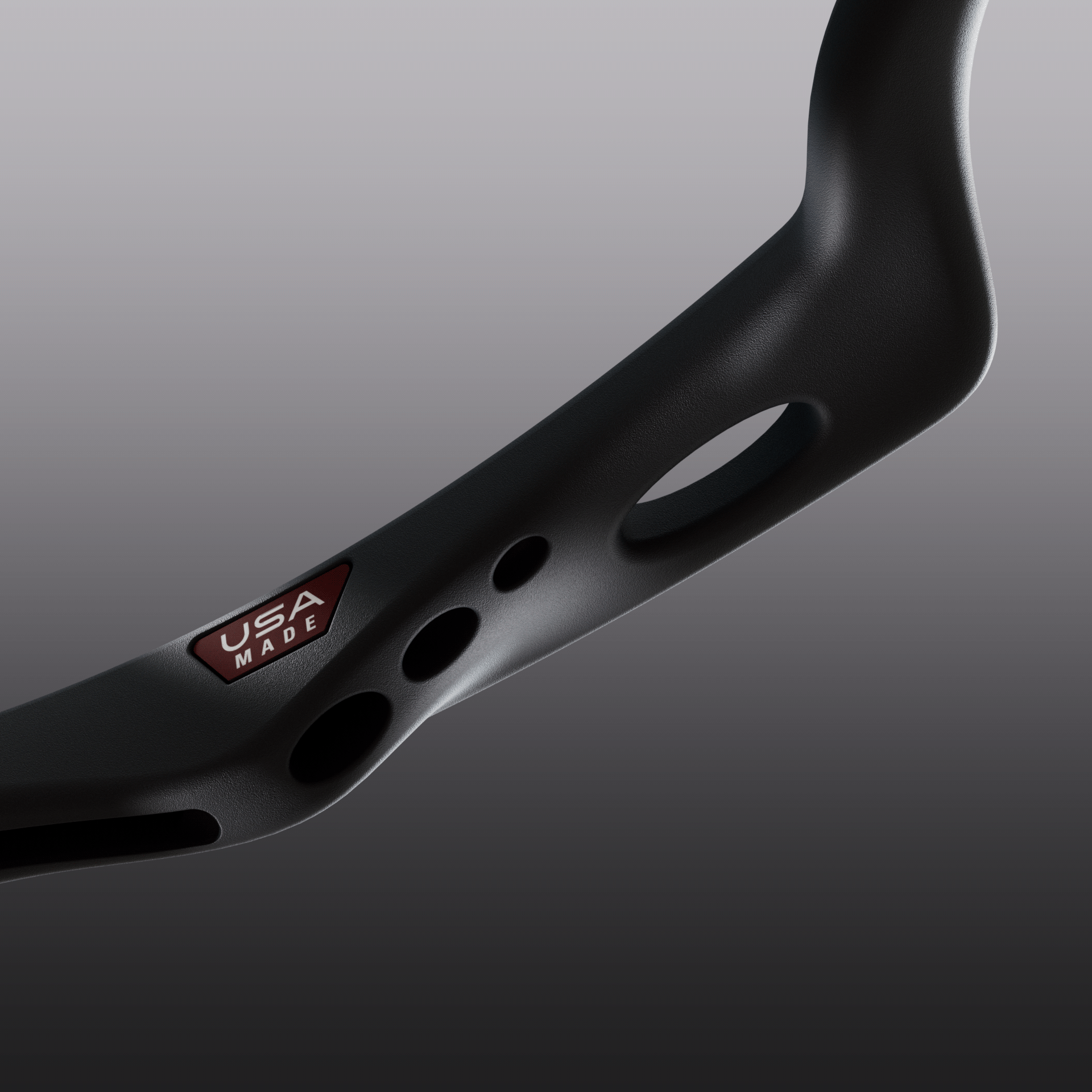
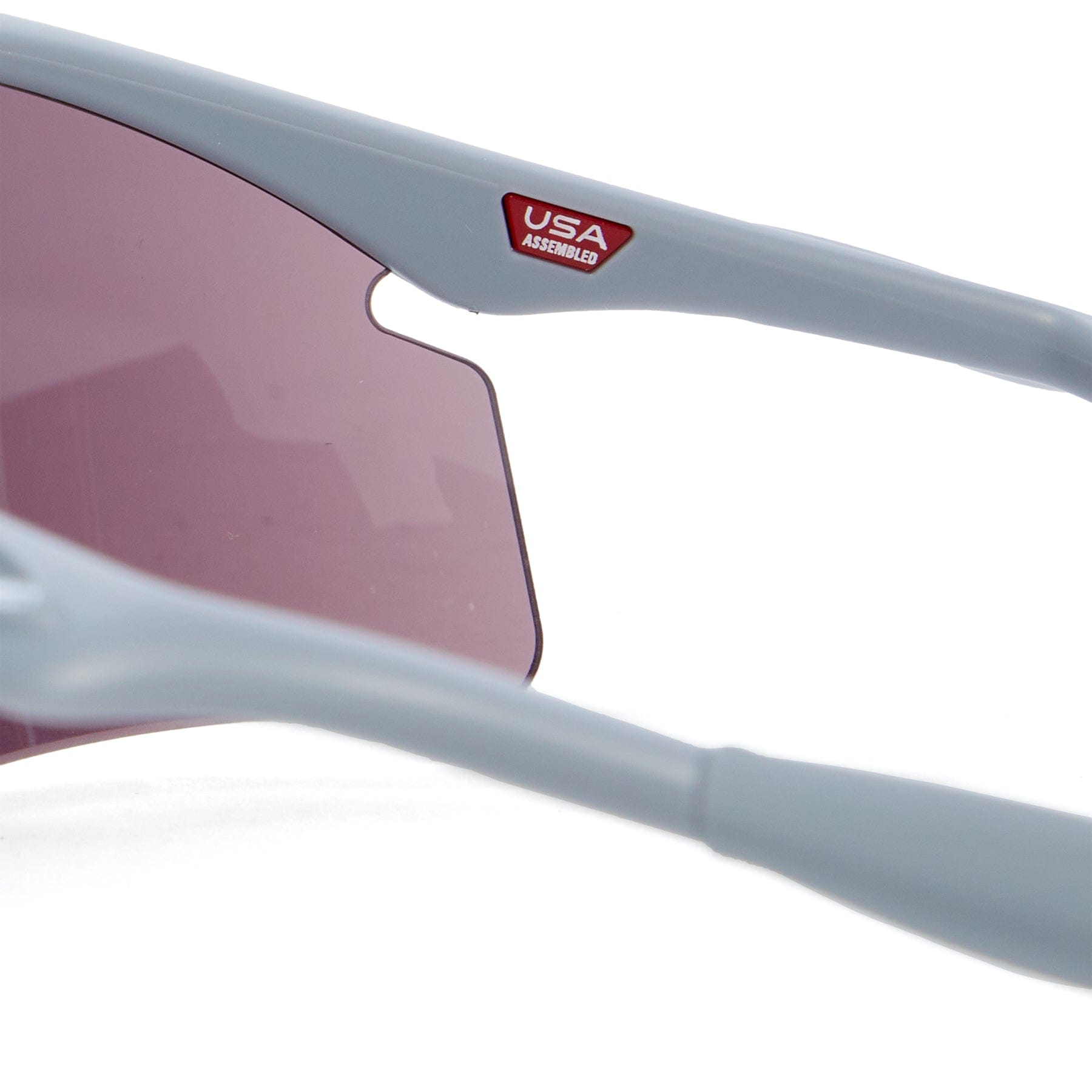
OAKLEY 13.11 Prizm Road Black Lenses w/ Matte Fog FrameOAKLEY 13.11 Prizm Road Black Lenses w/ Matte Fog FrameOAKLEY 13.11 Prizm USA MADE Detail
OAKLEY 13.11 Prizm Road Black Lenses w/ Matte Fog Frame
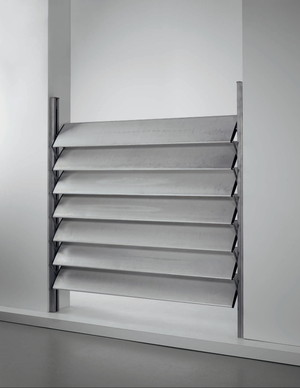
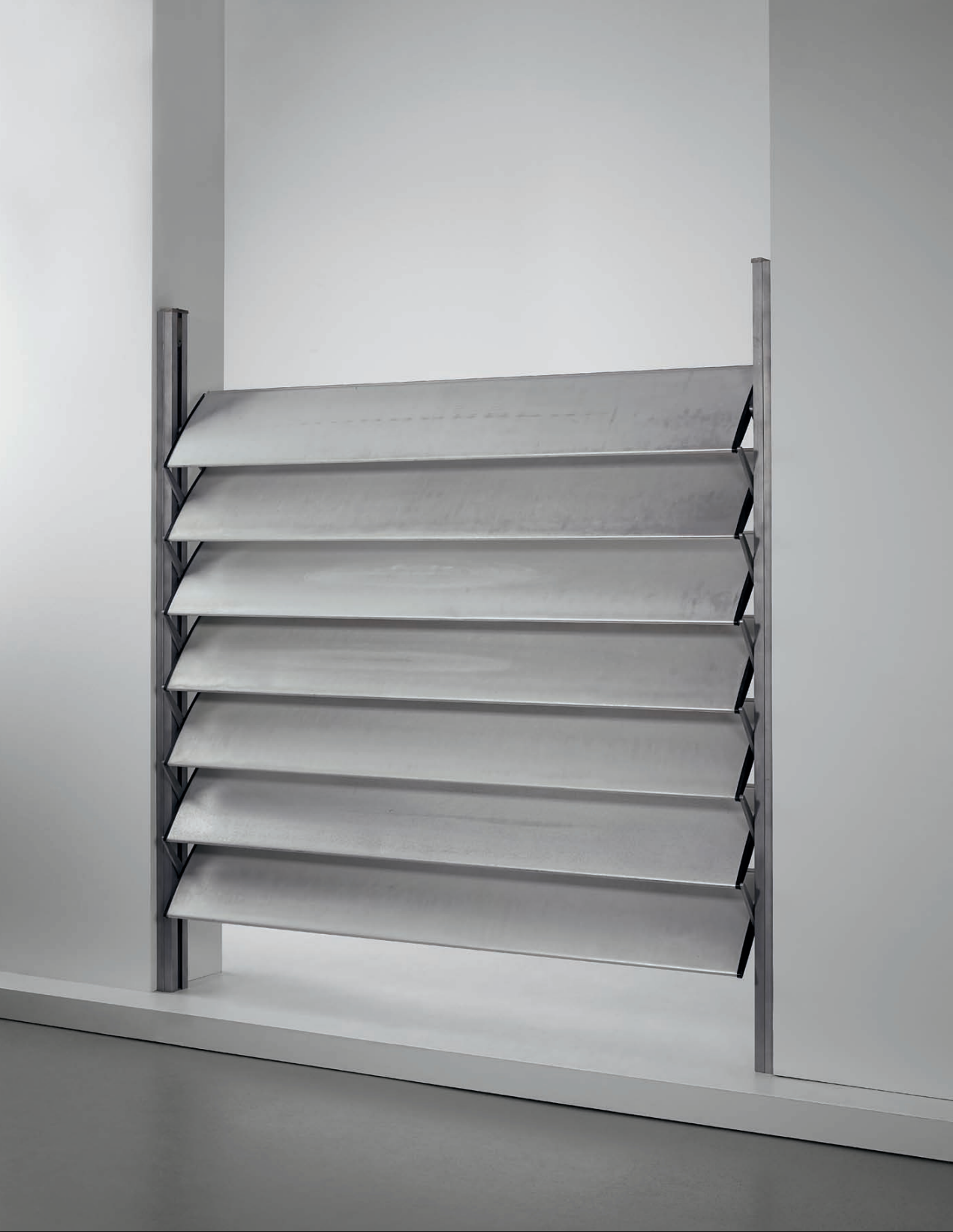
Seven-panelled sun-shutter, Jean Prouvé seven-panelled-sun-shutter-jean-prouve Jean Prouvé 1901-1984 Seven-panelled sun-shutter, from the Cité scolaire de La Dullague,
Béziers, designed 1956, executed circa 1962-1965
Aluminium, metal.
Jean Prouvé 1901-1984 Seven-panelled sun-shutter, from the Cité scolaire de La Dullague, Béziers, designed 1956, executed circa 1962-1965 Aluminium, metal. 185.5 x 184.4 x 8.3 cm (73 x 72 5/8 x 3 1/4 in.) Manufactured by Les Atelier Jean Prouvé, Nancy, France.
Estimate £12,000-15,000 $17,800-22,300 €16,300-20,400 provenance Cité scolaire de La Dullague, Béziers, France, circa 1962-1965 exhibited Architecture Biennal
[]
Jean Prouvé 1901-1984 Seven-panelled sun-shutter, from the Cité scolaire de La Dullague, Béziers, designed 1956, executed circa 1962-1965 Aluminium, metal. 185.5 x 184.4 x 8.3 cm (73 x 72 5/8 x 3 1/4 in.) Manufactured by Les Atelier Jean Prouvé, Nancy, France.
Estimate £12,000-15,000 $17,800-22,300 €16,300-20,400 provenance Cité scolaire de La Dullague, Béziers, France, circa 1962-1965 exhibited Architecture Biennale, Venice, 7 June-23 November, 2014
Form #7, Josef Schulz, 2003 form-7-josef-schulz
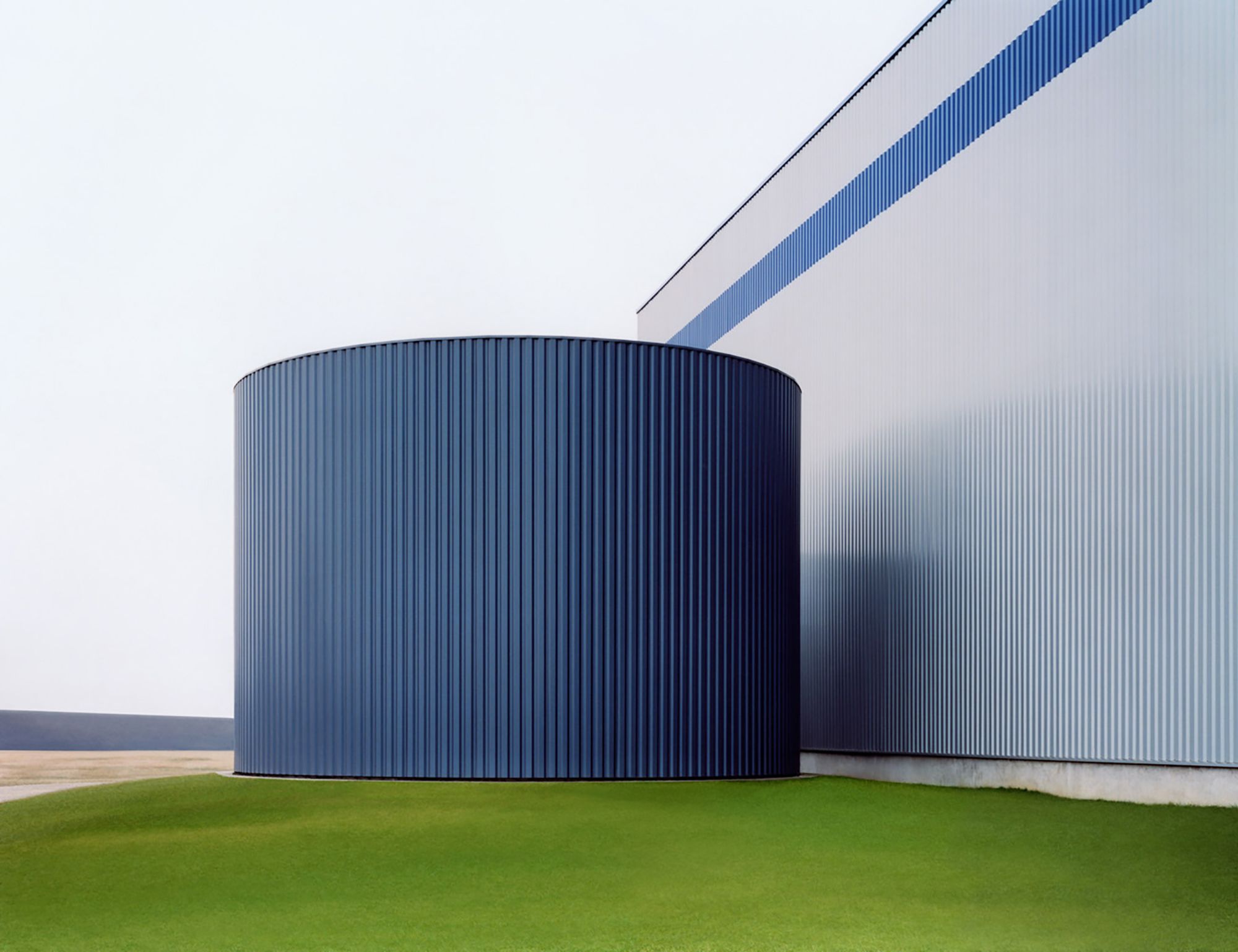
Josef Schulz is a photographer known for capturing images of modern warehouses and factories, which are typically considered mundane industrial structures with little architectural significance. These buildings, produced worldwide, follow standardized plans and materials, lacking distinct external features to reveal their specific purposes.
Schulz's approach involves studying the essence of his craft through th
[]
Josef Schulz is a photographer known for capturing images of modern warehouses and factories, which are typically considered mundane industrial structures with little architectural significance. These buildings, produced worldwide, follow standardized plans and materials, lacking distinct external features to reveal their specific purposes.
Schulz's approach involves studying the essence of his craft through these photographs. He employs digital image processing to remove any elements hinting at the buildings' age, location, or surroundings, transforming them into virtual blueprints. By emphasizing colors, shapes, and symmetries, he turns the buildings into block-like structures, resembling toy architecture and presenting them as idealized versions of themselves.
In this process, Schulz blurs the line between photographic and painted reality to optimize the images. Simultaneously, he reduces the physical buildings to their design concepts and the photographic reality to its virtual representation. His intent is to diverge from the typical pursuit of making digital images appear as real as possible. This approach might leave the viewer perplexed, as they struggle to distinguish between authentic elements captured by the camera and those created through digital tools.
Blau-grau, Josef Schulz, 2004Form #9, Josef Schulz, 2003Form #20, Josef Schulz, 2007
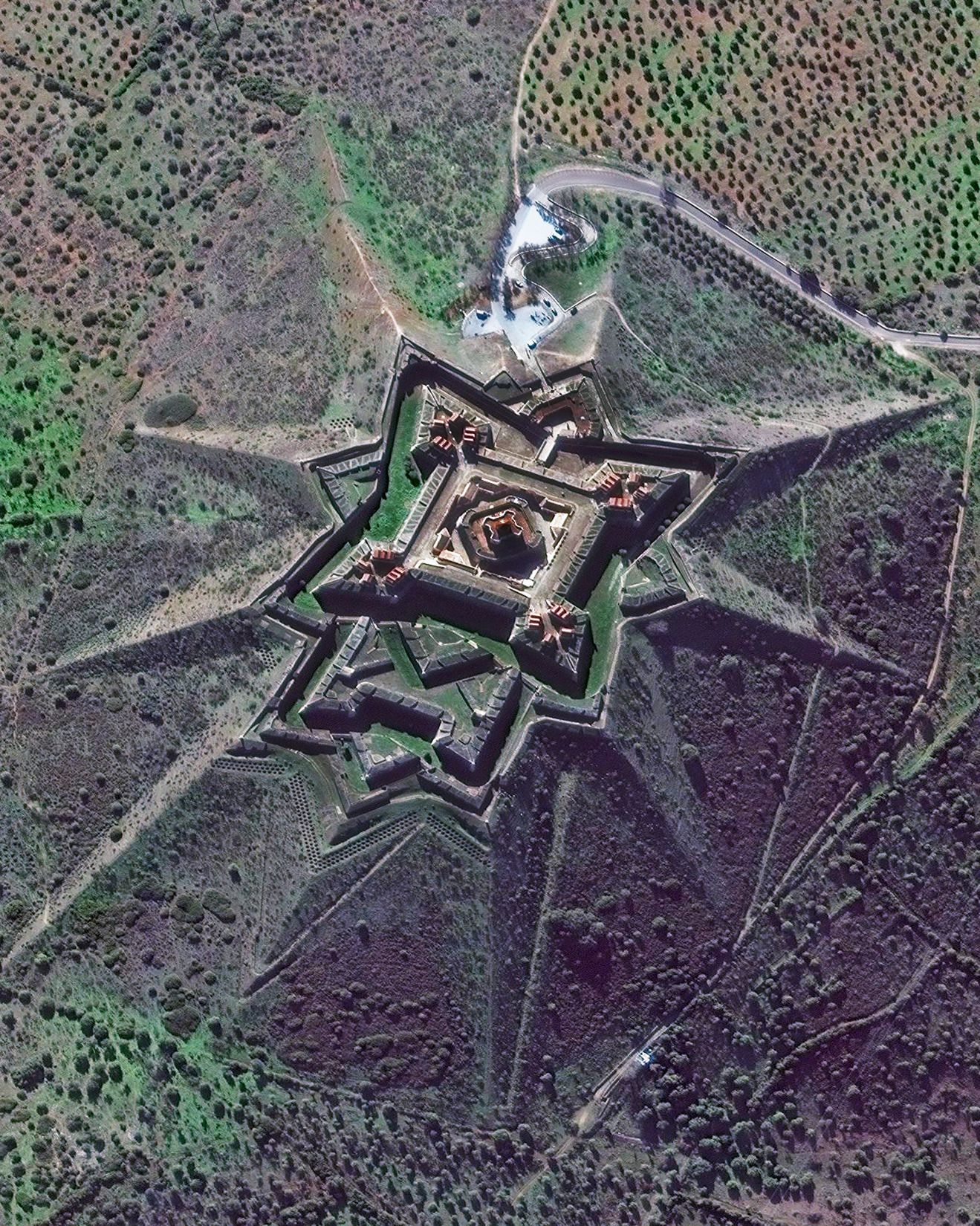
Nossa Senhora da Graça Fort nossa-senhora-da-graca-fort
The Nossa Senhora da Graça Fort is an eighteenth century fort in the village of Alcáçova, Portugal. Its prominent position atop Monte da Graça (Hill of Grace) made it an important stronghold during the Seven Years’ War, War of the Oranges and the Peninsular War. The fort is part of the Garrison Border Town of Elvas and its Fortifications, a UNESCO World Heritage Site.
38.894444°, -7.164167°
[]
The Nossa Senhora da Graça Fort is an eighteenth century fort in the village of Alcáçova, Portugal. Its prominent position atop Monte da Graça (Hill of Grace) made it an important stronghold during the Seven Years’ War, War of the Oranges and the Peninsular War. The fort is part of the Garrison Border Town of Elvas and its Fortifications, a UNESCO World Heritage Site.
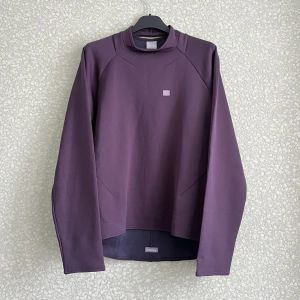
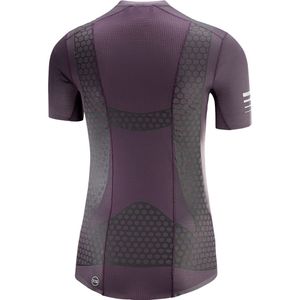
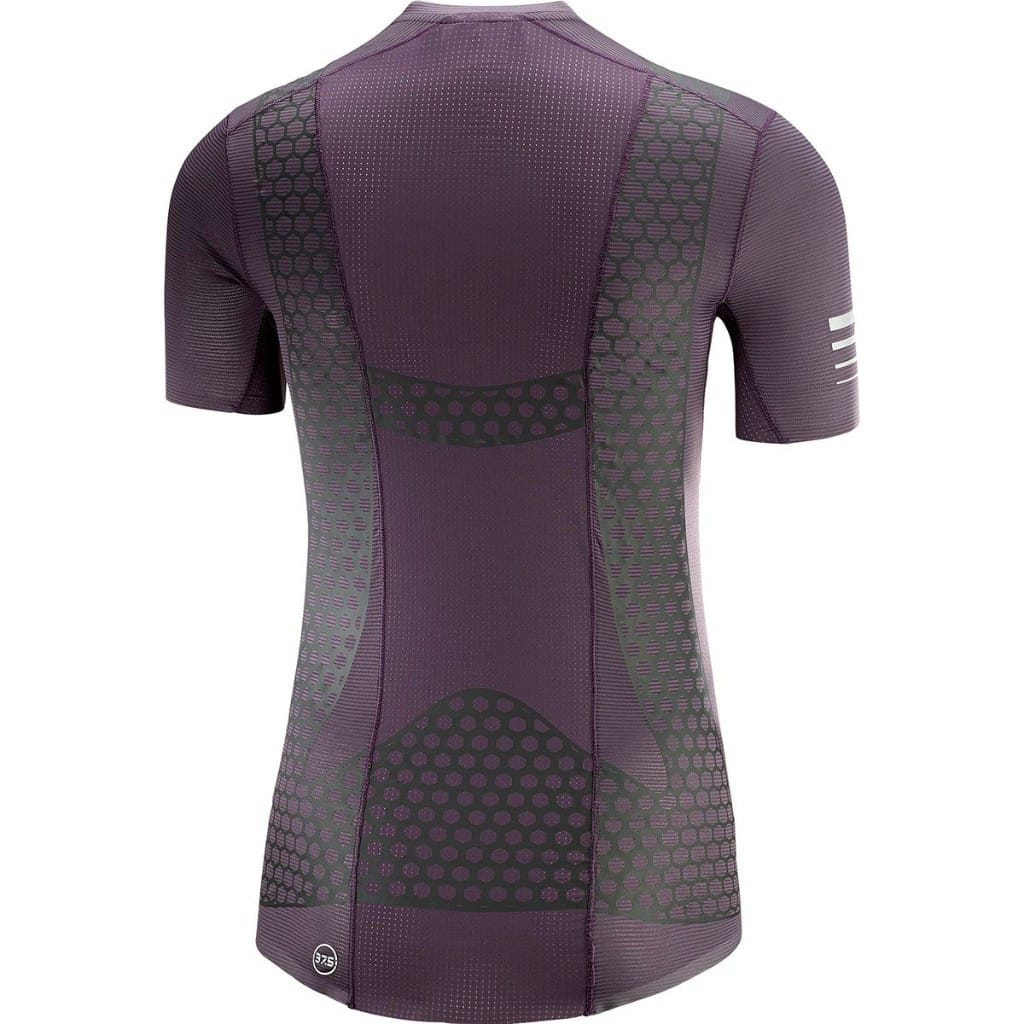
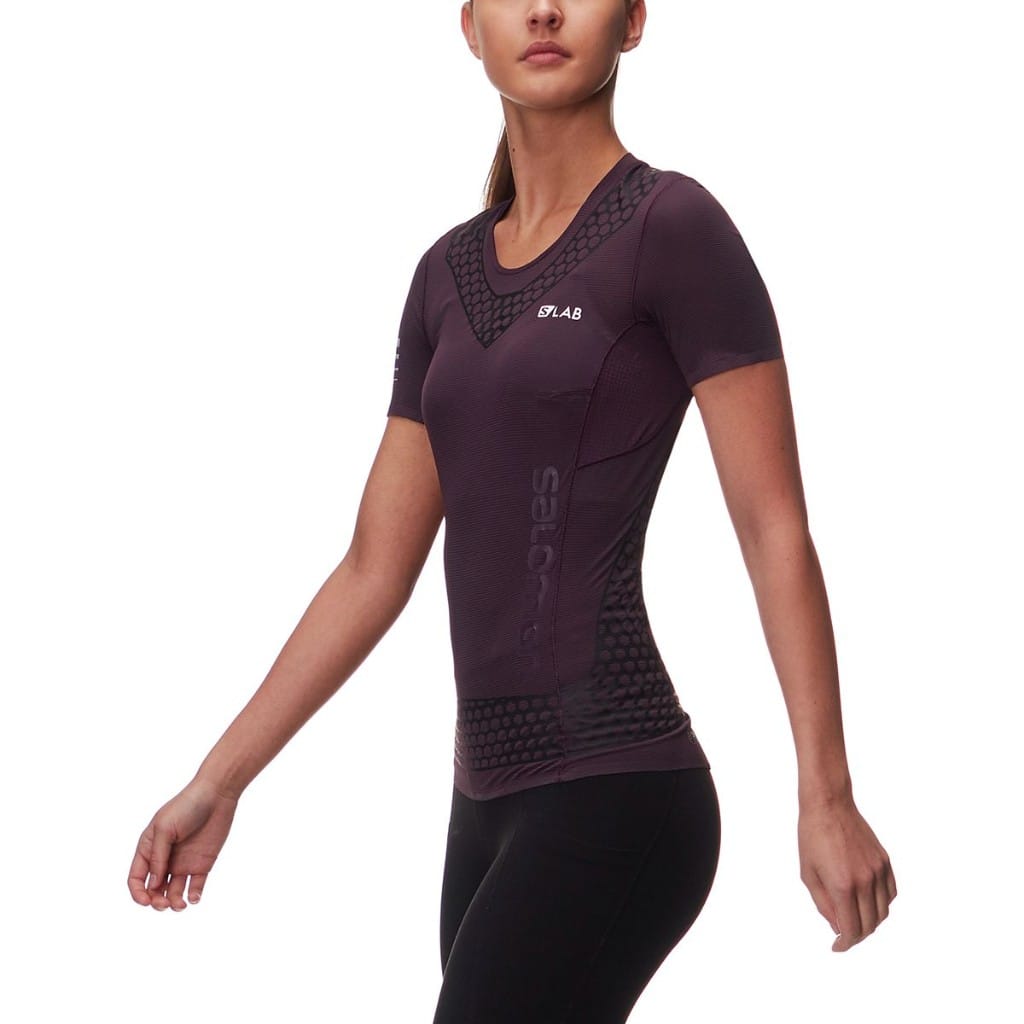
Salomon S/LAB EXO T-Shirt — Women's, Mauve salomon-s-lab-exo-t-shirt-womens-mauve The mauve women’s Salomon S/LAB EXO trail top combines mapped postural support with open-knit 37.5 fabric and a close skin fit.
This mauve S/LAB EXO T-Shirt carries Salomon’s body-mapped support structure across the shoulders, spine and lower torso. The open-knit 37.5 fabric manages heat and moisture, while the skin-fit cut keeps the postural panels close to the body without the weight of a conventional compression shell.
[]
This mauve S/LAB EXO T-Shirt carries Salomon’s body-mapped support structure across the shoulders, spine and lower torso. The open-knit 37.5 fabric manages heat and moisture, while the skin-fit cut keeps the postural panels close to the body without the weight of a conventional compression shell.
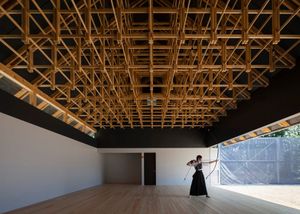
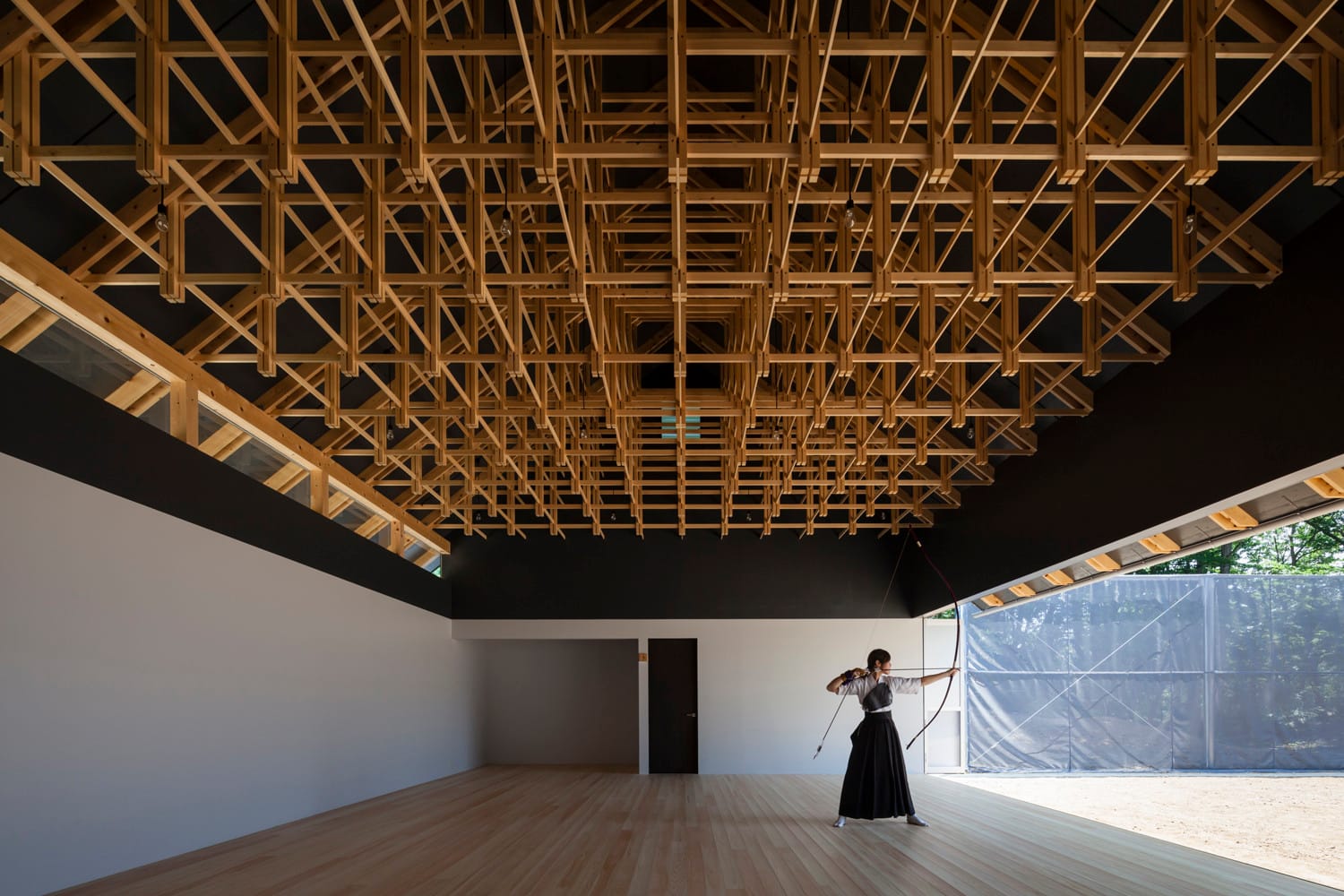
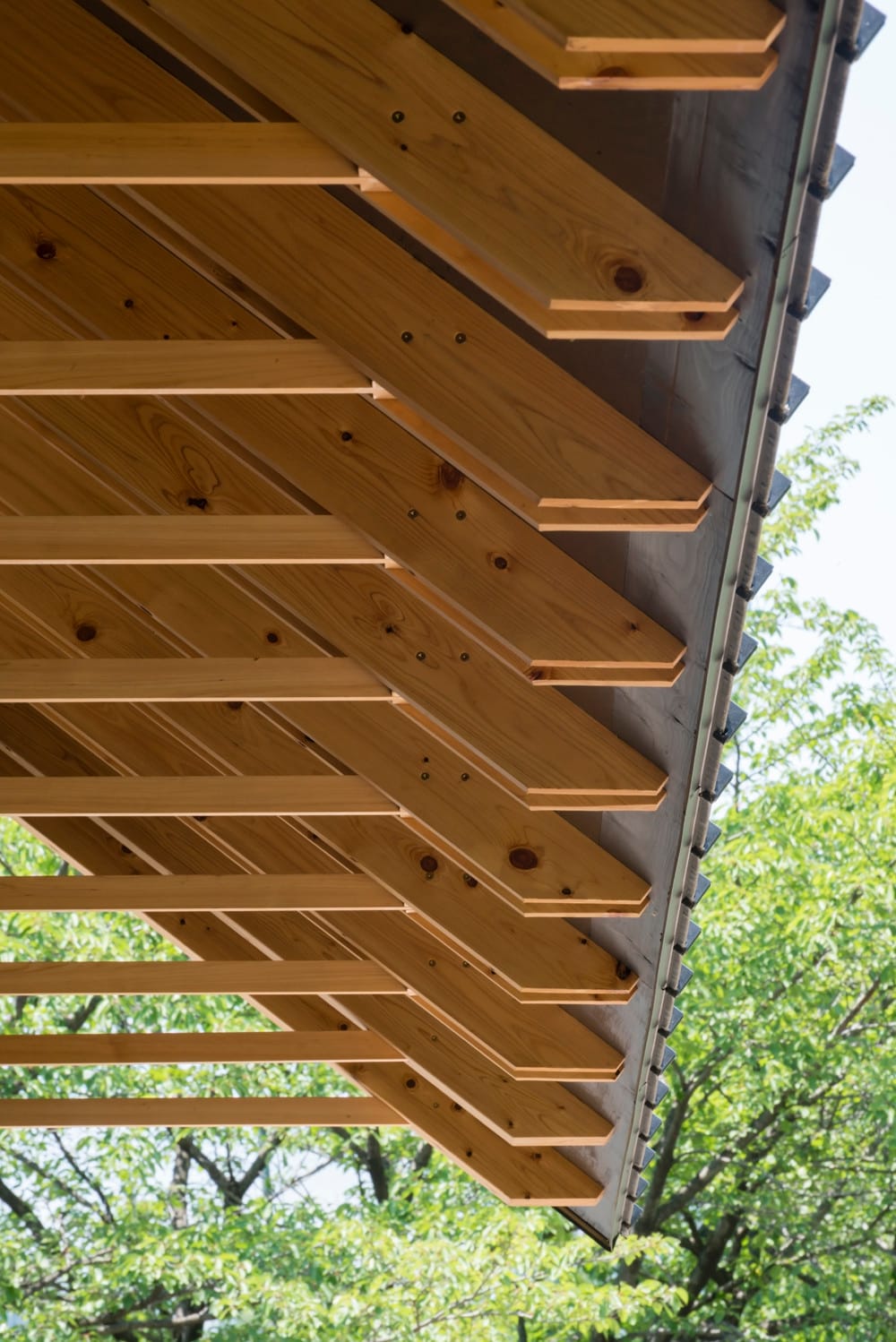
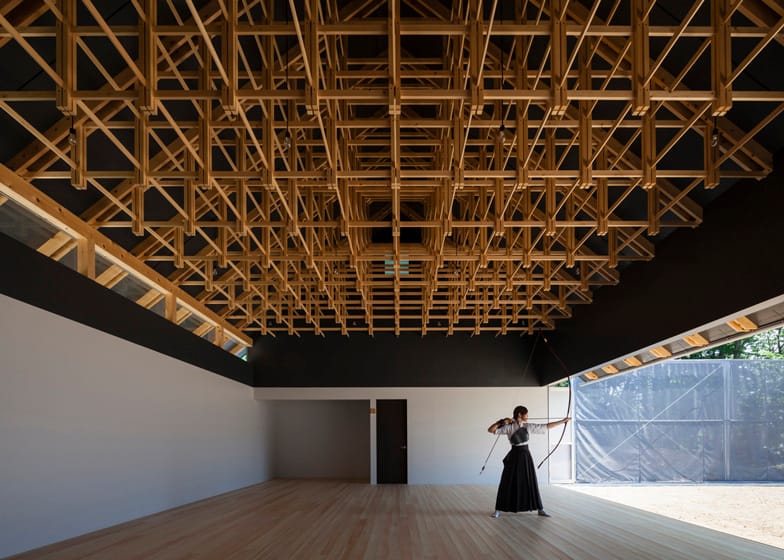
Kogakuin University Archery Hall kogakuin-university-archery-hall FT Architects' Archery Hall at Kogakuin University (2013): a column-free 7.2x10.8m room under an exposed bolt-jointed timber lattice roof. Photos Shigeo Ogawa.
The Archery Hall, one of two sports pavilions FT Architects (Katsuya Fukushima, Hiroko Tominaga) built in 2013 at Kogakuin University, west Tokyo. Each is a column-free room of 7.2 by 10.8 m under an exposed timber roof of horizontal and vertical members, bolt-and-nut jointed. The archery hall uses small timber sections normally used for furniture. Photographs by Shigeo Ogawa.
[]
The Archery Hall, one of two sports pavilions FT Architects (Katsuya Fukushima, Hiroko Tominaga) built in 2013 at Kogakuin University, west Tokyo. Each is a column-free room of 7.2 by 10.8 m under an exposed timber roof of horizontal and vertical members, bolt-and-nut jointed. The archery hall uses small timber sections normally used for furniture. Photographs by Shigeo Ogawa.
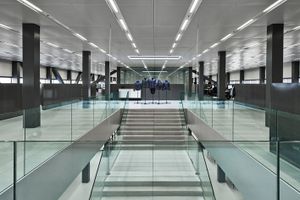
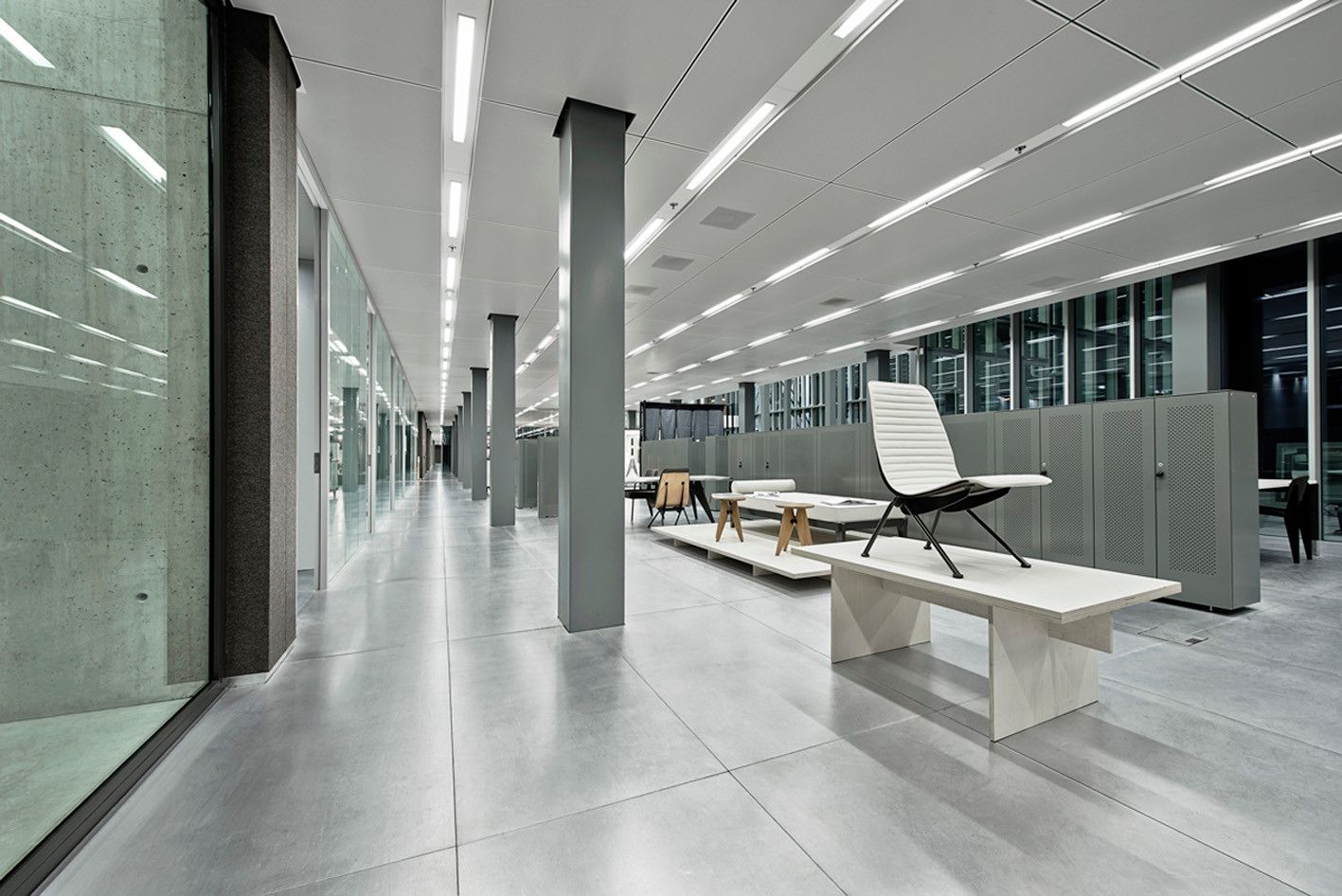
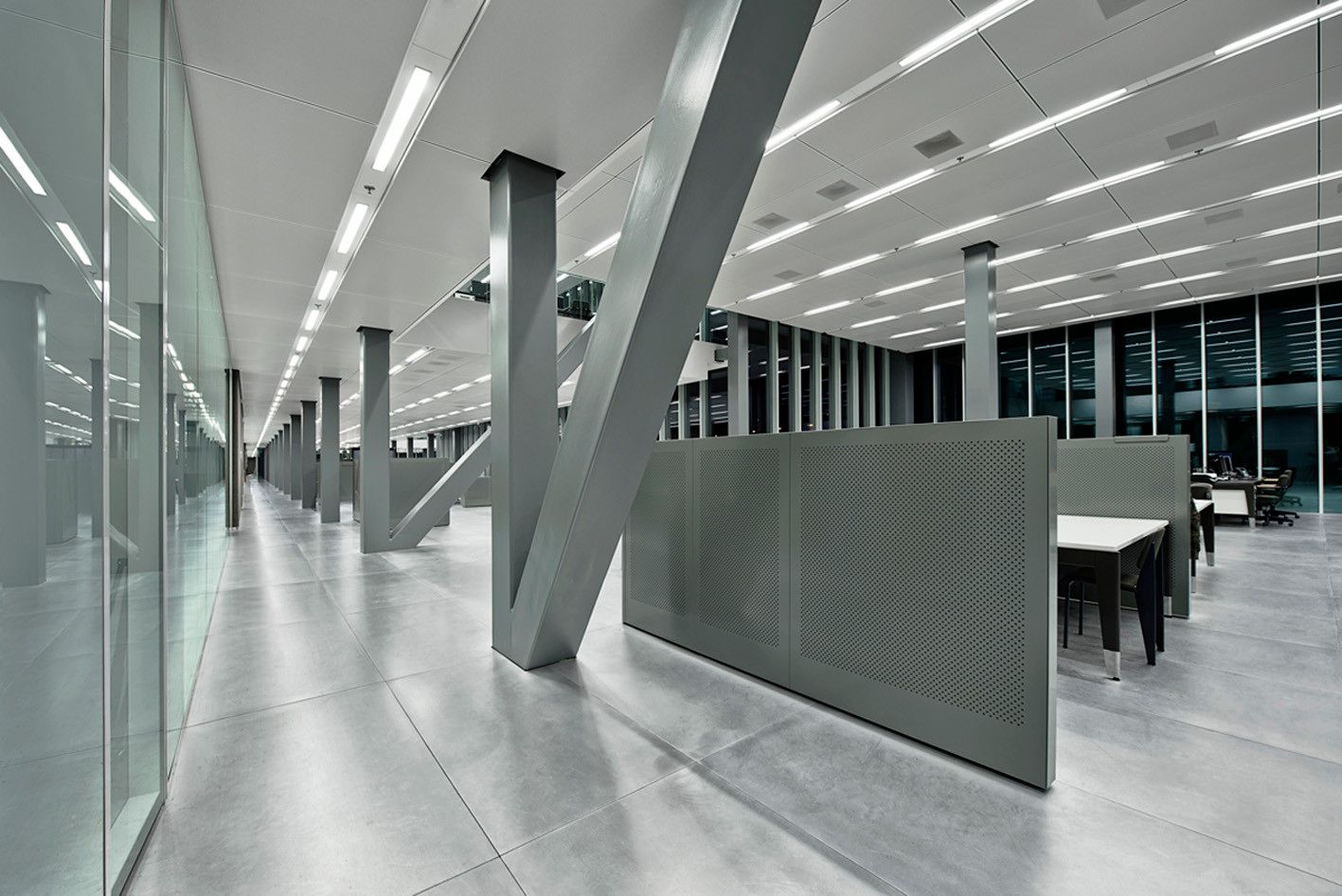
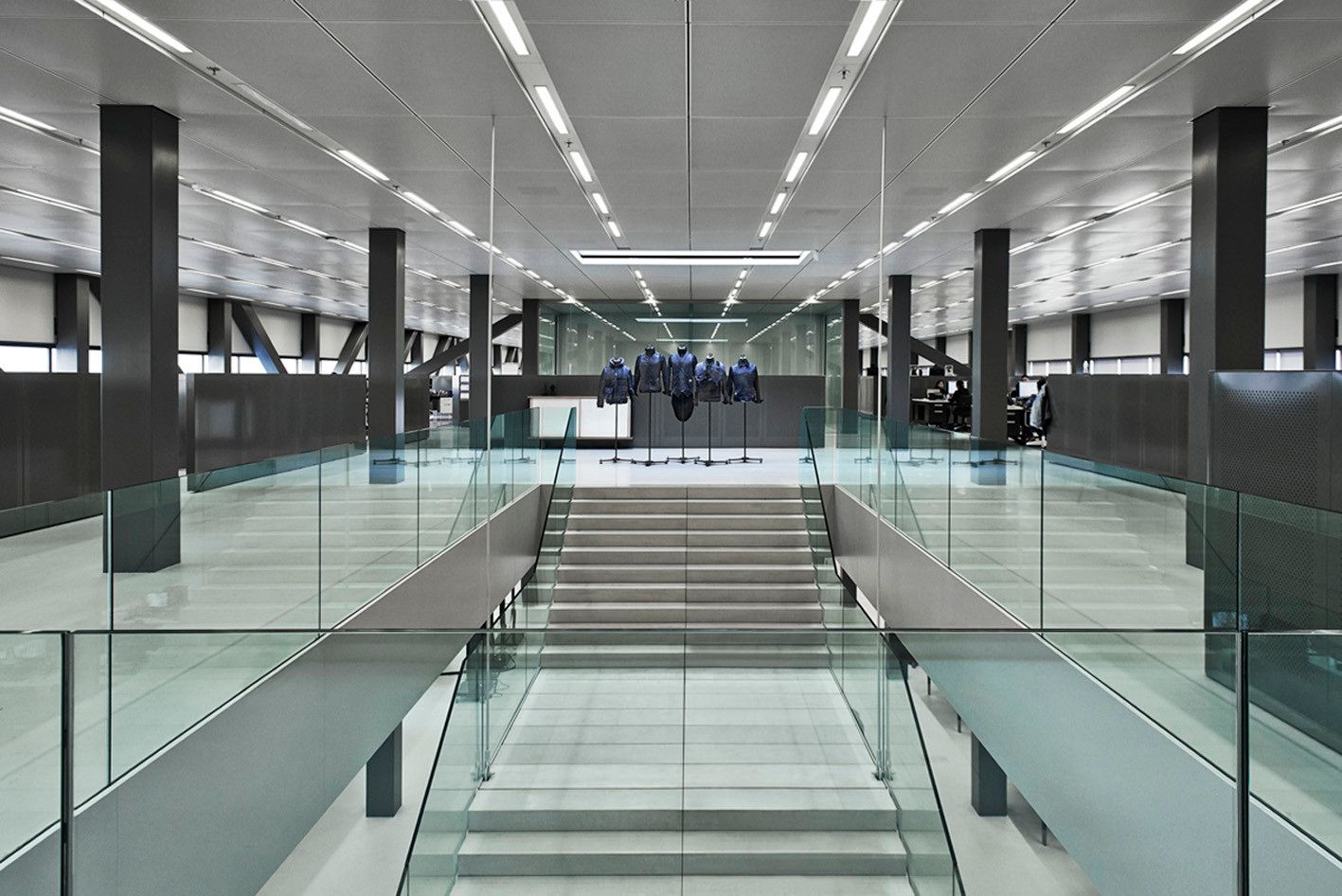
G-Star RAW HQ / OMA g-star-raw-hq-oma
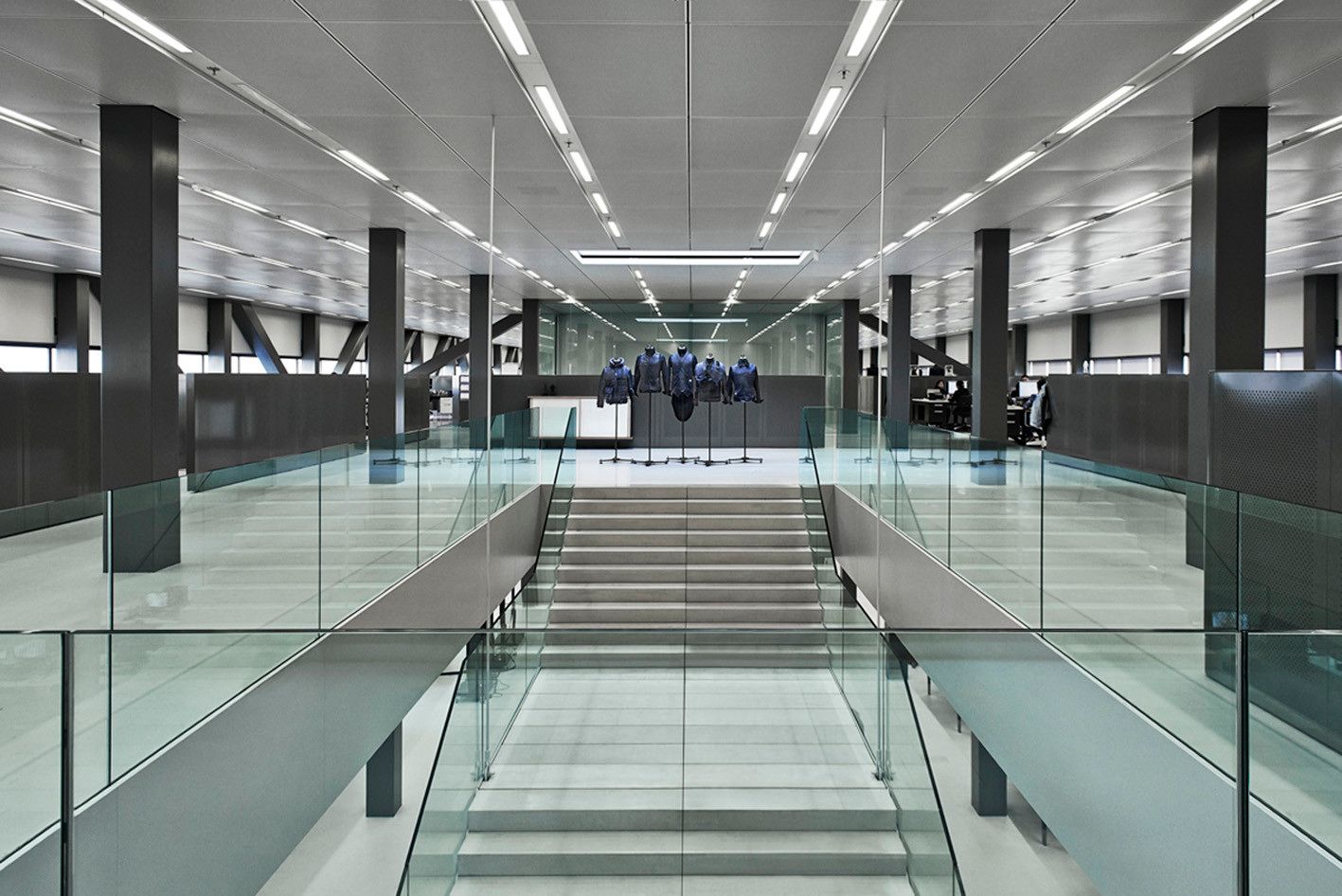
The horizontal building spans 27,500 square meters and stretches 140 meters in length. It comprises a central creative hub that houses G-Star RAW's essential departments. This creative center is encircled by offices, parking spaces, and supporting amenities. The differentiation between the functional support areas and the dynamic creative core is emphasized by the use of distinct materials. The outer ring is cons
[]
The horizontal building spans 27,500 square meters and stretches 140 meters in length. It comprises a central creative hub that houses G-Star RAW's essential departments. This creative center is encircled by offices, parking spaces, and supporting amenities. The differentiation between the functional support areas and the dynamic creative core is emphasized by the use of distinct materials. The outer ring is constructed from black concrete, giving it a solid and unified appearance, while the transparent glass facade reveals the vibrant creative core within. The lower section of the ring serves as a base for parking and drop-off purposes, as well as a platform for installations and events.
Alcatel Head Office by Frederico Valsassina Architects
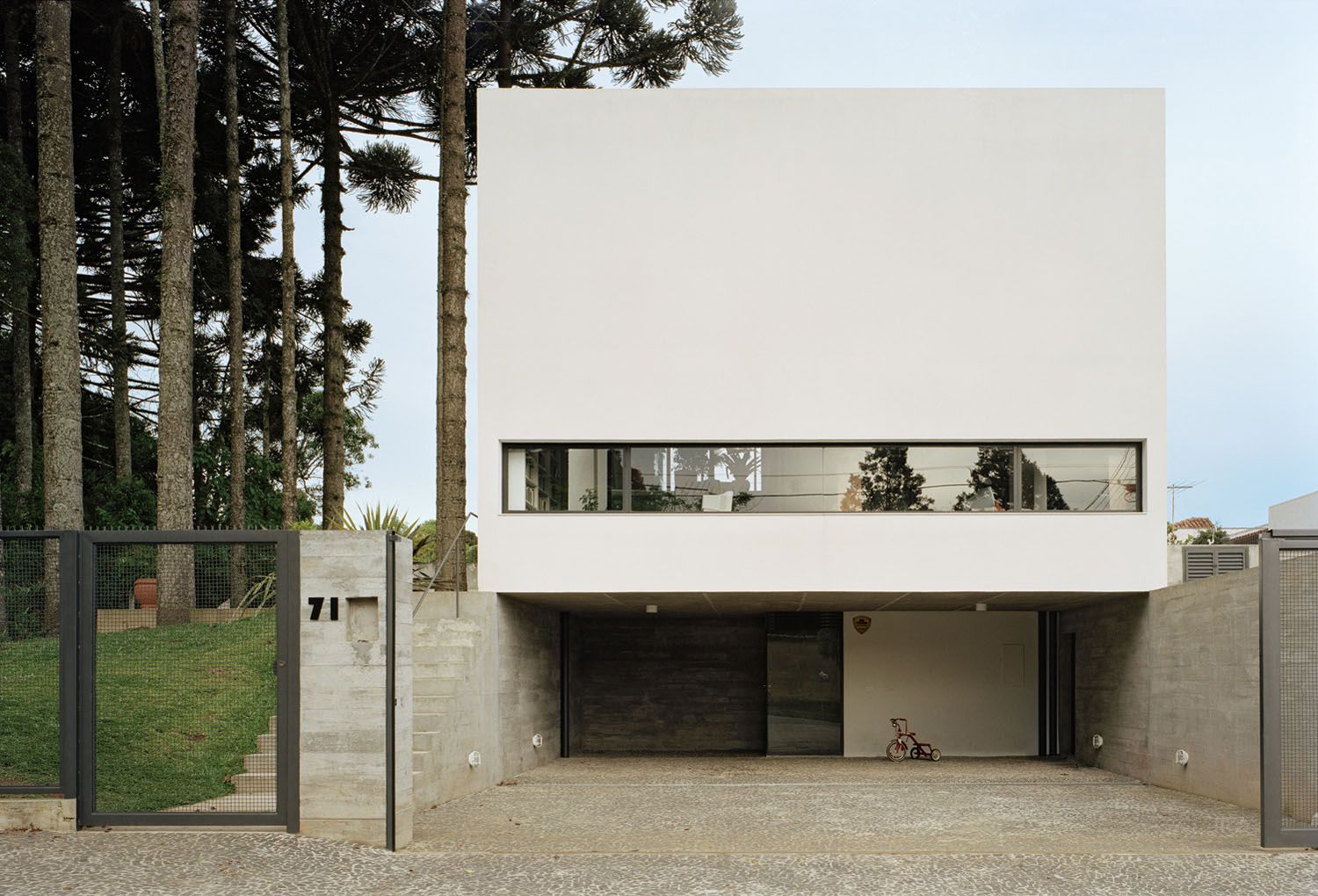
Residência Itahye / Apiacás Arquitetos + Brito Antunes Arquitetura residencia-itahye Designed to be implanted in a plot of a condominium in the city of Santana do Parnaíba, it was possible to develop the project of this house with the contribution of its future resident.
Designed to be implanted in a plot of a condominium in the city of Santana do Parnaíba, it was possible to develop the project of this house with the contribution of its future resident who, in an unusual way in these situations, he agreed with a house that would establish a more frank relationship with the street.
[]
Designed to be implanted in a plot of a condominium in the city of Santana do Parnaíba, it was possible to develop the project of this house with the contribution of its future resident who, in an unusual way in these situations, he agreed with a house that would establish a more frank relationship with the street.
The House of Yagi by Suppose Design Office + Ohno Japan
The House of Yagi by Suppose Design Office + Ohno Japan the-house-of-yagi-by-suppose-design-office-ohno-japan
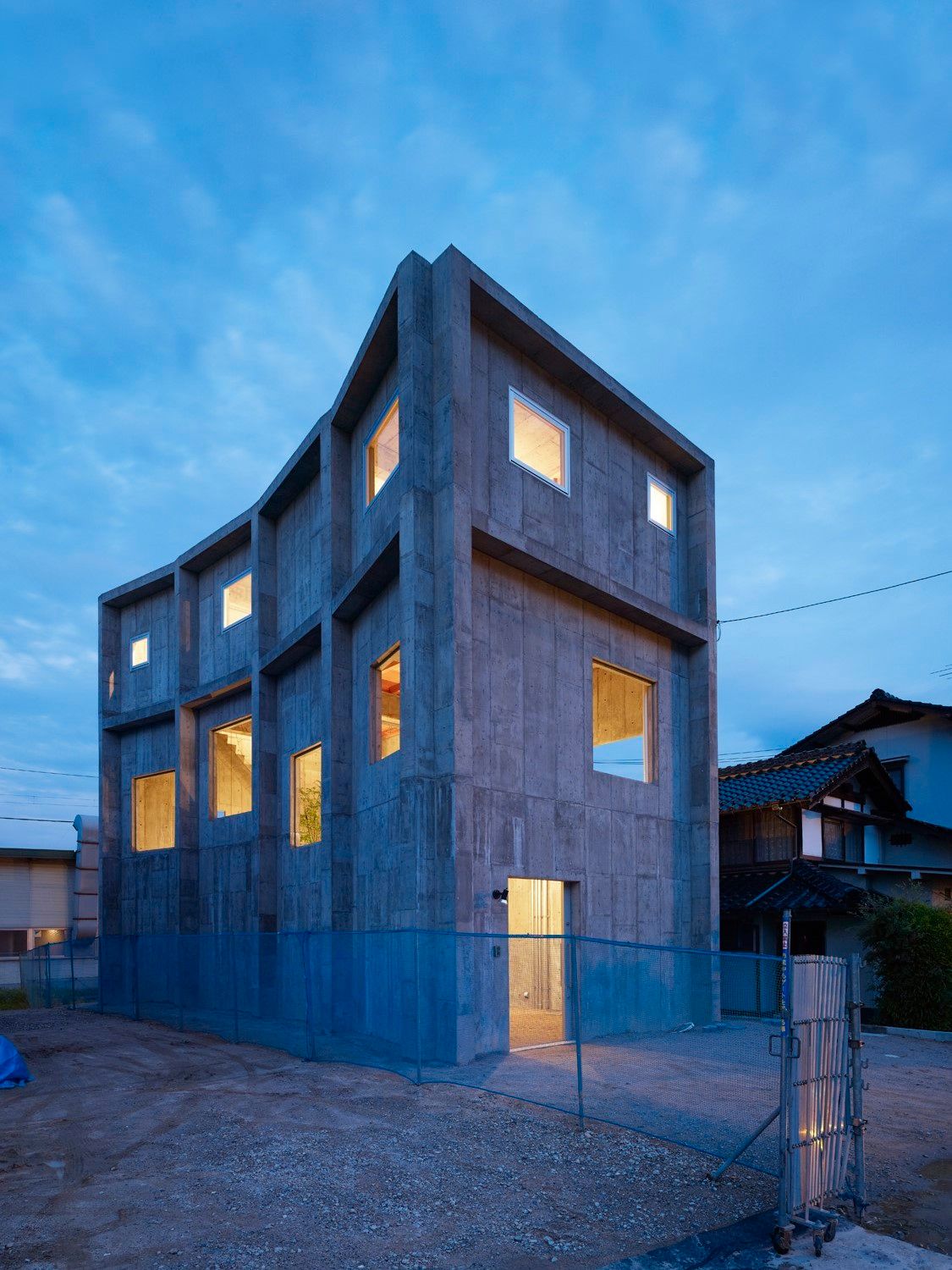
Text description provided by the architects. The House of Yagi is designed with the idea of an incomplete/complete form. Unlike other projects, the final stage of construction for this house was not aiming towards a finish stage, but to let the owner experience the sense of completion after living here. Interior space of the house is designed to maximize the interaction to its surrounding environment.
[]
Text description provided by the architects. The House of Yagi is designed with the idea of an incomplete/complete form. Unlike other projects, the final stage of construction for this house was not aiming towards a finish stage, but to let the owner experience the sense of completion after living here. Interior space of the house is designed to maximize the interaction to its surrounding environment.
Ardmore Residence by UNStudio in Singapore ardmore-residence-by-unstudio
The primary concept for the design of the 36 storey, 17.178 m² residential tower is a multi-layered architectural response to the natural landscape inherent to the ‘Garden City’ of Singapore. This landscape concept is integrated into the design by means of four large details: the articulation of the facade, which through its detailing creates various organic textures and patterns; expansive views across the city made
[]
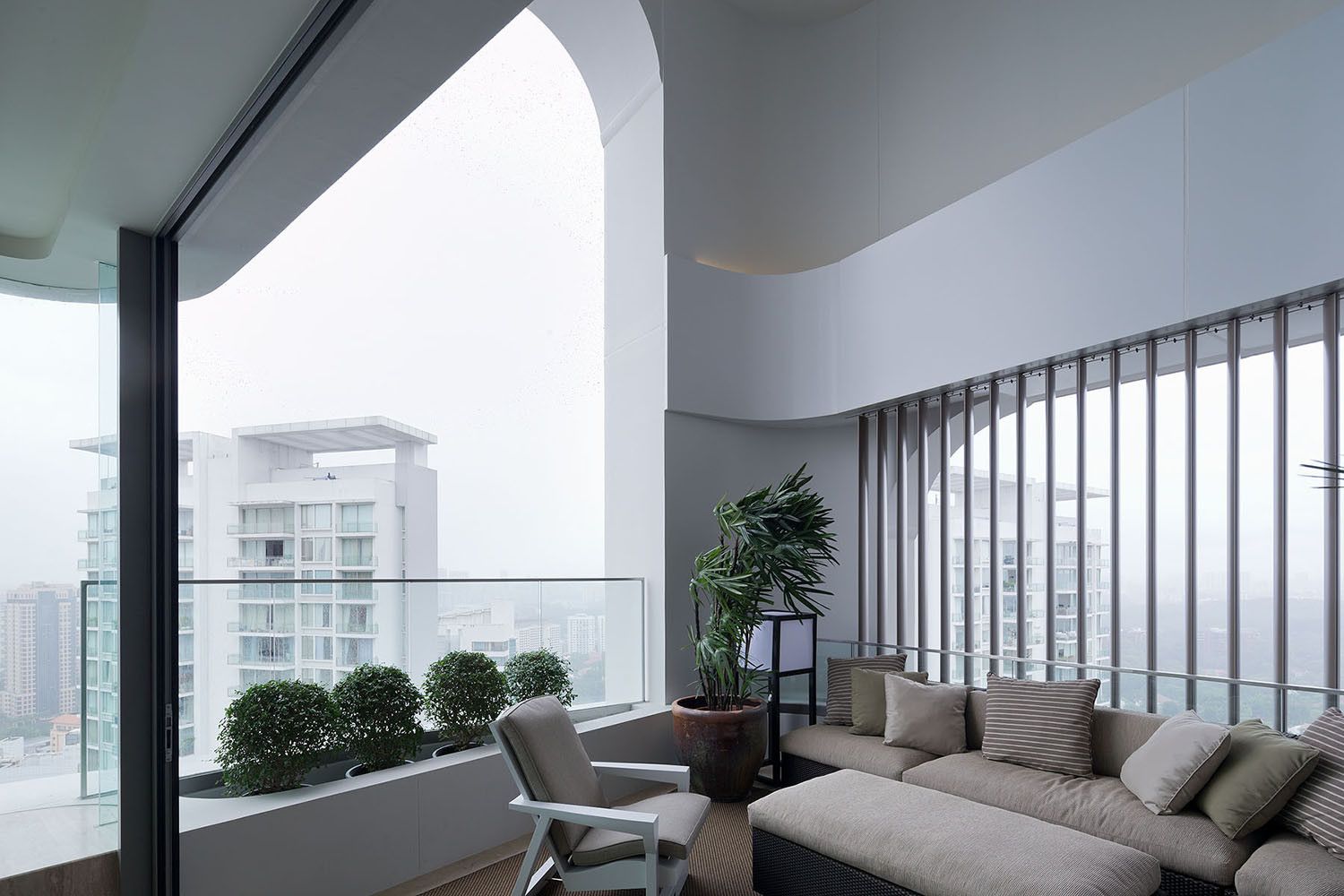
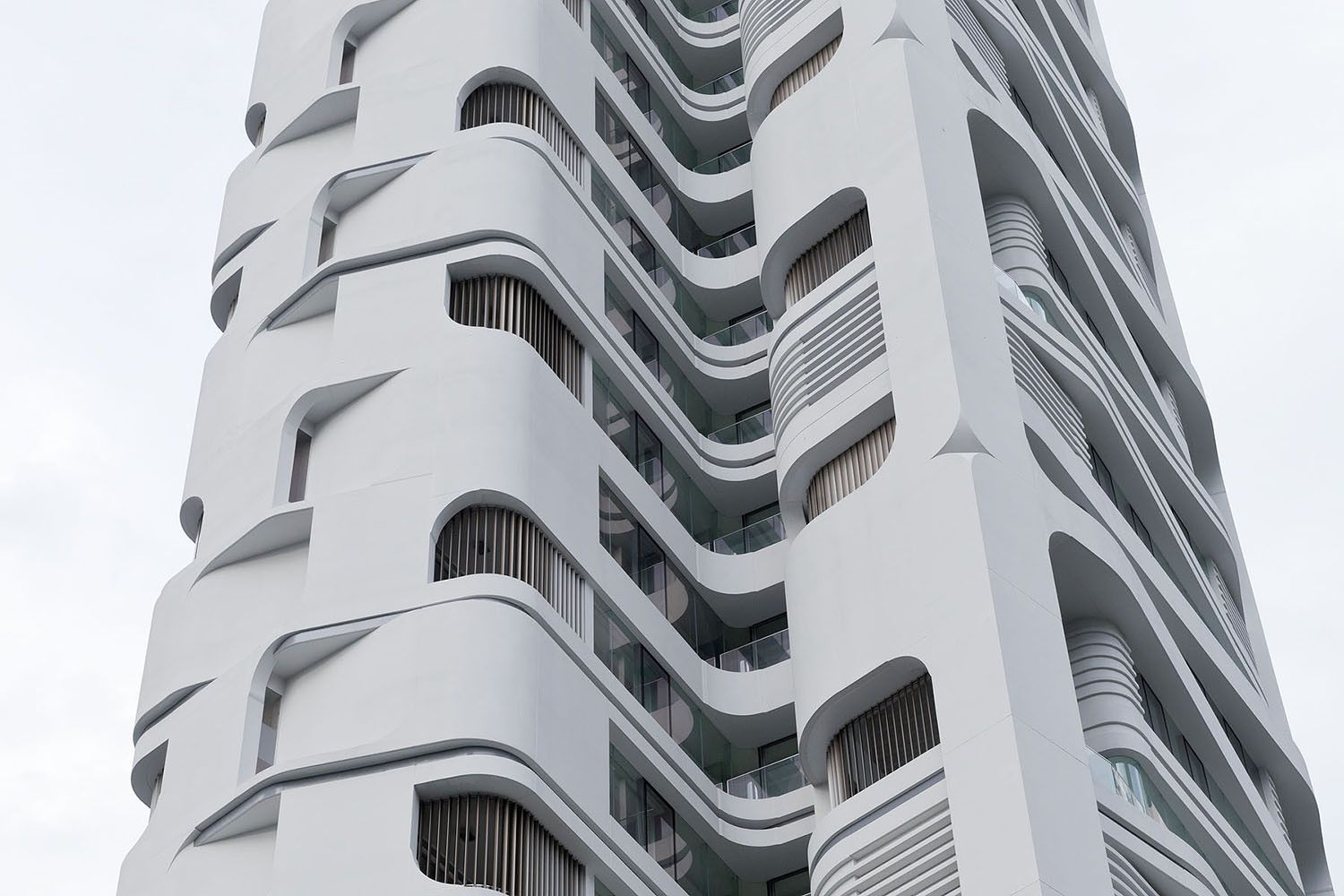
The primary concept for the design of the 36 storey, 17.178 m² residential tower is a multi-layered architectural response to the natural landscape inherent to the ‘Garden City’ of Singapore. This landscape concept is integrated into the design by means of four large details: the articulation of the facade, which through its detailing creates various organic textures and patterns; expansive views across the city made possible by large glazed areas, bay windows and double-height balconies; the interior ‘living landscape’ concept adopted for the design of the two apartment types and the introduction of transparency and connectivity to the ground level gardens by means of a raised structure supported by an open framework.
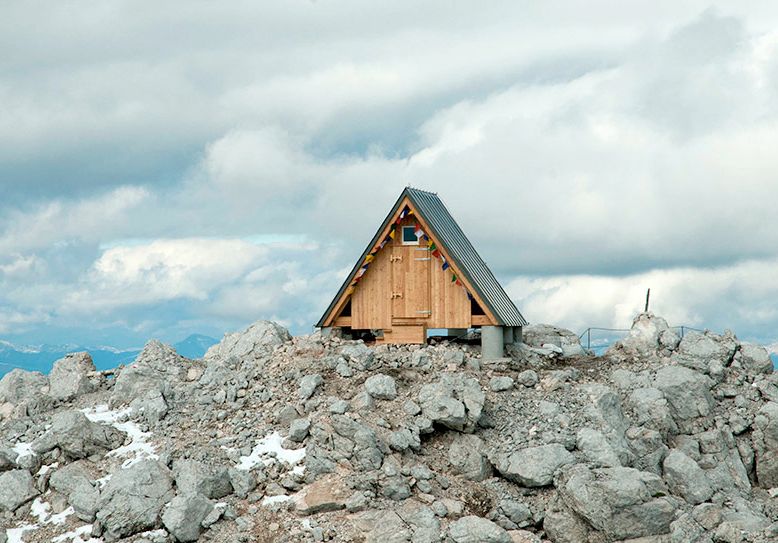
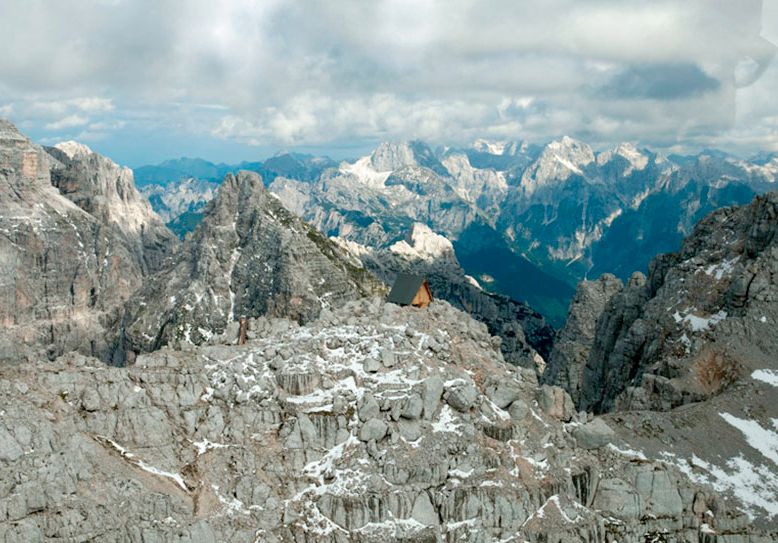
Giovanni Pesamosca’s Alpine Cabin in Friuli, Italy
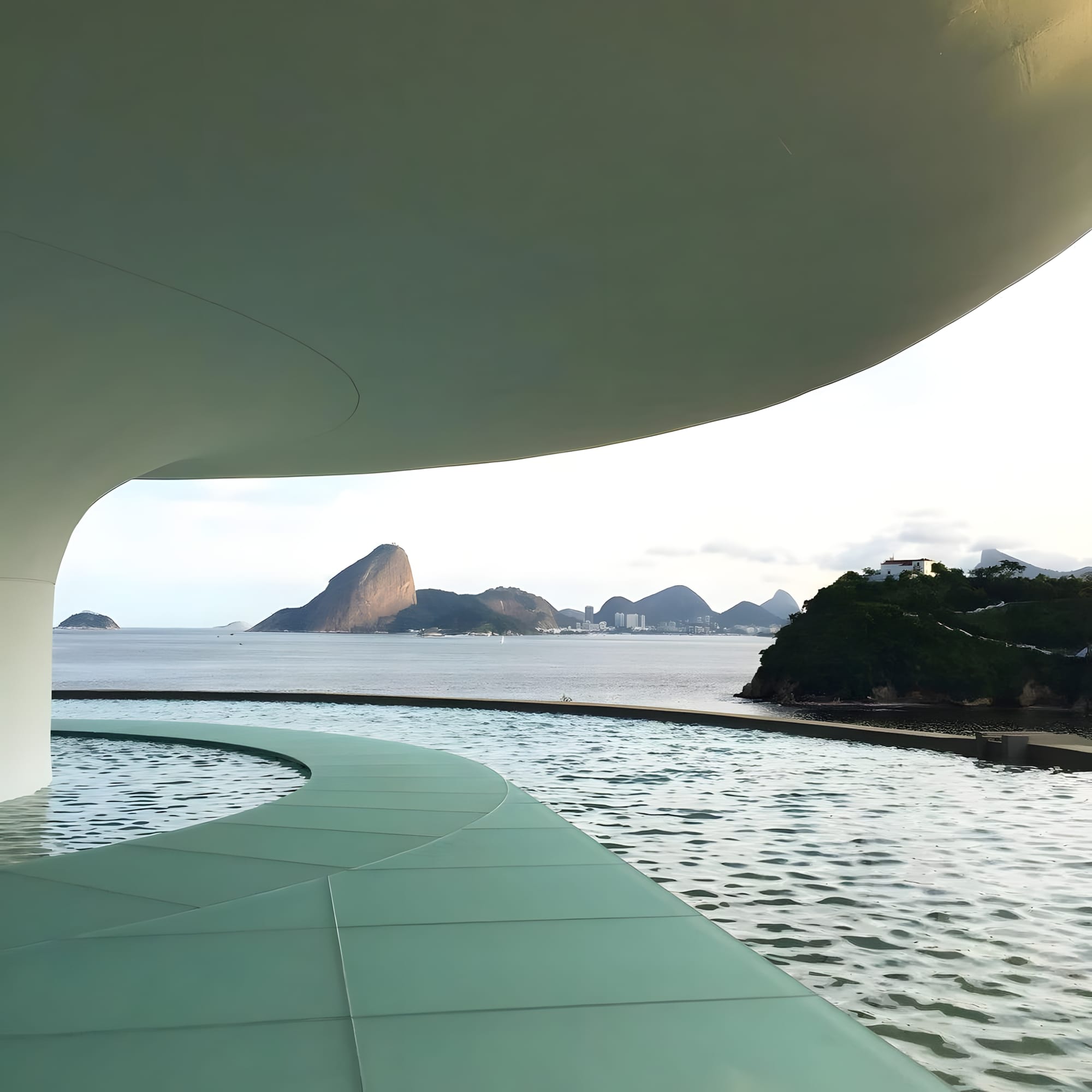
Oscar Niemeyer's MAC Niterói — Louis Vuitton Cruise 2017 Venue mac-niteroi-oscar-niemeyer-louis-vuitton-cruise-2017 Oscar Niemeyer's Museu de Arte Contemporânea de Niterói, the flying-saucer museum overlooking Guanabara Bay, photographed as the venue for the Louis Vuitton Cruise 2017 show by Nicolas Ghesquière.
[]
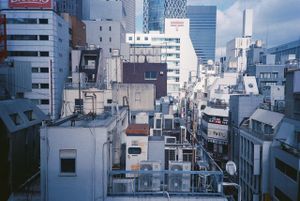
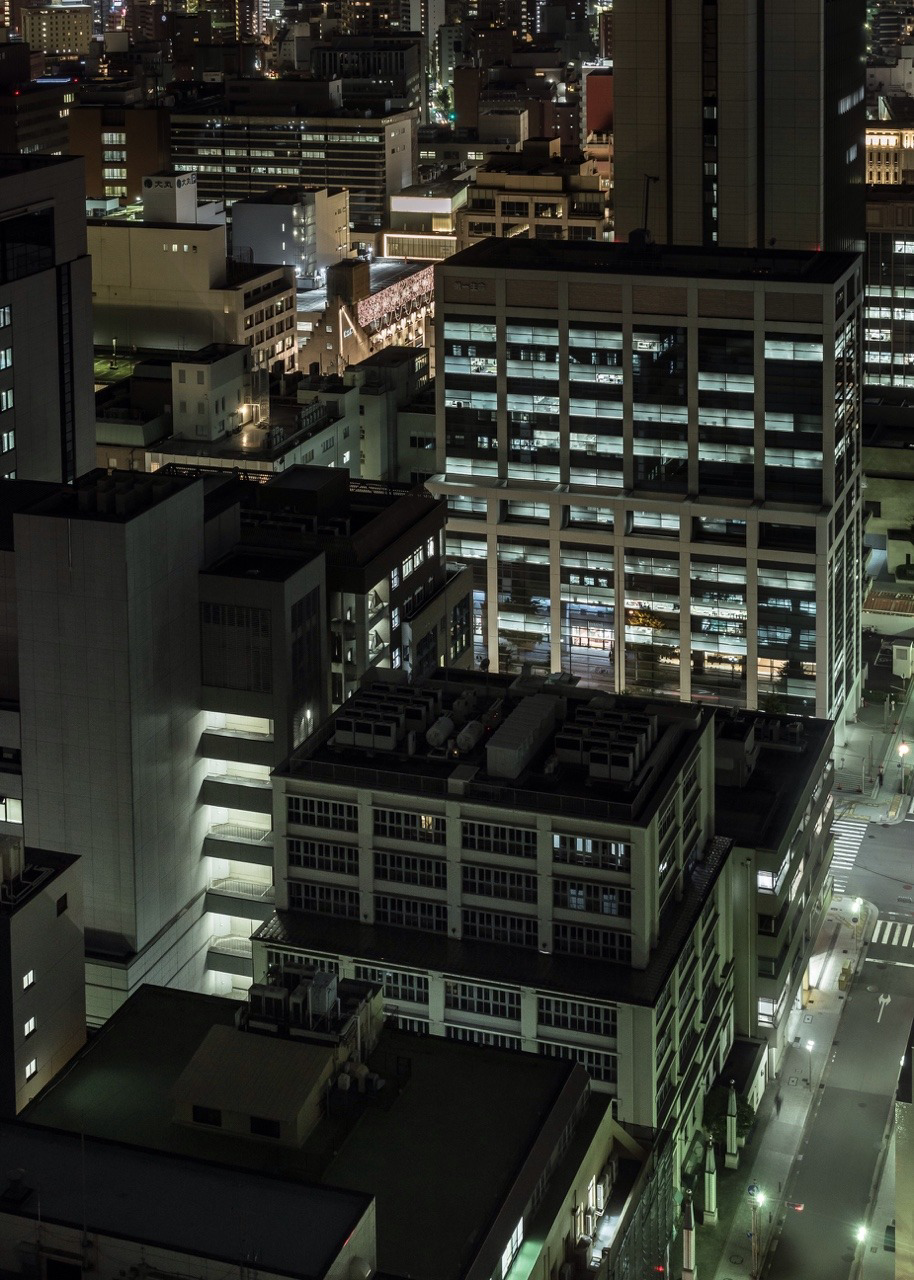
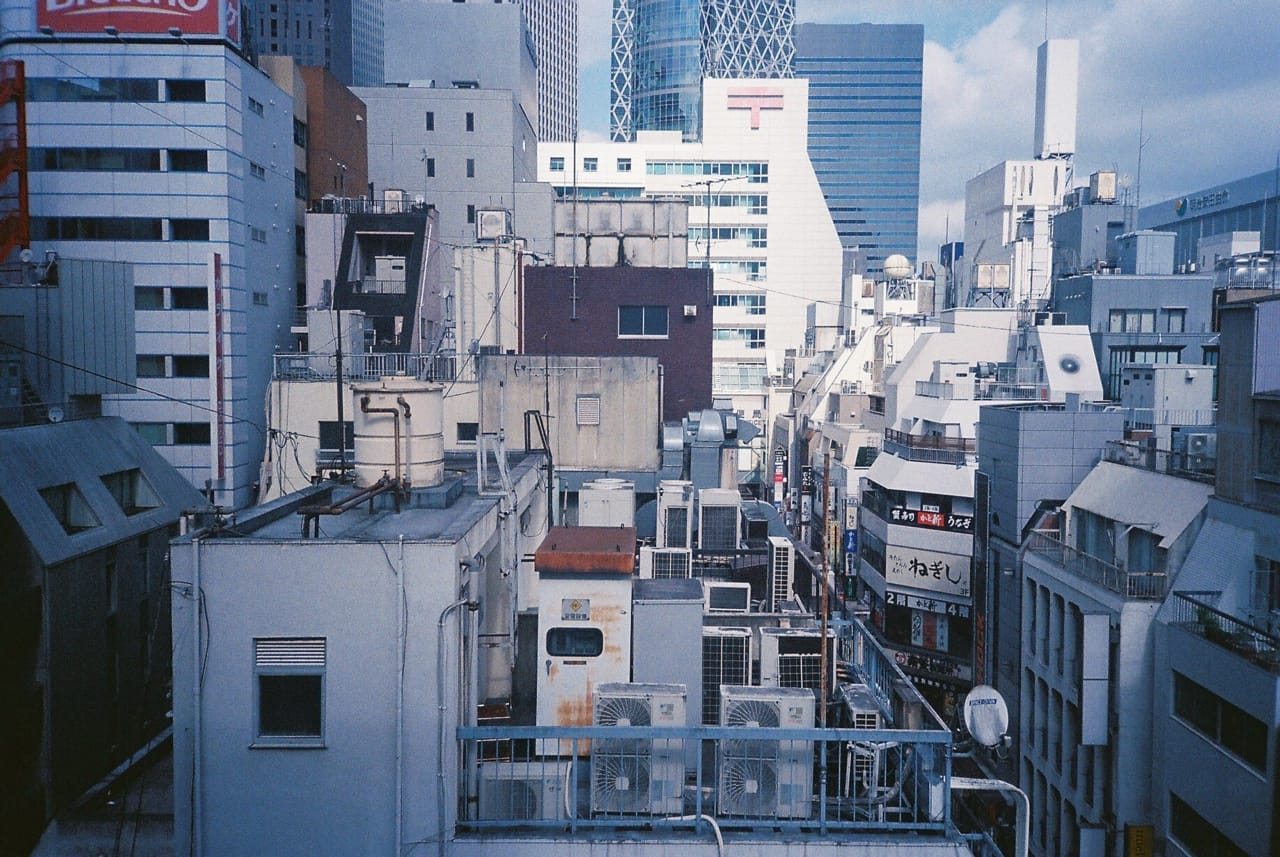
Tokyo Rooftops Ginza tokyo-rooftops-ginza Elevated view of Ginza rooftops, Tokyo — dense urban machinery of AC units, water tanks, and building infrastructure shot from above, in the style of Tokyo street photography.
[]
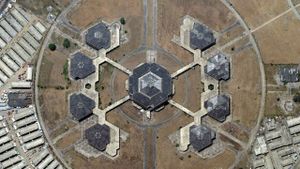
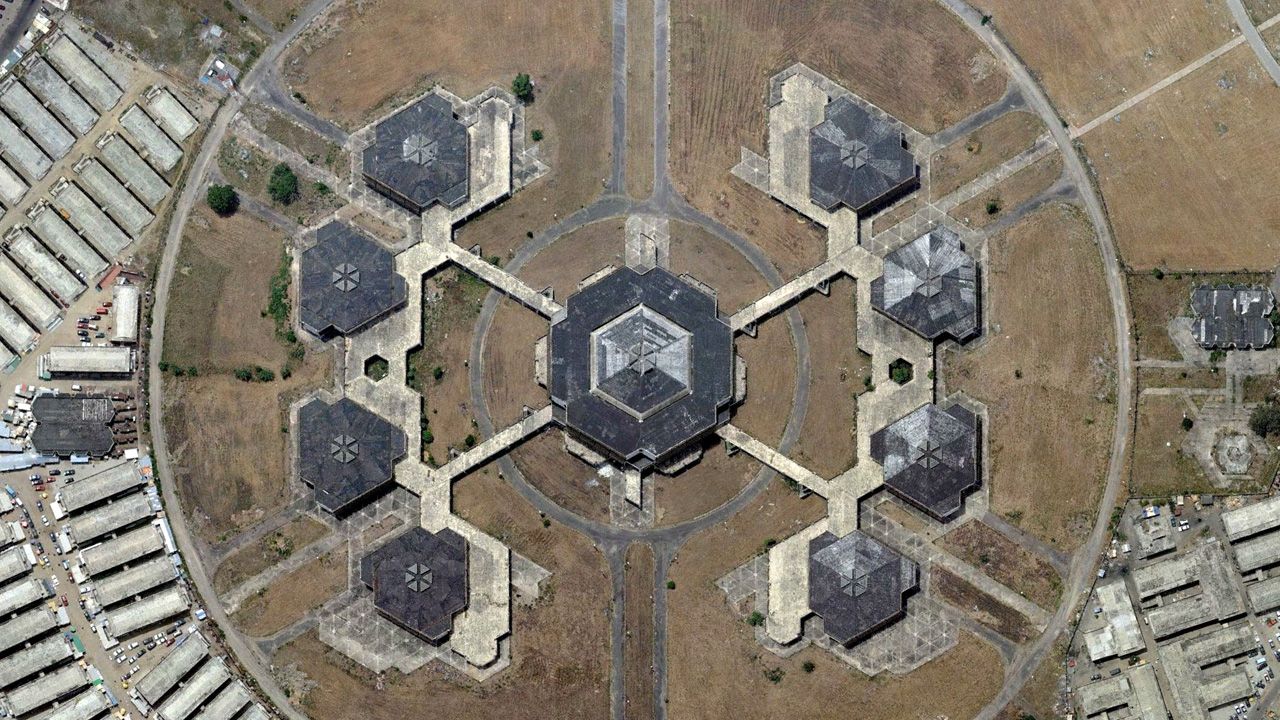
Aerial view of the Lagos fair ground designed and constructed by Energoprojekt, (Yugoslavia), completed 1976-77. aerial-view-of-the-lagos-fair-ground-designed-and-constructed-by-energoprojekt-yugoslavia-completed-1976-77
[]
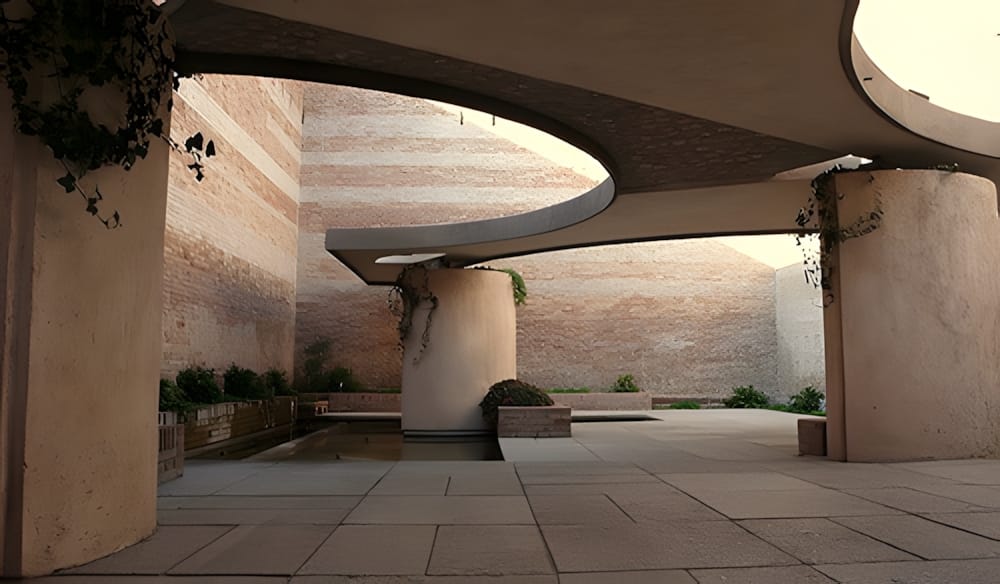
Carlo Scarpa — Fondazione Querini Stampalia Garden, Venice carlo-scarpa-fondazione-querini-stampalia-garden-venice Carlo Scarpa's 1961–63 renovation of the Fondazione Querini Stampalia courtyard garden in Venice. The curved concrete canopy carried on cylindrical columns over a stone-paved court with exposed brick walls is one of Scarpa's most celebrated material interventions.
[]
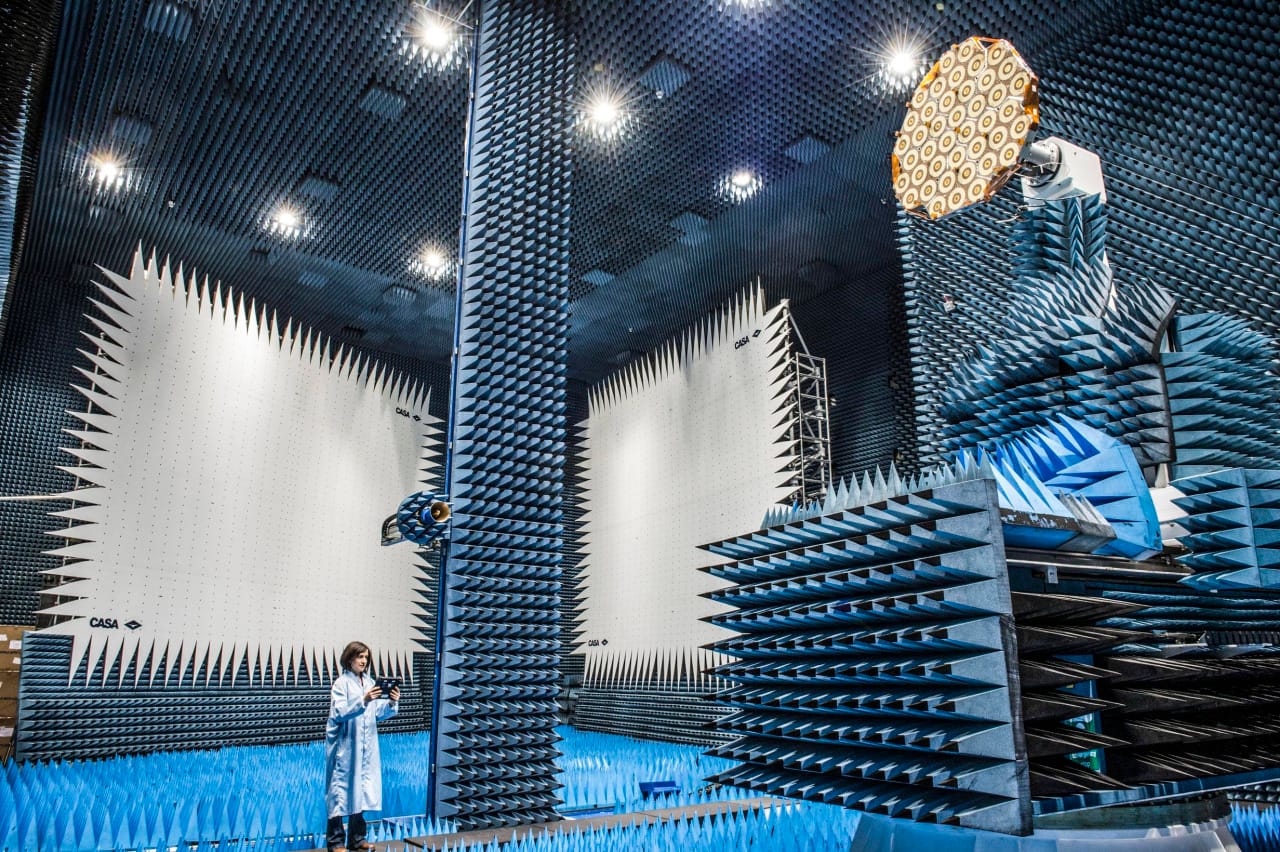
ESA HERTZ Anechoic Chamber — Antenna Test Facility at ESTEC
ESA HERTZ Anechoic Chamber — Antenna Test Facility at ESTEC esa-hertz-anechoic-chamber-antenna-test-facility-estec The ESA HERTZ (Hybrid European RF and Antenna Test Zone) anechoic chamber at ESTEC, Noordwijk — used for testing satellite antennas in a simulated free-space electromagnetic environment. Photographed by Alastair Philip Wiper or similar fine art documentation.
[]
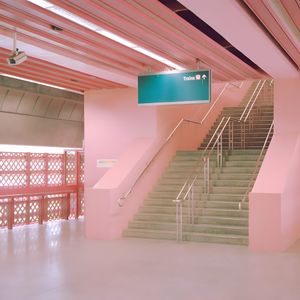
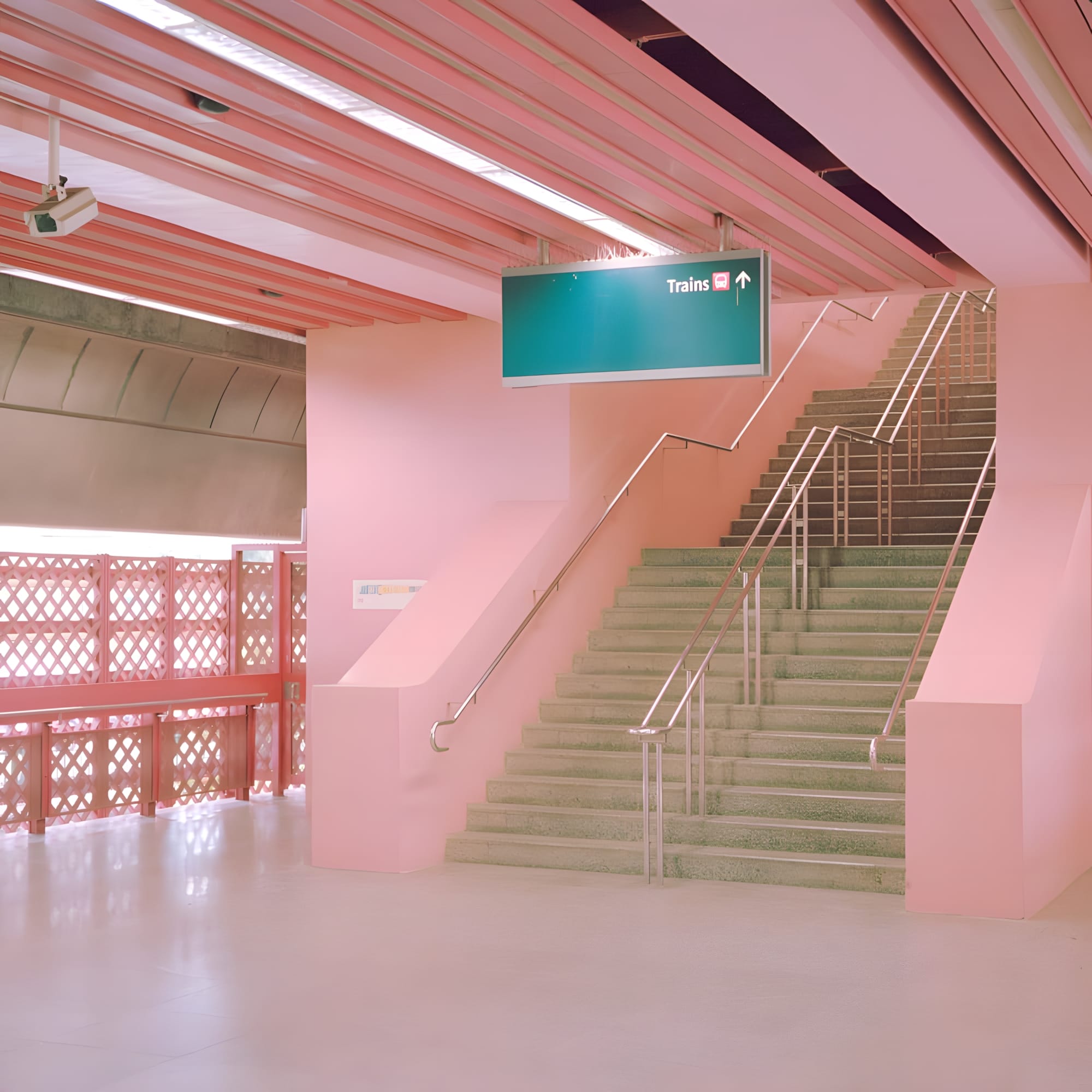
Redhill MRT Station — Singapore redhill-mrt-station-singapore Redhill MRT Station on Singapore's Mass Rapid Transit network — an architectural study in pastel geometry, the station's pink and green tiled columns and soft-lit concourse becoming an unlikely icon of accidental beauty in the city's transit infrastructure.
[]
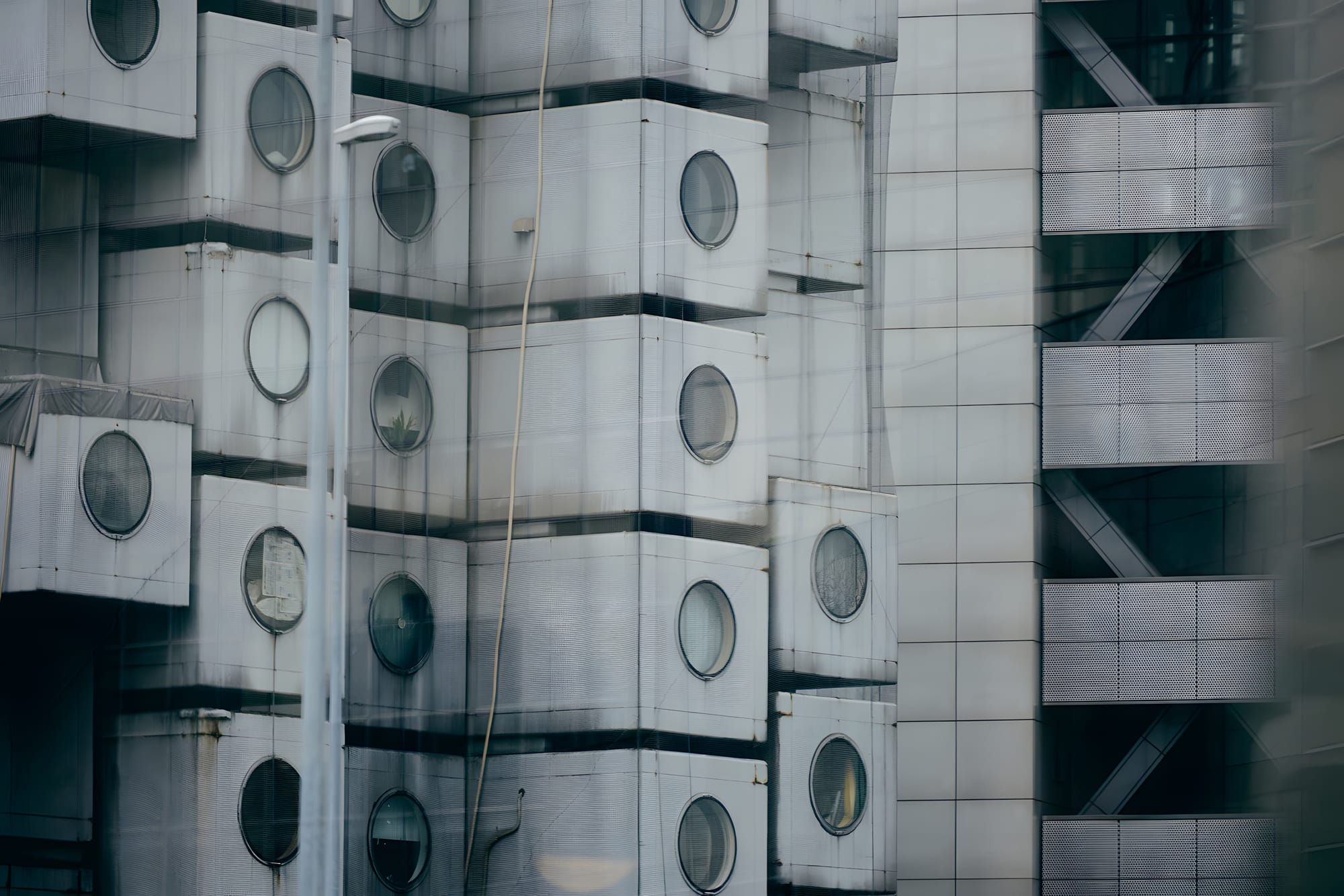
Nakagin Capsule Tower — Exterior Detail, Tokyo 2016
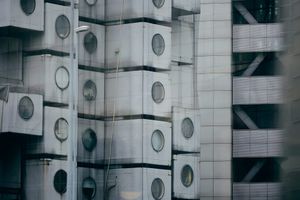
Nakagin Capsule Tower — Exterior Detail, Tokyo 2016 nakagin-capsule-tower-exterior-detail-tokyo-2016 Close-up exterior view of the Nakagin Capsule Tower in Shimbashi, Tokyo, photographed in 2016. Kisho Kurokawa's 1972 Metabolist landmark, showing stacked prefabricated capsule units with circular porthole windows.
[]
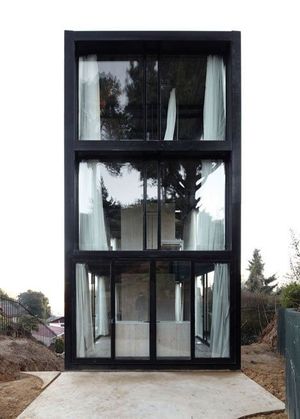
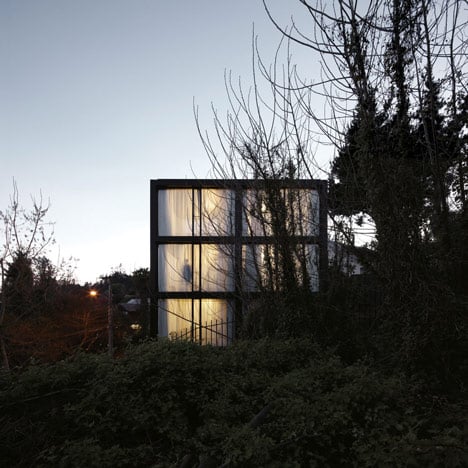
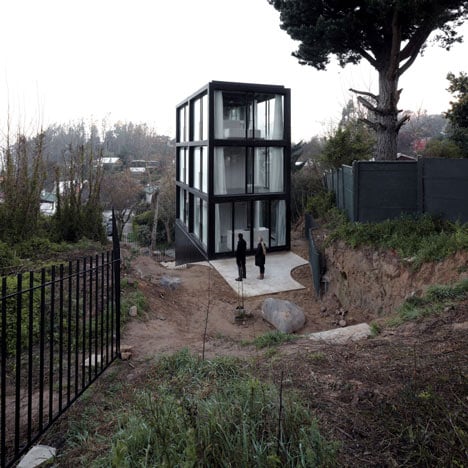
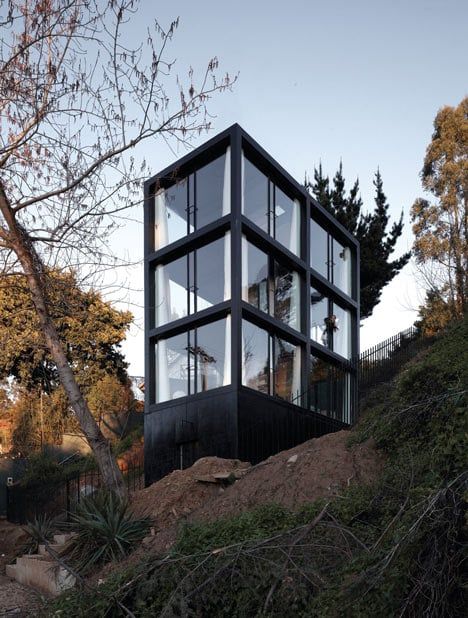
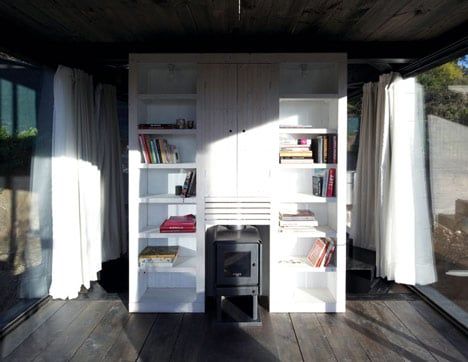
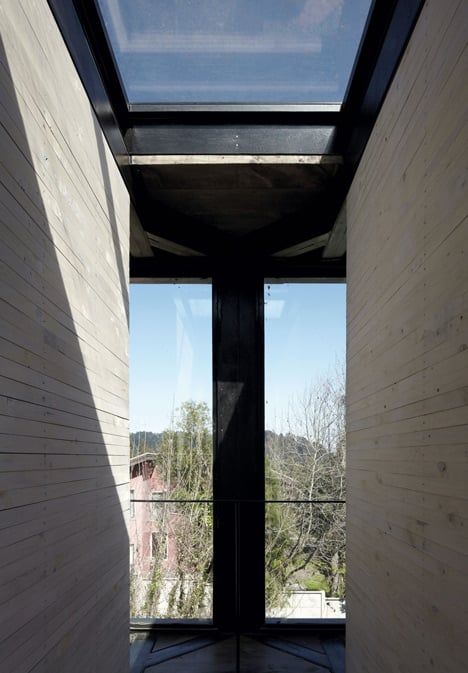
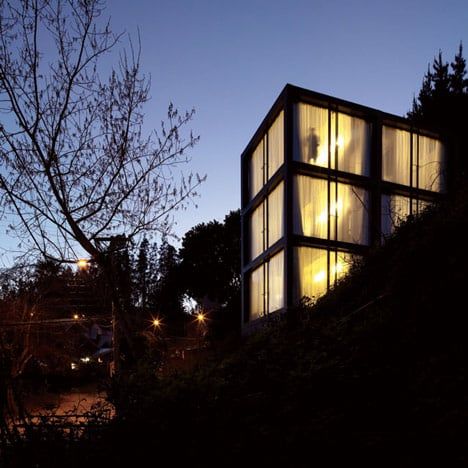
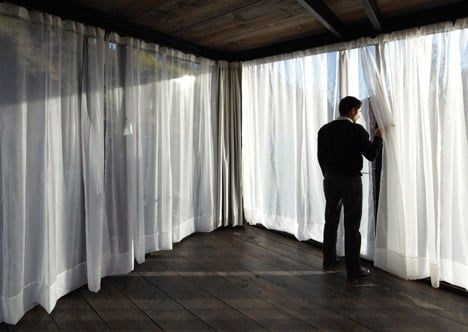
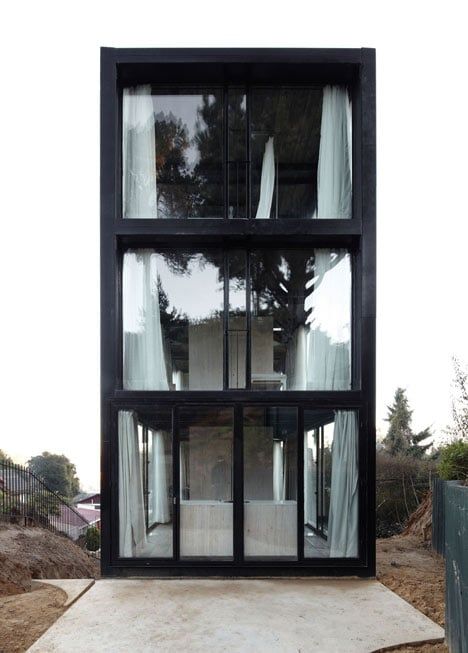
Earthquake-proof house on a hillside in western Chile by architects Pezo von Ellrichshausen casa-arco-by-pezo-von-ellrichshausen
This earthquake-proof house on a hillside in western Chile by architects Pezo von Ellrichshausen has six rooms with glass walls (+ photos by Cristobal Palma).
[]
This earthquake-proof house on a hillside in western Chile by architects Pezo von Ellrichshausen has six rooms with glass walls (+ photos by Cristobal Palma).
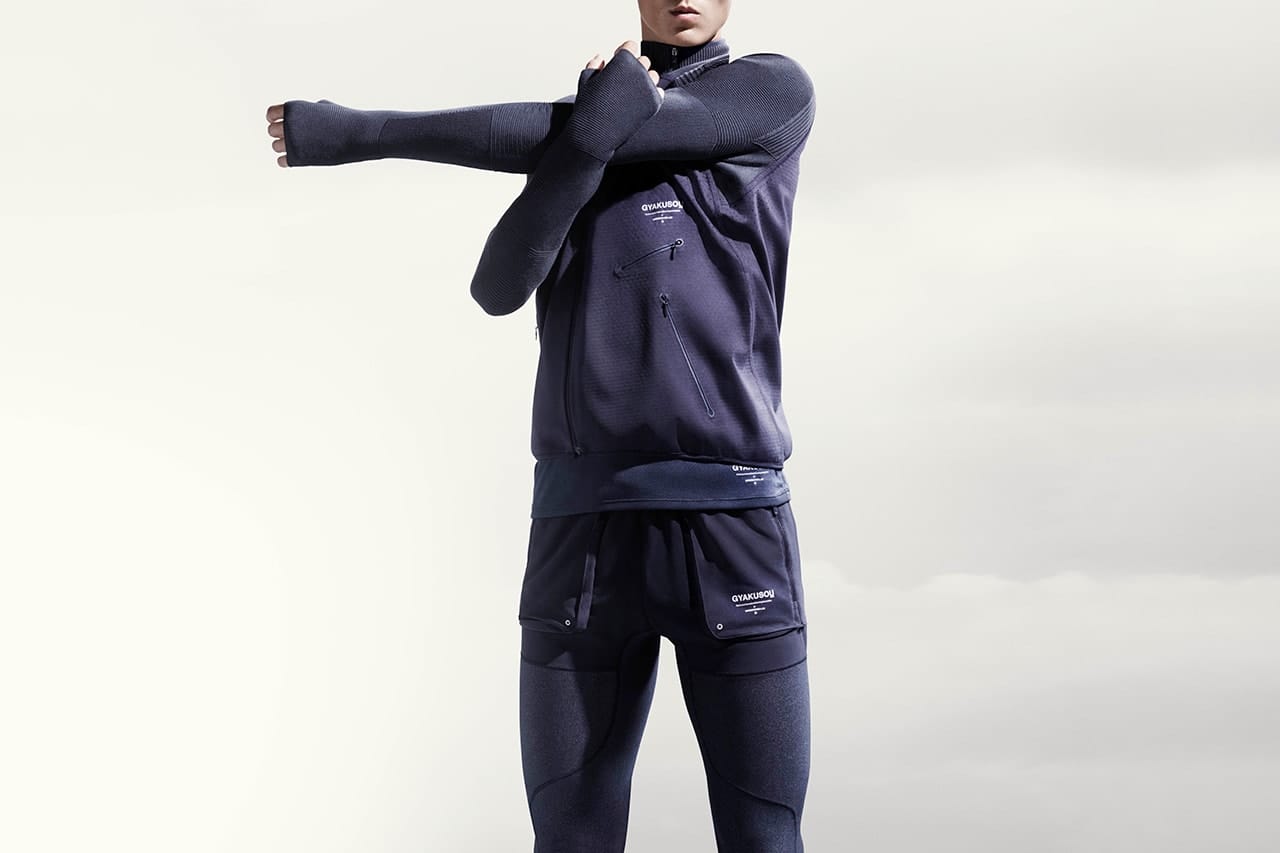
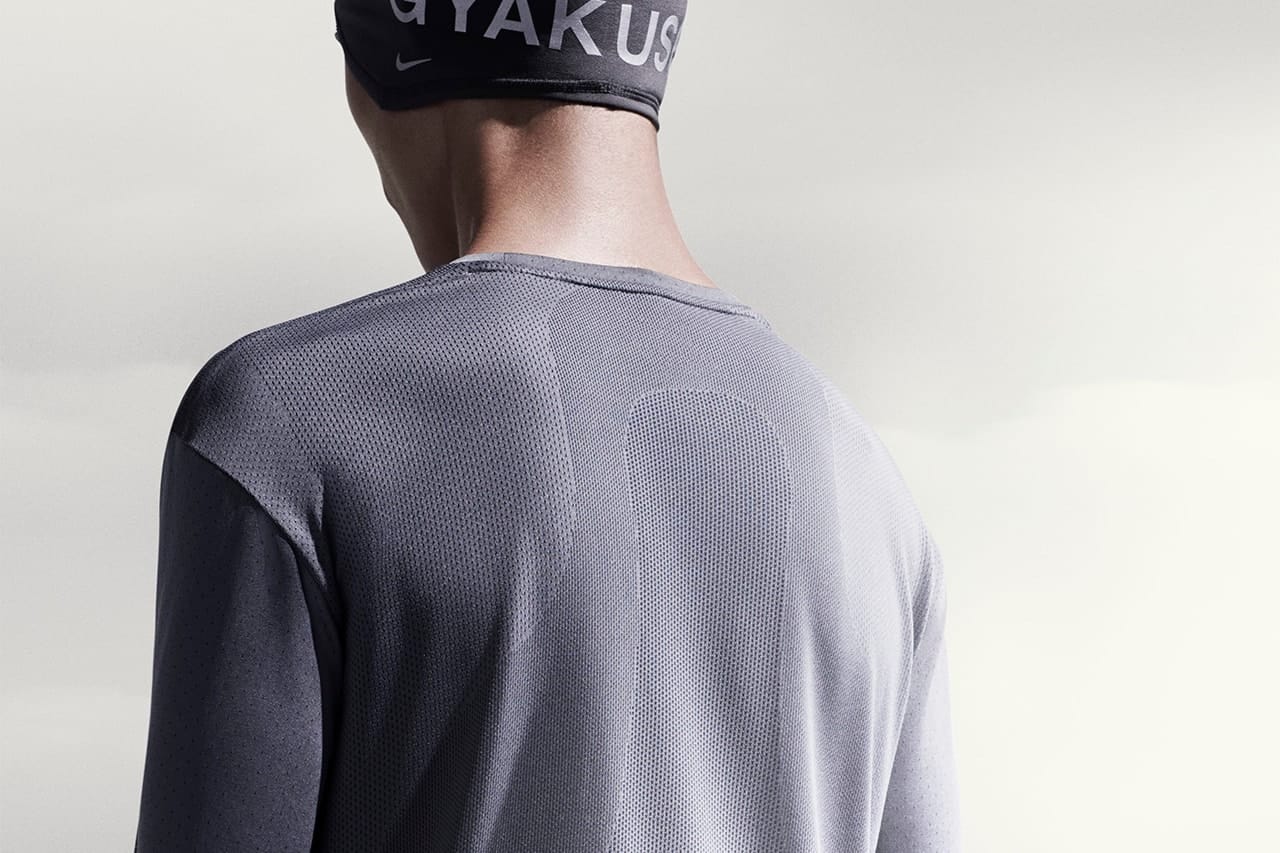
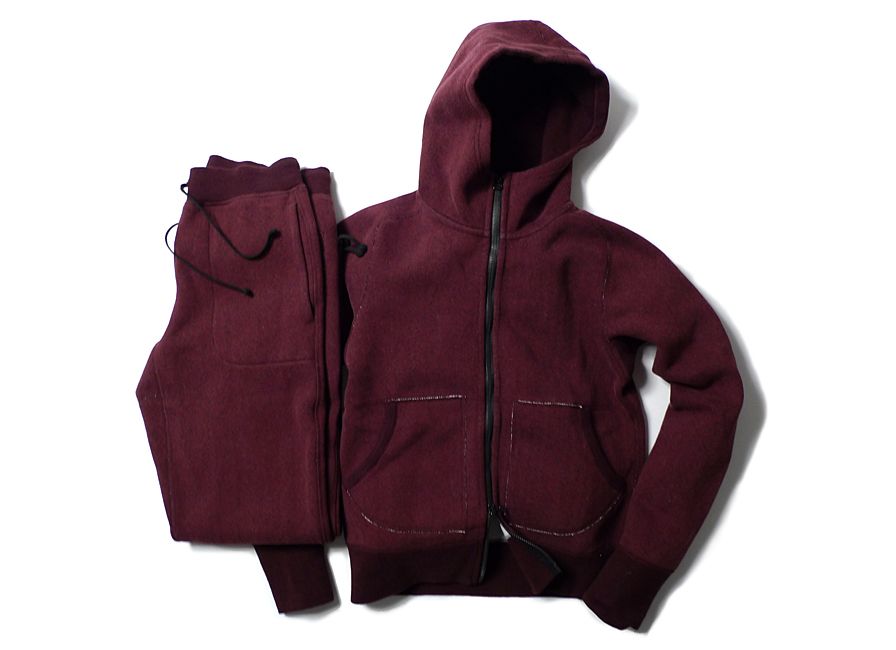
Nike x Undercover Gyakusou Holiday 2014 nike-x-undercover-gyakusou-holiday-2014 Nike x Undercover Gyakusou Holiday 2014: the complete seven-image studio collection in black, gray, white and purple.
The complete Gyakusou Holiday 2014 studio collection in black, gray, white and purple technical running layers.
[]
The Holiday 2014 collection is restored as the original seven-image studio set, separating it from the Holiday 2013 forest campaign.
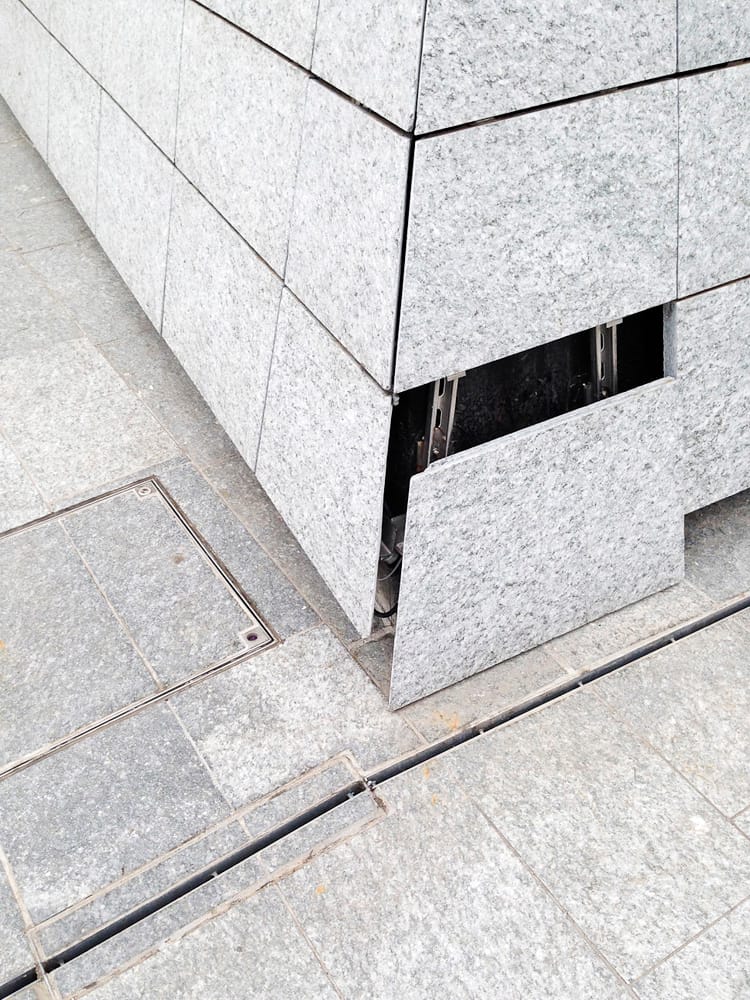
Anti-Skateboarding Deterrents — Granite Architecture Detail anti-skateboarding-deterrents-granite-architecture-detail Close-up photograph of anti-skateboarding studs or skate stoppers installed on a granite ledge or curb, documenting hostile urban design deterrents in public space.
[]
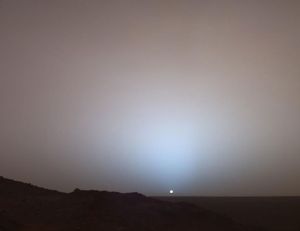
Martian Sunset sunset-on-mars
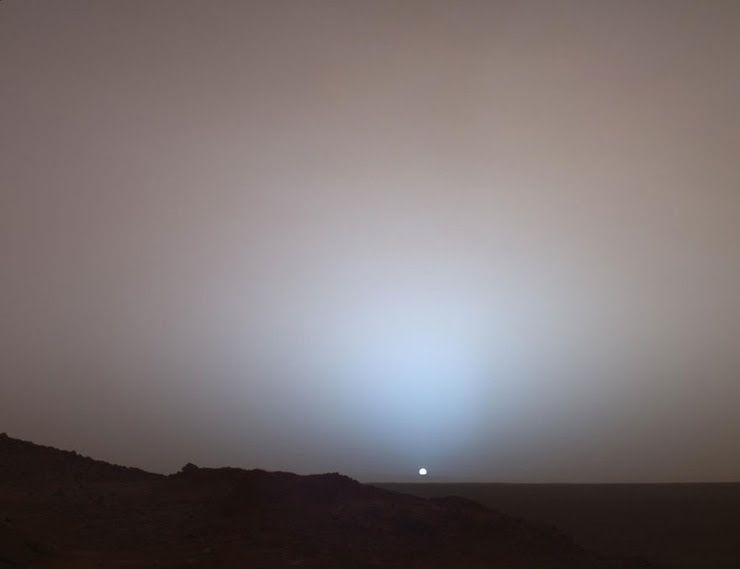
On May 19, 2005, NASA's Mars Exploration Rover Spirit captured this stunning view as the Sun sank below the rim of Gusev crater on Mars. This Panoramic Camera mosaic was taken around 6:07 in the evening of the rover's 489th Martian day, or sol.
Sunset and twilight images are occasionally acquired by the science team to determine how high into the atmosphere the Martian dust extends, and to look for dust or i
[]
On May 19, 2005, NASA's Mars Exploration Rover Spirit captured this stunning view as the Sun sank below the rim of Gusev crater on Mars. This Panoramic Camera mosaic was taken around 6:07 in the evening of the rover's 489th Martian day, or sol.
Sunset and twilight images are occasionally acquired by the science team to determine how high into the atmosphere the Martian dust extends, and to look for dust or ice clouds. Other images have shown that the twilight glow remains visible, but increasingly fainter, for up to two hours before sunrise or after sunset. The long Martian twilight (compared to Earth's) is caused by sunlight scattered around to the night side of the planet by abundant high altitude dust. Similar long twilights or extra-colorful sunrises and sunsets sometimes occur on Earth when tiny dust grains that are erupted from powerful volcanoes scatter light high in the atmosphere.
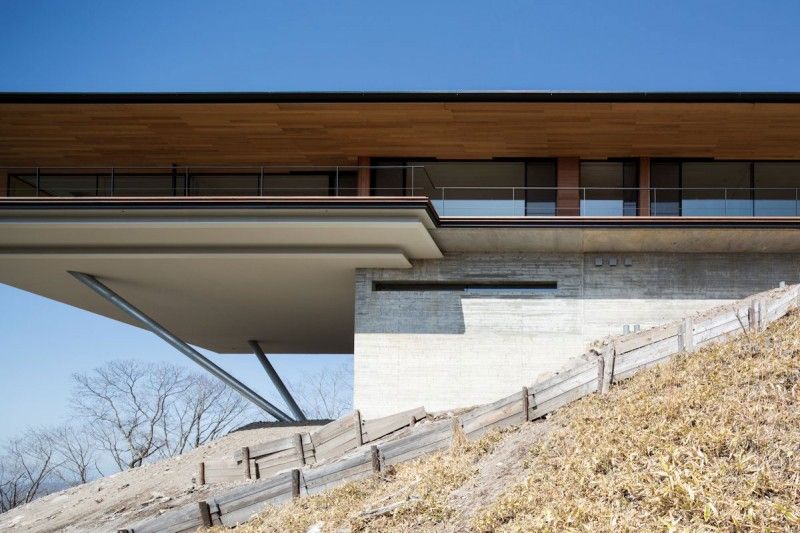
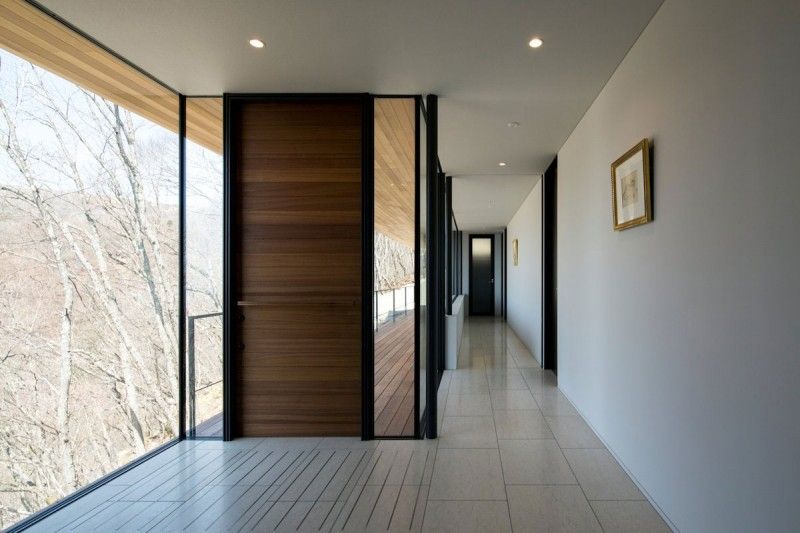
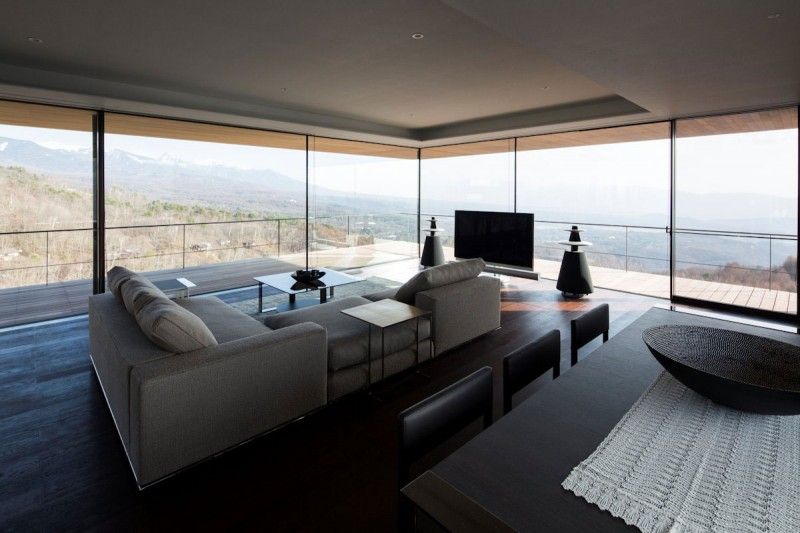
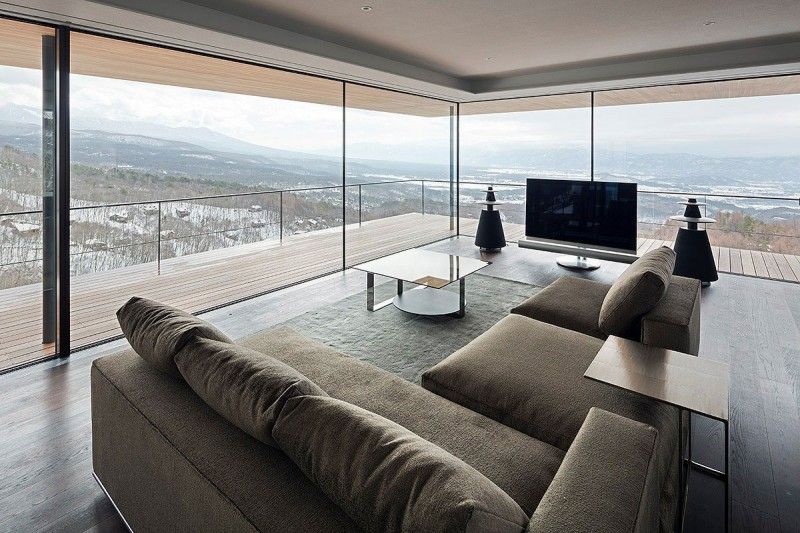
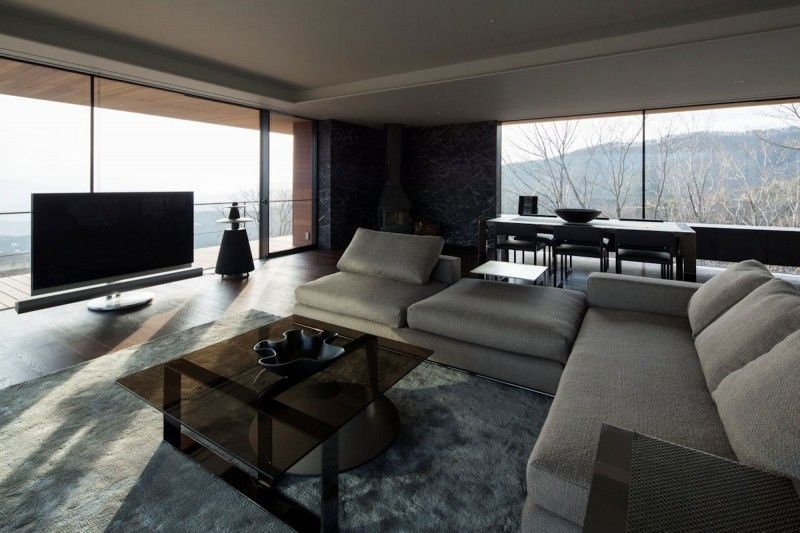
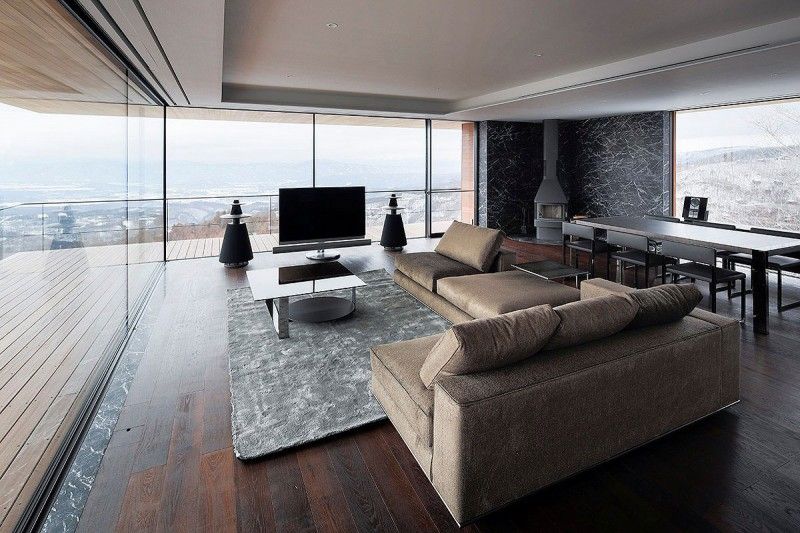
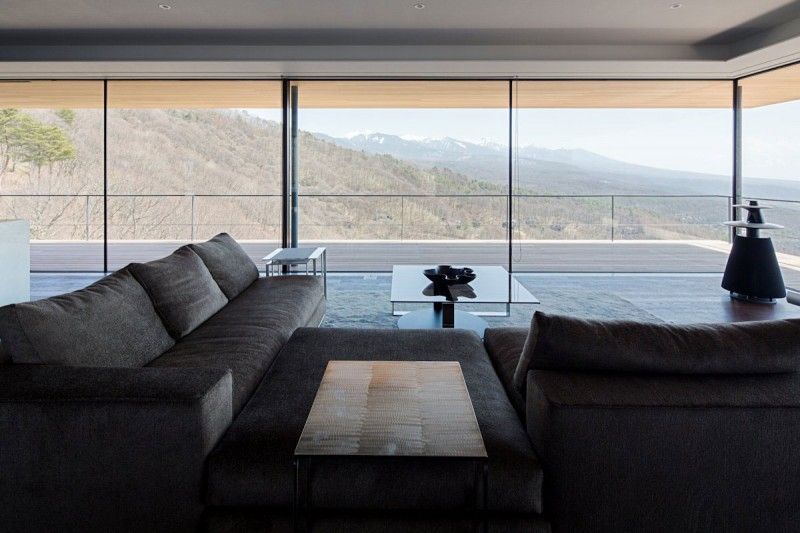
House in Yatsugatake by Kidosaki Architects Studio
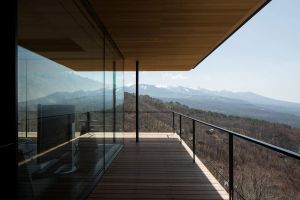
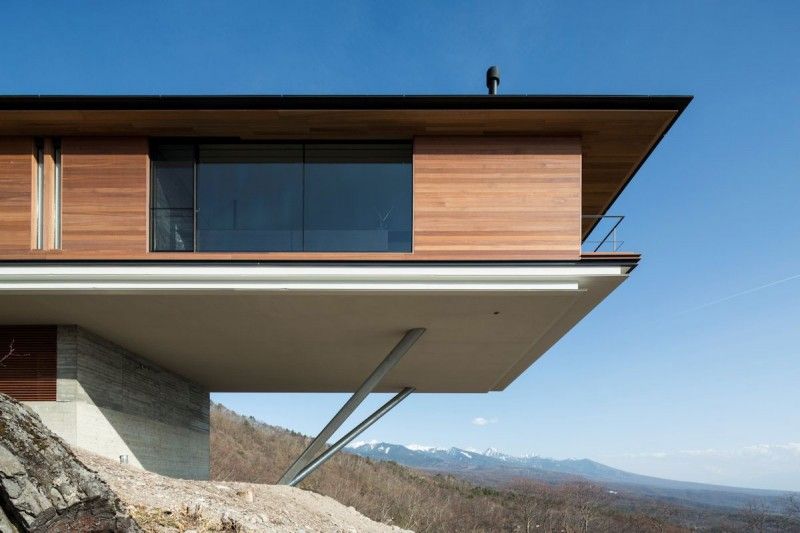
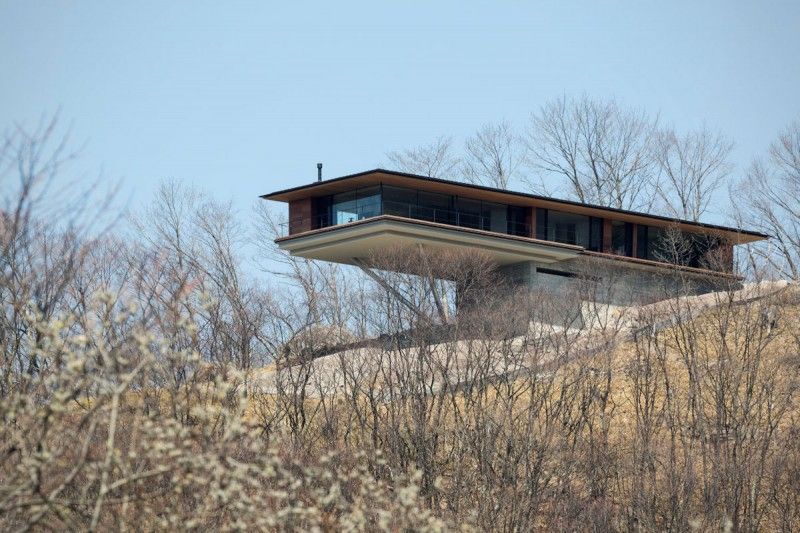
House in Yatsugatake by Kidosaki Architects Studio house-in-yatsugatake-by-kidosaki-architects-studio
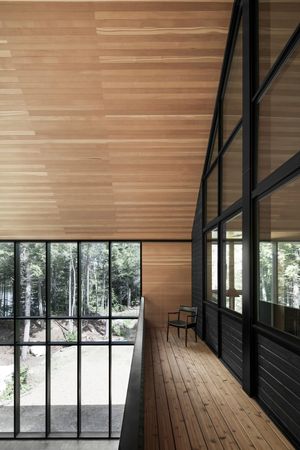
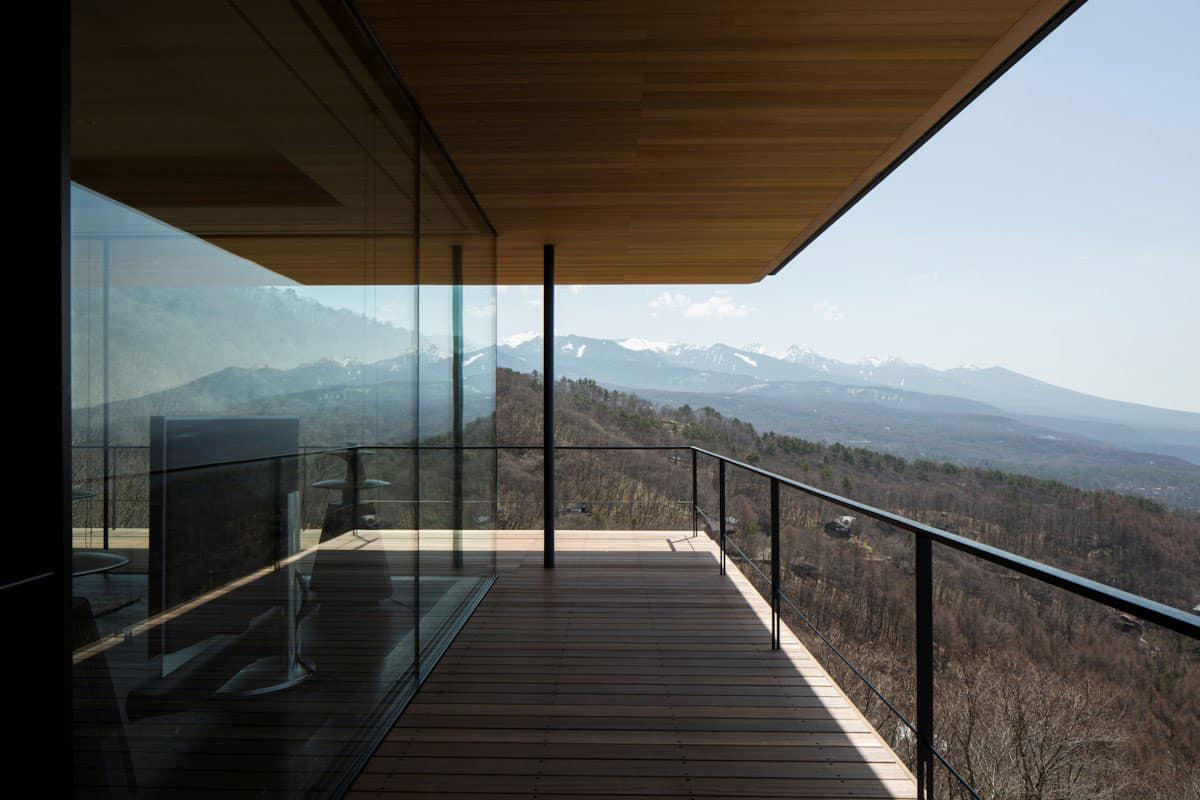
This private residence was designed by Kidosaki Architects Studio. It is located on the edge of the Yatsugatake Mountains in Nagano, Japan.
[]
This private residence was designed by Kidosaki Architects Studio. It is located on the edge of the Yatsugatake Mountains in Nagano, Japan.
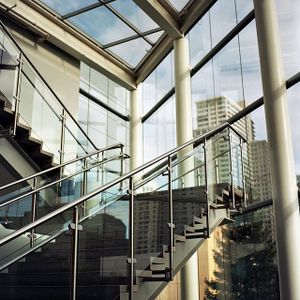
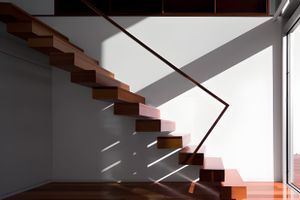
Floating Timber Staircase with Angular Steel Rail floating-timber-staircase-angular-steel-rail A cantilevered timber staircase with an angular black steel handrail, warm afternoon light casting diagonal shadows across a white wall interior.
[]
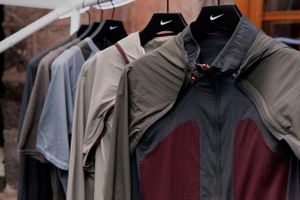
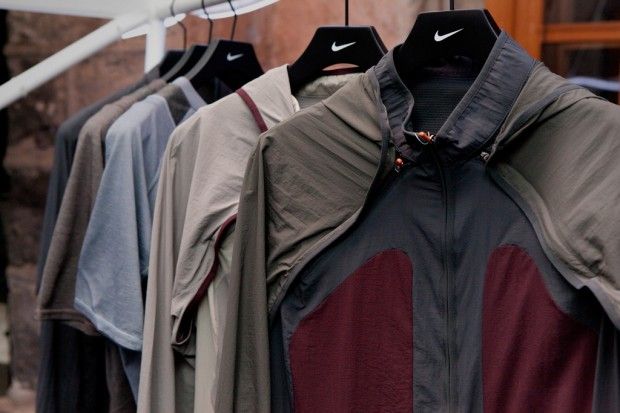
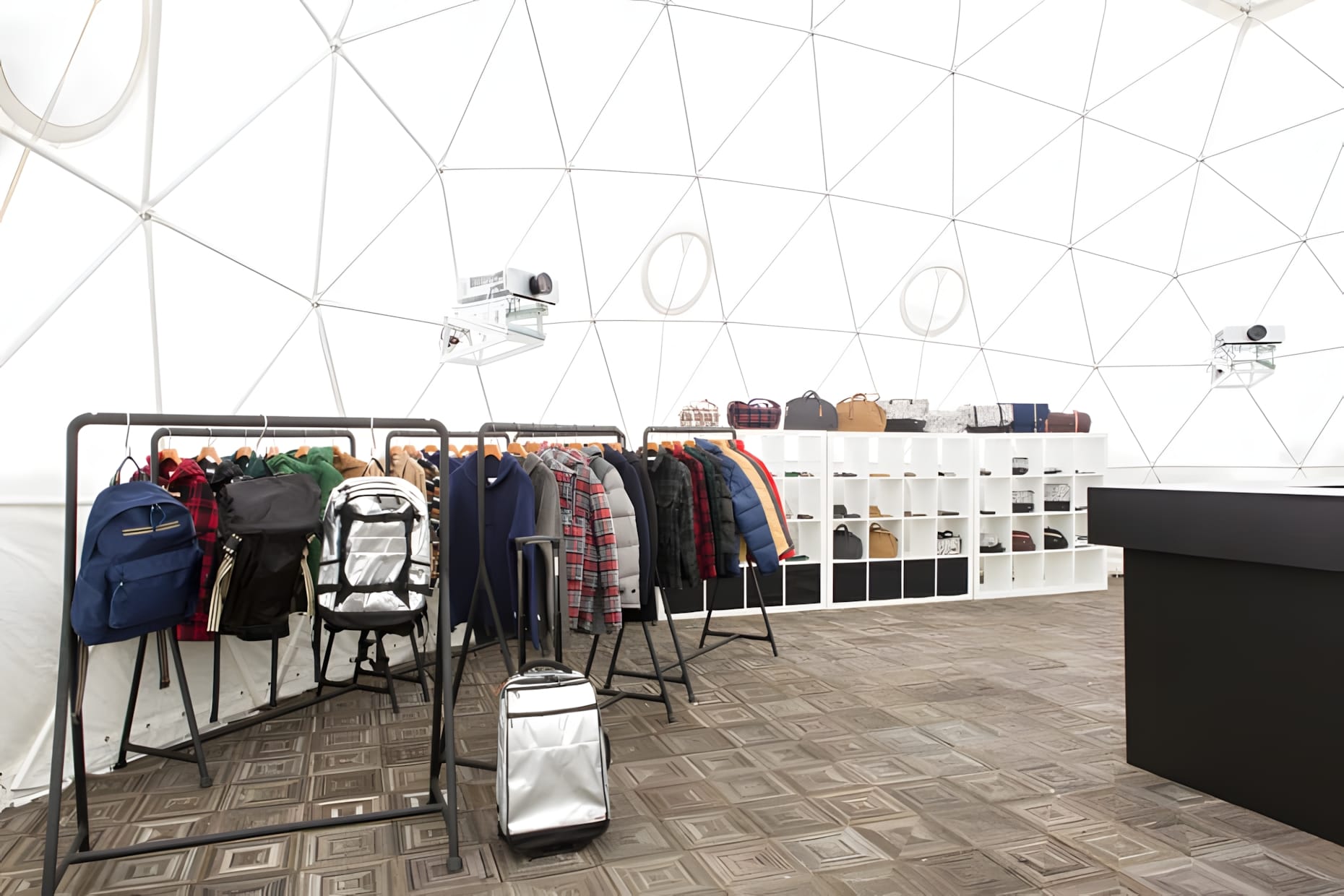
Nike x Undercover Gyakusou FW2011 Retail Display nike-x-undercover-gyakusou-aw2011 Nike x Undercover Gyakusou FW2011 retail display with technical running jackets and tops in gray, olive and burgundy.
Technical Gyakusou FW2011 jackets and tops arranged in a retail display.
[]
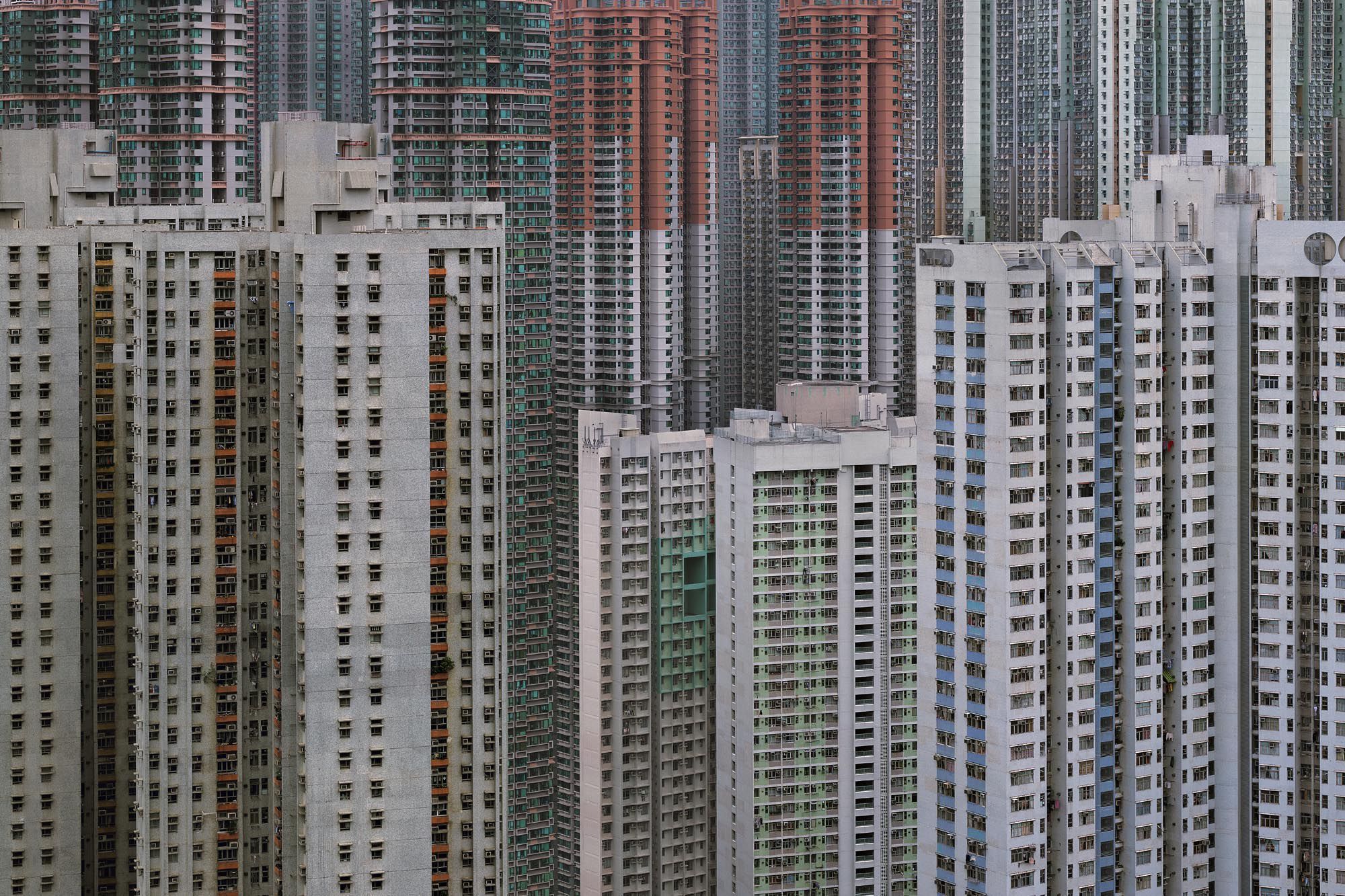
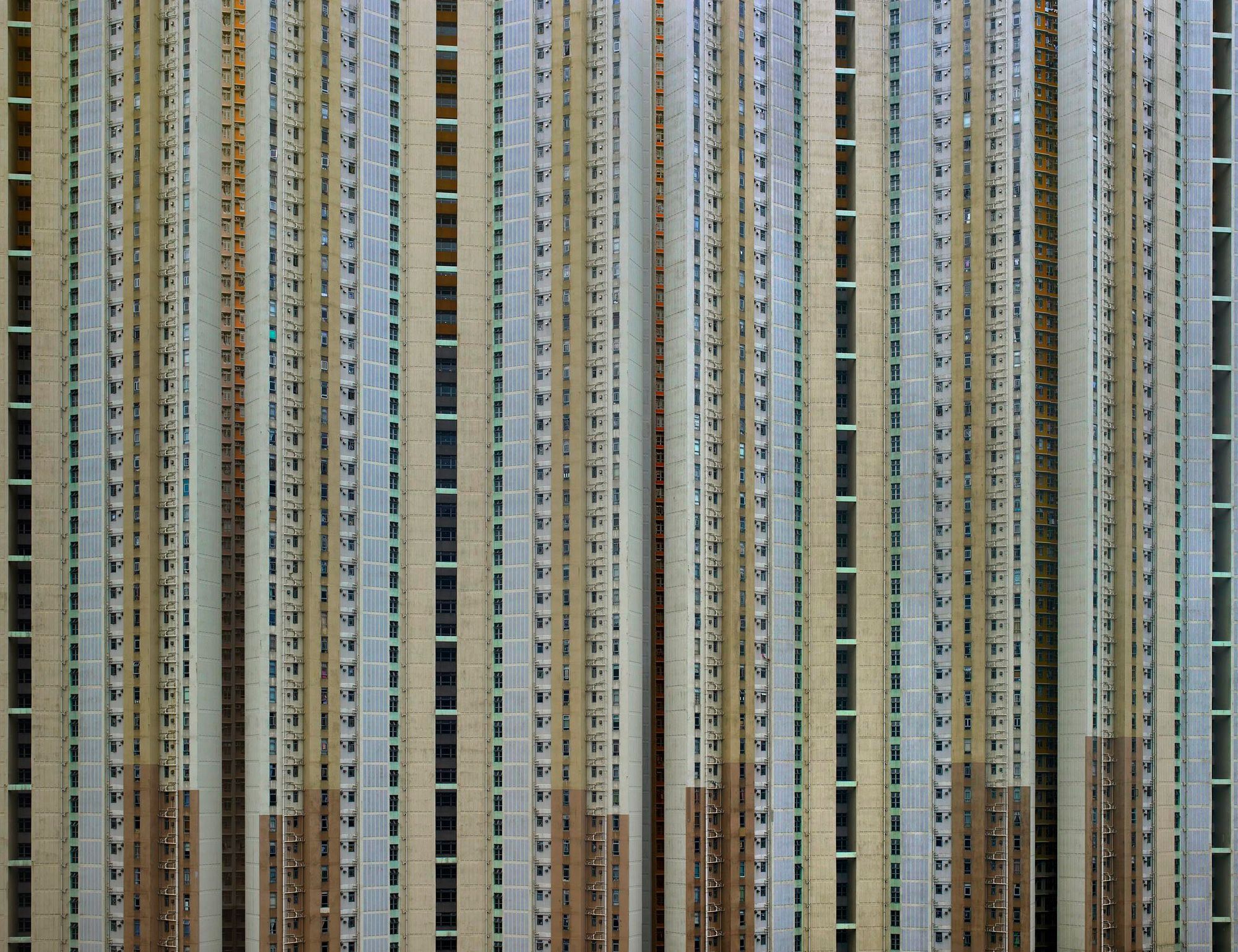
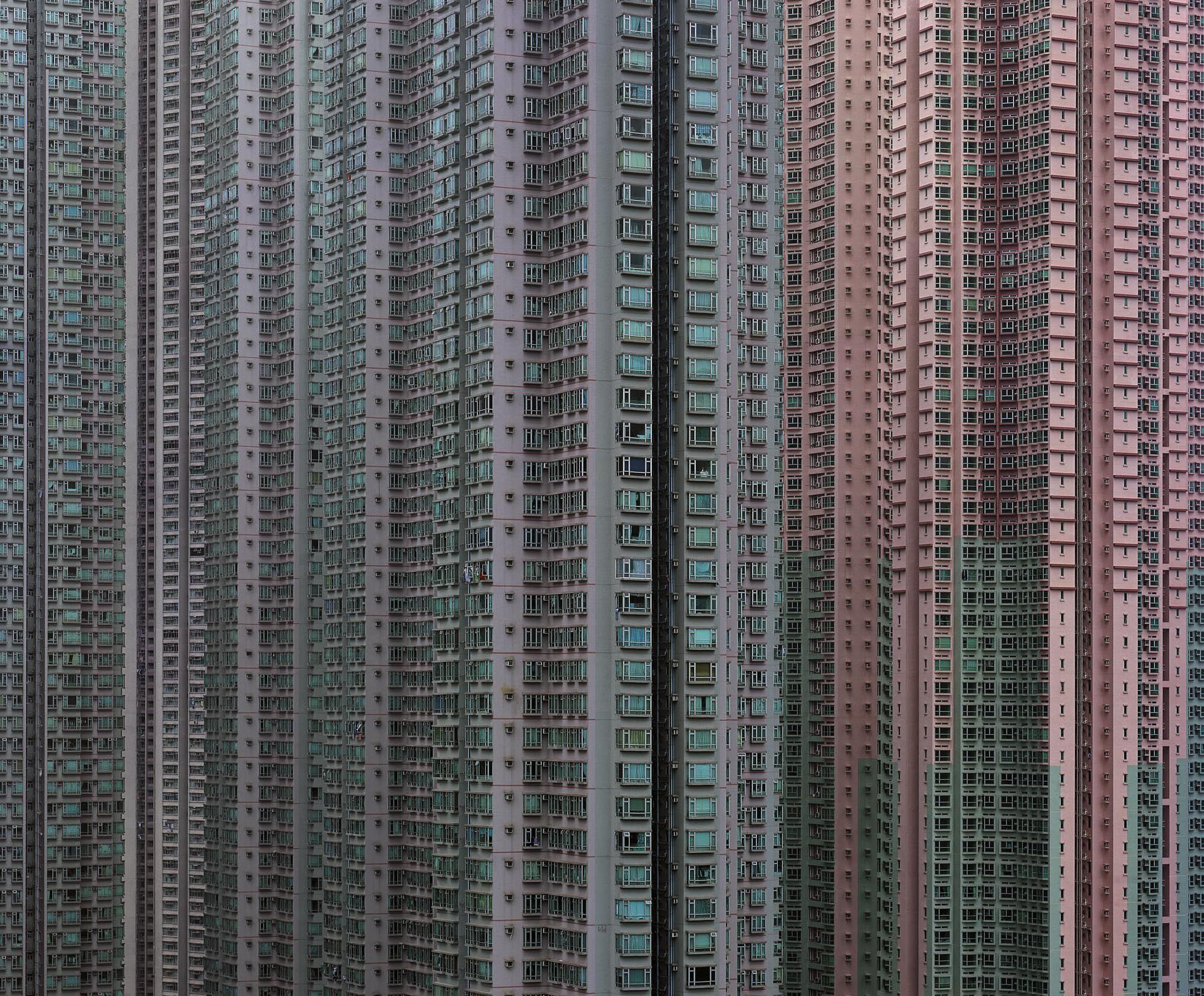
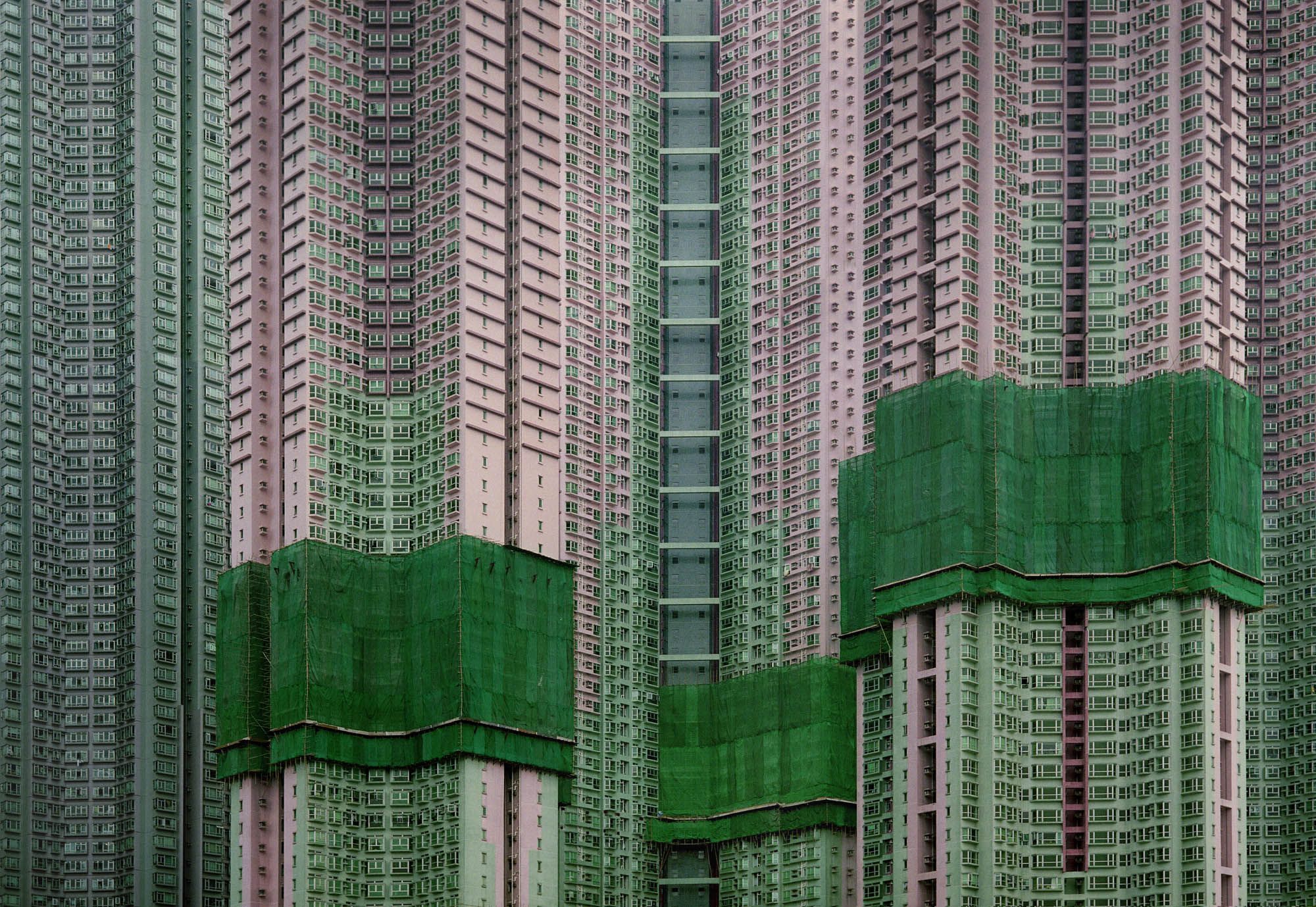
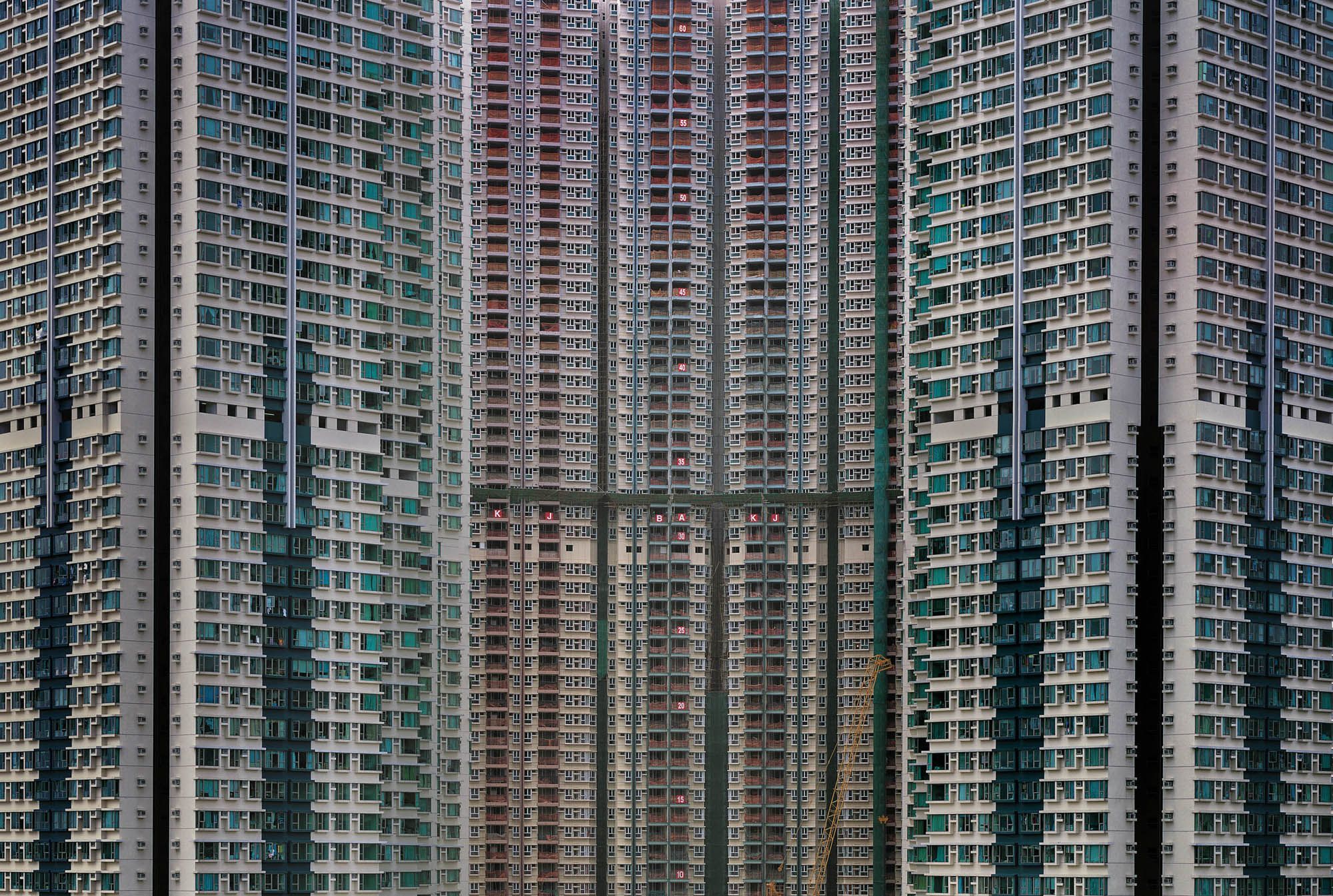
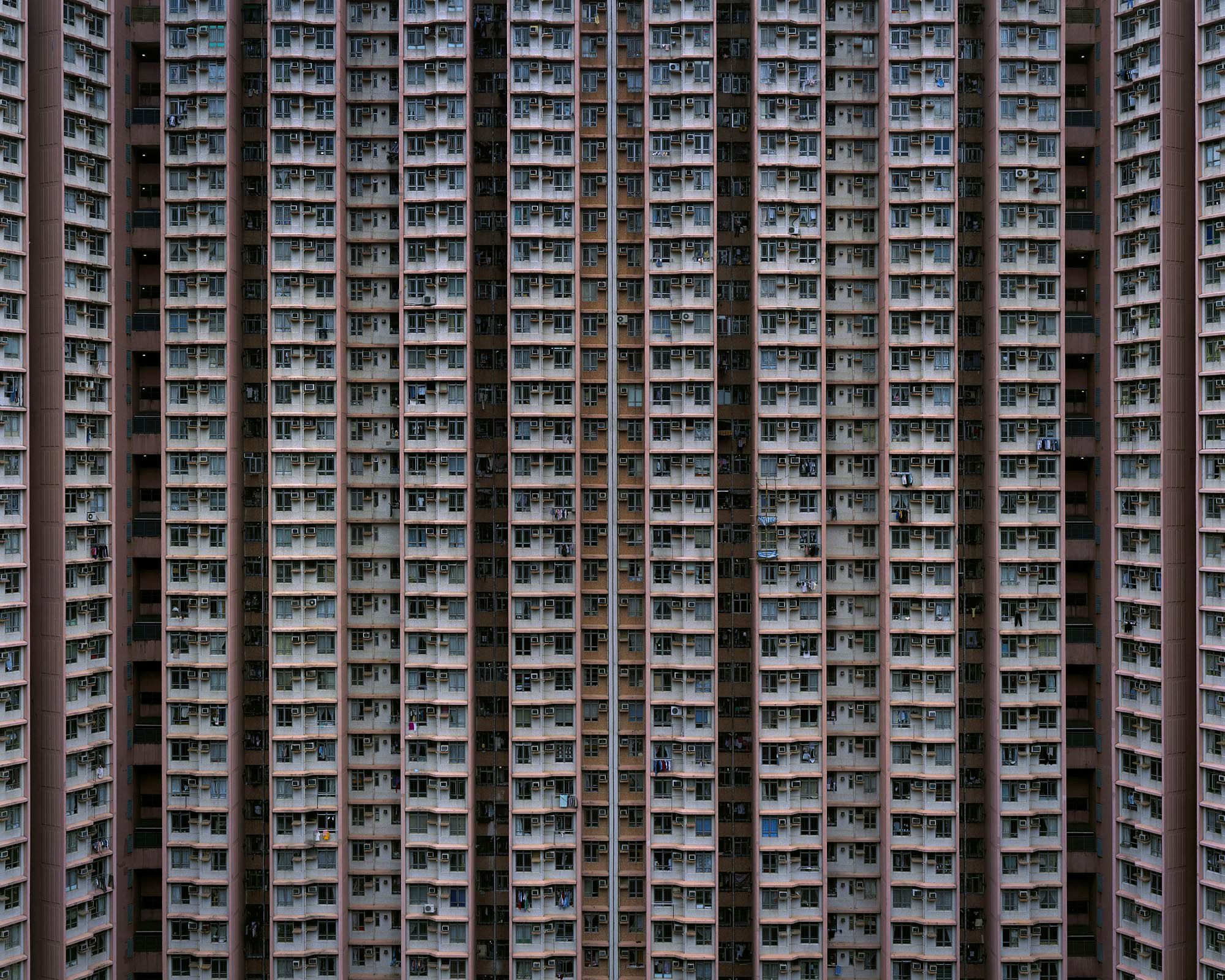
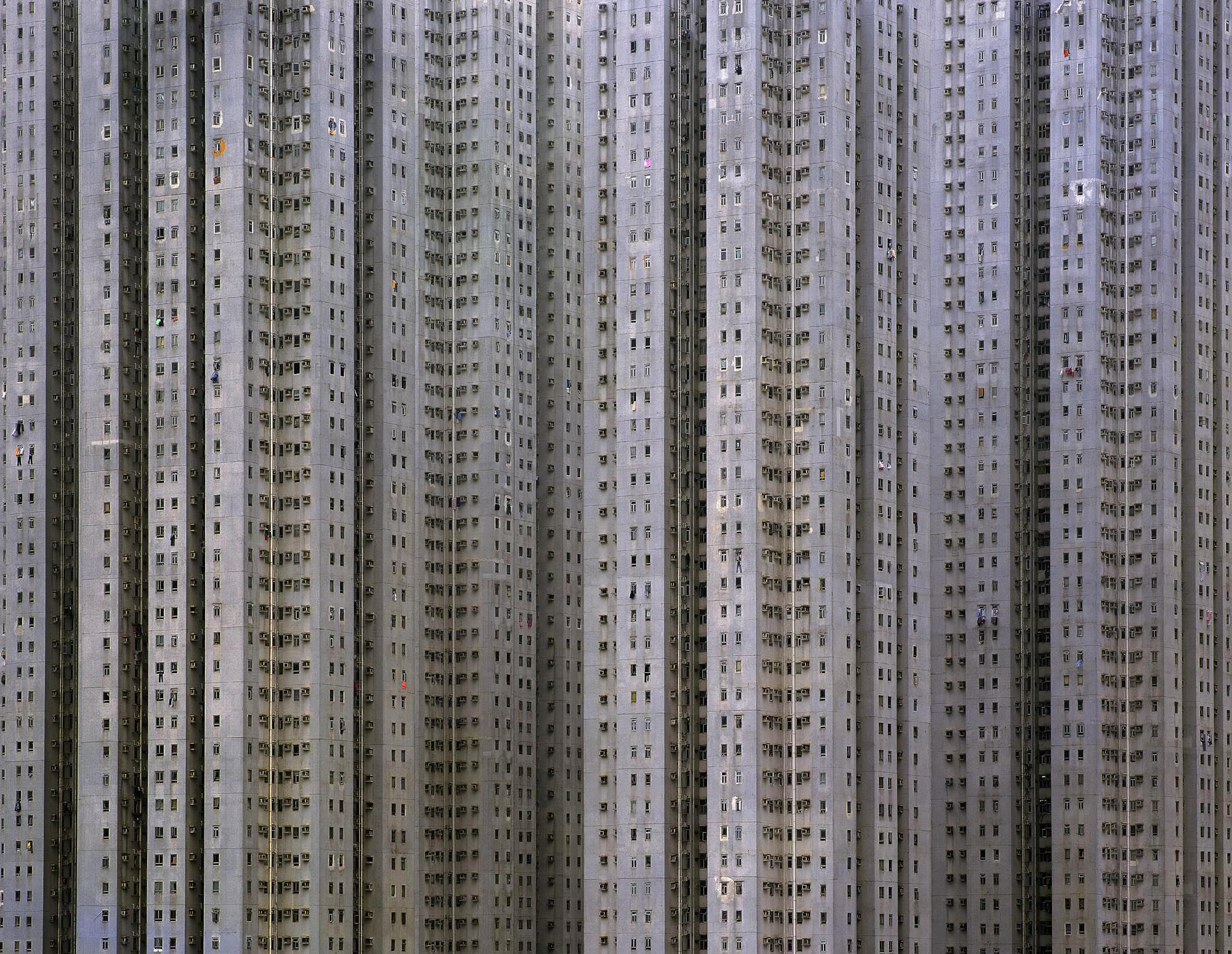
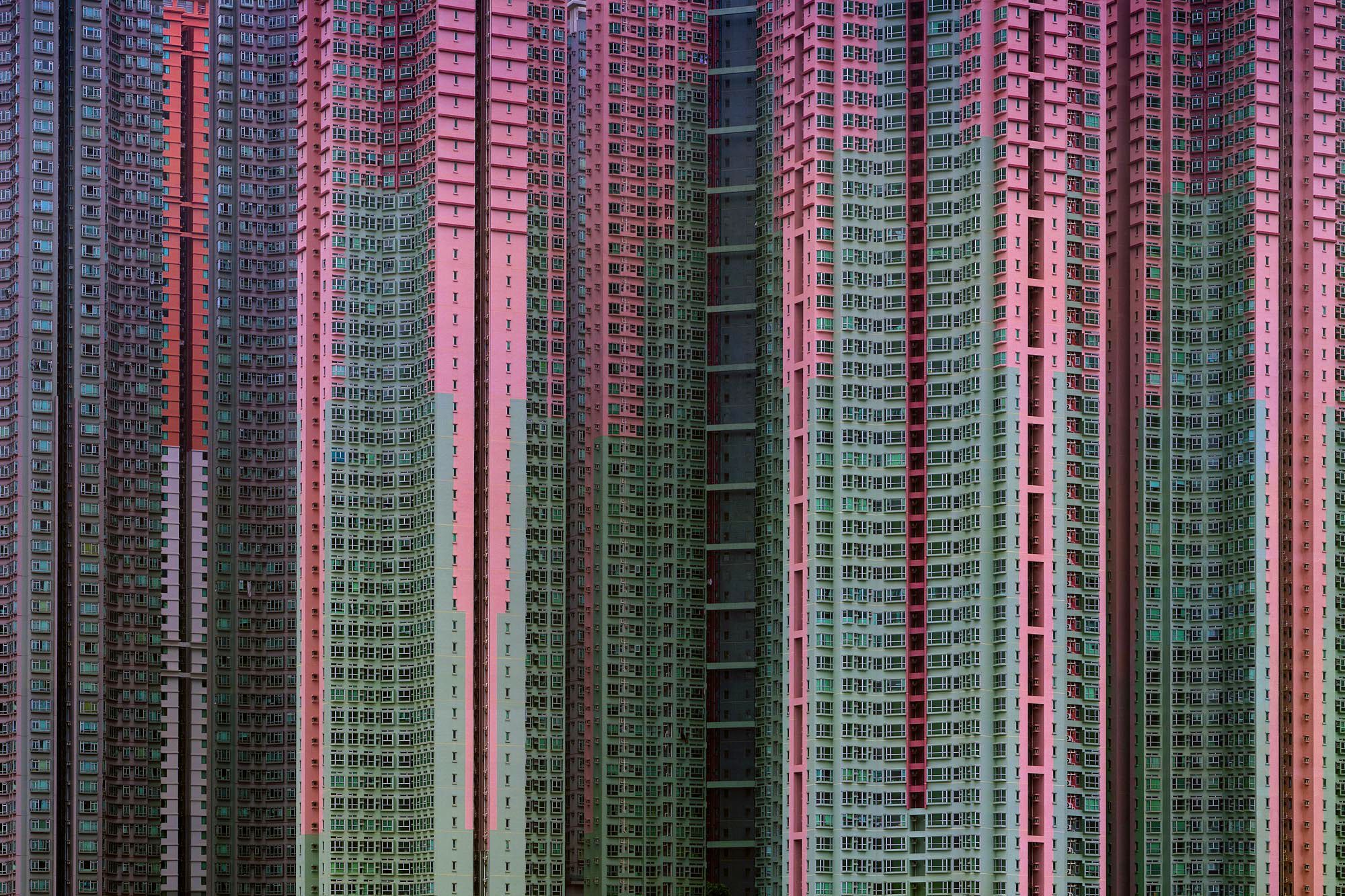
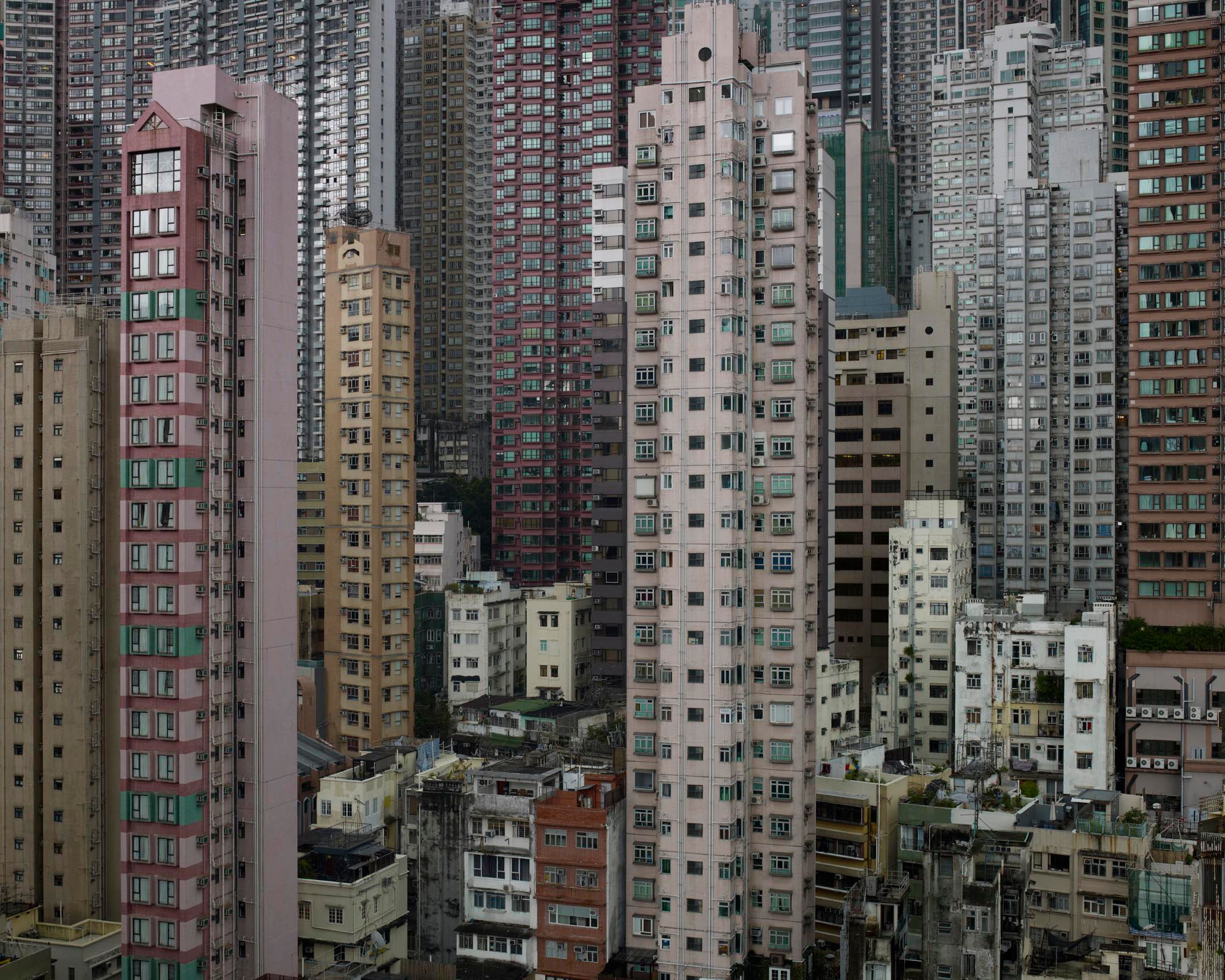
Michael Wolf Architecture of Density michael-wolf-architecture-of-density
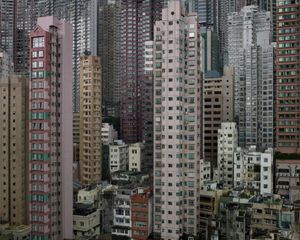
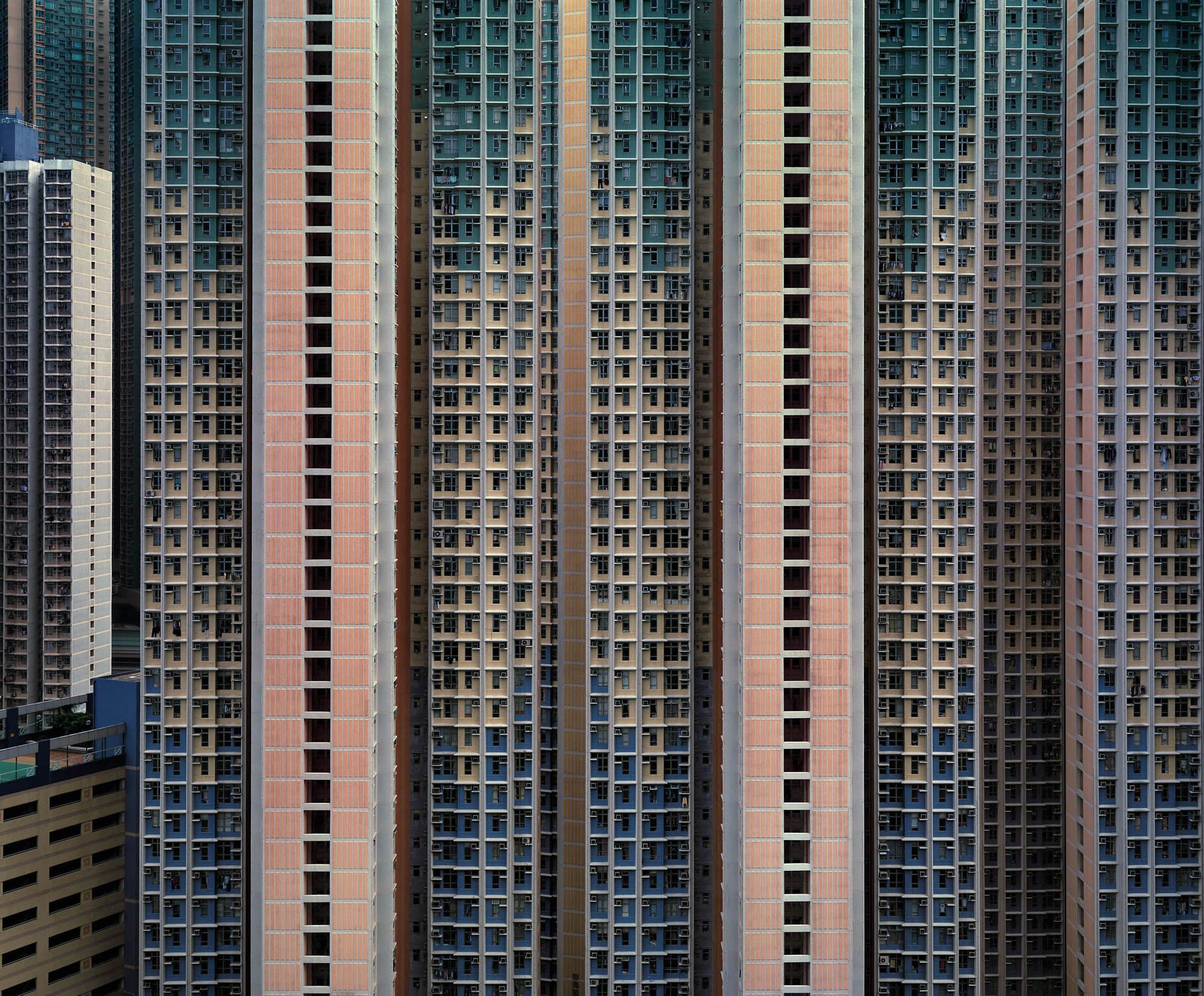
One of the most densely populated metropolitan areas in the world, Hong Kong has an overall density of nearly 6,700 people per square kilometer. The majority of its citizens live in flats in high-rise buildings, whose units can house as many as 10,000 people.
In Architecture of Density, Michael investigates these enormous city blocks, finding a mesmerizing abstraction in the buildings’ facades. The structures in the
[]
One of the most densely populated metropolitan areas in the world, Hong Kong has an overall density of nearly 6,700 people per square kilometer. The majority of its citizens live in flats in high-rise buildings, whose units can house as many as 10,000 people.
In Architecture of Density, Michael investigates these enormous city blocks, finding a mesmerizing abstraction in the buildings’ facades. The structures in the series are photographed without reference to the context of sky or ground, and many buildings are seen in a state of repair or construction: their walls covered with a grid of scaffolding or the soft coloured curtains that protect the streets below from falling debris. From a distance, such elements become a part of an intricate design. Upon closer inspection of each photograph, the anonymous public face of the city is full of rewarding detail – public space is private space, large swatches of colour give way to smaller pieces of people’s lives. The trappings of the people are still visible here: their days inform the detail of these buildings. Bits of laundry and hanging plants pepper the tiny rectangles of windows- the only irregularities in this orderly design. The images of Architecture of Density give one an inkling of what our cities could look like if grown continues unchecked.
Urbastyle Bench Paris 1 — La Défense urbastyle-bench-paris-1-la-defense Urbastyle 'Bench Paris 1' — a circular precast concrete bench custom-designed for the La Défense business district in Paris. Available in multiple colors and finishes.
[]
Undercover Jun Takahashi L9F01 Low-Top Sneaker in Bordeaux undercover-jun-takahashi-l9f01-sneaker-bordeaux Undercover by Jun Takahashi L9F01 vulcanized low-top sneaker in bordeaux. A Chuck Taylor-inspired silhouette with branded midsole tab, circa 2014.
[]
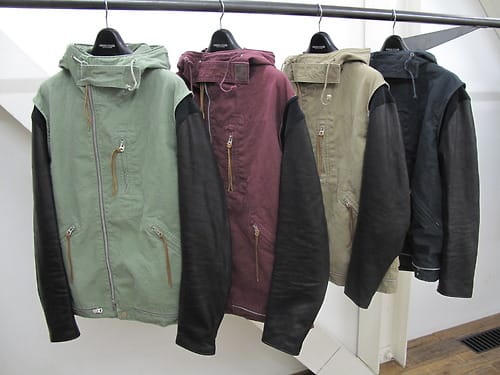
UNDERCOVER Fall/Winter 2013 Leather-Sleeve Army Jacket undercover-fall-winter-2013-leather-sleeve-army-jacket UNDERCOVER Fall/Winter 2013 leather-sleeve army jacket shown across sage green, burgundy, khaki and black colorways.
UNDERCOVER Fall/Winter 2013 leather-sleeve army jackets in four colorways.
[]
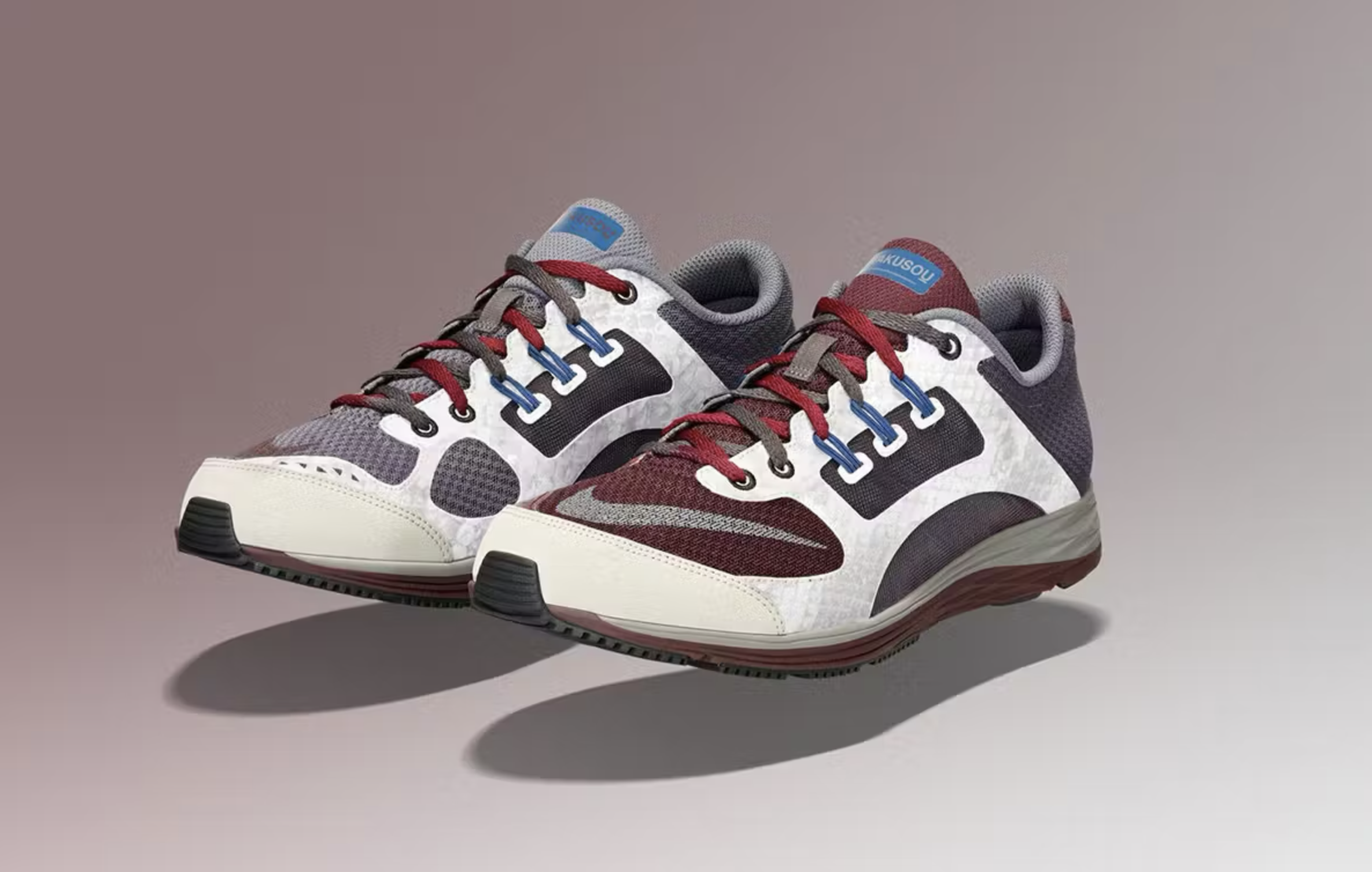
Nike x Undercover Gyakusou LunarSpeed AXL gyakusou-nike-lunar-speed-axl Nike x Undercover Gyakusou LunarSpeed AXL running shoes from 2014 with asymmetric burgundy, gray and white color blocking.
Asymmetric burgundy, gray and white Gyakusou LunarSpeed AXL running shoes from 2014.
[]
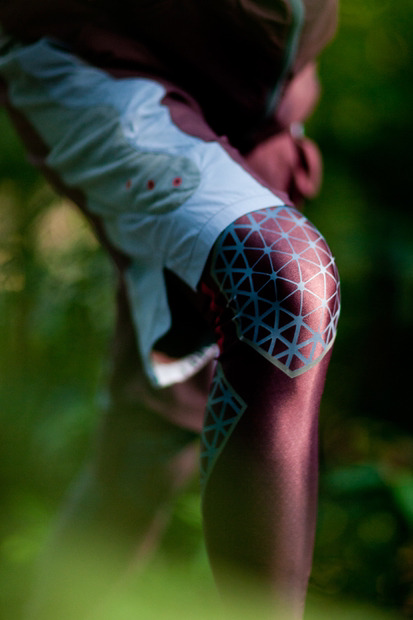
Nike x Undercover Gyakusou FW2012 Base Layers nike-x-undercover-gyakusou-aw2012 Nike x Undercover Gyakusou FW2012 base layers and leggings with geometric reflective knee graphics in burgundy, gray and white.
FW2012 base layers and leggings with geometric reflective knee graphics.
[]
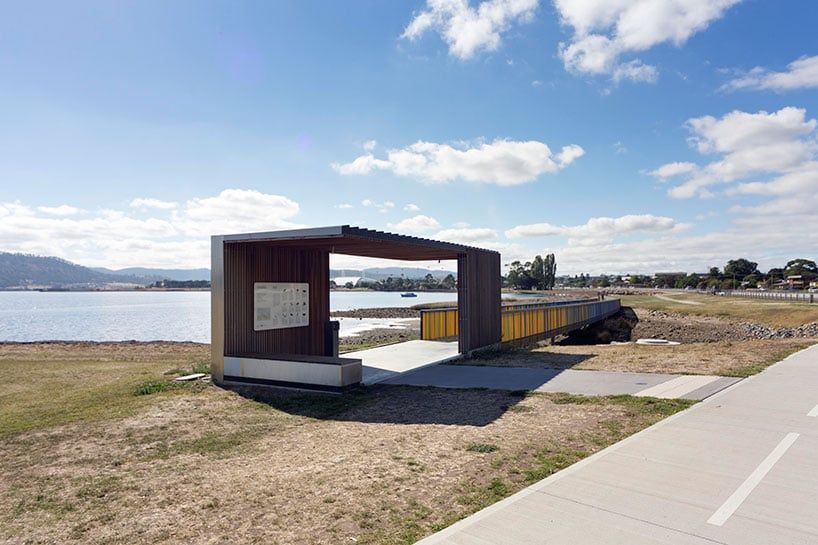
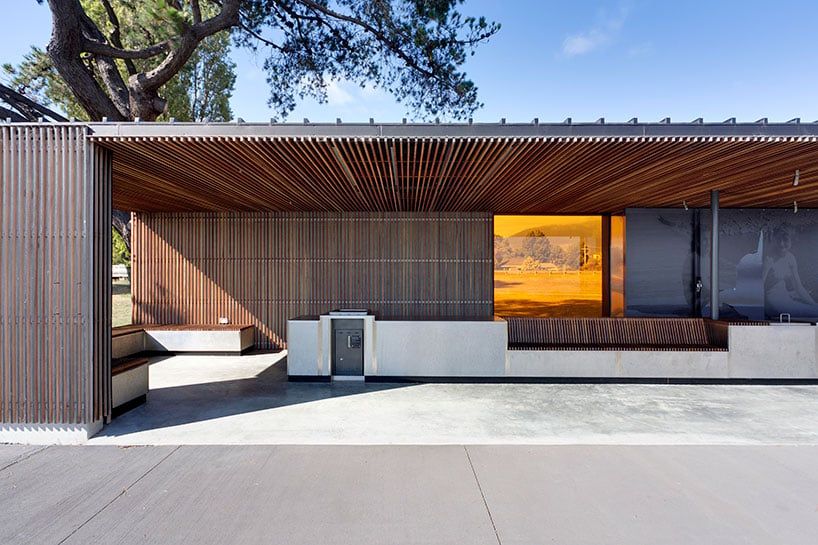
the grove pavillion the-grove-pavillion
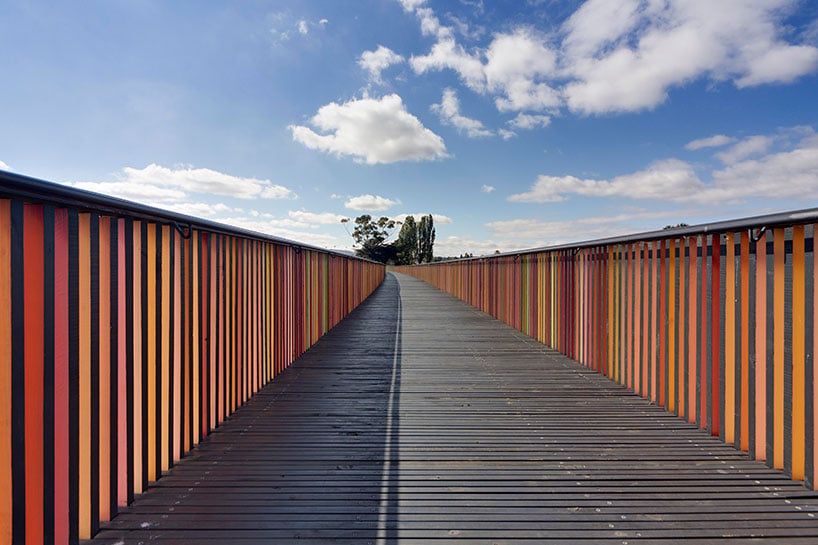
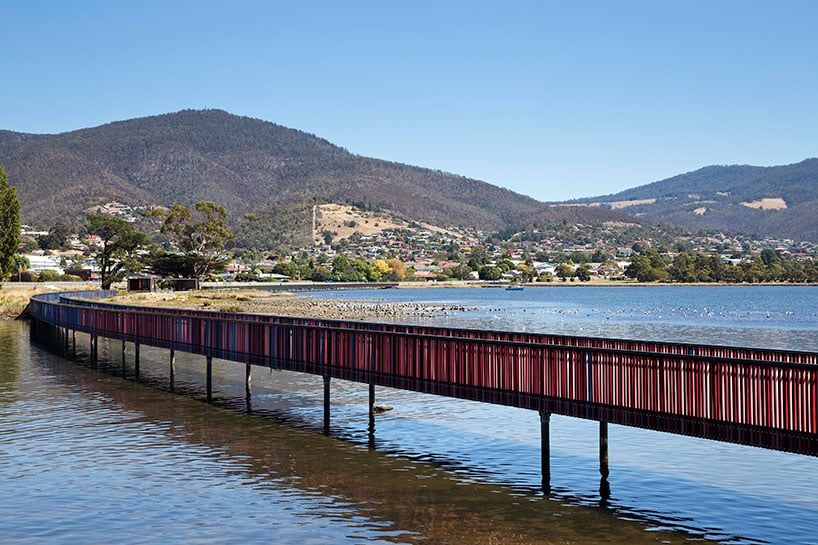
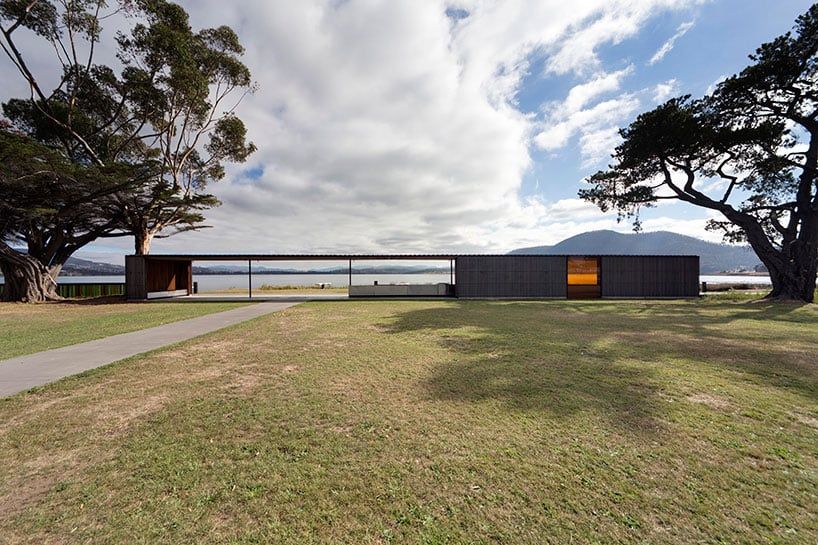
the grove pavilion is located at the center of the arced walkway where it briefly touches upon land, between the constantly texture of the water and matured trees. barbeques and public space provide recreational services to visitors within a subdued black structure that frames the colorful surrounding landscape. continuing eastward down the walkway leads to the wilkinson’s point pavilion born from an existing concret
[]
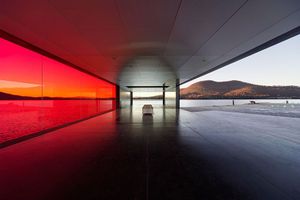
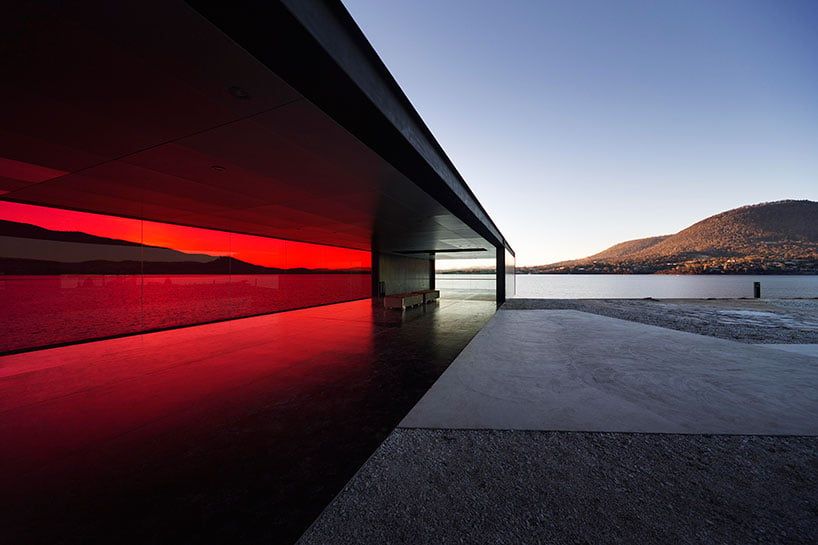
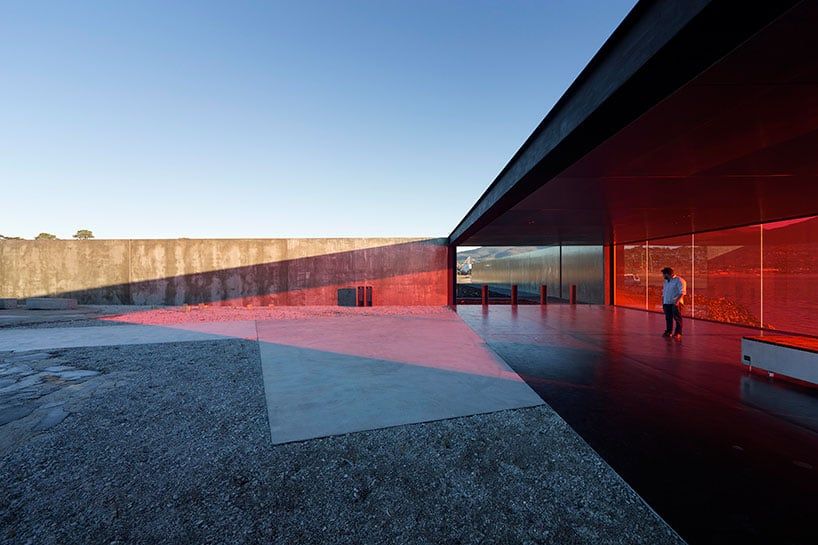
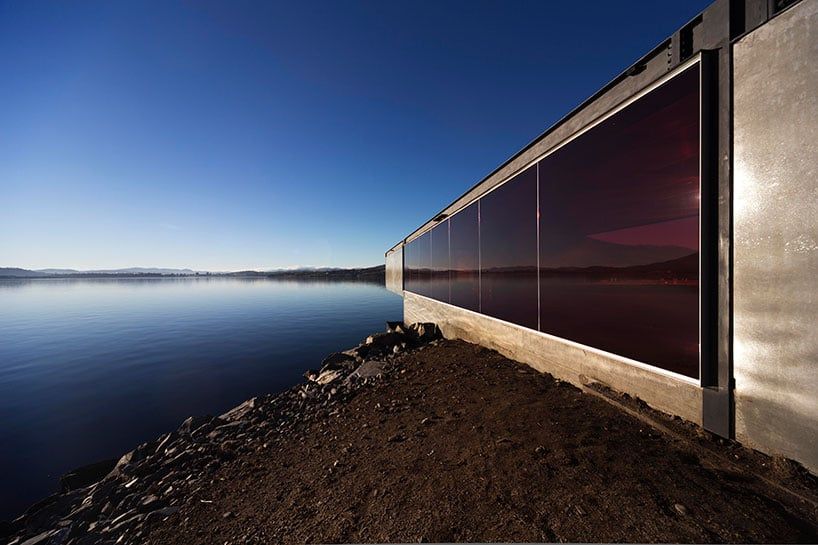
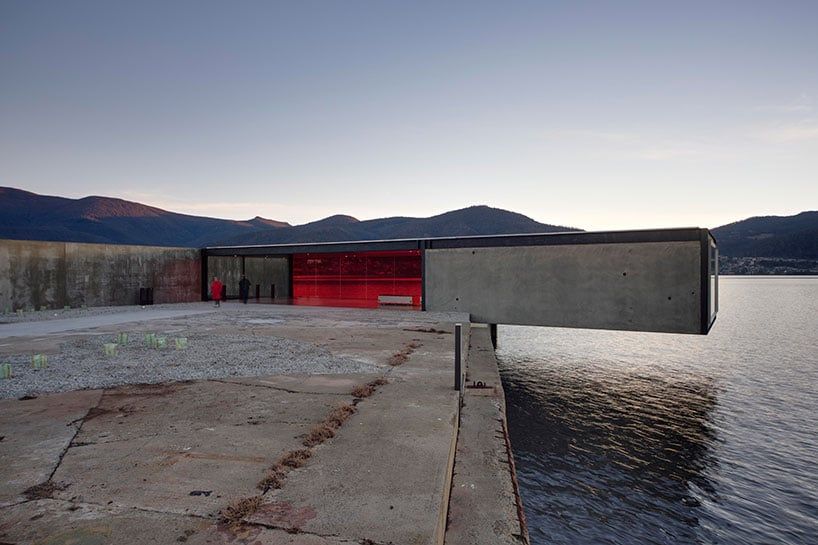
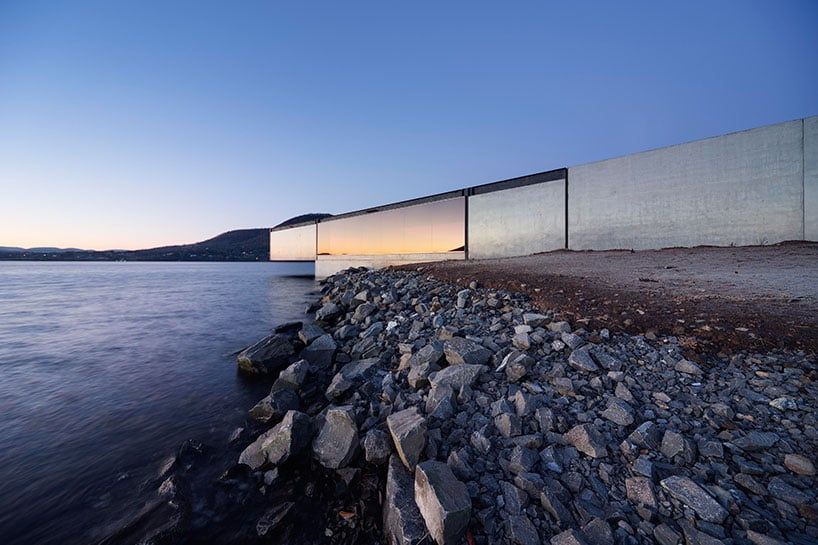
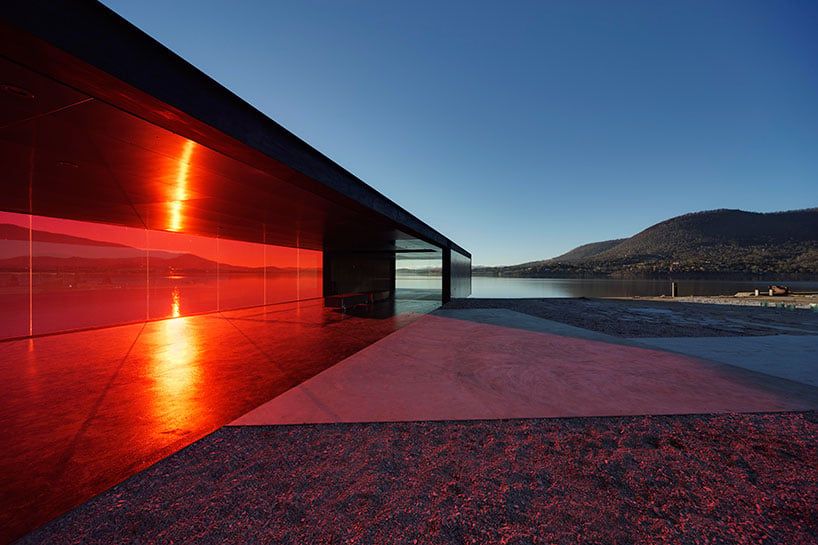
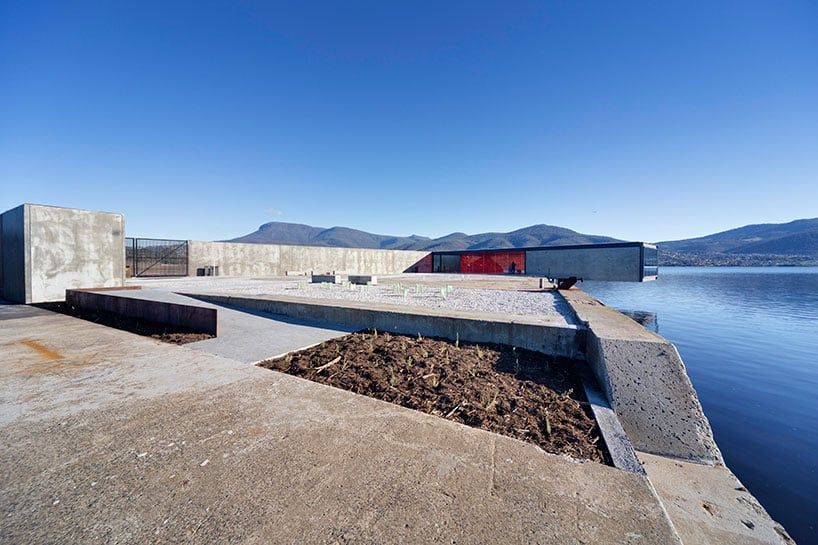
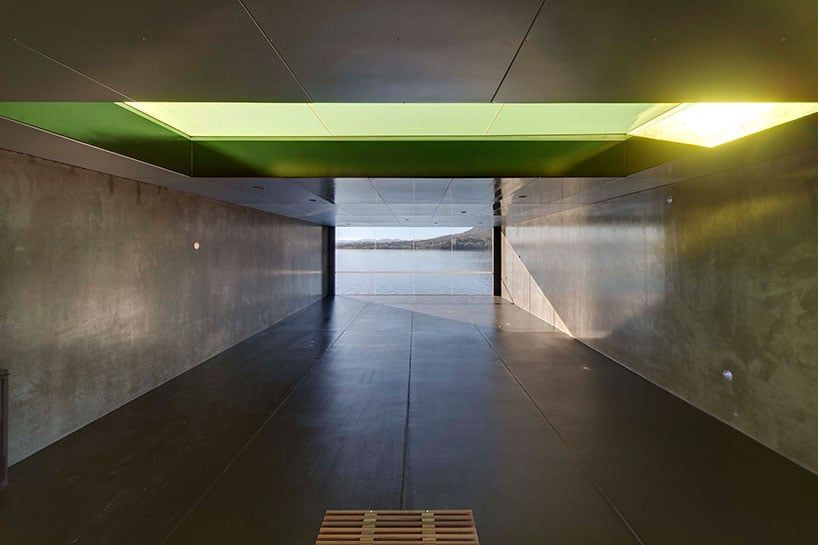
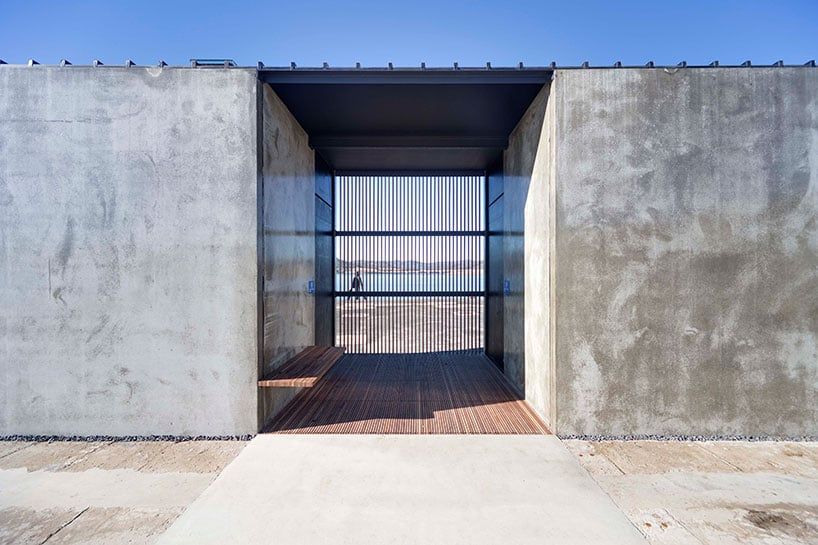
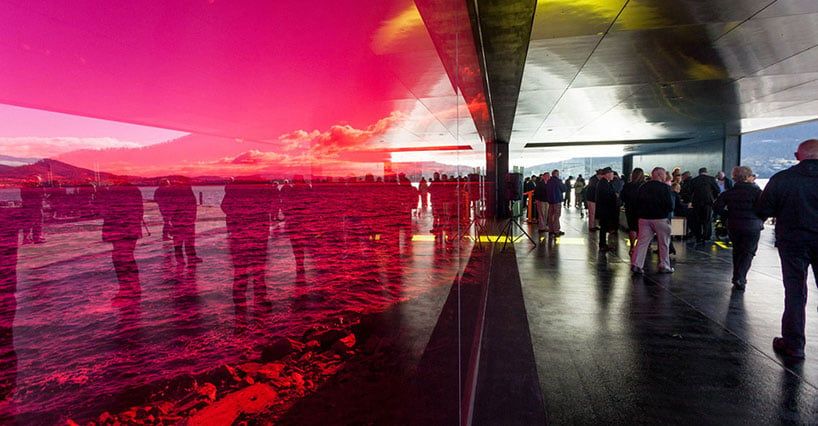
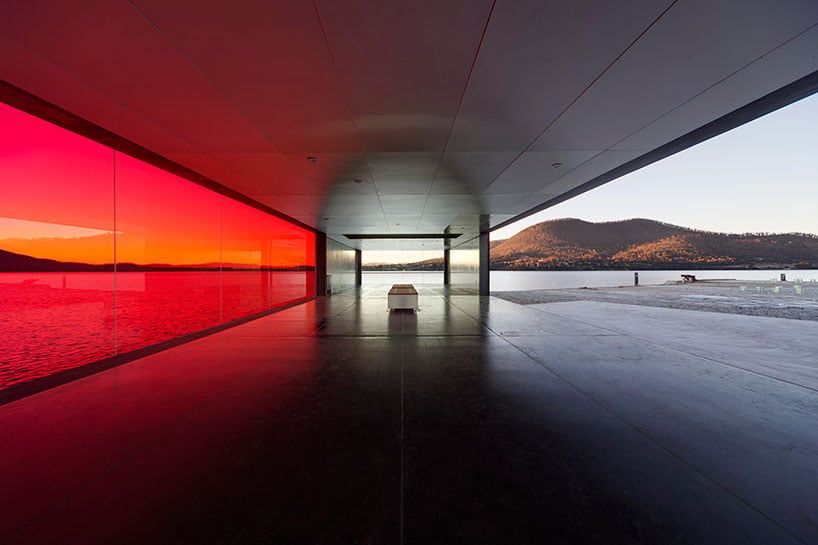
the grove pavilion is located at the center of the arced walkway where it briefly touches upon land, between the constantly texture of the water and matured trees. barbeques and public space provide recreational services to visitors within a subdued black structure that frames the colorful surrounding landscape. continuing eastward down the walkway leads to the wilkinson’s point pavilion born from an existing concrete pad built in the mid 20th century as the foundation for an unrealized bridge. the pavilion, a series of intersecting planes exhibiting various degrees of transparency and filtering of views and colors, cantilevers out over the water framing the site and a large open-air pad capable of hosting large scale events. massive concrete walls support a floating canopy containing an expansive red glass wall and a yellow skylight towards the cantilevered portion. the architecture adopts a simple form, poetic and restrained in the landscape, an experience heightened by its relative isolation from any other man-made developments.
Former CGER-ASLK Building, Brussels — Marcel Lambrichs
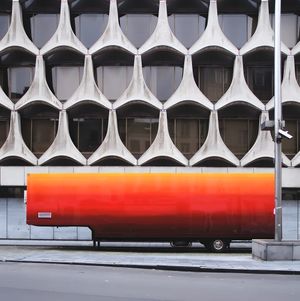
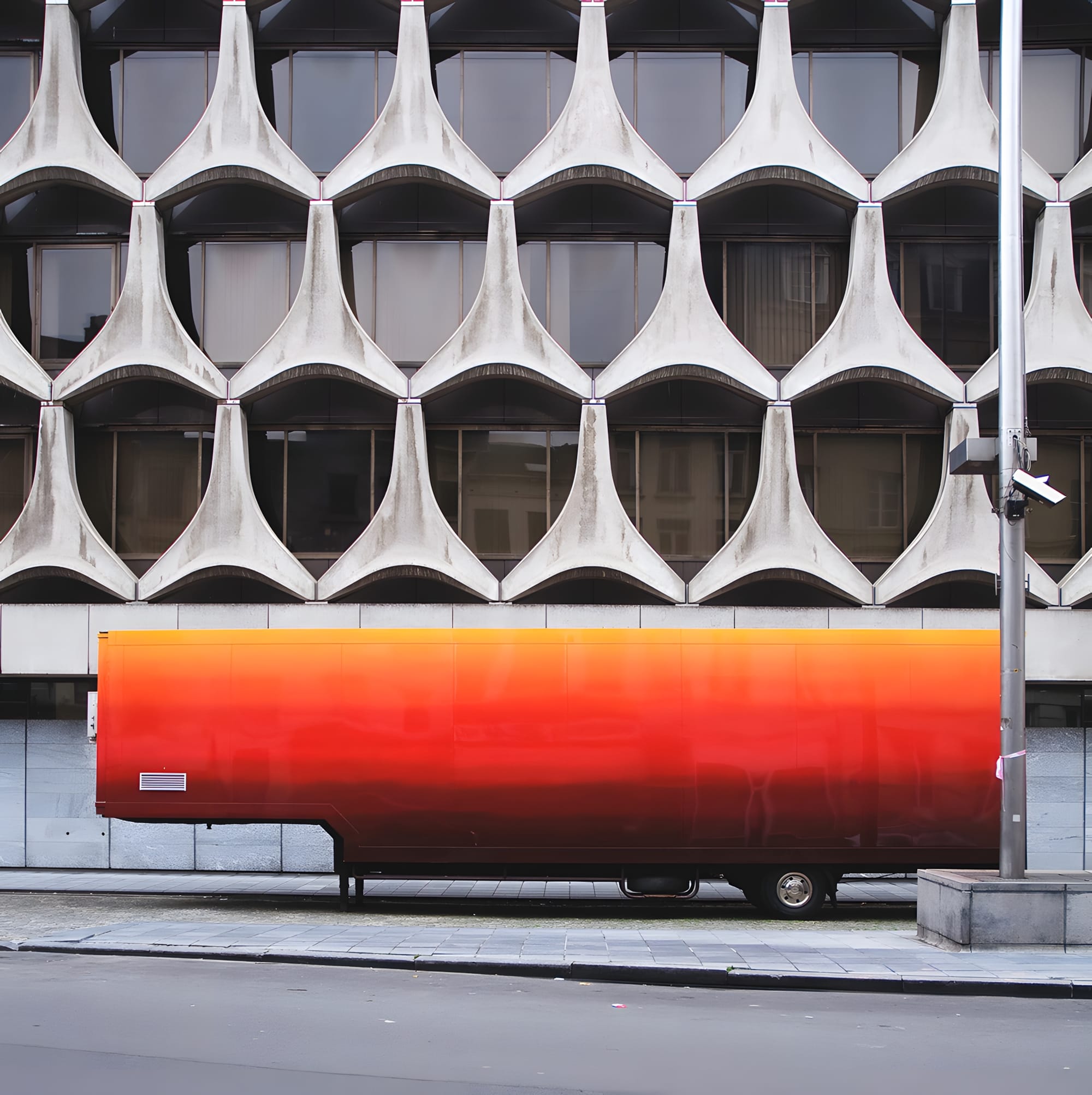
Former CGER-ASLK Building, Brussels — Marcel Lambrichs cger-aslk-building-brussels-marcel-lambrichs The former CGER-ASLK building at Rue des Boiteux 10, Brussels, designed by Marcel Lambrichs and completed 1969–1974. Its facade of inverted-Y prefabricated concrete modules forms a repeating pointed-arch honeycomb grid — one of the most distinctive brutalist concrete facades in Belgium.
[]
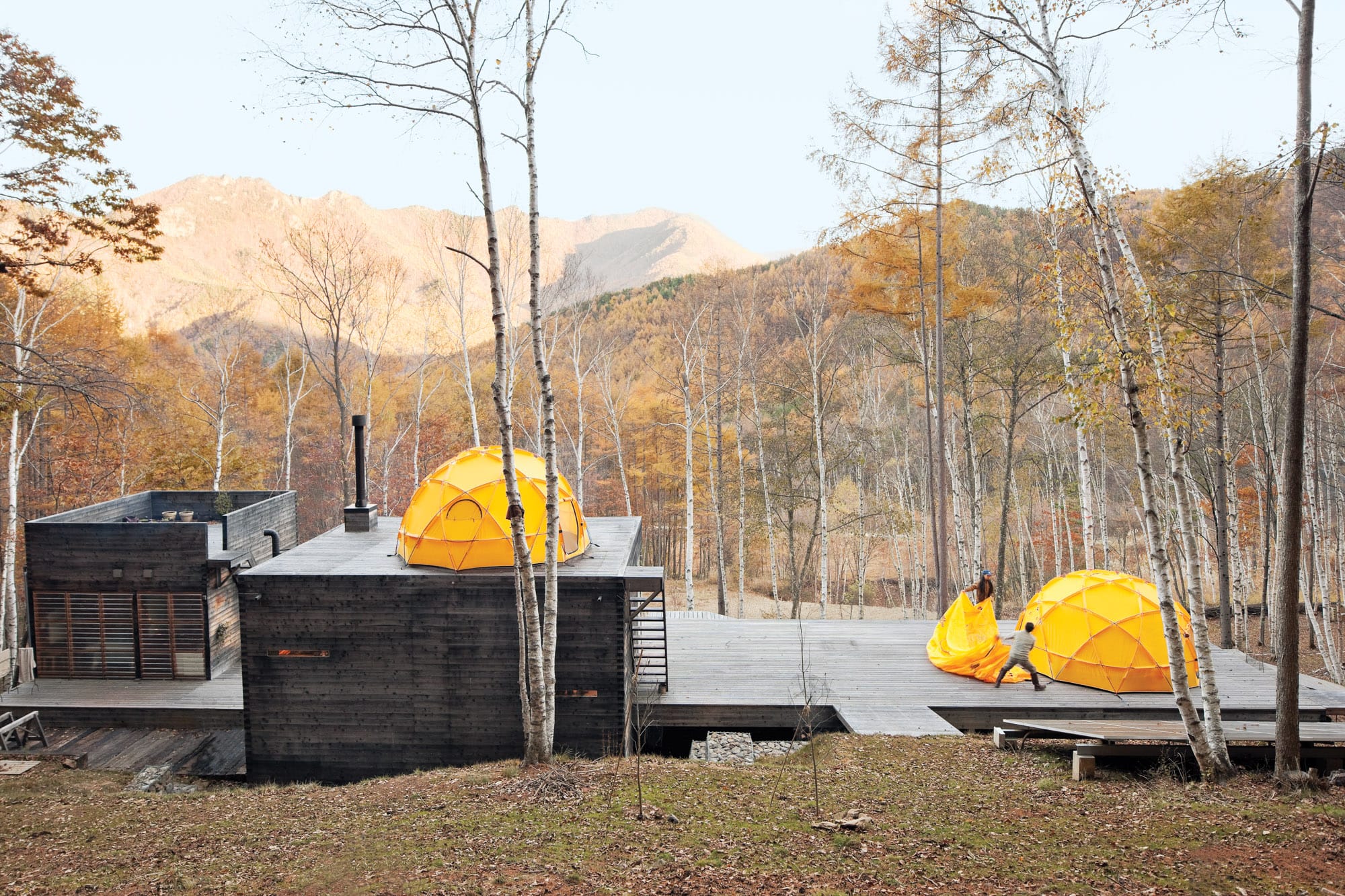
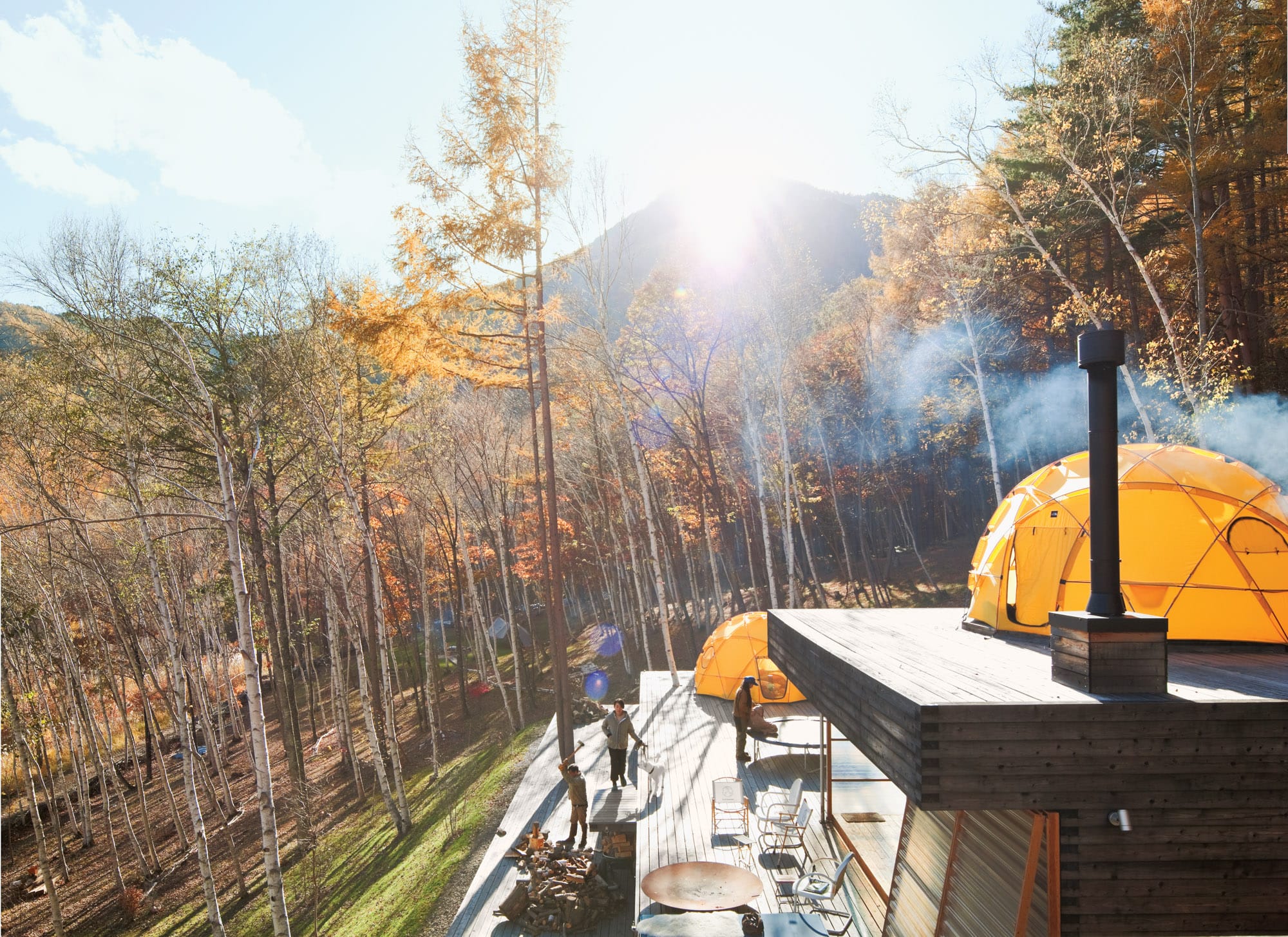
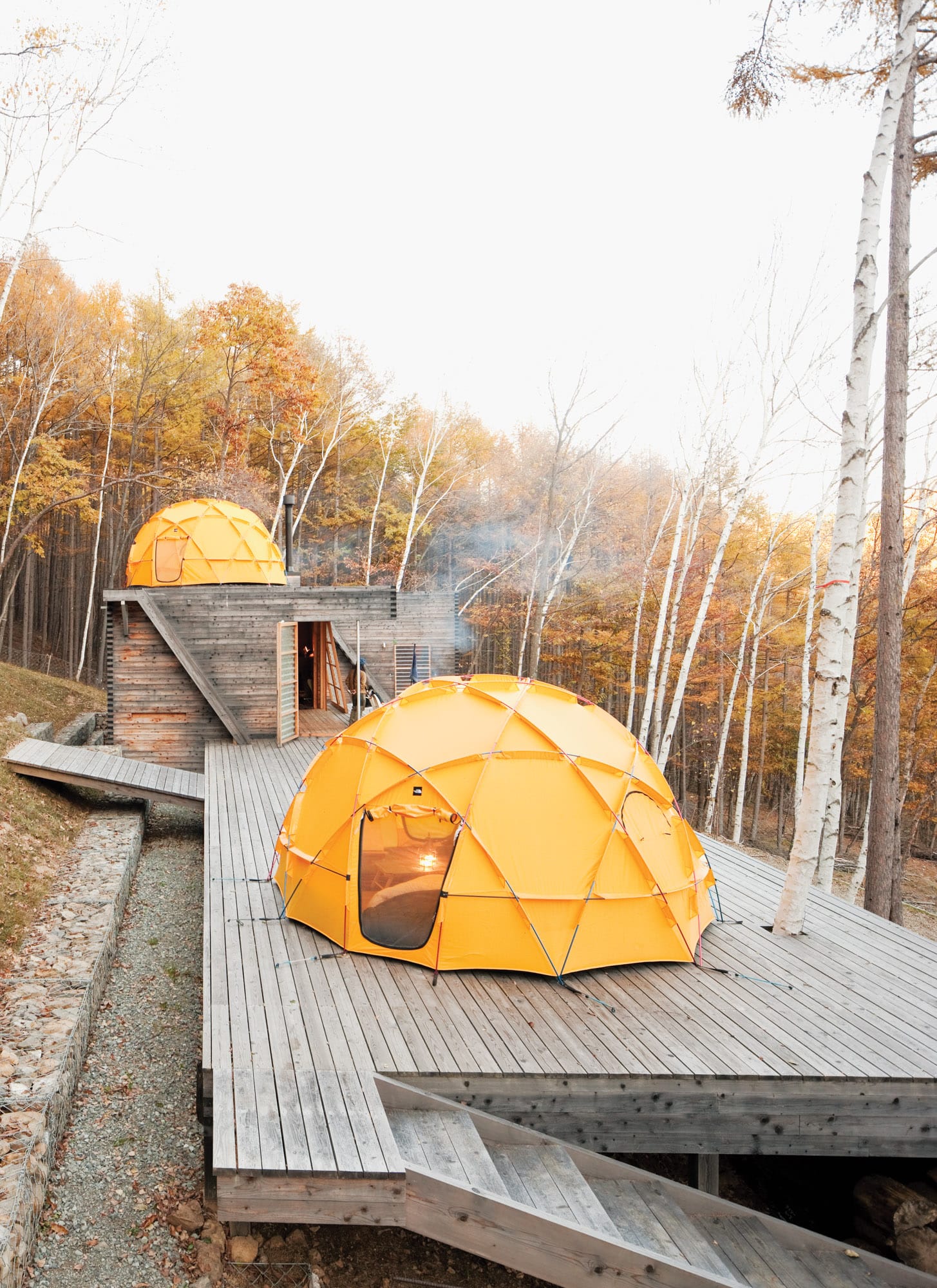
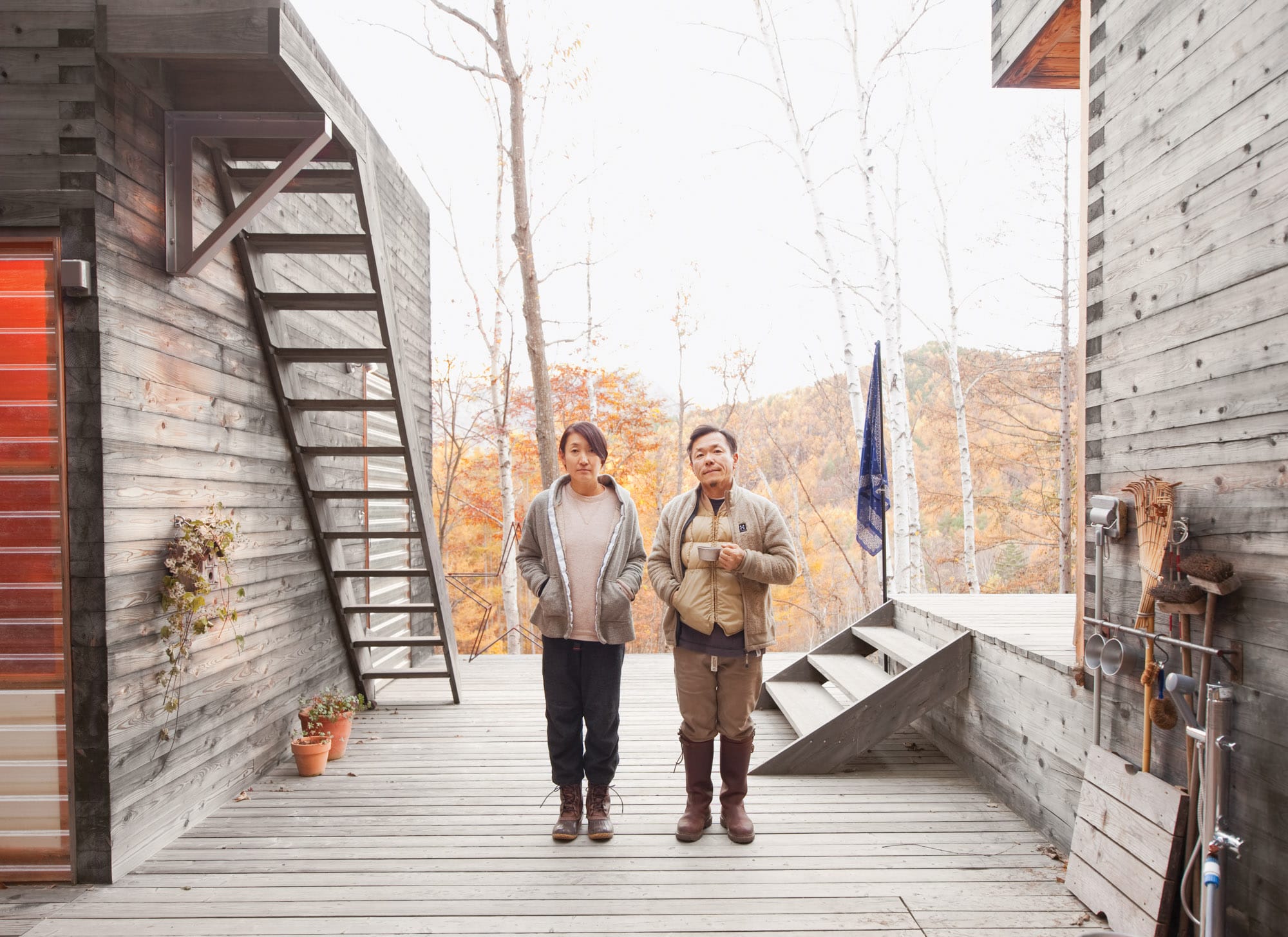
GENERAL RESEARCH OFF-SITE general-research-off-site Designed by architect Shin Ohori of General Design for Setsumasa and Mami Kobayashi, founders of General Research.
Designed by architect Shin Ohori of General Design for Setsumasa and Mami Kobayashi, founders of General Research. Located in the Chichibu mountain range northwest of Tokyo, the site serves as both a personal weekend shelter and a field-testing ground for product development.
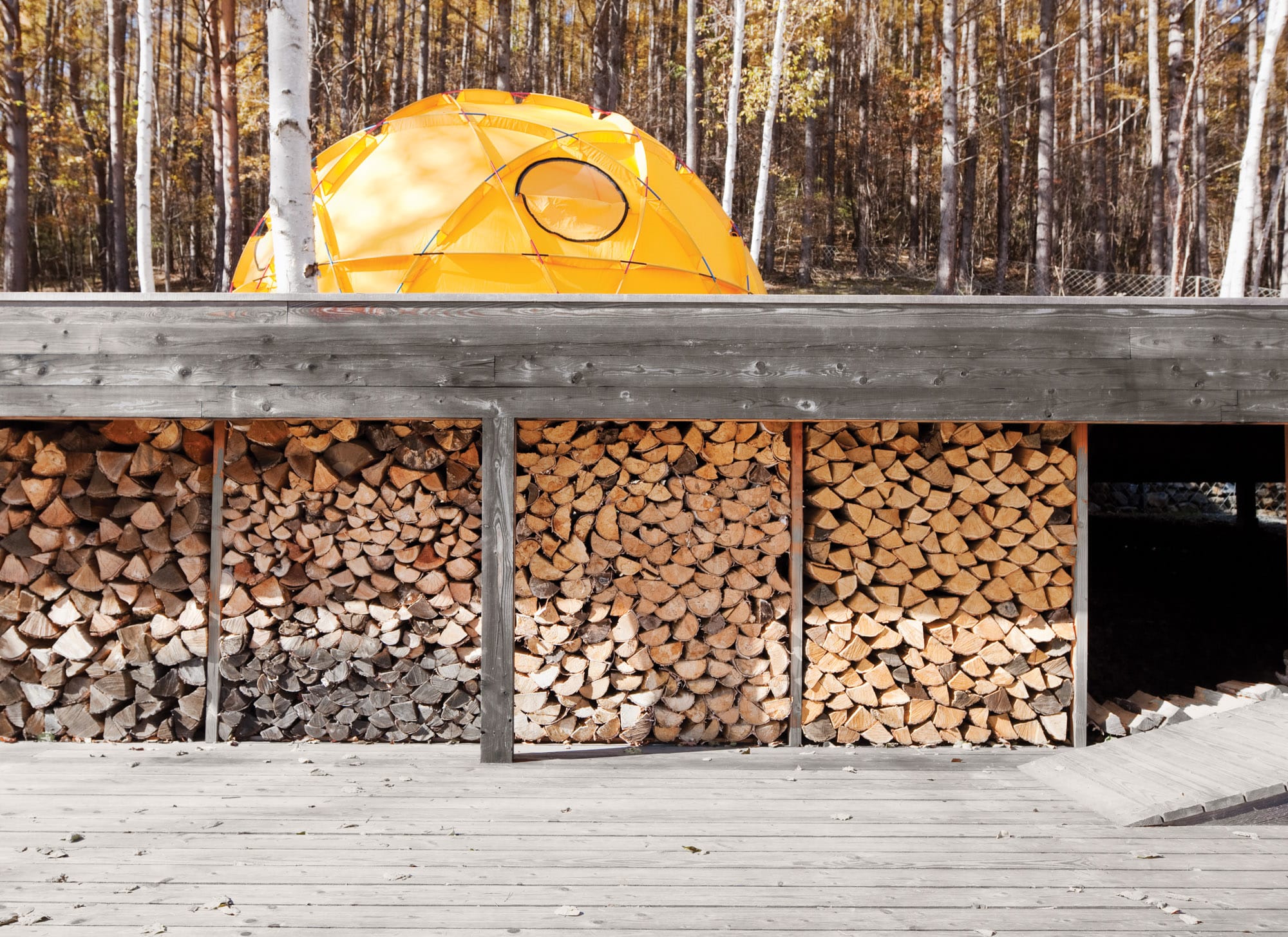
The structure is built on an elevated platform using locally harvested larch wood and features removable walls made from fiber-reinforced plas
[]
Designed by architect Shin Ohori of General Design for Setsumasa and Mami Kobayashi, founders of General Research. Located in the Chichibu mountain range northwest of Tokyo, the site serves as both a personal weekend shelter and a field-testing ground for product development.
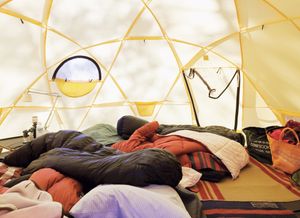
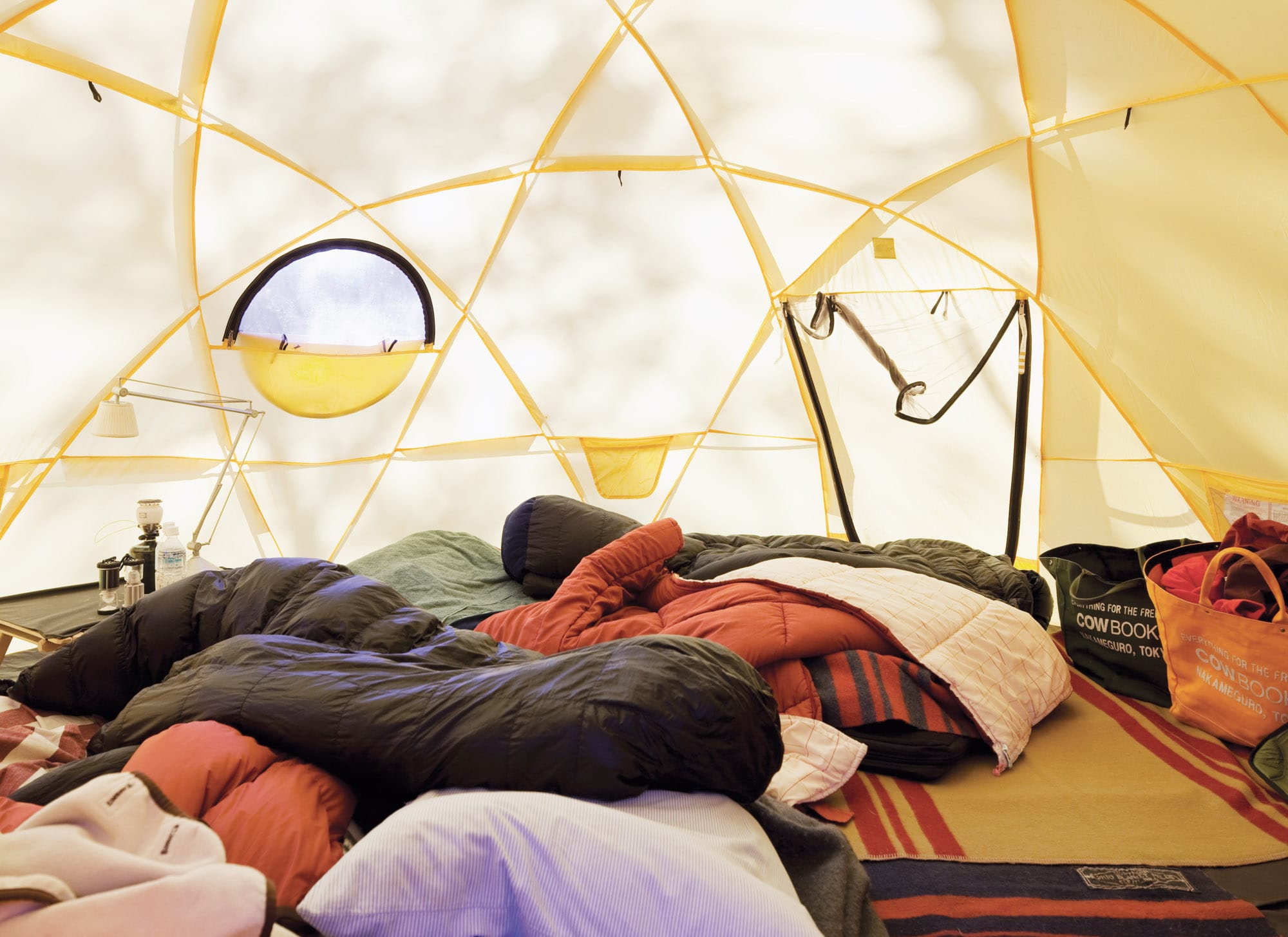
The structure is built on an elevated platform using locally harvested larch wood and features removable walls made from fiber-reinforced plastic. It includes two yellow dome tents used as permanent sleeping areas—one placed on a secondary deck and the other on the roof of the main volume. The central enclosed space houses a kitchen and dining area.
The shelter is equipped with electricity, hot water, internet access, and basic amenities, including a clawfoot bathtub. The location is remote but accessible, allowing the Kobayashis to engage in maintenance tasks and outdoor work while still performing professional duties remotely. The architecture is intentionally simple and functional, emphasizing modularity, environmental responsiveness, and a hybrid of modernist design with primitive outdoor living elements.
The project operates as a live-in testing platform for lifestyle and gear integration in a real-world setting, merging domestic space with performance wear prototyping. It represents an approach to architecture and living that prioritizes adaptability, utility, and a direct relationship with the natural environment.
Vennesla Library and Culture House by Helen & Hard
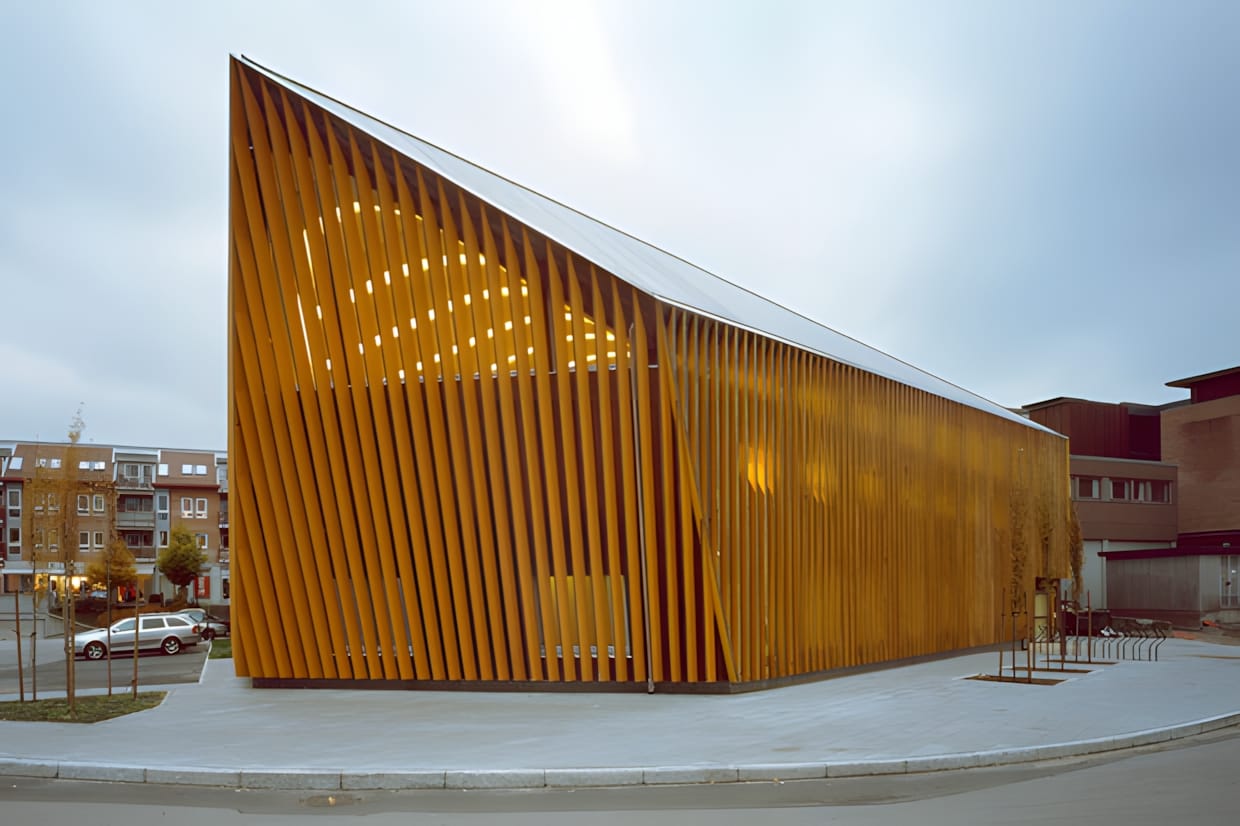
Vennesla Library and Culture House by Helen & Hard vennesla-library-and-culture-house-helen-hard Interior view of the Vennesla Library and Culture House, Vennesla, Norway (2011), designed by Helen & Hard. The signature timber rib-vault structure integrates twenty-six glue-laminated CNC-routered ribs that combine structure, shelving, lighting, and acoustic systems.
[]
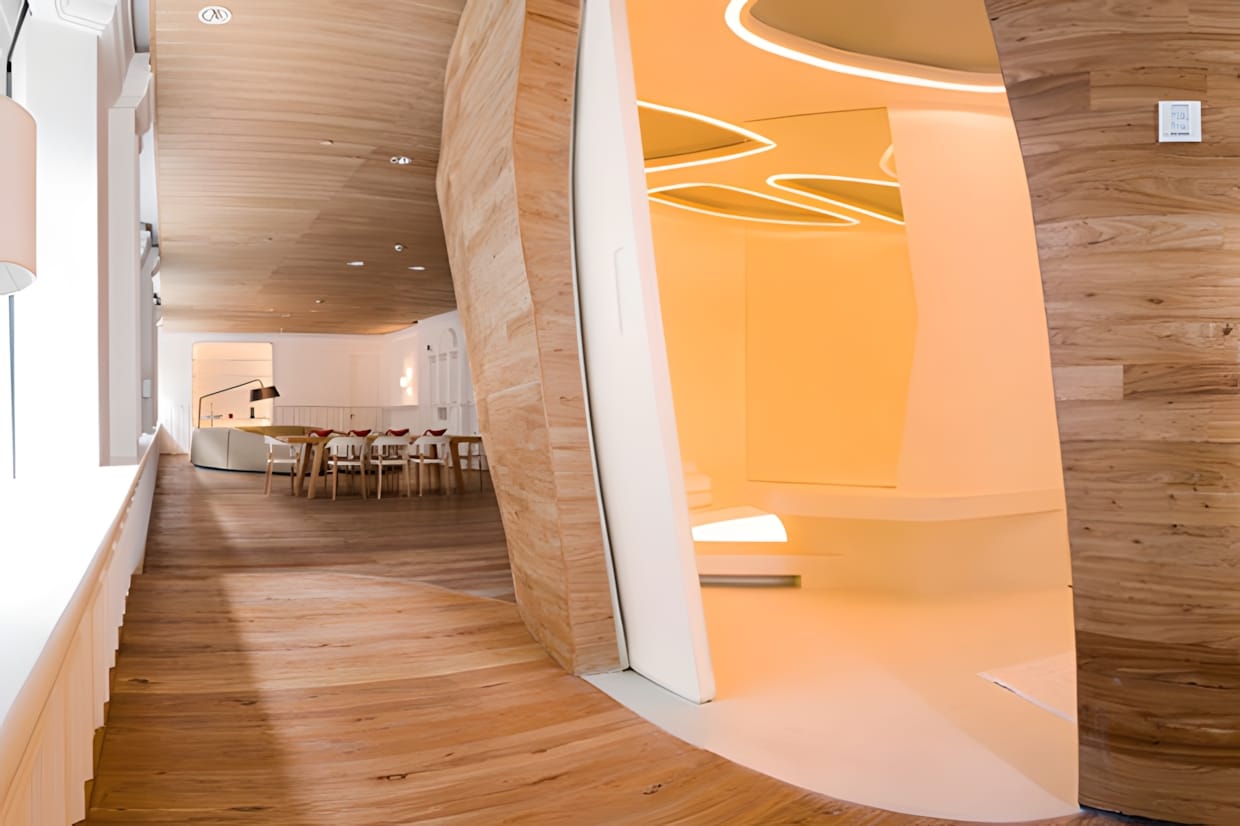
Swatch Art Peace Hotel Shanghai Interior by Jouin Manku
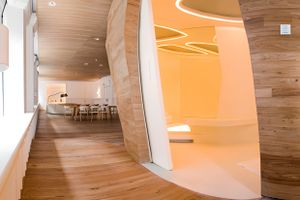
Swatch Art Peace Hotel Shanghai Interior by Jouin Manku swatch-art-peace-hotel-shanghai-interior-jouin-manku Interior corridor of the Swatch Art Peace Hotel on the Bund, Shanghai — the restored 1909 Palace Hotel redesigned by Parisian studio Jouin Manku with organic wood-clad partitions and sinuous LED ceilings.
[]
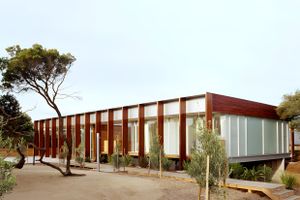
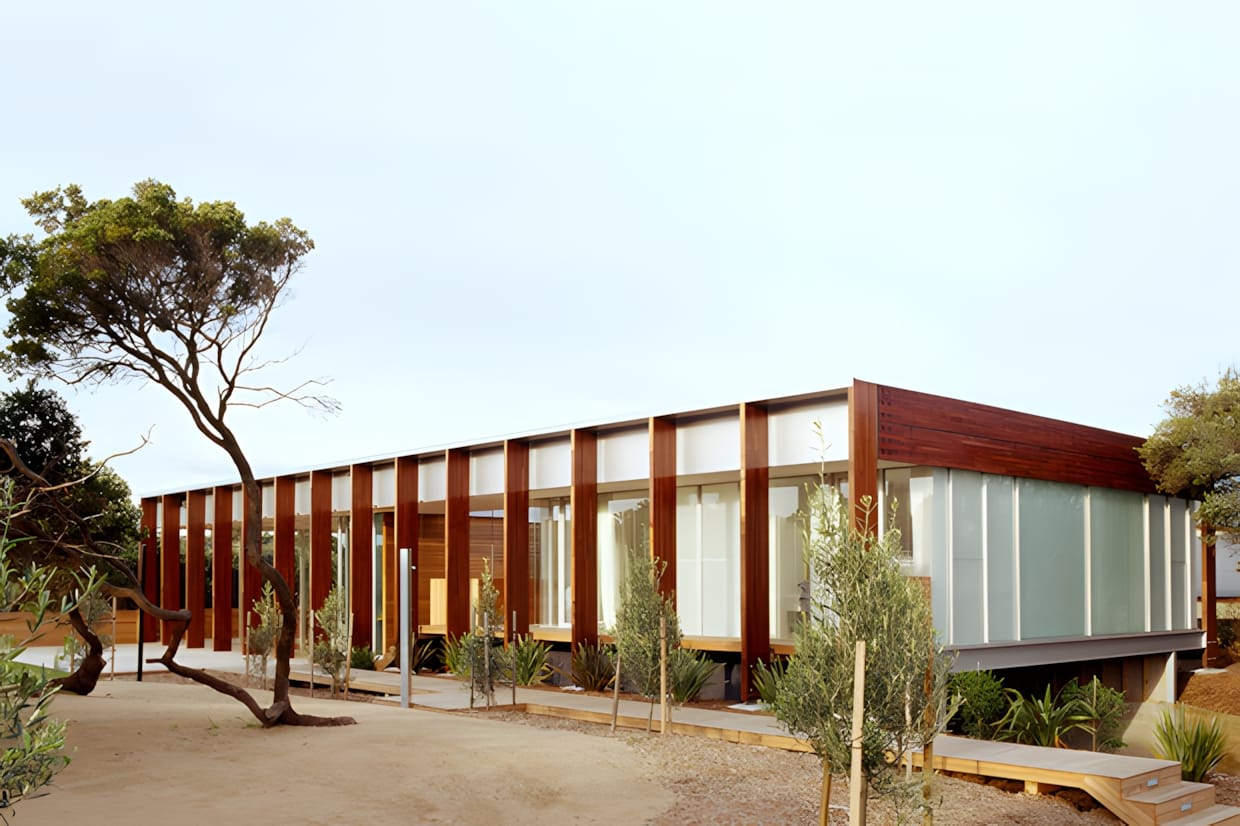
Peninsula House by Watson Architecture + Design peninsula-house-watson-architecture-design-portsea Peninsula House by Watson Architecture + Design, Portsea, Victoria, Australia. A low horizontal pavilion clad in up to 75% recycled timber battens set among coastal scrub.
[]
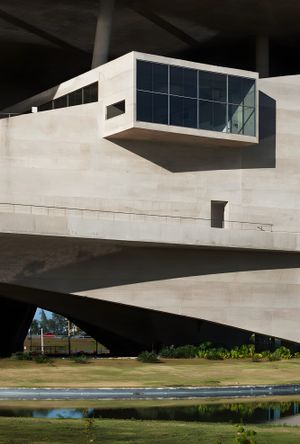
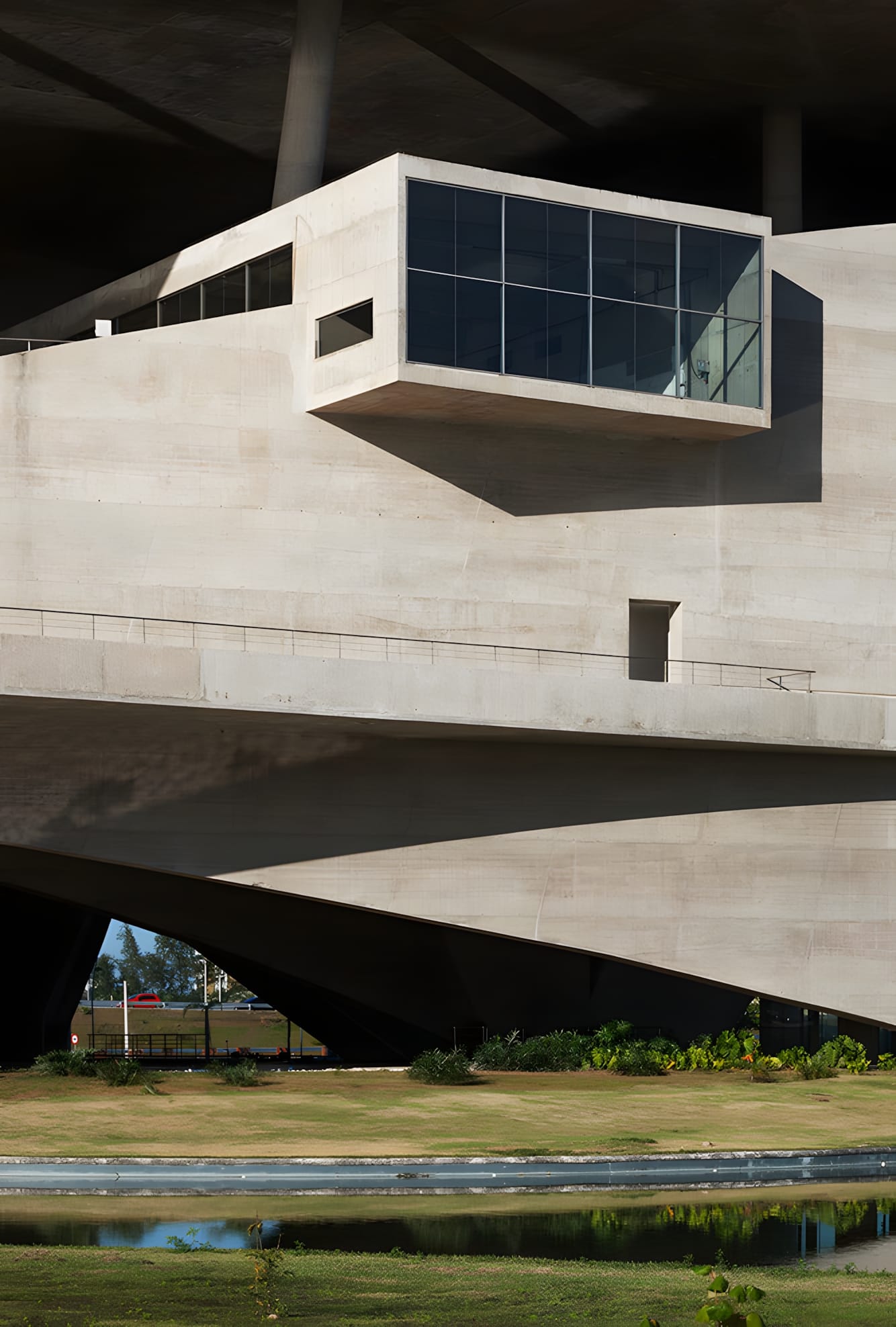
Cidade das Artes — Christian de Portzamparc, Rio de Janeiro cidade-das-artes-christian-de-portzamparc-rio-de-janeiro Cidade das Artes is a 46,000 m² cultural complex in the Barra da Tijuca district of Rio de Janeiro, designed by French architect Christian de Portzamparc and completed in 2013. The concrete structure houses a convertible concert hall, chamber music room, cinemas, dance studios, and rehearsal spaces.
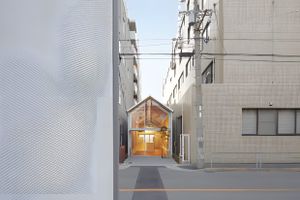
[]
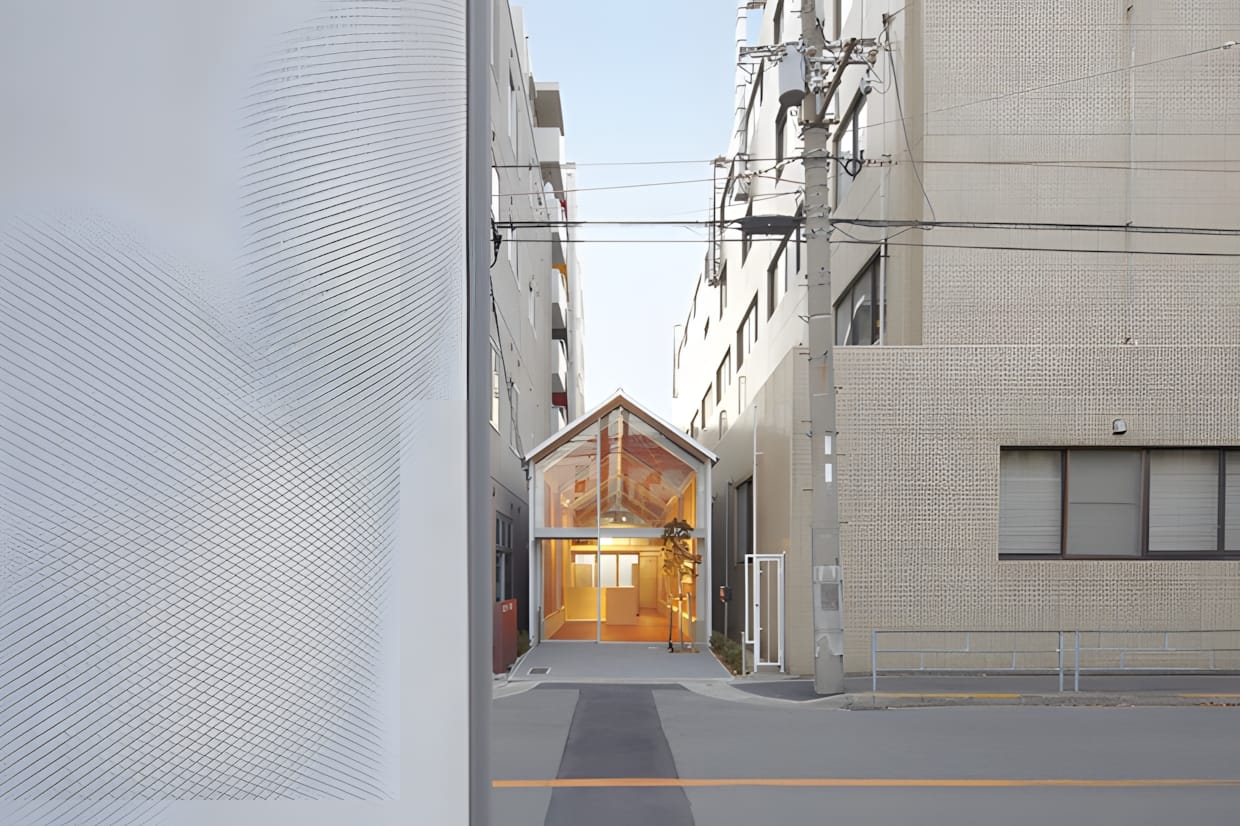
Ogimachi Global Dispensing Pharmacy — ninkipen! + TKY Japan ogimachi-global-dispensing-pharmacy-ninkipen-tky-japan Compact pharmacy in central Osaka by ninkipen! and TKY Japan, 2011. Built on a narrow former farm-road plot (61 m²), the building uses a simple steel frame with exposed wood columns and rafters beneath a gabled roof. Photo by Hiroki Kawata.
[]
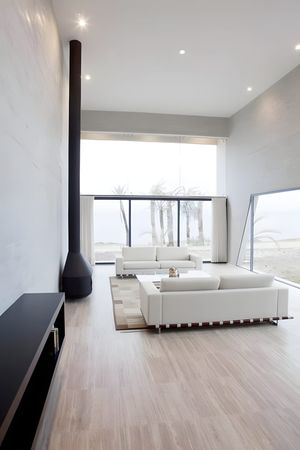
Casa Paracas — RRMR Arquitectos, Paracas Bay (2013)
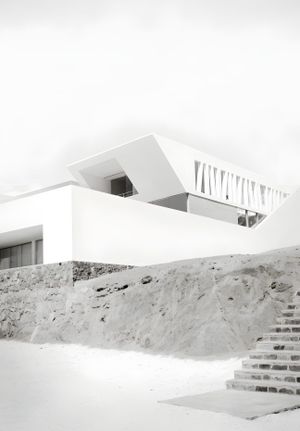
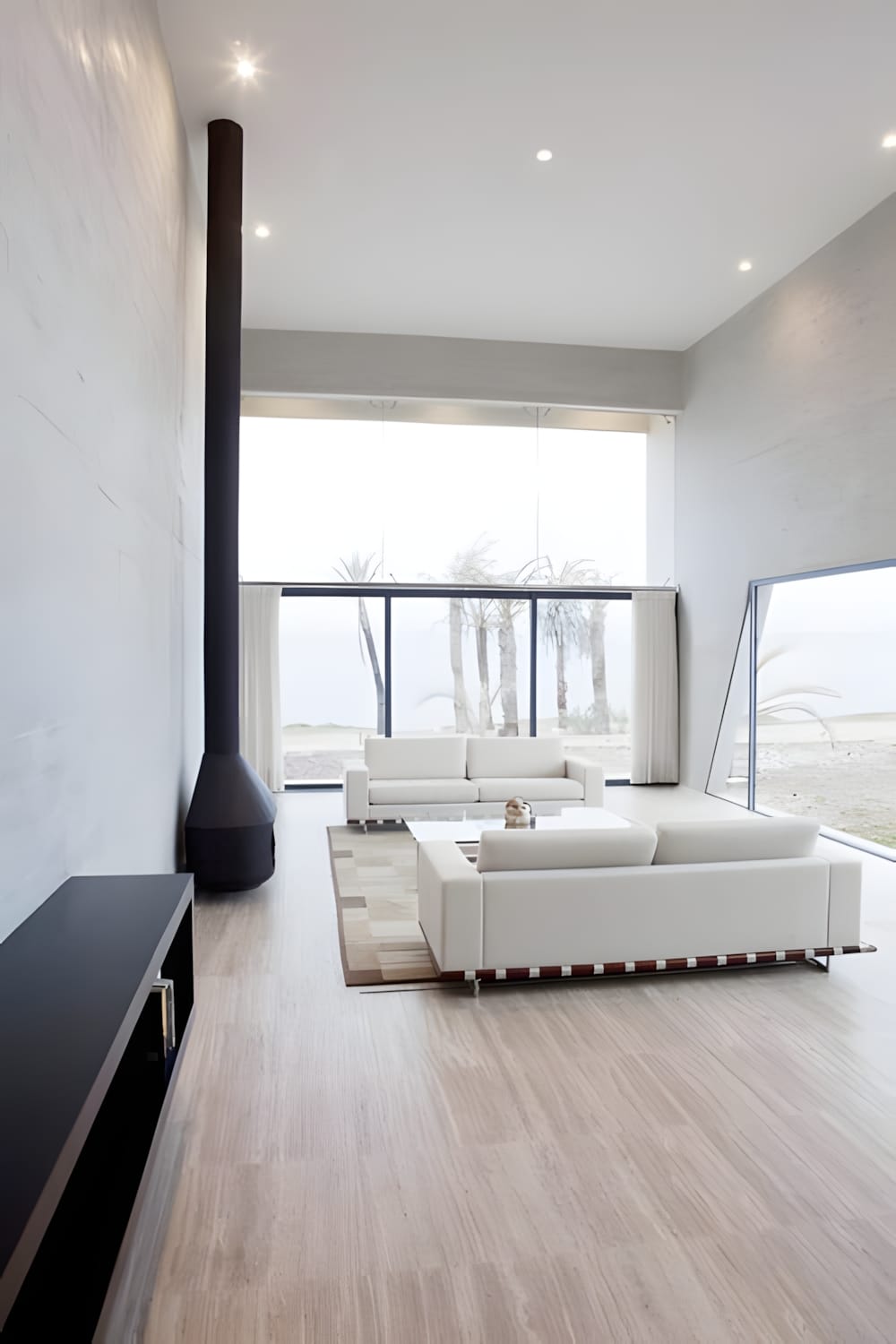
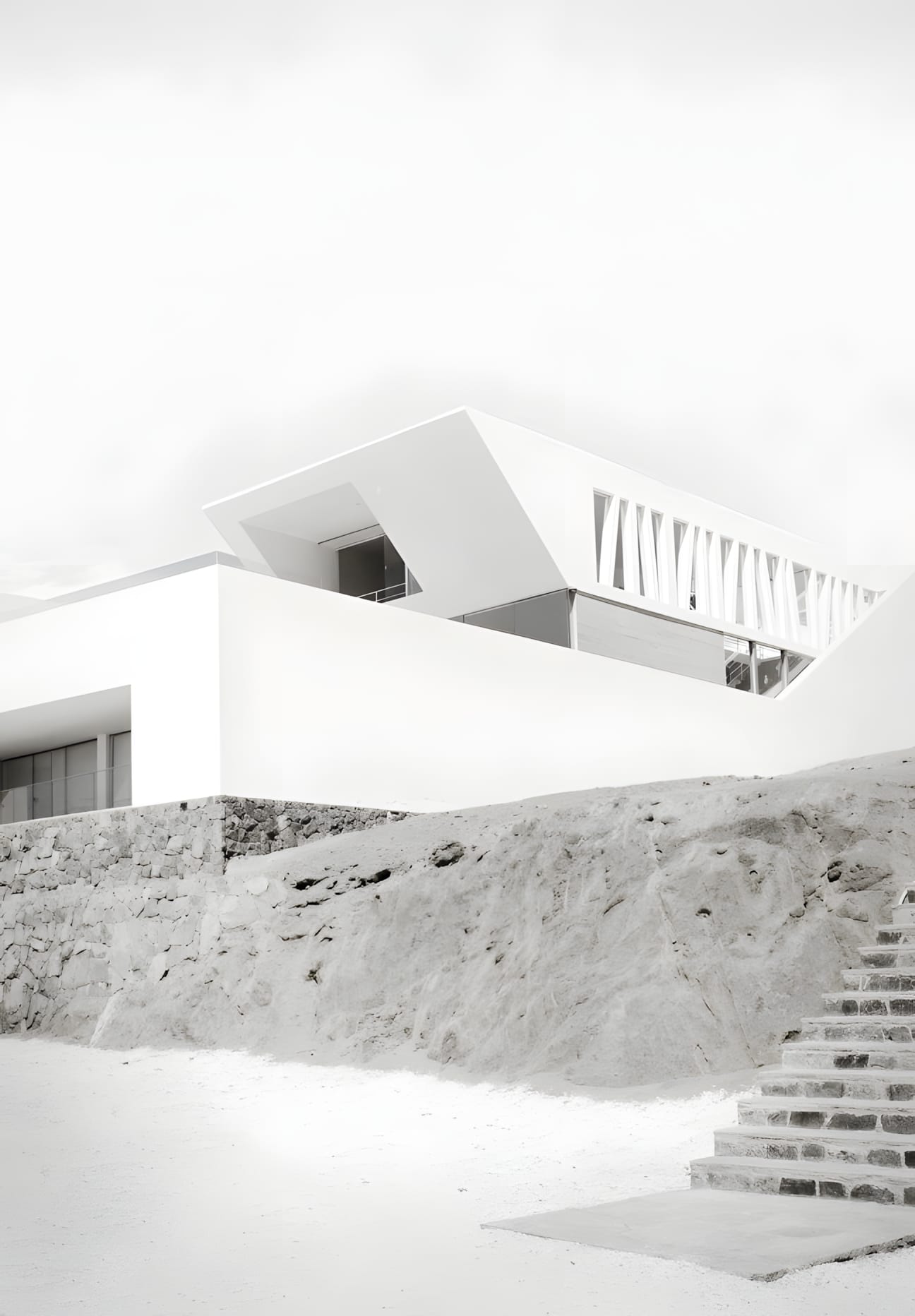
Casa Paracas — RRMR Arquitectos, Paracas Bay (2013) casa-paracas-rrmr-arquitectos-paracas-bay Casa Paracas (2013) by RRMR Arquitectos — a minimalist private residence on Peru's Paracas Bay in the Ica Region. The house responds to the extreme coastal desert landscape with a compact, inward-looking volume that opens toward the bay through precisely framed apertures, mediating between the stark dune environment and the Pacific horizon.
[]
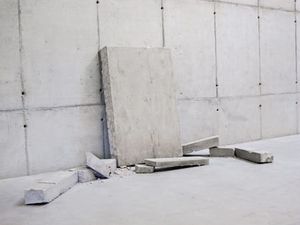
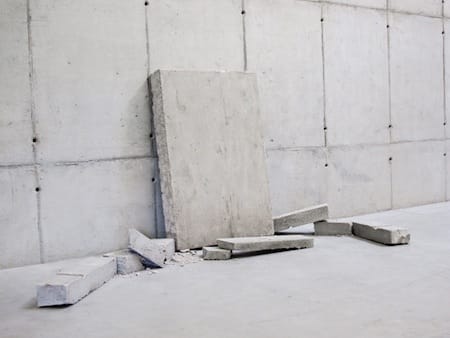
Precast Concrete Slab — Texture Study precast-concrete-slab-texture-study Close-up photograph of a precast concrete panel surface showing the raw grey texture, aggregate, and casting marks. A material reference image for architecture and design.
[]
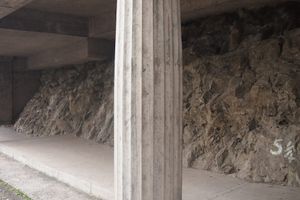
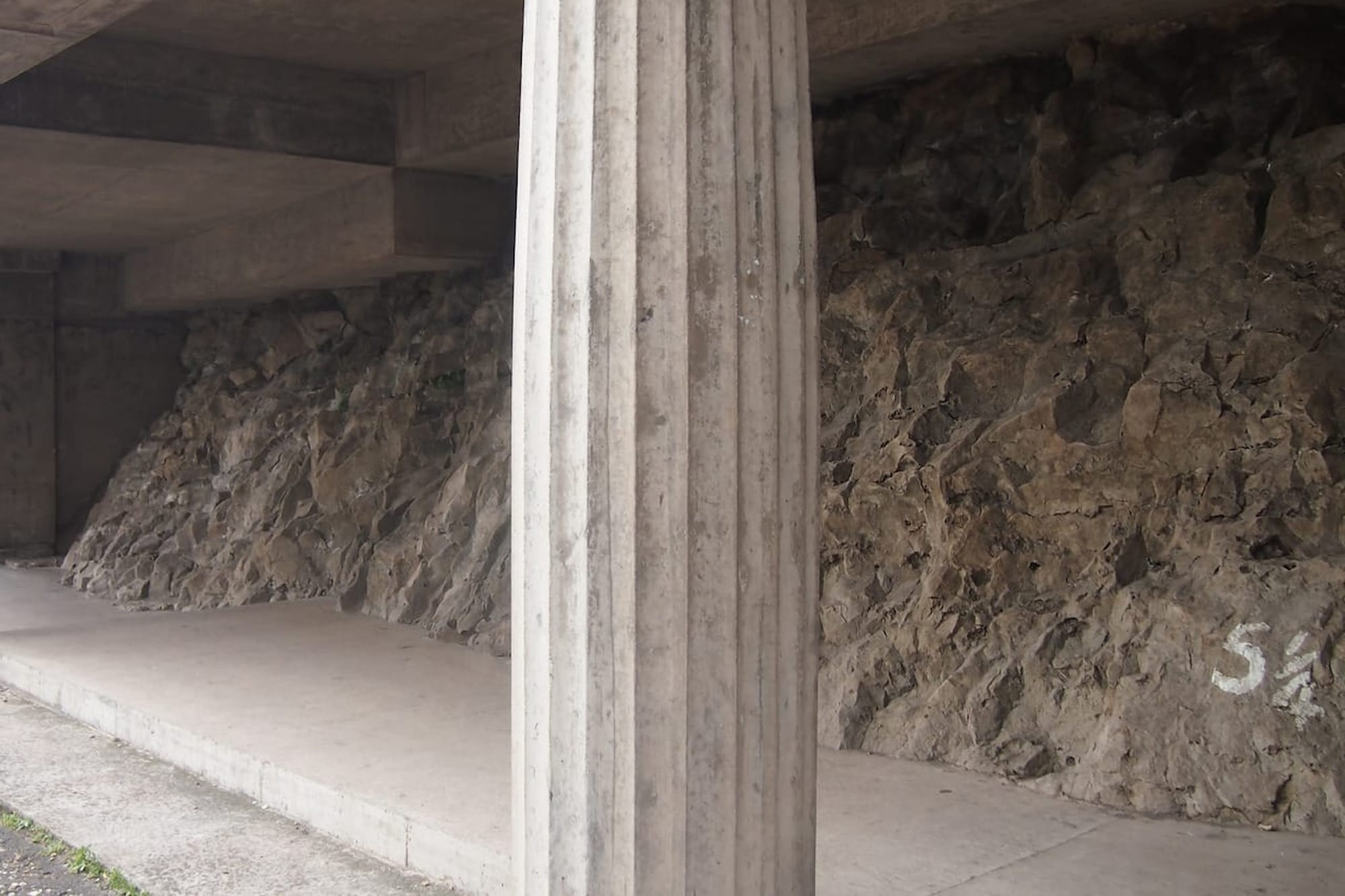
Bas Princen — Colonnade Infrastructure Photograph bas-princen-colonnade-infrastructure-photograph A photograph by Dutch artist Bas Princen from his infrastructure and constructed-landscape series — large-format documentation of industrial and civic structures rendered with architectural precision.
[]
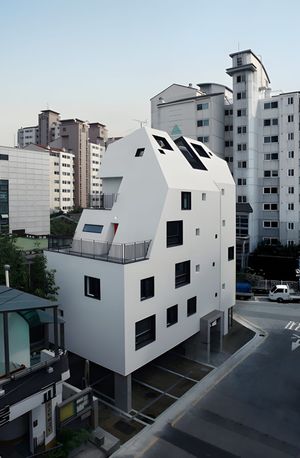
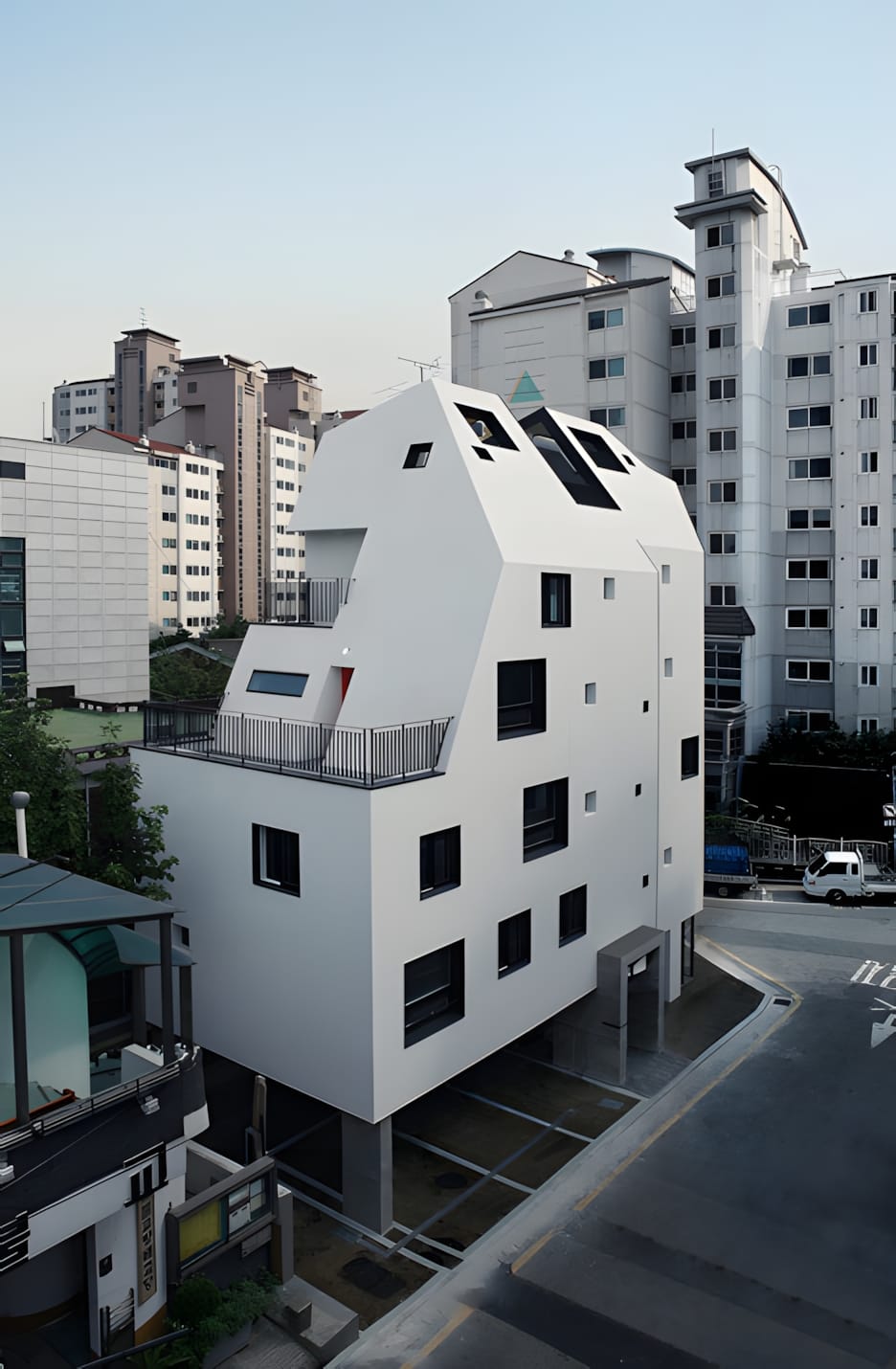
Design Band YOAP White House, Seoul design-band-yoap-white-house-seoul The White House by Design Band YOAP (2013), a compact nine-apartment residential block on a narrow Seoul plot, clad in a sculptural white double-skin concrete facade.
[]
Avi Forman — YSOA Advanced Mill Workshop CNC Surface
Avi Forman — YSOA Advanced Mill Workshop CNC Surface avi-forman-ysoa-advanced-mill-workshop-cnc-surface CNC-milled surface piece by Avi Forman from the Yale School of Architecture Advanced Mill Workshop, photographed by Elijah Porter in November 2010. Close-up shows a regular dome-pattern texture across a curved, undulating white milled panel.
[]
House Playa El Golf H4 by RRMR Arquitectos house-playa-el-golf-h4-rrmr-arquitectos Contemporary vacation home in the Asia District, Lima, Peru, designed by riofrio+rodrigo arquitectos (RRMR). Completed 2011, 4,251 sq ft, fronting a golf course 95 km south of central Lima.
[]
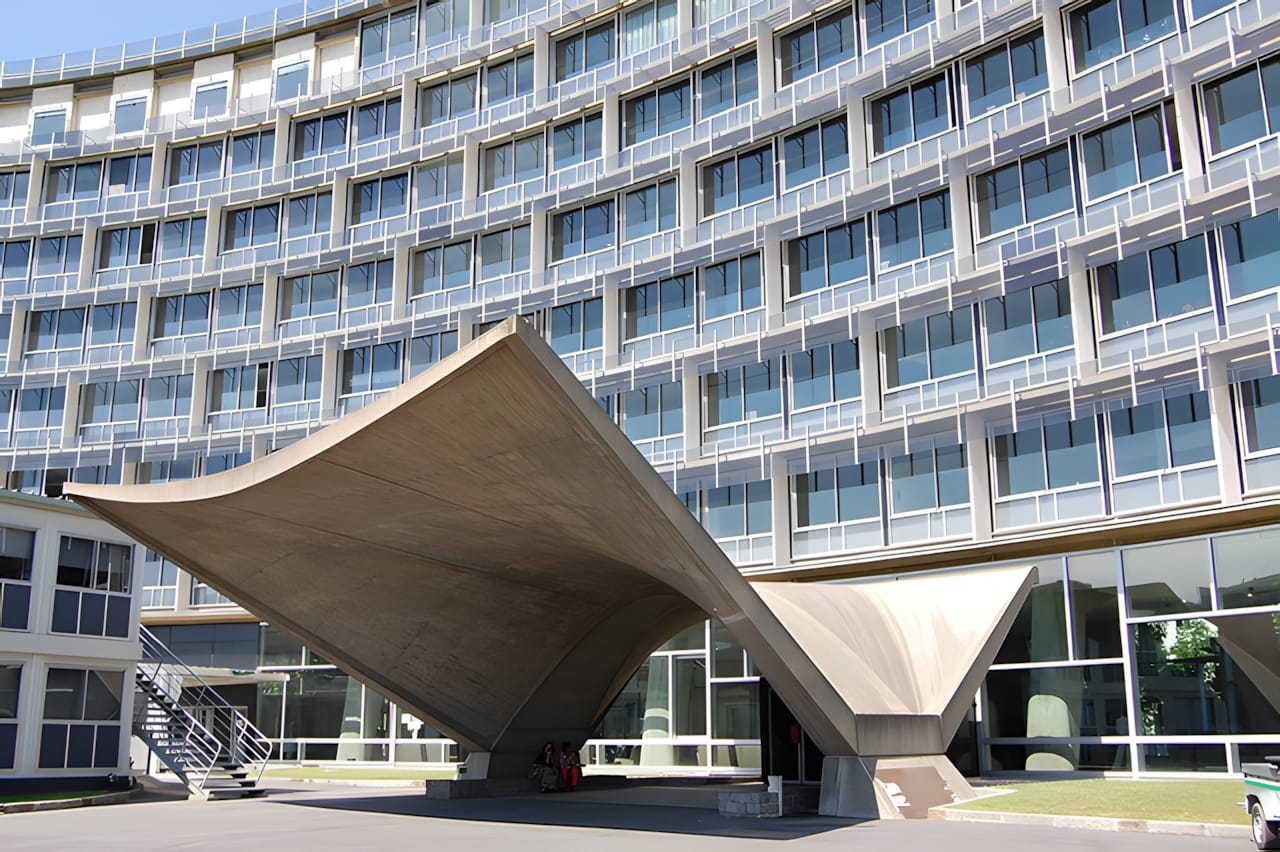
UNESCO Headquarters Entrance Canopy — Breuer, Nervi & Zehrfuss, Paris 1958
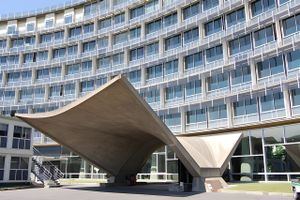
UNESCO Headquarters Entrance Canopy — Breuer, Nervi & Zehrfuss, Paris 1958 unesco-headquarters-entrance-canopy-nervi-paris-1958 The hyperbolic-paraboloid concrete entry canopy of the UNESCO Headquarters in Paris, designed by Marcel Breuer, Pier Luigi Nervi, and Bernard Zehrfuss and completed in 1958. Nervi's structural engineering defines the sweeping saddle-shell canopy shown here against the Y-shaped Secretariat curtain wall.
[]
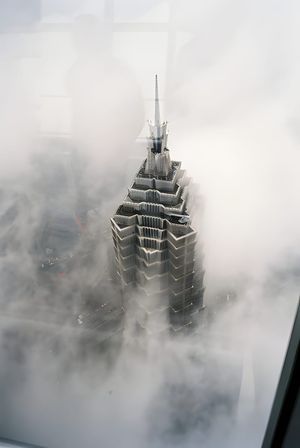
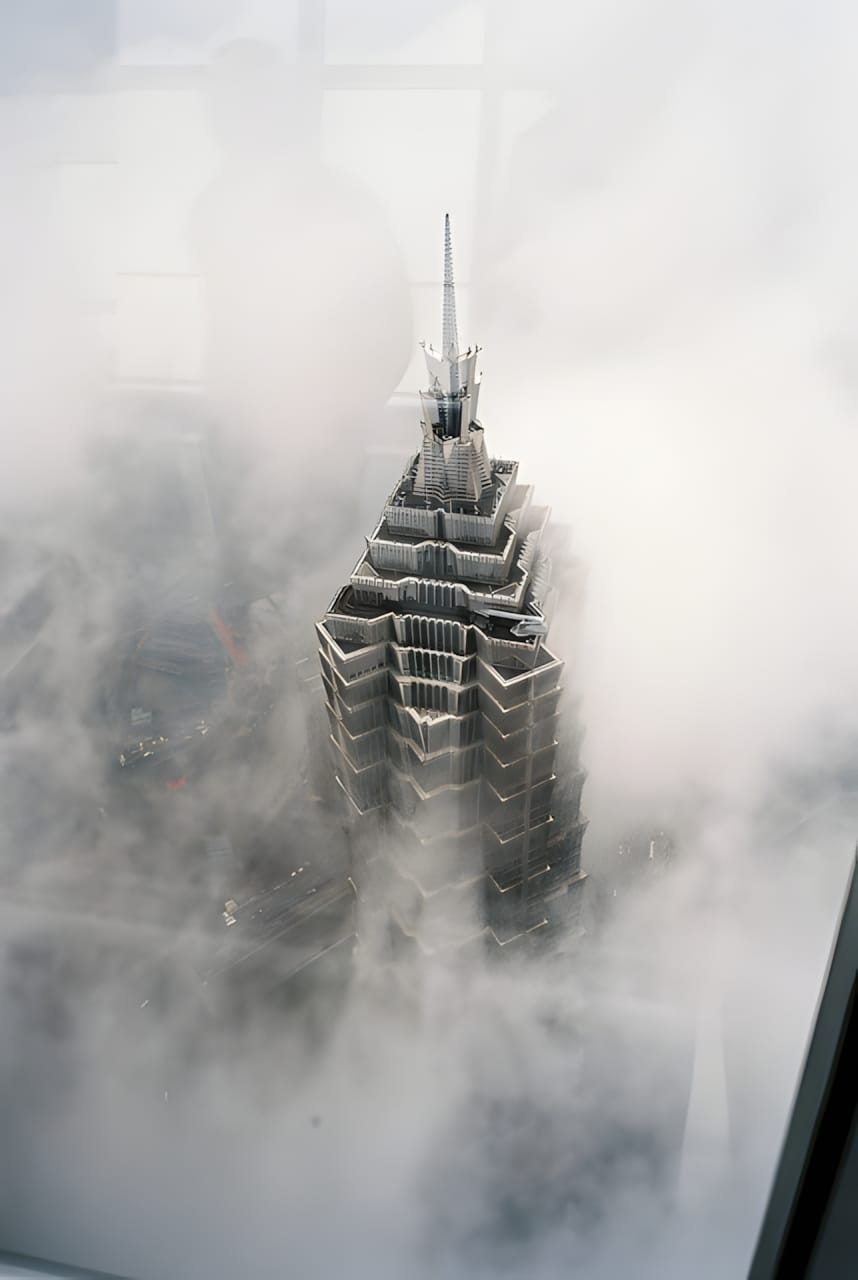
Jin Mao Tower, Shanghai, Above the Clouds jin-mao-tower-shanghai-above-clouds Aerial photograph of the Jin Mao Tower in Pudong, Shanghai, shot from above through dense fog and cloud. The 88-story pagoda-spired skyscraper emerges from the mist in a dramatic film photograph.
[]
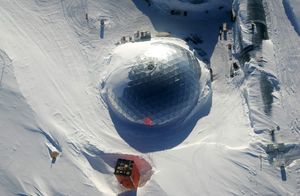
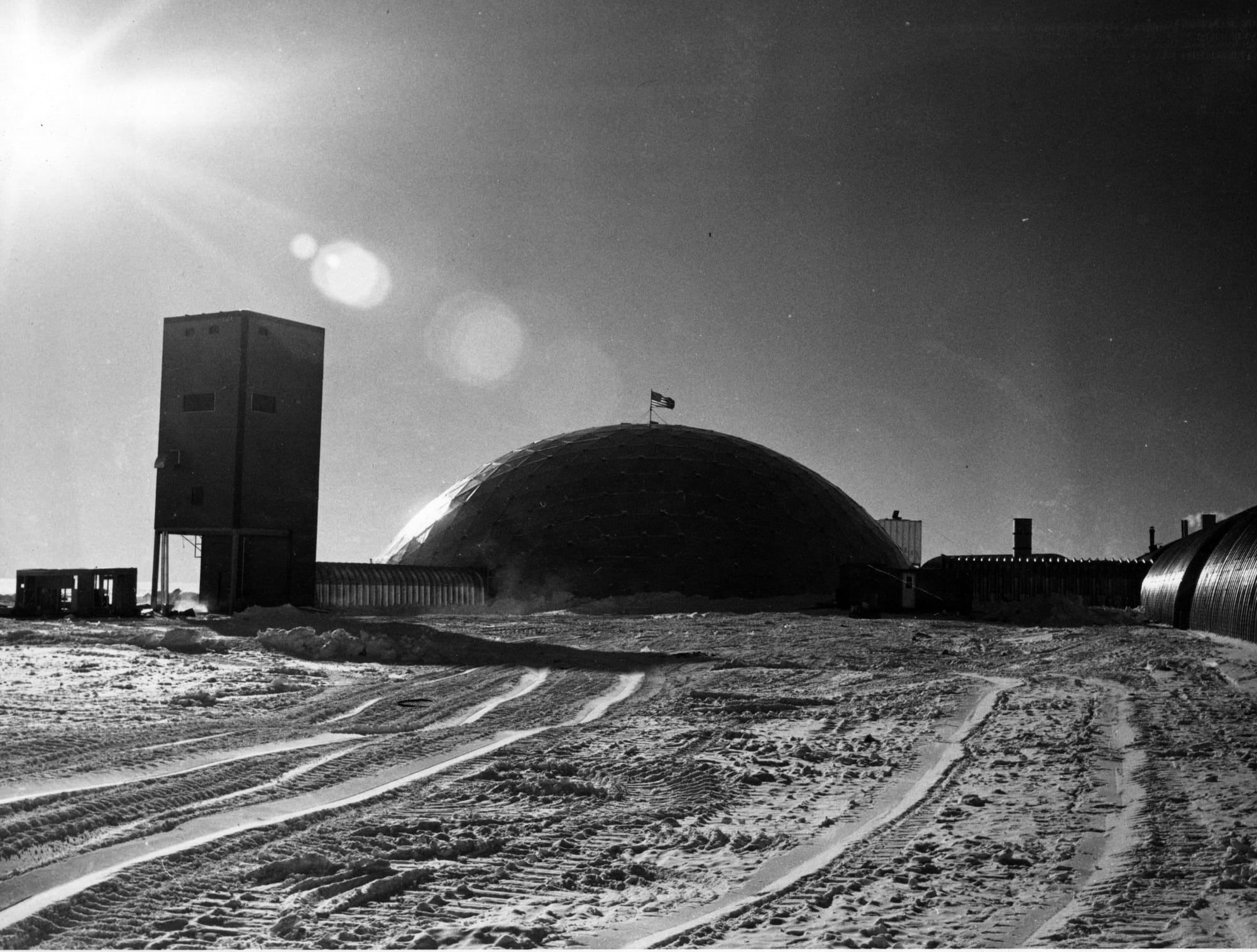
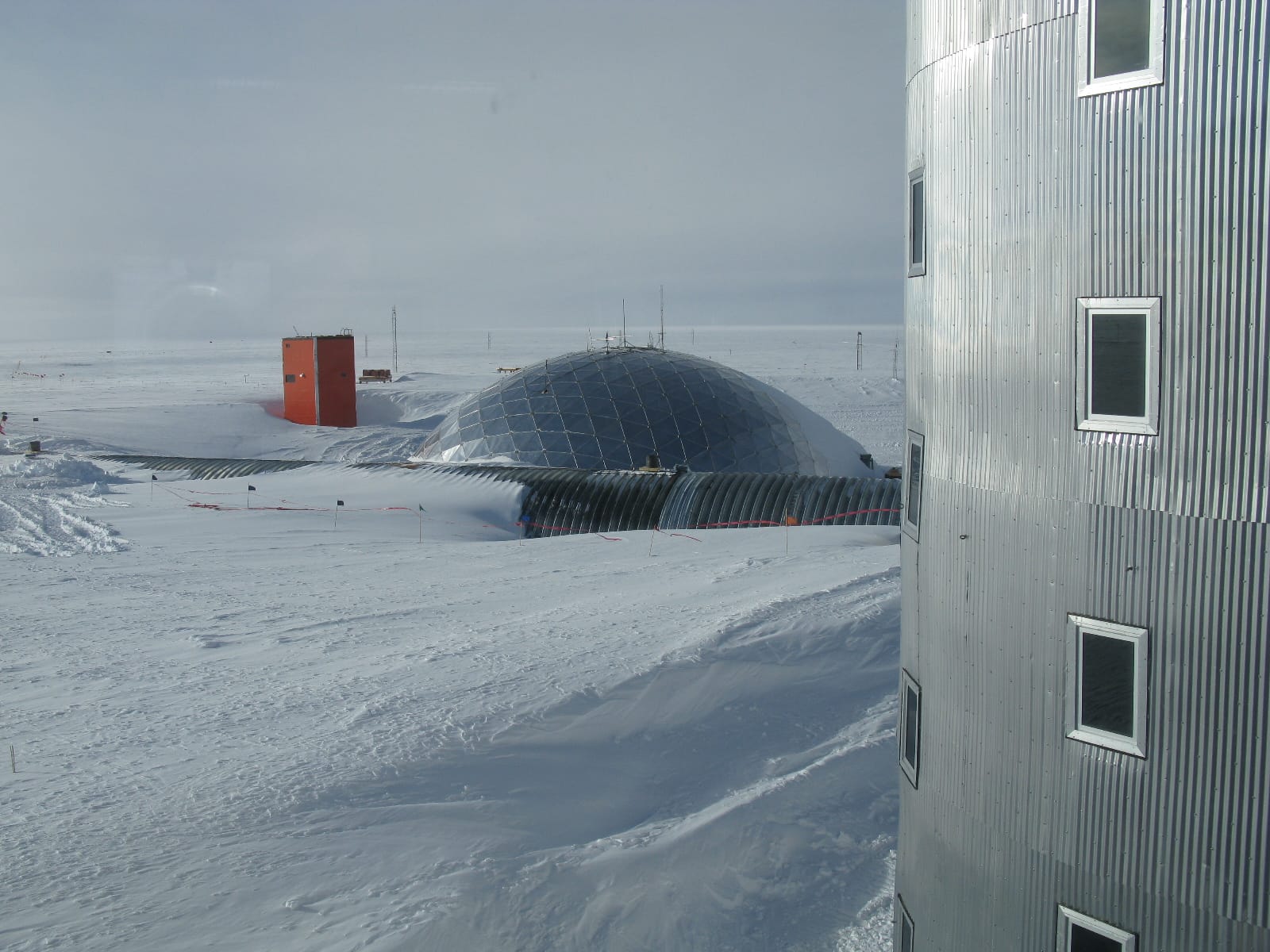
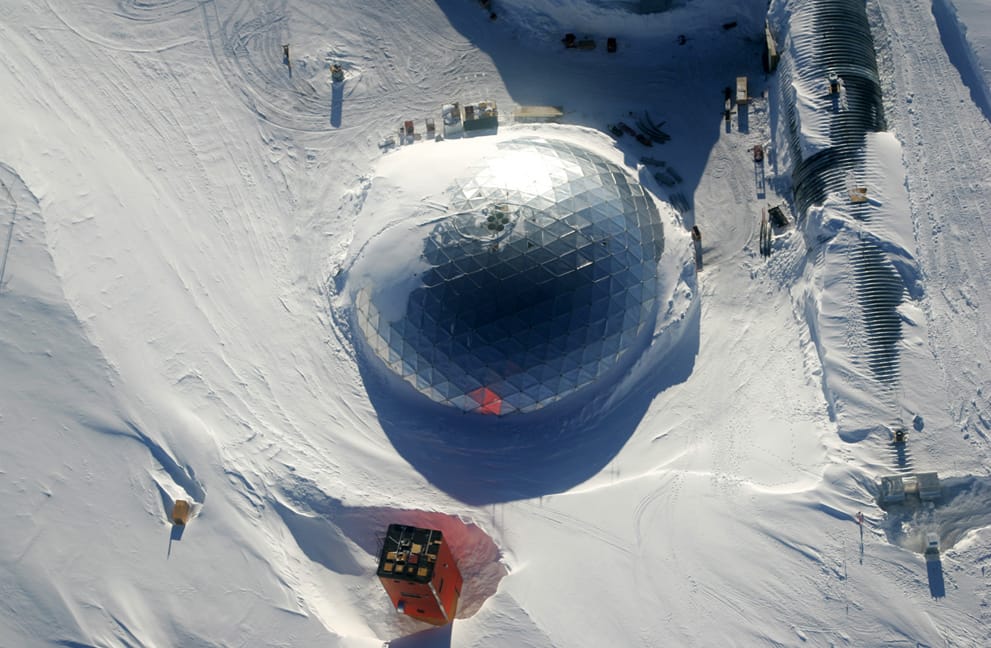
Amundsen-Scott South Pole Station Dome amundsen-scott-south-pole-station-dome The aluminium geodesic dome of the Amundsen-Scott South Pole Station, erected 1975 and dismantled 2009-2010, a landmark of Antarctic exploration.
The aluminium geodesic dome at the Amundsen-Scott South Pole Station, erected in 1975. The unheated 50-metre shell did not house people but sheltered clusters of modular buildings from wind and drifting snow. Retired when the elevated station opened, it was dismantled in 2009-2010.
[]
The aluminium geodesic dome at the Amundsen-Scott South Pole Station, erected in 1975. The unheated 50-metre shell did not house people but sheltered clusters of modular buildings from wind and drifting snow. Retired when the elevated station opened, it was dismantled in 2009-2010.
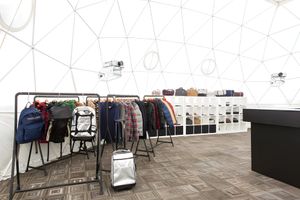
Snow Egg NISEKO — Riccardo Tossani Architecture snow-egg-niseko-riccardo-tossani-architecture Snow Egg NISEKO by Riccardo Tossani Architecture — a geodesic dome structure installed in the Niseko ski resort area of Hokkaido, Japan. The project deploys the geometric efficiency of the geodesic form in an alpine environment, functioning as an event and hospitality space amid the Hokkaido snowscape.
[]
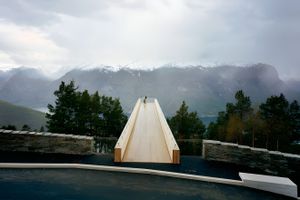
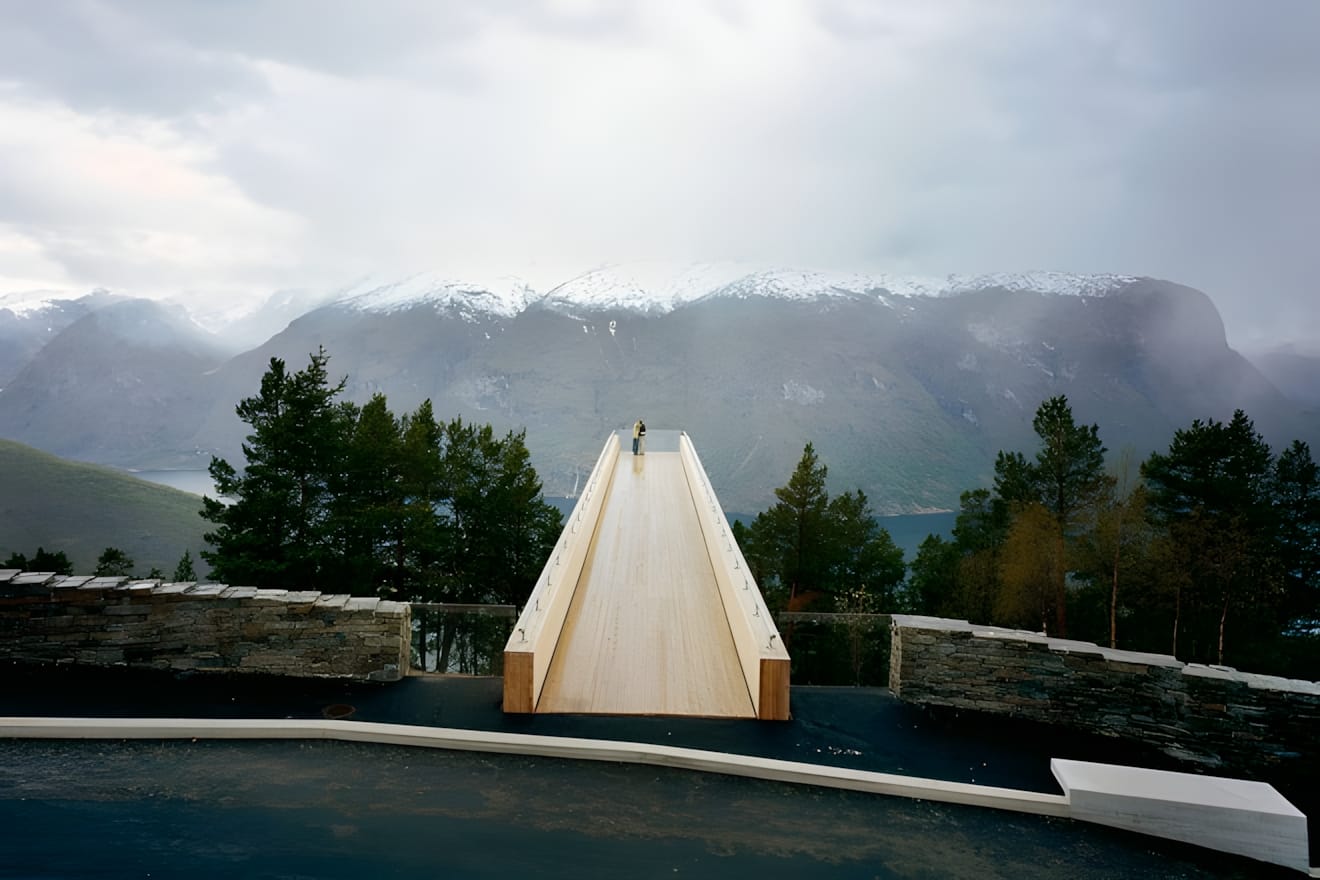
Stegastein Aurland Lookout — Saunders Architecture & Tommie Wilhelmsen stegastein-aurland-lookout-saunders-wilhelmsen Stegastein viewpoint, 650m above Aurlandsfjord, Norway. Steel and pine platform extending 30m from the mountainside, designed by Todd Saunders and Tommie Wilhelmsen, completed 2006.
[]
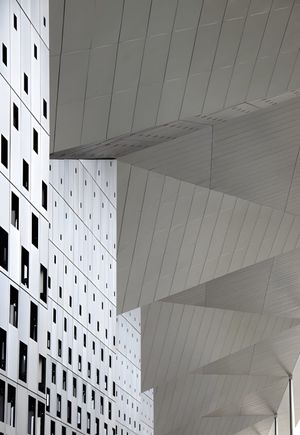
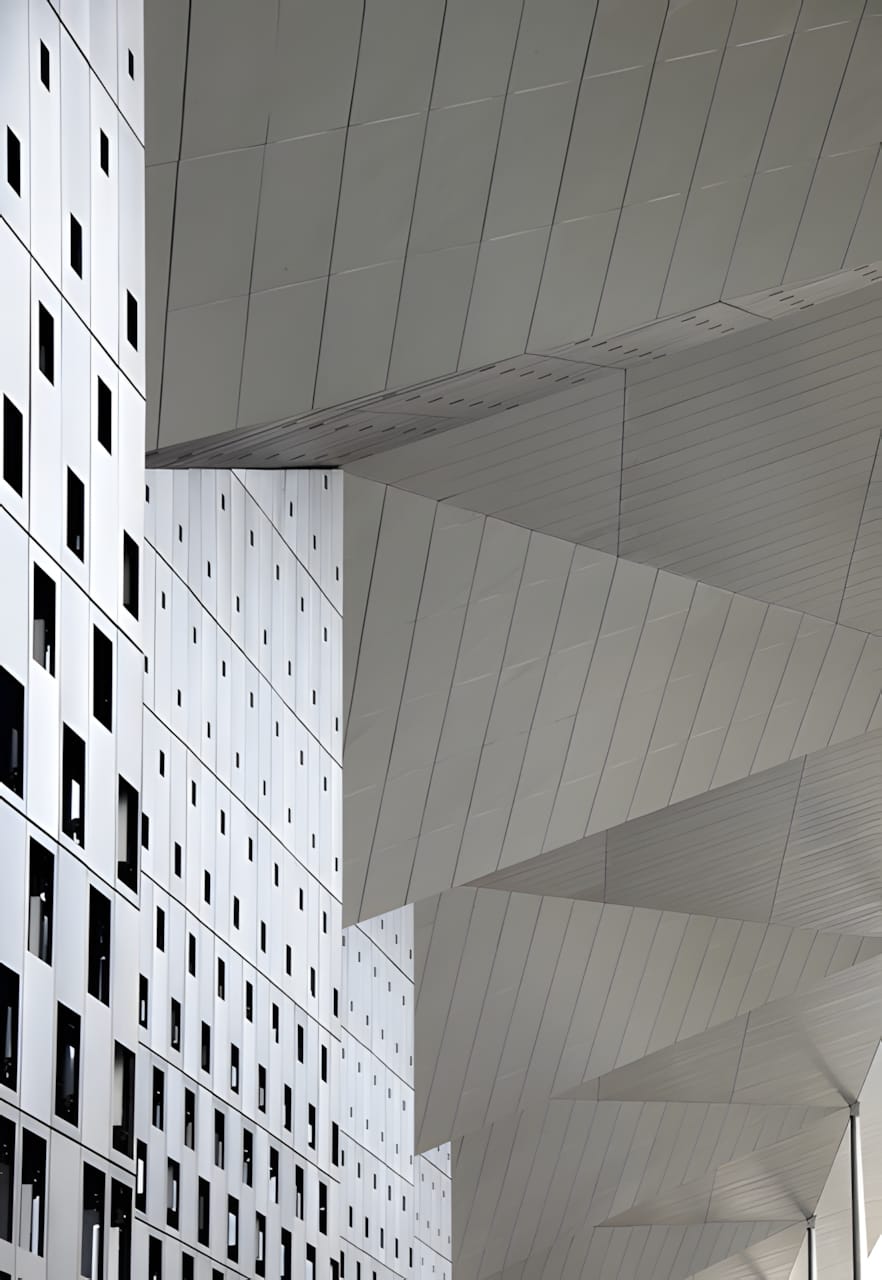
Sweden Pavilion — Shanghai World Expo 2010 sweden-pavilion-shanghai-expo-2010 Close-up of the Sweden Pavilion at Shanghai World Expo 2010, designed by SWECO. The exterior is clad in white perforated steel panels whose cutout pattern maps the street plan of downtown Stockholm.
[]
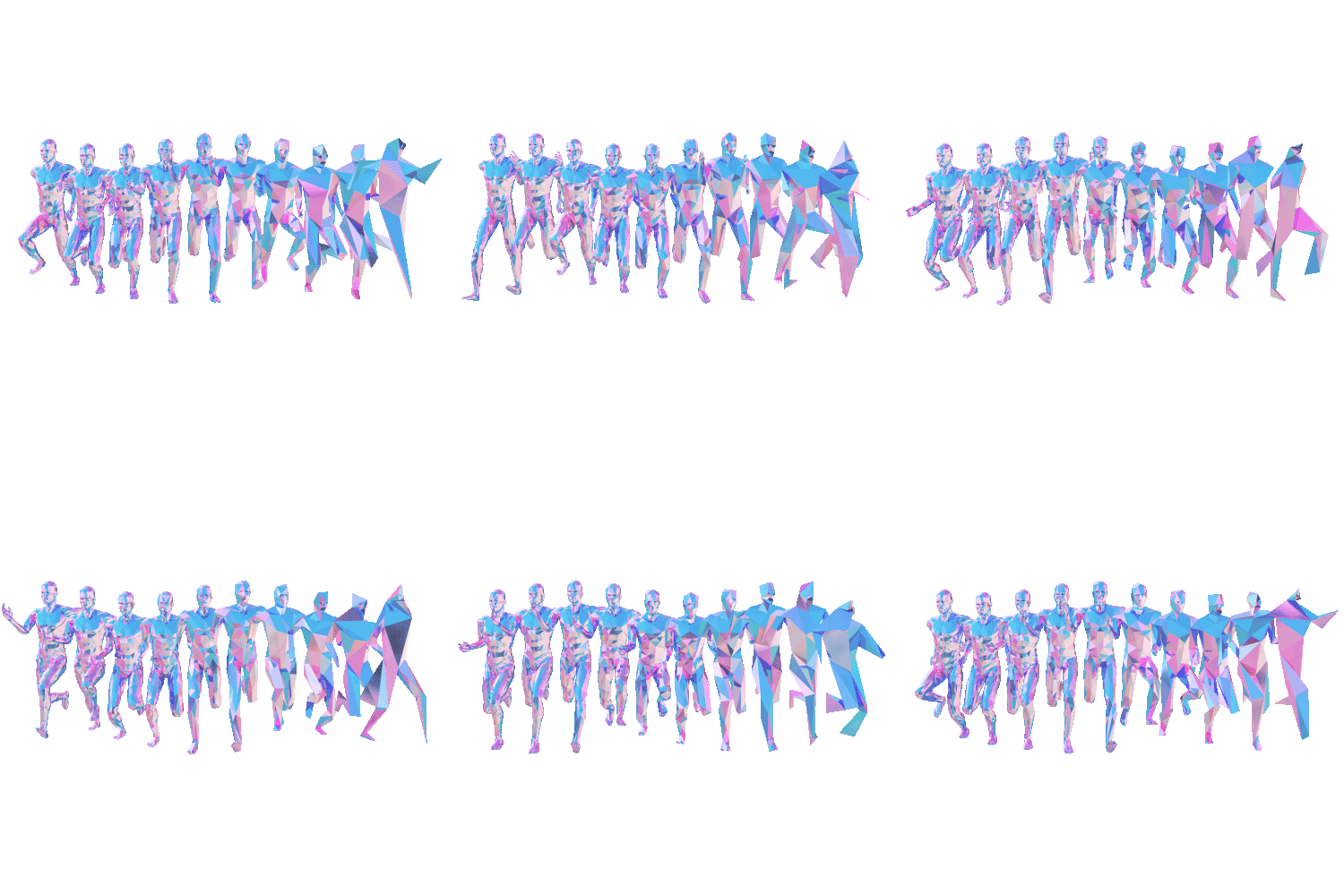
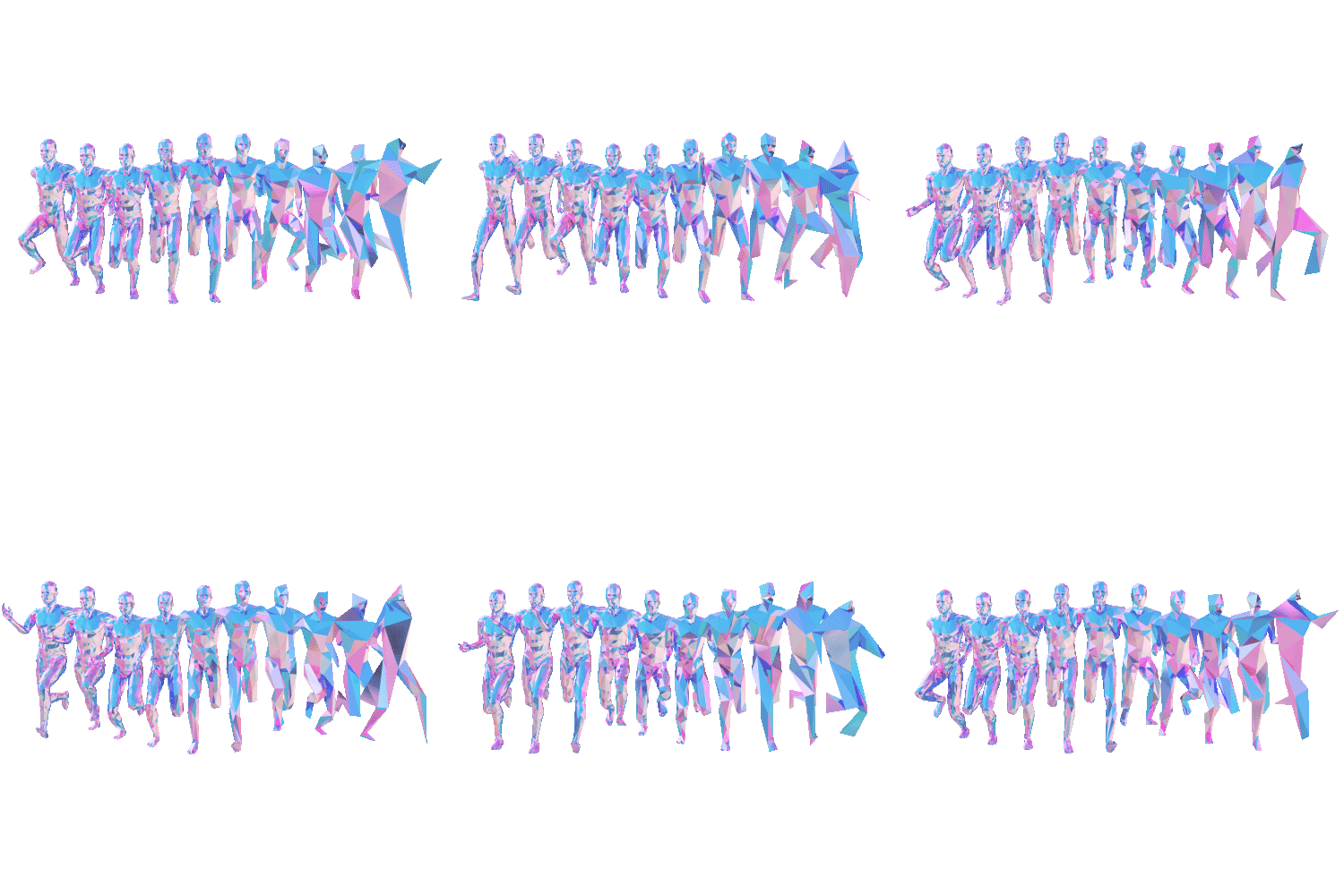
Vince McKelvie — Running Figures vince-mckelvie-running-figures Vince McKelvie animation of running human figures transforming into luminous blue, pink and purple polygonal forms against black.
Source
[]
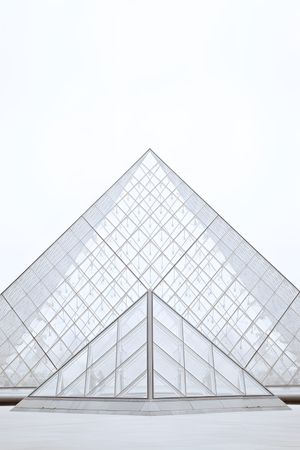
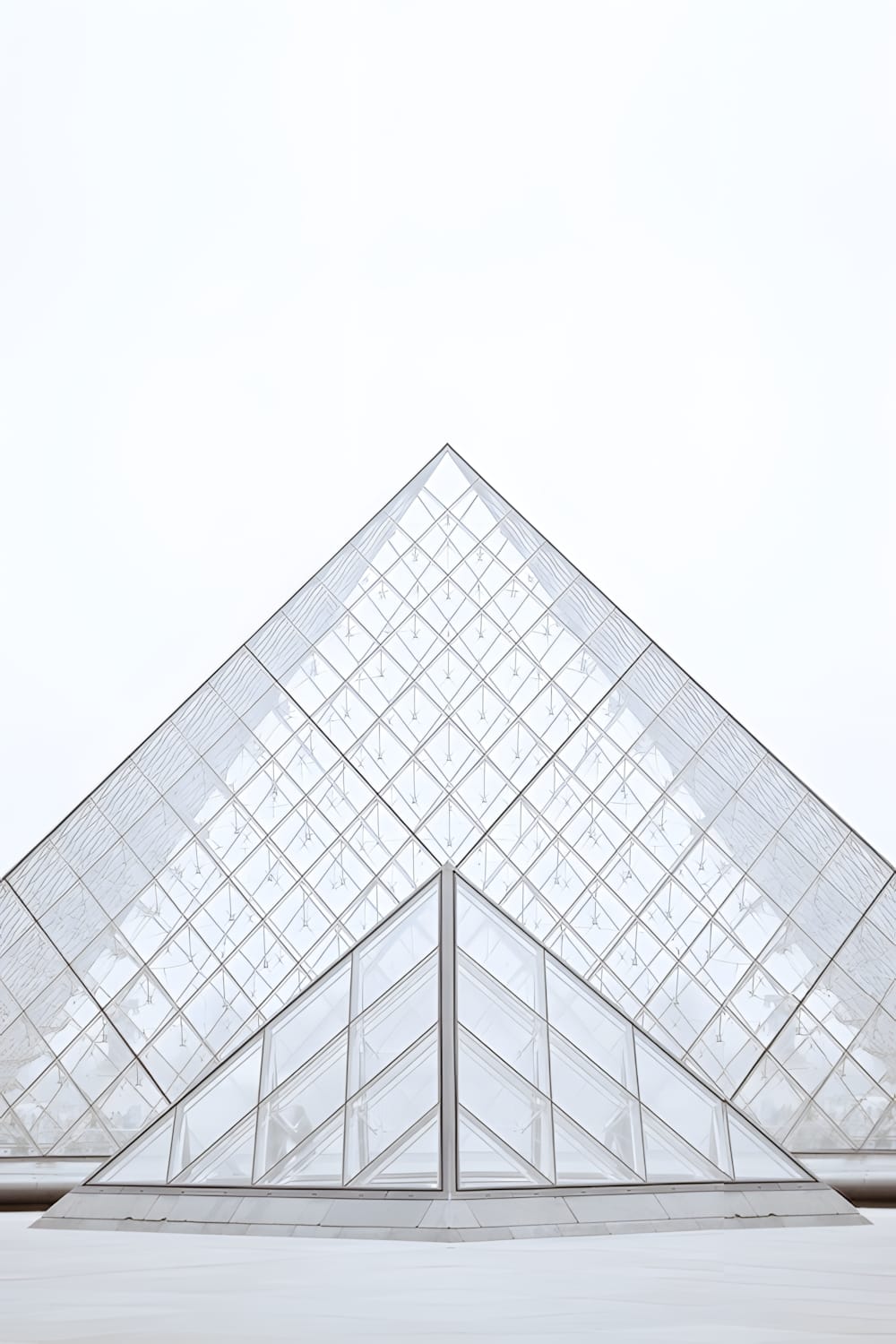
Louvre Pyramid — I.M. Pei louvre-pyramid-im-pei The glass and steel pyramid entrance to the Louvre Museum in Paris, designed by I.M. Pei and completed in 1989. A landmark of modernist architecture.
[]