Related_
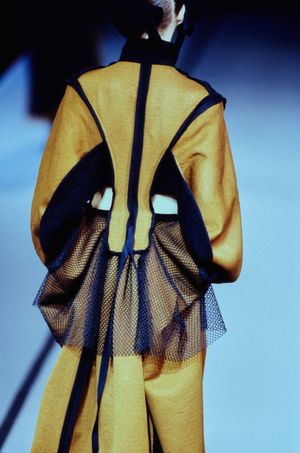
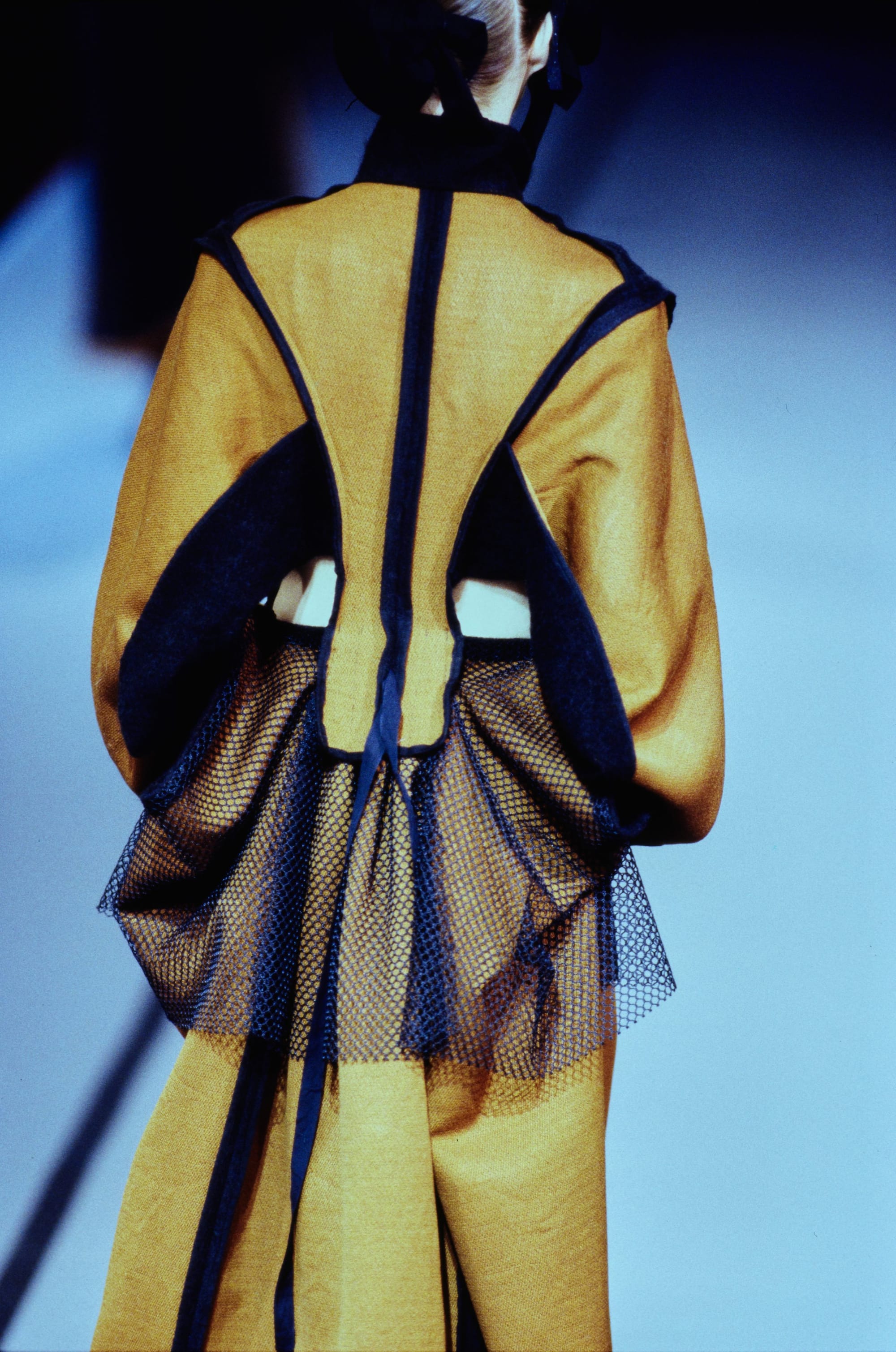
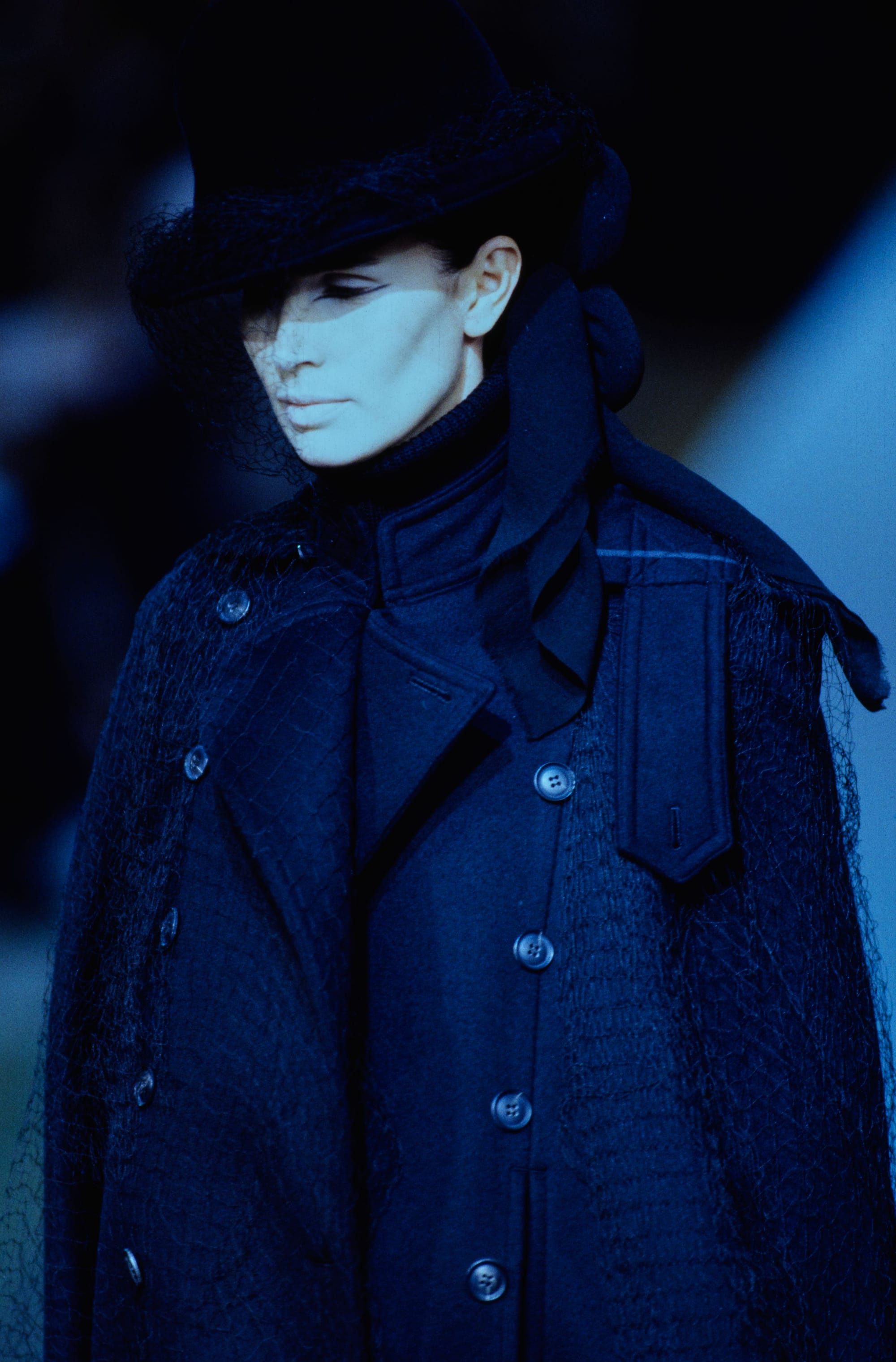
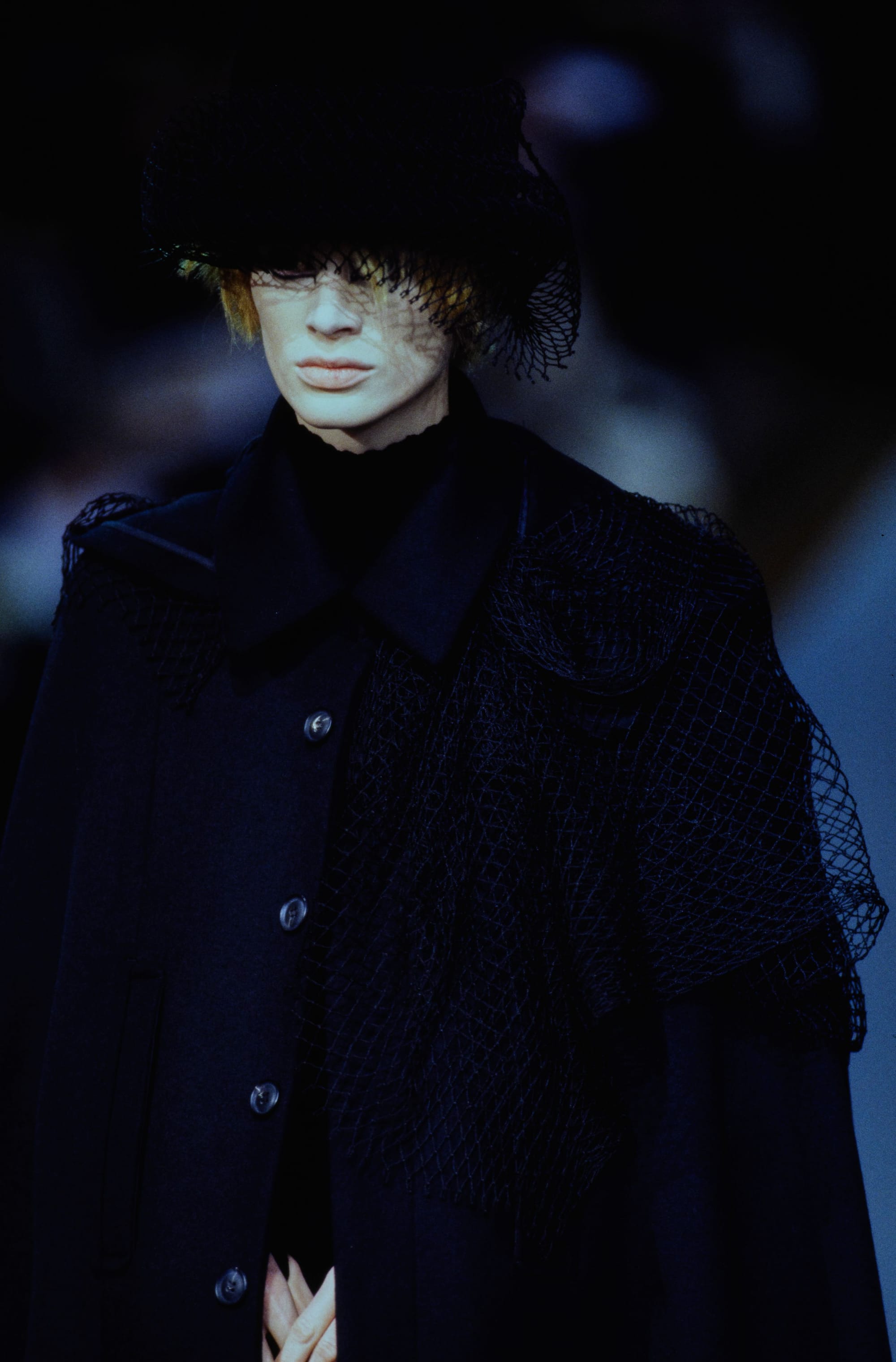
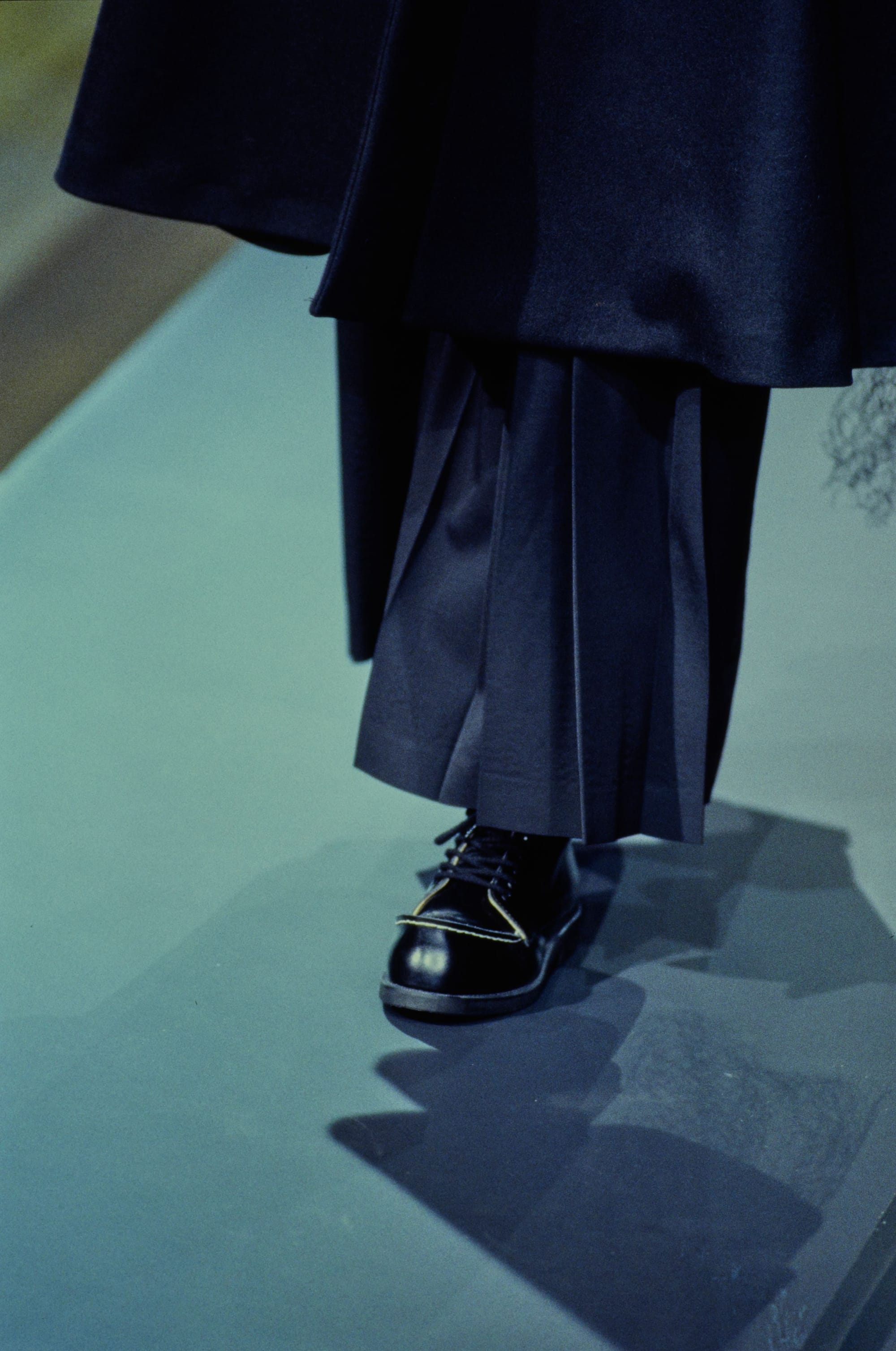
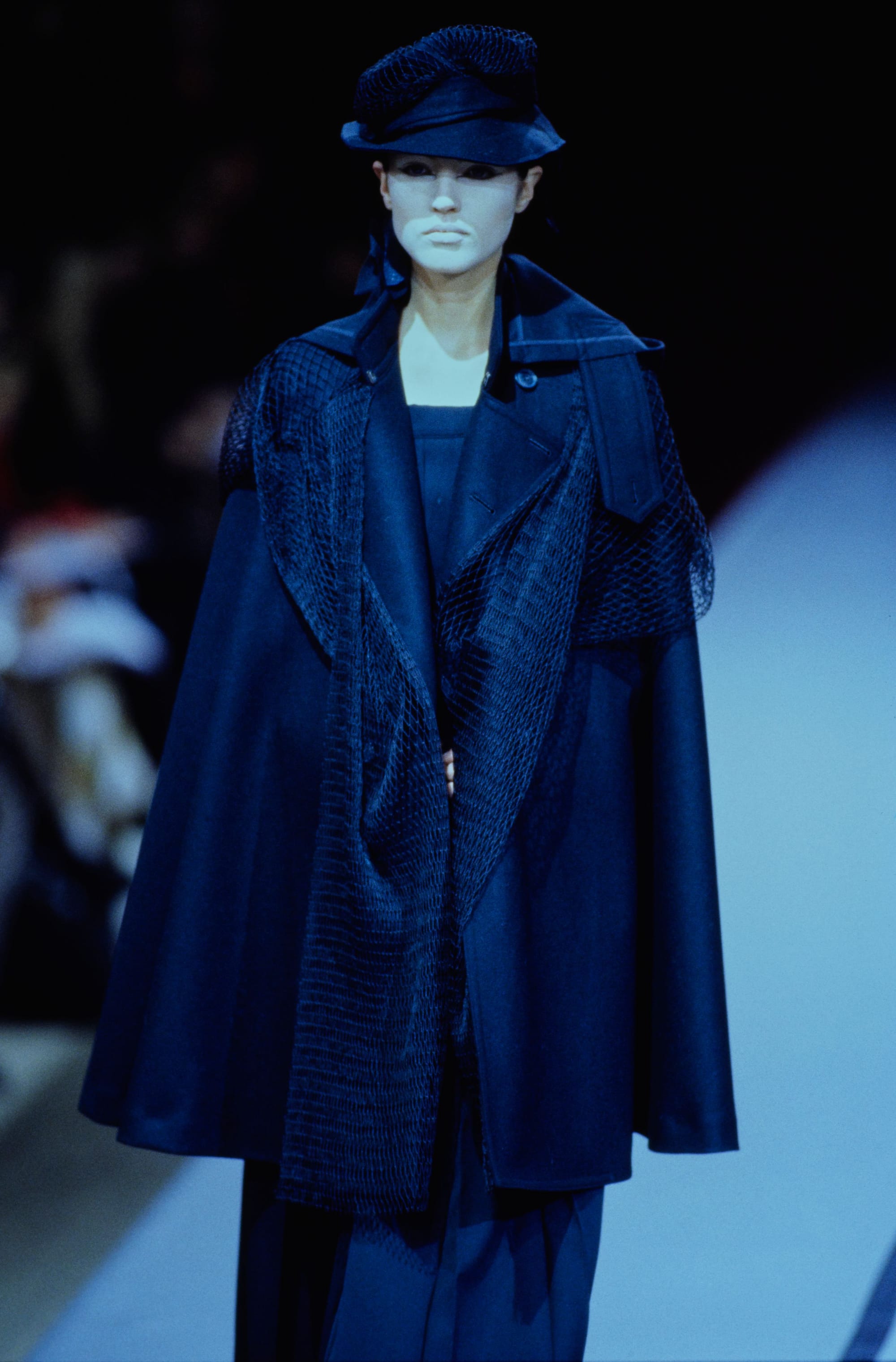
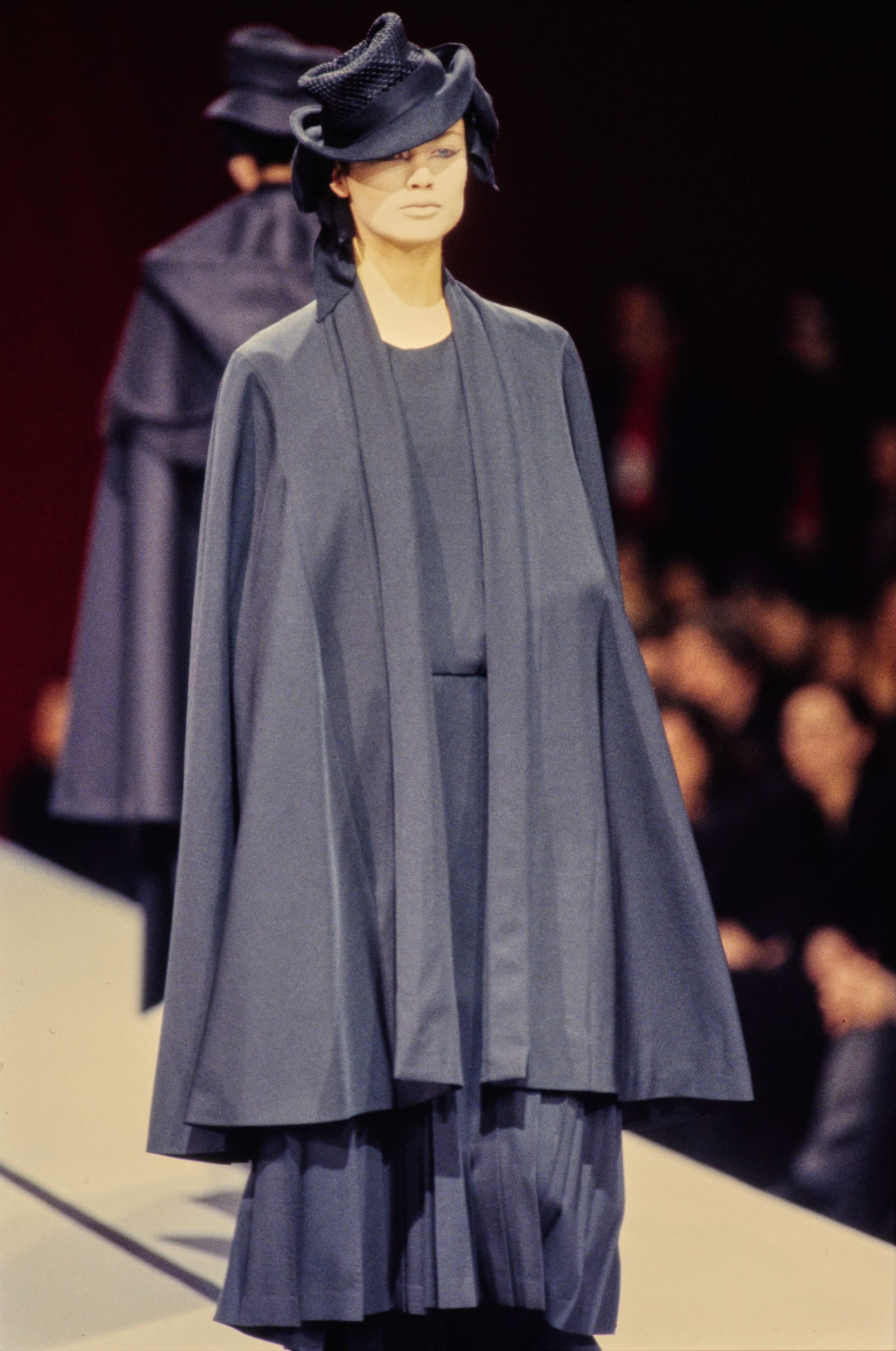
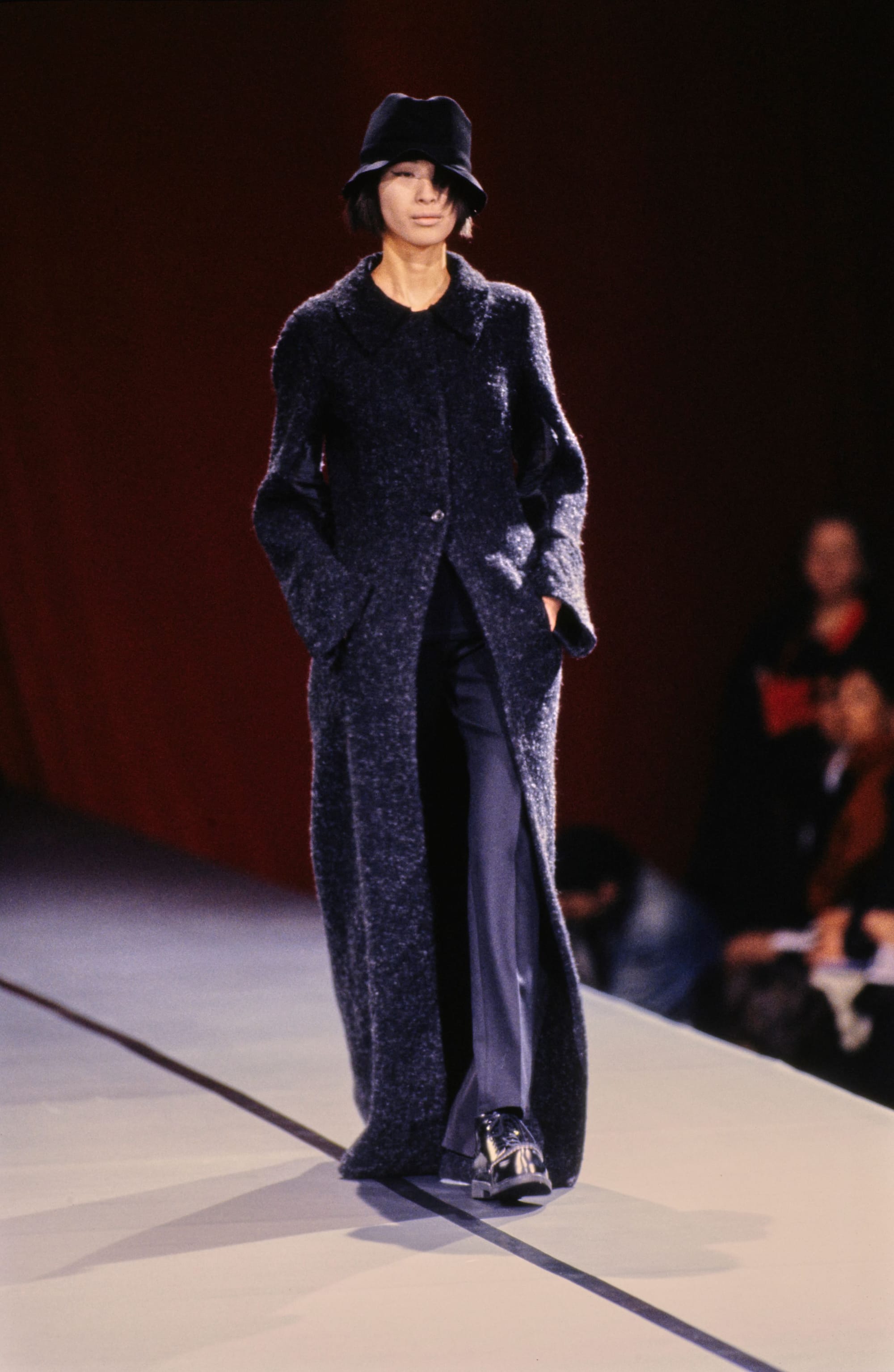
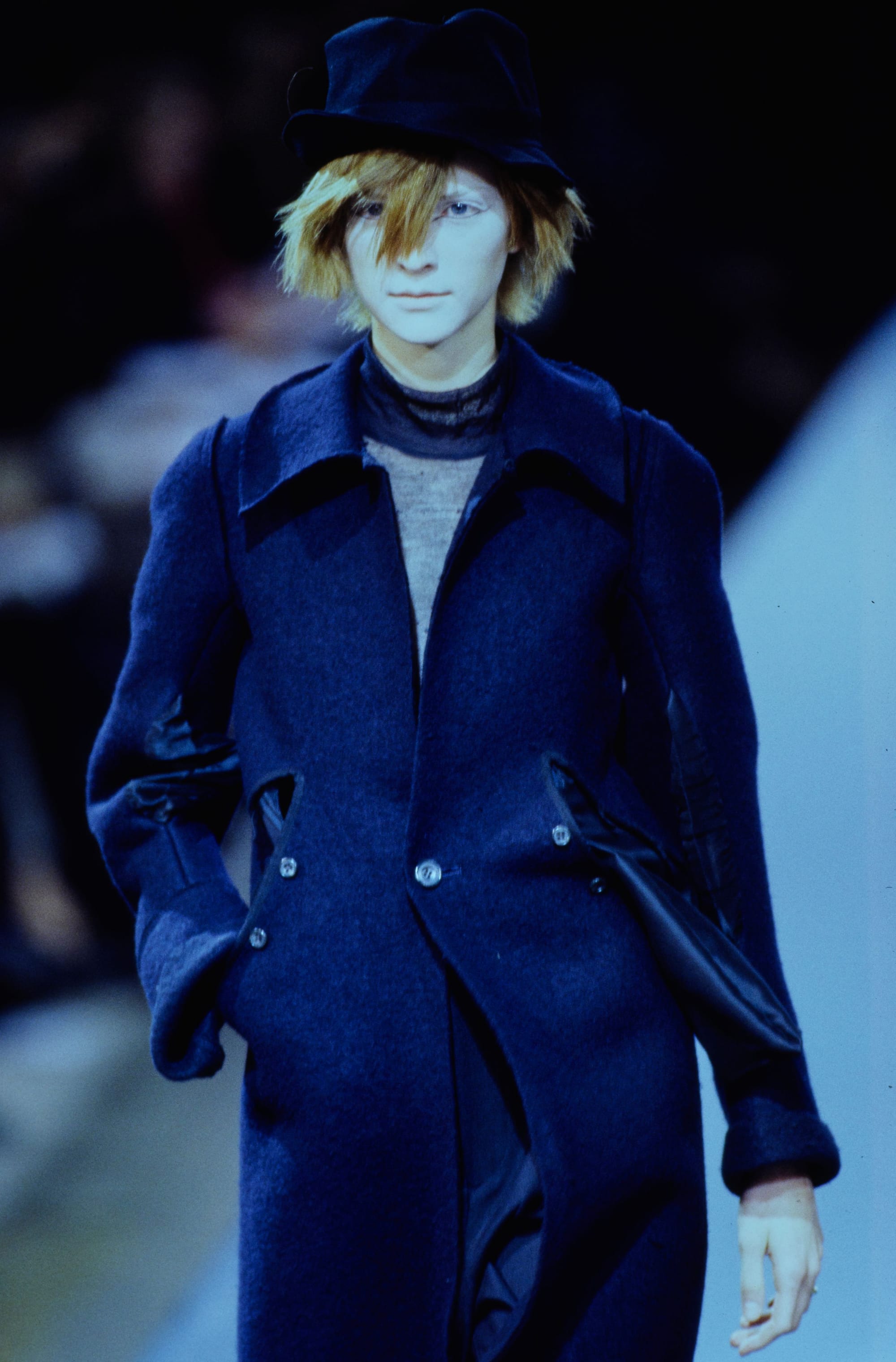
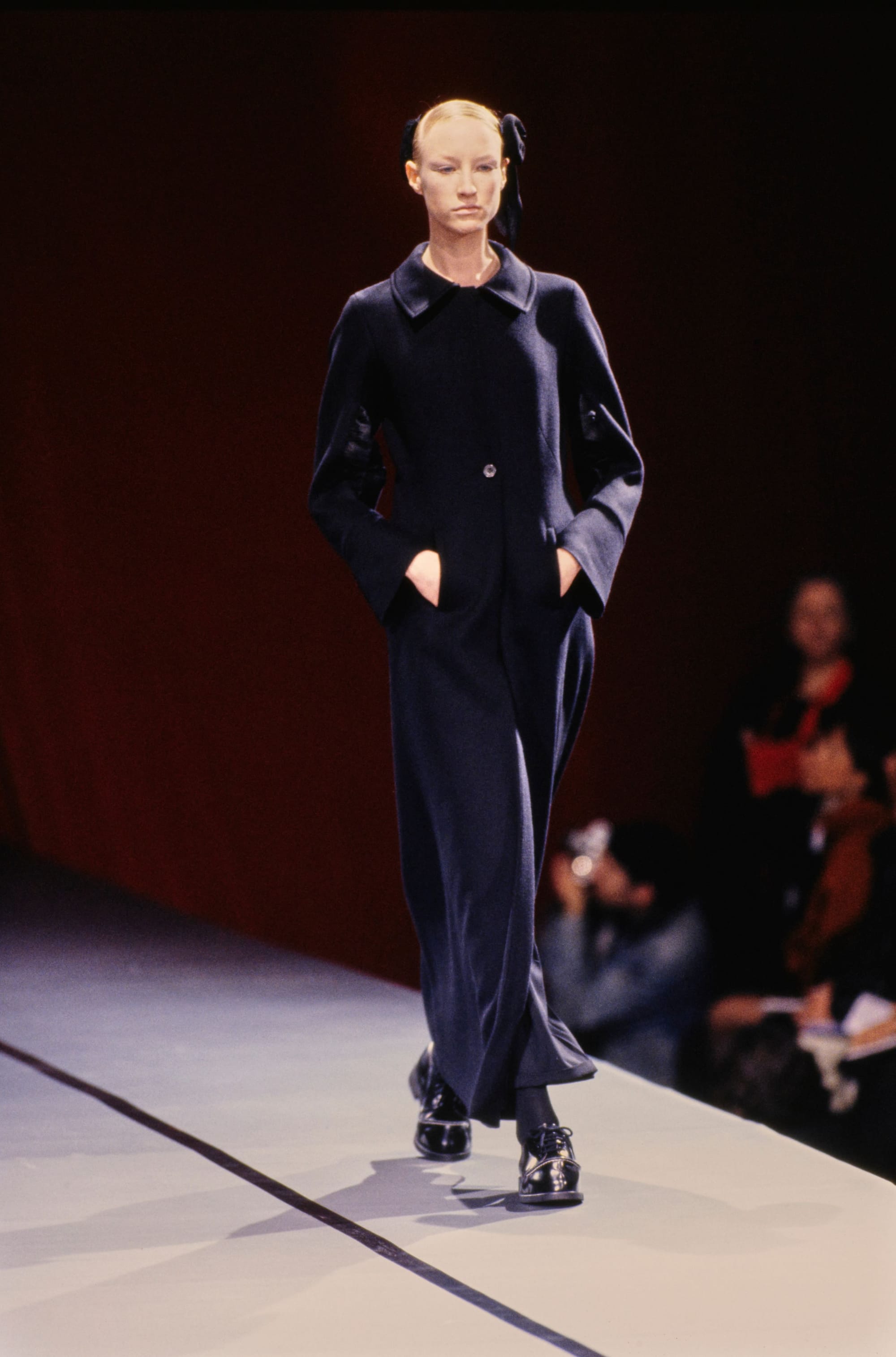
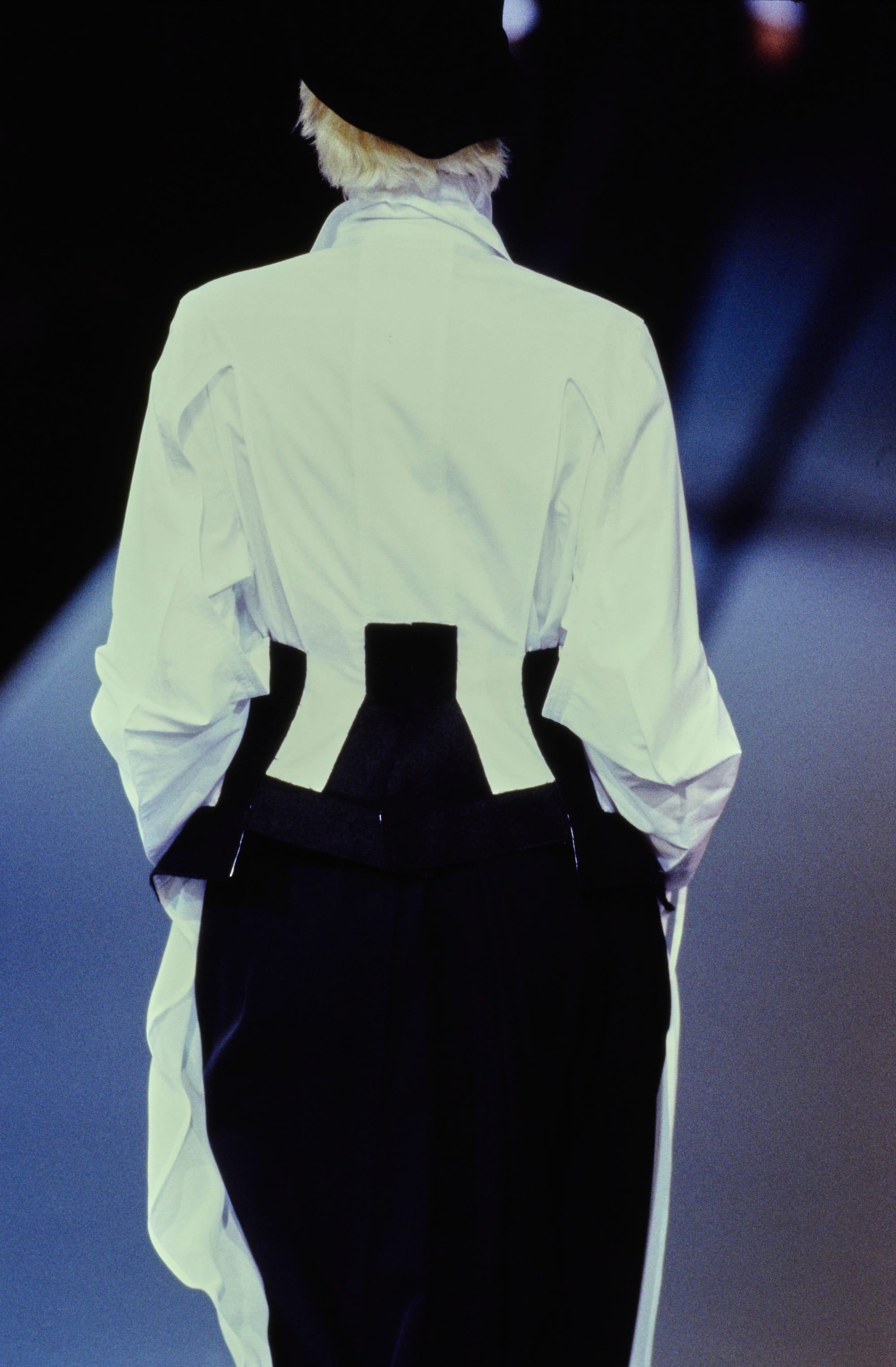
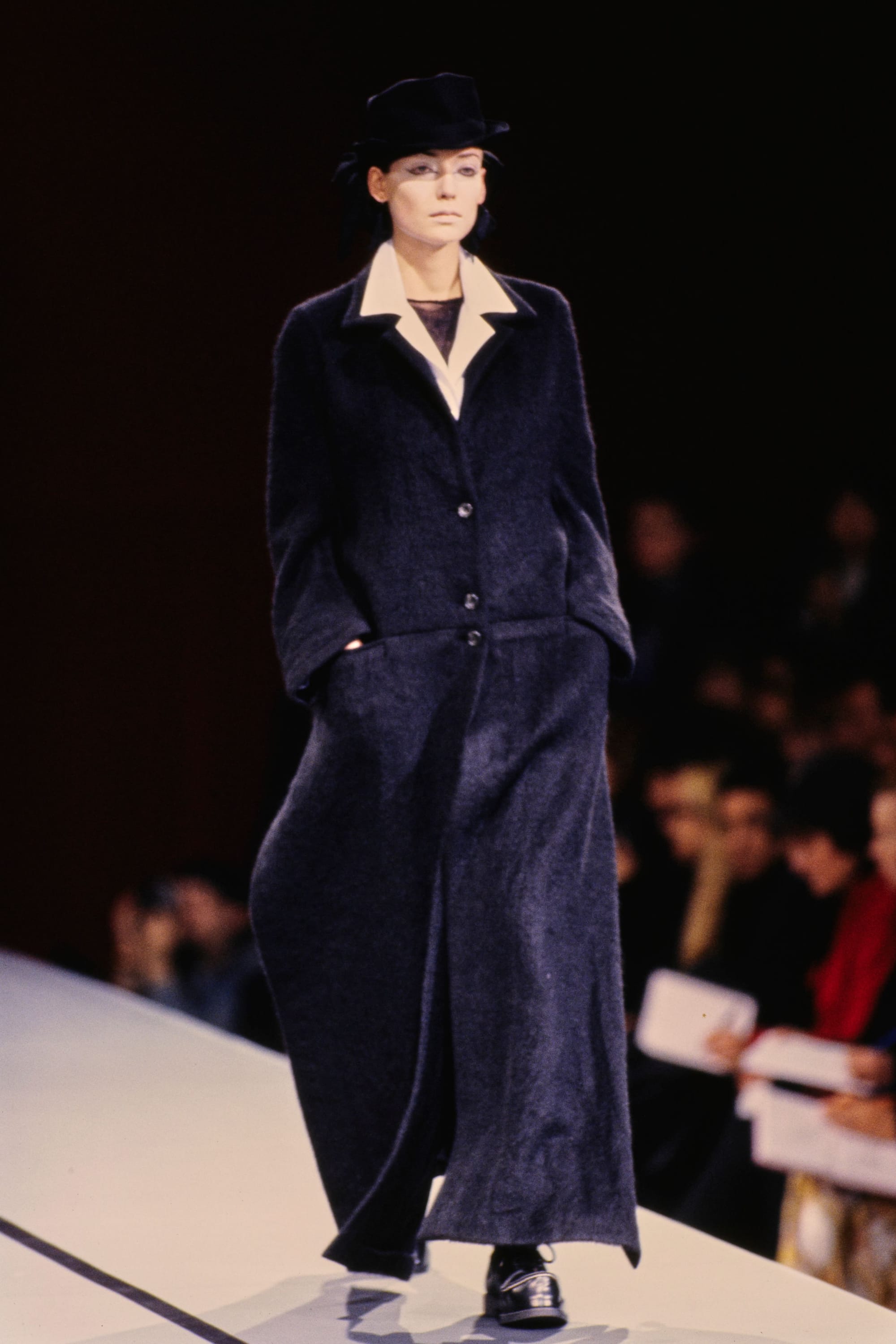
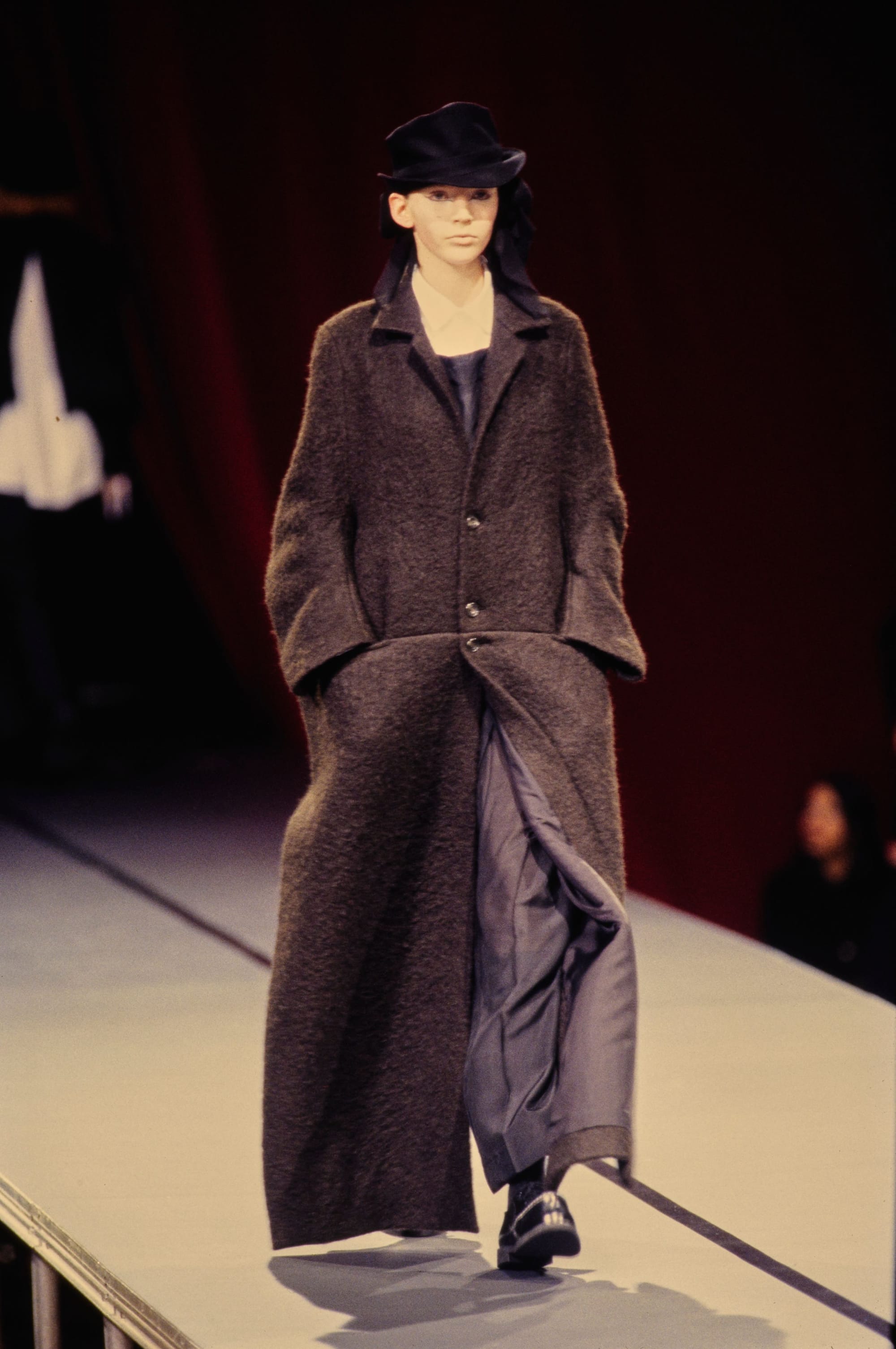
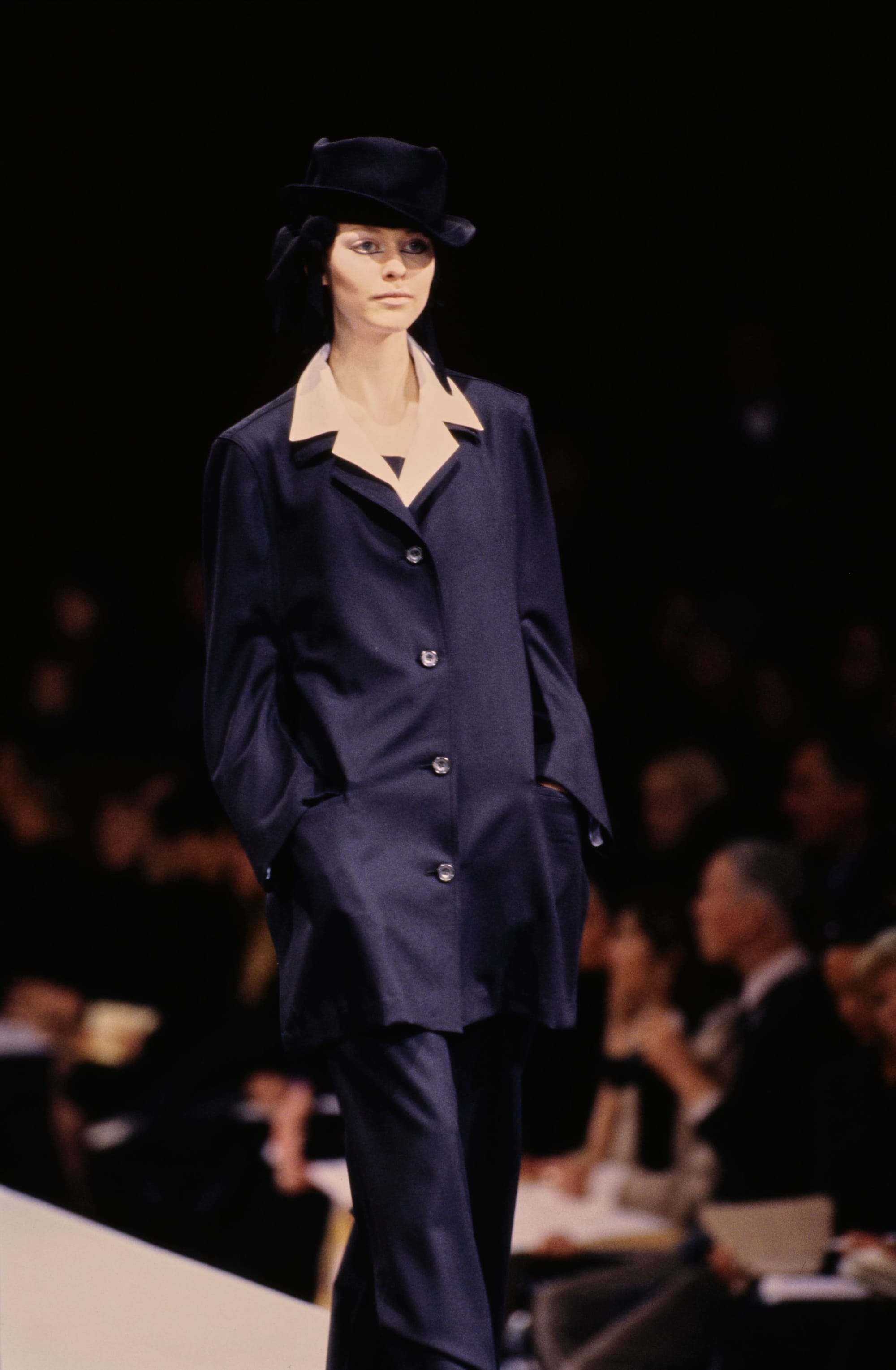
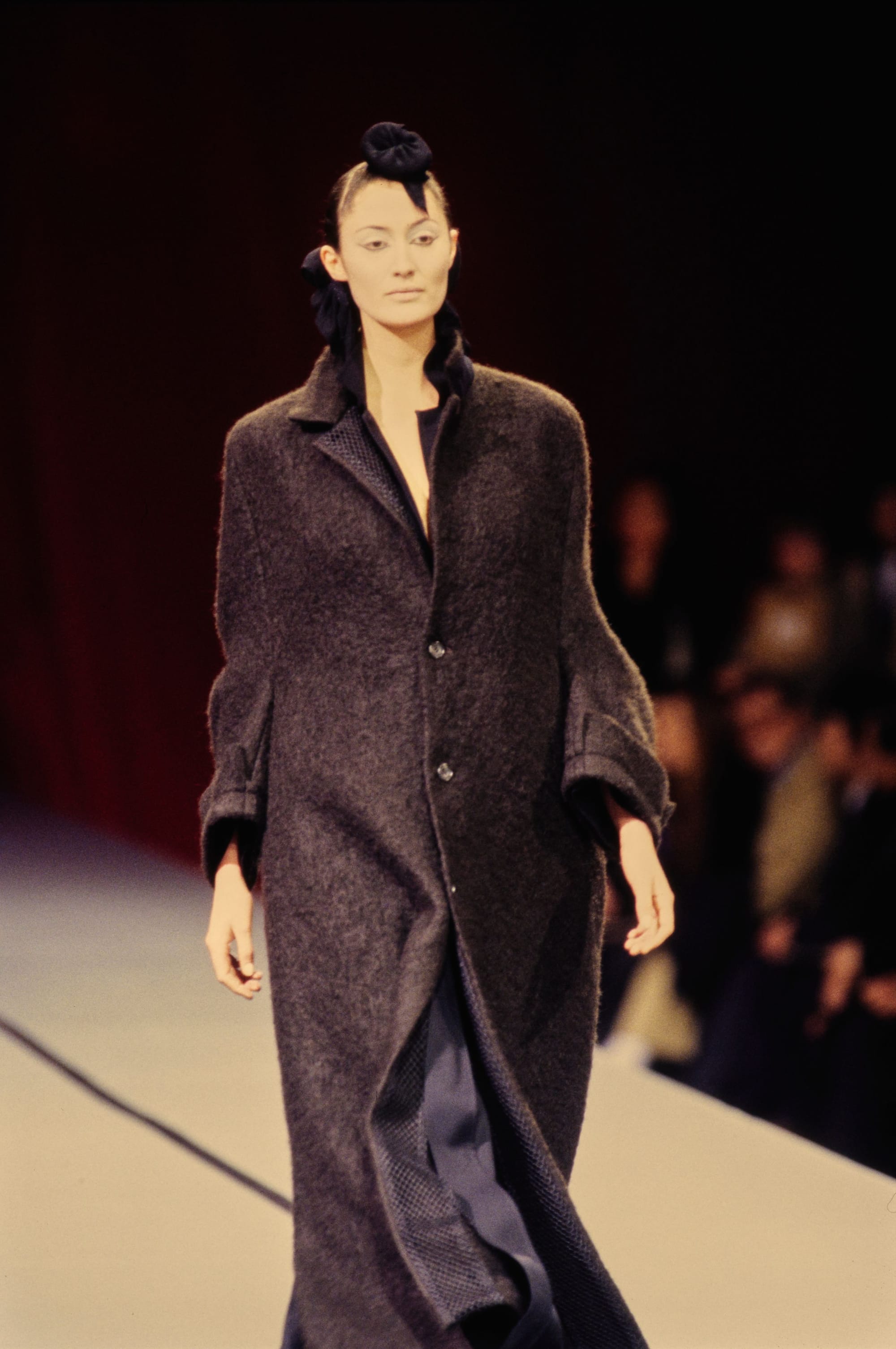
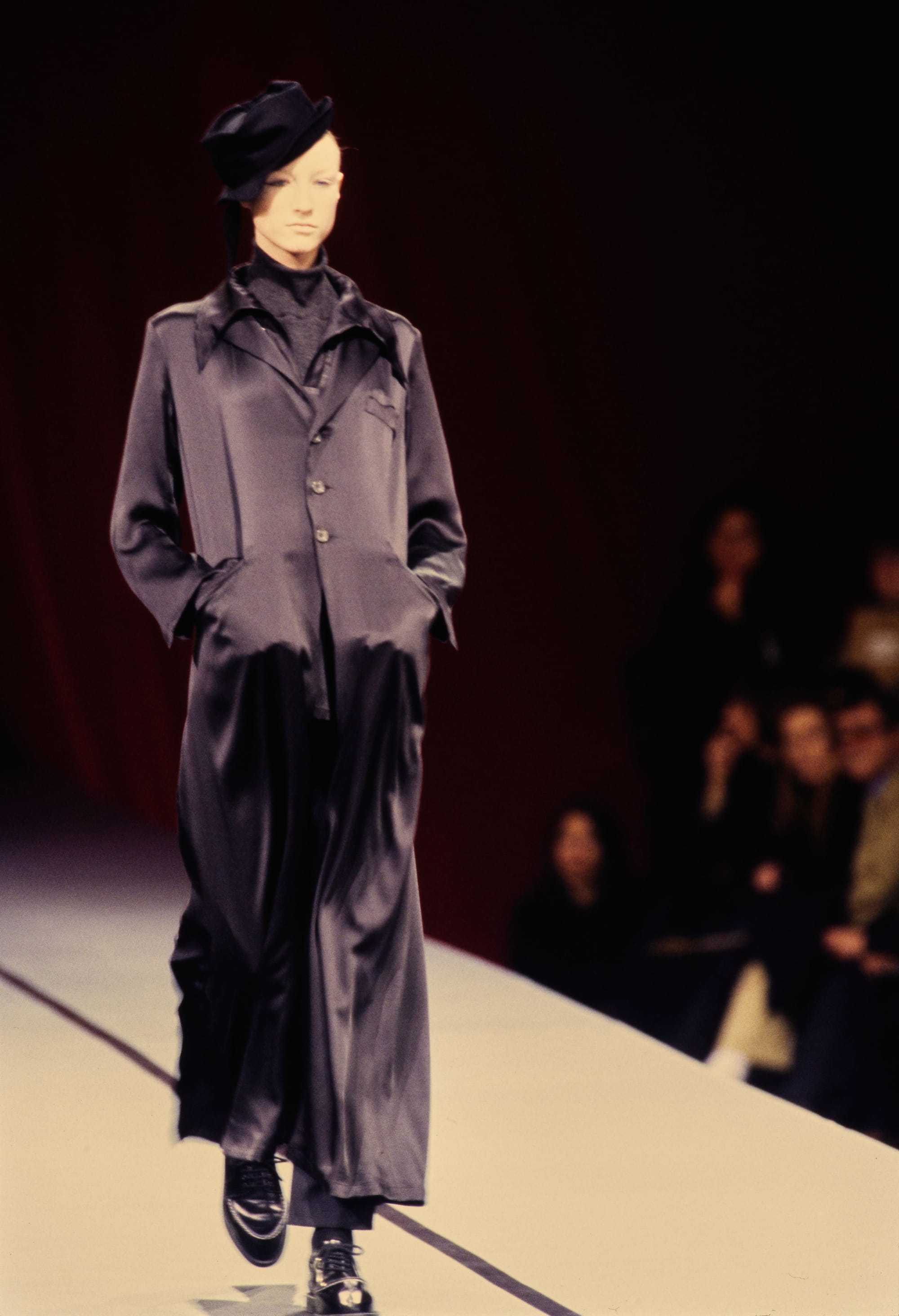
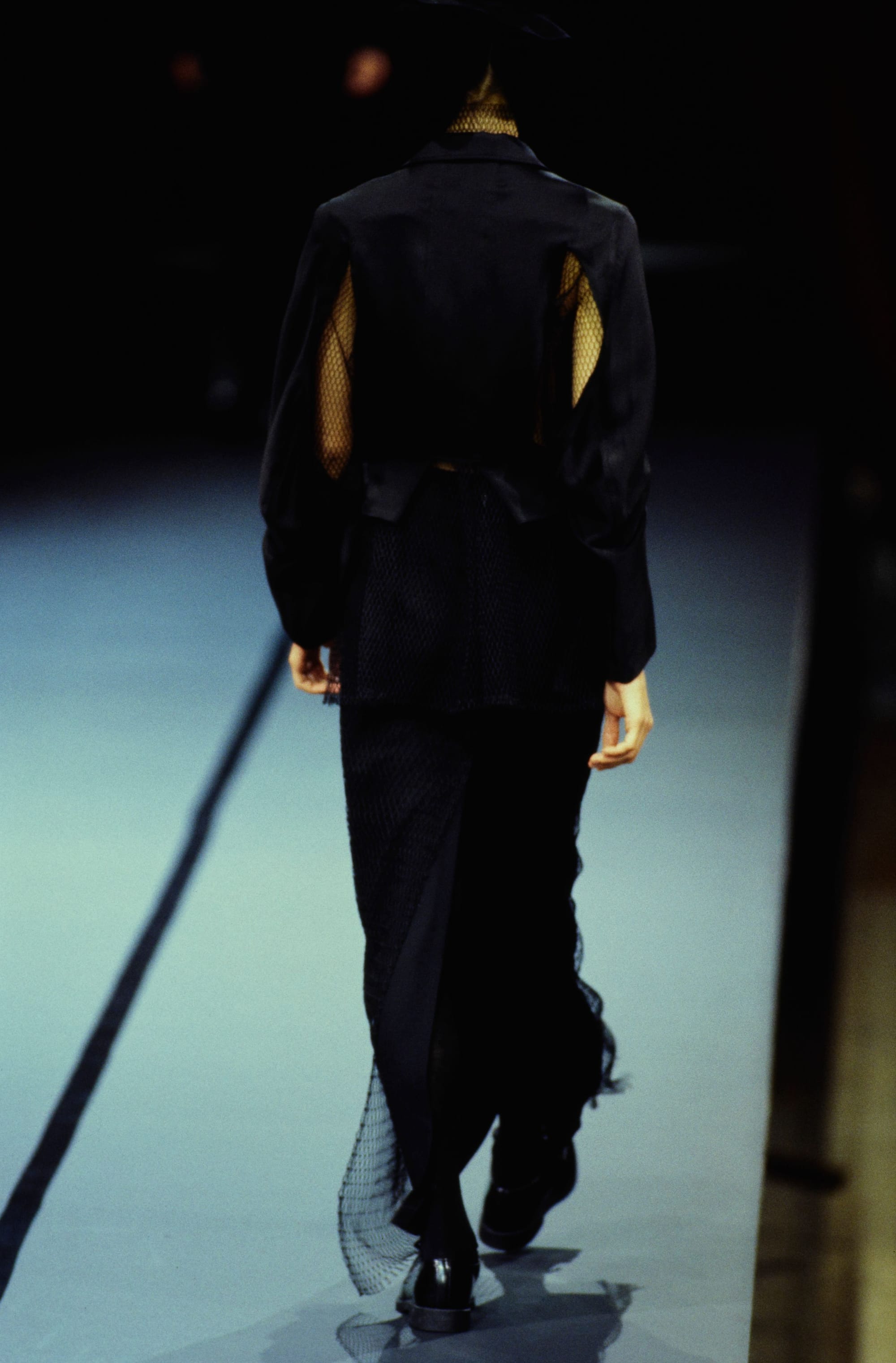
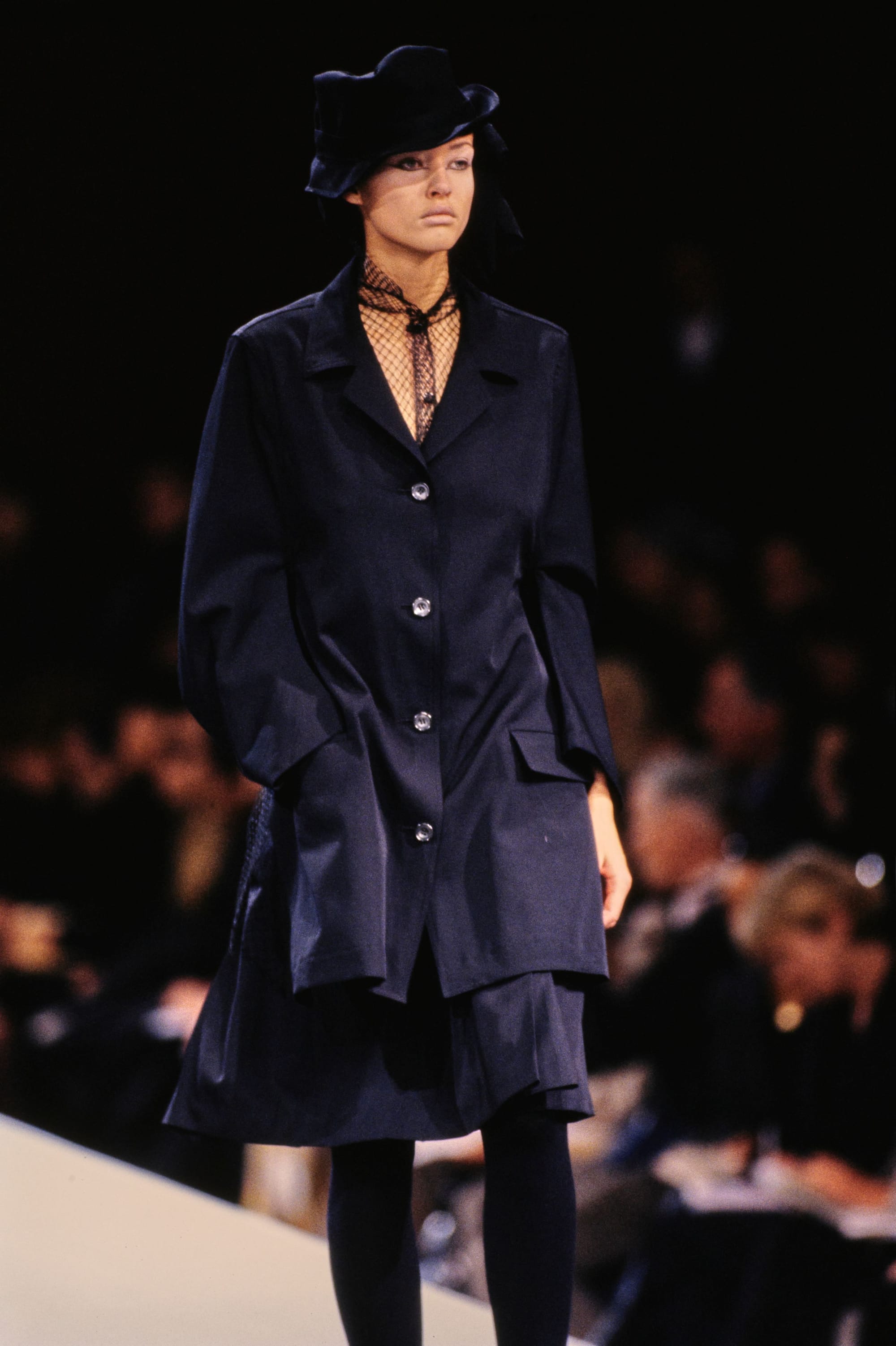
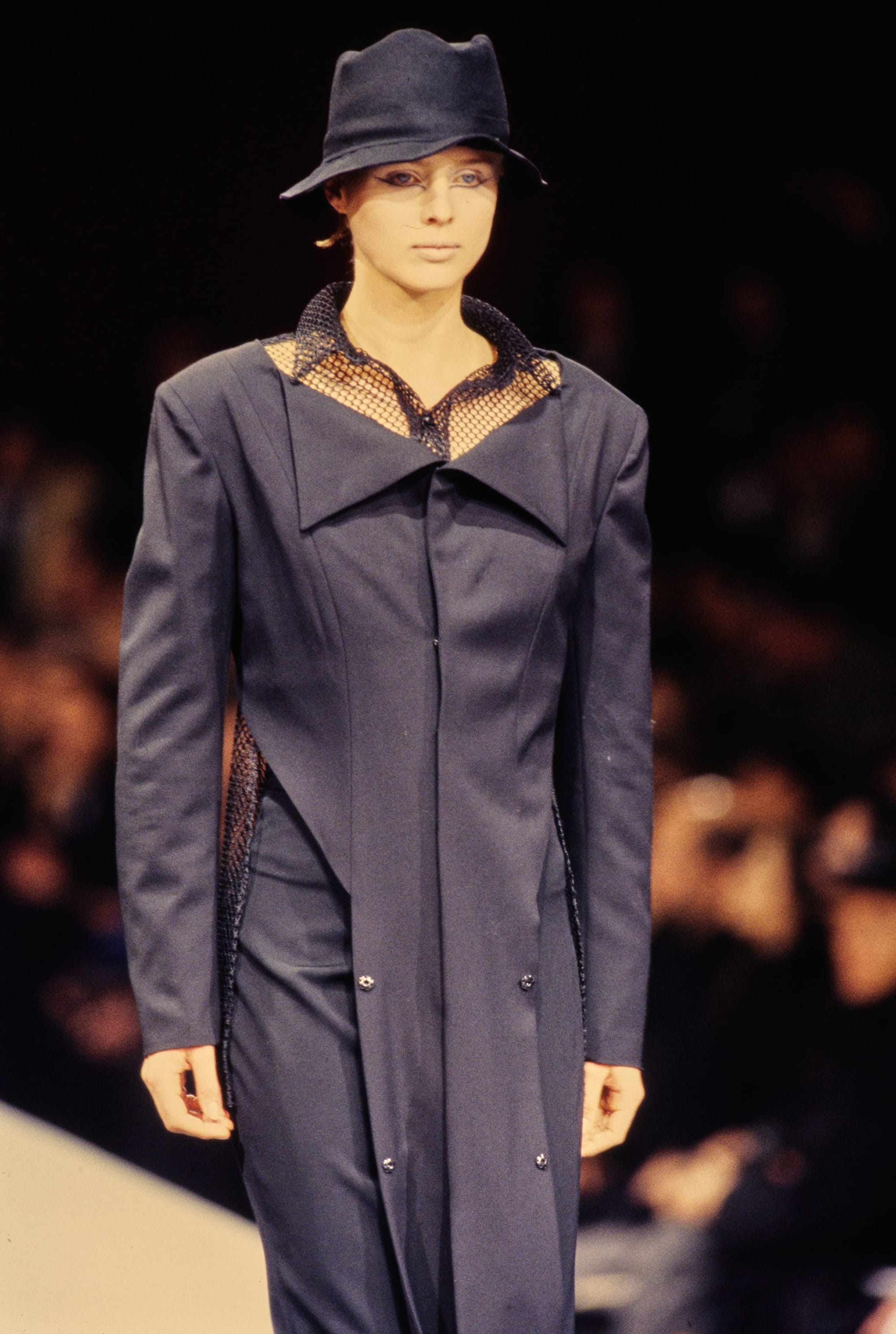
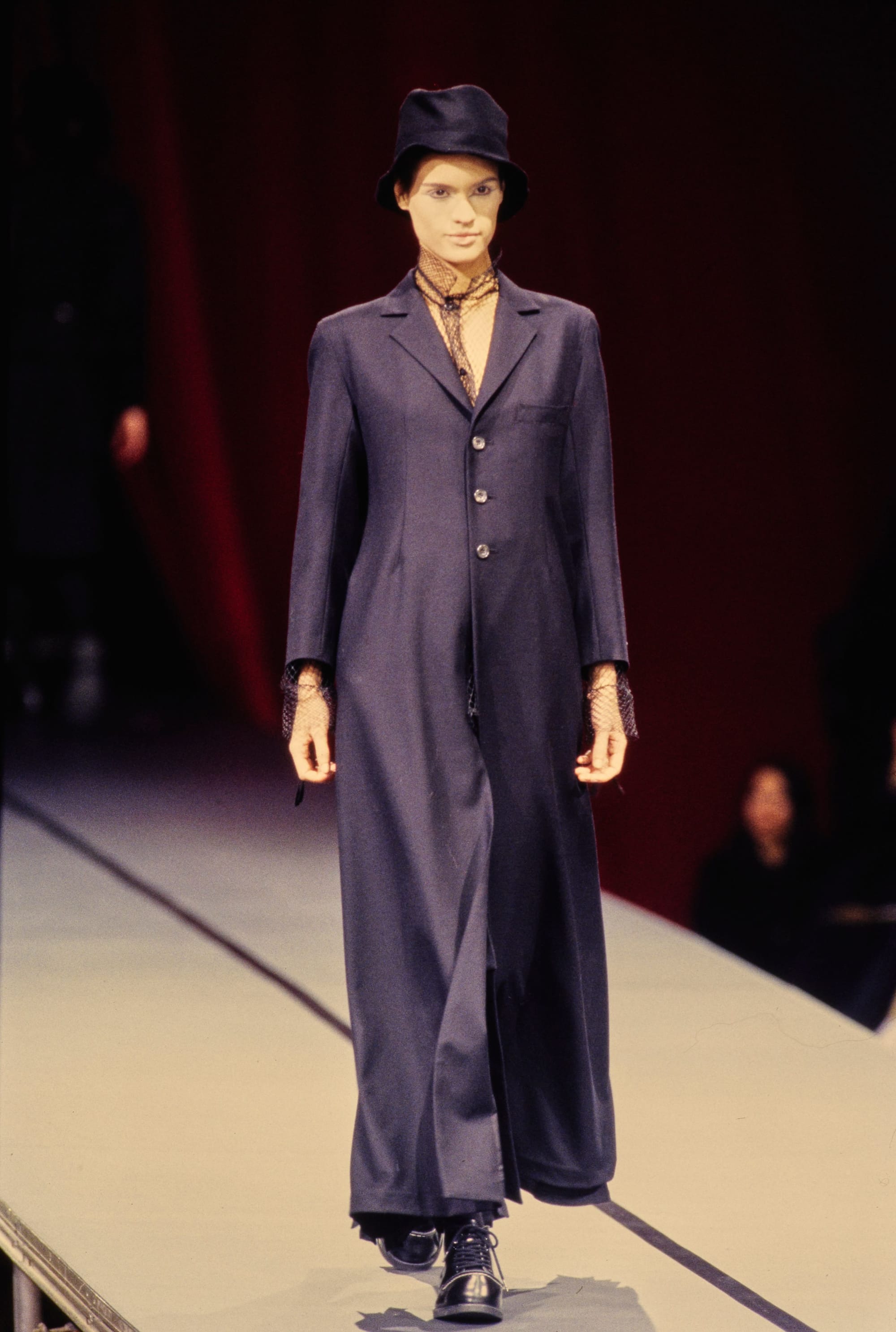
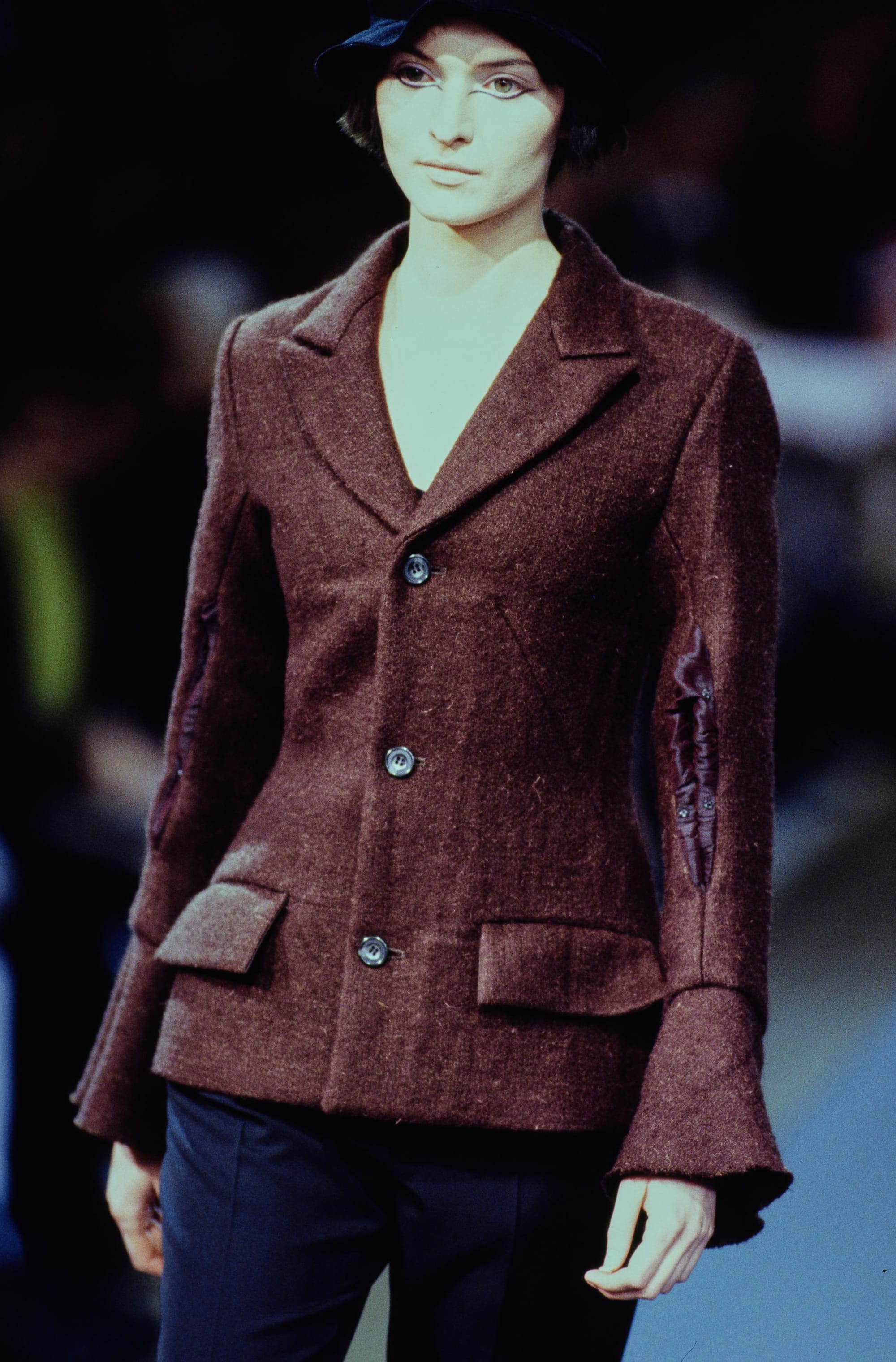
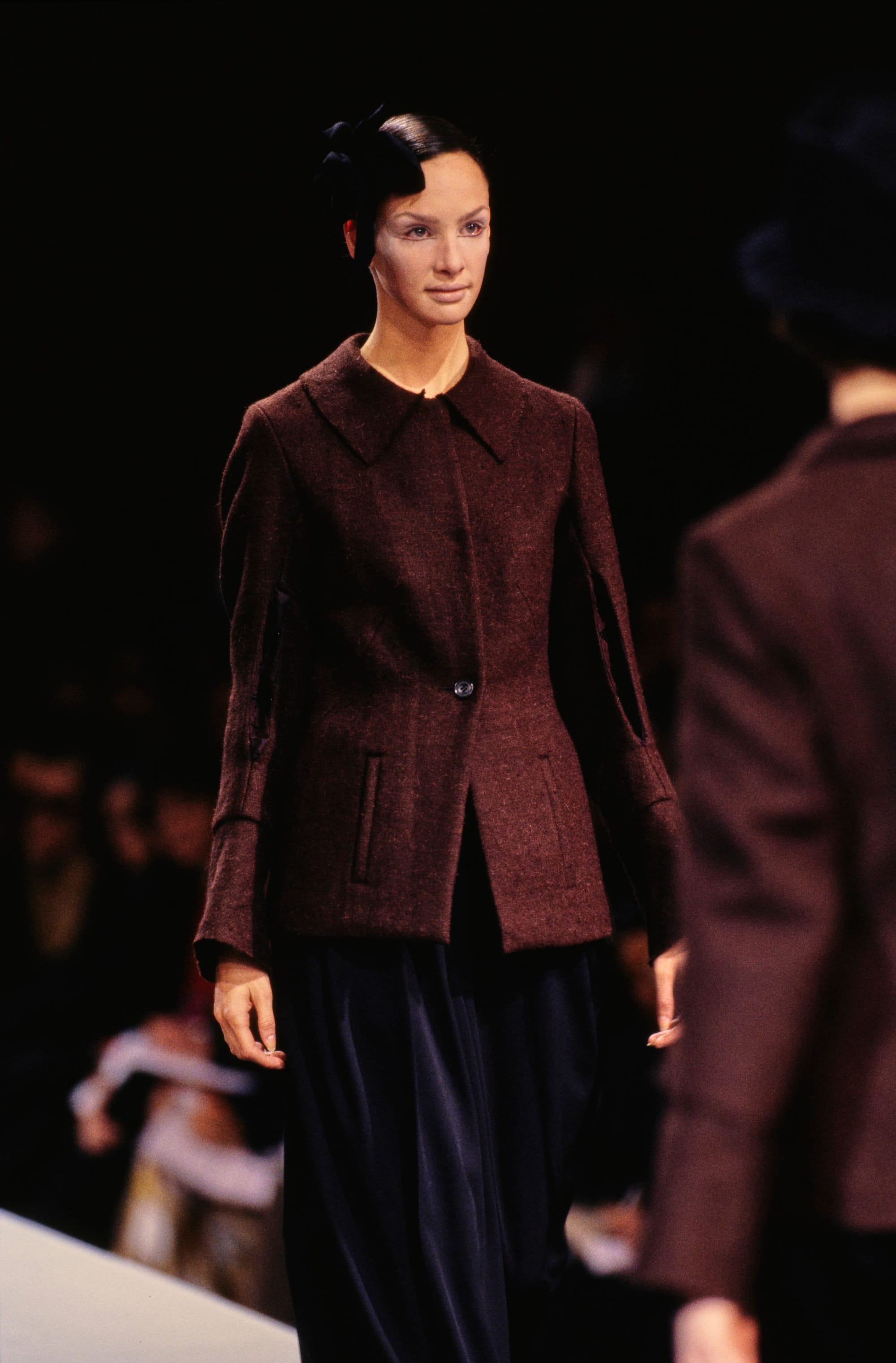
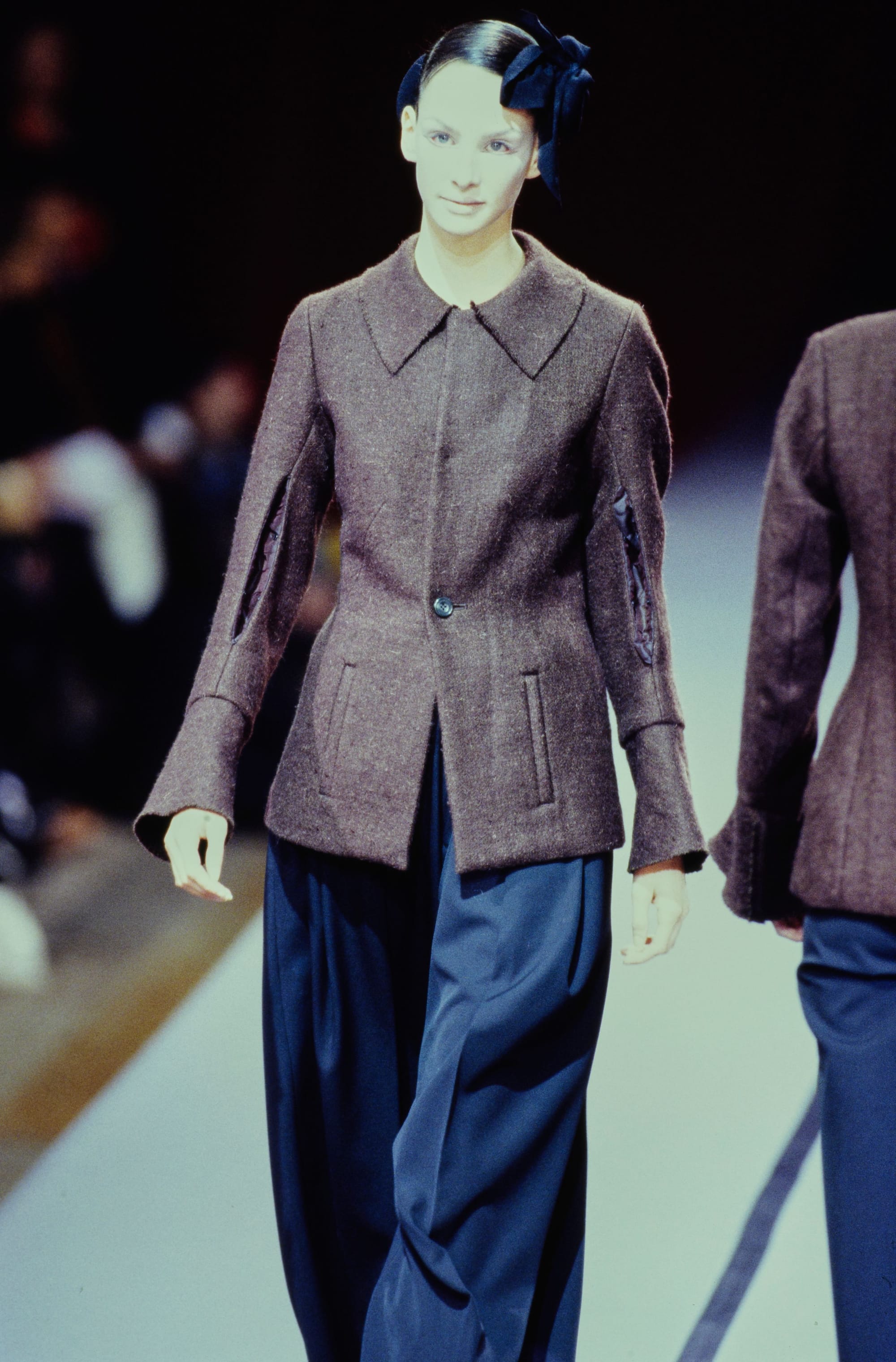
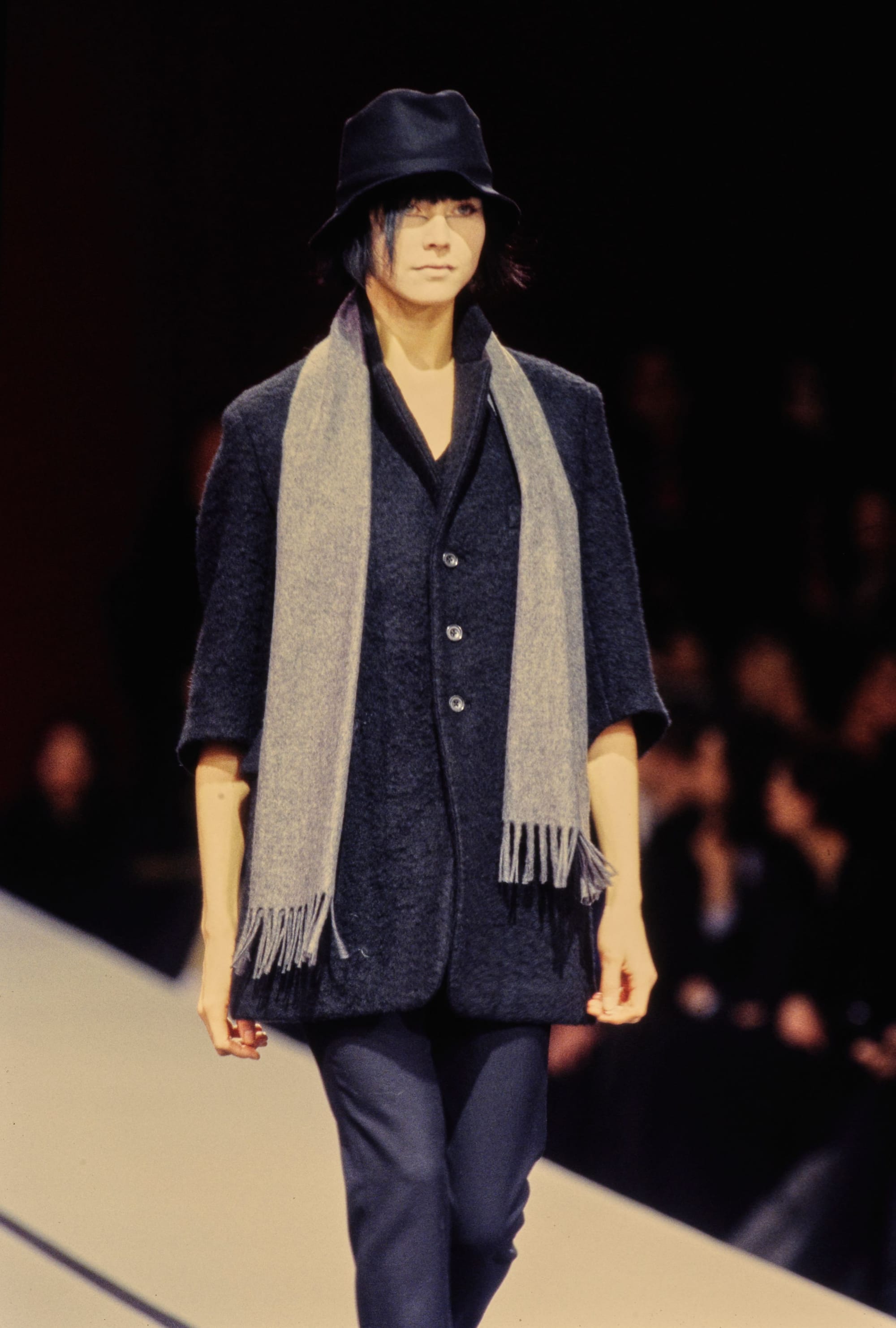
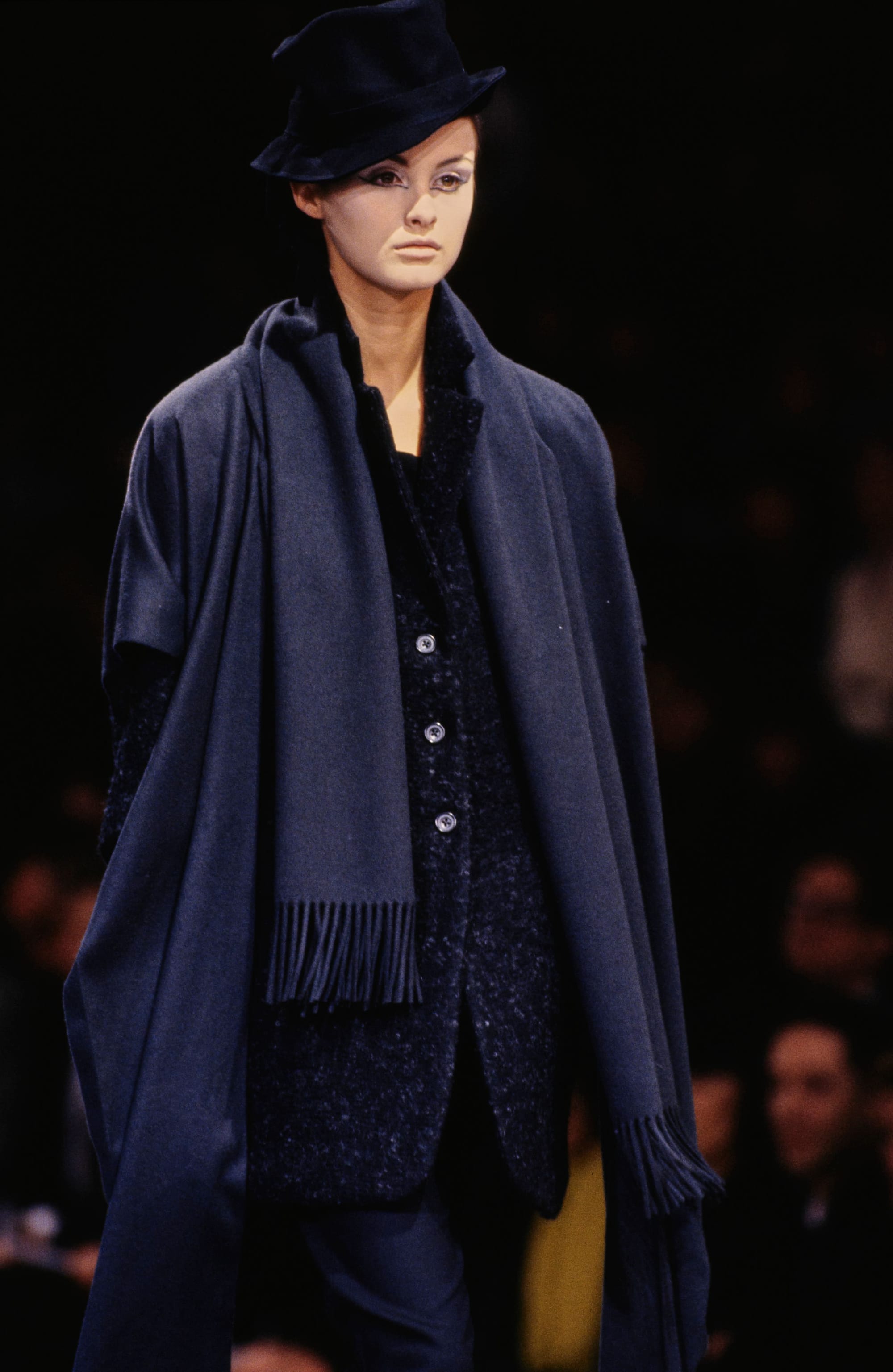
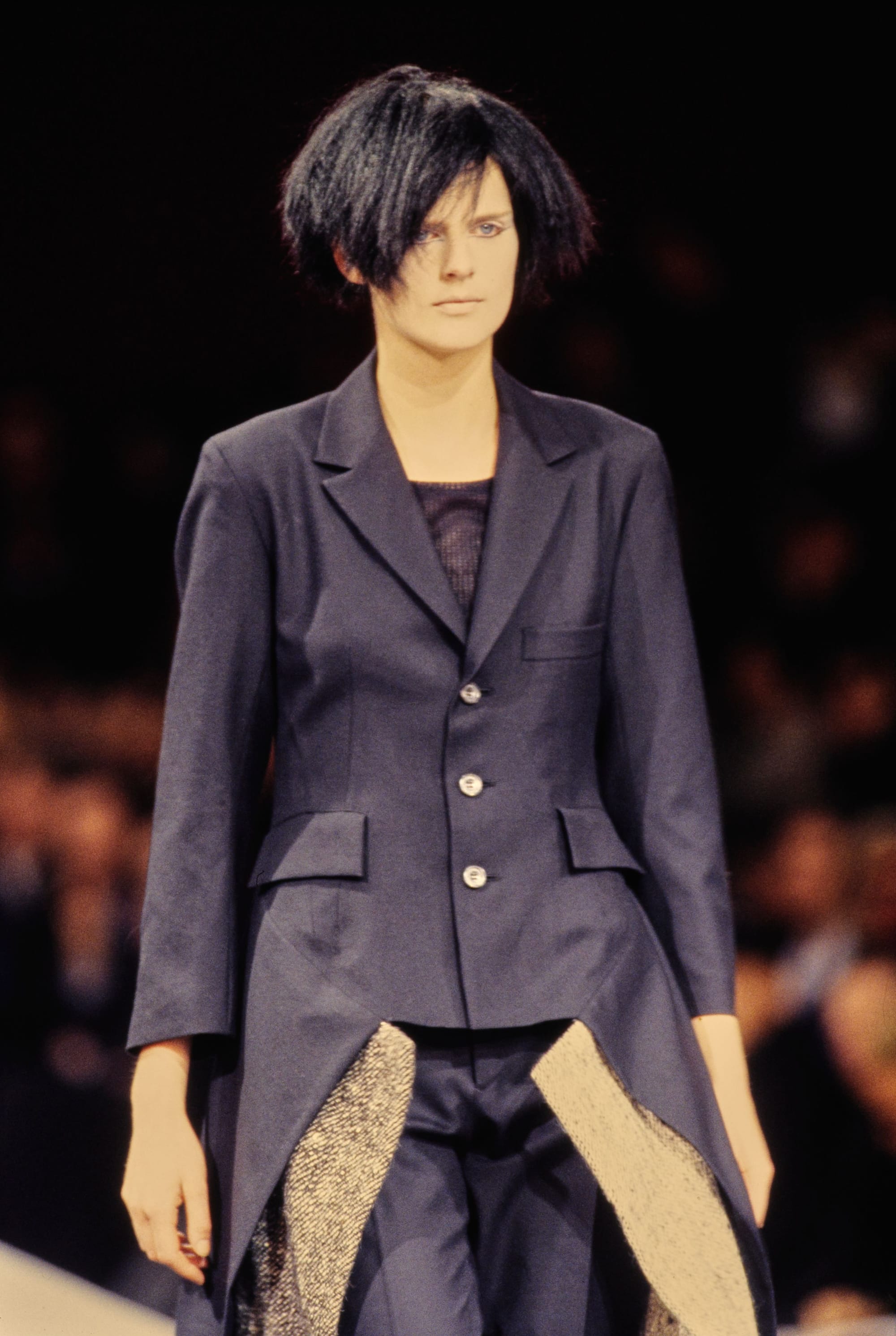
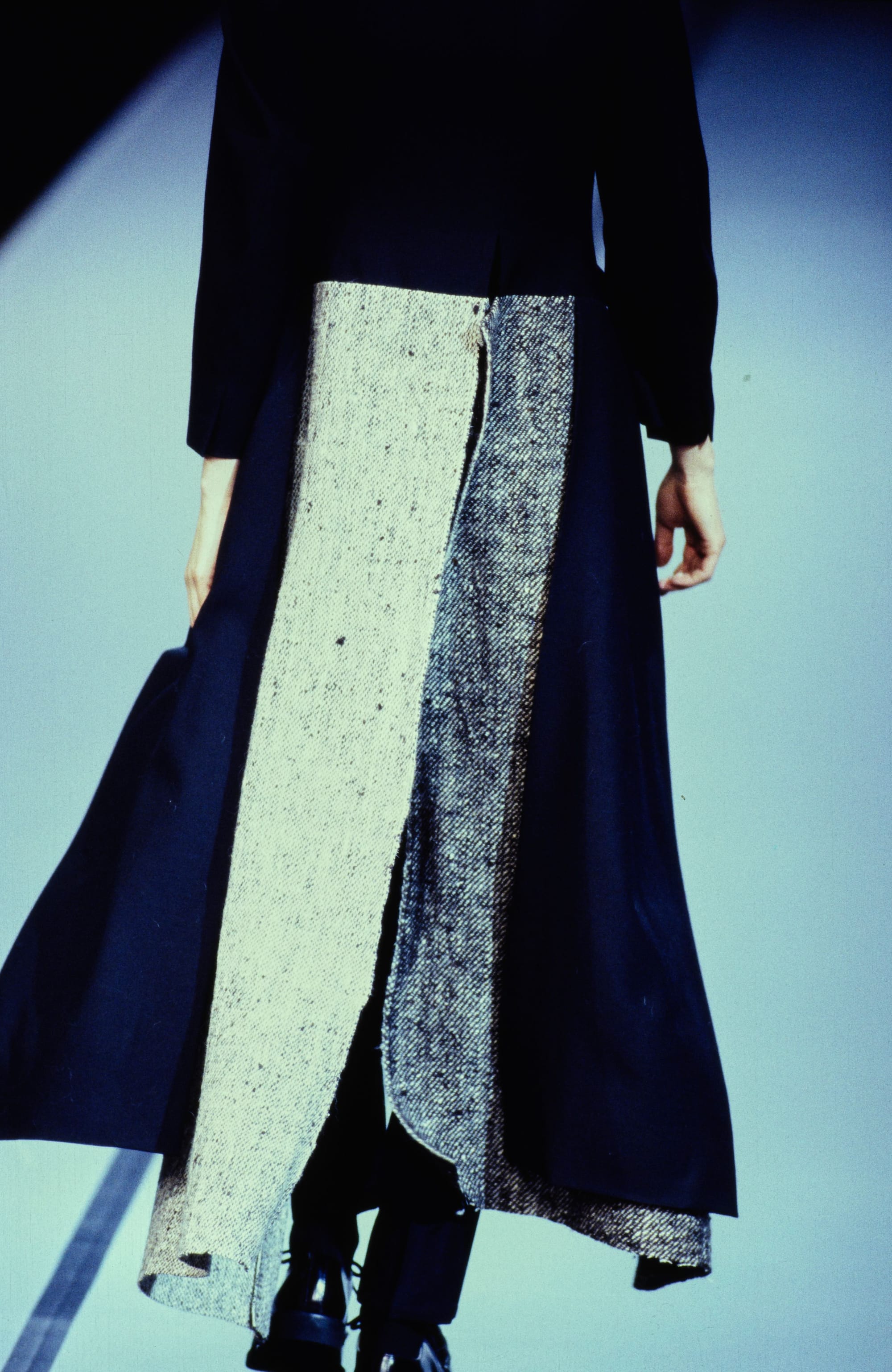
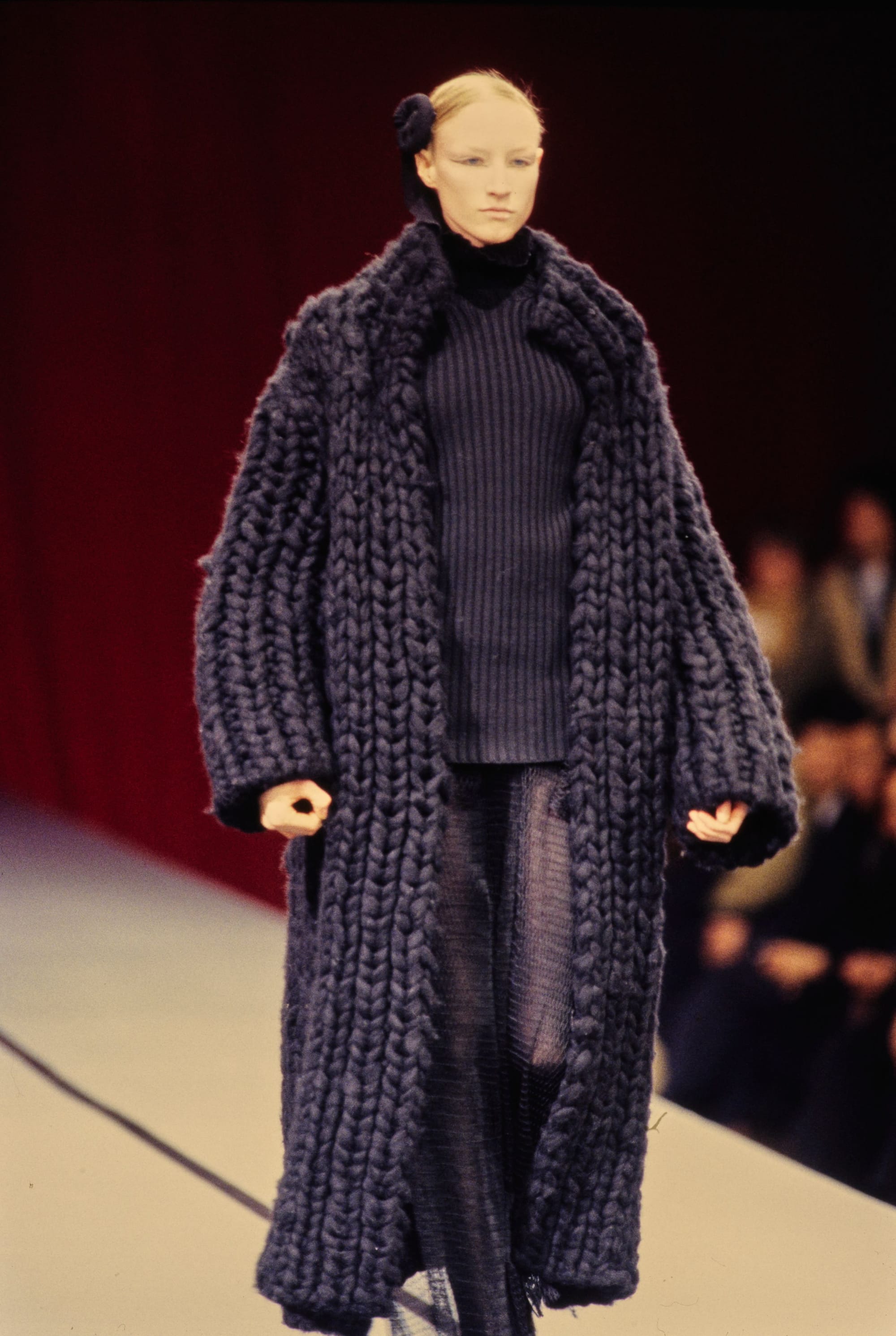
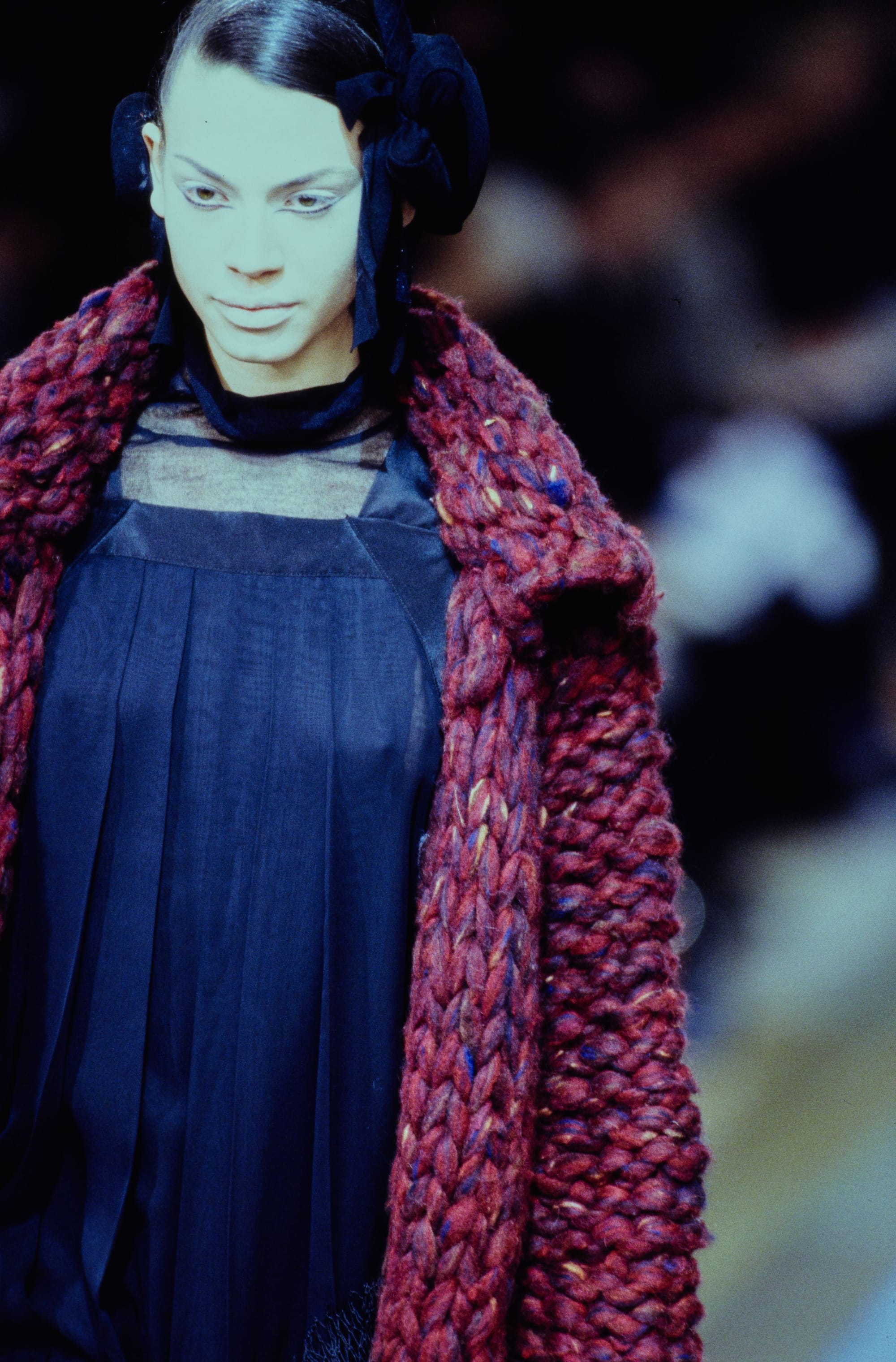
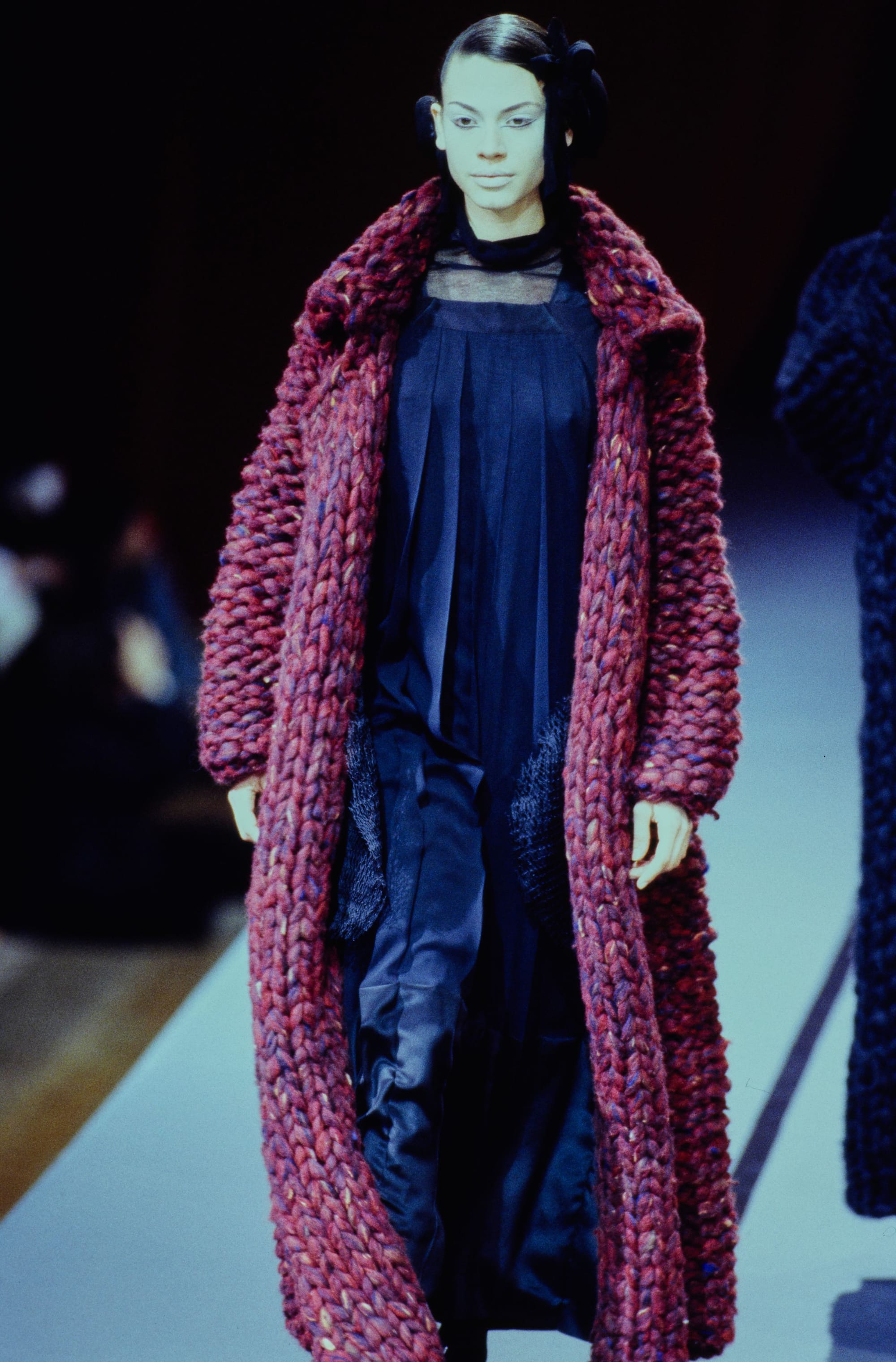
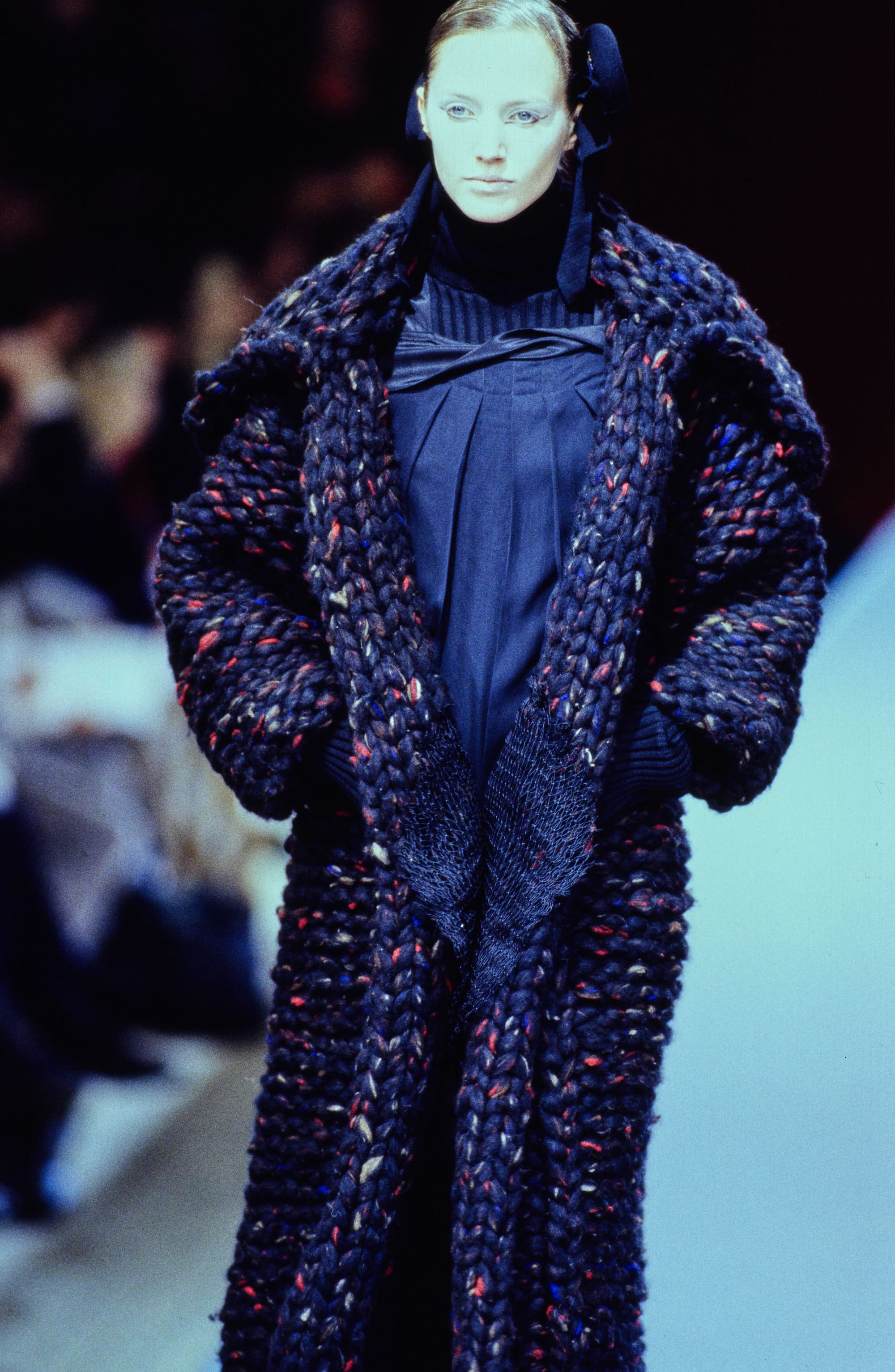
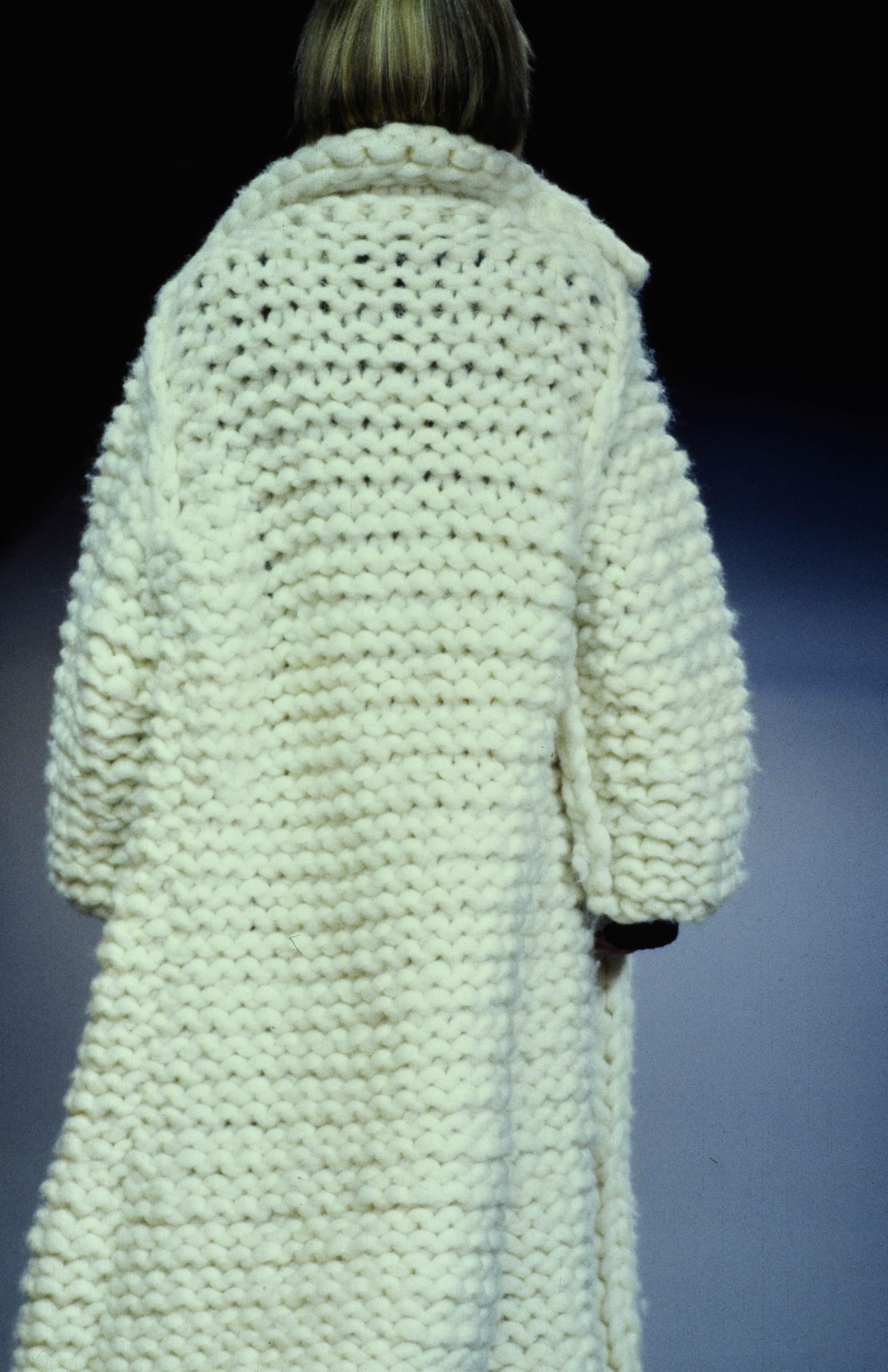
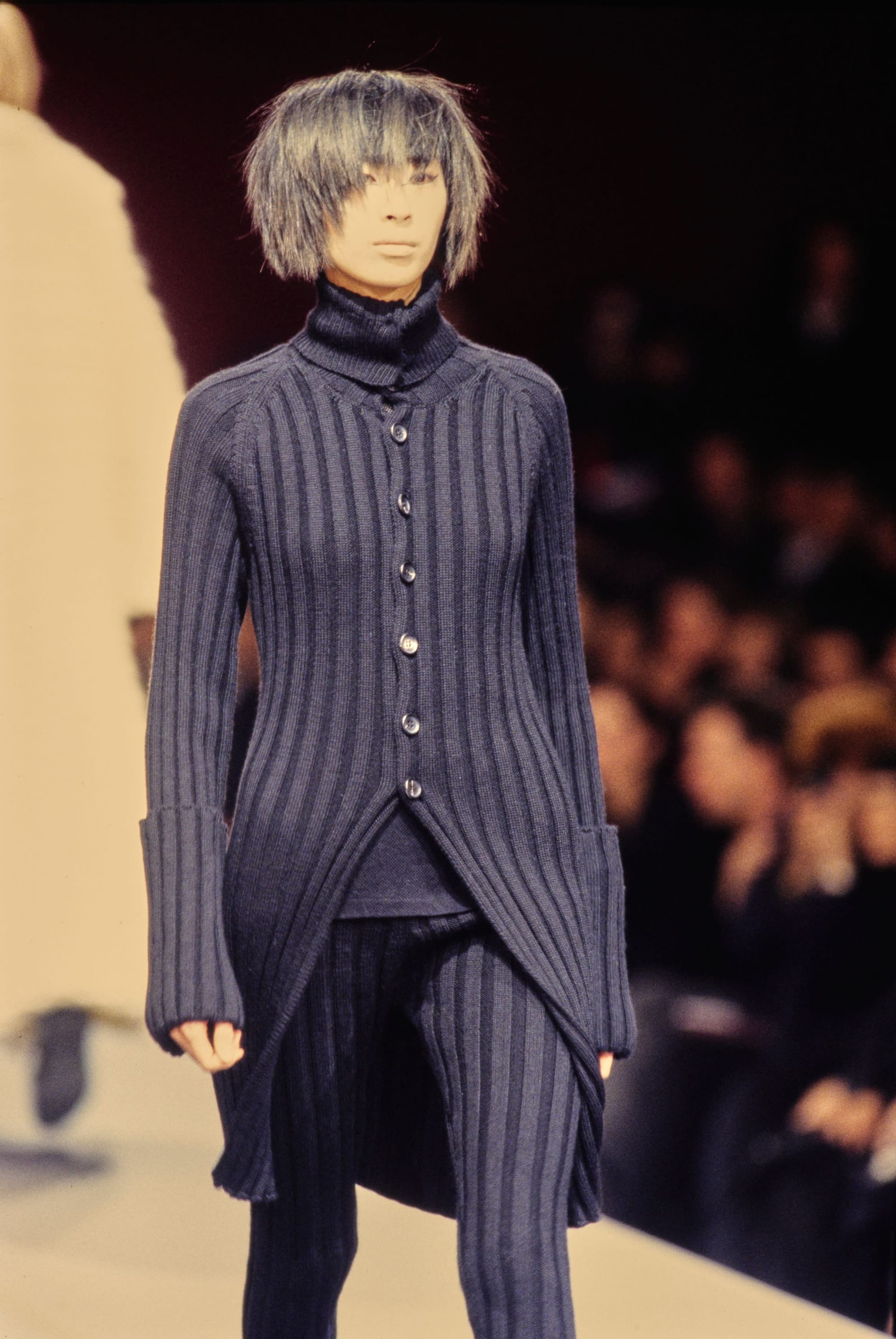
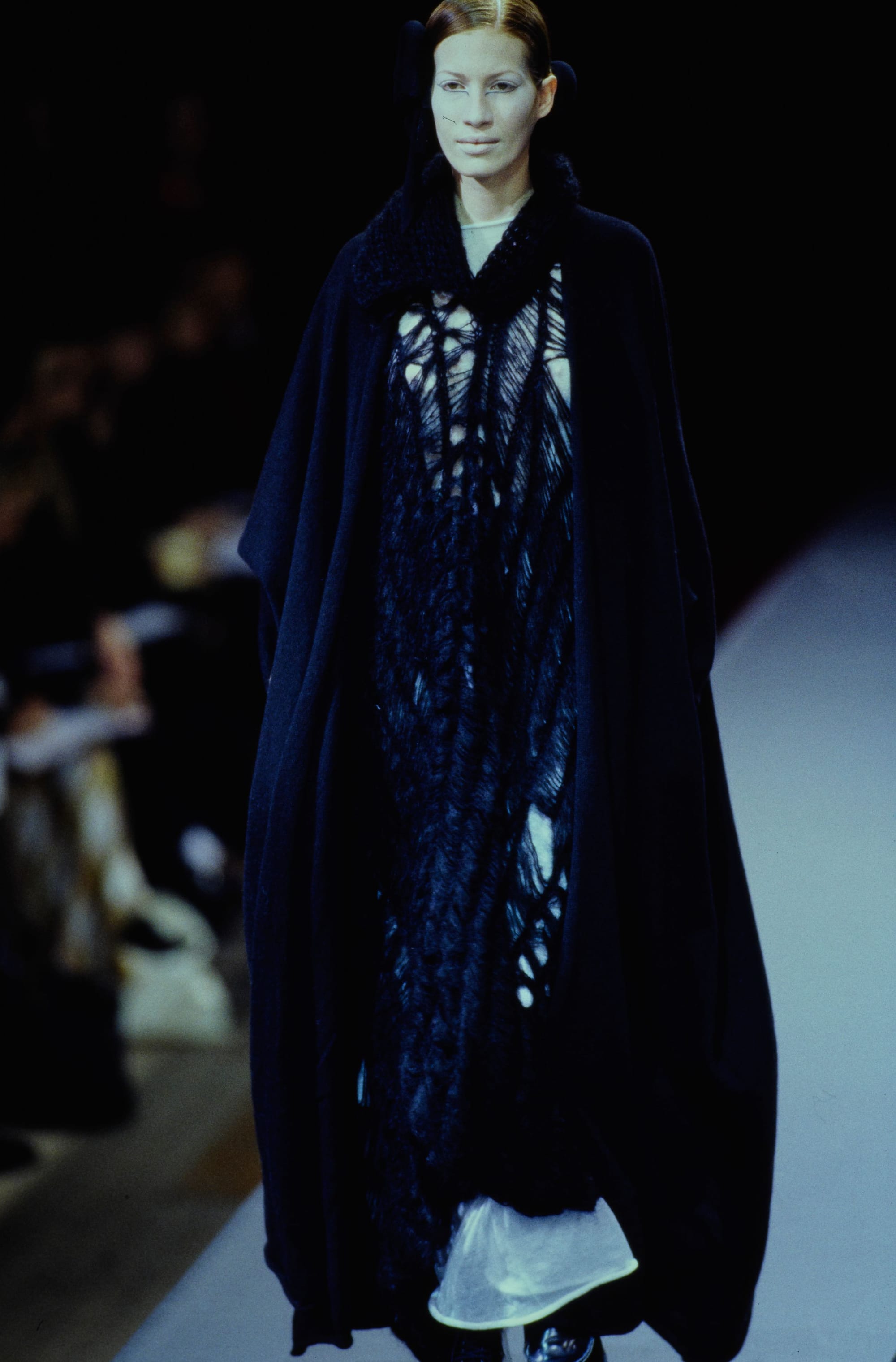
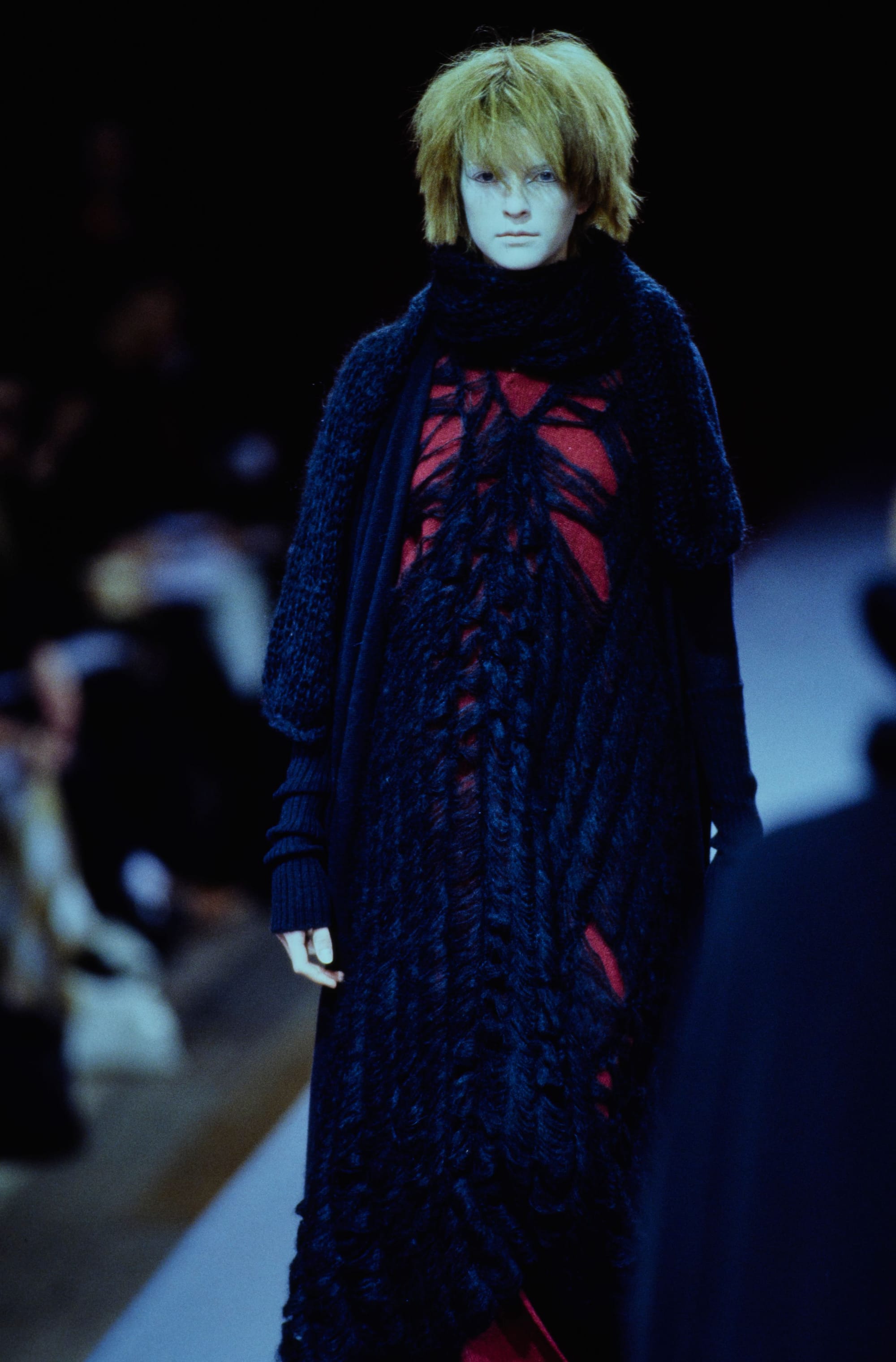
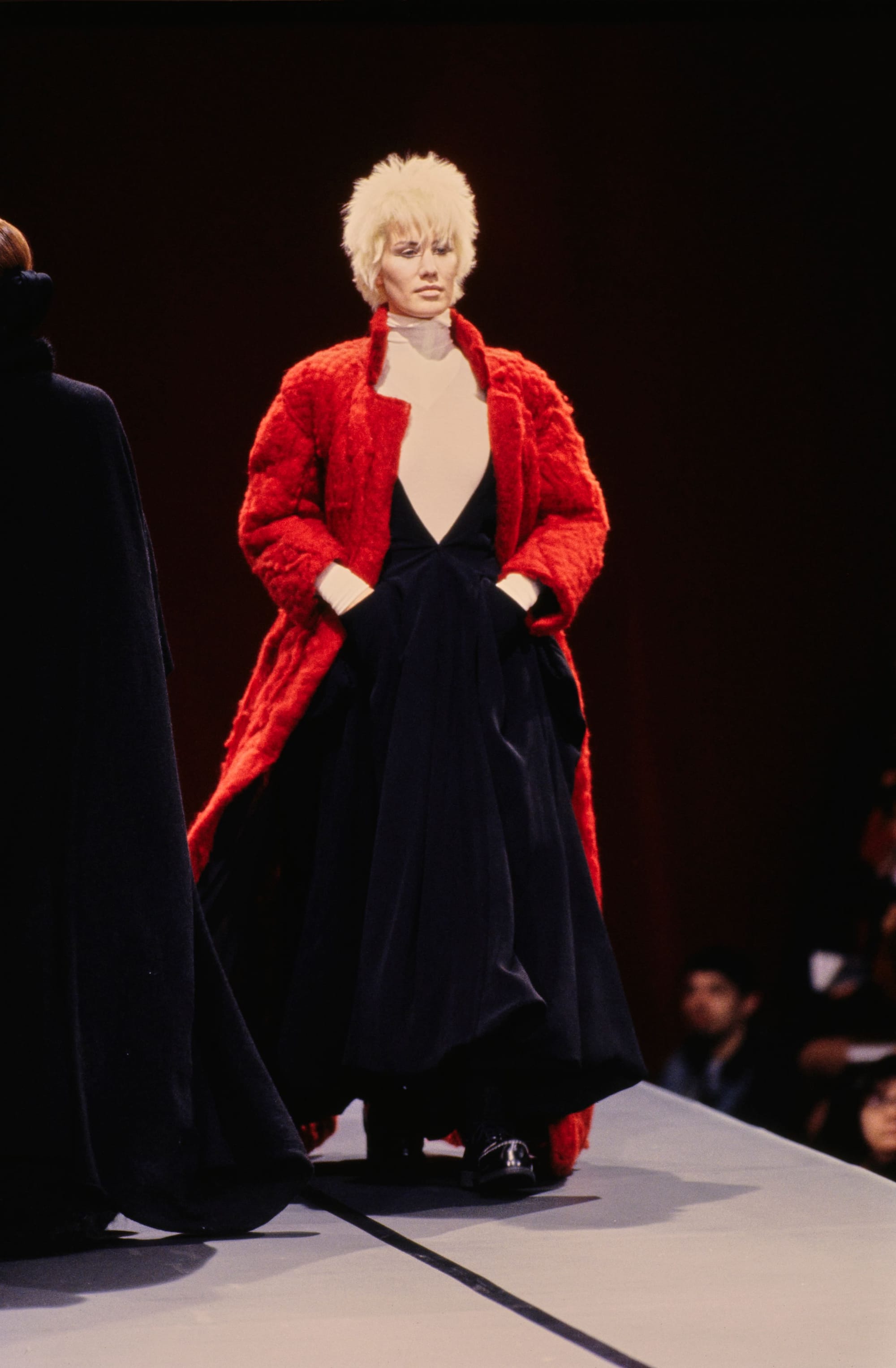
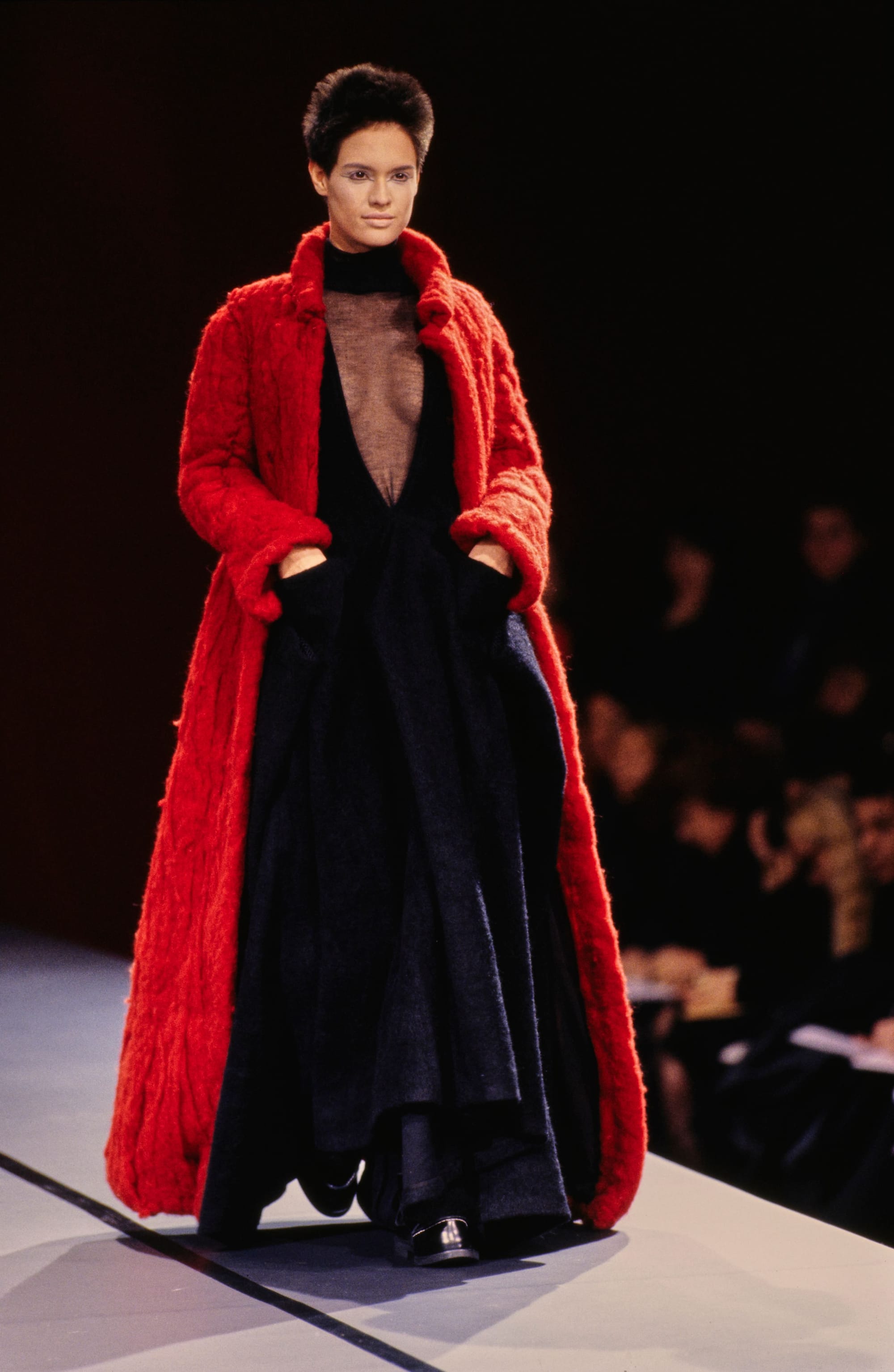
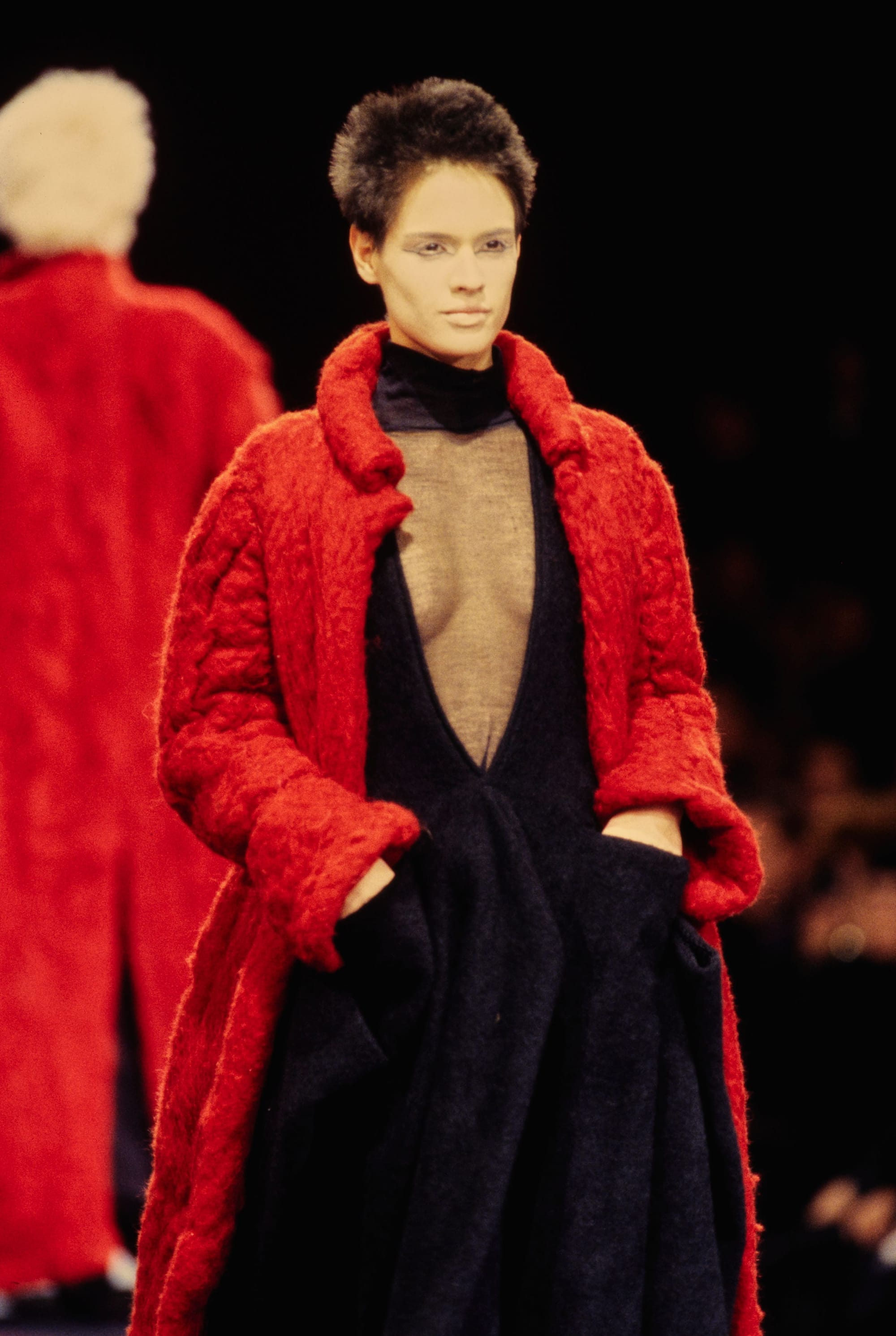
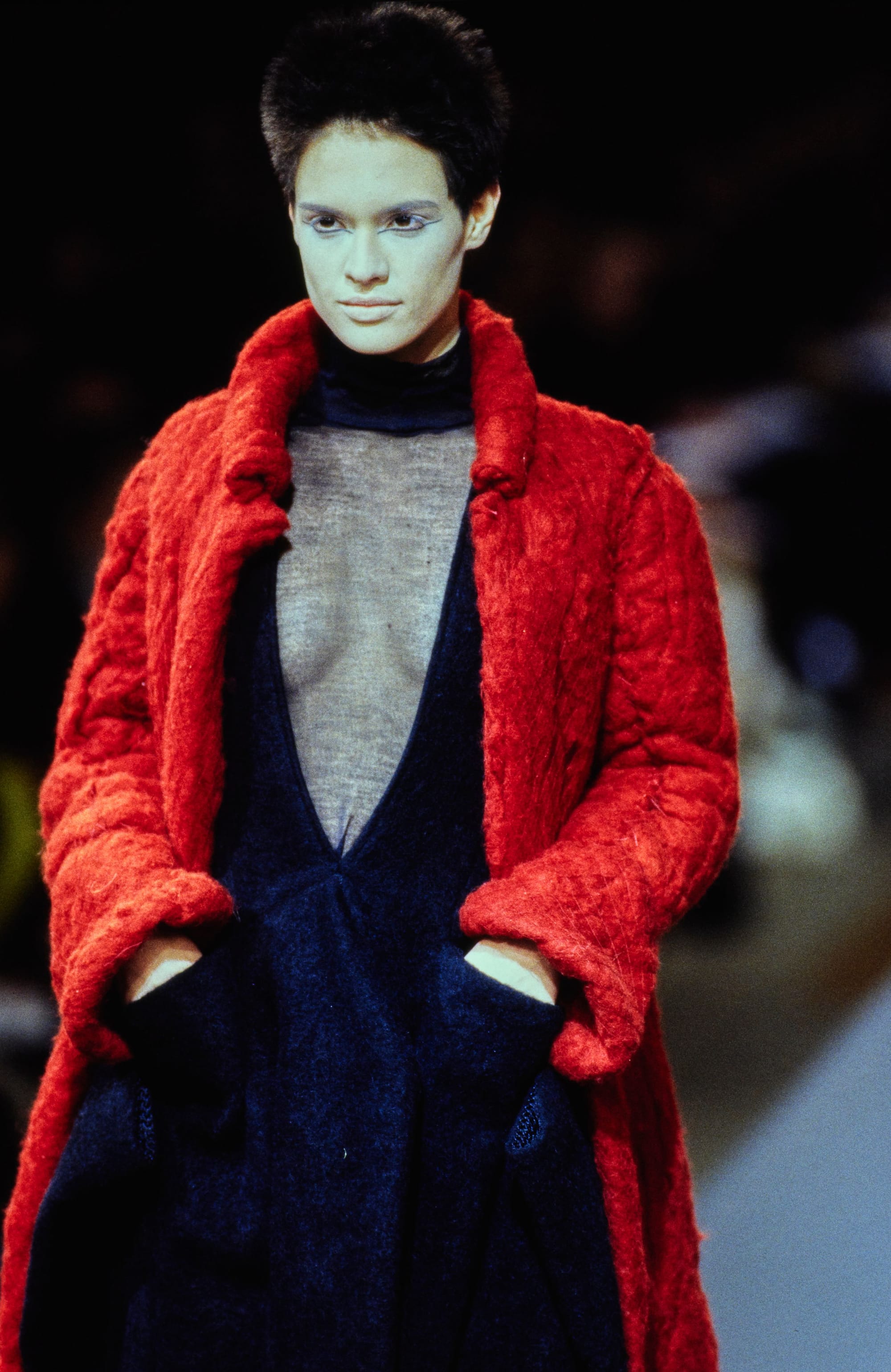
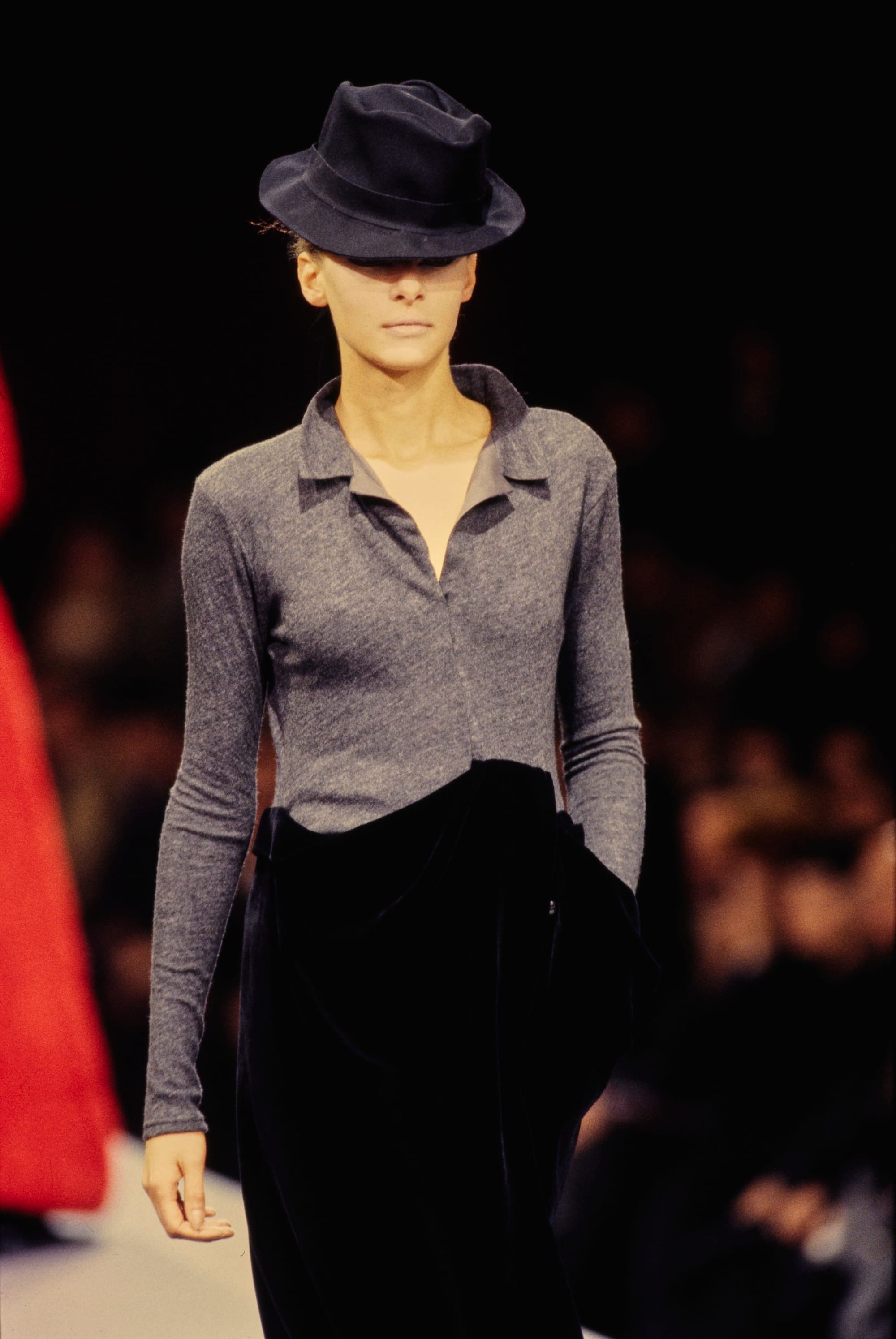
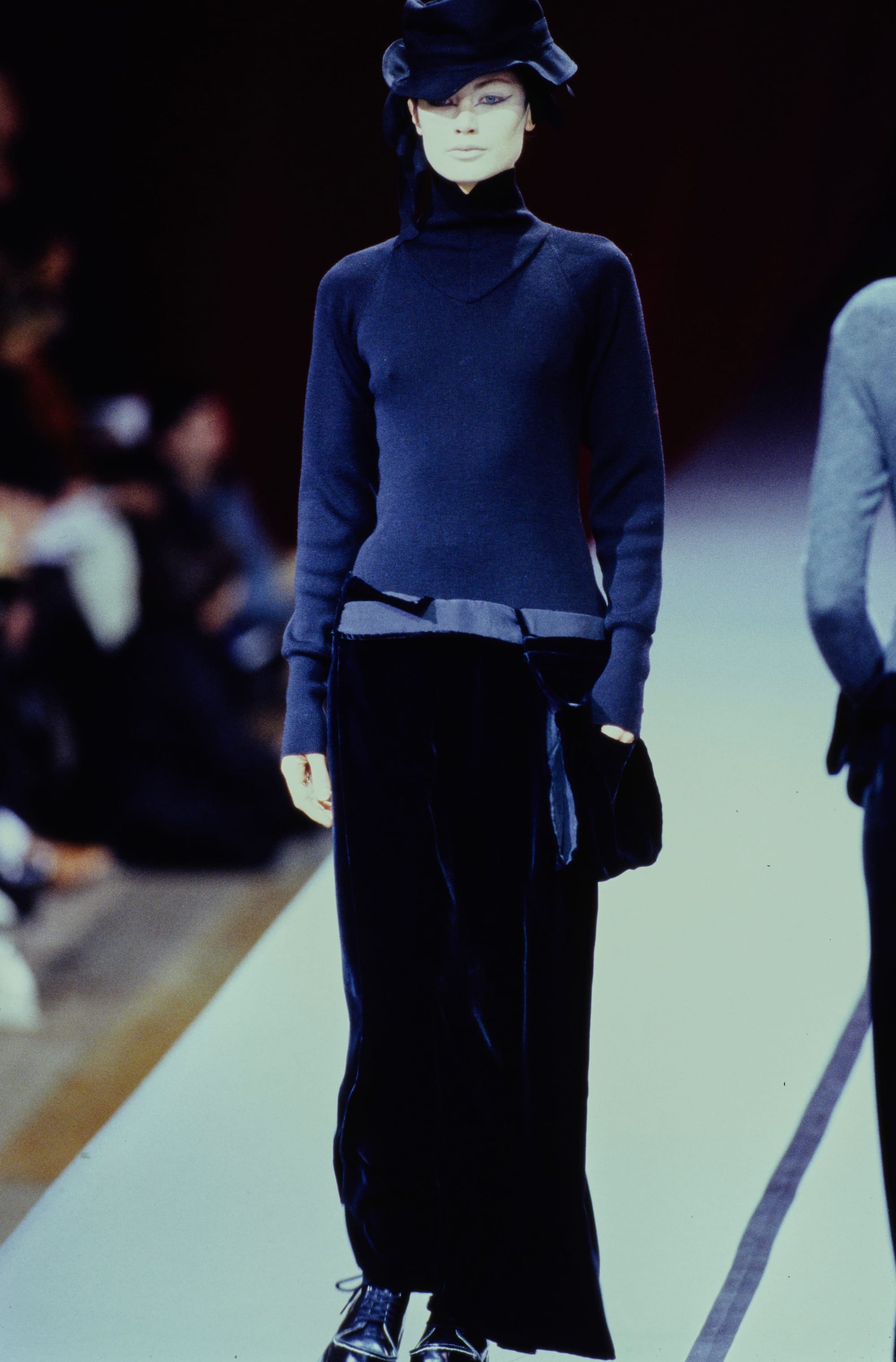
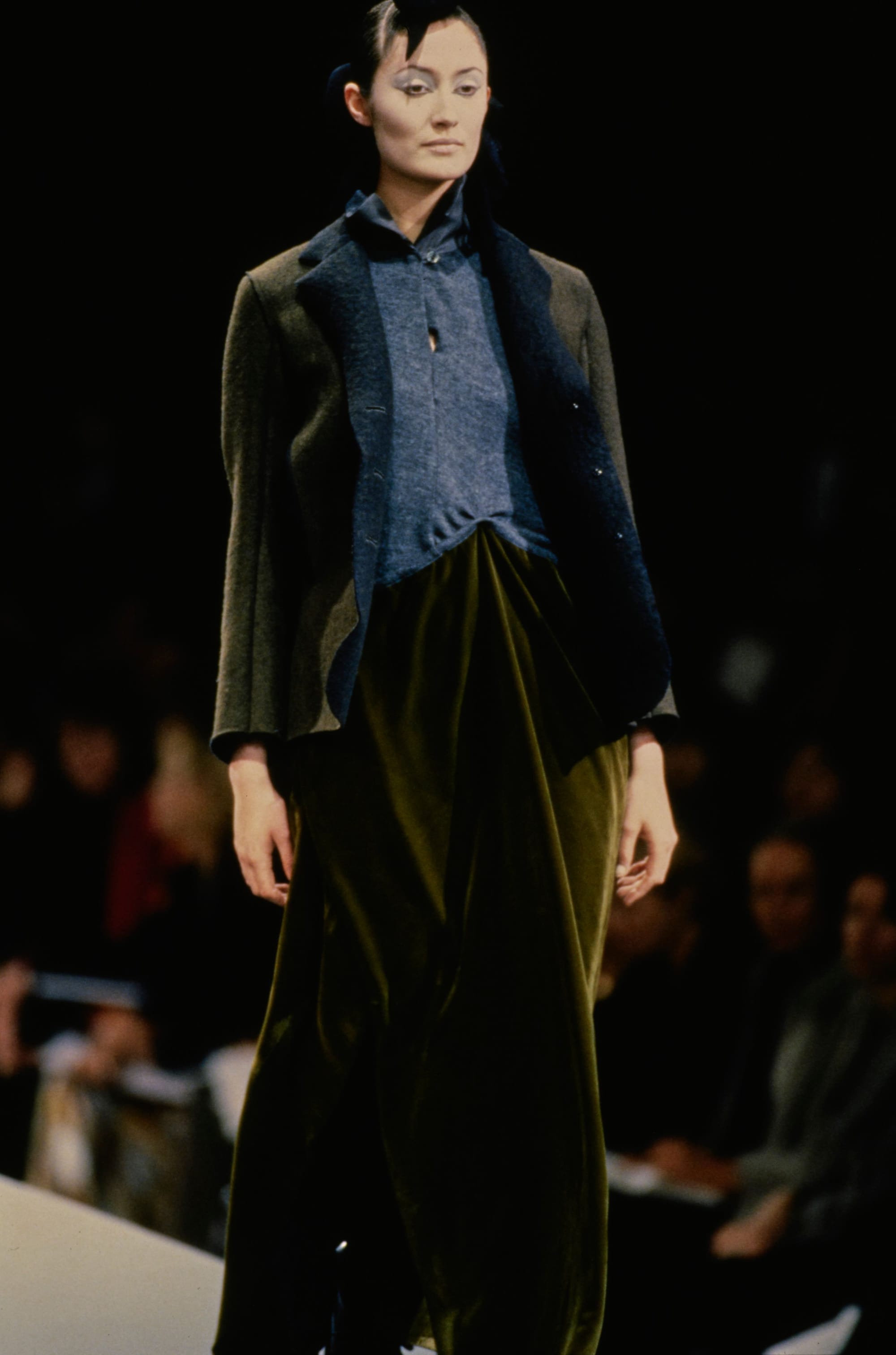
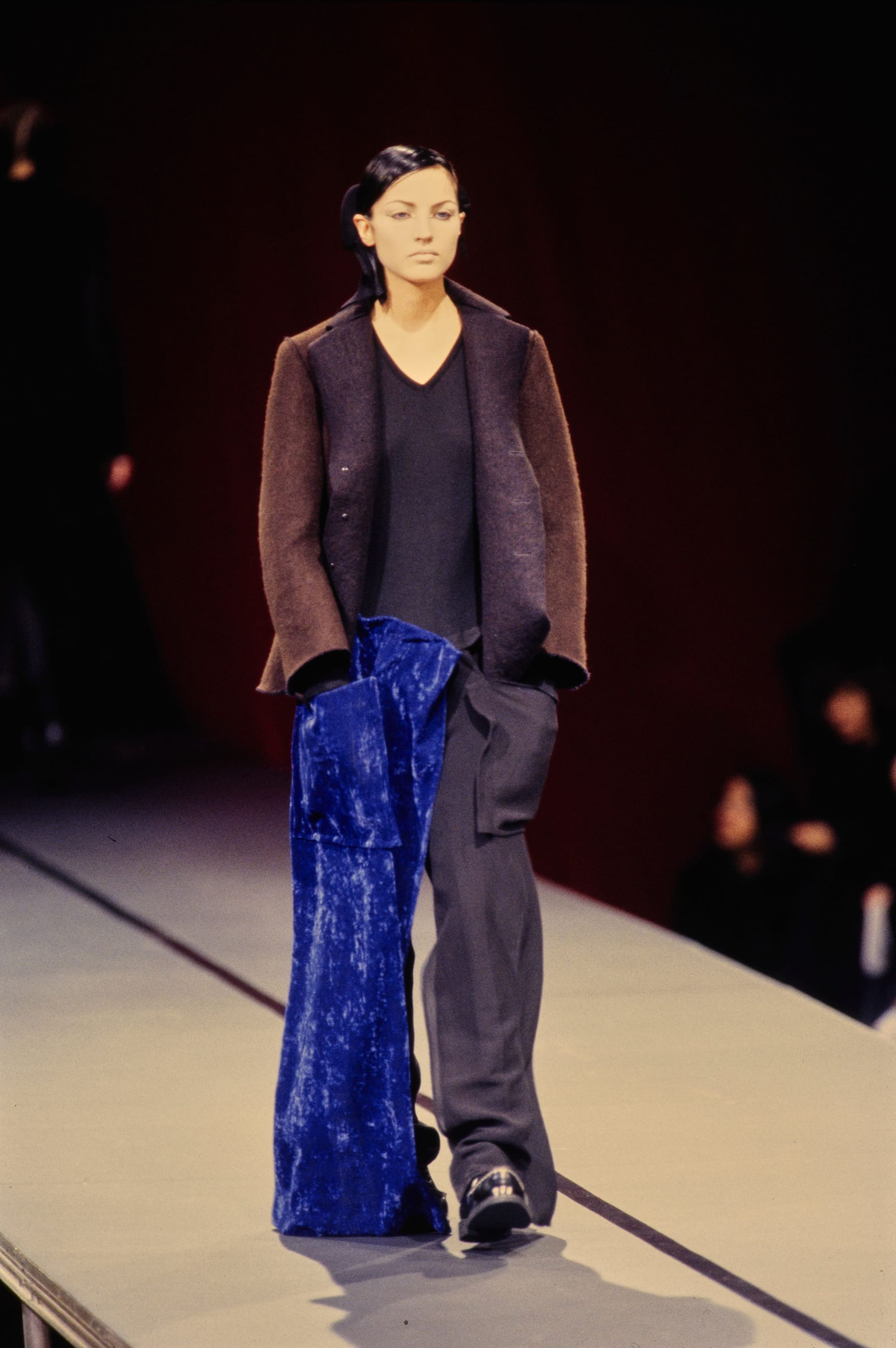
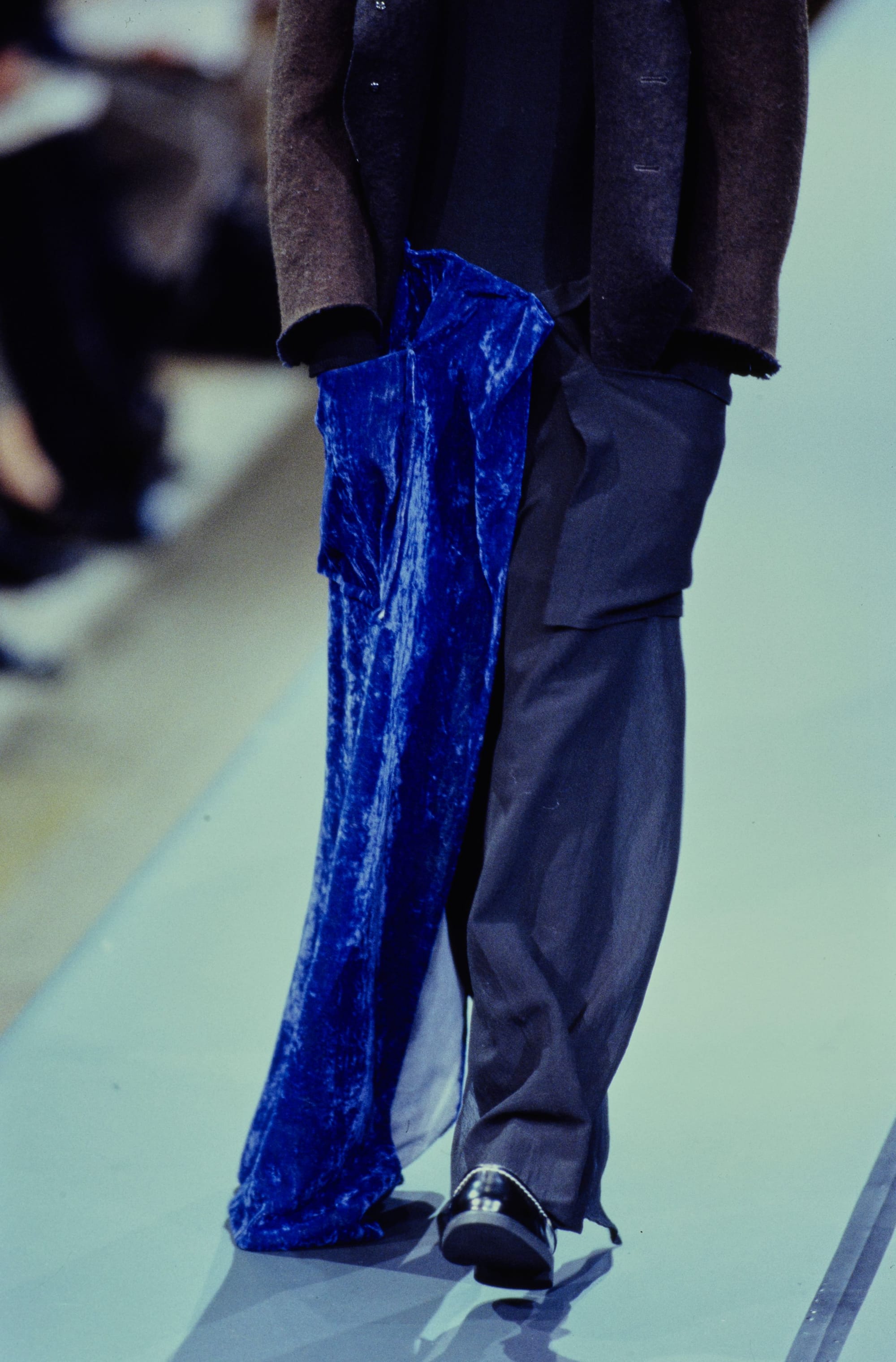
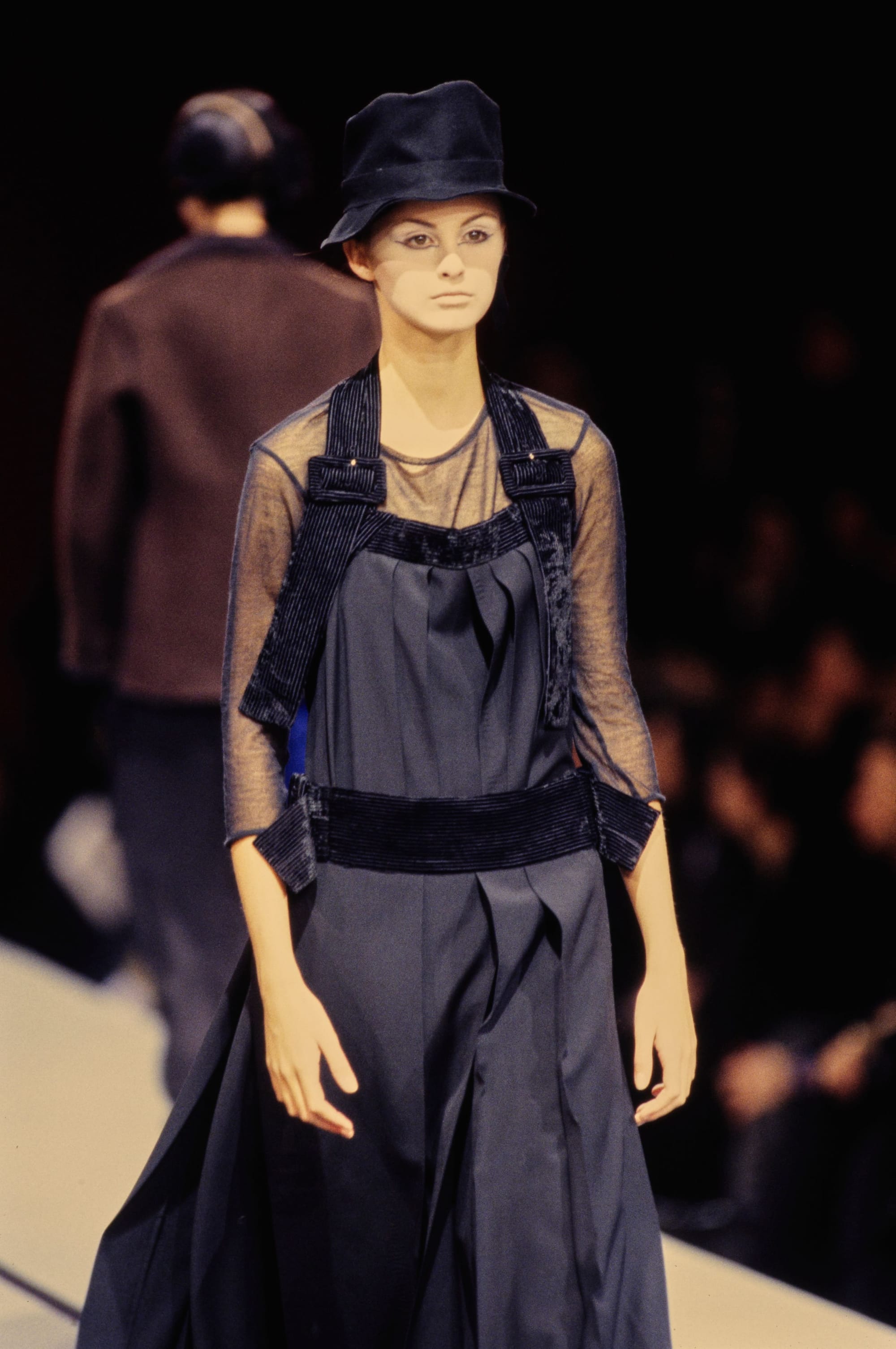
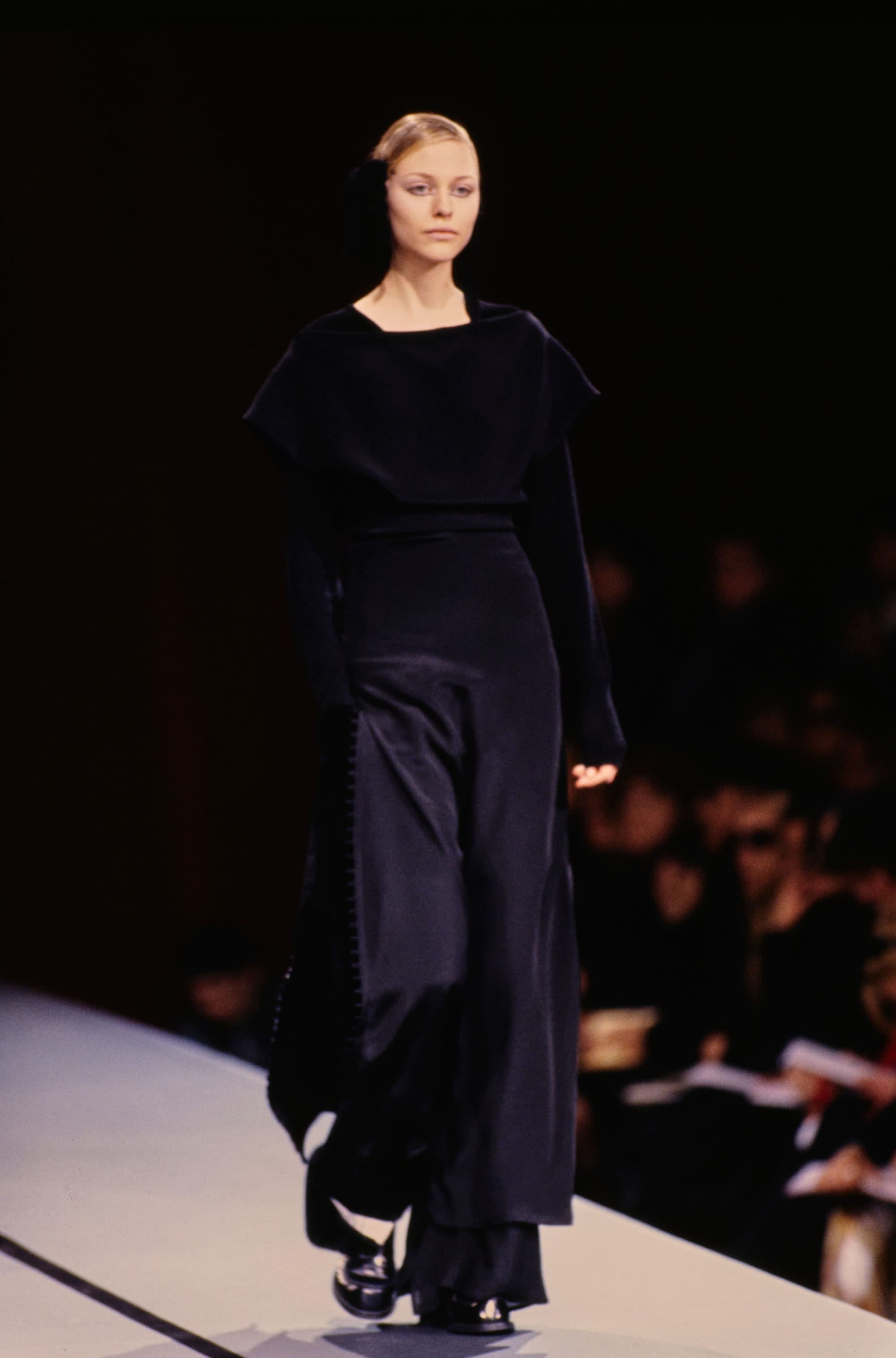
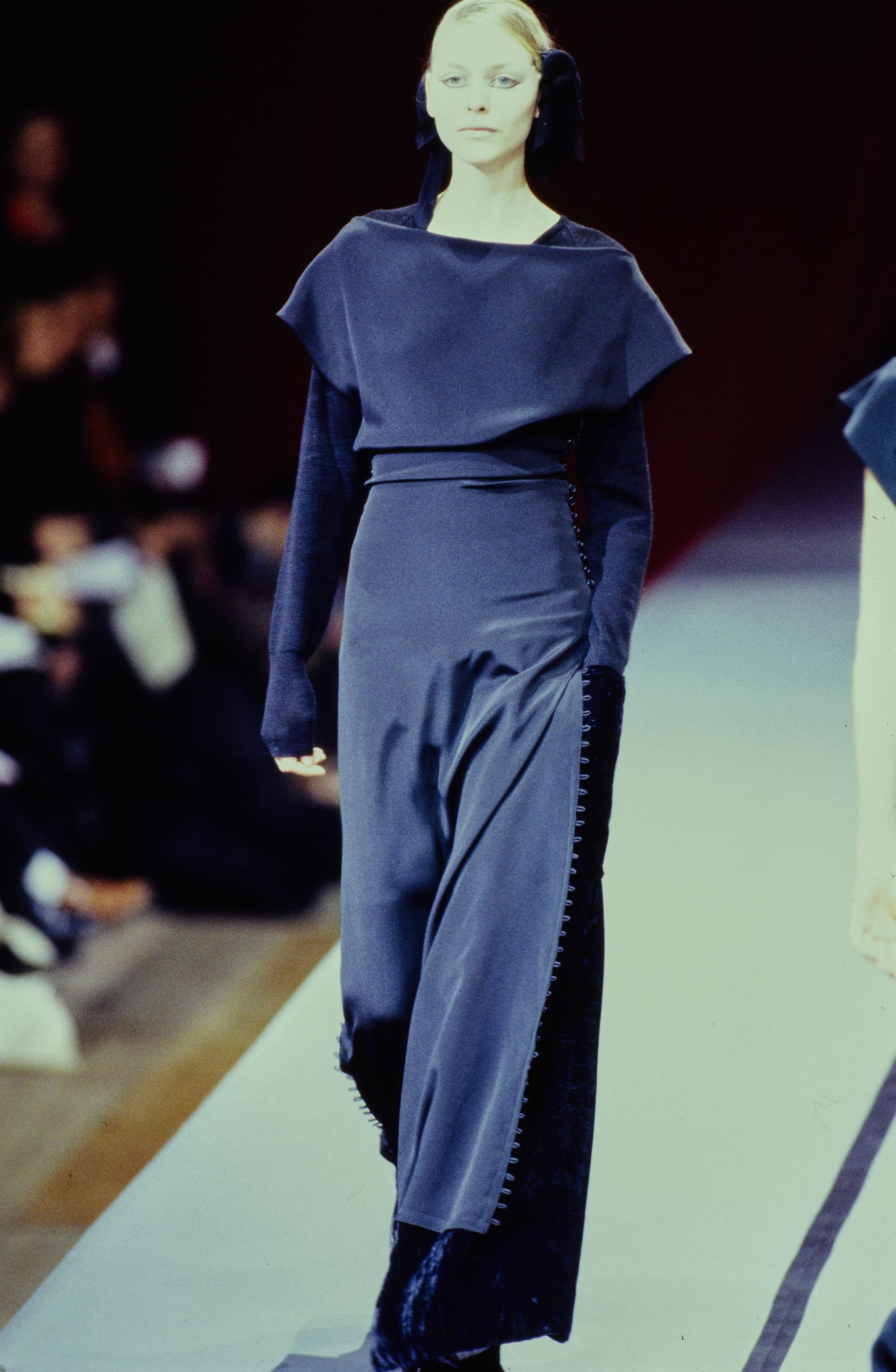
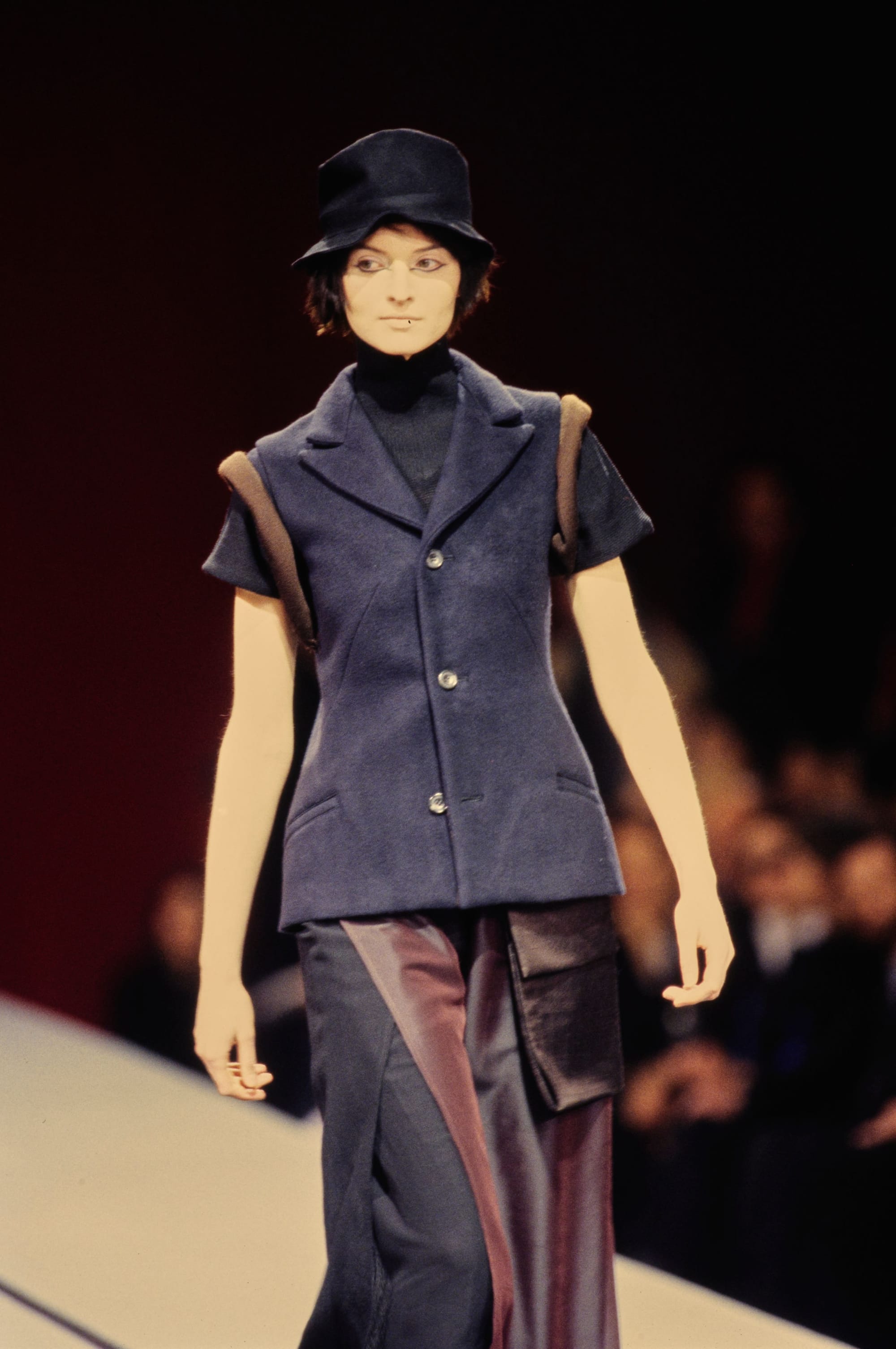
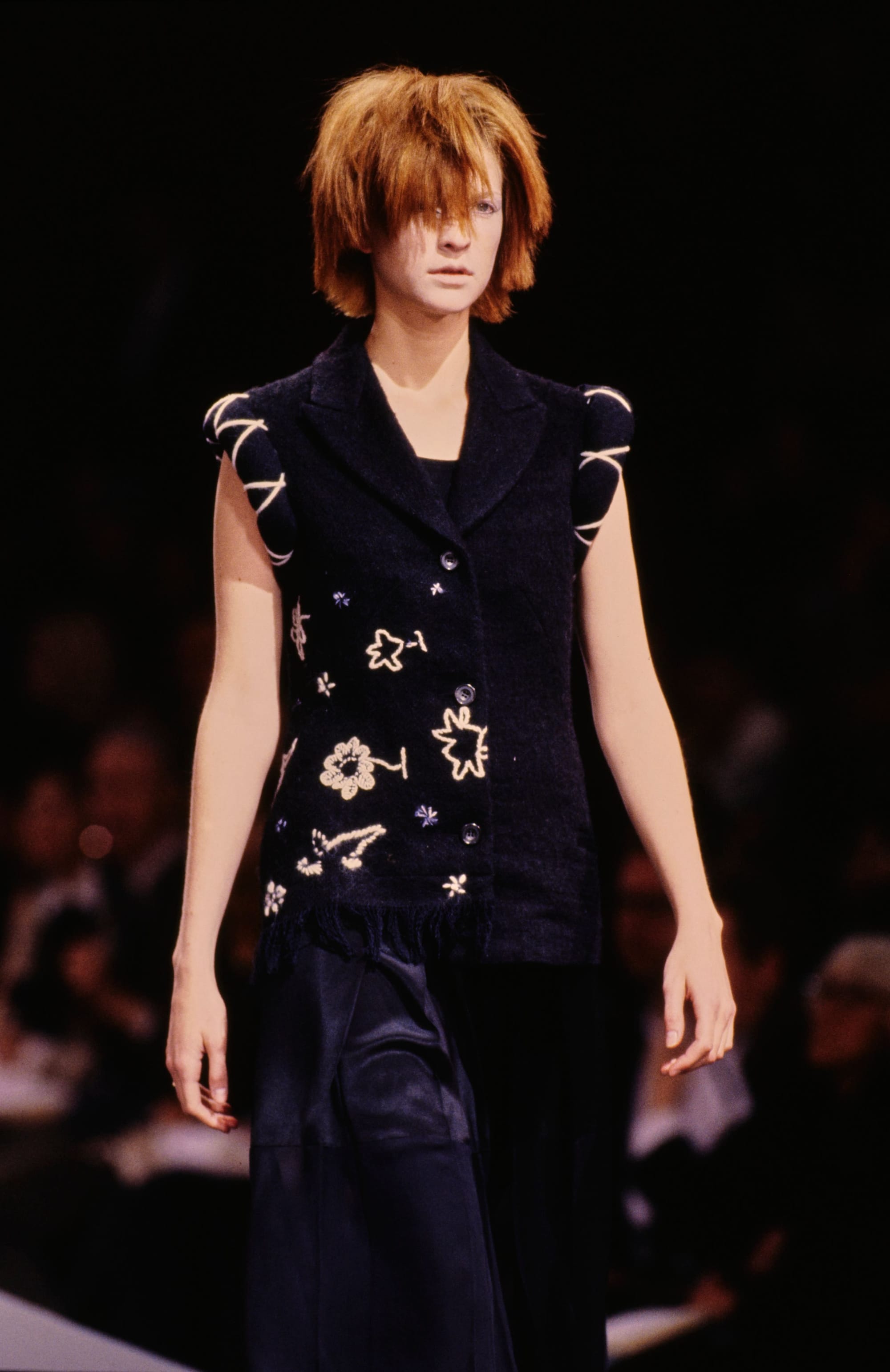
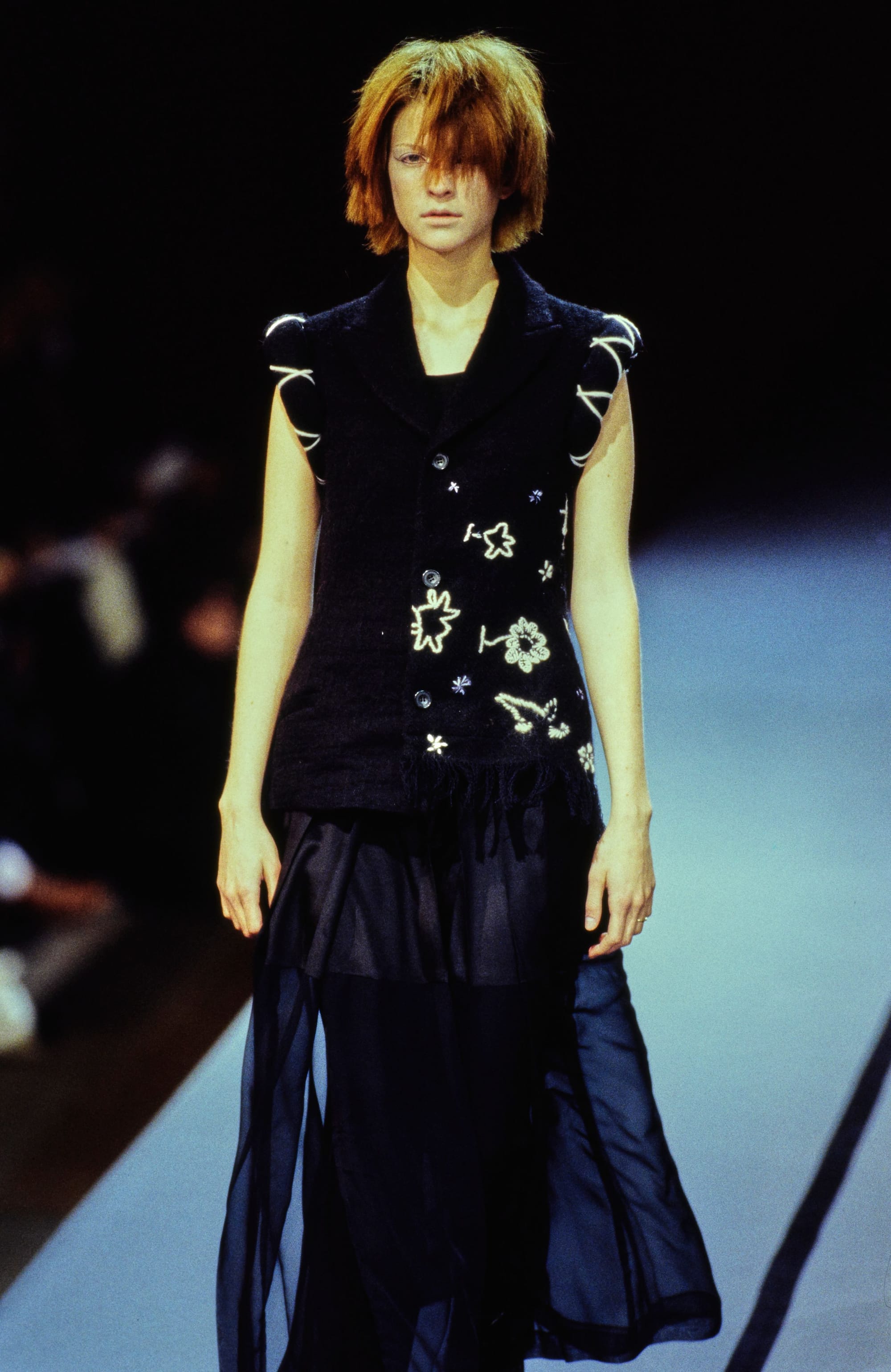
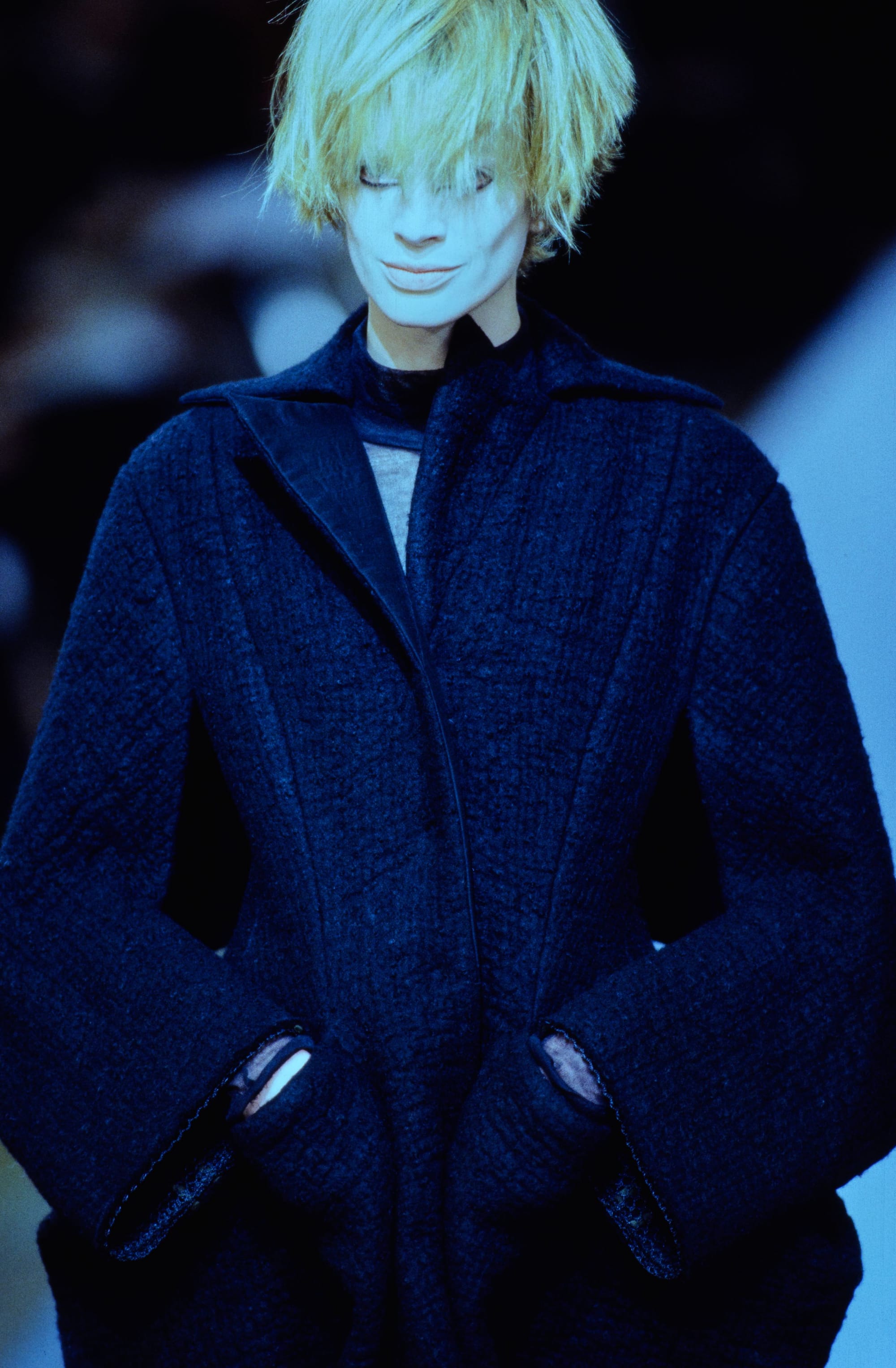
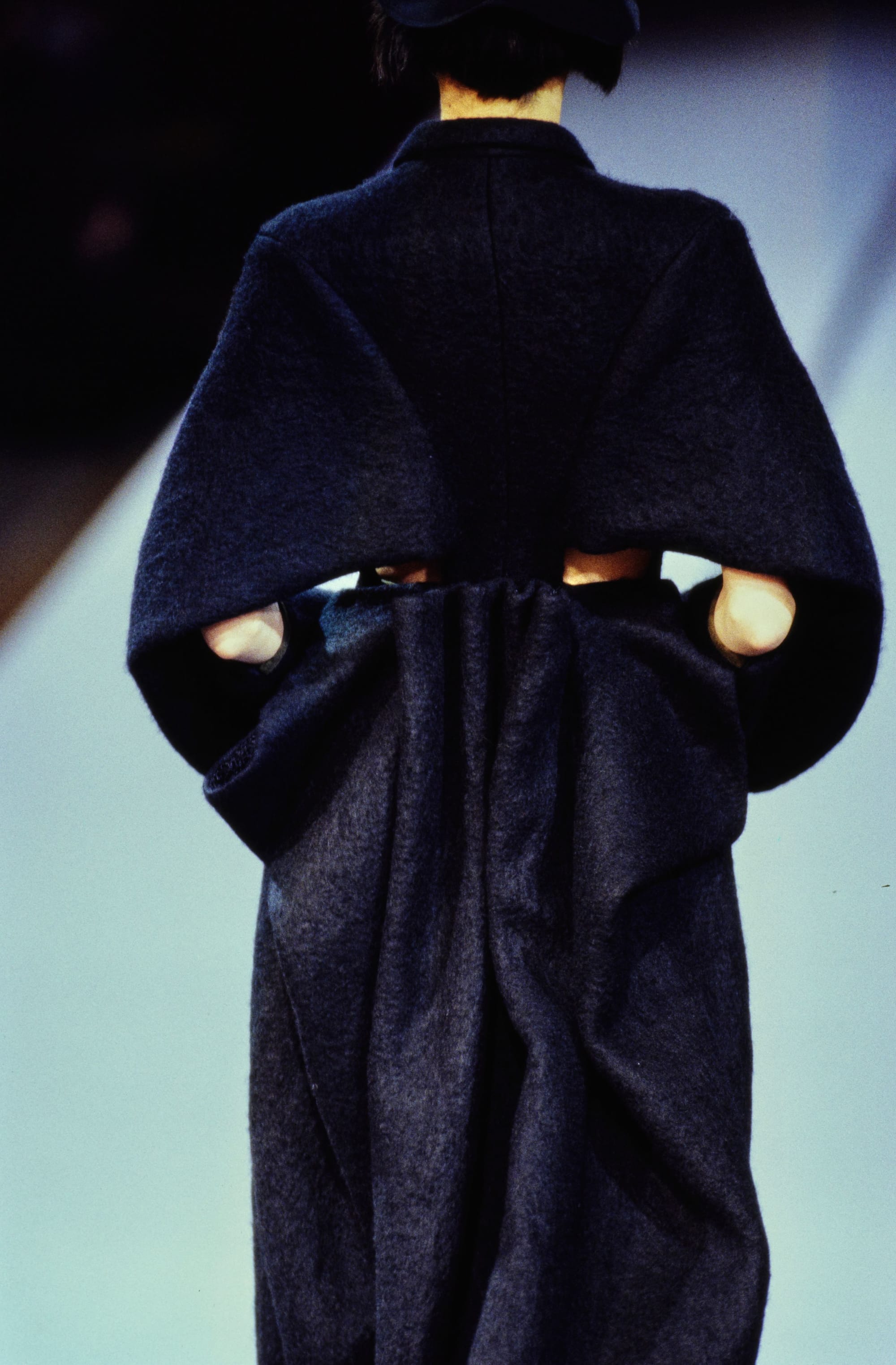
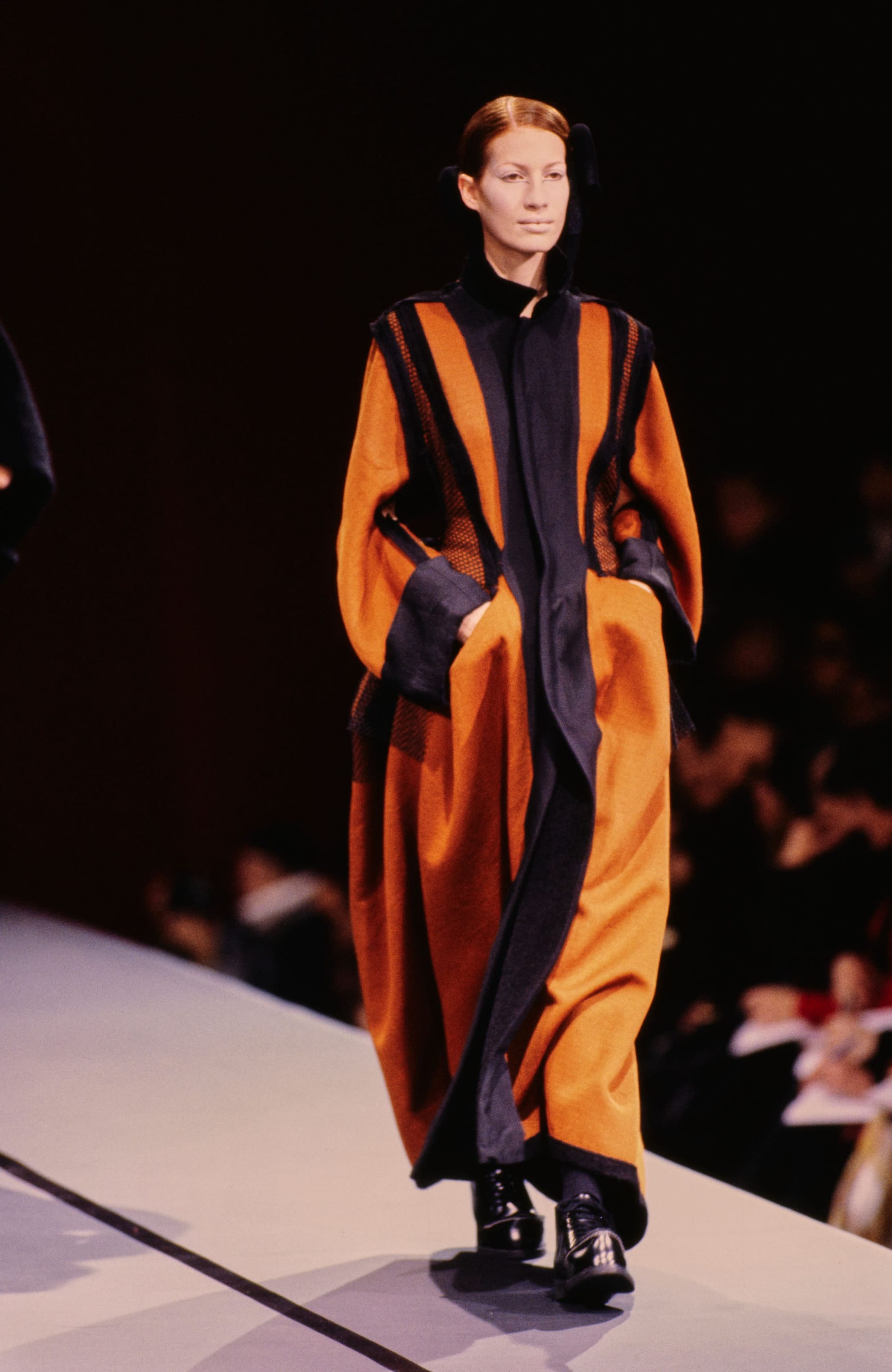
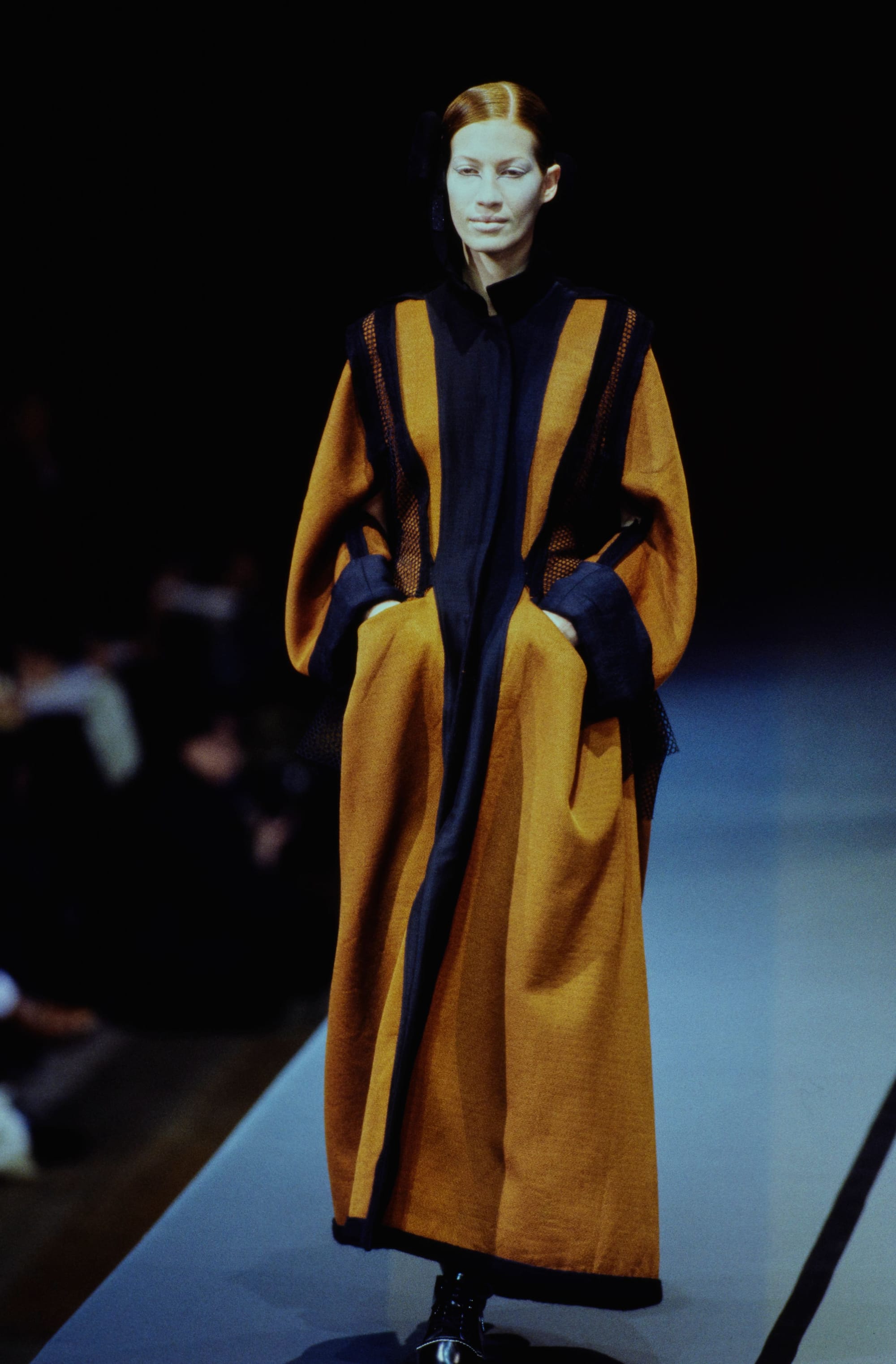
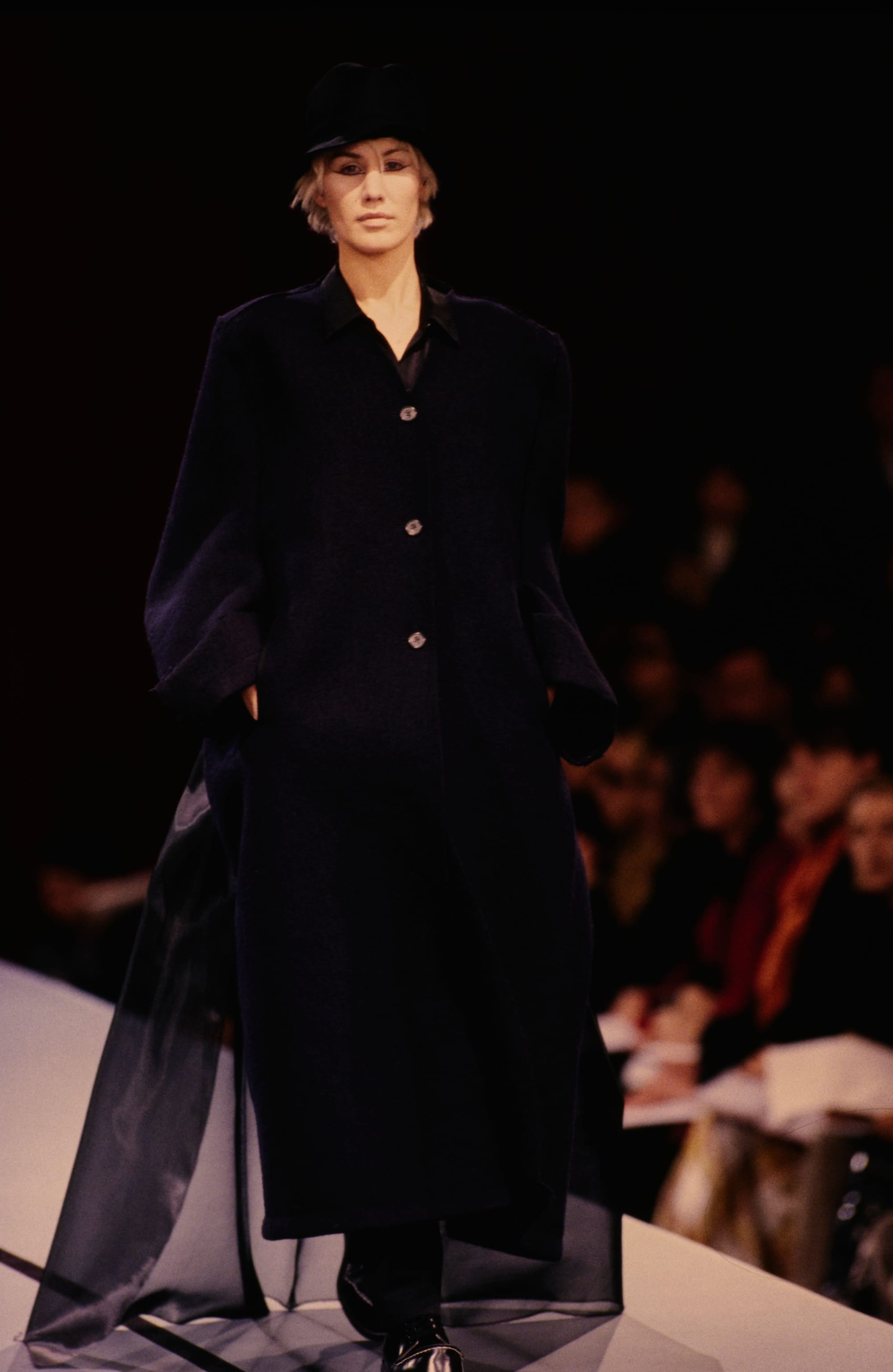
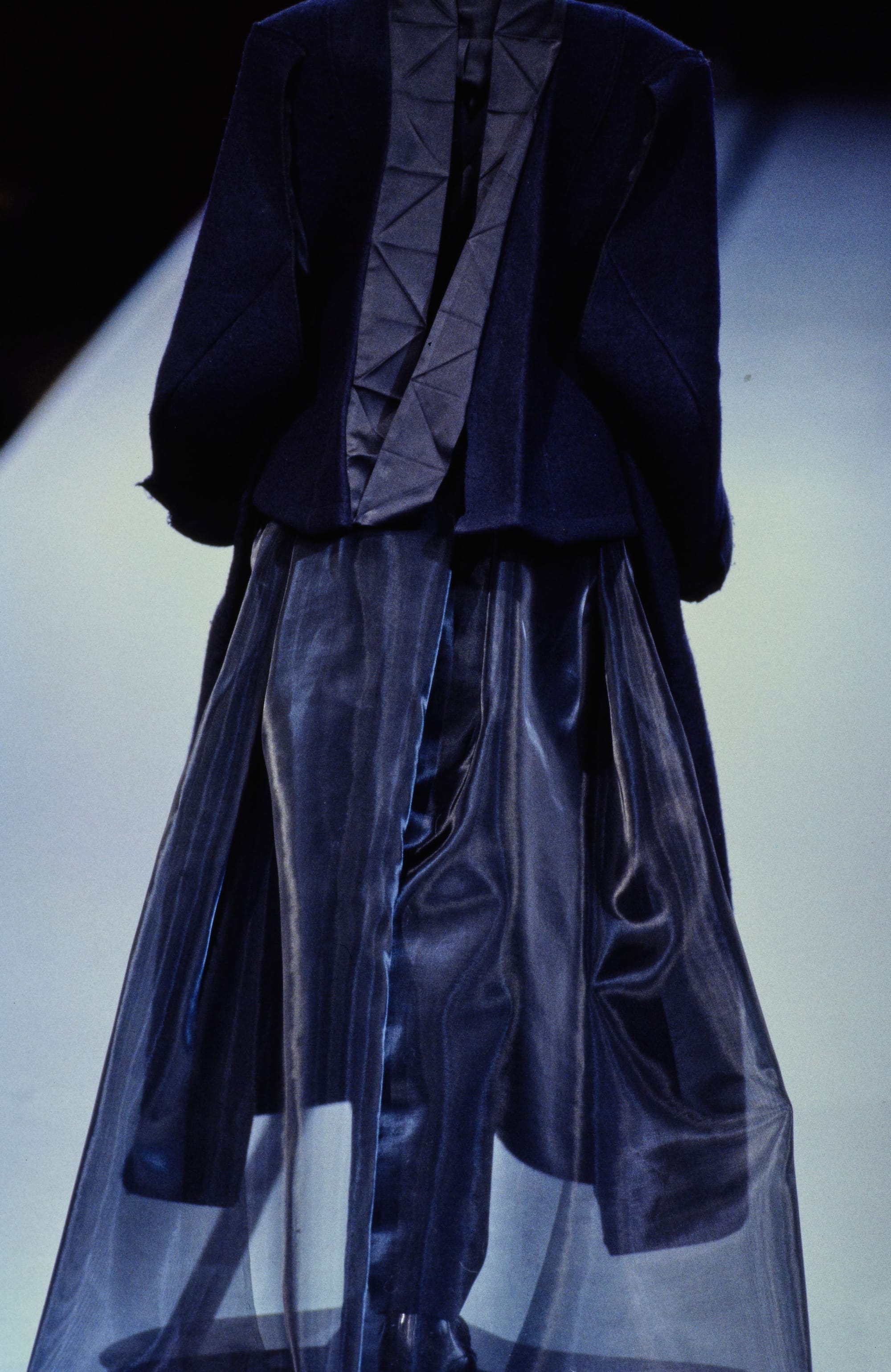
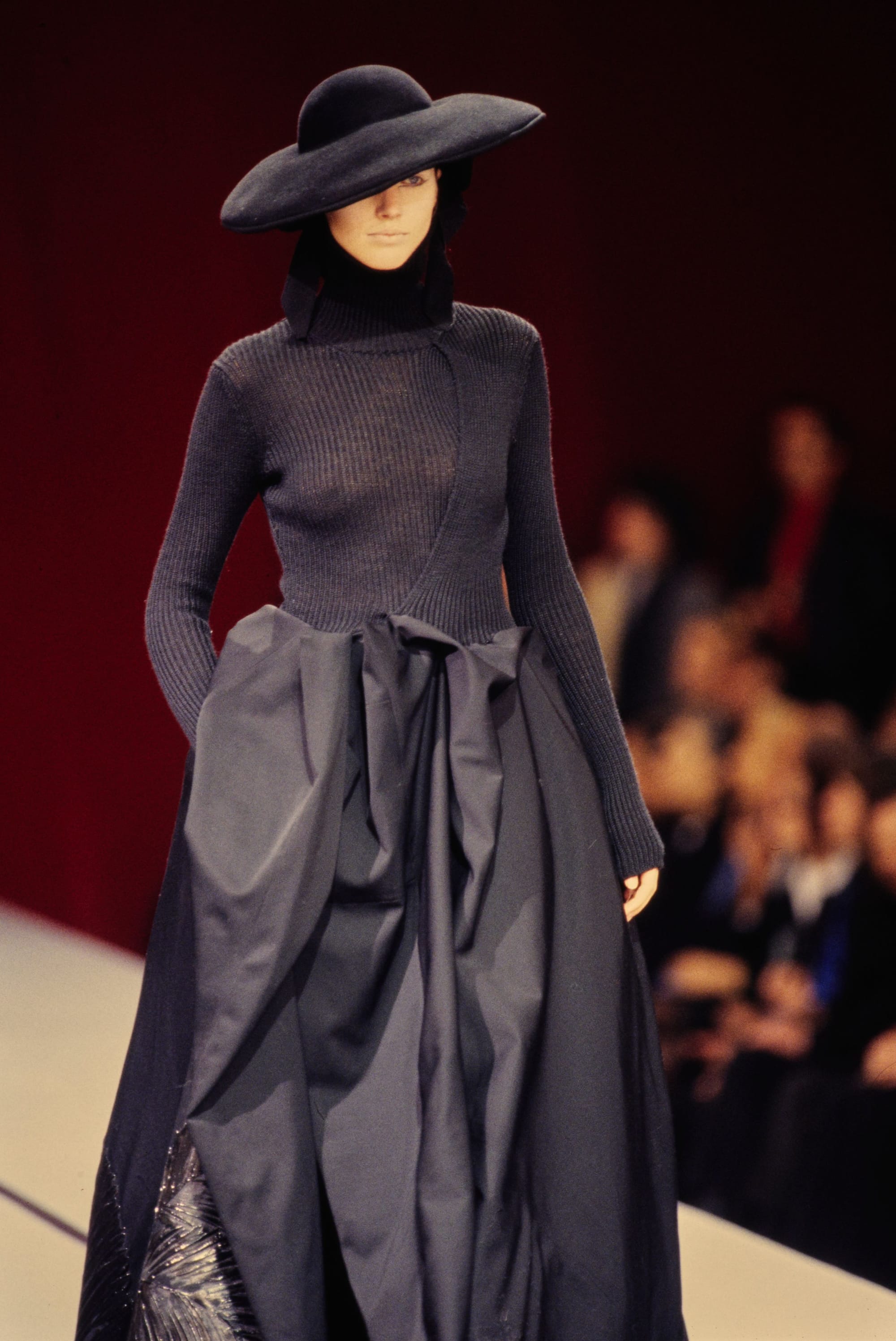
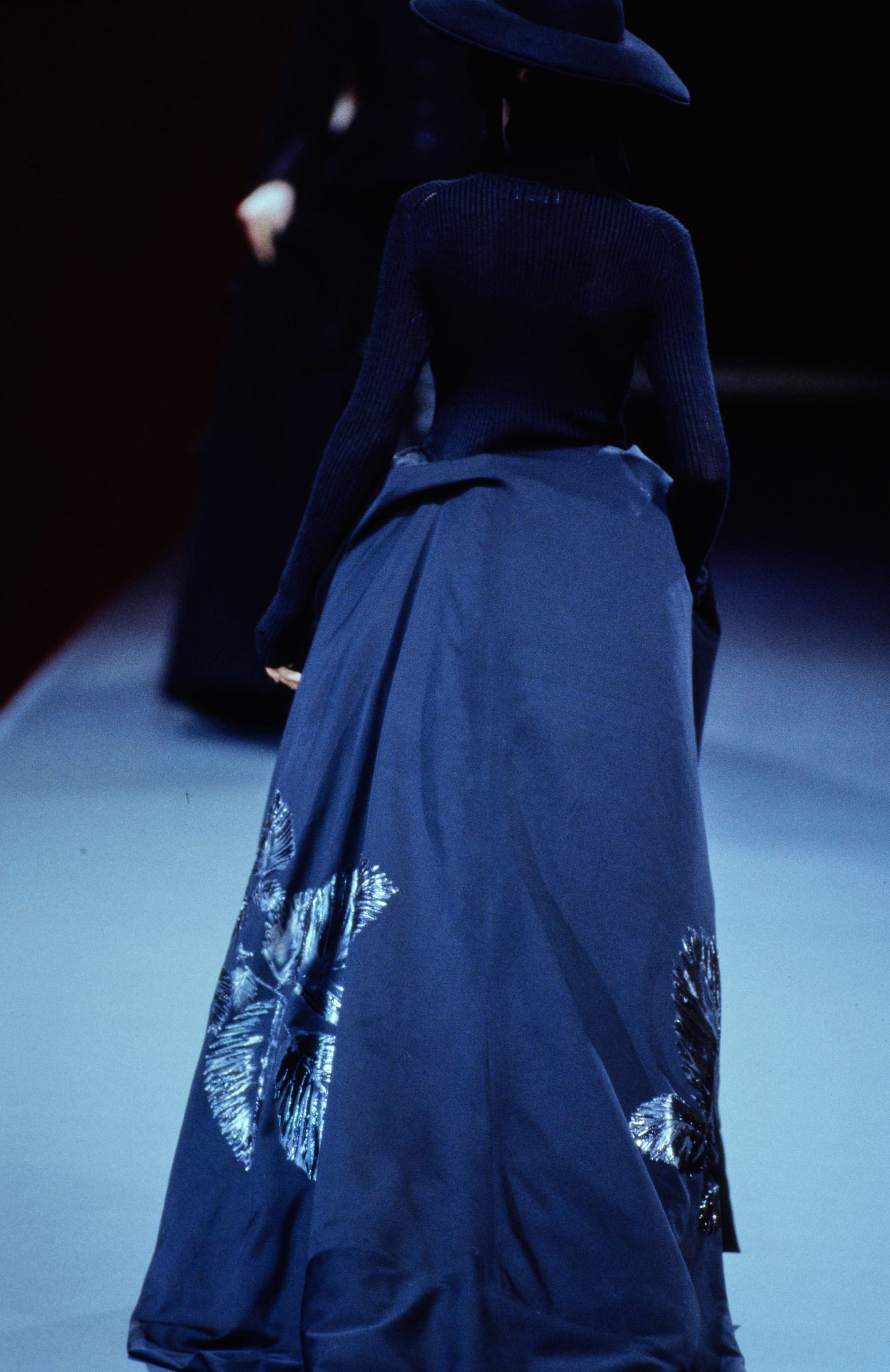
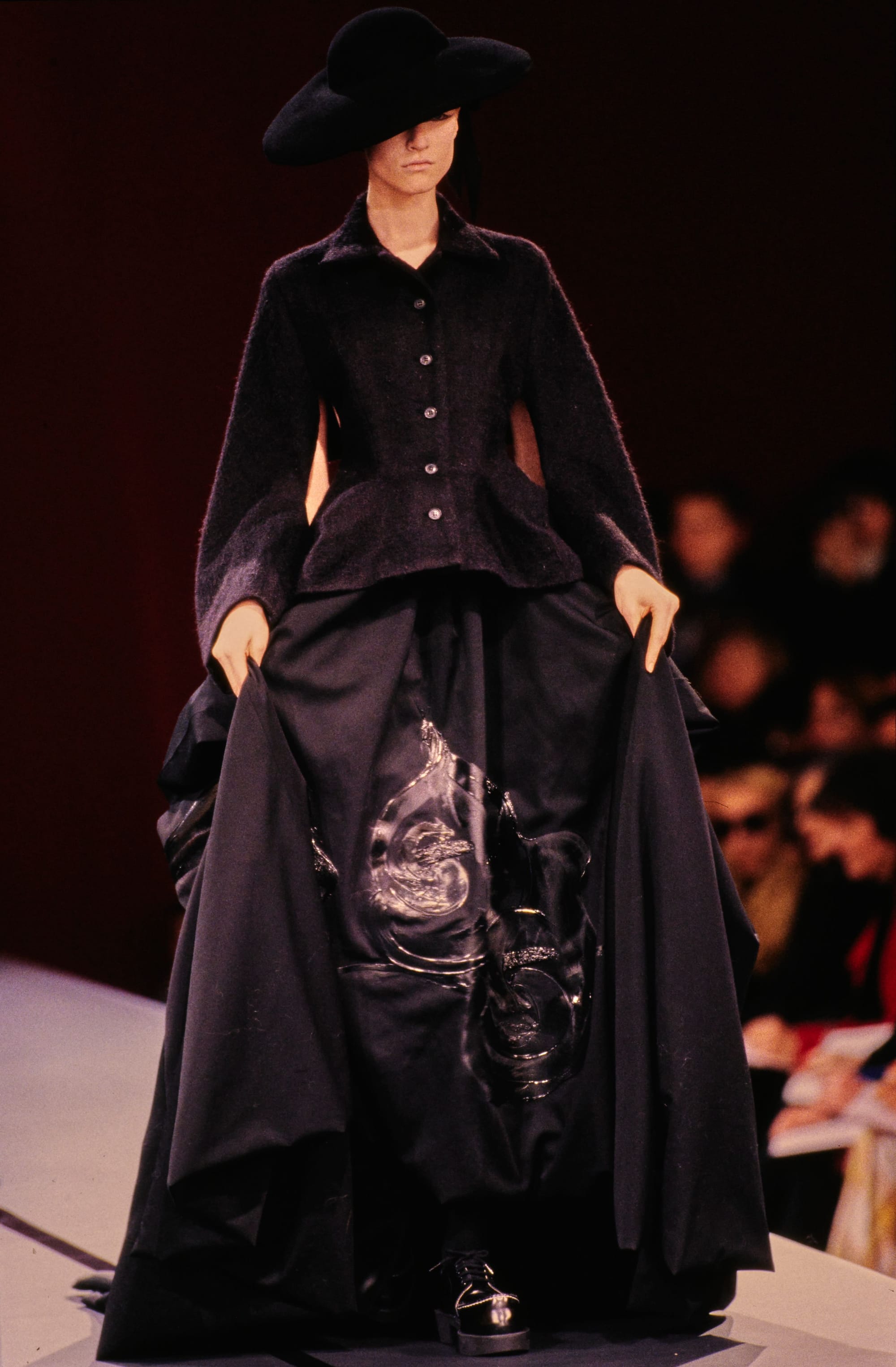
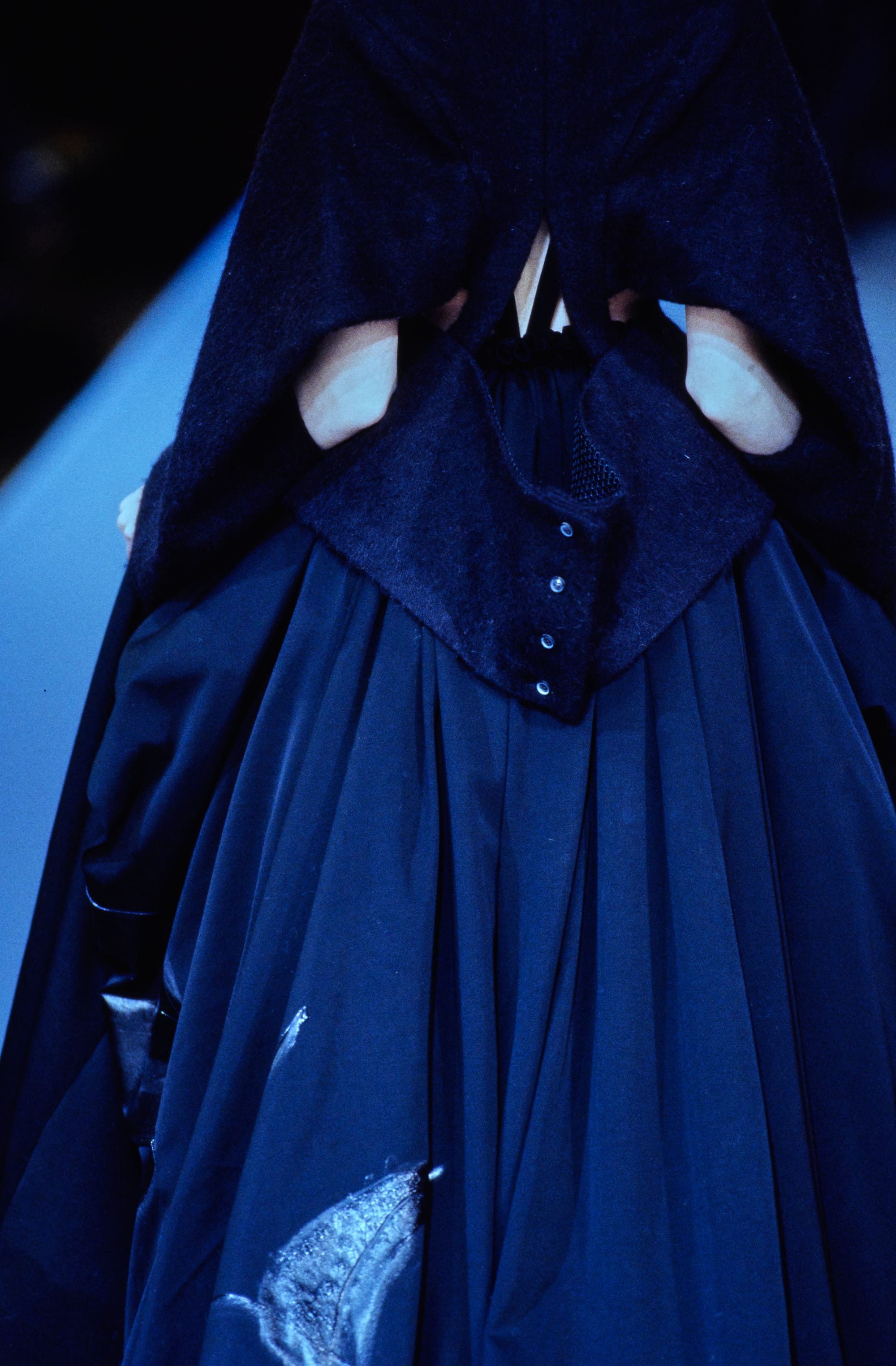
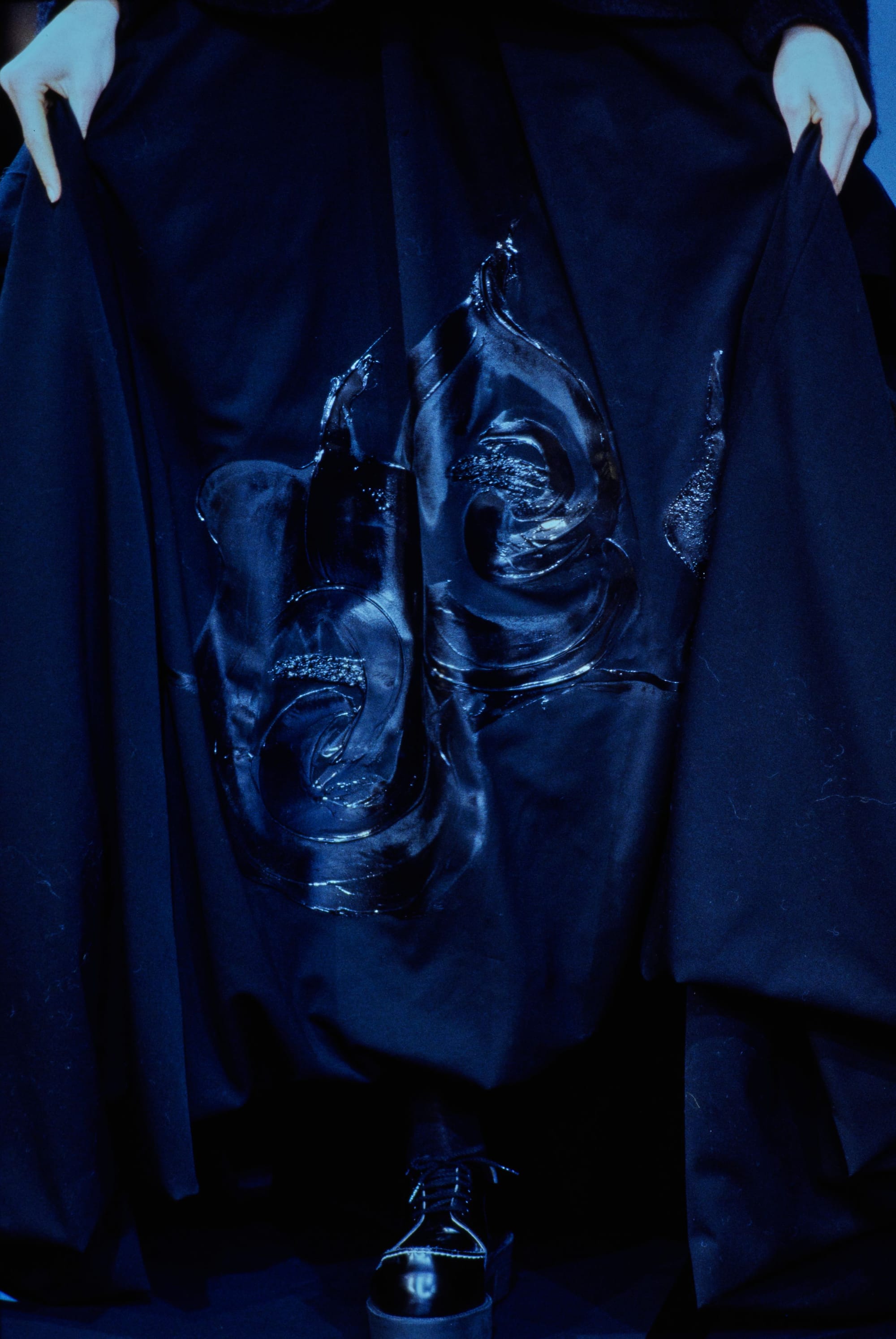
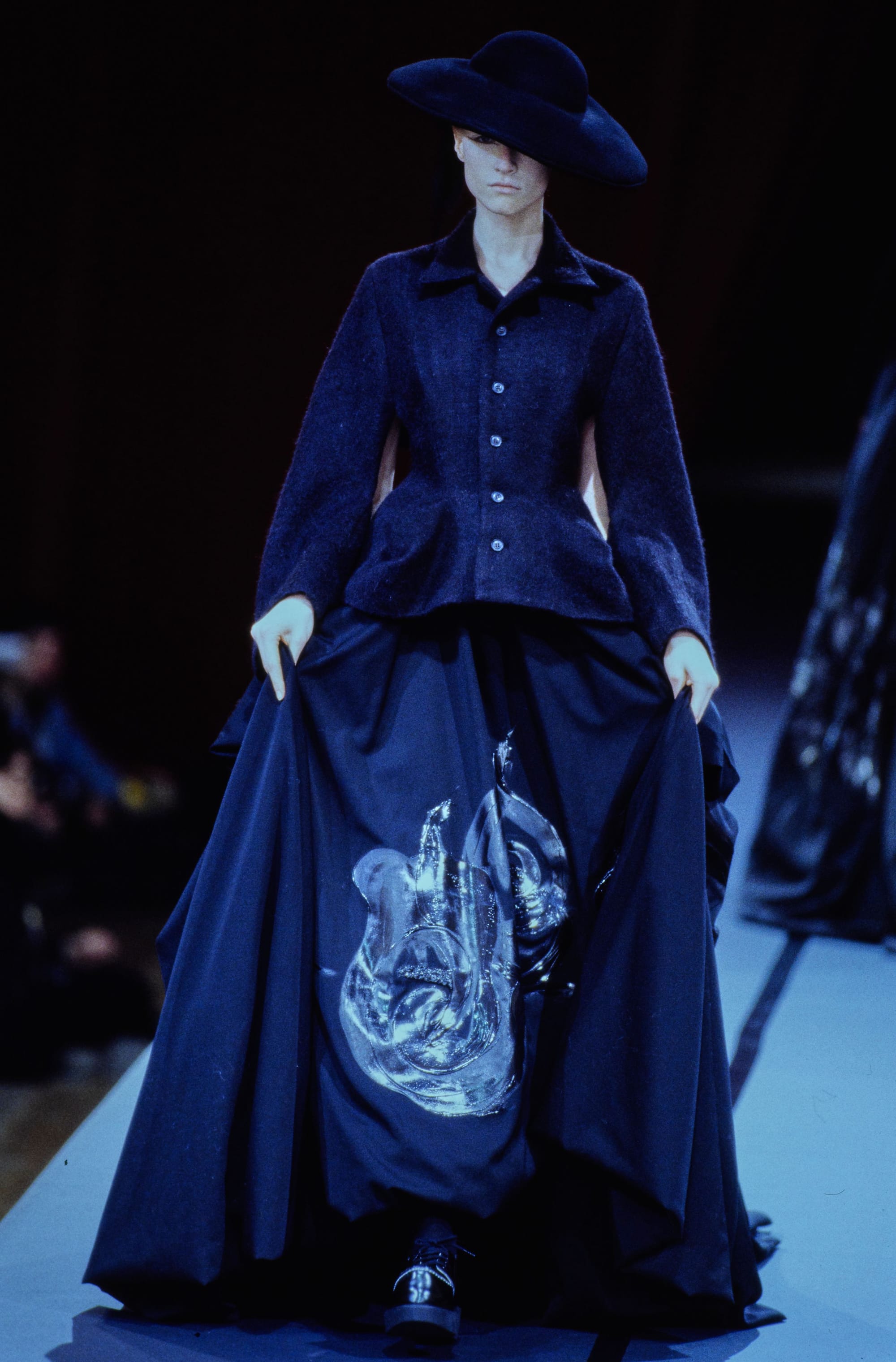
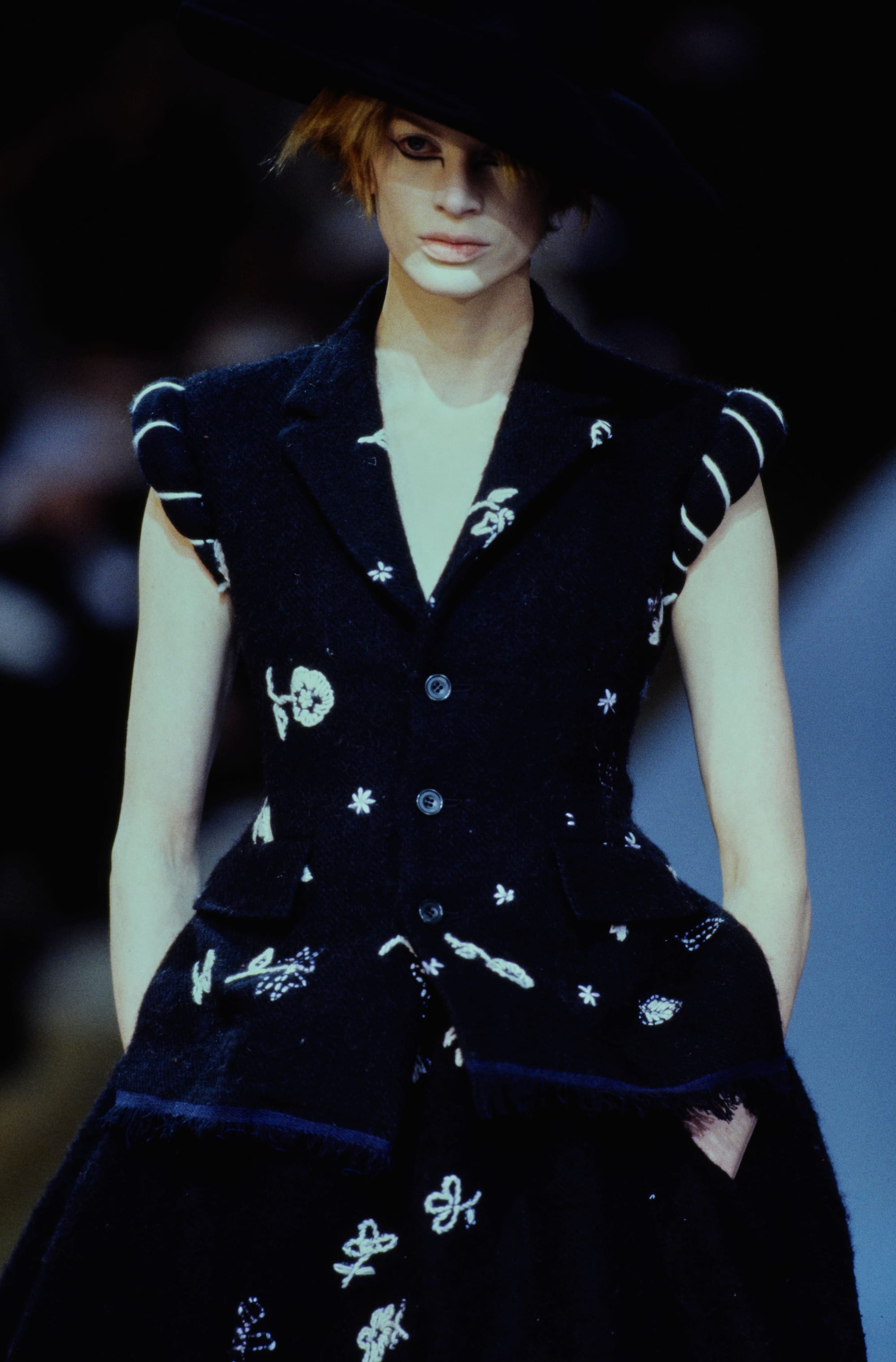
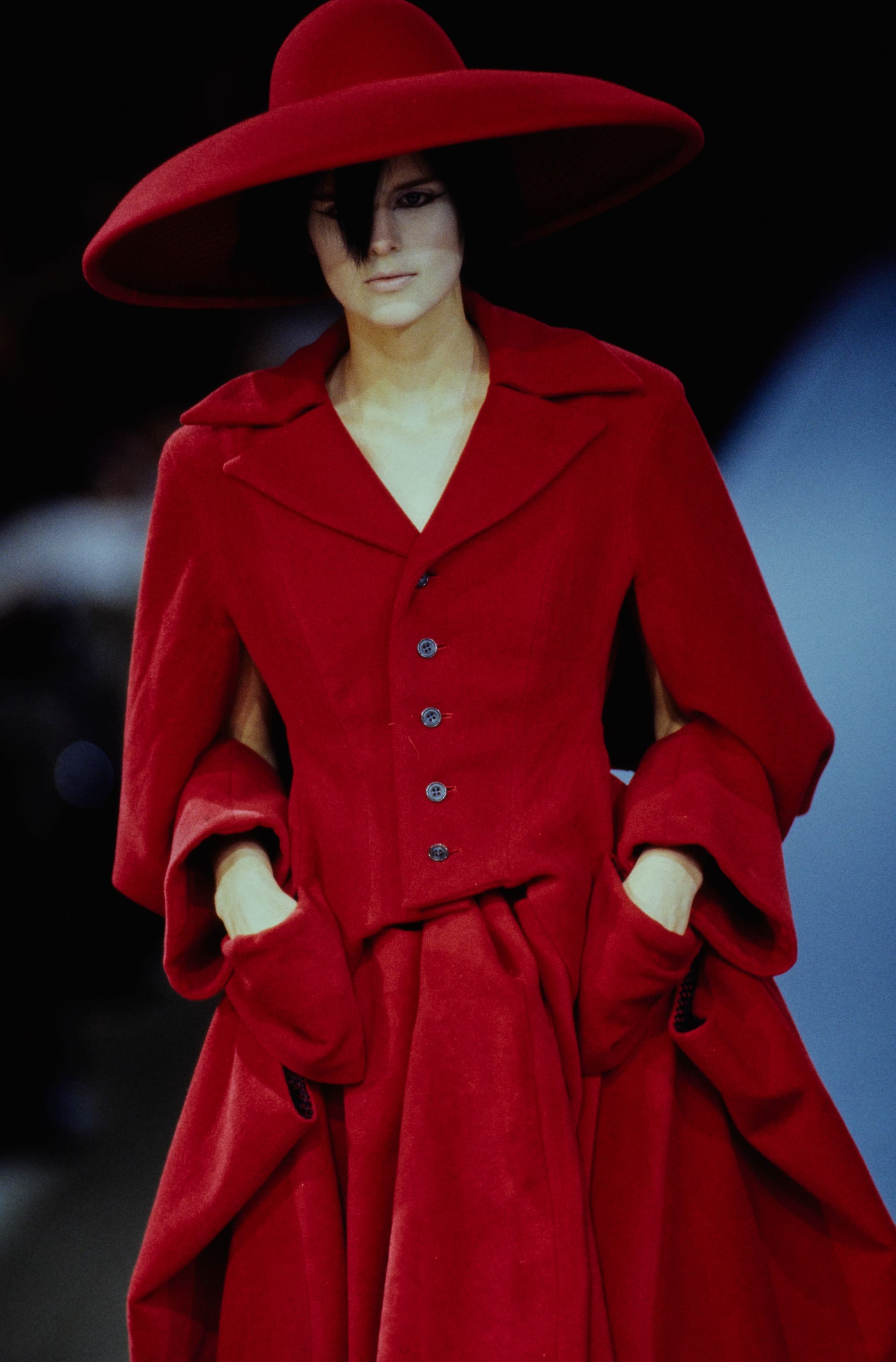
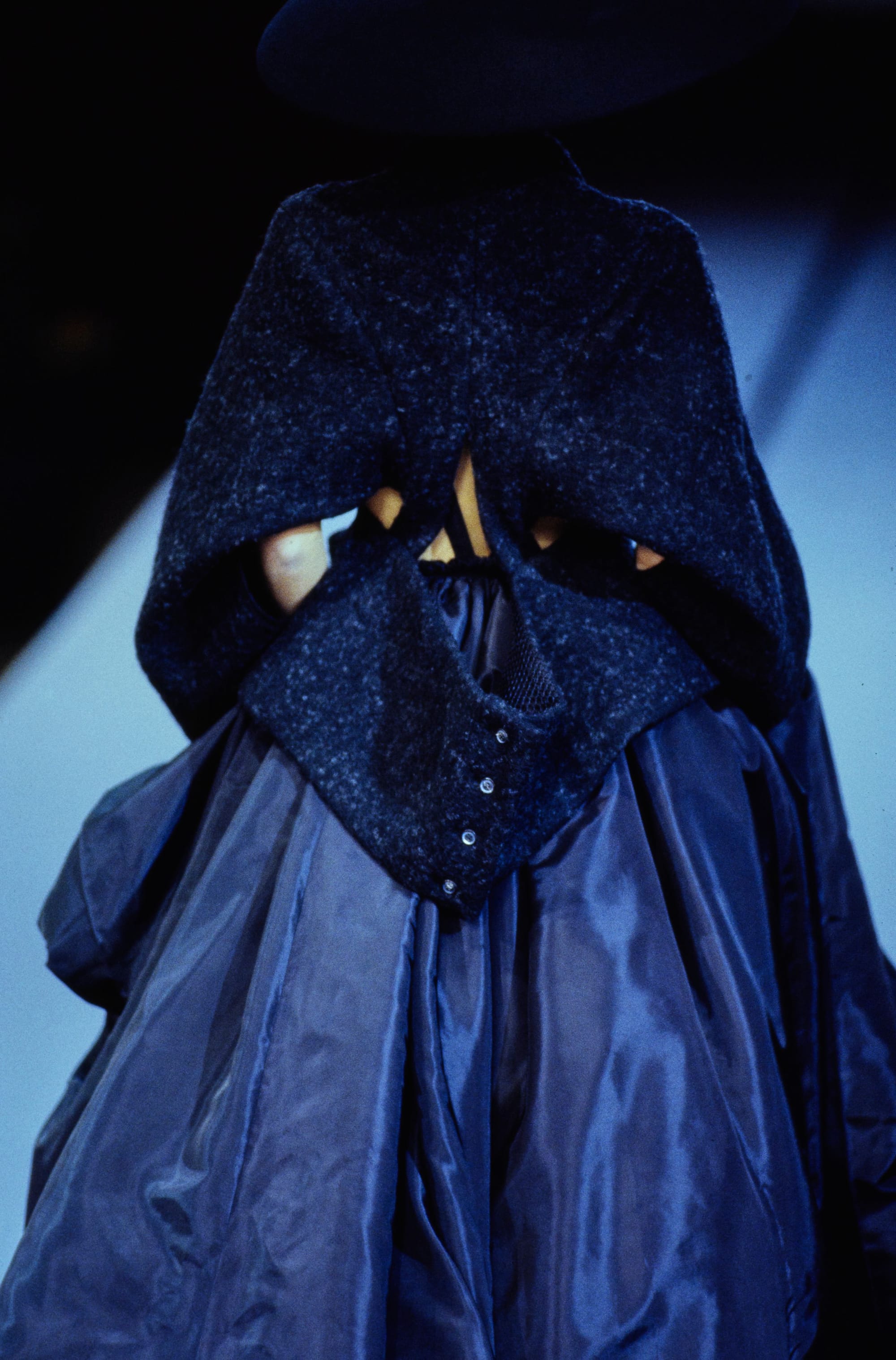
Yohji Yamamoto Fall 1995 Ready-to-Wear
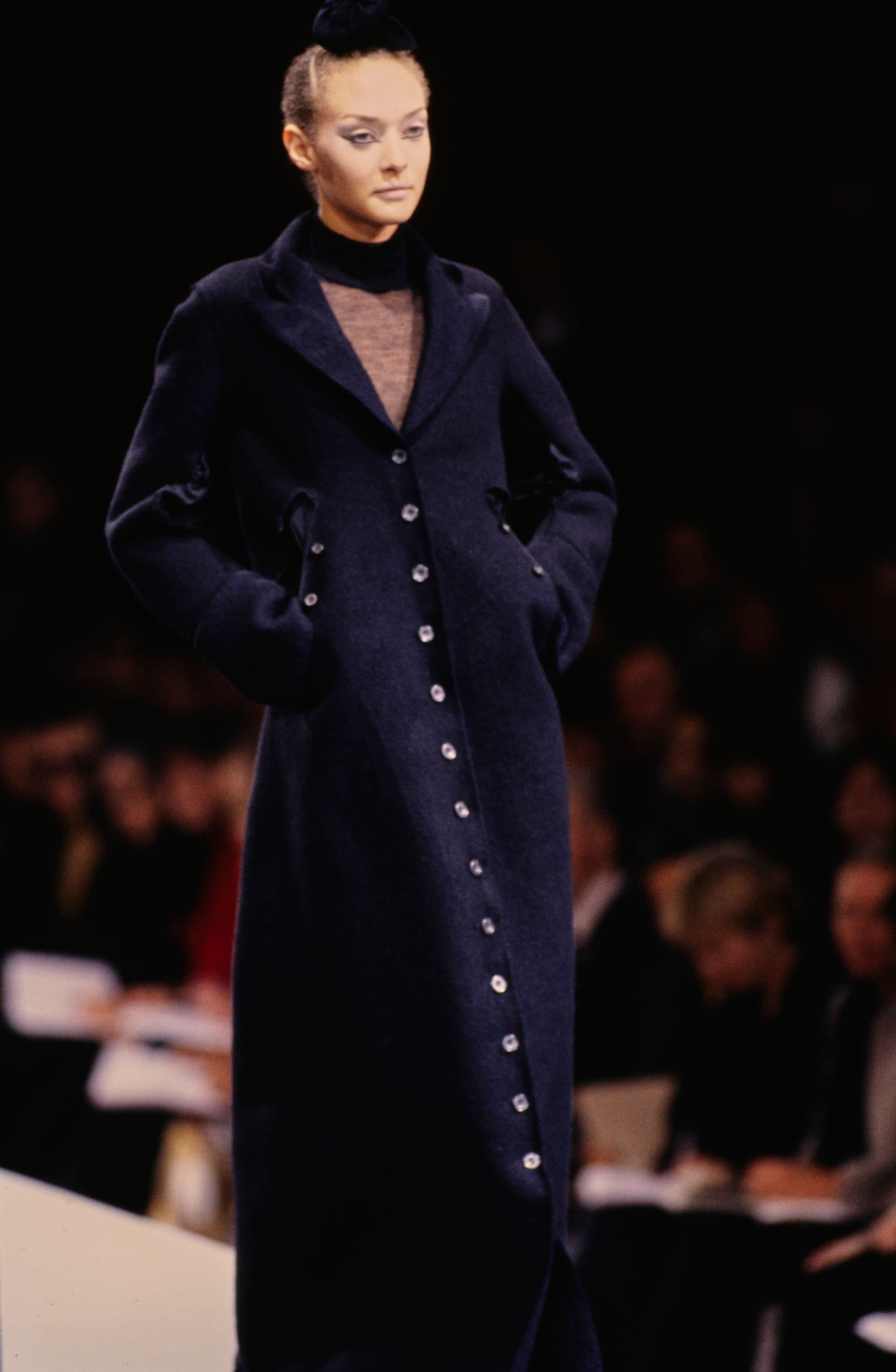
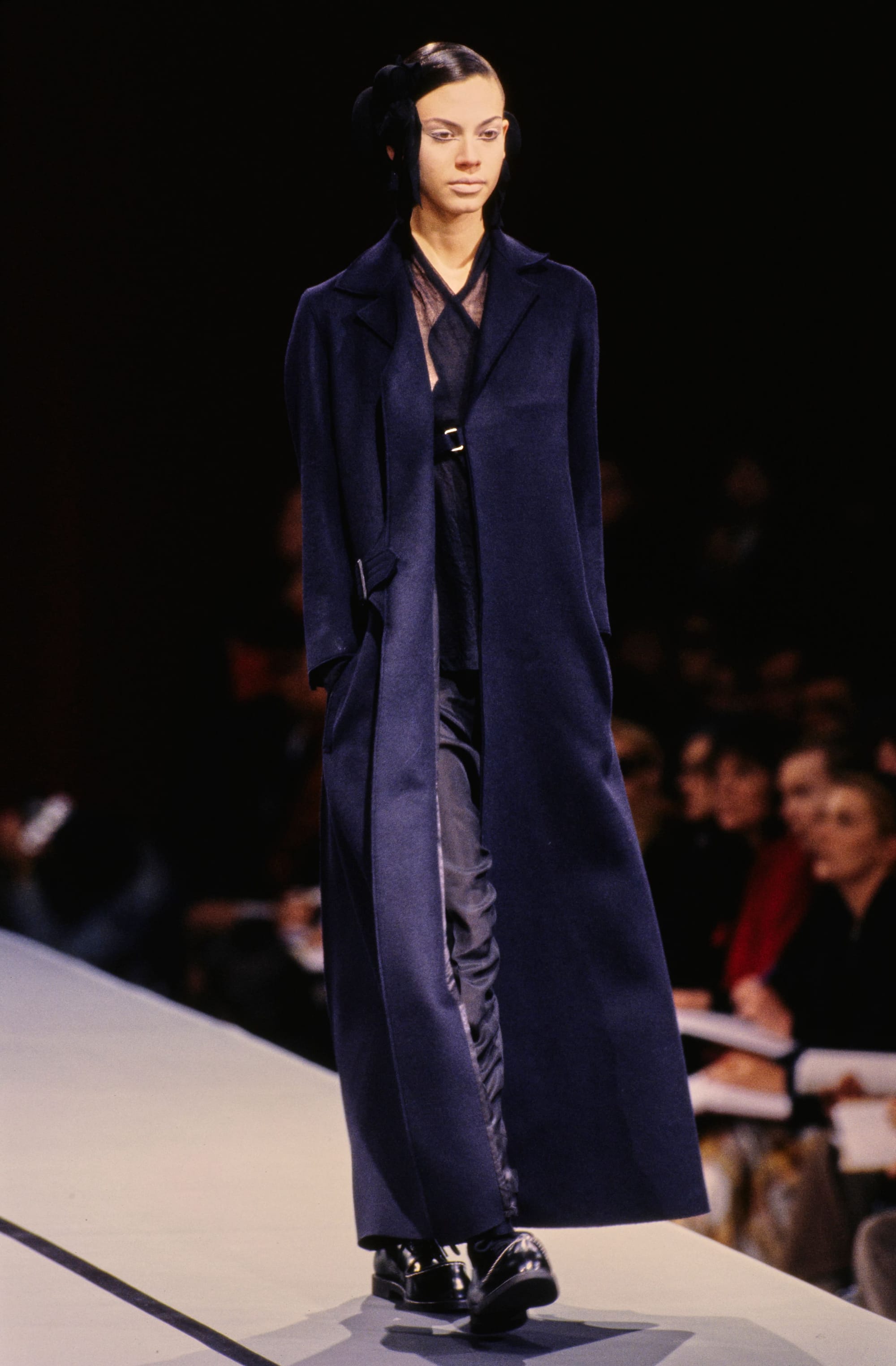
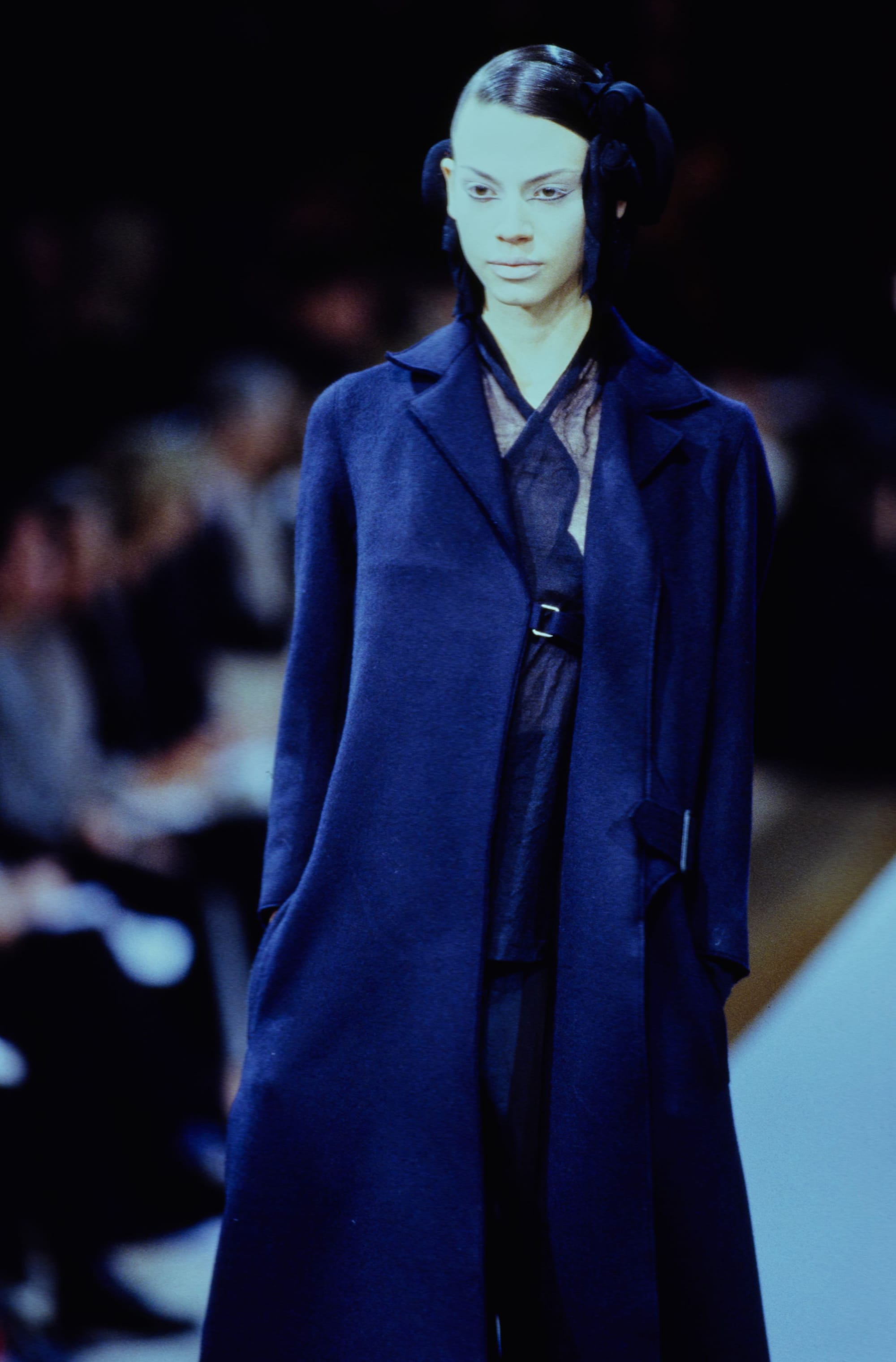
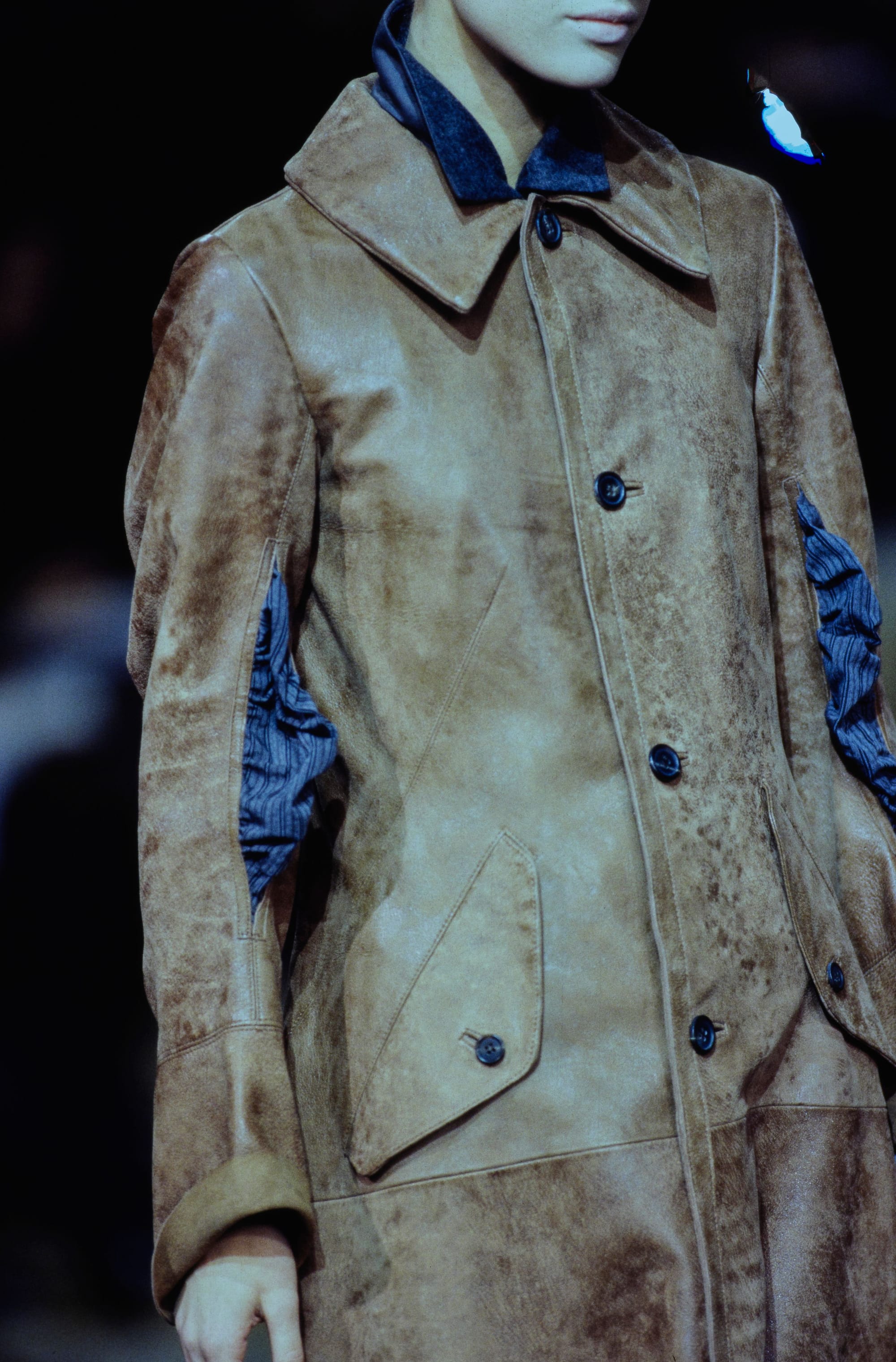
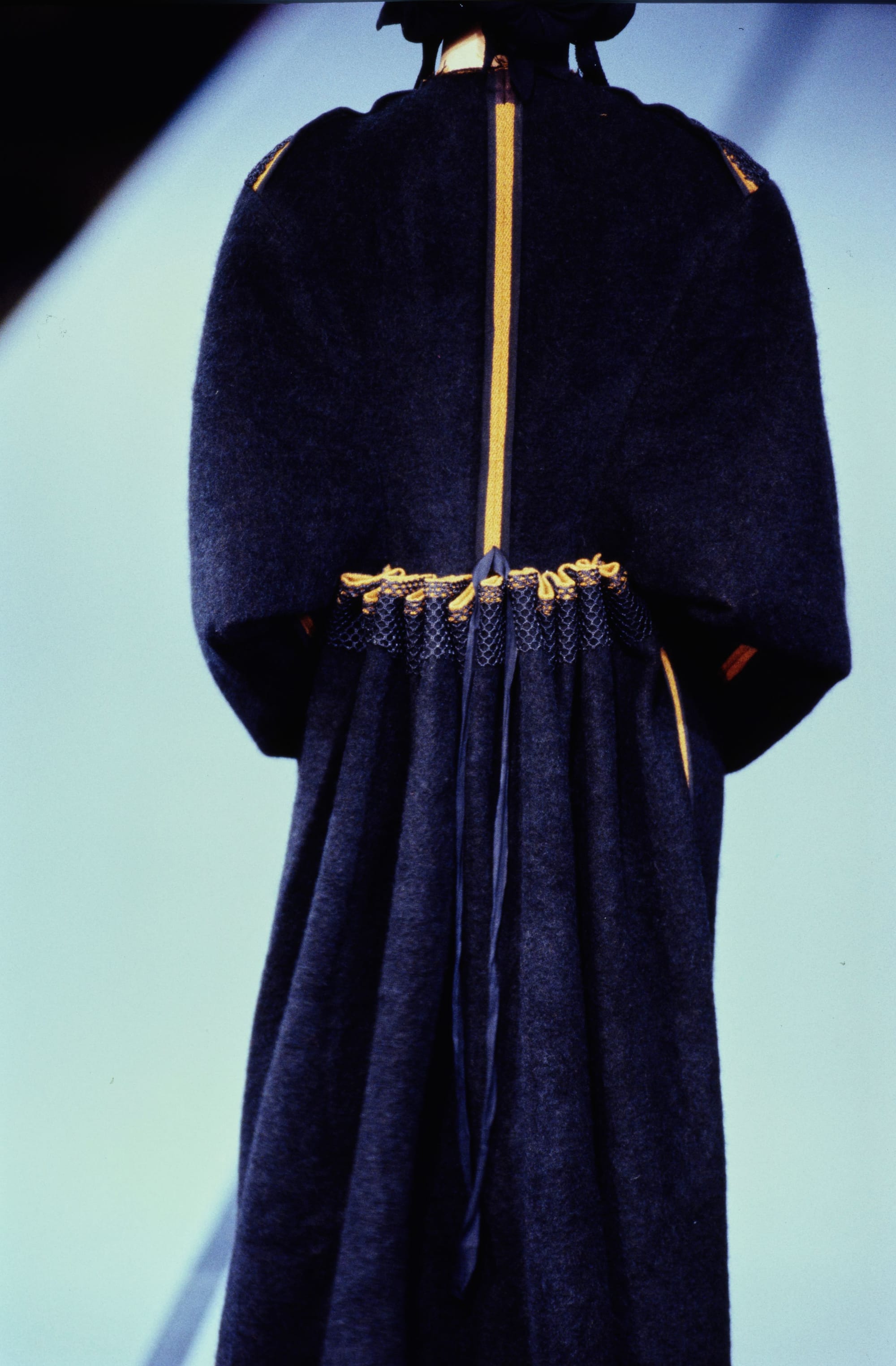
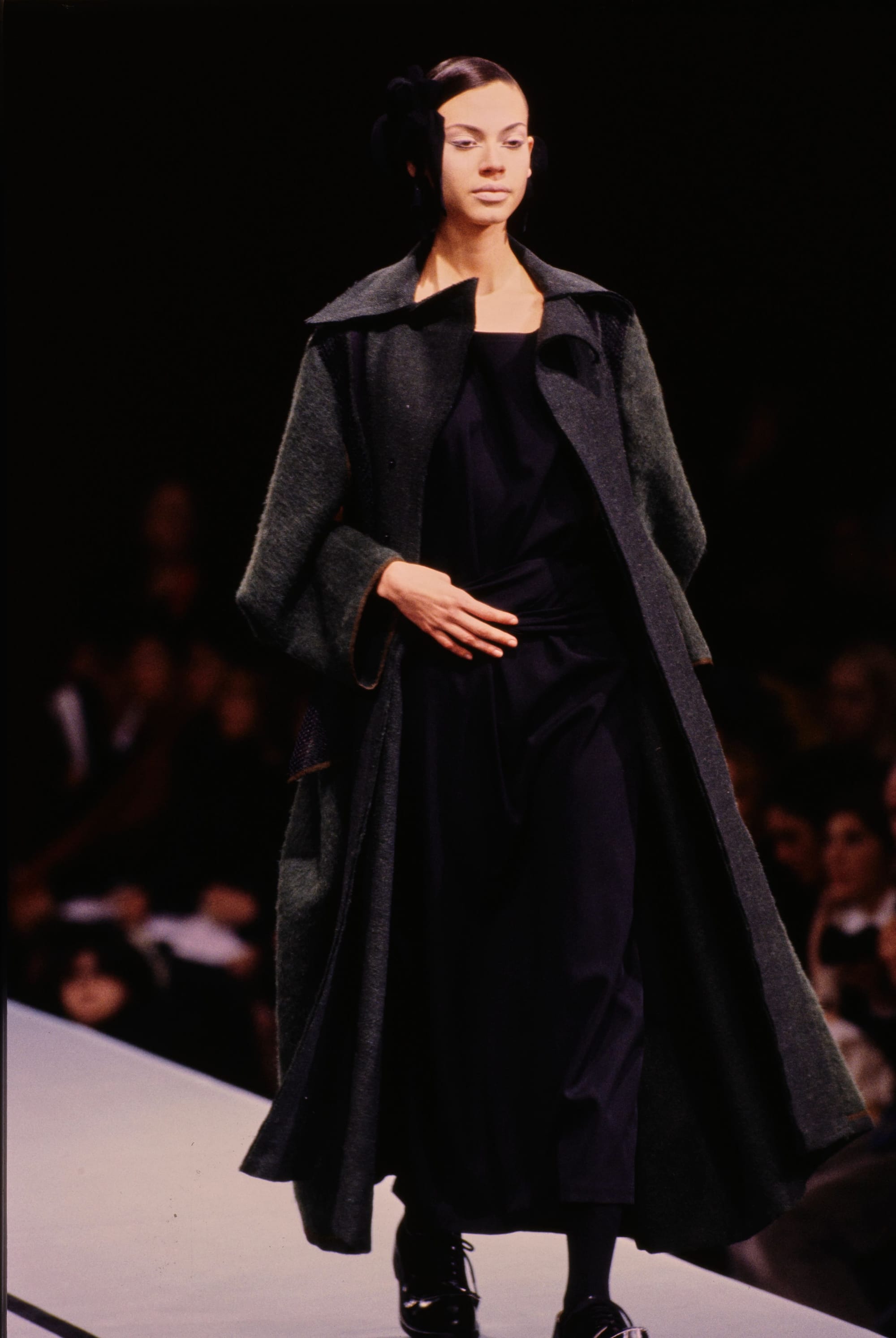
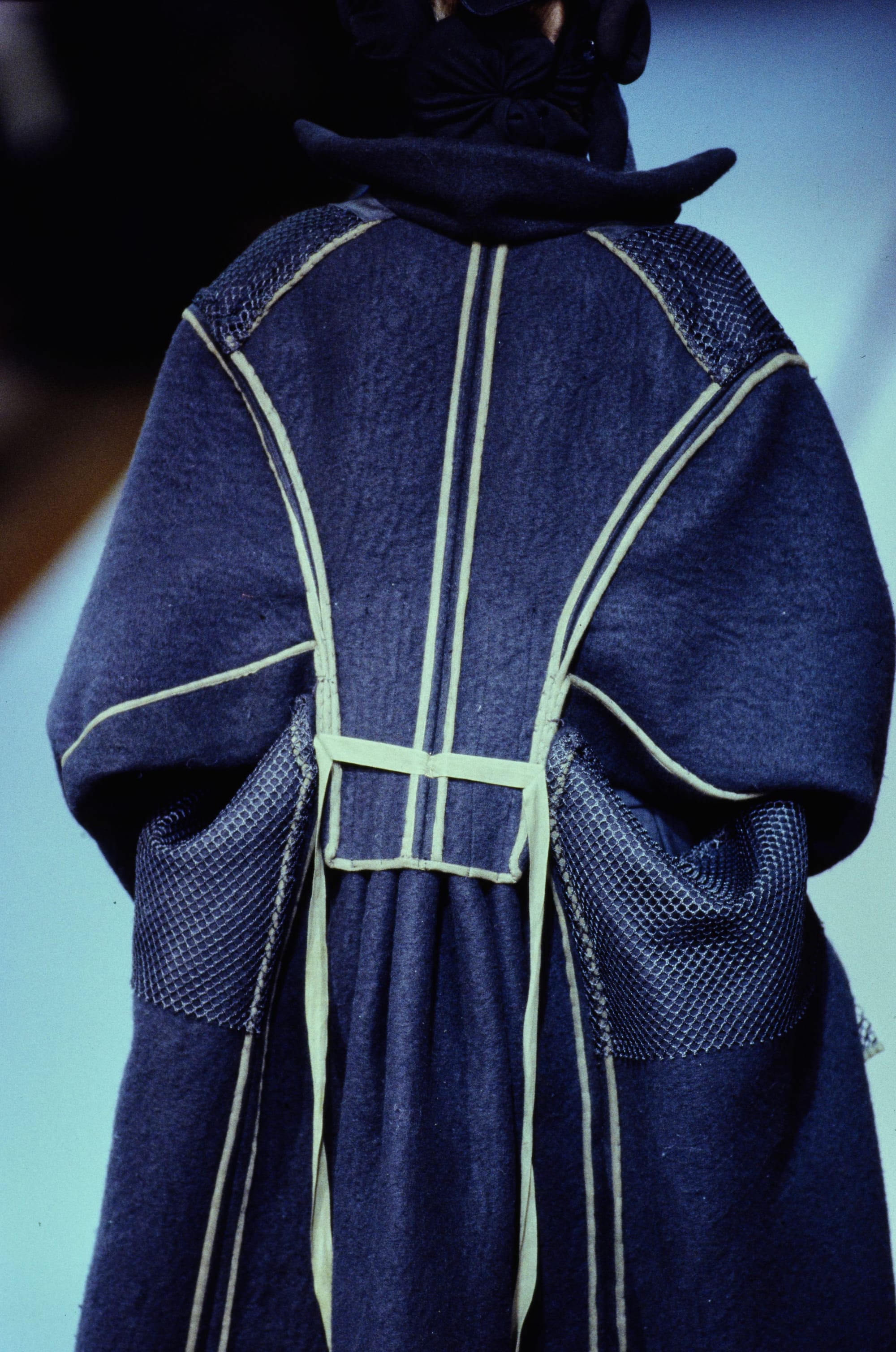
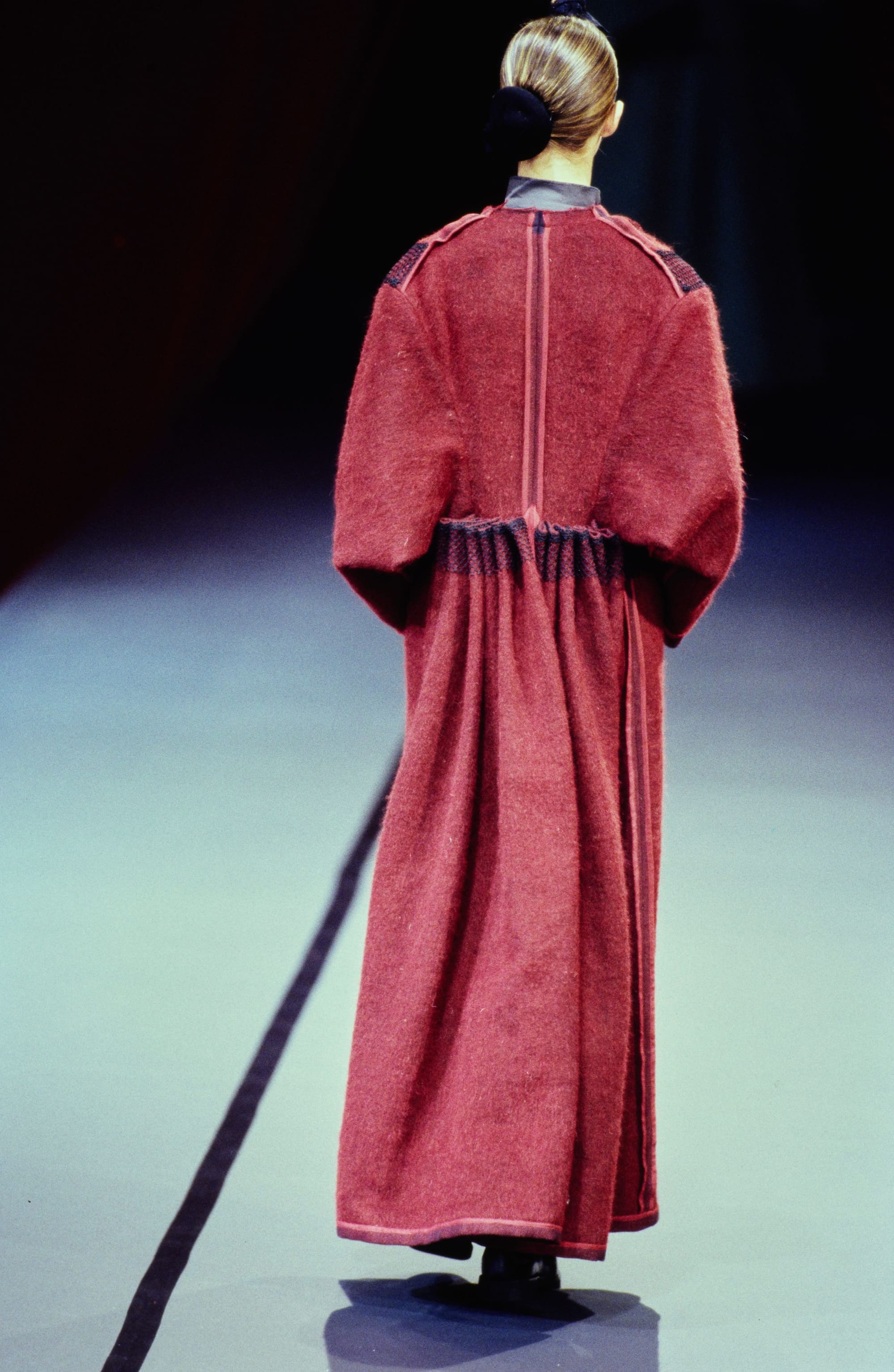
Yohji Yamamoto’s Fall 1995 ready-to-wear show was presented in Paris on March 16, 1995. The images trace layered tailoring, openwork textures, chunky knits, wide-brimmed hats, and sculptural backs.




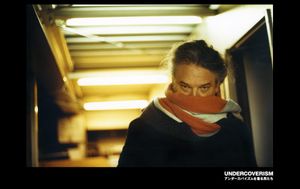
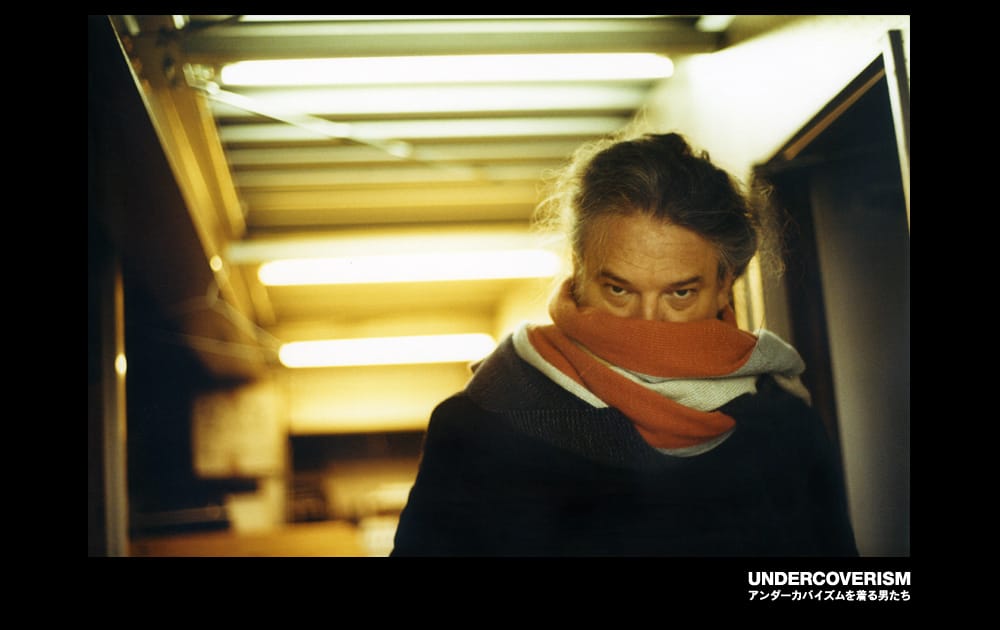
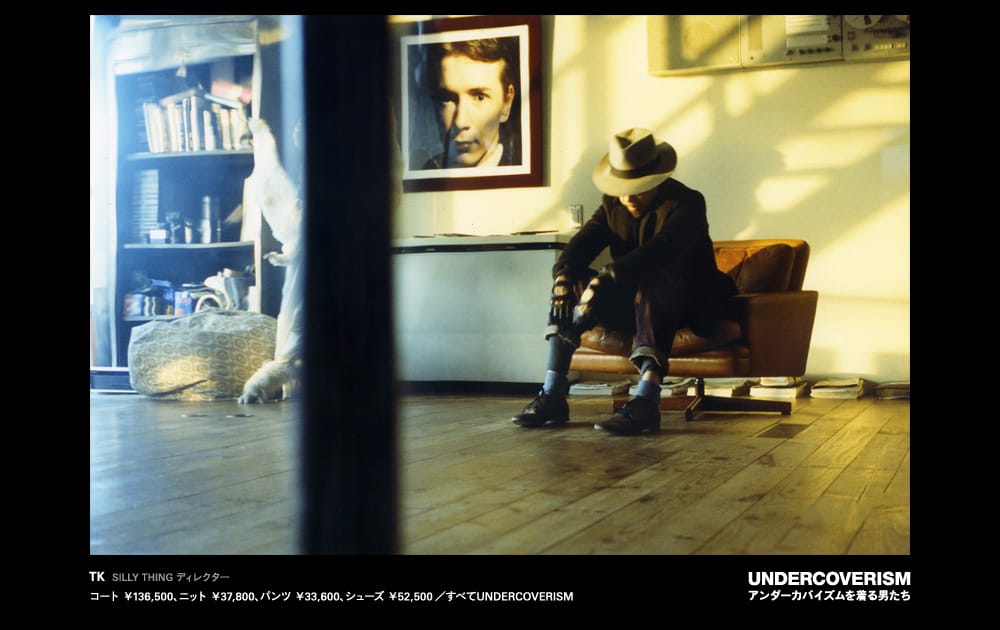
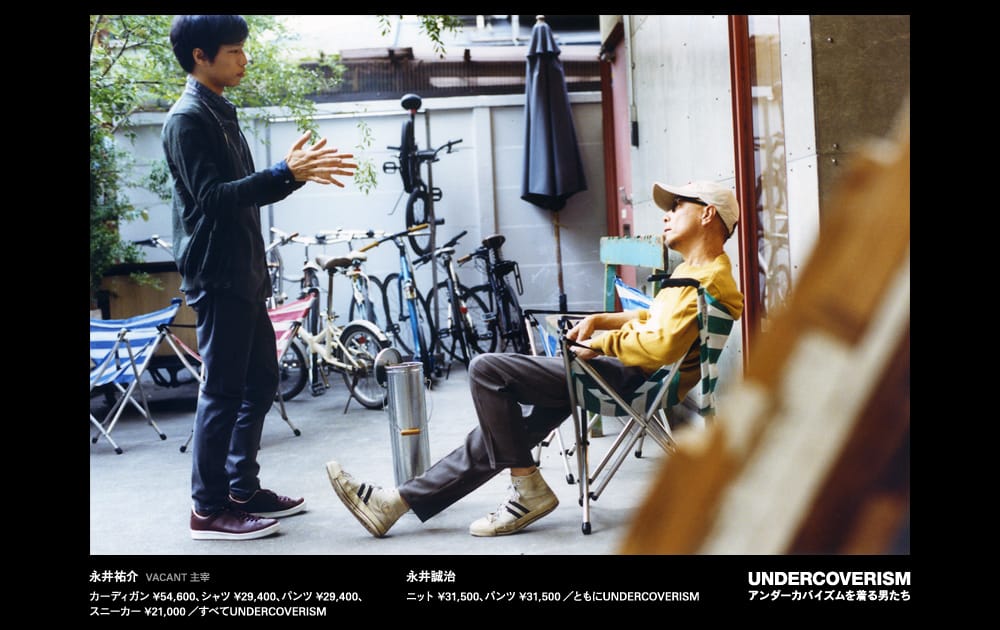
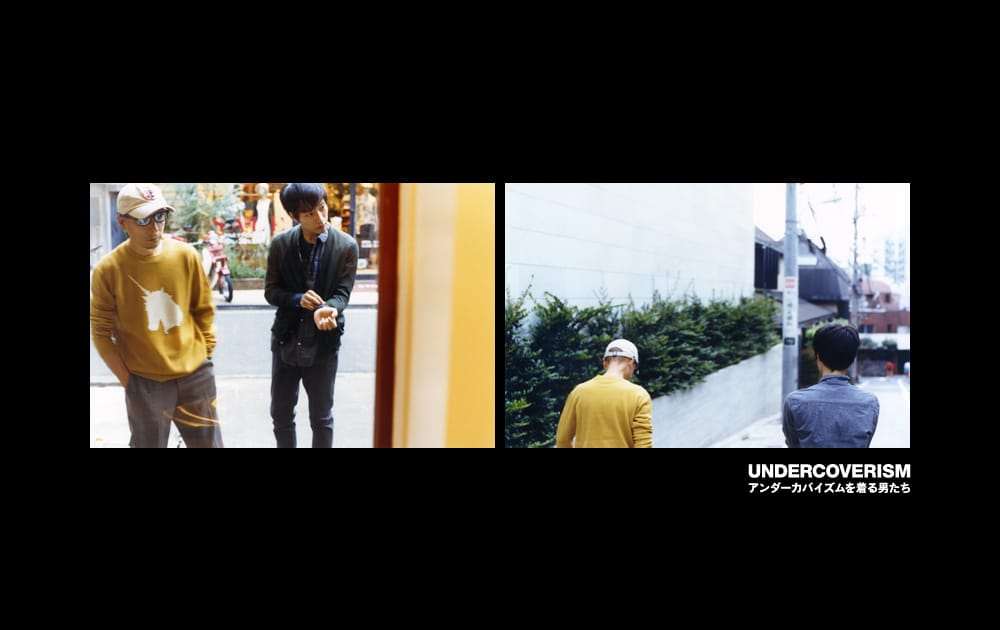
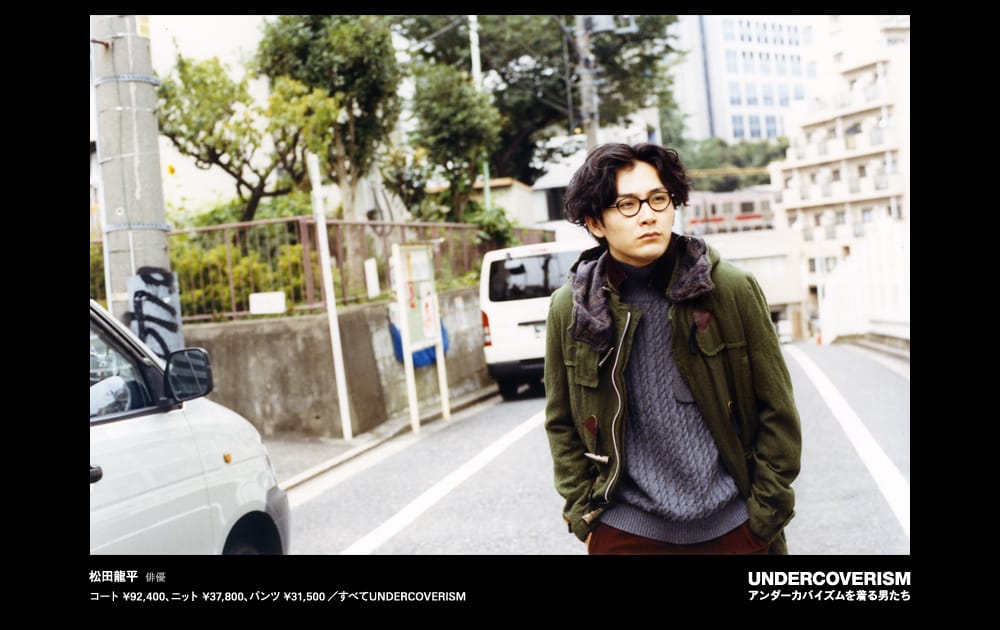
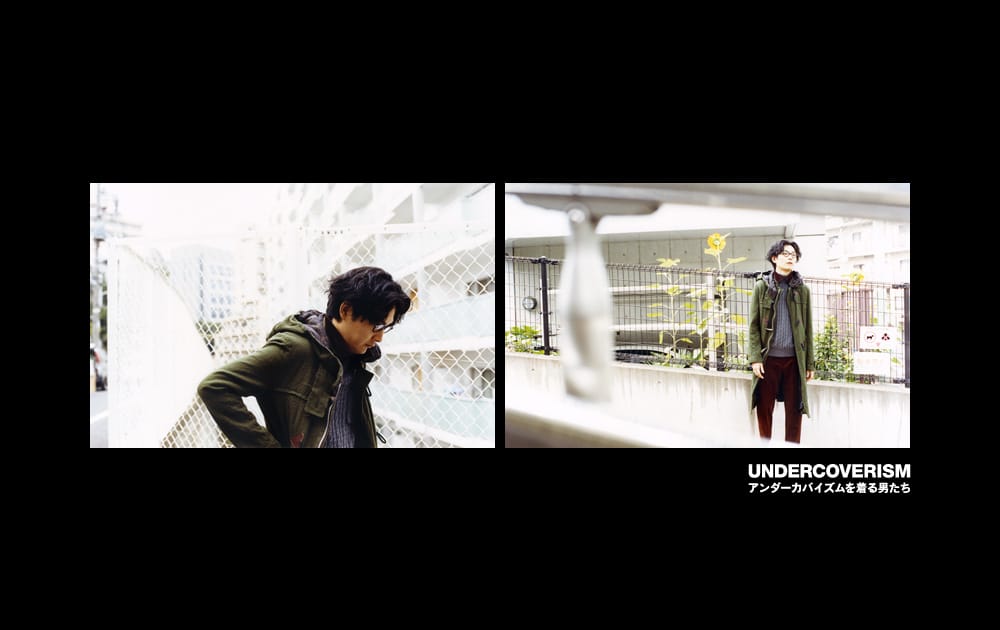
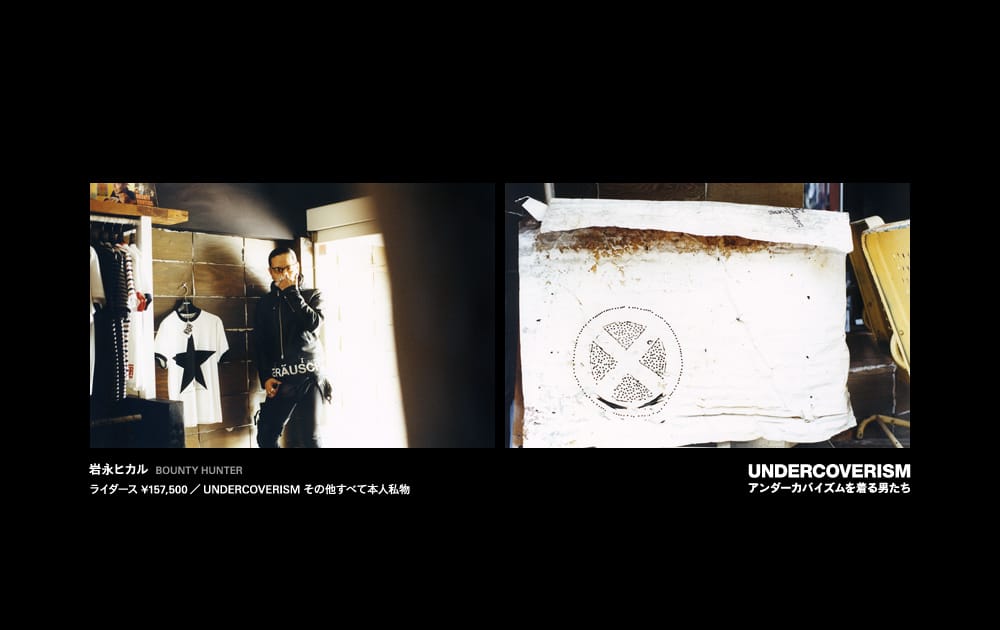
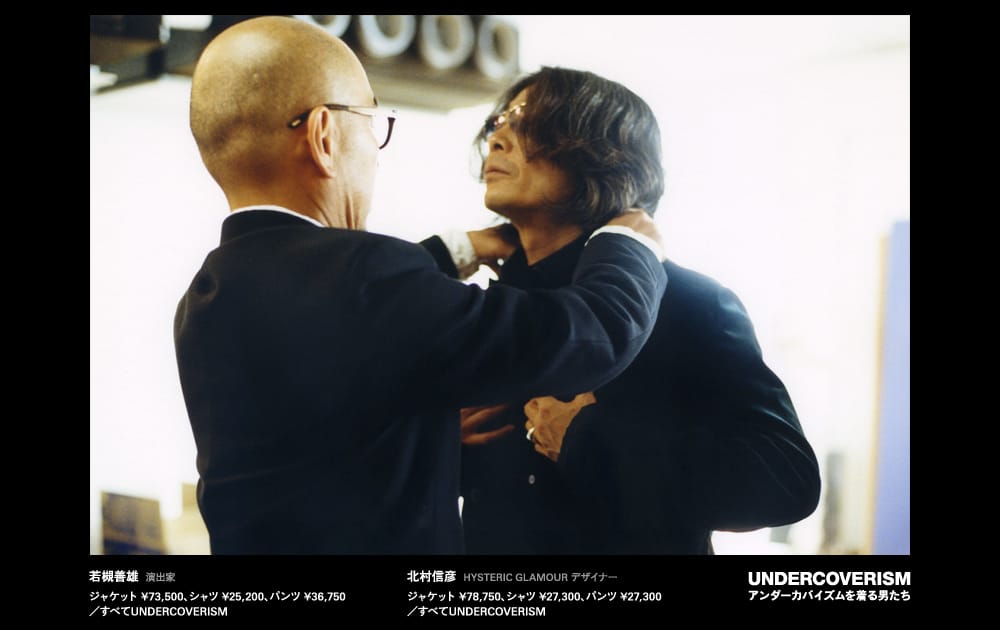
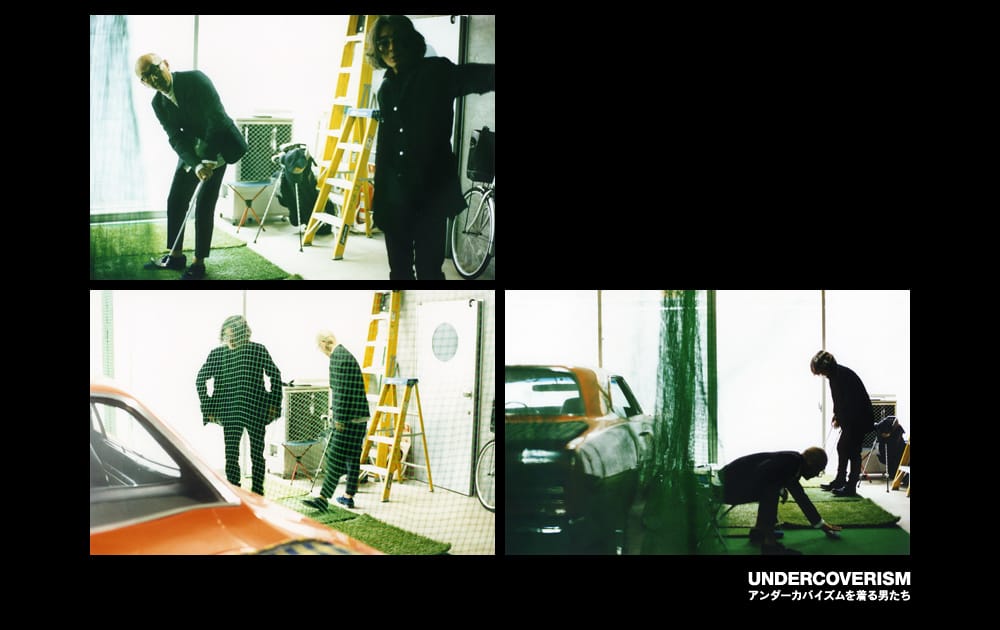
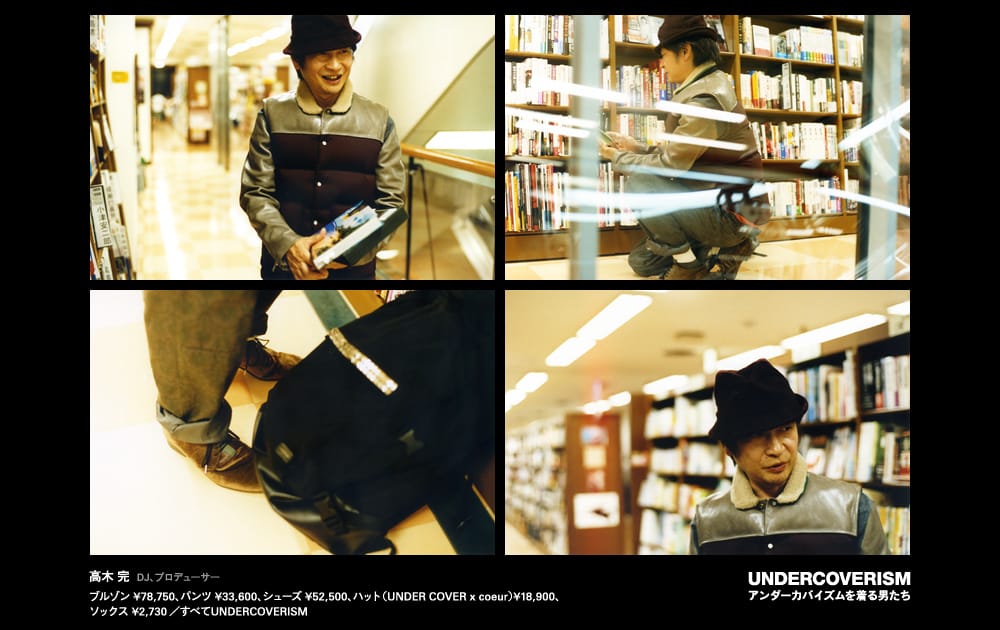
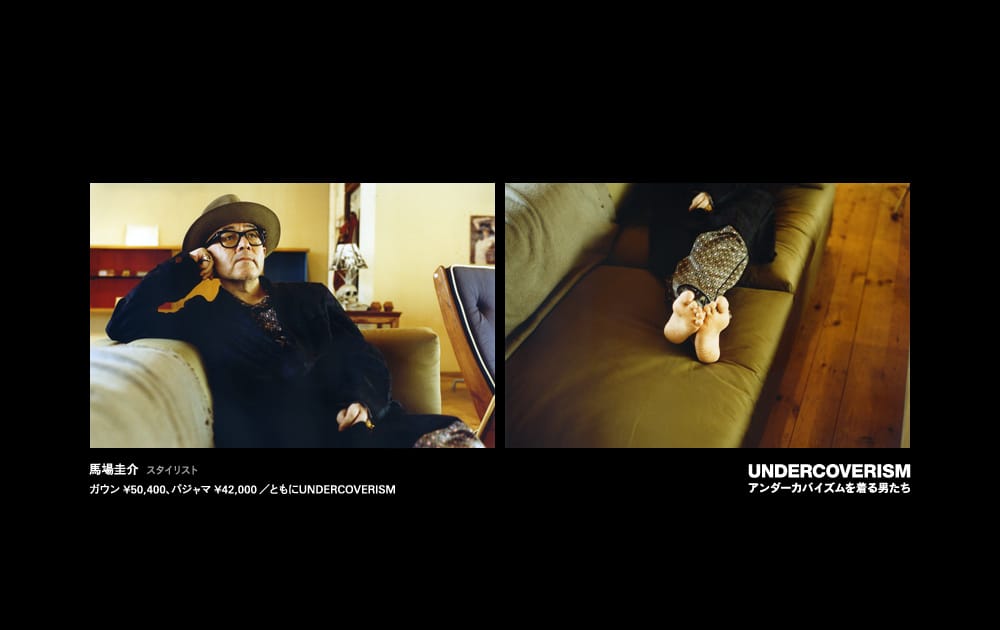
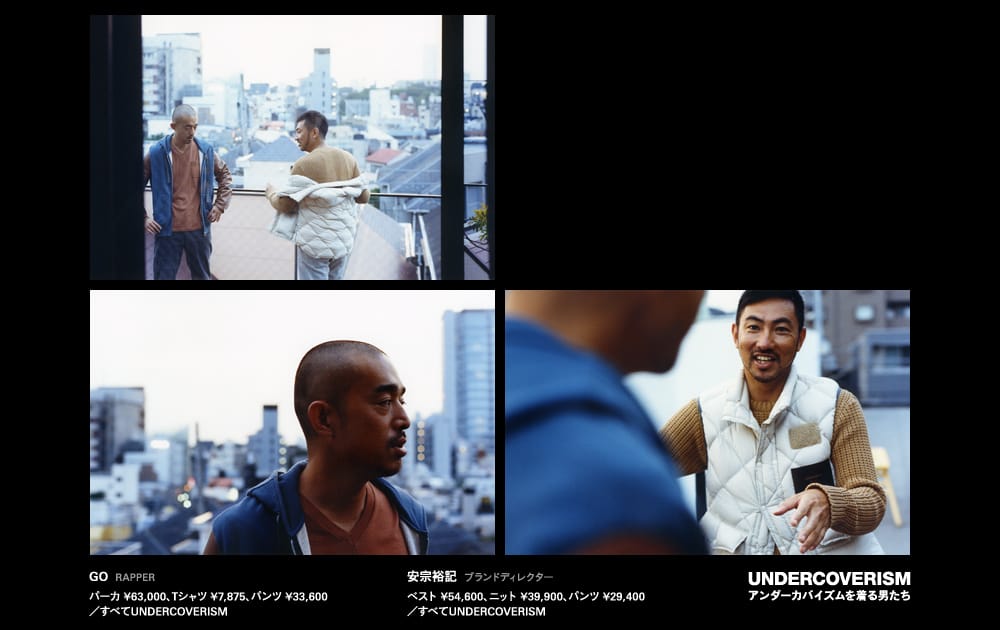
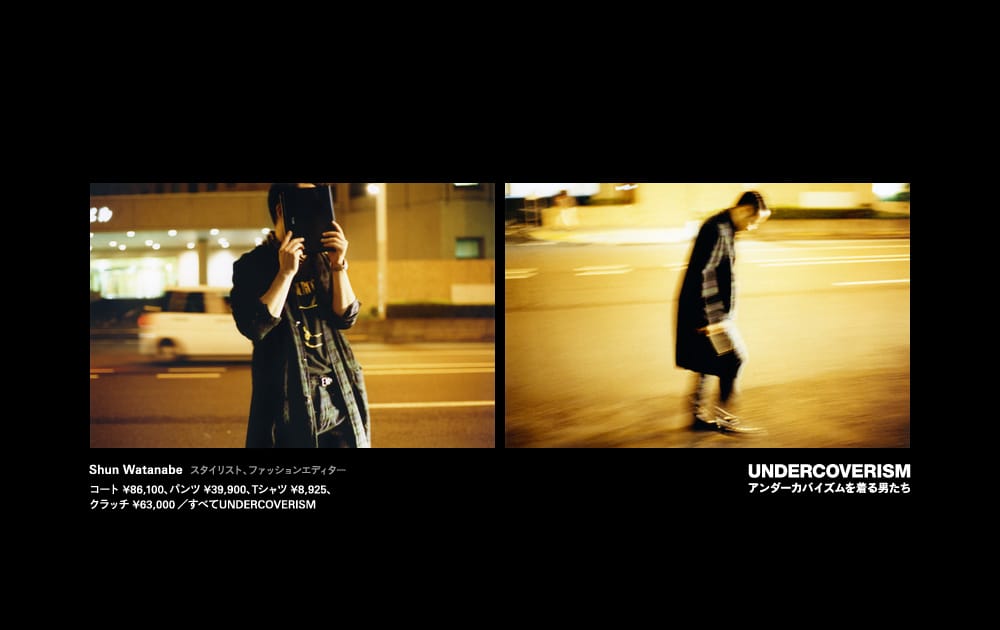
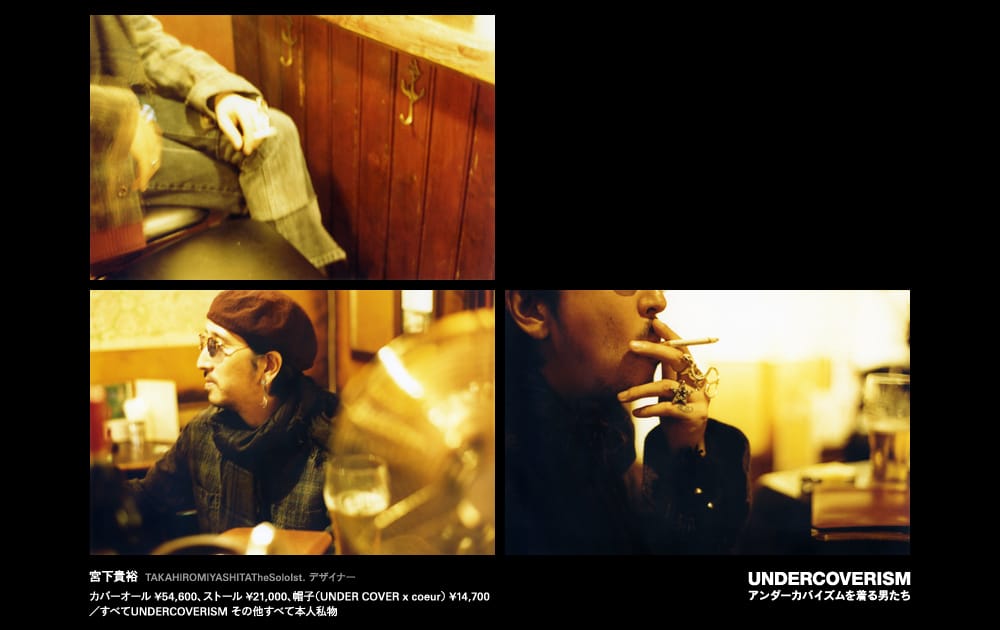
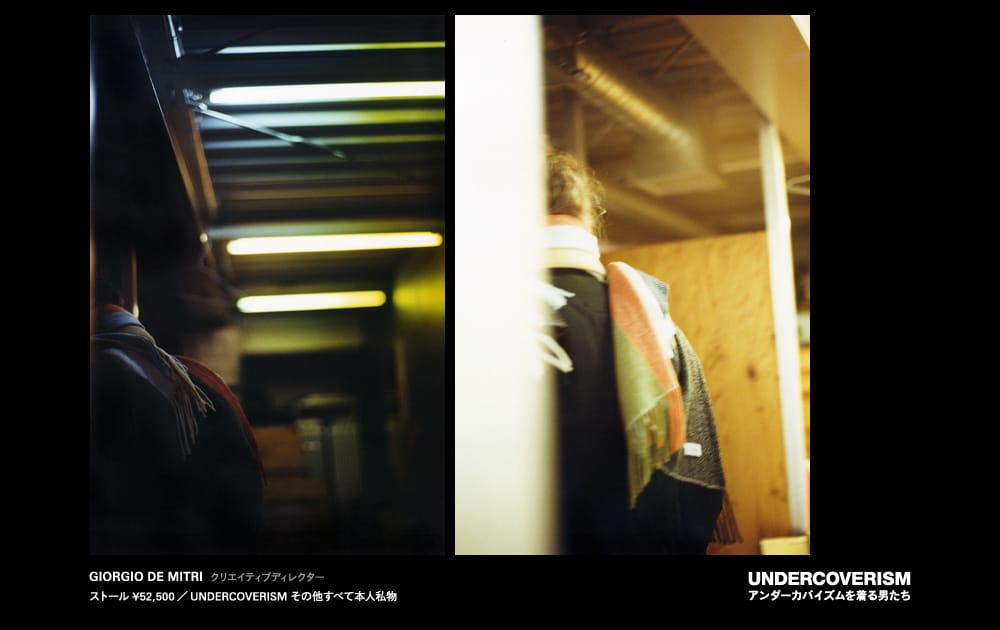
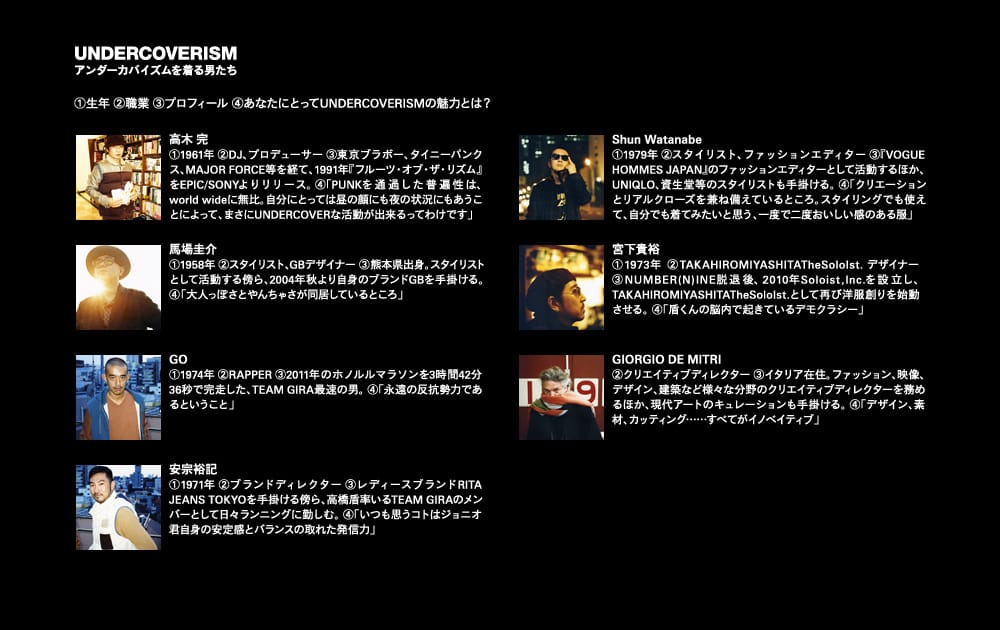
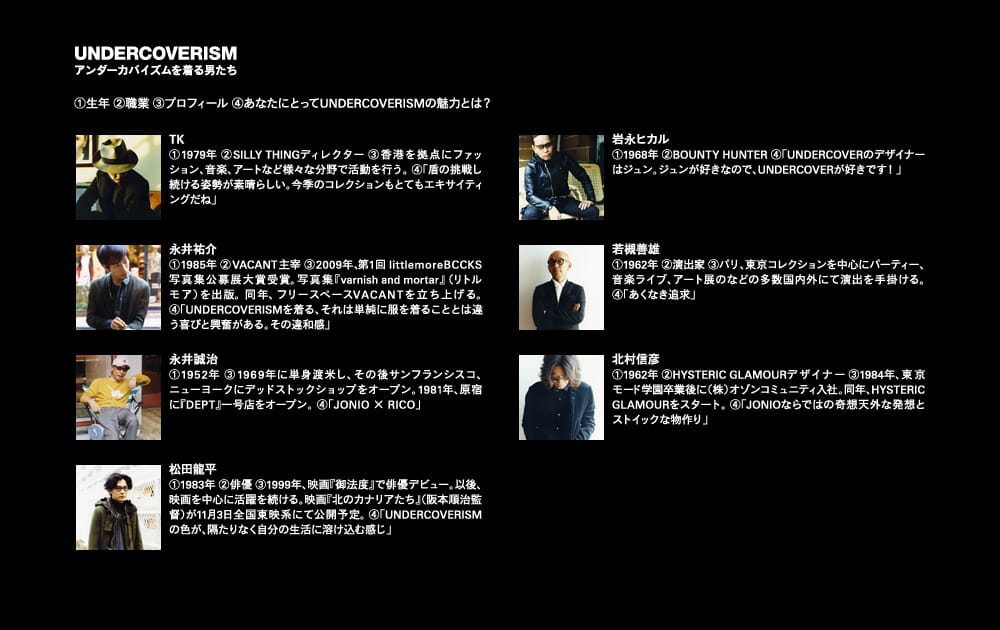
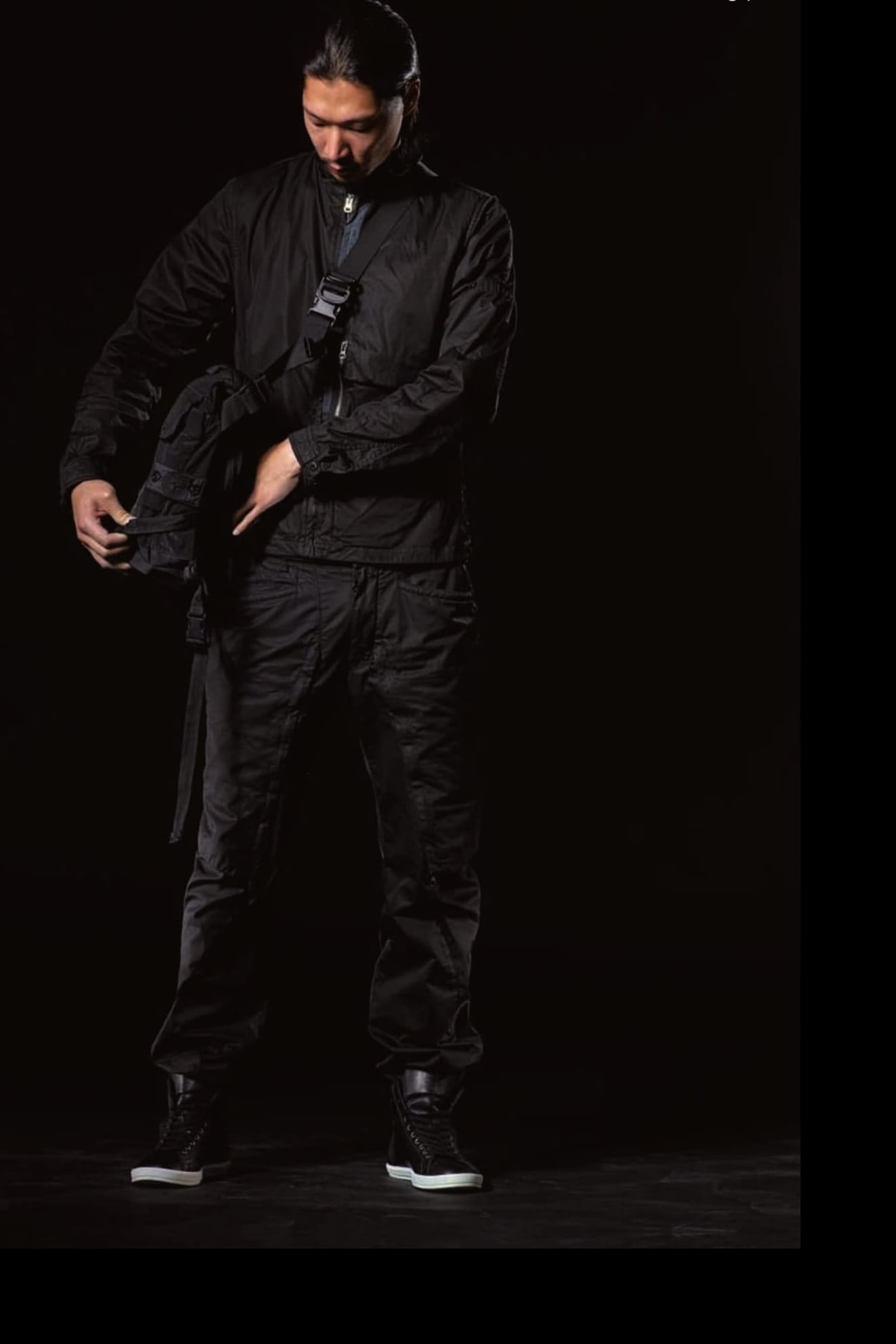
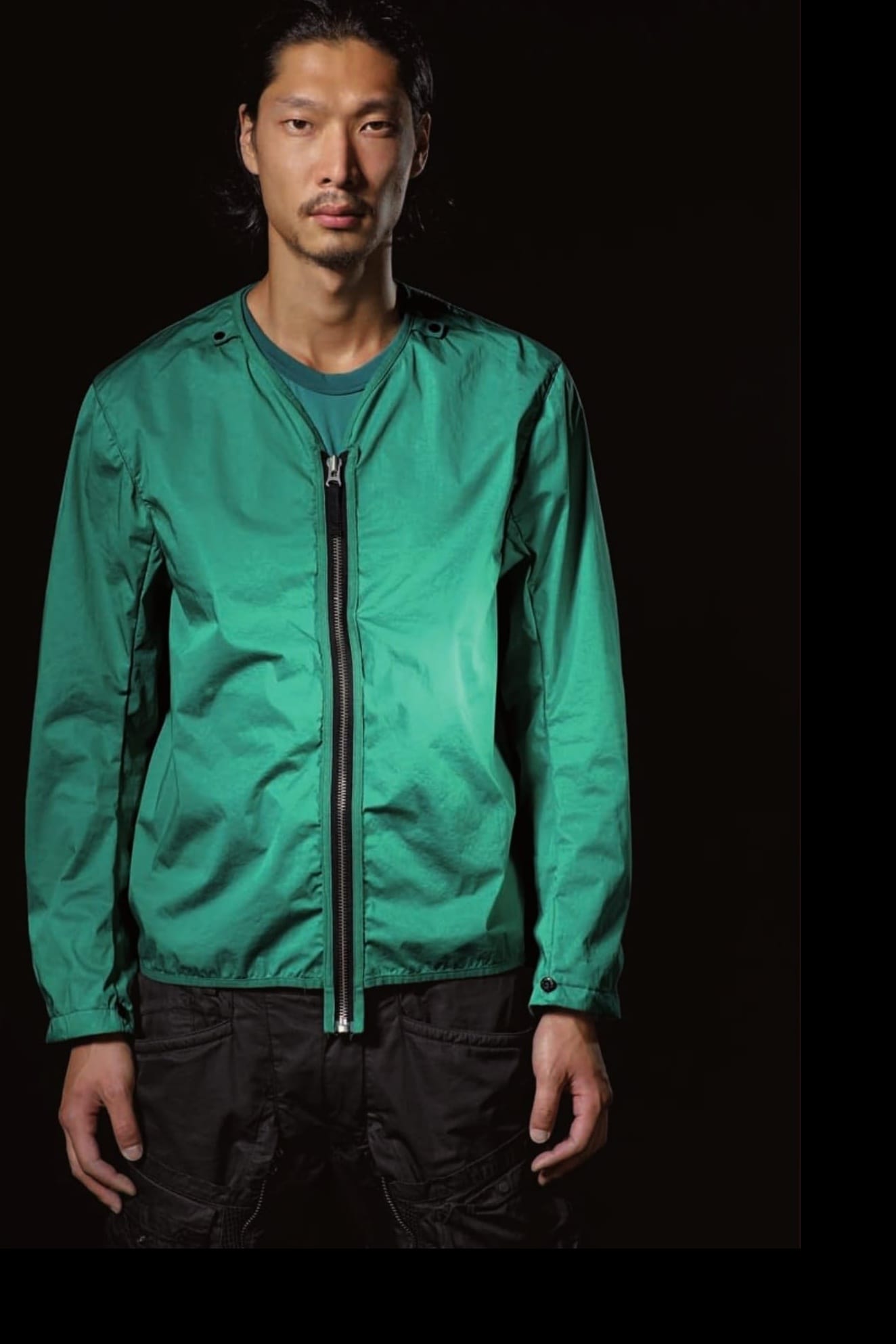
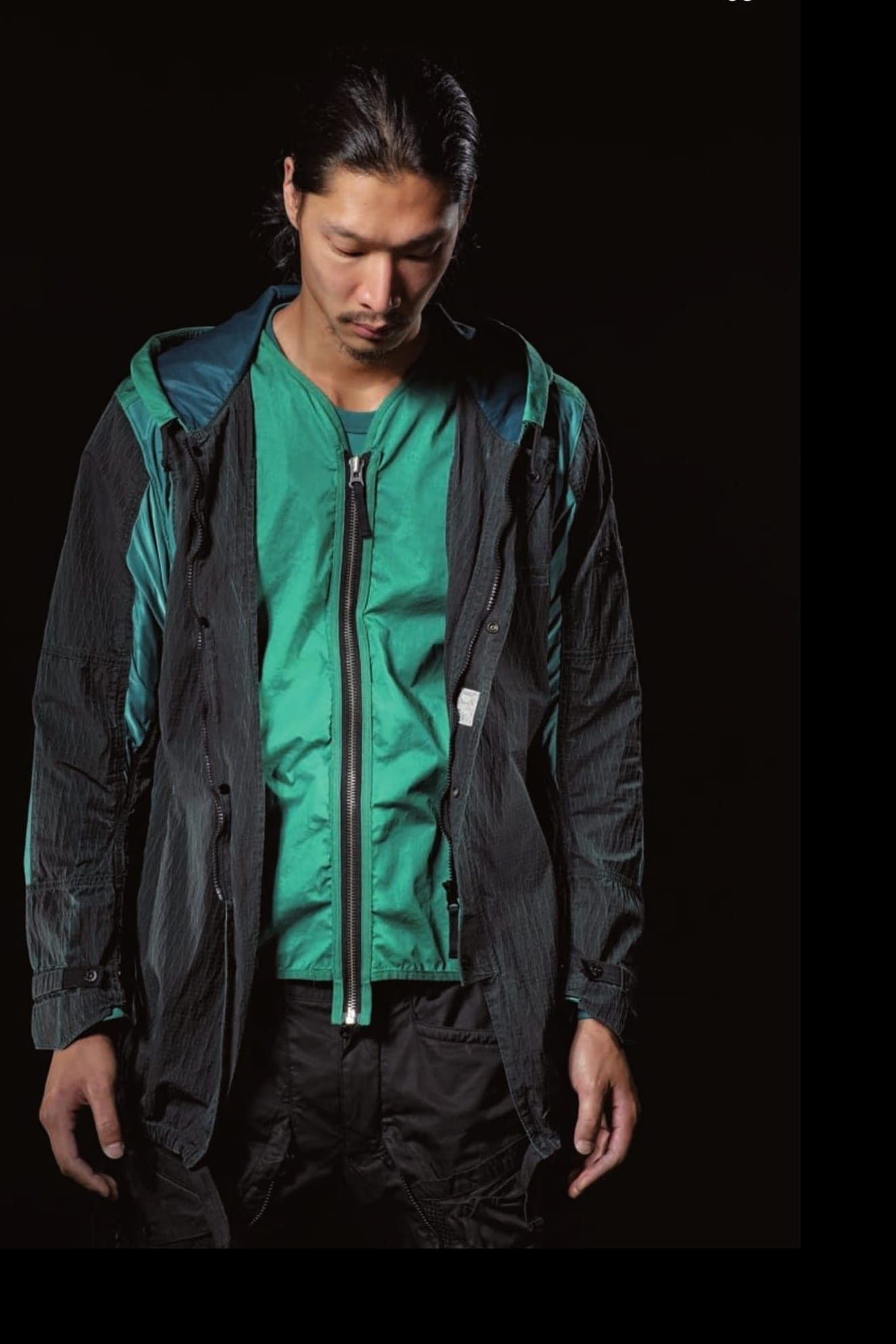
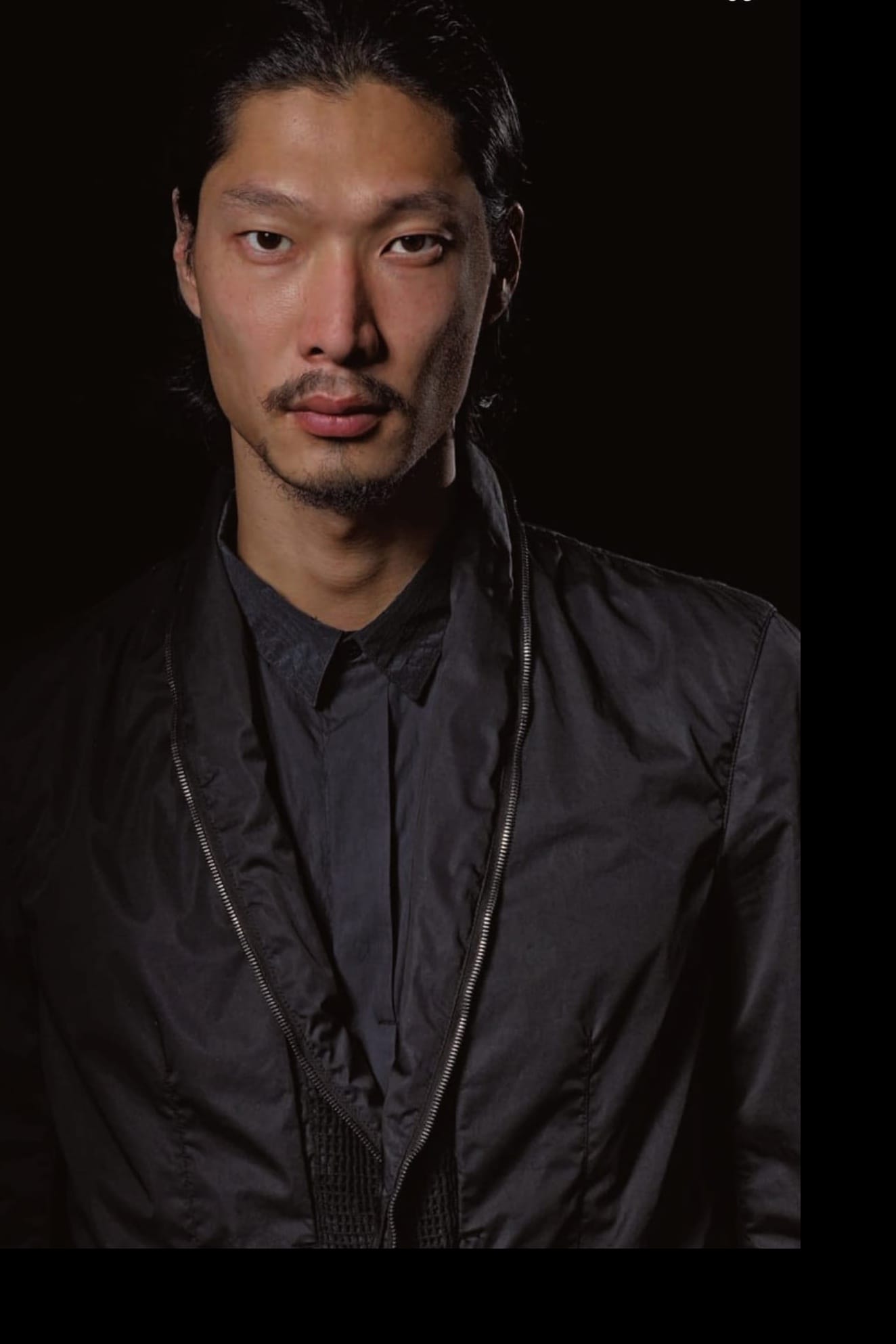
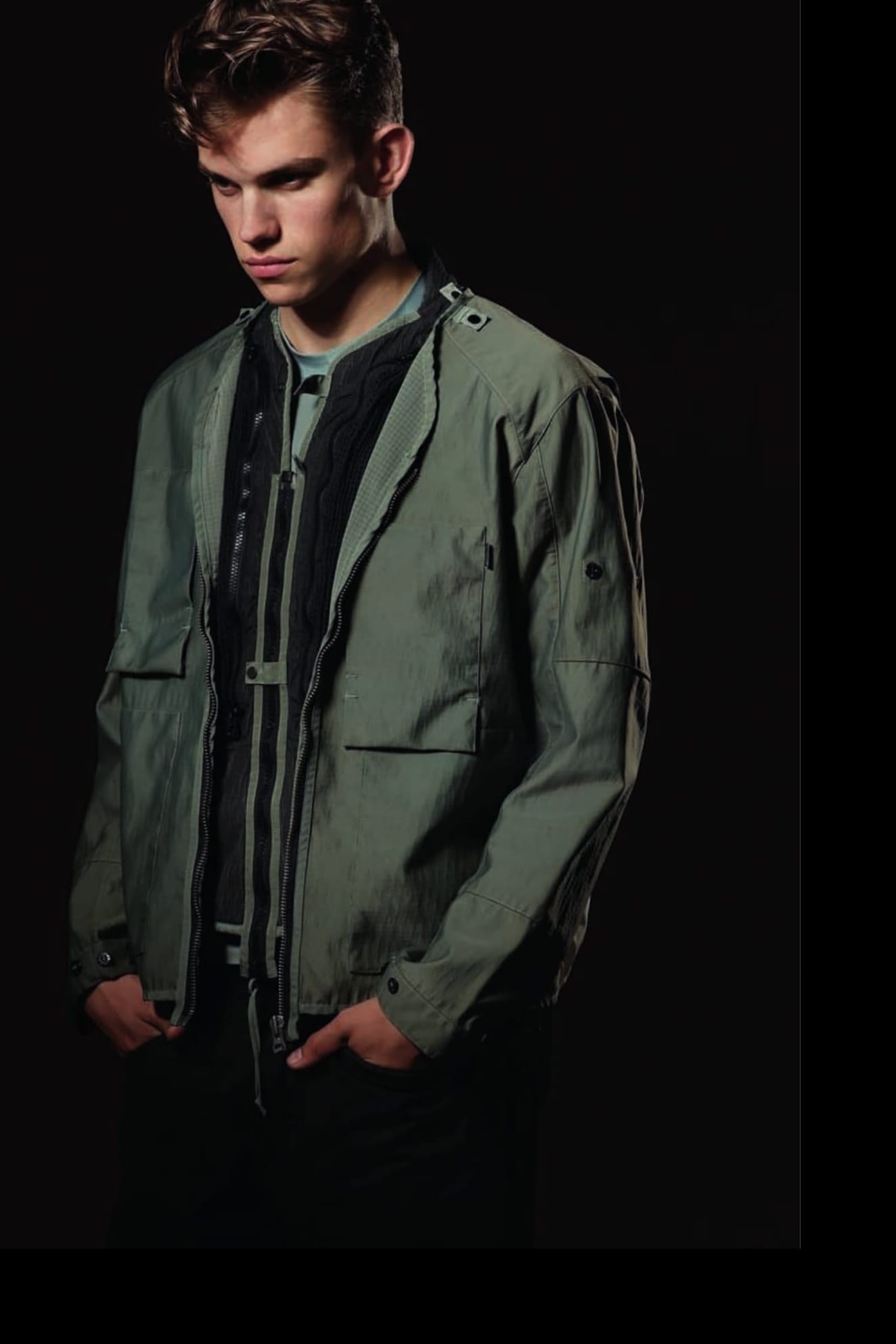
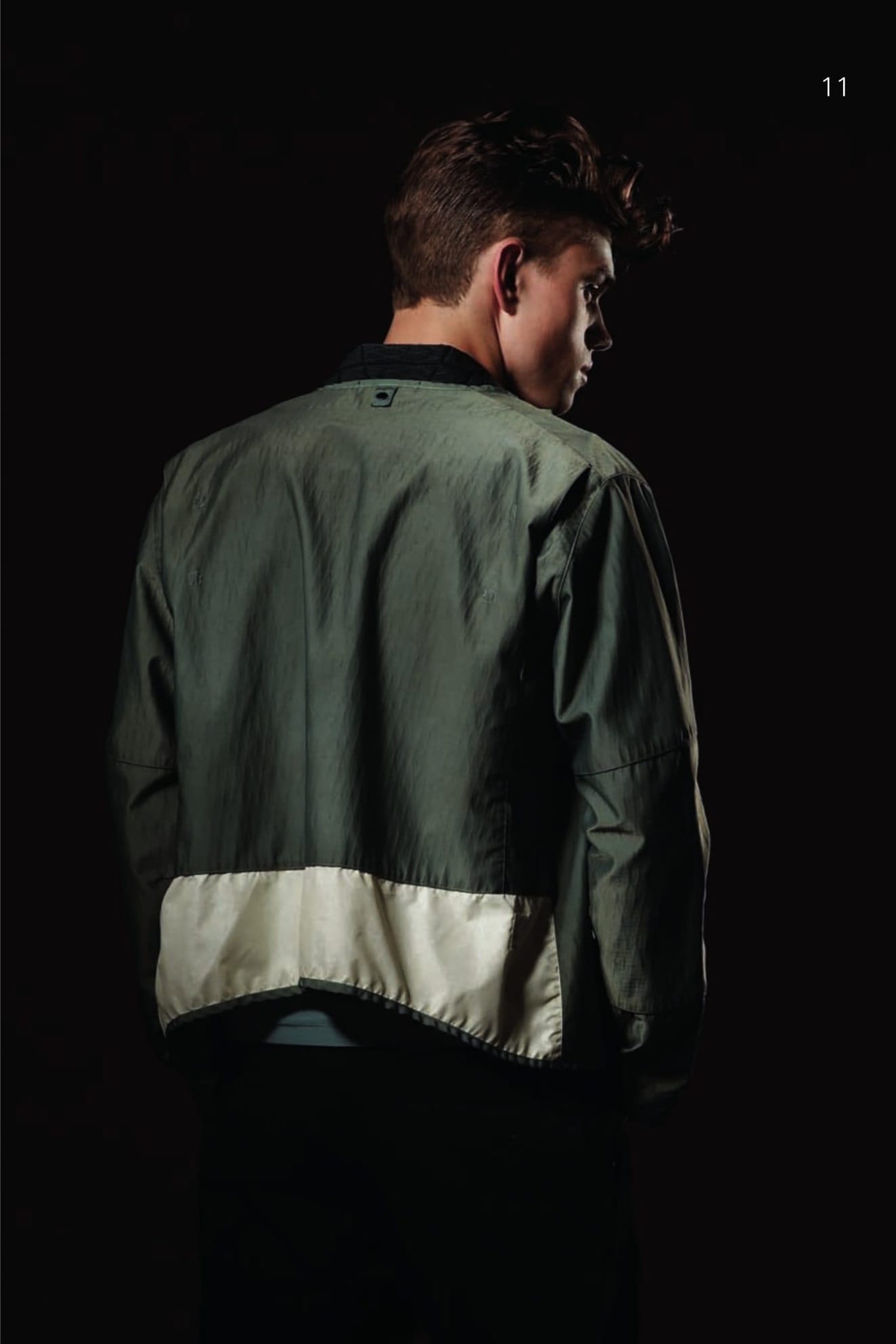
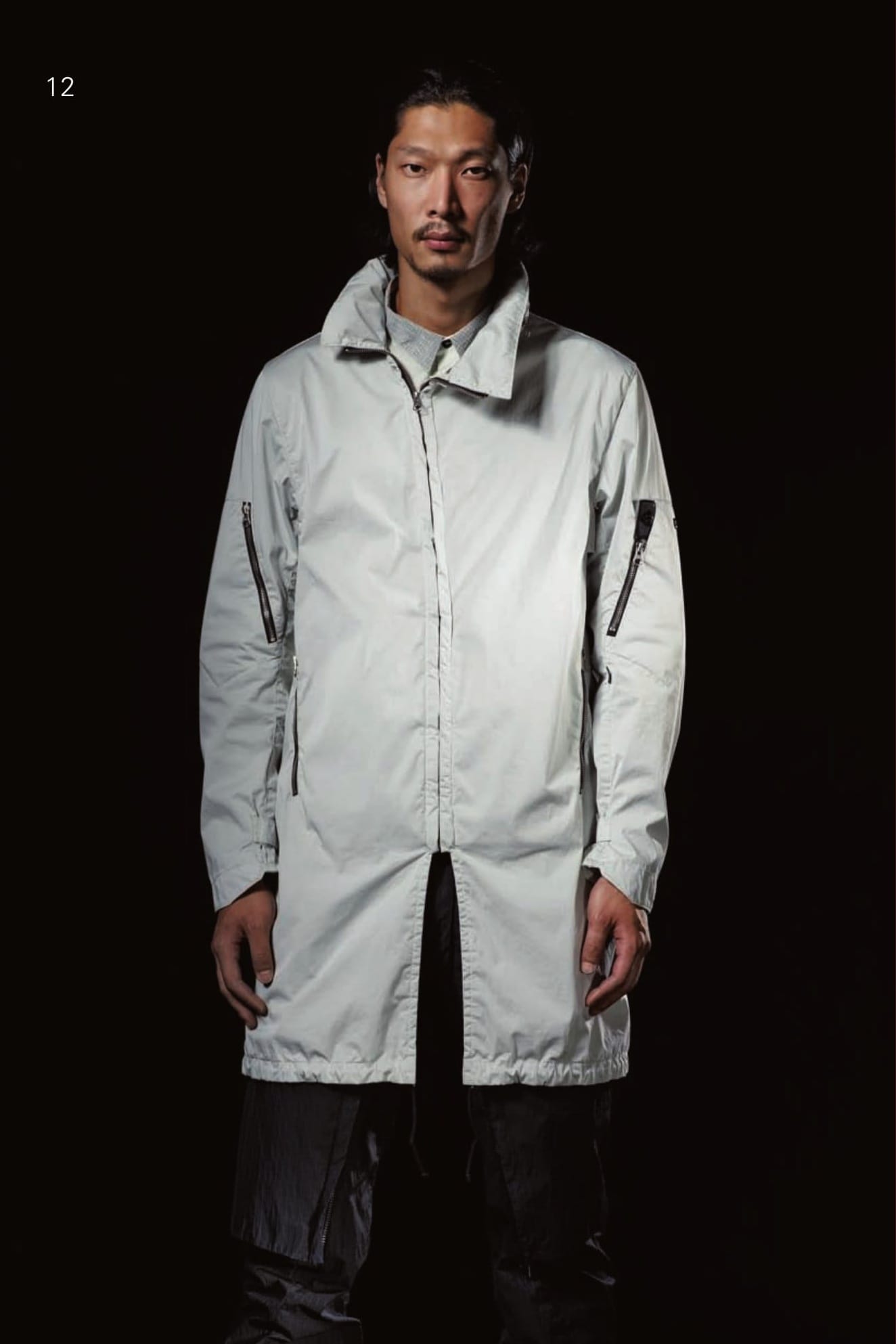
UNDERCOVERISM — The Men Who Wear Undercoverism
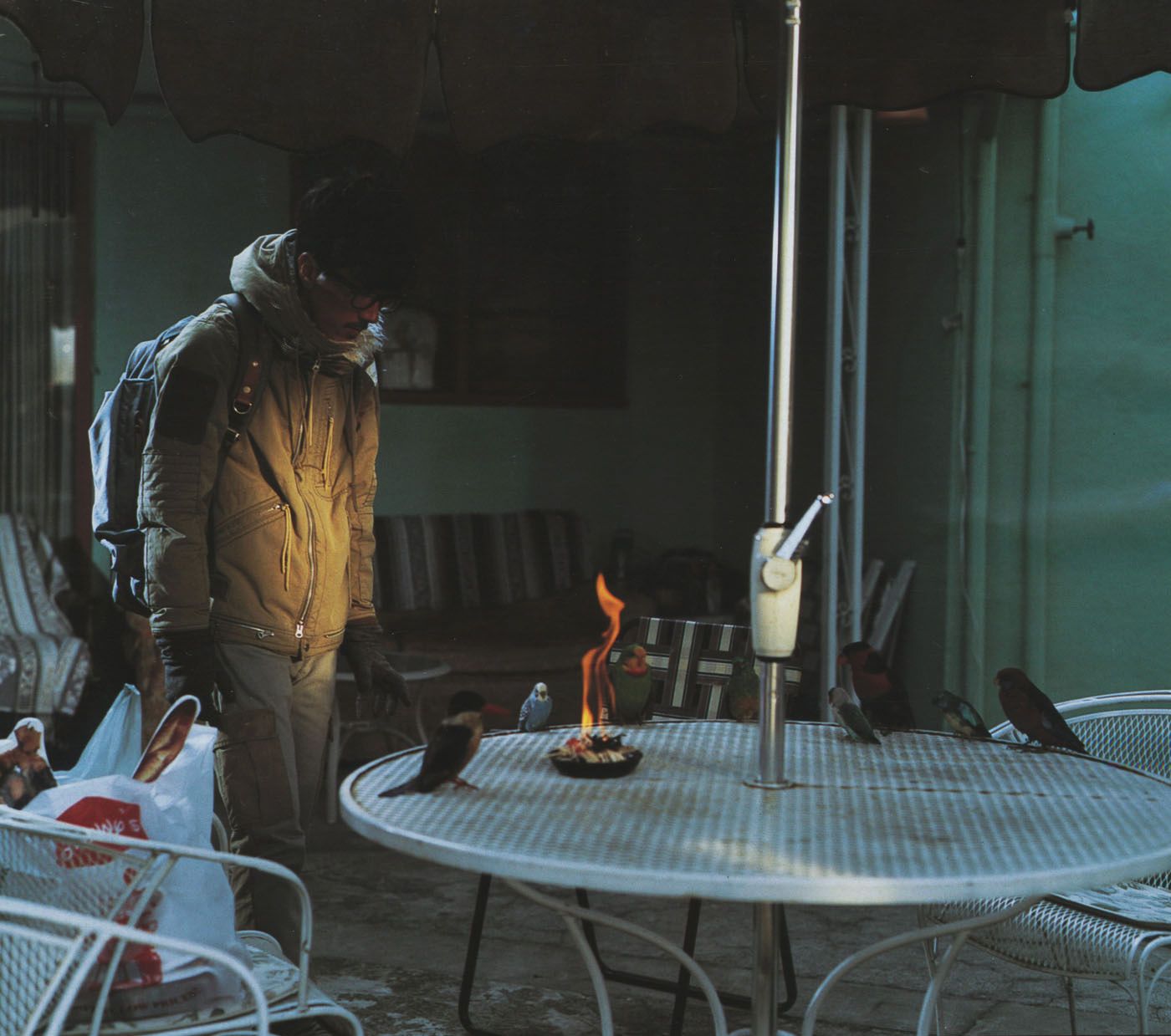
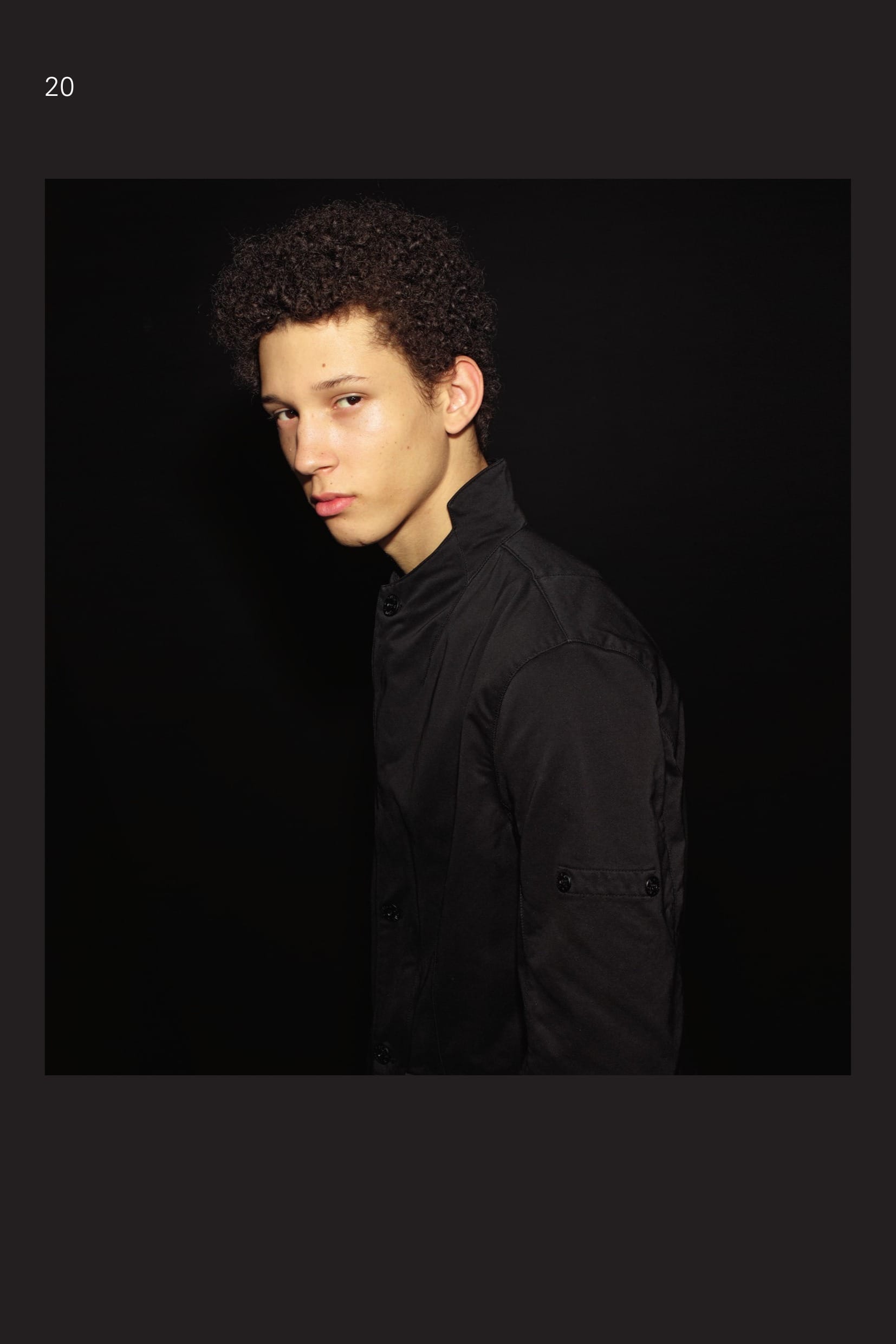
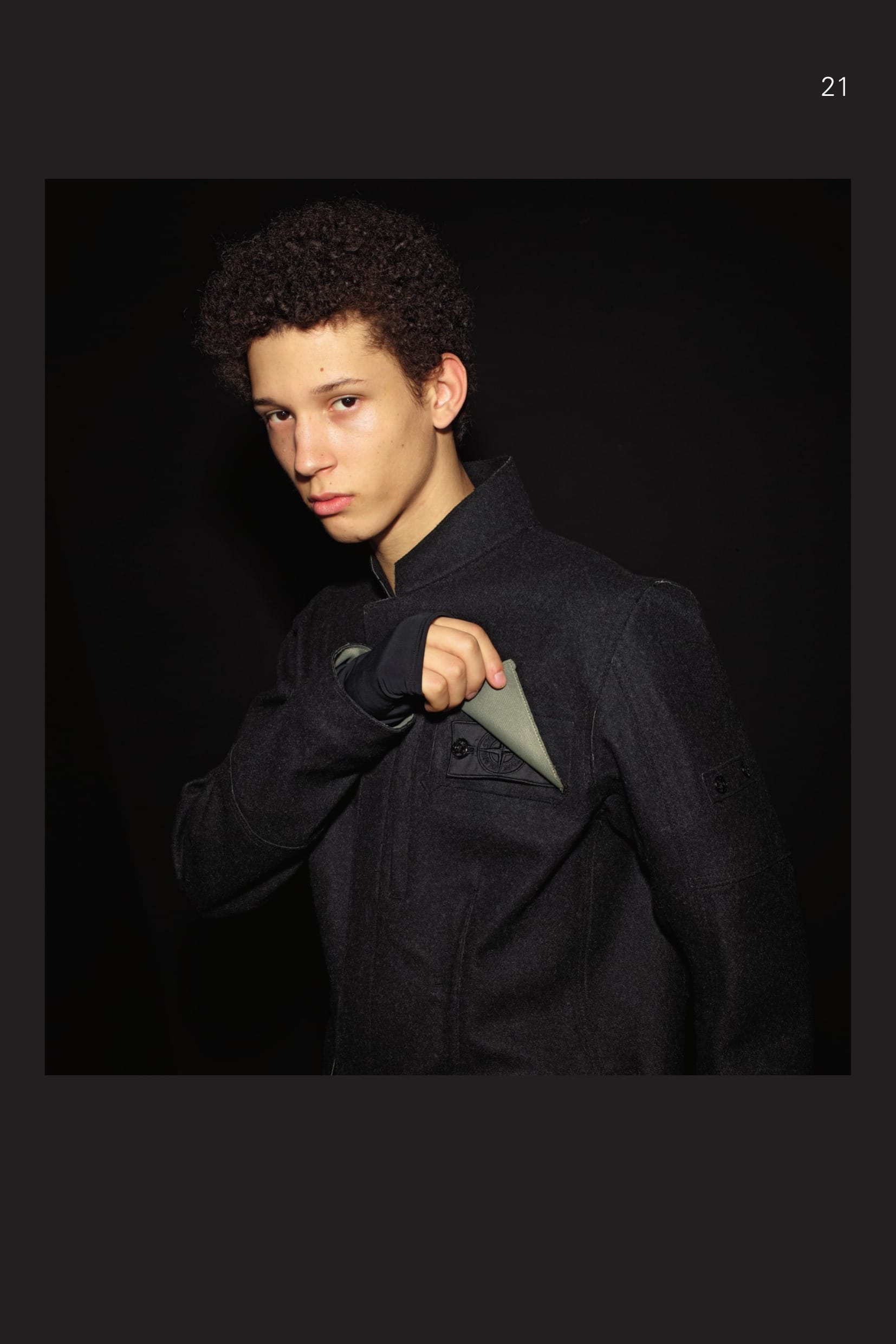
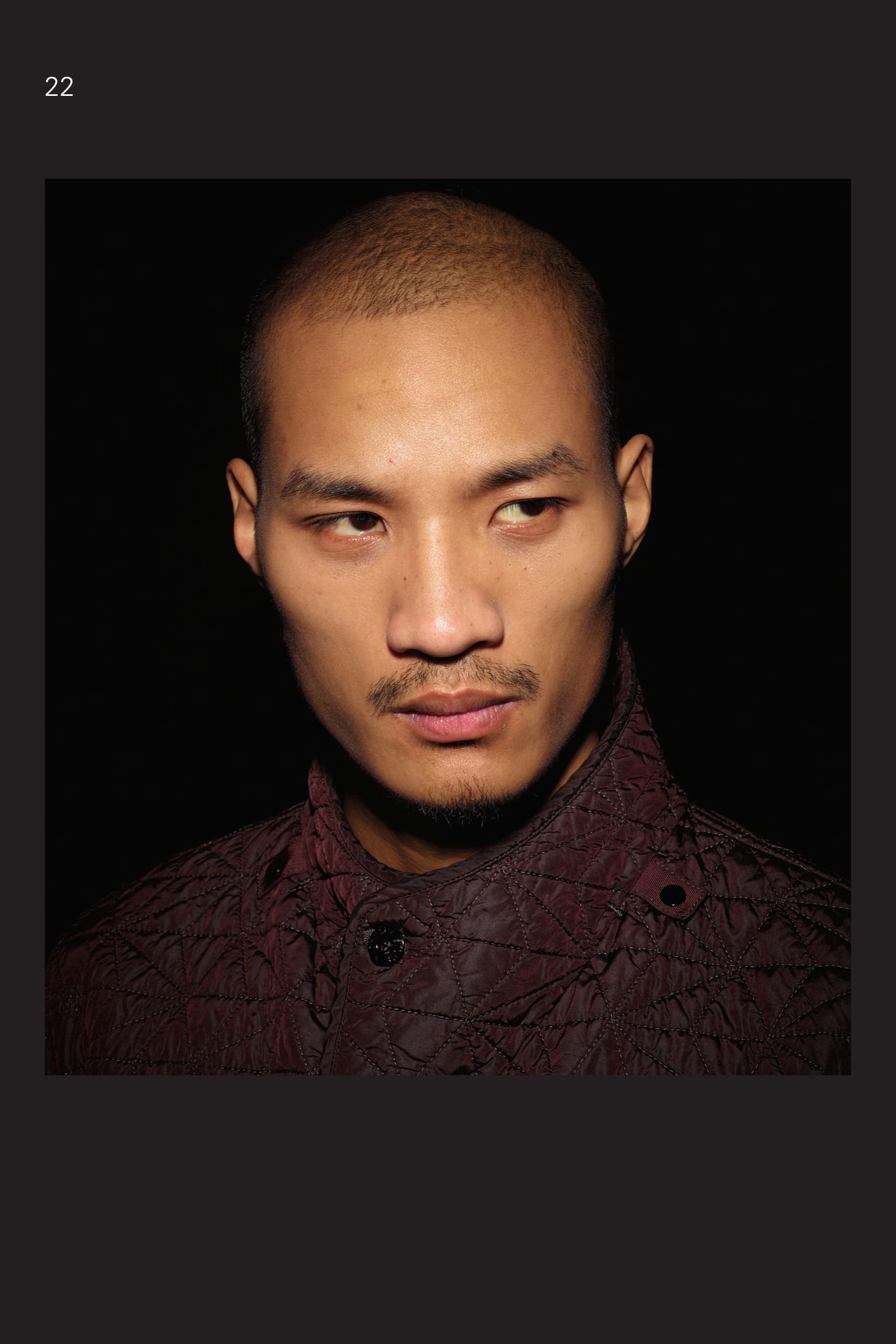
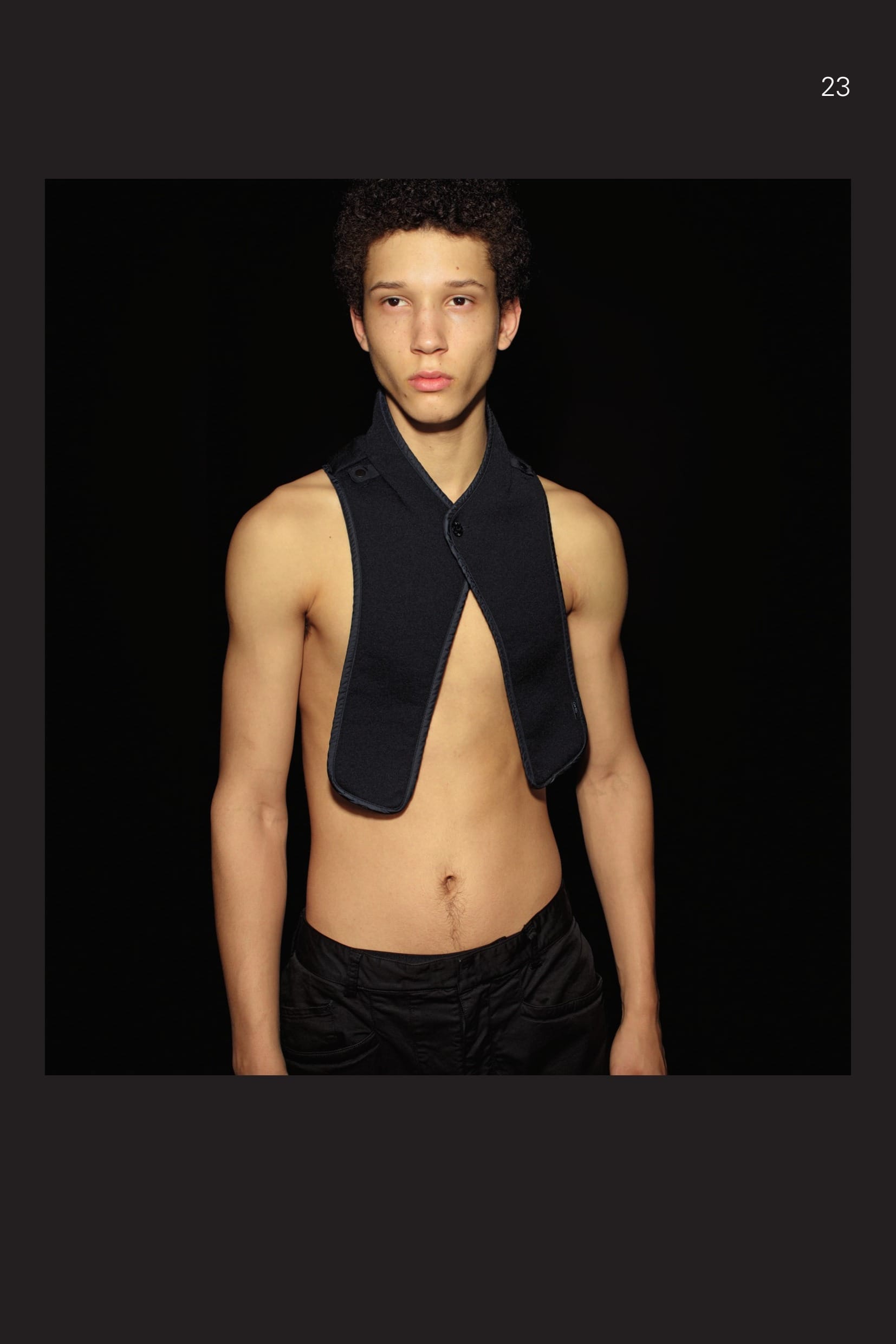
UNDERCOVERISM 2012–13 Fall/Winter portrait feature The Men Who Wear Undercoverism, photographed by Taro Mizutani with text by Issey Enomoto.
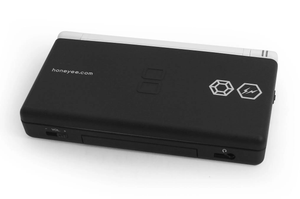
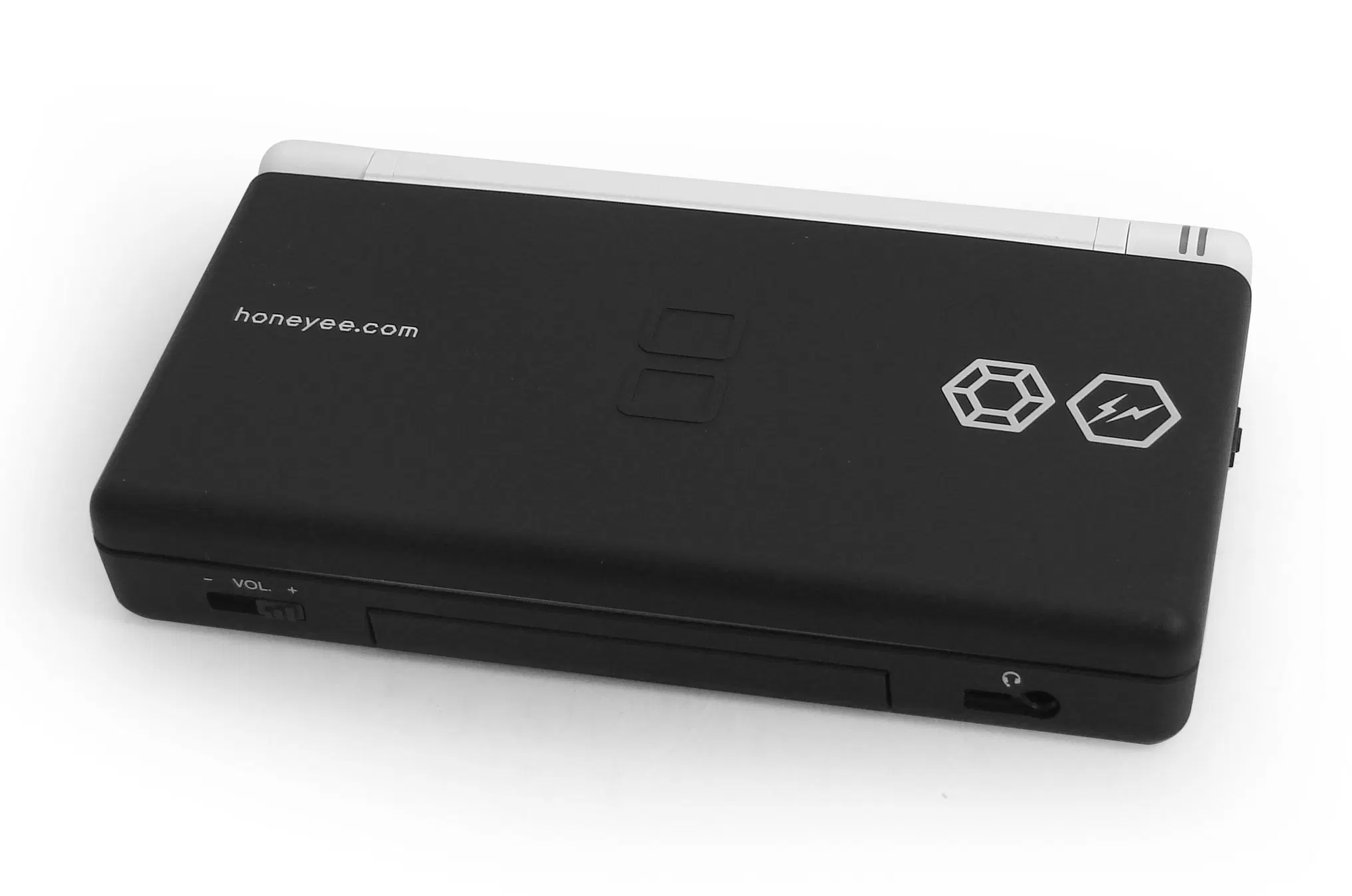
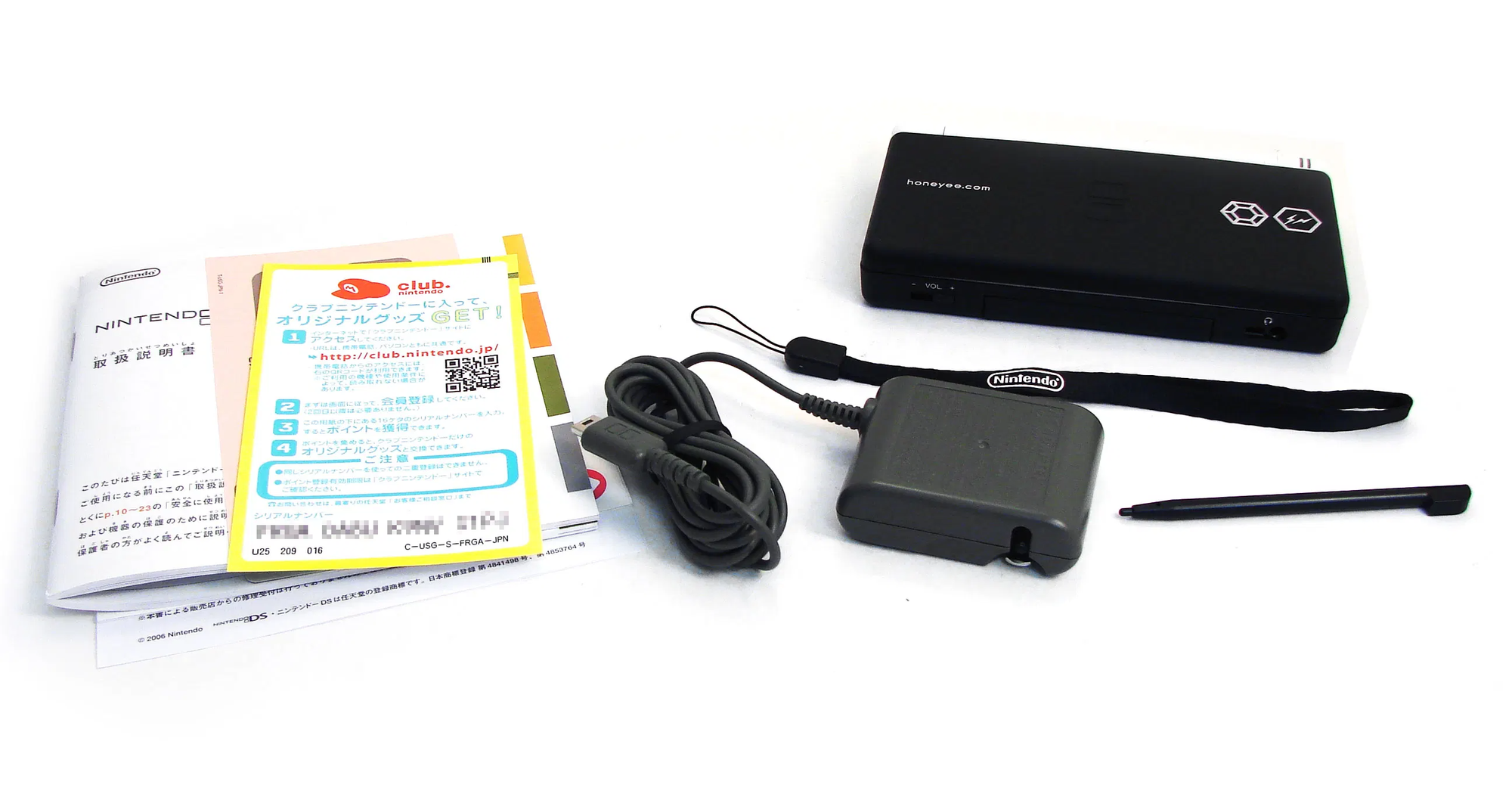
honeyee.com x fragment design Nintendo DS Lite Special Edition
A limited-edition Nintendo DS Lite created by honeyee.com and fragment design. The matte-black exterior carries the honeyee.com wordmark and fragment's lightning-bolt insignia, while the opened console reveals a white interior.
The collaboration was announced in February 2008 and released in Japan in March 2008 under model number USG-S-FRGA(JPN).
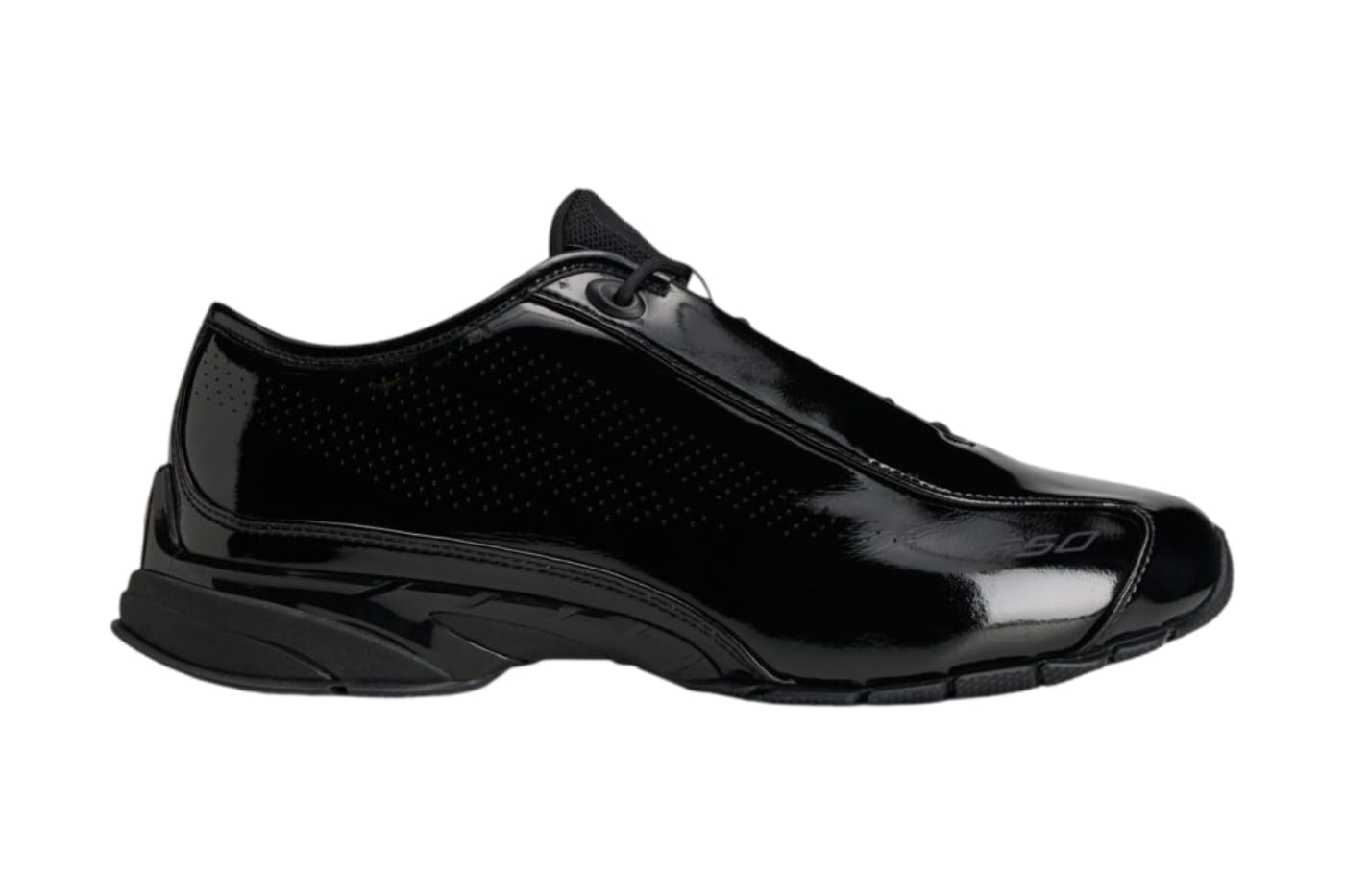
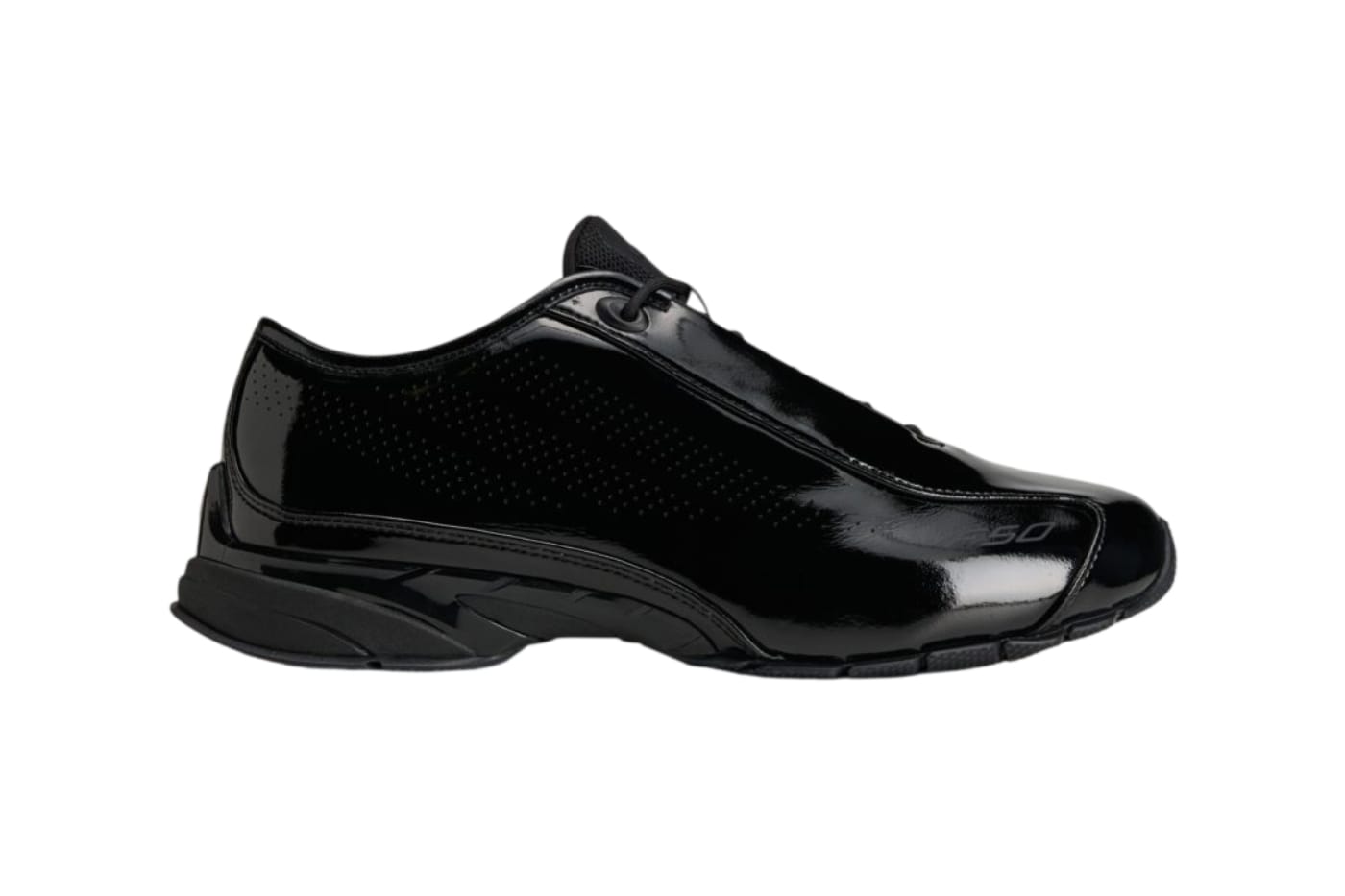
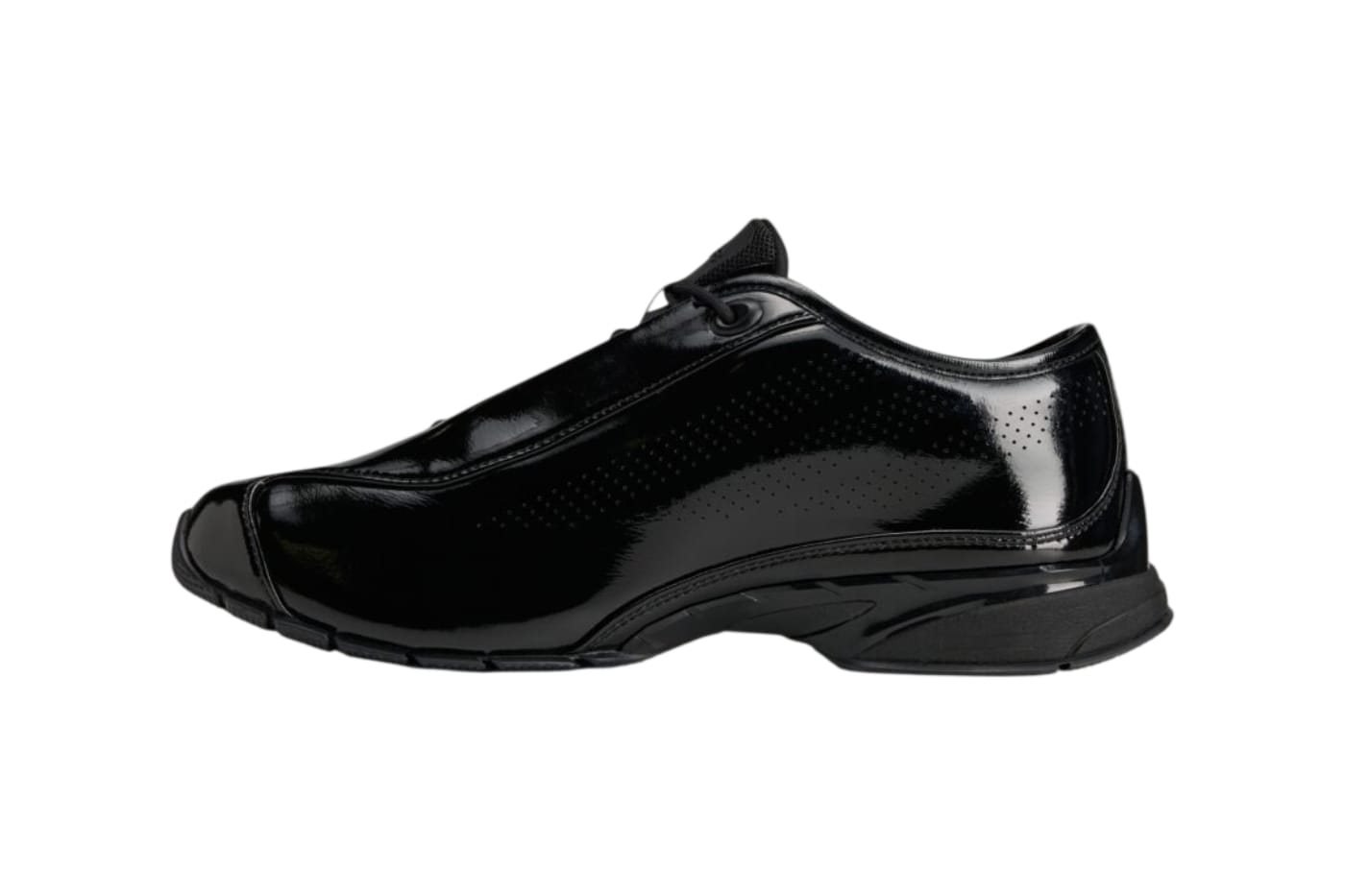
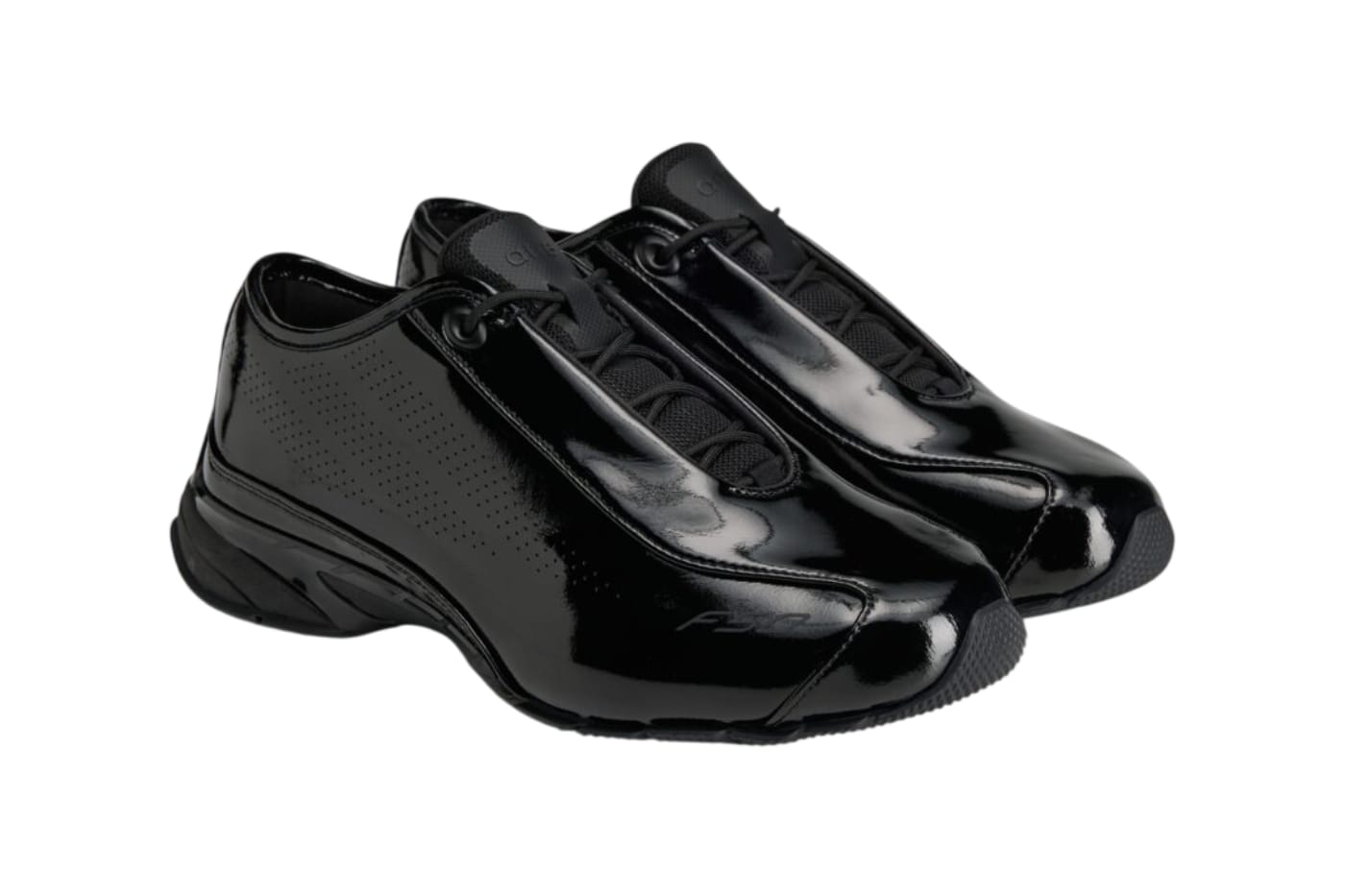
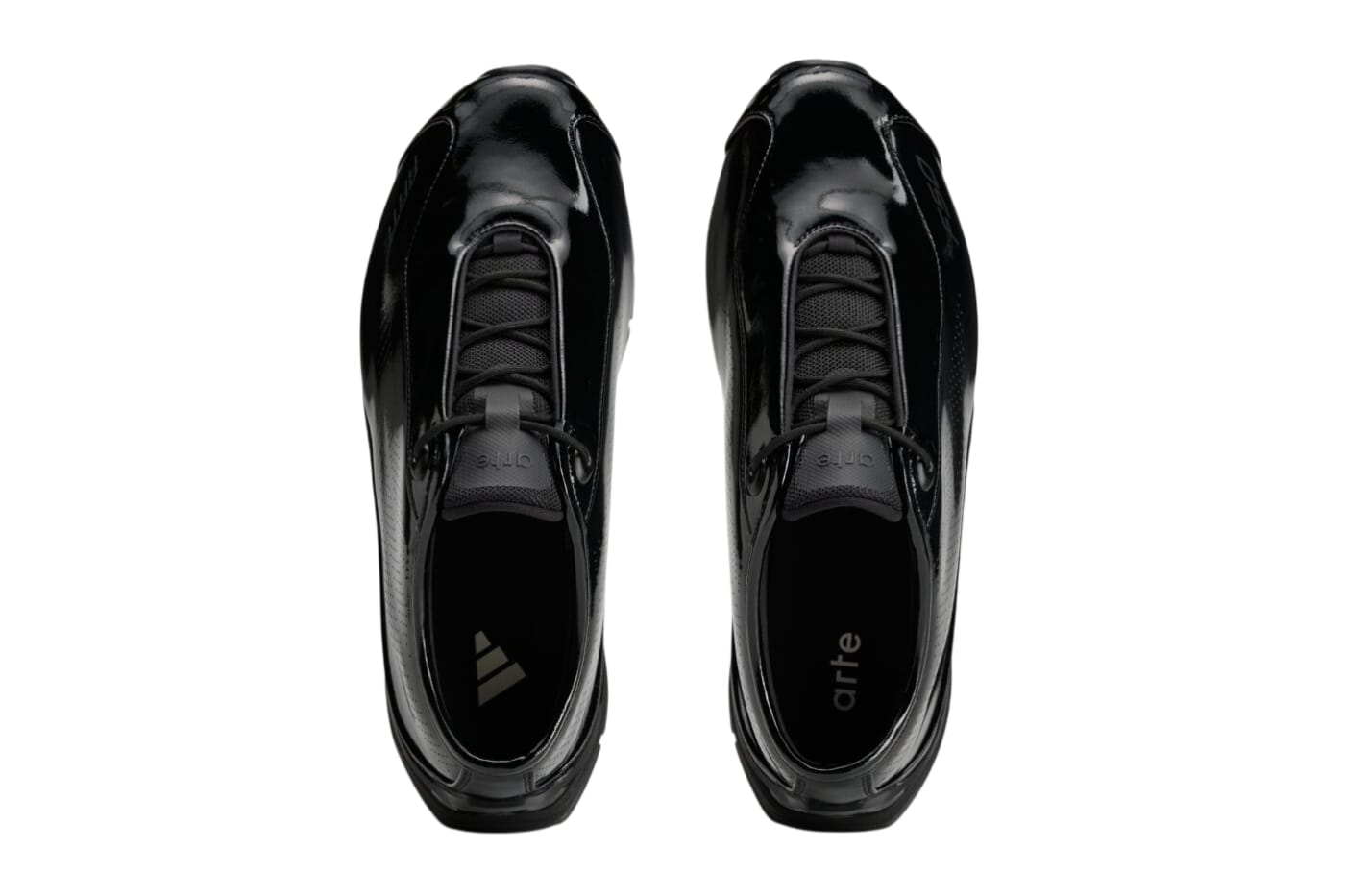
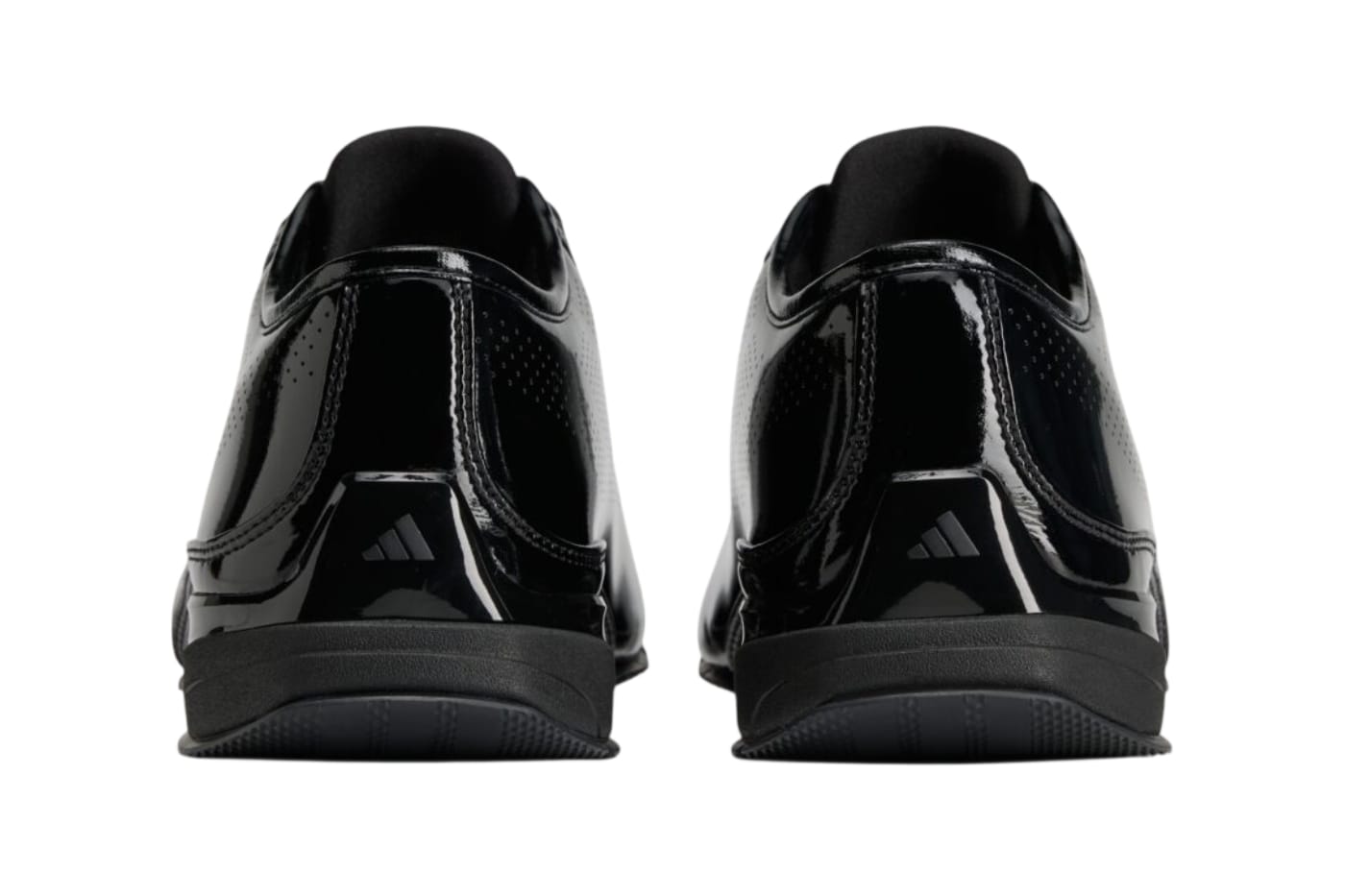
Arte Antwerp x adidas F50
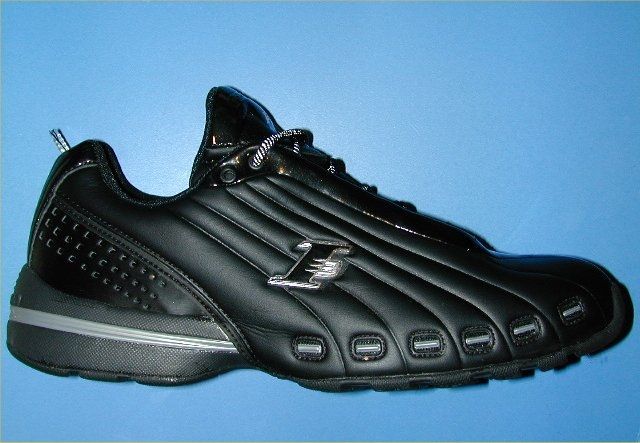
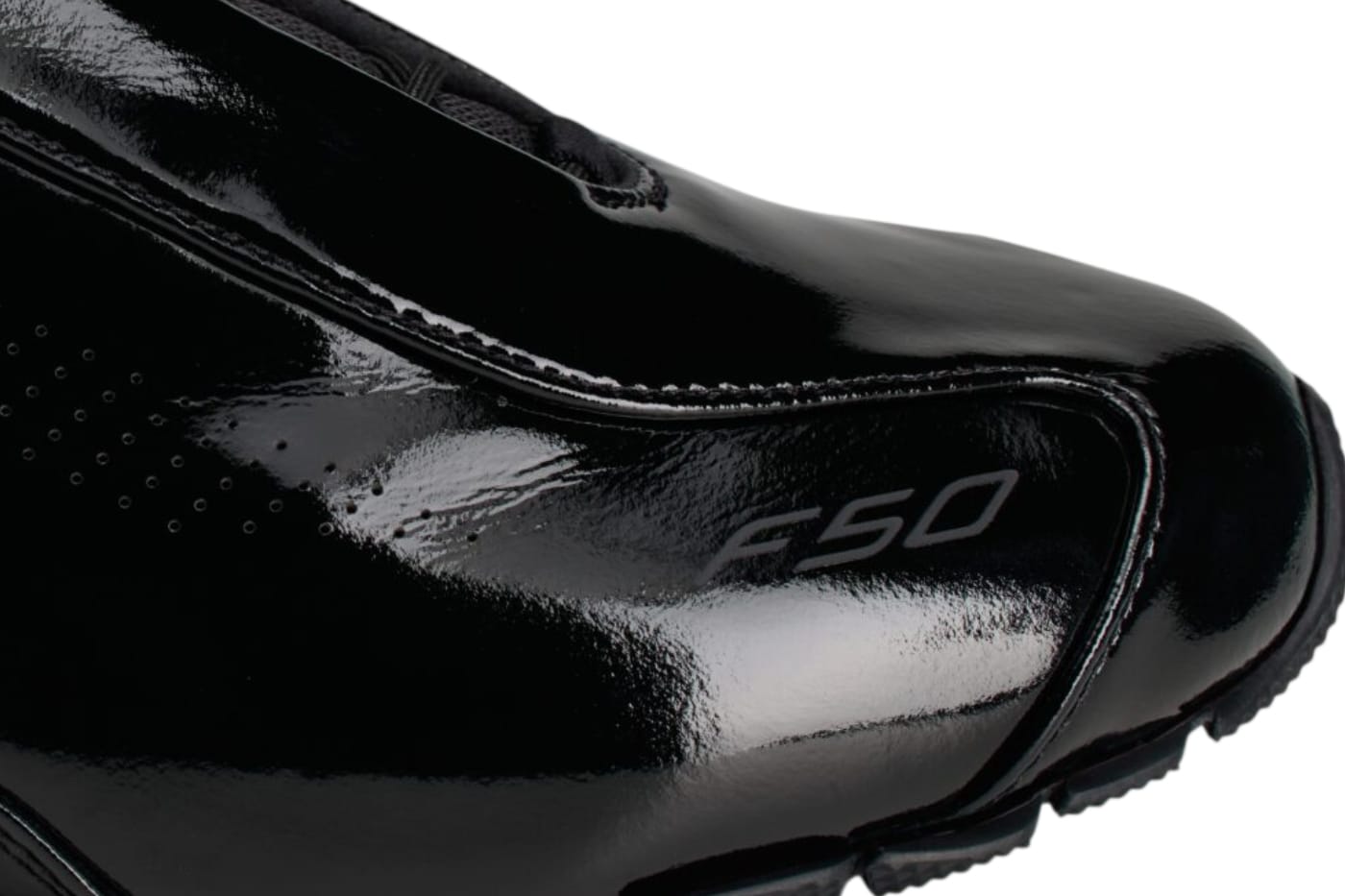
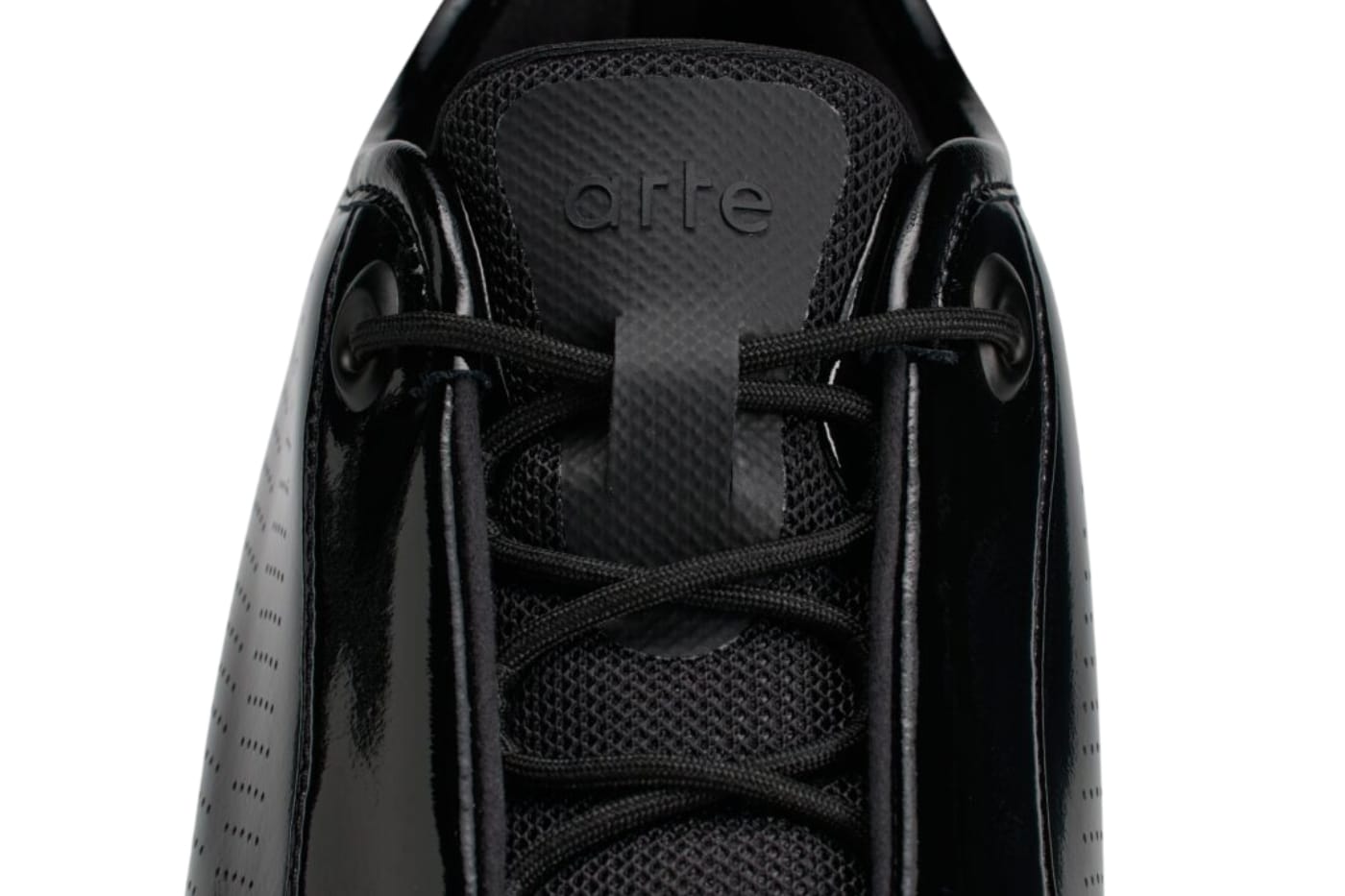
Arte Antwerp x adidas F50 “Feather Patent Leather/Black” (HQ3324) in Core Black, scheduled for release September 10 through adidas.
Glossy synthetic patent leather replaces the usual sportswear upper, with perforated quarters and a tonal black sole.

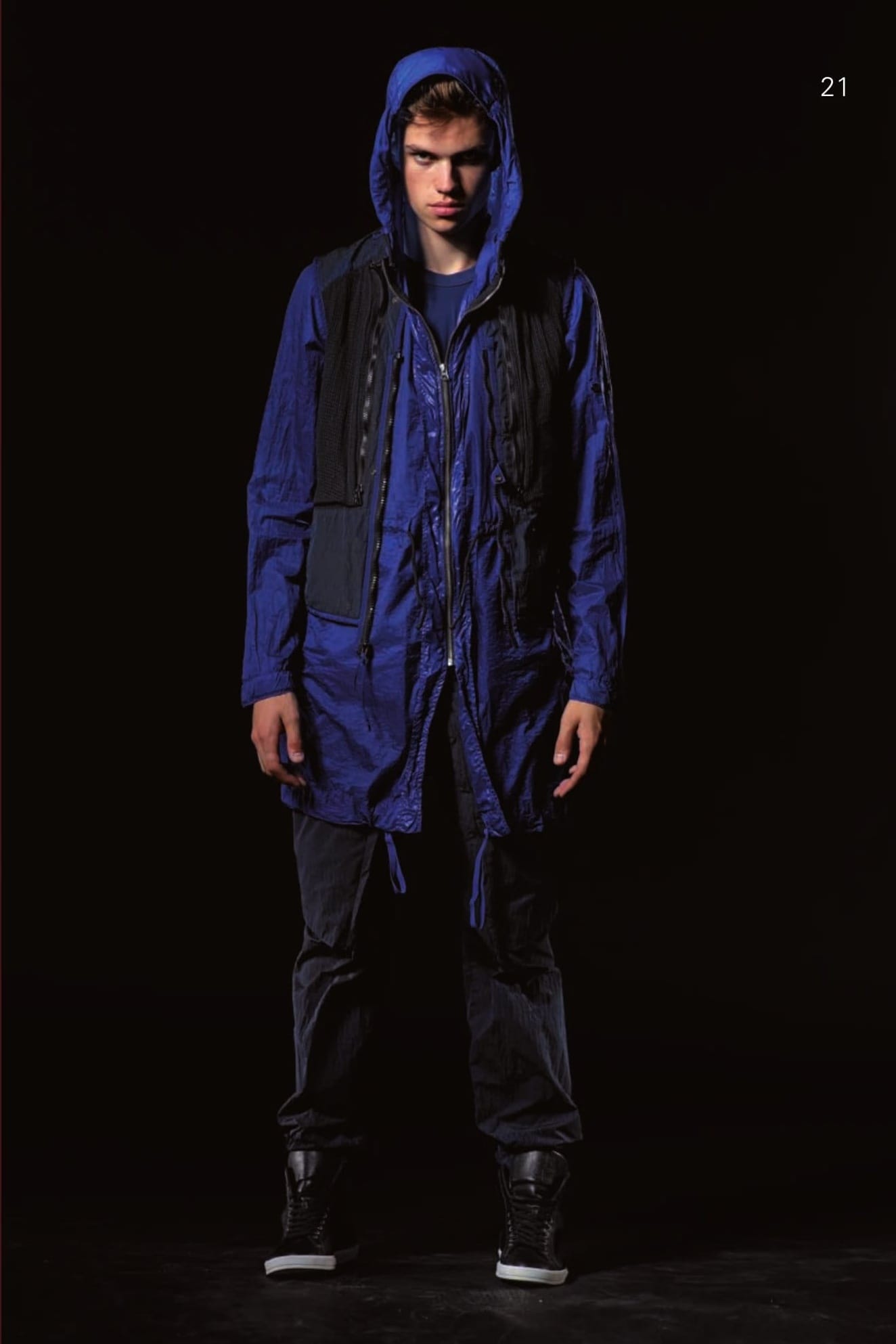
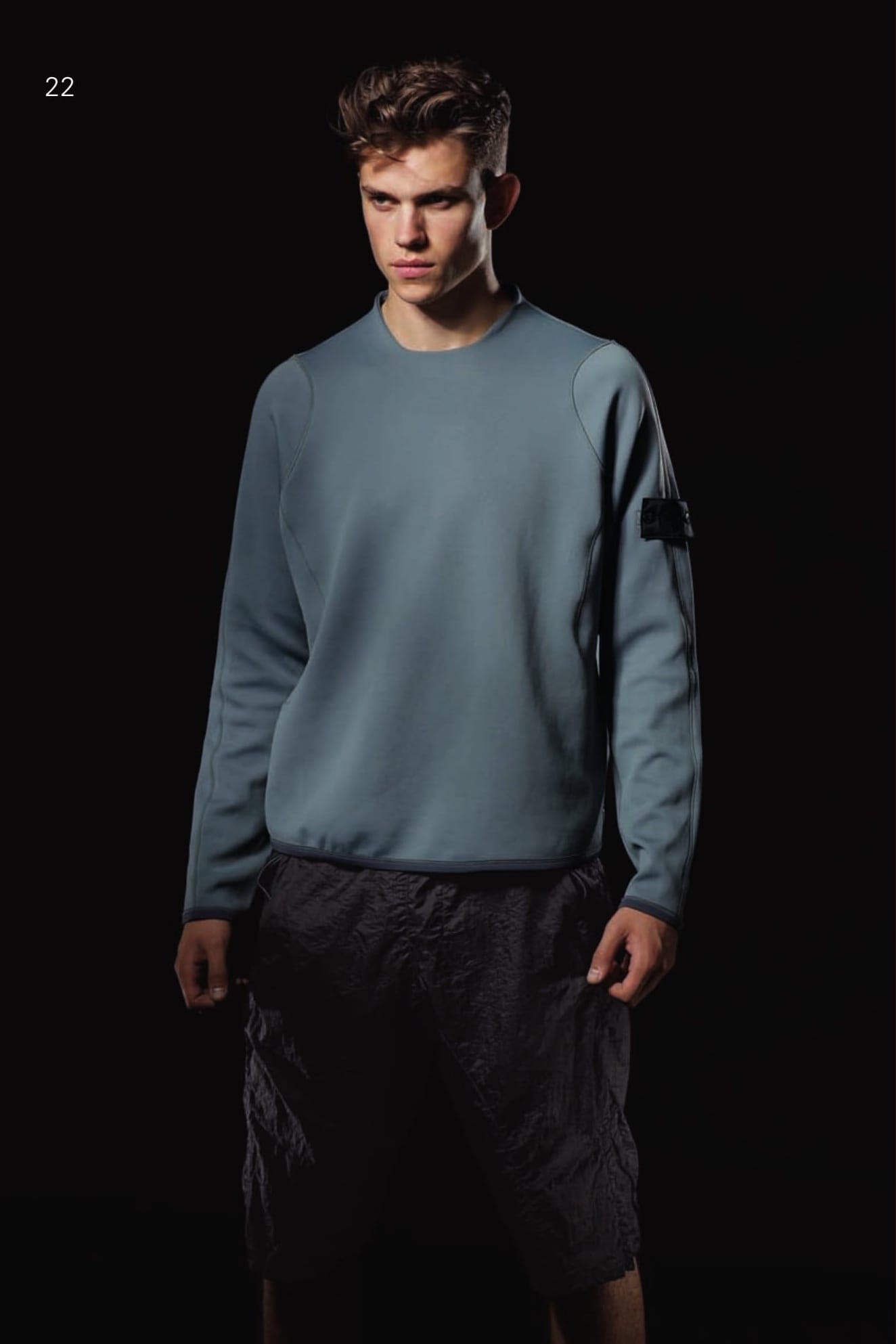
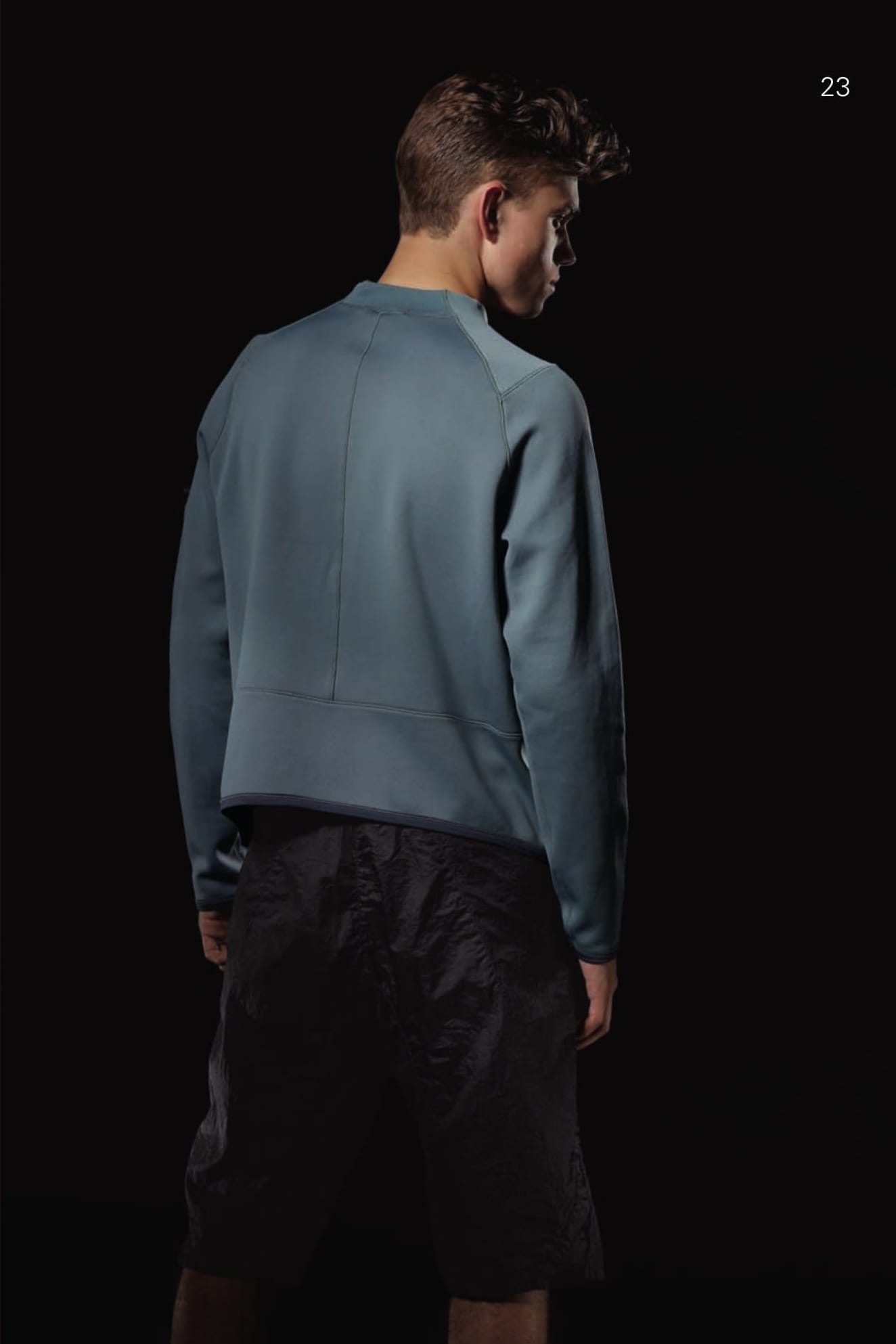
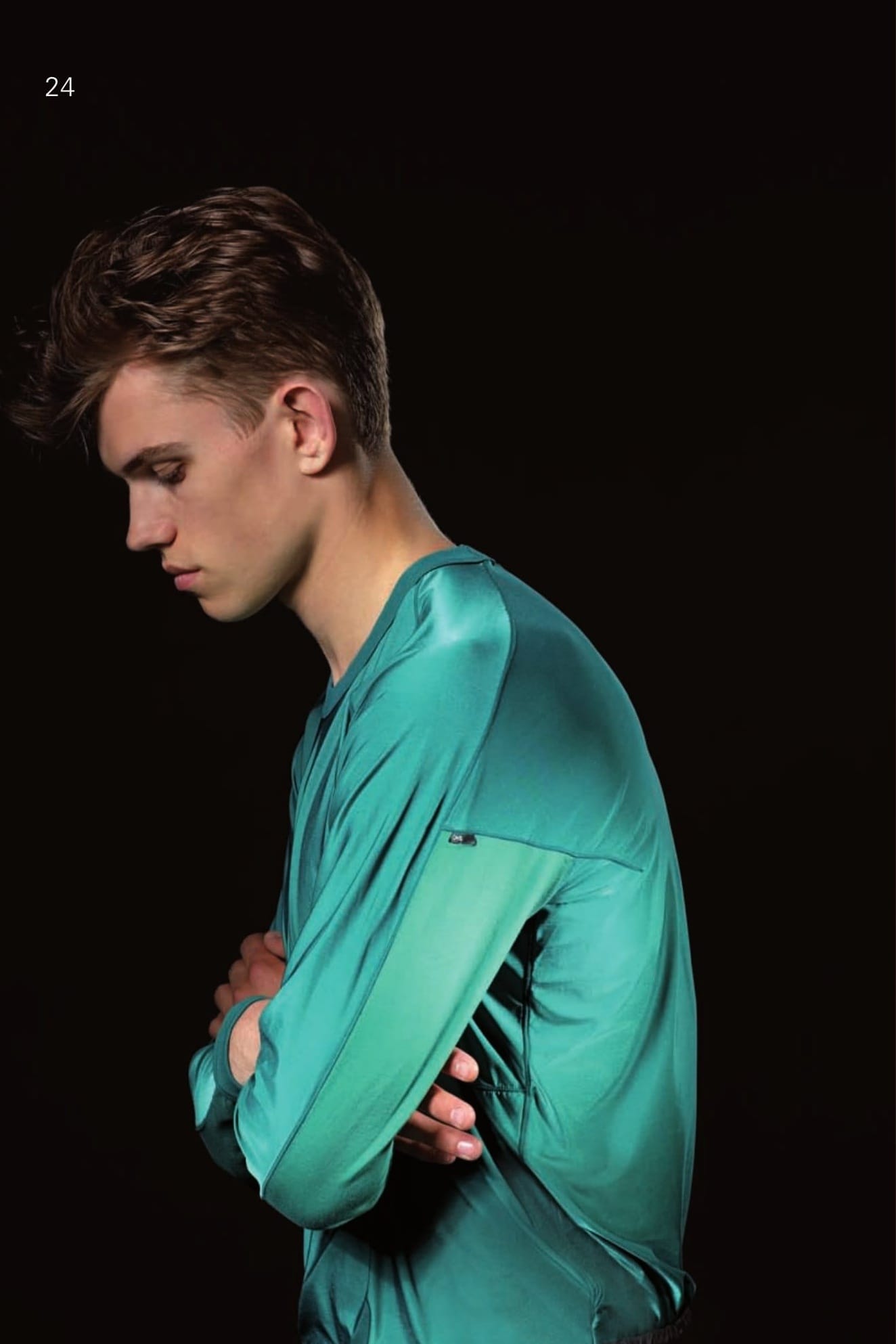
Stone Island Shadow Project AW2012-2013 Lookbook
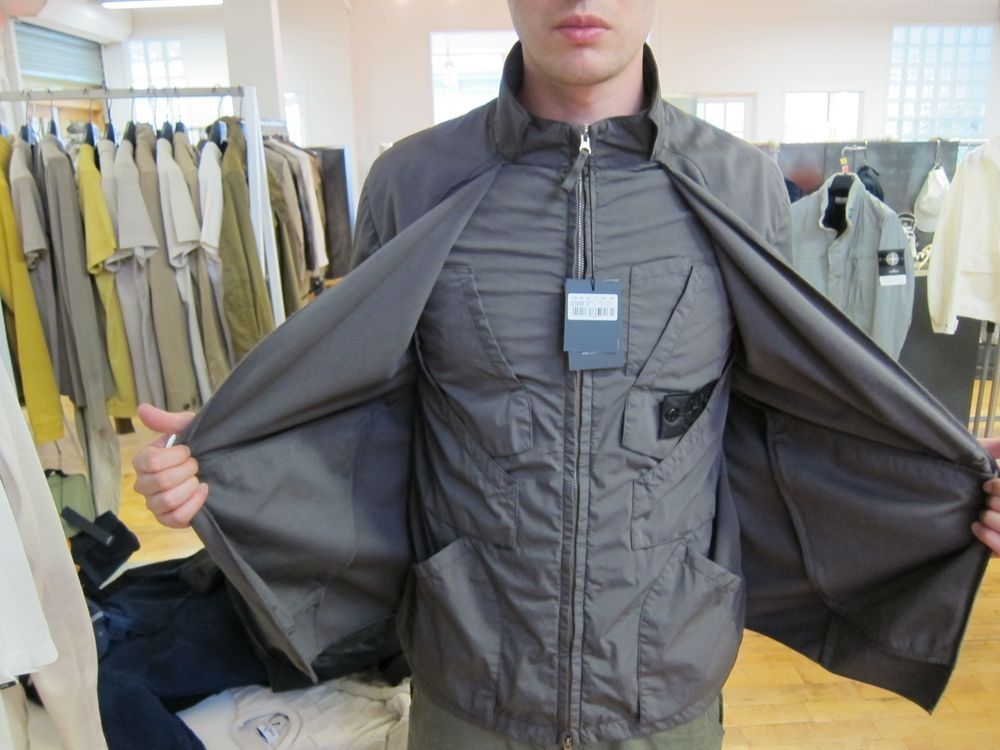
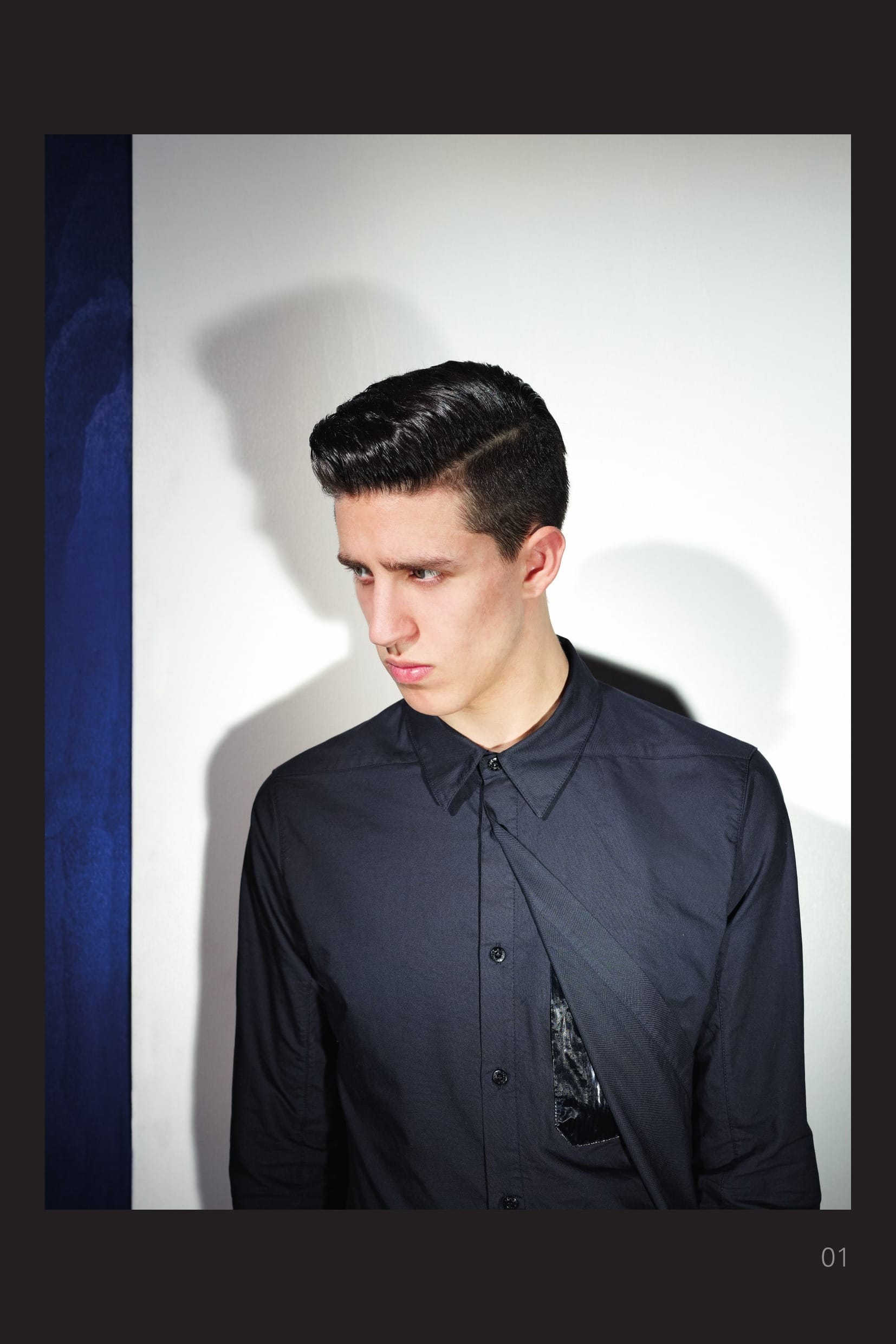
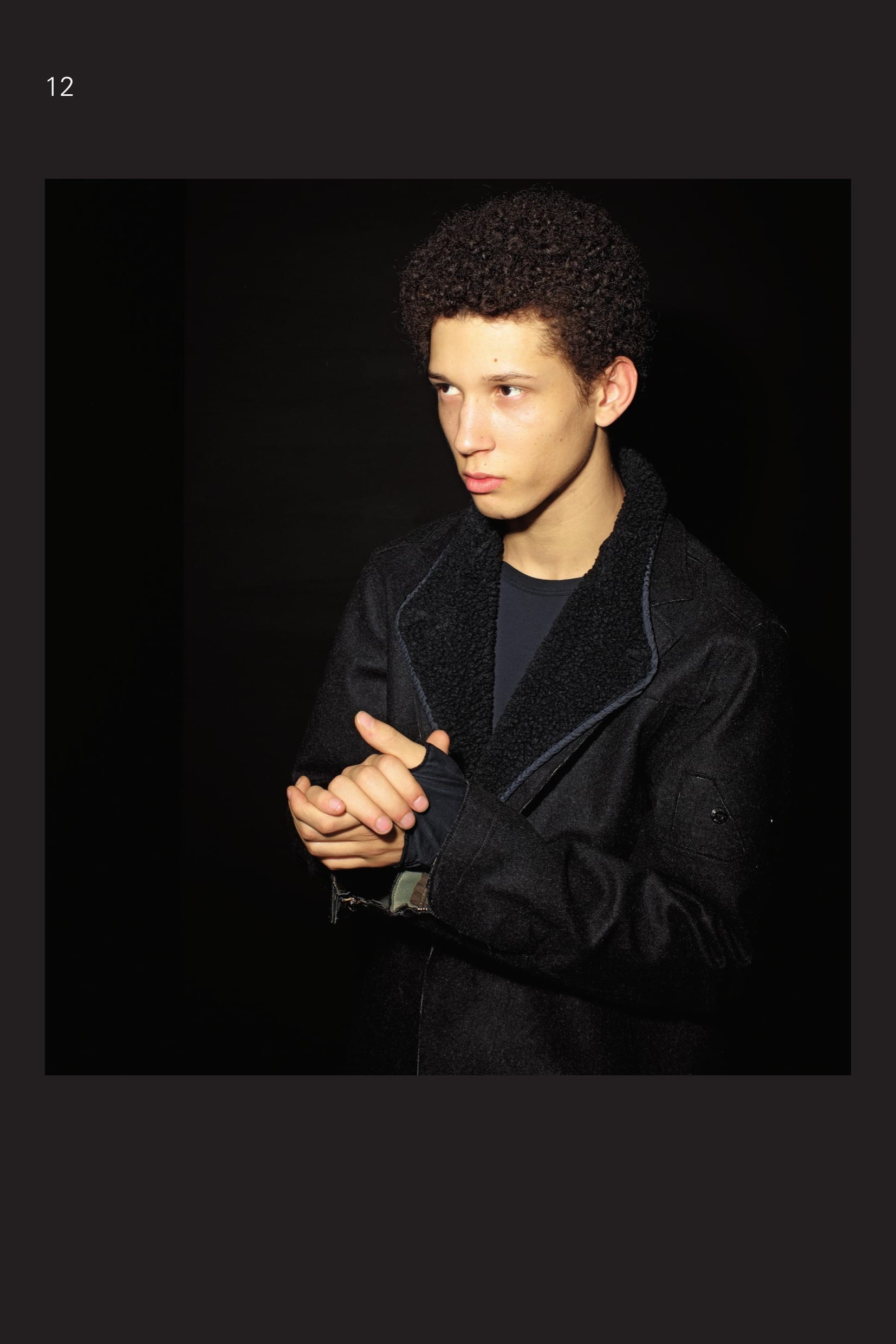
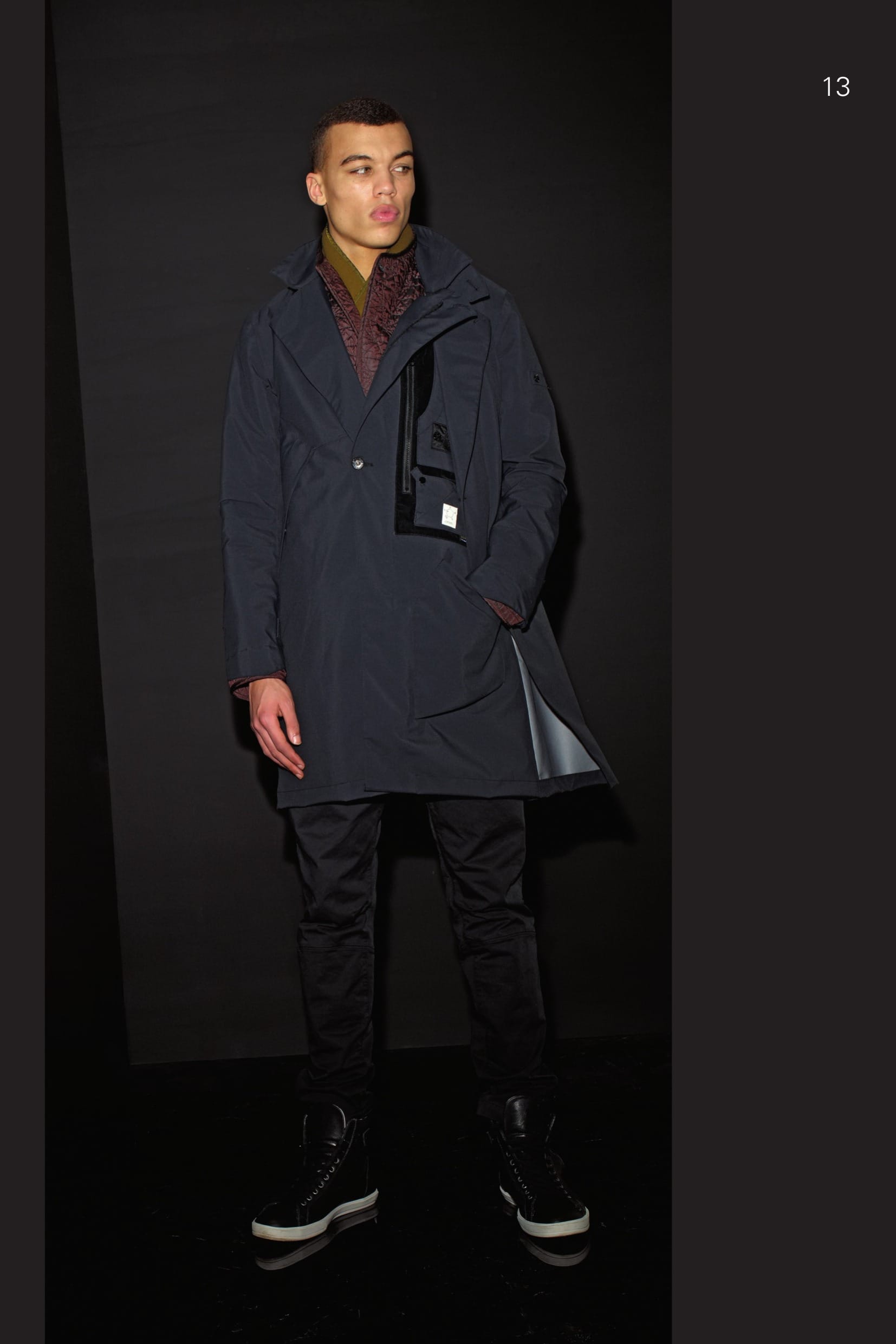
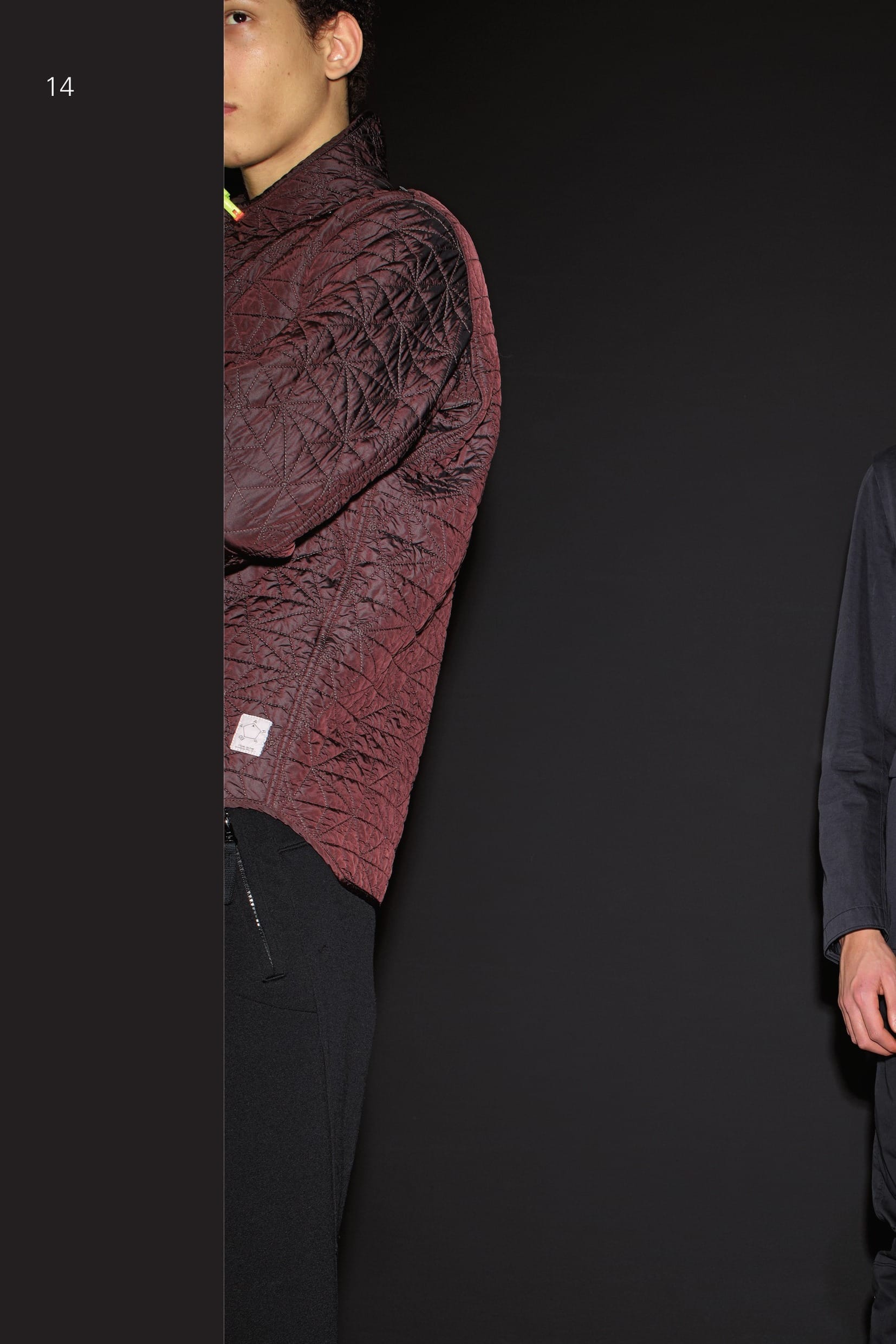
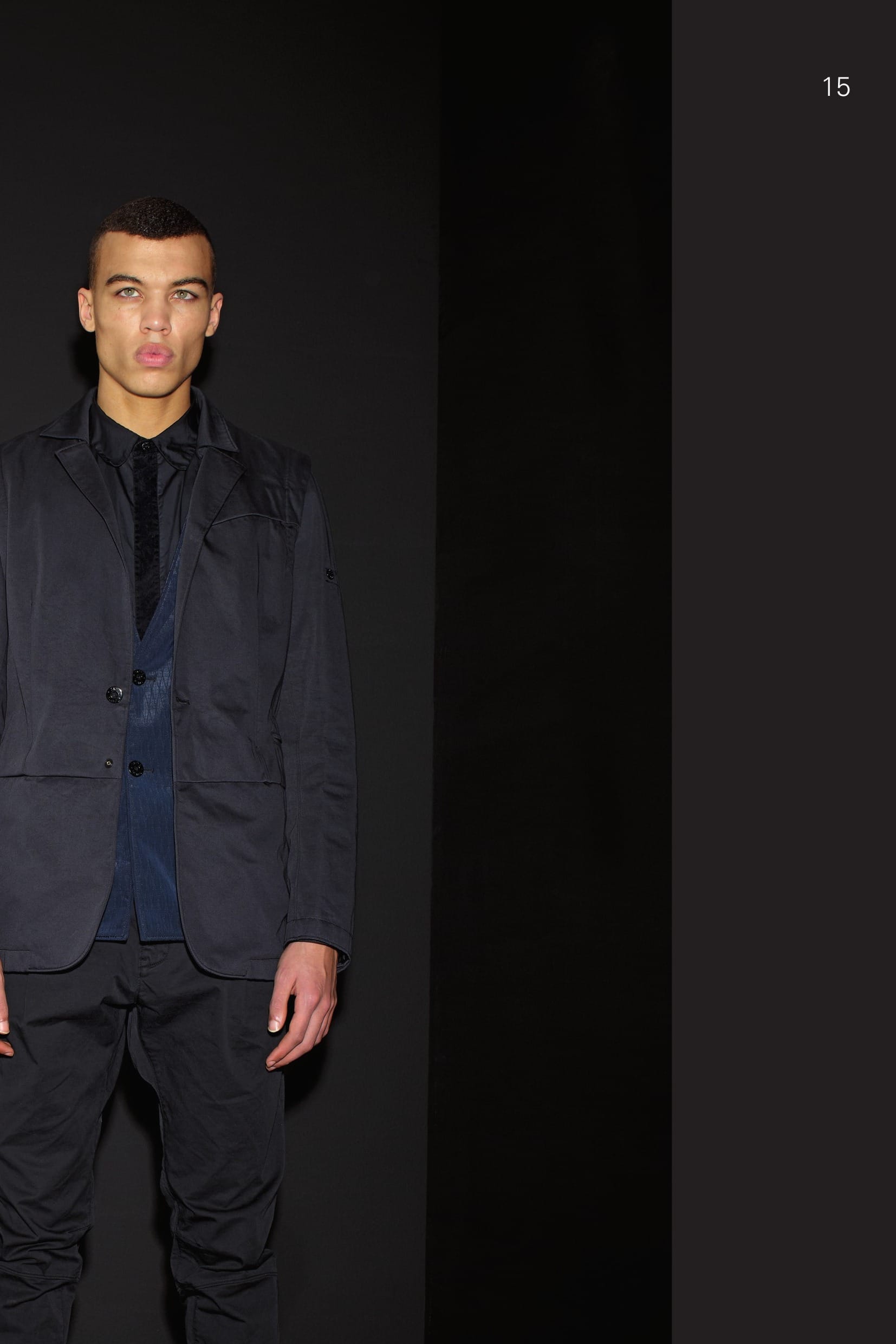
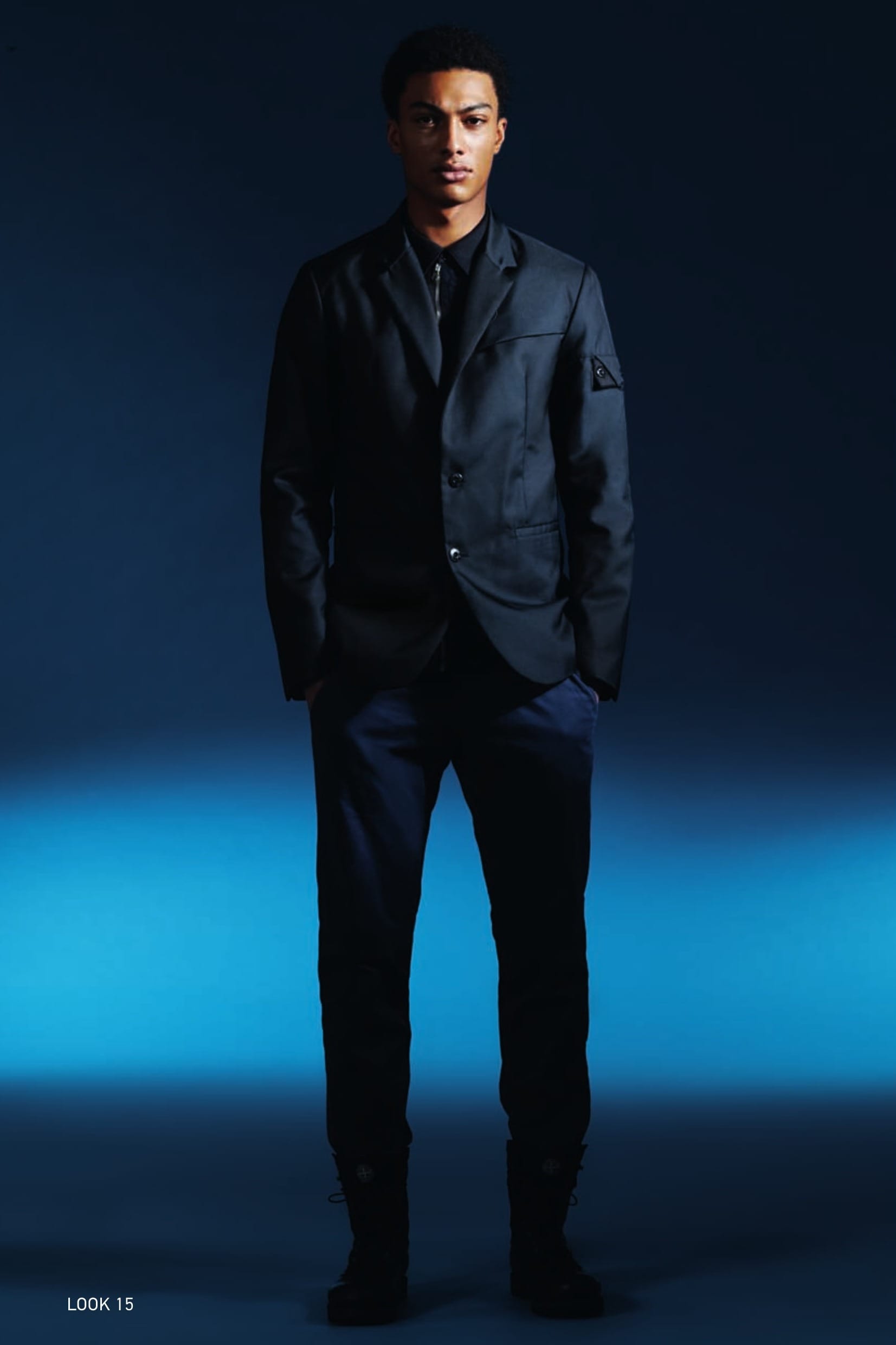
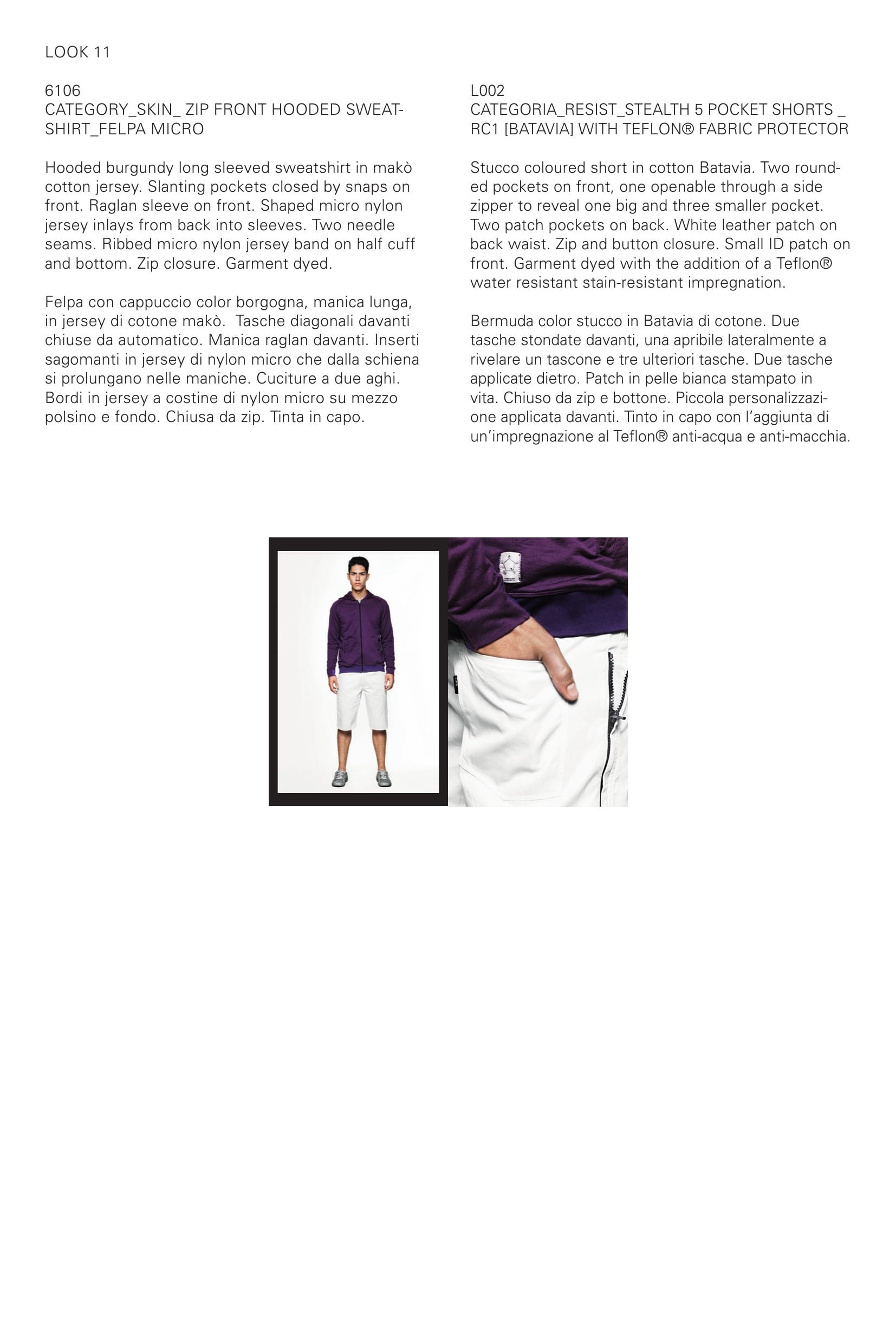
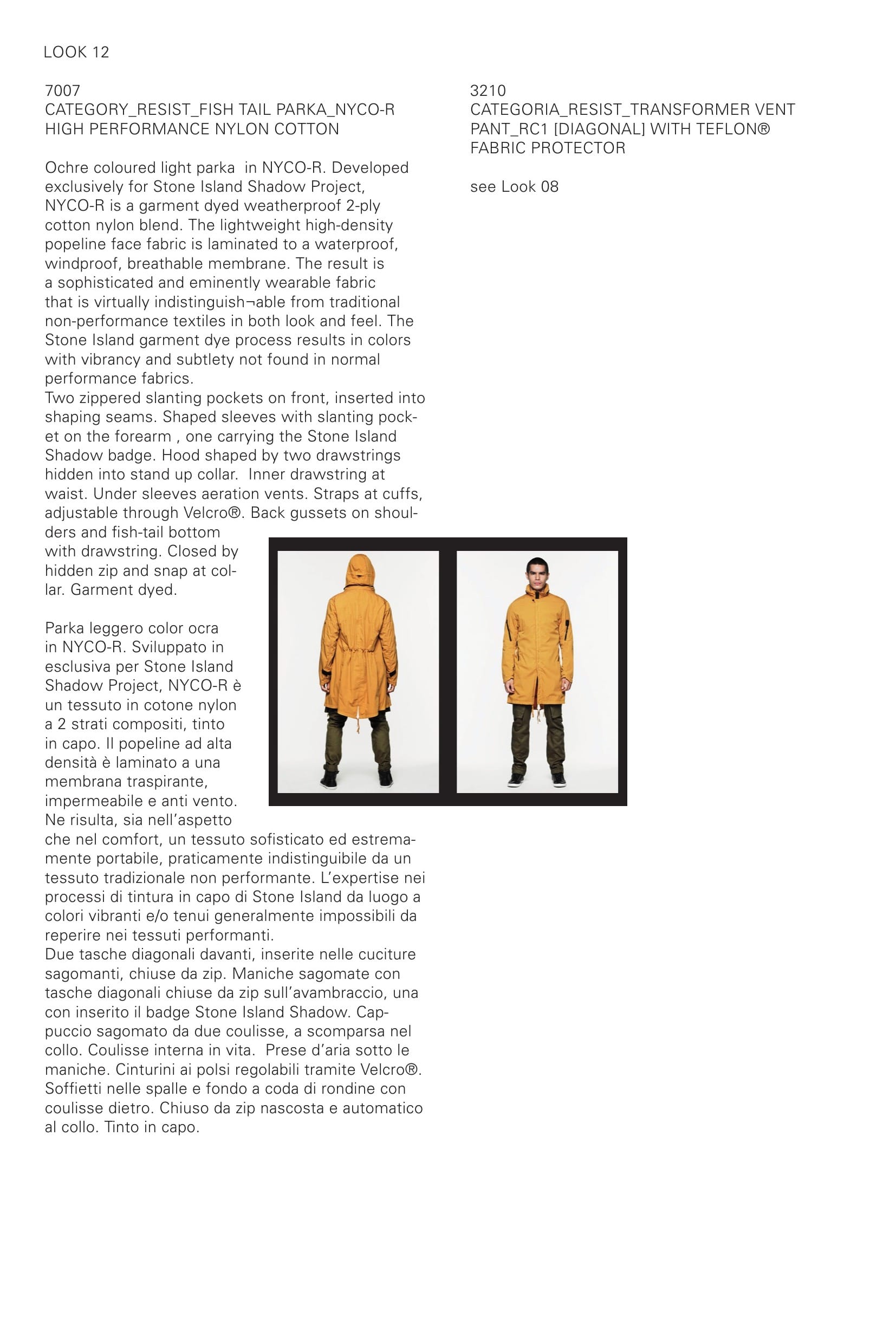
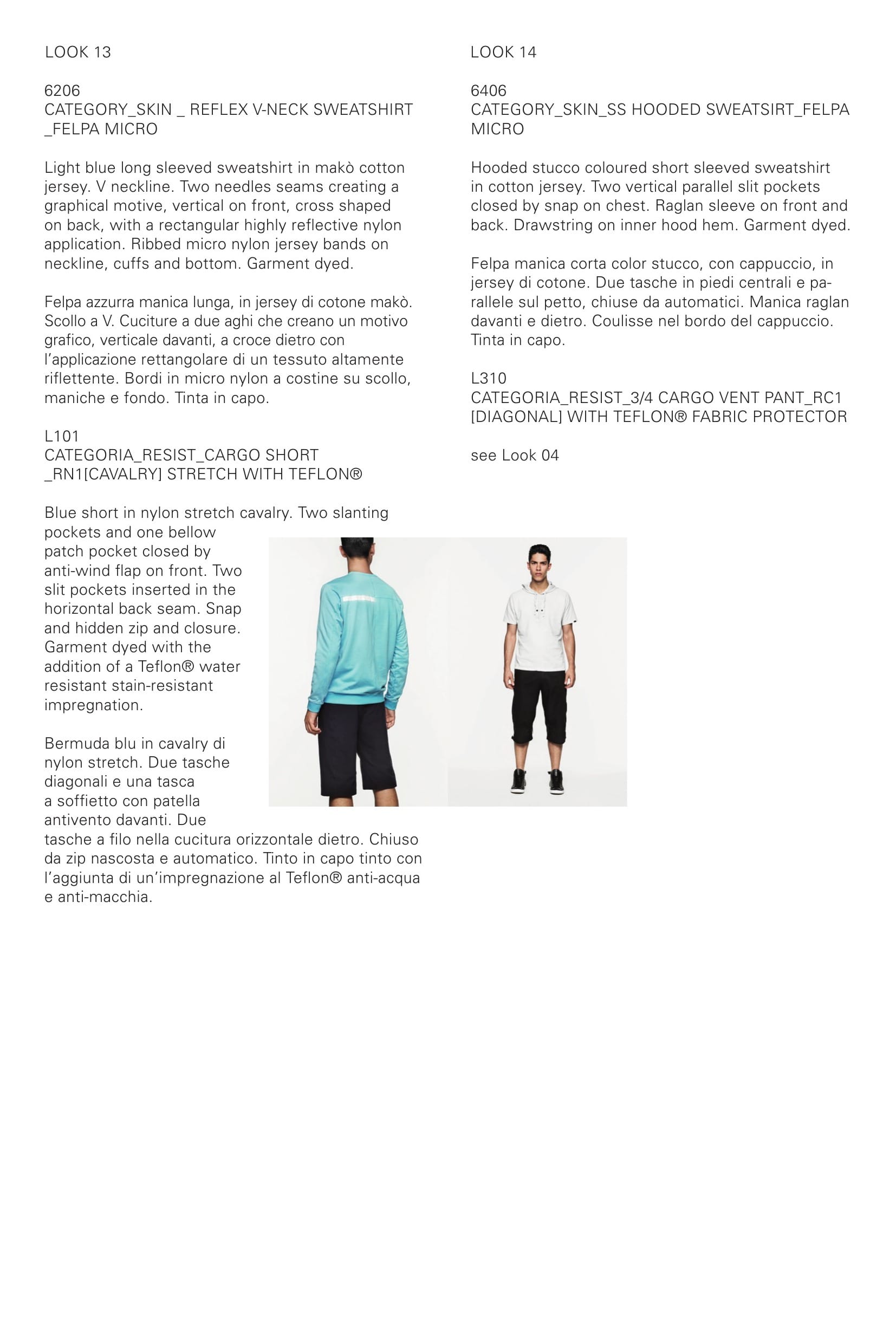
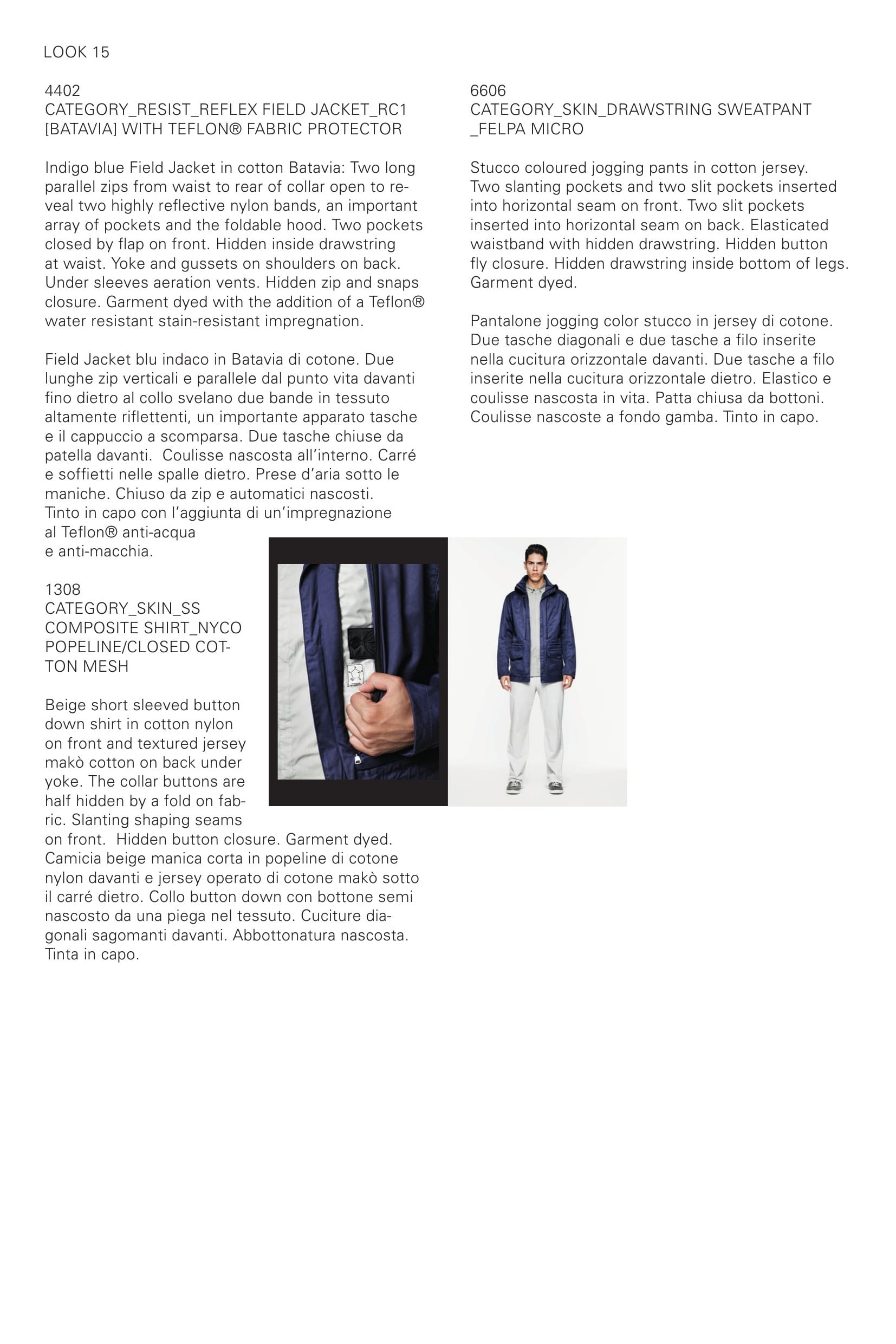
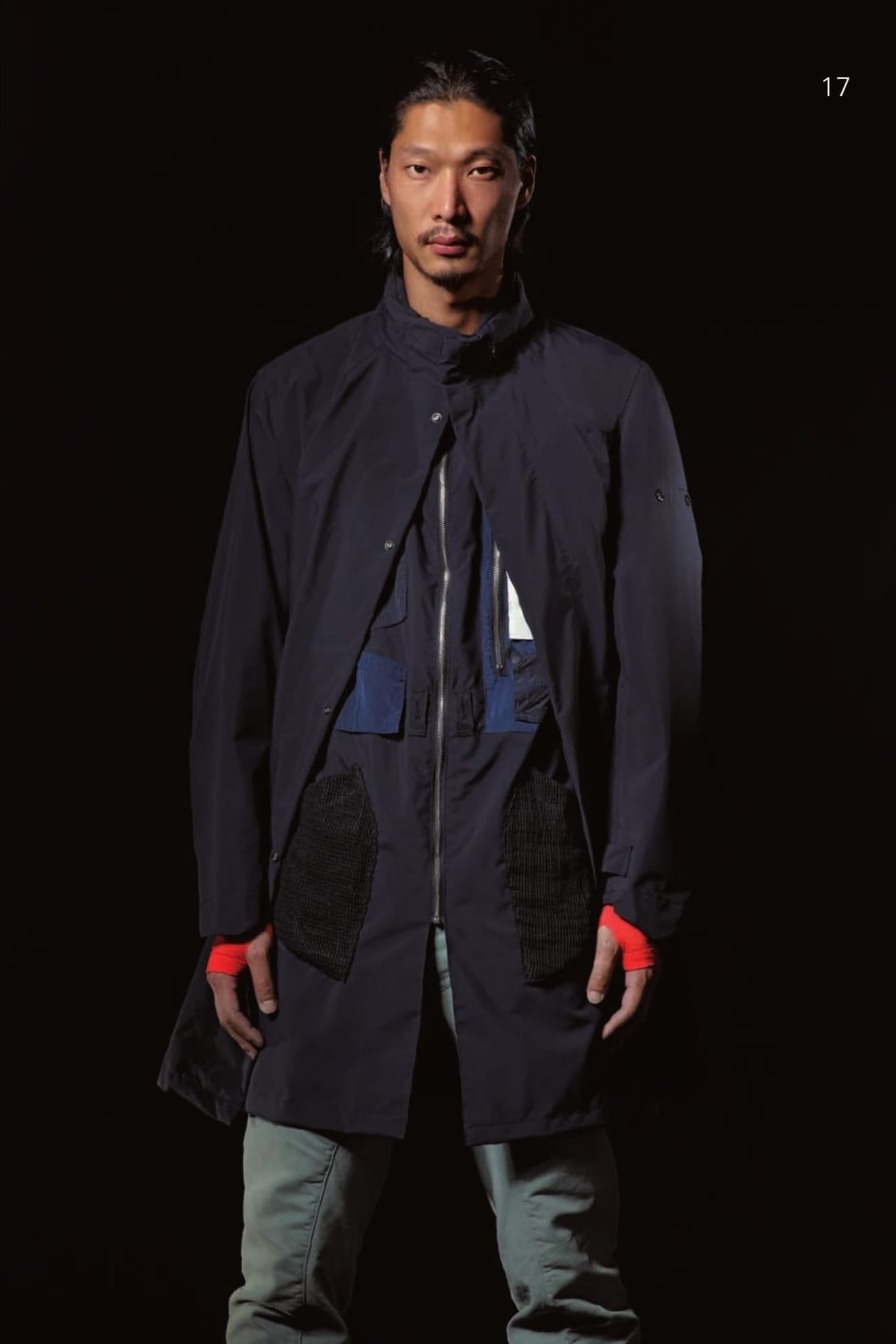
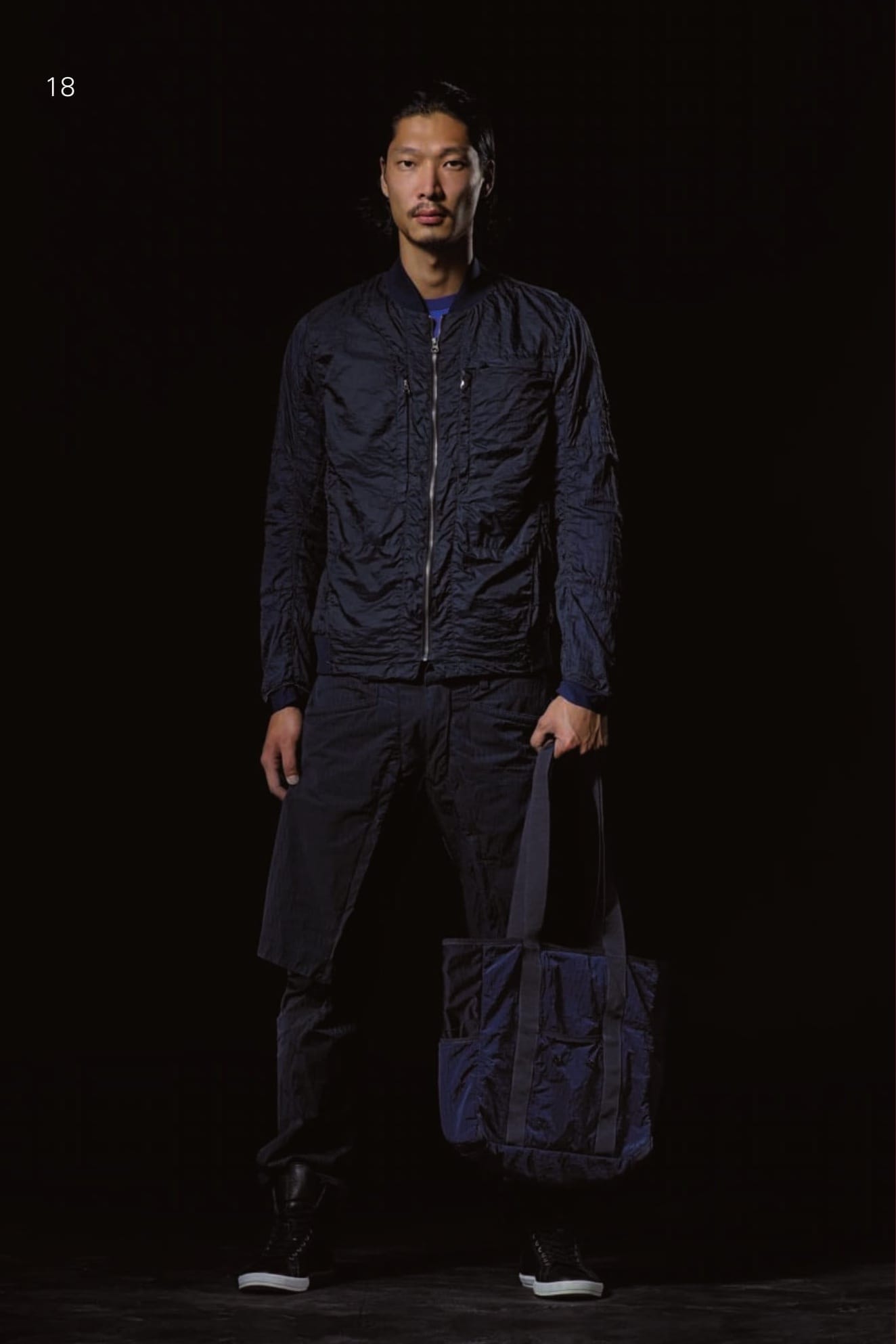
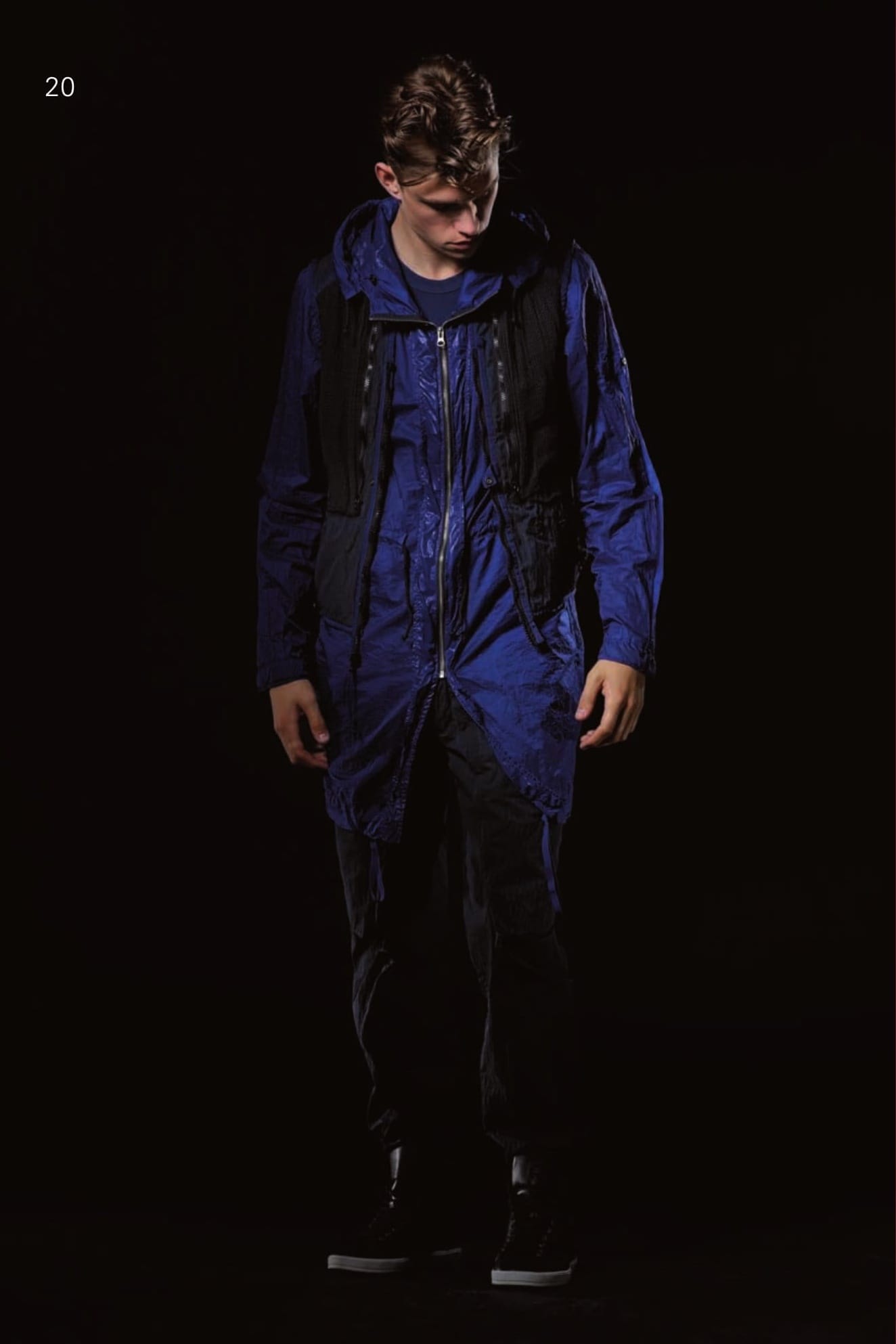
Driven, as ever, by textile innovations from the Stone Island laboratory, the ninth Stone Island Shadow Project collection is an investigation into modern texture and structure. An intrinsic understanding of technology and performance renders garments that are unfussy and practical. An informed view of contemporary culture and context renders a look and feel that is urbane and progressive. 5719, the autumn/winter '012 collection, defines modernity as an innate flowstate of ease and nuance. Base materials have been selected for their natural warmth and familiarity. Reassuring and subdued, they are then carefully tuned for protection and carefree daily use. Piece dyed fabrics in the collection are precise, rich, and tactile. Garment dyed fabrics achieve signature depths of colour saturation and expression. New to Shadow this season are knitted items and engineered knit details — notably the new Stealth Jacket, a Gore-Tex® Proshell crombie whose hidden pocket array is knit 'in macchina'.
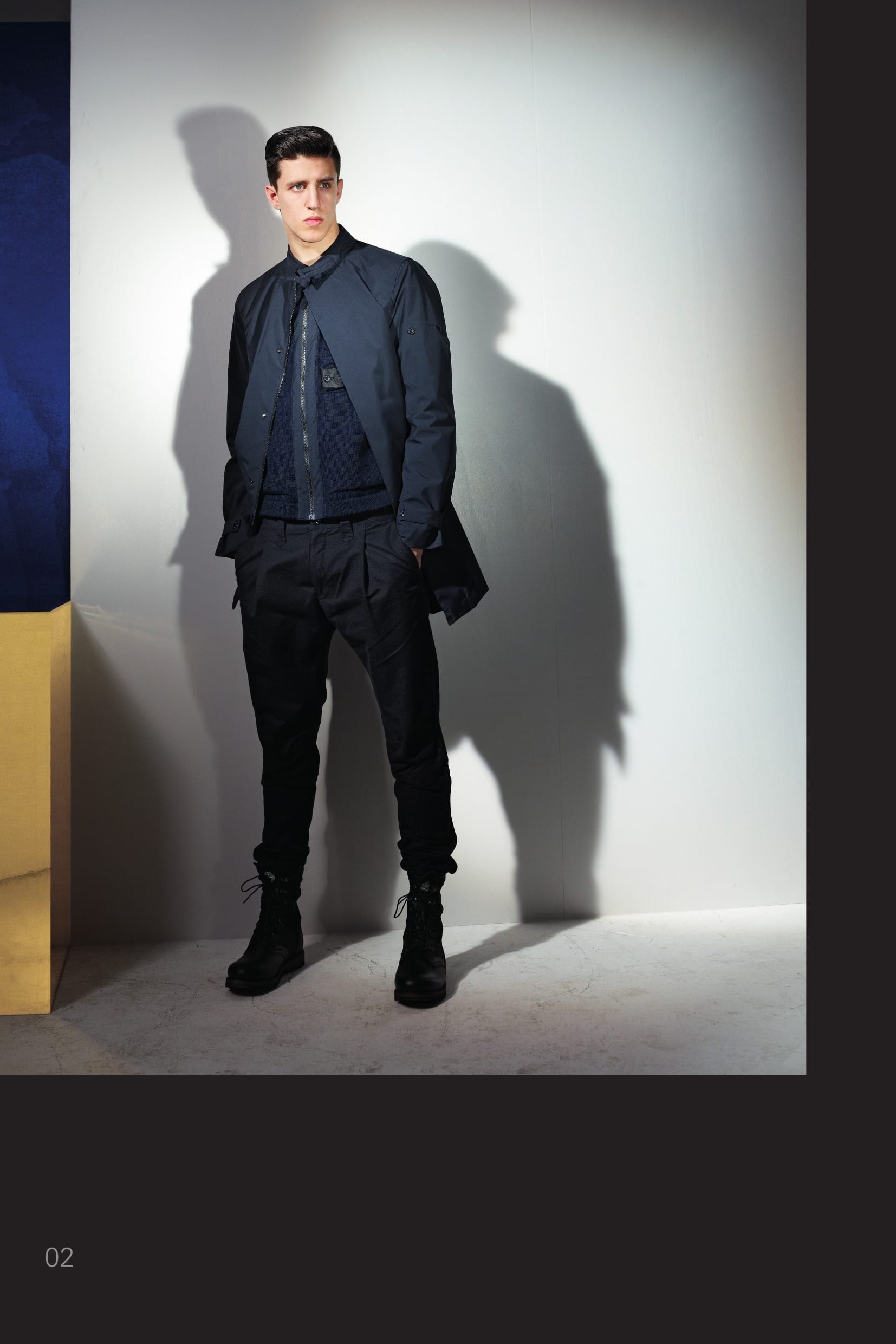
![A0102 CATEGORY RESIST_ ZIP BLAZER _ TECHNICAL WOOL [WOOL / NY REPS WITH DOWN INSULATION] Technical look for this mil. spec. wool nylon rep, treated with an anti-drop agent. Blazer with horizontal pockets on the front. Slits on the chest, the right one carrying a pocket with a snap fastening. Cuffs with hidden buttons fastening. Hidden zip and snap fasten- ing. White nylon lining, protected through a run proof nylon mesh, edged by a in finely ribbed nylon knit. 30509 CATEGORY_ RESIST_ PLEATED PANT _ CO MICRO CORD Trousers in slightly stretch corduroy 2000. One pleat on front. Slanting front pockets. Slightly slanting back pockets with buttoned flap. From the knee down, panel leg construction with a back inlay in a finely ribbed cotton jersey. Crop inlay. Zip and button fly fastening. Garment dyed.](https://storage.ghost.io/c/14/ee/14eef3be-ca5a-434b-8324-fa1f874026f1/content/images/2026/06/stone-island-shadow-project-aw2012-2013-lookbook-13.jpg)
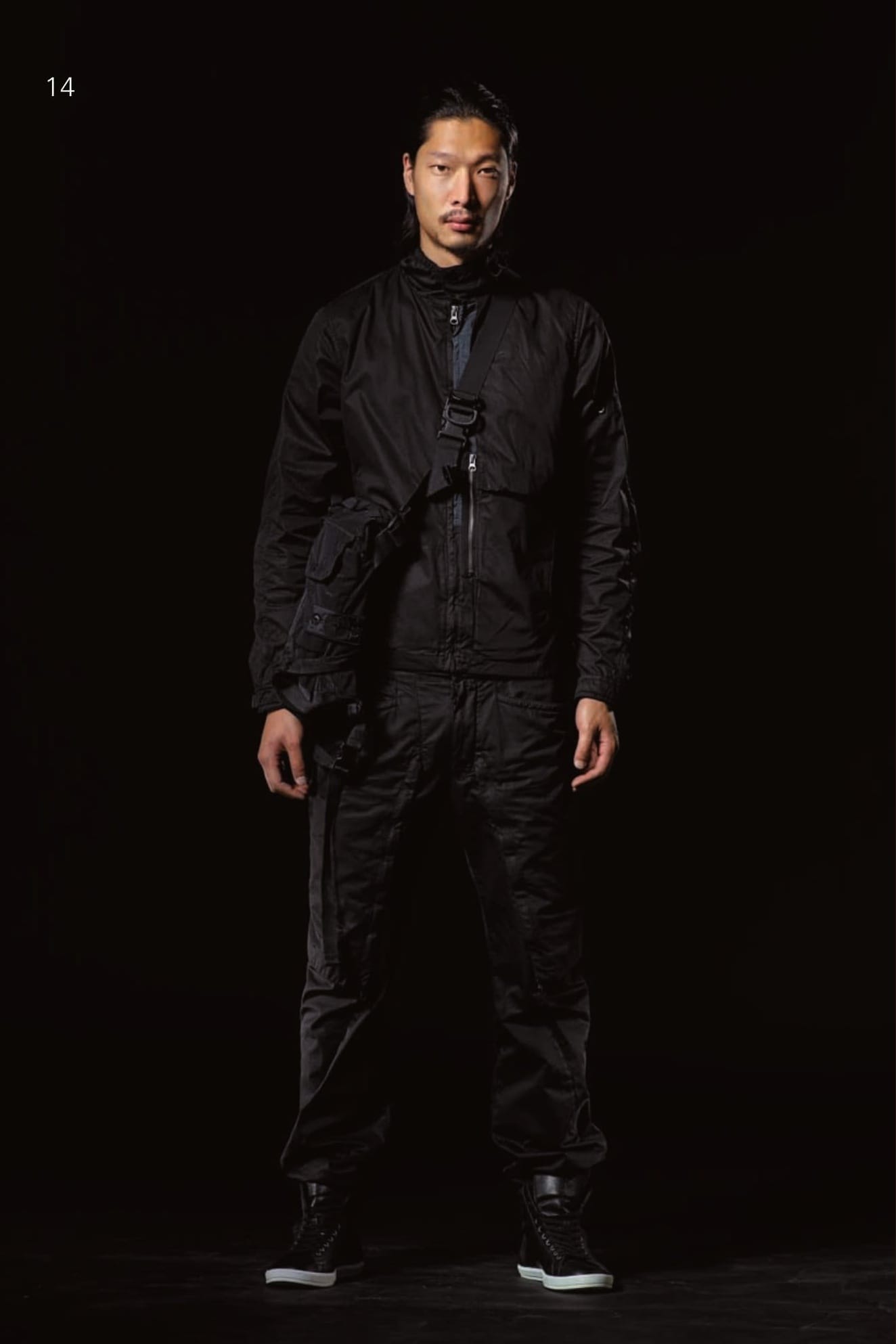
![40101 CATEGORY RESIST_ PEACOAT _ MOLESKIN-R 3L [BONDED CO MOLESKIN WITH KNIT HAND GAITERS ] Moleskin-R 3L is a marriage of apparent opposites. The beauty and open structure of the face cotton nylon moleskin fabric is combined with the practicality and protection of a windproof, waterproof, and breath- able membrane and backer with thermo taped seams. The resulting garments are unique in look, feel, and performance. Developed exclusively for STONE ISLAND SHADOW PROJECT. _ Optimal weather protection: Waterproof and windproof _ Breathable: Allows moisture vapour to escape _ Exceptional comfort and wearability _ Treated with an anti-drop agent Jacket with double breast appearance through an asymmetrical zip fastening. On the front, 2 horizontal pockets with slightly asymmetrical flap. Ergonomic sleeve construction. Knitted gaiters into the sleeves. STONE ISLAND SHADOW badge inside. 90306 CATEGORY_ EQUIP _ MODULAR SCARF [IRIDESCENT NYLON/PL] Scarf in an iridescent nylon polyester with a star shaped quilting to a polyester padding. Modular ac- cessory. The textile accessories of the EQUIP catego- ry can be fixed to all coats and jackets of the PROOF, RESIST and AUGMENT categories of this season as well as pieces from older and future collections. They are designed not only for their primary function, but also to enrich and add a further dimension an overall look. The accessories can be fixed to the garments using loops and snaps on the neck. Shaped cut. Pocket at one end, fastened through an invisible zip. Garment dyed. 30209 CATEGORY_ RESIST _ CHINO_ CO MICRO CORD Chinos in slightly stretch corduroy 2000. Slanting front pockets. Slightly slanting back pockets. Diagonal seams on legs. Crop inlay. Hidden snap and zip fly fastening. Garment dyed.](https://storage.ghost.io/c/14/ee/14eef3be-ca5a-434b-8324-fa1f874026f1/content/images/2026/06/stone-island-shadow-project-aw2012-2013-lookbook-14.jpg)
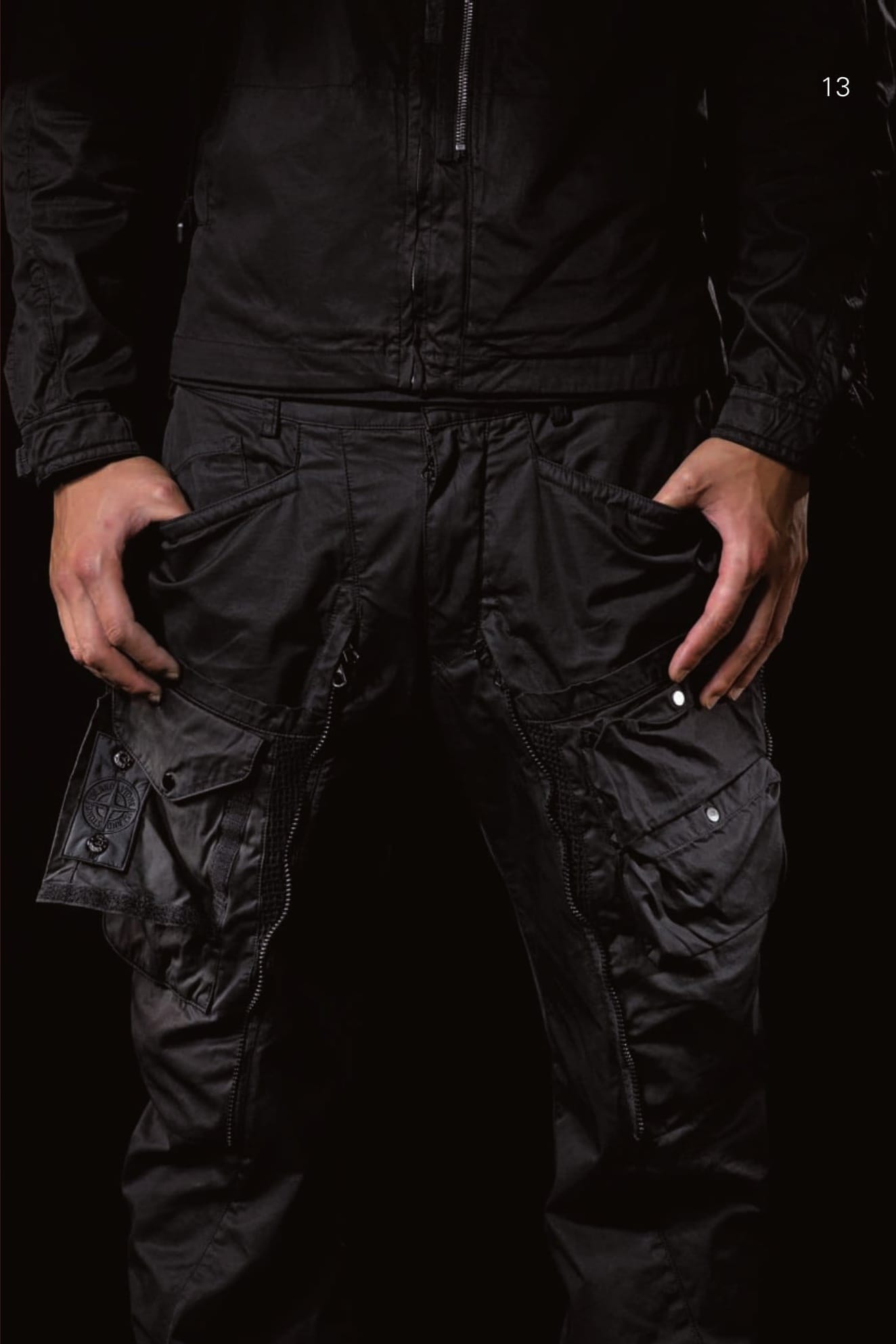
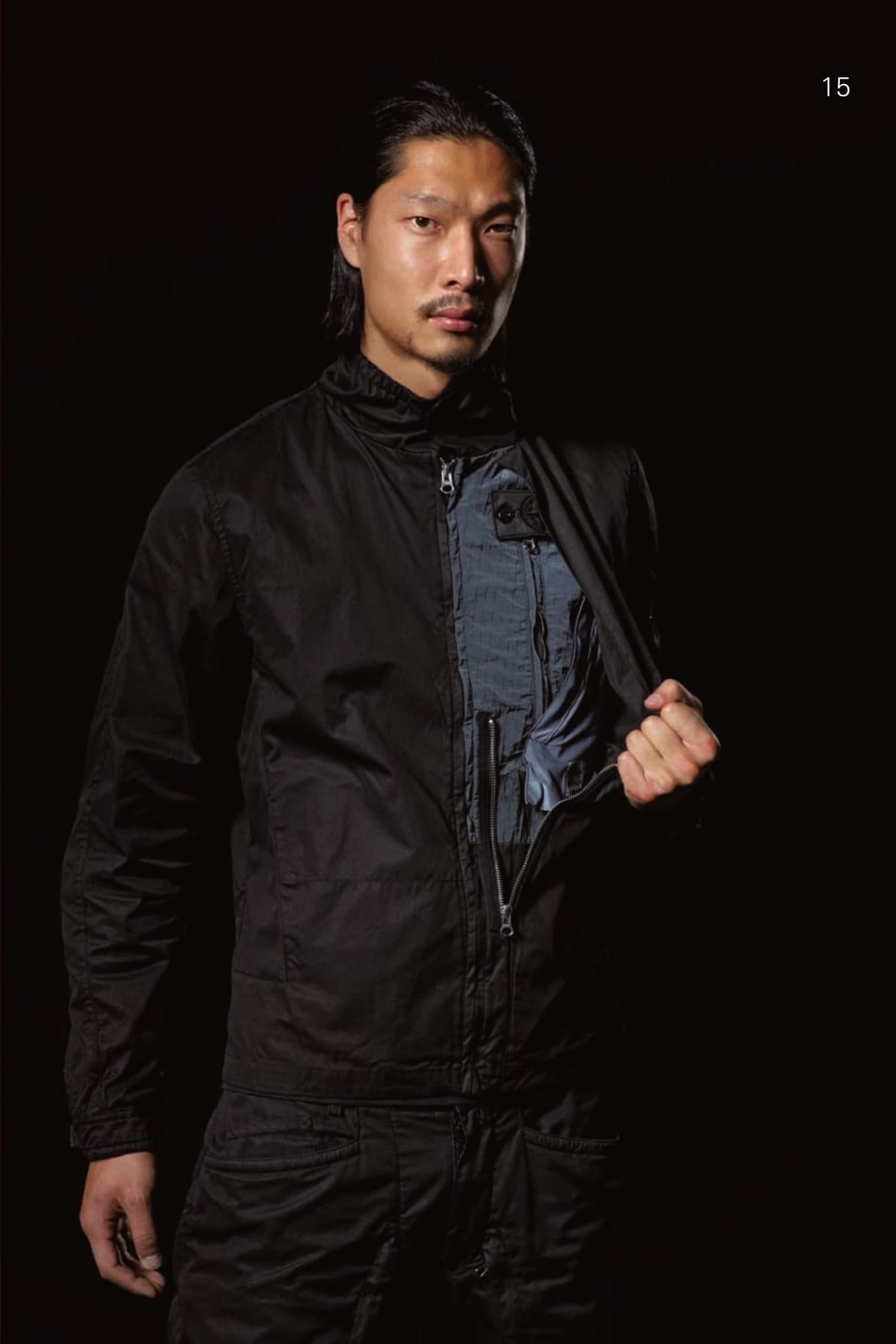
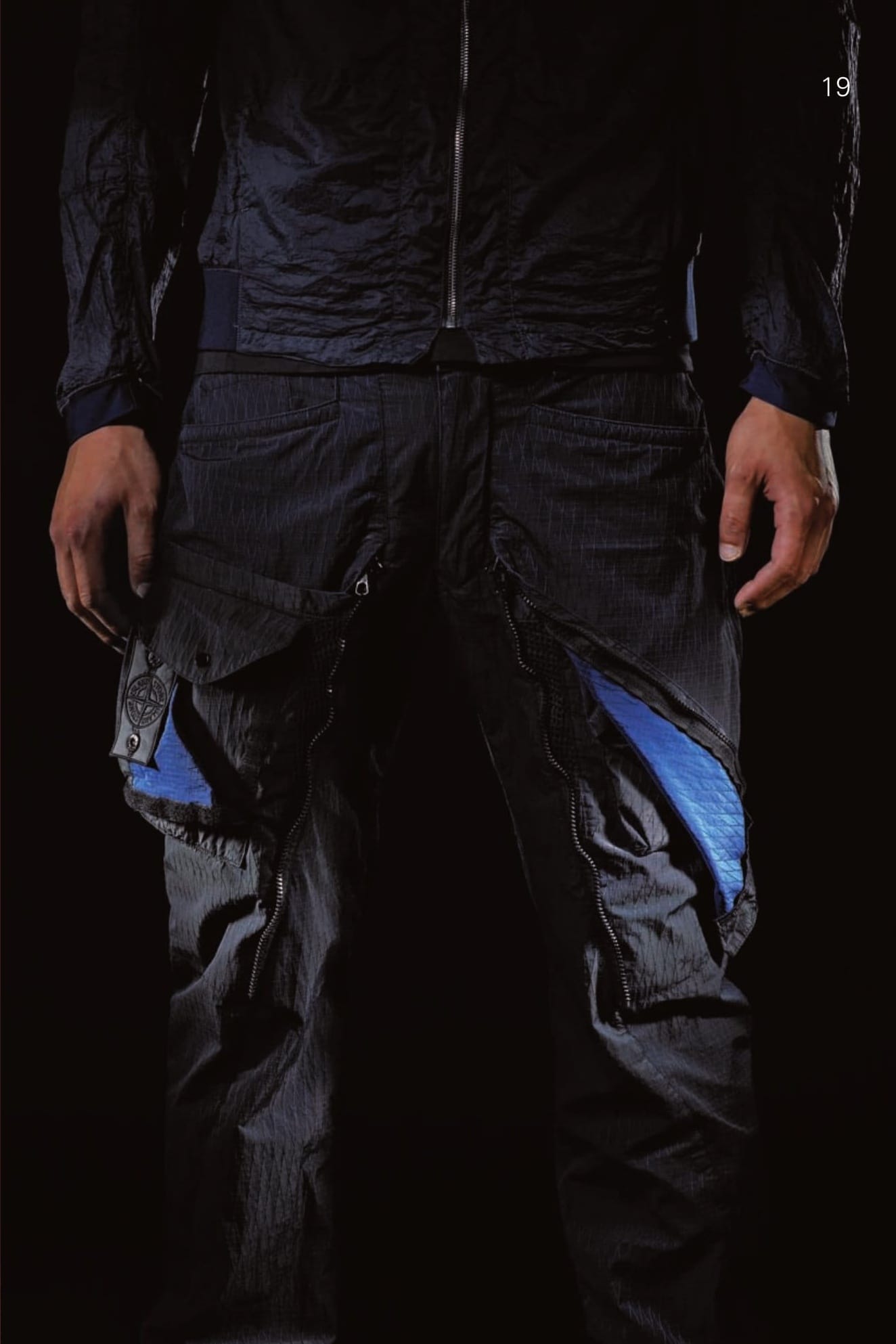
![41007 CATEGORY_RESIST _ BLAZER_ JERSEY-R 3L [ BONDED JERSEY MAKO AND FLEECE ] Developed exclusively for STONE ISLAND SHADOW PROJECT, JERSEY-R takes softshell fabrics to a new level of elegance and comfort. Its 3-ply composite construction bonds a windproof waterproof breath- able membrane between face and backers of finest mercerized cotton jersey and fleece. Incredibly soft and fluid, the fabric’s tactile qualities belie its very real protective attributes. Combined with the STONE ISLAND garment dye process, Jersey-R garments ex- ude ease and refinement beyond the range of normal performance apparel. _ Optimal weather protection: Waterproof and windproof _ Breathable: Allows moisture vapour to escape _ Exceptional comfort and wearability _ Garment dyed with the addition of an anti-drop agent Two patch pockets with snaps fastening on front. On the chest, one single pocket with vertical hidden zip fastening on the right side. On the left side, a vertical and horizontal hidden zip fastening hides an array of inner pockets and the STONE ISLAND badge; small patch pocket on the outer surface. Ergonomic sleeve construction. Shaped cuff with strap and adjustable snap fastening. Back vents on shoulders. Raised collar in finely ribbed cotton jersey, with strap and adjustable snap fastening. Snaps and hidden zip fastening. 30412 CATEGORY_ RESIST _ CONVERT PANT [NYCO MOLESKIN ] Cotton nylon moleskin trousers. On the legs, two large flaps with one double pull zip fastening on each side can be folded inside large leg pockets: the outer zips, if opened from the top, act as pocket ‘entrance’ to the trousers side pockets hidden below. The leg pockets carry and array of smaller pockets closed by flaps and snaps. One of these pockets is closed by a vertical Velcro® fastening hiding the STONE ISLAND SHADOW badge. Zip and snap fly fastening.](https://storage.ghost.io/c/14/ee/14eef3be-ca5a-434b-8324-fa1f874026f1/content/images/2026/06/stone-island-shadow-project-aw2012-2013-lookbook-15.jpg)
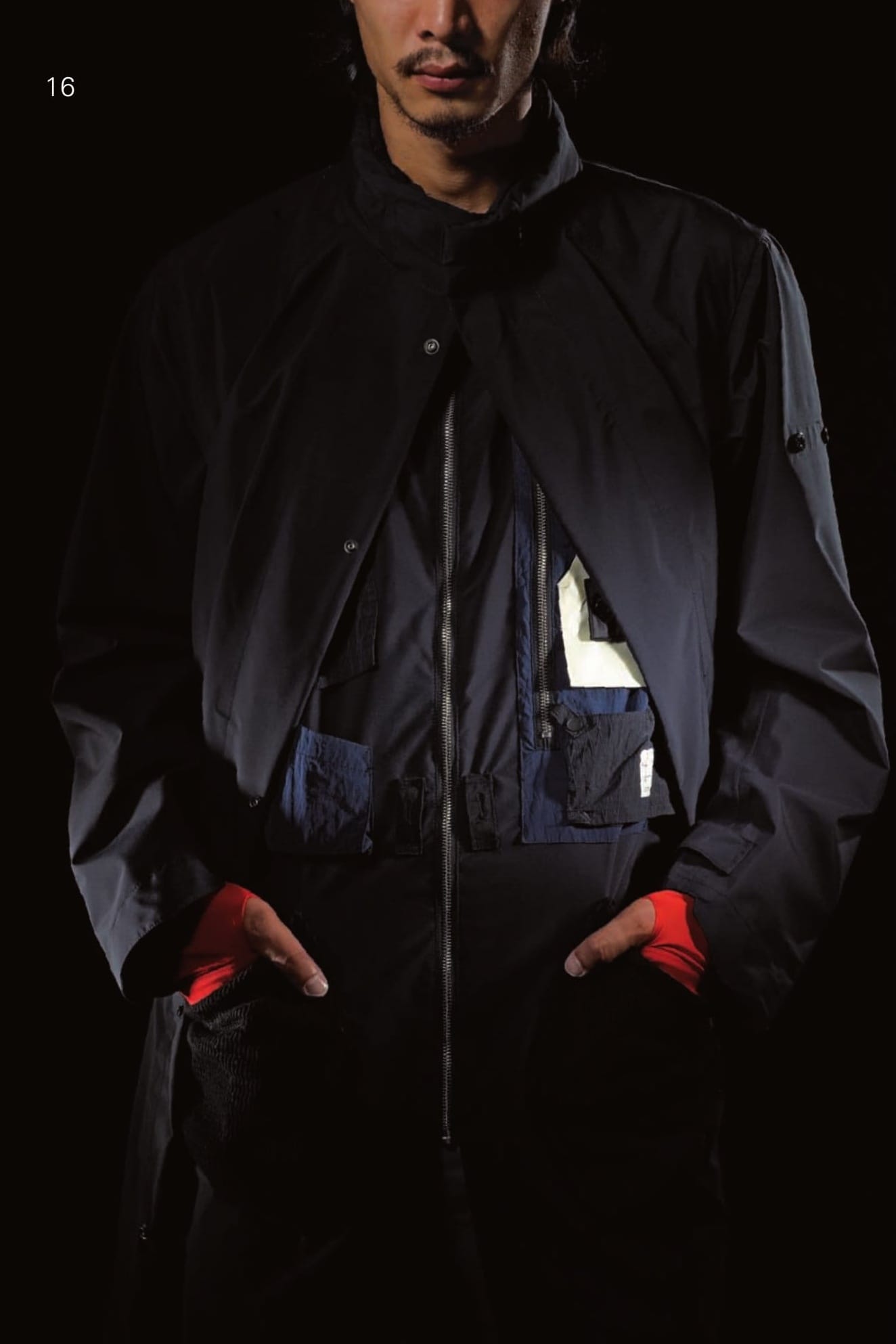
![40803 CATEGORY RESIST_ SHIELD JACKET _ RASO-R 3L WITH WINDSTOPPER® Developed in association with W.L. Gore and As- sociates exclusively for STONE ISLAND SHADOW, RASO-R 3L in many ways represents the creation and ultimate expression of the SHADOW PROJECT concept. Taking one of the historic STONE ISLAND fabrics – RASO GOMMATO – as a starting point, the classic STONE ISLAND look is combined with one of the most advanced performance technologies on the market today. The Windstopper® membrane provides exceptional and unbeatable balance in terms of pro- tection and comfort. STONE ISLAND garment dyeing expertise generates unique colours that cannot be found in any other performance fabric. _ Total windproofness: Effective protection from windchill _ Maximum breathability: Allows moisture vapour to evaporate _ Maximum water resistance: Sheds rain, snow, and dries quickly _ Garment dyed with the addition of an anti-drop agent Yoke on front with small flap hiding a pocket host- ing the STONE ISLAND SHADOW badge. Trapeze pockets on the front, with side entrance fastened by an invisible zip. The left pocket has a second vertical invisible zip next to the jacket fastening, hiding an array of pockets on a layer of MUSSOLA PRISMAT- ICA, a light cotton muslin bonded to an outer finely grooved polyurethane film for a liquid/prismatic effect and the STONE ISLAND SHADOW badge. Invisible zip openings on both side seams, to guarantee extra breathability. Ergonomic sleeve construction. Shaped cuffs, adjustable through a diagonal Velcro® band. Hood with frontal anti wind collar on front and horizon- tal drawstring on the back. Rounded bottom, slightly longer on the back, with inner drawstring. G0302 CATEGORY AUGMENT_ MODULAR DOWN VEST_ TECHNICAL WOOL [WOOL / NY REPS WITH DOWN INSULATION] Technical look for this mil. spec. wool nylon rep, treated with an anti-drop agent. The vest is padded with the finest down feathers and quilted with a ray shaped motive. The Augment function allows the garment to be worn on its own or under other STONE ISLAND SHADOW coats and jackets of this, former and future collections, in order to increase the thermo performances of the grid sys- tem. Slanting pockets in the frontal quilting, fastened through an invisible zip. STONE ISLAND SHADOW badge in the inside. Collar and bottom band in finely ribbed nylon knit. White nylon lining, protected through a run proof nylon mesh, edged by a in finely ribbed nylon knit. 30509 CATEGORY_ RESIST_ PLEATED PANT _ CO MICRO CORD Trousers in slightly stretch corduroy 2000. One pleat on front. Slanting front pockets. Slightly slanting back pockets with buttoned flap. From the knee down, panel leg construction with a back inlay in a finely ribbed cotton jersey. Crop inlay. Zip and button fly fastening. Garment dyed.](https://storage.ghost.io/c/14/ee/14eef3be-ca5a-434b-8324-fa1f874026f1/content/images/2026/06/stone-island-shadow-project-aw2012-2013-lookbook-16.jpg)
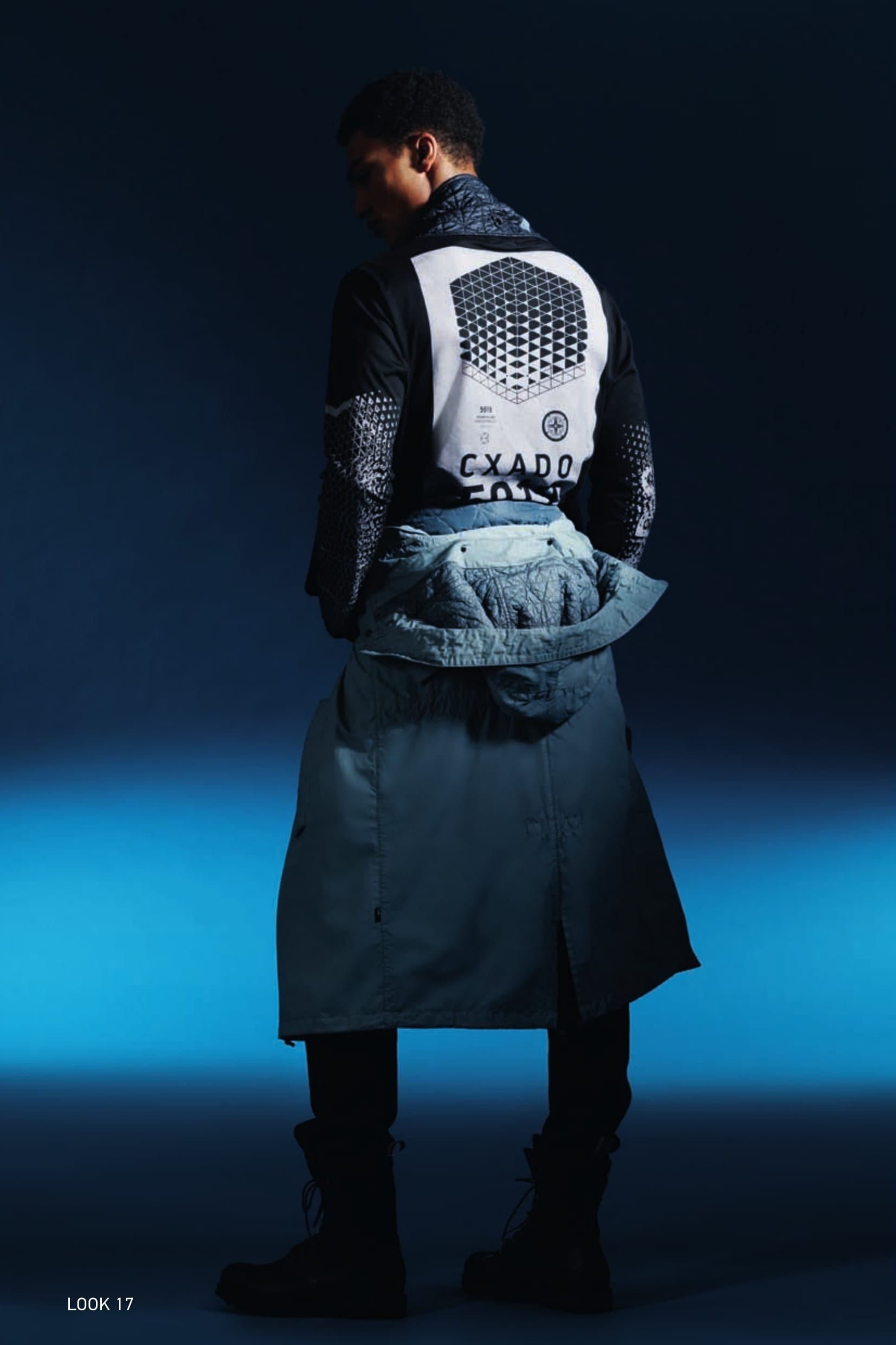
![70105 CATEGORY RESIST_FISHTAIL PARKA _ DIAGONAL-R 3L [BONDED WOOL LINEN TELA] Diagonal-R 3L begins as a diagonal military specifi- cation wool and linen tela. Bonded to a windproof, waterproof, and breathable membrane and a nylon mesh backer; it is garment dyed to achieve vivid and subtle shades of colour. The results are beauti¬ful and wearable garments which are truly STONE ISLAND; both natural and technical at once. _ Optimal weather protection: waterproof and windproof _ Breathable: Allows moisture vapour to escape _ Unique look and feel _ Garment dyed with the addition of an anti-drop agent Fishtail Parka. Diagonal pockets with flap and snap fastening. On chest, a vertical double pull zip fasten- ing hides an array of pockets built on a layer in Musso- la Prismatica, a light cotton muslin bonded to an outer finely grooved polyurethane film for a liquid/prismatic effect, and the Stone Island Shadow badge. Ergo- nomic sleeve construction. Shaped cuffs, adjustable through a diagonal Velcro® band. Inner drawstring on the back, adjustable through drawstrings positioned on the front. Fishtail bottom edge with drawstring. The parka can be shortened through back and front snaps. Big detachable hood with inner band and anti- wind flap on the collar lined with a cotton nylon tela. 20213 CATEGORY_ SKIN_ LS SLEEVE T _ JERSEY MAKO WITH NY CALANDRA Long sleeve T-Shirt in mako cotton jersey. Asymmet- rical cuts on the front with Catch pocket, with side entrance, on the chest, in iridescent ‘calandra’ nylon polyester fabric. Yoke on back. Garment dyed. 30509 CATEGORY_ RESIST_ PLEATED PANT _ CO MICRO CORD Trousers in slightly stretch corduroy 2000. One pleat on front. Slanting front pockets. Slightly slanting back pockets with buttoned flap. From the knee down, panel leg construction with a back inlay in a finely ribbed cotton jersey. Crop inlay. Zip and button fly fastening. Garment dyed.](https://storage.ghost.io/c/14/ee/14eef3be-ca5a-434b-8324-fa1f874026f1/content/images/2026/06/stone-island-shadow-project-aw2012-2013-lookbook-20.jpg)
![40605 CATEGORY RESIST_BOMBER JACKET _ DIAGONAL-R 3L [BONDED WOOL LINEN TELA ] DIAGONAL-R 3L begins as a diagonal military speci- fication wool and linen tela. Bonded to a windproof, waterproof, and breathable membrane and a nylon mesh backer; it is garment dyed to achieve vivid and subtle shades of colour. The results are beautiful and wearable garments which are truly STONE ISLAND; both natural and technical at once. _ Optimal weather protection: Waterproof and windproof _ Breathable: Allows moisture vapour to escape _ Unique look and feel _ Garment dyed with the addition of an anti-drop agent Bomber jacket. Vertical on seam pockets with hidden zip fastening on an inlay in MUSSOLA PRISMATICA, a light cotton muslin bonded to an outer finely grooved polyurethane film for a liquid/prismatic effect. Air vents under the sleeves. Ergonomic sleeve con- struction. Collar and cuffs in a finely ribbed nylon knit Inside, MUSSOLA PRISMATICA patch pocket and the STONE ISLAND SHADOW badge. 30512 CATEGORY_ RESIST _ PLEATED PANT_ NYCO MOLESKIN Cotton nylon moleskin trousers. One pleat on front. Slanting front pockets. Slightly slanting back pockets with buttoned flap. From the knee down, panel leg construction with a back inlay in a finely ribbed cotton jersey. Crop inlay. Zip and button fly fastening. Garment dyed.](https://storage.ghost.io/c/14/ee/14eef3be-ca5a-434b-8324-fa1f874026f1/content/images/2026/06/stone-island-shadow-project-aw2012-2013-lookbook-21.jpg)
![40203 CATEGORY RESIST_ CYCLONE JACKET _RASO-R 3L WITH QUILTED INSULATION Developed in association with W.L. Gore and As- sociates exclusively for STONE ISLAND SHADOW, RASO-R 3L in many ways represents the creation and ultimate expression of the SHADOW PROJECT concept. Taking one of the historic STONE ISLAND fabrics – RASO GOMMATO – as a starting point, the classic Stone Island look is combined with one of the most advanced performance technologies on the market today. The Windstopper® membrane provides exceptional and unbeatable balance in terms of pro- tection and comfort. STONE ISLAND garment dyeing expertise generates unique colours that cannot be found in any other performance fabric. _ Total windproofness: Effective protection from windchill _ Maximum breathability: Allows moisture vapour to evaporate _ Maximum water resistance: . Sheds rain, snow, and dries quickly _ Garment dyed with the addition of an anti-drop agent Jacket with band collar and a hidden asymmetrical snap fastening. On the front, vertical pockets with hid- den zip fastening. On the chest, a vertical double pull zip, hides an array of pockets on a layer of Mussola Prismatica, a light cotton muslin bonded to an outer finely grooved polyurethane film for a liquid/prismatic effect and the STONE ISLAND SHADOW badge. Ergonomic sleeve construction. Shaped cuffs with zip fastening. Iridescent nylon polyester quilted to a polyester padding. Asymmetrical zip fastening. 30412 CATEGORY_ RESIST _ CONVERT PANT [NYCO MOLESKIN] Cotton nylon moleskin trousers. On the legs, two large flaps with one double pull zip fastening on each side can be folded inside large leg pockets: the outer zips, if opened from the top, act as pocket ‘entrance’ to the trousers side pockets hidden below. The leg pockets carry and array of smaller pockets closed by flaps and snaps. One of these pockets is closed by a vertical Velcro® fastening hiding the STONE ISLAND SHADOW badge. Zip and snap fly fastening. .](https://storage.ghost.io/c/14/ee/14eef3be-ca5a-434b-8324-fa1f874026f1/content/images/2026/06/stone-island-shadow-project-aw2012-2013-lookbook-22.jpg)
![70105 CATEGORY RESIST_FISHTAIL PARKA _ DIAGONAL-R 3L [BONDED WOOL LINEN TELA] DIAGONAL-R 3L begins as a diagonal military speci- fication wool and linen tela. Bonded to a windproof, waterproof, and breathable membrane and a nylon mesh backer; it is garment dyed to achieve vivid and subtle shades of colour. The results are beauti¬ful and wearable garments which are truly STONE ISLAND; both natural and technical at once. _ Optimal weather protection: waterproof and windproof _ Breathable: Allows moisture vapour to escape _ Unique look and feel _ Garment dyed with the addition of an anti-drop agent Fishtail Parka. Diagonal pockets with flap and snap fastening. On chest, a vertical double pull zip fastening hides an array of pockets built on a layer in Mussola Prismatica, a light cotton muslin bonded to an outer finely grooved polyurethane film for a liquid/ prismatic effect, and the STONE ISLAND SHADOW badge. Ergonomic sleeve construction. Shaped cuffs, adjustable through a diagonal Velcro® band. Inner drawstring on the back, adjustable through draw- strings positioned on the front. Fishtail bottom edge with drawstring. The parka can be shortened through back and front snaps. Big detachable hood with inner band and anti-wind flap on the collar lined with a cot- ton nylon tela. 10210 CATEGORY_ SKIN _ STAND COLLAR SHIRT_ CO OXFORD Cotton Oxford shirt. Stand up collar held by one but- ton. Engineered sleeve construction with finely ribbed cotton stretch inlay under the arm. Yoke on back. Adjustable buttoned cuffs. Hidden button fastening. Garment dyed. 30412 CATEGORY_ RESIST _ CONVERT PANT [NYCO MOLESKIN ] Cotton nylon moleskin trousers. On the legs, two large flaps with one double pull zip fastening on each side can be folded inside large leg pockets: the outer zips, if opened from the top, act as pocket ‘entrance’ to the trousers side pockets hidden below. The leg pockets carry and array of smaller pockets closed by flaps and snaps. One of these pockets is closed by a vertical Velcro® fastening hiding the STONE ISLAND SHADOW badge. Zip and snap fly fastening.](https://storage.ghost.io/c/14/ee/14eef3be-ca5a-434b-8324-fa1f874026f1/content/images/2026/06/stone-island-shadow-project-aw2012-2013-lookbook-23.jpg)
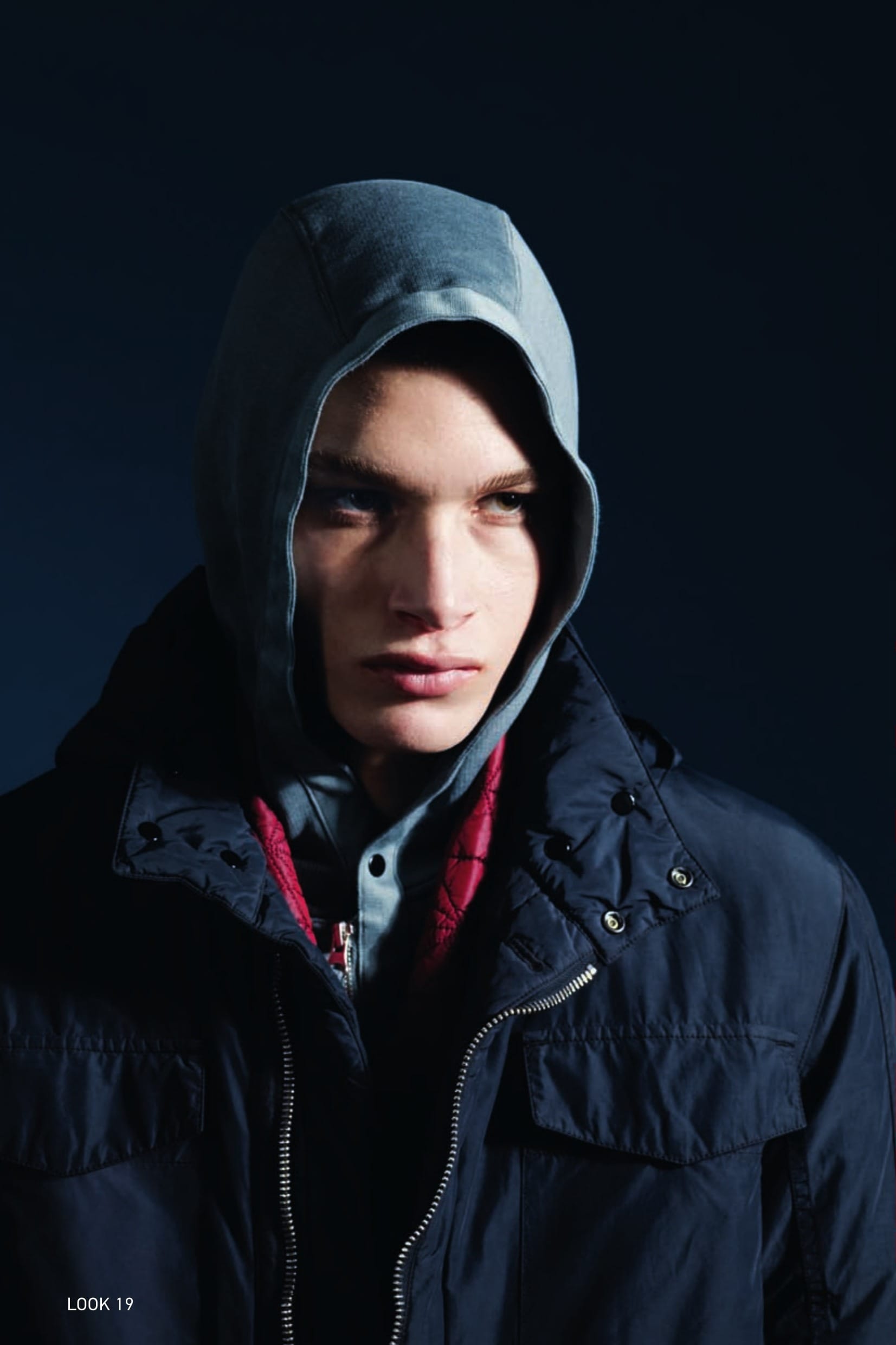
![40502 CATEGORY AUGMENT_ MODULAR DOWN JACKET_ TECHNICAL WOOL [WOOL / NY REPS WITH DOWN INSULATION] Technical look for this mil. spec. wool nylon rep, treated with an anti-drop agent. The bomber jacket is padded with the finest down feathers and quilted with a ray shaped motive. The Augment function allows the garment to be worn on its own or under other STONE ISLAND SHADOW coats and jackets of this, former and future collections, in order to increase the thermo performances of the grid system. Slanting pockets in the frontal quilting, fastened through an invisible zip. STONE ISLAND SHADOW badge in the inside. Under arm inlay to allow maximum movement. Collar, cuffs and bottom band in finely ribbed nylon knit. White nylon lining, protected through a run proof nylon mesh, edged by a in finely ribbed nylon knit. 90207 CATEGORY_ EQUIP _ MODULAR HOOD_ JERSEY-R 3L Hood with throat piece in Jersey 3L, a 3-ply comp- osite fabric construction bonding a windproof water- proof breathable membrane between face and back- ers of the finest mercerized cotton jersey and cotton fleece. Modular accessory. The textile accessories of the EQUIP category can be fixed to all coats and jackets of the PROOF, RESIST and AUGMENT catego- ries of this season as well as pieces from older and future collections. They are designed not only for their primary function, but also to enrich and add a further dimension to an overall look. The accessories can be fixed to the garments using loops and snaps on the neck. Drawstring in the hood and button at collar. On the throat piece, asymmetrical zip fastening and small pocket fastened by an invisible zip. Garment dyed with the addition of an anti-drop agent. 30512 CATEGORY_ RESIST _ PLEATED PANT_ NYCO MOLESKIN Cotton nylon moleskin trousers. One pleat on front. Slanting front pockets. Slightly slanting back pockets with buttoned flap. From the knee down, panel leg construction with a back inlay in a finely ribbed cotton jersey. Crop inlay. Zip and button fly fastening. Garment dyed.](https://storage.ghost.io/c/14/ee/14eef3be-ca5a-434b-8324-fa1f874026f1/content/images/2026/06/stone-island-shadow-project-aw2012-2013-lookbook-24.jpg)
![A0207 CATEGORY_RESIST_ BLAZER_ JERSEY-3L [BONDED JERSEY MAKO AND FLEECE] Developed exclusively for STONE ISLAND SHADOW PROJECT, JERSEY-R 3L takes softshell fabrics to a new level of elegance and comfort. Its 3-ply com- posite construction bonds a windproof waterproof breathable membrane between face and backers of finest mercerized cotton jersey and fleece. Incredibly soft and fluid, the fabric’s tactile qualities belie its real protective attributes. Combined with the STONE ISLAND garment dye process, JERSEY-R garments exude ease and refinement beyond the range of normal performance apparel. _ Optimal weather protection: Waterproof and windproof _ Breathable: Allows moisture vapour to escape _ Exceptional comfort and wearability _ Garment dyed with the addition of an anti-drop agent Two shaped diagonal pockets with extra outer verti- cal zip opening. One hosting the STONE ISLAND SHADOW badge, the other hosting a second inner patch pocket. Raw cut and trimmed lapels. Hidden button fastenings at cuffs. One button fastening. 503A2 CATEGORY_ SKIN_ ZIP CARDIGAN _ WINTER CO KNIT 7 GAUGE Cardigan knit in slightly stretch winter cotton. Slanting pockets created ‘in macchina’, a seamless weaving construction with the body of the knit. Purl knit yoke on back. Rib construction for raised and folded collar, cuffs and folded bottom. Zip fastening. 504A1 CATEGORY_ SKIN_ CATCH POCKET SWEATER_ WINTER CO KNIT 12 GAUGE Crewneck knit in slightly stretch winter cotton. Catch pocket, with side opening, on chest. The pocket is created ‘in macchina’, a seamless weaving construc- tion with the body of the knit. Purl knit yoke on back. Rib construction for cuffs and bottom. 30209 CATEGORY_ RESIST _ CHINO_ CO MICRO CORD Chinos in slightly stretch corduroy 2000. Slanting front pockets. Slightly slanting back pockets. Diagonal seams on legs. Crop inlay. Hidden snap and zip fly fastening. Garment dyed.](https://storage.ghost.io/c/14/ee/14eef3be-ca5a-434b-8324-fa1f874026f1/content/images/2026/06/stone-island-shadow-project-aw2012-2013-lookbook-25.jpg)
![70301 CATEGORY RESIST_ CAR COAT _ MOLESKIN-R 3L [BONDED CO MOLESKIN] MOLESKIN-R 3L is a marriage of apparent opposites. The beauty and open structure of the face cotton nylon moleskin fabric is combined with the practicality and protection of a windproof, waterproof, and breath- able membrane and backer with thermo taped seams. The resulting garments are unique in look, feel, and very performance. Developed exclusively for STONE ISLAND SHADOW PROJECT. _ Optimal weather protection: Waterproof and windproof _ Breathable: Allows moisture vapour to escape _ Exceptional comfort and wearability _ Treated with an anti-drop agent Front and back yoke with openings and diagonal pockets on the front. Ergonomic sleeve construction, the left one carrying a small pocket with invisible zip fastening and a ‘garage’ for the STONE ISLAND SHADOW badge. Hidden zip at cuffs. Vent on the back. 2 buttons fastening. 90111 CATEGORY_ EQUIP_ MODULAR NECK PROTECTOR – MUSSOLA PRISMATICA Shaped collar in MUSSOLA PRISMATICA, a light cot- ton muslin bonded to an outer finely grooved polyure- thane film for a liquid/prismatic effect. Modular acces- sory. The textile accessories of the EQUIP category can be fixed to all coats and jackets of the PROOF, RESIST and AUGMENT categories of this season as well as pieces from older and future collections. They are designed not only for their primary function, but also to enrich and add a further dimension to an over- all look. The accessories can be fixed to the garments by loops and snaps on the neck. Garment dyed with double dye recipe. 30512 CATEGORY_ RESIST_ PLEATED PANT _ NYCO MOLESKIN Cotton nylon moleskin trousers. One pleat on front. Slanting front pockets. Slightly slanting back pockets with buttoned flap. From the knee down, panel leg construction with a back inlay in a finely ribbed cotton jersey. Crop inlay. Zip and button fly fastening. Garment dyed.](https://storage.ghost.io/c/14/ee/14eef3be-ca5a-434b-8324-fa1f874026f1/content/images/2026/06/stone-island-shadow-project-aw2012-2013-lookbook-26.jpg)
![90406 CATEGORY_ EQUIP_ MODULAR HOOD BRACE [IRIDESCENT NYLON/PL] Hood with incorporated scarf, in an iridescent nylon polyester with a star shaped quilting to a polyester padding. Modular accessory. The textile accesso- ries of the EQUIP category can be fixed to all coats and jackets of the PROOF, RESIST and AUGMENT categories of this season as well as pieces from older and future collections. They are designed not only for their primary function, but also to enrich and add a further dimension an overall look. The accessories can be fixed to the garments using loops and snaps on the neck. Drawstring in the hood rim. One button fastening. Garment dyed. 30412 CATEGORY_ RESIST _ CONVERT PANT [NYCO MOLESKIN] Cotton nylon moleskin trousers. On the legs, two large flaps with one double pull zip fastening on each side can be folded inside large leg pockets: the outer zips, if opened from the top, act as pocket ‘entrance’ to the trousers side pockets hidden below. The leg pockets carry and array of smaller pockets closed by flaps and snaps. One of these pockets is closed by a vertical Velcro® fastening hiding the STONE ISLAND SHADOW badge. Zip and snap fly fastening.](https://storage.ghost.io/c/14/ee/14eef3be-ca5a-434b-8324-fa1f874026f1/content/images/2026/06/stone-island-shadow-project-aw2012-2013-lookbook-27.jpg)
![70105 CATEGORY RESIST_FISHTAIL PARKA _ DIAGONAL-R 3L [BONDED WOOL LINEN TELA] Diagonal-R 3L begins as a diagonal military specifi- cation wool and linen tela. Bonded to a windproof, waterproof, and breathable membrane and a nylon mesh backer; it is garment dyed to achieve vivid and subtle shades of colour. The results are beauti¬ful and wearable garments which are truly STONE ISLAND; both natural and technical at once. _ Optimal weather protection: waterproof and windproof _ Breathable: Allows moisture vapour to escape _ Unique look and feel _ Garment dyed with the addition of an anti-drop agent Fishtail Parka. Diagonal pockets with flap and snap fastening. On chest, a vertical double pull zip fasten- ing hides an array of pockets built on a layer in Musso- la Prismatica, a light cotton muslin bonded to an outer finely grooved polyurethane film for a liquid/prismatic effect, and the Stone Island Shadow badge. Ergo- nomic sleeve construction. Shaped cuffs, adjustable through a diagonal Velcro® band. Inner drawstring on the back, adjustable through drawstrings positioned on the front. Fishtail bottom edge with drawstring. The parka can be shortened through back and front snaps. Big detachable hood with inner band and anti- wind flap on the collar lined with a cotton nylon tela. 20213 CATEGORY_ SKIN_ LS SLEEVE T _ JERSEY MAKO WITH NY CALANDRA Long sleeve T-Shirt in mako cotton jersey. Asymmet- rical cuts on the front with Catch pocket, with side entrance, on the chest, in iridescent ‘calandra’ nylon polyester fabric. Yoke on back. Garment dyed. 30509 CATEGORY_ RESIST_ PLEATED PANT _ CO MICRO CORD Trousers in slightly stretch corduroy 2000. One pleat on front. Slanting front pockets. Slightly slanting back pockets with buttoned flap. From the knee down, panel leg construction with a back inlay in a finely ribbed cotton jersey. Crop inlay. Zip and button fly fastening. Garment dyed.](https://storage.ghost.io/c/14/ee/14eef3be-ca5a-434b-8324-fa1f874026f1/content/images/2026/06/stone-island-shadow-project-aw2012-2013-lookbook-29.jpg)

Stone Island Shadow Project AW2014-2015 Lookbook
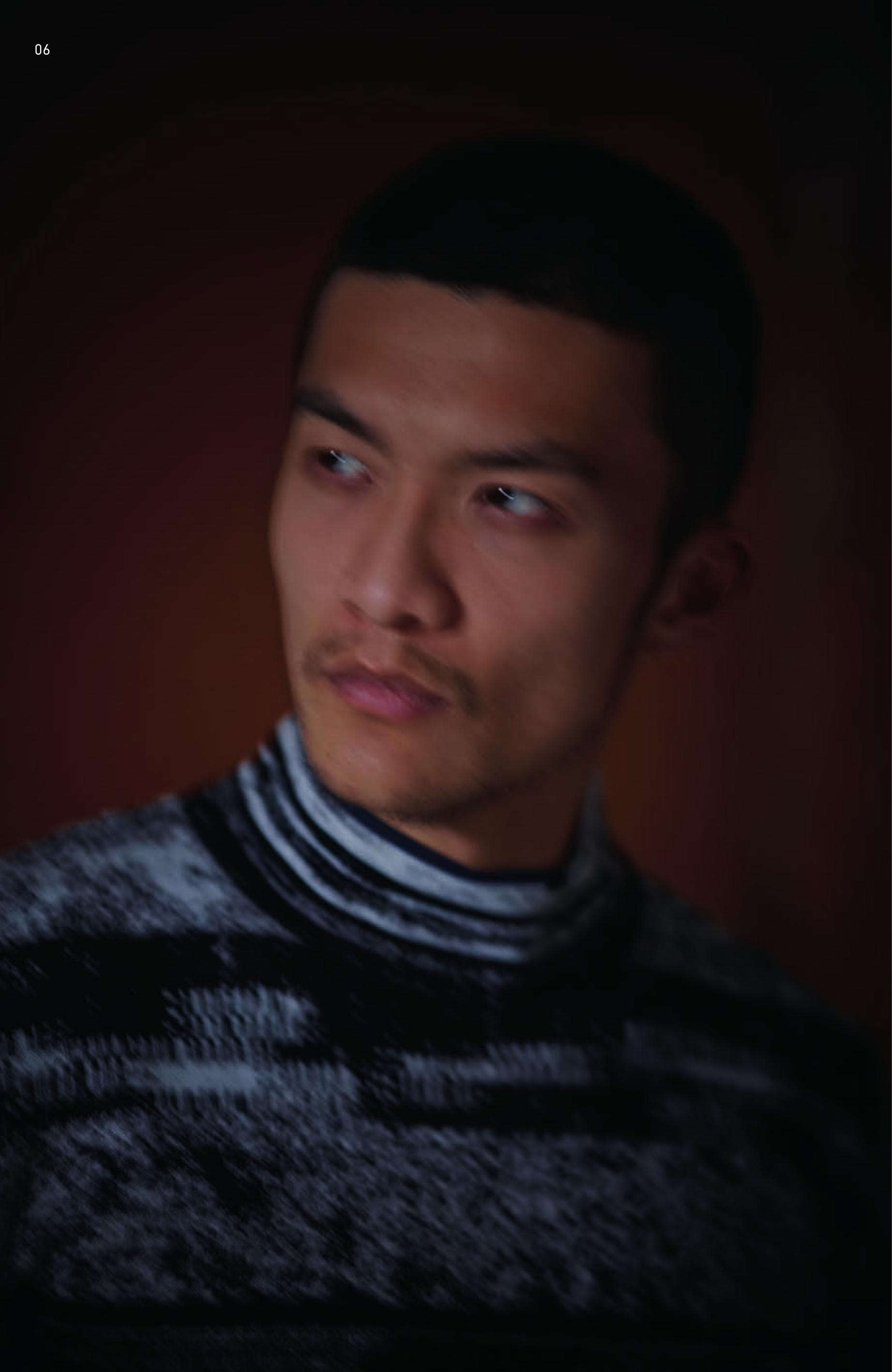
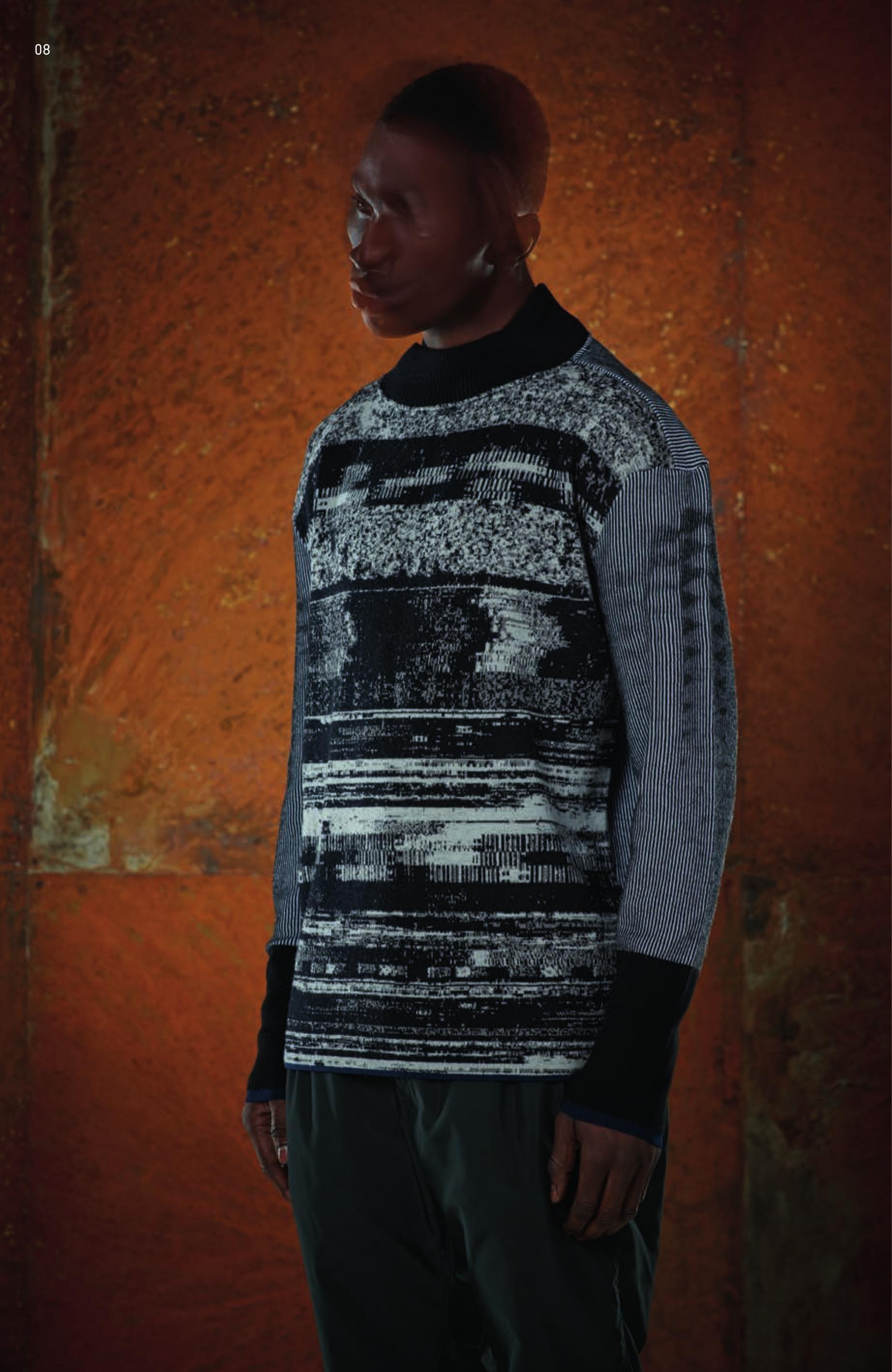
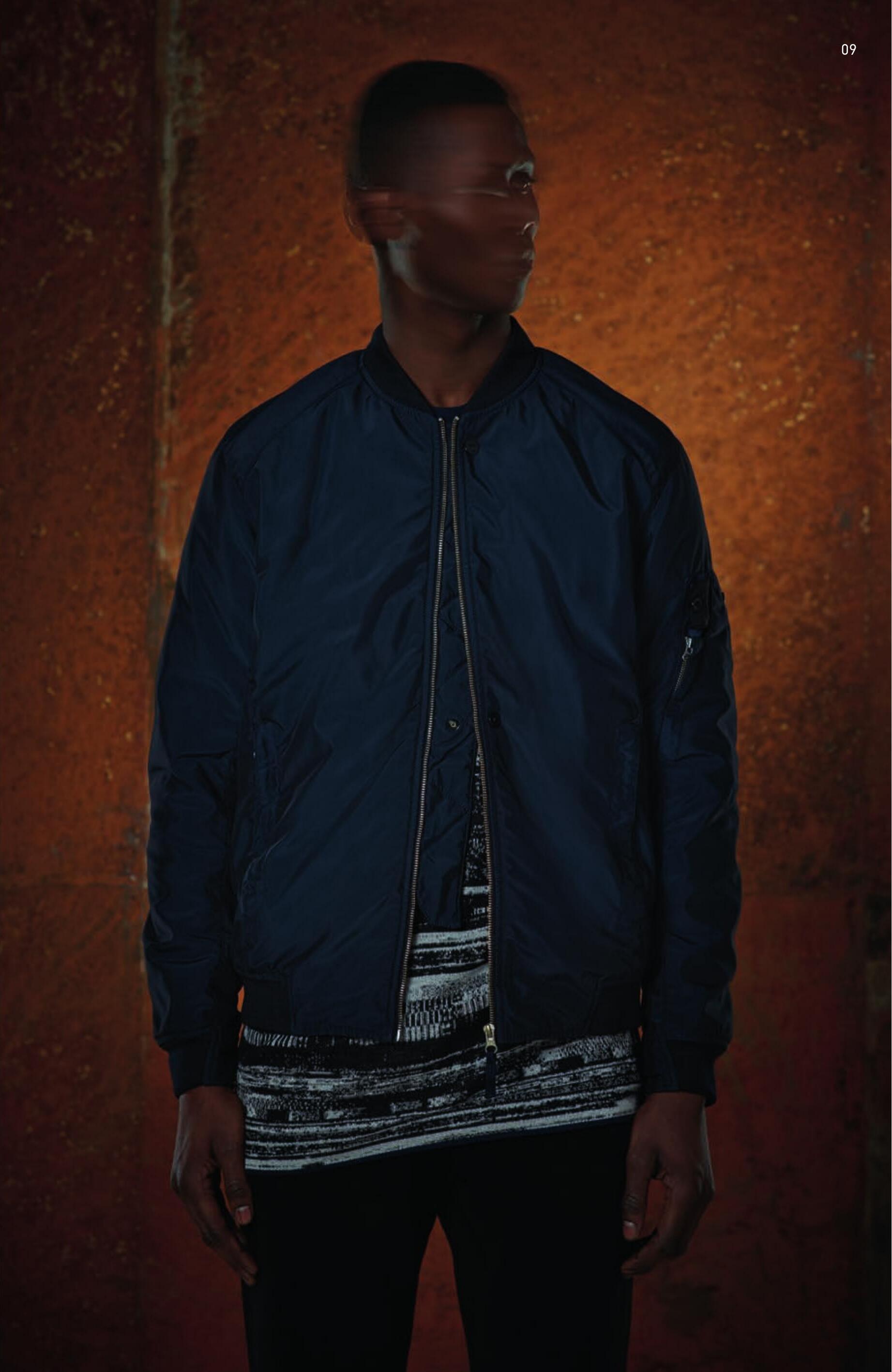
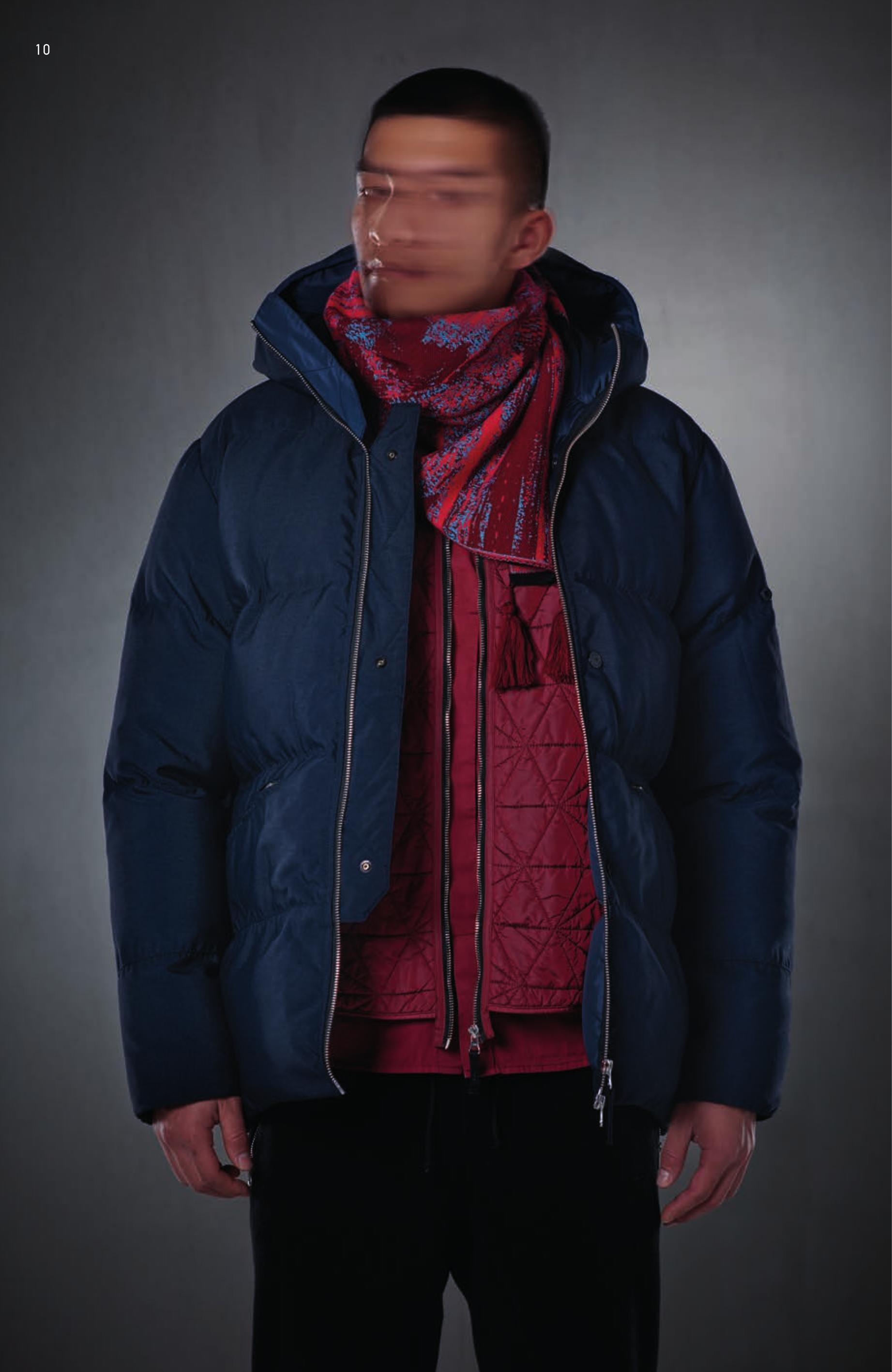
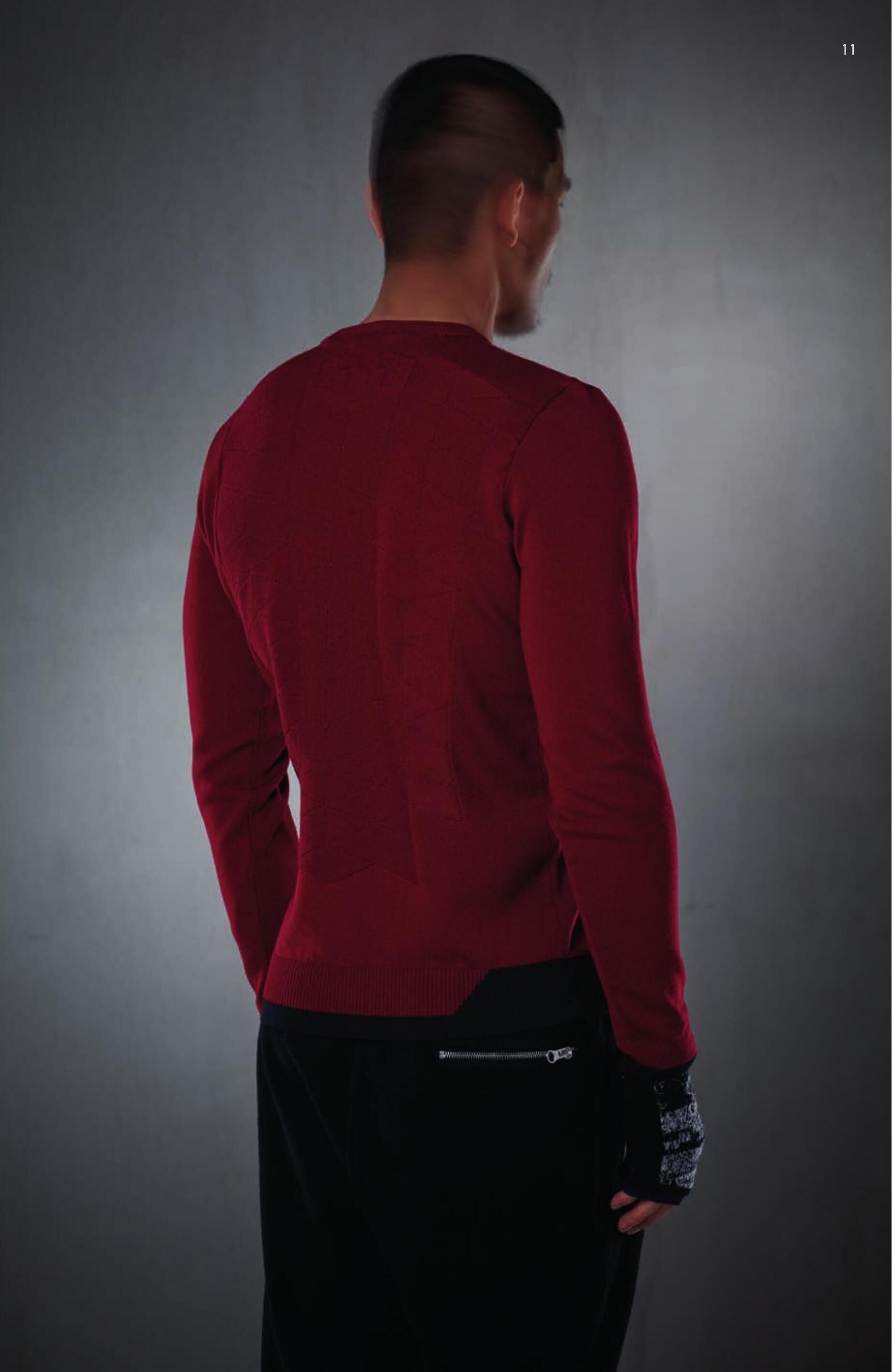
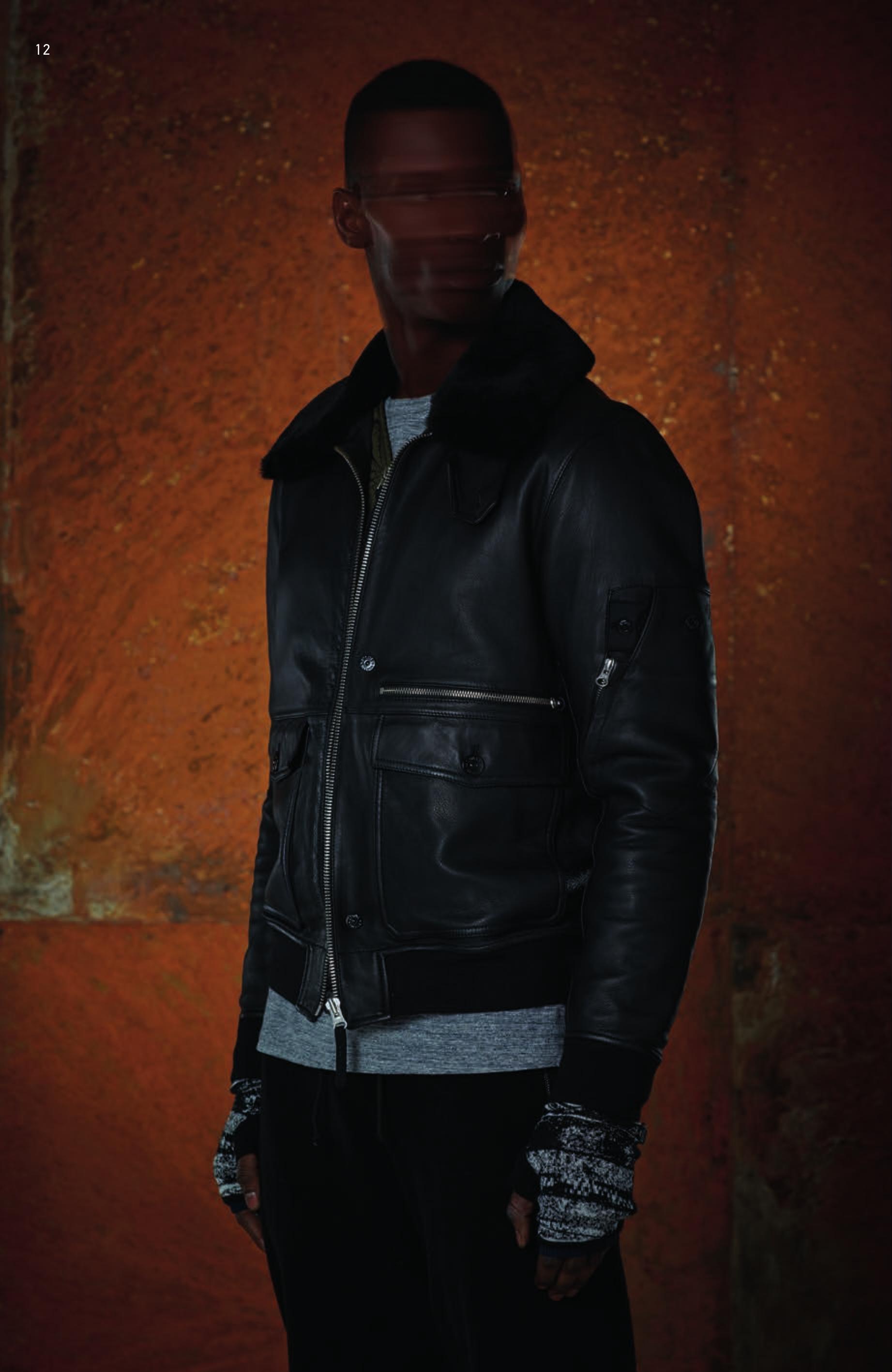
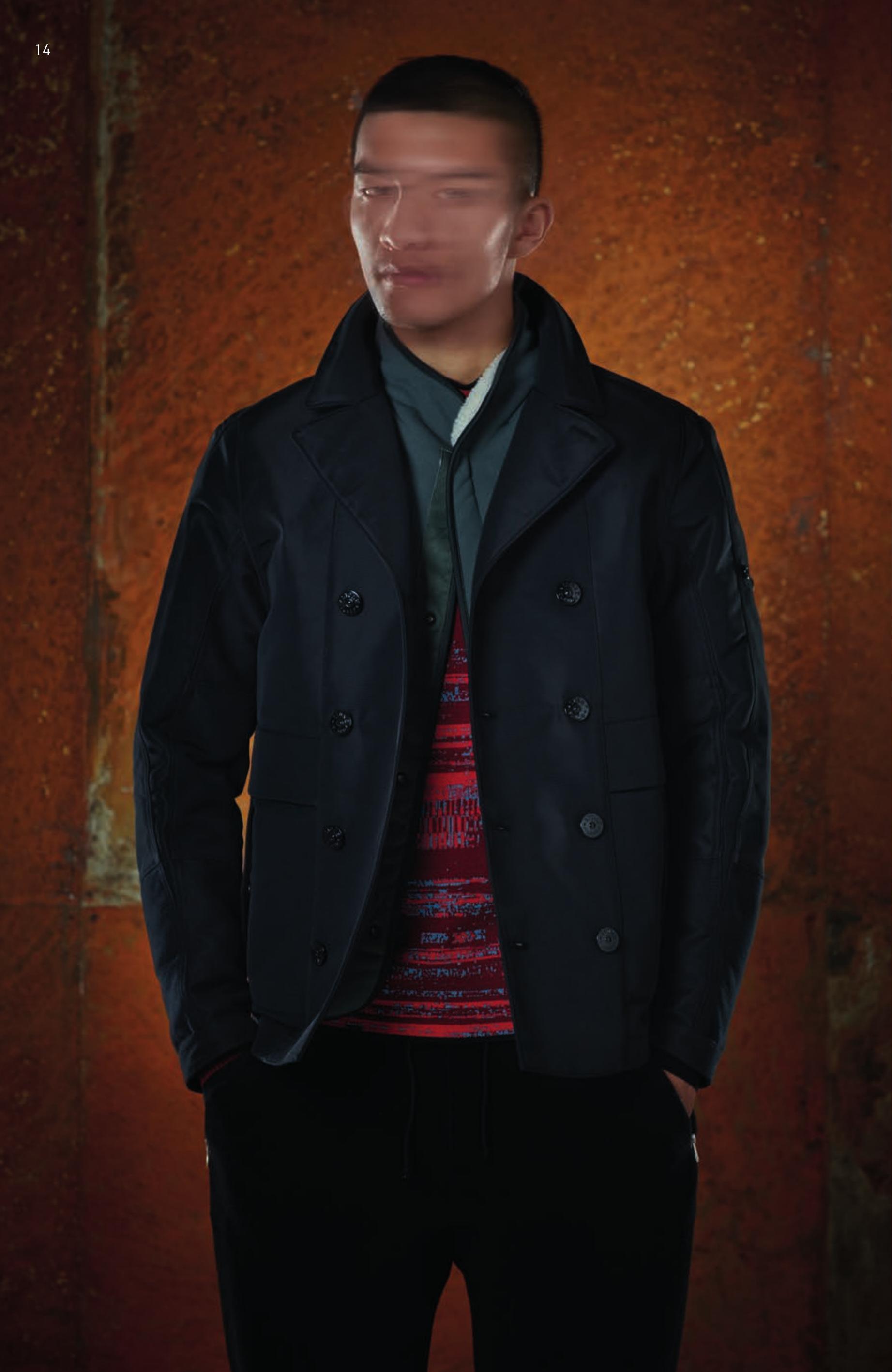
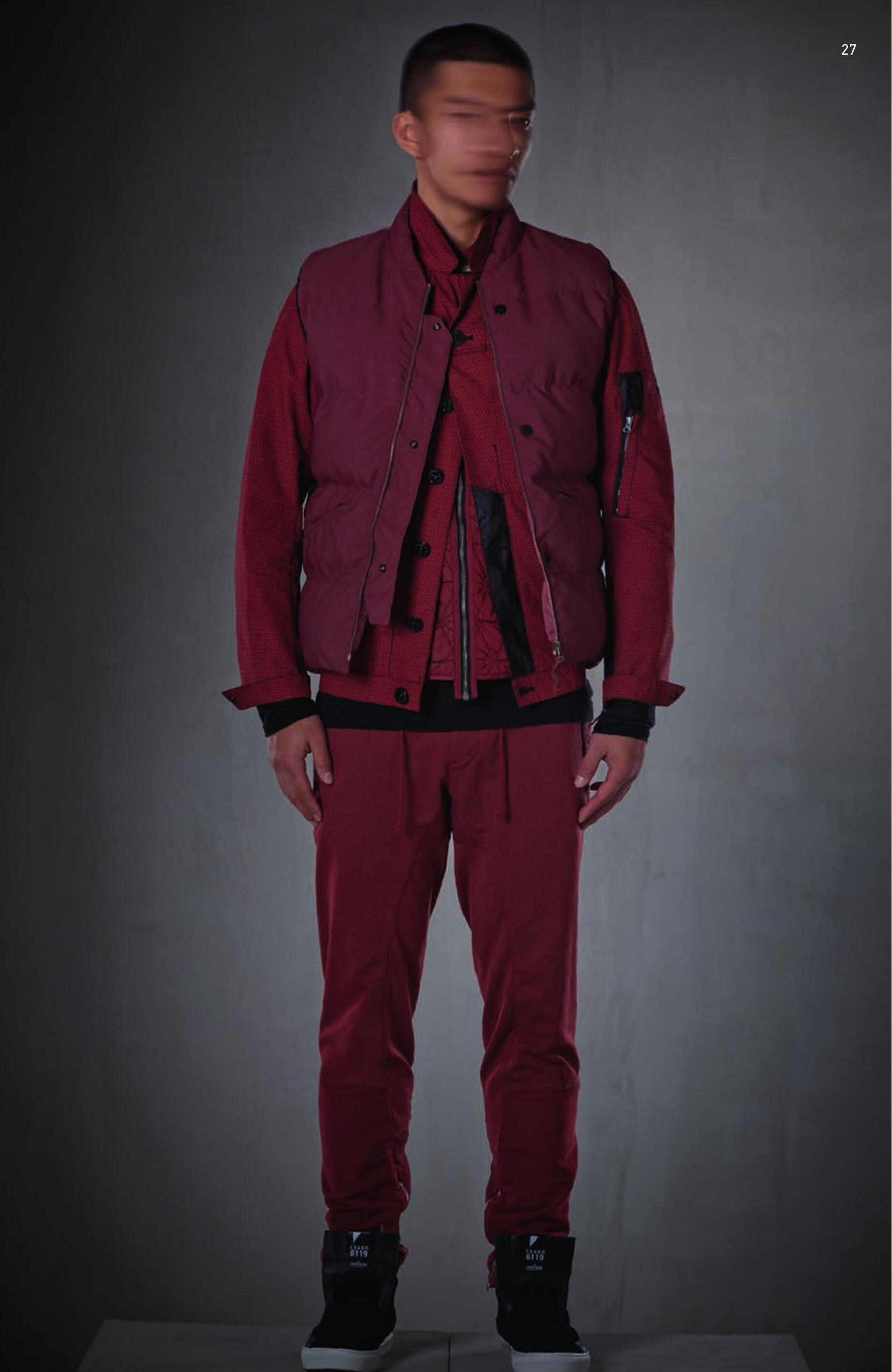
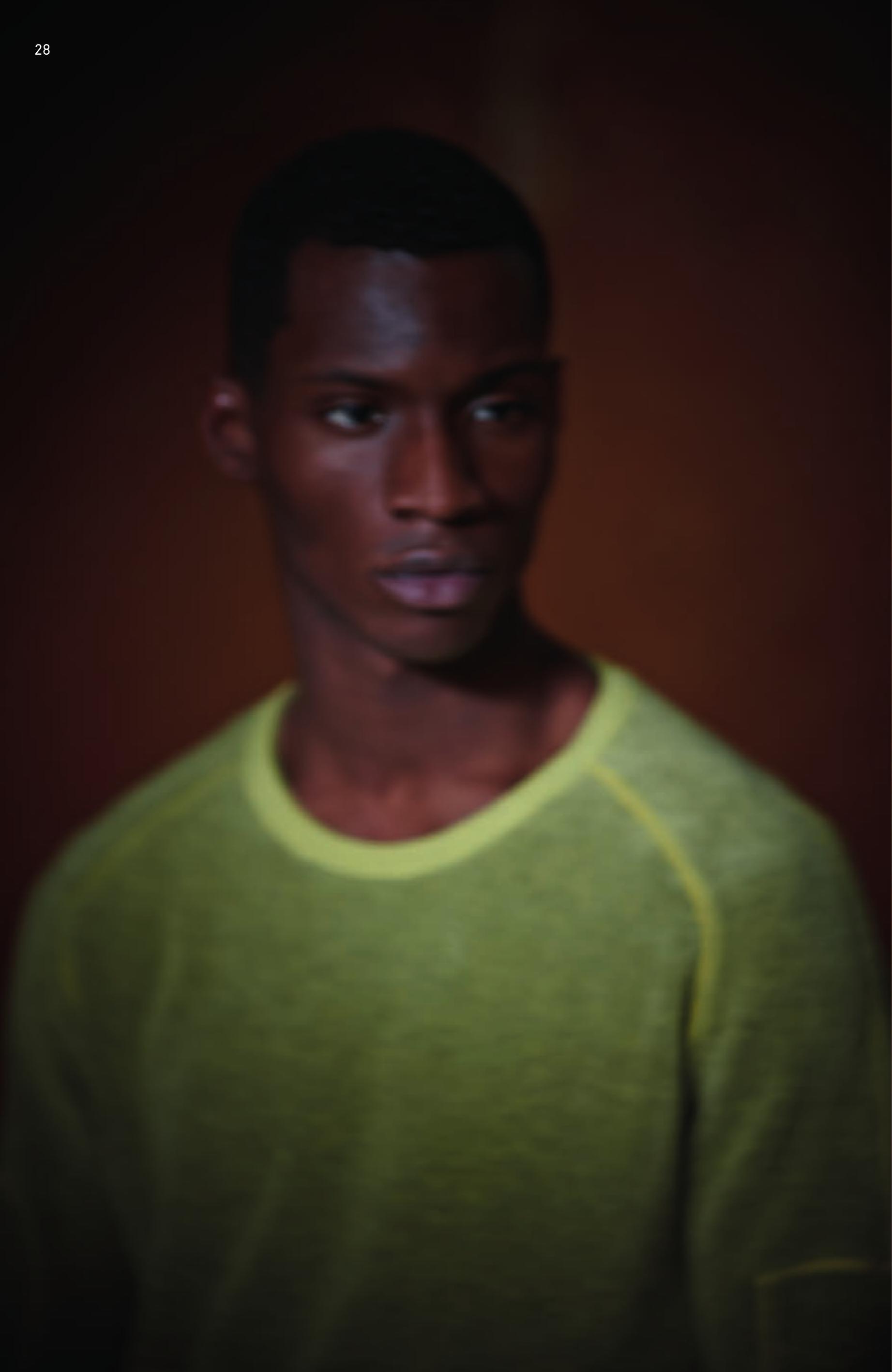
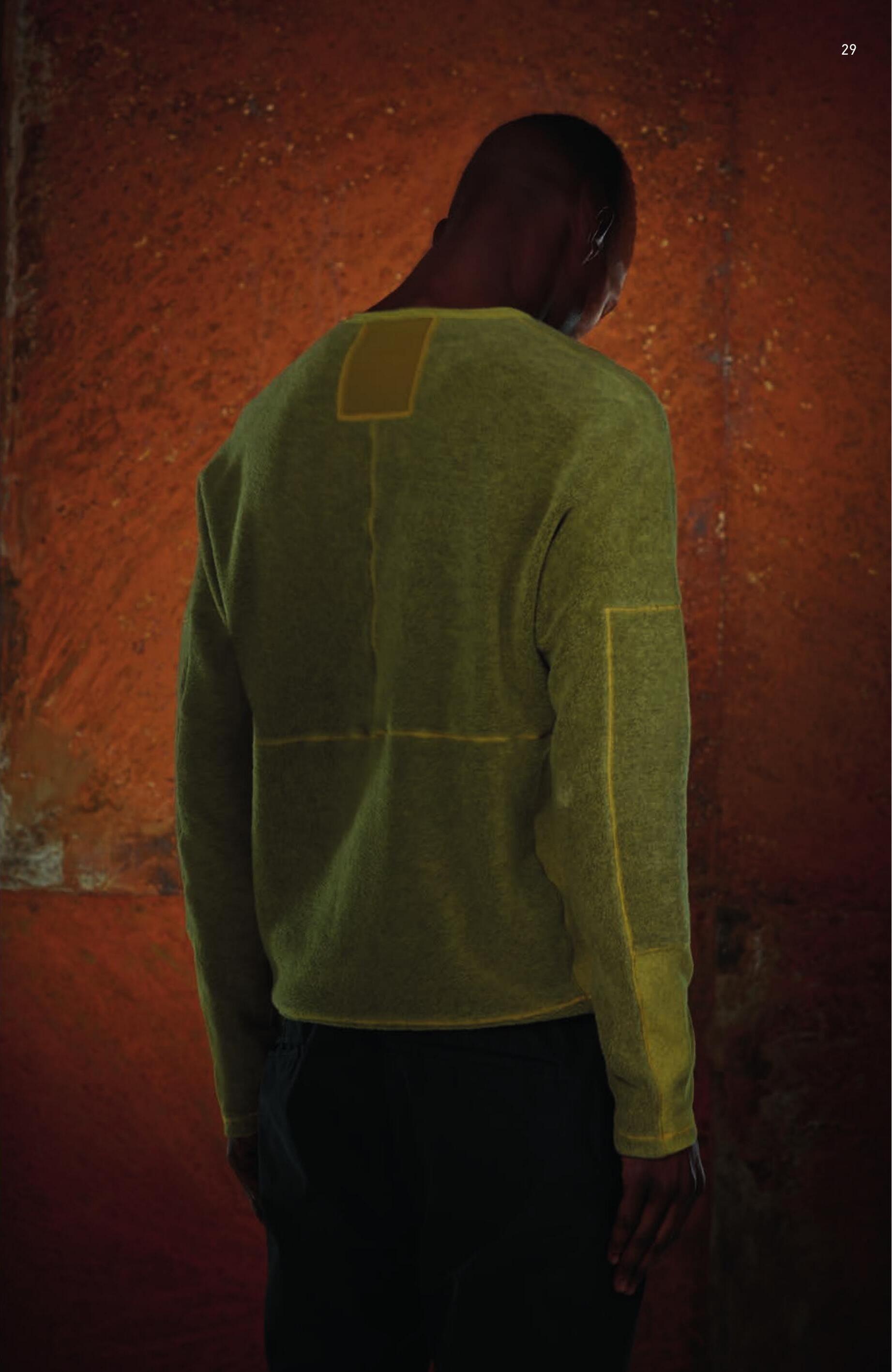
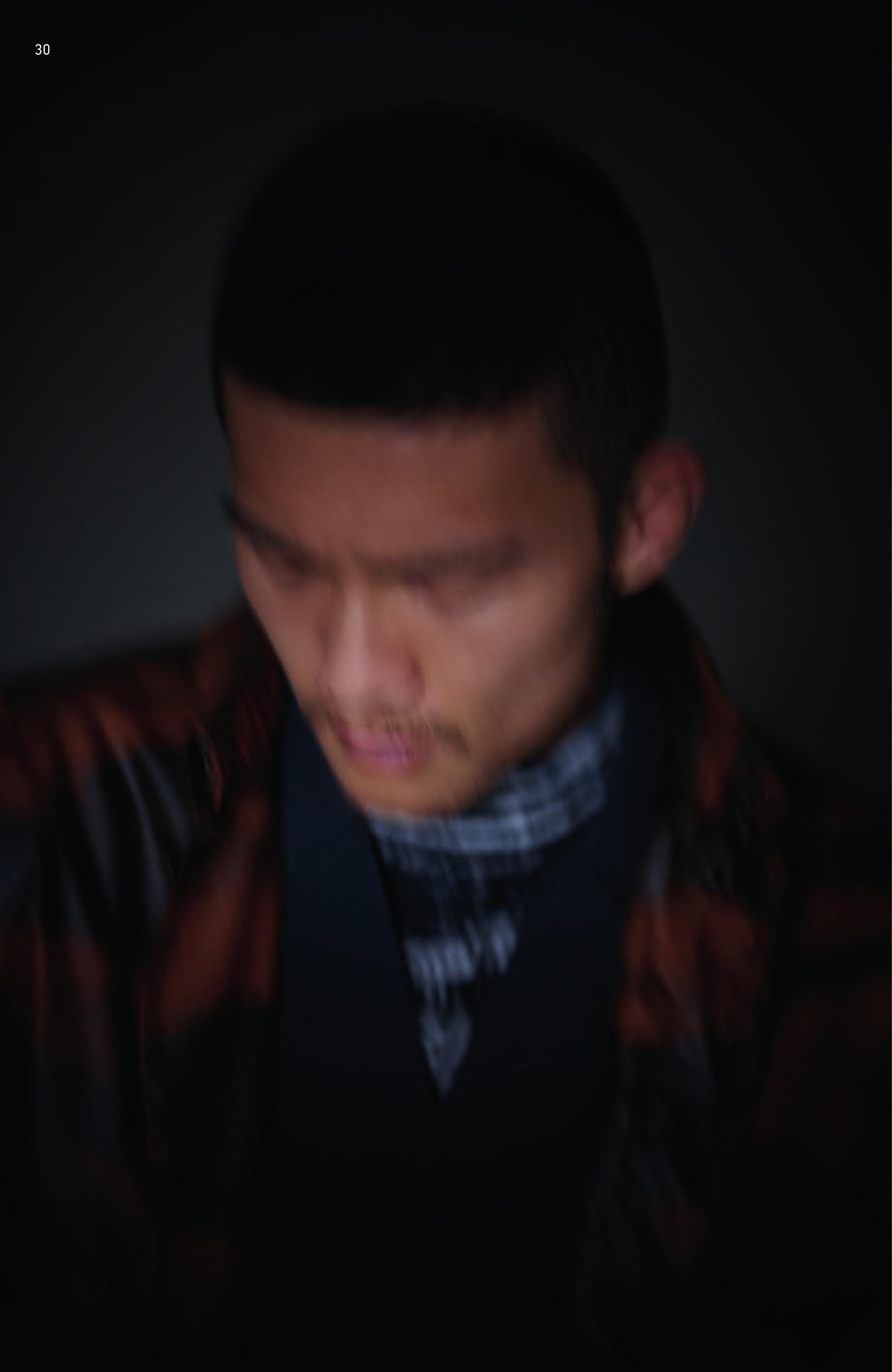
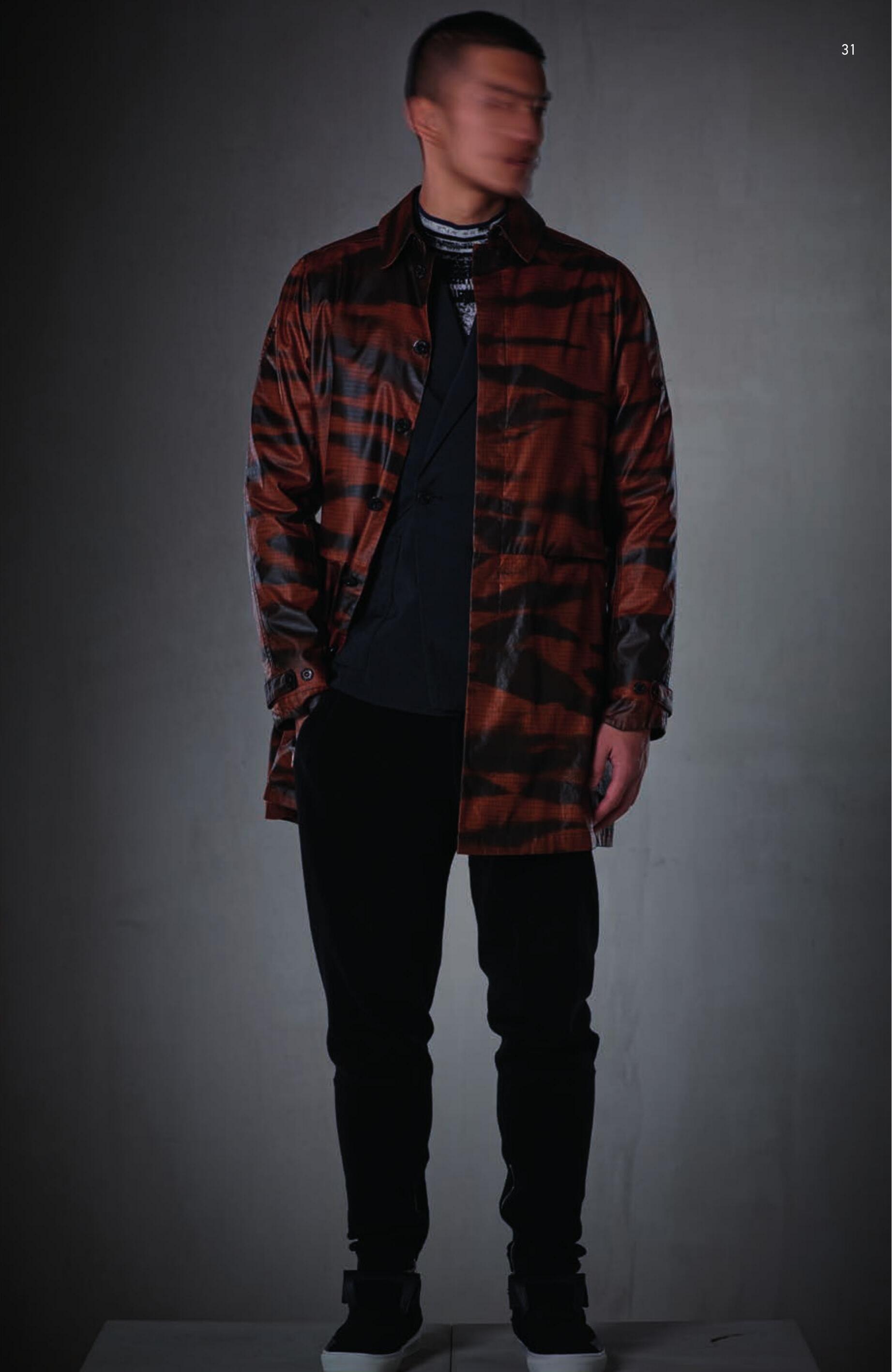
The 6119 Stone Island Shadow Project collection is built around the process of absorption, contamination, and release. Having soaked up the collage of the multi-faceted present, it is a reflection of unguarded curiosity and transformation. Thus, seemingly conflicting elements are brought into harmony; a new synthesis rich with texture, possibility, and vitality. Precision tailoring is melded with the off-kilter silhouettes of sport and subculture. Organic textures are built with artificial fibres, and technical fabrications are achieved through natural means. Patterns are recognised and disrupted. Colours fuse old traces and new impulses. The dynamics of action and reaction as can only be realised by Stone Island.
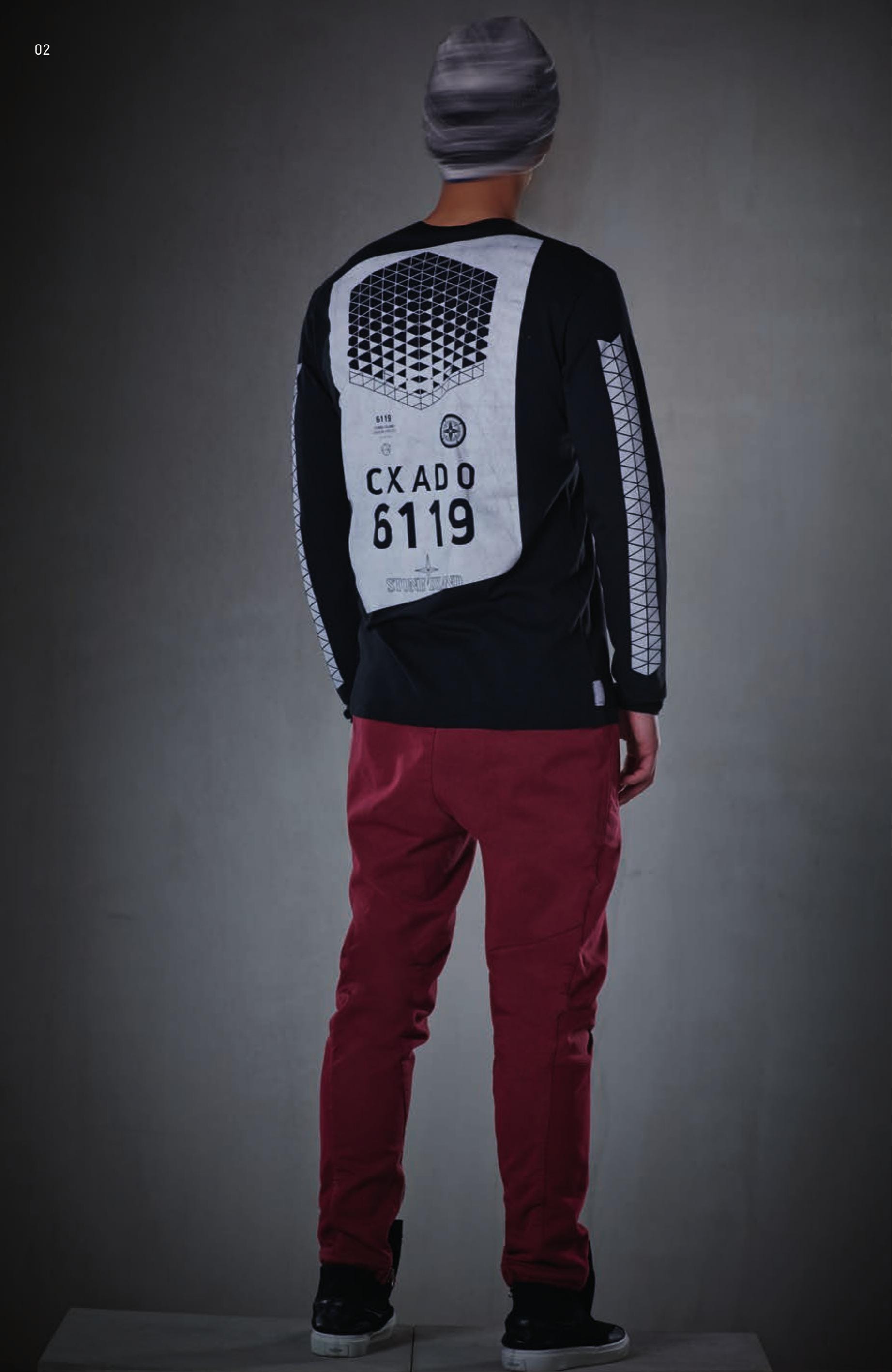
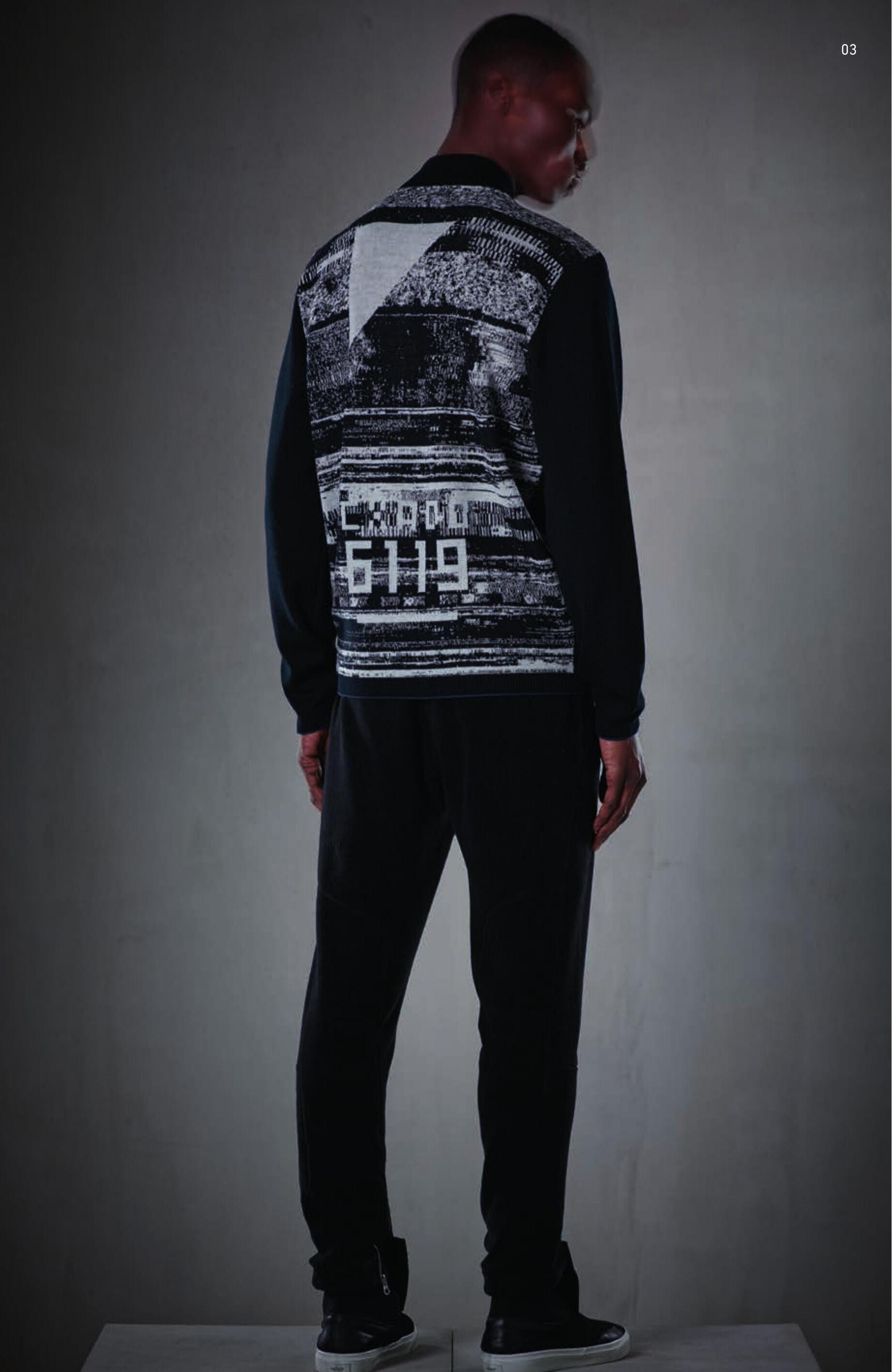
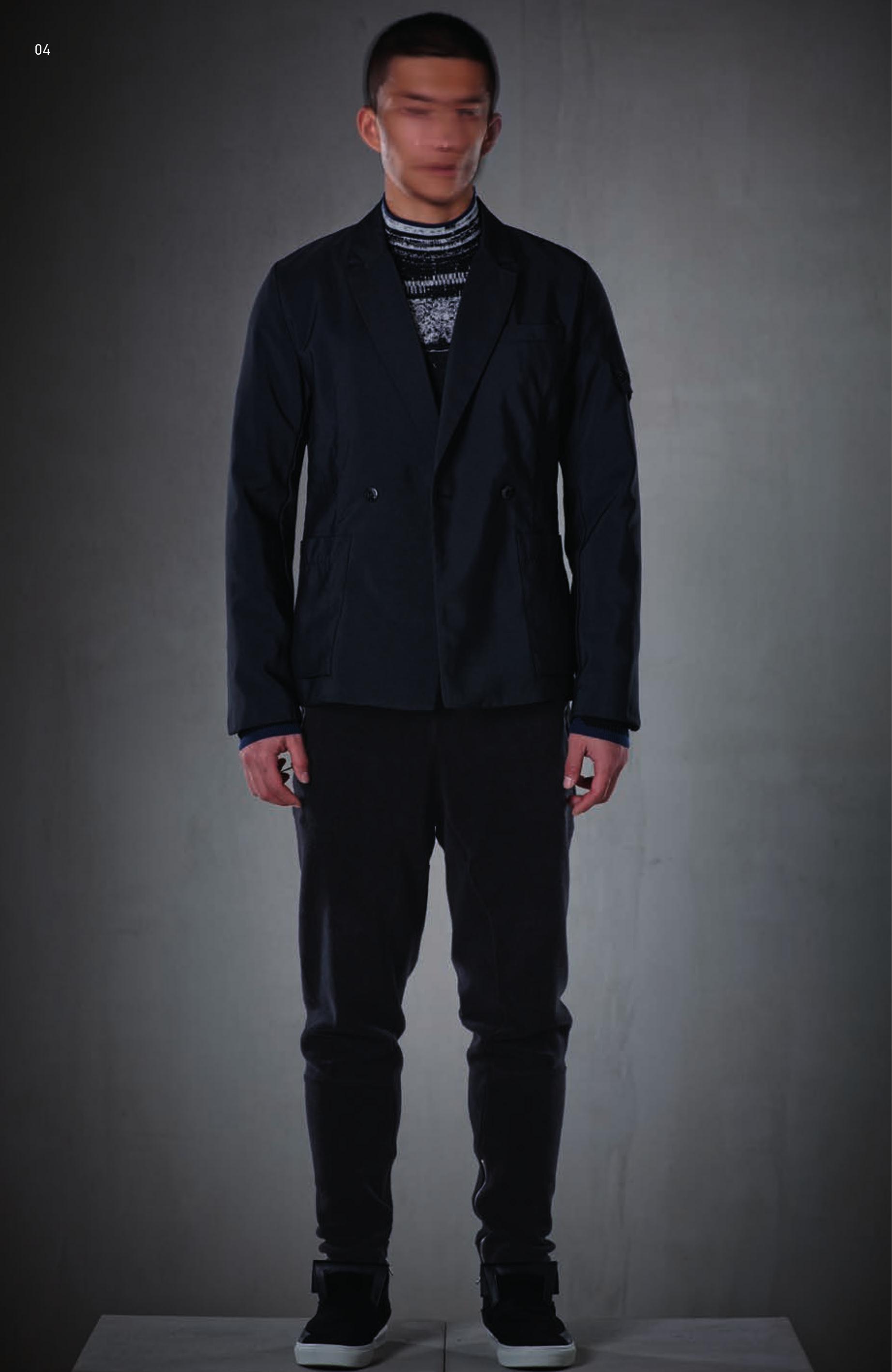
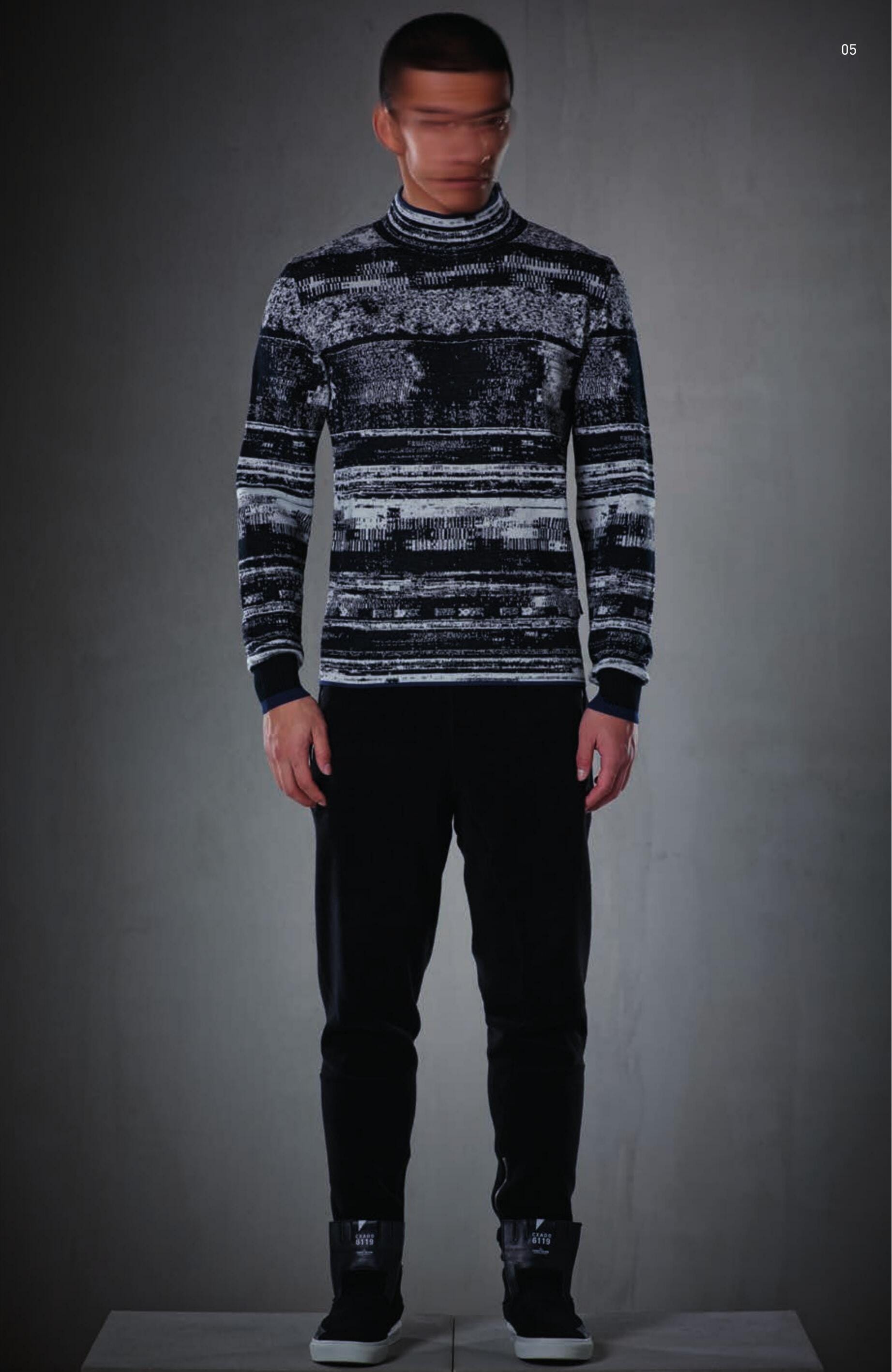

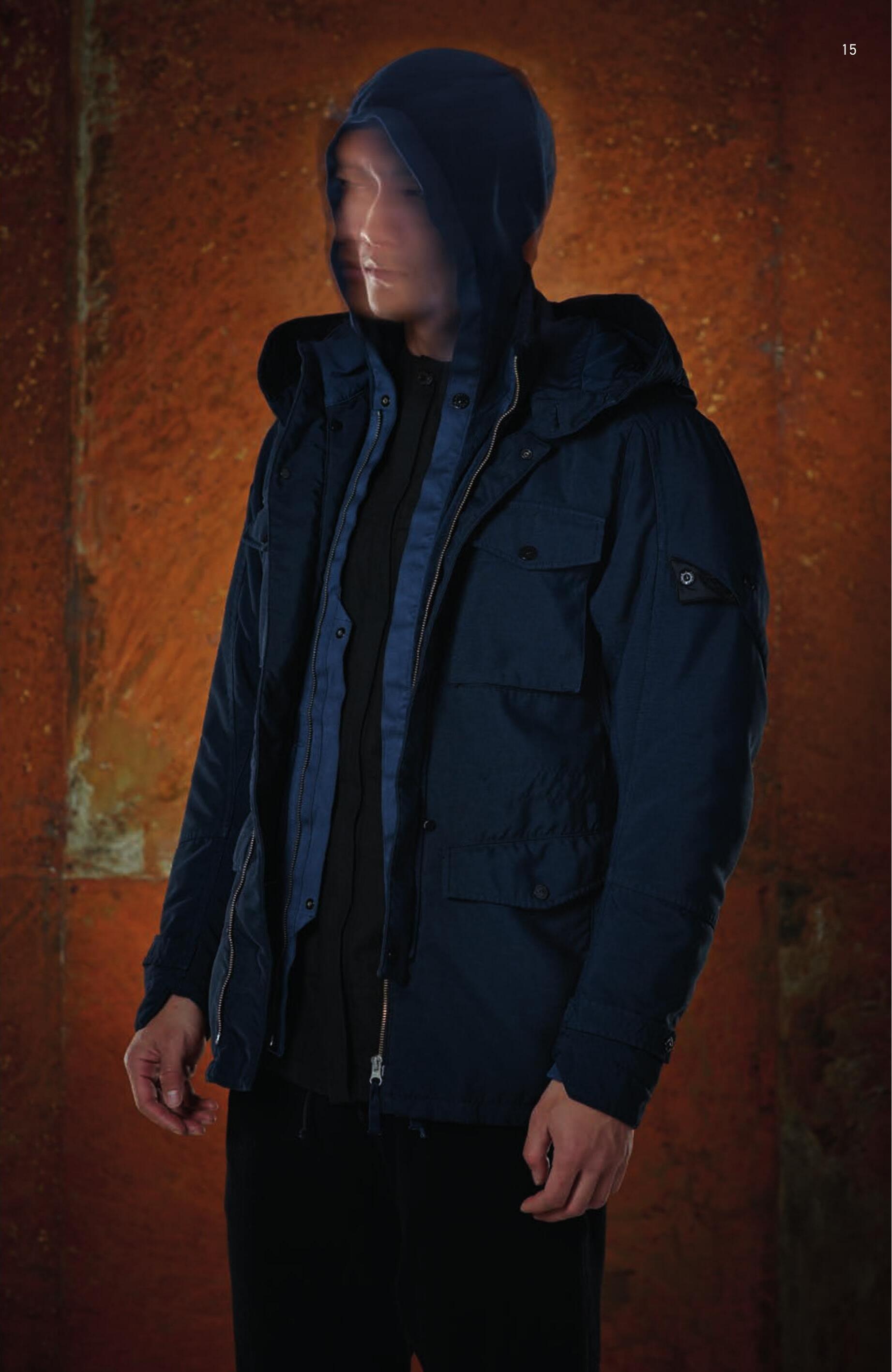
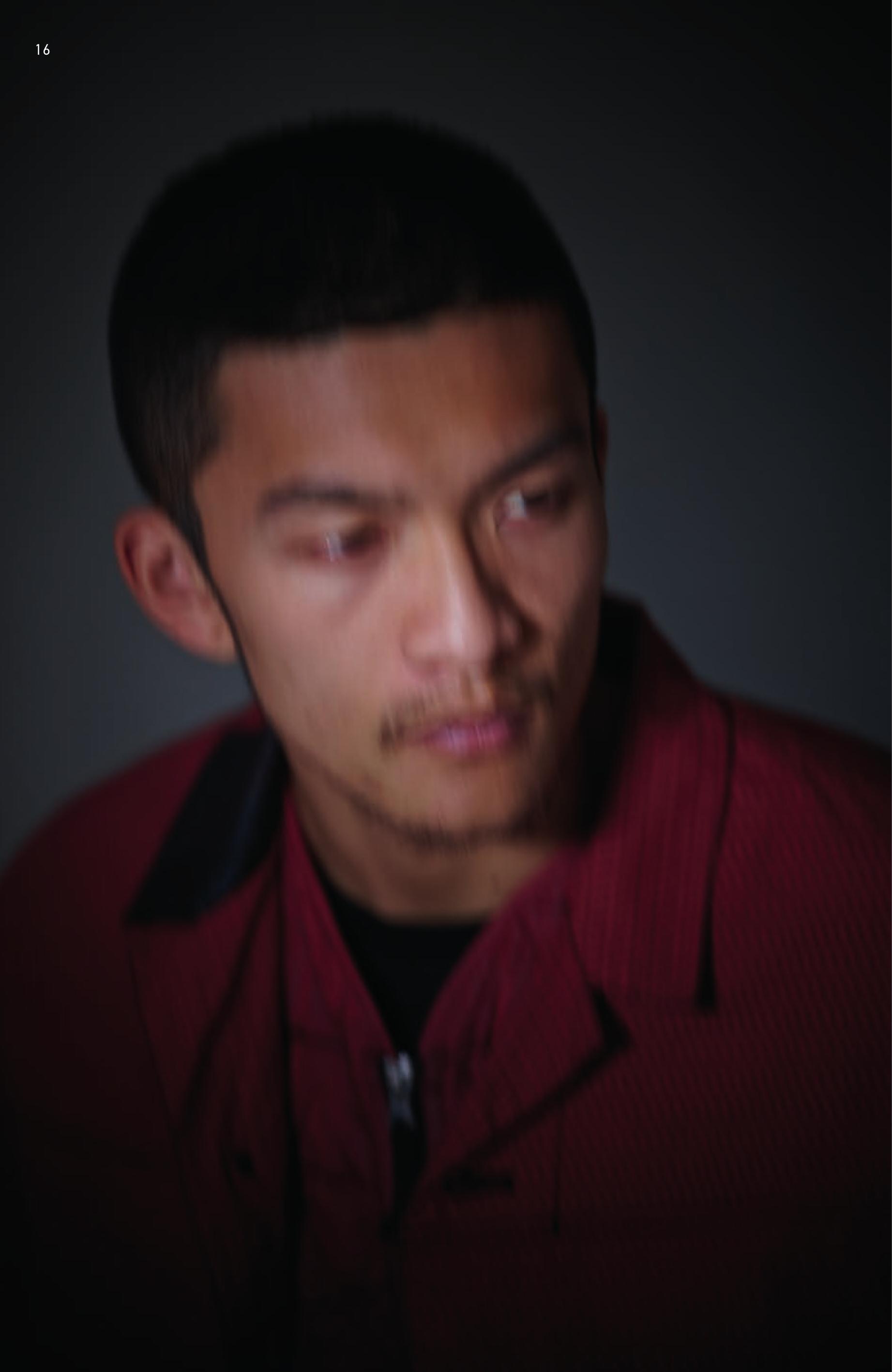
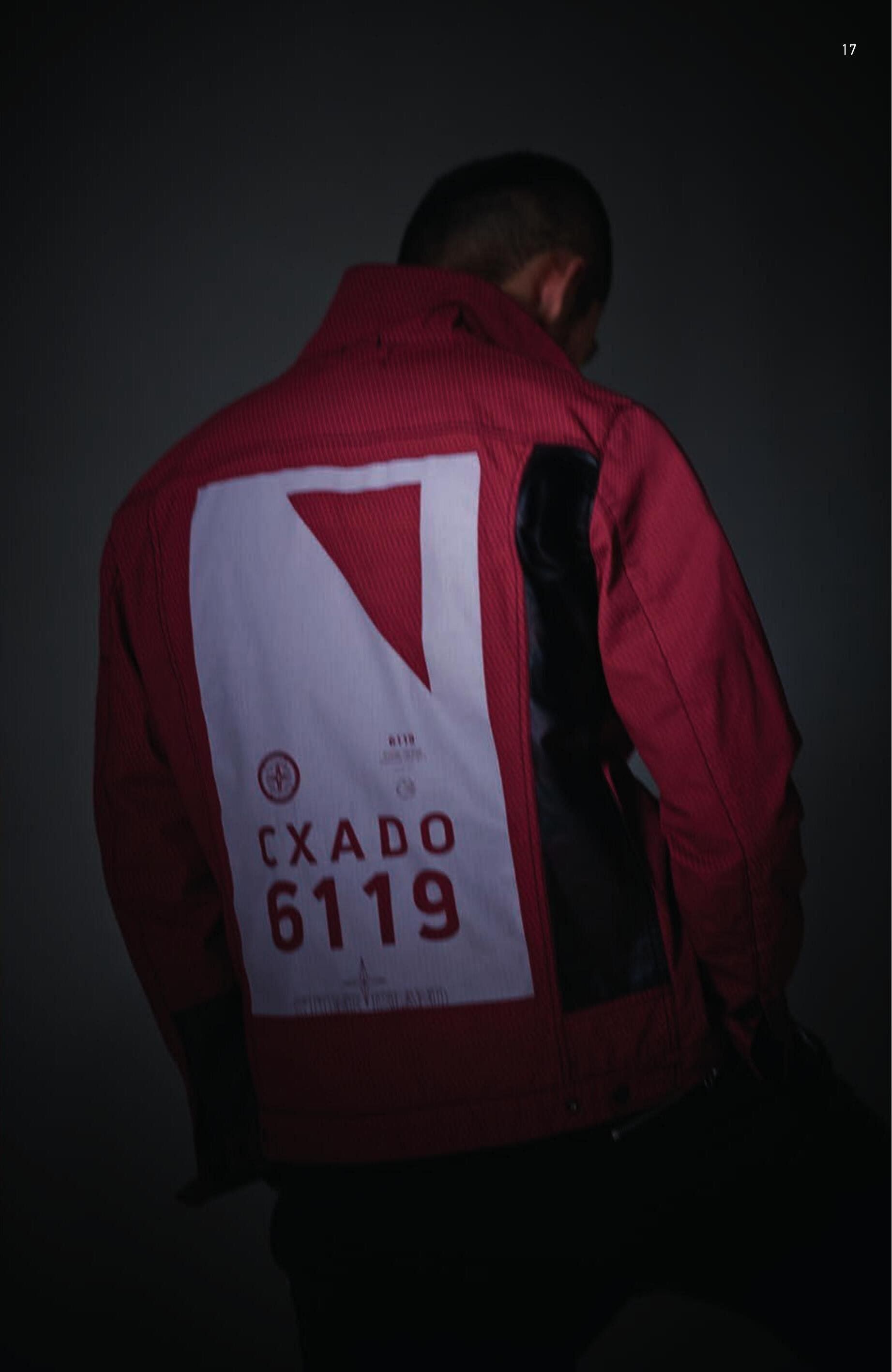
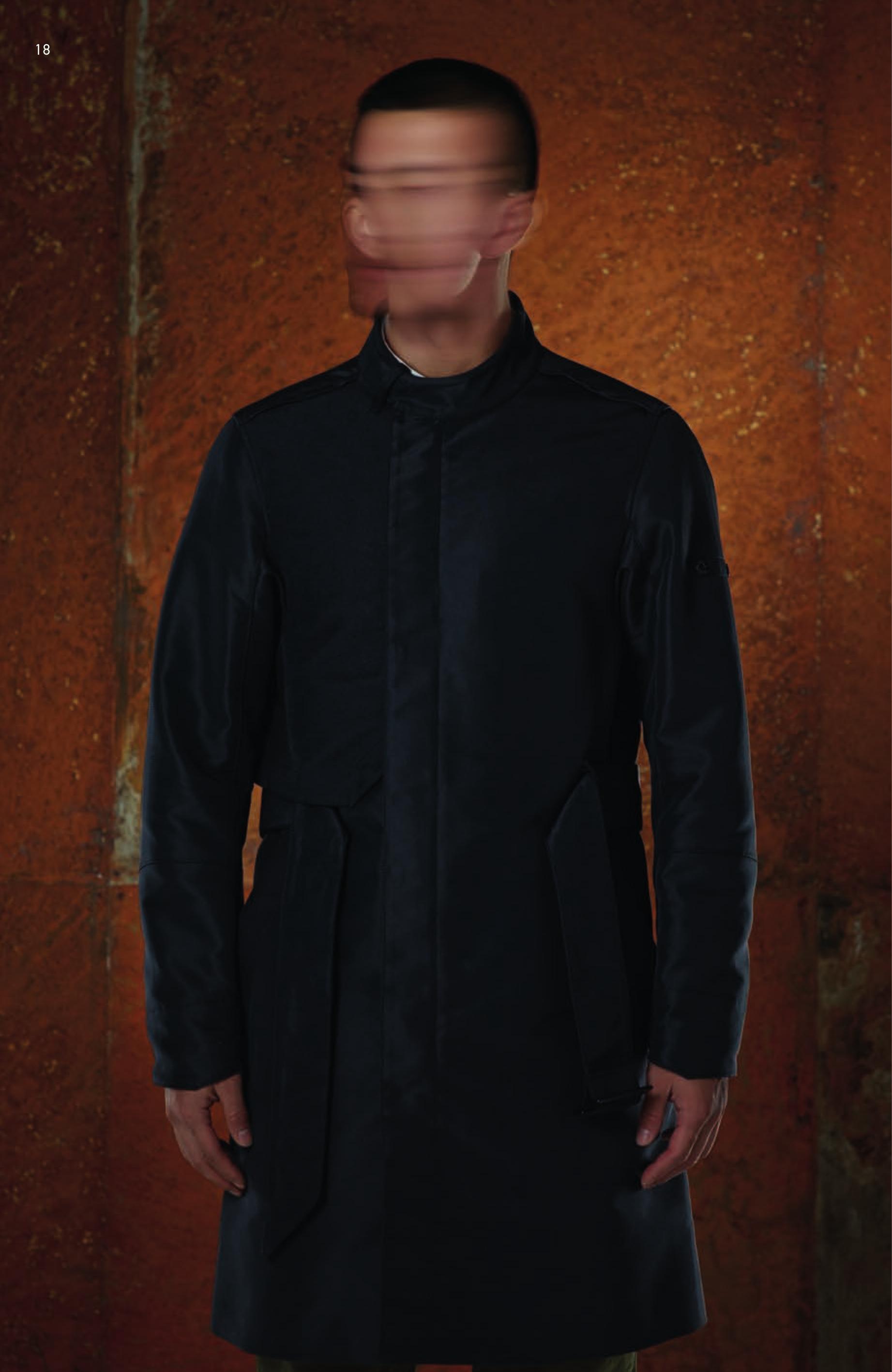
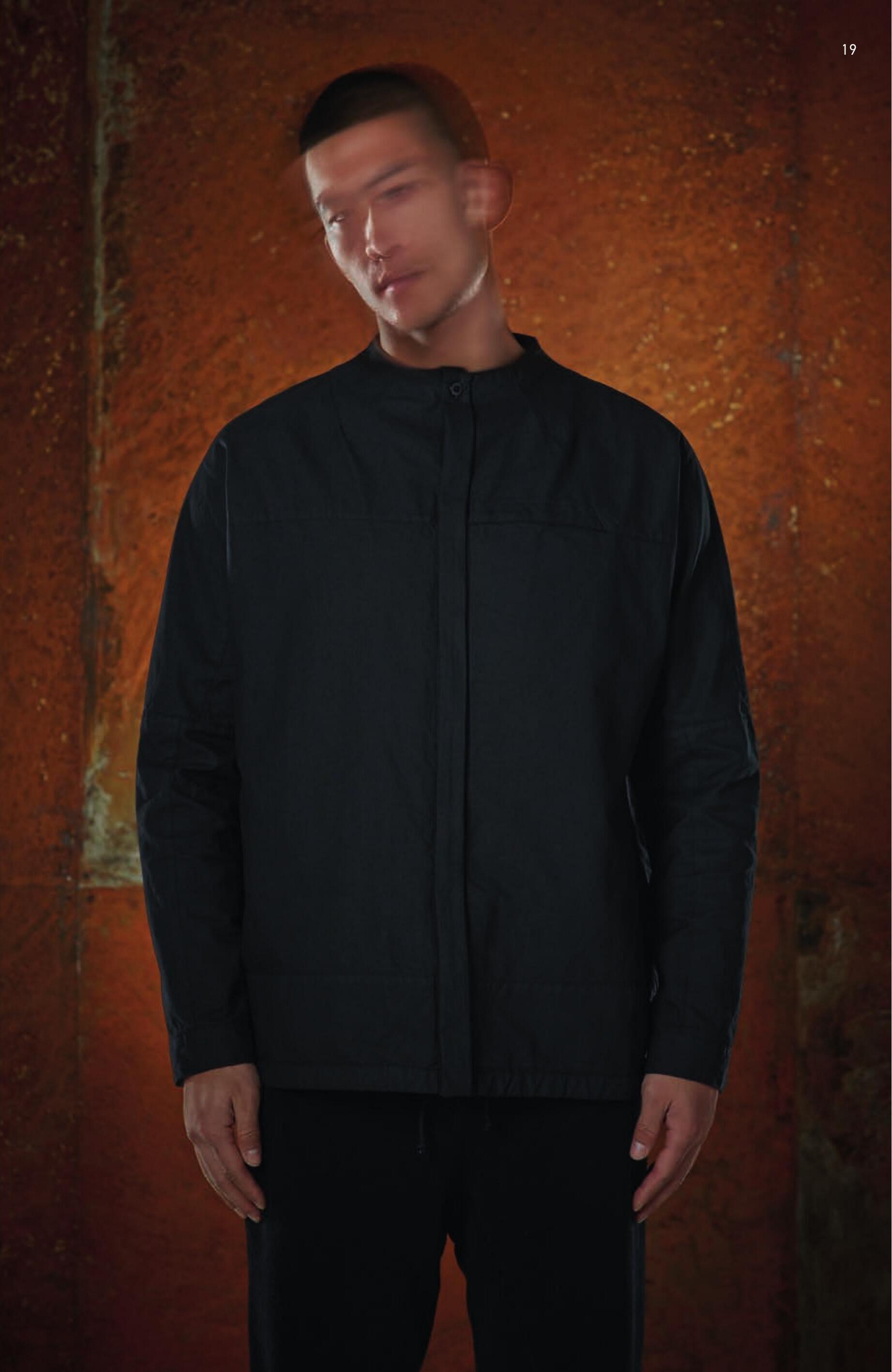
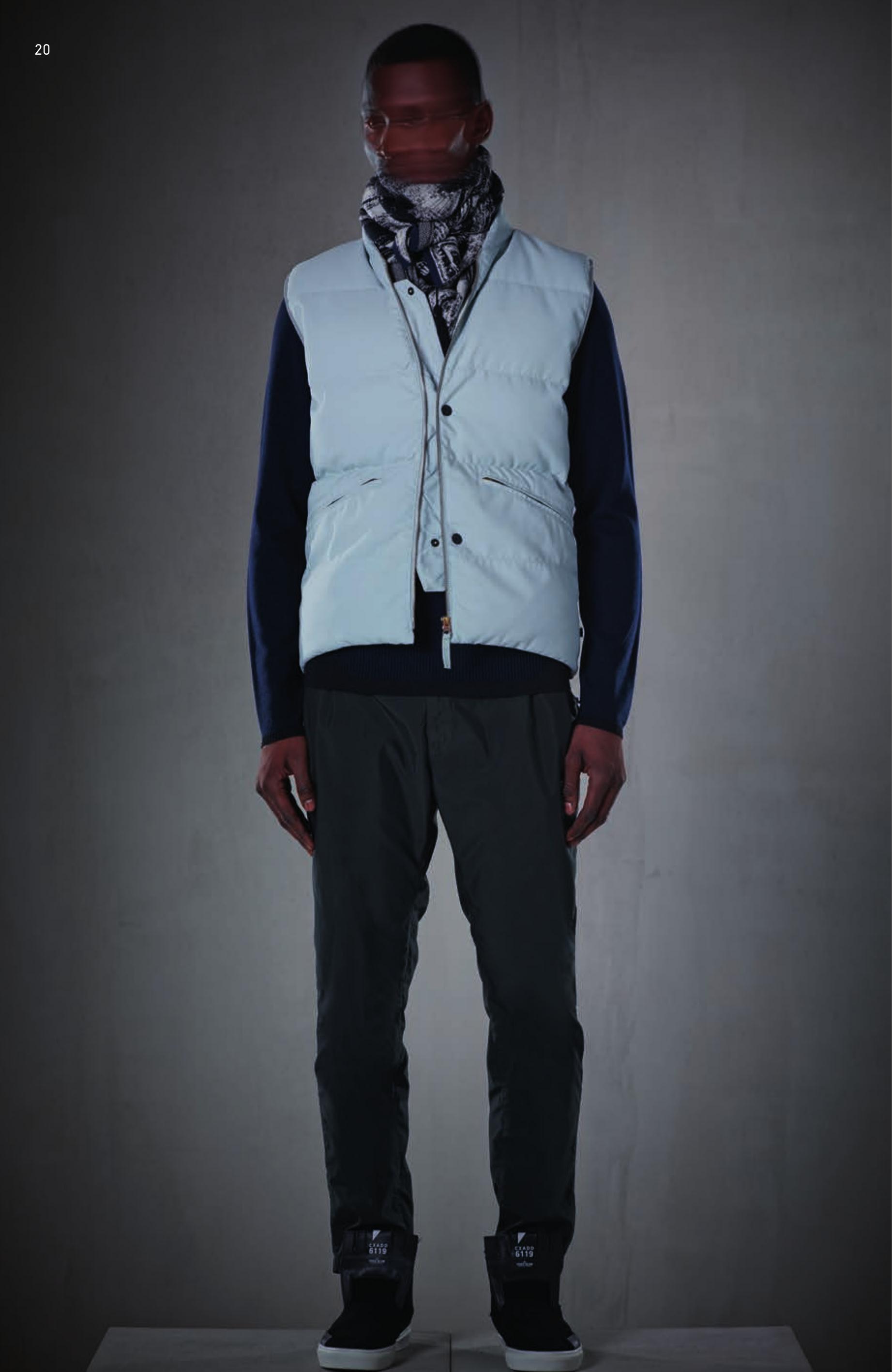
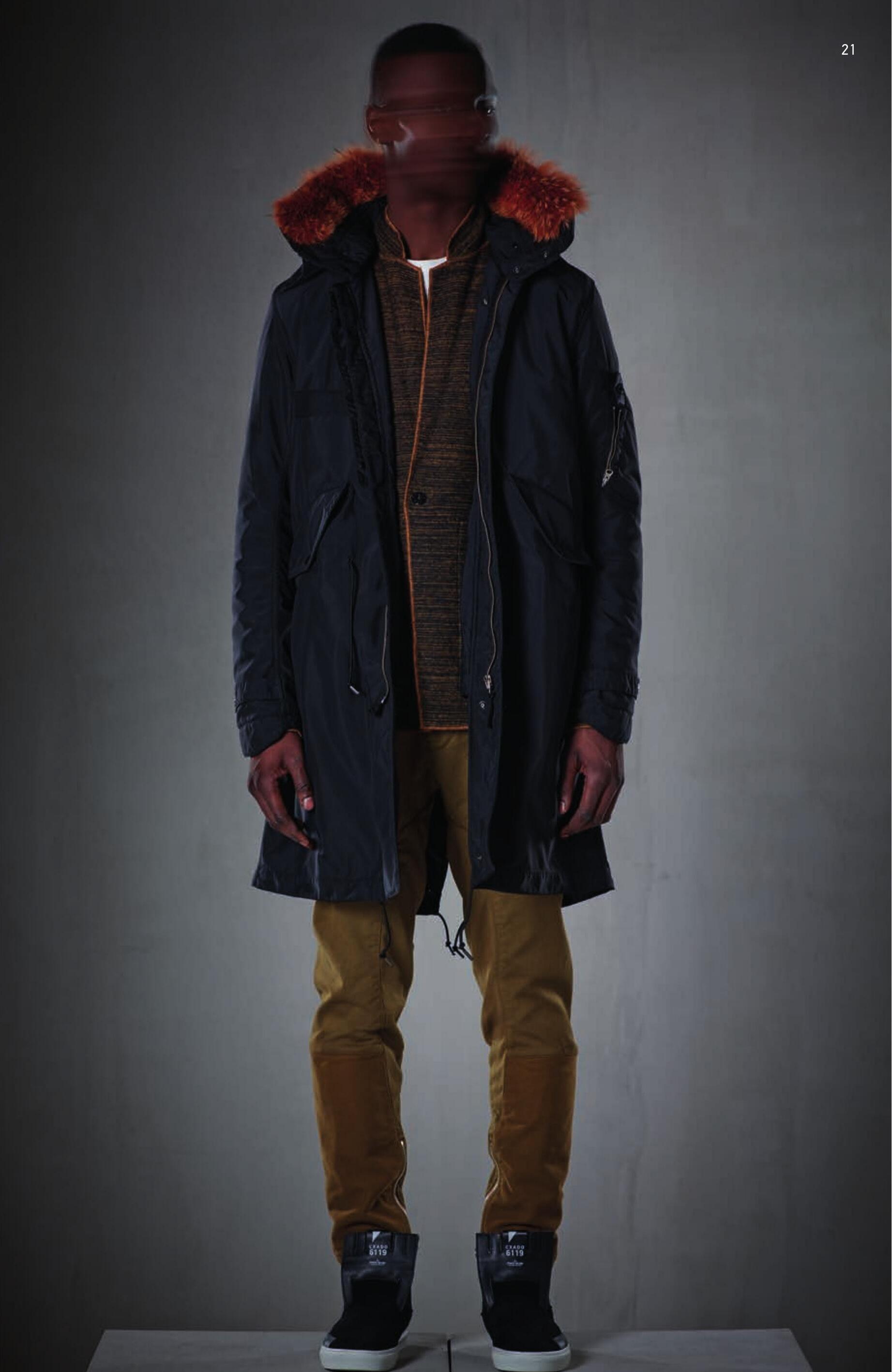
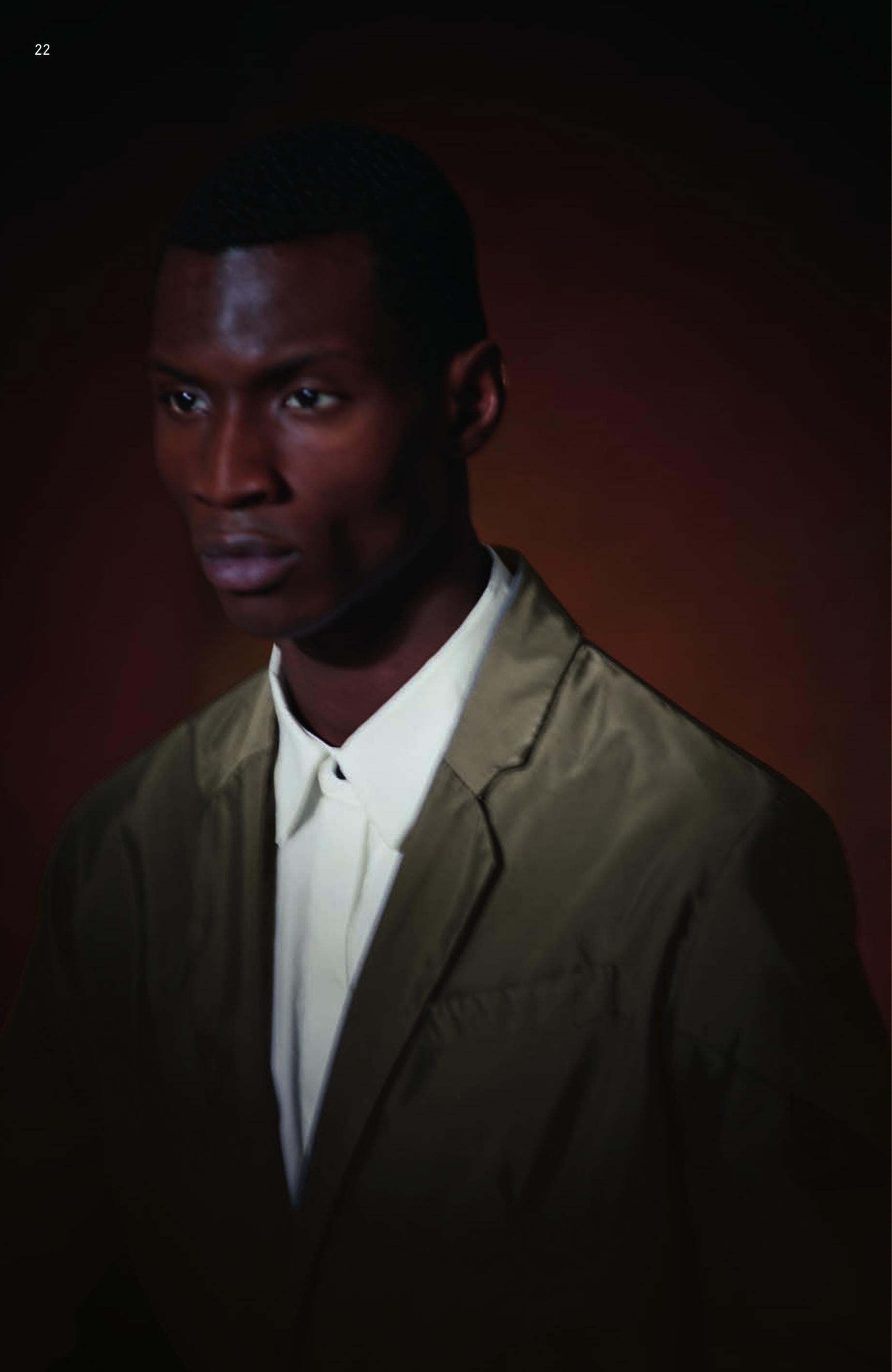
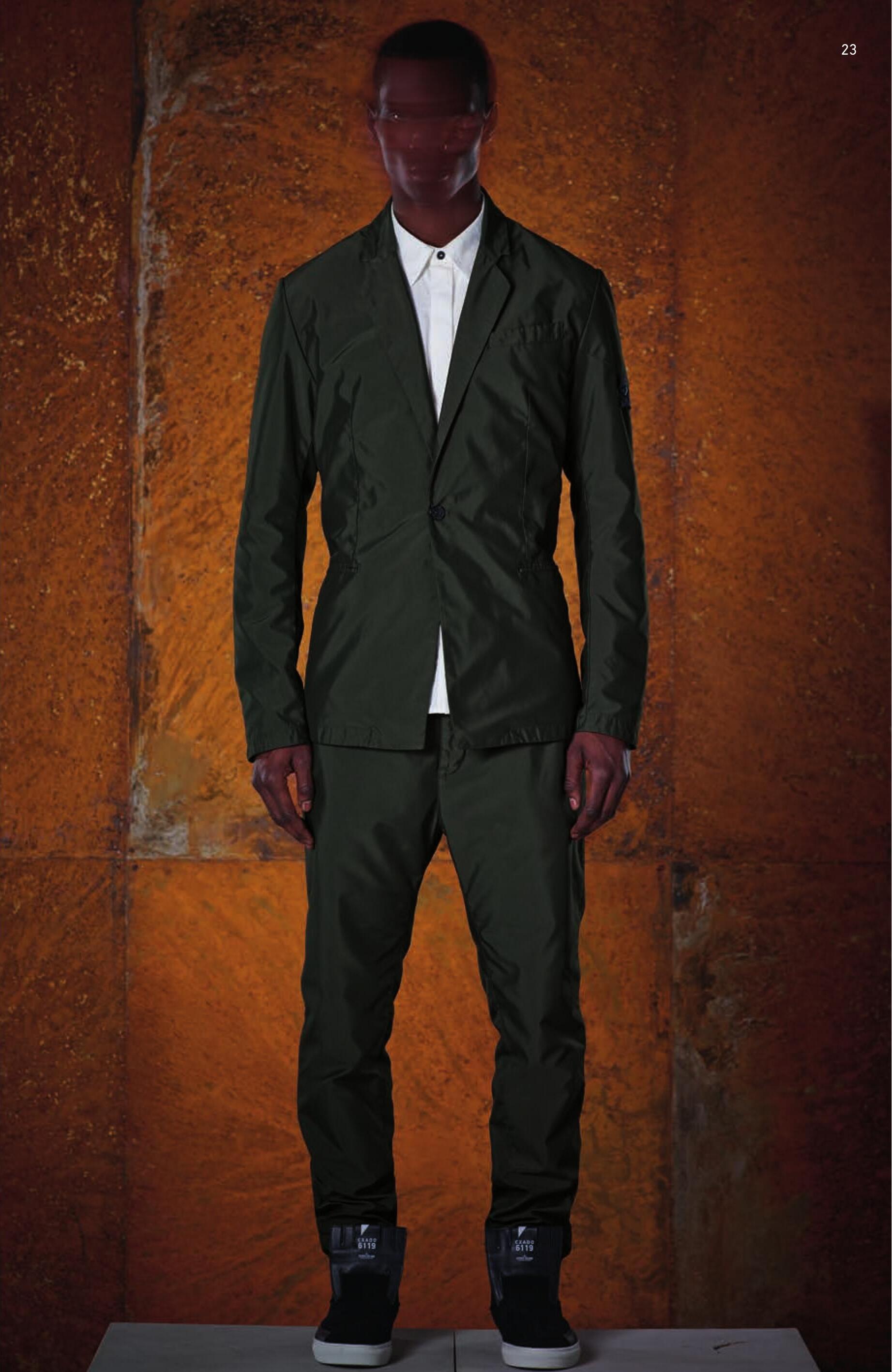
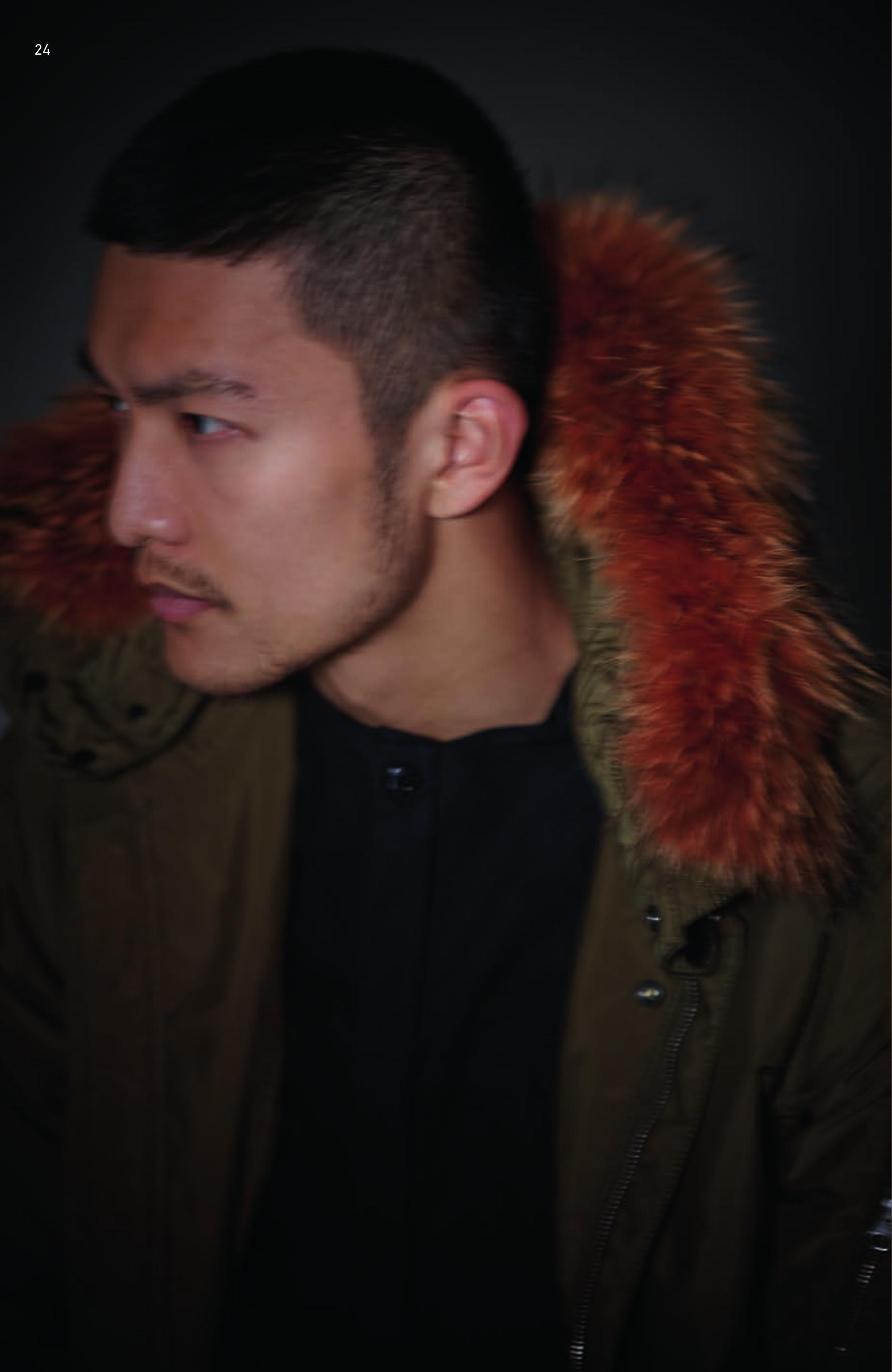
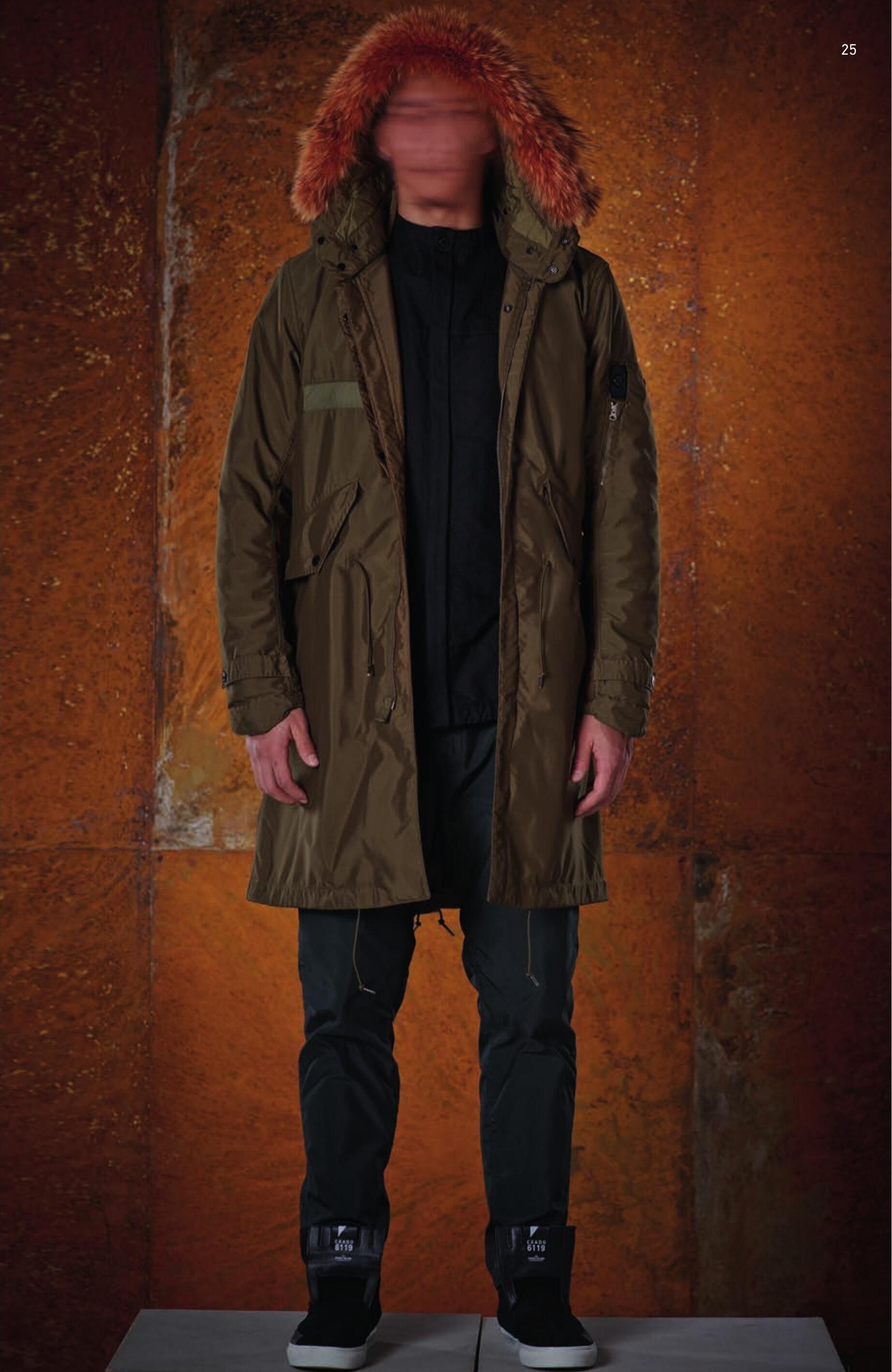
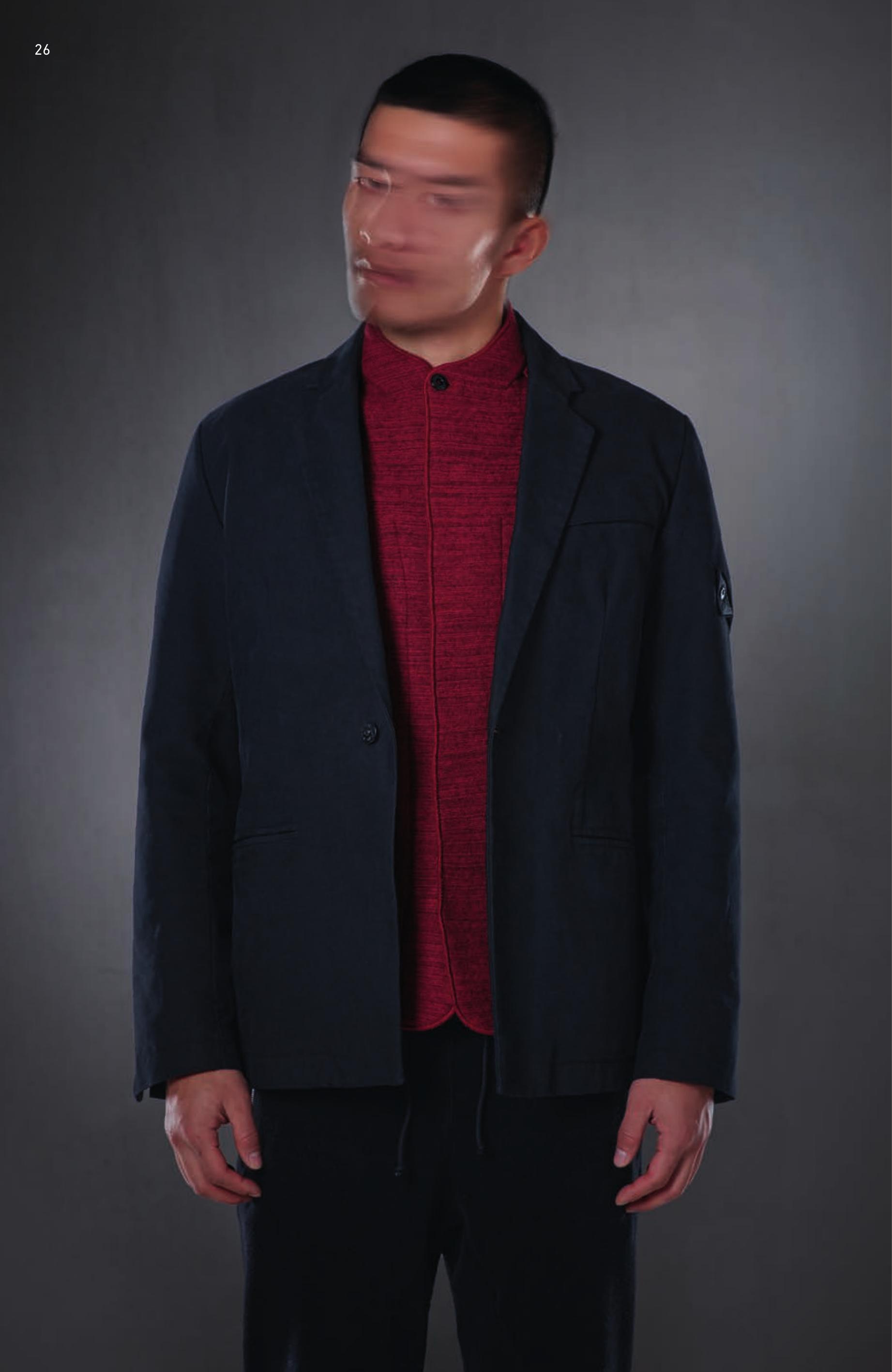

Stone Island Shadow Project AW2011-2012 Lookbook
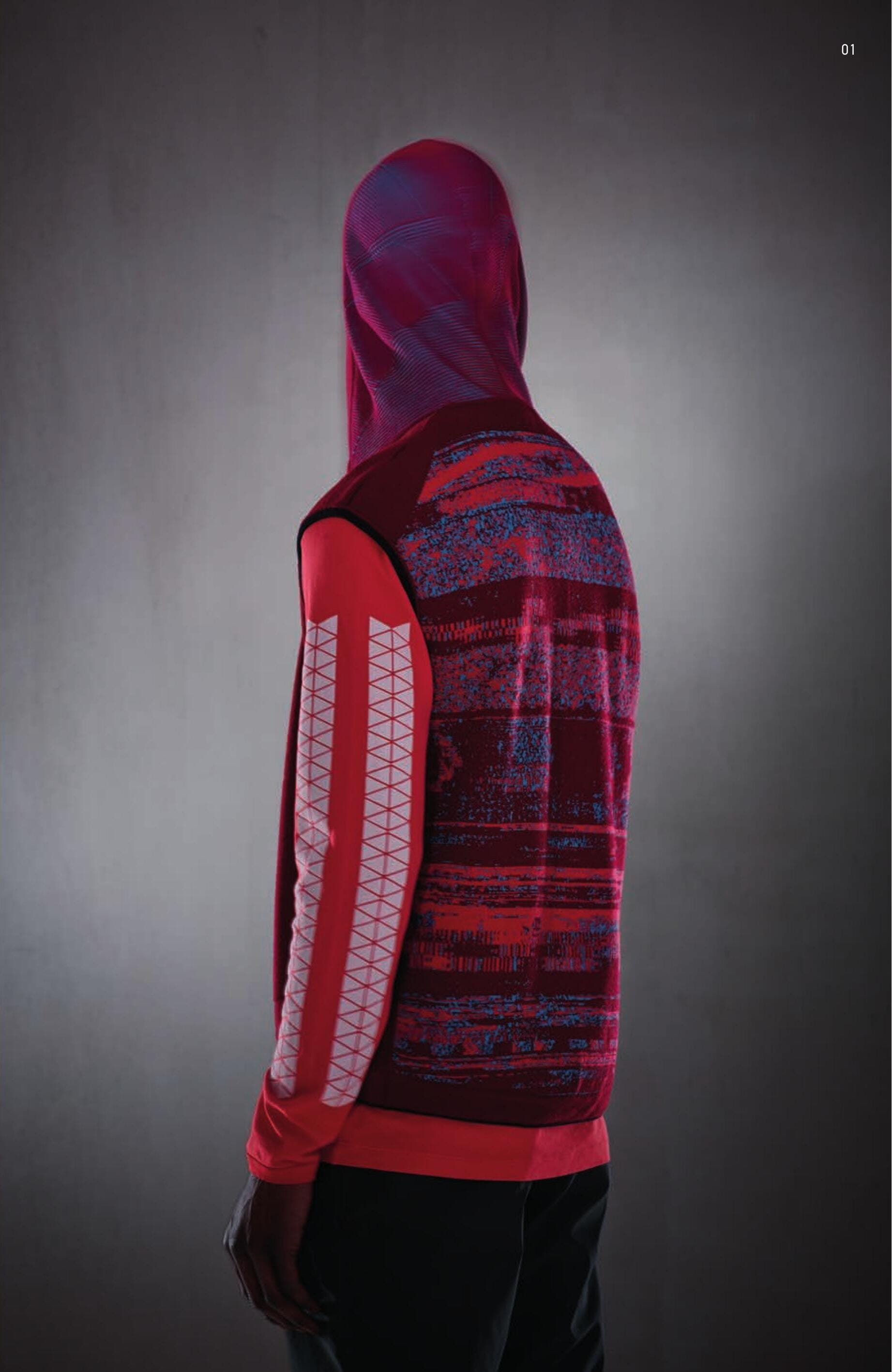
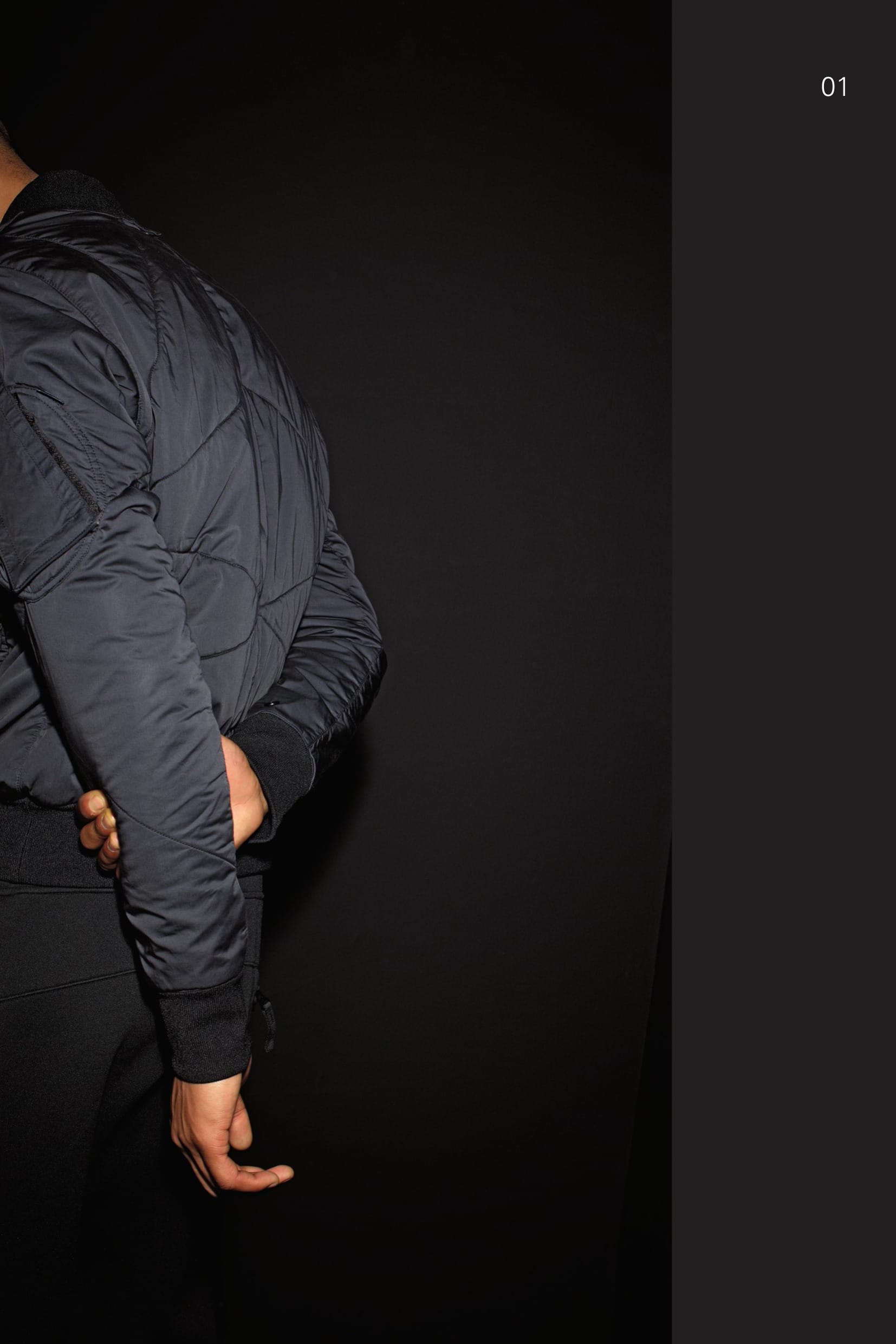
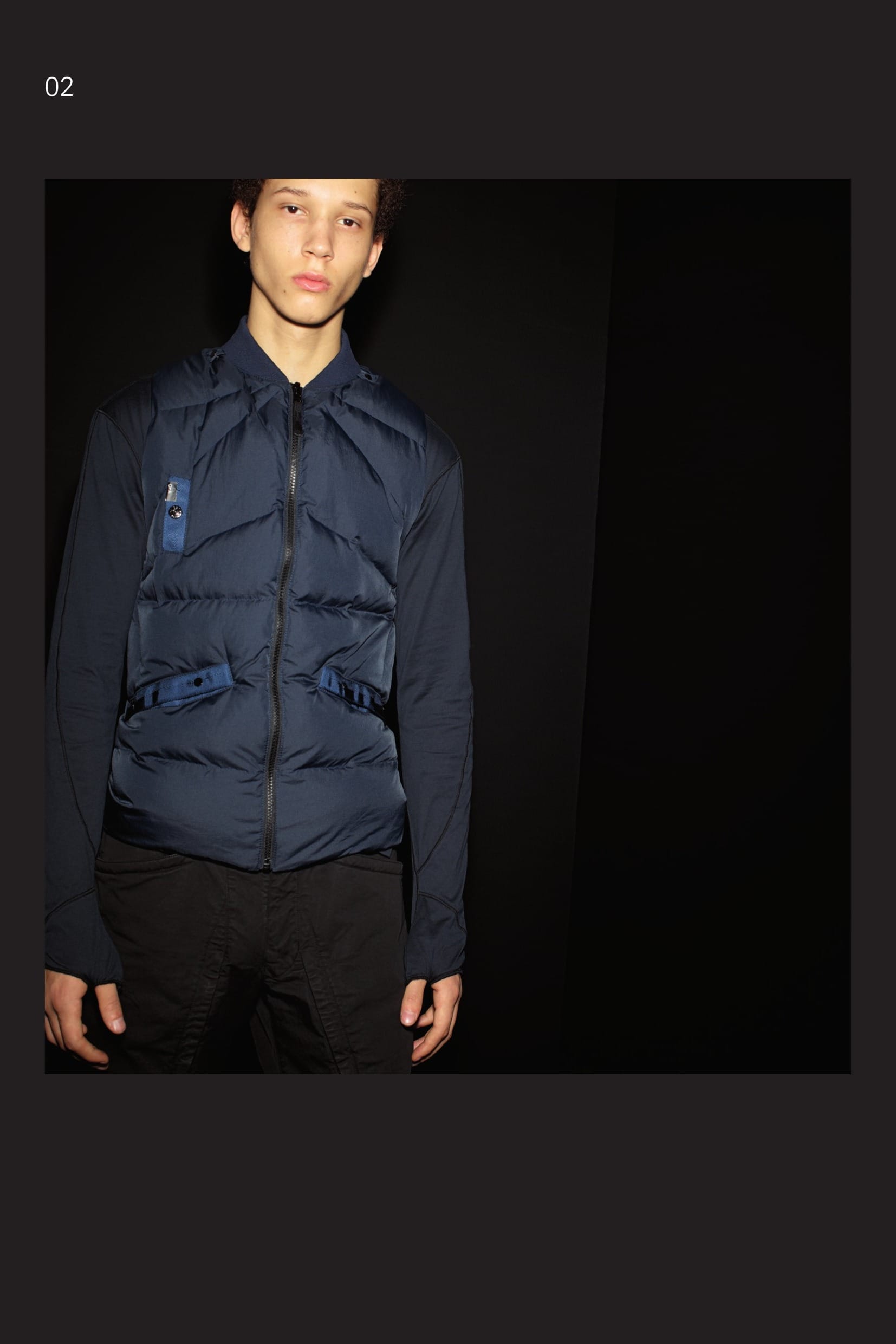
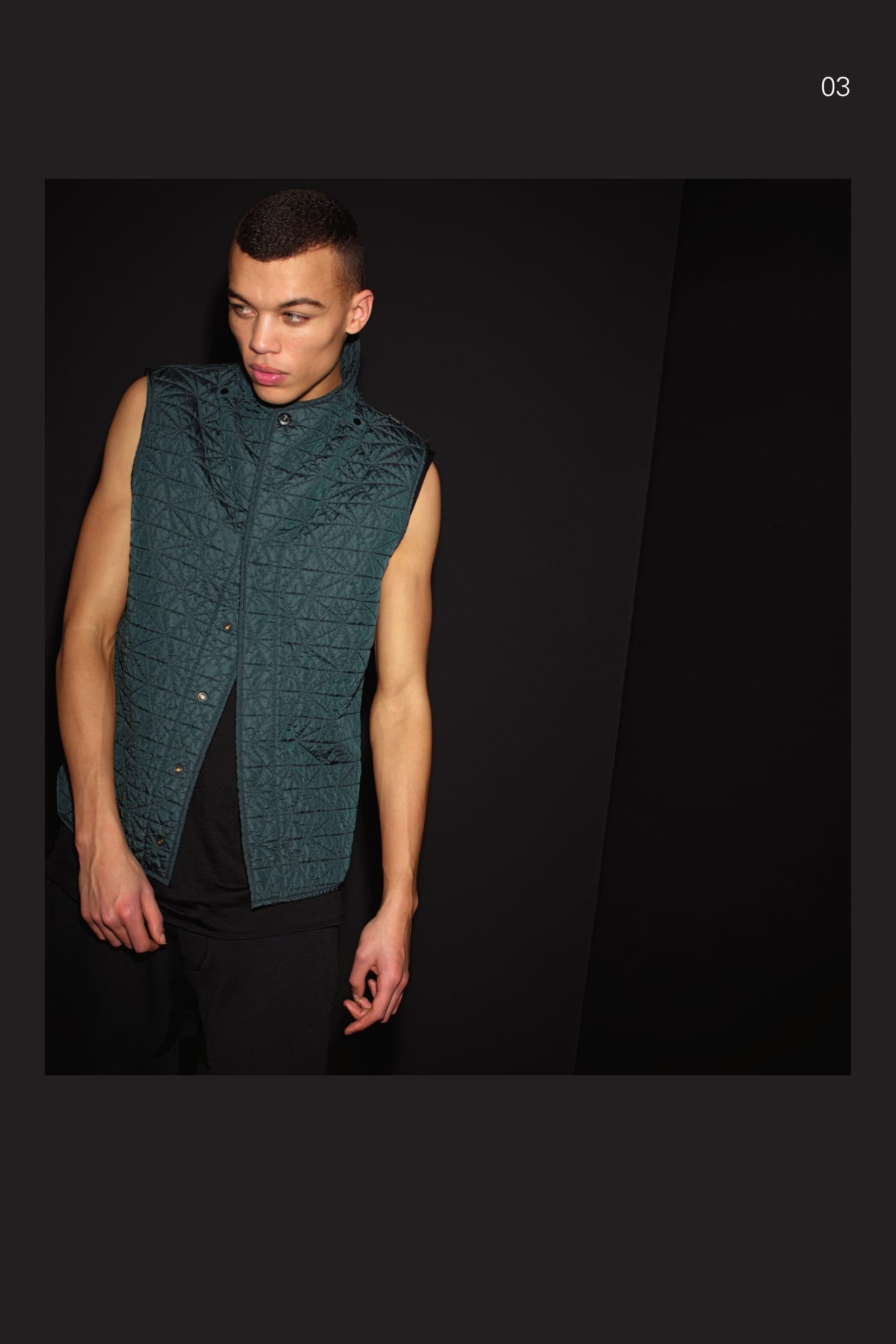
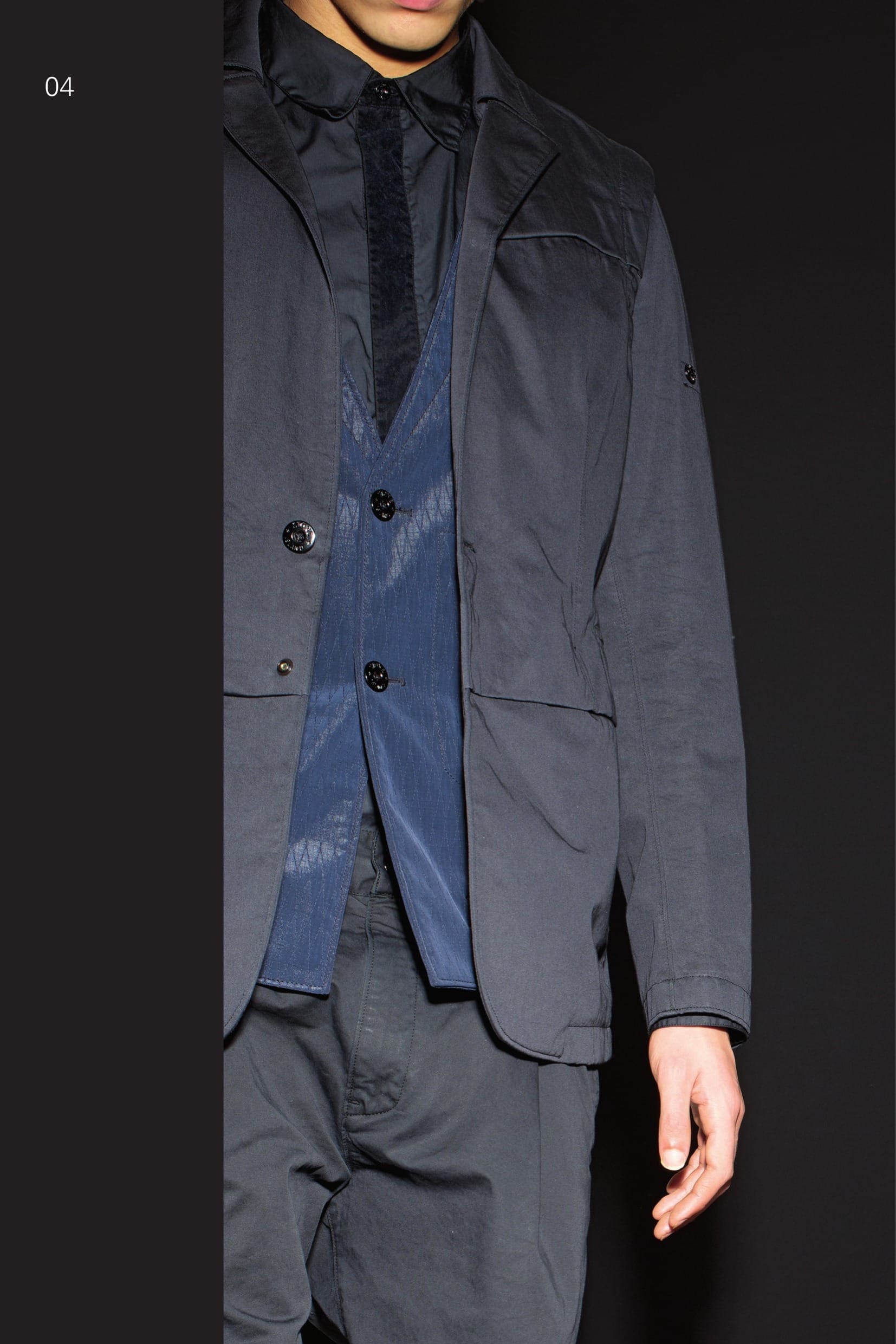
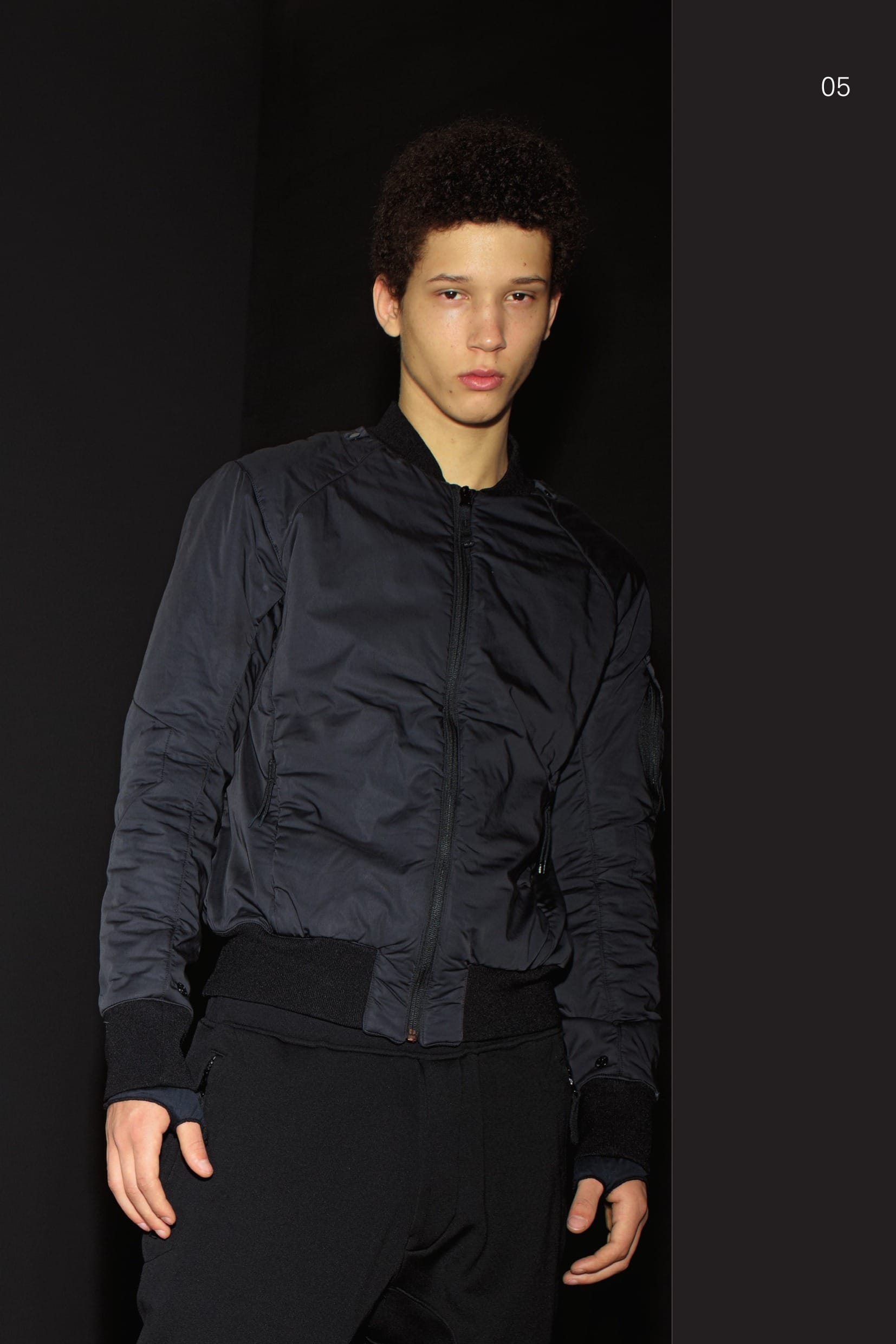
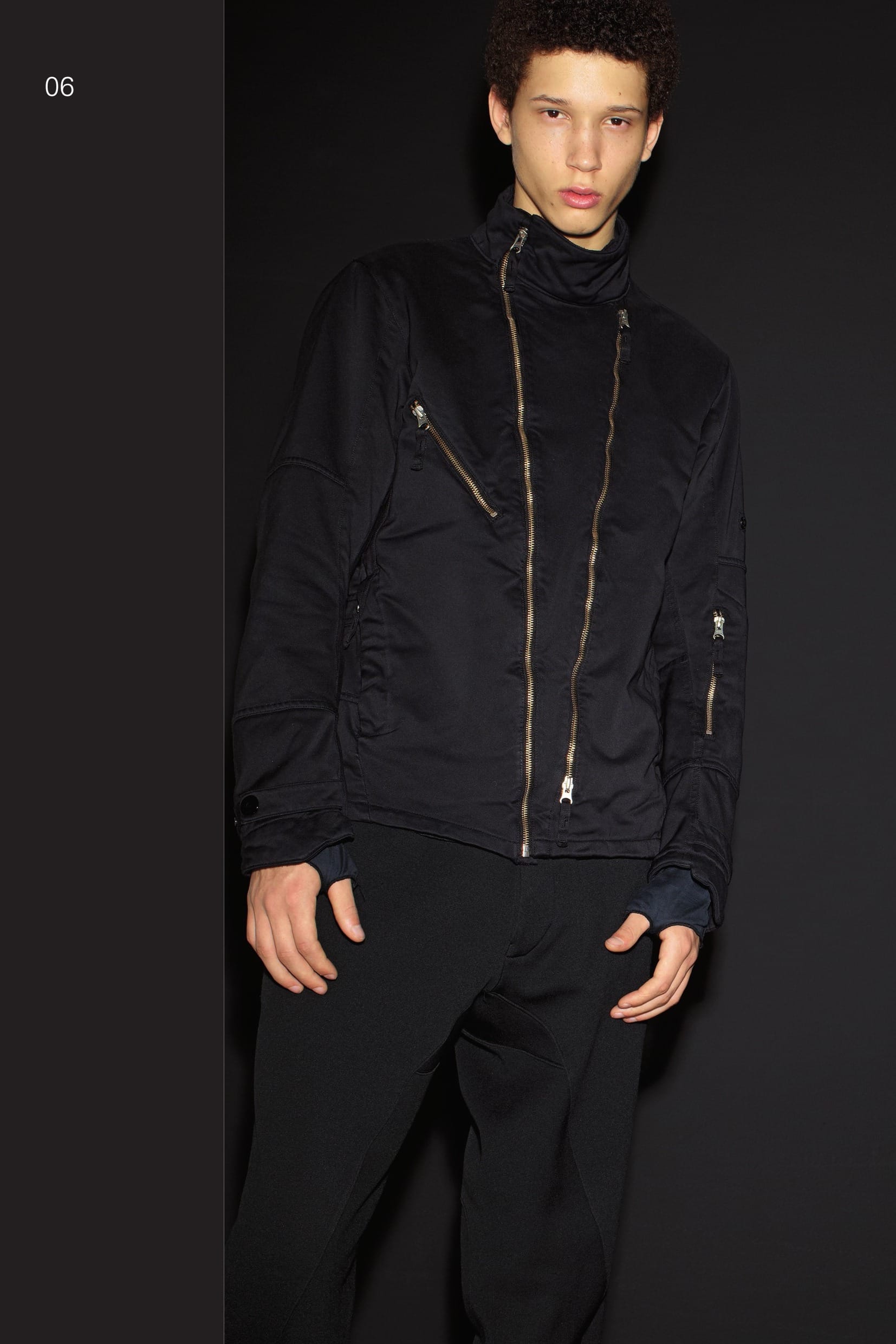
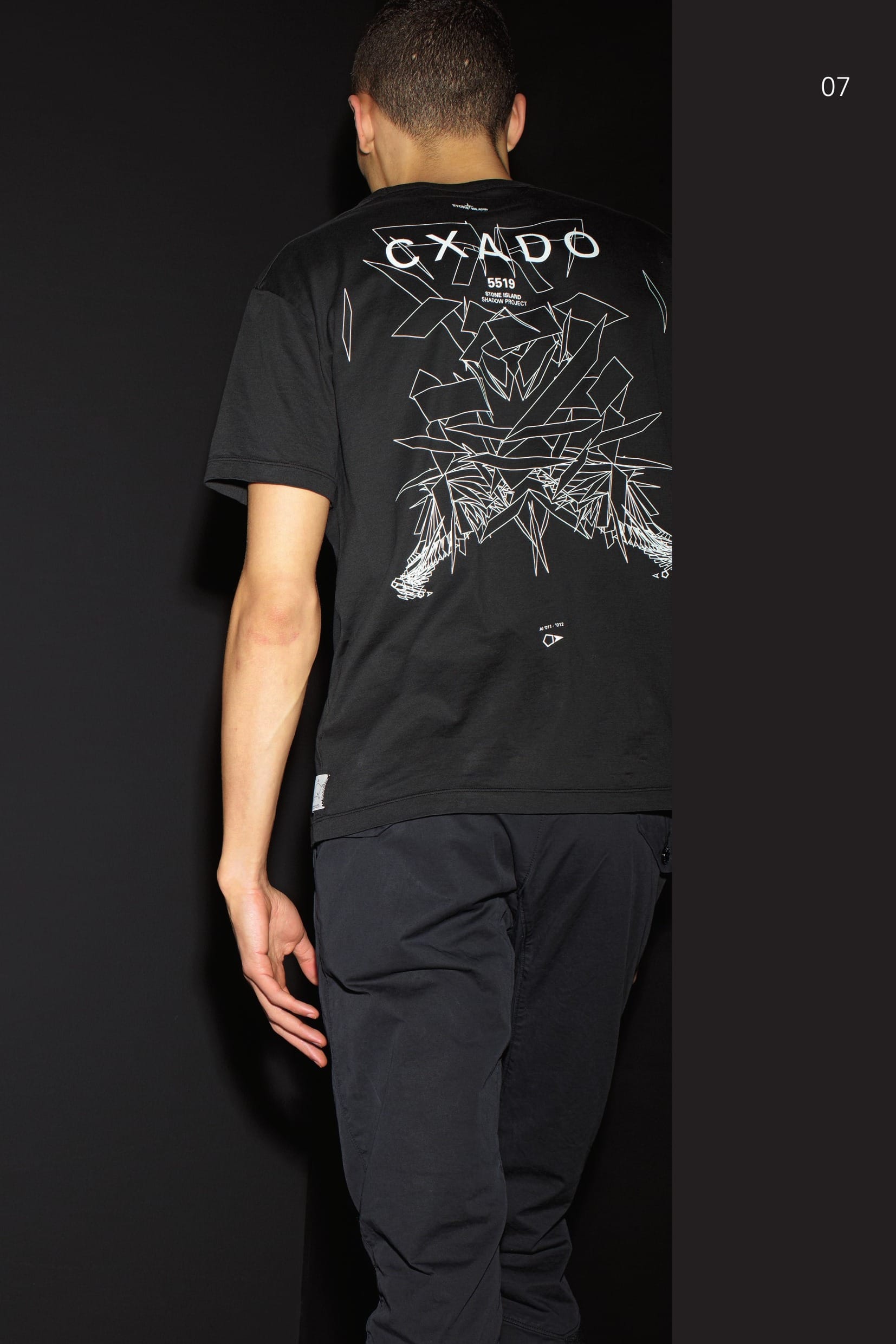
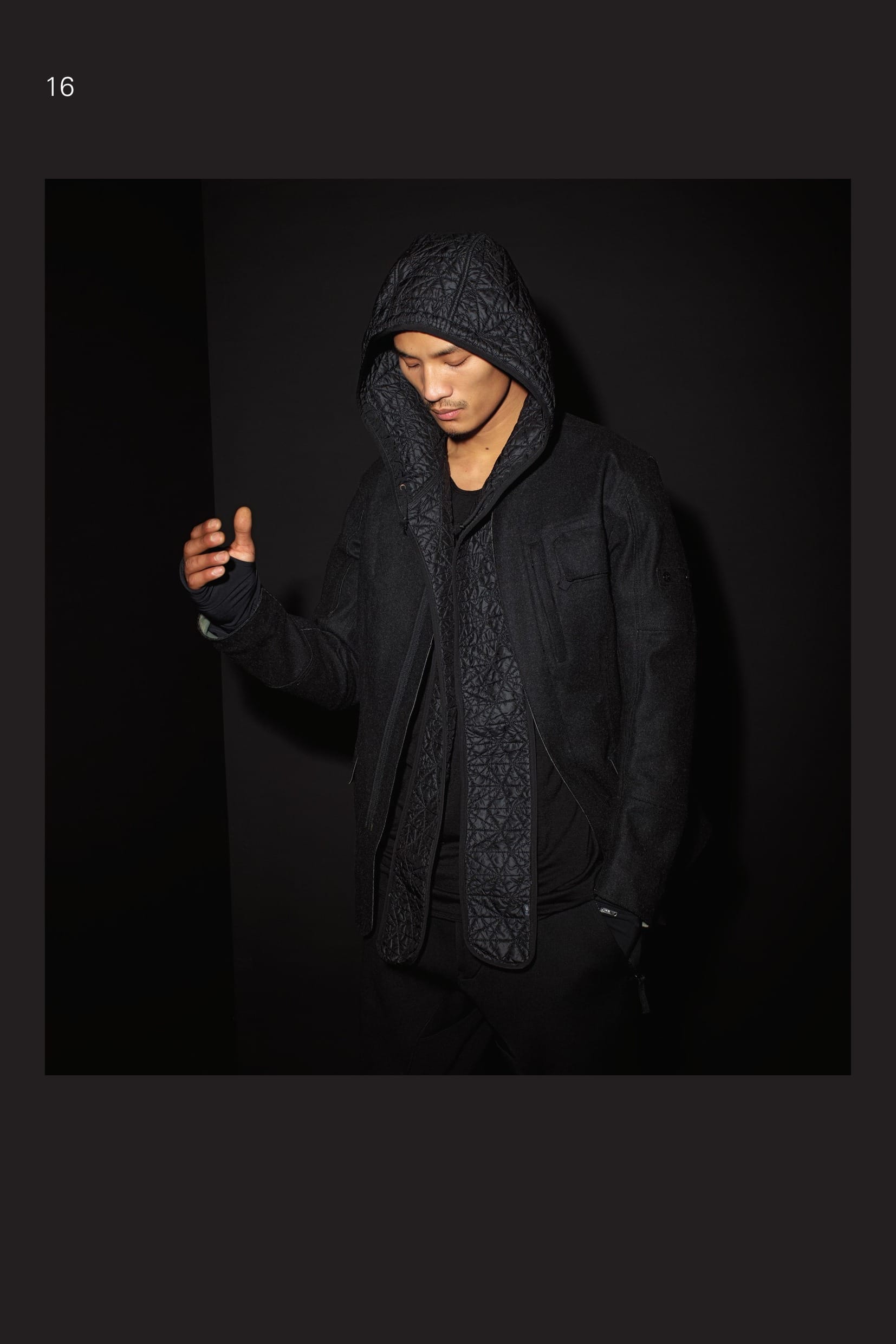
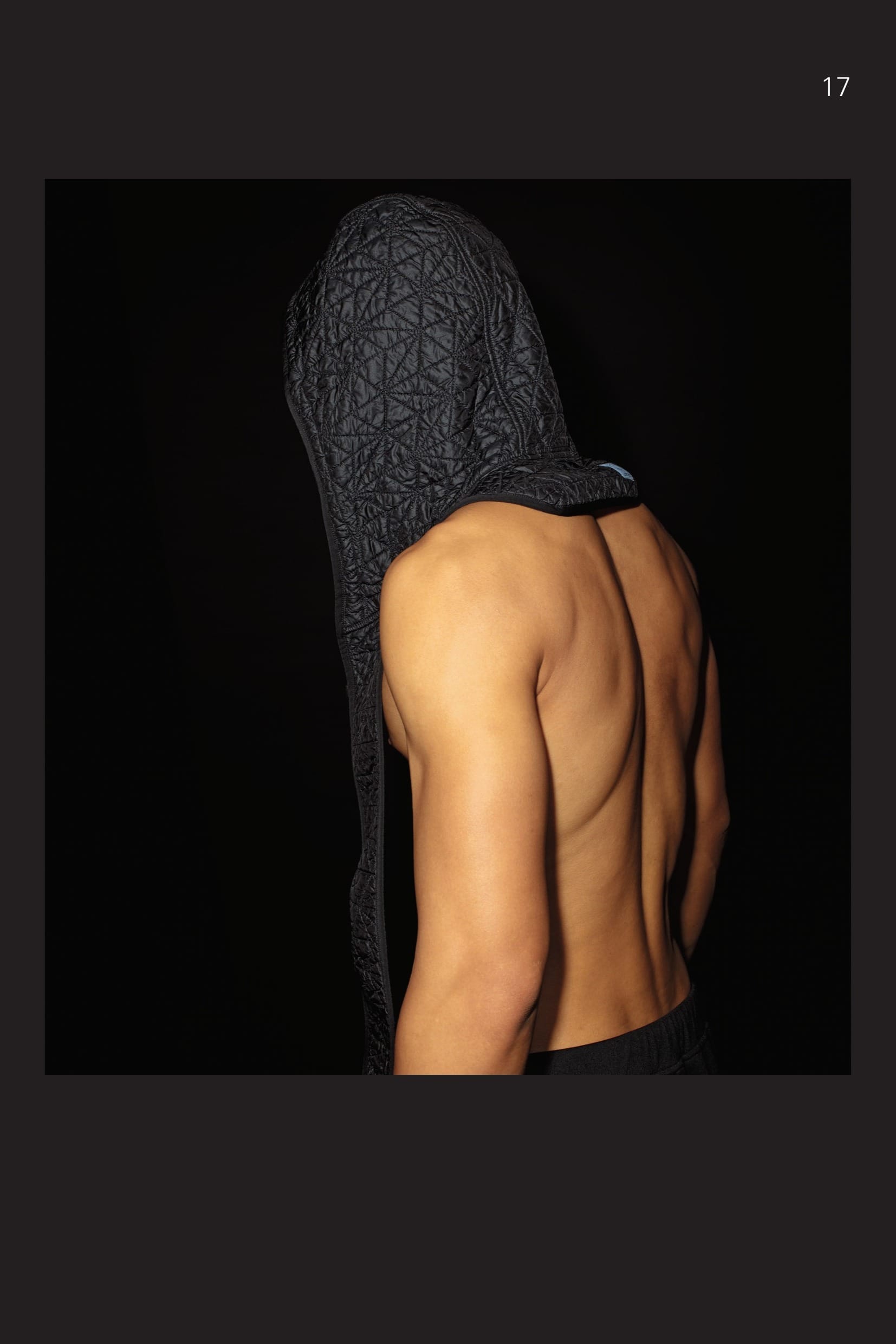
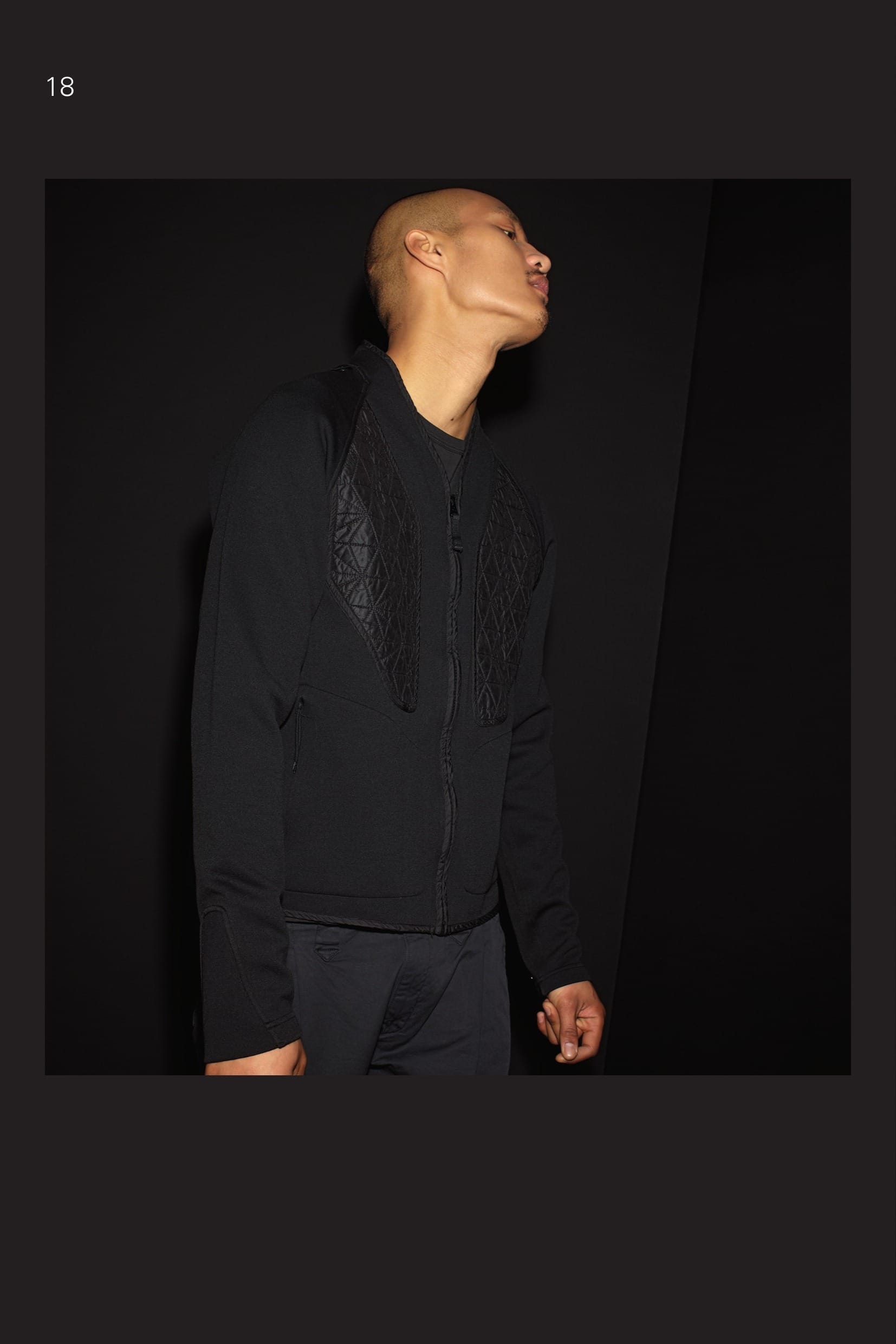
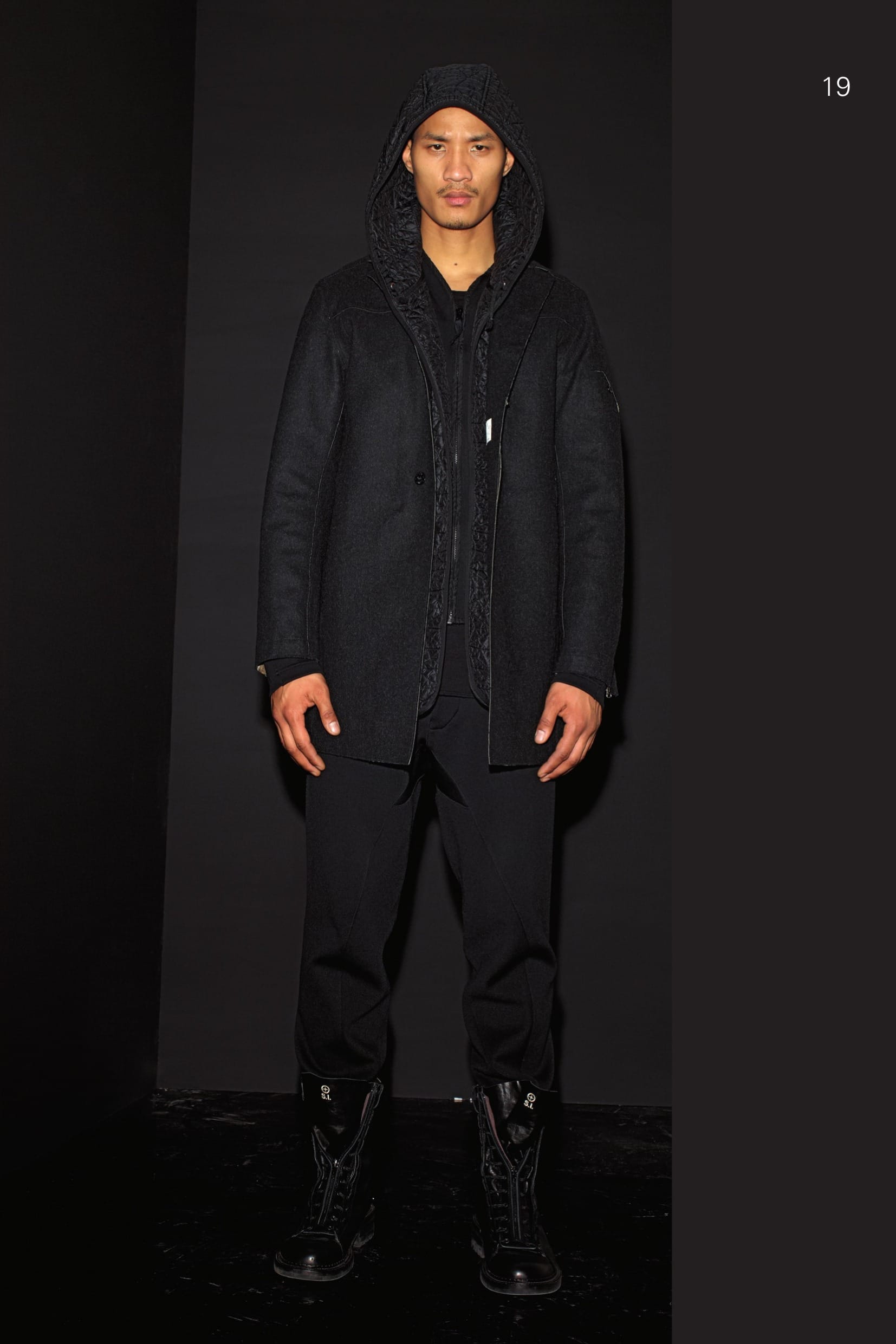
5519 reaffirms the original Stone Island Shadow Project intent. Focused. Elegant. Effortless. Incomparably modern. A capsule collection that converts common problems into uncommon possibilities. Designed as a high performance technological interface between its wearer and their environment on one hand. Conceived of as a seamless extension of its wearer's identity on the other. The latest results of an ongoing enquiry into the dynamics of form and function from the living laboratory that is Stone Island. Fabrics have been selected with an emphasis on lustre and tactility; aesthetically pleasing yet careful not to overwhelm the senses. Colours are dark and play off of the matte-sheen of the fabrics, bringing the balanced geometry of each style to the fore. The new modular accessories are simple, direct ways to transform styles, increasing the already considerable user-driven versatility of the collection.
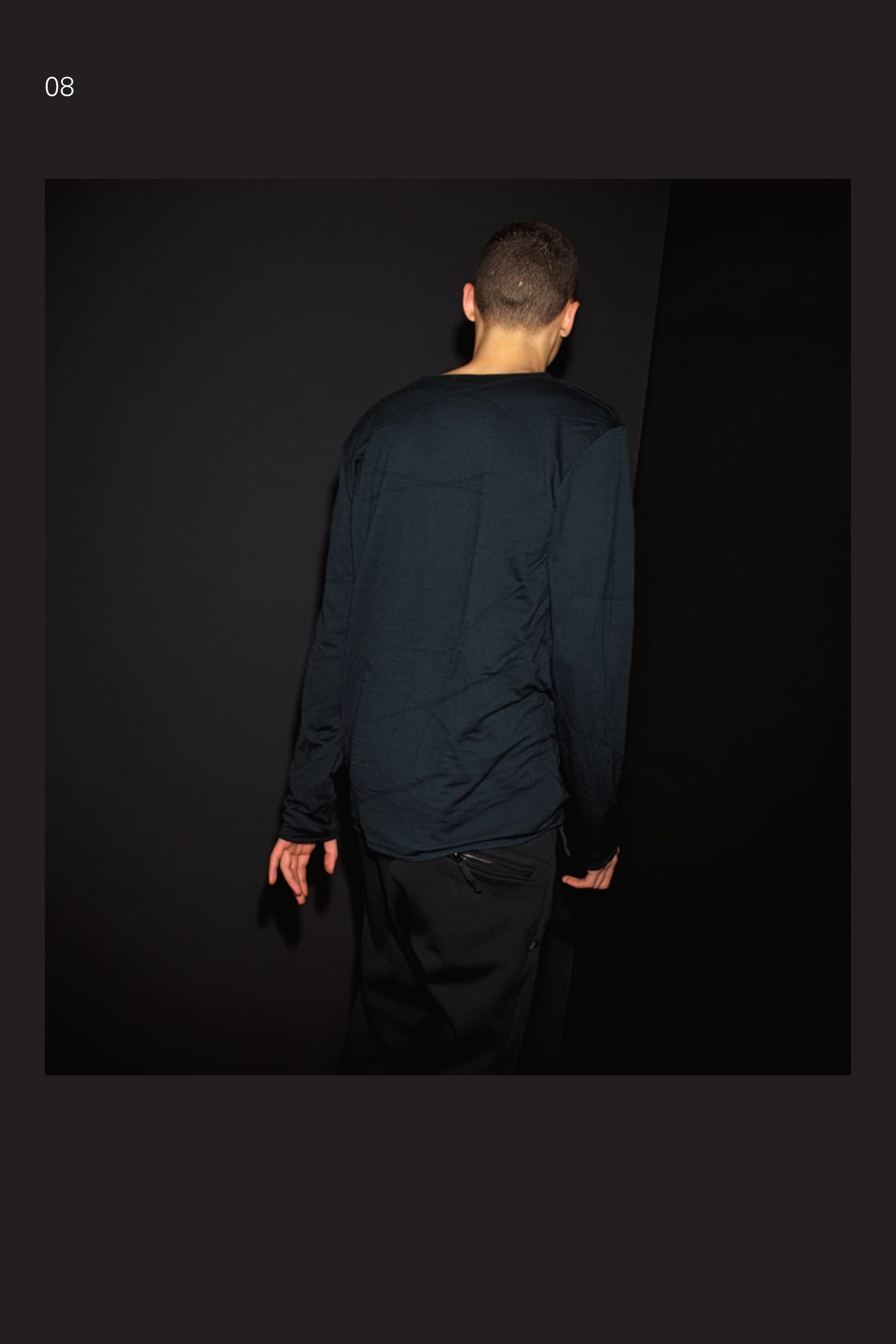
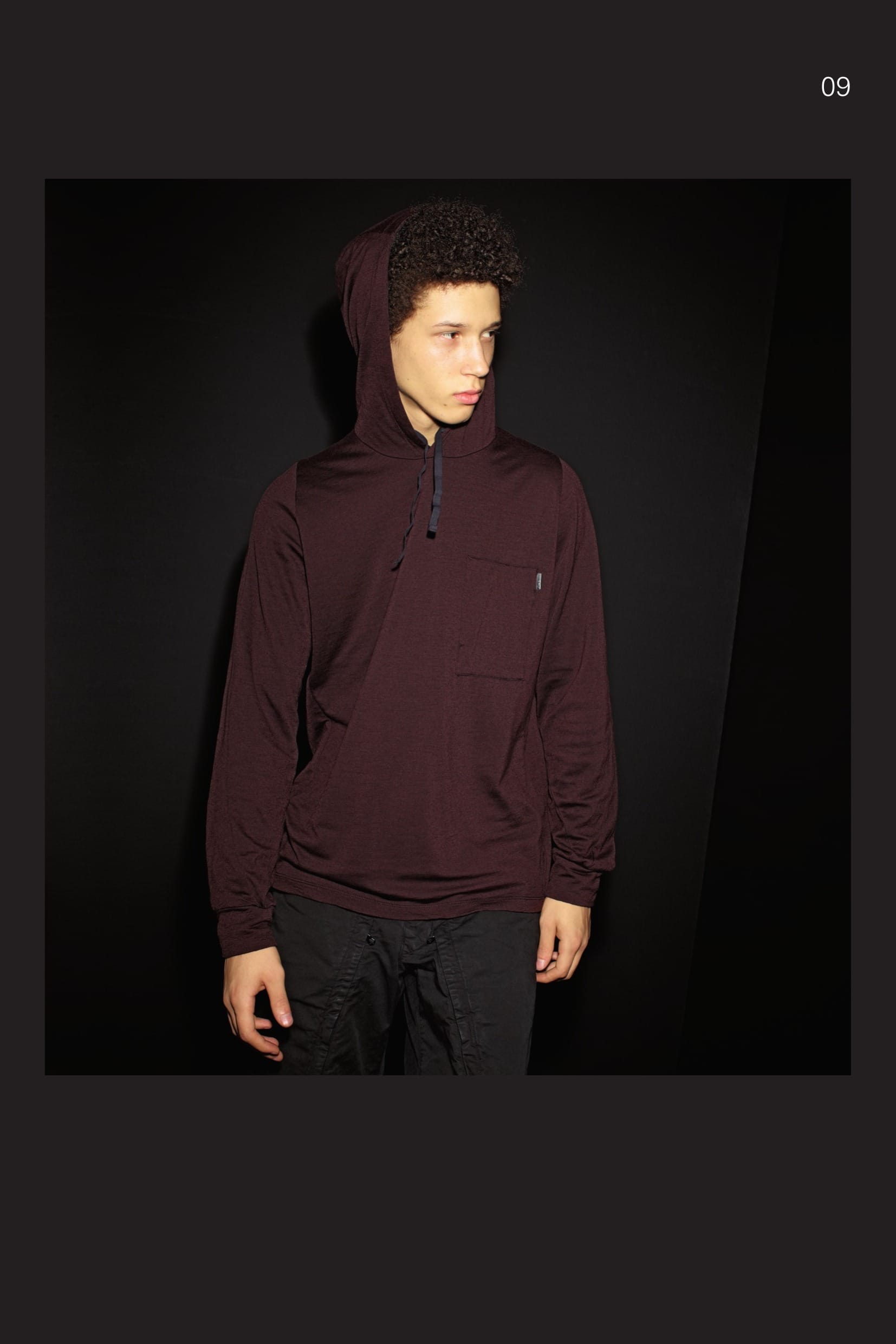
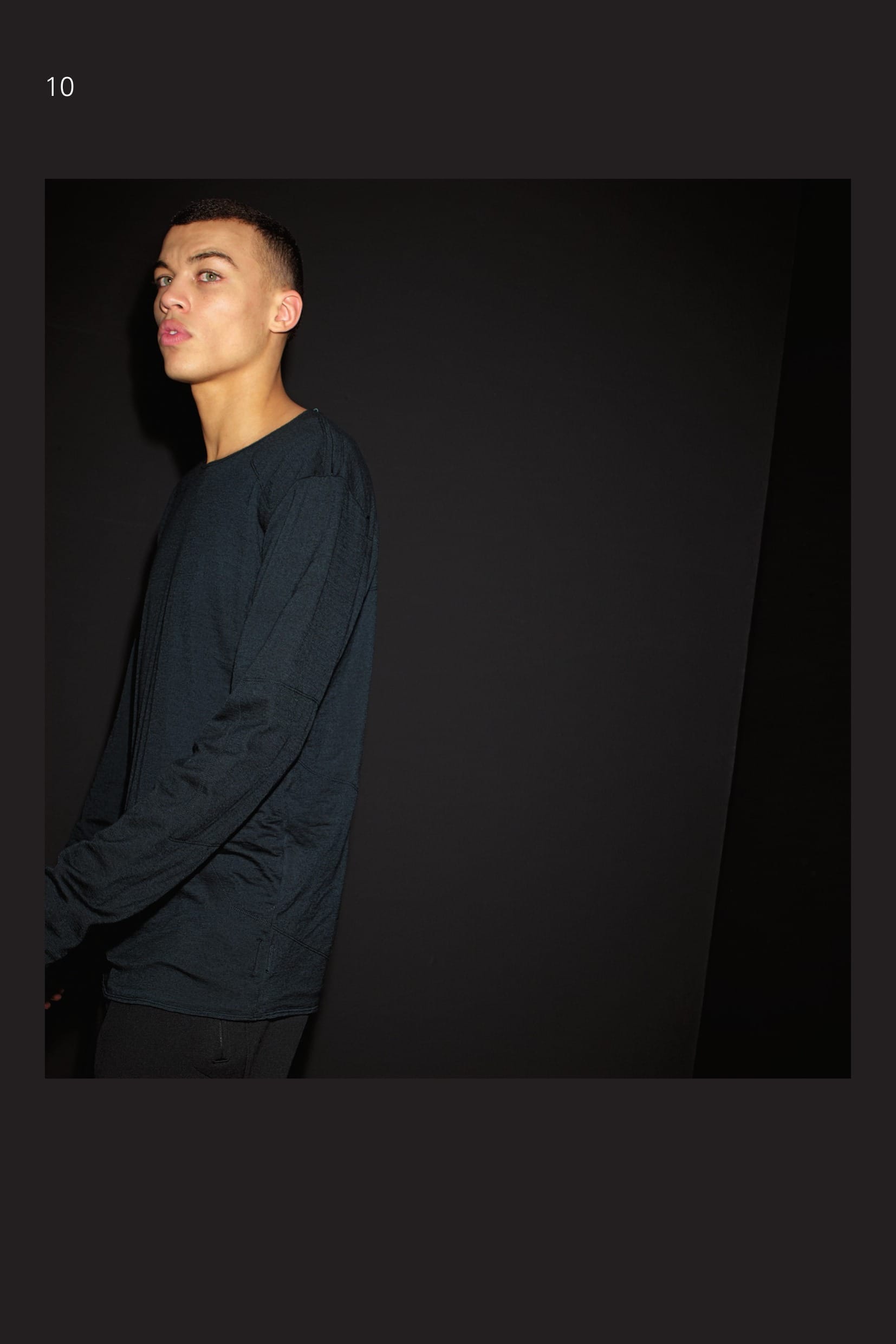
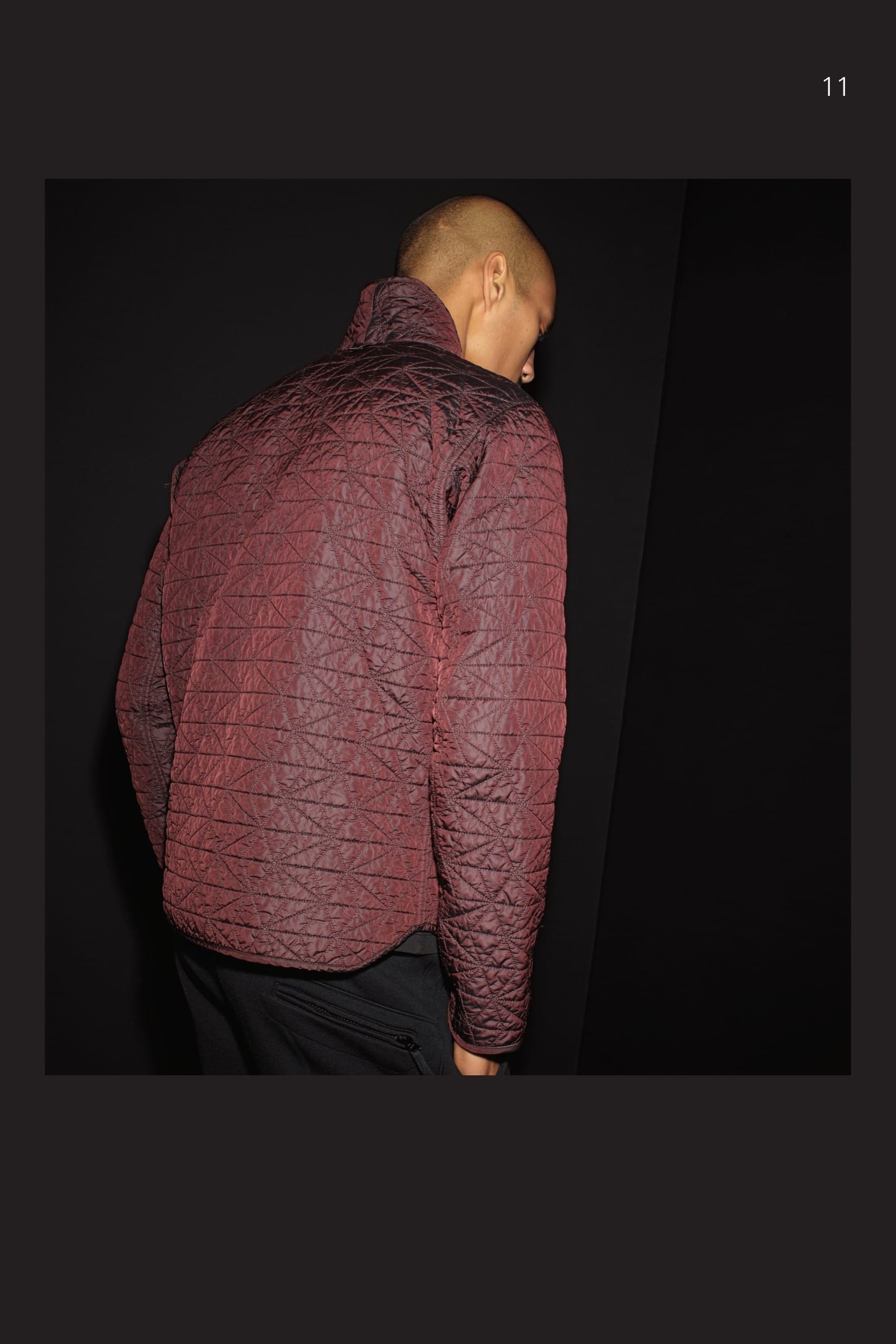
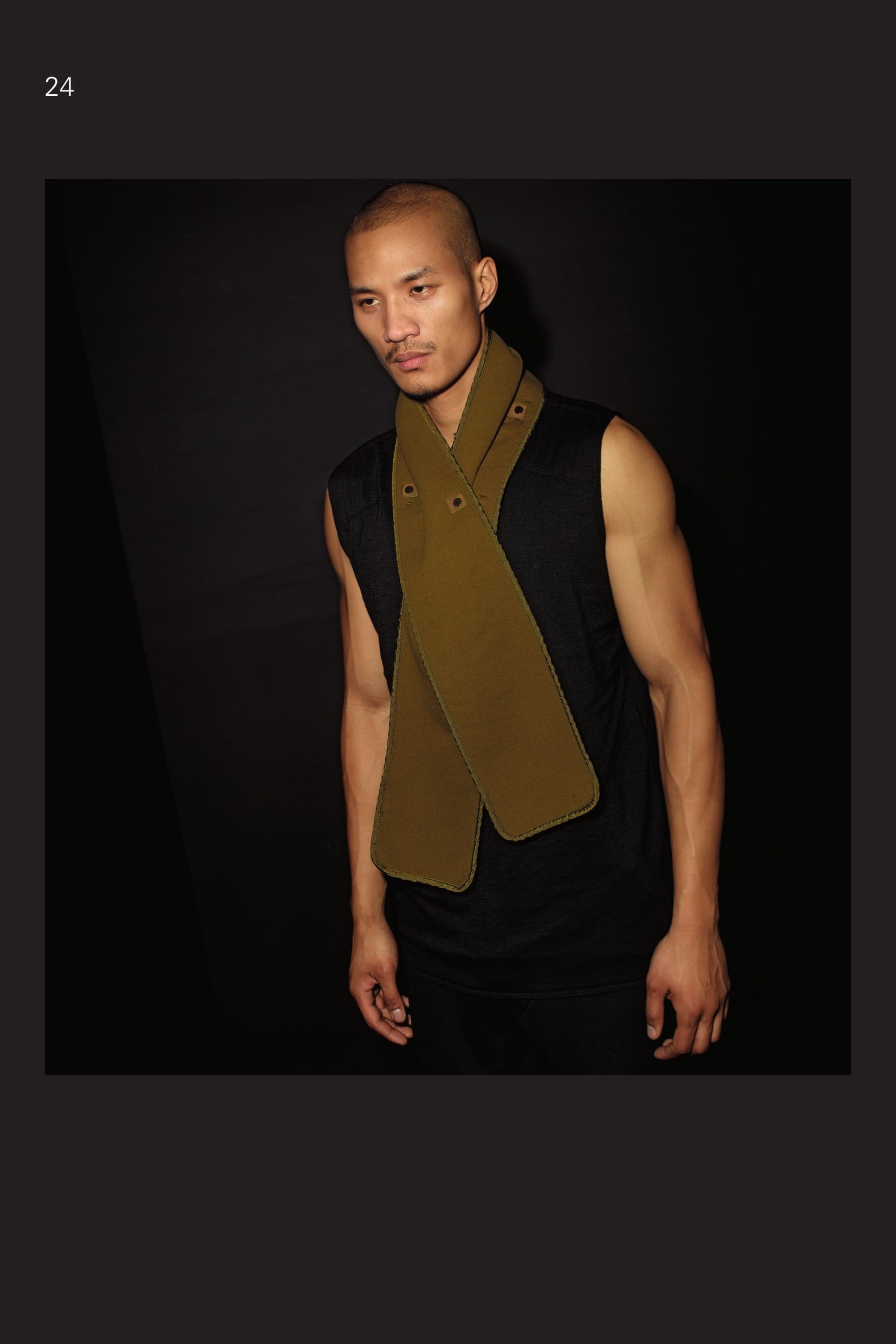
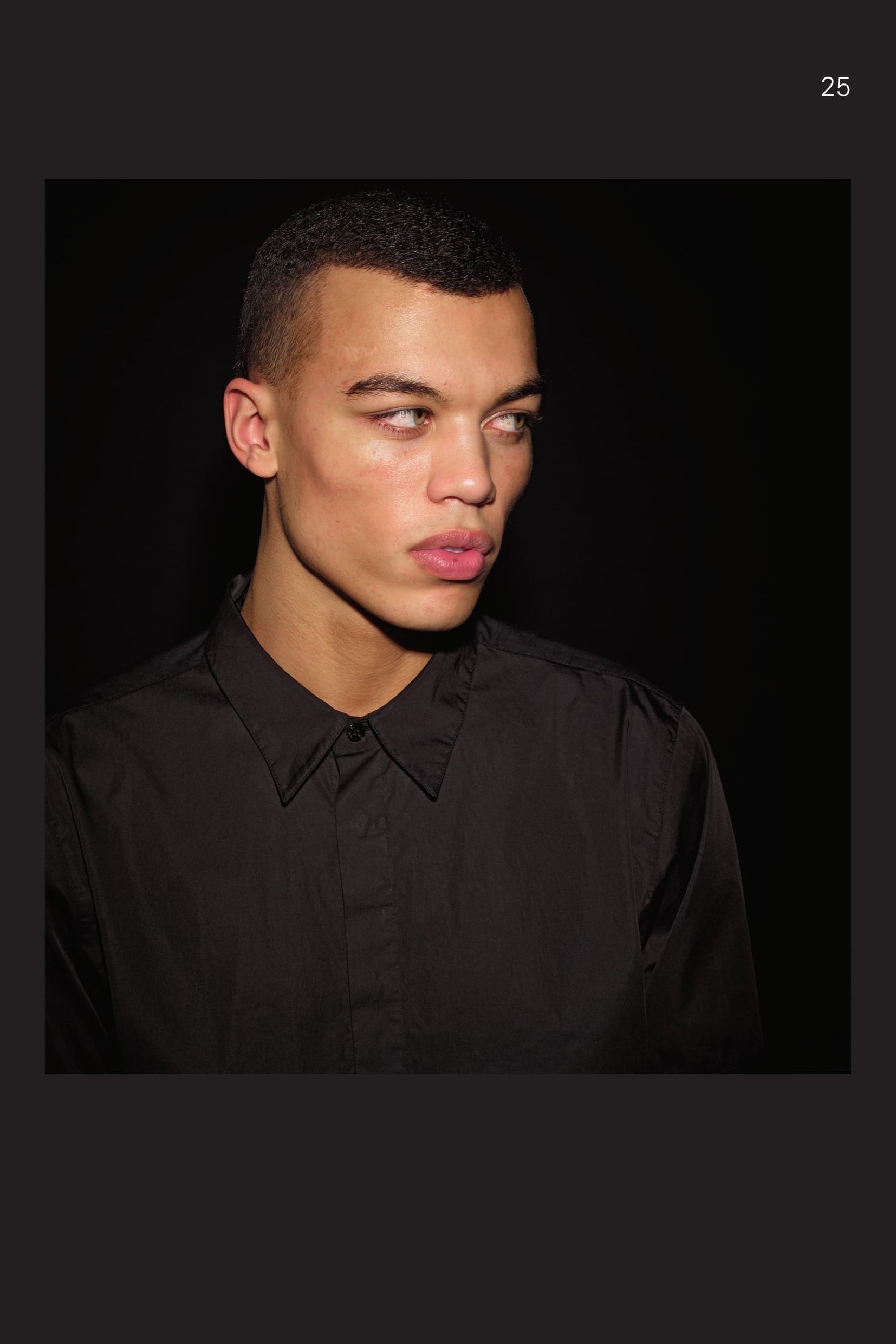
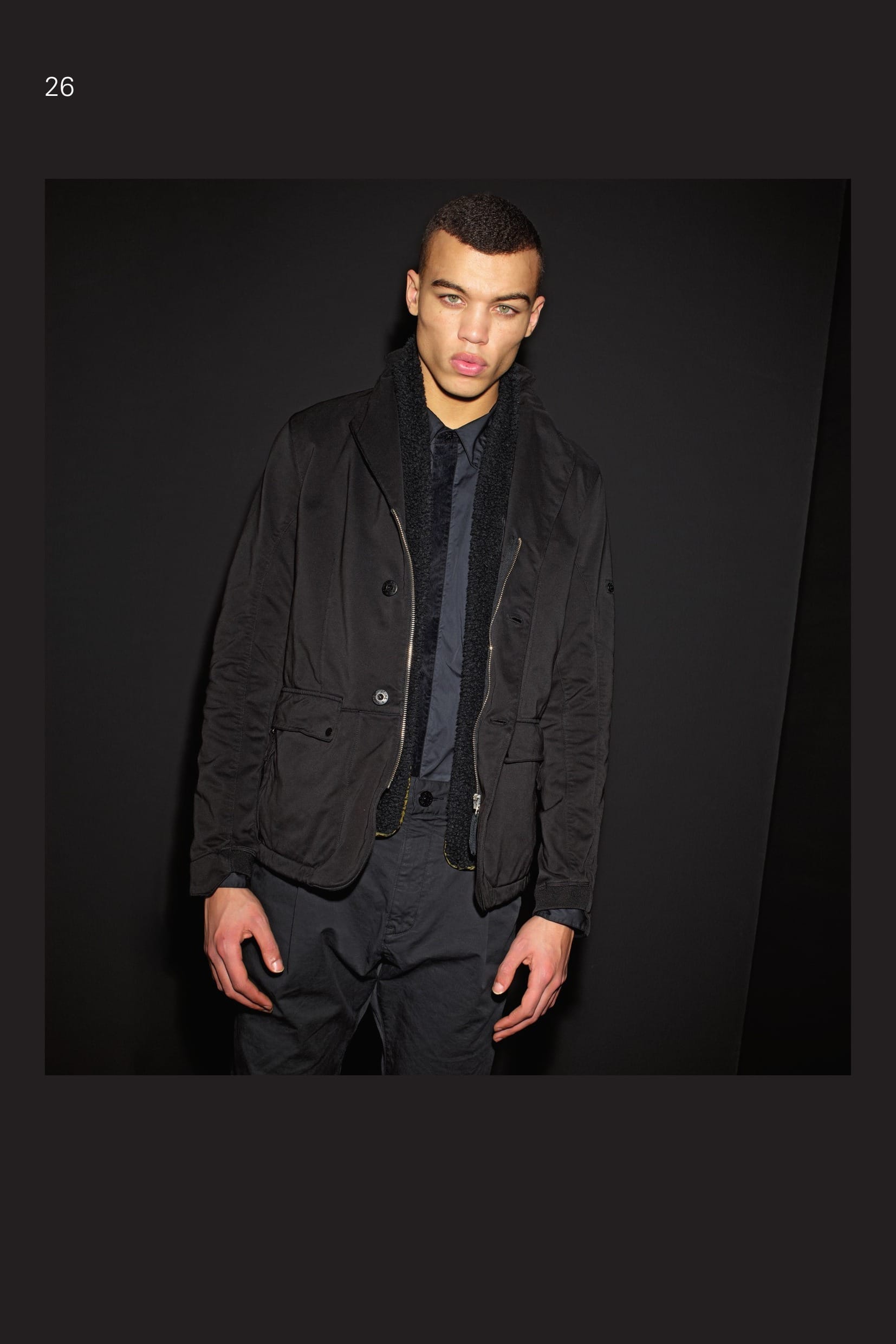
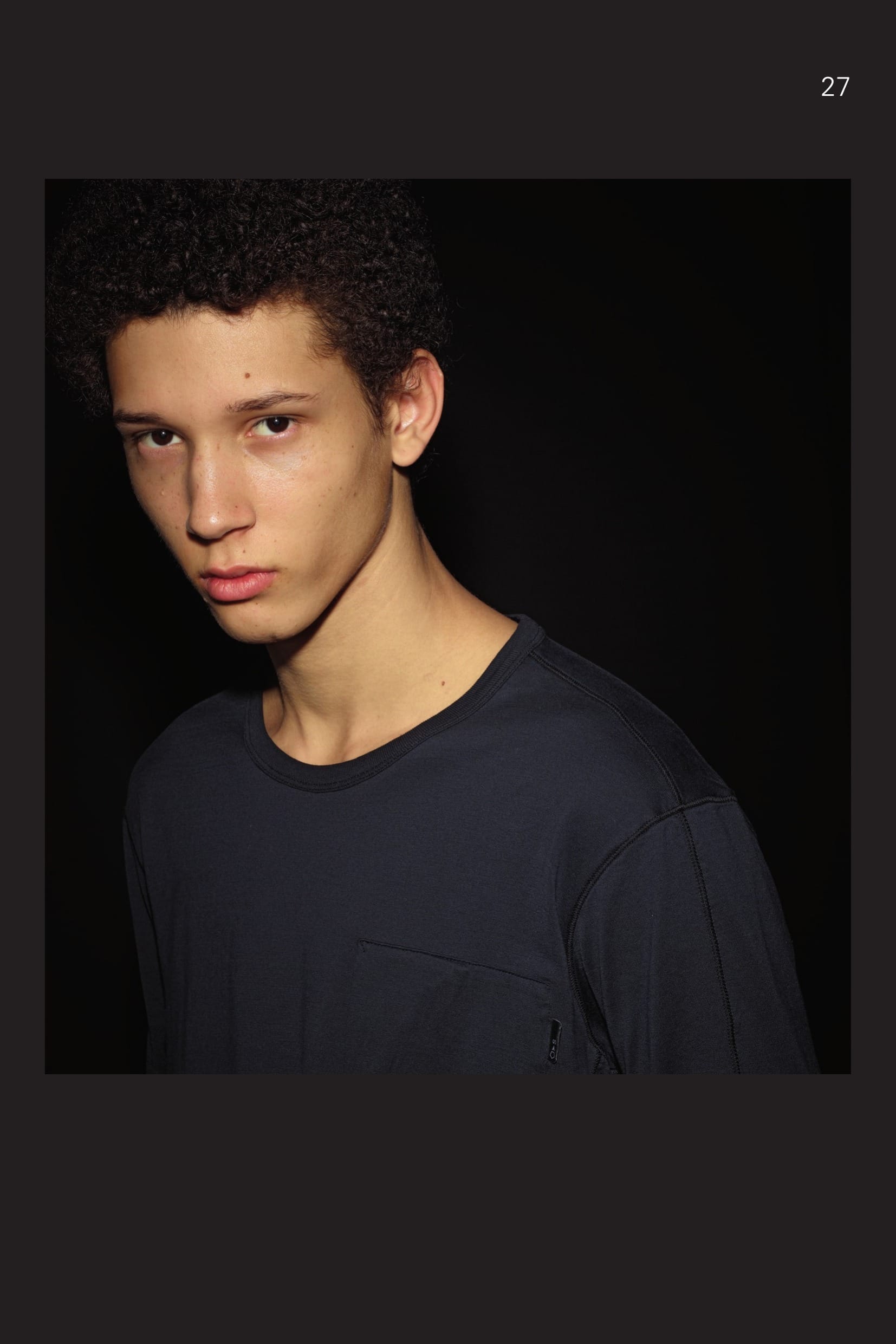
Stone Island Shadow Project SS2015 Lookbook
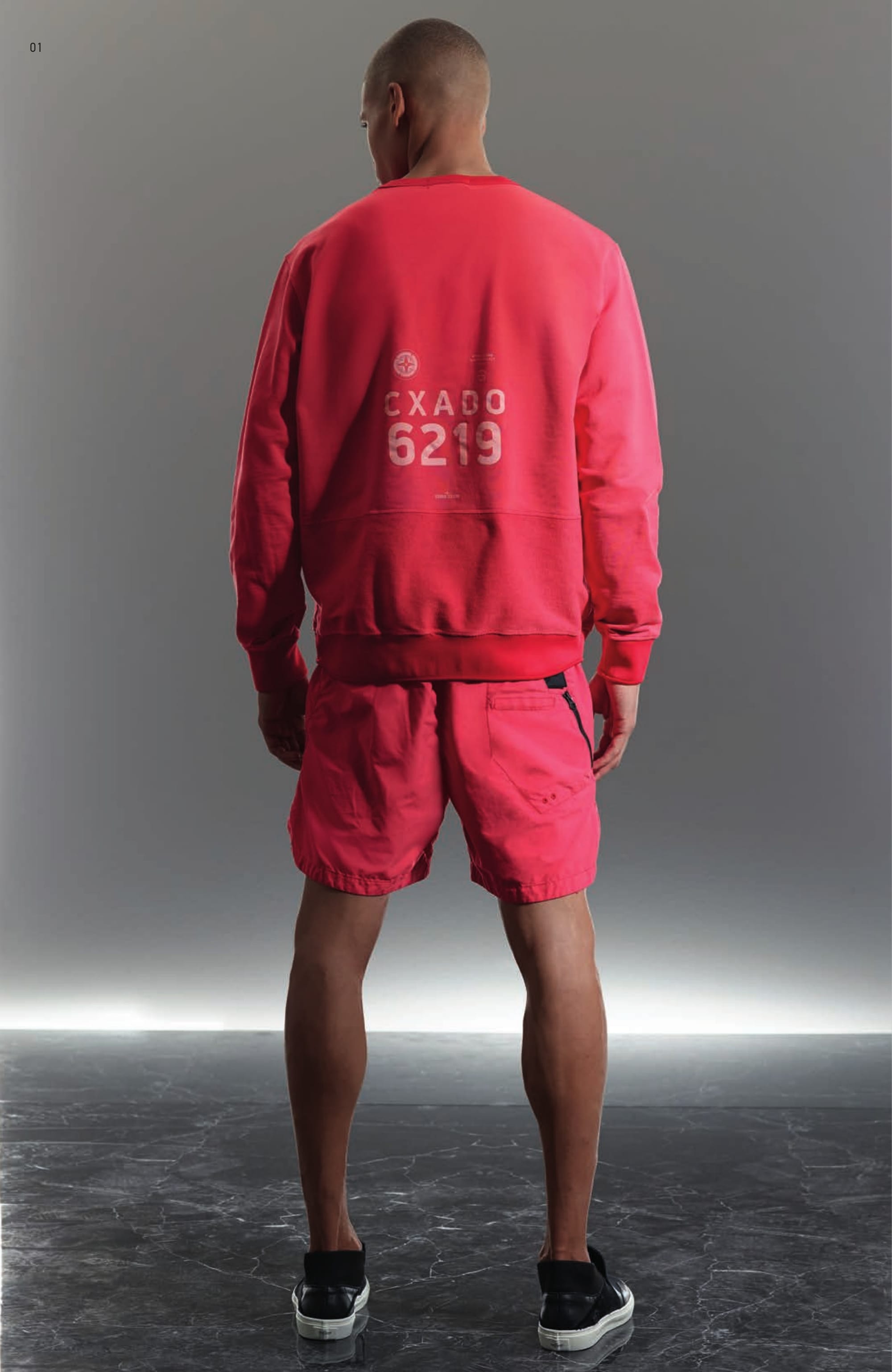
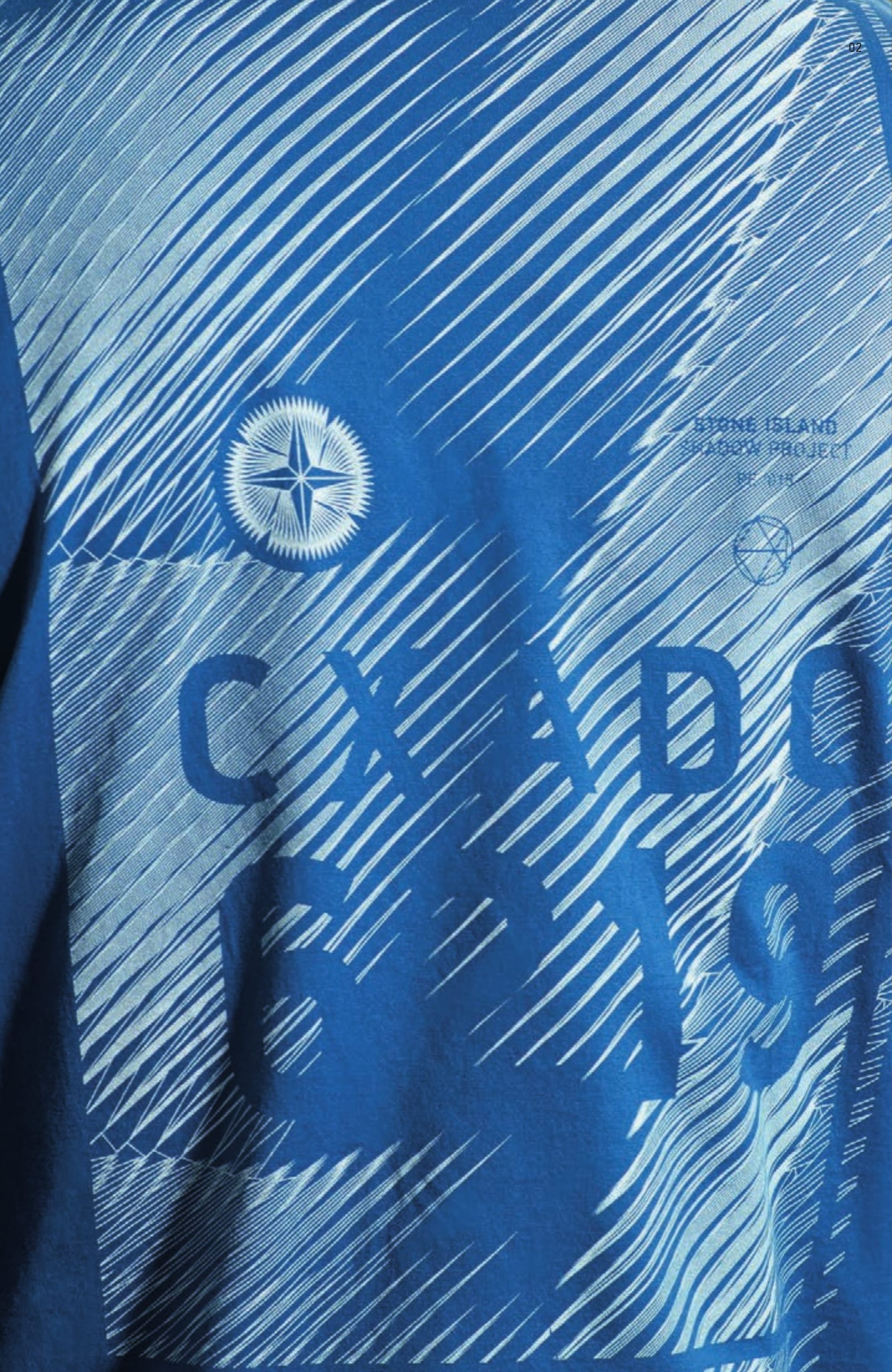
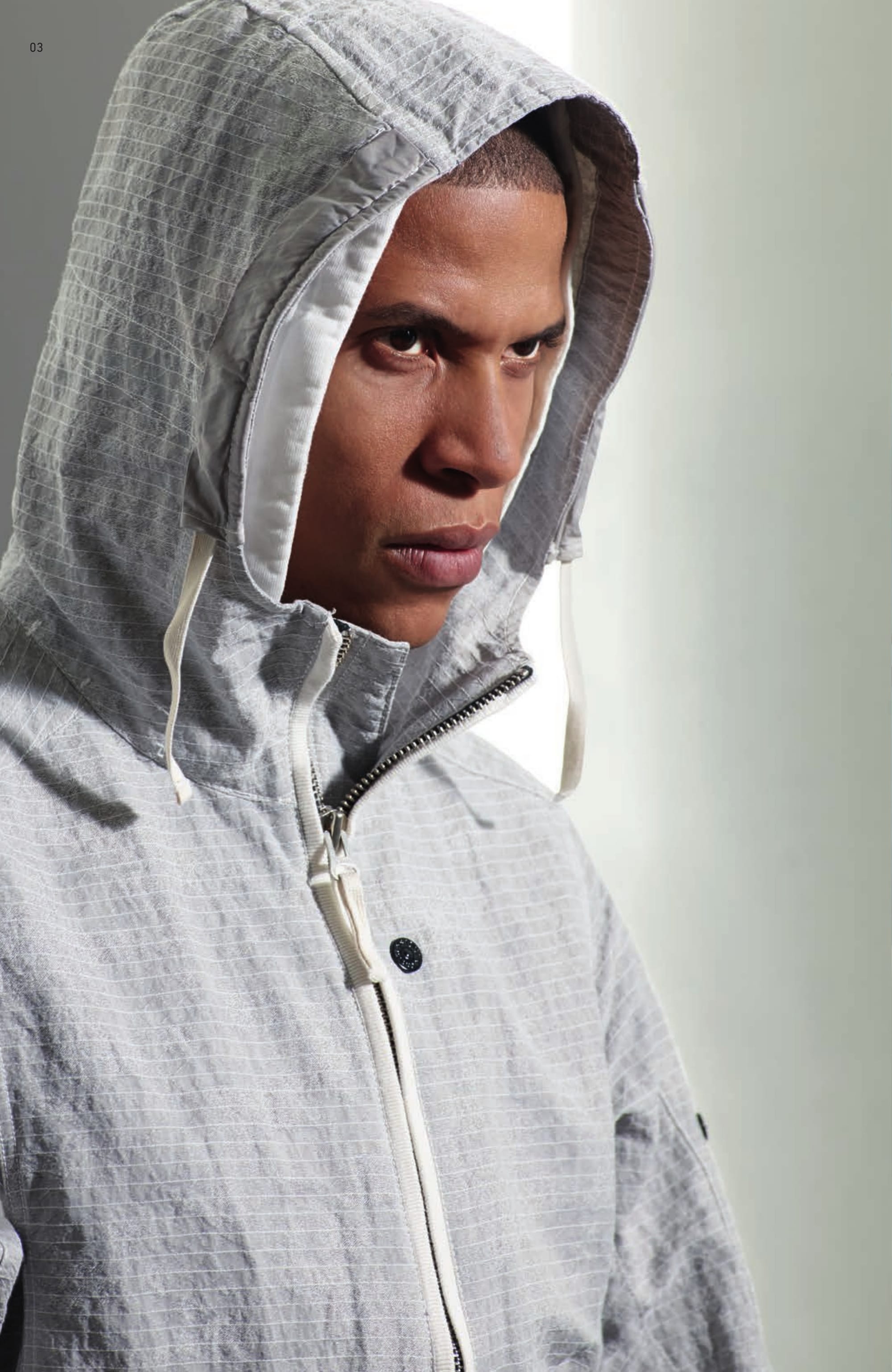
The 14th Stone Island Shadow Project collection is a mirage on the horizon; a heat haze of perspective shifting inversion and refraction. Vibrant and gritty, granular and loose, it's the freshness and intensity of youth tempered by process and exposure to the elements. West coast Zephyr inspired colors are turned up to maximum saturation, then slightly muted by treatments both softening and metallic. Materials have an easy, lived-in feel, but retain the underlying edge of technical performance and real use. Loose street and slope born shapes flow with relaxed tailoring and diffused prep looks. Graphics are minimal definitions; outlines and impressions of the underlying framework.

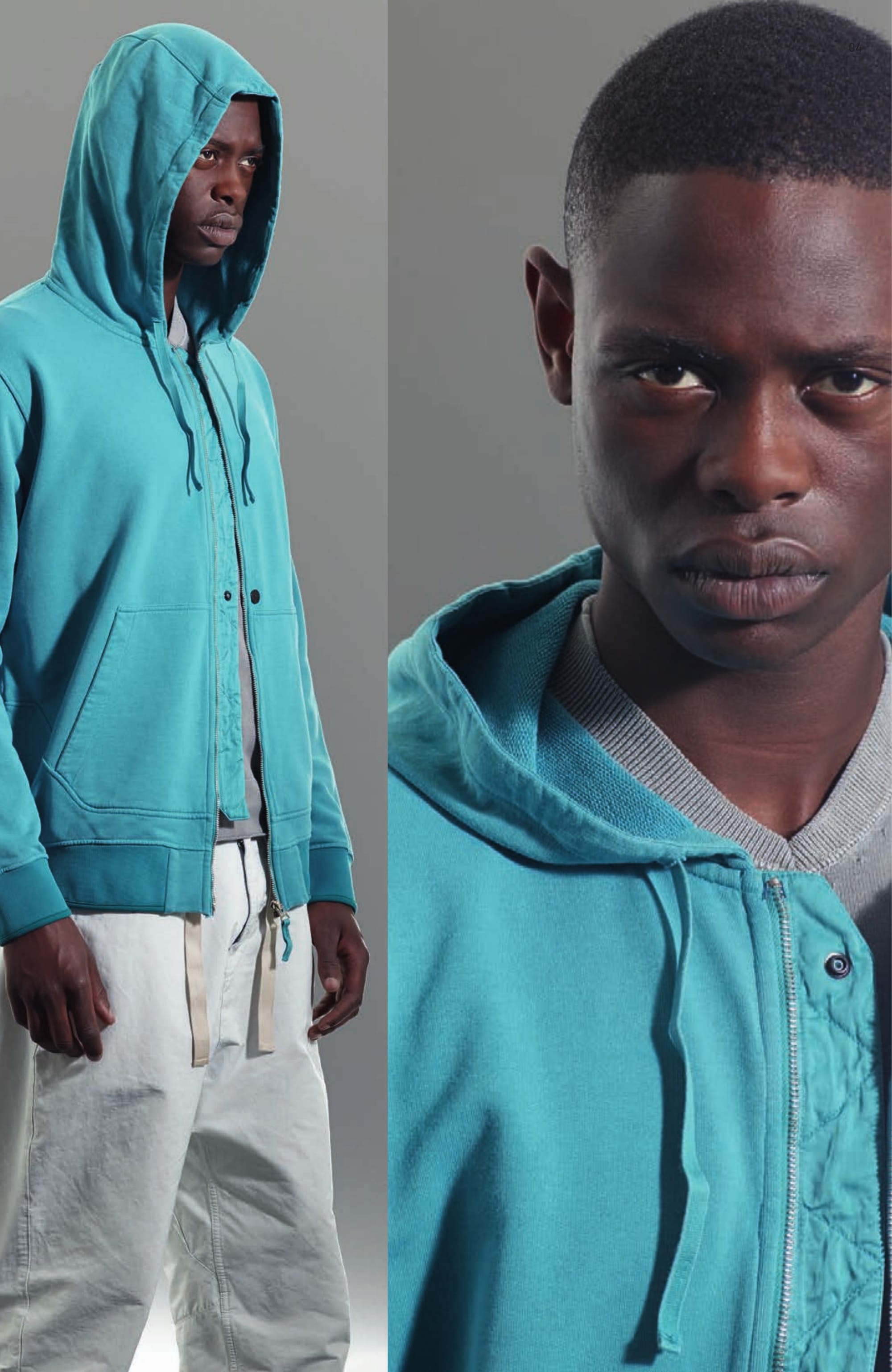
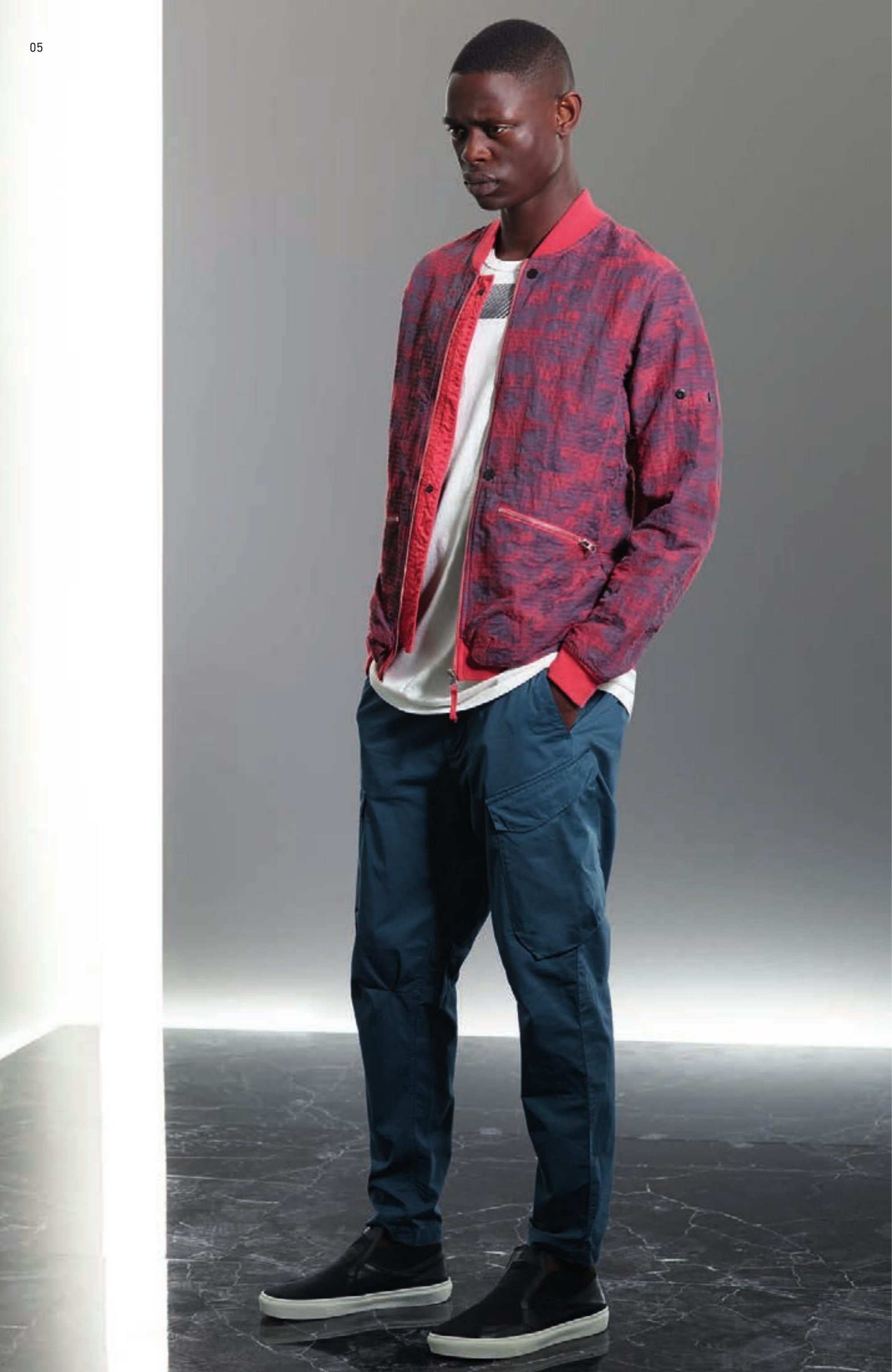
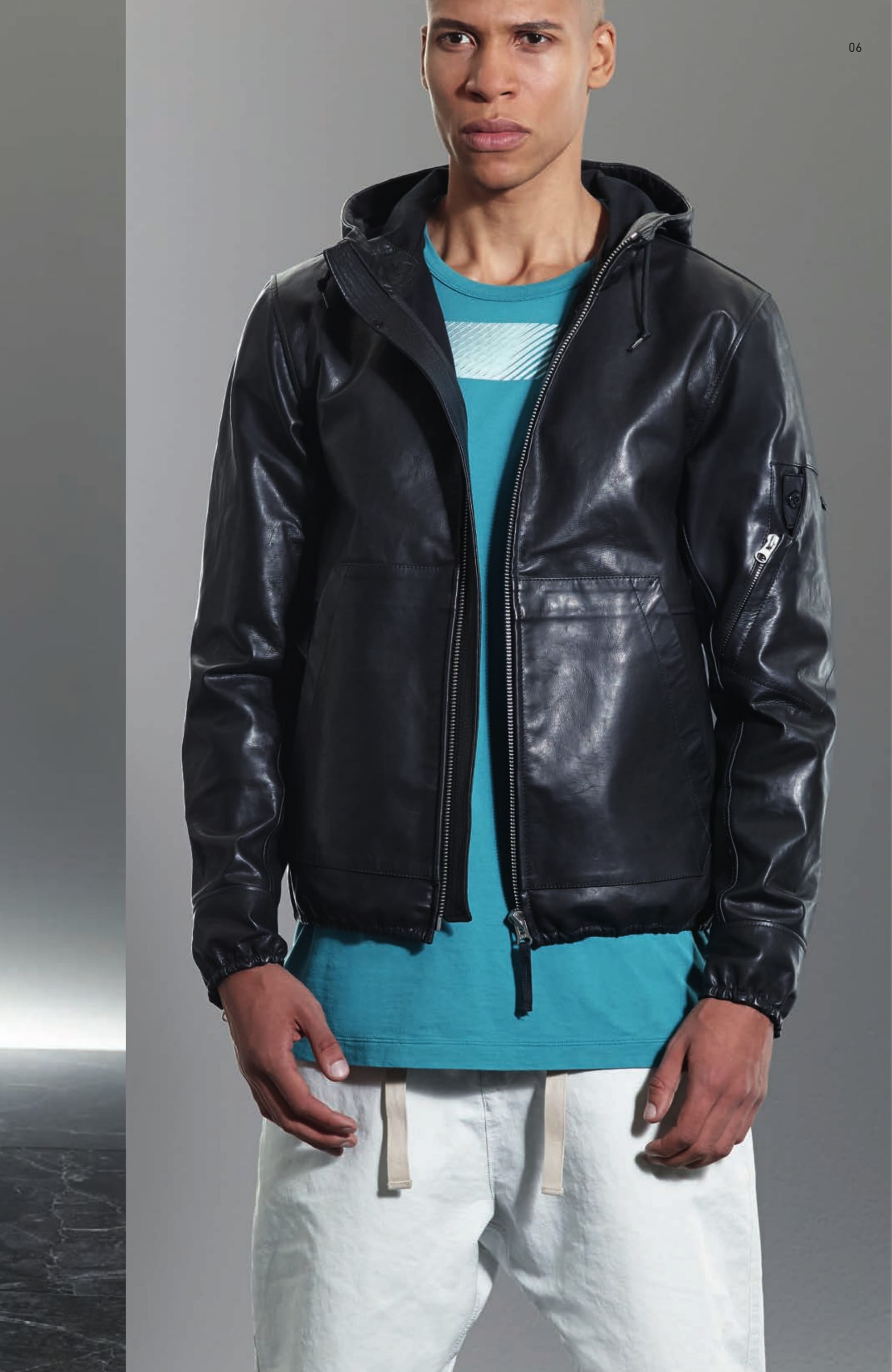
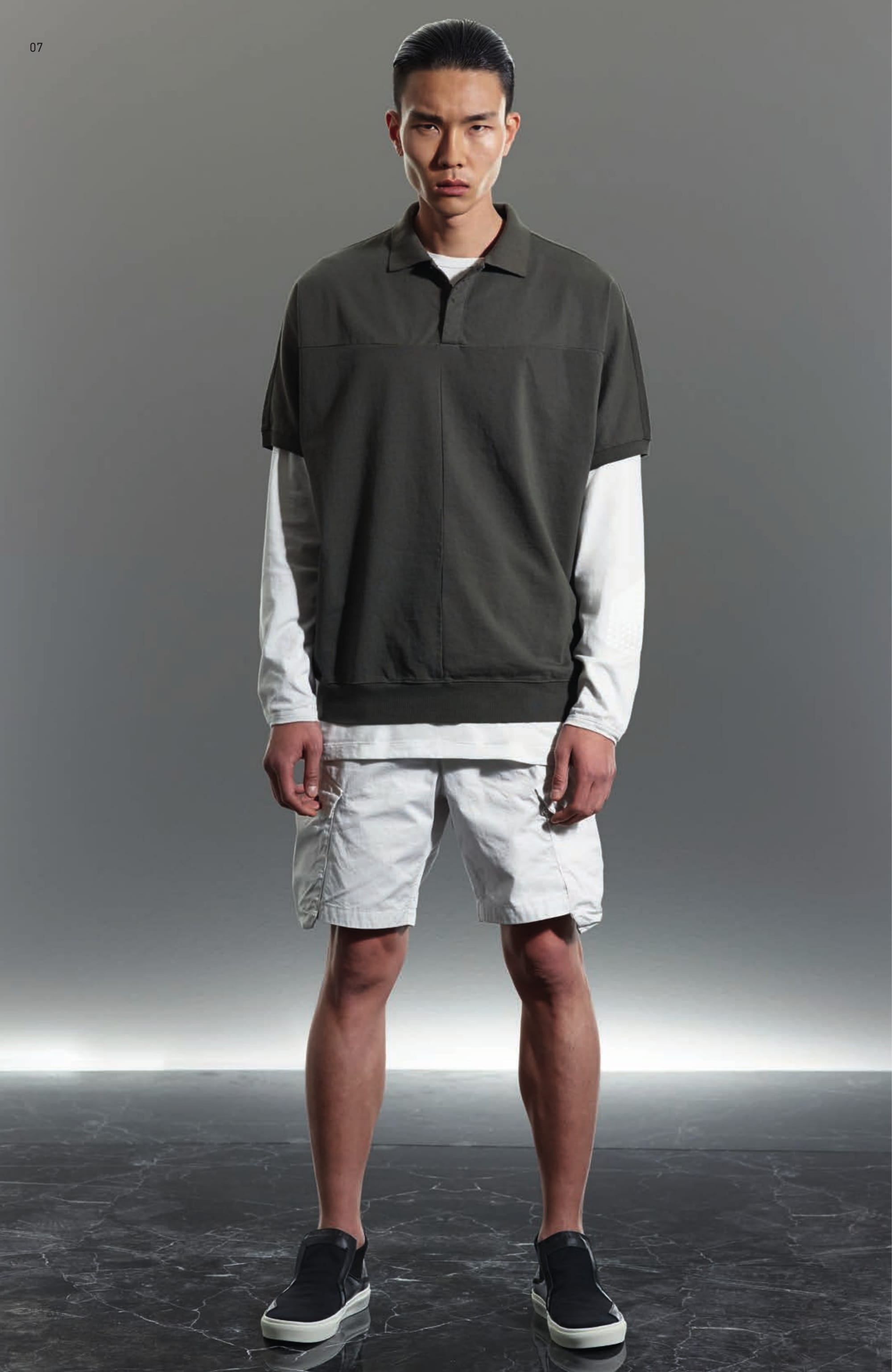
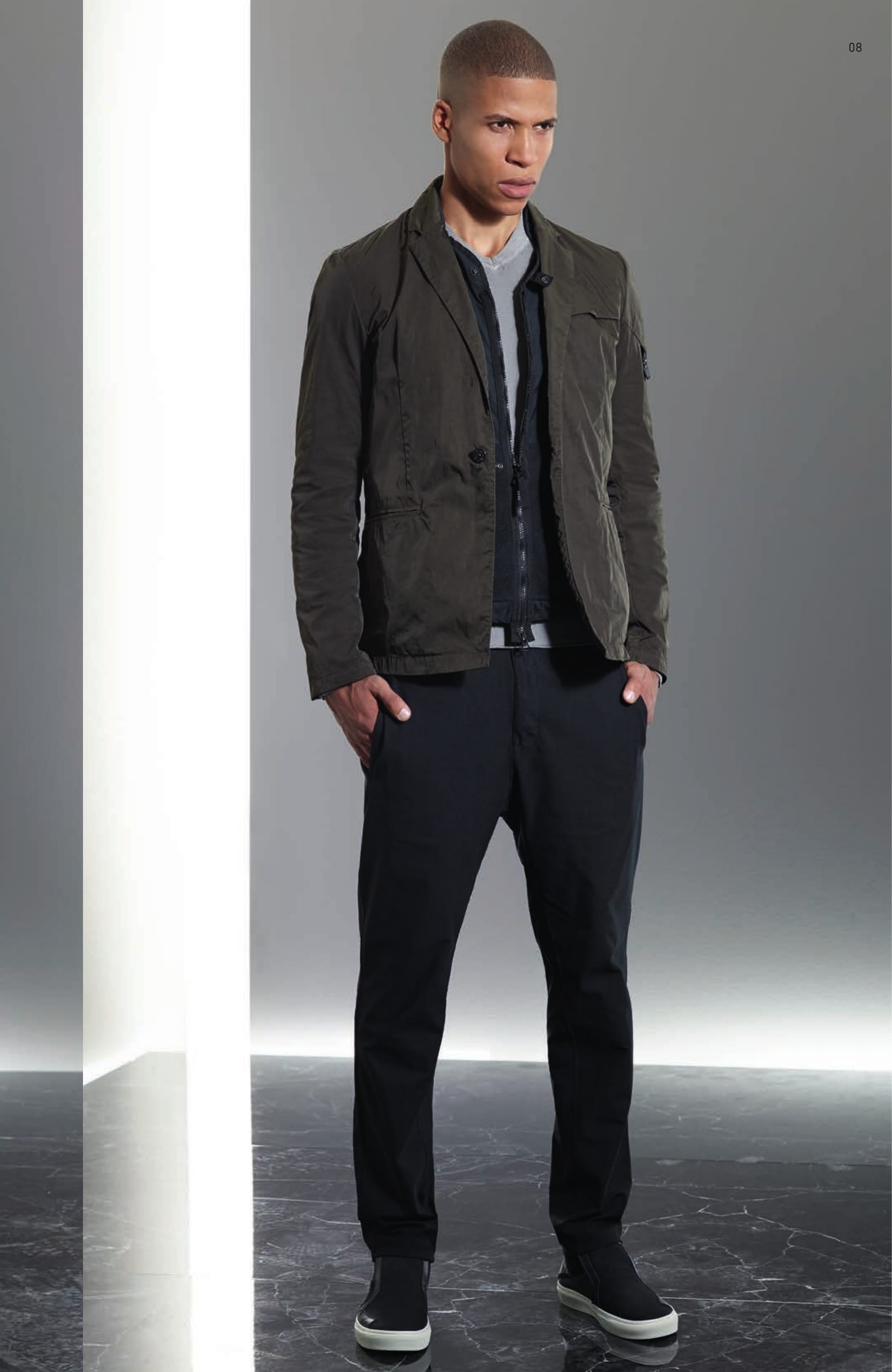
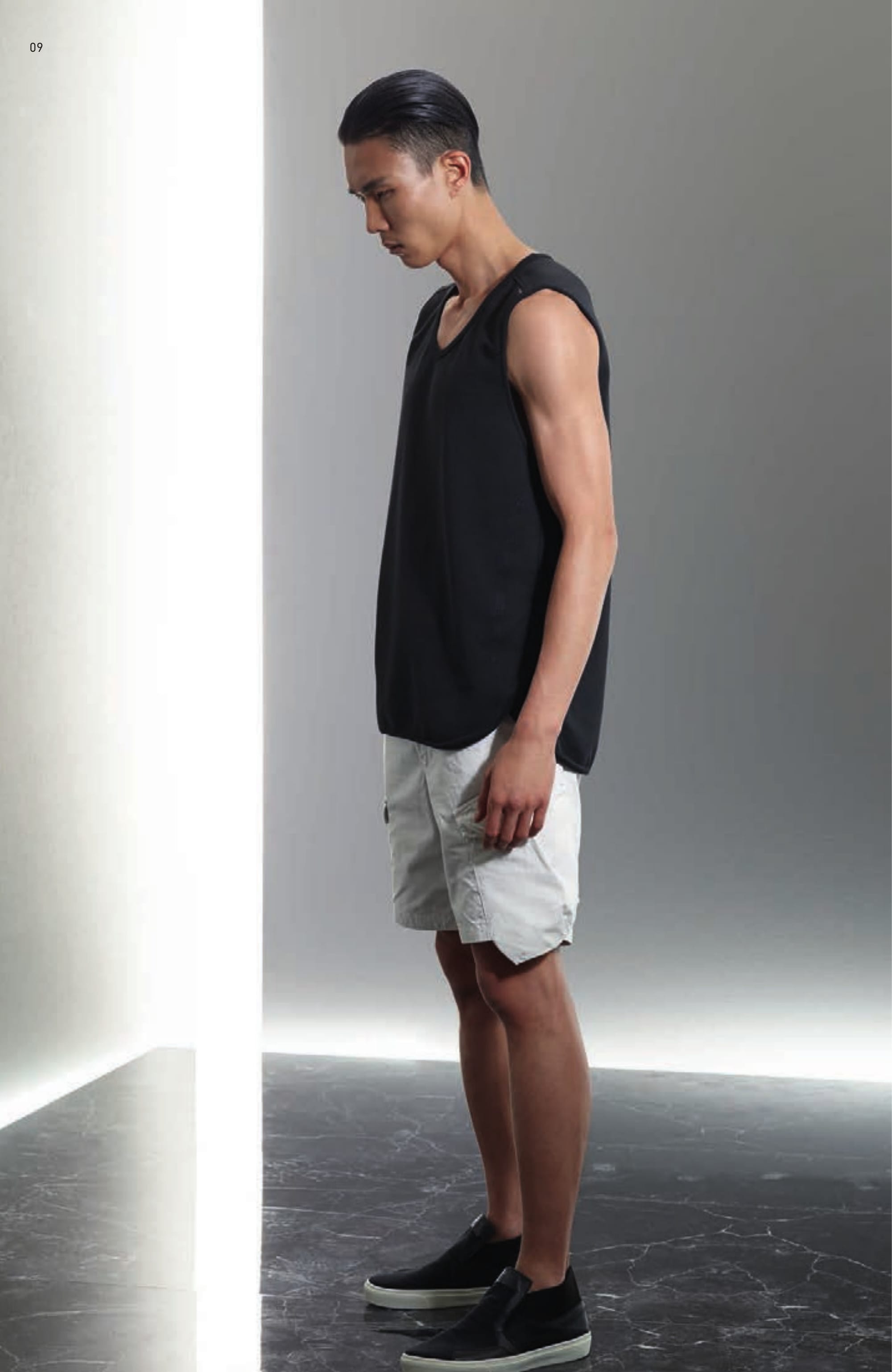
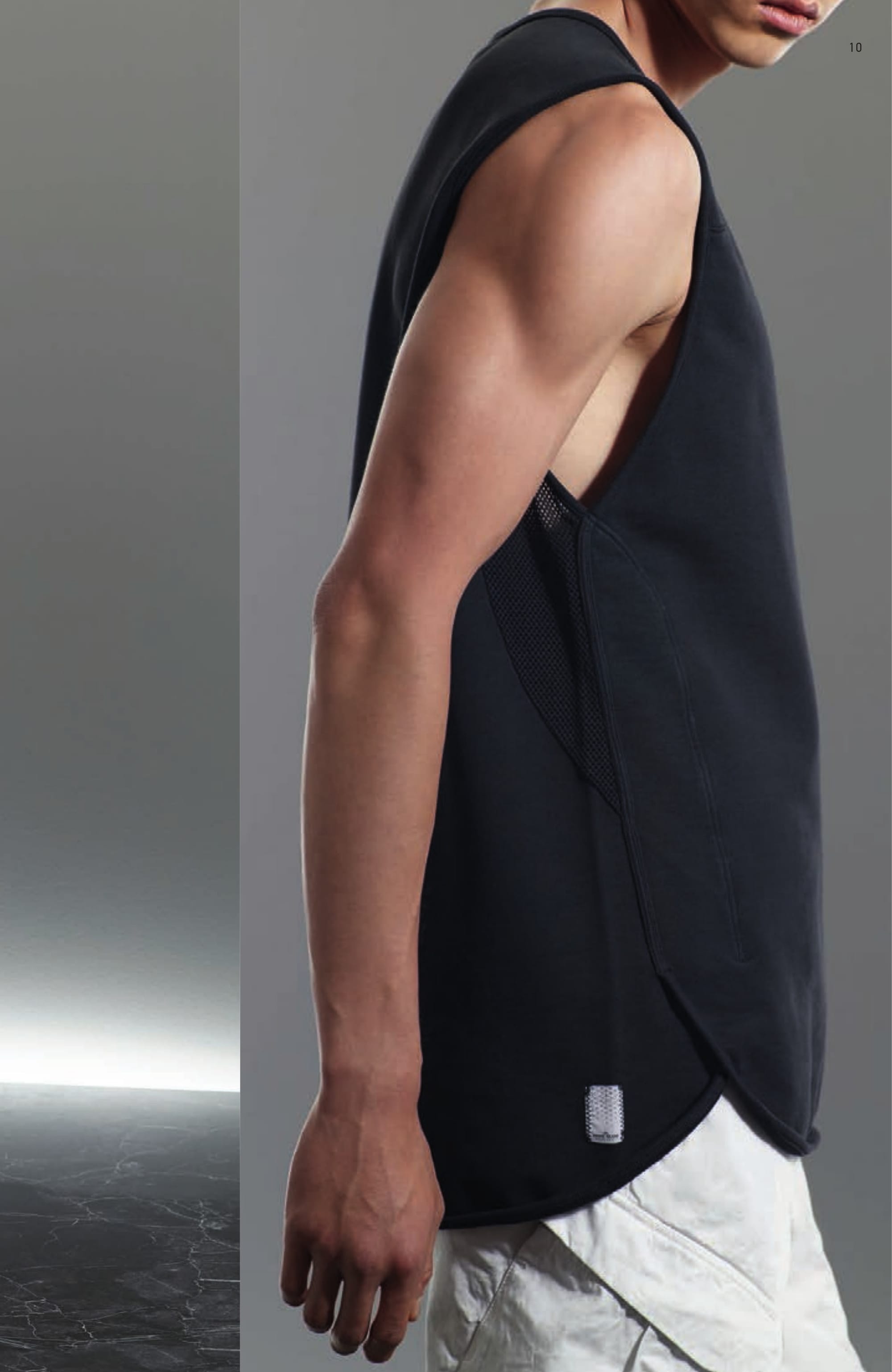
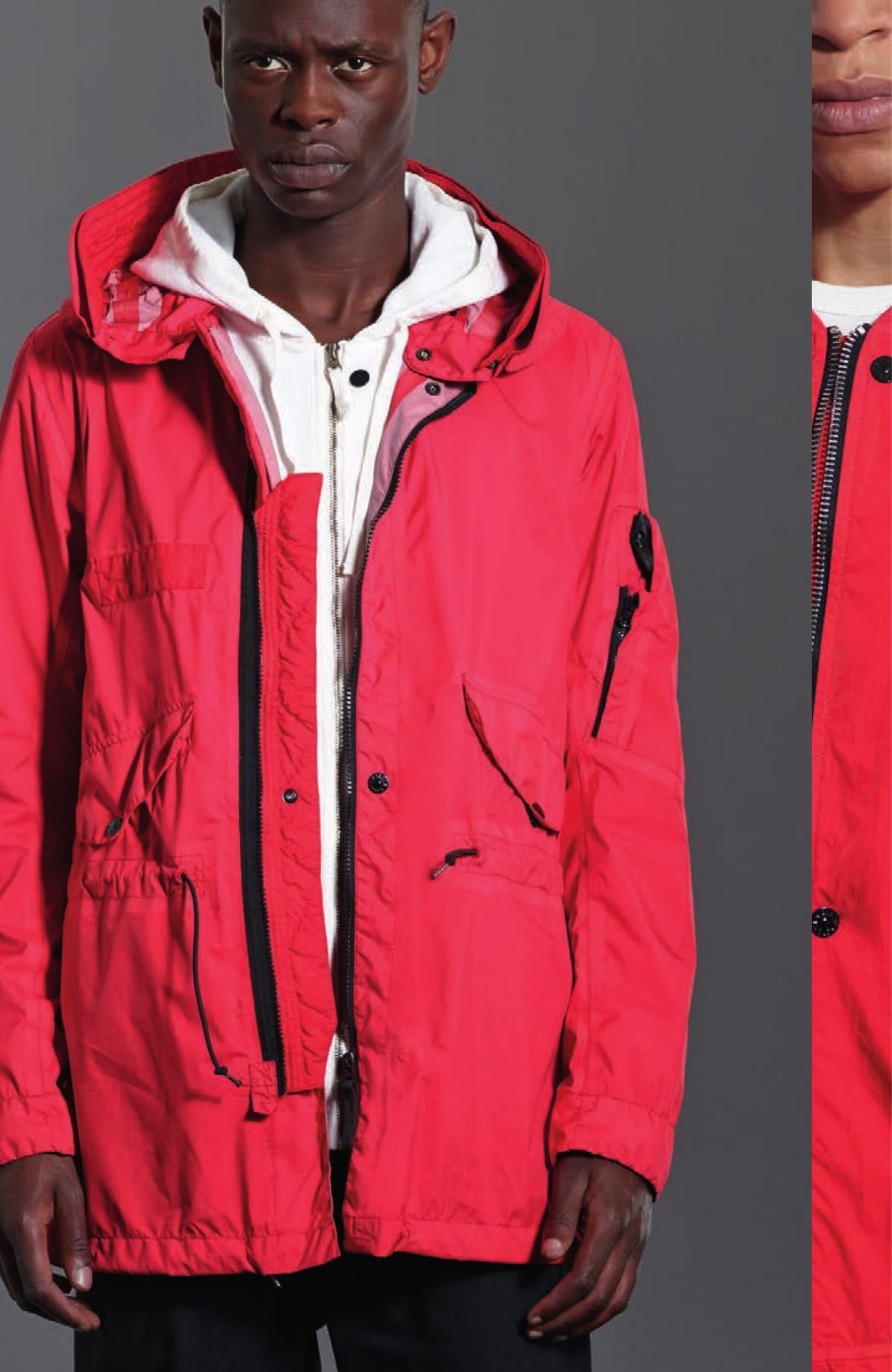
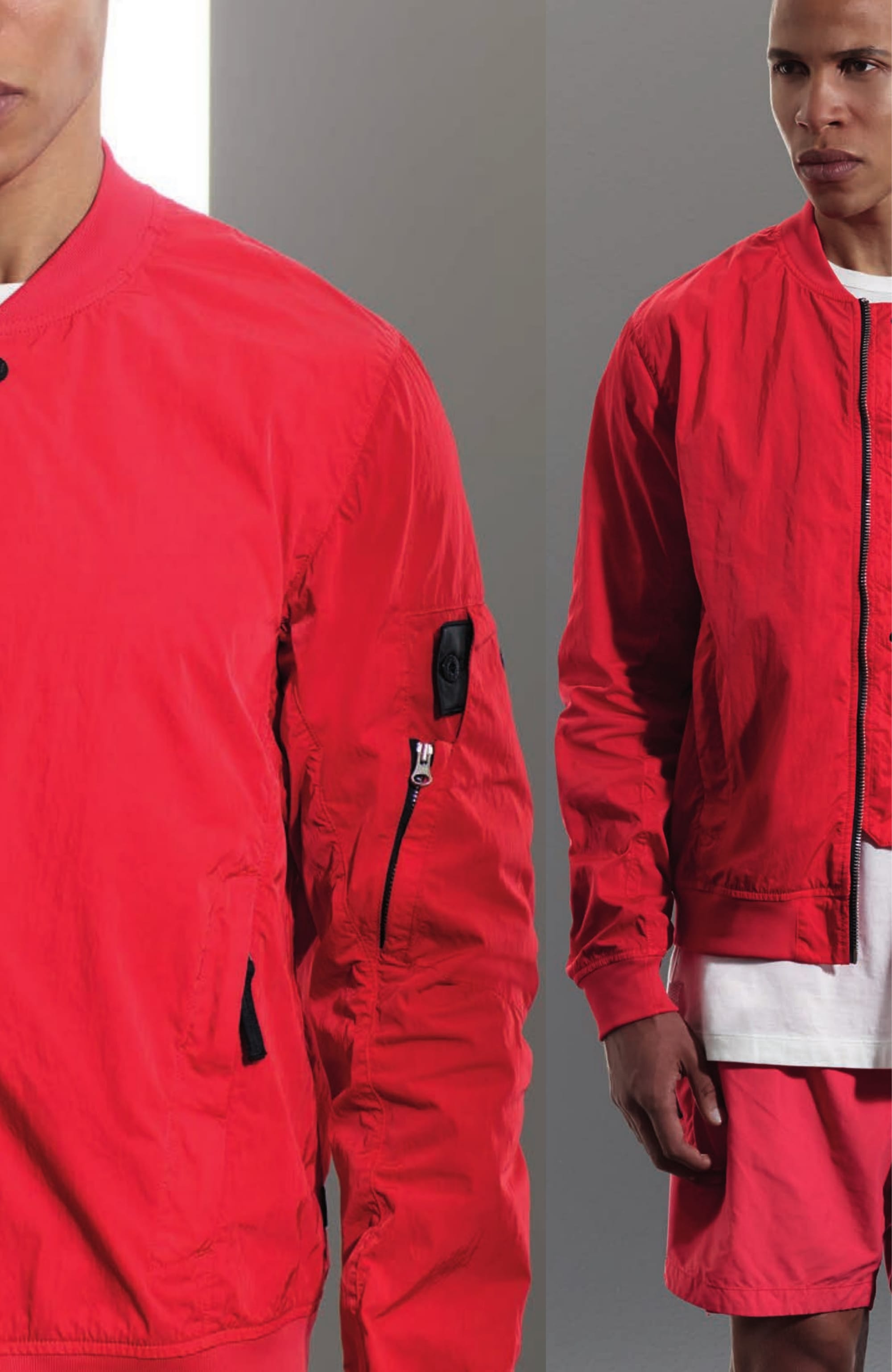
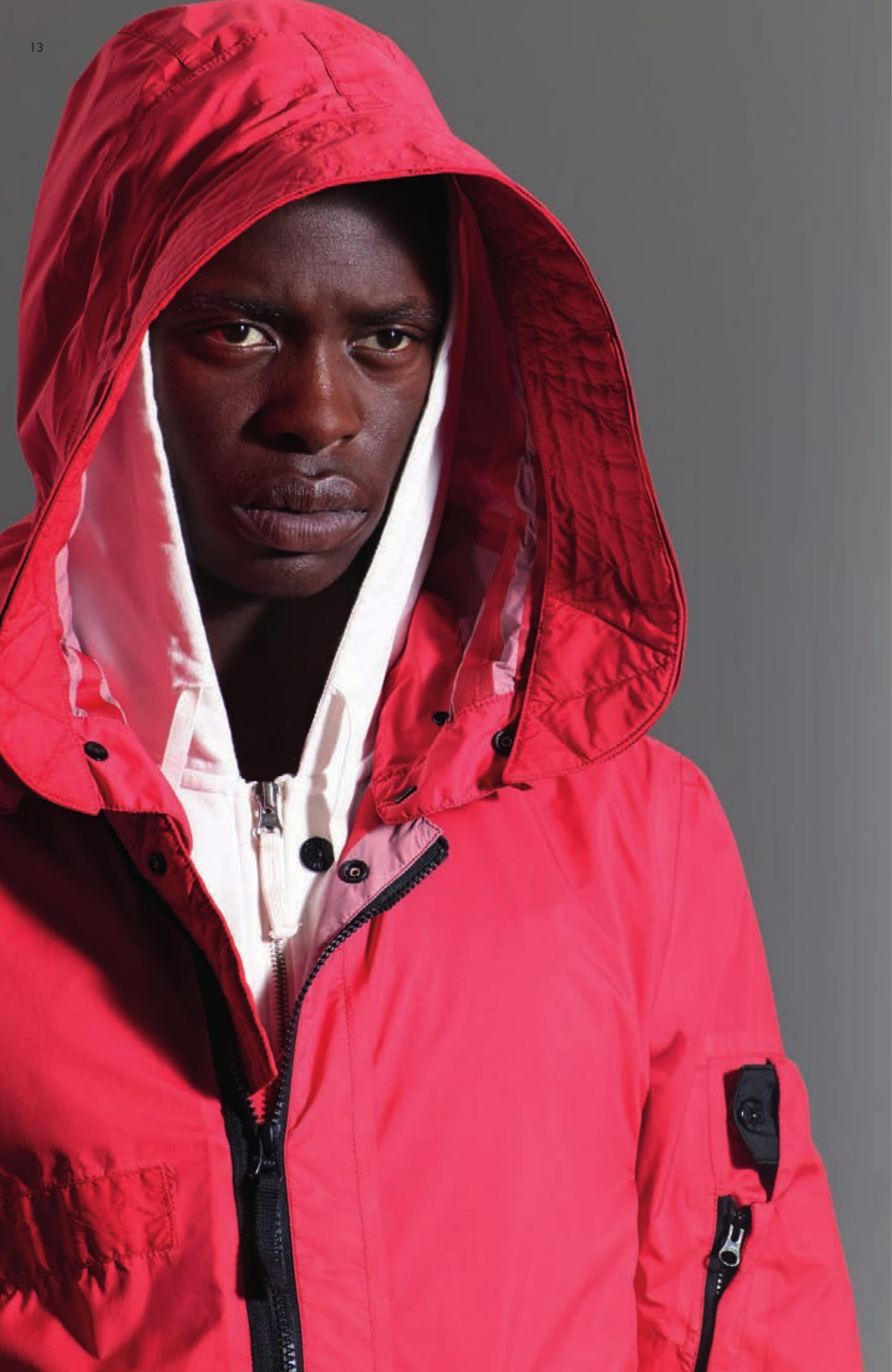
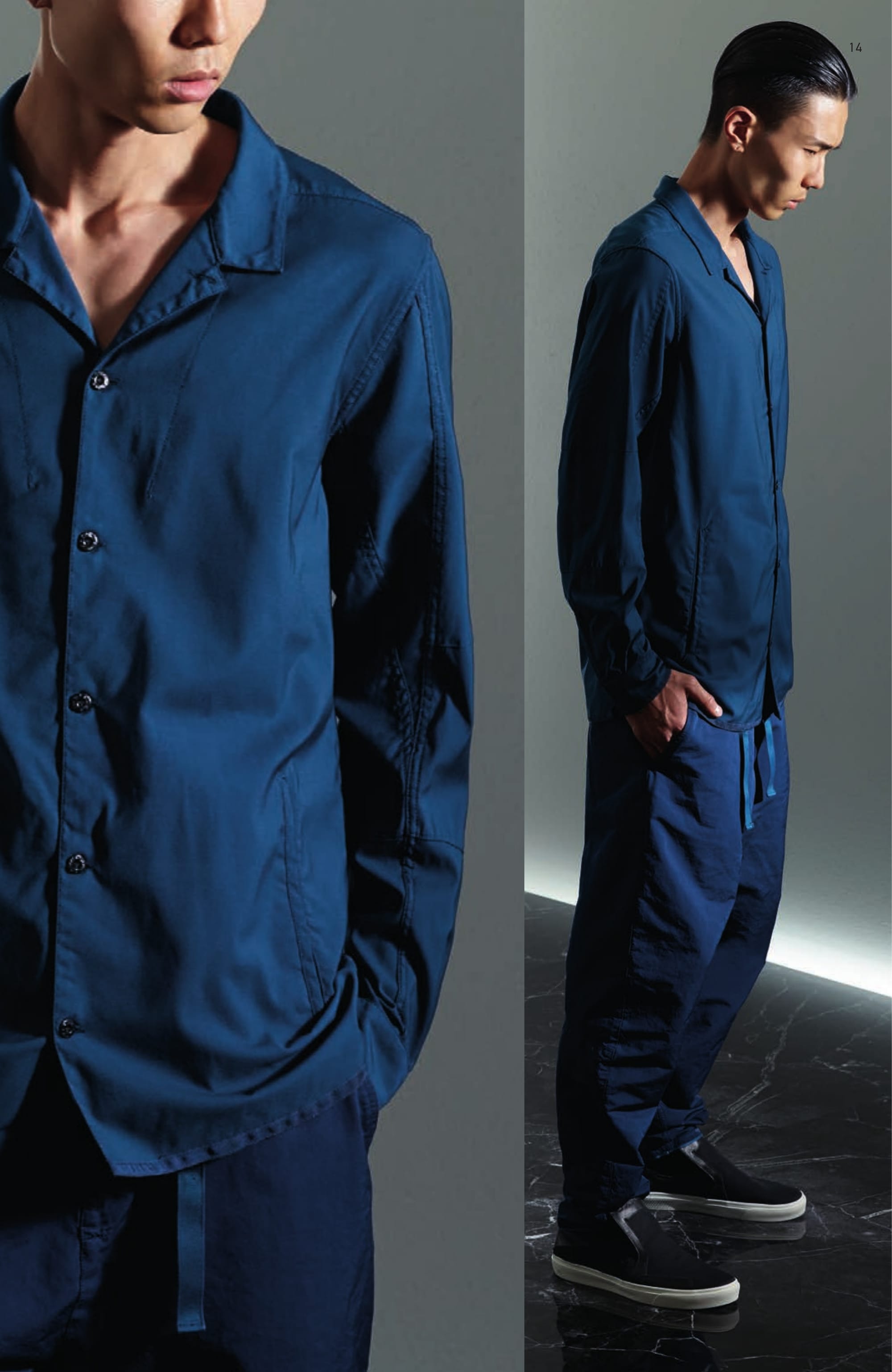
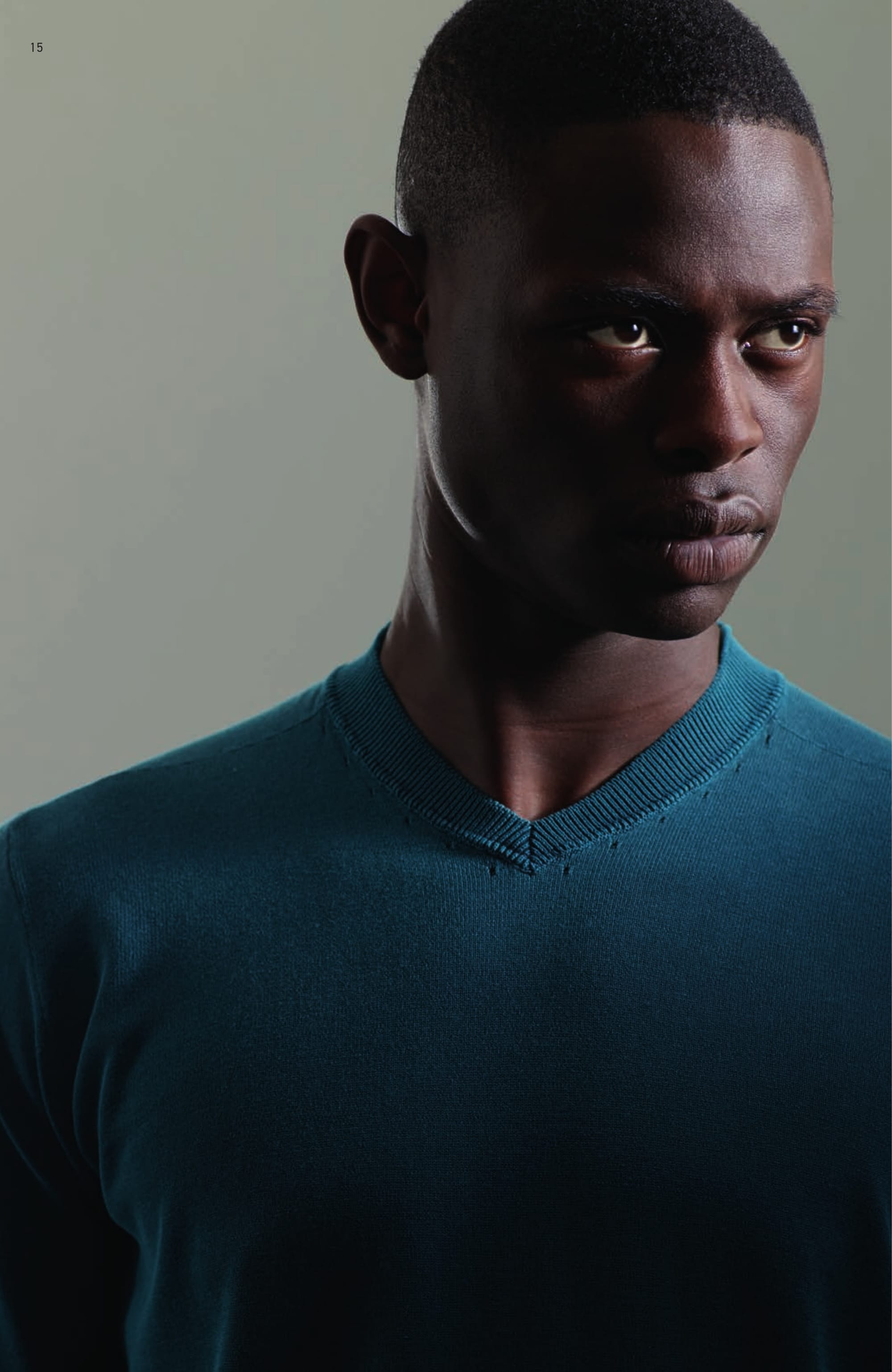
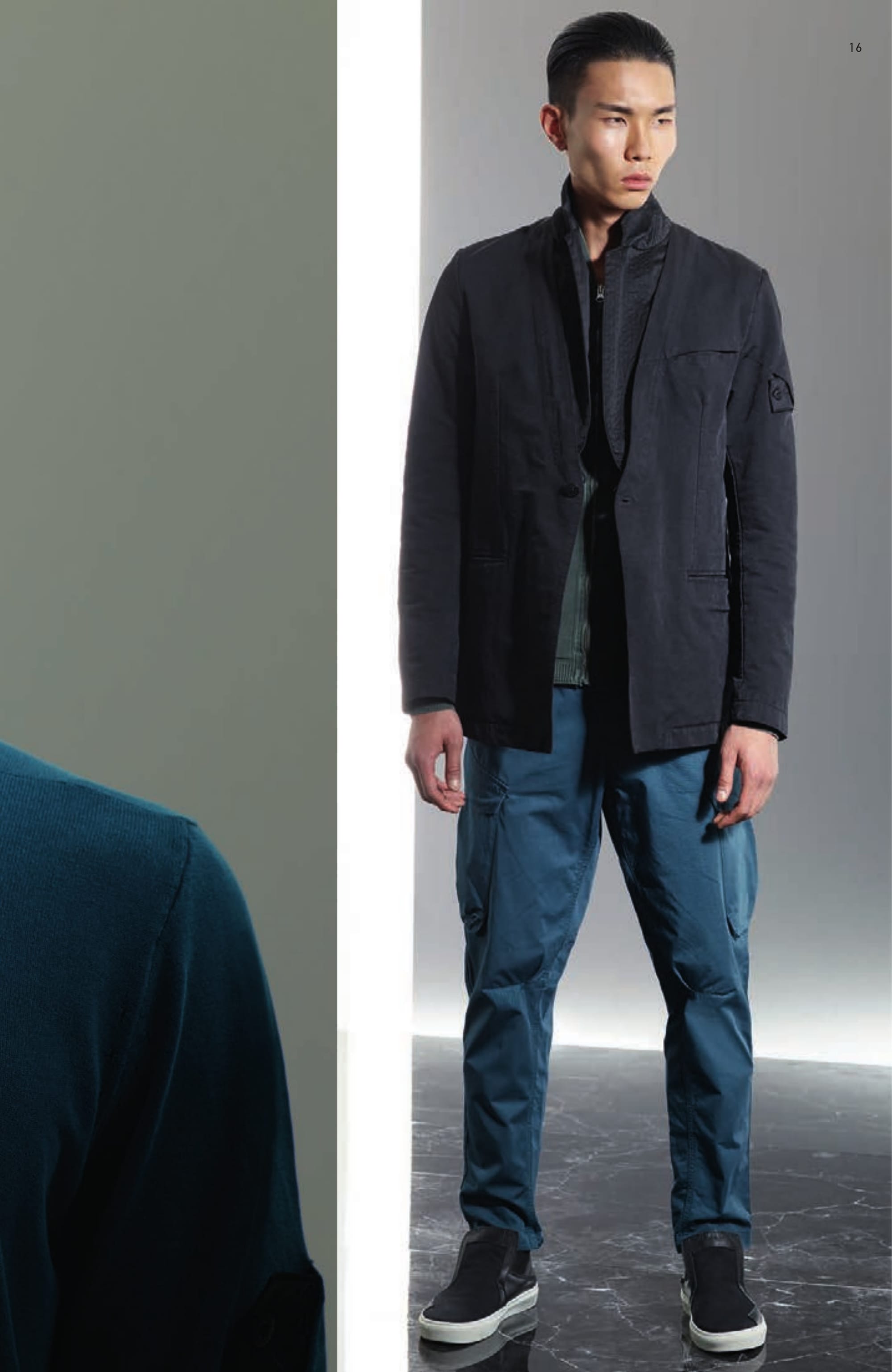
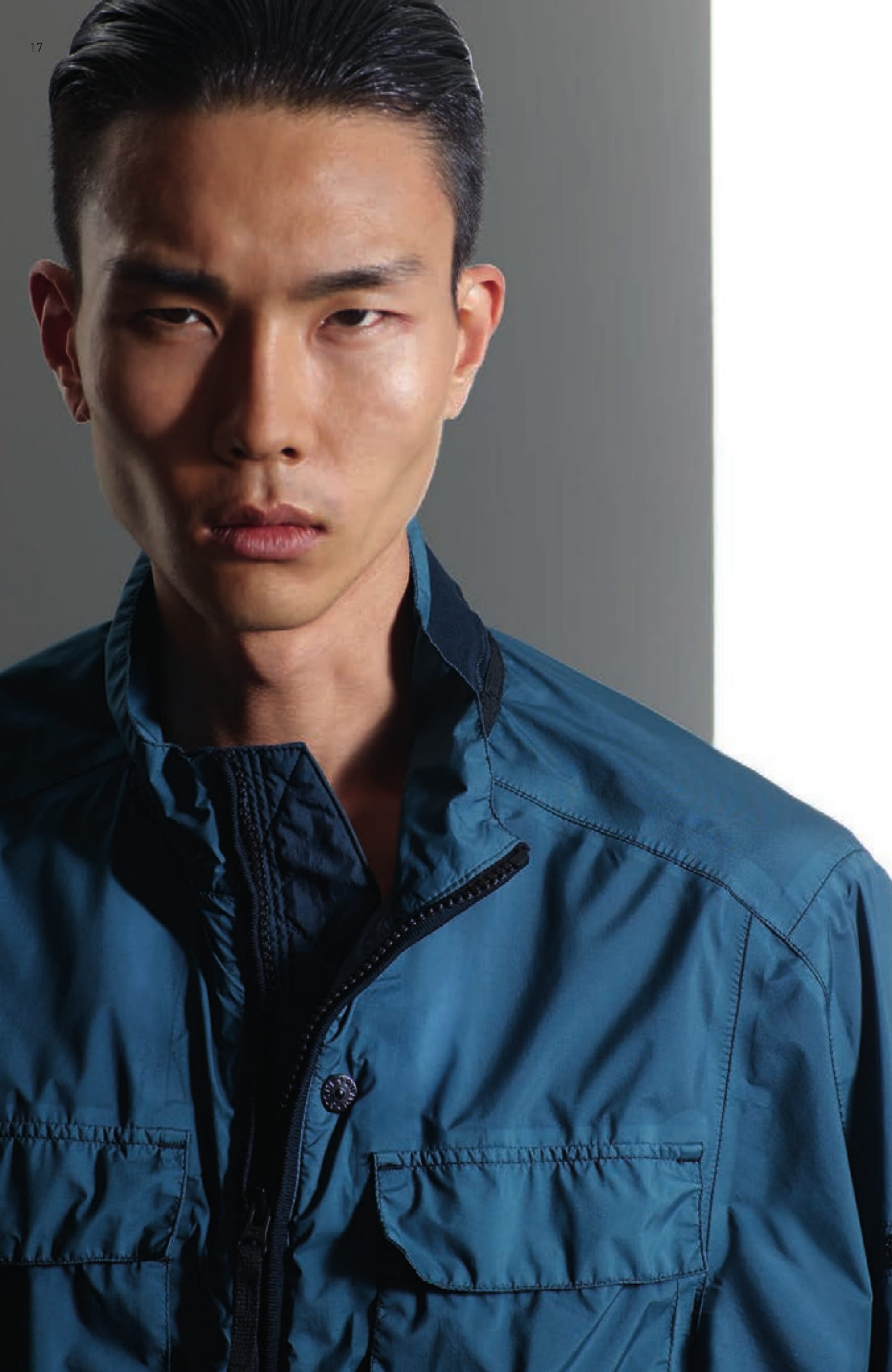
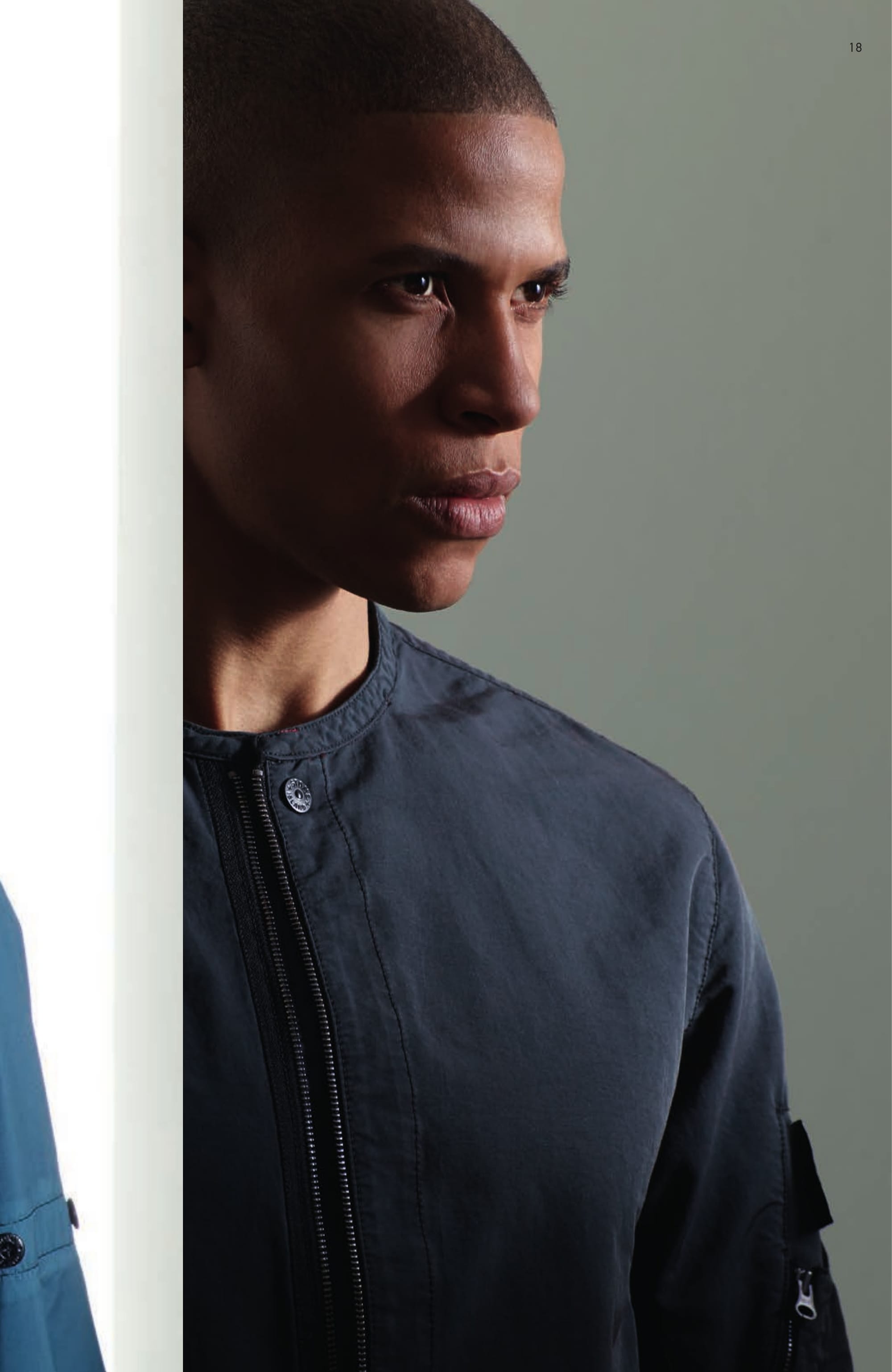
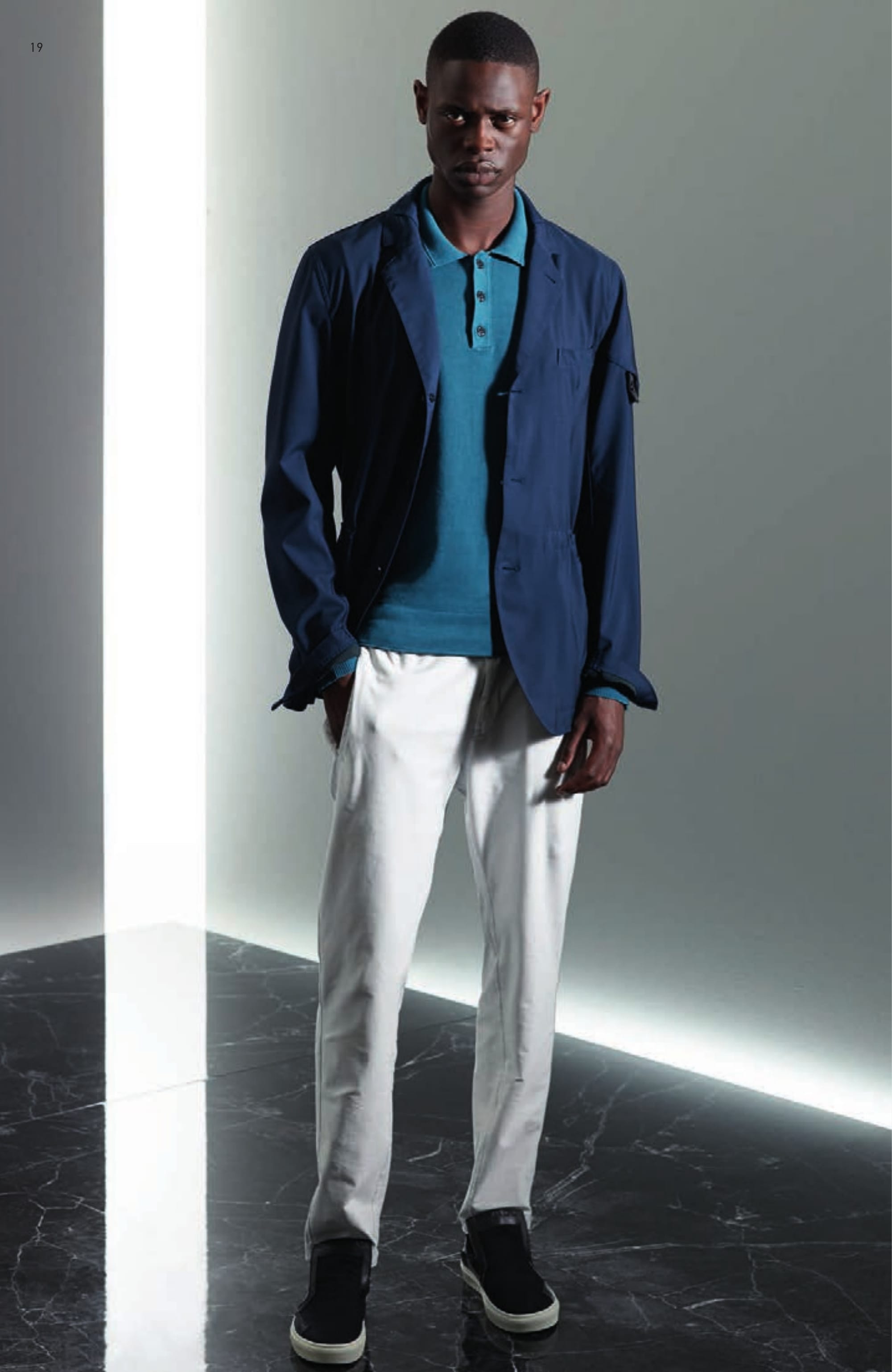
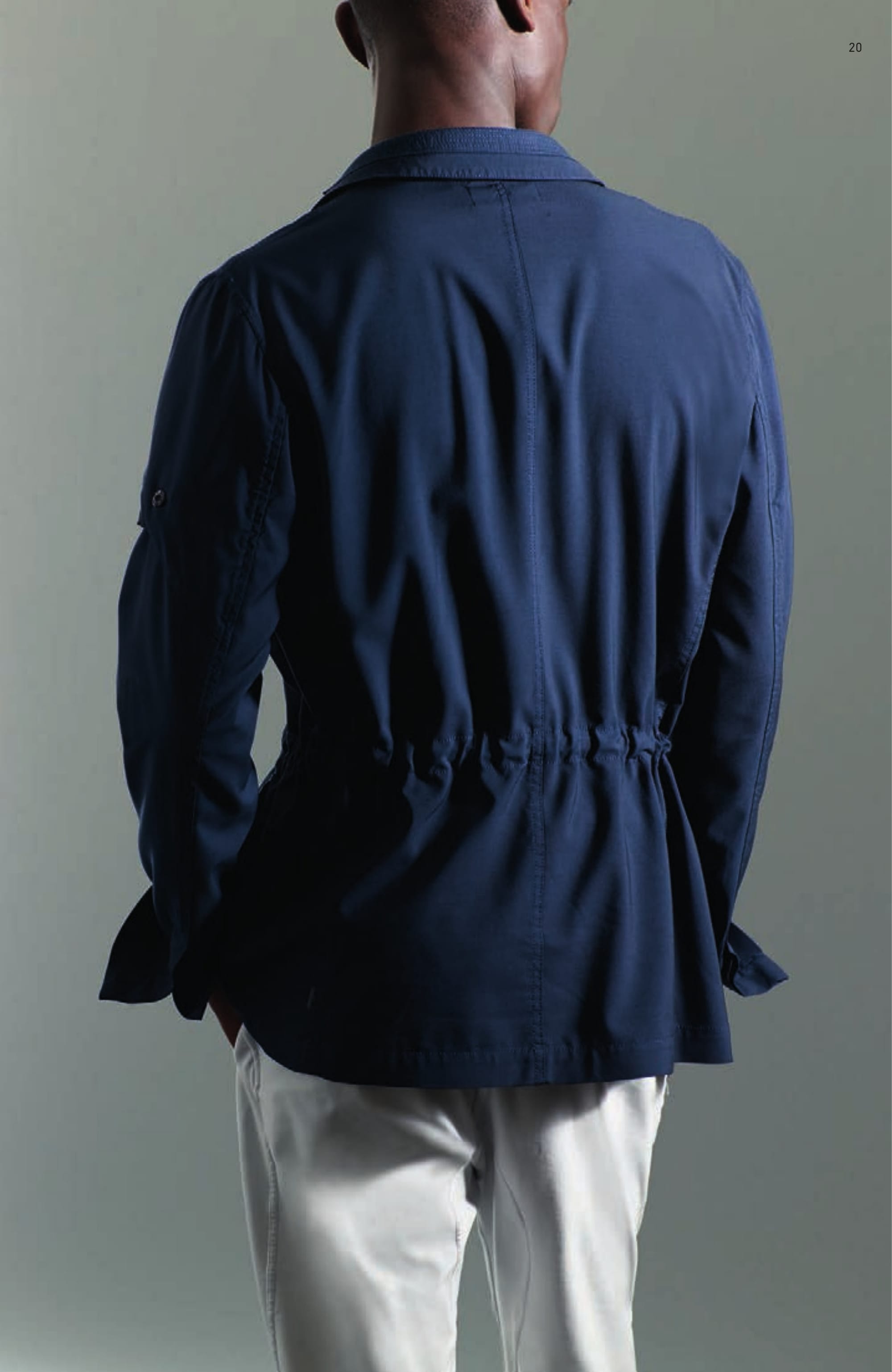
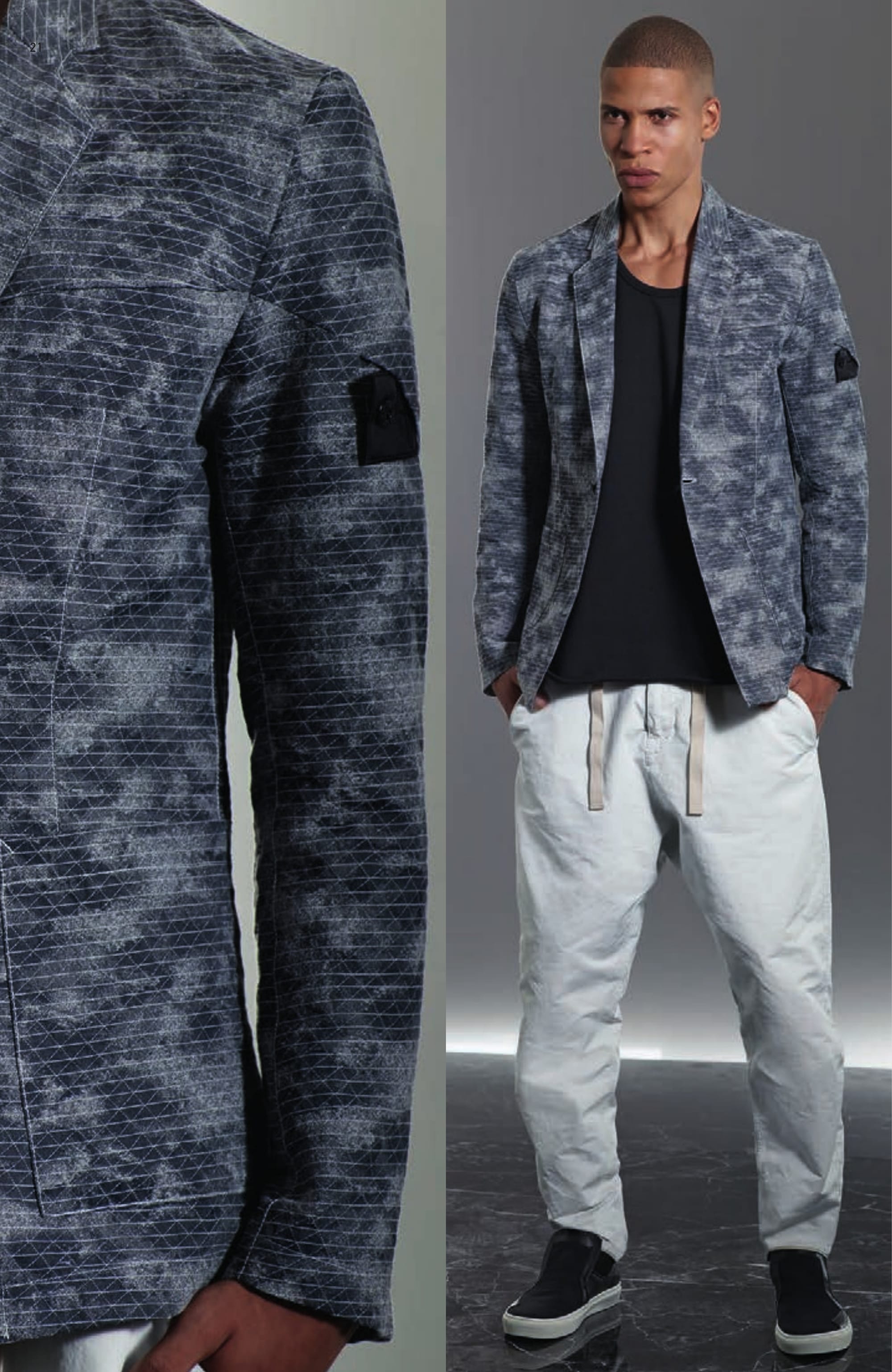
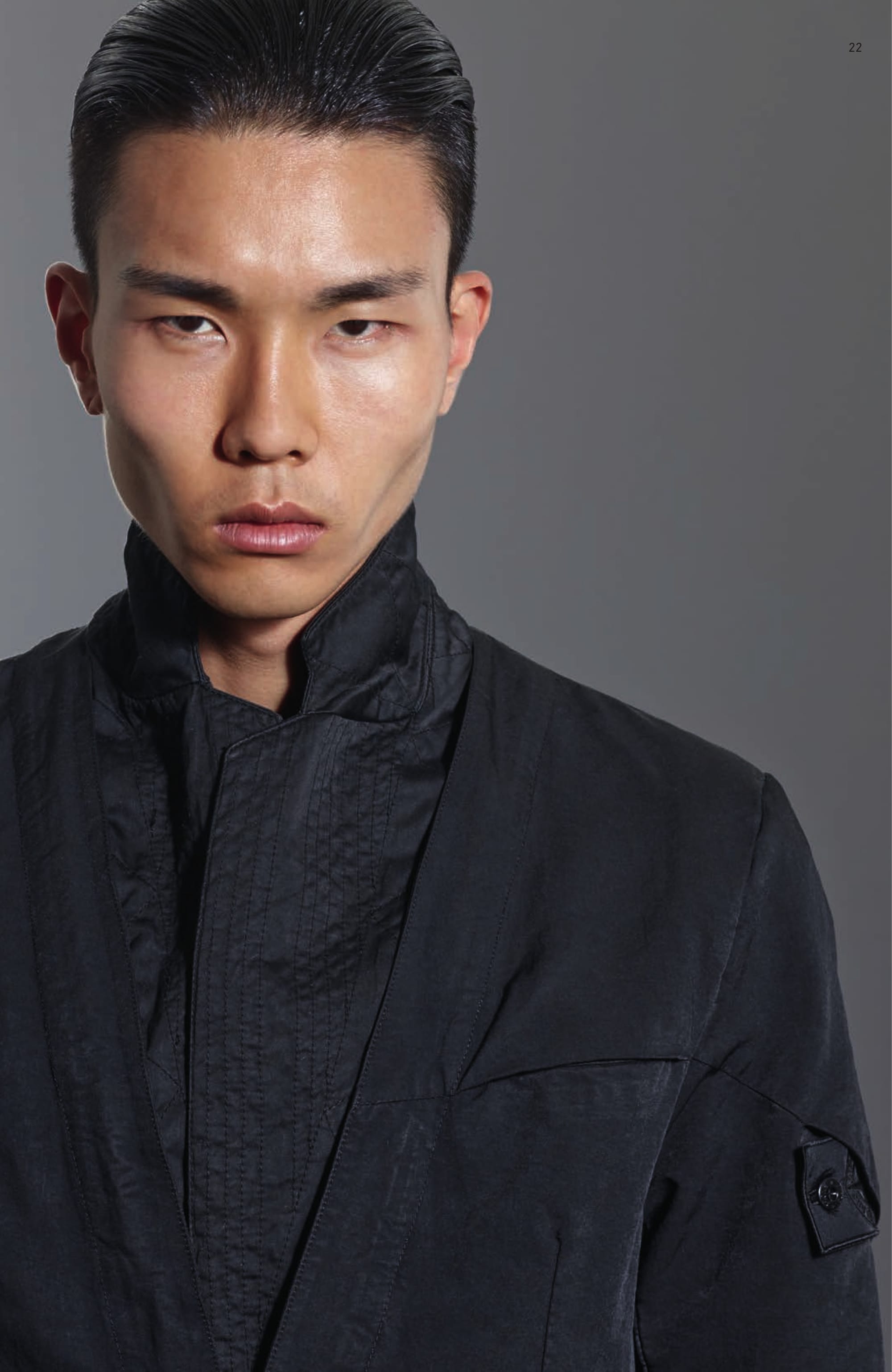
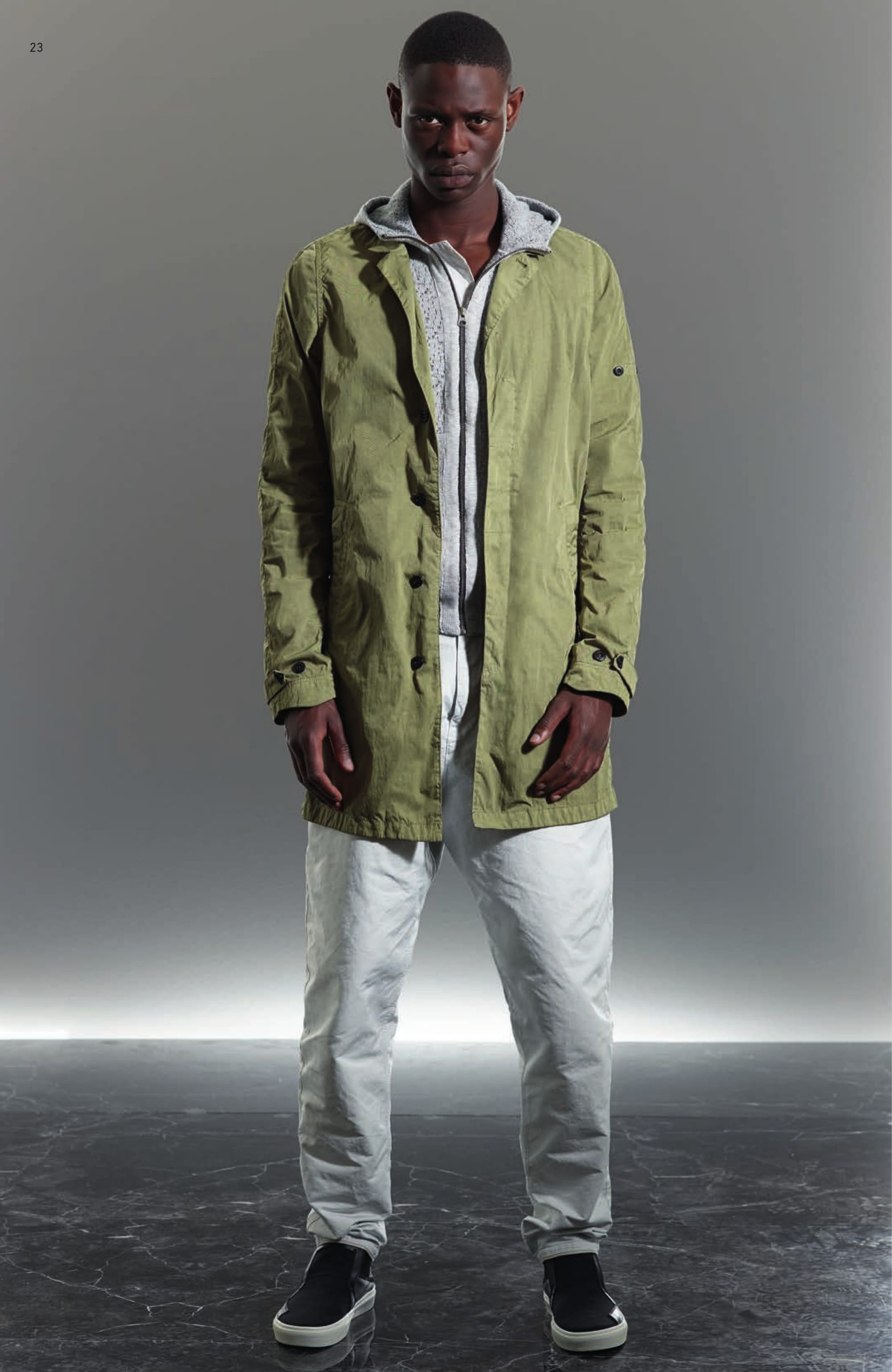
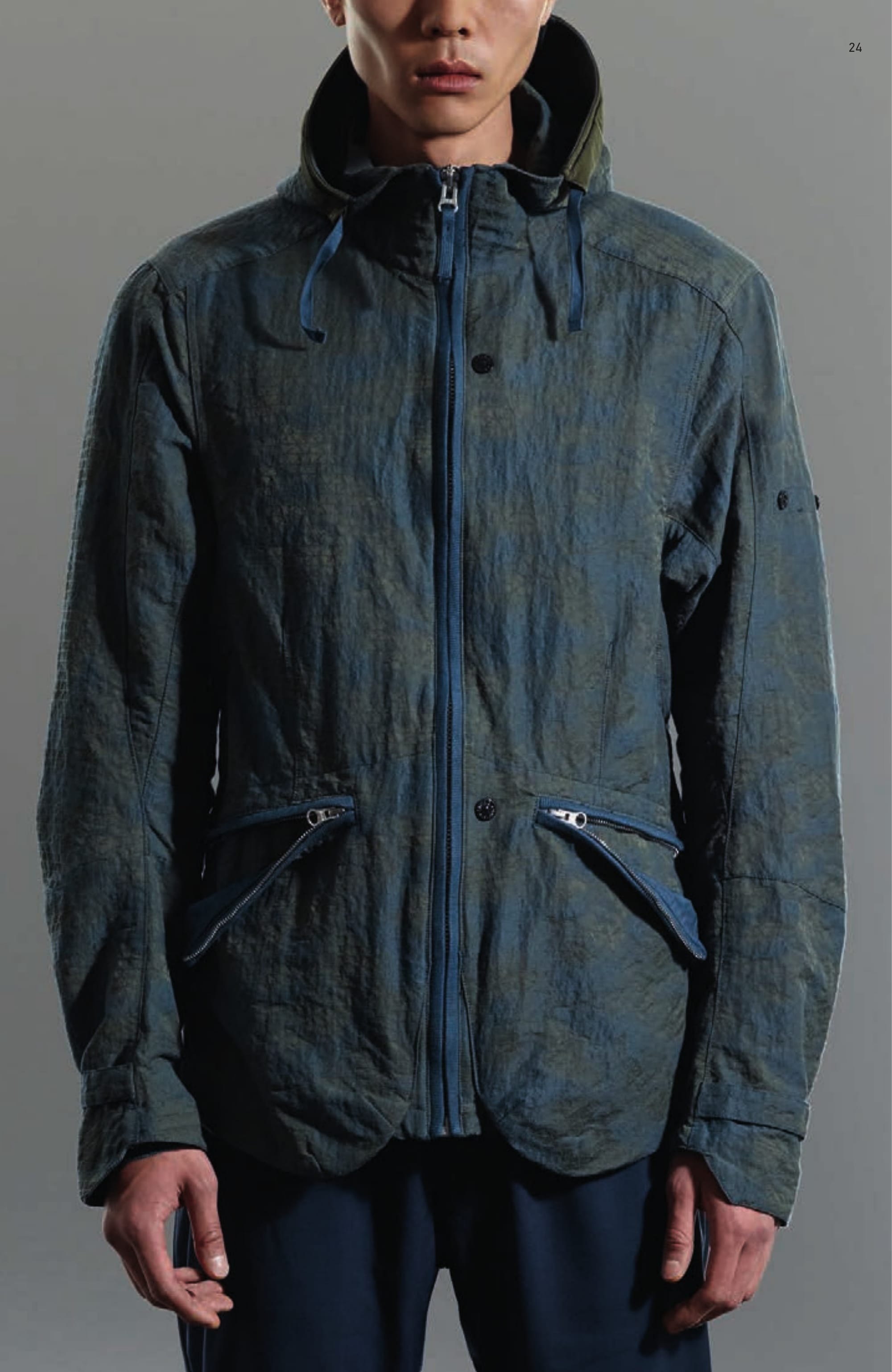
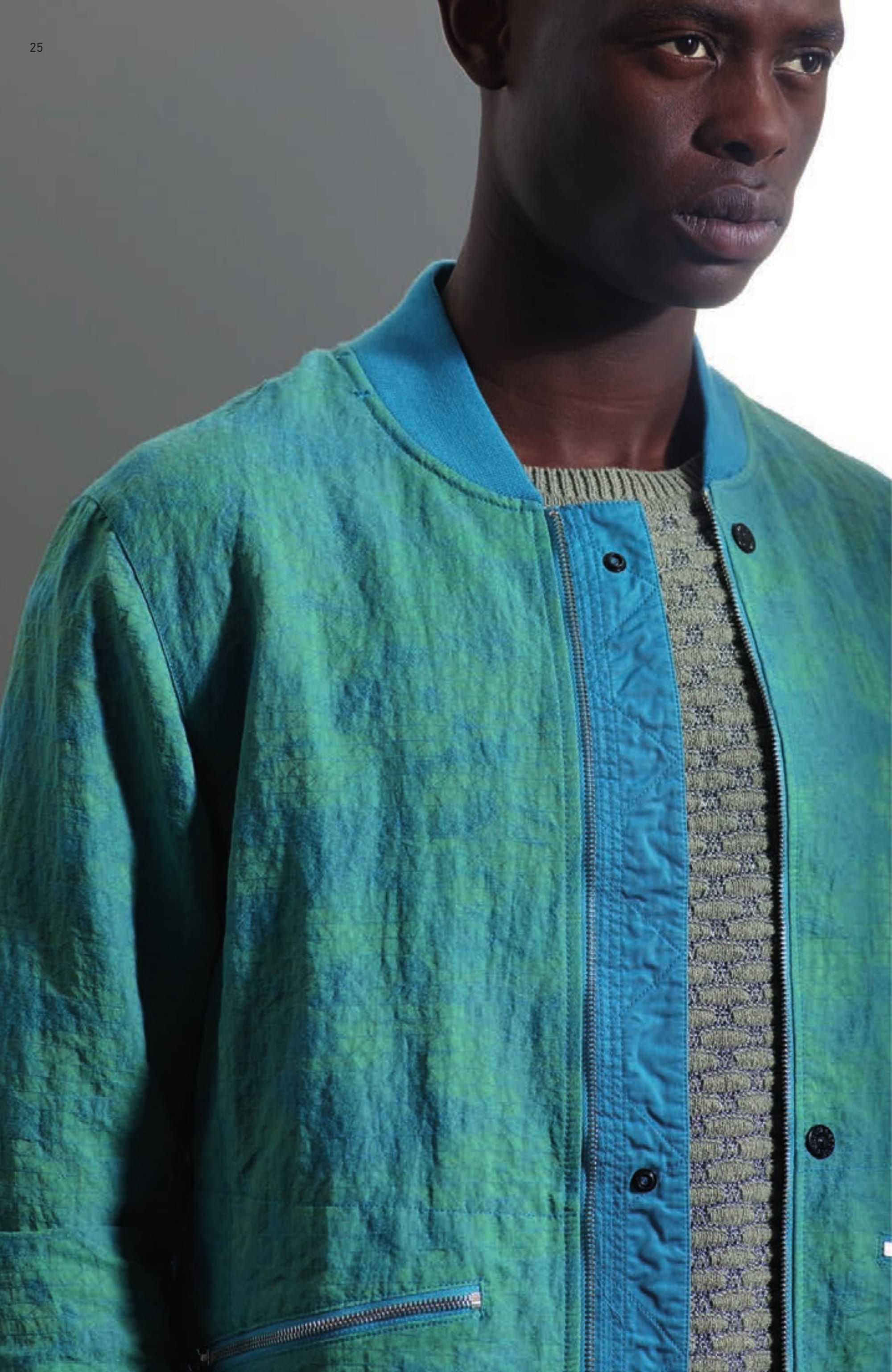
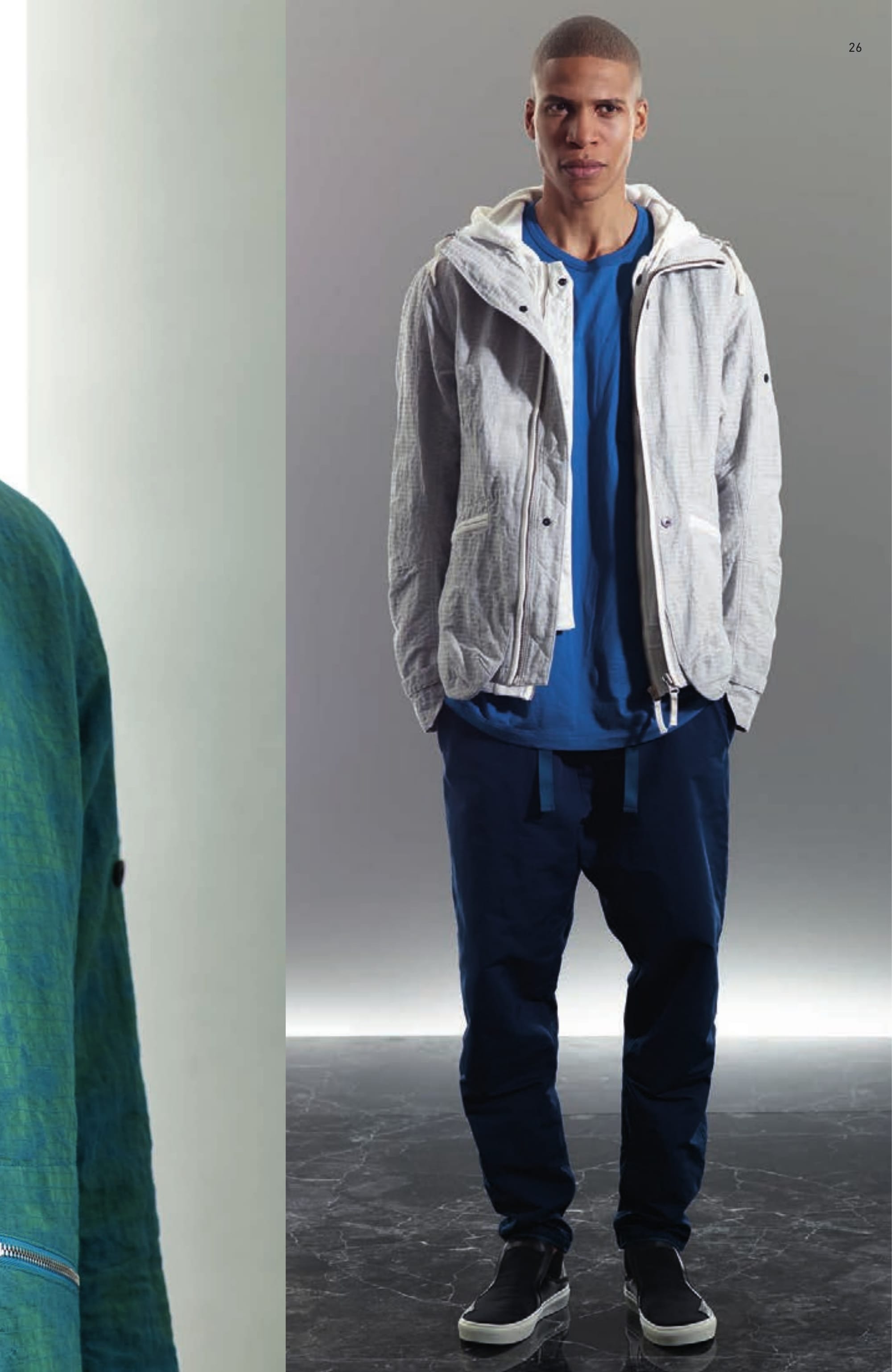
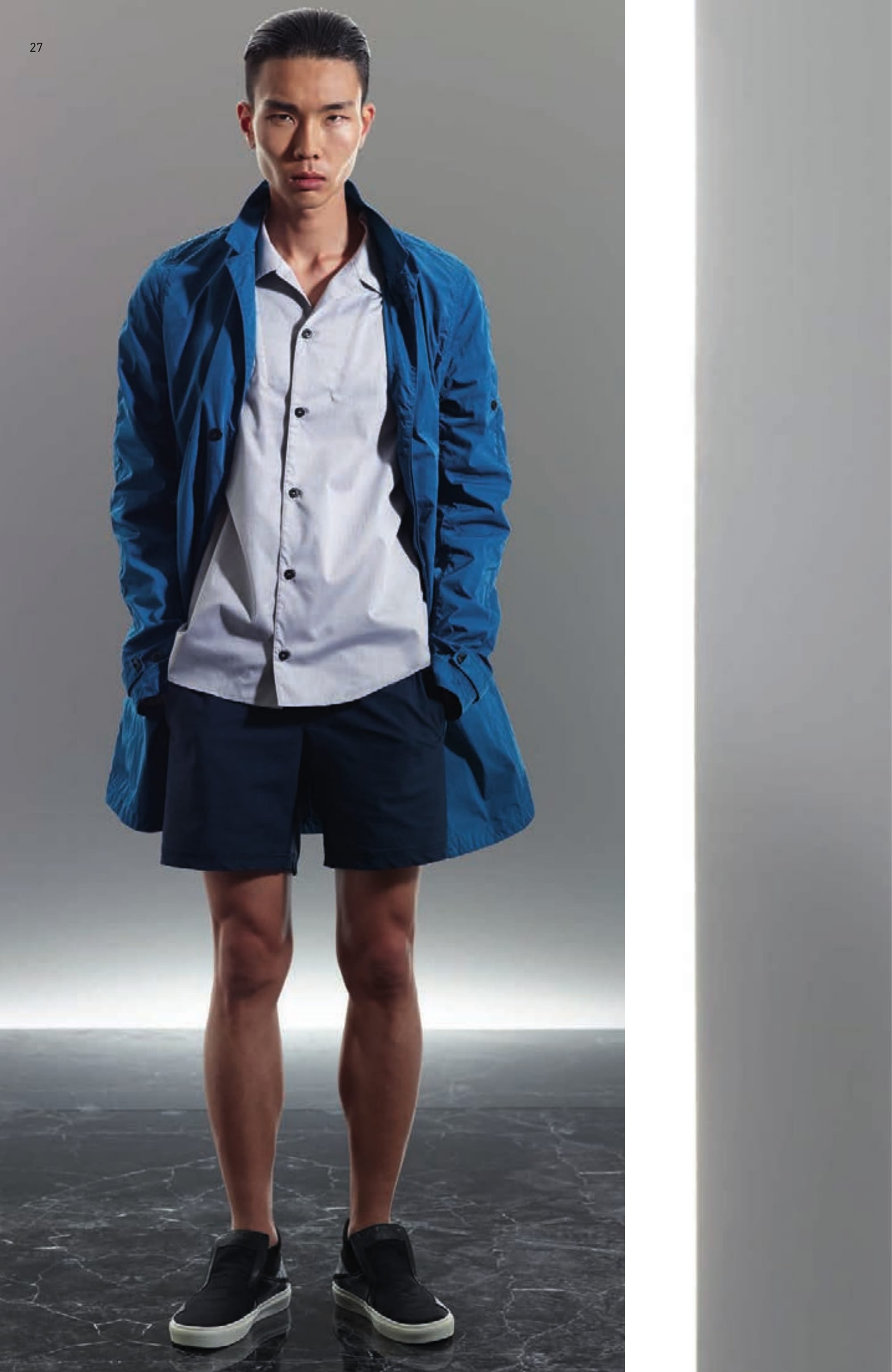
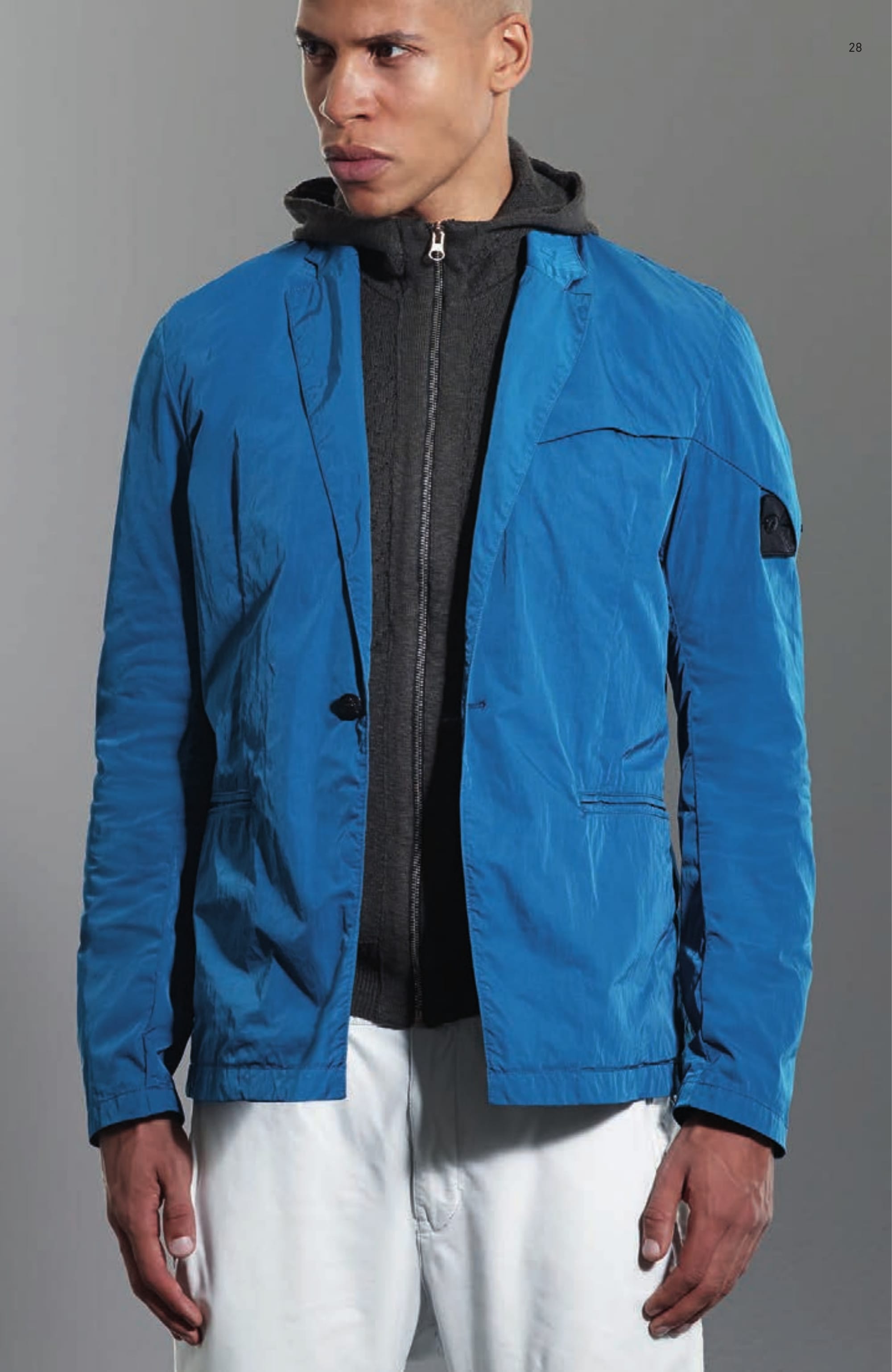
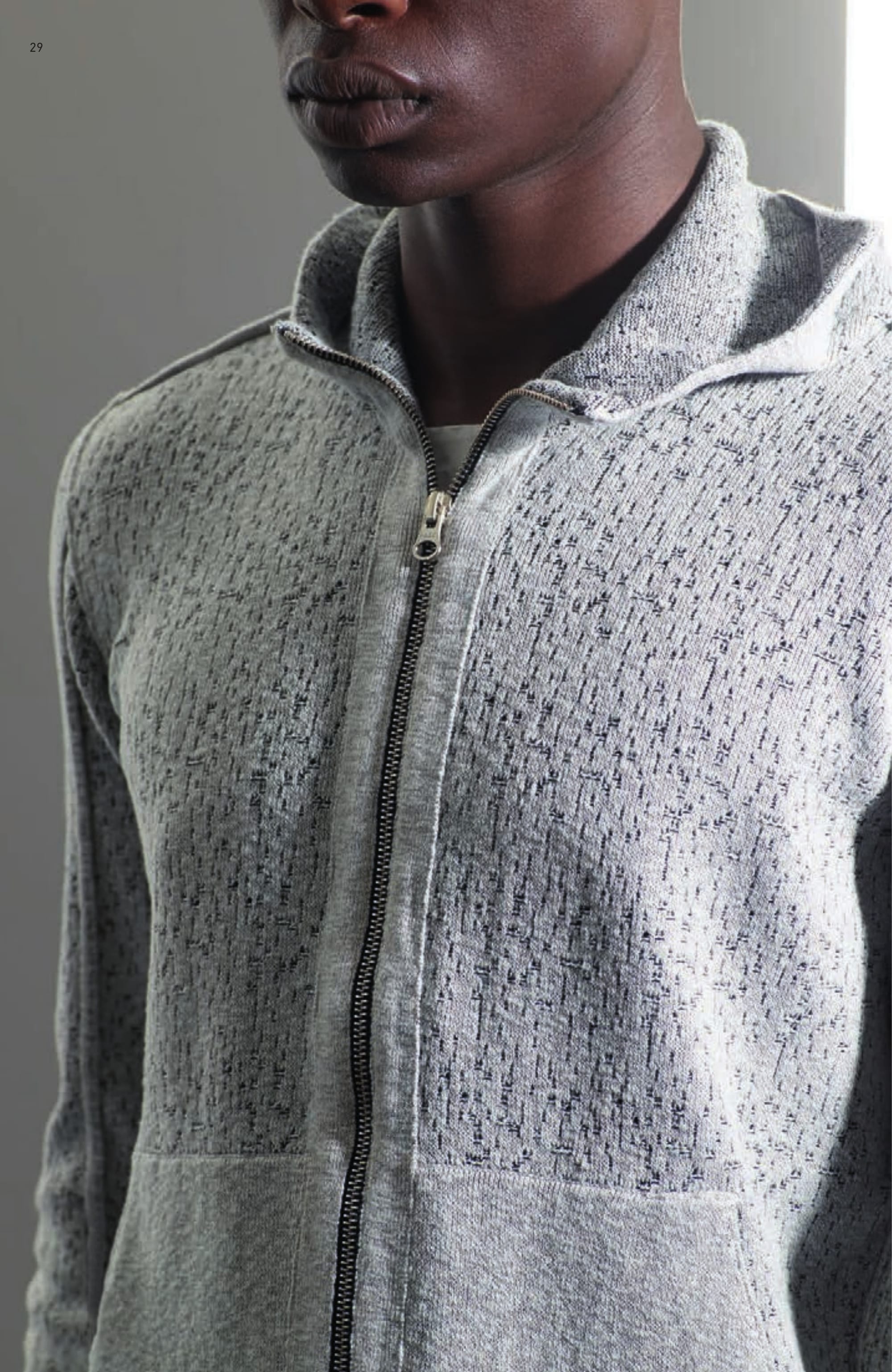
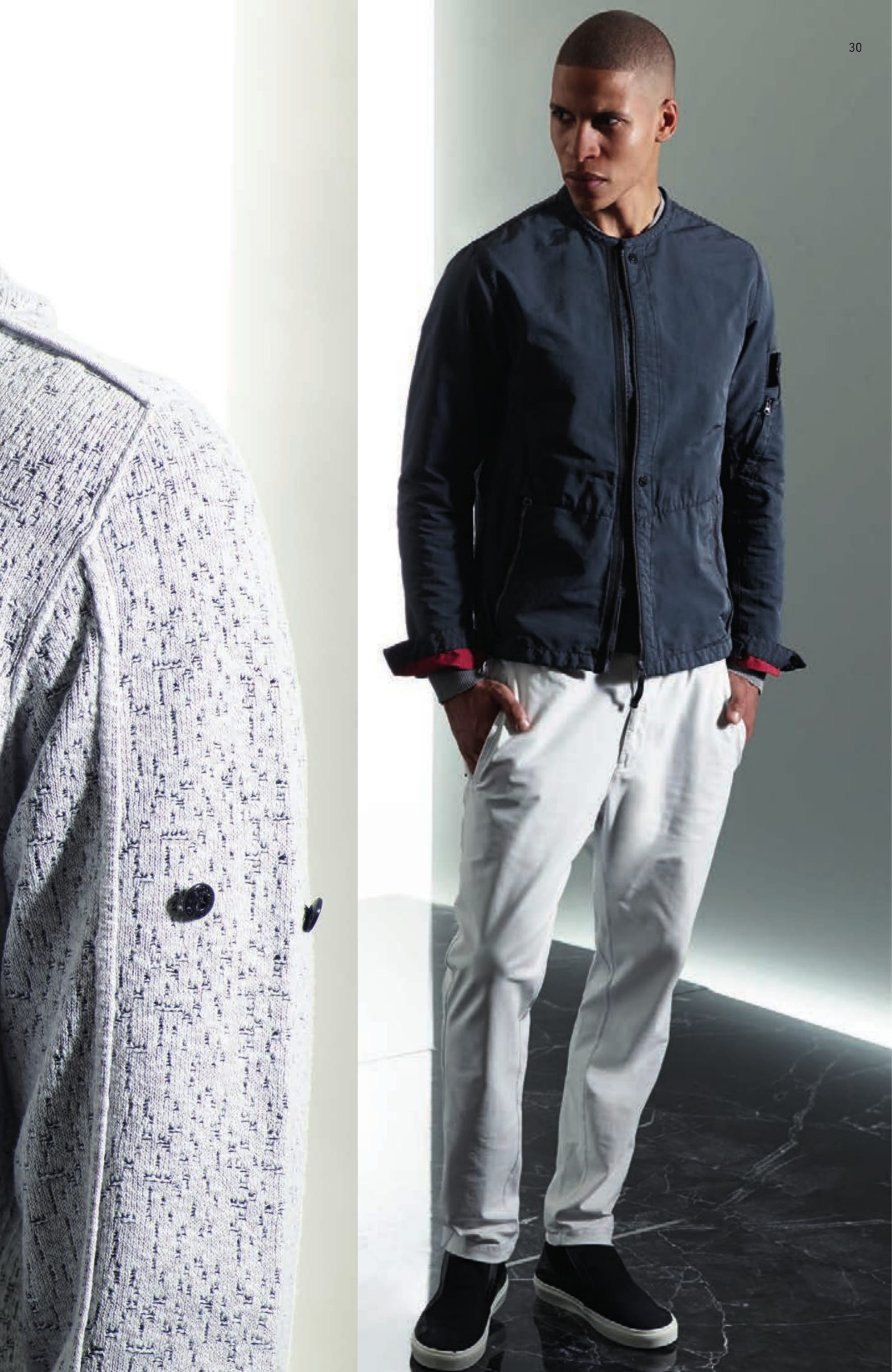
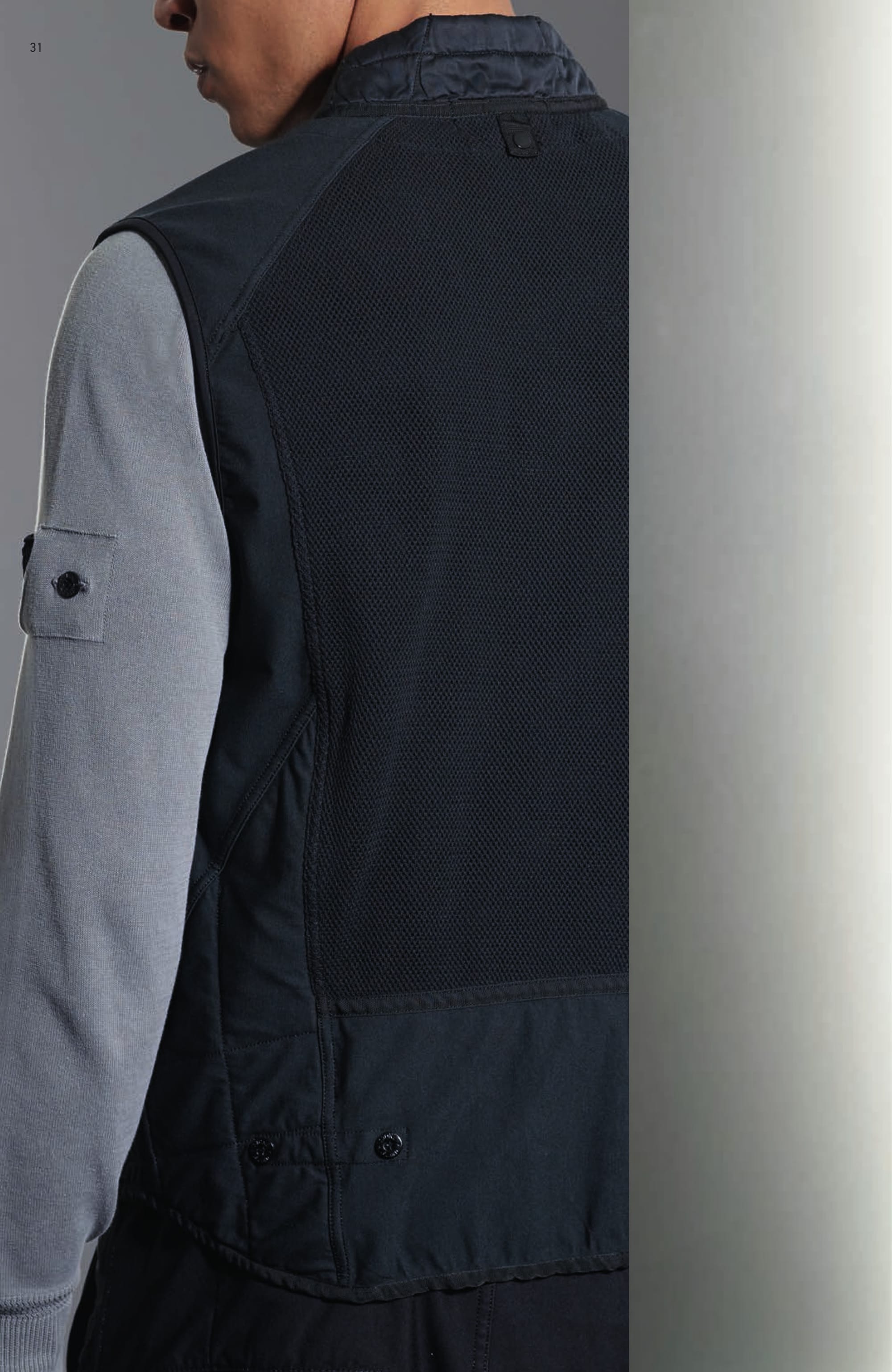
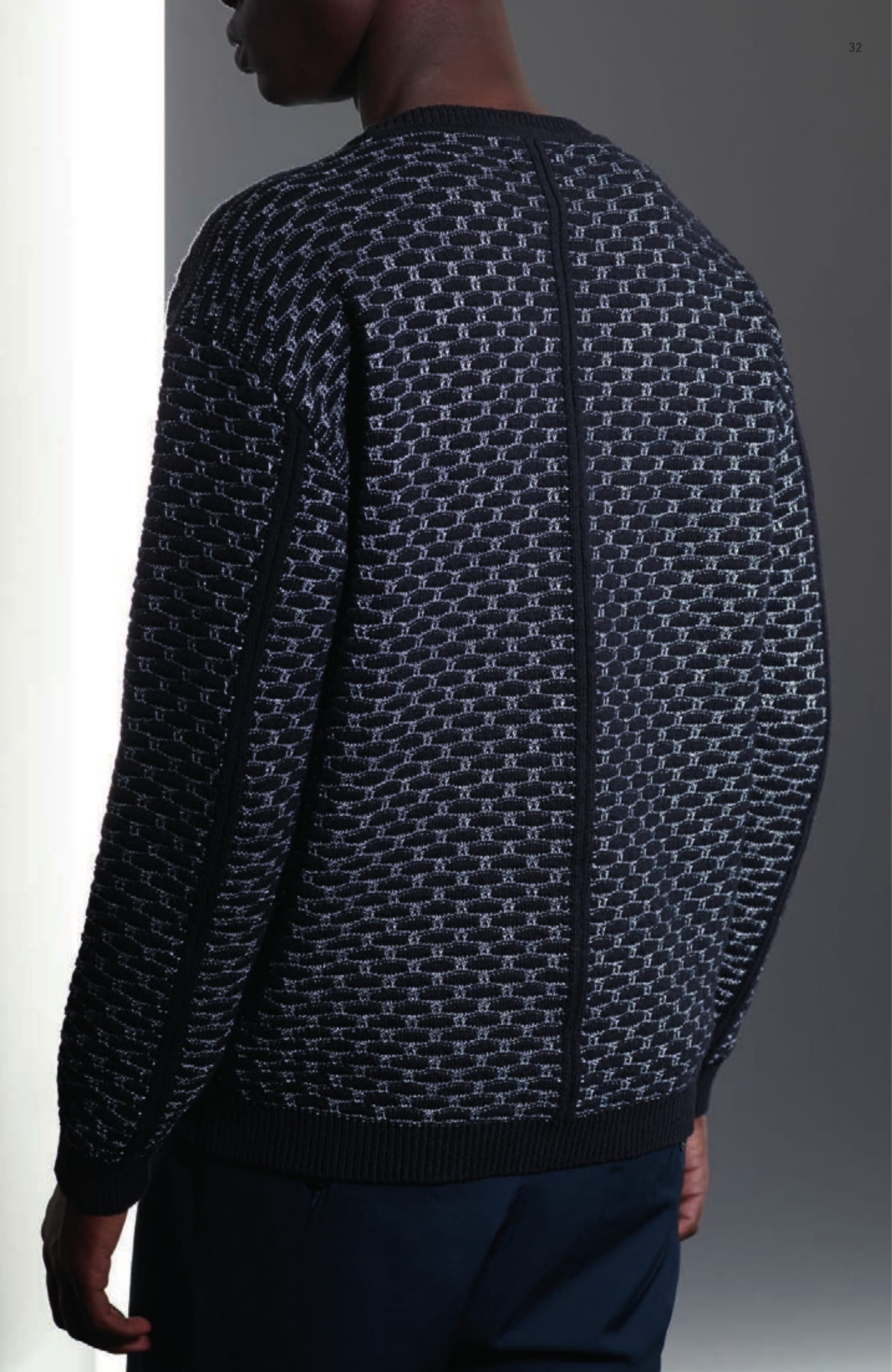
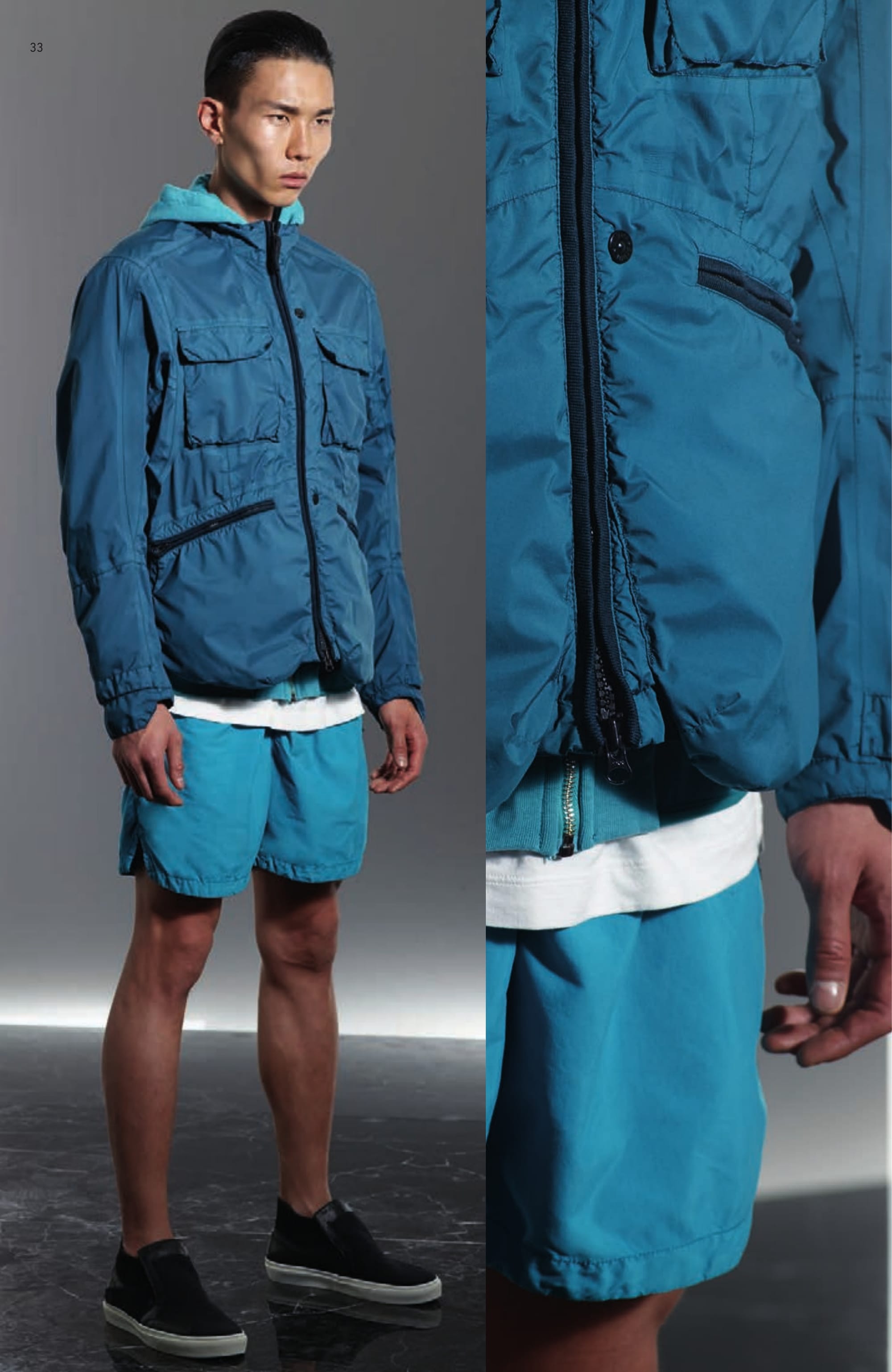
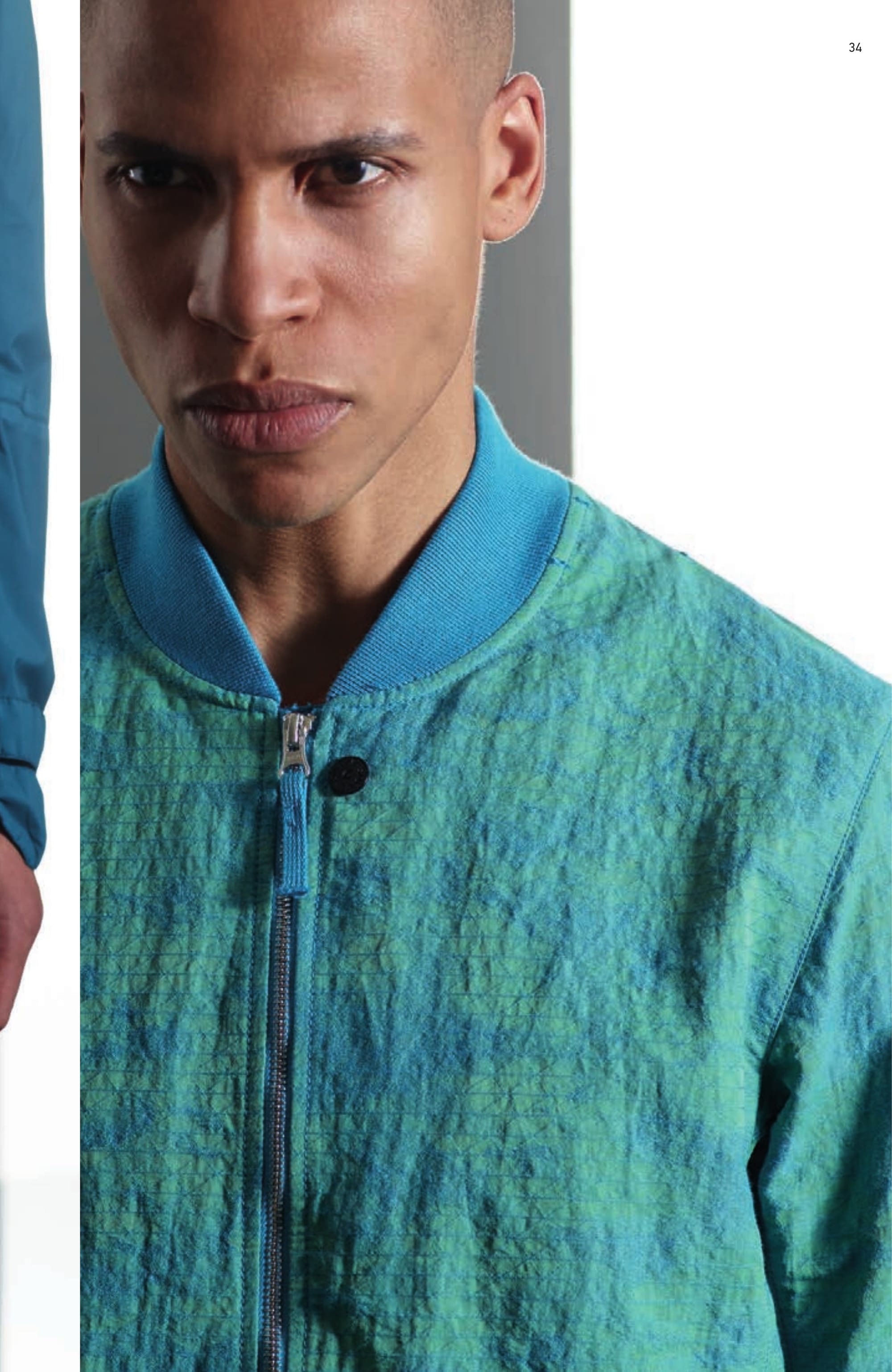

Stone Island Shadow Project AUTUMN WINTER '013 '014 Lookbook
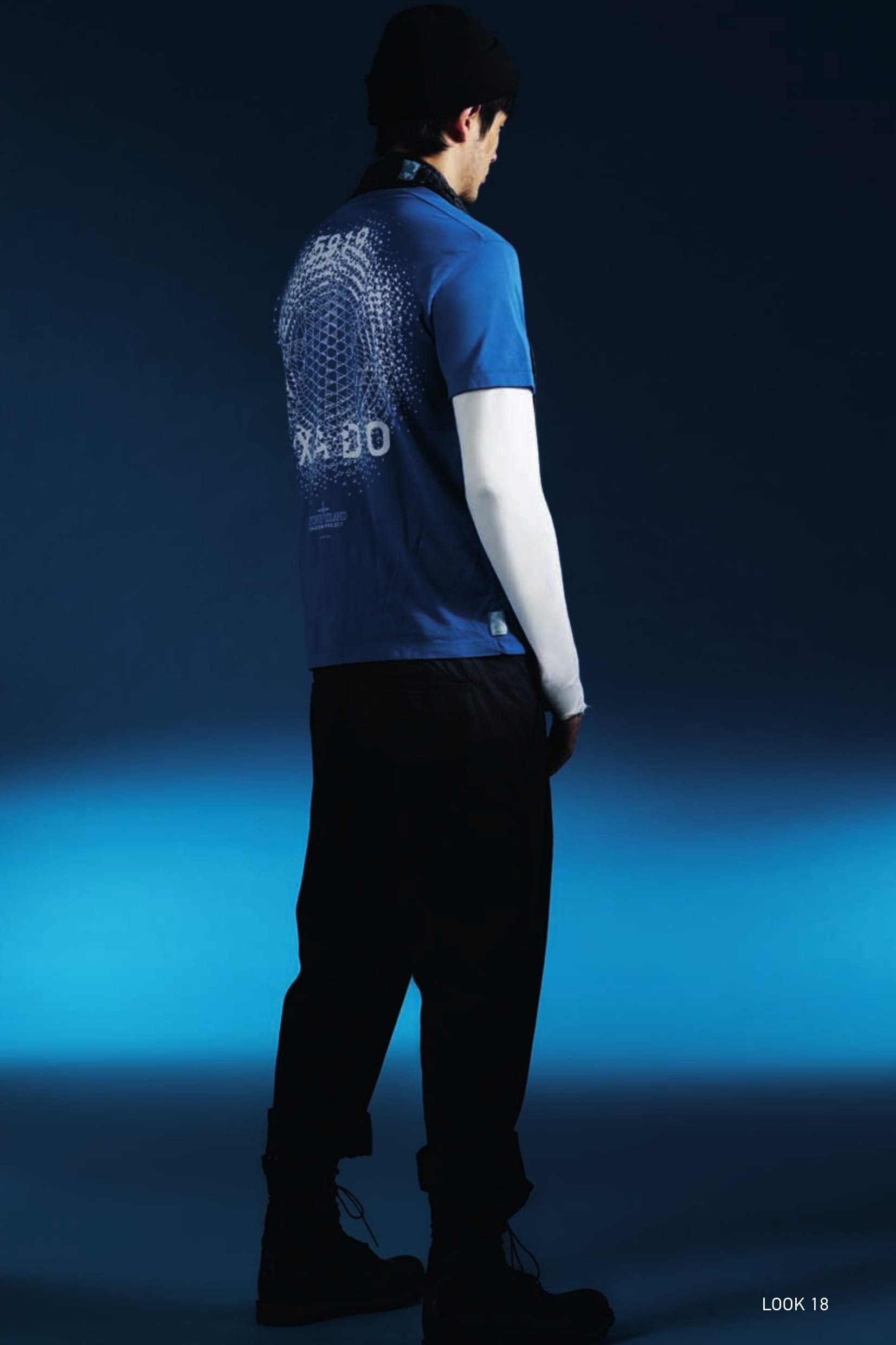
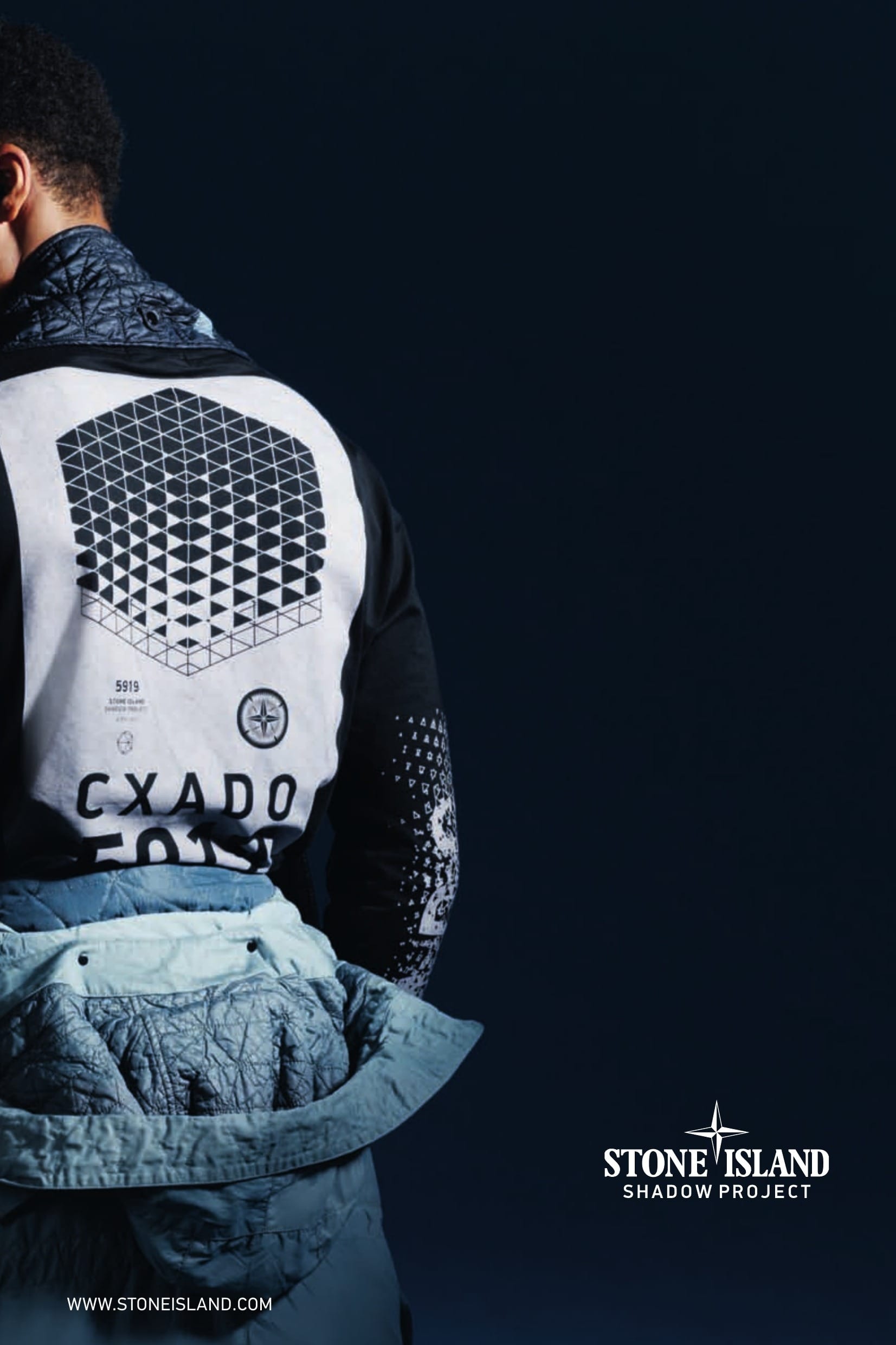
A statement of quiet aggression against the background of chaos and turbulence that is today, the eleventh Stone Island Shadow Project steps in and leans forward. The collection is built on classic menswear archetypes honed to an edge just shy of the subversive. Atemporal and eminently wearable, the 5919 collection is built for those who make moves that turn obstacles into opportunities. Details and designs are informed by equal parts sartorial tradition and subcultural edge. Fabrics are high speed and low drag; unfussy and technical to the degree that they are practical. Colors balance credibility with flashes of energy and high-fidelity saturation. Pattern and graphic infusions complete a package made possible only through the engineering and expertise that is Stone Island.
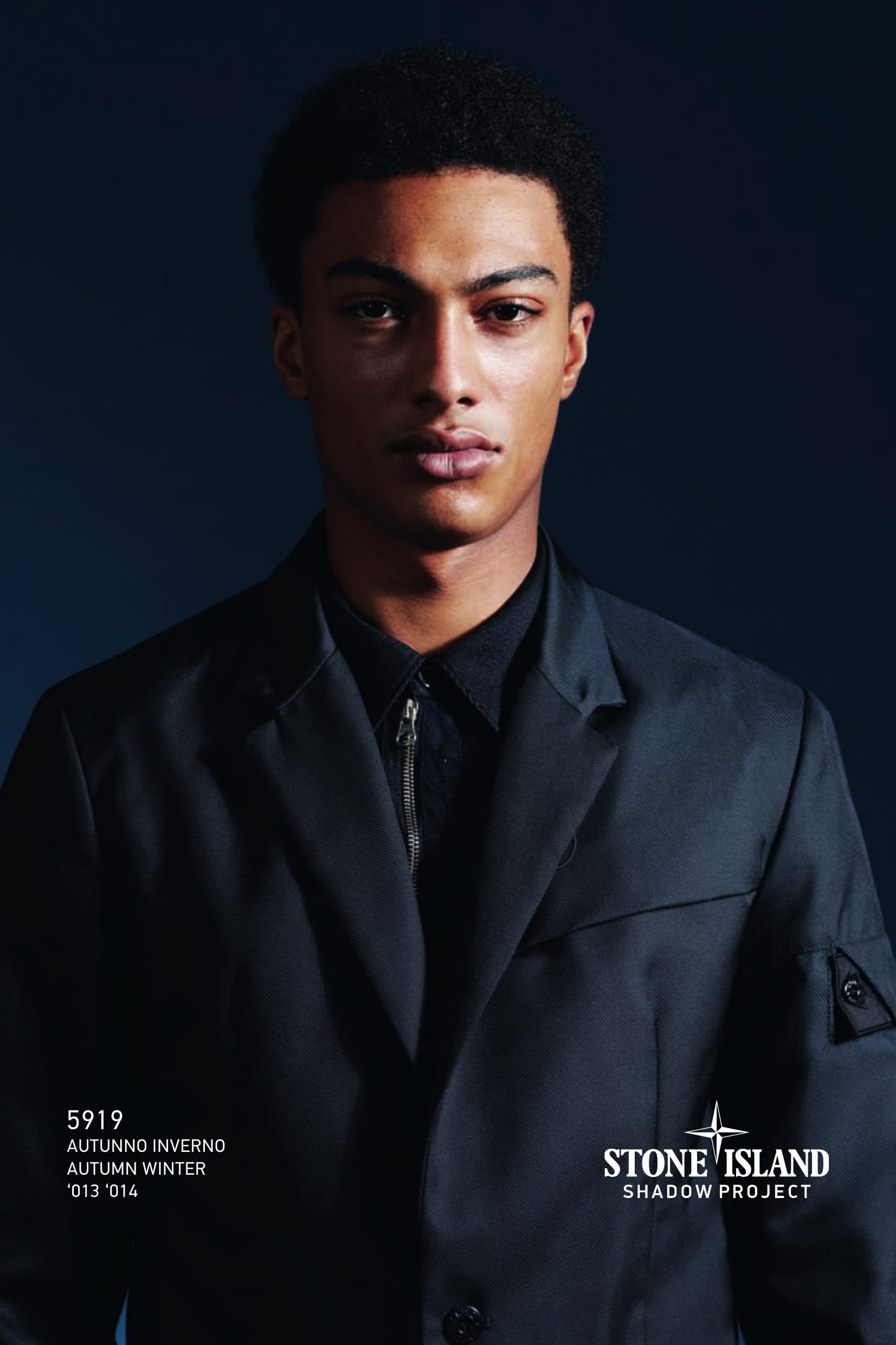
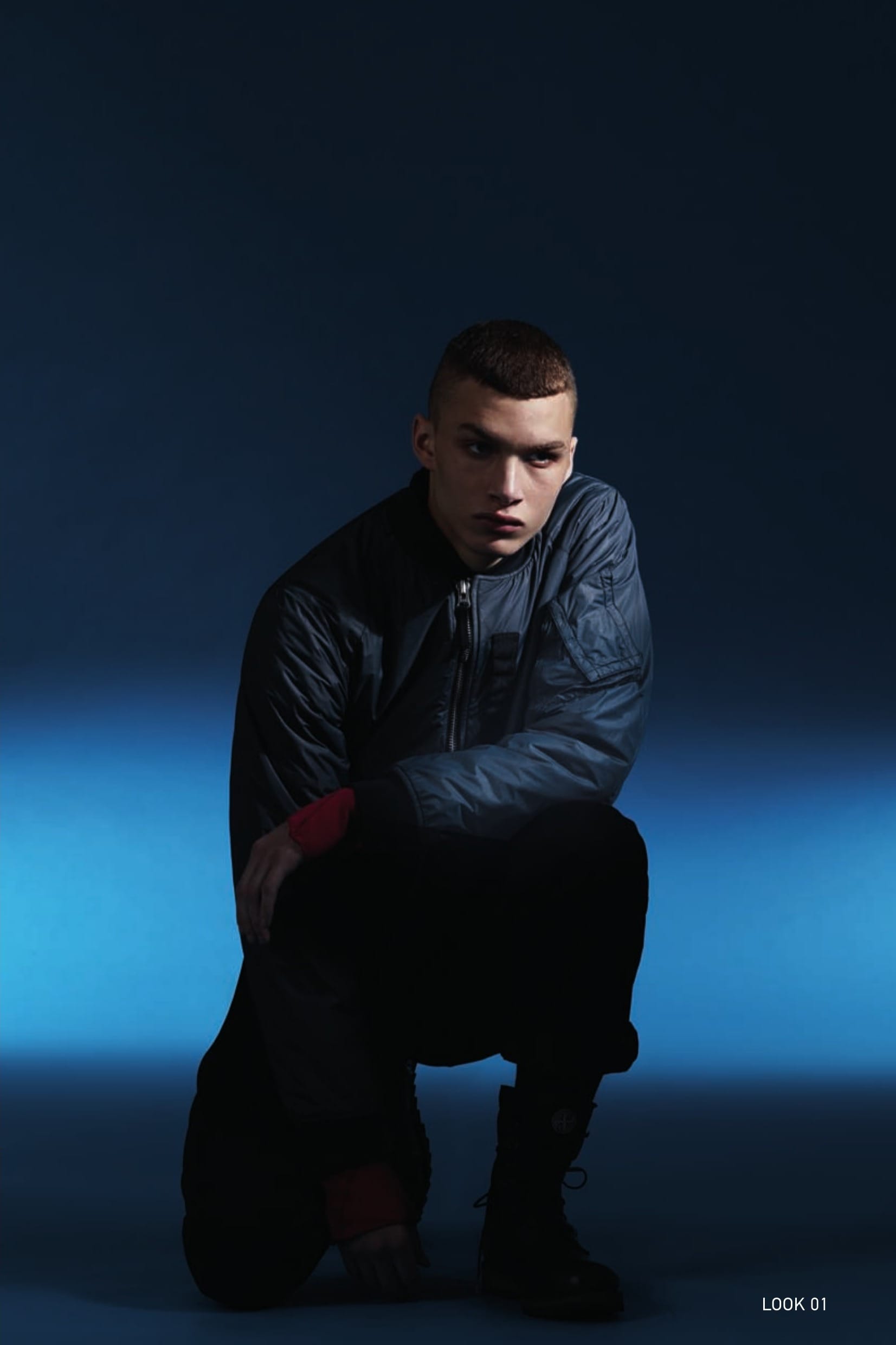
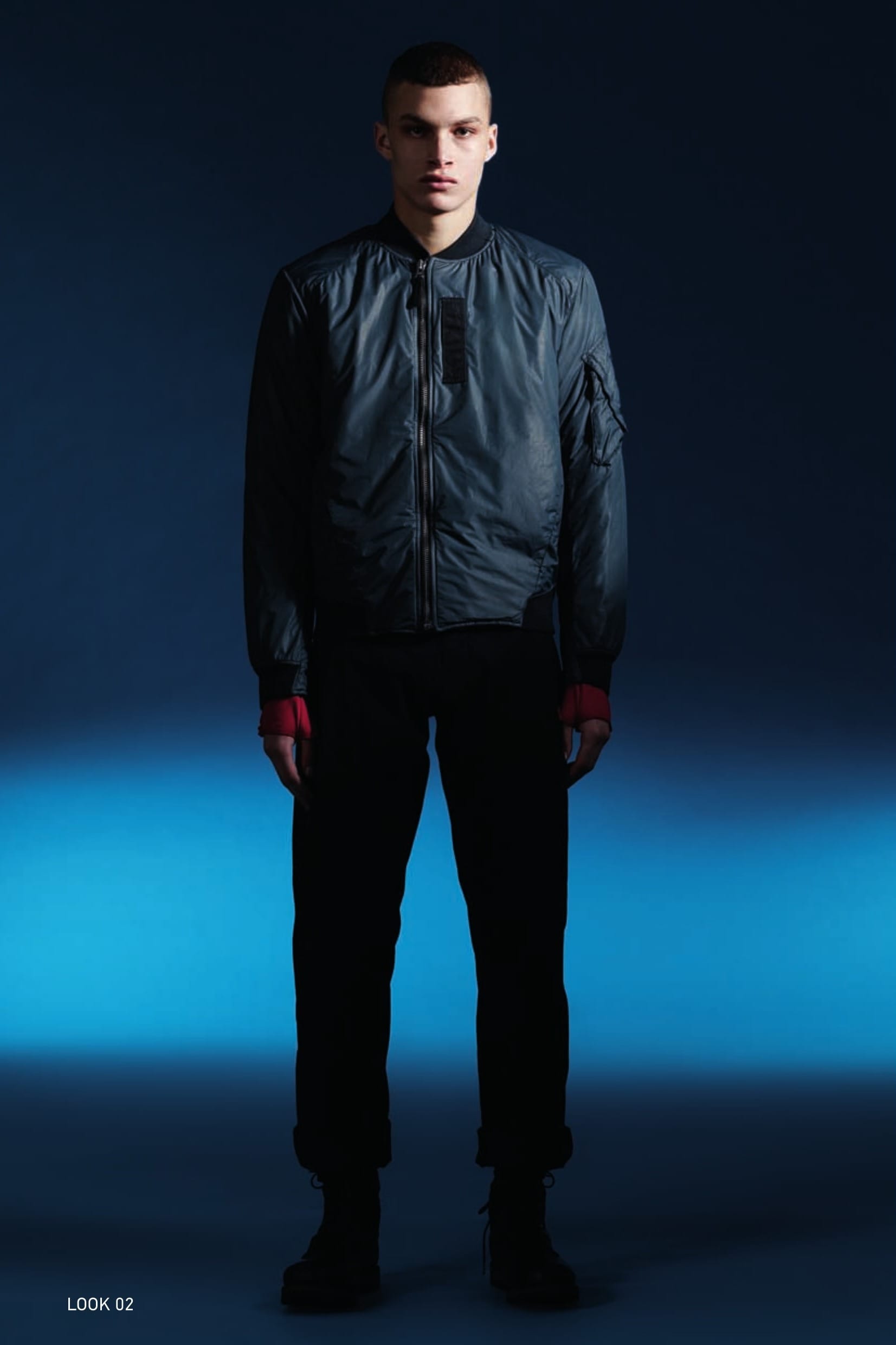
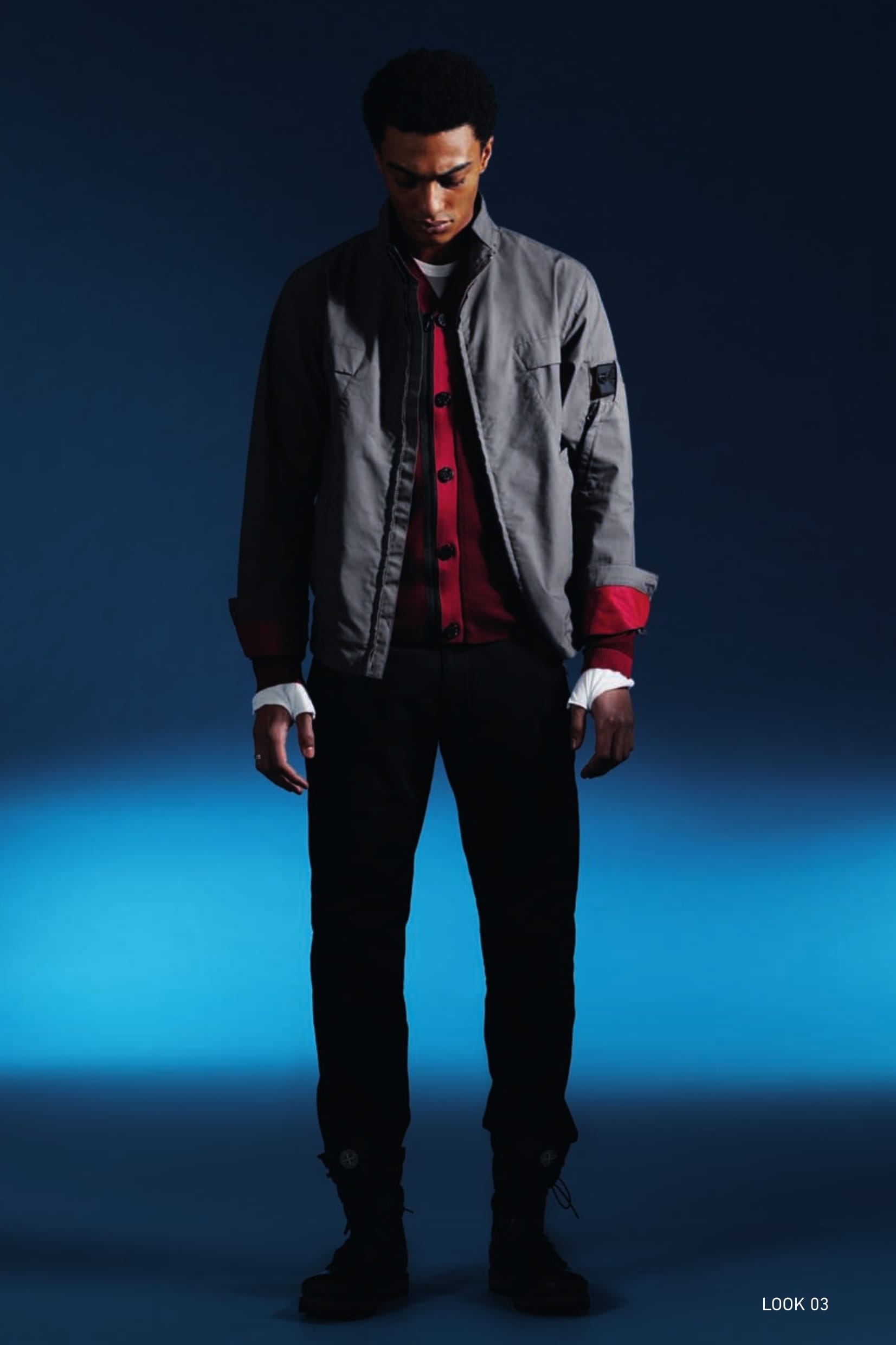
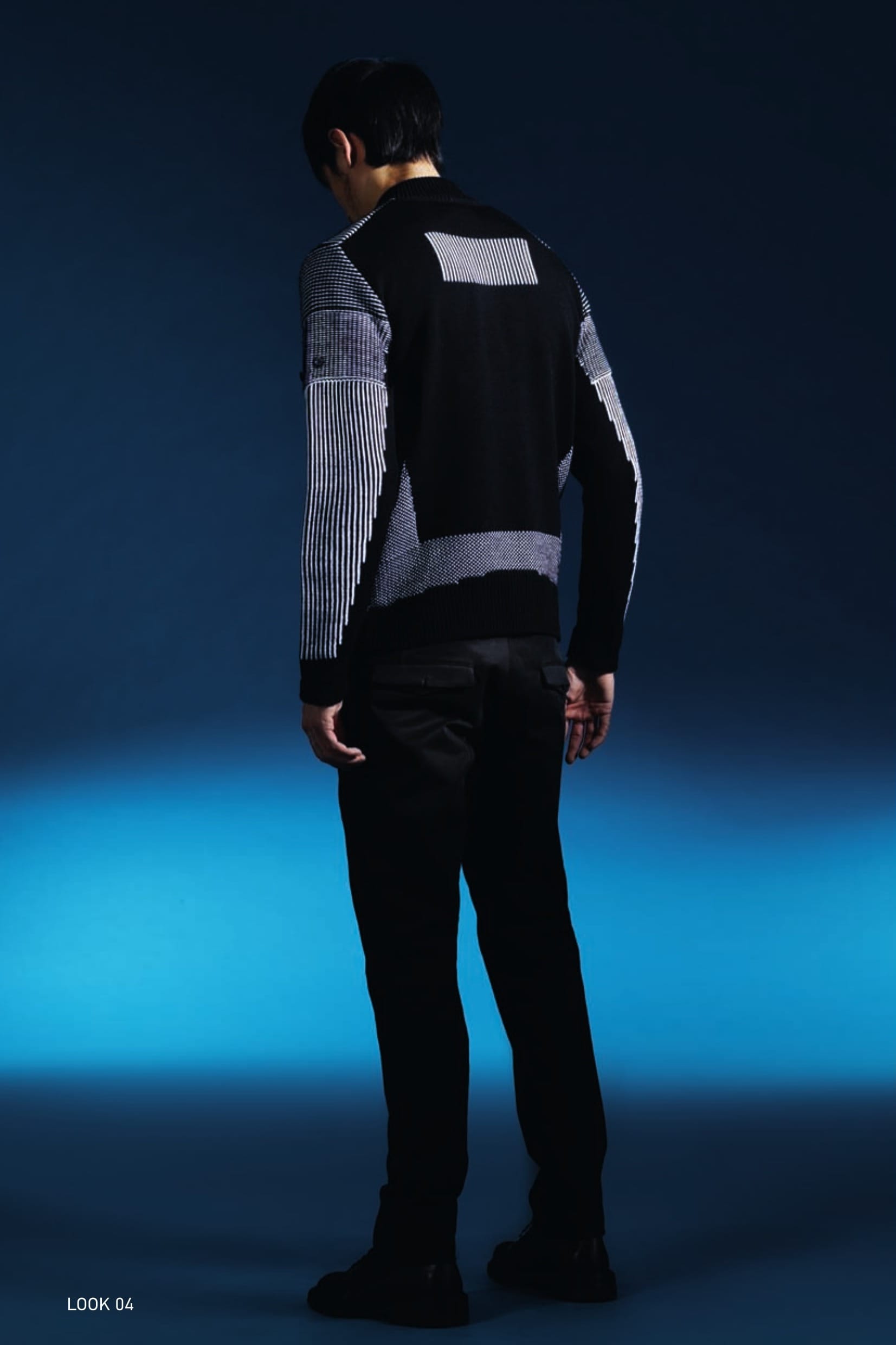
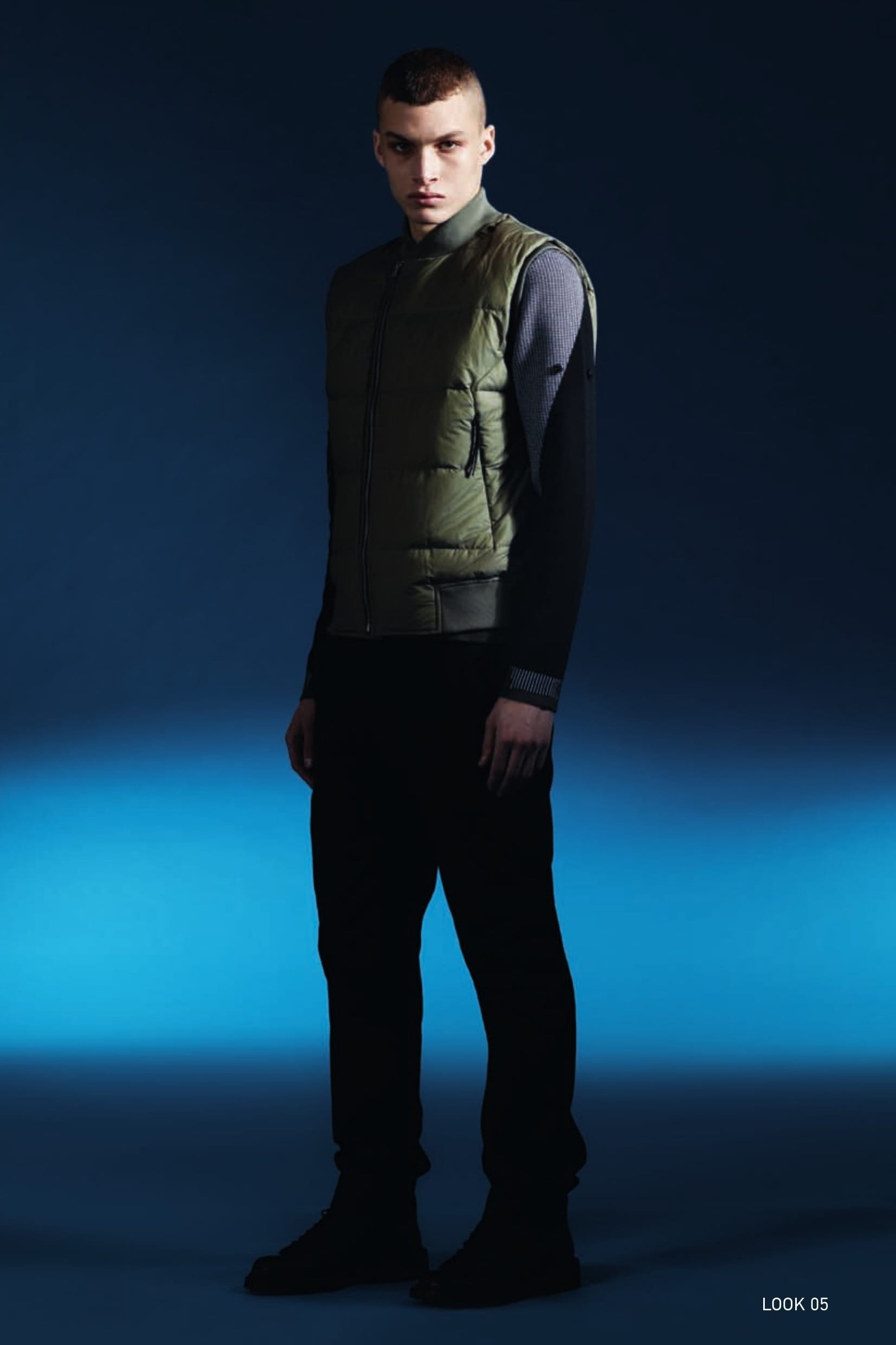
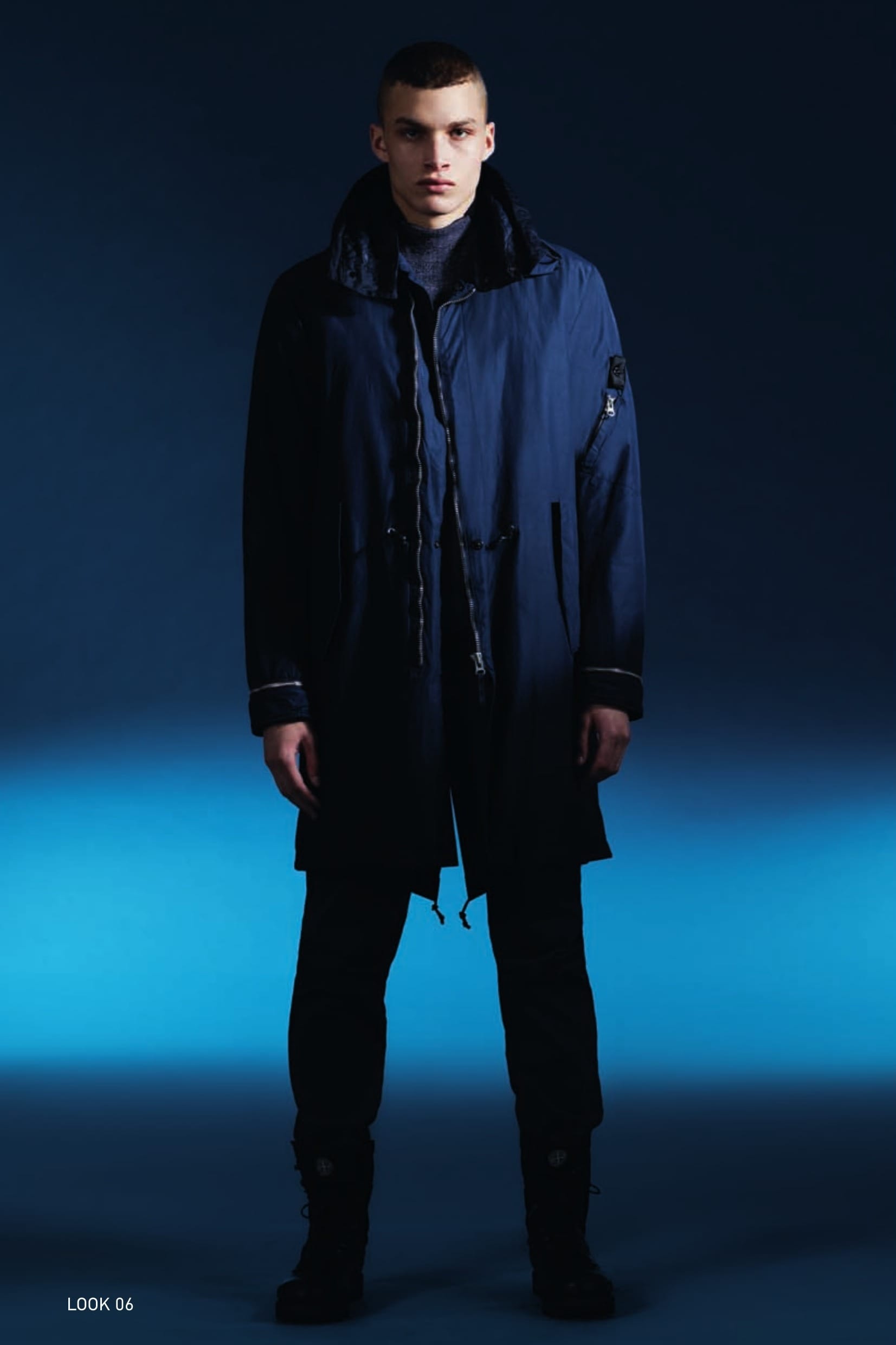
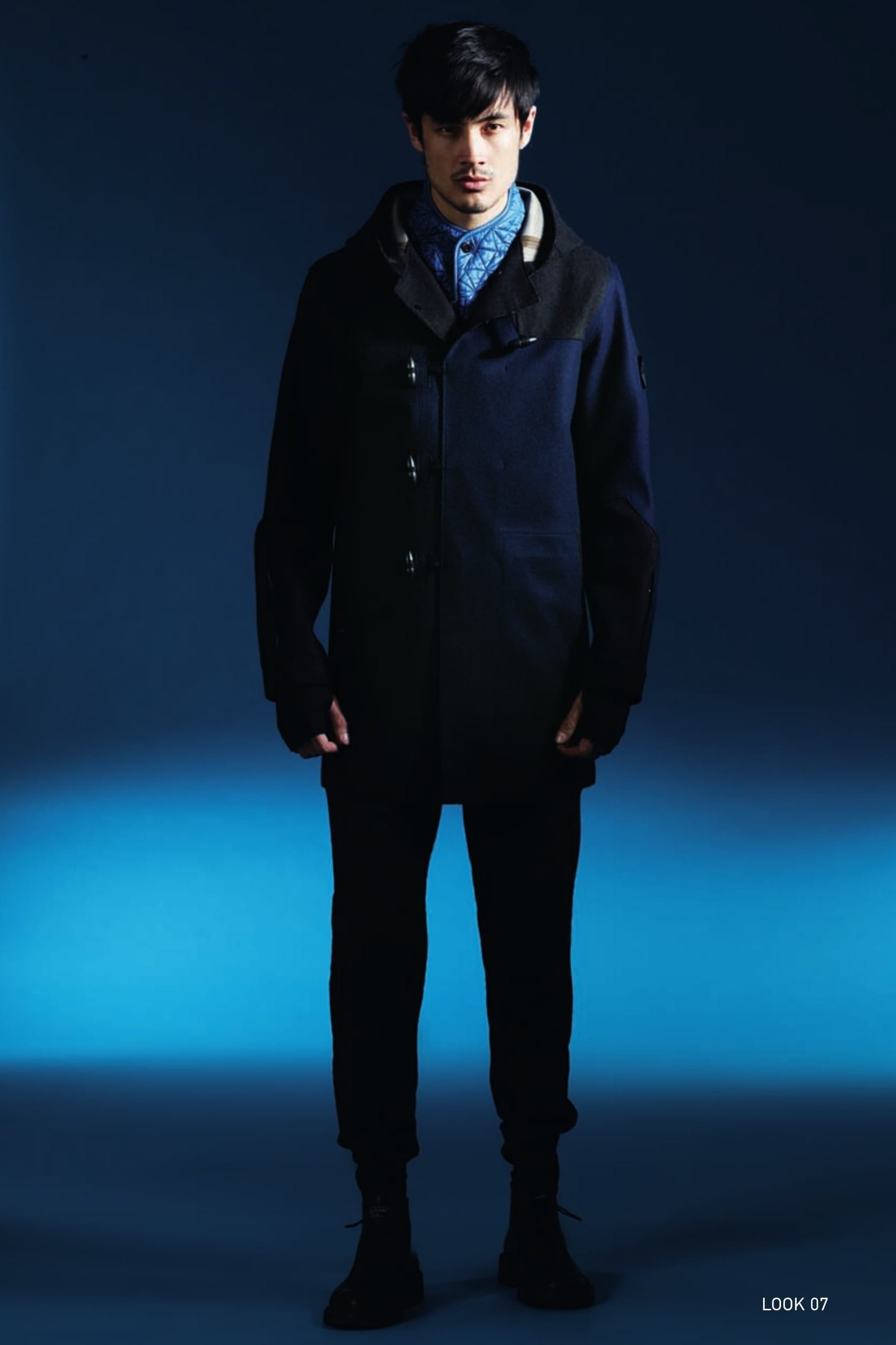
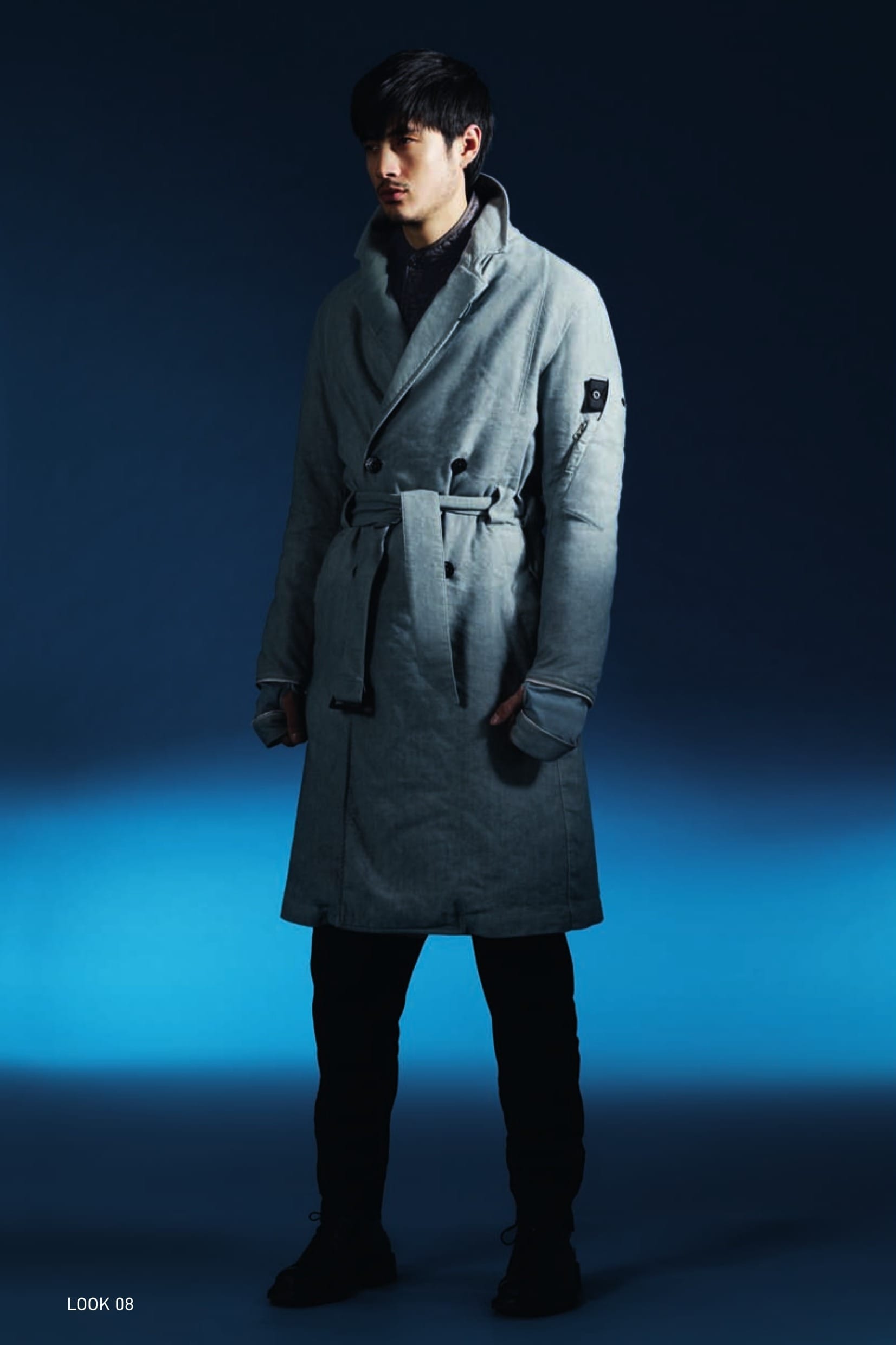
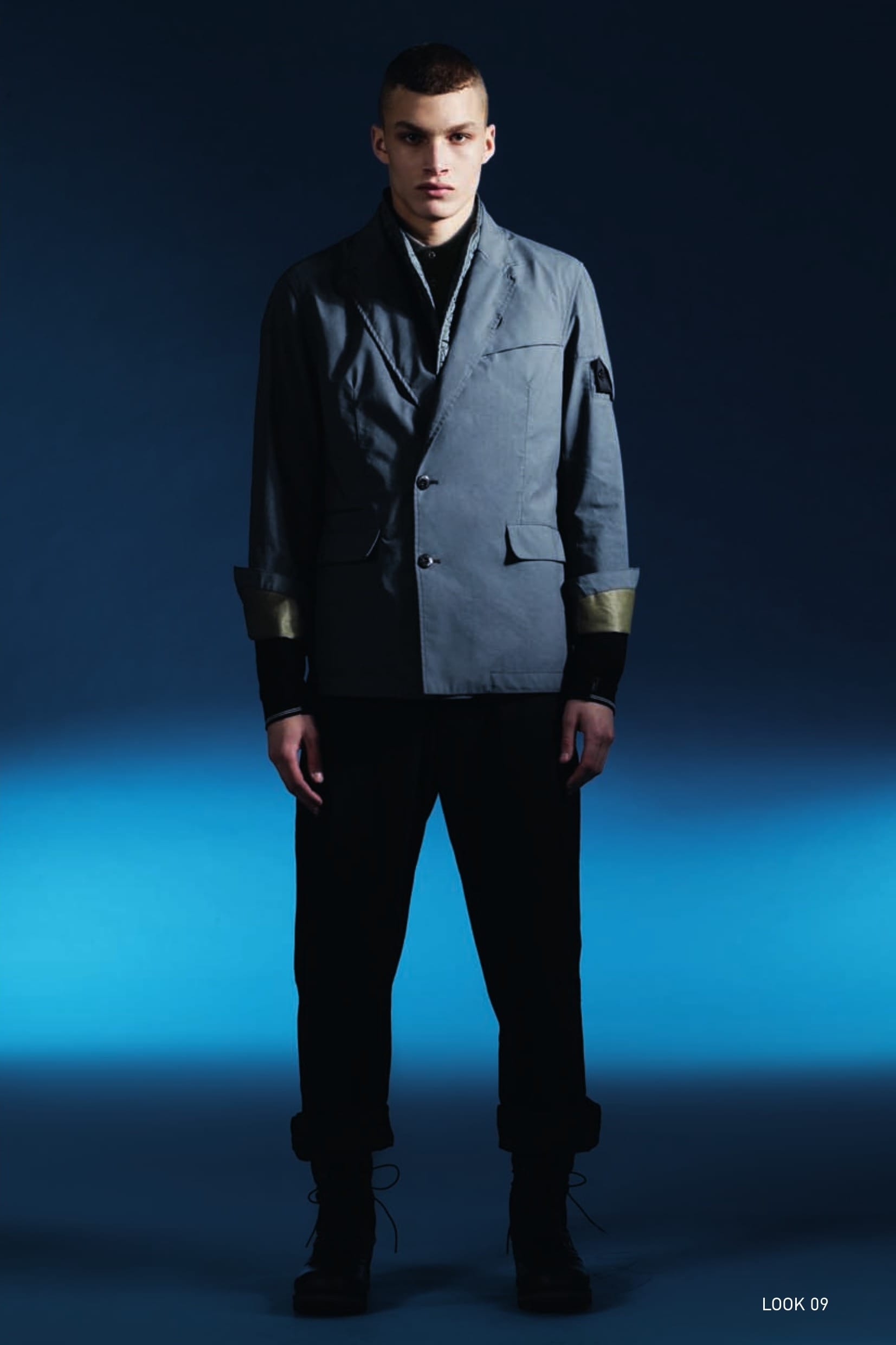
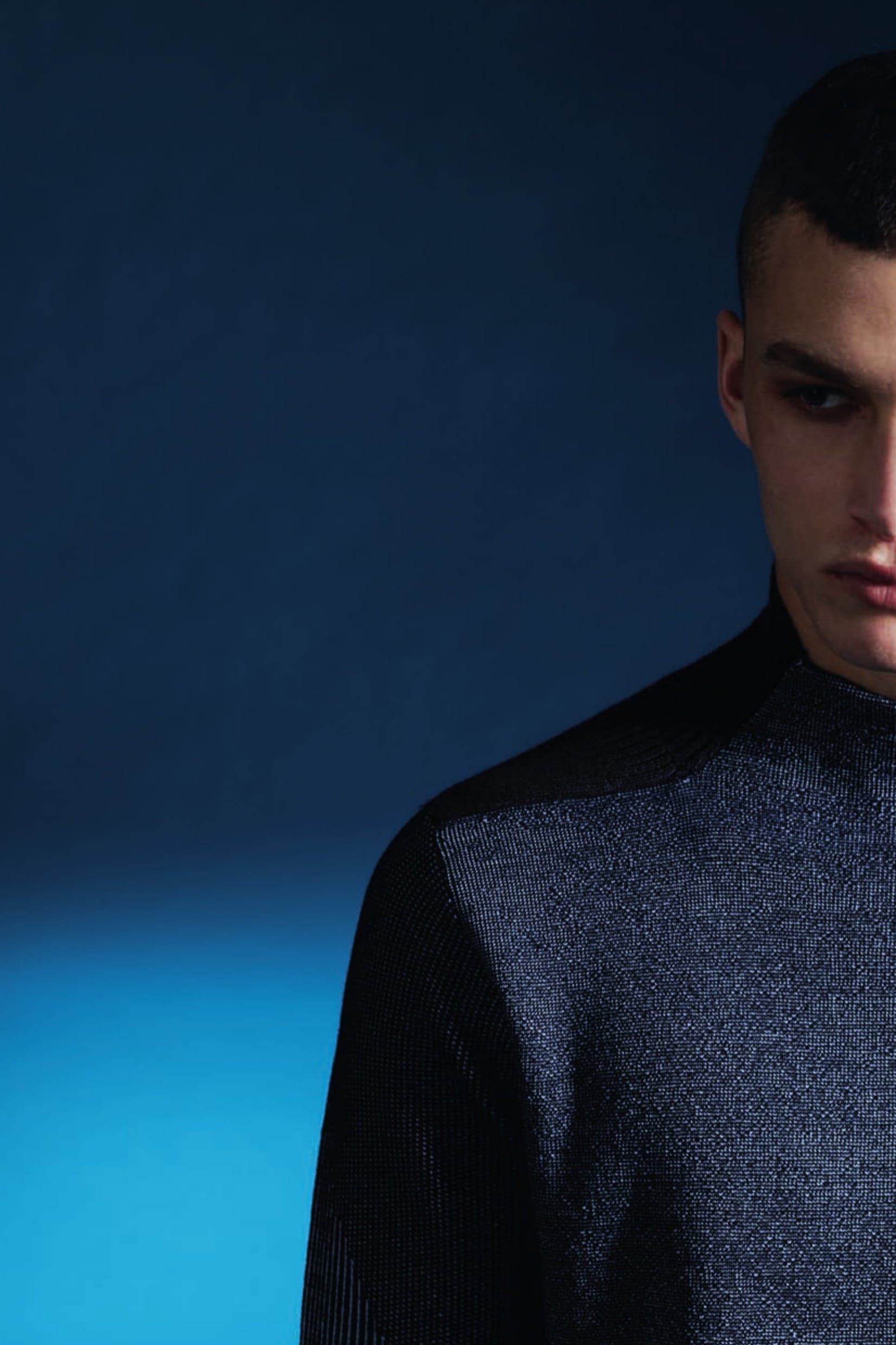
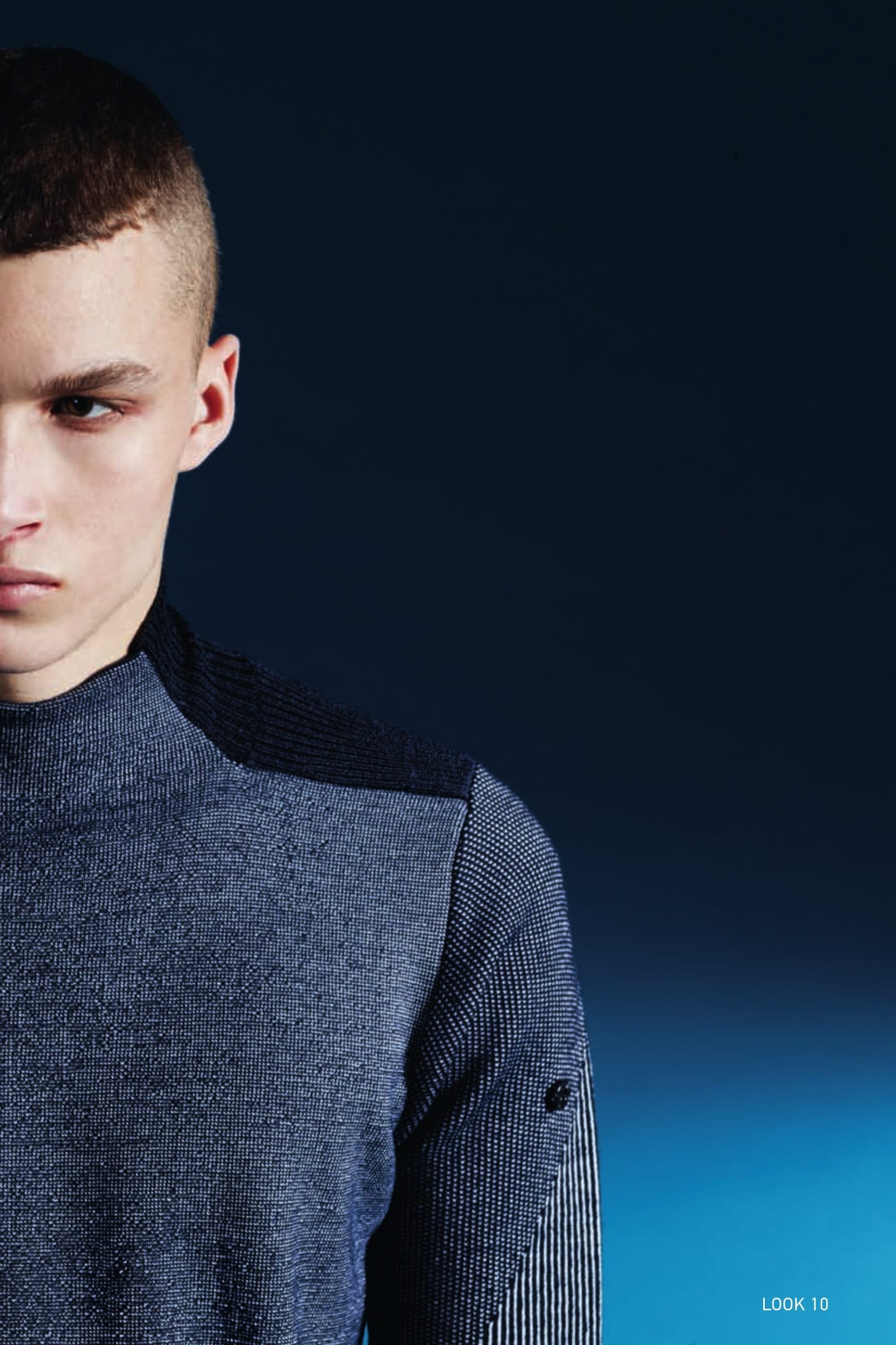
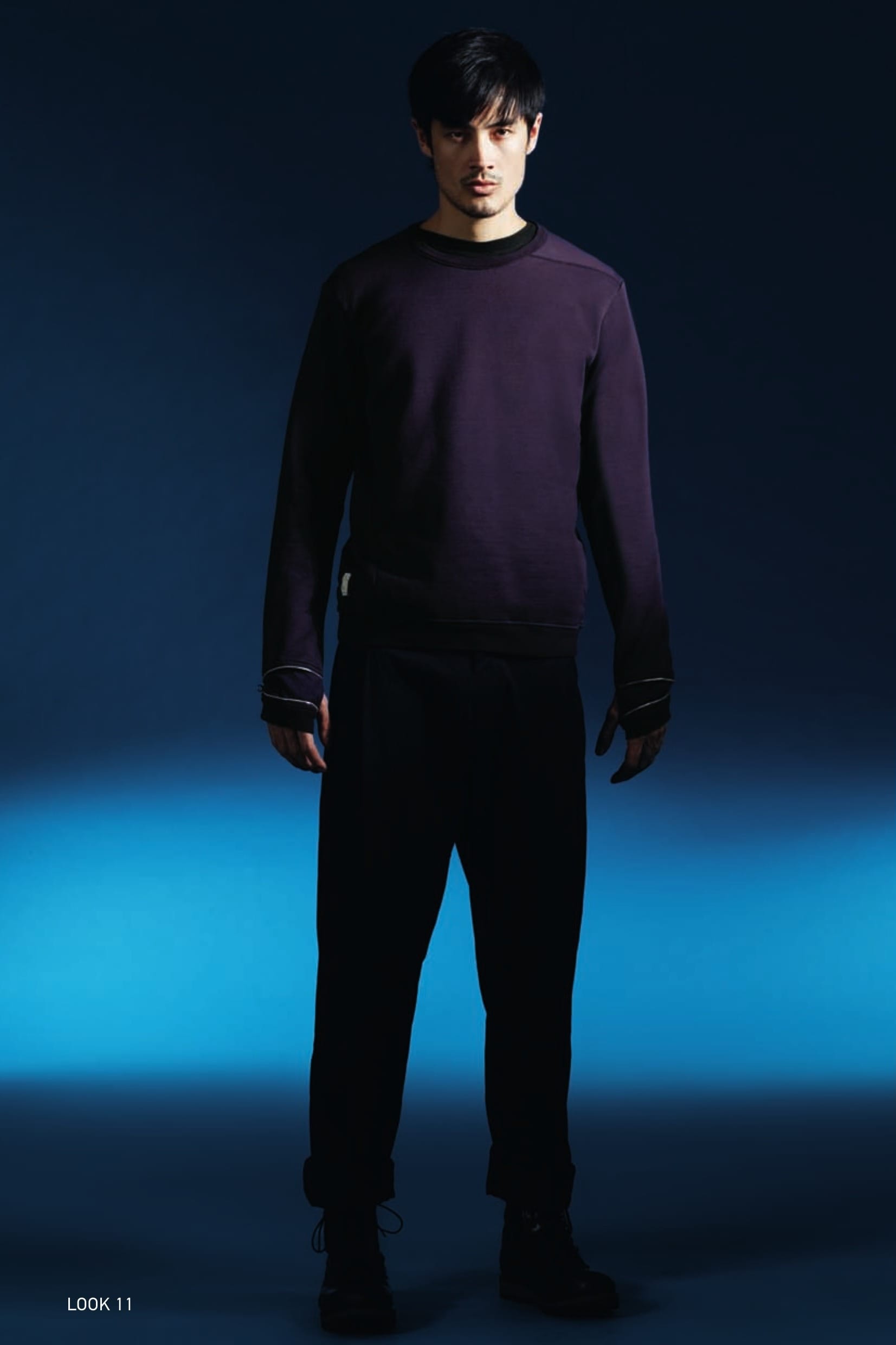
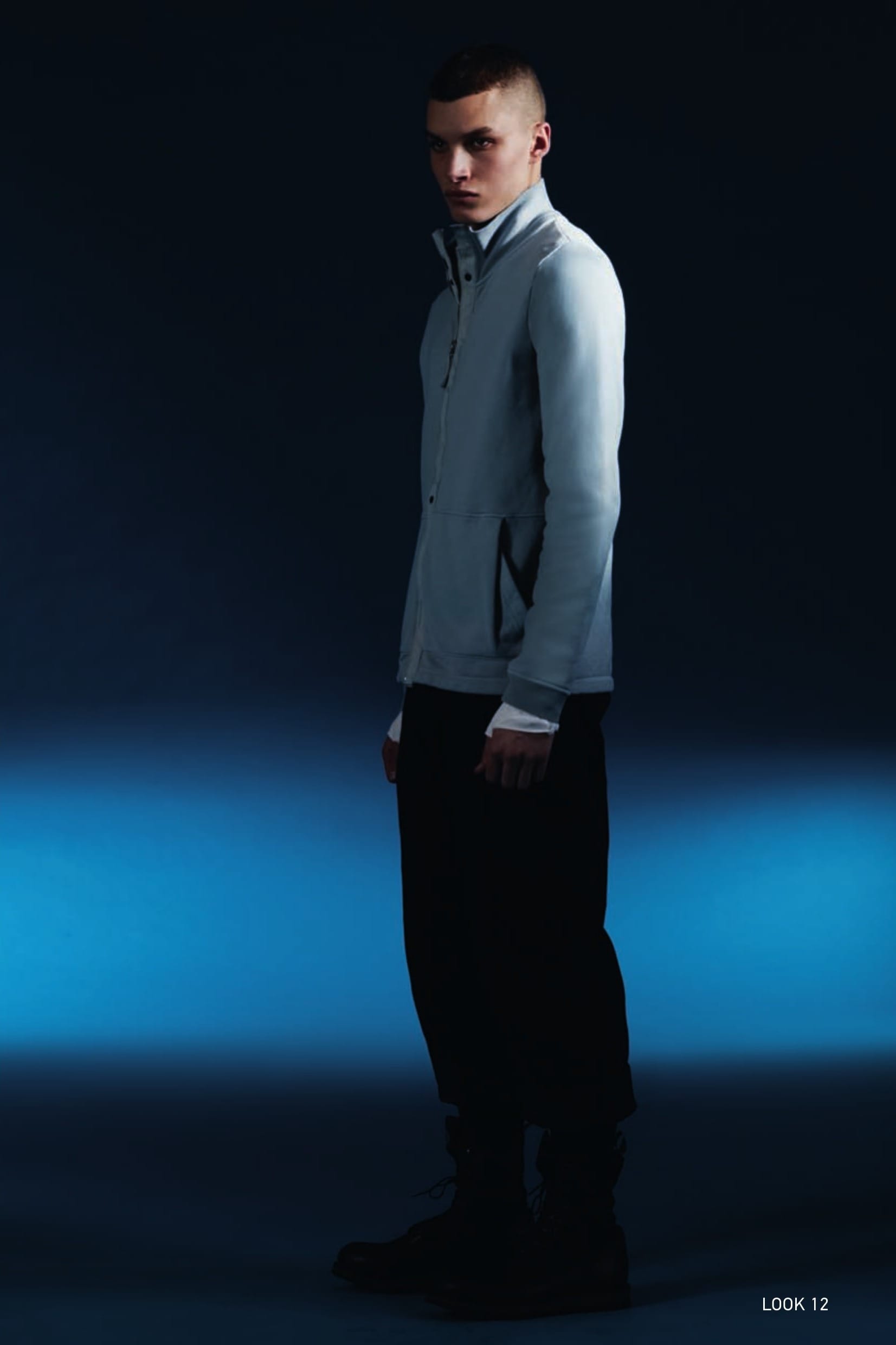
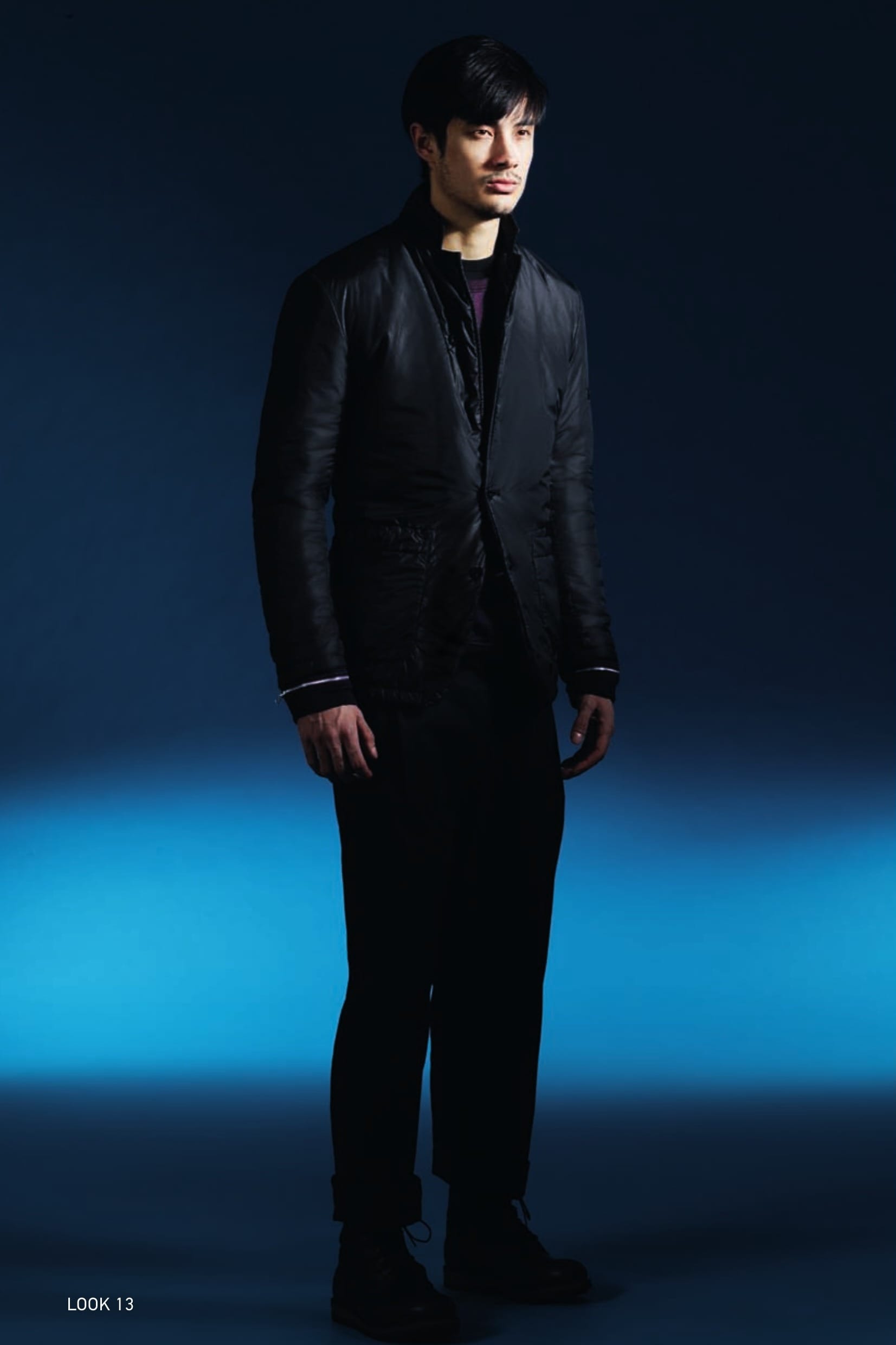
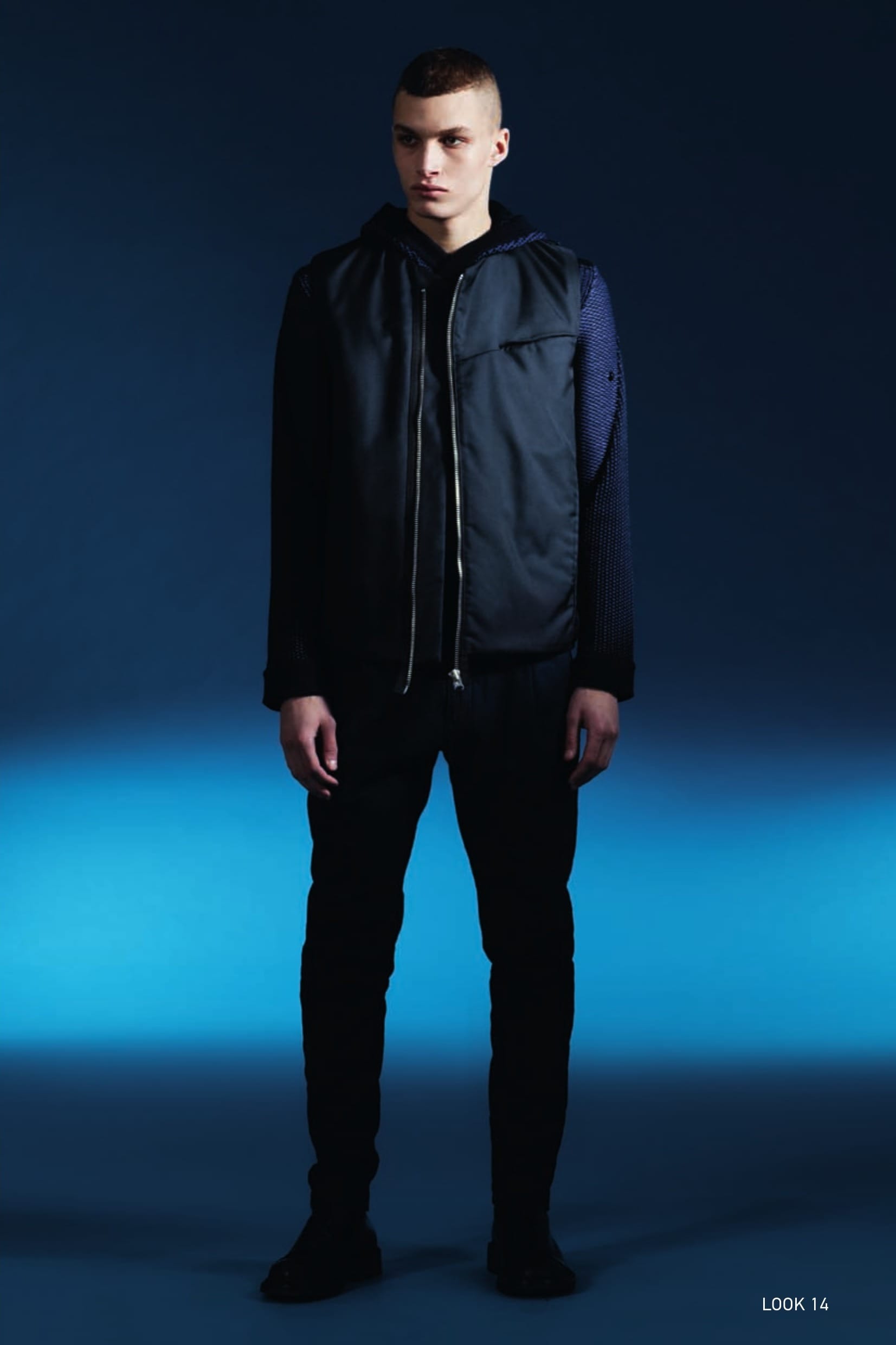
![40303 INSULATING REMOVABLE LINER [IRIDESCENT NYLON QUILTING] OF THE CROP JACKET_PW3 TECH WOOL Long-sleeve detachable lining of the Crop Jacket in PW3 Tech Wool, in a lightweight iridescent nylon quilted with a star-pattern to a padding substrate. The lining is fixed to the garment with ties and a snap fastener. These tapes and the button at the cuffs allow the lining to be integrated in Stone Island Shadow Project shoulder pieces, both from this season and past and future seasons. Metal zip fastening. 30110 WIDE PLEATED PANT_CO DIAGONAL Trousers with single dart in diagonal weave comfort cotton. Garment dyed. Wide fit. Diagonal side pockets. Two flat pockets on the back. Zip fly and button at the waist.](https://storage.ghost.io/c/14/ee/14eef3be-ca5a-434b-8324-fa1f874026f1/content/images/2026/06/stone-island-shadow-project-aw2013-2014-lookbook-31.jpg)
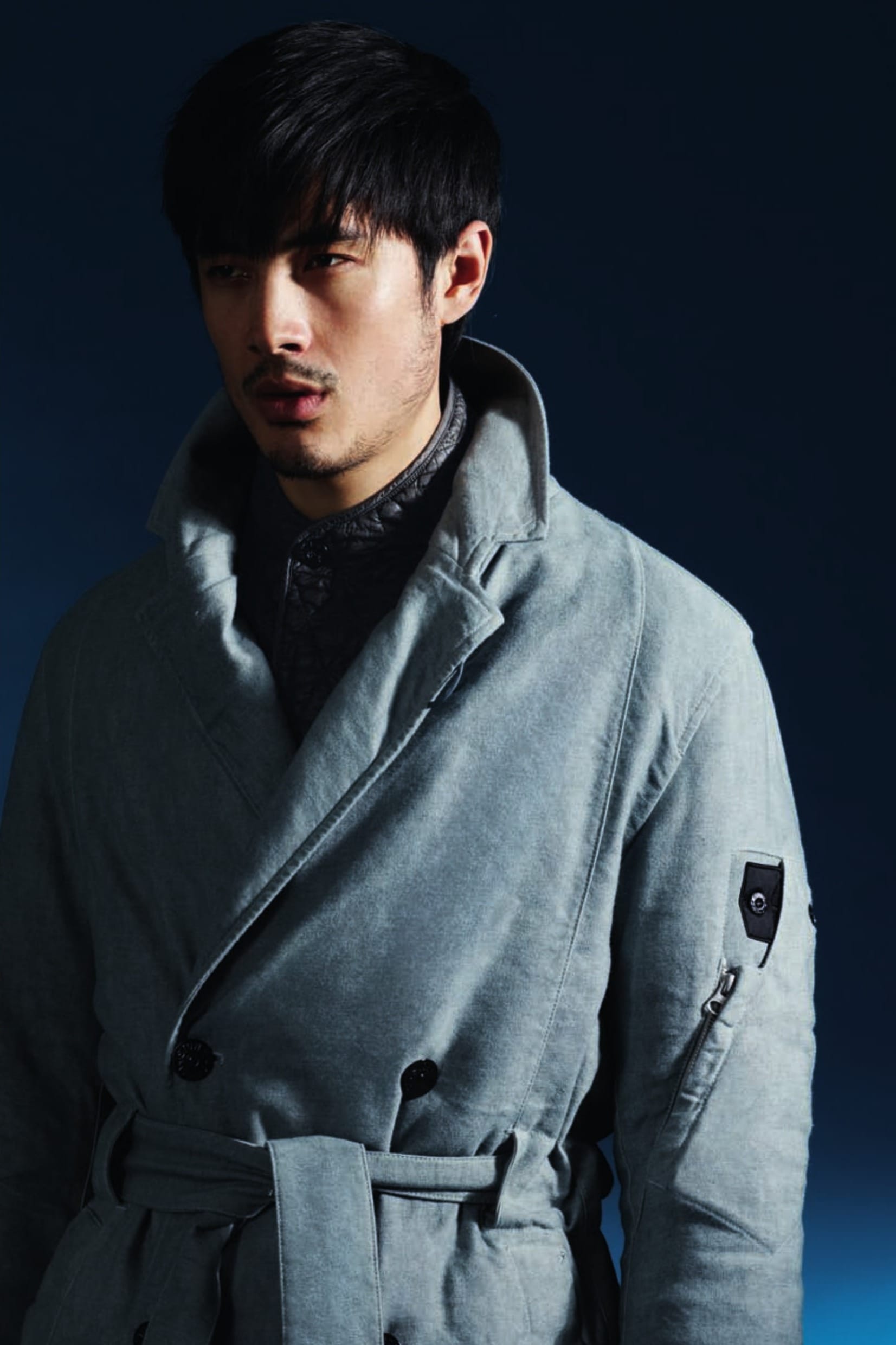
Stone Island Shadow Project AW '009 '010 Lookbook
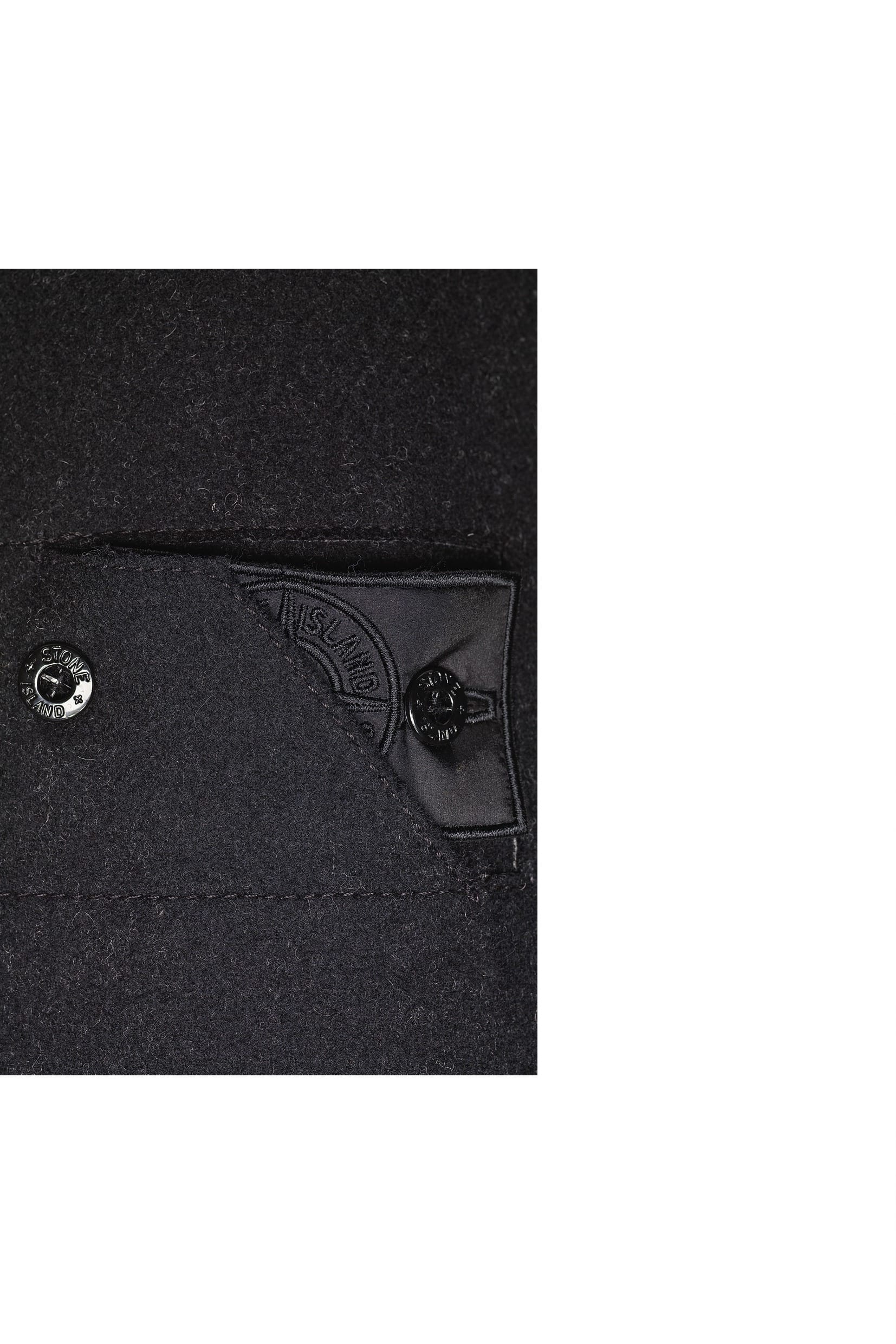
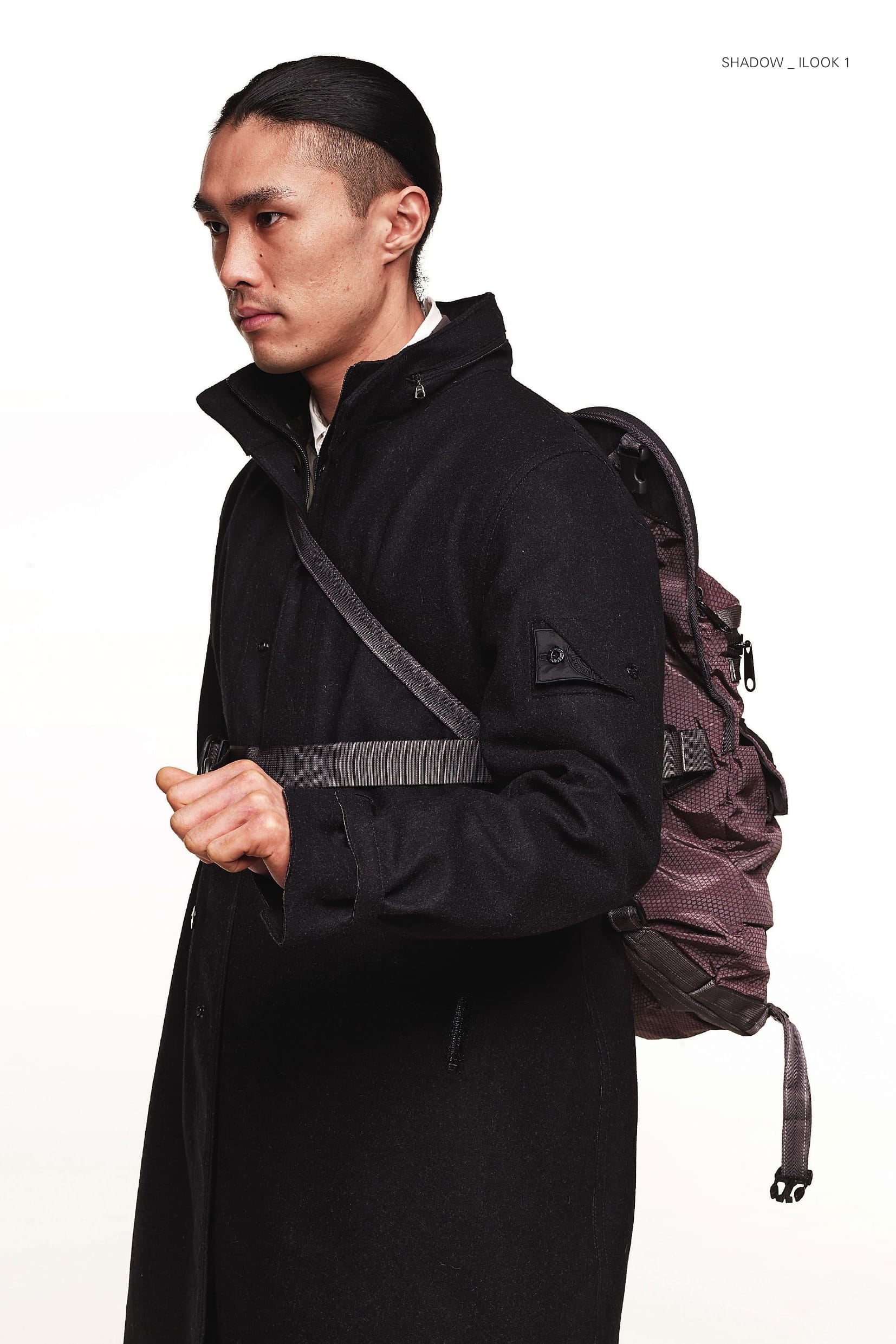
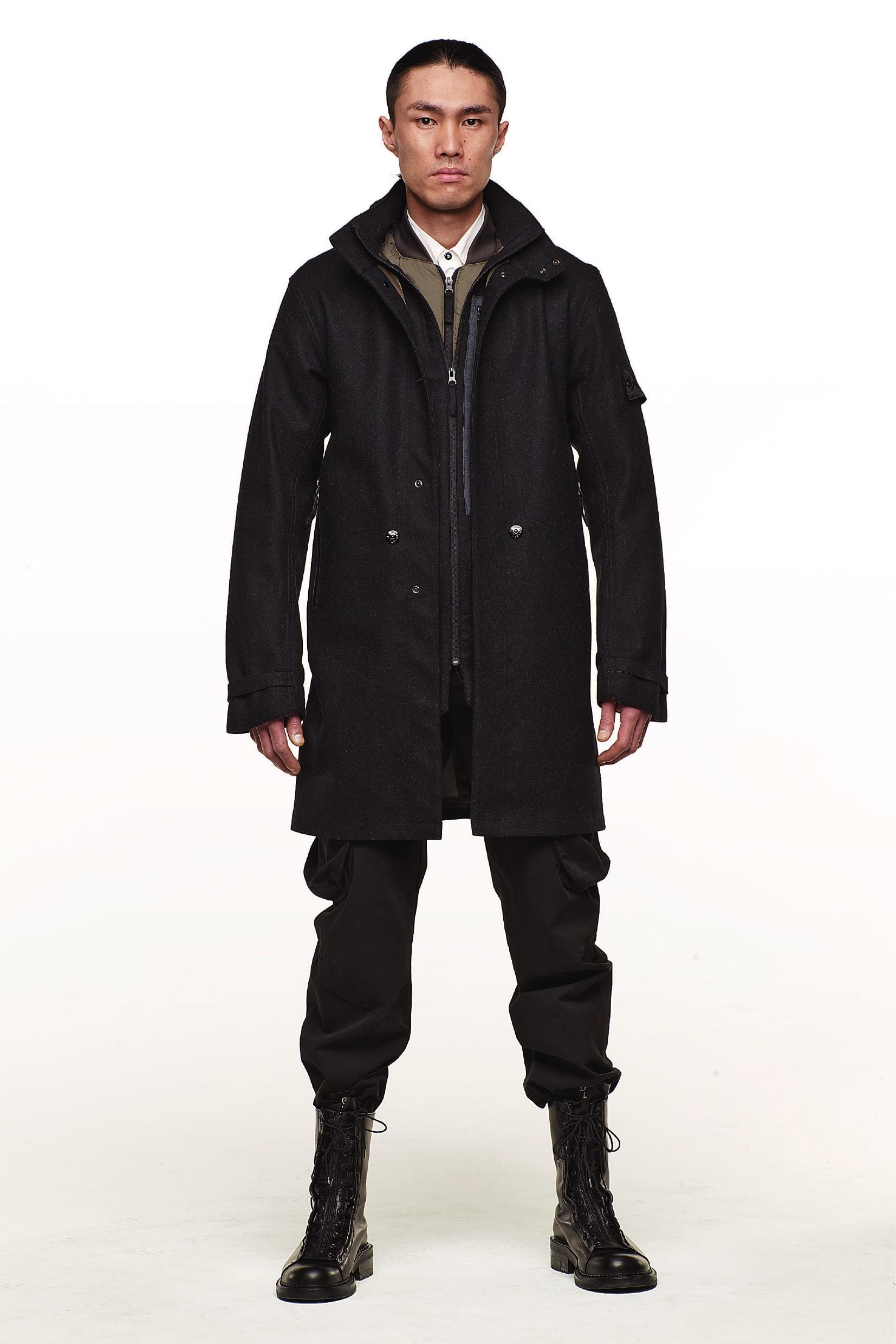
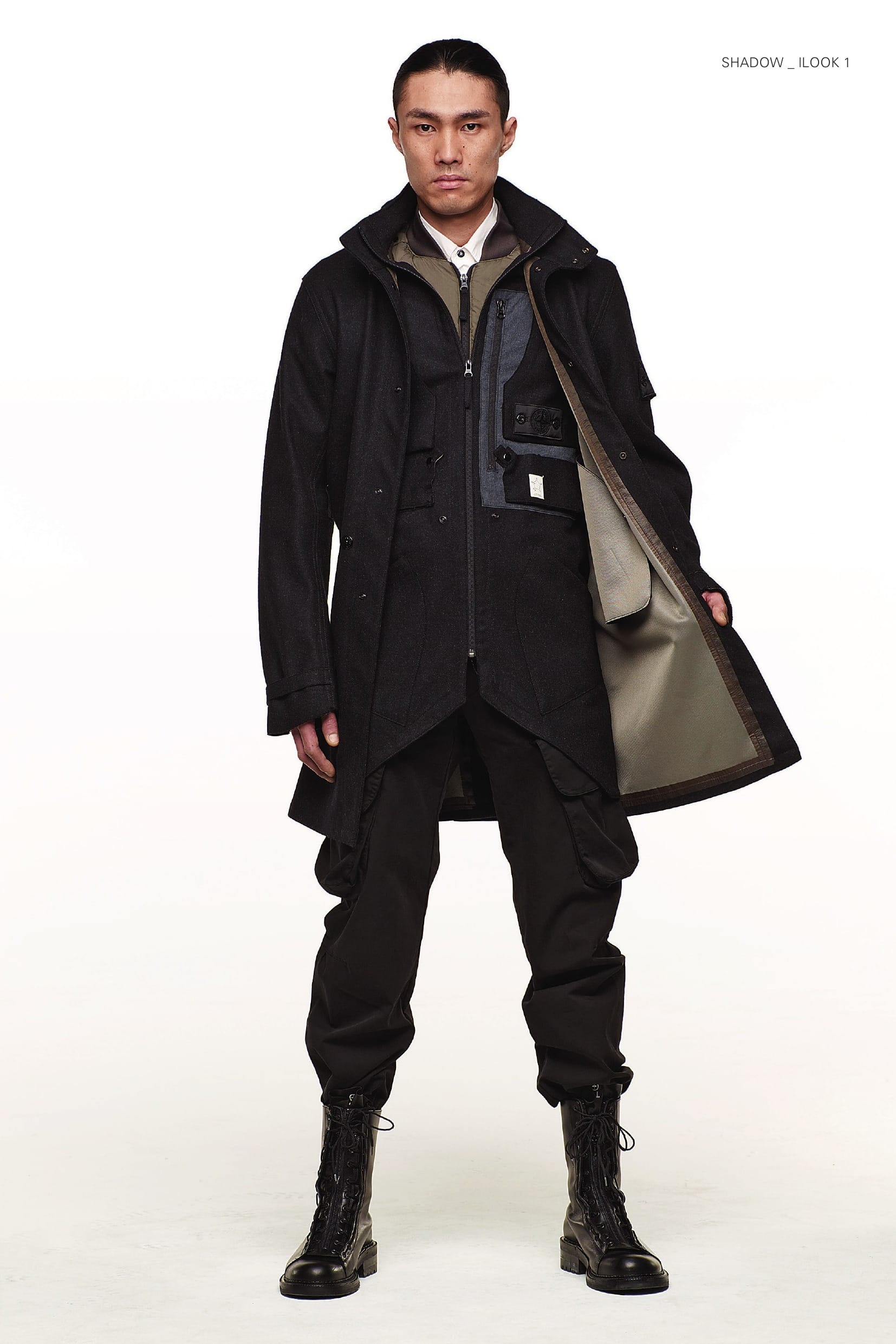
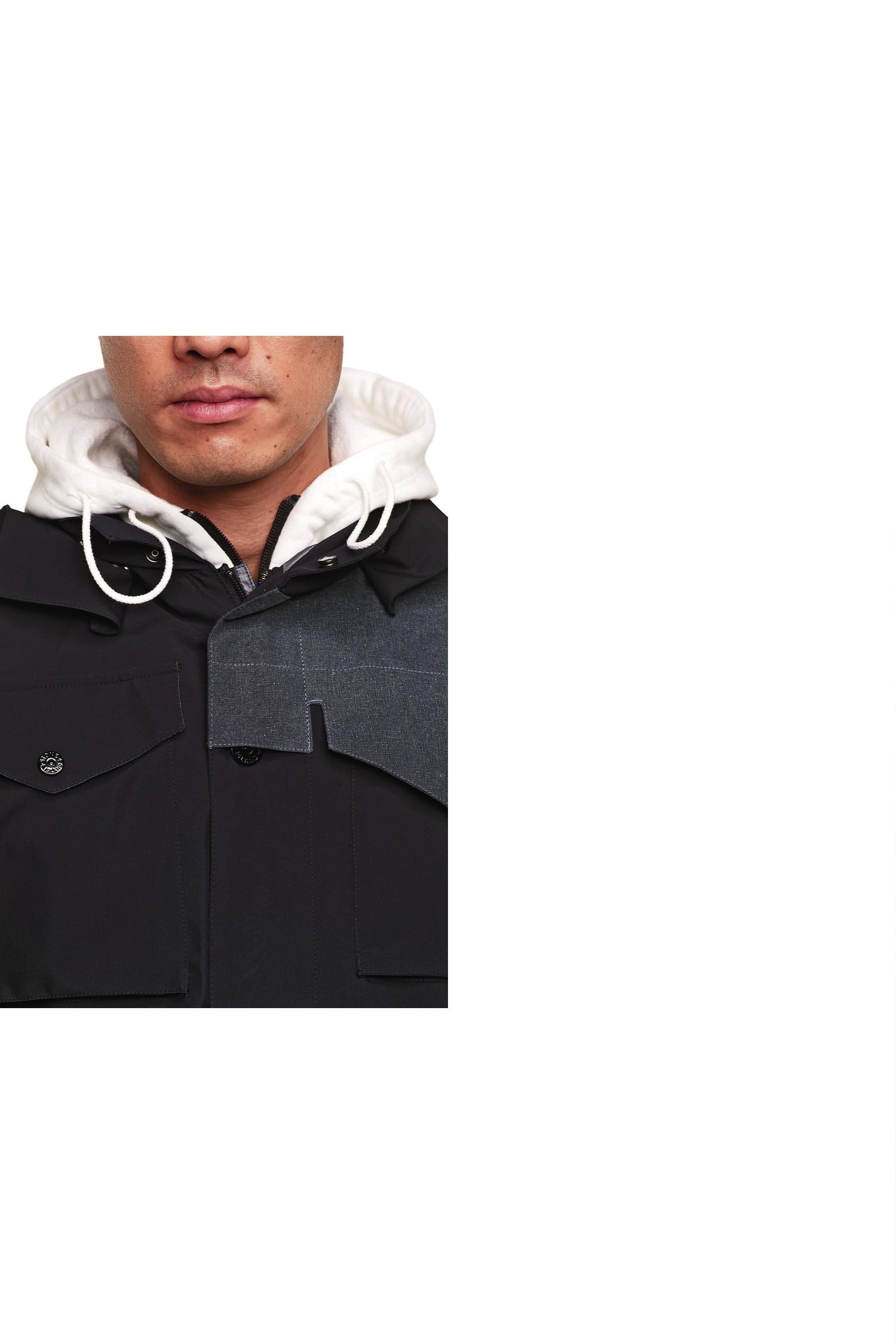
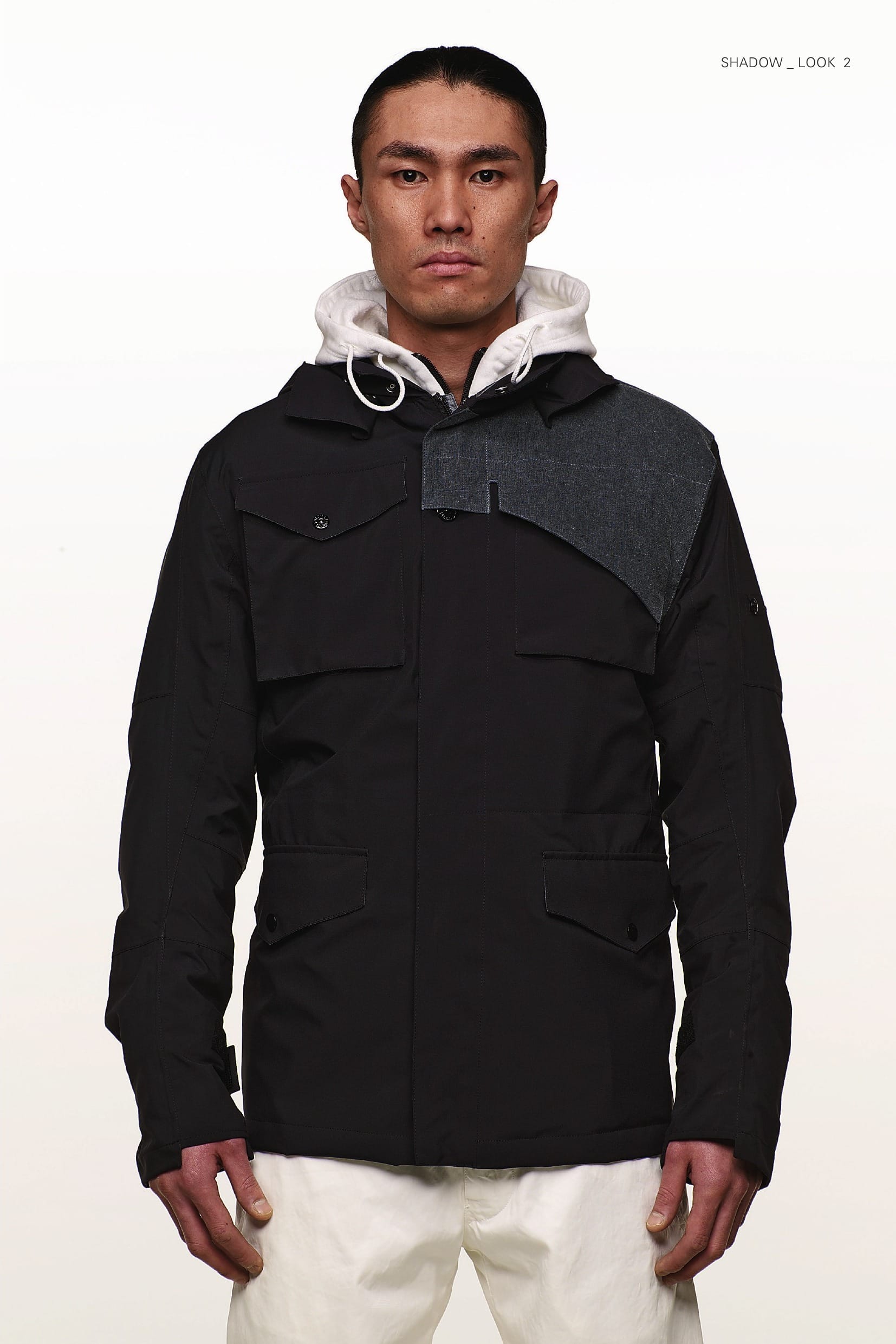
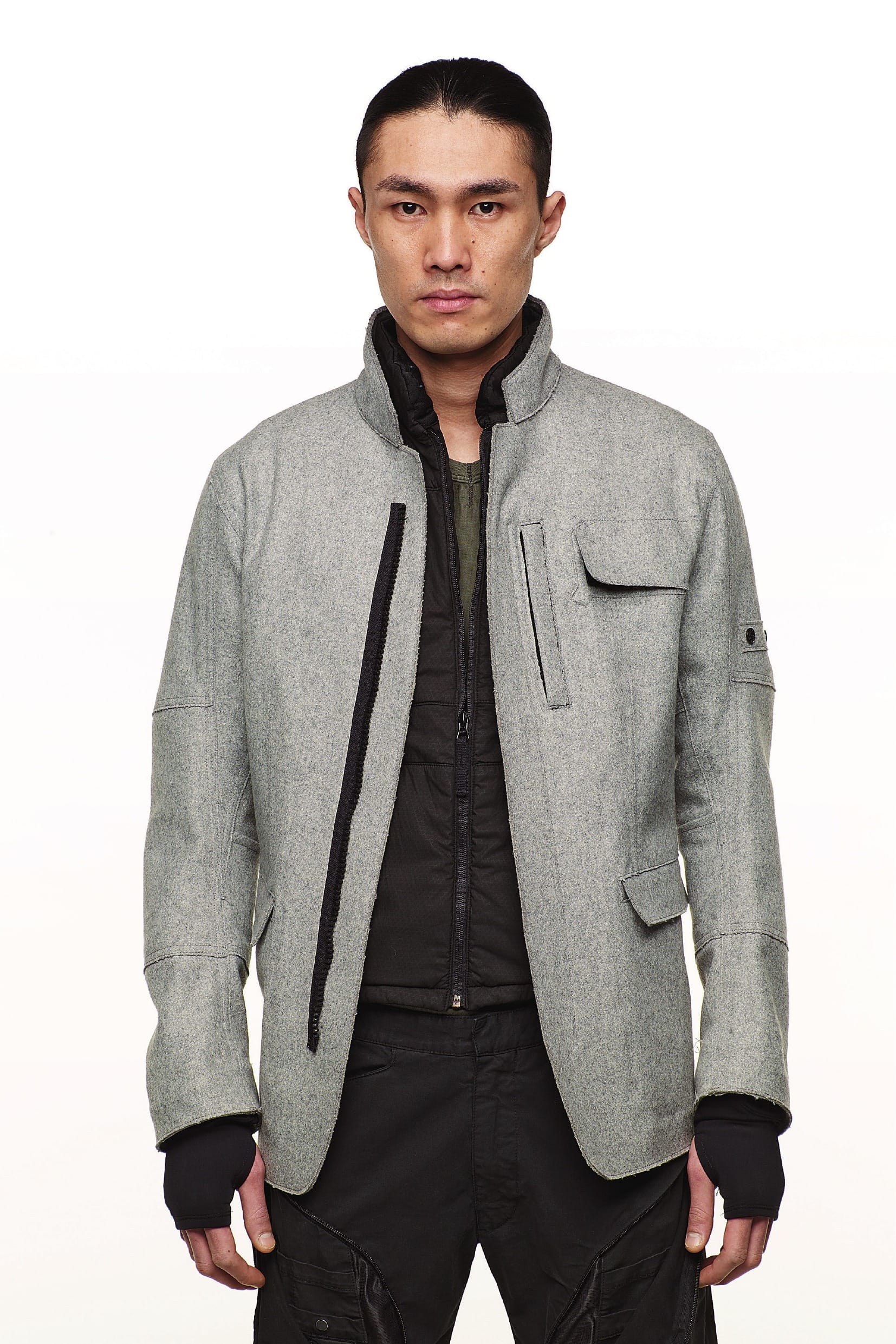
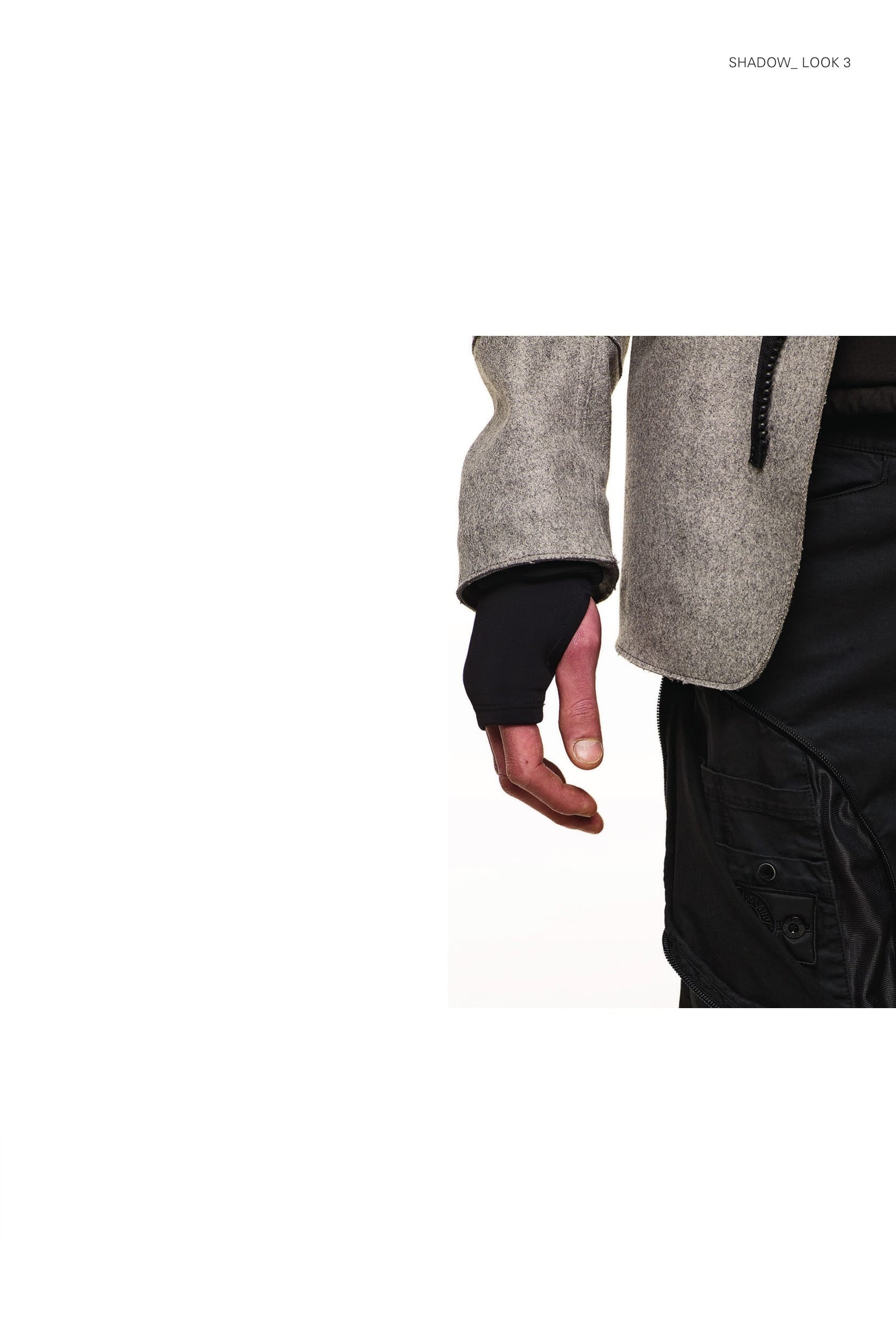
Stone Island Shadow, the project designed by the creative team Acronym®, Errolson Hugh and Michaela Sachenbacher, sees in the third season its linear progression in both depth and direction. Newly developed fabrics, styles and graphical standards continue the project's original mandate and demonstrate its ongoing relevance through styles whose intrinsic value is a direct result of their sophistication.
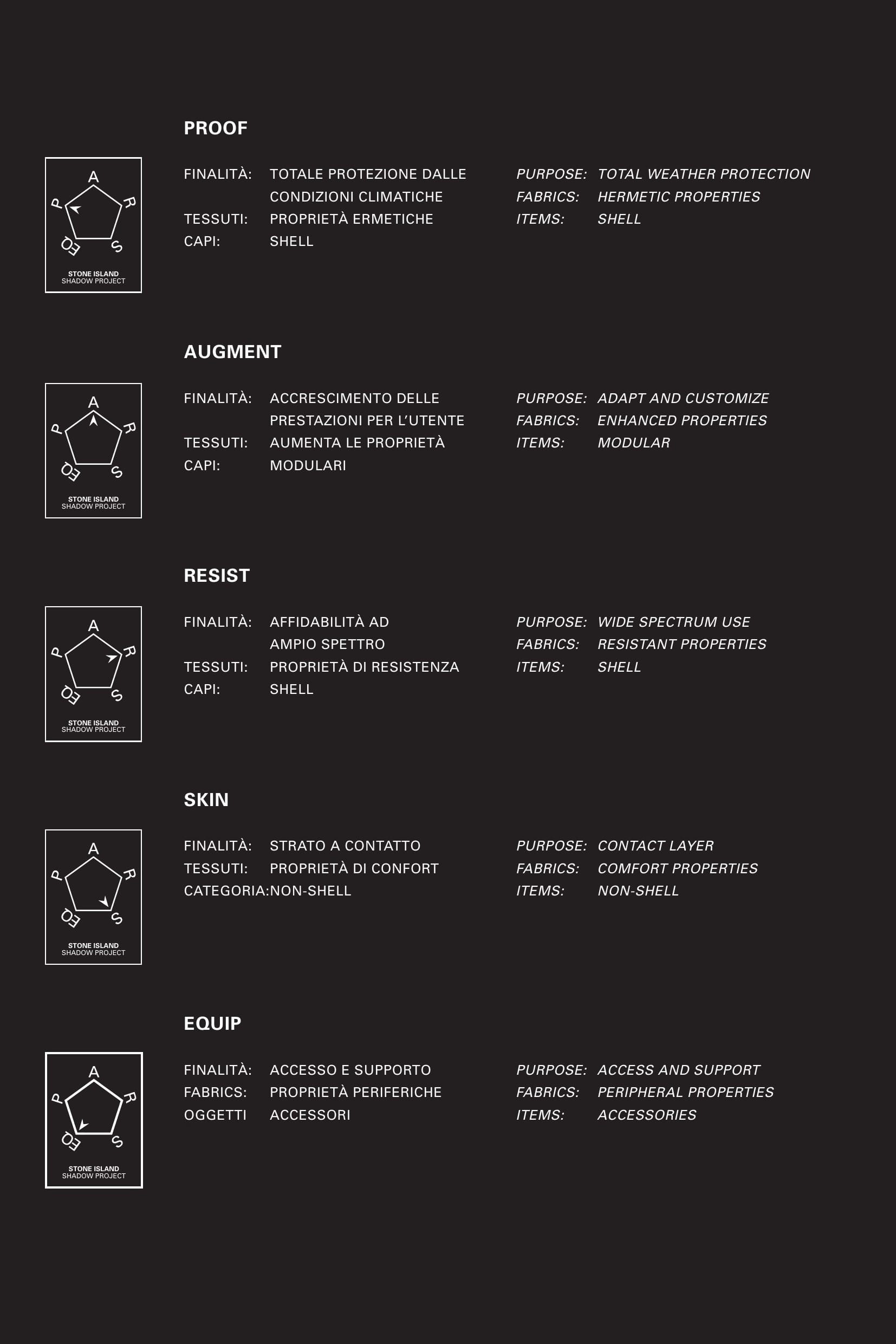
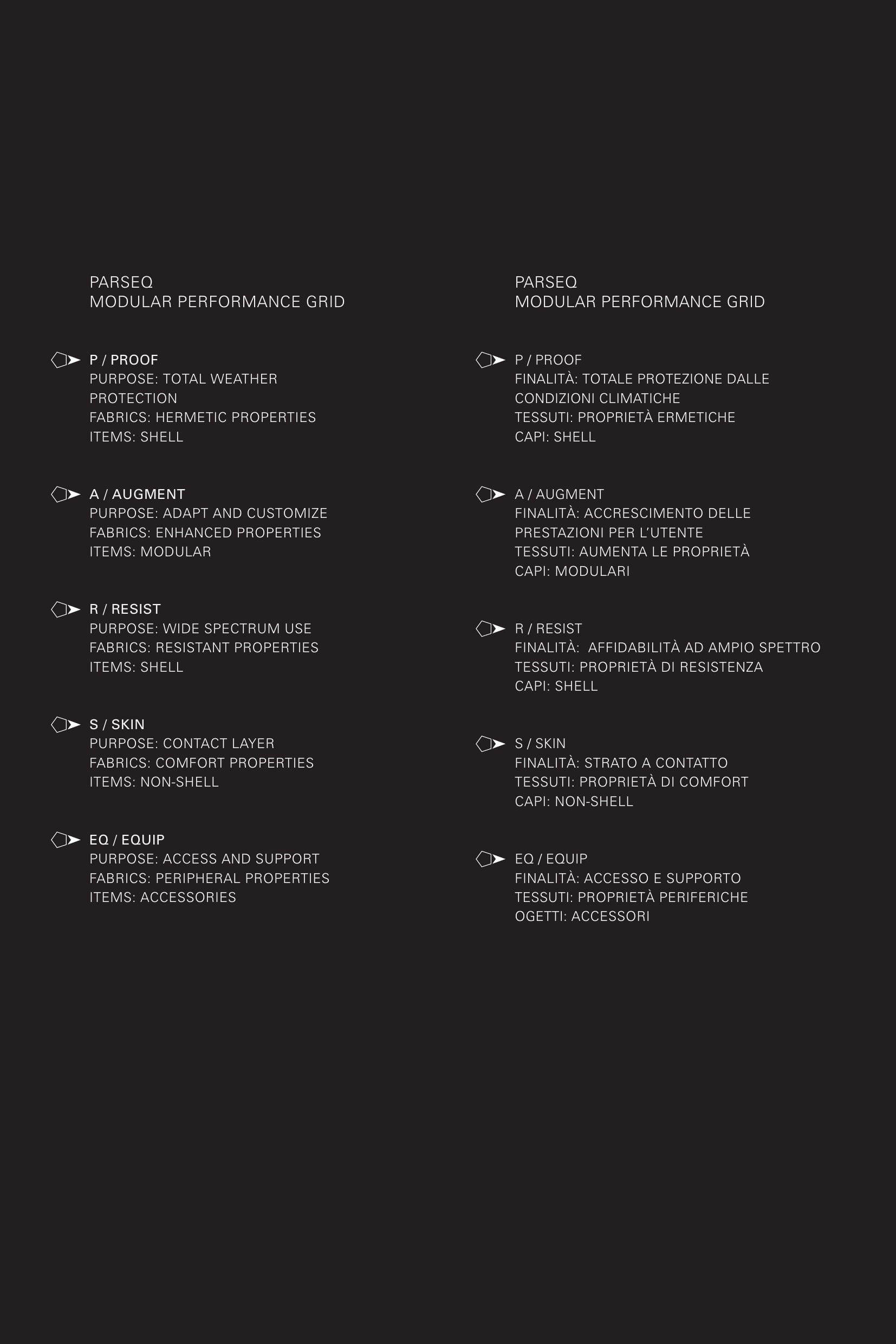
Modular Performance Grid, PARSEQ is the organizational framework upon which the idea is built. The name is an acronym for the five categories of the system: PROOF, AUGMENT, RESIST, SKIN and EQUIP.
Stone Island Shadow is primarily a system based upon the idea of clothing as a man's interface with his environment. Proven functional principles from both military and active sportswear allow the individual items in the collection to work both alone and, most effectively, synergistically together. The Grid is independent of seasonal and aesthetic change, so there is functional continuity between all Shadow collections and items regardless of when they were produced. Each item is an extension of its owner's personal system.
Stone Island Shadow Project SS2010 Lookbook
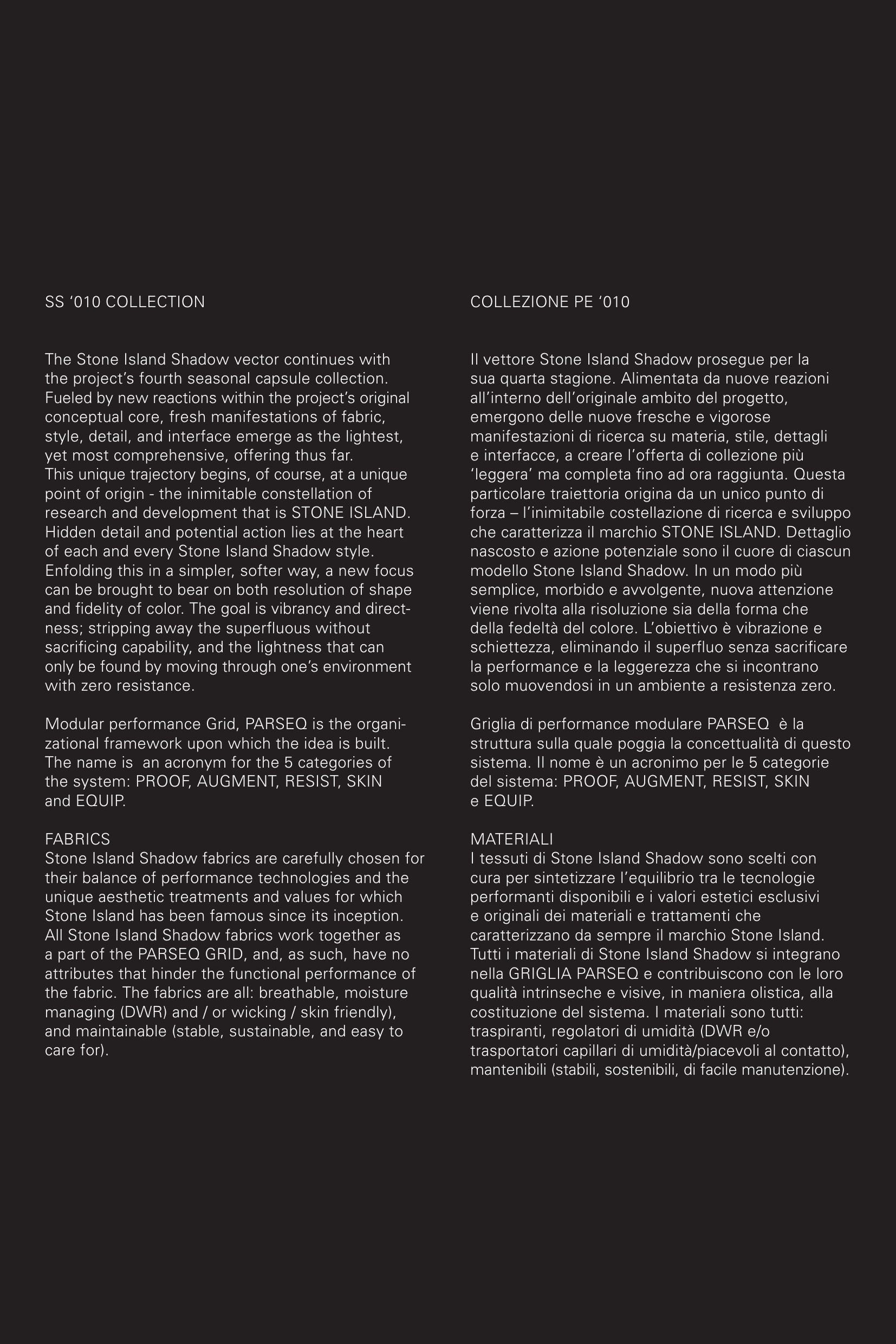
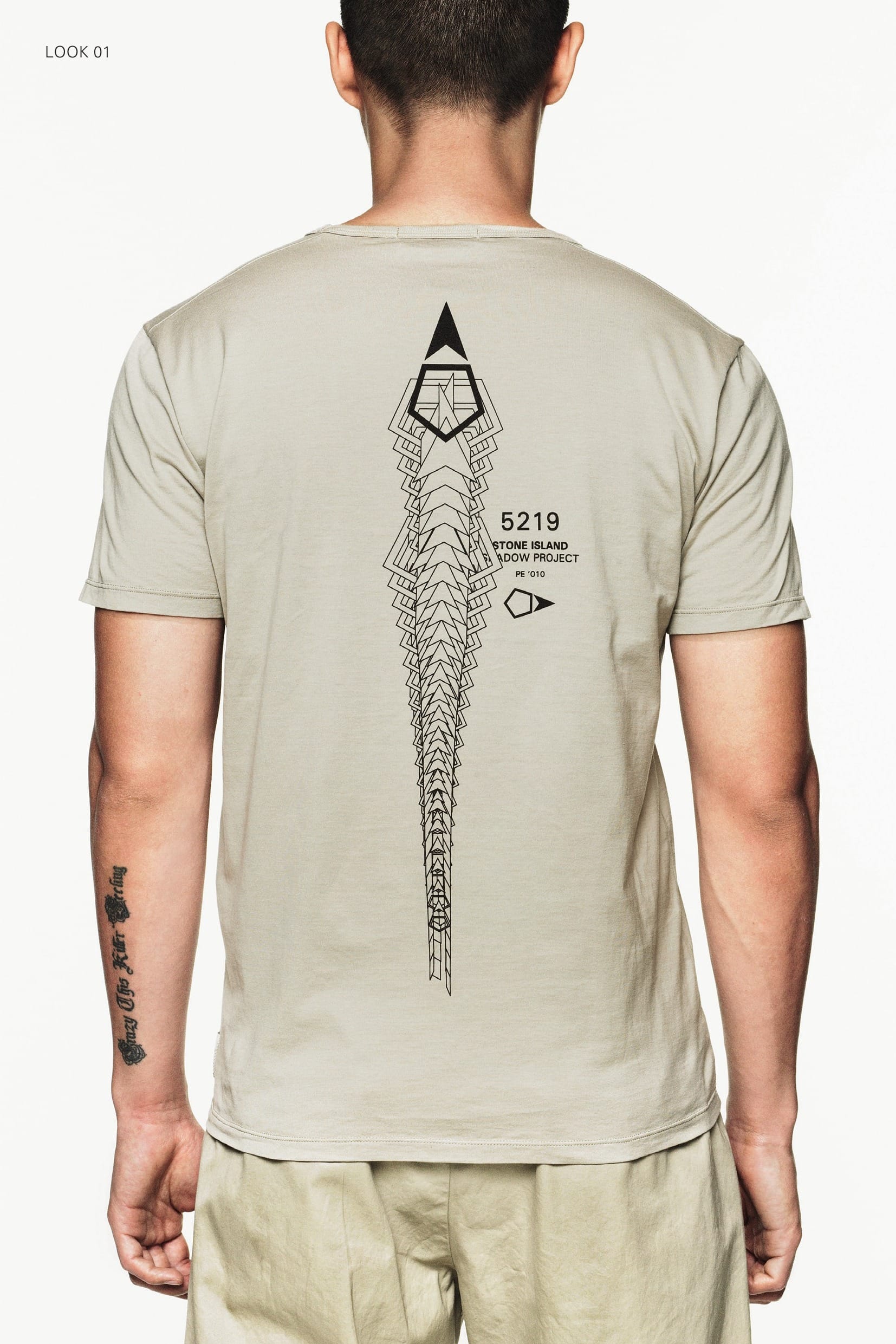
The Stone Island Shadow vector continues with the project's fourth seasonal capsule collection. Fueled by new reactions within the project's original conceptual core, fresh manifestations of fabric, style, detail, and interface emerge as the lightest, yet most comprehensive, offering thus far.
This unique trajectory begins, of course, at a unique point of origin — the inimitable constellation of research and development that is STONE ISLAND. Hidden detail and potential action lies at the heart of each and every Stone Island Shadow style.
Enfolding this in a simpler, softer way, a new focus can be brought to bear on both resolution of shape and fidelity of color. The goal is vibrancy and directness; stripping away the superfluous without sacrificing capability, and the lightness that can only be found by moving through one's environment with zero resistance.
Modular Performance Grid, PARSEQ is the organizational framework upon which the idea is built: PROOF, AUGMENT, RESIST, SKIN and EQUIP. All Shadow fabrics work together as part of the grid — breathable, moisture managing, skin-friendly and maintainable — chosen for their balance of performance technology and the aesthetic treatments for which Stone Island has been known since its inception.

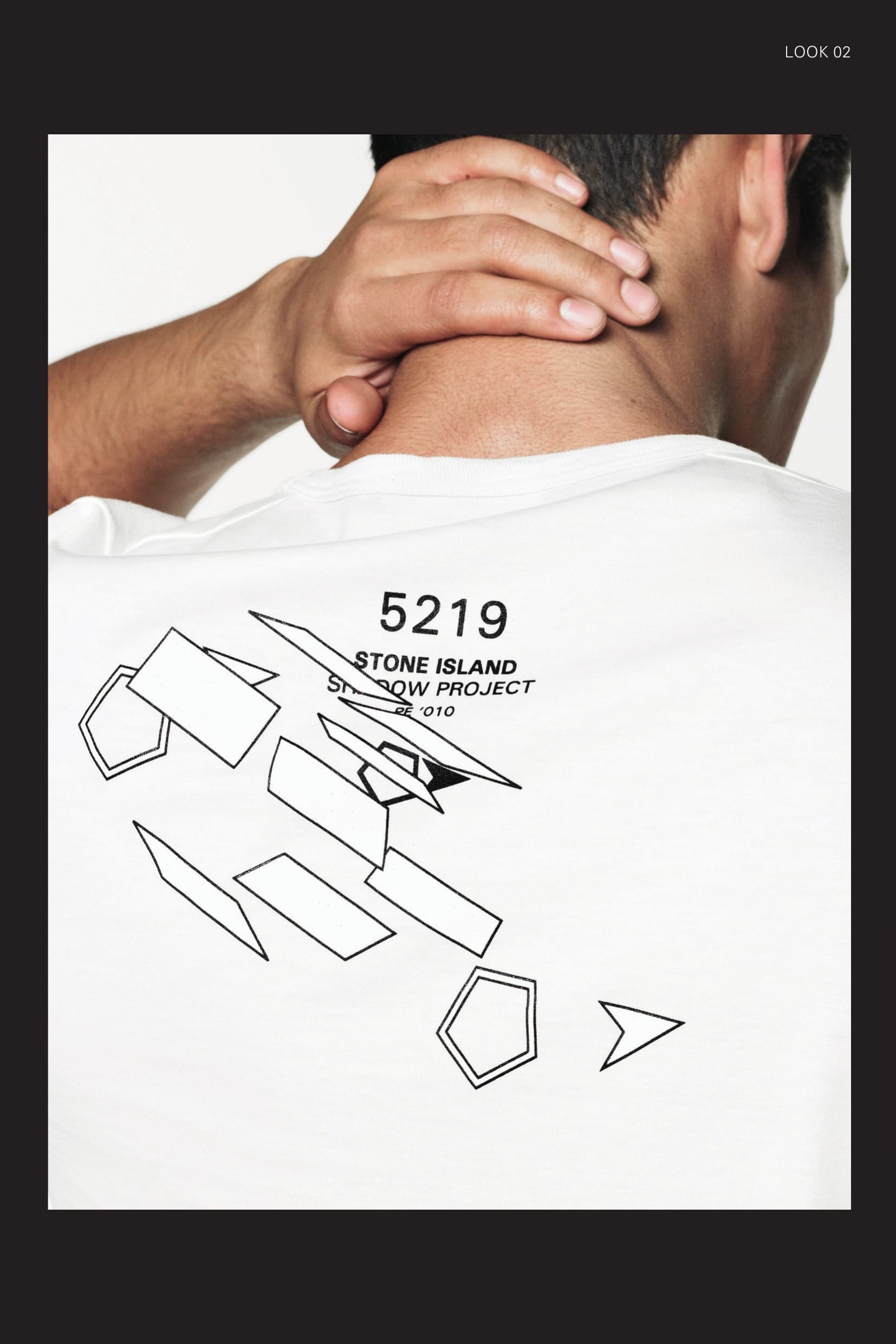
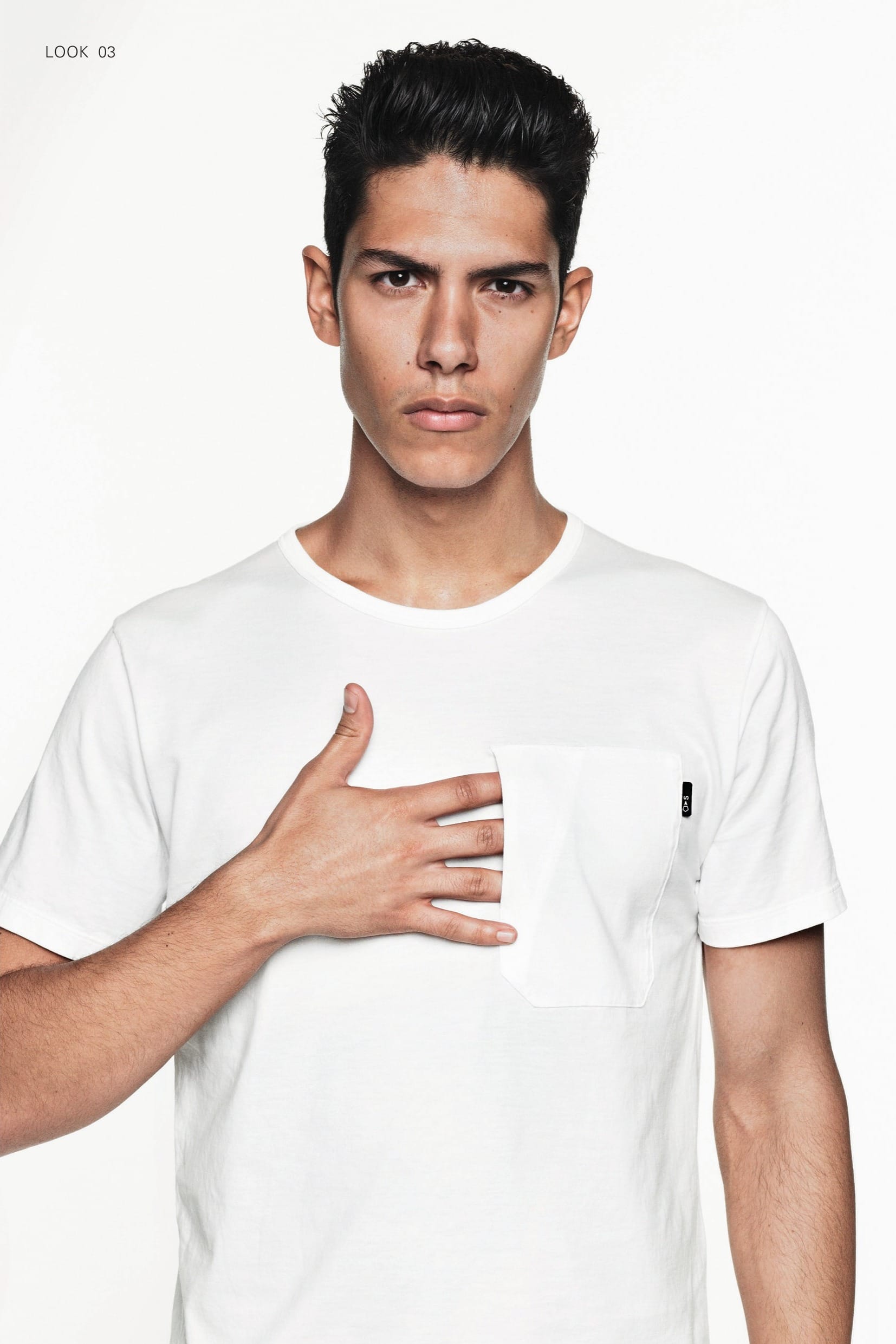
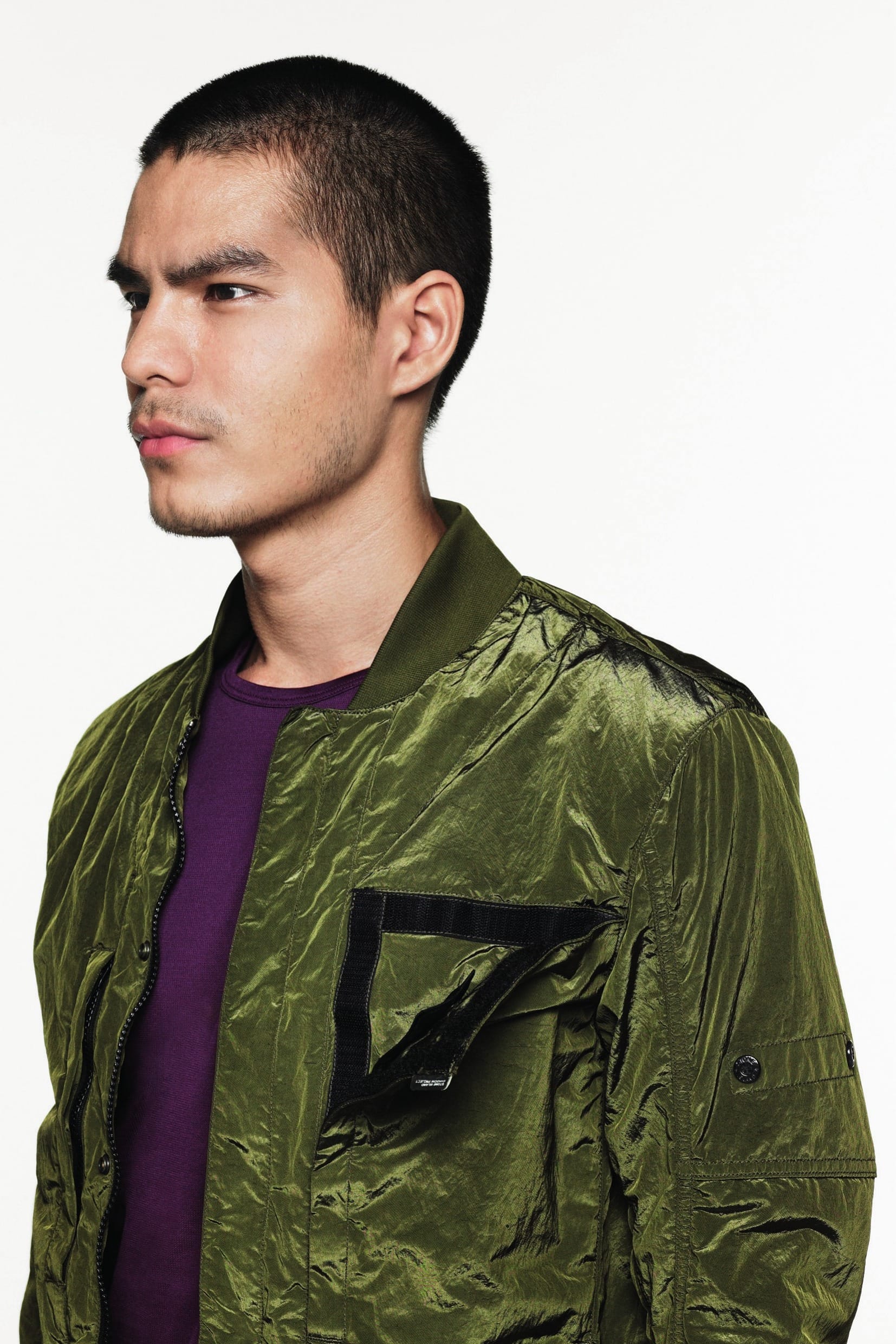
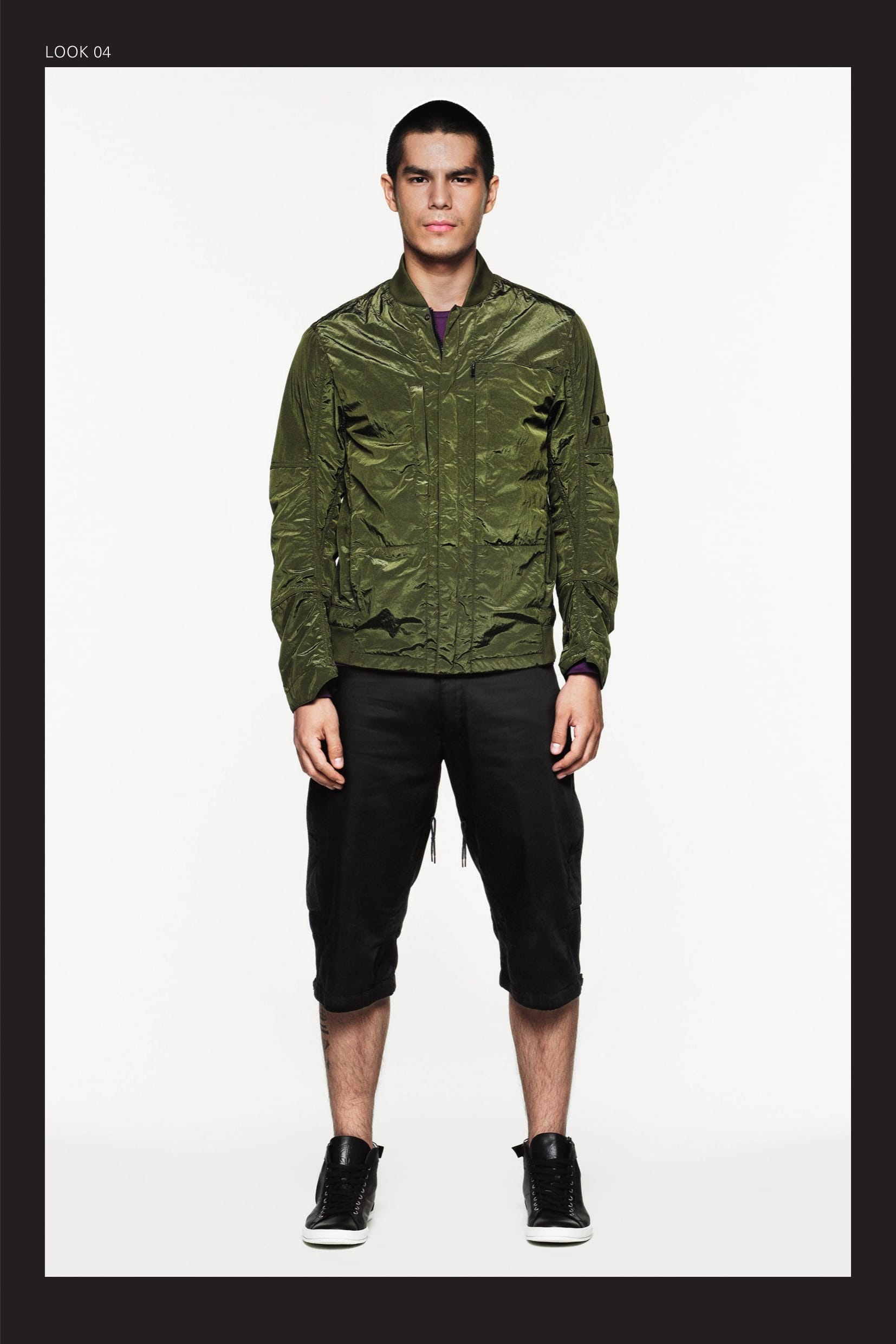
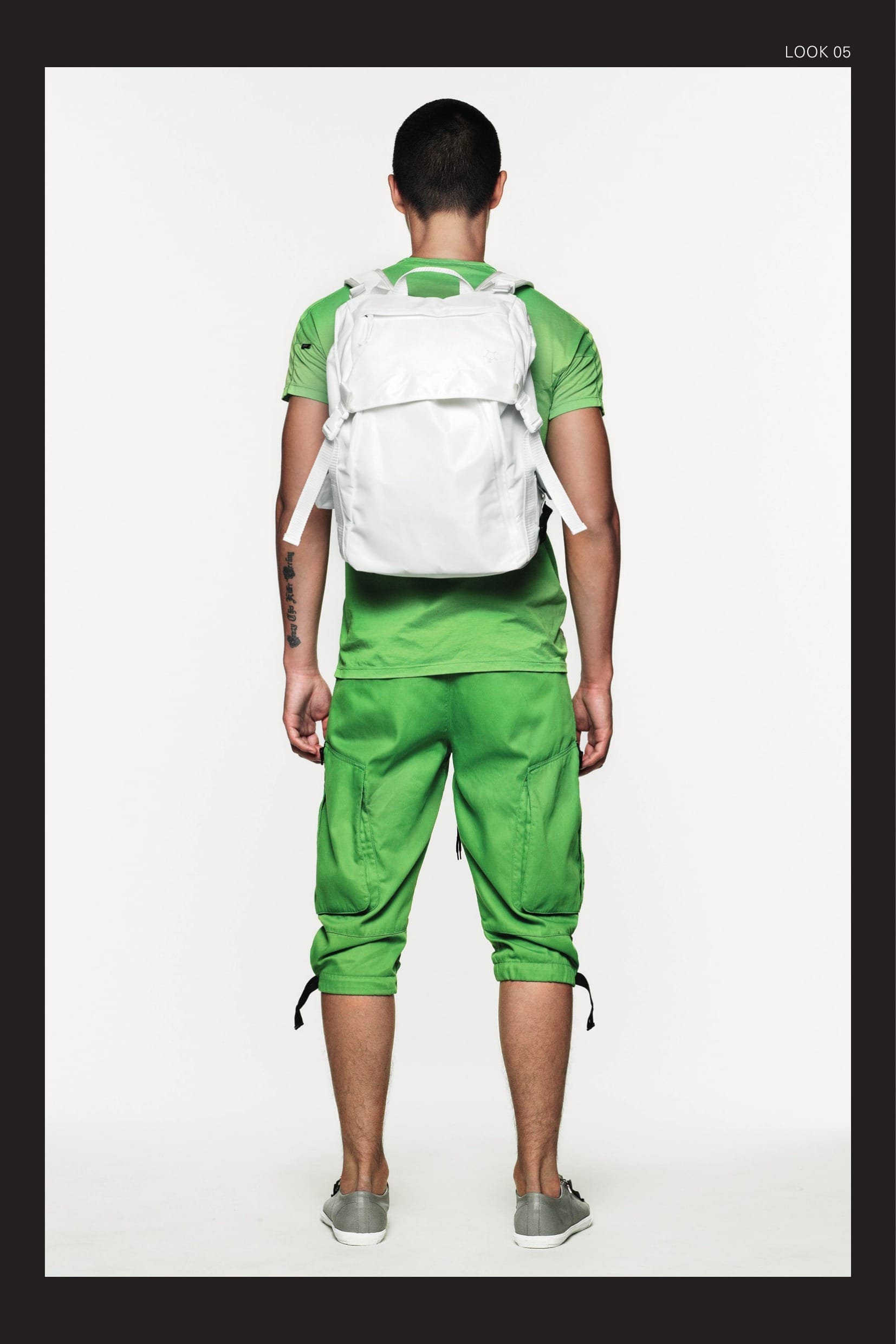
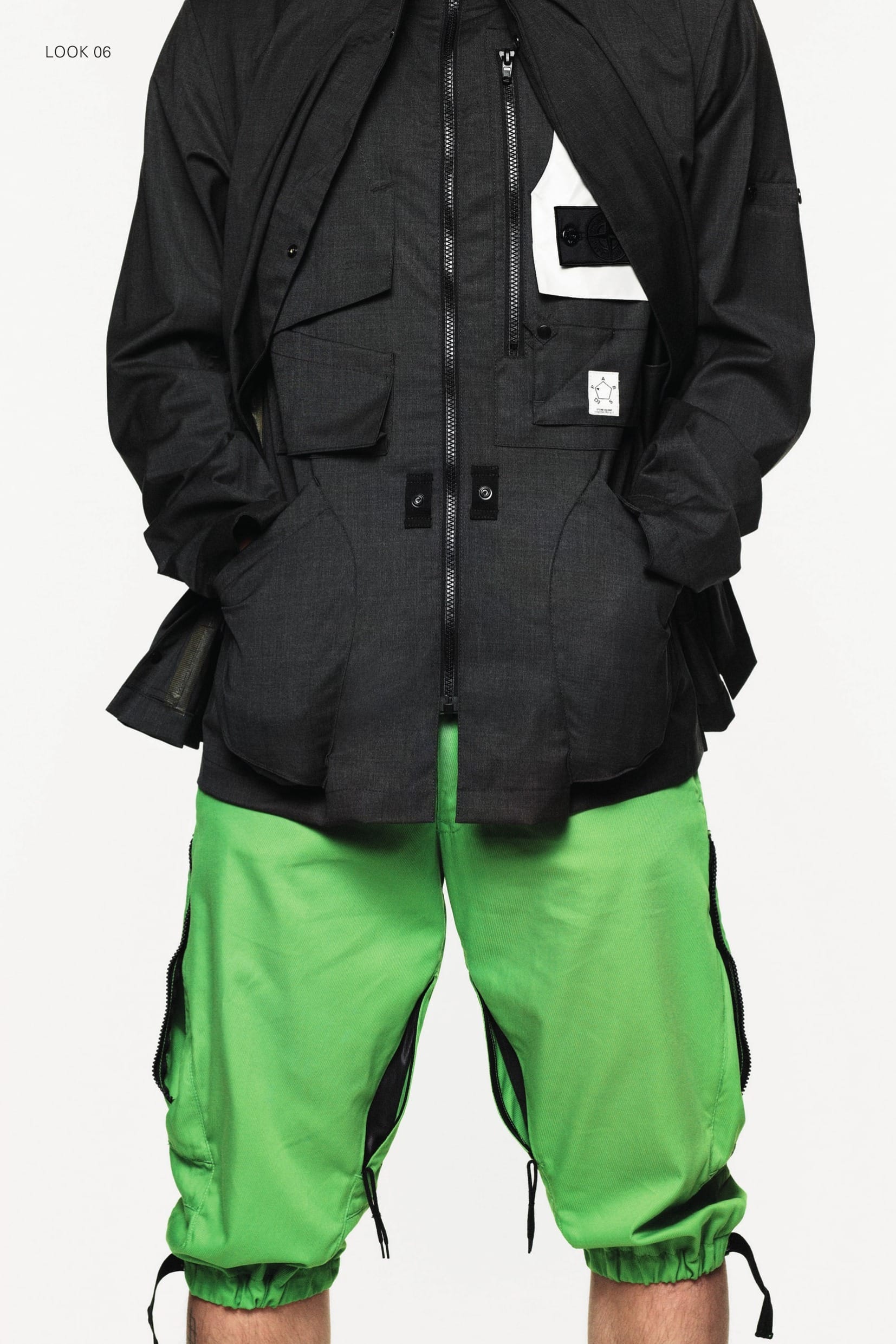
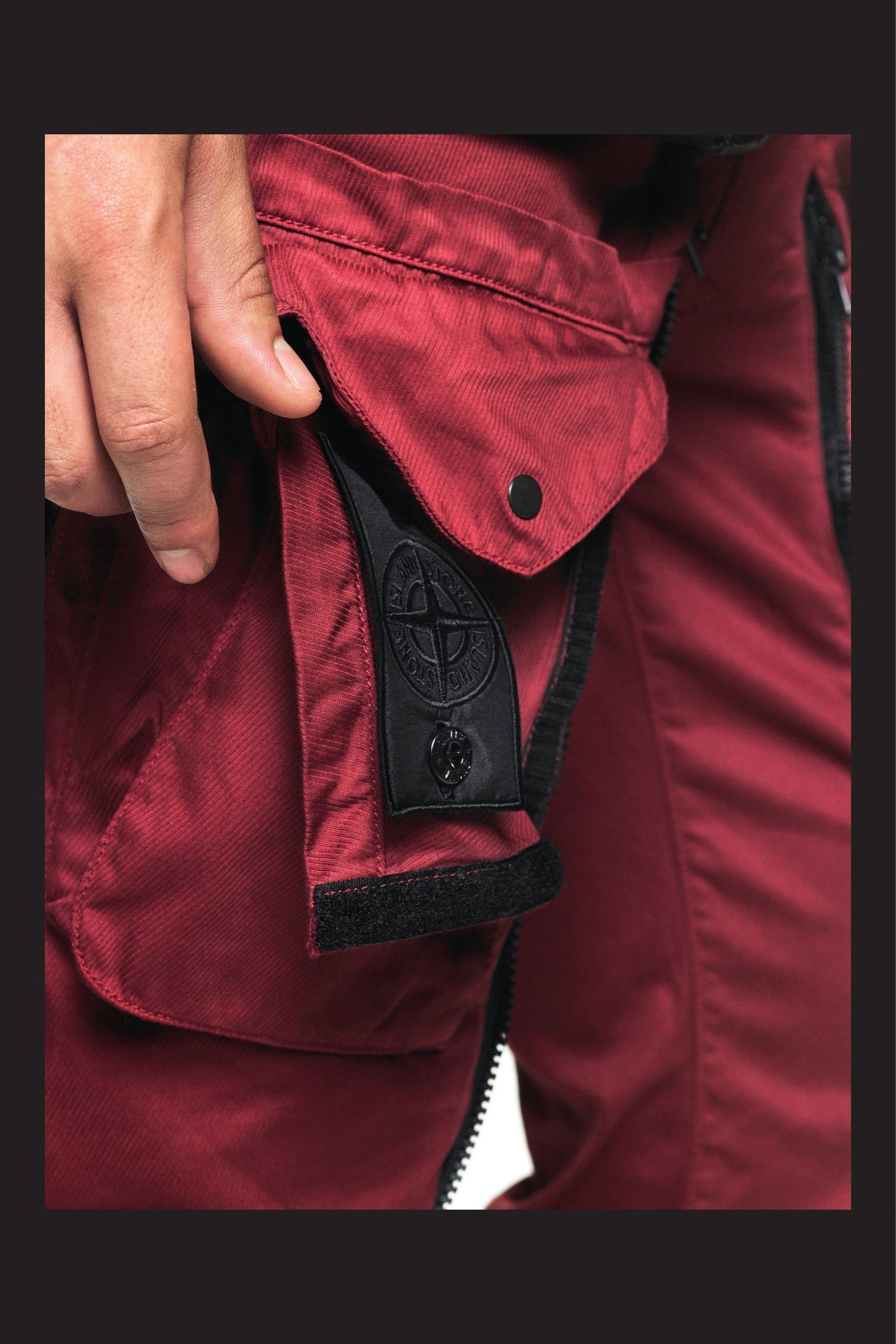
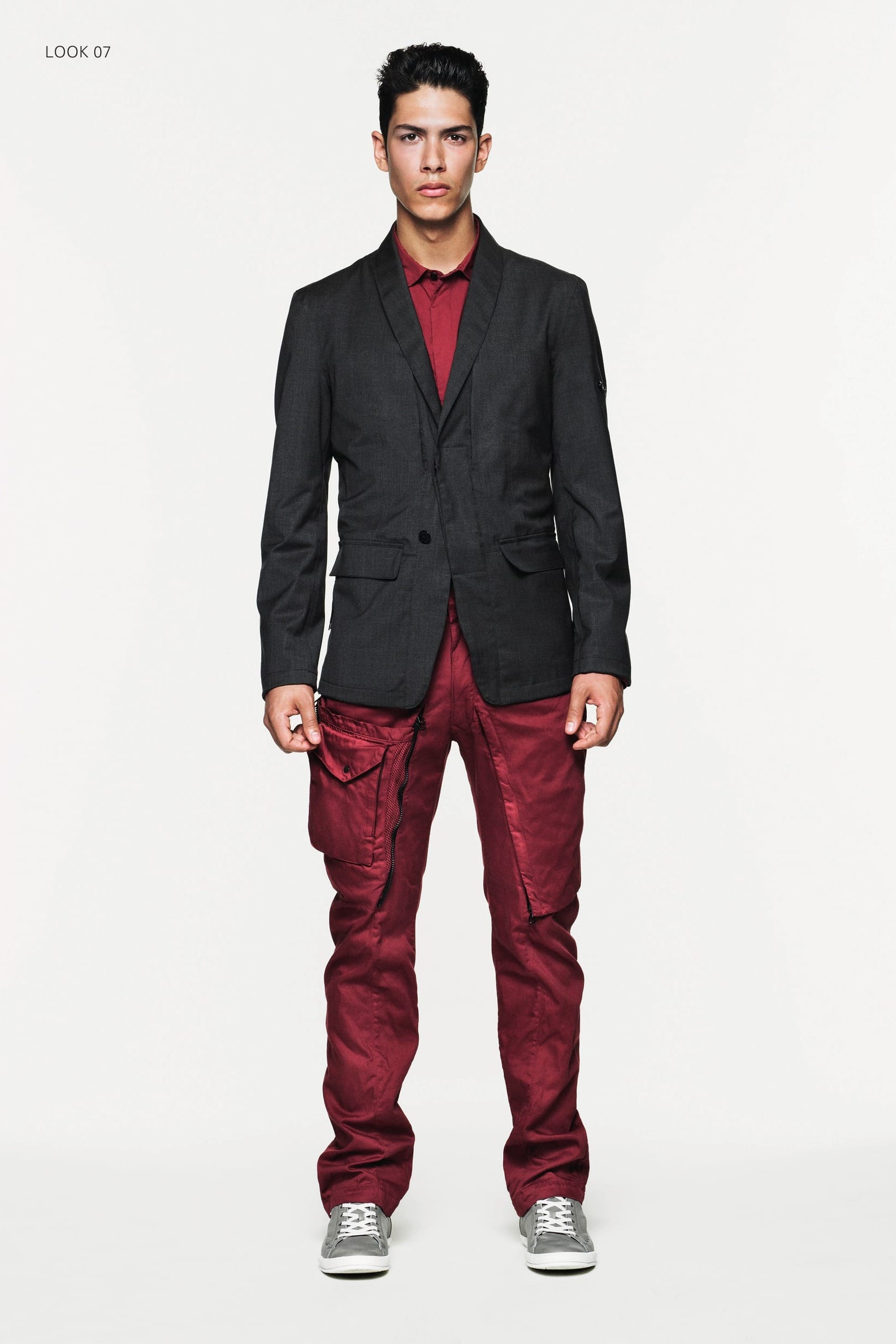
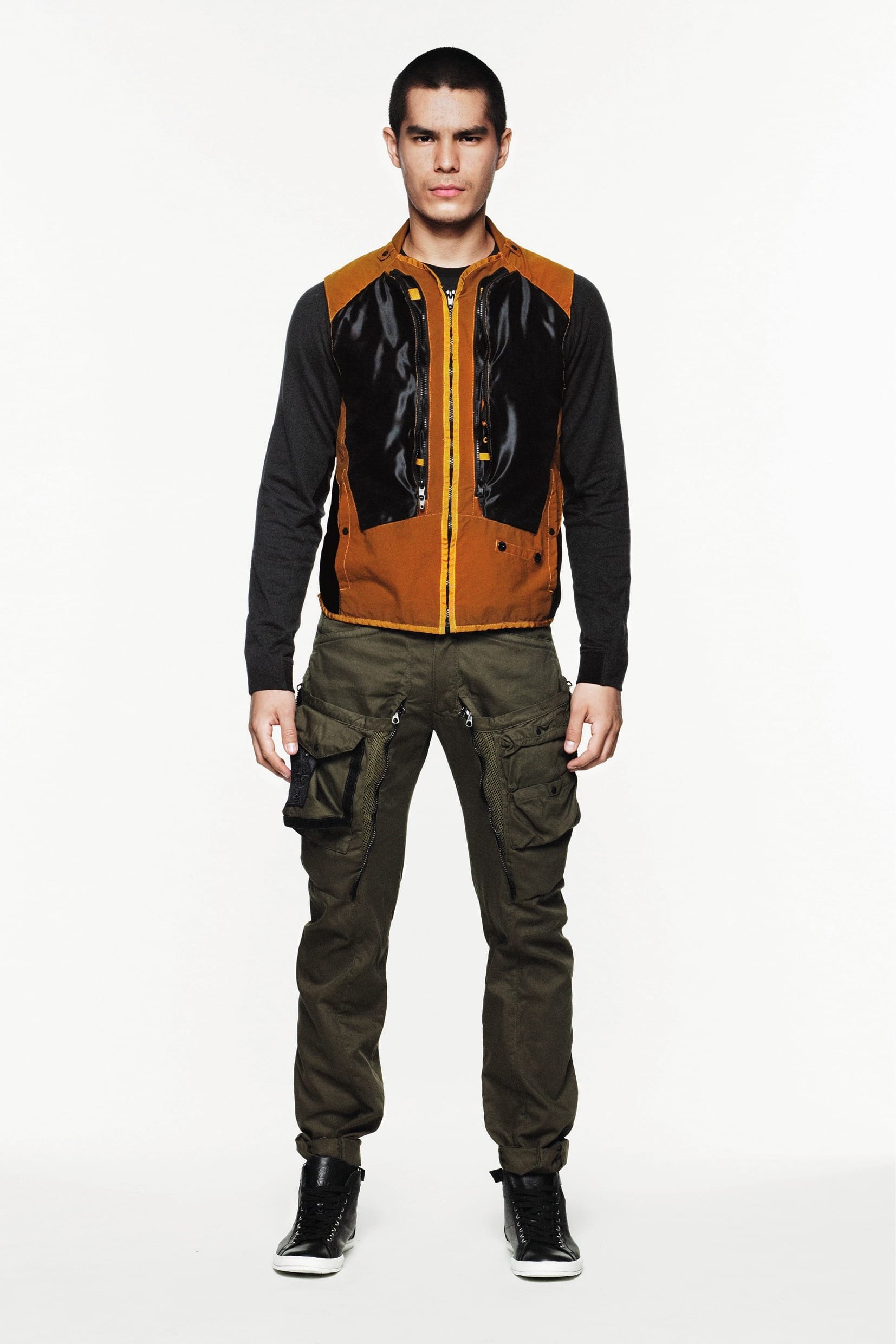
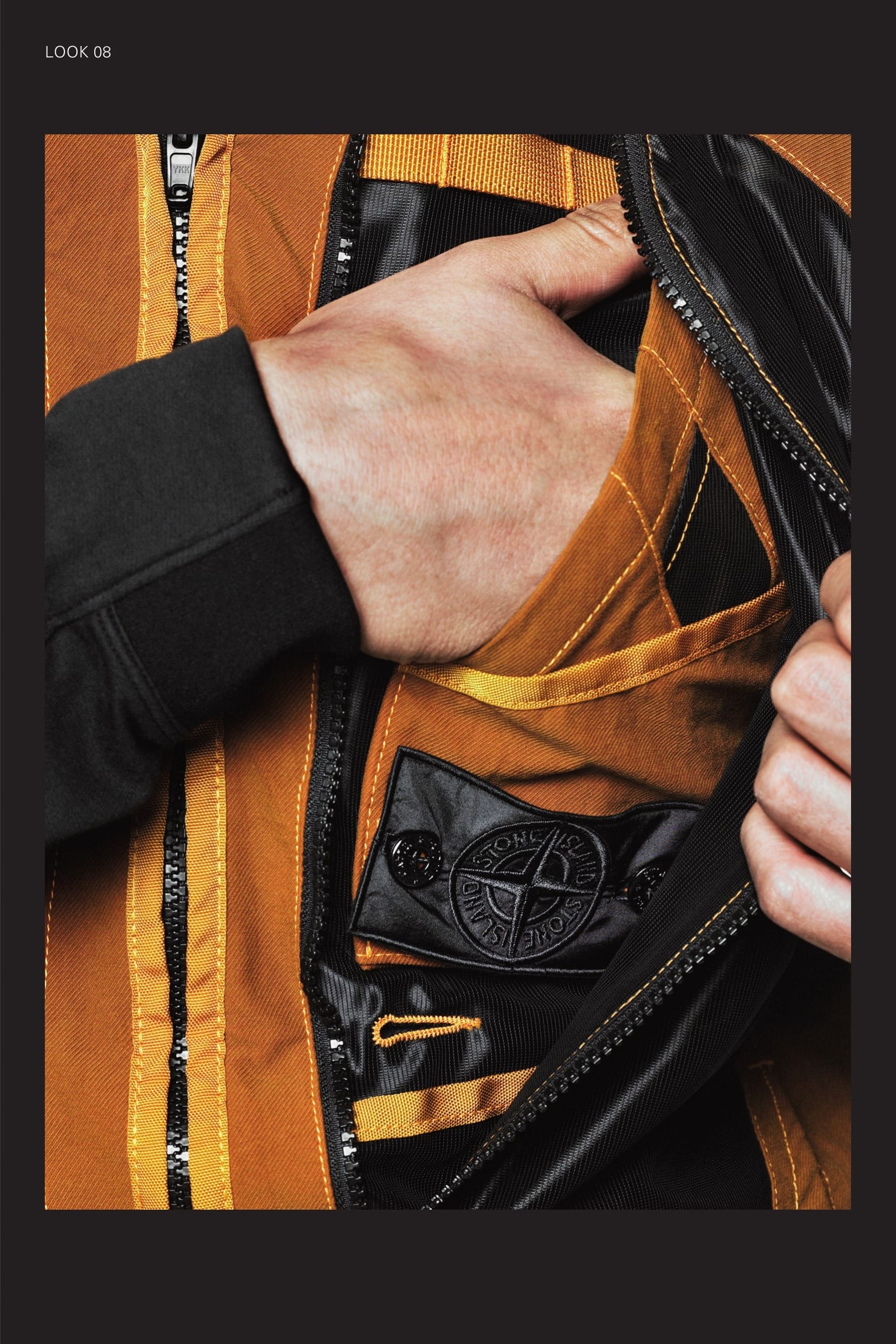
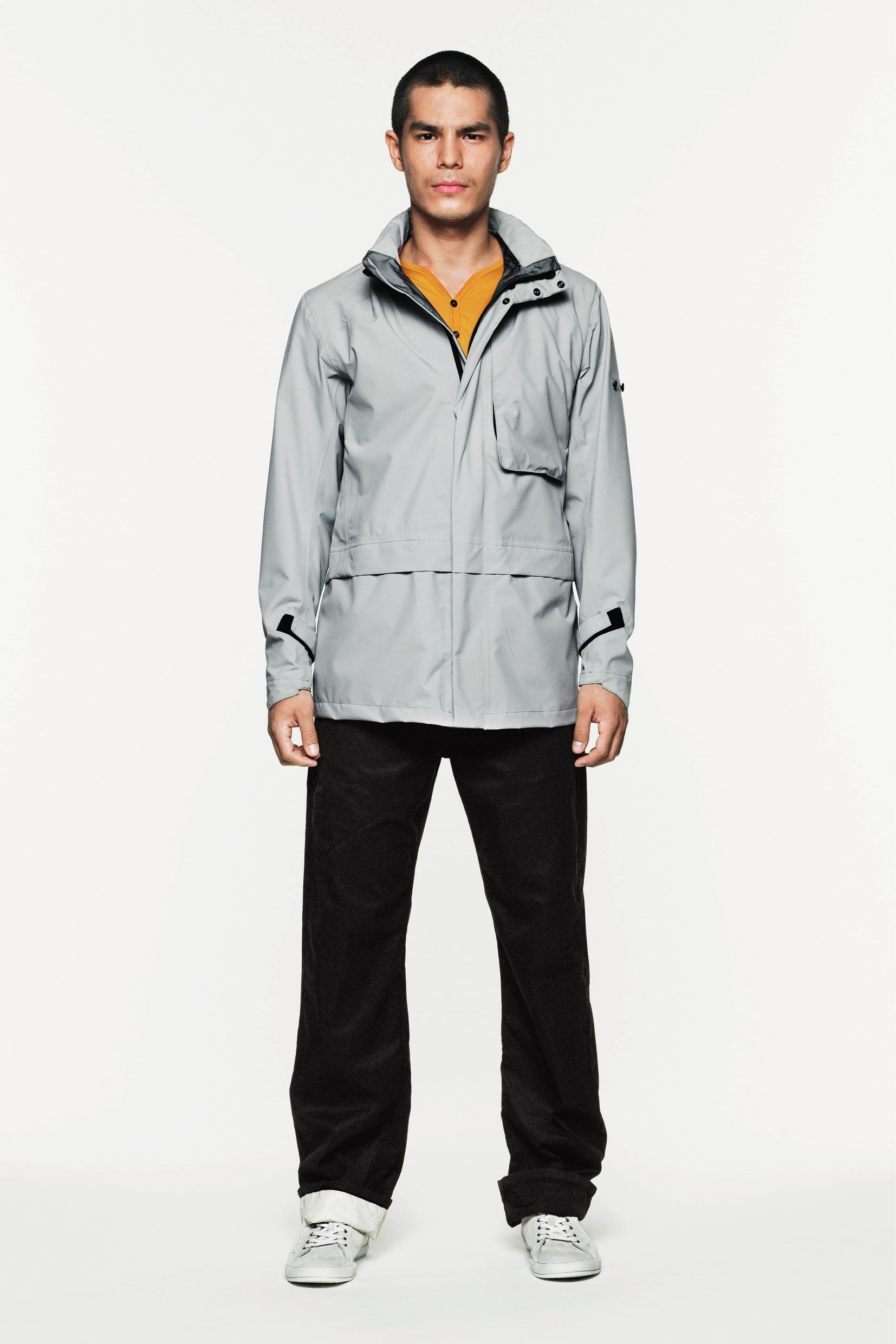
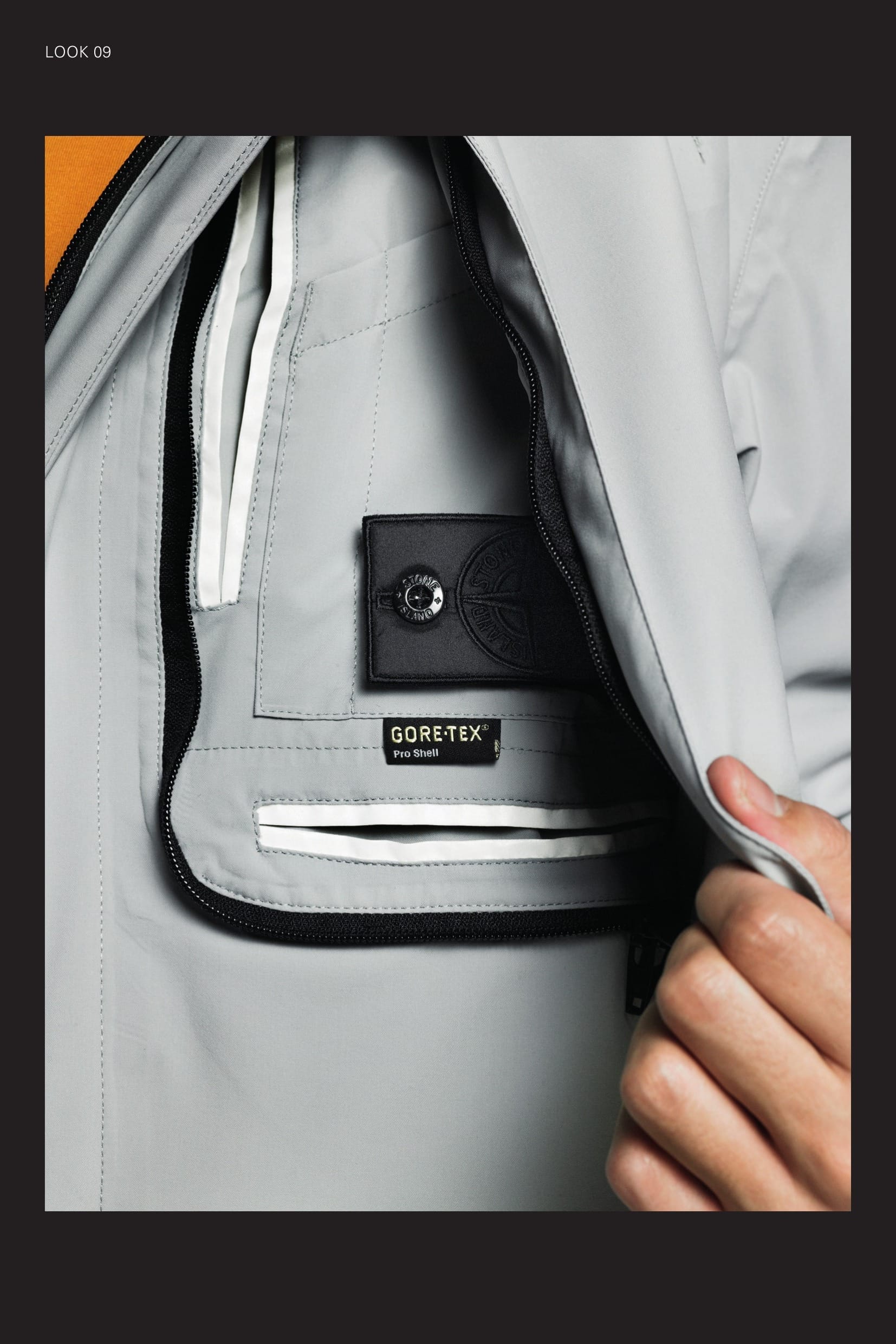
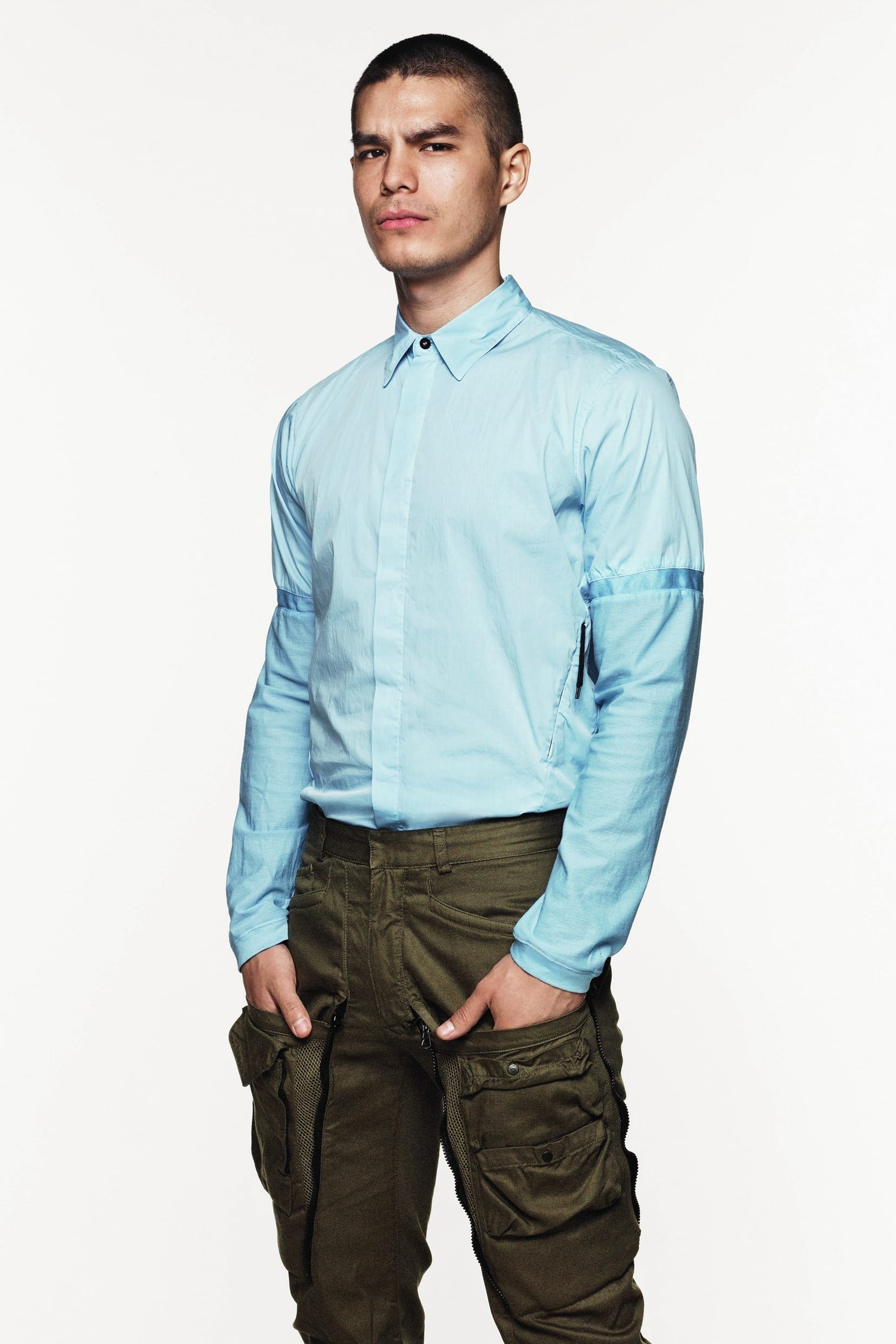
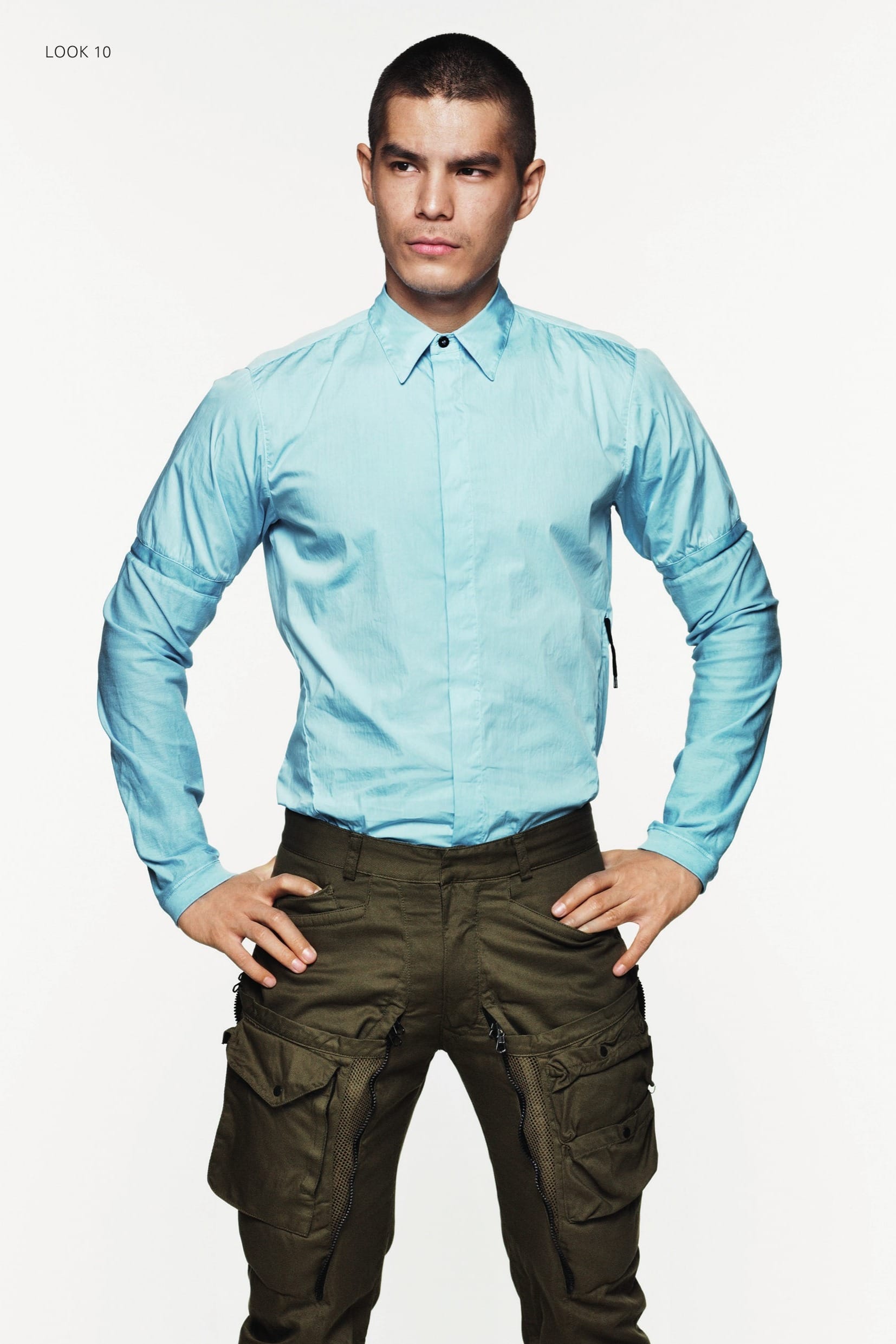
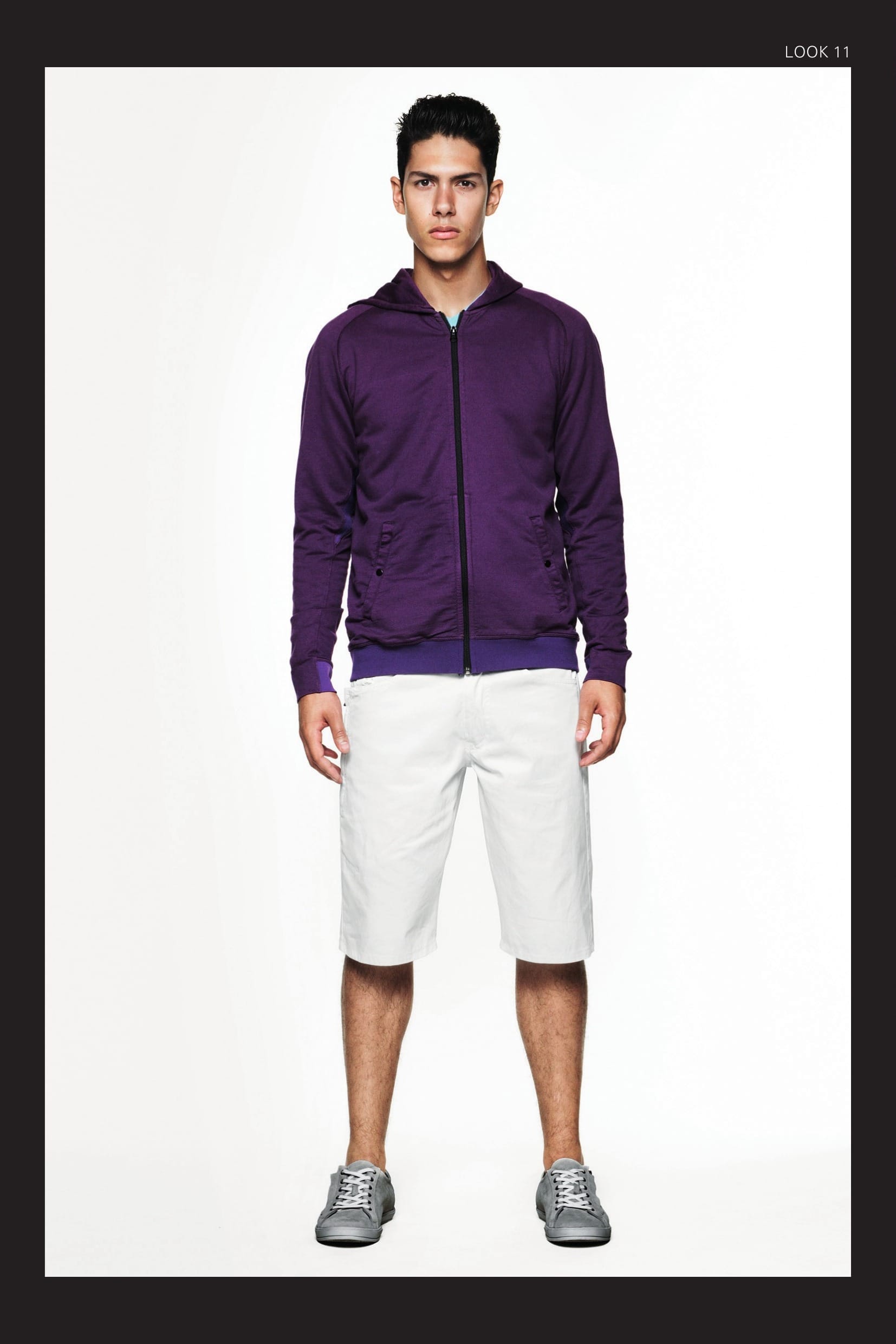
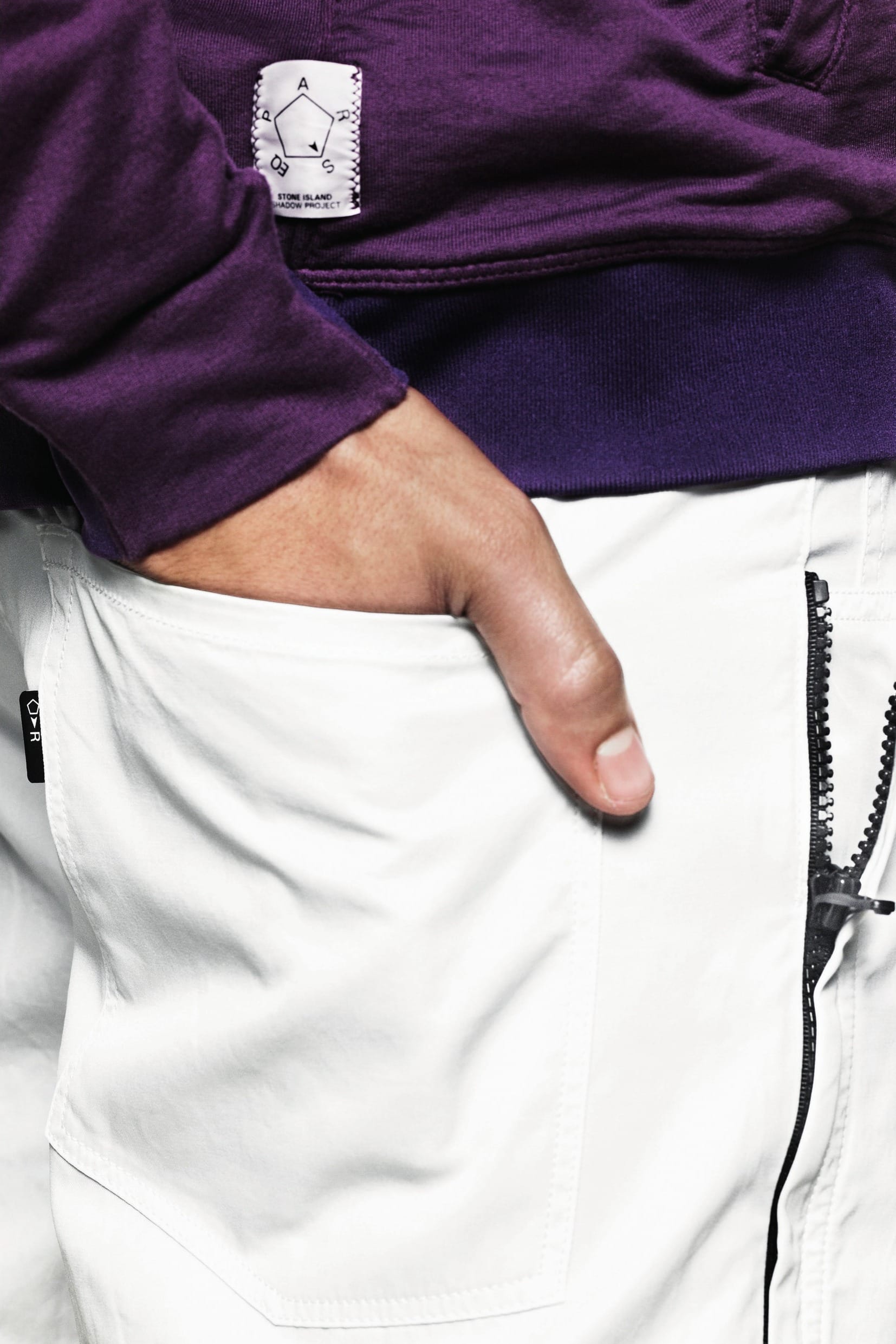
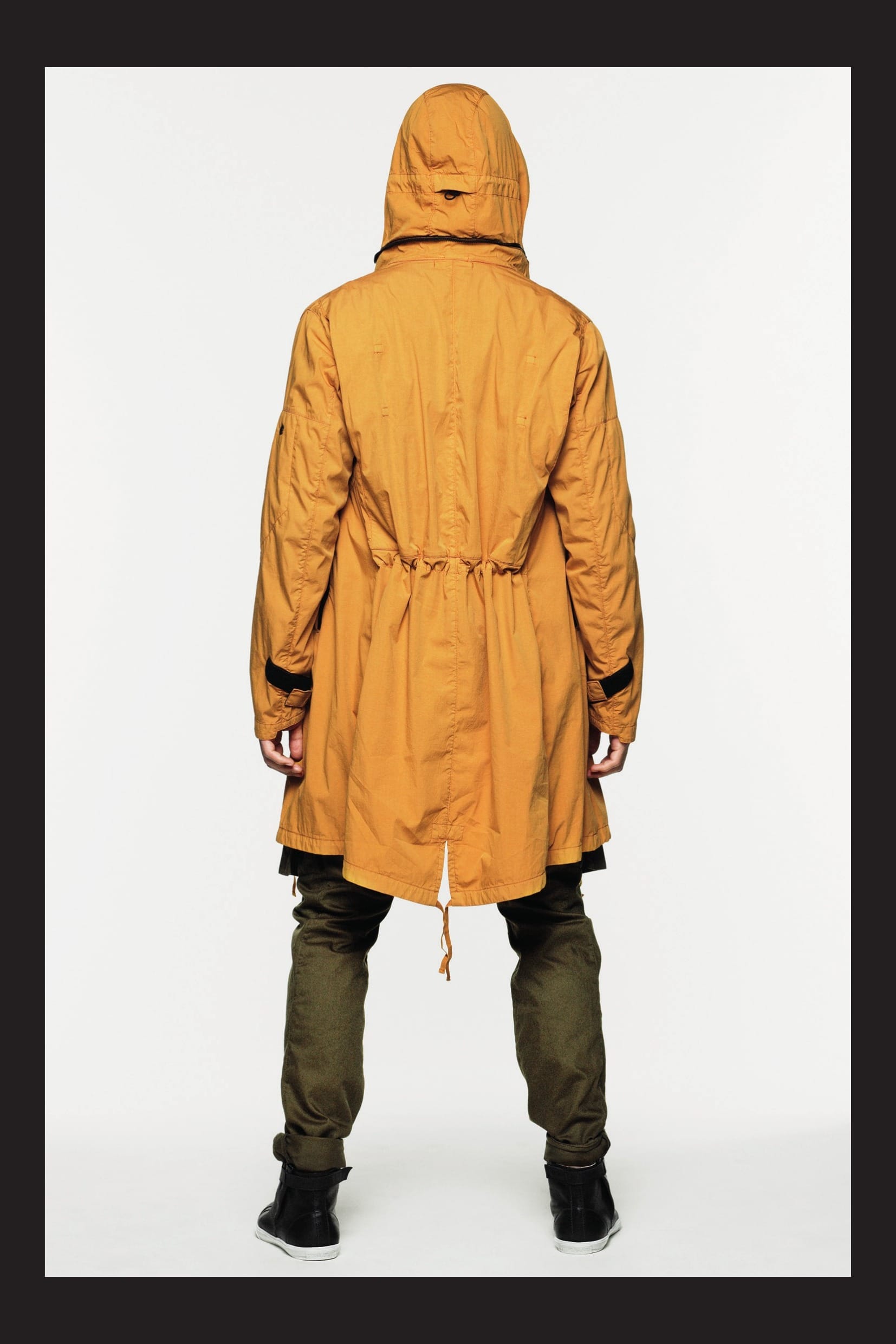
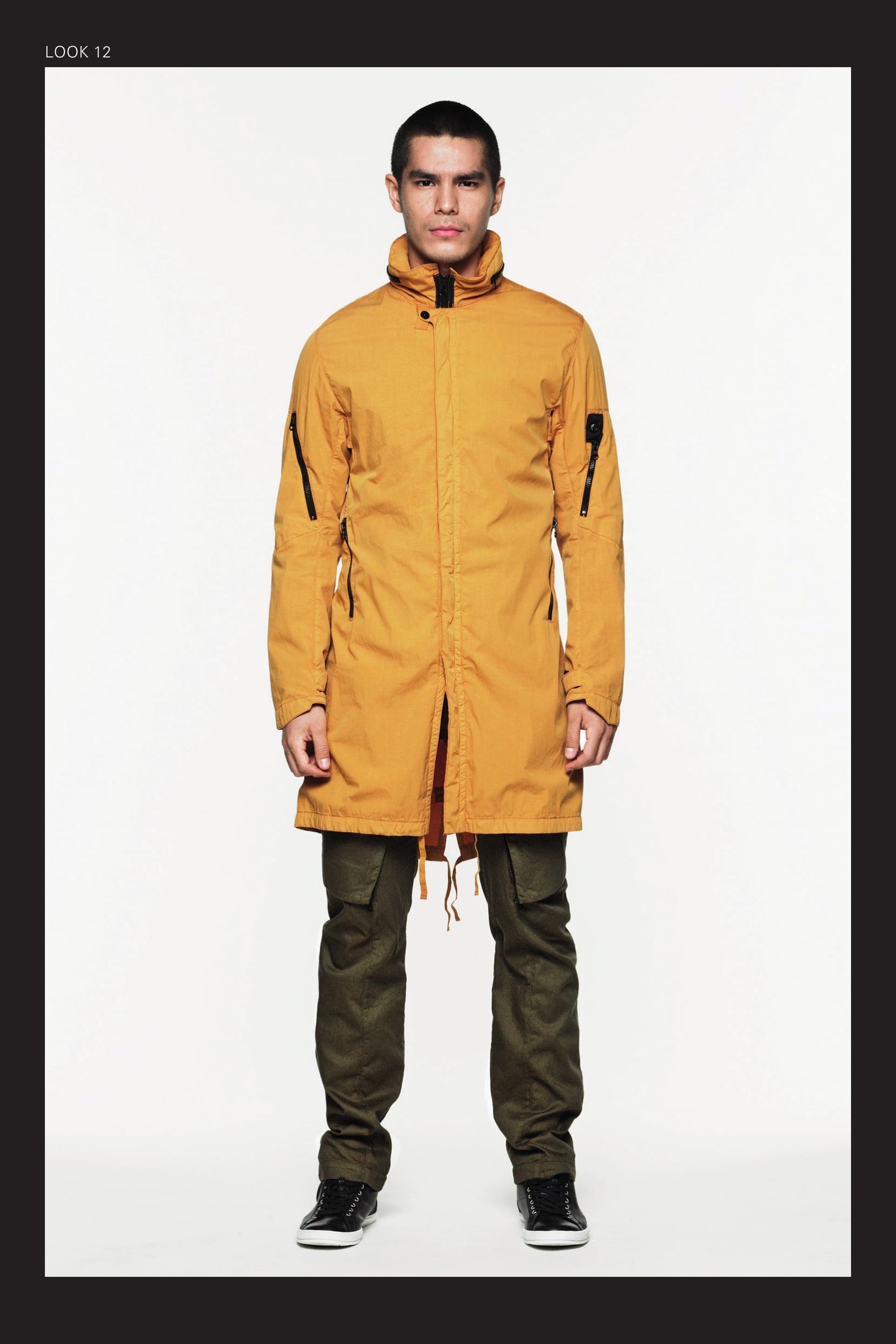
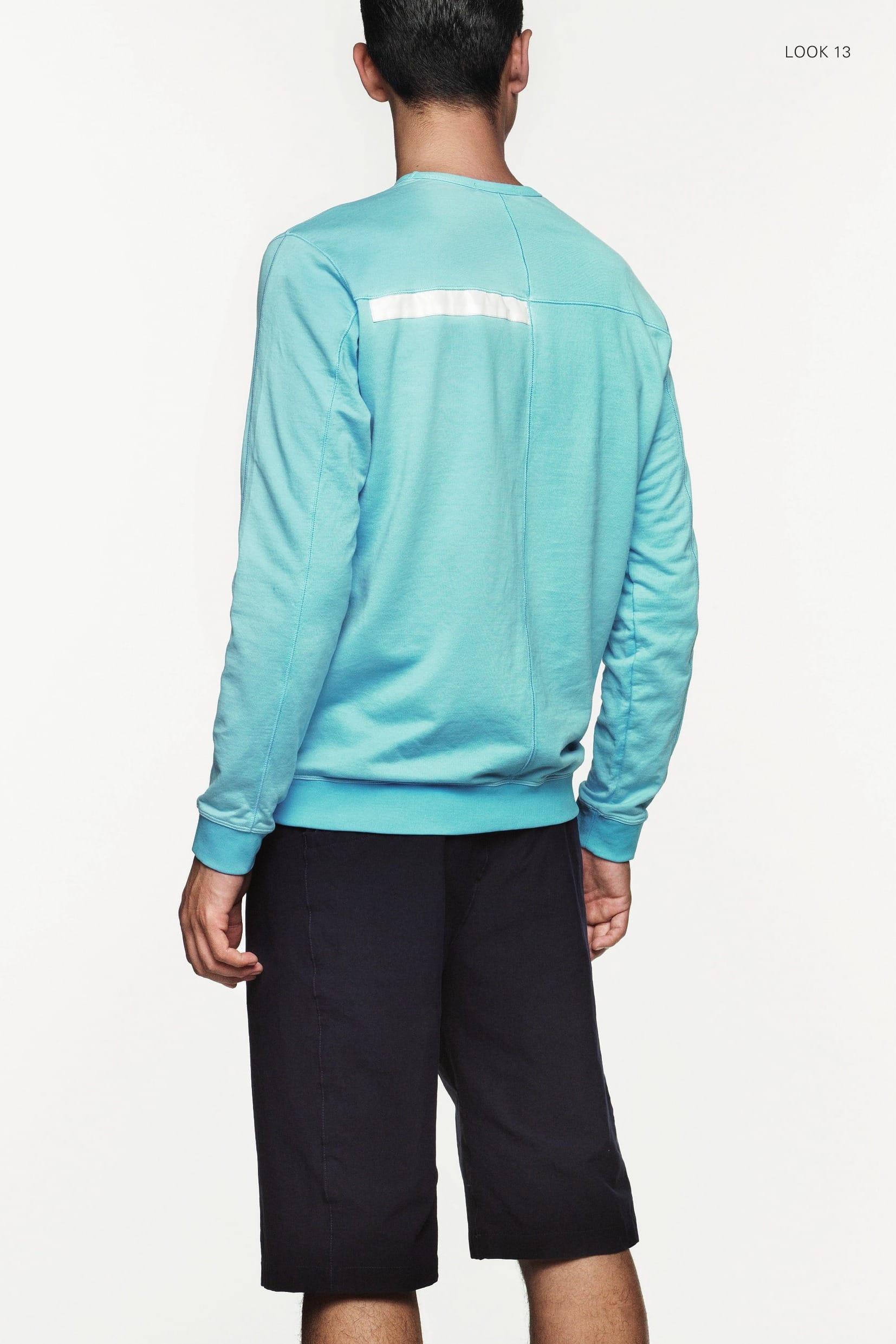
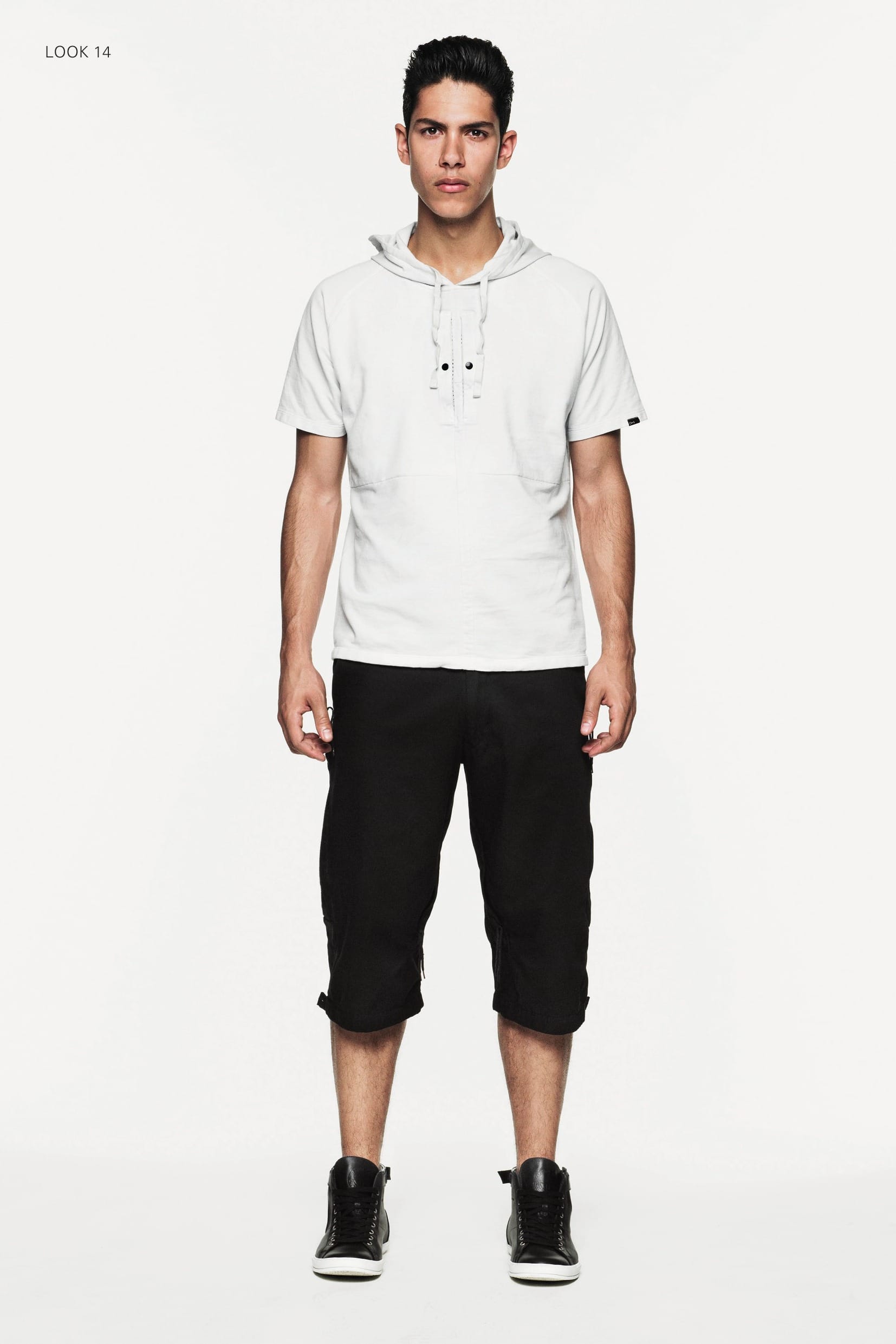
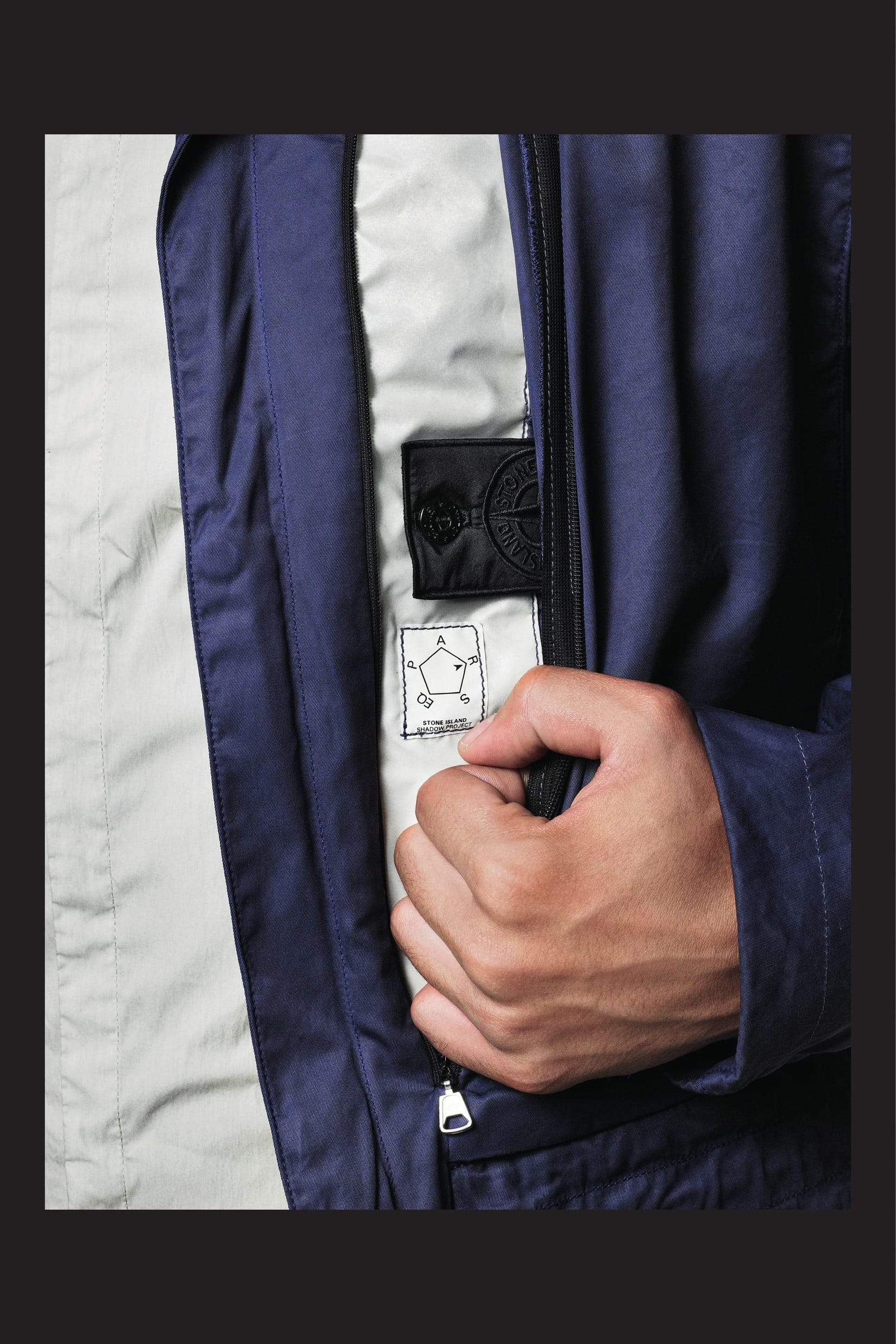
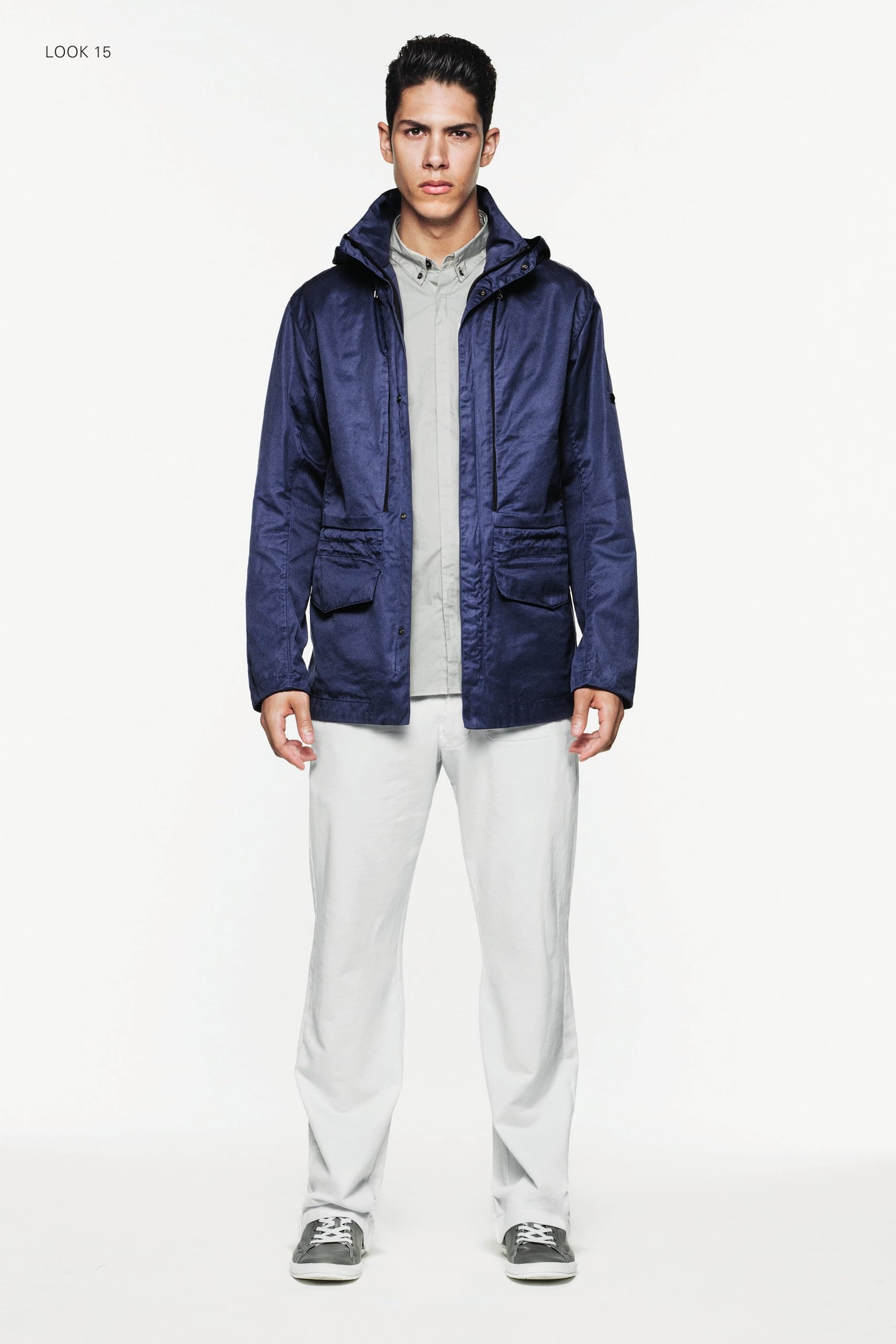
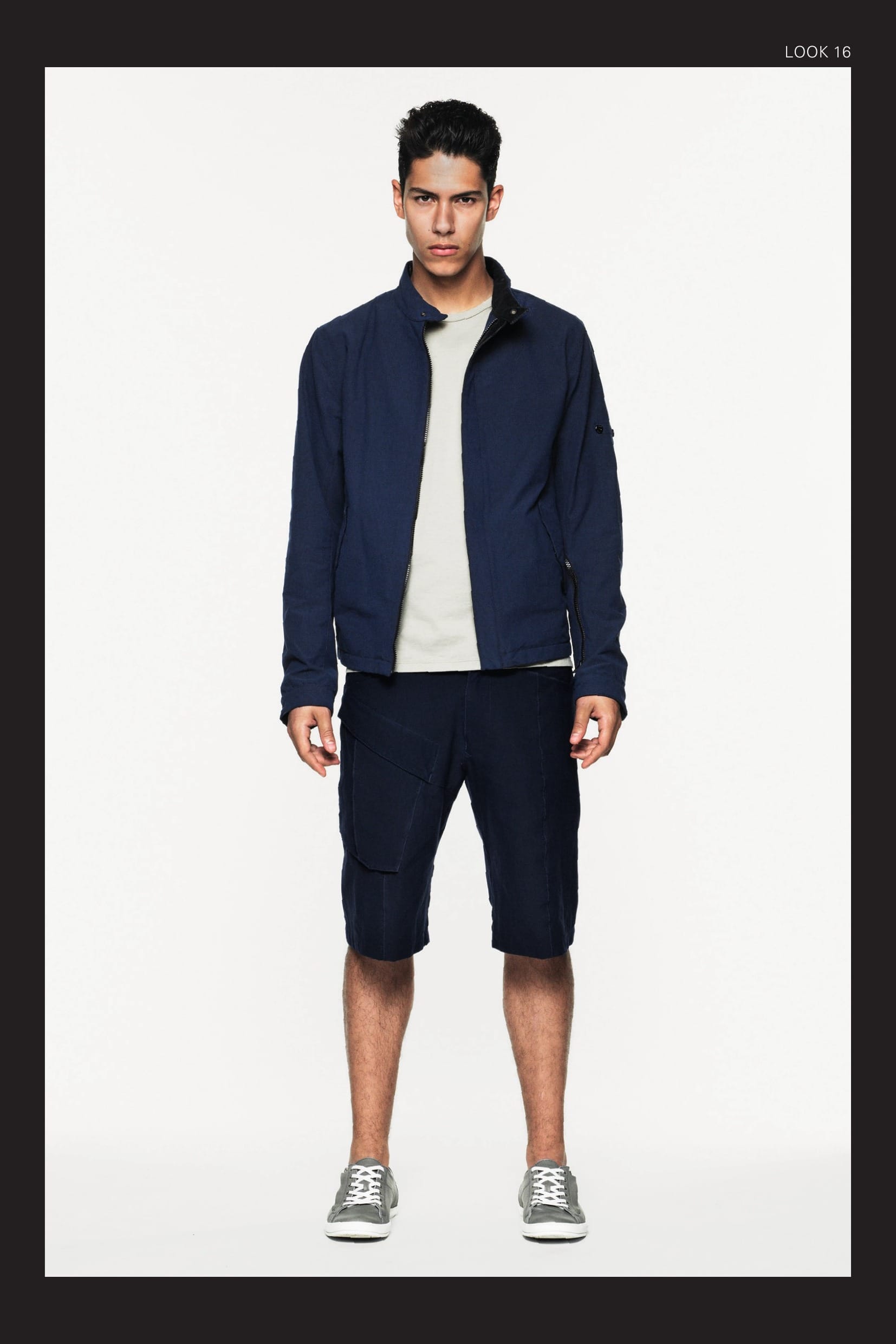
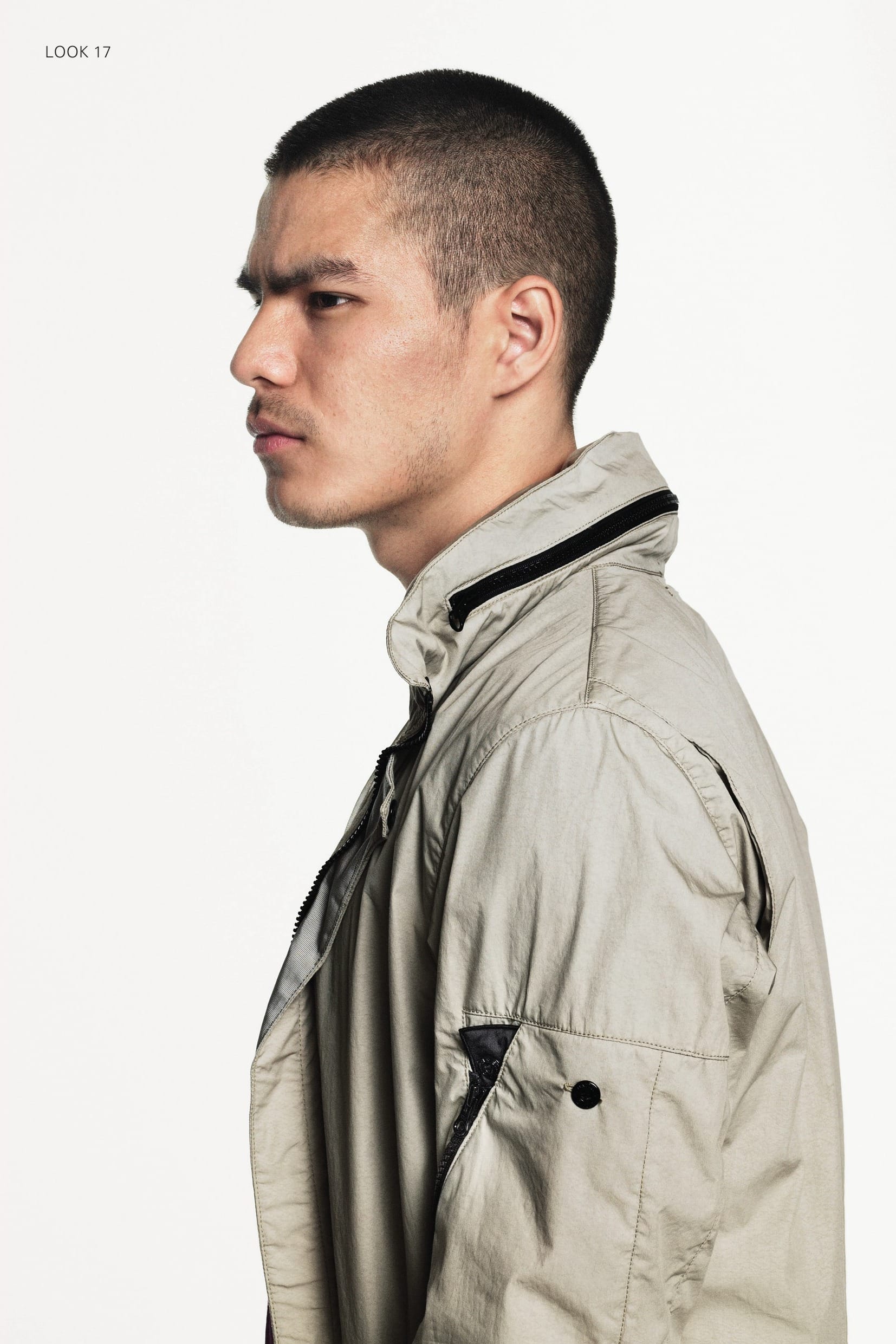
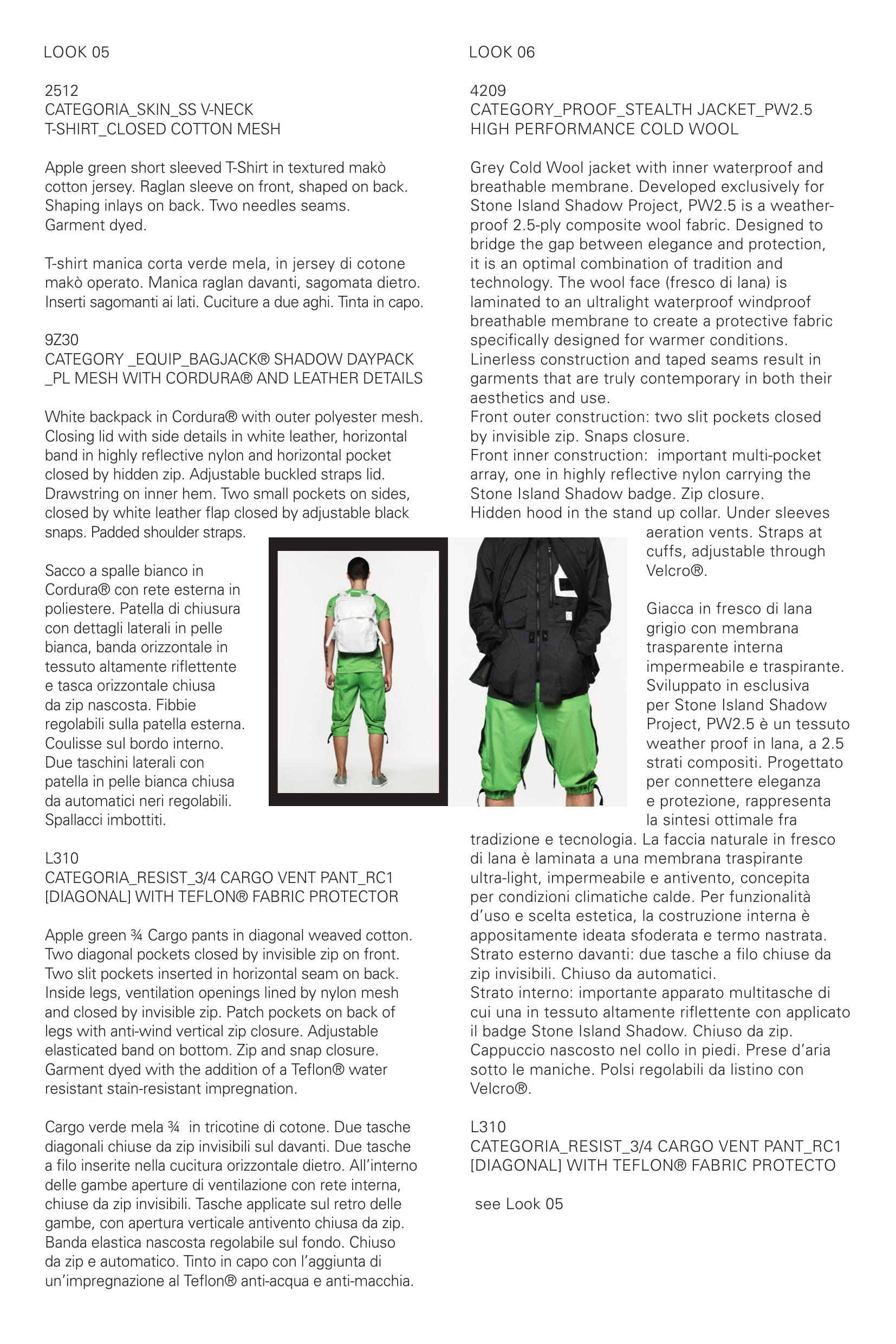
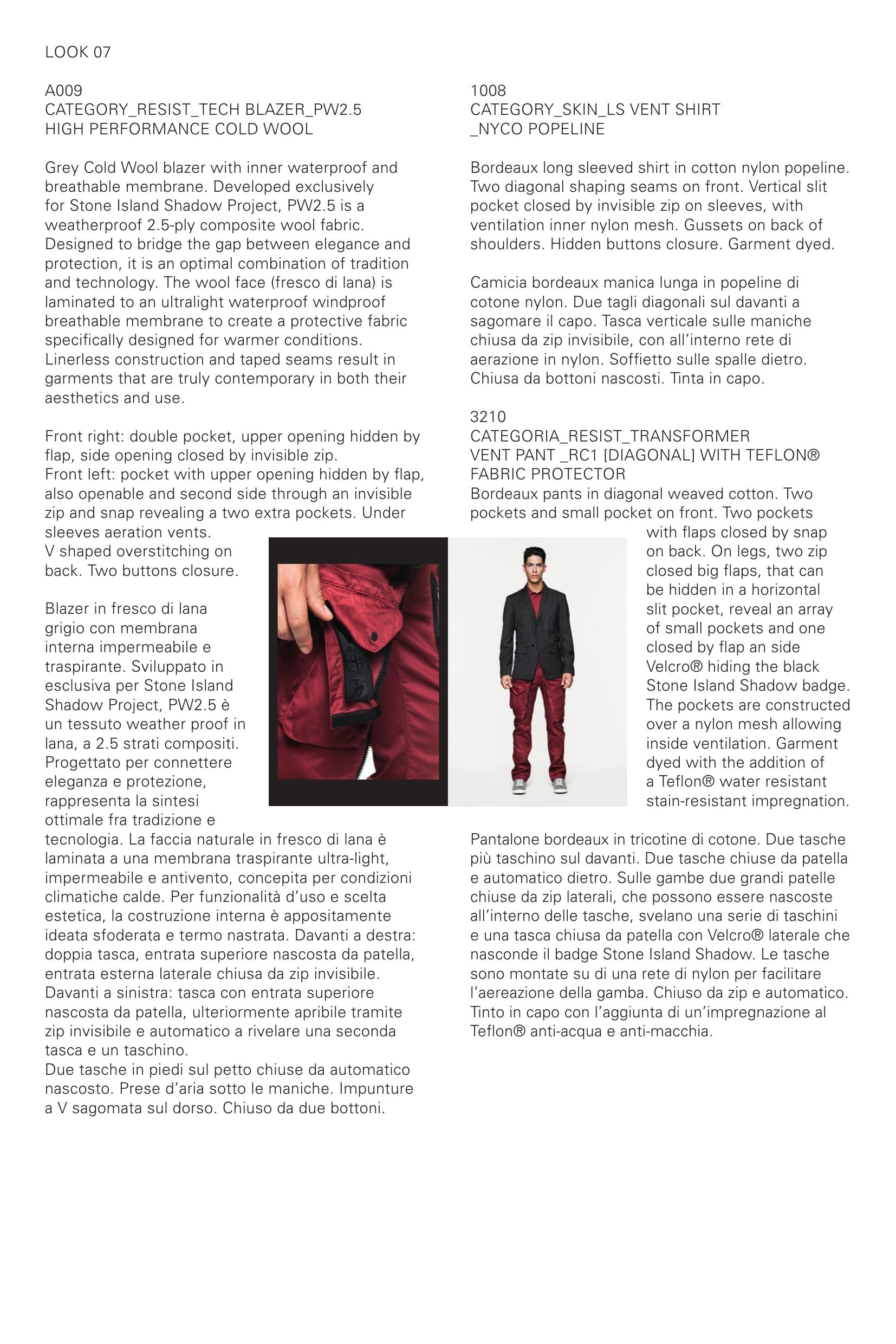
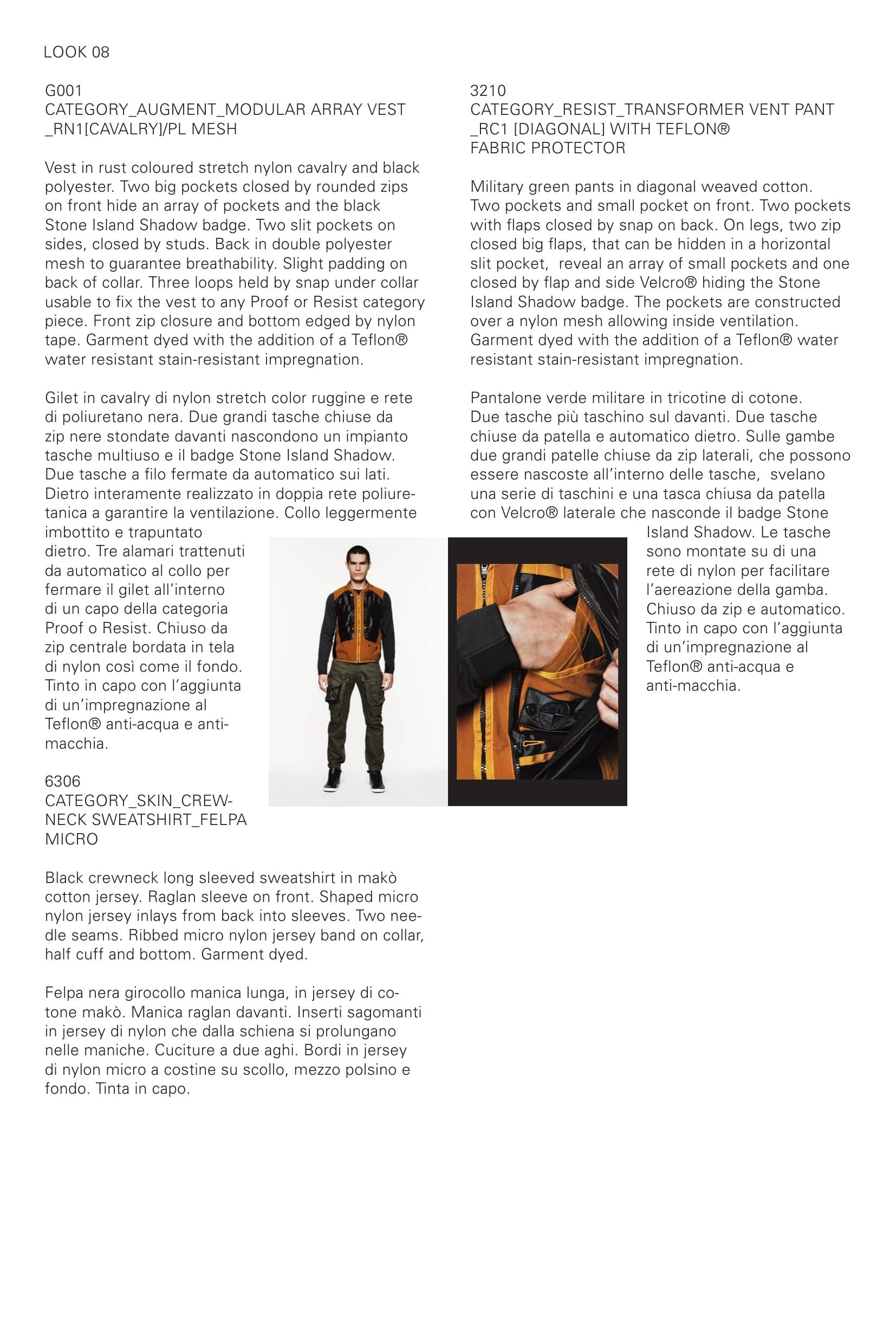
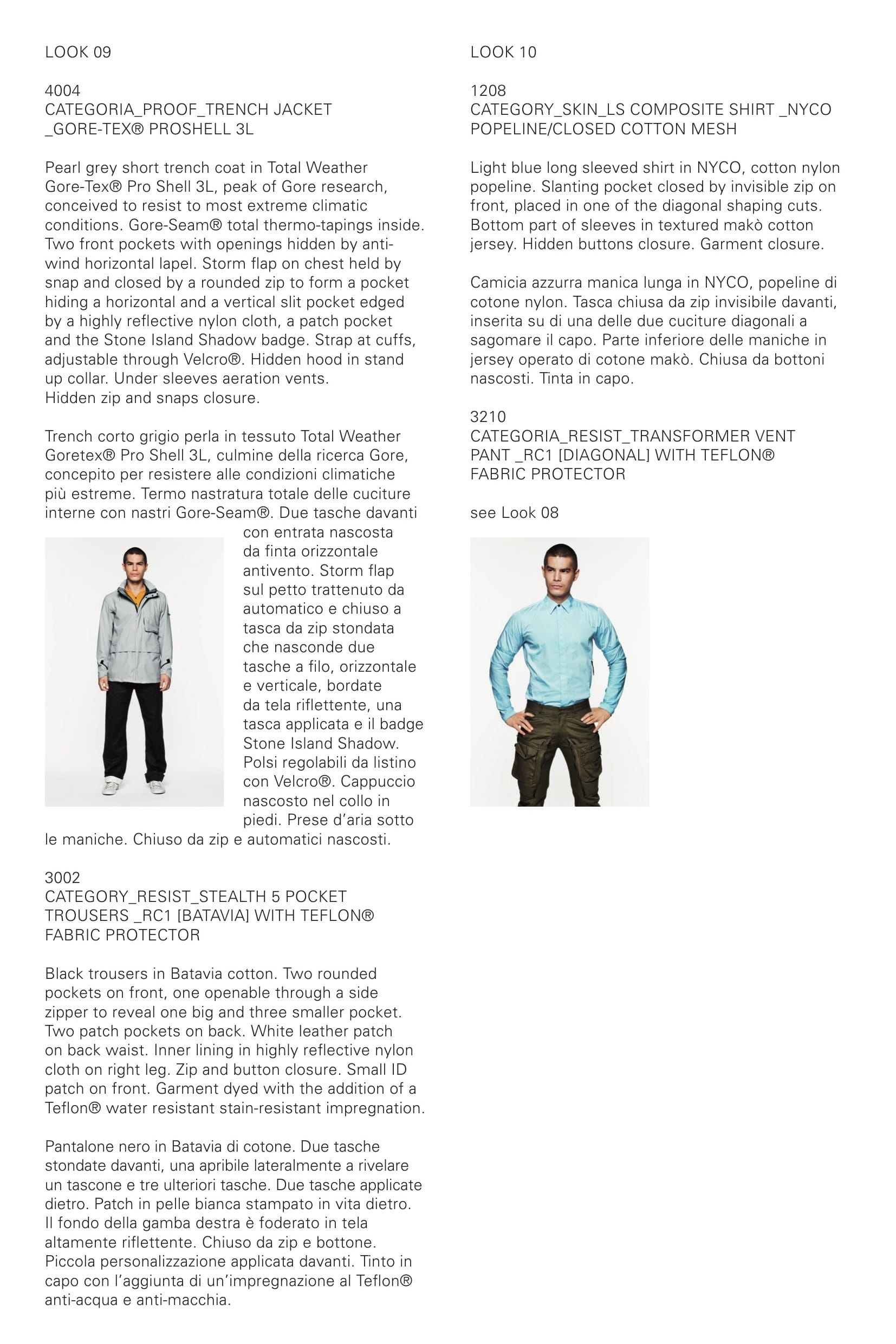
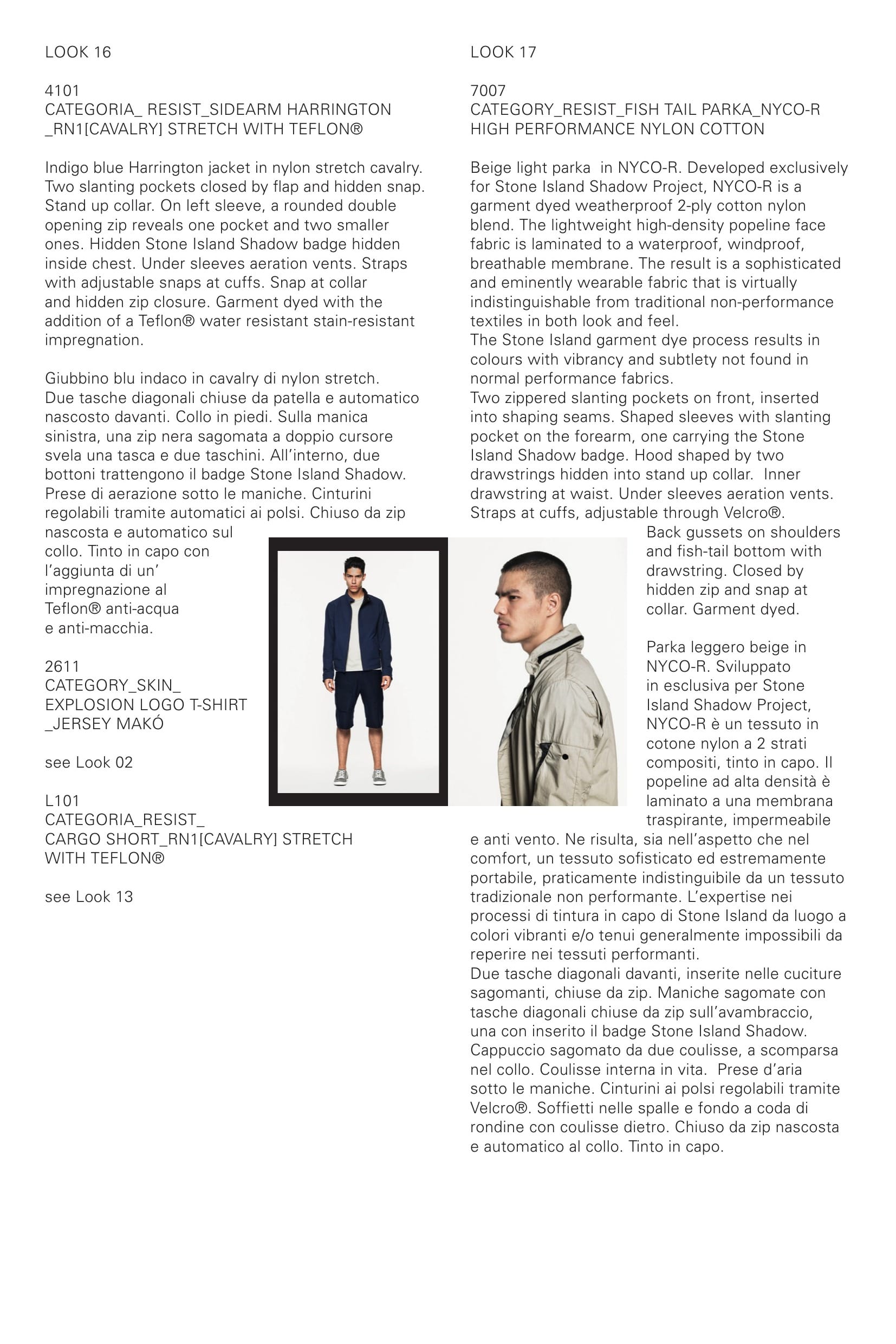
Stone Island Shadow Project SS2011 Lookbook
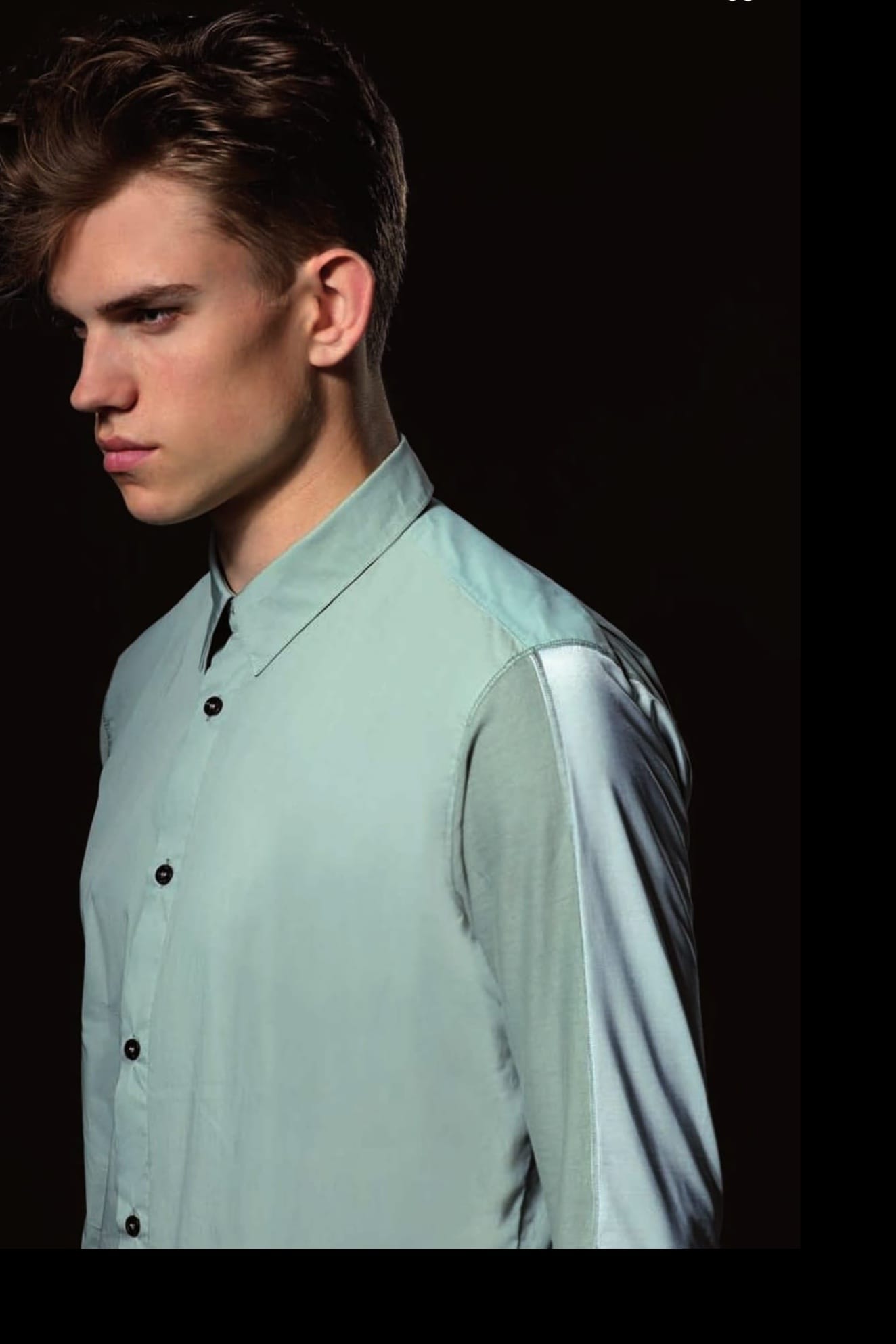
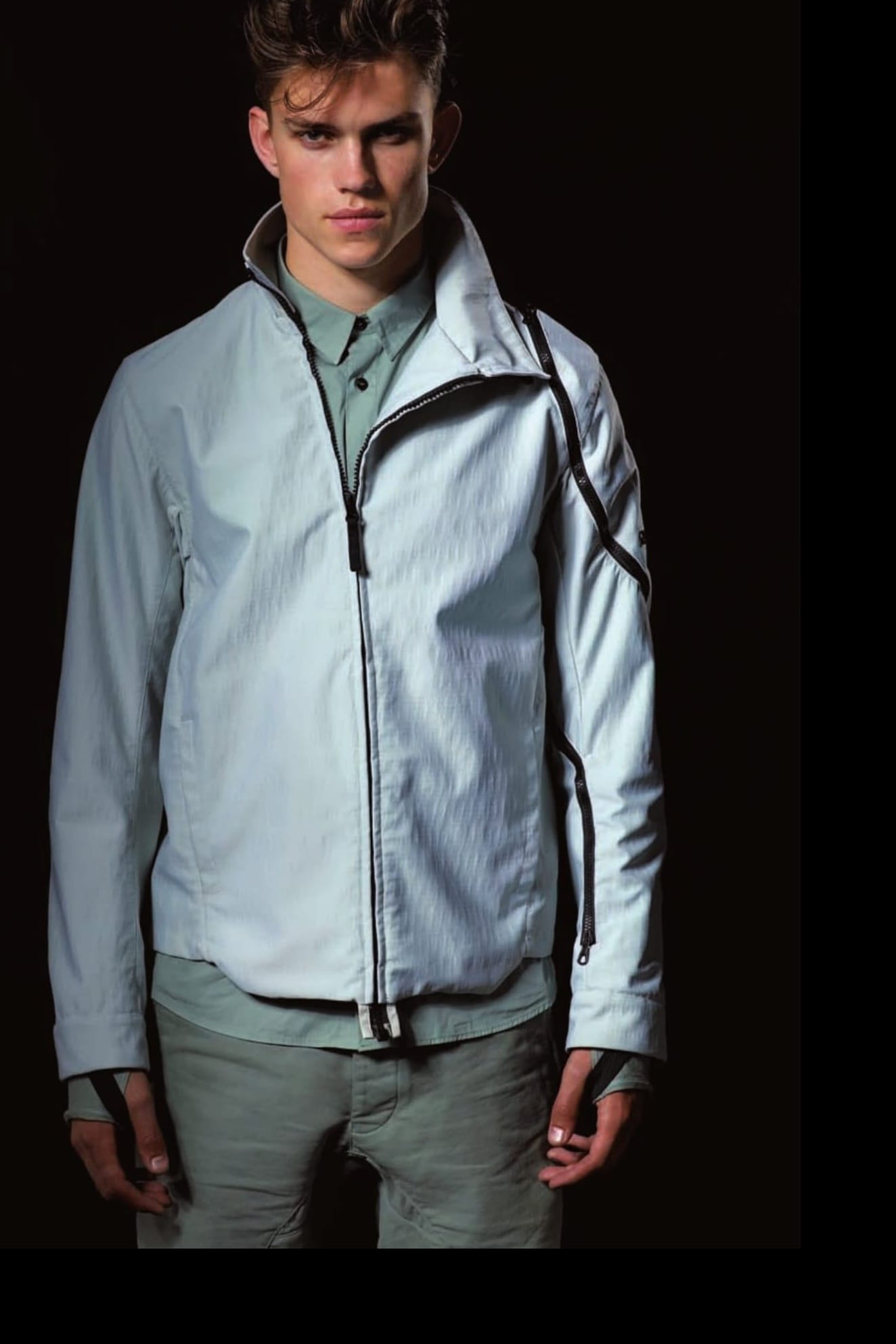
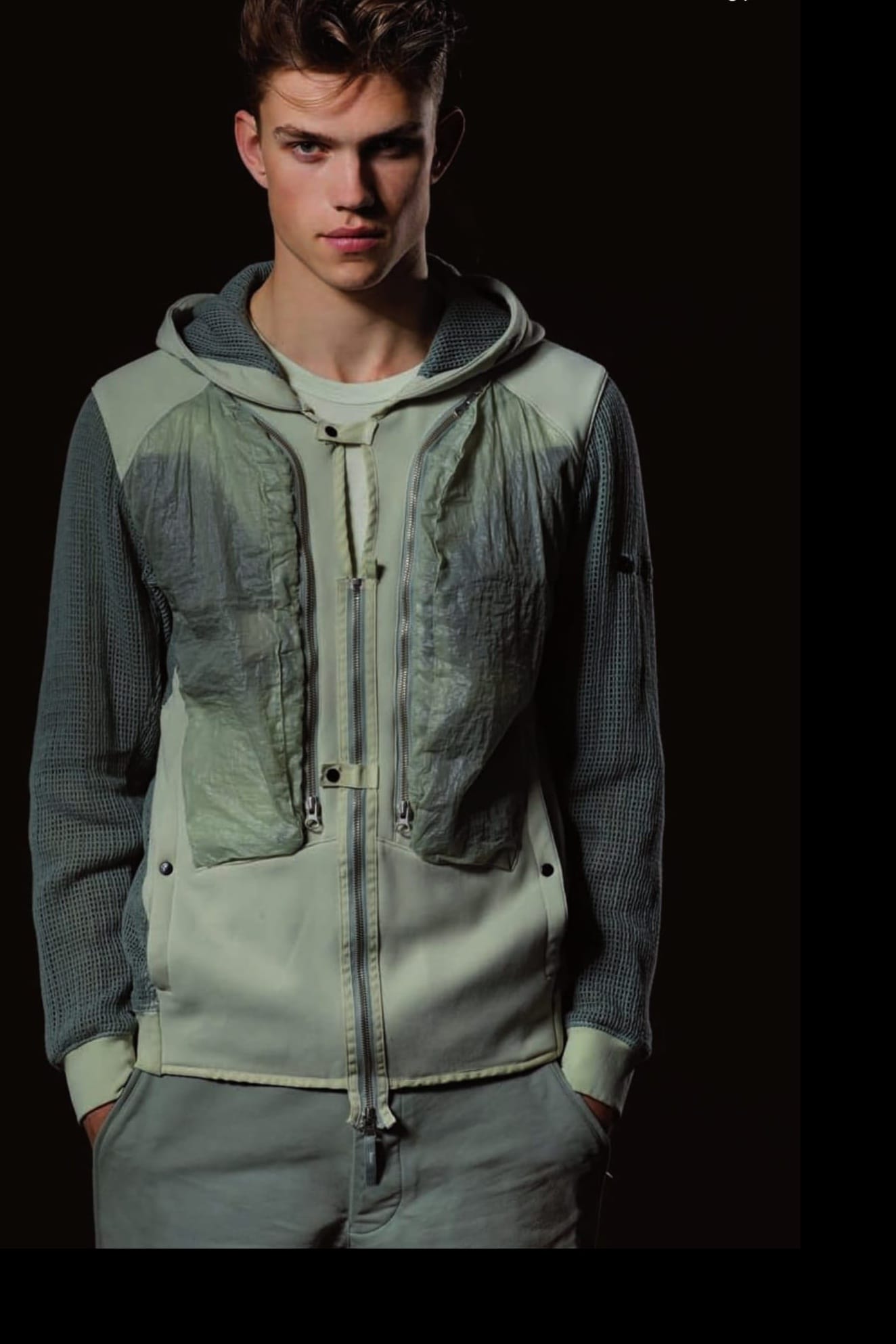
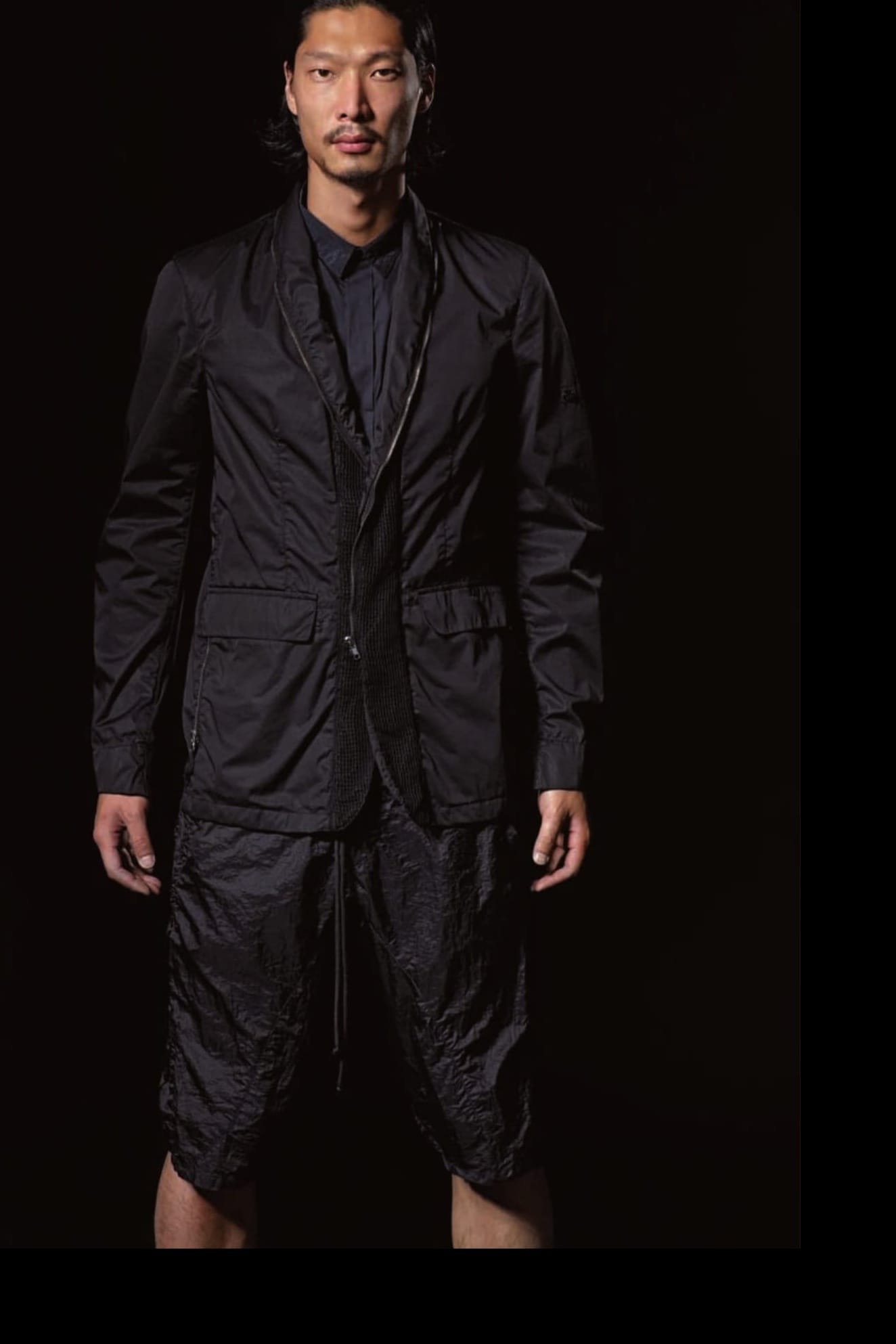

moNa2 keyboard
The Inspired by kumakey’s “roBa,” the moNa2 is a small wireless split keyboard developed by shakupan and pooh.polo, designed to keep a desk feeling open and unclaimed. Two compact halves sit apart with a quiet gap between them, leaving room for a notebook or tools without forcing a single, monolithic footprint.
The layout is restrained: low, close spacing with a built-in thumb-controlled ball that keeps basic navigation under the hand instead of pushing you toward a mouse. The whole object reads as light hardware rather than a centerpiece, favors packing and redeploying—such as magnets on the underside so the halves can join together for transport.
It runs wire-free and is meant to be adjusted over time rather than treated as a fixed appliance. Typical usage notes describe it lasting roughly a couple of weeks of frequent daily use before needing attention again, with the exact cadence depending on how it’s set up and used.
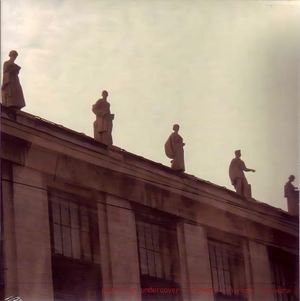
Music for Undercover + Flowers – Hiroshi Fujiwara for Undercover Relief Spring/Summer 1999
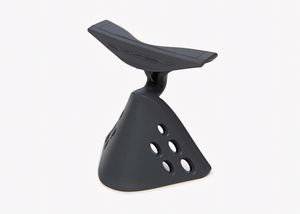
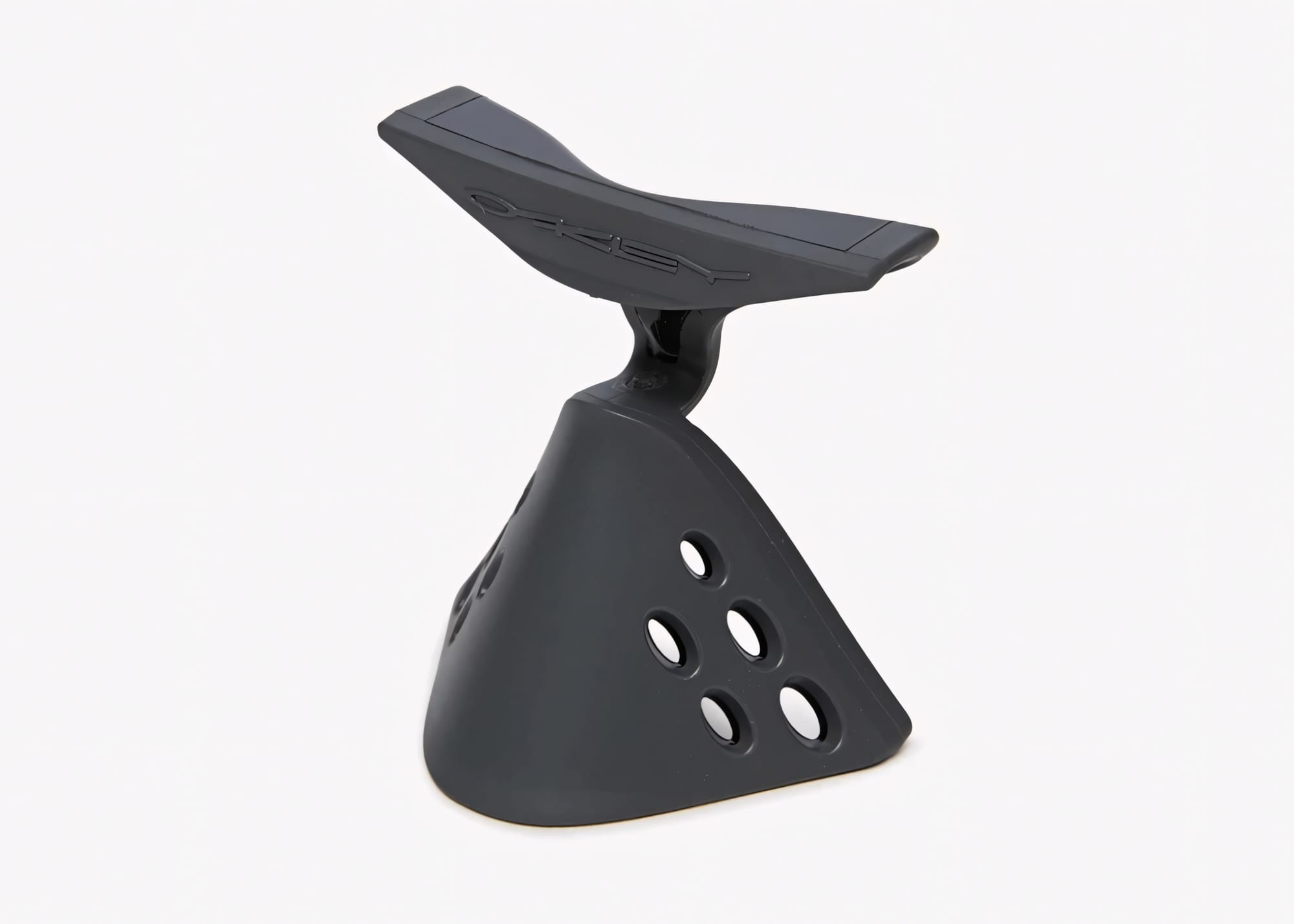
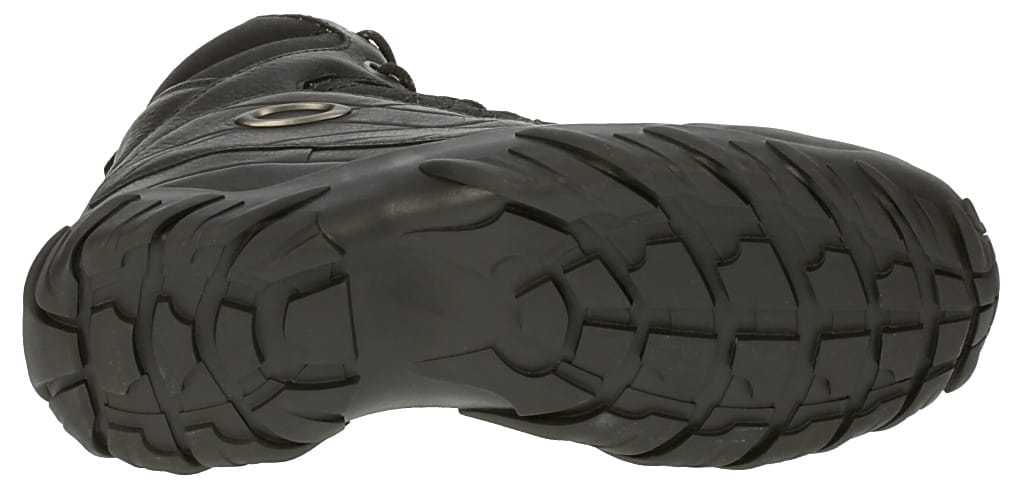
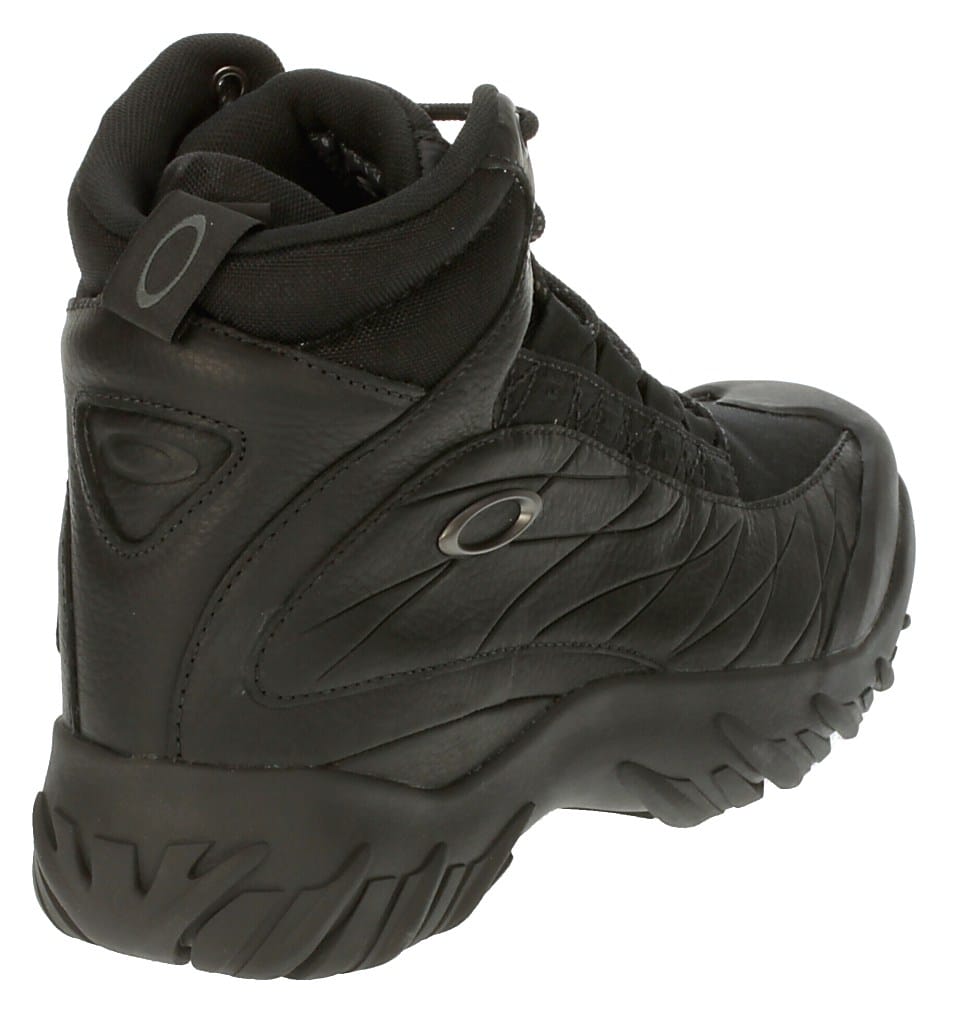
Oakley Plantaris Removable Nose Piece
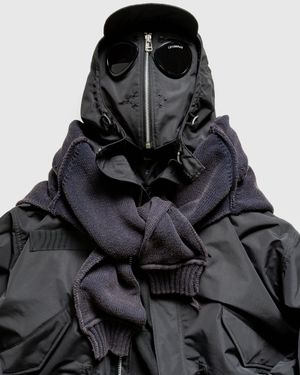
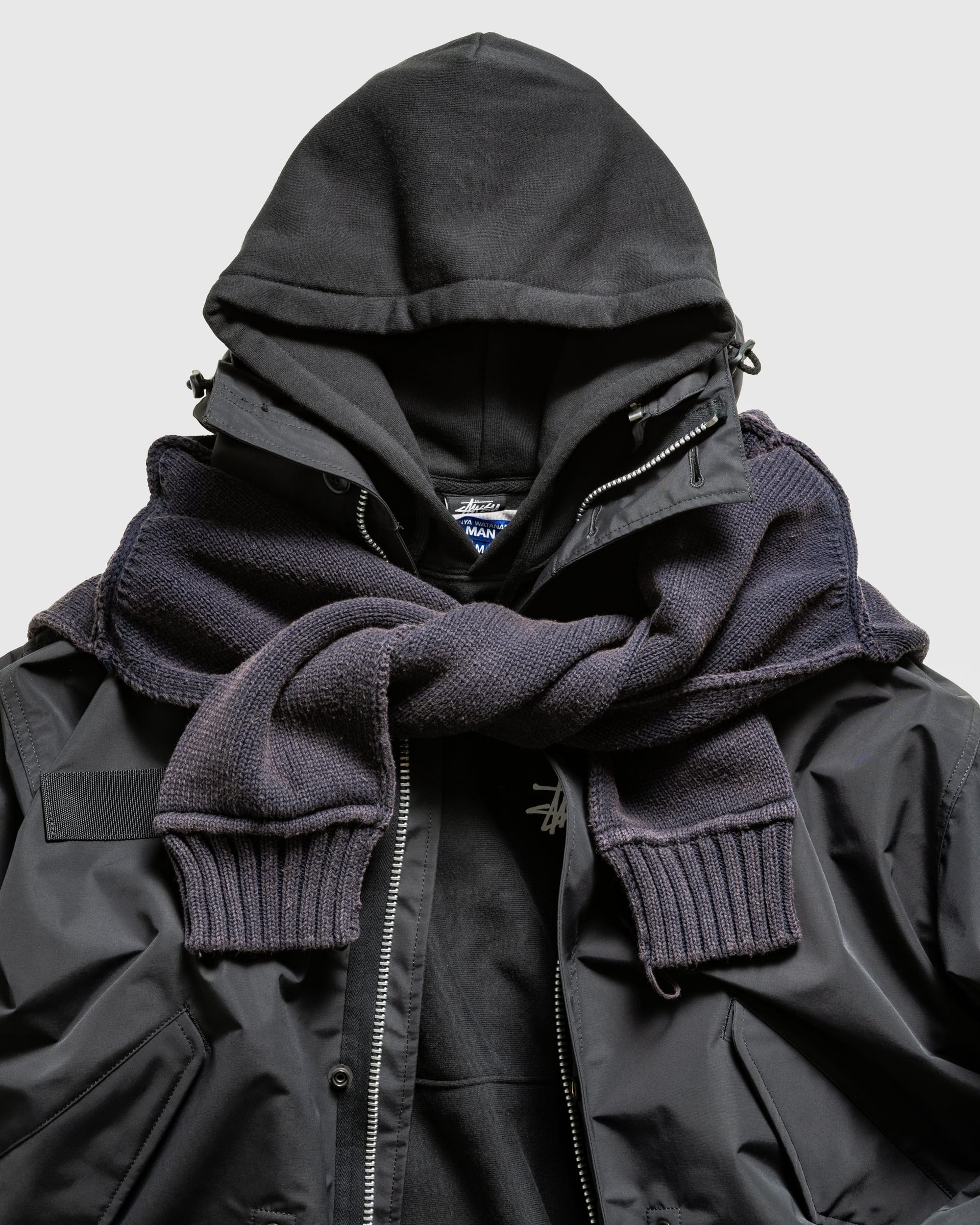
JUNYA WATANABE MAN Packer Feature by eye_C
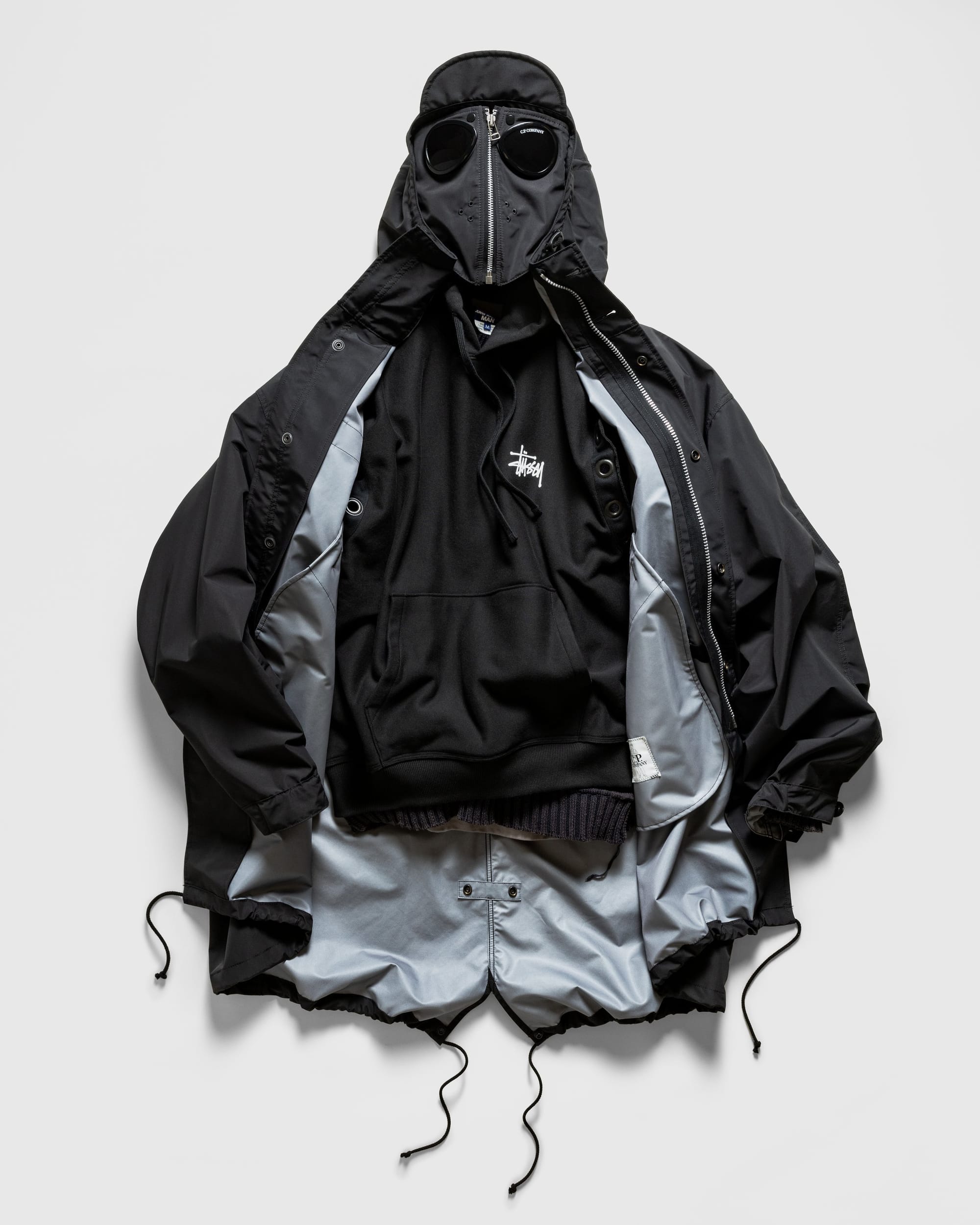
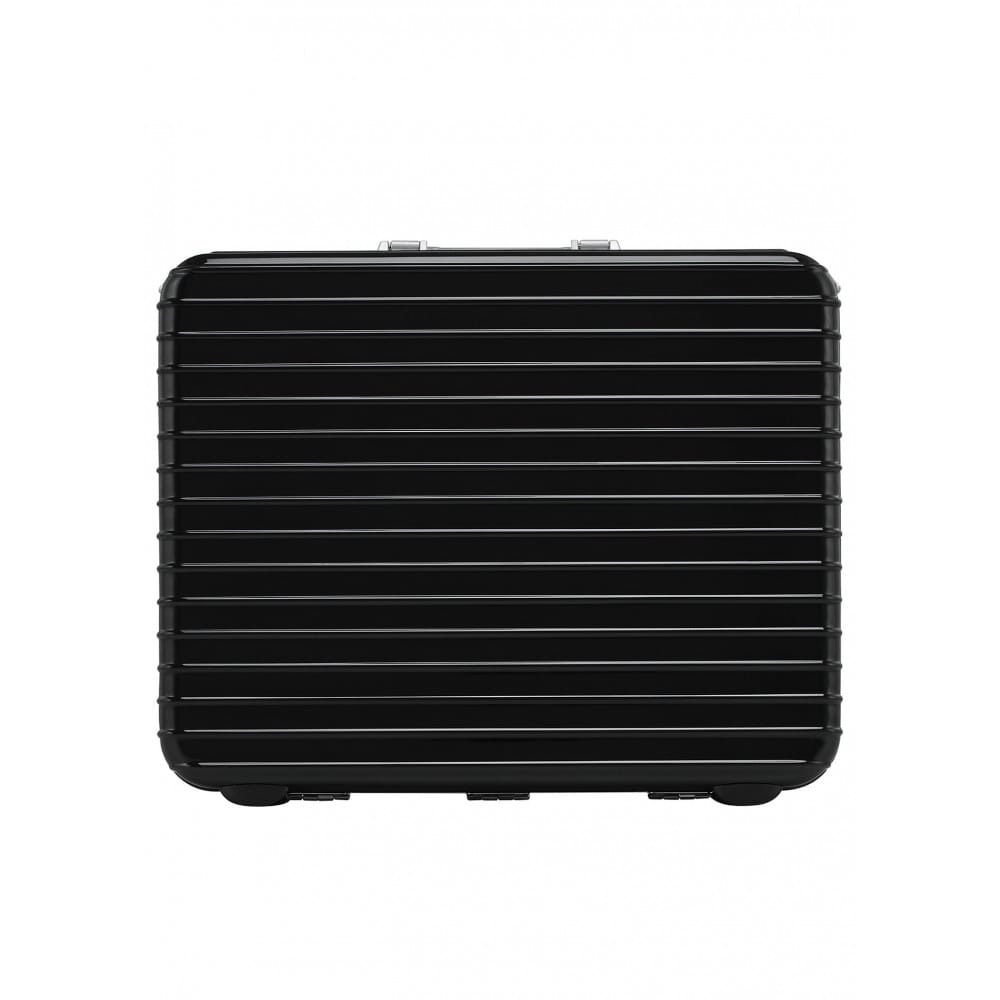
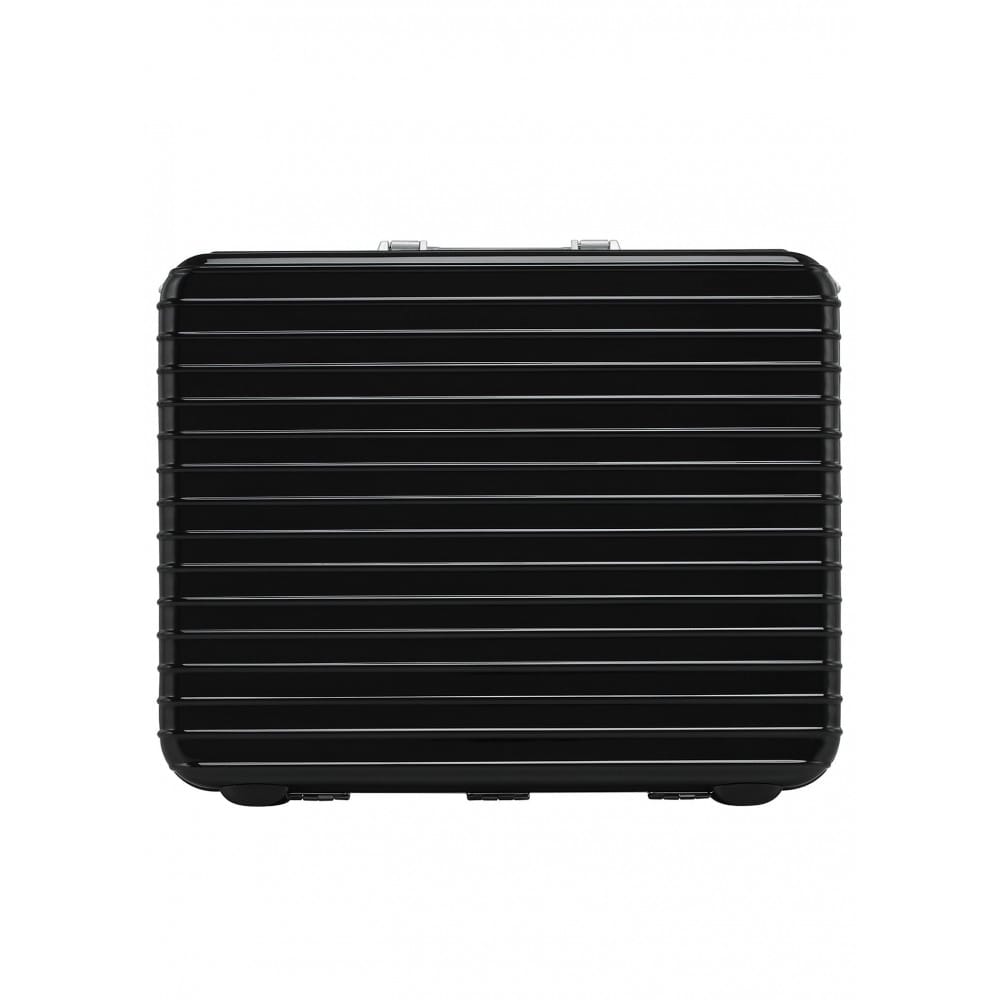
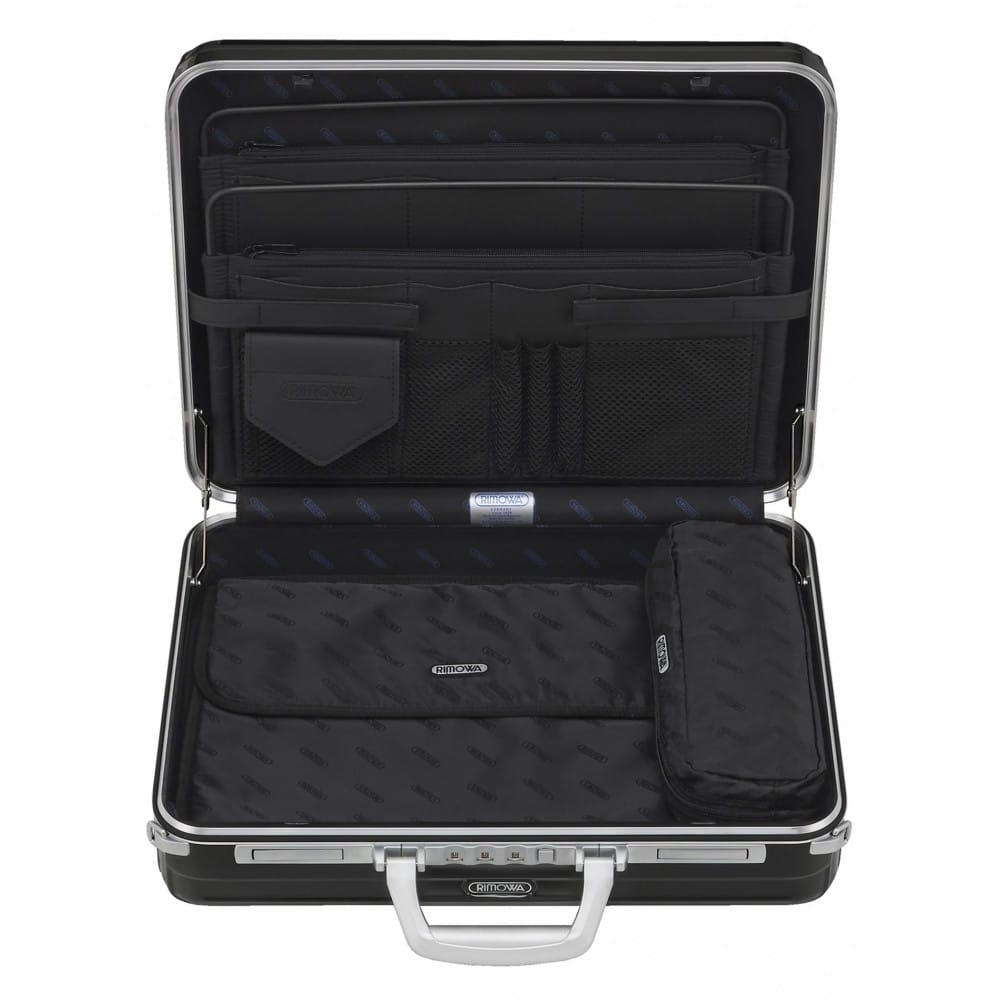
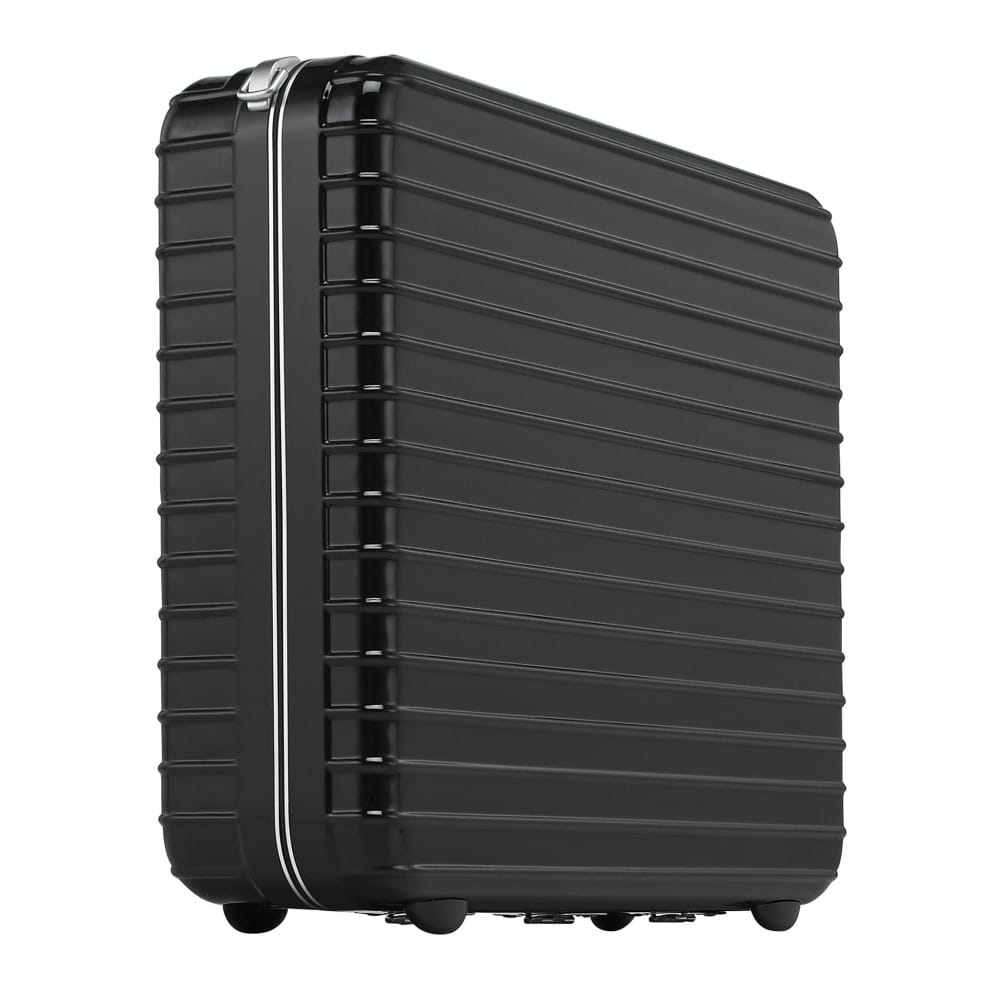
Rimowa Limbo Attache Case
Combination lock console with double lock and automatic opener
Practically designed multifunctional compartments
Notebook and cable pockets
Length adjustable carrying strap
5 year warranty
Polycarbonate
17L
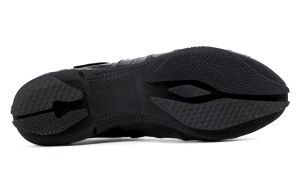
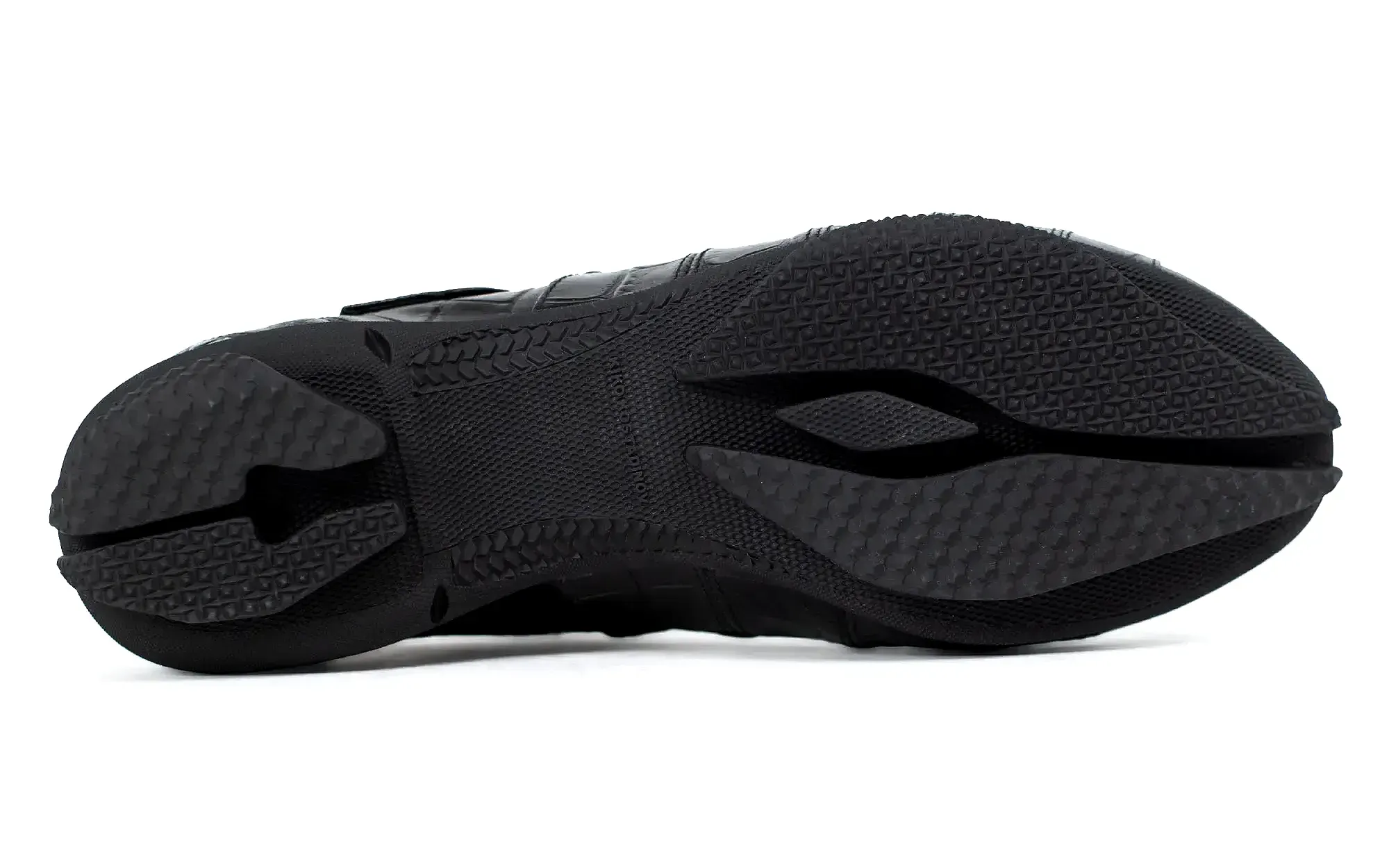
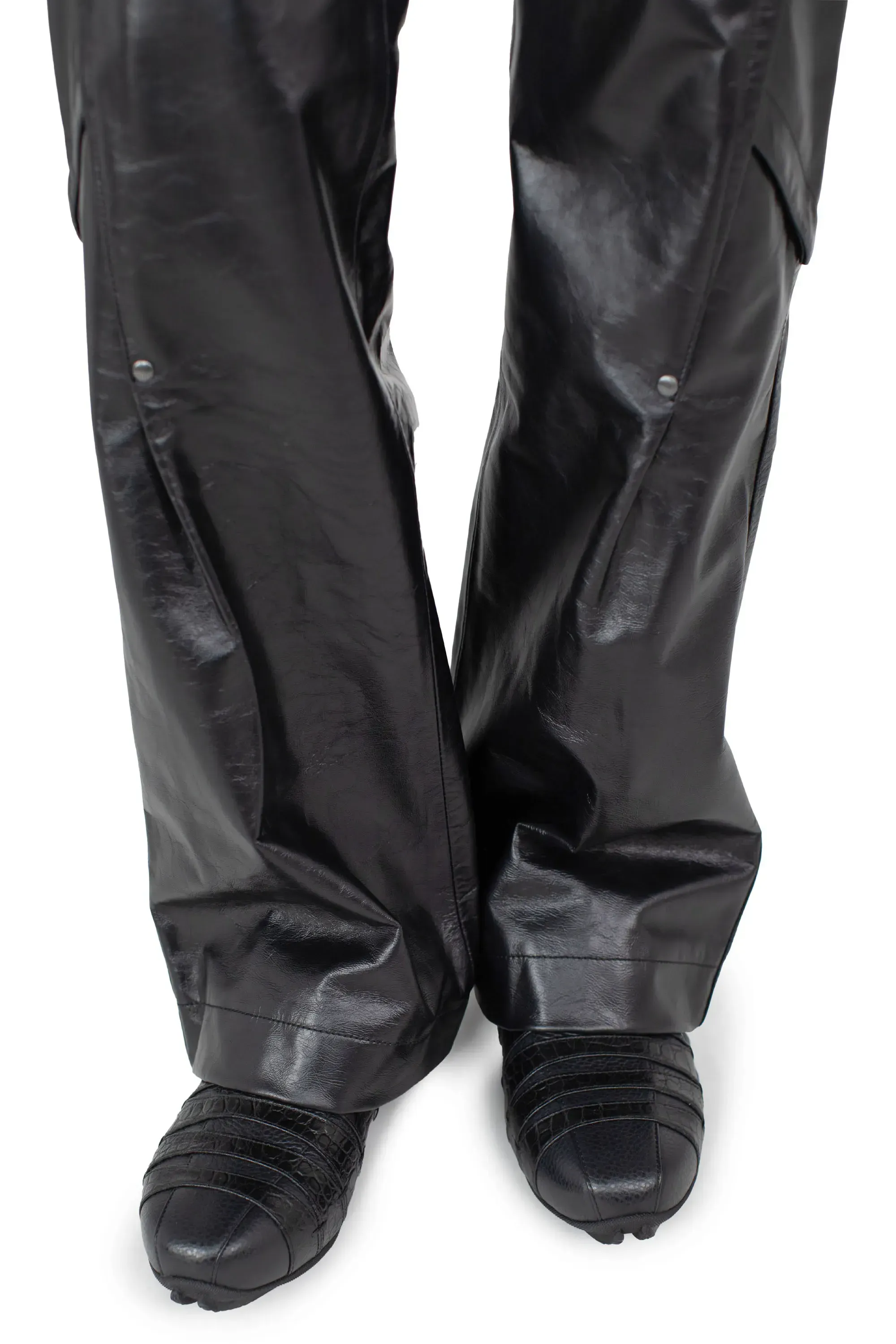
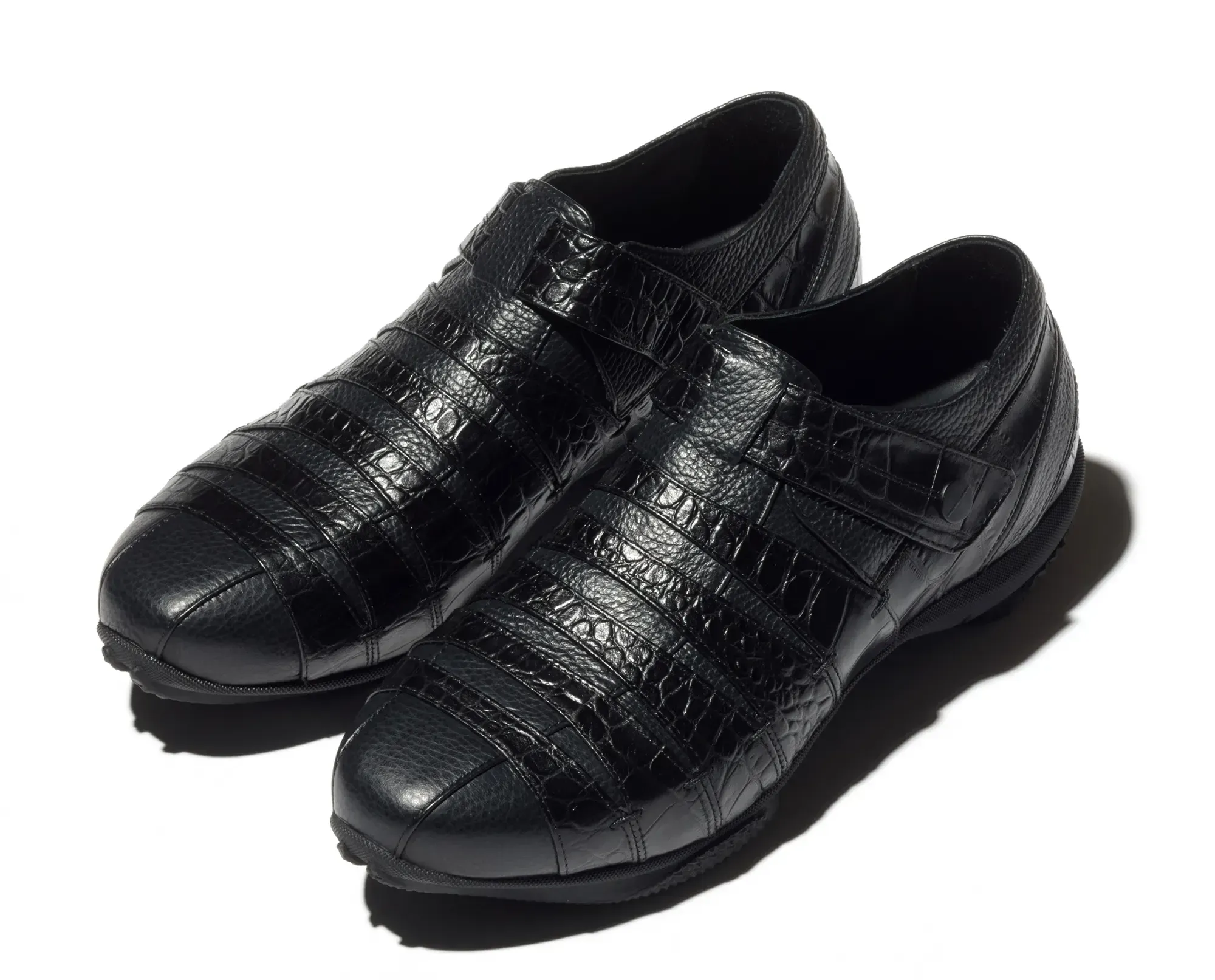
Kiko Kostadinov Kormos Loafers
The Kormas Loafers, features a hybrid sole construction, geometric upper construction with two different textures leather. Slip-on opening with front strap.
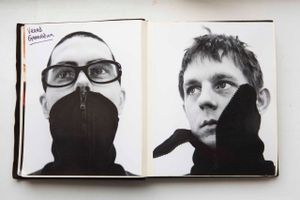
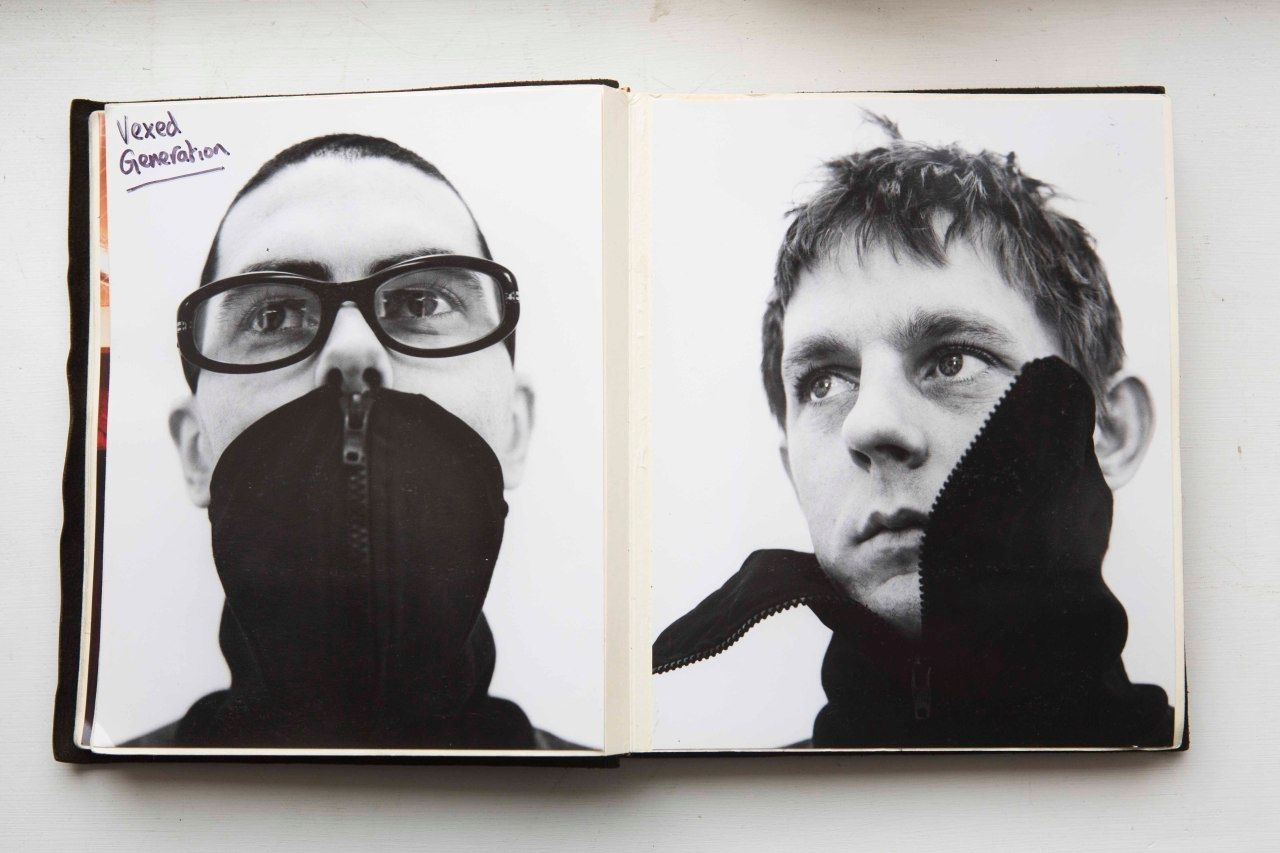
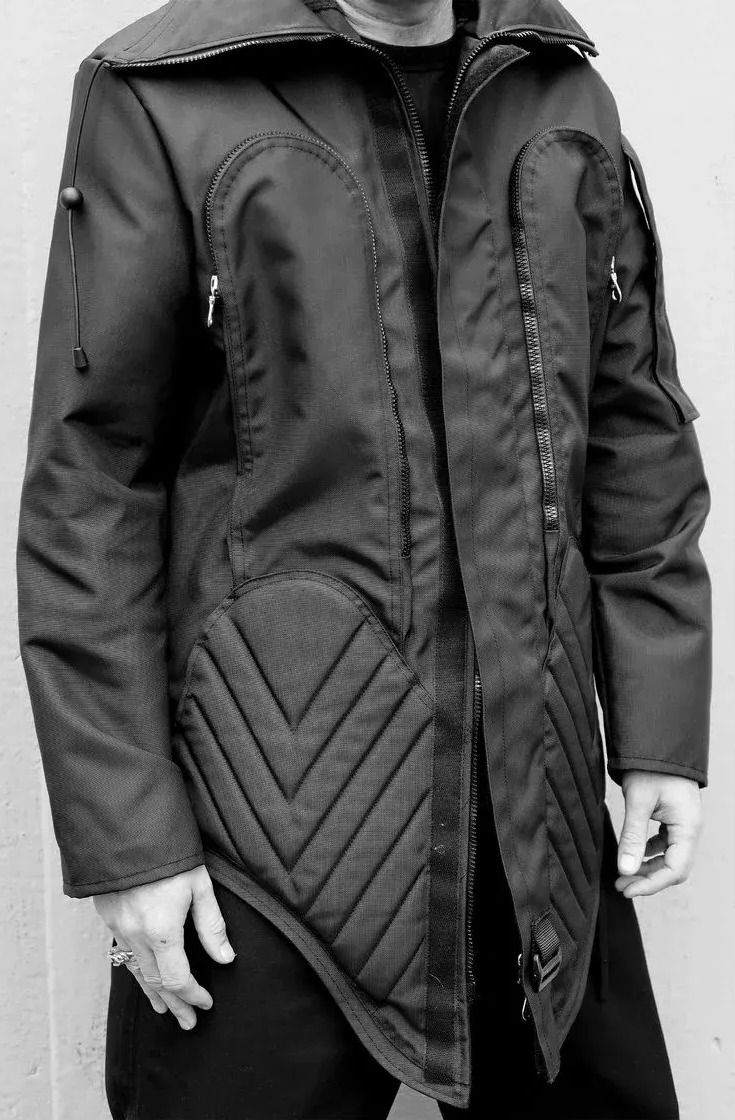
Vexed Generation designers Joe Hunter and Adam Thorpe
James Lavelle from UNKLE in Vexed Generation
via techhunter
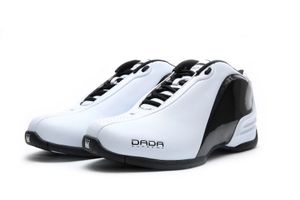
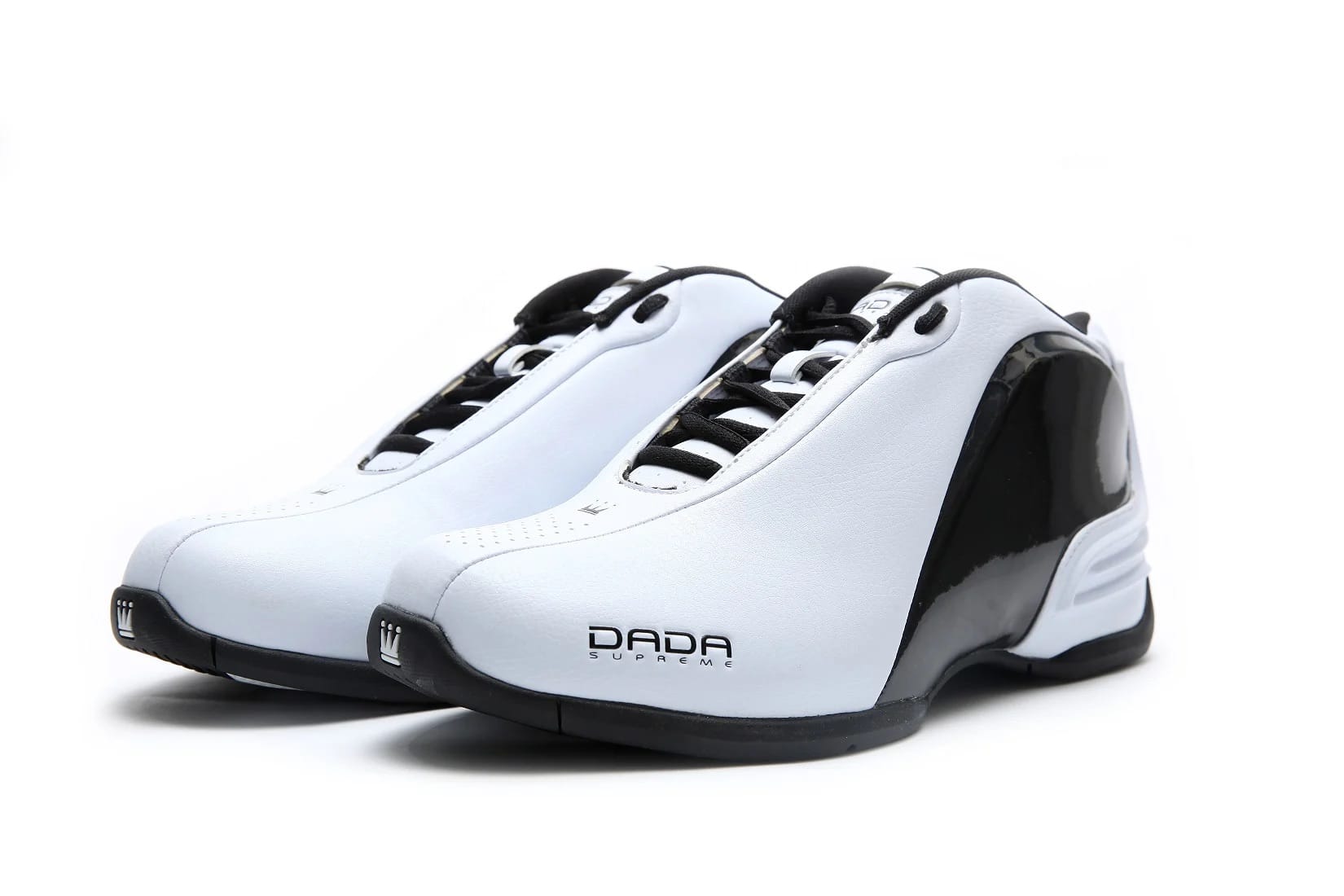
DADA SUPREME C-DUBBZ
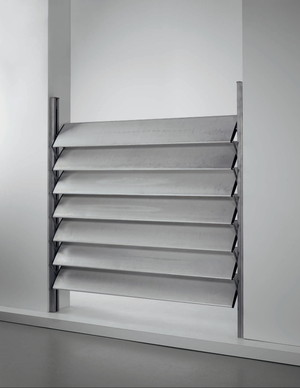
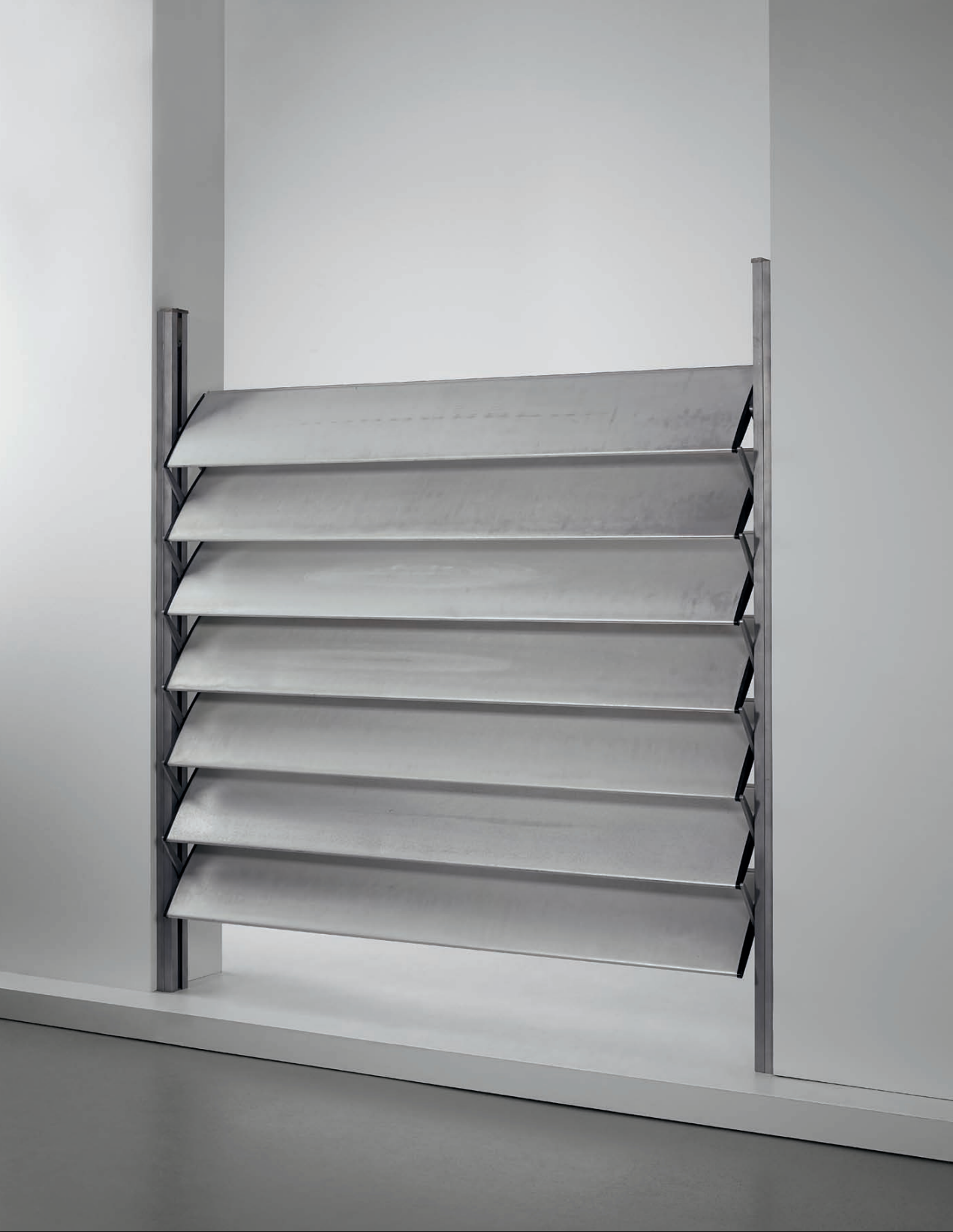
Seven-panelled sun-shutter, Jean Prouvé
Jean Prouvé 1901-1984 Seven-panelled sun-shutter, from the Cité scolaire de La Dullague, Béziers, designed 1956, executed circa 1962-1965 Aluminium, metal. 185.5 x 184.4 x 8.3 cm (73 x 72 5/8 x 3 1/4 in.) Manufactured by Les Atelier Jean Prouvé, Nancy, France.
Estimate £12,000-15,000 $17,800-22,300 €16,300-20,400 provenance Cité scolaire de La Dullague, Béziers, France, circa 1962-1965 exhibited Architecture Biennale, Venice, 7 June-23 November, 2014
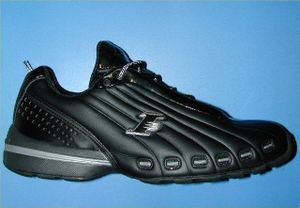
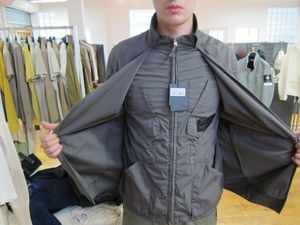
Haven Shop Buying Session Archives
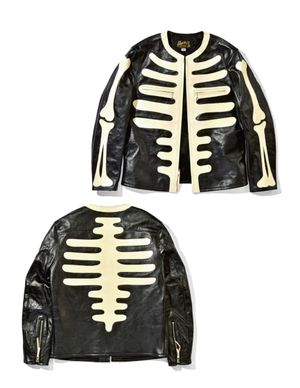
"Avakareta Life" Editorial Styled by Jun Takahashi
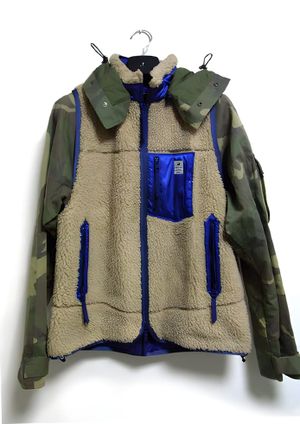
SASQUATCHfabrix. — SASFAB 2-in-1 Coat/Gilet


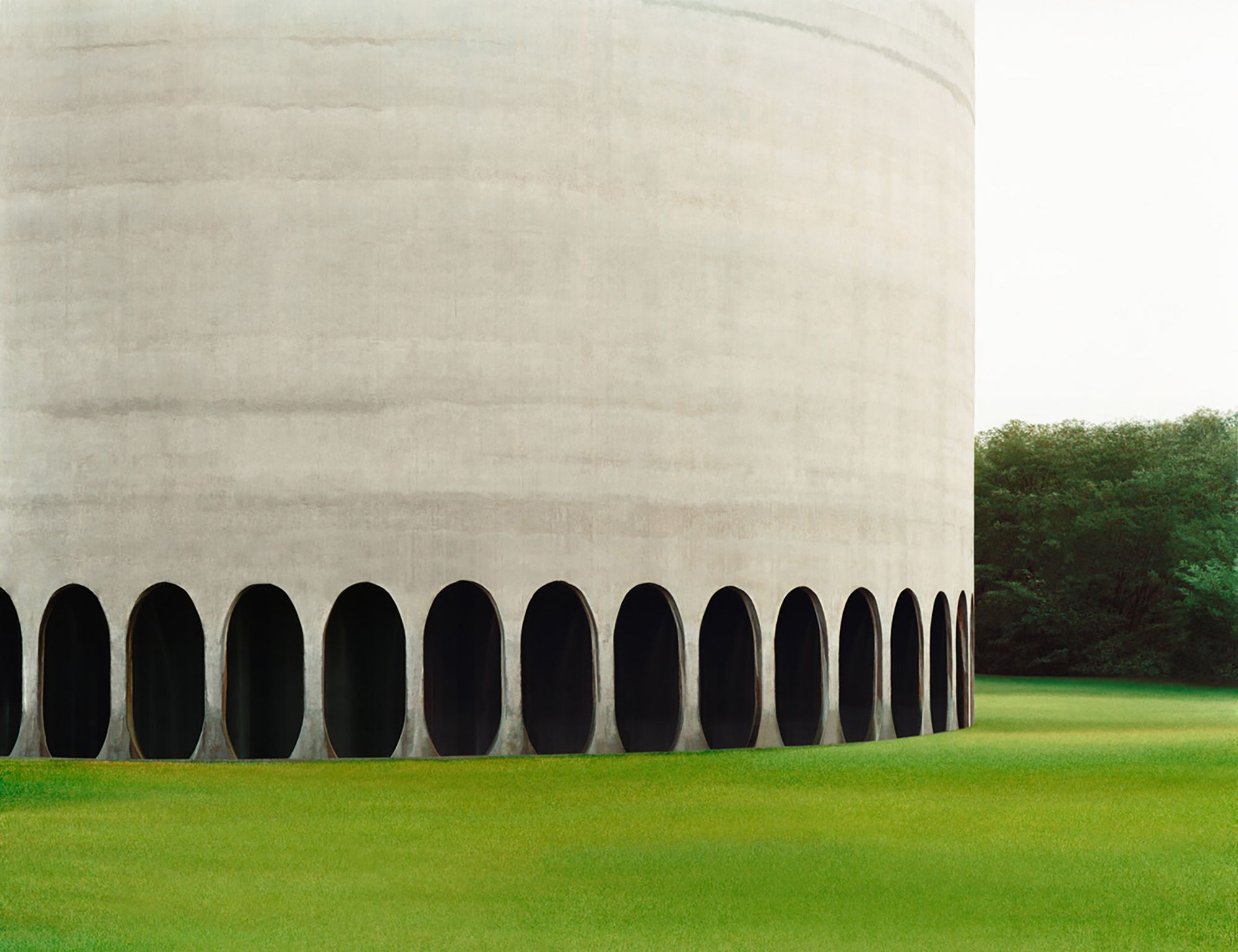
Form #7, Josef Schulz, 2003
Josef Schulz is a photographer known for capturing images of modern warehouses and factories, which are typically considered mundane industrial structures with little architectural significance. These buildings, produced worldwide, follow standardized plans and materials, lacking distinct external features to reveal their specific purposes.
Schulz's approach involves studying the essence of his craft through these photographs. He employs digital image processing to remove any elements hinting at the buildings' age, location, or surroundings, transforming them into virtual blueprints. By emphasizing colors, shapes, and symmetries, he turns the buildings into block-like structures, resembling toy architecture and presenting them as idealized versions of themselves.
In this process, Schulz blurs the line between photographic and painted reality to optimize the images. Simultaneously, he reduces the physical buildings to their design concepts and the photographic reality to its virtual representation. His intent is to diverge from the typical pursuit of making digital images appear as real as possible. This approach might leave the viewer perplexed, as they struggle to distinguish between authentic elements captured by the camera and those created through digital tools.


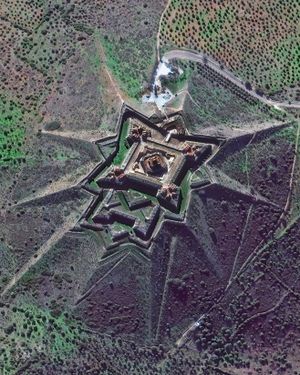
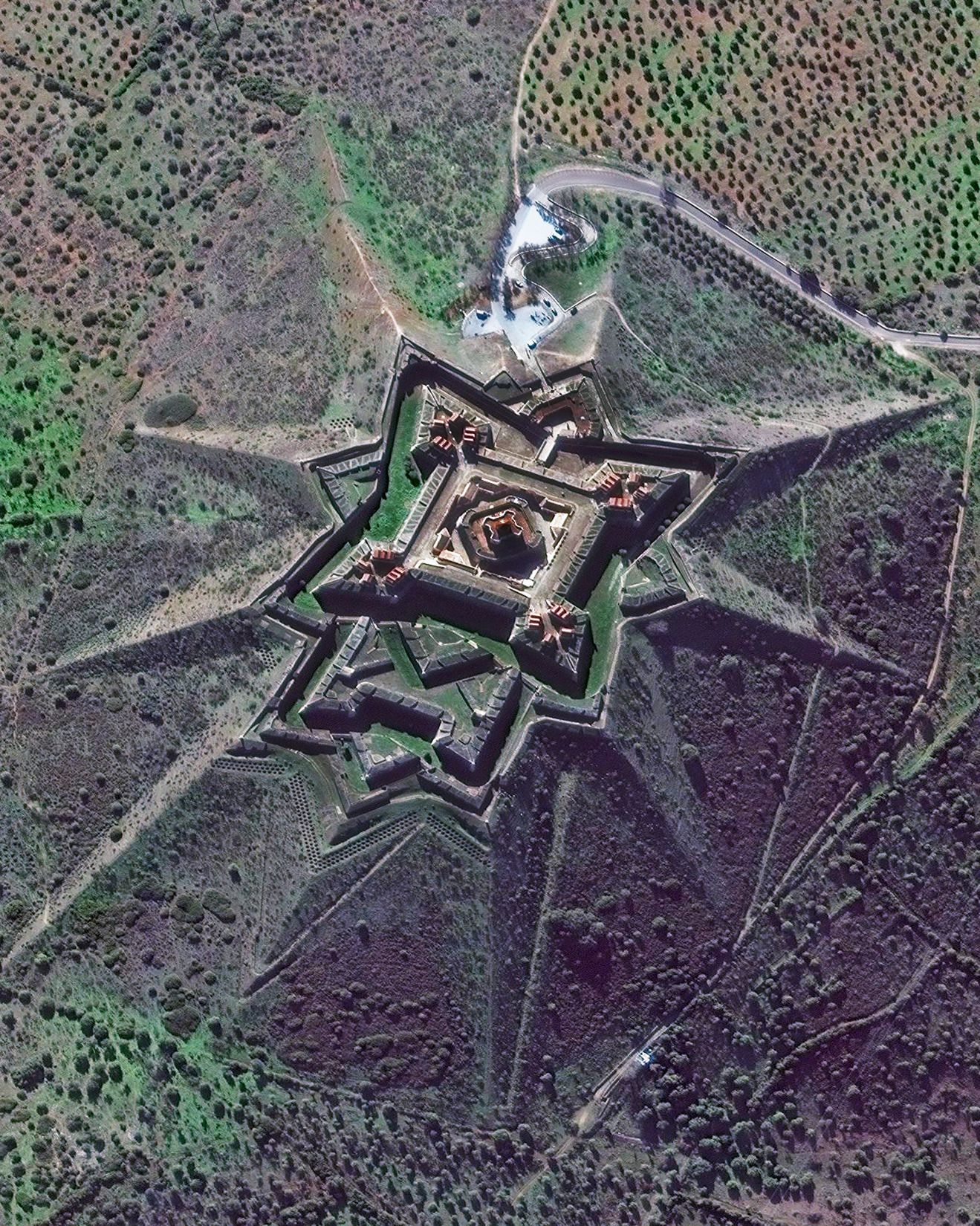
Nossa Senhora da Graça Fort
The Nossa Senhora da Graça Fort is an eighteenth century fort in the village of Alcáçova, Portugal. Its prominent position atop Monte da Graça (Hill of Grace) made it an important stronghold during the Seven Years’ War, War of the Oranges and the Peninsular War. The fort is part of the Garrison Border Town of Elvas and its Fortifications, a UNESCO World Heritage Site.
38.894444°, -7.164167°
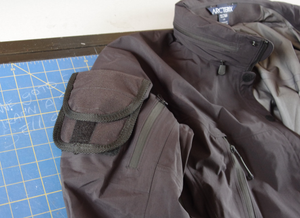
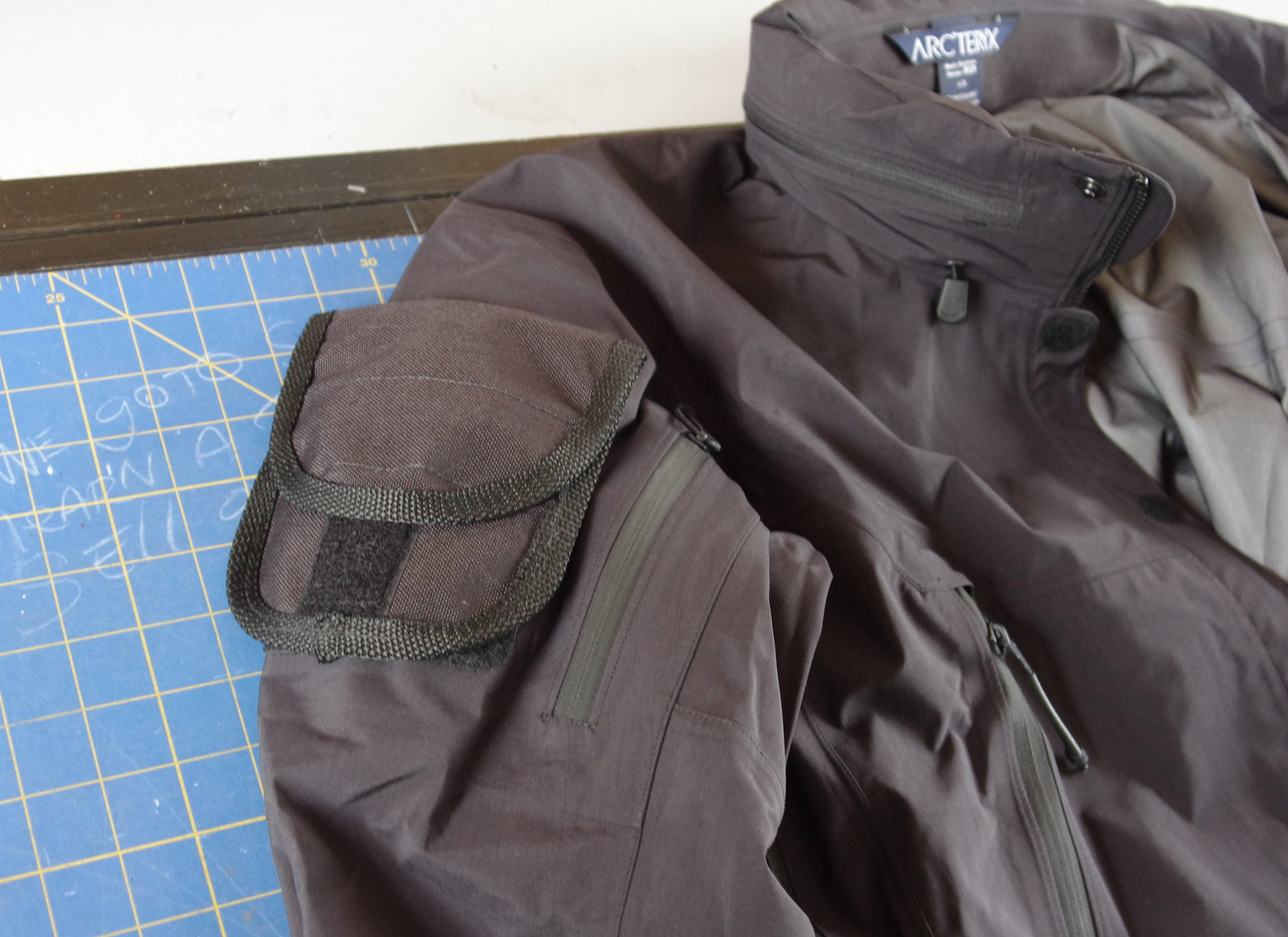
arc'teryx leaf modular velcro pouch additions
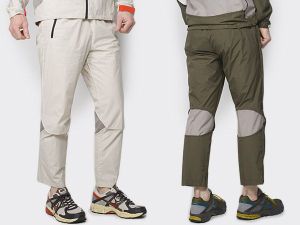
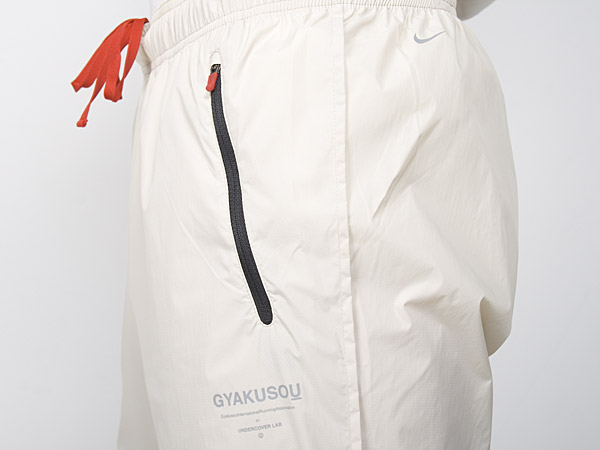
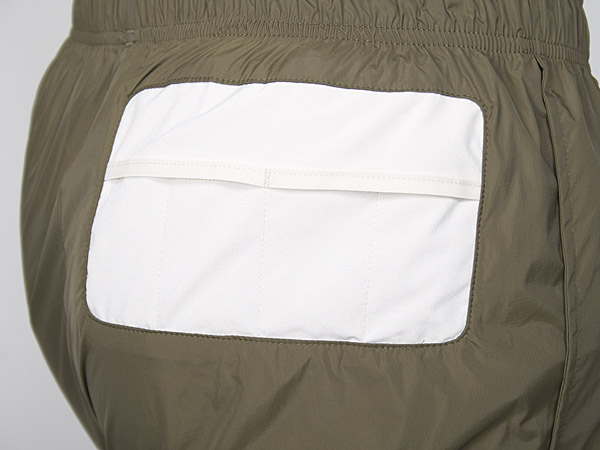
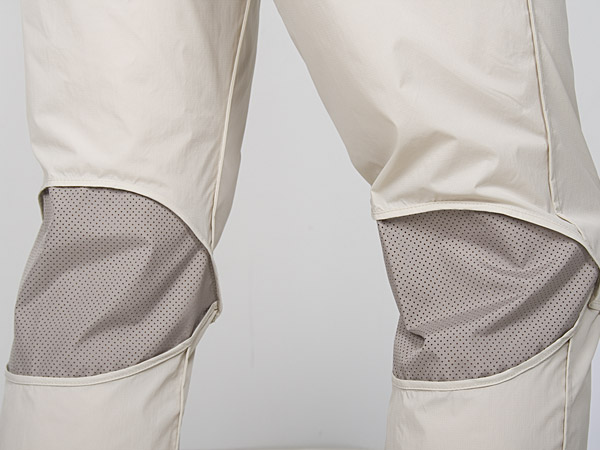
Nike x Undercover Gyakusou SS2011 4/5 Length Pant
These pants a cut slightly shorter for better running comfort. Great for slightly harsher weather conditions. Insideout construction for seamless fit inside. From the Nike Running Gyakusou collection. Made in Japan.
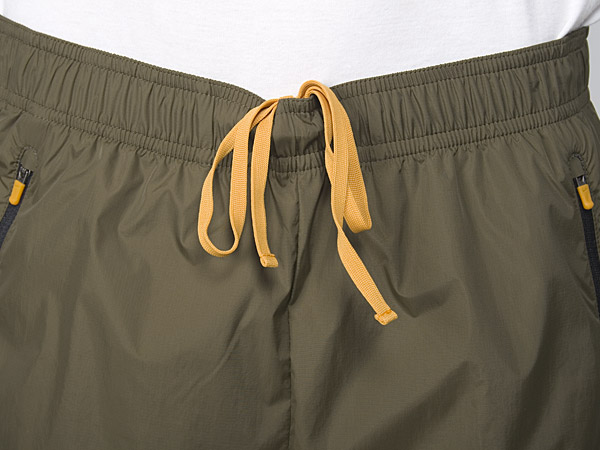

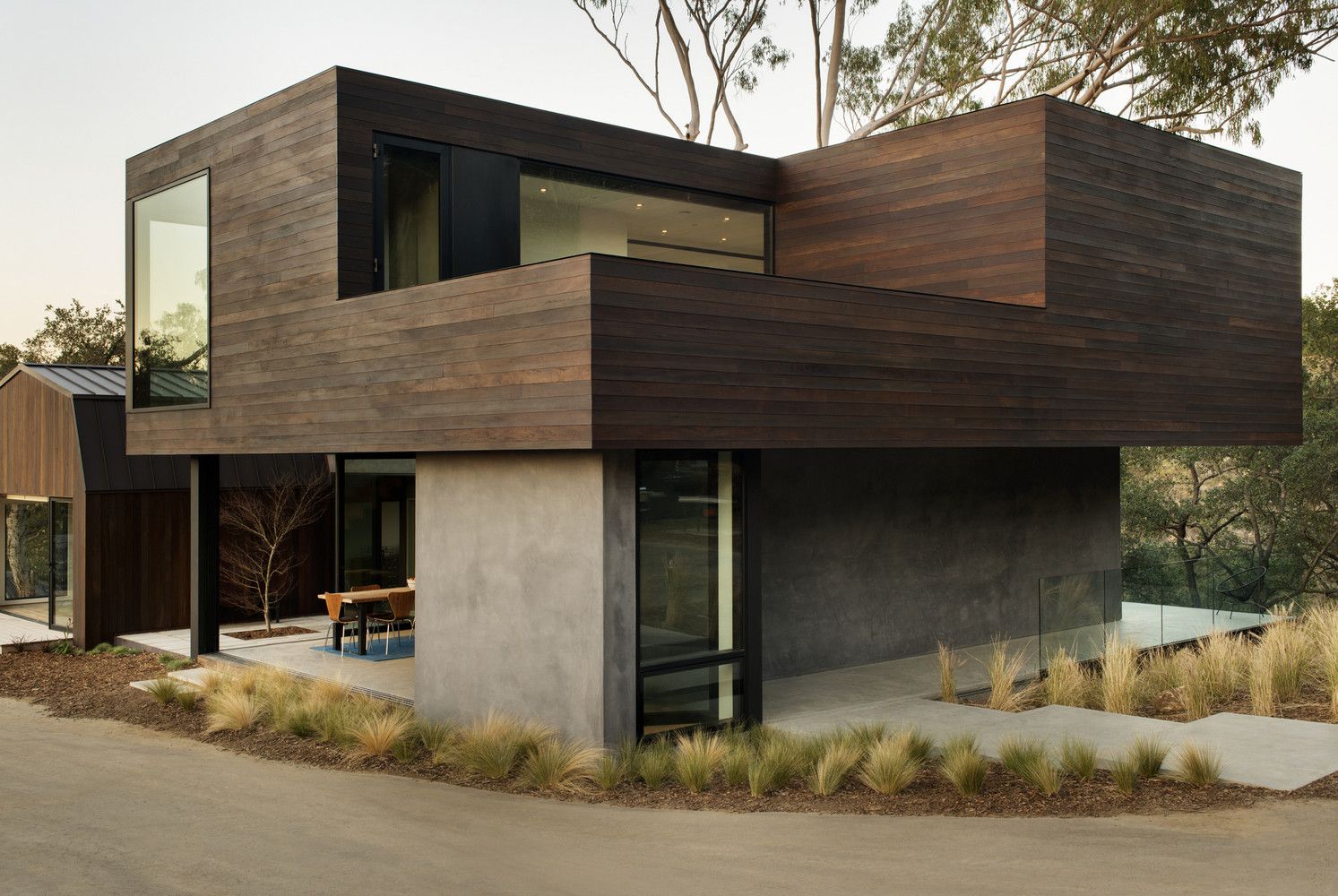
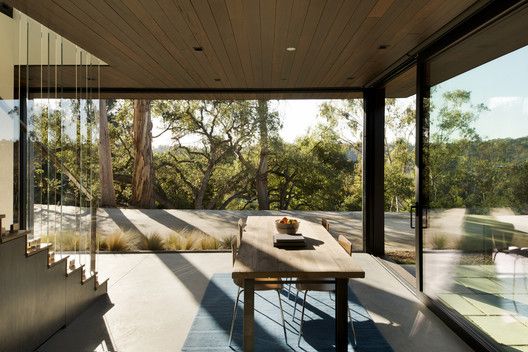
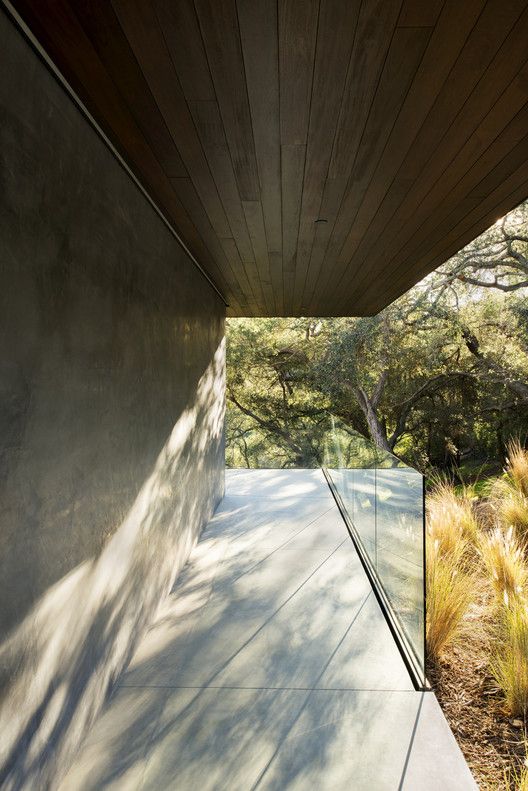
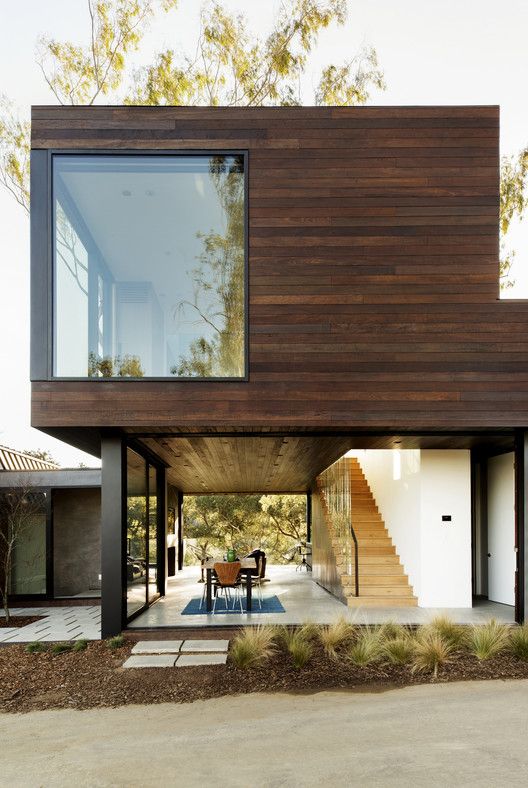
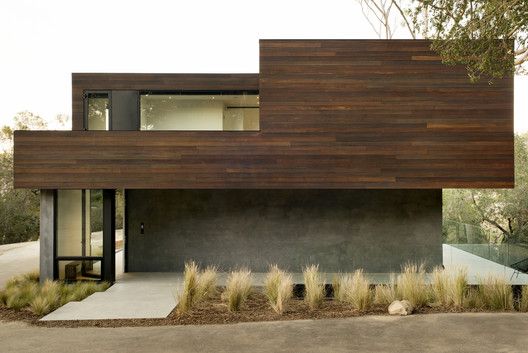
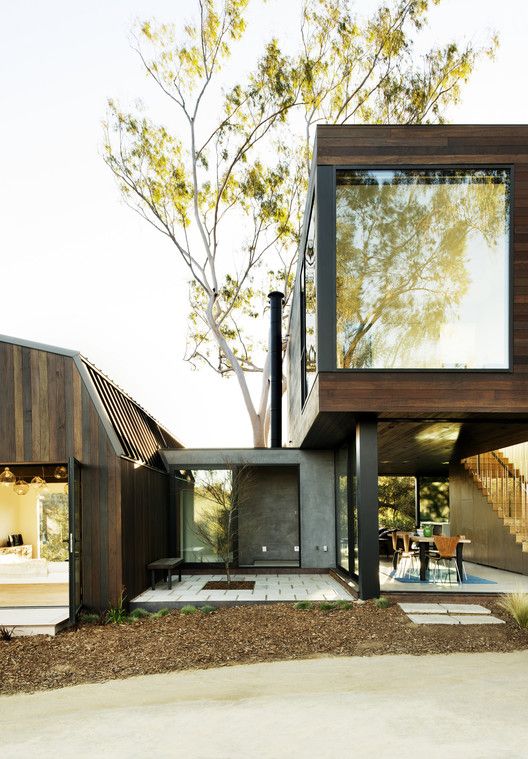
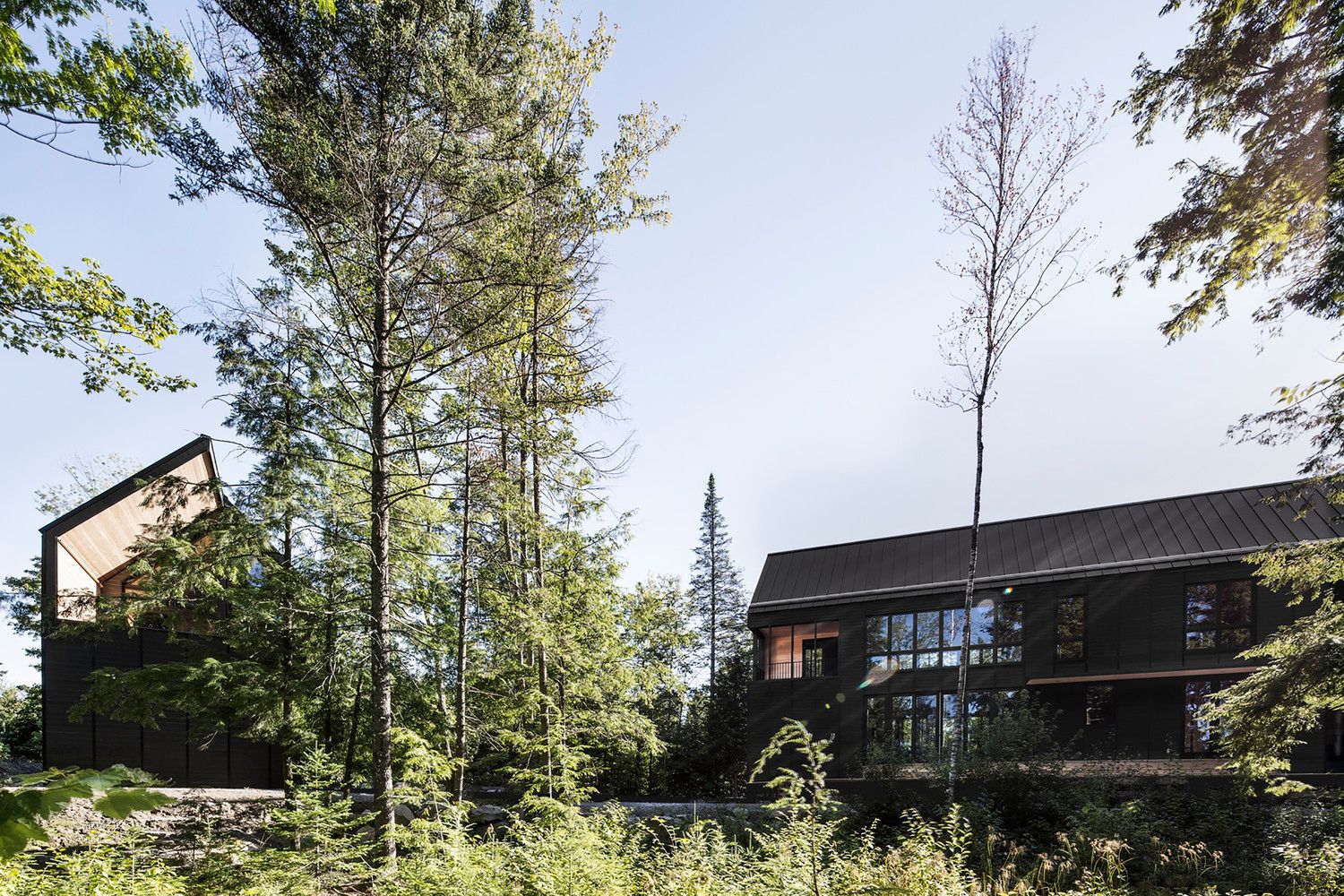
Oak Pass Guest House by Walker Workshop
Beverly Hills, United States of America.


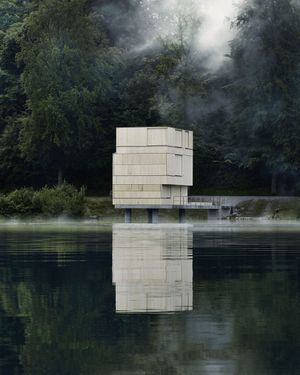
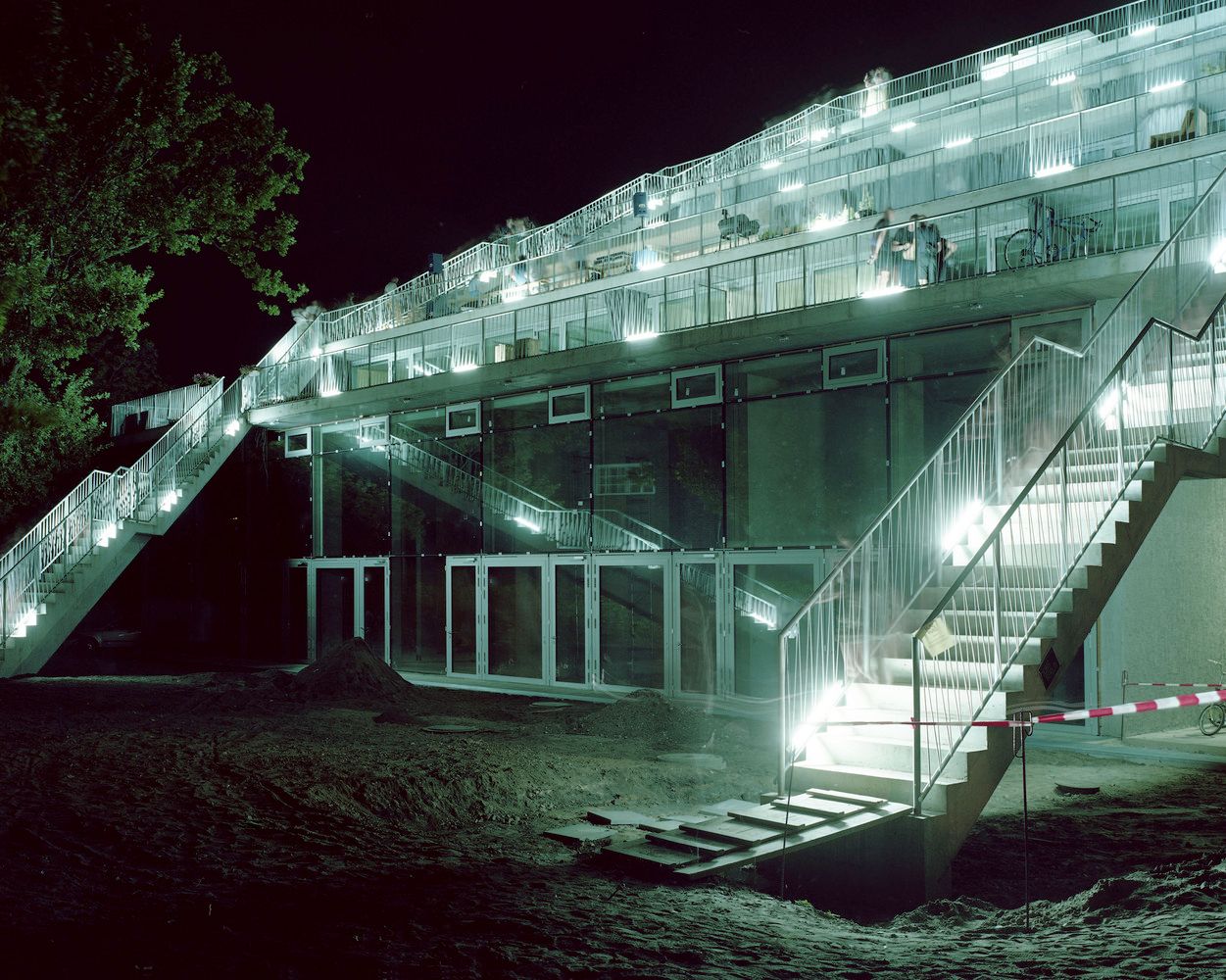
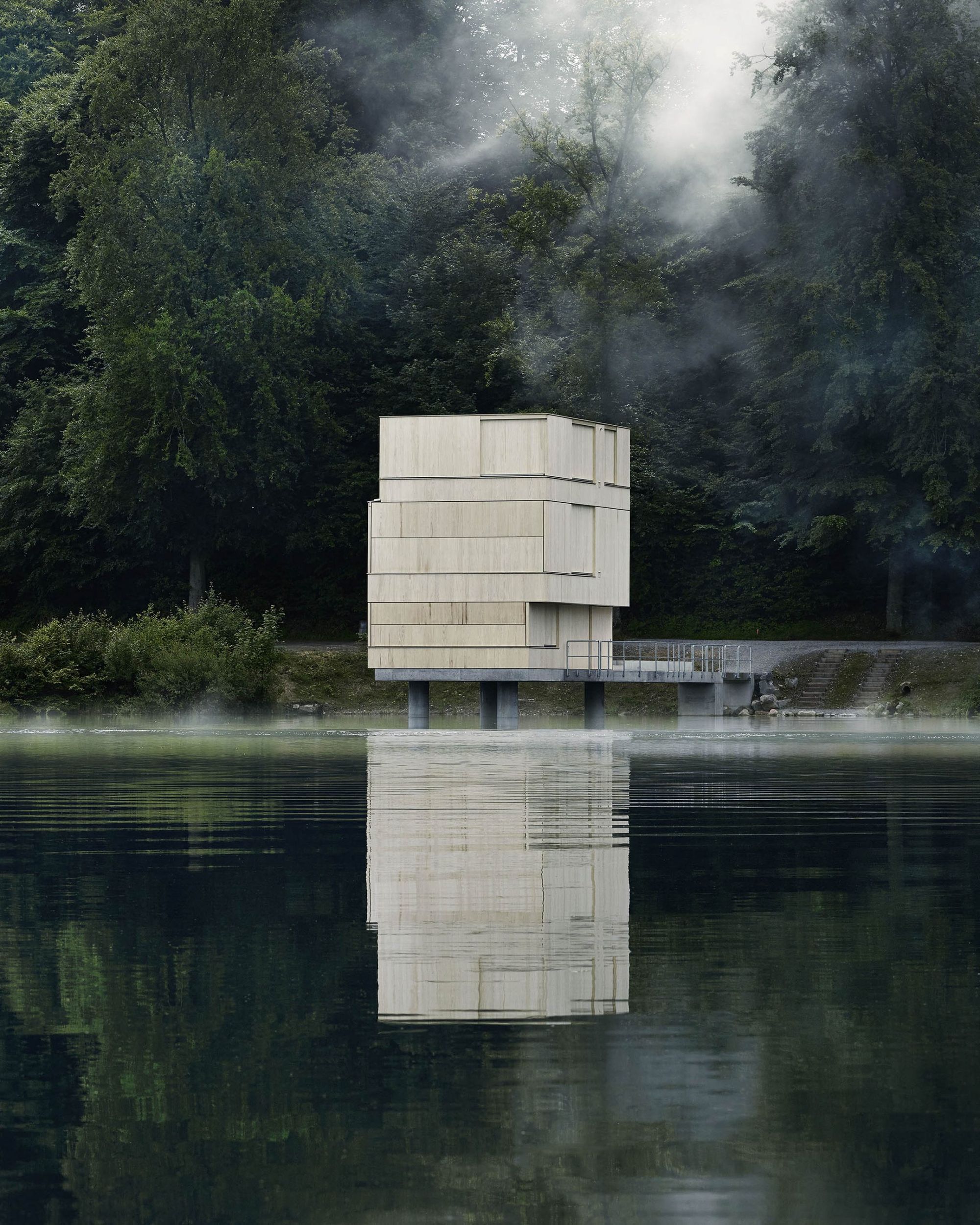
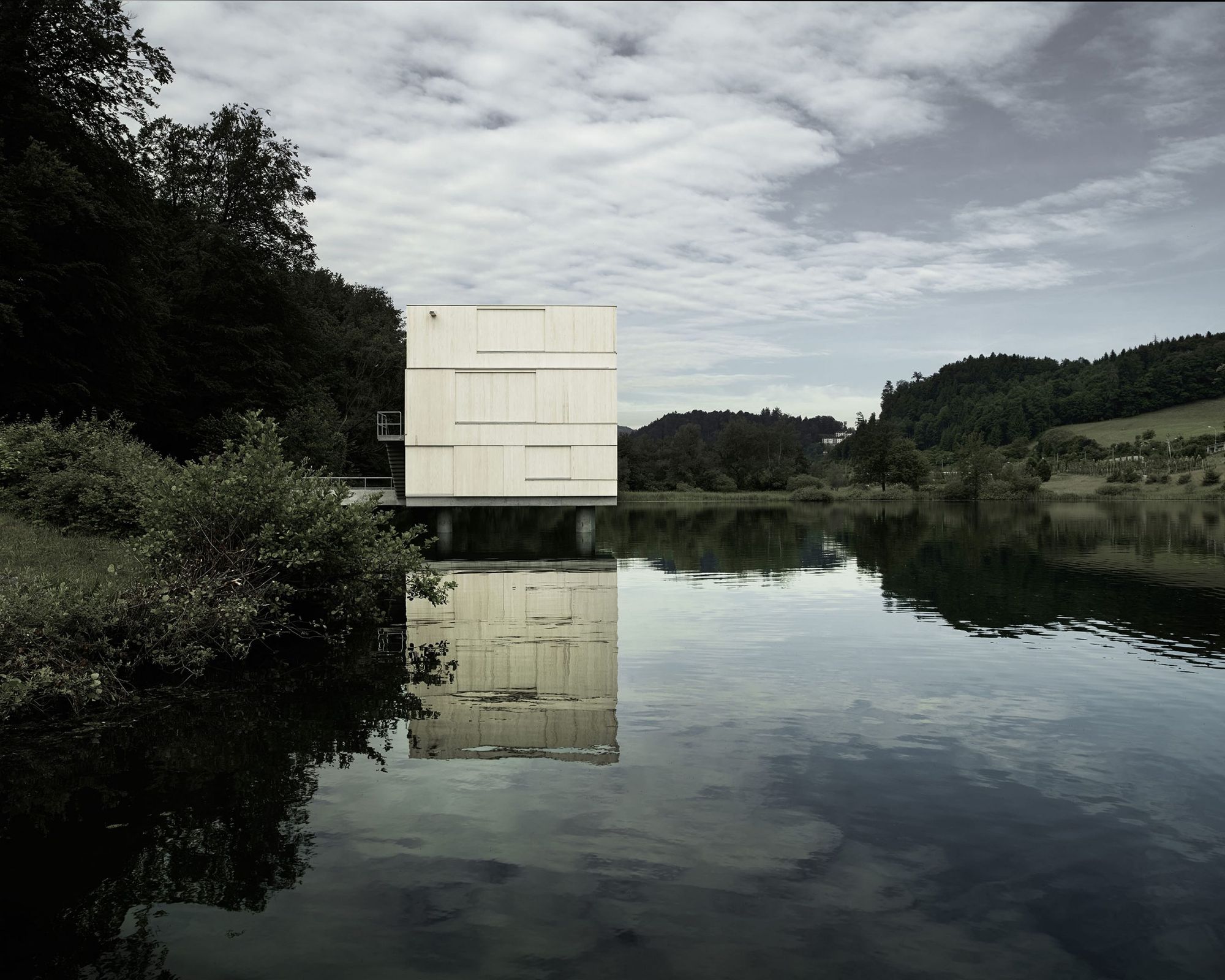
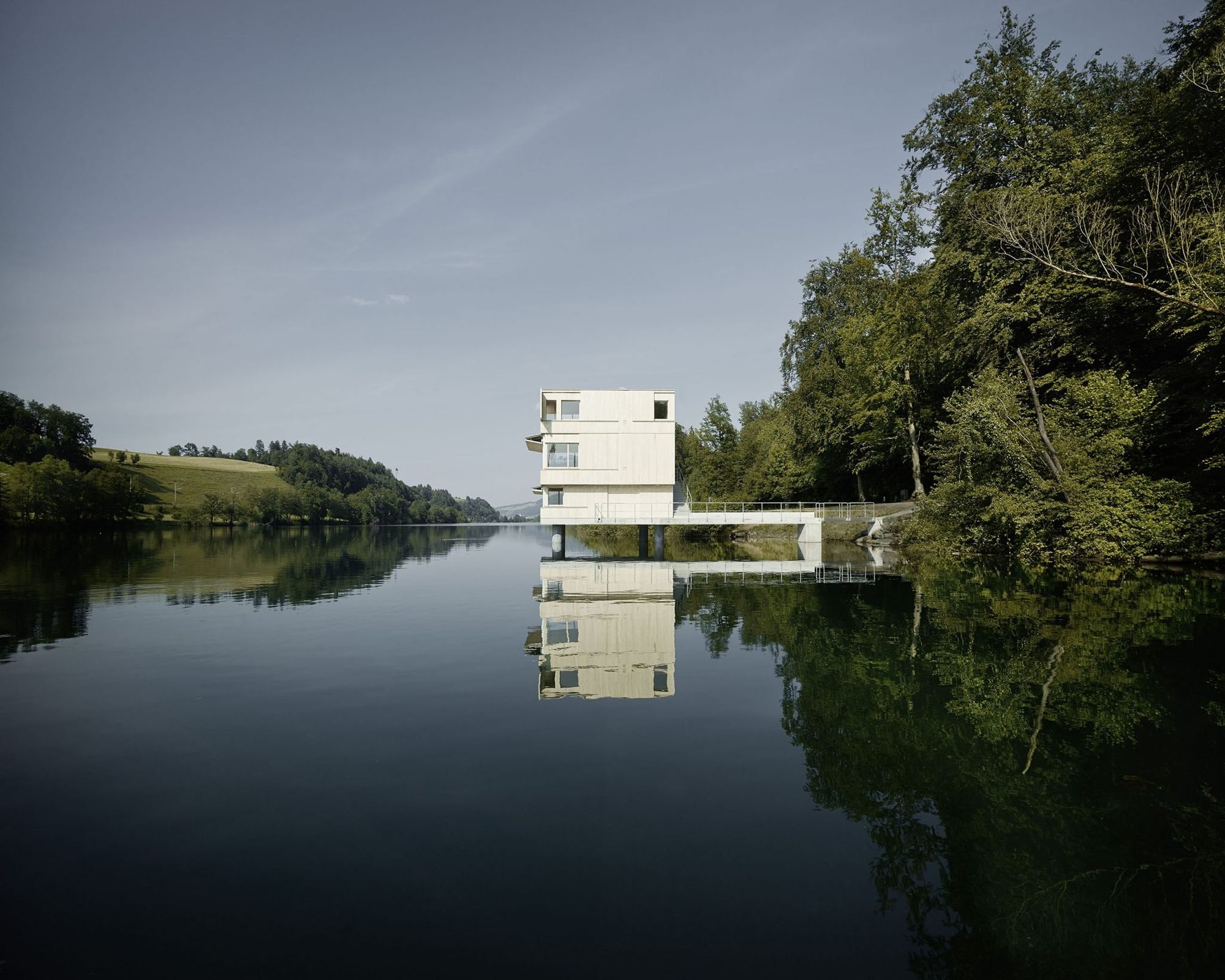
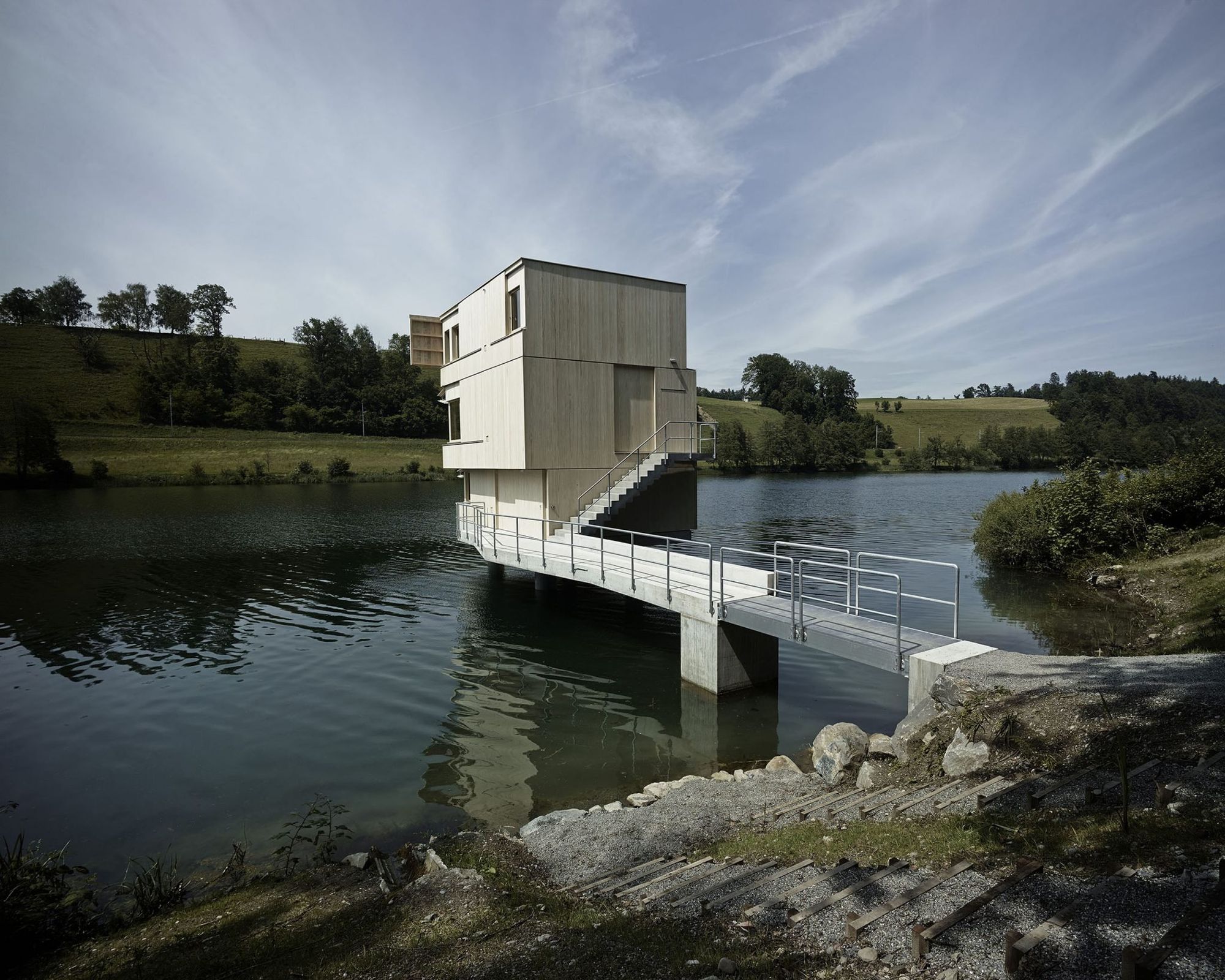
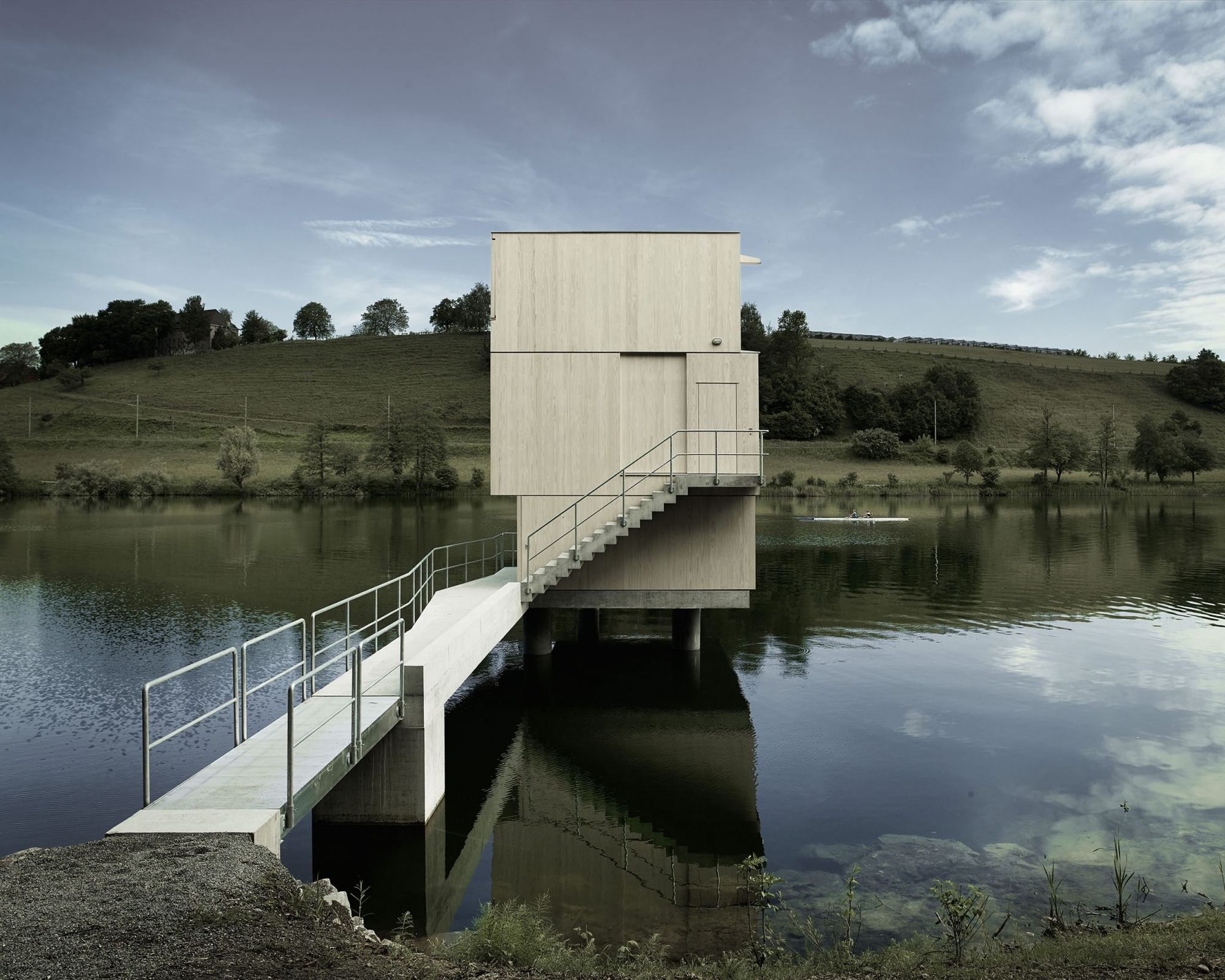
Lake Rotsee Refuge by AFGH Architekten firm
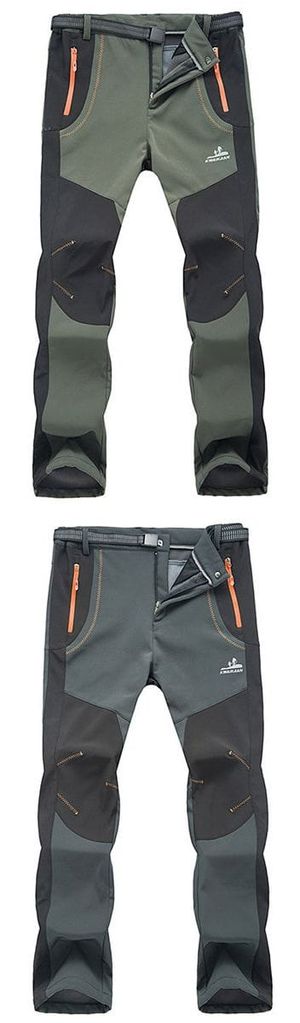
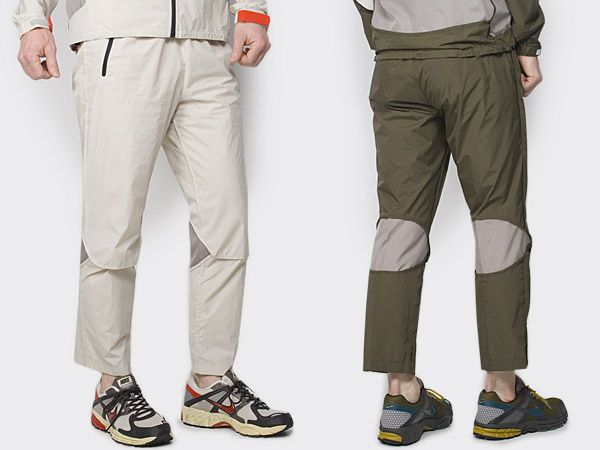
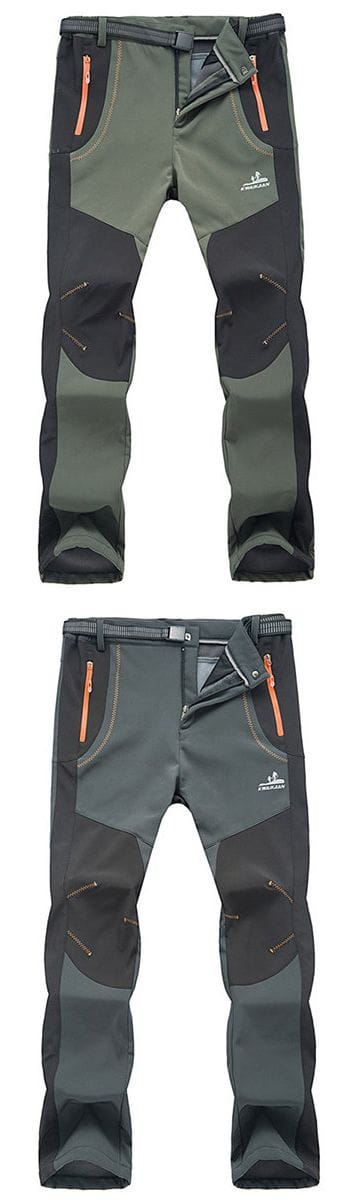
Fleece-Lined Hiking Pants — Technical Outdoor Apparel
Arms 1 1999-2004 Chromogenic print Thomas Struth
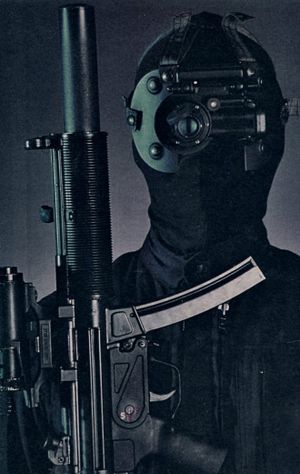
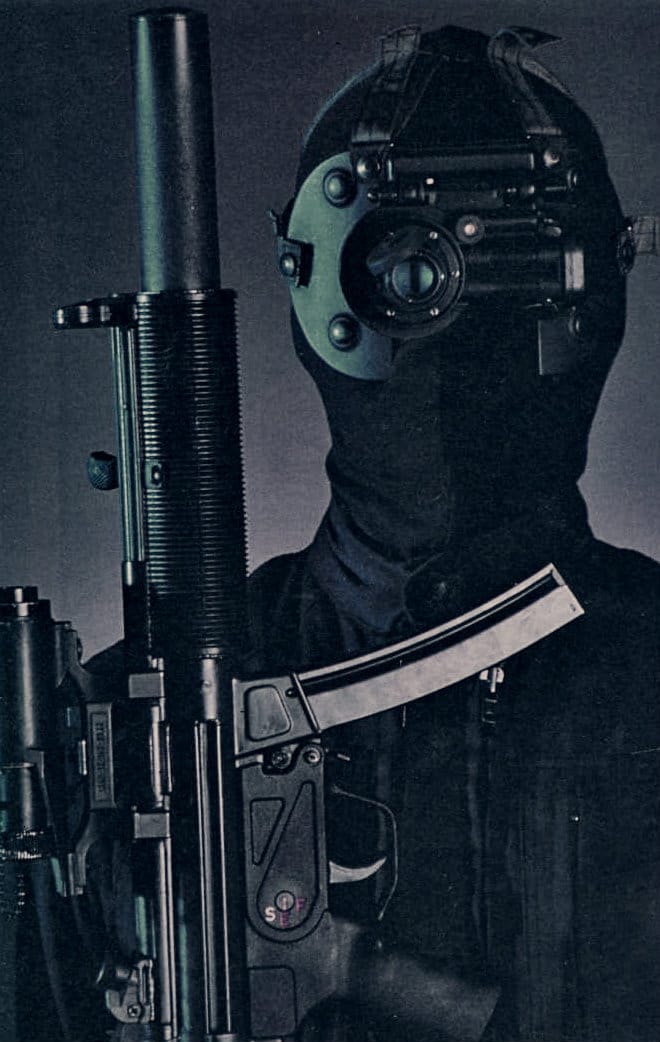
GIGN Operator MP5SD Night Vision
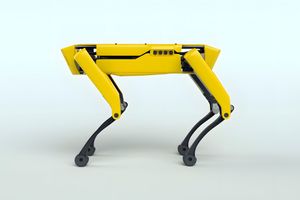
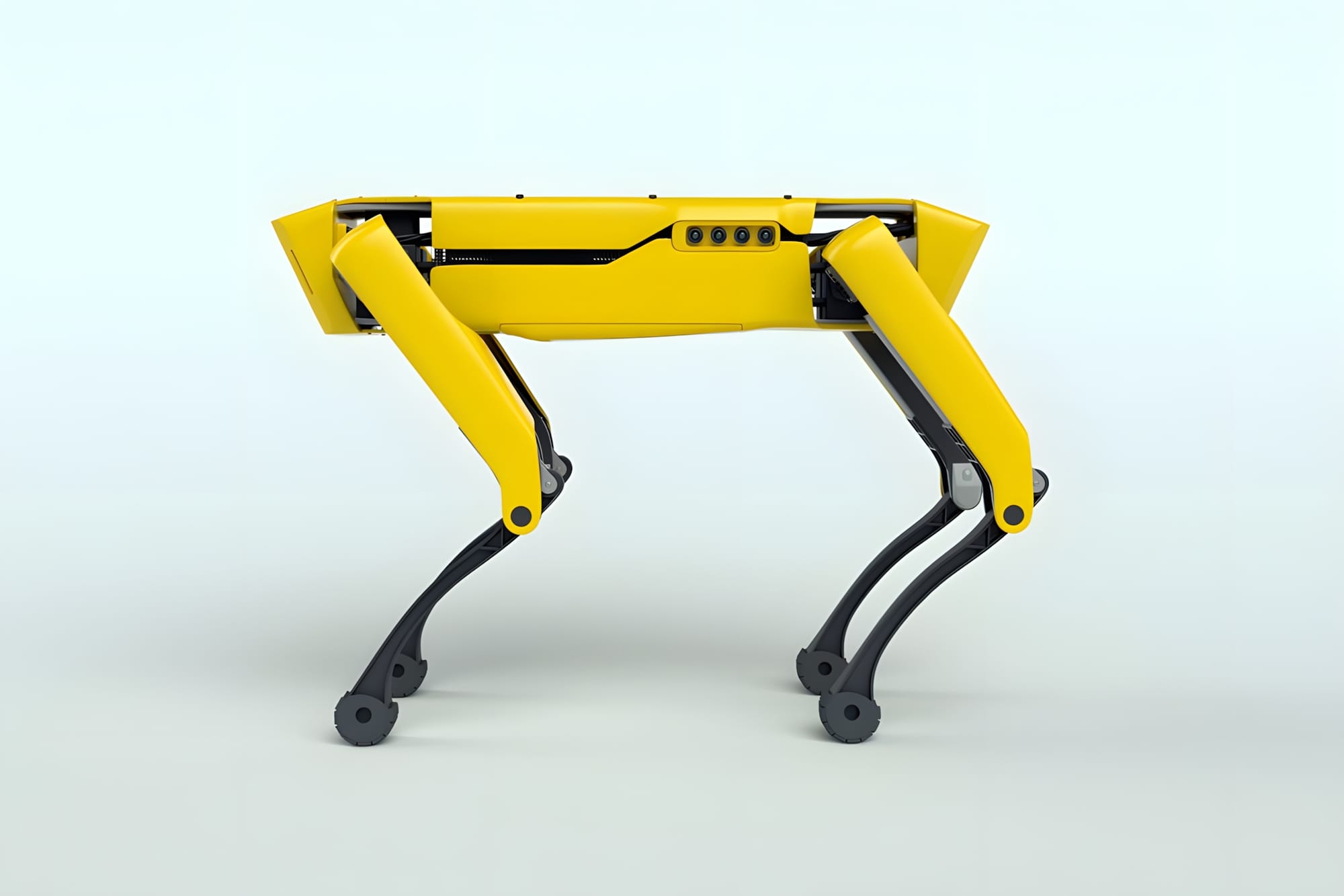
Boston Dynamics SpotMini Quadruped Robot

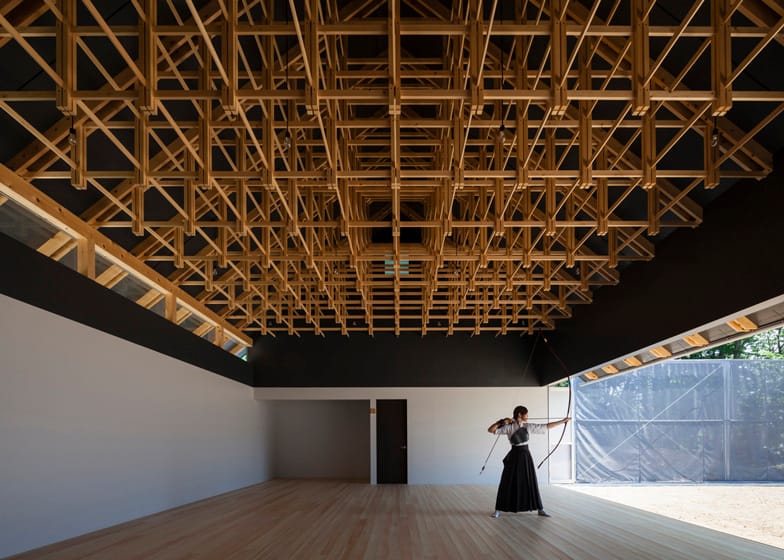
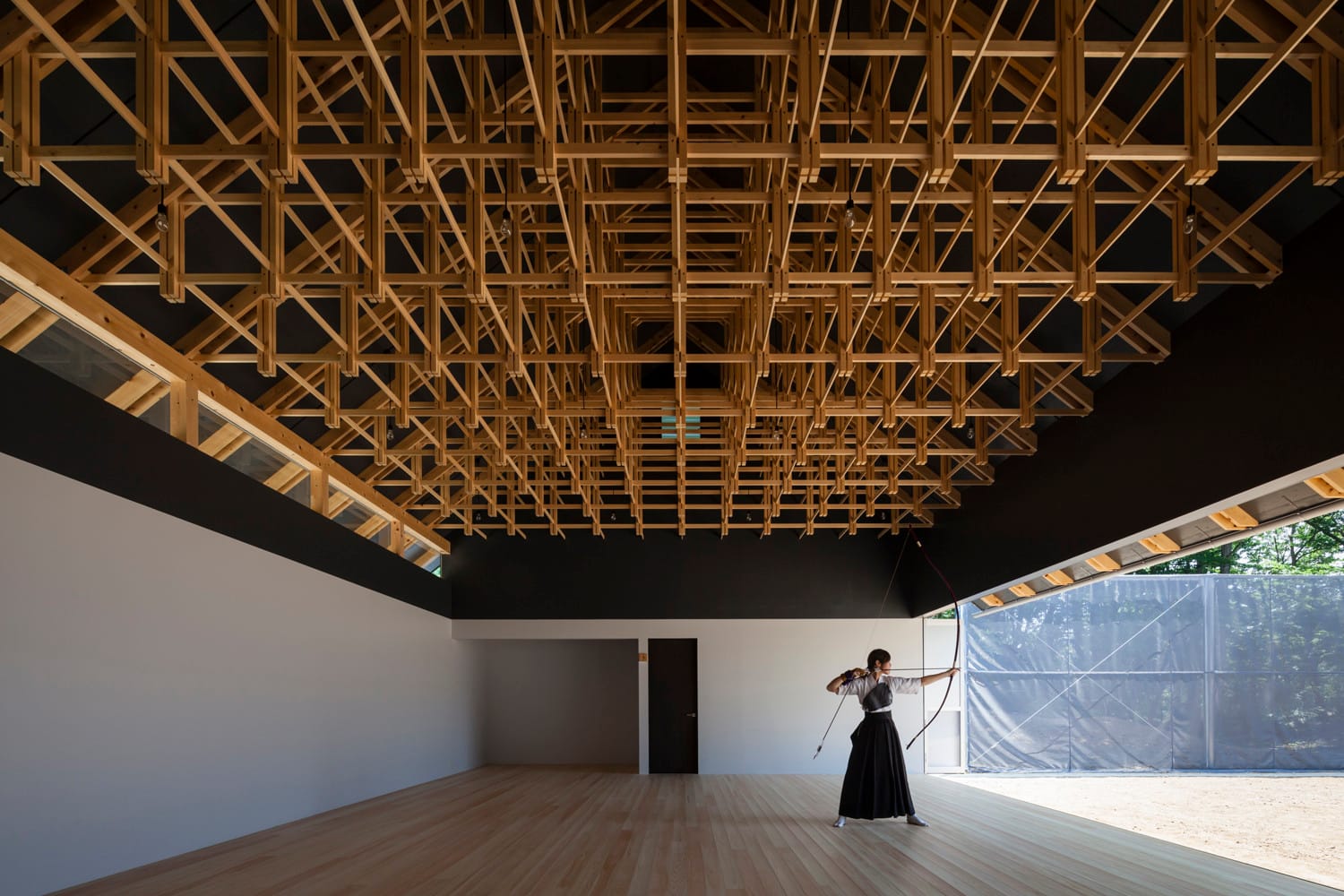
Kogakuin University Archery Hall
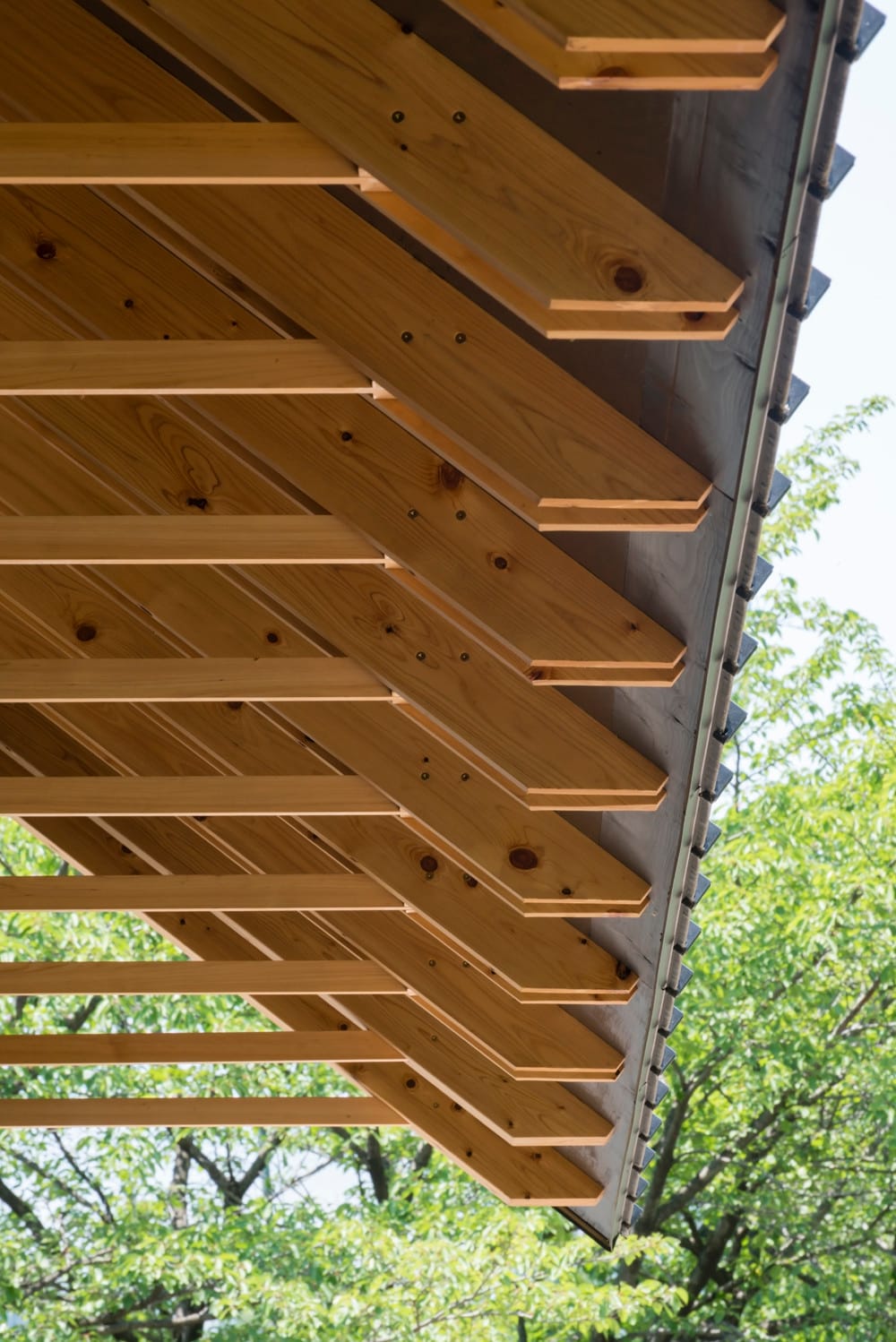
The Archery Hall, one of two sports pavilions FT Architects (Katsuya Fukushima, Hiroko Tominaga) built in 2013 at Kogakuin University, west Tokyo. Each is a column-free room of 7.2 by 10.8 m under an exposed timber roof of horizontal and vertical members, bolt-and-nut jointed. The archery hall uses small timber sections normally used for furniture. Photographs by Shigeo Ogawa.

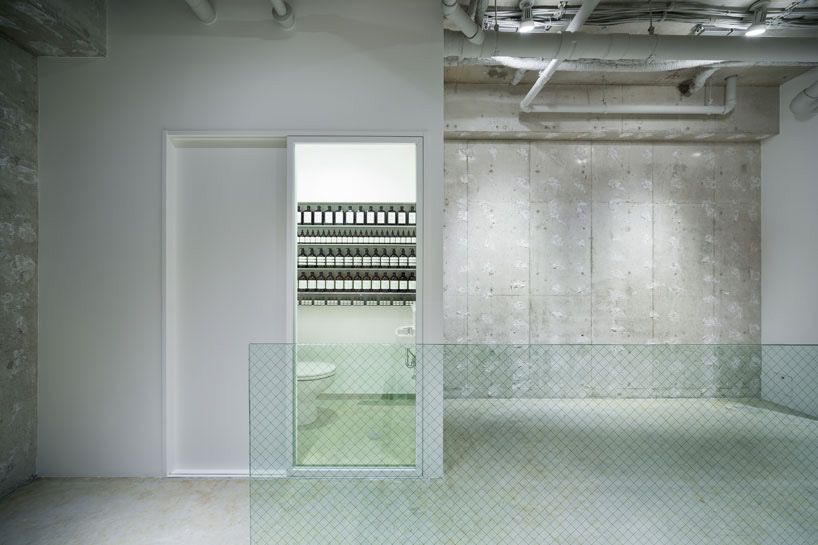
Aesop Kawaramachi Shop by Torafu Architects

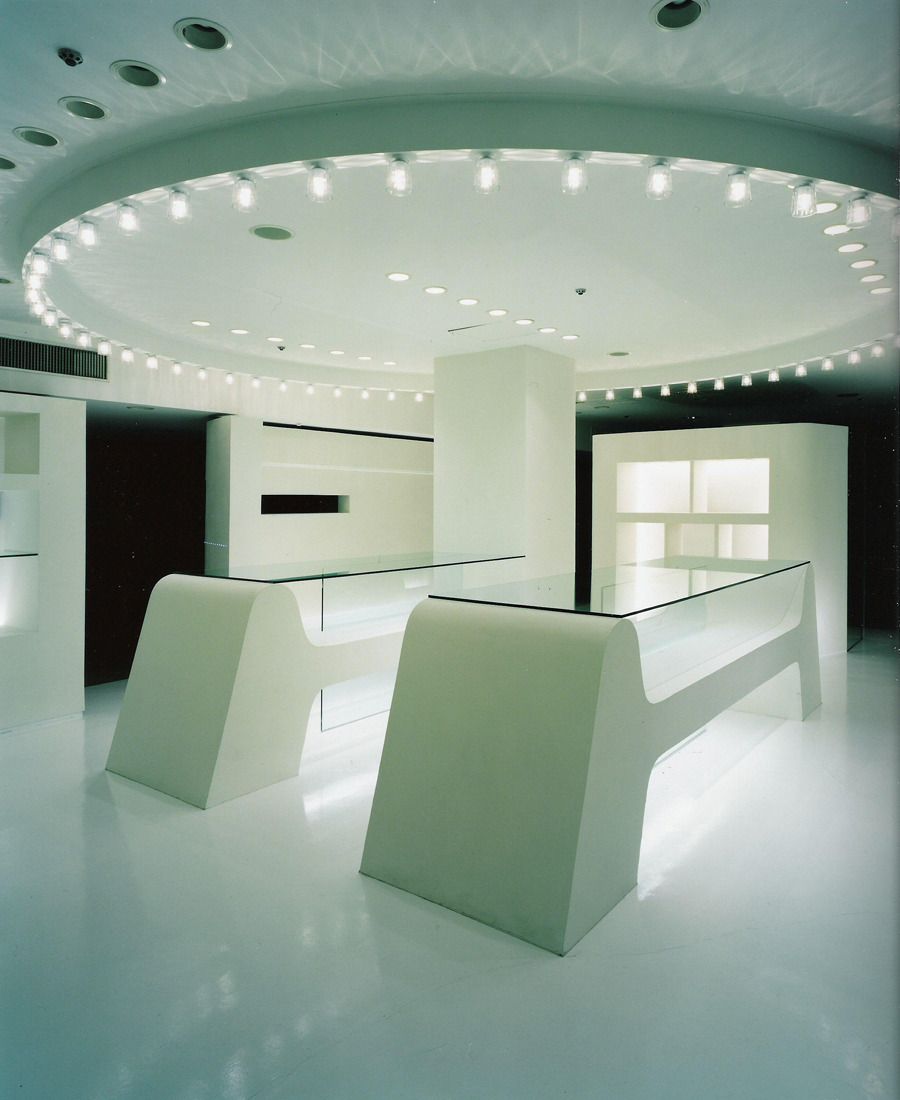
Jean Paul GAULTIER KYOTO BAL (2002)


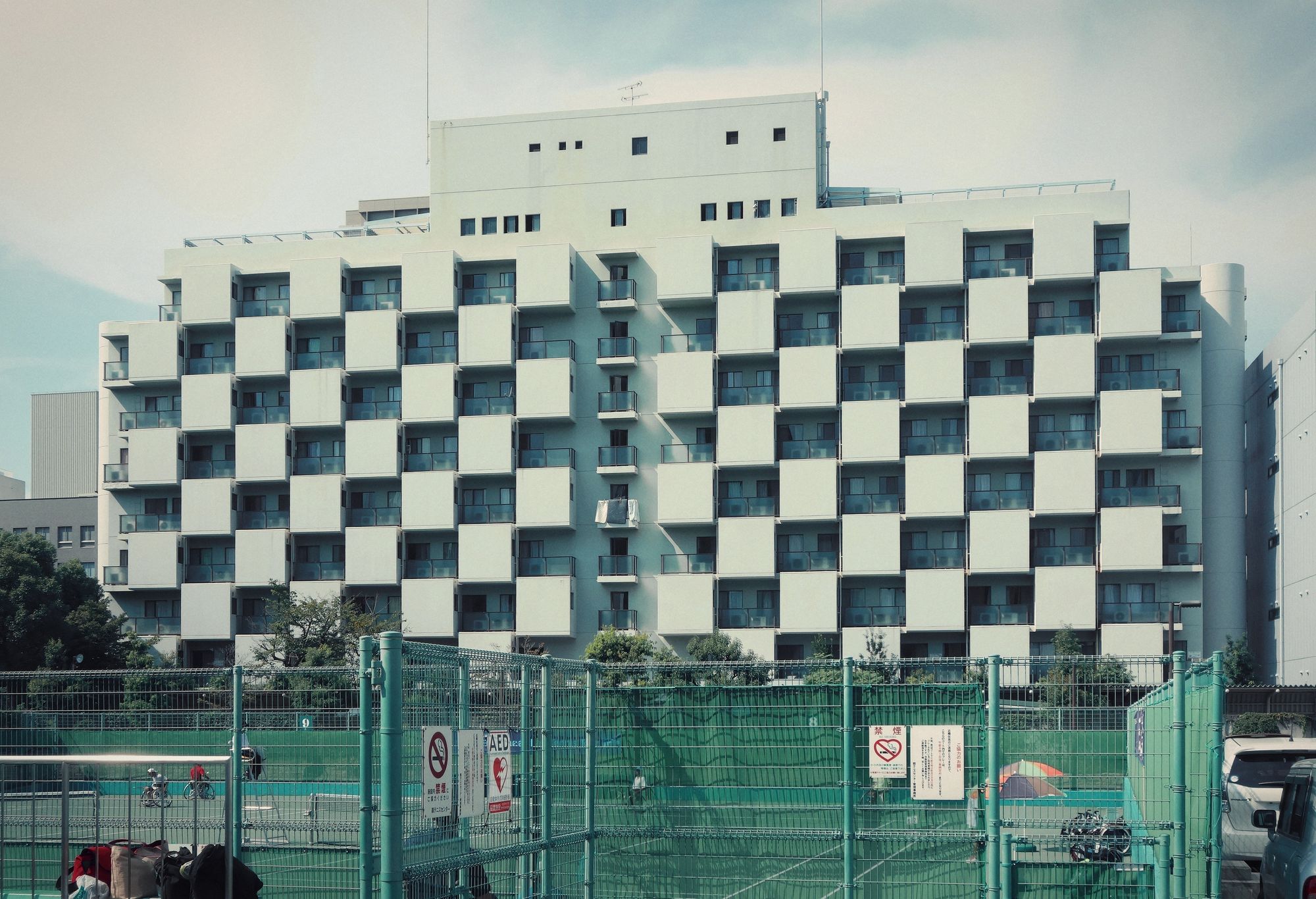
Sumitomo Hospital Seisen-ryo Apartments
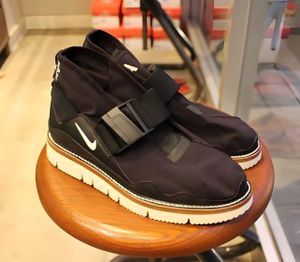
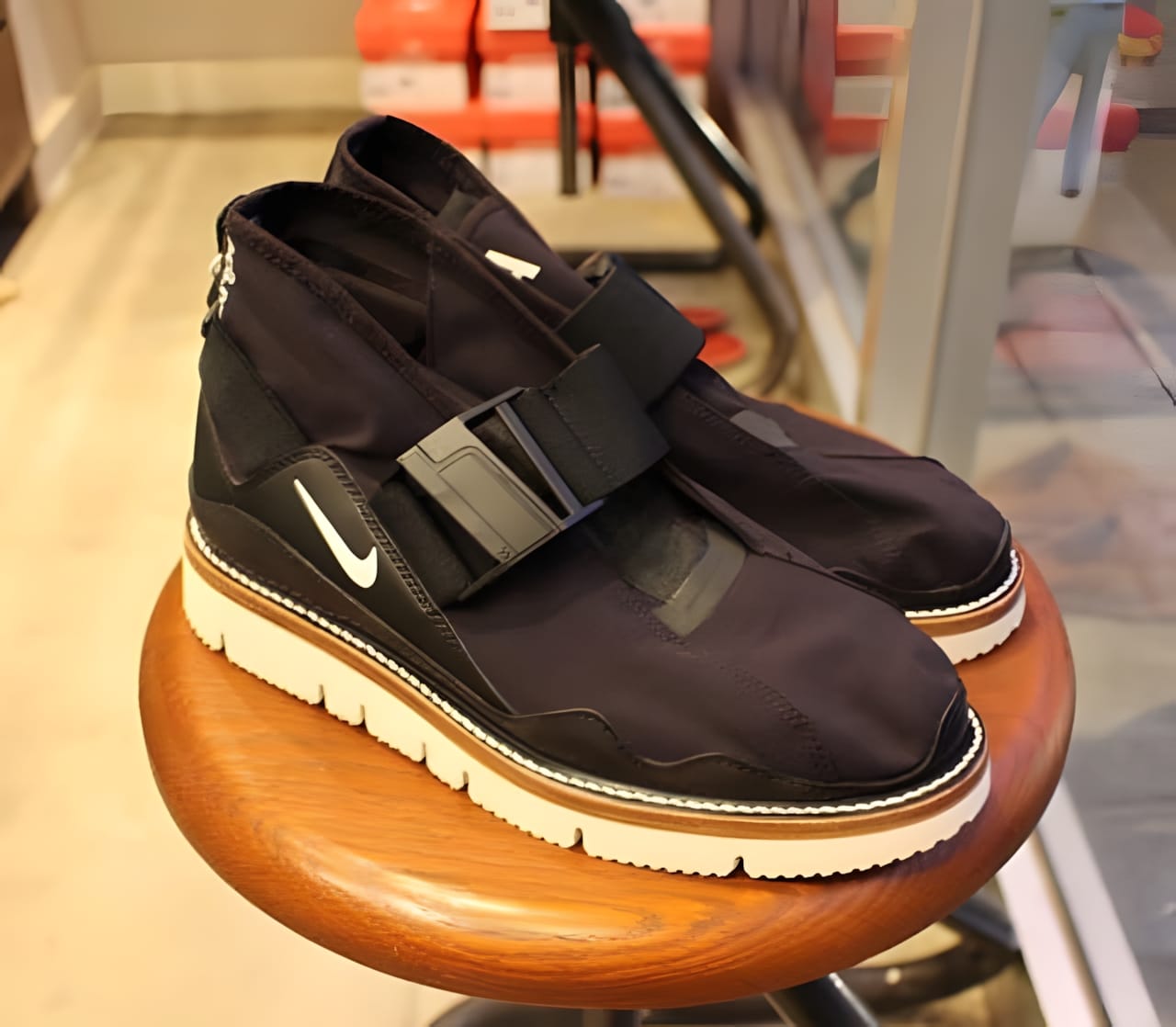
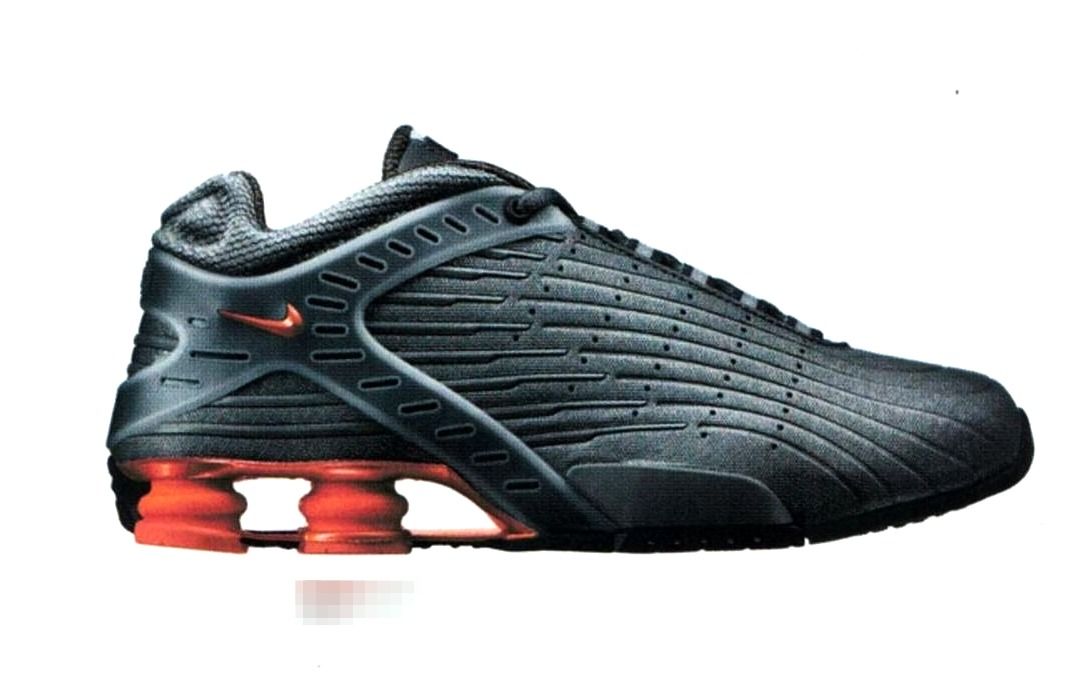
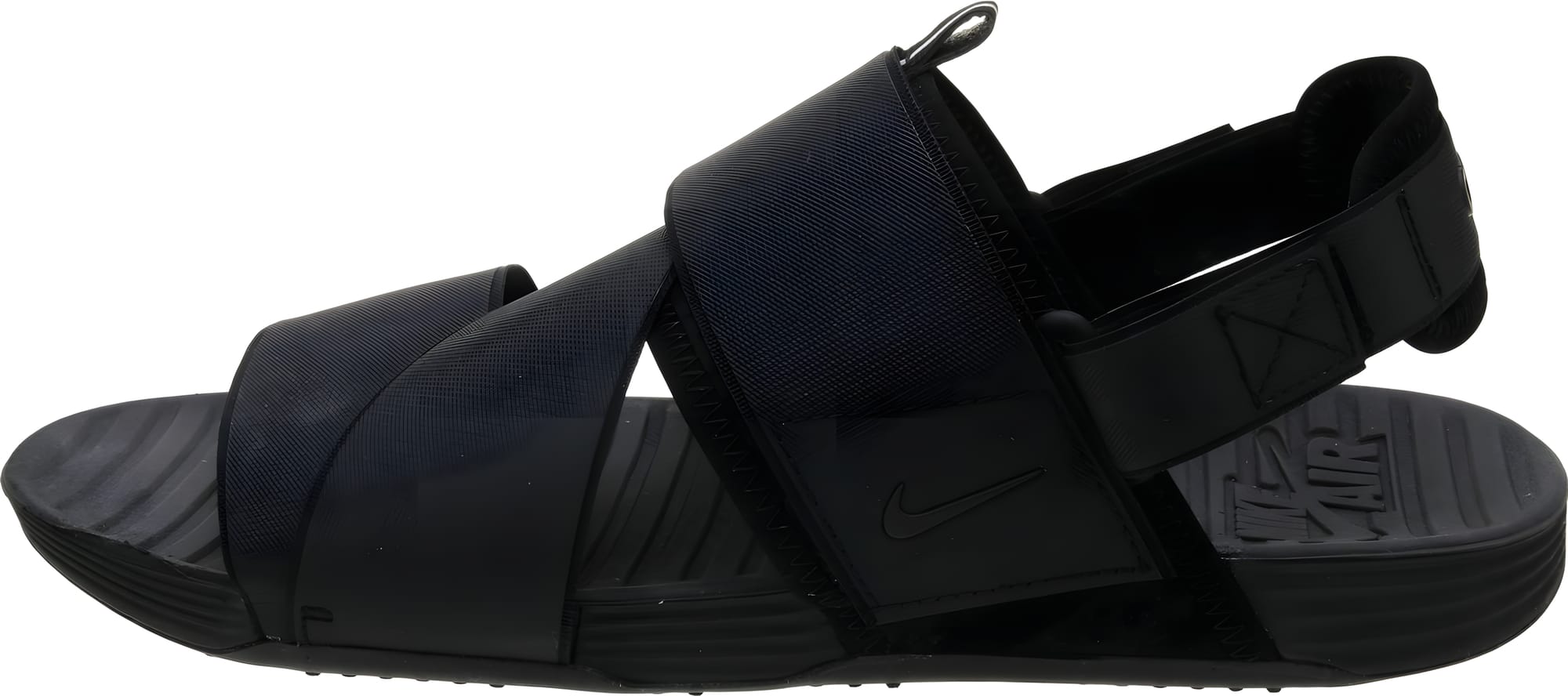
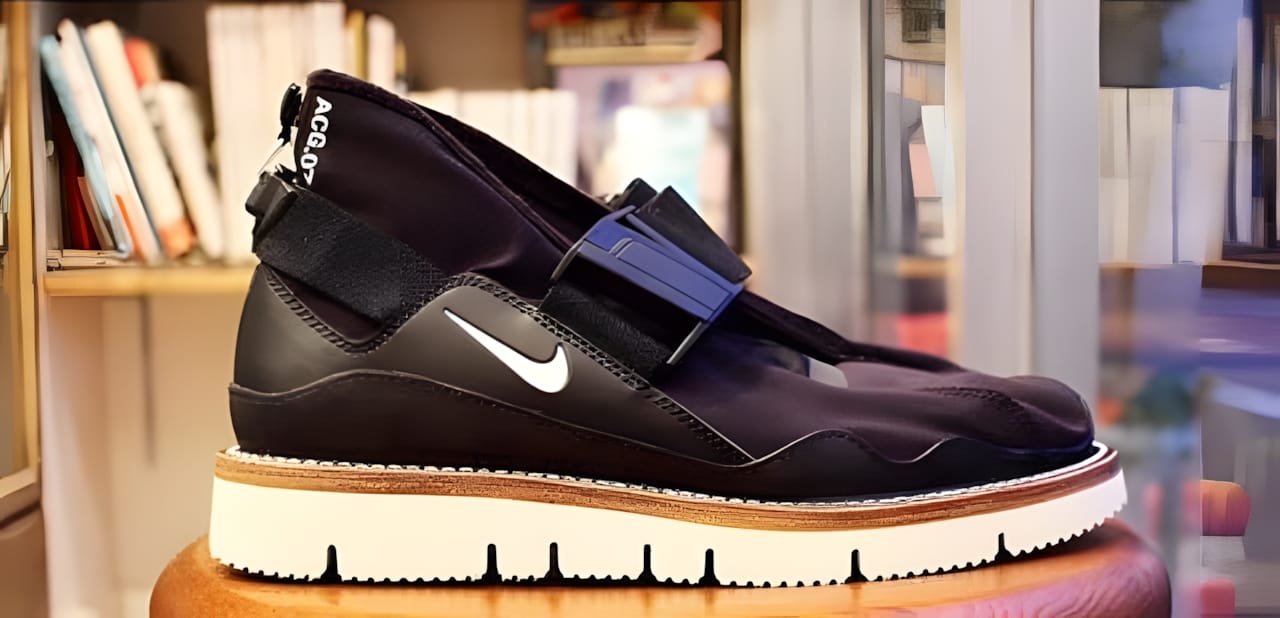
Nike Komyuter Black/Summit White (AA2211-001)
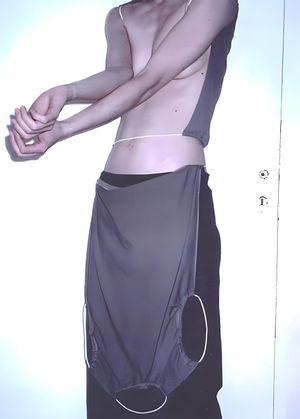
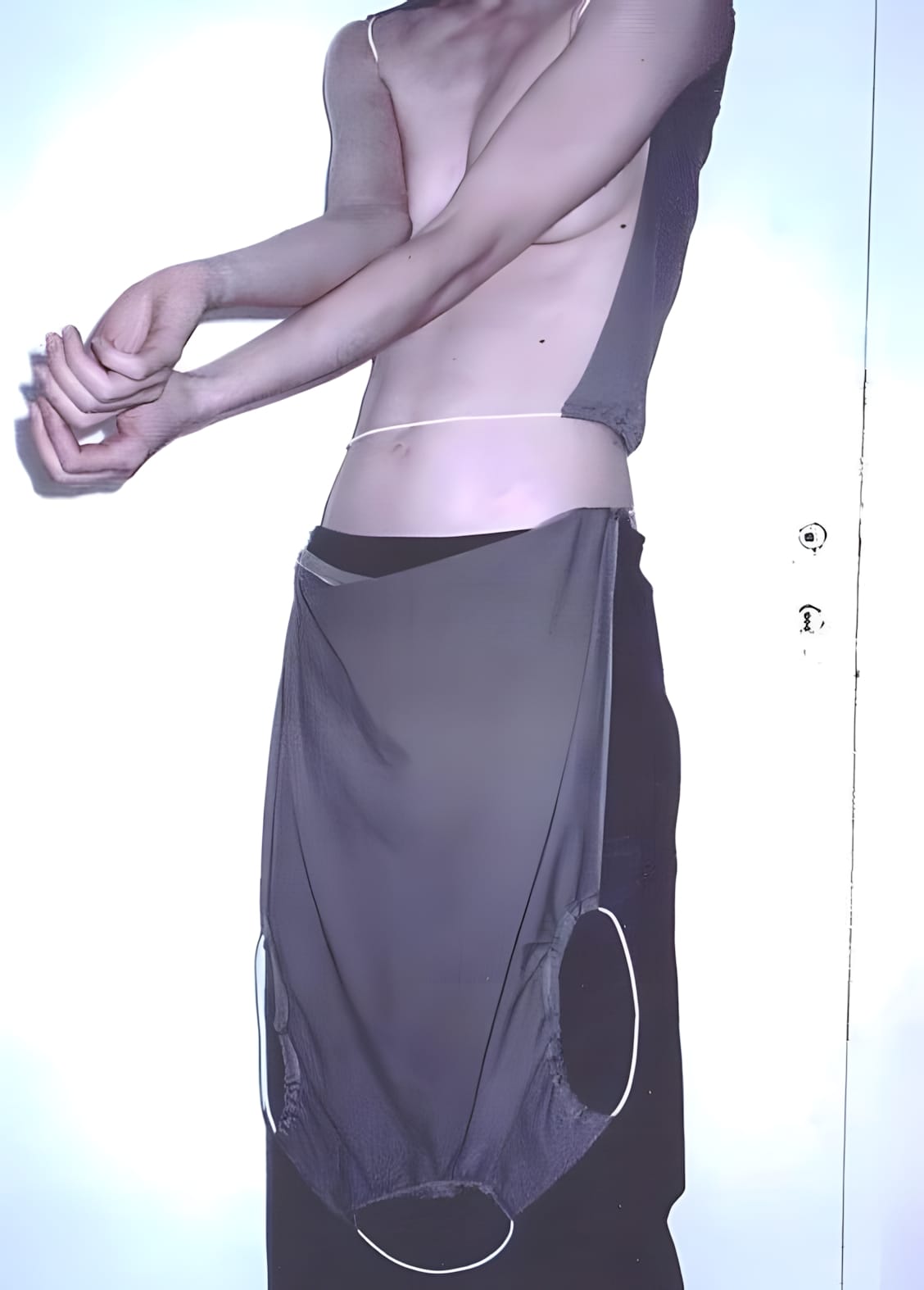
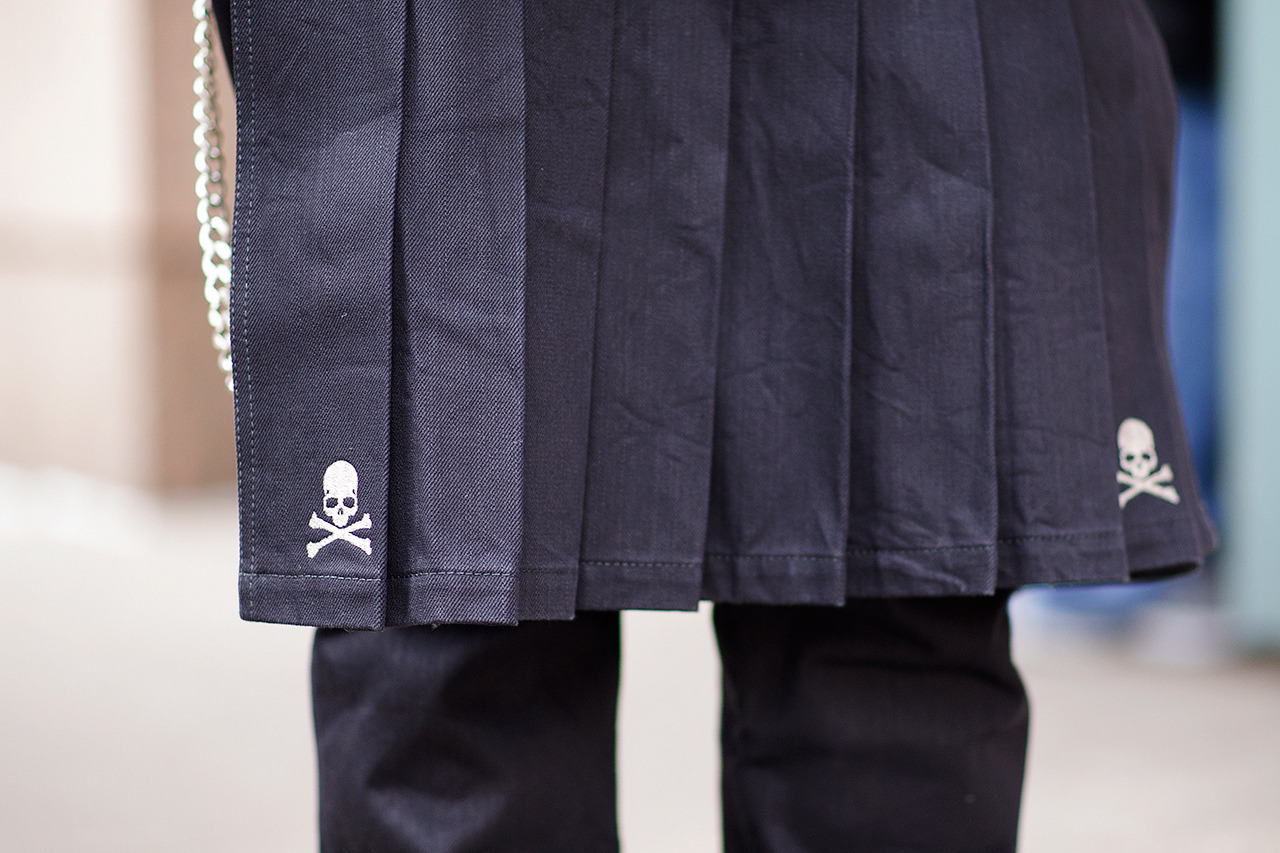
Rick Owens Draped Wrap Skirt, circa 1998

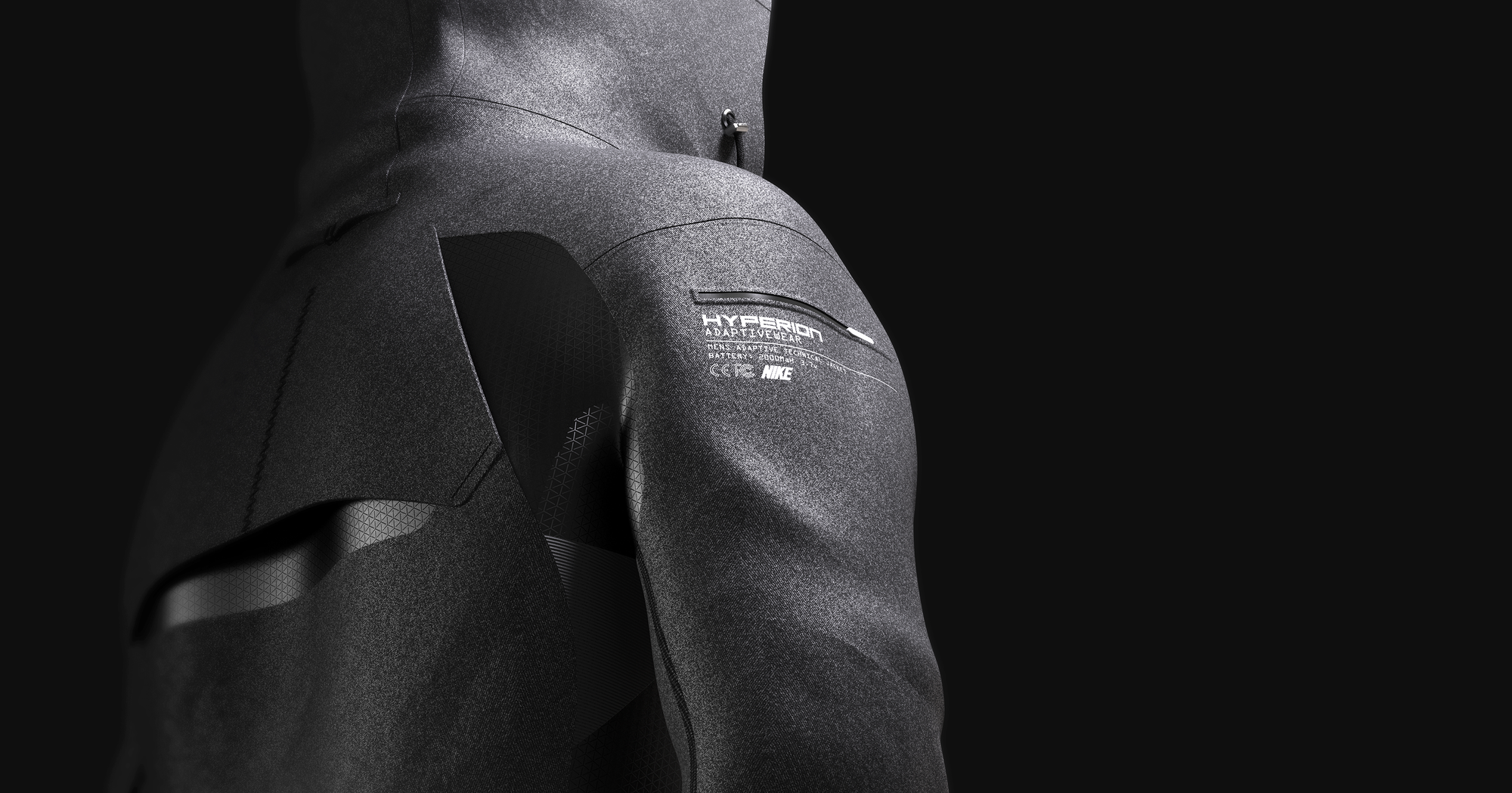
Nike Advanced Training Jacket Concept
A concept for a Nike training jacket by designer Joseph Cooper: a close-fitting panelled shell with mapped zones and bonded seams. A sportswear design study.
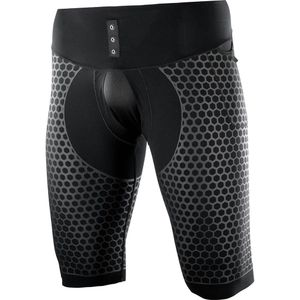
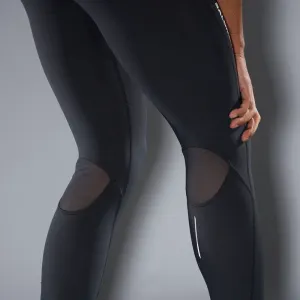
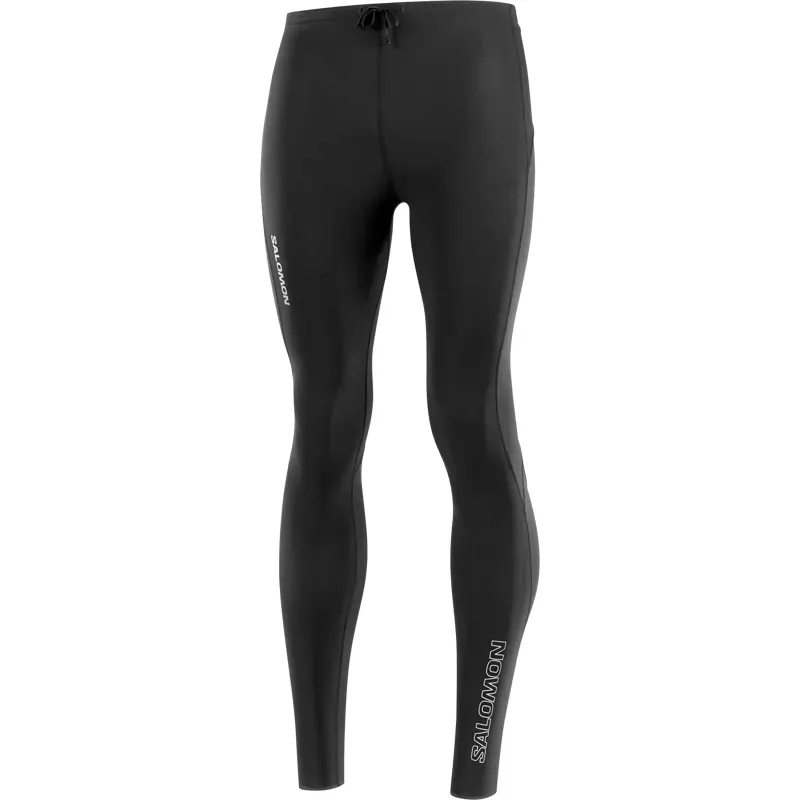
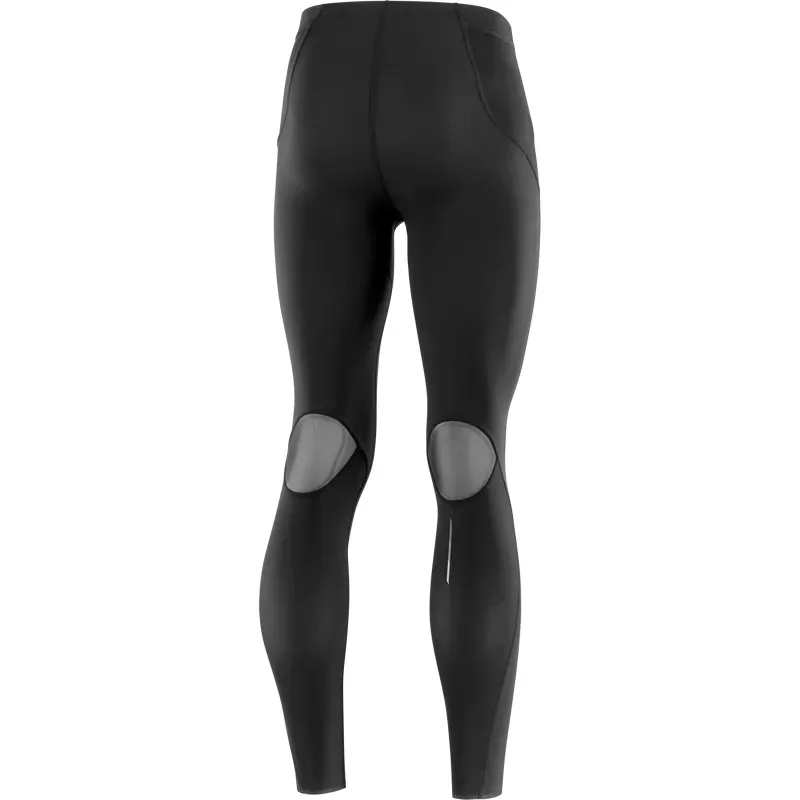
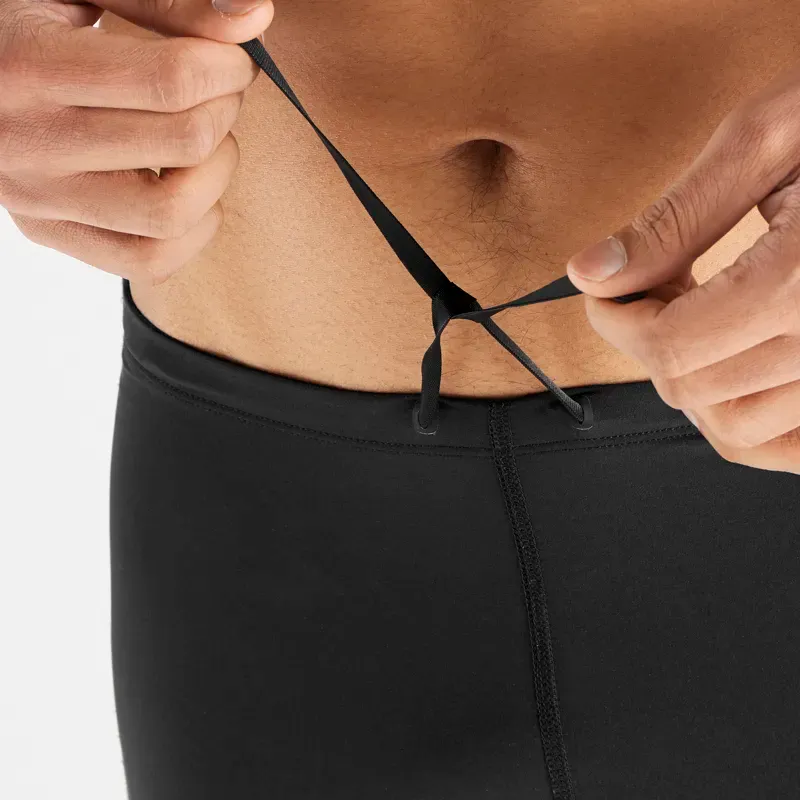
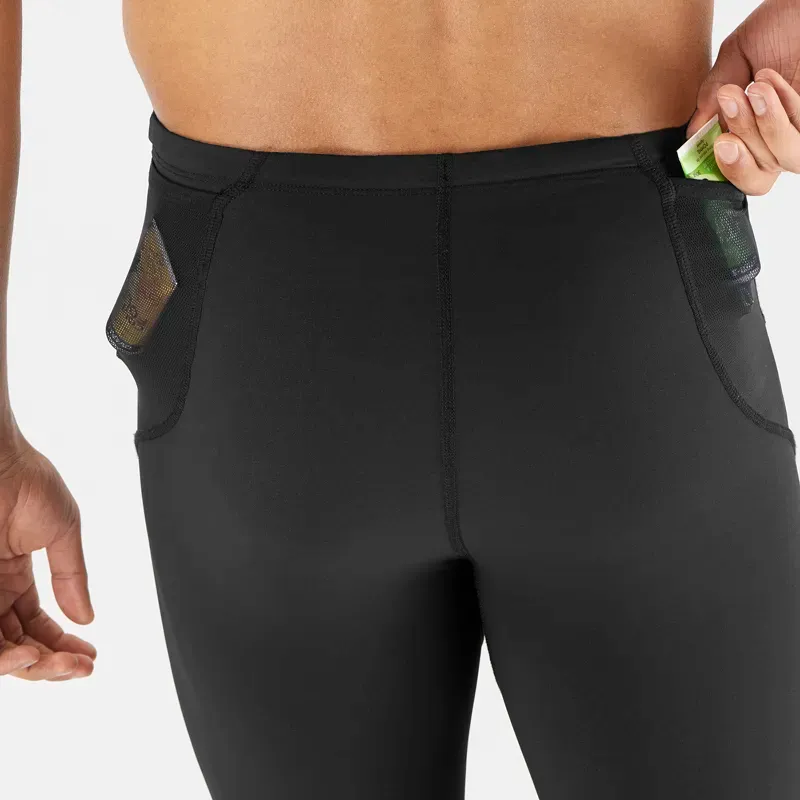
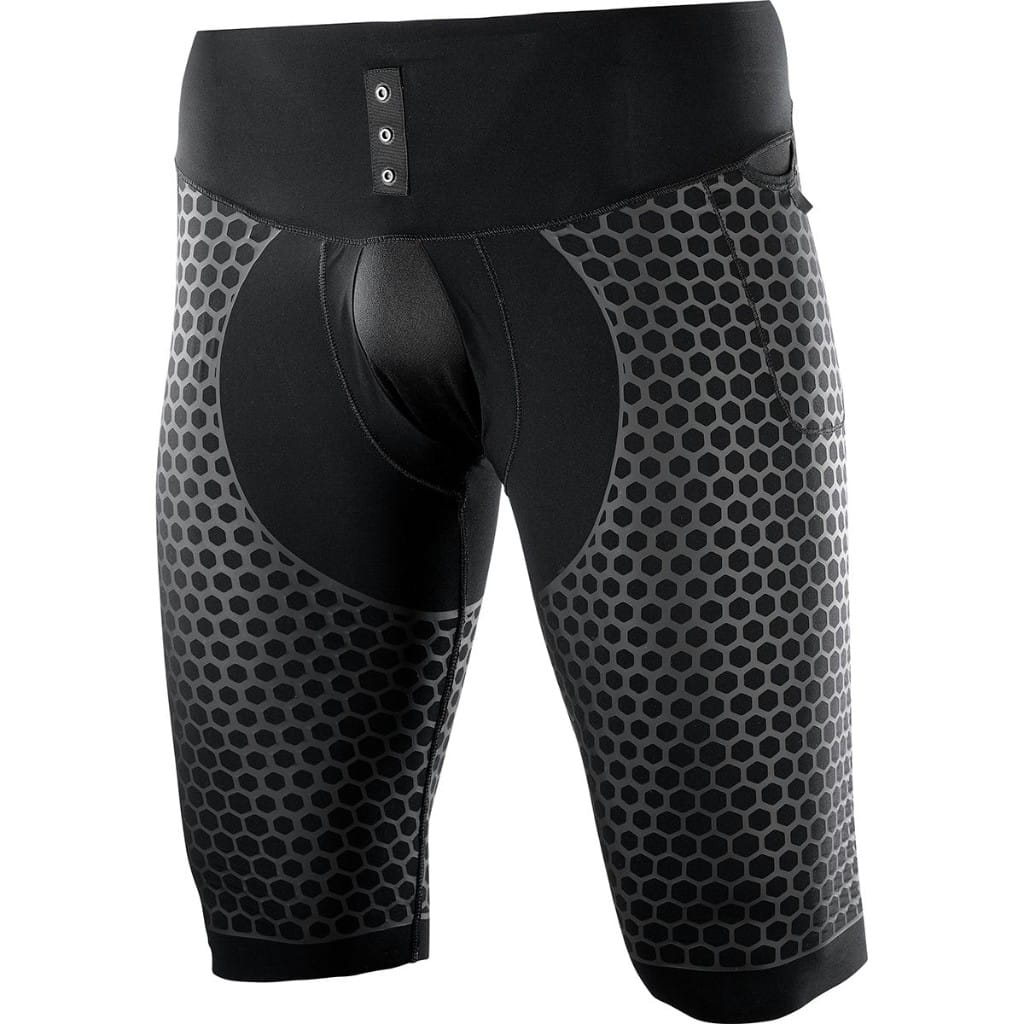
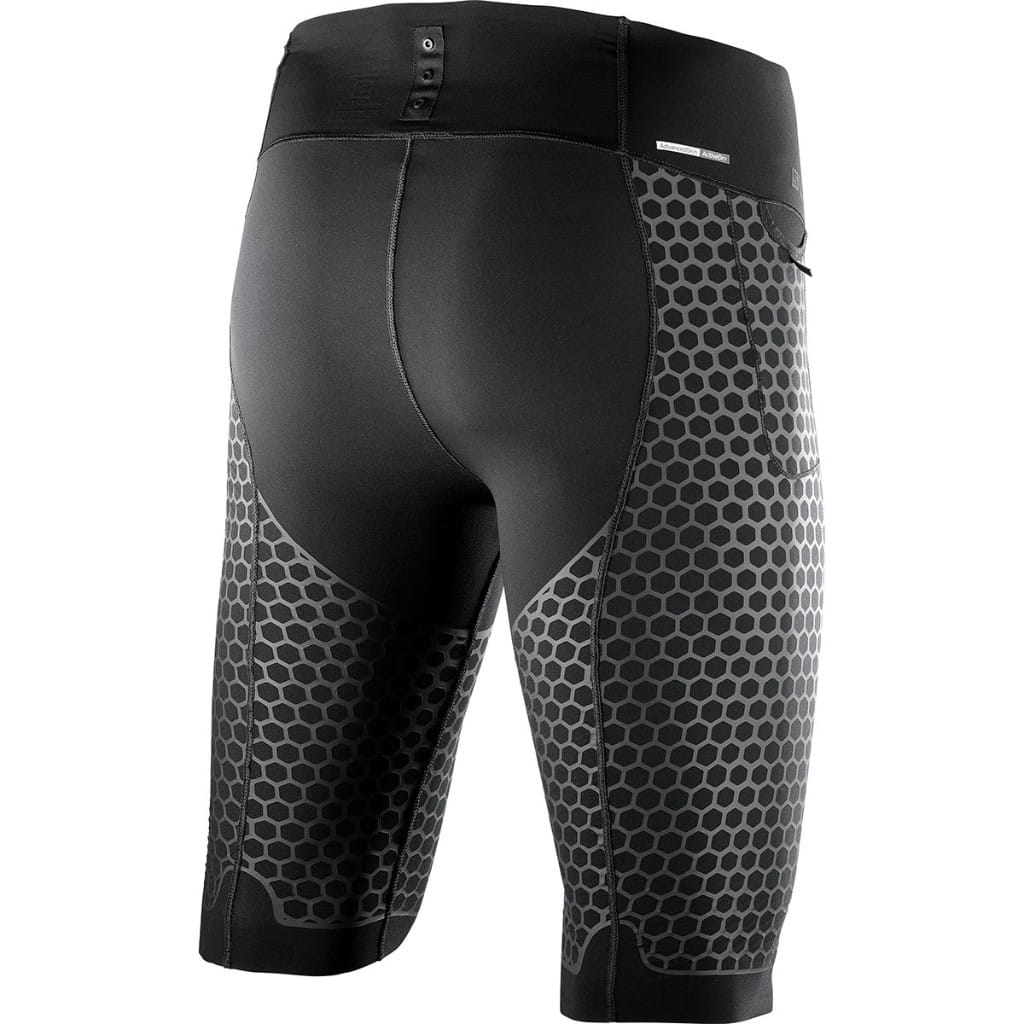
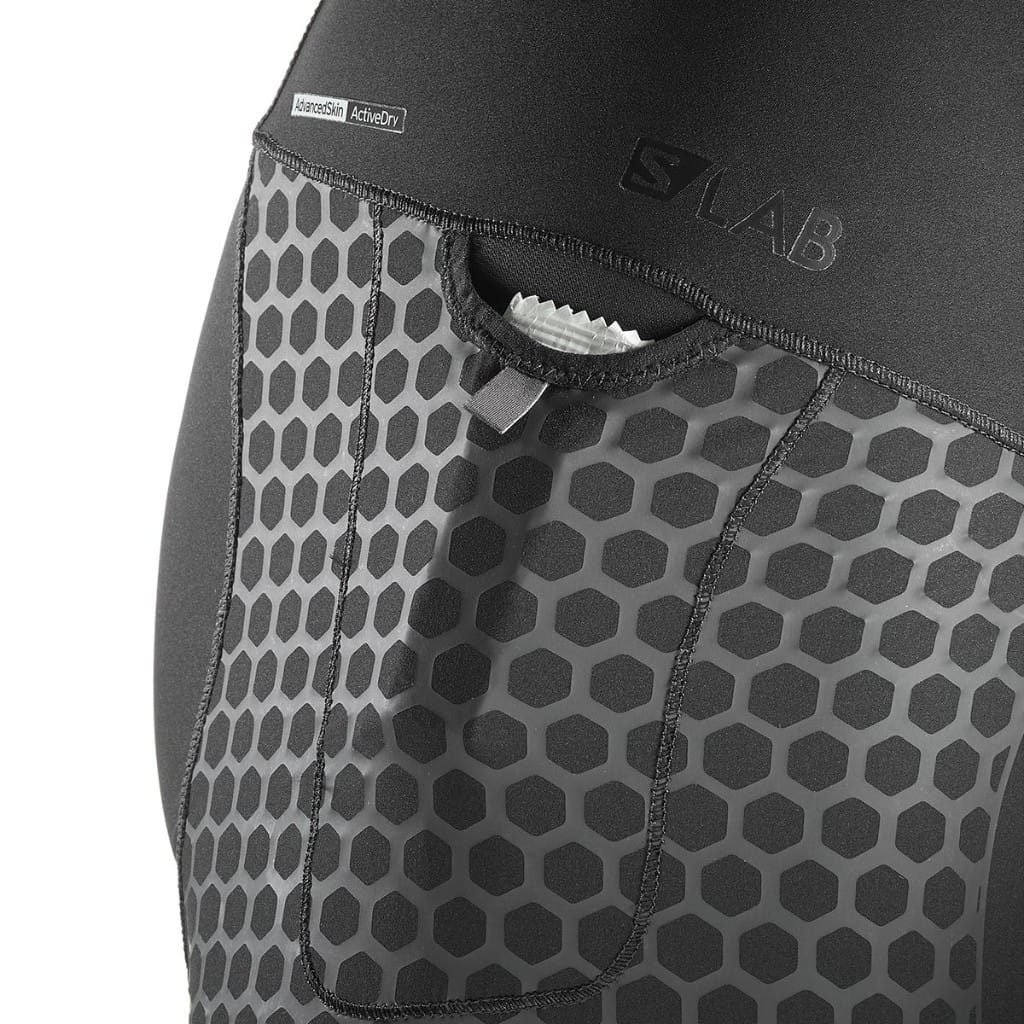
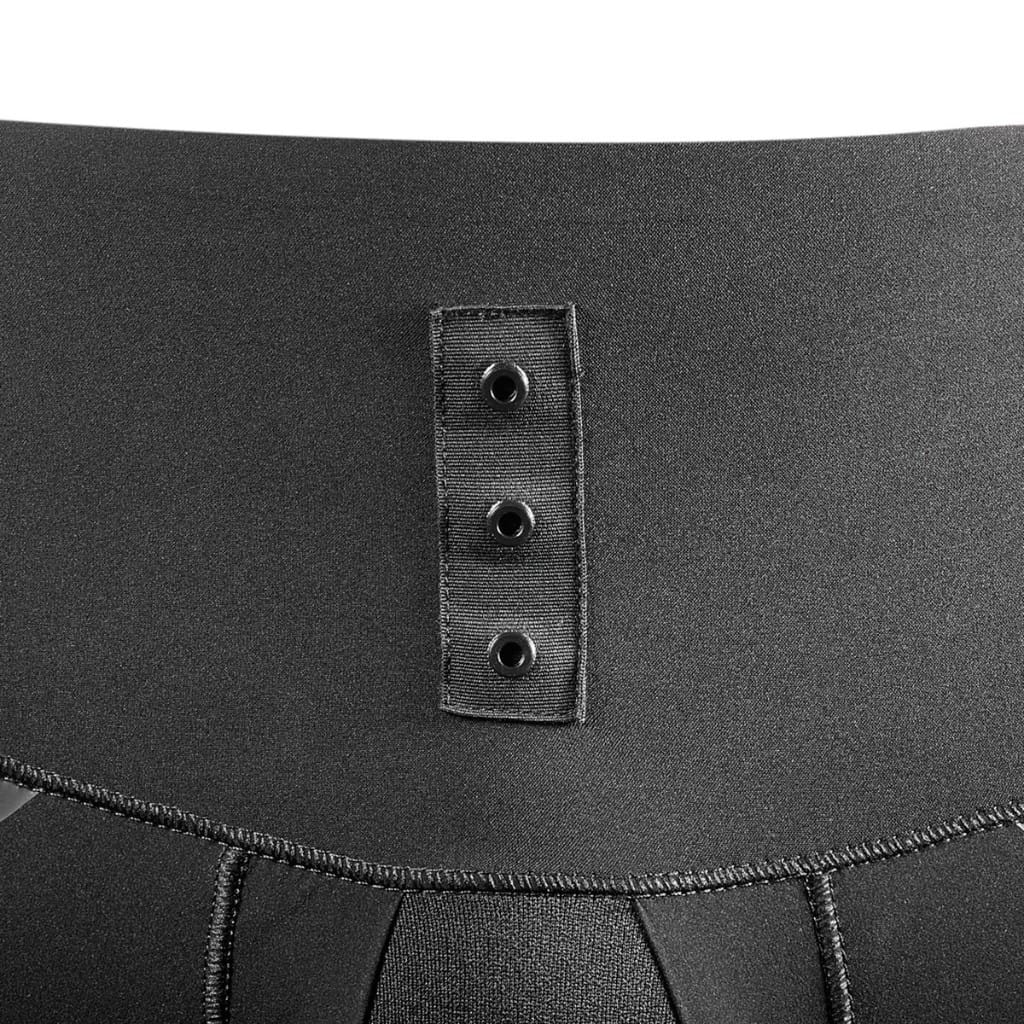
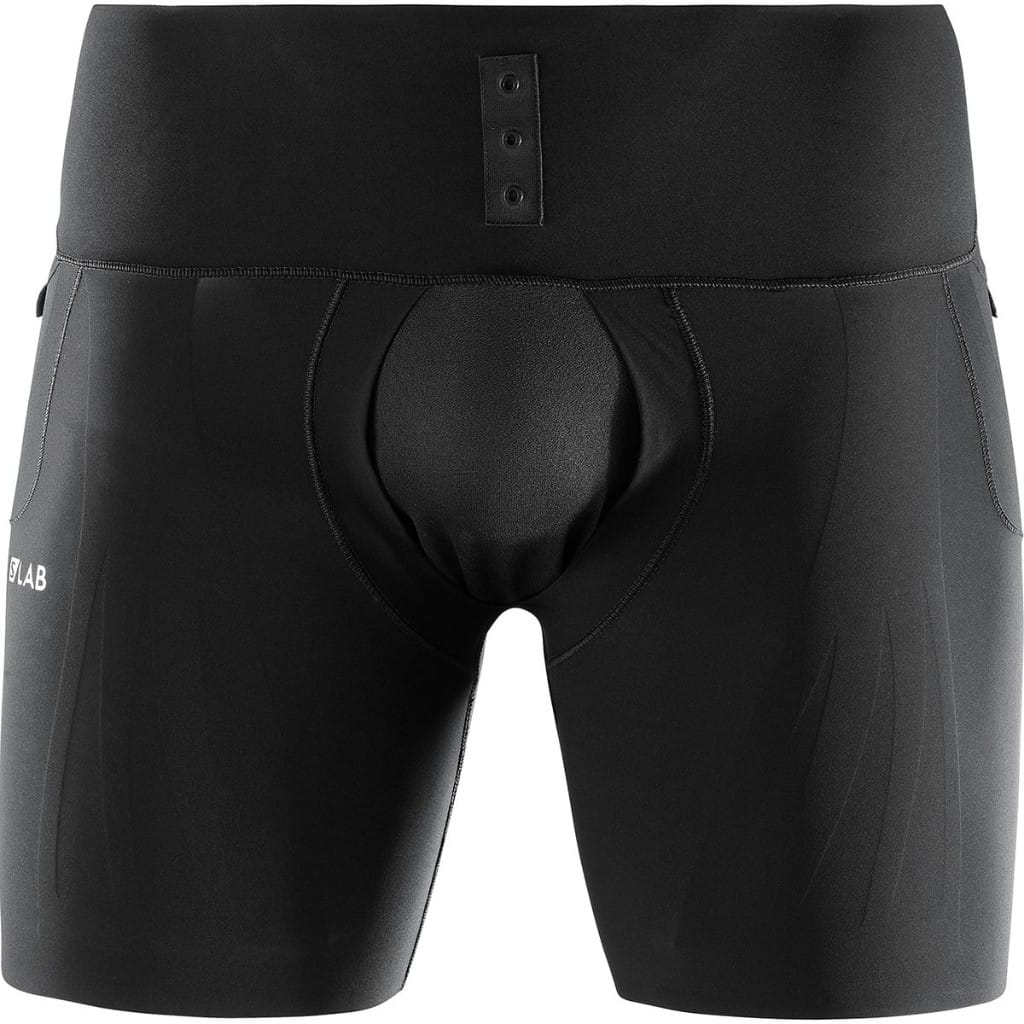
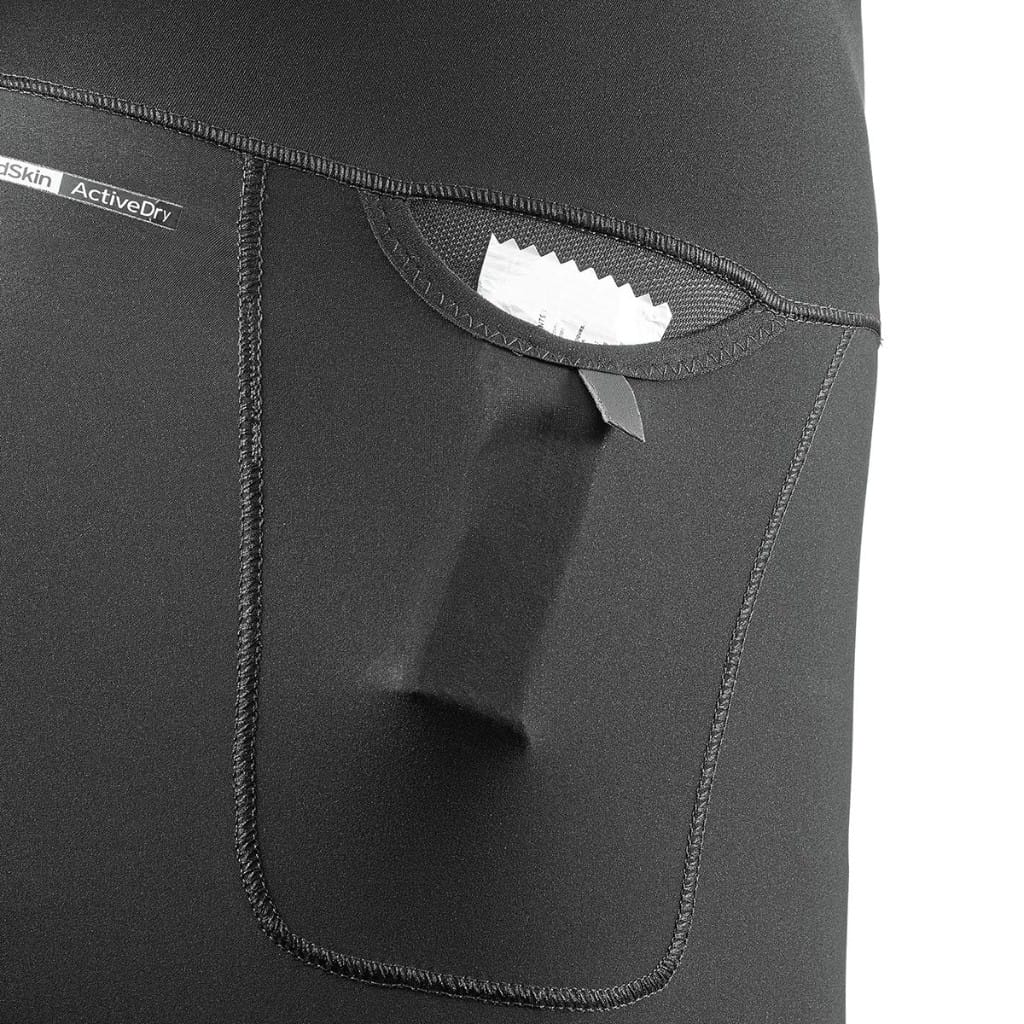
Salomon S/LAB Support Half Tight
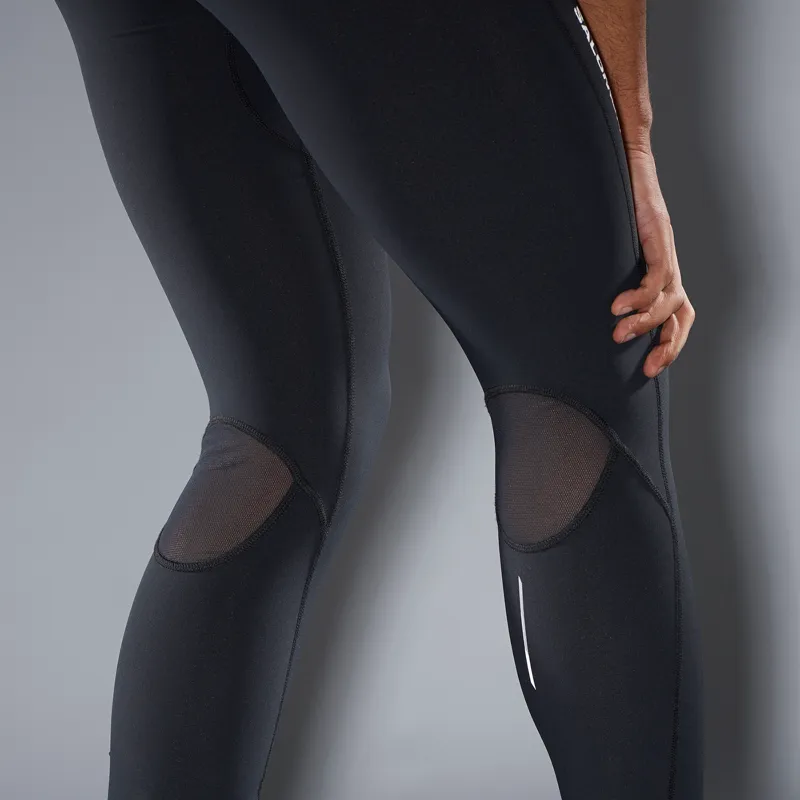
The S/LAB Support Half Tight is the close-fitting base of Salomon’s modular trail system. A stability-print version maps support through the thighs; the stripped-back variant keeps the stretch body, front opening and side gel pockets. Both terminate in the same wide waistband and three-eyelet modular tab.
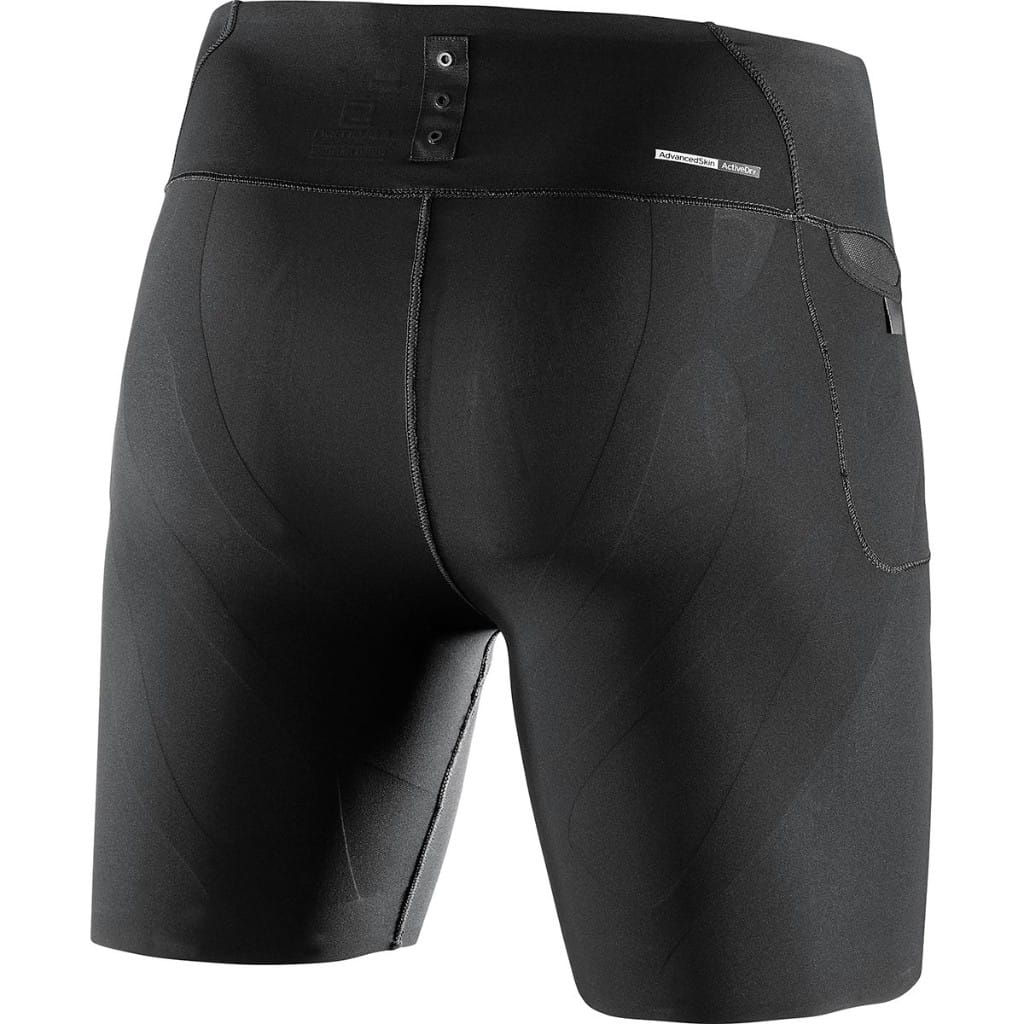
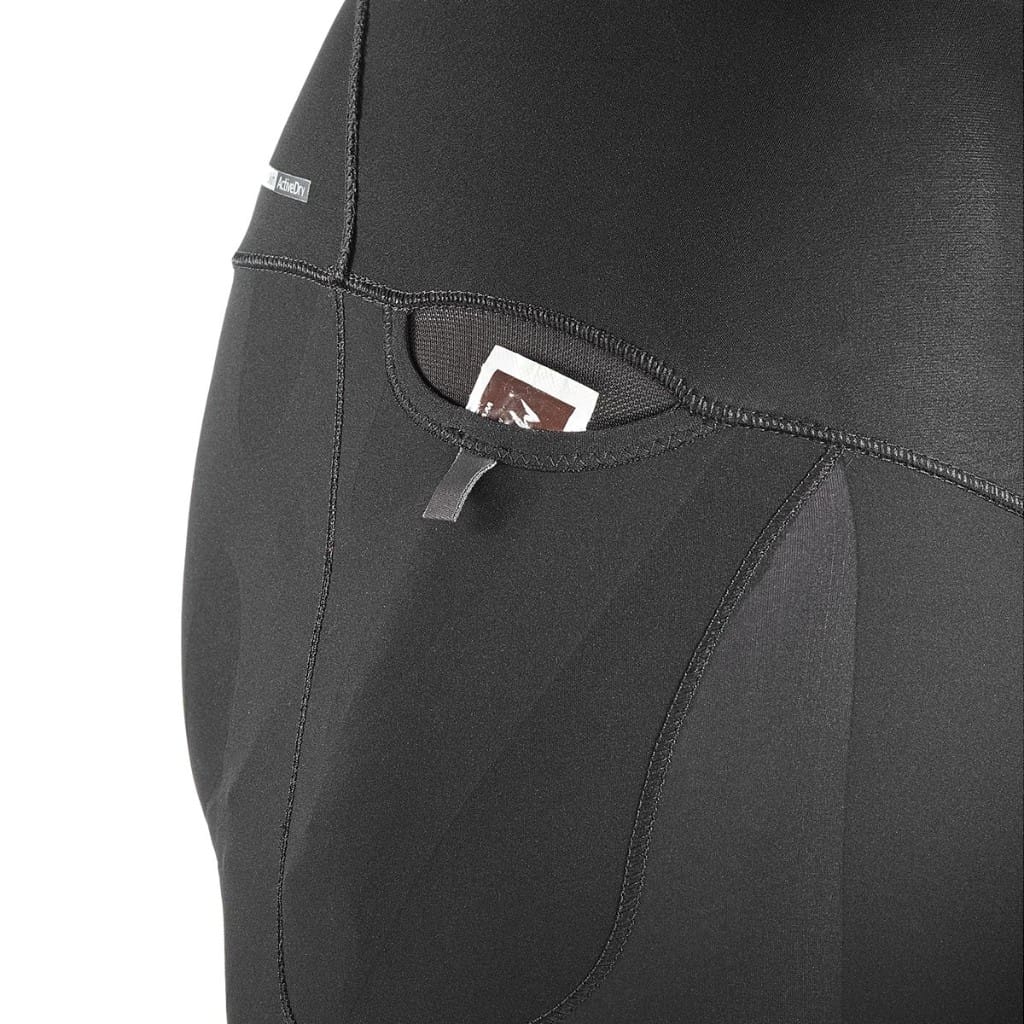
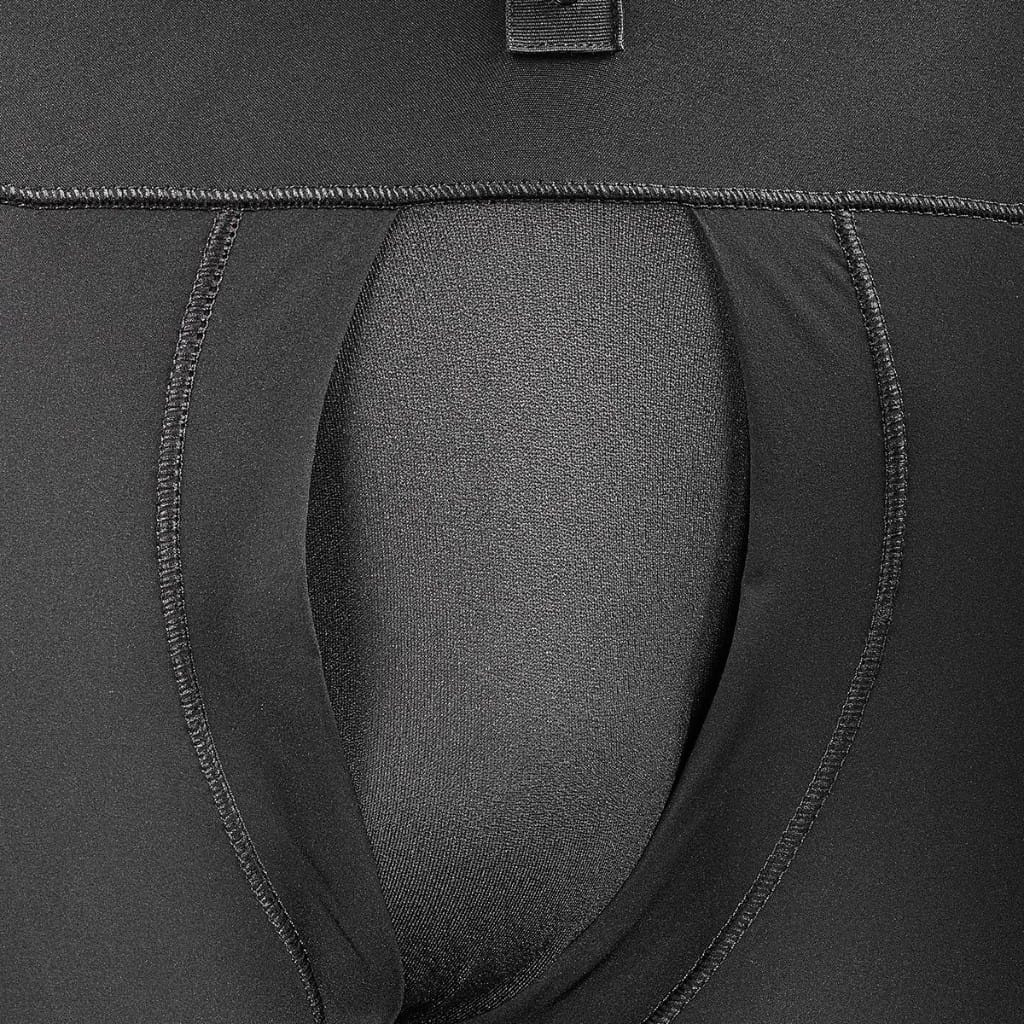
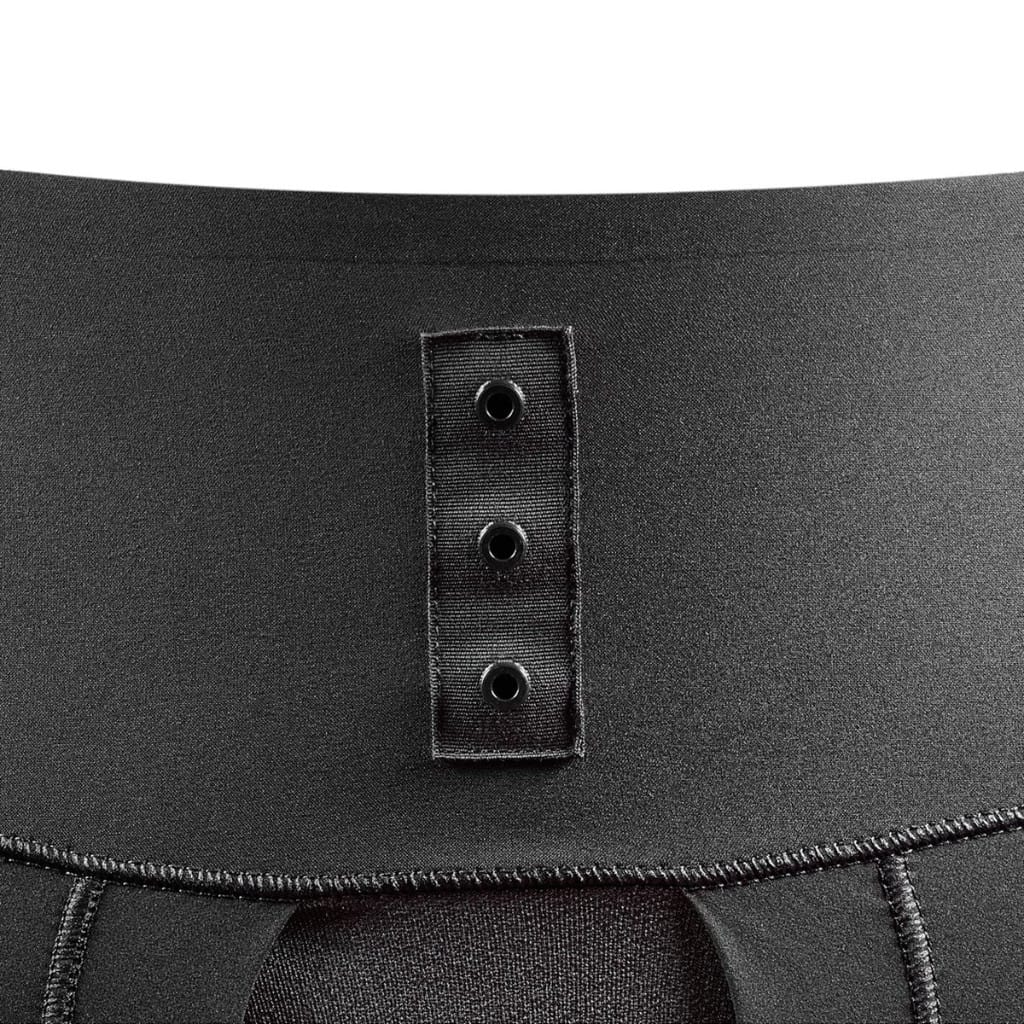
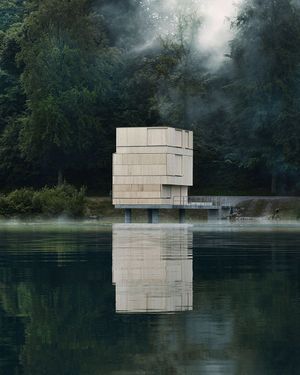
Andreas Fuhrimann Gabrielle Hächler - Zielturm Rotsee, Rotsee Luzern

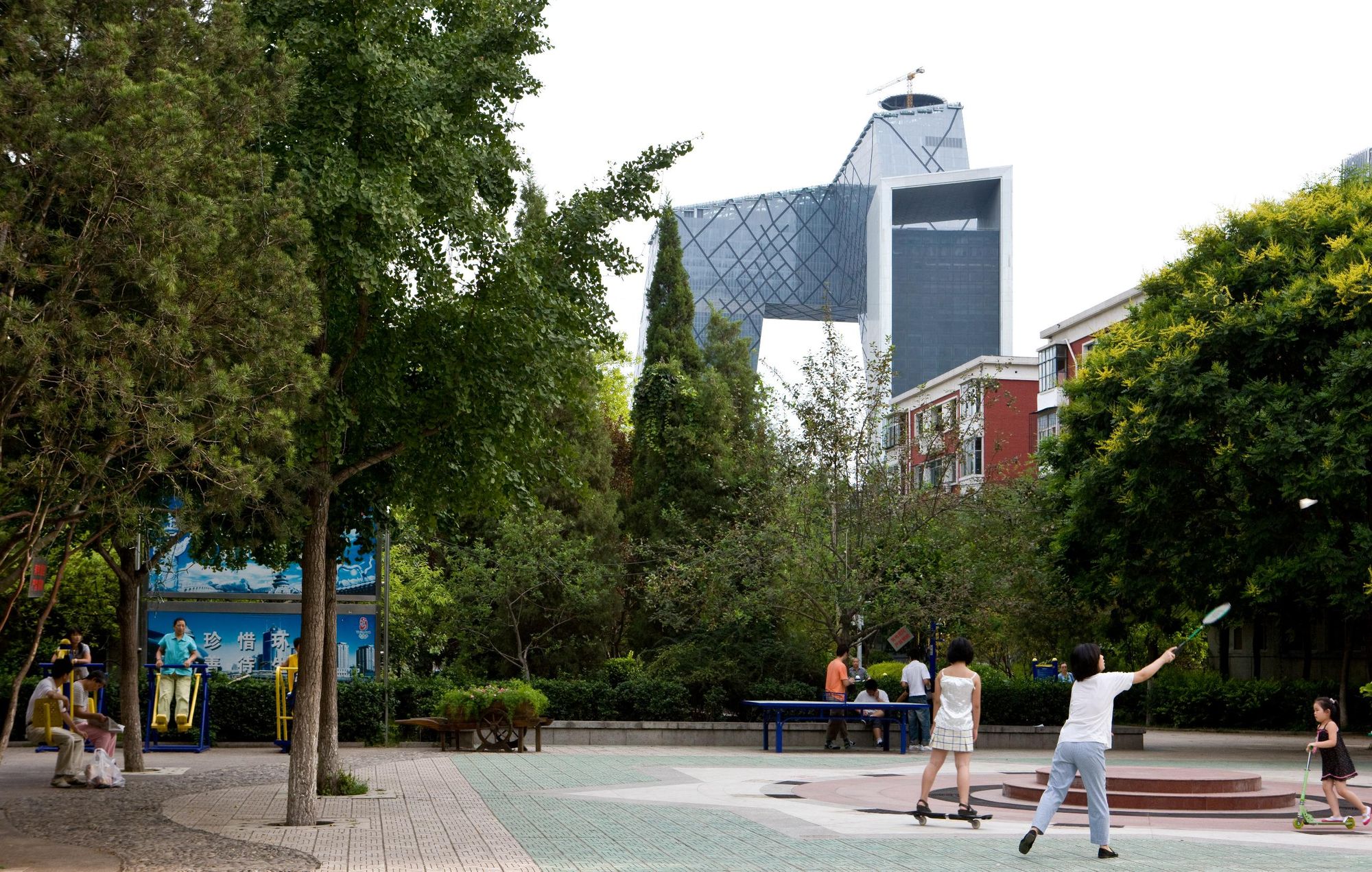
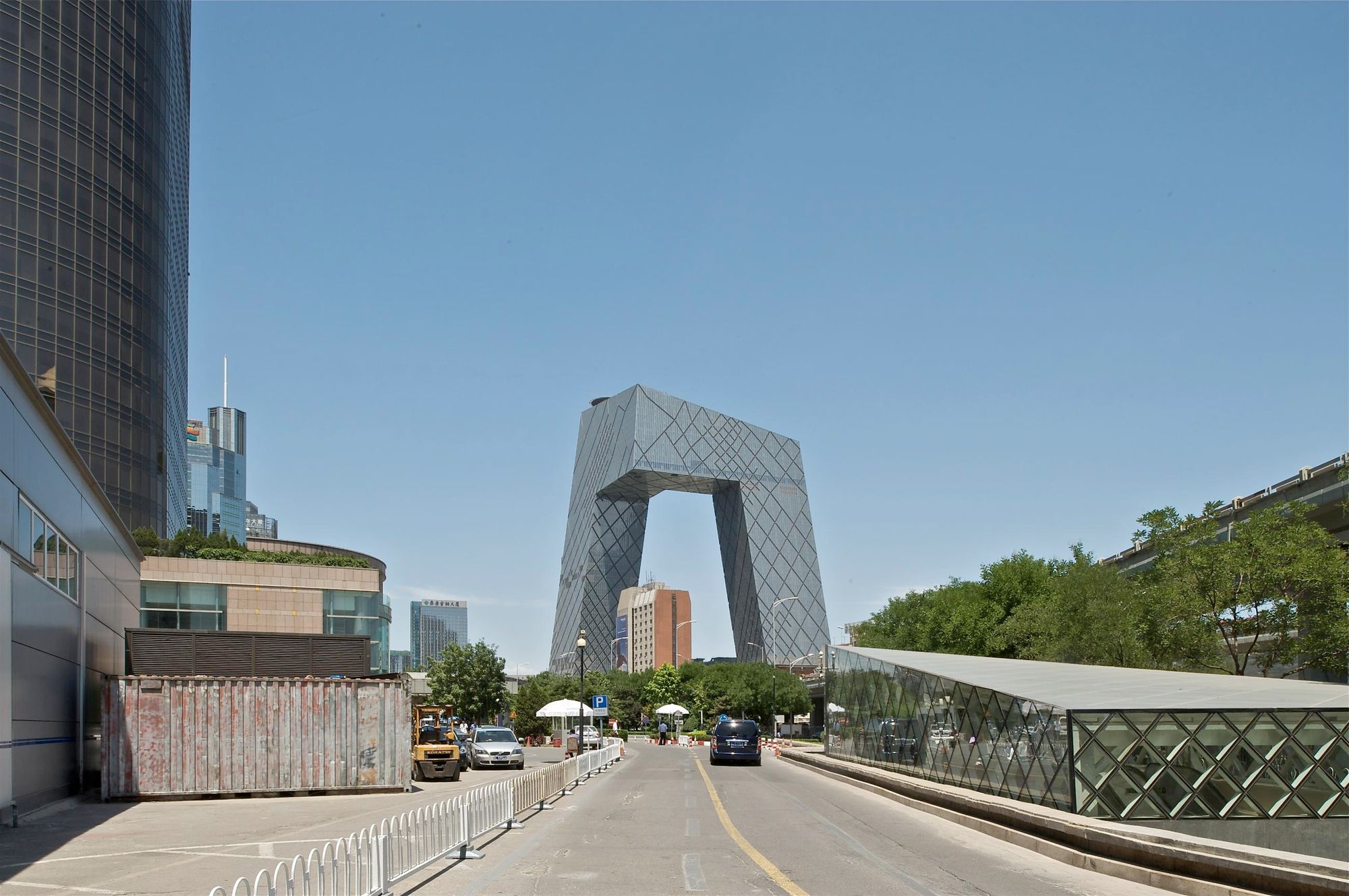
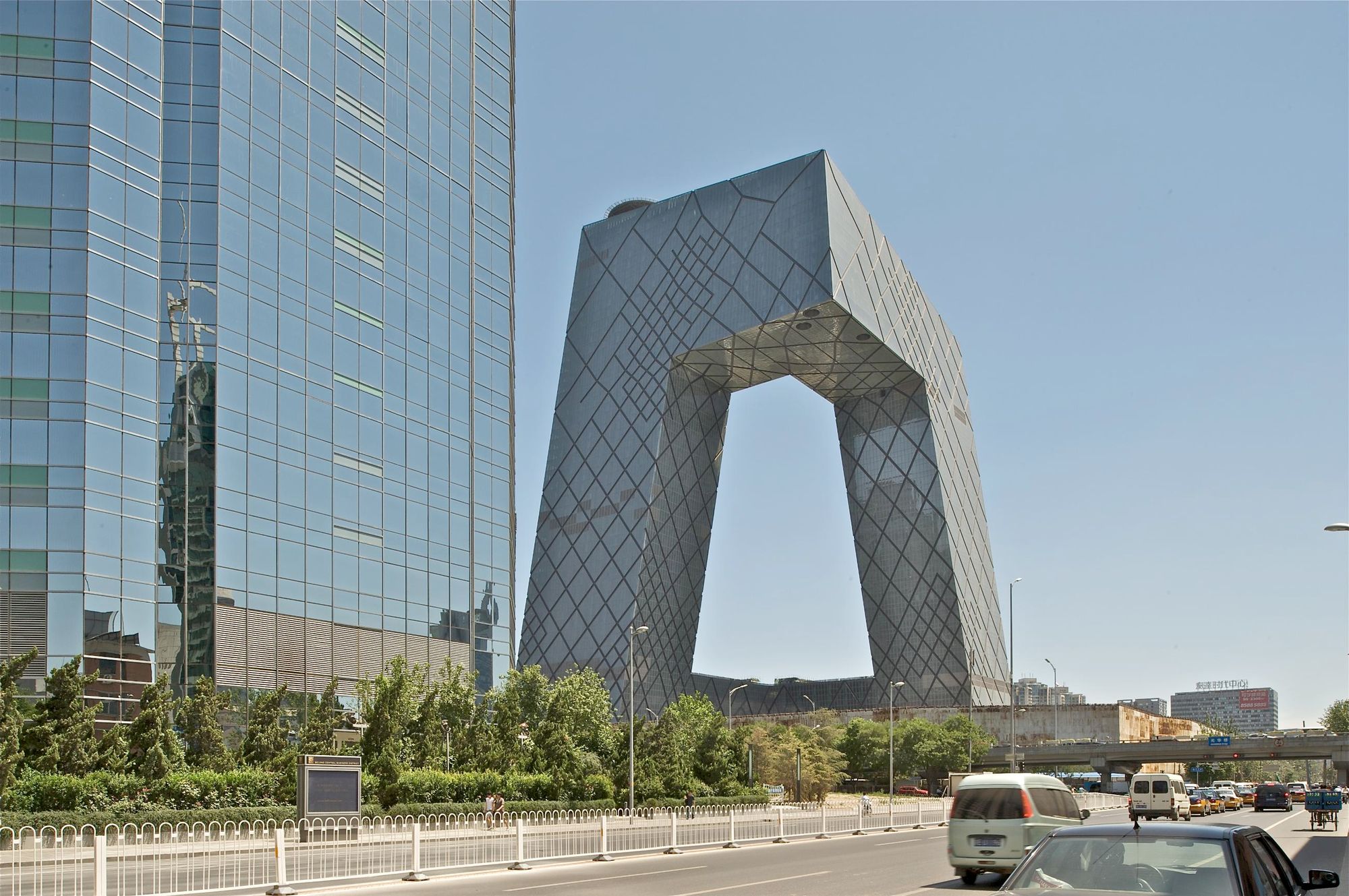
China Central Television (CCTV) Headquarters




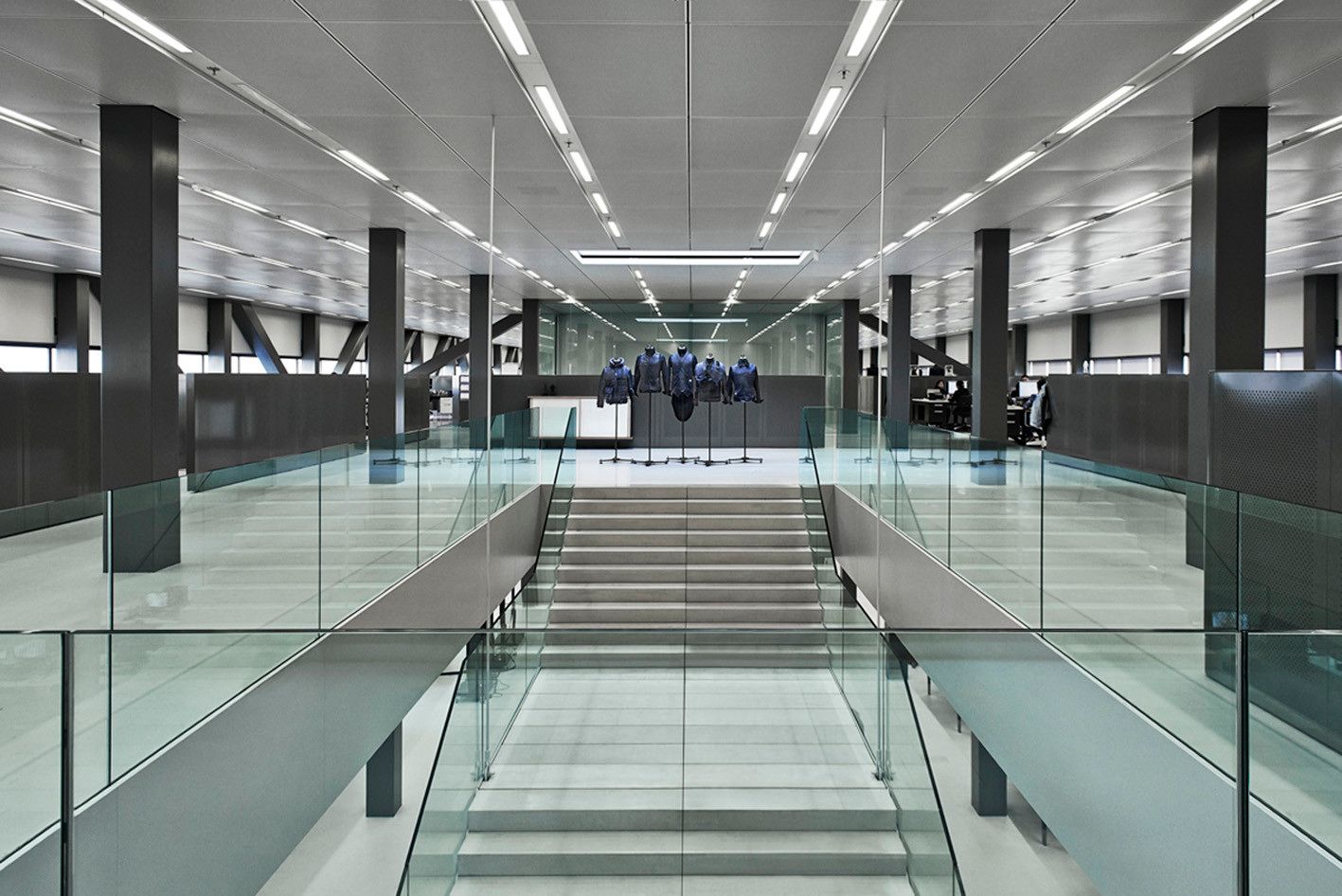
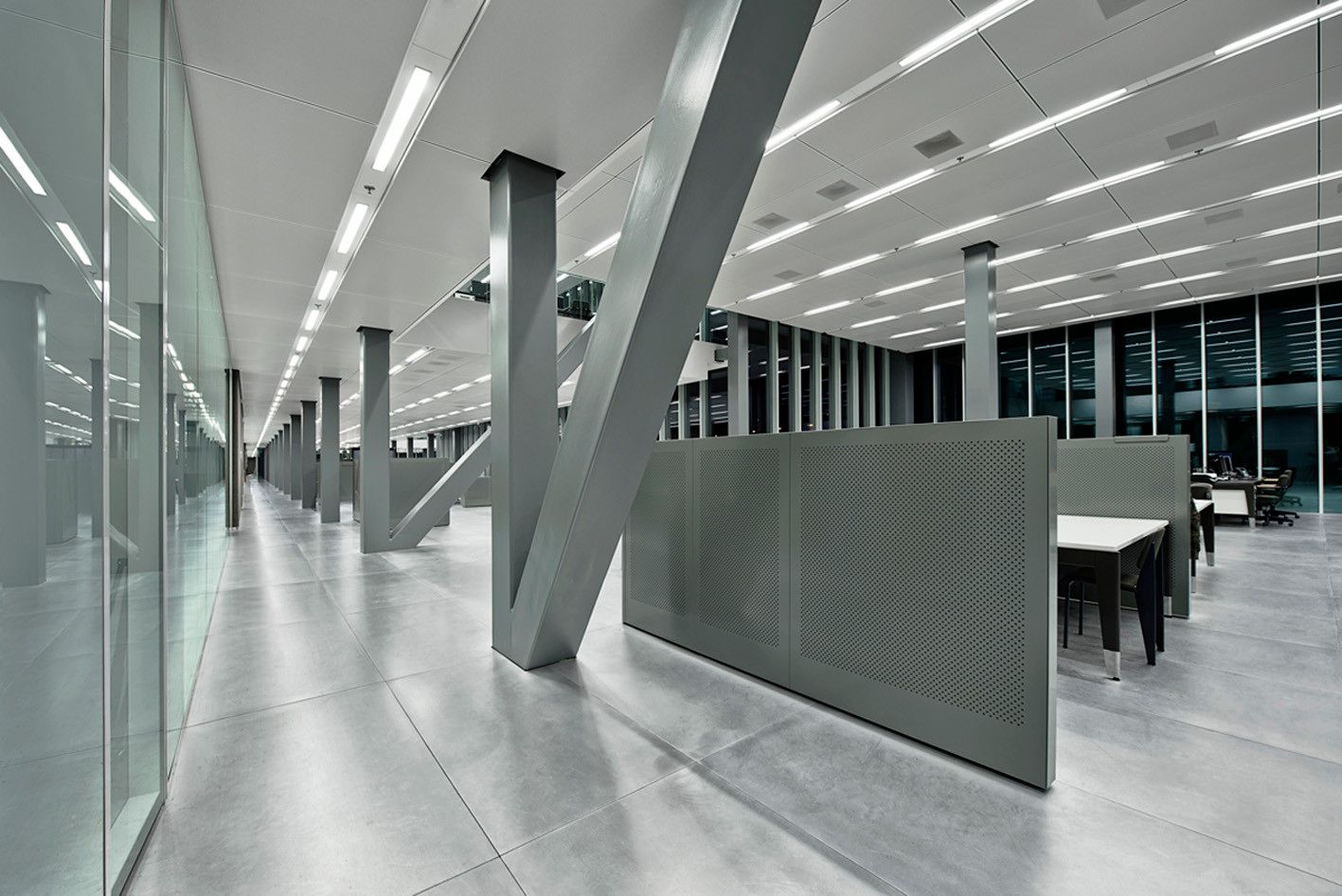
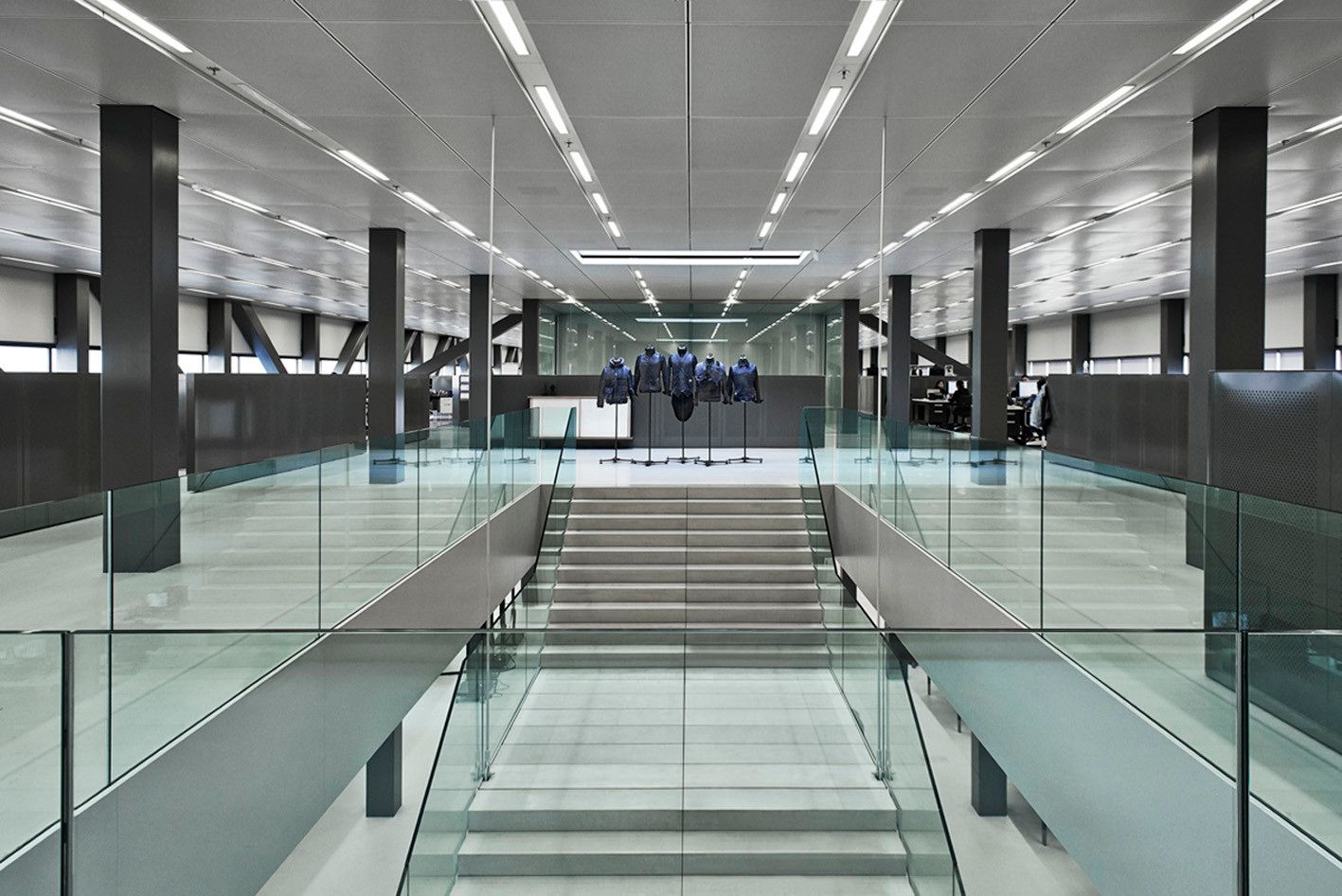
G-Star RAW HQ / OMA
The horizontal building spans 27,500 square meters and stretches 140 meters in length. It comprises a central creative hub that houses G-Star RAW's essential departments. This creative center is encircled by offices, parking spaces, and supporting amenities. The differentiation between the functional support areas and the dynamic creative core is emphasized by the use of distinct materials. The outer ring is constructed from black concrete, giving it a solid and unified appearance, while the transparent glass facade reveals the vibrant creative core within. The lower section of the ring serves as a base for parking and drop-off purposes, as well as a platform for installations and events.



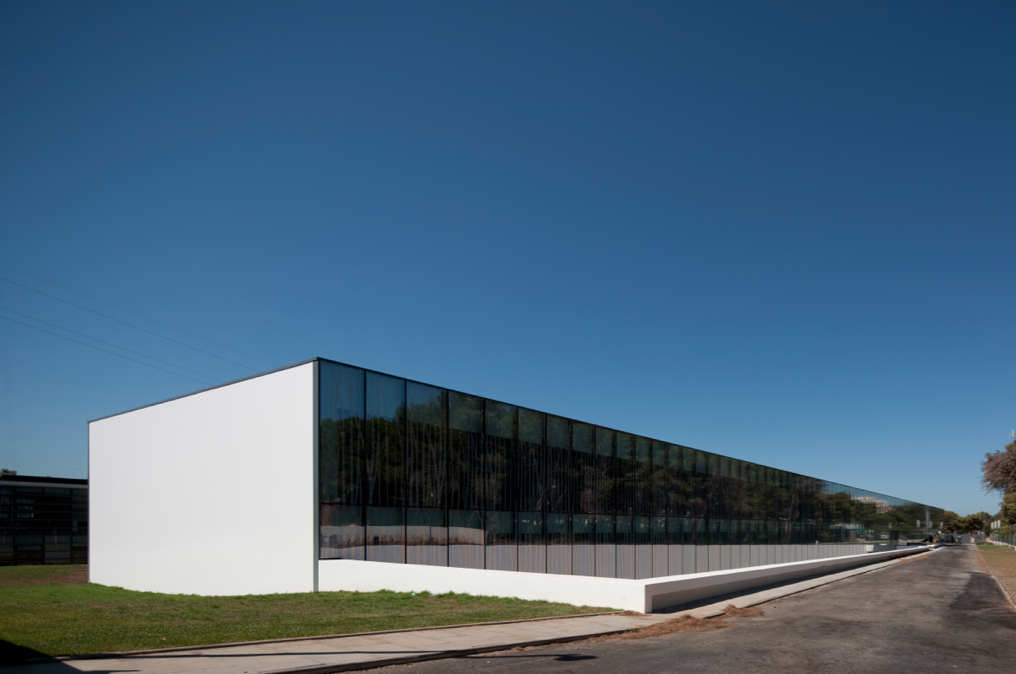
Alcatel Head Office by Frederico Valsassina Architects
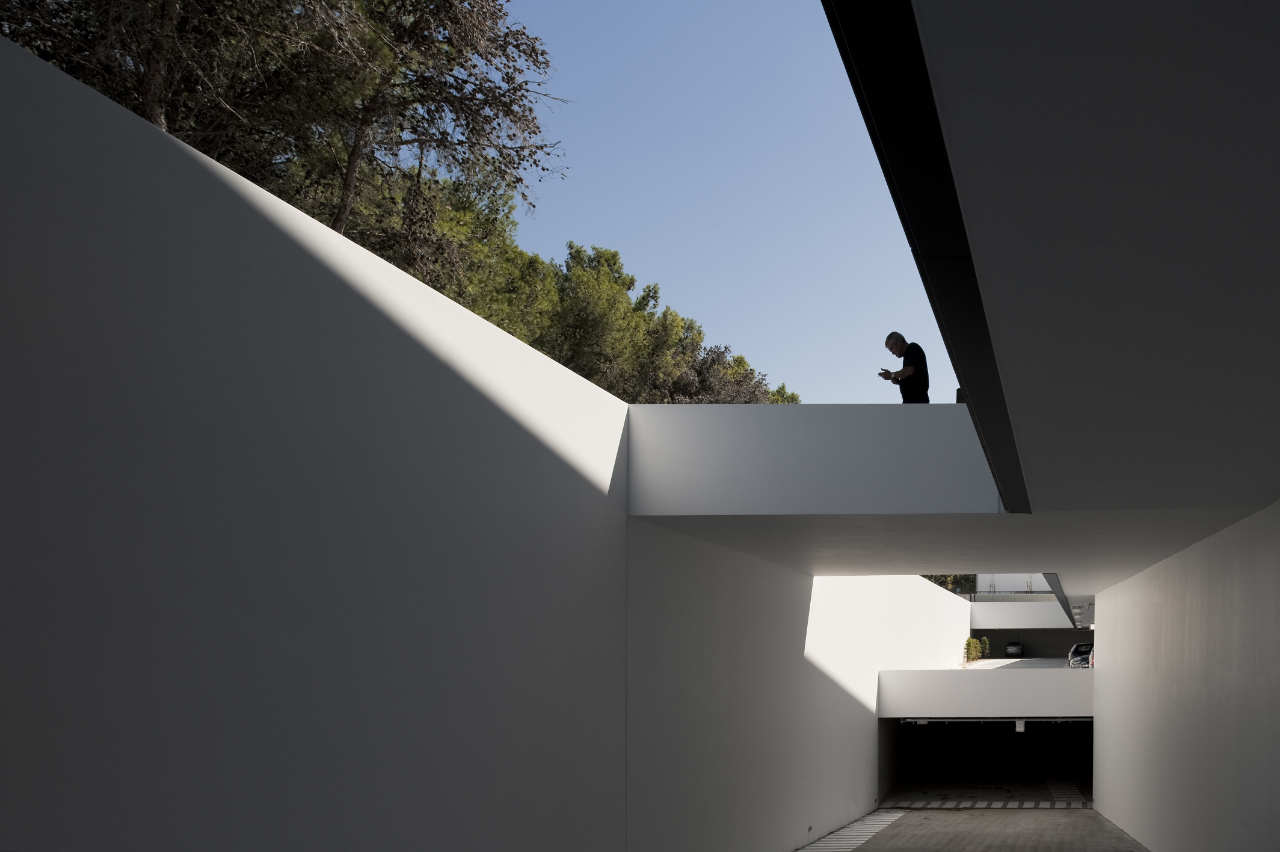





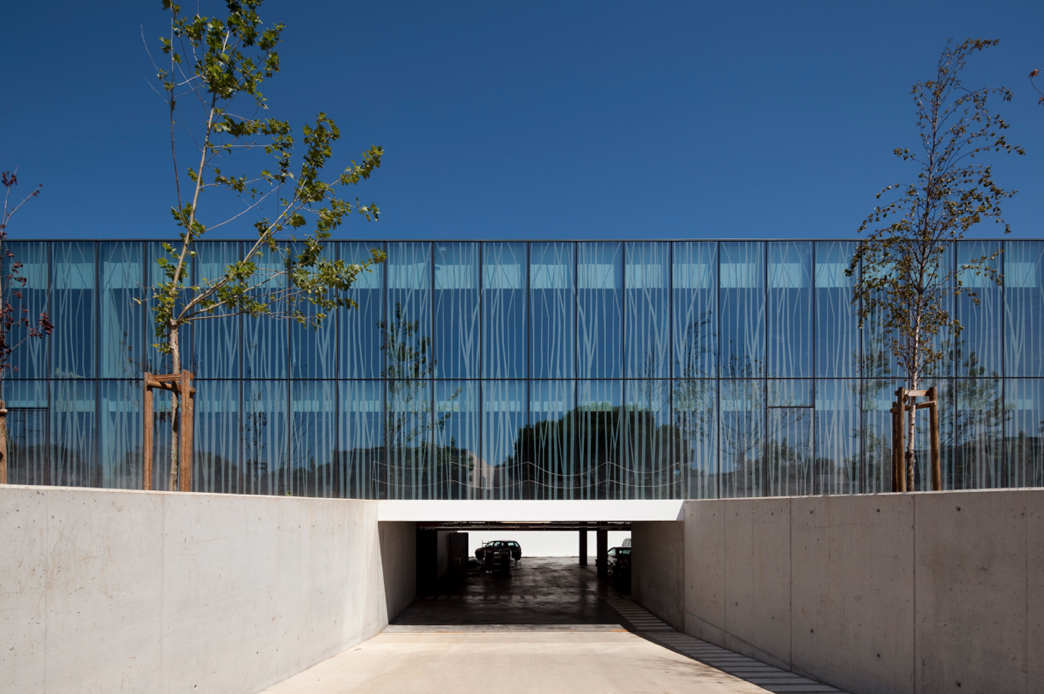


Residência Itahye / Apiacás Arquitetos + Brito Antunes Arquitetura
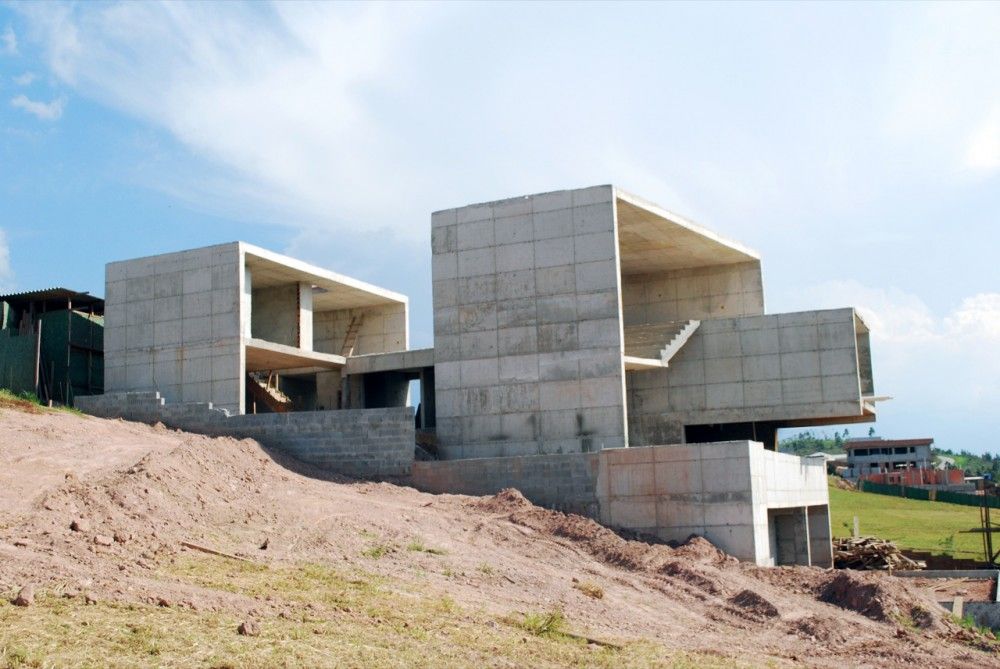
Designed to be implanted in a plot of a condominium in the city of Santana do Parnaíba, it was possible to develop the project of this house with the contribution of its future resident who, in an unusual way in these situations, he agreed with a house that would establish a more frank relationship with the street.

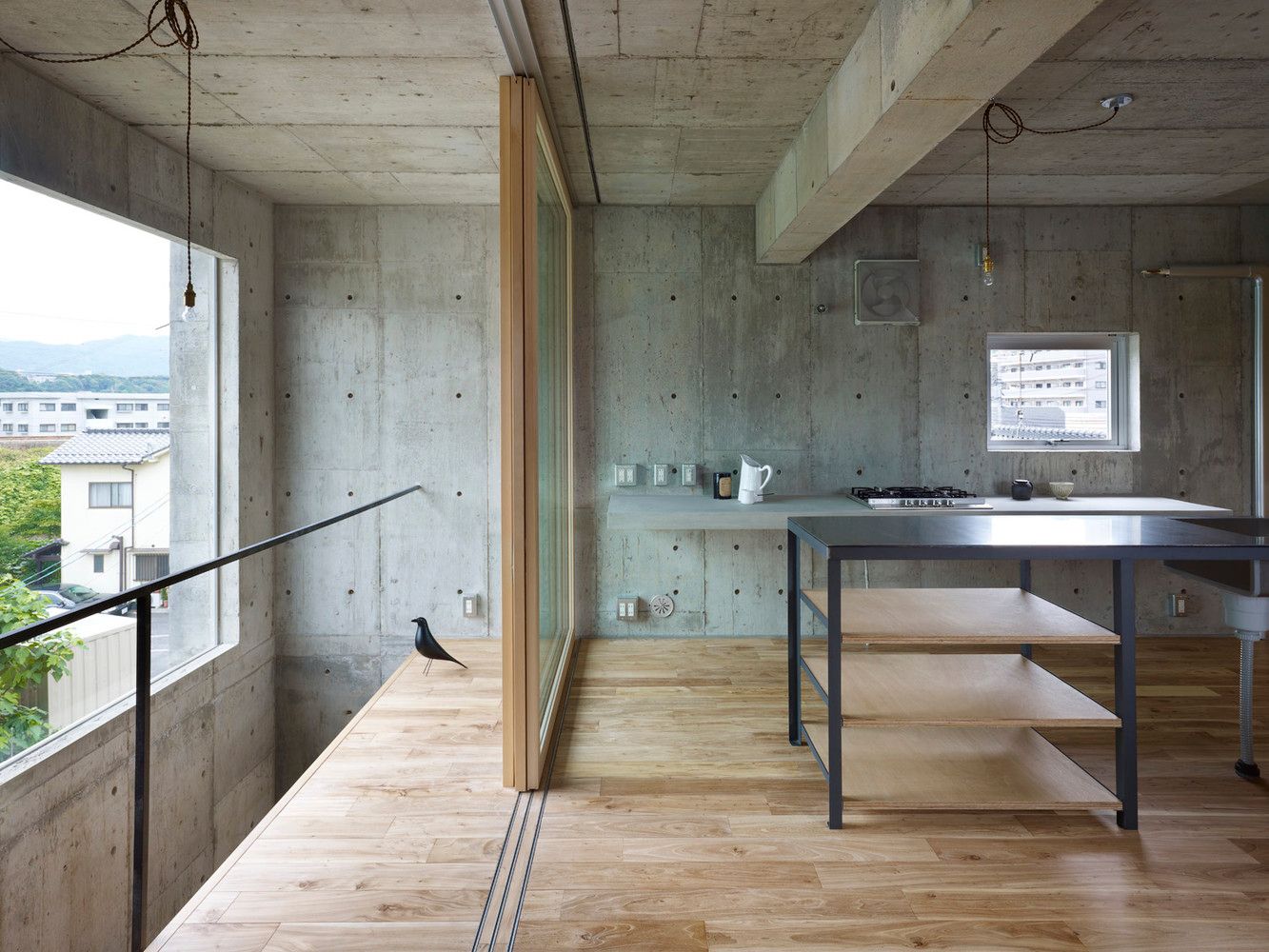
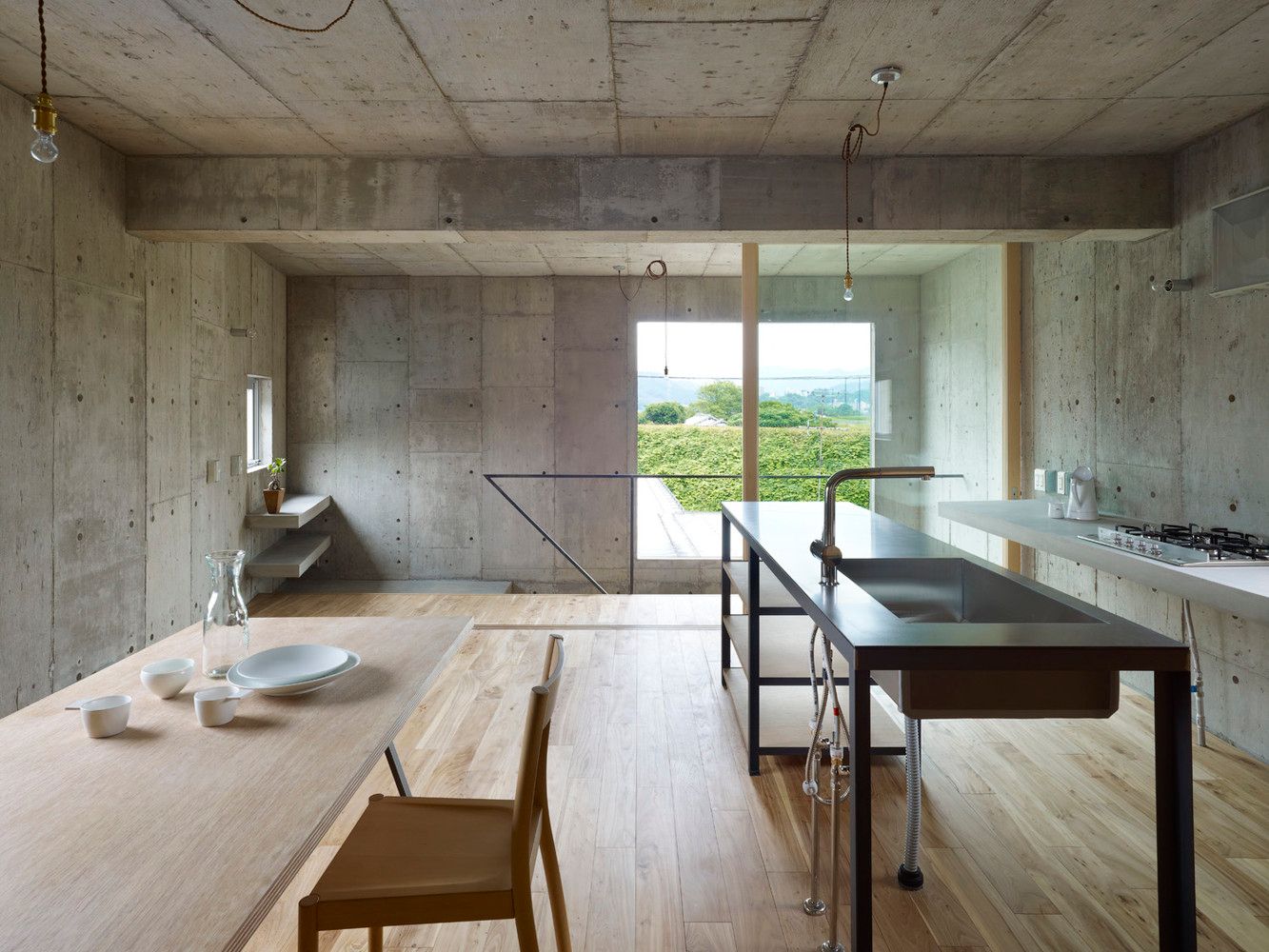
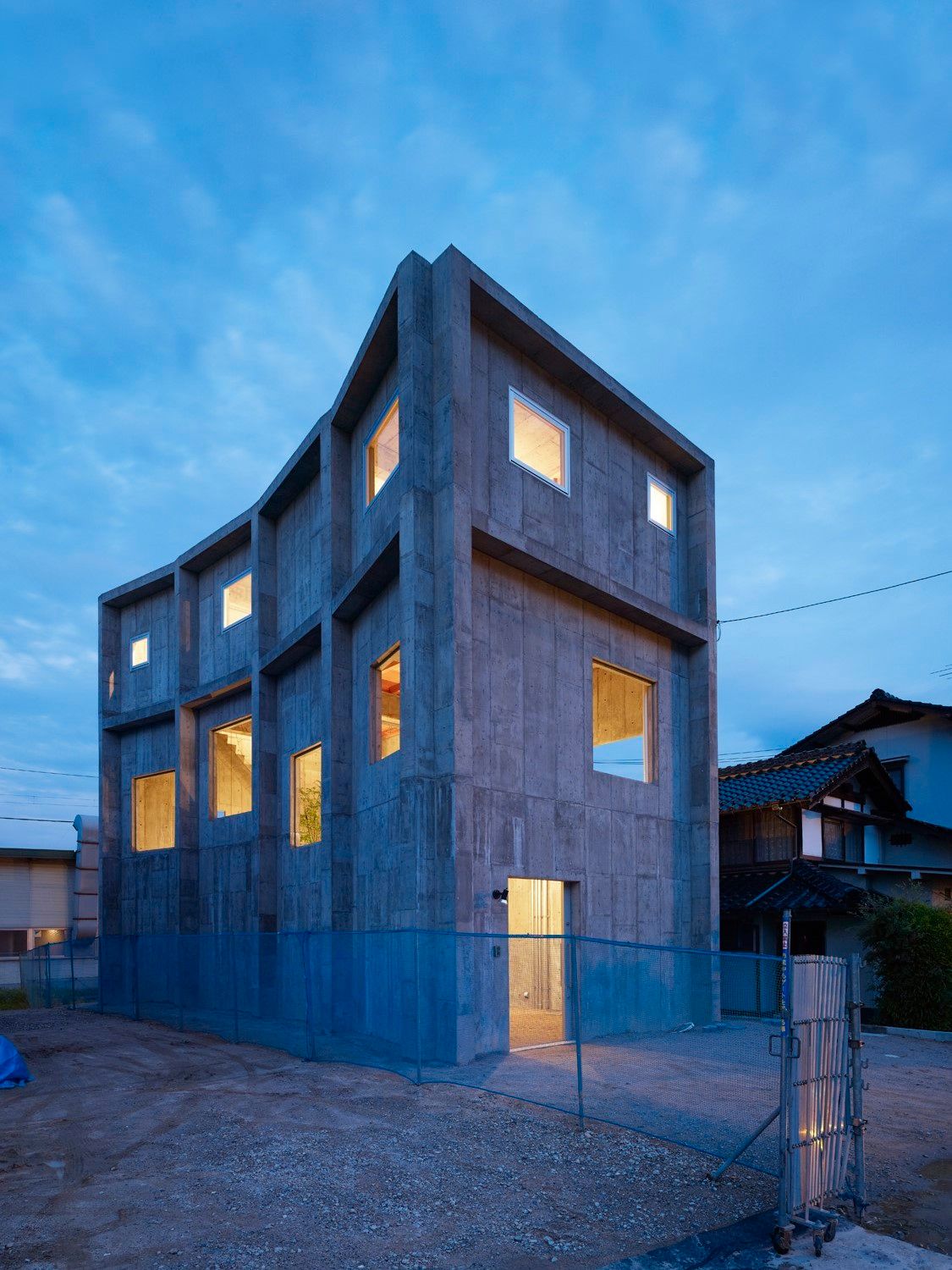
The House of Yagi by Suppose Design Office + Ohno Japan
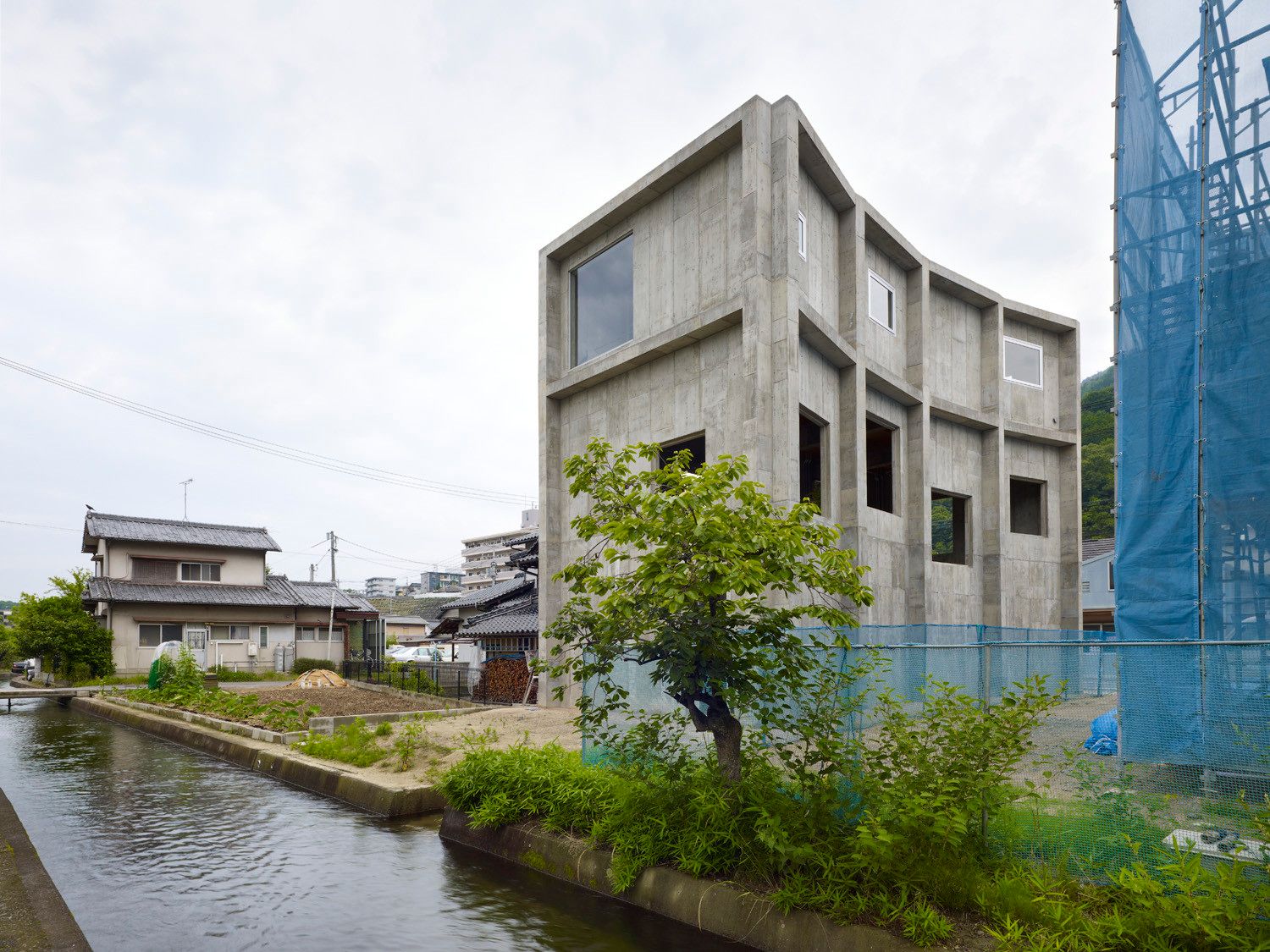
Text description provided by the architects. The House of Yagi is designed with the idea of an incomplete/complete form. Unlike other projects, the final stage of construction for this house was not aiming towards a finish stage, but to let the owner experience the sense of completion after living here. Interior space of the house is designed to maximize the interaction to its surrounding environment.
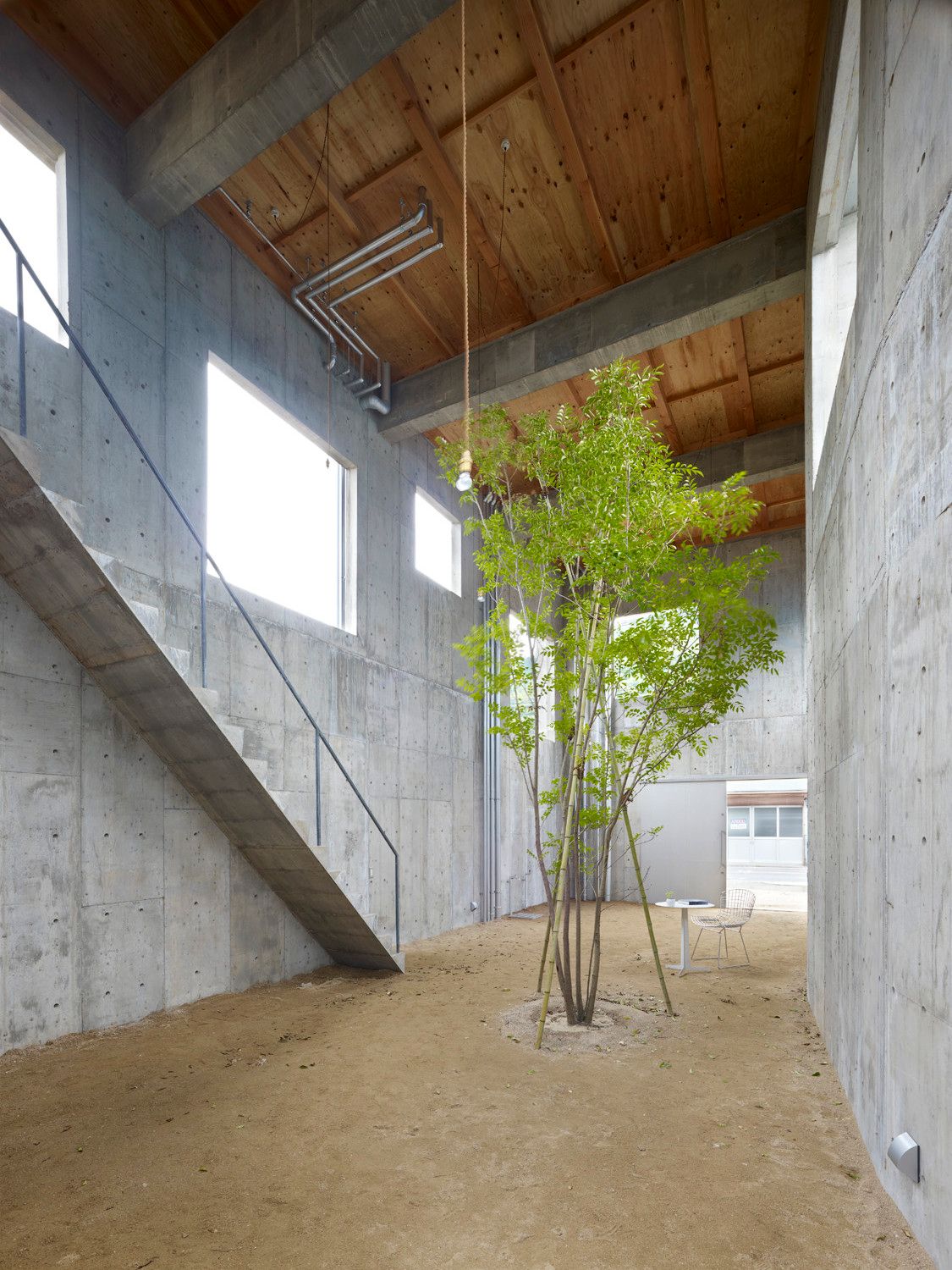

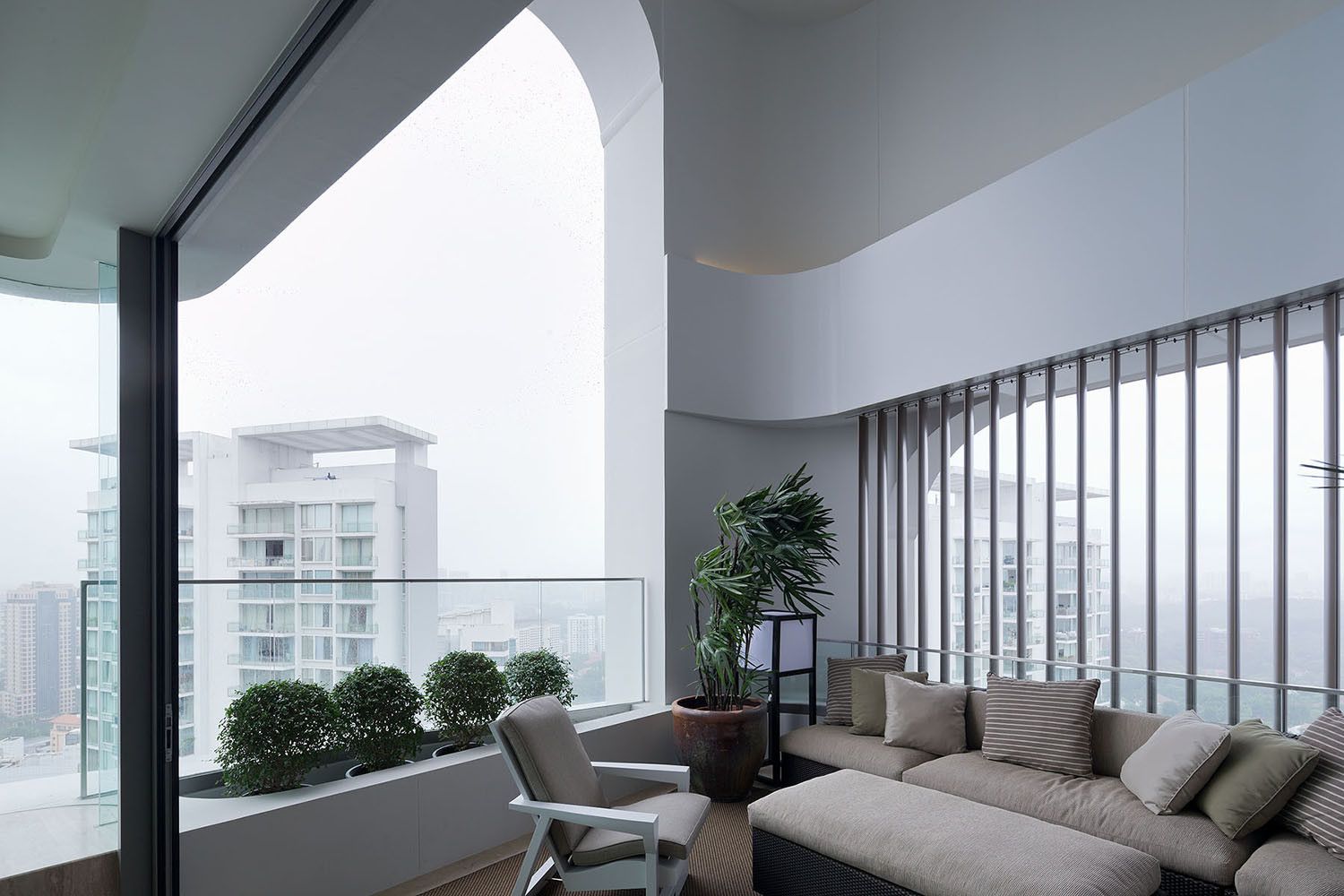
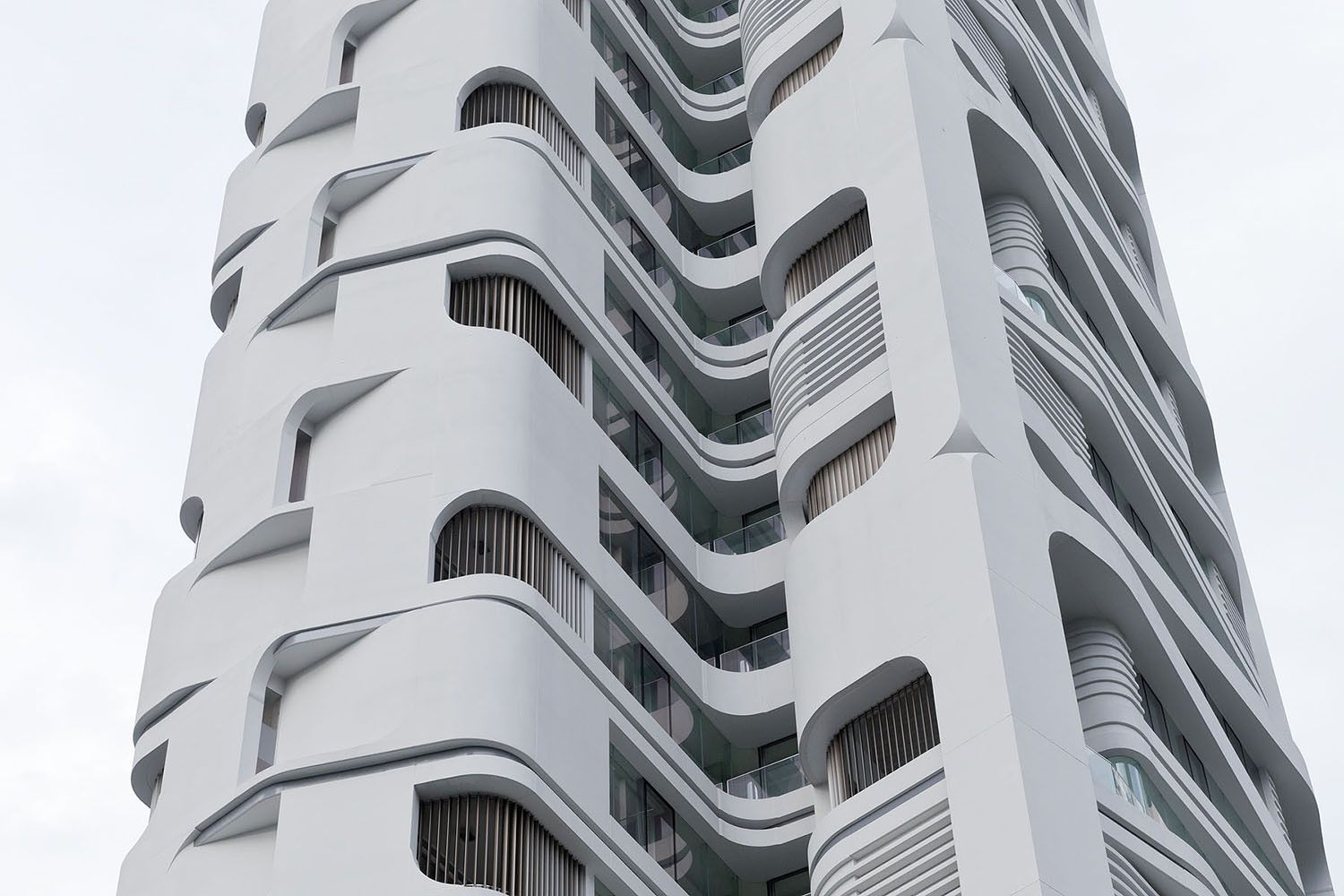
Ardmore Residence by UNStudio in Singapore
The primary concept for the design of the 36 storey, 17.178 m² residential tower is a multi-layered architectural response to the natural landscape inherent to the ‘Garden City’ of Singapore. This landscape concept is integrated into the design by means of four large details: the articulation of the facade, which through its detailing creates various organic textures and patterns; expansive views across the city made possible by large glazed areas, bay windows and double-height balconies; the interior ‘living landscape’ concept adopted for the design of the two apartment types and the introduction of transparency and connectivity to the ground level gardens by means of a raised structure supported by an open framework.

UNDERCOVER ss2011 "UNDERMAN" Collection
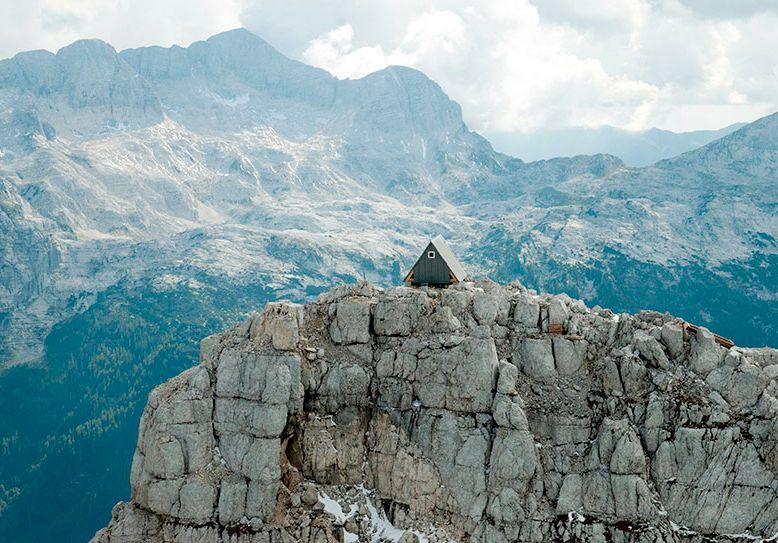
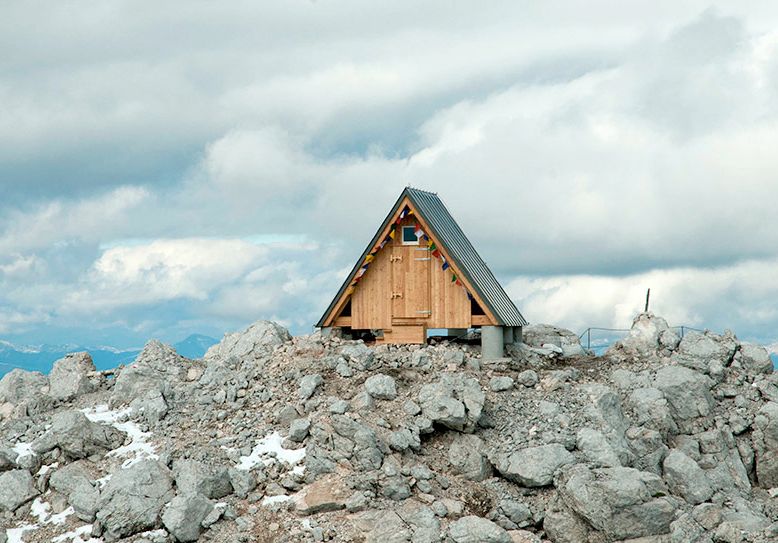
Giovanni Pesamosca’s Alpine Cabin in Friuli, Italy


Oscar Niemeyer's MAC Niterói — Louis Vuitton Cruise 2017 Venue

Jun Tahashi photographed by Junko Yoda for Mastered.jp interview




Guardami — Rita Lino
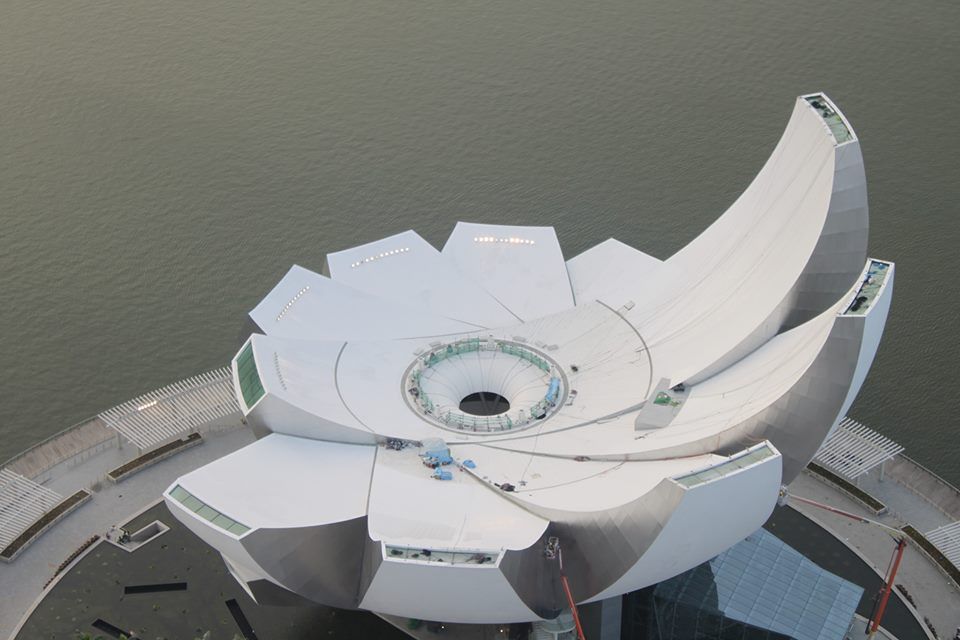
ArtScience Museum (艺术科学博物馆)

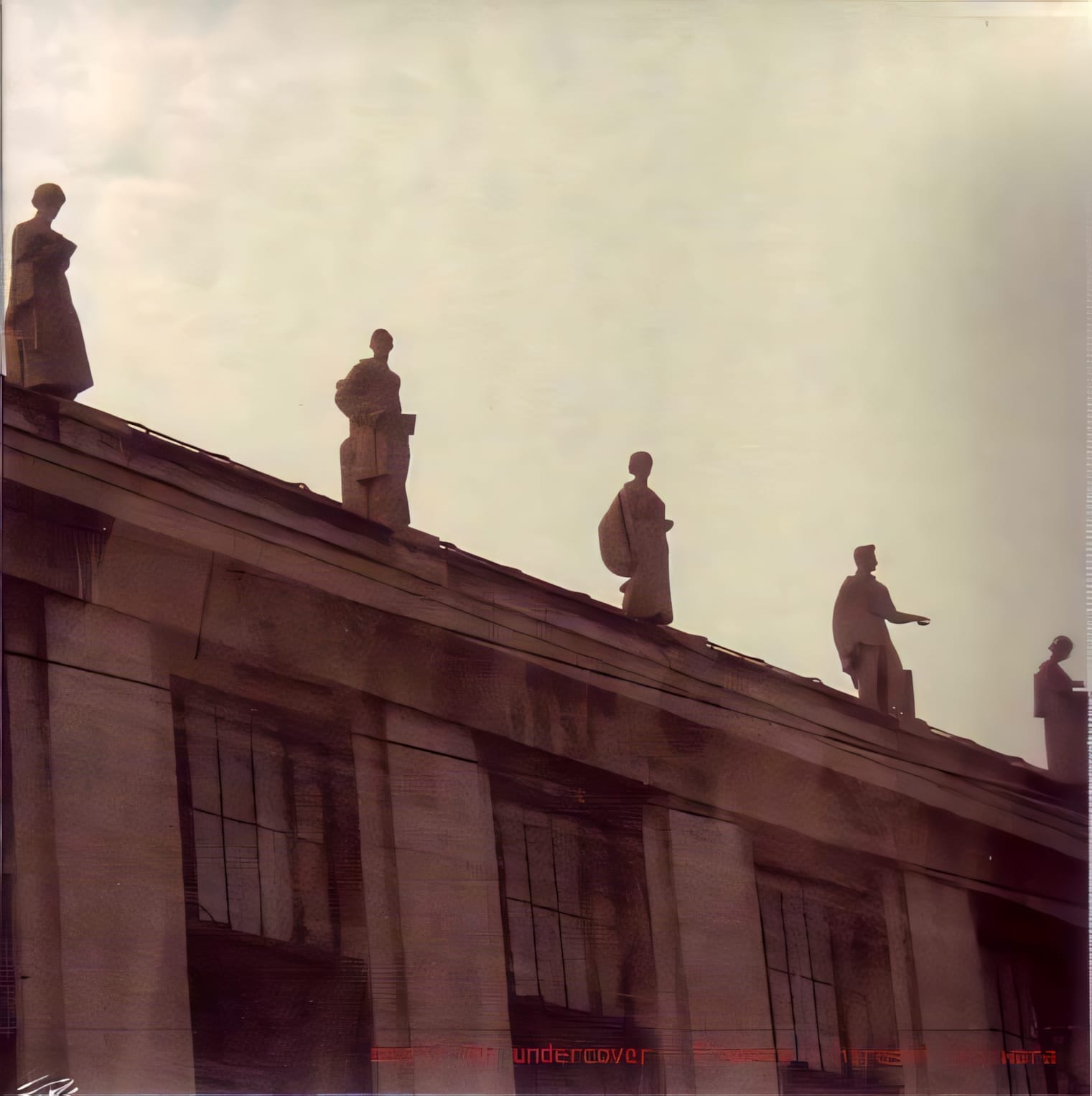
Tokyo Rooftops Ginza
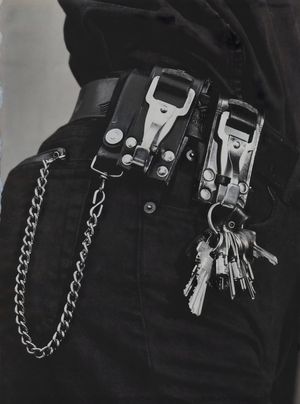
Bruce Weber for Calvin Klein Jeans — 1991 Campaign

Karborn — Evidence of Time Travel

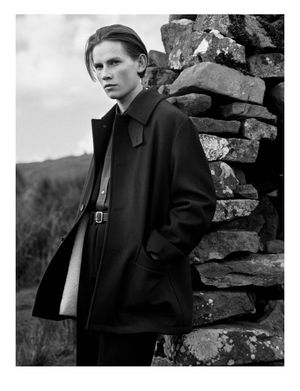
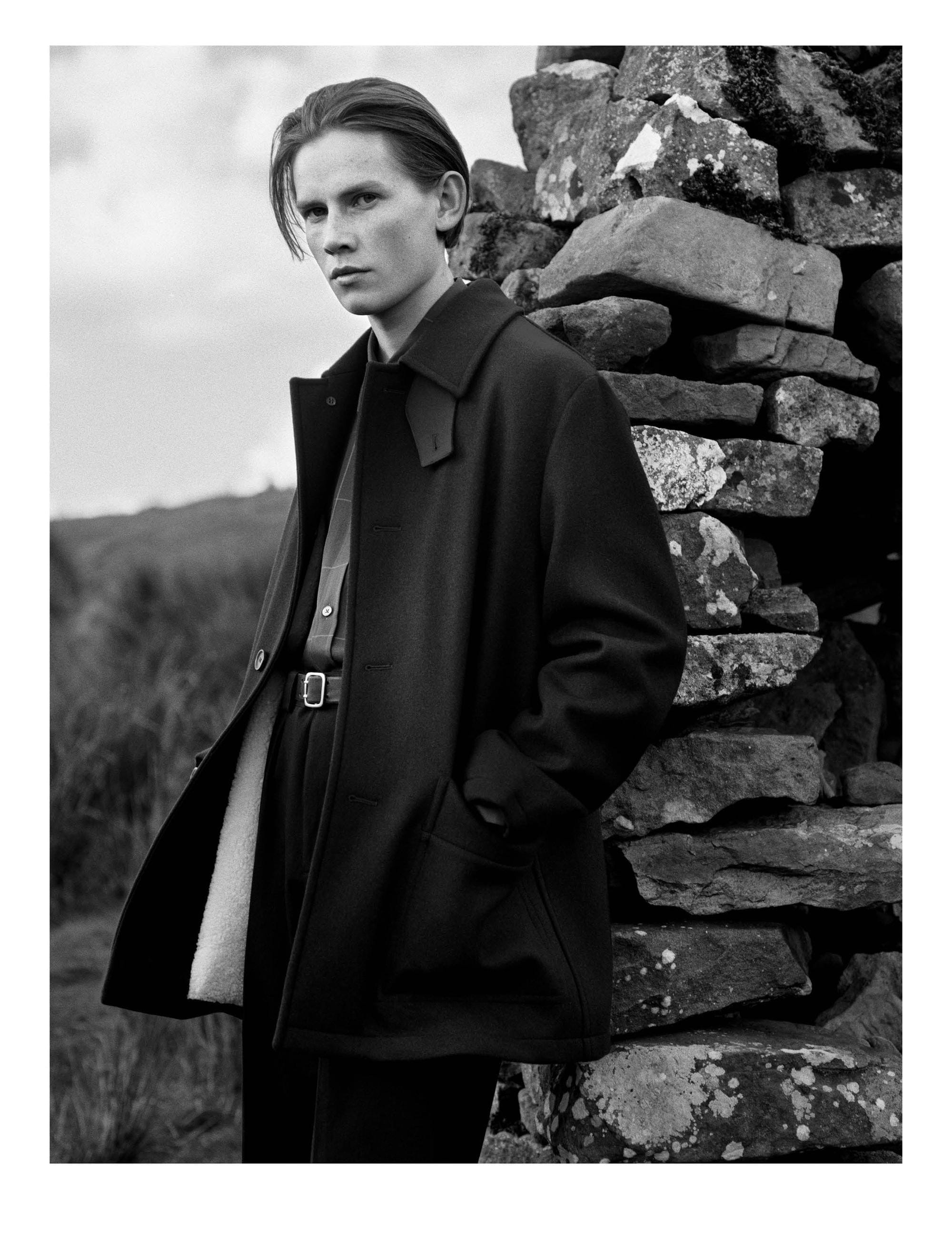
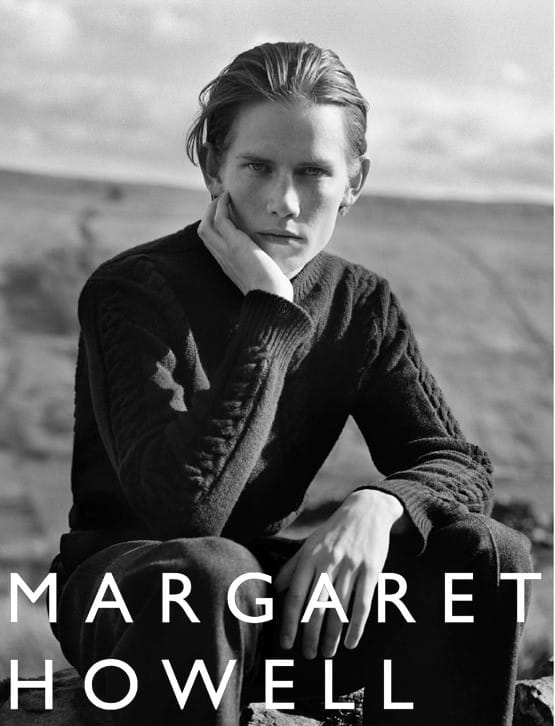
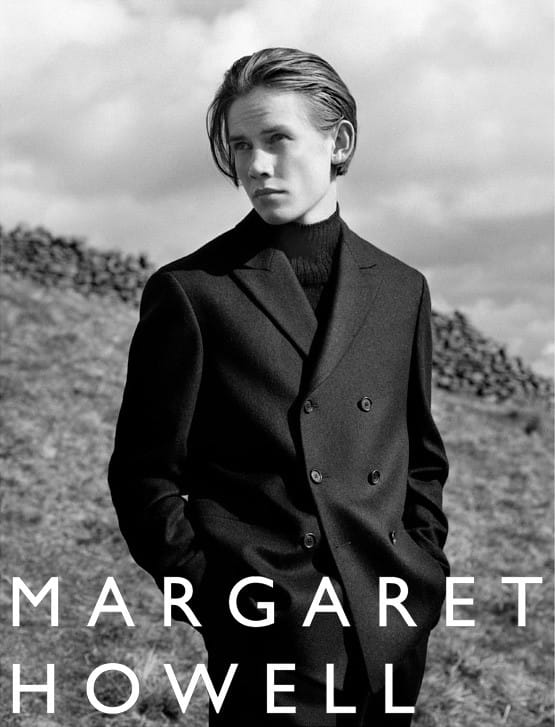
Margaret Howell Autumn/Winter 2016 Campaign
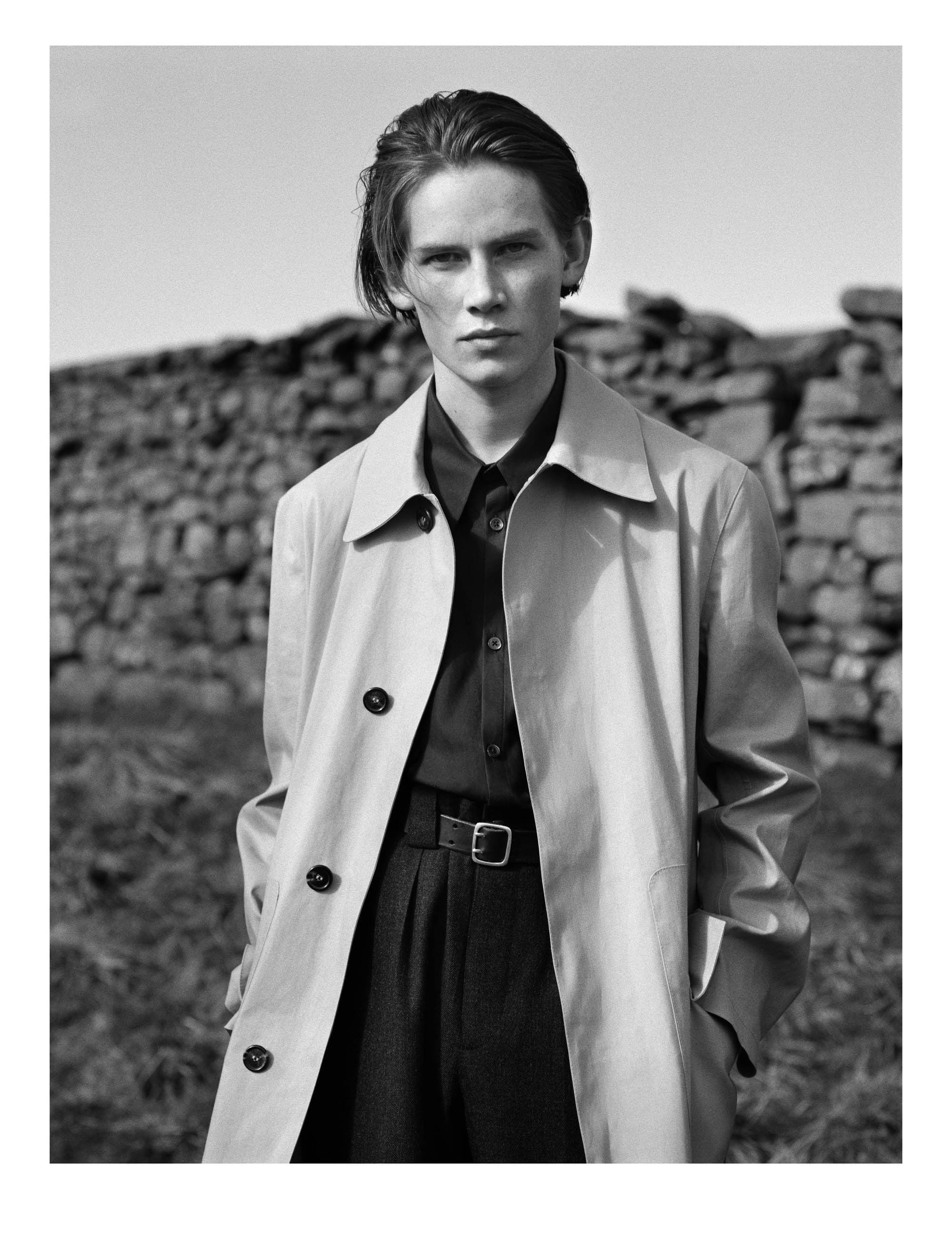
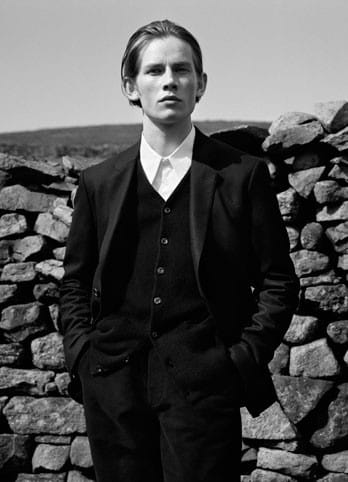
Gustav Frich photographed by Alasdair McLellan and styled by Beat Bolliger for Margaret Howell Autumn/Winter 2016.
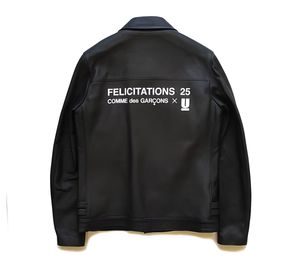
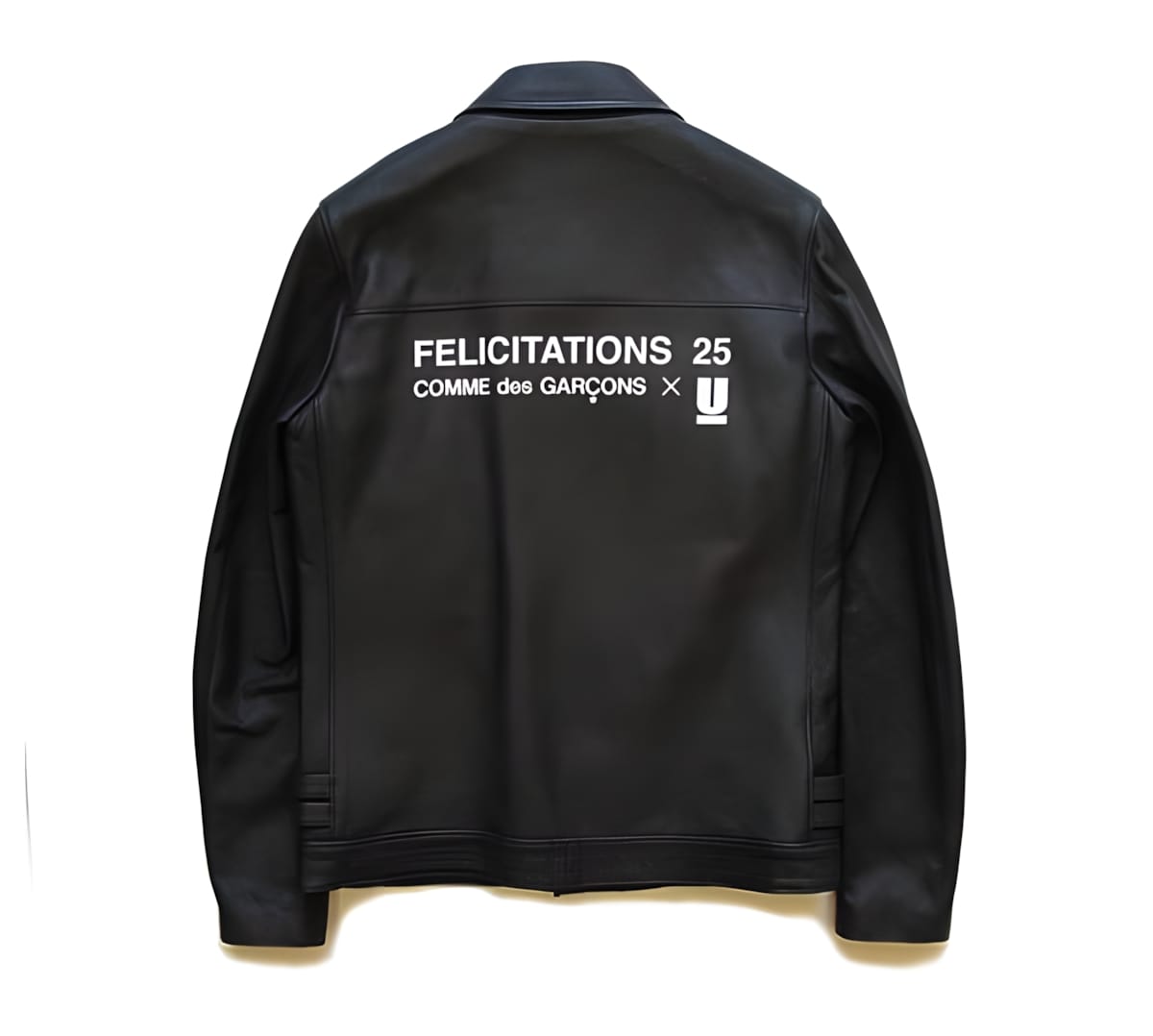
Comme des Garçons × Undercover Felicitations 25 Leather Jacket


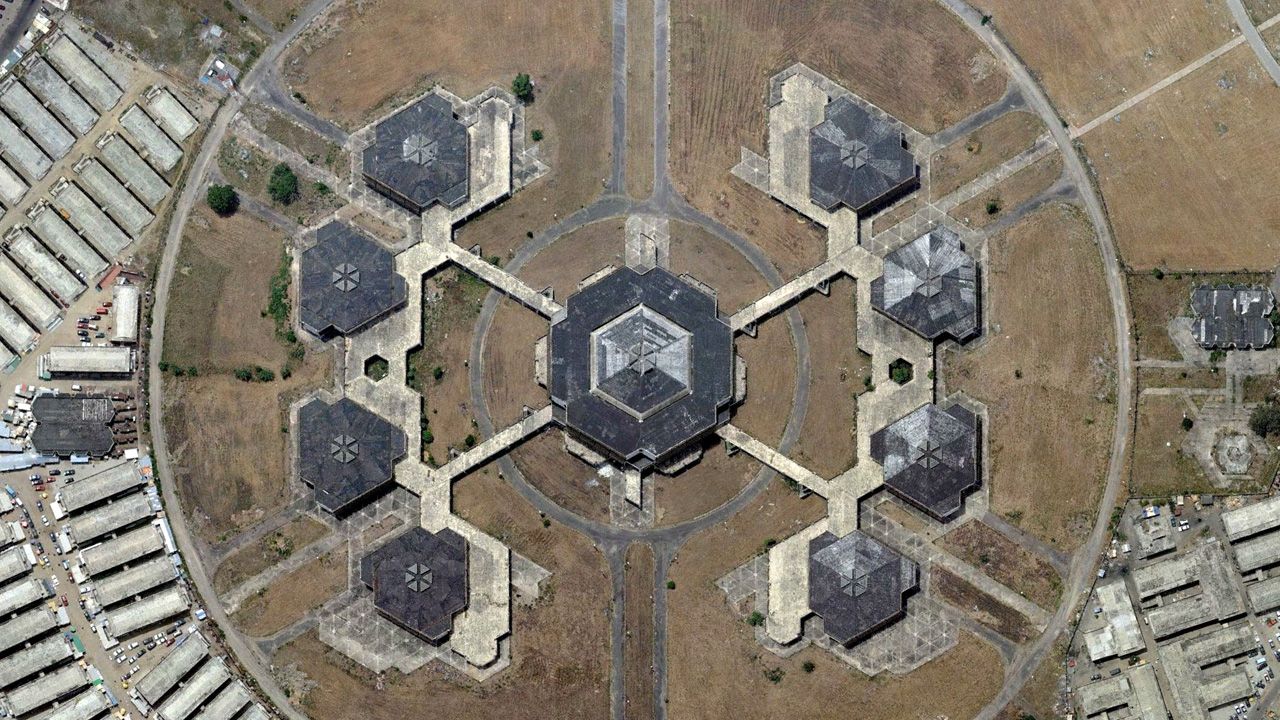
Aerial view of the Lagos fair ground designed and constructed by Energoprojekt, (Yugoslavia), completed 1976-77.

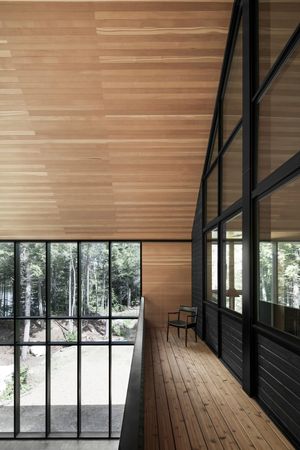
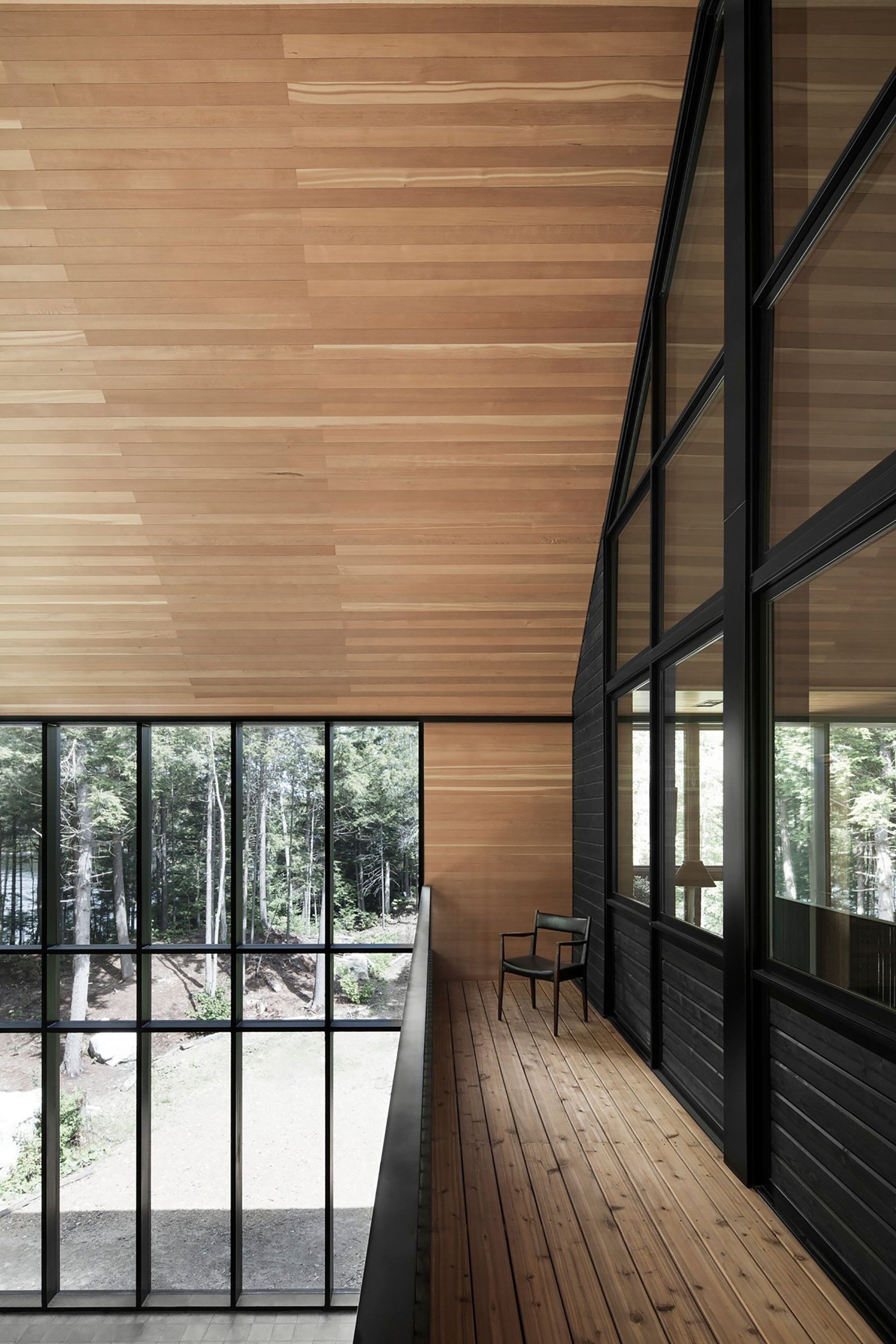
Les Marais par Alain Carle Architecte, Canada
Acronym stone island shadow project Veilance

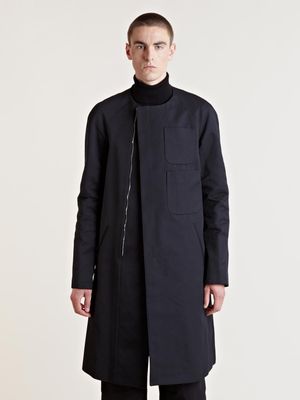
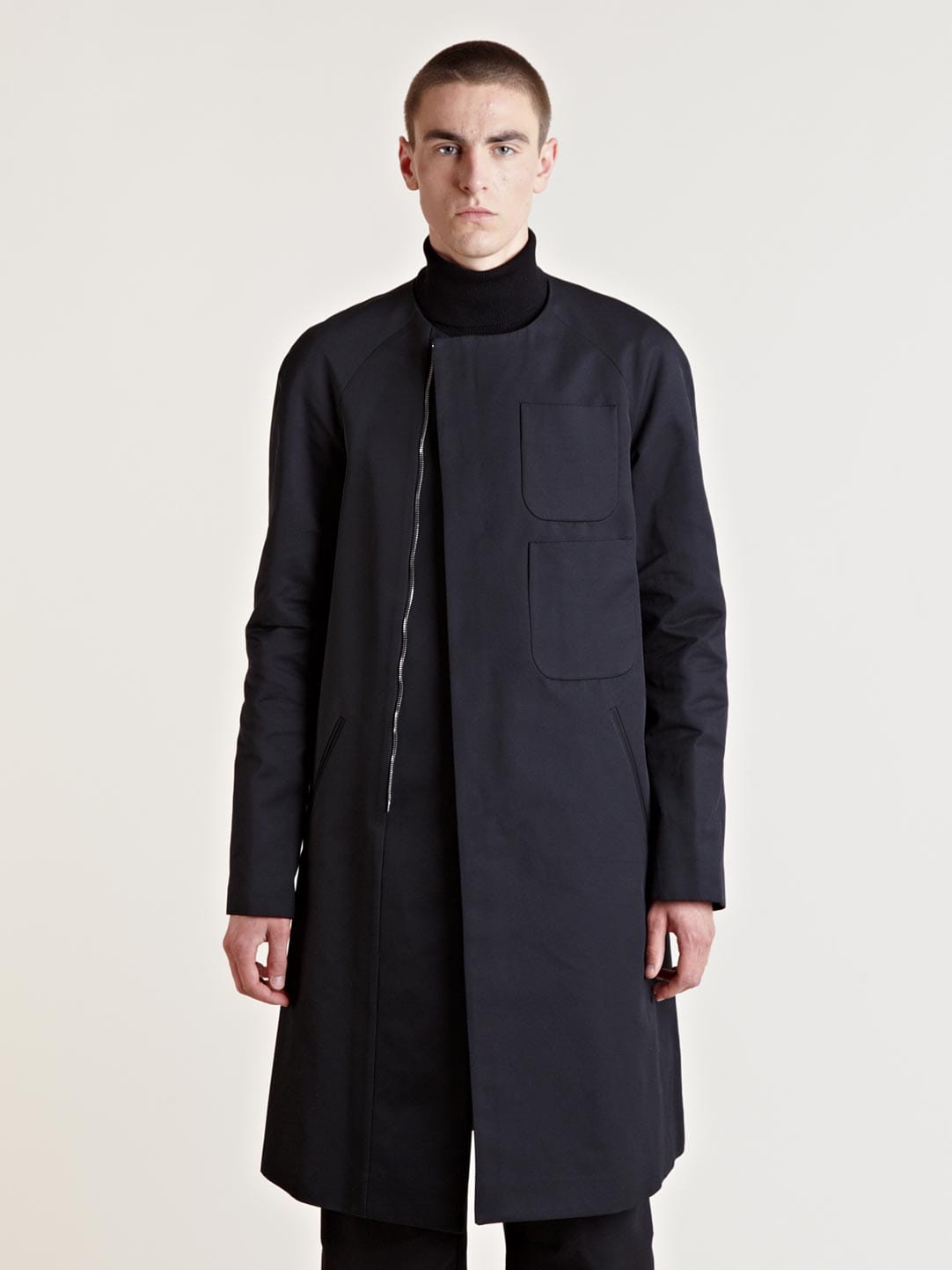
Raf Simons — Men's Raglan-Sleeve Archive Coat
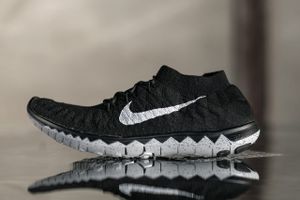
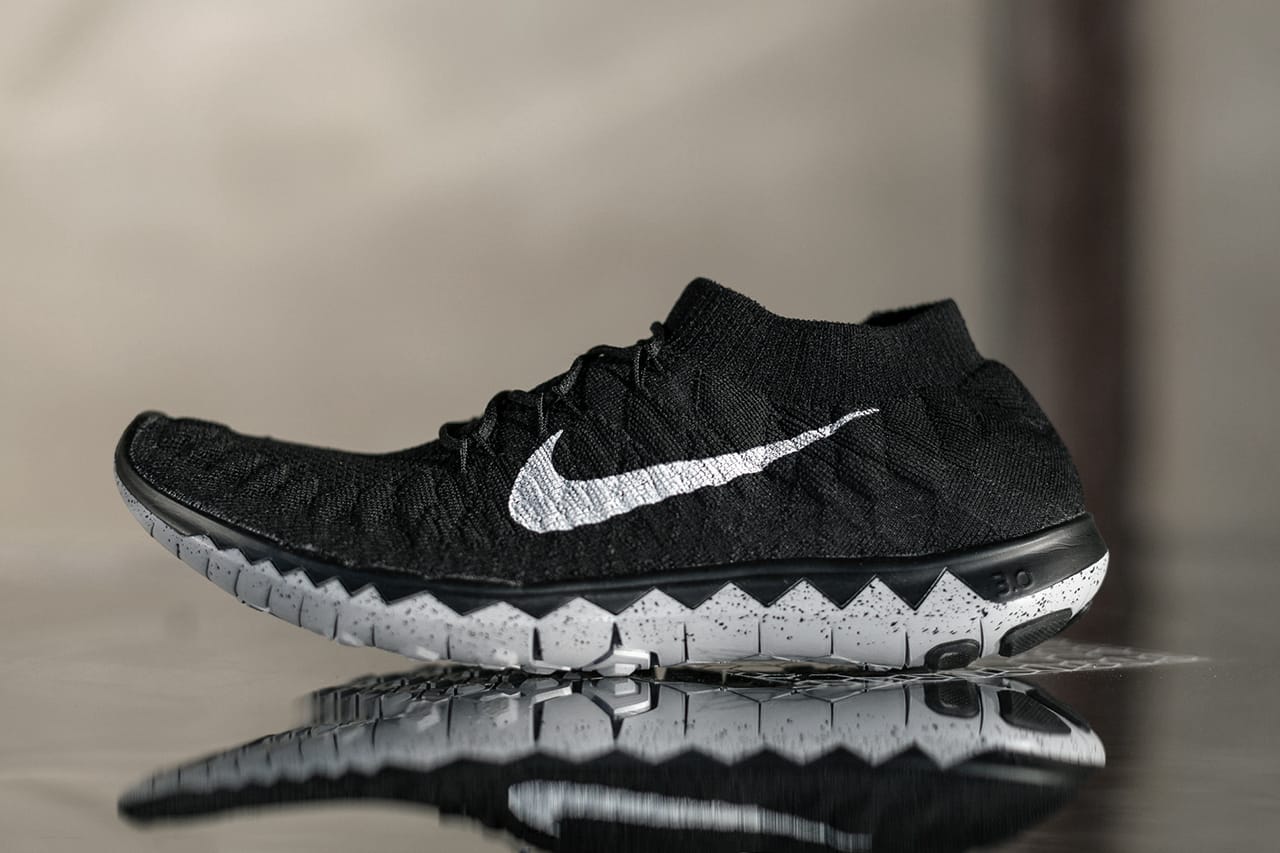
Nike Free Flyknit 3.0
The Nike Free 3.0 Flyknit combines the siped, flexible Free sole with a one-piece knitted Flyknit upper. Shown as part of Nike's Free Genealogy line.
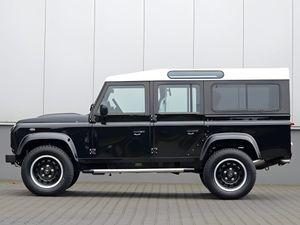
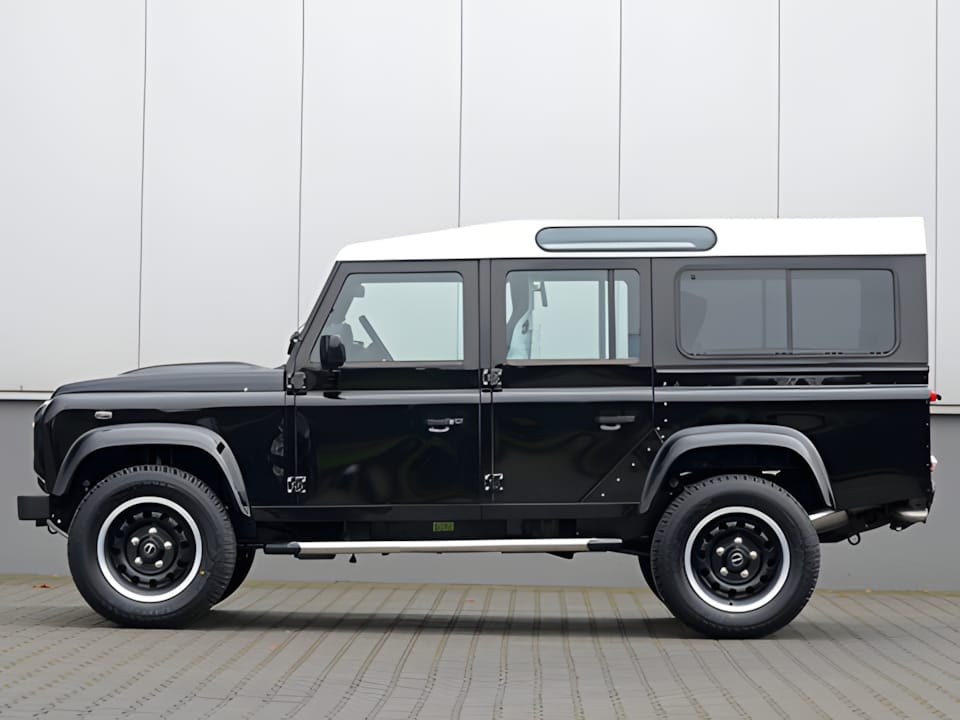
Land Rover Defender 110 Station Wagon in Black



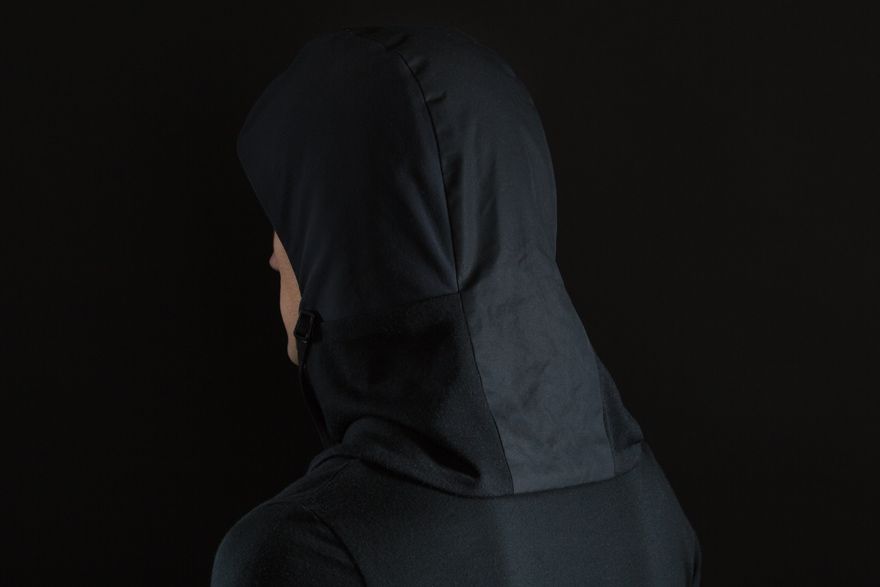
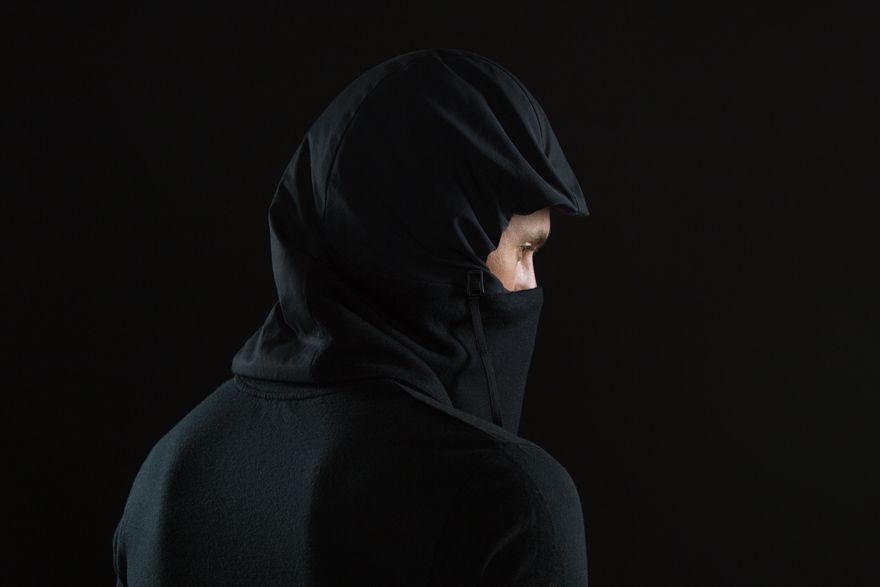
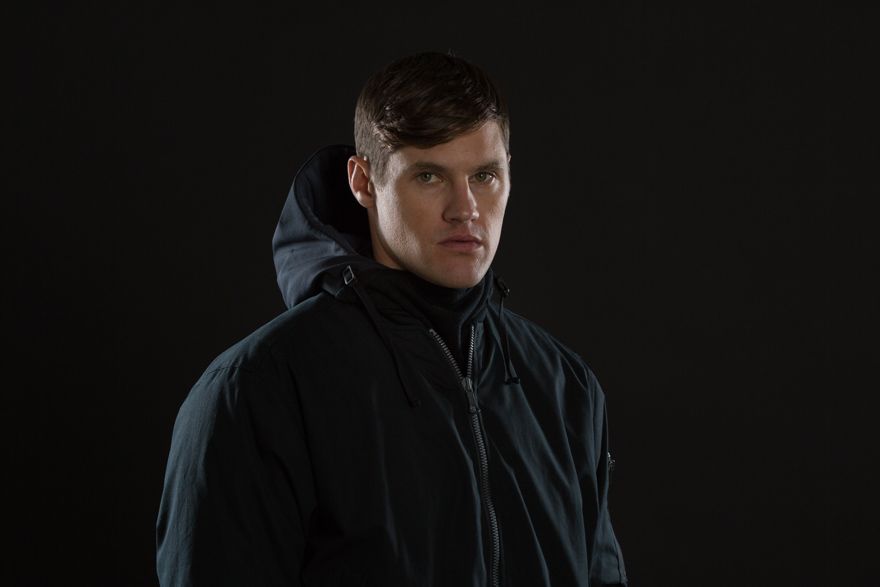
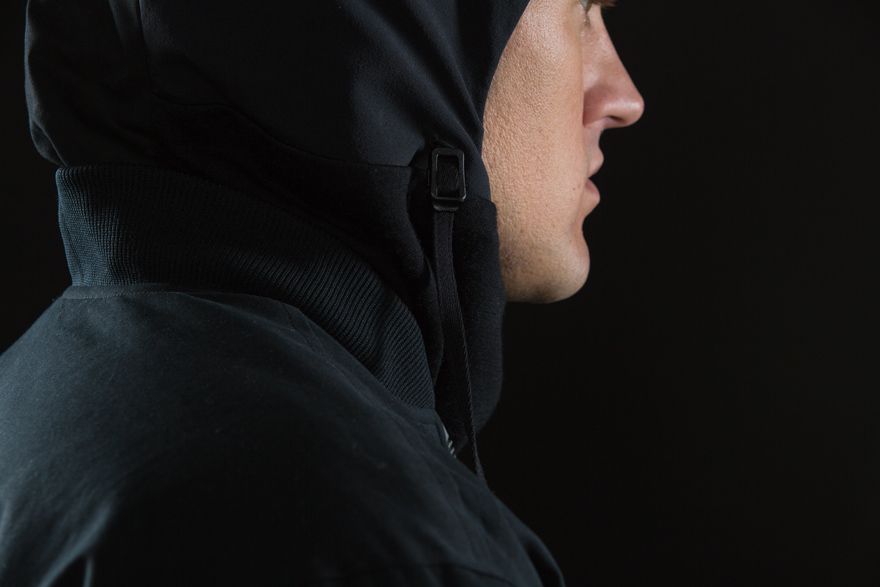
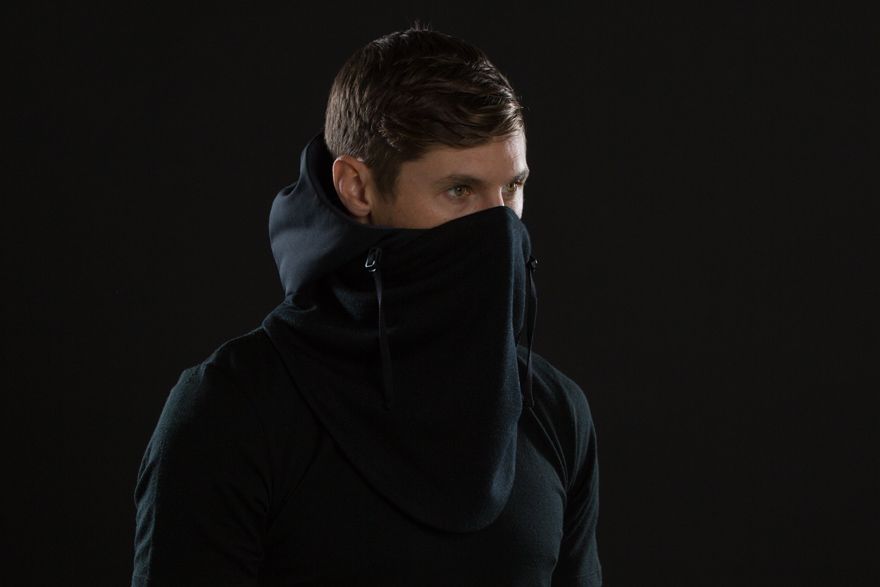
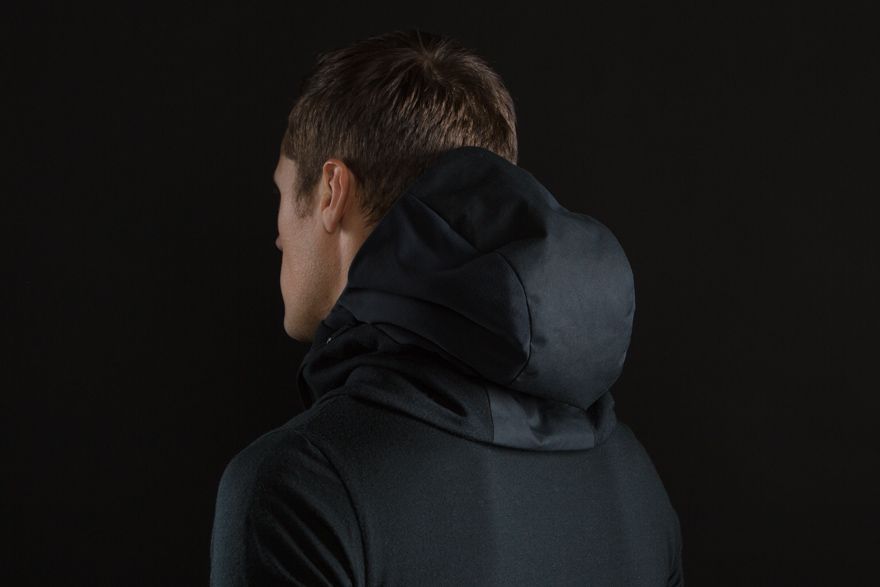
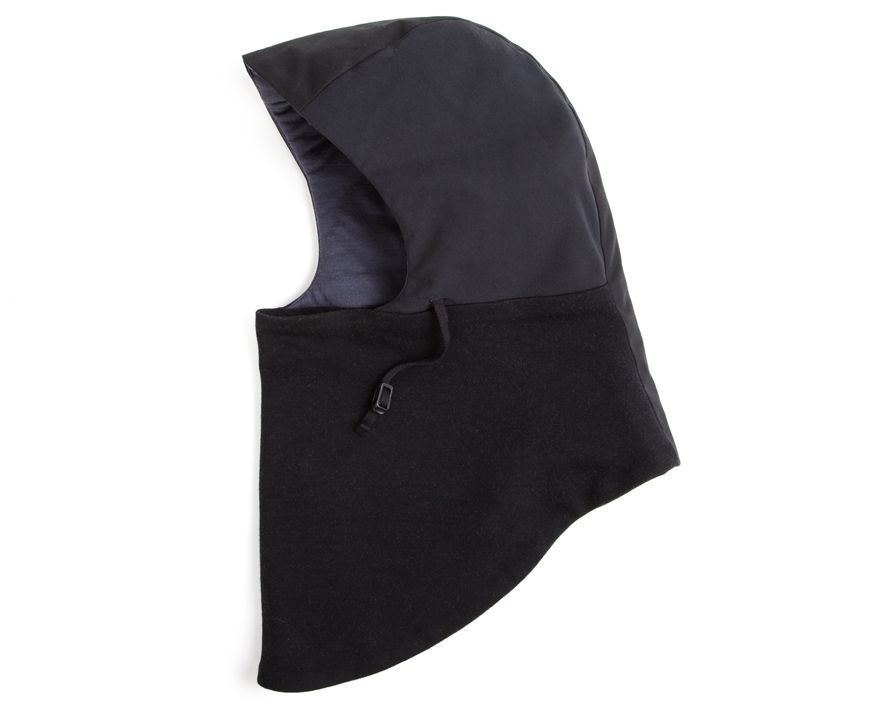
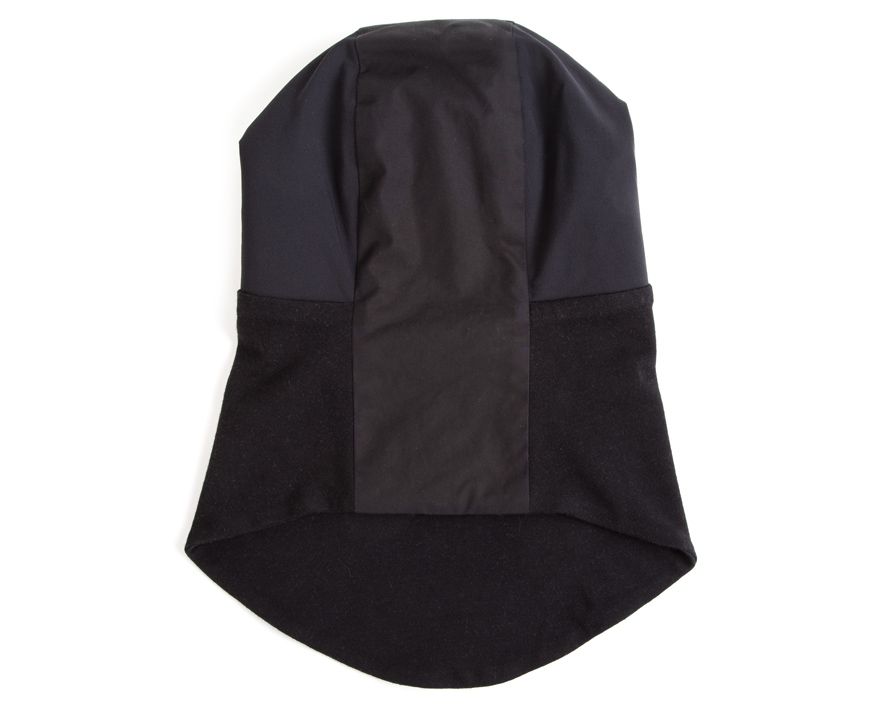
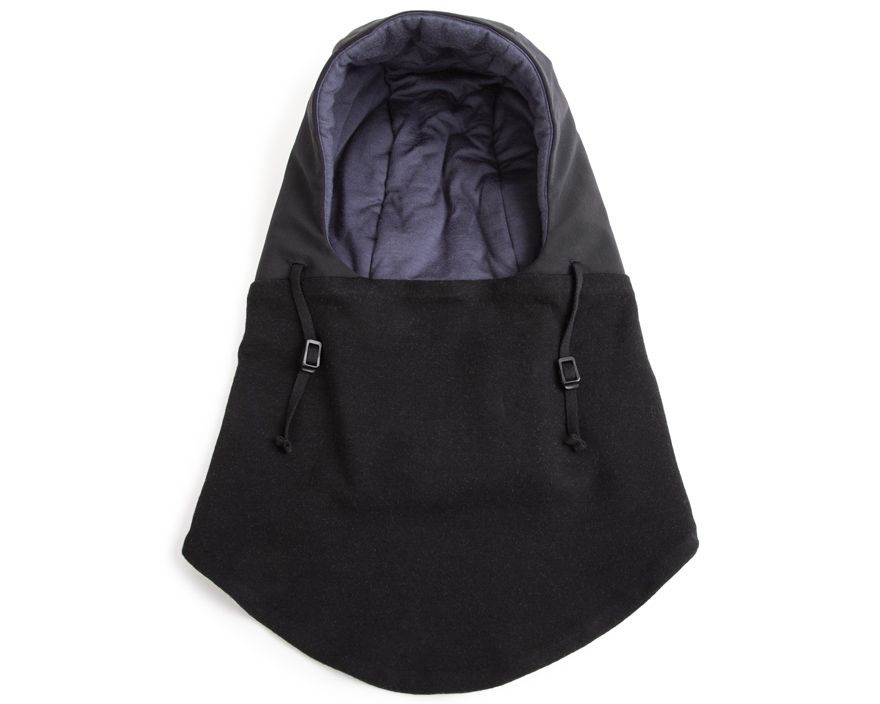
Outlier Hood
A ruggedly cozy standalone hood. Five fabrics united to keep your head, neck and face warm and comfortable through the winter.

Carlo Scarpa — Fondazione Querini Stampalia Garden, Venice

ESA HERTZ Anechoic Chamber — Antenna Test Facility at ESTEC
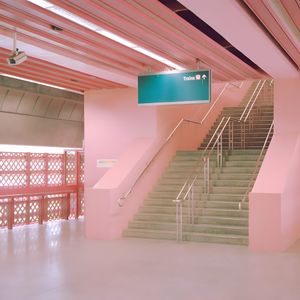
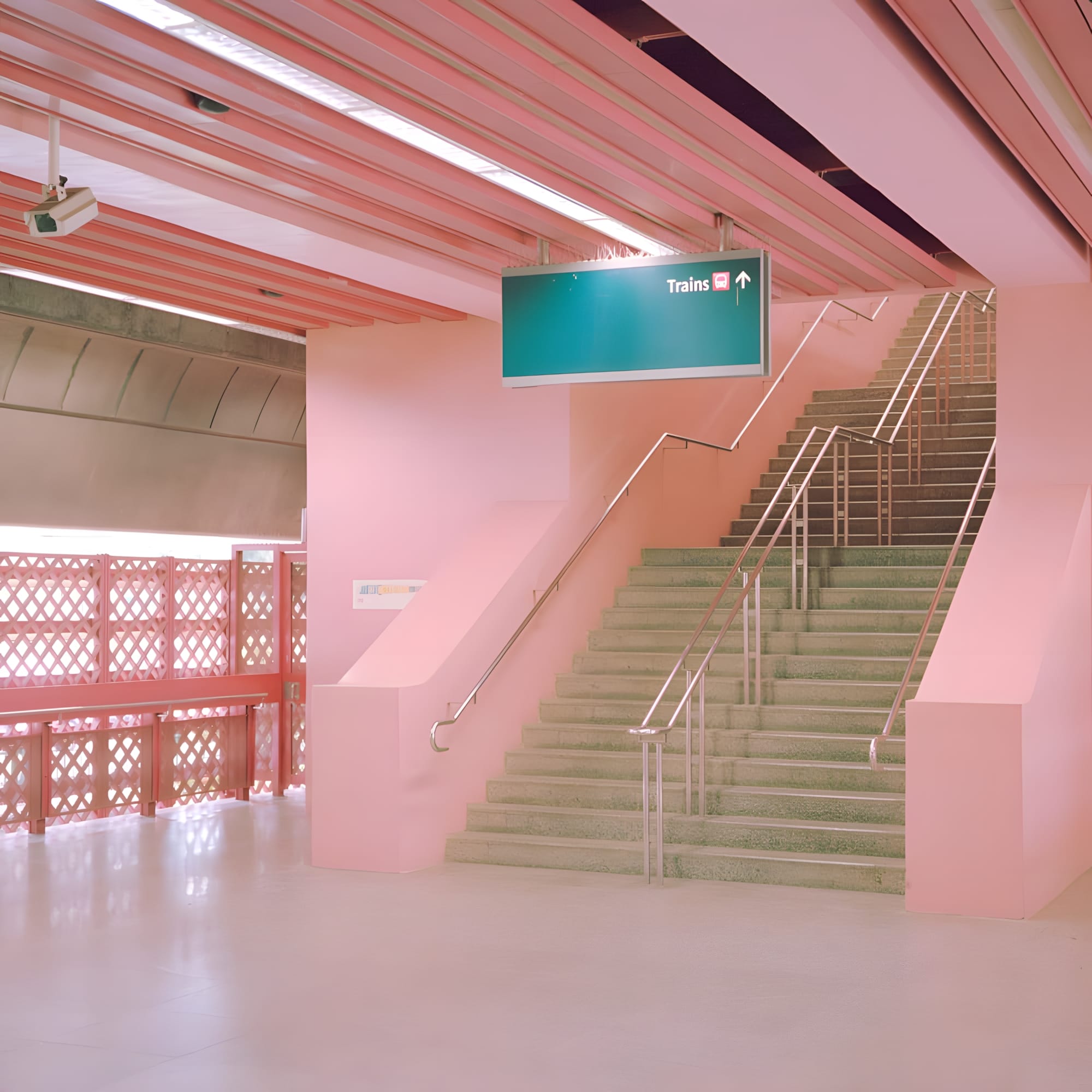
Redhill MRT Station — Singapore

Nakagin Capsule Tower — Exterior Detail, Tokyo 2016
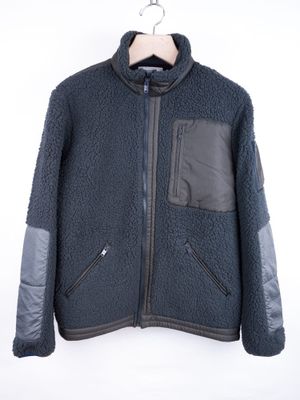
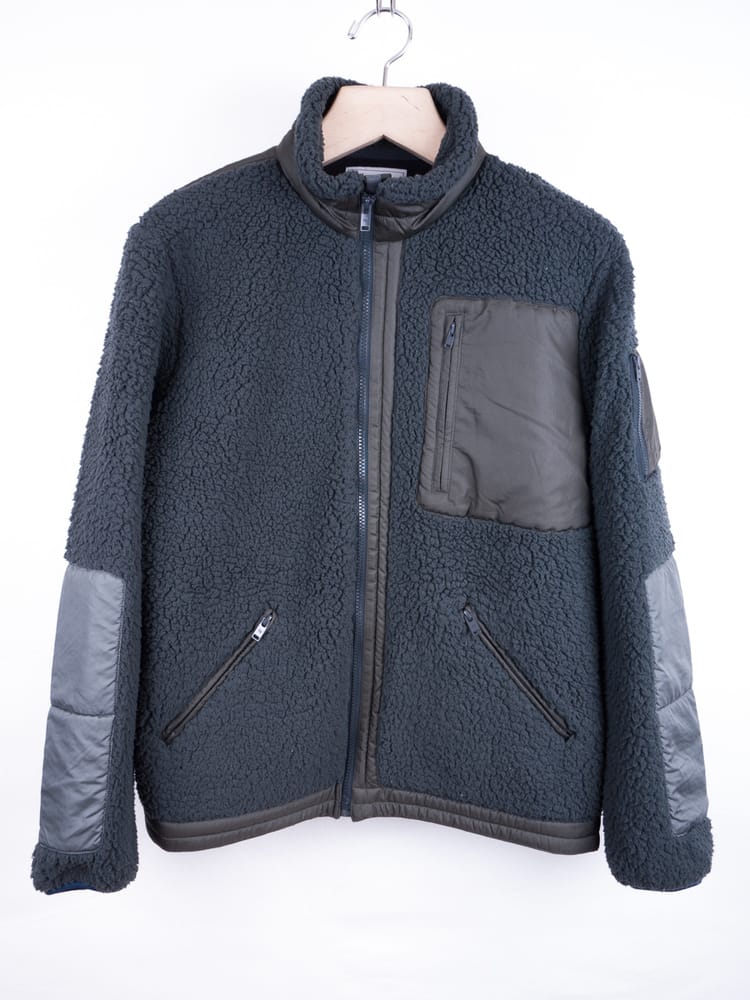
Undercover × Uniqlo UU Fleece Jacket
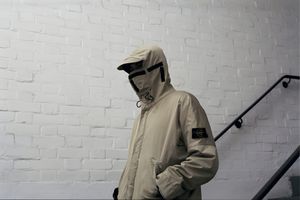
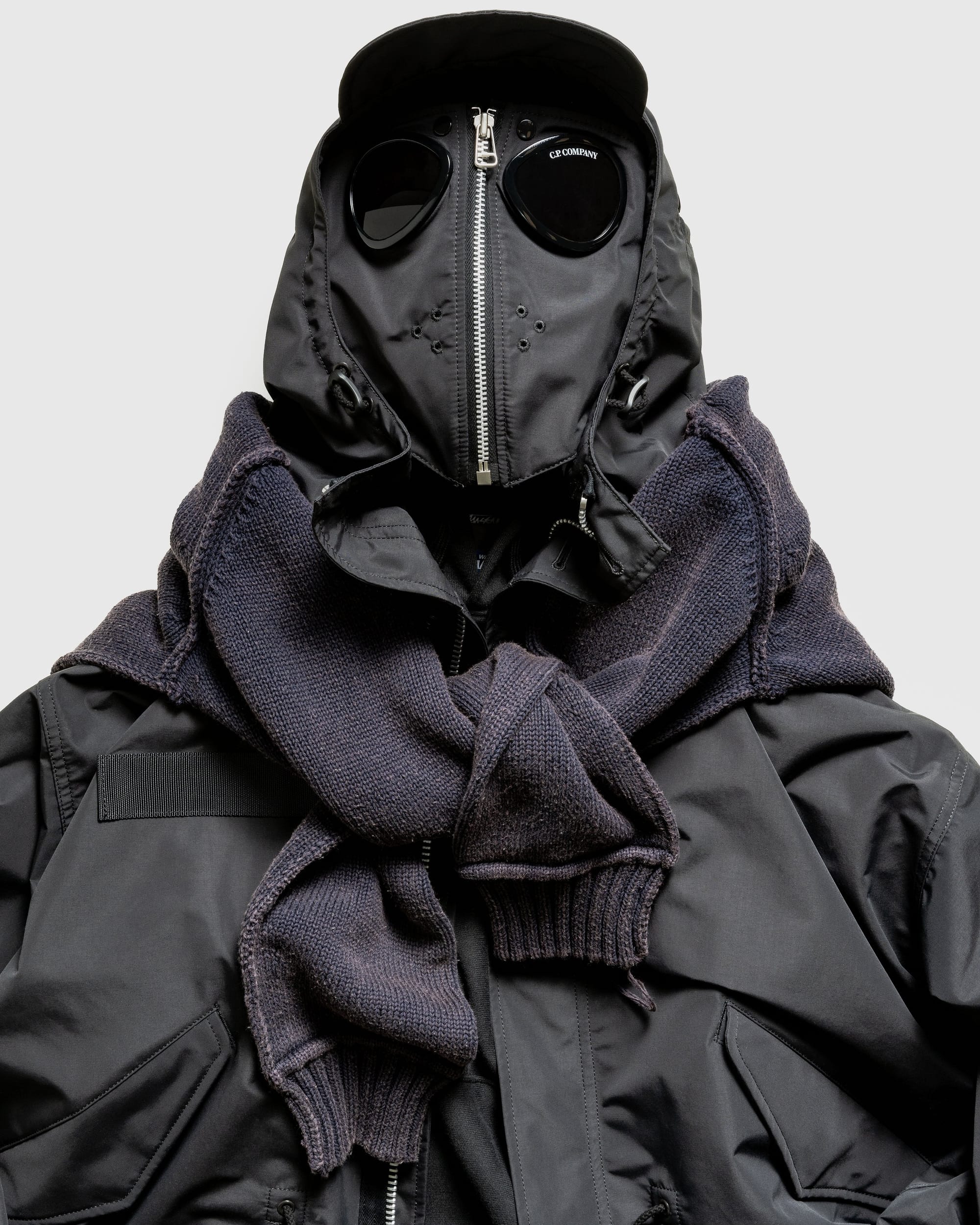
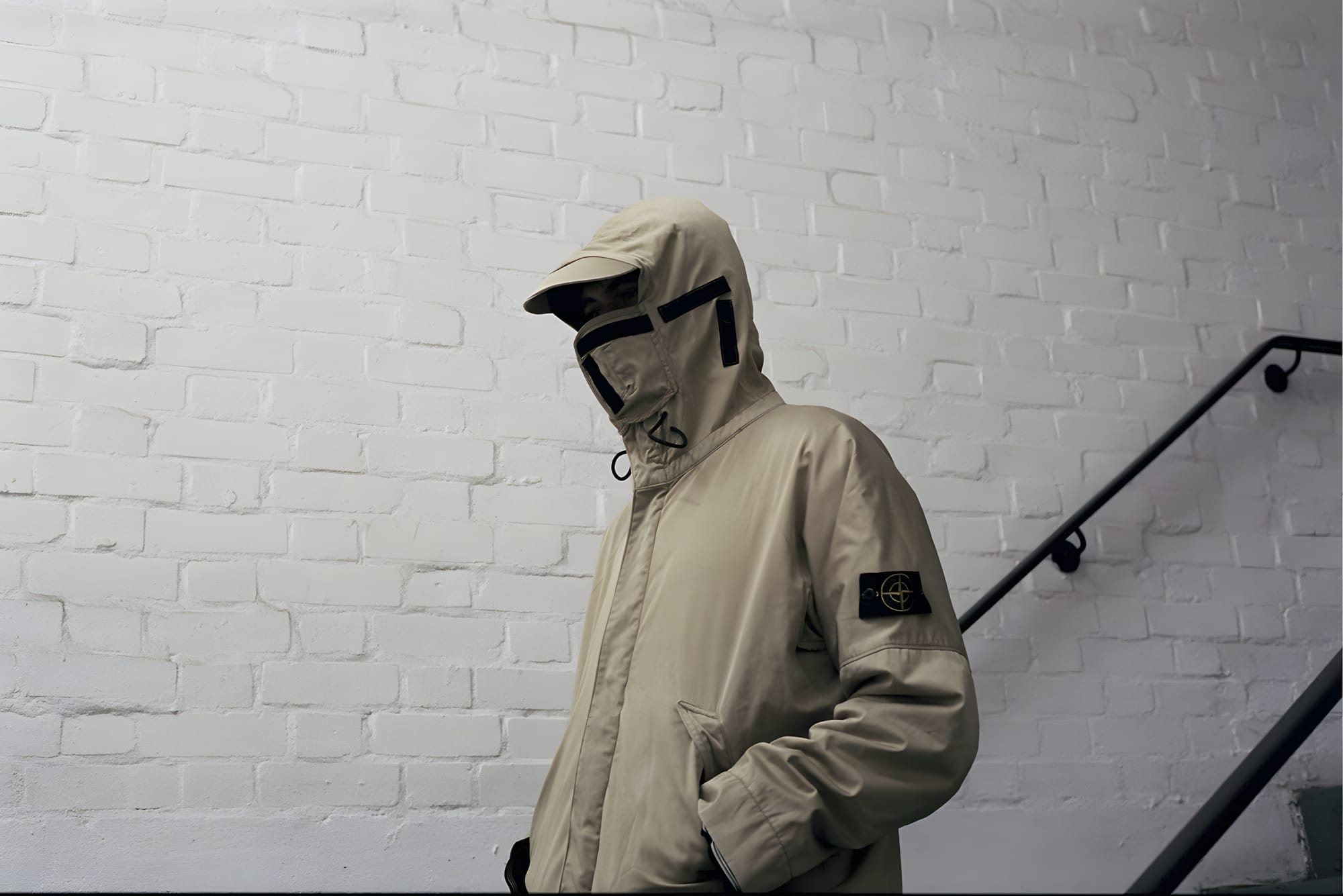
Stone Island Raso Floccato Riot Mask Jacket AW2004
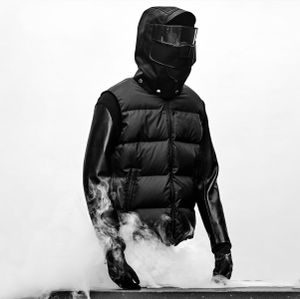
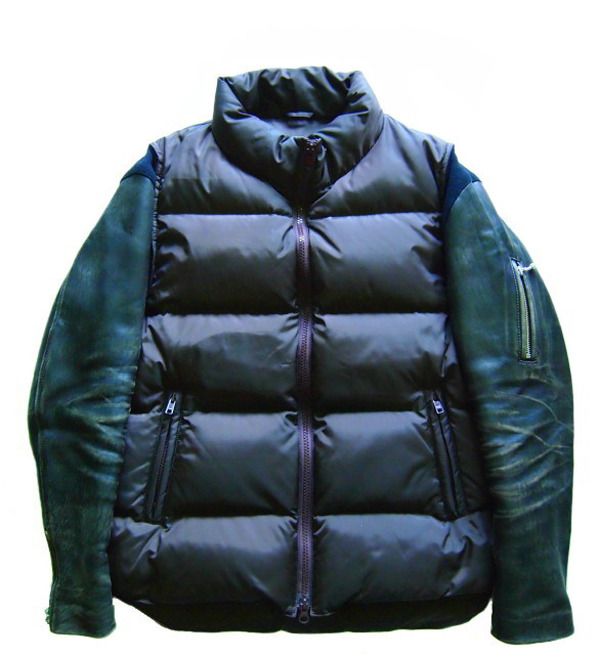
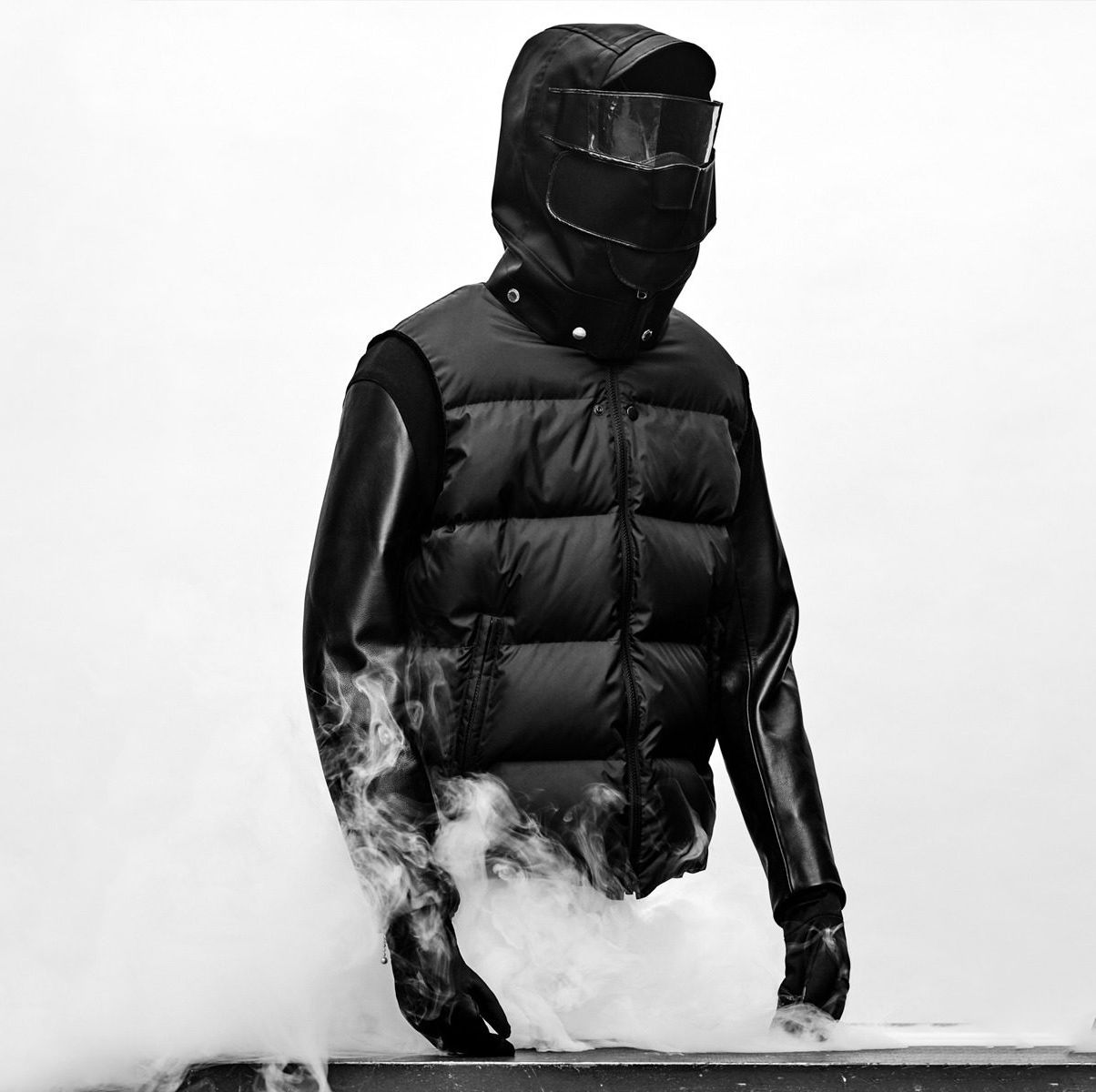
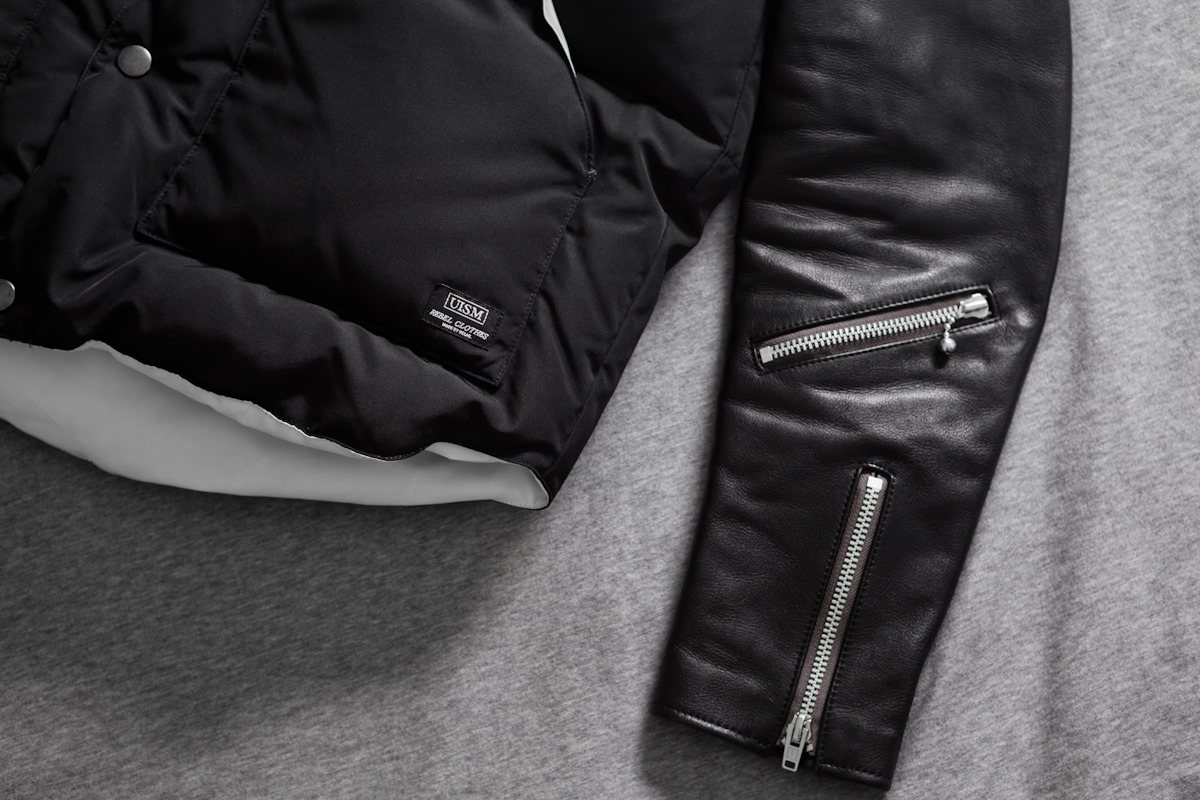
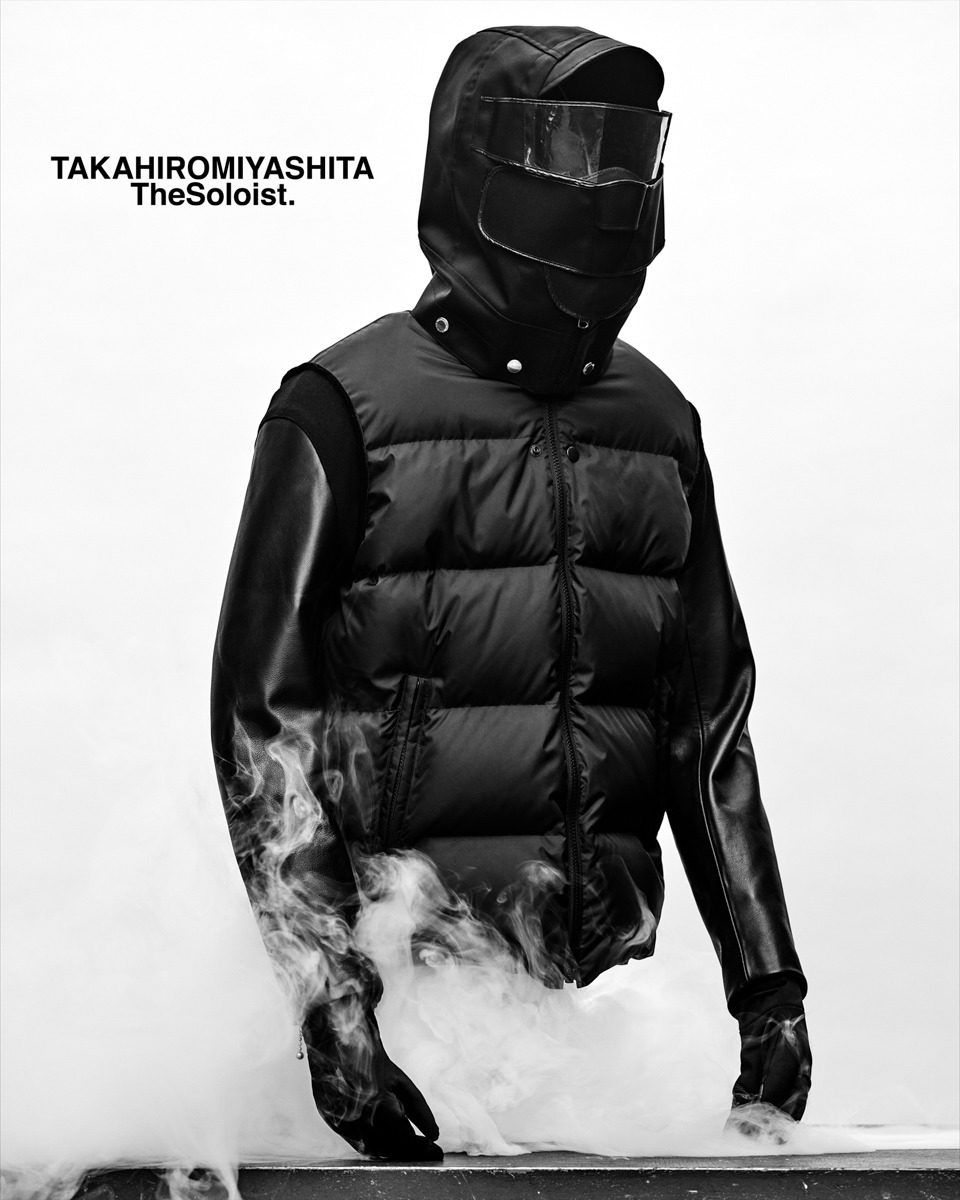
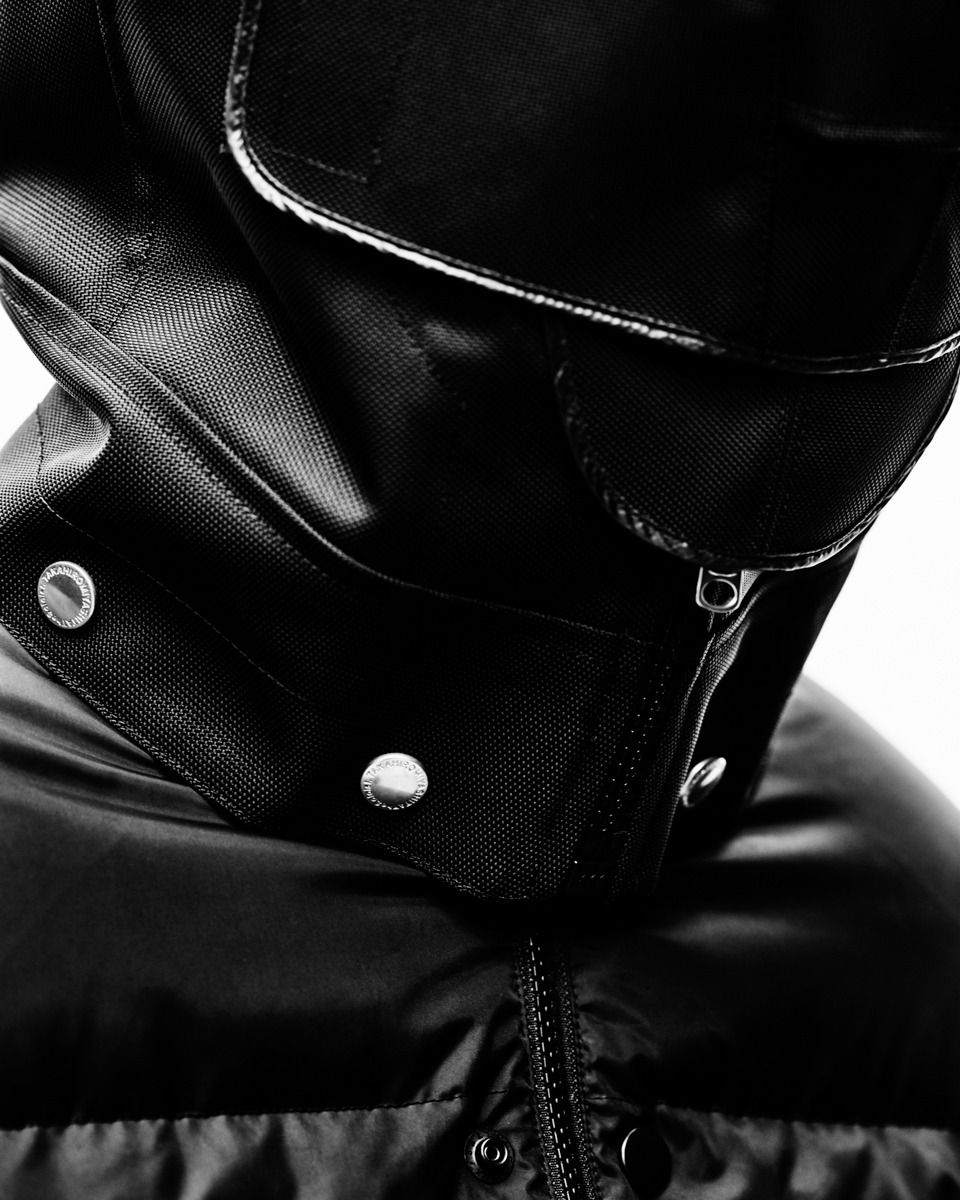
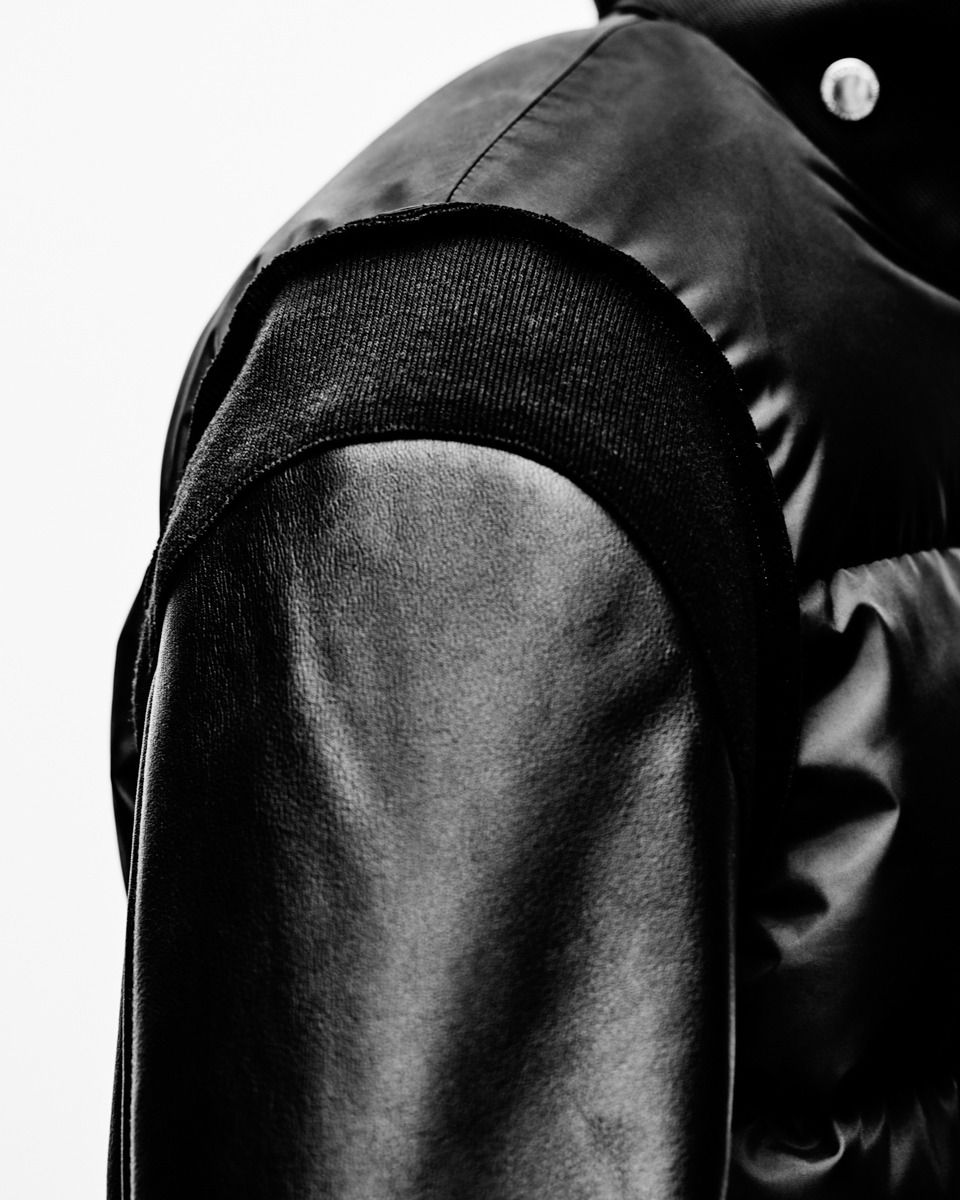
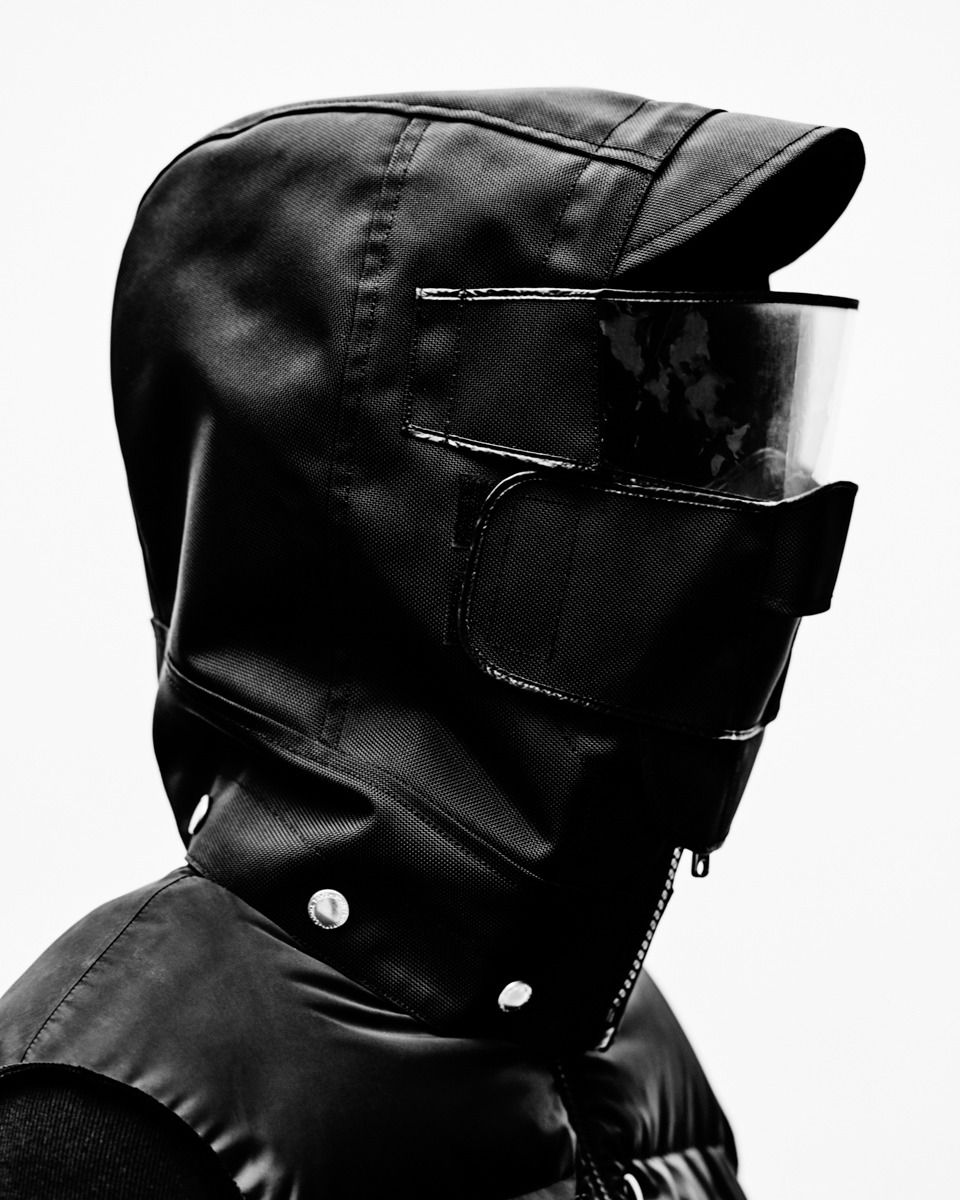
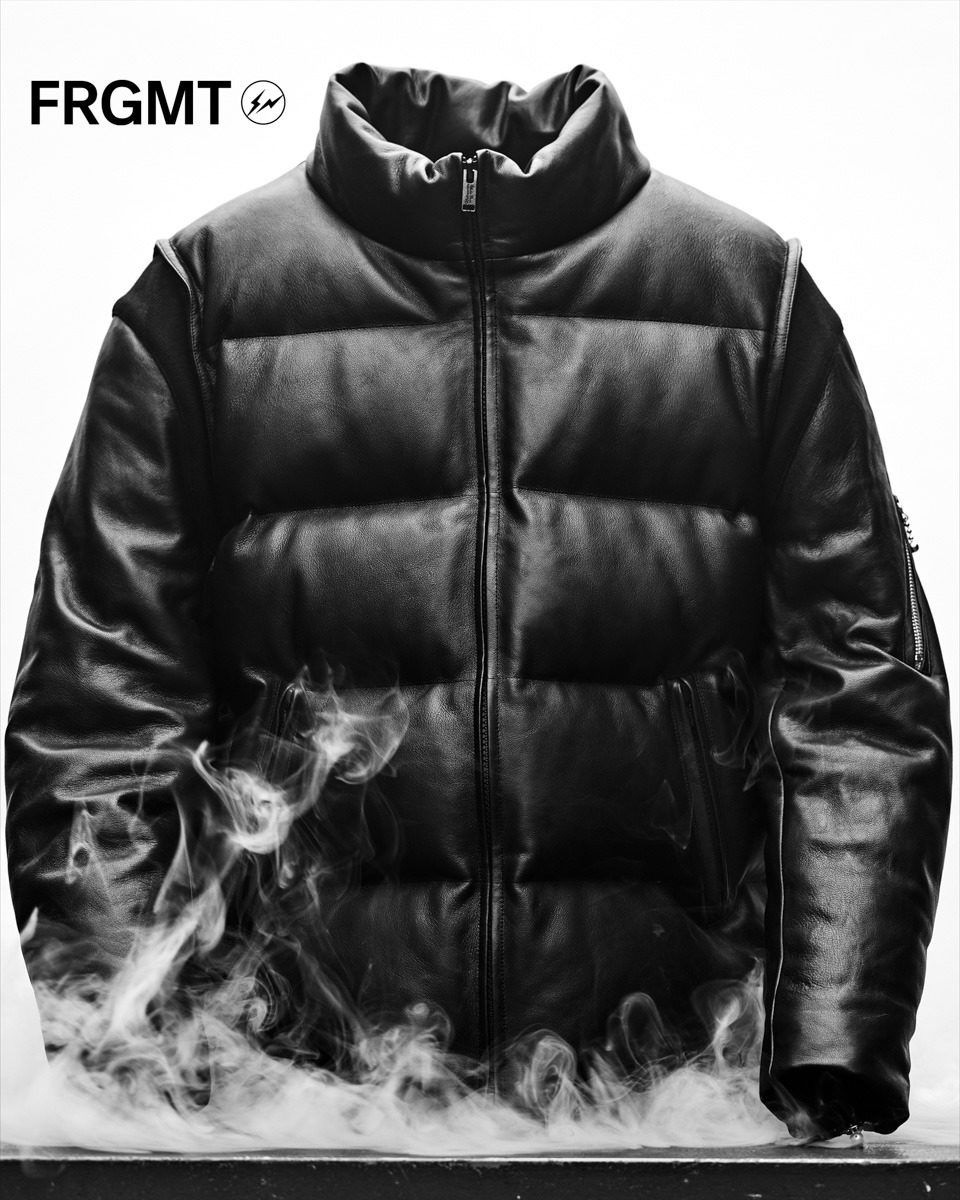
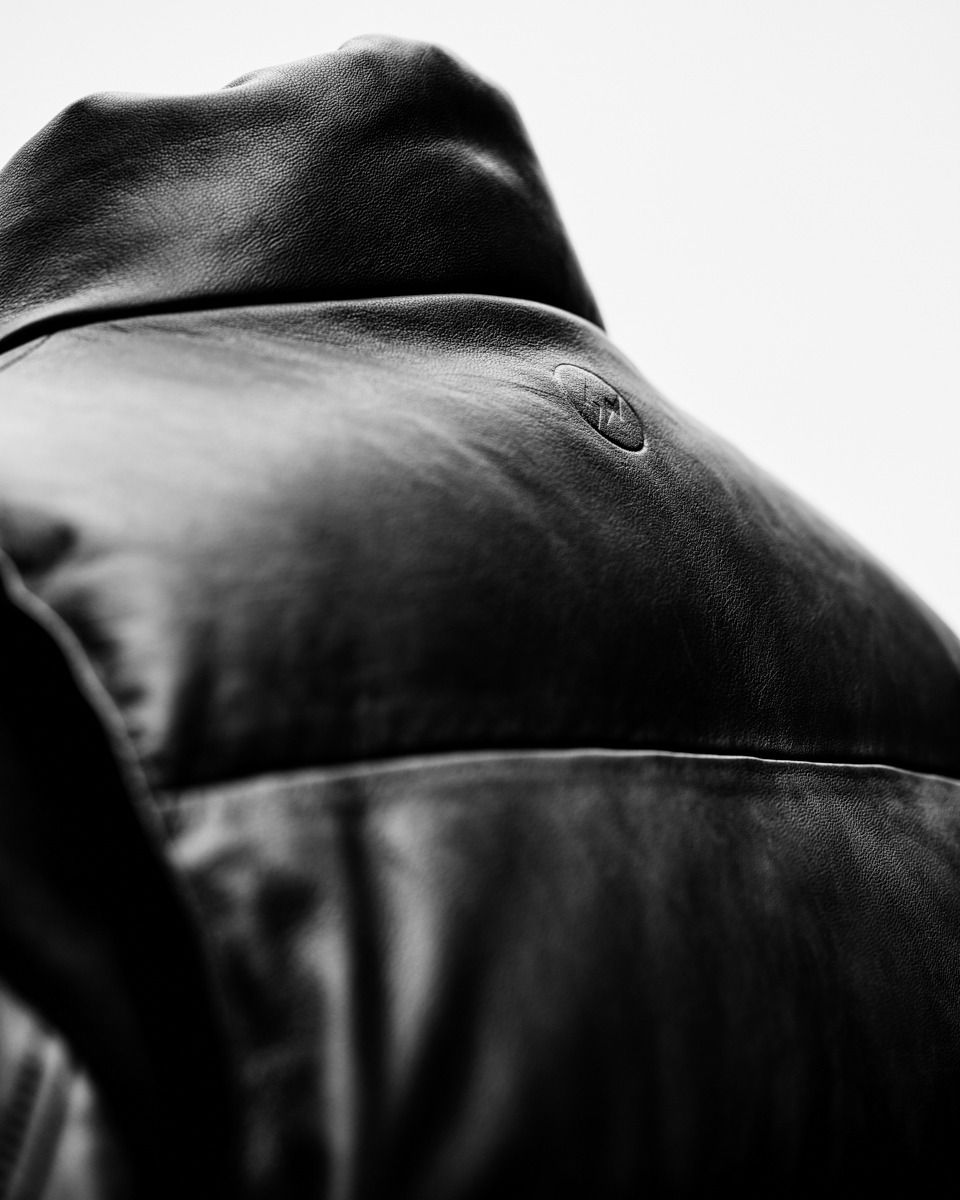
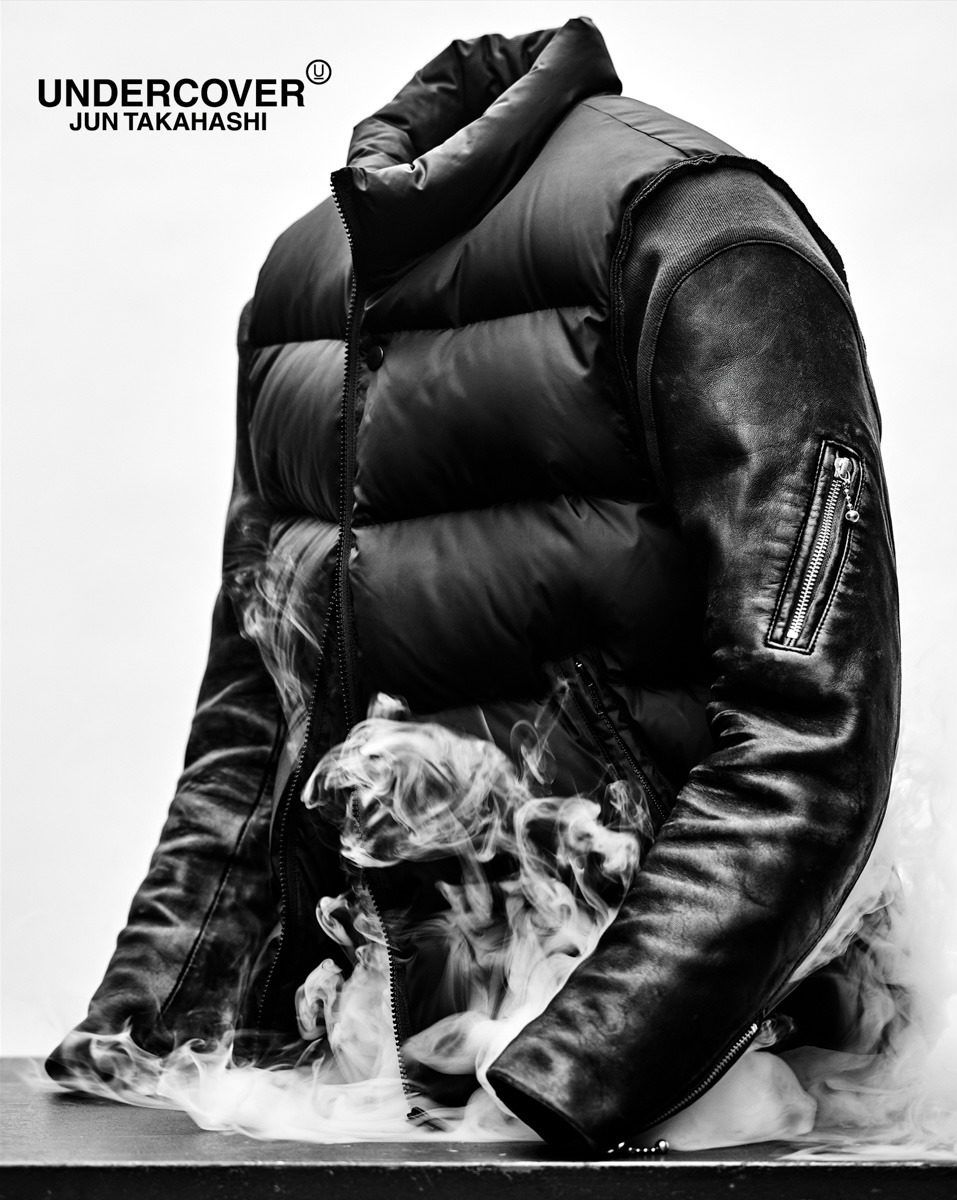
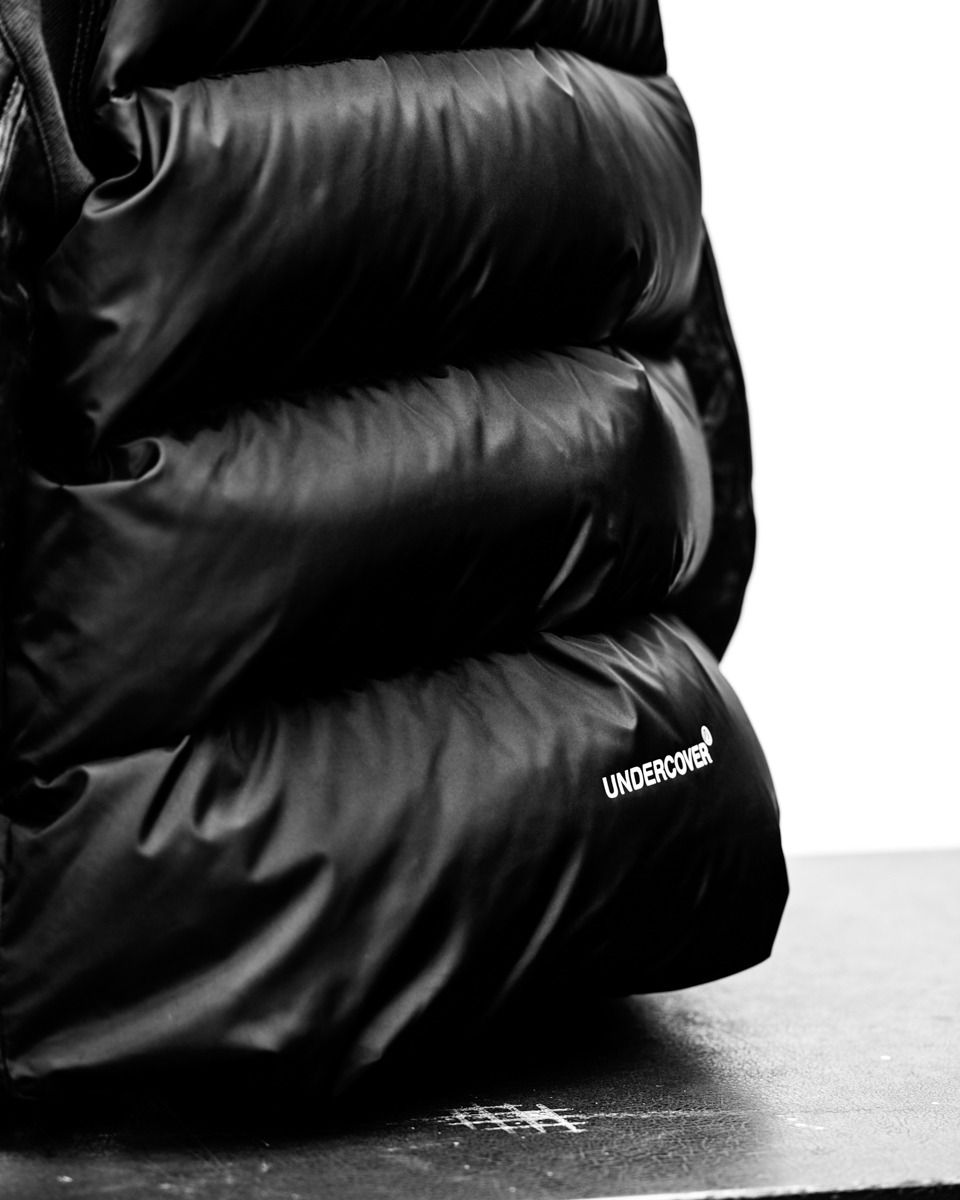
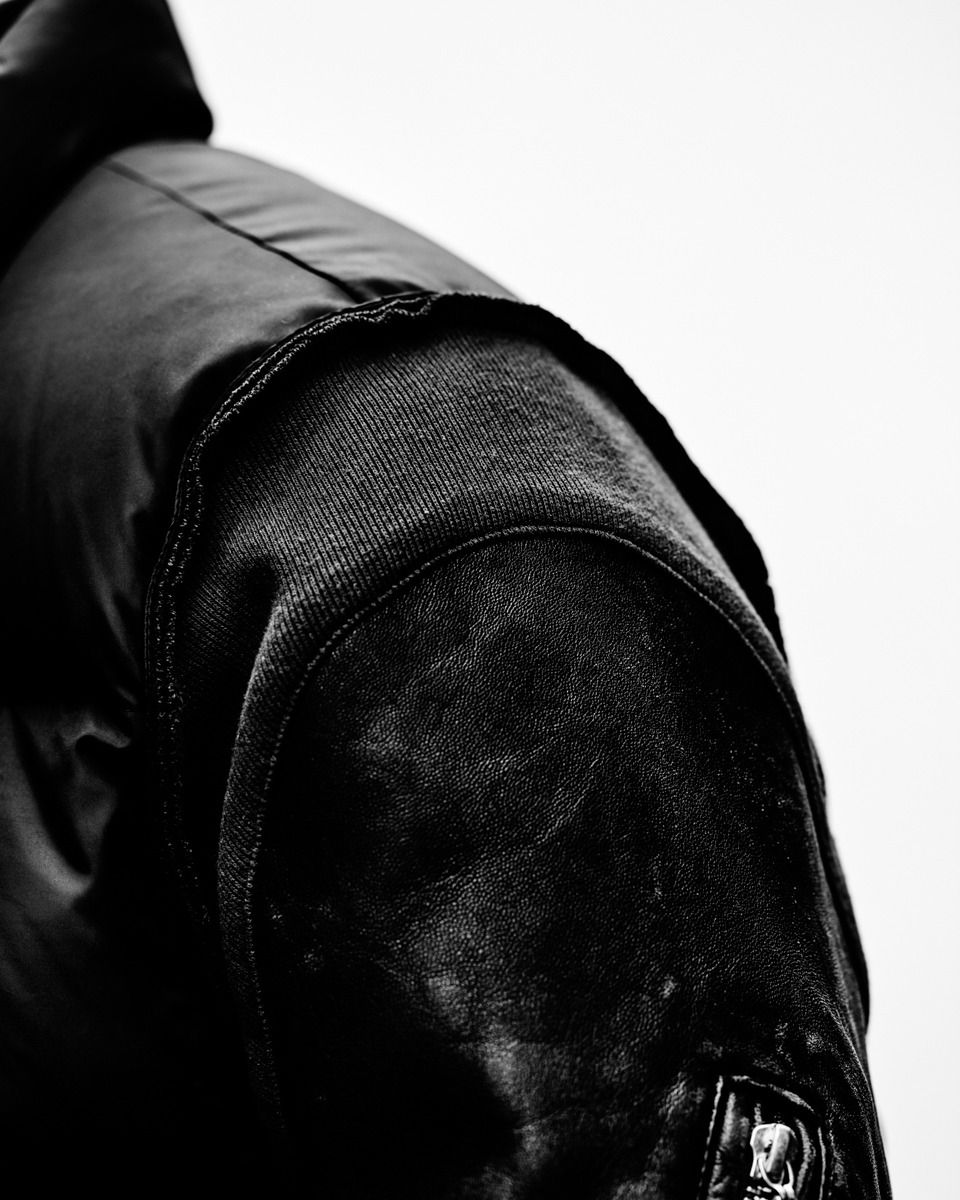
UNDERCOVER: 30TH ANNIVERSARY LEATHER DOWN JACKETS
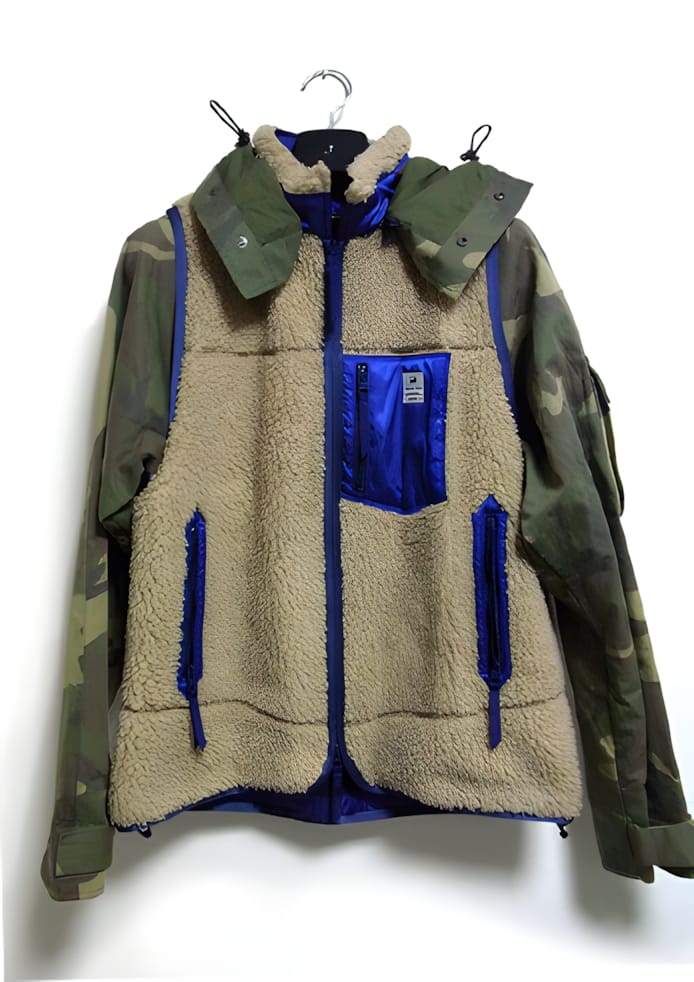
In 2021 designer Jun Takahashi has turned to some of his long-time friends in the Tokyo fashion scene to offer their take on UC’s signature hybrid style with a series of leather sleeve down jackets with various mixed materials and detailing. Created in partnership with peers sacai, Kolor, Fragment design, TheSoloist and N.Hoolywood. The jackets all take a different tact to exploring the same style of garment.
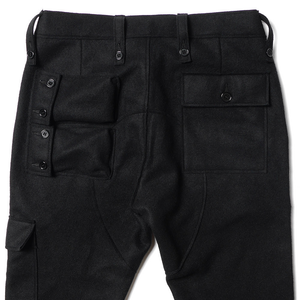
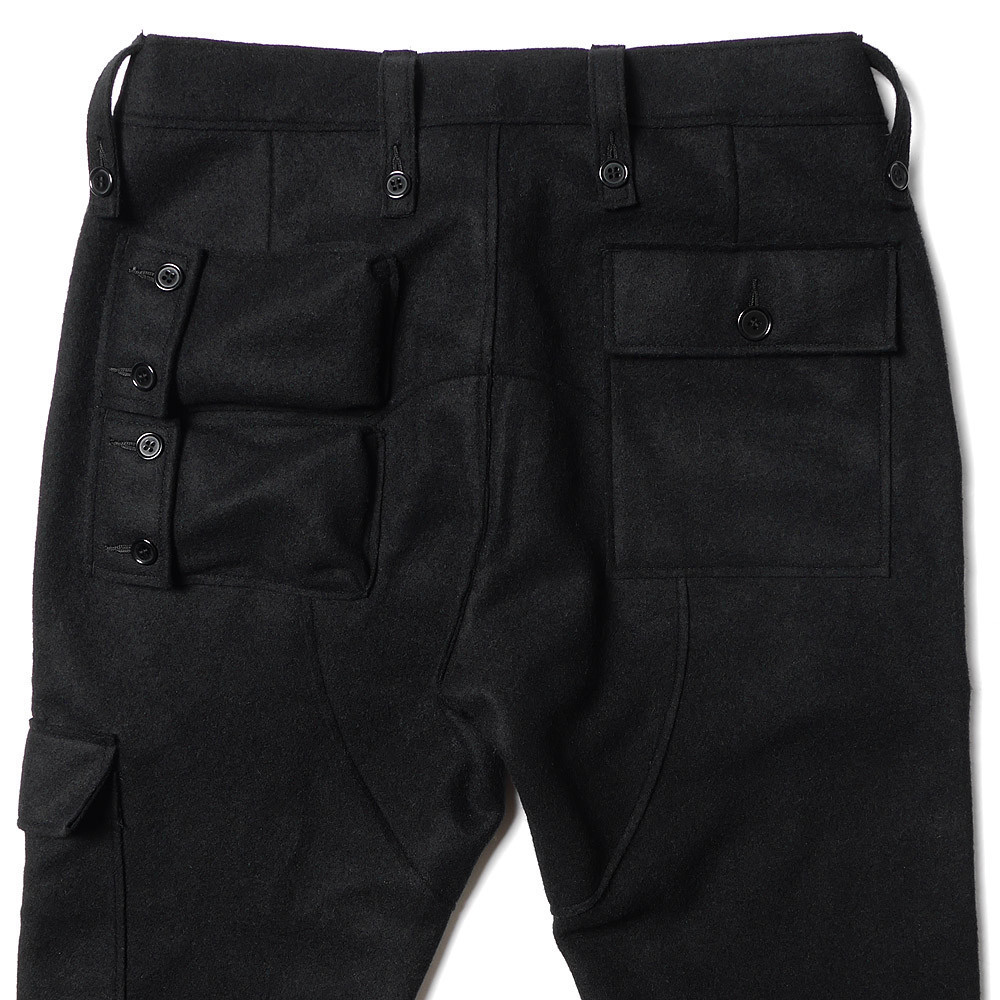
4503 JOHNUNDERCOVER Pant
Back detail from the 4503 pant from JOHNUNDERCOVER's "Cold Blood" Collection.
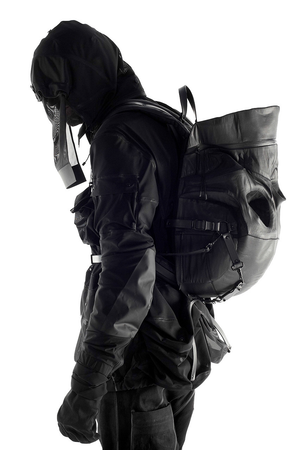
Aitor Throup 2013 “New Object Research” Collection

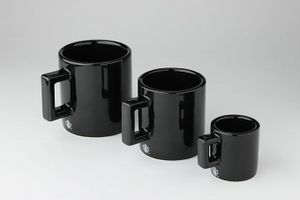
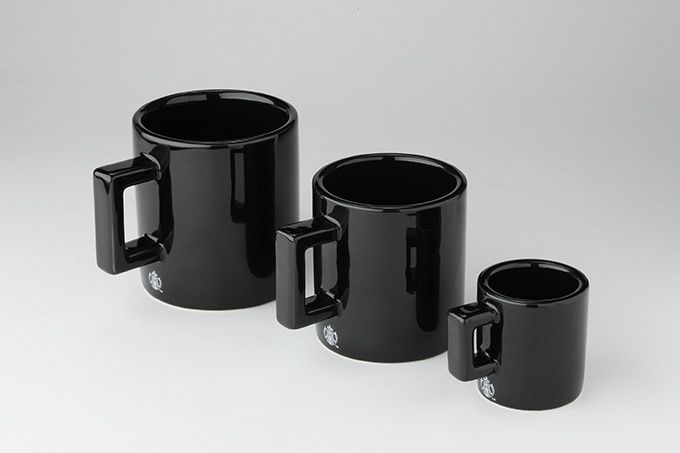
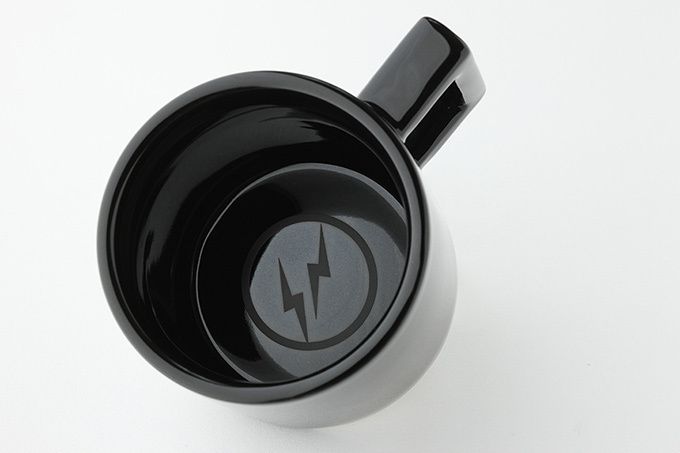
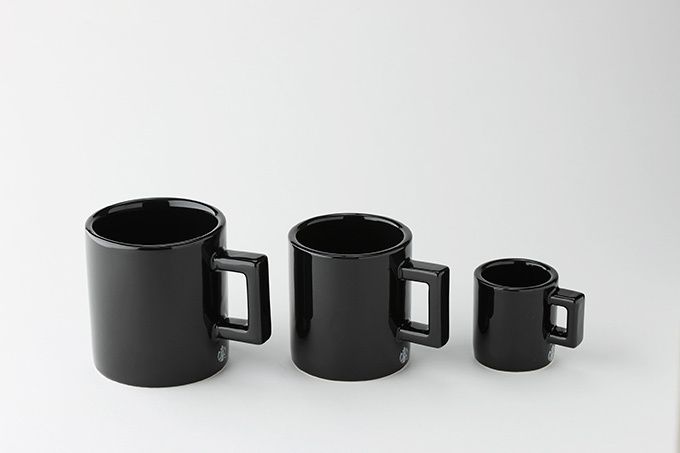
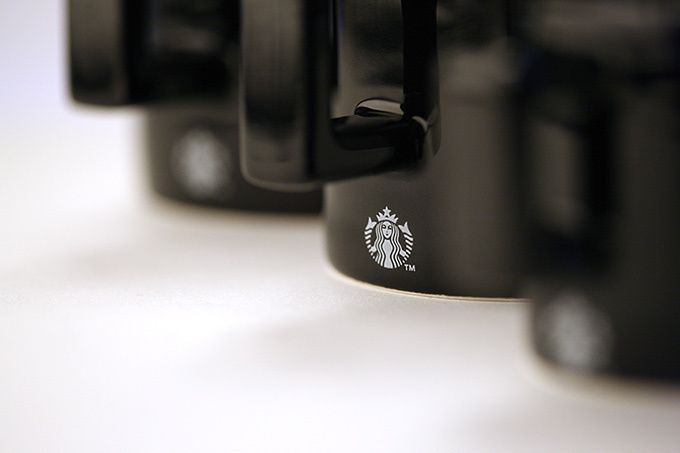
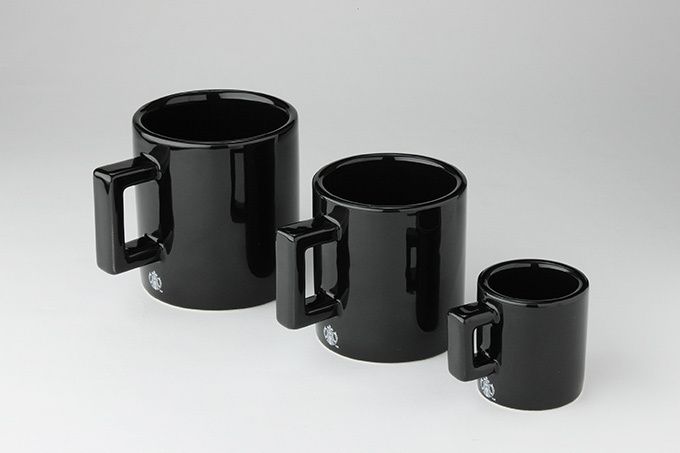
fragment design x Starbucks Limited Edition Black Coffee Mugs
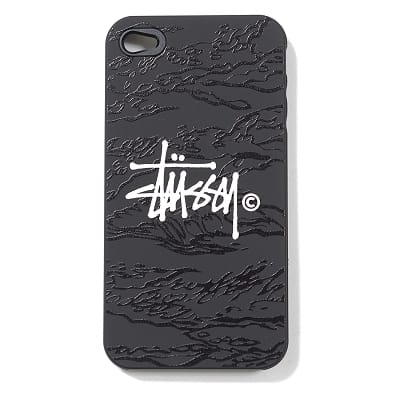
Stussy Tiger Camo iPhone Case
Undercoverism Down Jacket fw2008
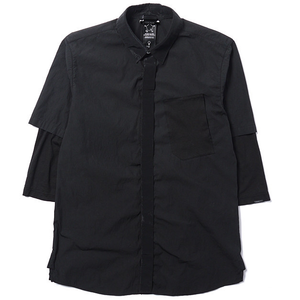
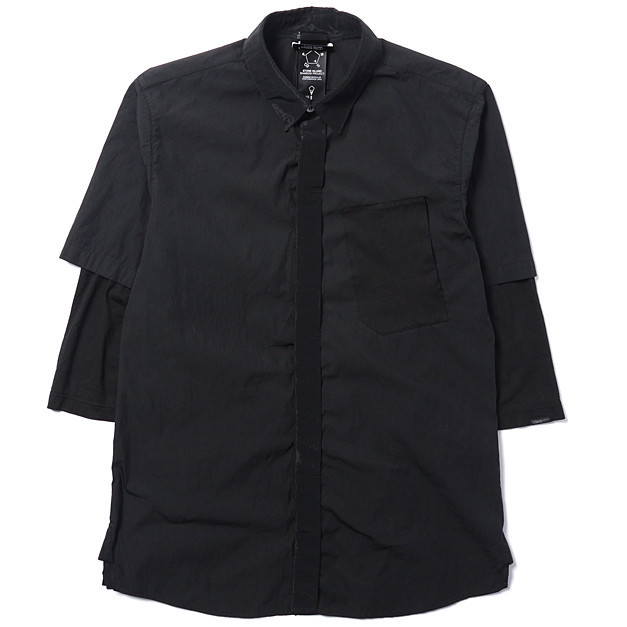
Stone Island Shadow Project Button Shirt