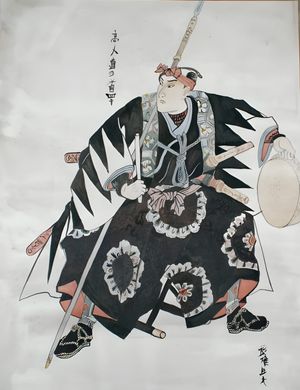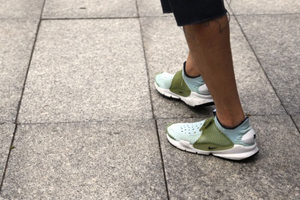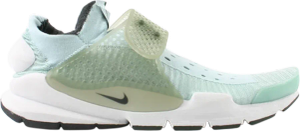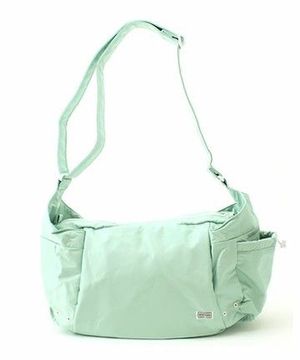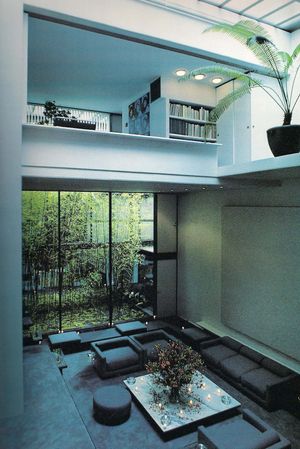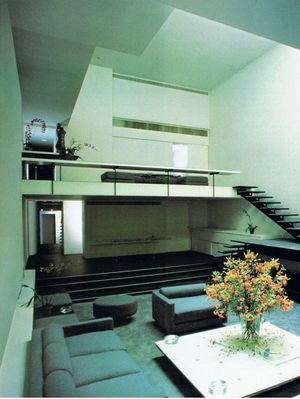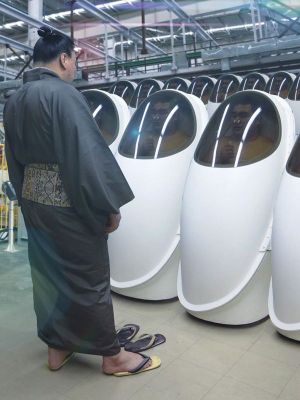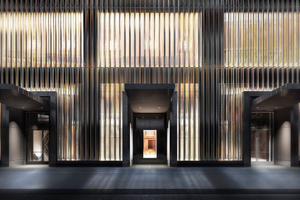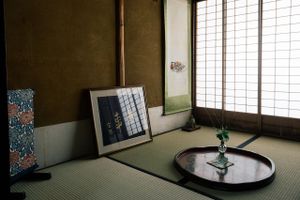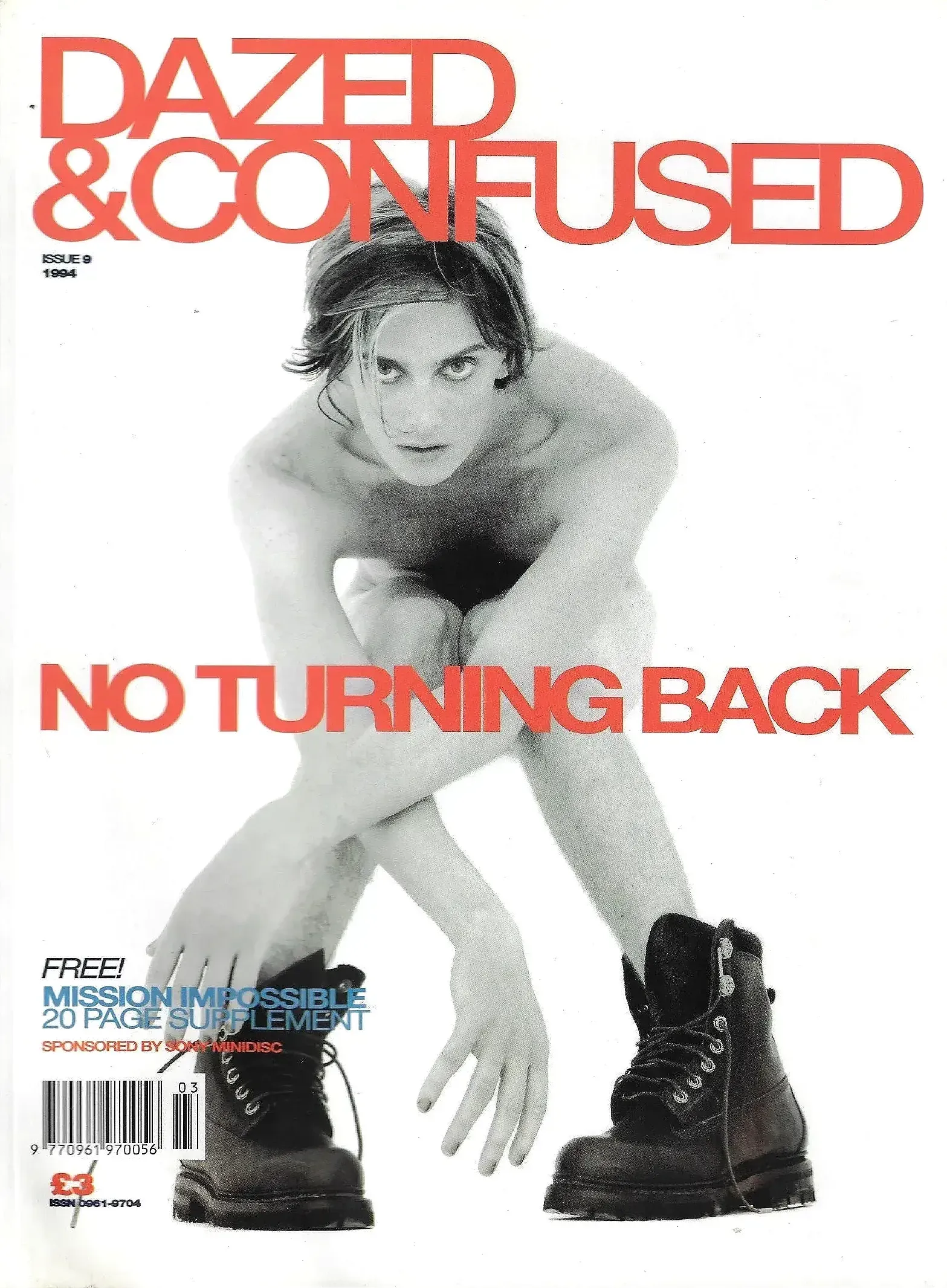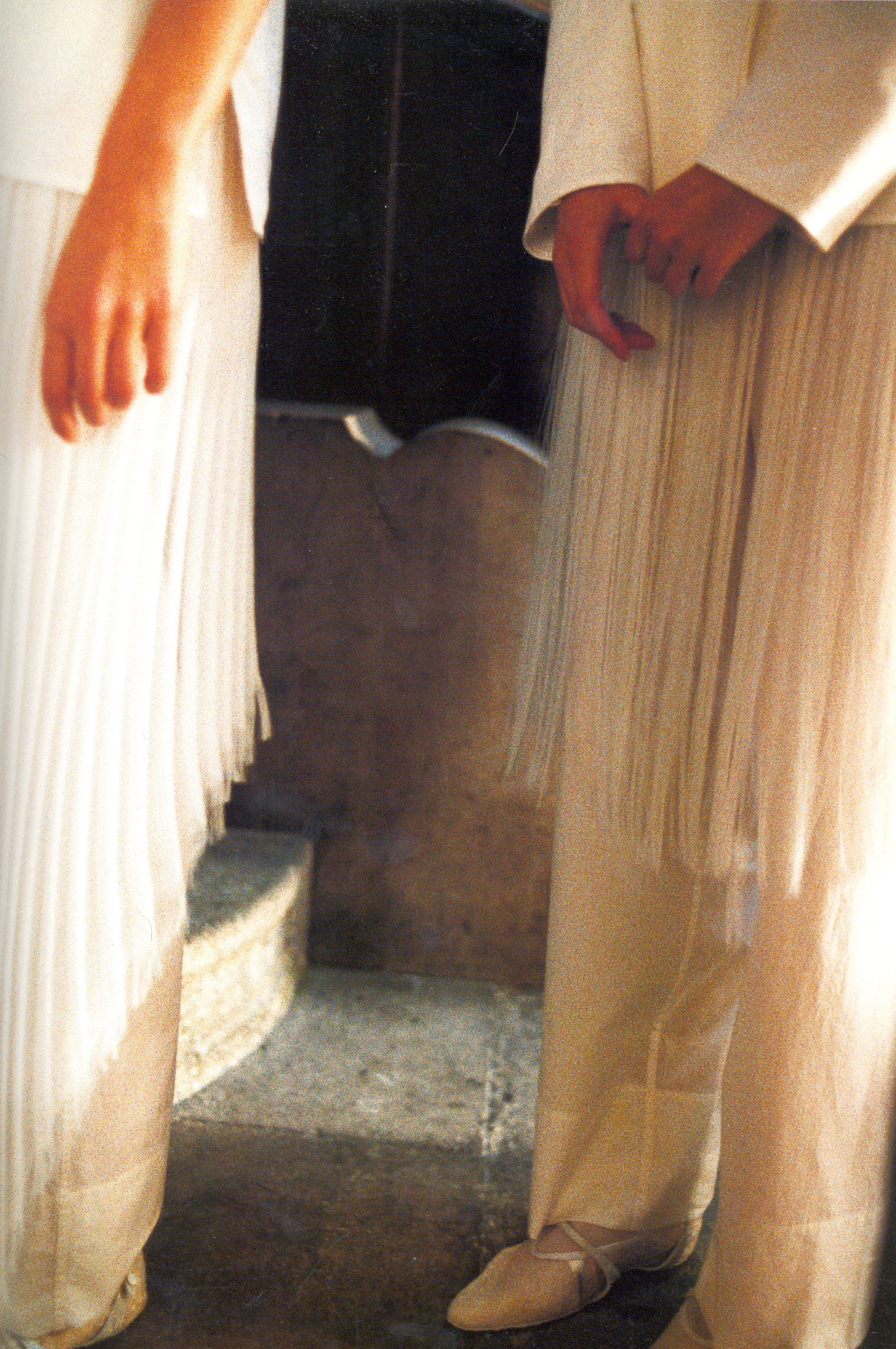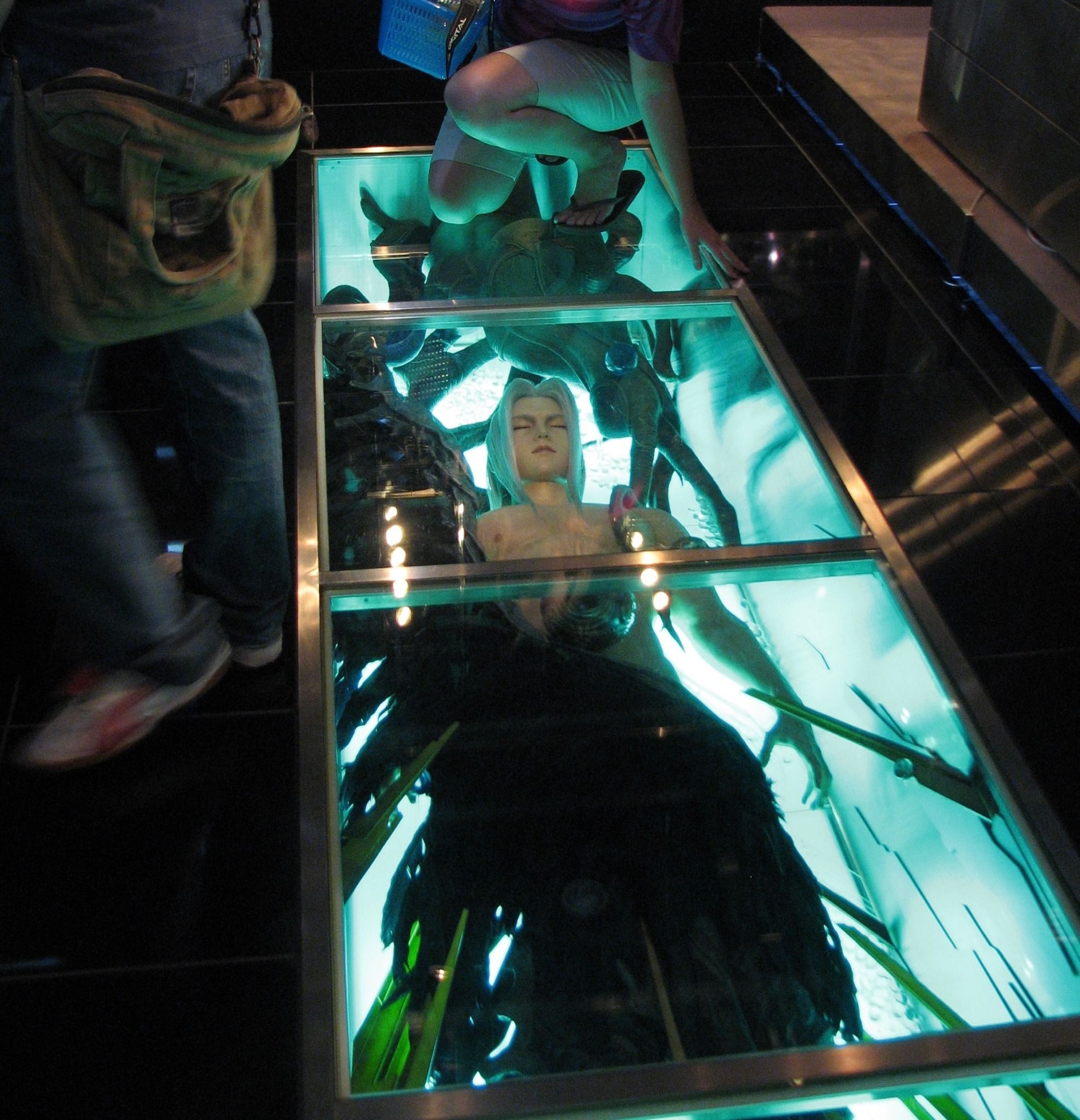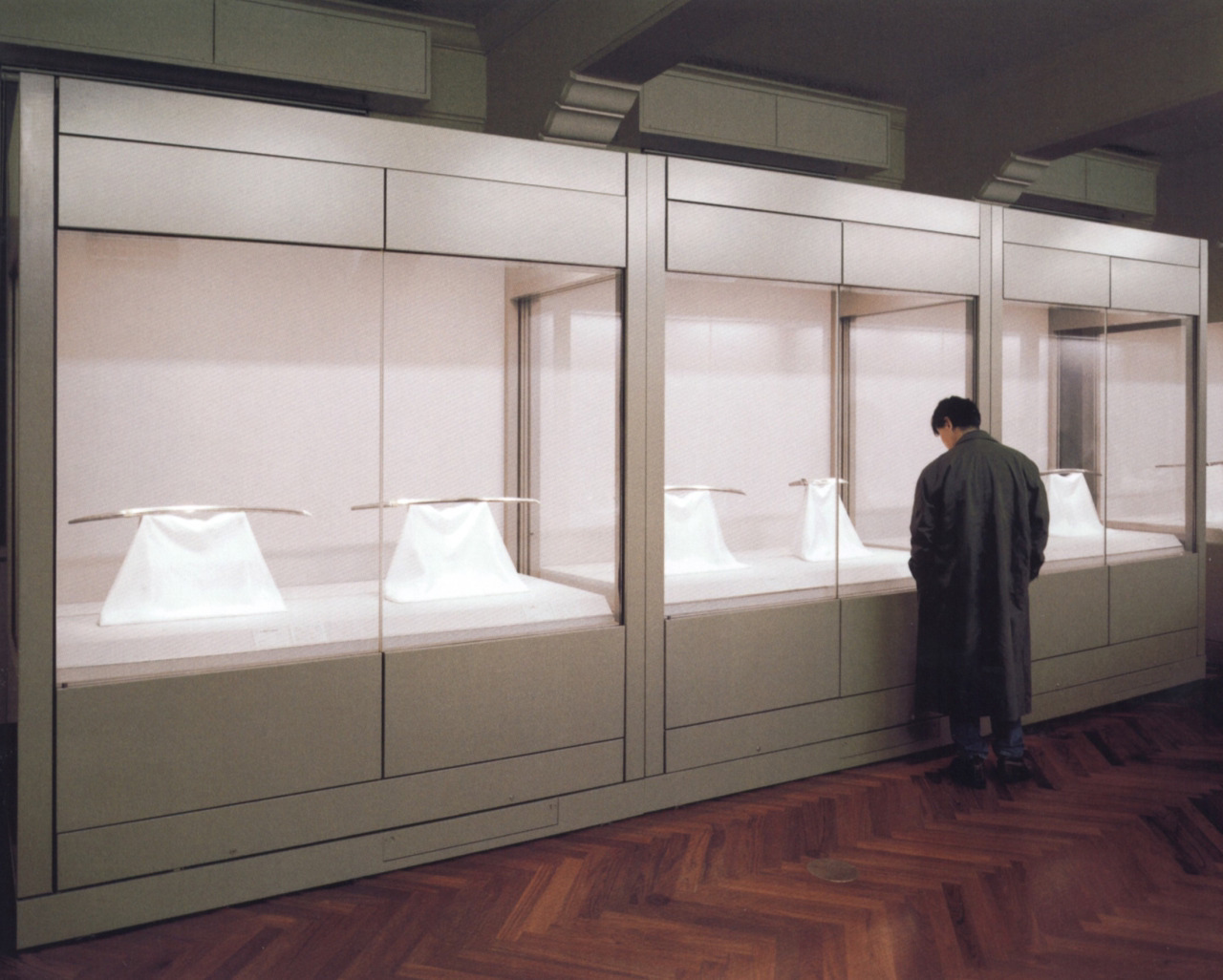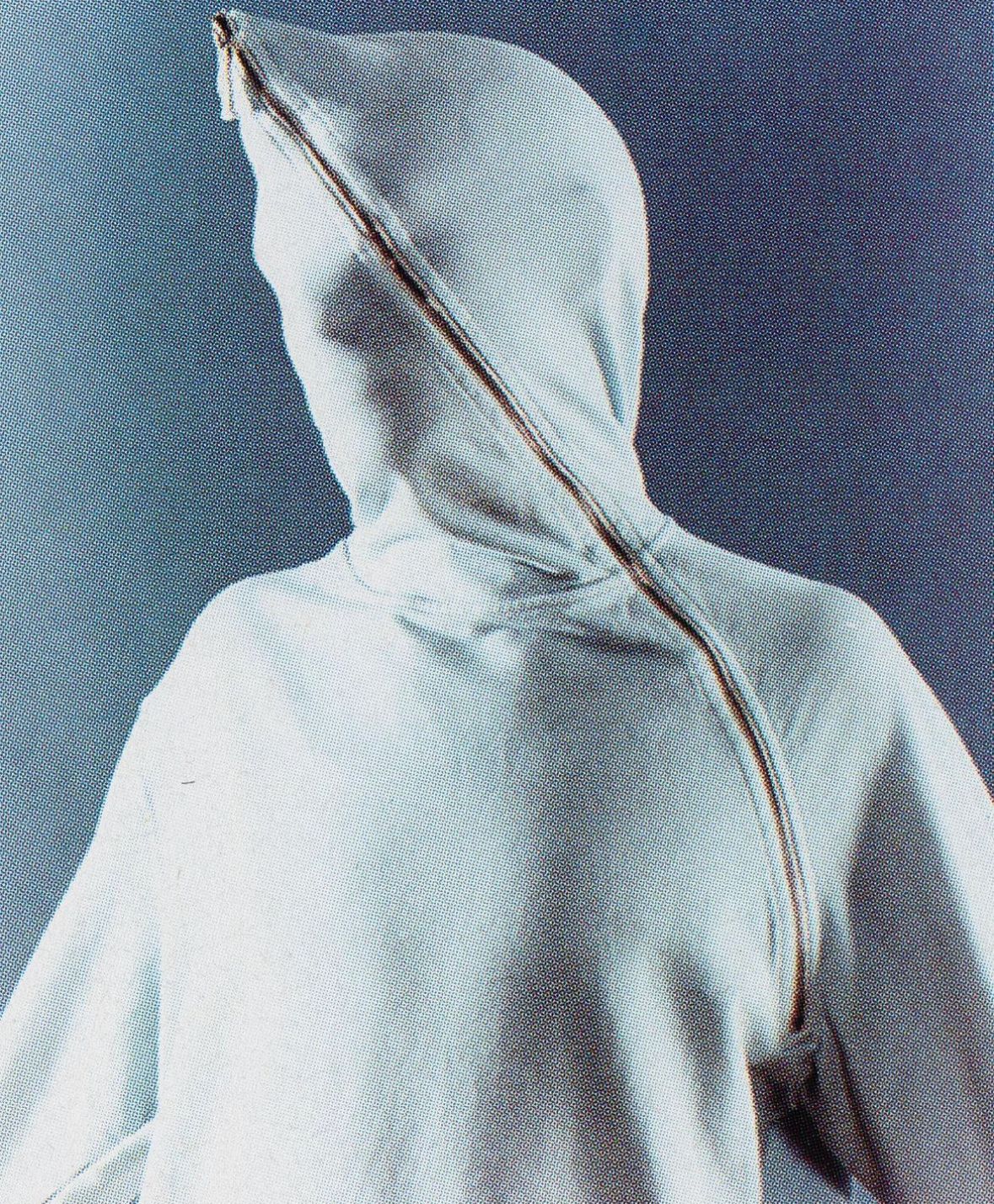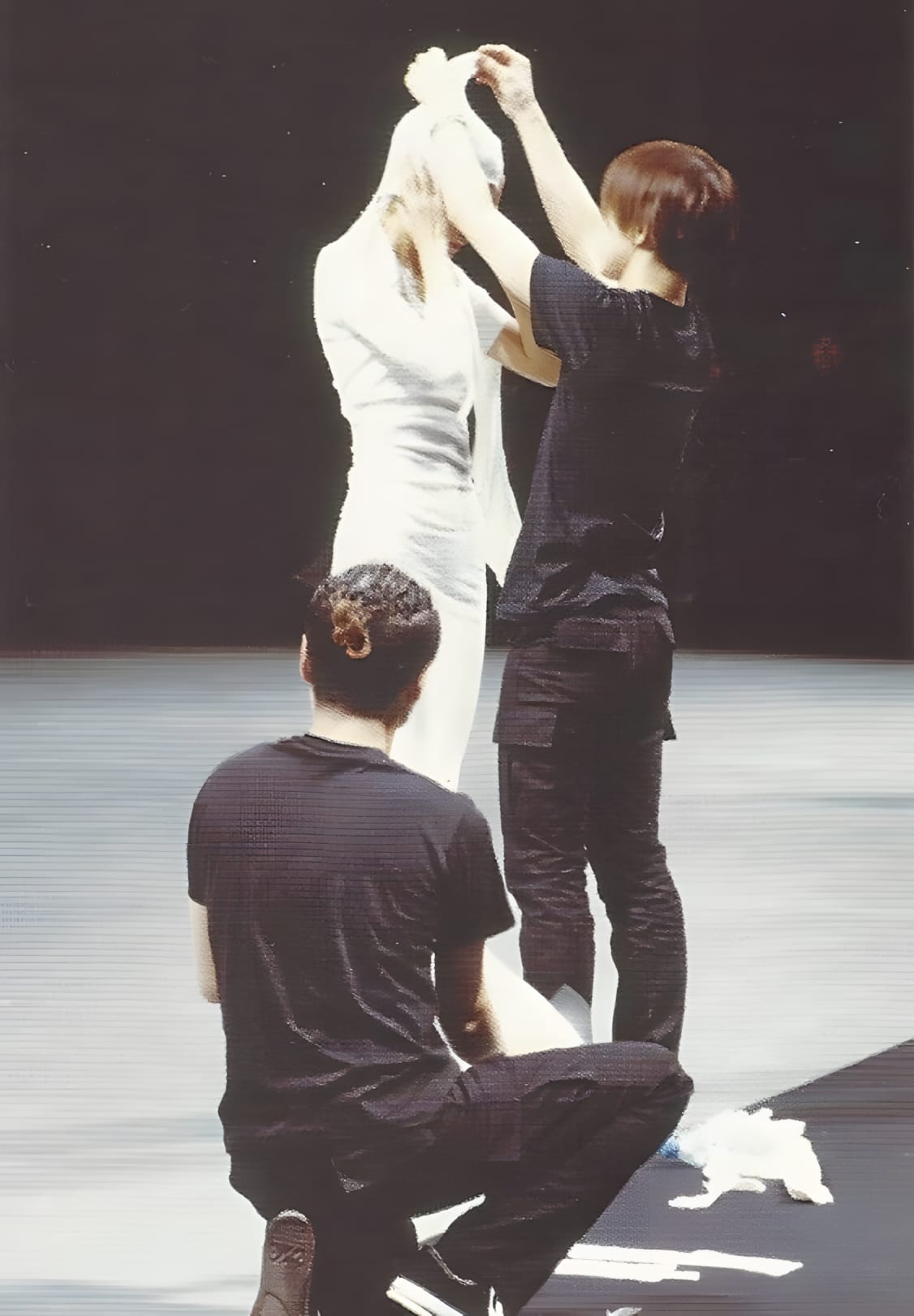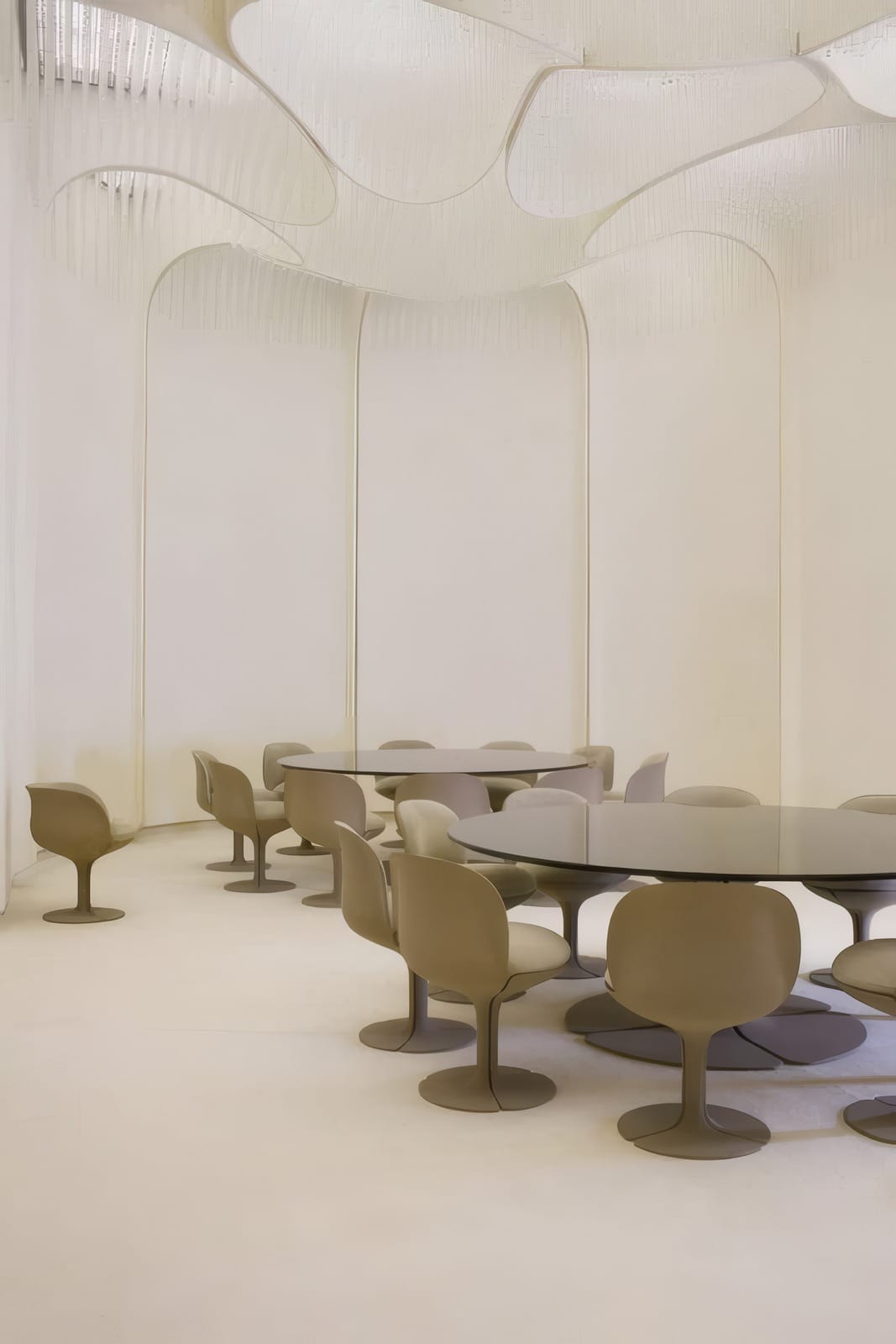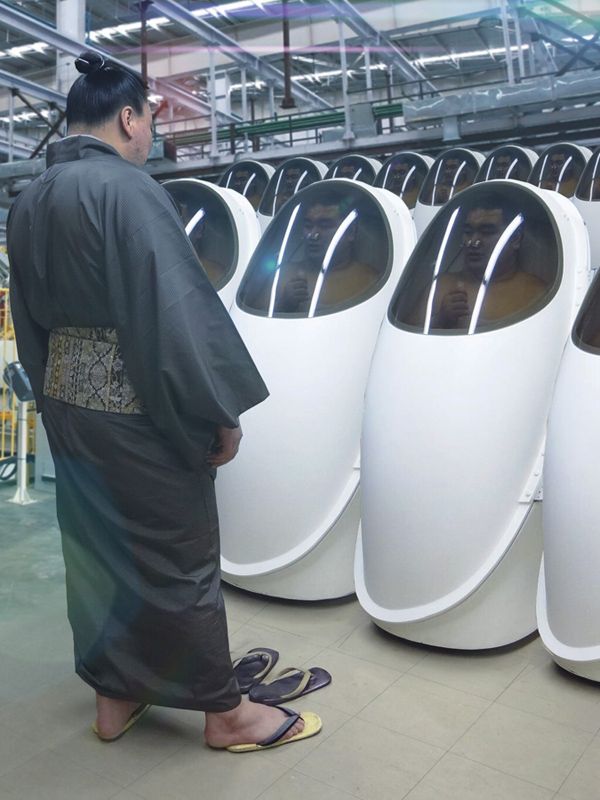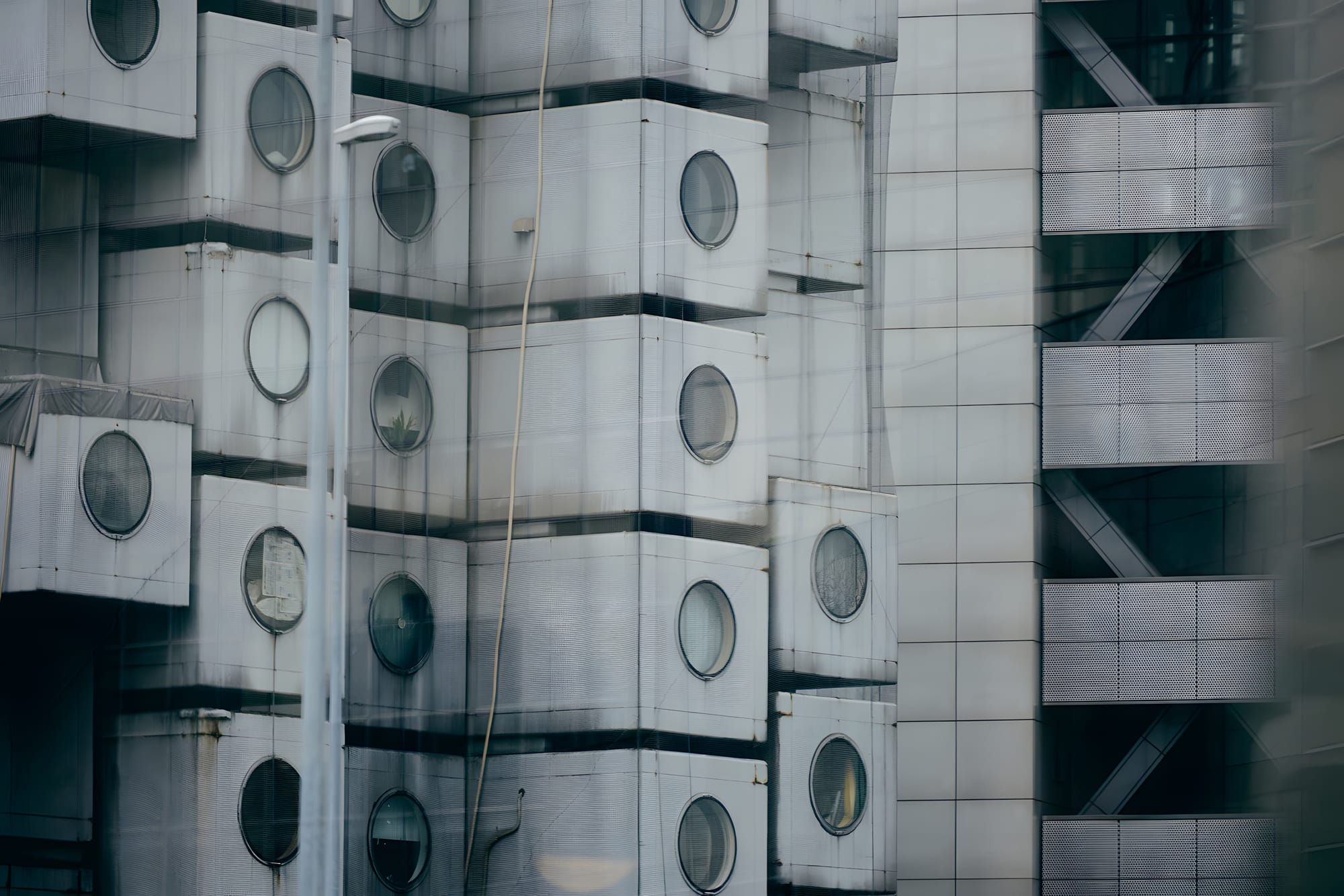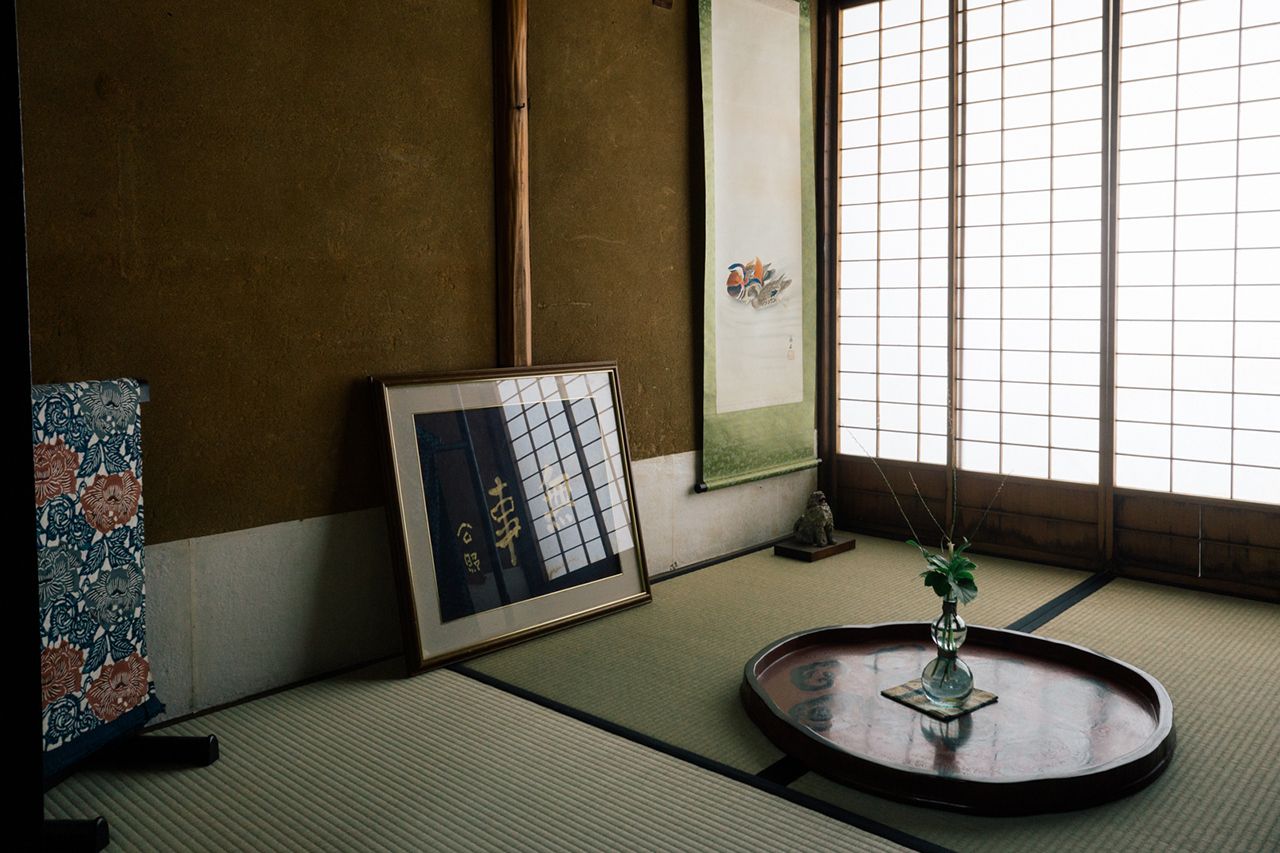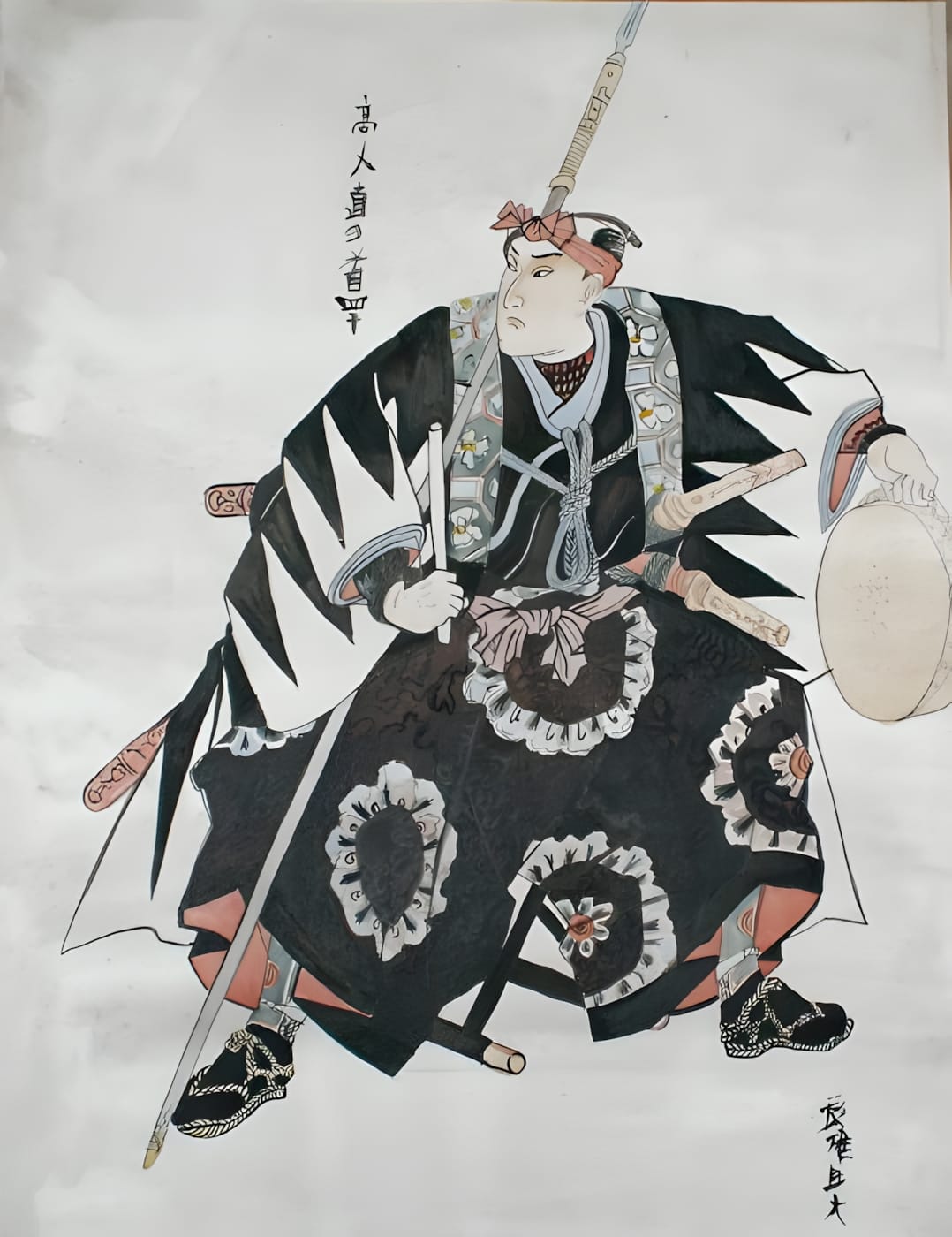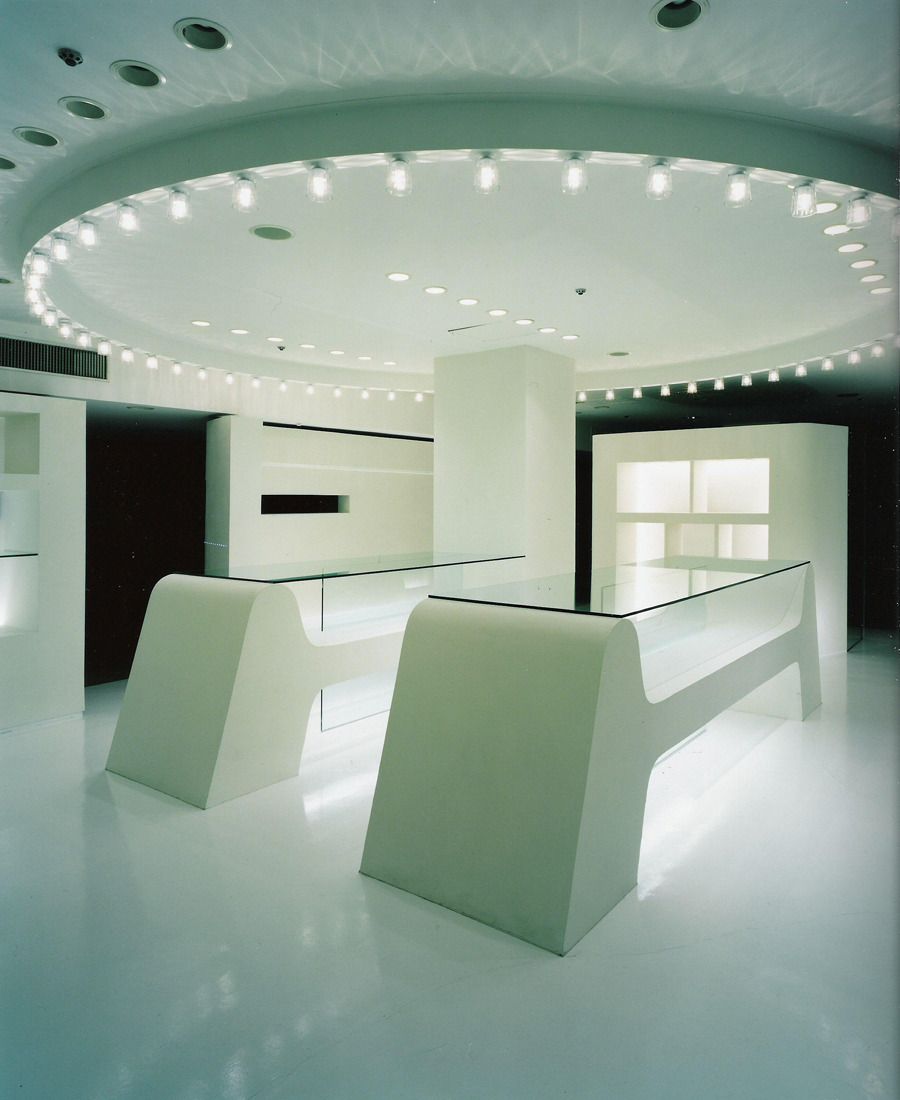
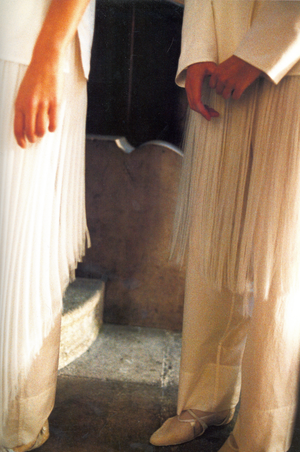
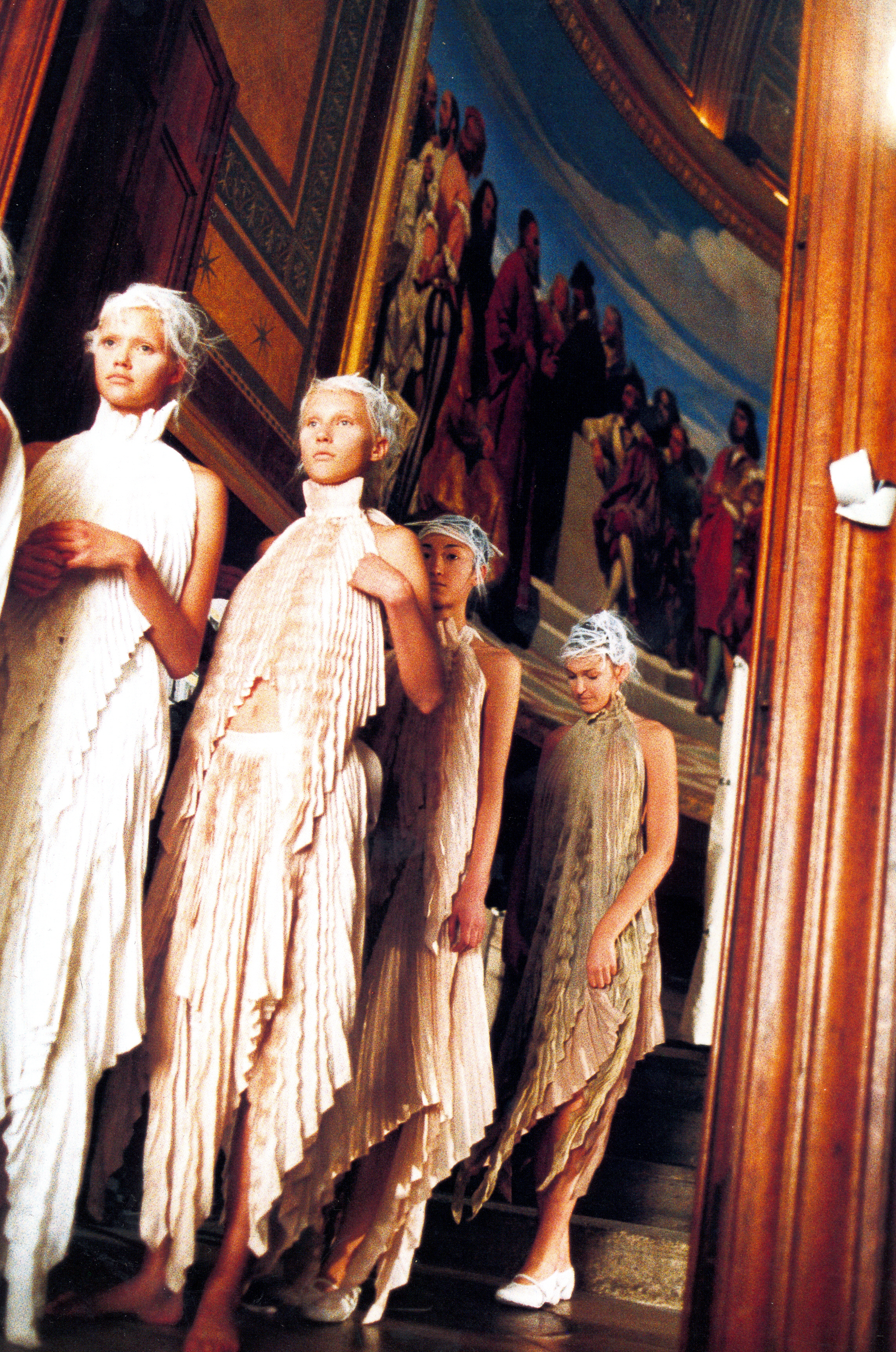
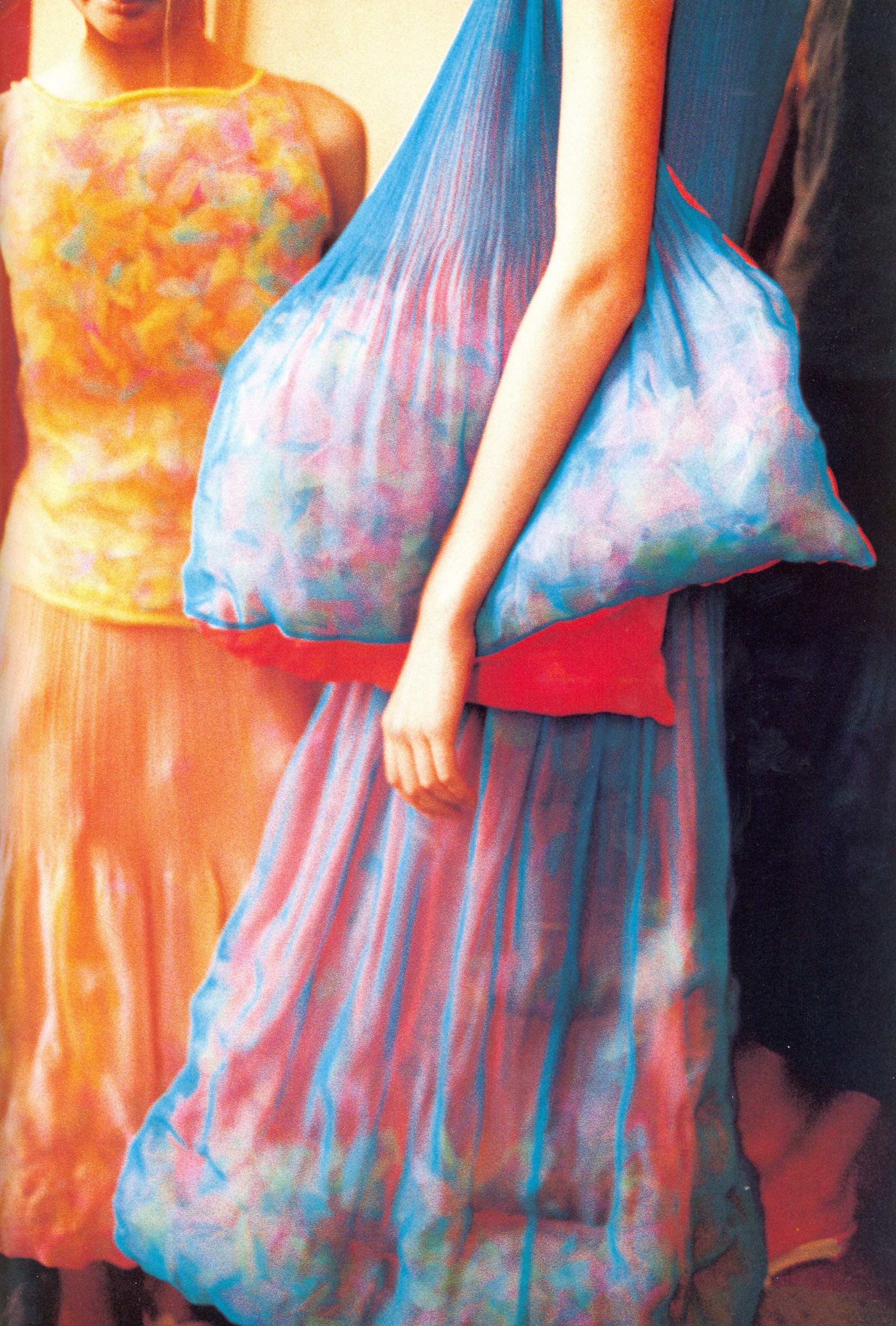
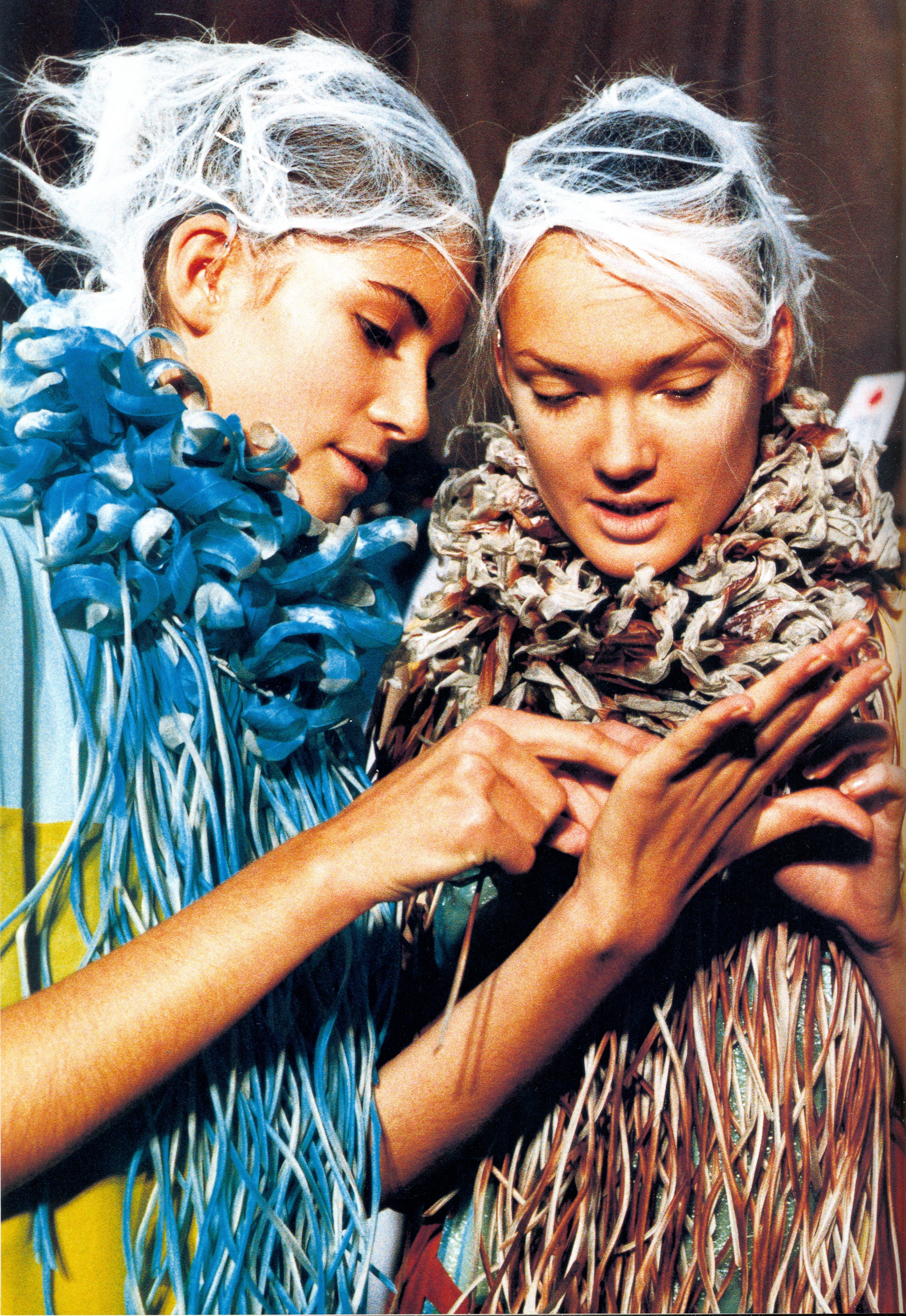
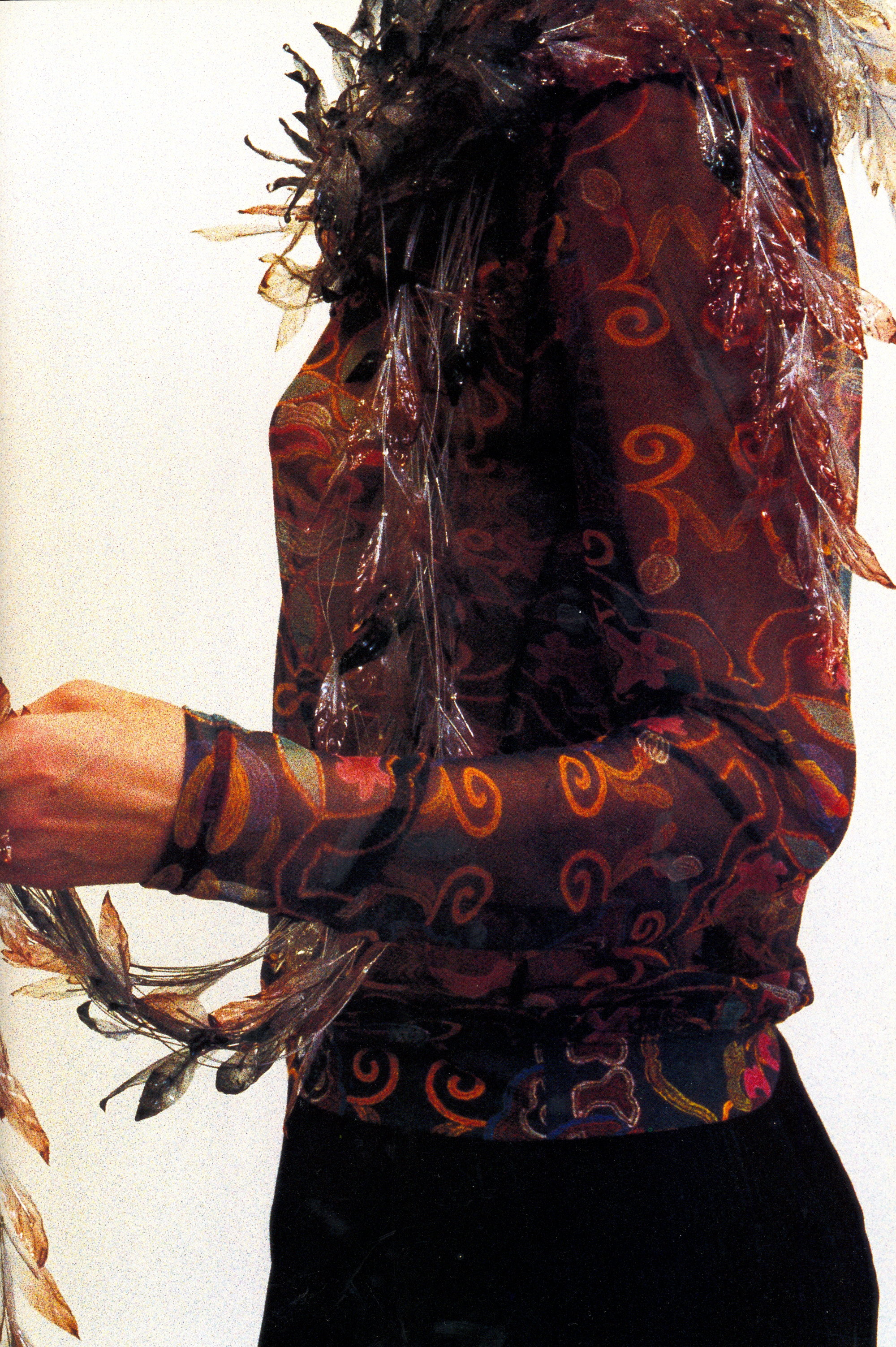
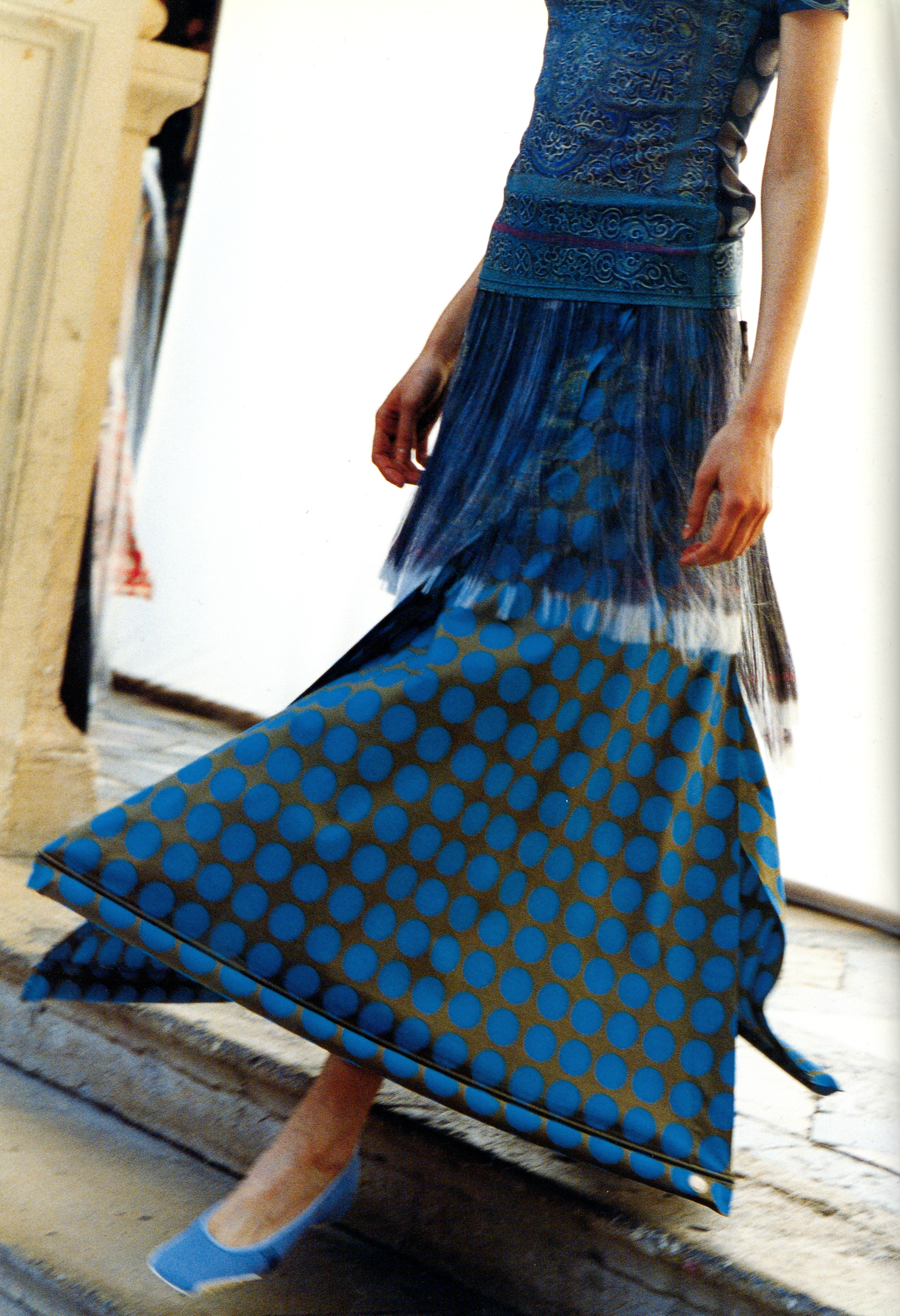
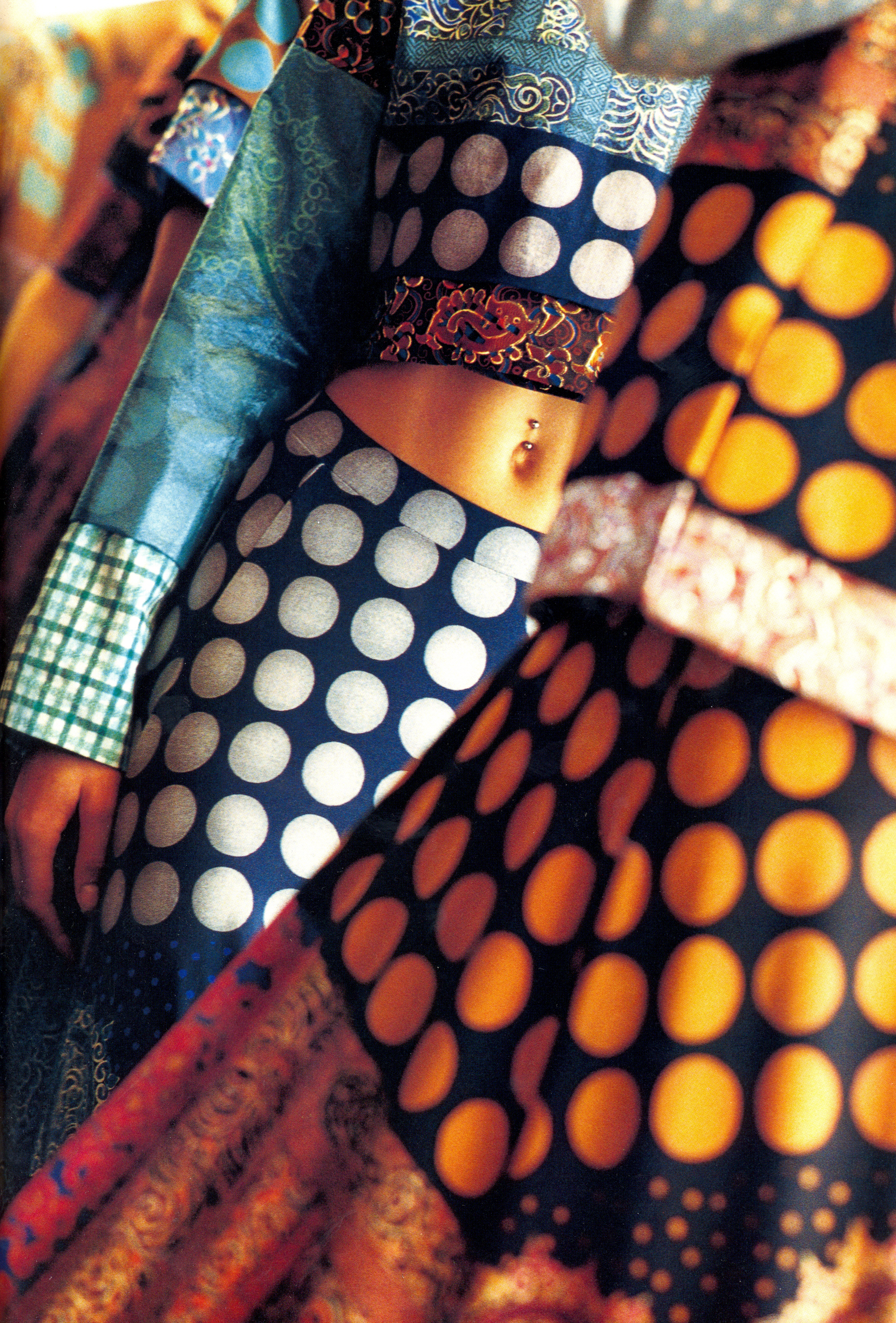
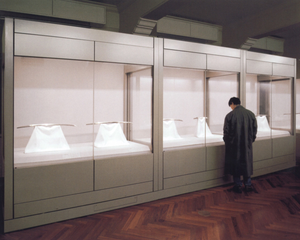
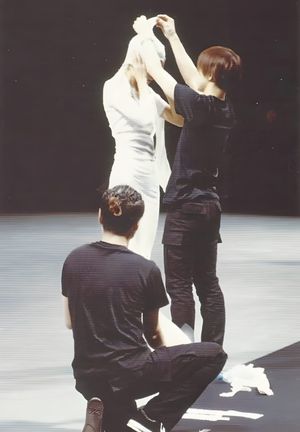
Jean Paul GAULTIER KYOTO BAL (2002)

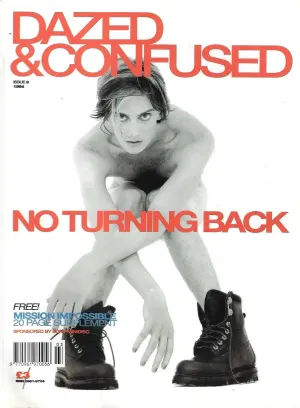
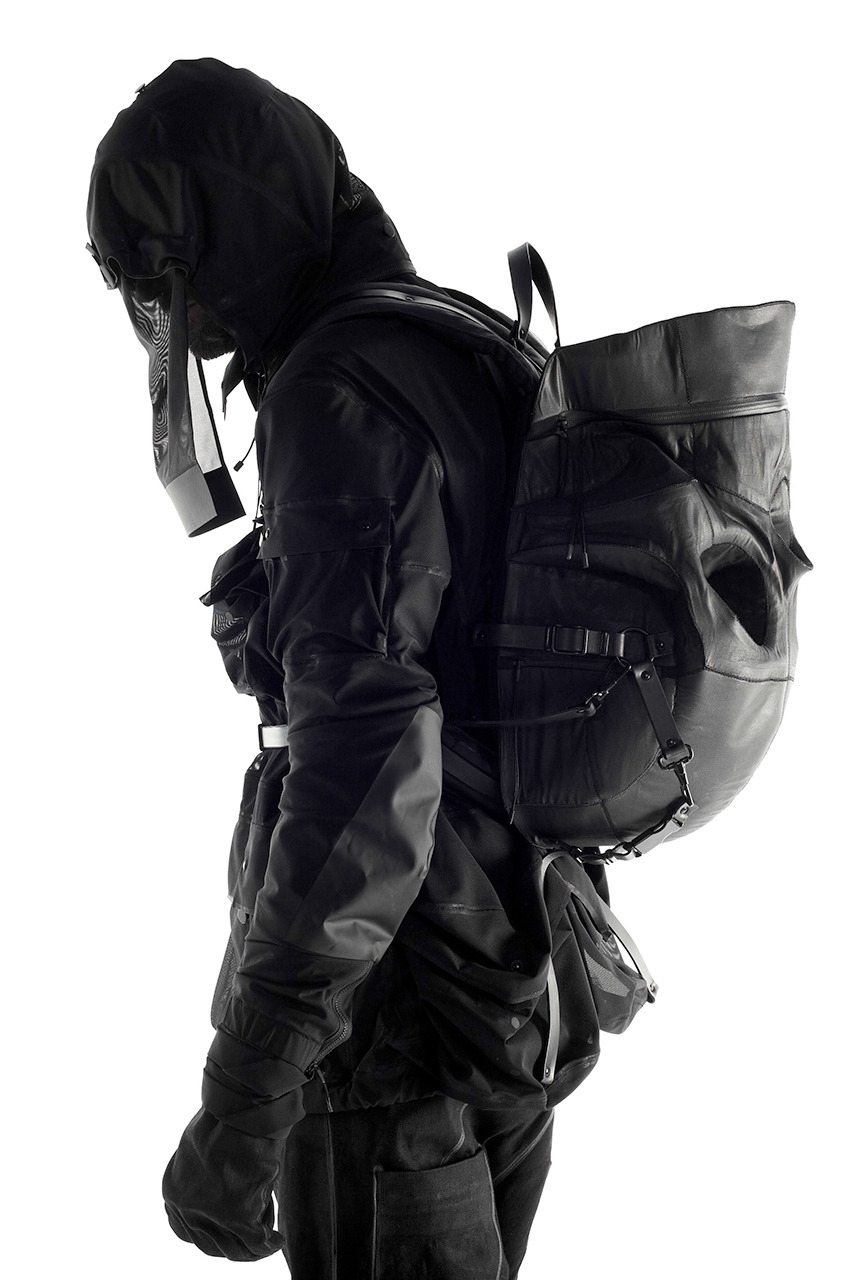
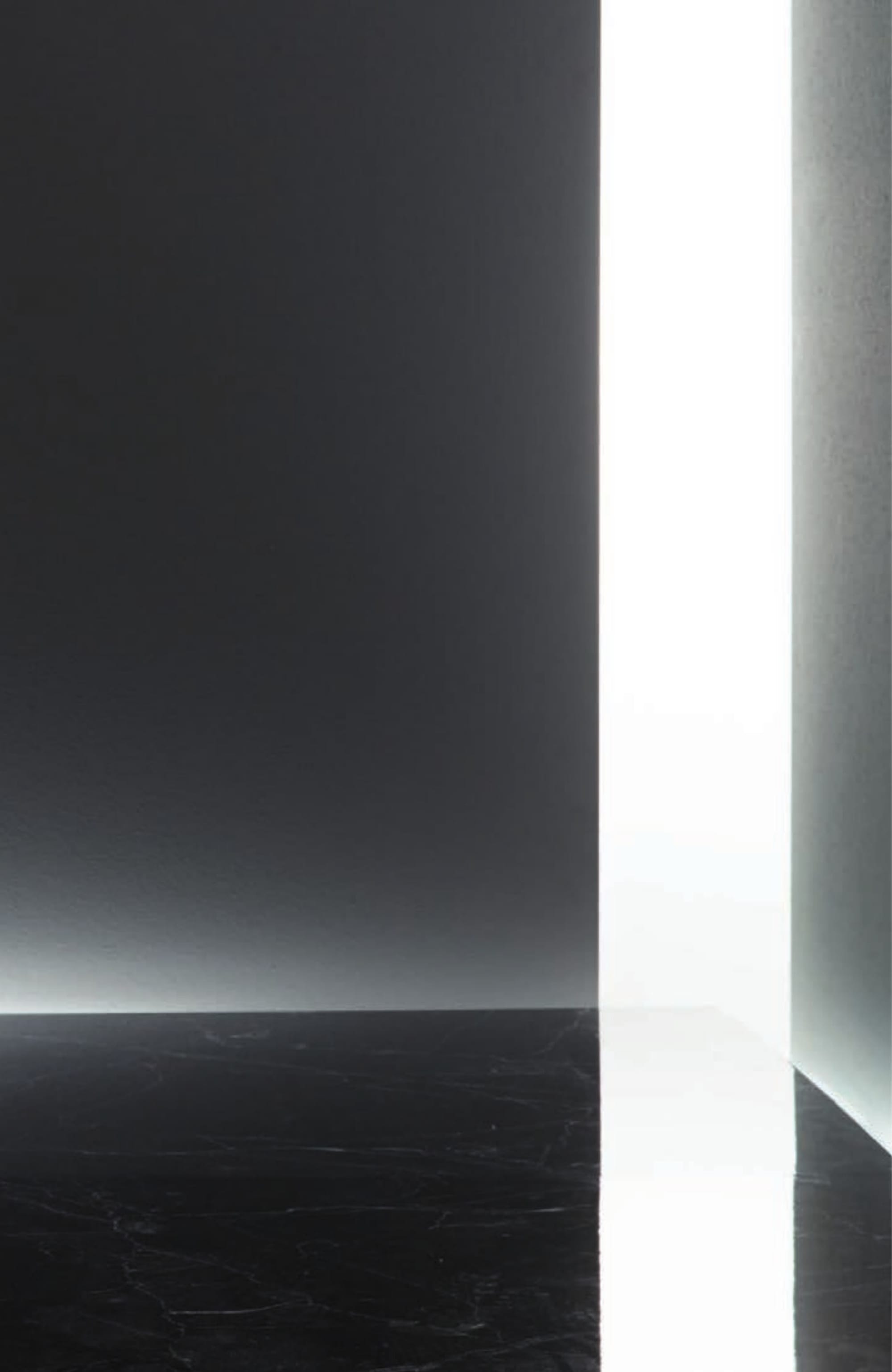
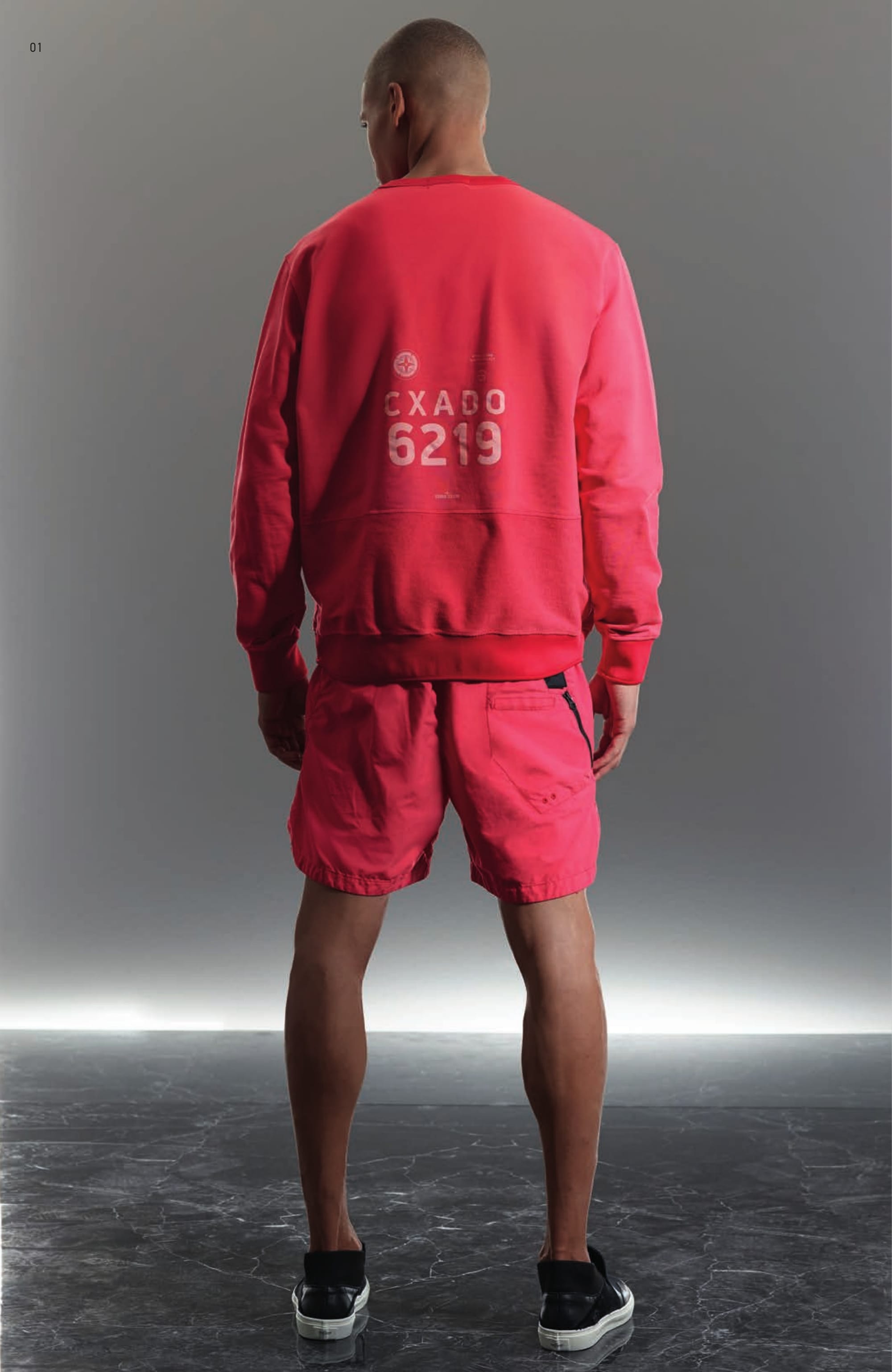
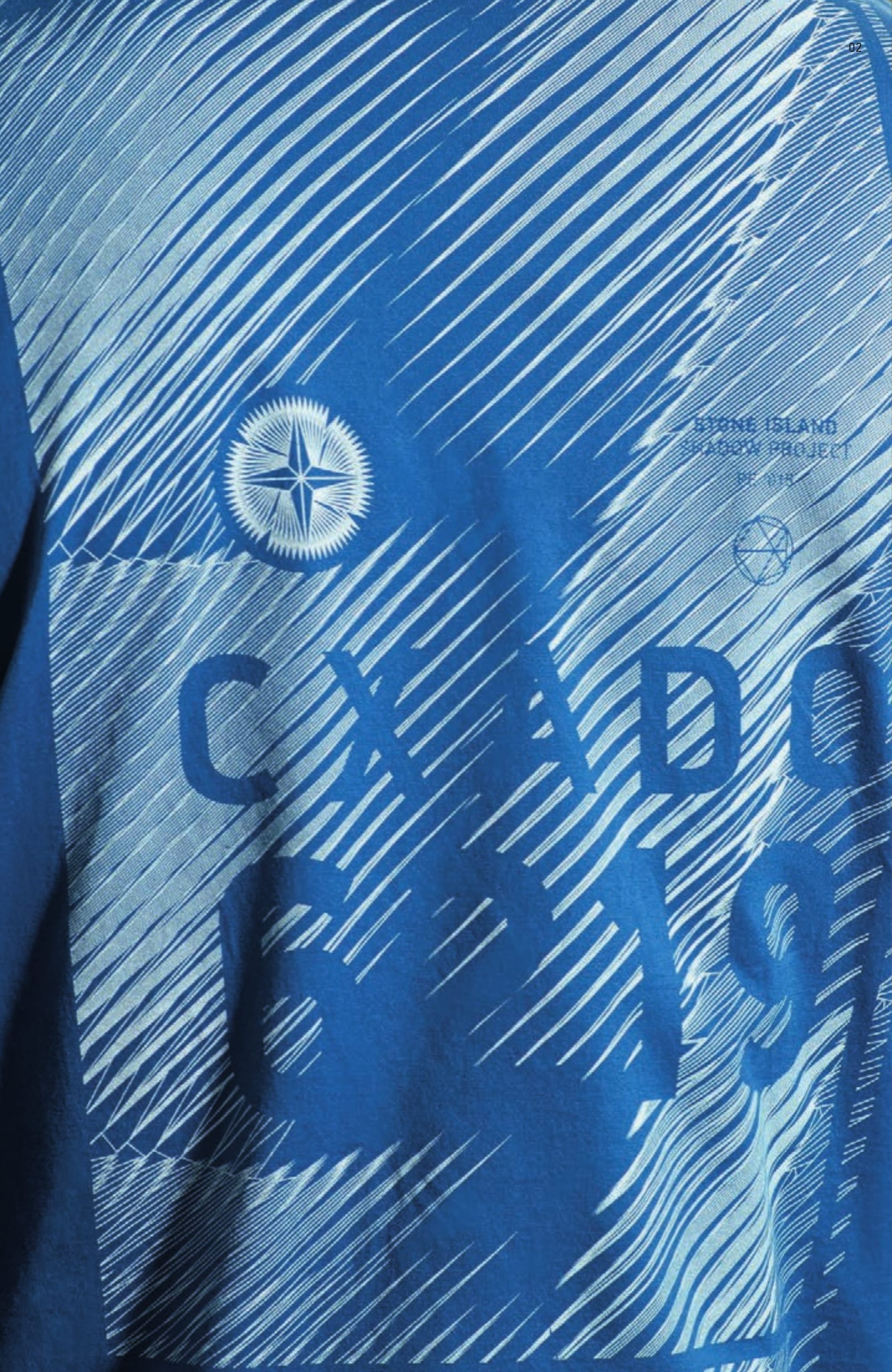
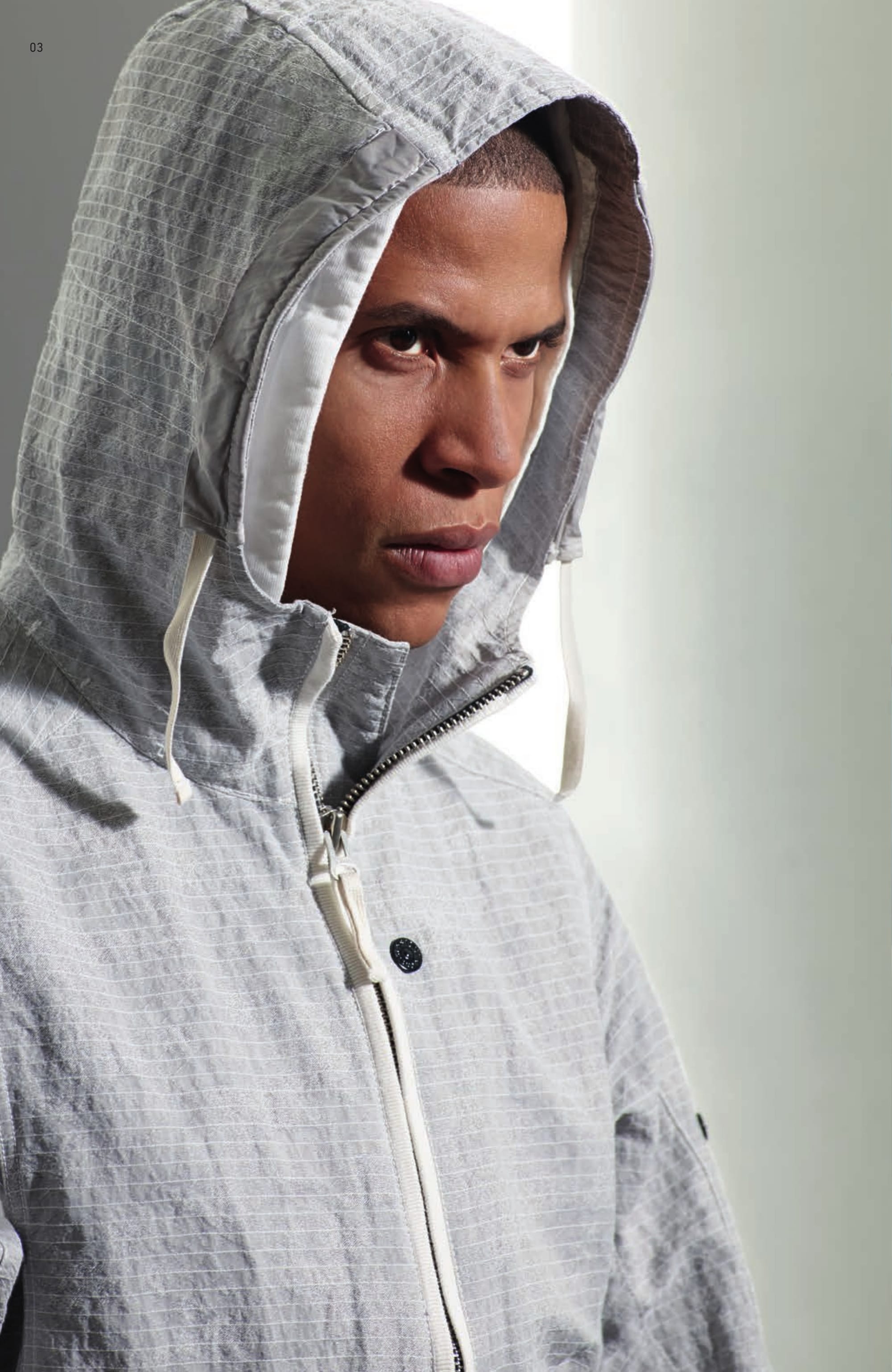
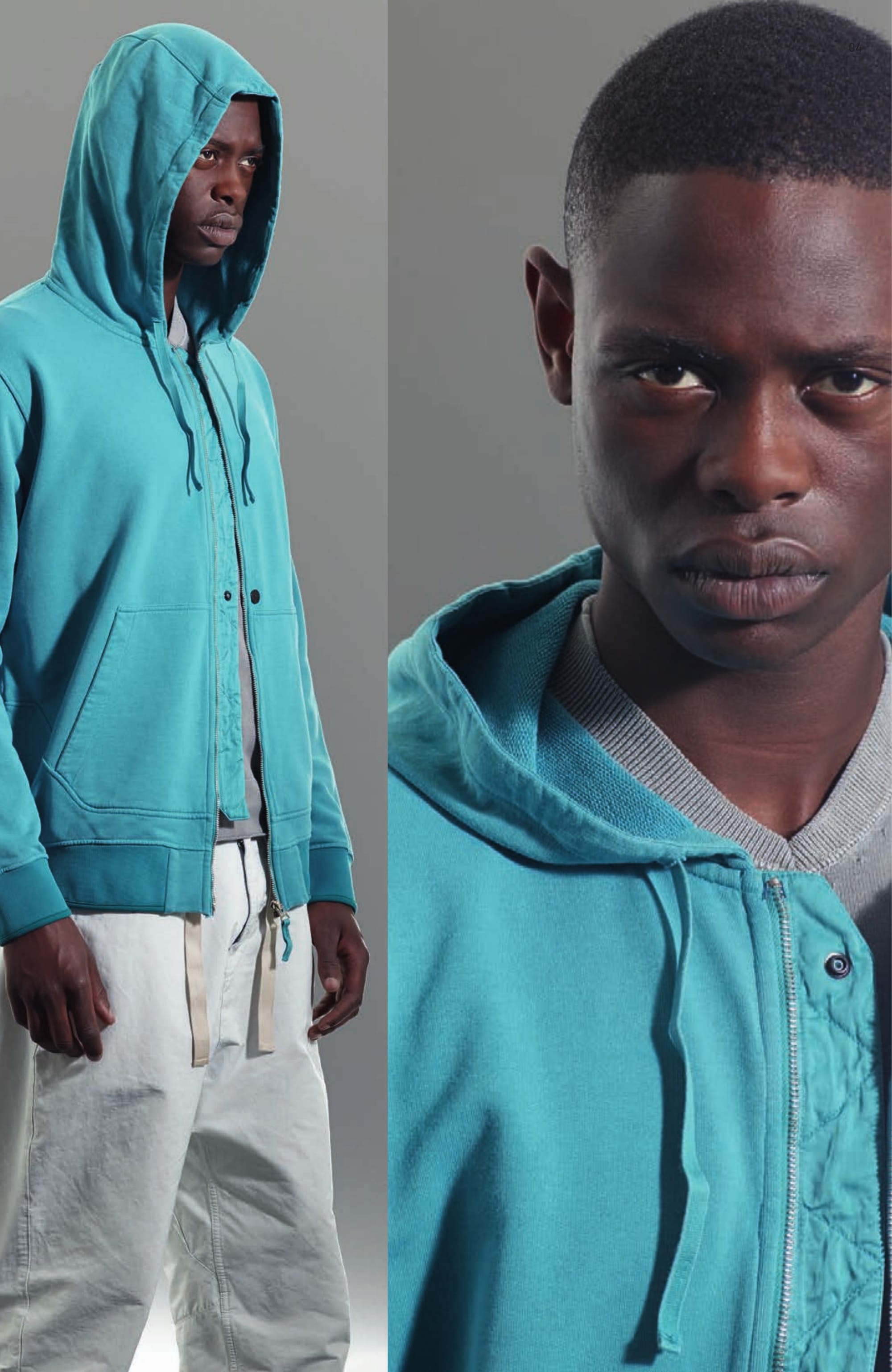
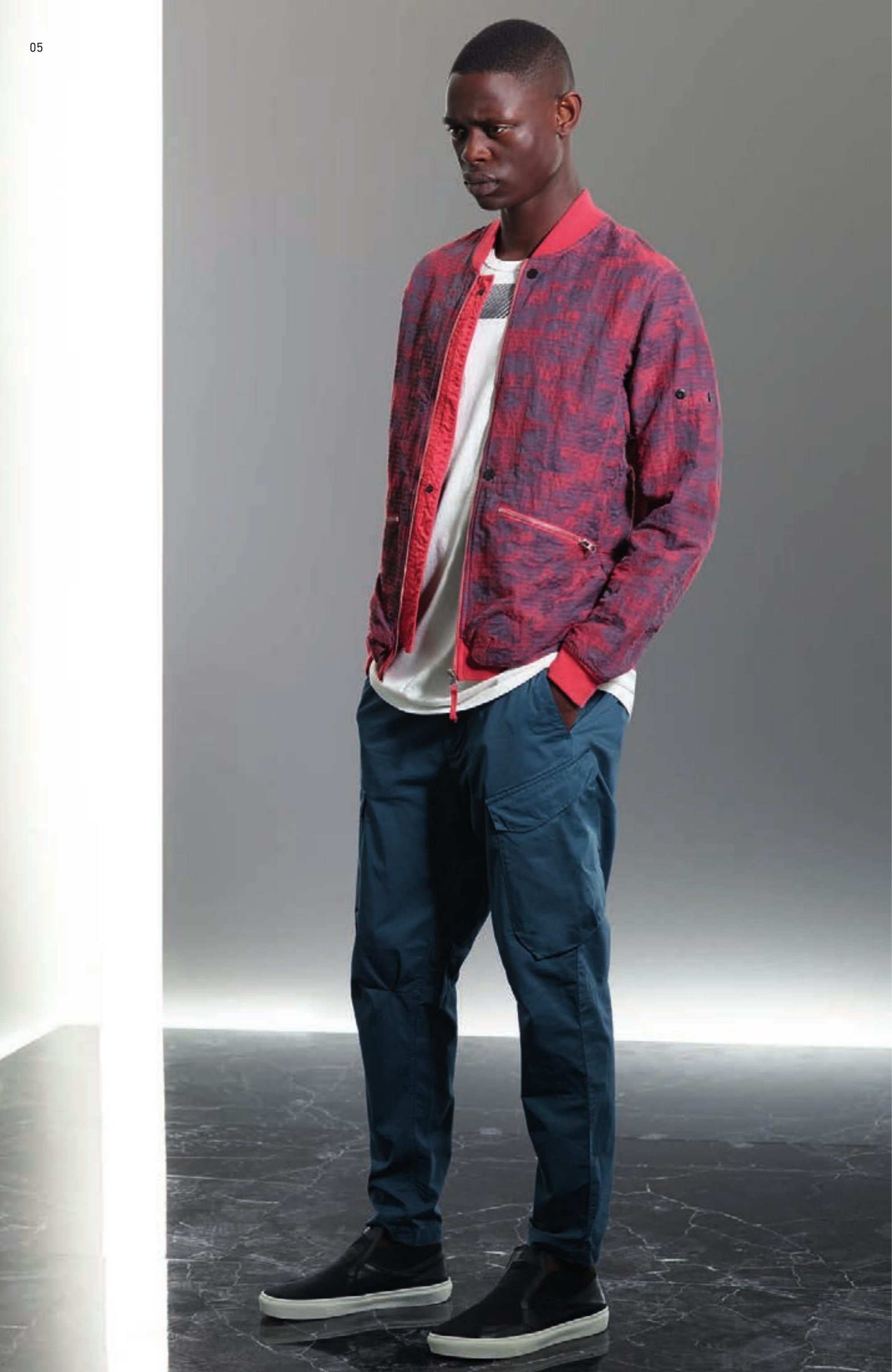
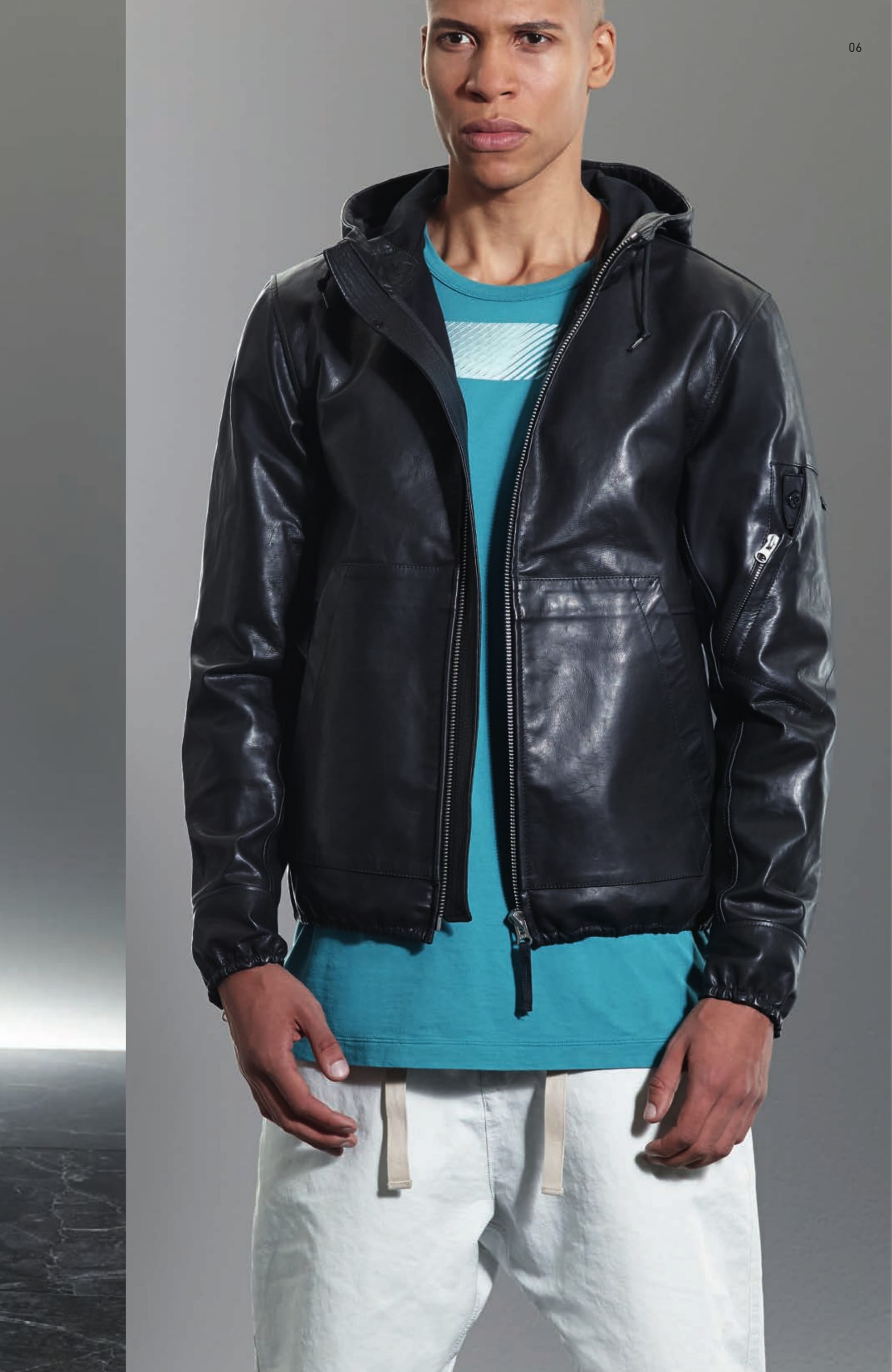
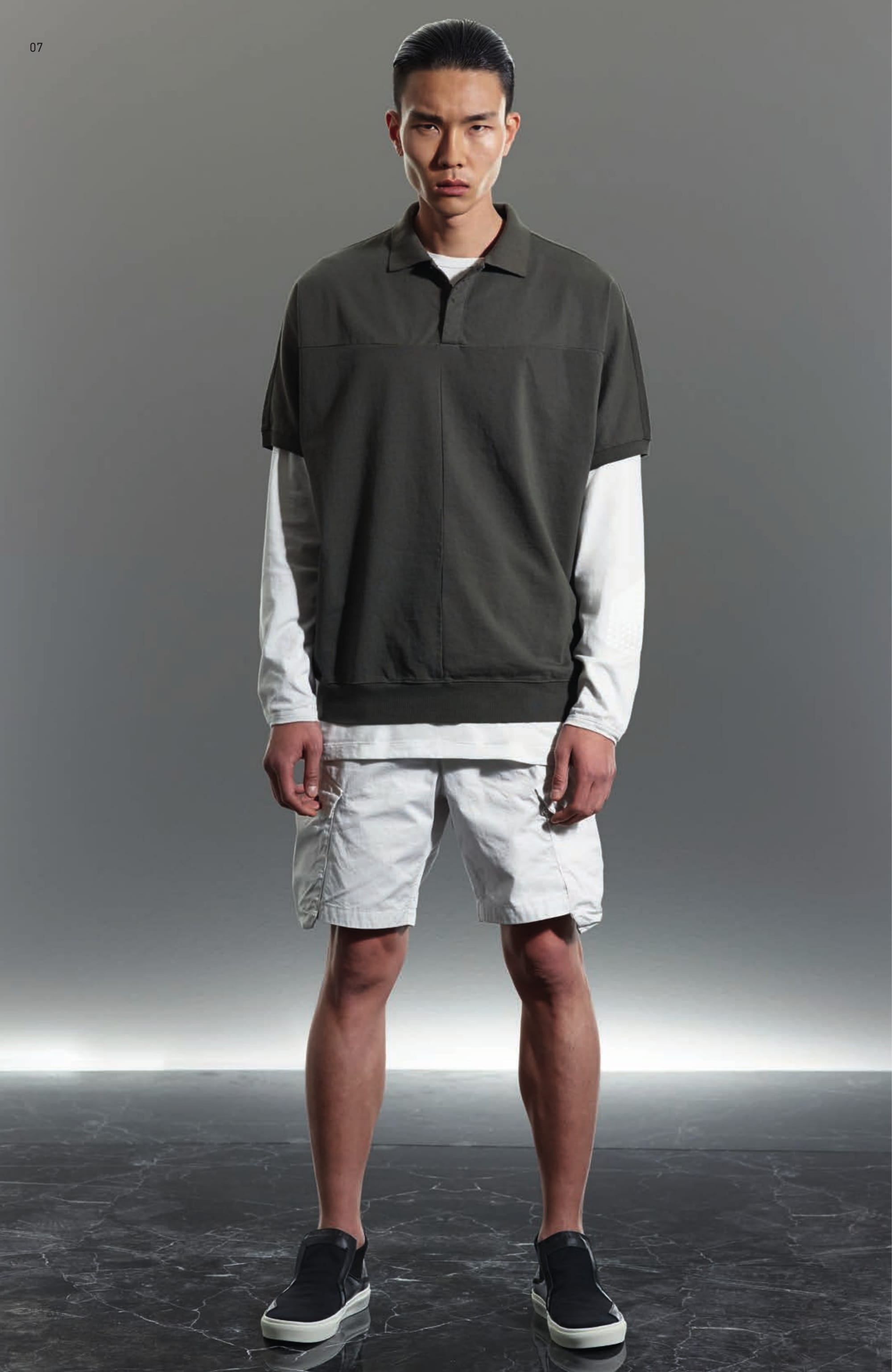
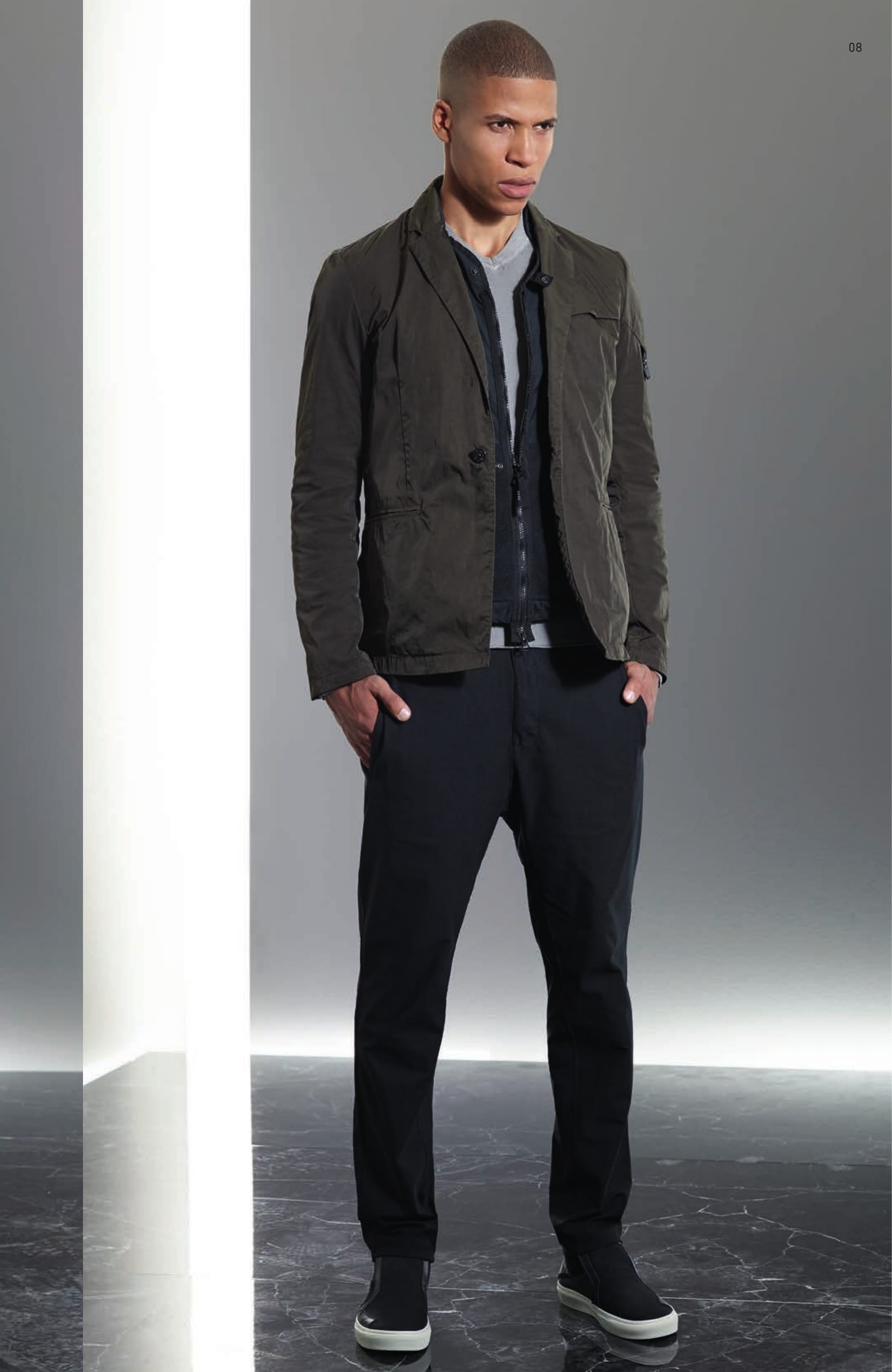
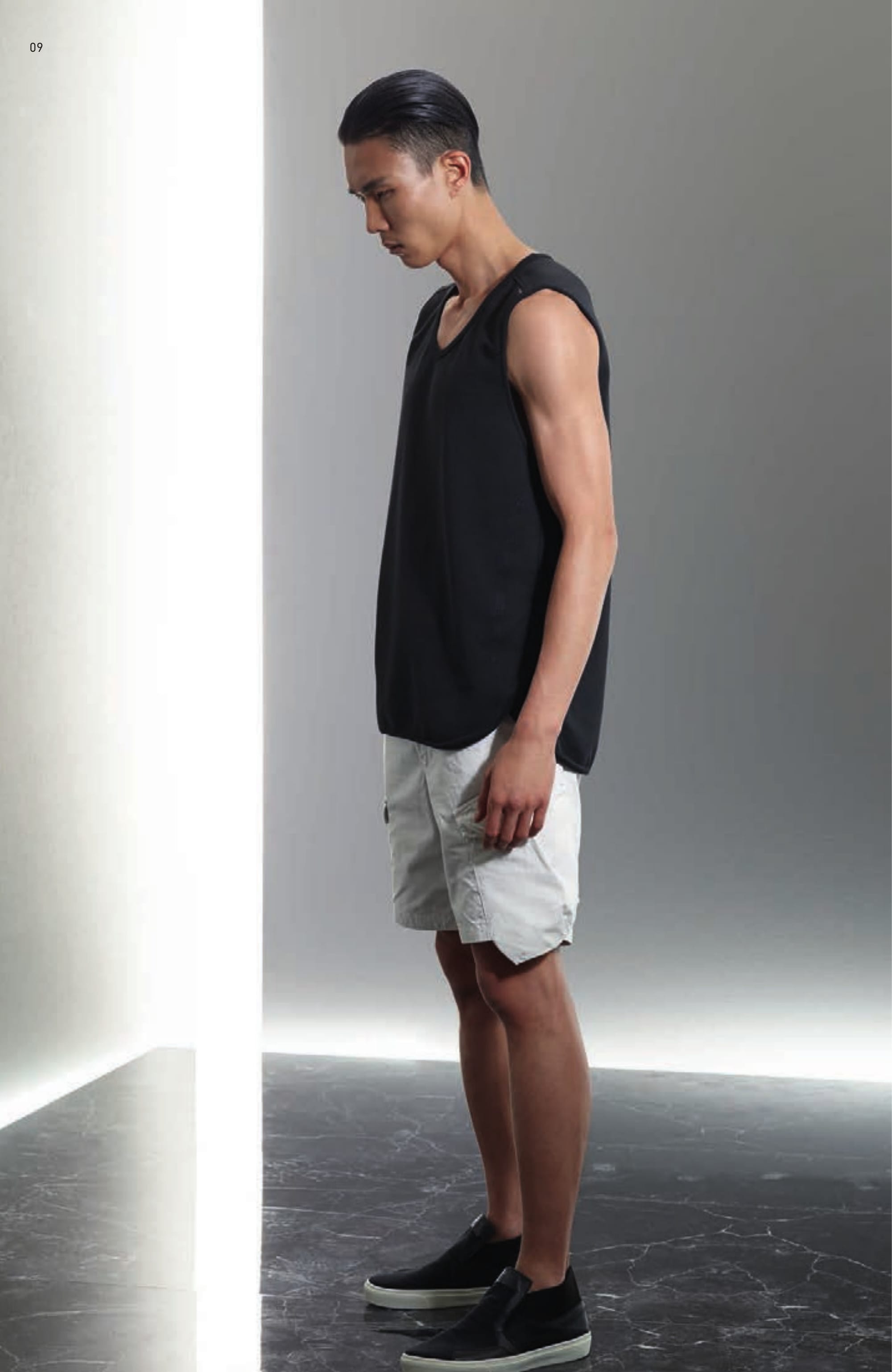
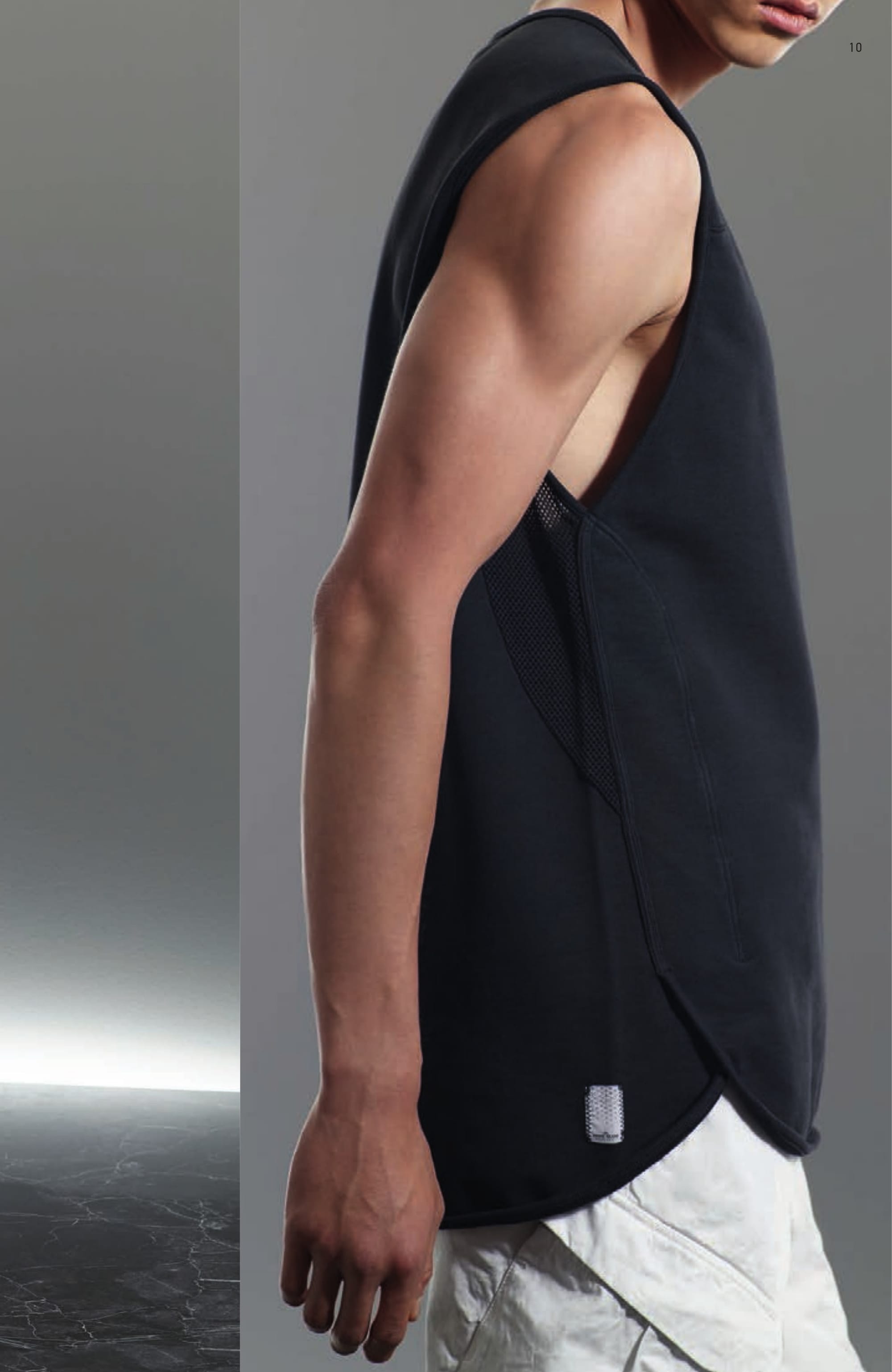
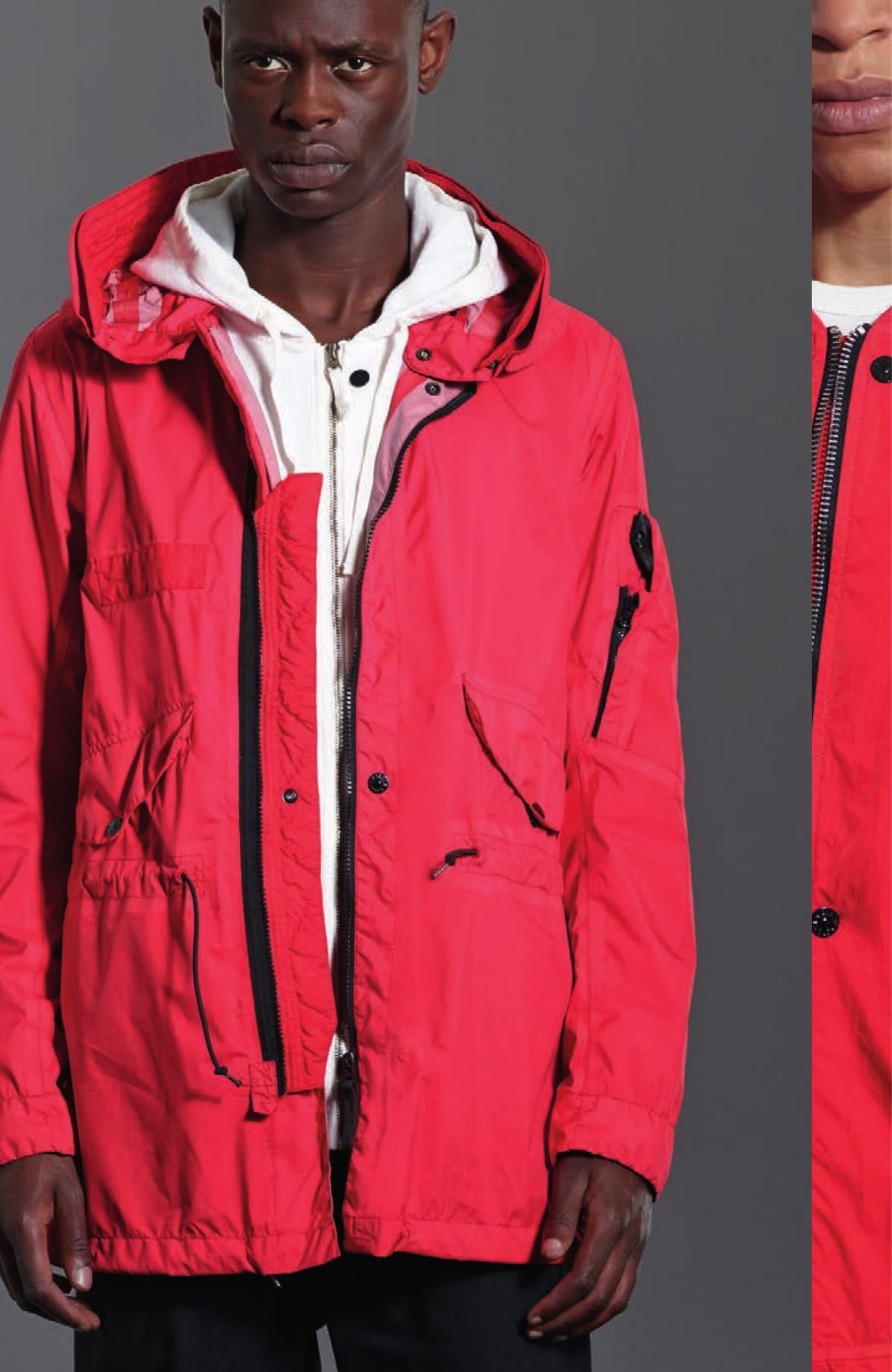
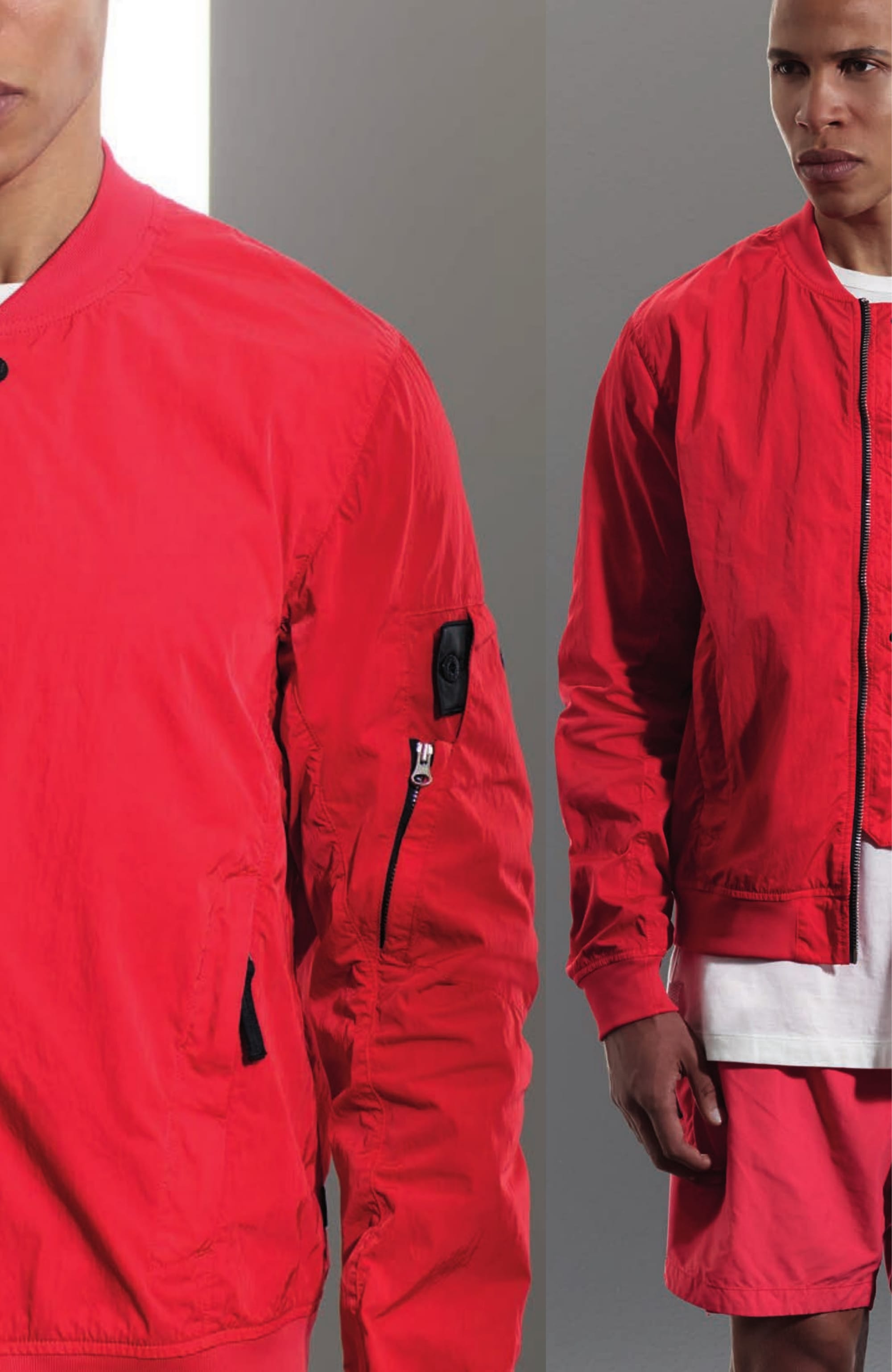
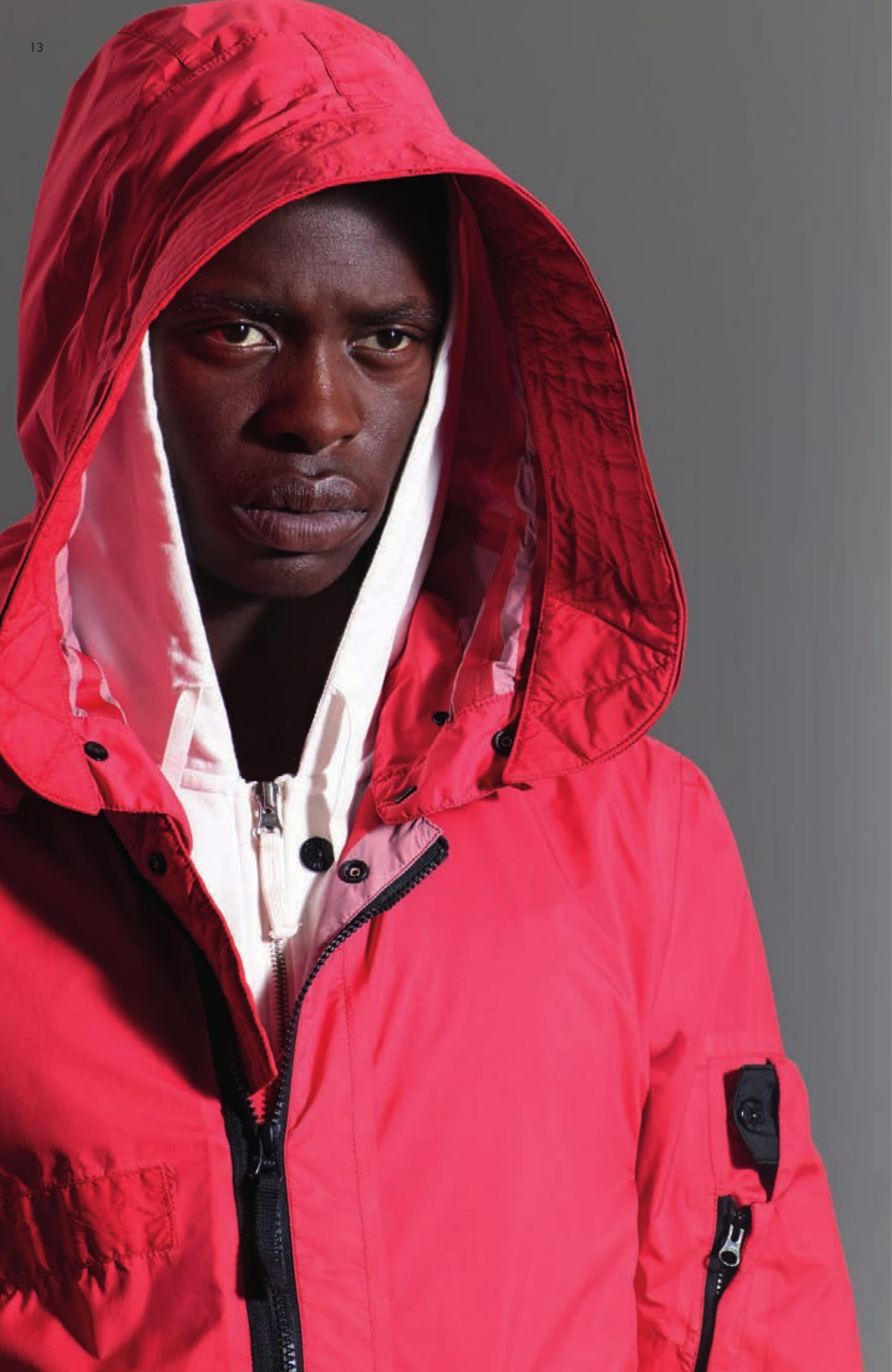
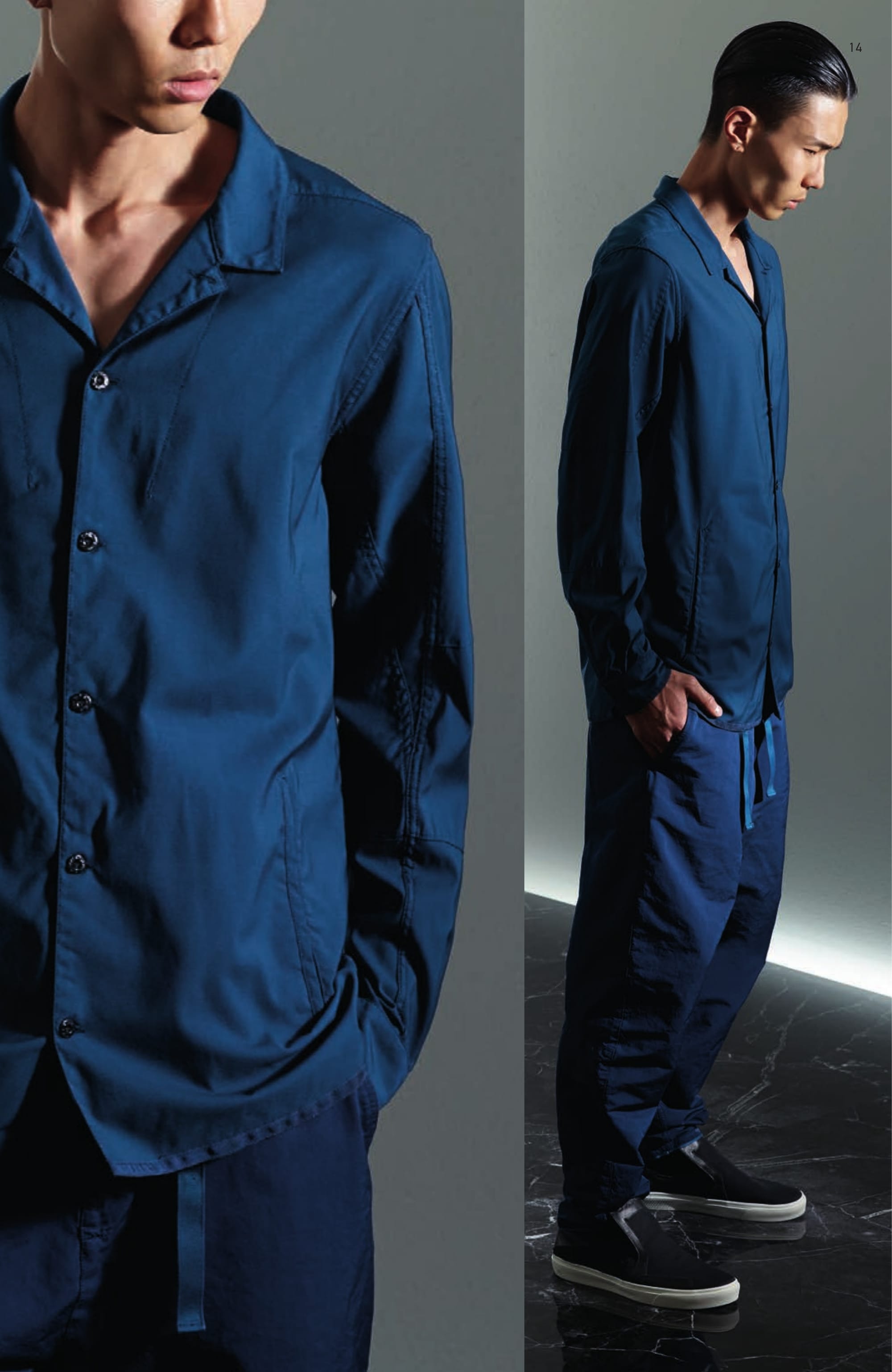
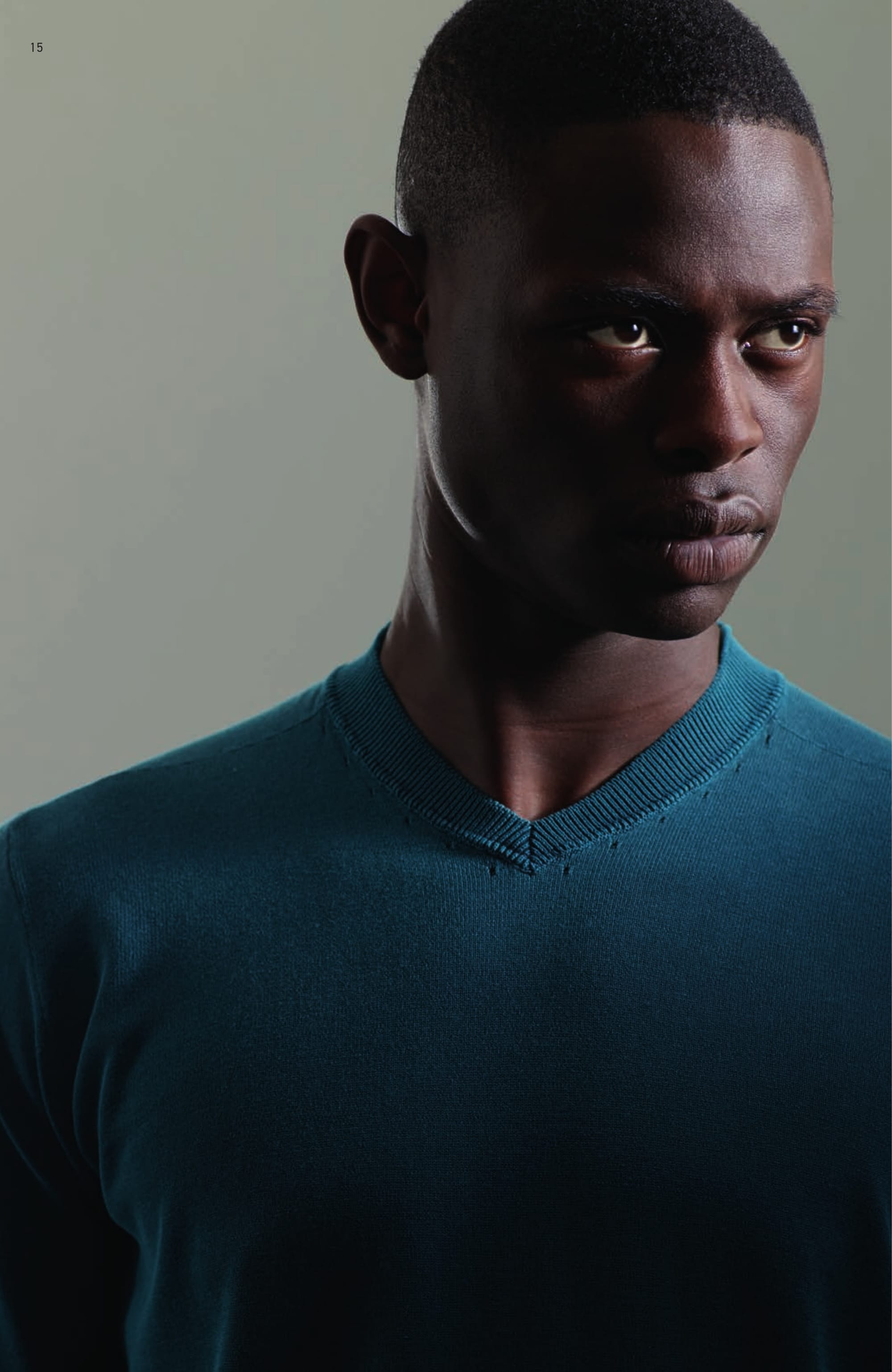
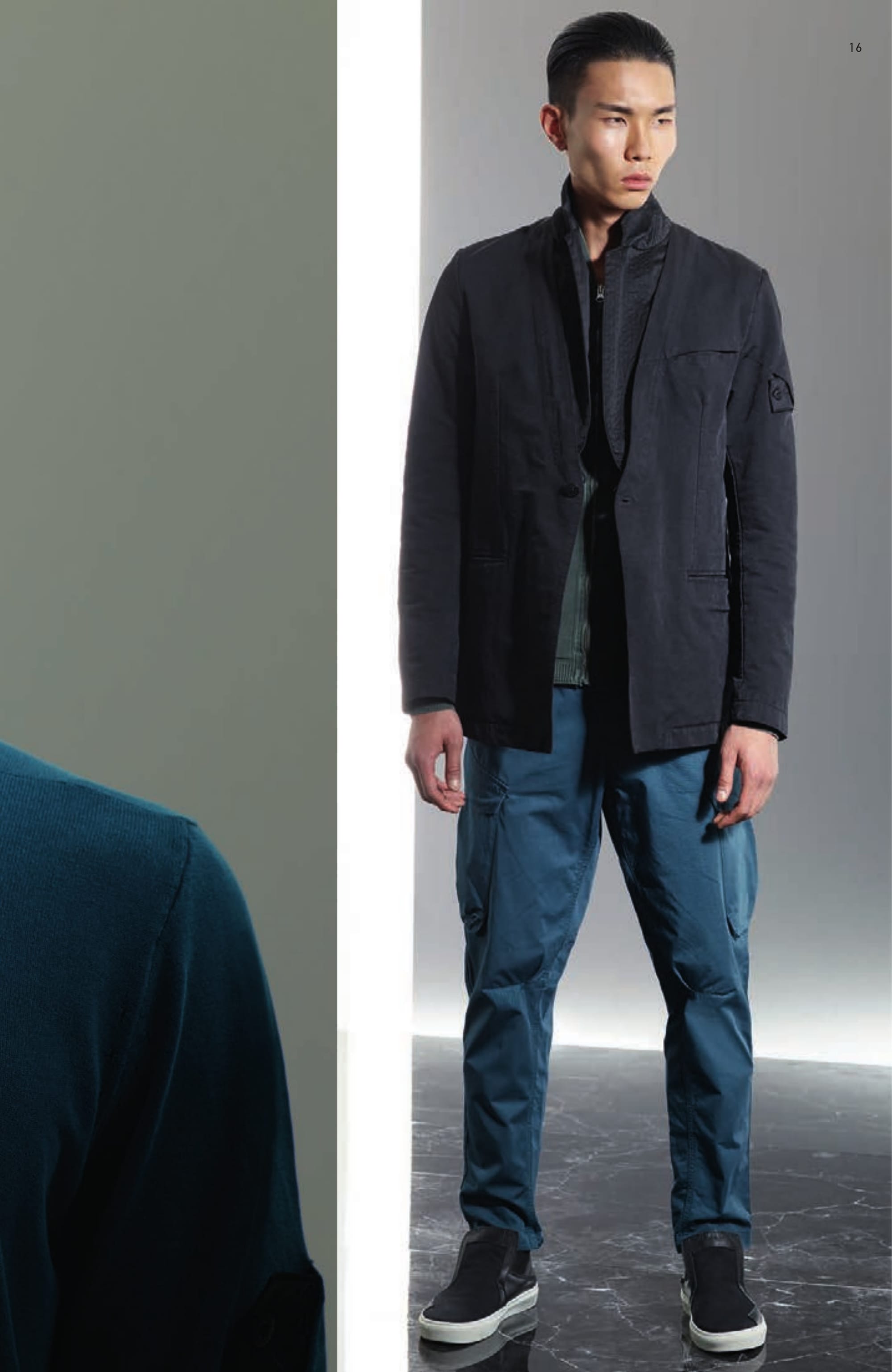
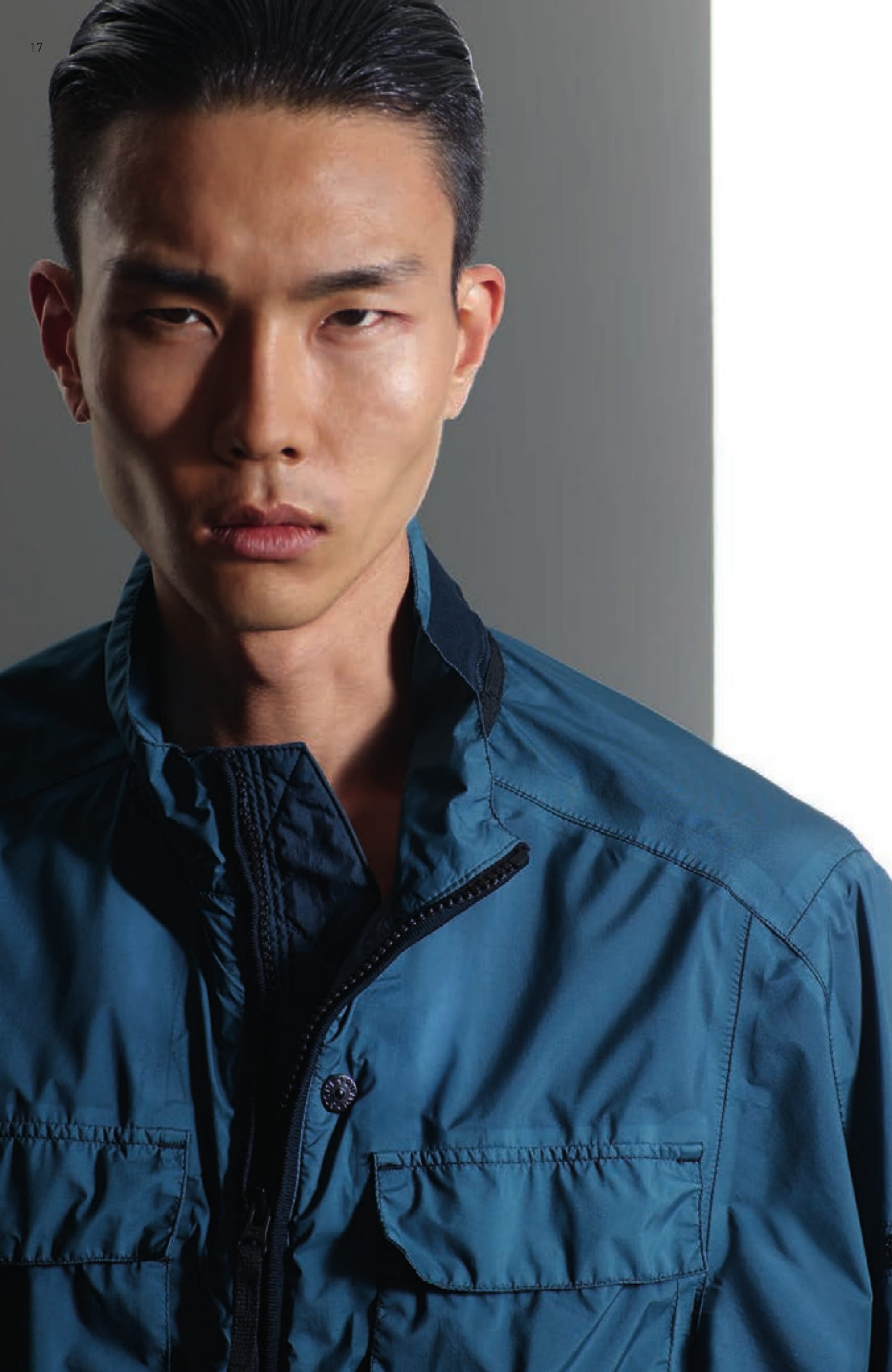
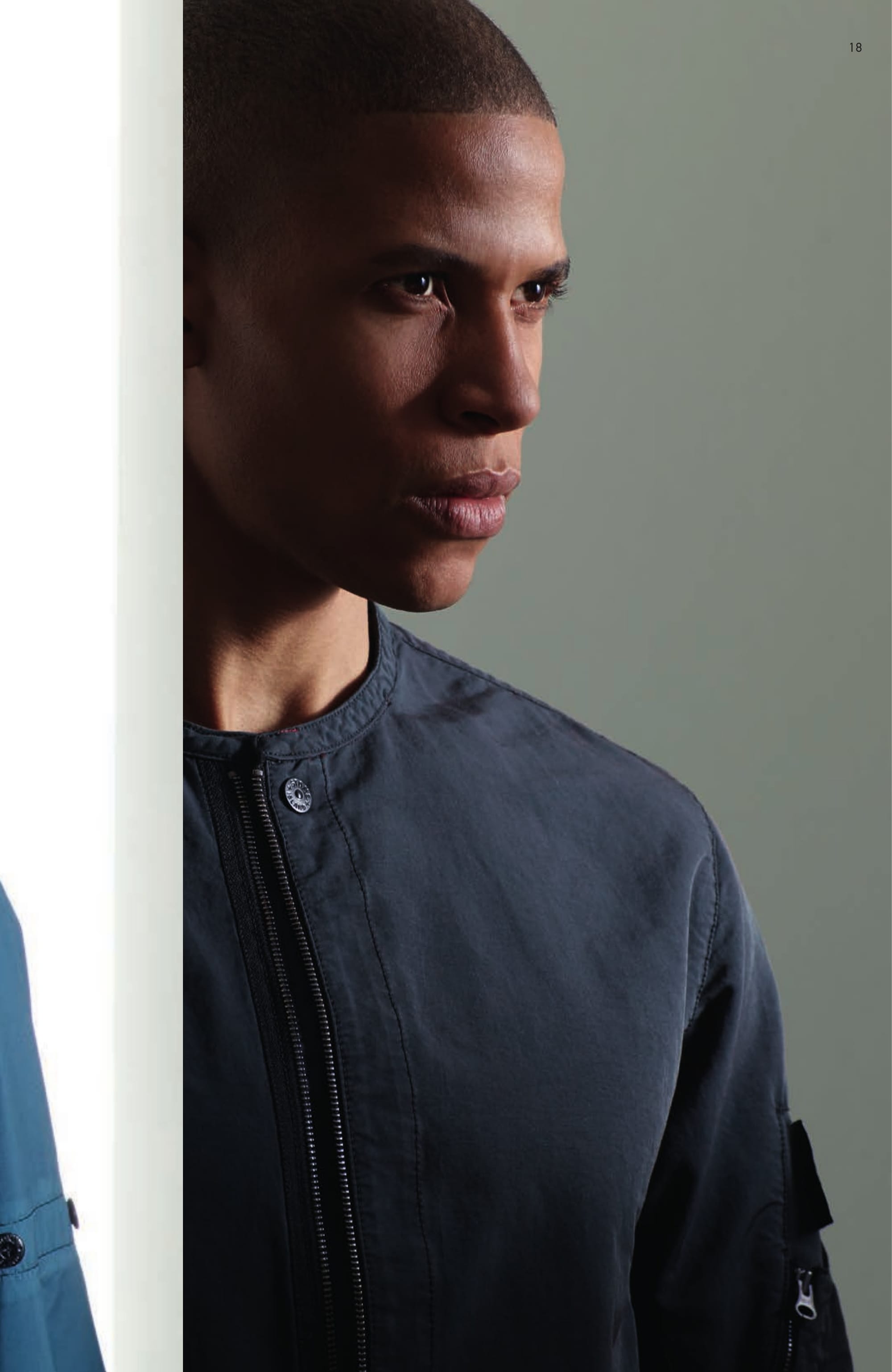
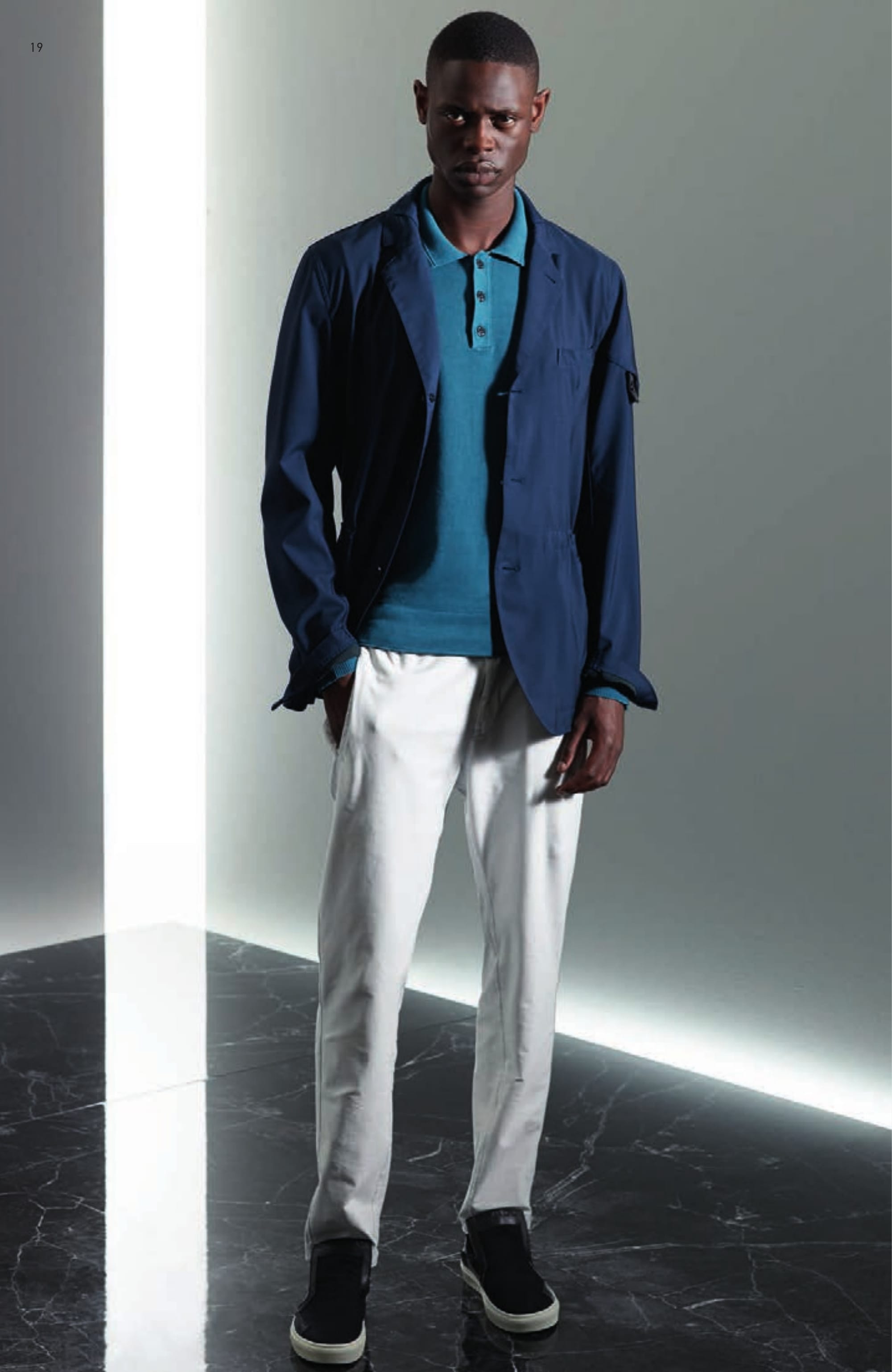
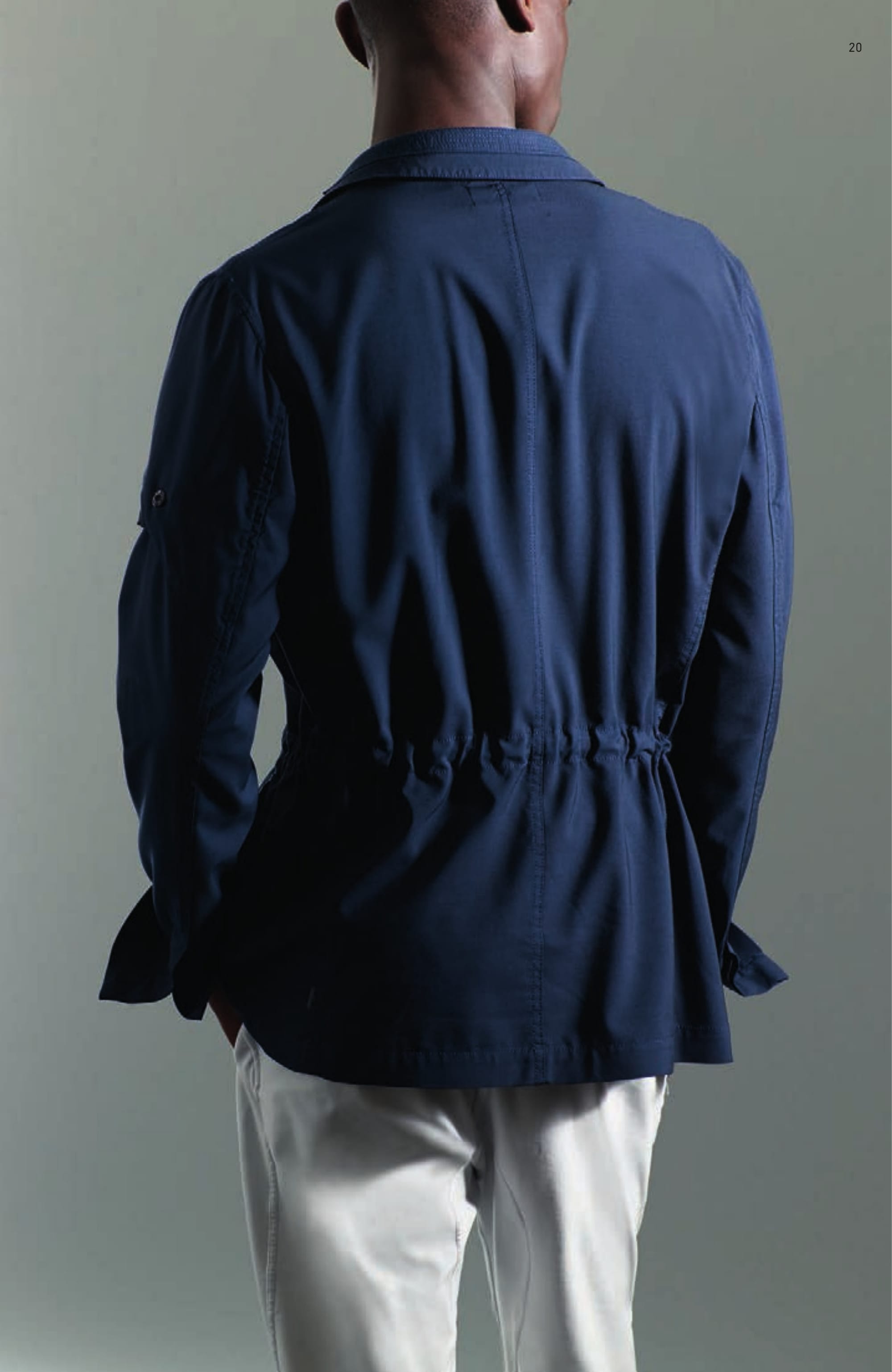
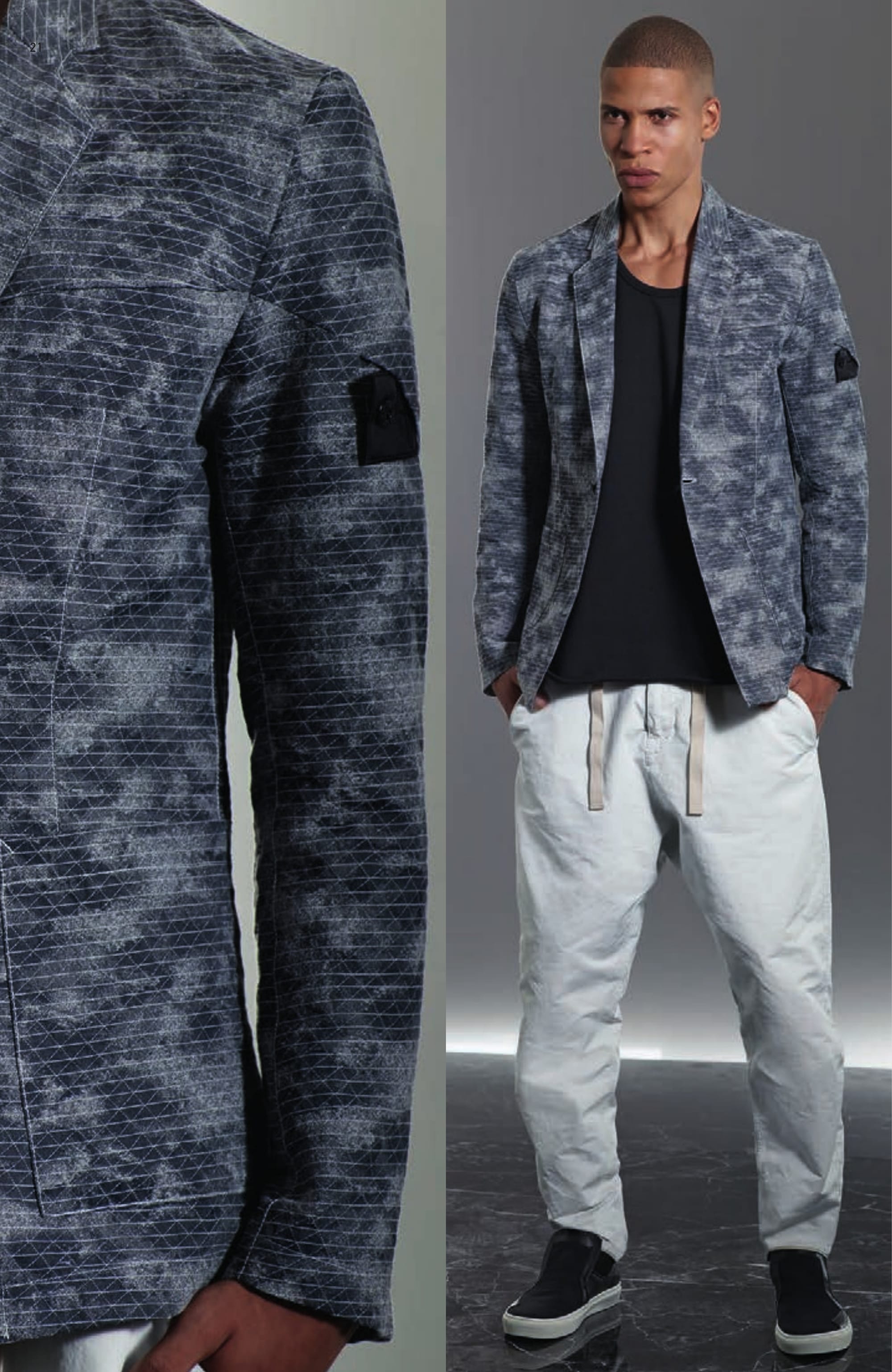
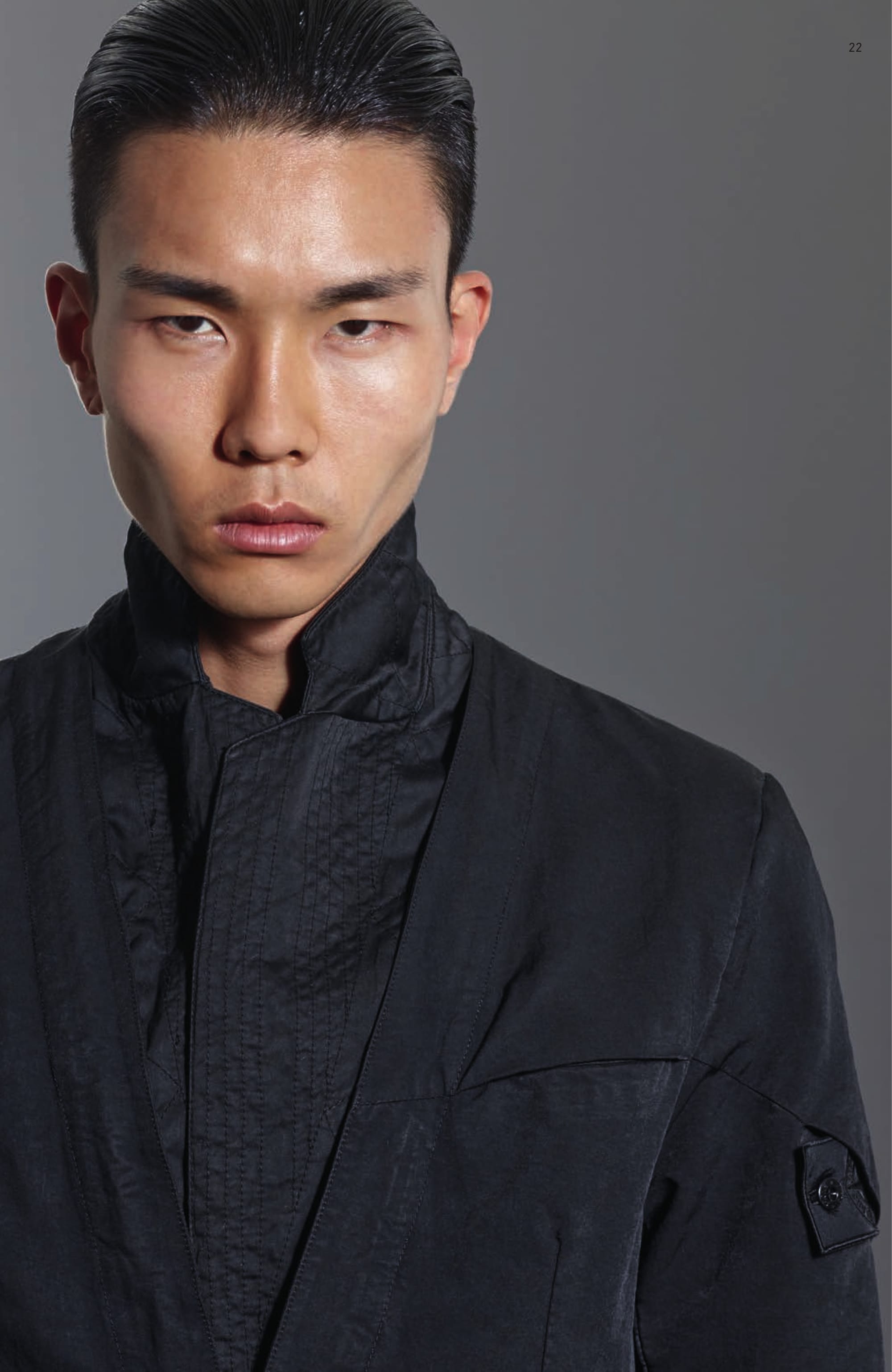
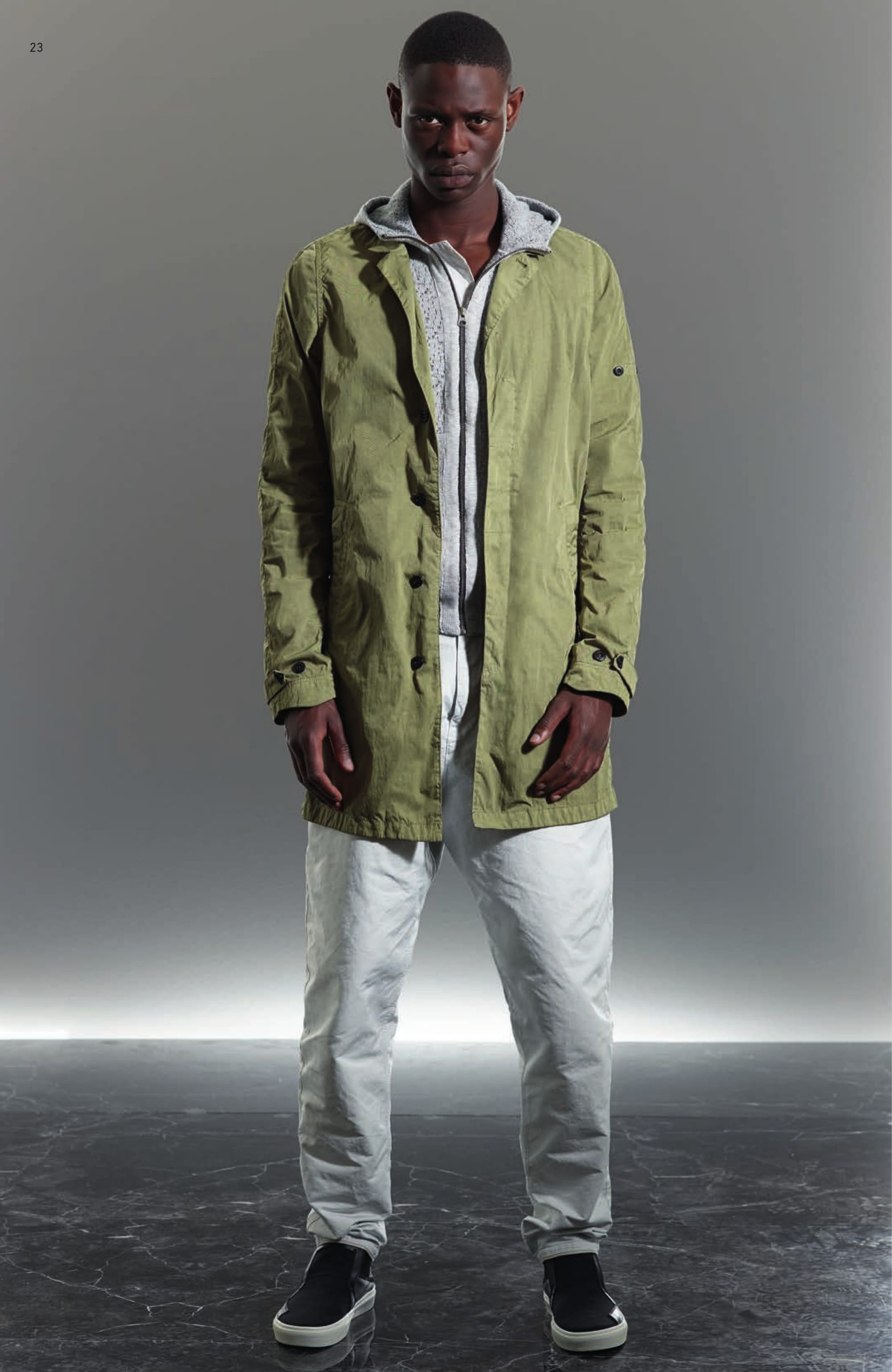
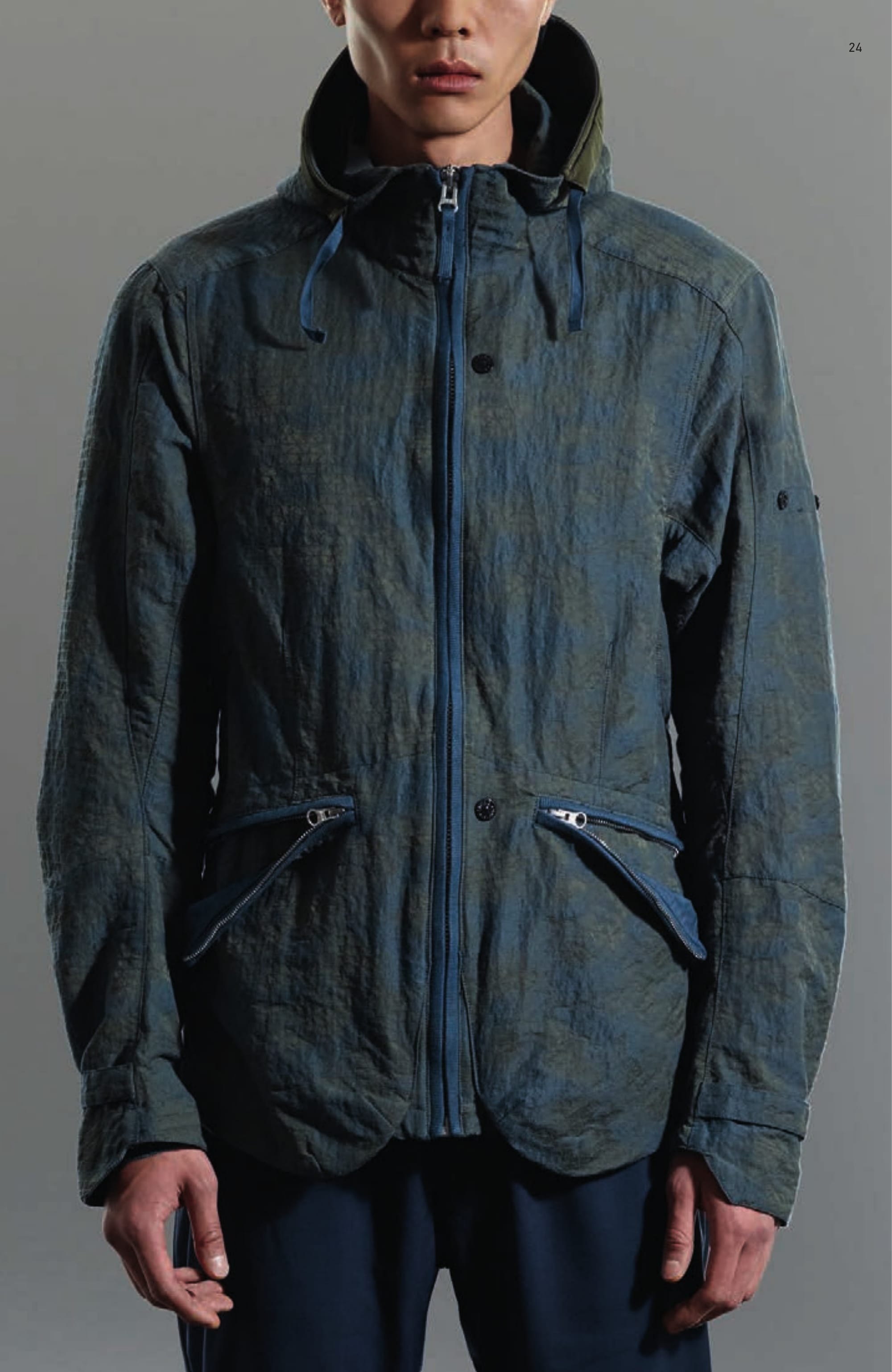
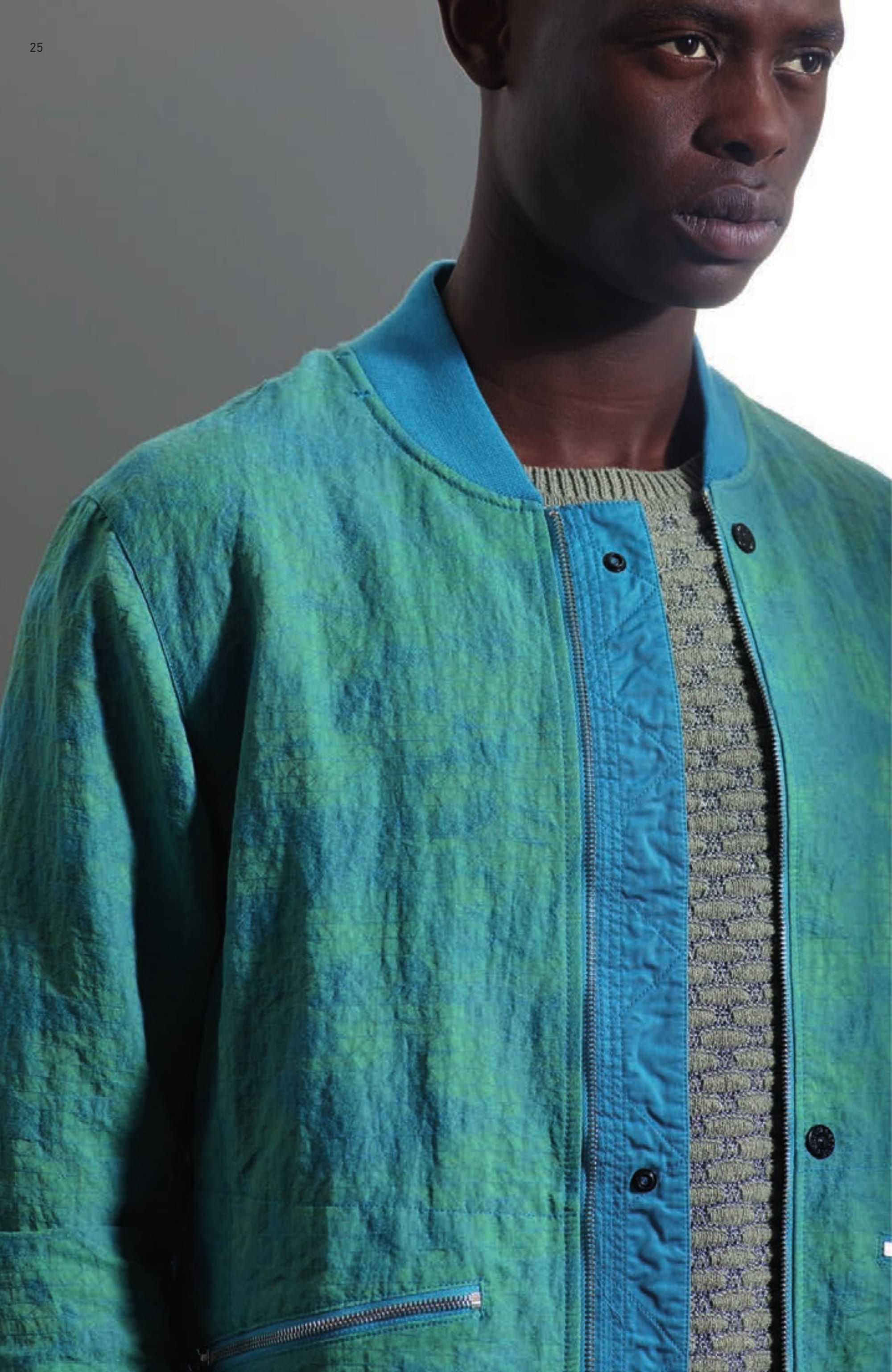
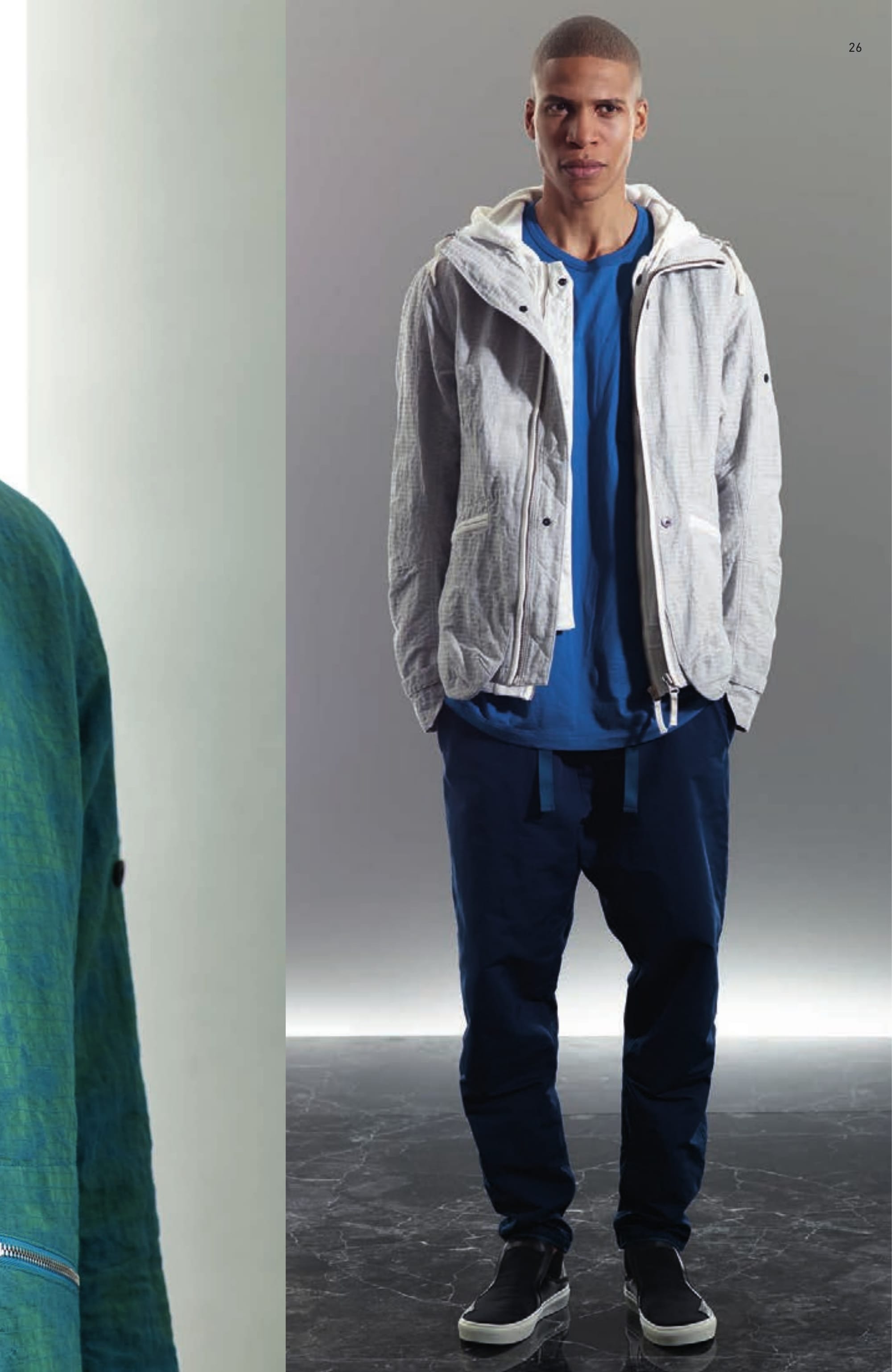
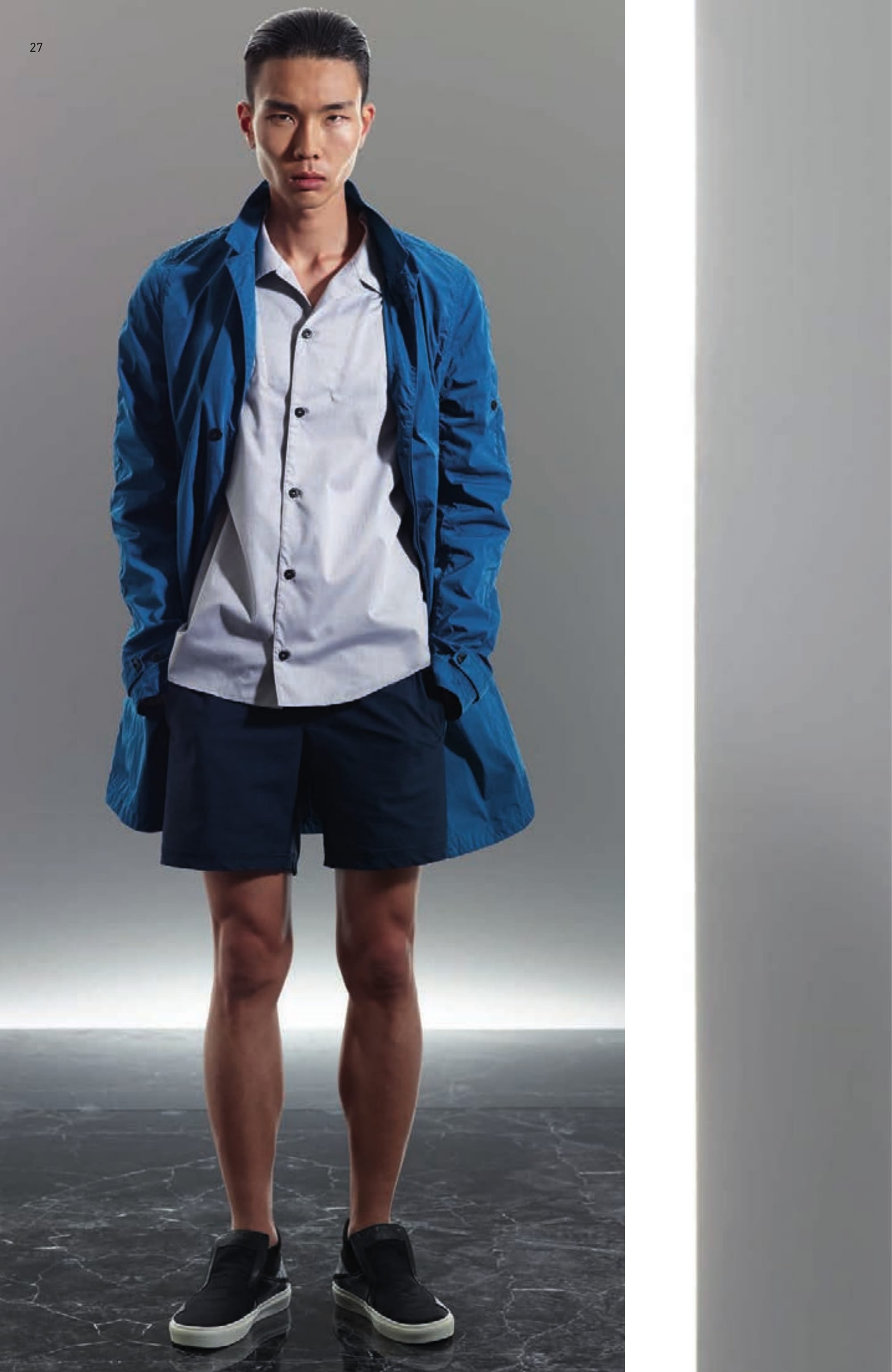
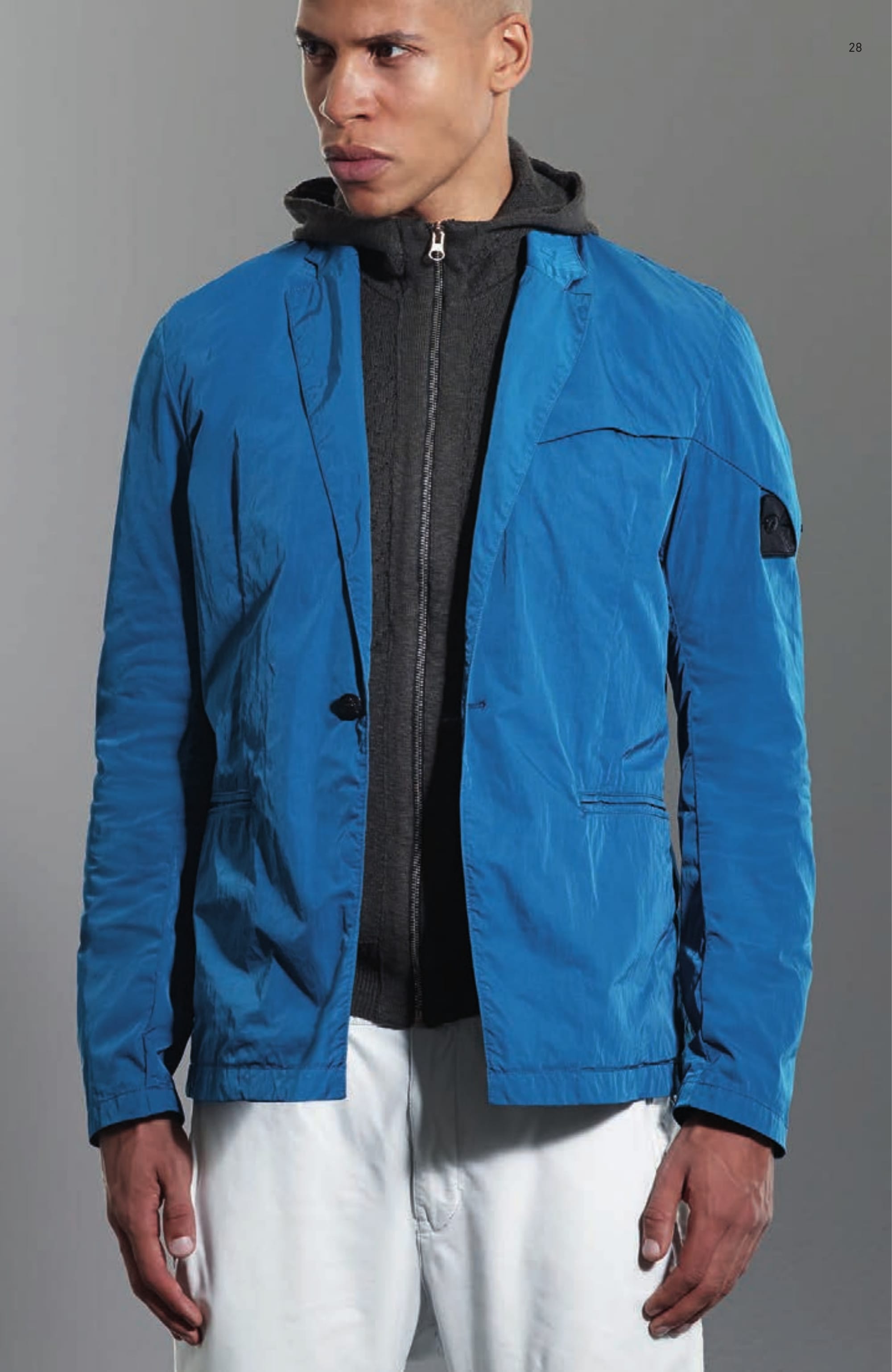
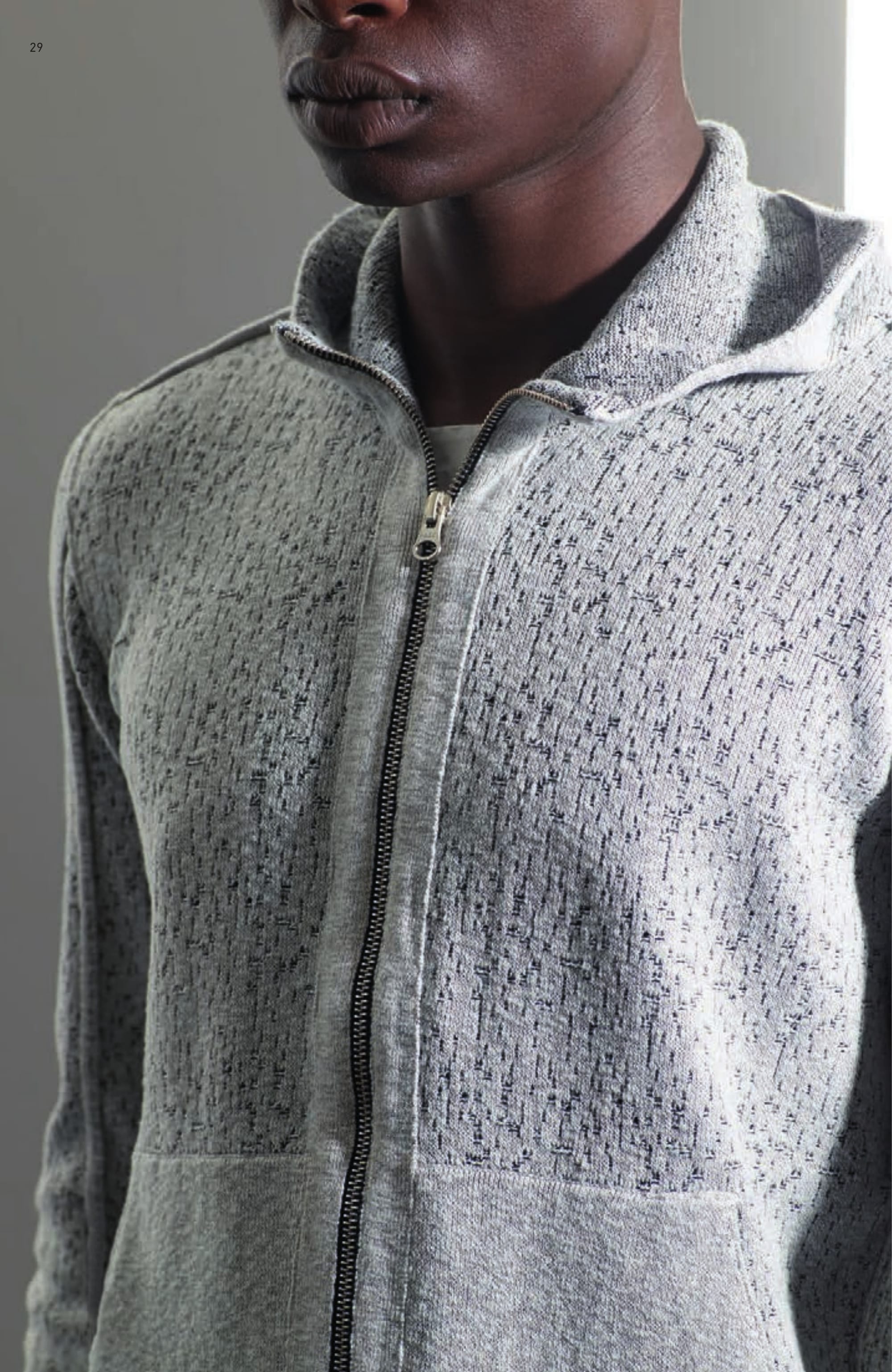
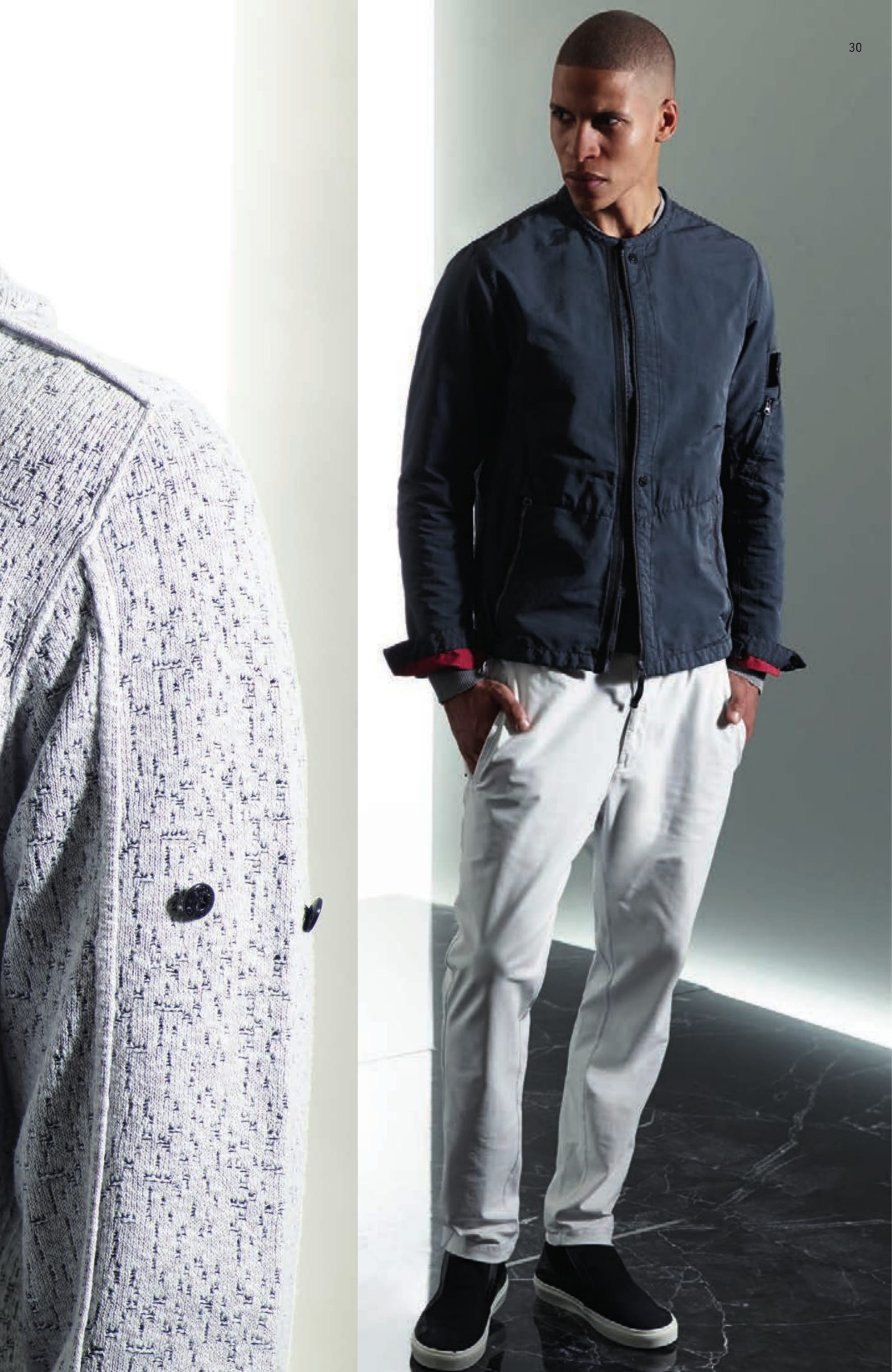
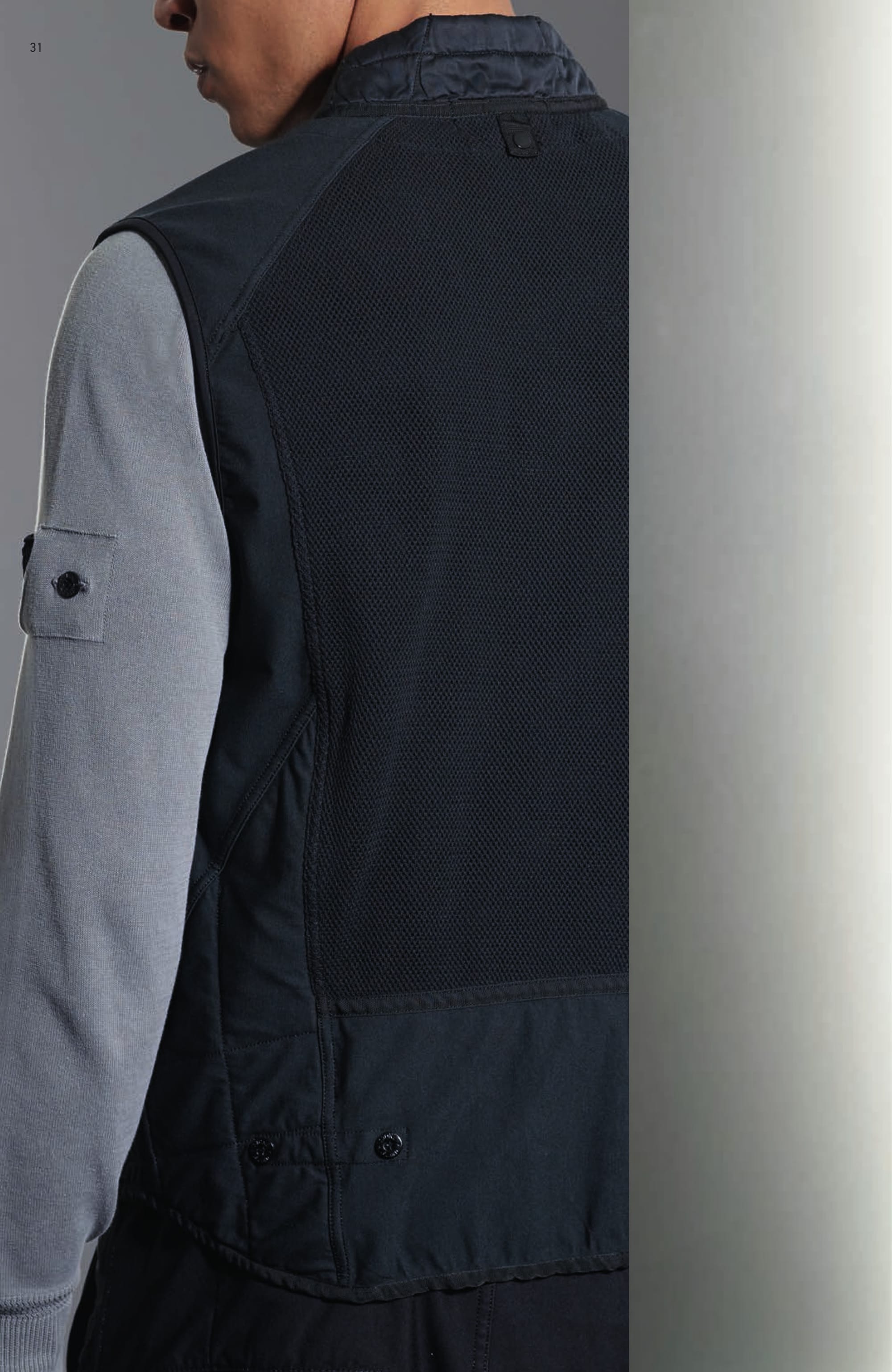
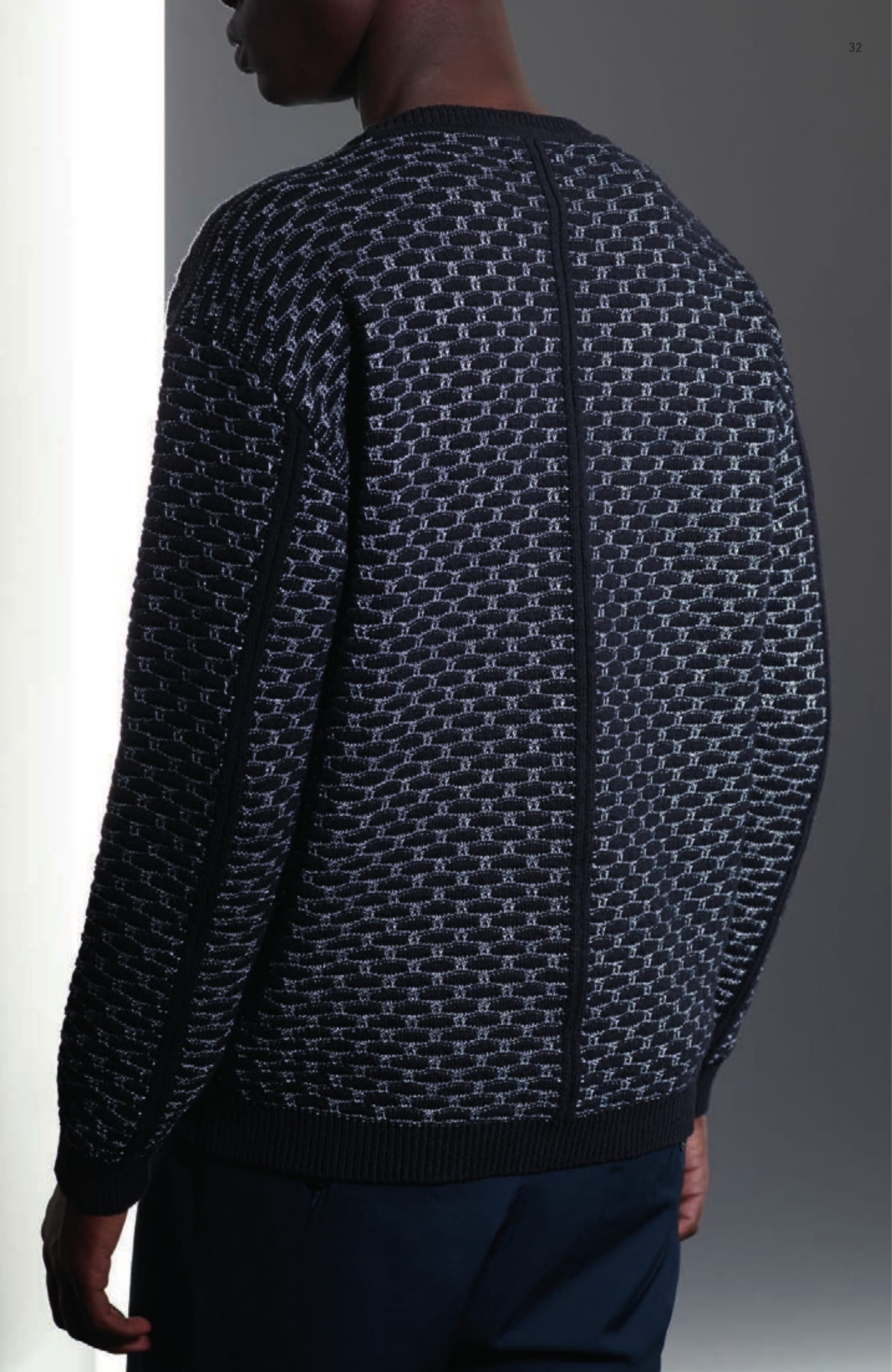
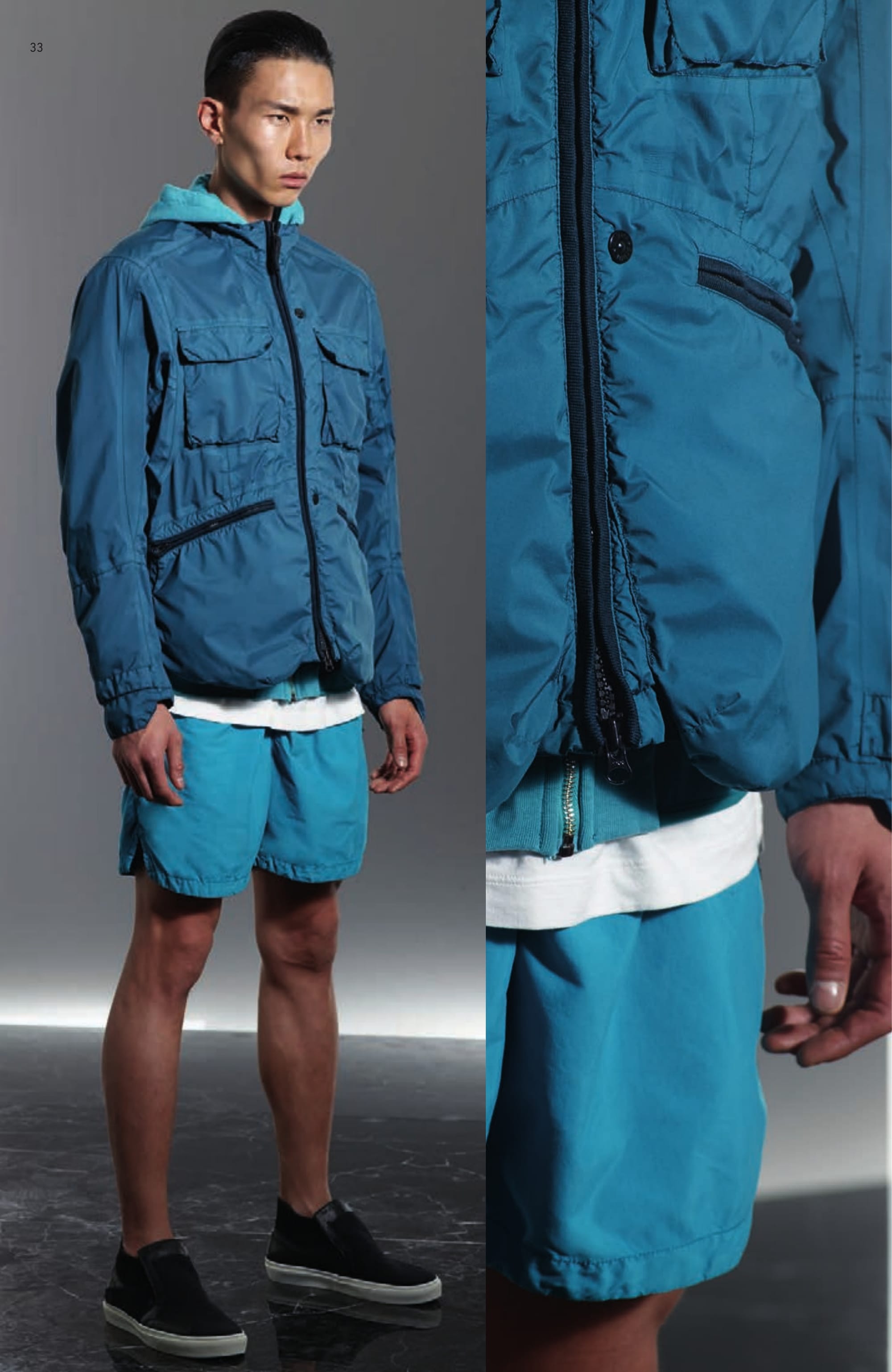
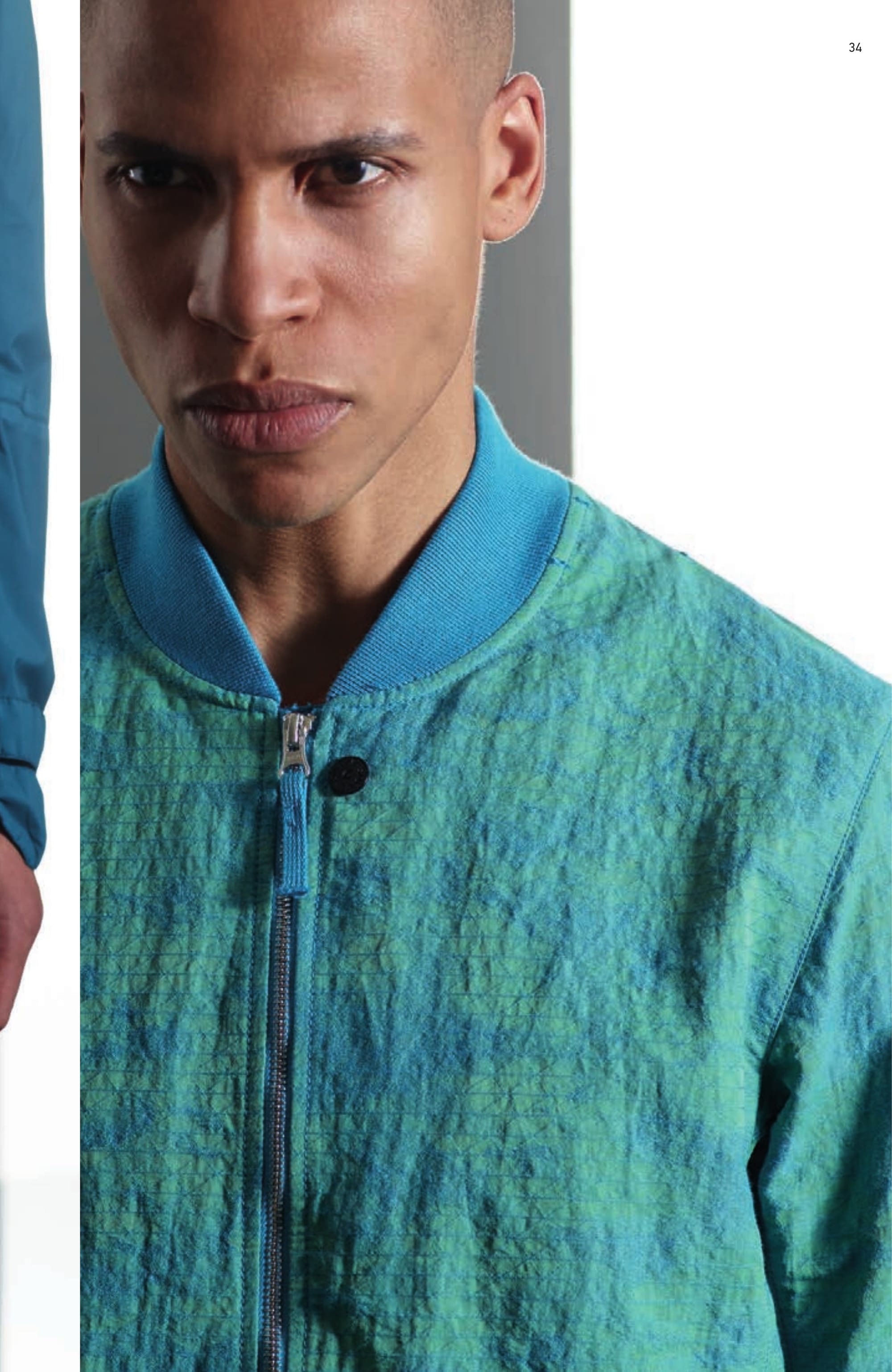
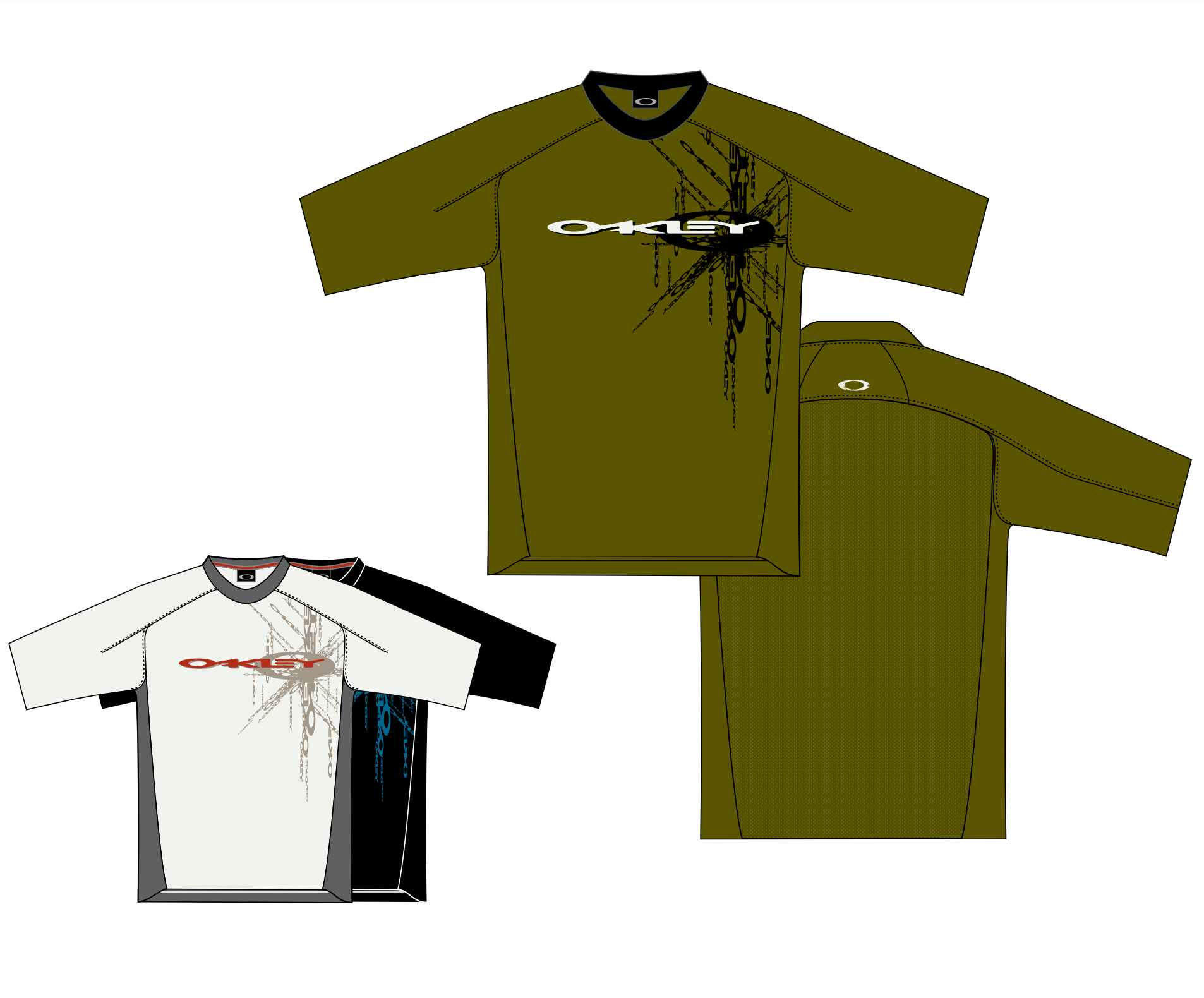
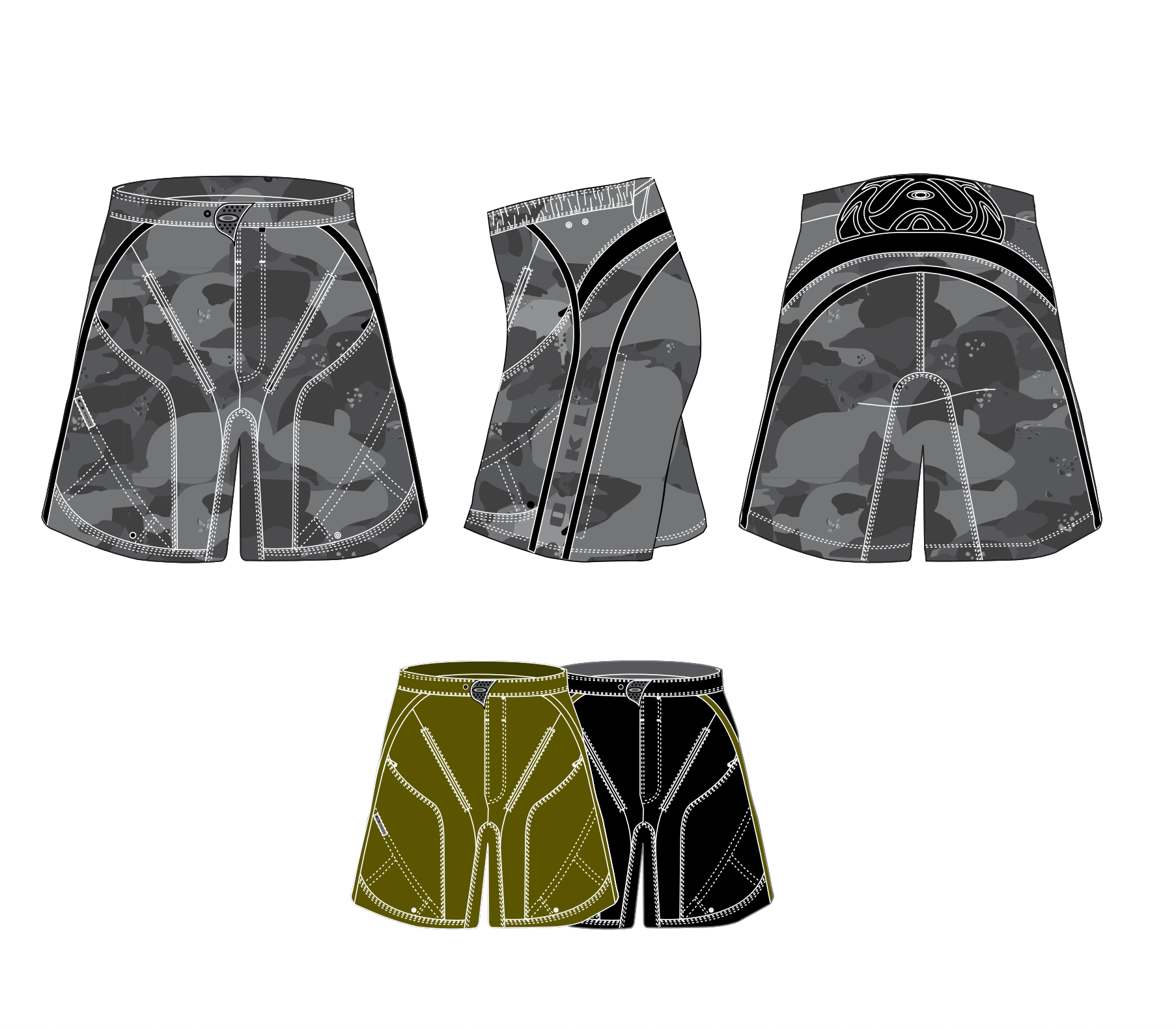
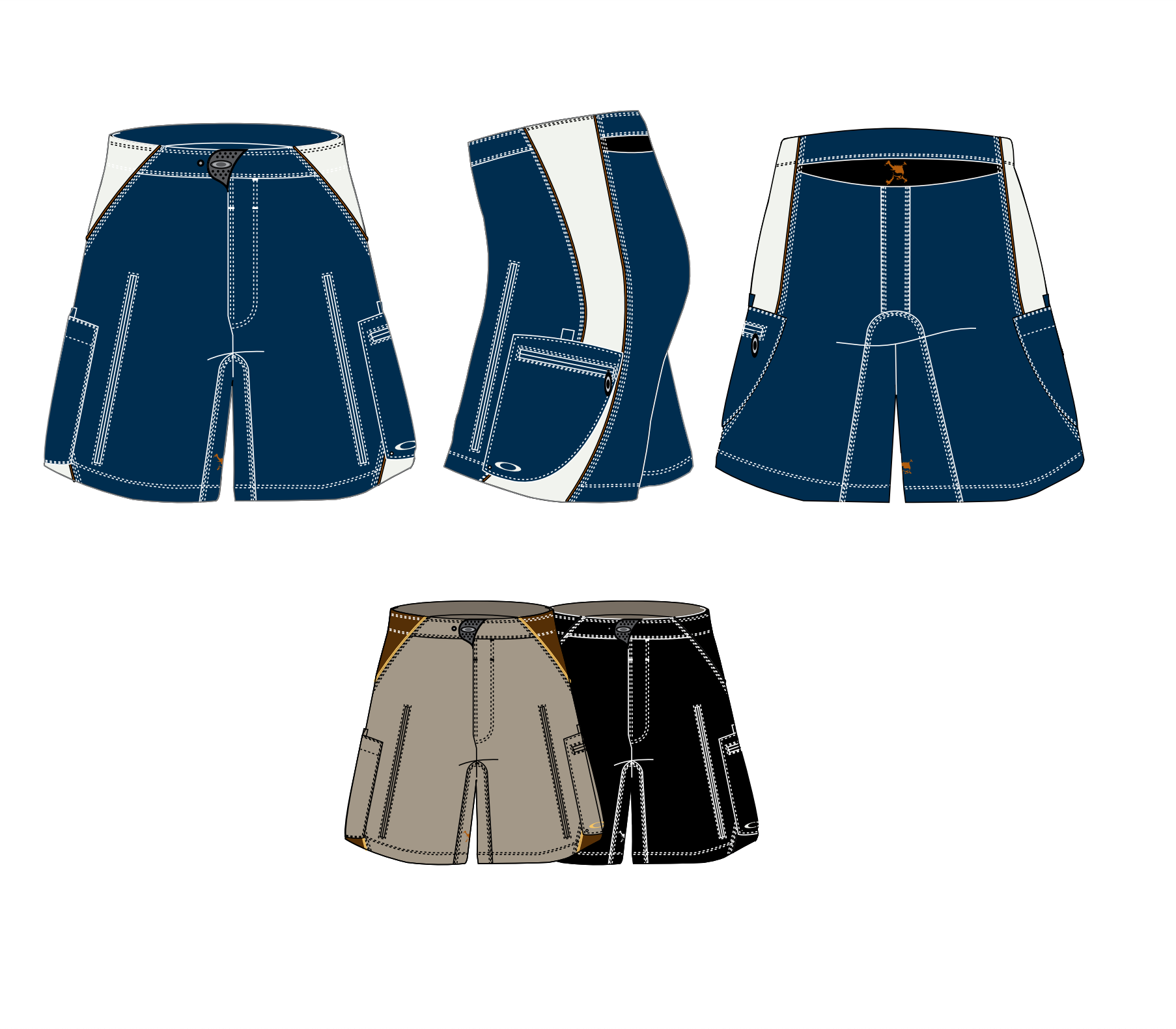
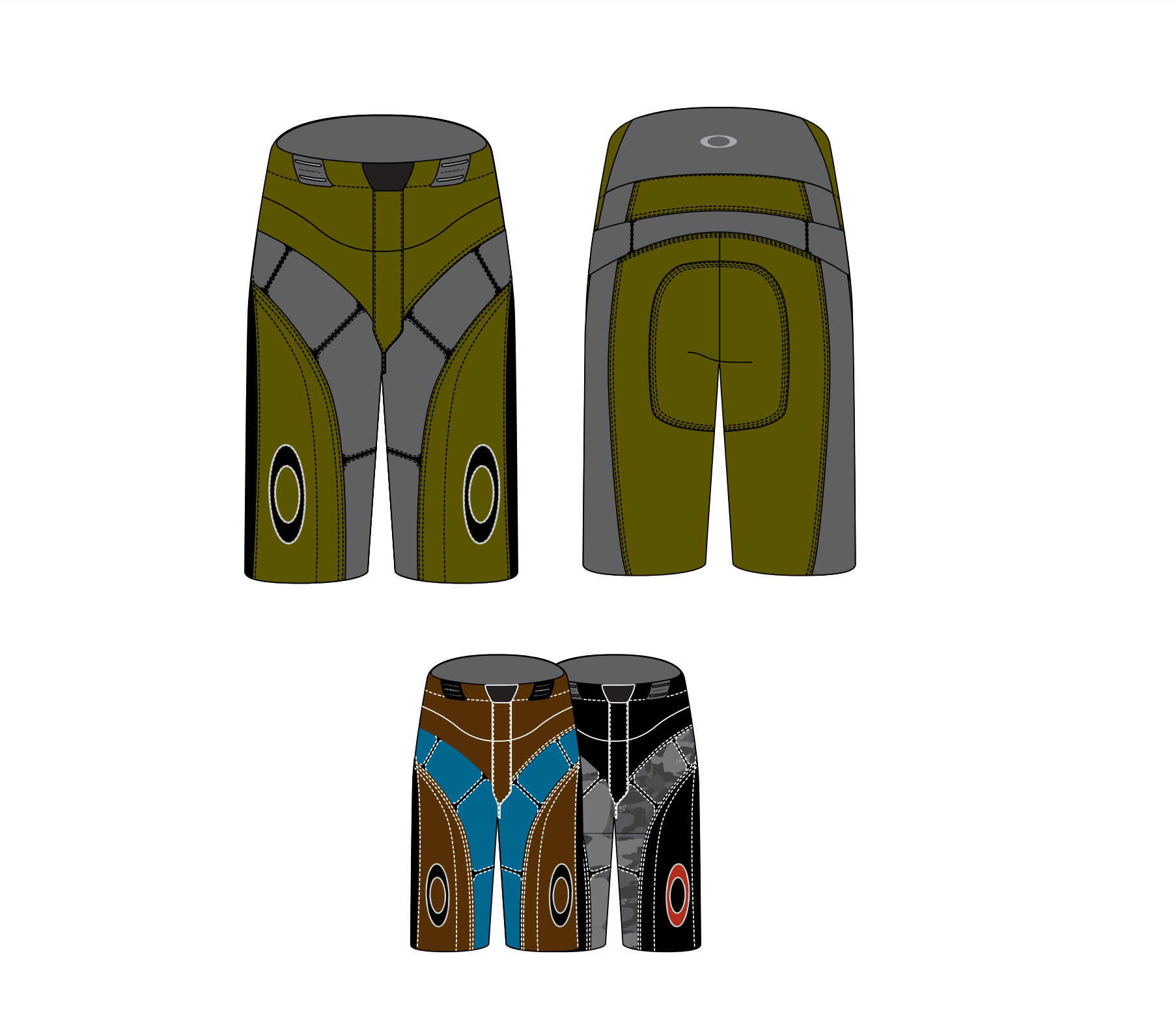
The 14th Stone Island Shadow Project collection is a mirage on the horizon; a heat haze of perspective shifting inversion and refraction. Vibrant and gritty, granular and loose, it's the freshness and intensity of youth tempered by process and exposure to the elements. West coast Zephyr inspired colors are turned up to maximum saturation, then slightly muted by treatments both softening and metallic. Materials have an easy, lived-in feel, but retain the underlying edge of technical performance and real use. Loose street and slope born shapes flow with relaxed tailoring and diffused prep looks. Graphics are minimal definitions; outlines and impressions of the underlying framework.

The Inspired by kumakey’s “roBa,” the moNa2 is a small wireless split keyboard developed by shakupan and pooh.polo, designed to keep a desk feeling open and unclaimed. Two compact halves sit apart with a quiet gap between them, leaving room for a notebook or tools without forcing a single, monolithic footprint.
The layout is restrained: low, close spacing with a built-in thumb-controlled ball that keeps basic navigation under the hand instead of pushing you toward a mouse. The whole object reads as light hardware rather than a centerpiece, favors packing and redeploying—such as magnets on the underside so the halves can join together for transport.
It runs wire-free and is meant to be adjusted over time rather than treated as a fixed appliance. Typical usage notes describe it lasting roughly a couple of weeks of frequent daily use before needing attention again, with the exact cadence depending on how it’s set up and used.
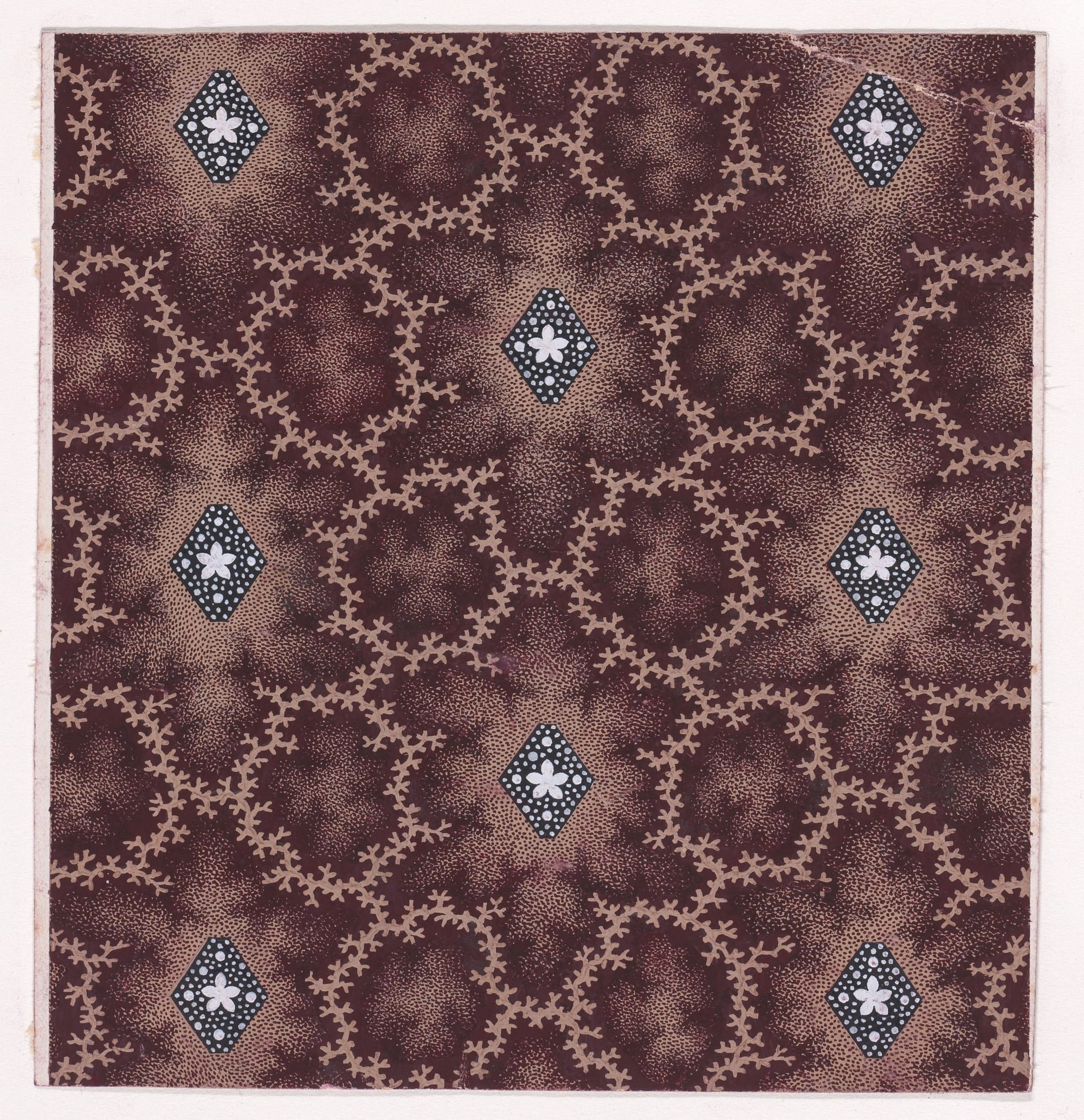
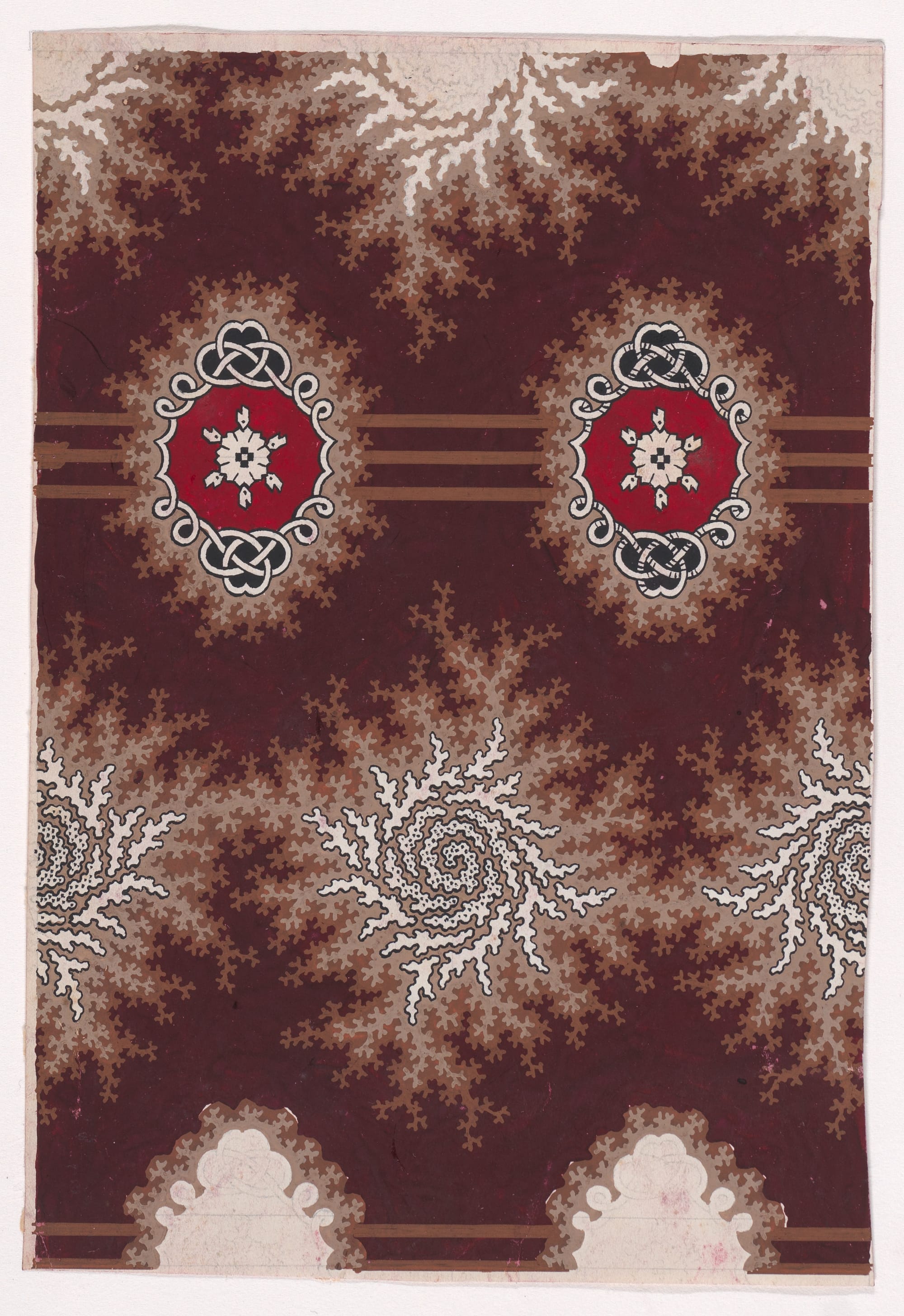
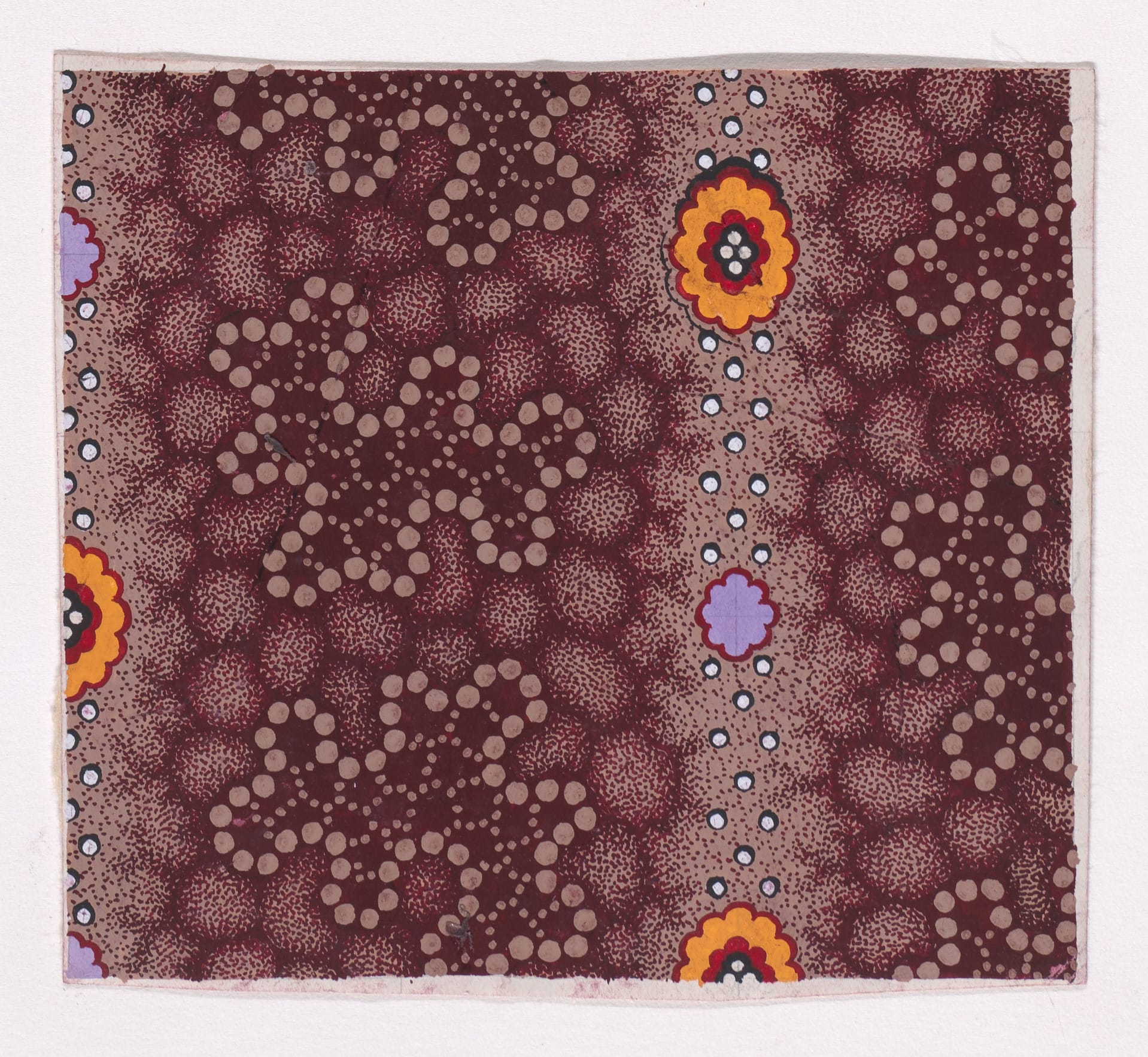
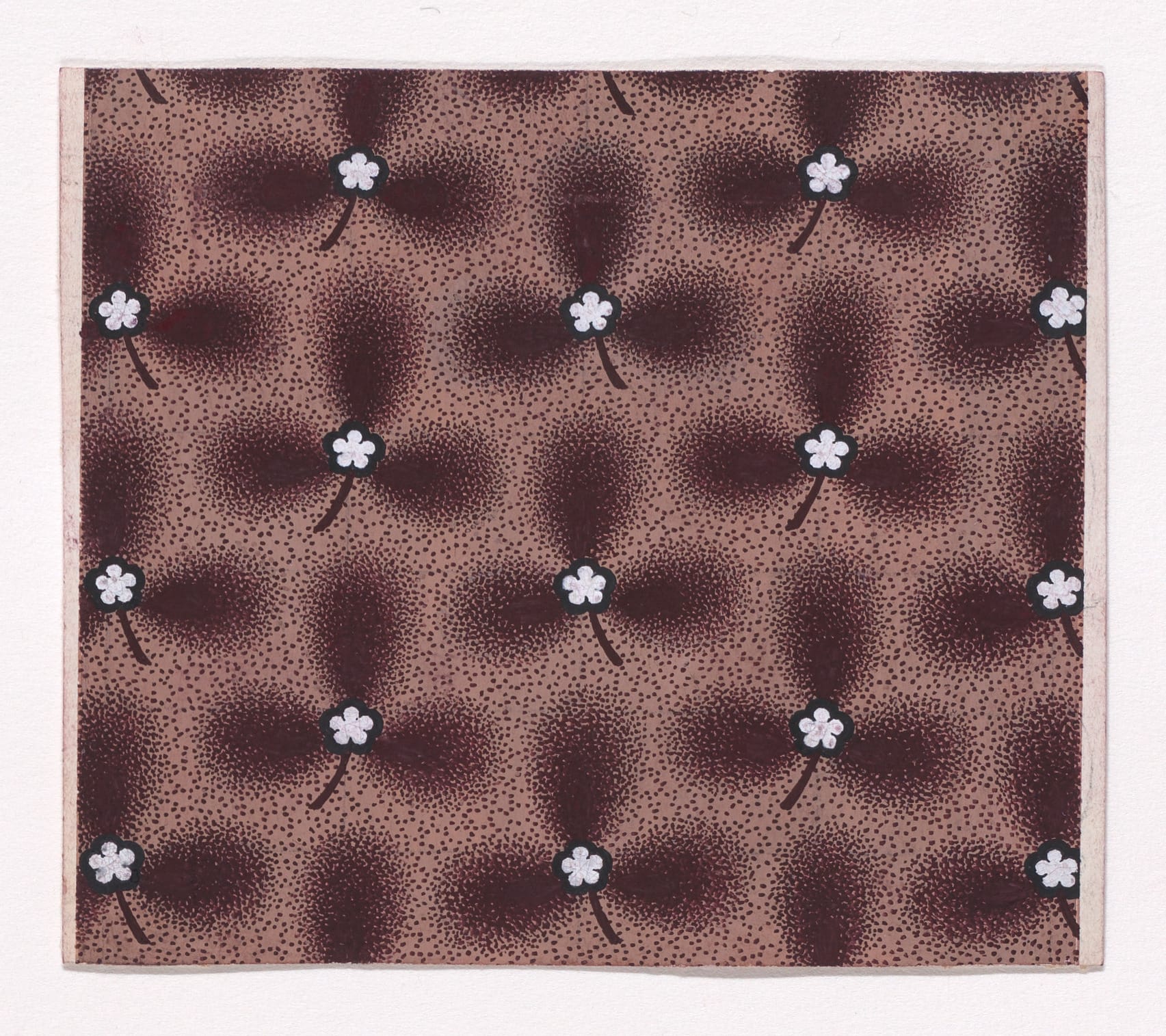
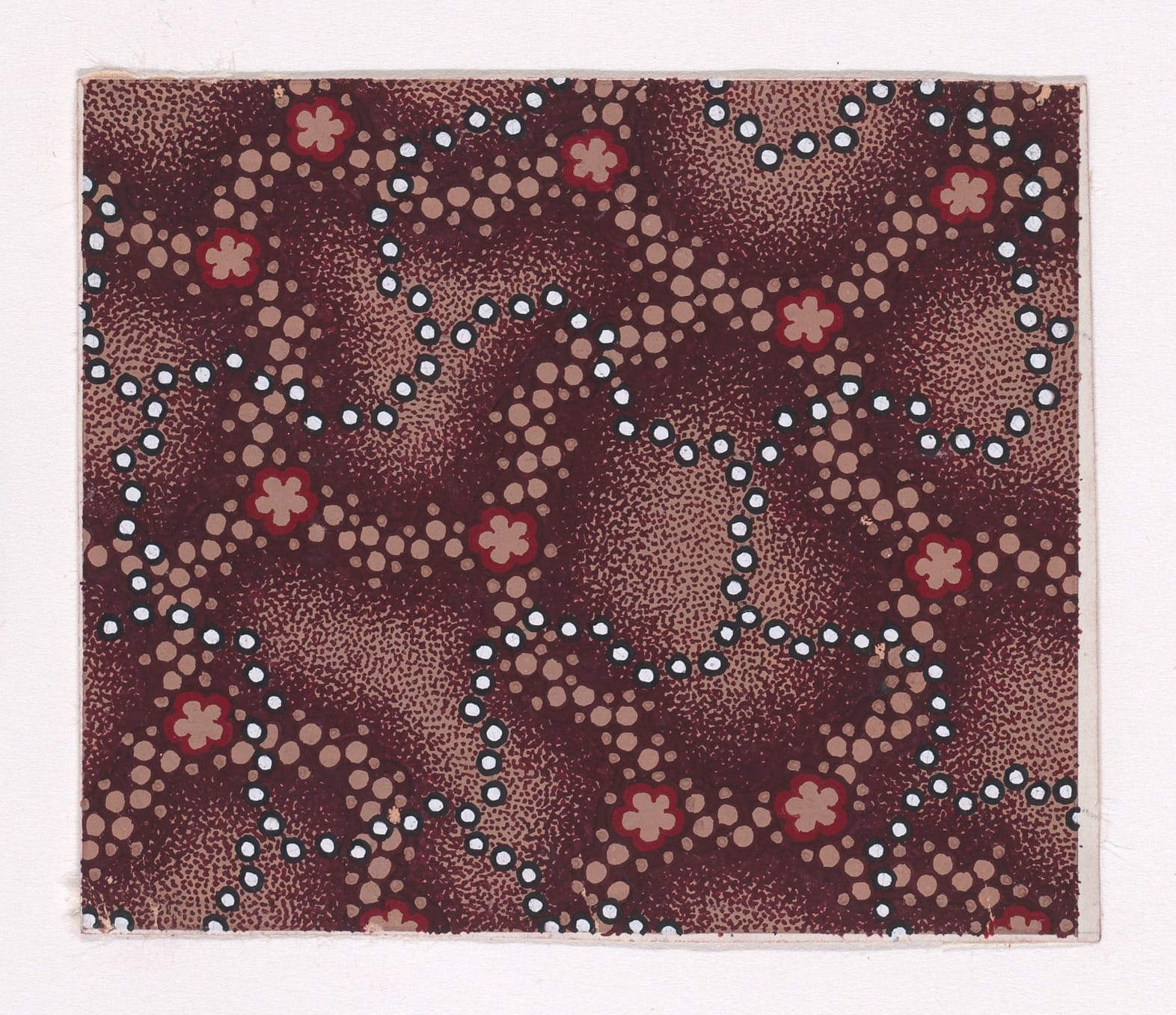
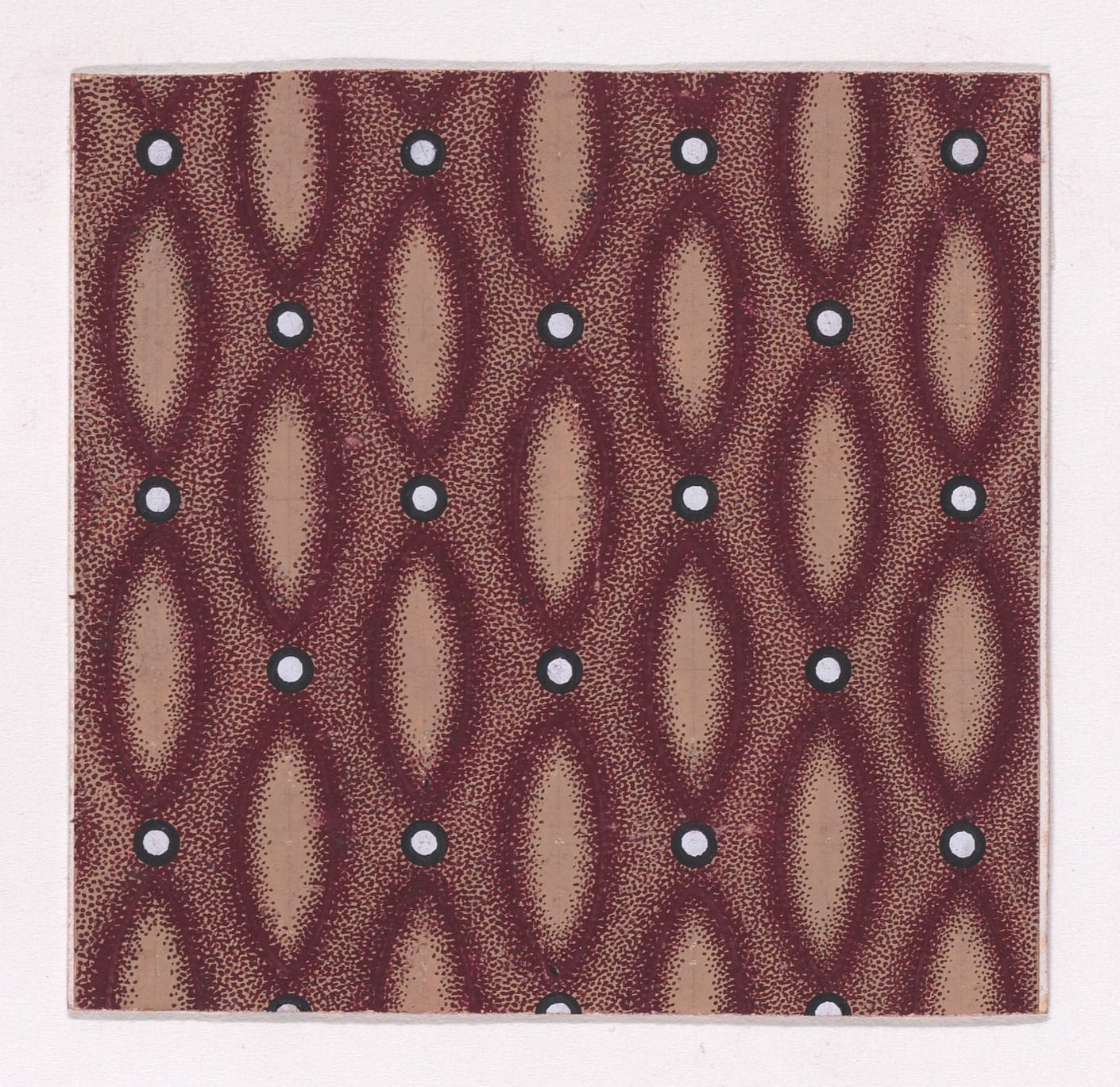
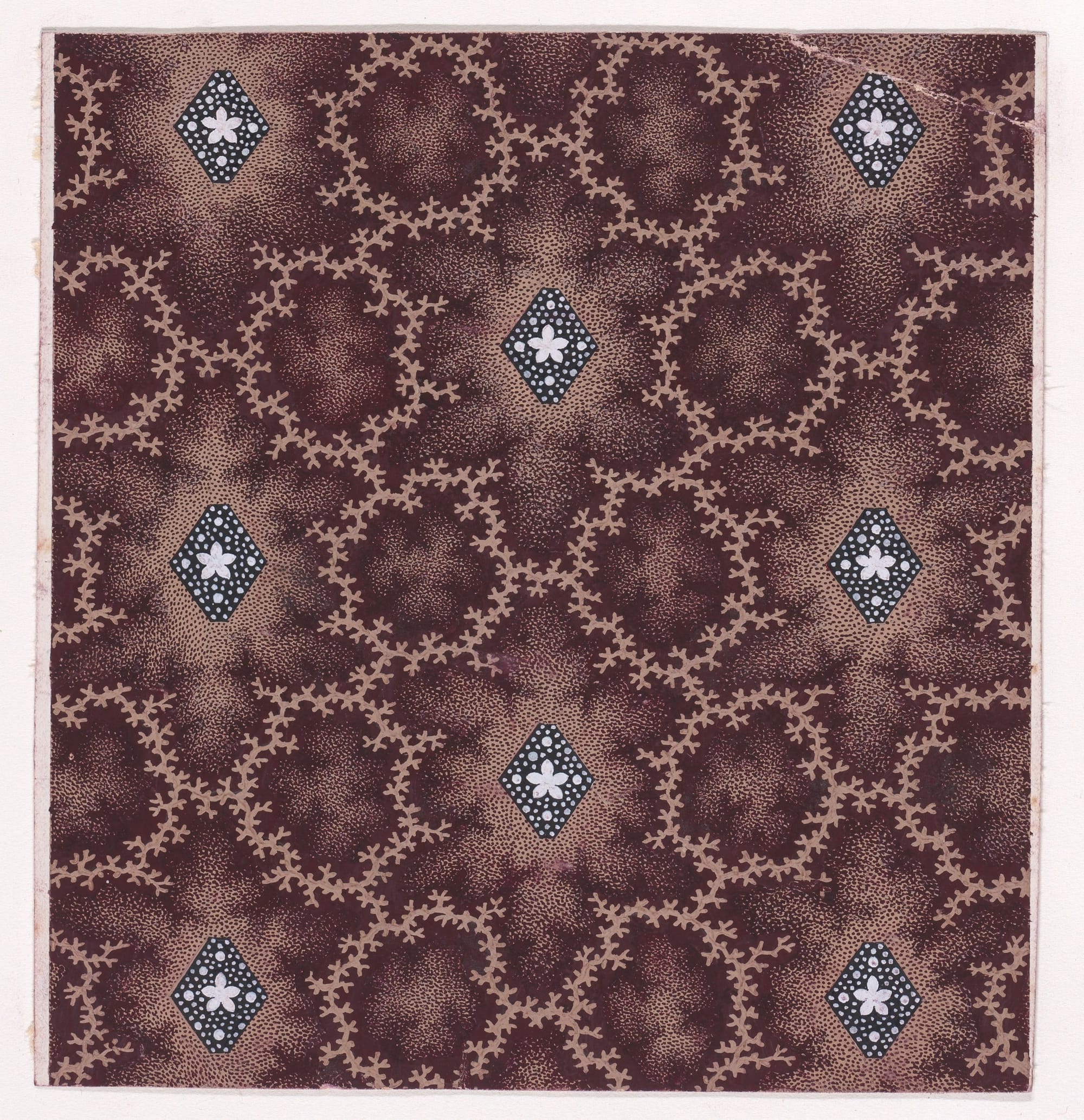
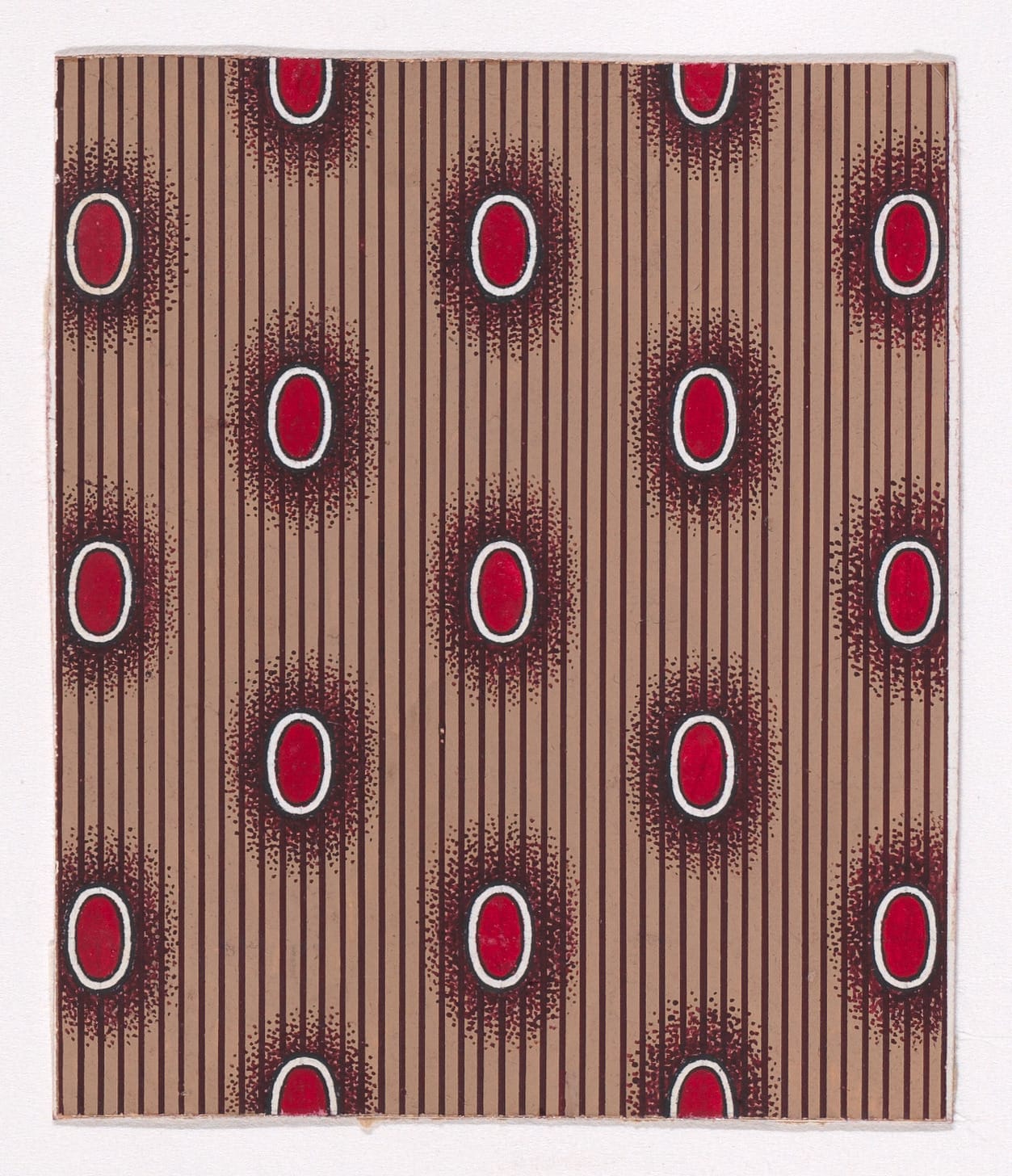
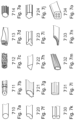
Anonymous textile prototypes, Mulhouse, Alsace, c.1840. Rectilinear design sheets generated within the industrial print studios of the Haut-Rhin. Each document encodes surface strategies for mass deployment—pearl rows, abstract chromatic fields, simulated resist-dye grounds. Executed as precision studies for repeat application, they reflect Mulhouse’s role as a nineteenth-century vector hub of textile innovation and print chemistry.
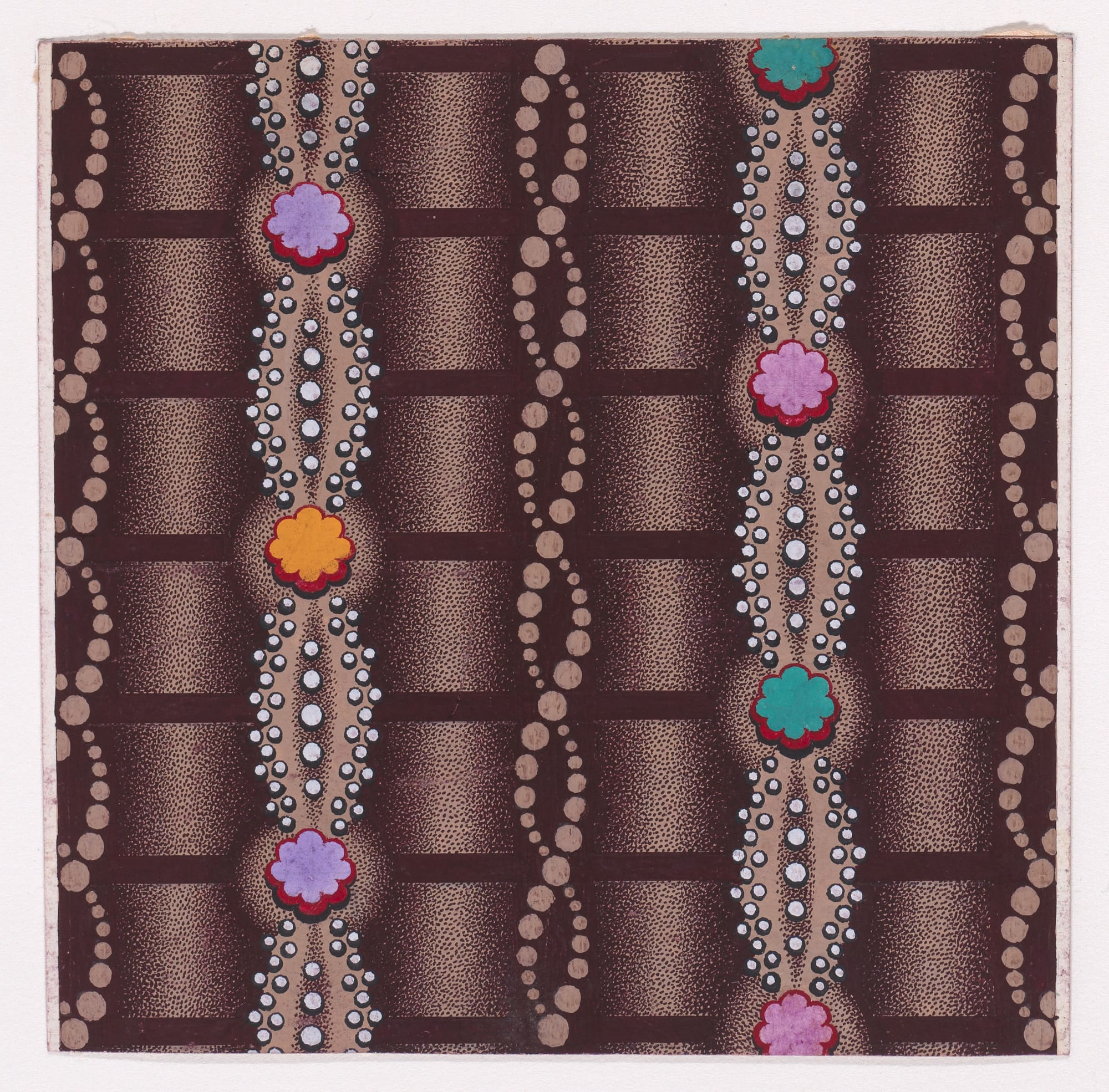
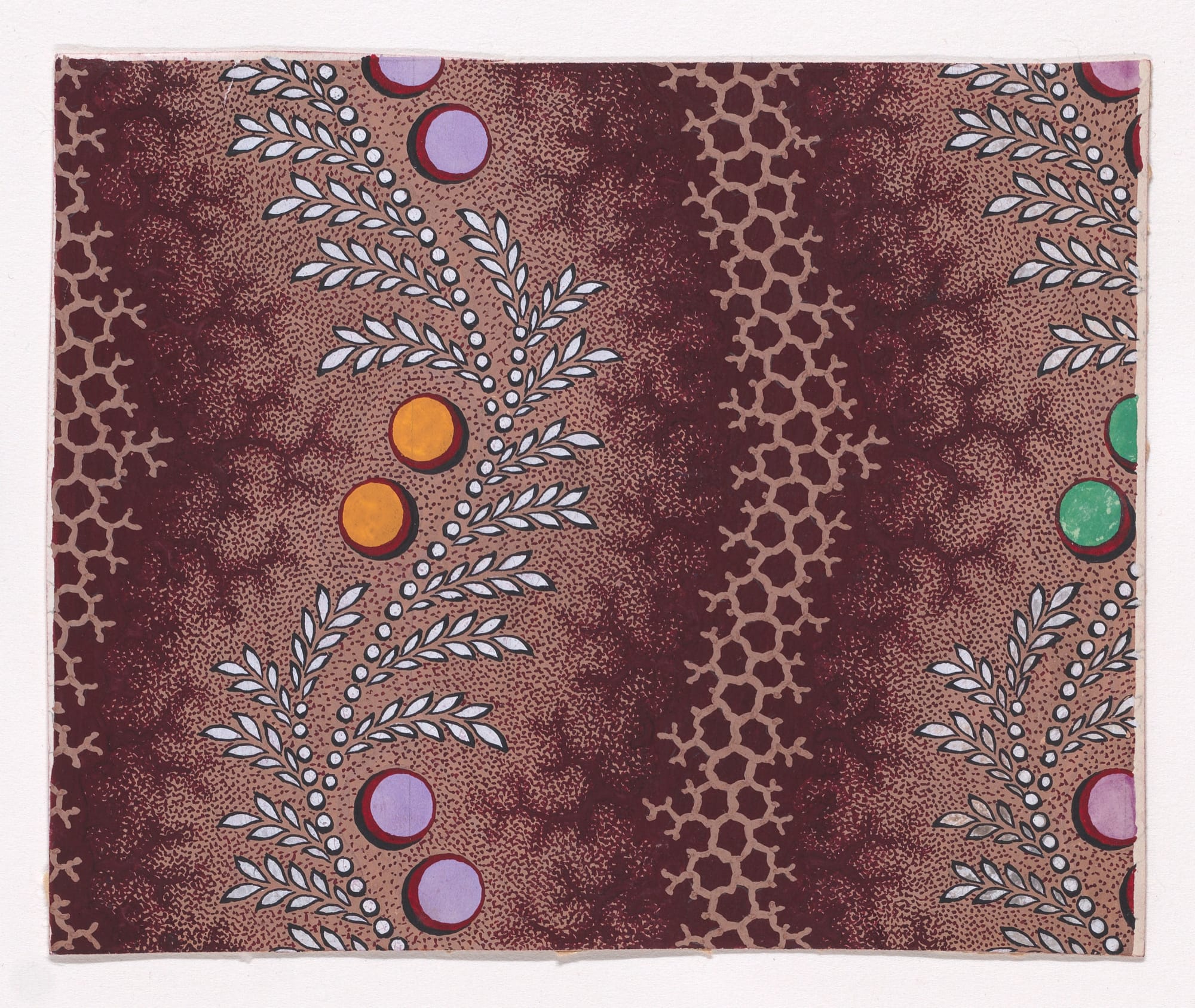
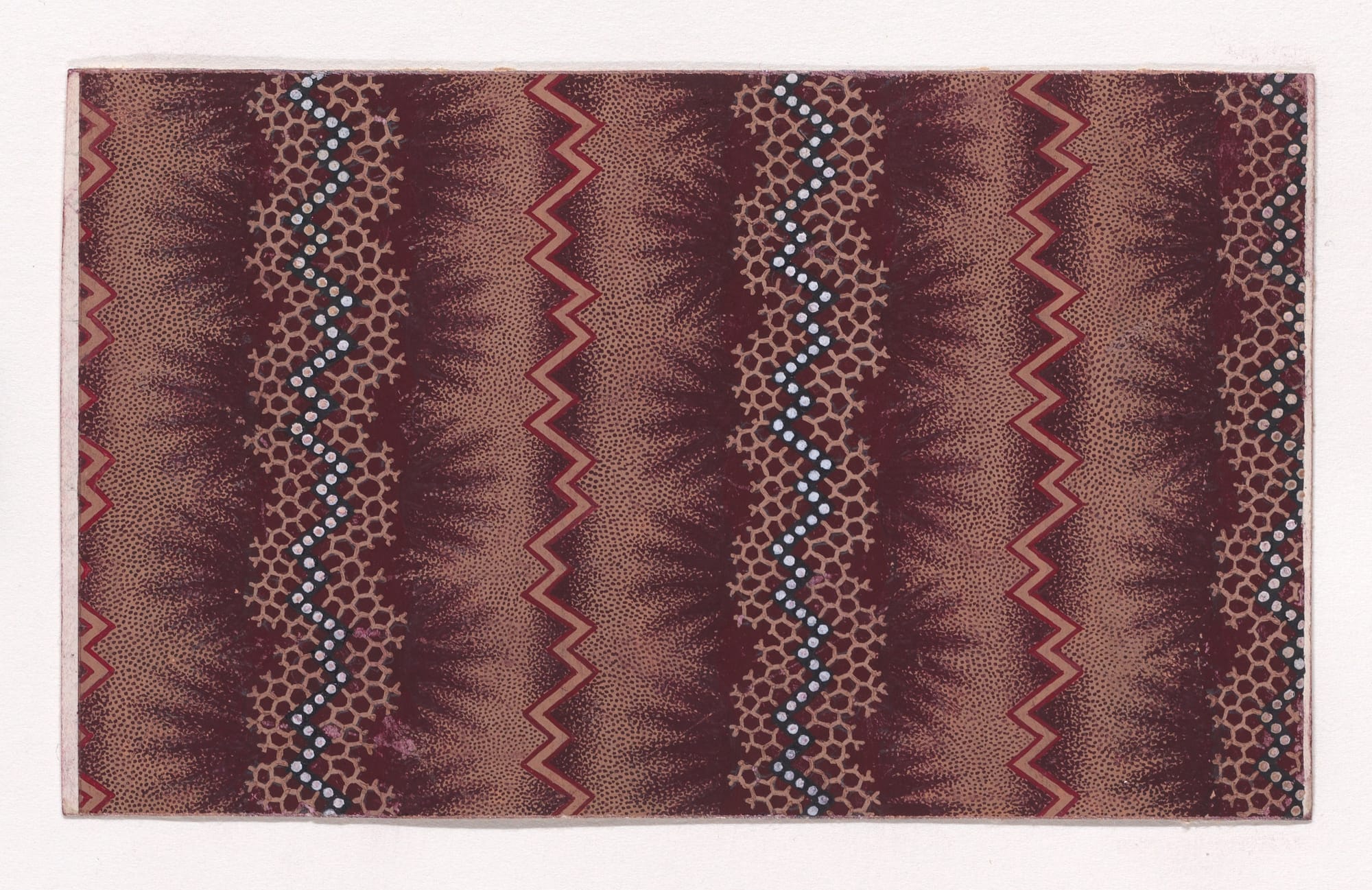
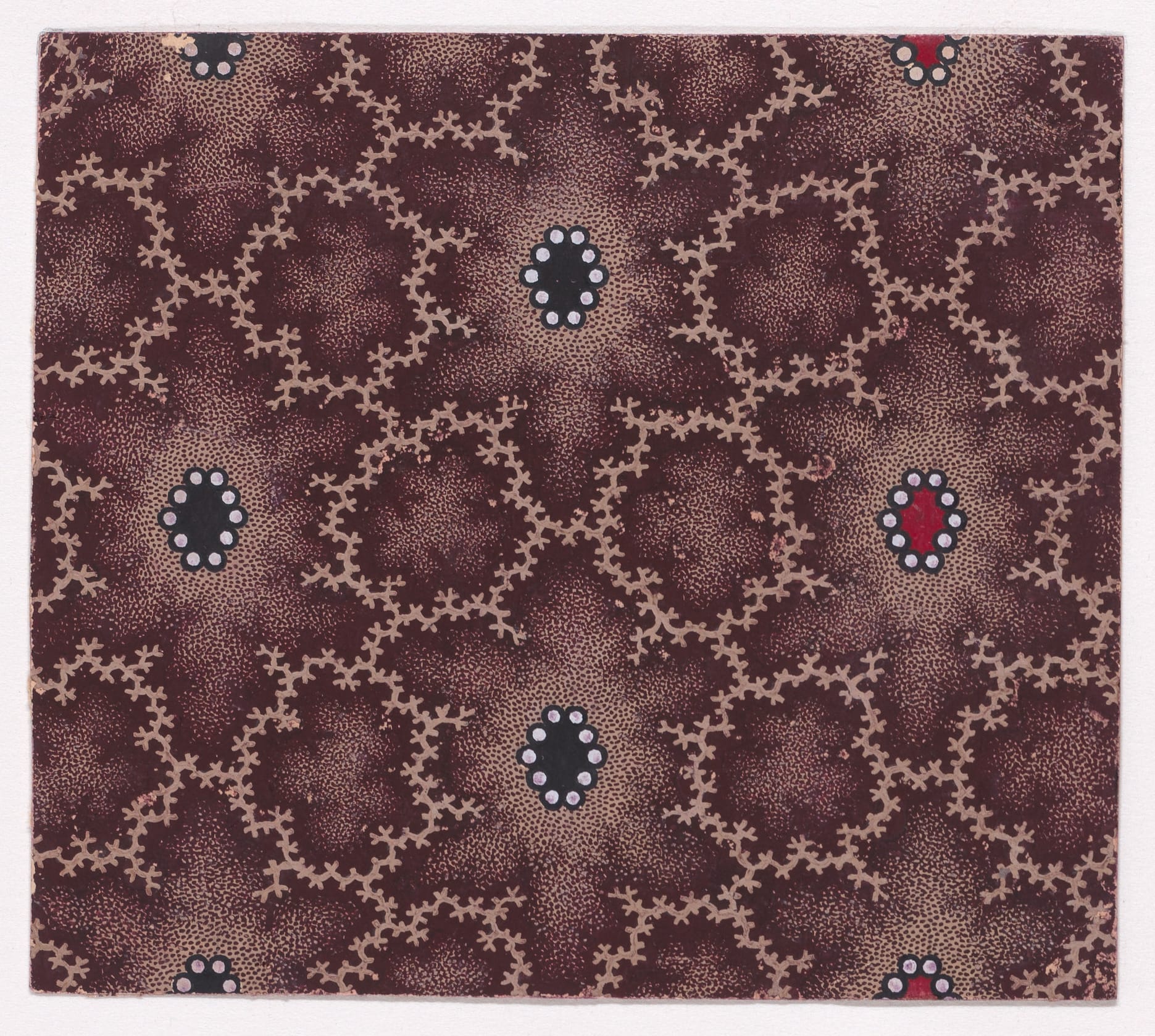
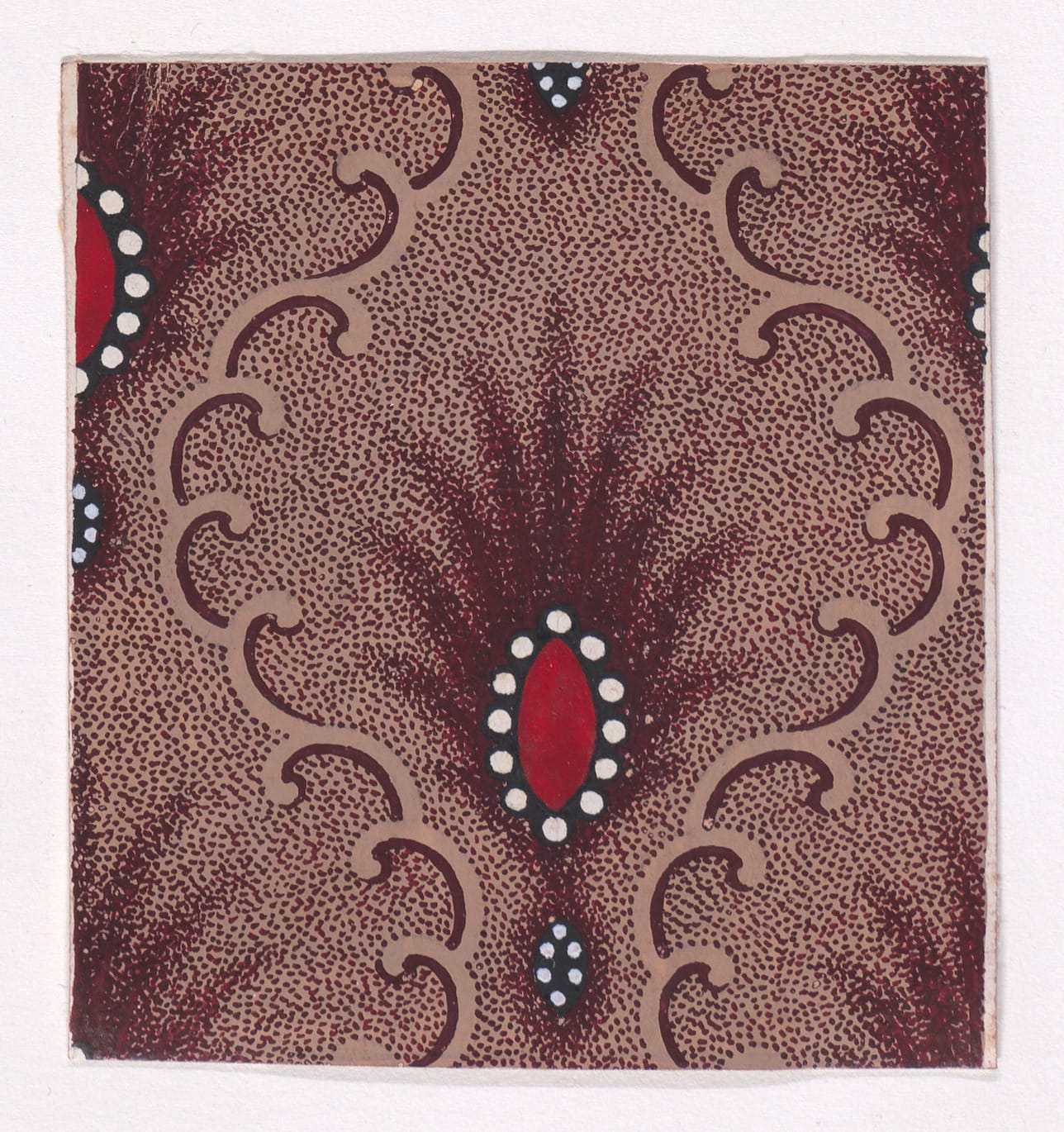
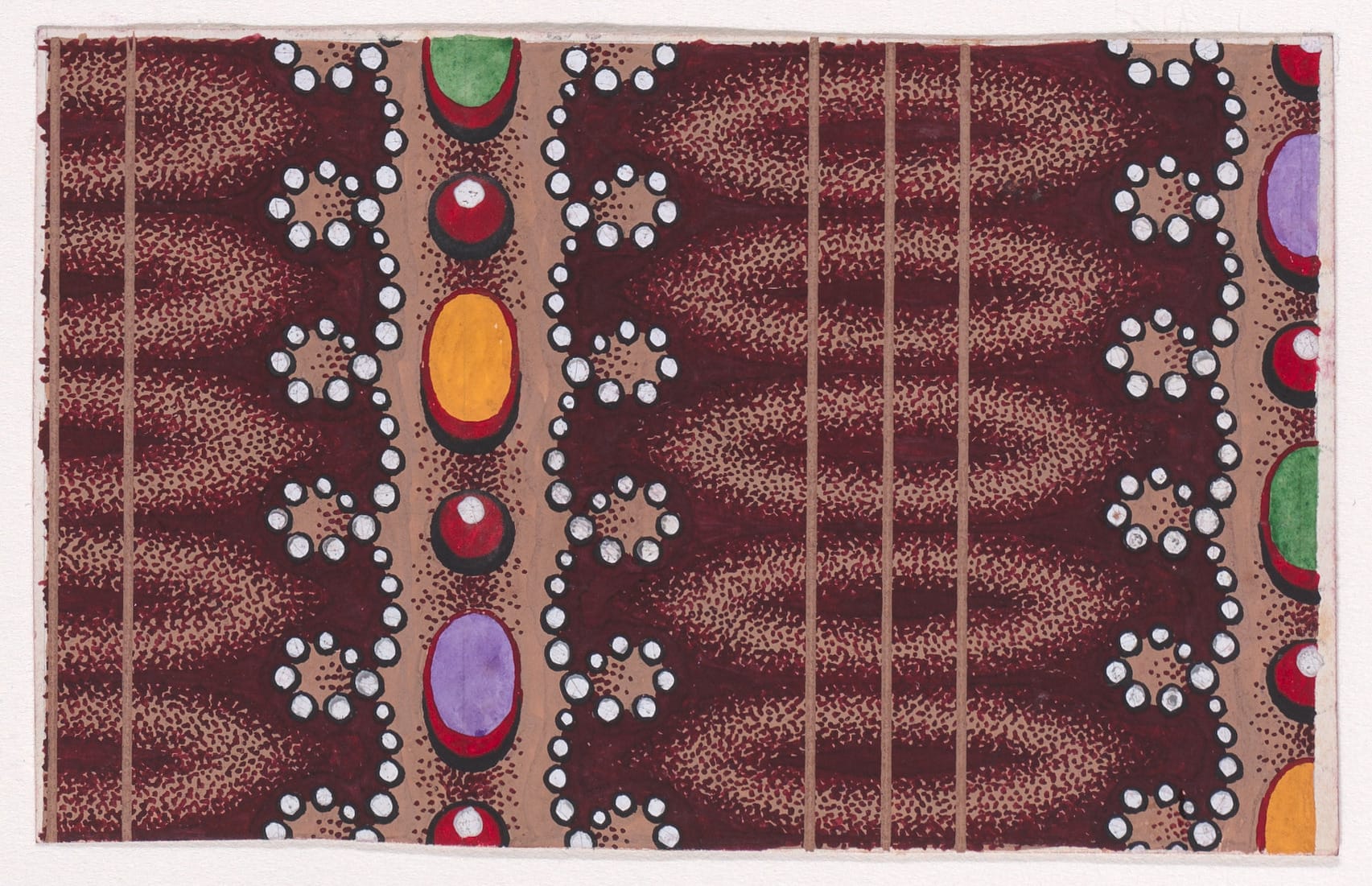
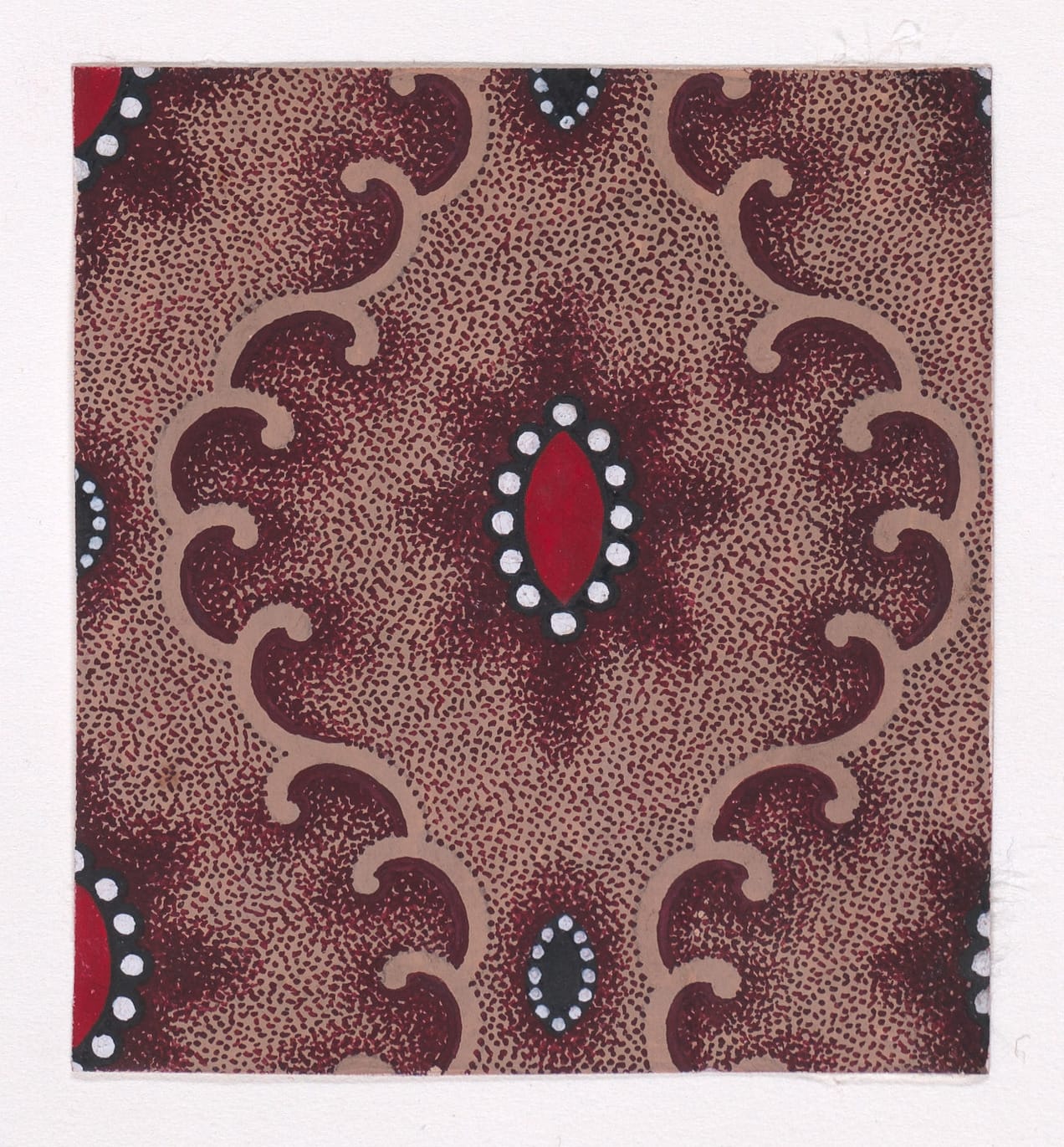
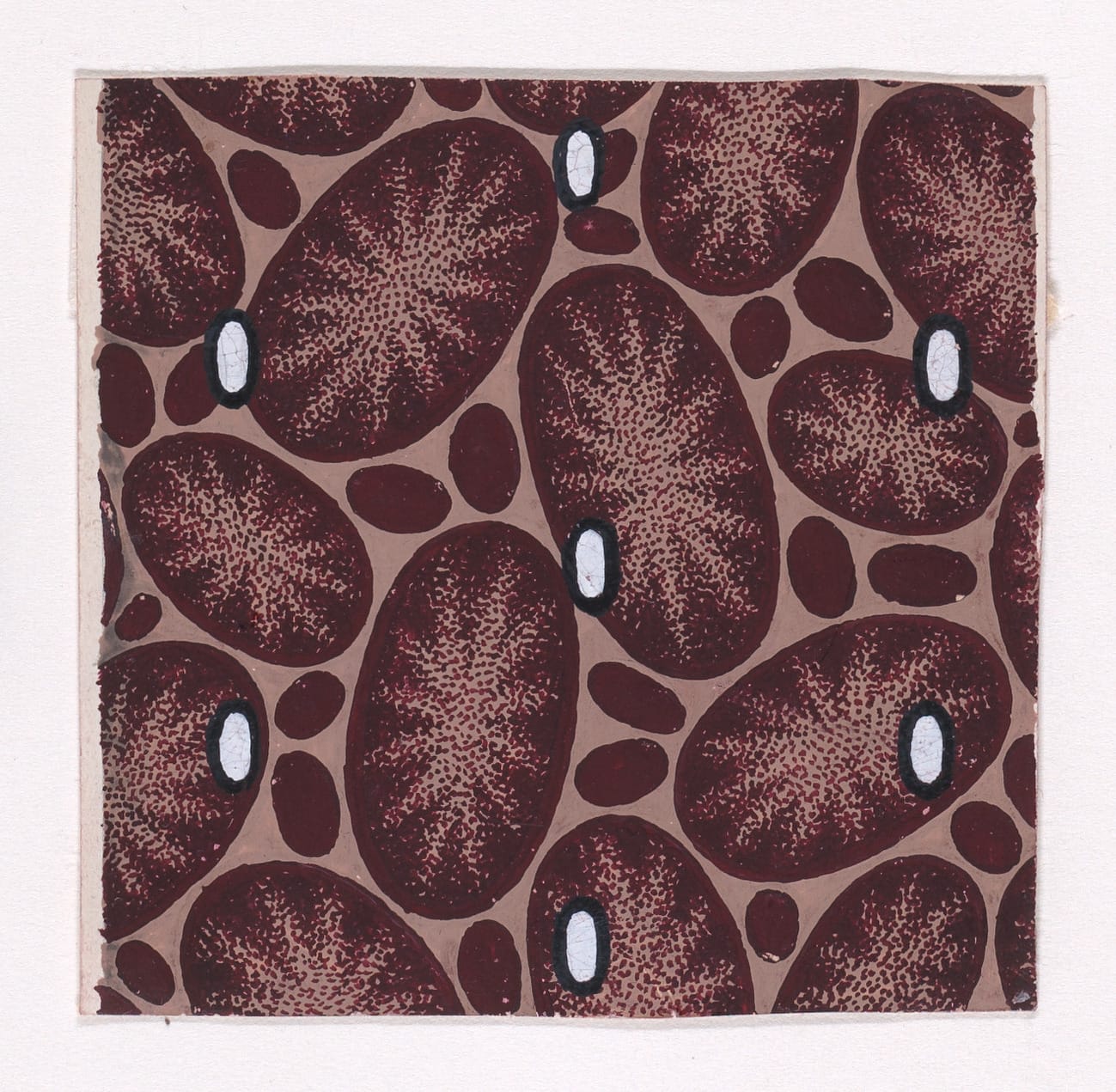

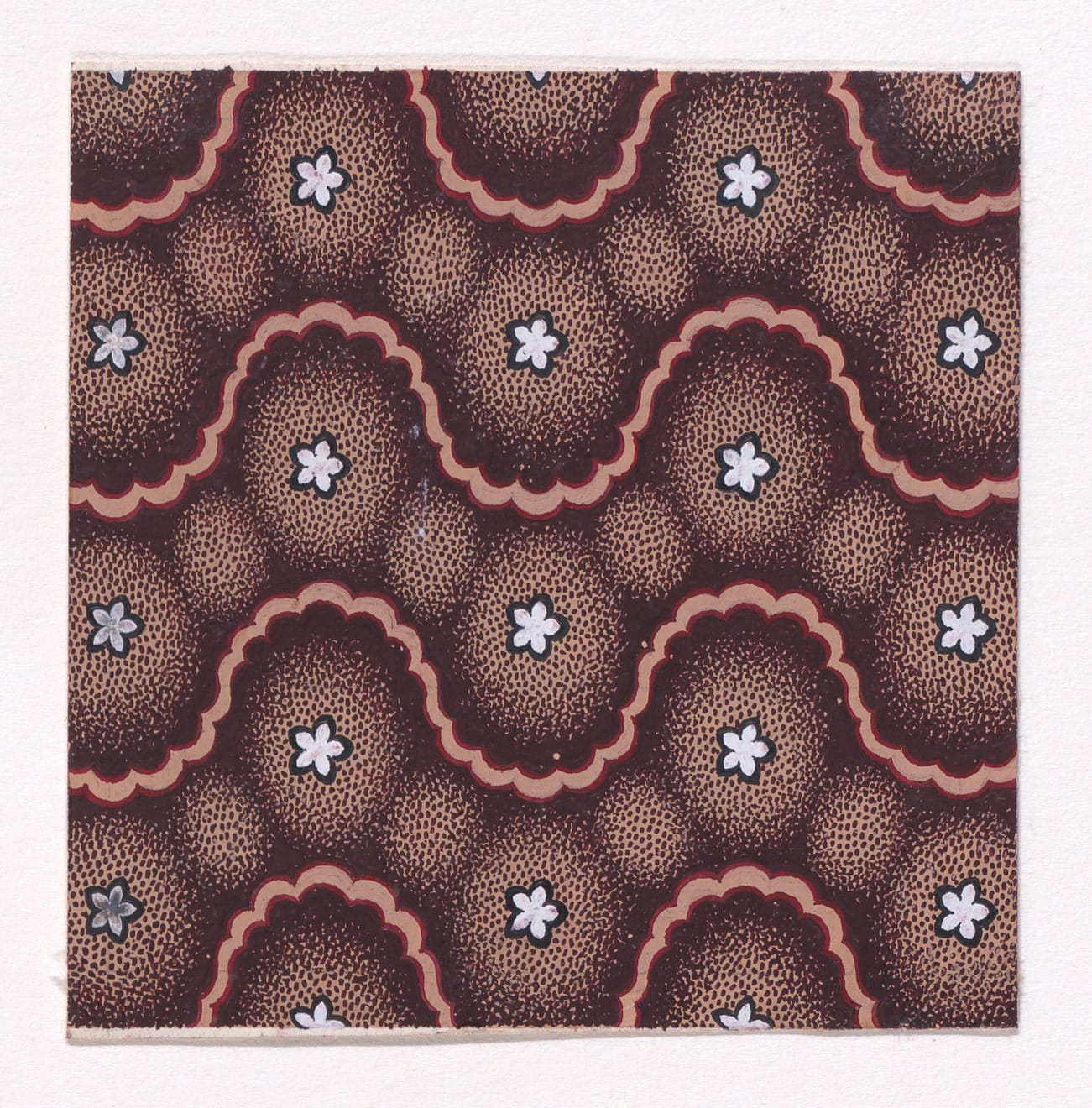

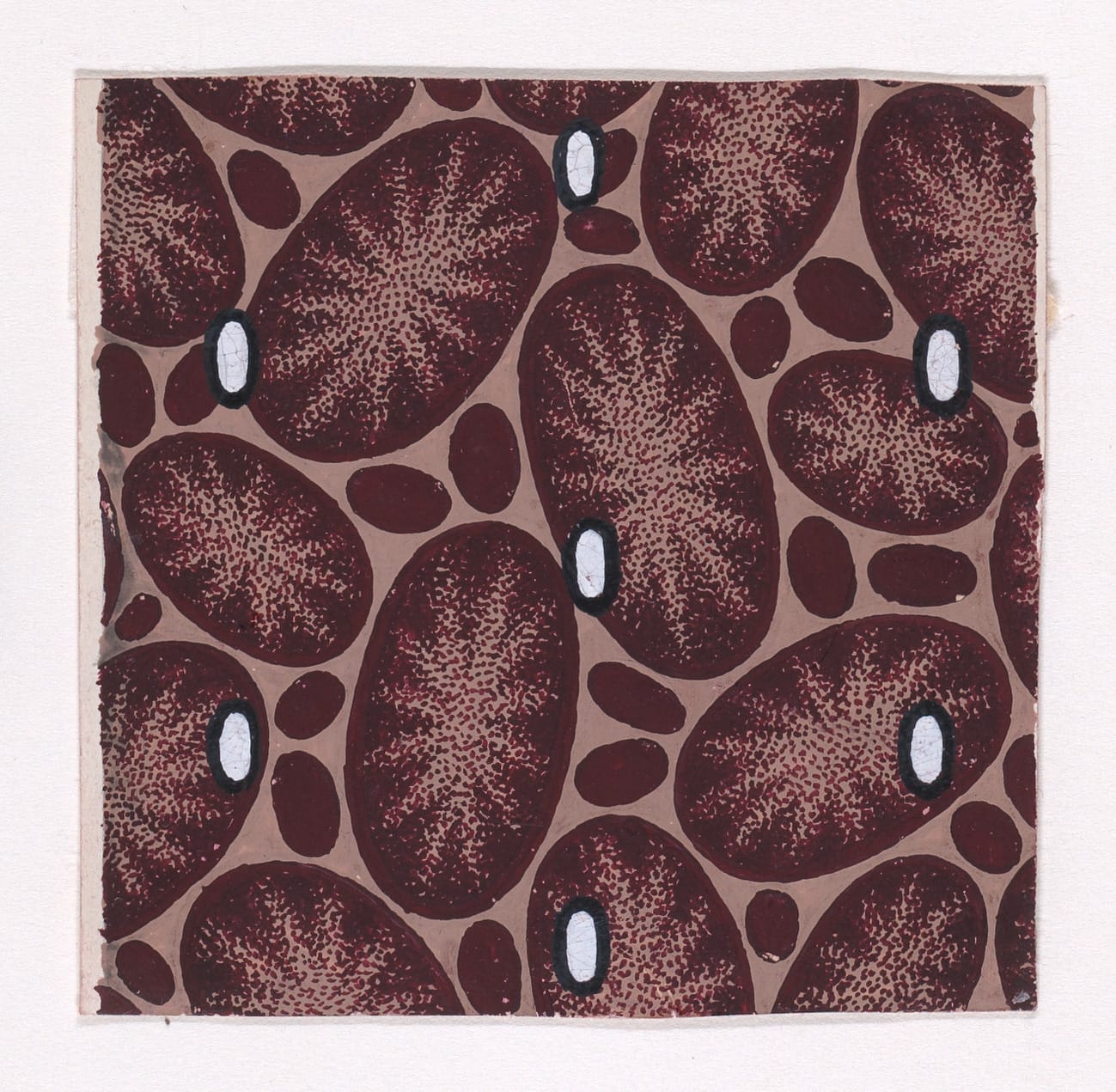


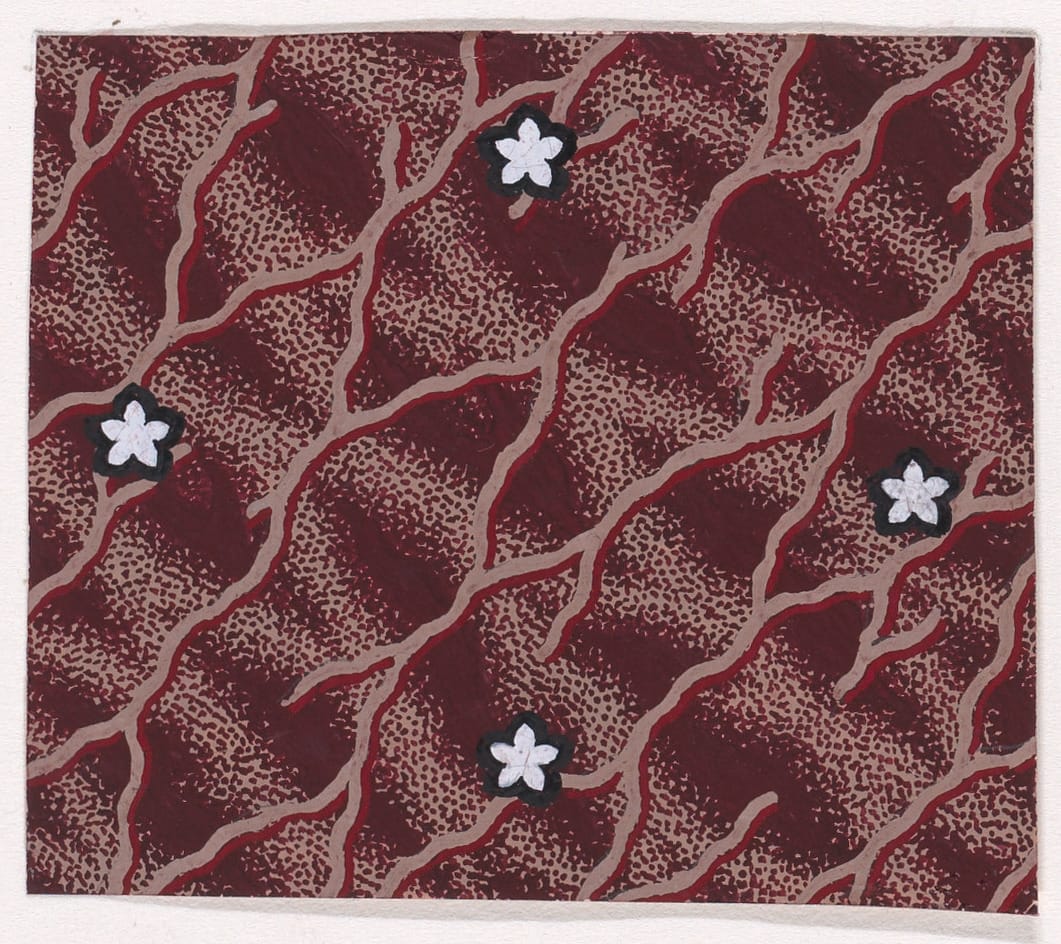
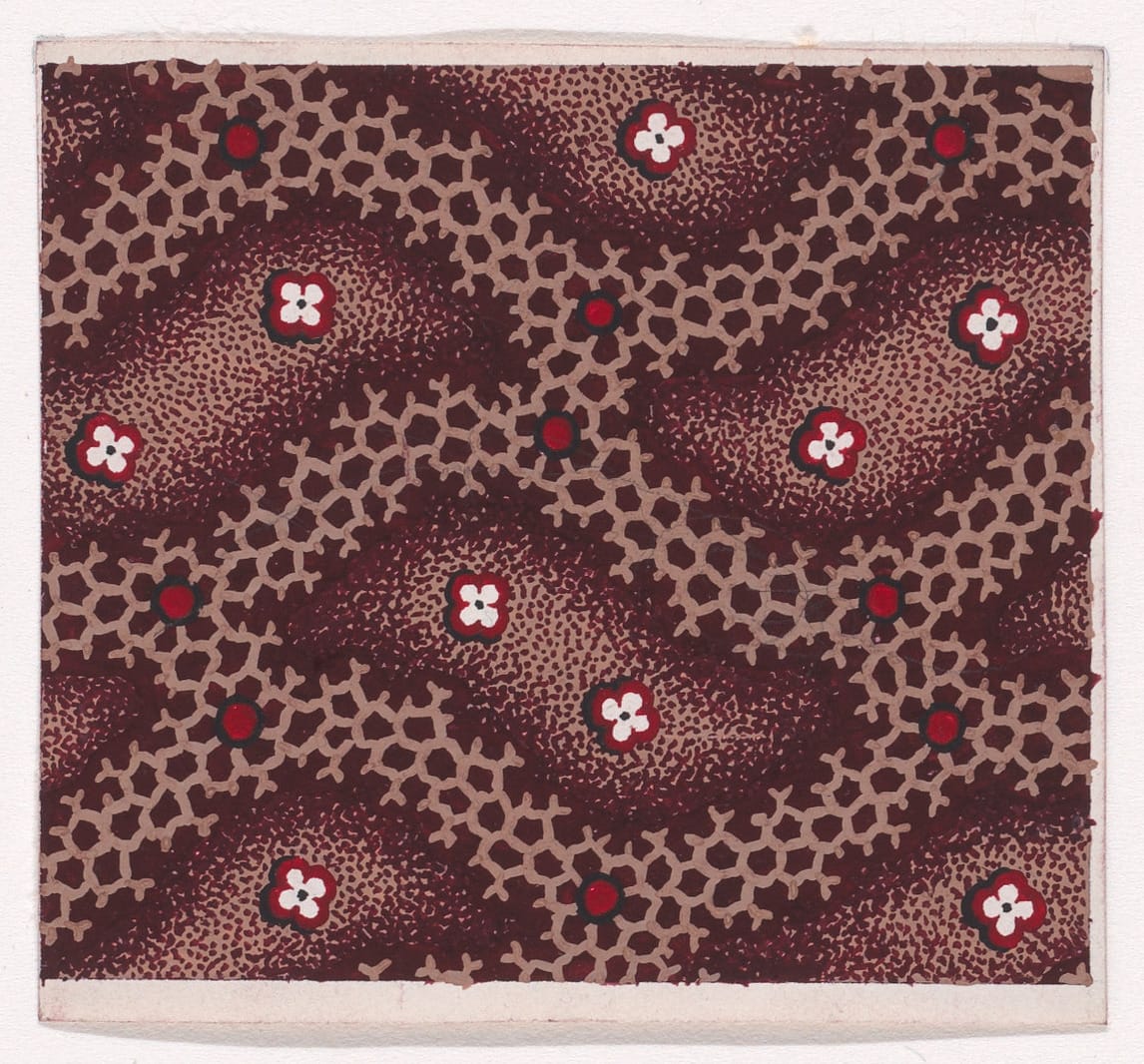
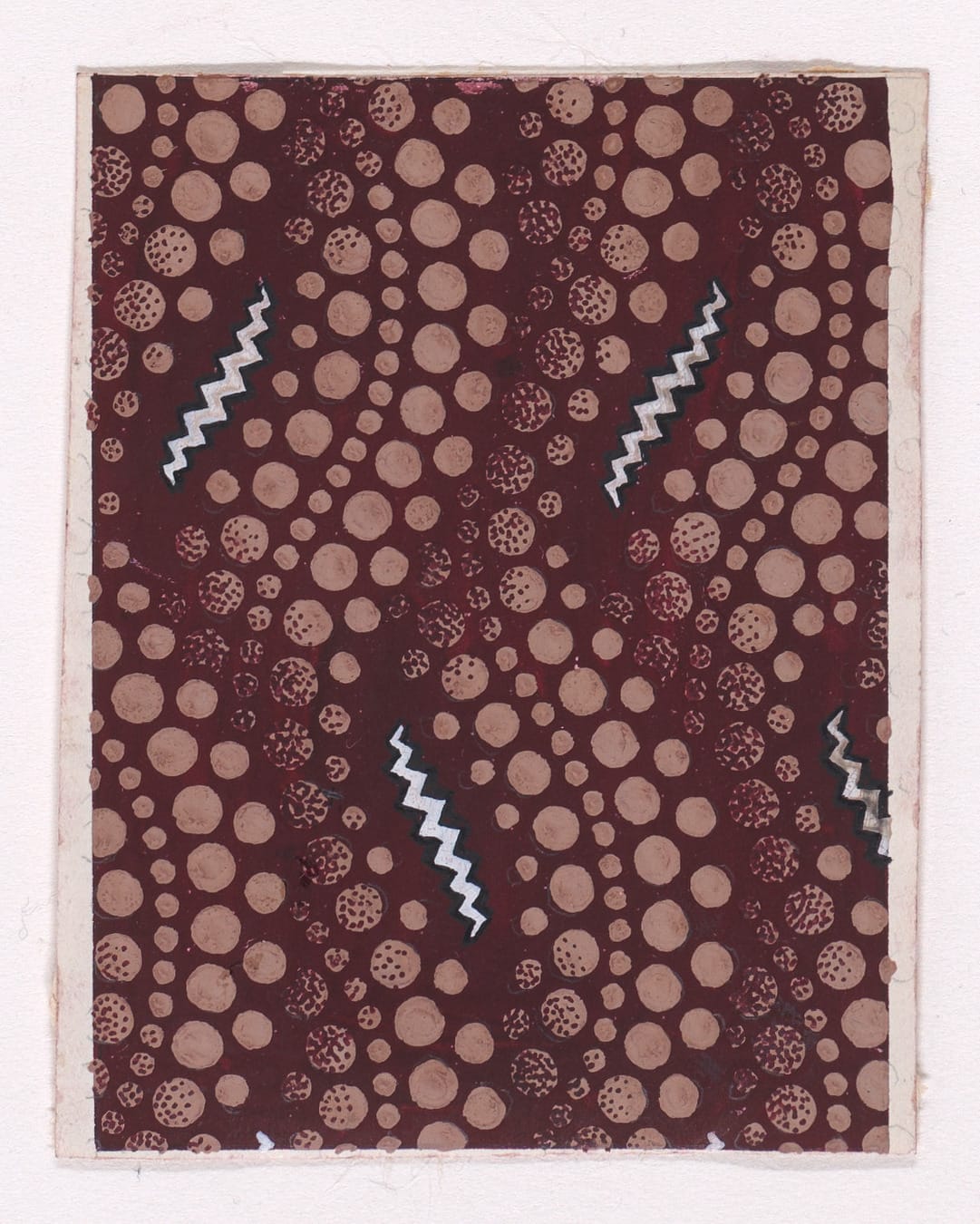
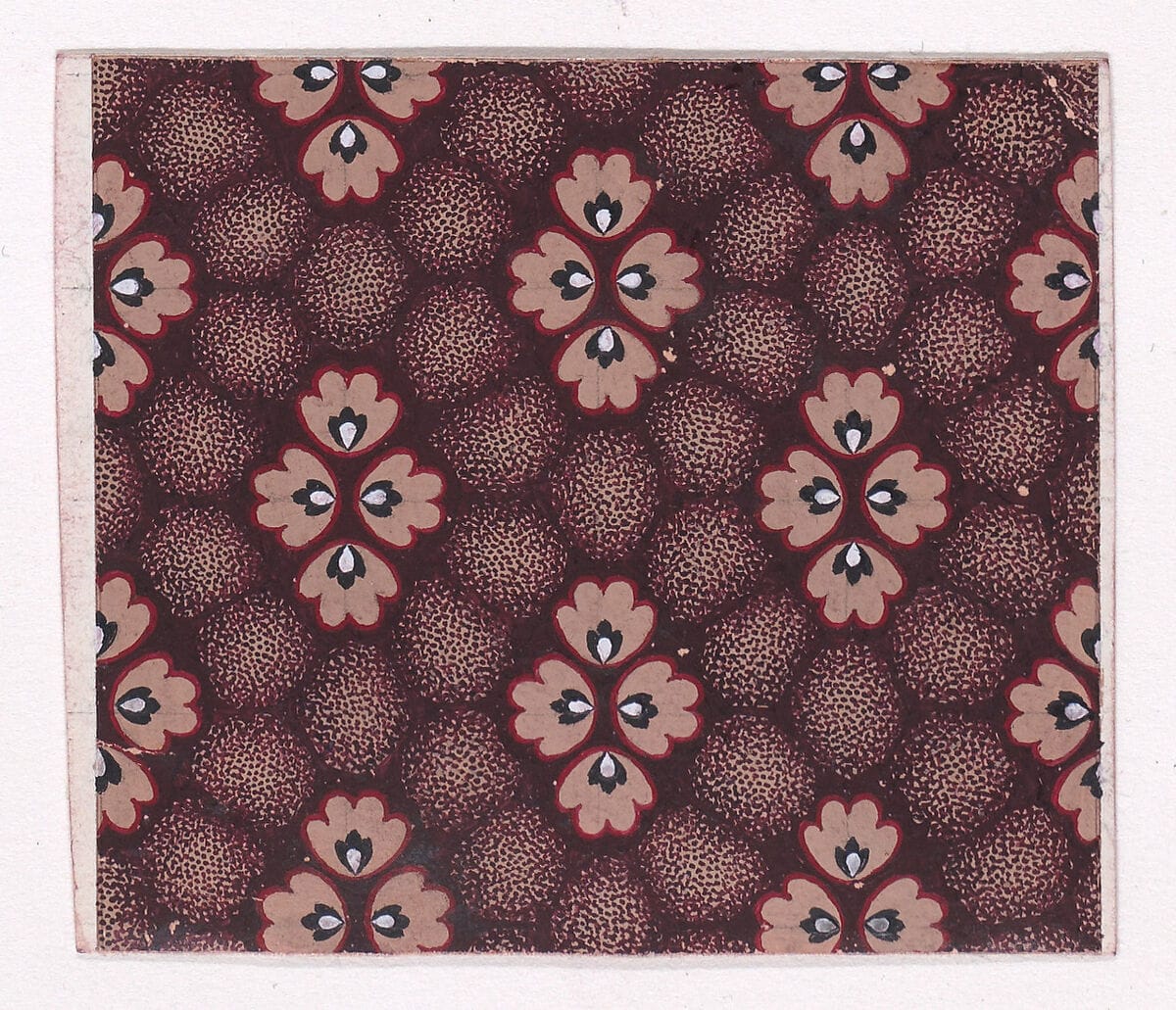
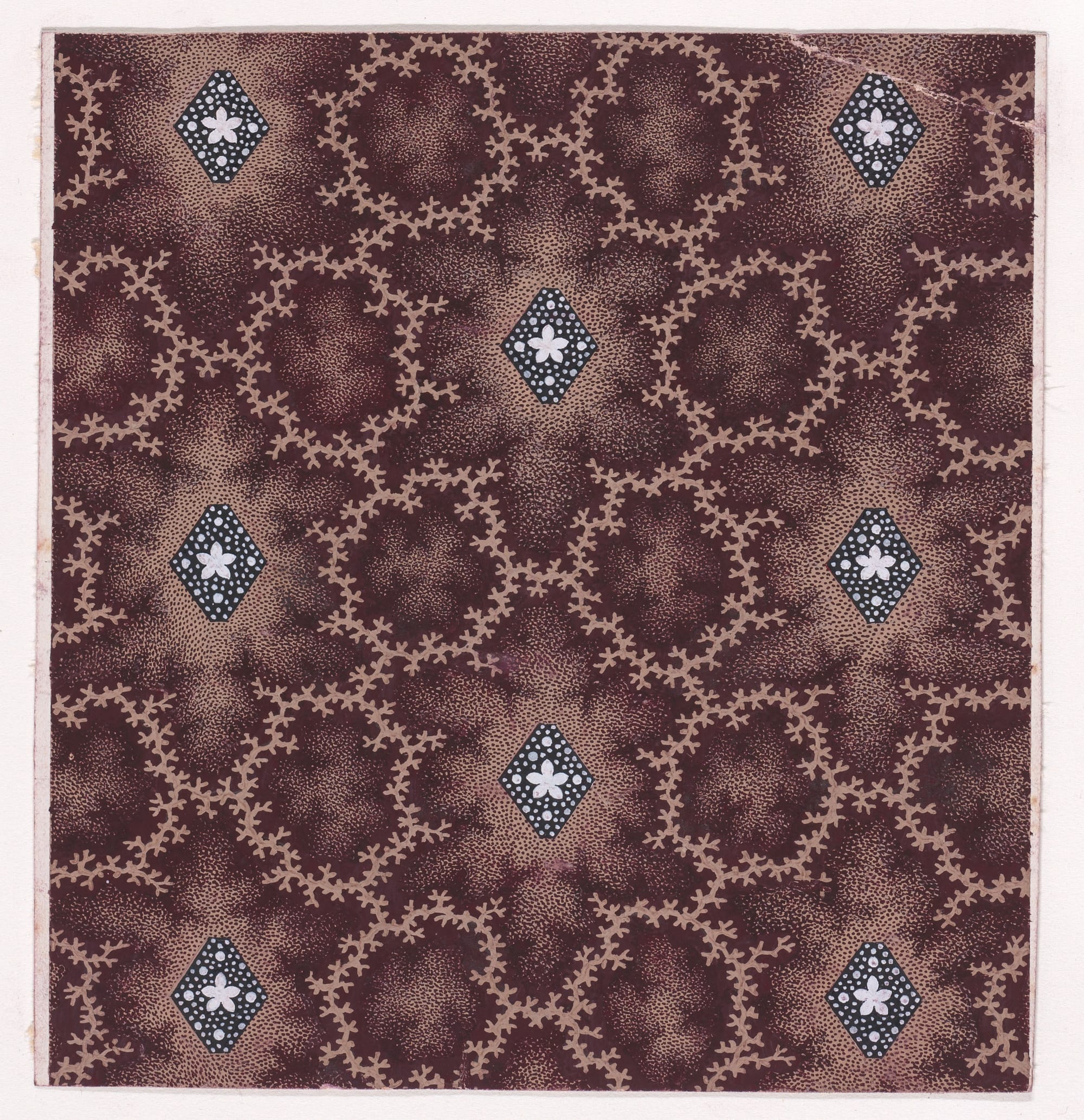
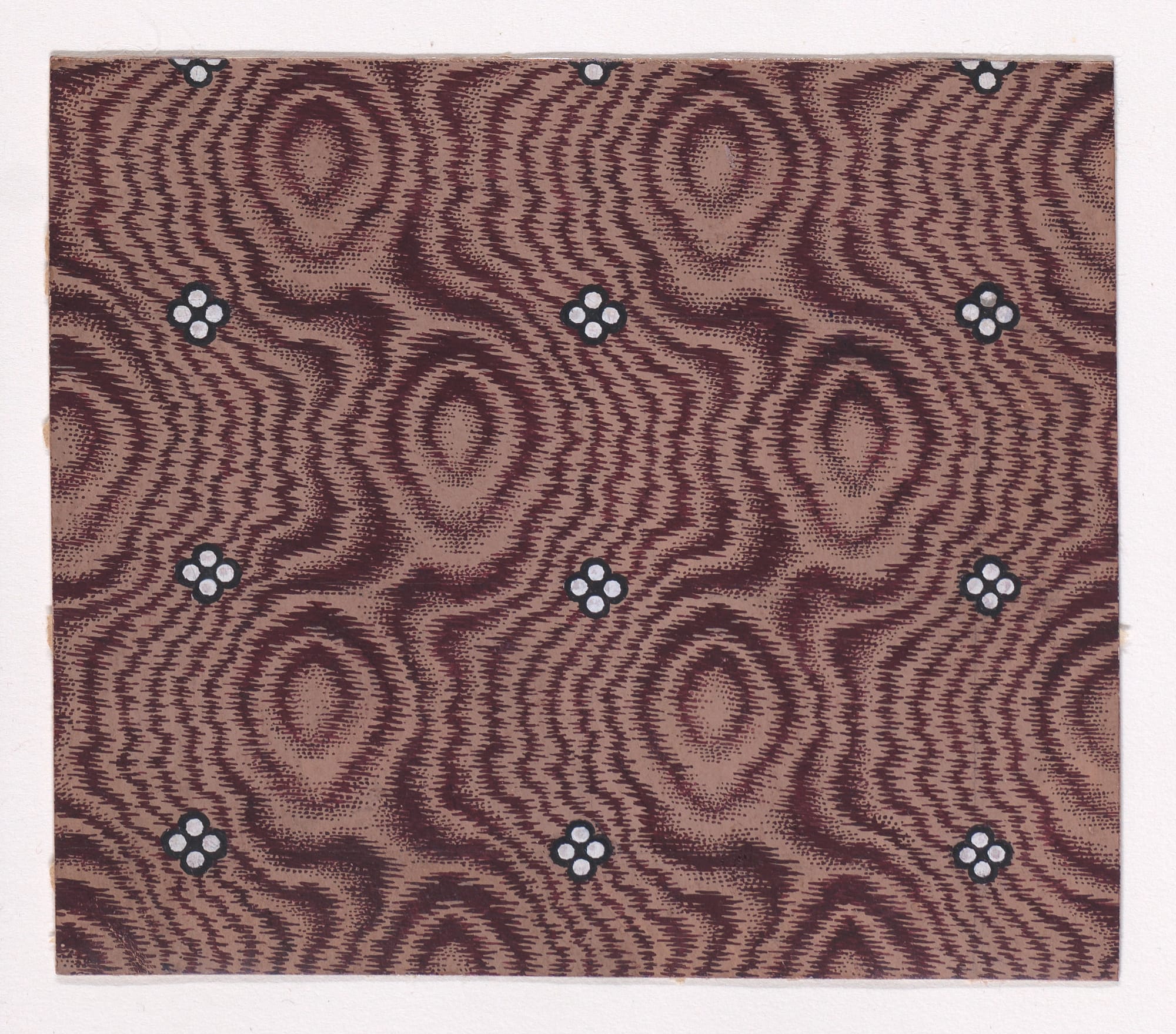
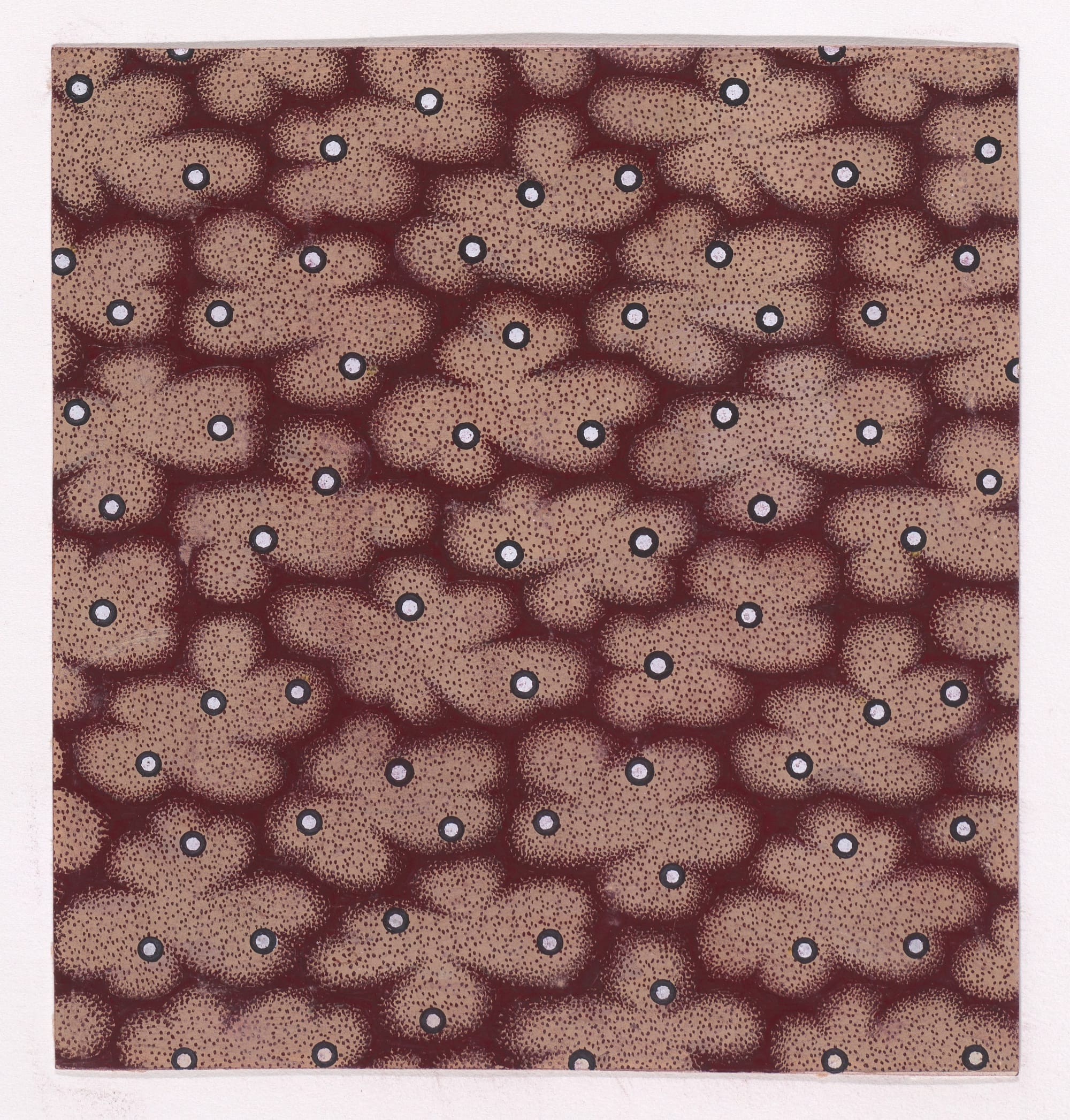
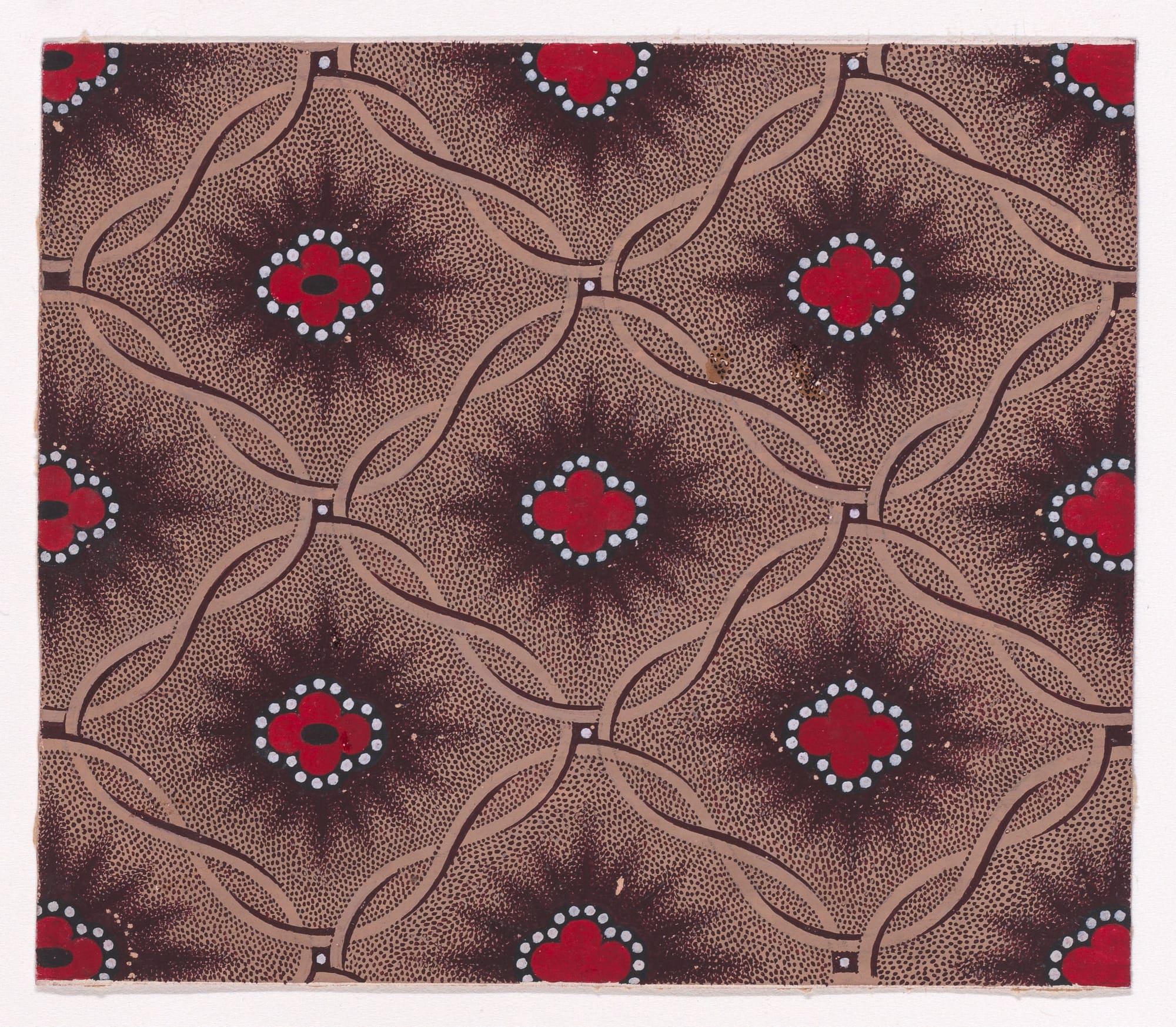
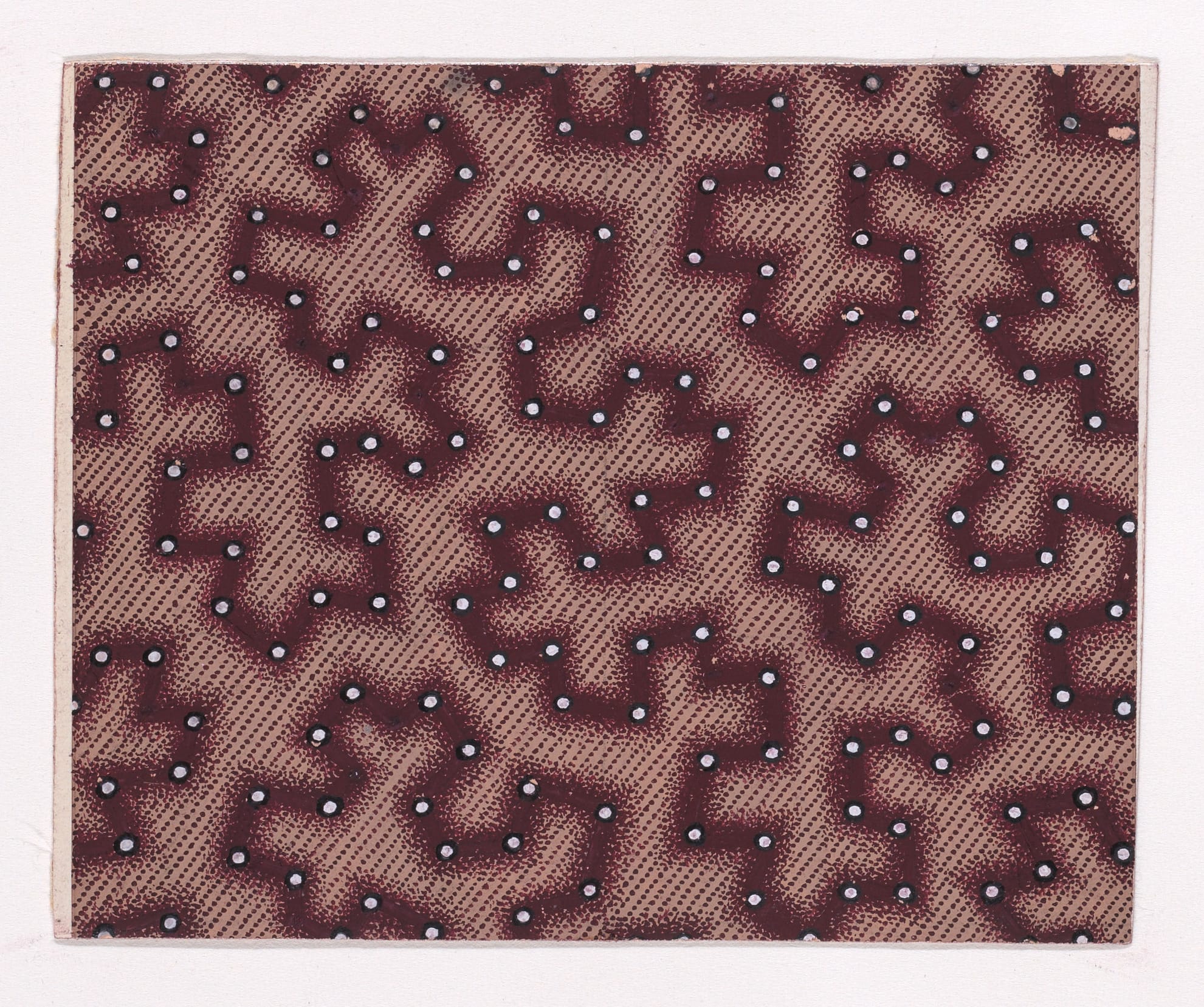
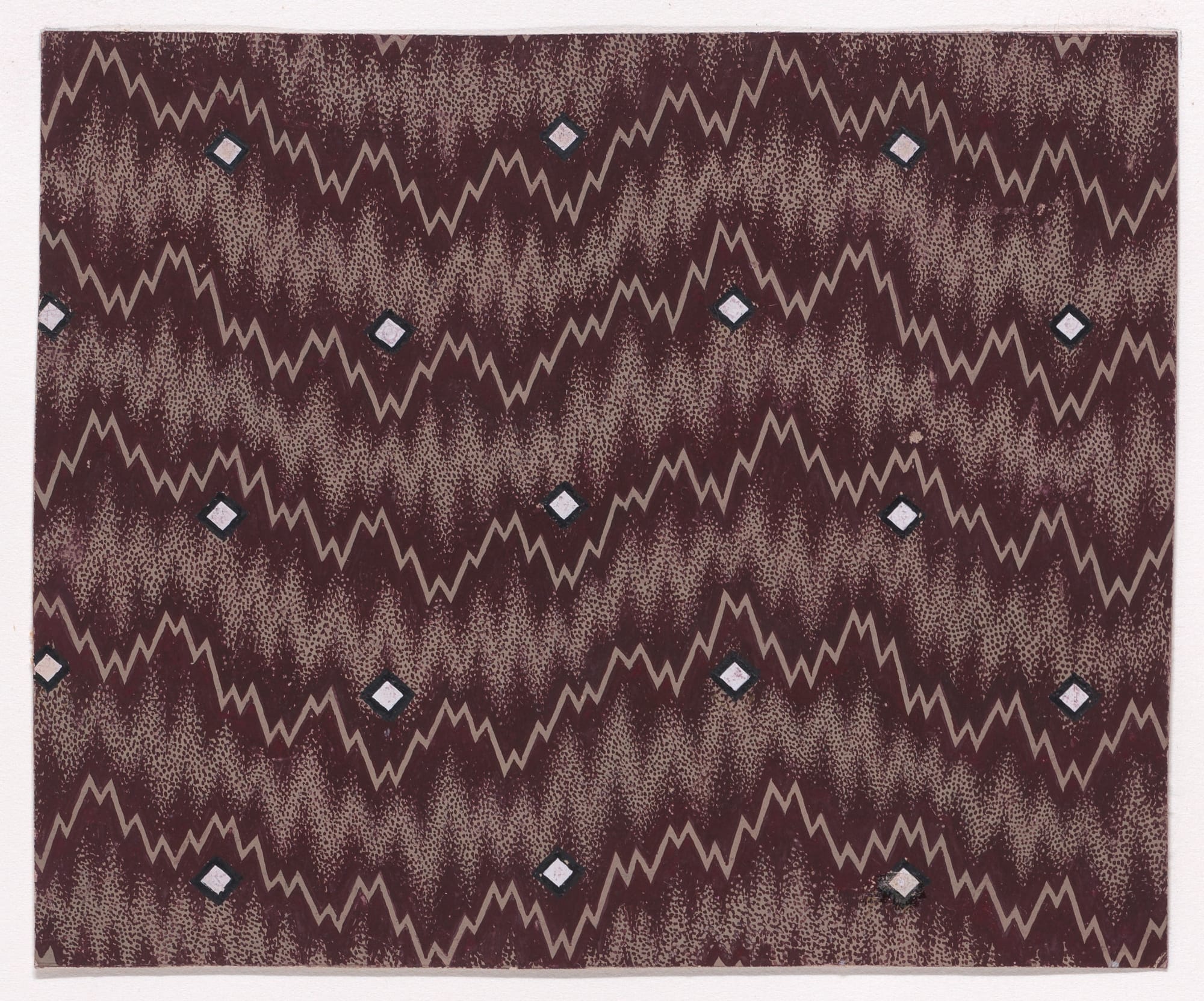
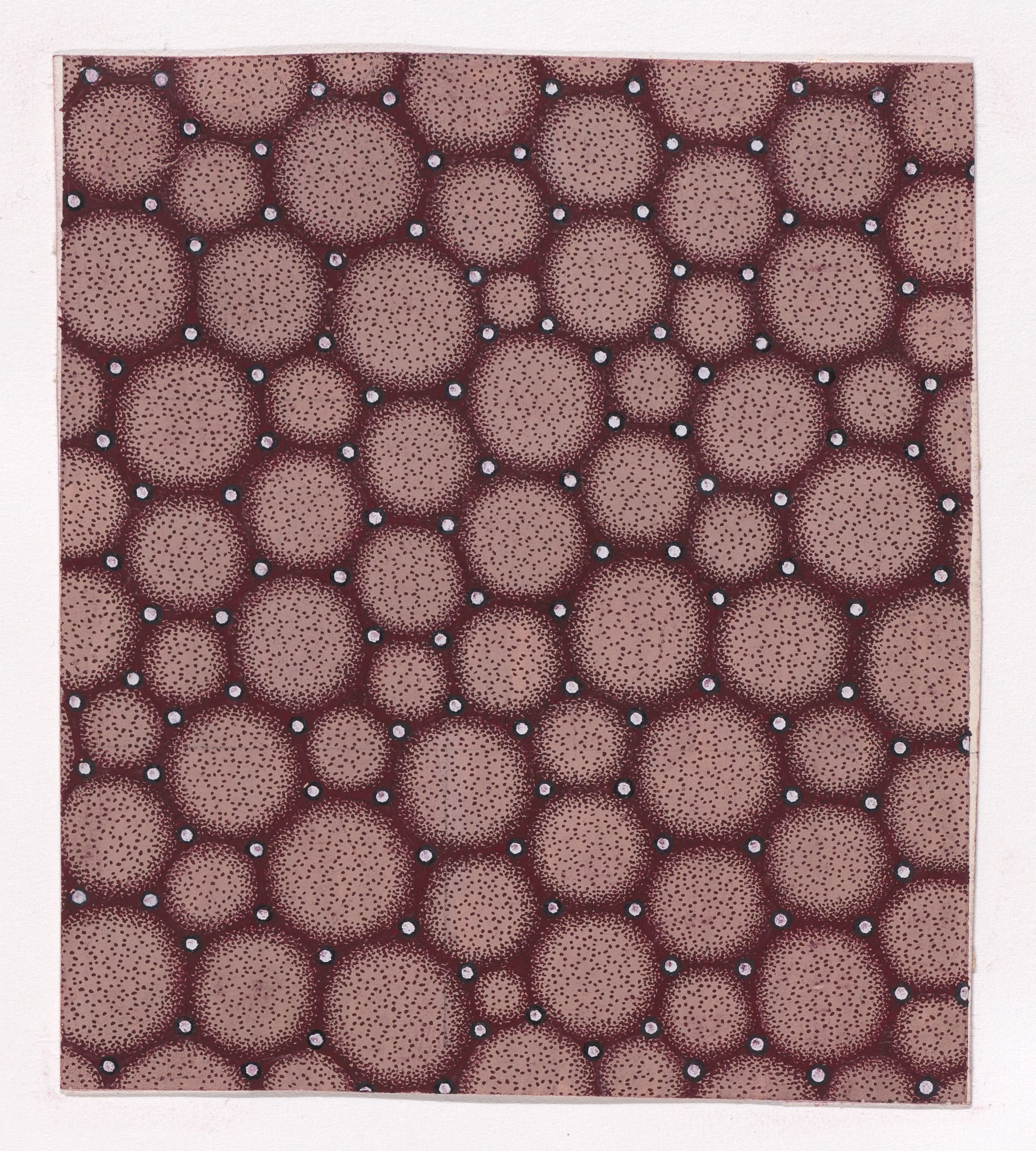
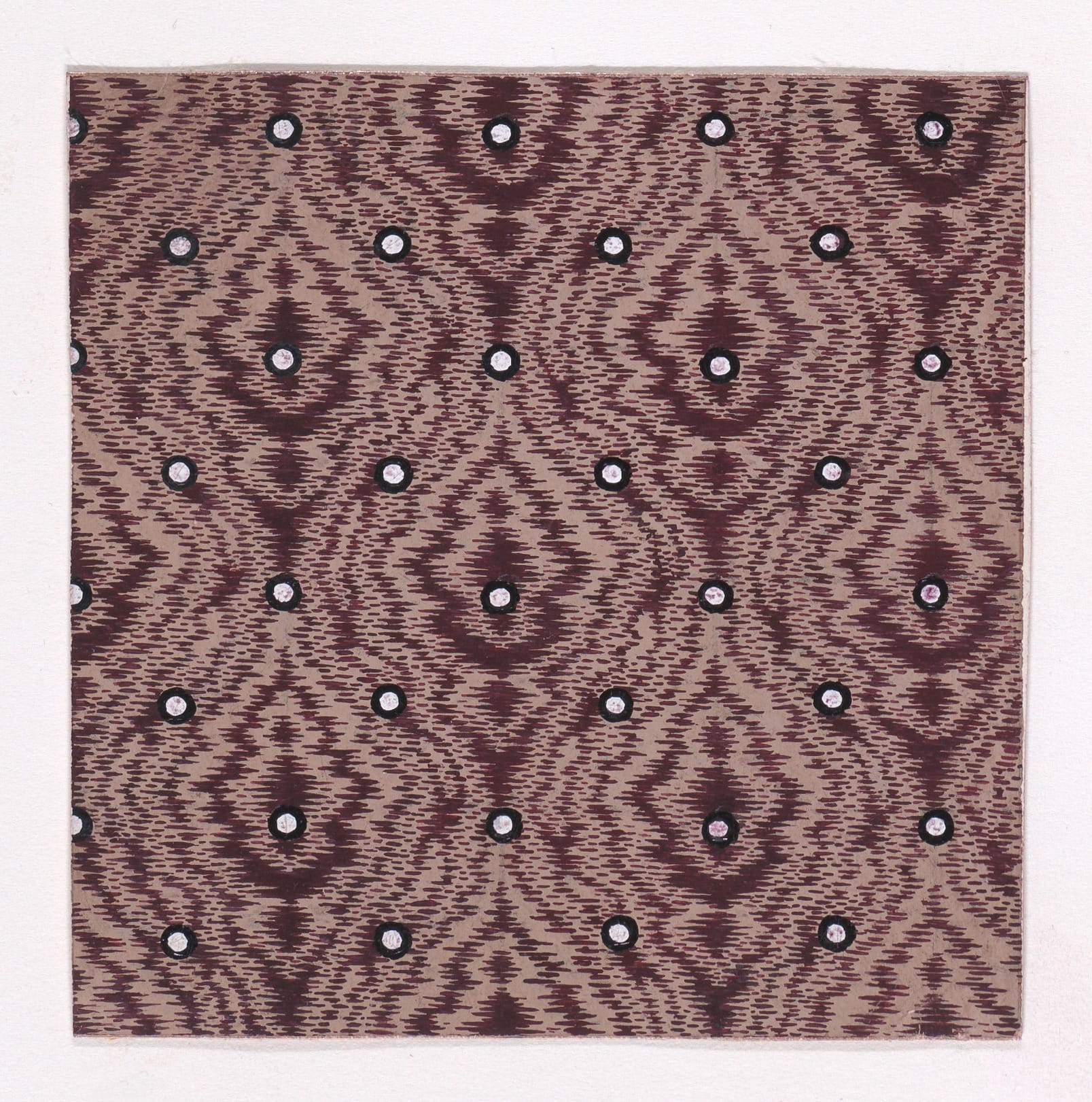

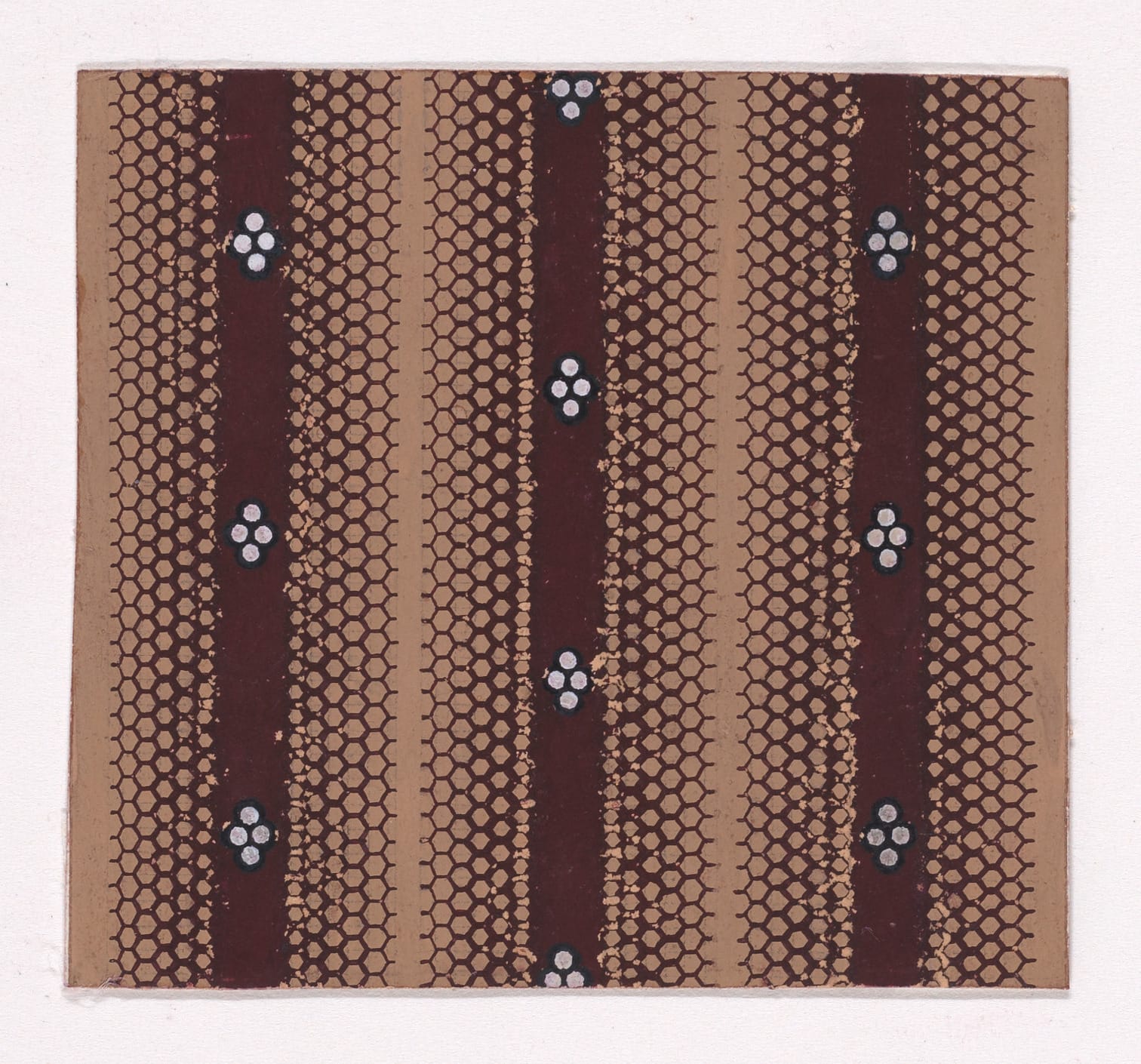
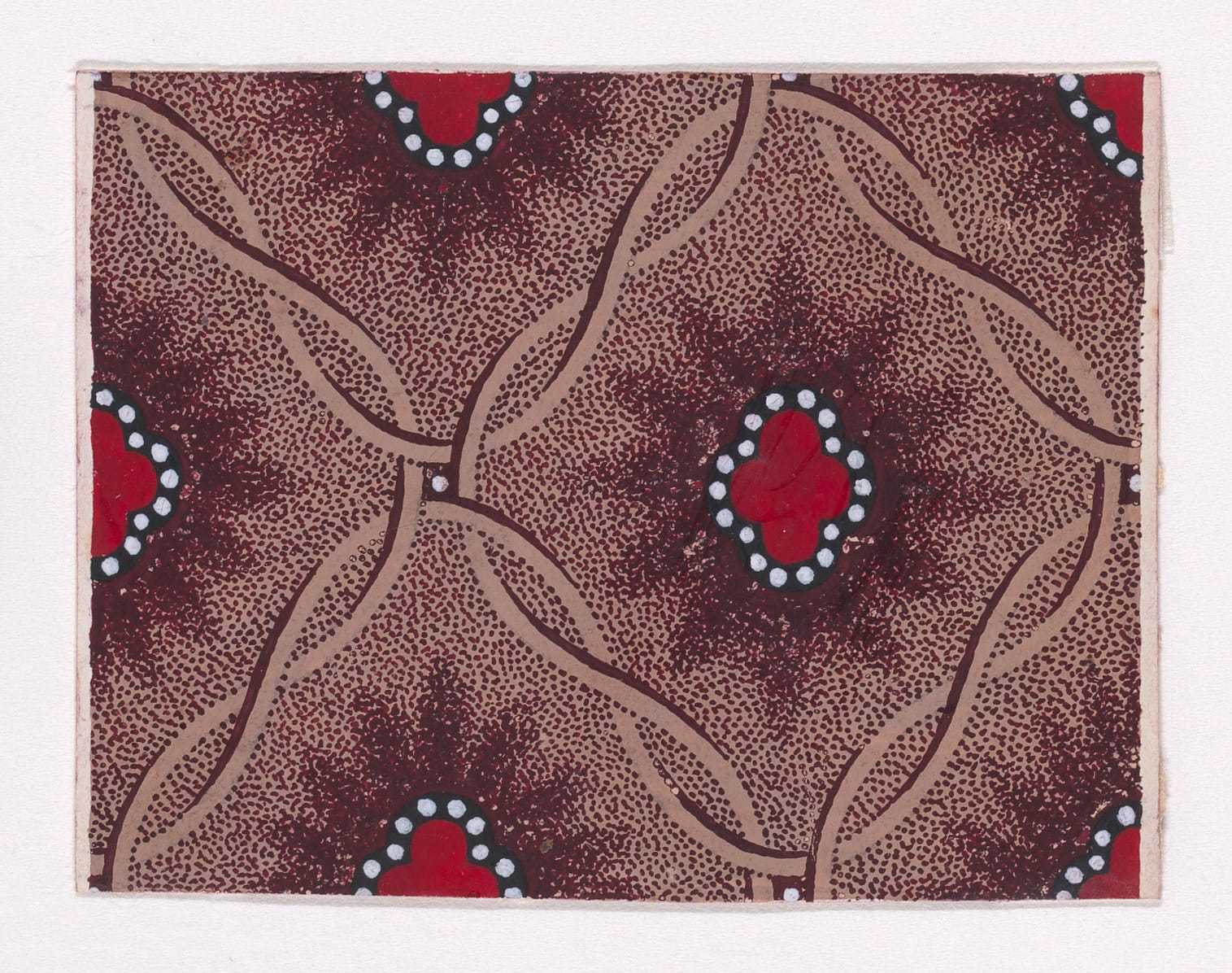
April 2024, FRIEZE No. 9 Cork Street Gallery, London
EXHIBITION: The Mountains Between Us, FRIEZE No 9 Cork St
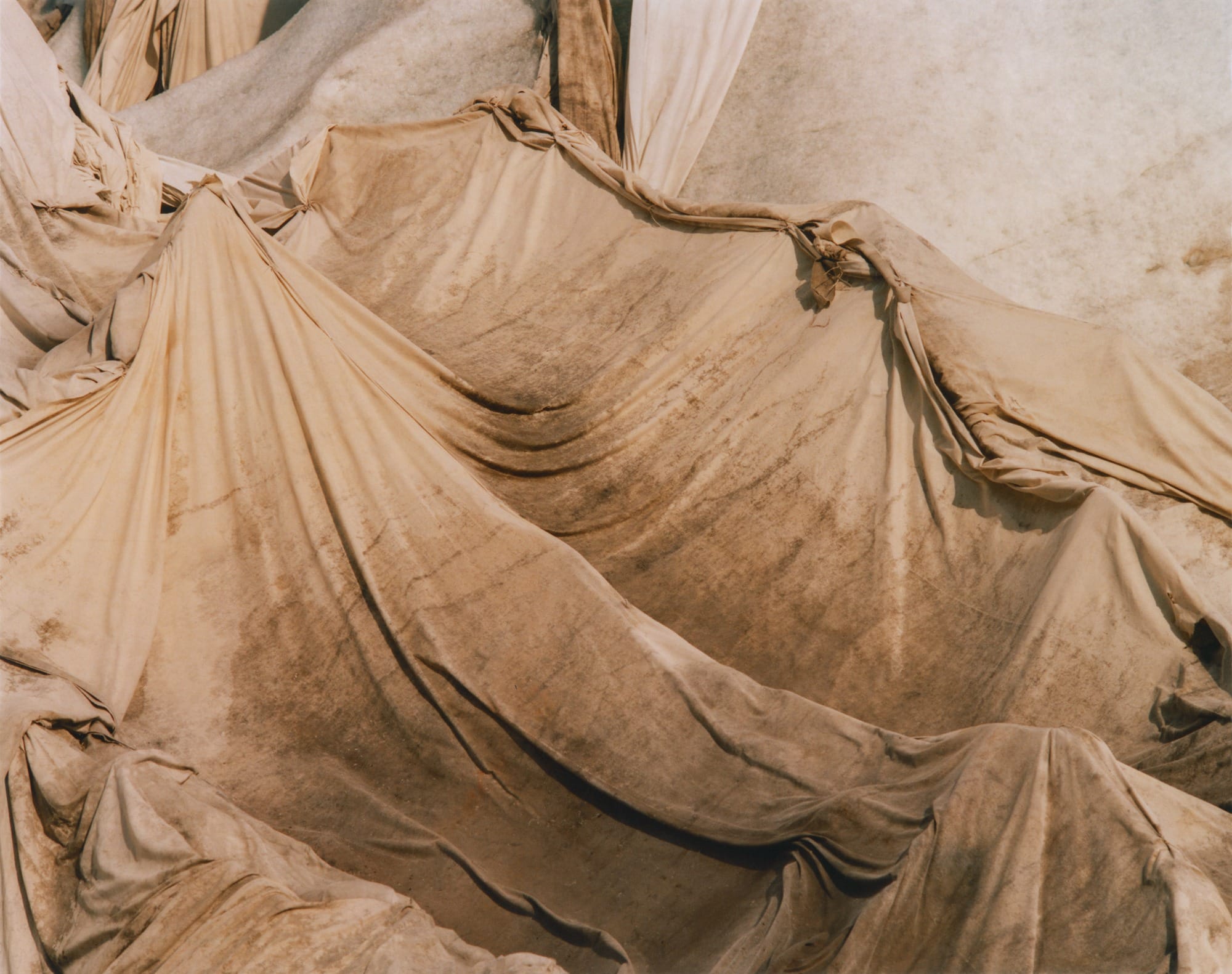
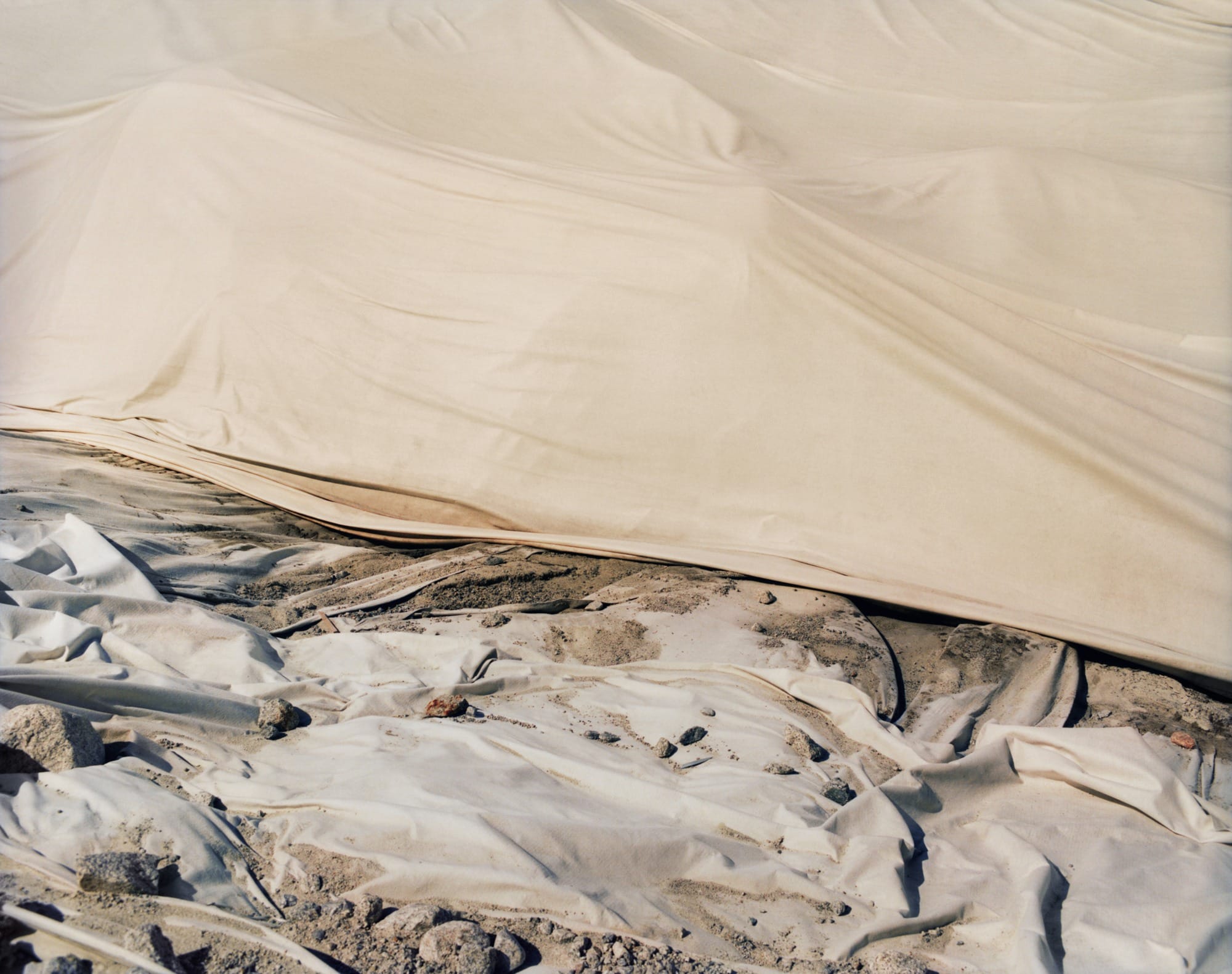
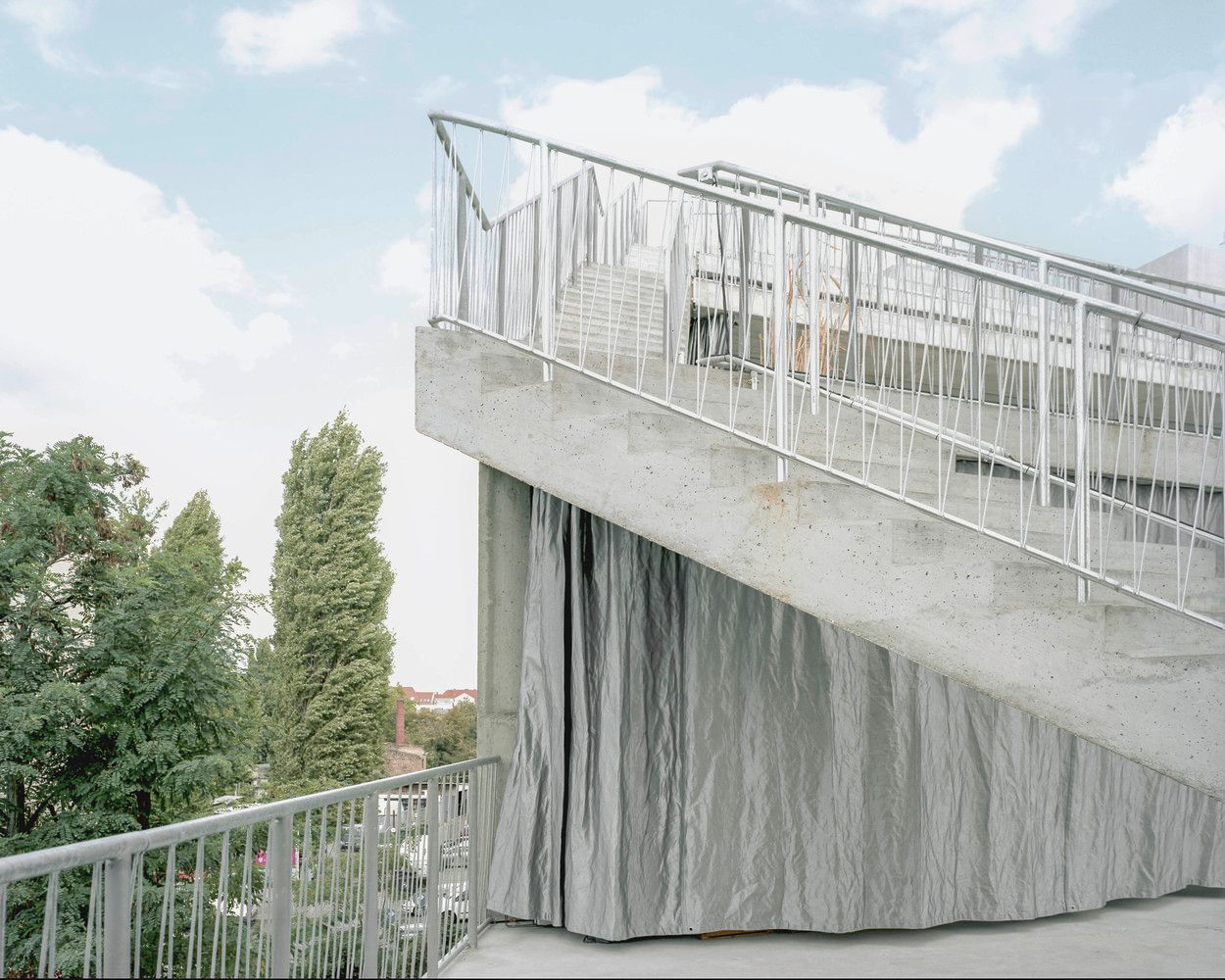
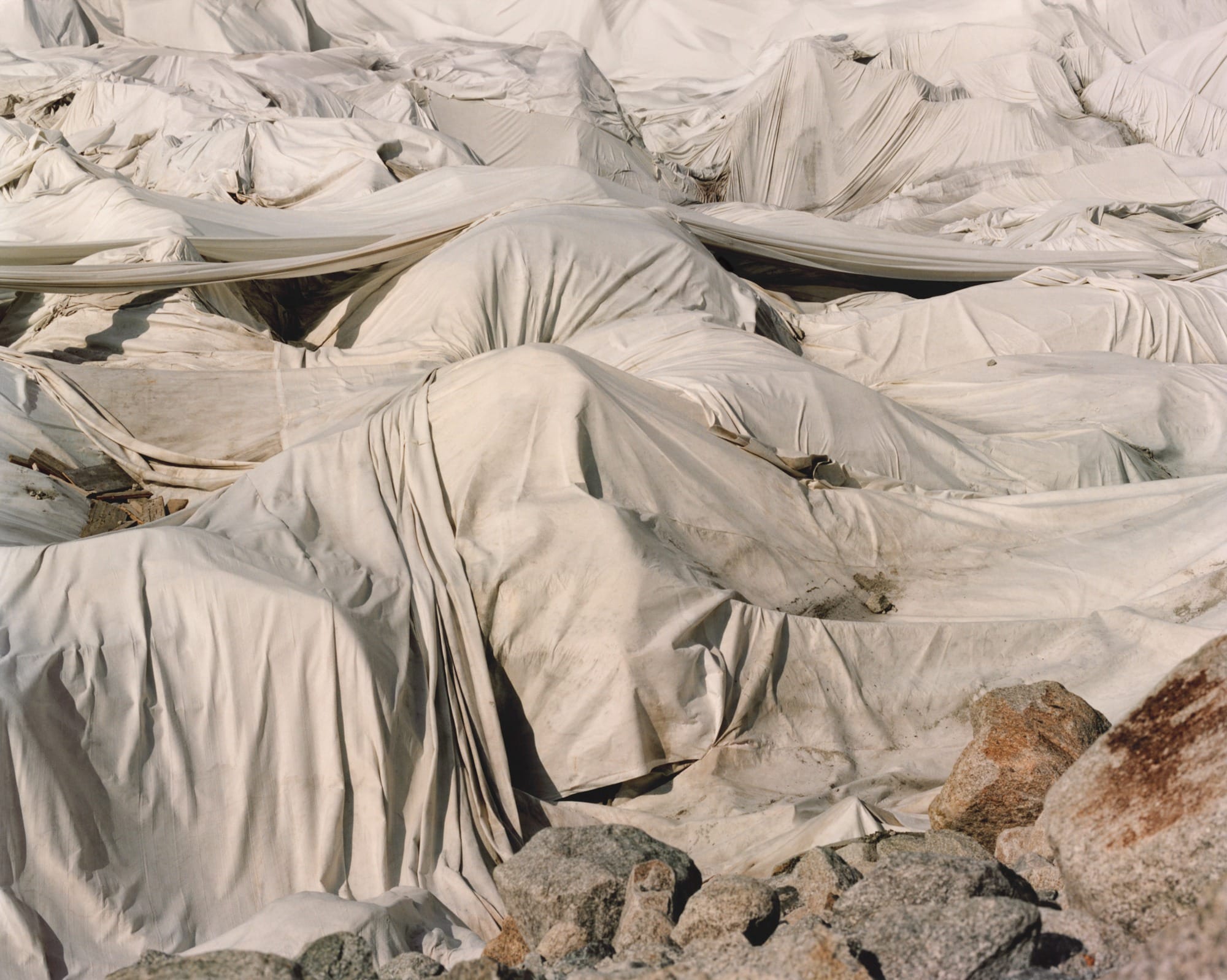
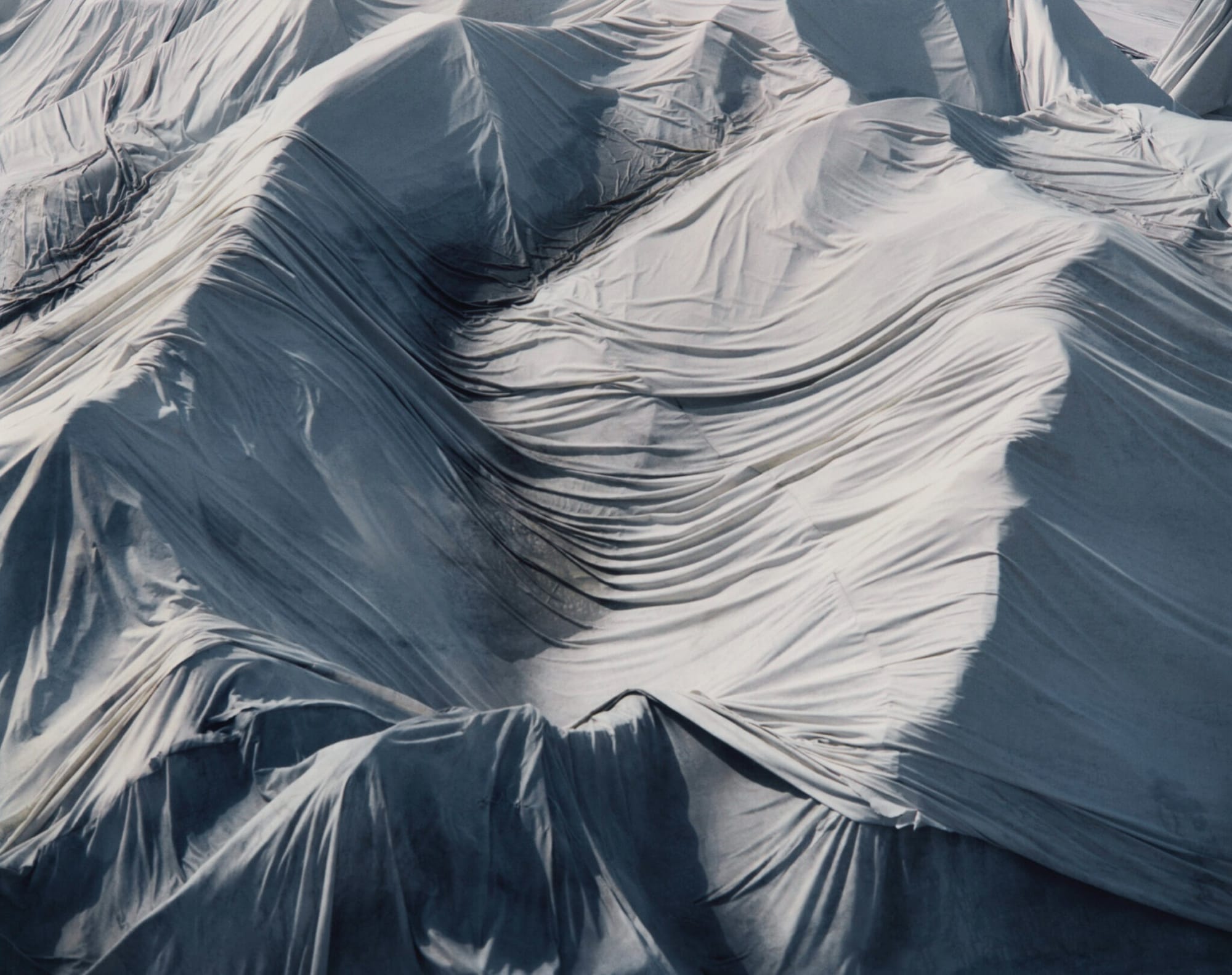
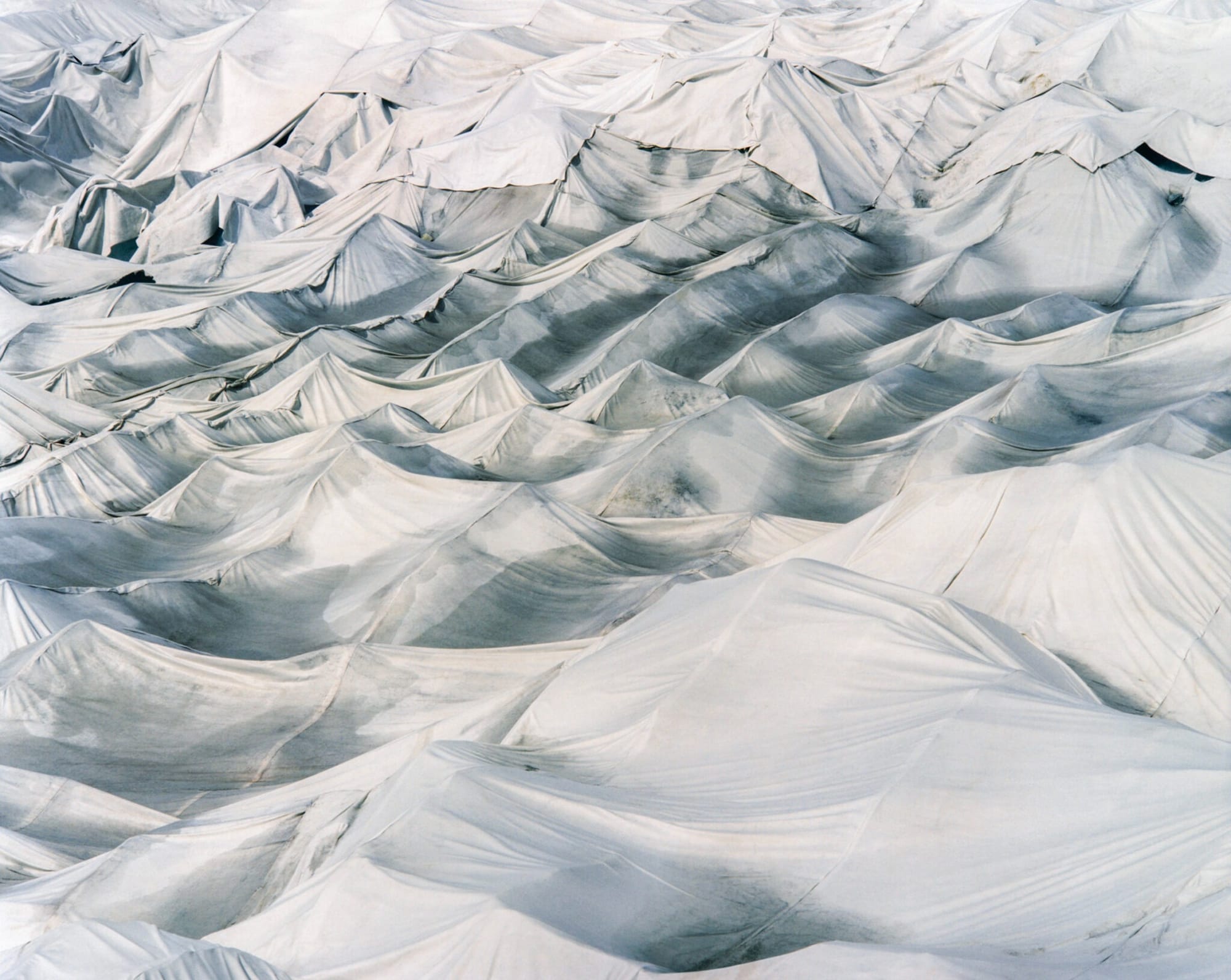
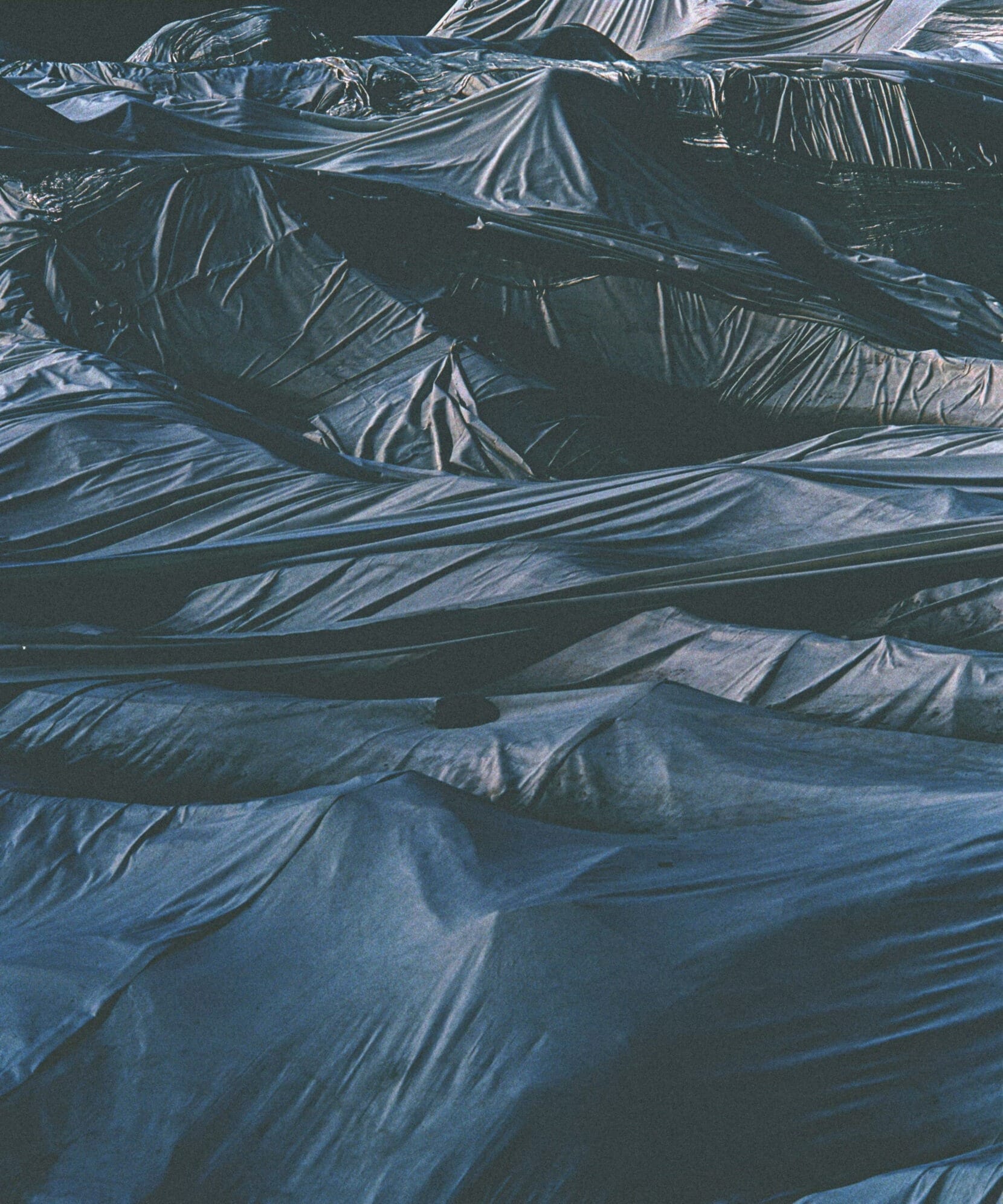
Weaving together photography, video and sculptural objects, lena_c_emery highlights the accelerated loss of mountain glaciers and the desperate conservation efforts currently employed to impede their decline. Under the continued influence of greenhouse-gas forced global warming, ice that took centuries to develop is vanishing in just a number of years. A fate experts predict for at least two-thirds of all glaciers by the end of this century. EMERY: In ‘The Mountains Between Us’, I capture the current environmental efforts undertaken to reduce the rate at which glaciers melt. Glaciers have held space for centuries, silently bearing witness to history. They’ve seen the world change in ways we can barely comprehend. Because my grandfather spent his life in these mountains, watching this particular glacier retreat and form lakes where there was previously only ice and at a pace that’s steadily increasing, feels deeply personal. The idea of covering these mammoths in fabric to stall the inevitable, feels both tragic and emblematic of our relationship with nature: The magnitude of loss countered by gestures that, though earnest, feel powerless. Visually these wrapped peaks evoke images of muddied tents, makeshift shelters that we’ve come to erect for those displaced by upheaval. This fragility, their fragility, our fragility, is a direct reflection of the imbalance we have sown, where those least responsible for ecological destruction are forced to bear its heaviest burdens. The title became a way to frame those divides. Mountains have always symbolised barriers, but perhaps they could also be reimagined as thread, shared histories and a collective belonging. The elemental particles composing our very being once danced amidst these ancient landscapes and if they disappear, part of us does too.
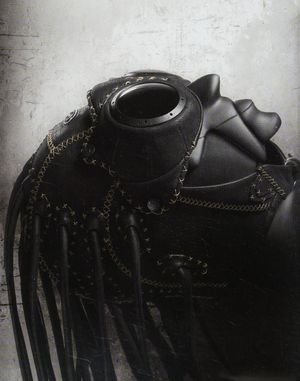
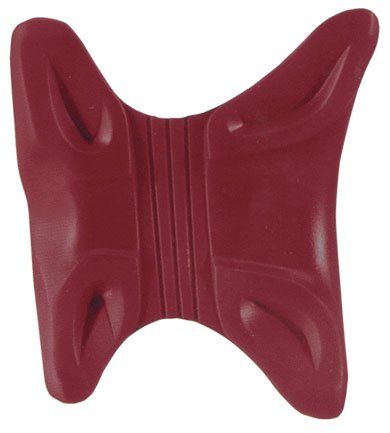
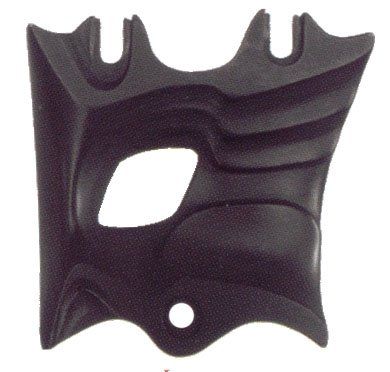
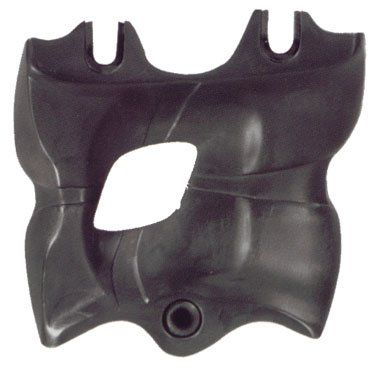
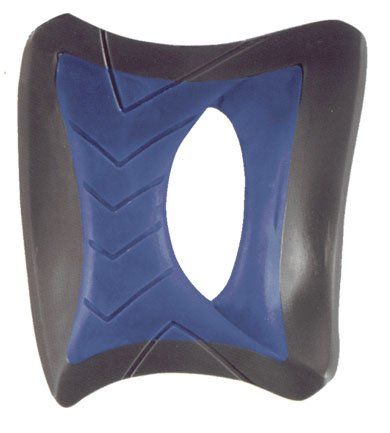
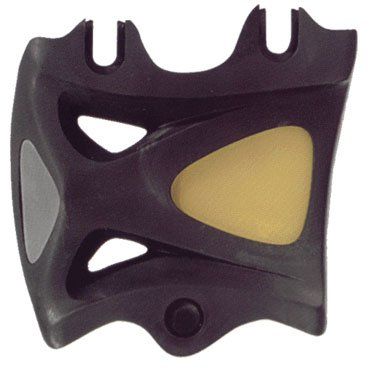
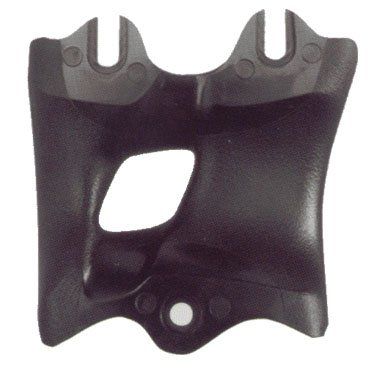
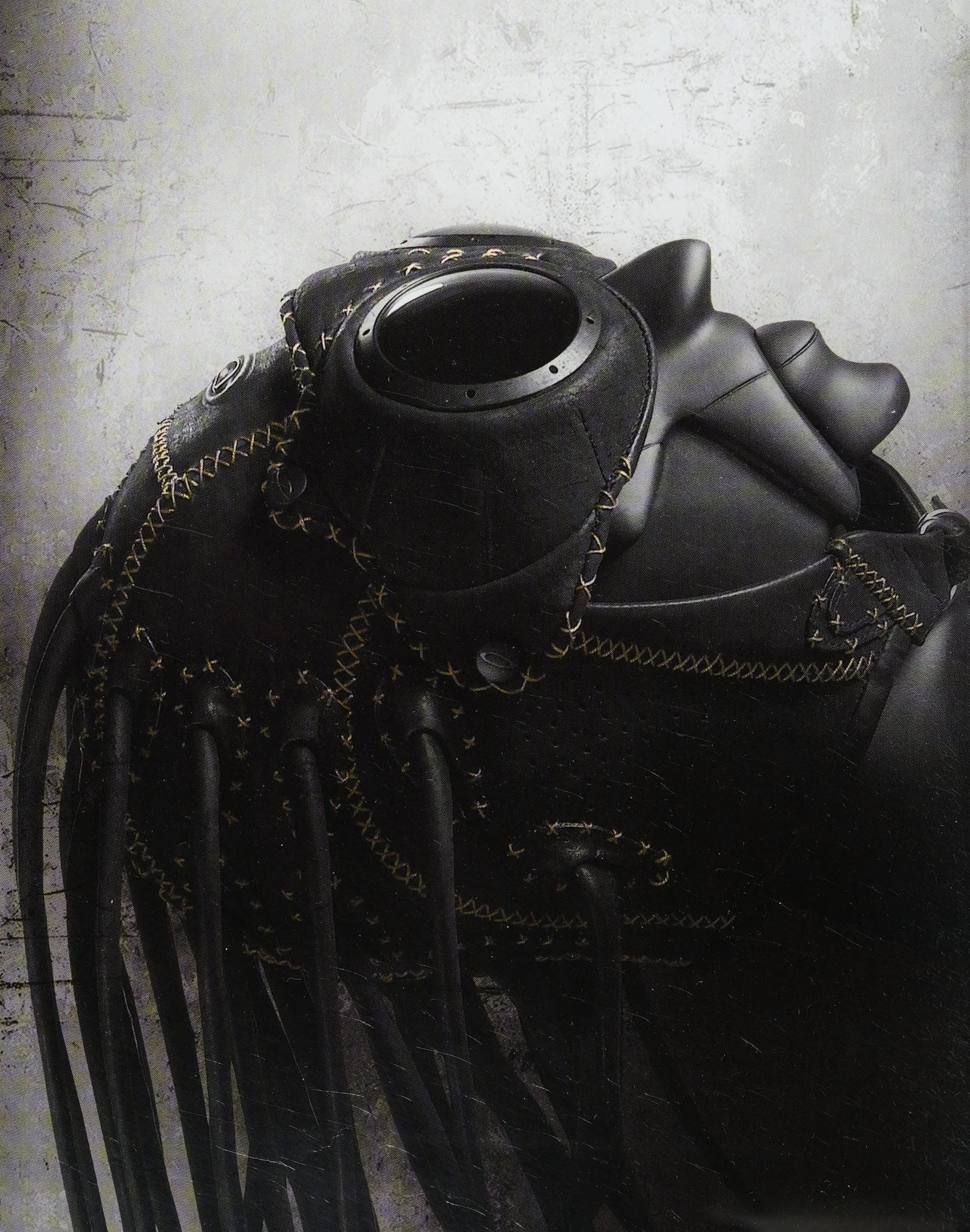
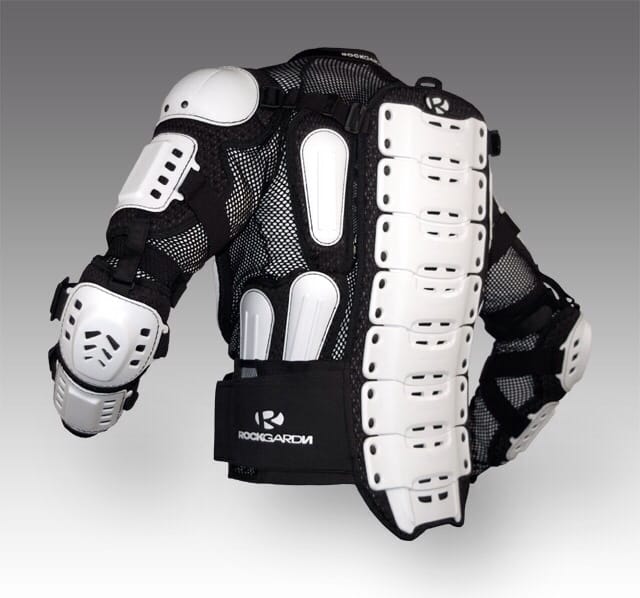
The Oakley Medusa Helmet (2002) is an early-2000s performance helmet concept associated with Oakley’s then-expanding push into technical equipment beyond eyewear. The design is defined by aggressive surfacing, pronounced vent geometry, and a highly sculptural shell intended to signal speed and impact protection.
Functionally, the Medusa emphasizes airflow and coverage through a dense network of vents and channeling, paired with a shell profile that reads more armored than minimal. Fit and retention appear to follow common helmet conventions of the era, with the distinctive elements concentrated in the exterior shell tooling and vent architecture rather than hidden internal mechanisms. As a result, the helmet is often discussed as much for its styling and cultural placement as for technical specifics.
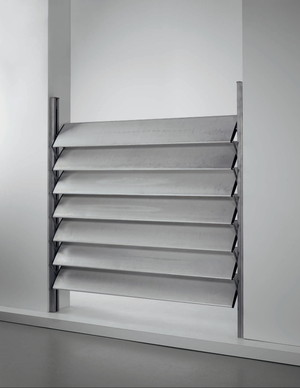
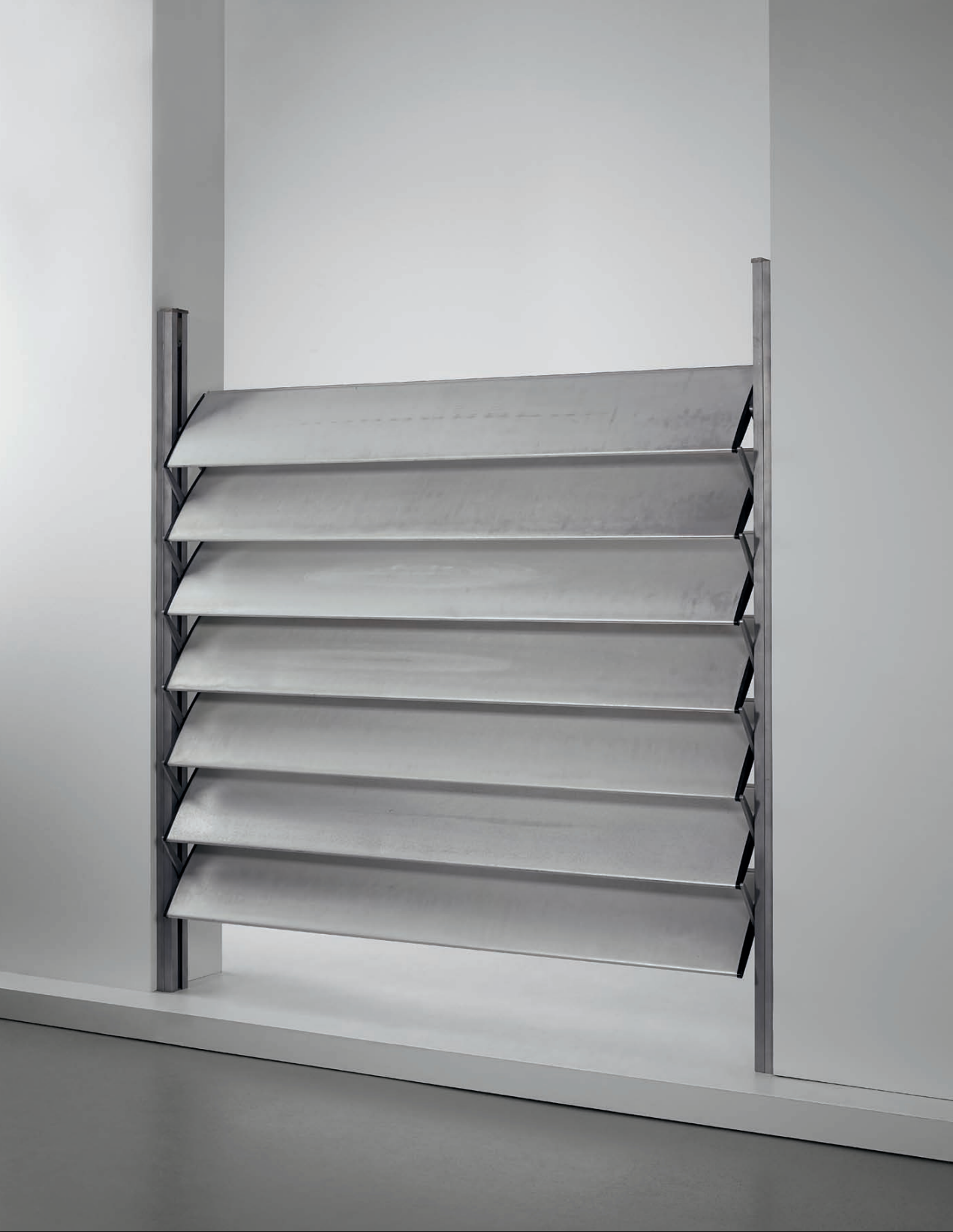
Jean Prouvé 1901-1984 Seven-panelled sun-shutter, from the Cité scolaire de La Dullague, Béziers, designed 1956, executed circa 1962-1965 Aluminium, metal. 185.5 x 184.4 x 8.3 cm (73 x 72 5/8 x 3 1/4 in.) Manufactured by Les Atelier Jean Prouvé, Nancy, France.
Estimate £12,000-15,000 $17,800-22,300 €16,300-20,400 provenance Cité scolaire de La Dullague, Béziers, France, circa 1962-1965 exhibited Architecture Biennale, Venice, 7 June-23 November, 2014
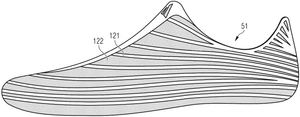
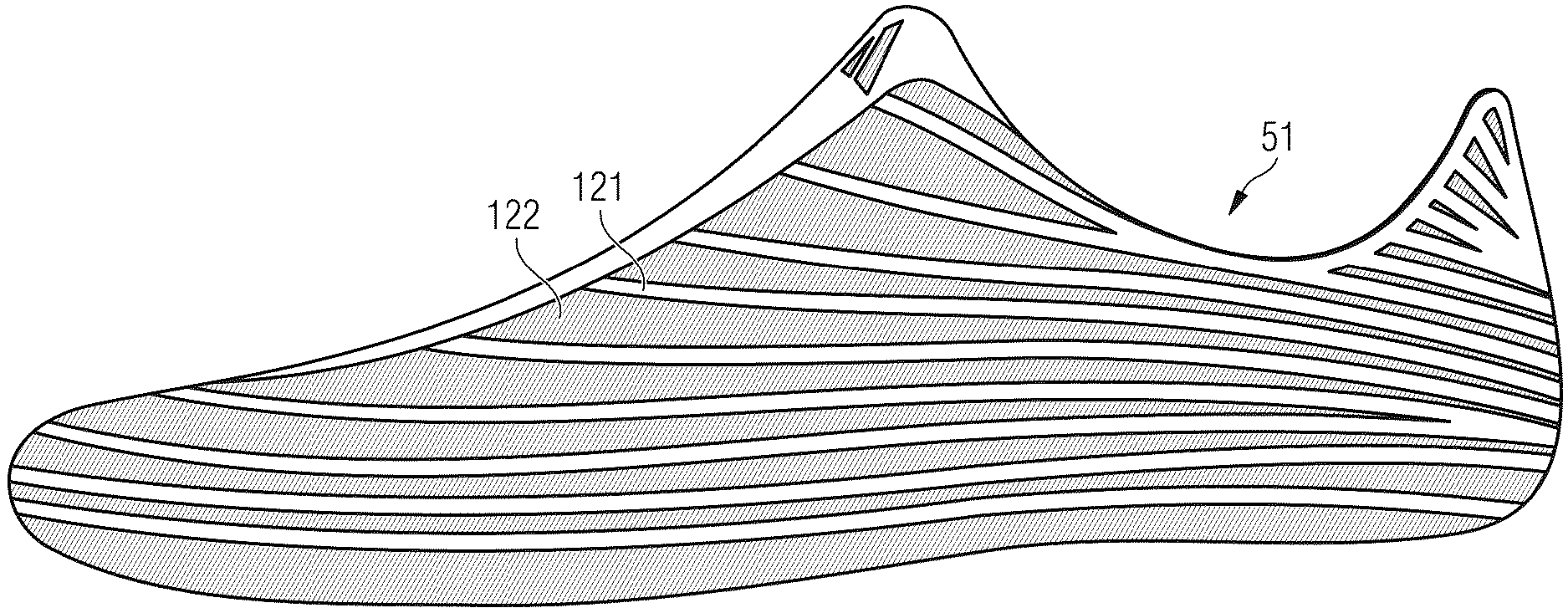
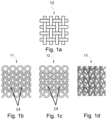
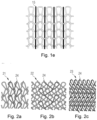
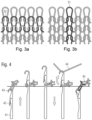
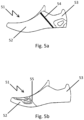
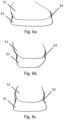
Figures from US patent application US20250160486A1, 'Knitted Shoe Upper', filed by Adidas AG (inventors Stefan Tamm, Carl Arnese and James Carnes; published 22 May 2025). The upper is knitted in one piece with two zones, a more elastic yarn and a stiffer yarn, placing stretch and support without seams or separate reinforcement panels. The drawings show the yarn zones and construction across forefoot, midfoot and heel.
Silent Poets for Issey Miyake Spring/Summer 2001 is a hardcover lookbook photographed by Françoise Huguier. It presents imagery from Issey Miyake’s Spring/Summer 2001 collection and includes the collaboration CD Red Eyes Tribe at the back of the book. Japanese electronic duo Silent Poets produced the music for the runway show.
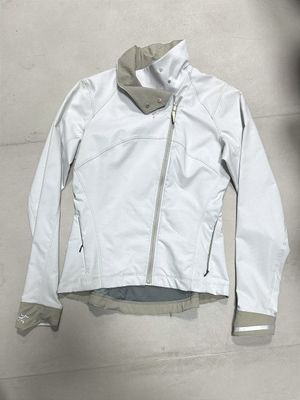
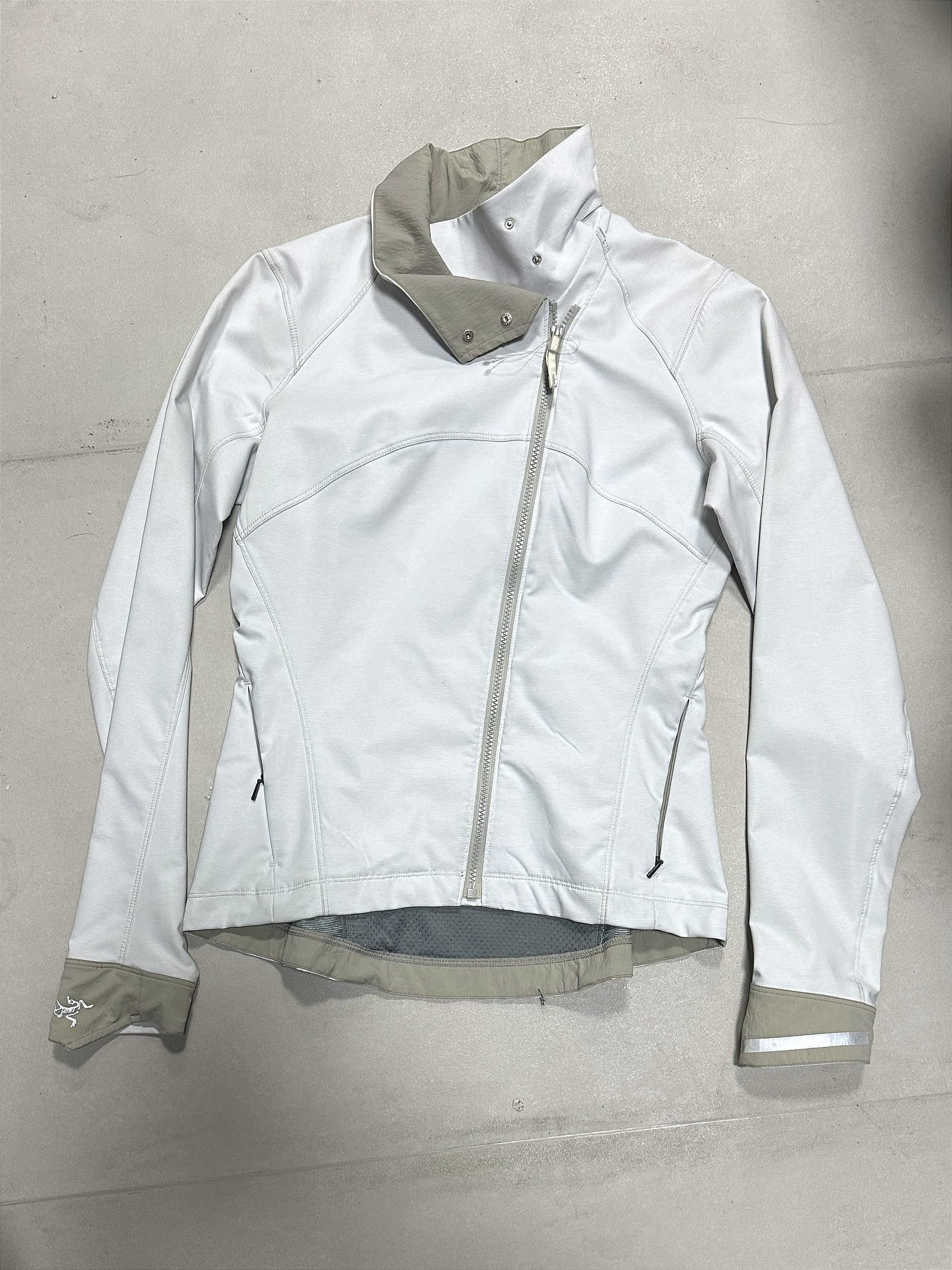
Arc’teryx A2B Commuter Jacket W Chalk 15536, released 2015. Technical soft shell with motoi lines.
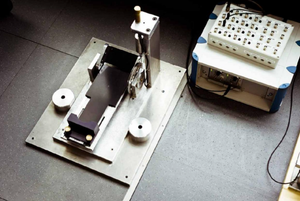
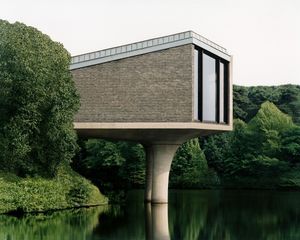
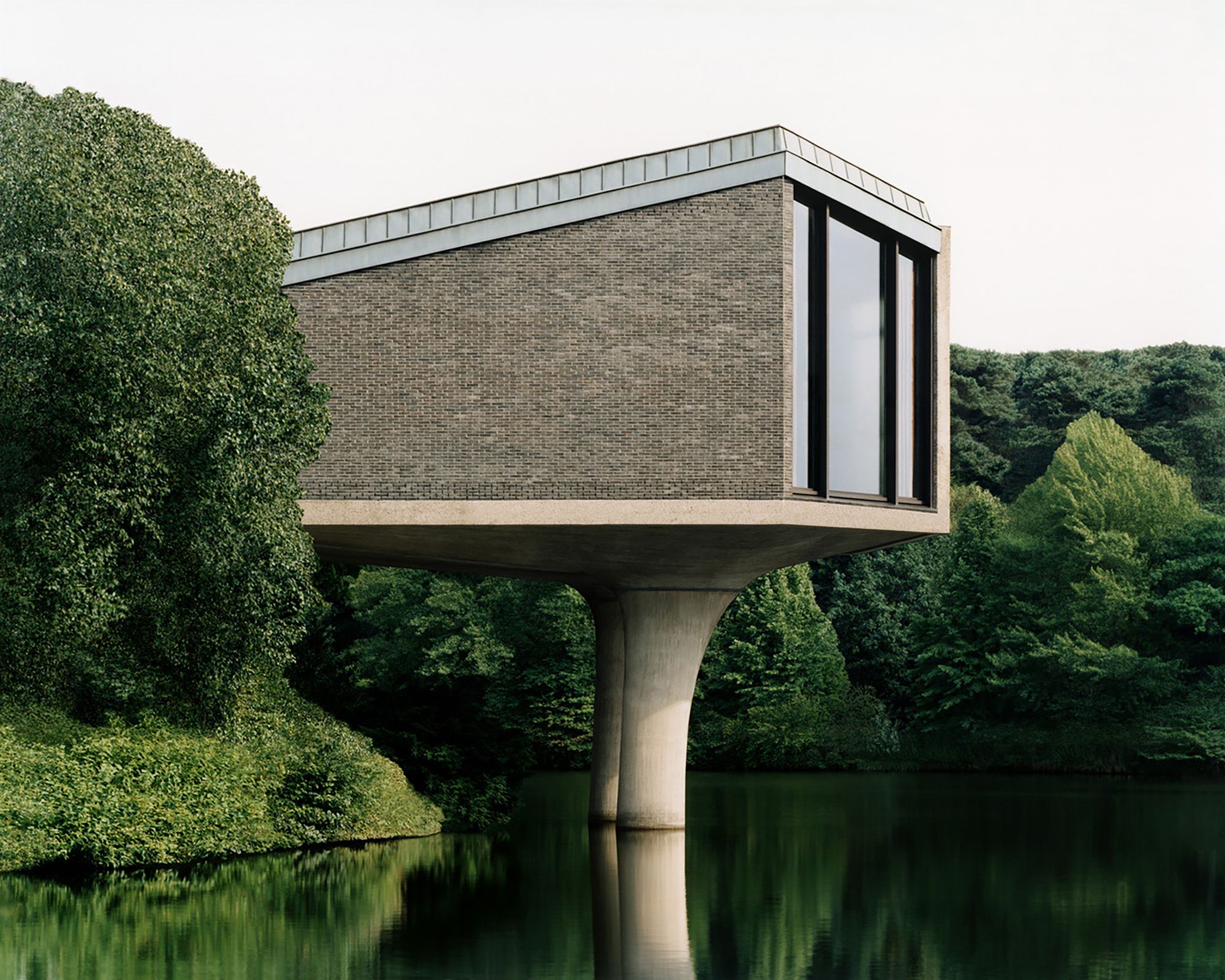
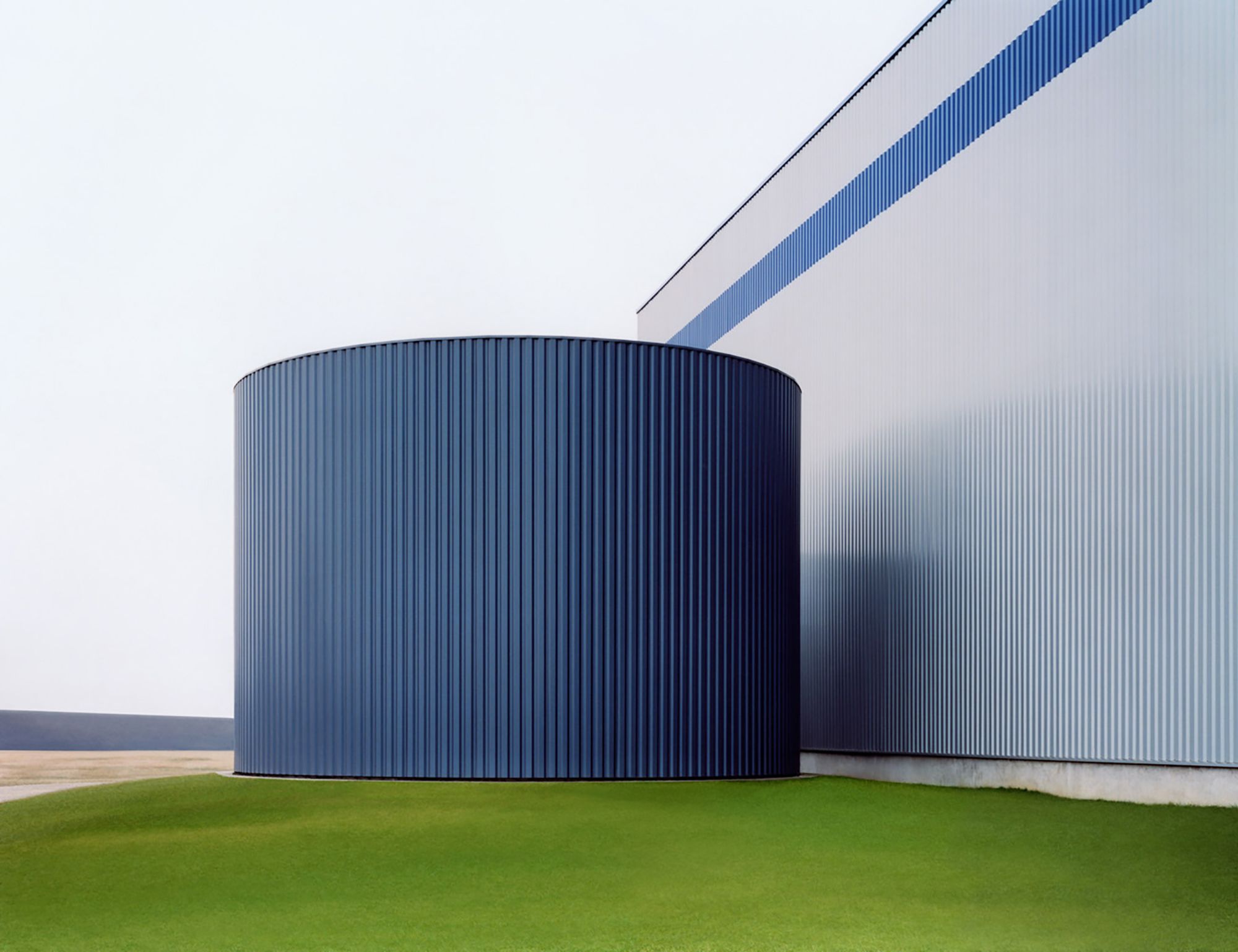
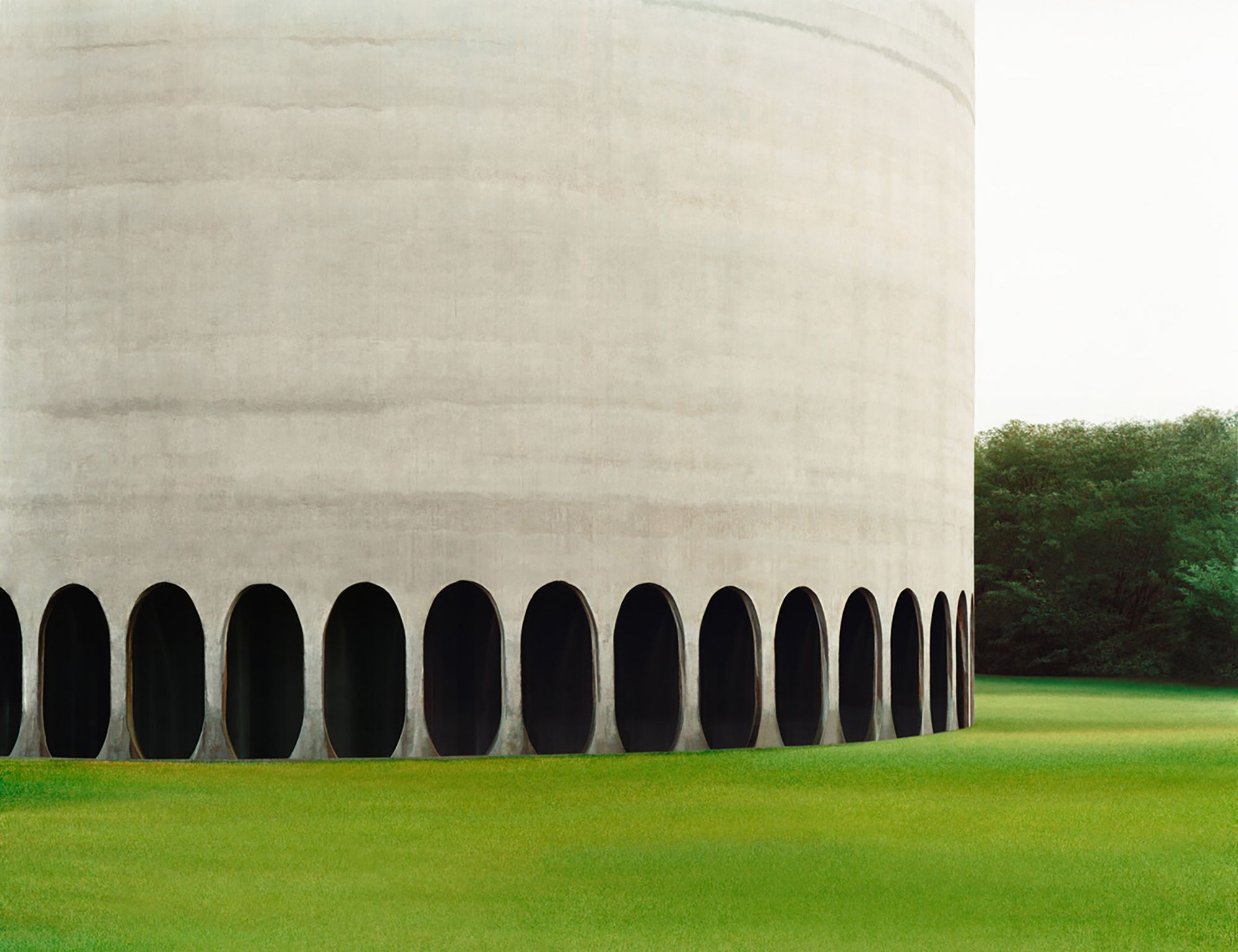
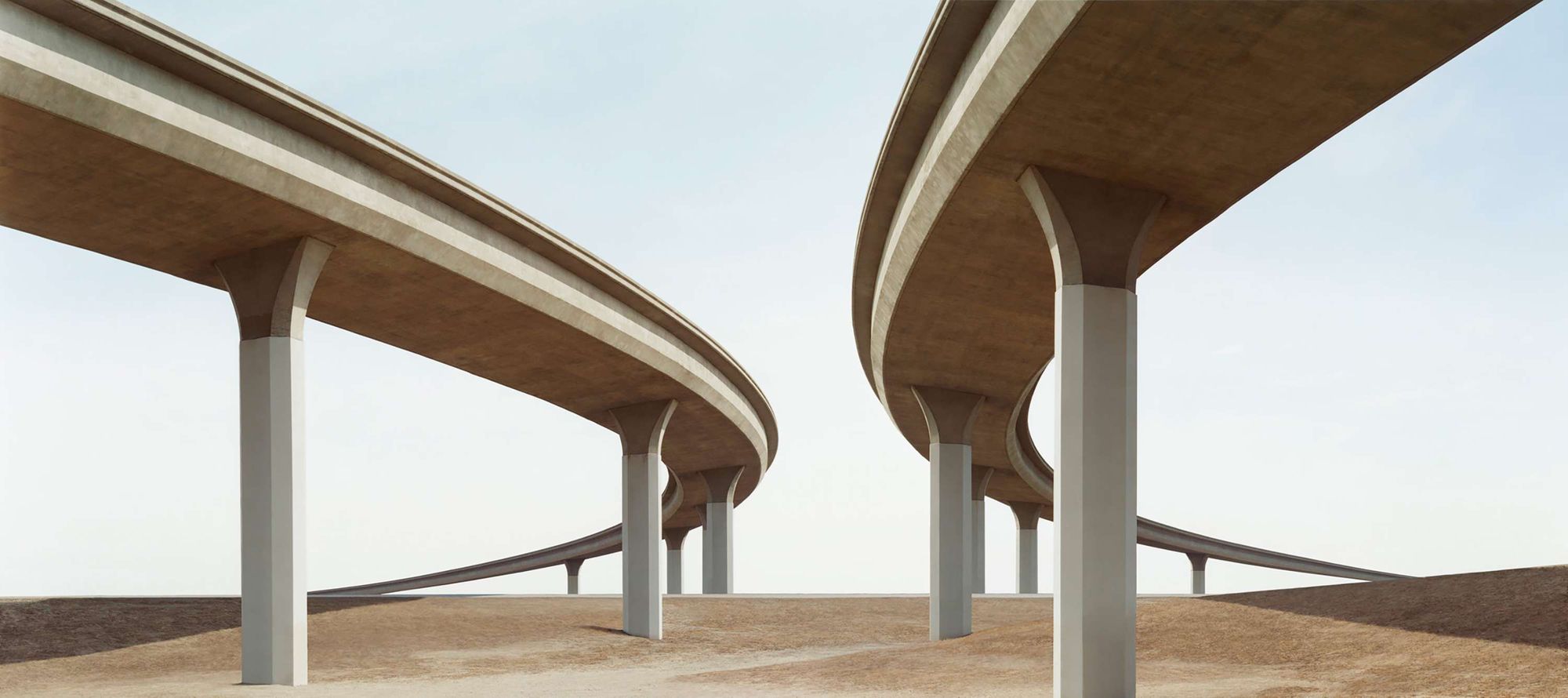
Josef Schulz is a photographer known for capturing images of modern warehouses and factories, which are typically considered mundane industrial structures with little architectural significance. These buildings, produced worldwide, follow standardized plans and materials, lacking distinct external features to reveal their specific purposes.
Schulz's approach involves studying the essence of his craft through these photographs. He employs digital image processing to remove any elements hinting at the buildings' age, location, or surroundings, transforming them into virtual blueprints. By emphasizing colors, shapes, and symmetries, he turns the buildings into block-like structures, resembling toy architecture and presenting them as idealized versions of themselves.
In this process, Schulz blurs the line between photographic and painted reality to optimize the images. Simultaneously, he reduces the physical buildings to their design concepts and the photographic reality to its virtual representation. His intent is to diverge from the typical pursuit of making digital images appear as real as possible. This approach might leave the viewer perplexed, as they struggle to distinguish between authentic elements captured by the camera and those created through digital tools.
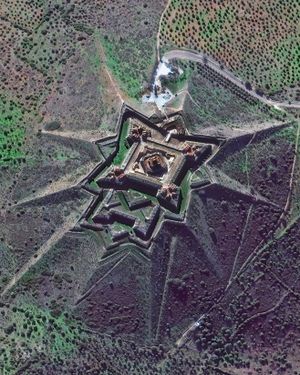
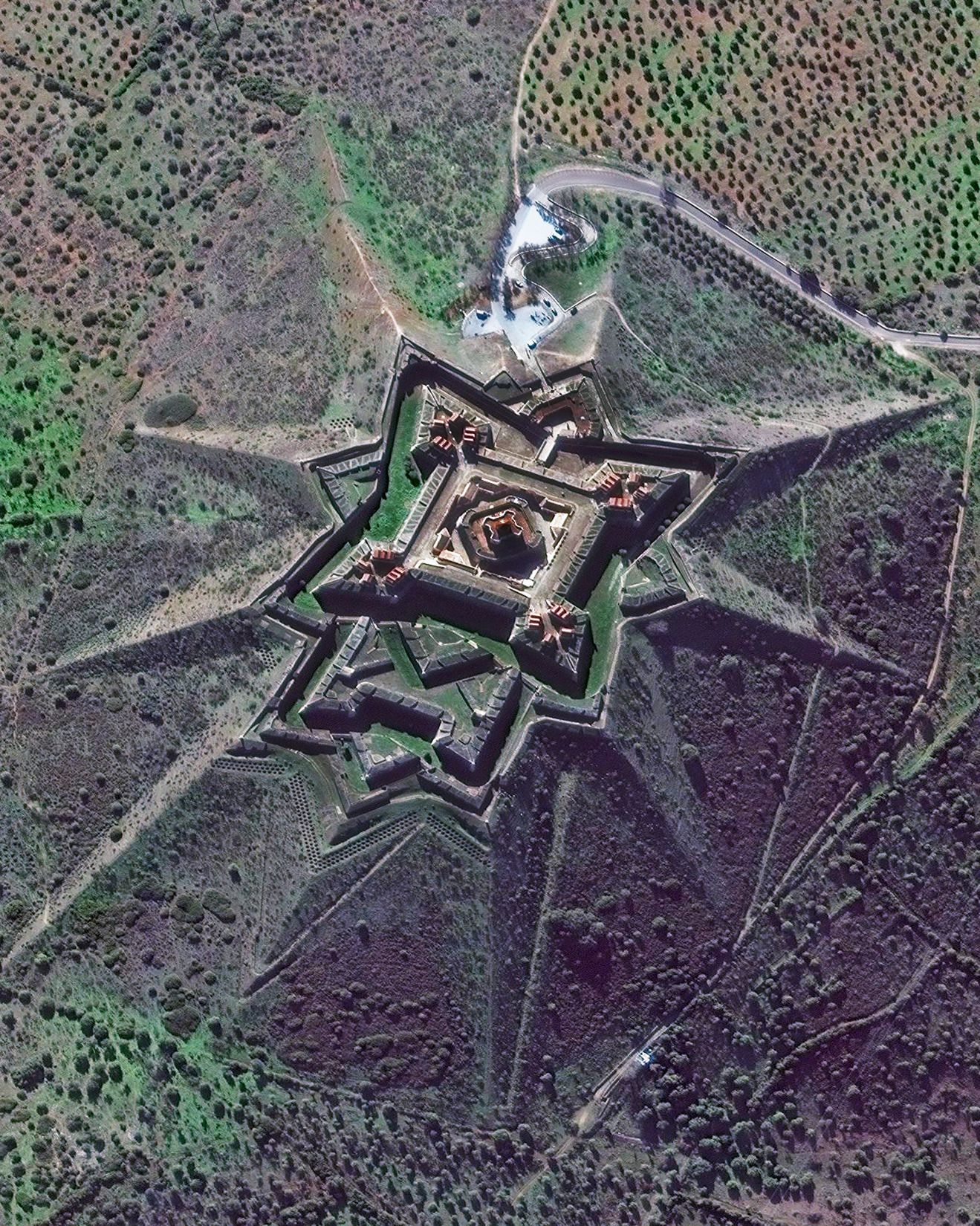
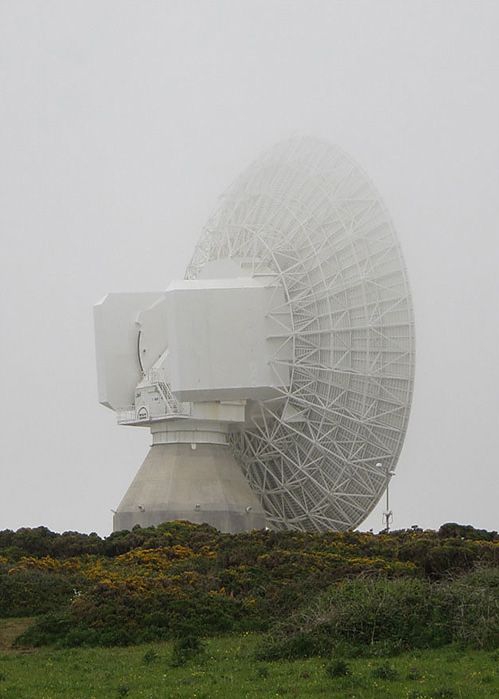
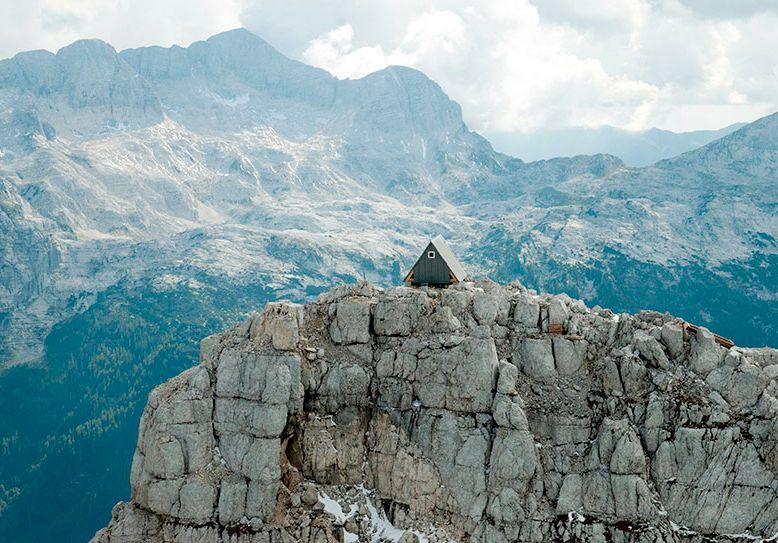
The Nossa Senhora da Graça Fort is an eighteenth century fort in the village of Alcáçova, Portugal. Its prominent position atop Monte da Graça (Hill of Grace) made it an important stronghold during the Seven Years’ War, War of the Oranges and the Peninsular War. The fort is part of the Garrison Border Town of Elvas and its Fortifications, a UNESCO World Heritage Site.
38.894444°, -7.164167°
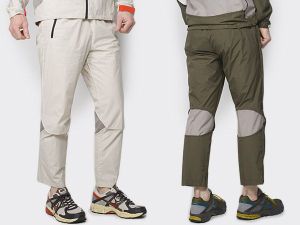
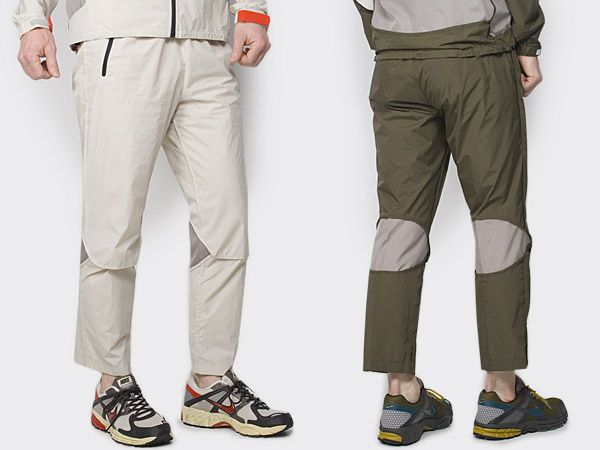
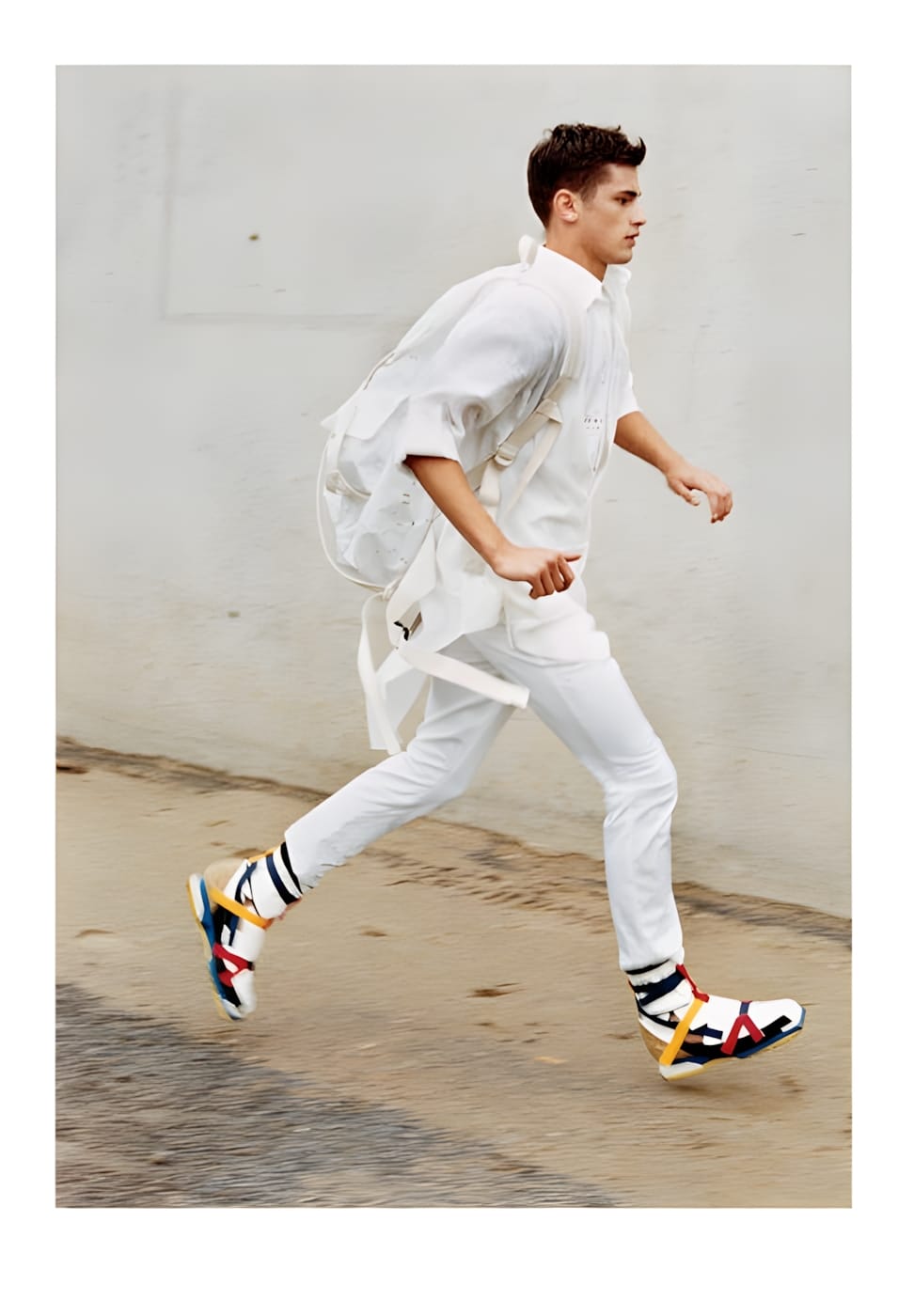
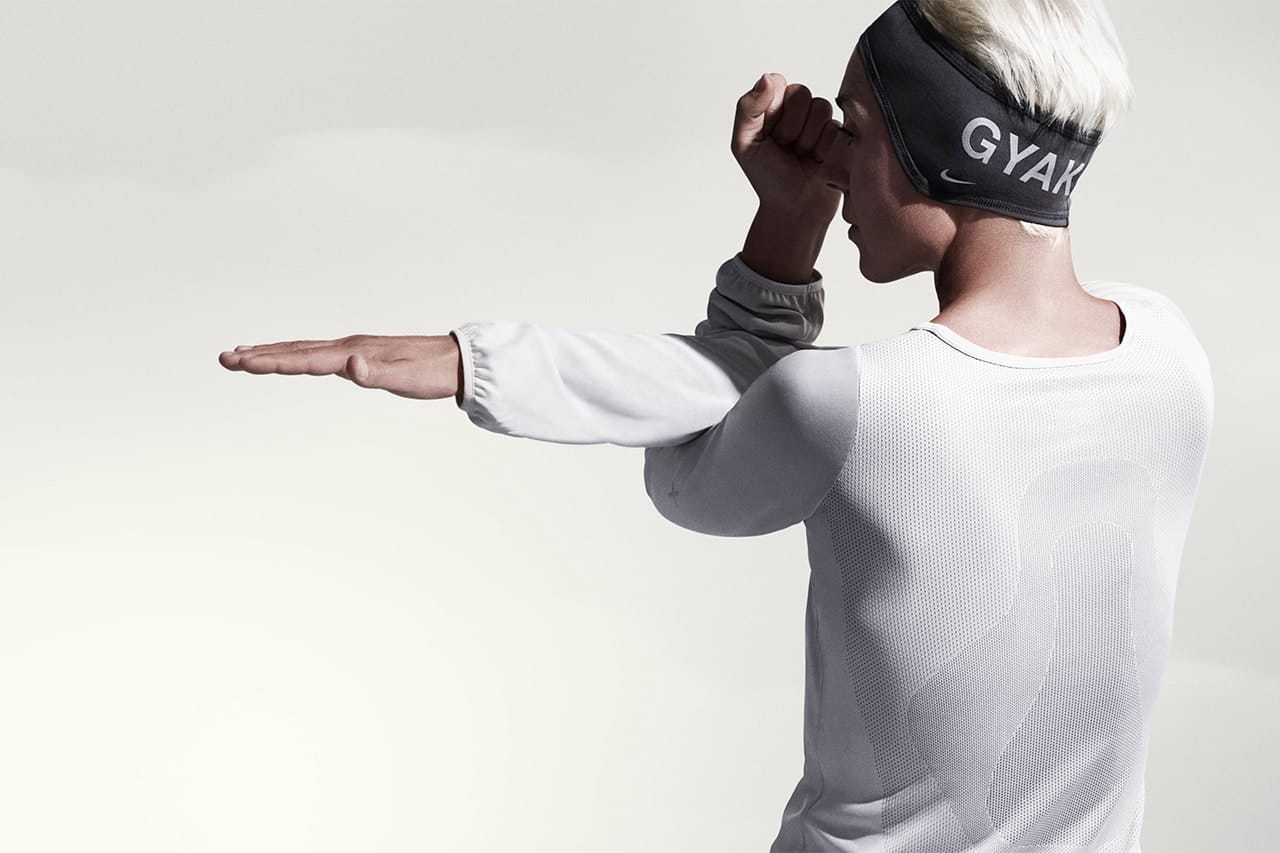
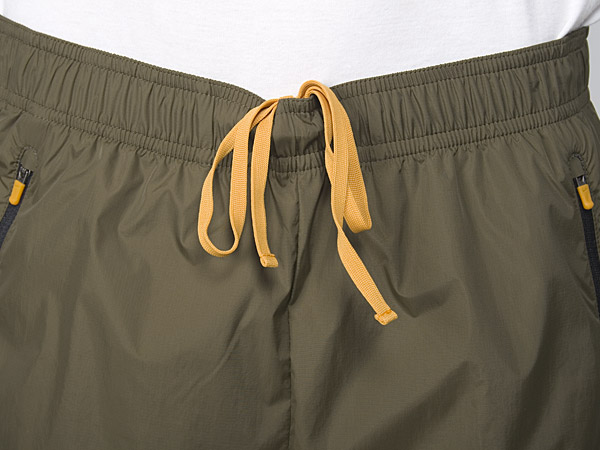
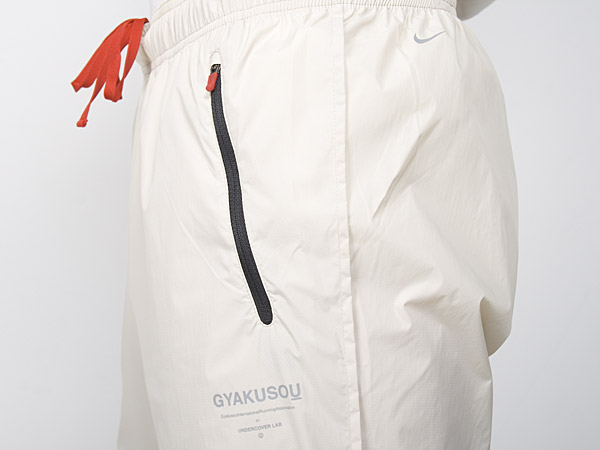
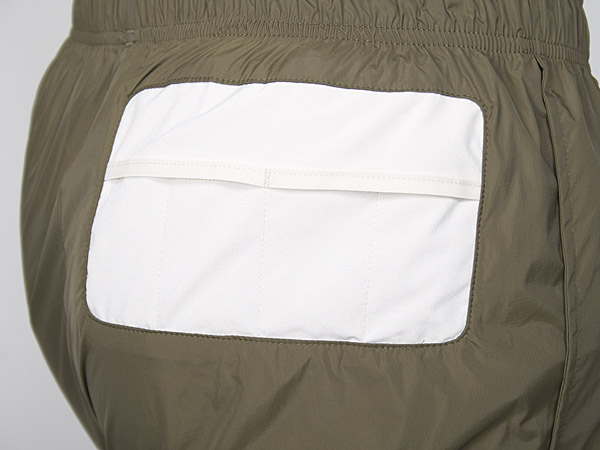
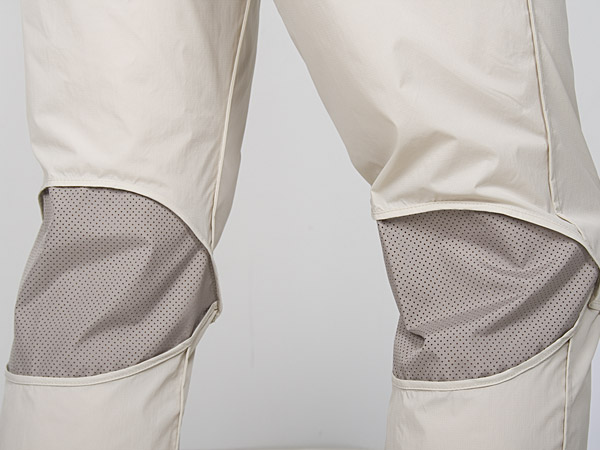
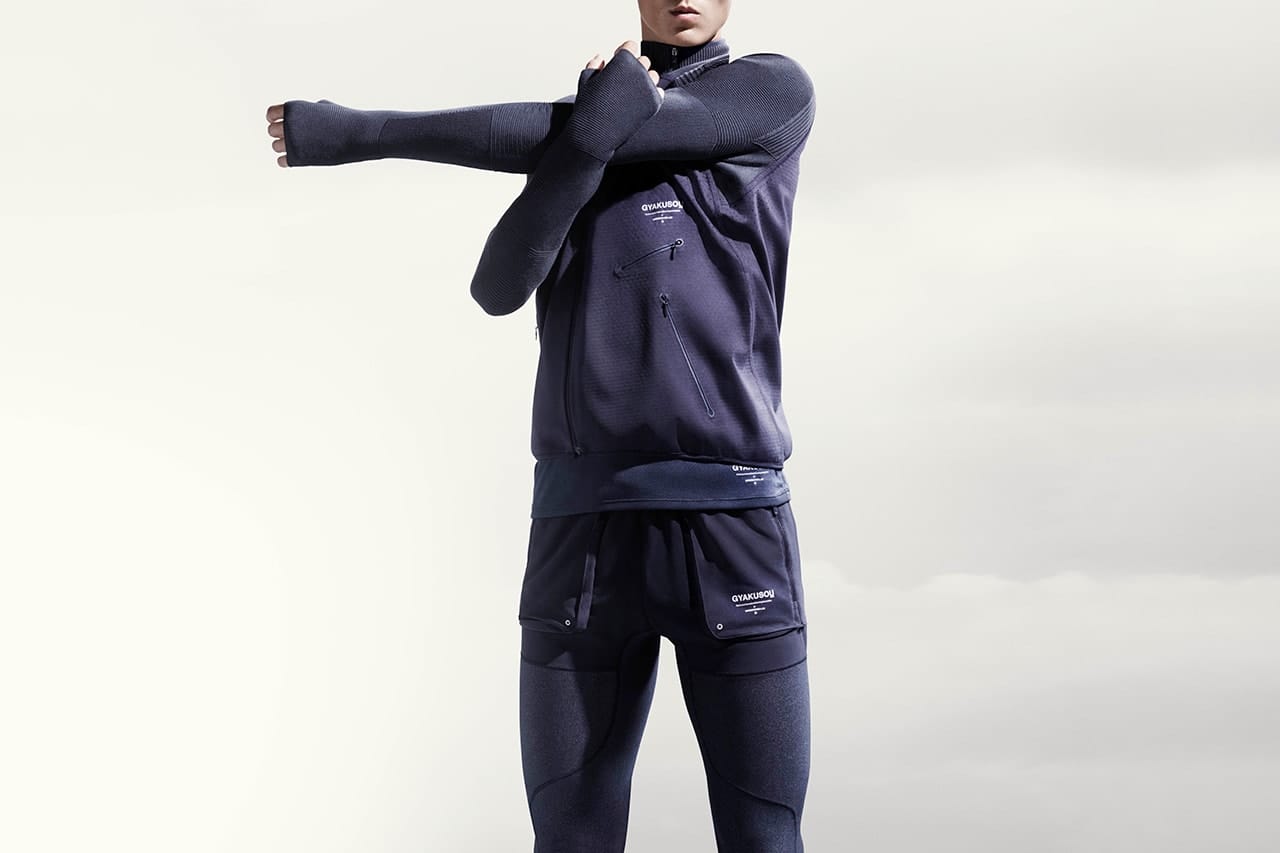
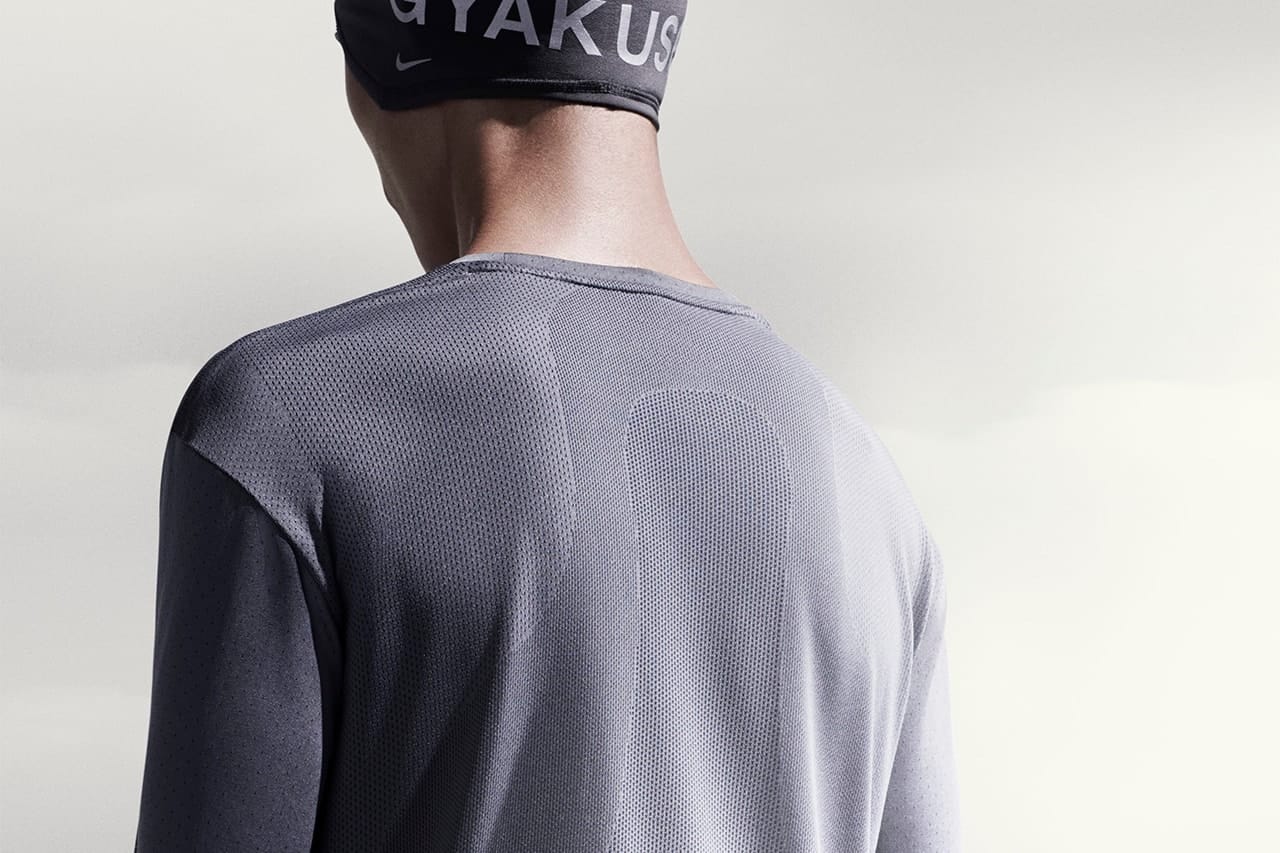
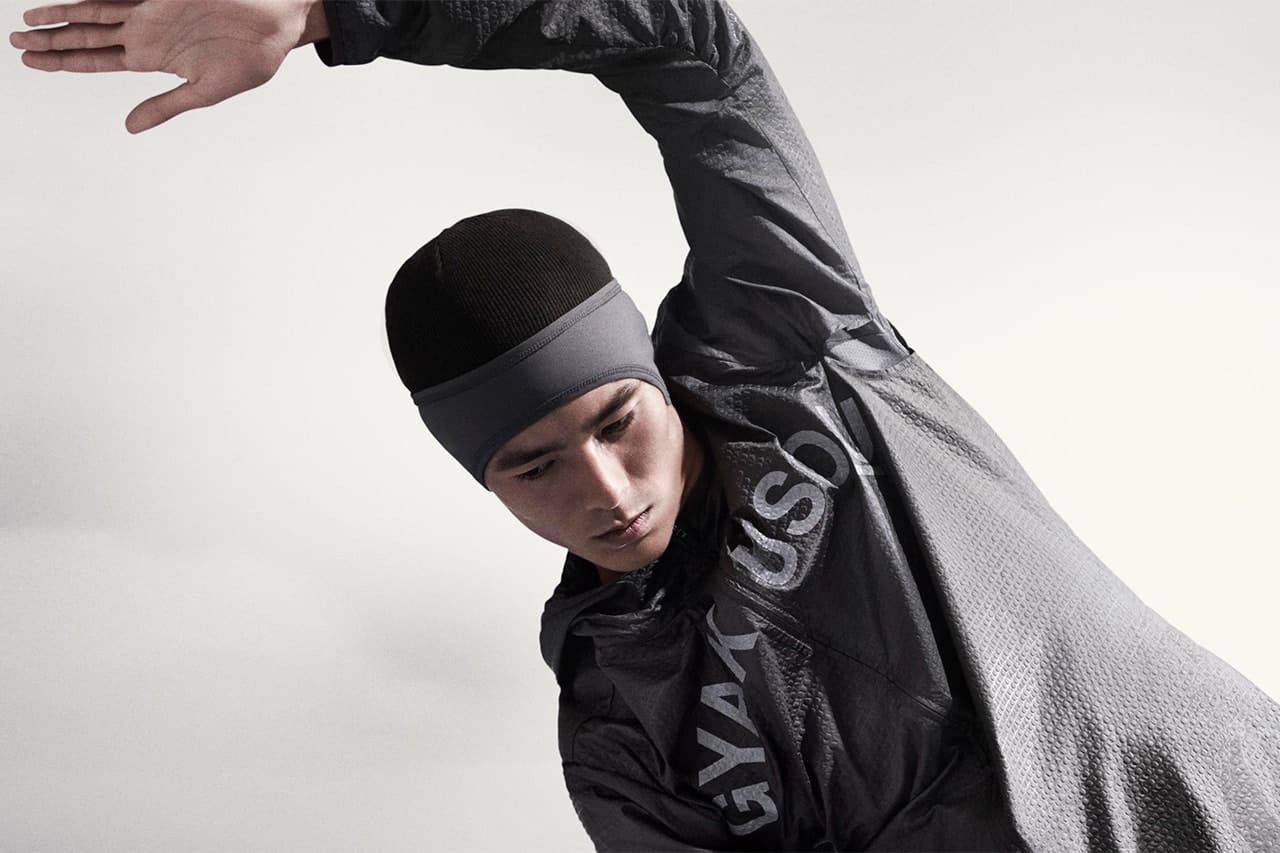
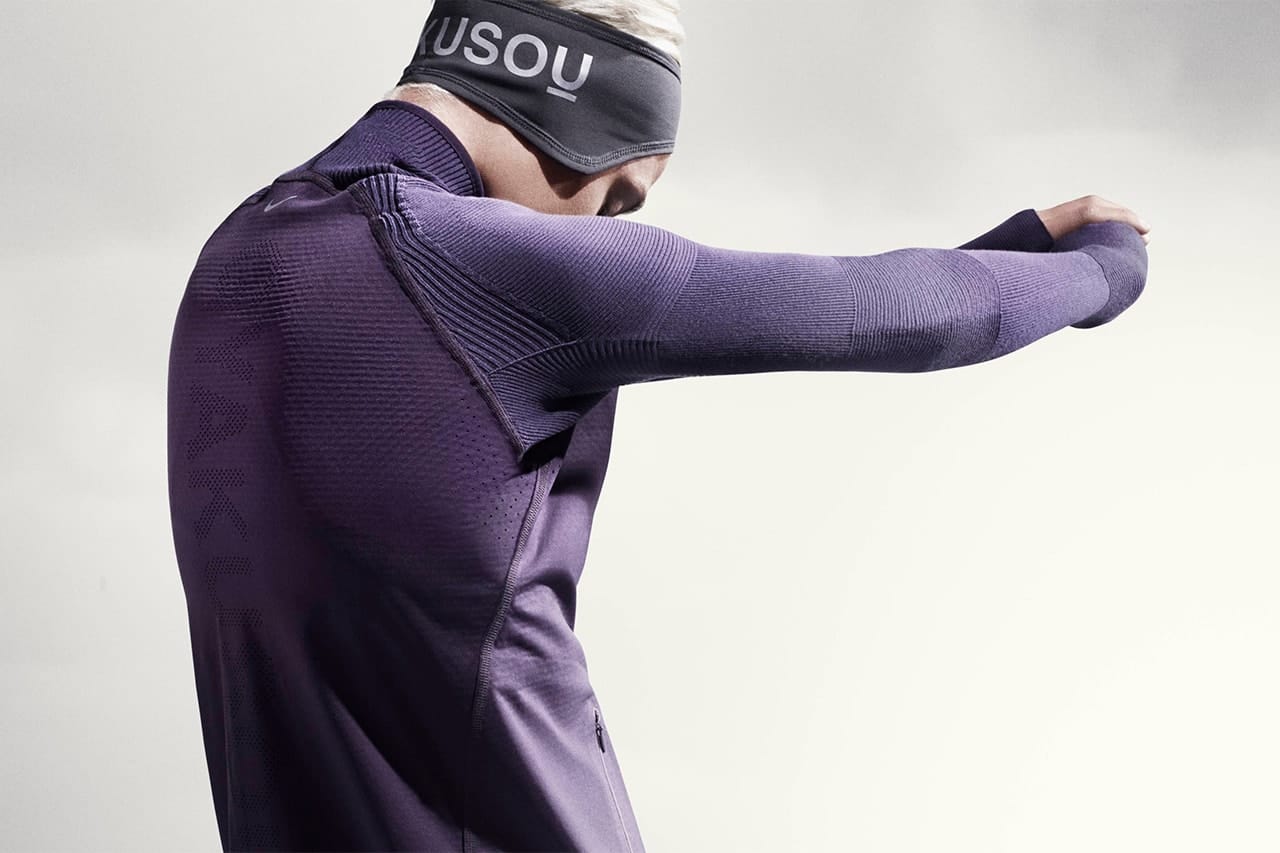
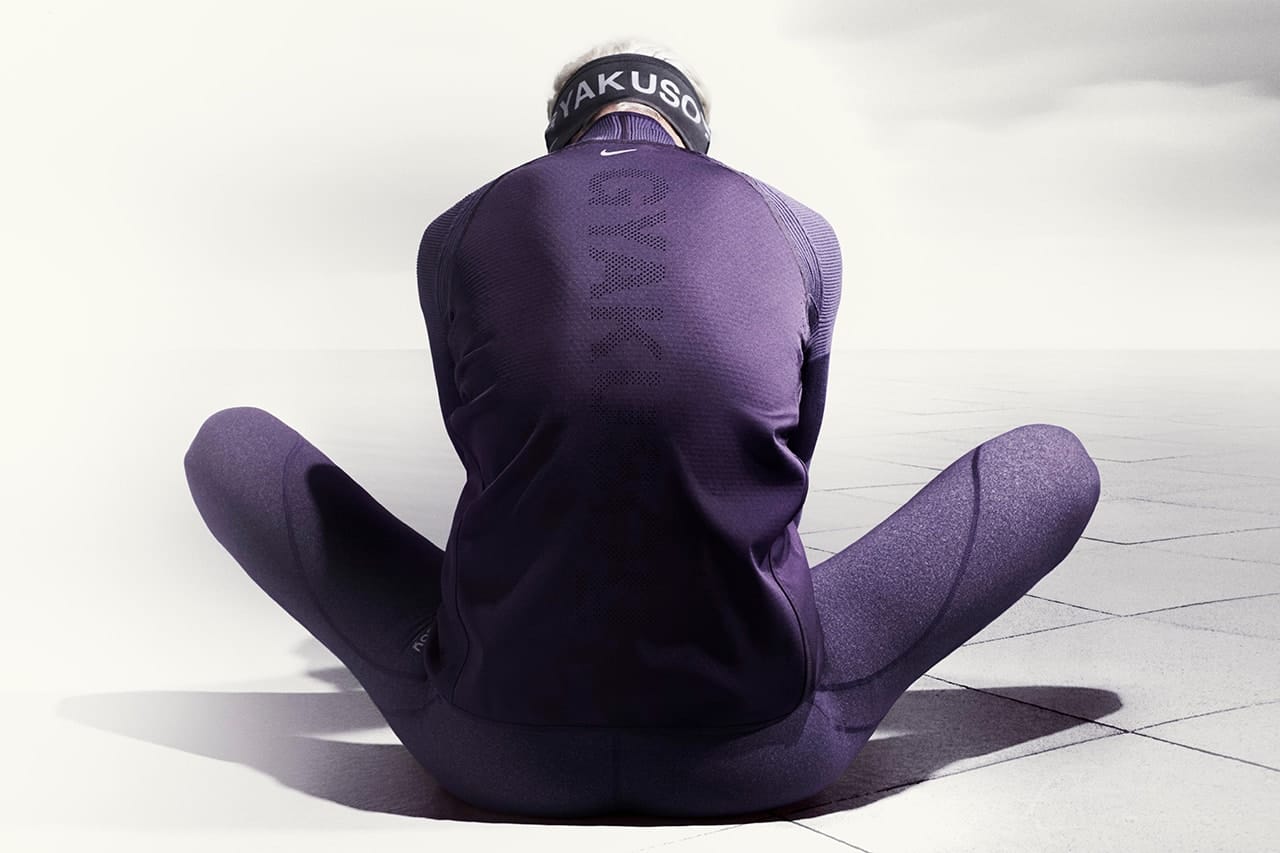
These pants a cut slightly shorter for better running comfort. Great for slightly harsher weather conditions. Insideout construction for seamless fit inside. From the Nike Running Gyakusou collection. Made in Japan.
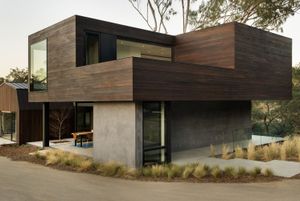
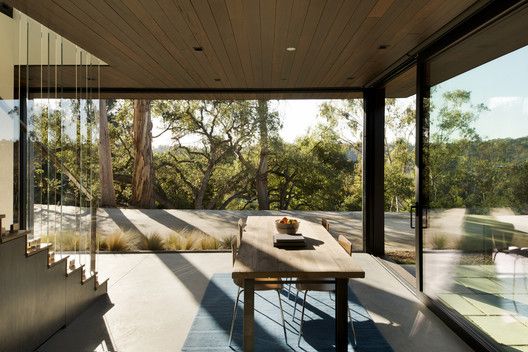
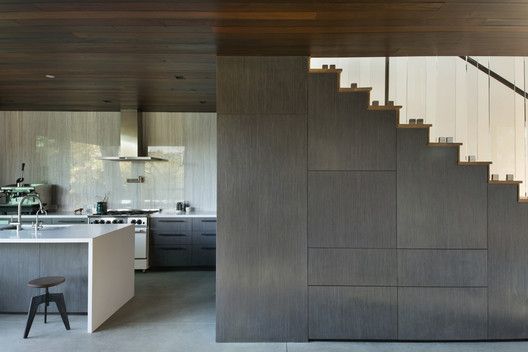
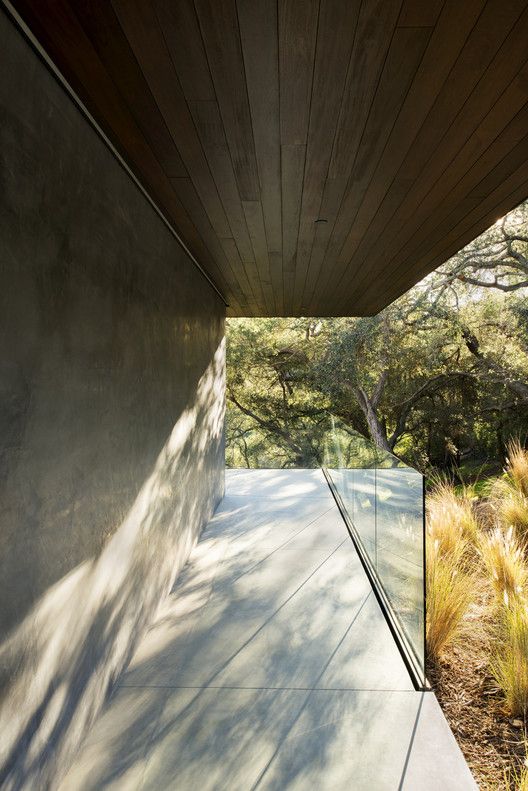
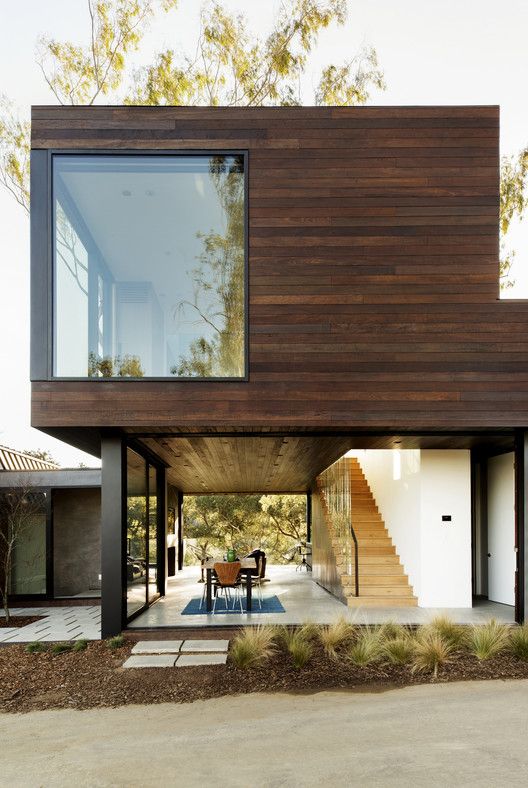
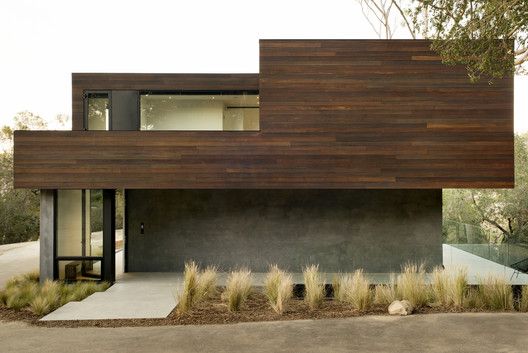
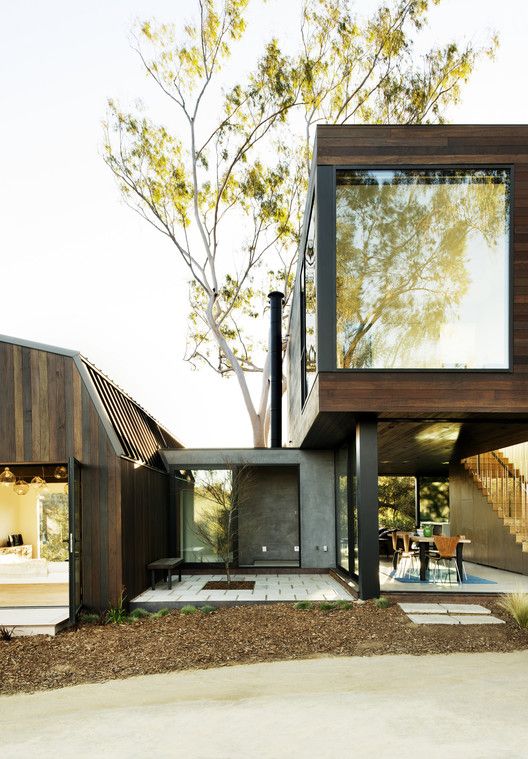
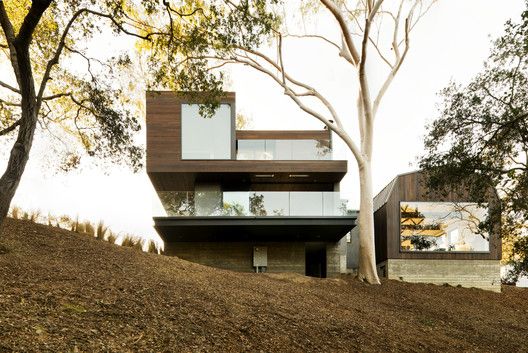
Beverly Hills, United States of America.

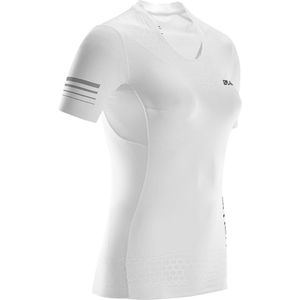
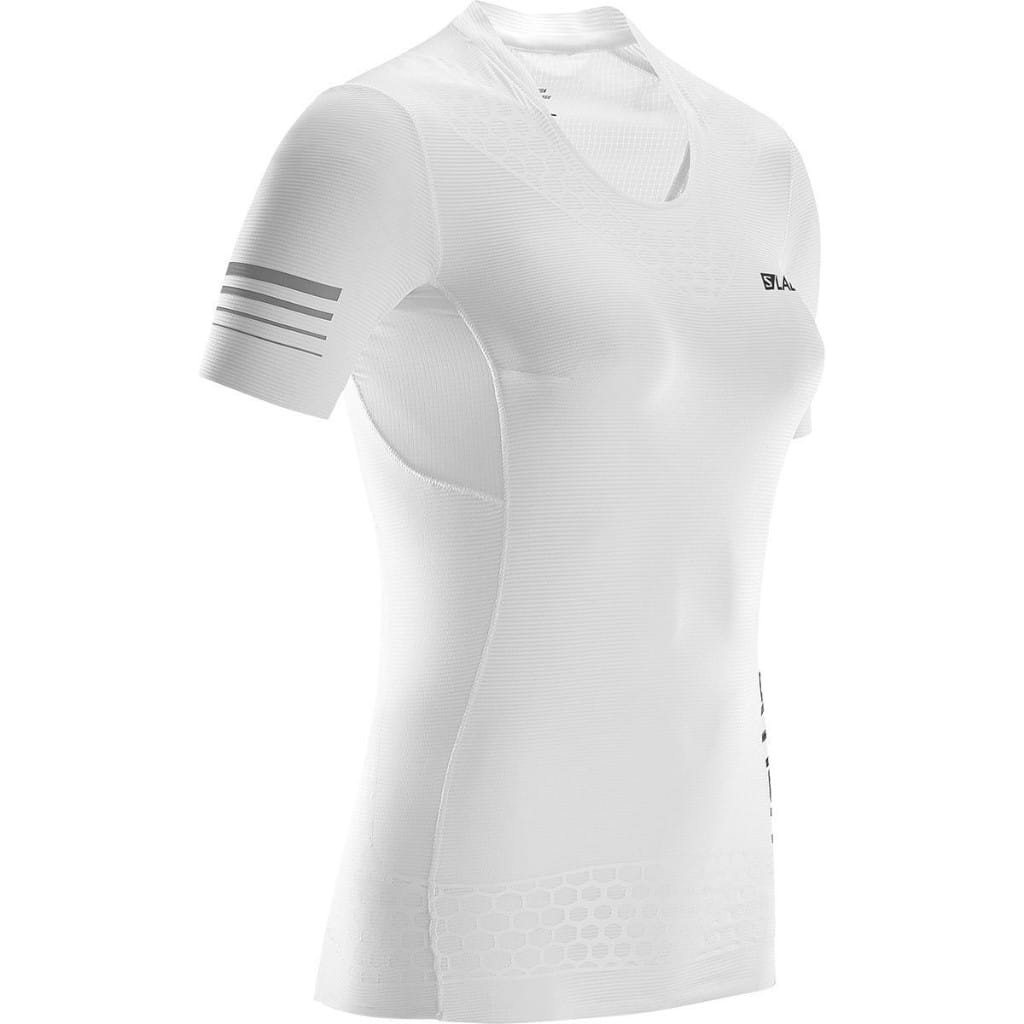
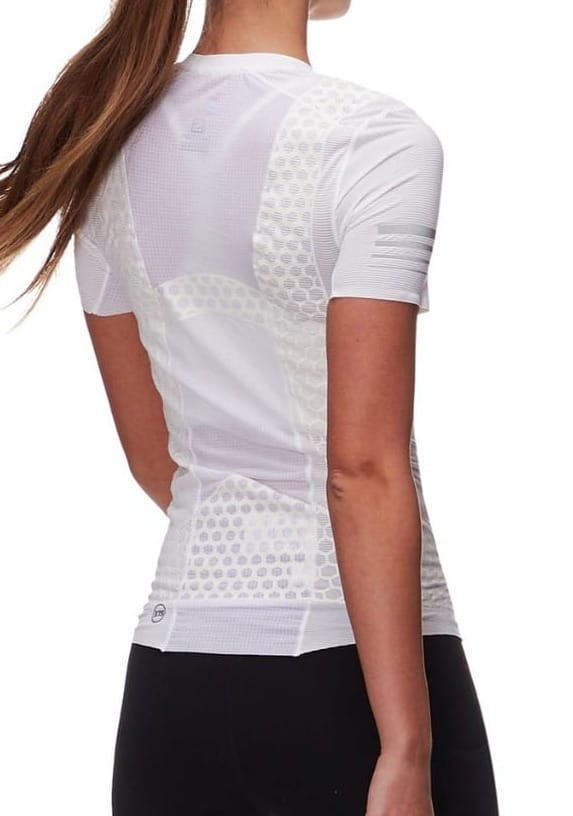
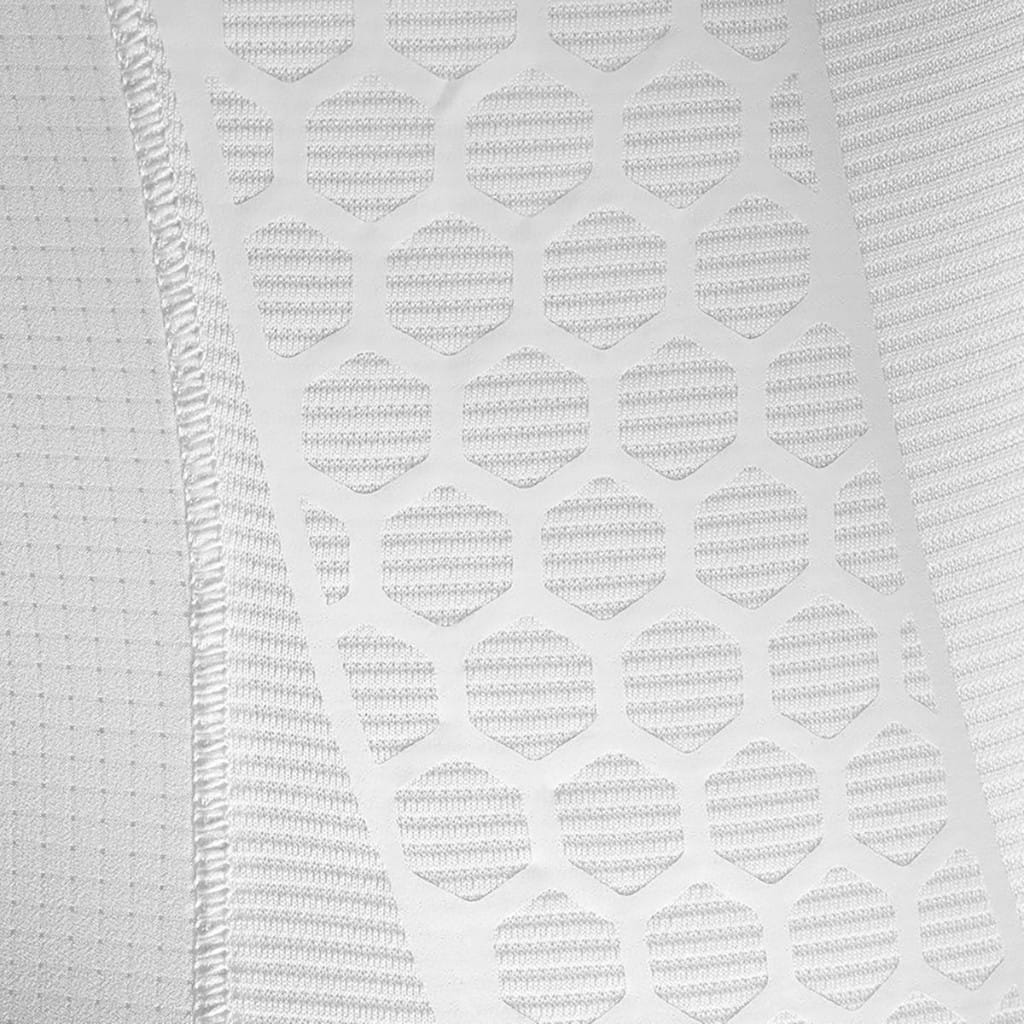
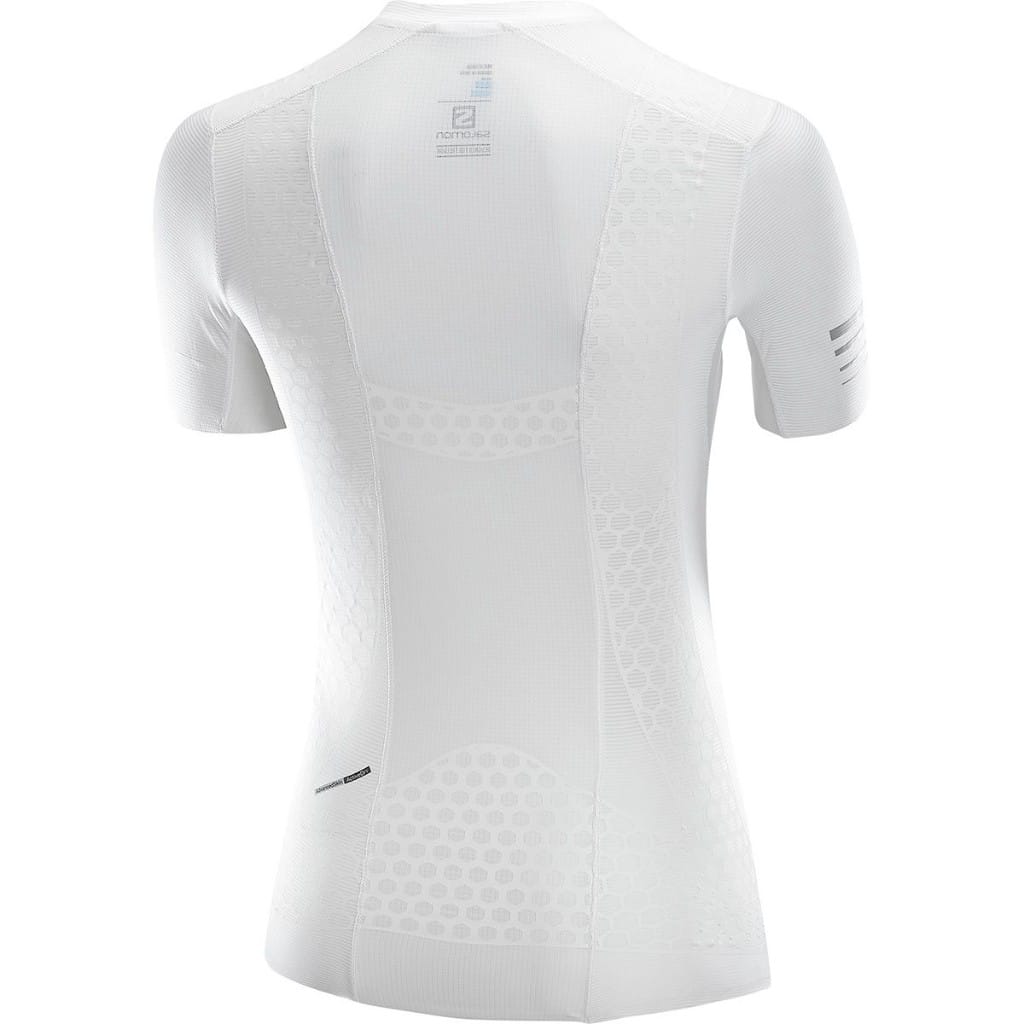
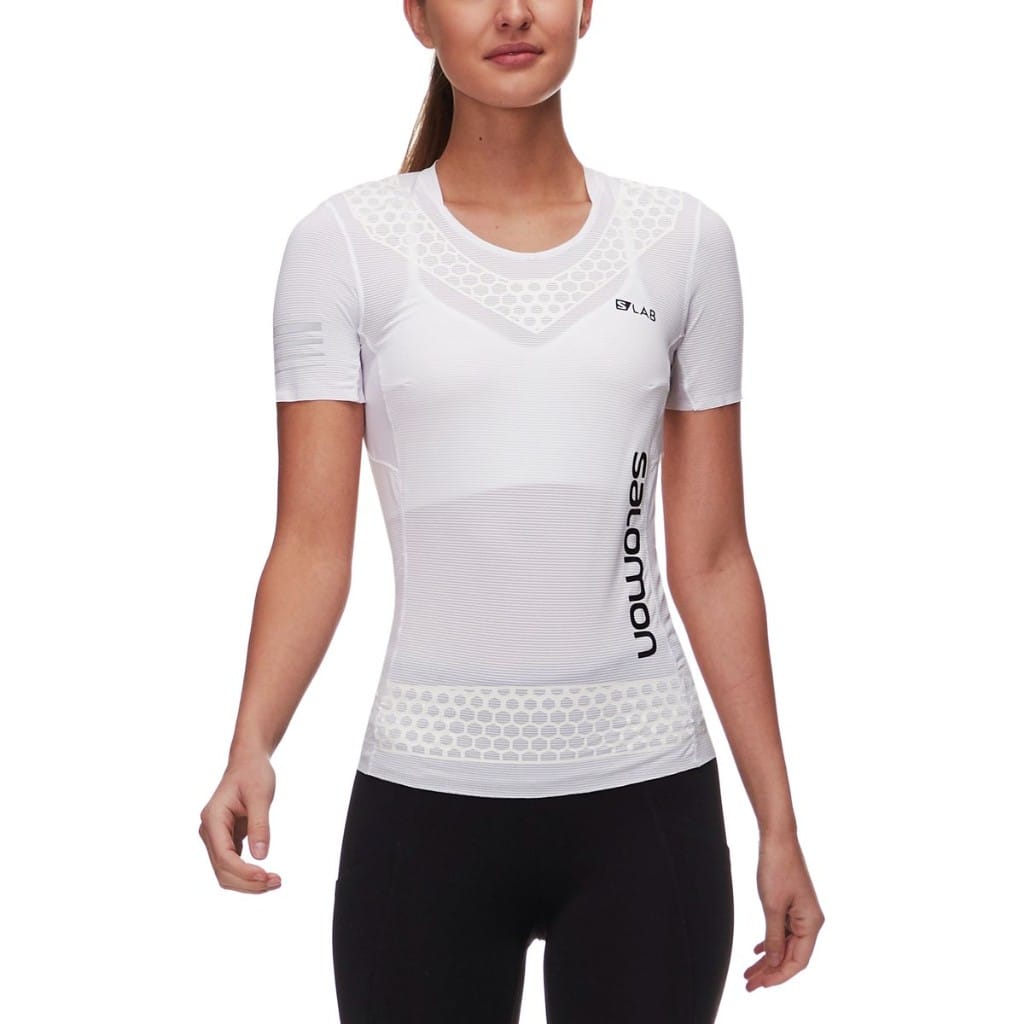
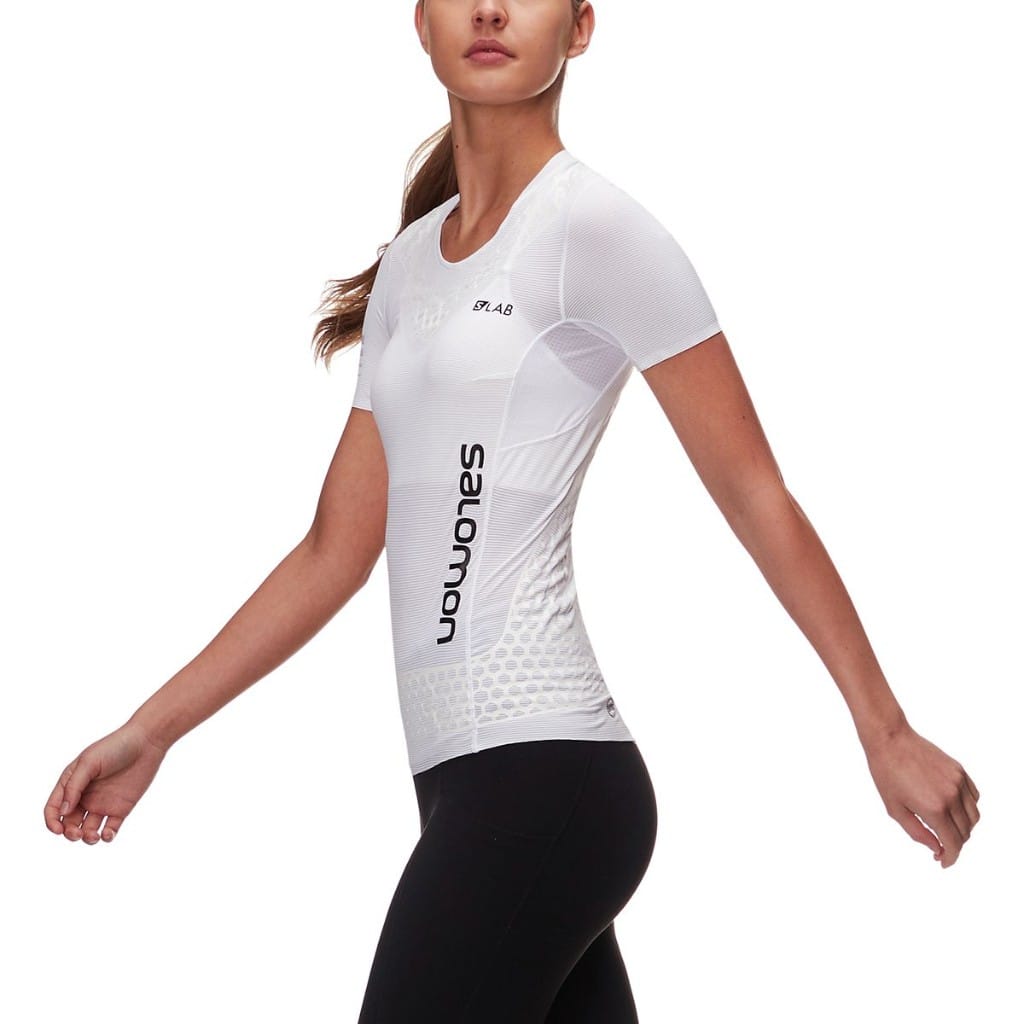
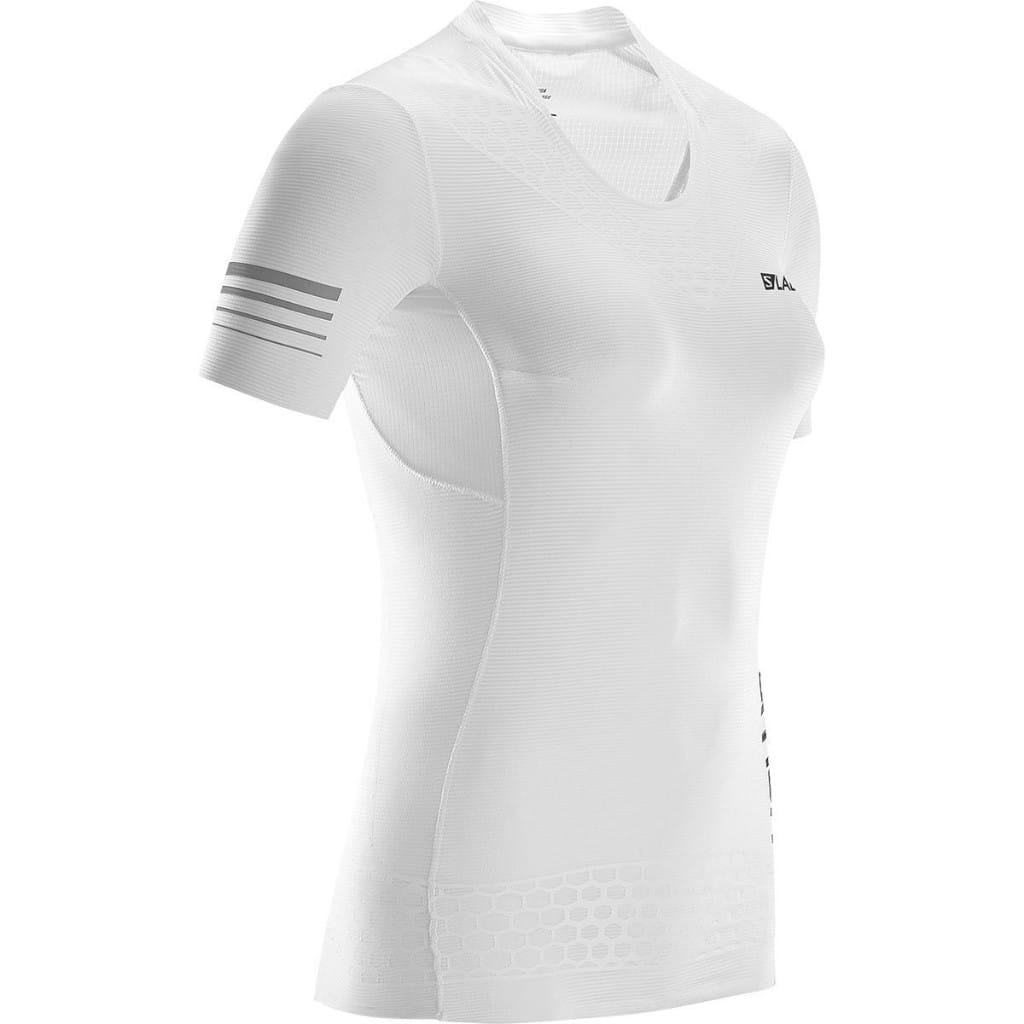
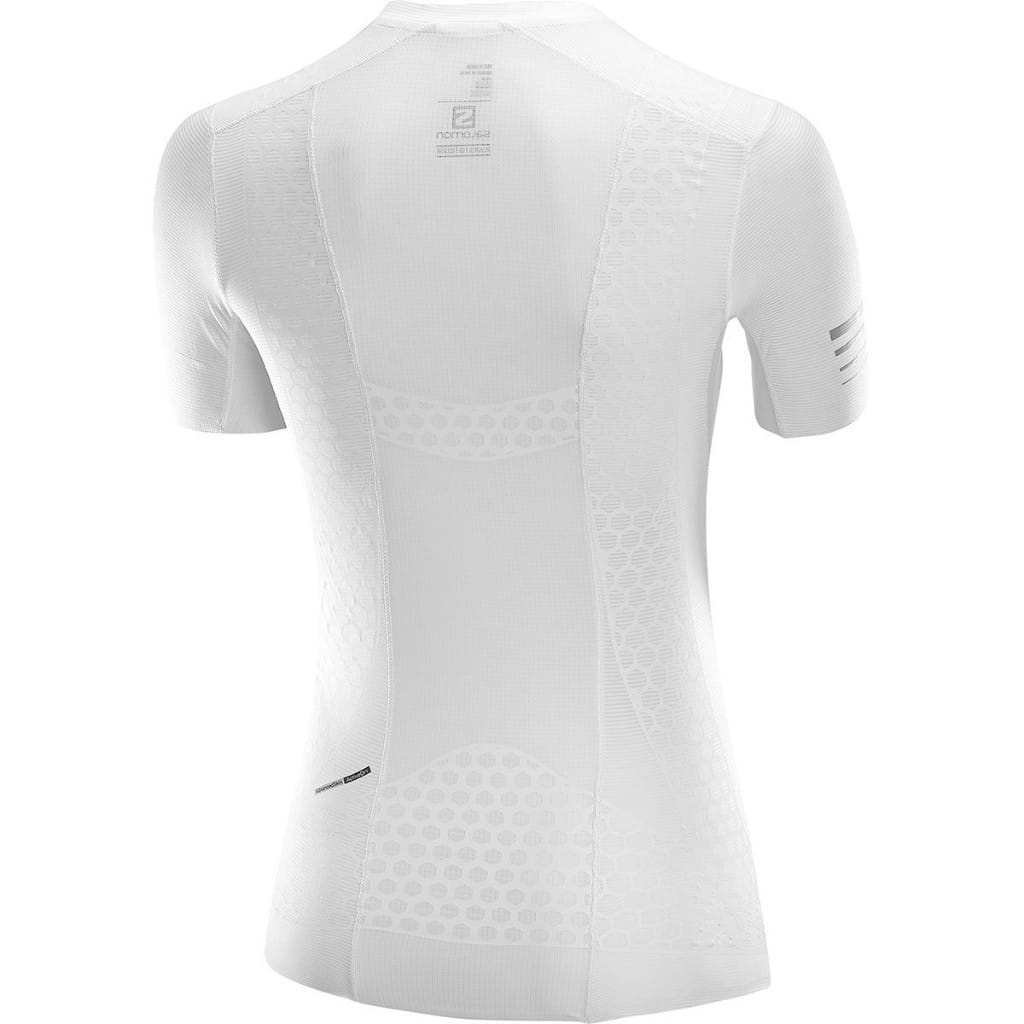
The women’s S/LAB EXO tee maps its support structure across the shoulders, spine and lower torso without turning the shirt into a hard compression shell. Open knit, 37.5 fabric and a skin fit keep it light enough for long trail efforts.
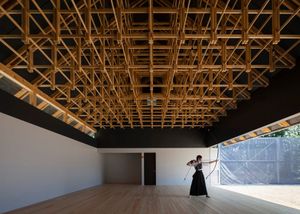
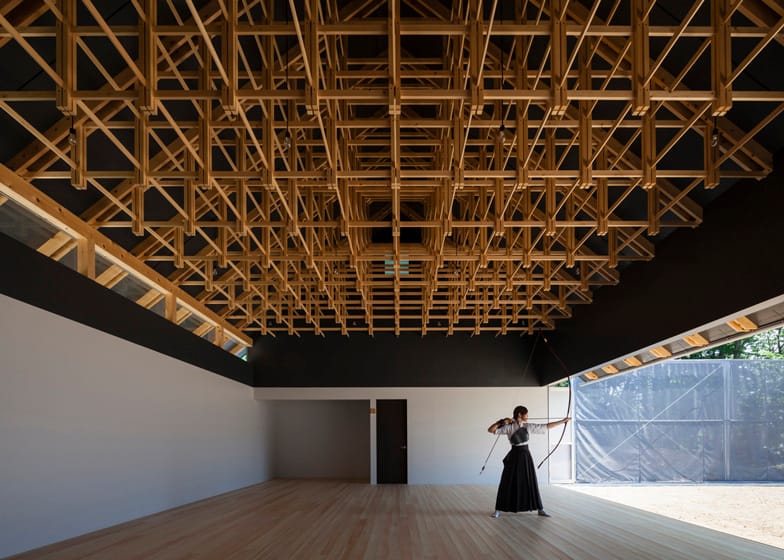
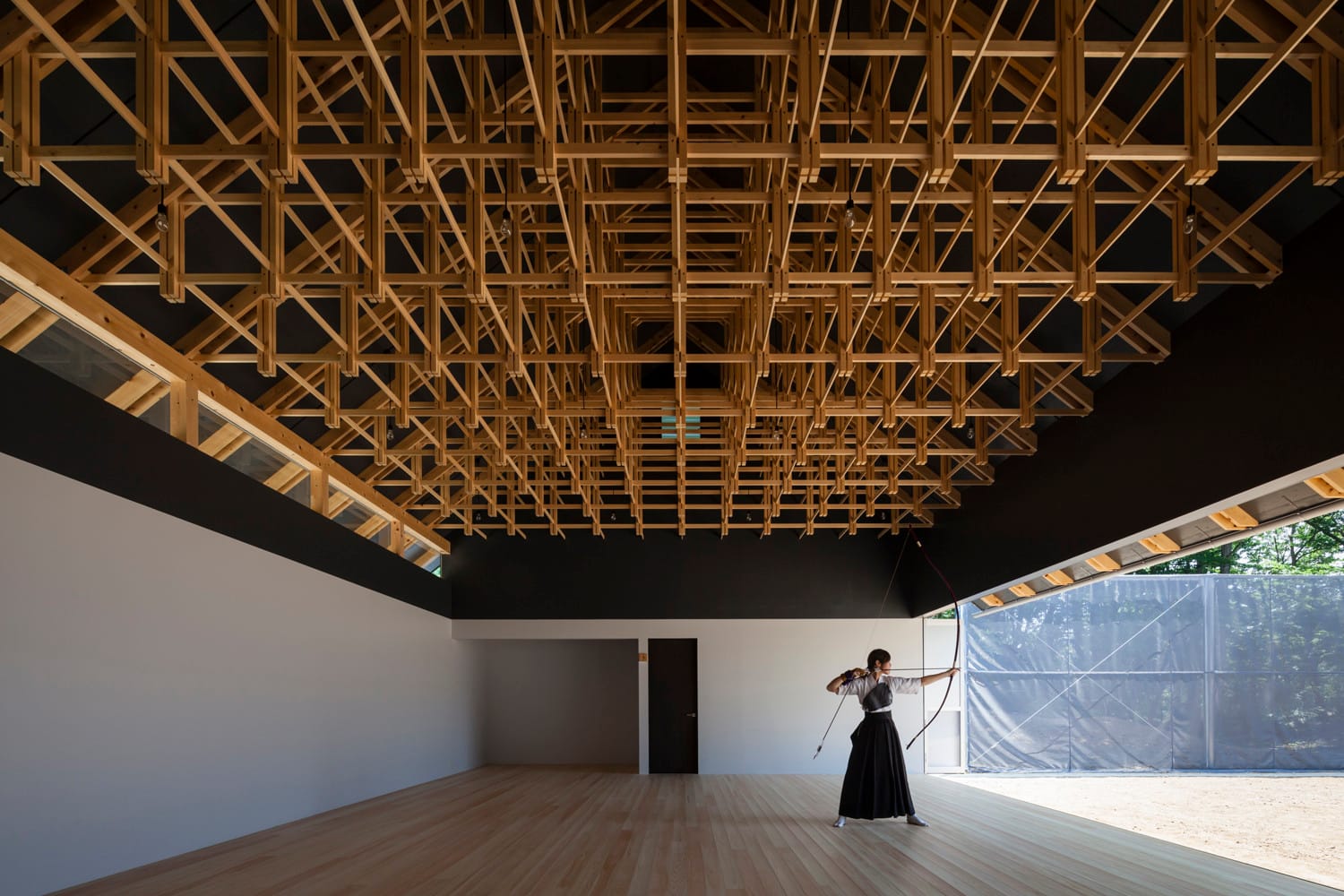
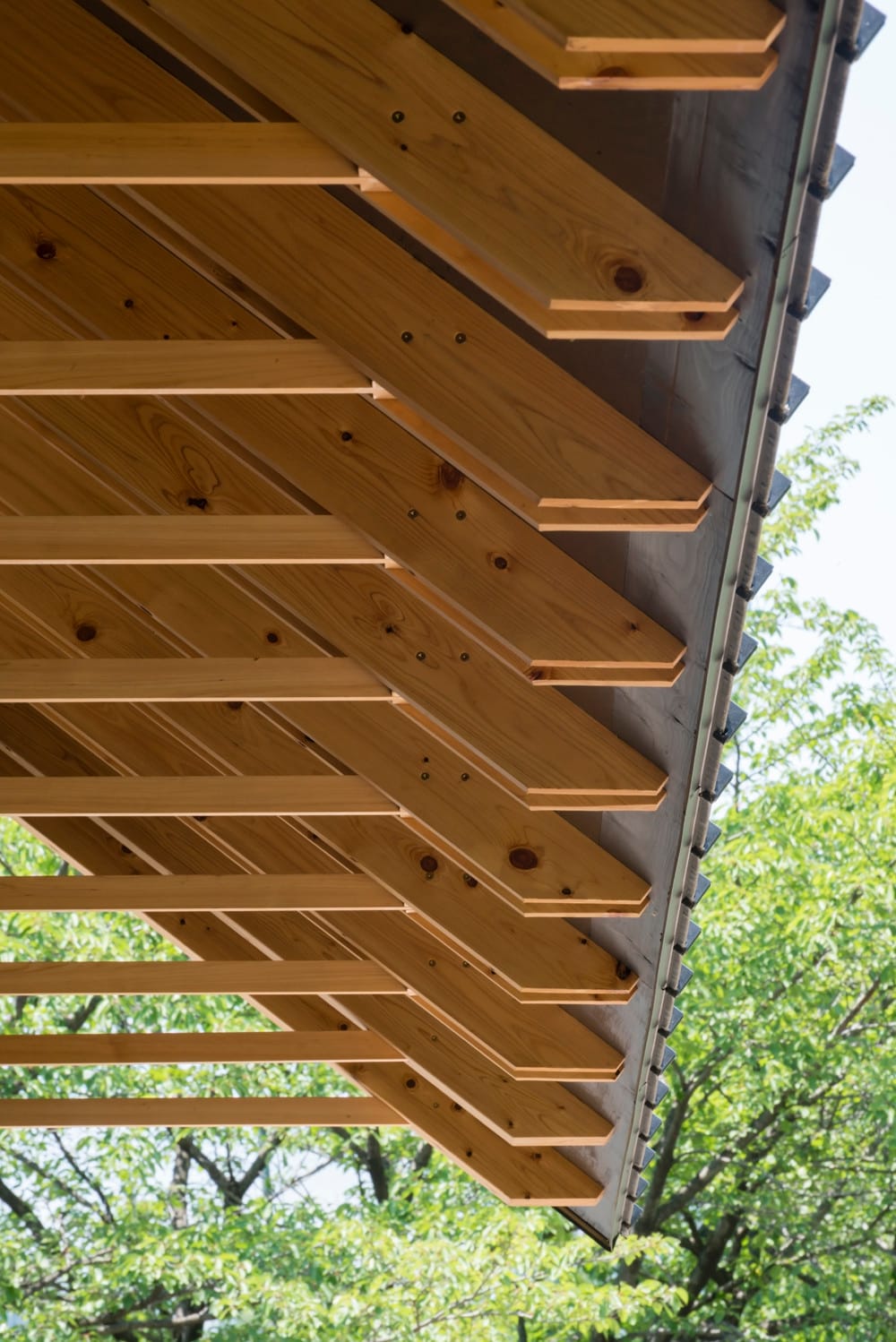
The Archery Hall, one of two sports pavilions FT Architects (Katsuya Fukushima, Hiroko Tominaga) built in 2013 at Kogakuin University, west Tokyo. Each is a column-free room of 7.2 by 10.8 m under an exposed timber roof of horizontal and vertical members, bolt-and-nut jointed. The archery hall uses small timber sections normally used for furniture. Photographs by Shigeo Ogawa.

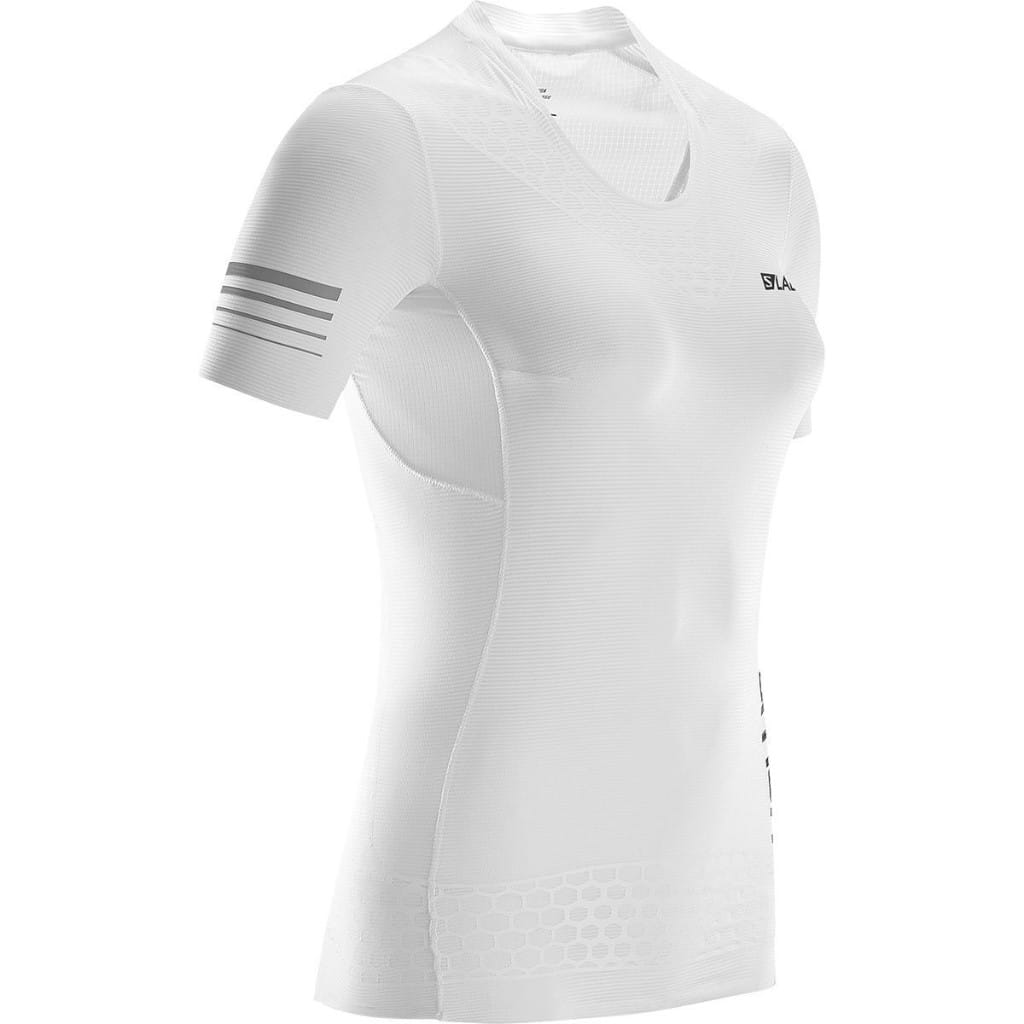
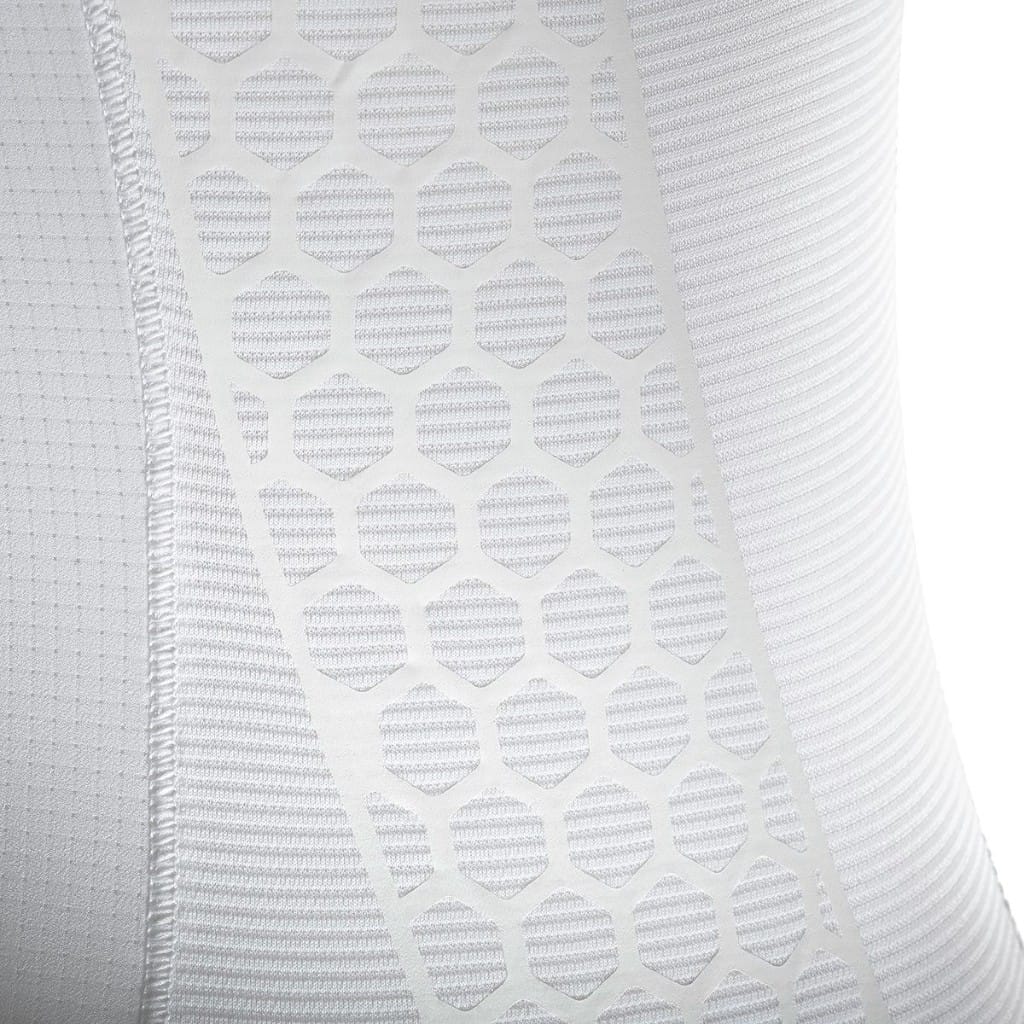
The women’s S/LAB EXO T-Shirt turns the EXO grid into mapped bands at the neckline, spine and hem. A form-fitting nylon stretch knit holds the structure close, while 37.5 thermoregulation and open mesh manage heat through long trail efforts.
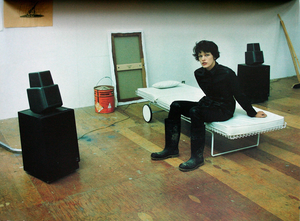
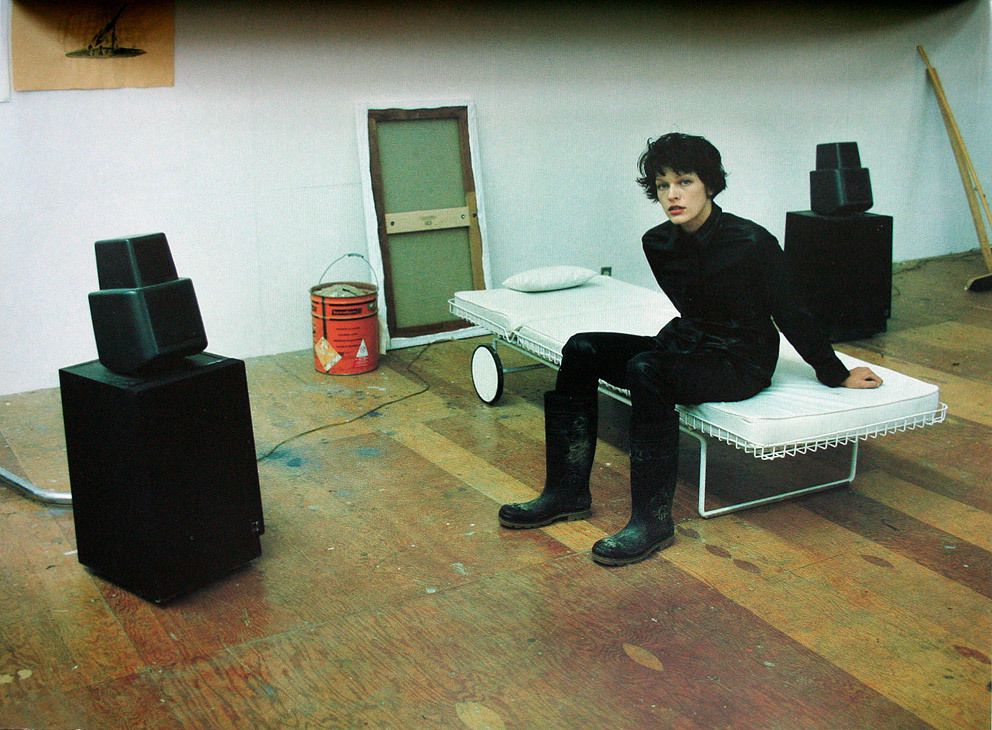
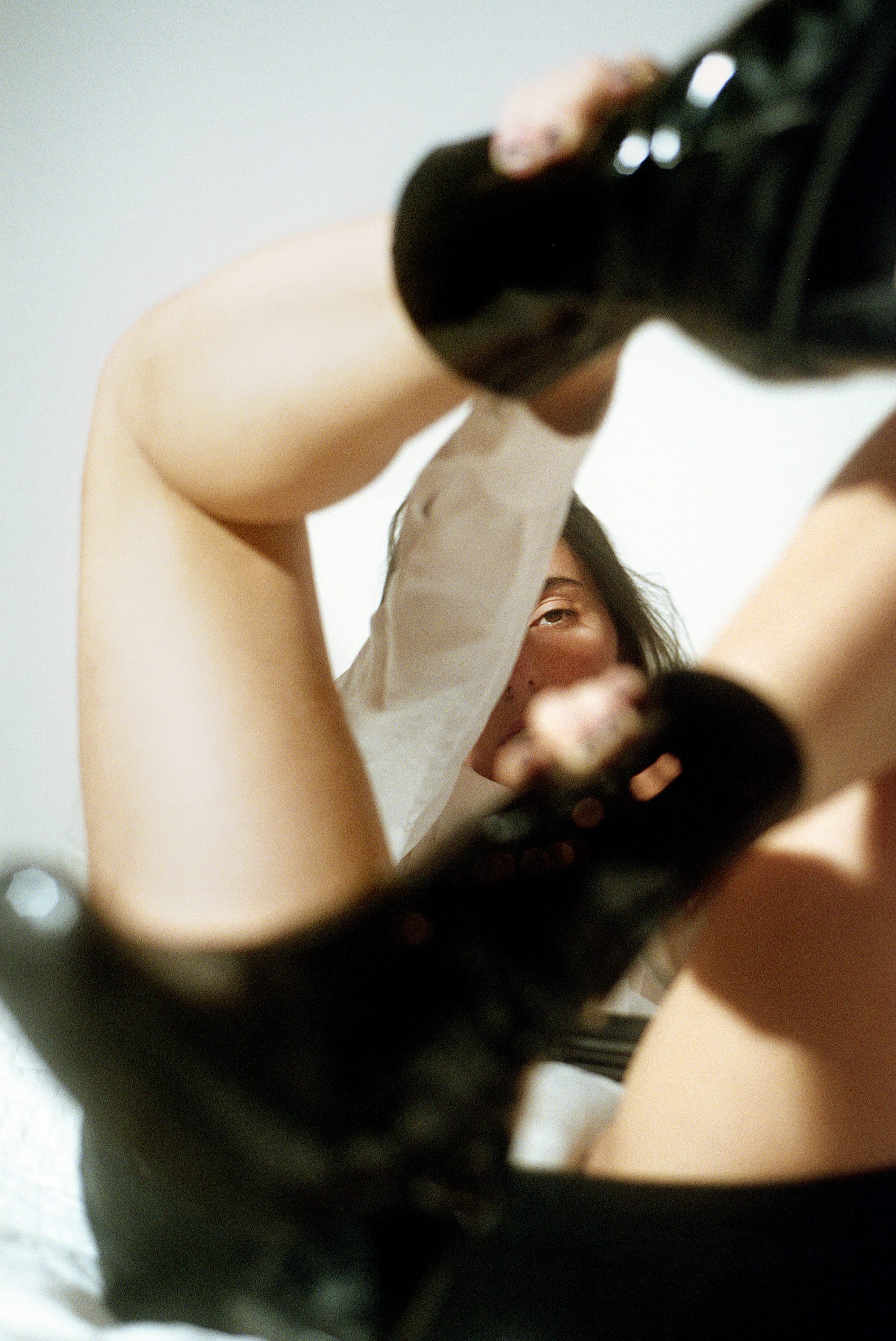
MIlla Jovovich by Juergen Teller for Strenesse fw97
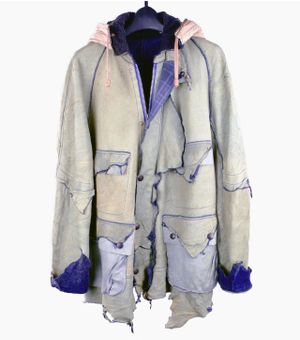
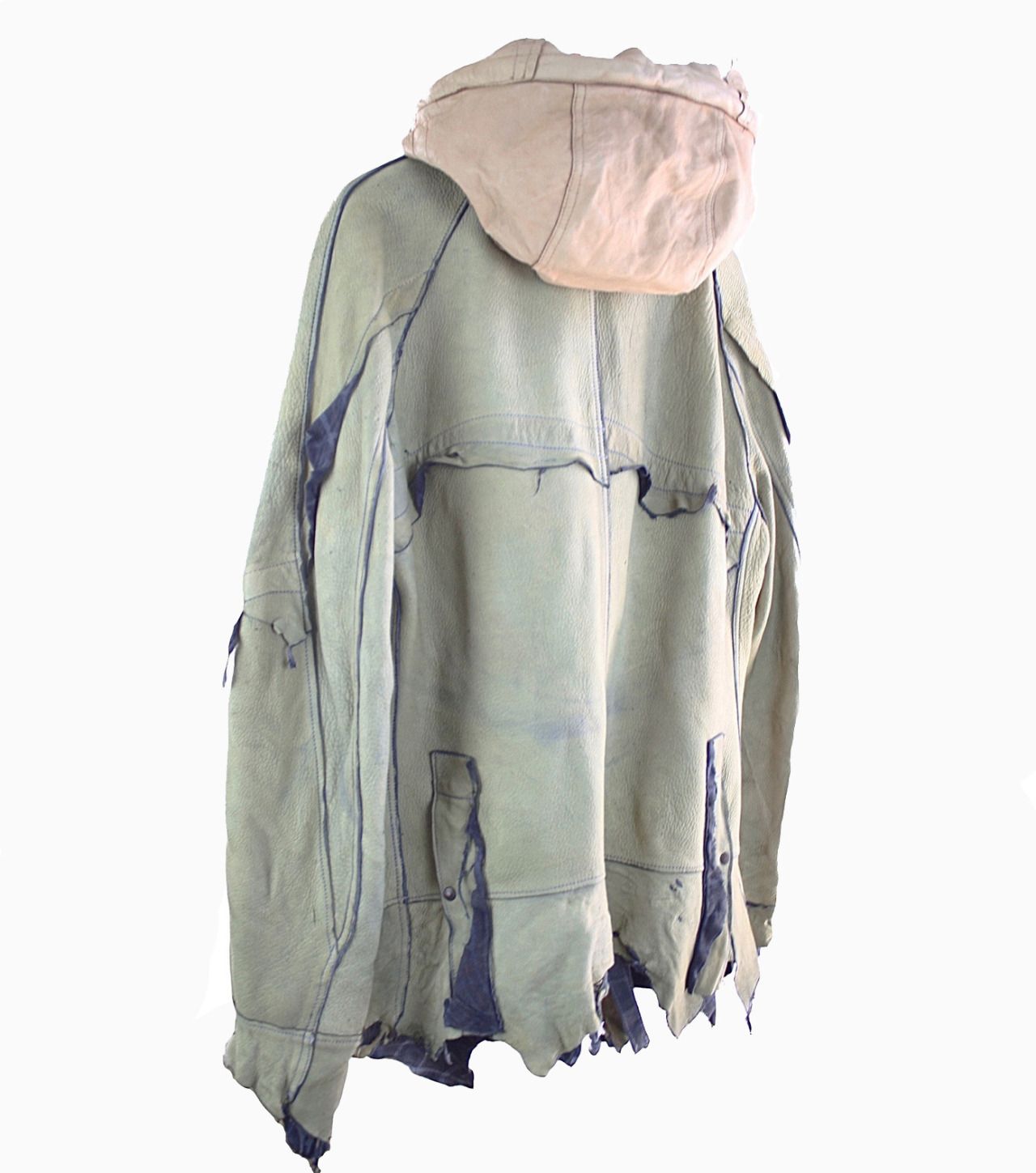
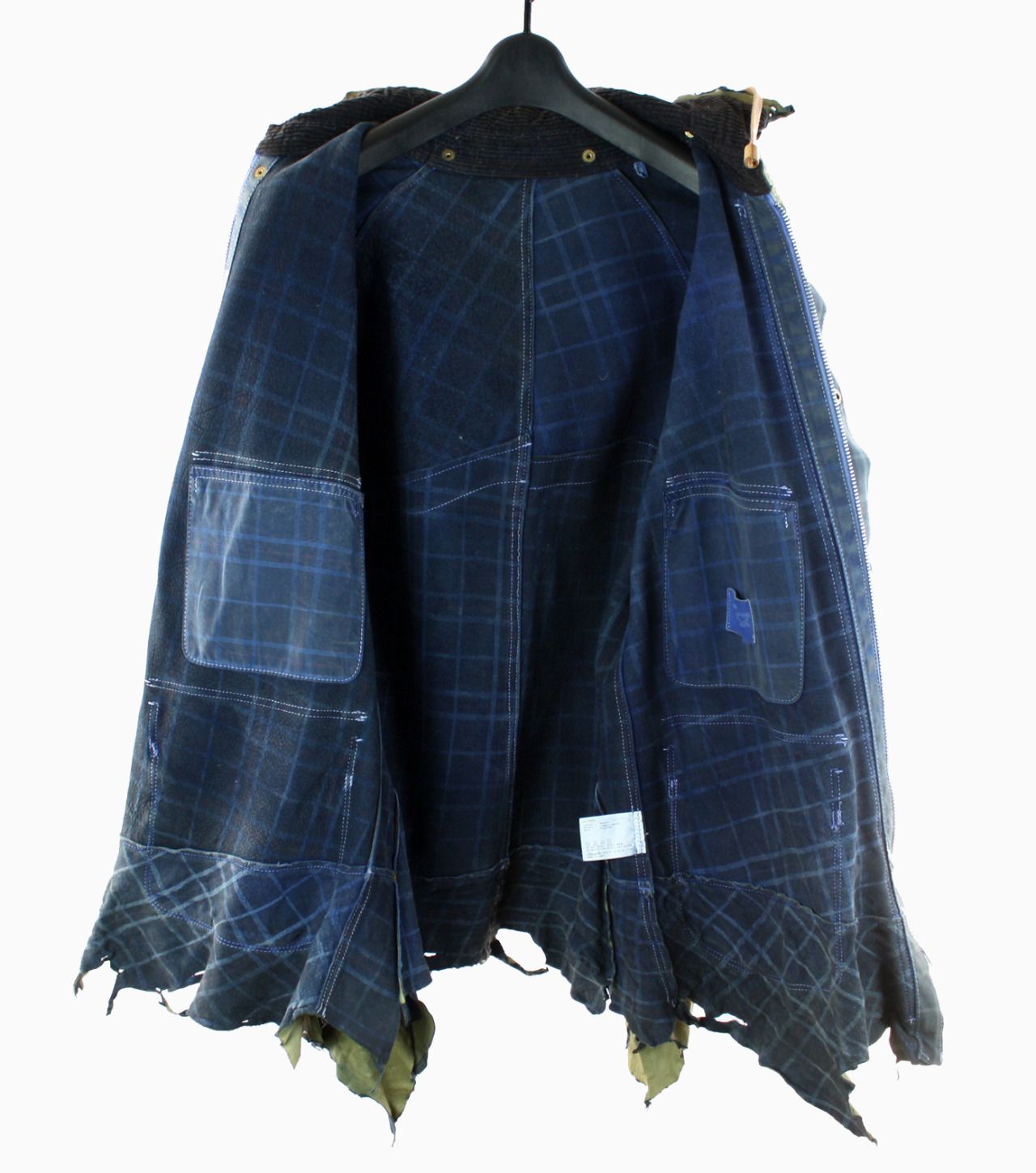
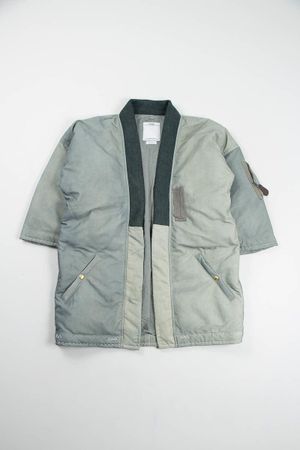
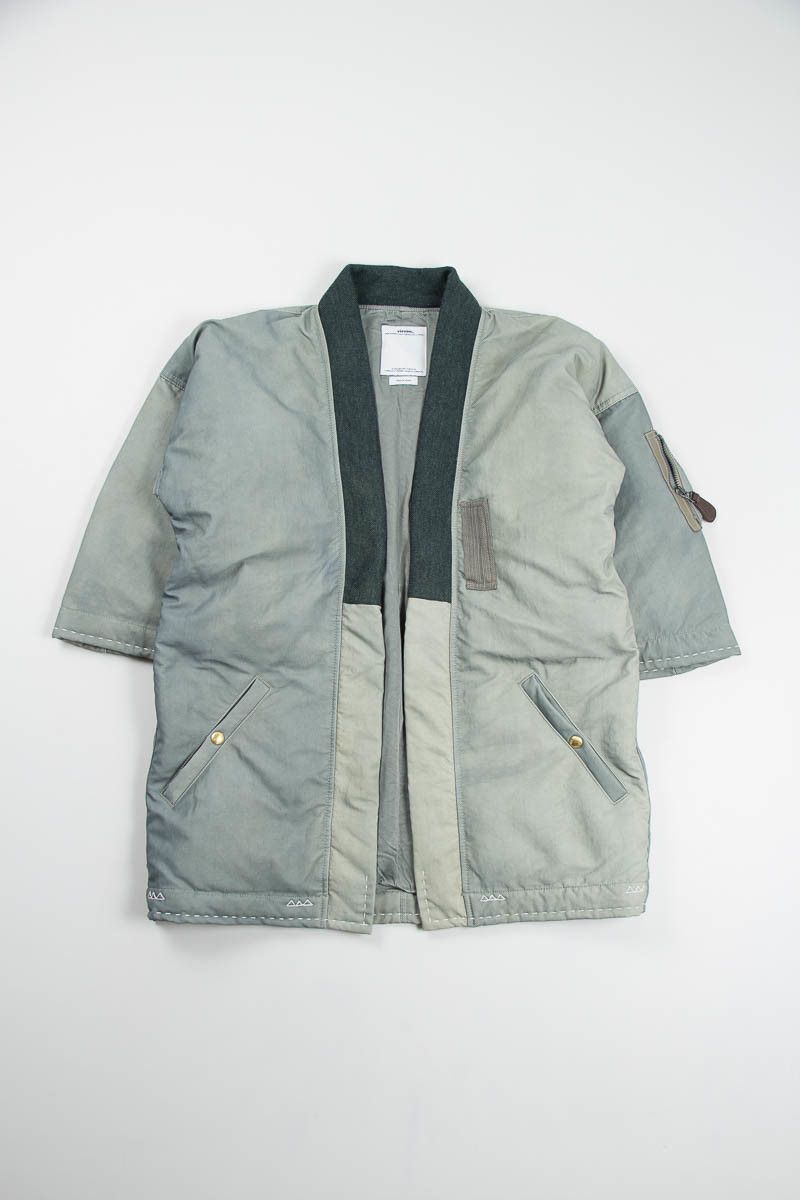
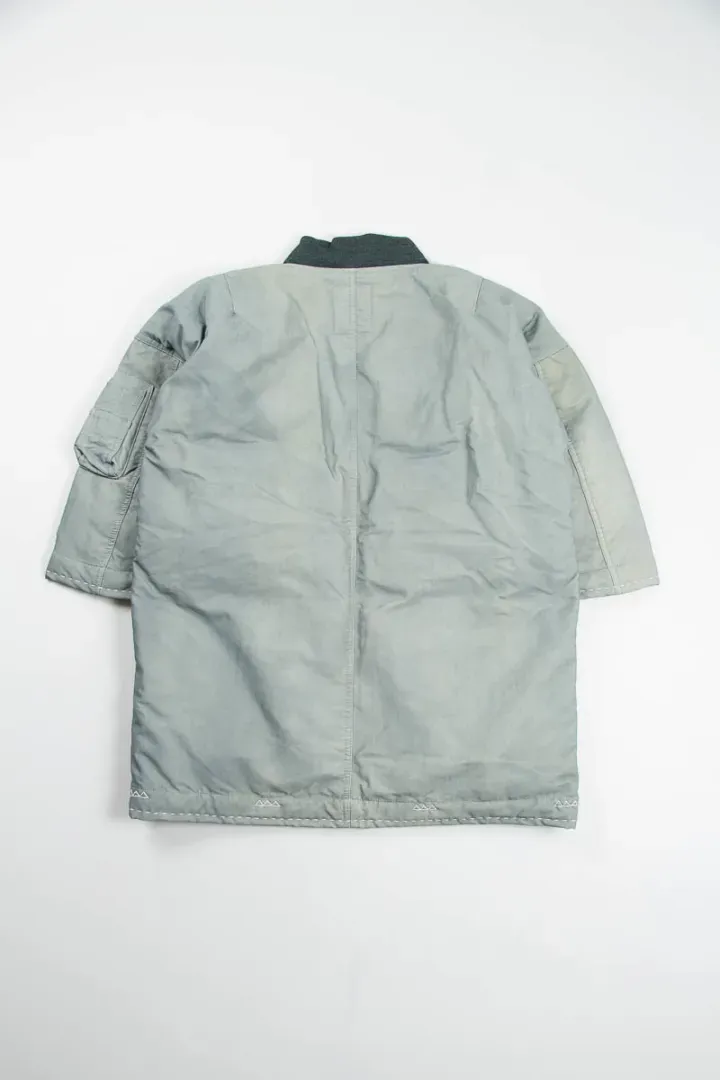
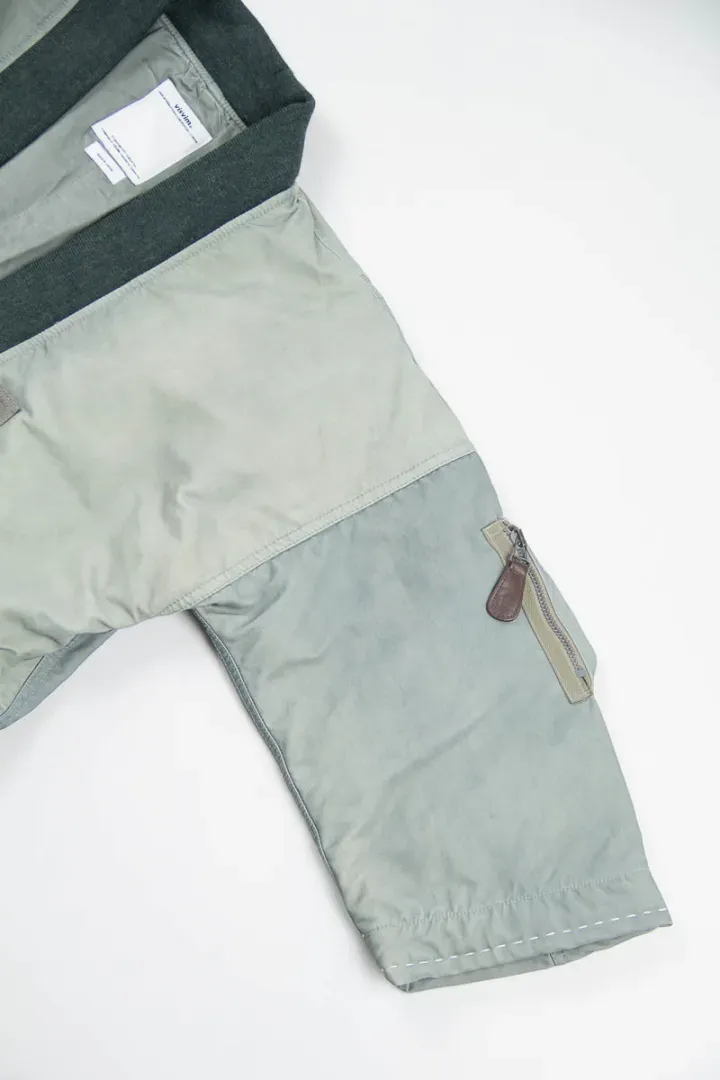
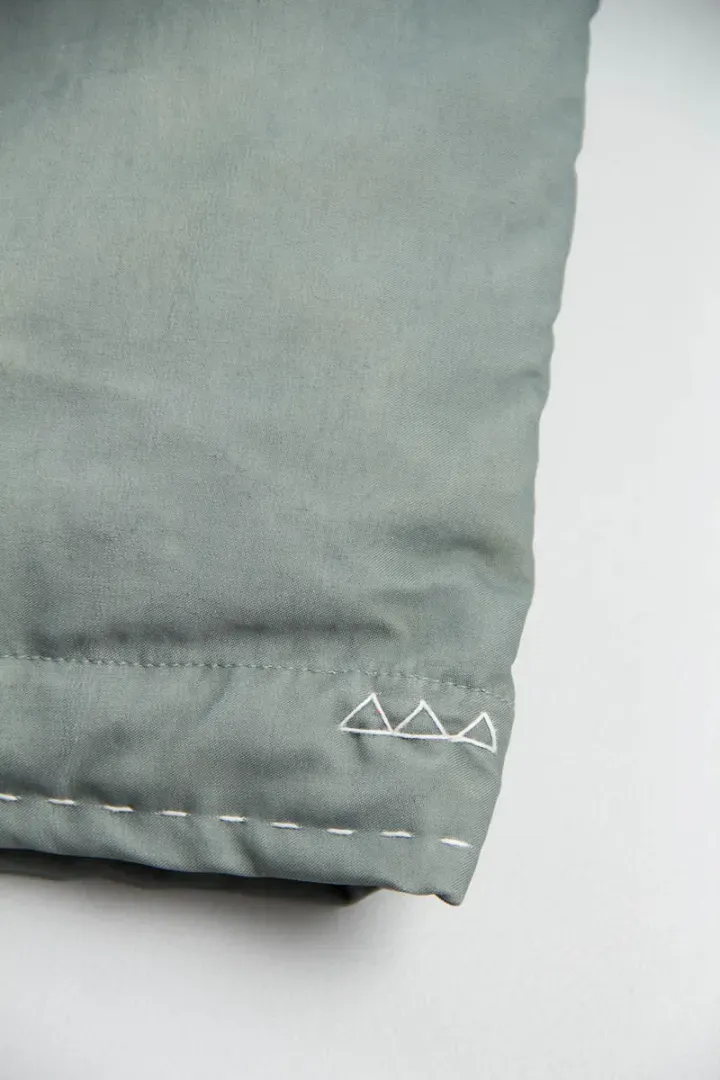
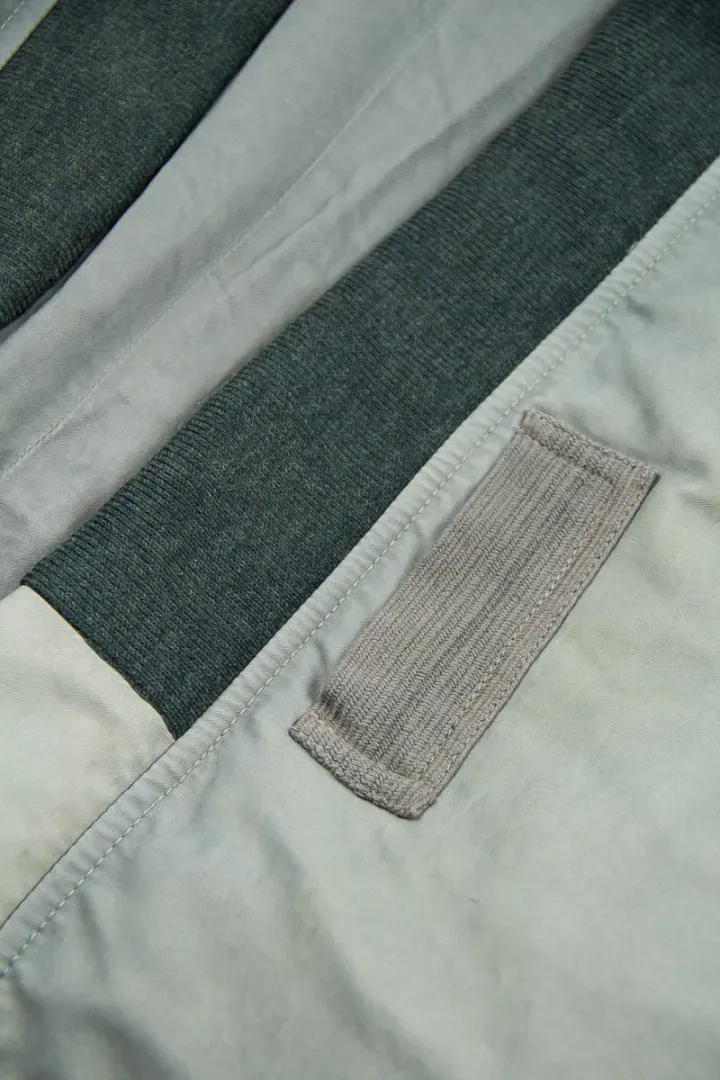
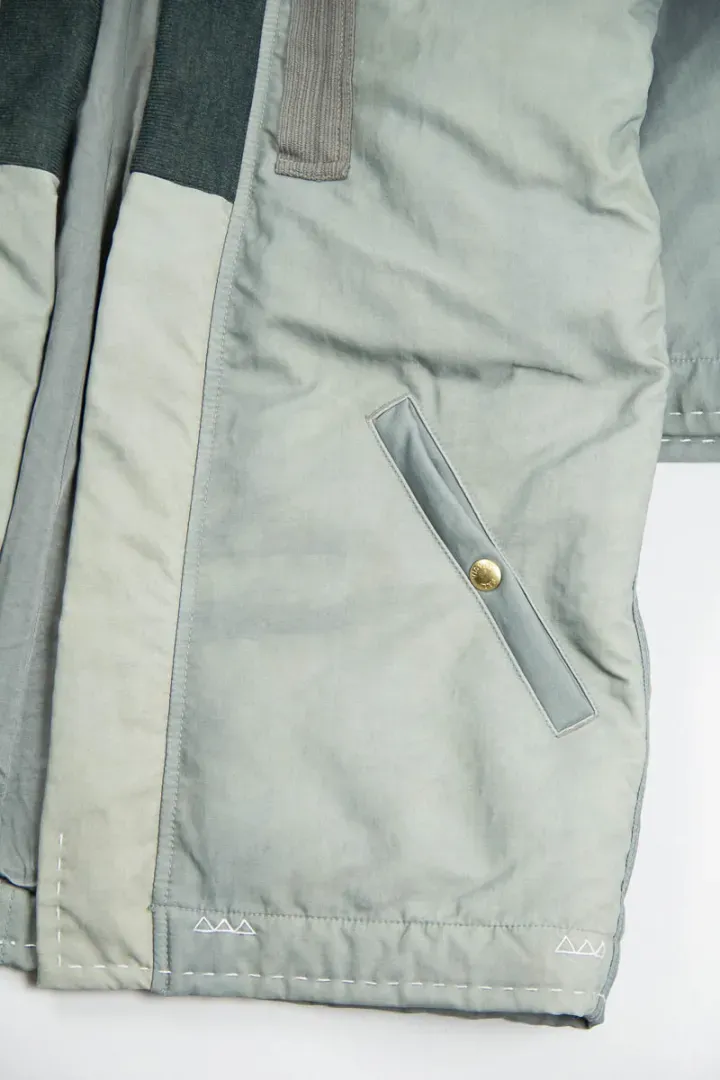
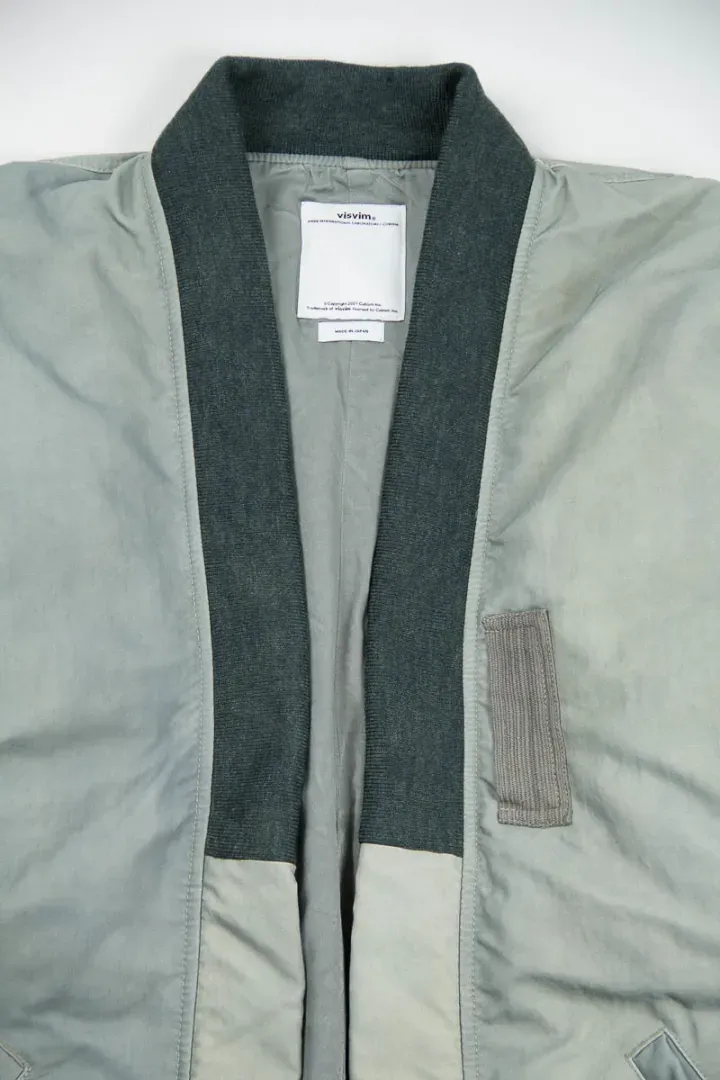
Naturally dyed Italian nylon with a white goose down fill, ribbed collar, 2 slanted snap button pockets, Talon zippered utility pocket on one sleeve, patch detailing on the placket and hand–stitched sashiko.


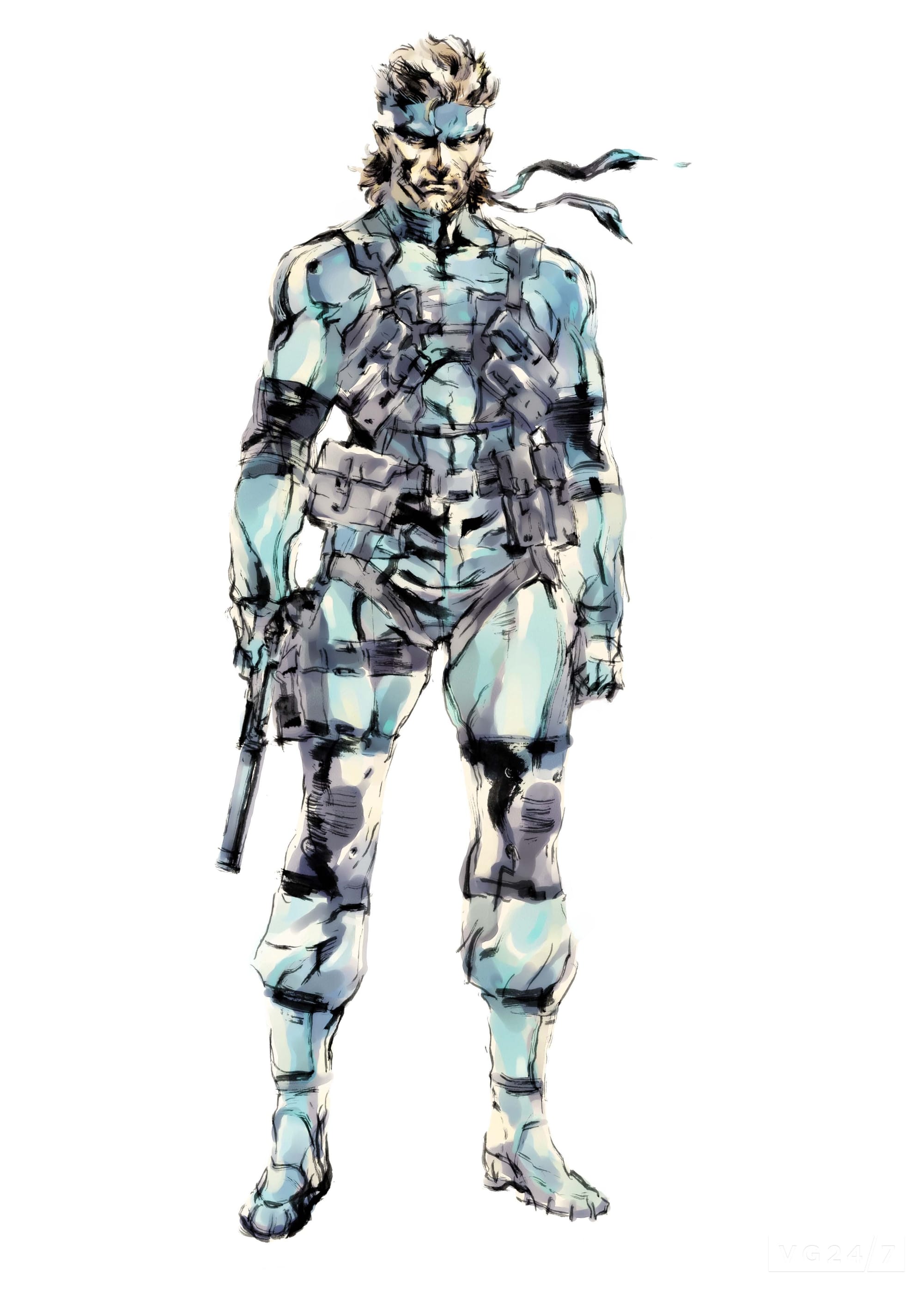

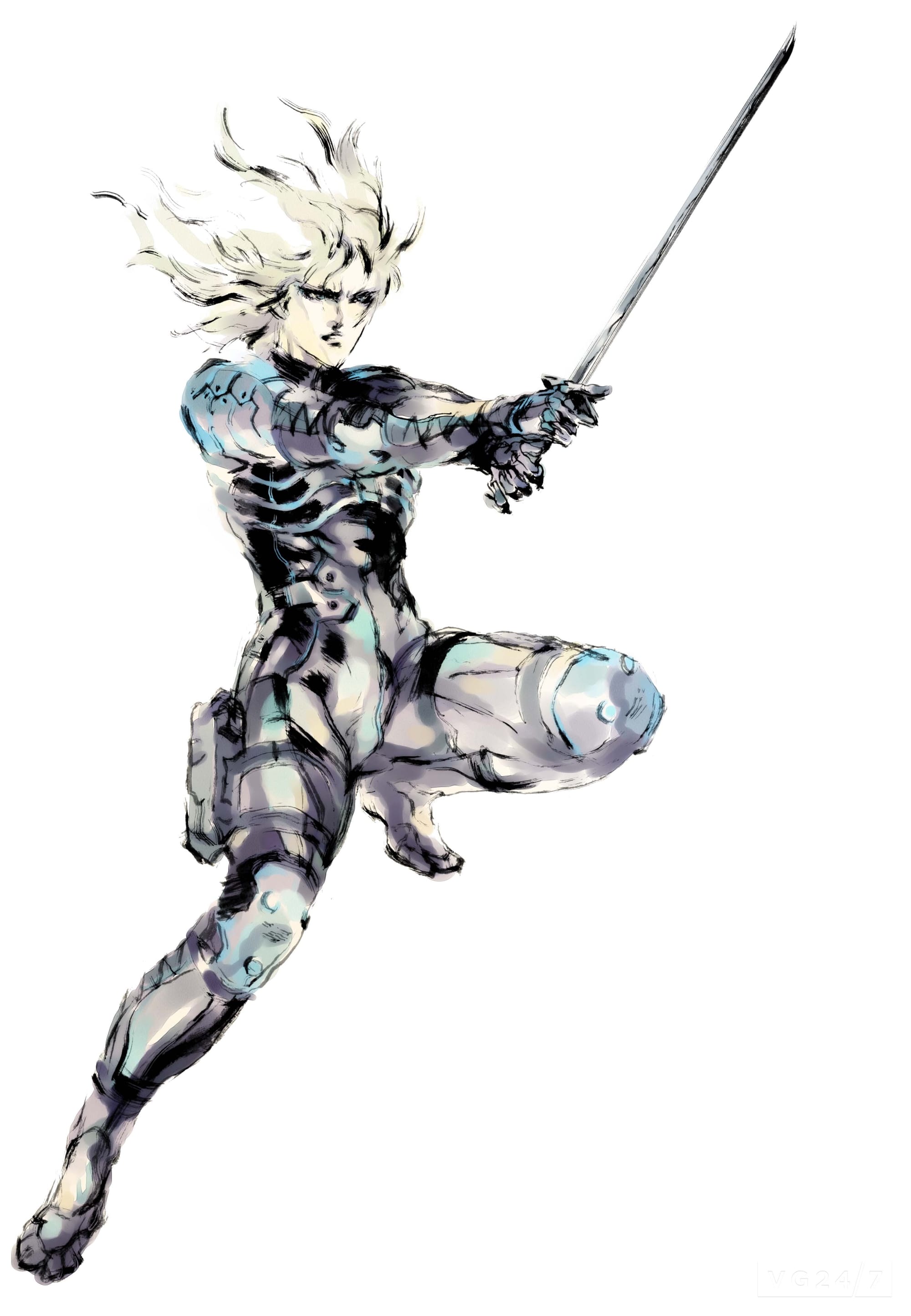
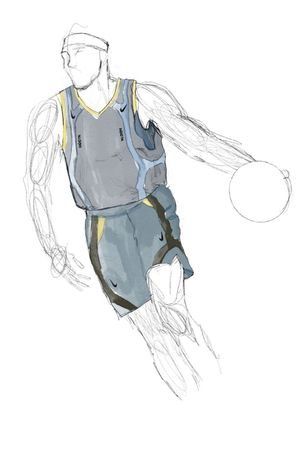
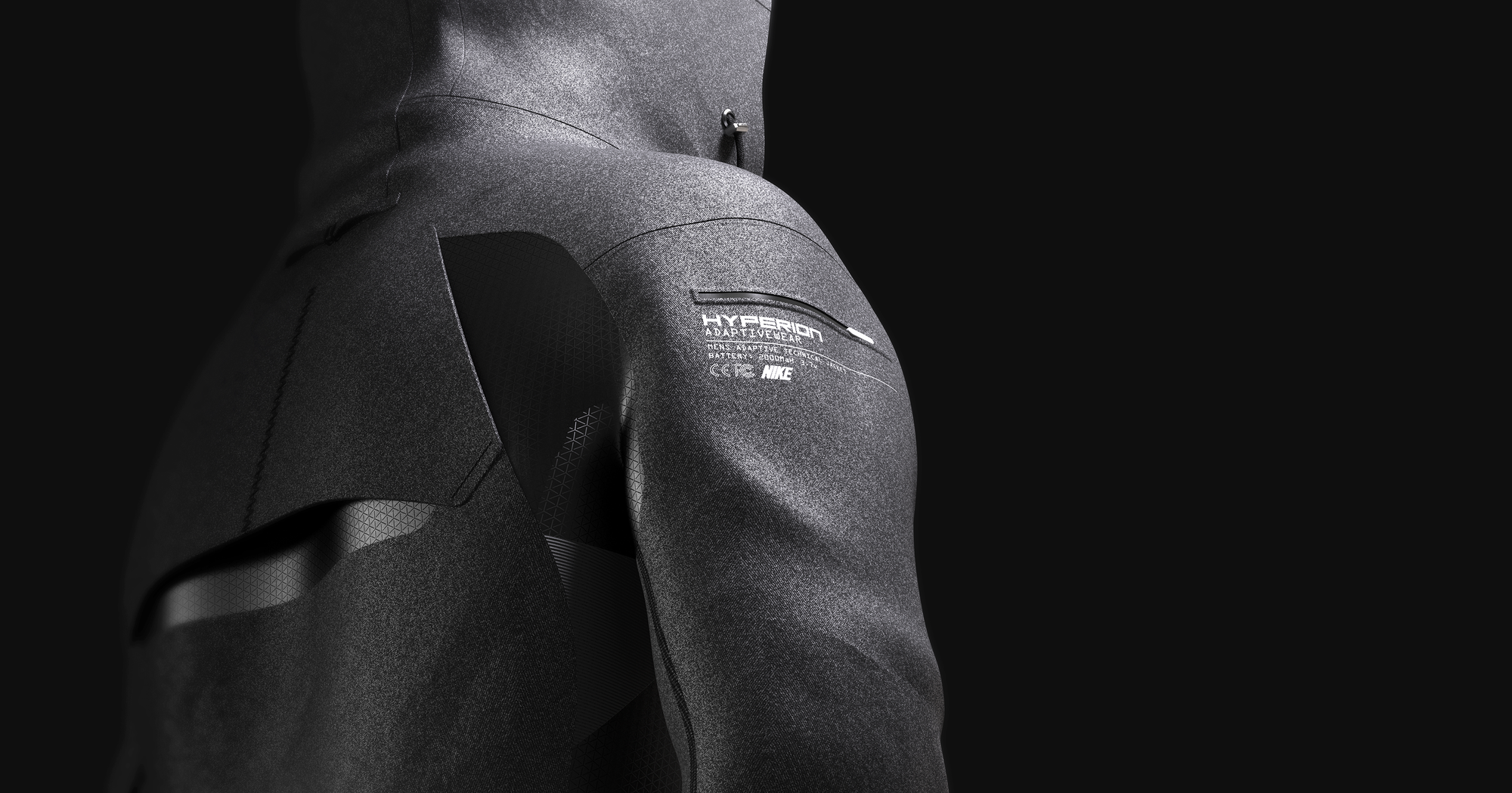
A concept for a Nike training jacket by designer Joseph Cooper: a close-fitting panelled shell with mapped zones and bonded seams. A sportswear design study.
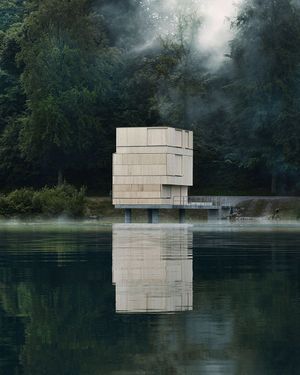
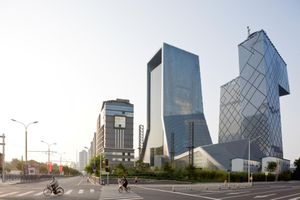
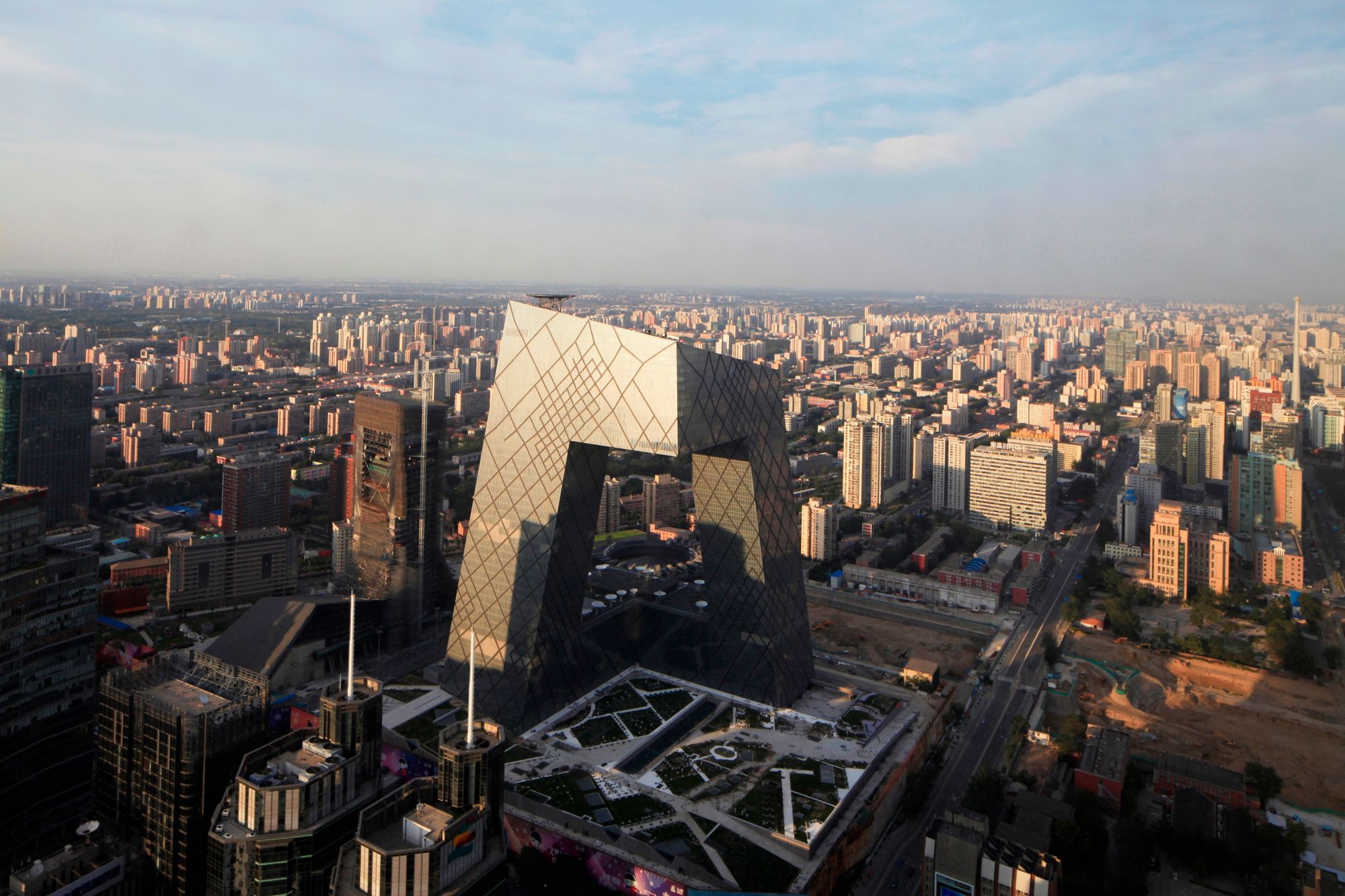
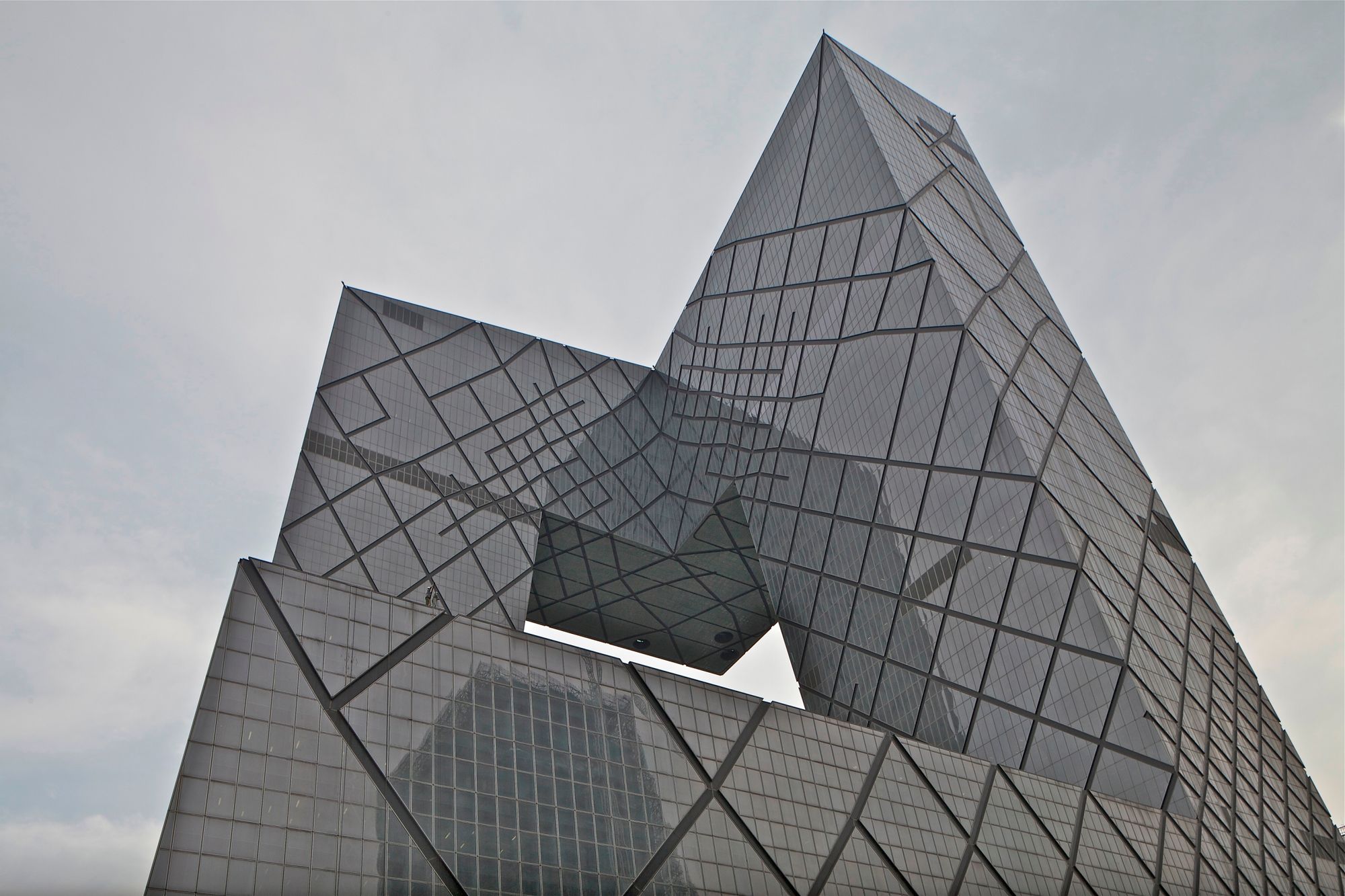
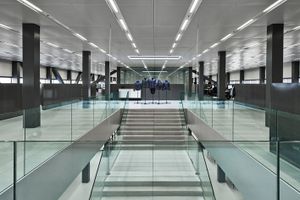
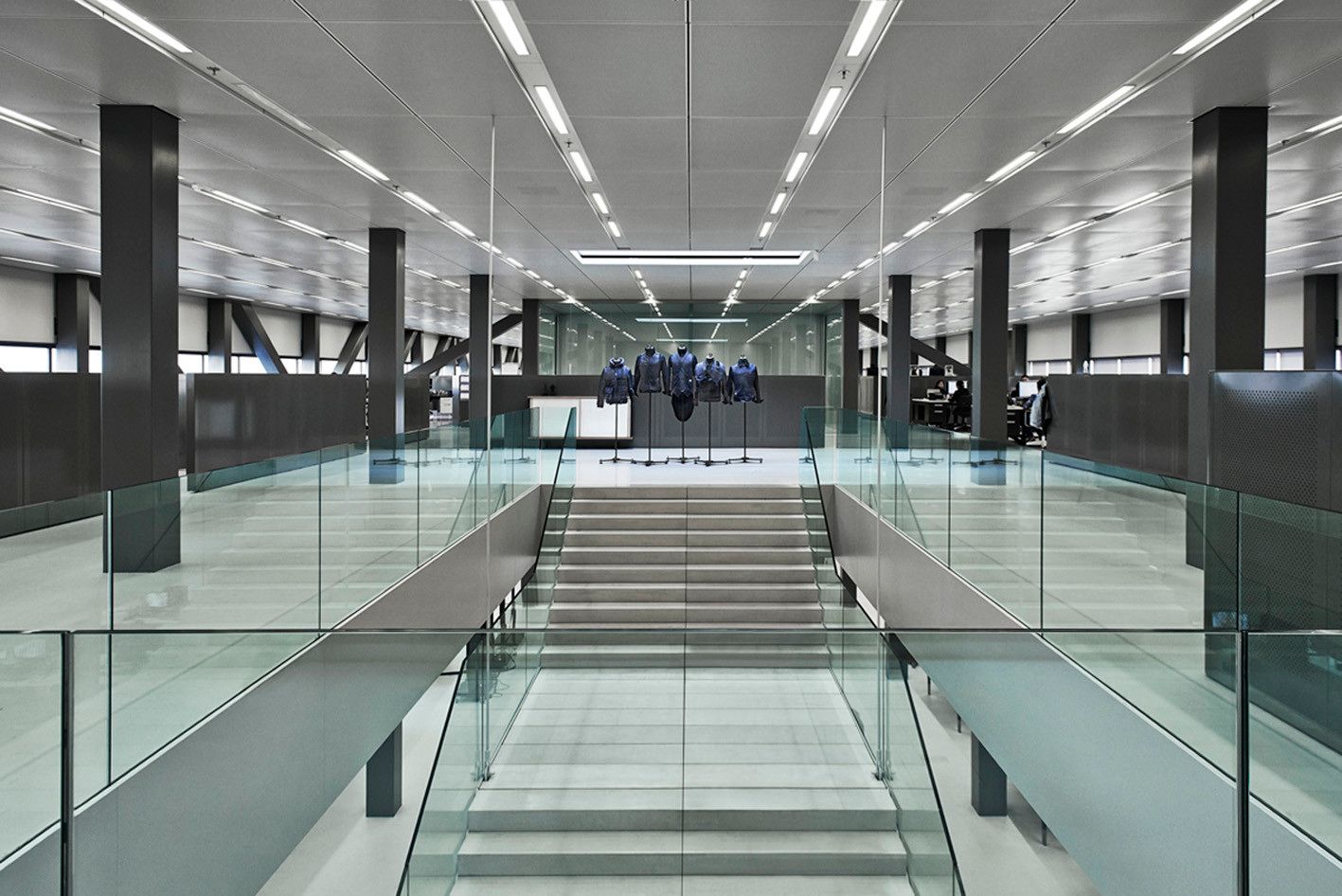
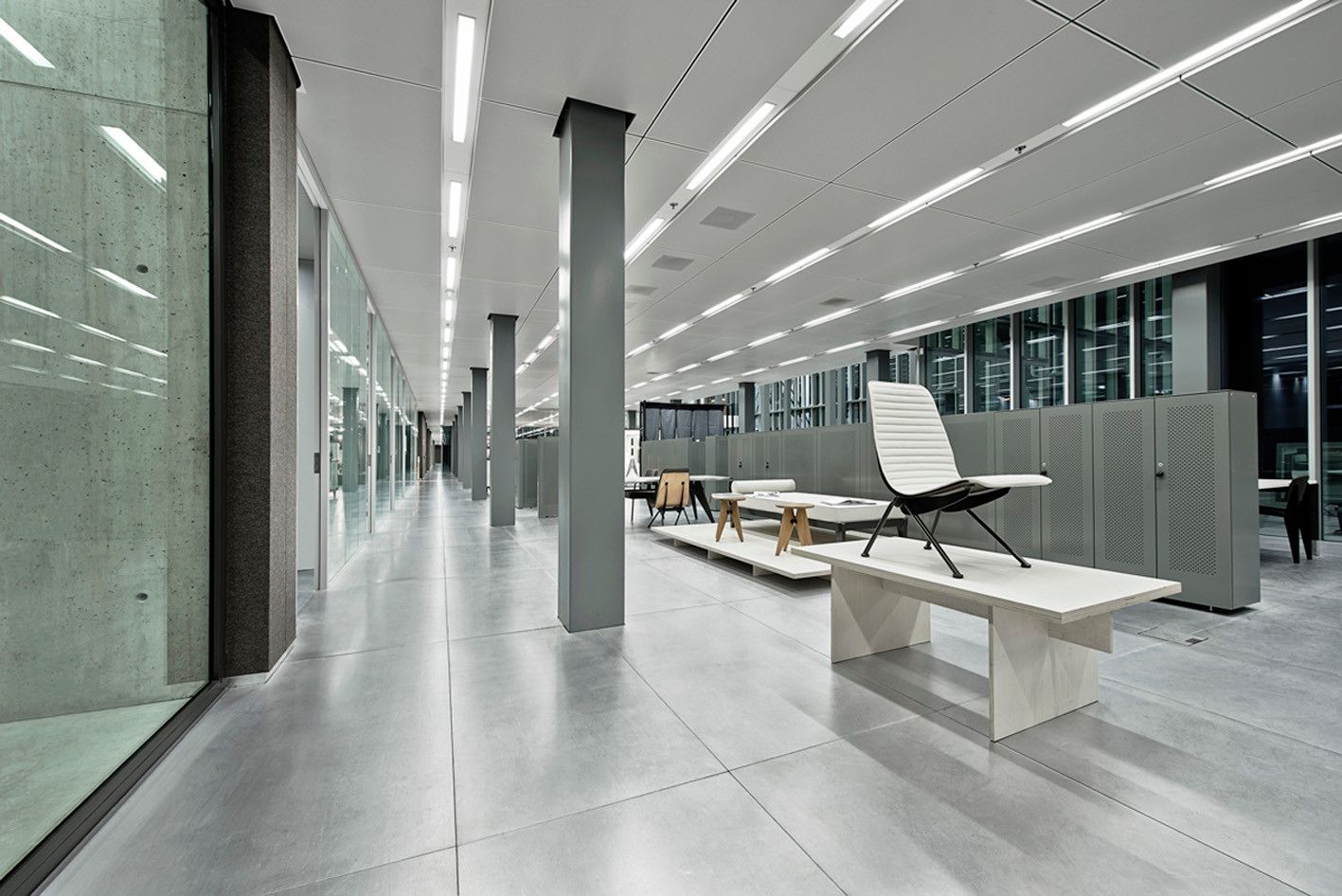
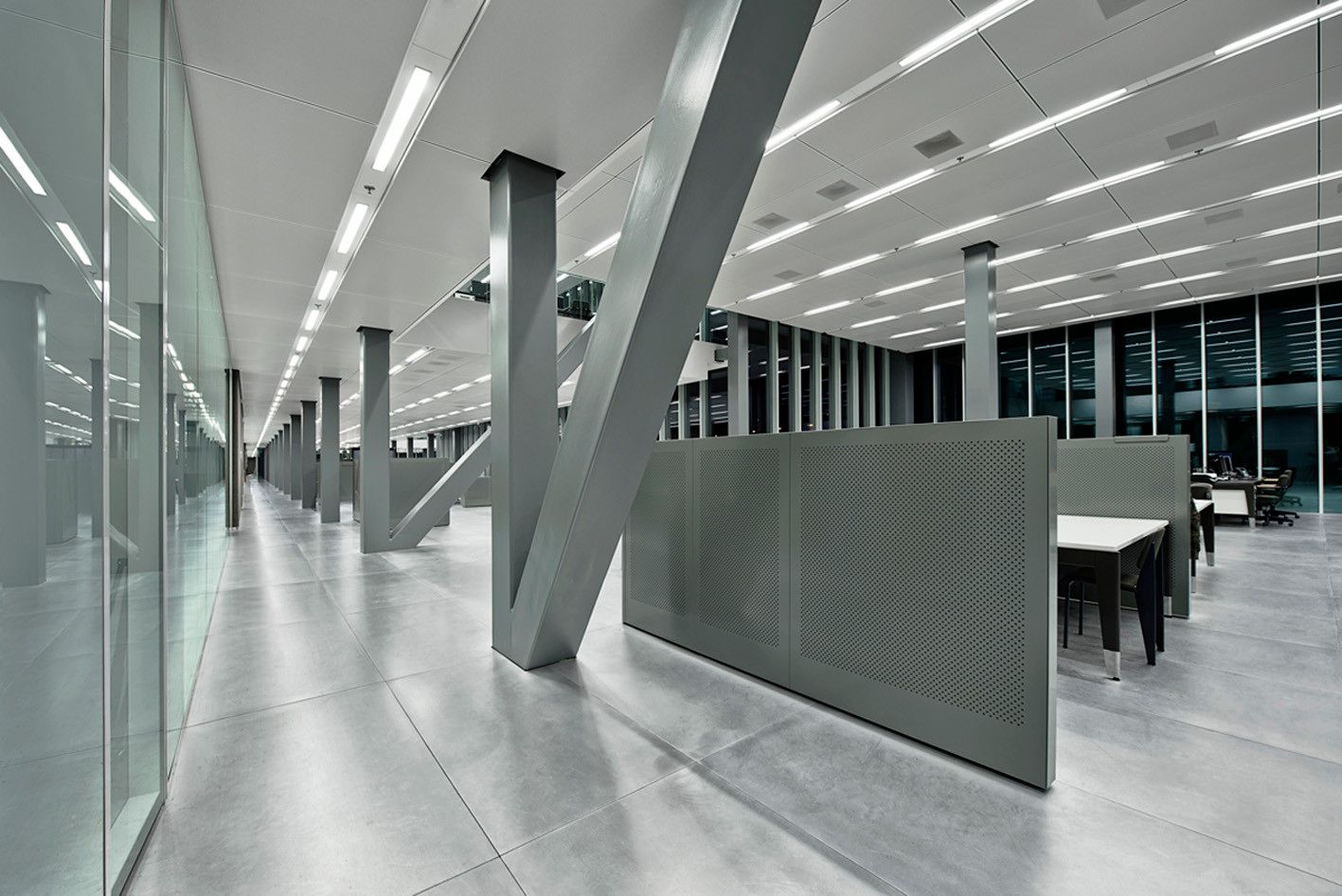
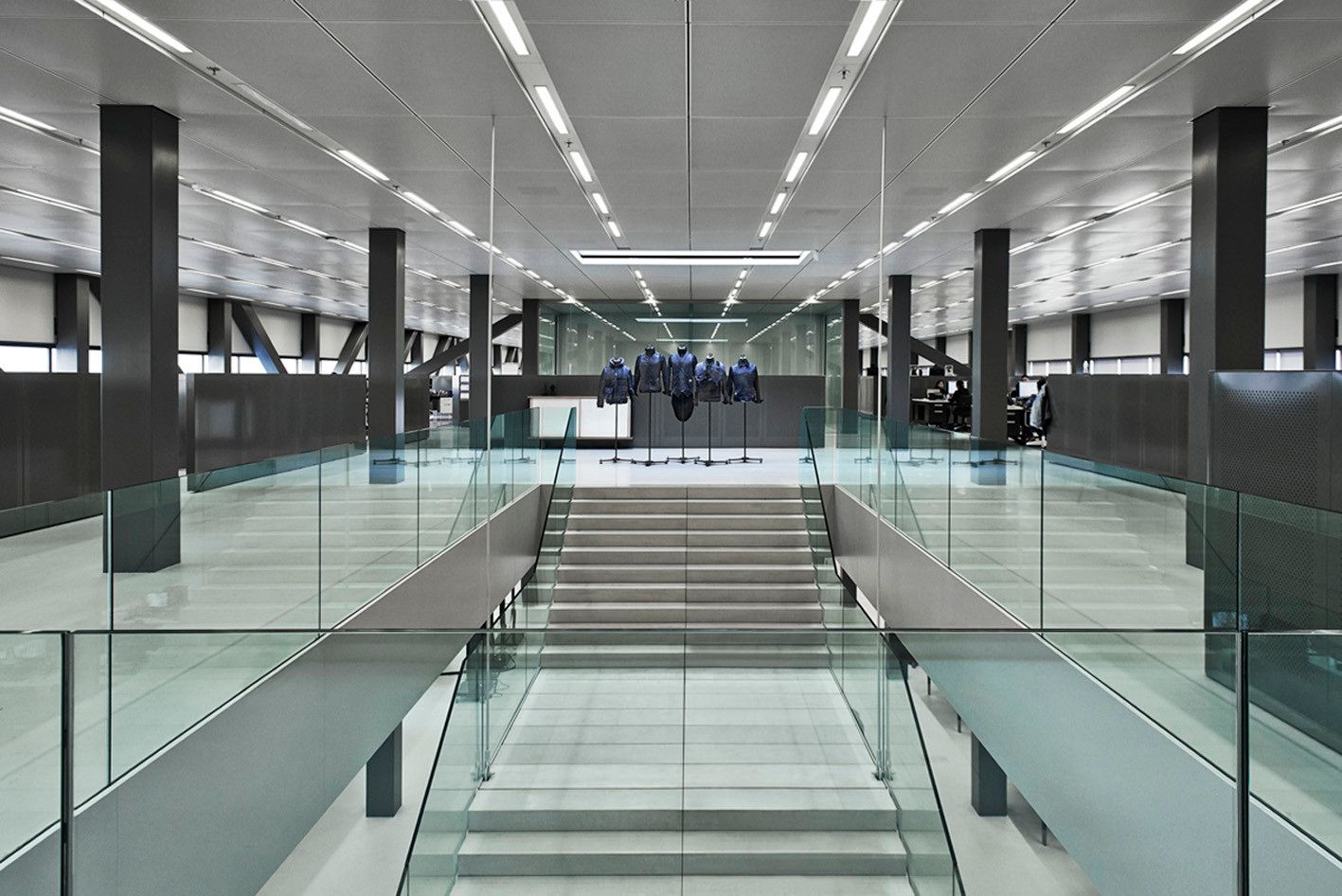
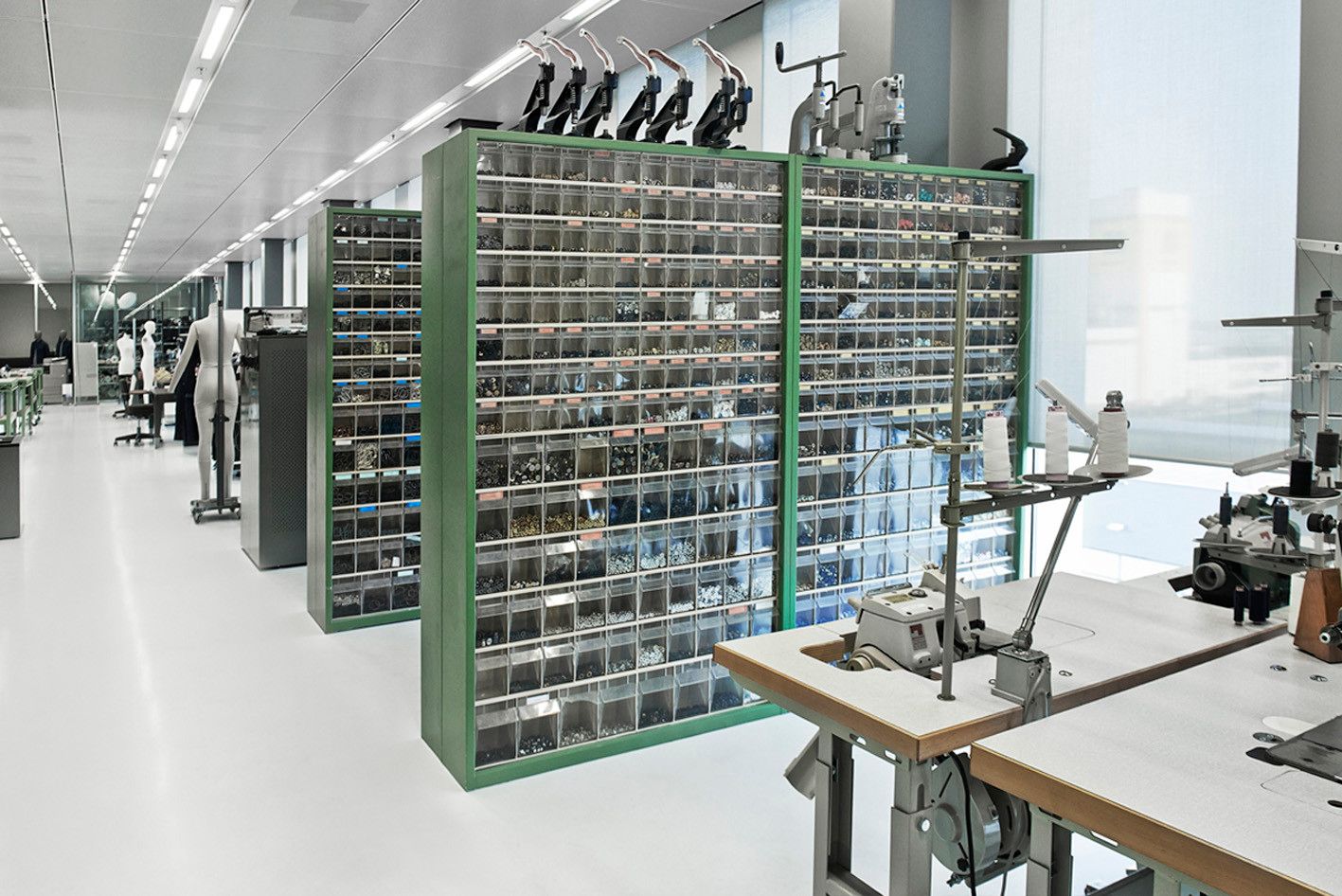
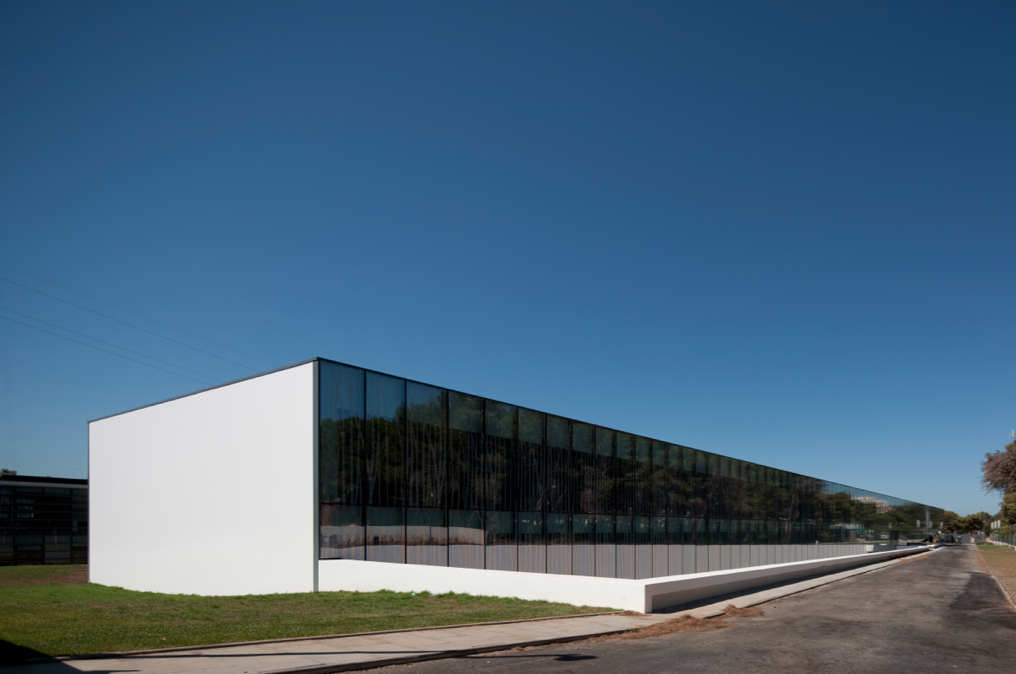
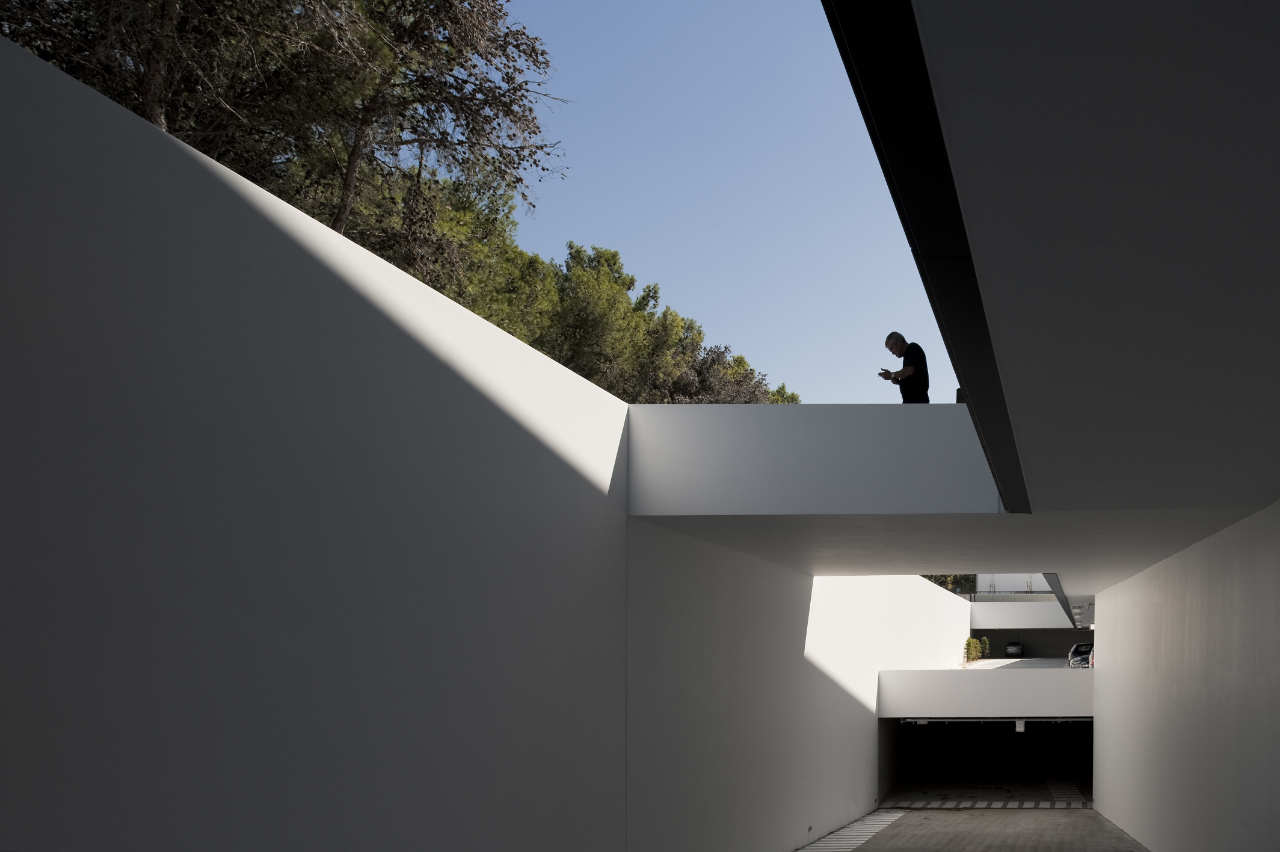
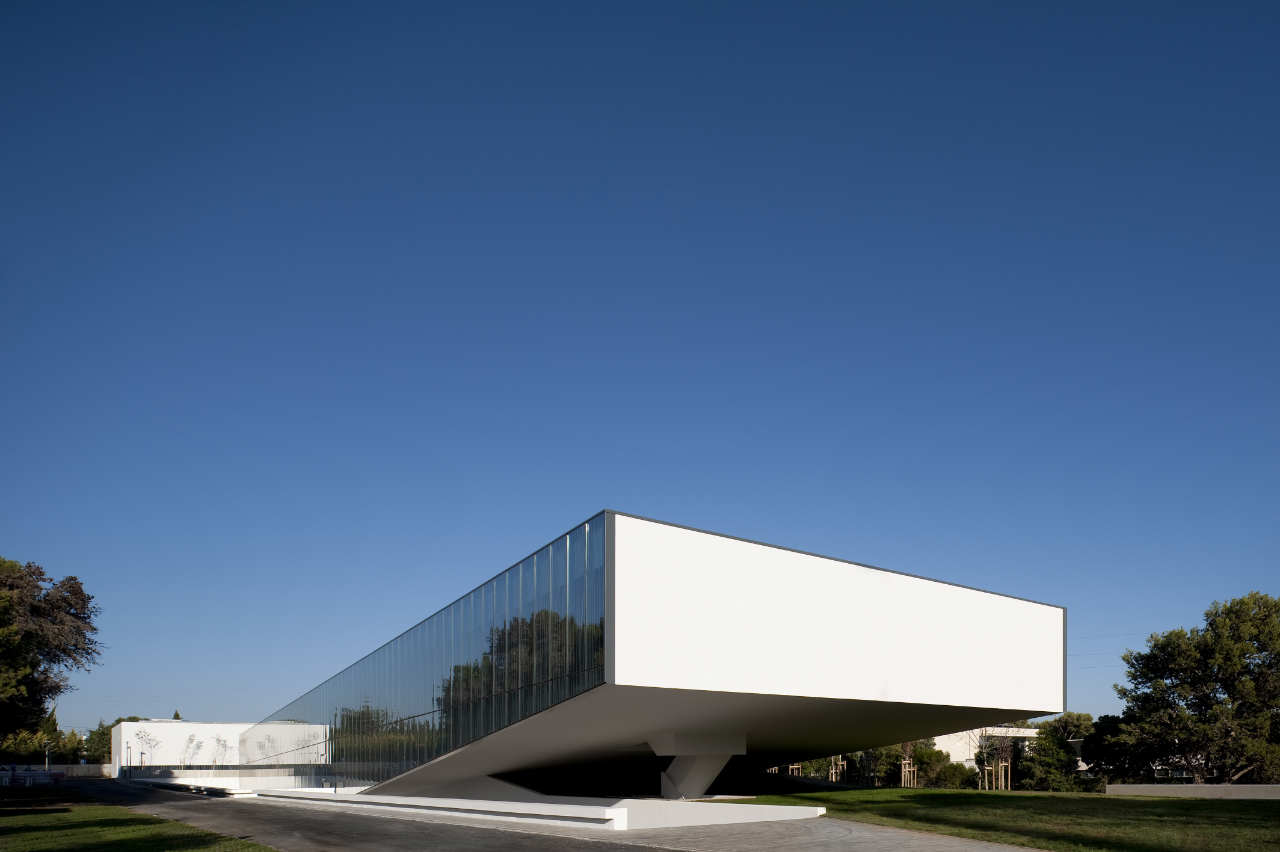
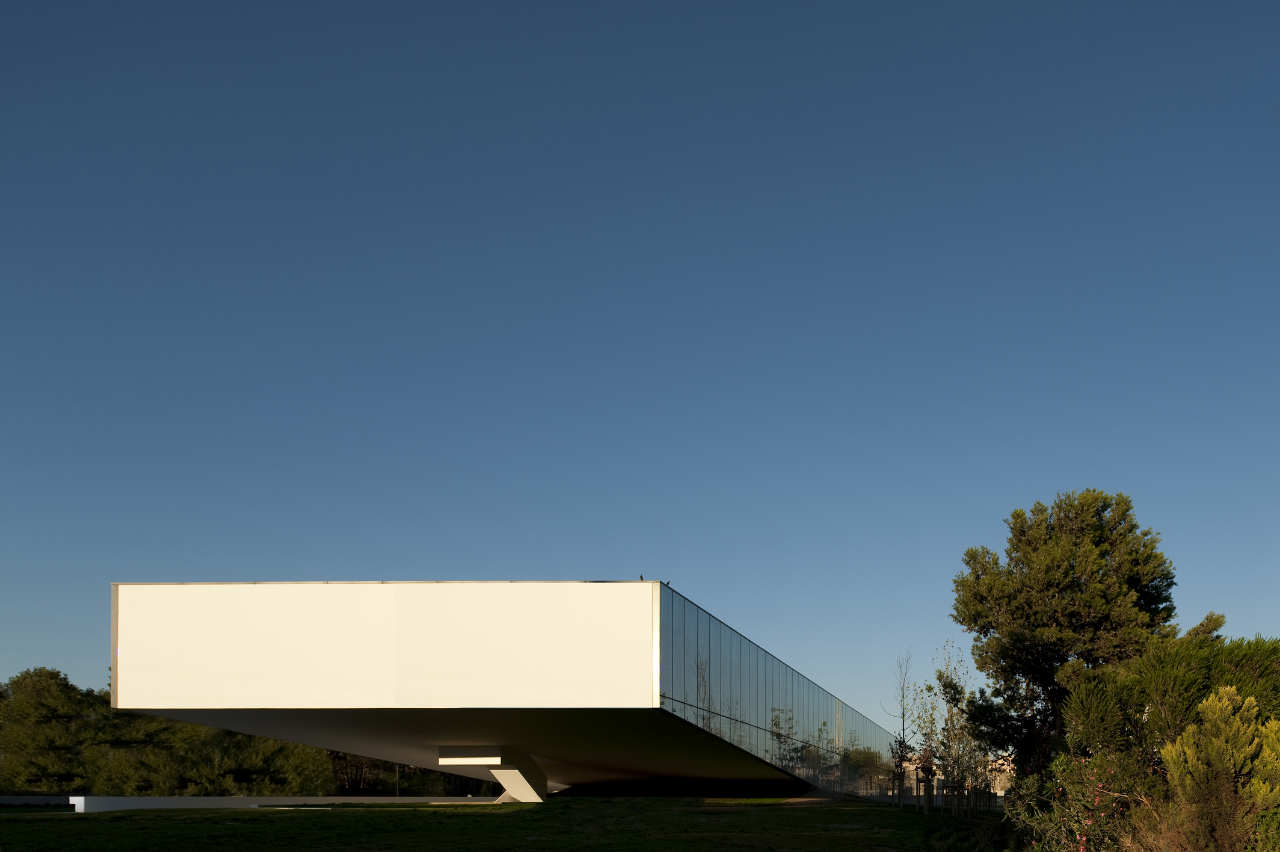
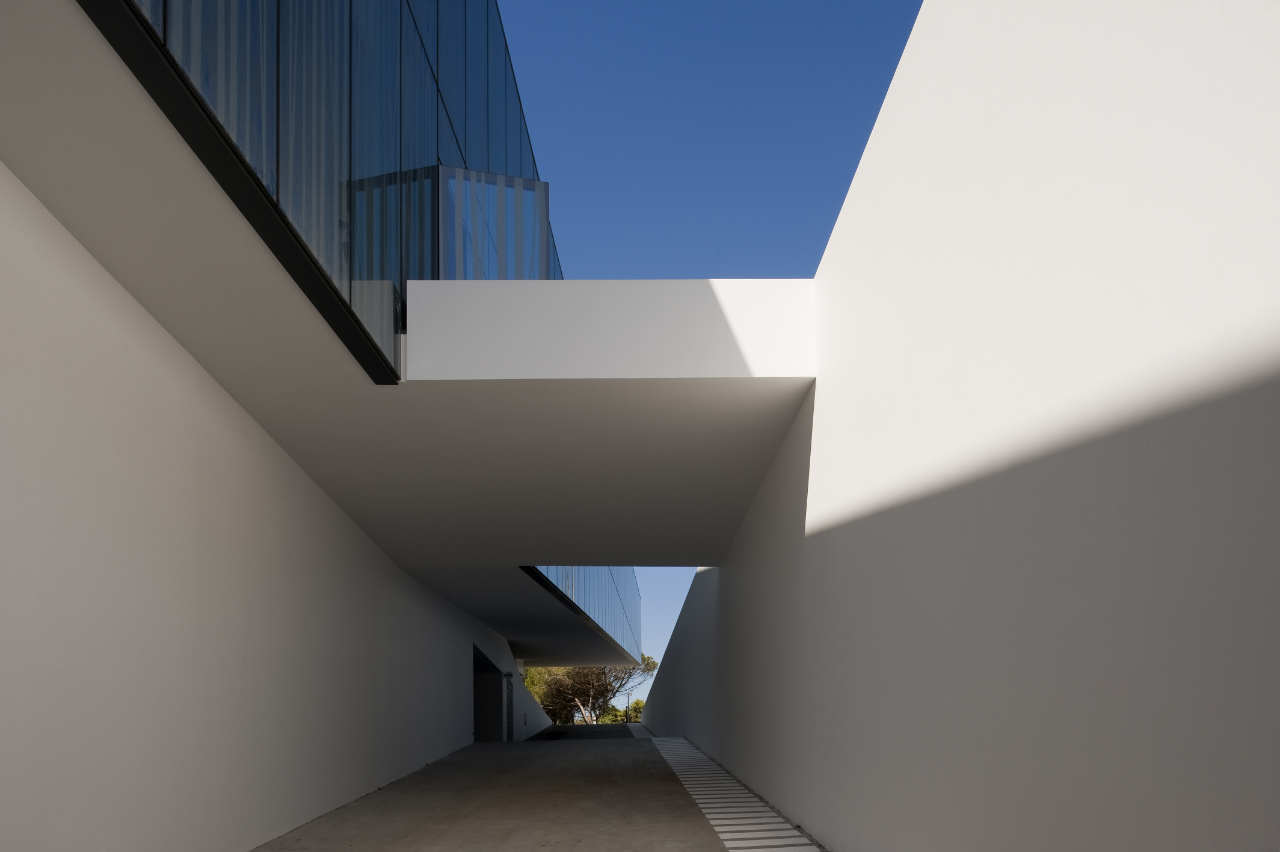
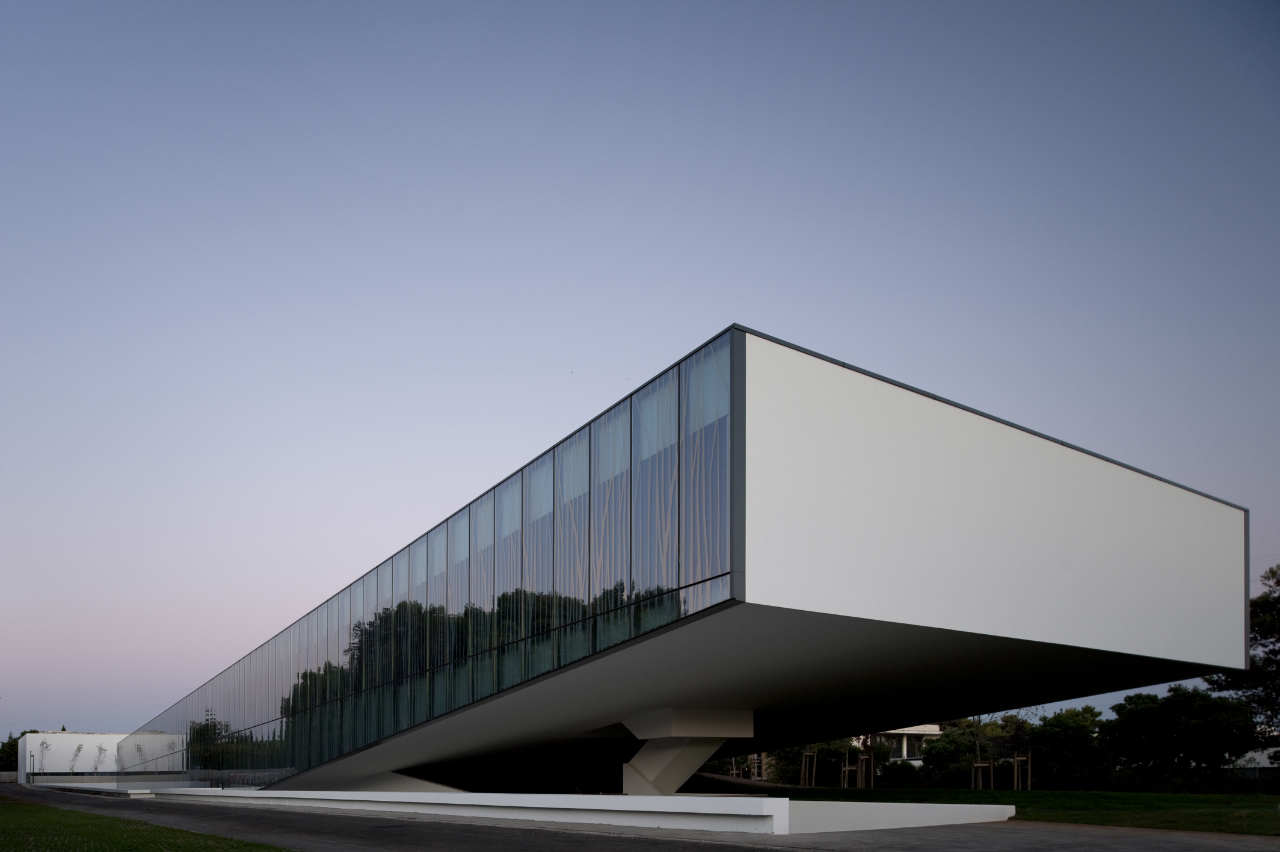
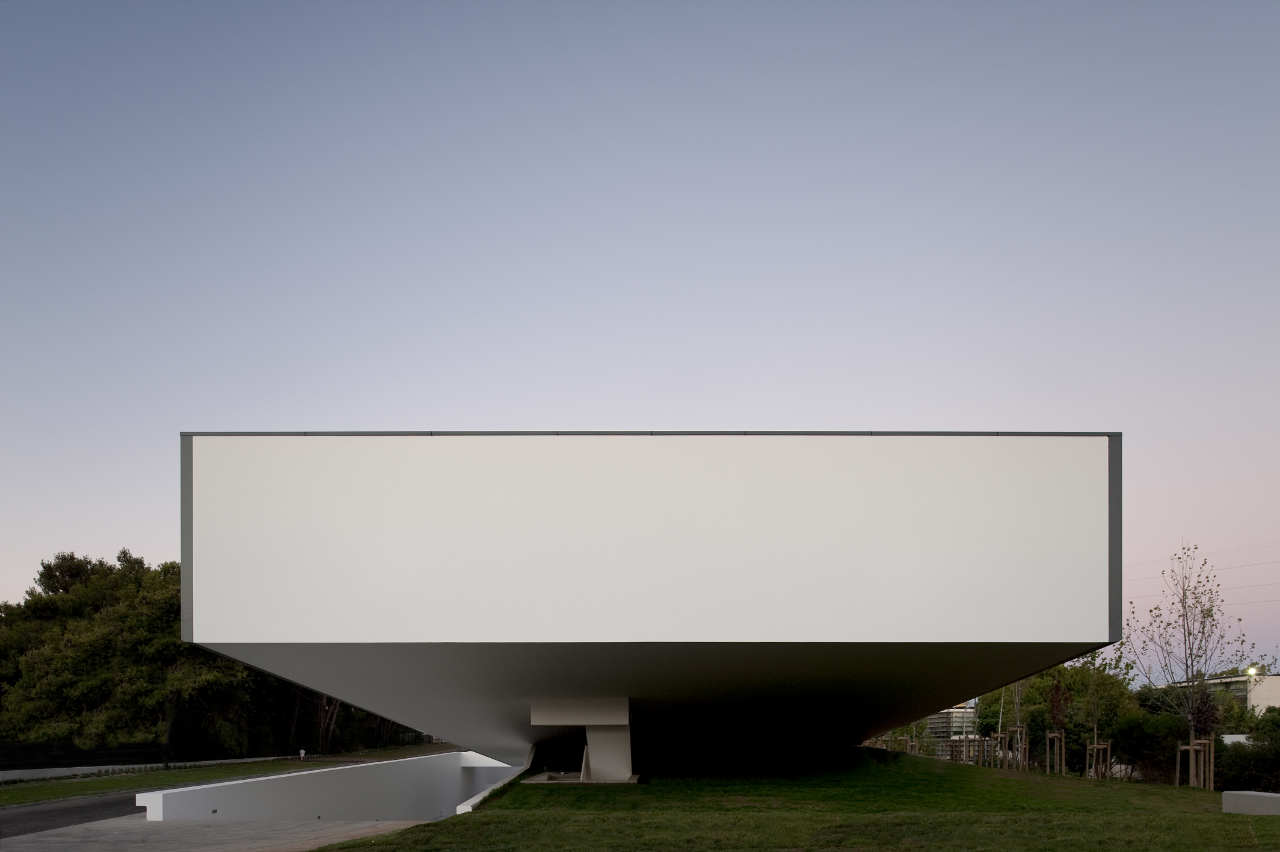
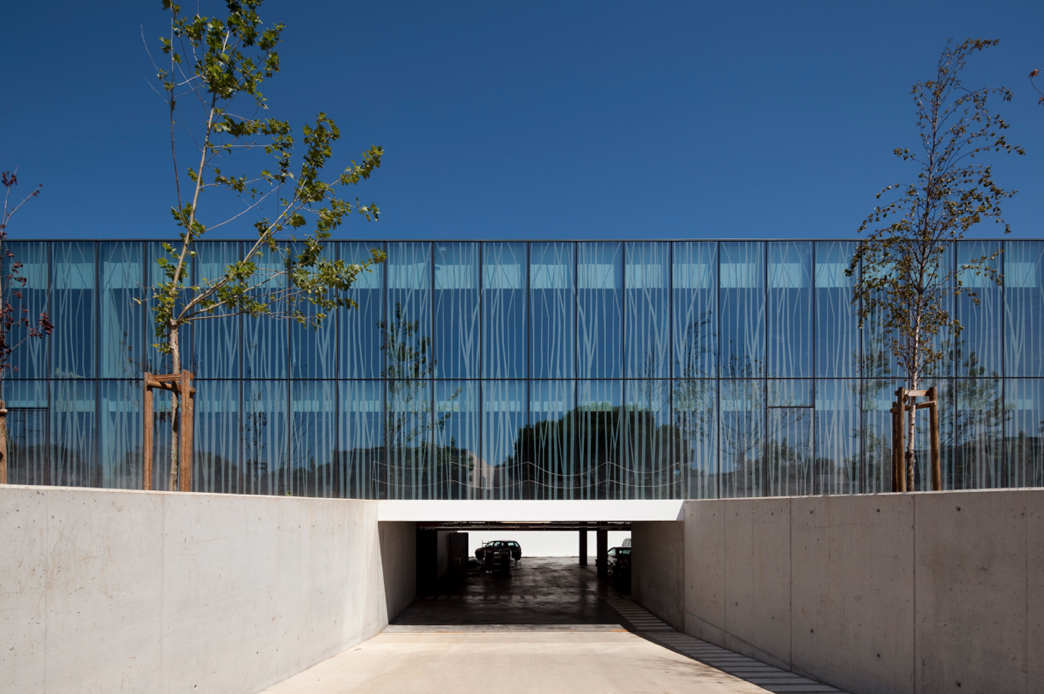
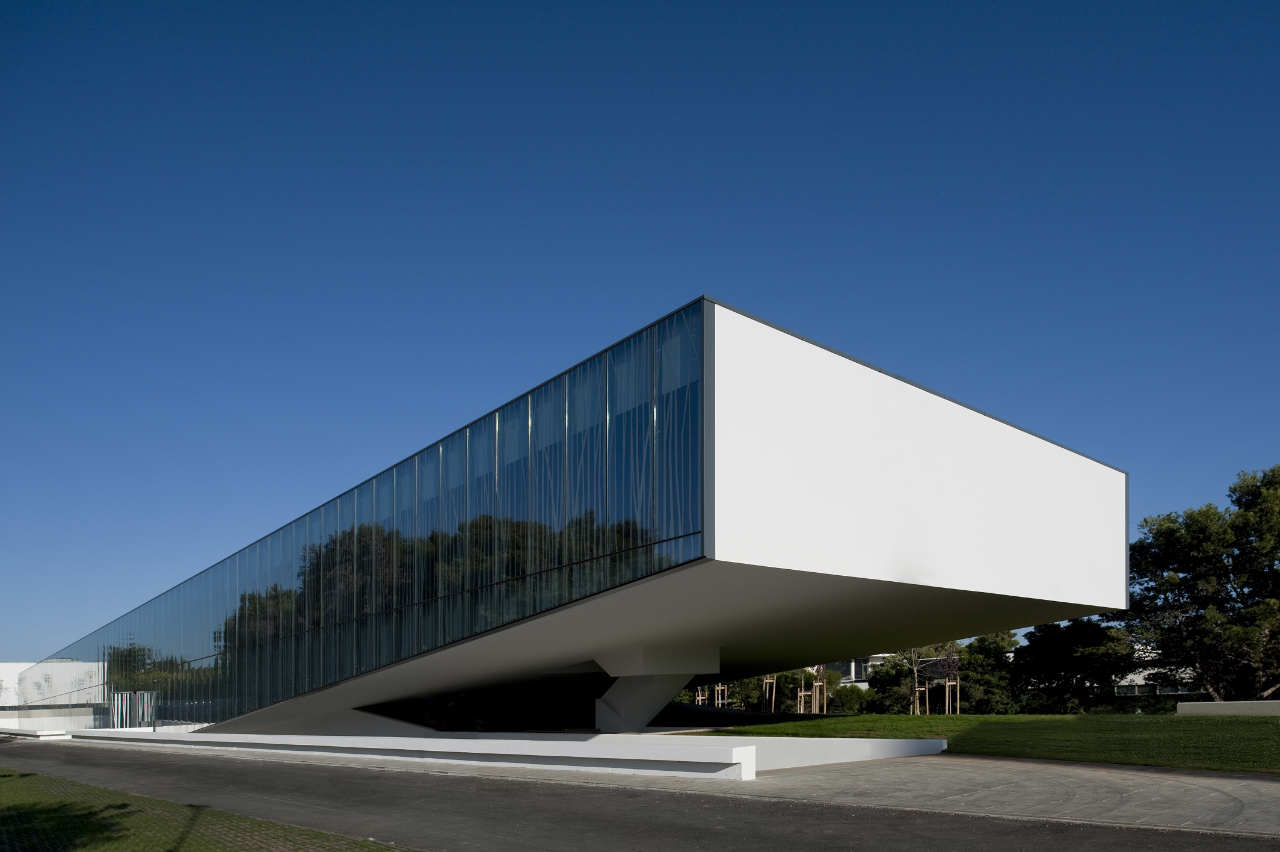
The horizontal building spans 27,500 square meters and stretches 140 meters in length. It comprises a central creative hub that houses G-Star RAW's essential departments. This creative center is encircled by offices, parking spaces, and supporting amenities. The differentiation between the functional support areas and the dynamic creative core is emphasized by the use of distinct materials. The outer ring is constructed from black concrete, giving it a solid and unified appearance, while the transparent glass facade reveals the vibrant creative core within. The lower section of the ring serves as a base for parking and drop-off purposes, as well as a platform for installations and events.
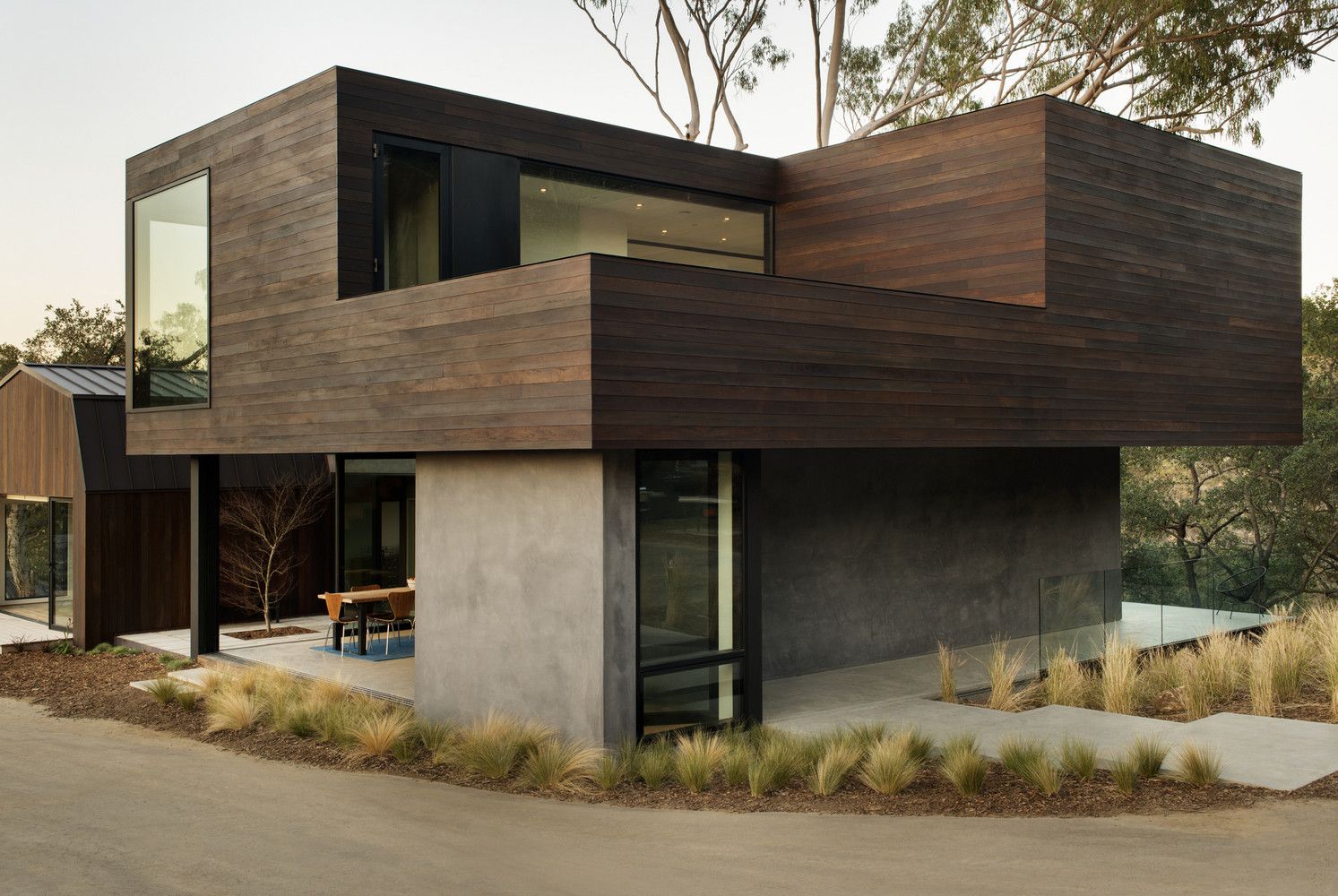
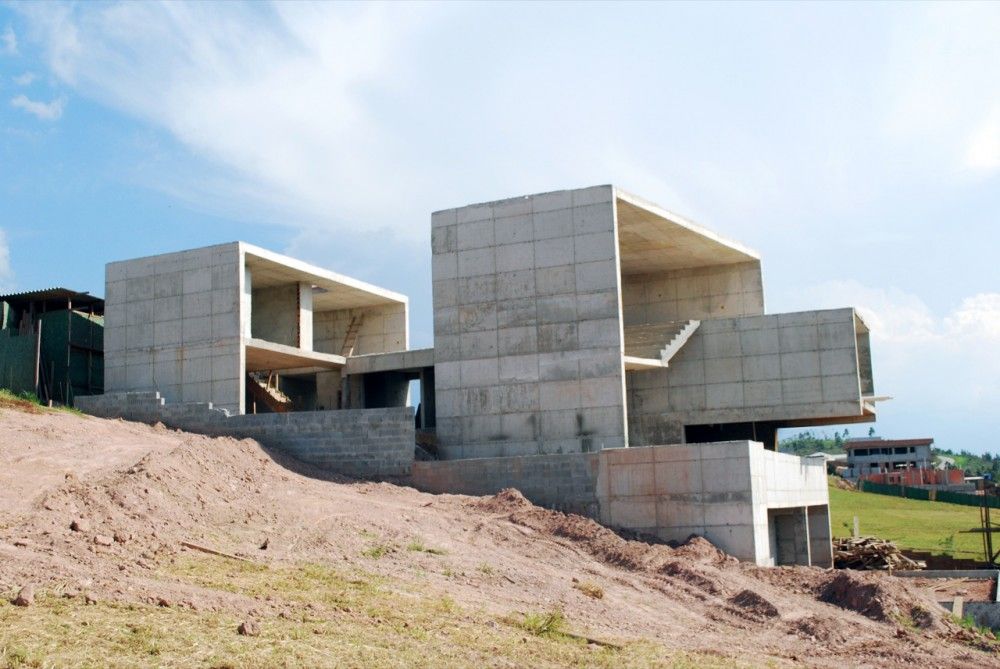
Designed to be implanted in a plot of a condominium in the city of Santana do Parnaíba, it was possible to develop the project of this house with the contribution of its future resident who, in an unusual way in these situations, he agreed with a house that would establish a more frank relationship with the street.
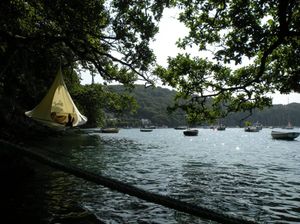
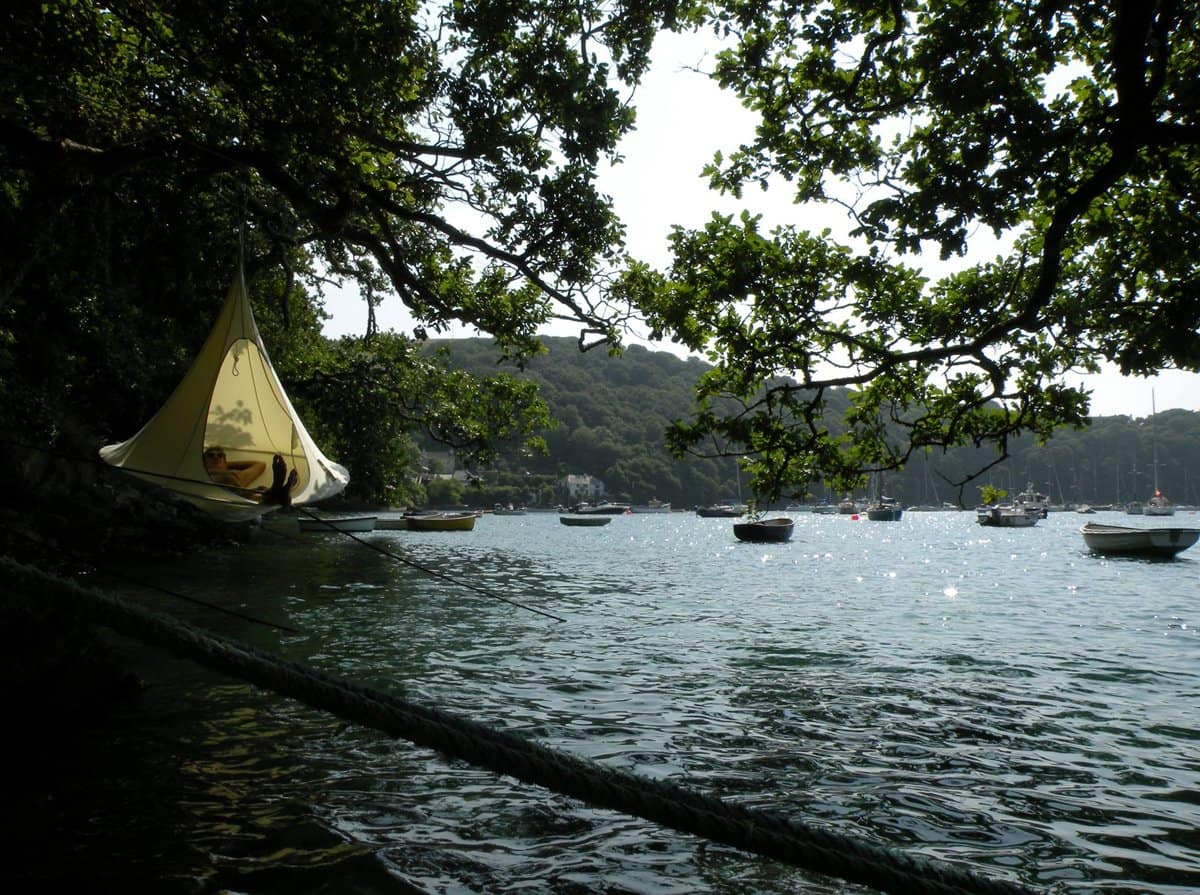
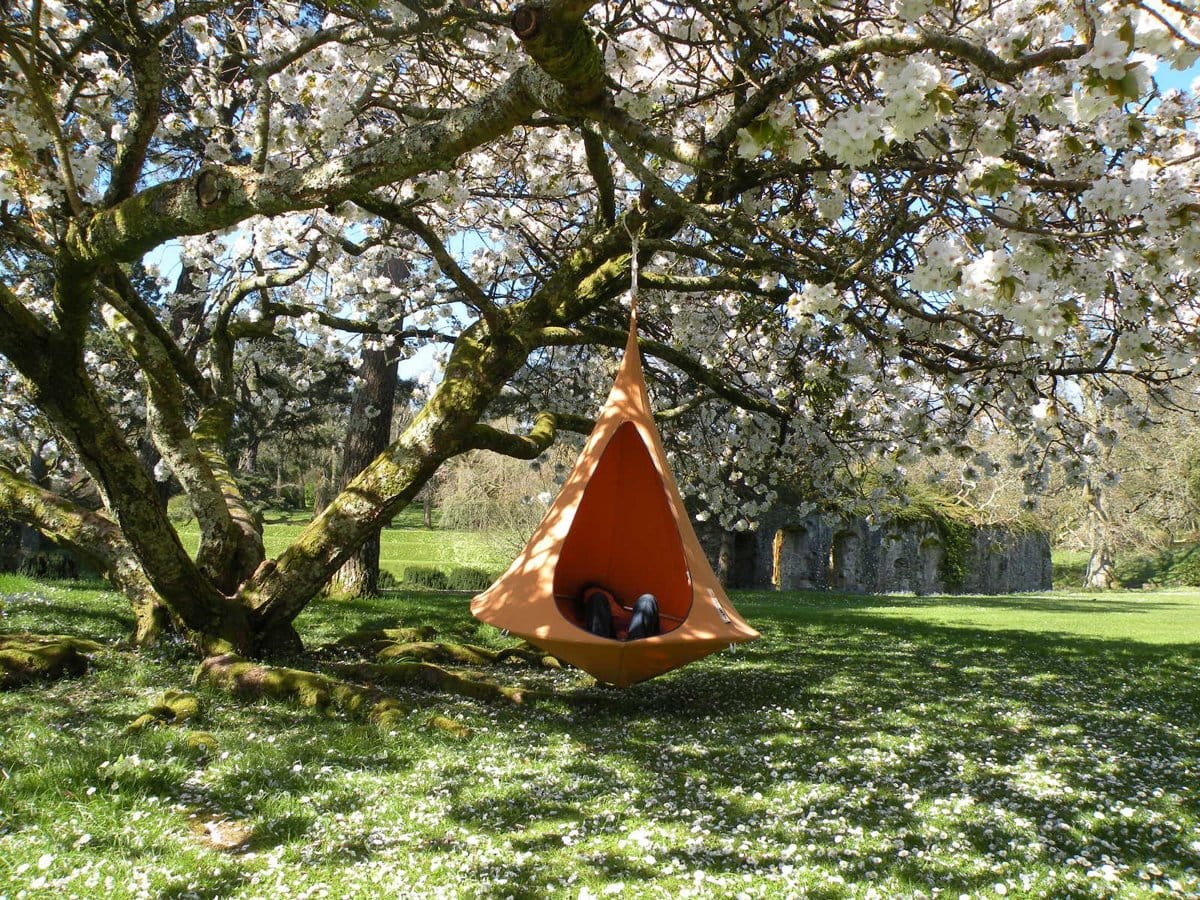
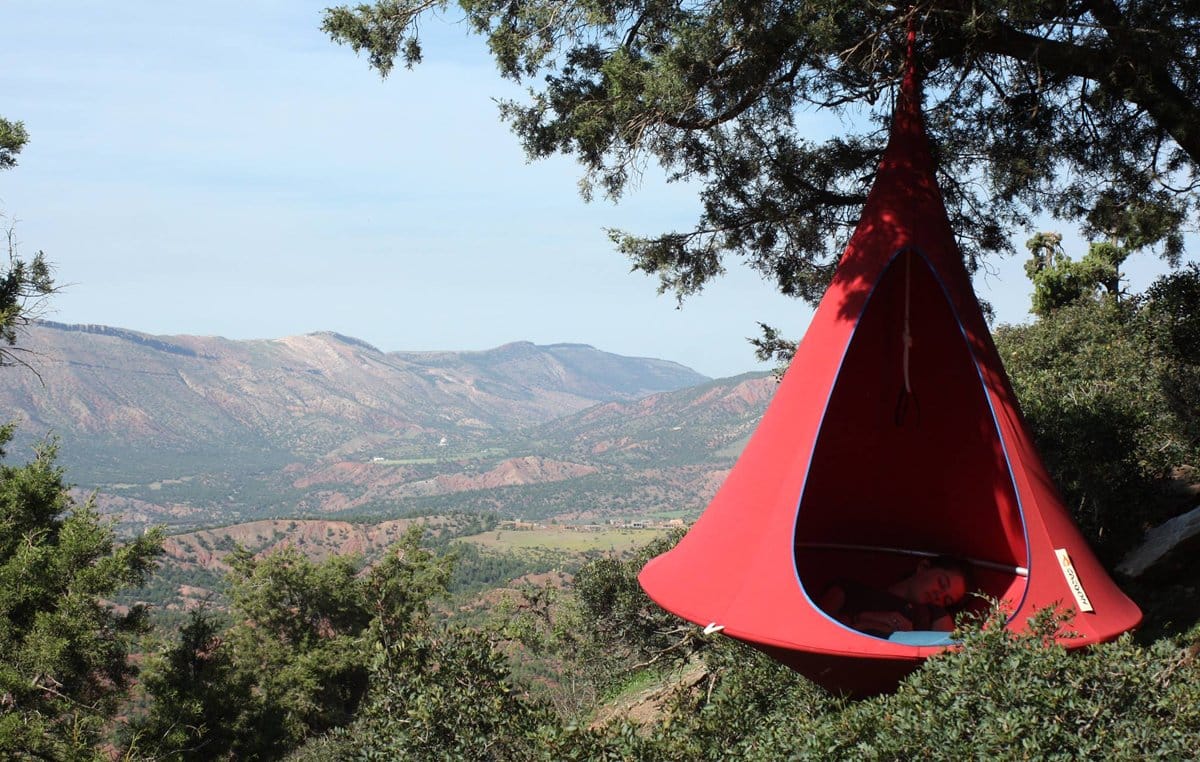
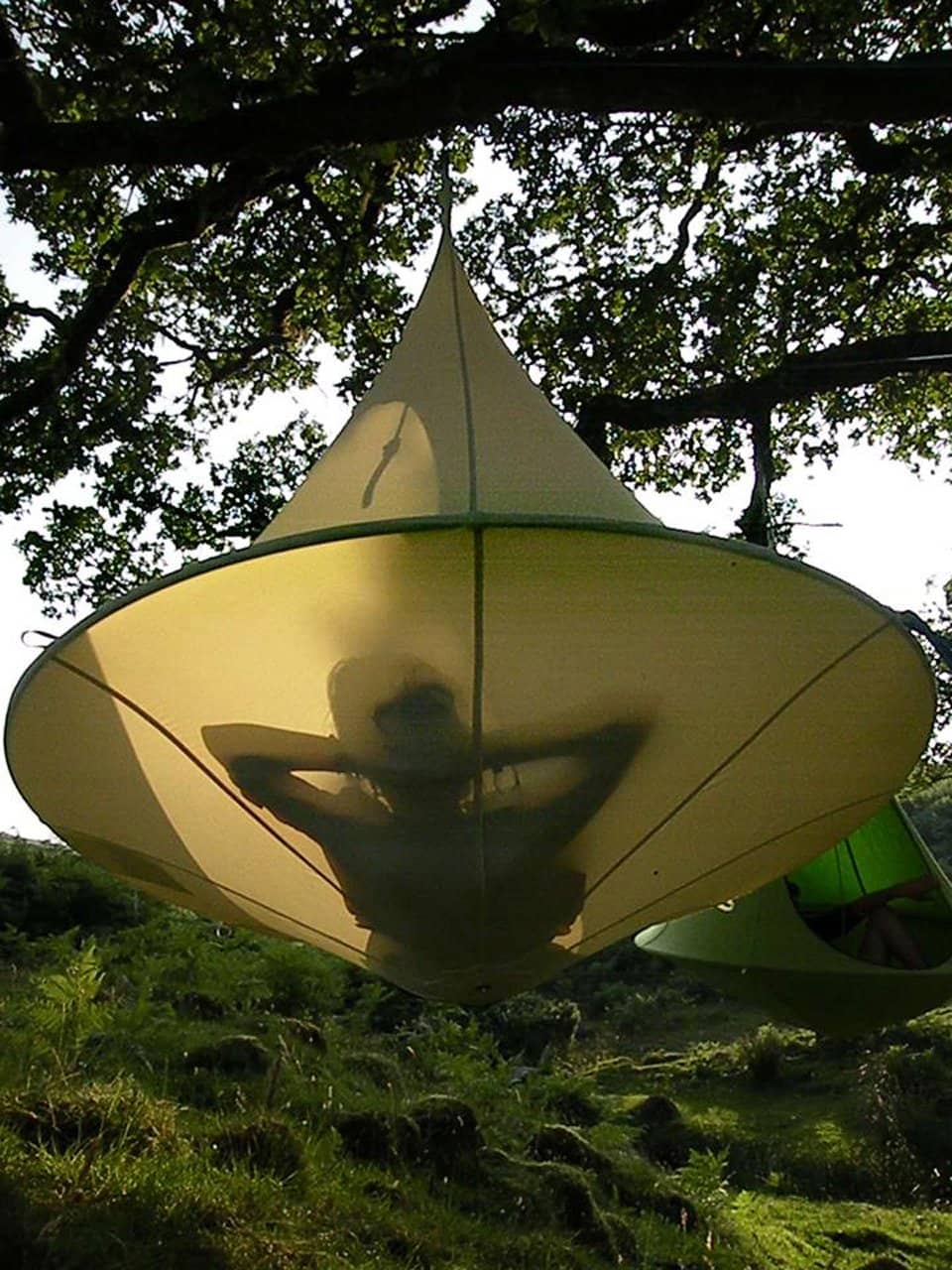
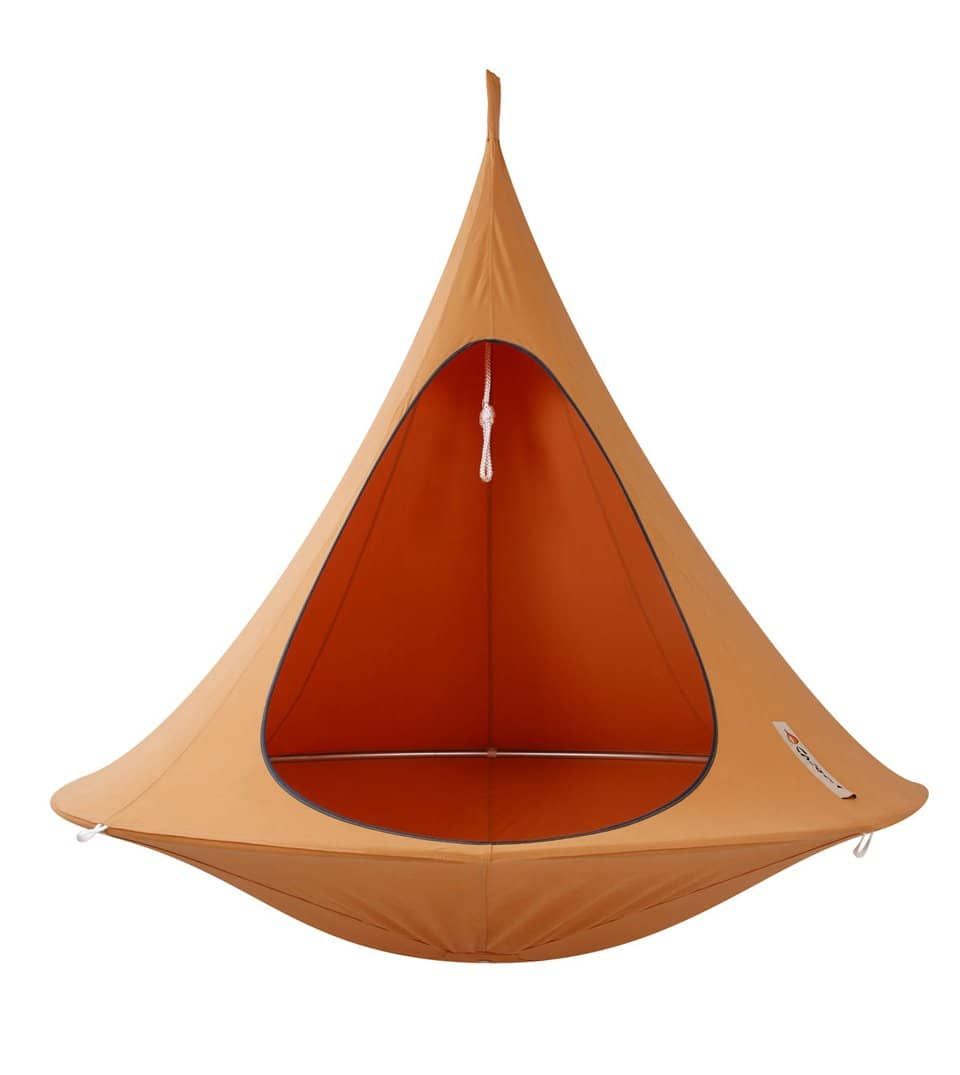
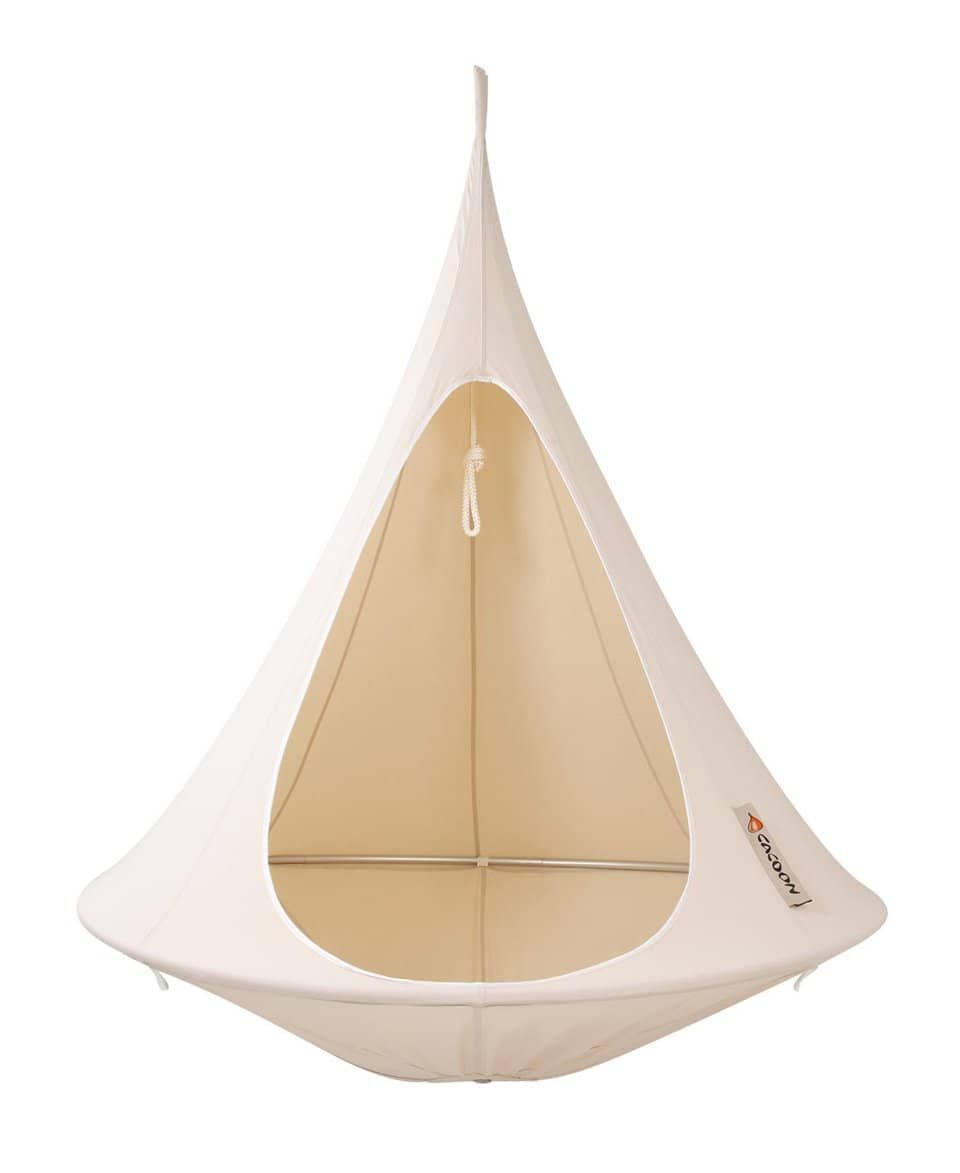
The Cacoon Hanging Chair is constructed with robust engineering to support a weight of up to 200kg or 440lbs. This product was designed in the UK by the collaborative effort of Nick and Sarah, a husband and wife team.

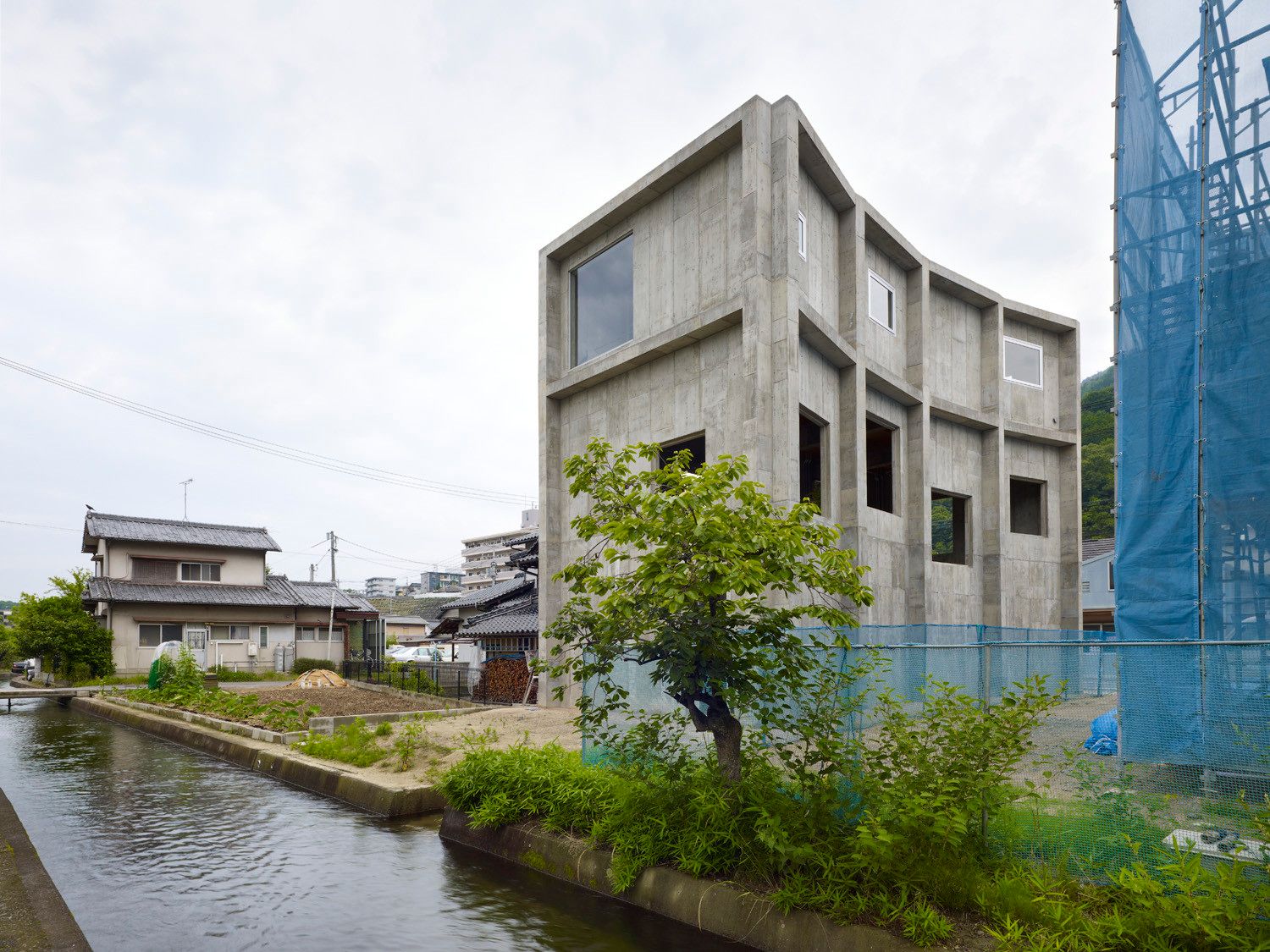
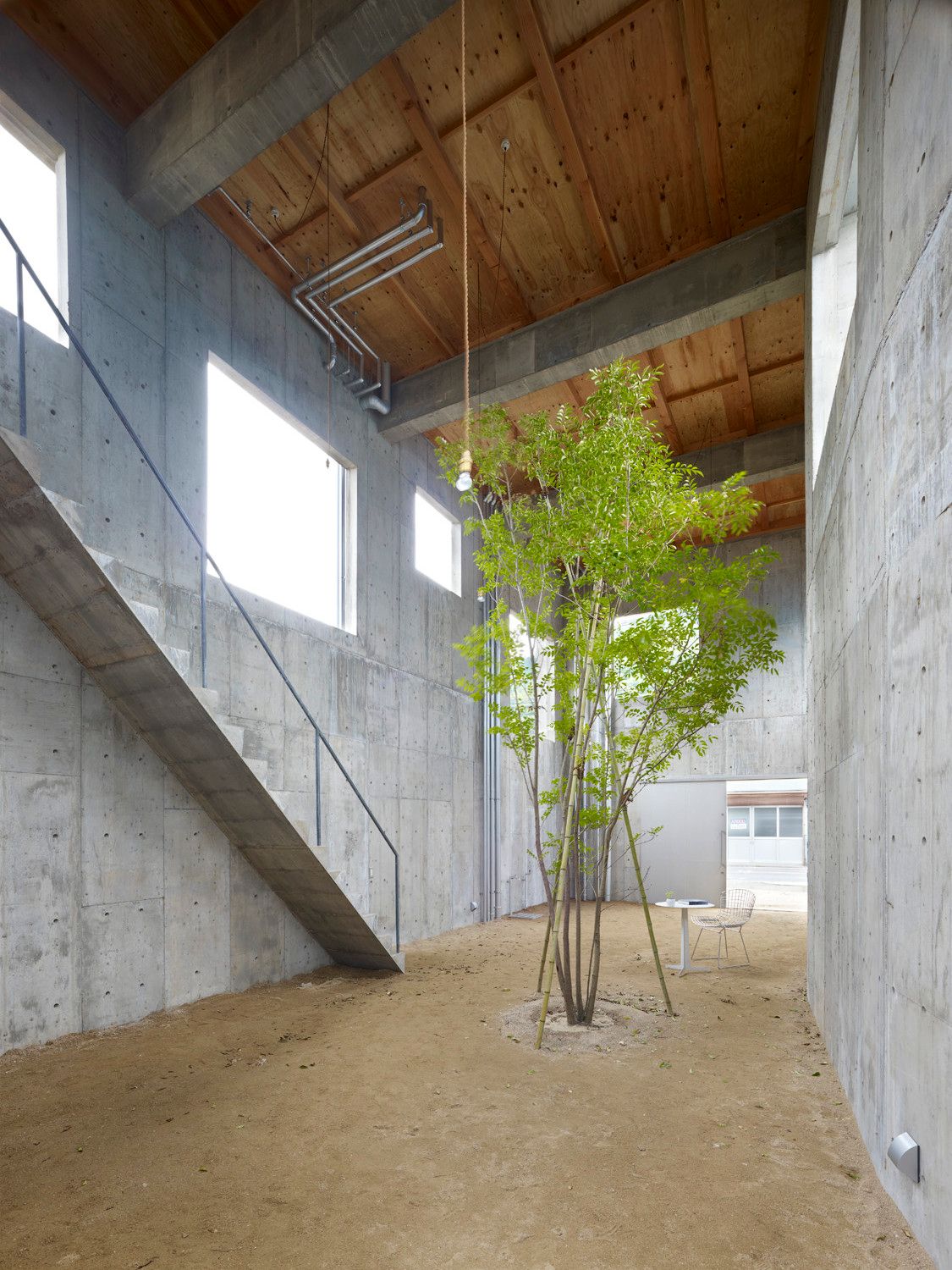
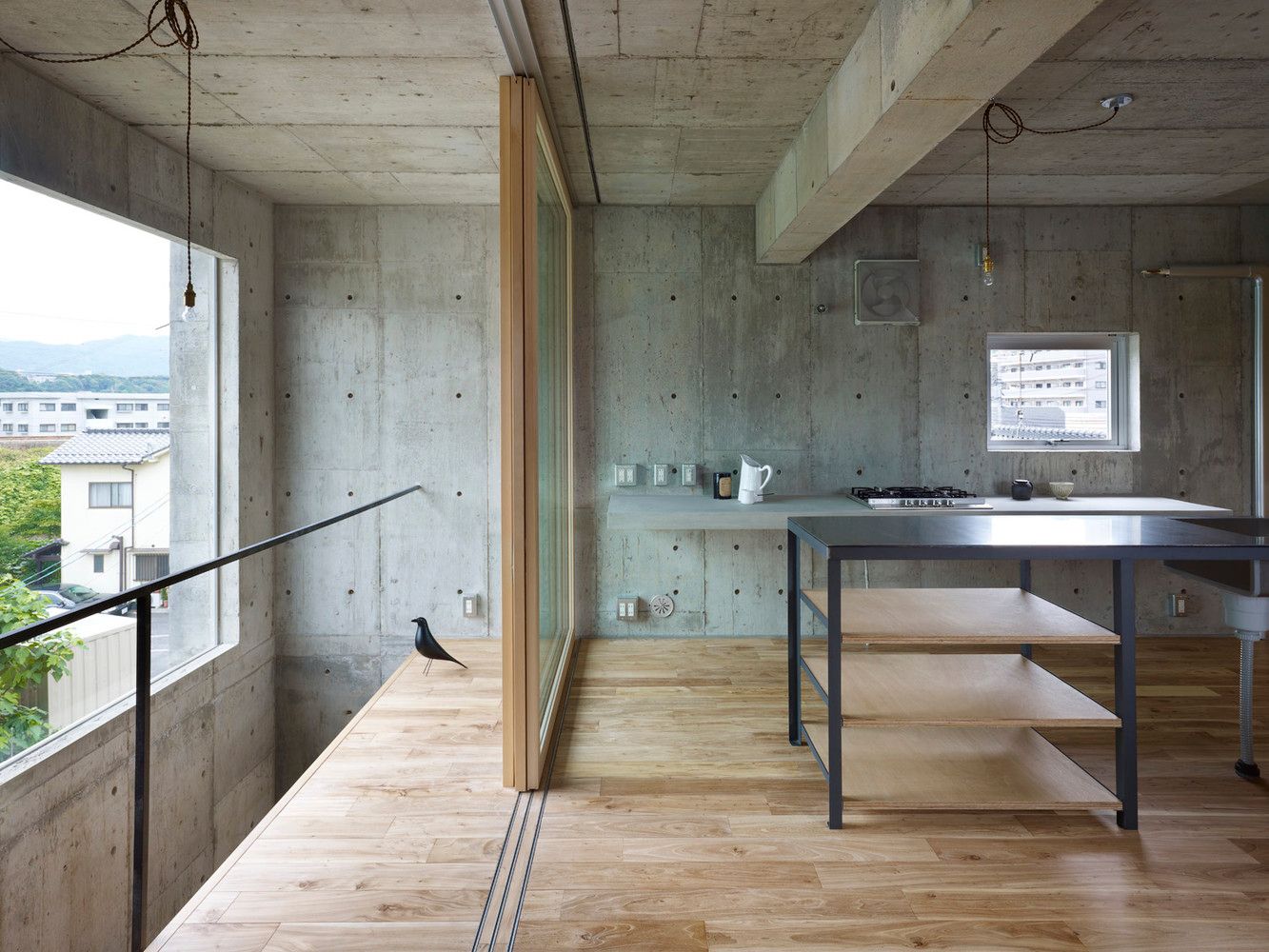
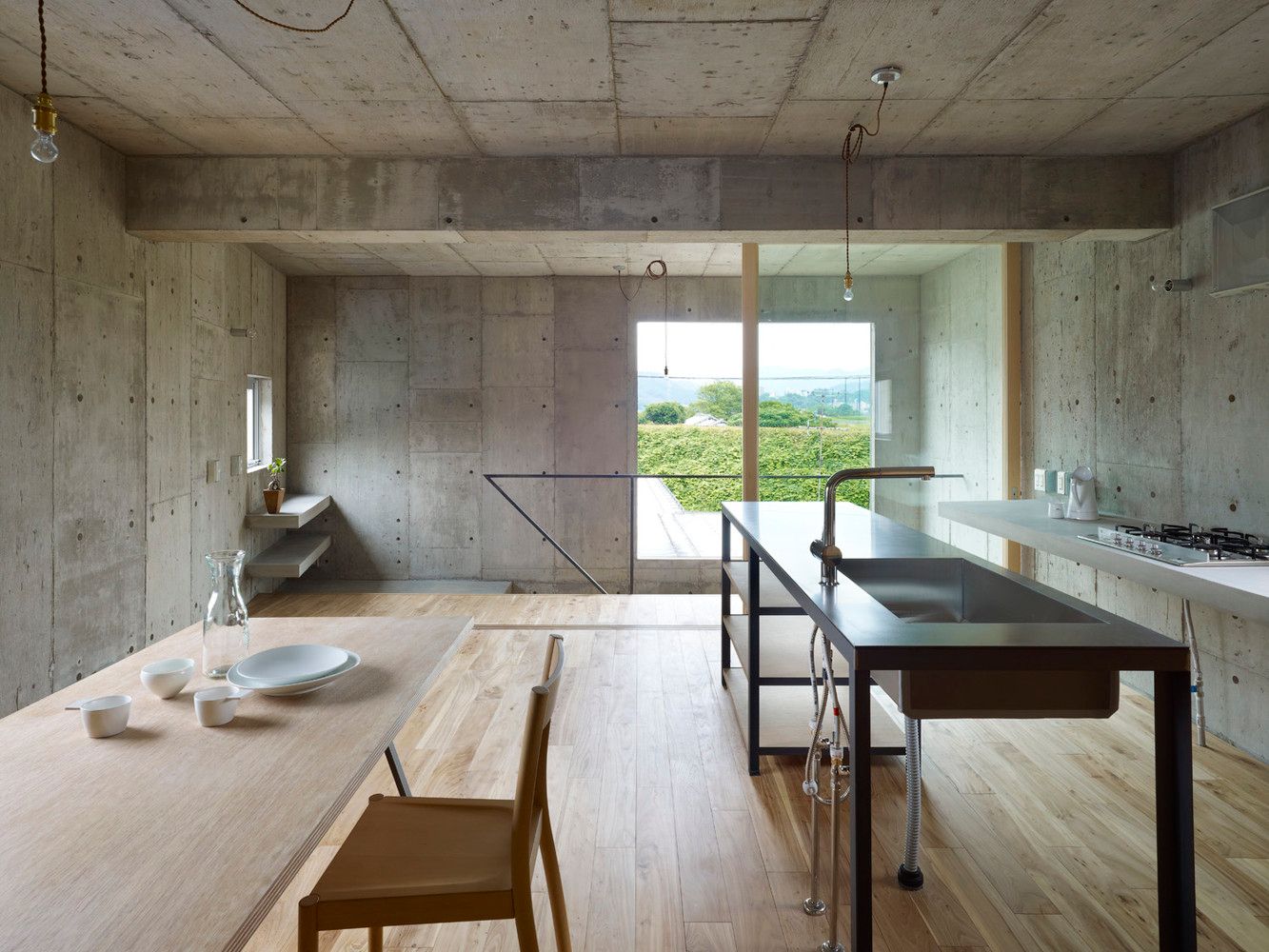
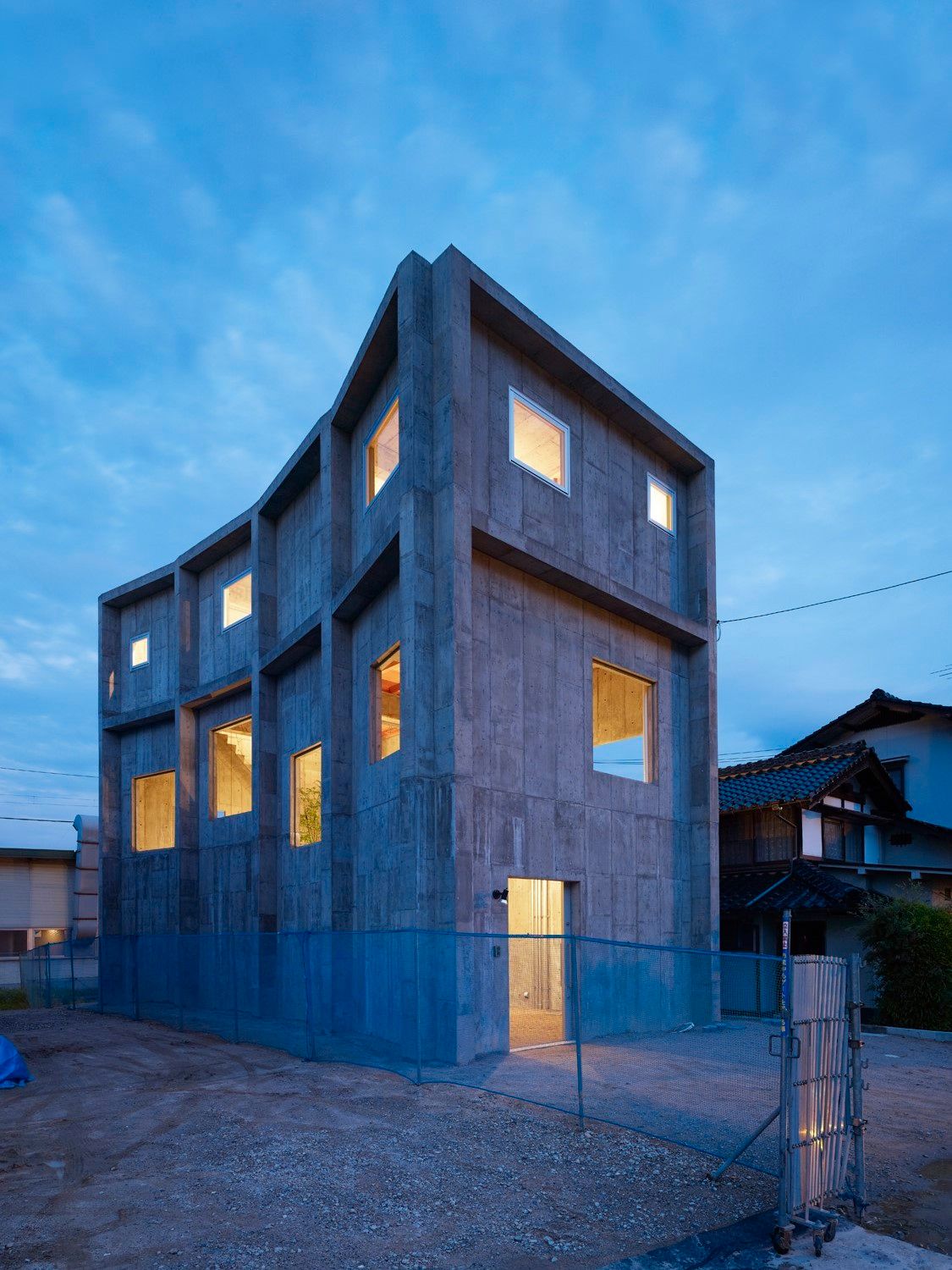
Text description provided by the architects. The House of Yagi is designed with the idea of an incomplete/complete form. Unlike other projects, the final stage of construction for this house was not aiming towards a finish stage, but to let the owner experience the sense of completion after living here. Interior space of the house is designed to maximize the interaction to its surrounding environment.

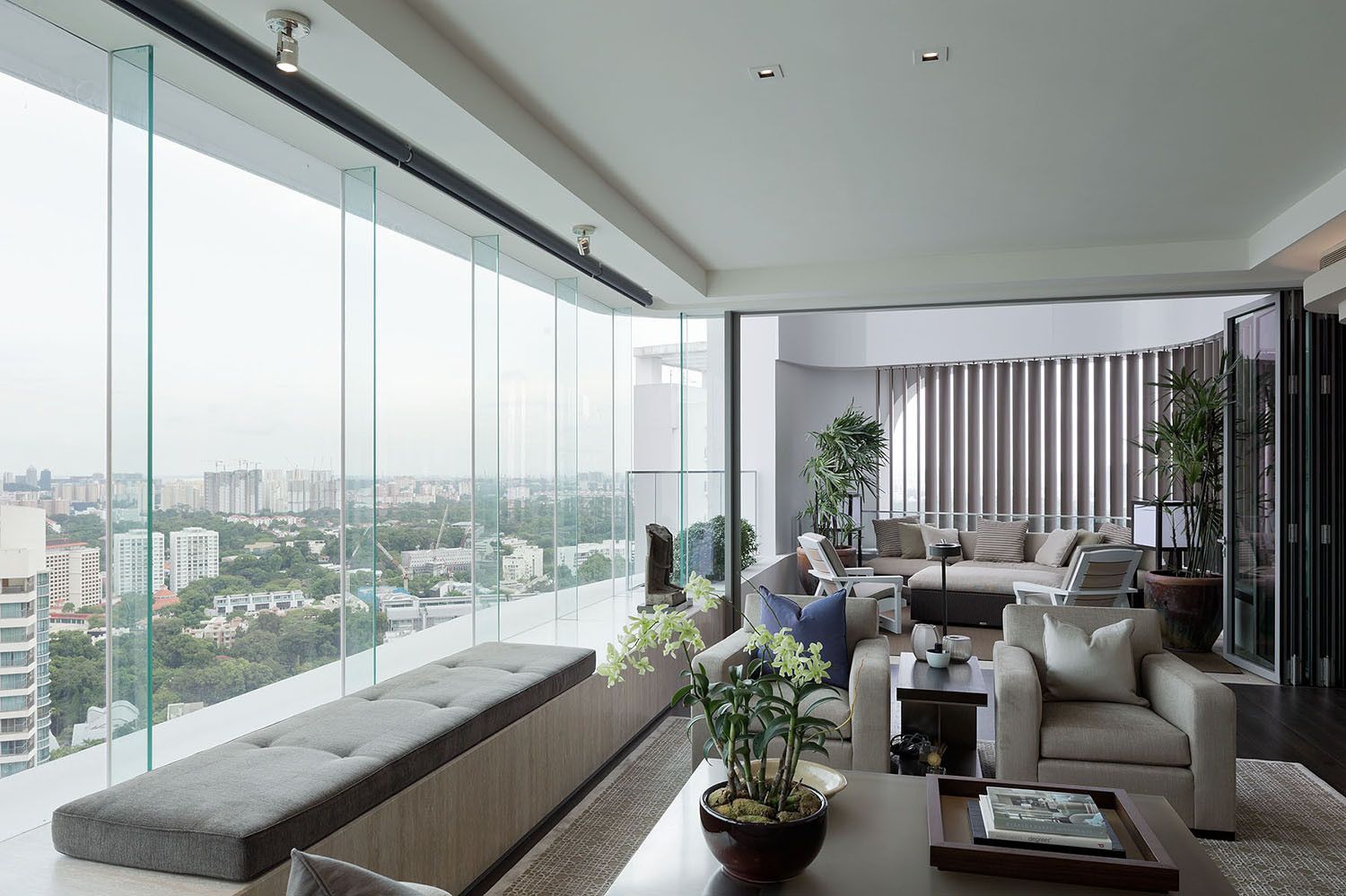
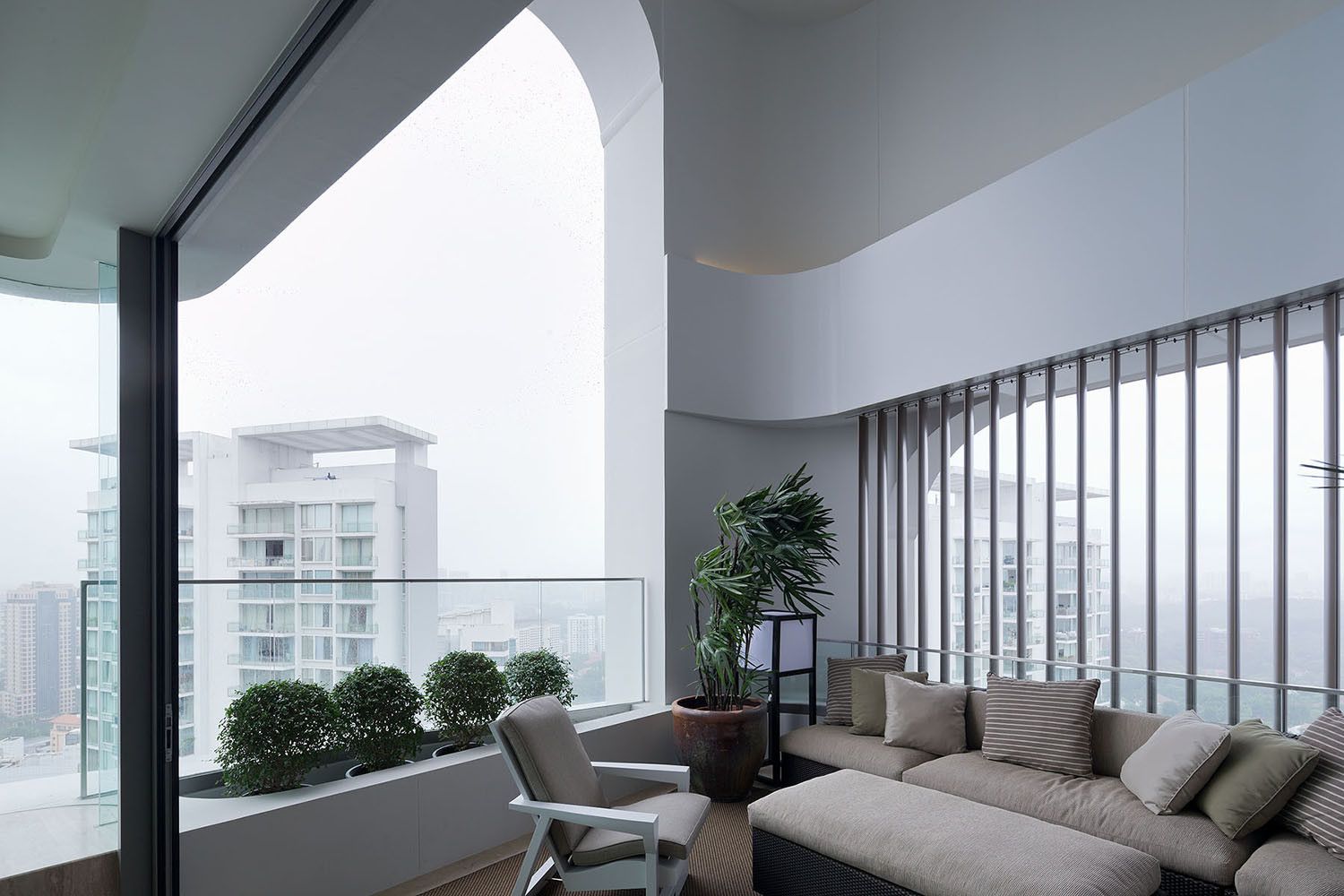
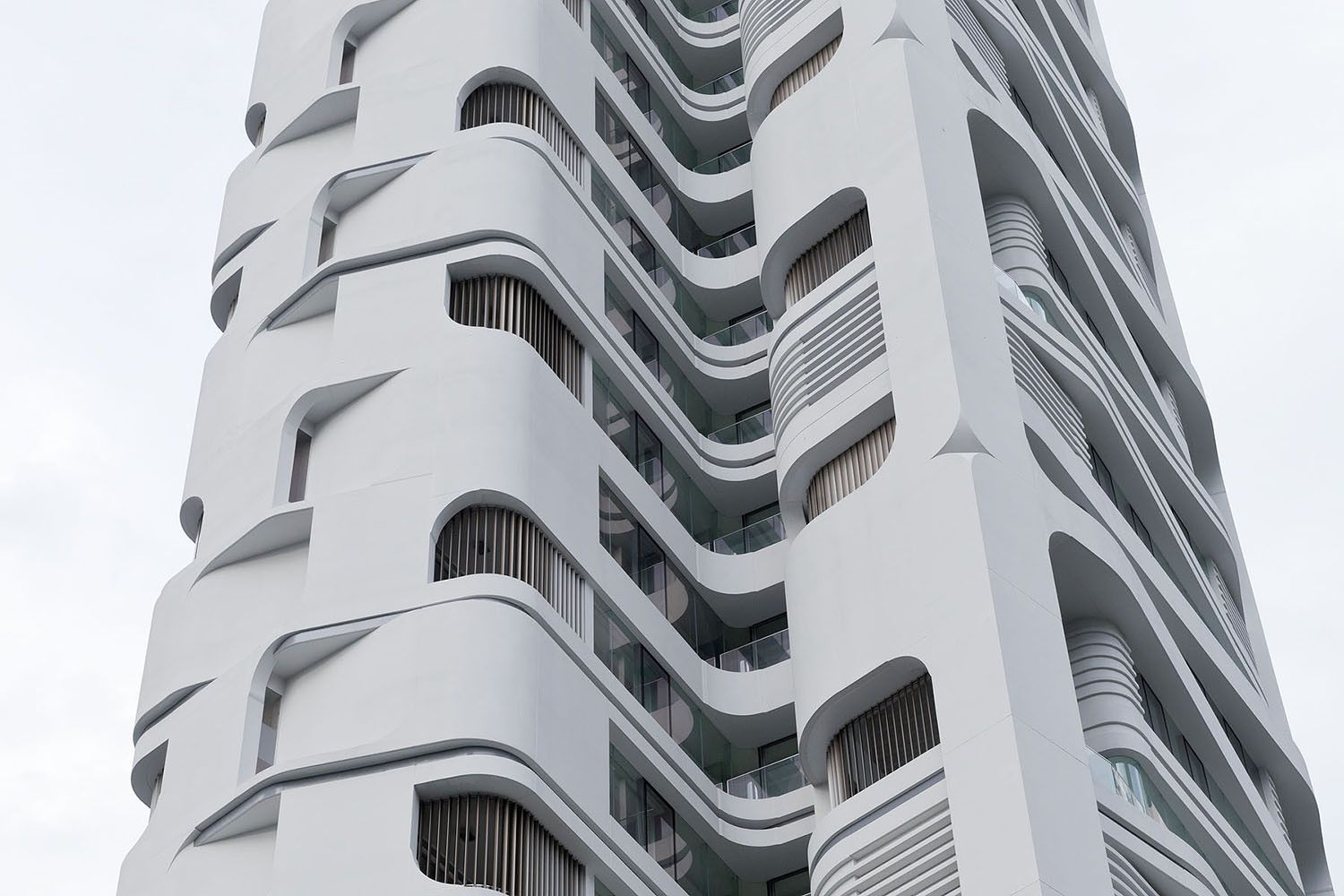
The primary concept for the design of the 36 storey, 17.178 m² residential tower is a multi-layered architectural response to the natural landscape inherent to the ‘Garden City’ of Singapore. This landscape concept is integrated into the design by means of four large details: the articulation of the facade, which through its detailing creates various organic textures and patterns; expansive views across the city made possible by large glazed areas, bay windows and double-height balconies; the interior ‘living landscape’ concept adopted for the design of the two apartment types and the introduction of transparency and connectivity to the ground level gardens by means of a raised structure supported by an open framework.

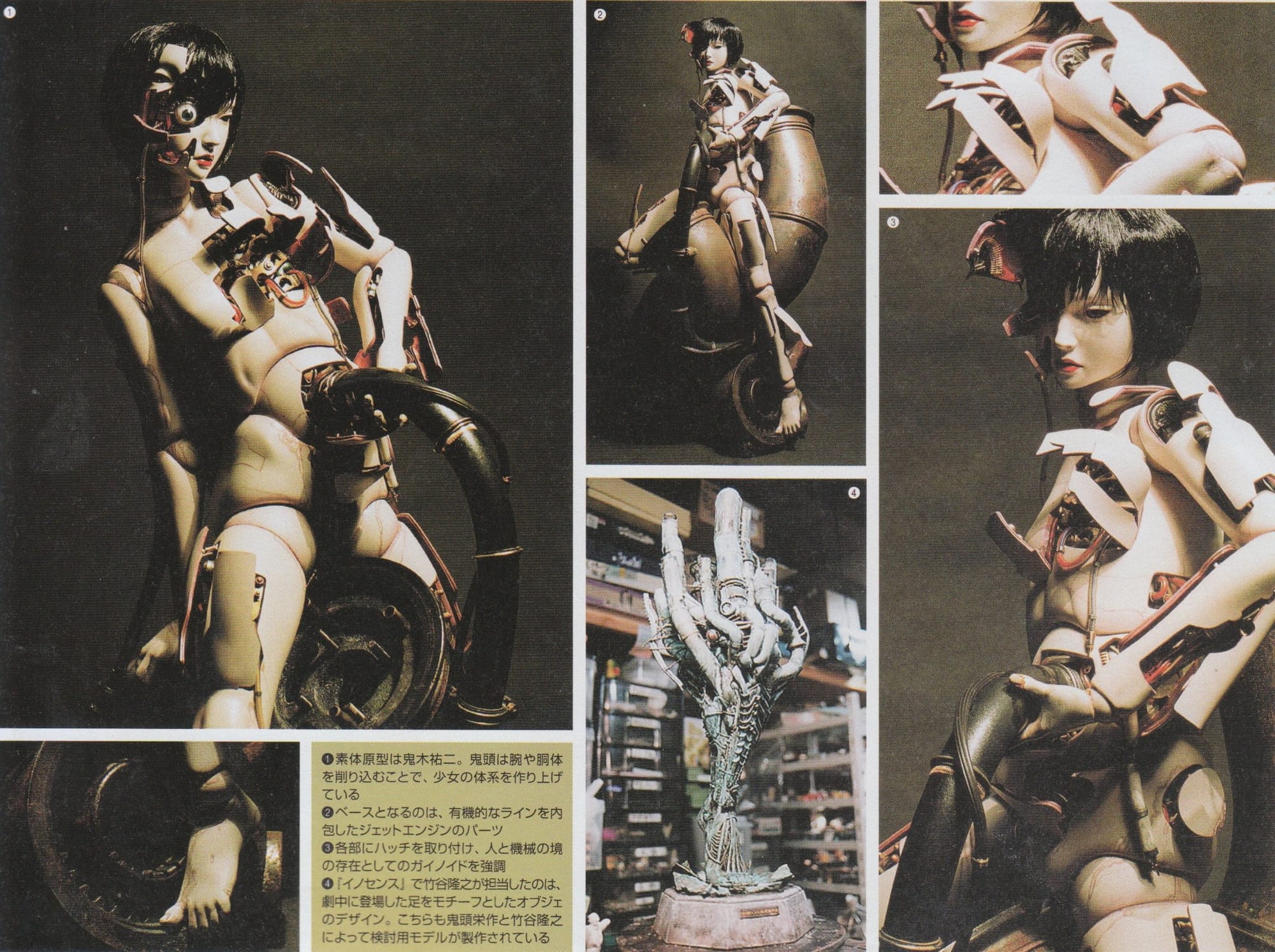
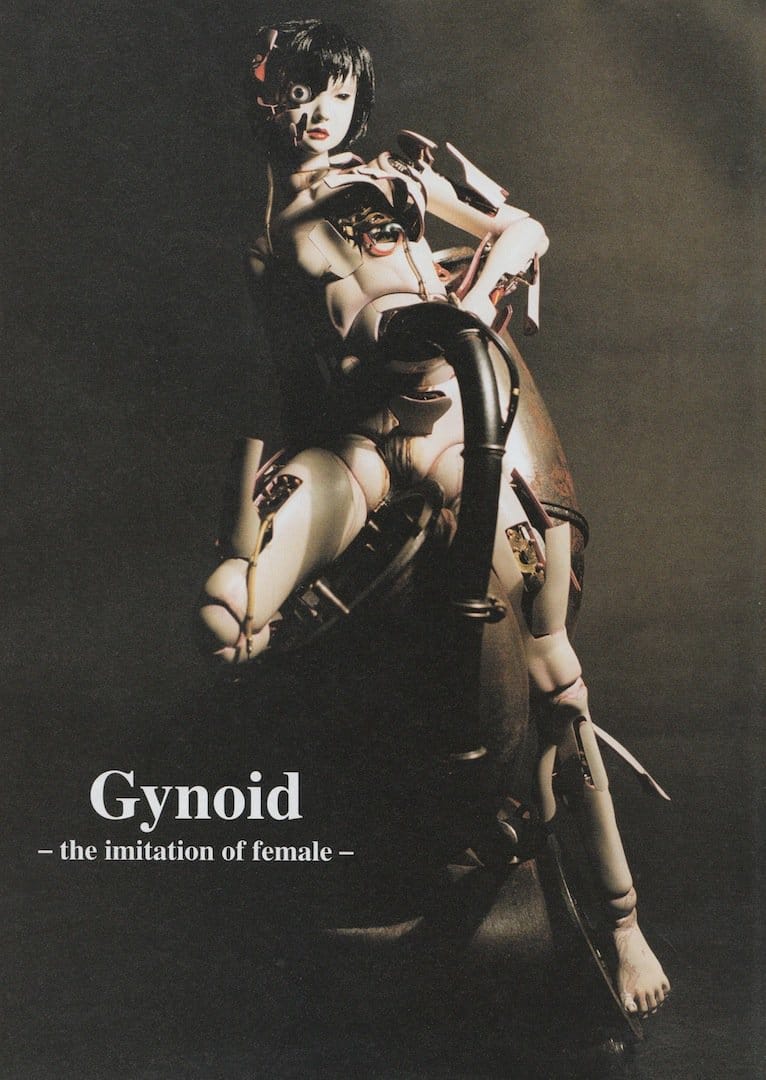
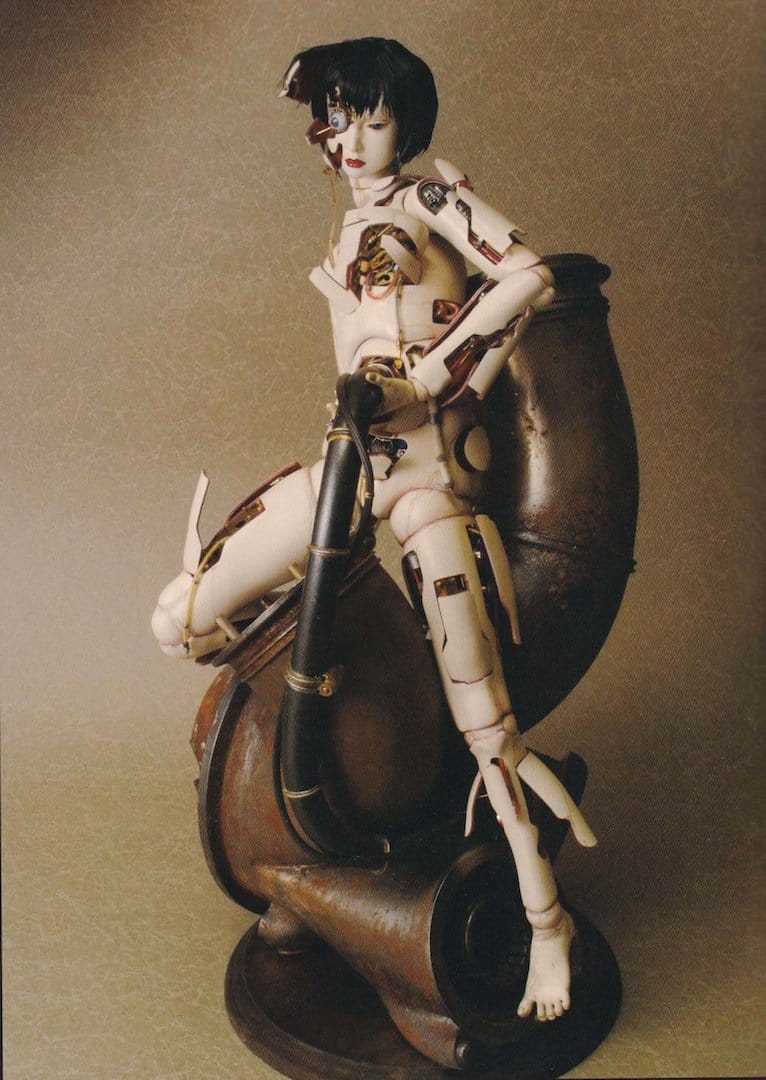
A 1/4-scale image model of the Gynoid from Mamoru Oshii's Ghost in the Shell: Innocence. Eisaku Kito modified the figure and built its opening panels and mechanical components; Yuji Oniki made the base body; Takayuki Takeya completed the hair, makeup and weathering.

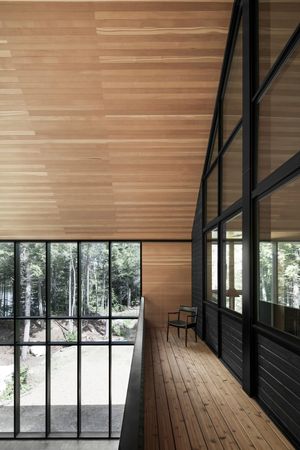
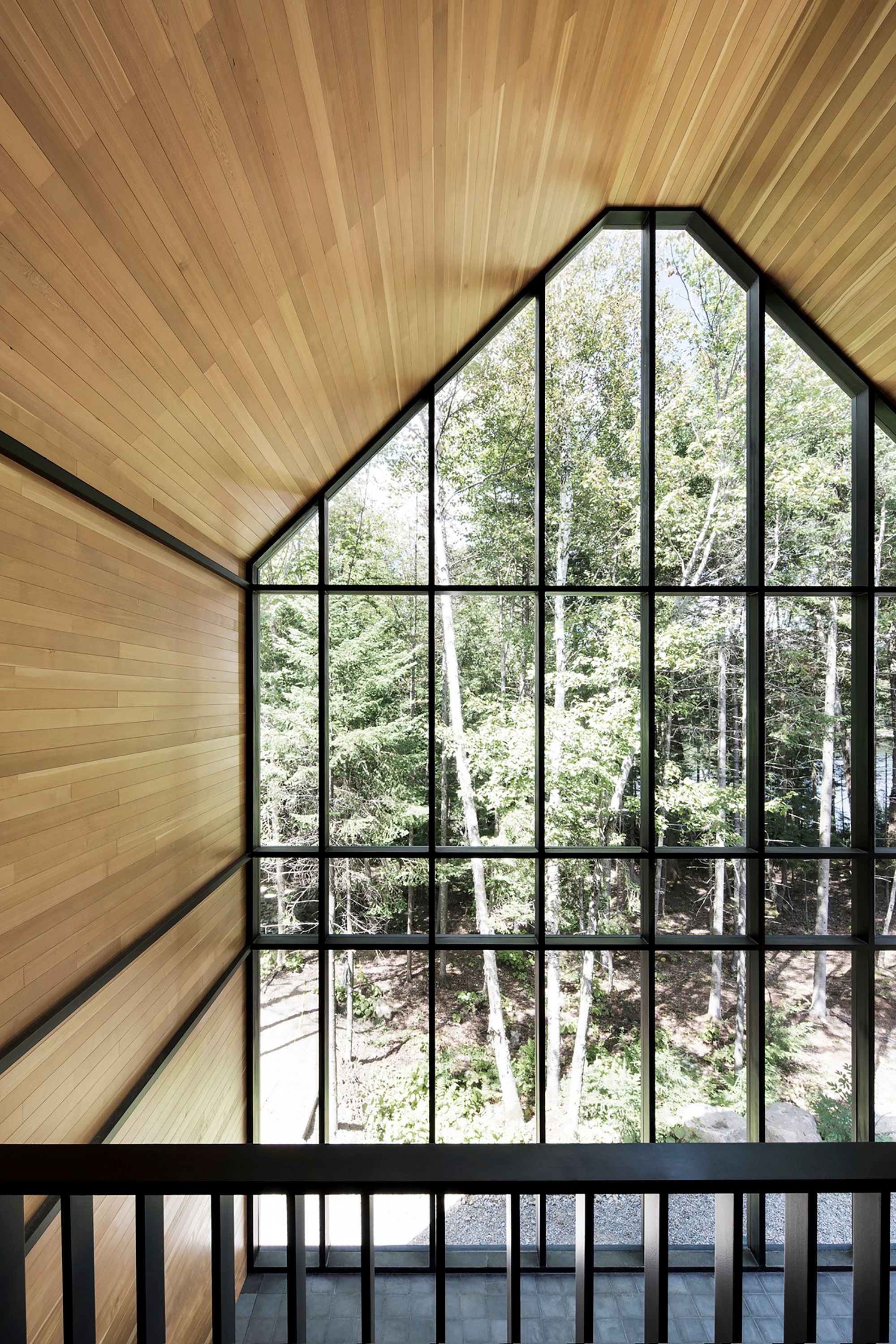
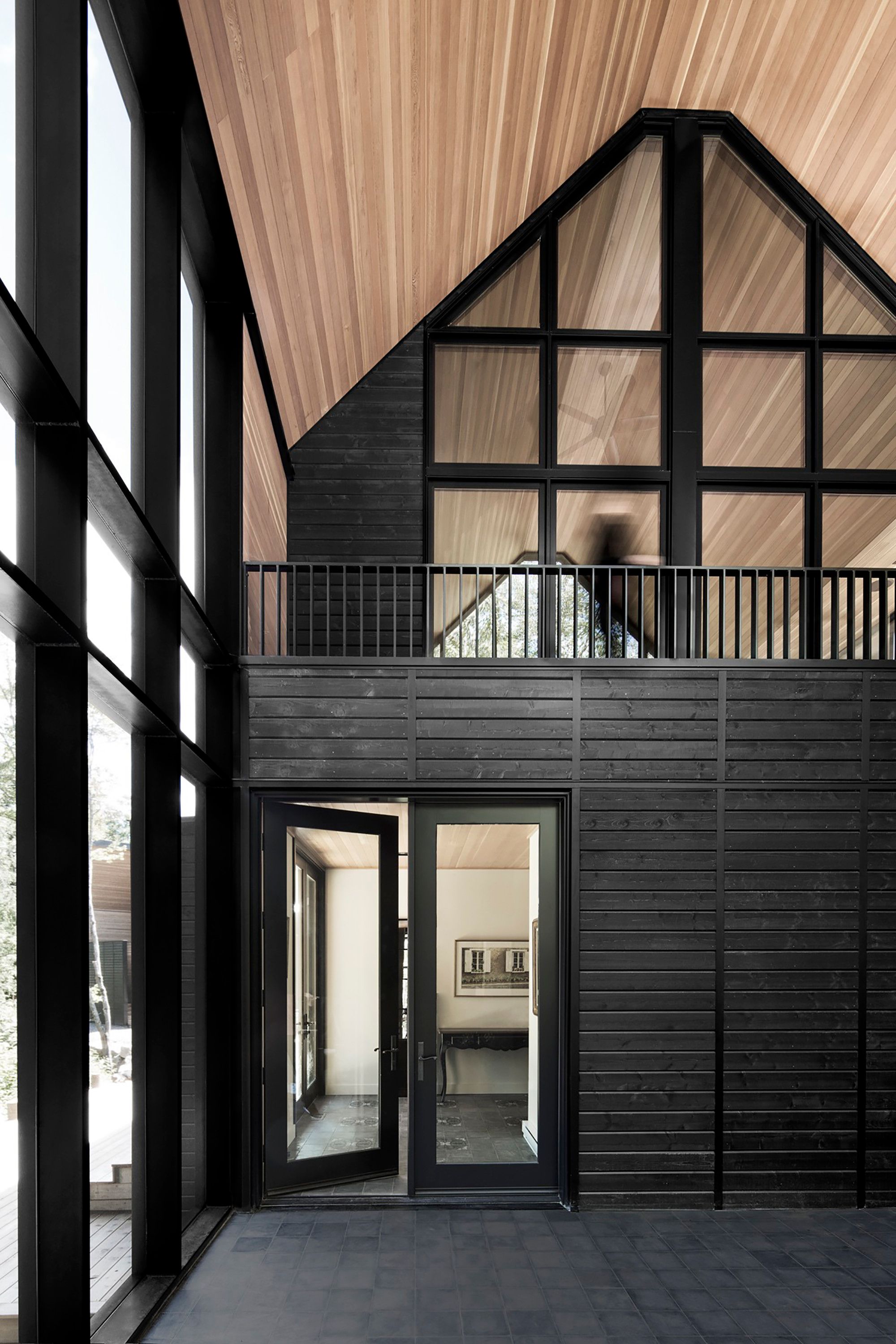
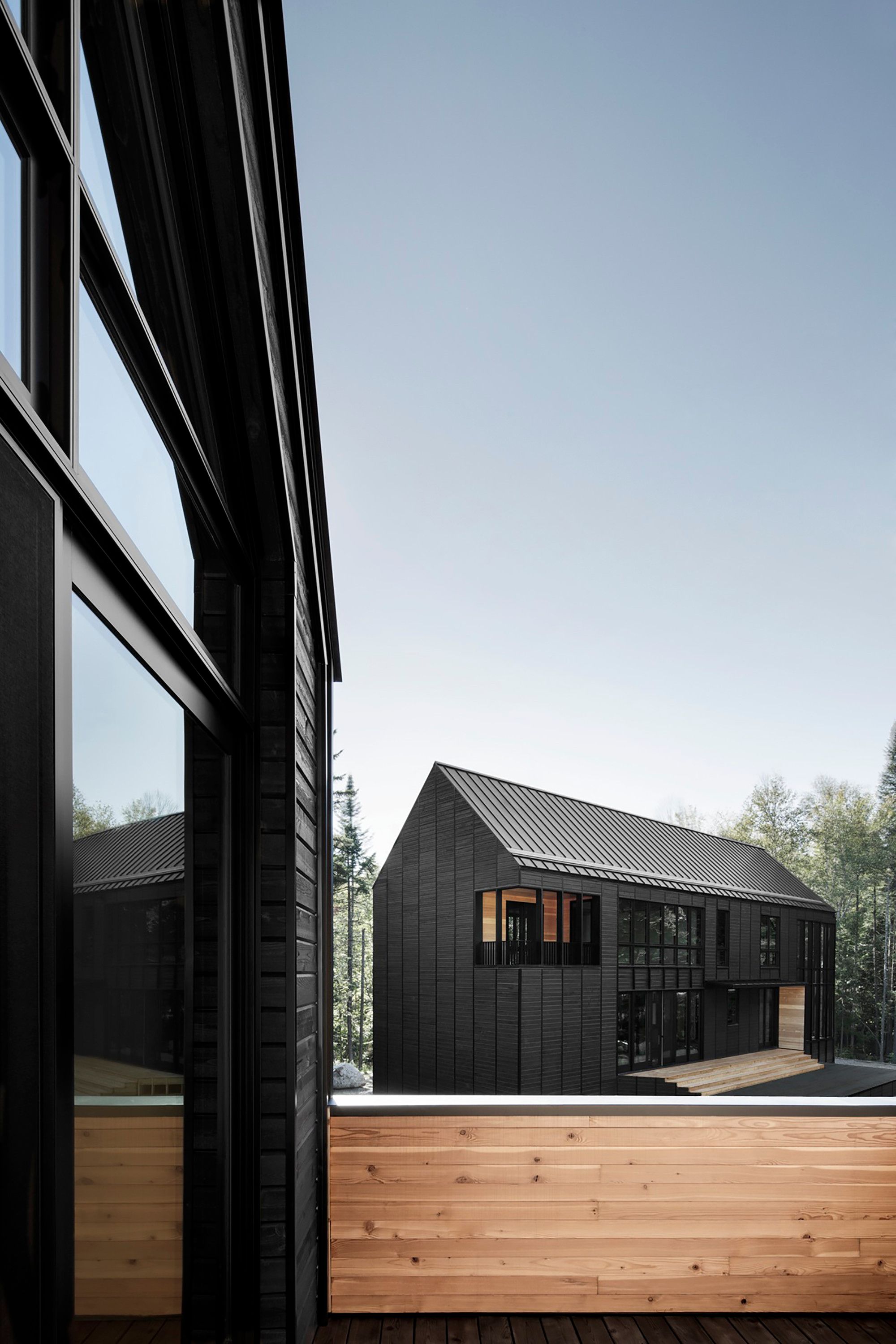
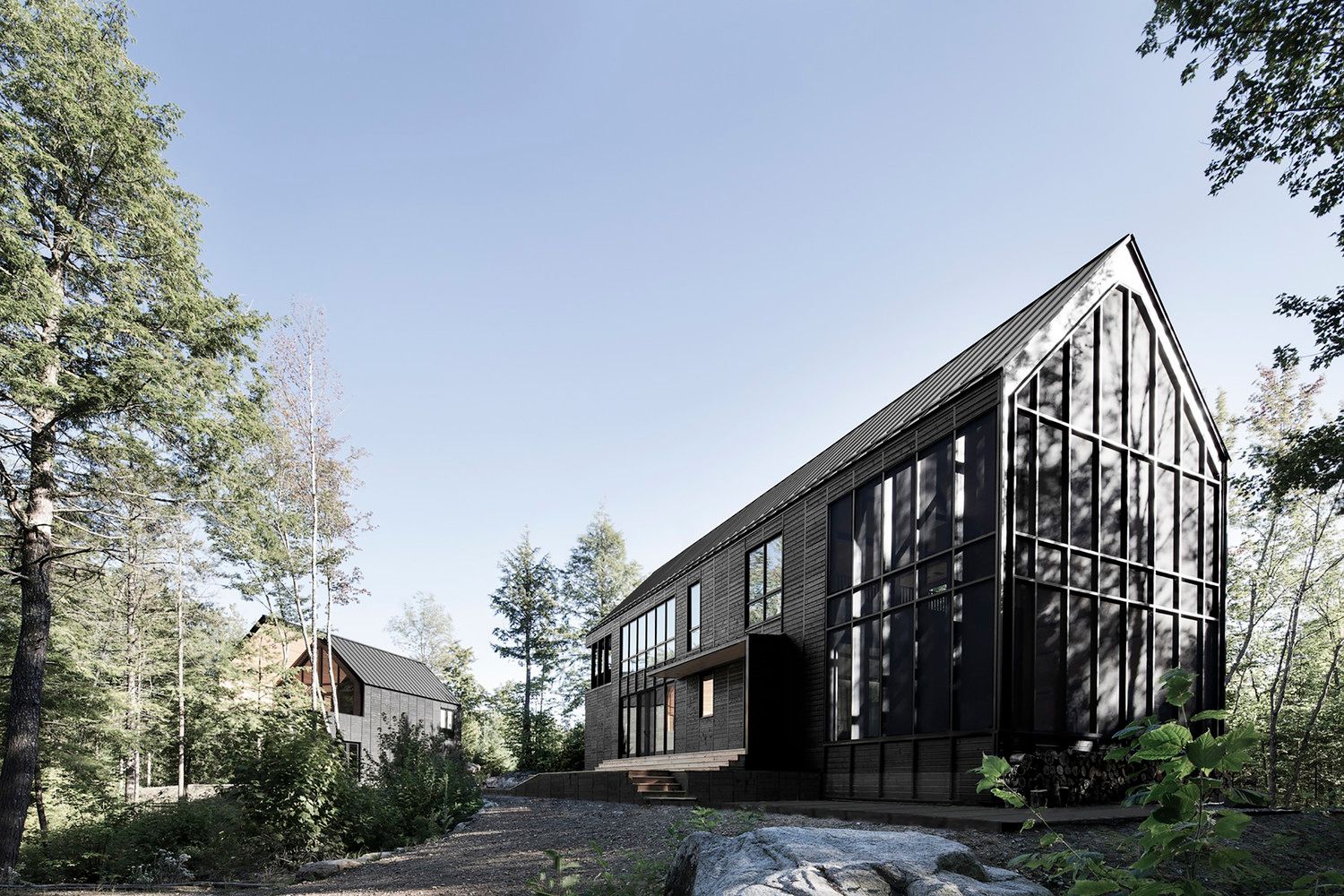
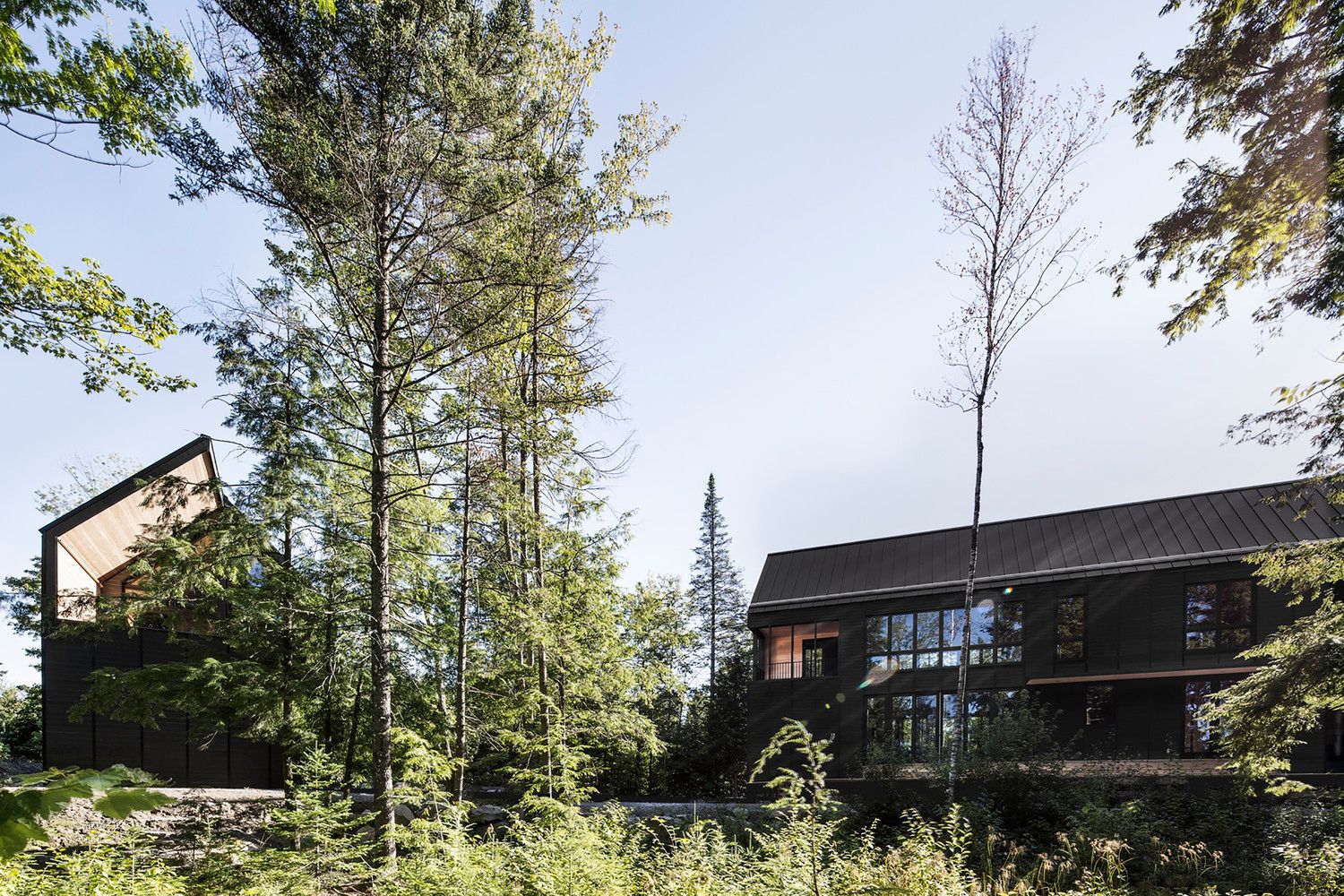

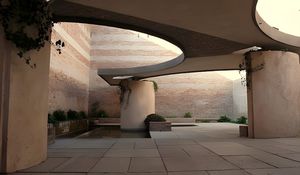
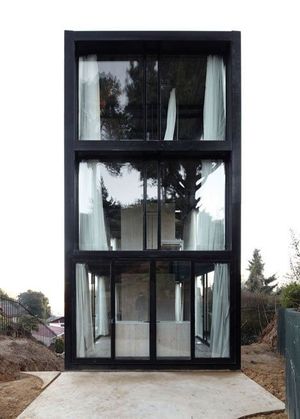
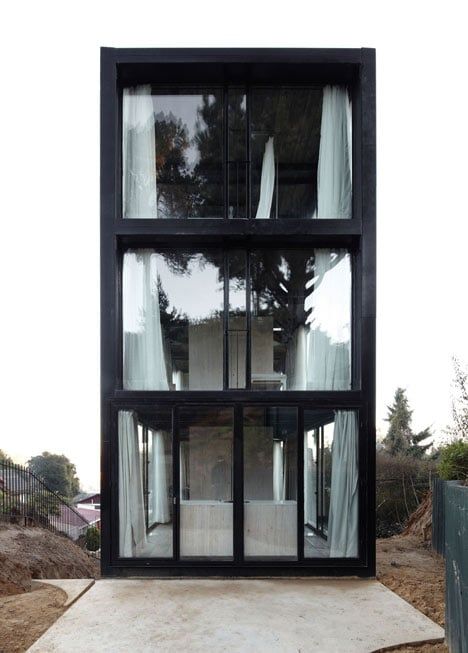
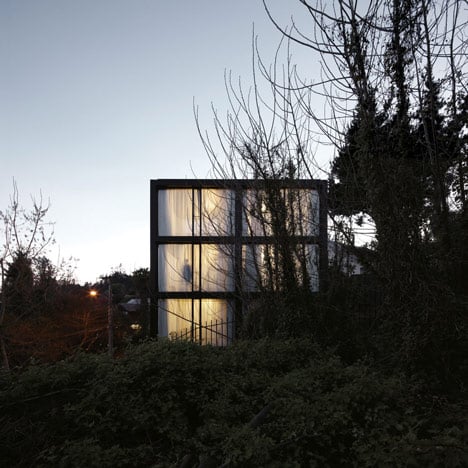
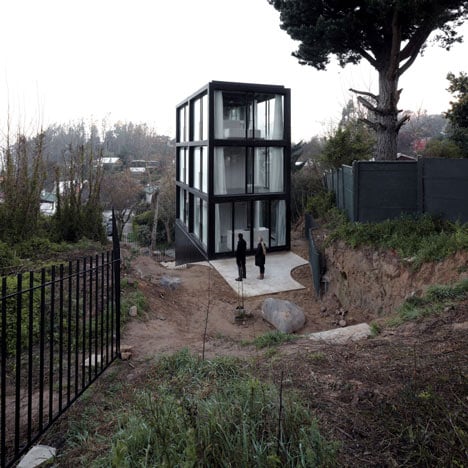
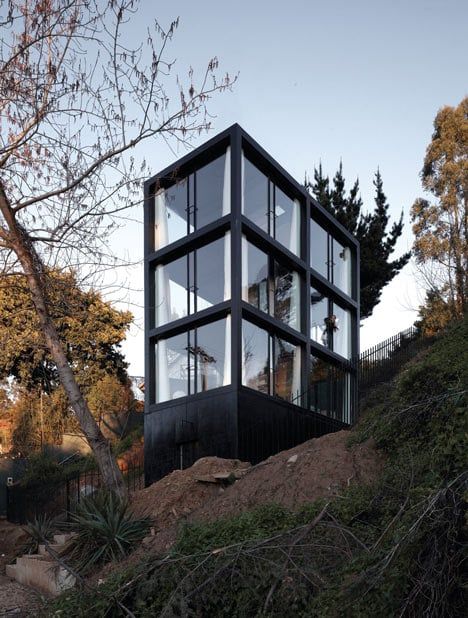
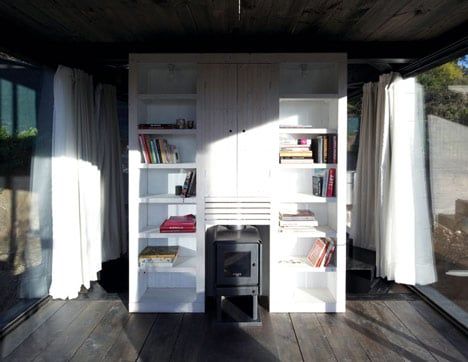
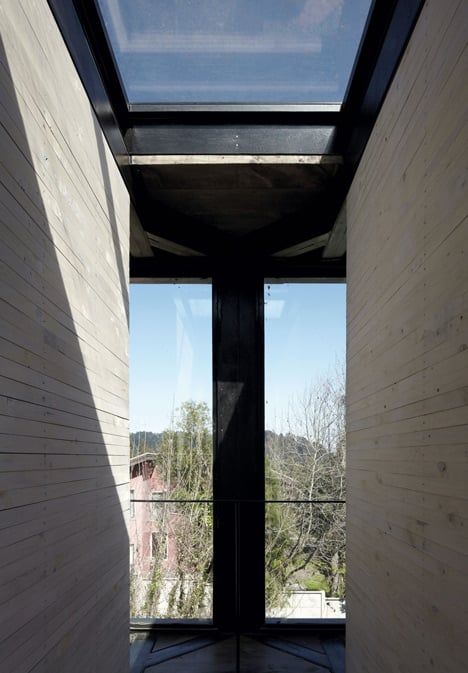
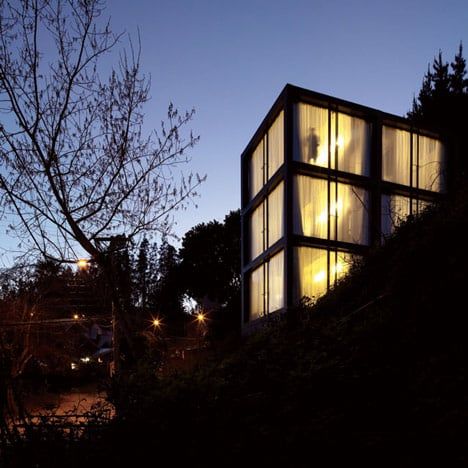
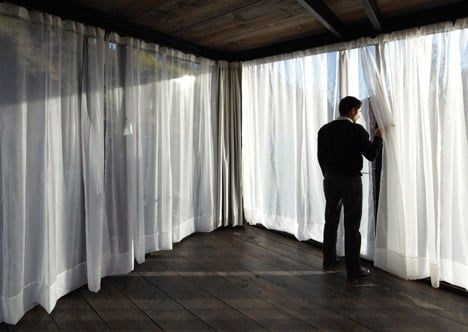
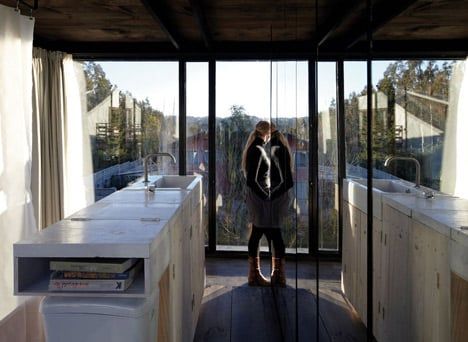
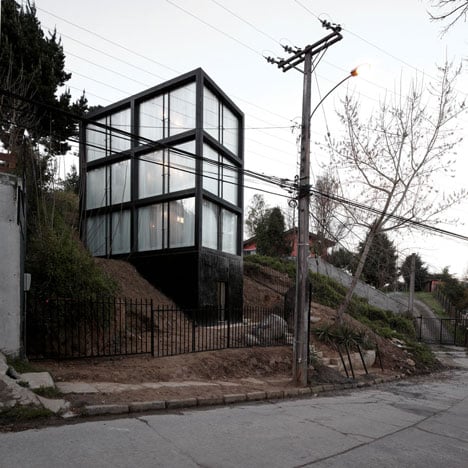
This earthquake-proof house on a hillside in western Chile by architects Pezo von Ellrichshausen has six rooms with glass walls (+ photos by Cristobal Palma).

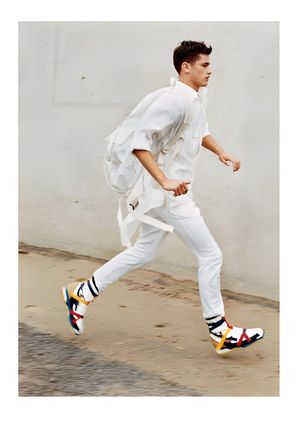
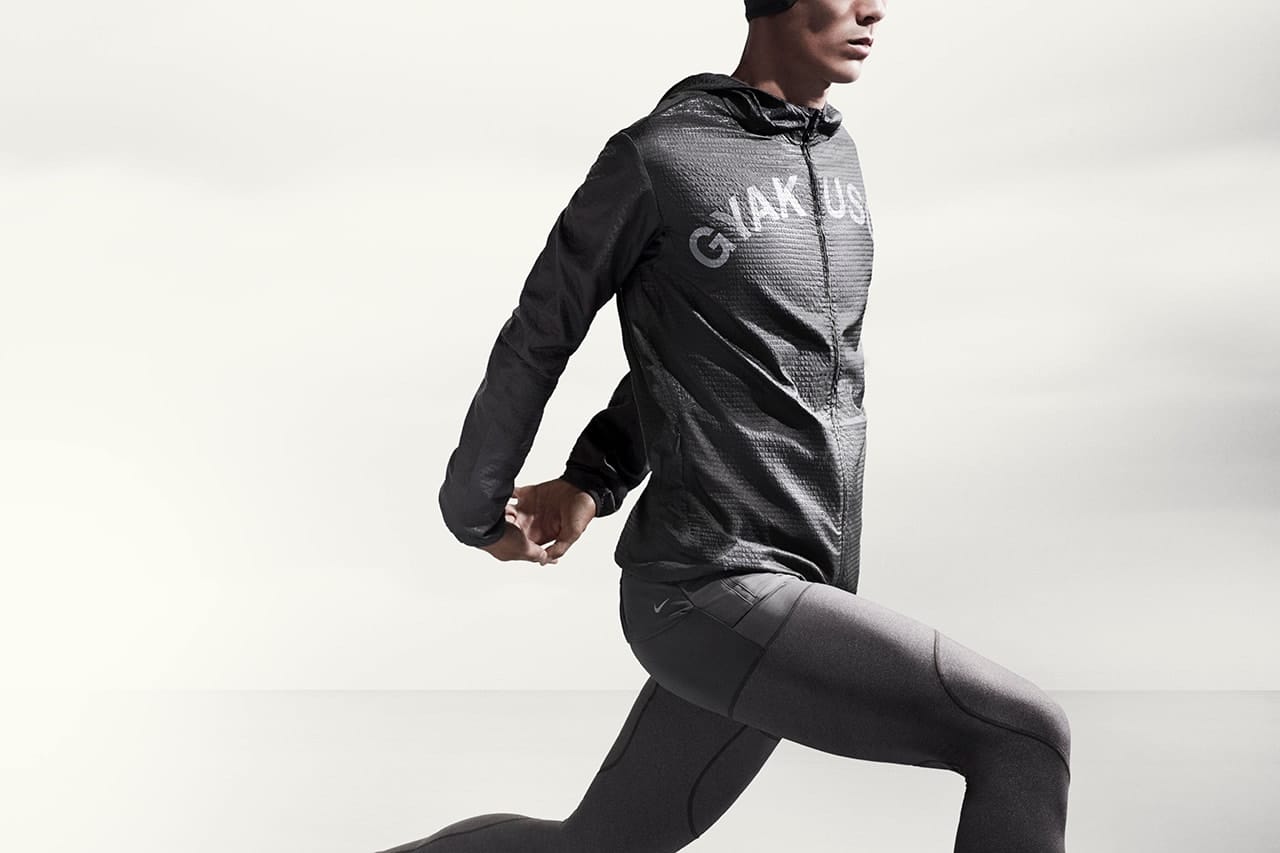
The Holiday 2014 collection is restored as the original seven-image studio set, separating it from the Holiday 2013 forest campaign.
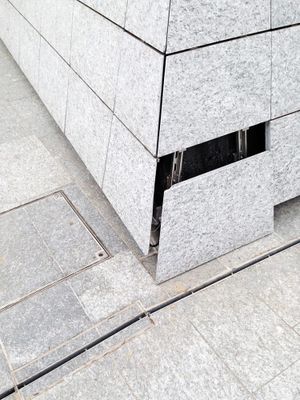
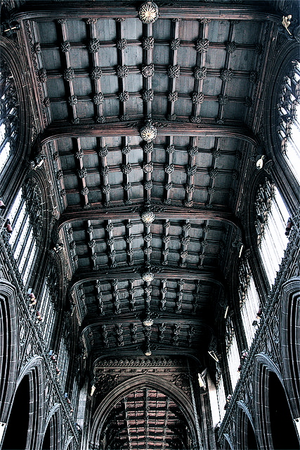
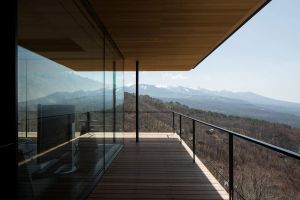
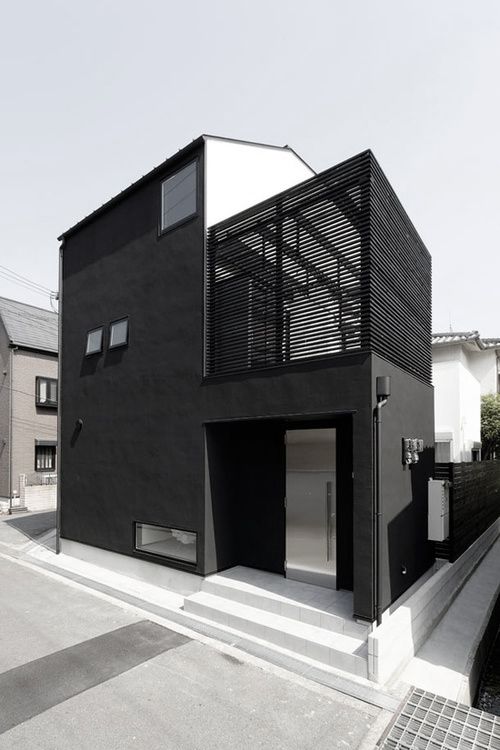
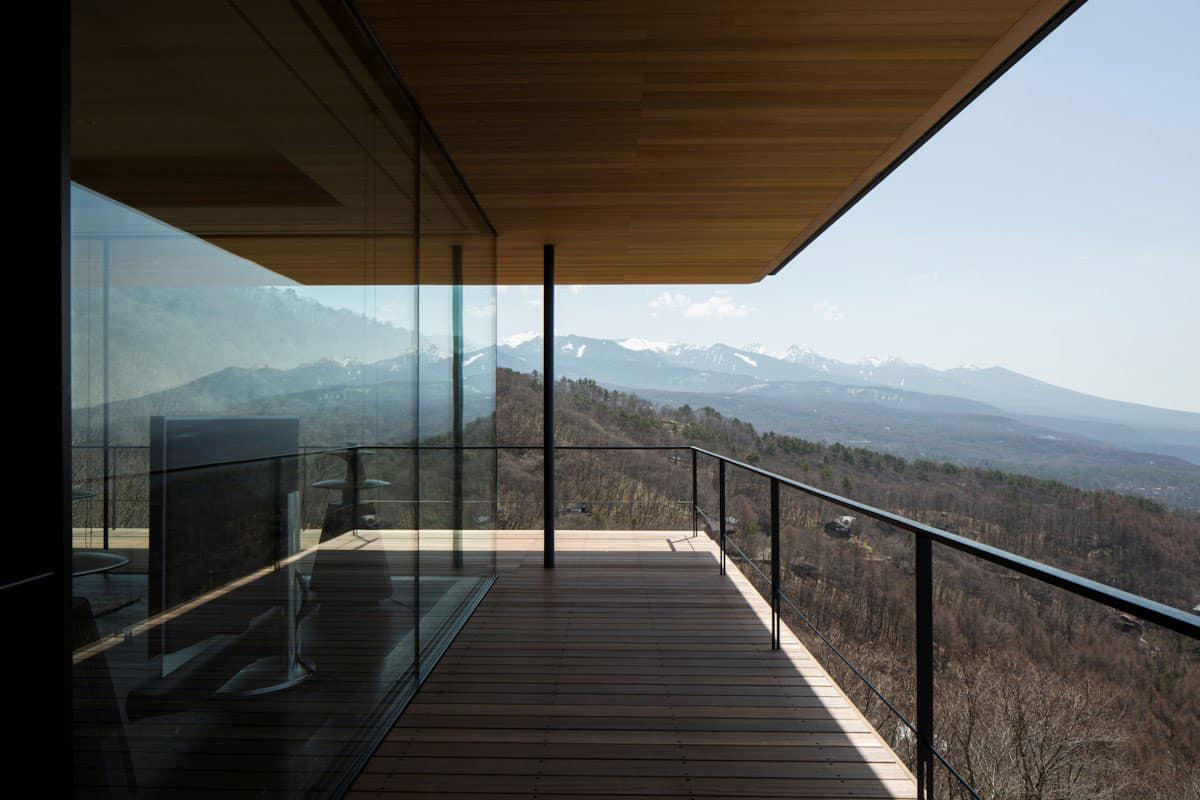
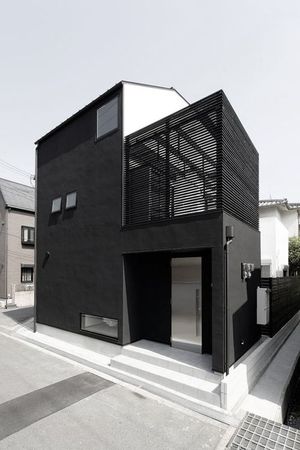
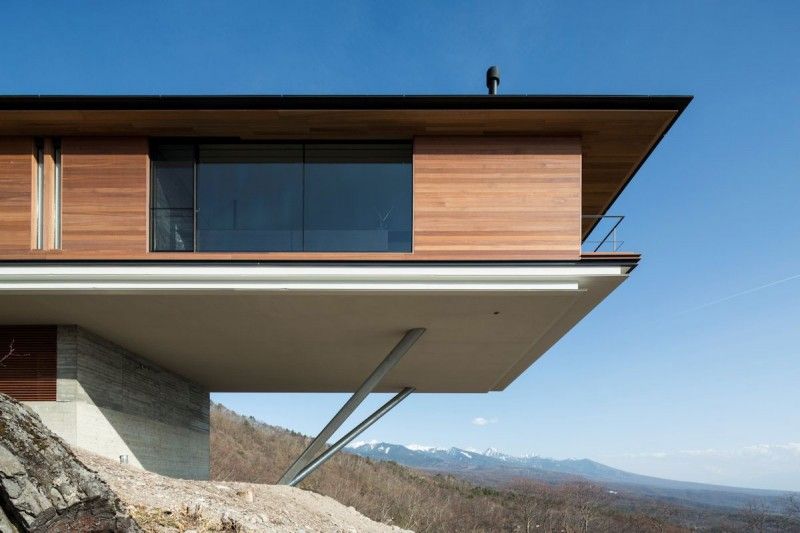
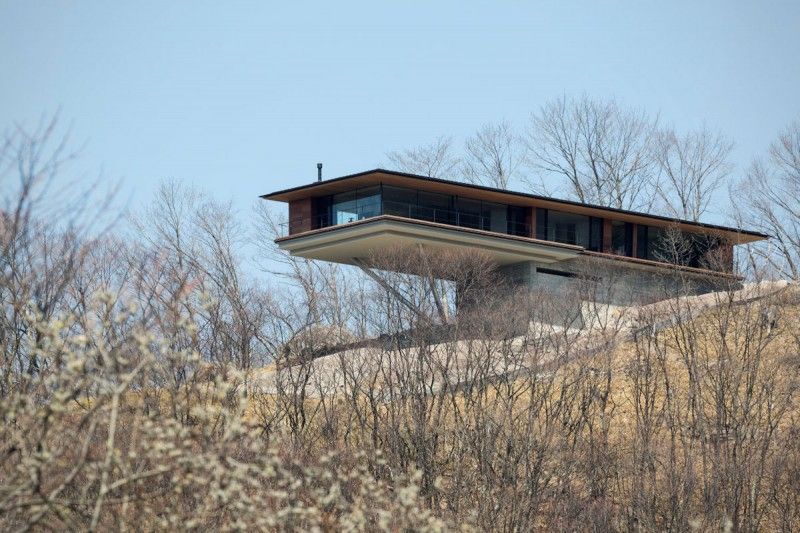
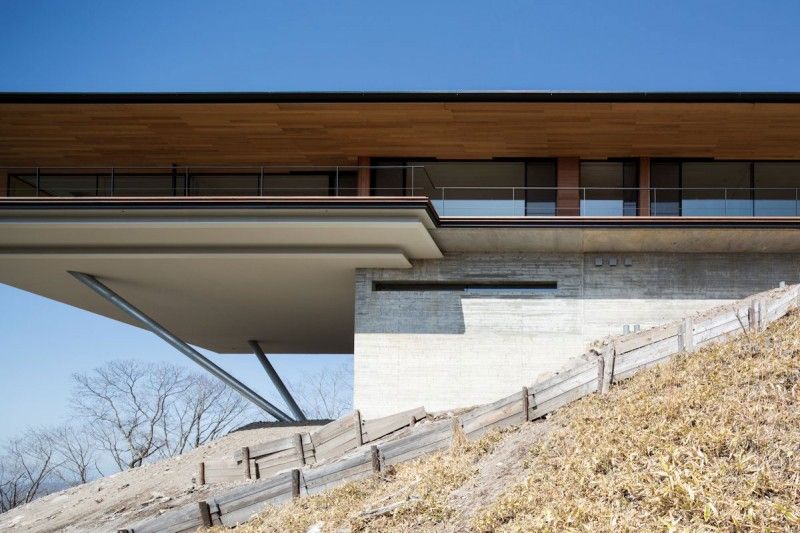
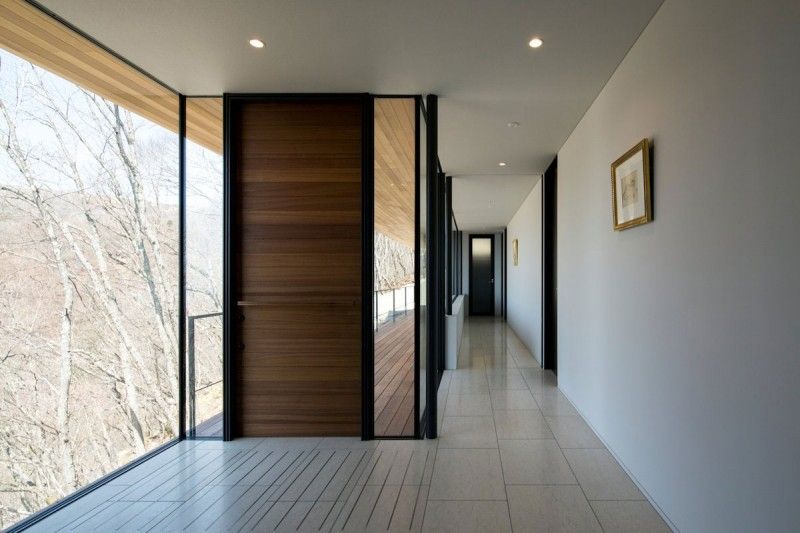
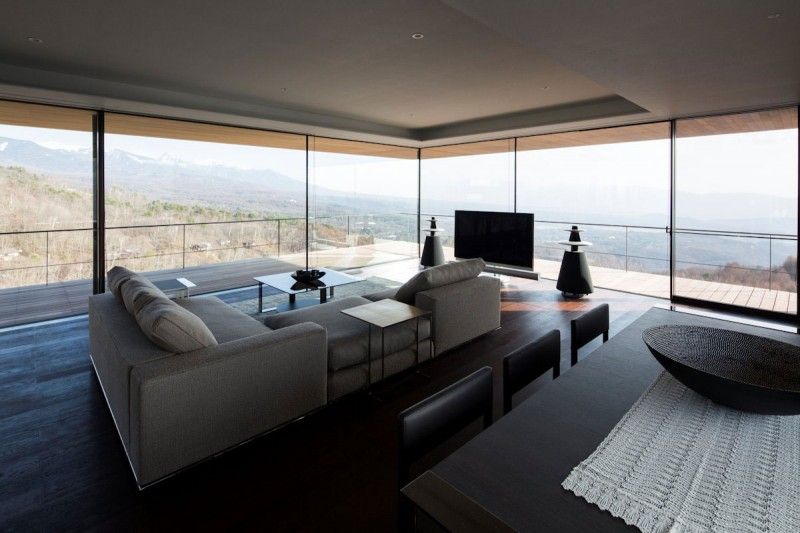
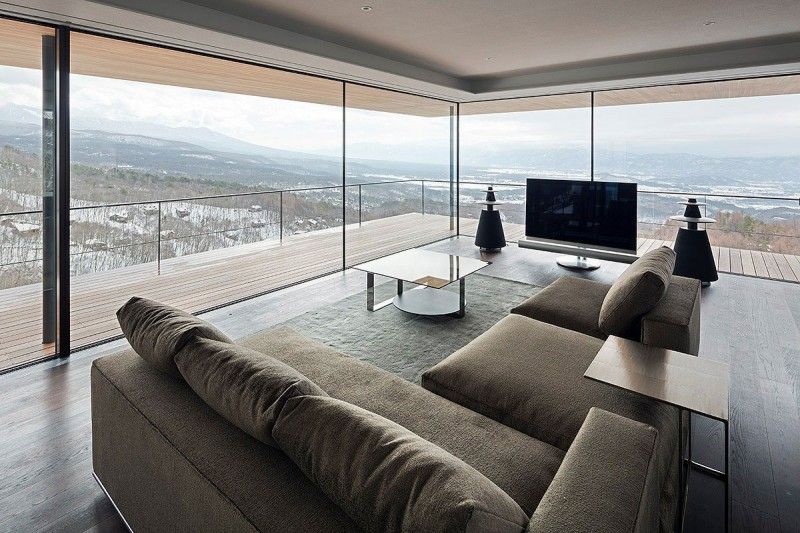
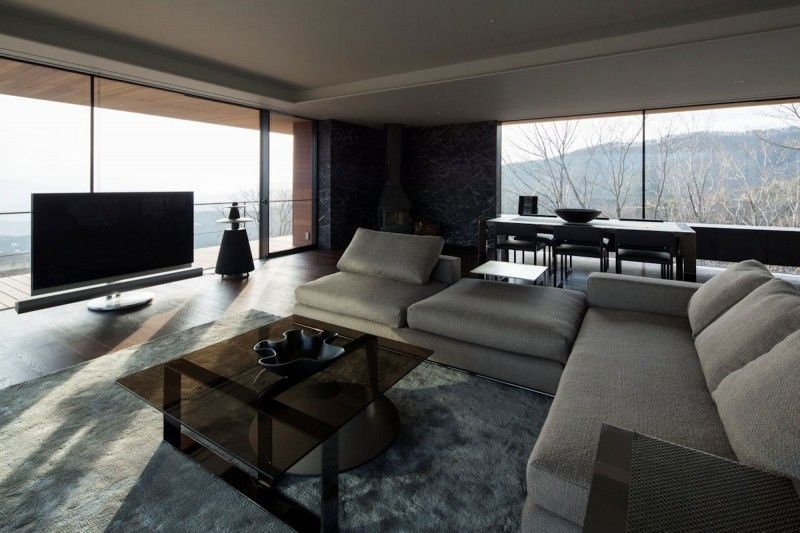
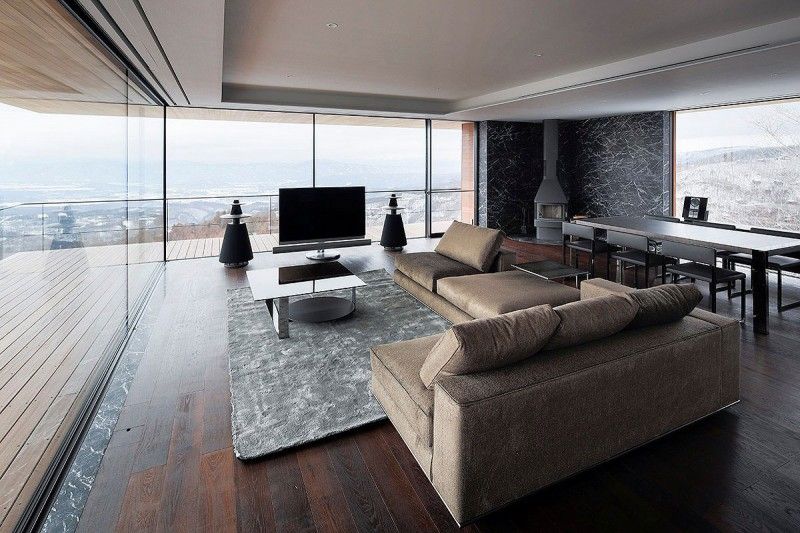
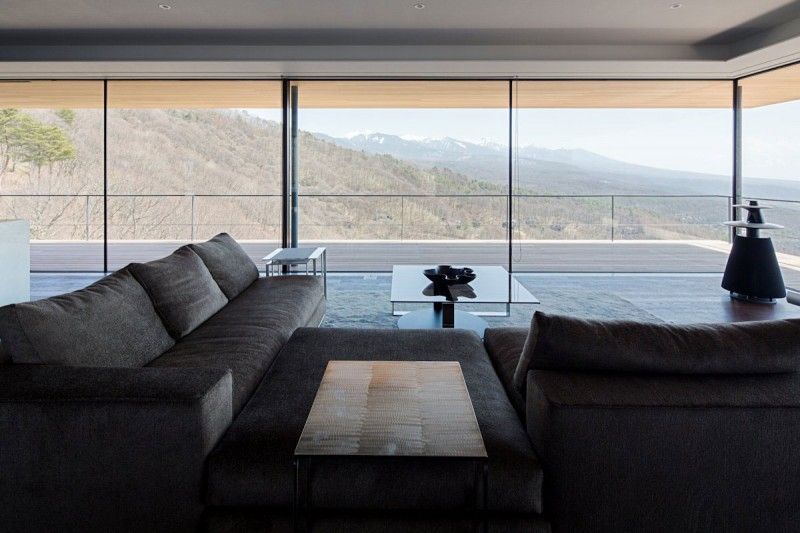
This private residence was designed by Kidosaki Architects Studio. It is located on the edge of the Yatsugatake Mountains in Nagano, Japan.
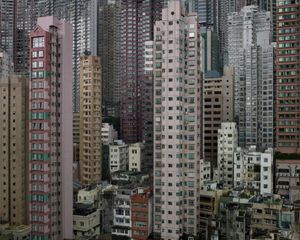
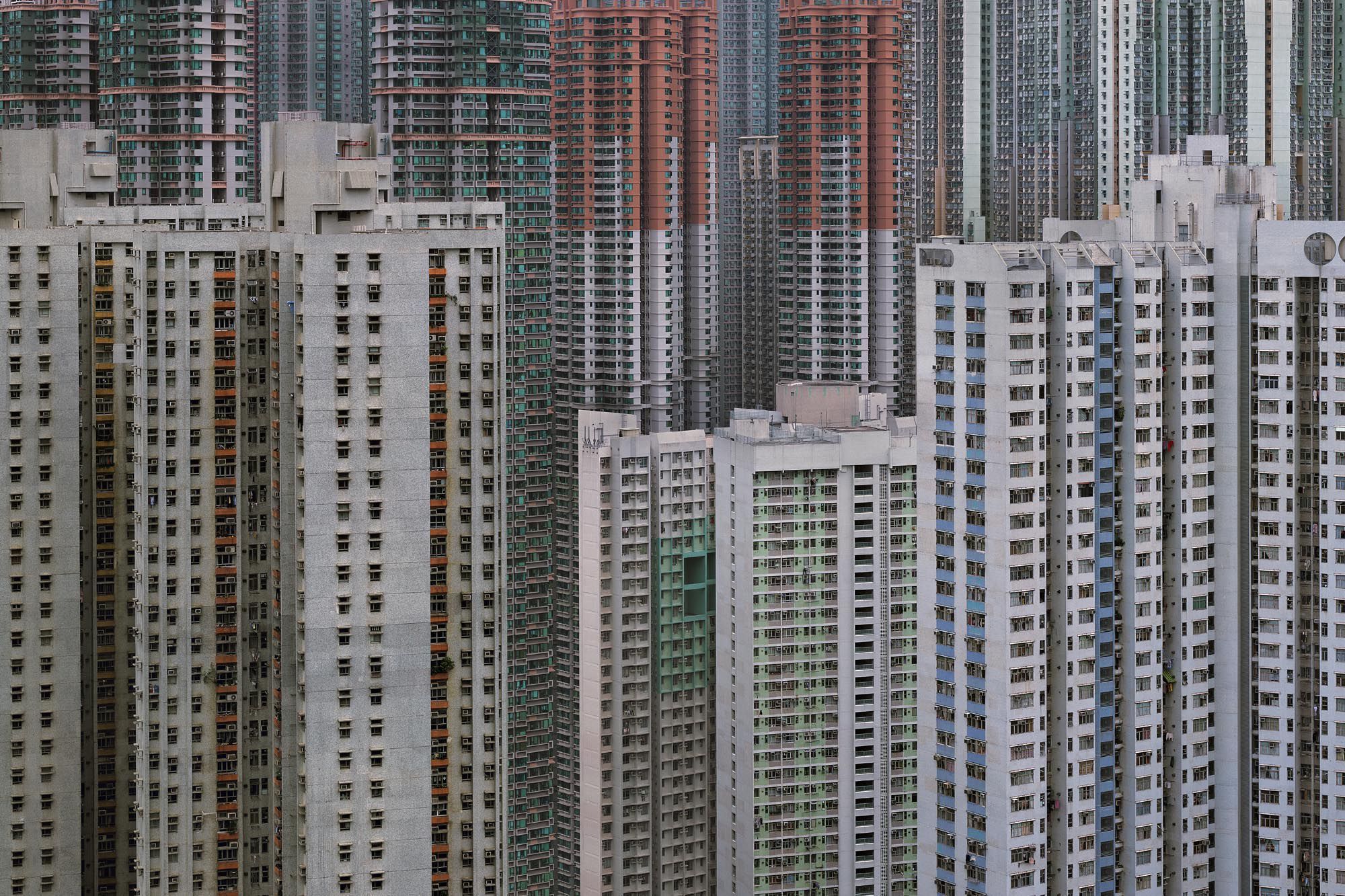
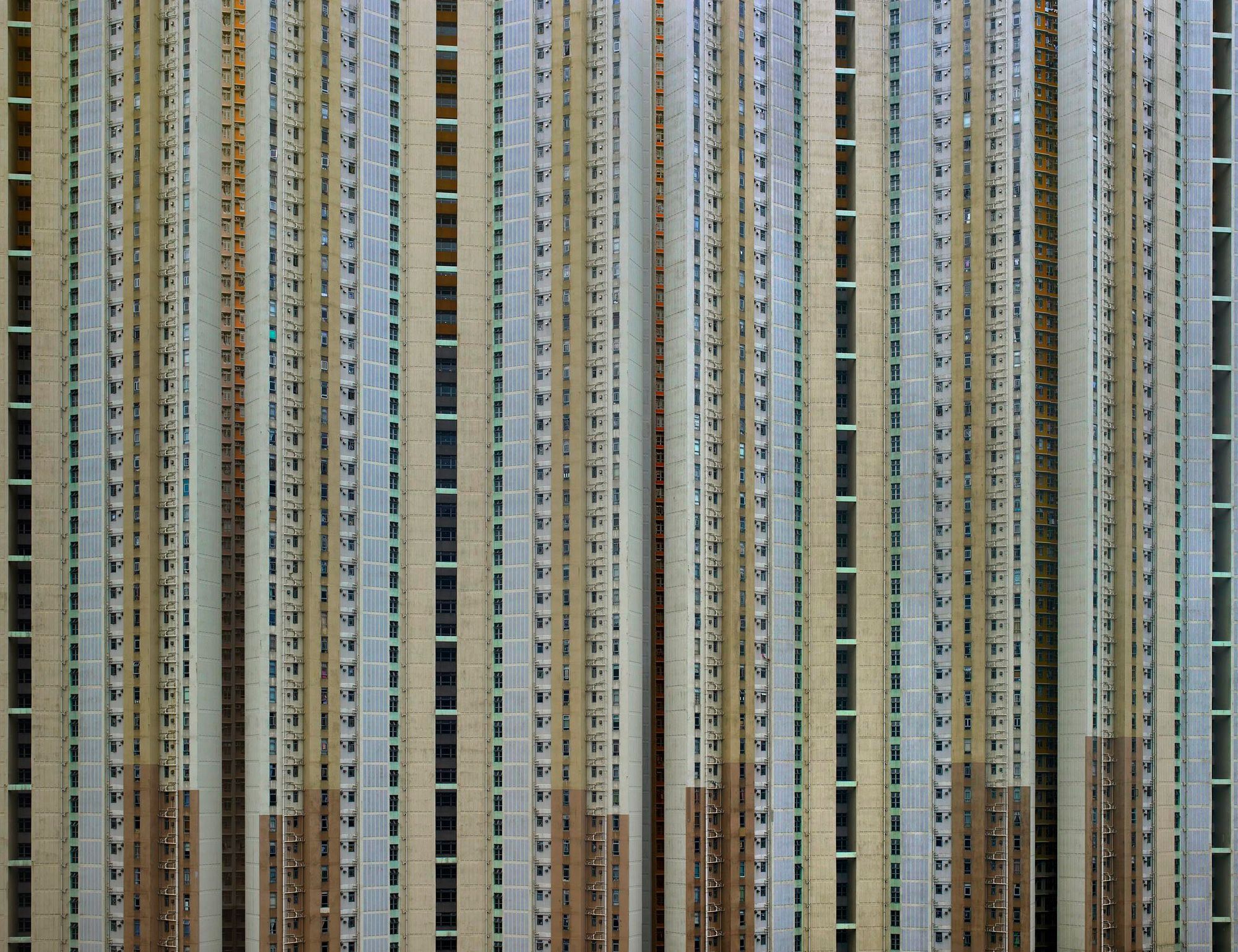
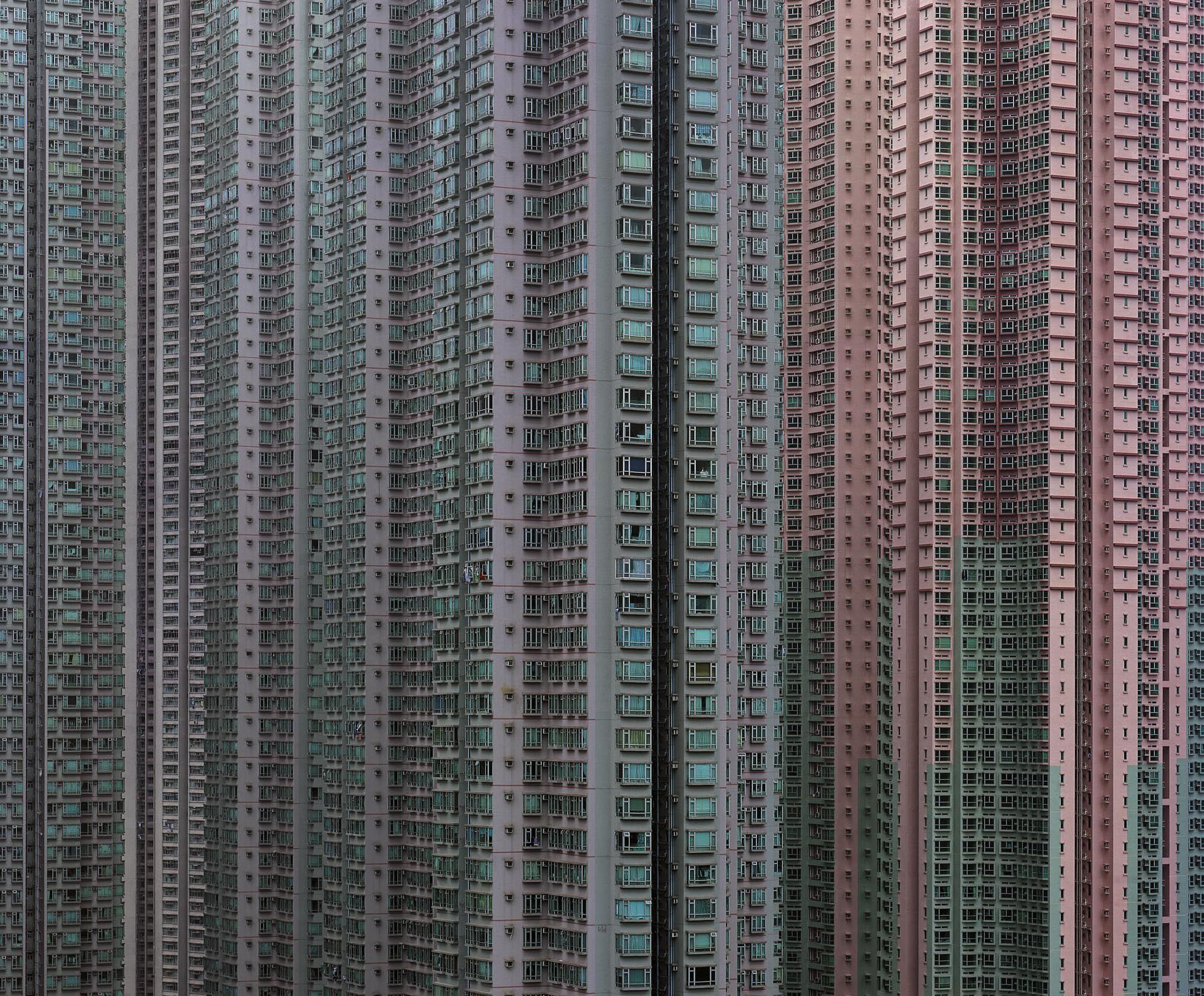
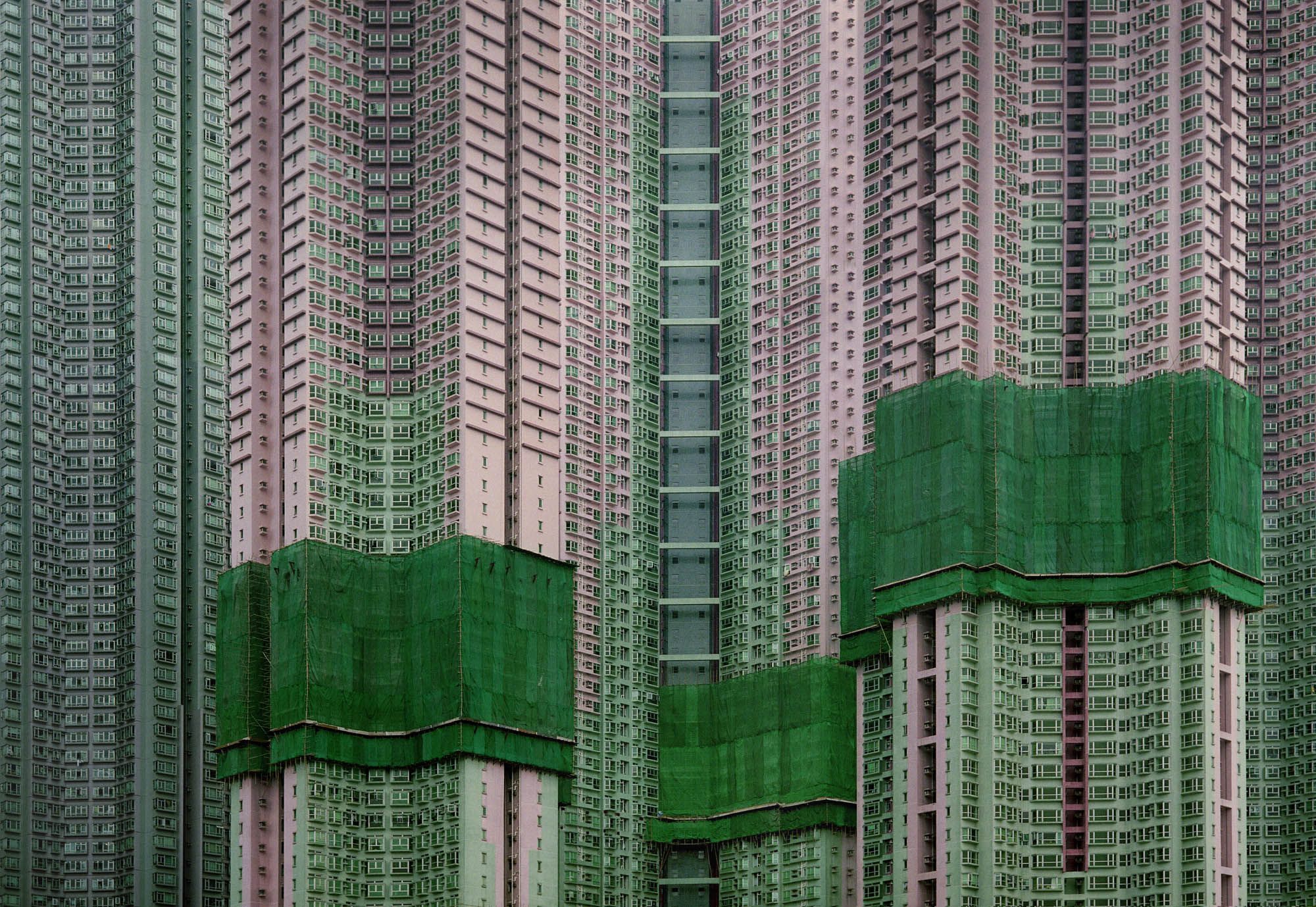
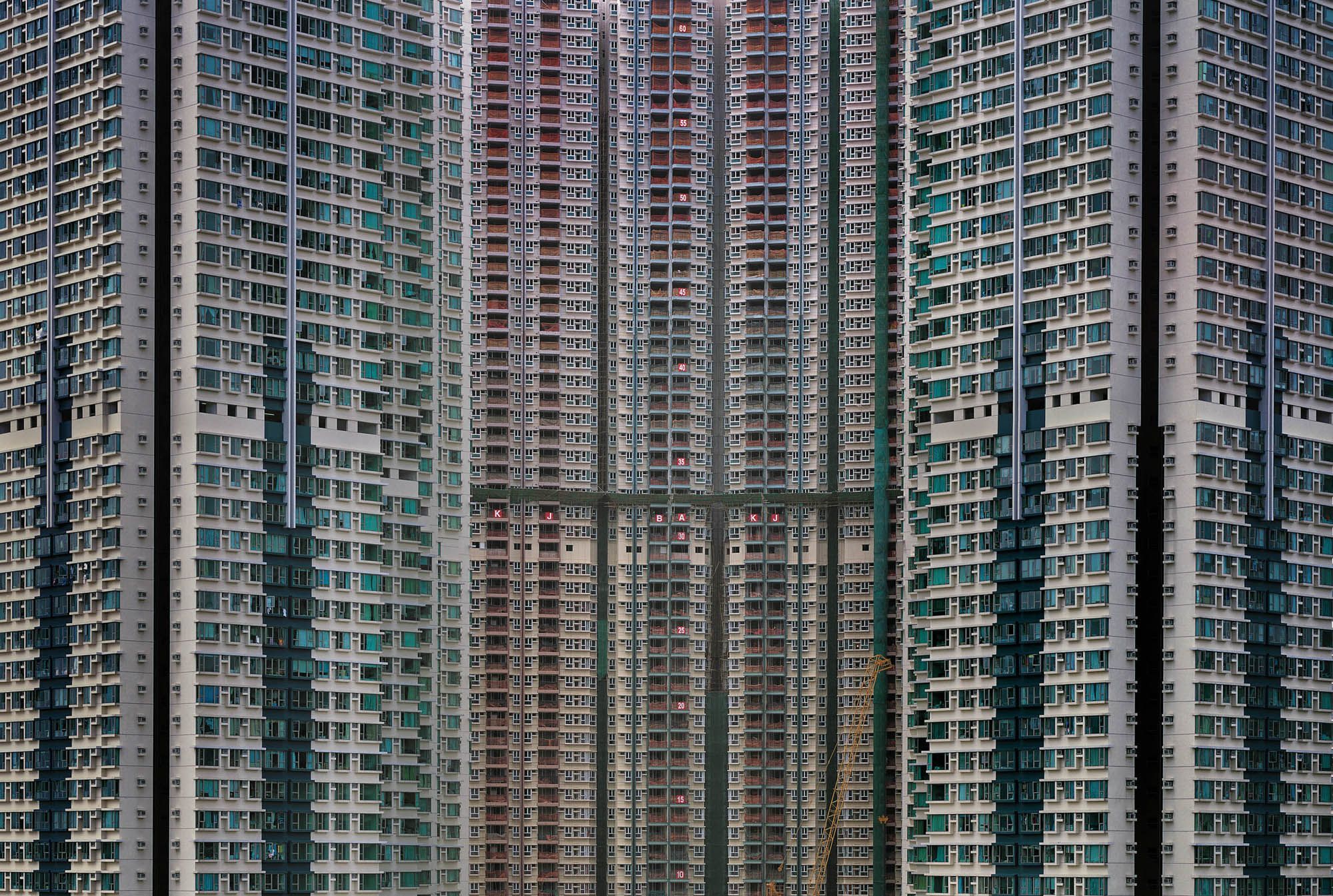
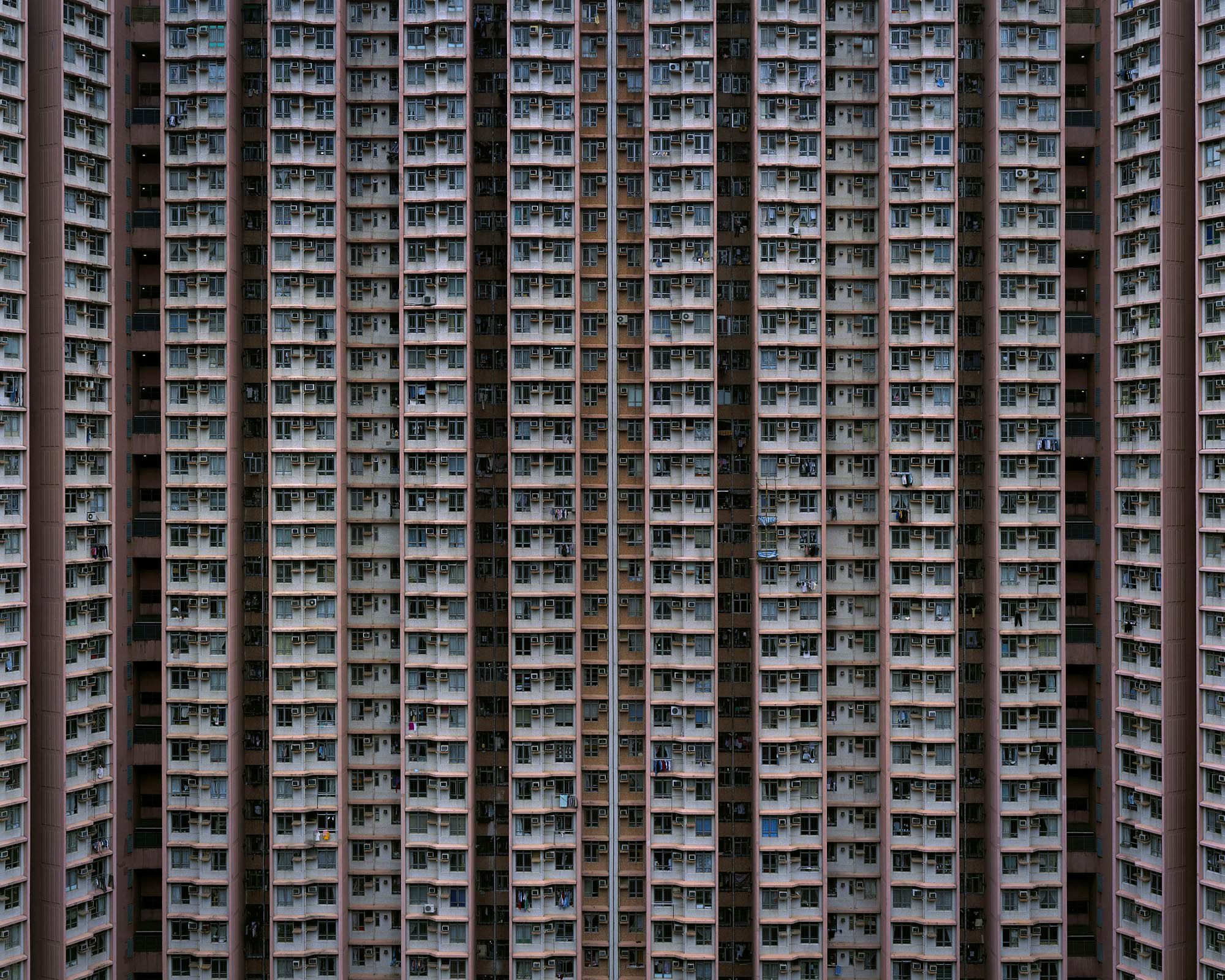
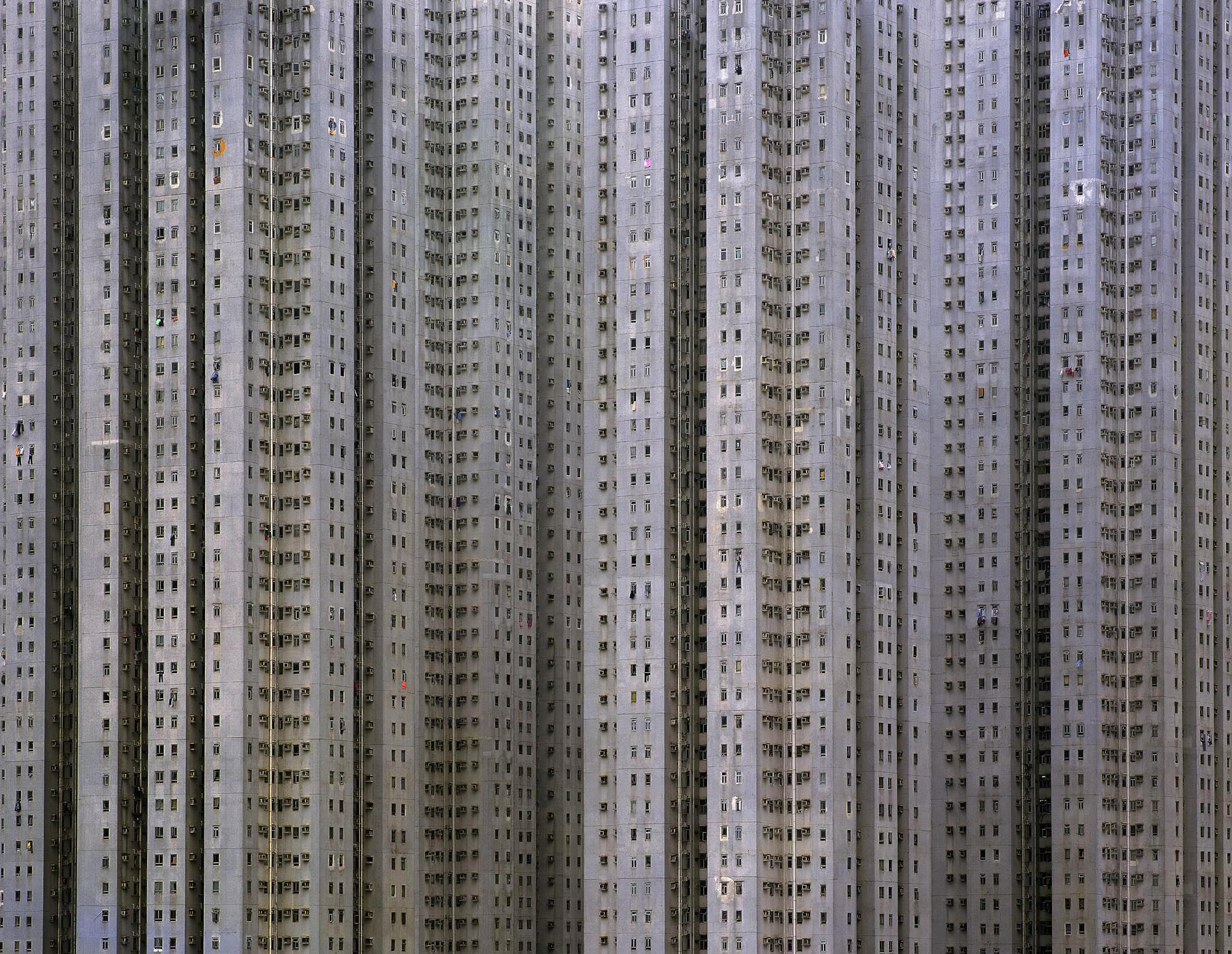
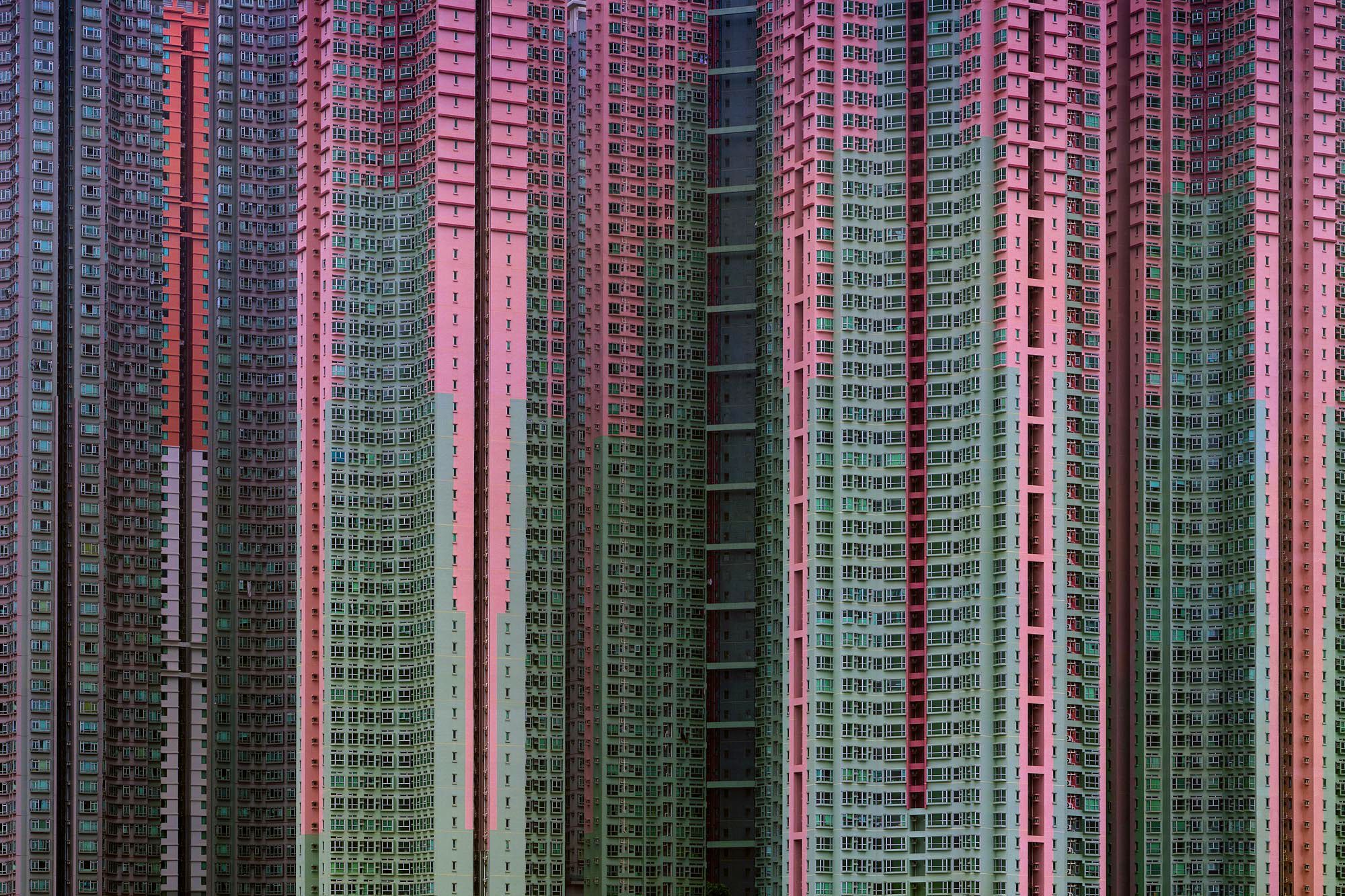
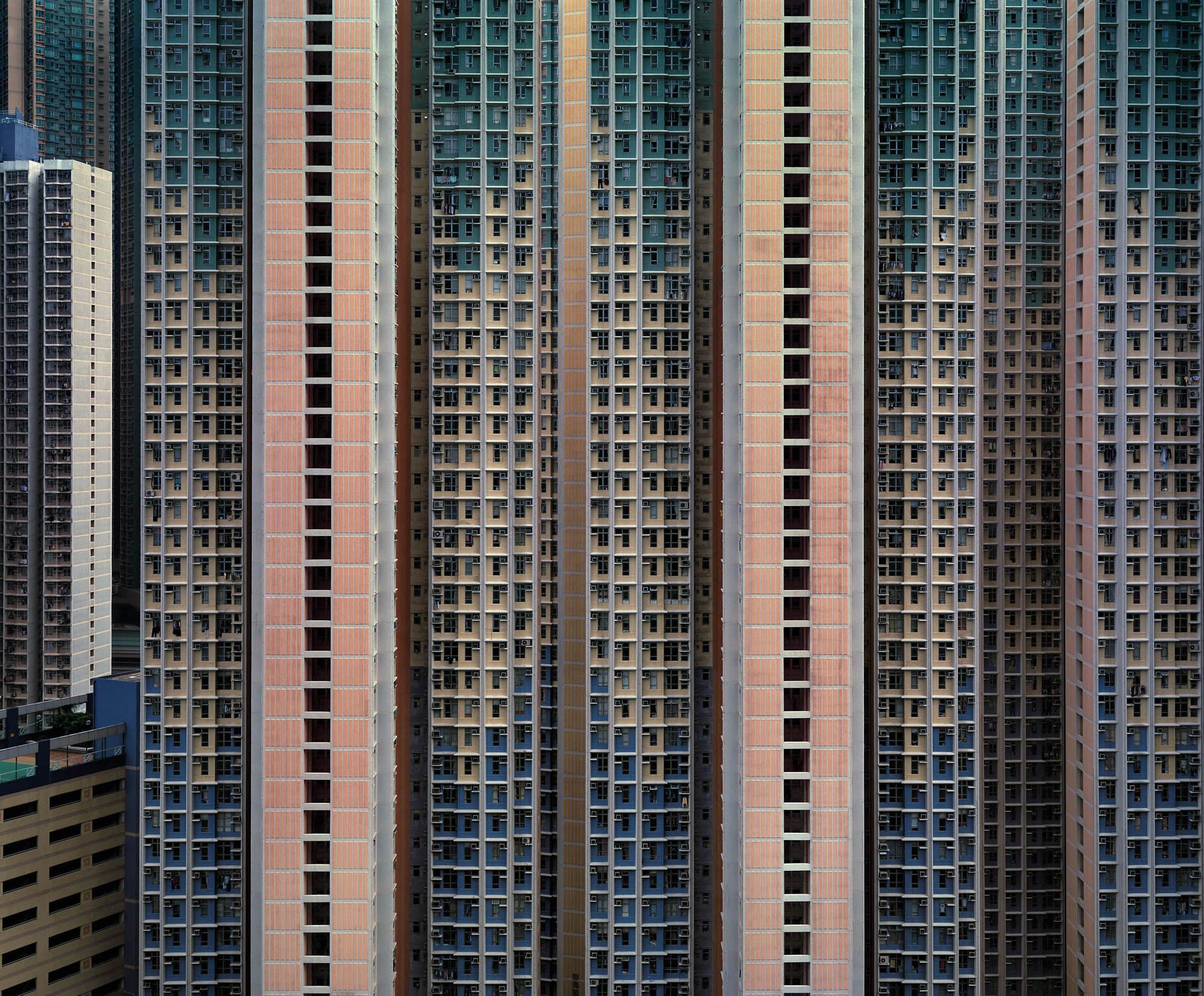
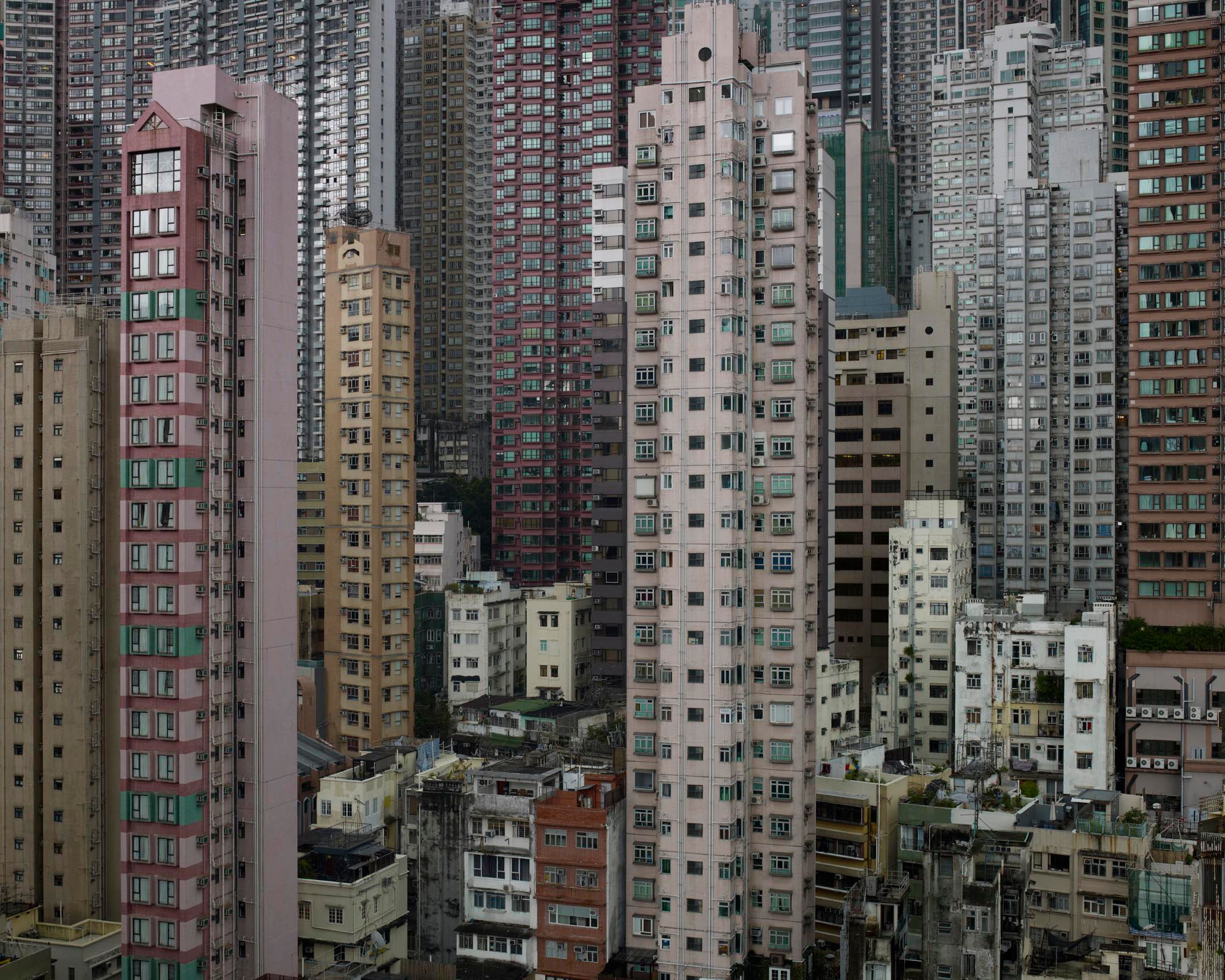
One of the most densely populated metropolitan areas in the world, Hong Kong has an overall density of nearly 6,700 people per square kilometer. The majority of its citizens live in flats in high-rise buildings, whose units can house as many as 10,000 people.
In Architecture of Density, Michael investigates these enormous city blocks, finding a mesmerizing abstraction in the buildings’ facades. The structures in the series are photographed without reference to the context of sky or ground, and many buildings are seen in a state of repair or construction: their walls covered with a grid of scaffolding or the soft coloured curtains that protect the streets below from falling debris. From a distance, such elements become a part of an intricate design. Upon closer inspection of each photograph, the anonymous public face of the city is full of rewarding detail – public space is private space, large swatches of colour give way to smaller pieces of people’s lives. The trappings of the people are still visible here: their days inform the detail of these buildings. Bits of laundry and hanging plants pepper the tiny rectangles of windows- the only irregularities in this orderly design. The images of Architecture of Density give one an inkling of what our cities could look like if grown continues unchecked.