
Anatomical Stowable Hood
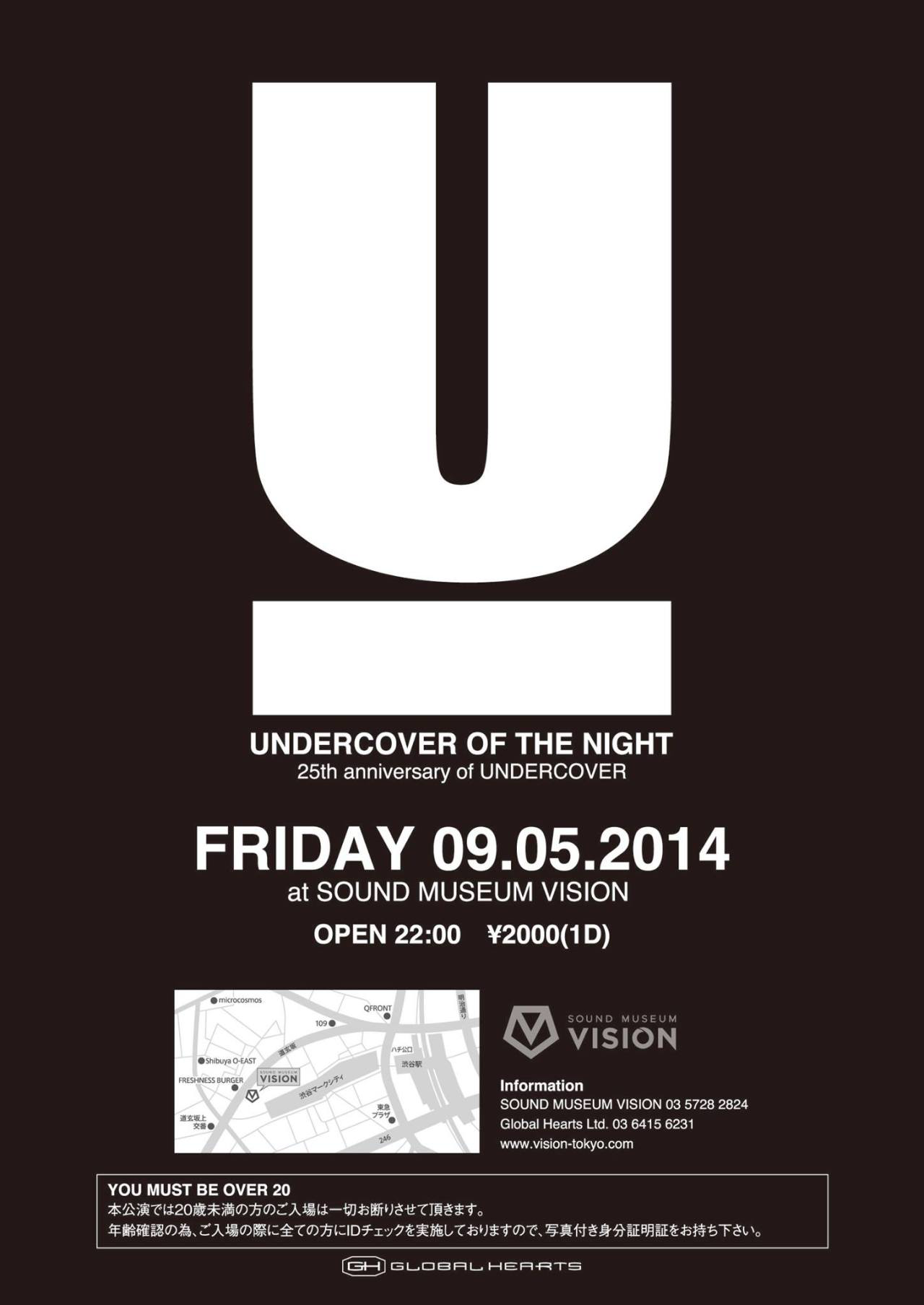
Undercover 25th anniversary

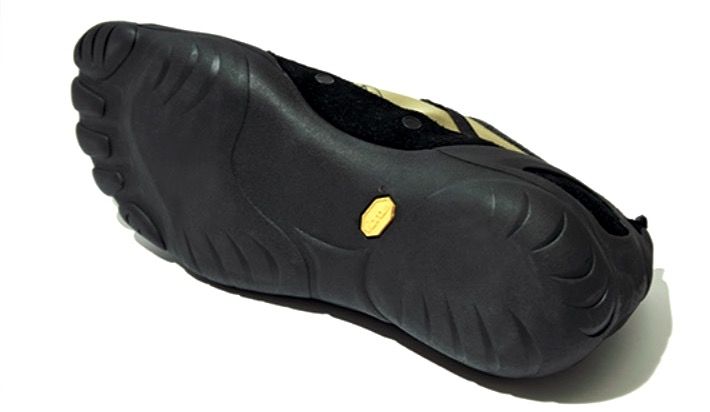
SPECTUSSHOECO Traditional Weatherwear DAY TREKKER LITE3
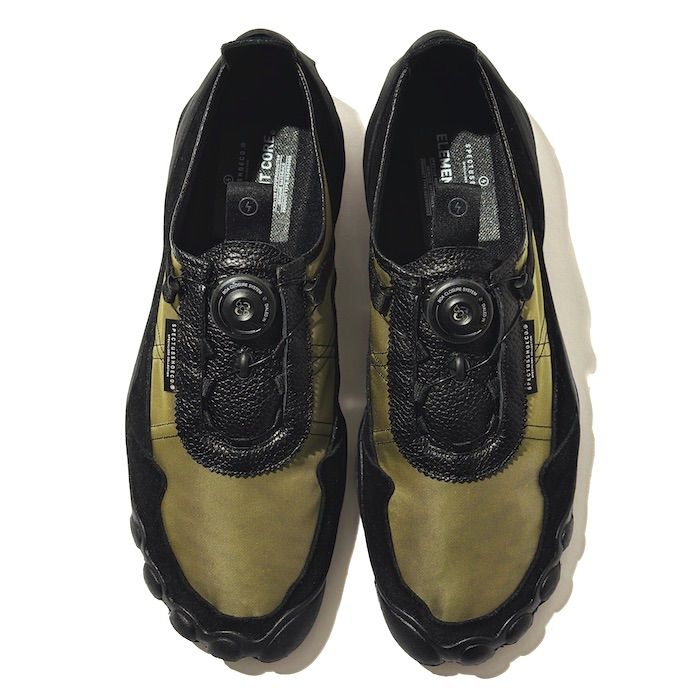

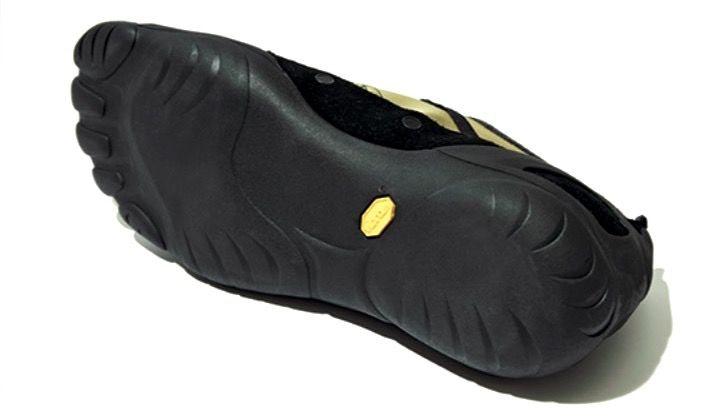


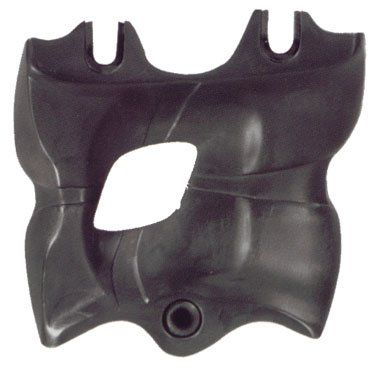
Grinding footwear inserts






Nike x Undercover Gyakusou Holiday 2014
The Holiday 2014 collection is restored as the original seven-image studio set, separating it from the Holiday 2013 forest campaign.








Maison Martin Margiela x Kanye West Yeezus Tour Custom Outfits



Nendoroid Solid Snake
Nendoroid Solid Snake (#447) by Good Smile Company, a super-deformed figure of the Metal Gear Solid character. Comes with the cardboard box, swappable faces and poses.

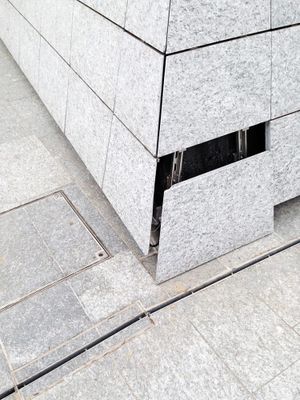
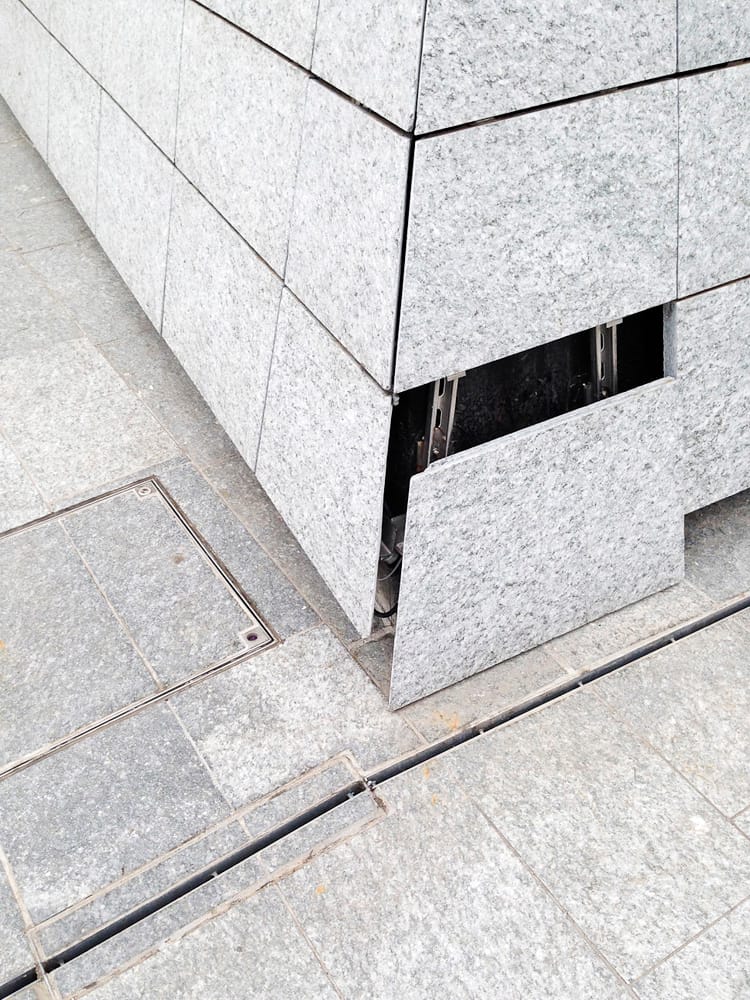
Anti-Skateboarding Deterrents — Granite Architecture Detail
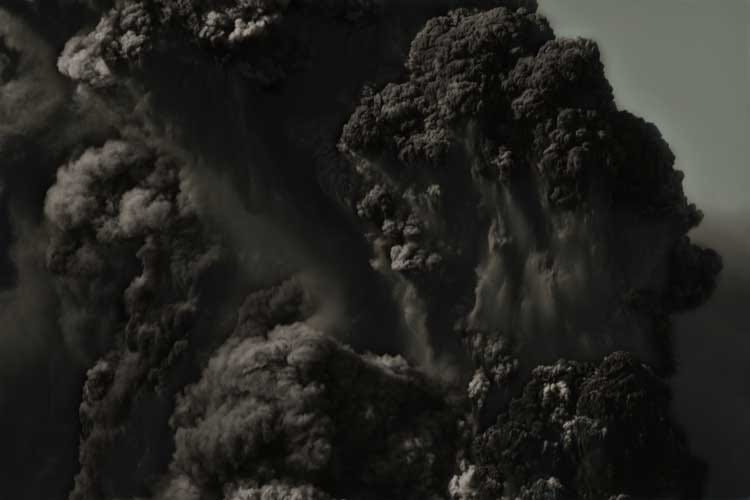
Mount Sinabung Eruption
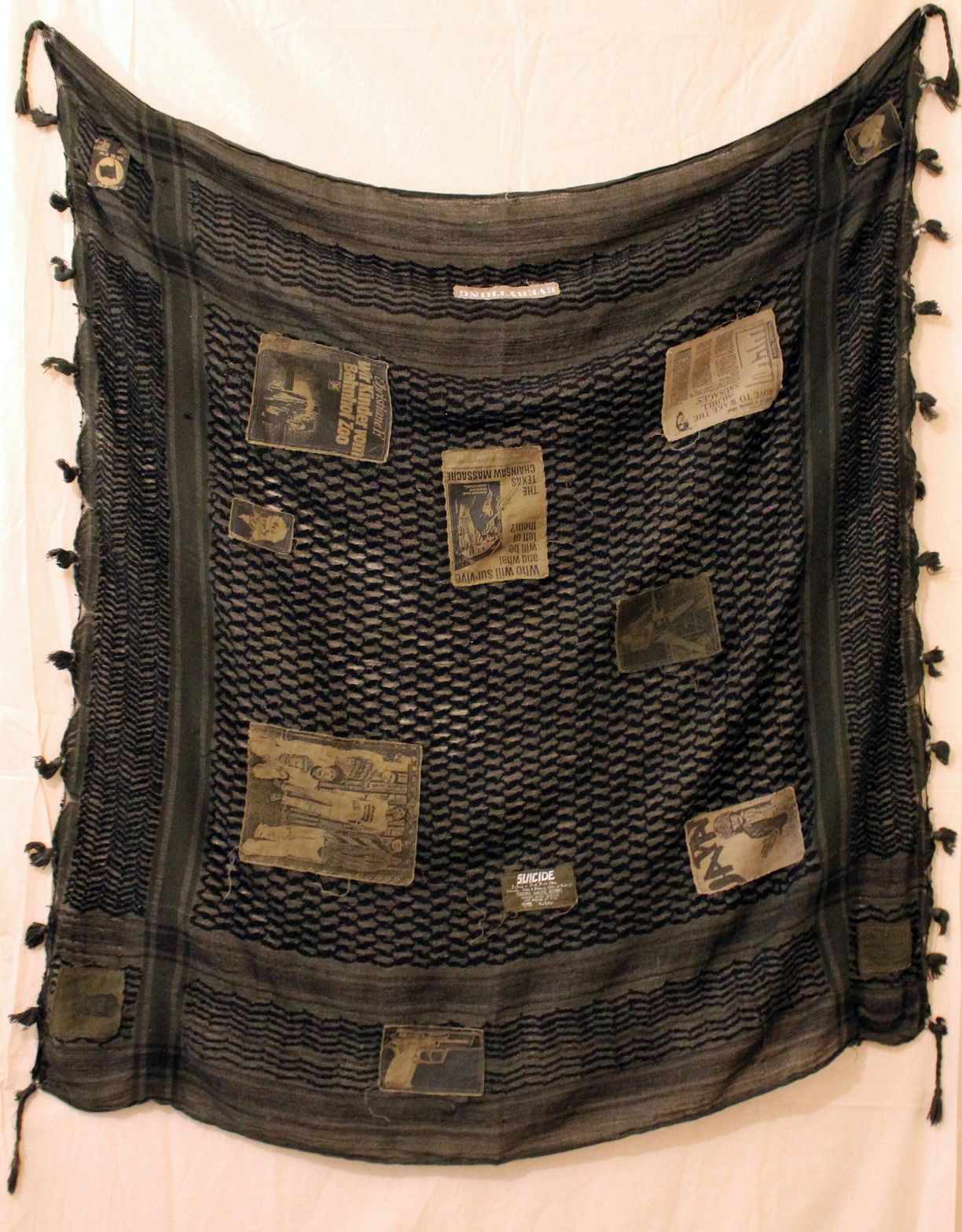
Raf aw2001 scarf
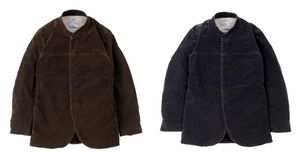
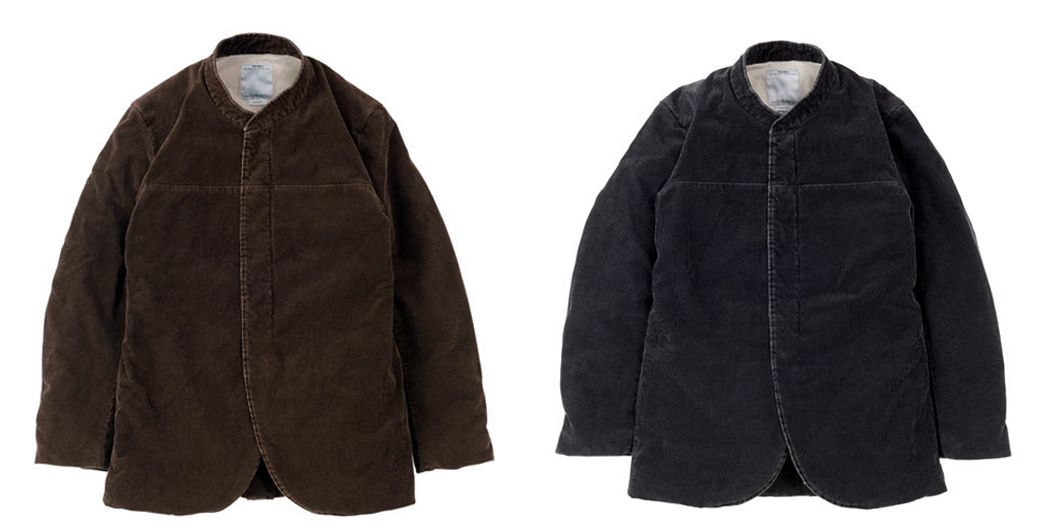
aw2012 Visvim Pawnee Corduroy Jacket
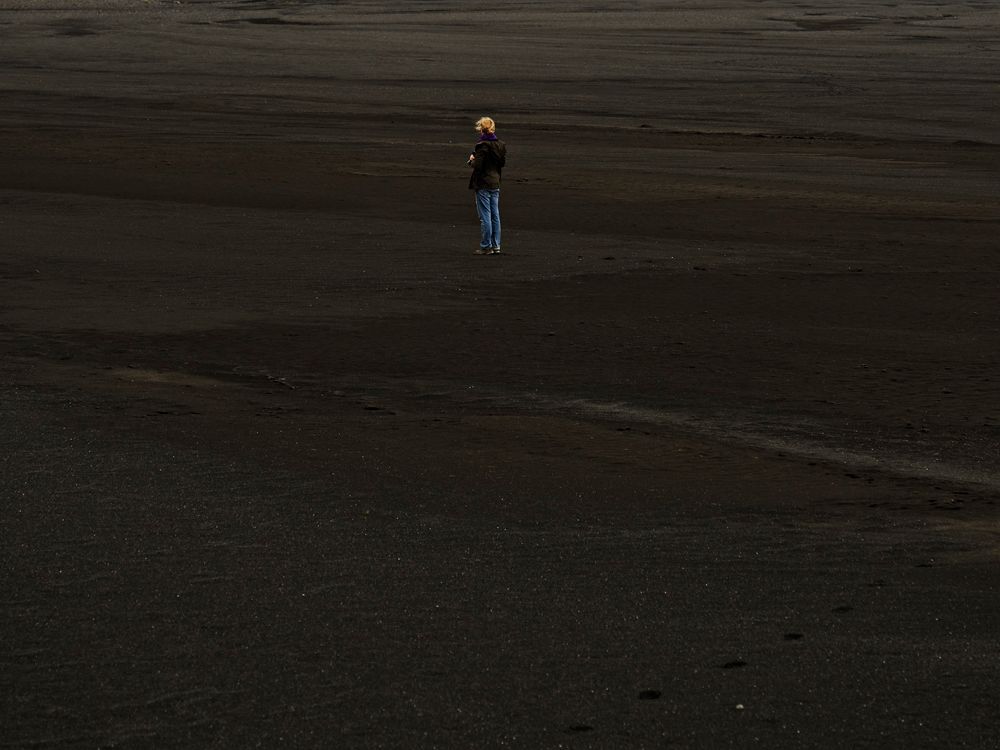
Human in nature 02347

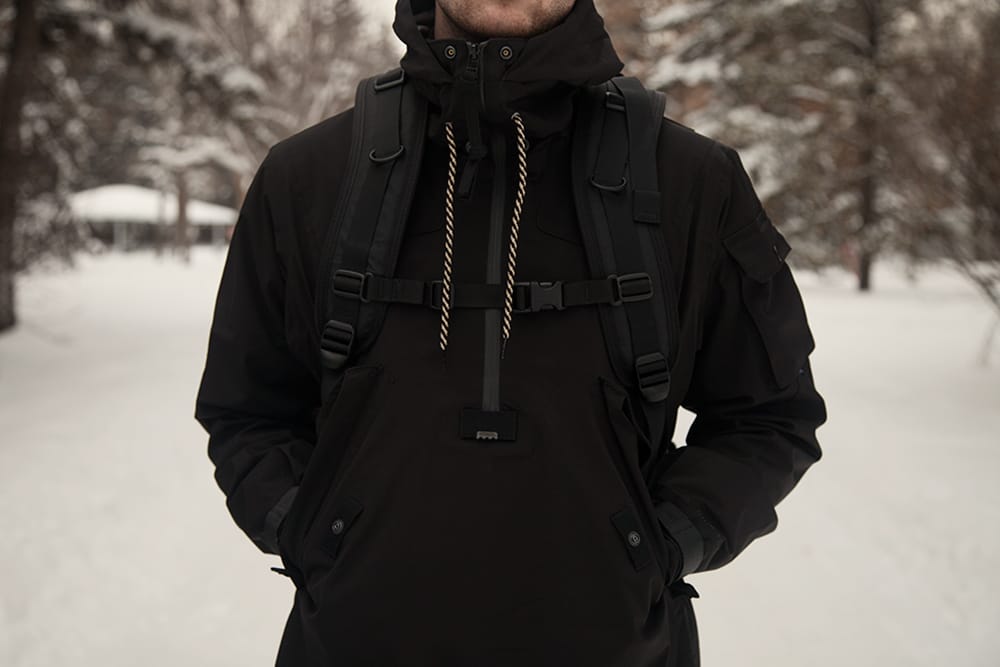
Black Technical Anorak — Arc'teryx System A Axis Insulated


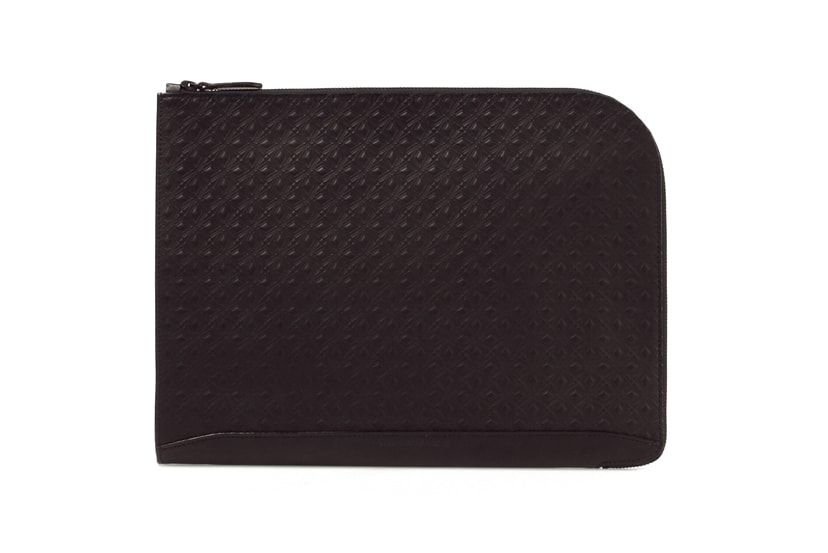
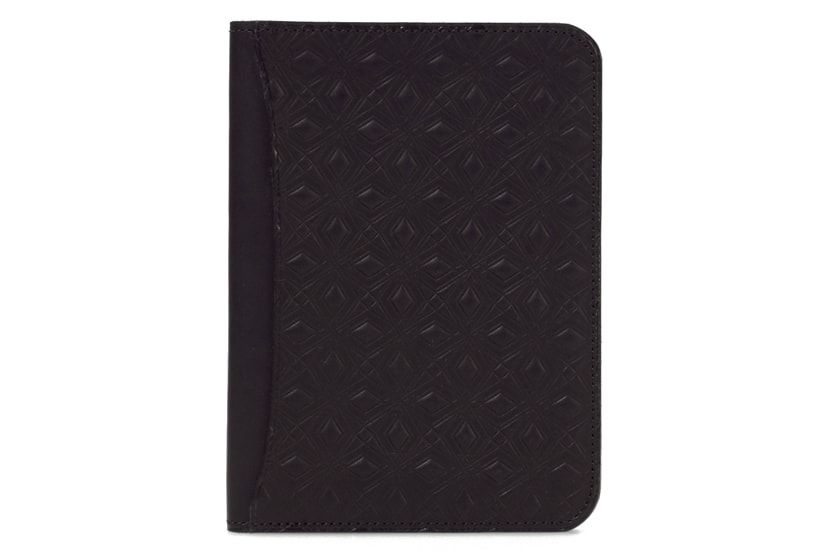
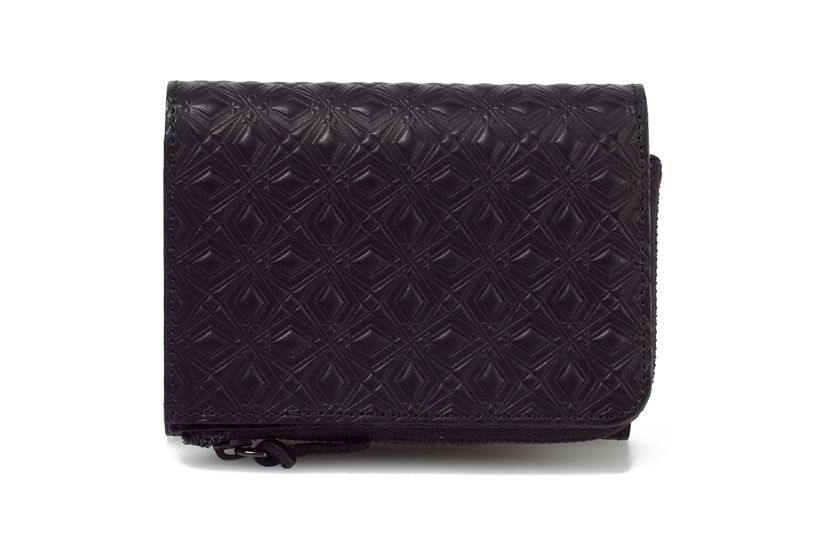
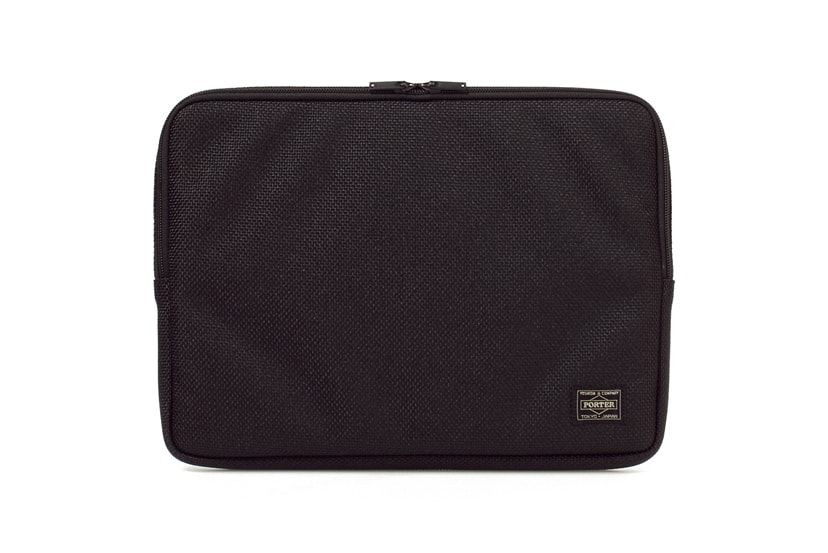
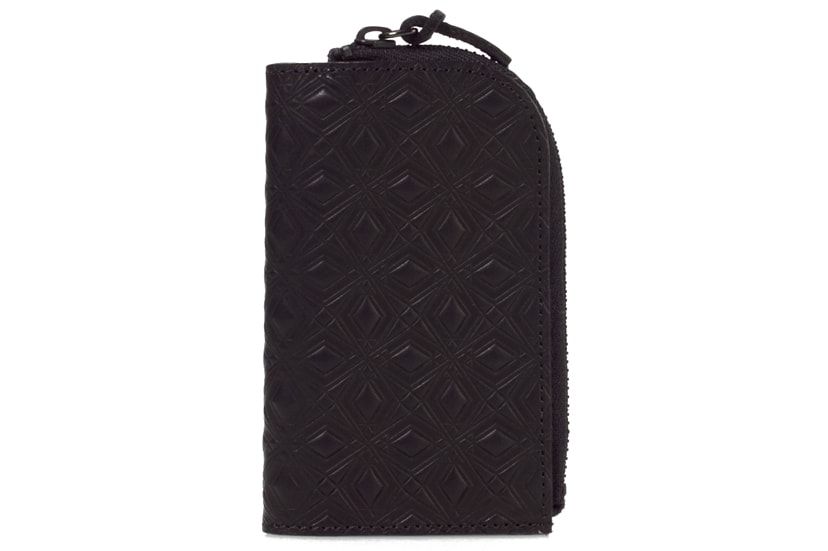
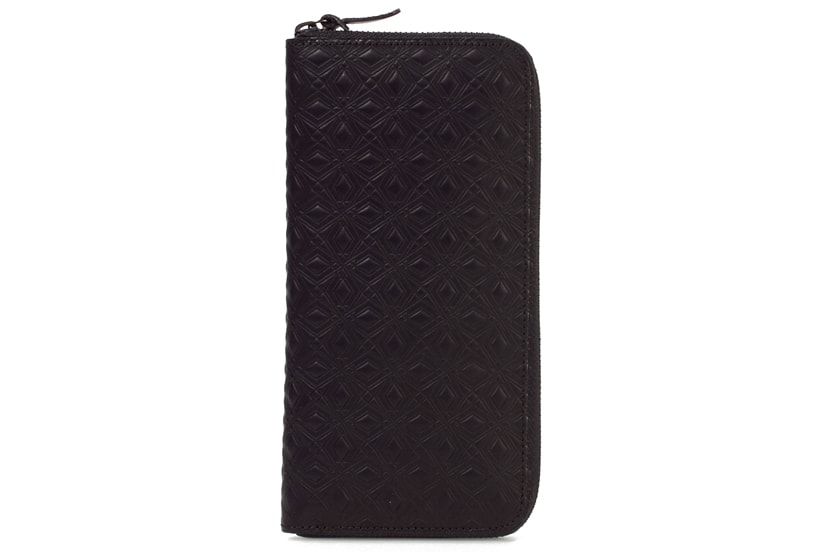
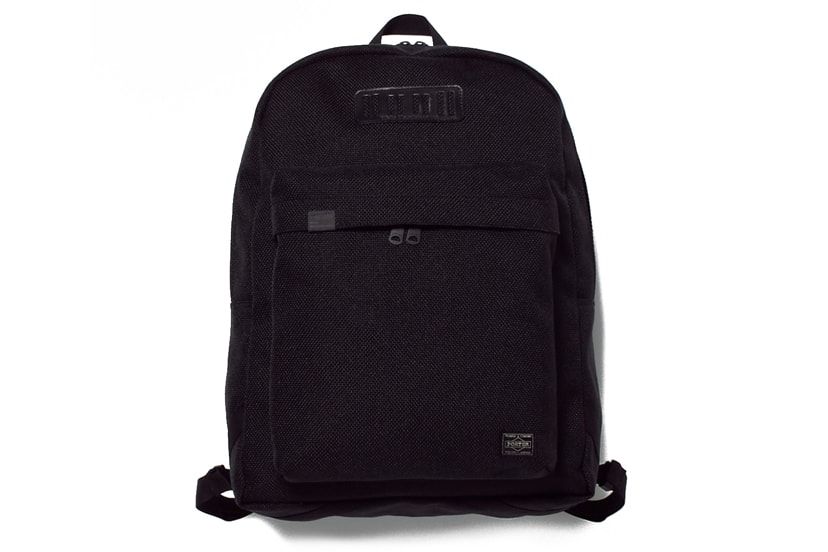
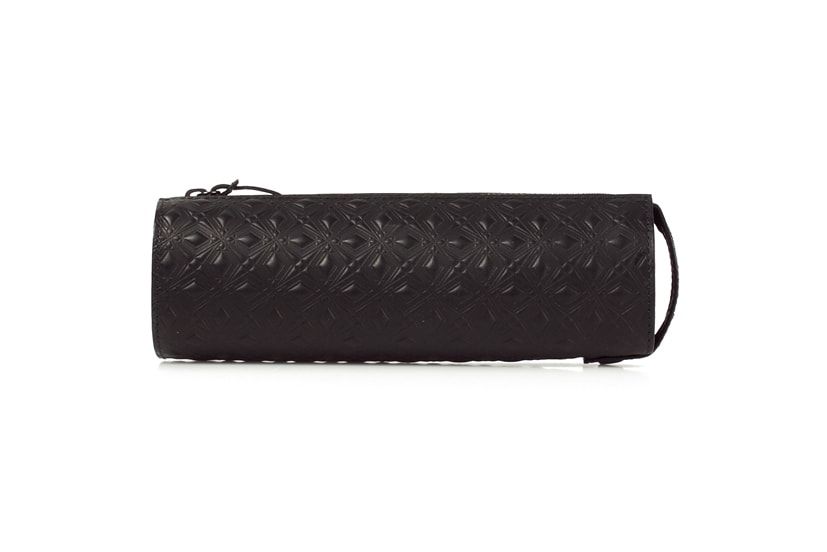
White Mountaineering x Porter ss2014 Collection
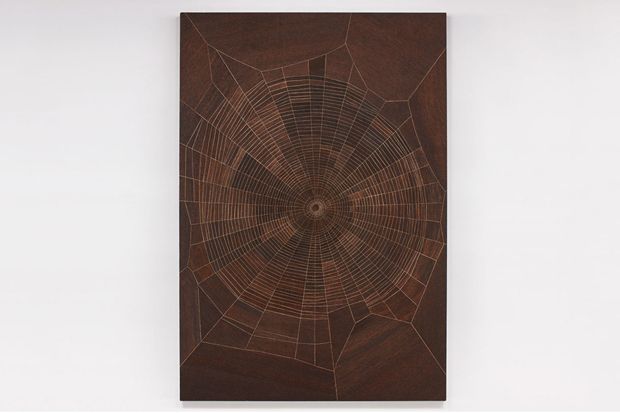
The range draws on Porter’s expertise and sees the first three pieces in either black or khaki with 2800 Denier Nylon construction as the remaining pieces come in black, navy, or camel with premium leather and an embossed marquetry motif.

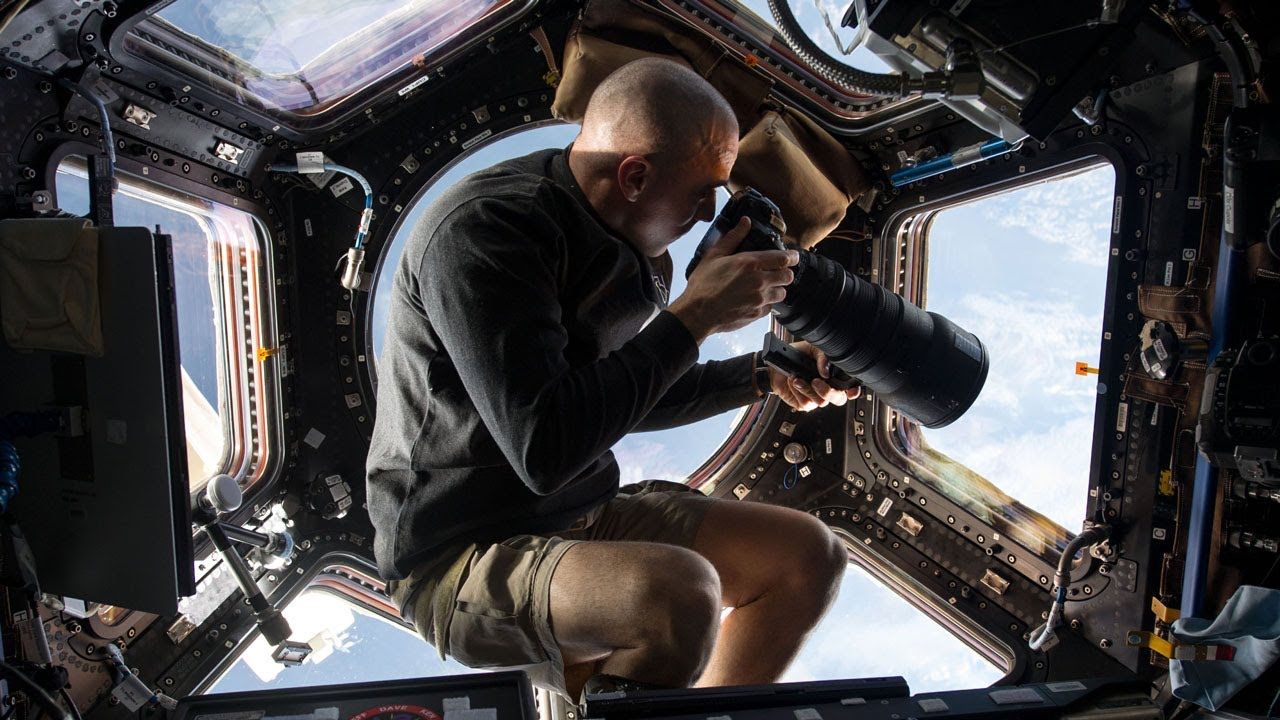
Picturing Earth: Astronaut Photography In Focus
NASA astronaut Chris Cassidy uses a 400mm lens on a digital still camera to photograph a target of opportunity on Earth, 250 miles below, on June 3, 2013. The many-windowed Cupola is the best place on the International Space Station for taking pictures. Cassidy has been aboard the orbital outpost since late March and is due to return to Earth in September.


Givenchy Obsedia Backpack in Brown Beaver Fur
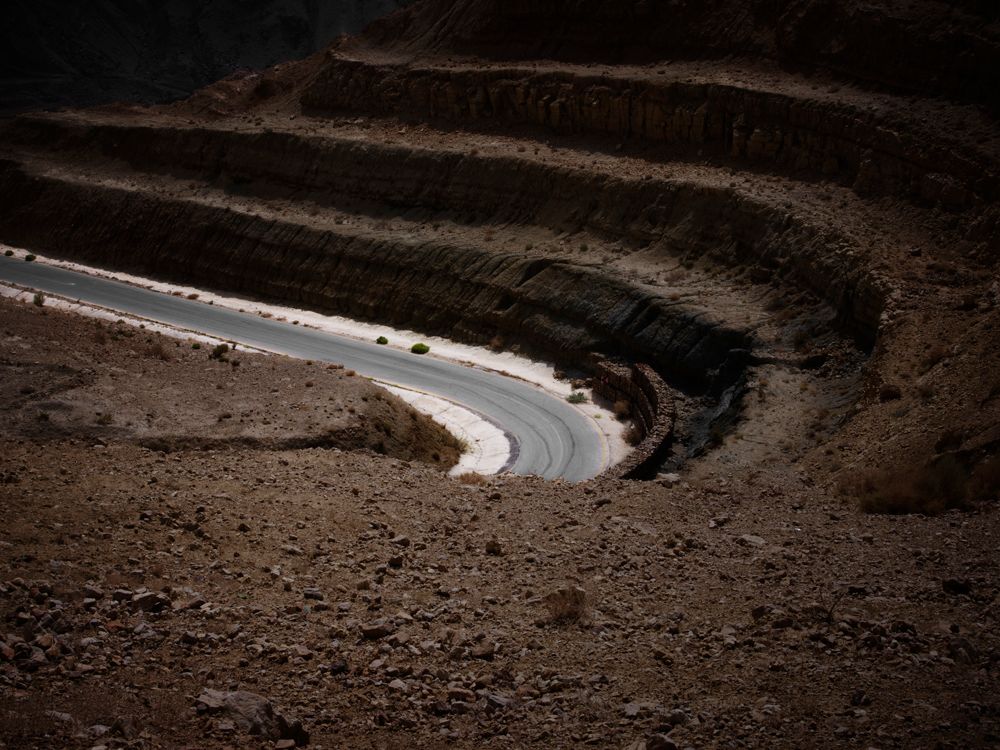
mountain road
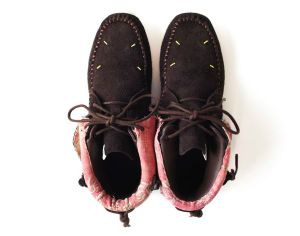

visvim FBT FOLK


UNDERCOVER GIRA BOOT
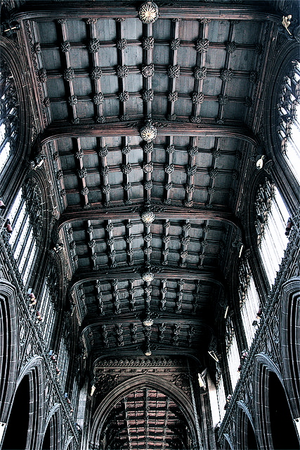
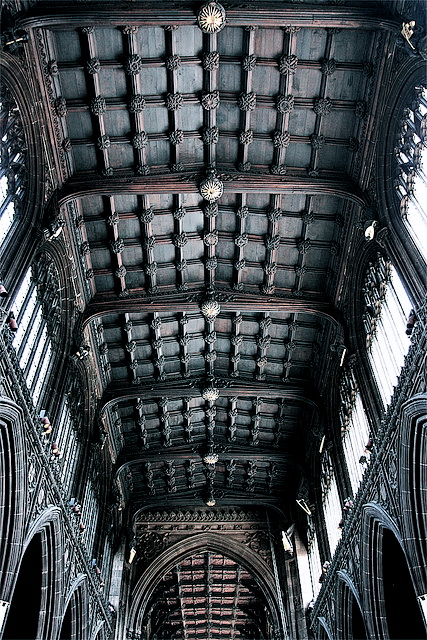
Manchester Cathedral Wooden ceiling


visvim foley folk


A Kikuyu tribesman dresses up for a festival in Kenya


visvim skagway
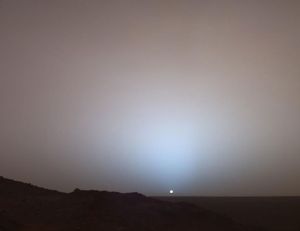
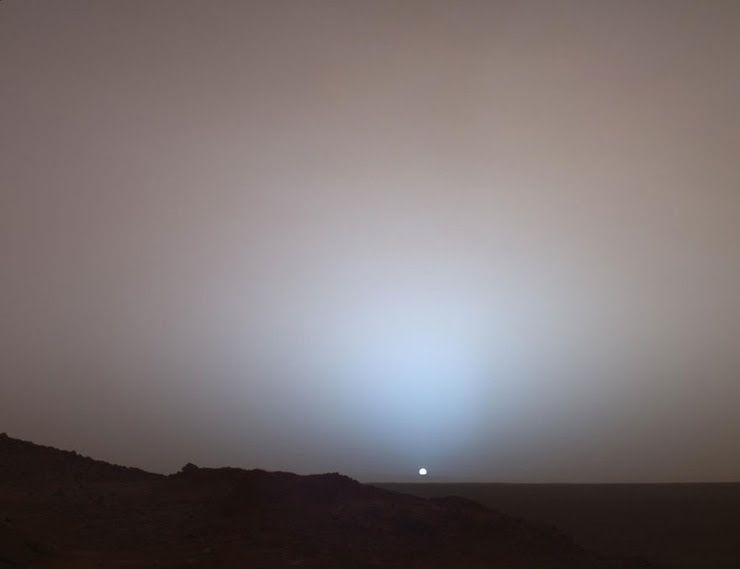
Martian Sunset
On May 19, 2005, NASA's Mars Exploration Rover Spirit captured this stunning view as the Sun sank below the rim of Gusev crater on Mars. This Panoramic Camera mosaic was taken around 6:07 in the evening of the rover's 489th Martian day, or sol.
Sunset and twilight images are occasionally acquired by the science team to determine how high into the atmosphere the Martian dust extends, and to look for dust or ice clouds. Other images have shown that the twilight glow remains visible, but increasingly fainter, for up to two hours before sunrise or after sunset. The long Martian twilight (compared to Earth's) is caused by sunlight scattered around to the night side of the planet by abundant high altitude dust. Similar long twilights or extra-colorful sunrises and sunsets sometimes occur on Earth when tiny dust grains that are erupted from powerful volcanoes scatter light high in the atmosphere.