Related_
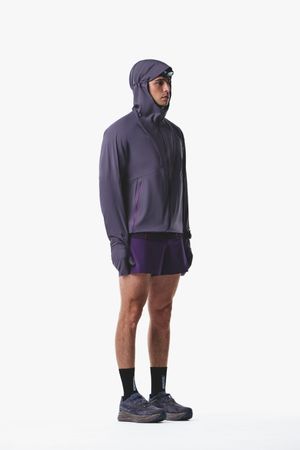
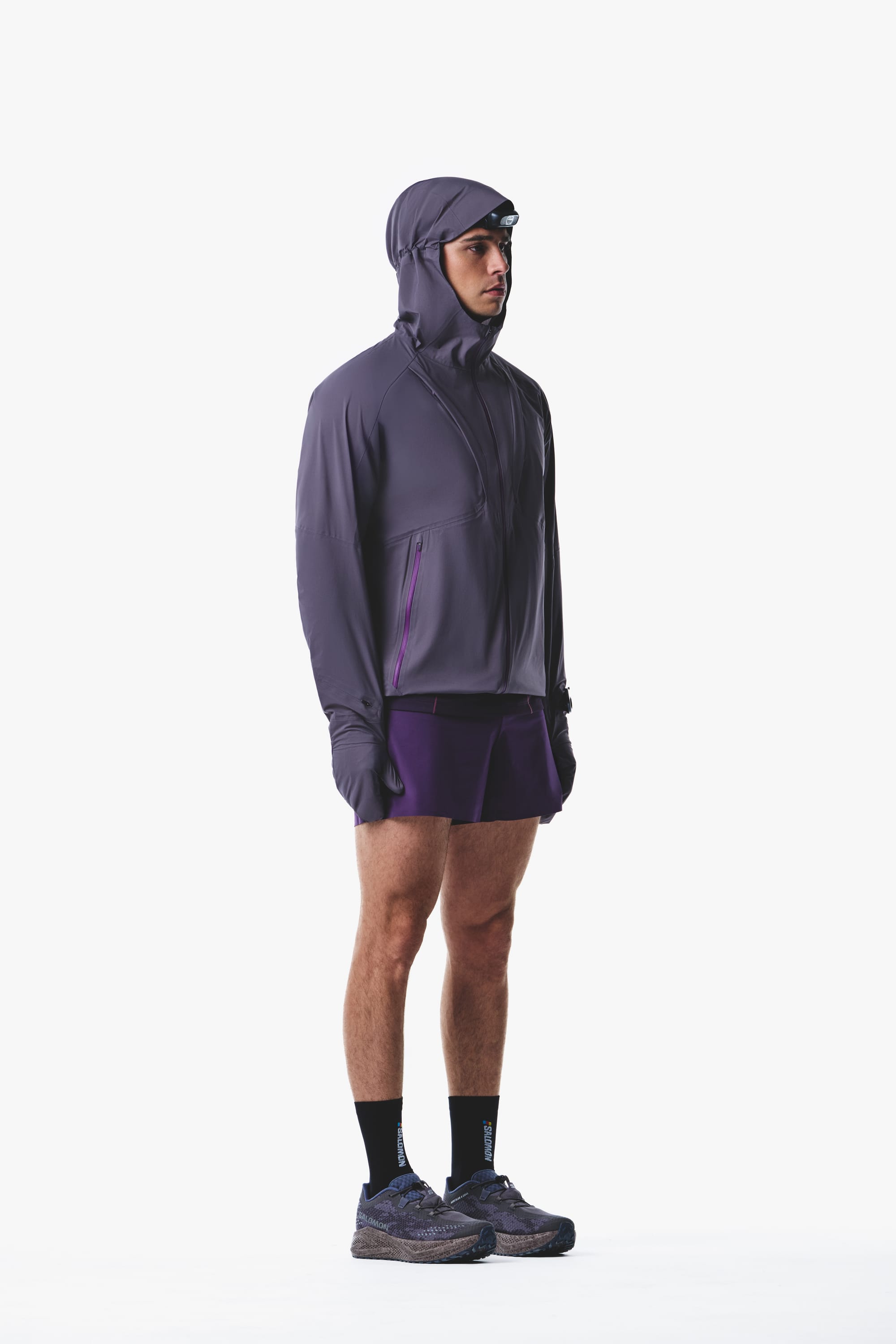
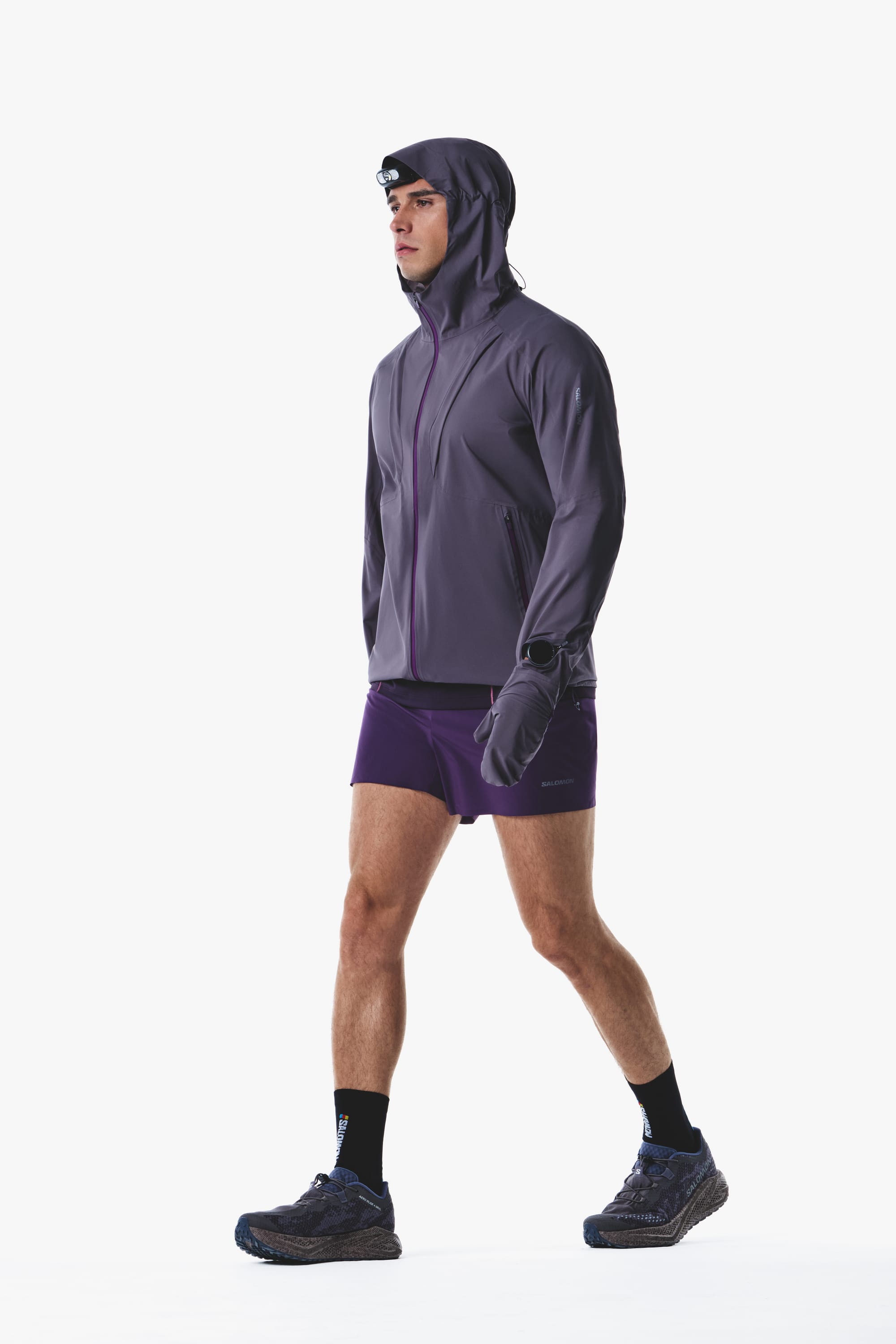
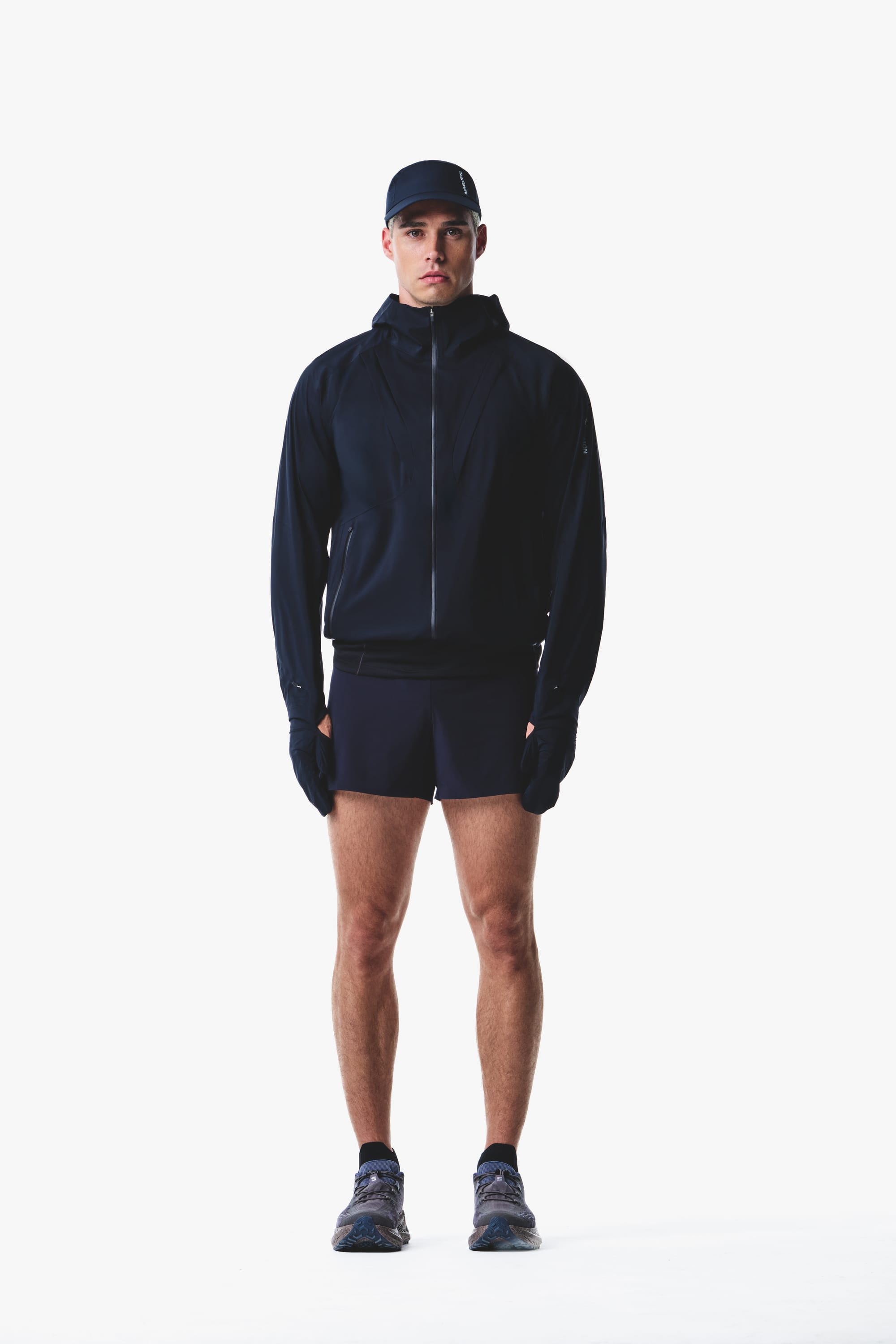
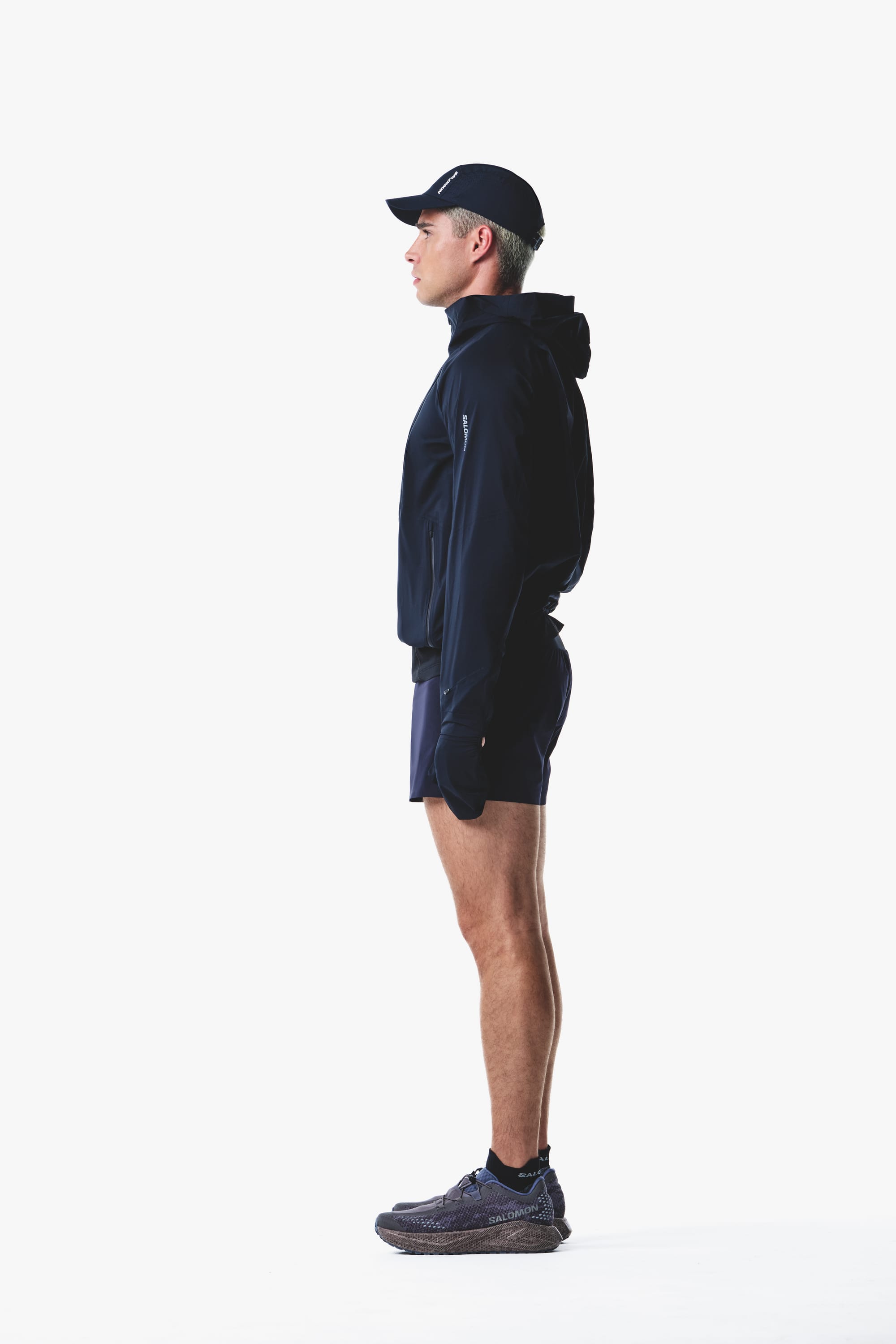
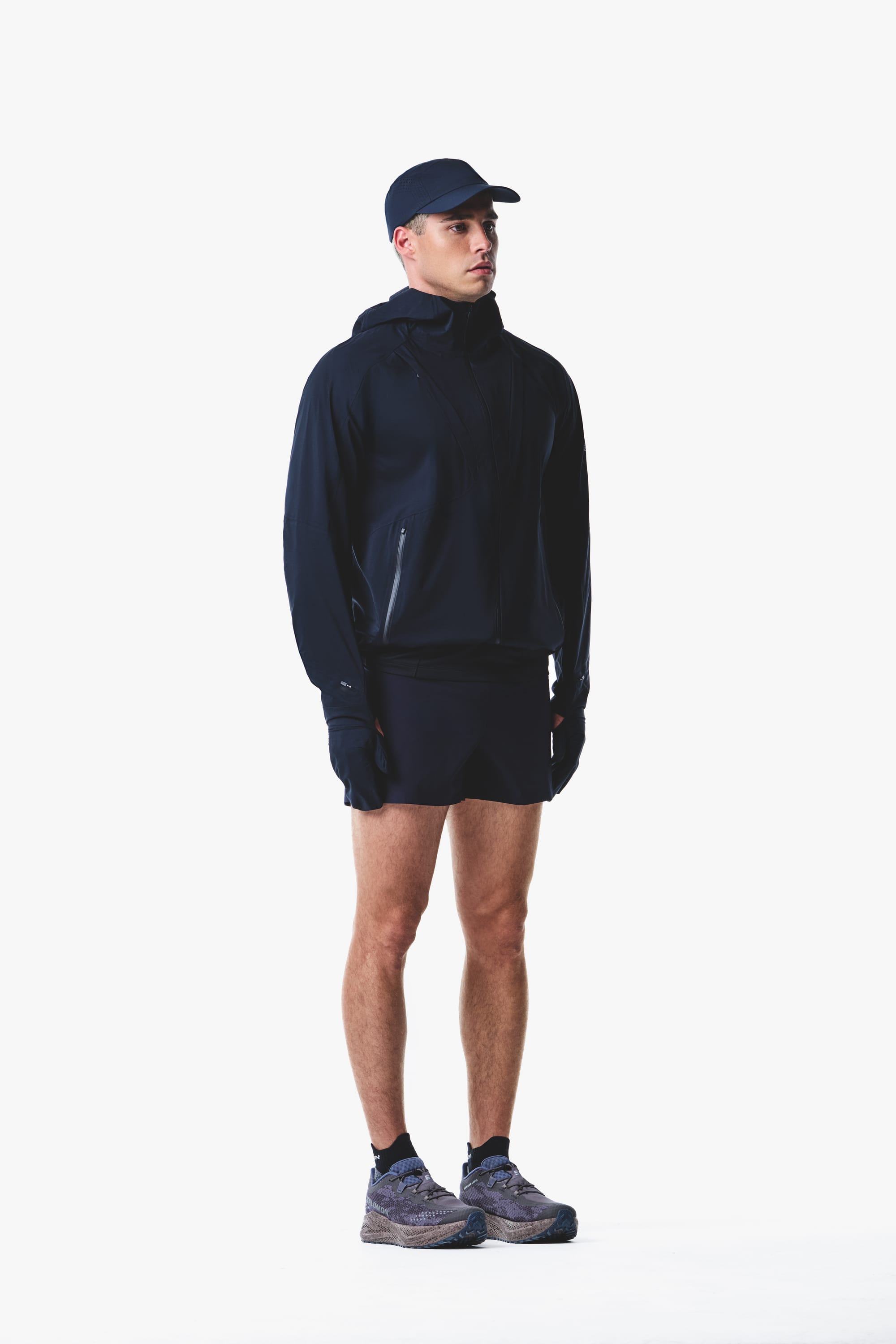
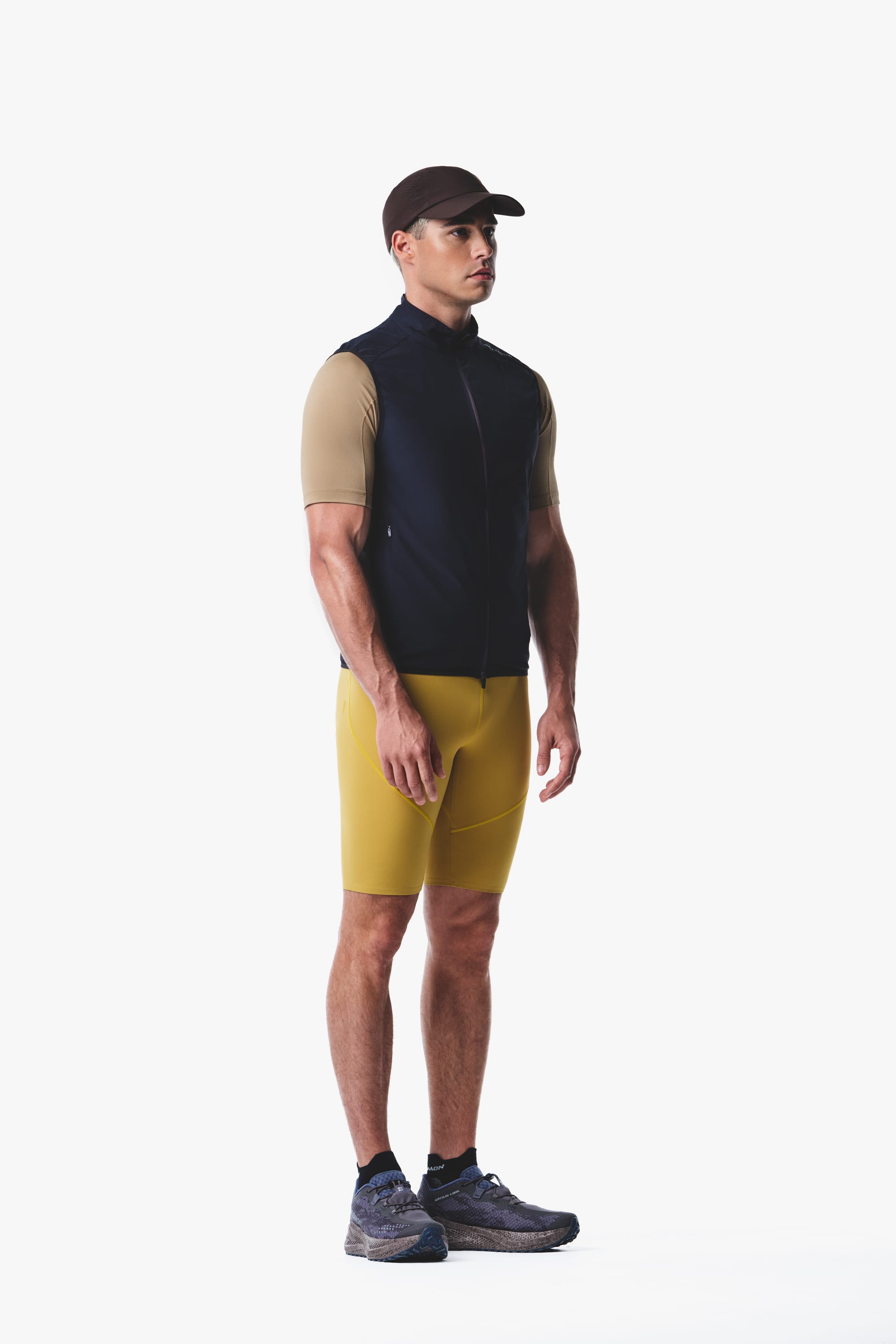
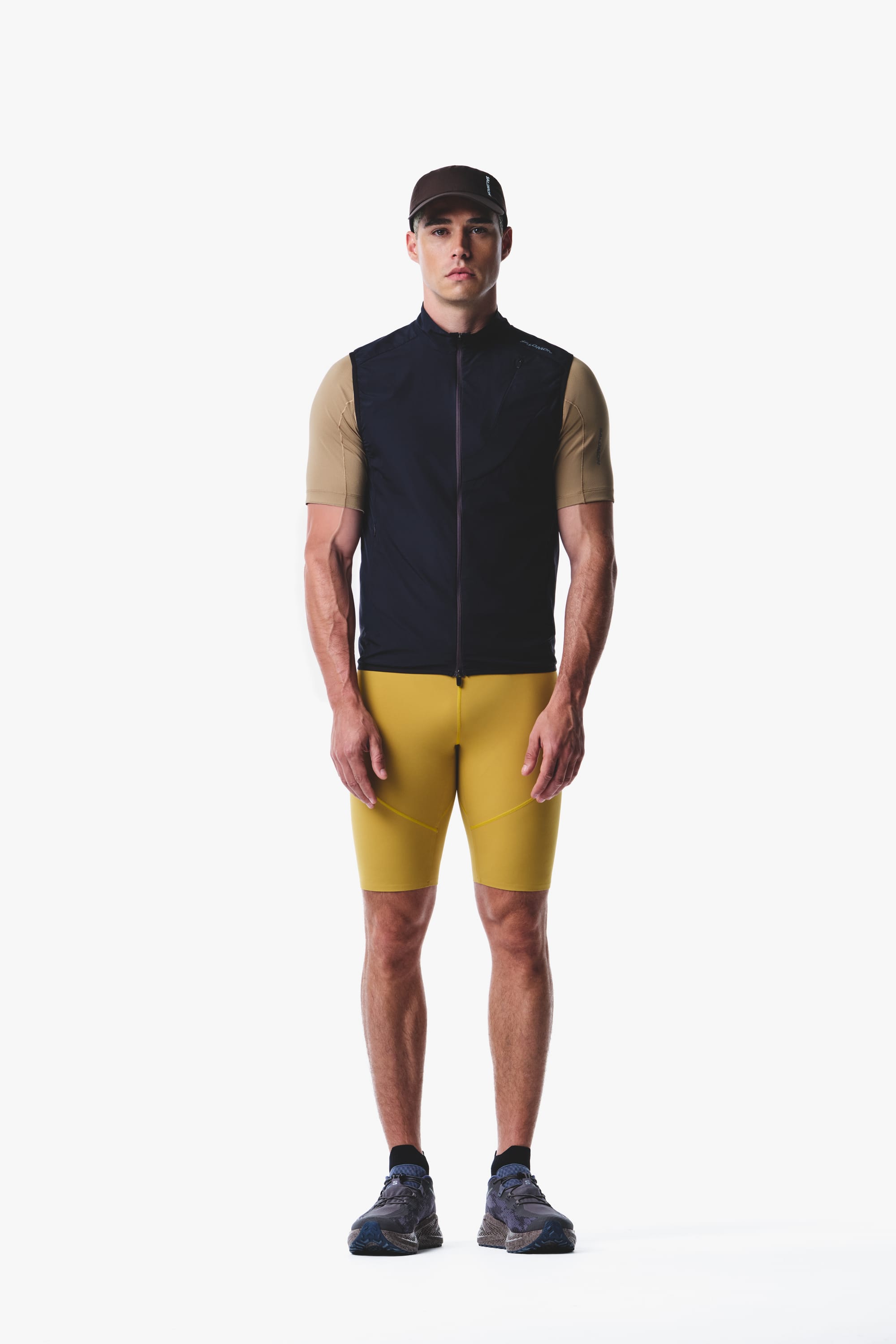
Salomon SOLUS Men’s Trail Running Autumn/Winter 2026
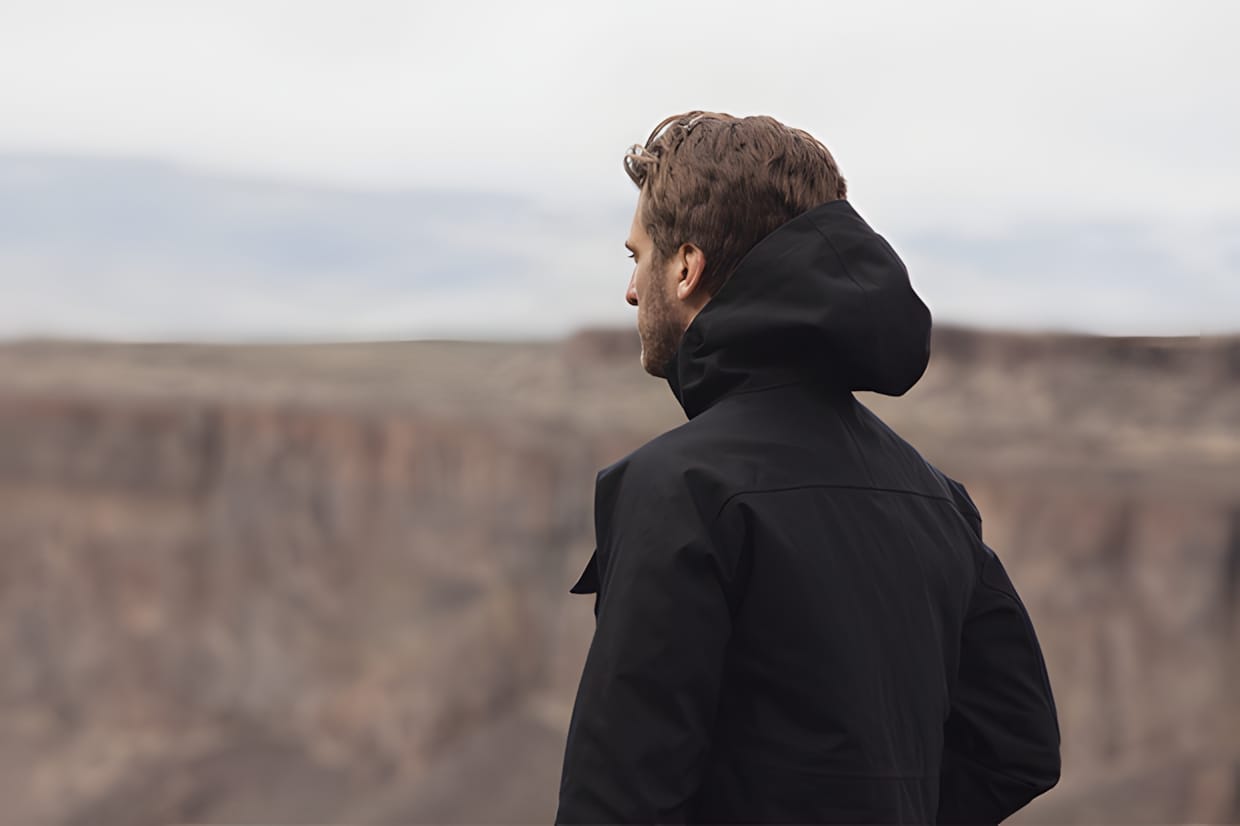
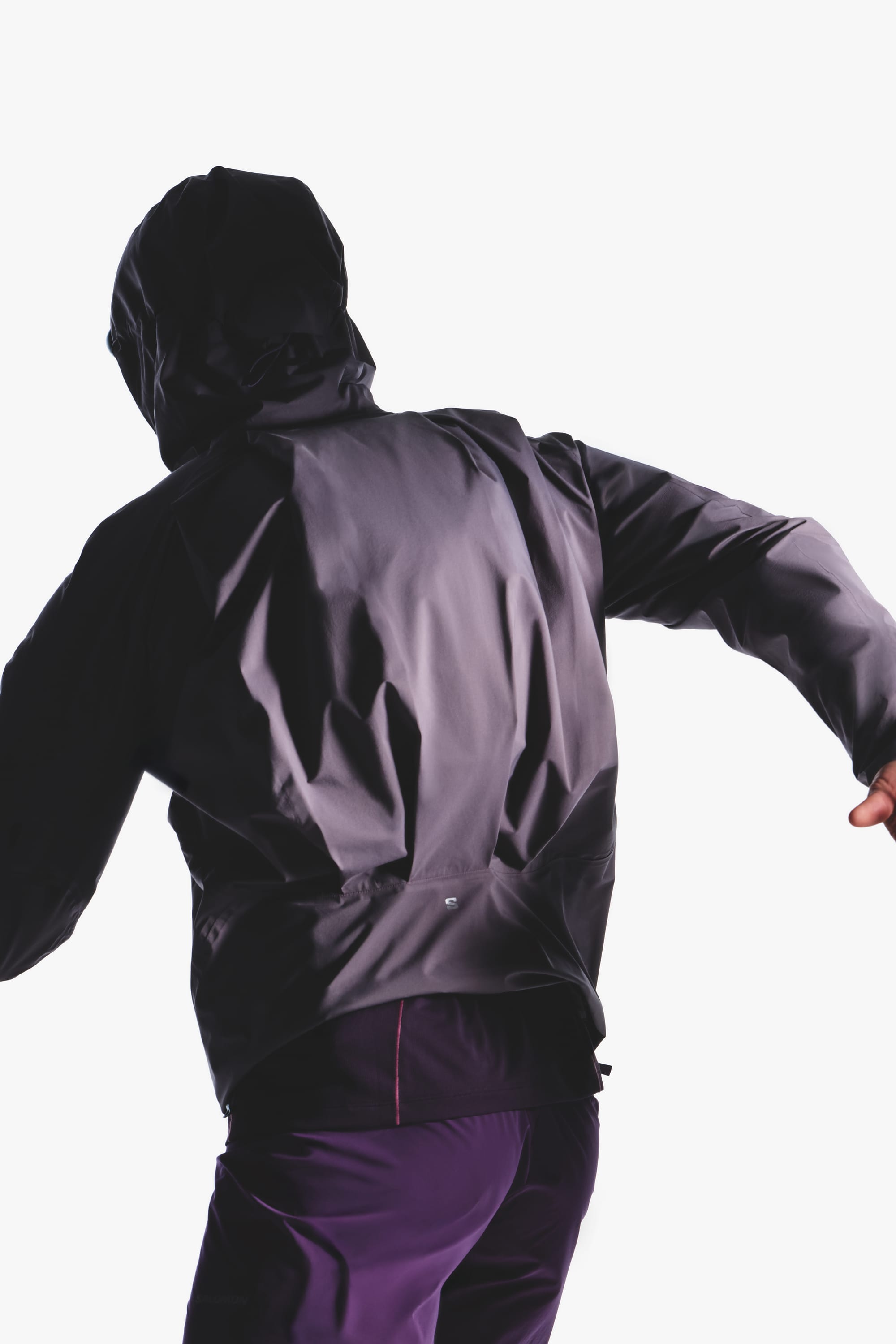
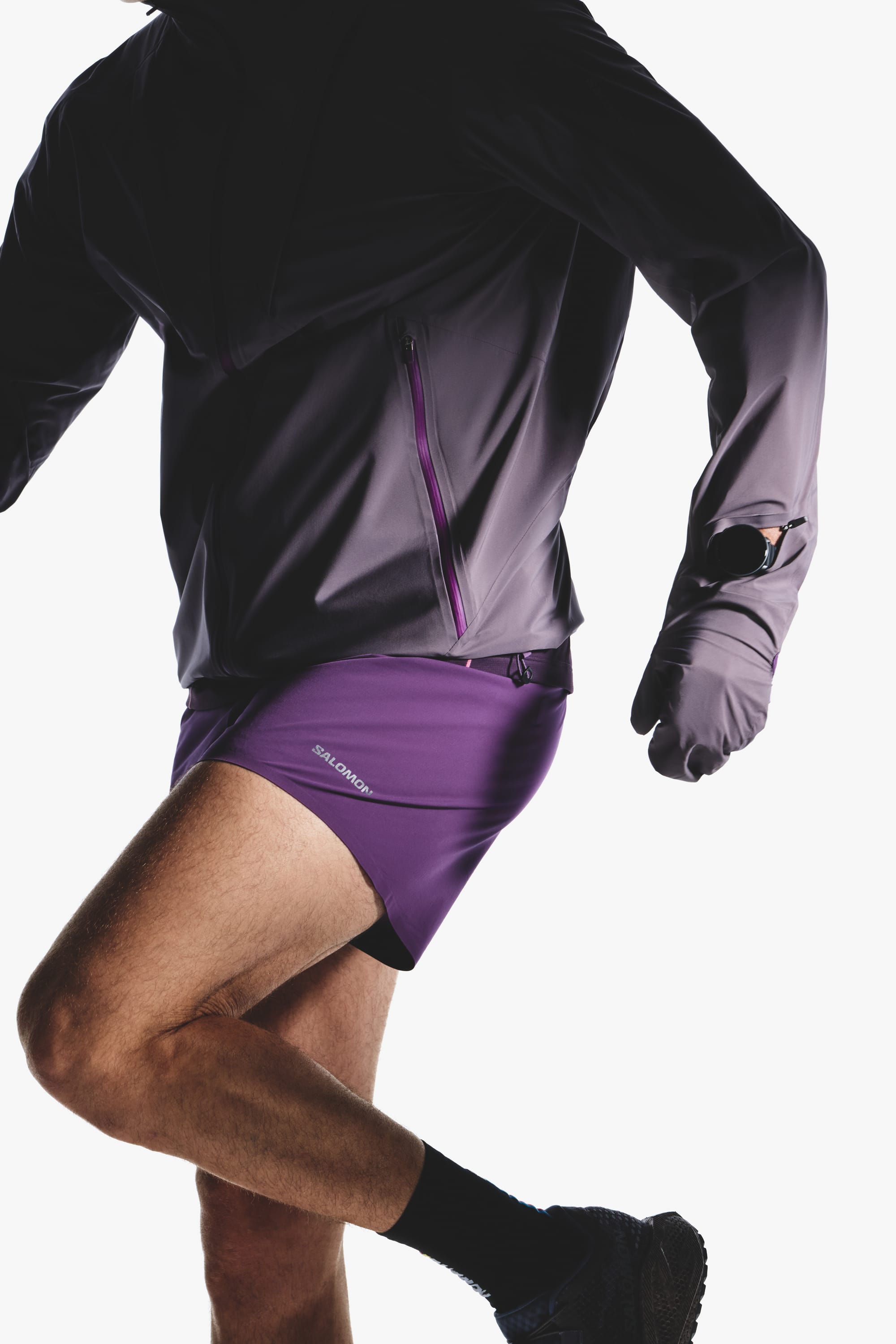
Salomon SOLUS Autumn/Winter 2026 was developed with guest designer Jeremy Karl around REFORM: rebuilding trail-running apparel through structural geometry, functional interaction, and a low-saturation palette drawn from terrain and changing outdoor light. The men’s range combines purple and navy hooded shells, split shorts, fitted layers, hydration equipment, and a high-visibility yellow lower-body system.
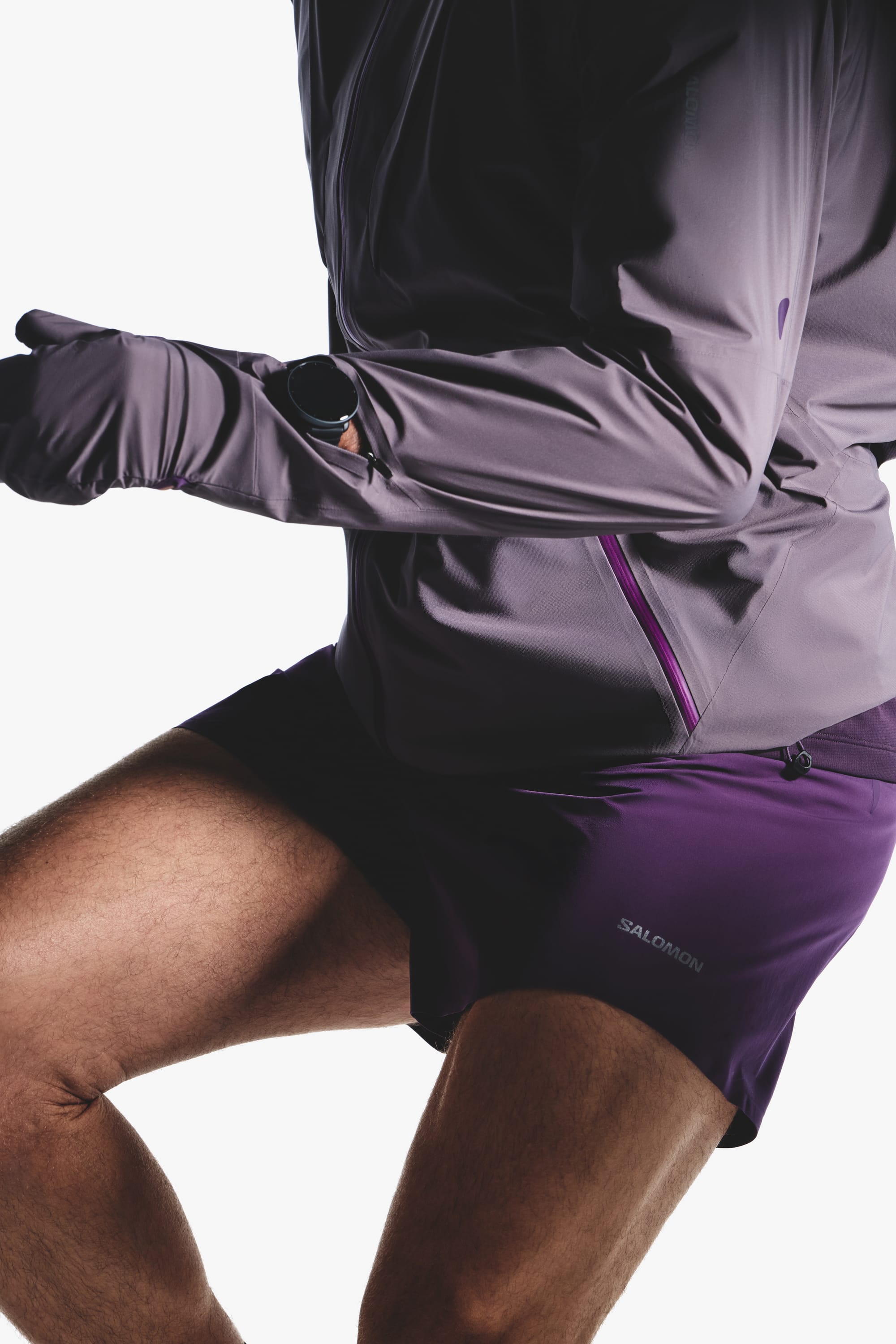
Its five RE:SYSTEM functions are engineered around adjustments made while moving. RE-ADJUST uses a self-locking woven hook-and-loop cord for one-handed waistband tuning; RE-EXTENSION lets a jacket’s back expand over a hydration vest and return to a streamlined form without it; RE-CUFF changes glove cuffs between full coverage and half-finger use; RE-HOOD follows the head closely; and RE-CARGO provides rapid integrated storage.
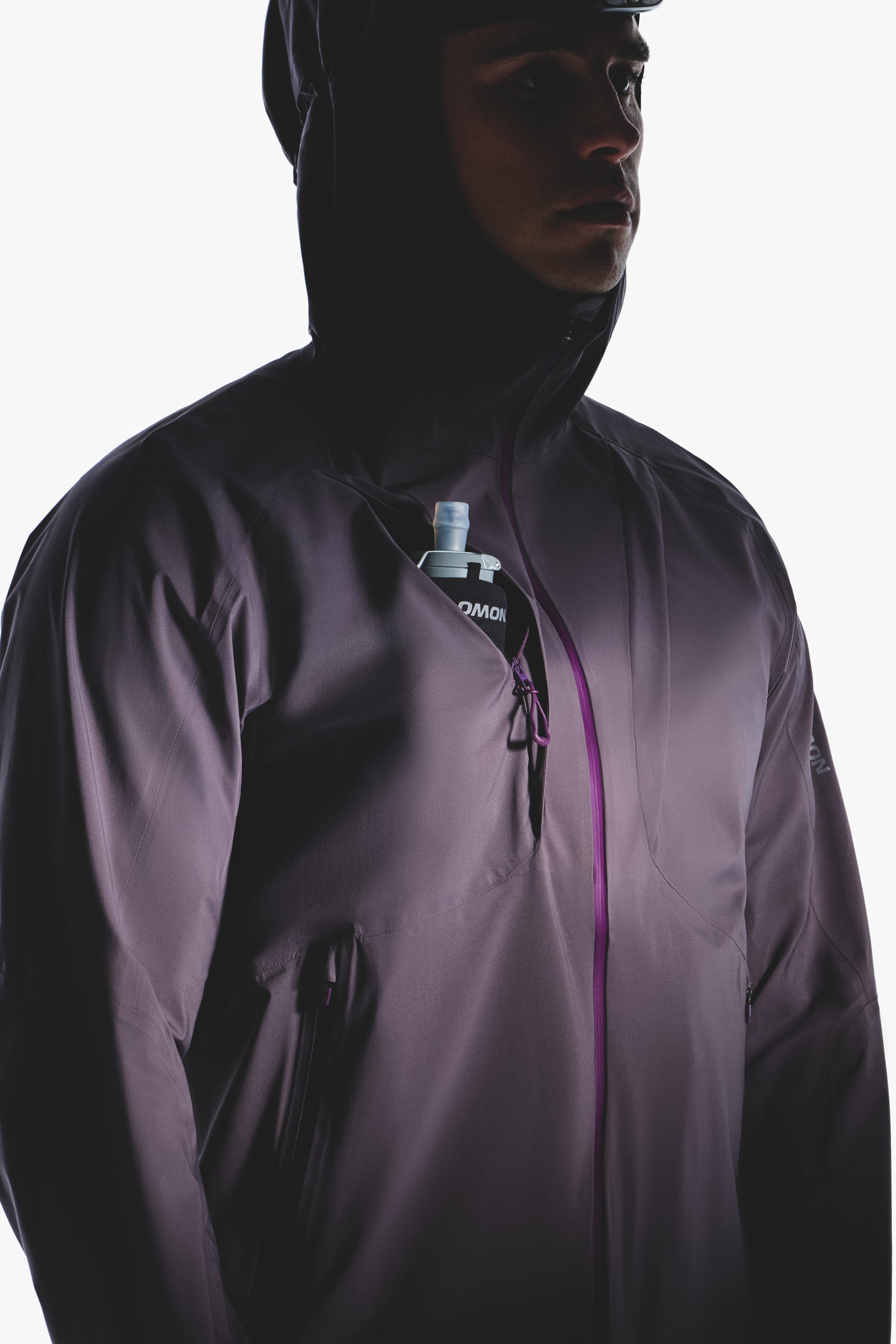
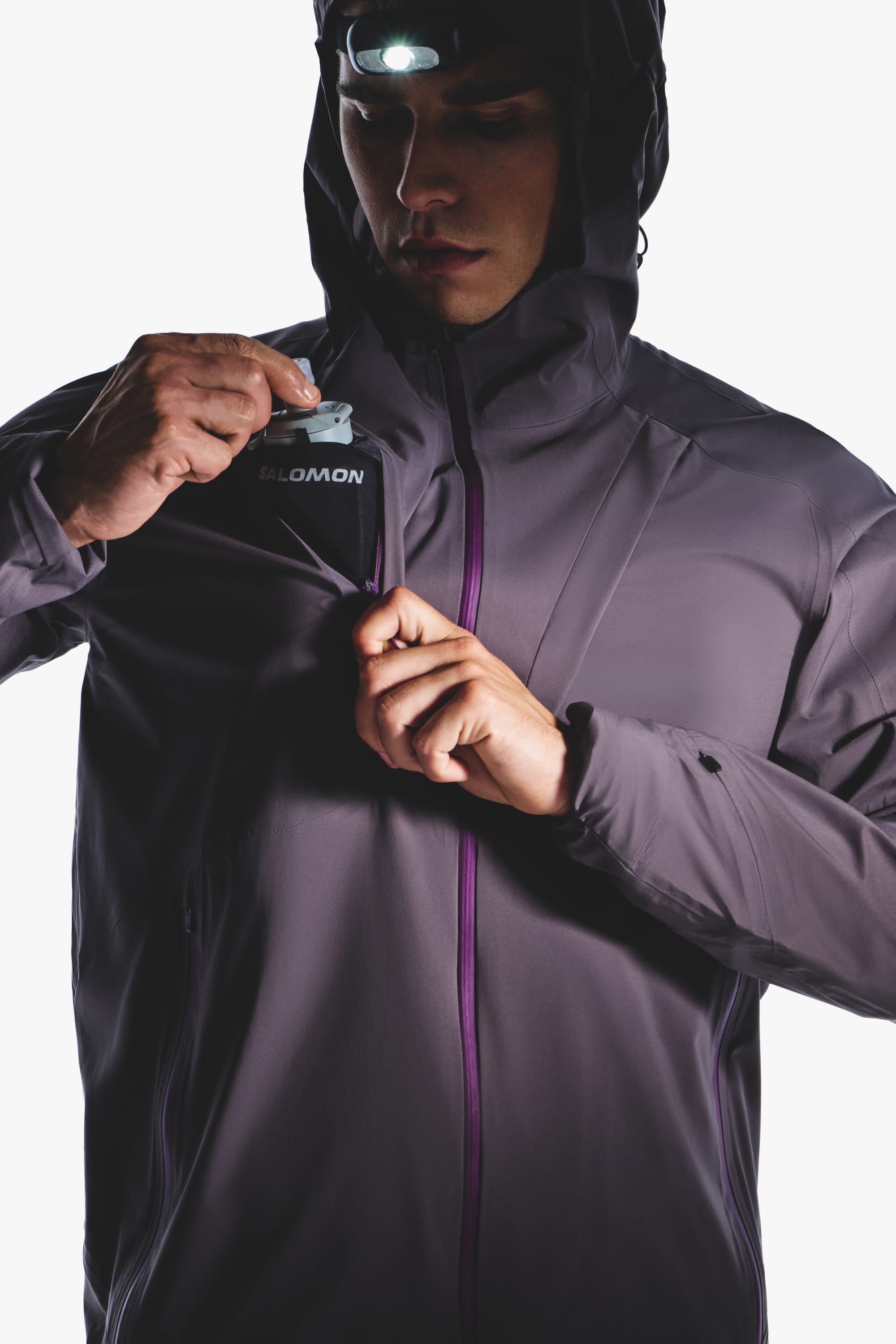
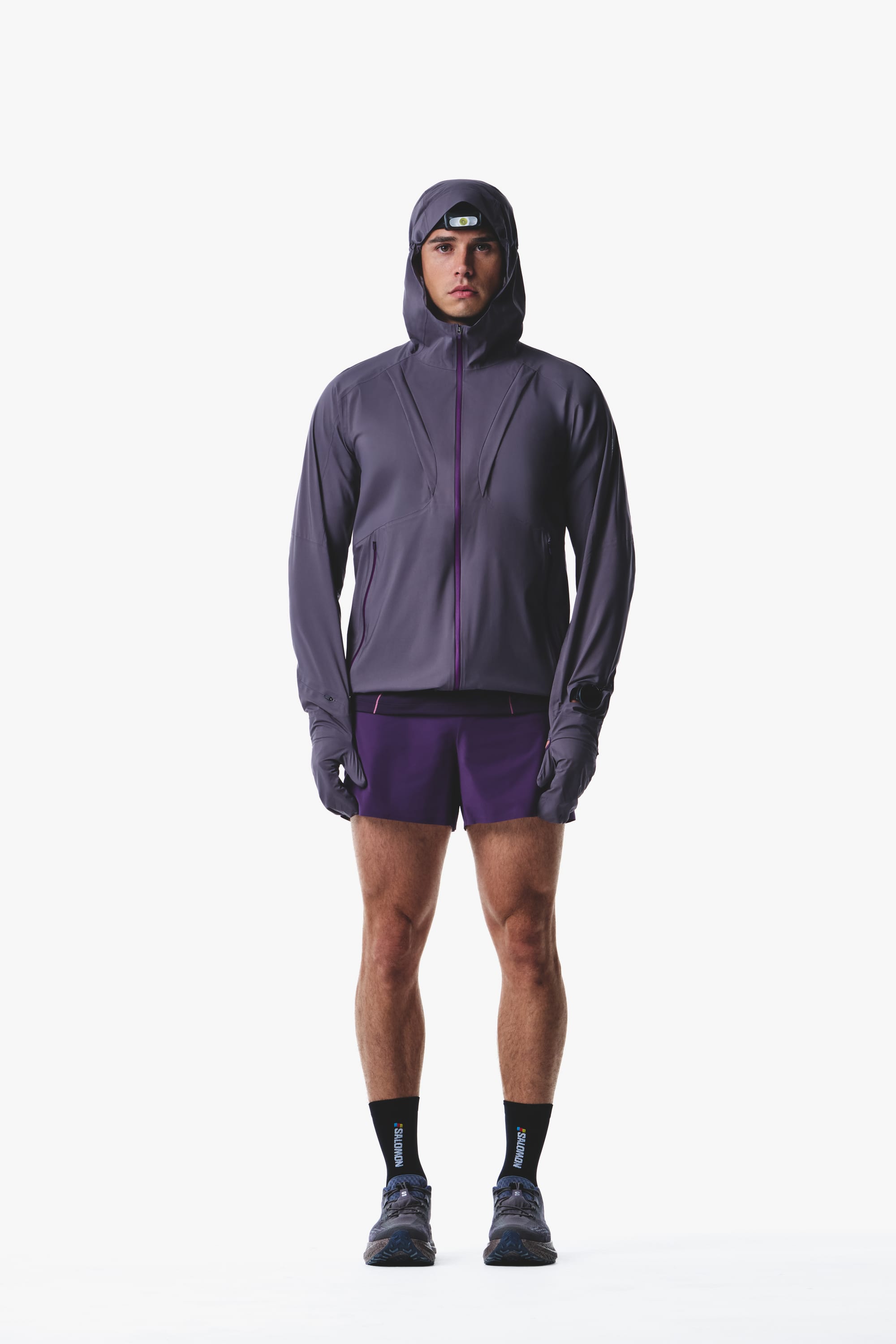
The studio images isolate these interactions: a soft flask carried at the shell chest, glove and watch access at the cuff, close hood geometry, underarm ventilation, a hydration vest, and a waist system carrying folded trail poles.
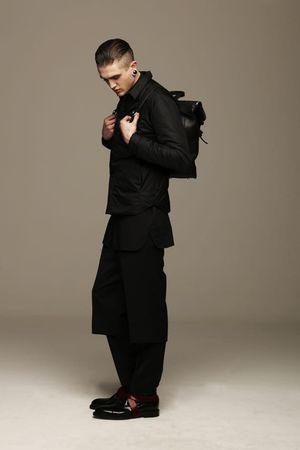
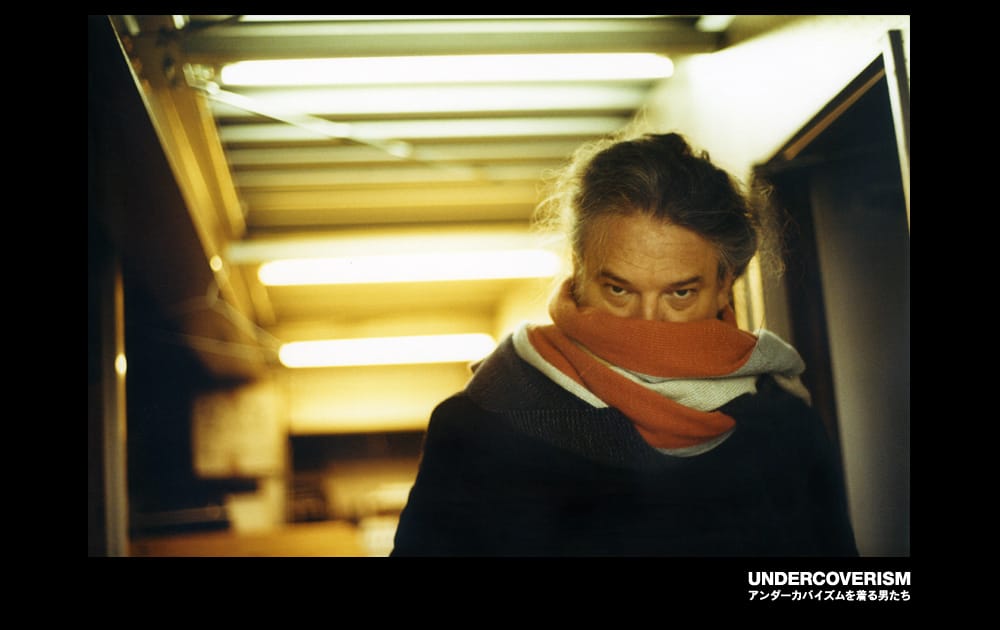
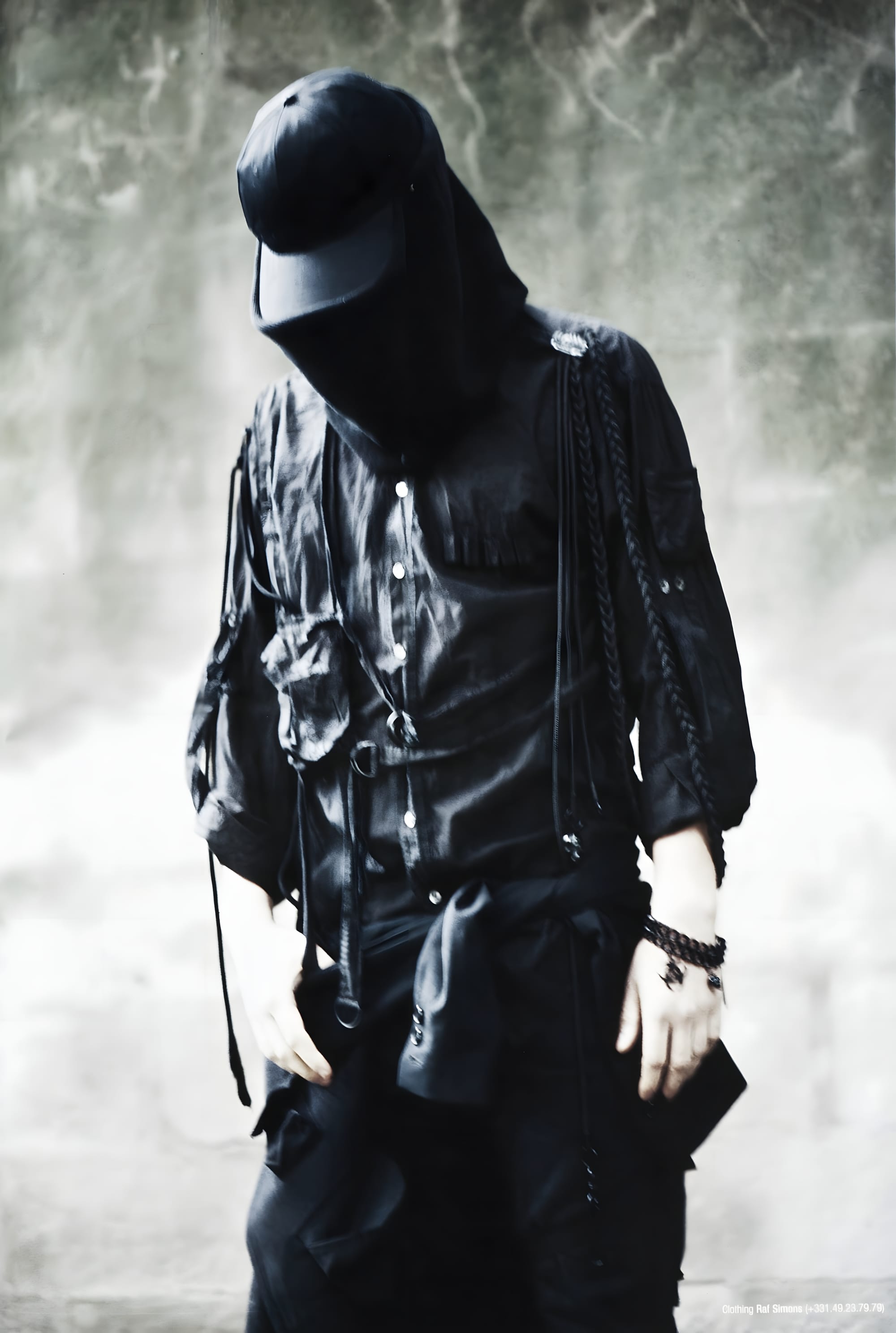
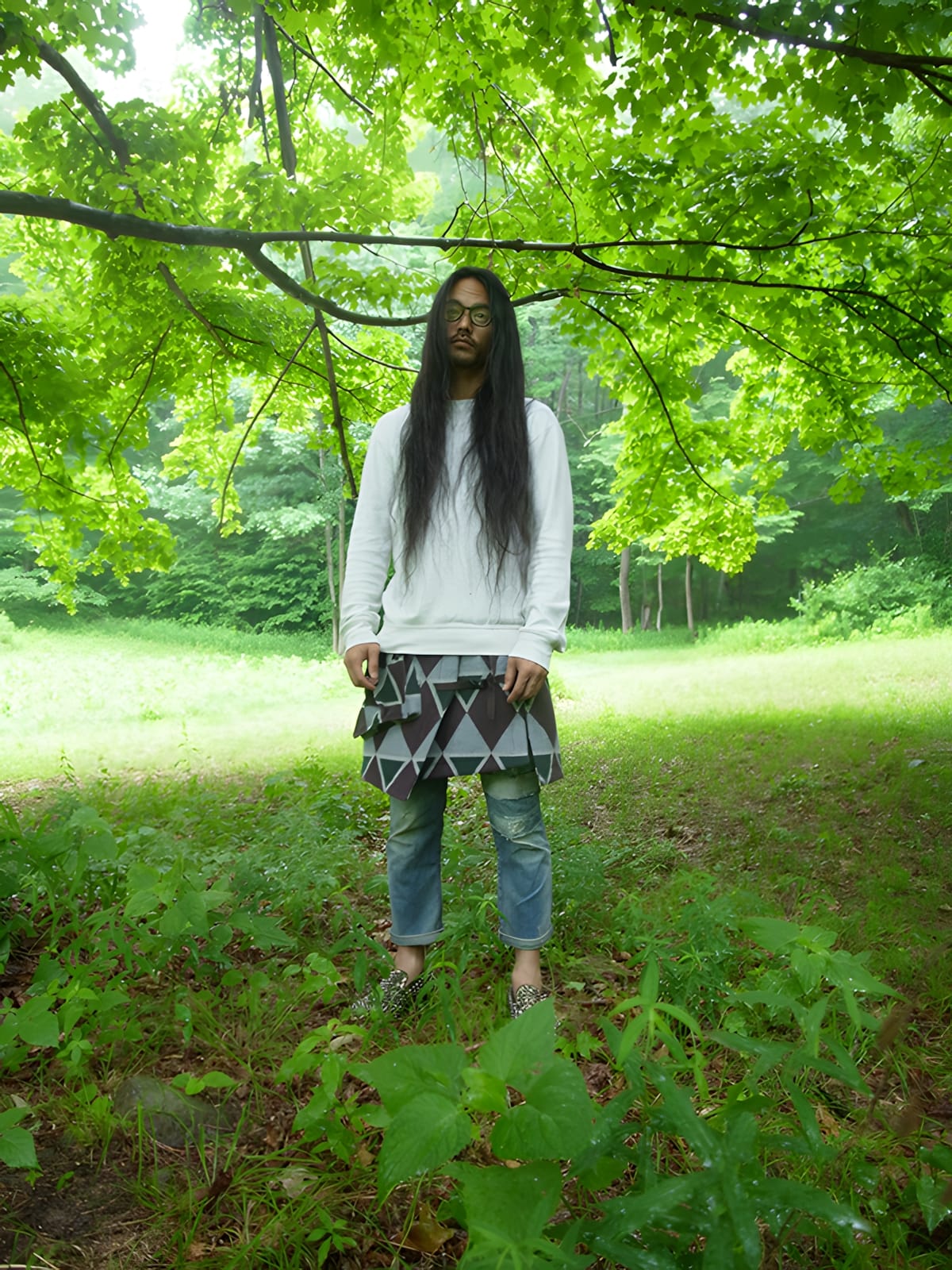
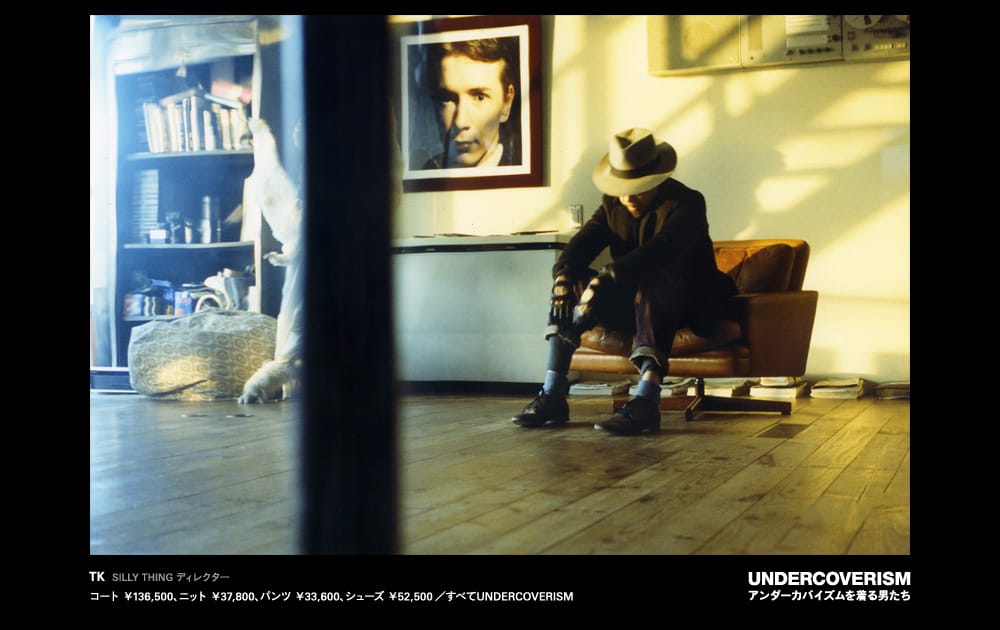
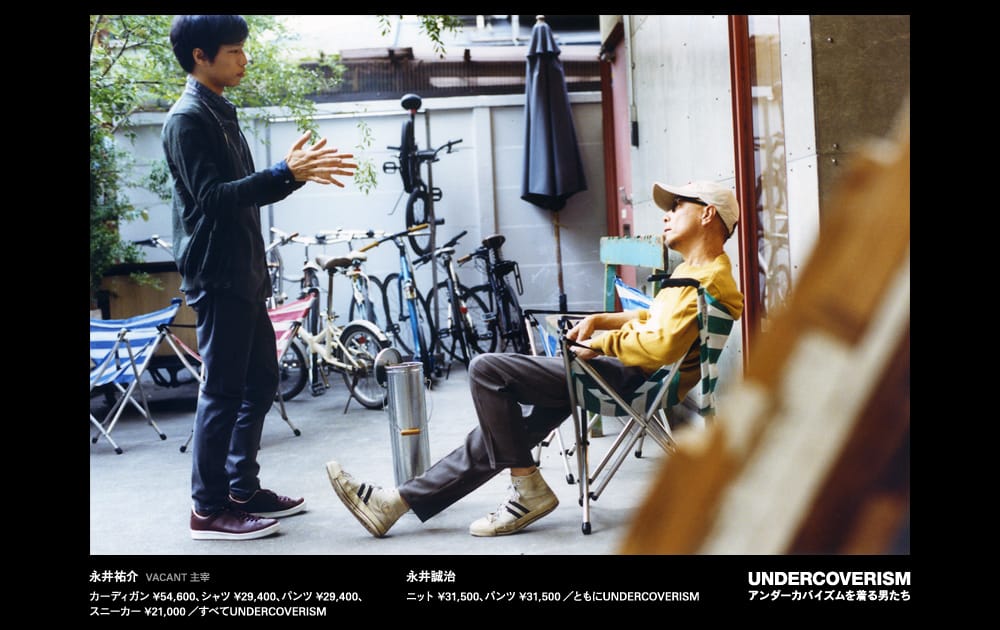
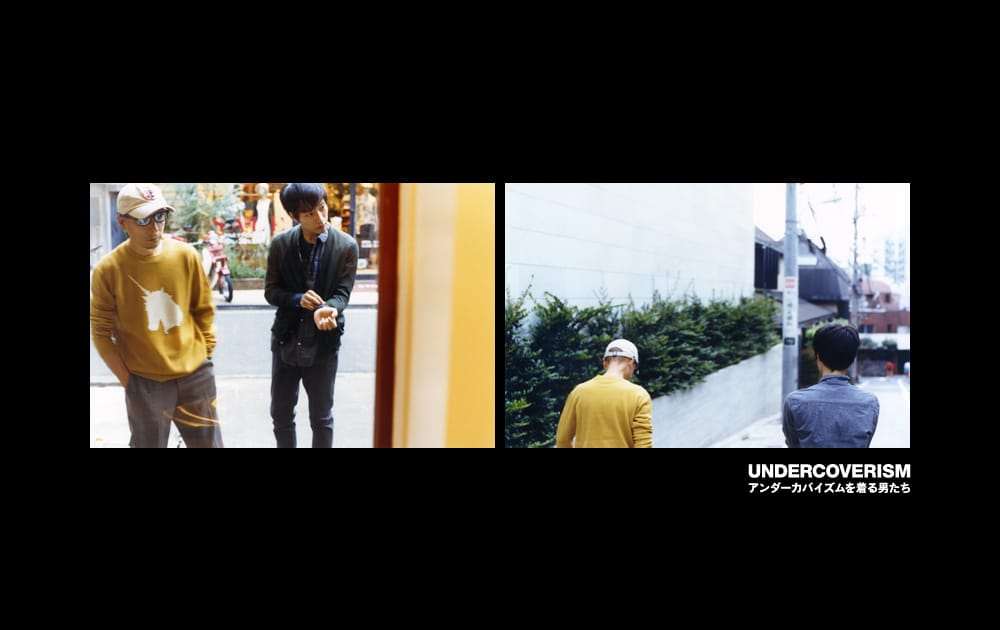
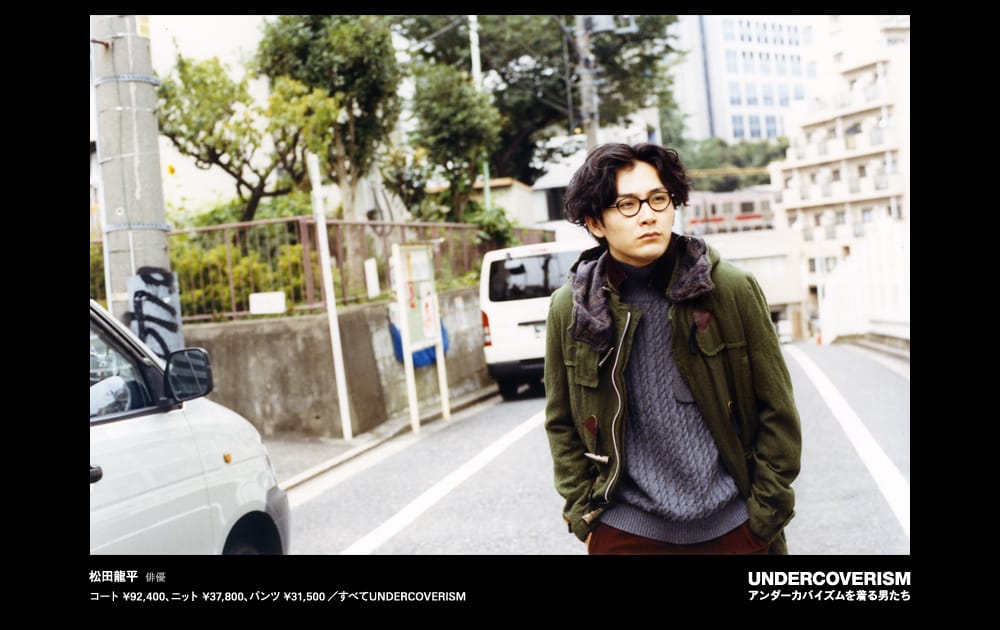
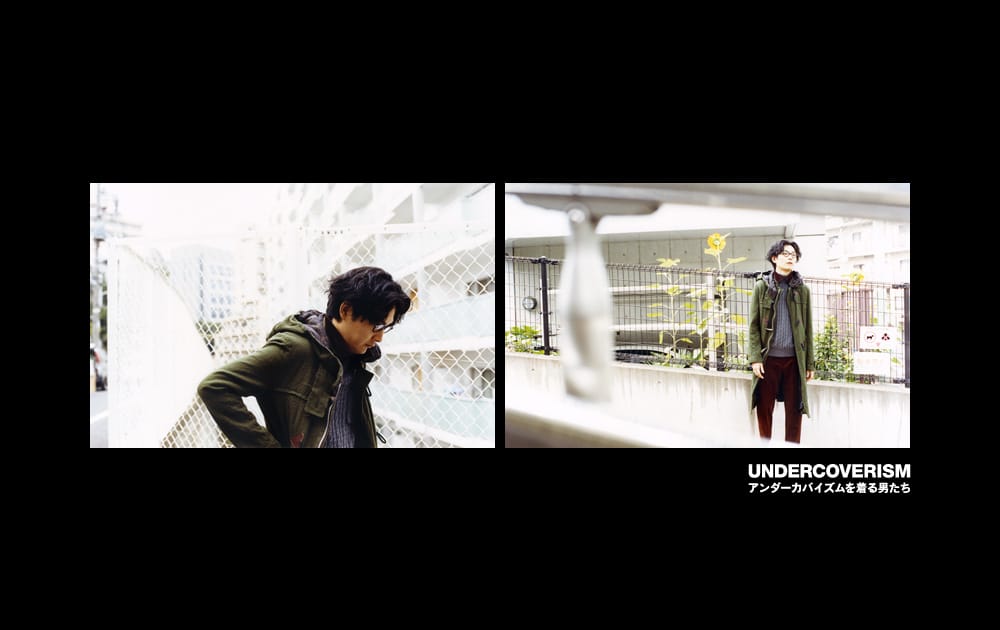
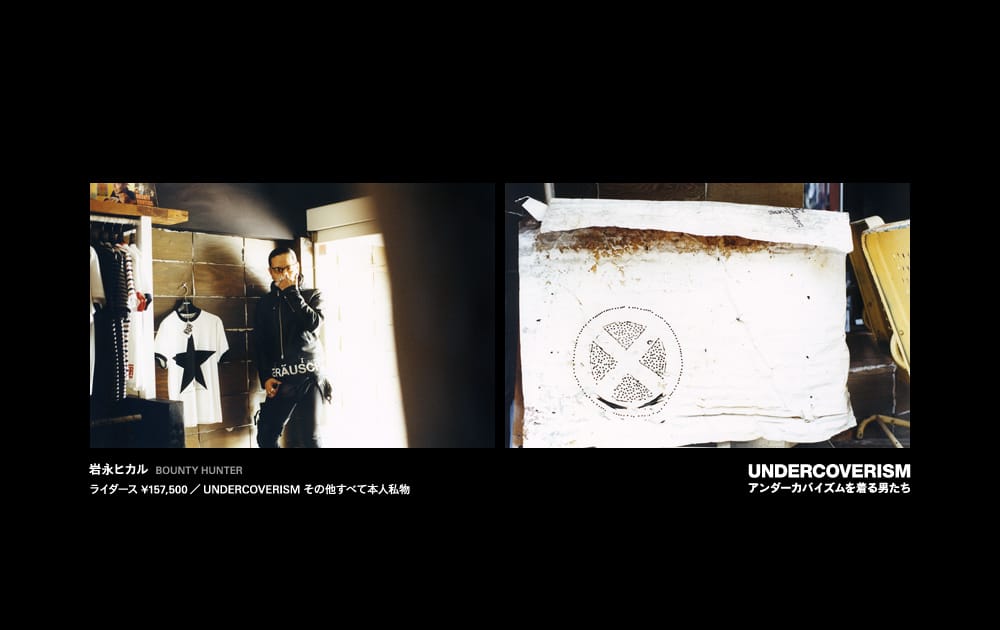
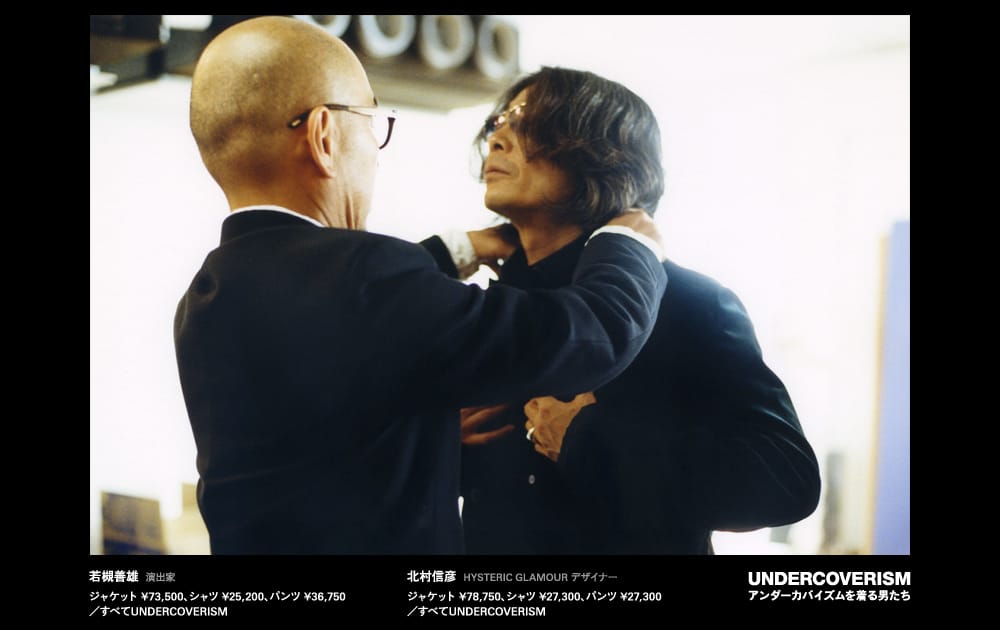
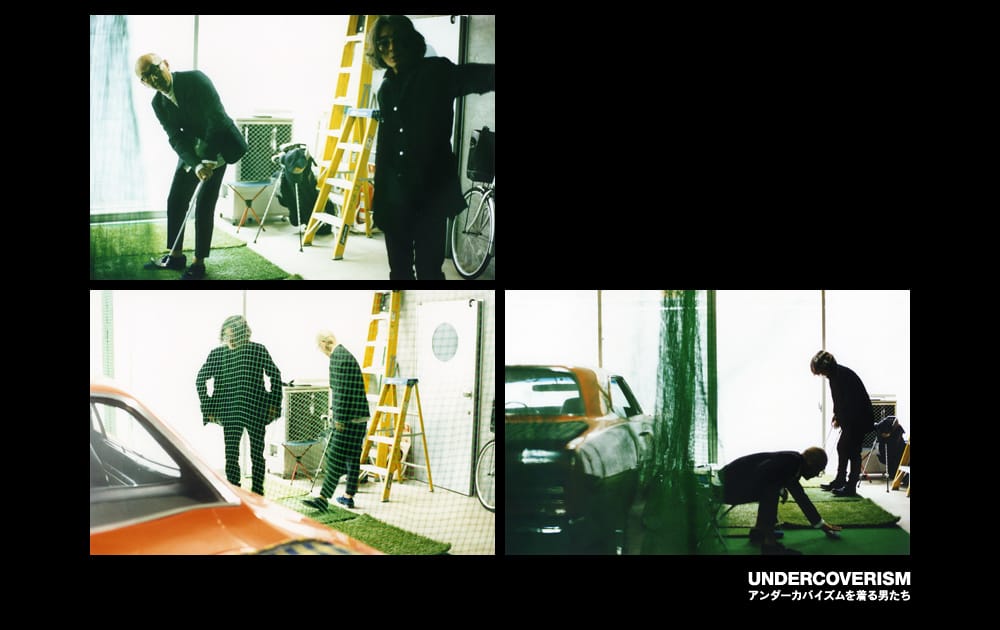
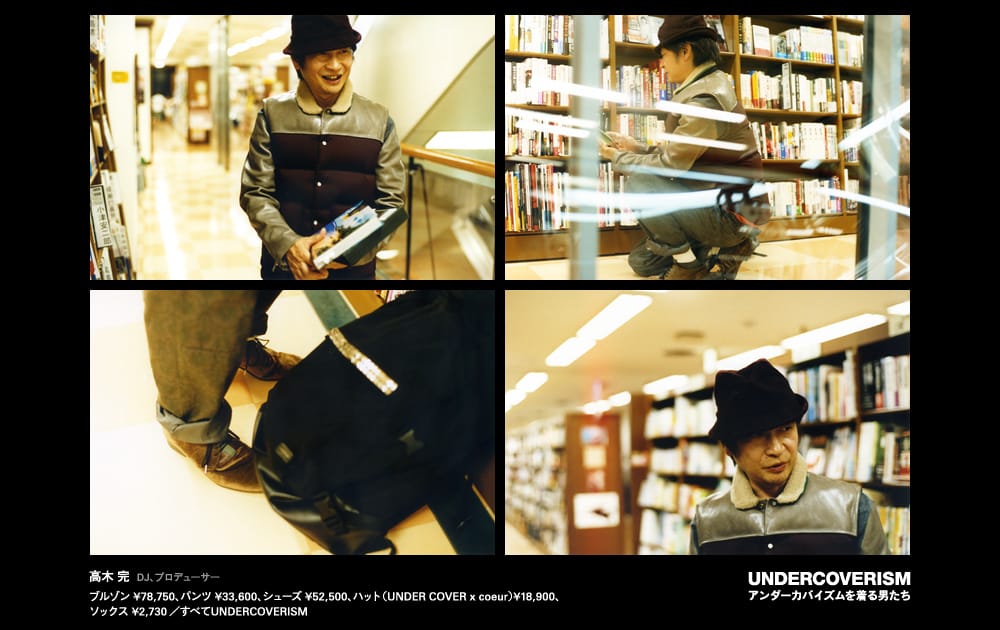
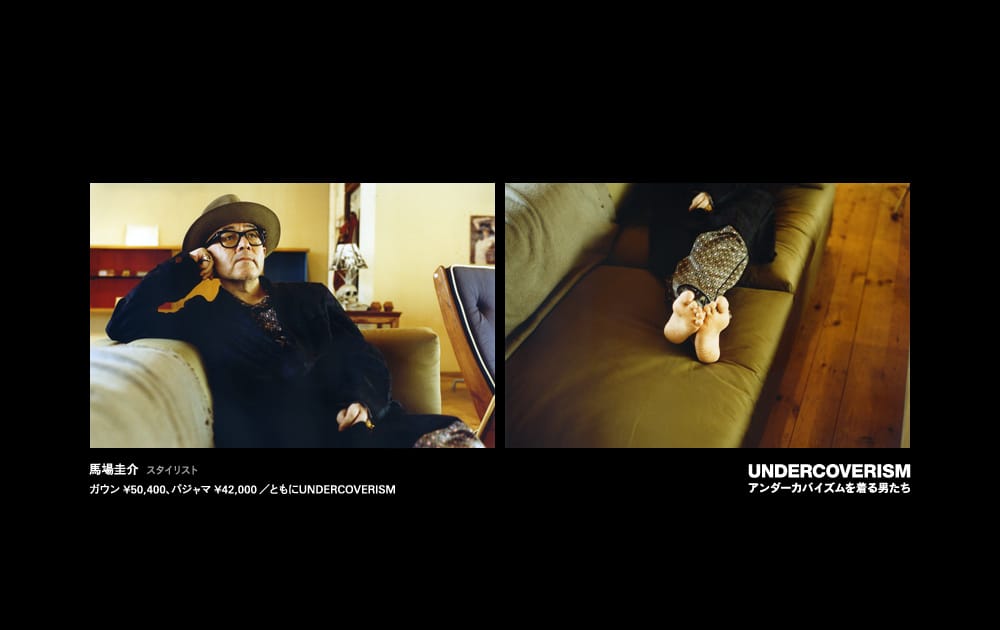
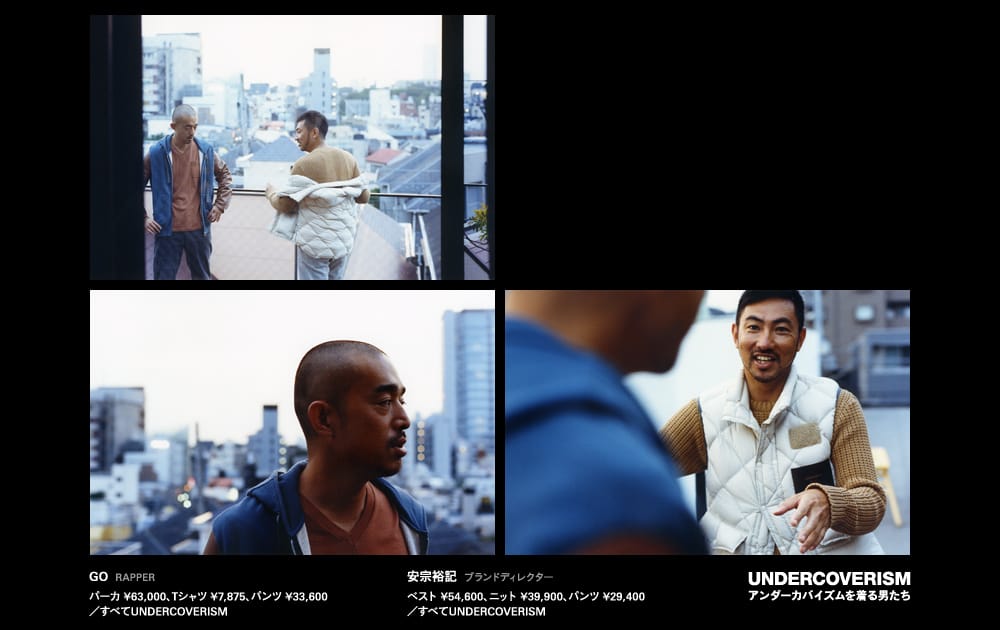
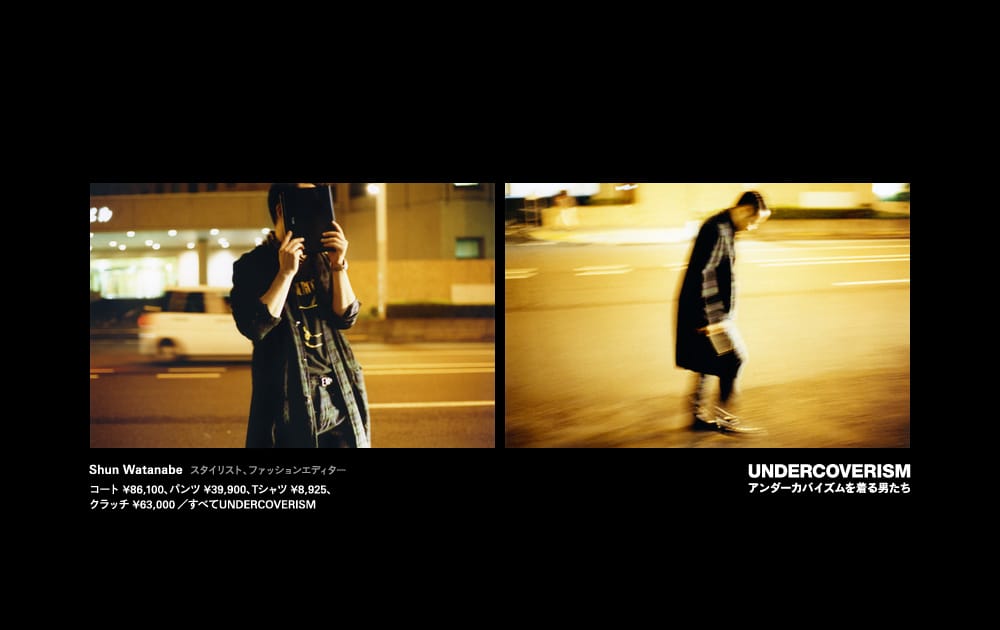
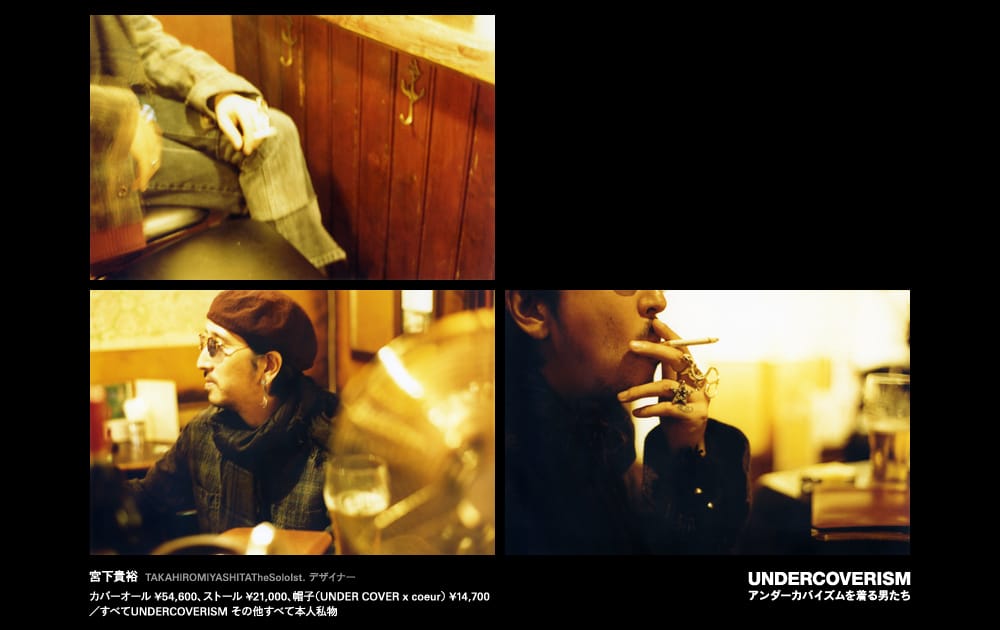
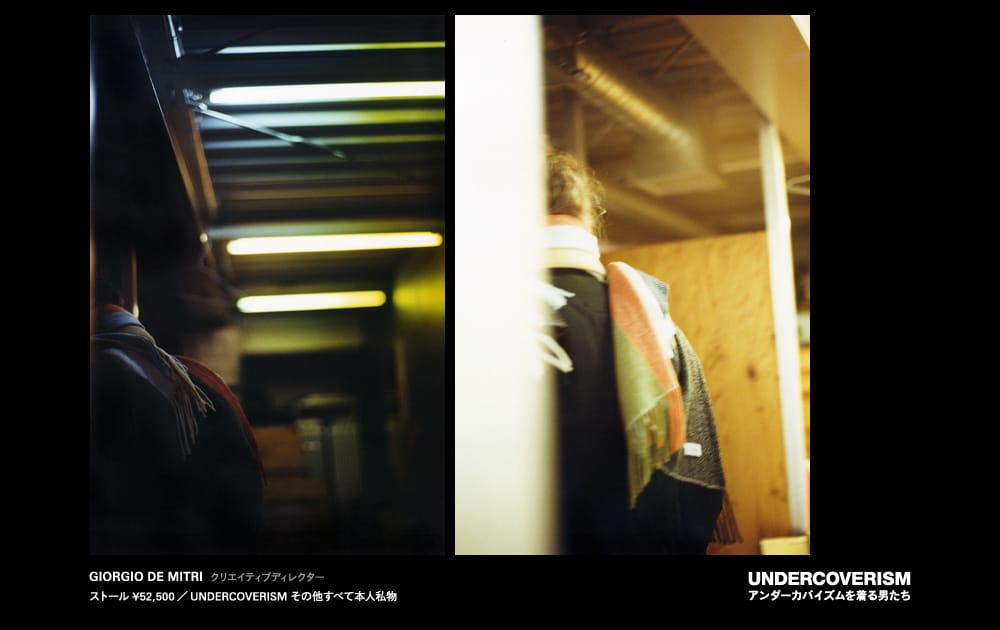
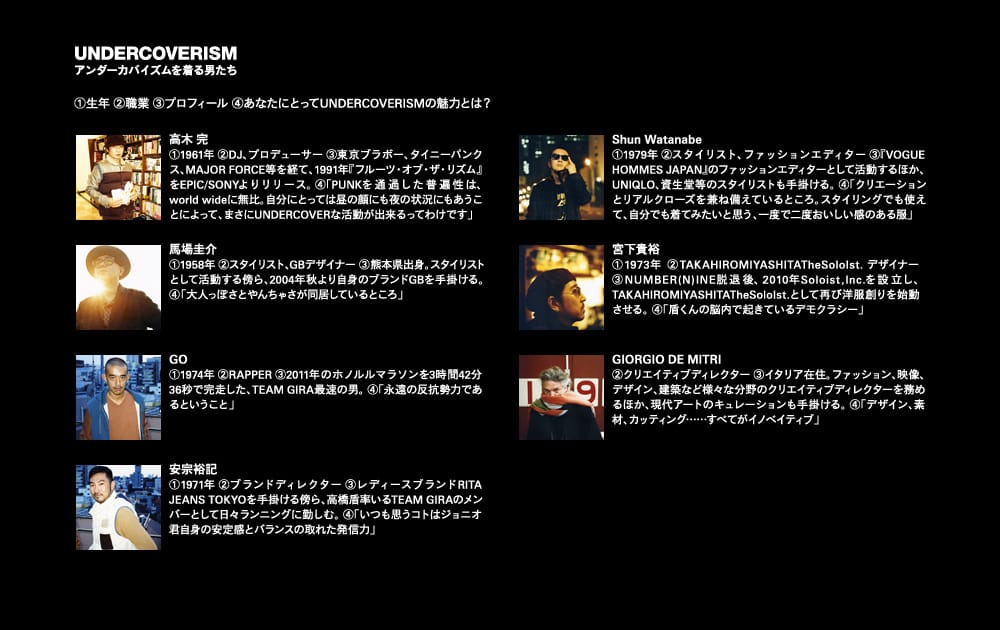
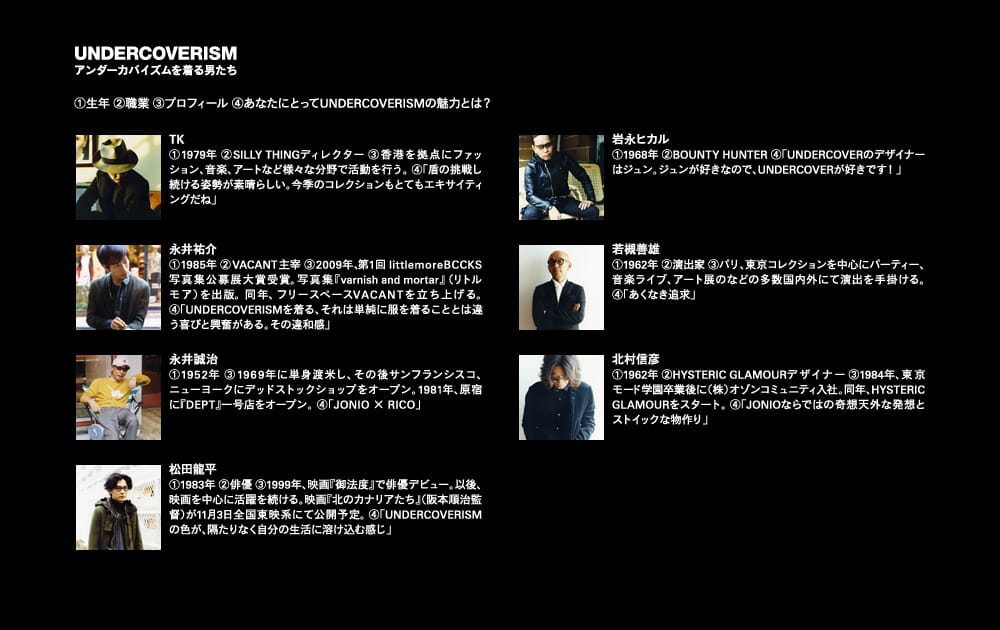
UNDERCOVERISM — The Men Who Wear Undercoverism
UNDERCOVERISM 2012–13 Fall/Winter portrait feature The Men Who Wear Undercoverism, photographed by Taro Mizutani with text by Issey Enomoto.
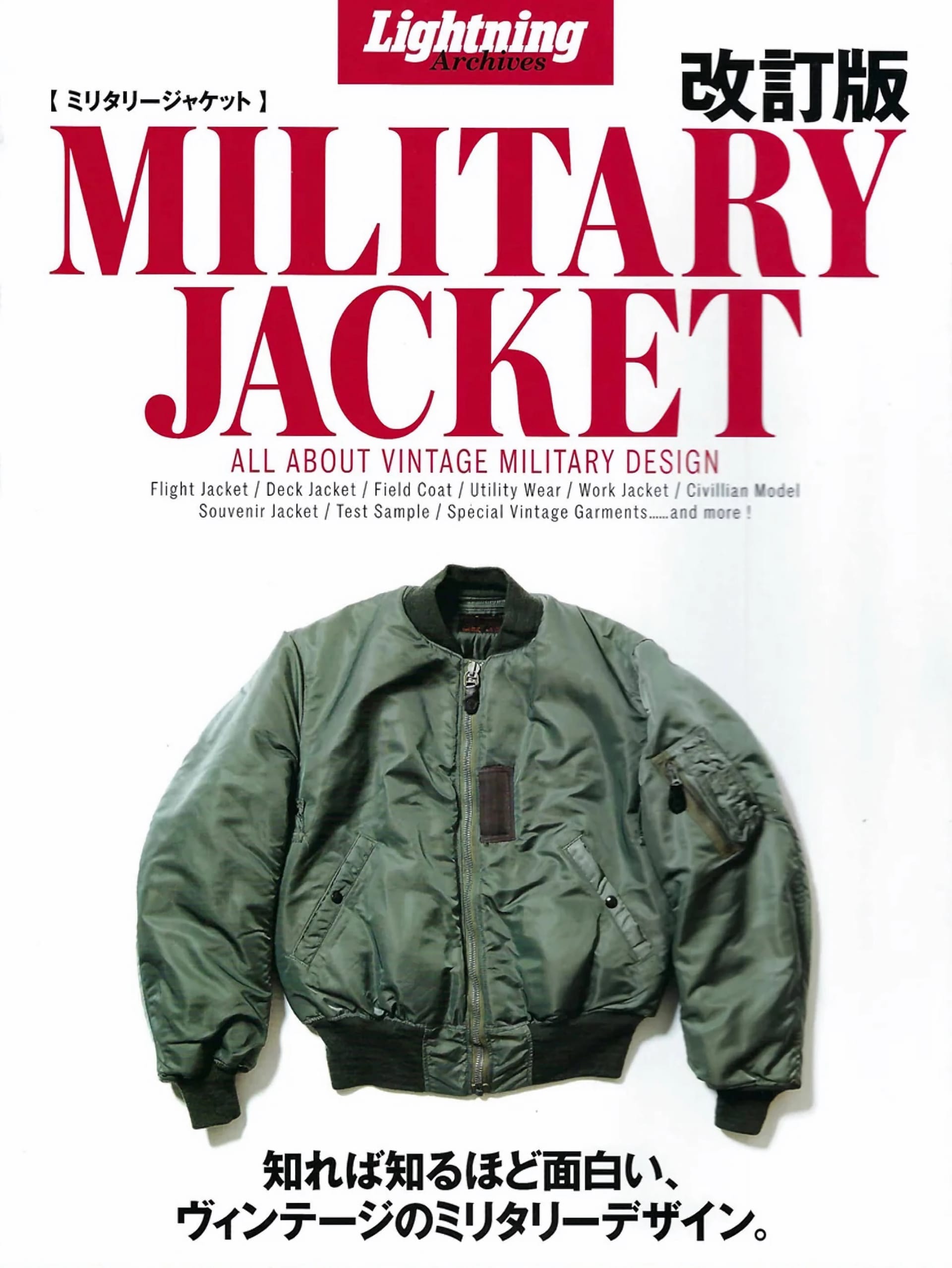
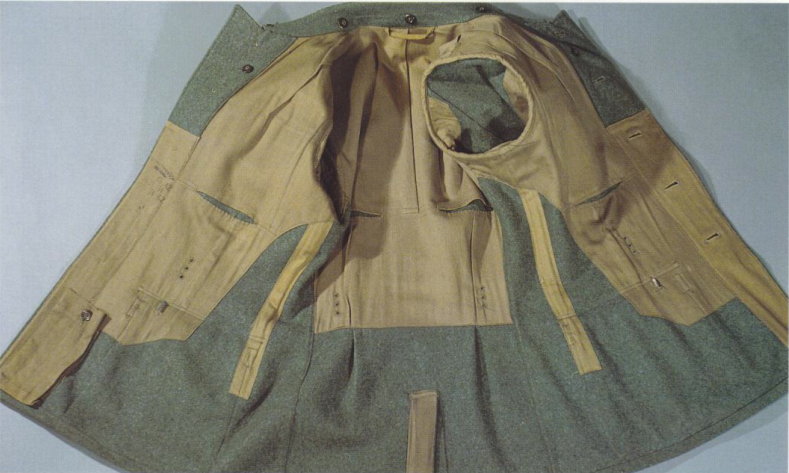
Lightning Archives Military Jackets (revised edition)
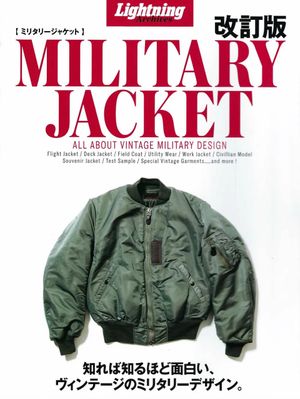
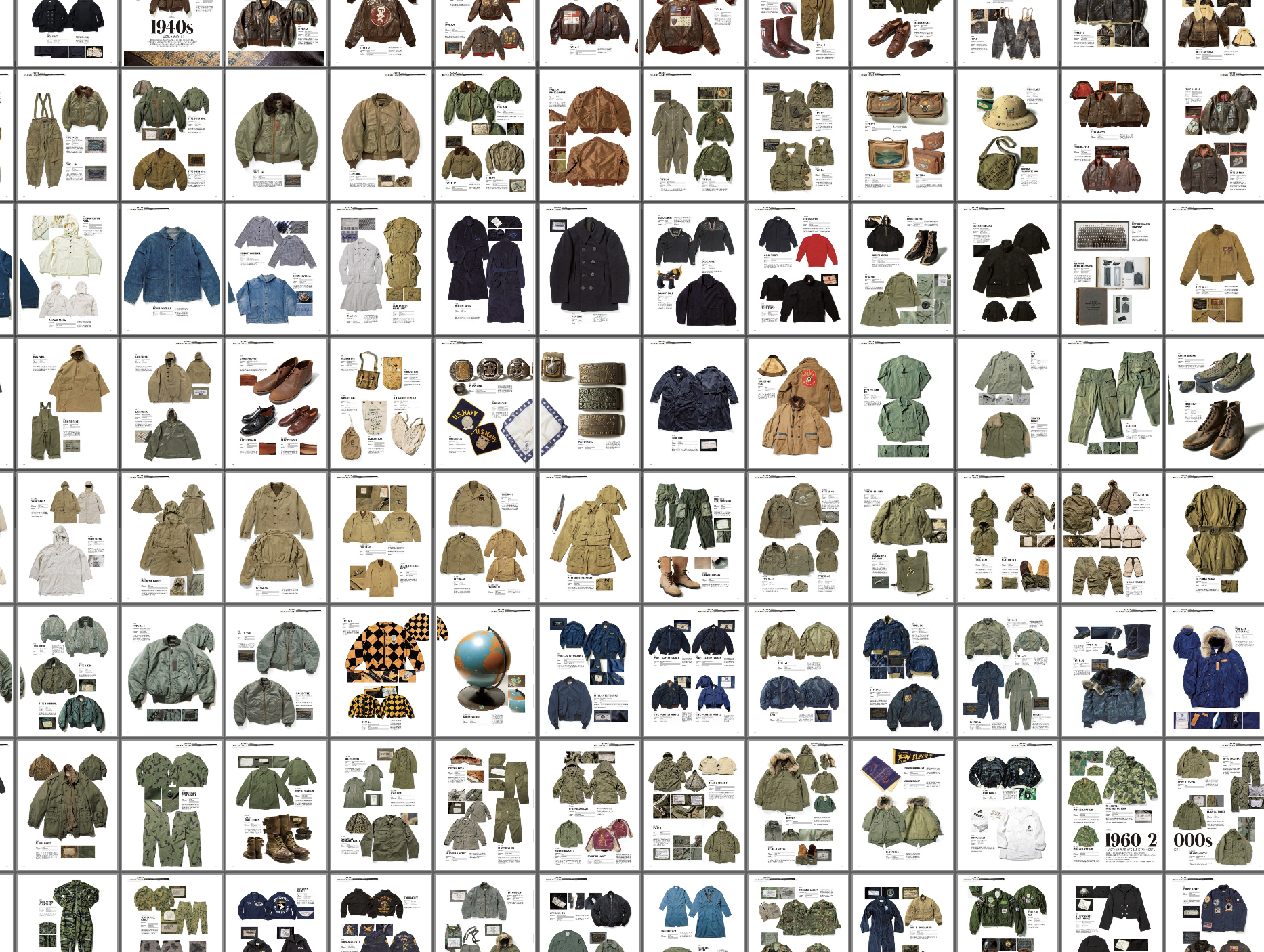
Lightning Archives Military Jackets (revised edition) is a reference volume that assembles hundreds of vintage military jackets—from field coats to flight and bomber styles—into a 242-page photographic index, printed in Japan. Each garment is reduced to front, back, and detail shots, annotated with brief data about model, era, and origin, turning decades of conflict and logistics into orderly rows of fabric, hardware, and serial numbers. The revised edition simply expands and updates this taxonomy, confirming that uniforms designed for war now circulate as images and commodities, stripped of purpose, filed away as another closed chapter in a series of collectible books.
Download link available below or through the server page.
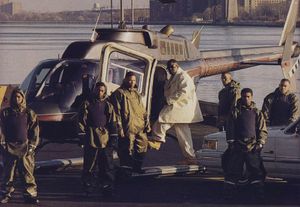
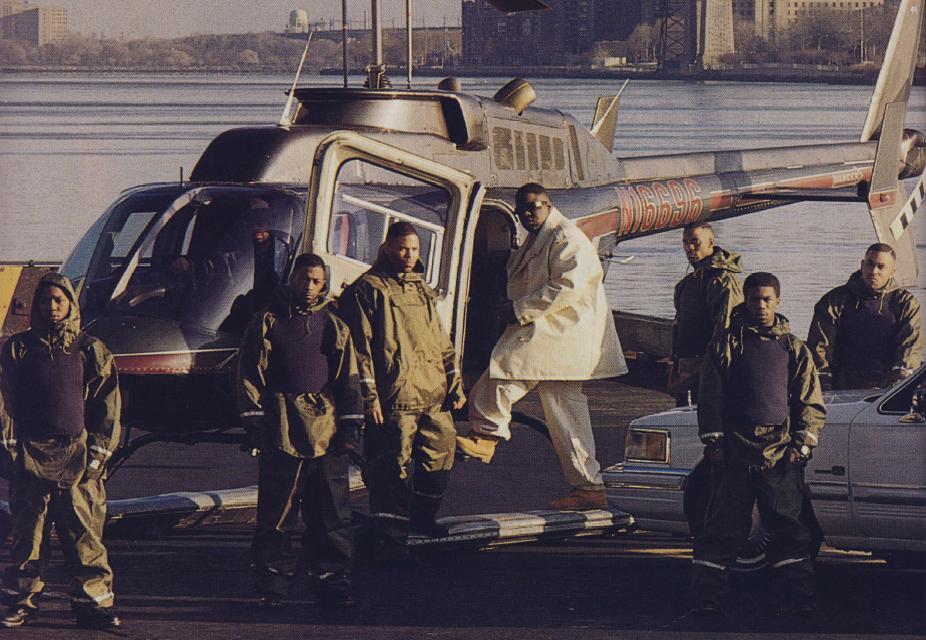
Junior M.A.F.I.A.
The members of Junior M.A.F.I.A. met as childhood friends of The Notorious B.I.G. All the members were under the age of twenty when the group was formed. The group was composed of three separate groups and two individual artists. The 6s, or 666, (Lil' Caesar, Bugsy, Capone, Chico, and Nino Brown) who claim to know right from wrong and practice it; the Sixes knew Biggie before he was rapping (the other members other than Lil' Kim were added on to the group but still were very close to Biggie). The Snakes (cousins Larceny and Trife) who represent the enraged attitude expressed in a large number of America’s youth, MC Klepto, who offered insight on a life of “boostin' and hustlin'”, and Lil' Kim, (a.k.a Big Momma or The Lieutenant), the only female in the group, who showed the ghetto life from a woman’s point of view. The Notorious B.I.G. acted as the "godfather" to the group.
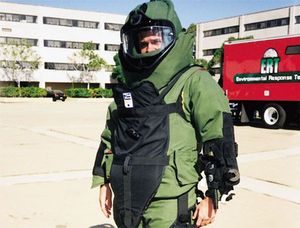
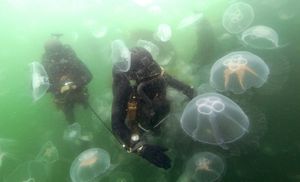
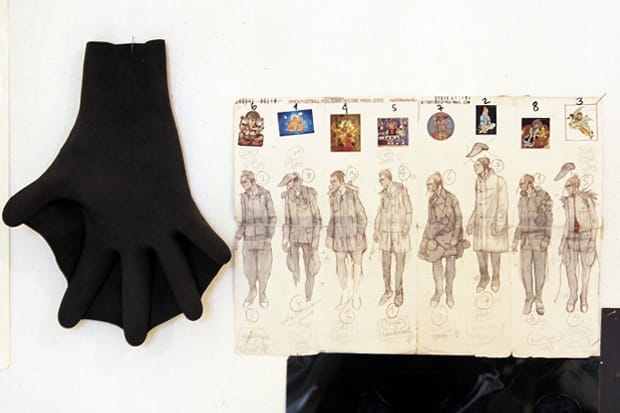
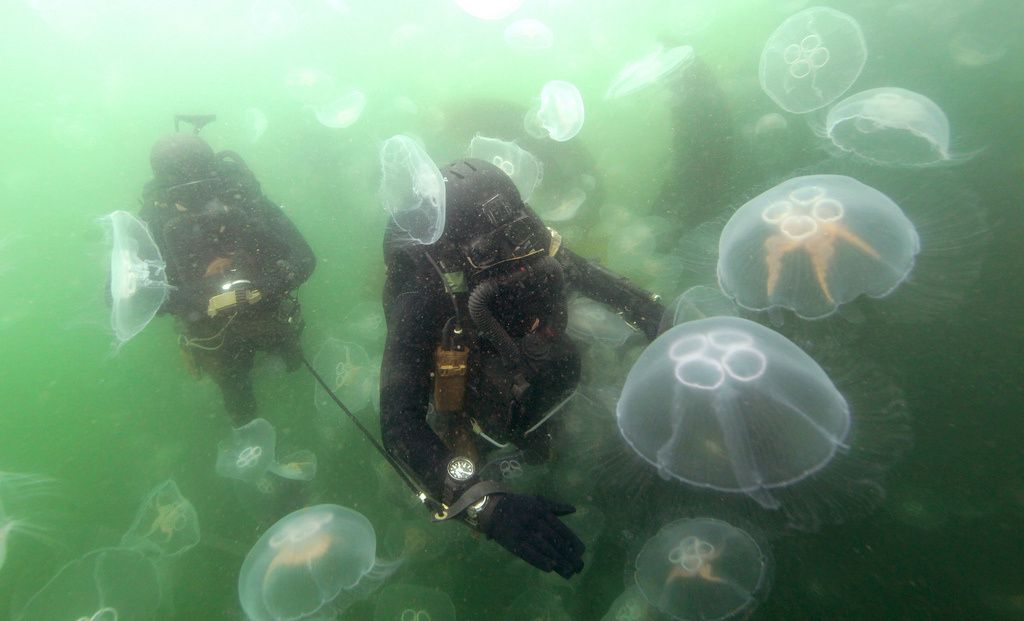
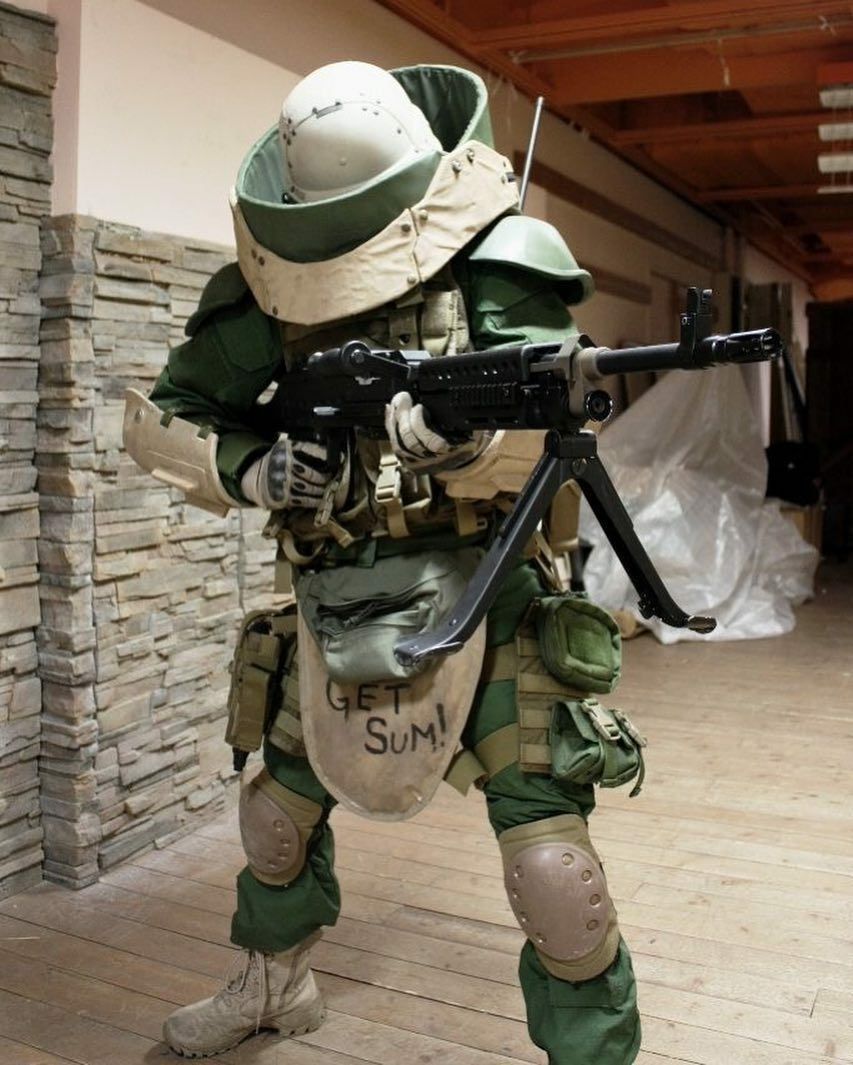
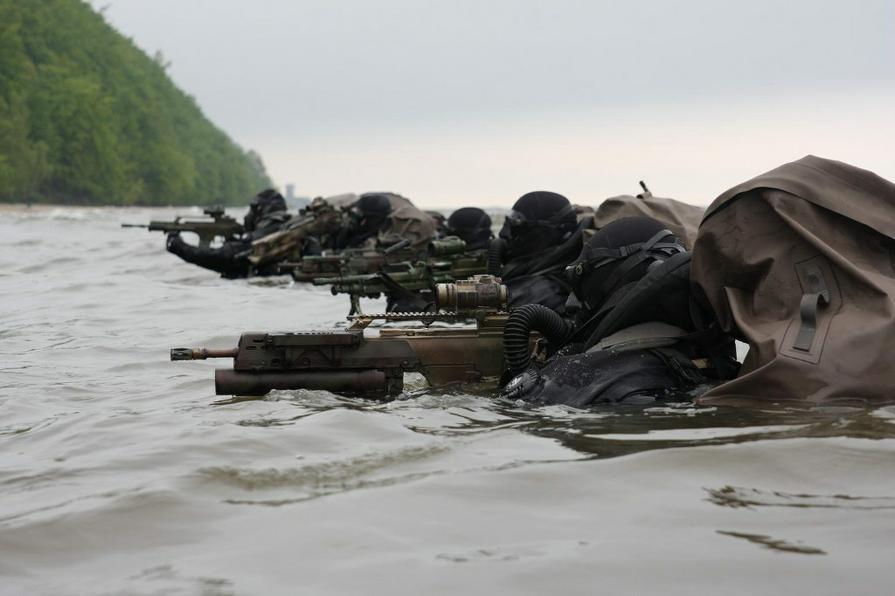
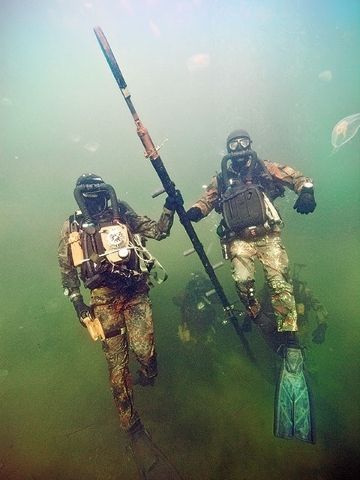
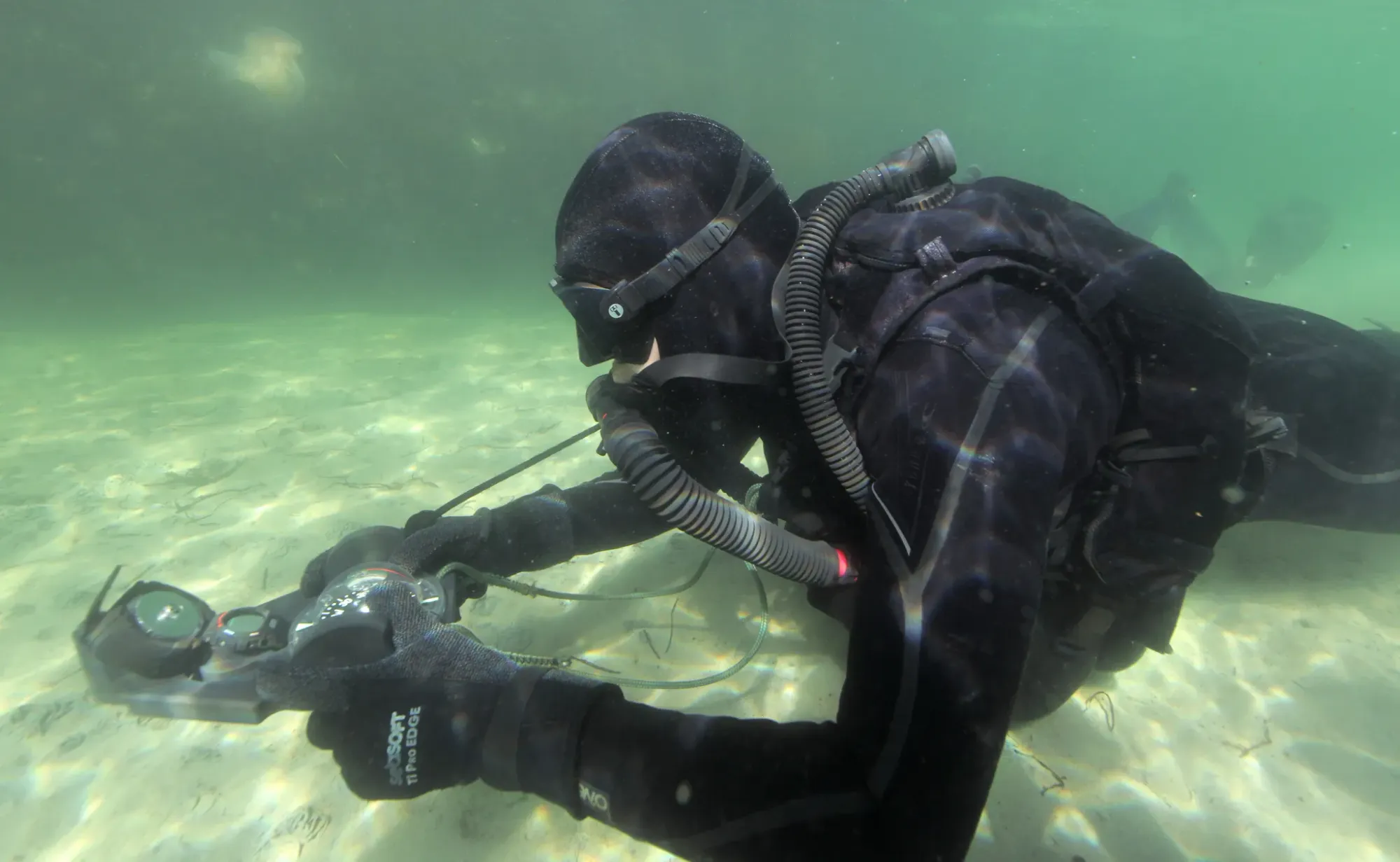
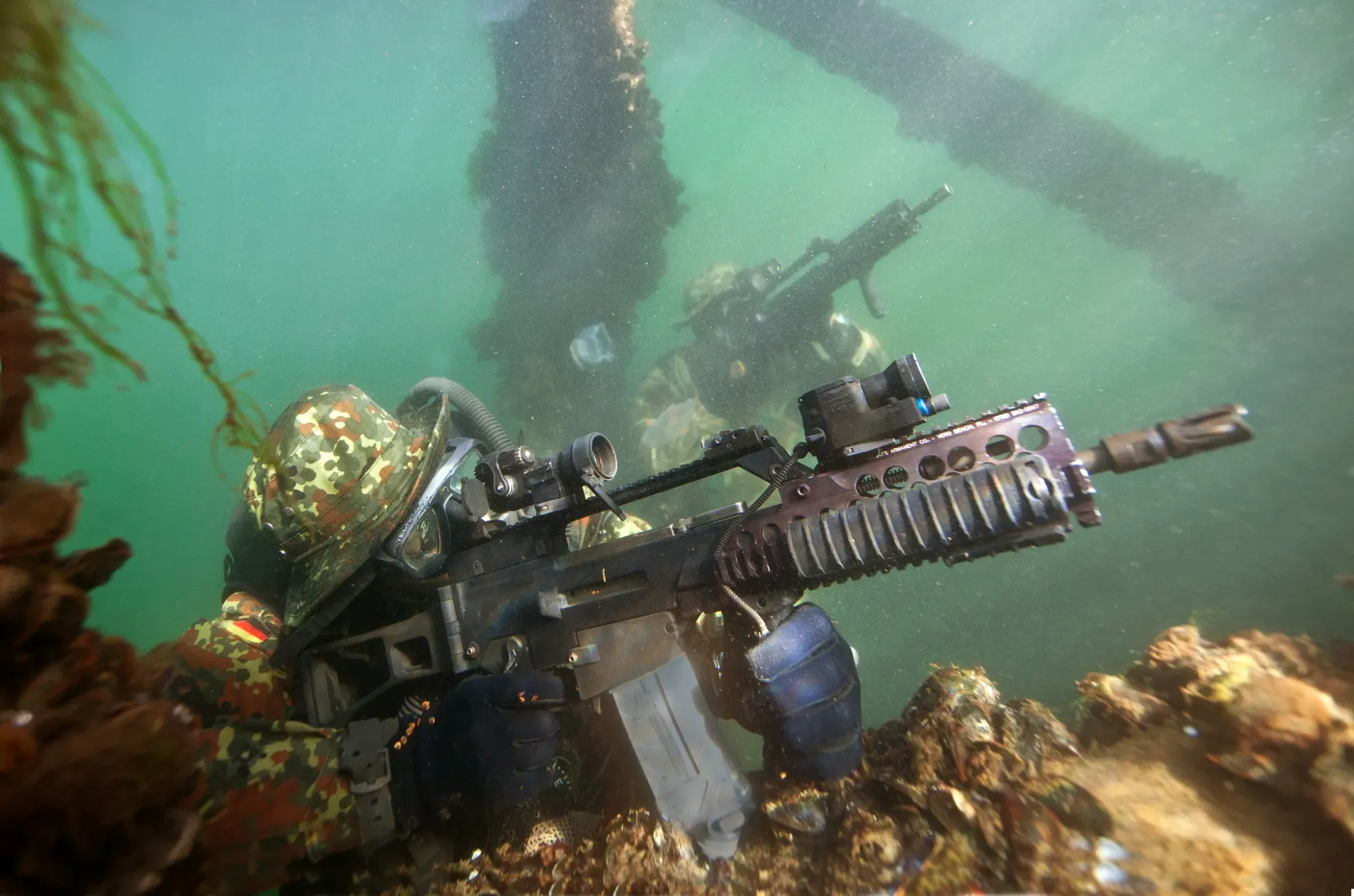
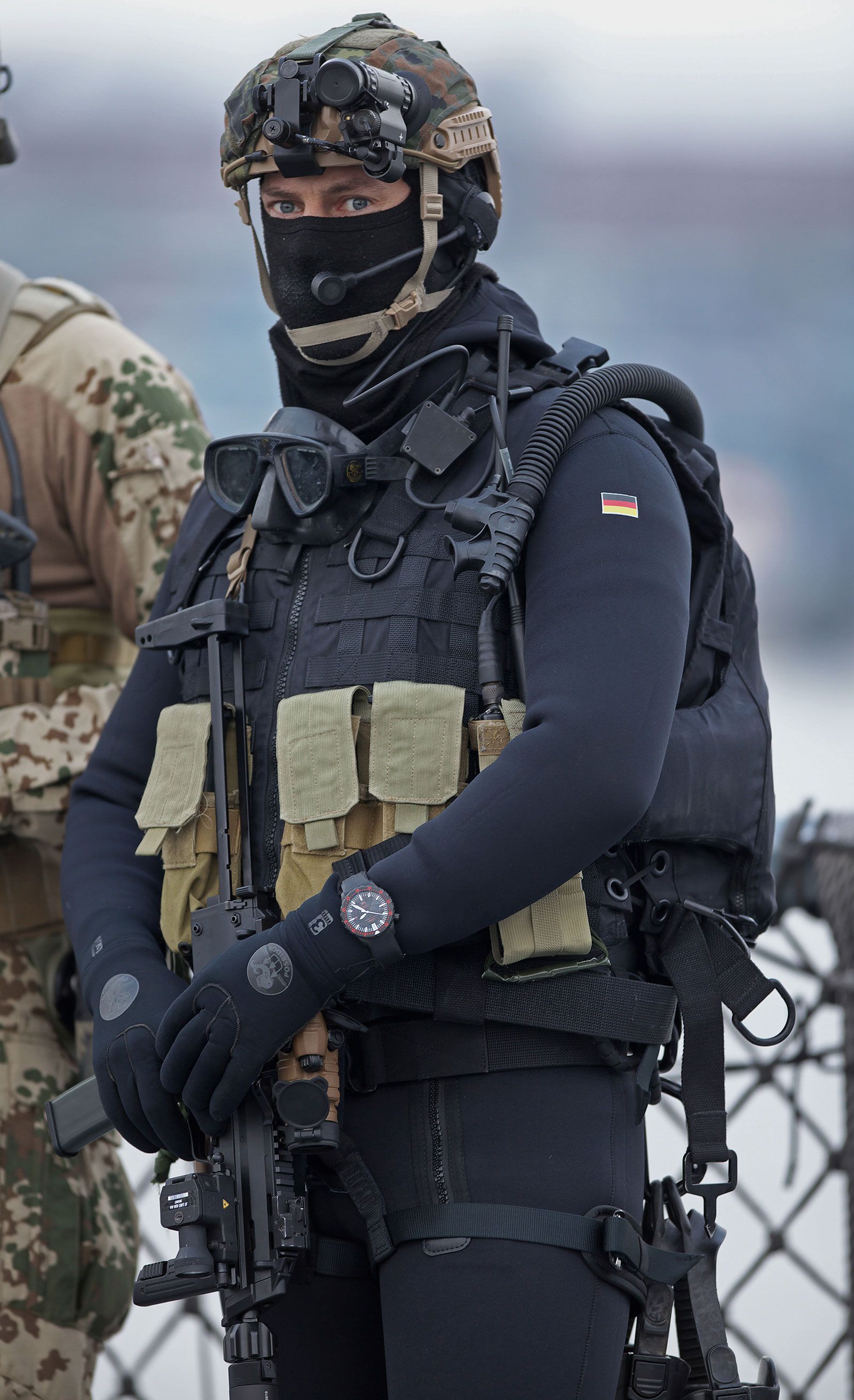
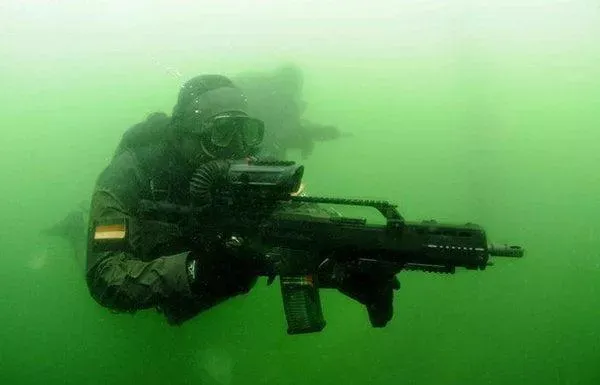
Combat Swimmers German Special Forces
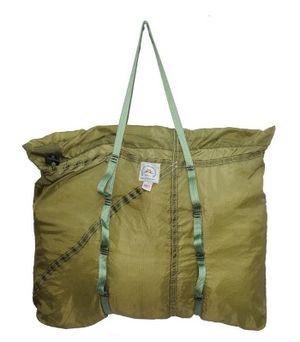
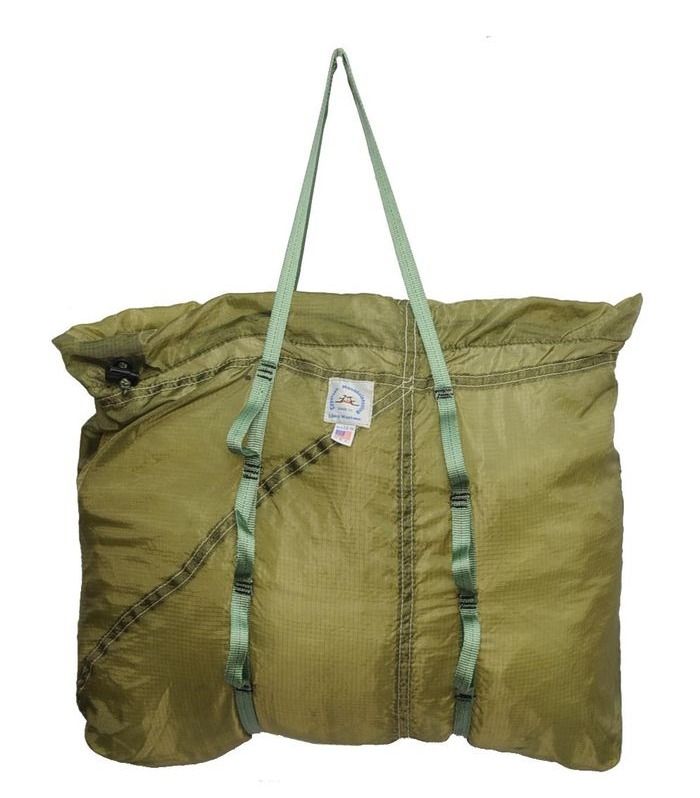
Epperson Mountaineering Large Climb Tote
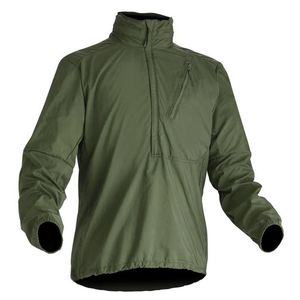
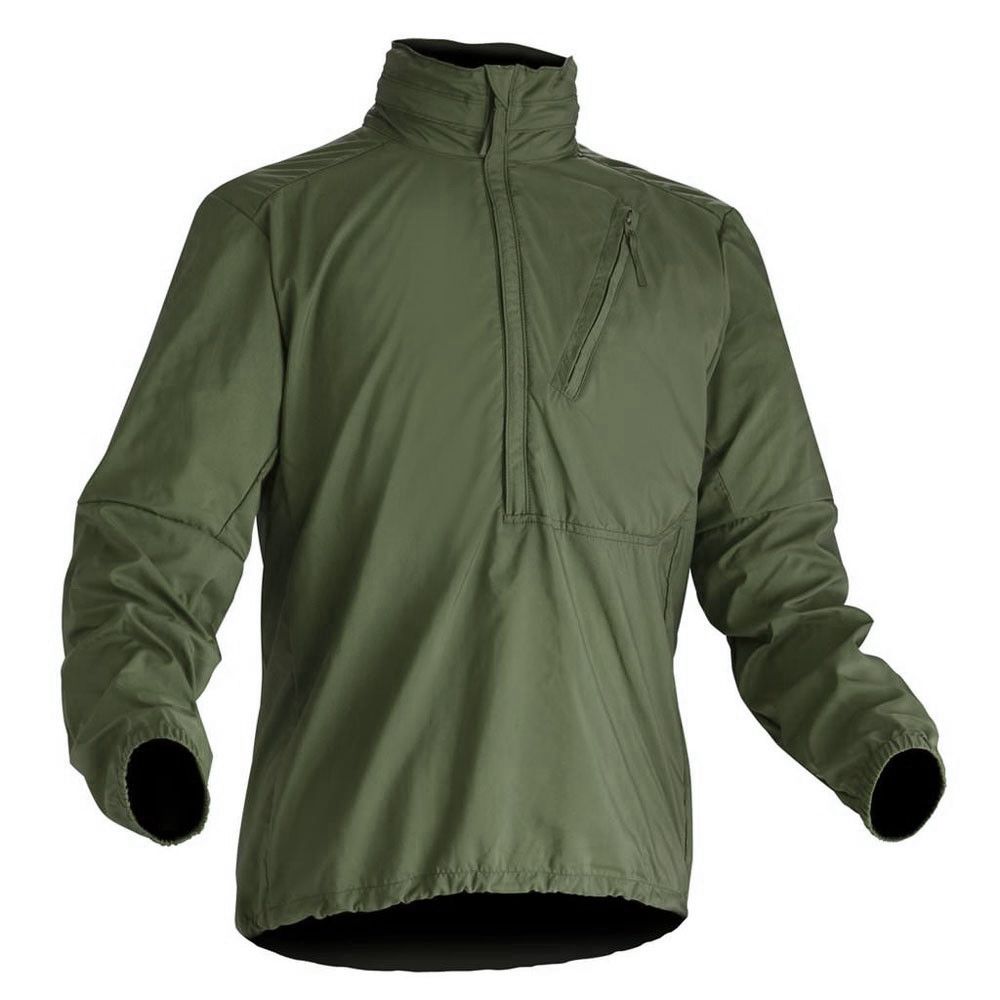
Wild Things Wind Shirt WT 1.0
A minimally constructed, articulated stow-away hood fits the head snugly, allowing a helmet to be worn over it. The fit of the shirt is generous enough to pull over a mid layer, but fitted enough to keep the wind out. Features include elasticized sleeve cuffs, an adjustable hem, and an angled chest pocket.
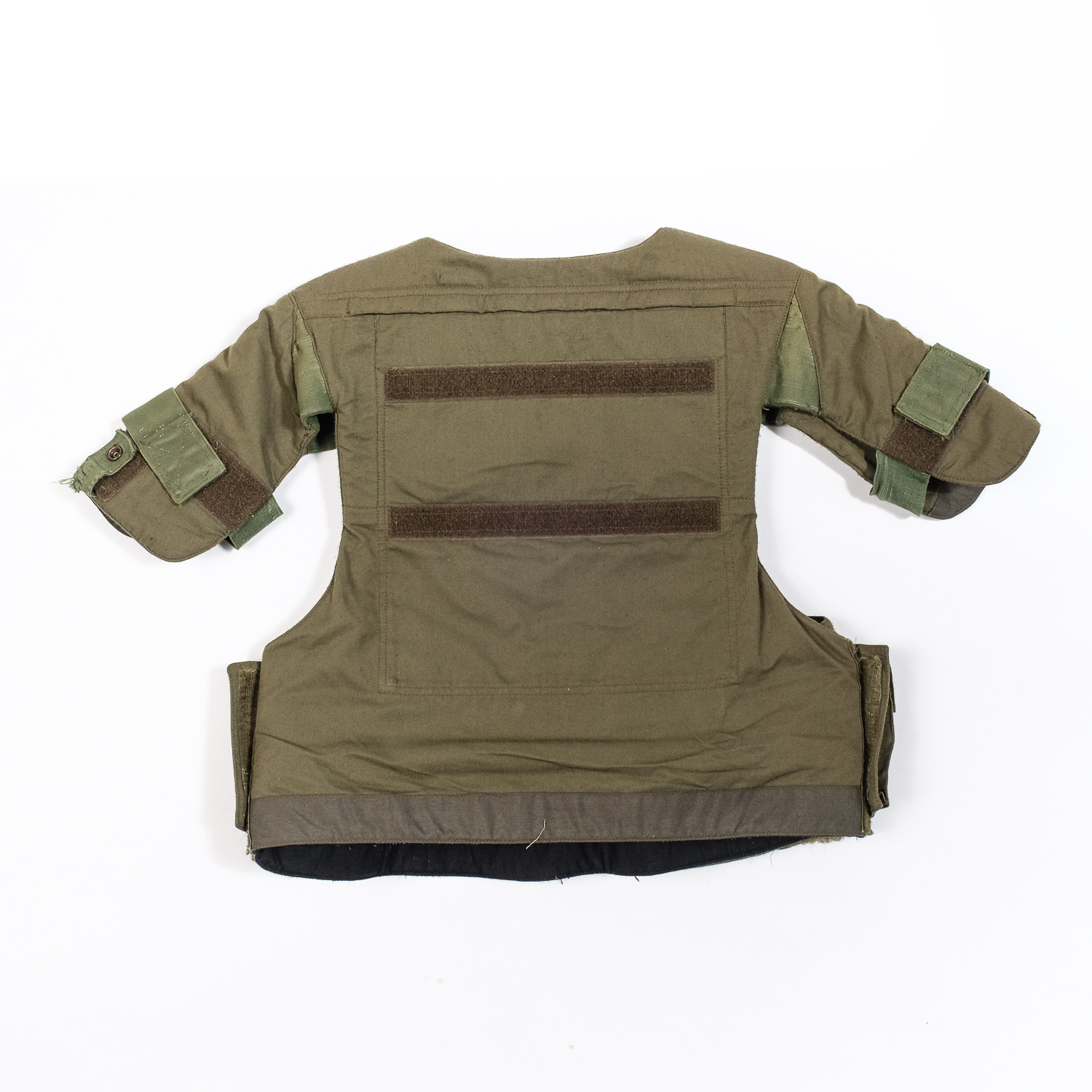
Fit: Under Body Armor
Weight: 10 oz
Berry Amendment Compliant: 100% Made in U.S.A.Features:
- 1/2 zip pullover
- One angled chest pocket
- Concealed zippers
- Adjustable shock cord hem
- Stow-away hood
- Elastic wrists
- Dropped tail
Materials:
- 70 denier textured Nylon with silicone encapsulation
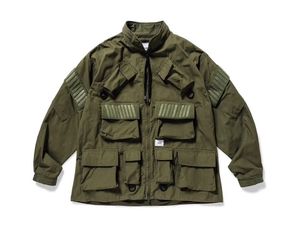
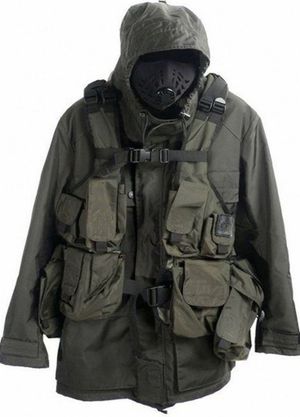
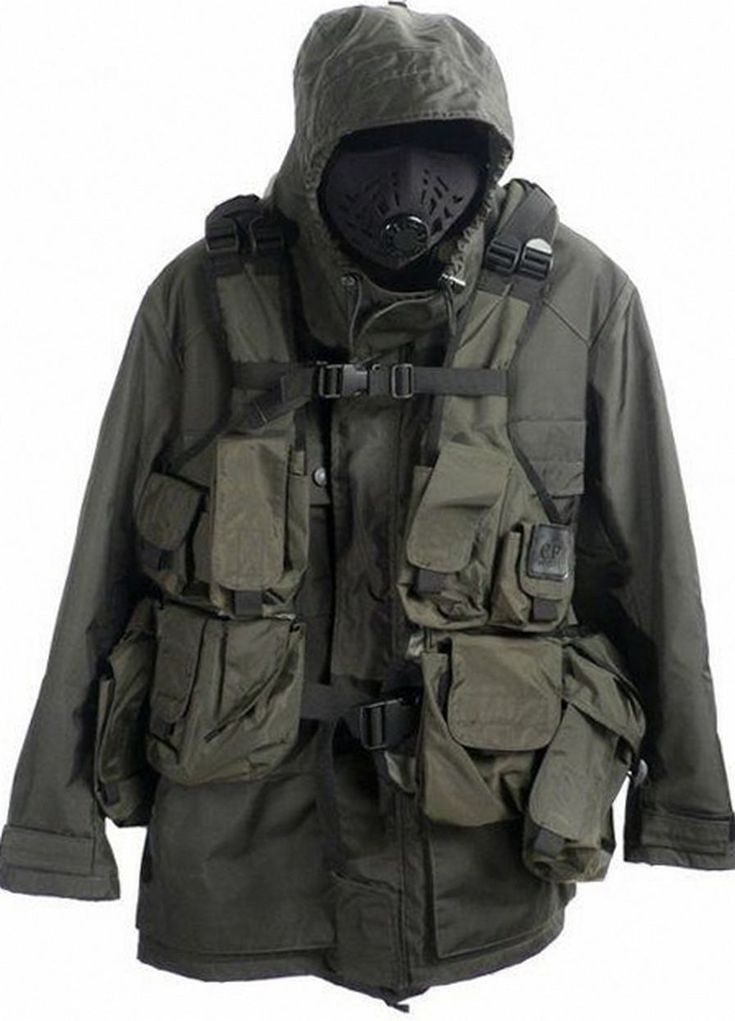
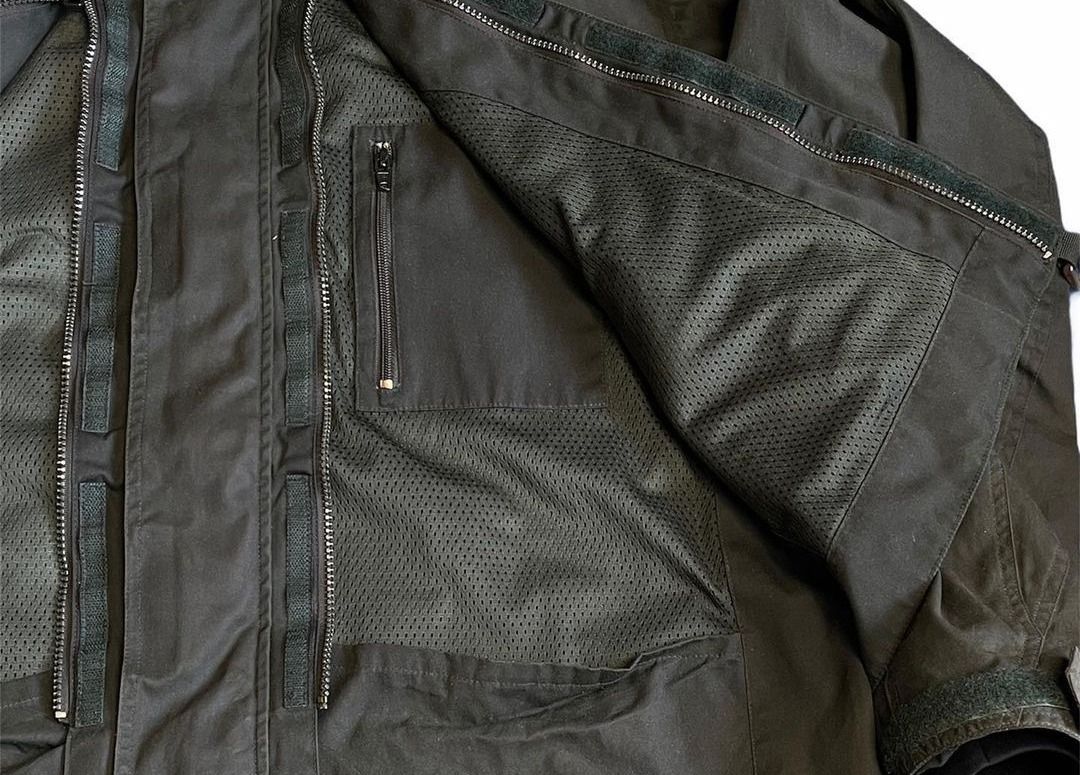
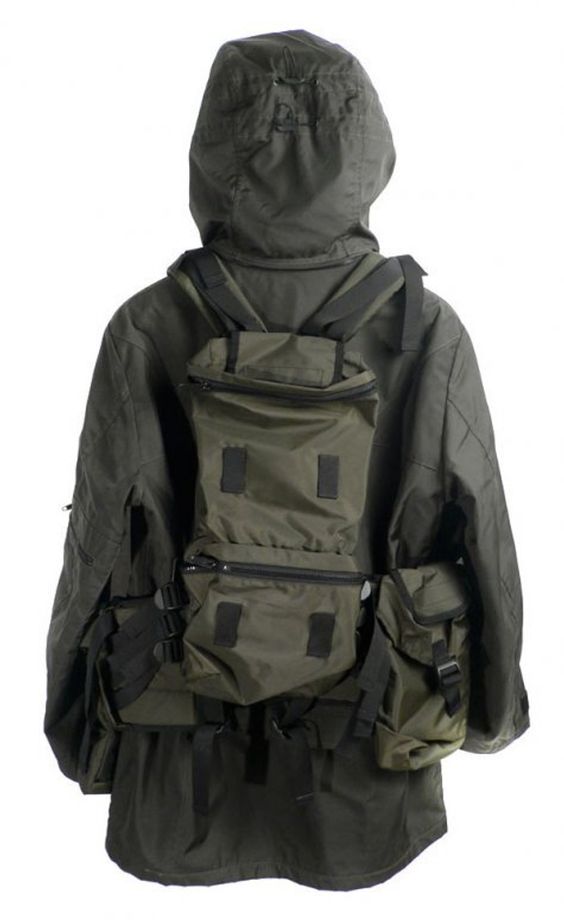
cp company urban protection jacket

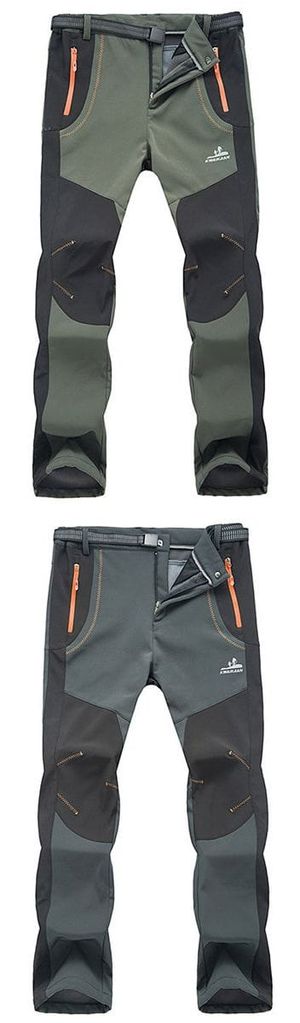
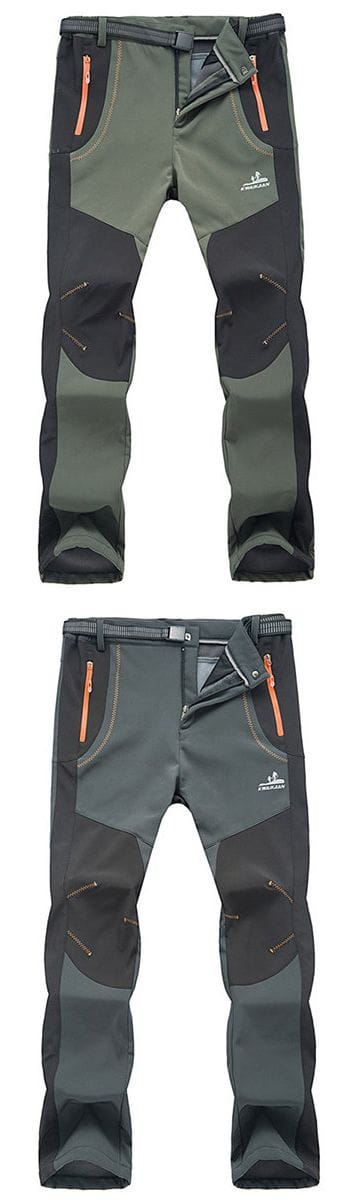
Fleece-Lined Hiking Pants — Technical Outdoor Apparel
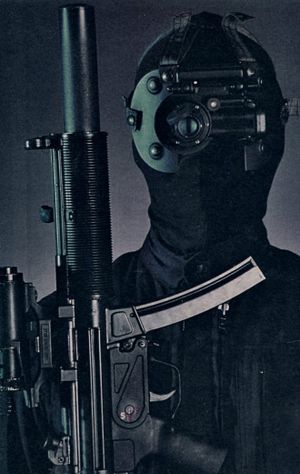
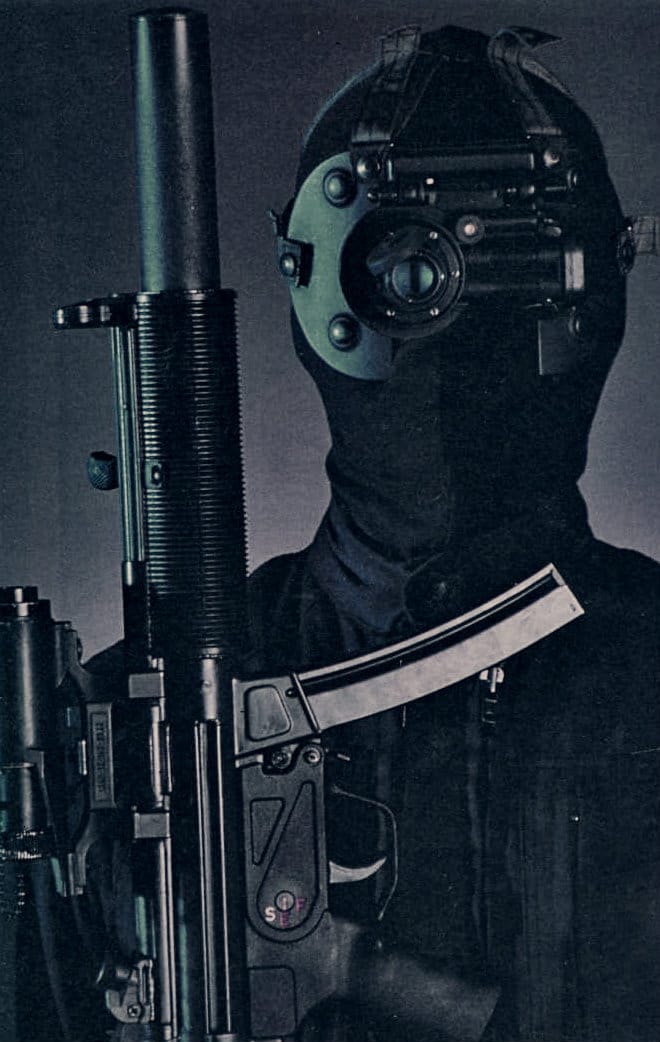
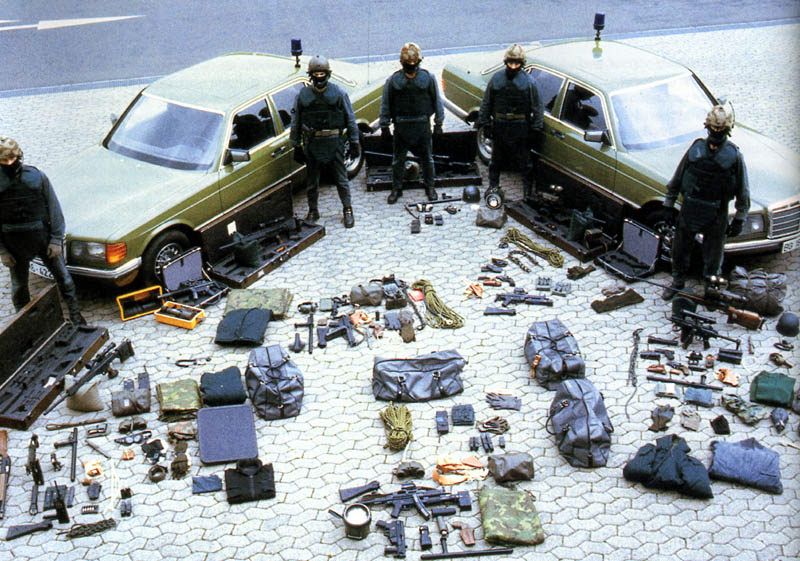
GIGN Operator MP5SD Night Vision
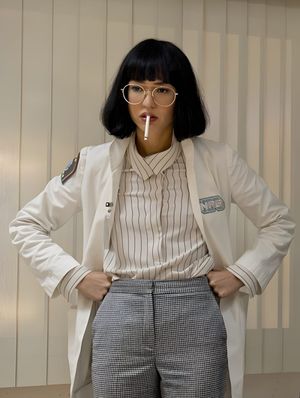
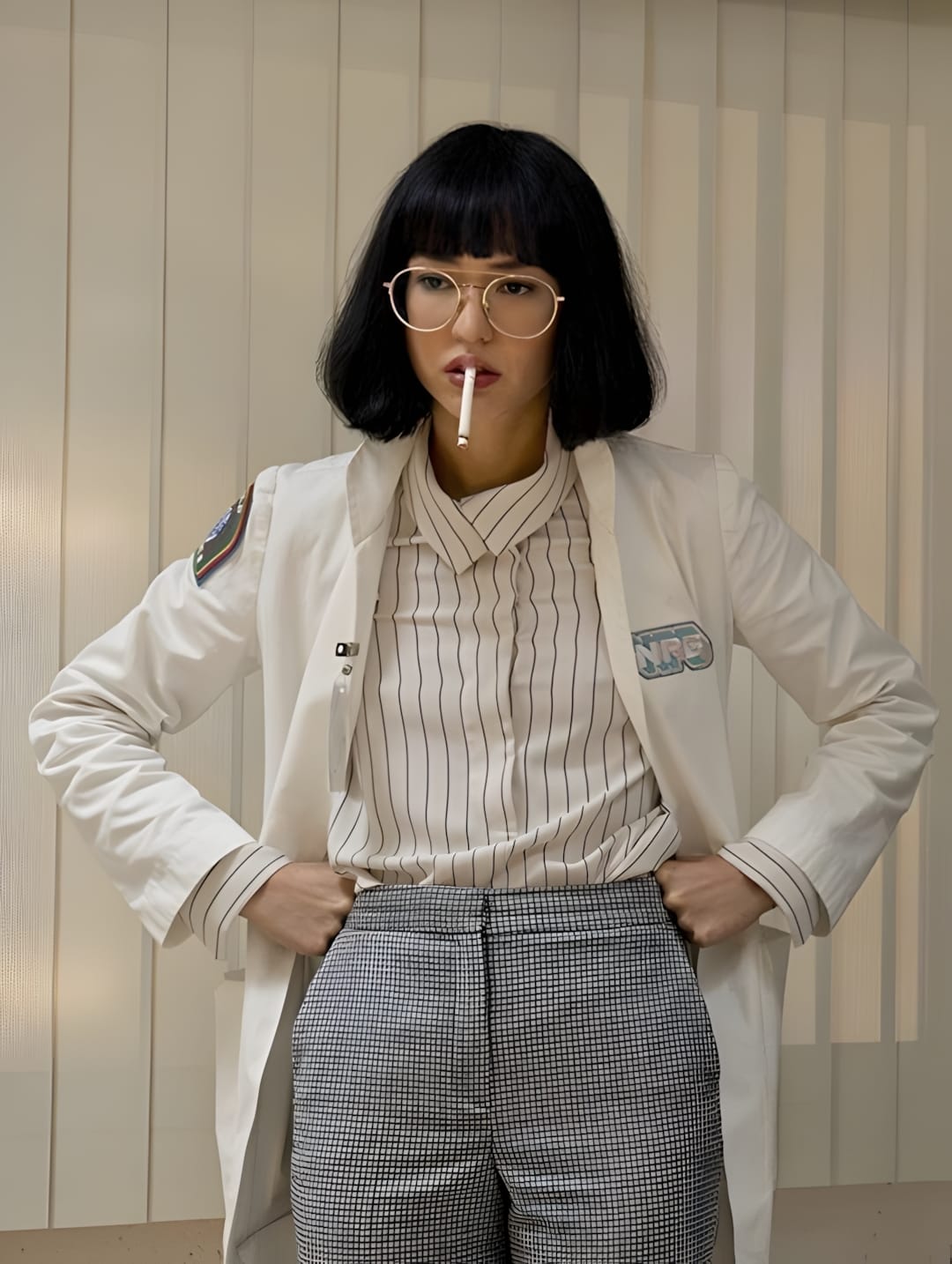
Sonoya Mizuno as Dr. Azumi Fujita — Netflix MANIAC (2018)
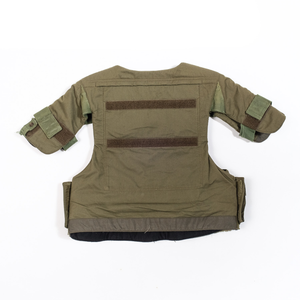
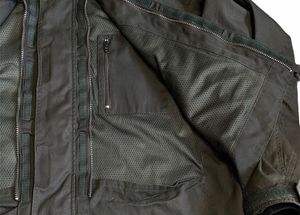
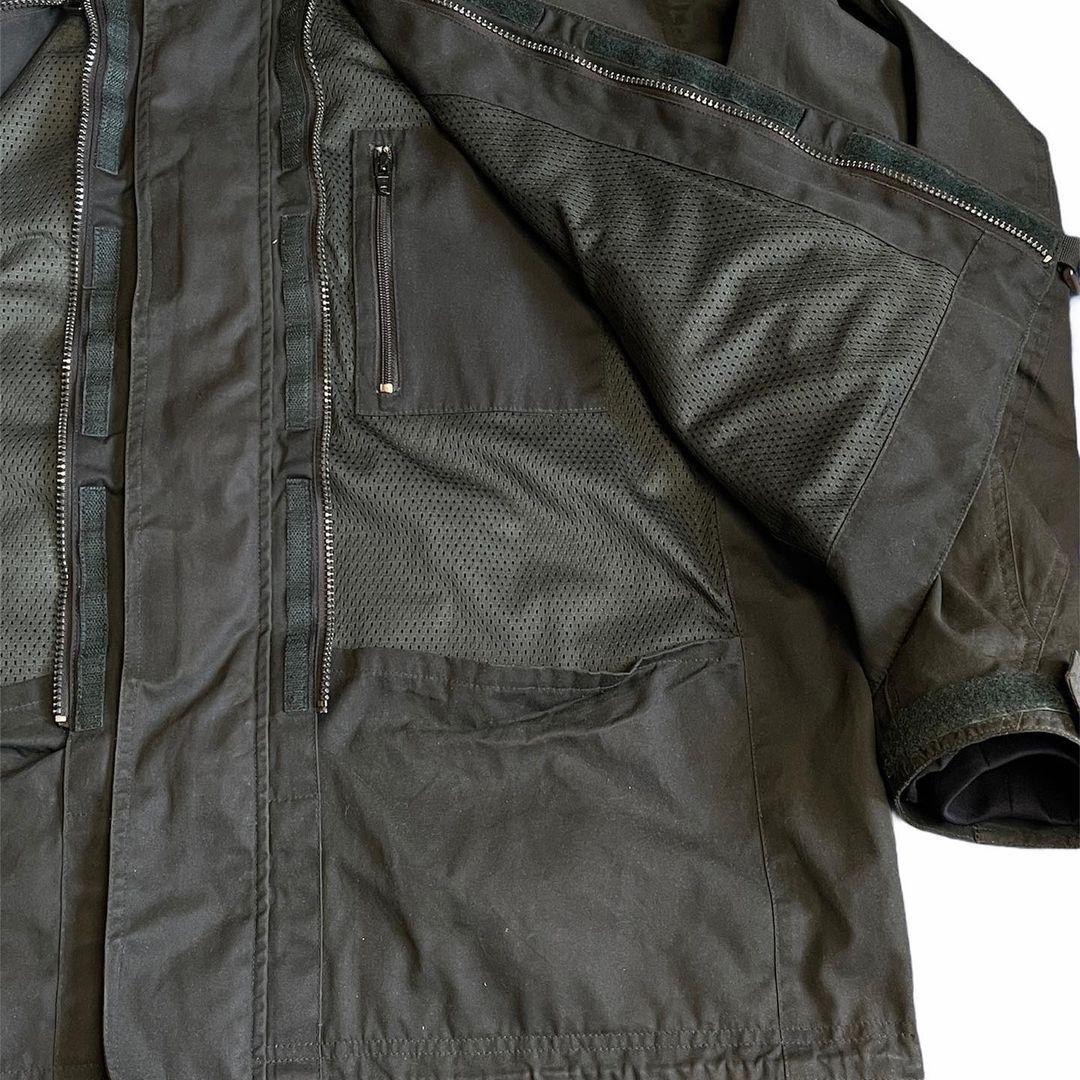
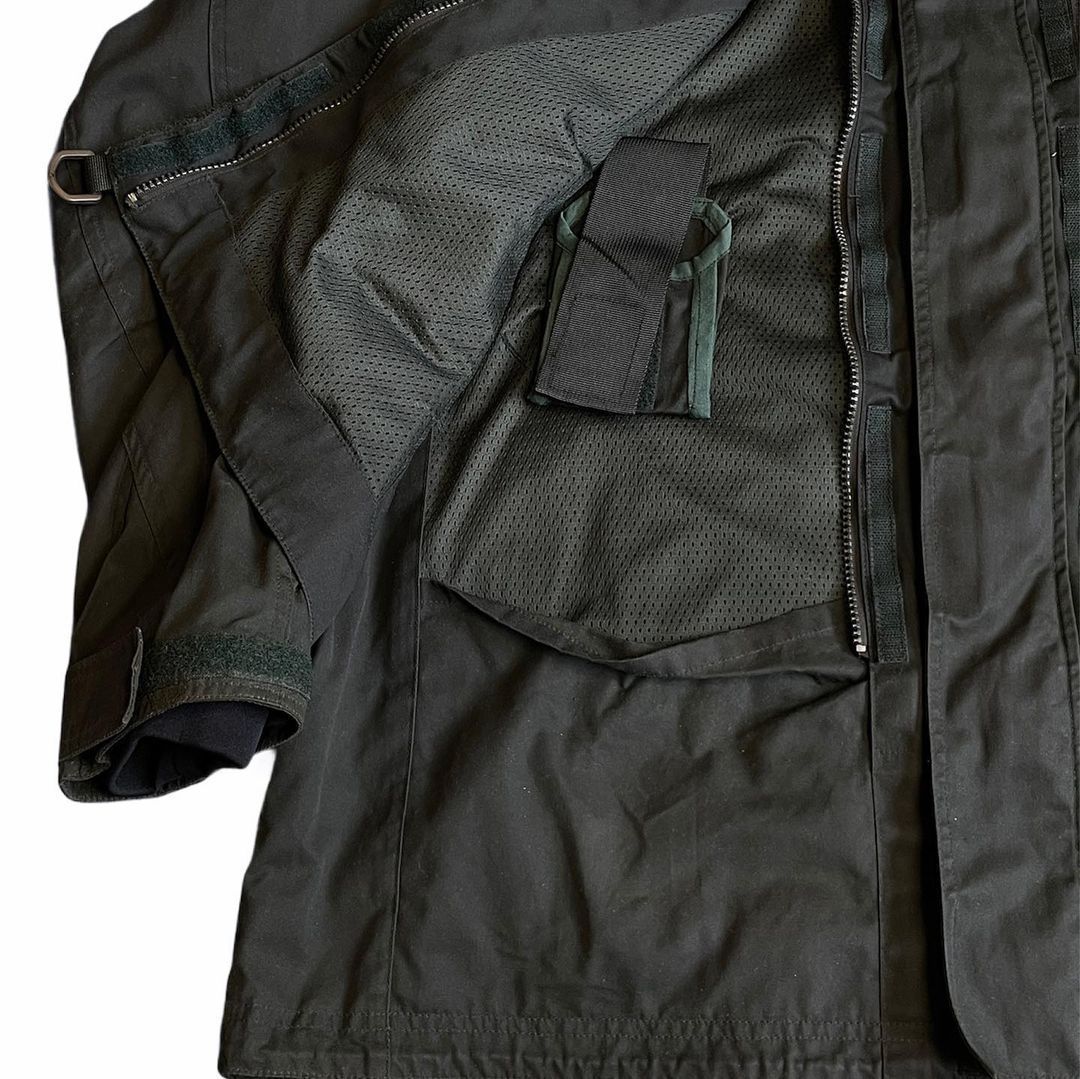
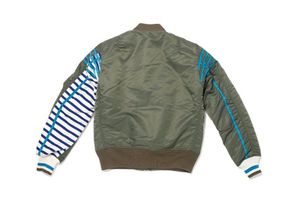
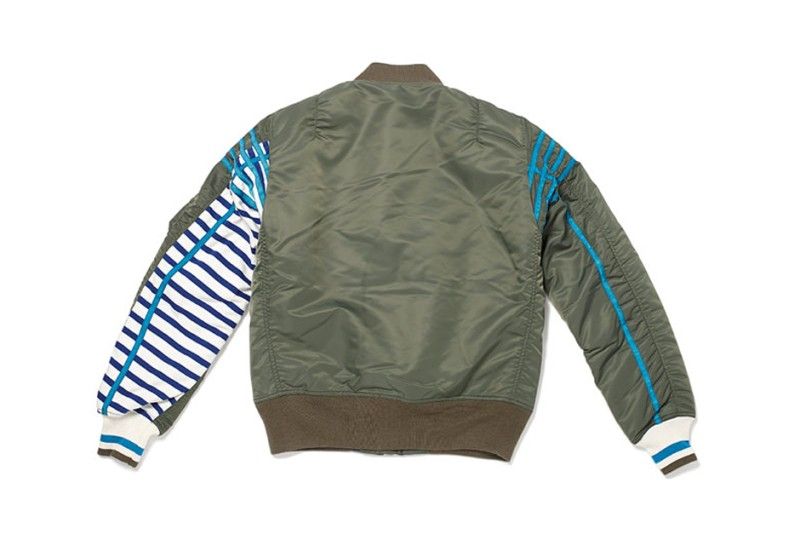
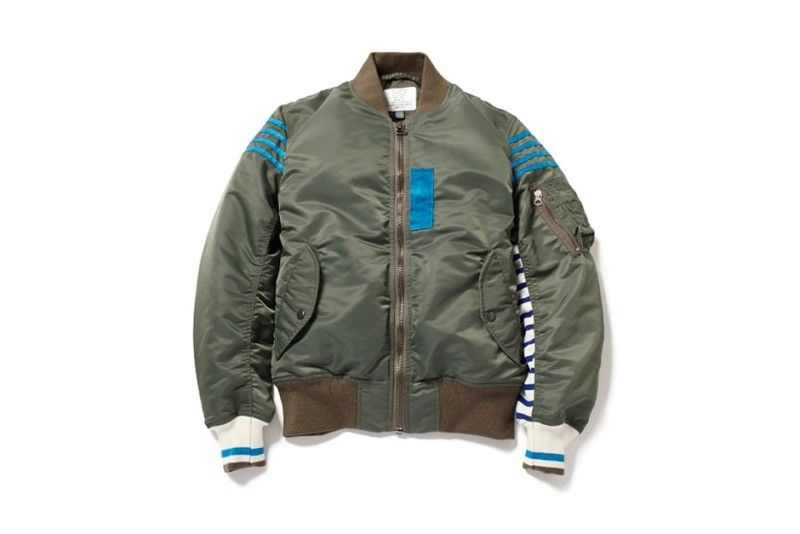
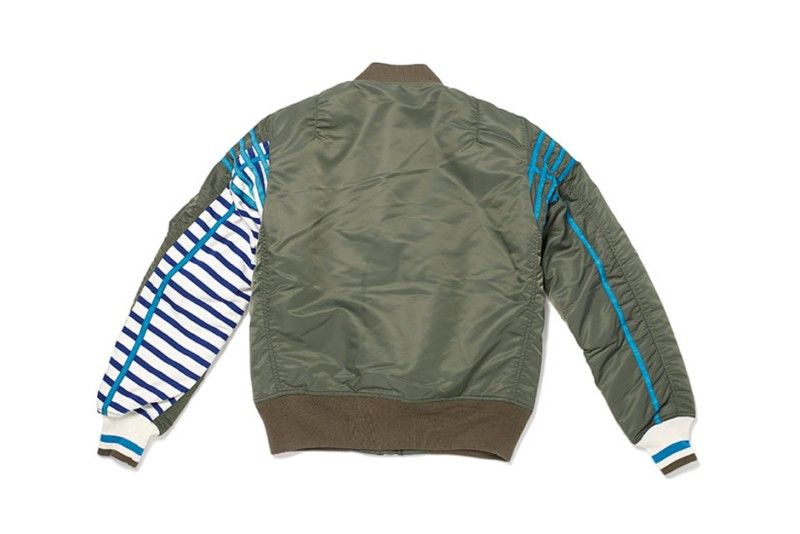
Avirex x Fragment Design MA-1 Jacket
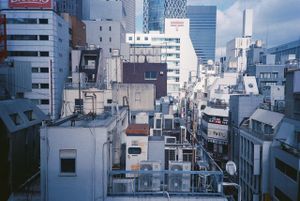
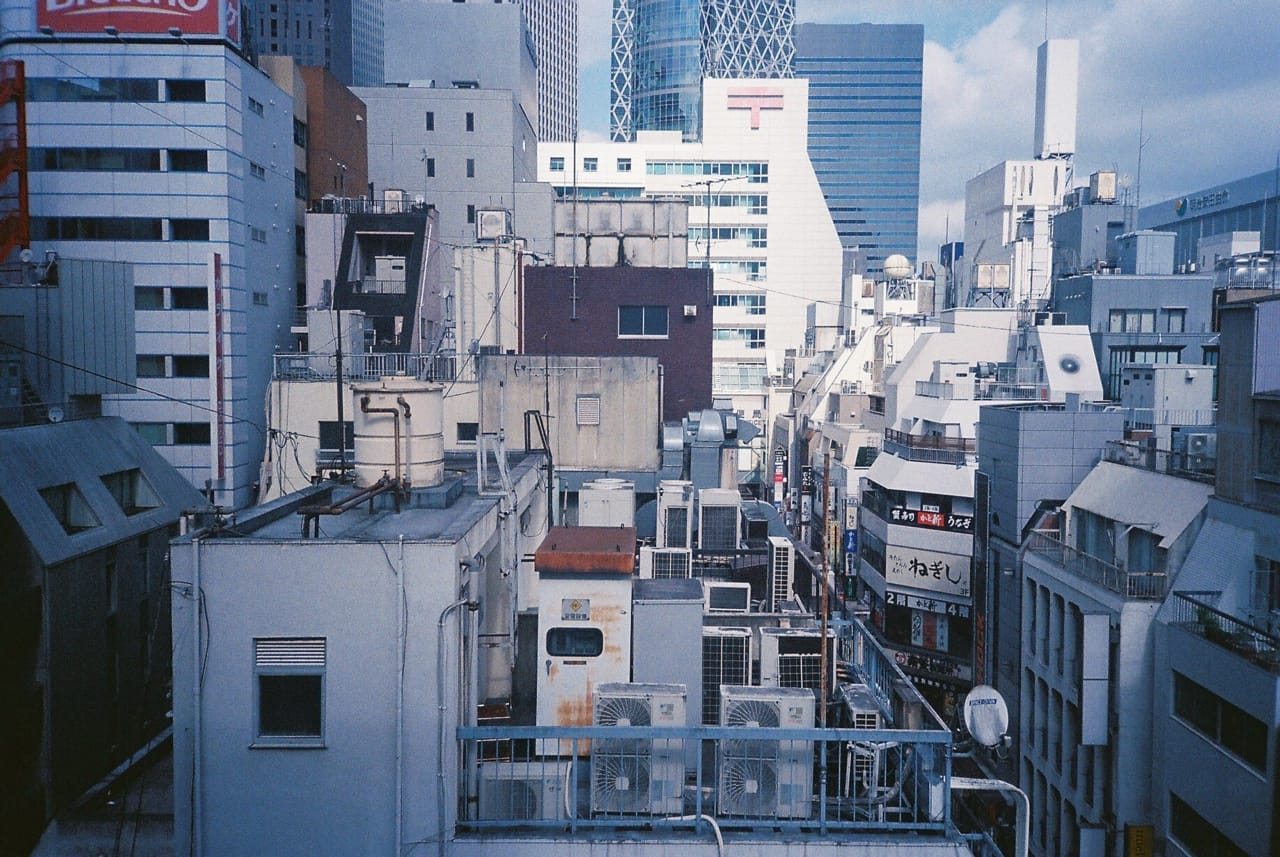
Tokyo Rooftops Ginza
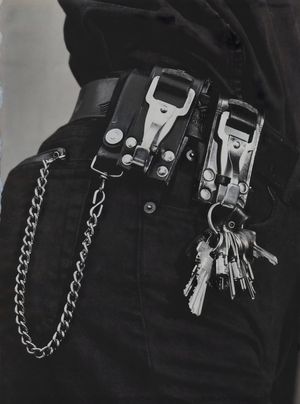
Bruce Weber for Calvin Klein Jeans — 1991 Campaign
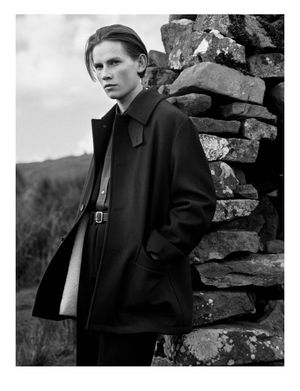
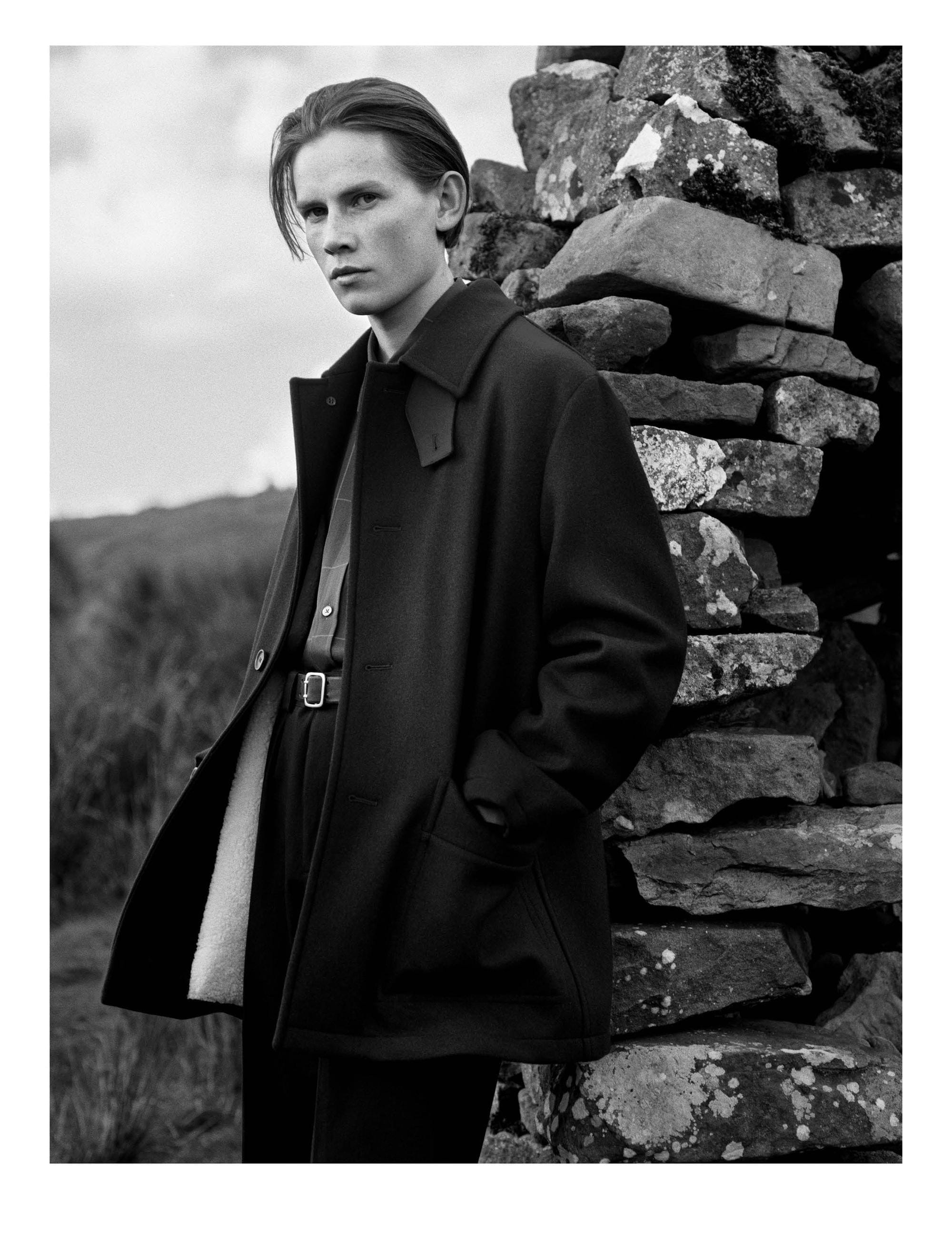
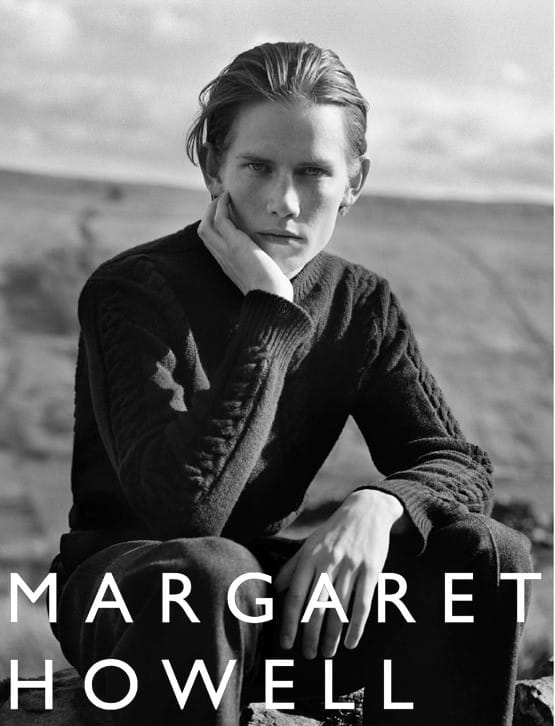
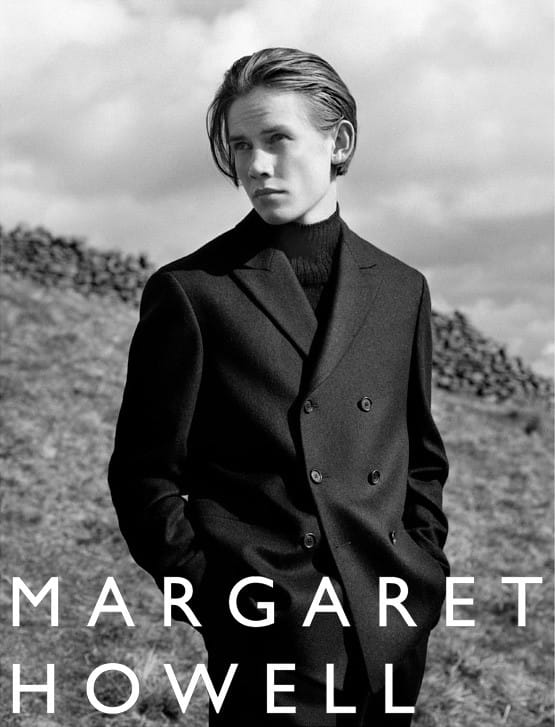
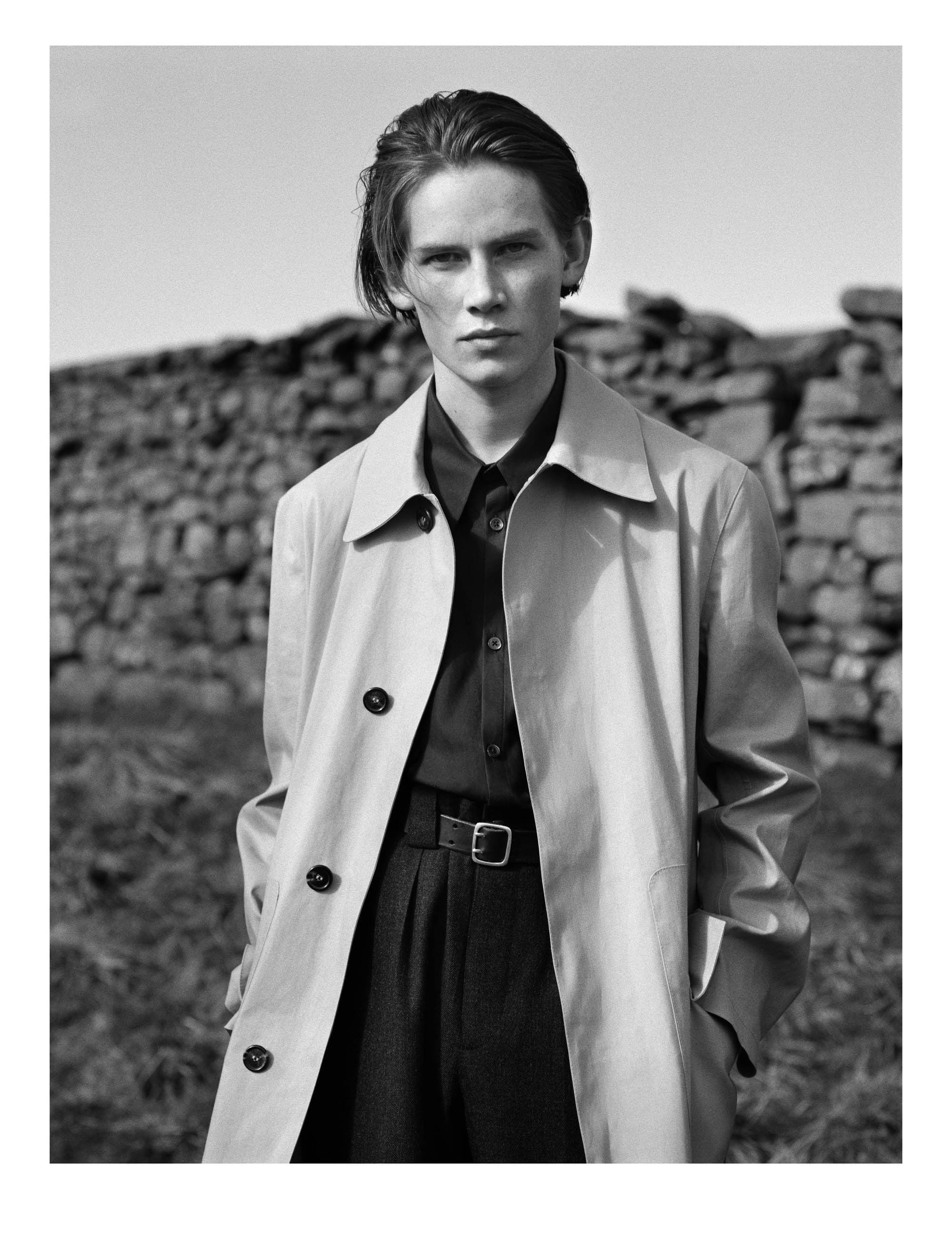
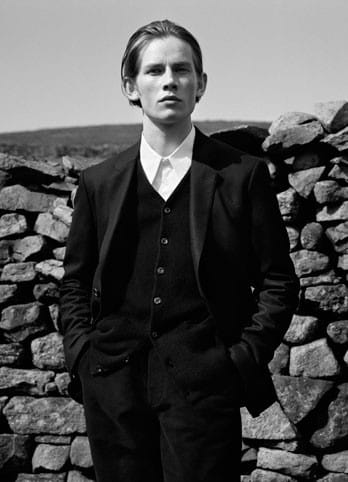
Margaret Howell Autumn/Winter 2016 Campaign
Gustav Frich photographed by Alasdair McLellan and styled by Beat Bolliger for Margaret Howell Autumn/Winter 2016.
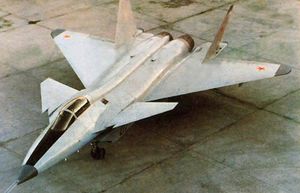
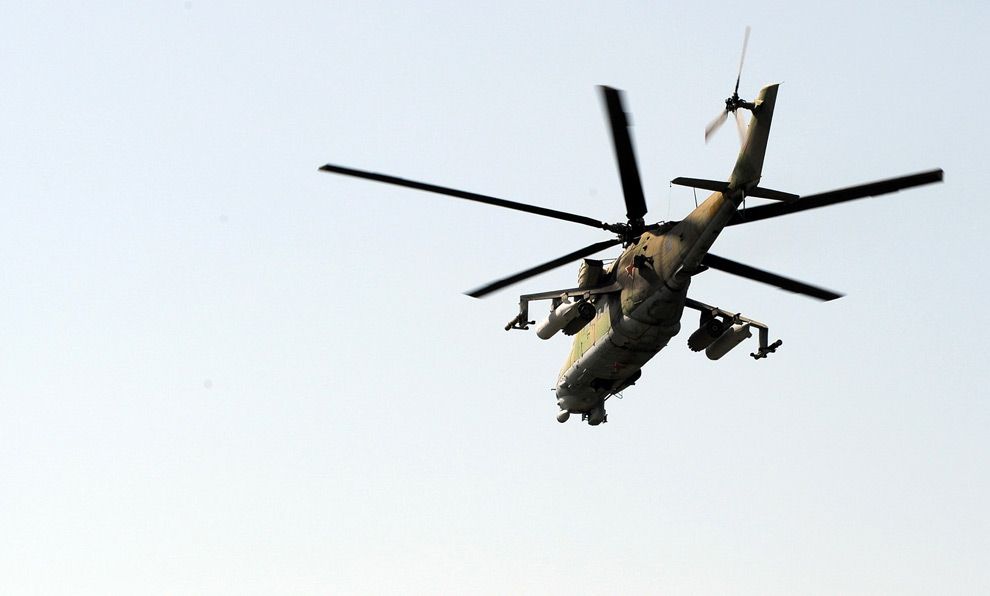
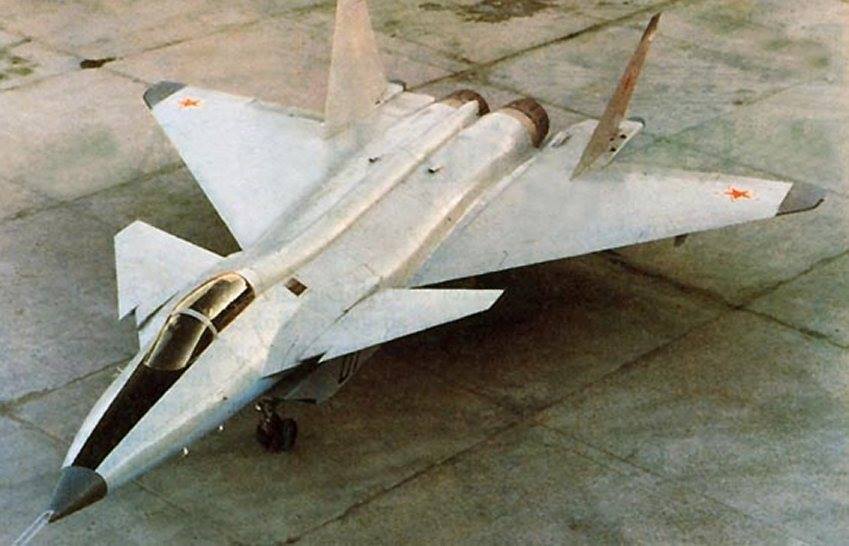
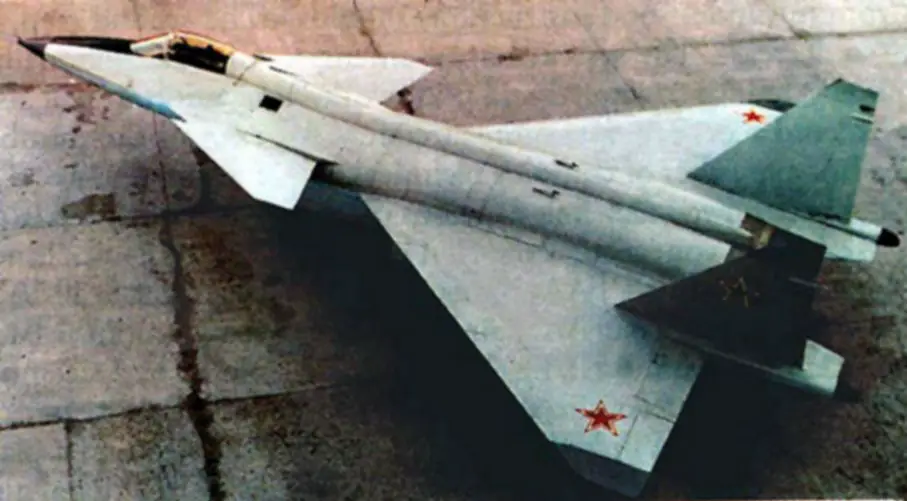
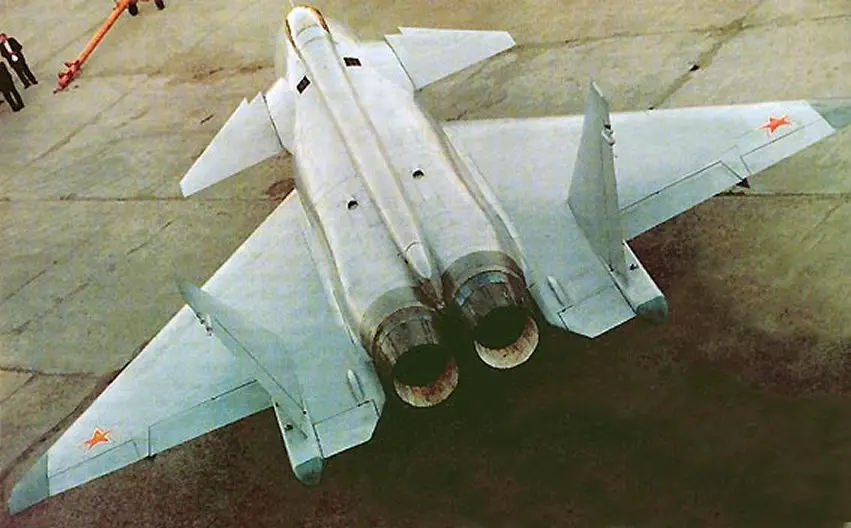
MIG 1.42 - PROTOTYPE
Prototype Russian fighter jet spotted on Bing Maps. Built to rival the American F-22 Raptor, the jet lost out to the Su-47.
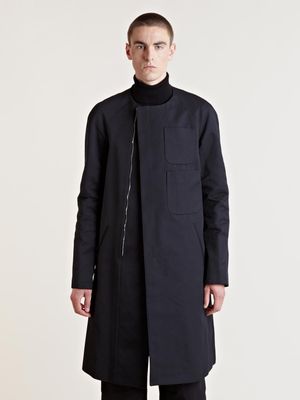
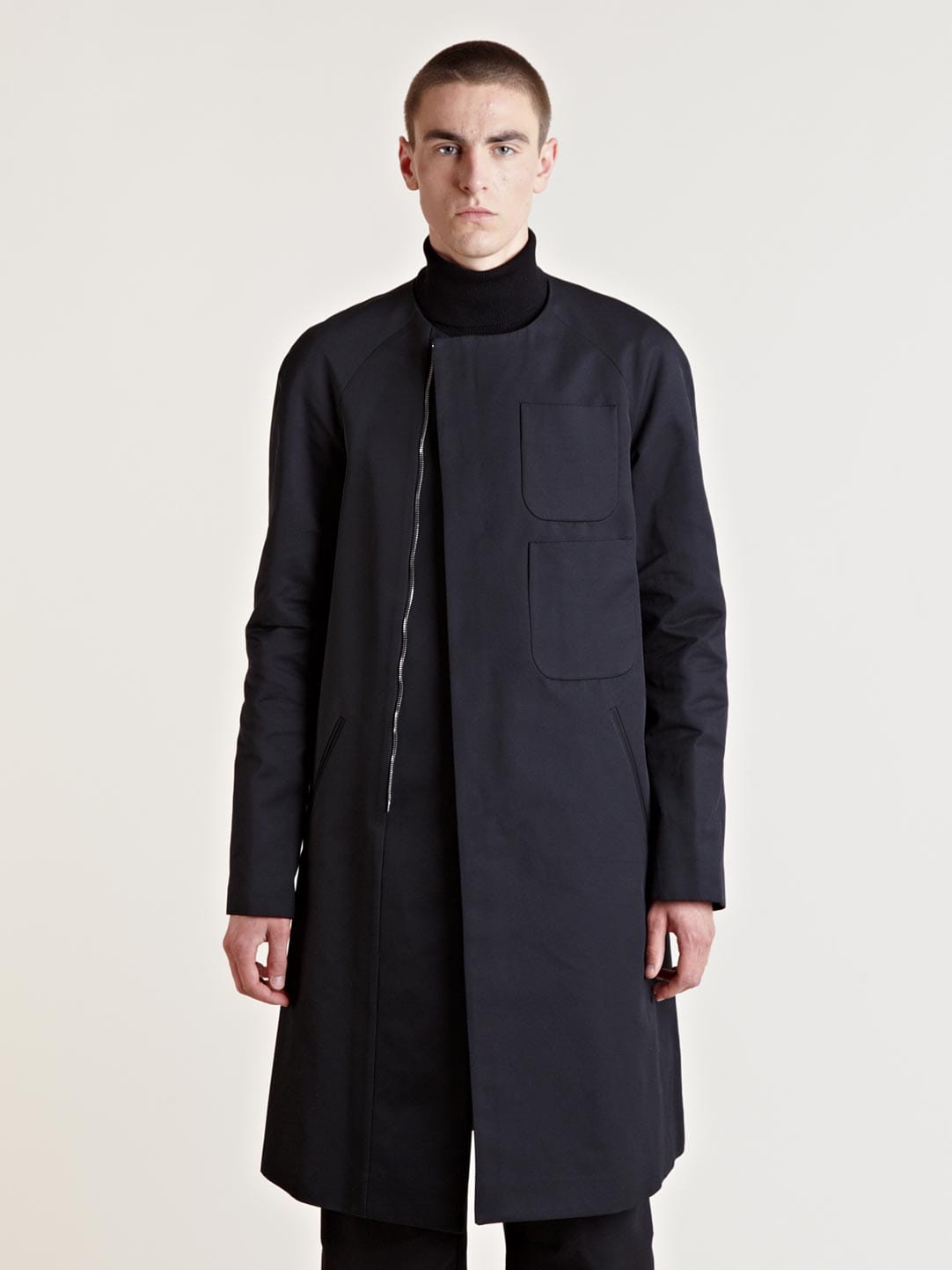
Raf Simons — Men's Raglan-Sleeve Archive Coat
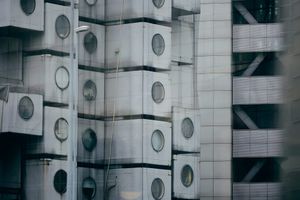
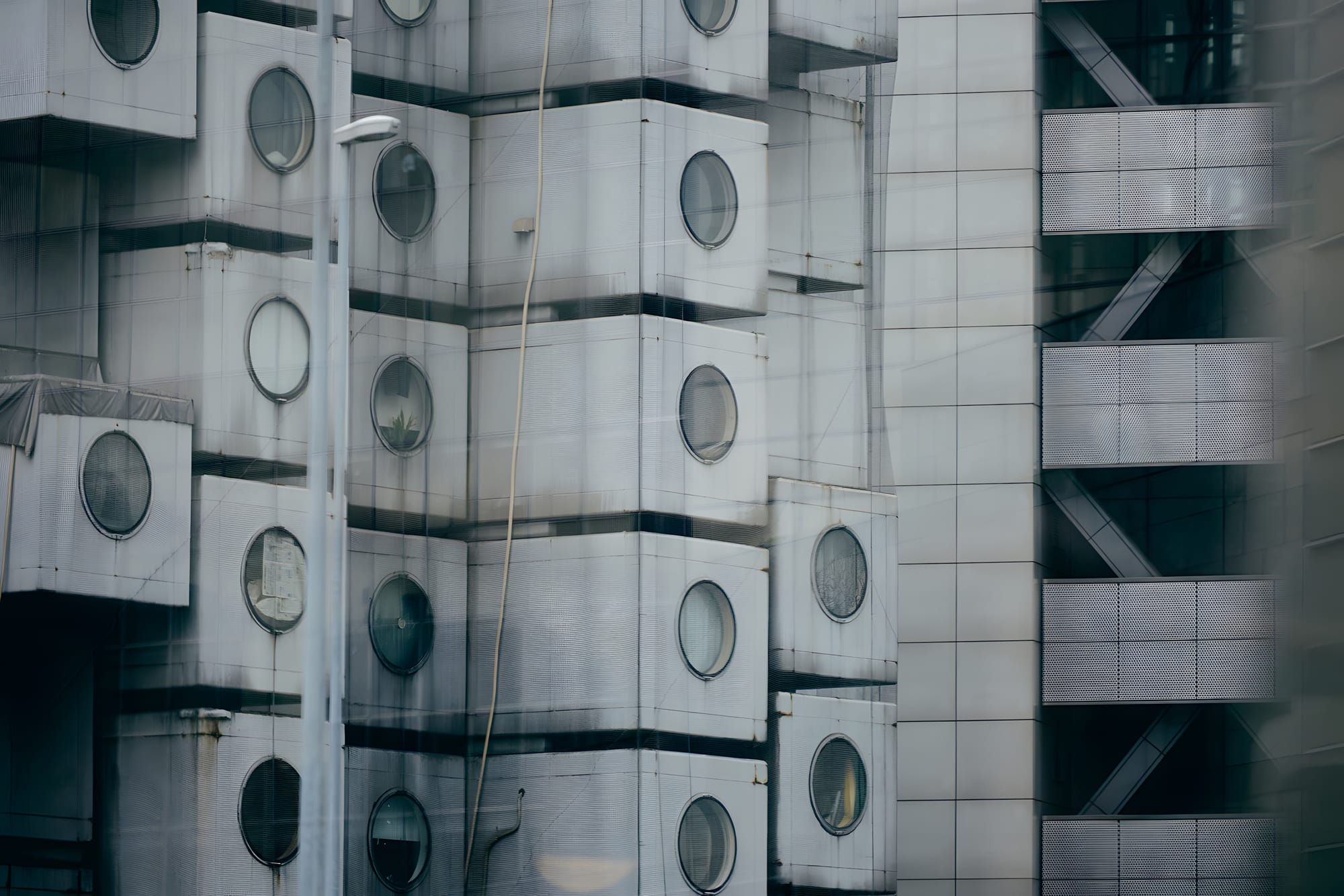
Nakagin Capsule Tower — Exterior Detail, Tokyo 2016
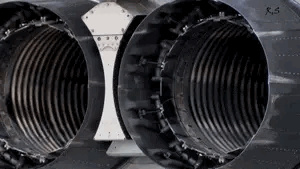
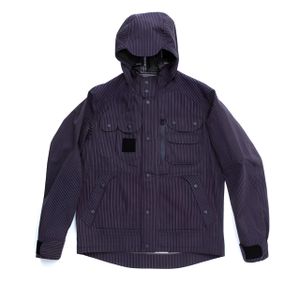
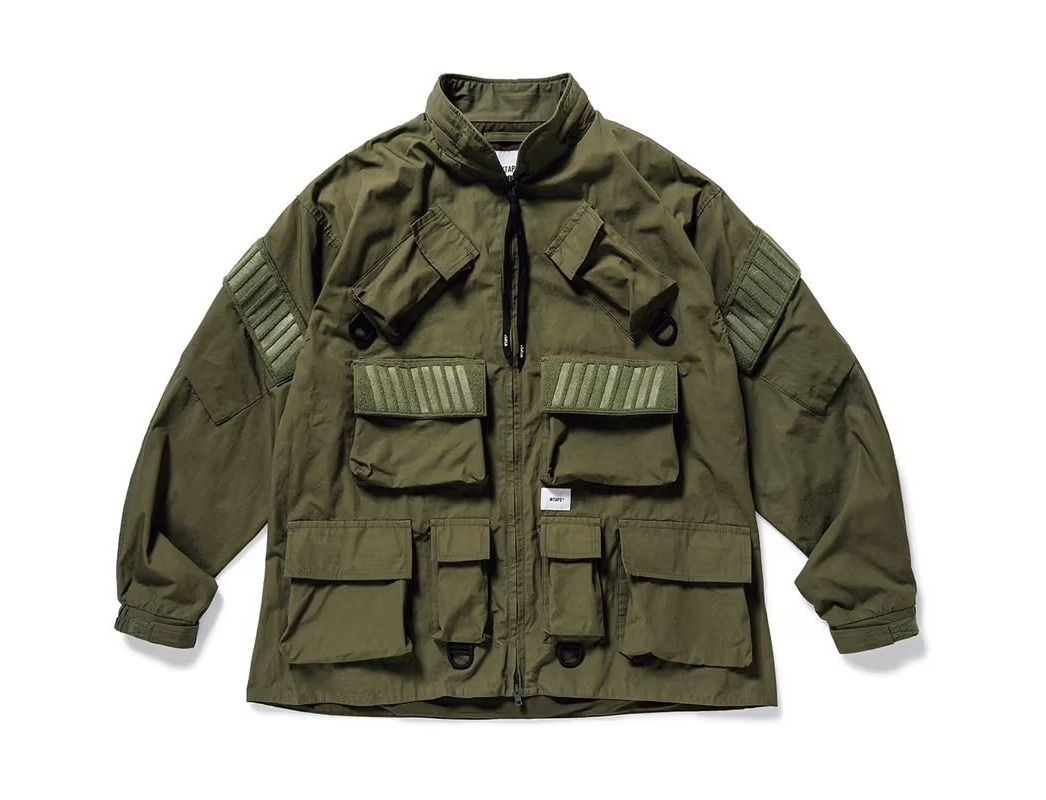
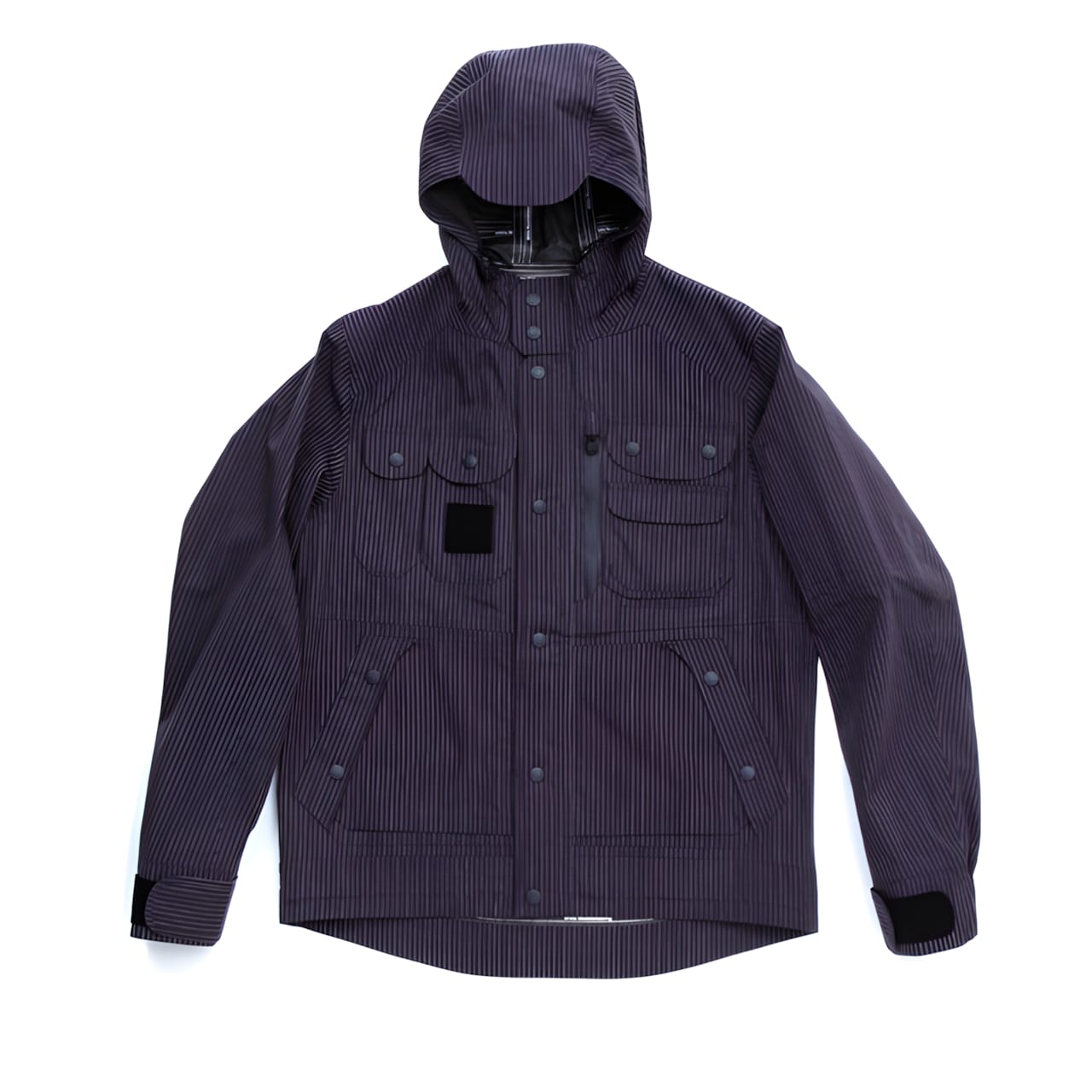
CP Company Multi-Pocket Goggle Hooded Jacket in Grey
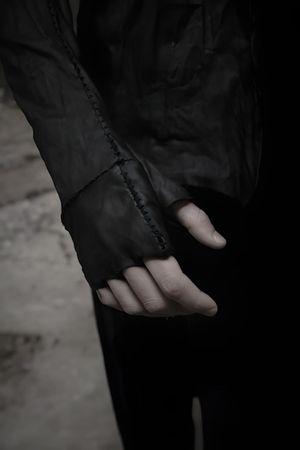
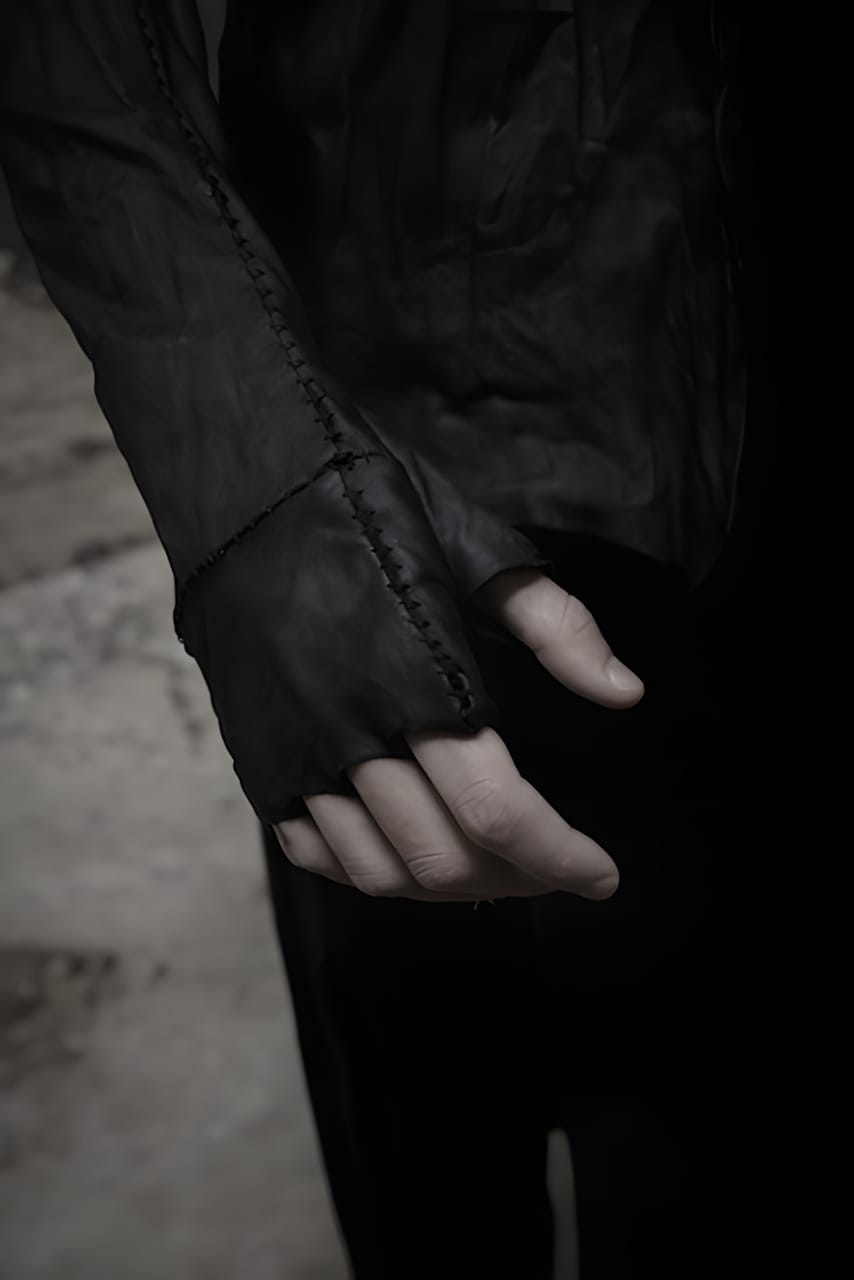
Obscur Black Leather Fingerless Glove Gauntlet
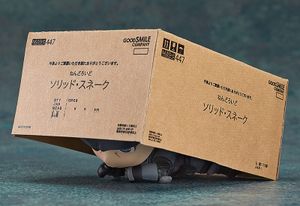
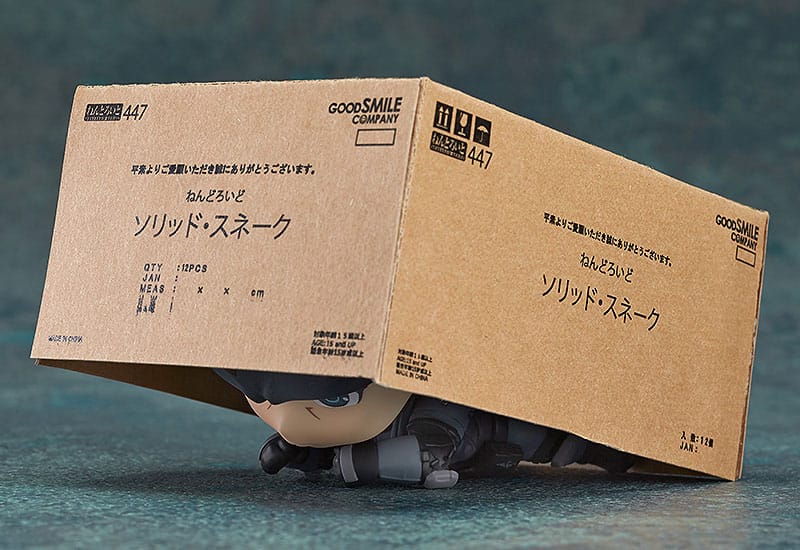
Nendoroid Solid Snake
Nendoroid Solid Snake (#447) by Good Smile Company, a super-deformed figure of the Metal Gear Solid character. Comes with the cardboard box, swappable faces and poses.
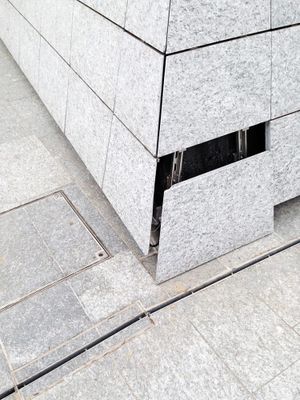
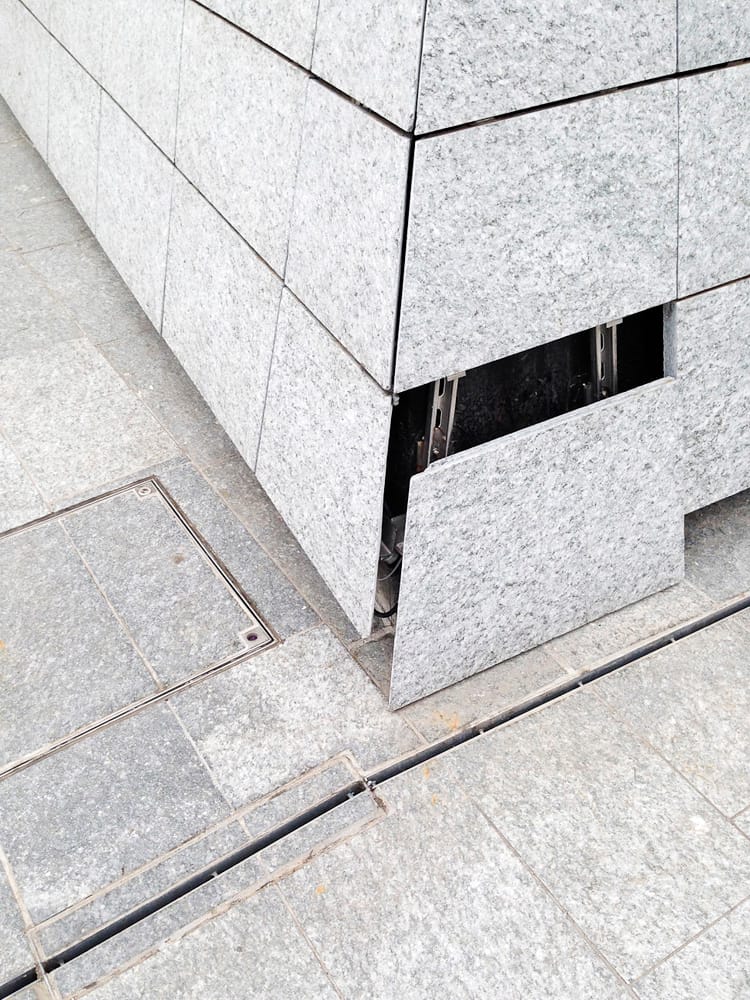
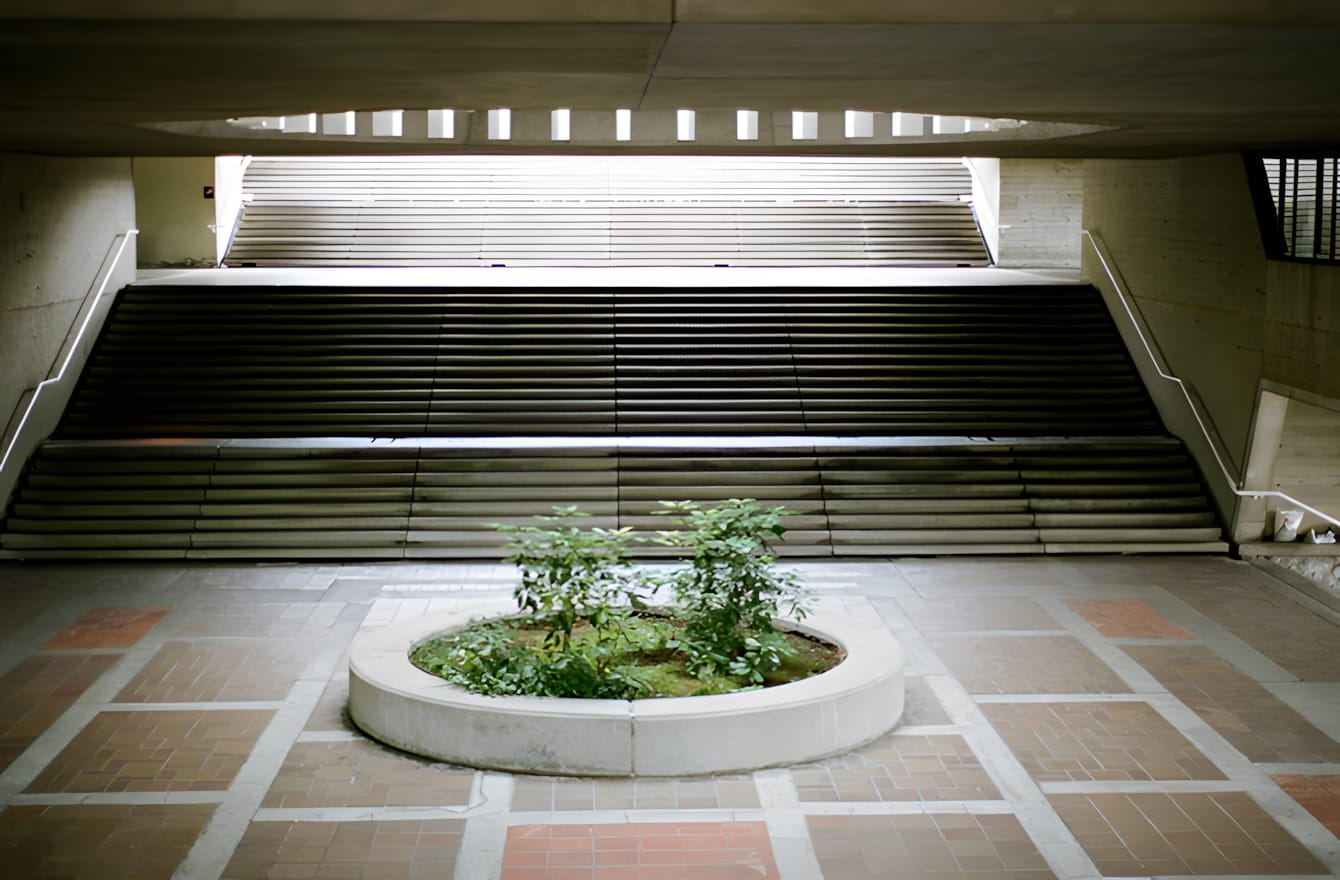
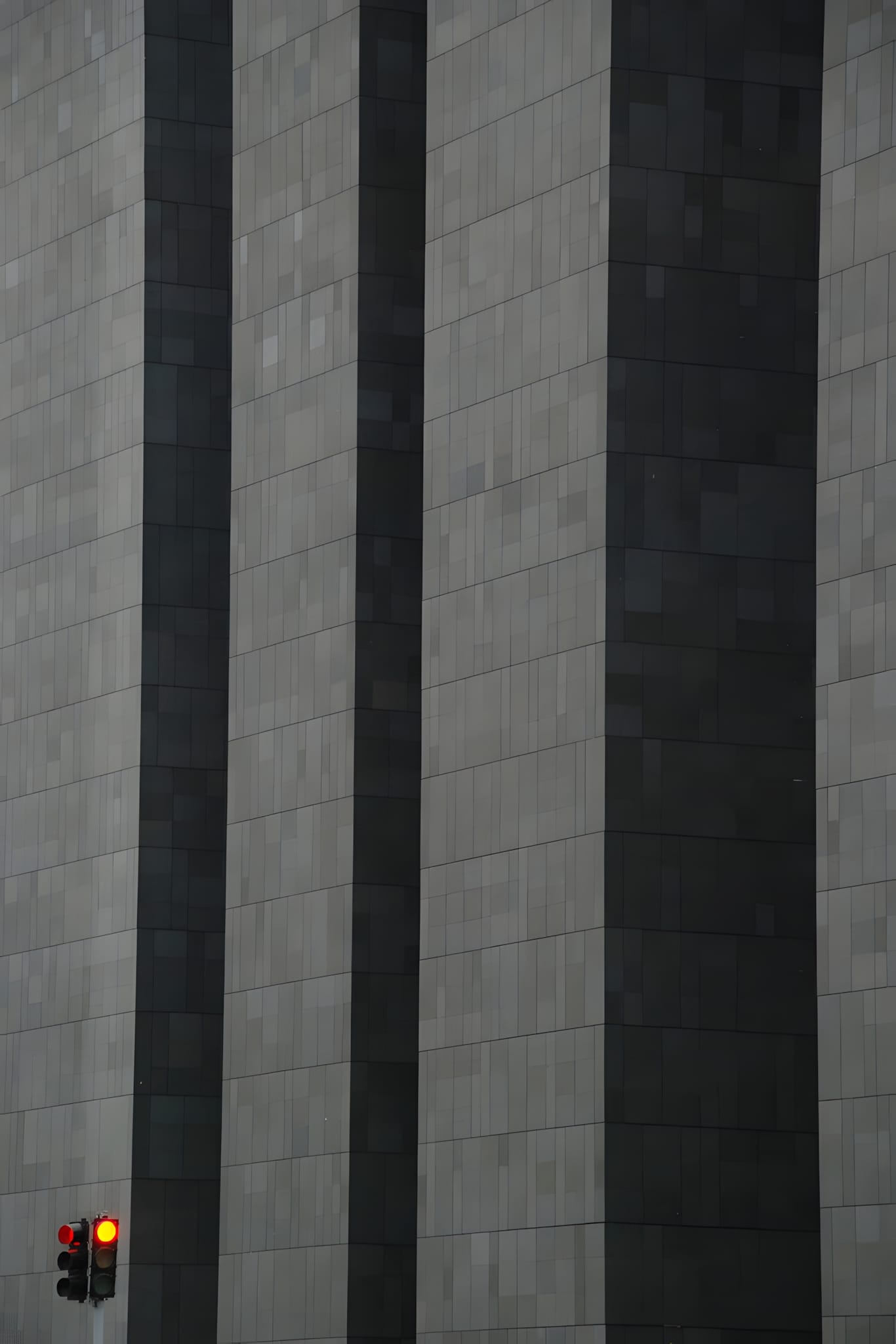
Anti-Skateboarding Deterrents — Granite Architecture Detail
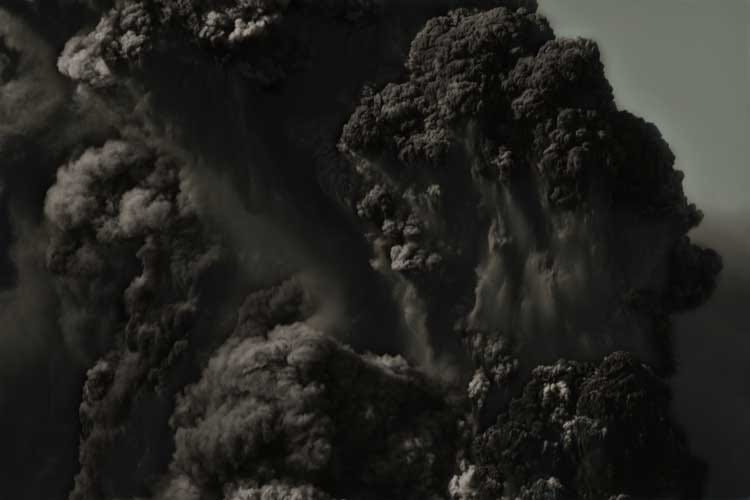
Mount Sinabung Eruption
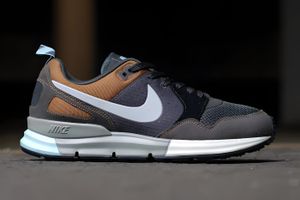
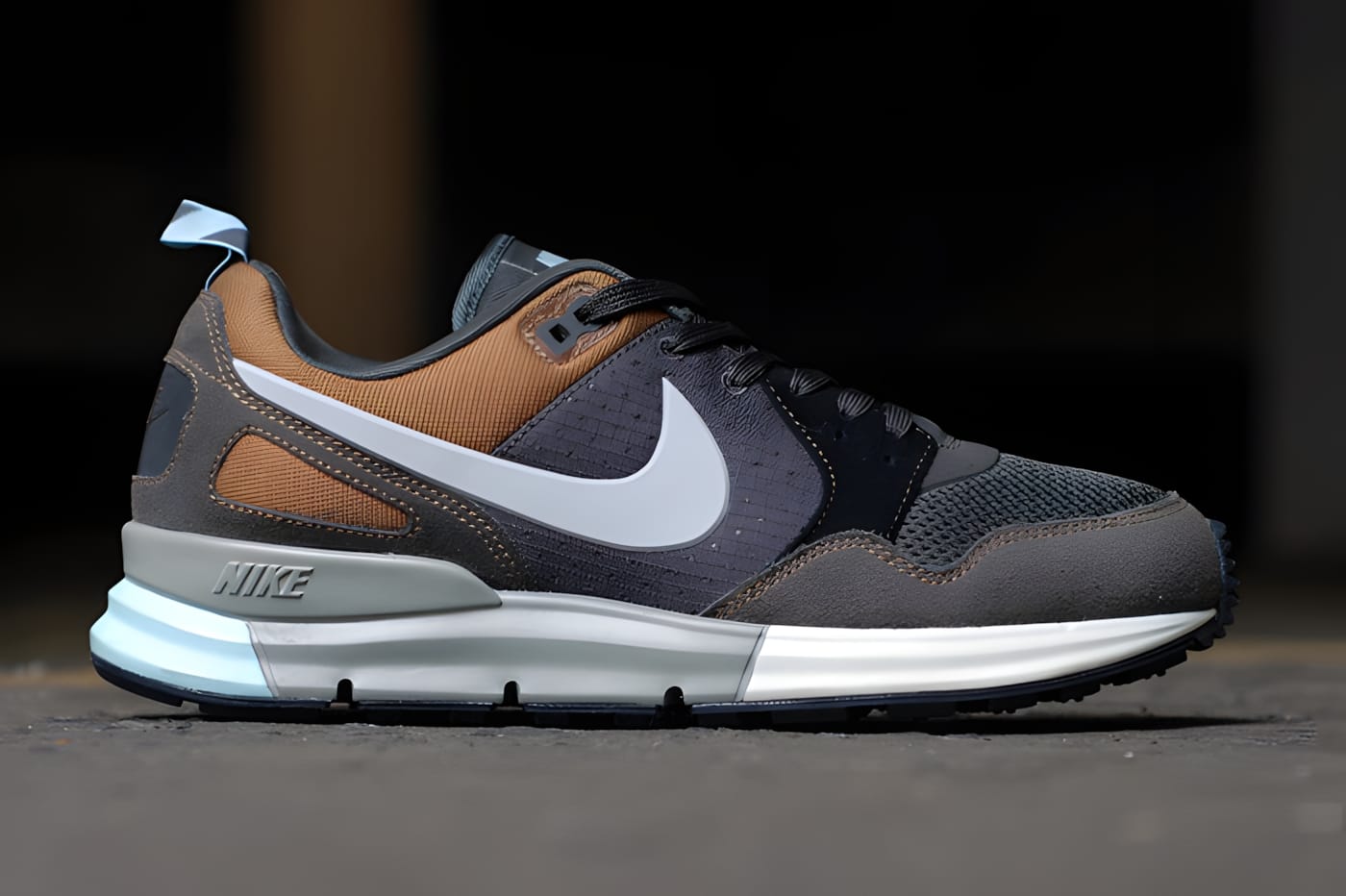
Nike Lunar Pegasus 89
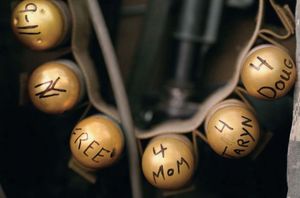
Remembering Tim Hetherington
via moodmail
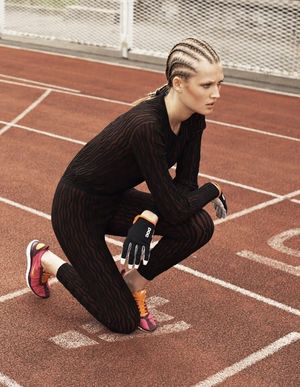
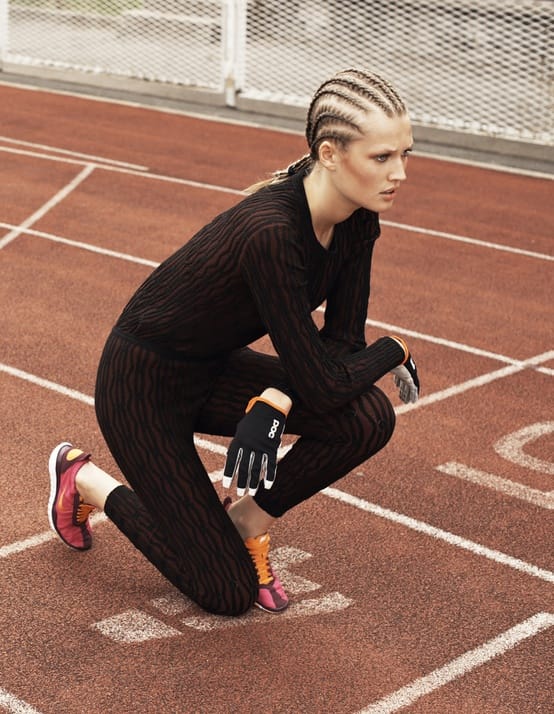
Toni Garrn by Philip Gay, Just Do It, Interview Germany 2012
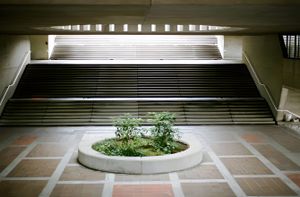
Urbastyle Bench Paris 1 — La Défense
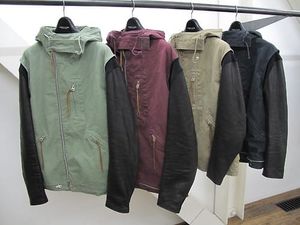
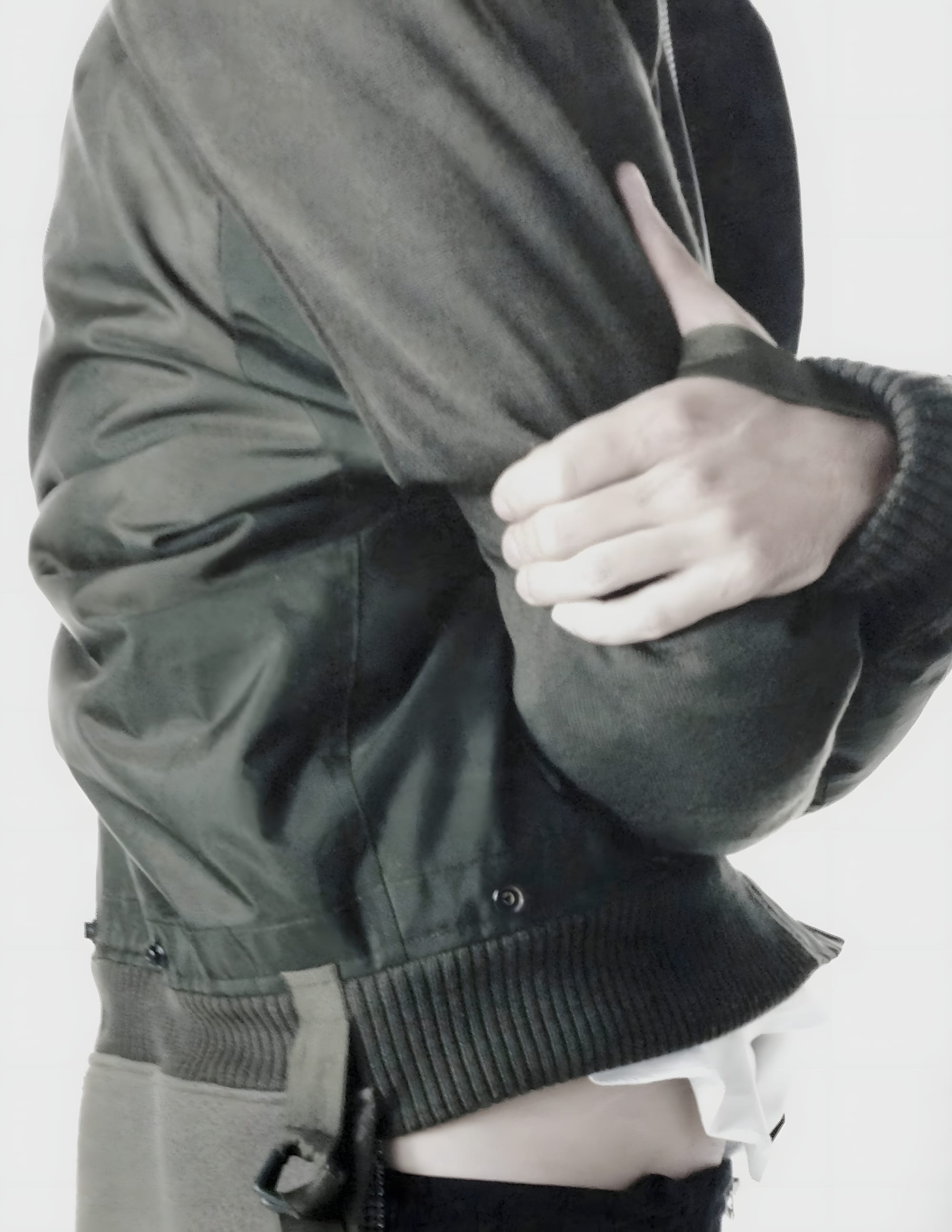
UNDERCOVER Fall/Winter 2013 Leather-Sleeve Army Jacket
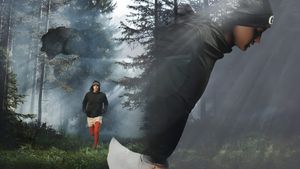
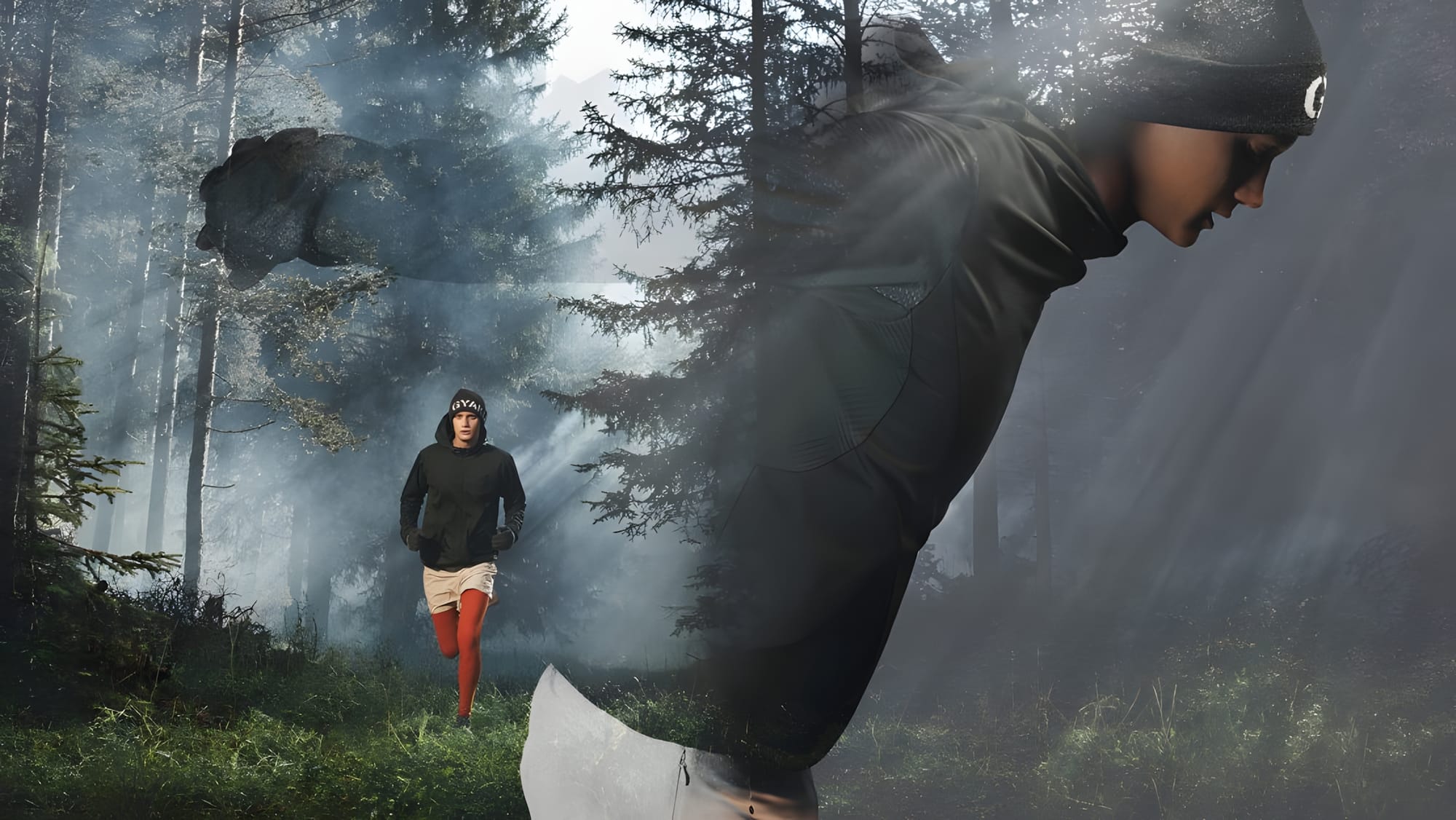
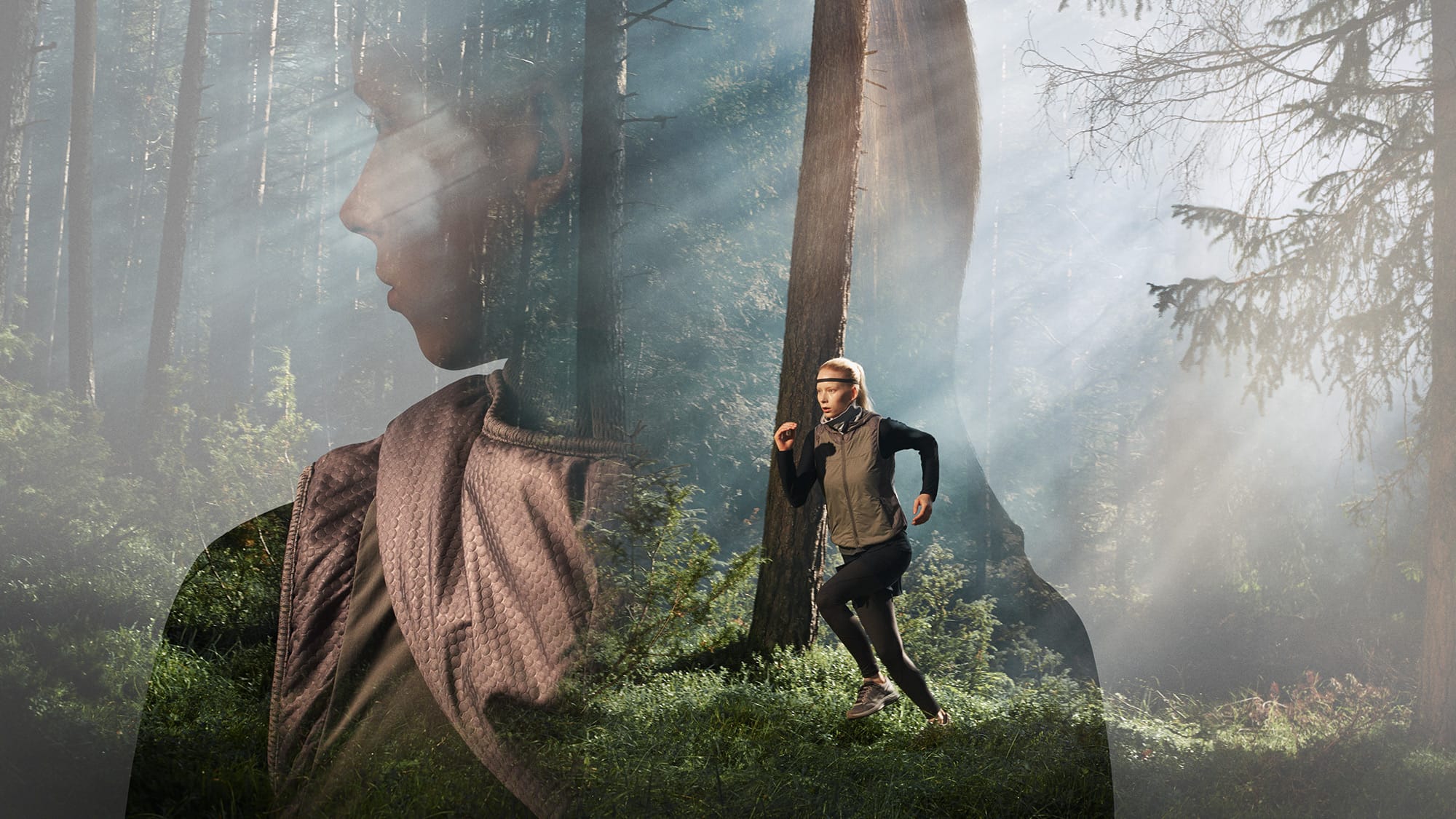
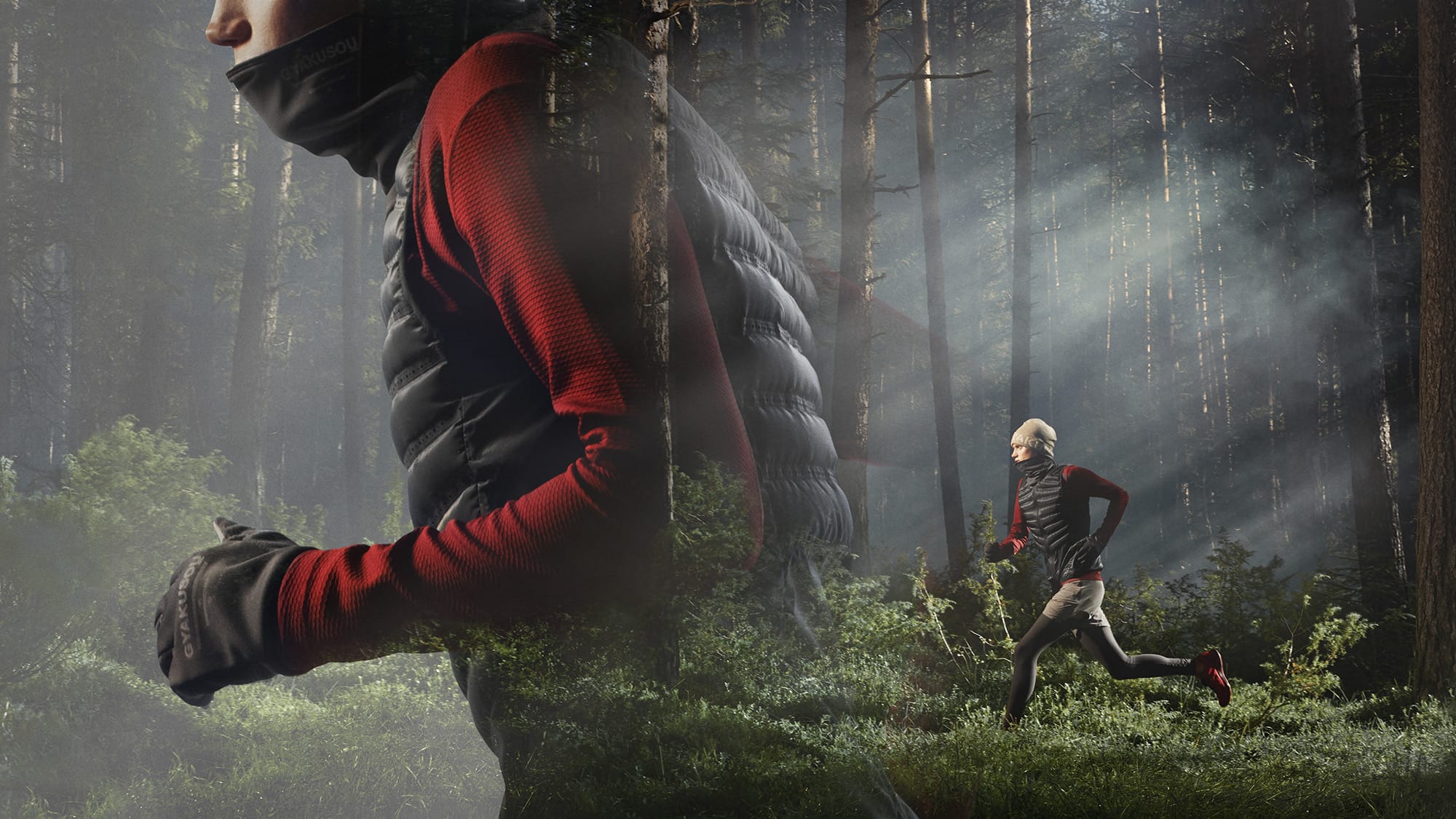
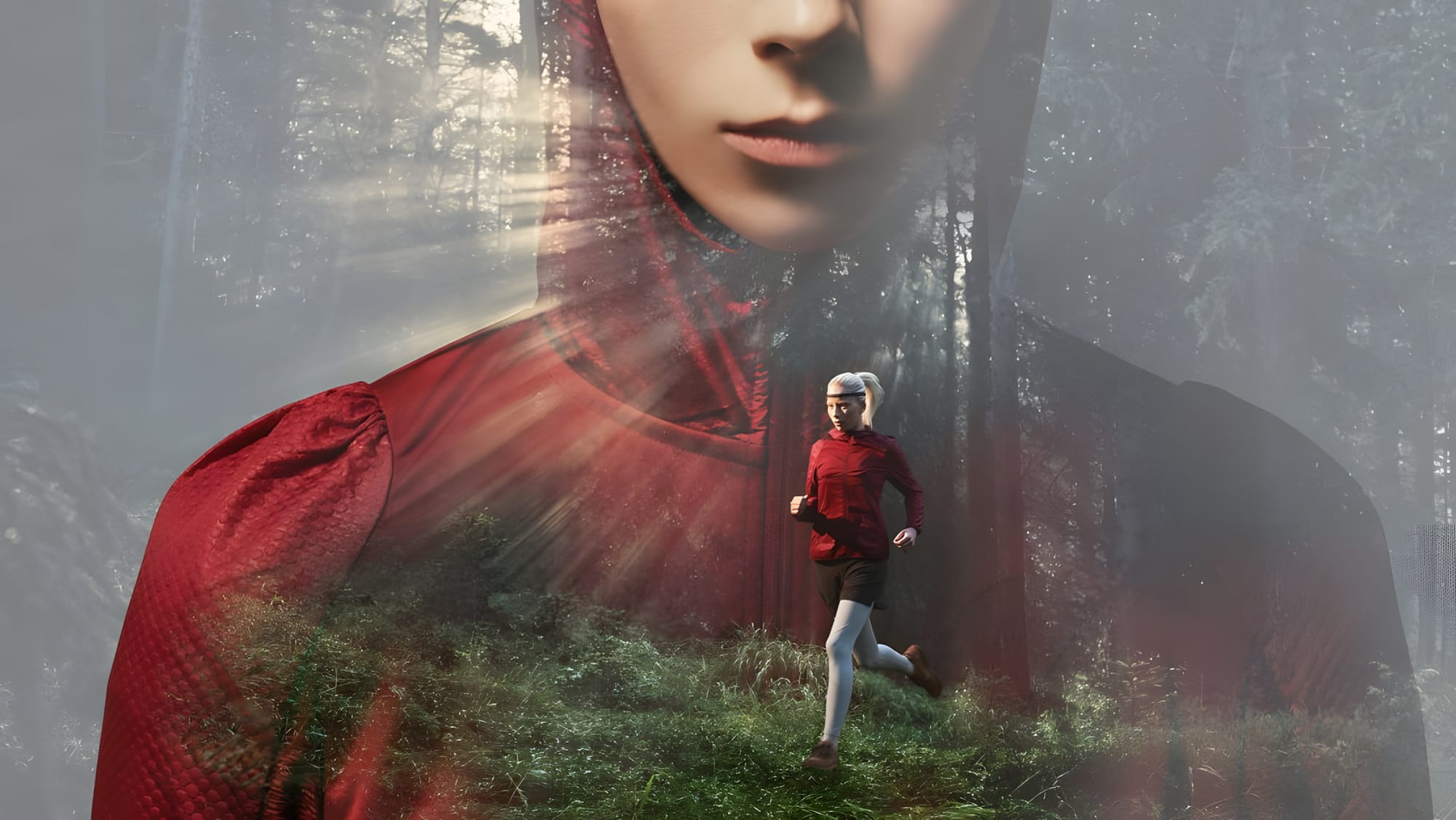
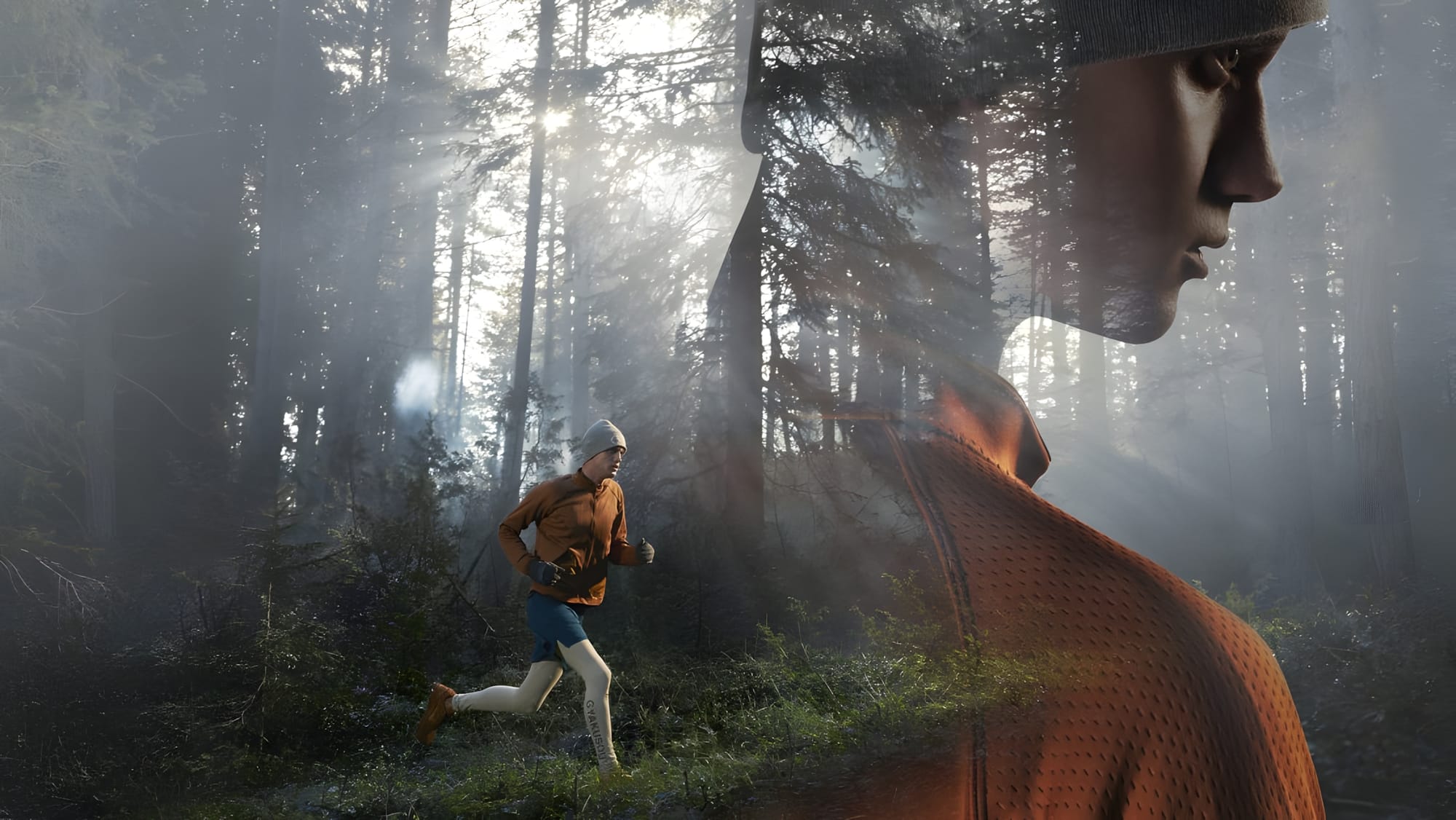
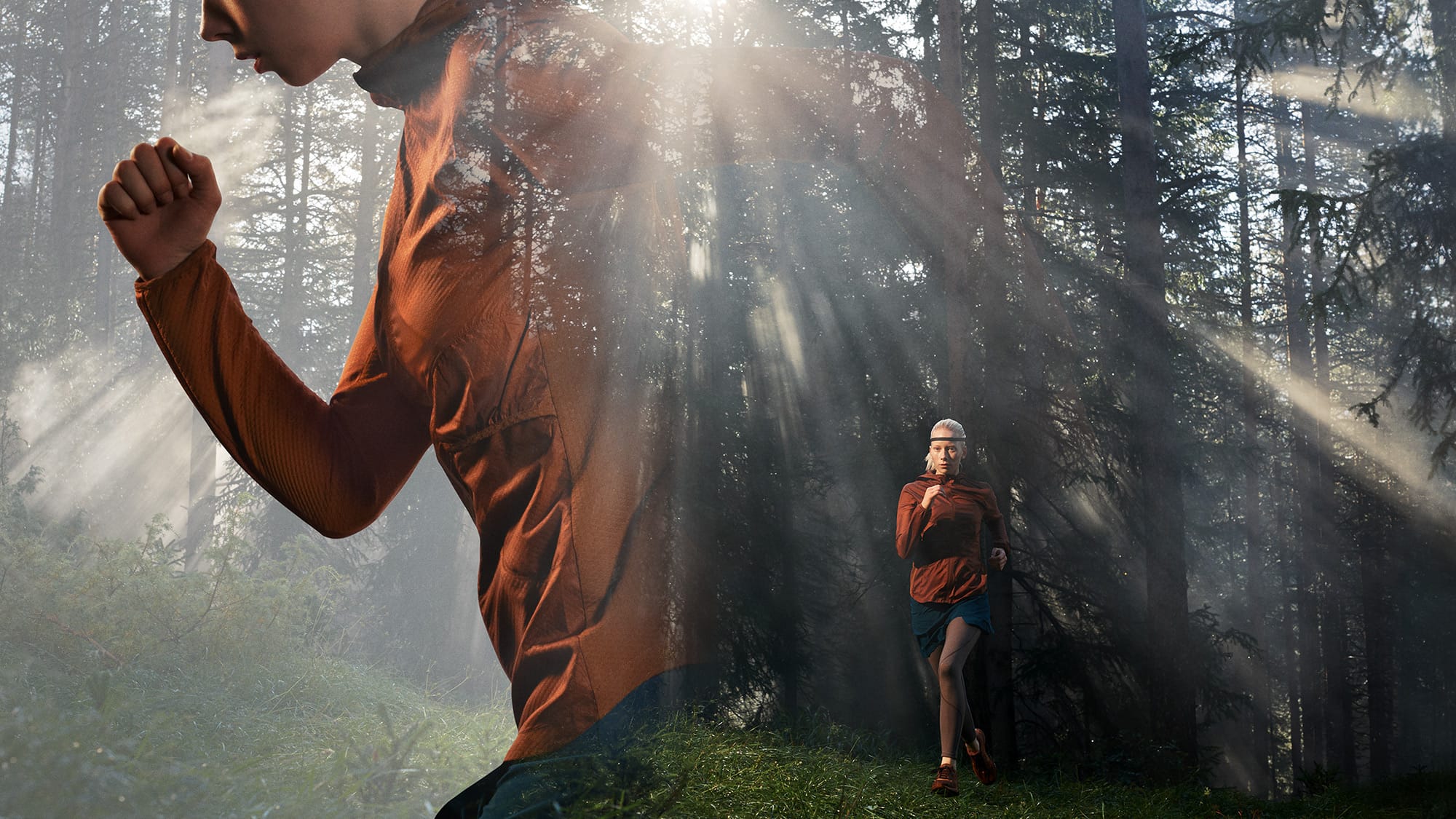
Nike x Undercover Gyakusou FW2013
Photographed by Azim Haidaryan
Produced by Panottica
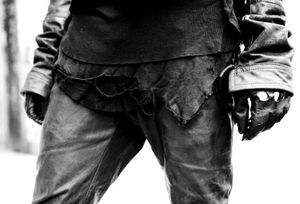
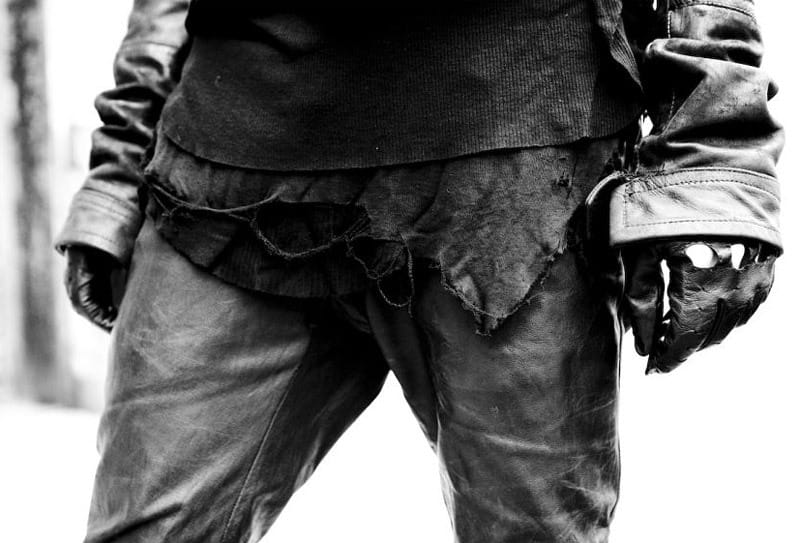
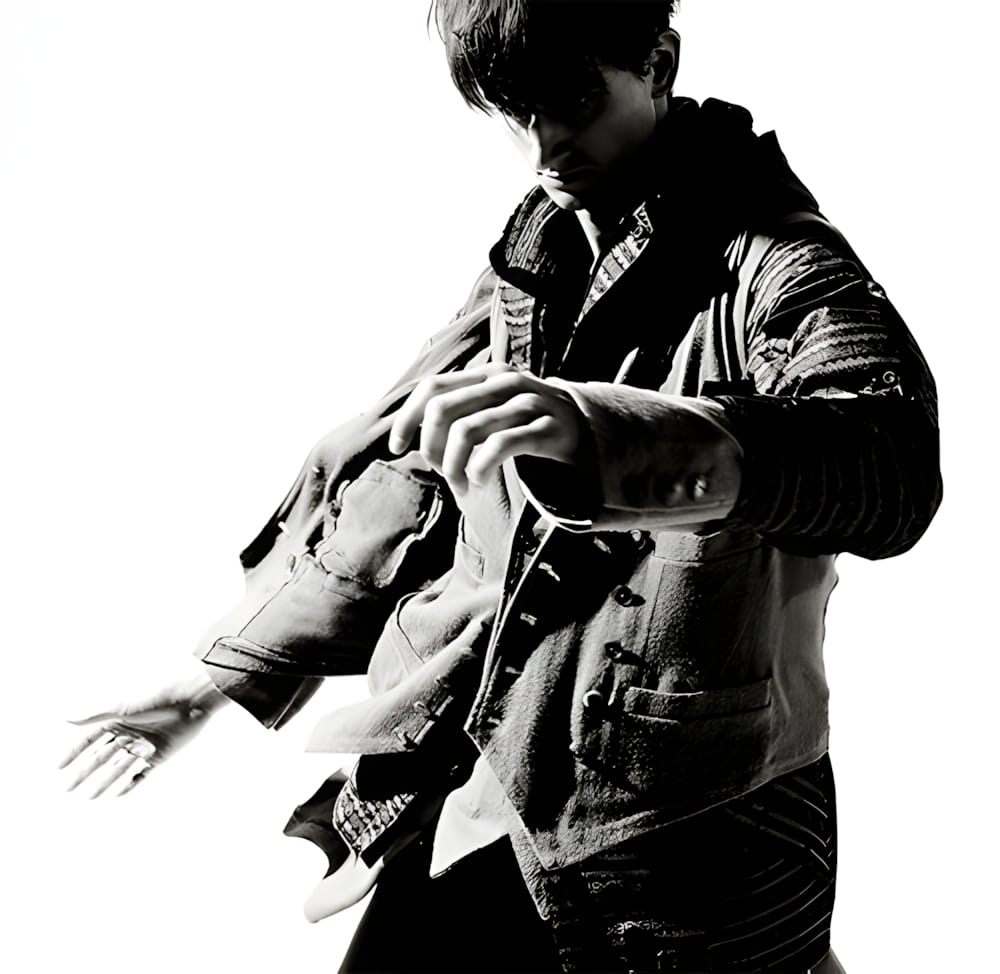
Distressed Layers and Leather Gloves — Jeff P. Elstone
Jeff P. Elstone's black-and-white fashion detail concentrates on layered distressed textiles, dark trousers and deconstructed fingerless leather gloves.
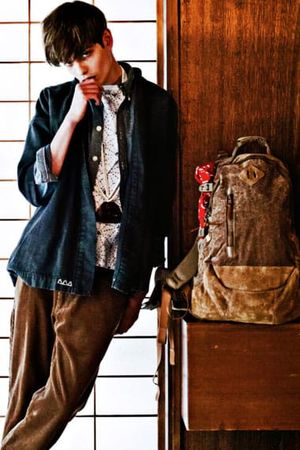
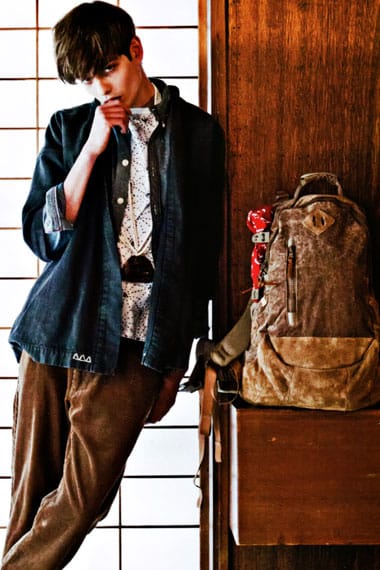
Visvim Sanjuro Kimono
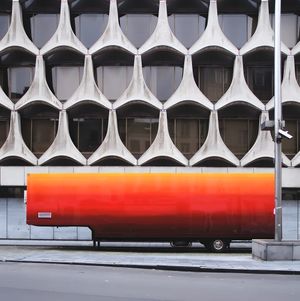
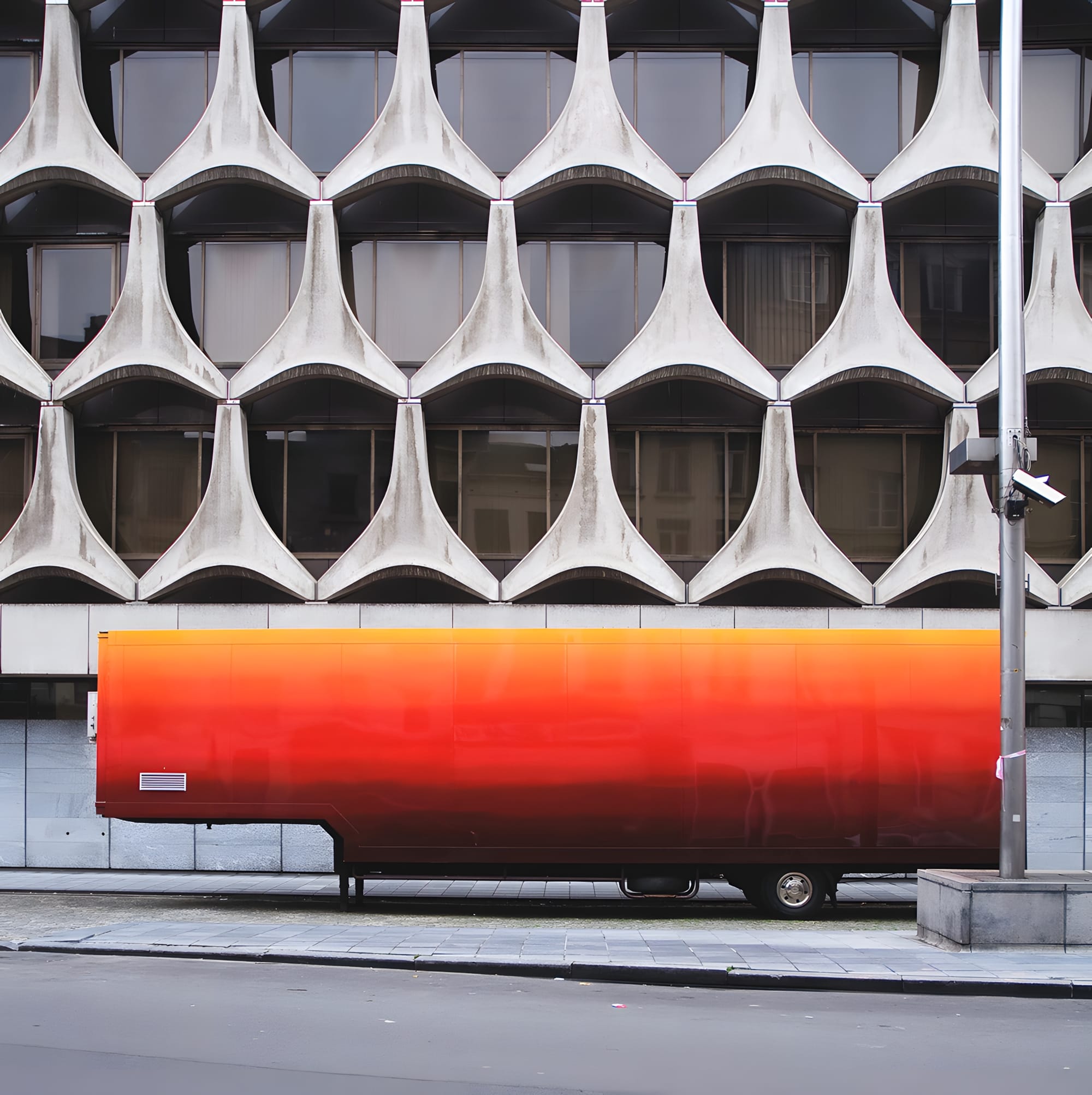
Former CGER-ASLK Building, Brussels — Marcel Lambrichs

Aleppo, Syria. 2013. Photograph by Moises Saman
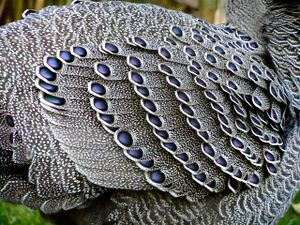
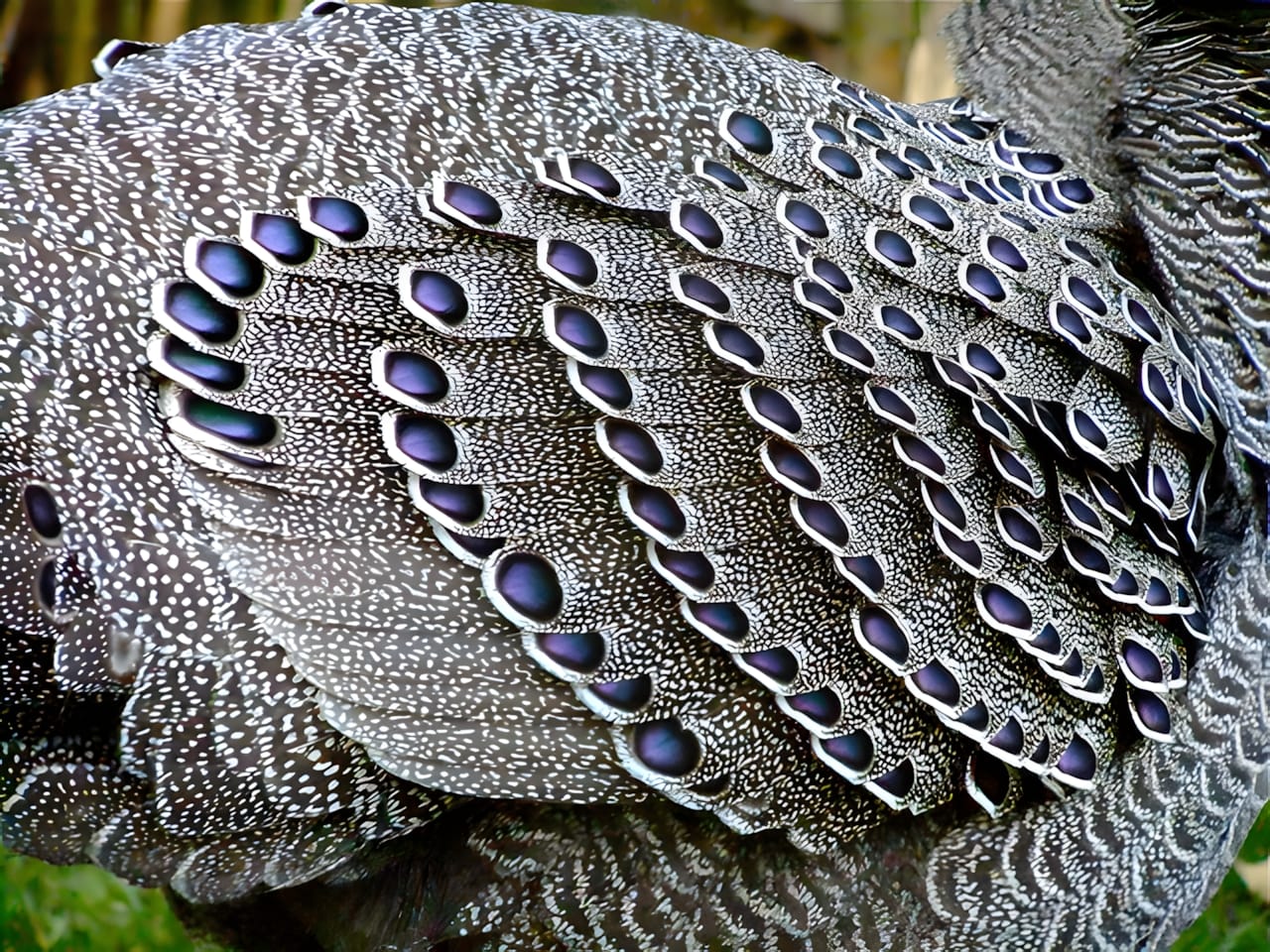
Grey Peacock-Pheasant Plumage — Iridescent Ocelli Detail
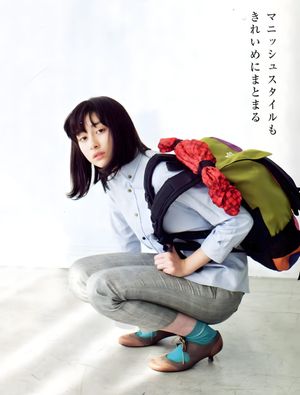
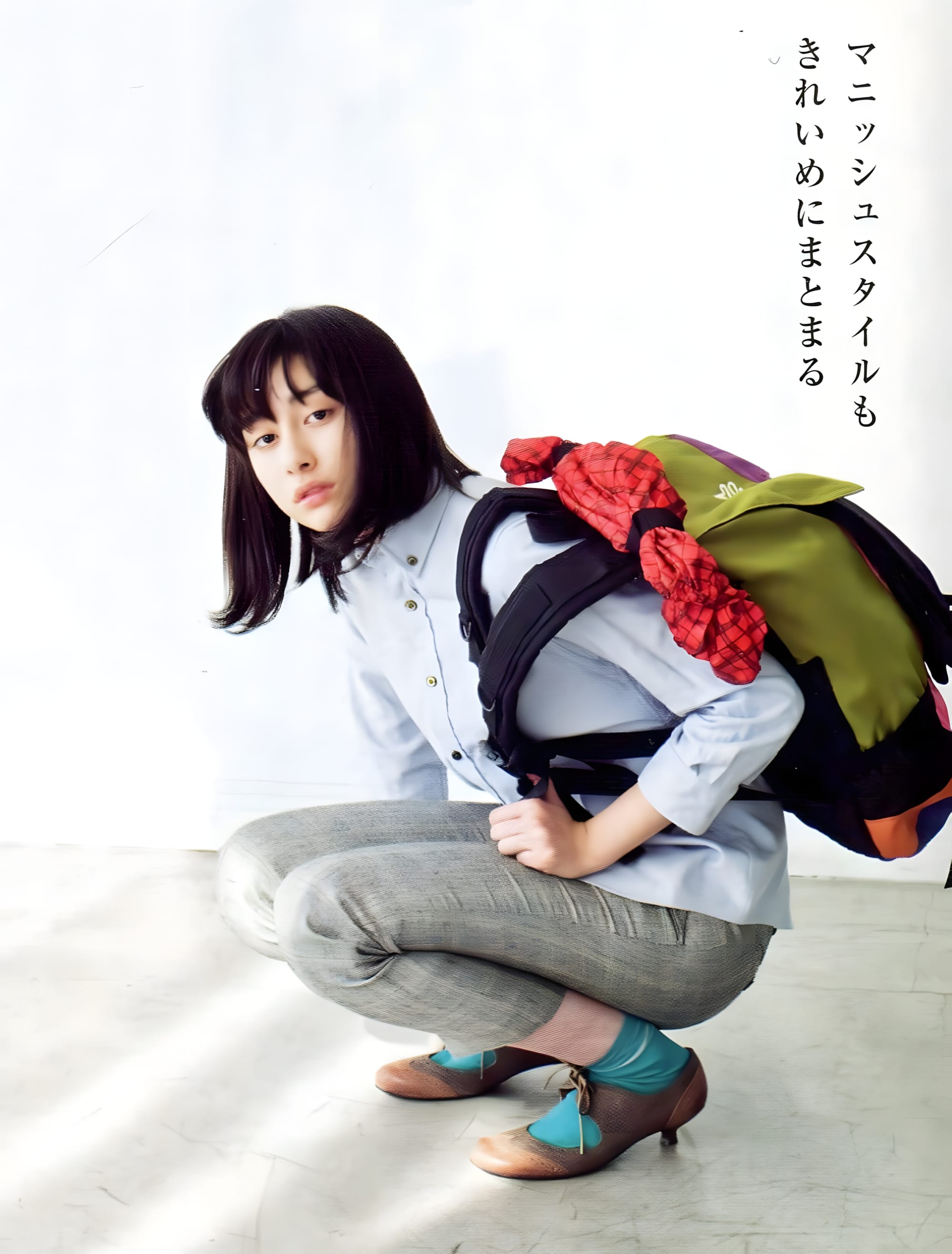
Akari Hayami — Japanese Fashion Magazine Editorial
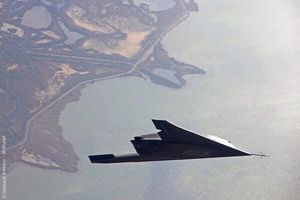
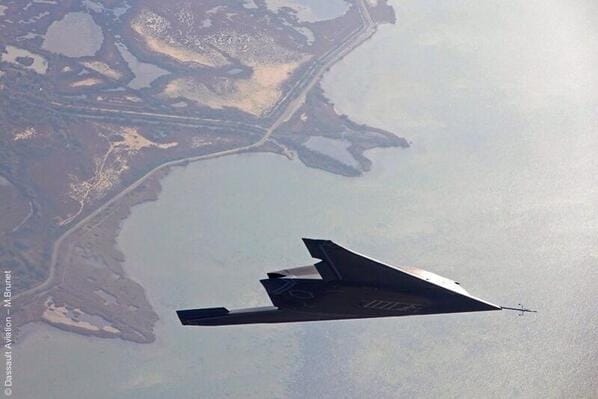
Dassault nEUROn — European Stealth UCAV Demonstrator
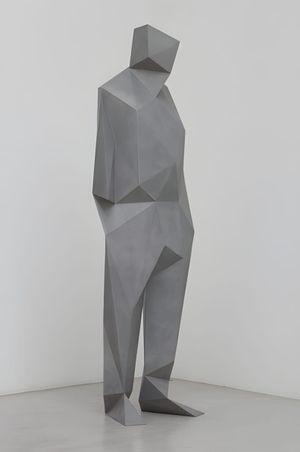
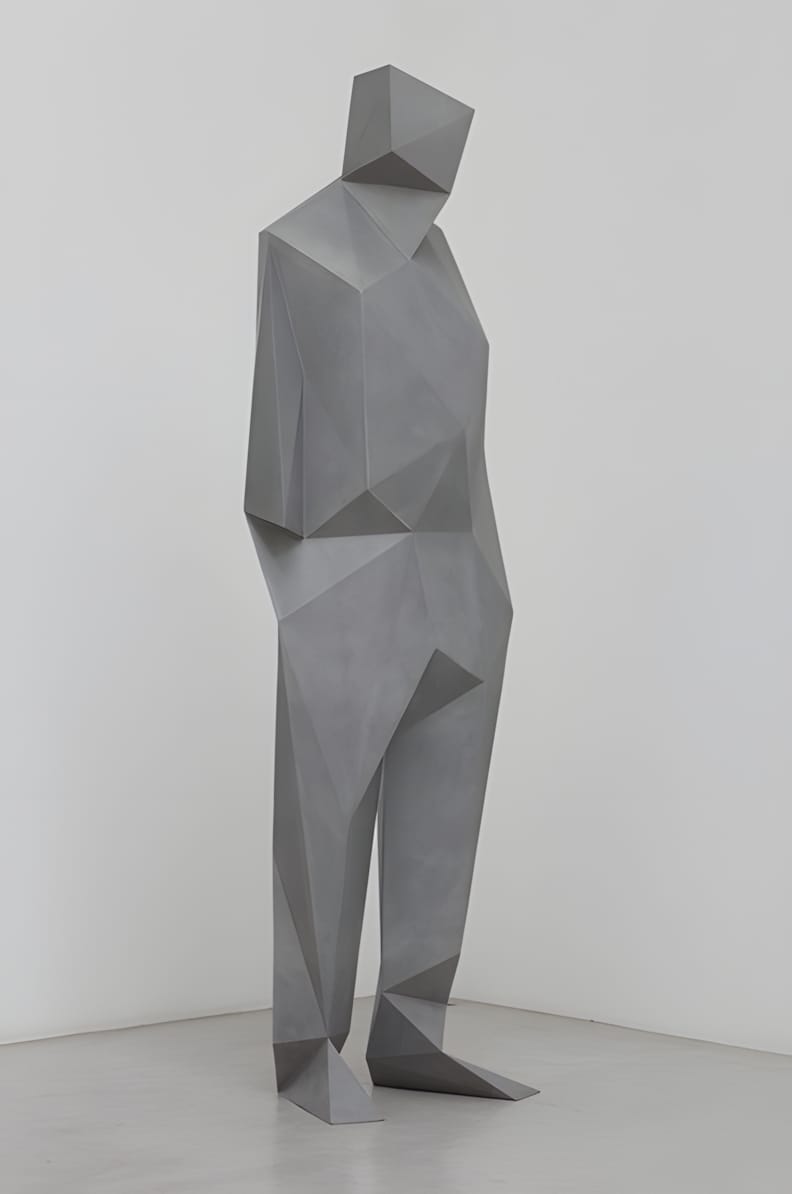
Xavier Veilhan Faceted Figure Sculpture
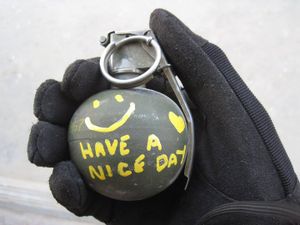
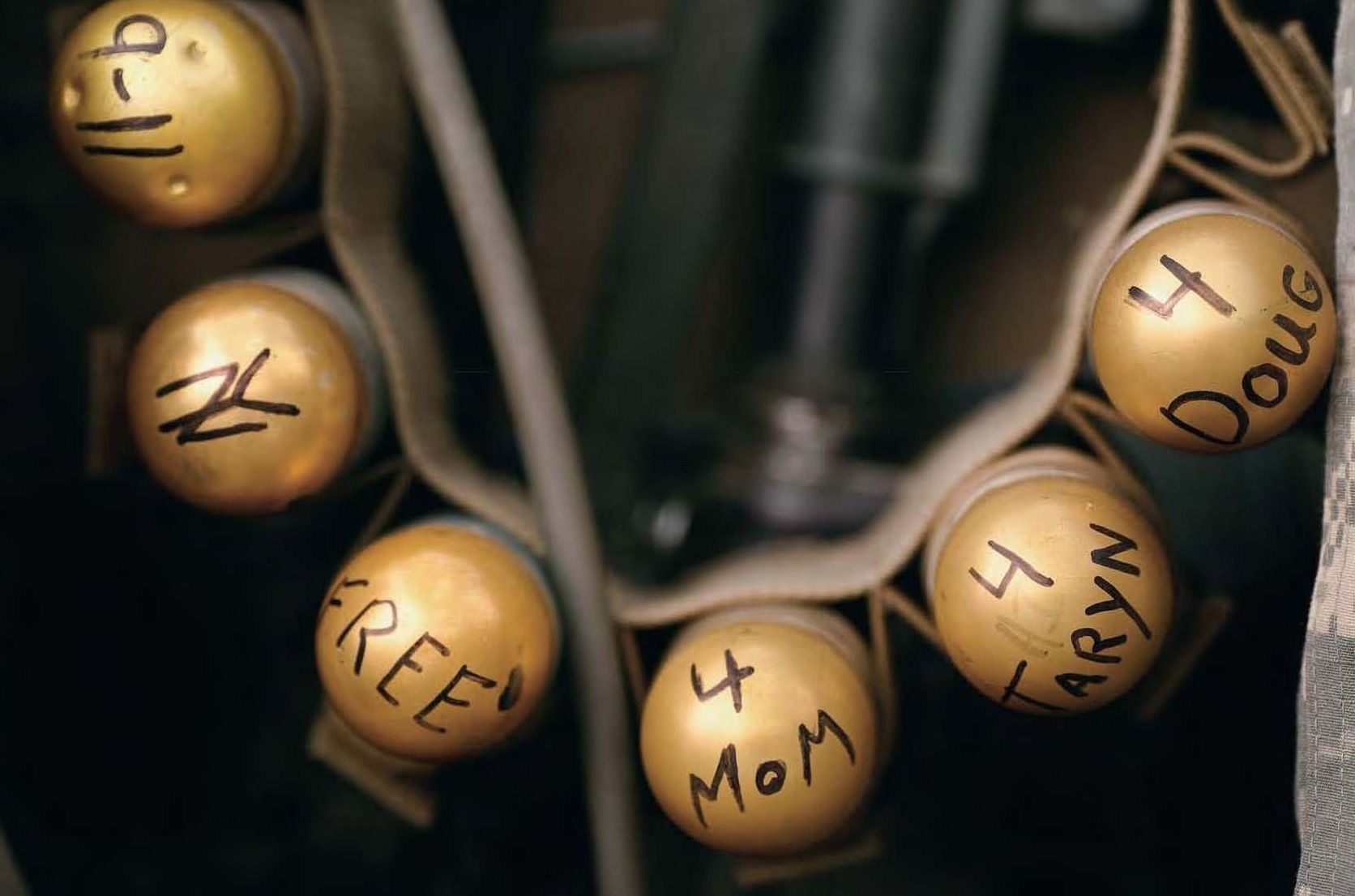
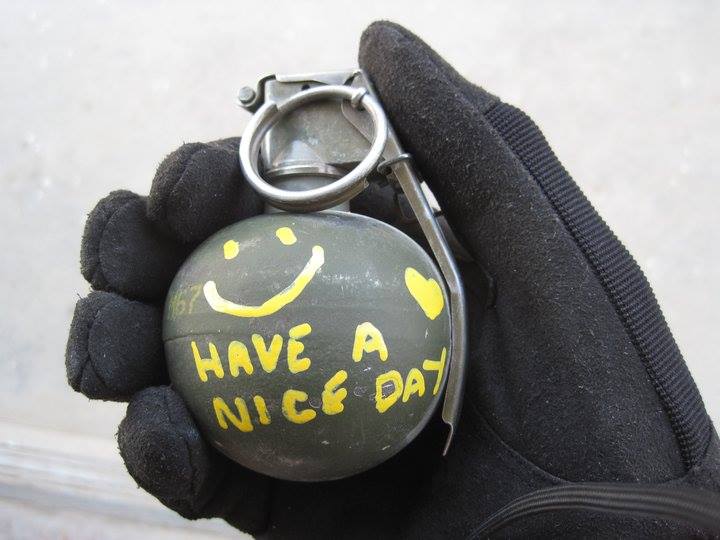
Have a Nice Day — M67 Grenade
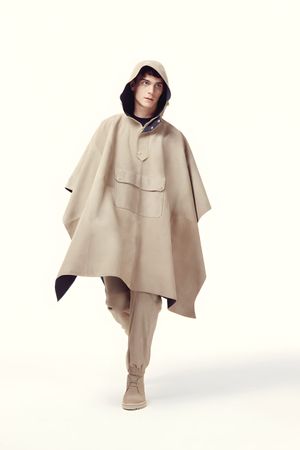
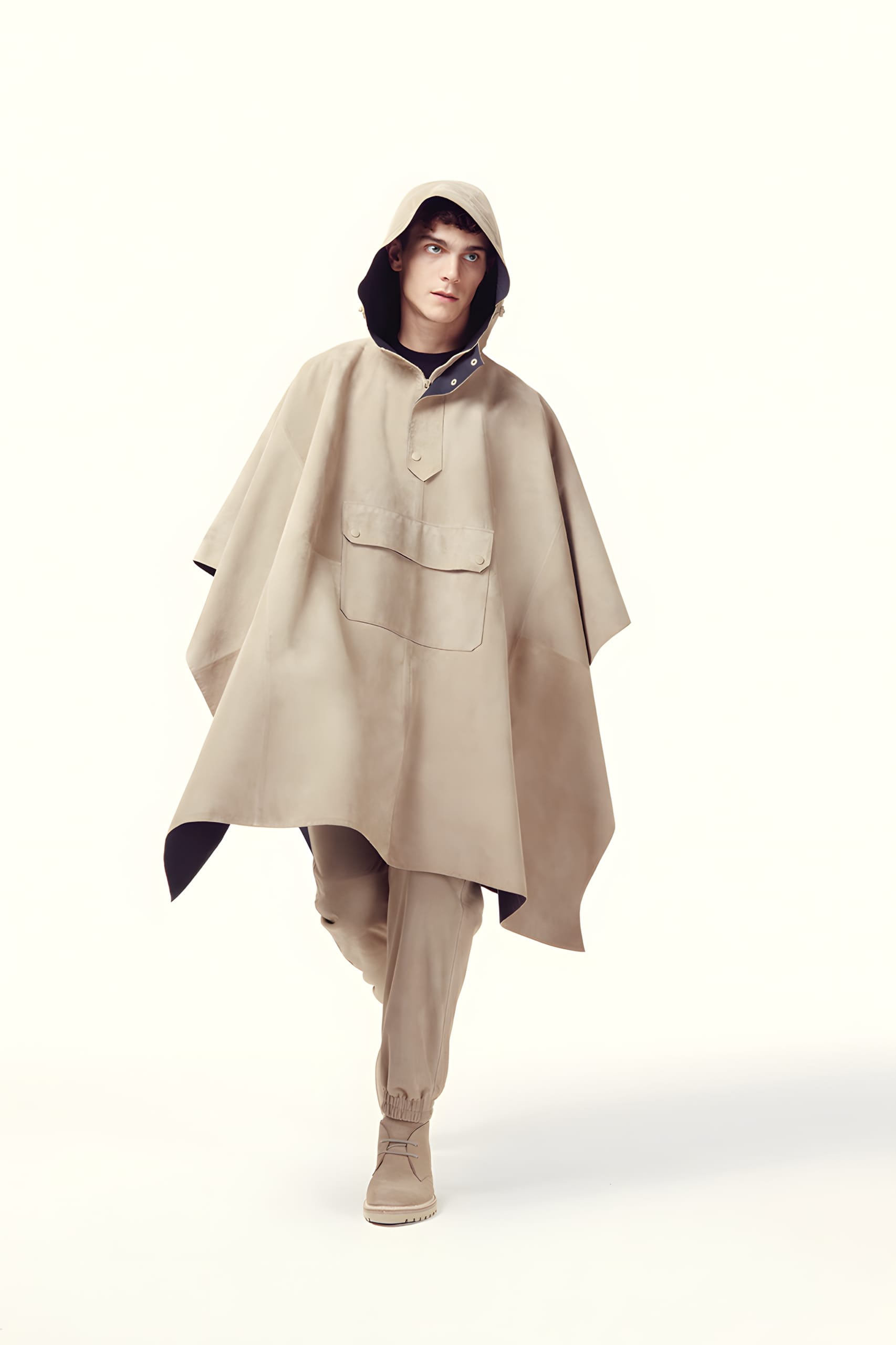
Bally Spring/Summer 2014 Menswear — Hooded Utility Poncho
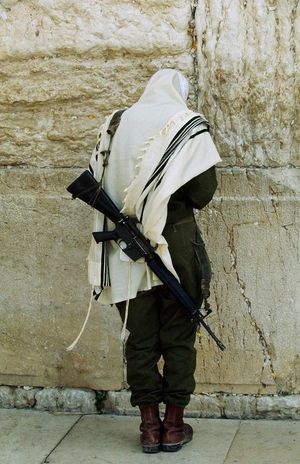
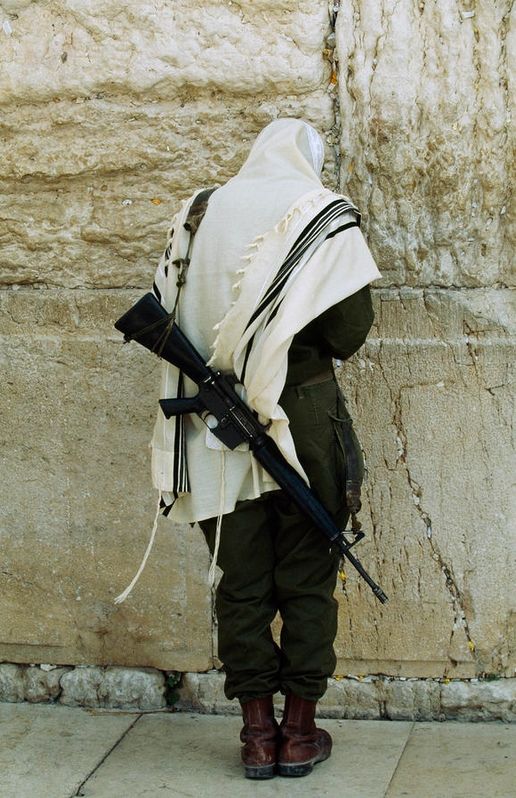
Israeli Soldier With Rifle Praying
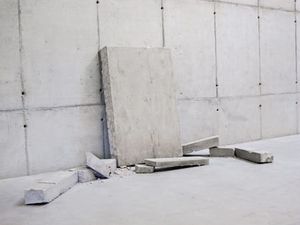
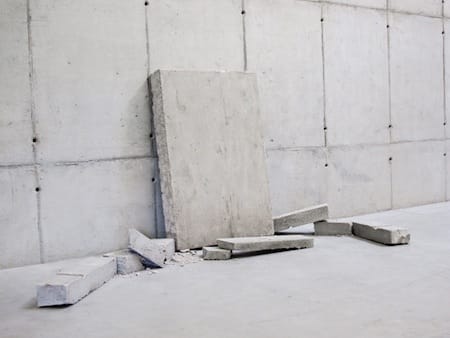
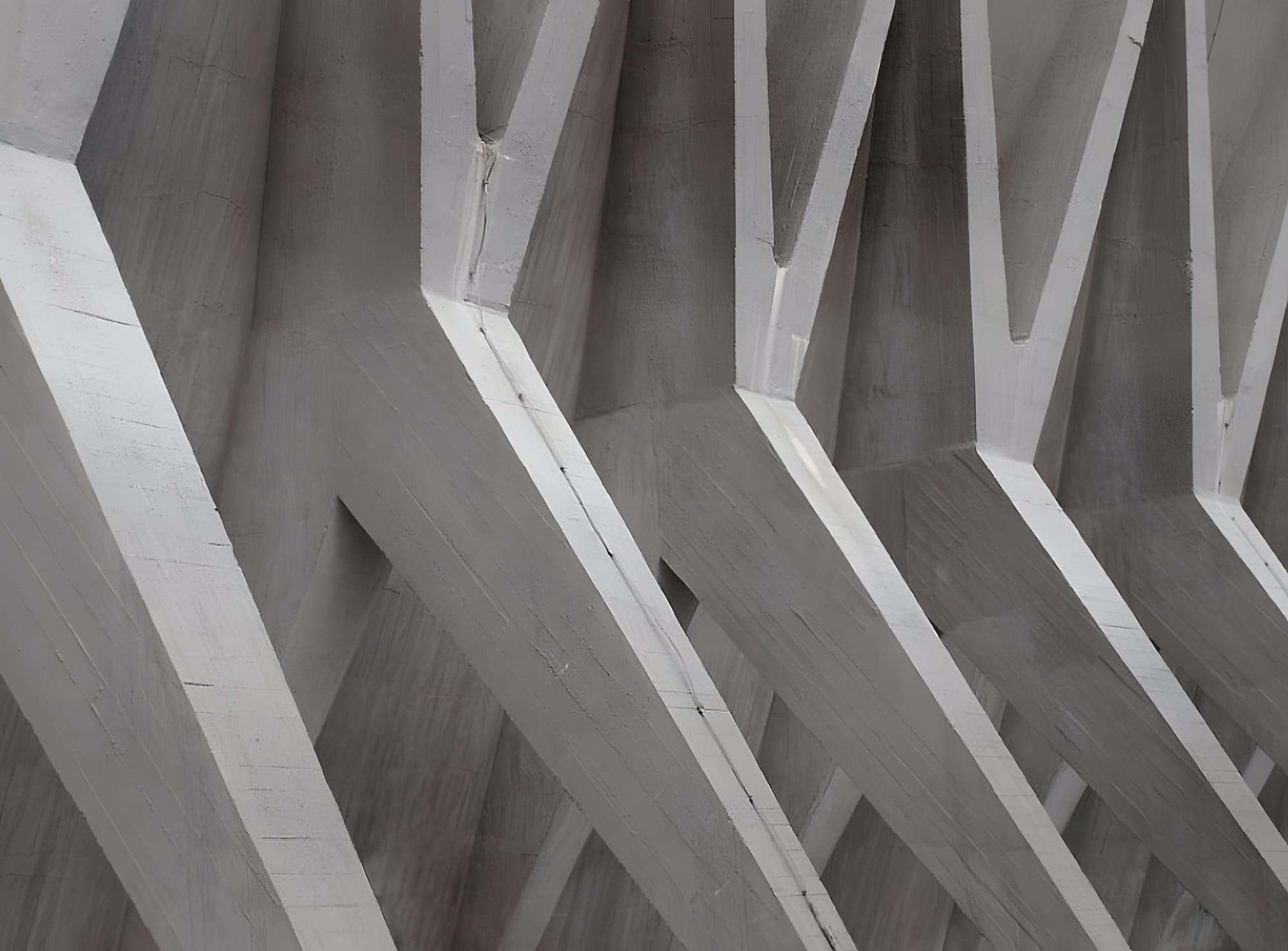
Precast Concrete Slab — Texture Study
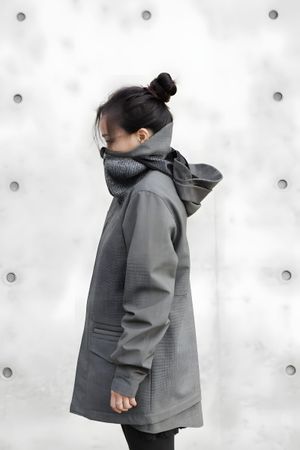
Undercover Diaplex Autumn/Winter 2007 Collection
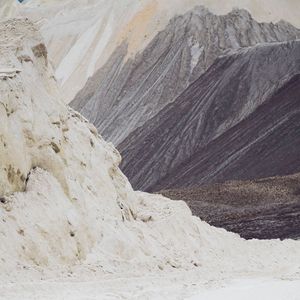
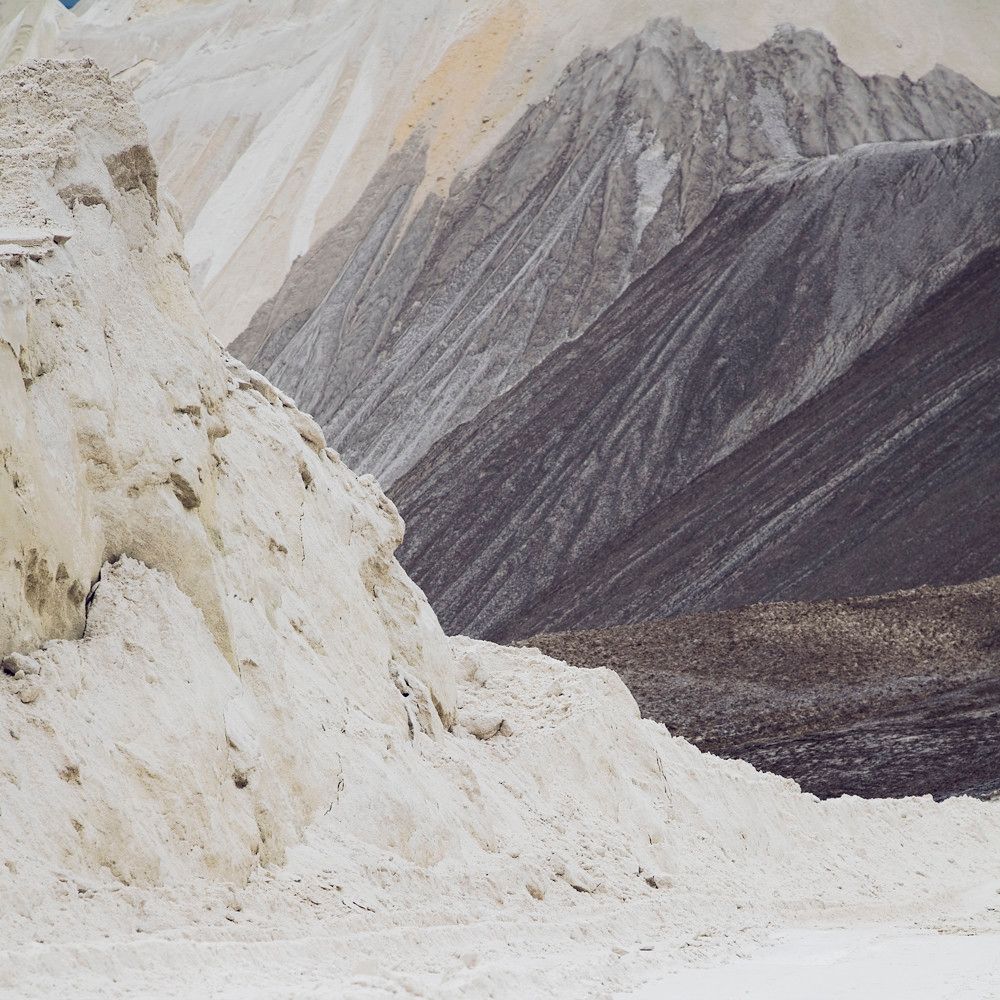
Mineral Ridges — Matthias Heiderich
Matthias Heiderich's landscape study contrasts pale eroded mineral formations with steep charcoal-grey ridges. The photograph was taken on April 29, 2012.
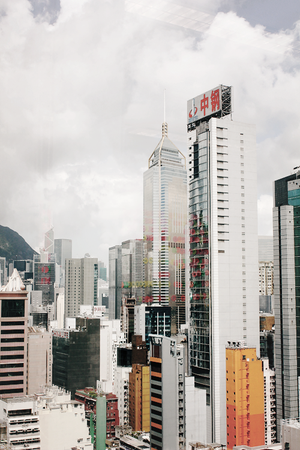
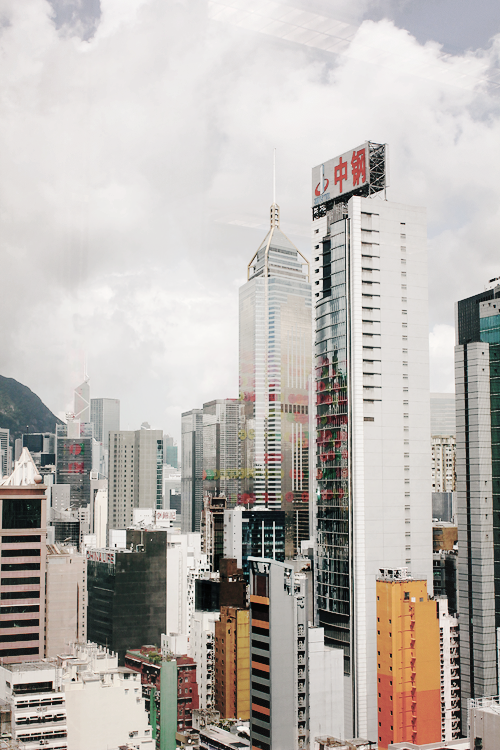
View from the Office — Hong Kong by ingu
ingu's View from the Office looks across Hong Kong's Causeway Bay skyline toward Central Plaza. The Flickr description dates the scene to August 2011.
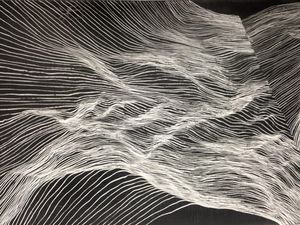
Kevin Townsend Temporary Drawings
A work from Kevin Townsend's Temporary Drawings: large chalk drawings built up on walls and floors as fields of repeated marks, then erased.
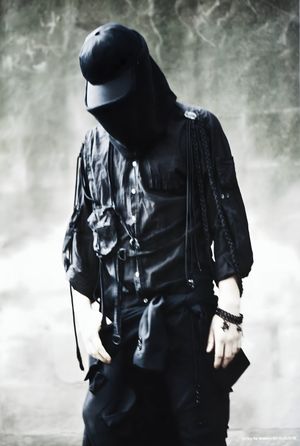
Raf Simons Menswear Lookbook — Photography by David Armstrong
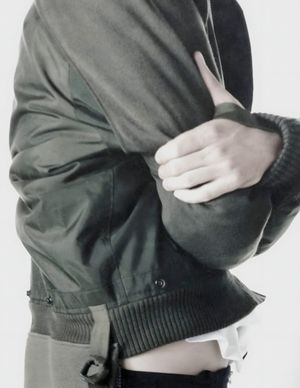
Nonnative Wrecking Walls FW2013 Bomber Jacket
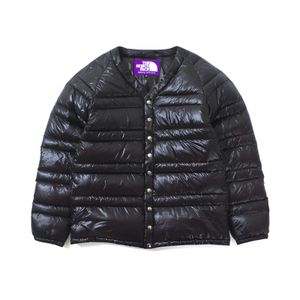
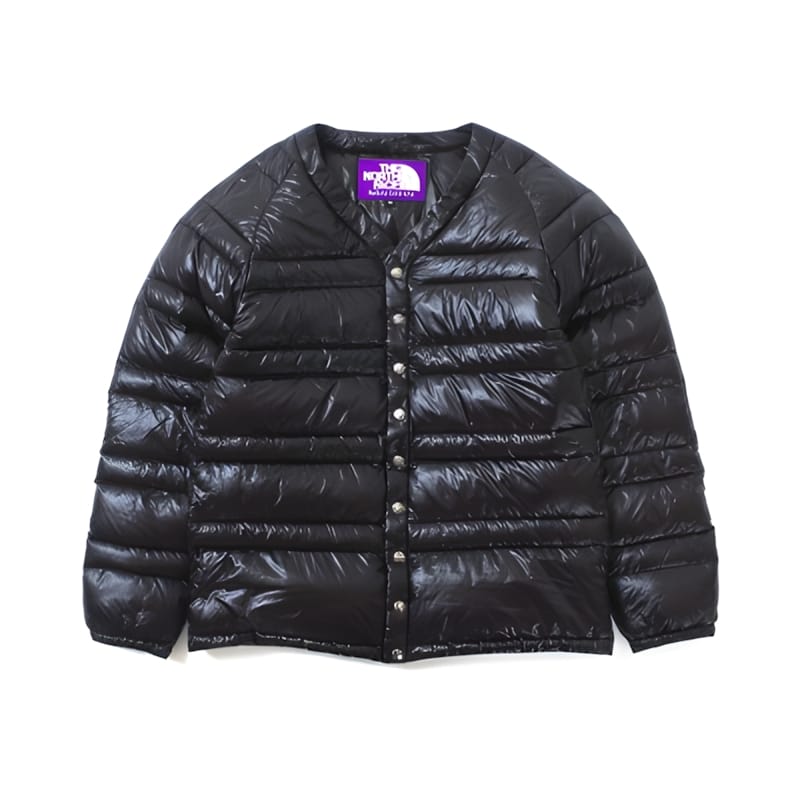
The North Face Purple Label Down Cardigan
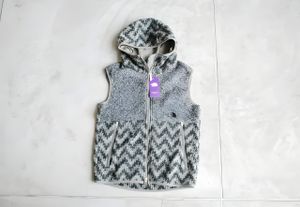
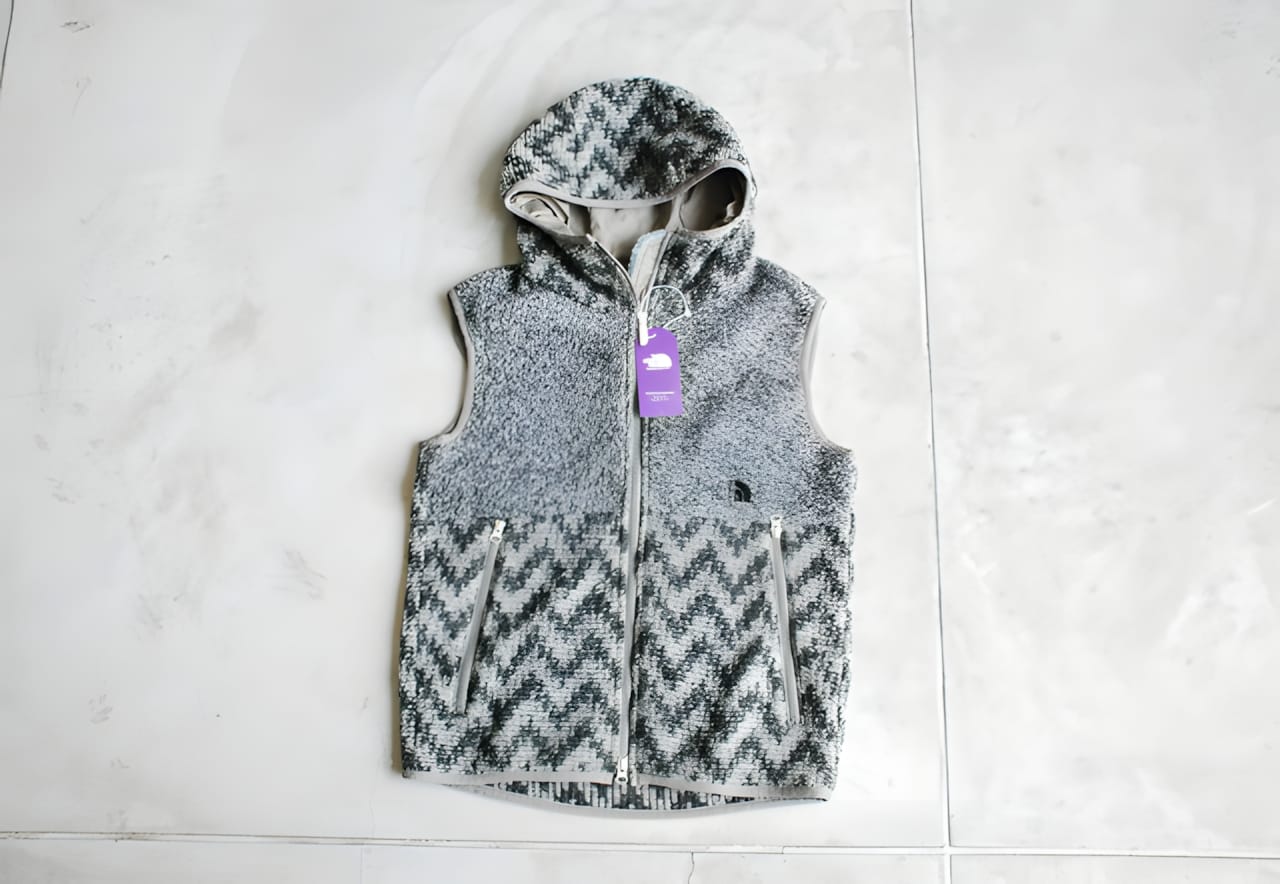
The North Face Purple Label Boa Fleece Hooded Vest
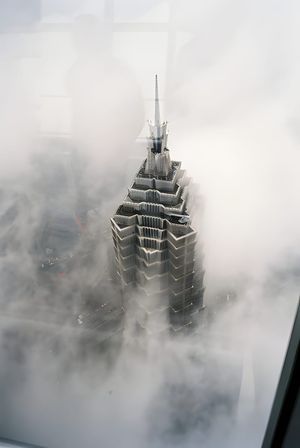
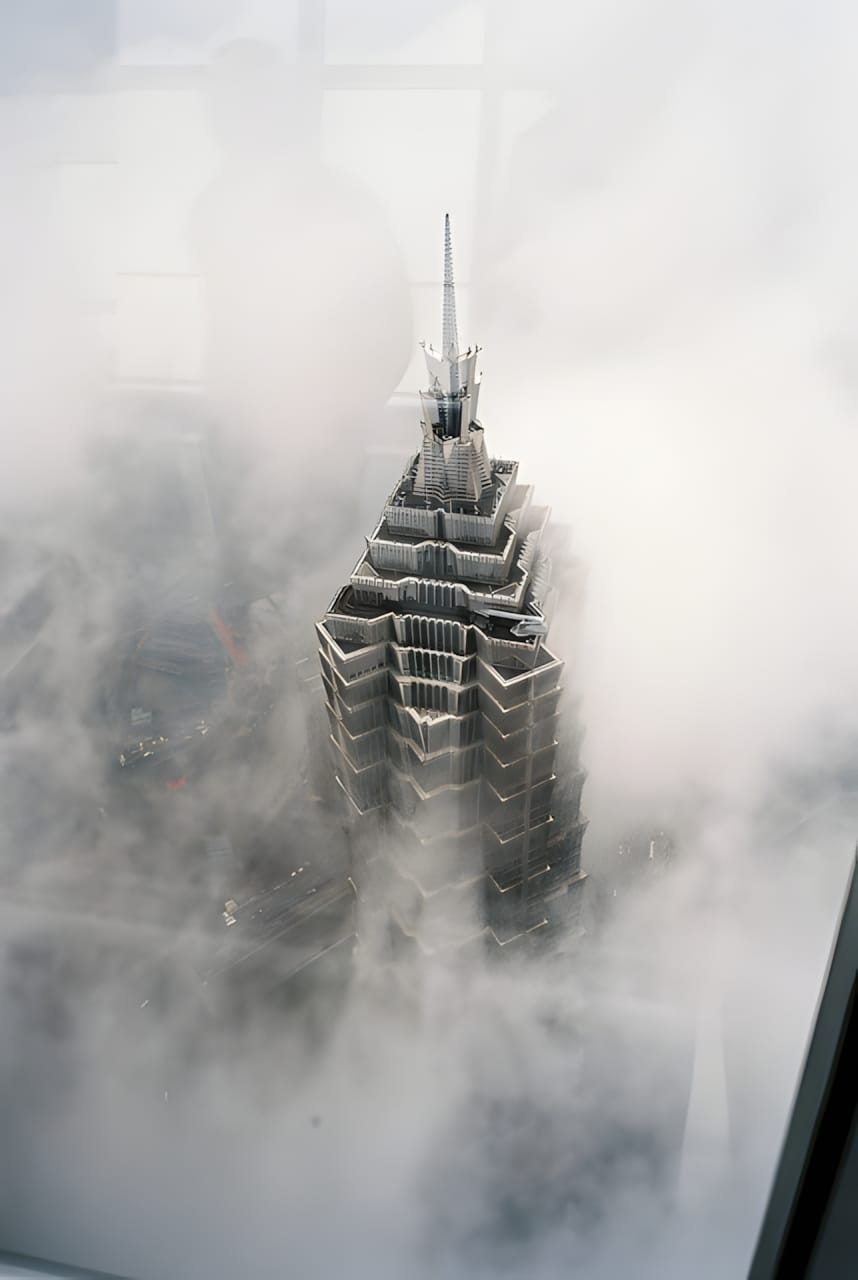
Jin Mao Tower, Shanghai, Above the Clouds
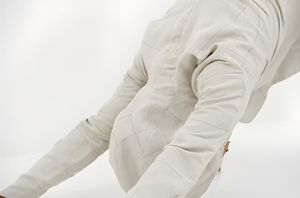
Devoa Panelled Jacket
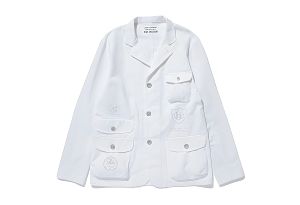
Luker by Neighborhood White Field Jacket
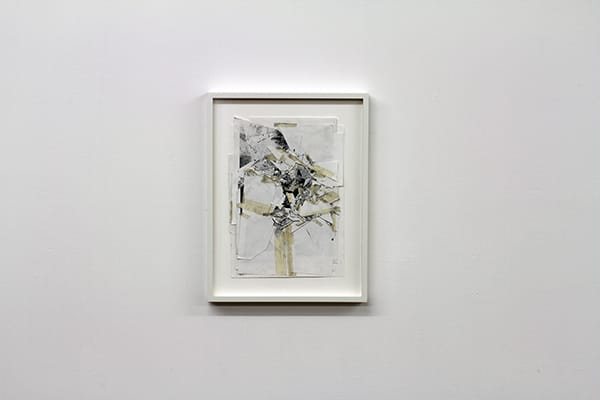
Boris Tellegen Surface
An installation view from 'Surface', a 2012 Paris exhibition by the Dutch artist Boris Tellegen (Delta). He makes fractured three-dimensional reliefs and sculptures from an exploded-letterform language rooted in graffiti.
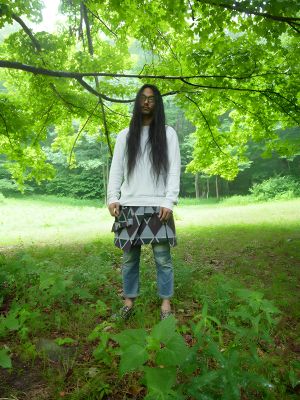
Kapital Fall/Winter 2013 "Indigenous" Lookbook
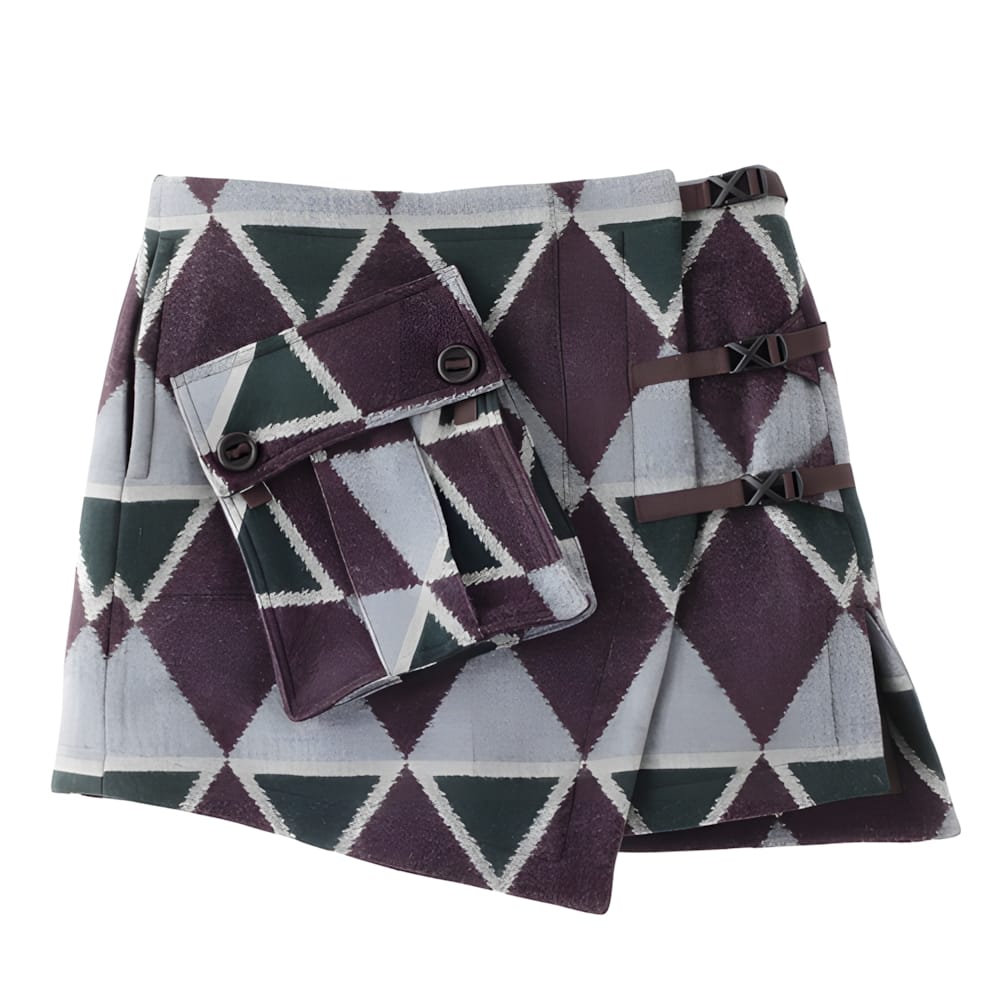
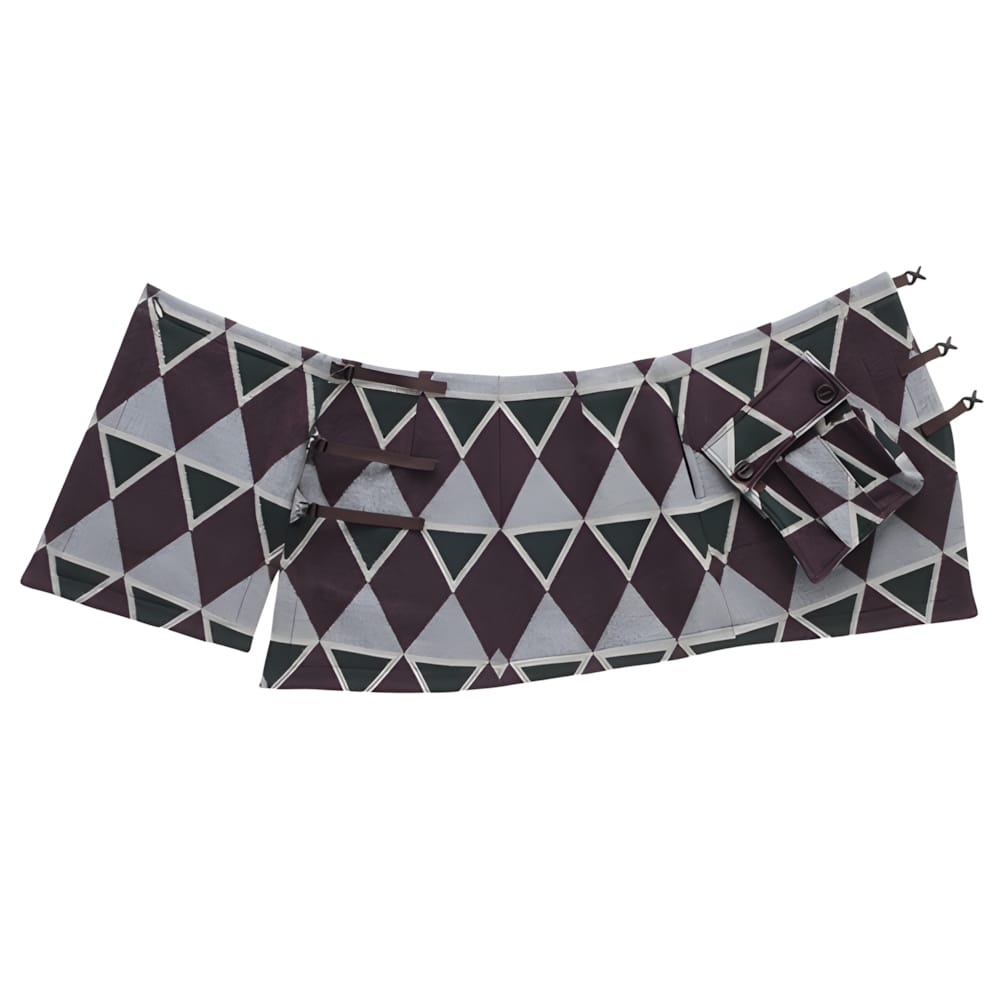
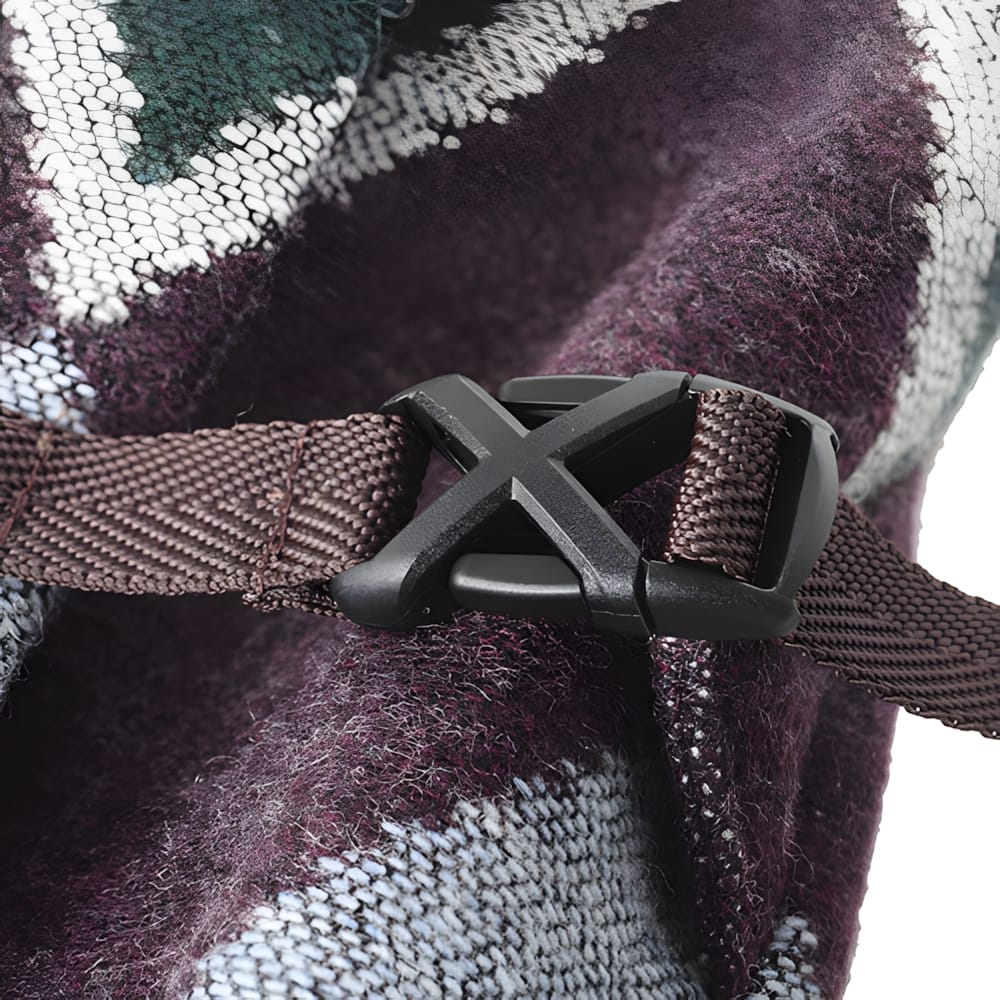
Ivan Vitić — Pavilion 40, Zagreb Fair, 1957

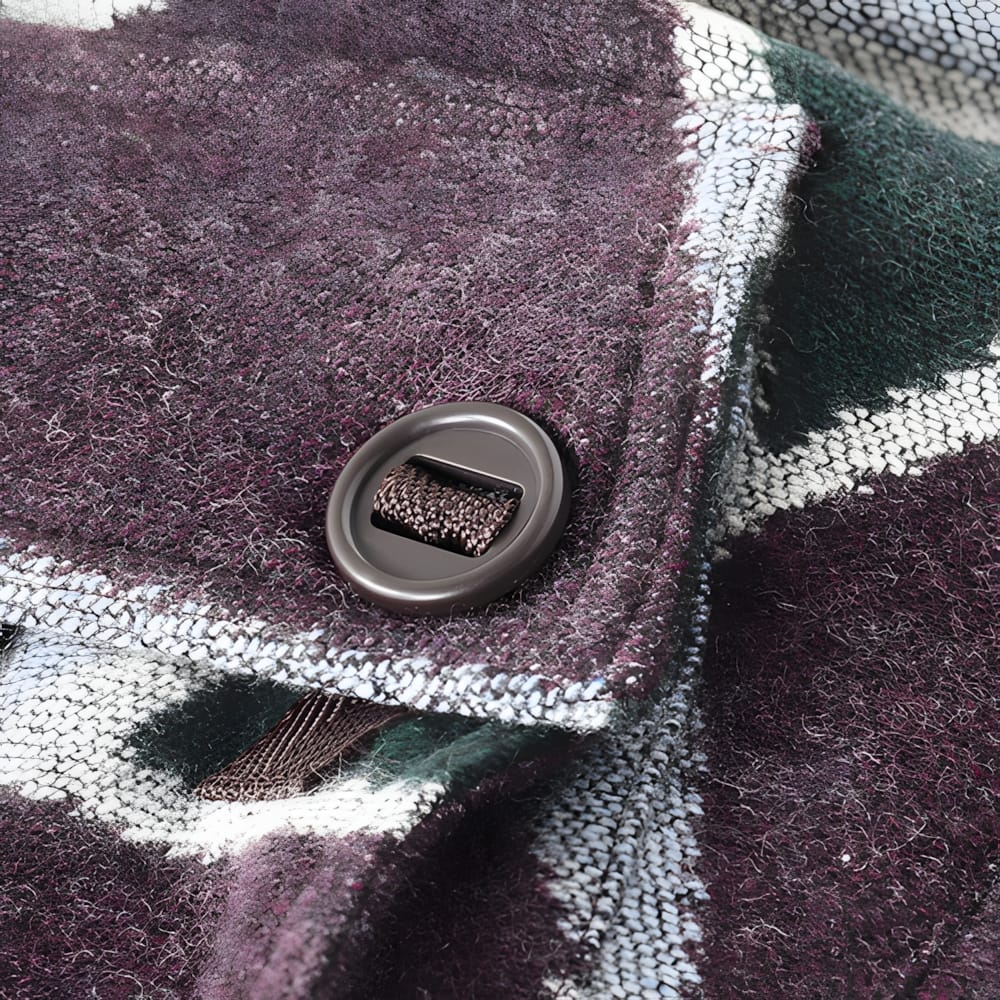
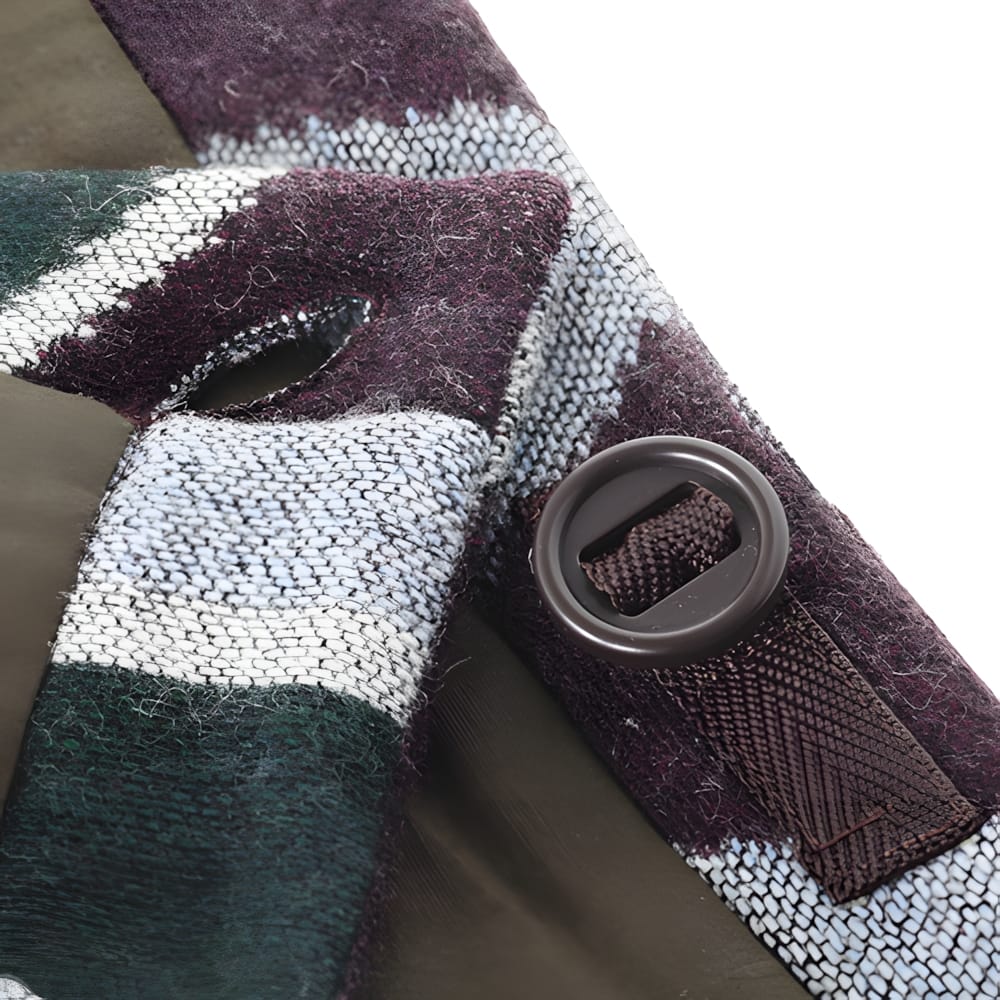
LONG CLOTHING Clip Pants in Black and White Tartan

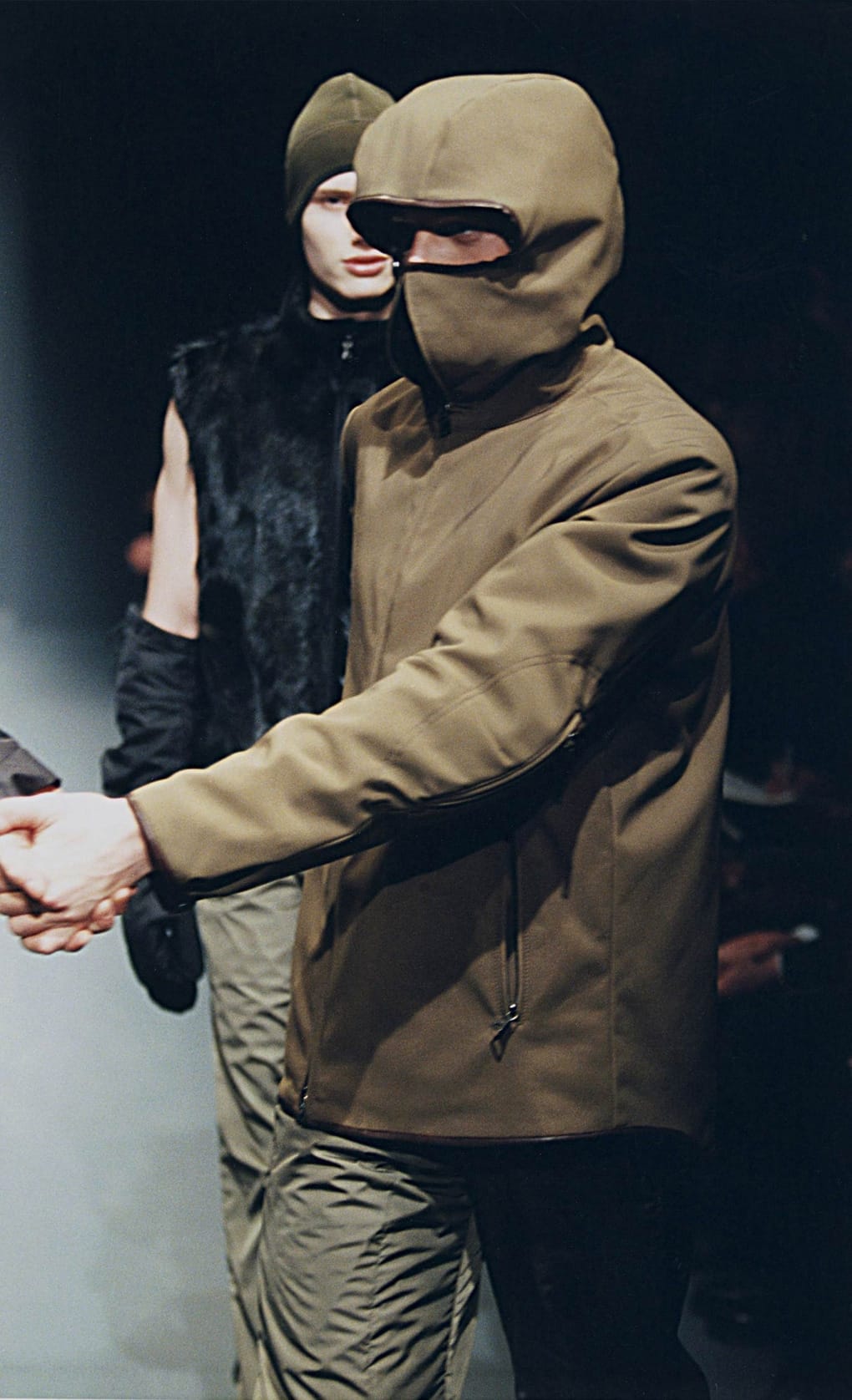
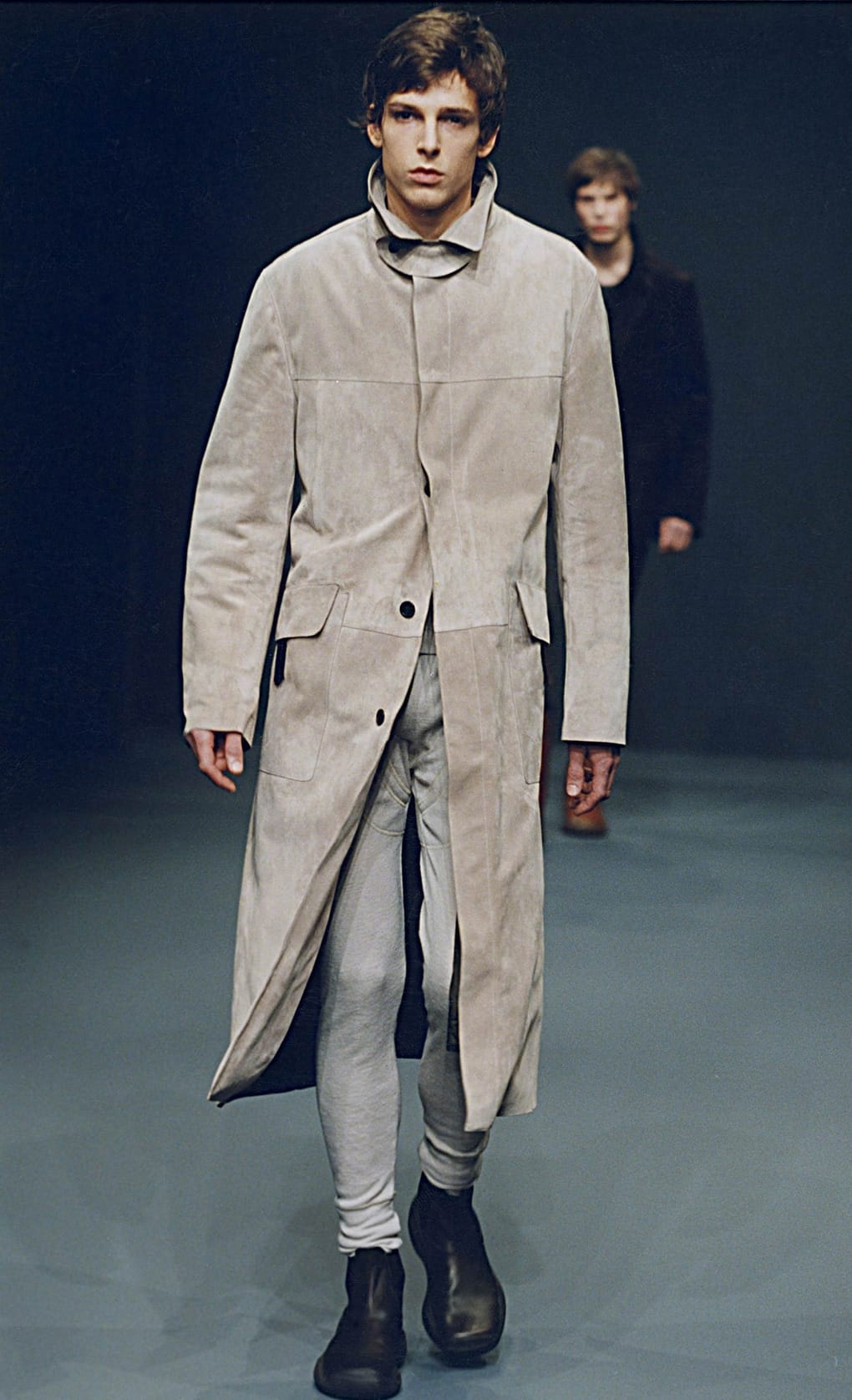
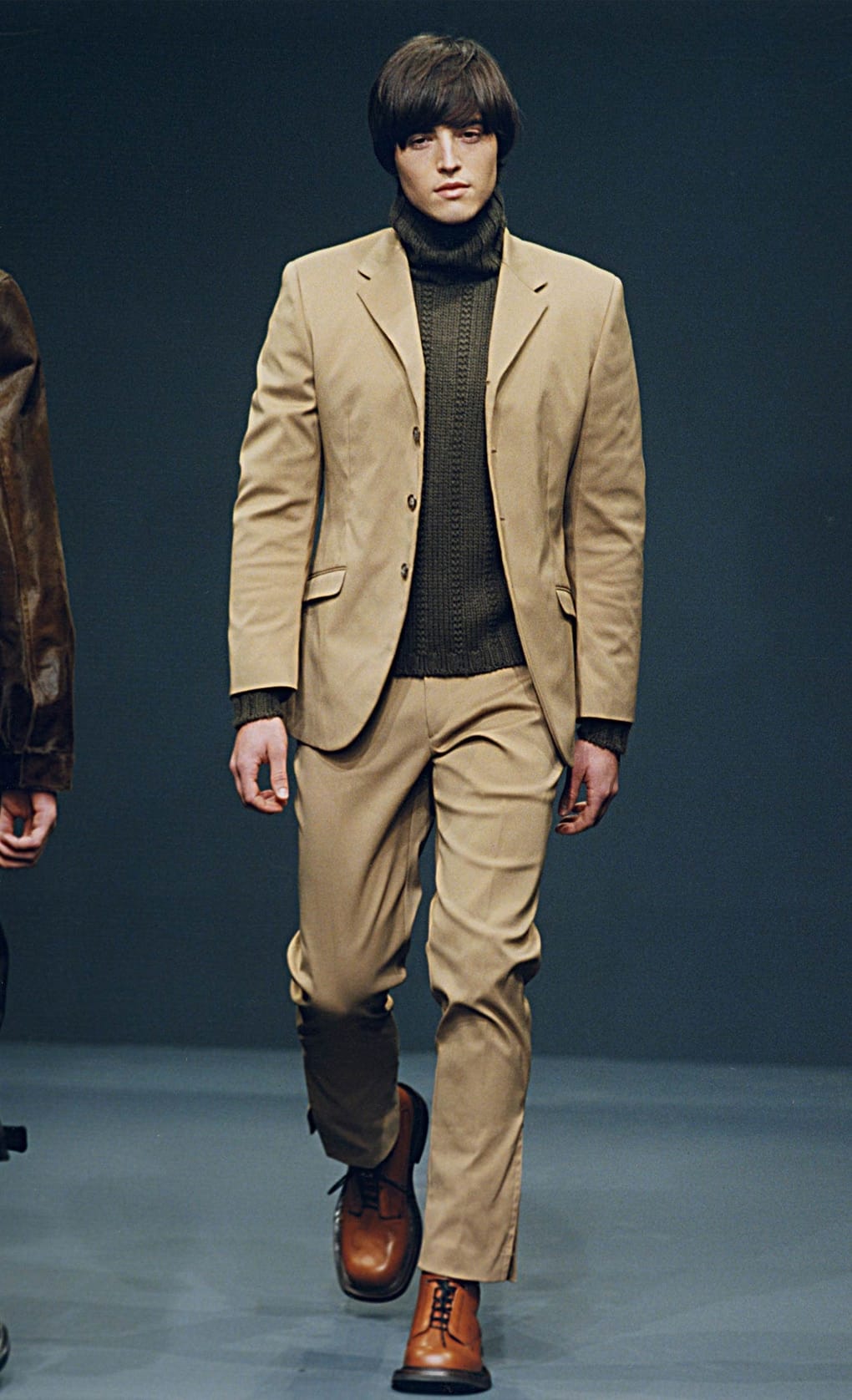
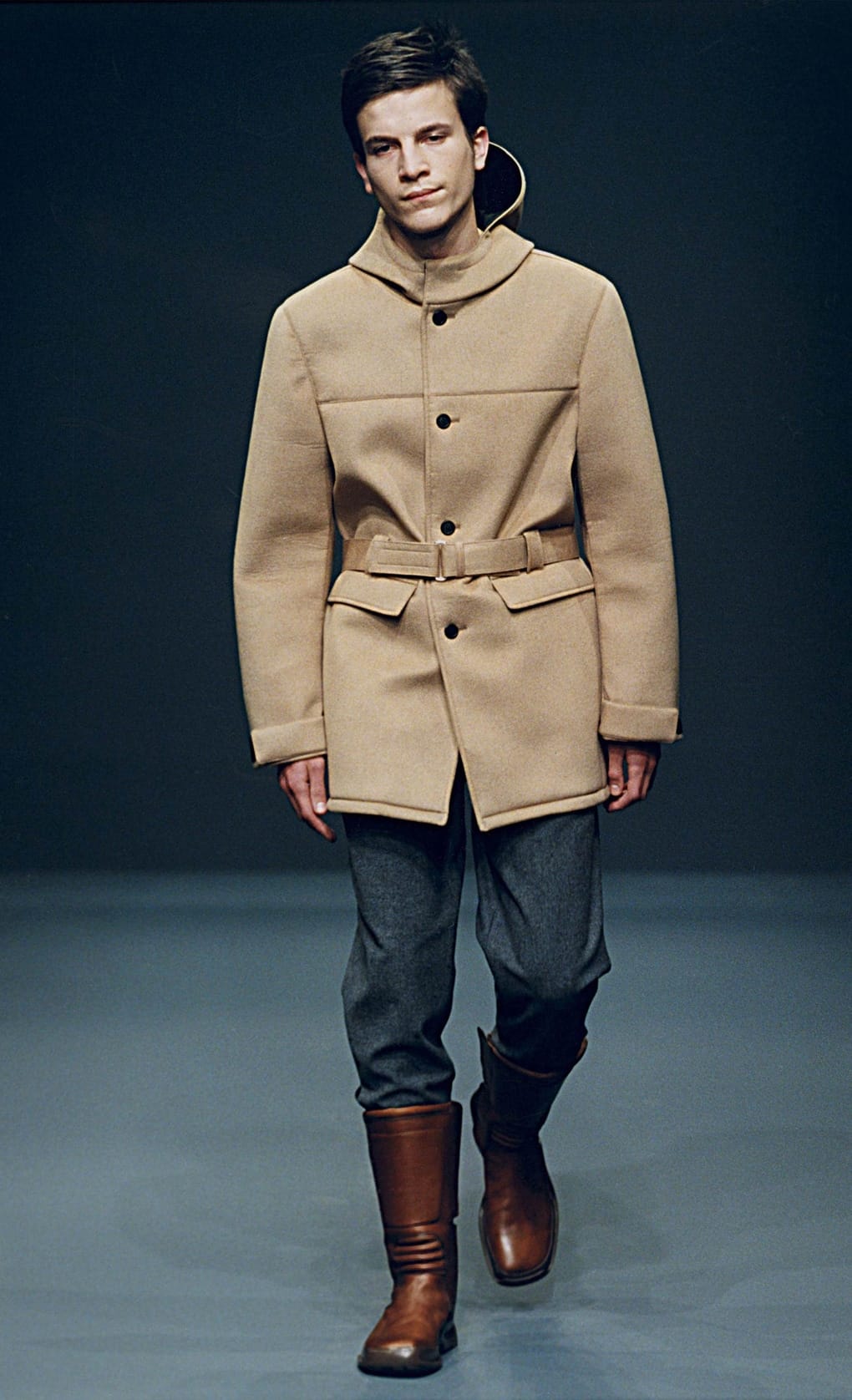
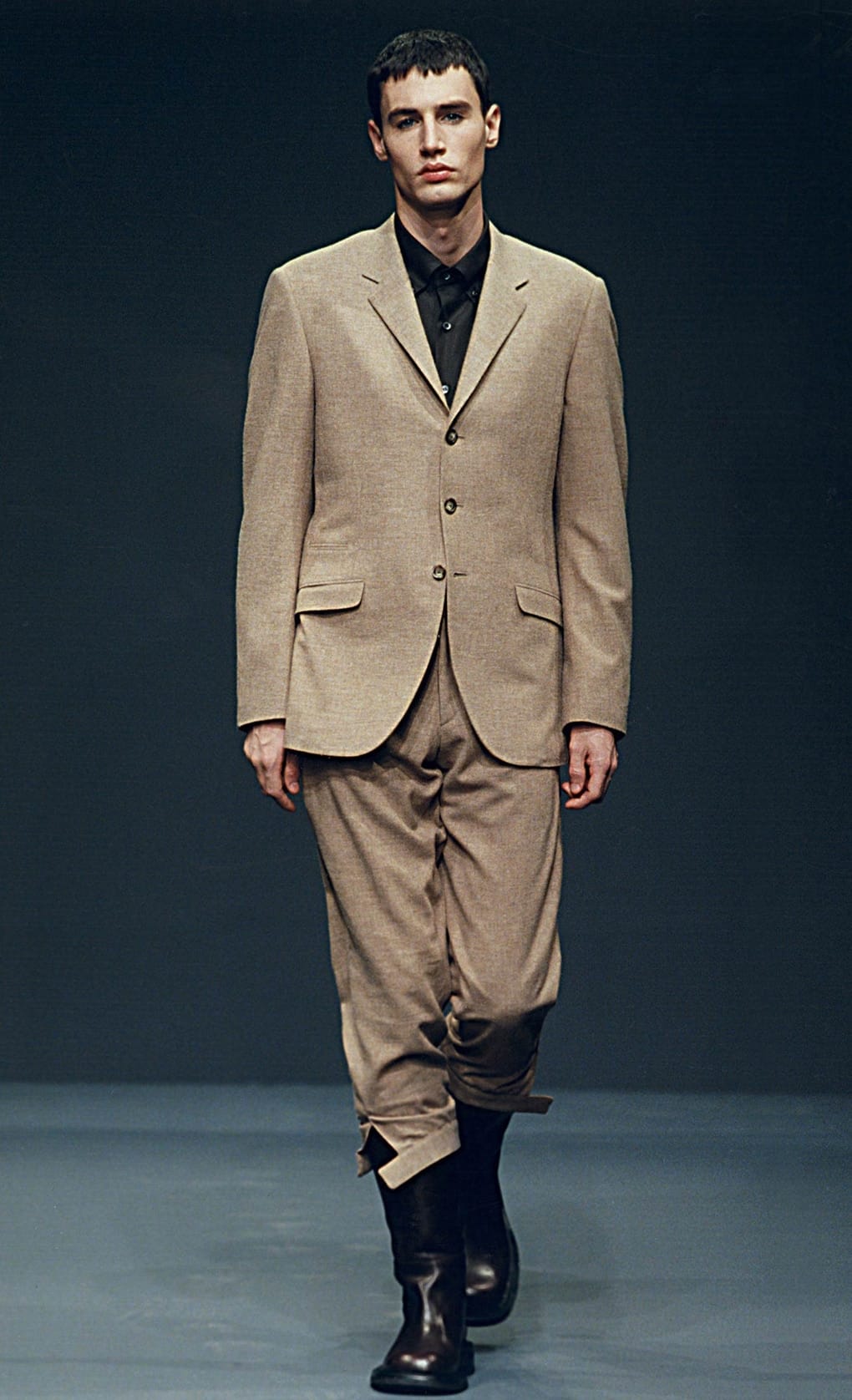
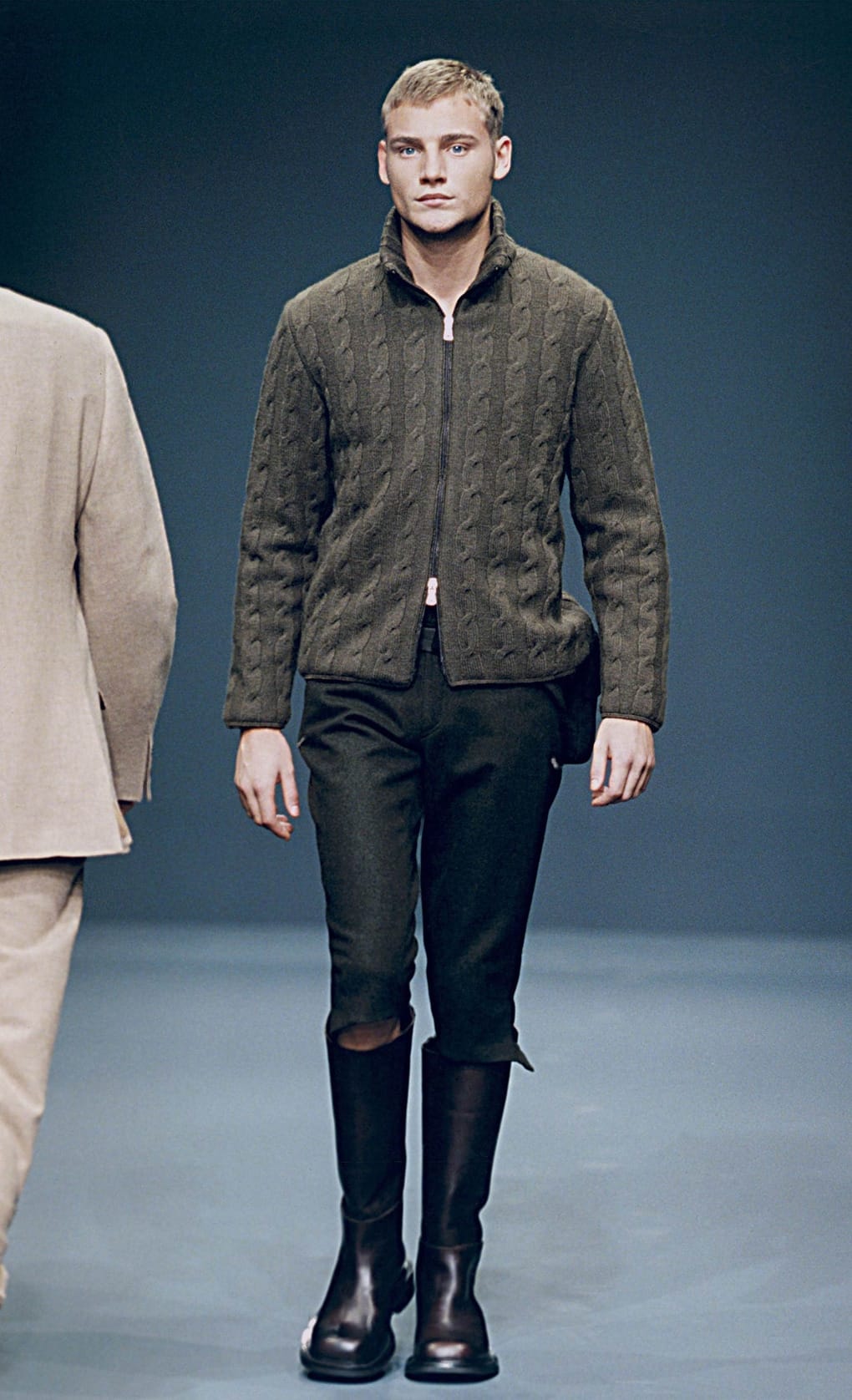
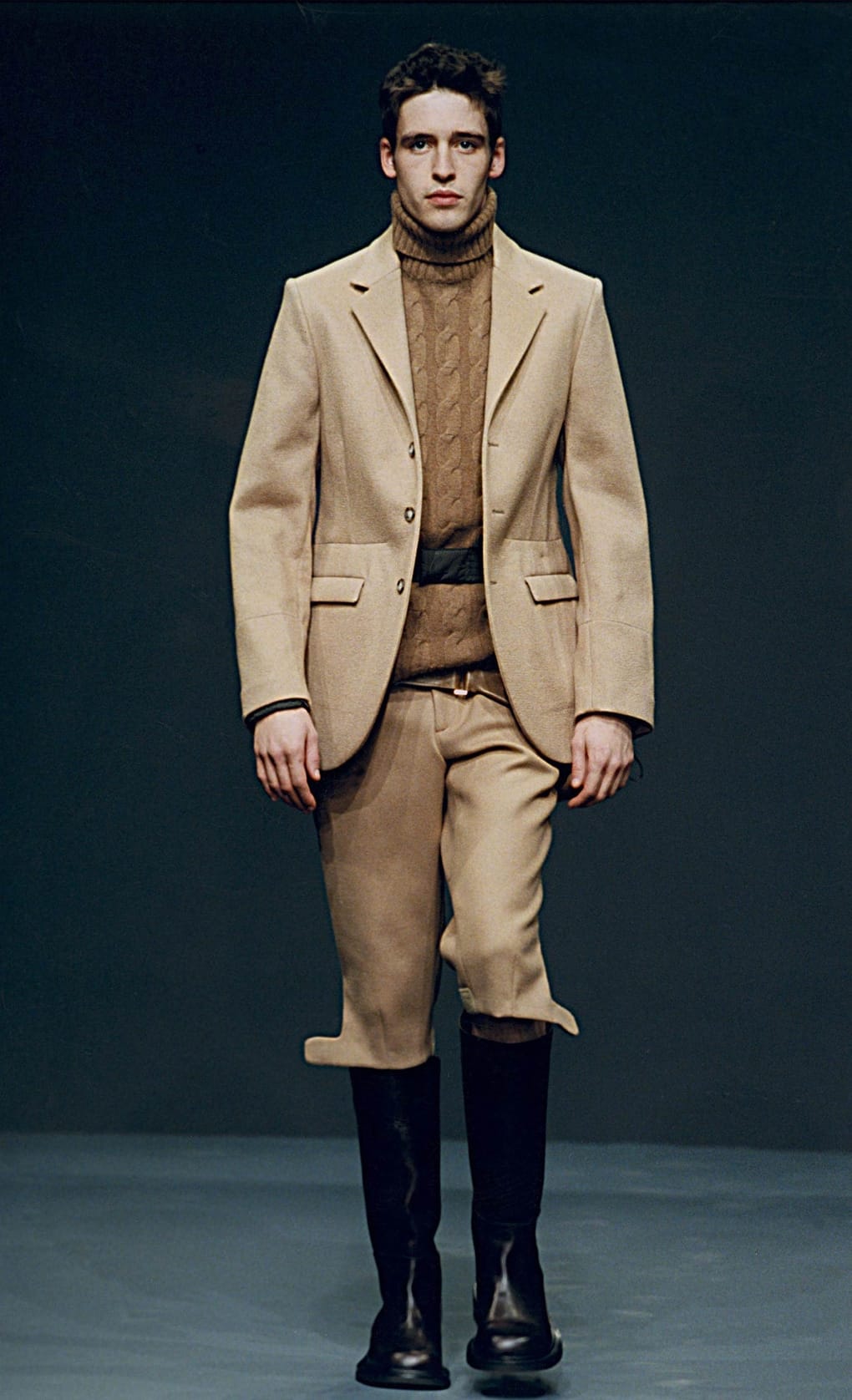
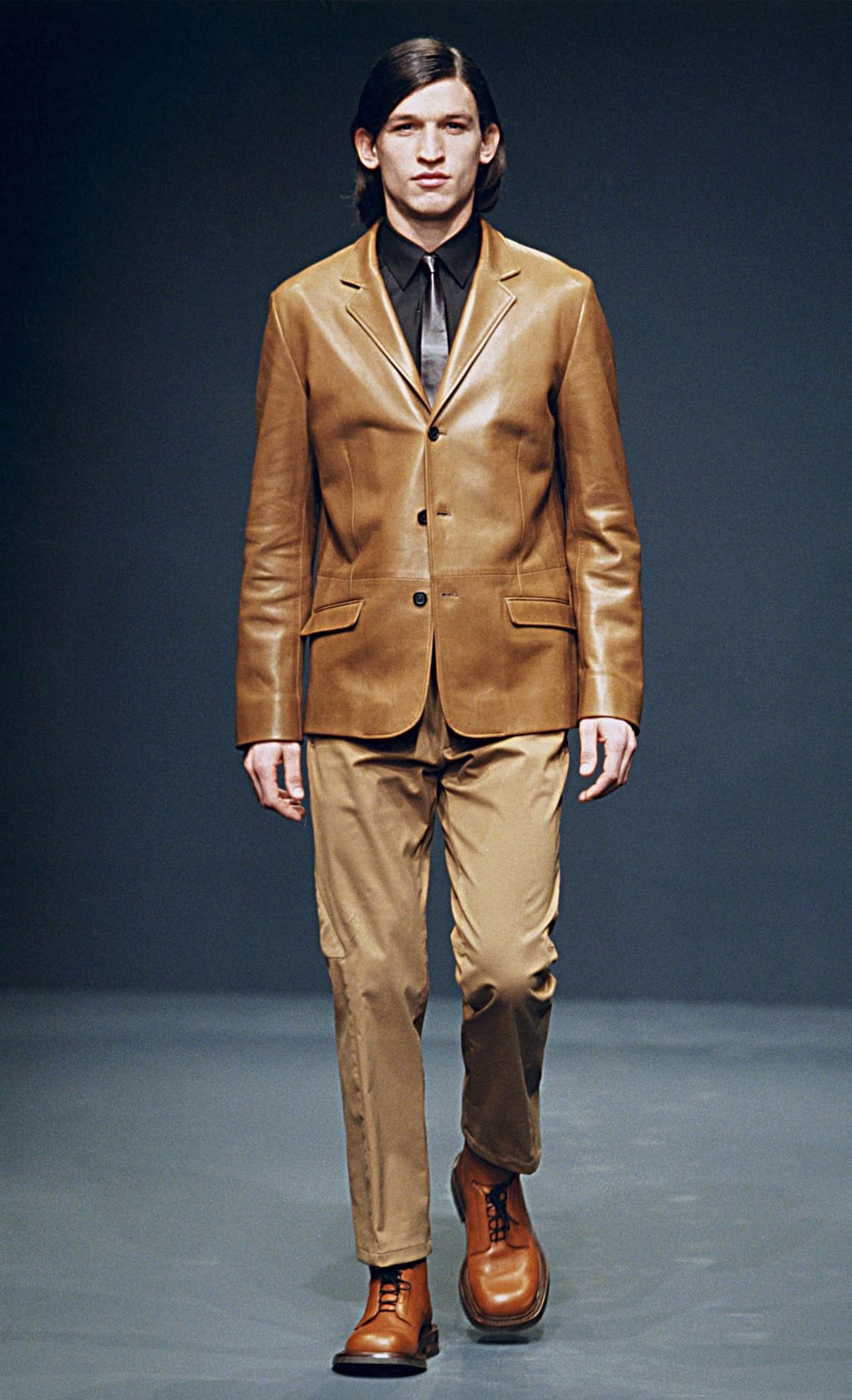
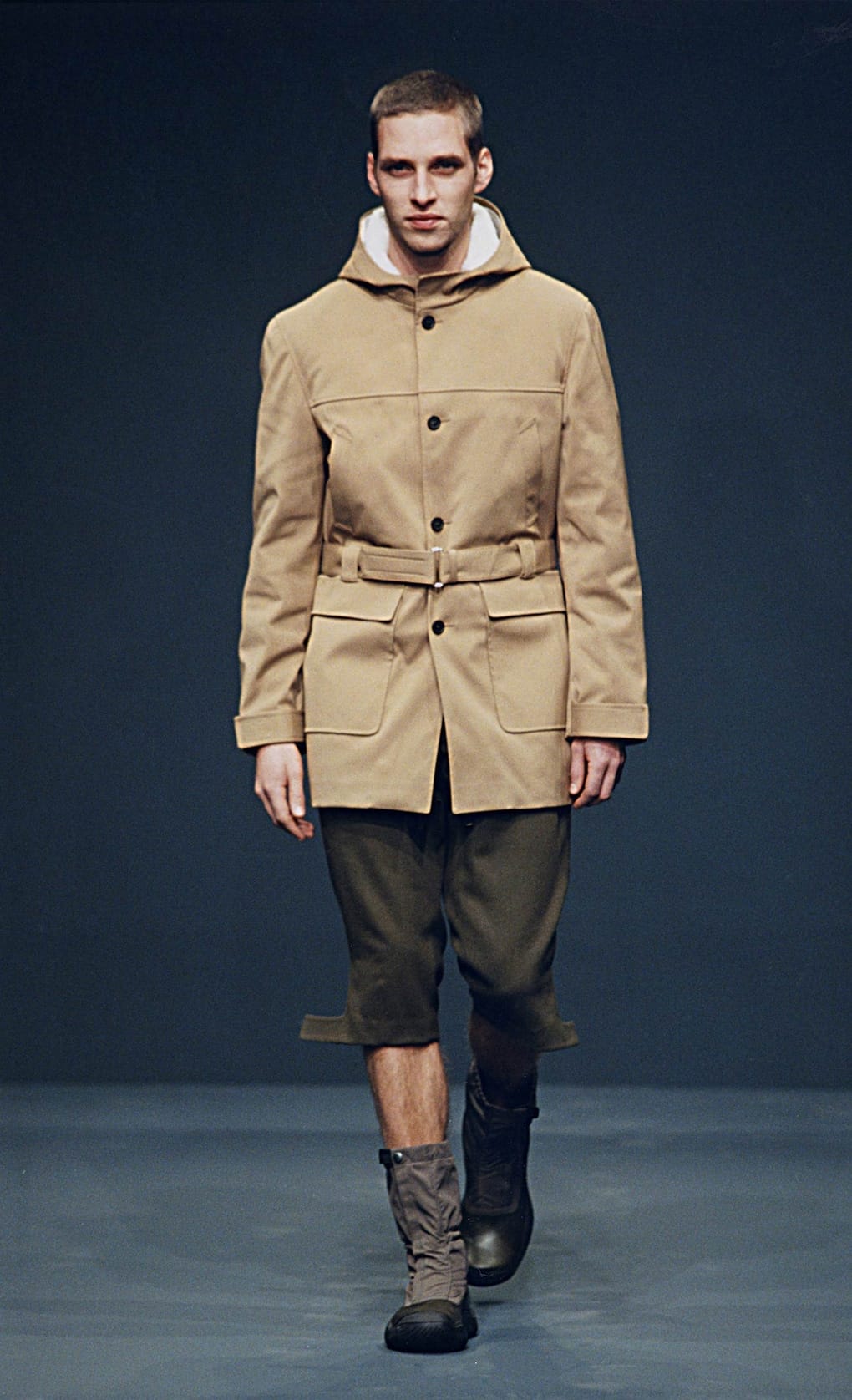
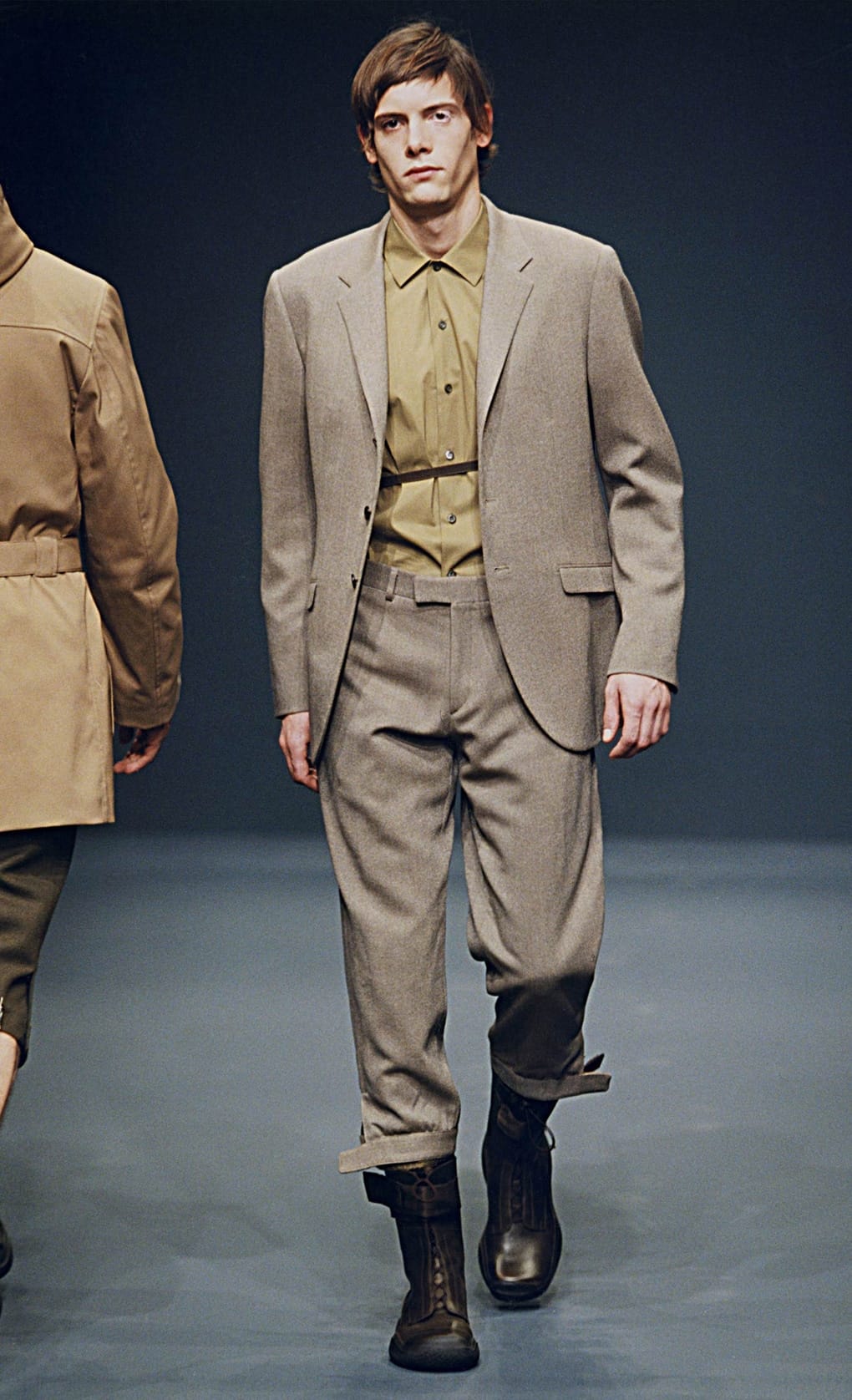
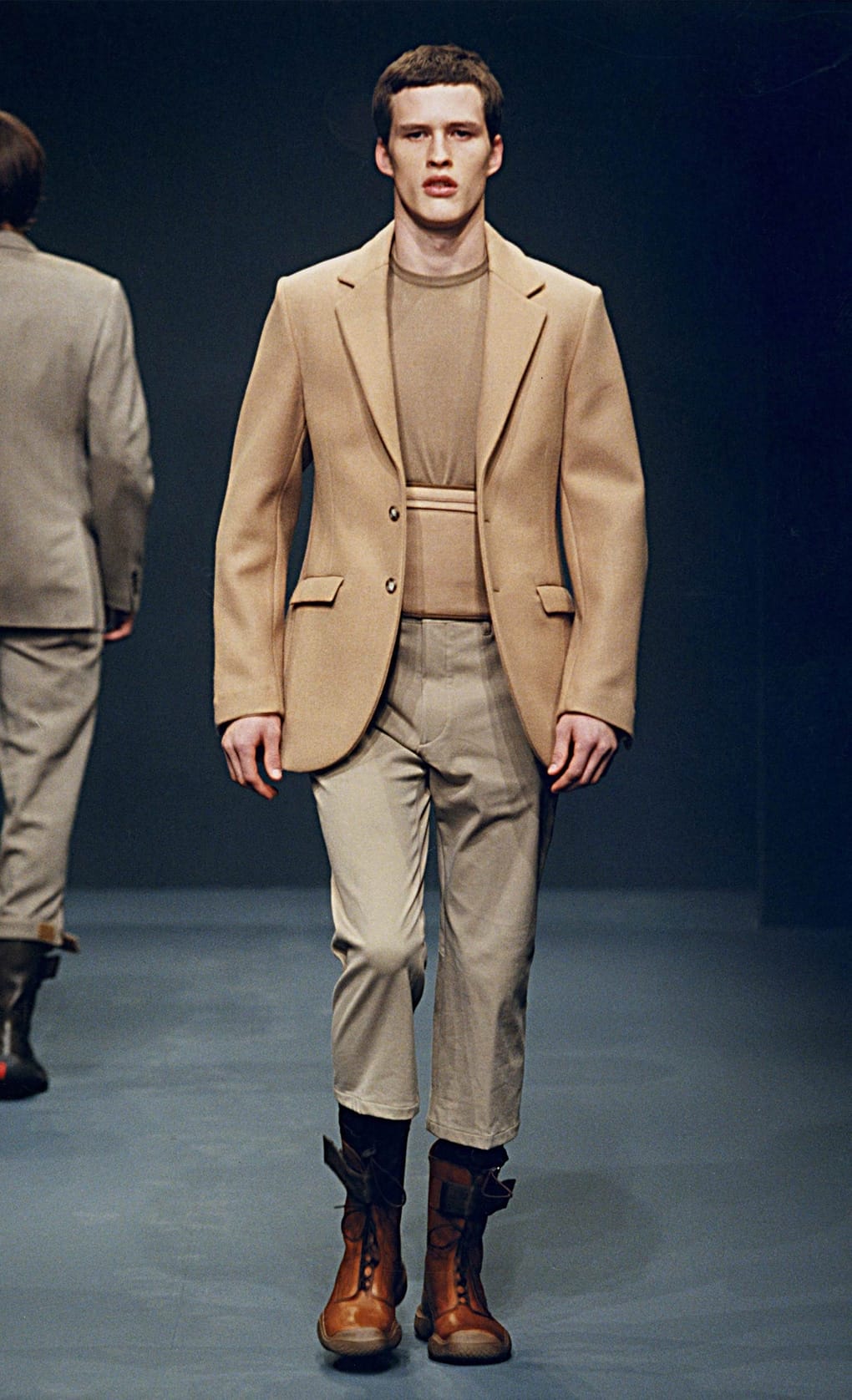
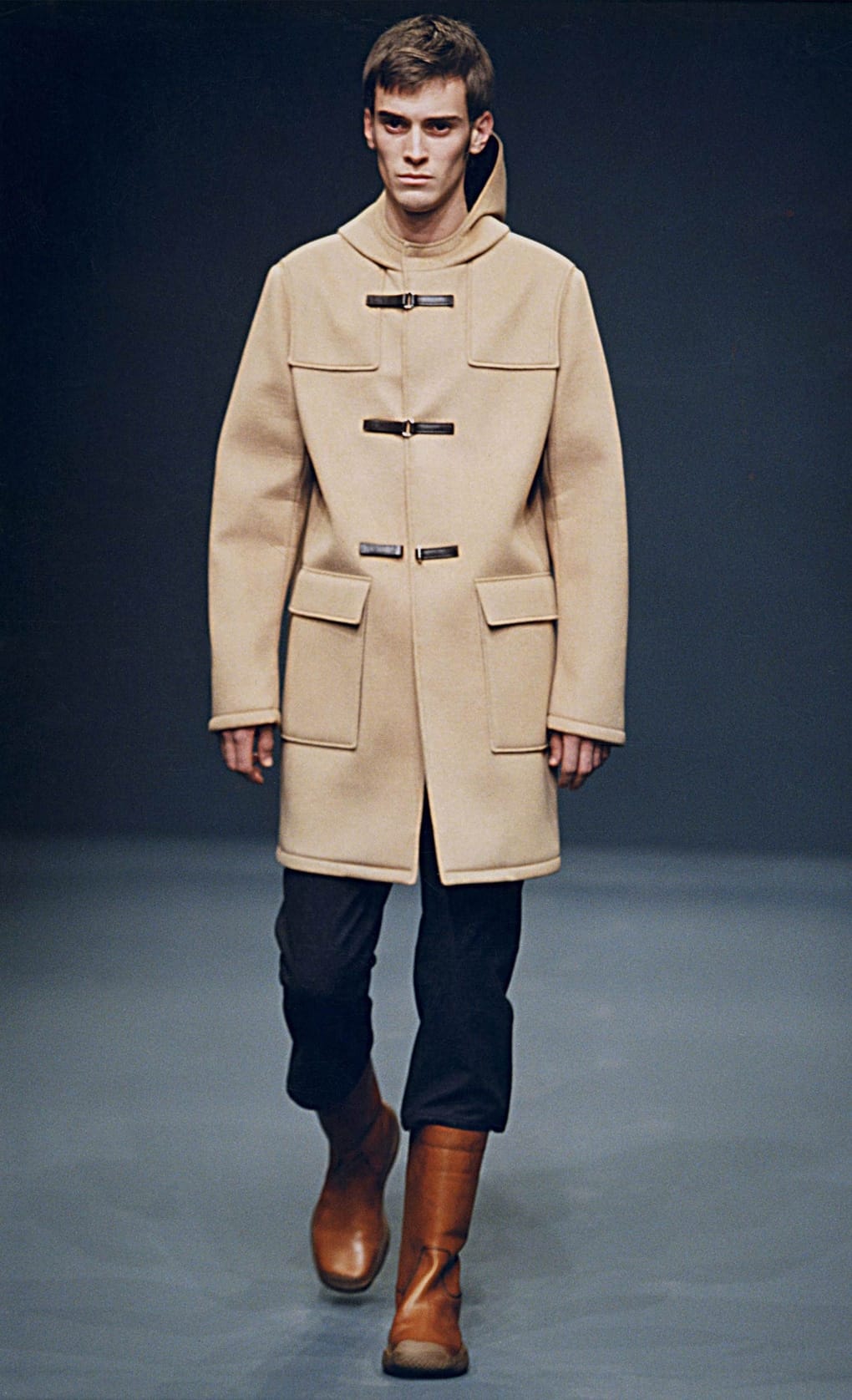
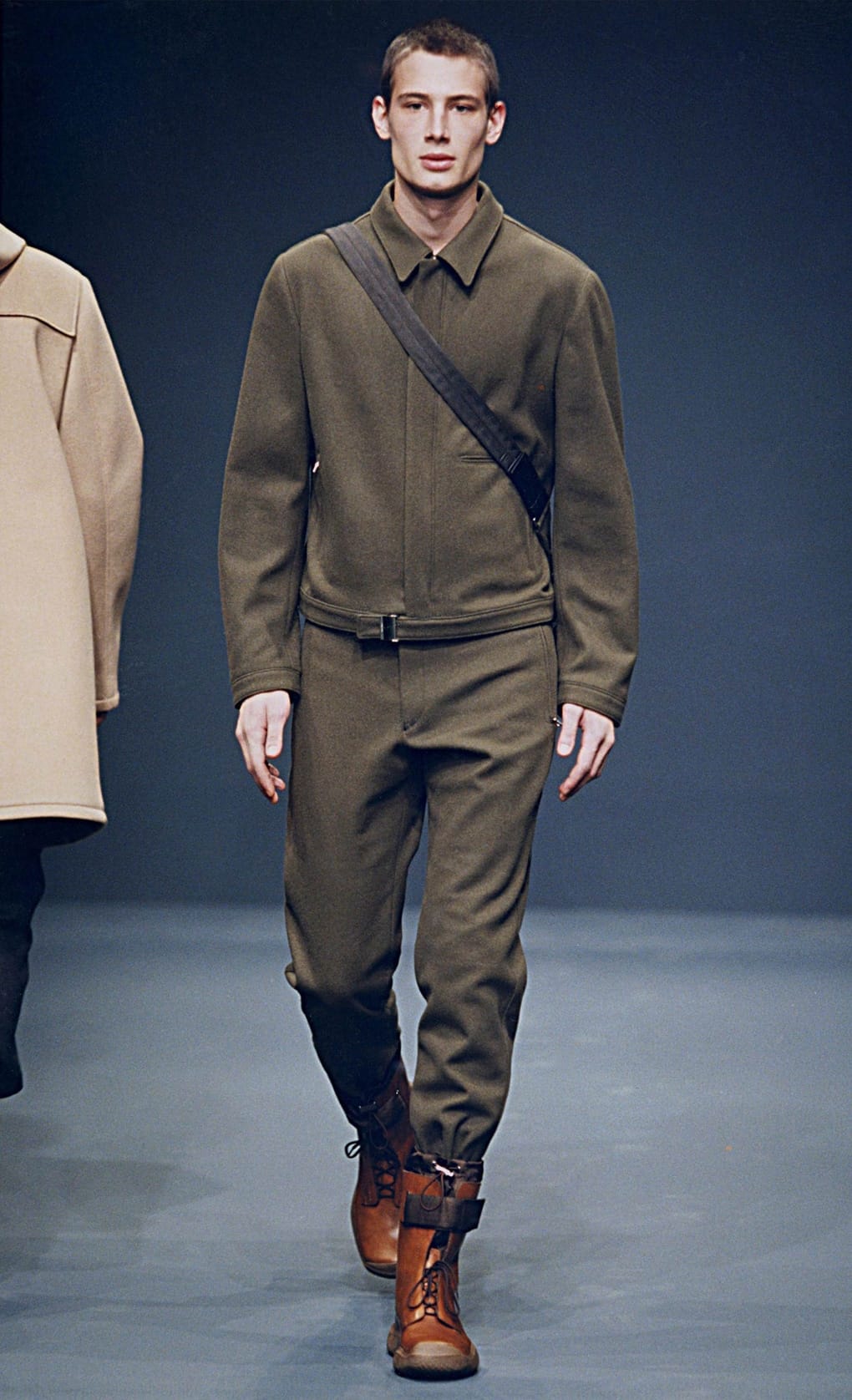
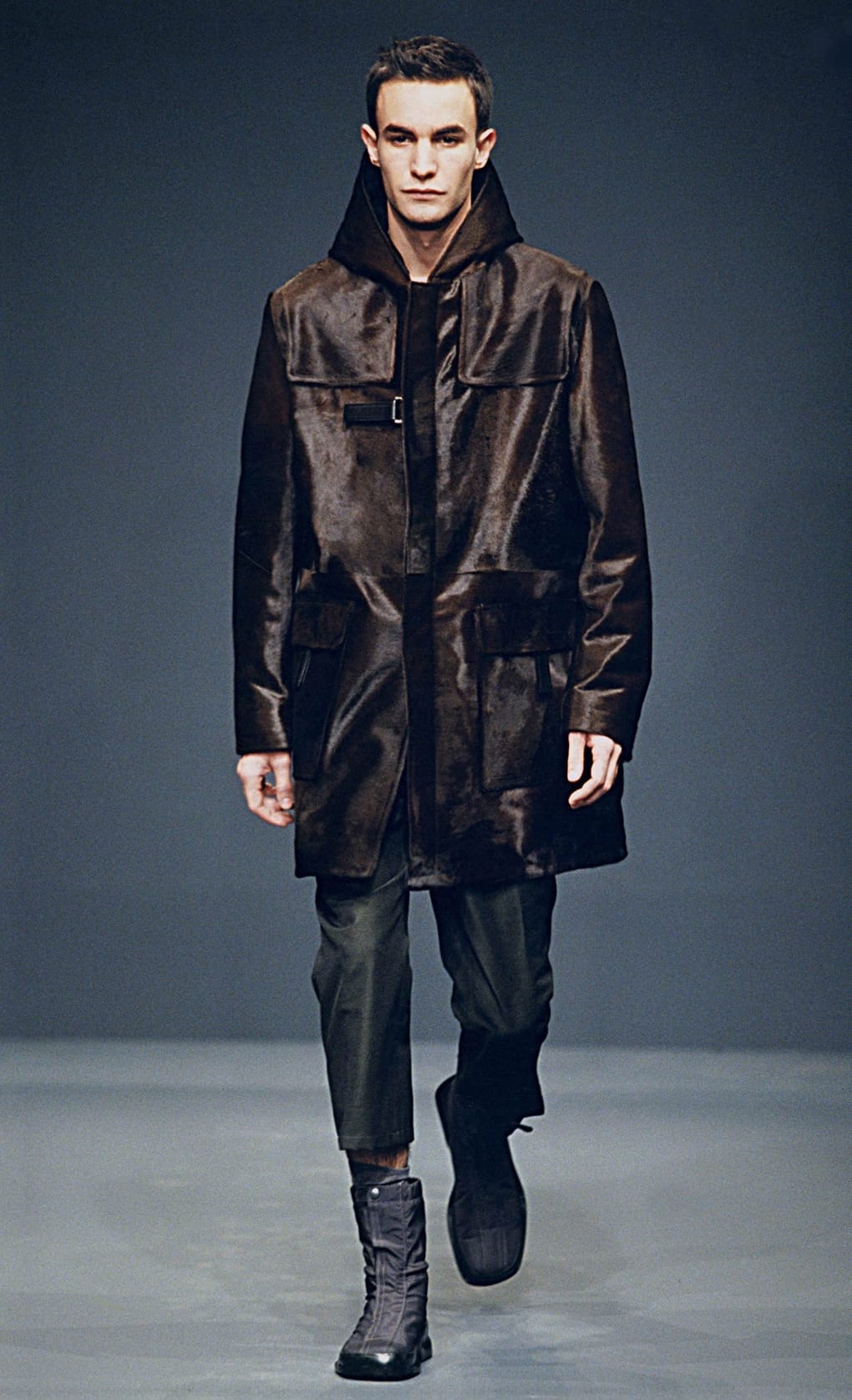
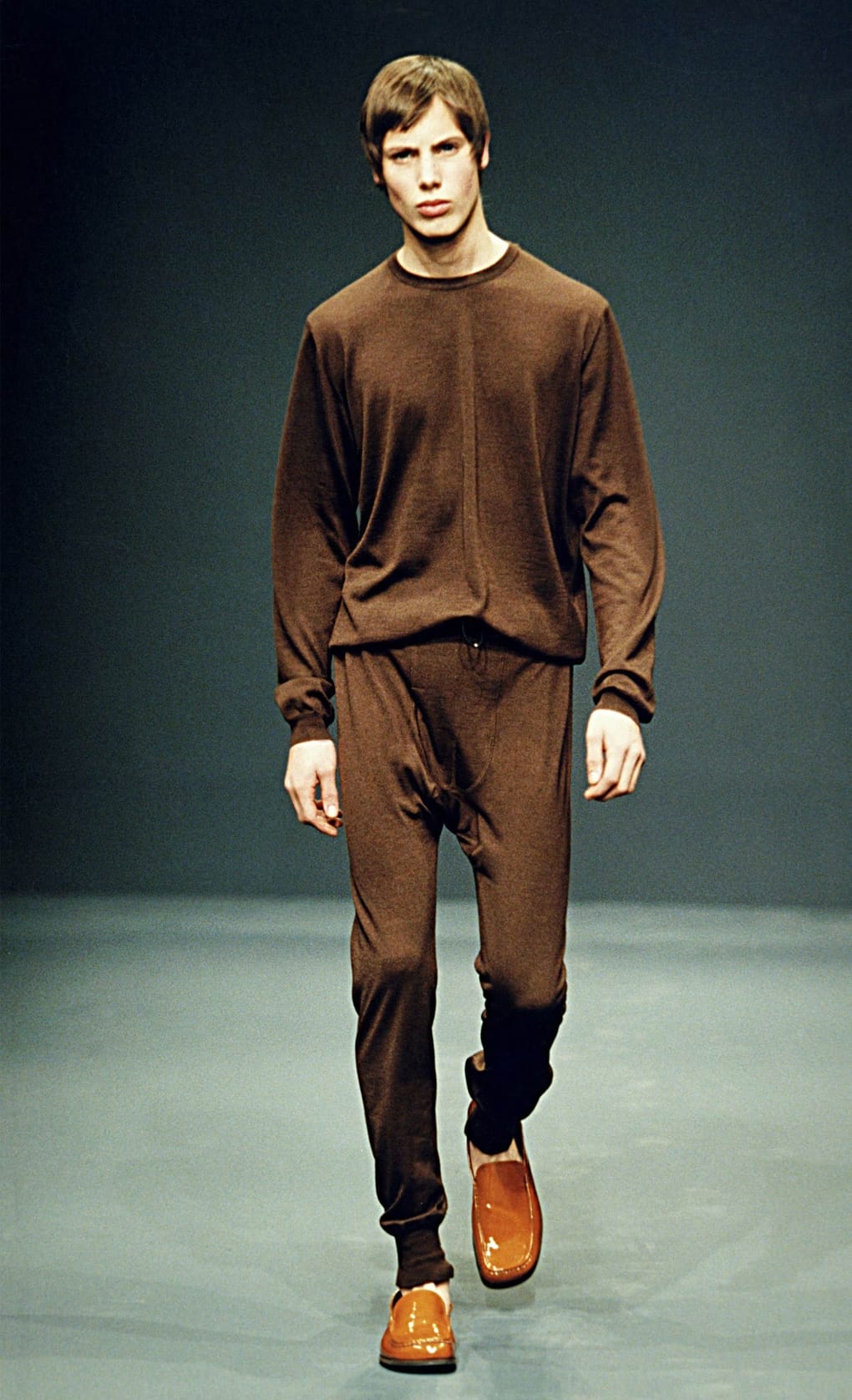
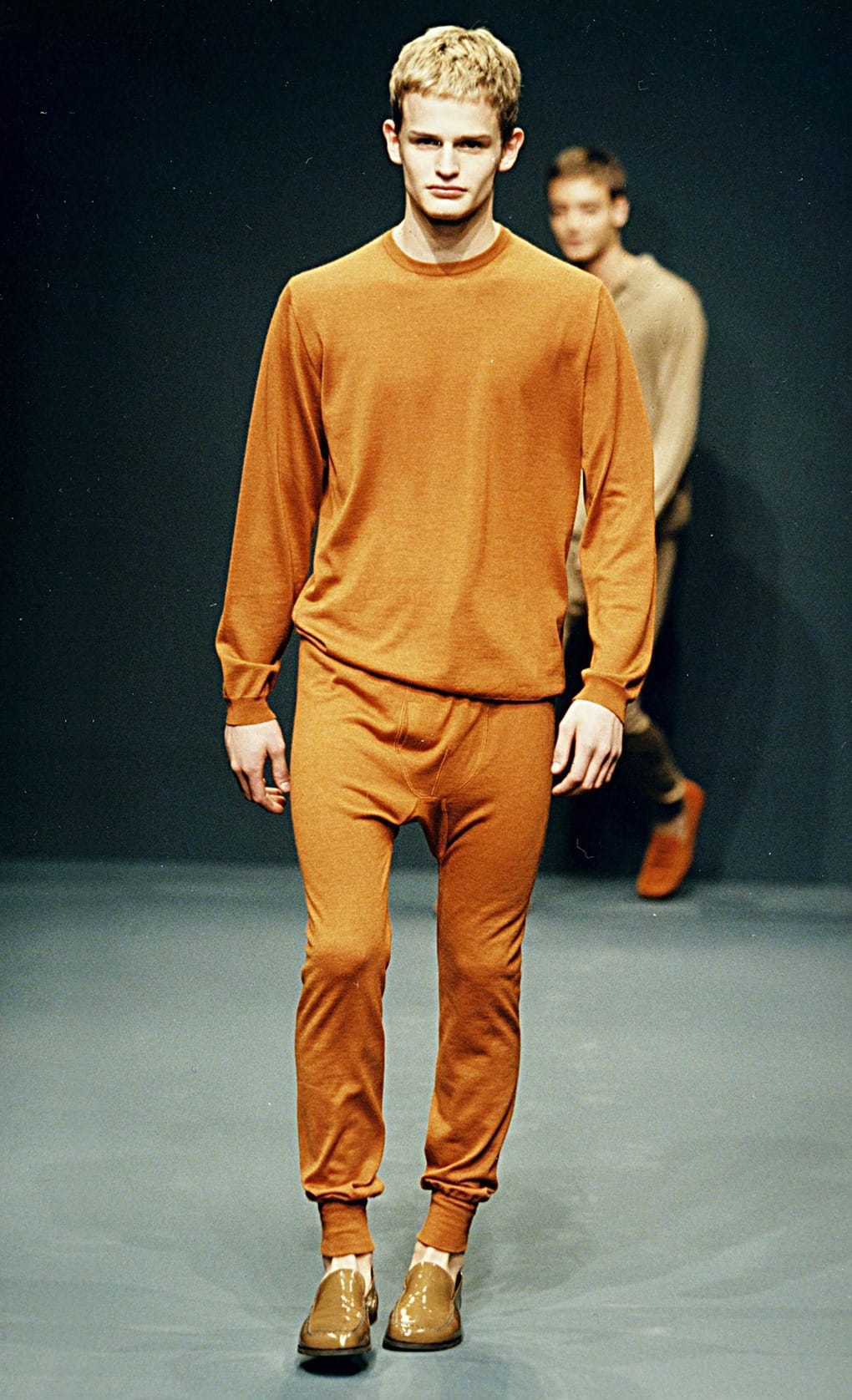
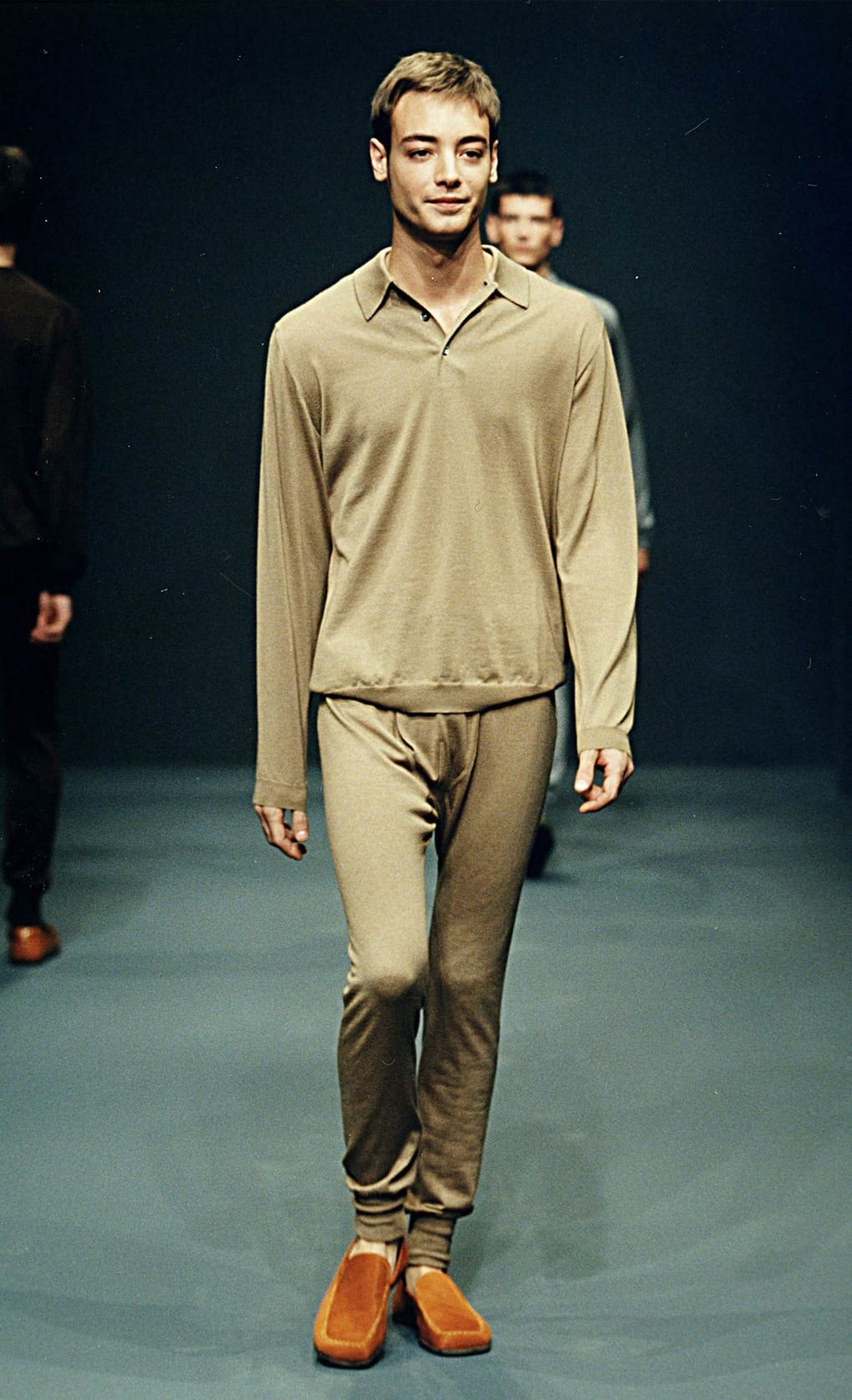
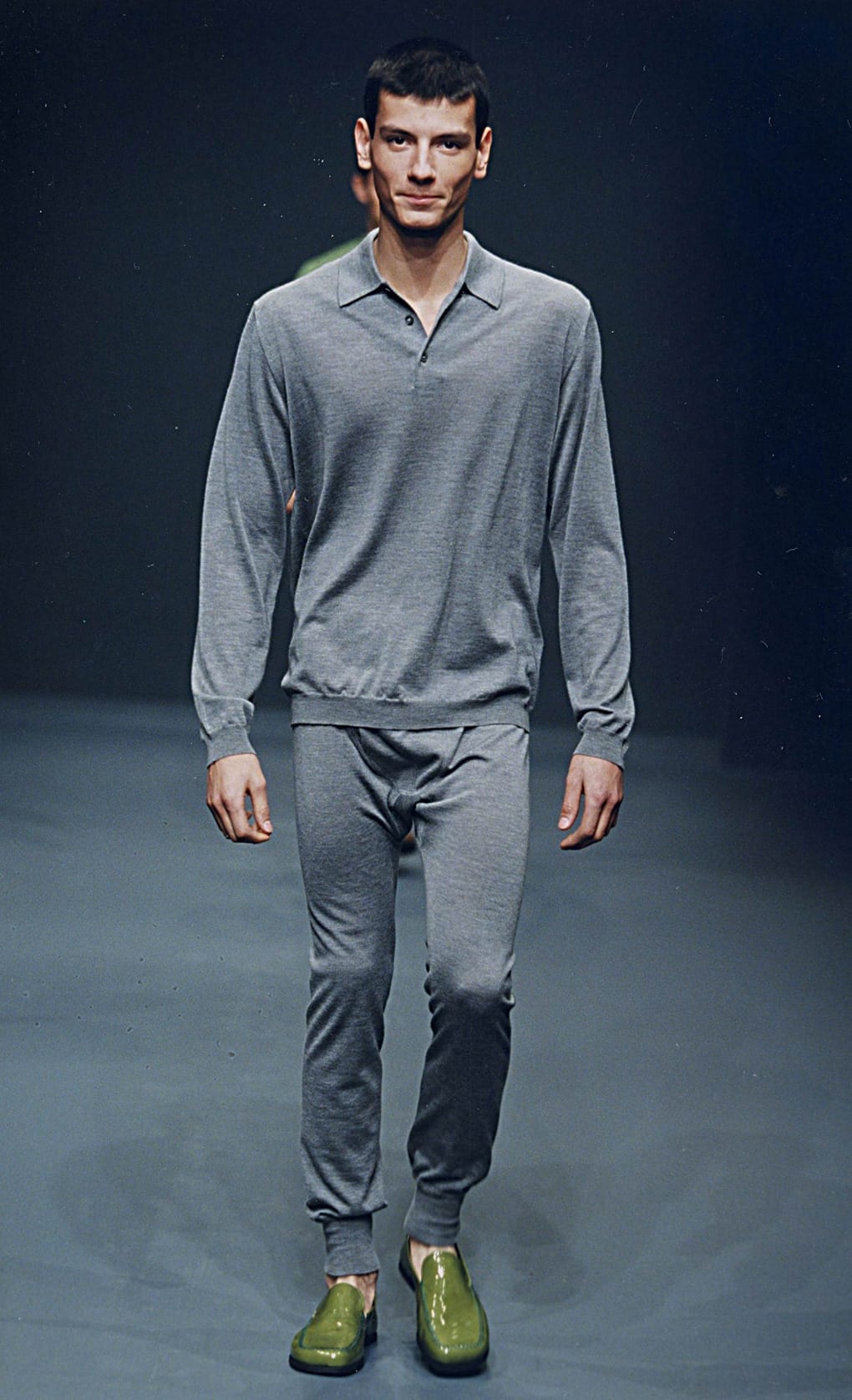
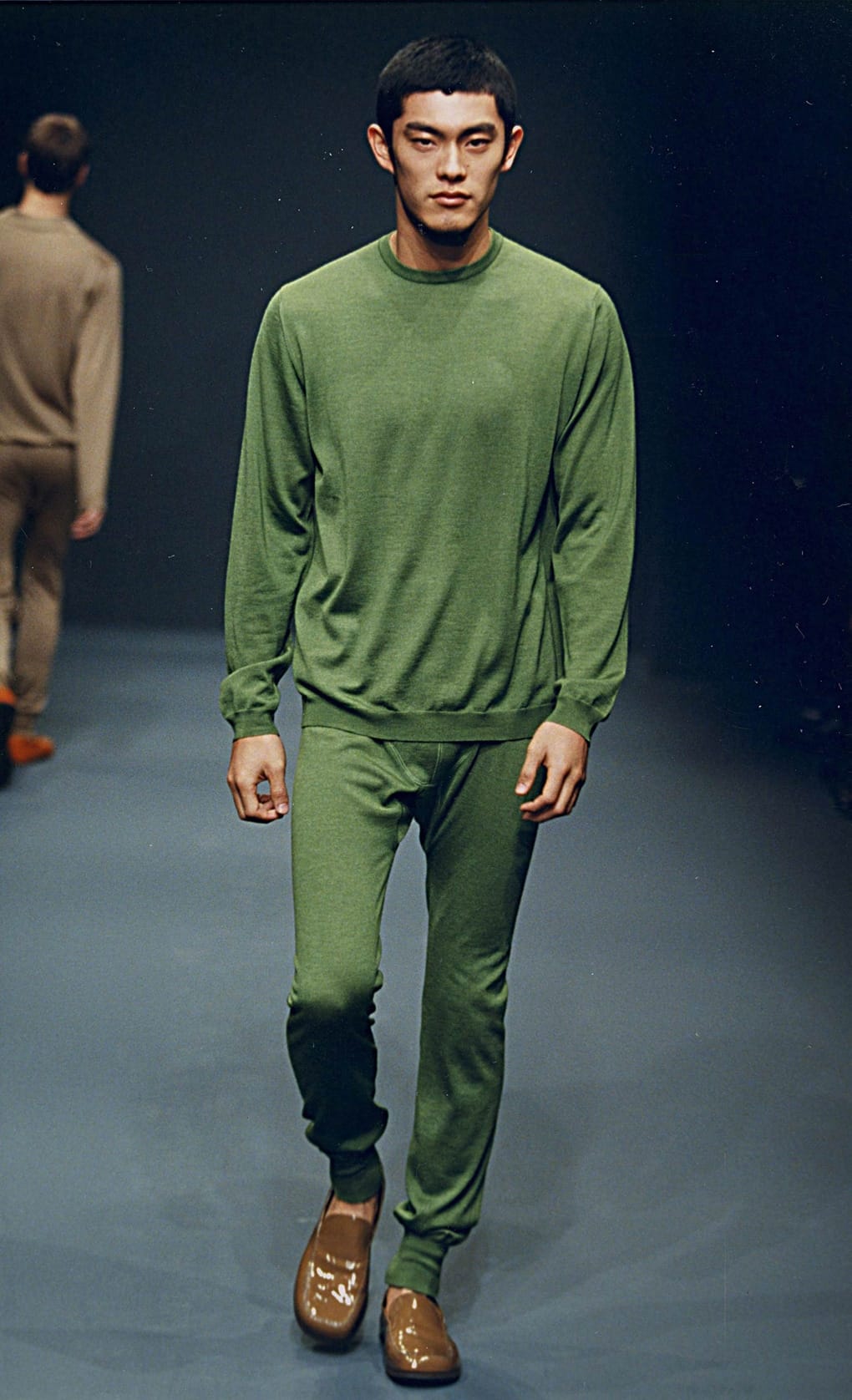
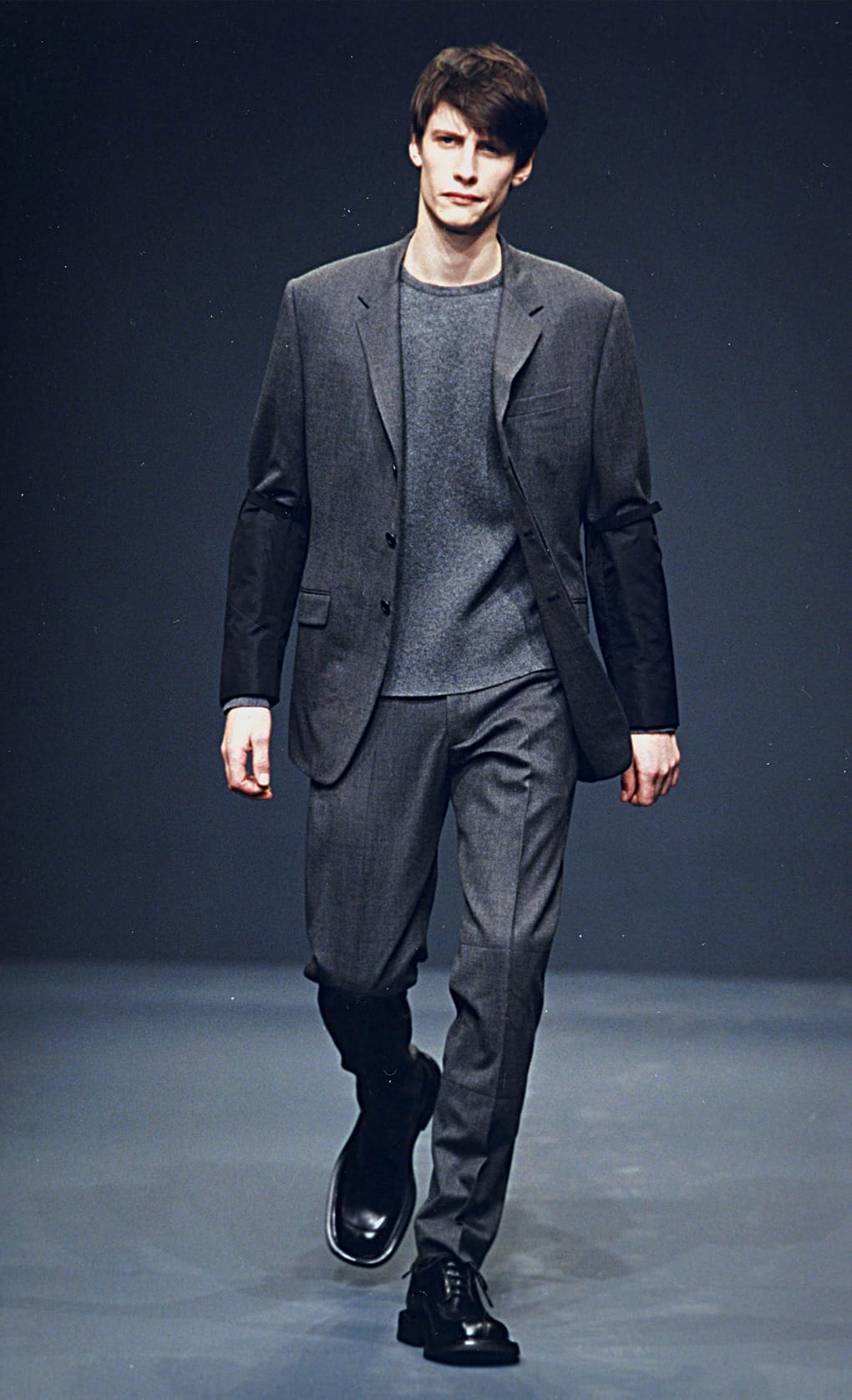
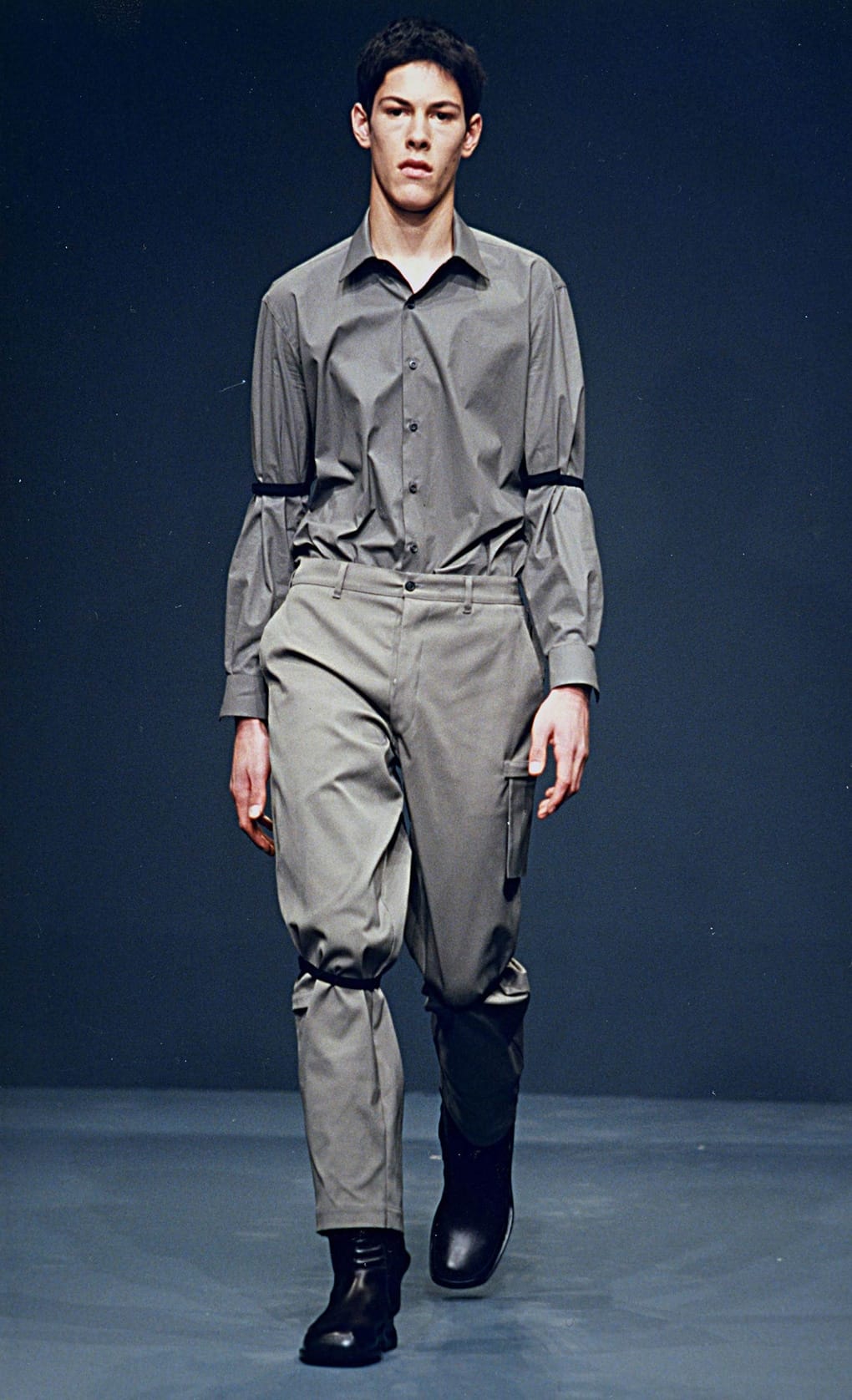
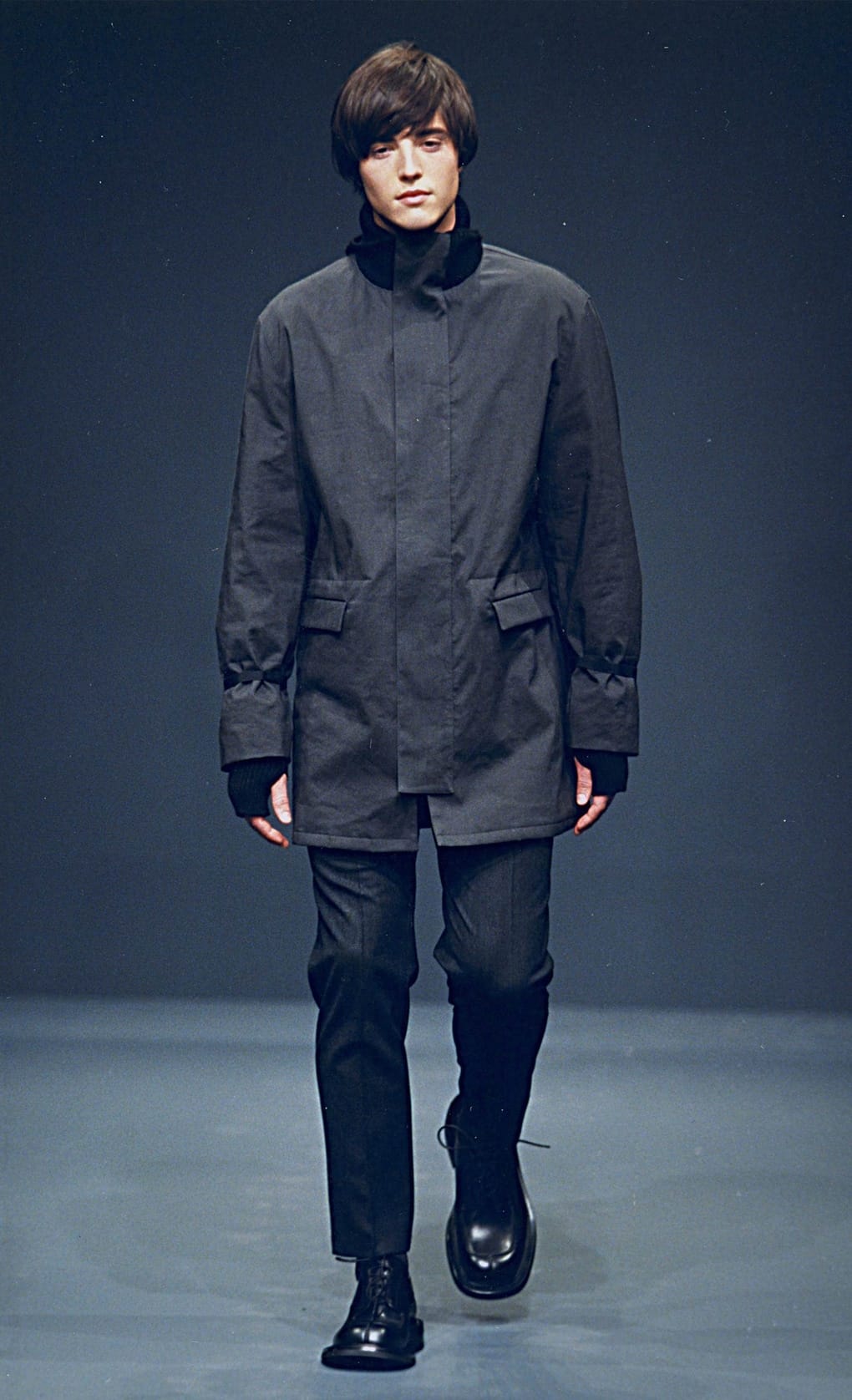
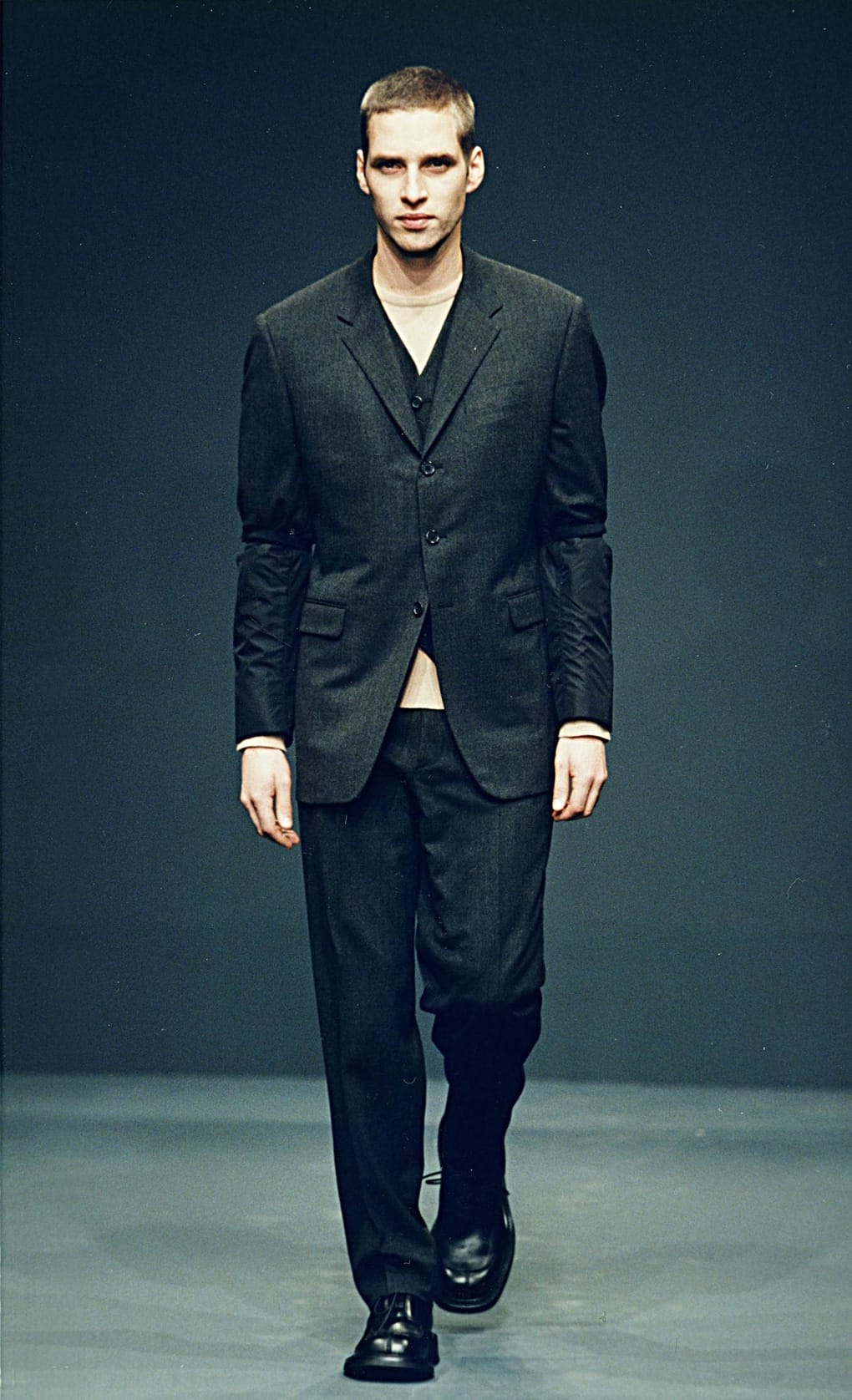
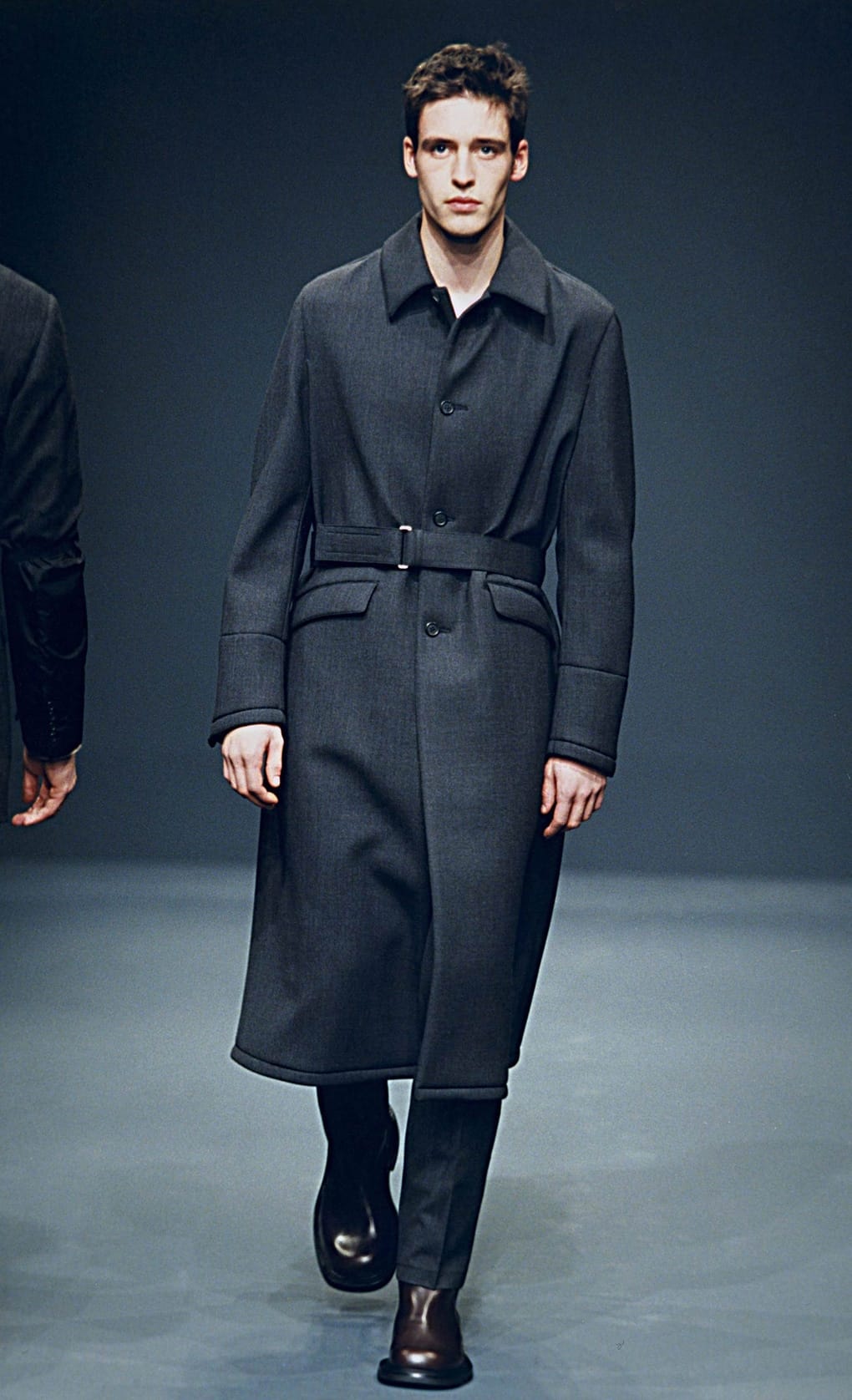
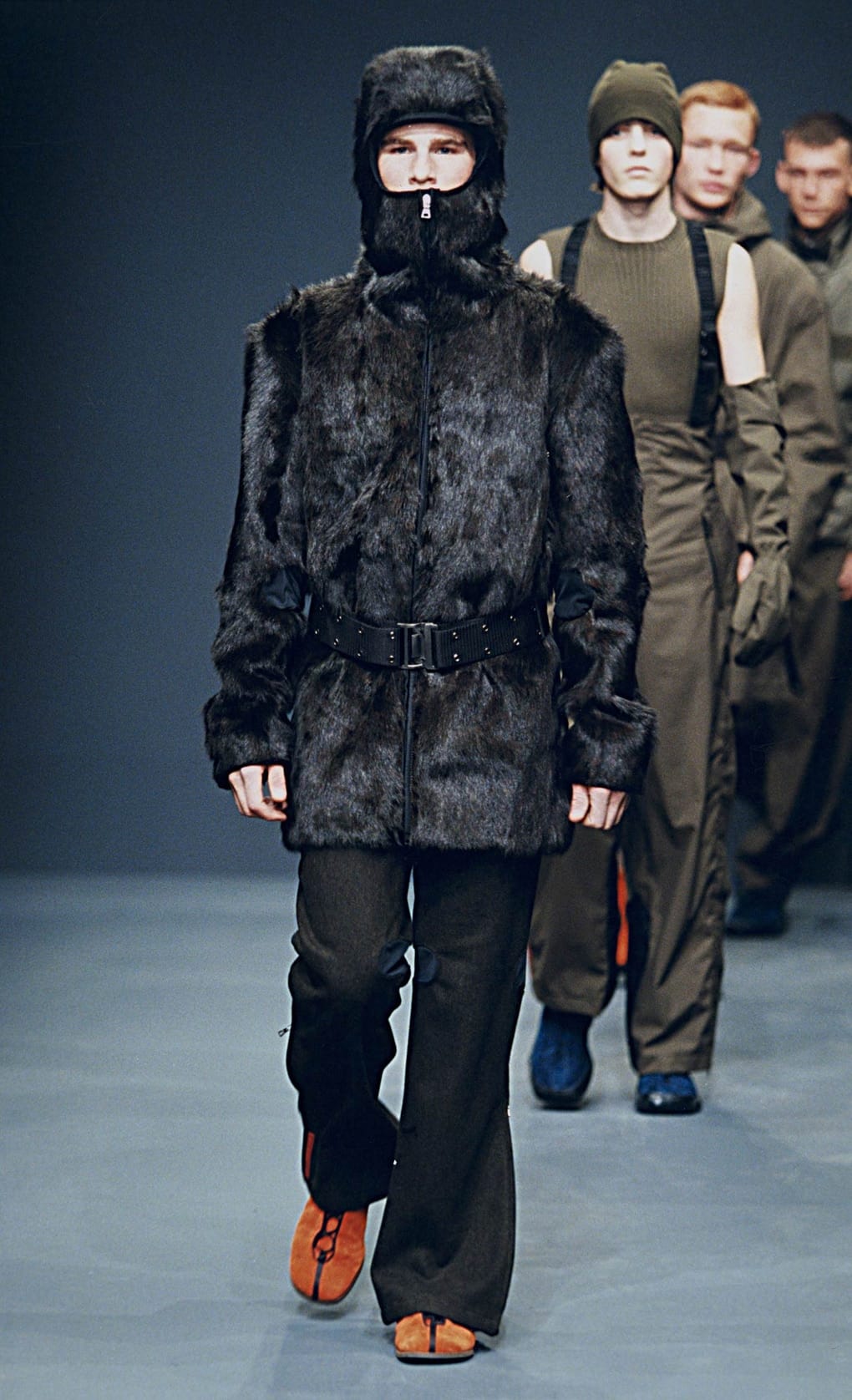
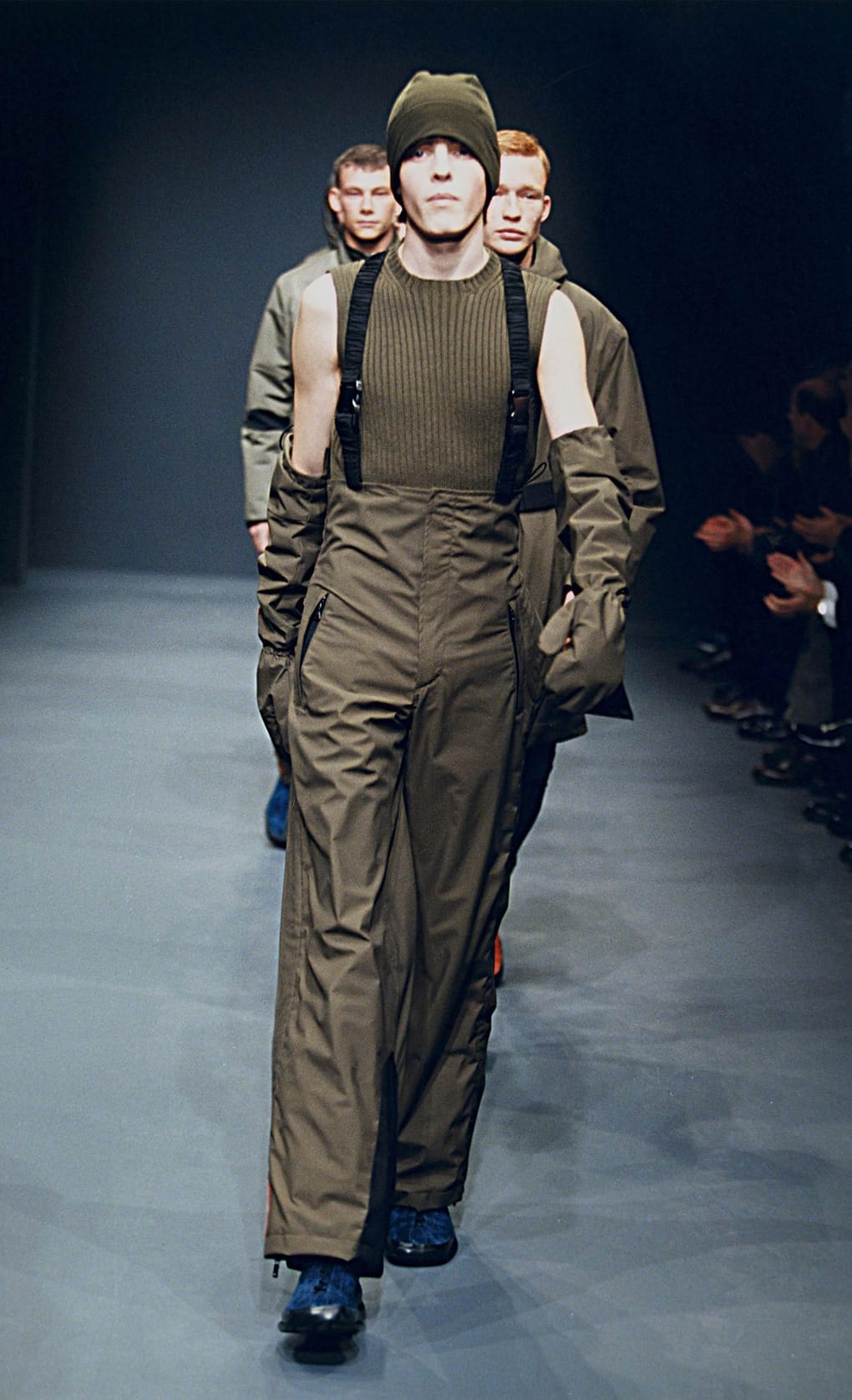
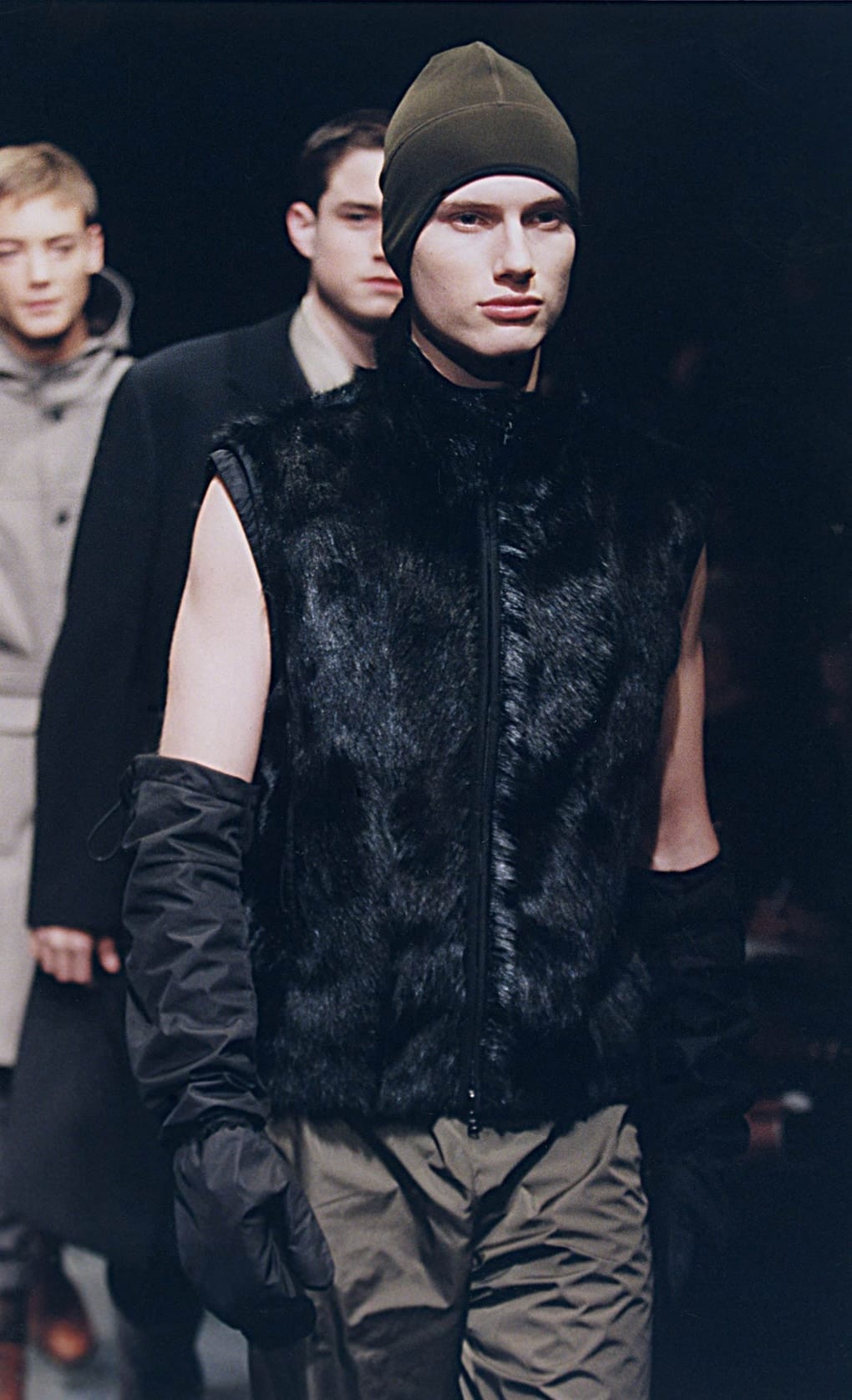
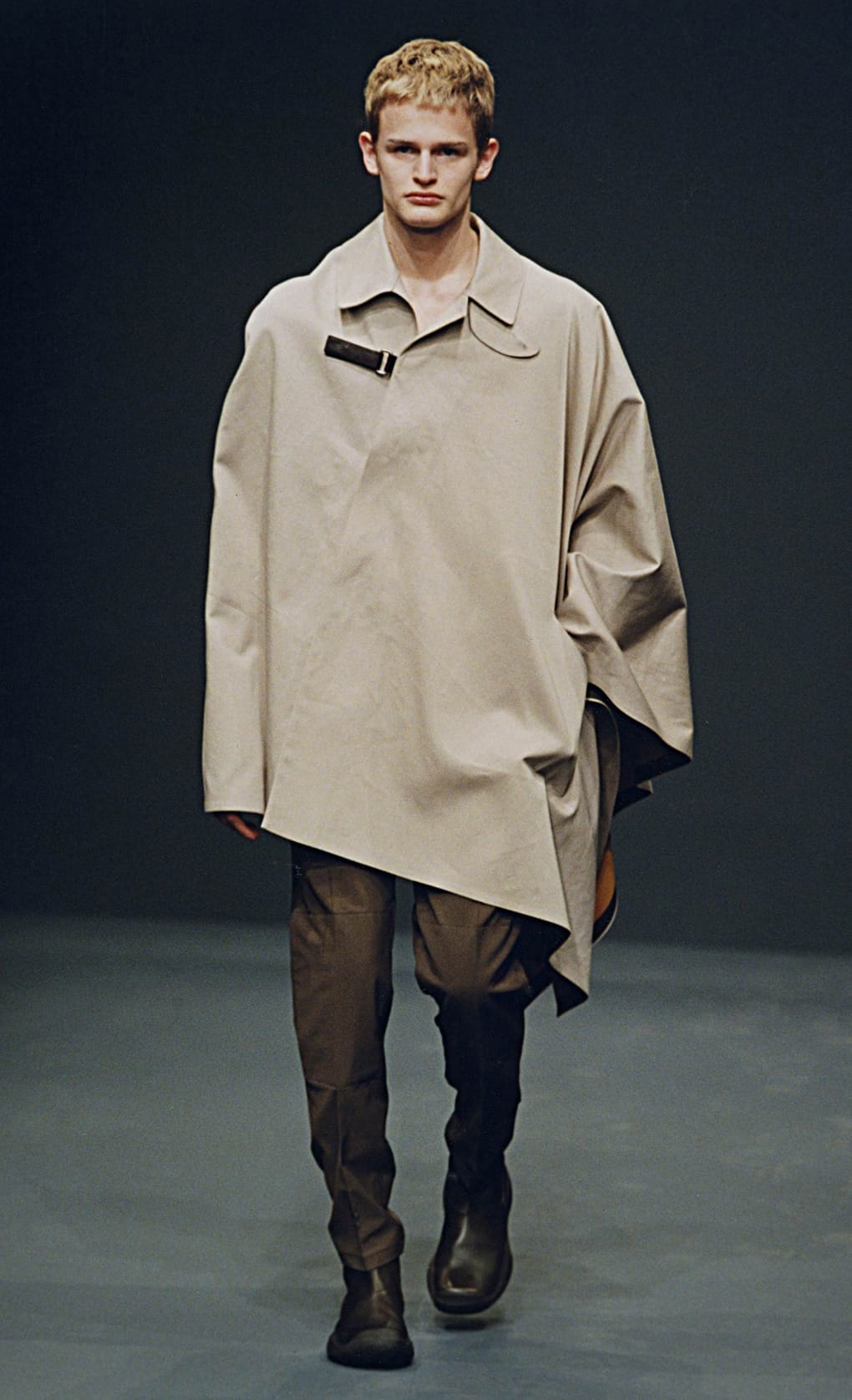
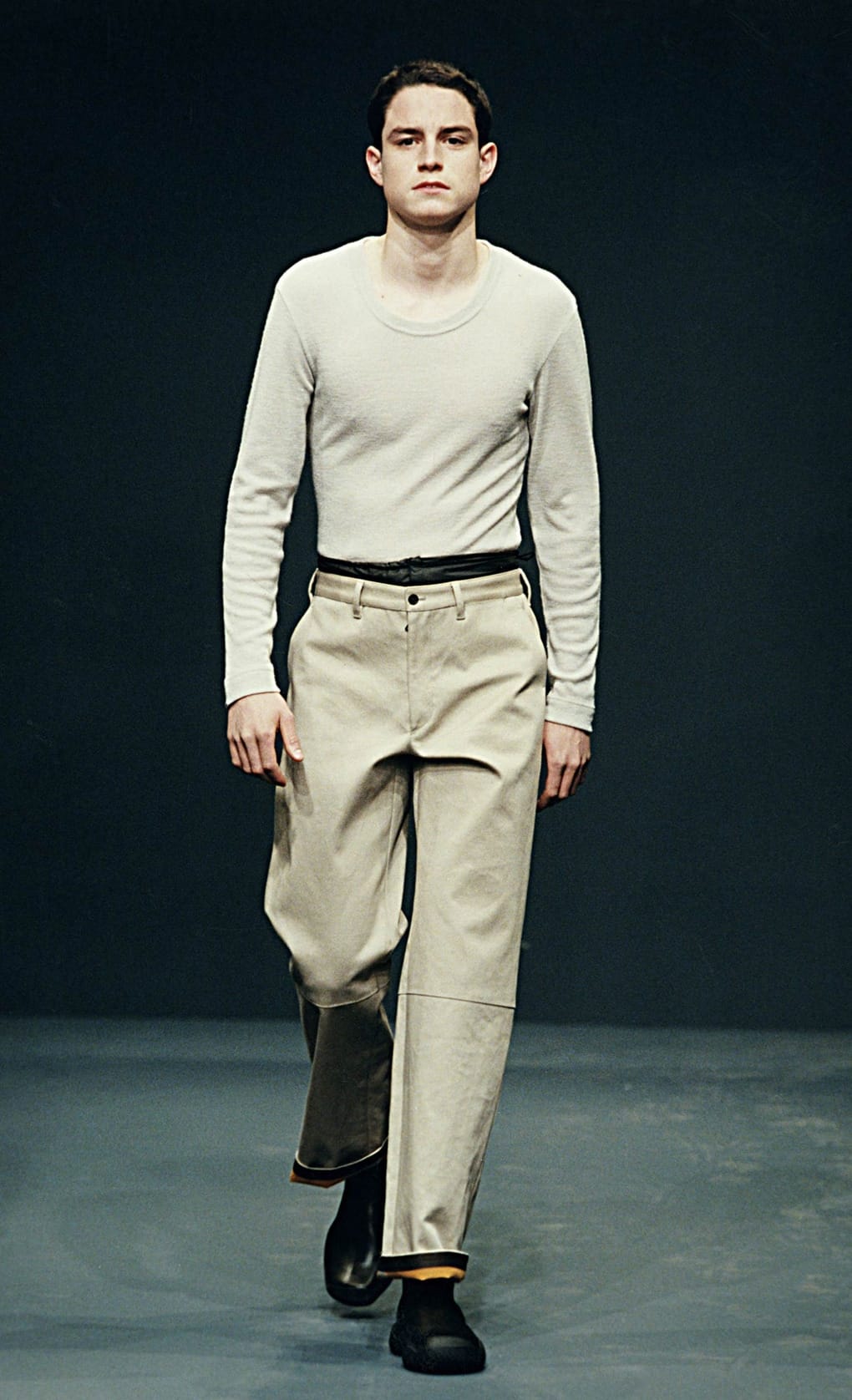
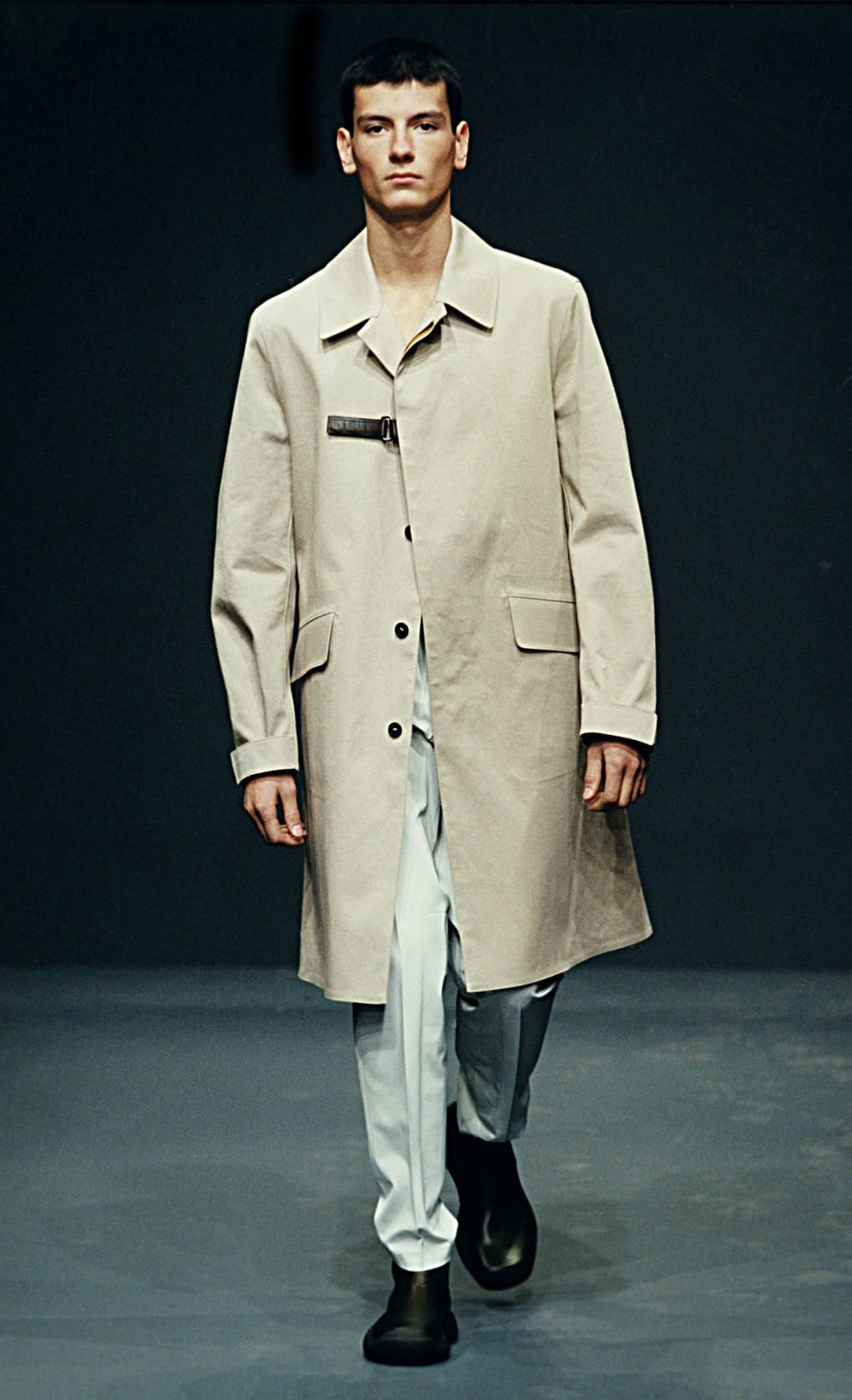
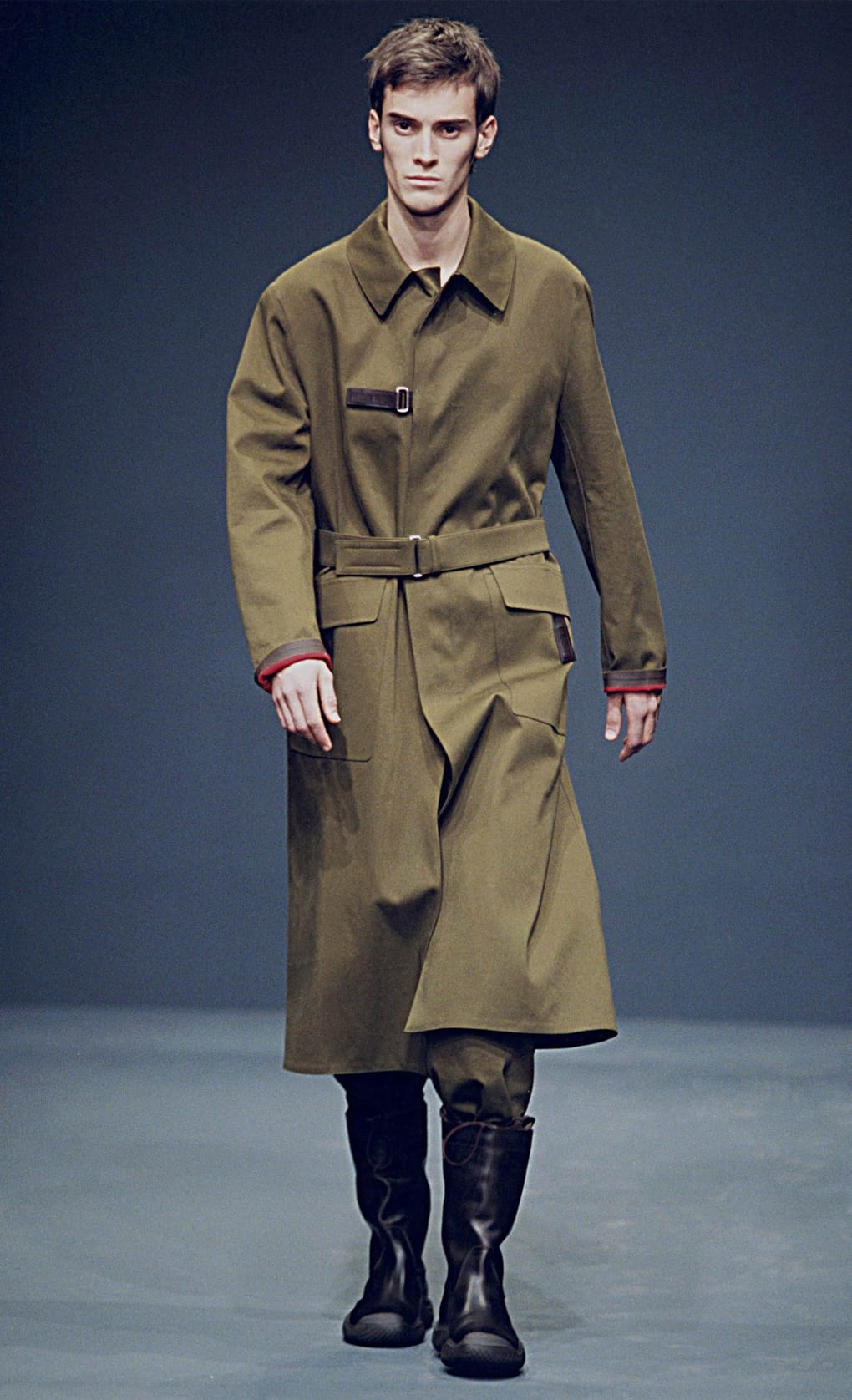
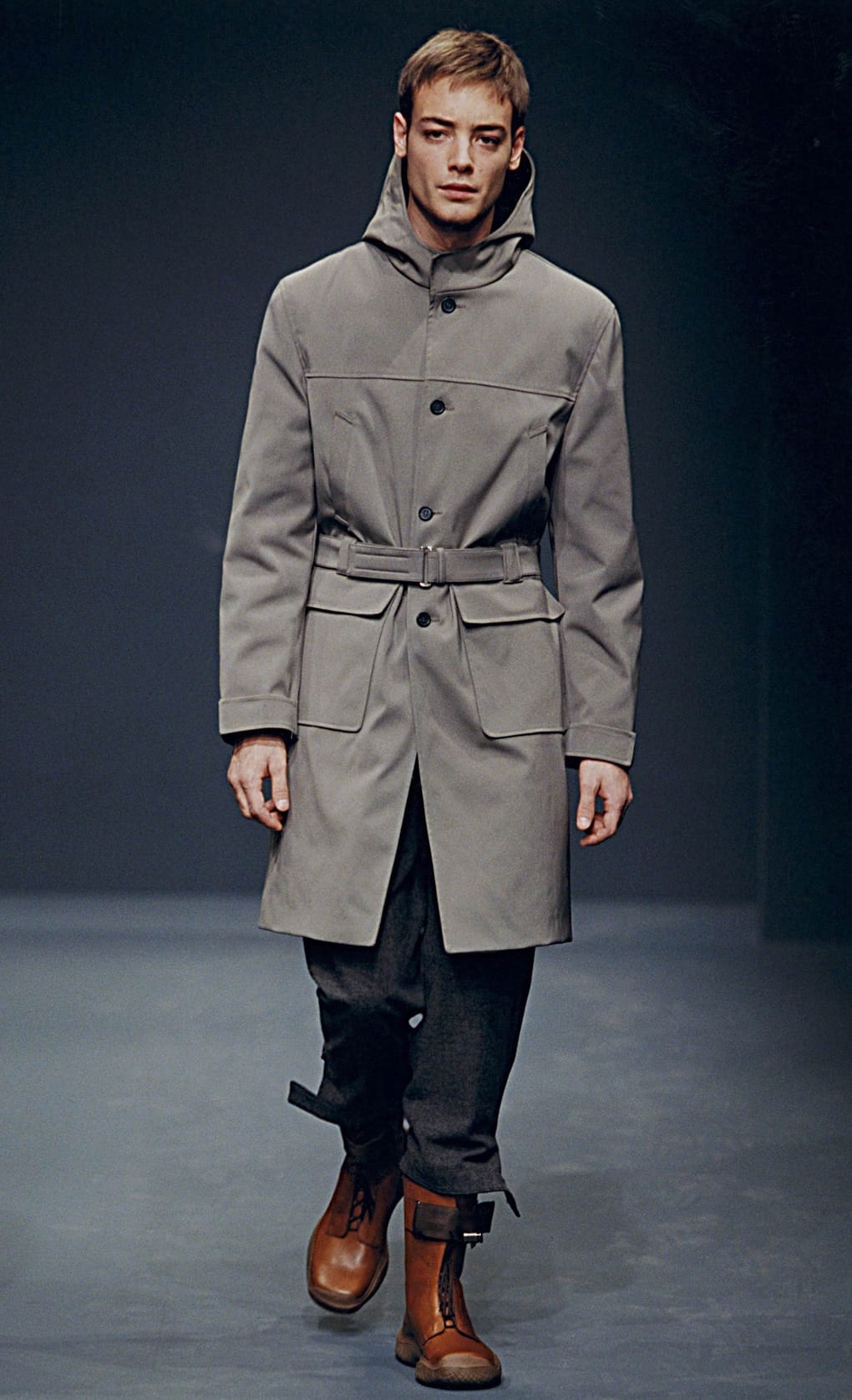
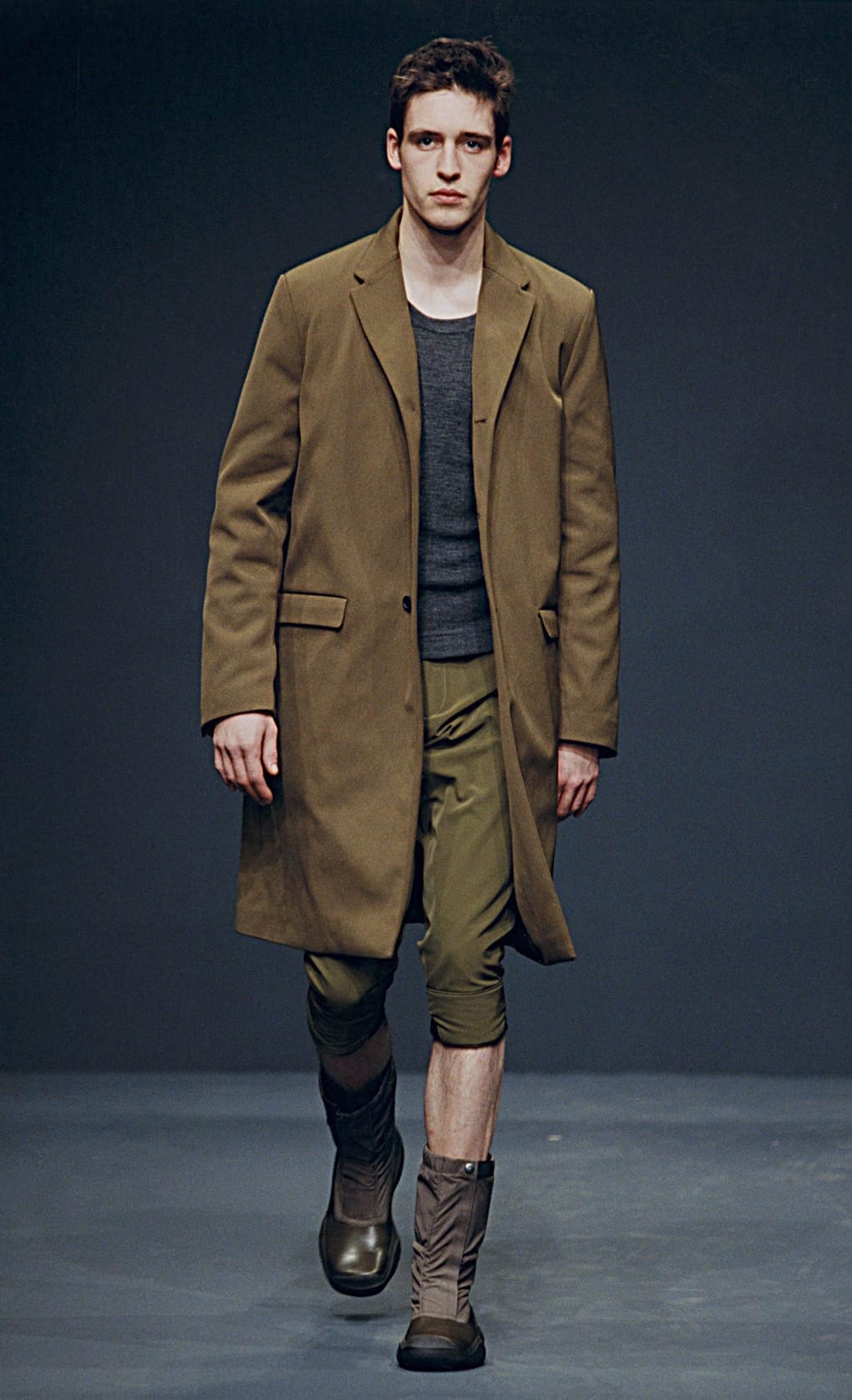
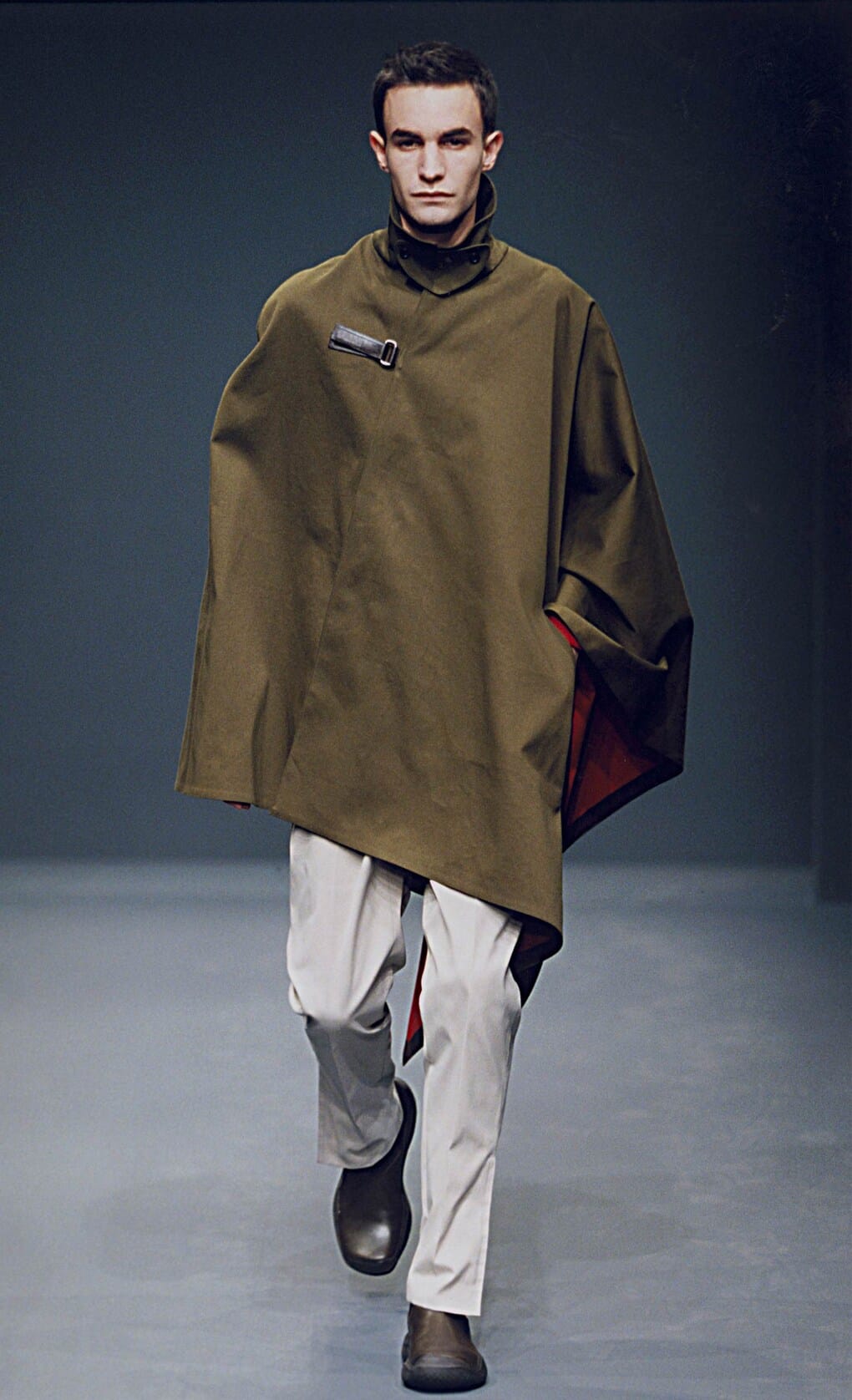
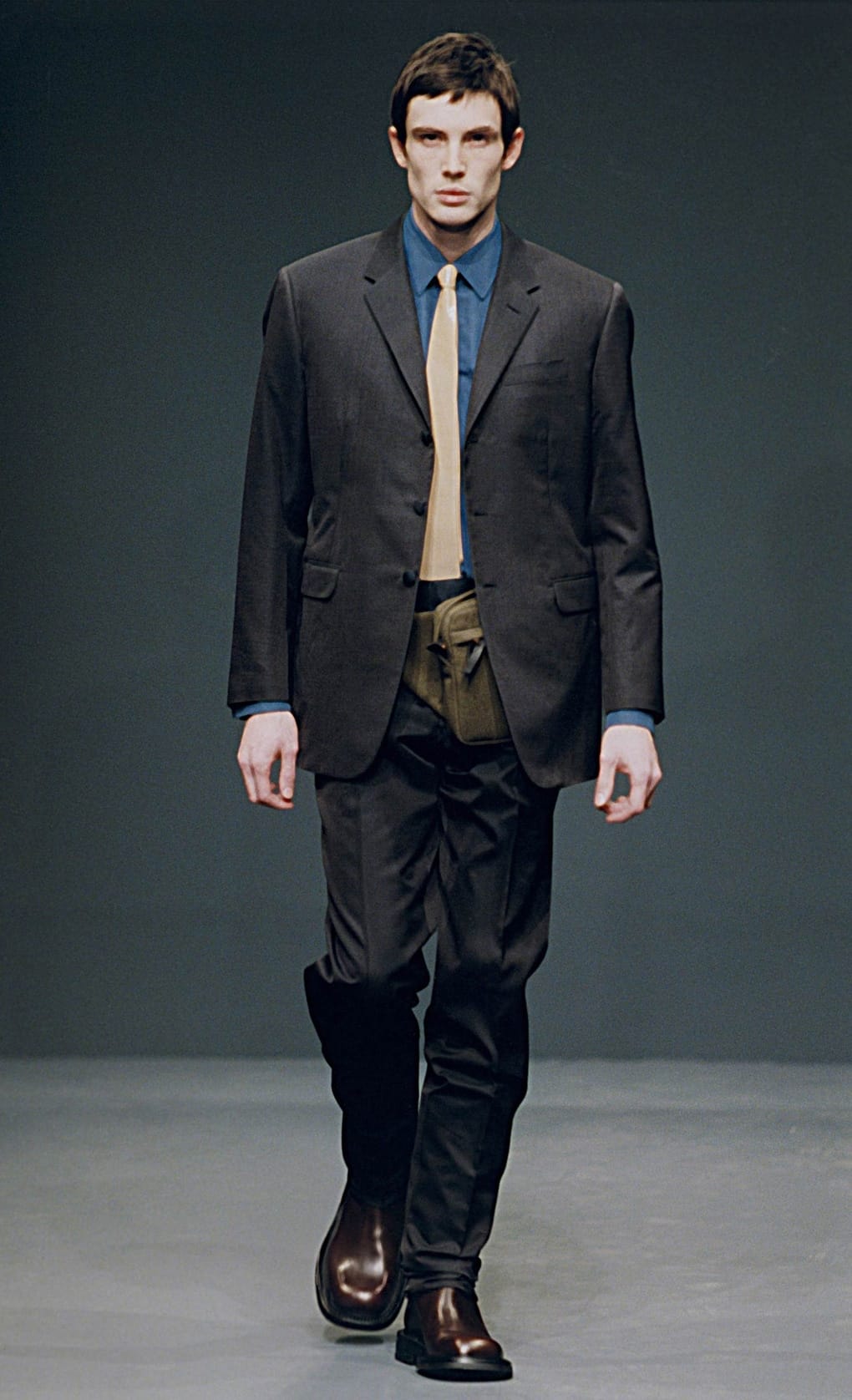
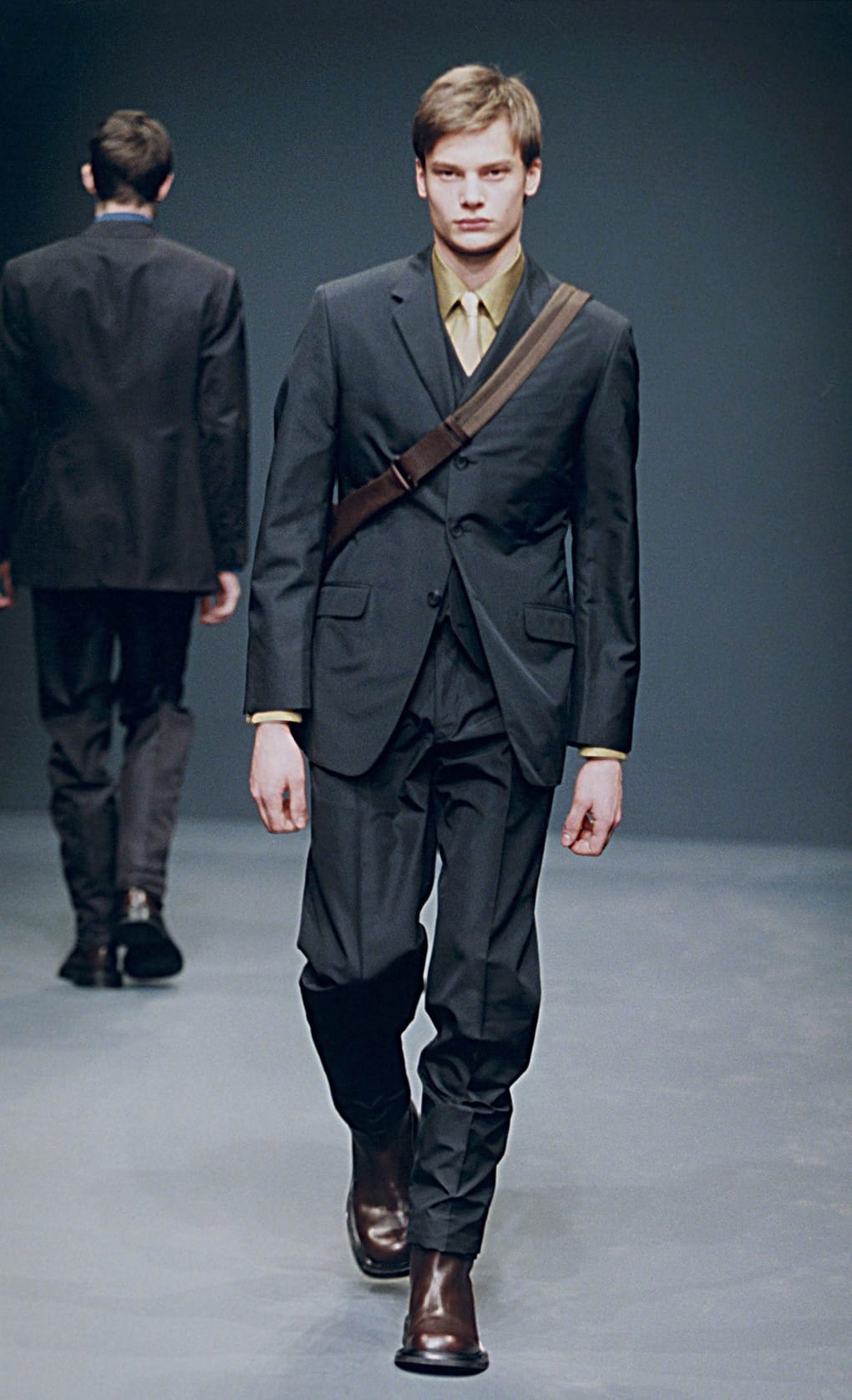
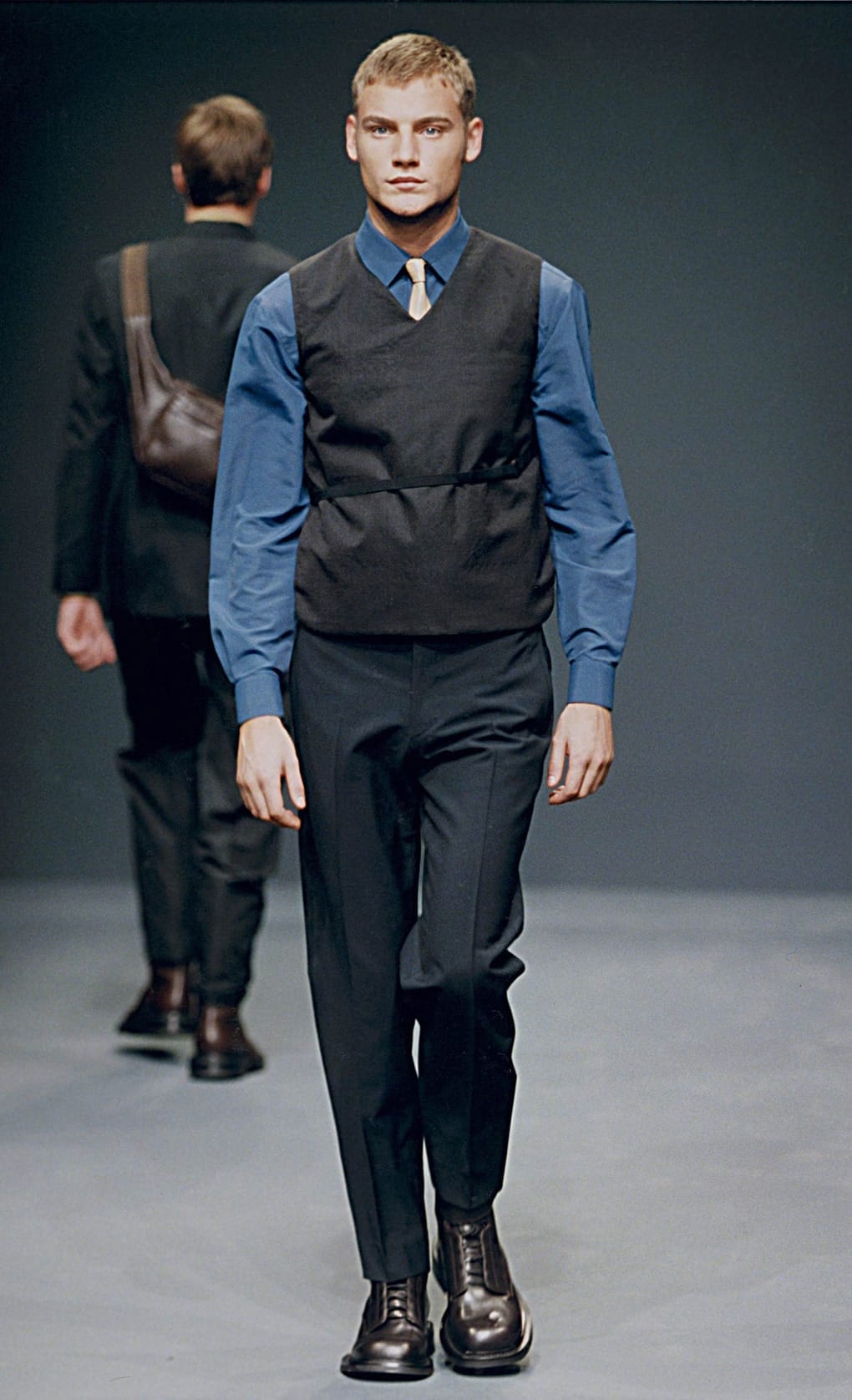
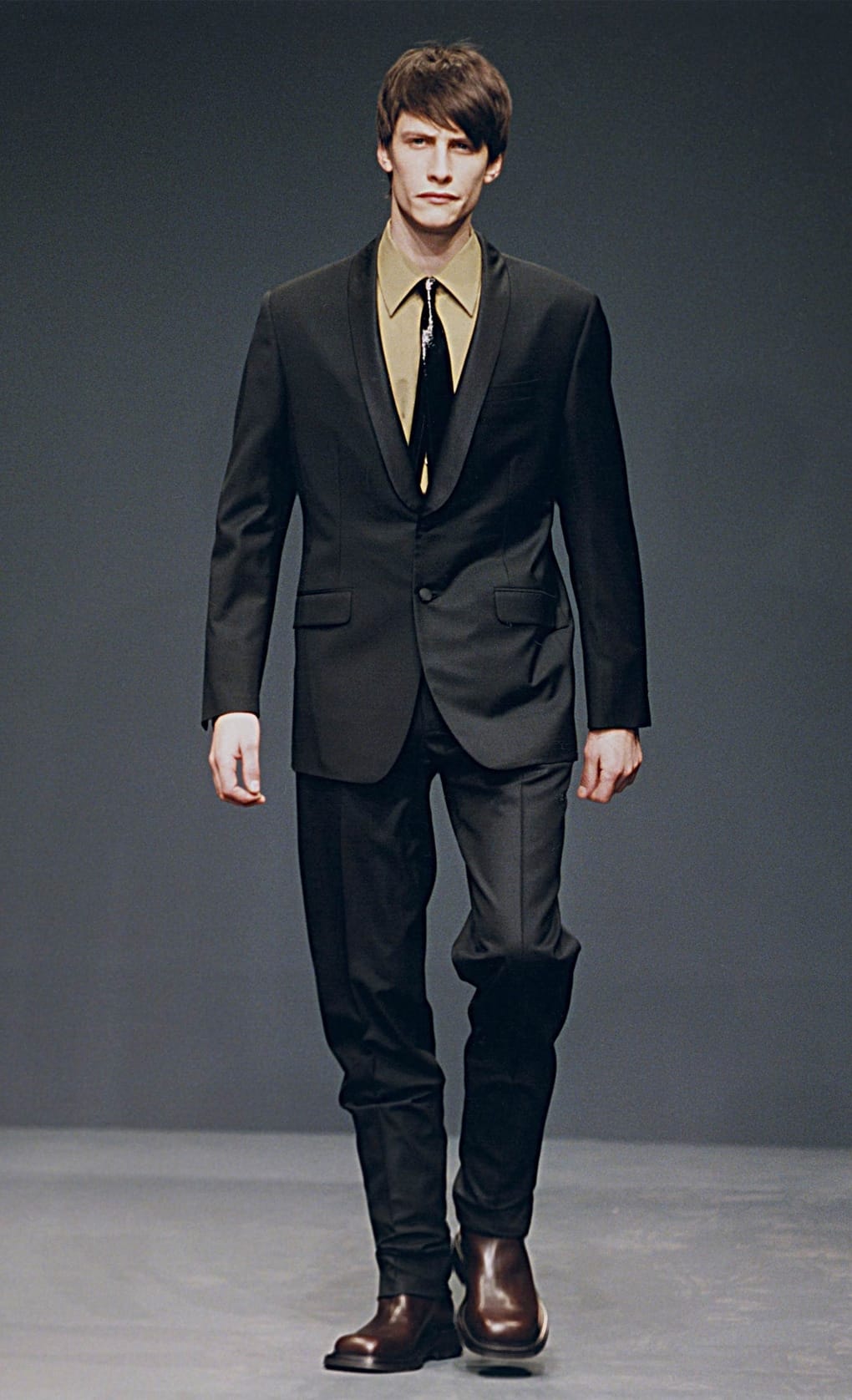
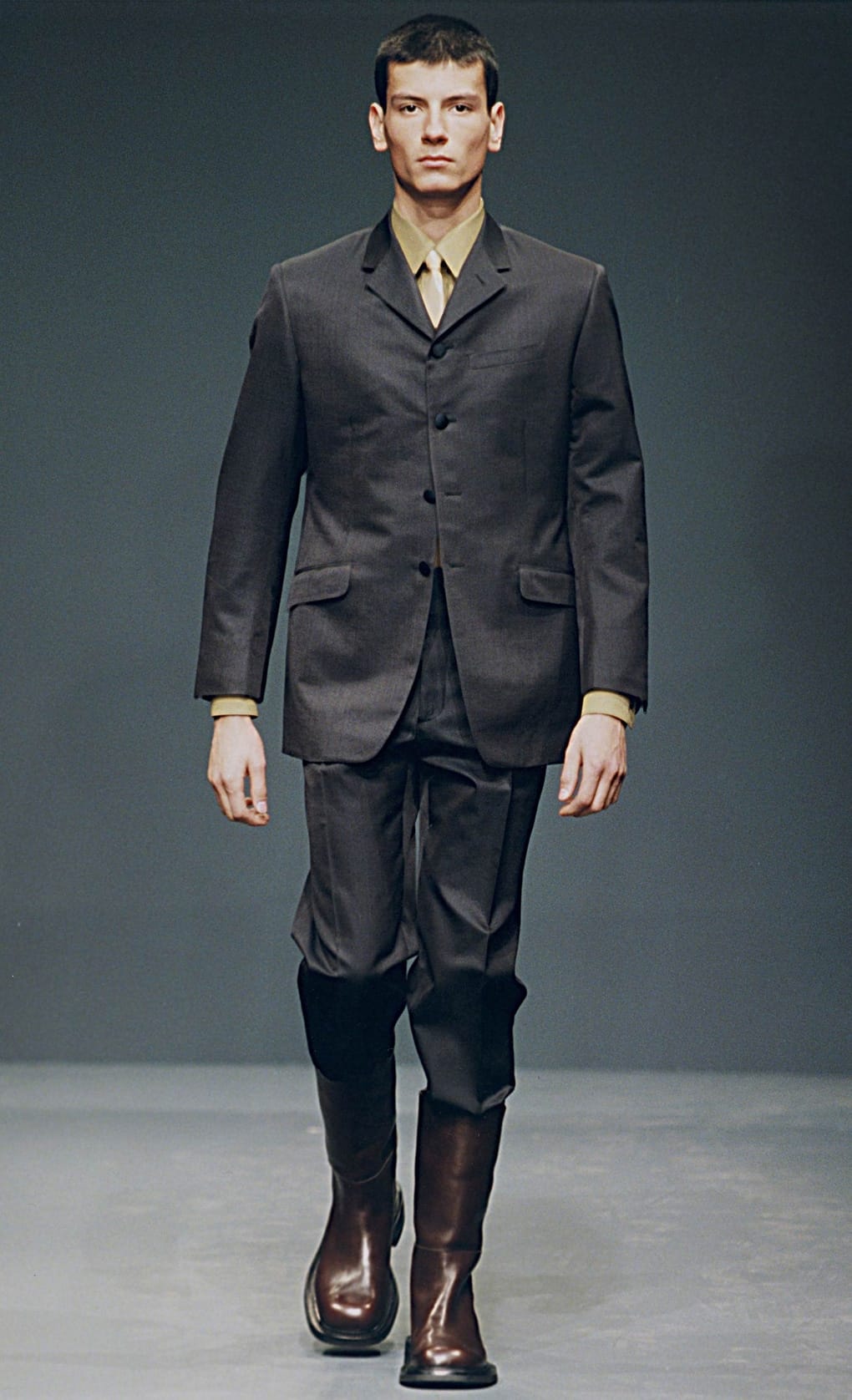
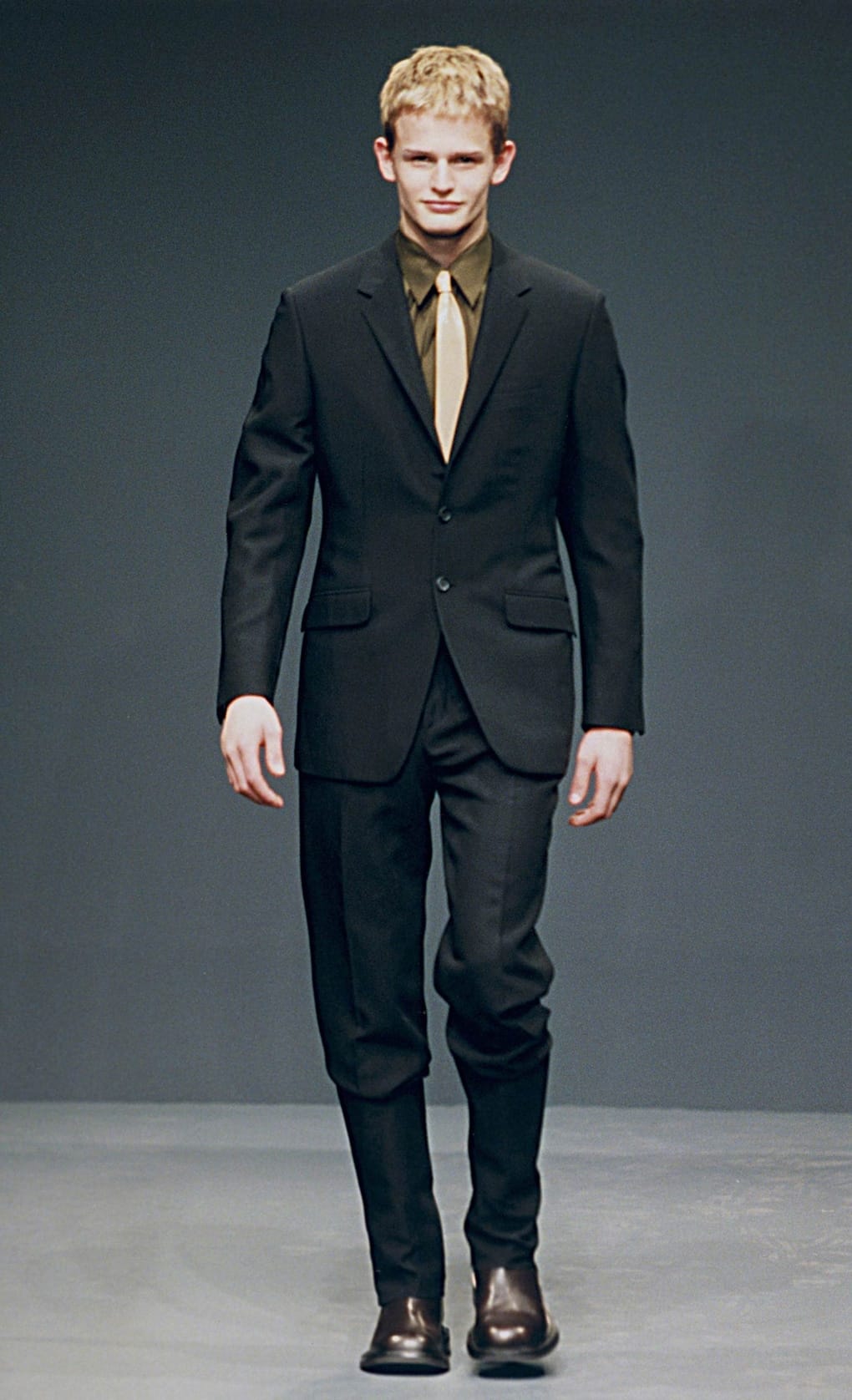
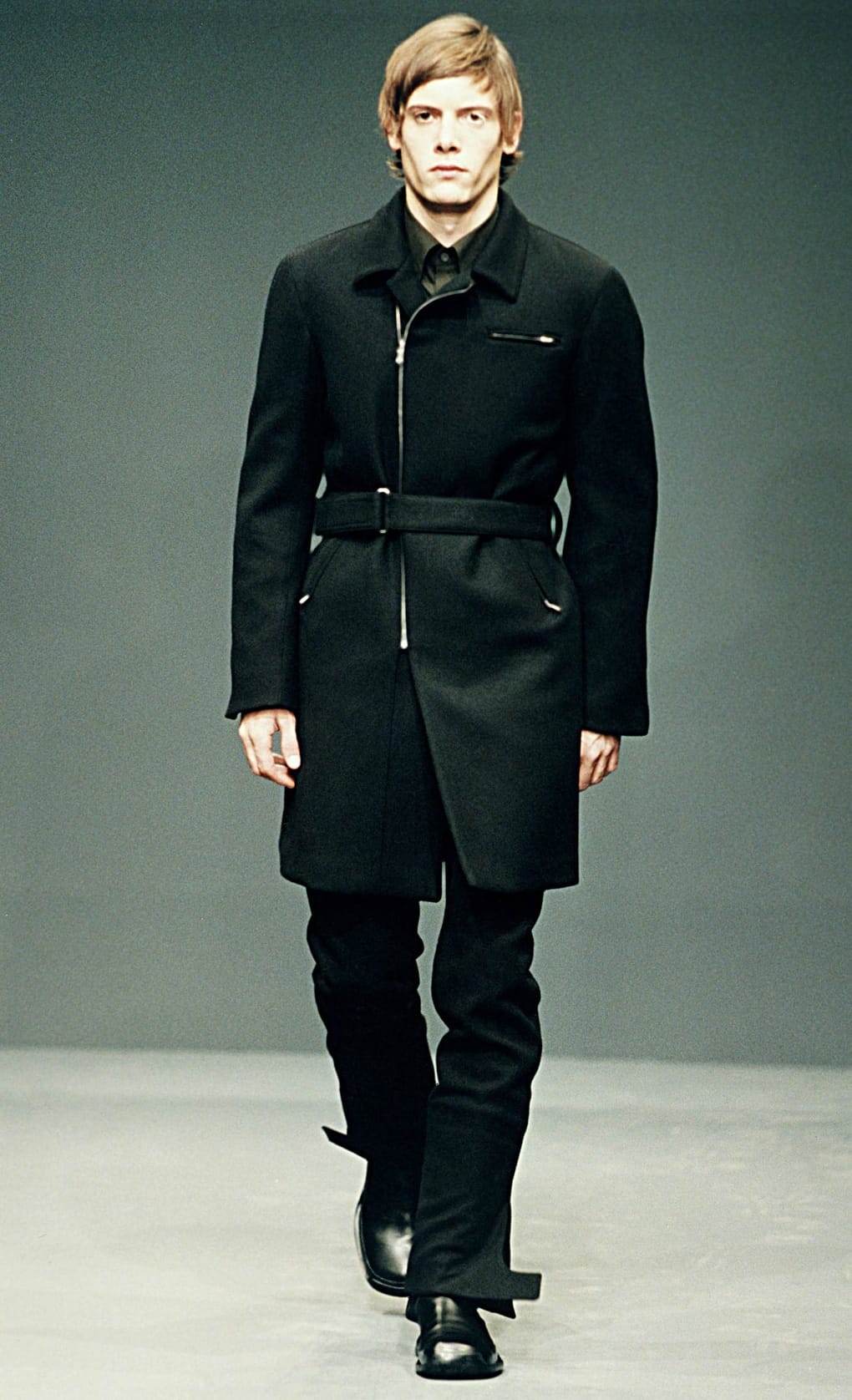
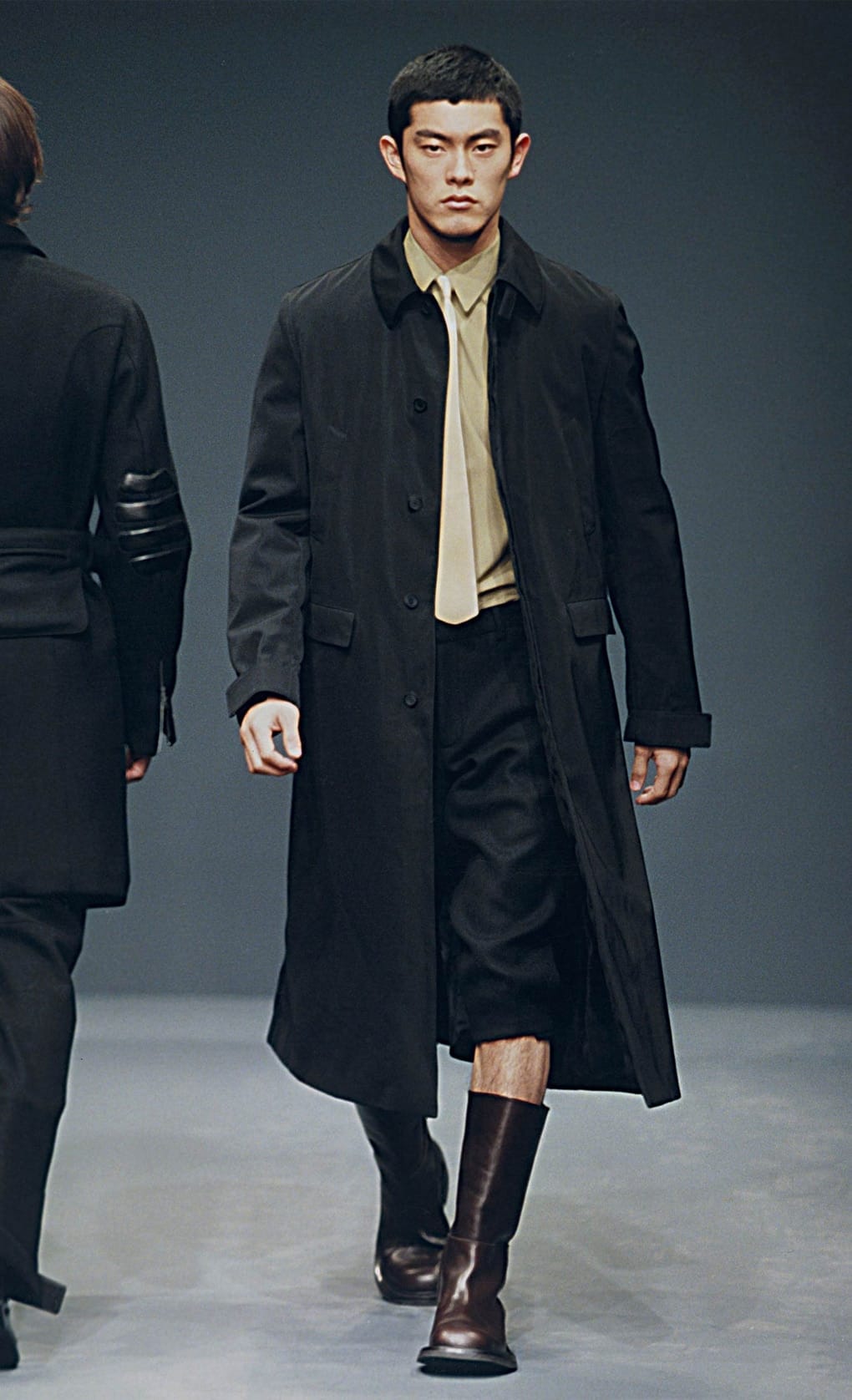
Prada Fall/Winter 1999 Menswear
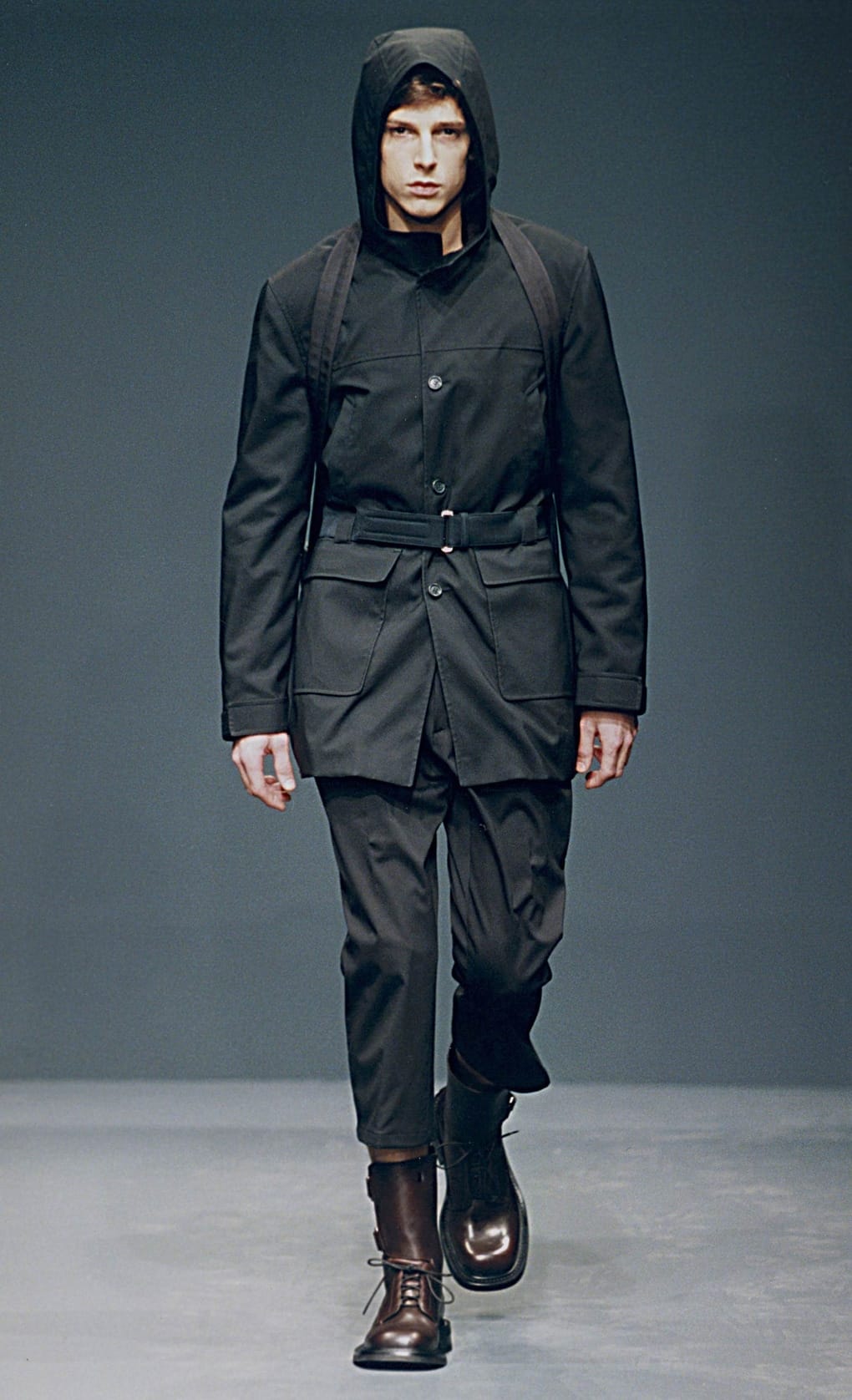
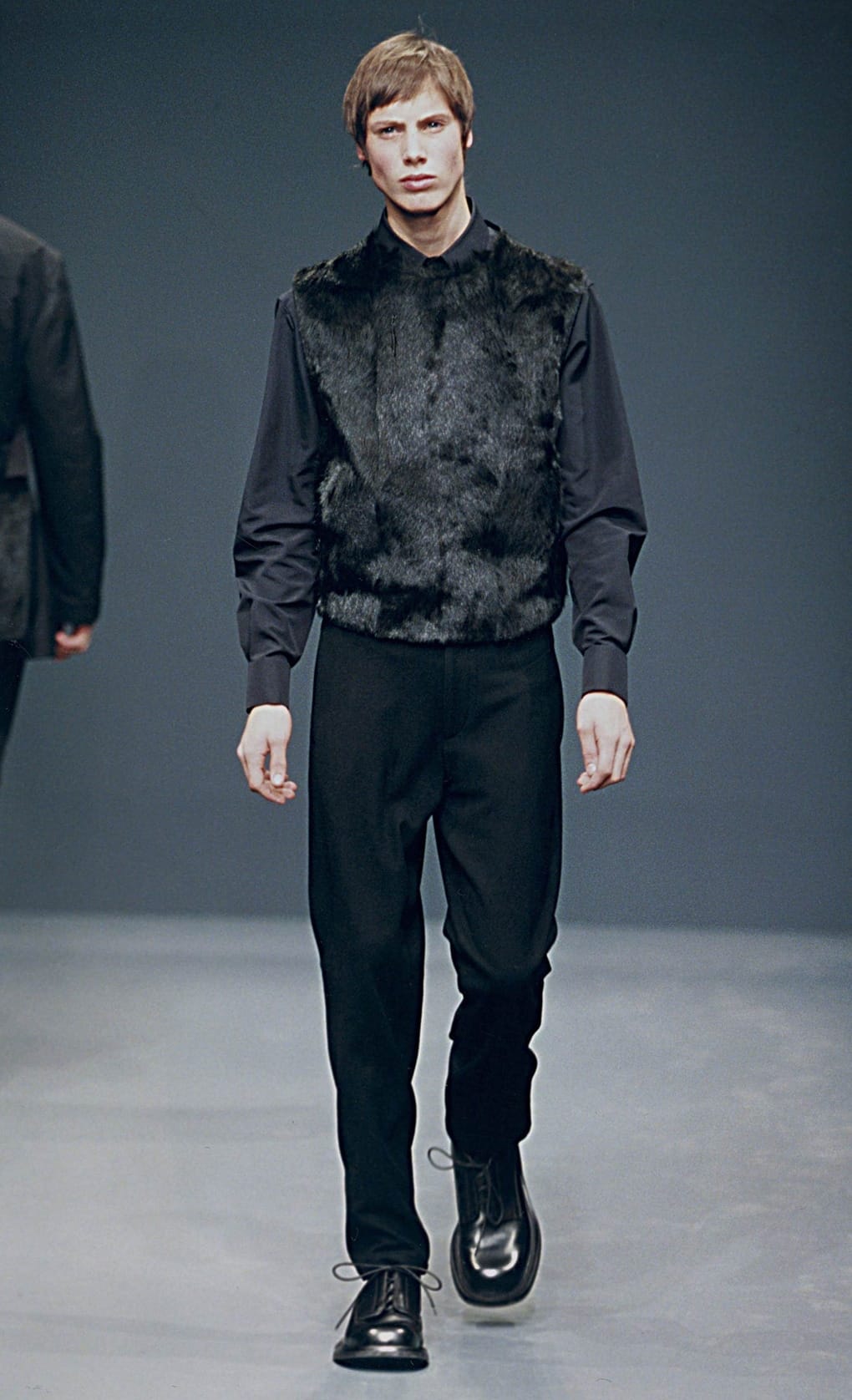
Prada's Fall/Winter 1999 menswear collection moves from muted tailoring and leather into technical outerwear, close-fitting performance layers, and a final return to dark suiting. This complete sequence preserves all 80 runway looks in the official order.
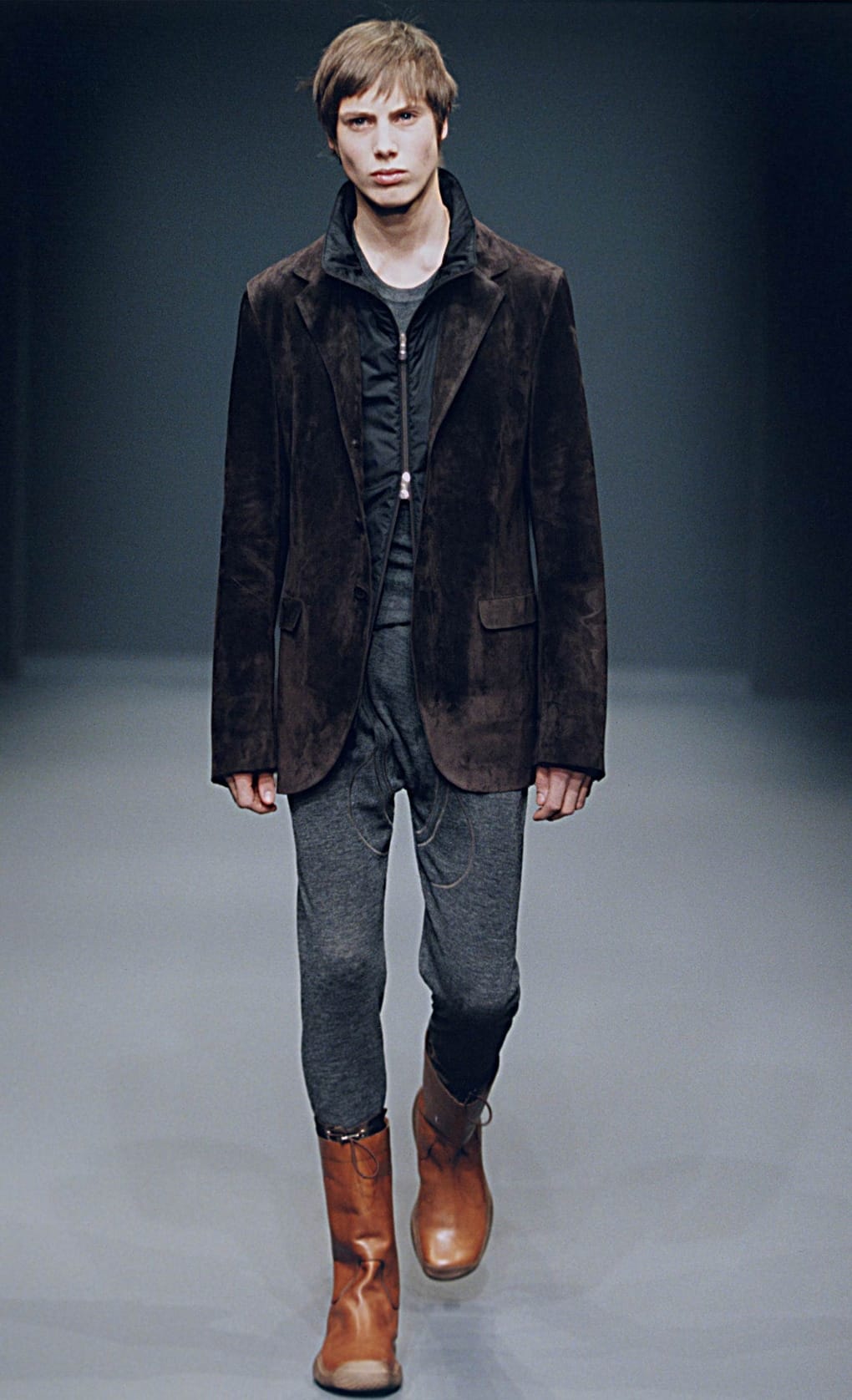
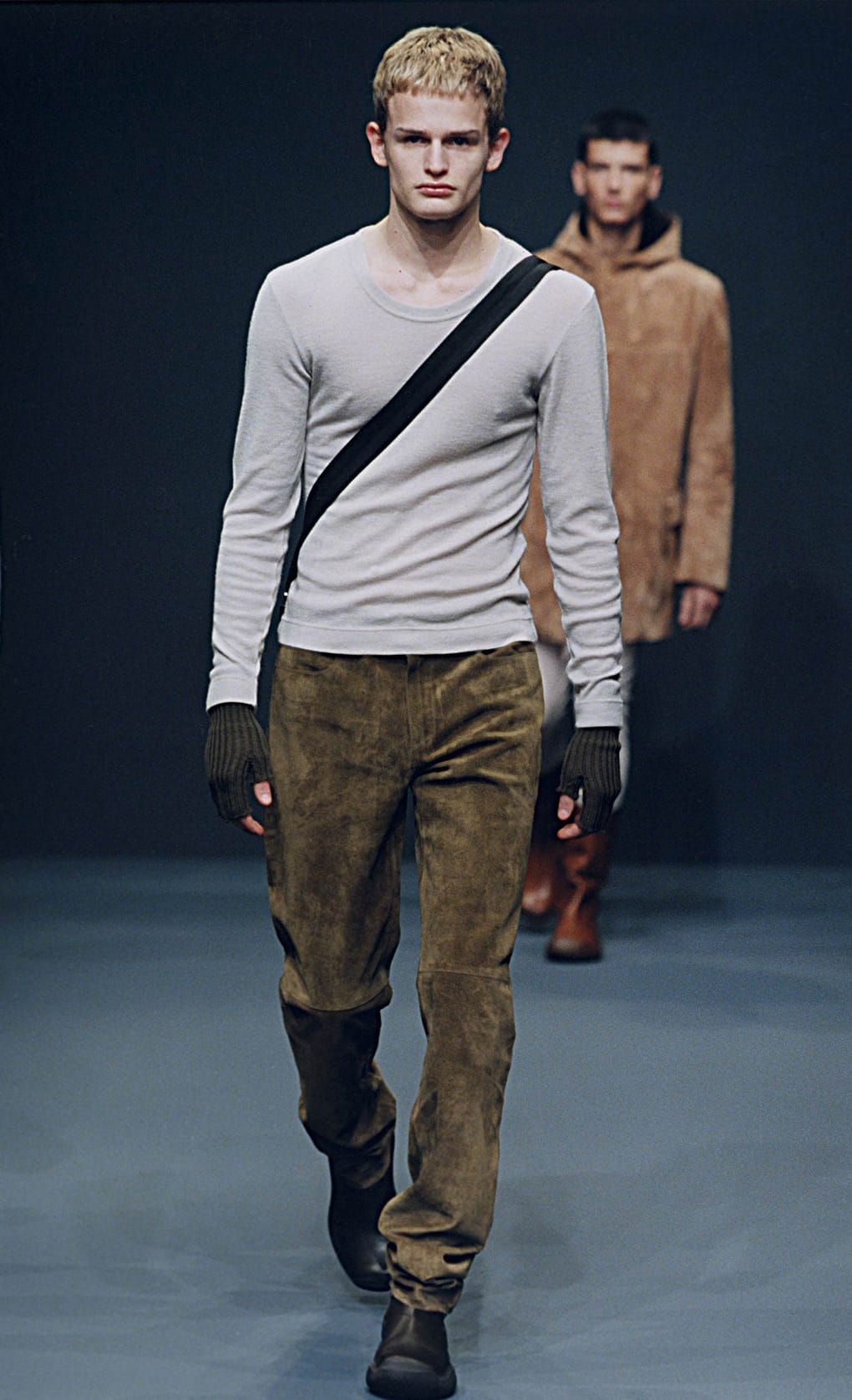
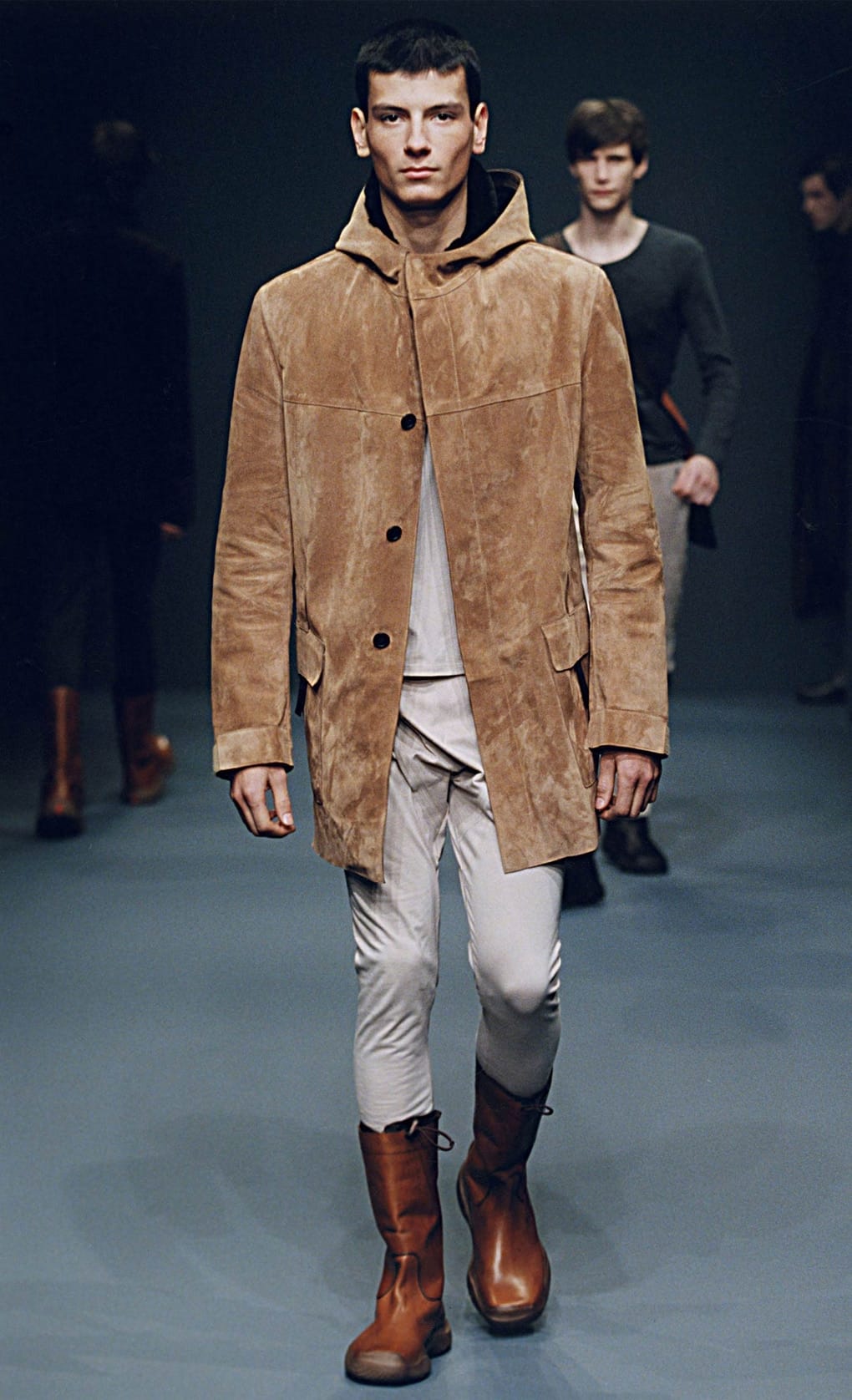
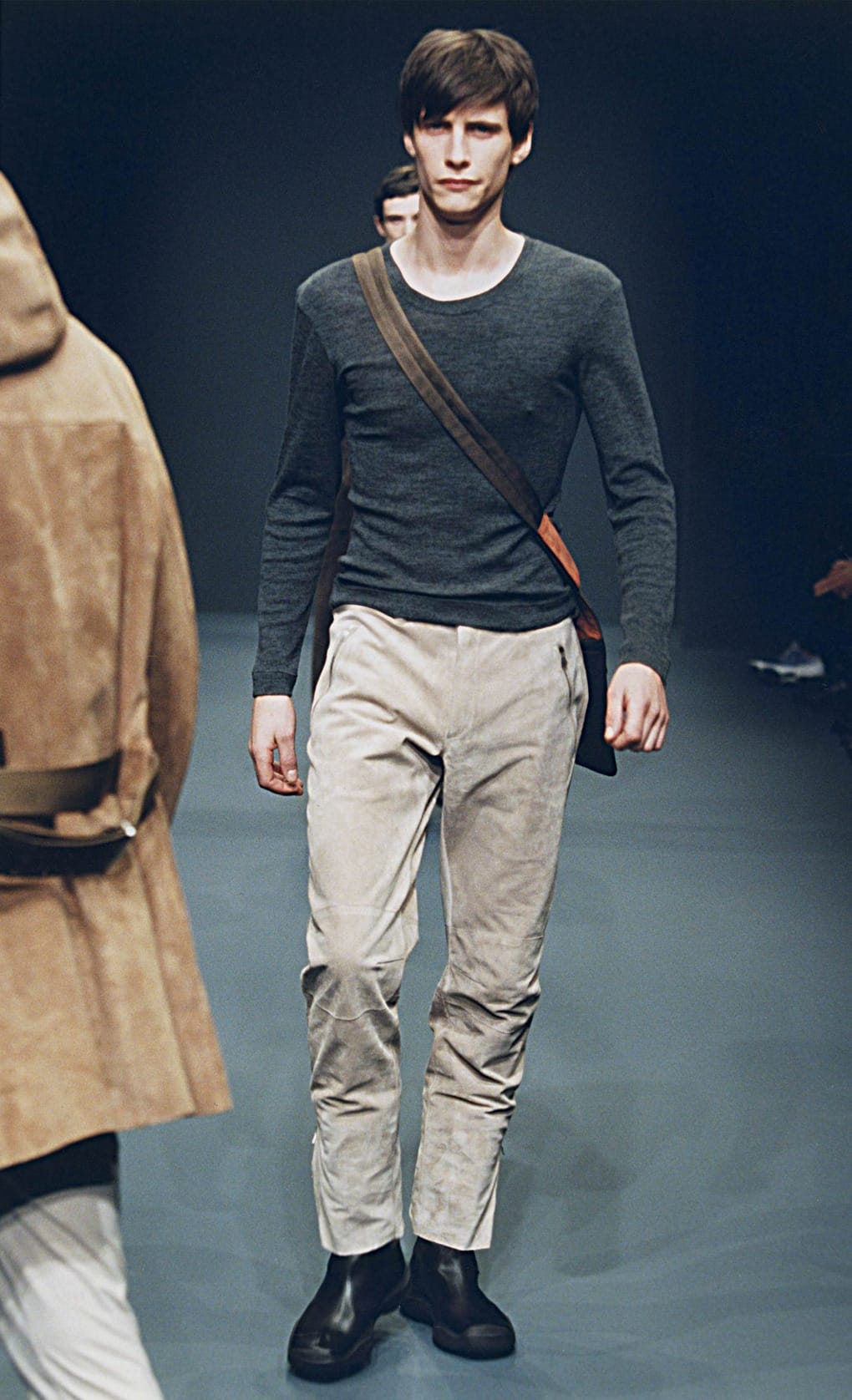
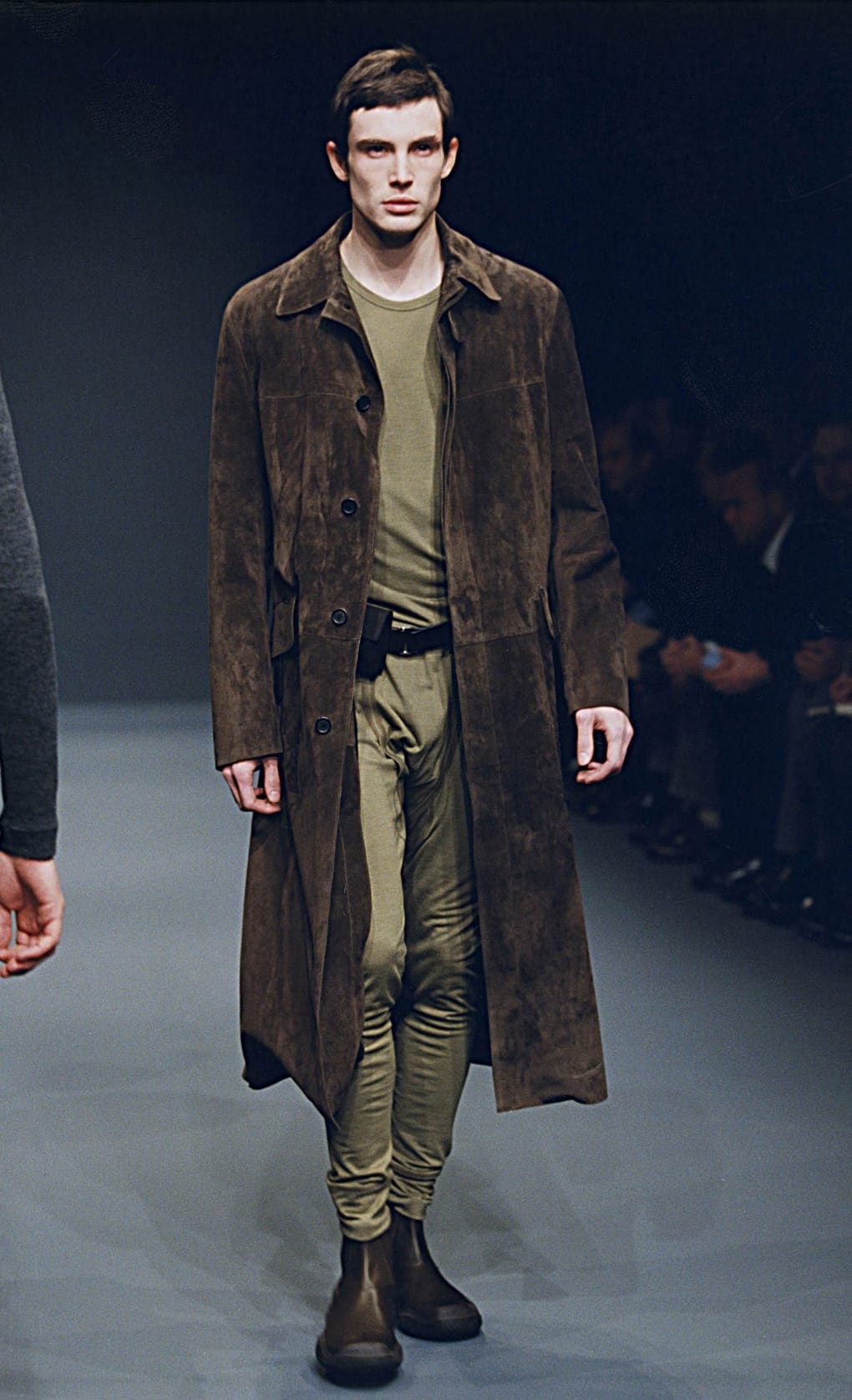
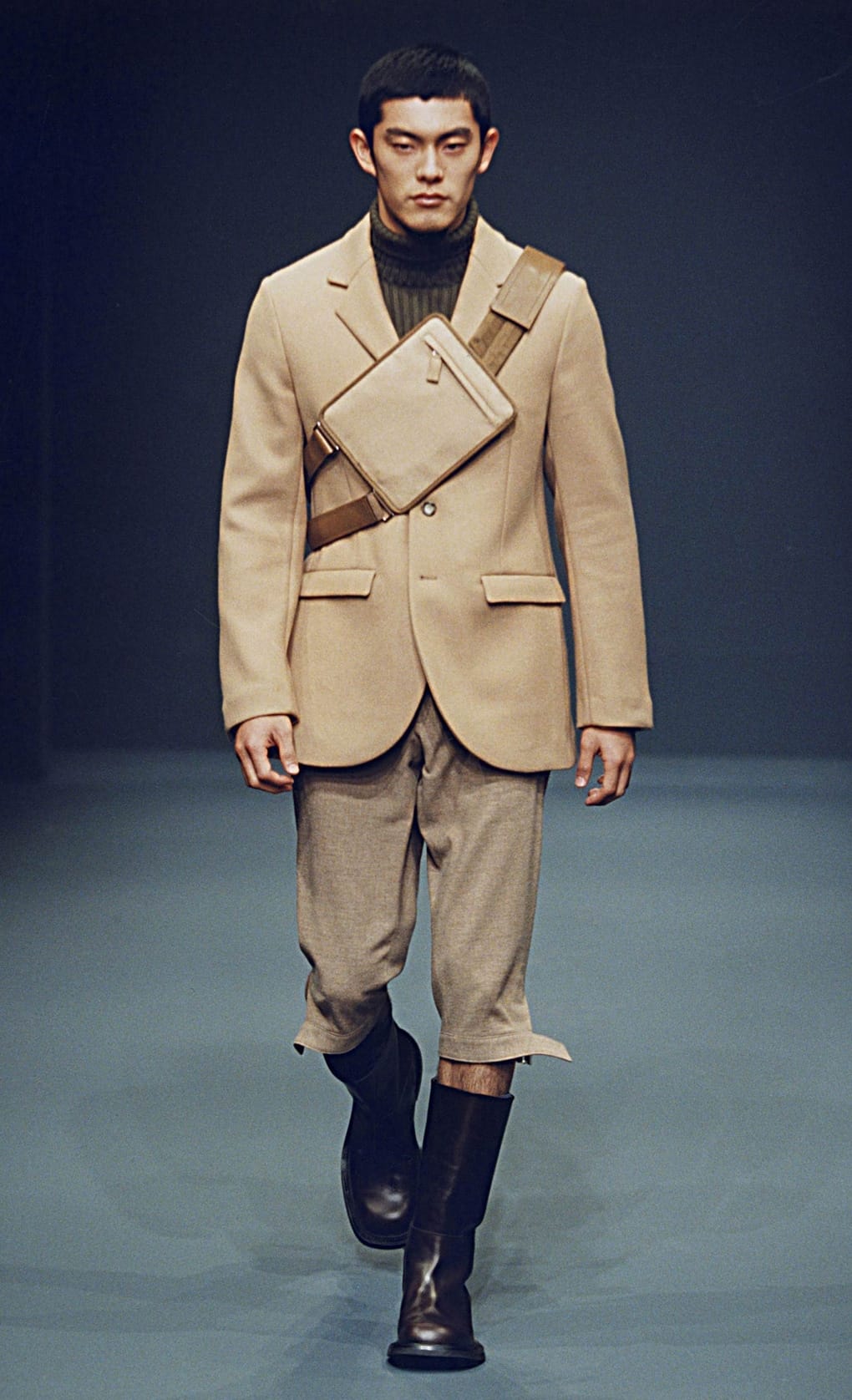
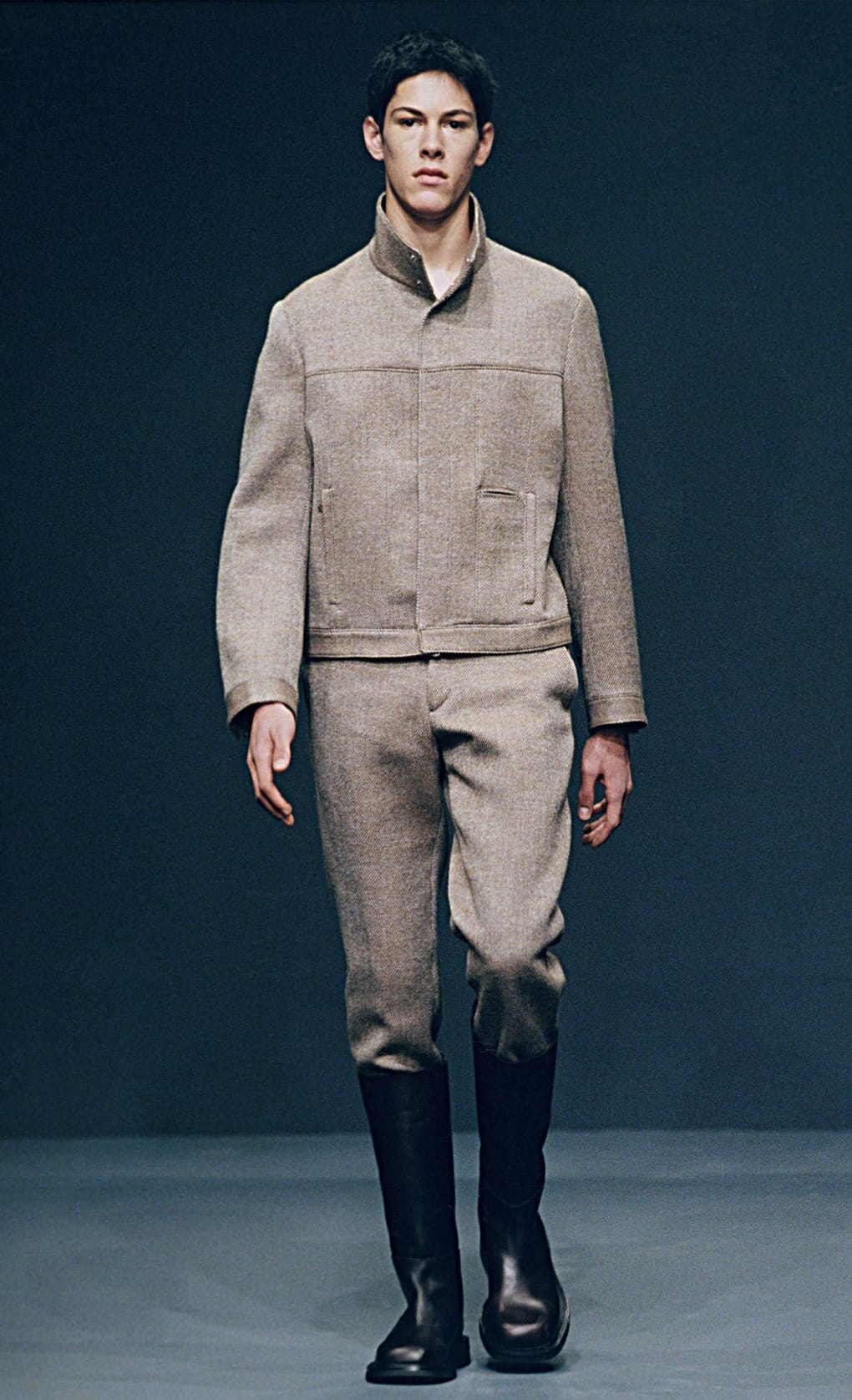
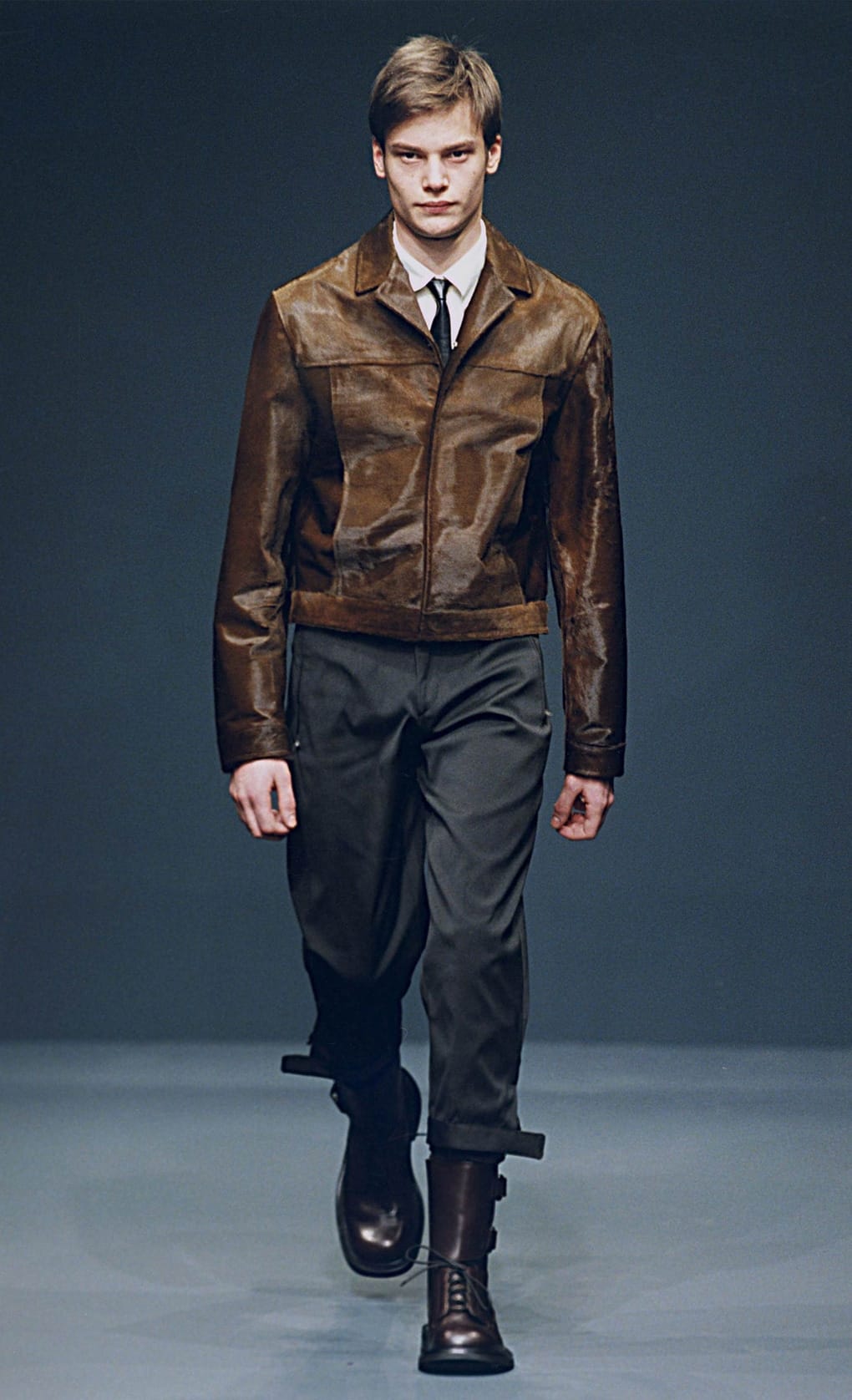
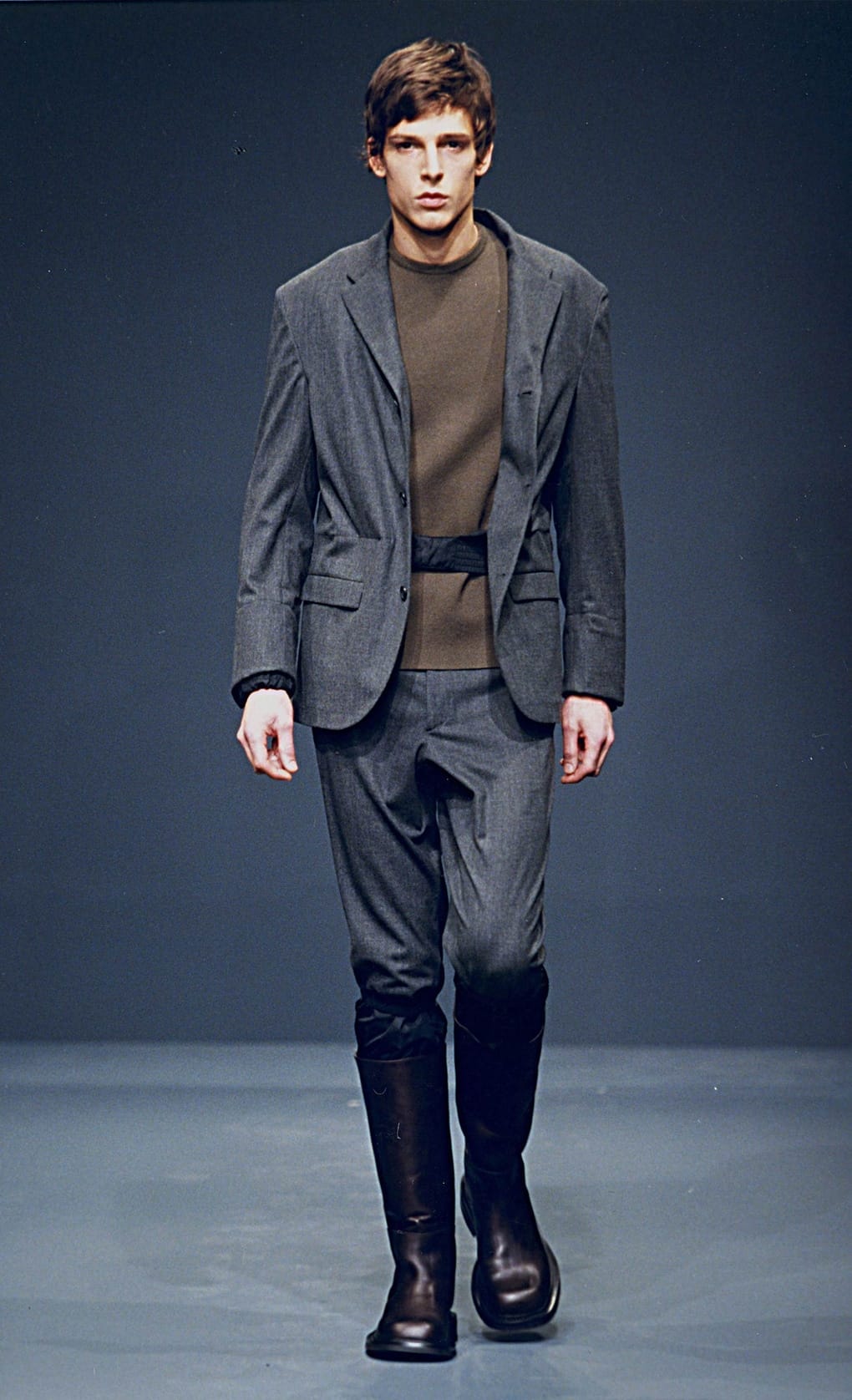
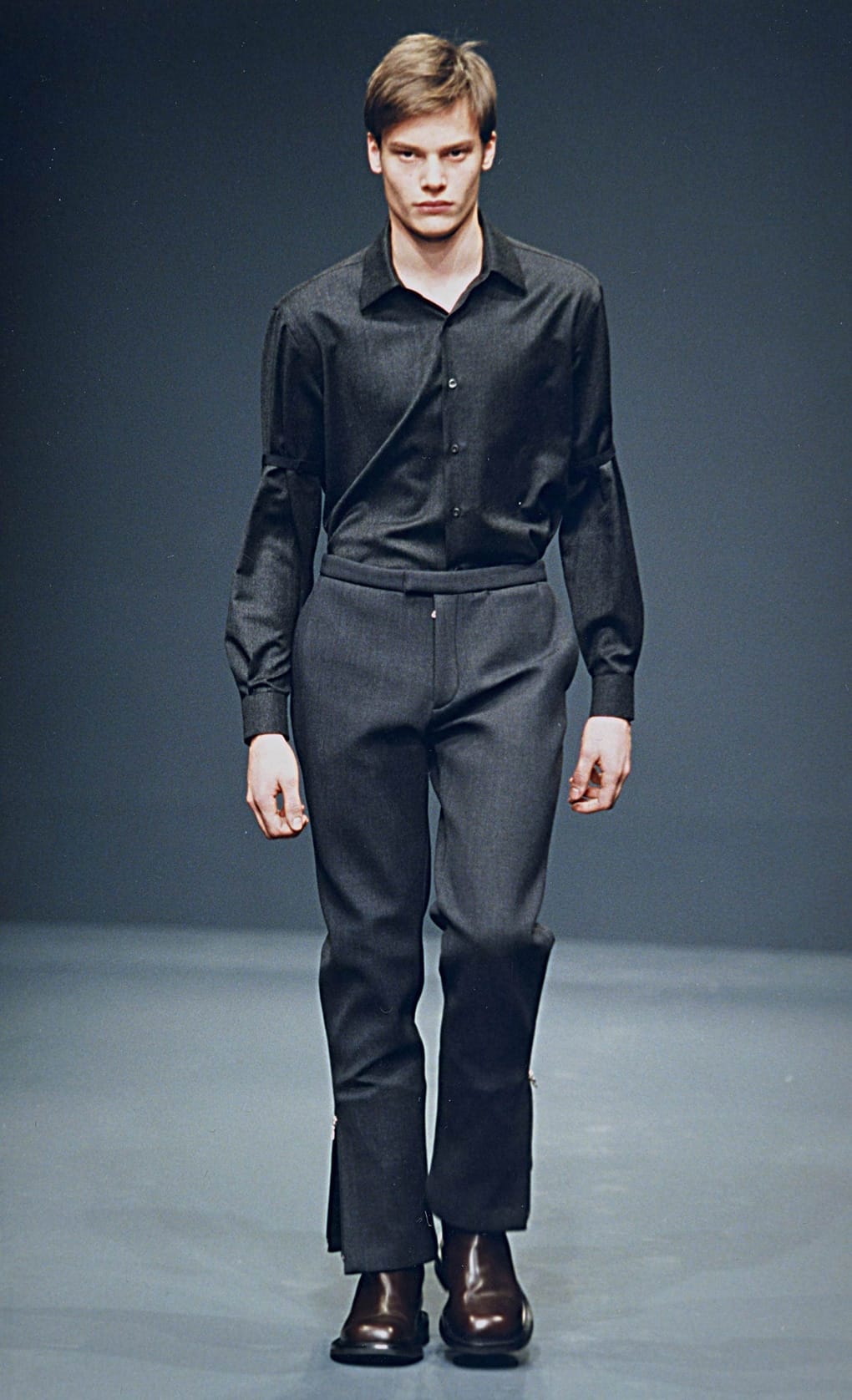
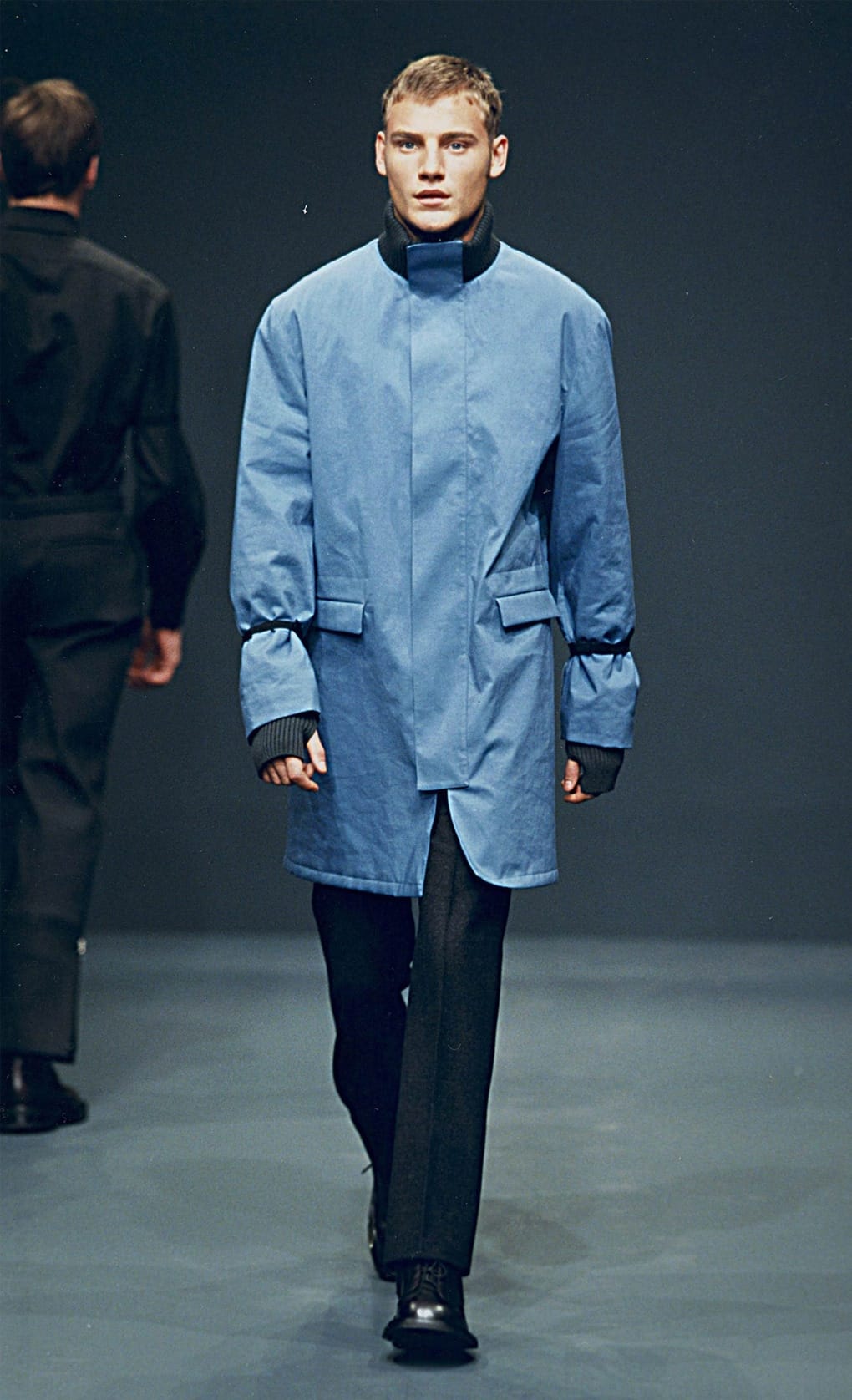
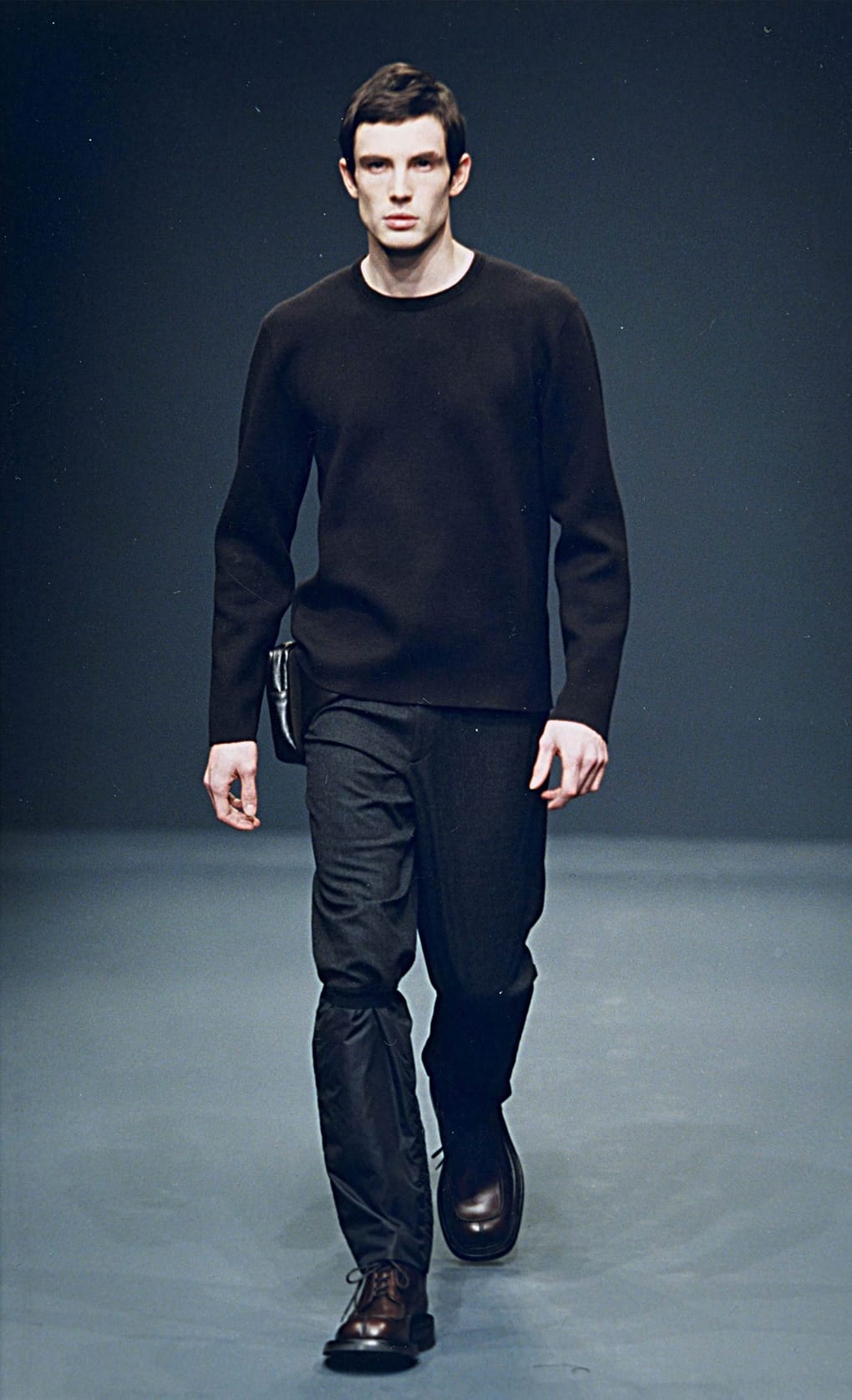
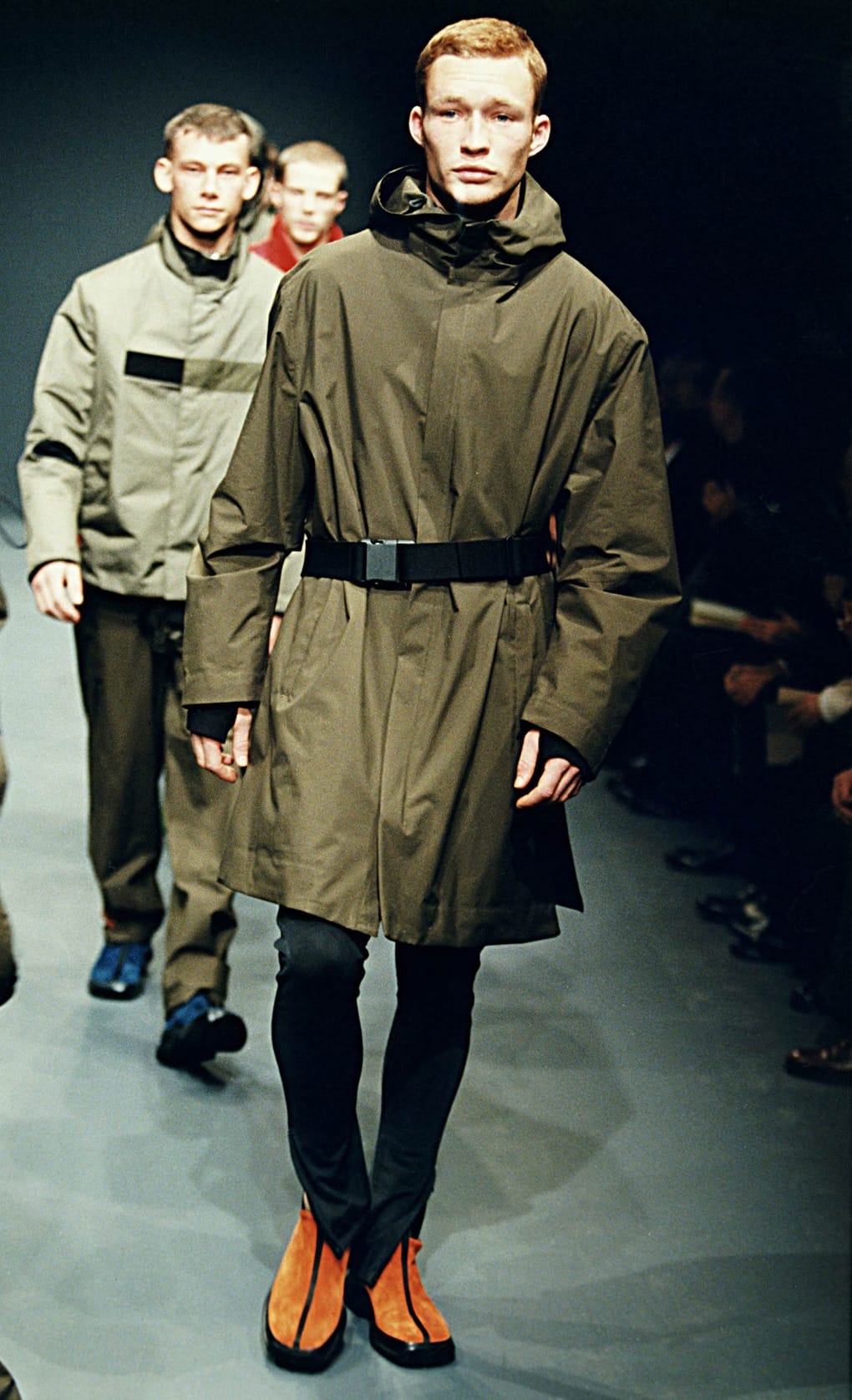
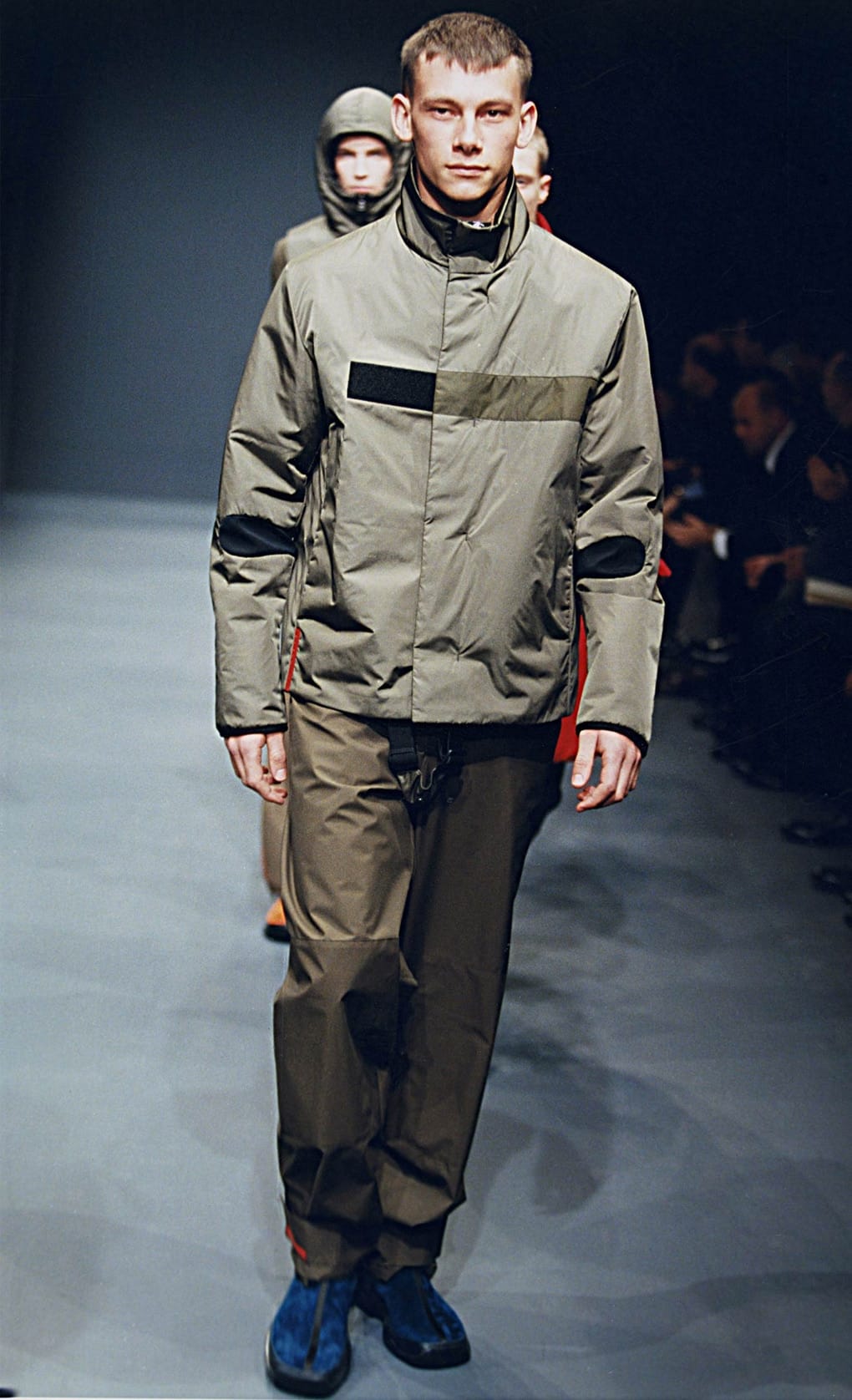
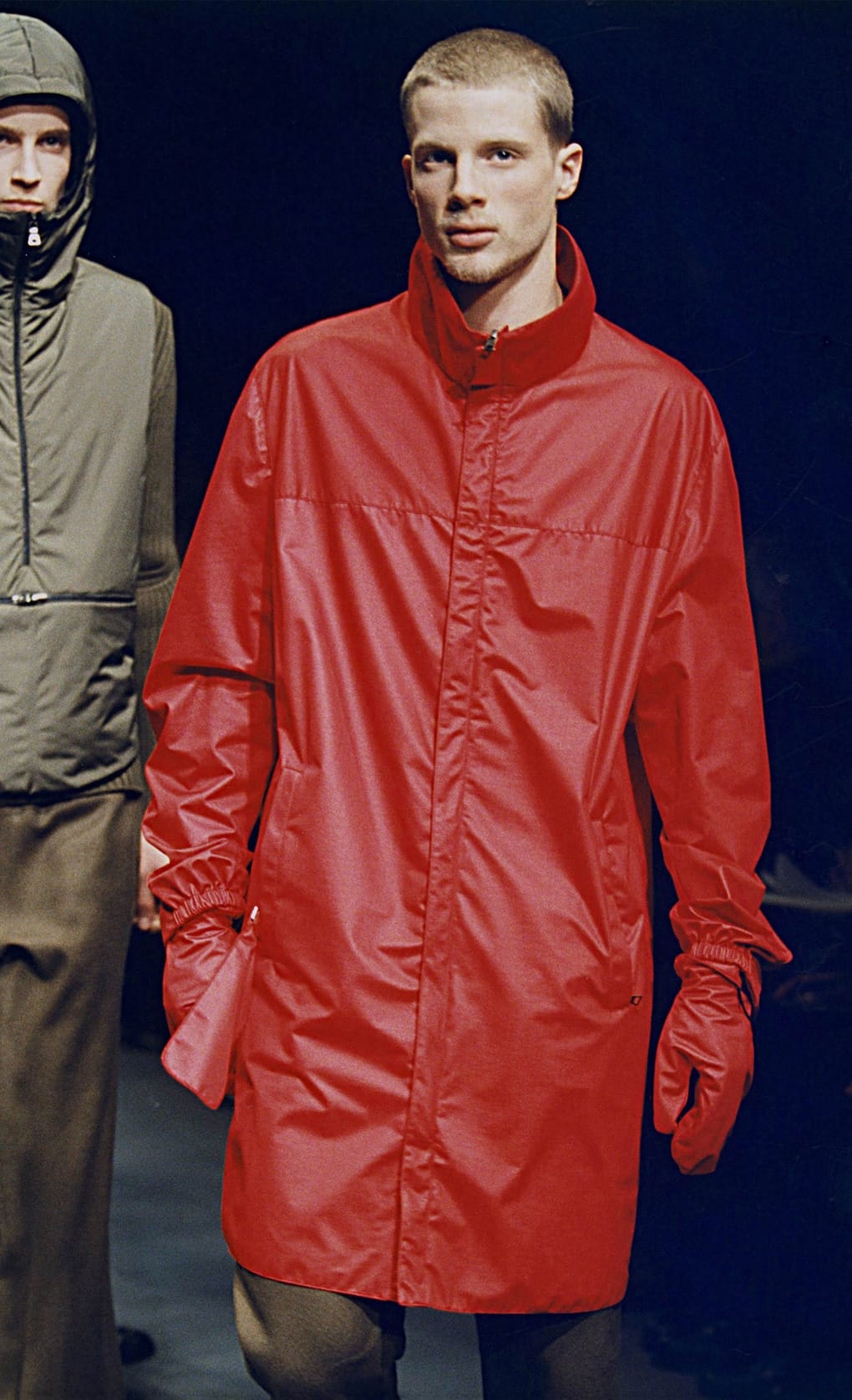
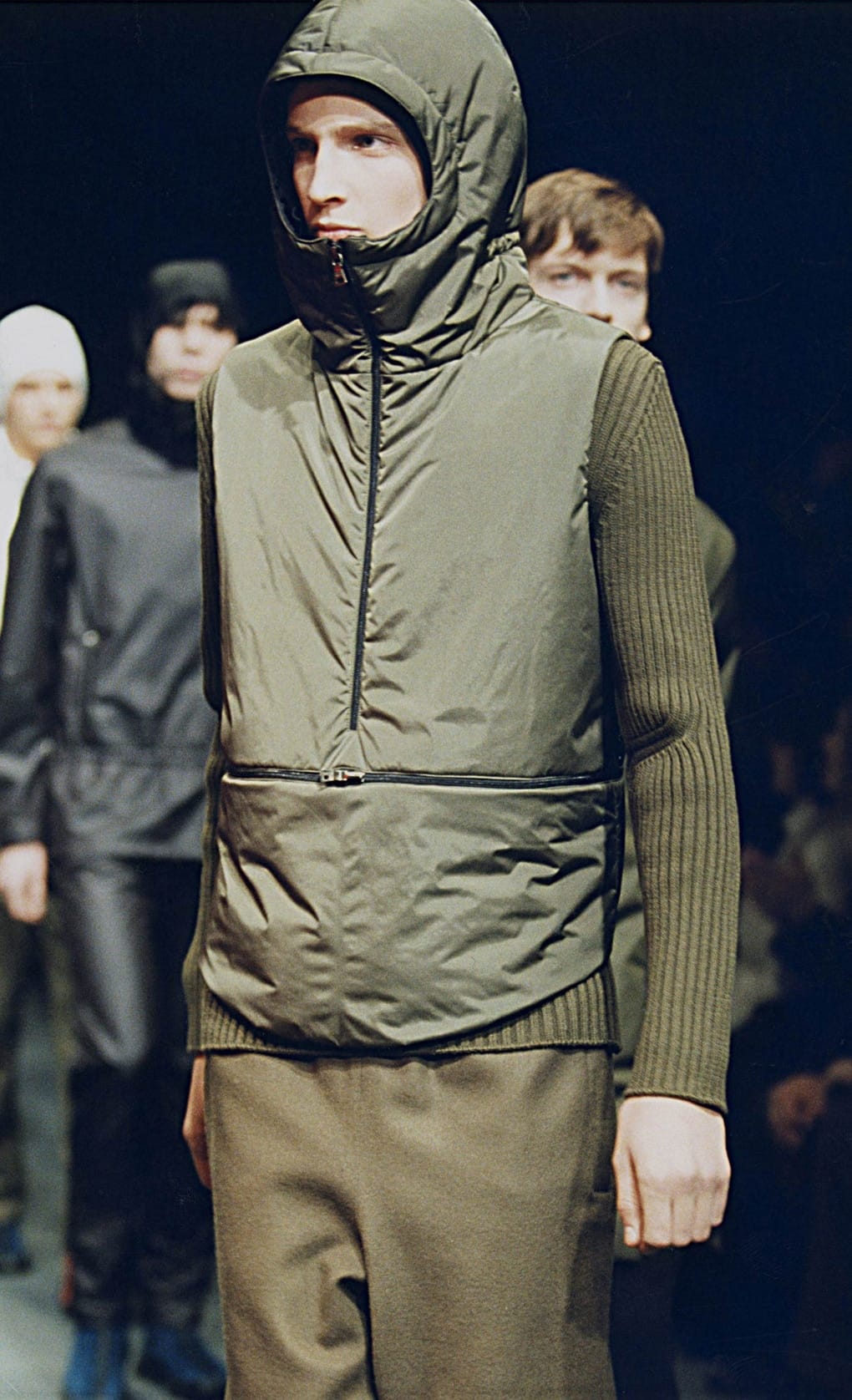
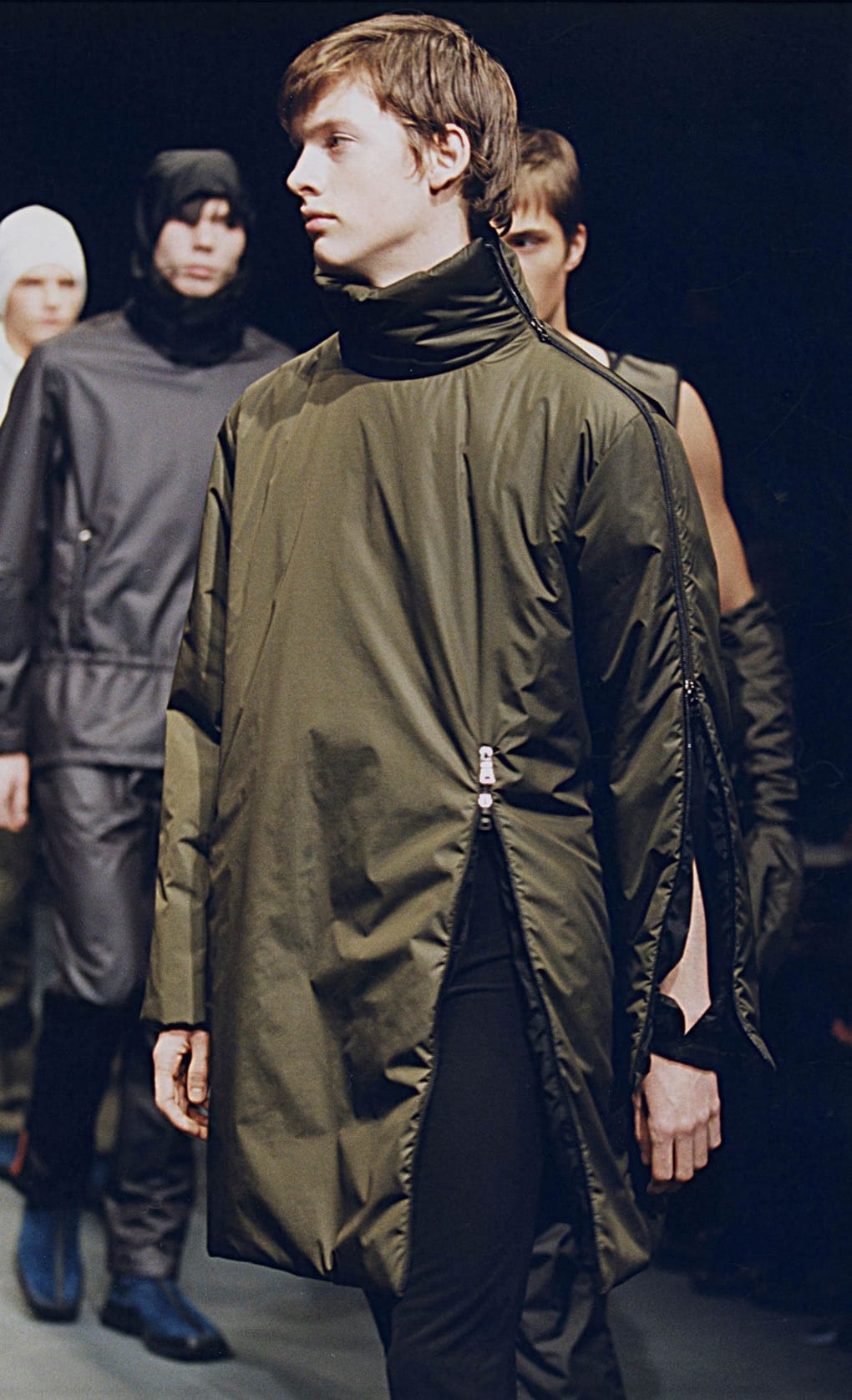
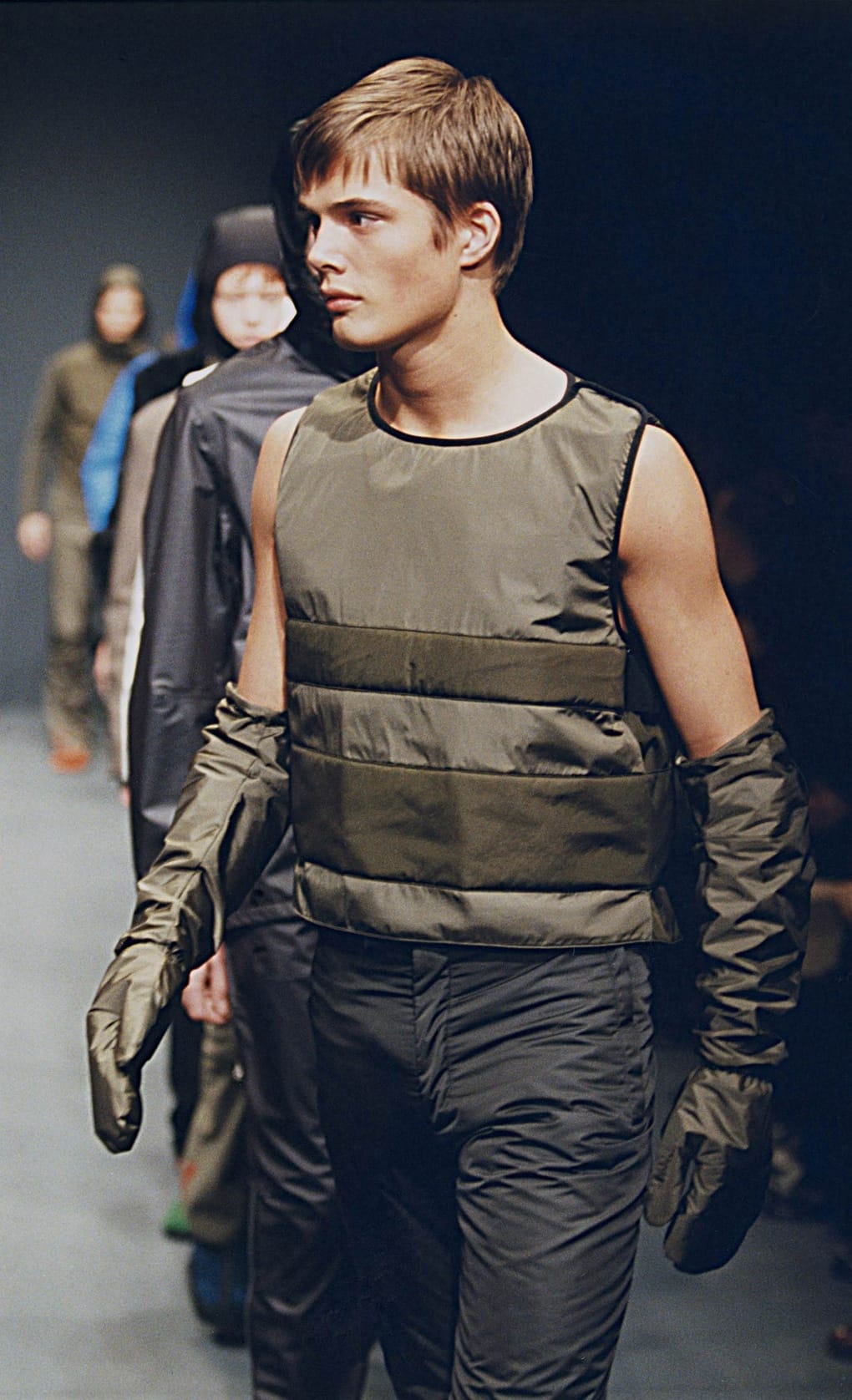
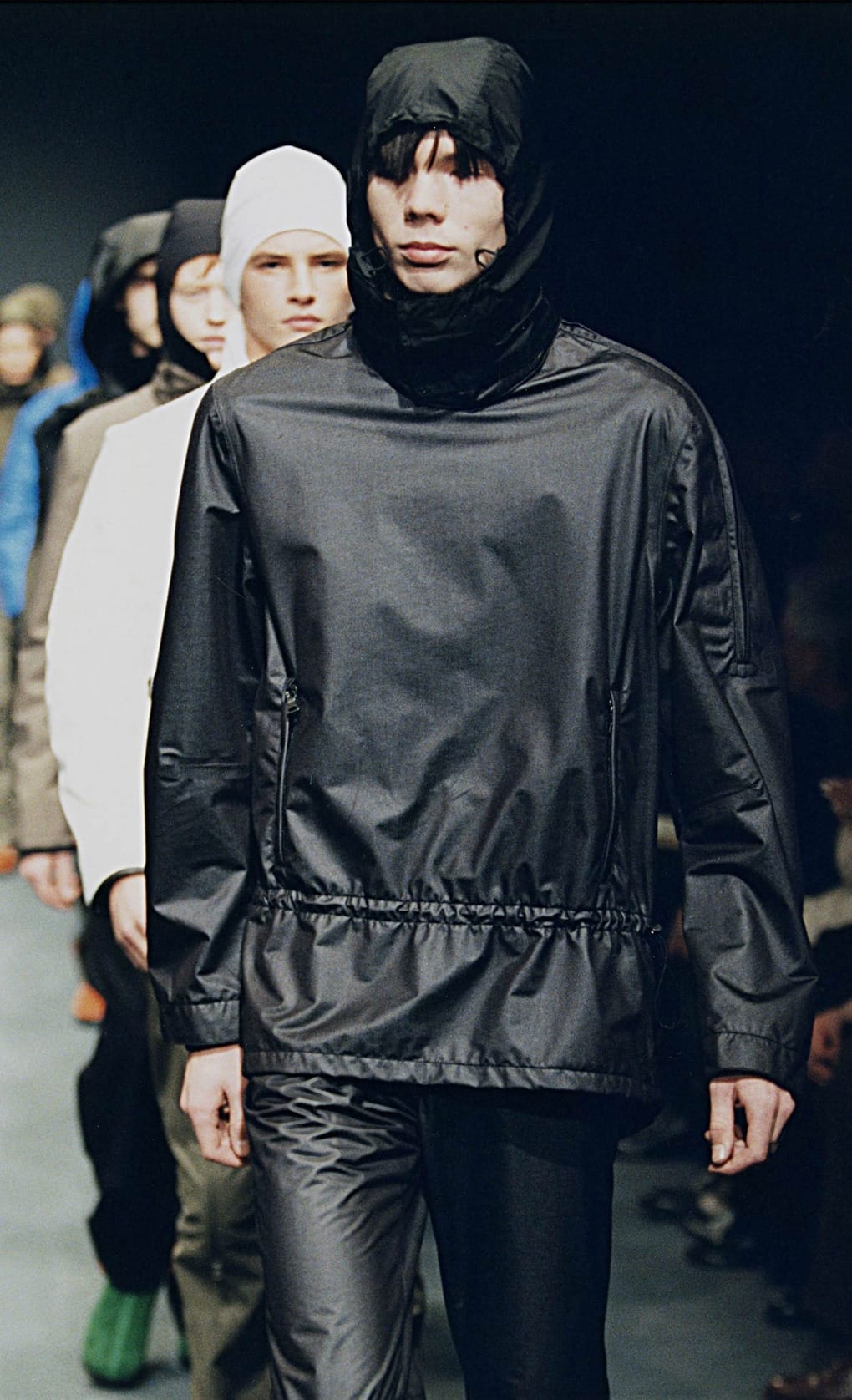
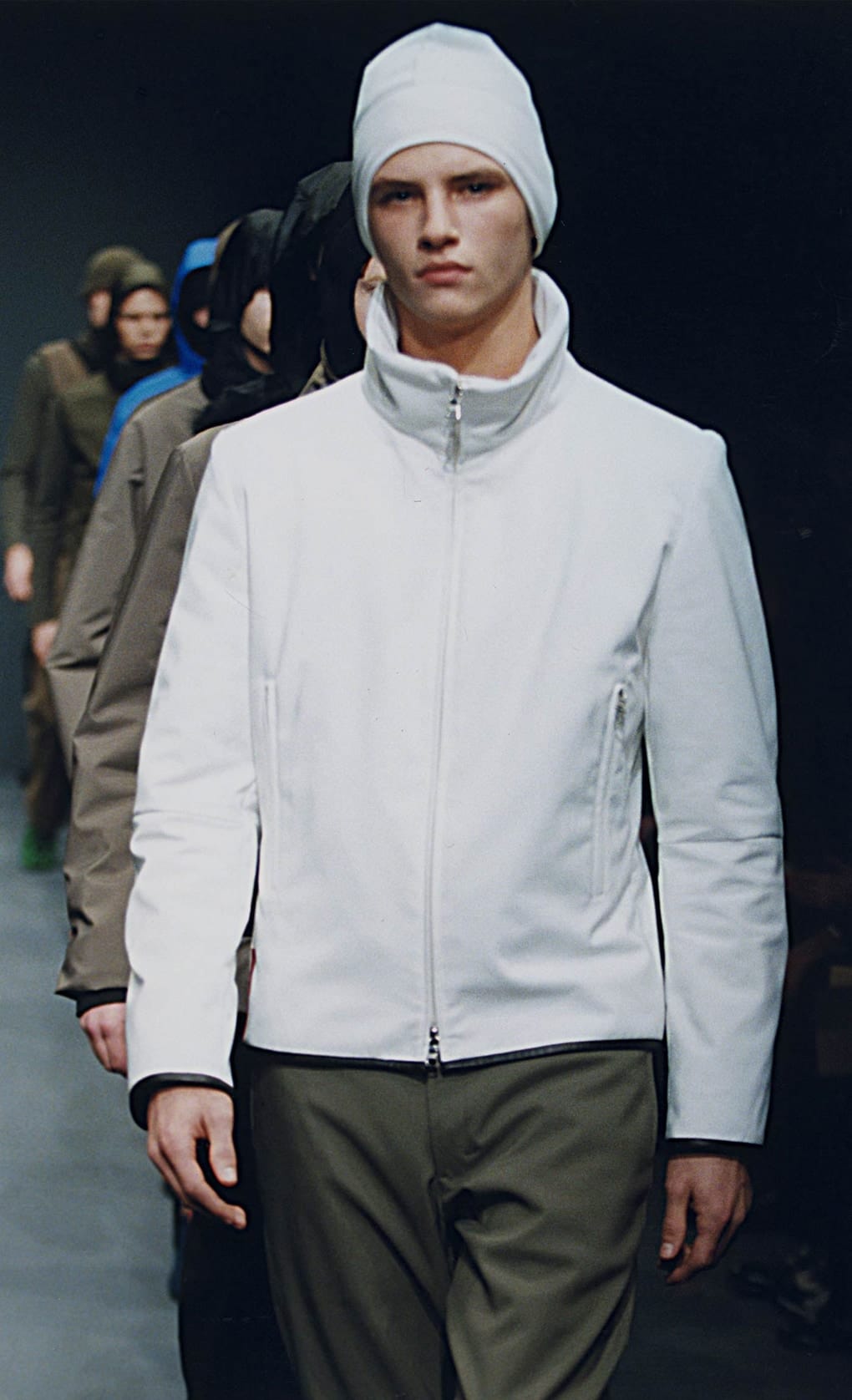
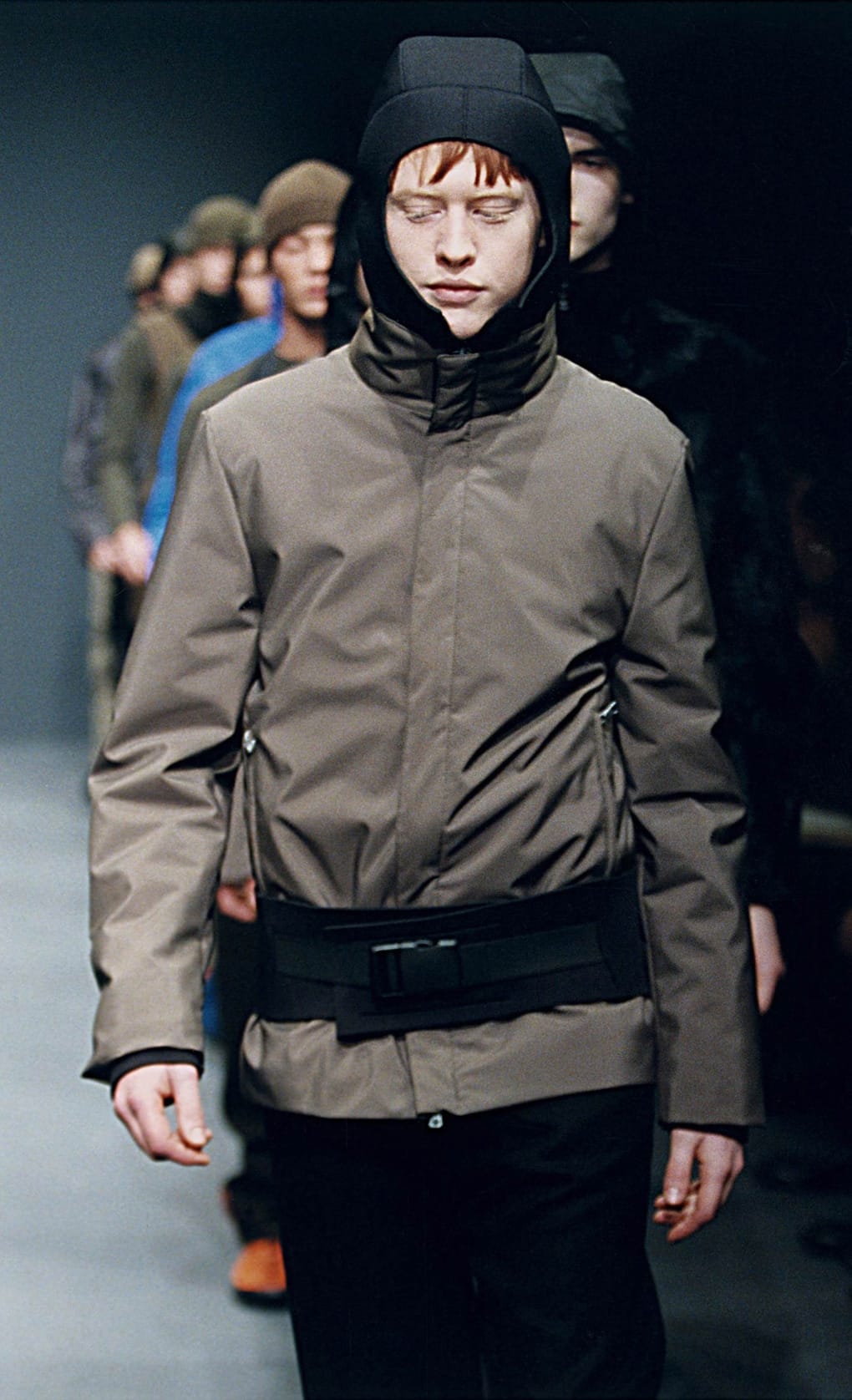
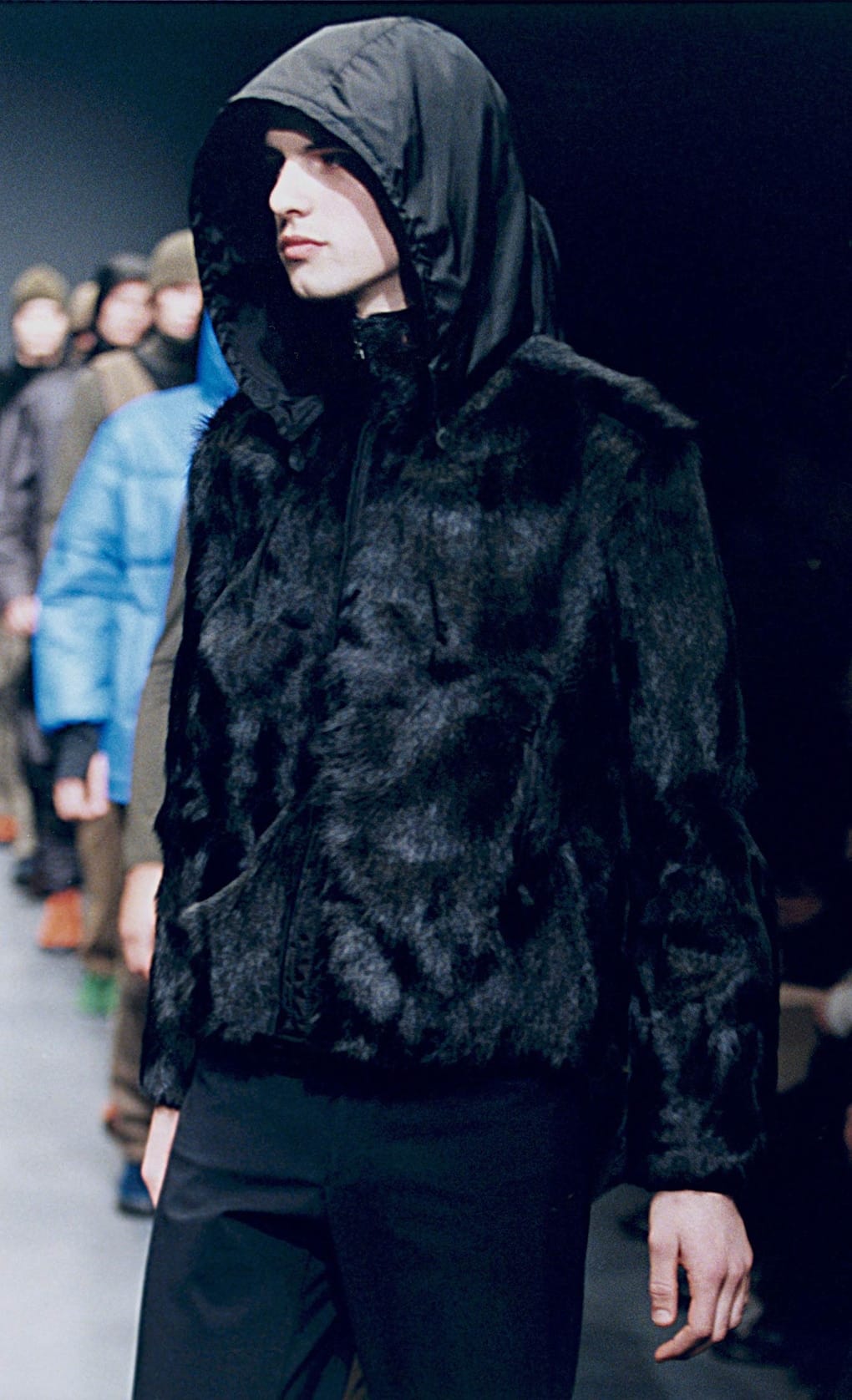
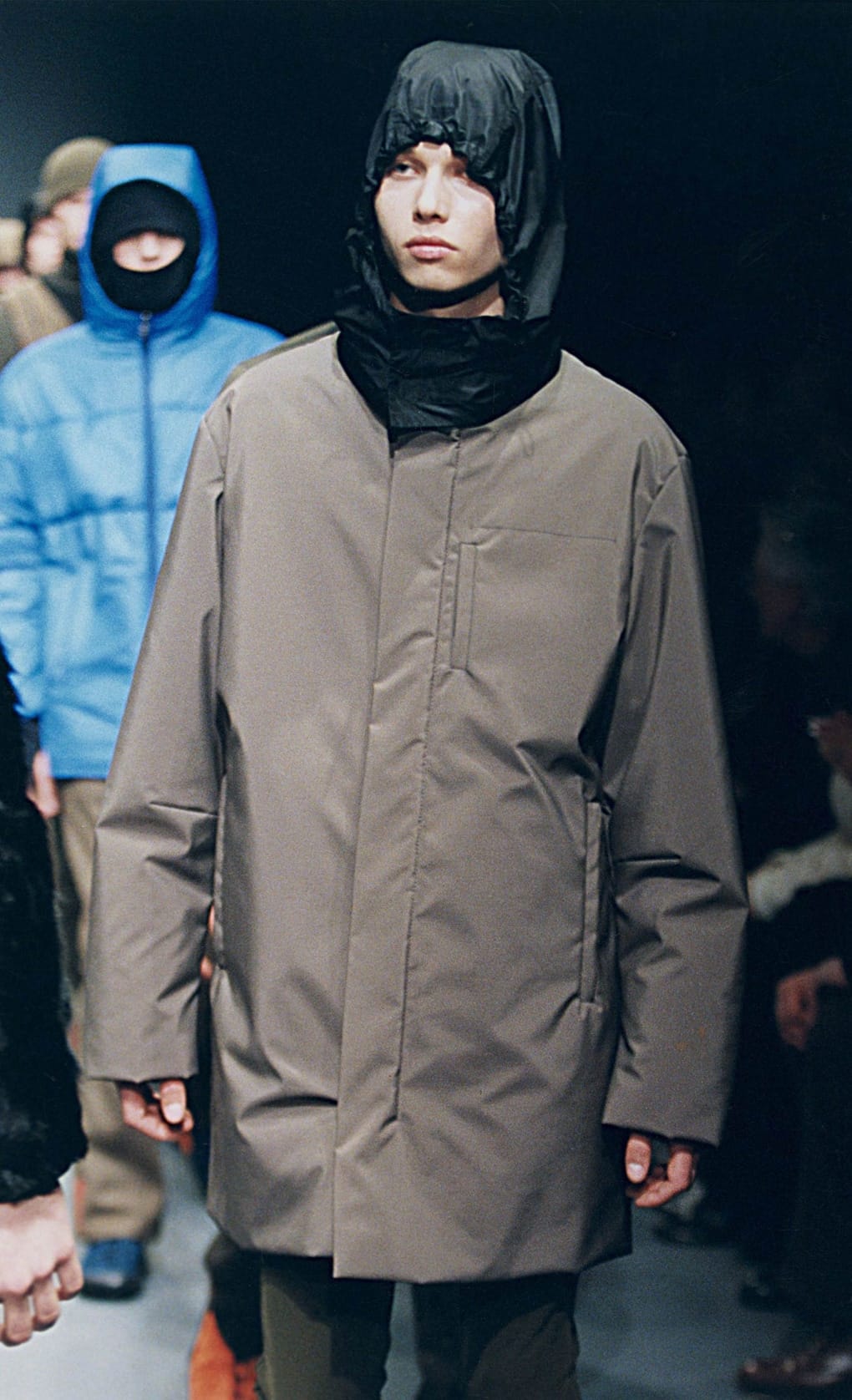
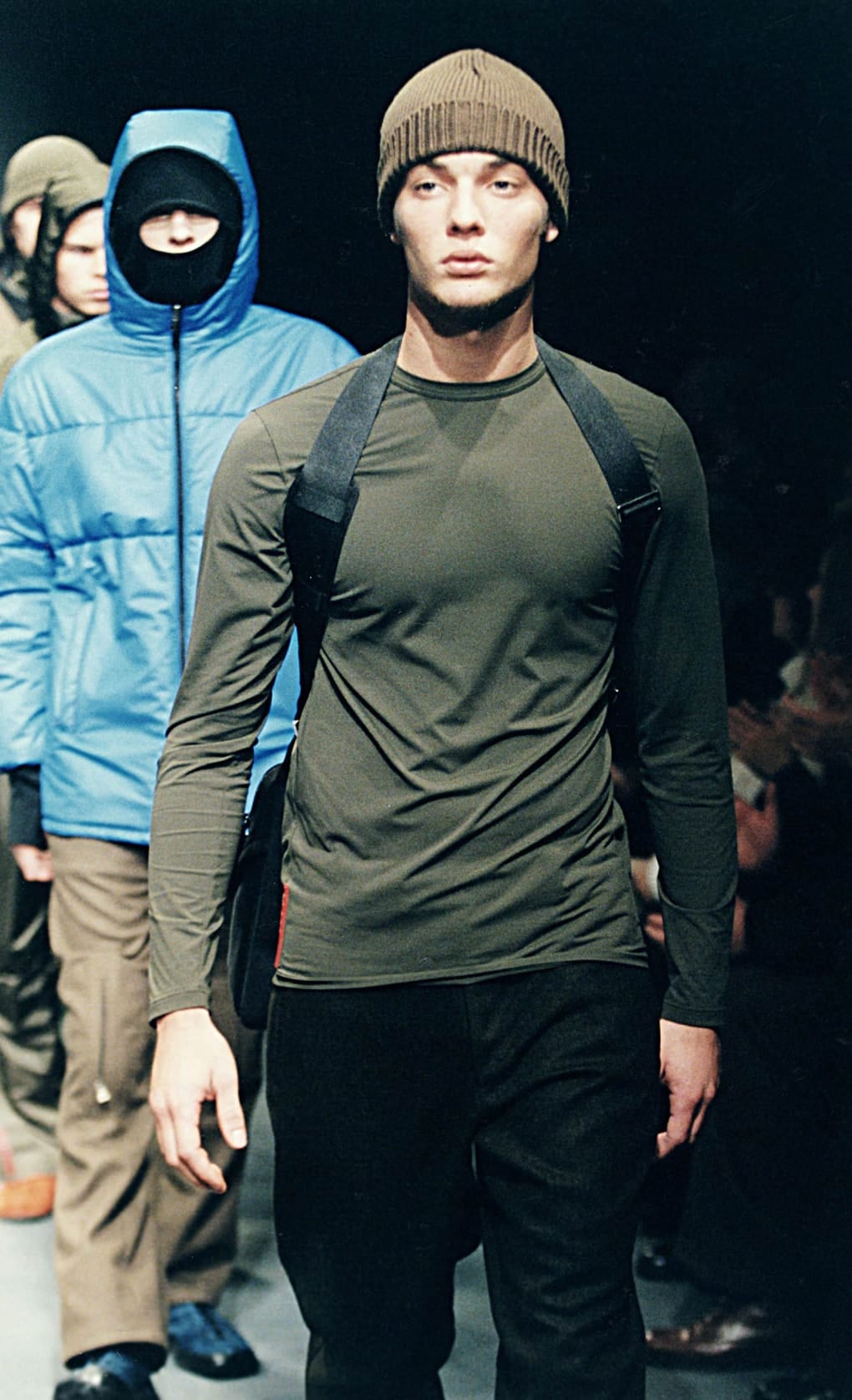
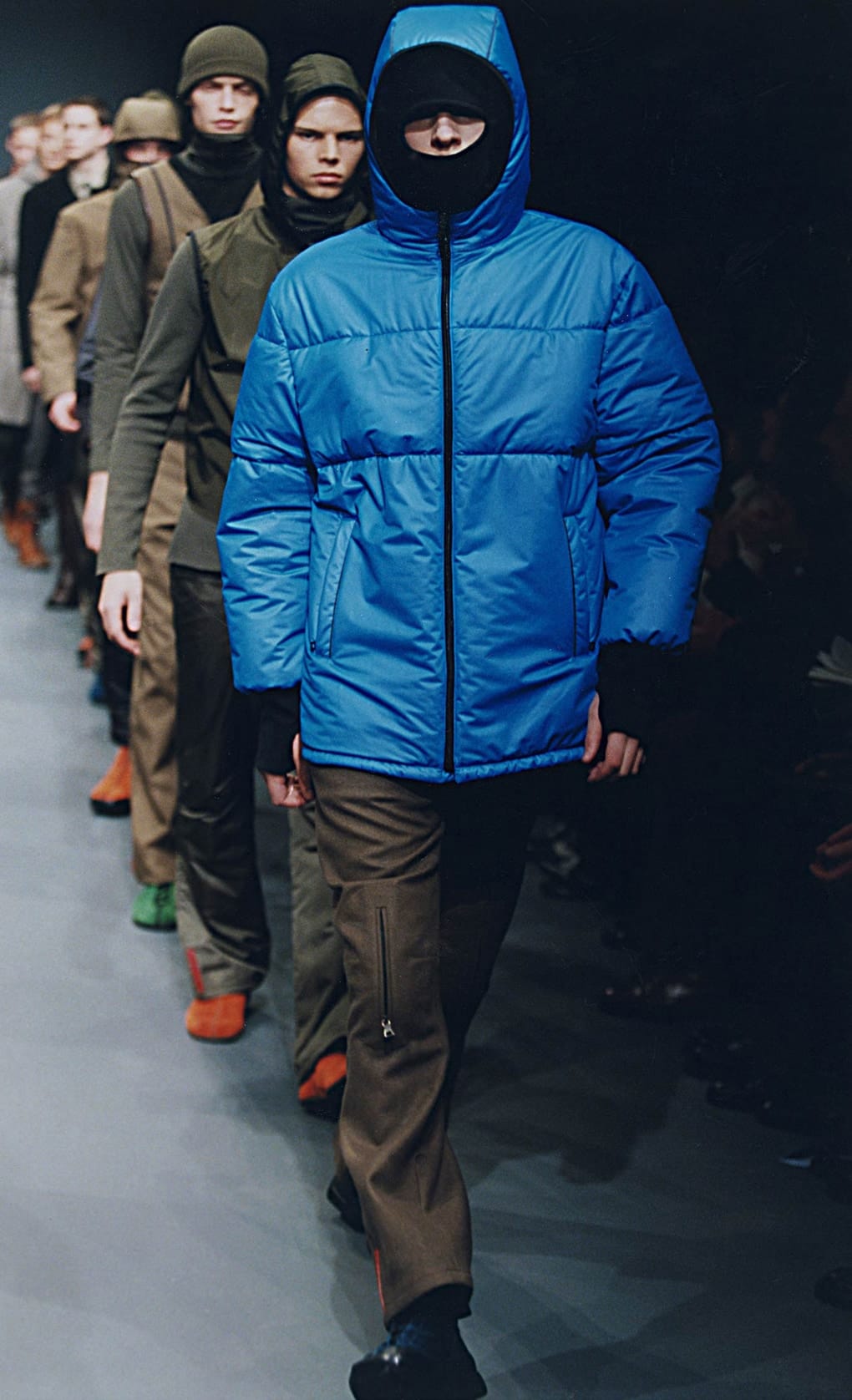
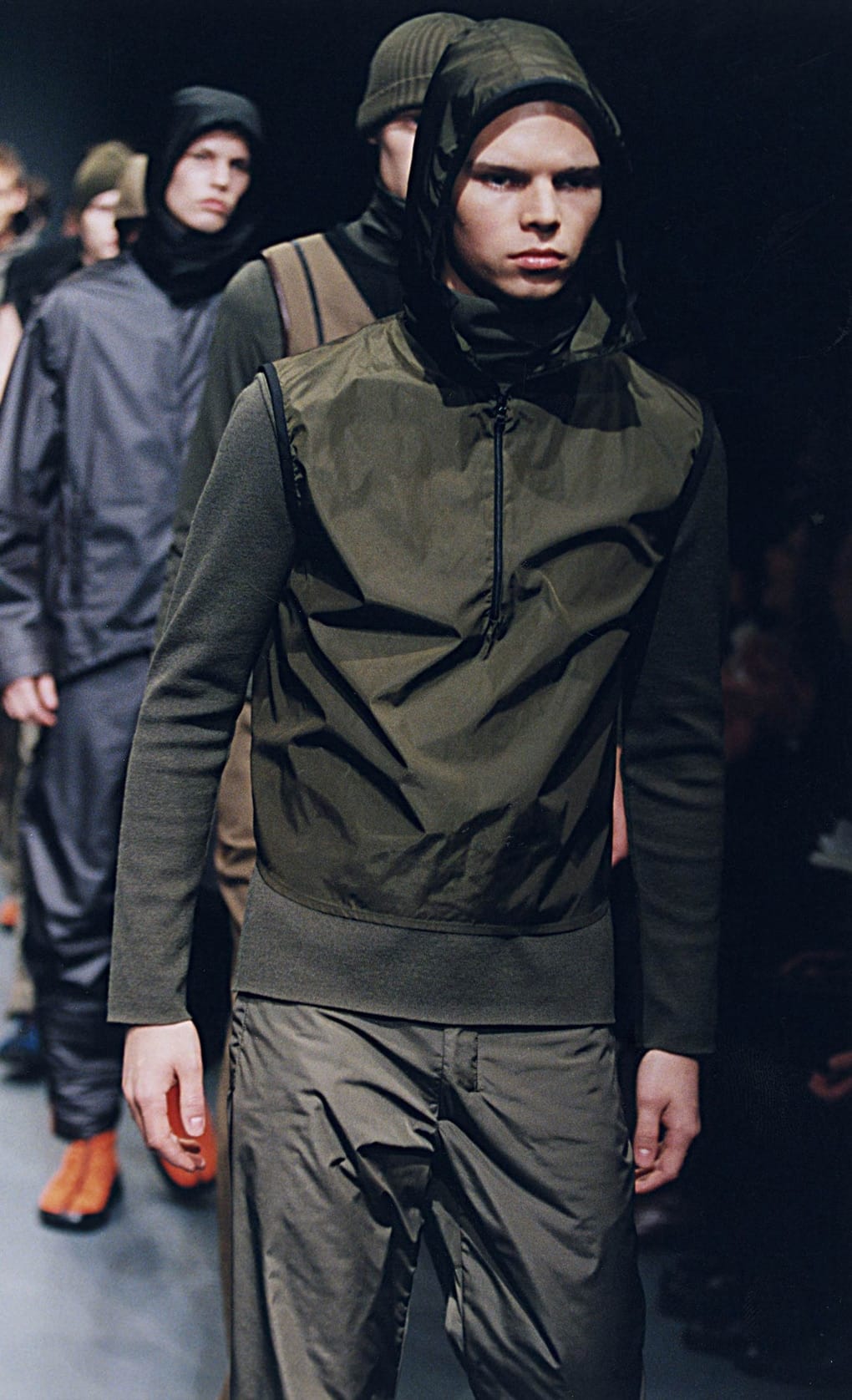
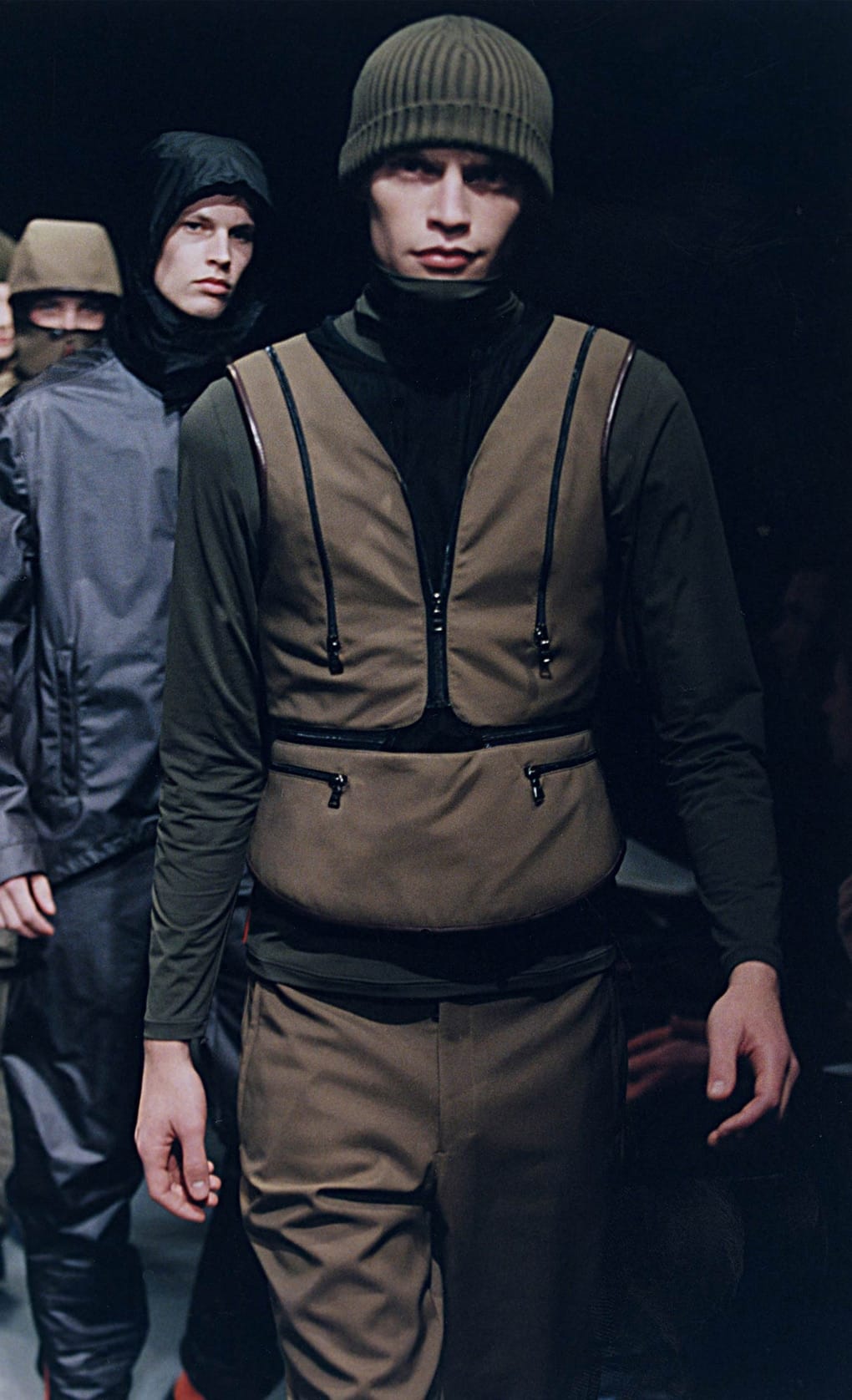
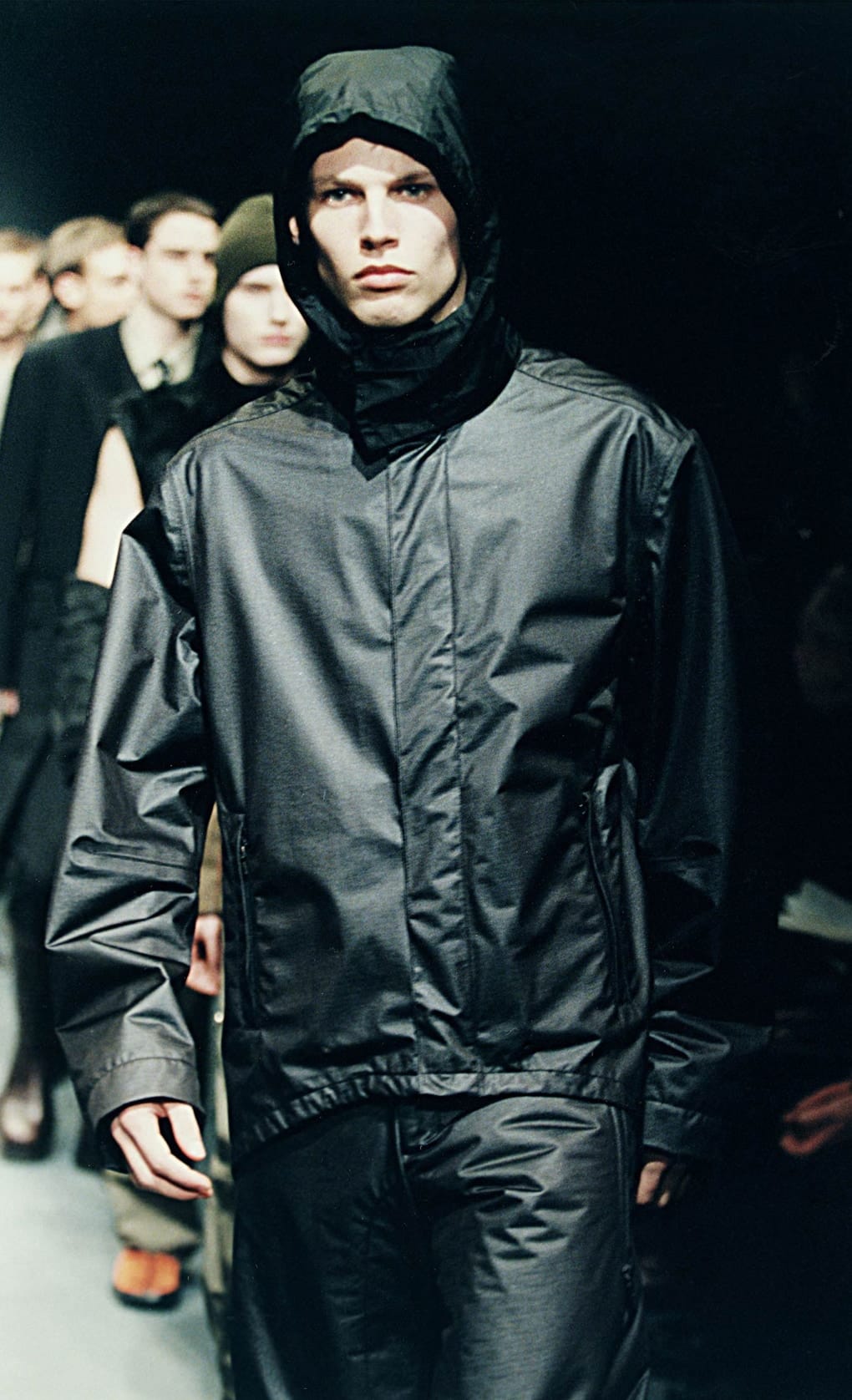
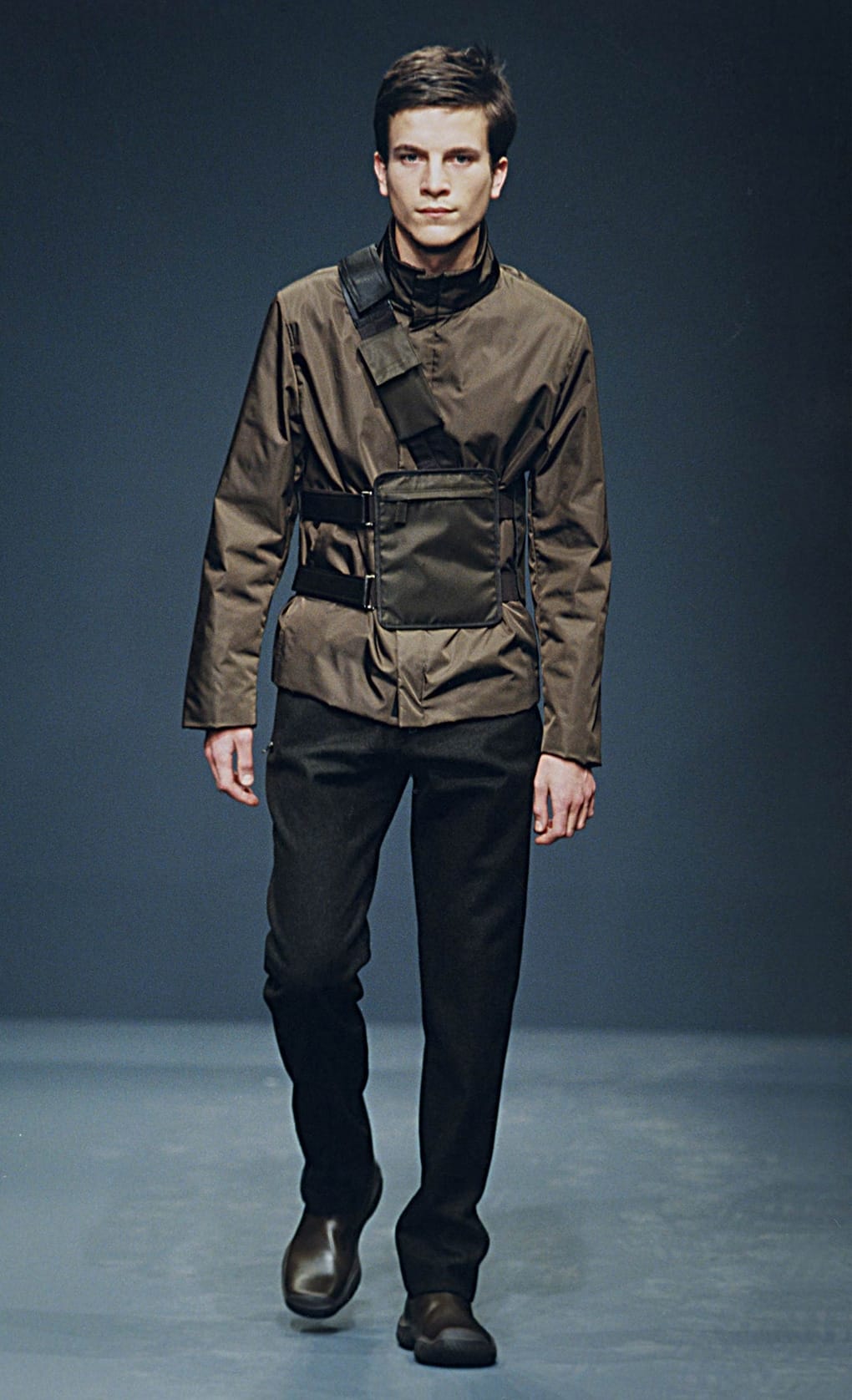
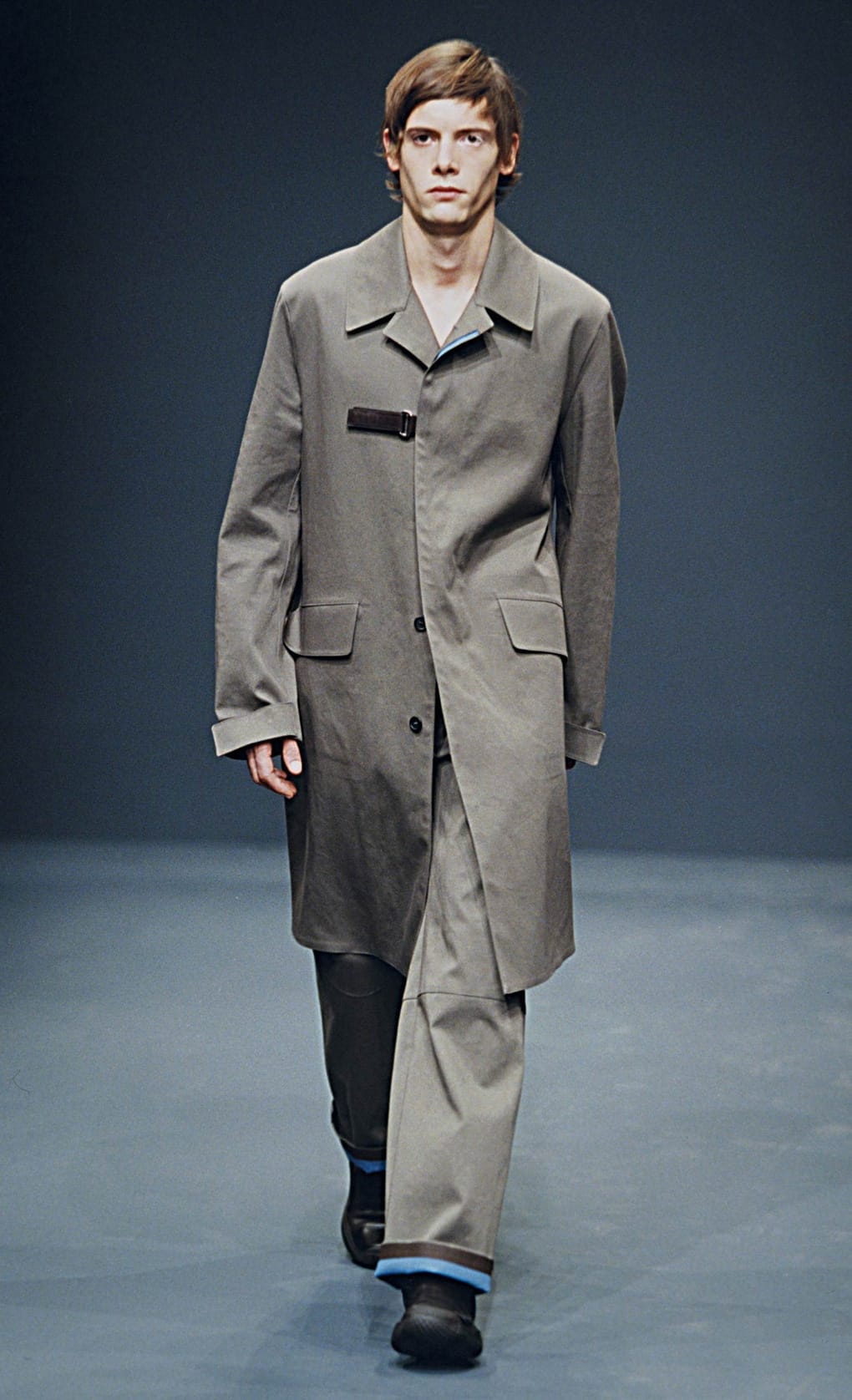
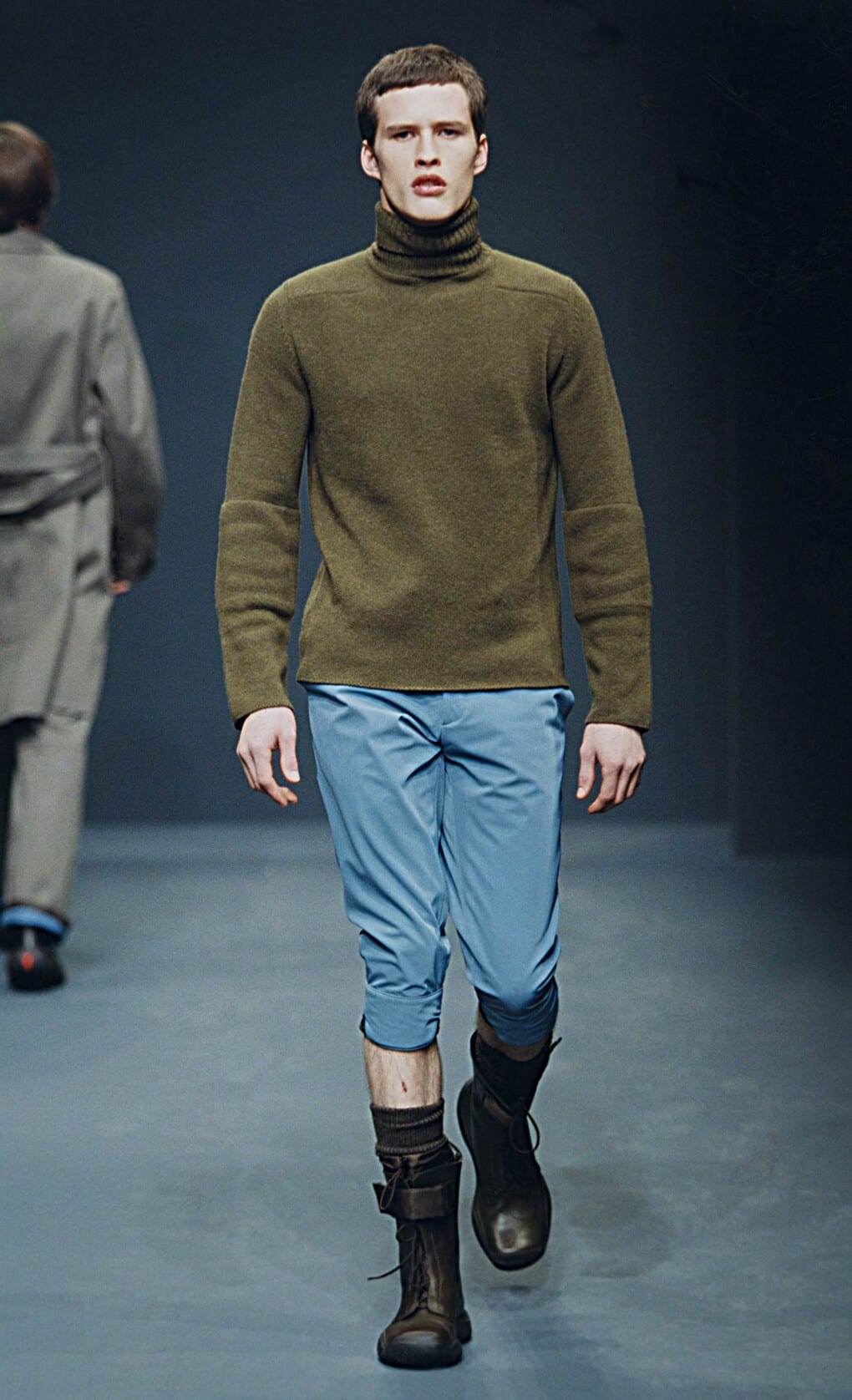
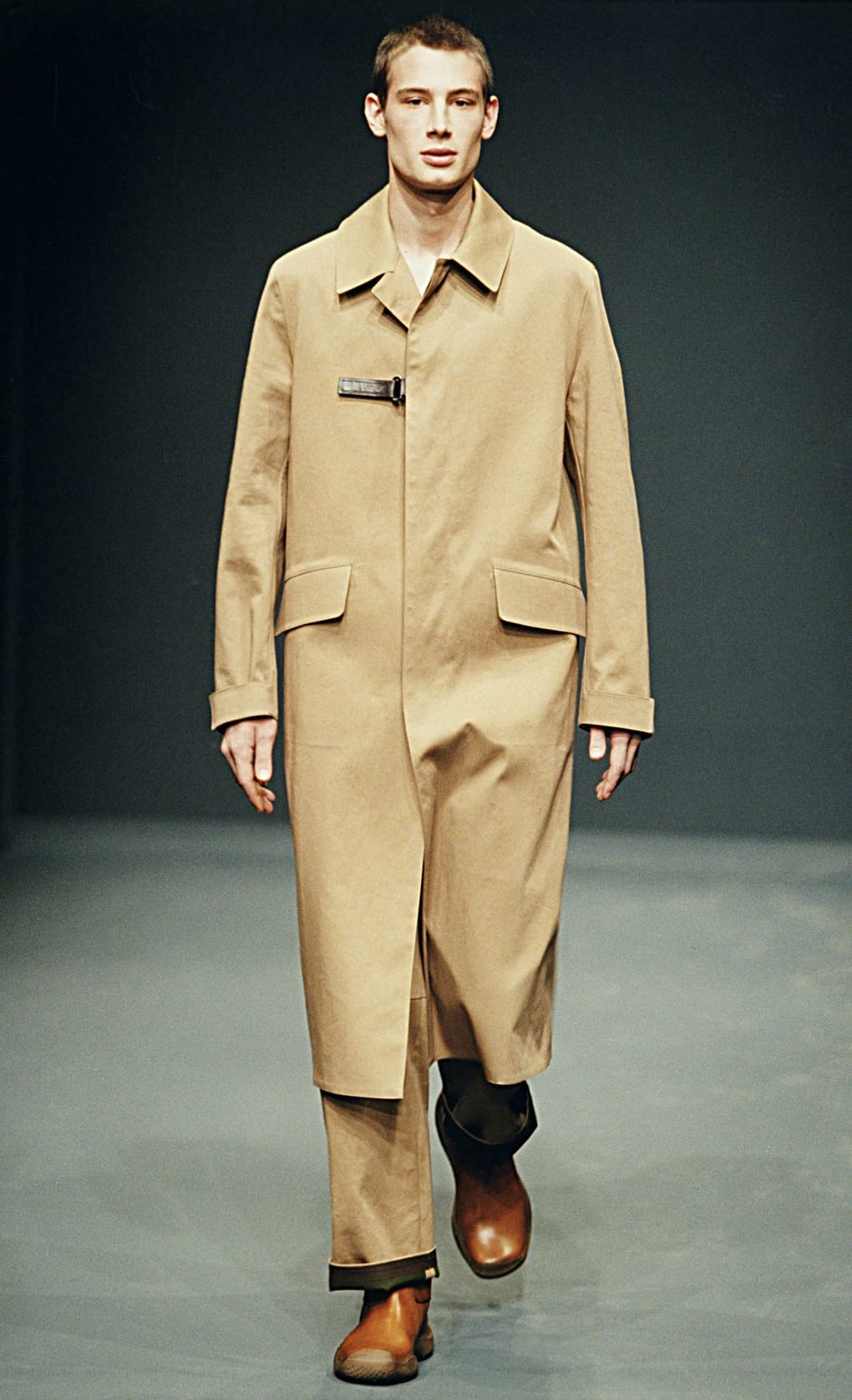
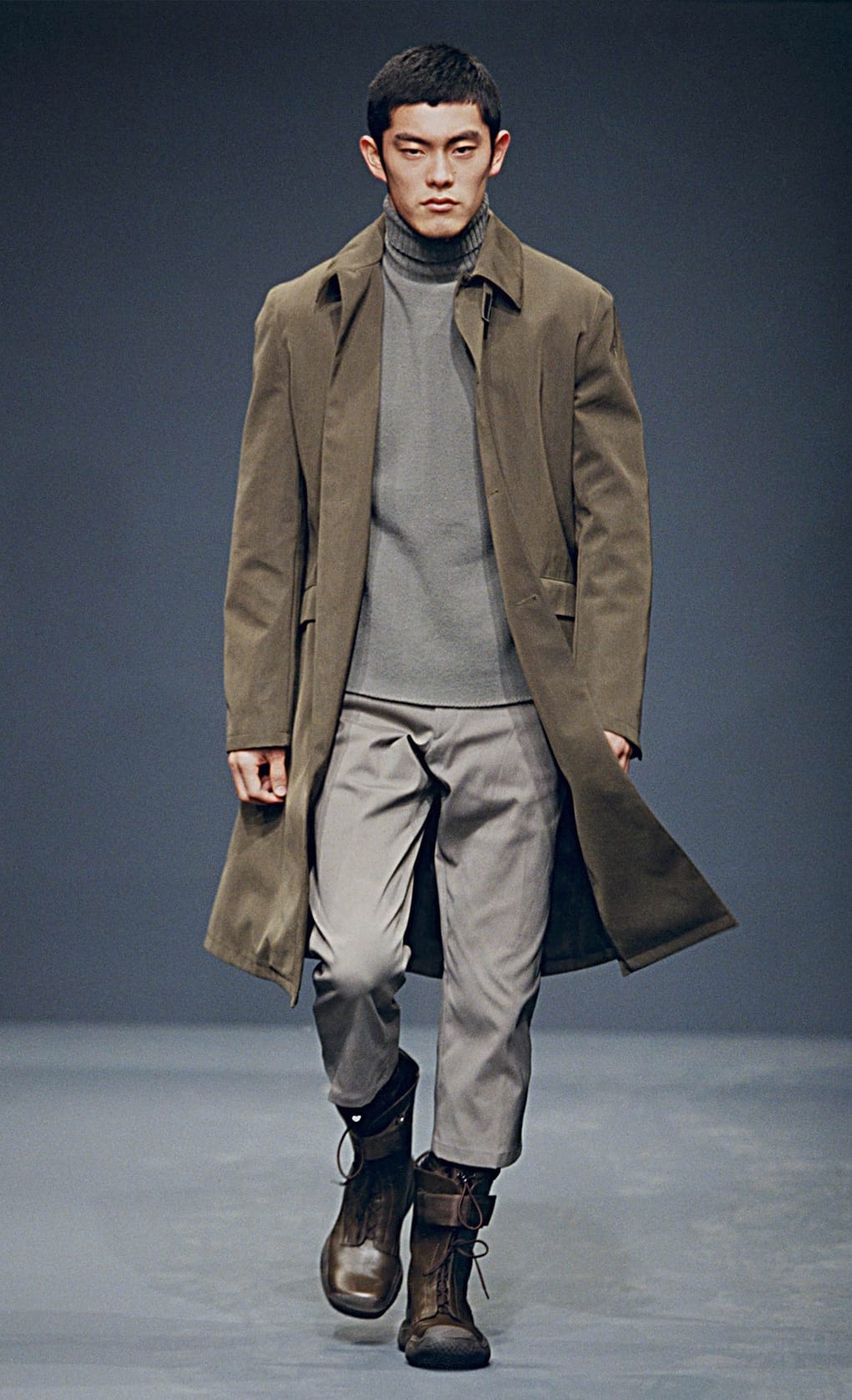
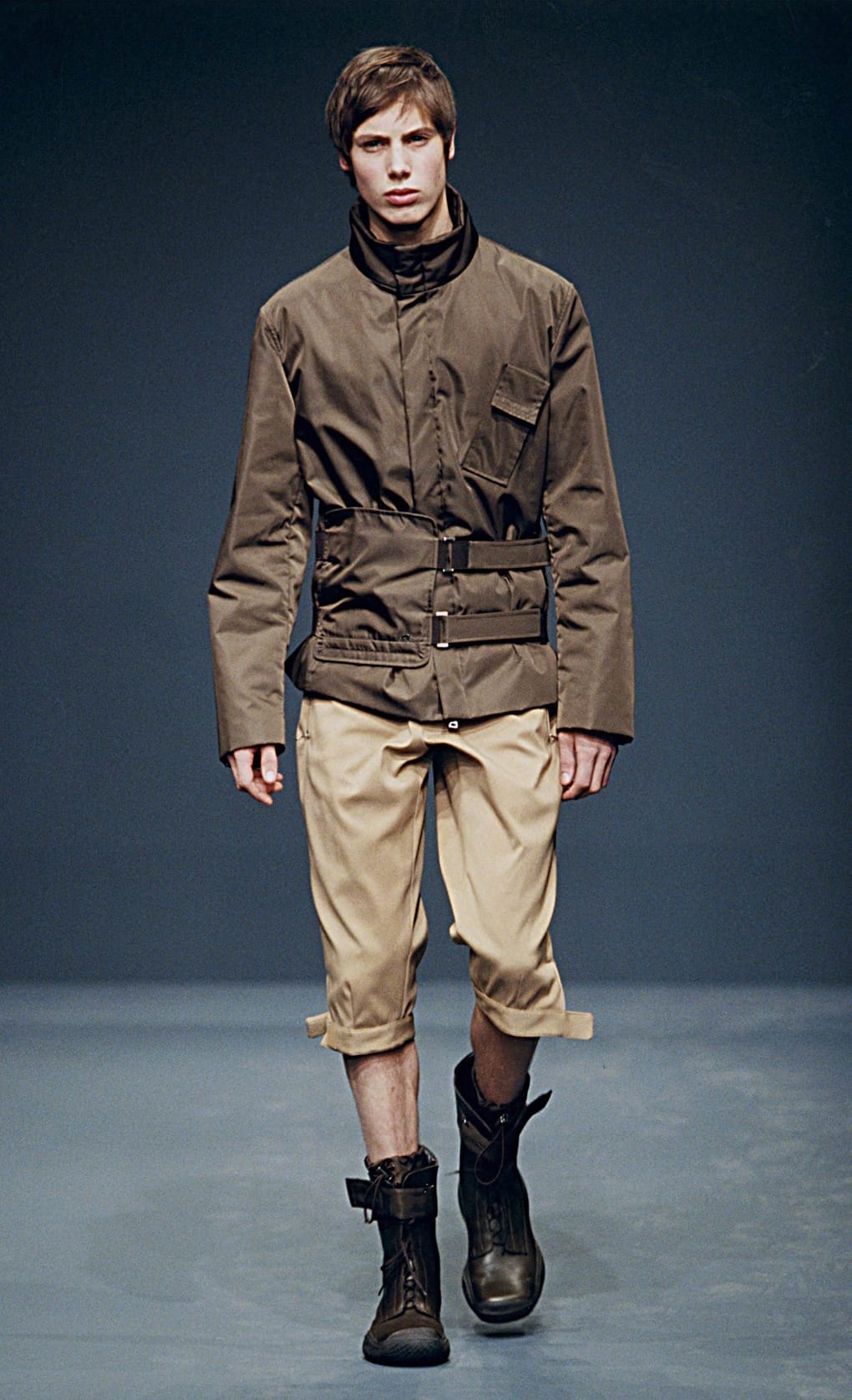
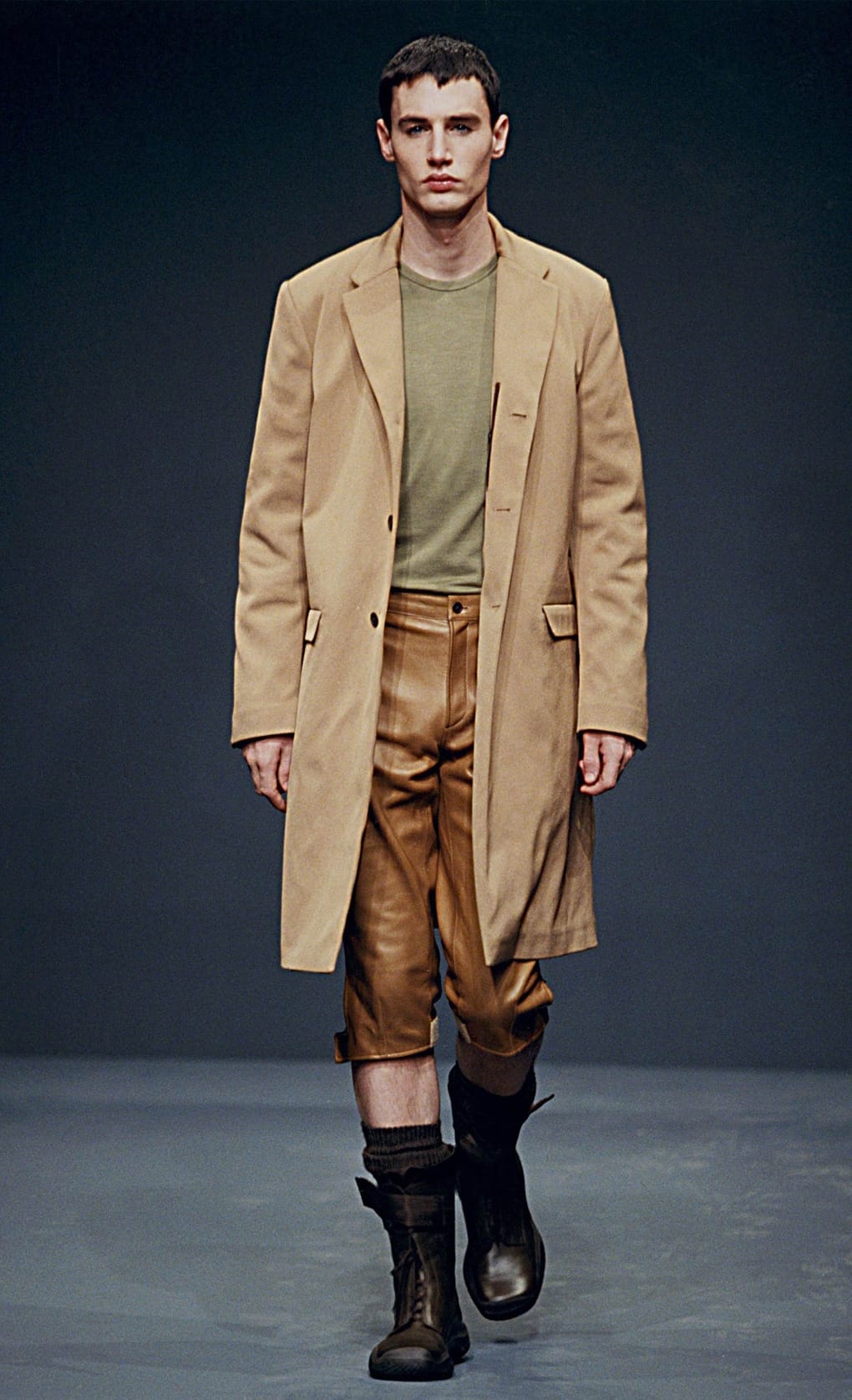
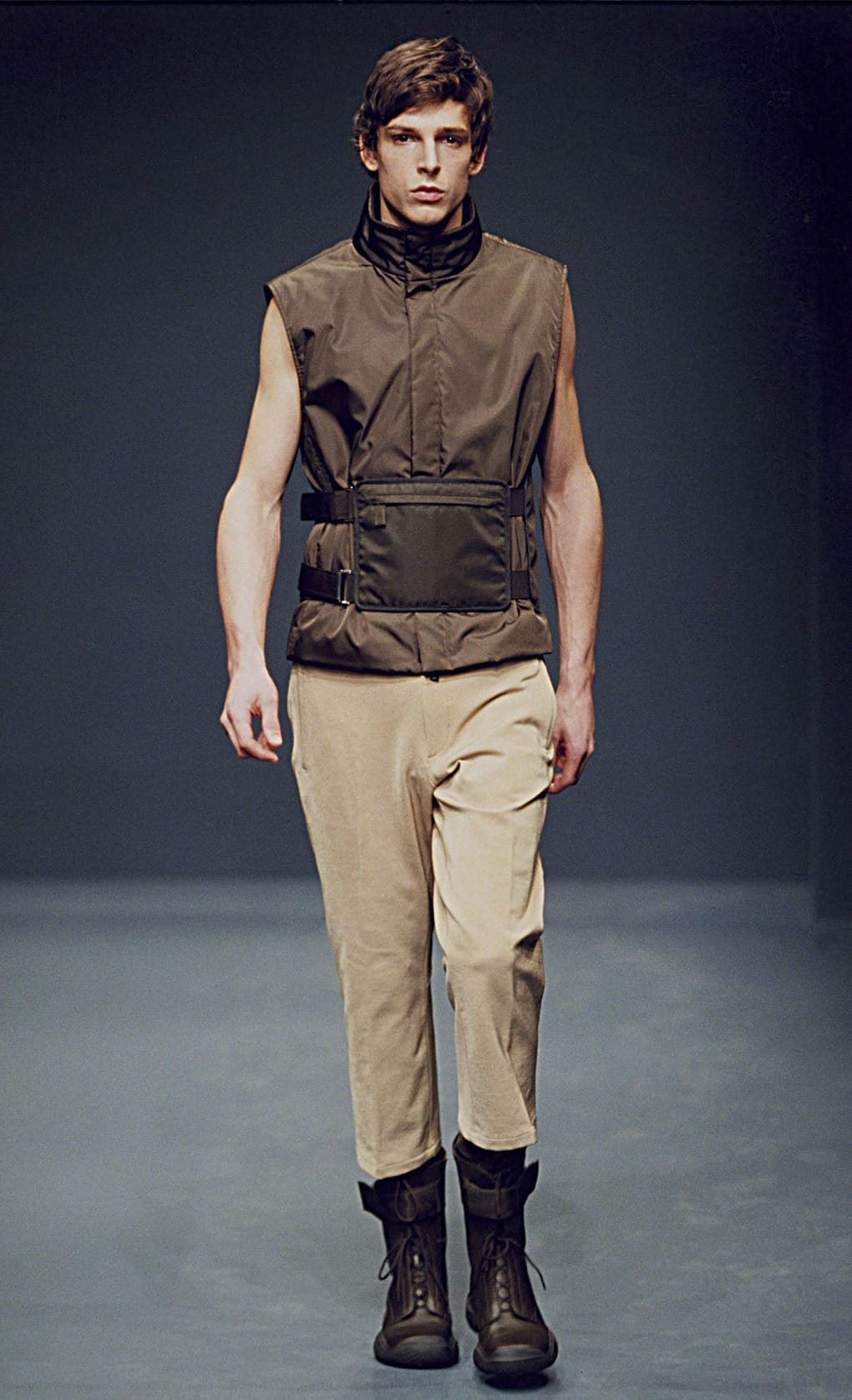
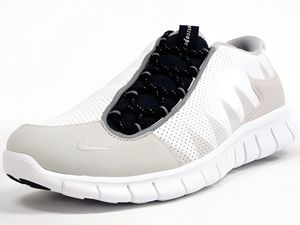
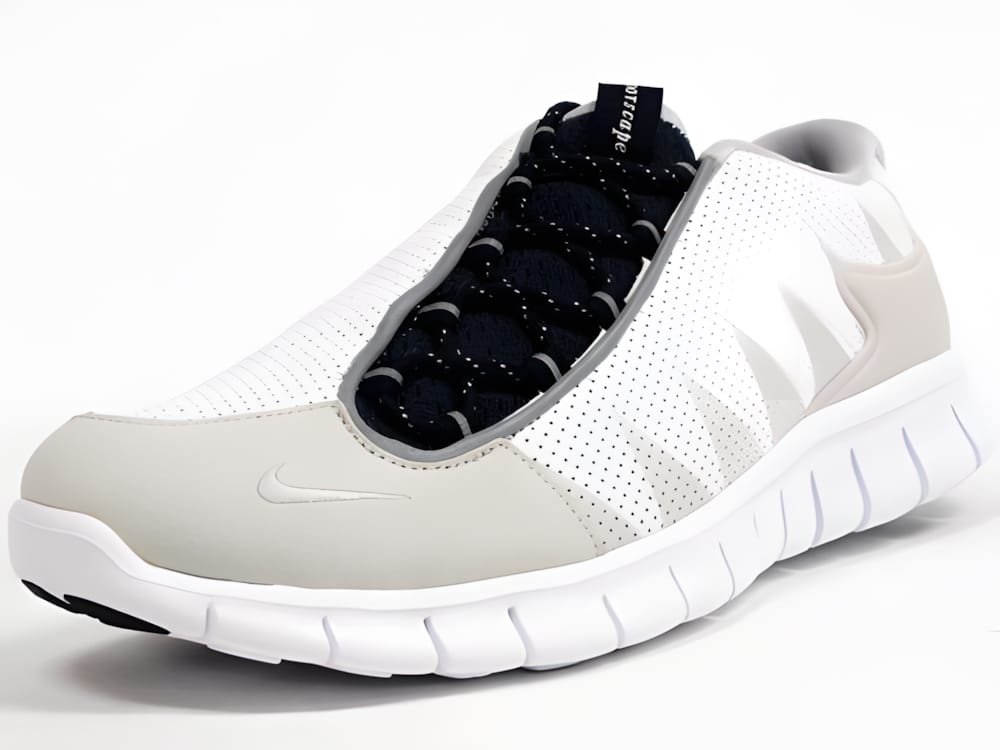
Nike Footscape Free White Grey
Nike x Undercover Gyakusou Holiday 2013 — Campaign
Campaign sequence from the Holiday 2013 archive set.
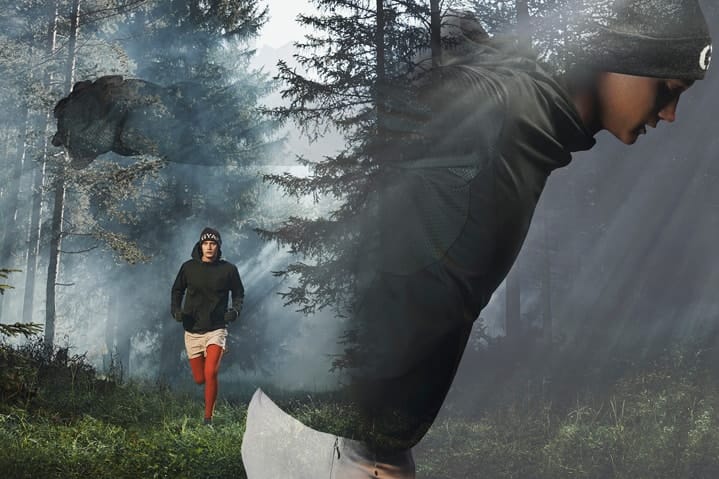
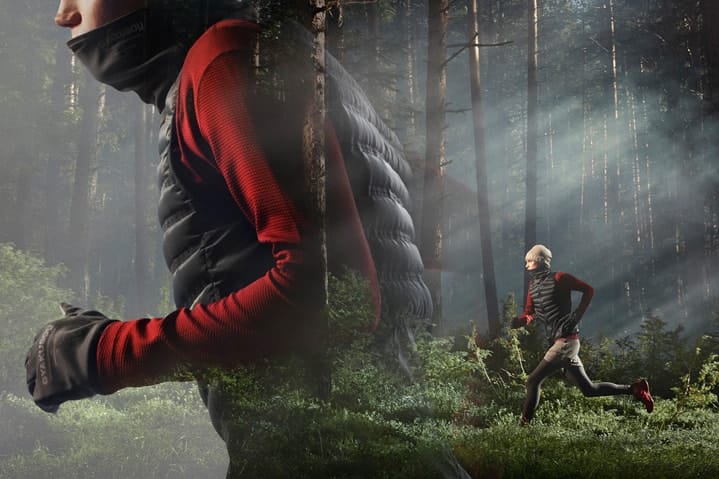
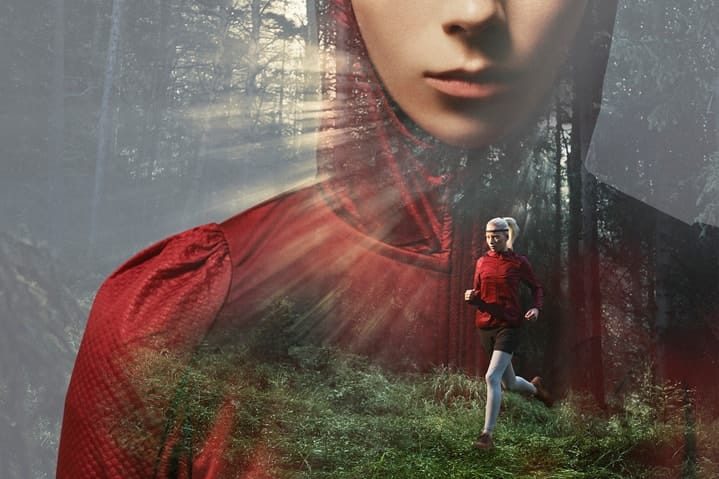
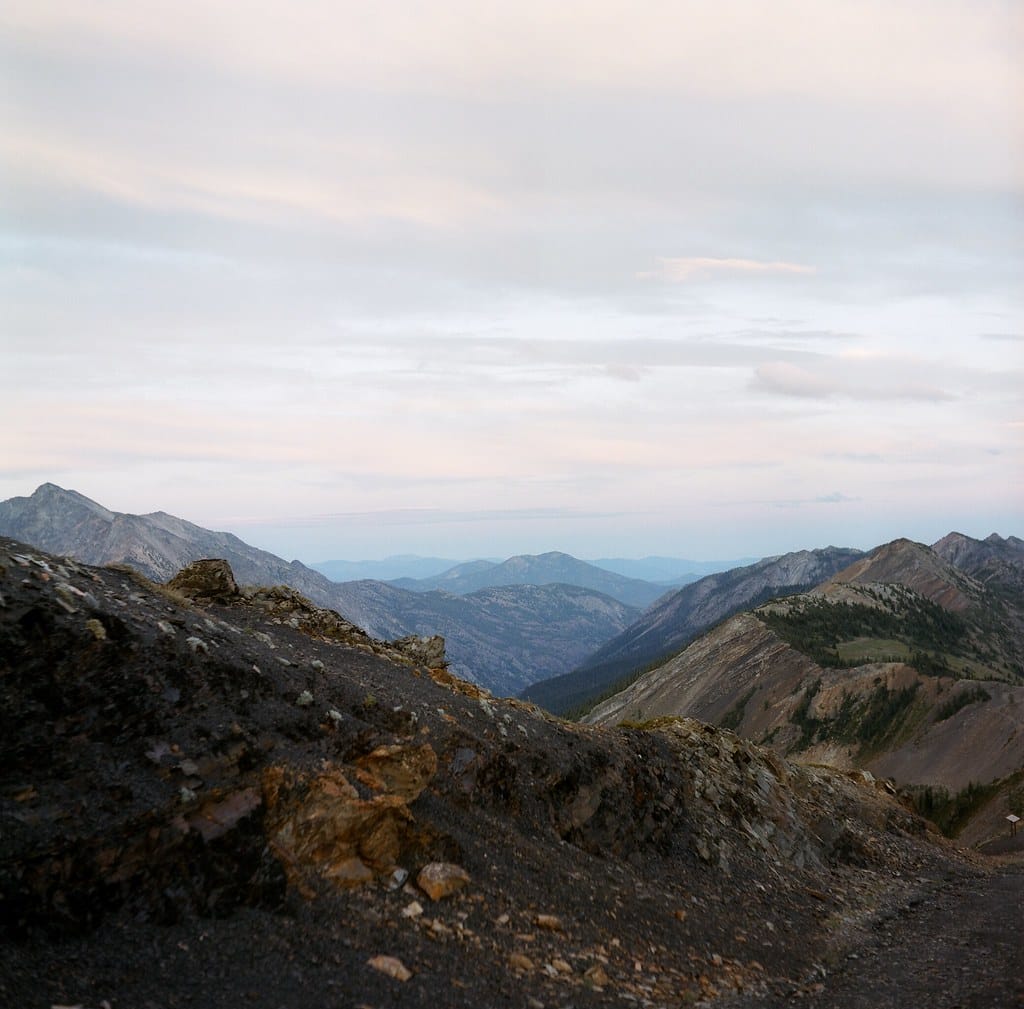
Untitled Mountain Pass — Elias and Theresa Carlson
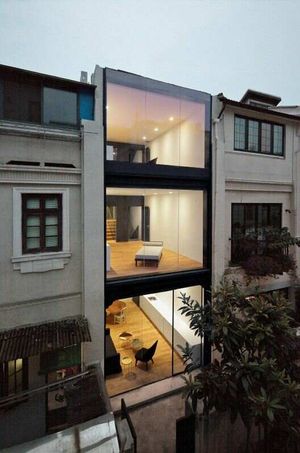
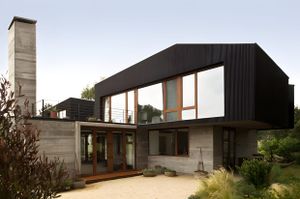
Rethinking the Split House by Neri&Hu, Shanghai
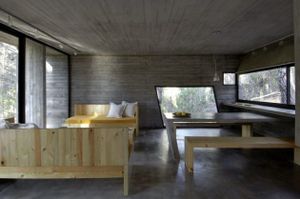
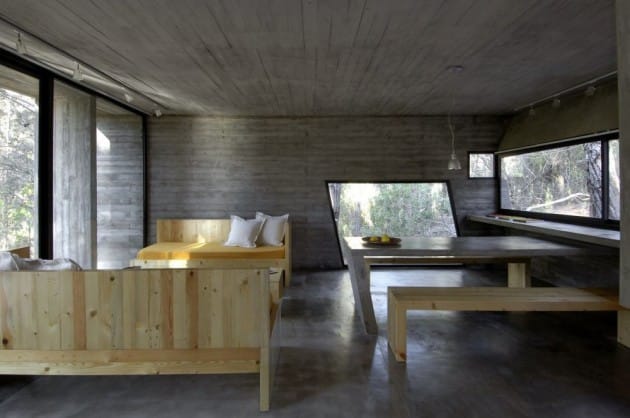
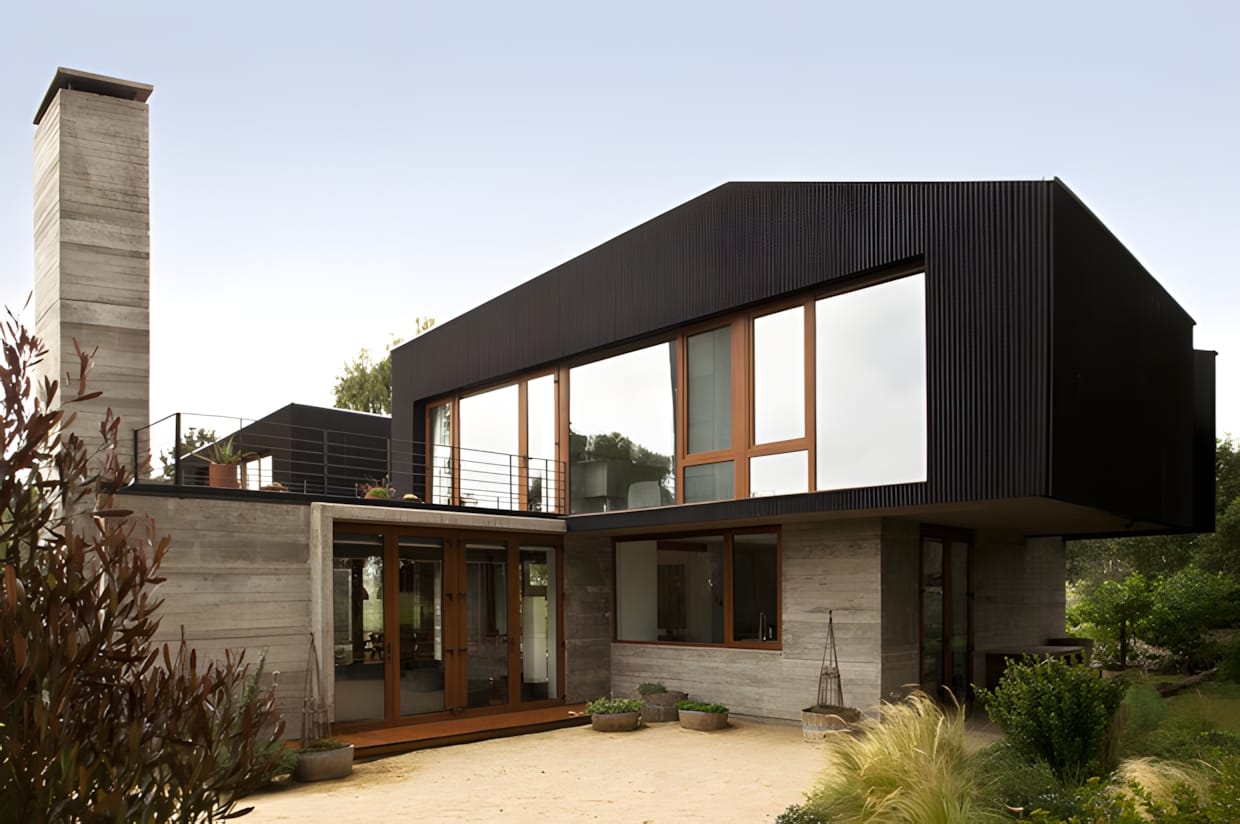
BAK Arquitectos Concrete House Interior, Mar Azul
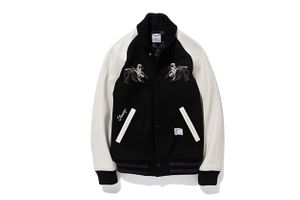
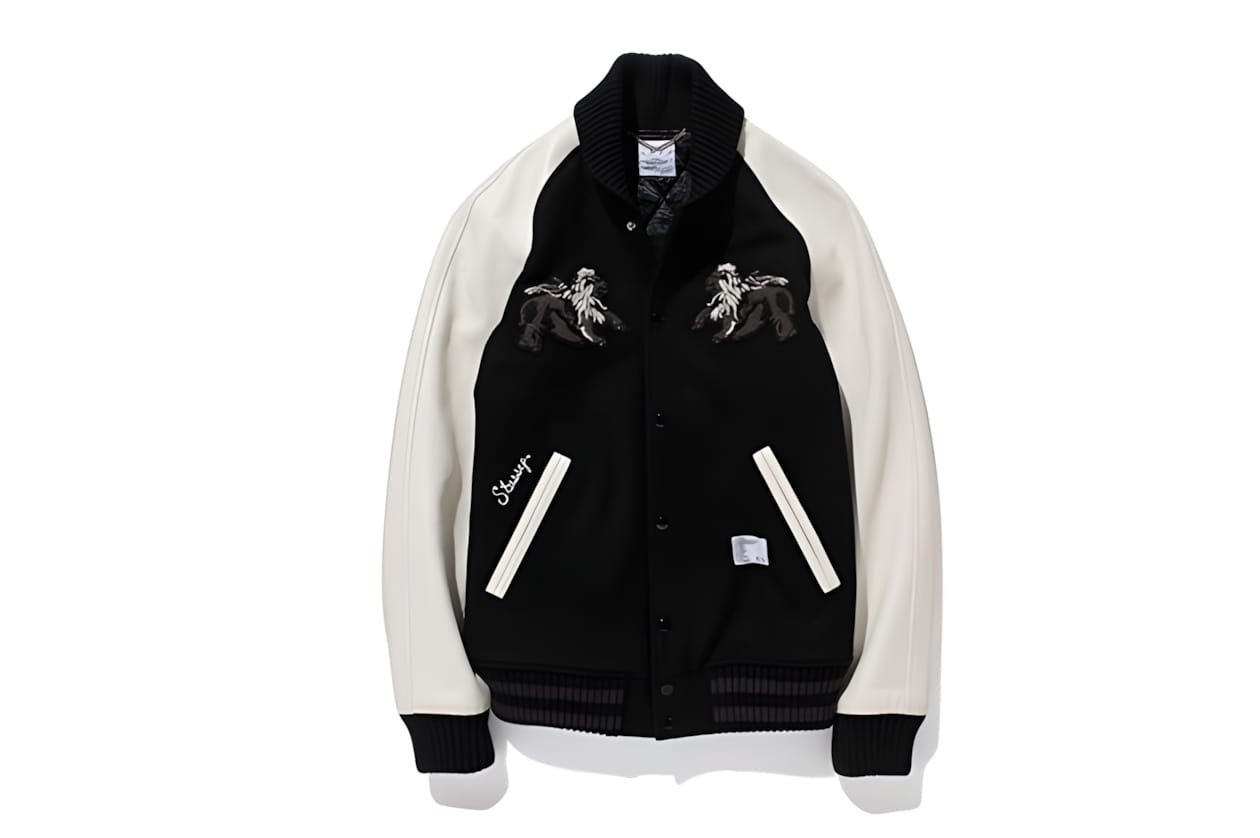
Stussy x Bedwin & The Heartbreakers Fall/Winter 2012 Varsity Jacket
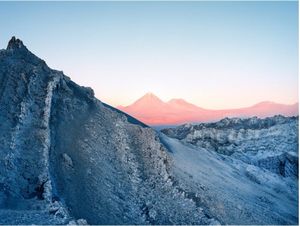
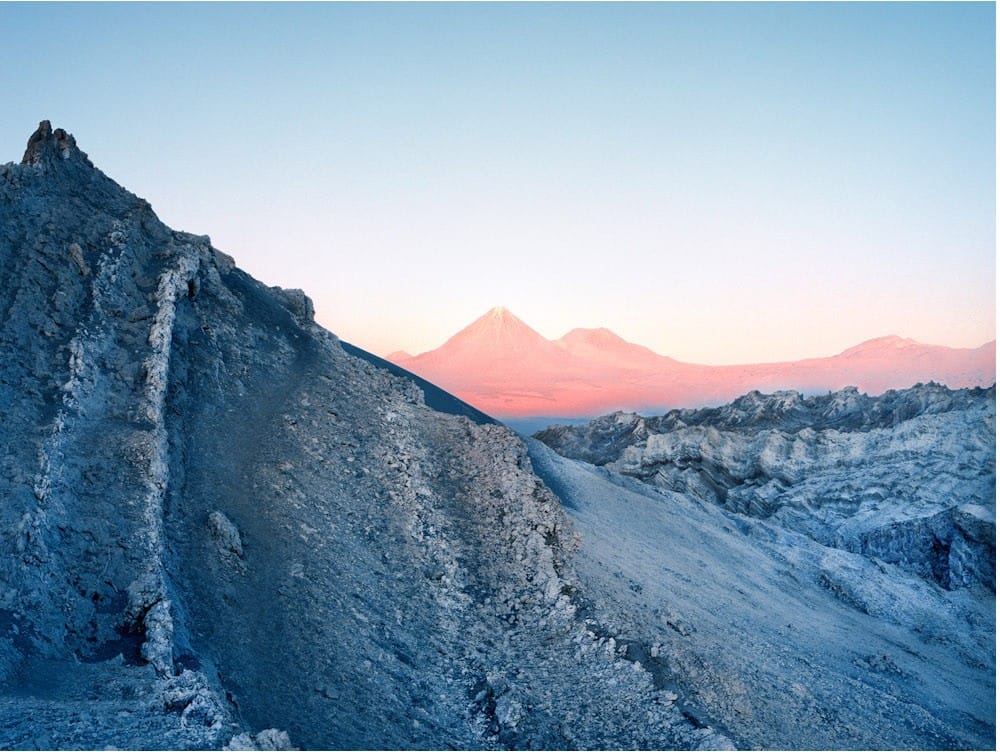
Kamchatka Volcanic Landscape
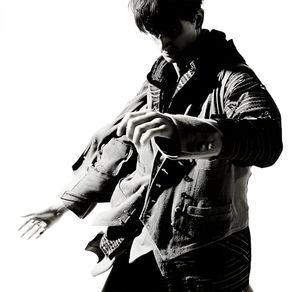
Number (N)ine Spring/Summer 2008 “Birds” Collection

KiBiSi XTable Cable Compartment Detail


Comme des Garçons Homme Fragrance Campaign Artwork
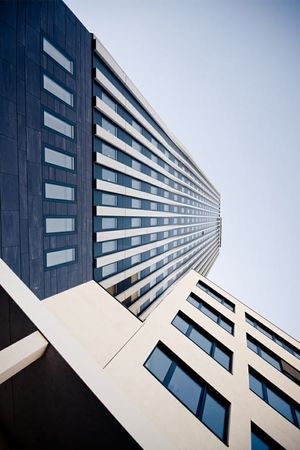
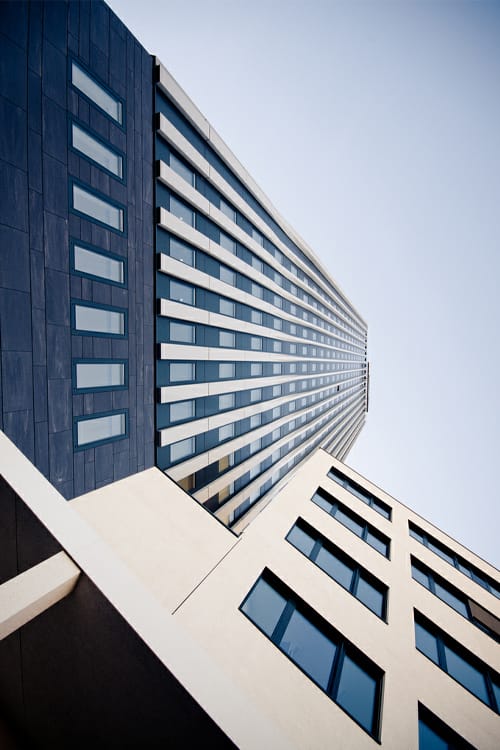
High-Rise Building — Urban Architecture
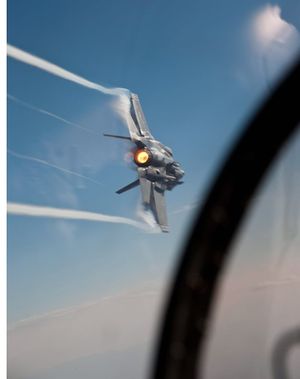
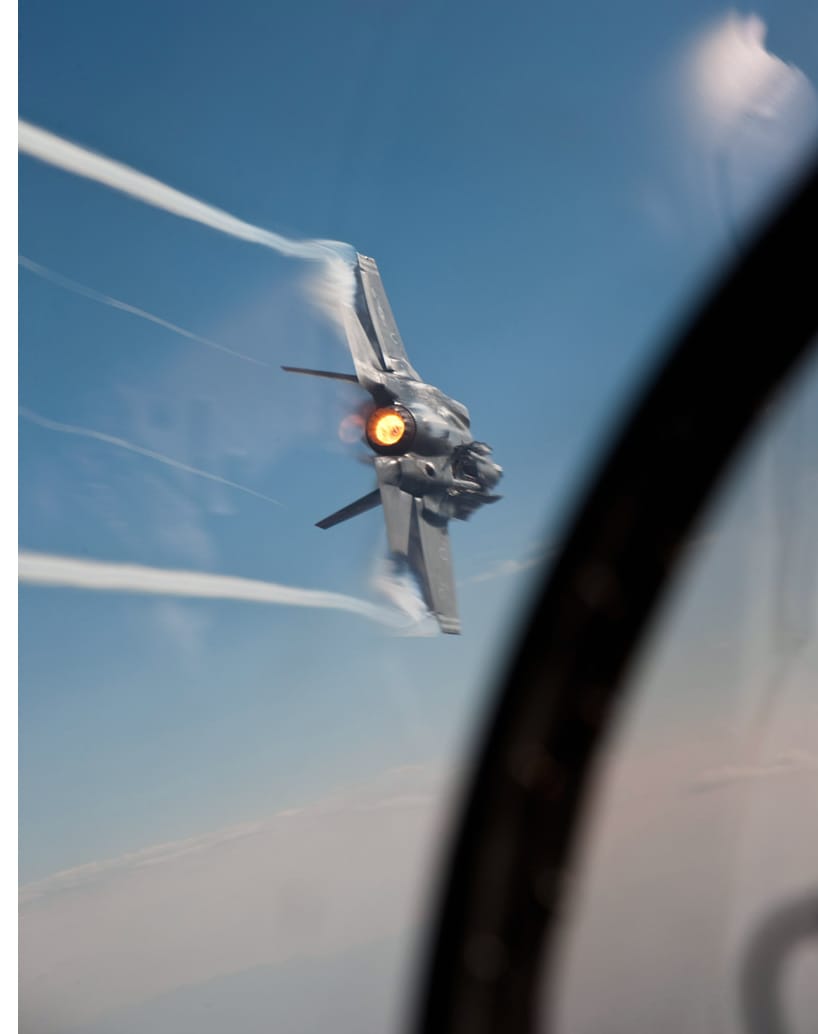
Lockheed Martin F-35 Lightning II
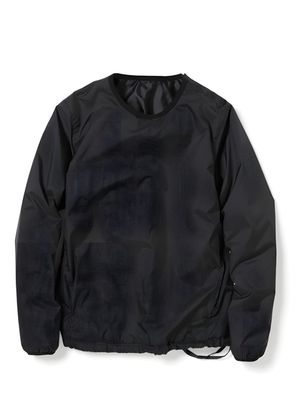
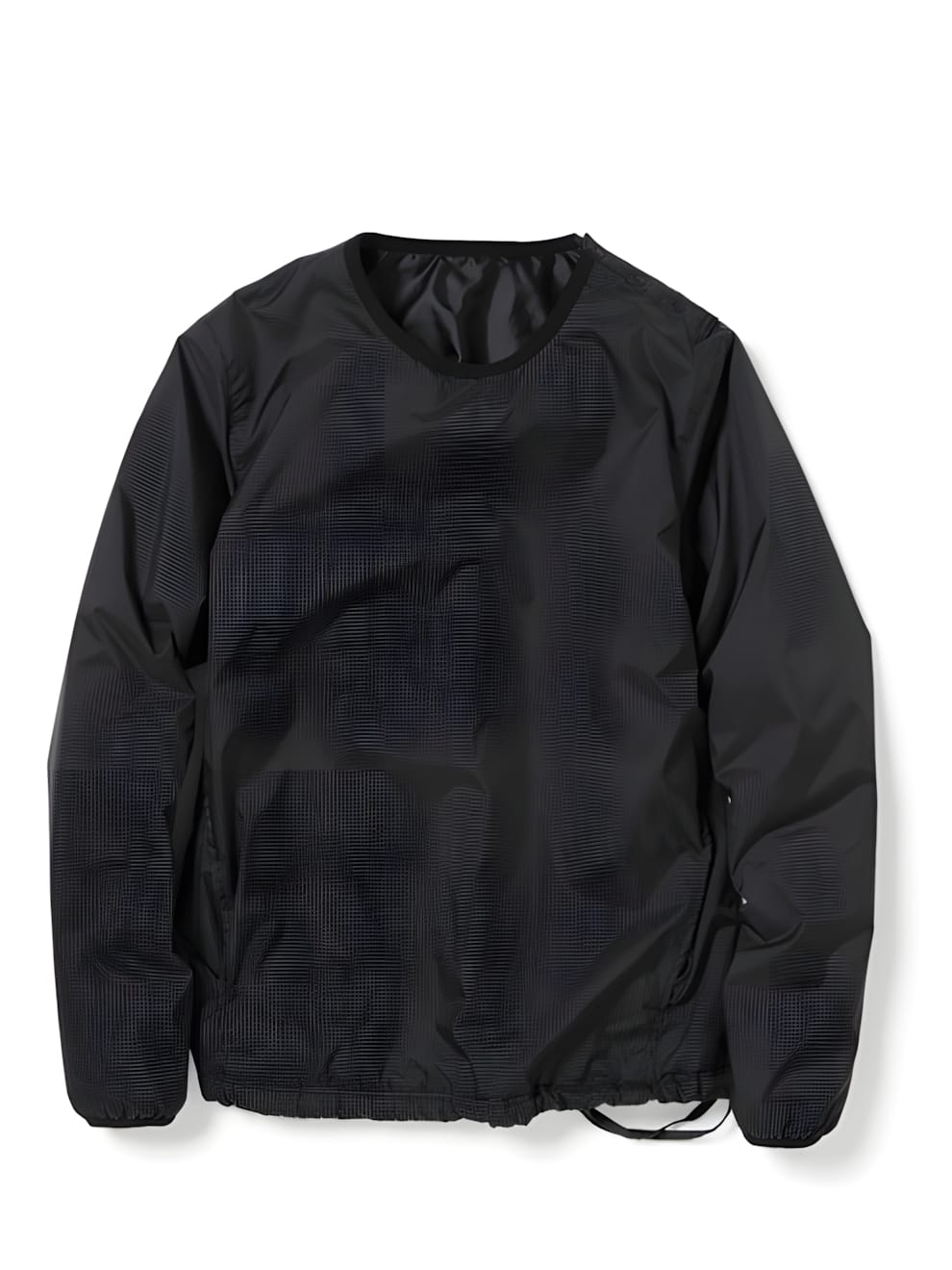
Nonnative Handyman Pullover — Nylon Ripstop, Black
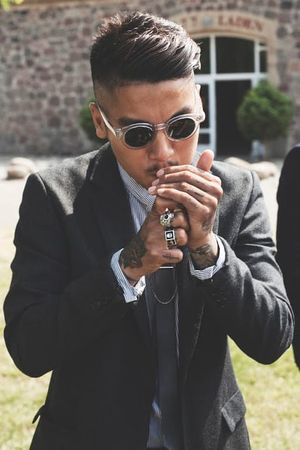
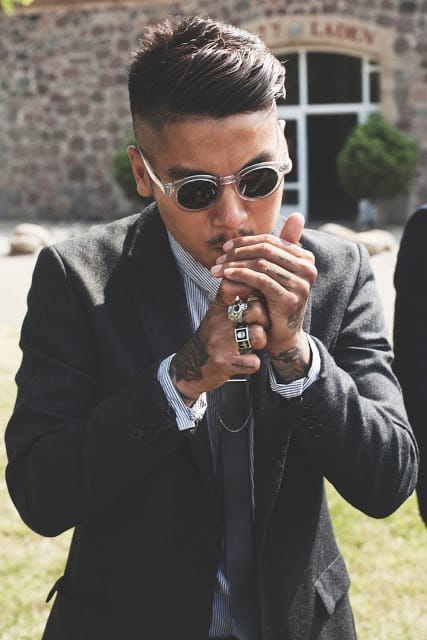
Tattooed Man Lighting a Cigarette
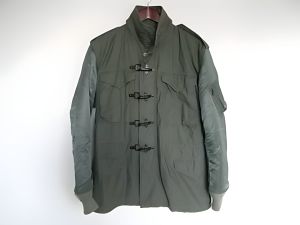
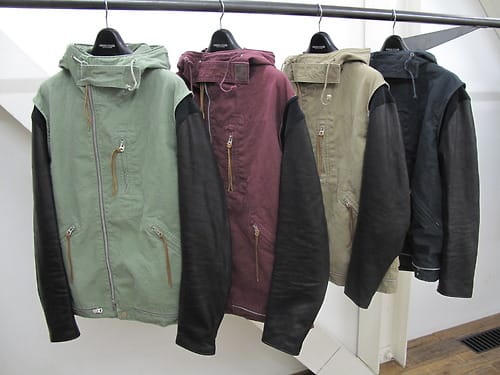
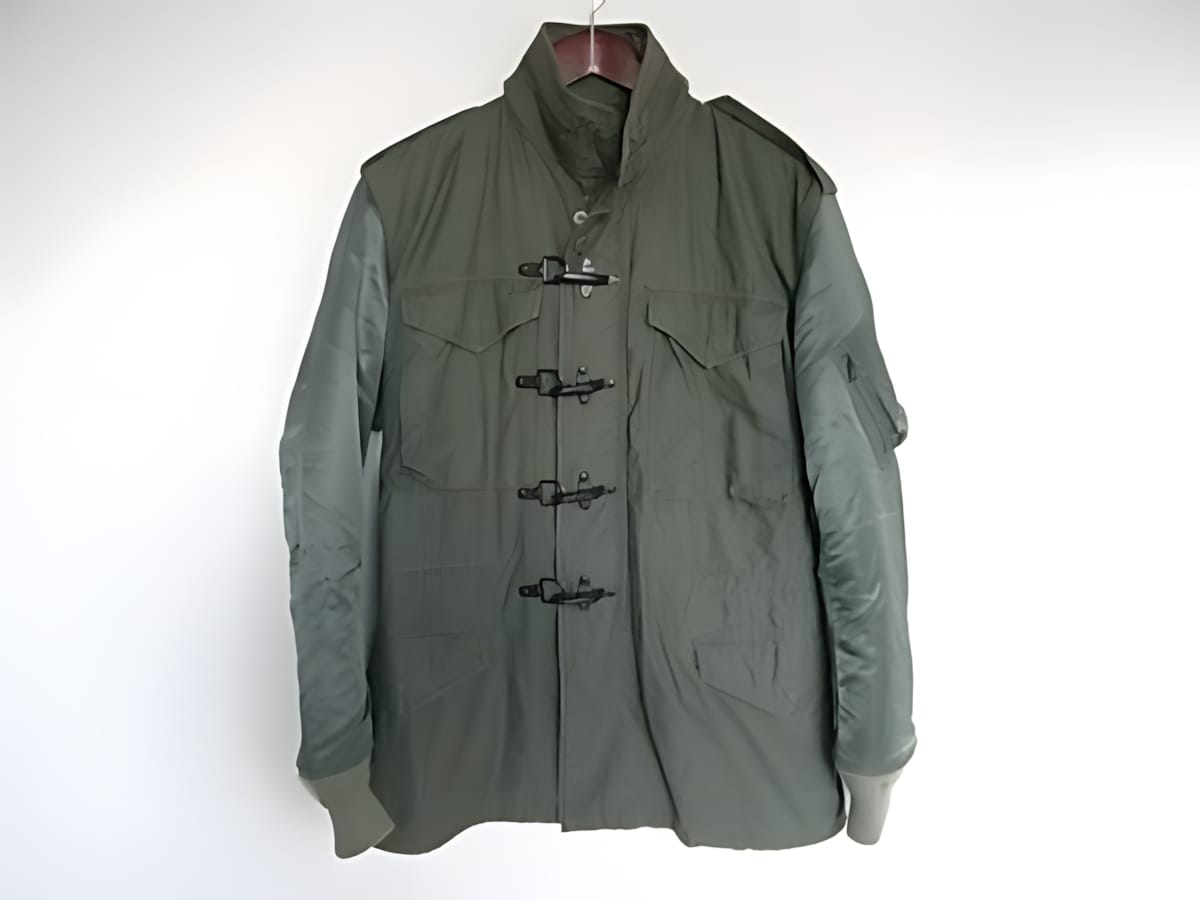
Rebuild by Needles Modified M-65 Field Jacket with MA-1 Bomber Arms
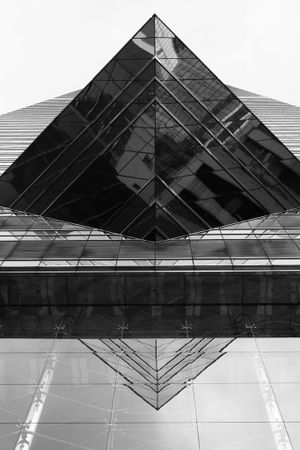
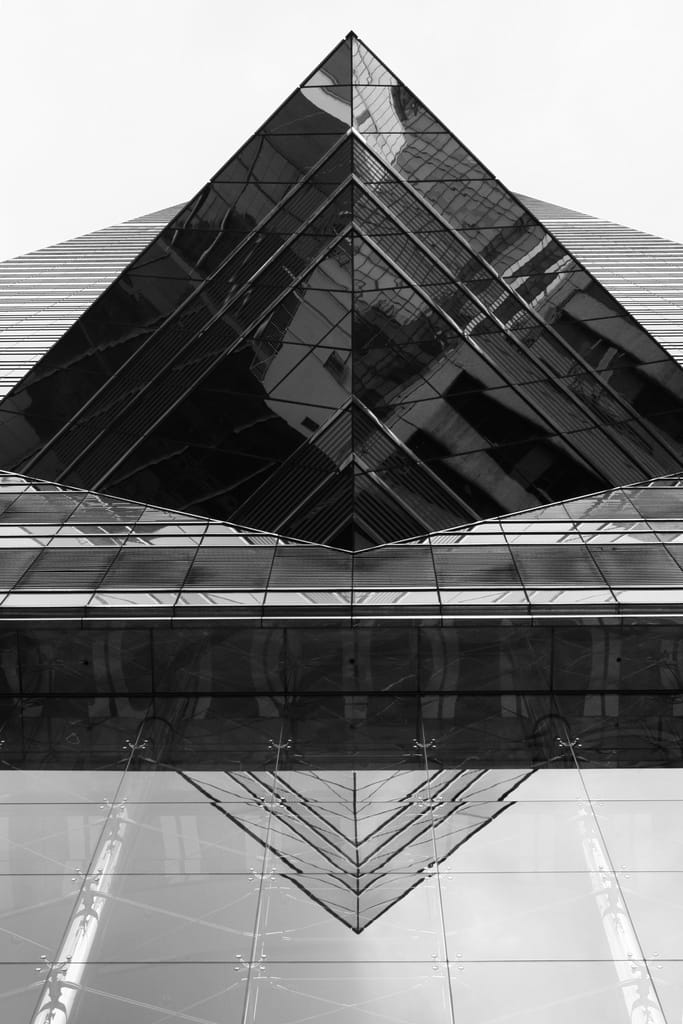
The Center Hong Kong
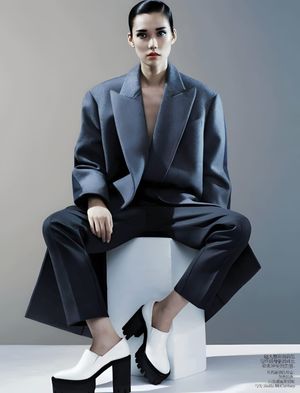
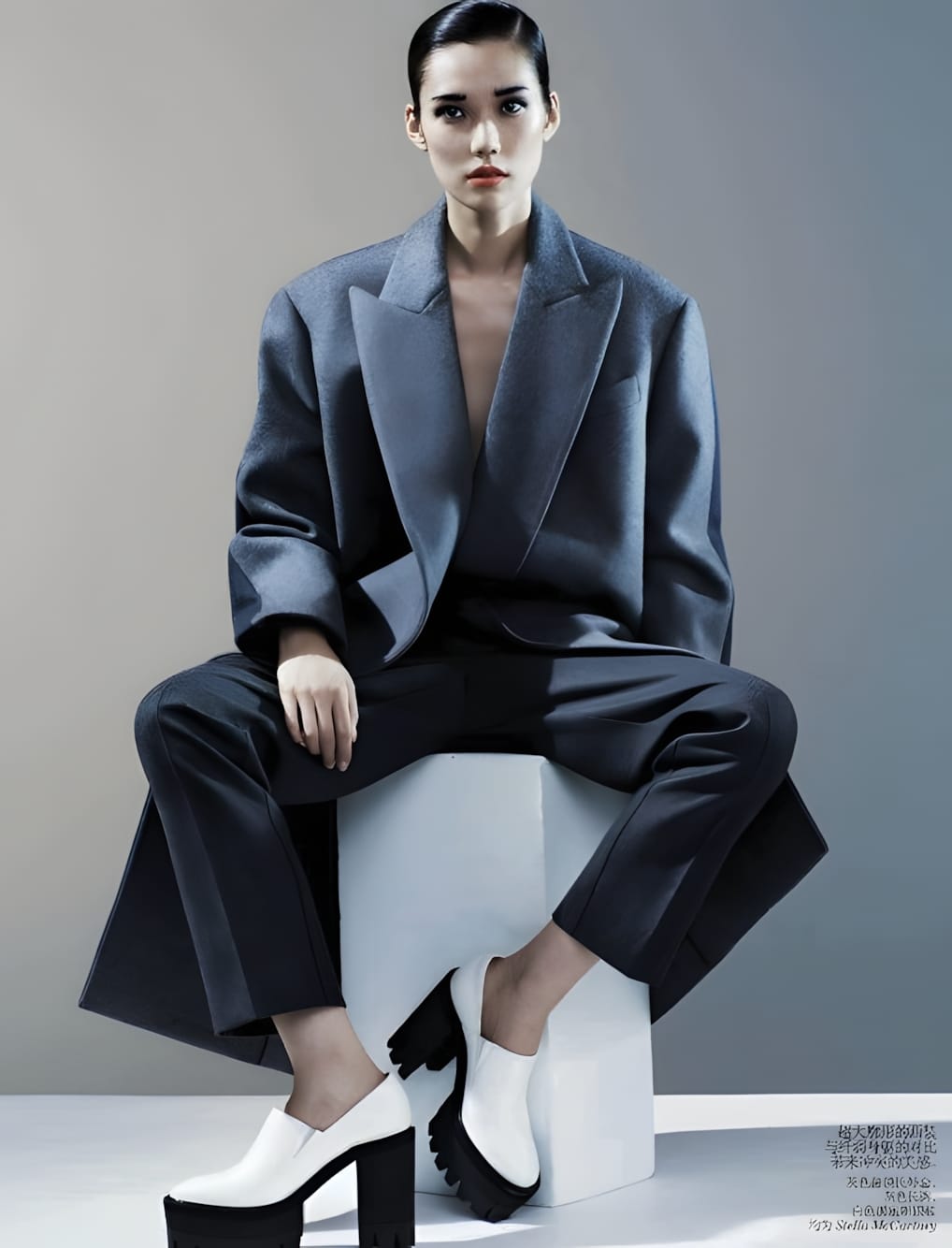
Tao Okamoto by Josh Olins for Vogue China August 2013
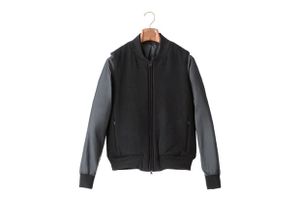
Hugo Bavot Jacket
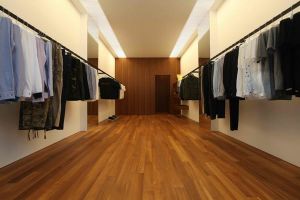
SOPH. Hong Kong Store
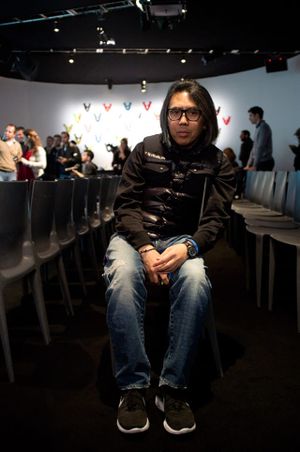
Hiroshi Fujiwara Portrait at a Fashion Presentation
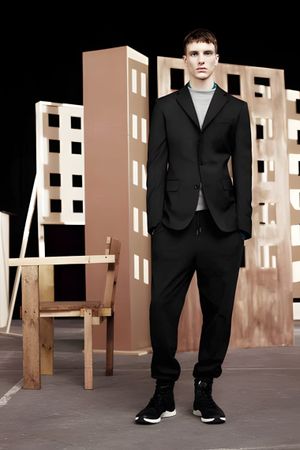
Adidas SLVR Fall/Winter 2012 Campaign
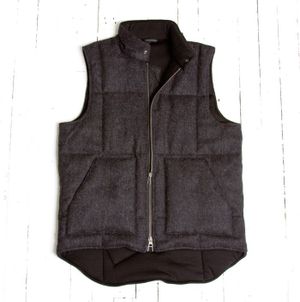
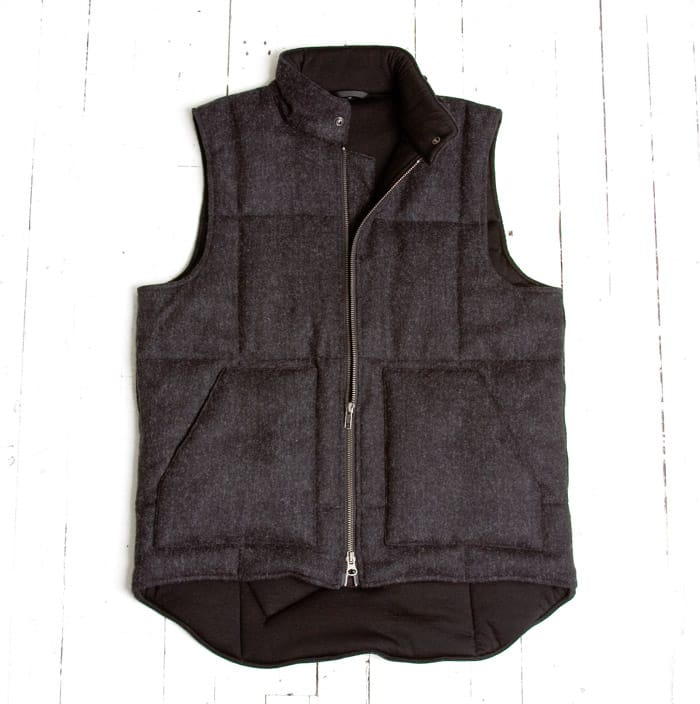
Outlier Soft Core Wool Vest
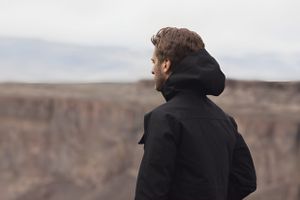
Aether Apparel Fall/Winter 2012 Technical Outerwear Lookbook
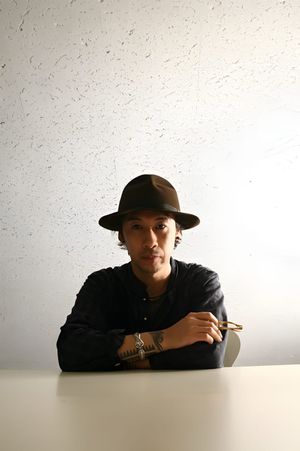
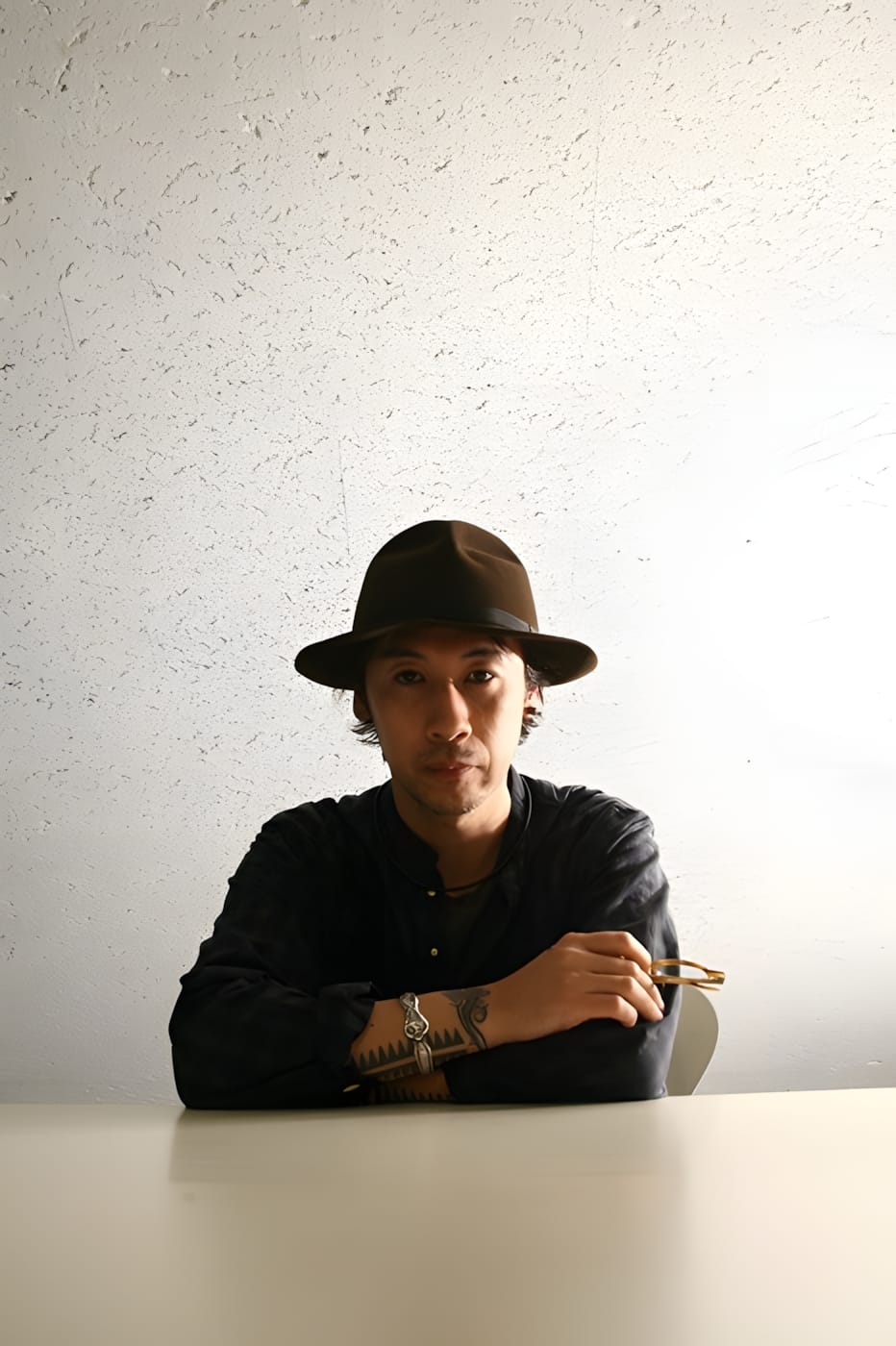
Jun Takahashi — Undercover Designer Portrait, Dazed June 2013
Interview with Jun Takahashi on Undercover AW13
Q: After two years away from the Paris catwalks, why was now the right time to show a runway collection?
A: After the earthquake disaster, we Japanese were spiritually in the worst state. It’s been two years since then and everyone is hoping to improve the present situation. I am one of them. I chose to have a runway show in Paris in order to restore myself. I thought it would work because going back to the runway was one of the things I had been hoping to do.
Q: Talking of the scar that Japan’s earthquake left on you, did it creatively affect your AW13 collection?
A: I was craving for creation, and that resulted in those one-off dresses. Two years ago, mentally and financially I wasn’t able to create such things. Those one-off pieces are my original works and made intuitively by myself. I am the only one who could make them. They are sacred works to me. I guess I like things where you can feel human warmth.
Q: Why did you call the show ‘Anatomicouture’? Was your intention to expose the inner bones of the garments?
A: It is a mentality of exposing the inner self, corresponding to my desire to reveal my creation and what’s going on in my head.
Q: Despite the skeleton and organ motifs, the collection is beautiful and seductive – does this come back to your interest in the contrast between ugly and beautiful?
A: Ugliness and beauty co-exist in human mentality. I always want to express those emotions.
Q: The AW13 show had the feel of punk performance art – why did you stage it like theatre?
A: Because the theme of this collection is related to human emotions, I thought my theme could be conveyed much better with such staging effects that would move people’s hearts. That’s why I used songs by Cat Power and James Blake. All the songs are great and meaningful and helped me convey what I wanted to express through the lyrics of songs too.
Q: When did your love of fashion start, and how did that lead to Undercover?
A: When I was little I loved drawing and had a twisted personality. I was so into punk during my high school years. My interest in fashion arose when I was around 15 years old and I was hoping to become a designer. At 18, I entered Bunka Fashion College. I was questioning about learning ‘design’ from teachers who were much older than me. So I told myself that I would learn only techniques in the school, nothing else.
Q: Undercover was considered part of a new wave of Japanese designers. How did your approach differ from the likes of Rei Kawakubo and Yohji Yamamoto?
A: I am not sure if Undercover is part of a new wave and I don’t really care. But Rei influenced me a lot on things like breaking stereotypes.
Q: You and your friend Hiroshi Fujiwara collected vintage Seditionaries pieces and published a book about them, and you even appeared in a show of Vivienne Westwood’s designs in Tokyo in 1990. Can you describe the impact punk made on you and explain why it still resonates today?
A: To me, punk means a spirit that questions and abolishes conventional ideas. That is my fundamental principle. You can apply the principle to fashion design. It depends on each season, but I instil punk interpretation into my designs in many ways – for example, by fusing two contradicting elements or applying techniques that are generally considered taboo.
Q: You recently designed lines for Uniqlo and Nike – how did you enjoy those two experiences? Did they feed back into your work with Undercover?
A: The Uniqlo and Nike collaborations are totally different types of designs from that of Undercover. Therefore the collaborations didn’t really affect my work with Undercover. But for my career as a designer, both collaborations became good experiences. Working with Uniqlo gave me the opportunity to learn about the creation of mass products and newly standard items that are totally different from designing avant-garde pieces. As for the collaboration with Nike, I am very satisfied both as a designer and as a runner with the fact that I have been able to create products which integrate necessary functions for running with fashion-design aesthetics, which had often perhaps been missing in the existing sportswear.
Q: You’ve talked in the past of the difficulties with keeping up with the six-month cycle of fashion shows, and skipped showing in Paris for a couple of seasons – how are you currently finding working within the fashion calendar?
A: Right now, I’ve come to the conclusion that the six-month cycle is appropriate. Themes of each Undercover collection vary by season. If we could spend more than six months on a collection, and if we continue to work with the same theme for a year, it would be difficult to keep up the tension towards the theme and I am afraid that the freshness would be lost.
Q: AW13 got a great response. Will we be seeing you back on the runway next season?
A: I could strongly feel that a lot of people were waiting for Undercover and I was very thankful about it. I will be back on the runway next season.
Q: Next year will mark the 20th since you began showing as Undercover. How do you feel you’ve evolved in that time?
A: I went through many phases and experienced many things. There was a time we faced various troubles, or we jumped into things just by force of circumstances. But nothing was wasted. I am responsible for all success and failure of Undercover. I will go forward without being ashamed of the paths I’ve chosen.
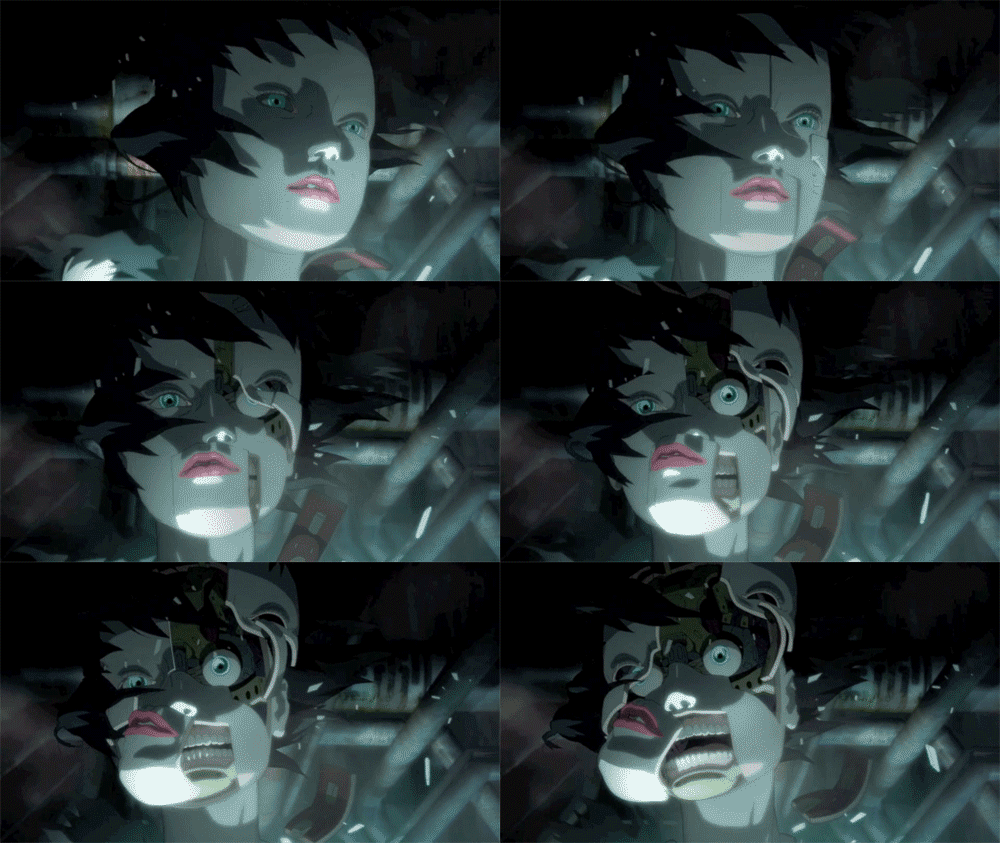
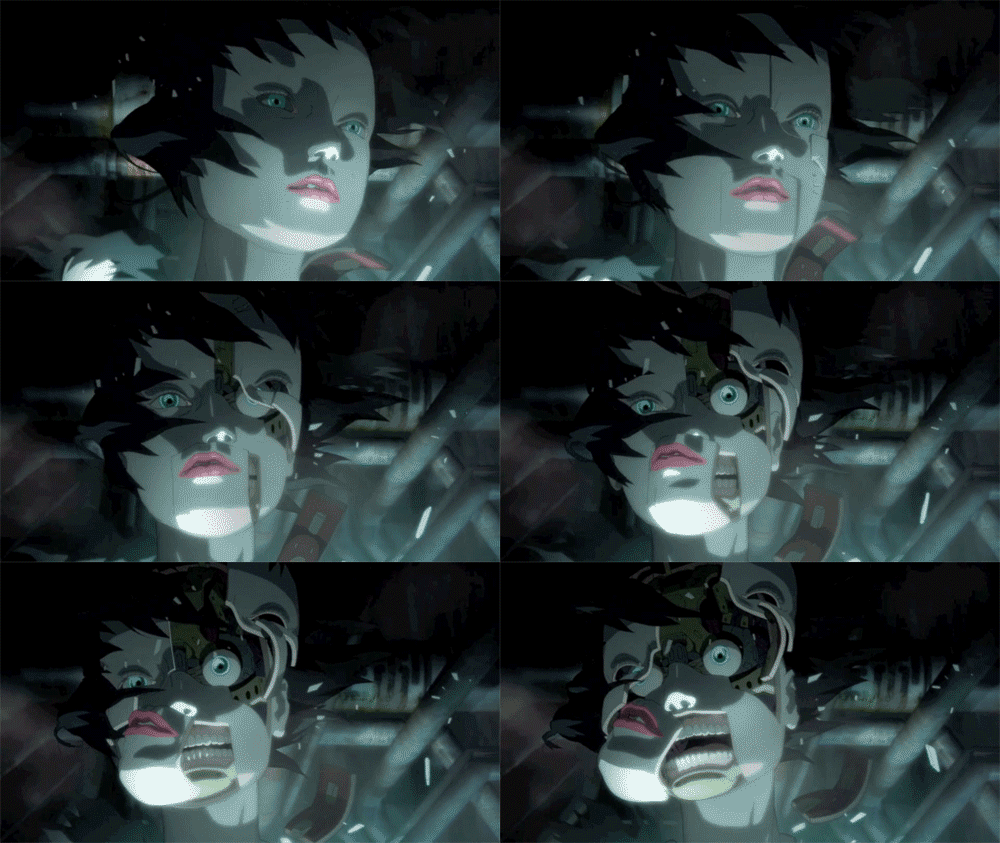
Ghost in the Shell 2: Innocence Gynoid
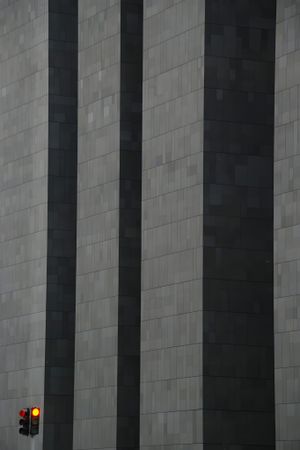
Eero Saarinen — CBS Building, New York, 1965
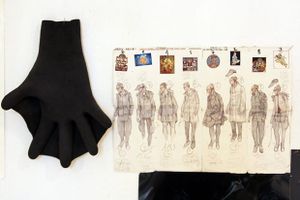
Aitor Throup
Work by Aitor Throup, a British artist and designer who develops clothing and figures through drawing. His ink-and-wash figures include the project 'When Football Hooligans Become Hindu Gods'.