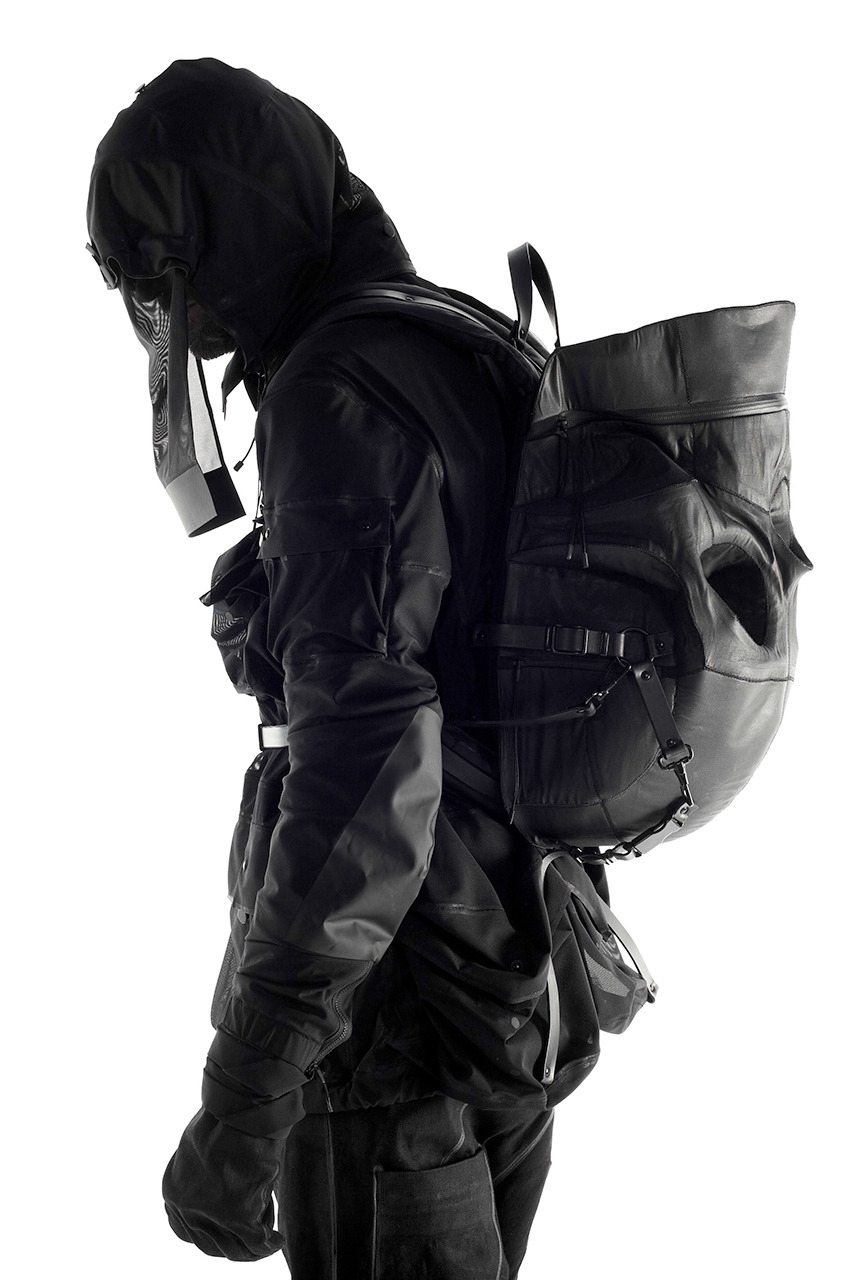
Aitor Throup
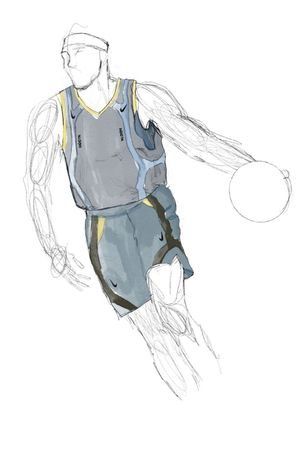
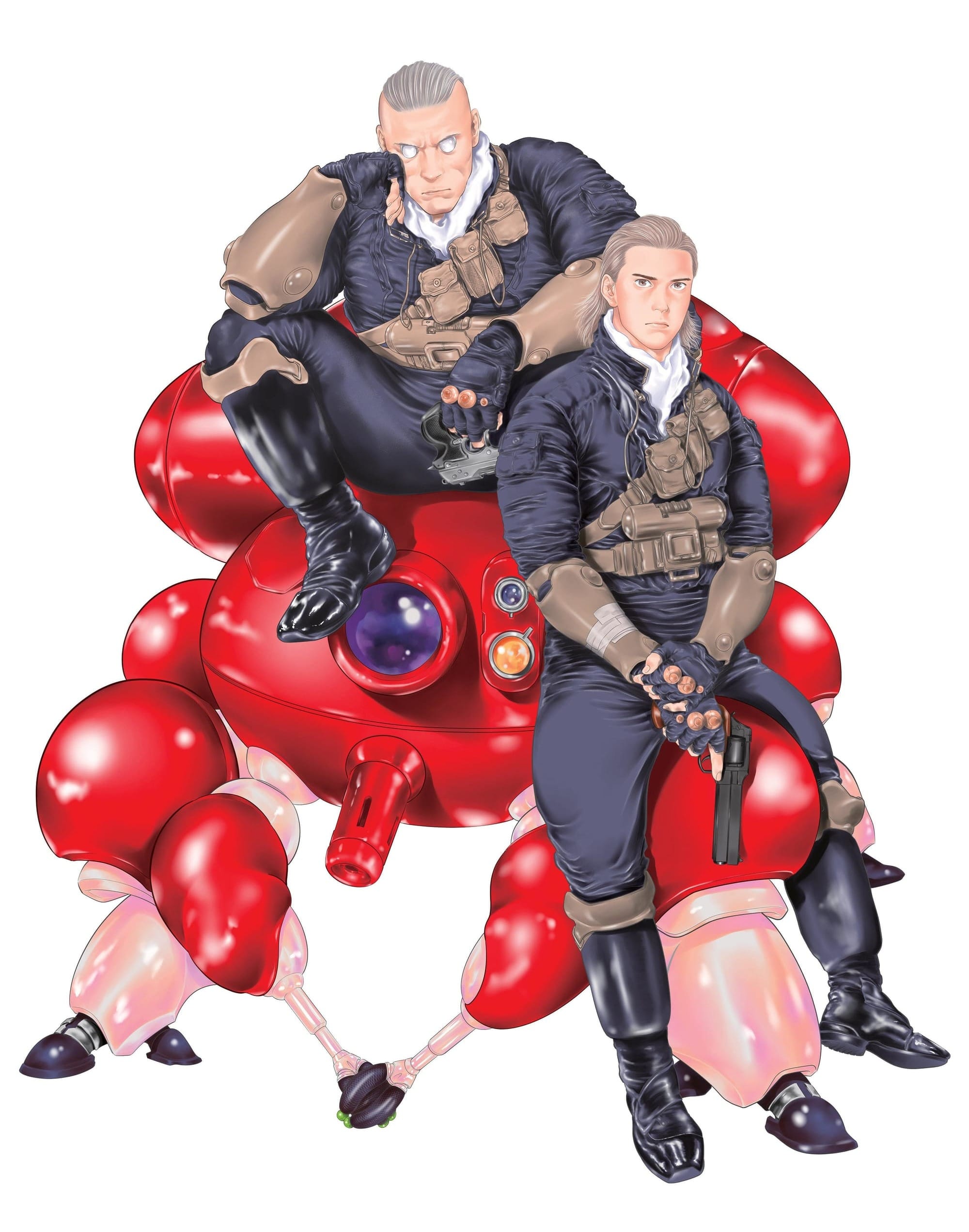
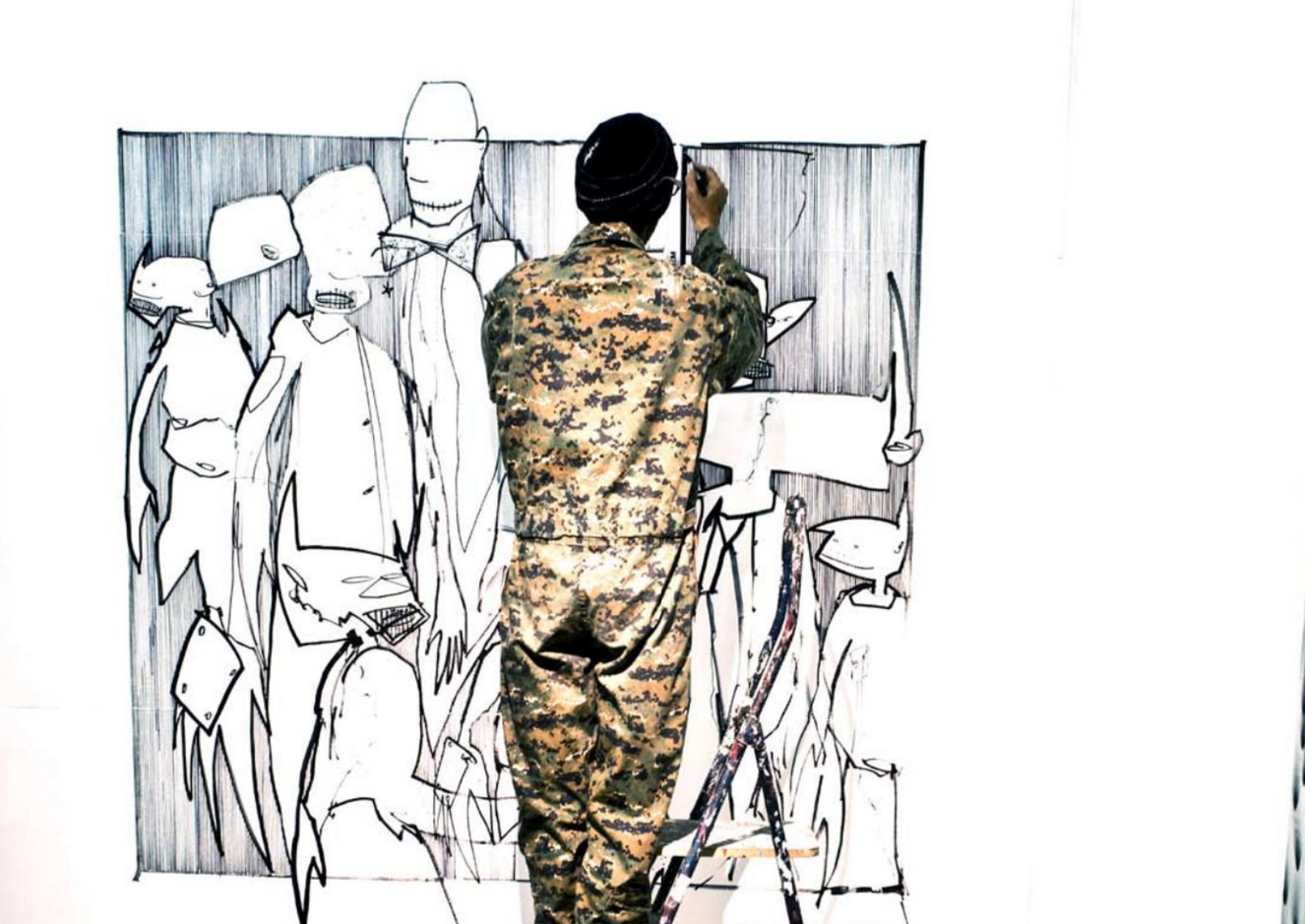
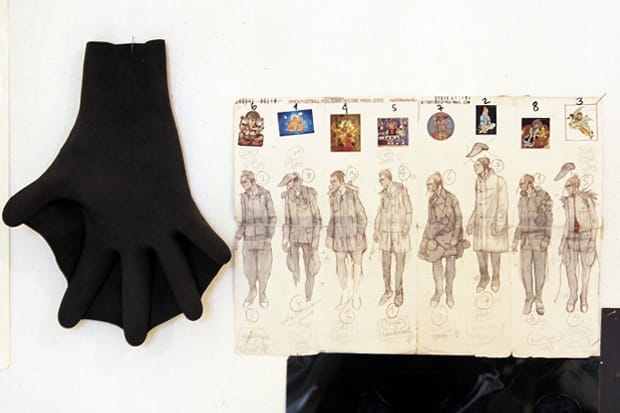
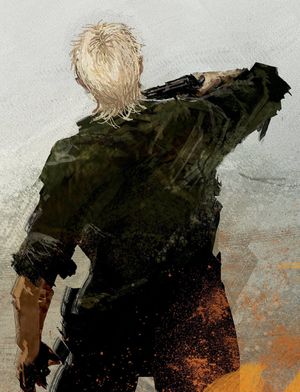
Work by Aitor Throup, a British artist and designer who develops clothing and figures through drawing. His ink-and-wash figures include the project 'When Football Hooligans Become Hindu Gods'.
Work by Aitor Throup, a British artist and designer who develops clothing and figures through drawing. His ink-and-wash figures include the project 'When Football Hooligans Become Hindu Gods'.
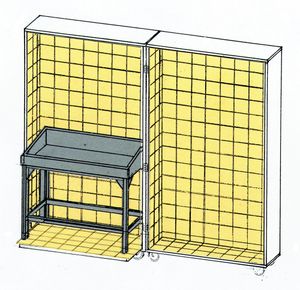
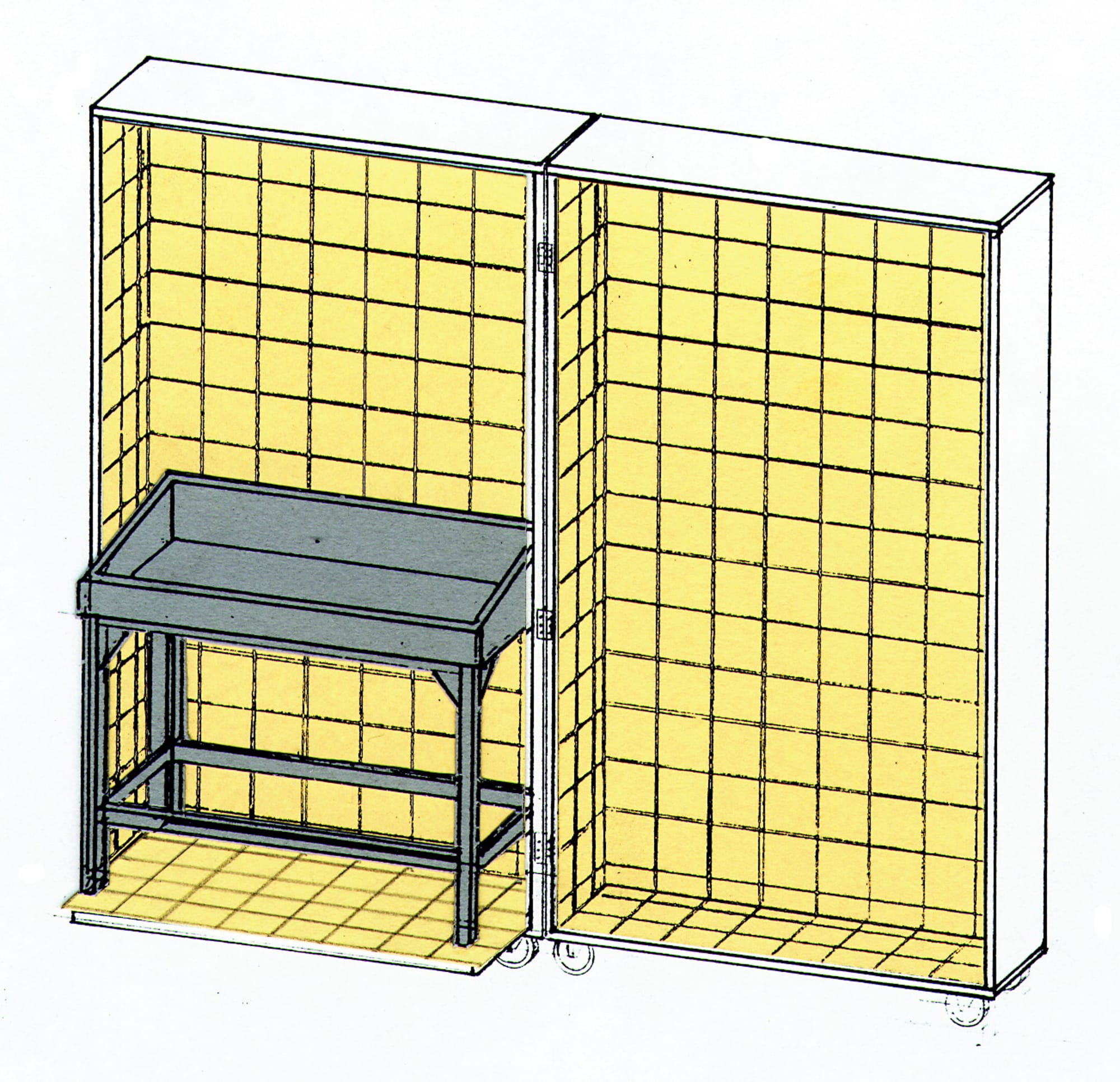
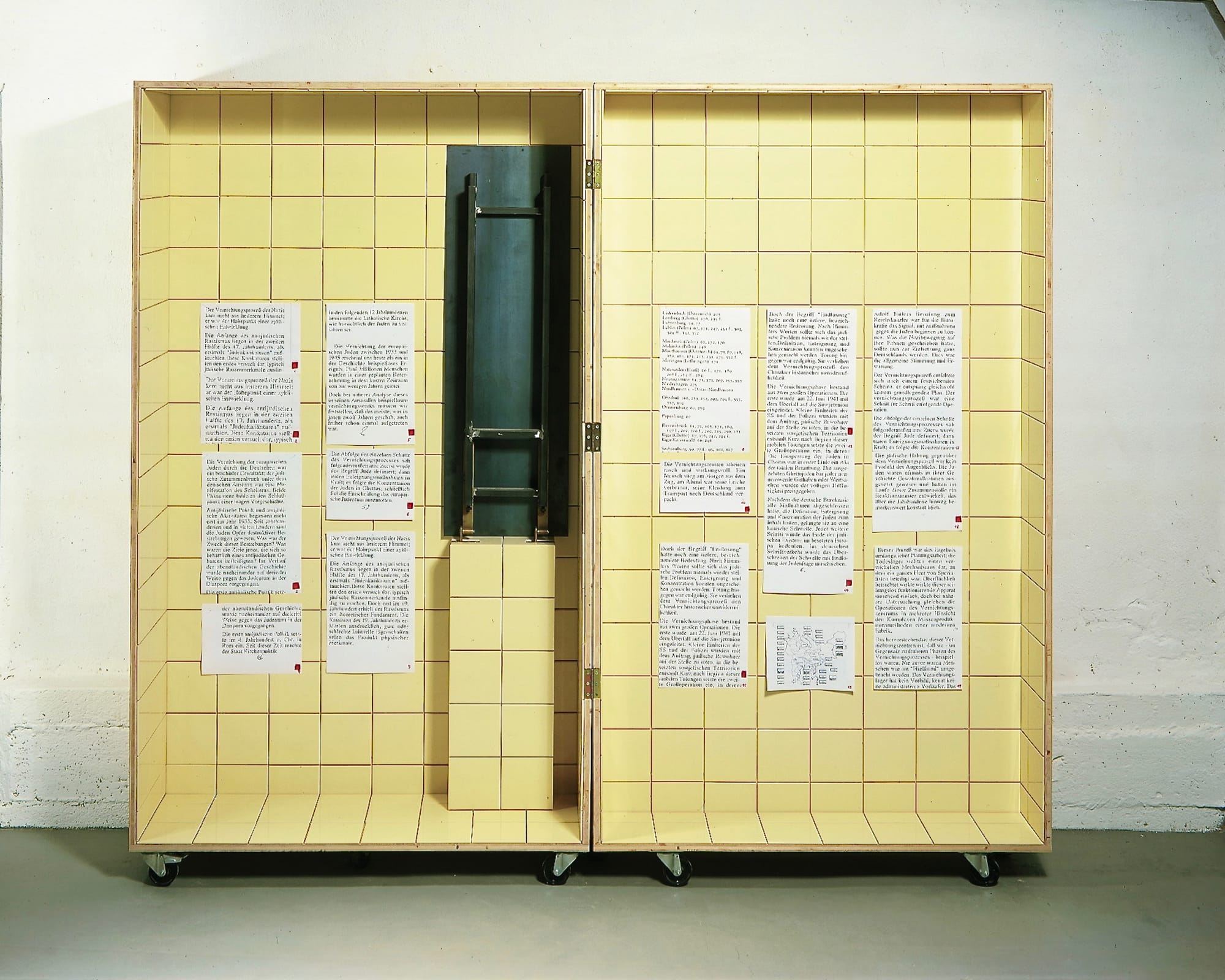
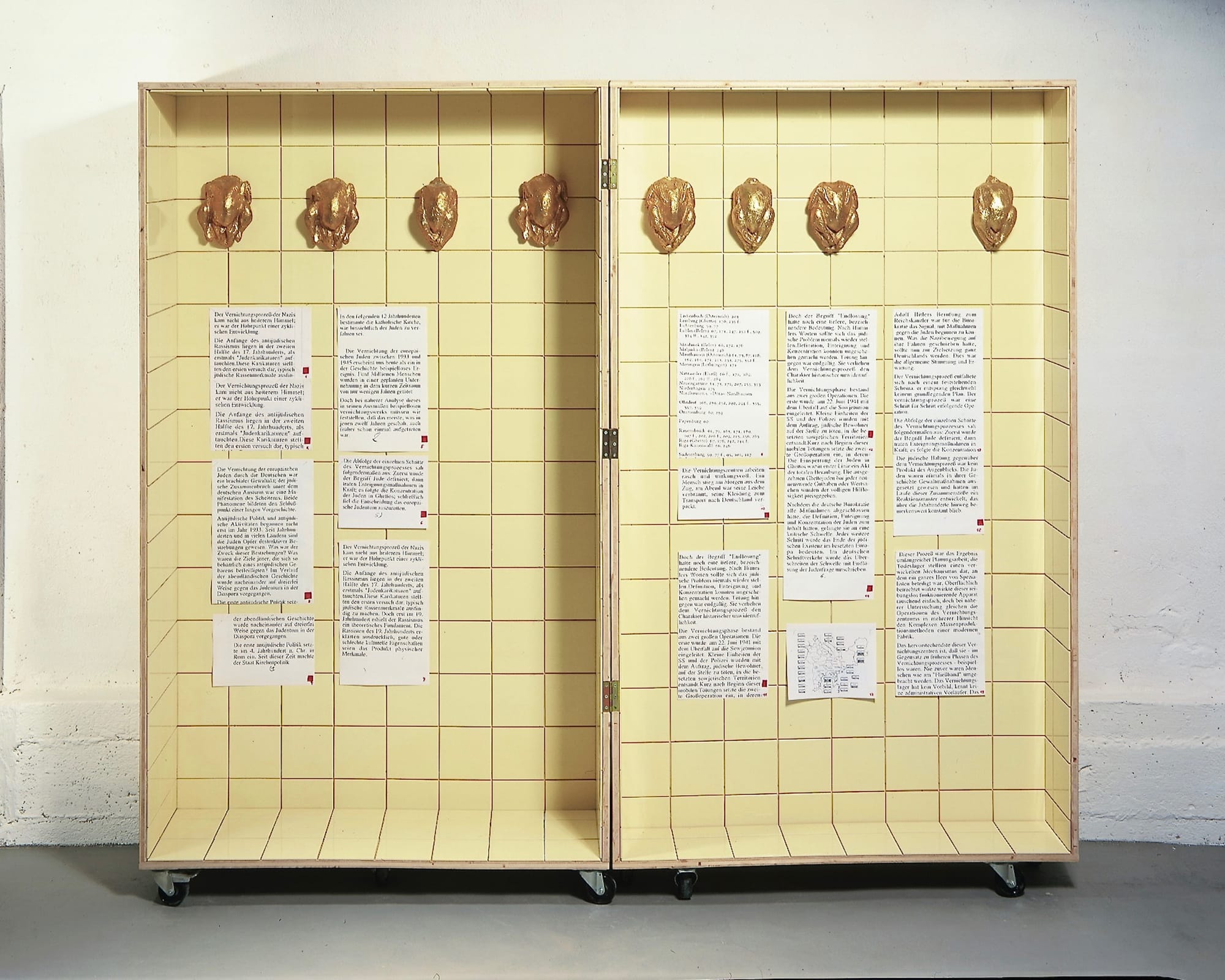
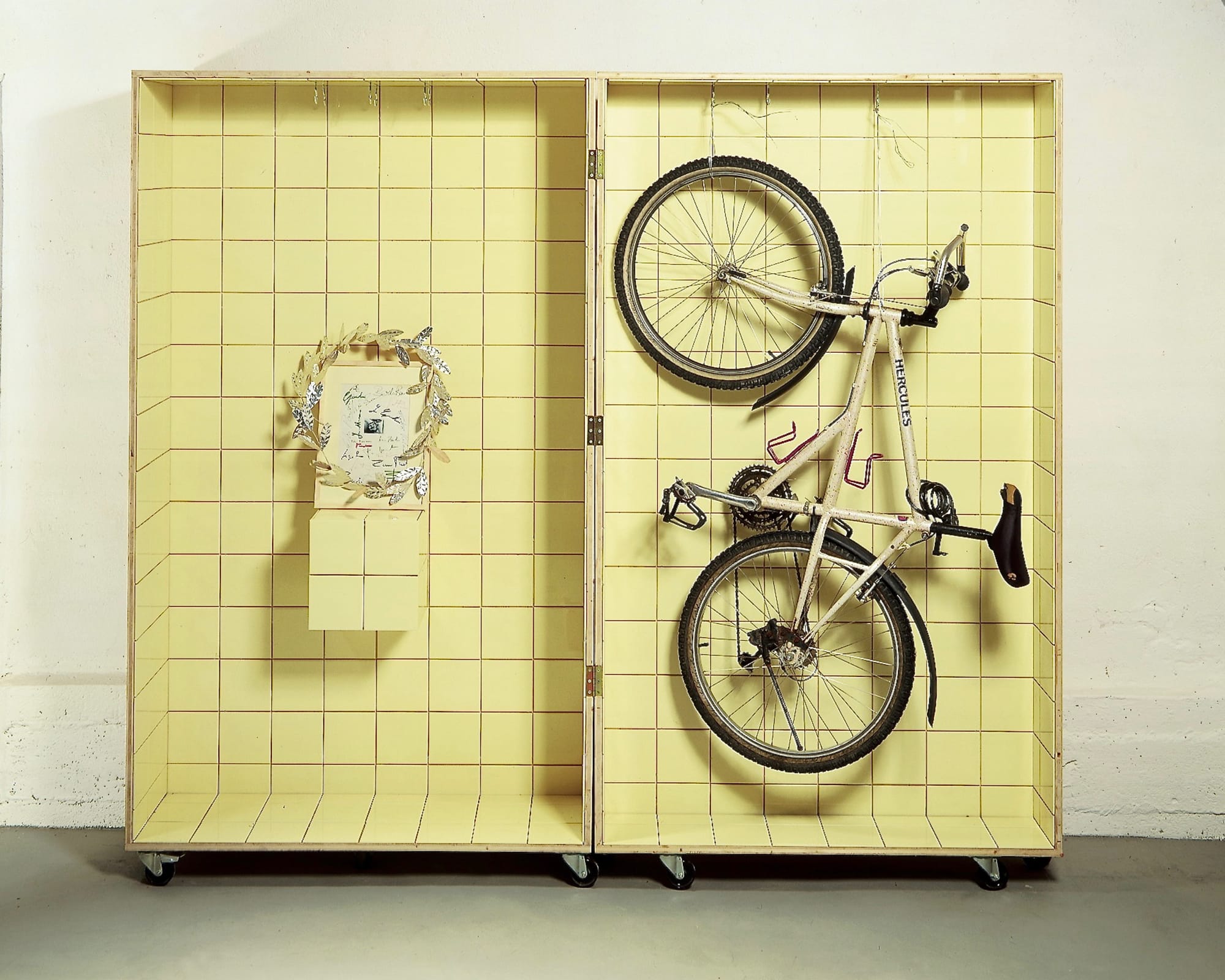
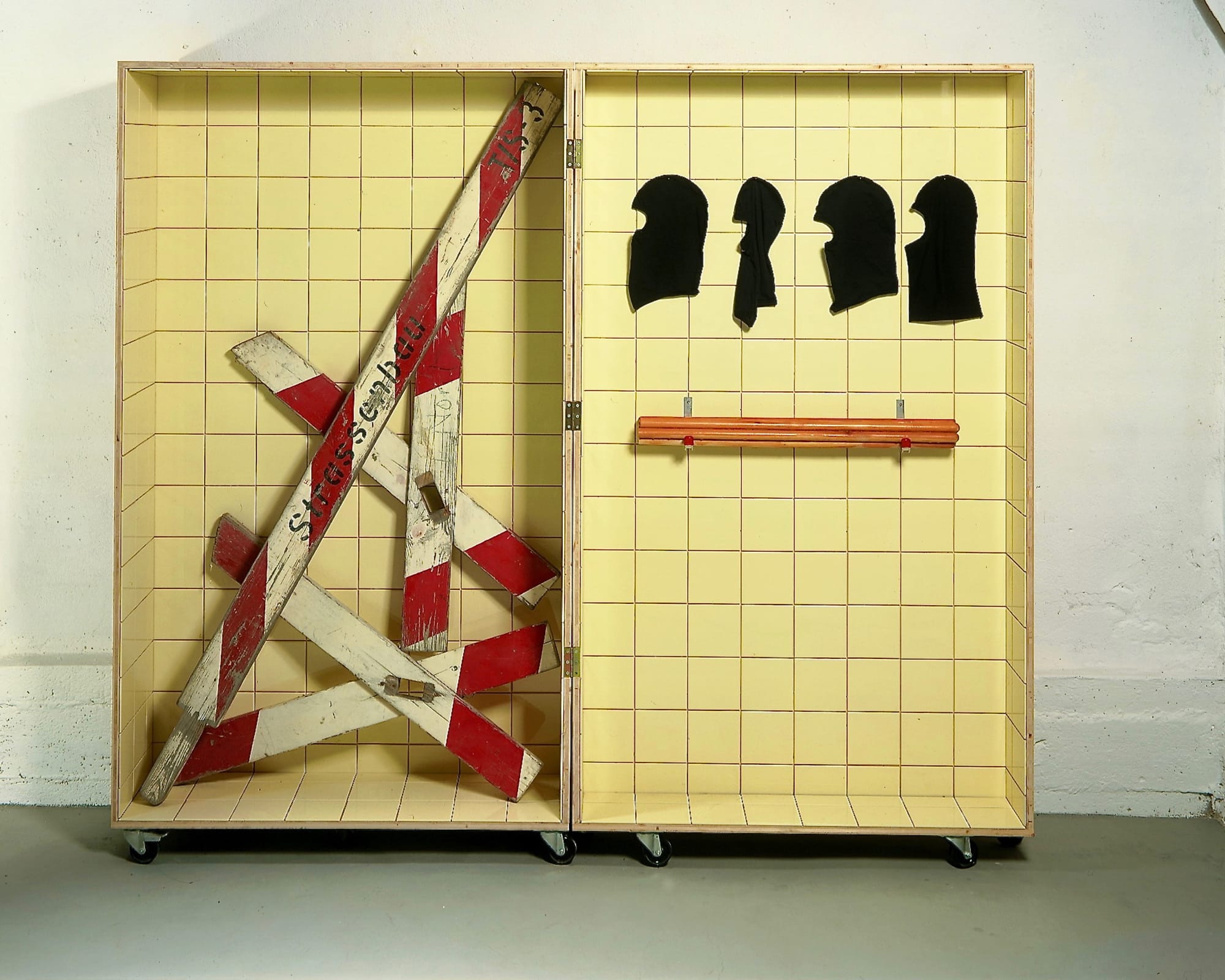
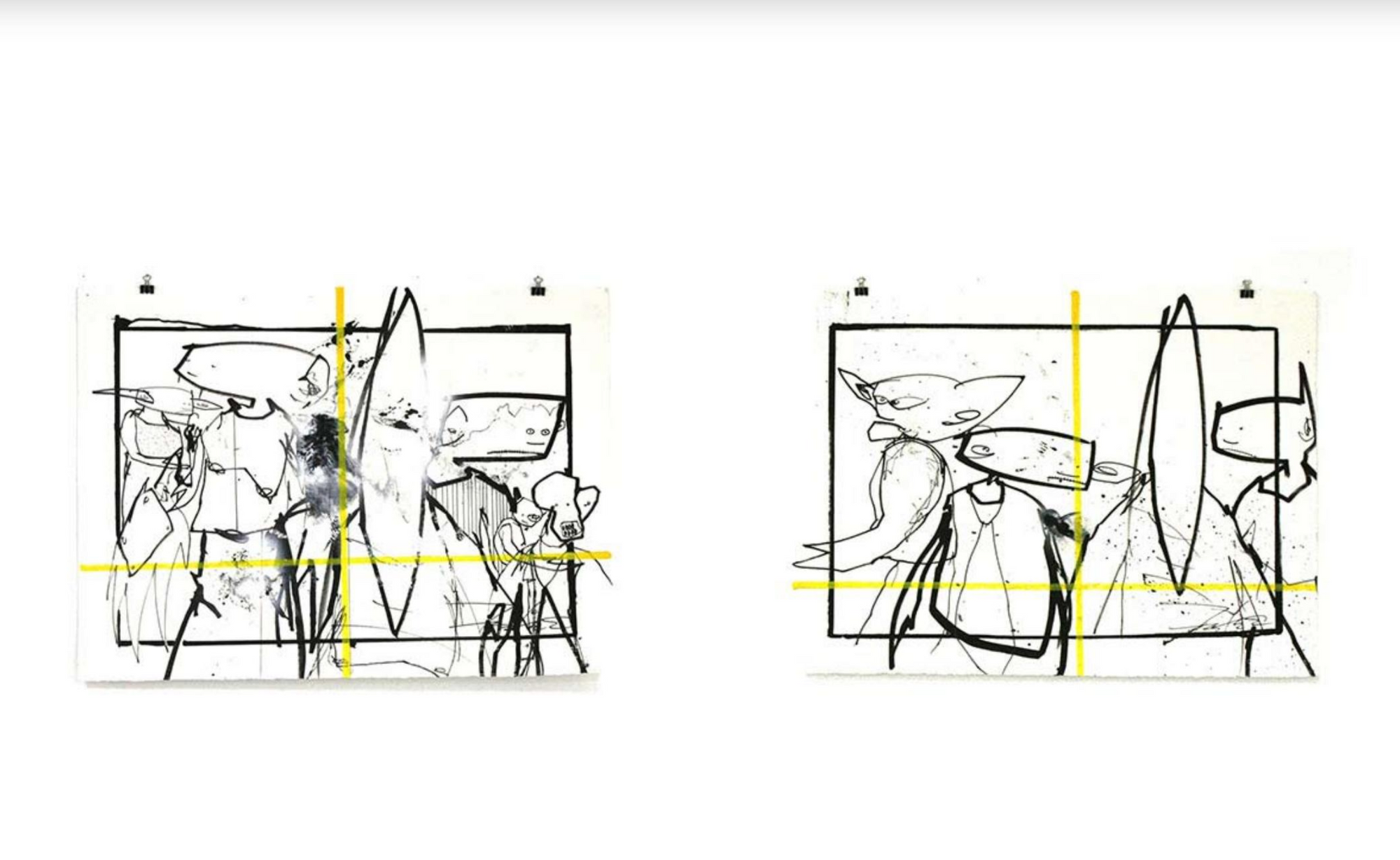
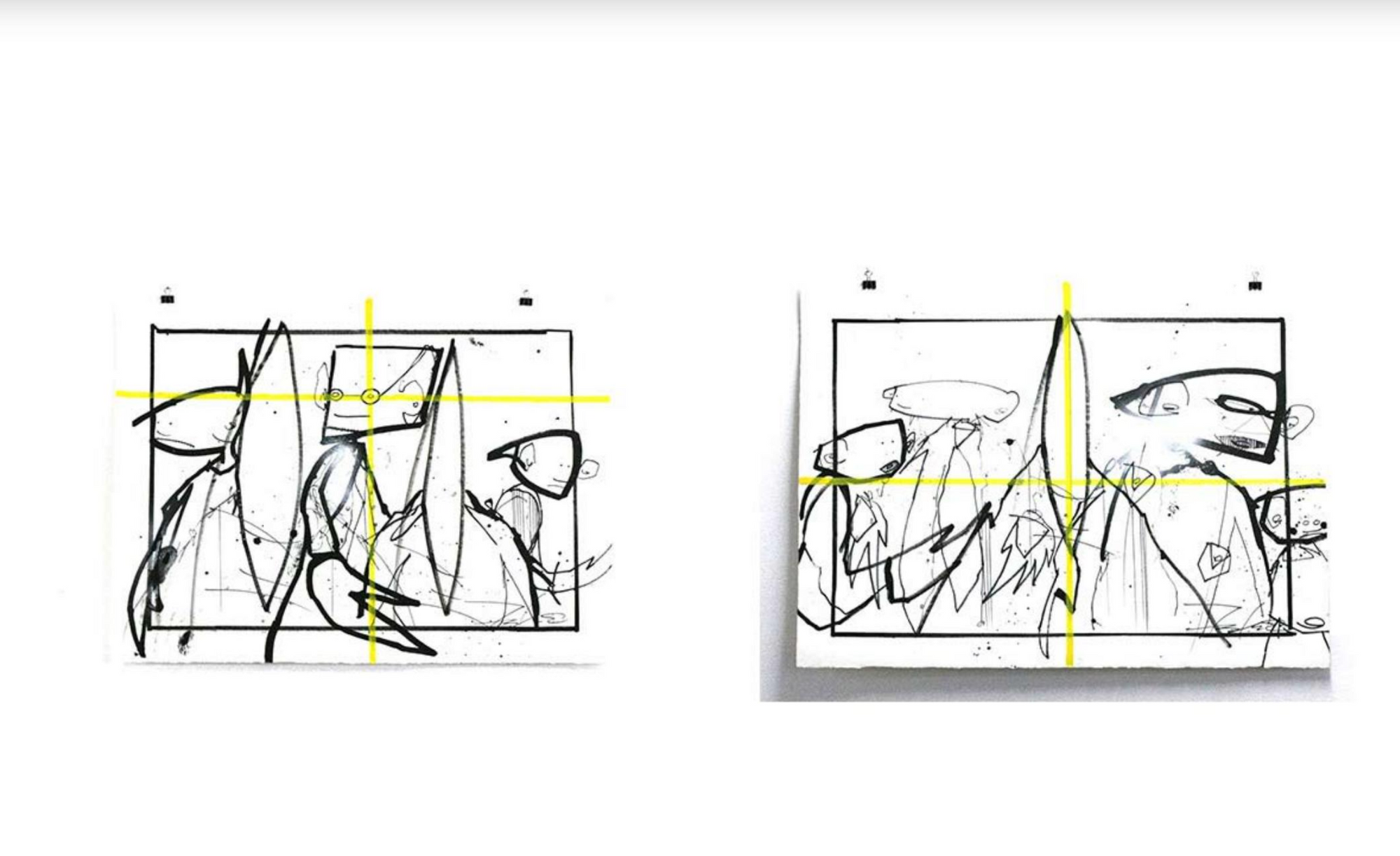
Memorials is a series by Winfried Baumann, drawn as wheeled, modular grid structures. Each is titled for a subject — among them Flucht und Vertreibung, Holocaust und Völkermord, Sport und Spiel and Ruhestörer — alongside a set of base models (Basismodelle).
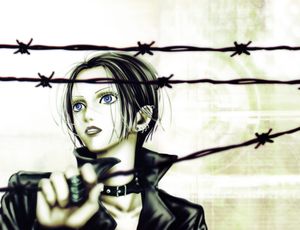
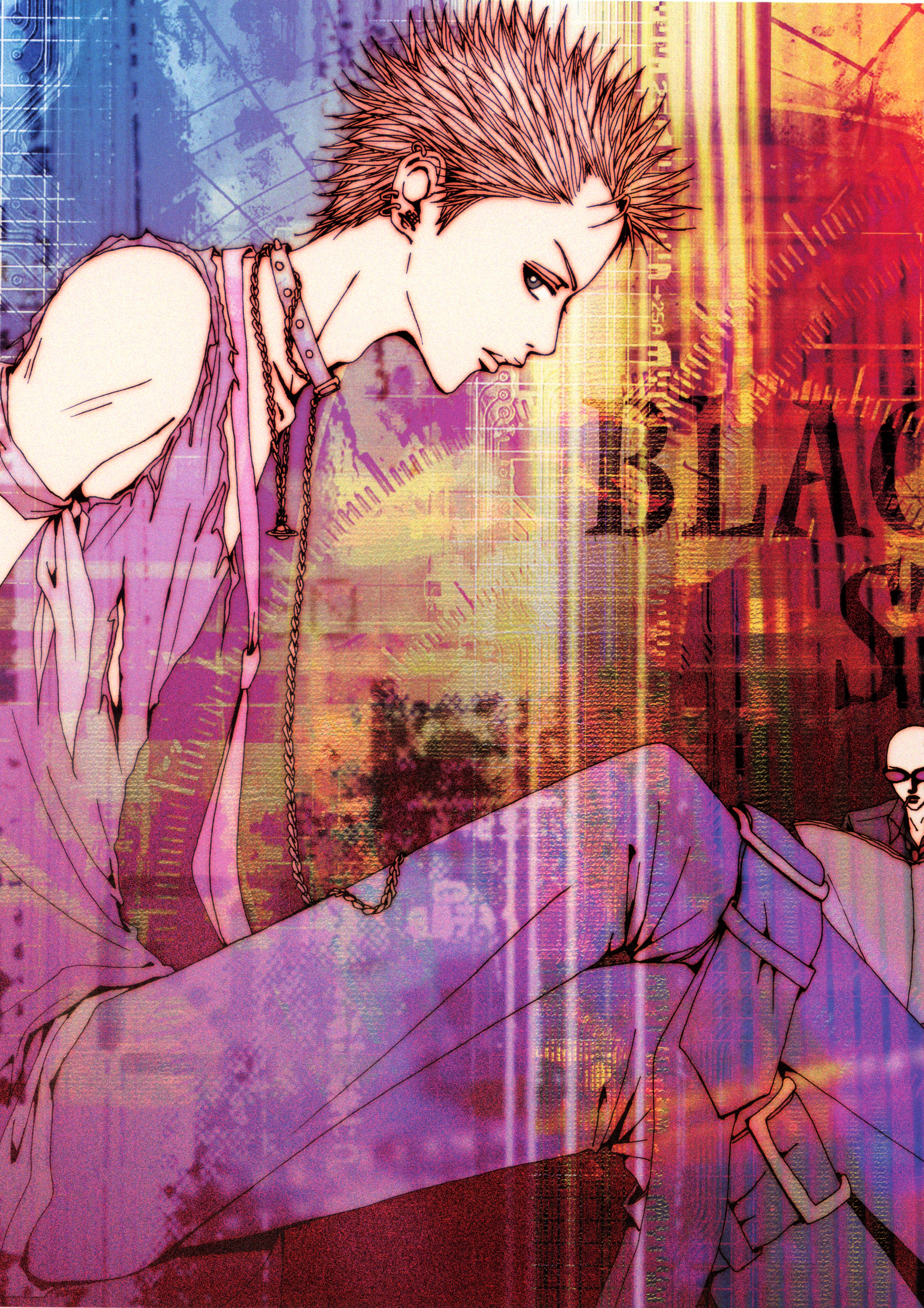
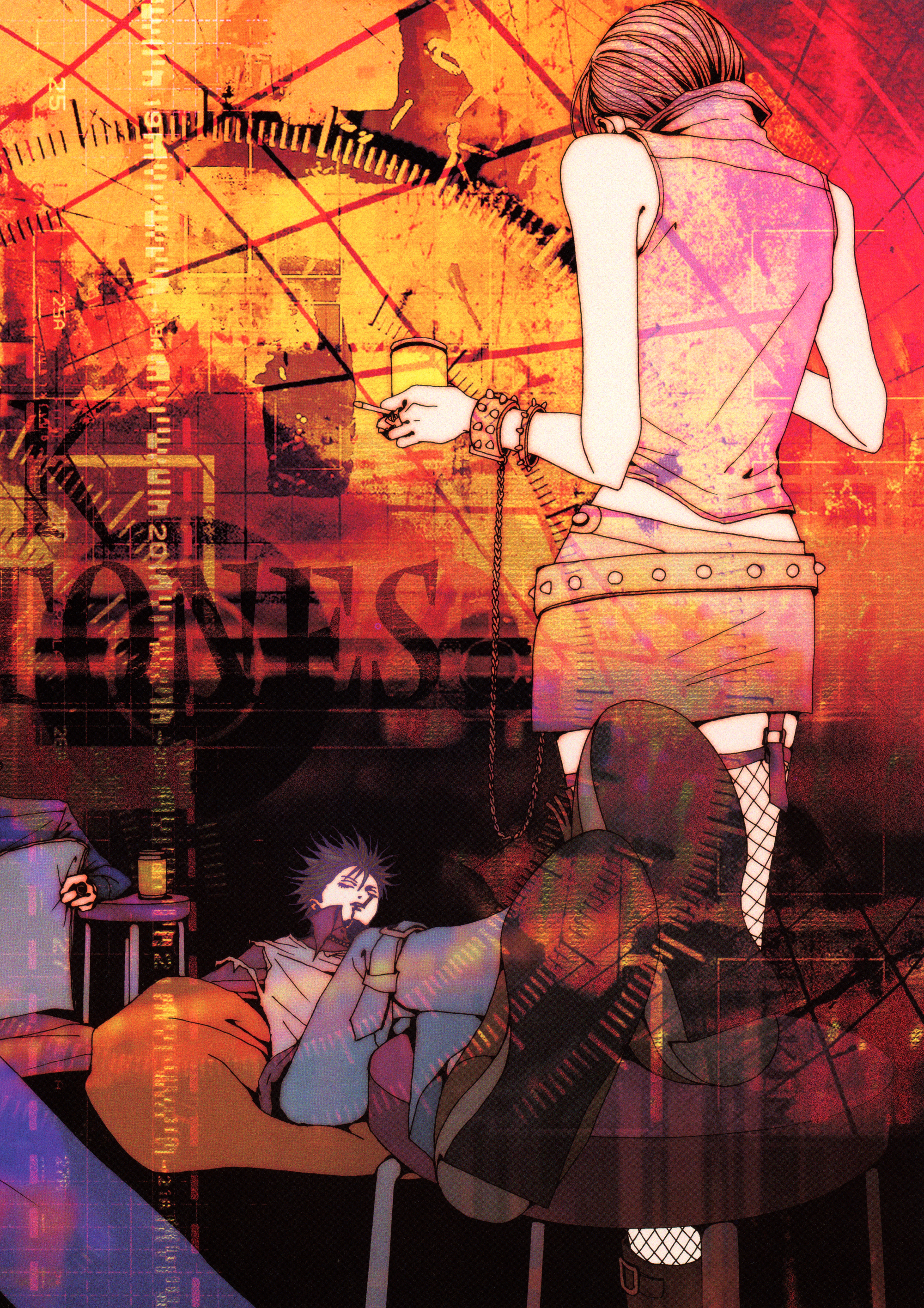
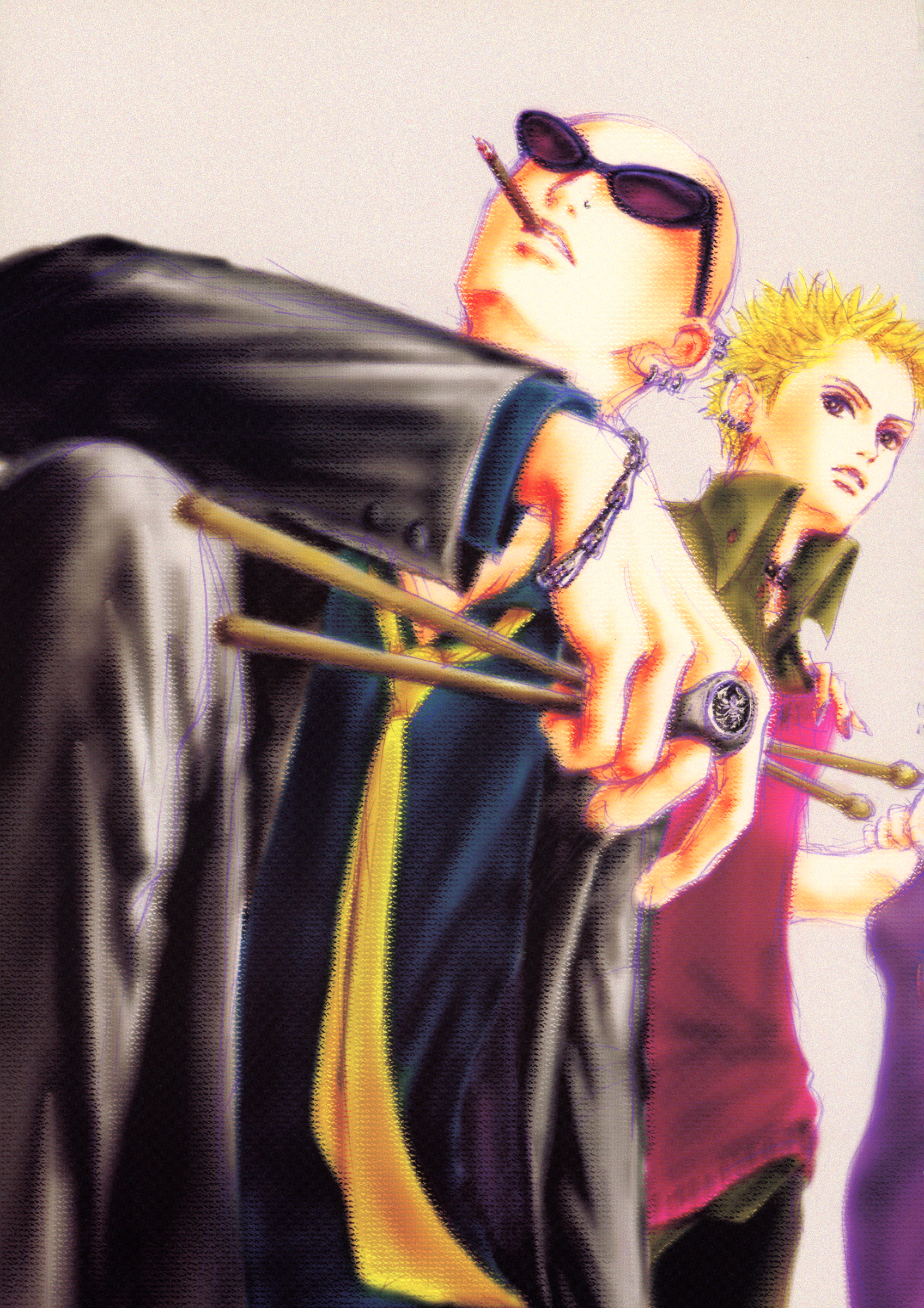
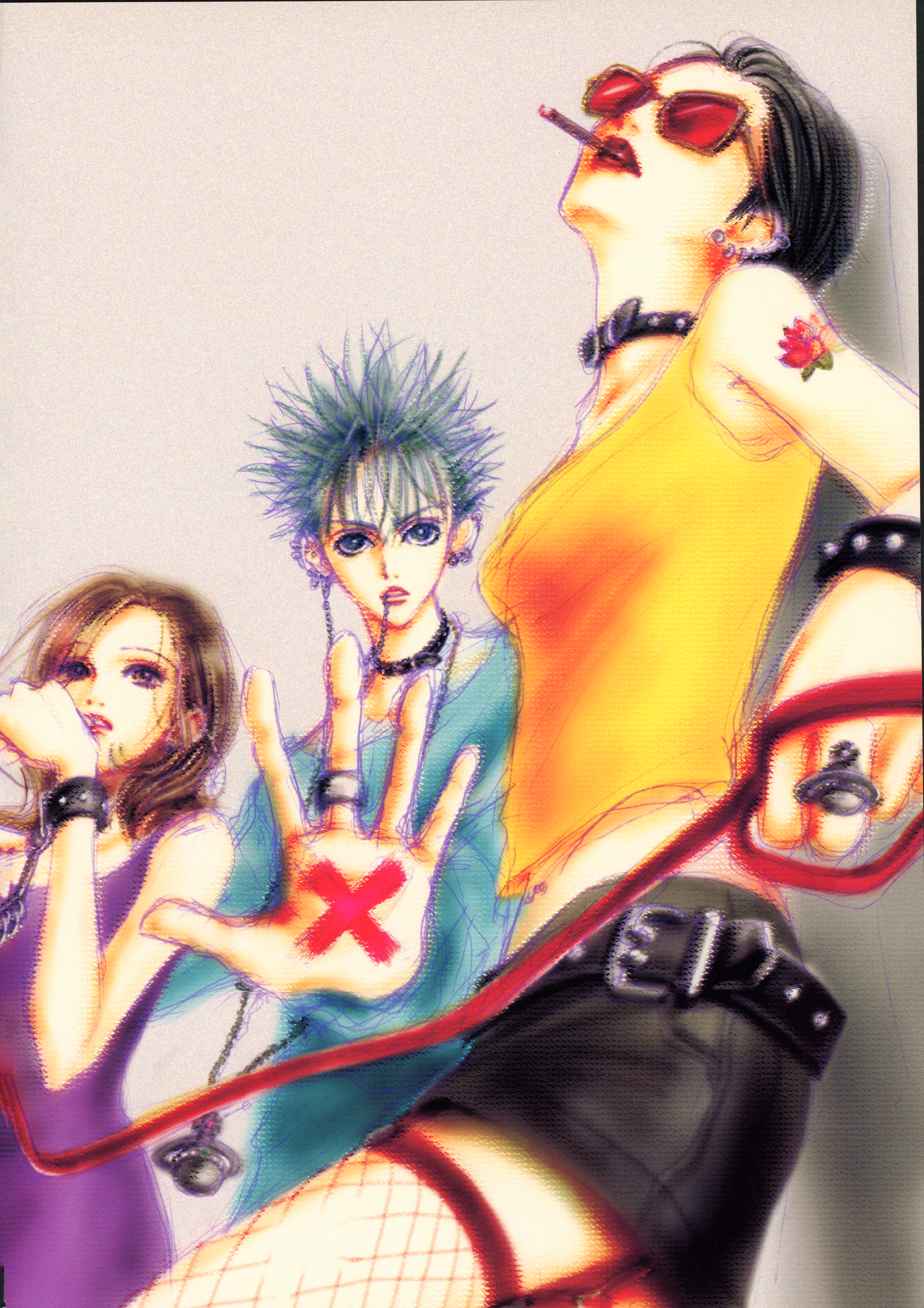
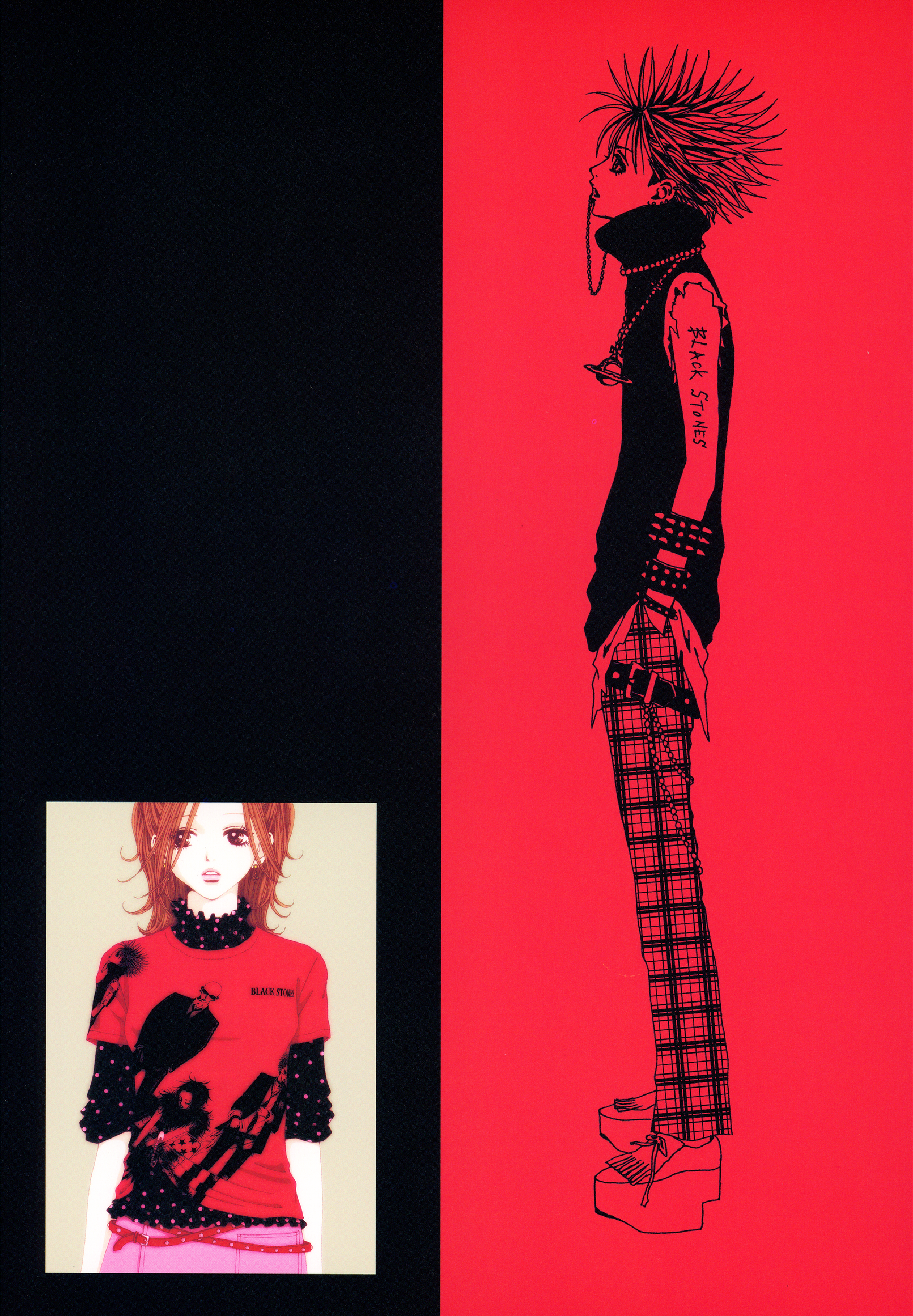
NANA 1st Illustrations gathers Nana Osaki, Nana Komatsu, Ren Honjo, Nobuo Terashima, Shinichi Okazaki, and Yasushi Takagi not as model sheets but as quiet romances in fabric and metal. Osaki’s black leather and lace feel like vows; her Vivienne Westwood Armour Ring glints like a promise she keeps. Komatsu floats in lighter textiles and soft palettes, a tender blur that finds light even when it trembles. Shinichi moves in bondage pants—wide legs, trailing straps, D-rings and chains—tempered by fitted tanks, layered belts, and combat boots; the strapwork turns his stride into music and cinches him closer when the stage goes still.
Ren and Yasu hold steadier lines—smoke, denim, talismanic hardware—anchors for the others’ weather. Here costume is character: friendship sewn into hems, devotion clasped in studs, defiance stitched in black. A Complete NANA 1st Illustrations book scan is available on the server. A Complete NANA 1st Illustrations book scan is available on the server.
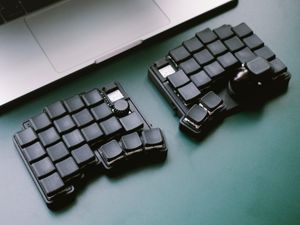
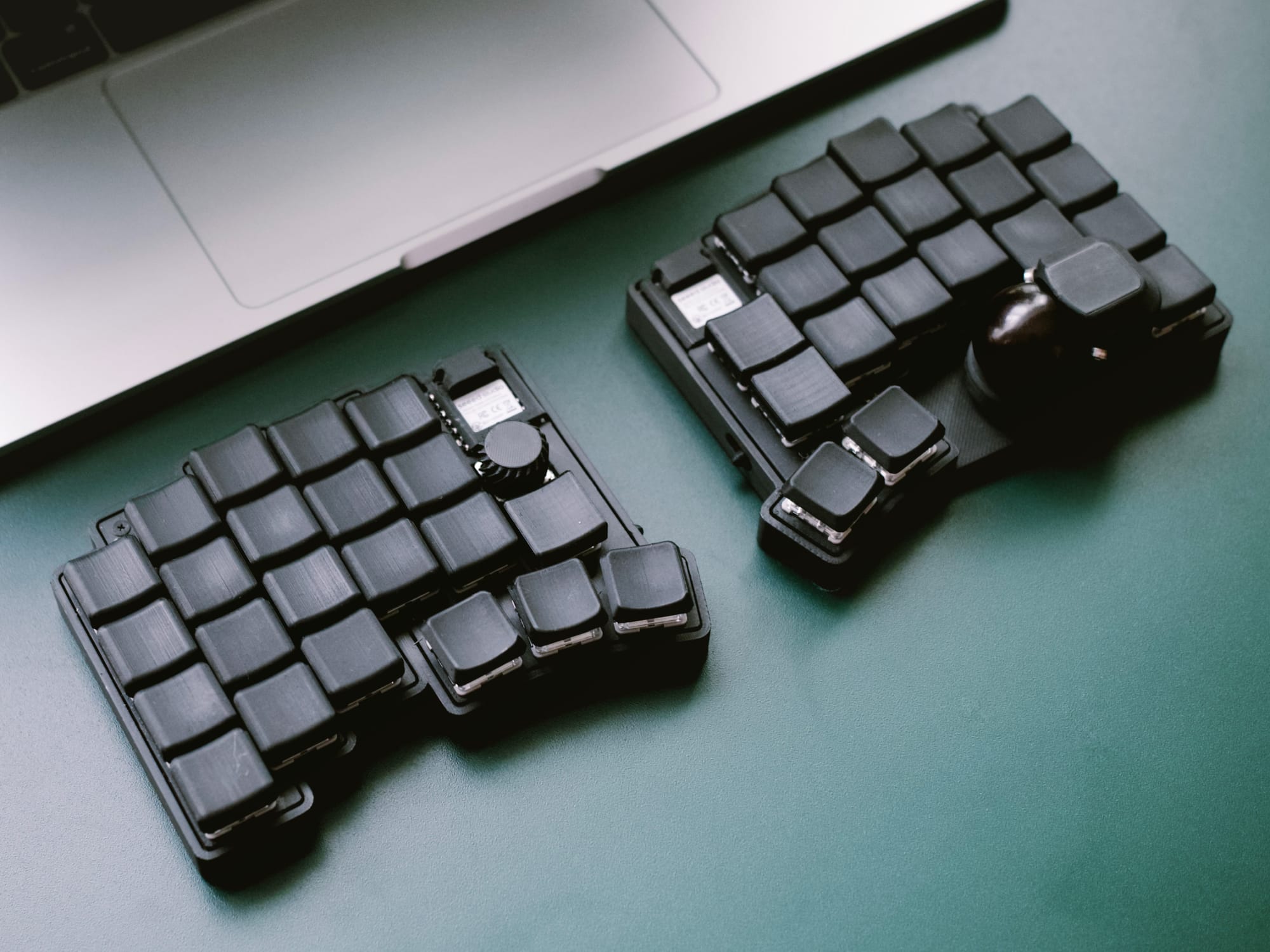
The Inspired by kumakey’s “roBa,” the moNa2 is a small wireless split keyboard developed by shakupan and pooh.polo, designed to keep a desk feeling open and unclaimed. Two compact halves sit apart with a quiet gap between them, leaving room for a notebook or tools without forcing a single, monolithic footprint.
The layout is restrained: low, close spacing with a built-in thumb-controlled ball that keeps basic navigation under the hand instead of pushing you toward a mouse. The whole object reads as light hardware rather than a centerpiece, favors packing and redeploying—such as magnets on the underside so the halves can join together for transport.
It runs wire-free and is meant to be adjusted over time rather than treated as a fixed appliance. Typical usage notes describe it lasting roughly a couple of weeks of frequent daily use before needing attention again, with the exact cadence depending on how it’s set up and used.
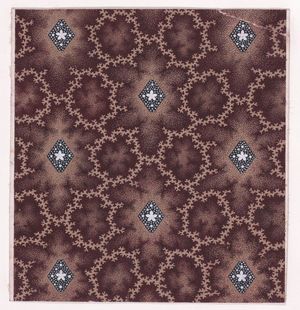
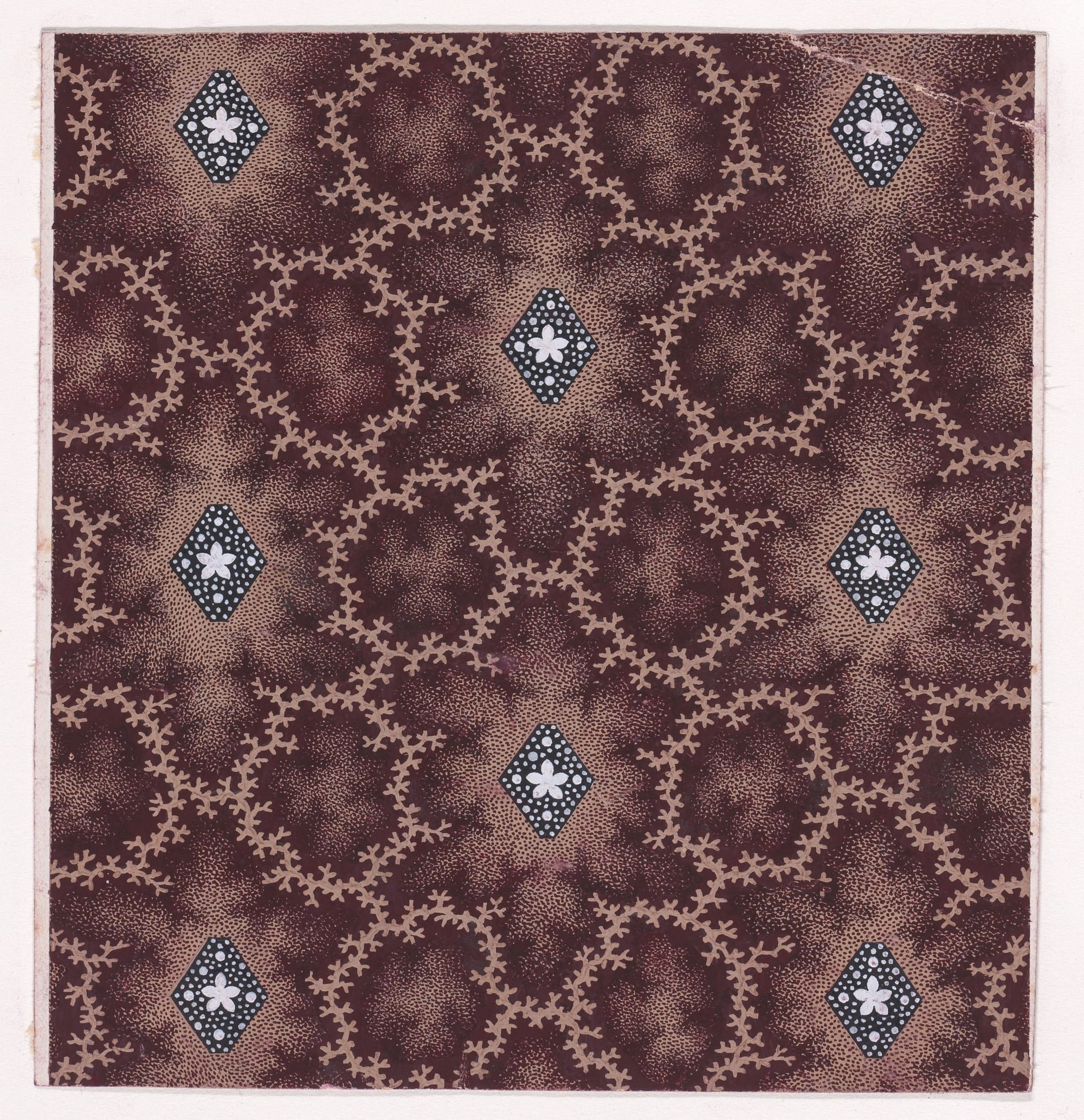
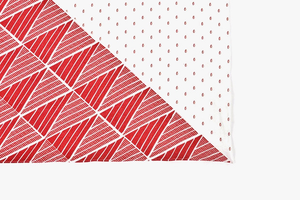
Anonymous textile prototypes, Mulhouse, Alsace, c.1840. Rectilinear design sheets generated within the industrial print studios of the Haut-Rhin. Each document encodes surface strategies for mass deployment—pearl rows, abstract chromatic fields, simulated resist-dye grounds. Executed as precision studies for repeat application, they reflect Mulhouse’s role as a nineteenth-century vector hub of textile innovation and print chemistry.
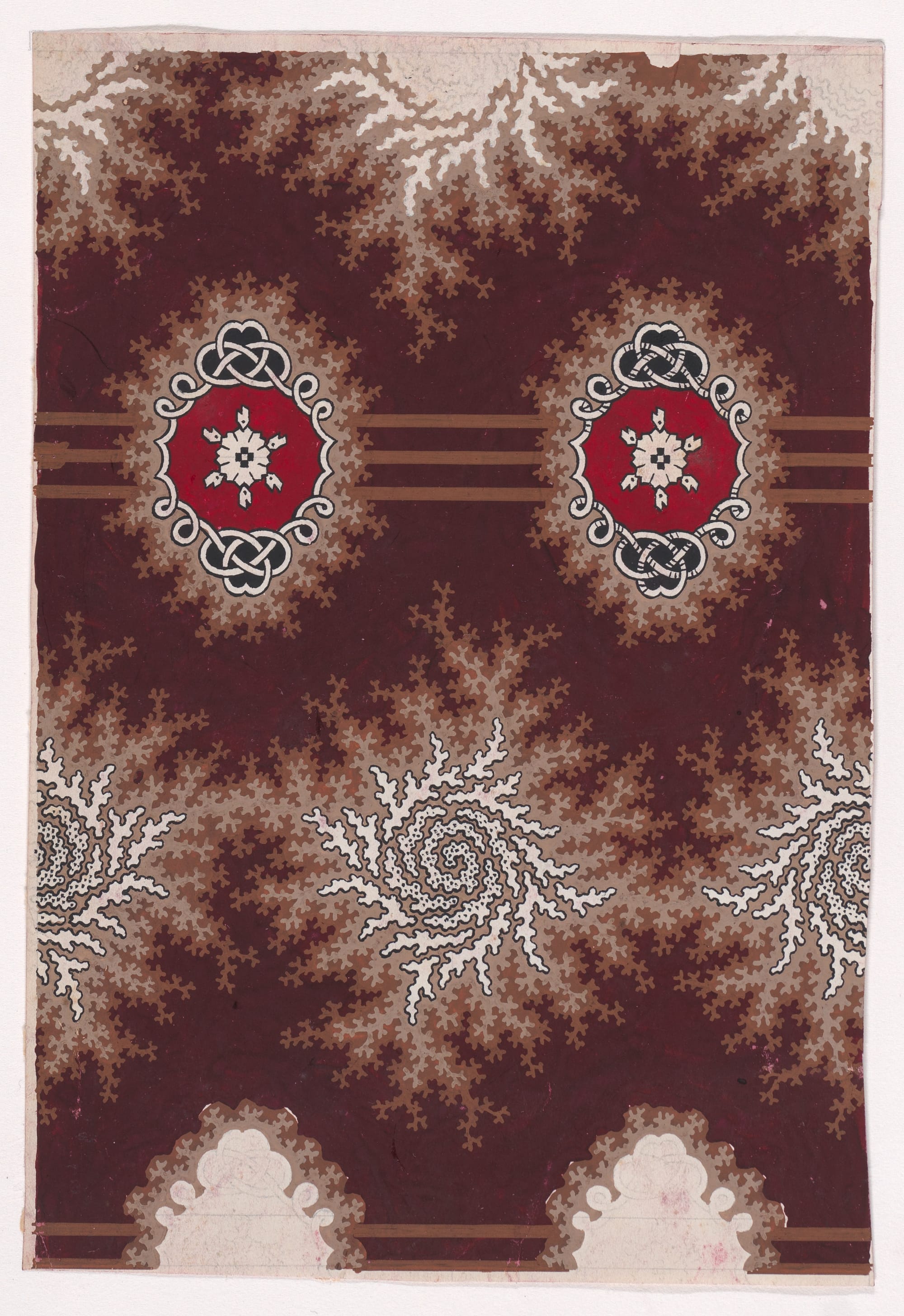
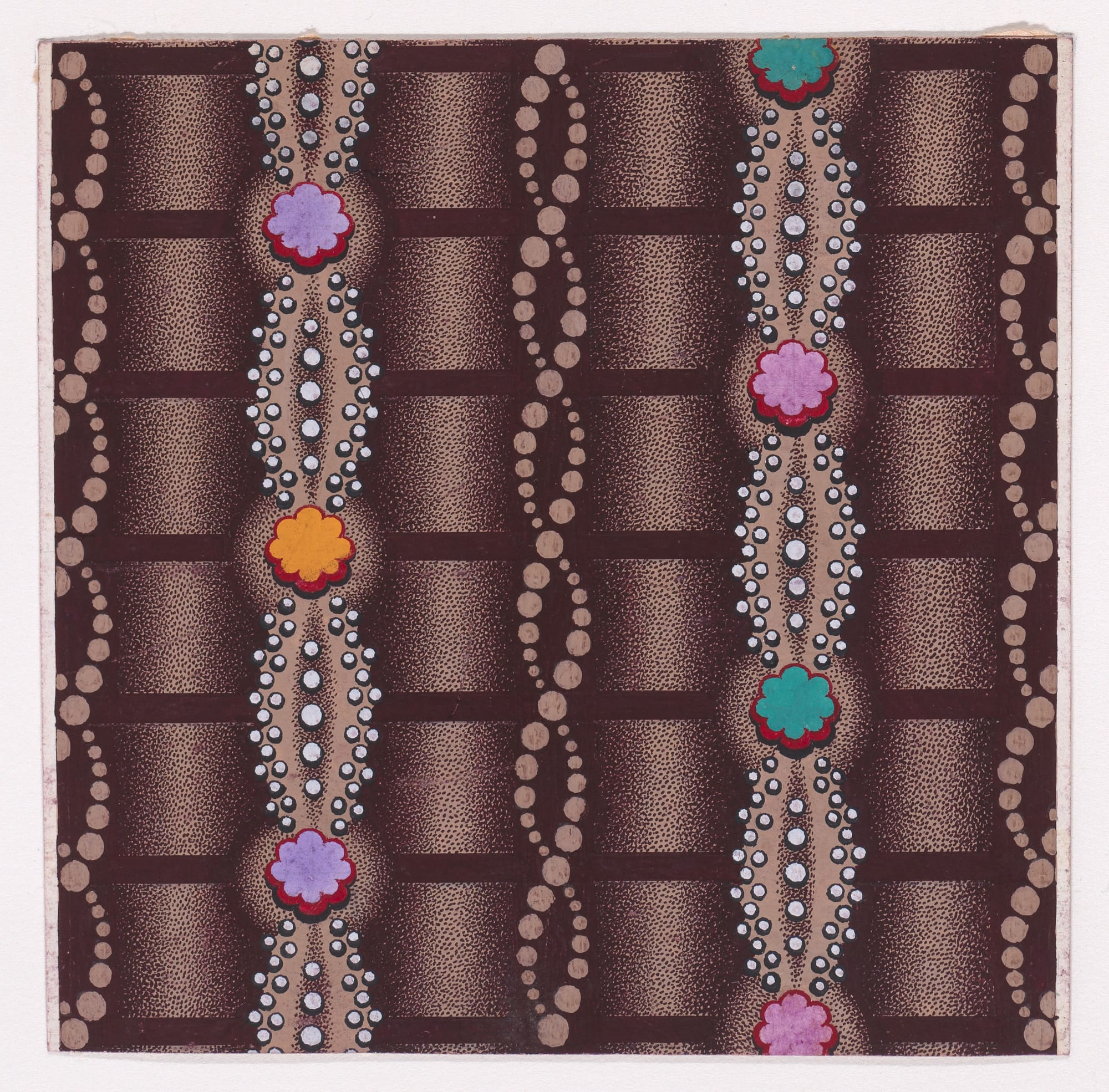
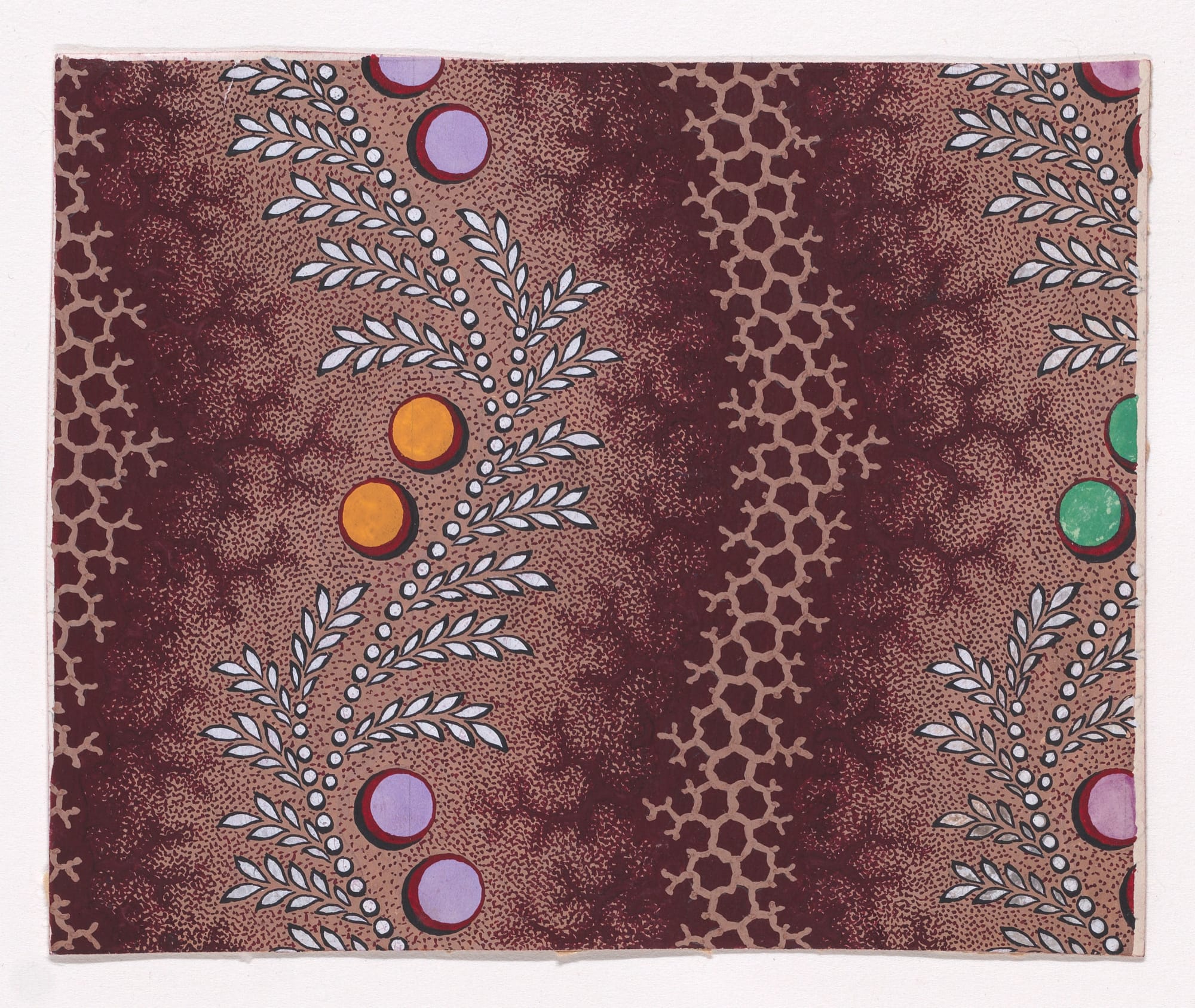
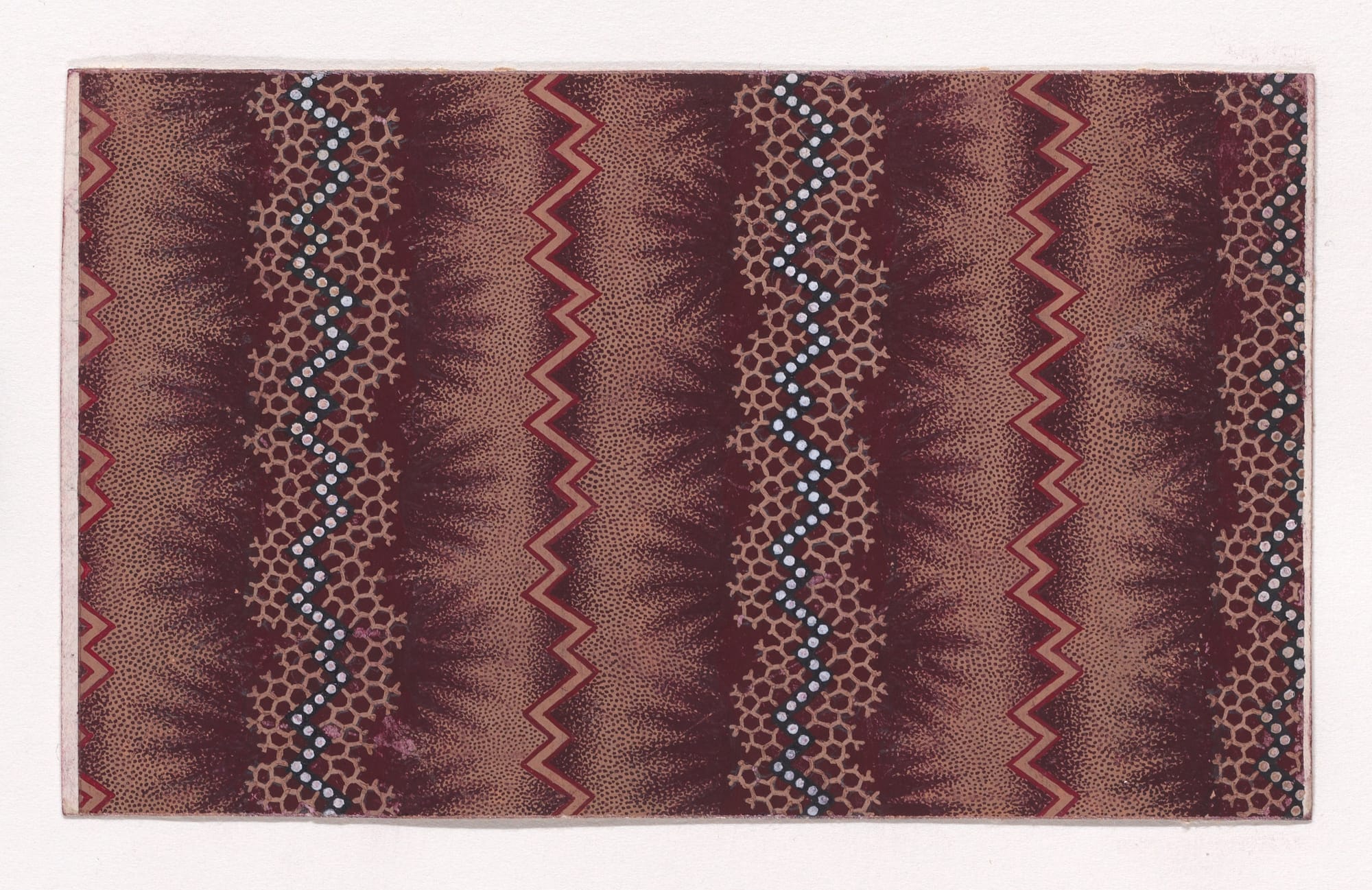
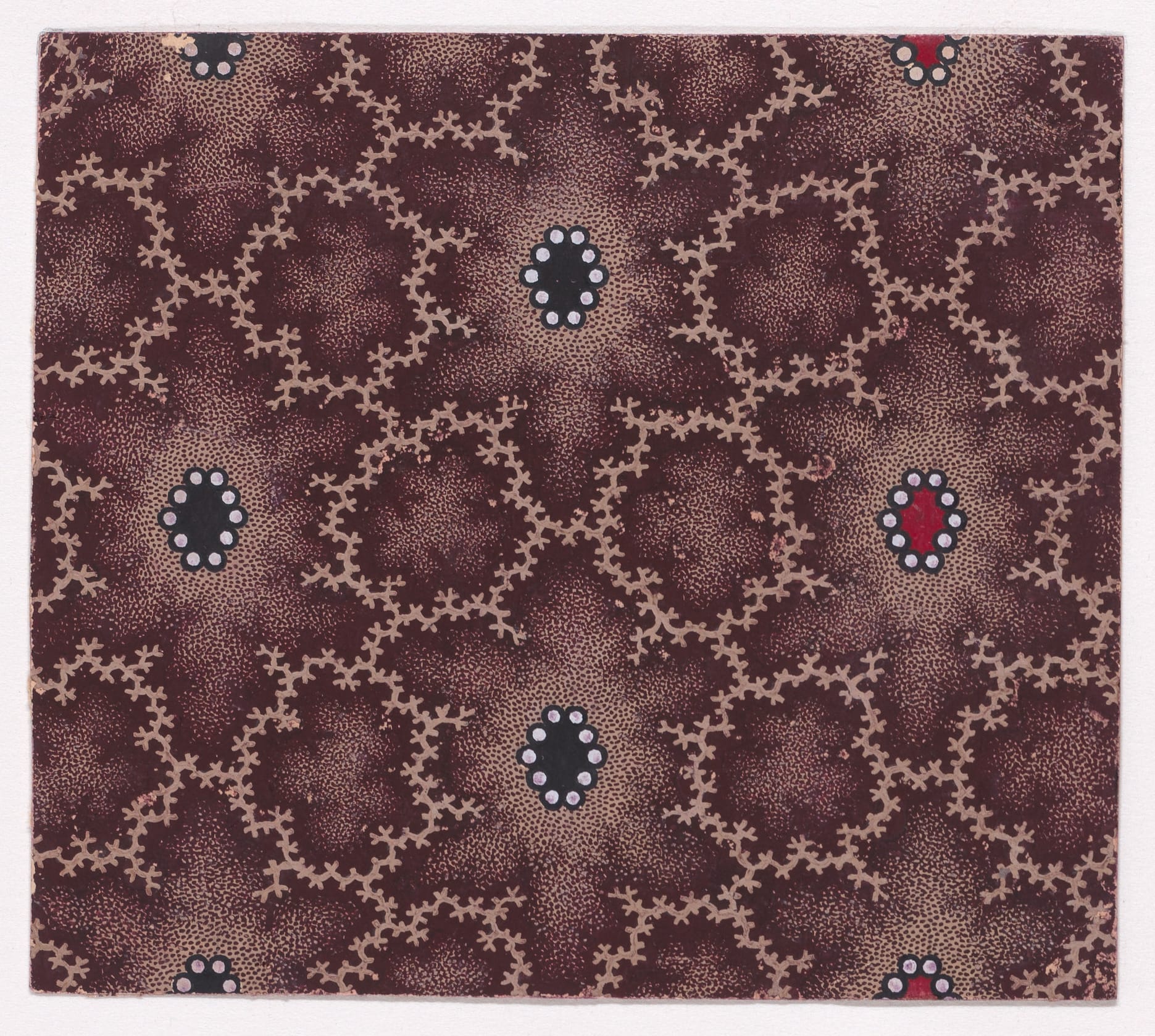
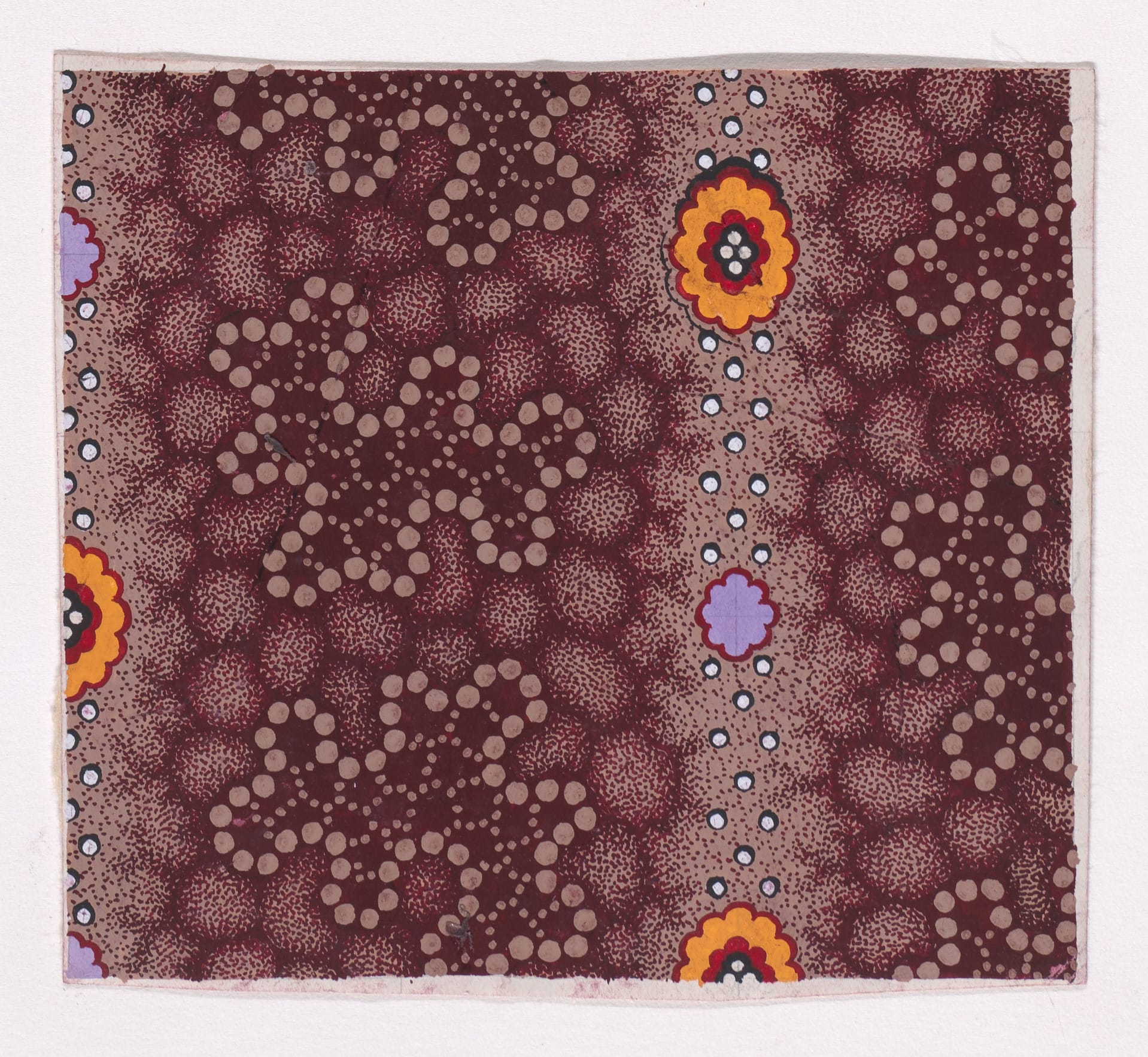
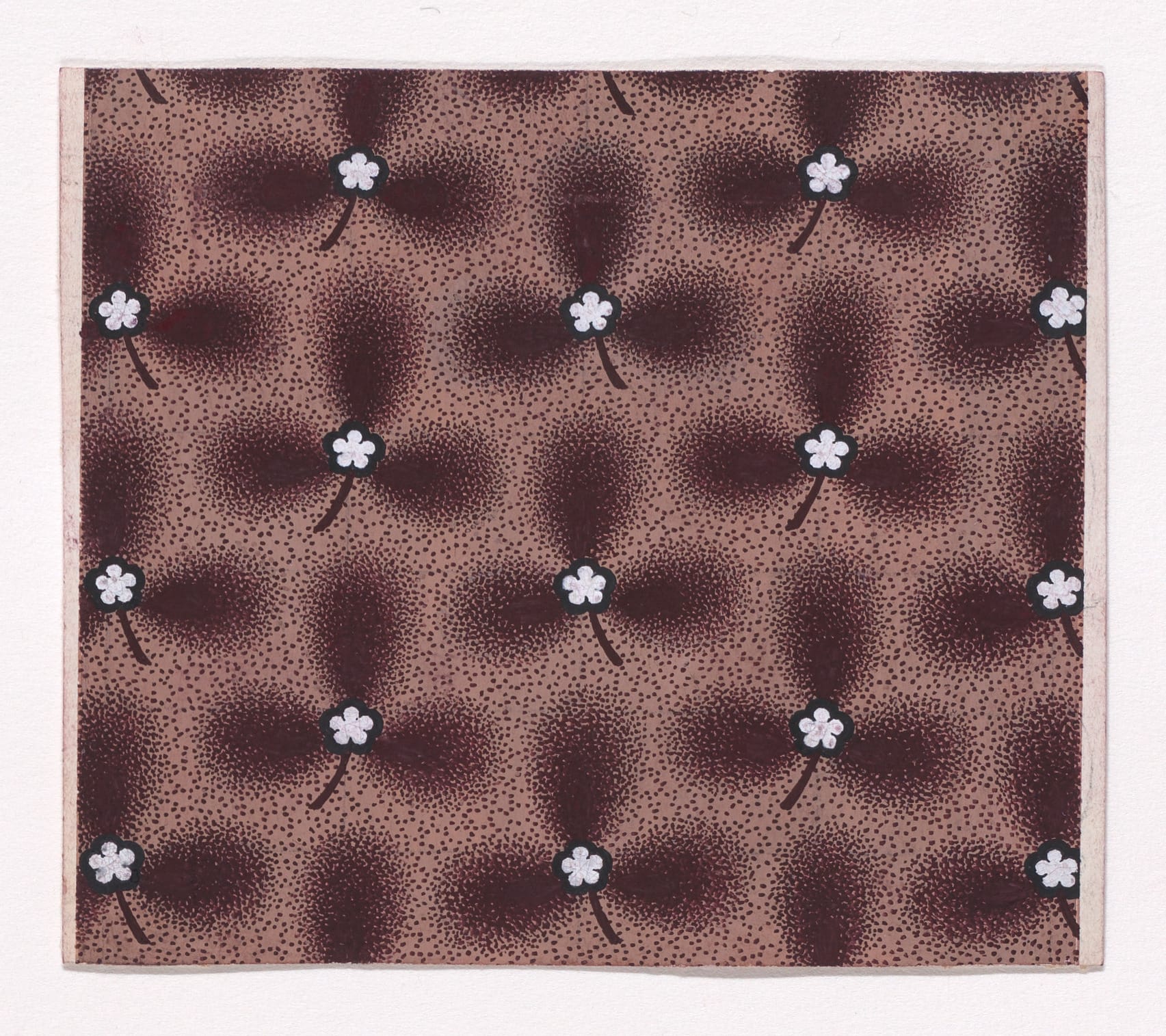
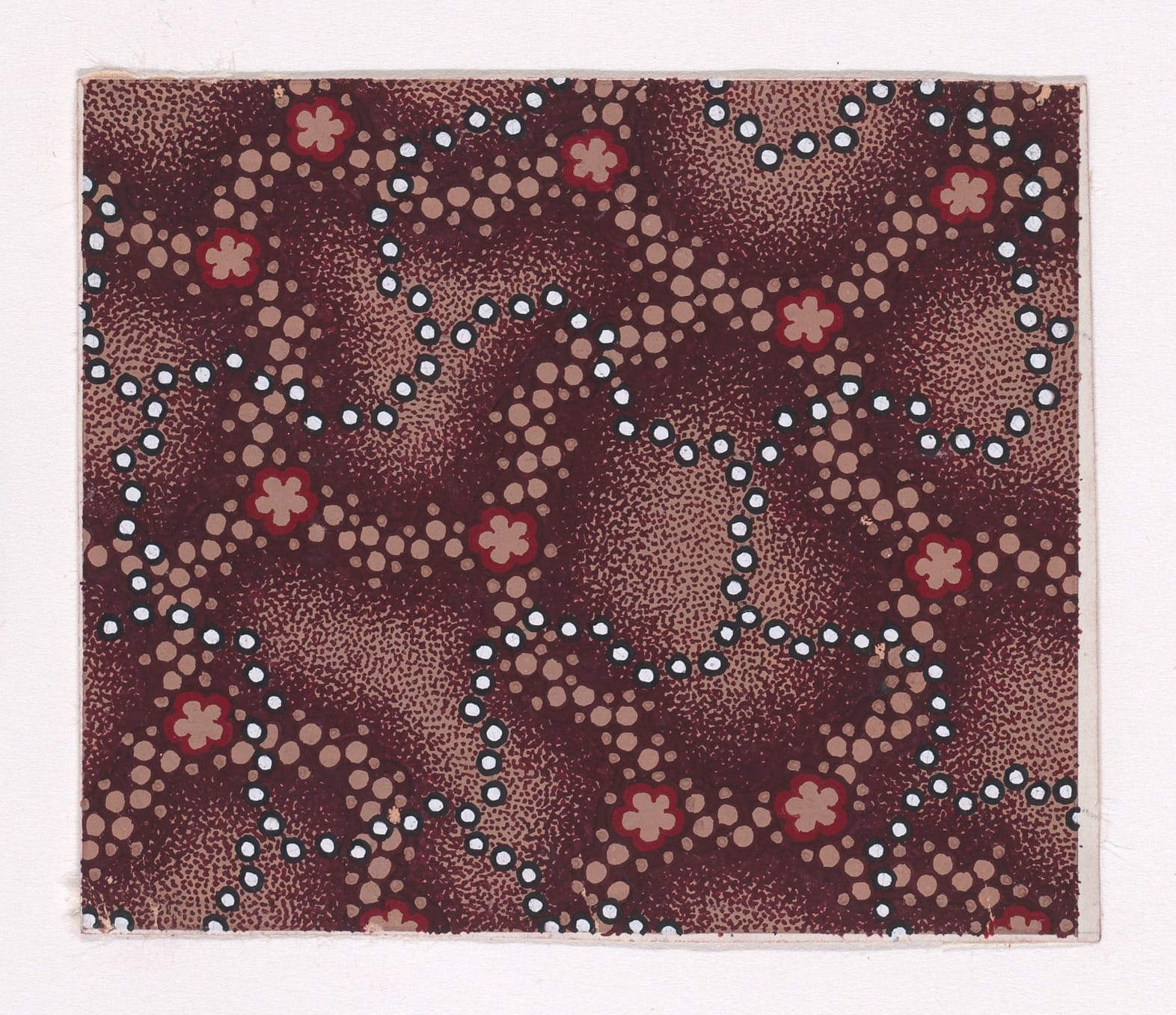
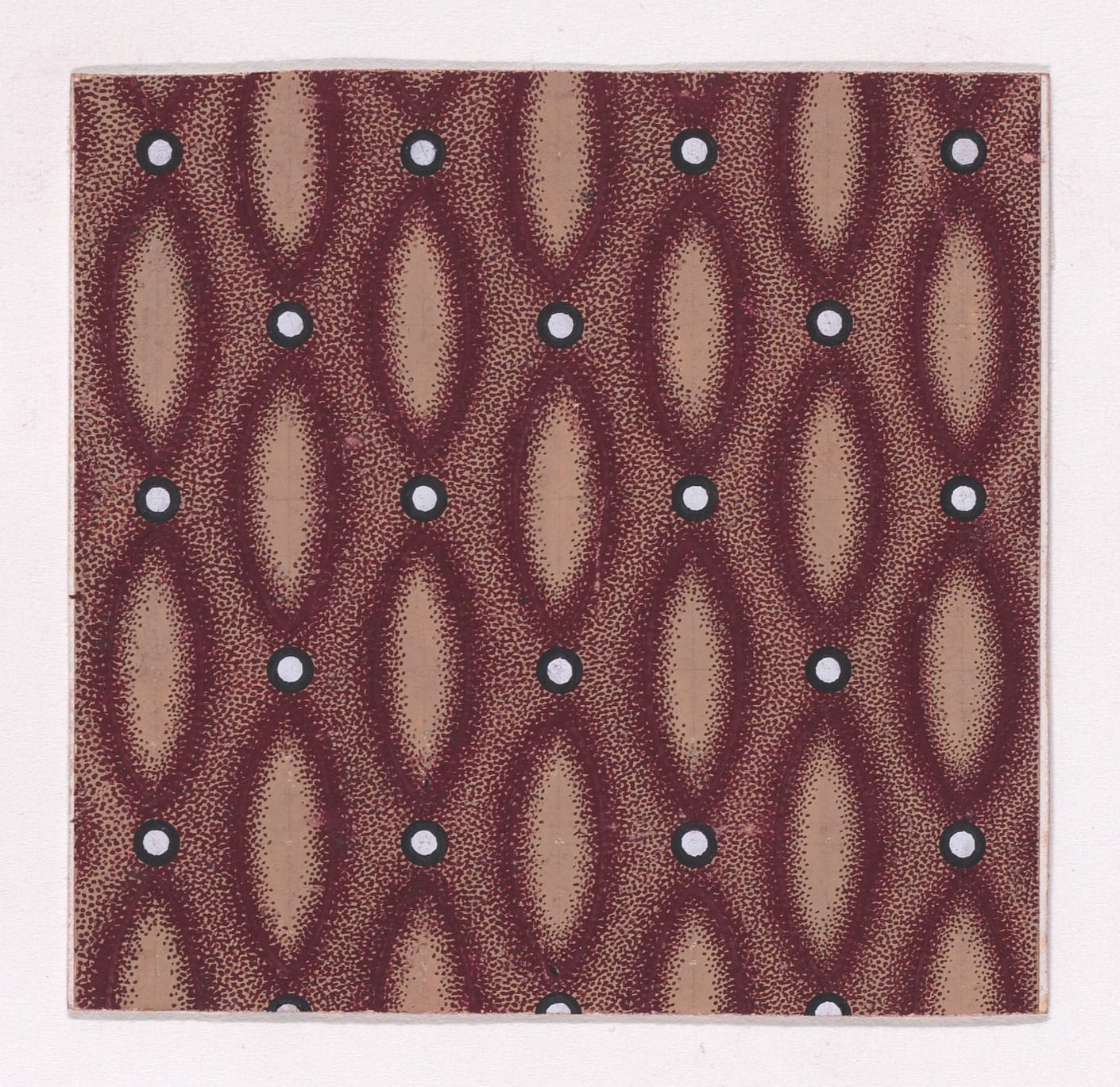
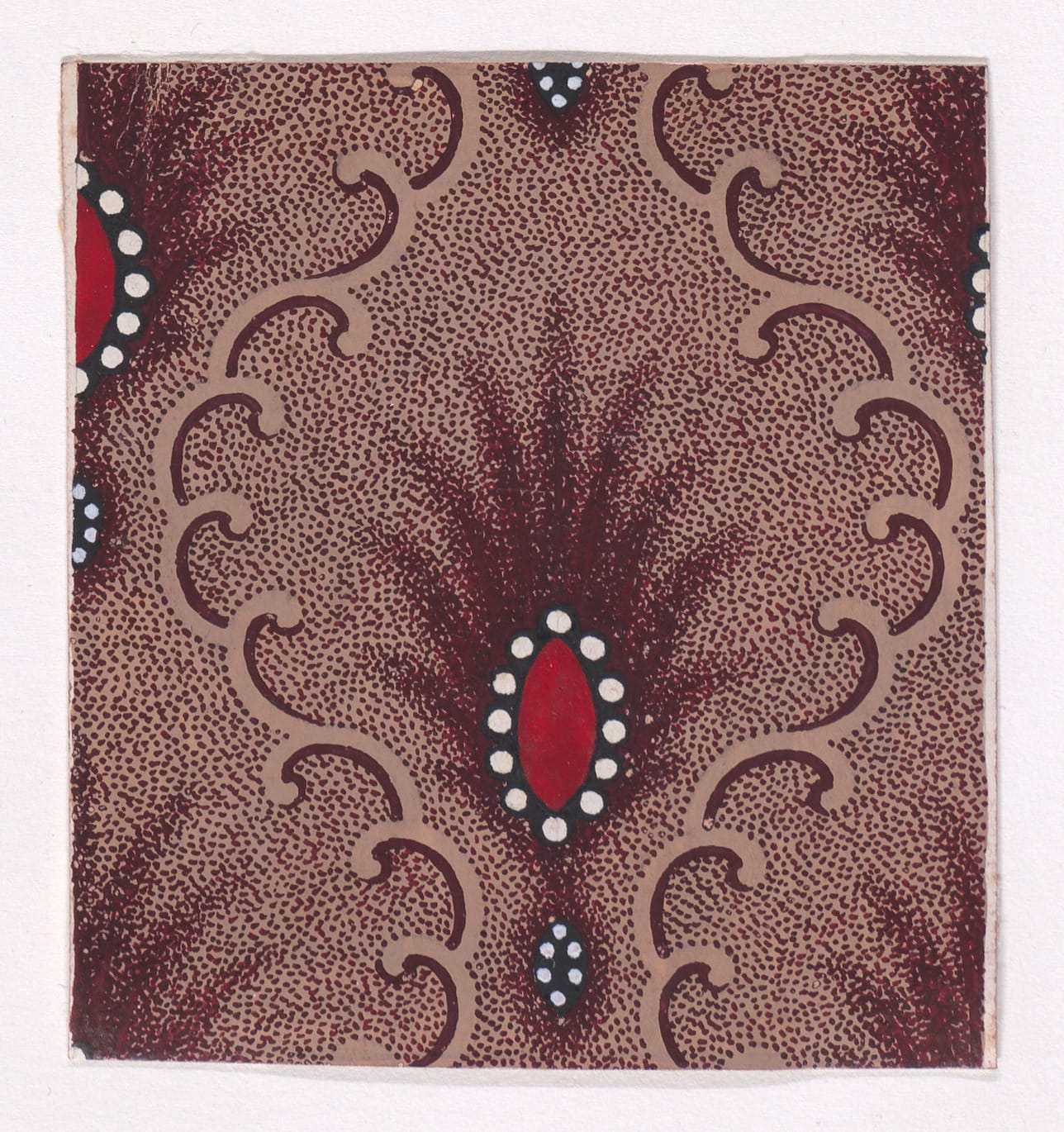
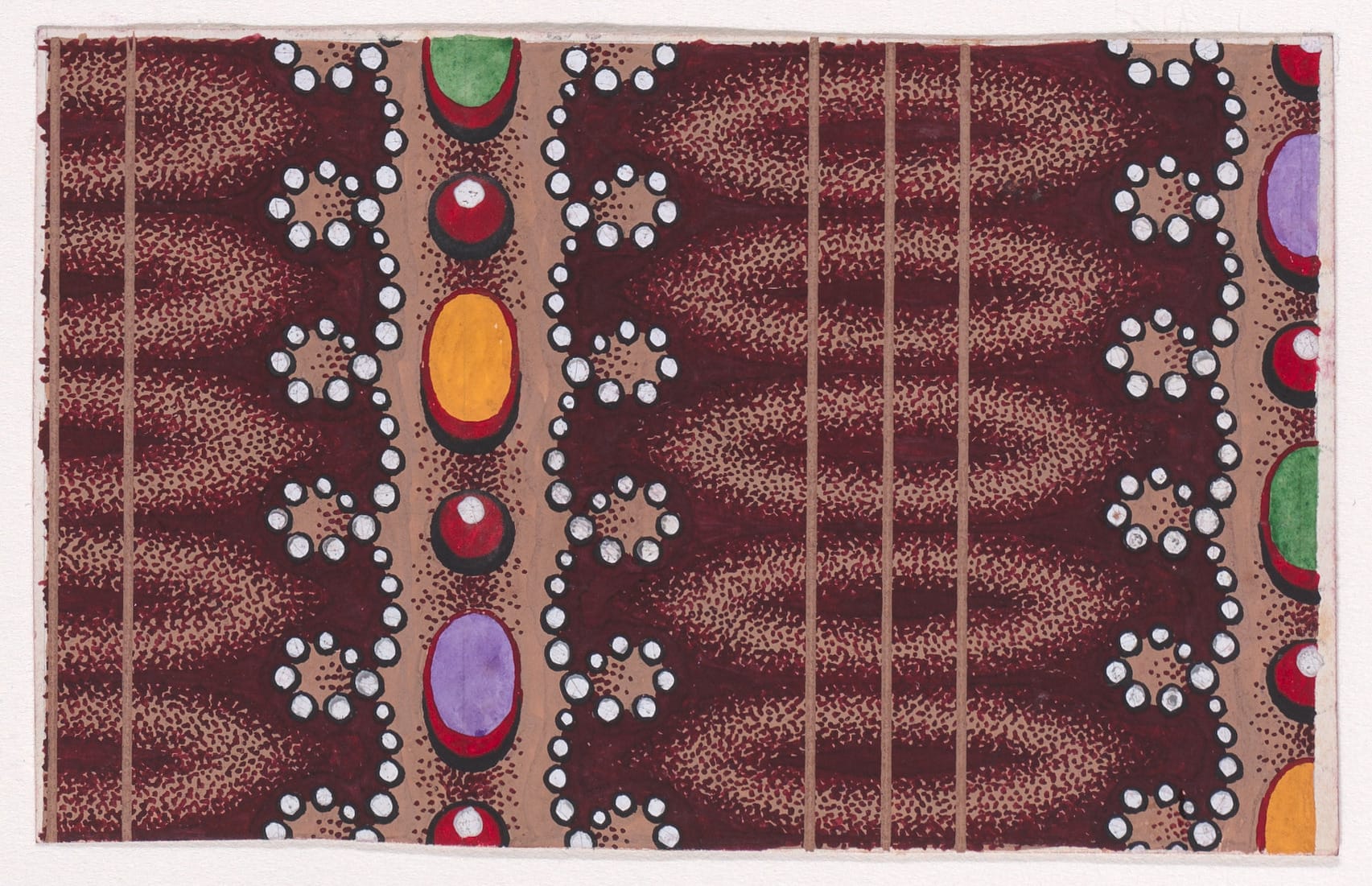
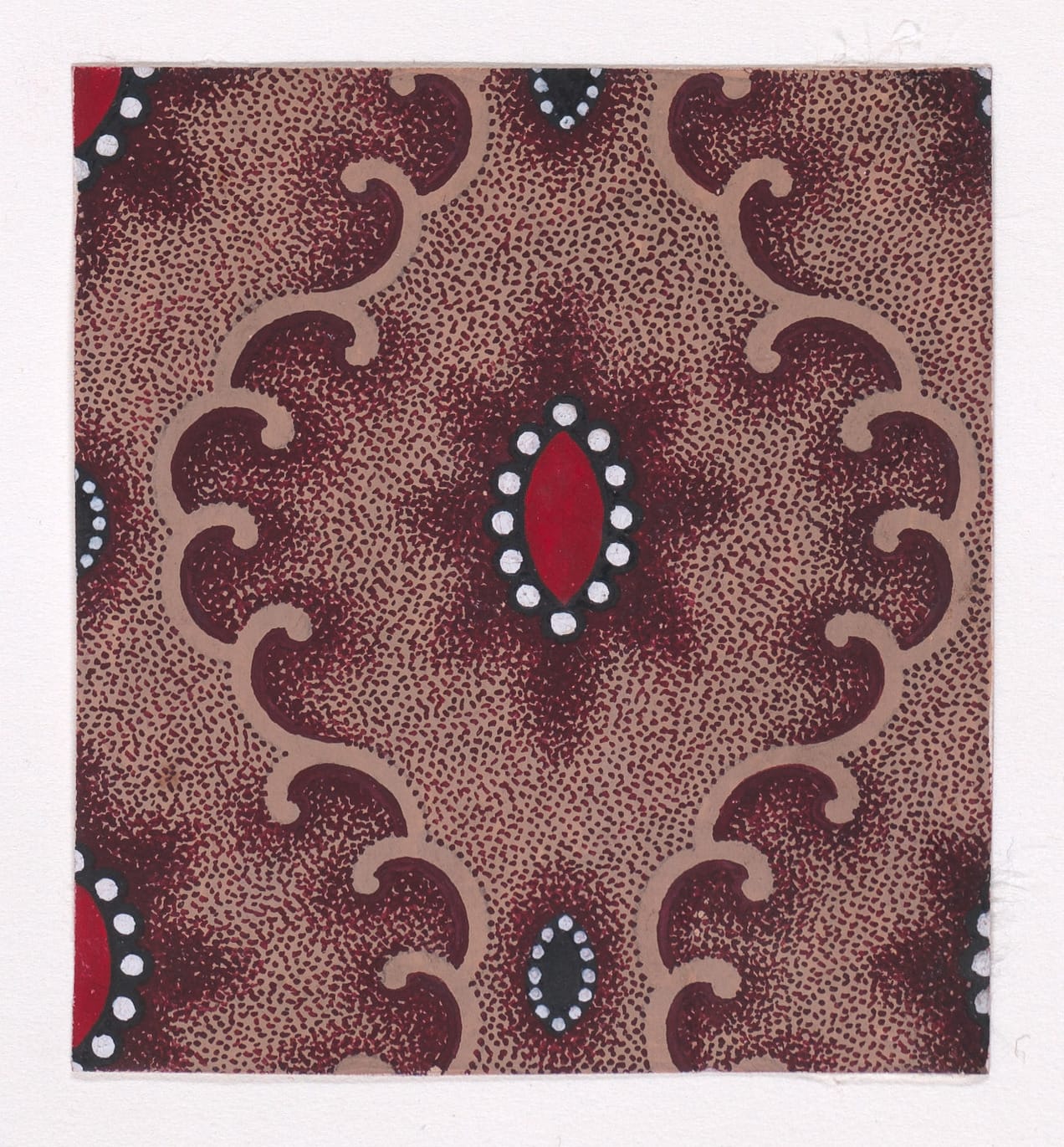
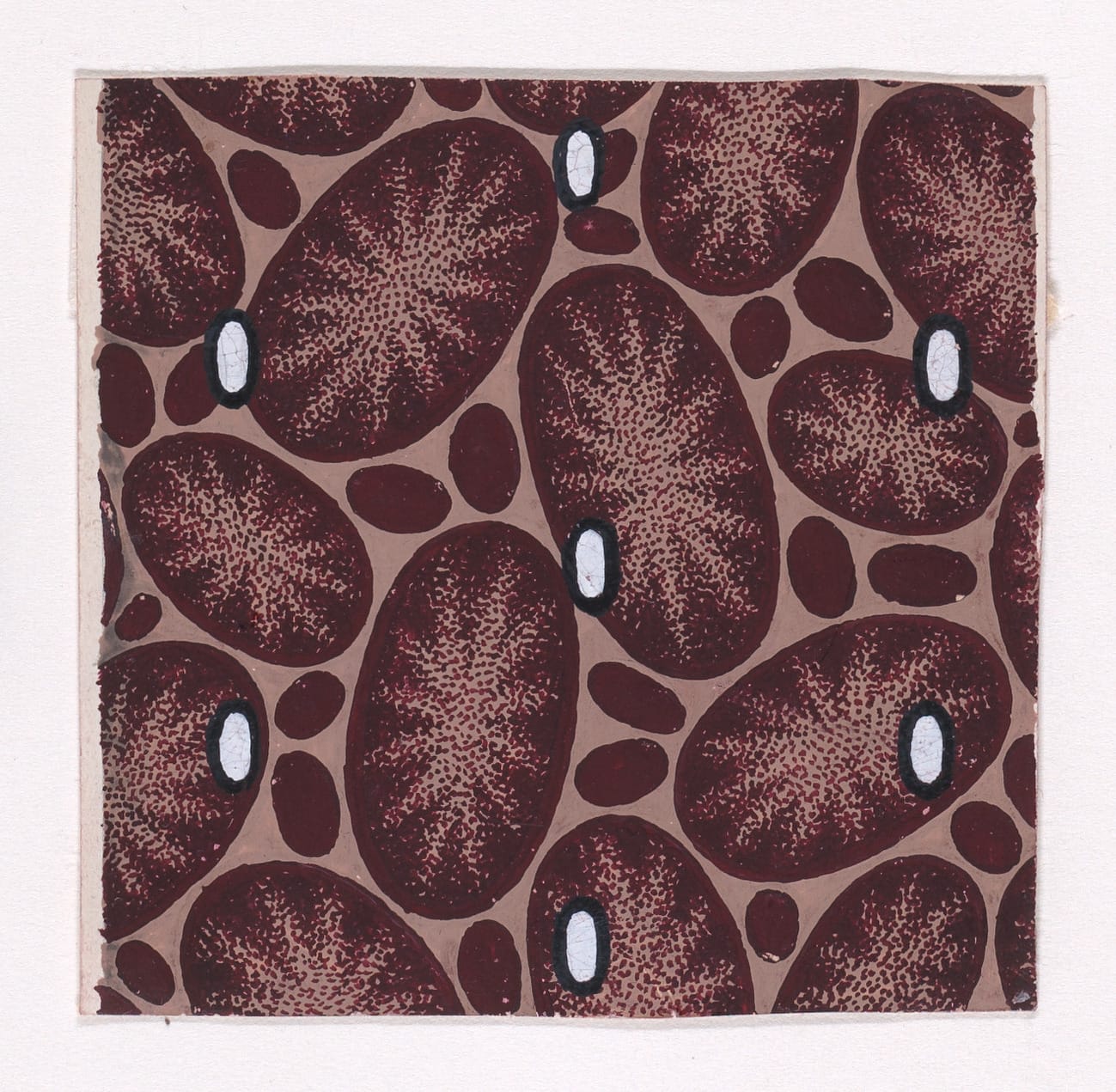

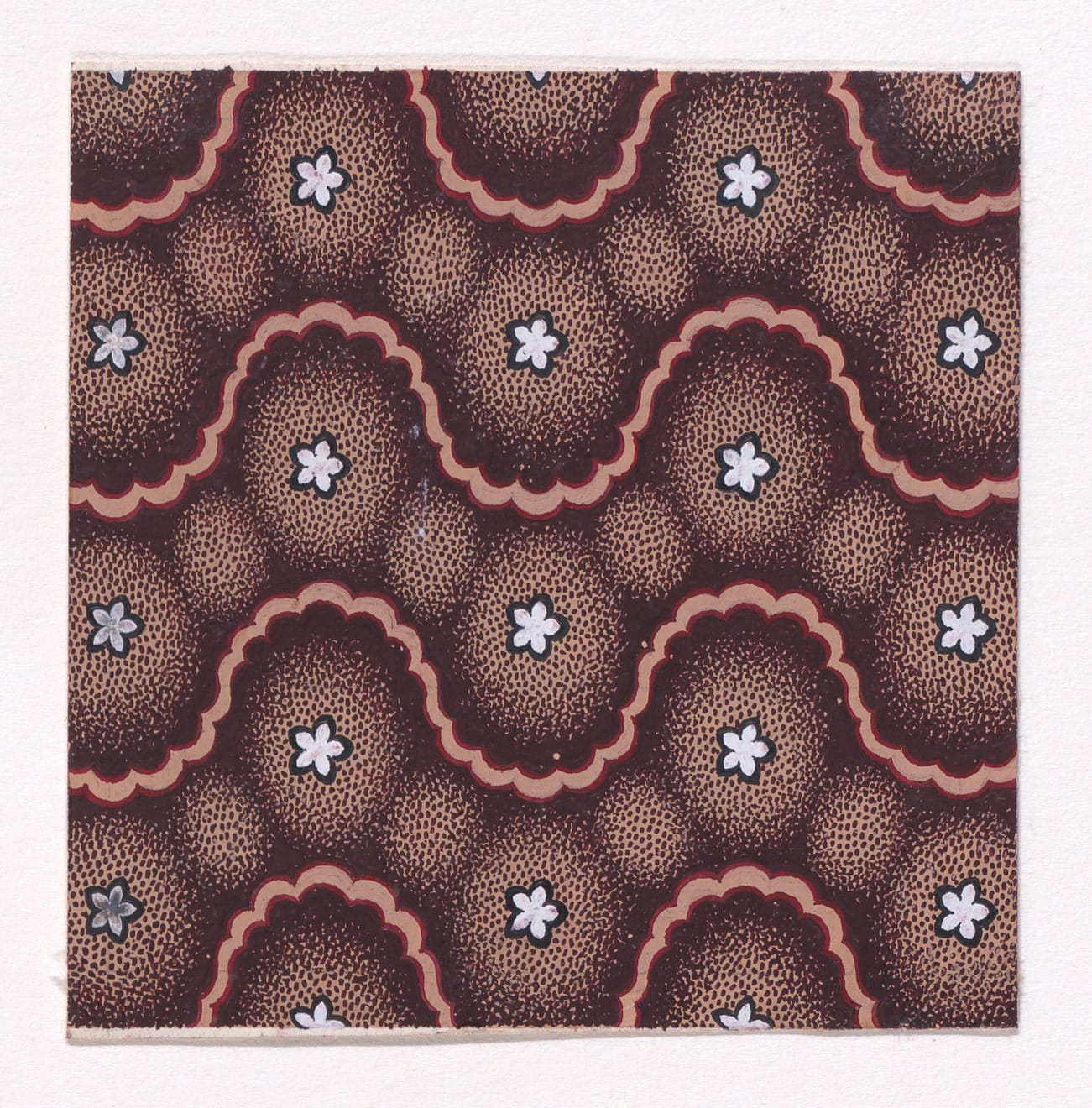

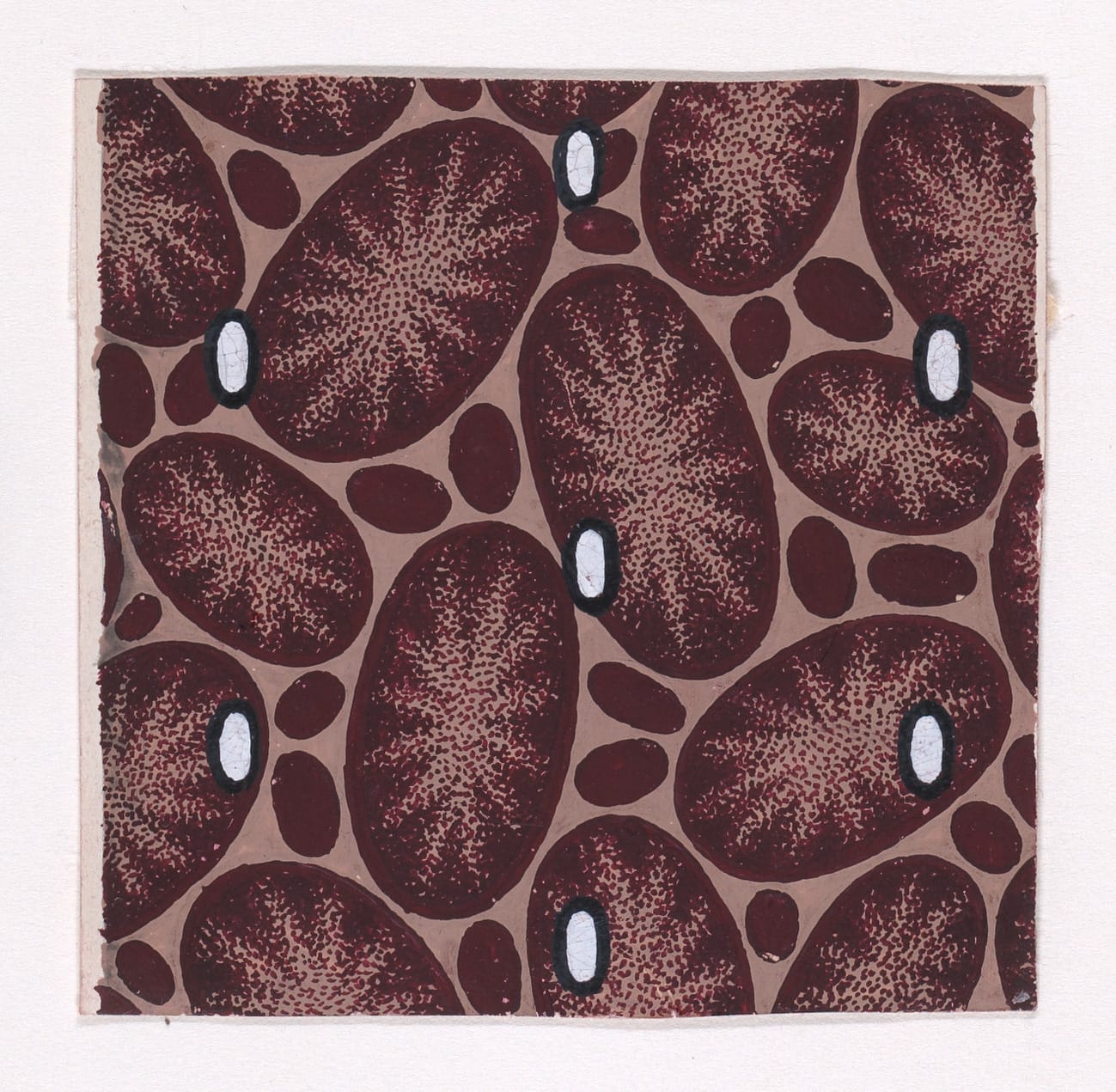


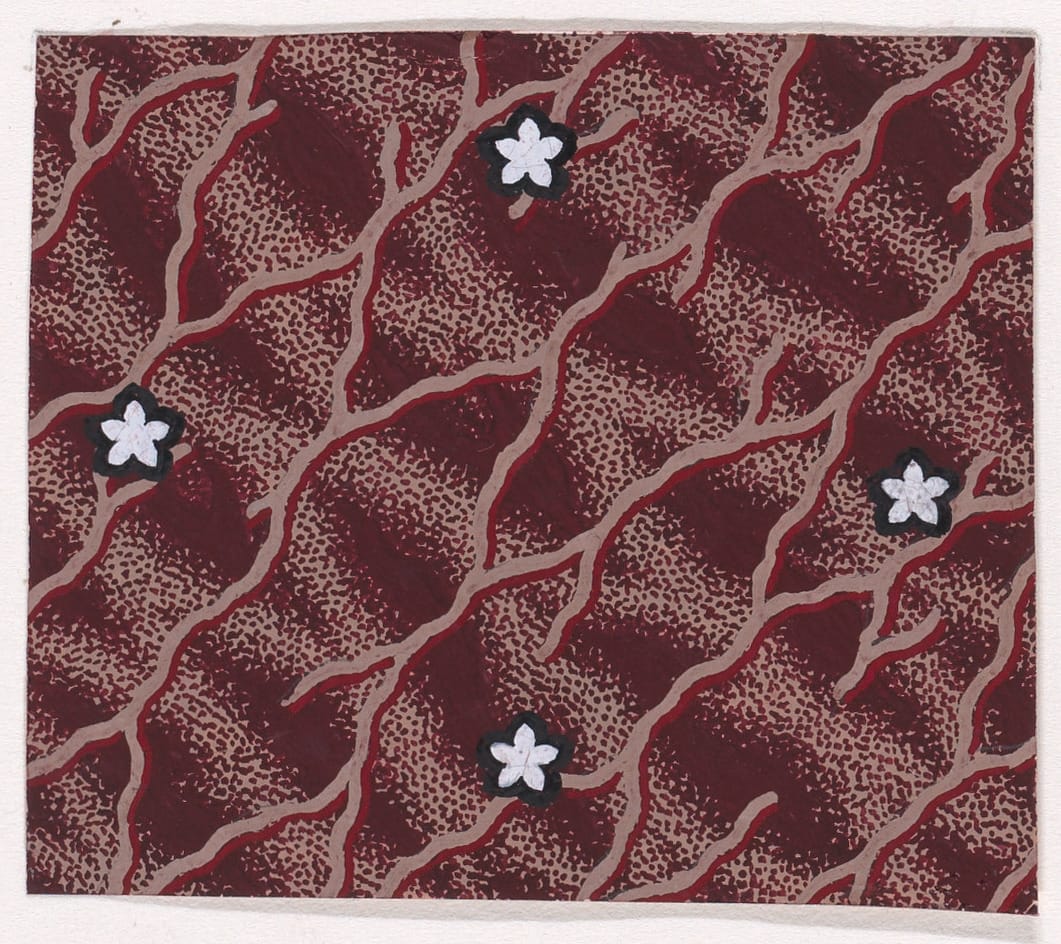
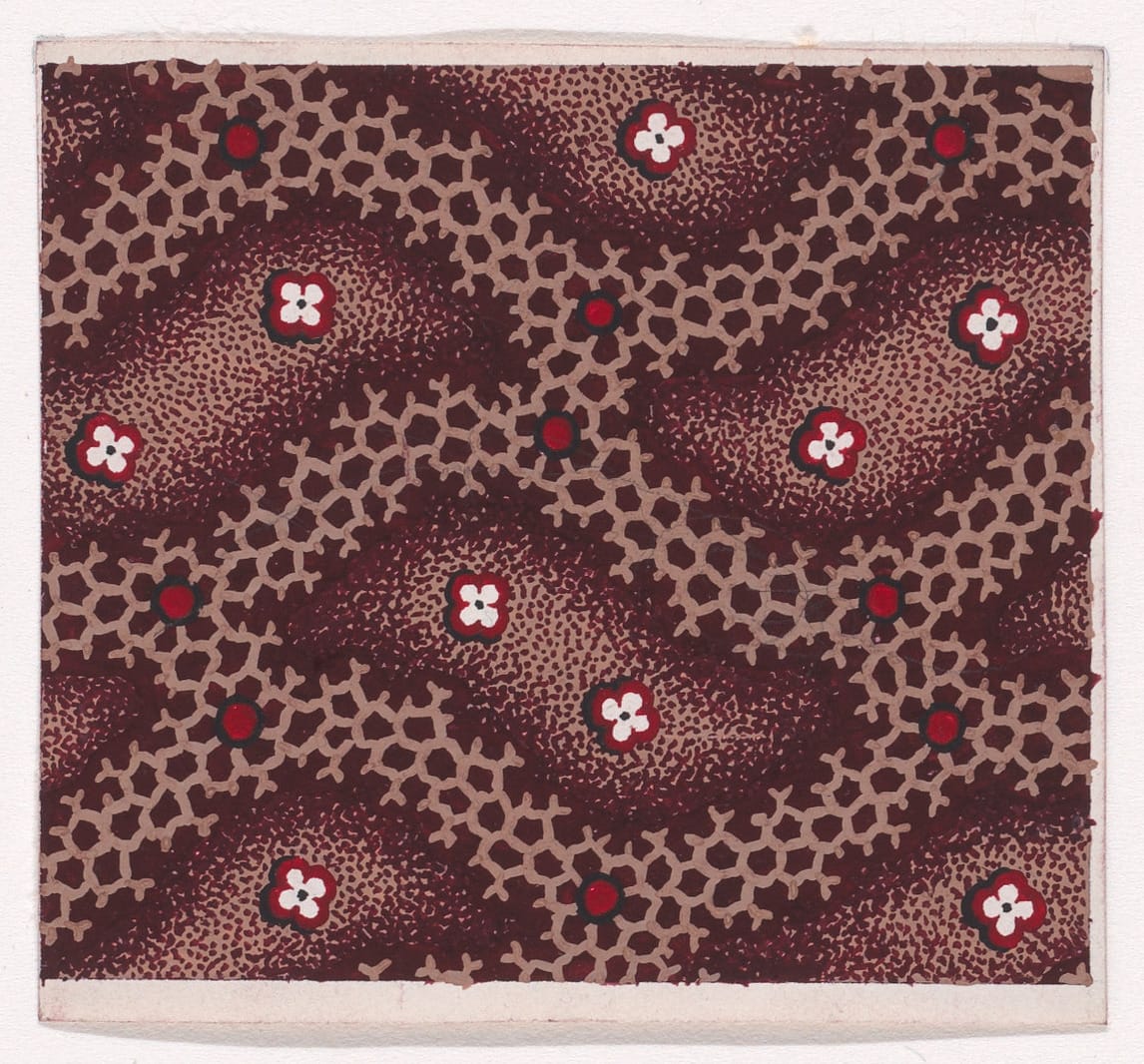
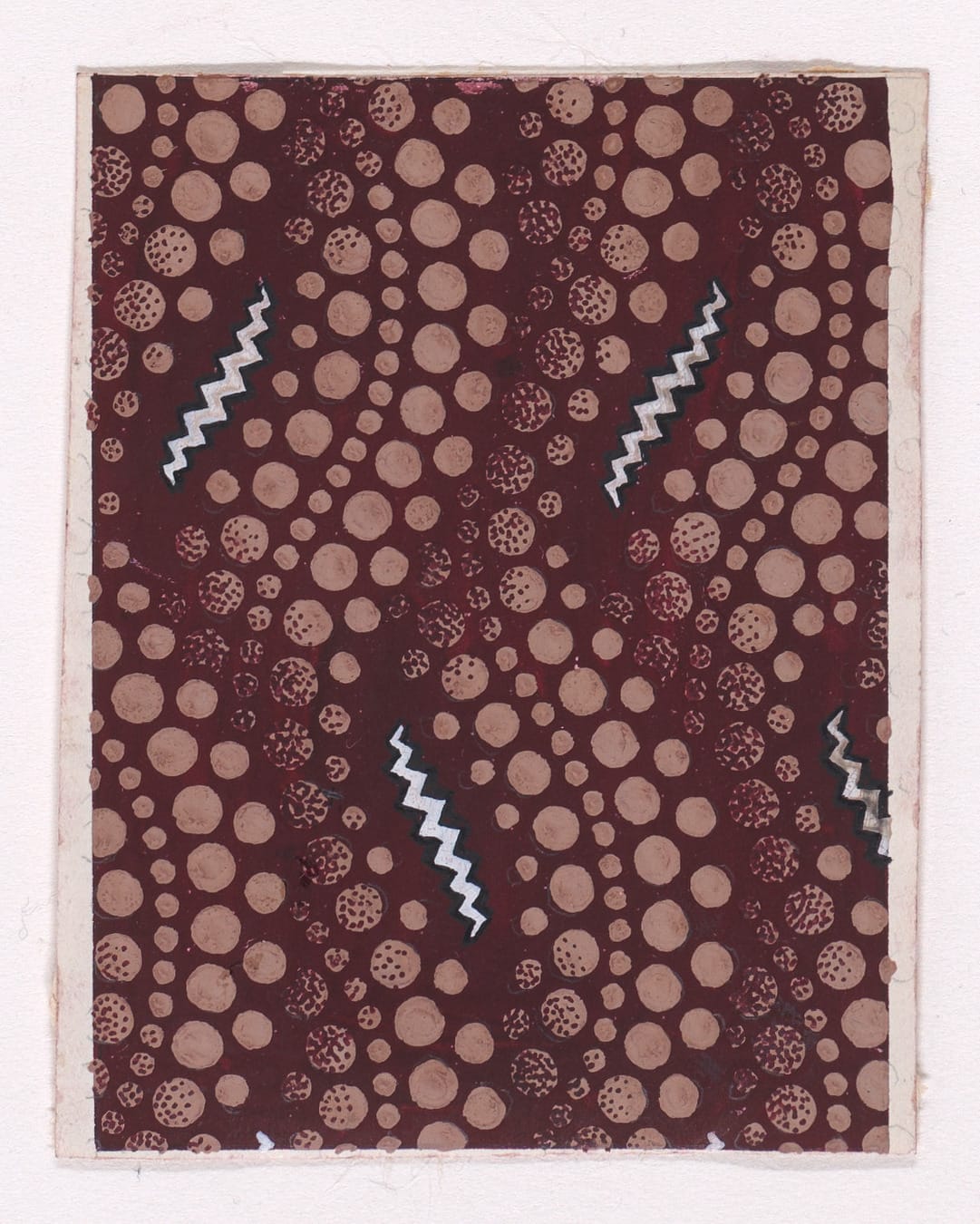
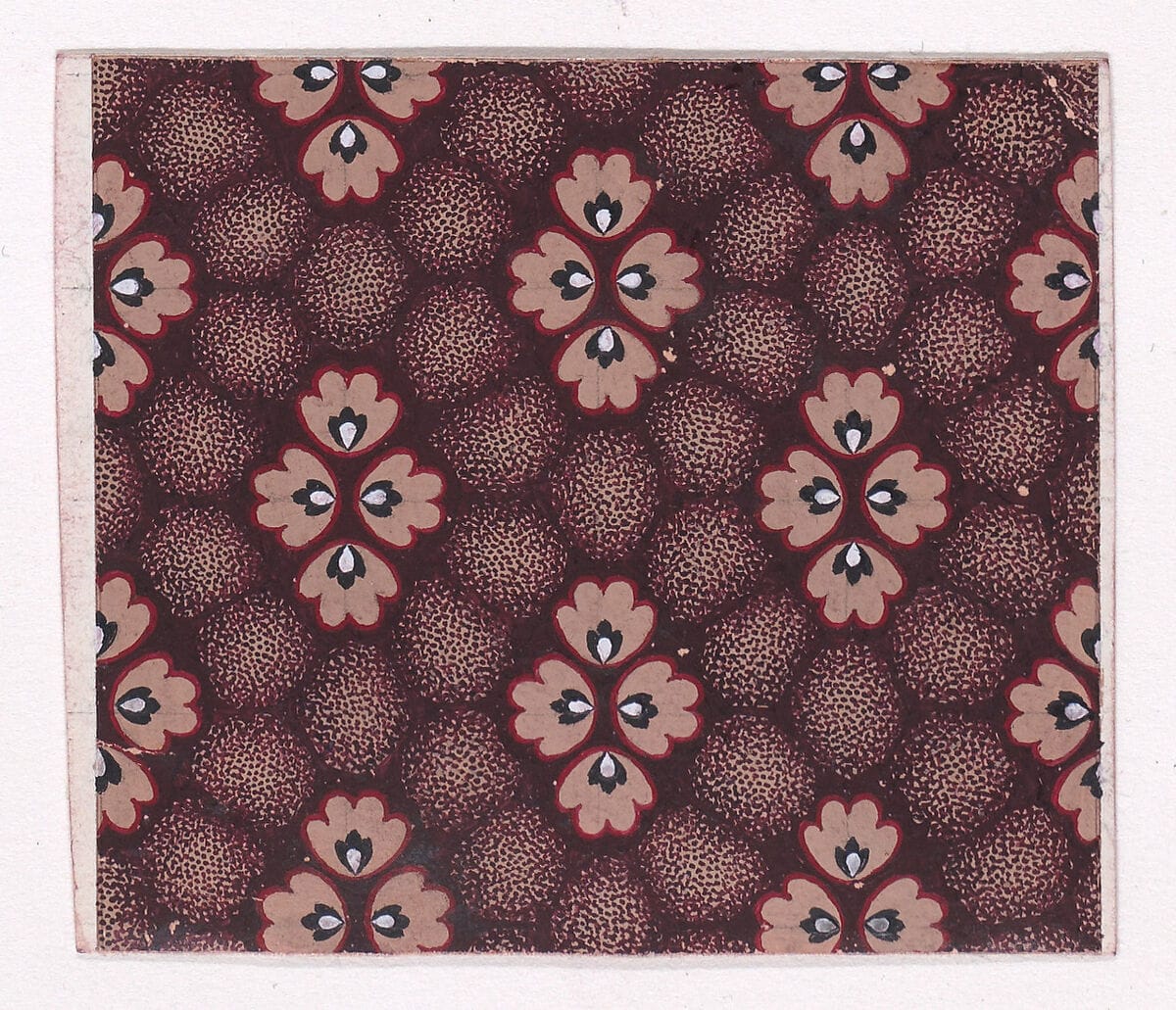
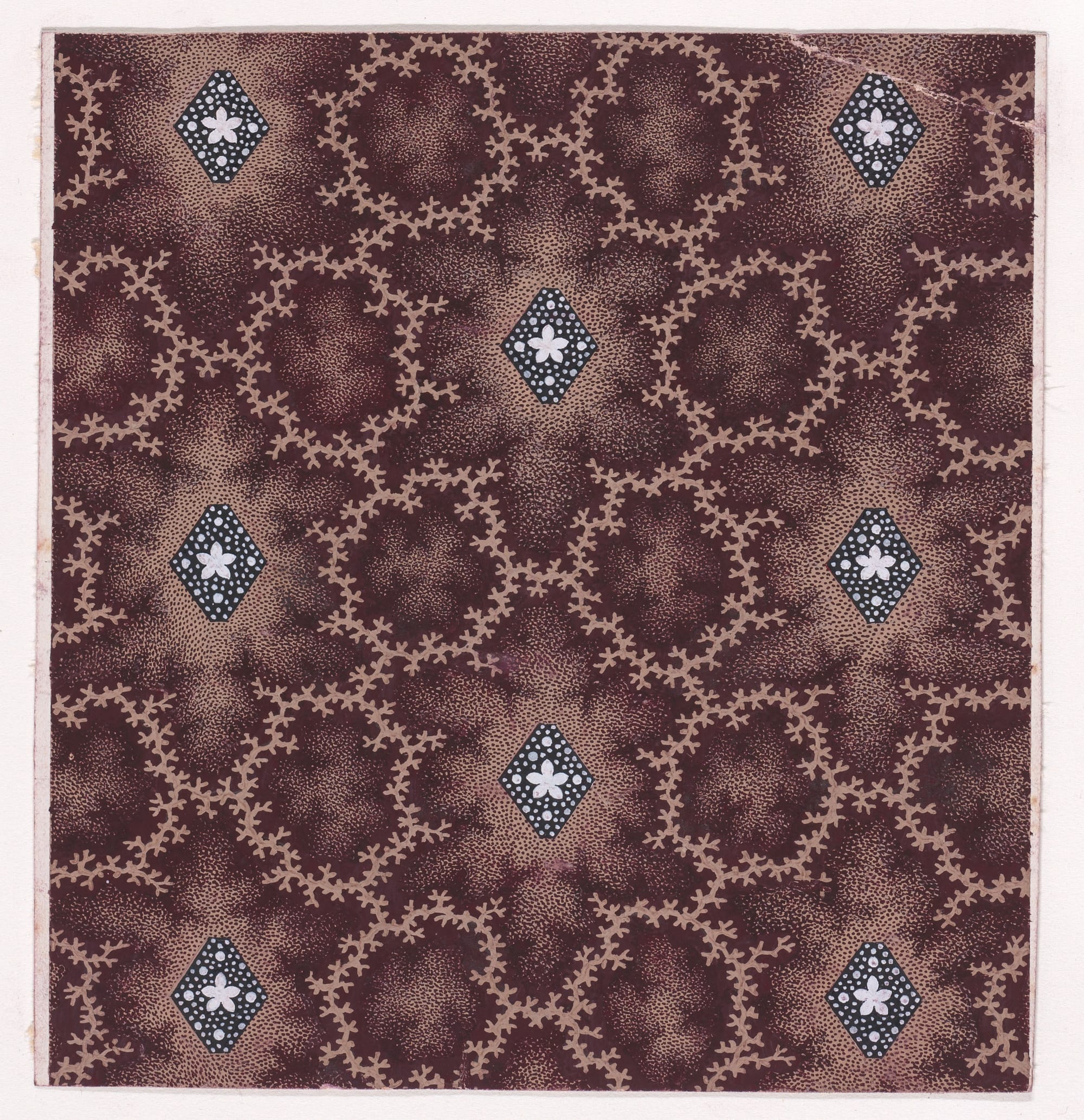
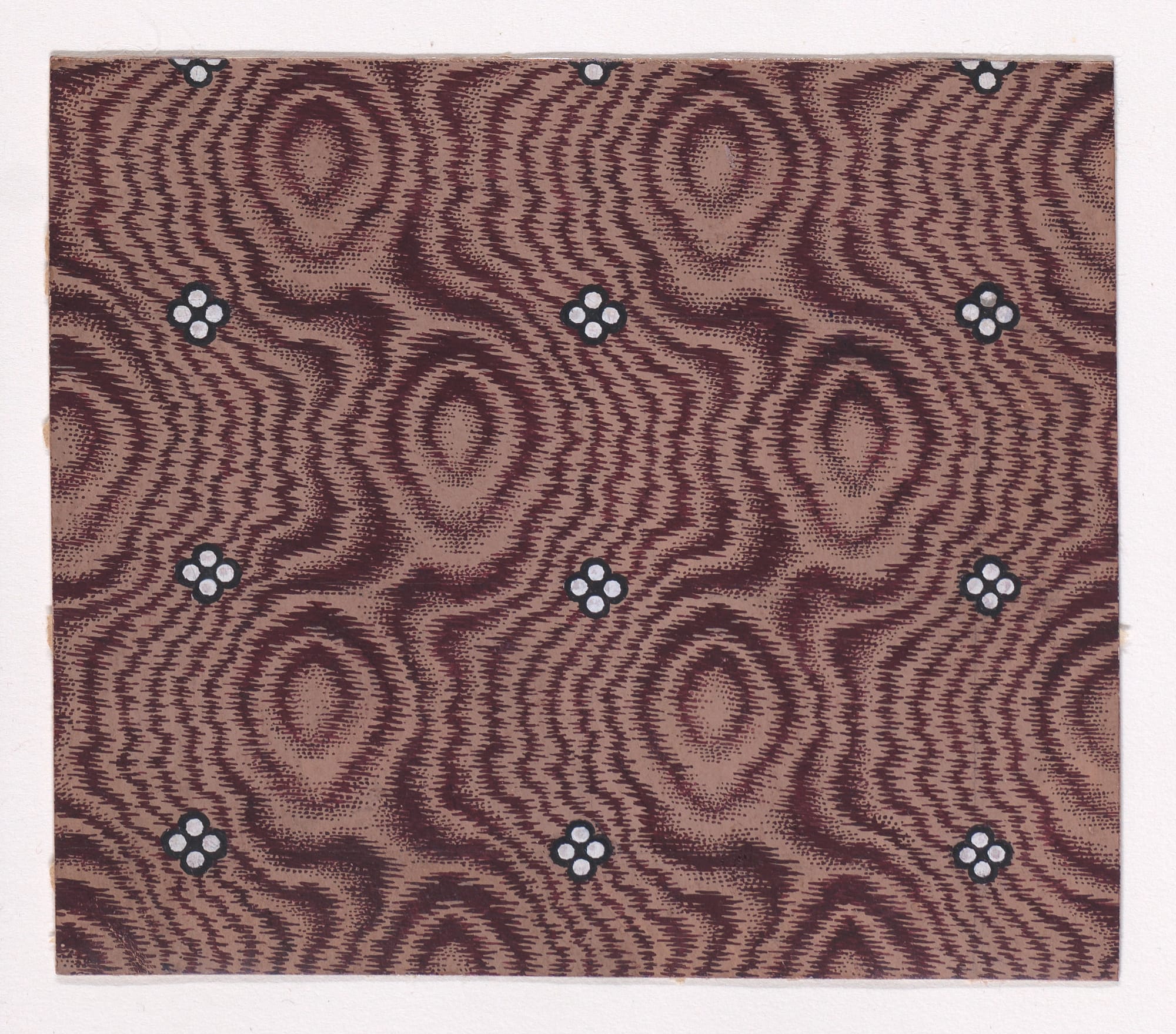
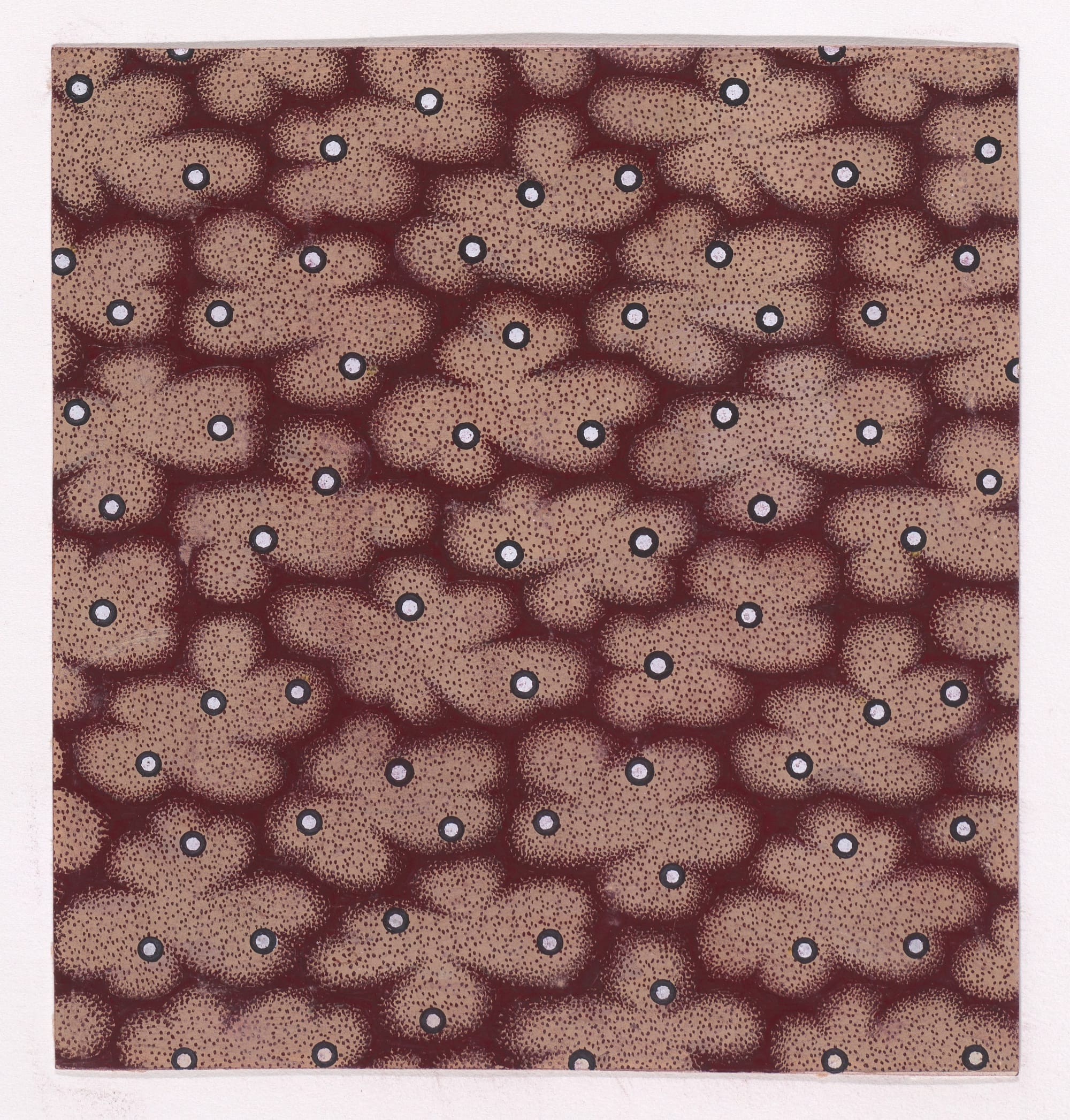
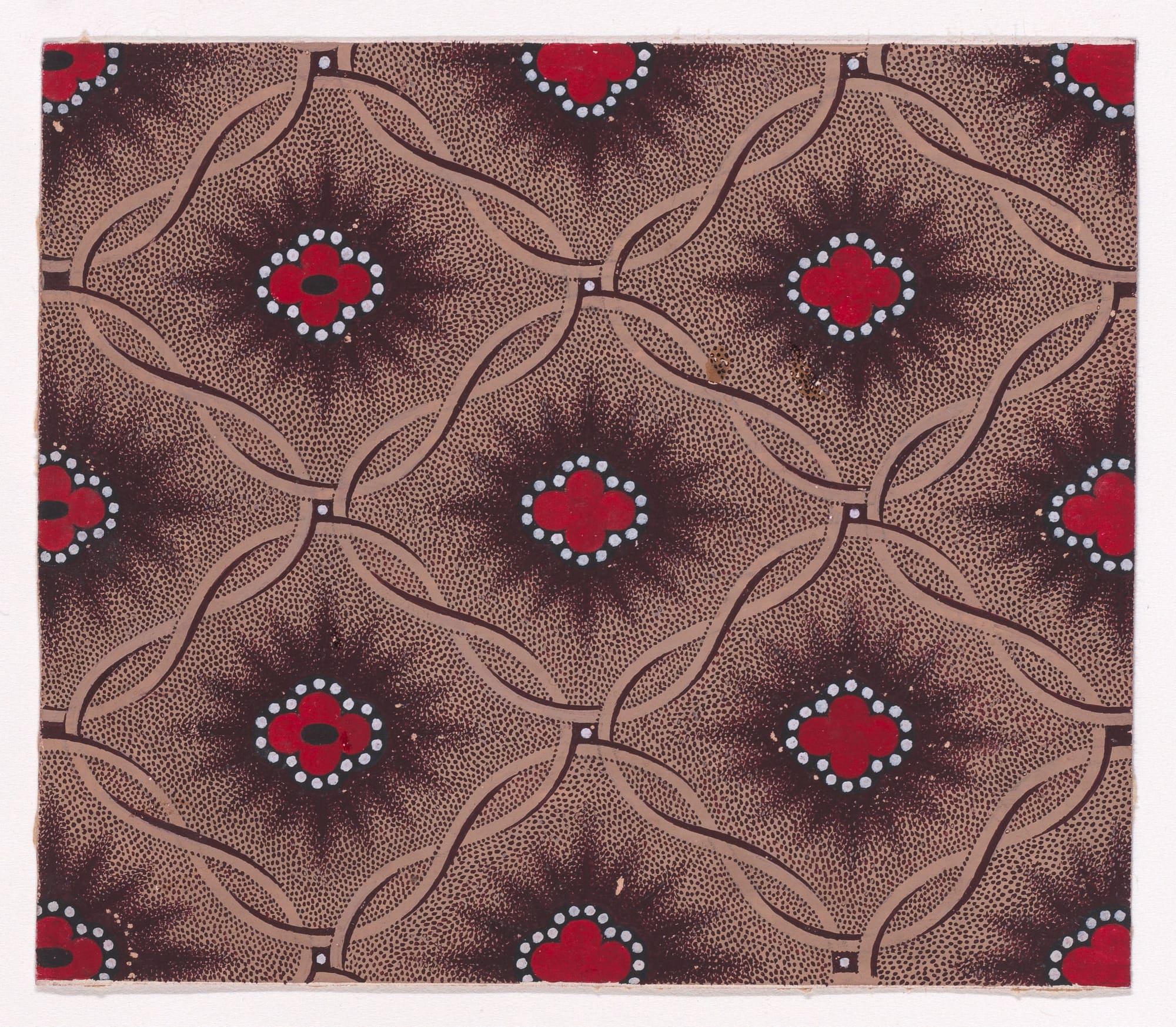
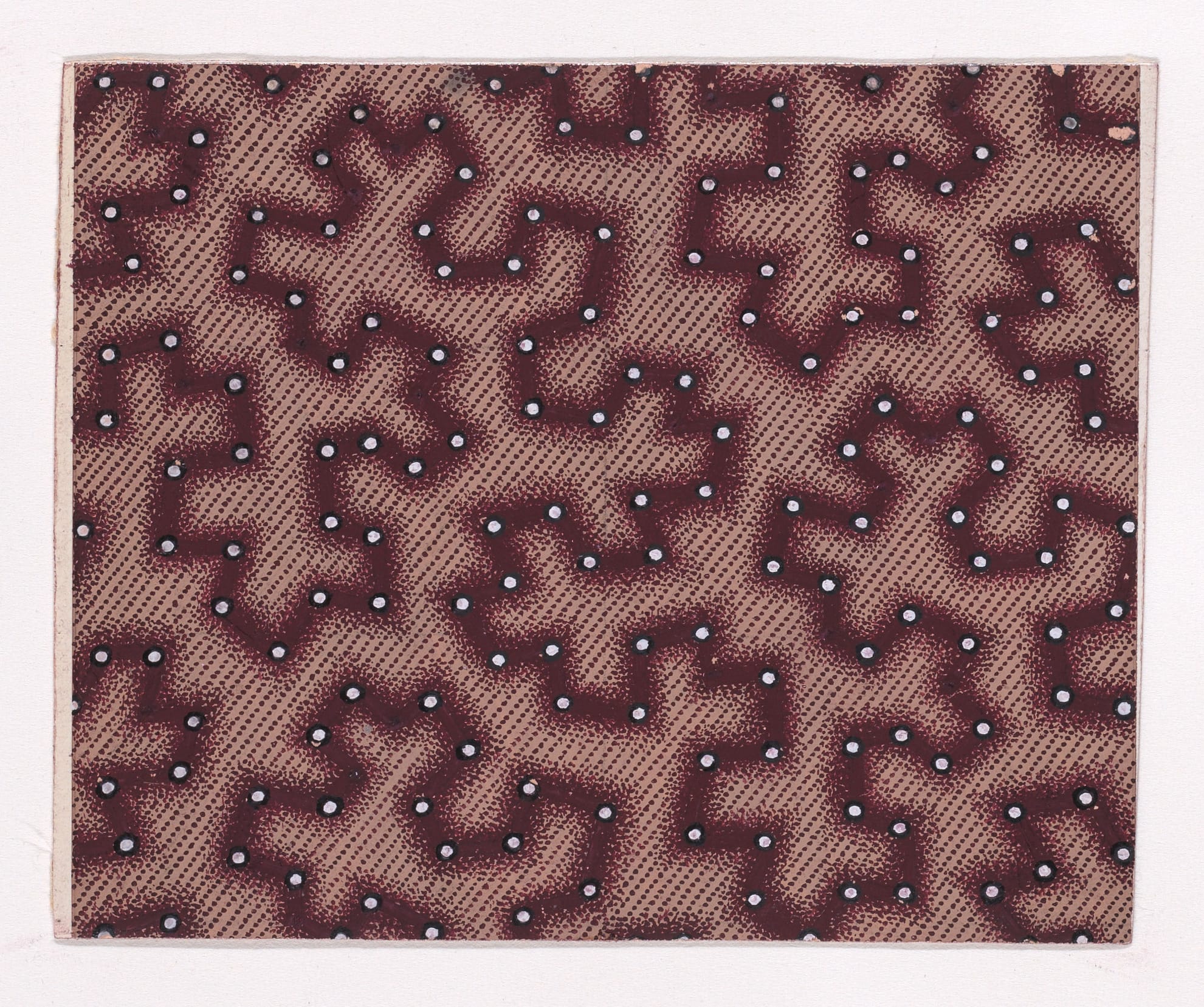
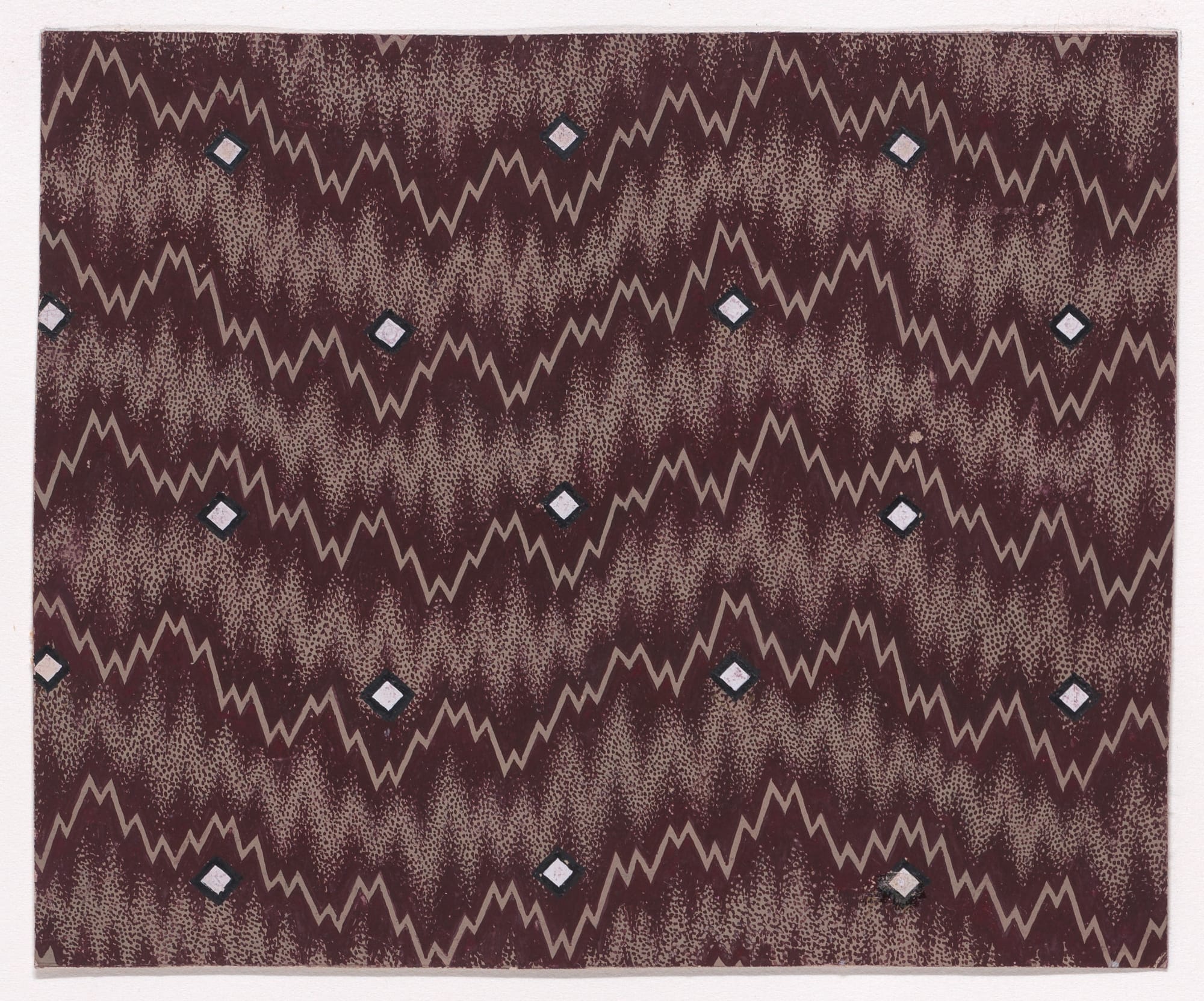
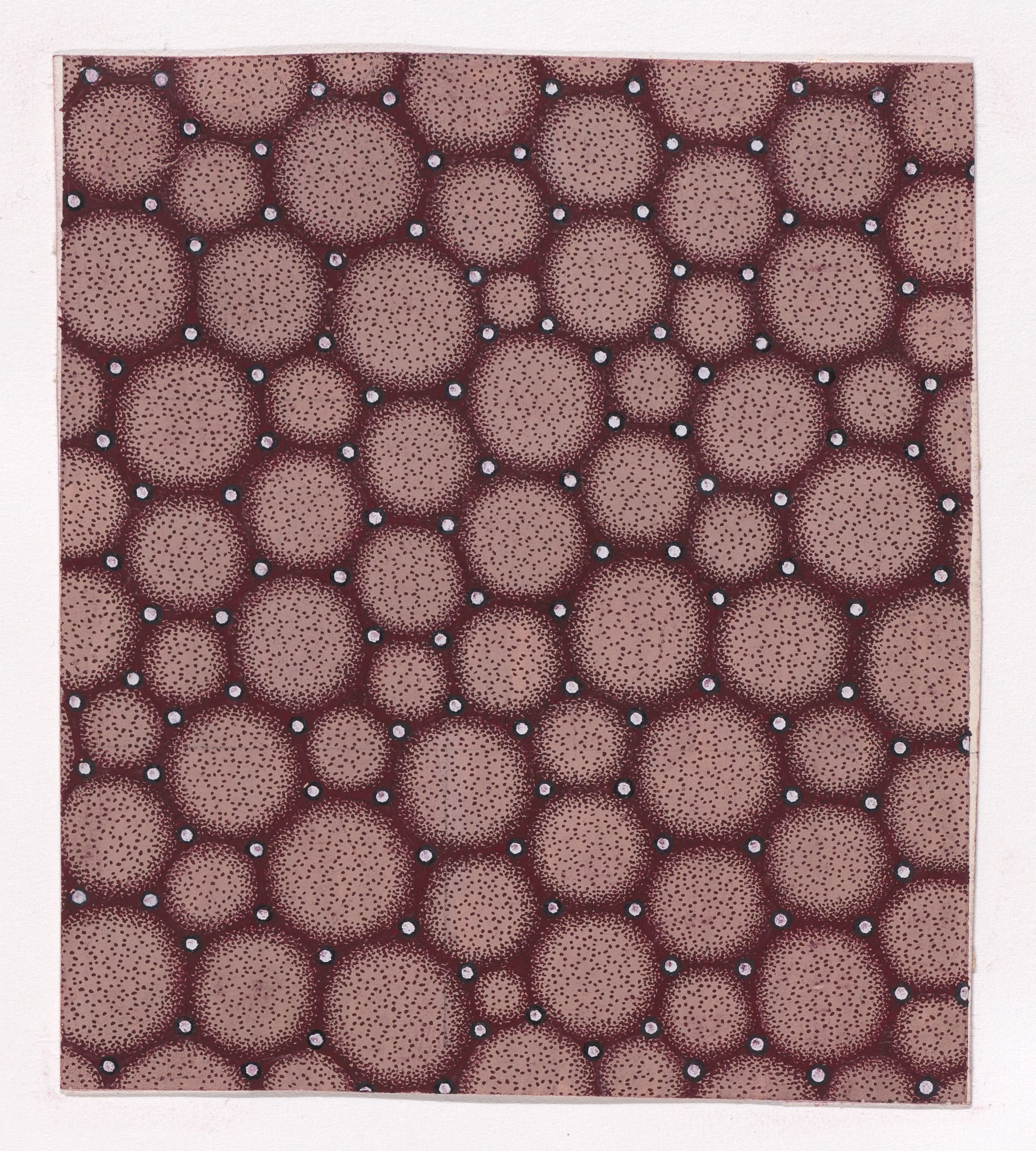
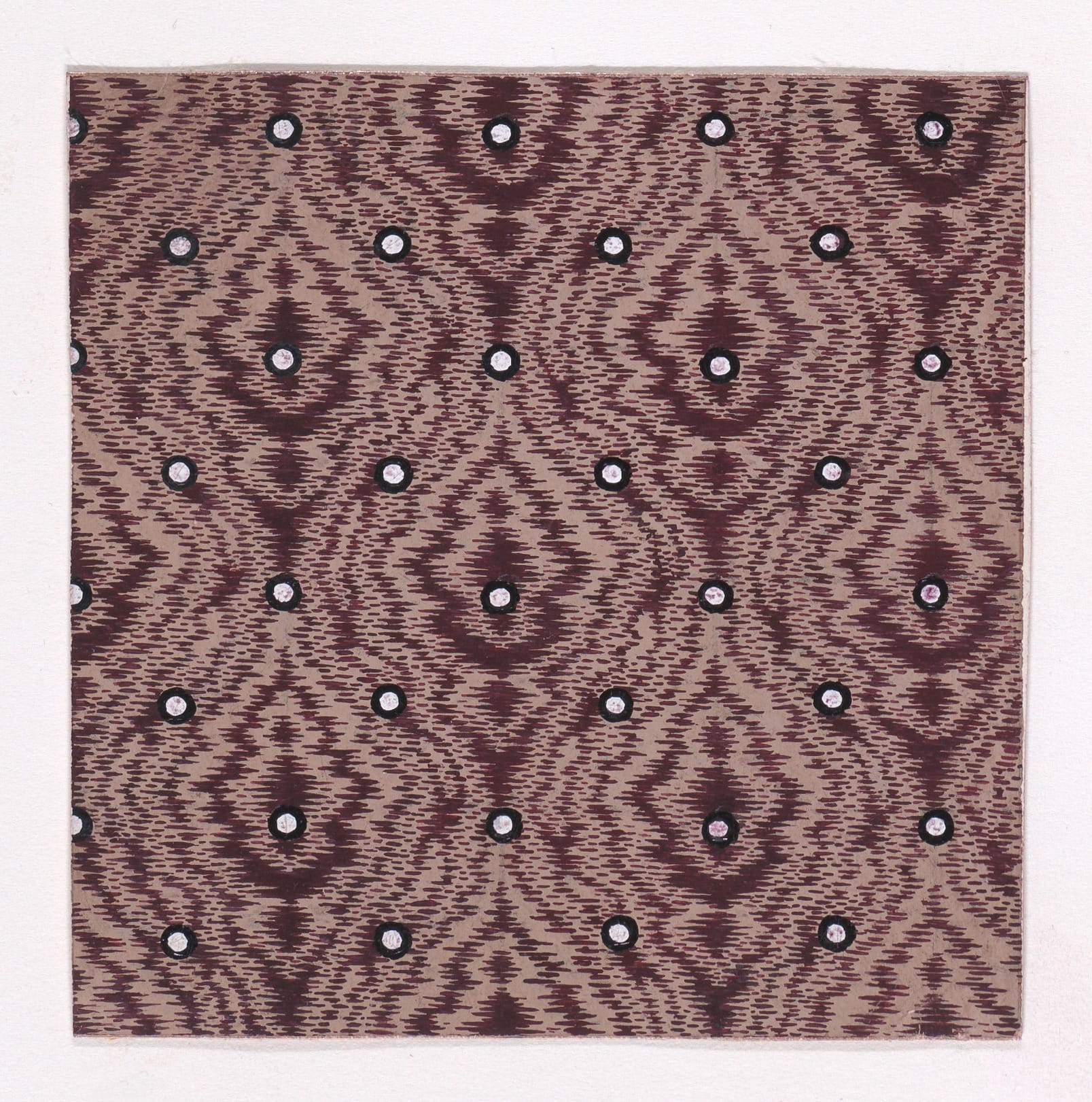

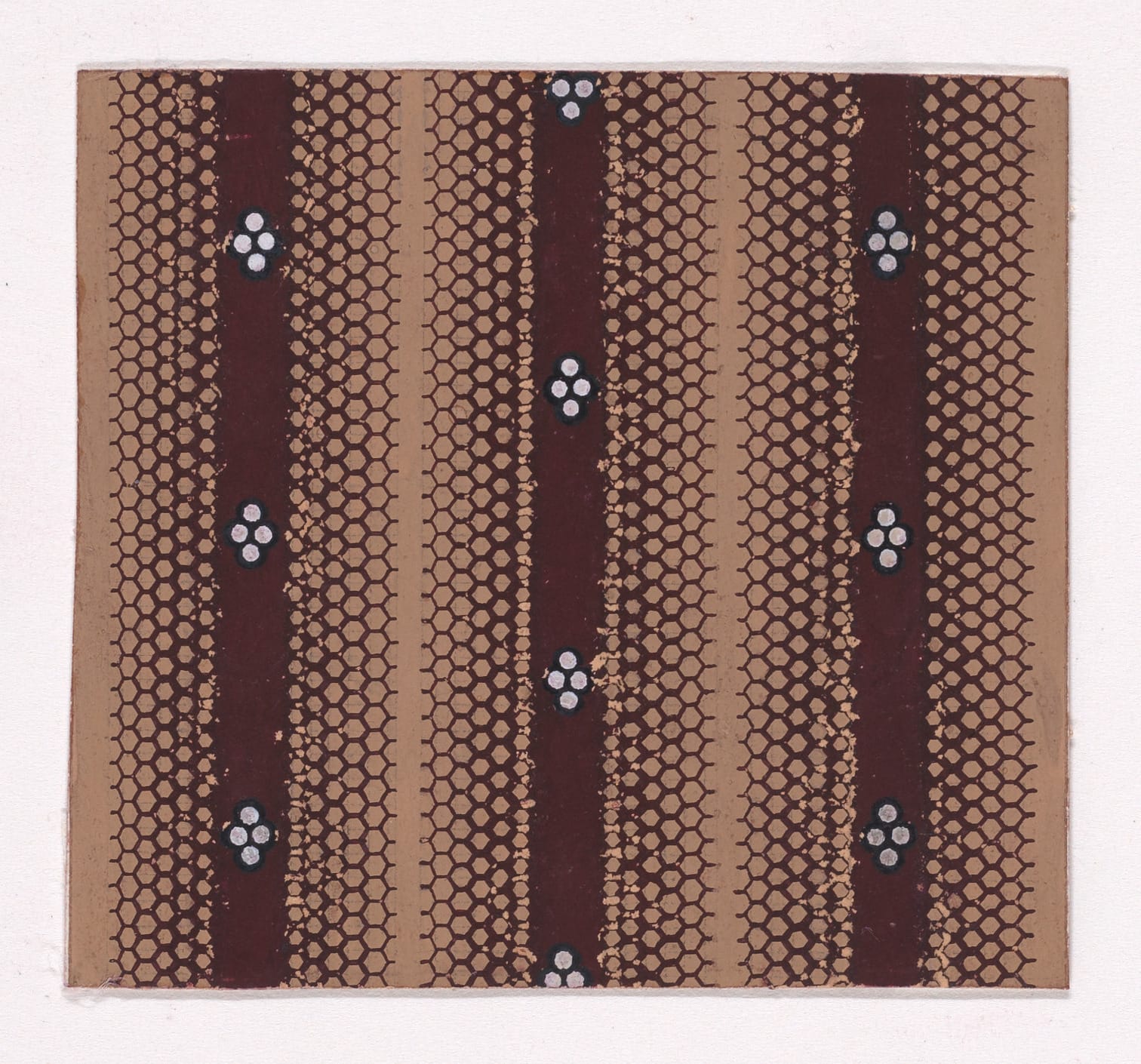
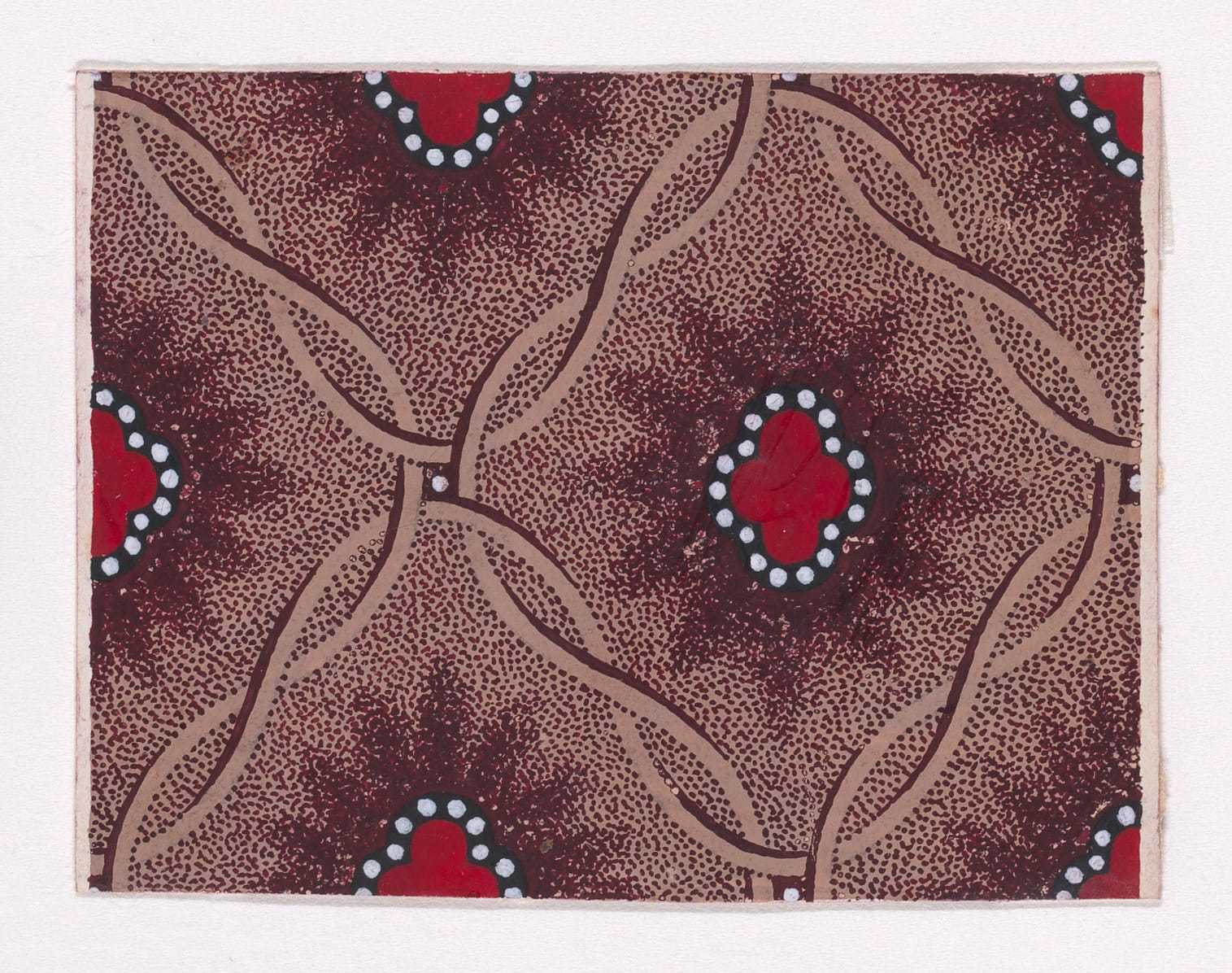
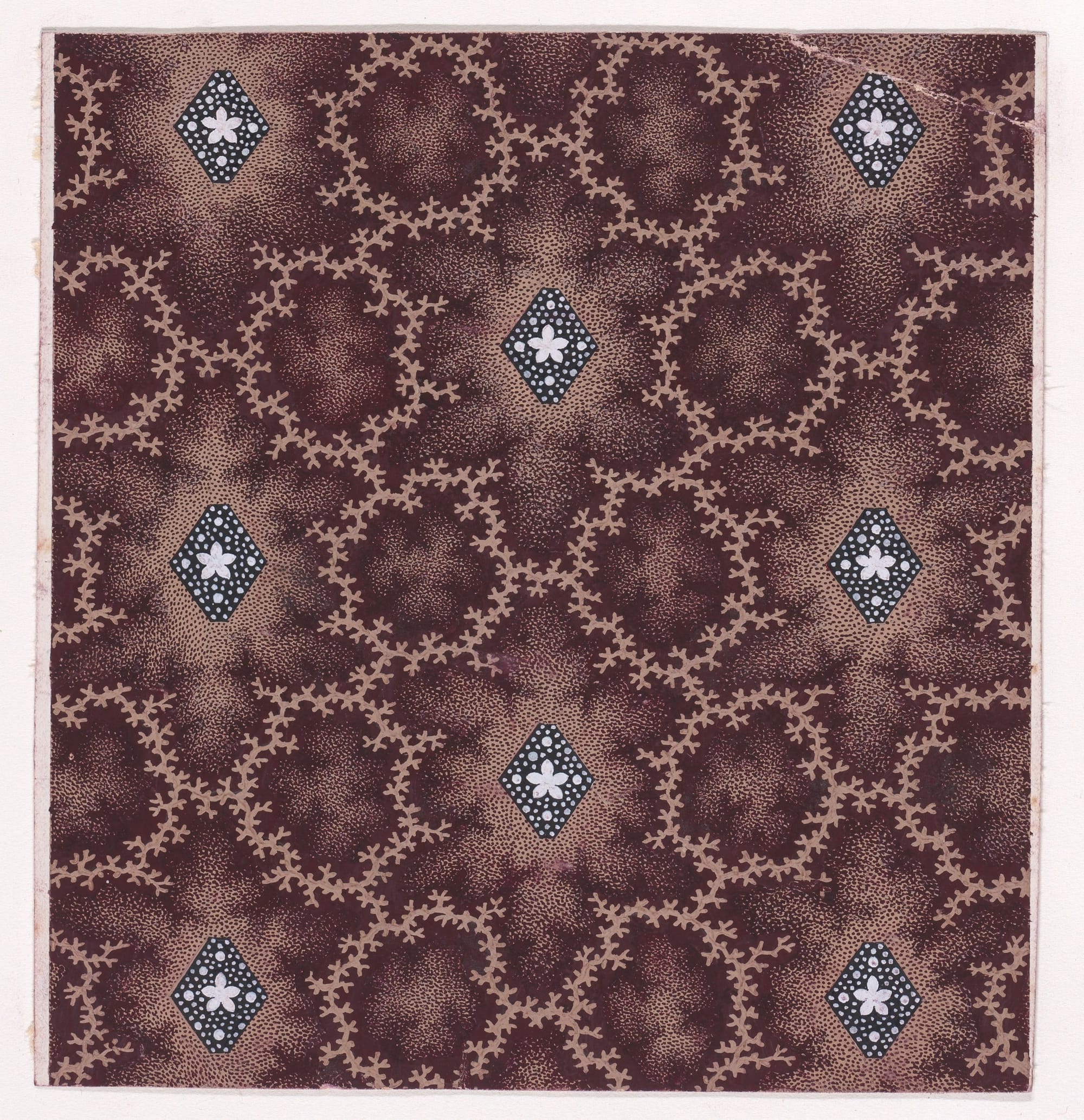
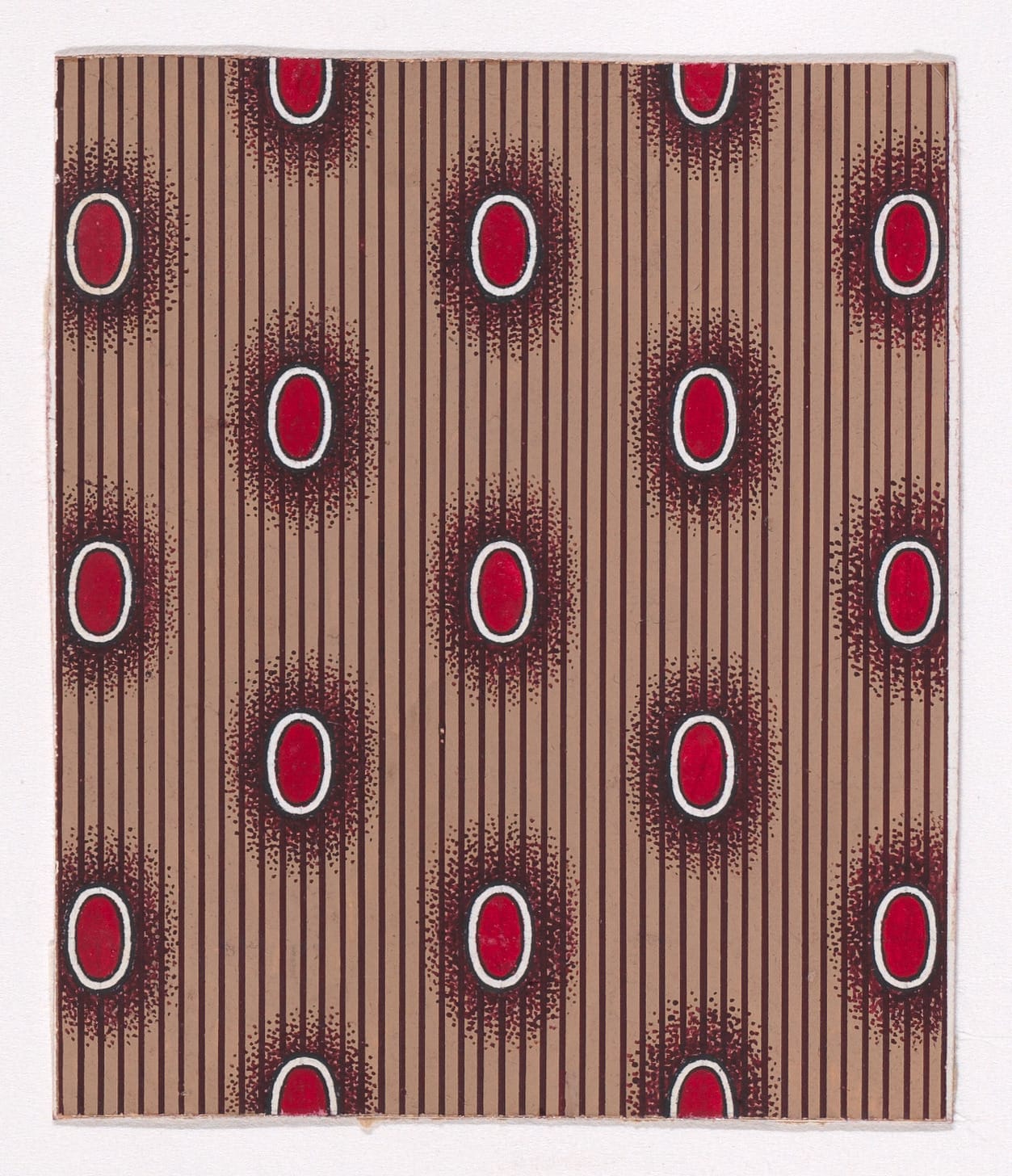
April 2024, FRIEZE No. 9 Cork Street Gallery, London
EXHIBITION: The Mountains Between Us, FRIEZE No 9 Cork St
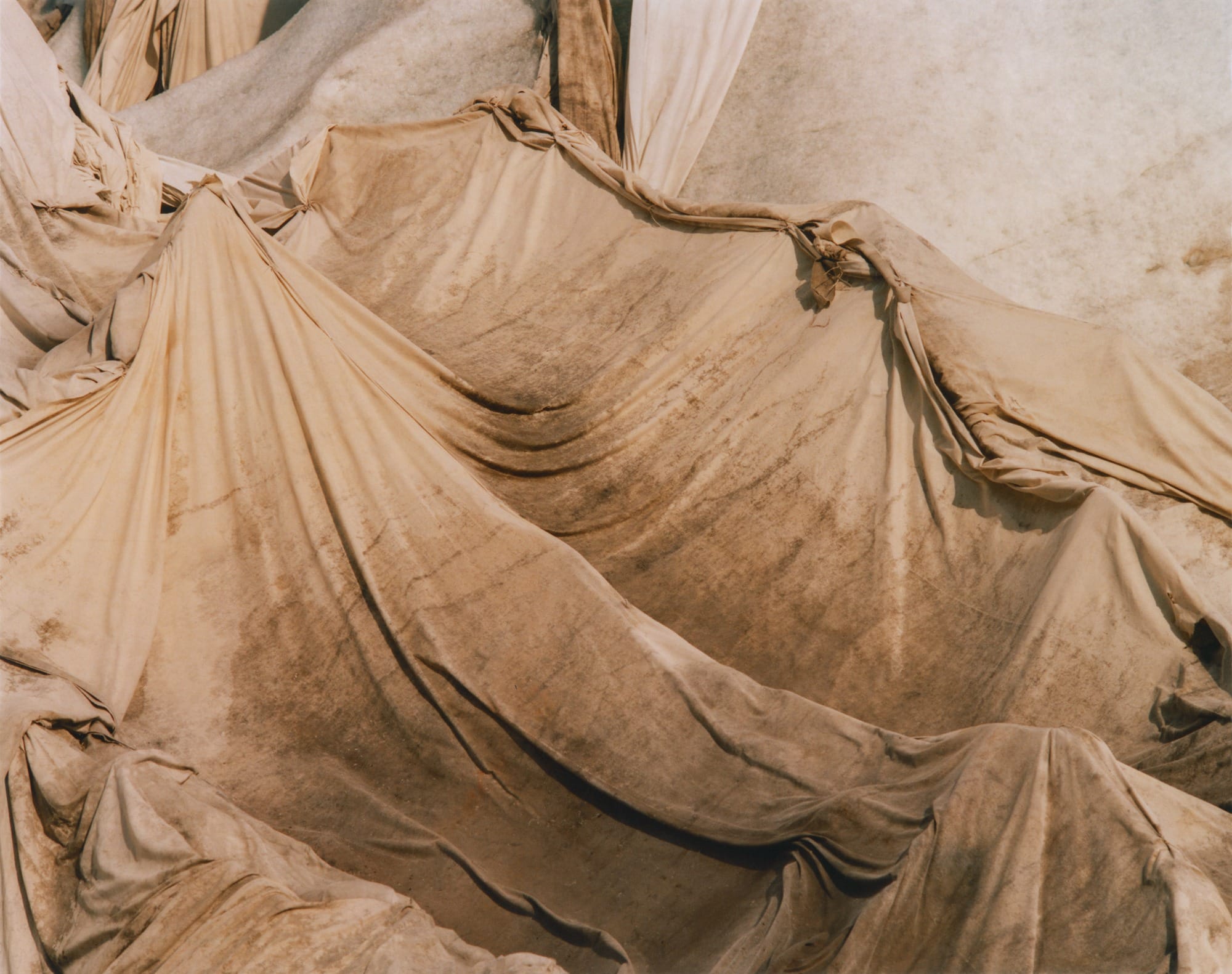
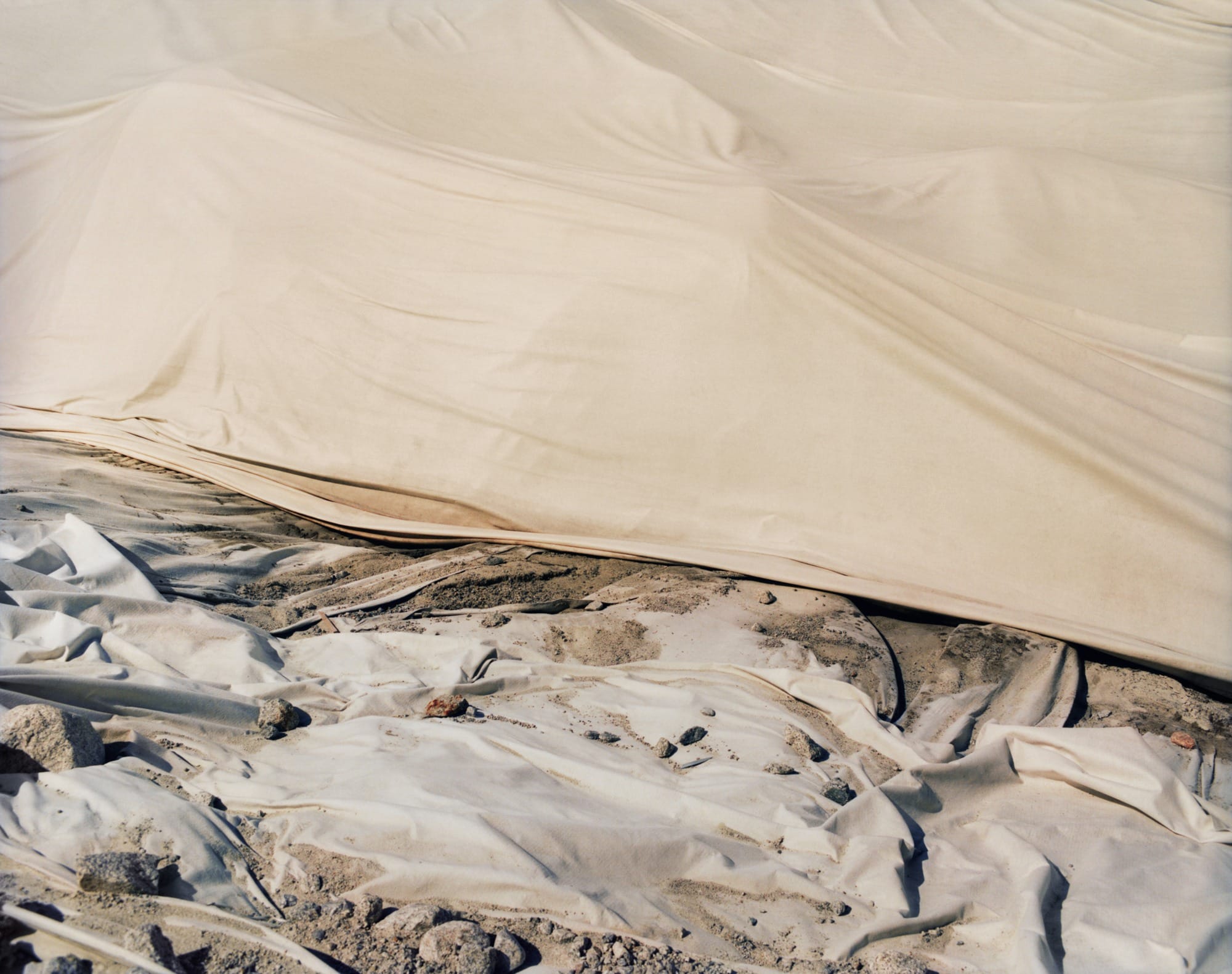
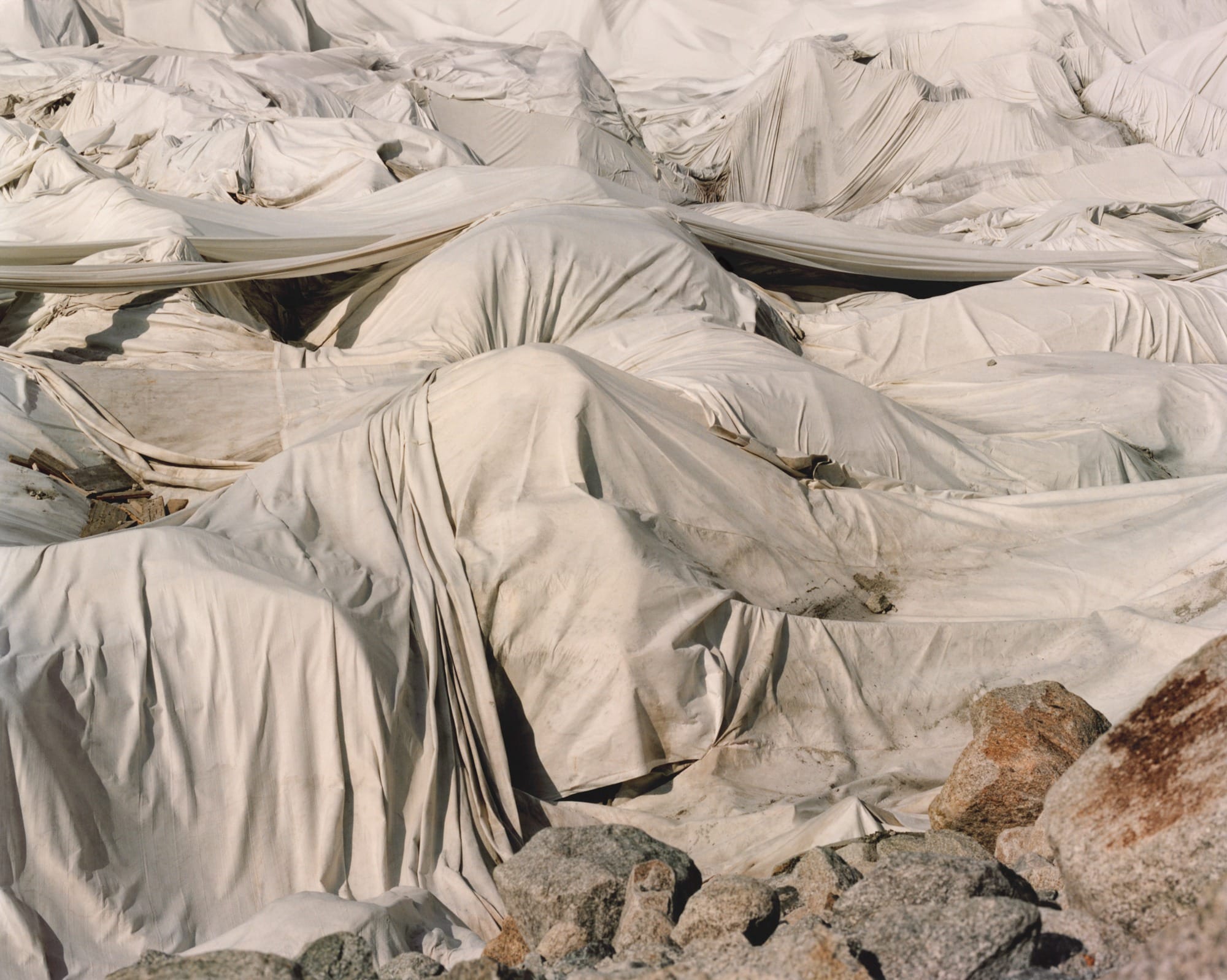
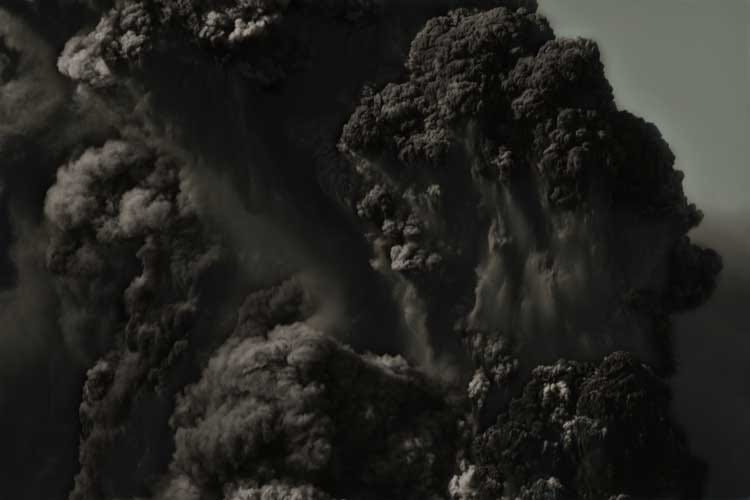
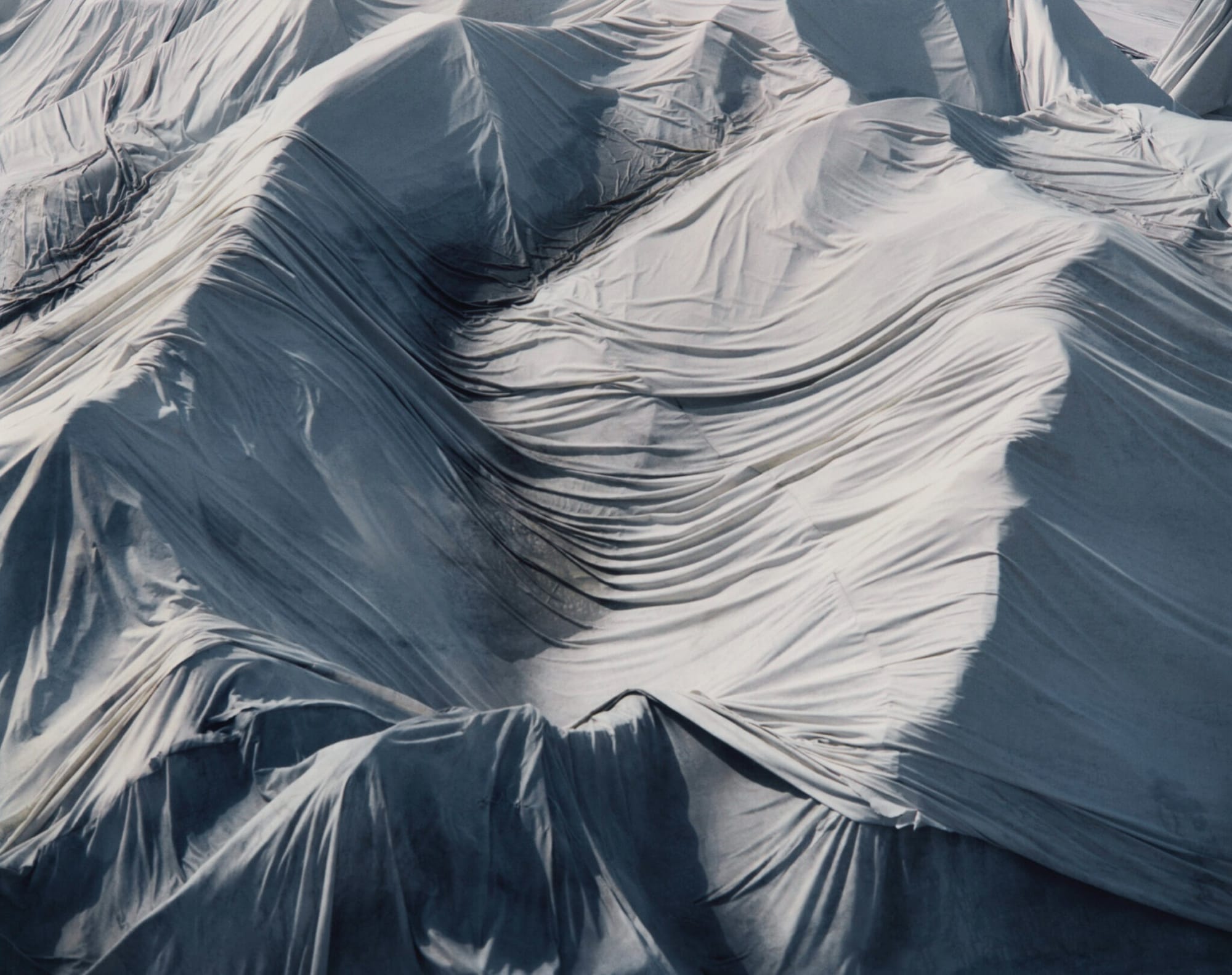
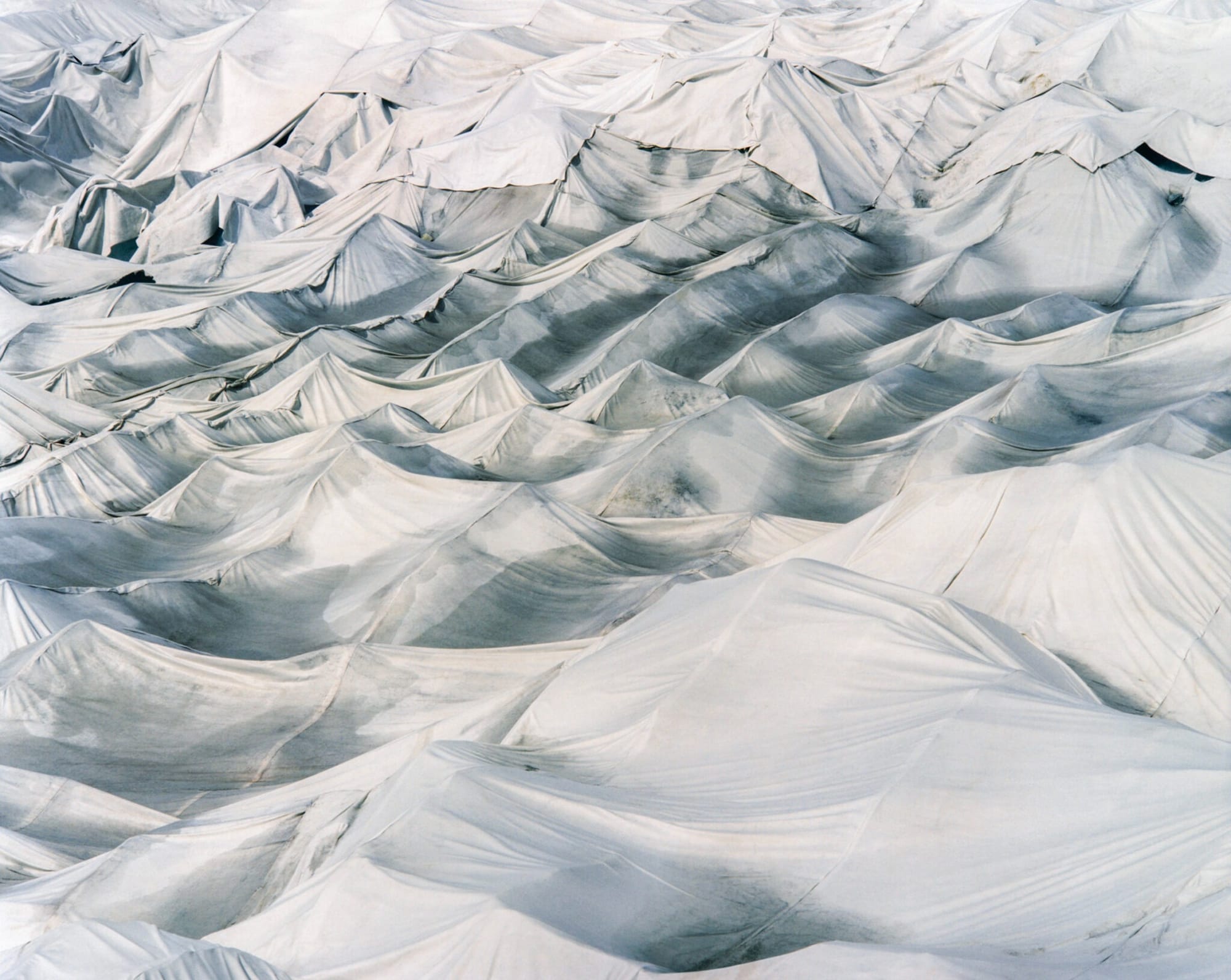
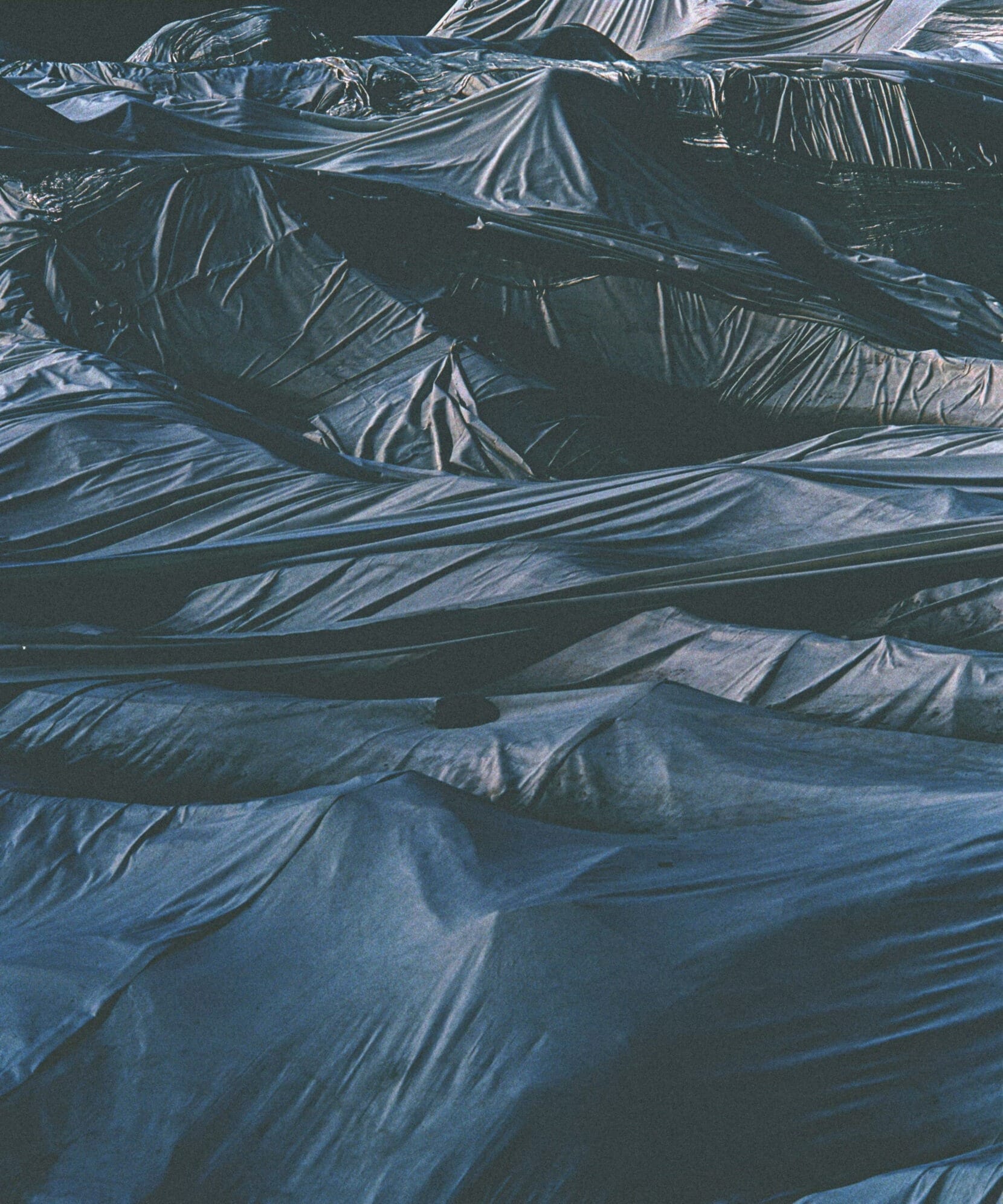
Weaving together photography, video and sculptural objects, lena_c_emery highlights the accelerated loss of mountain glaciers and the desperate conservation efforts currently employed to impede their decline. Under the continued influence of greenhouse-gas forced global warming, ice that took centuries to develop is vanishing in just a number of years. A fate experts predict for at least two-thirds of all glaciers by the end of this century. EMERY: In ‘The Mountains Between Us’, I capture the current environmental efforts undertaken to reduce the rate at which glaciers melt. Glaciers have held space for centuries, silently bearing witness to history. They’ve seen the world change in ways we can barely comprehend. Because my grandfather spent his life in these mountains, watching this particular glacier retreat and form lakes where there was previously only ice and at a pace that’s steadily increasing, feels deeply personal. The idea of covering these mammoths in fabric to stall the inevitable, feels both tragic and emblematic of our relationship with nature: The magnitude of loss countered by gestures that, though earnest, feel powerless. Visually these wrapped peaks evoke images of muddied tents, makeshift shelters that we’ve come to erect for those displaced by upheaval. This fragility, their fragility, our fragility, is a direct reflection of the imbalance we have sown, where those least responsible for ecological destruction are forced to bear its heaviest burdens. The title became a way to frame those divides. Mountains have always symbolised barriers, but perhaps they could also be reimagined as thread, shared histories and a collective belonging. The elemental particles composing our very being once danced amidst these ancient landscapes and if they disappear, part of us does too.
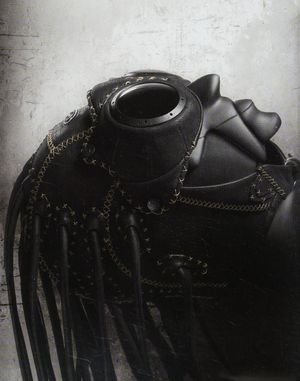
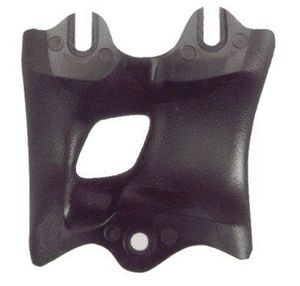
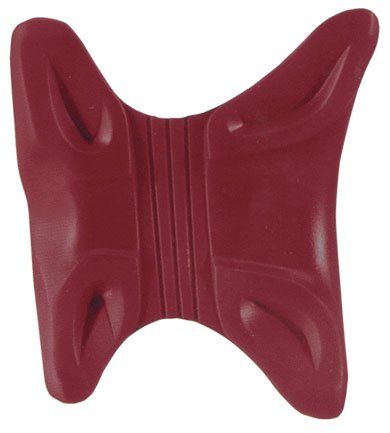
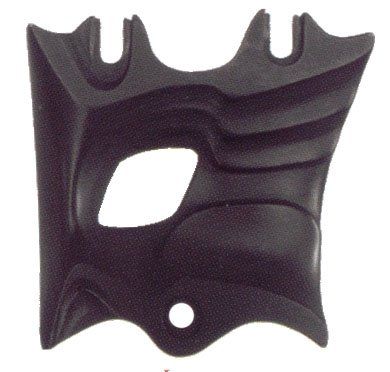
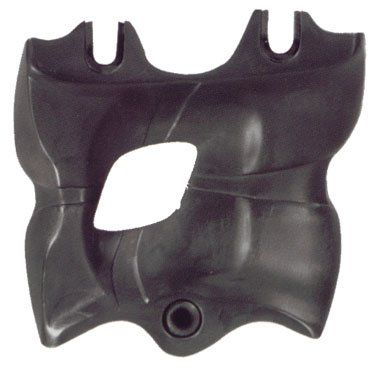
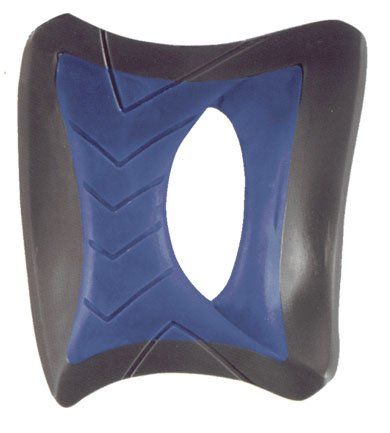
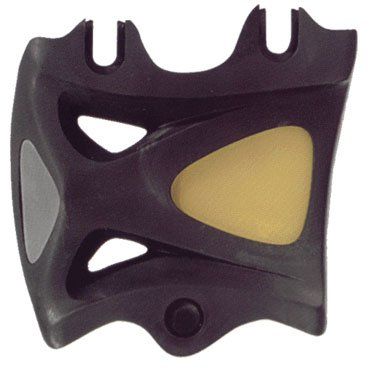
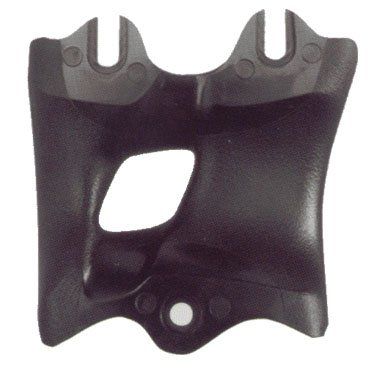
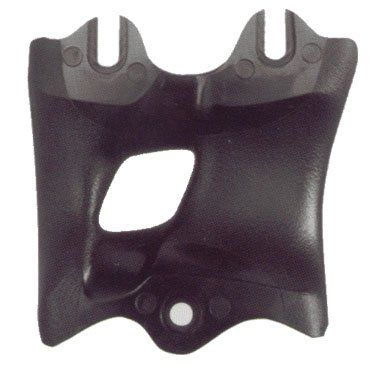
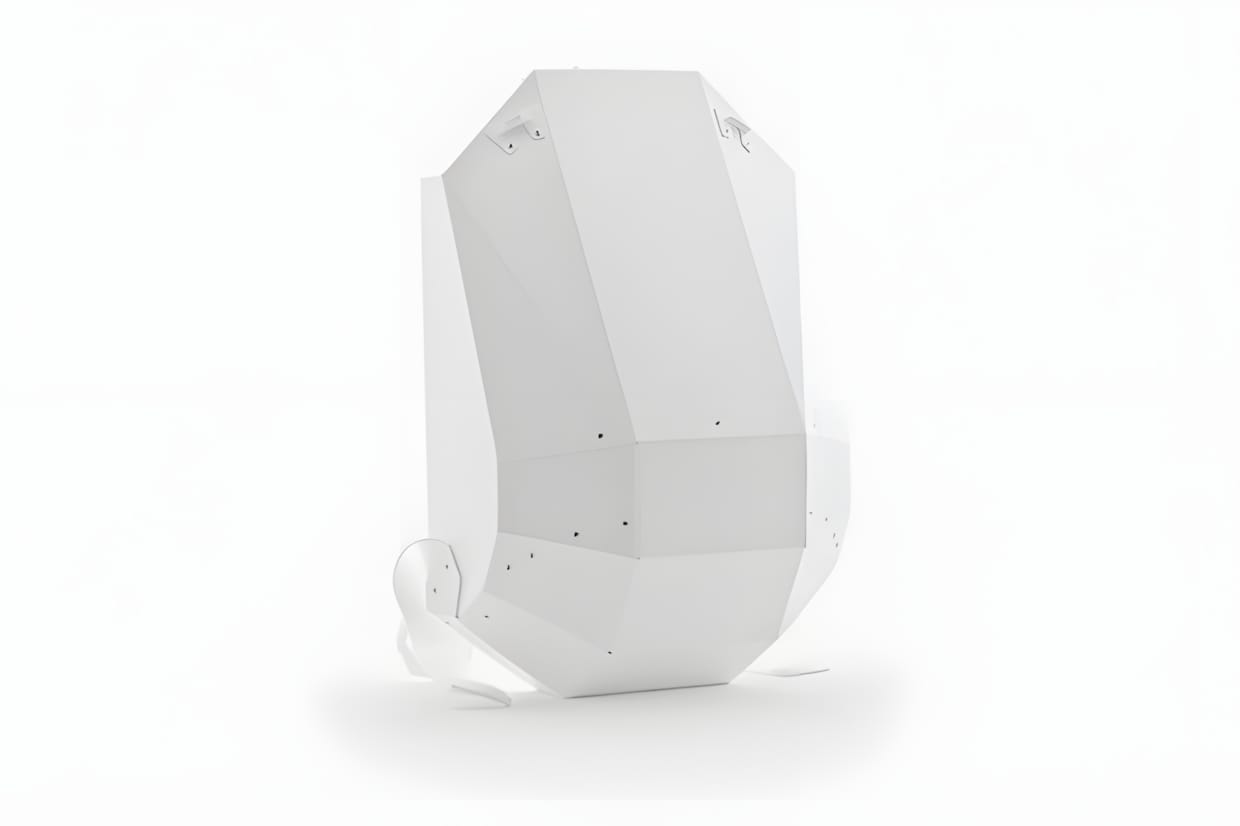
The Oakley Medusa Helmet (2002) is an early-2000s performance helmet concept associated with Oakley’s then-expanding push into technical equipment beyond eyewear. The design is defined by aggressive surfacing, pronounced vent geometry, and a highly sculptural shell intended to signal speed and impact protection.
Functionally, the Medusa emphasizes airflow and coverage through a dense network of vents and channeling, paired with a shell profile that reads more armored than minimal. Fit and retention appear to follow common helmet conventions of the era, with the distinctive elements concentrated in the exterior shell tooling and vent architecture rather than hidden internal mechanisms. As a result, the helmet is often discussed as much for its styling and cultural placement as for technical specifics.
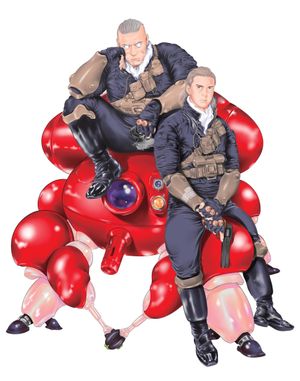
illustration by Yuki Yoshimoto
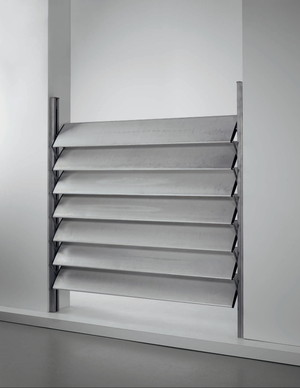
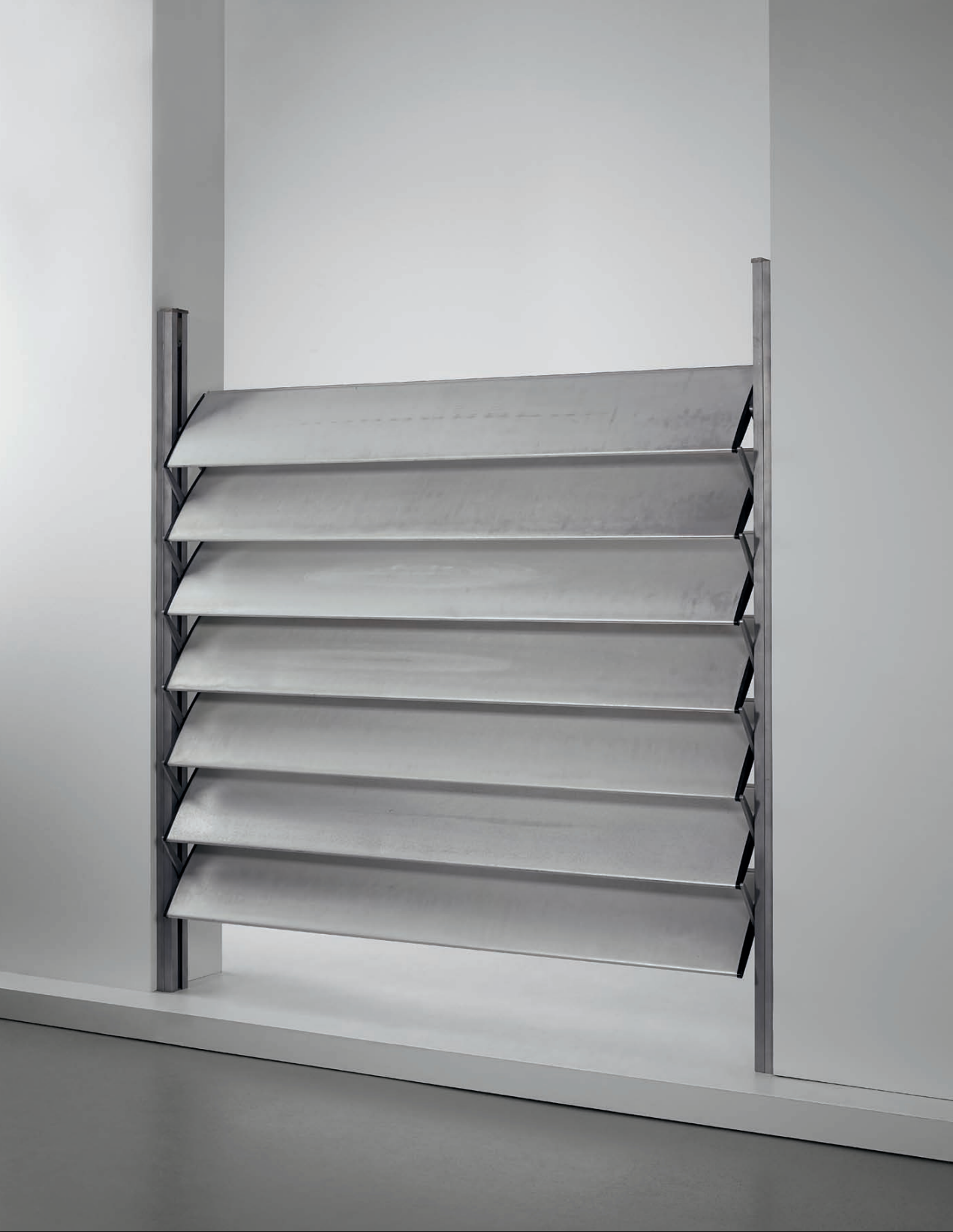
Jean Prouvé 1901-1984 Seven-panelled sun-shutter, from the Cité scolaire de La Dullague, Béziers, designed 1956, executed circa 1962-1965 Aluminium, metal. 185.5 x 184.4 x 8.3 cm (73 x 72 5/8 x 3 1/4 in.) Manufactured by Les Atelier Jean Prouvé, Nancy, France.
Estimate £12,000-15,000 $17,800-22,300 €16,300-20,400 provenance Cité scolaire de La Dullague, Béziers, France, circa 1962-1965 exhibited Architecture Biennale, Venice, 7 June-23 November, 2014
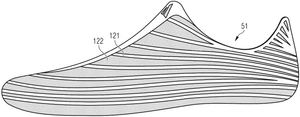
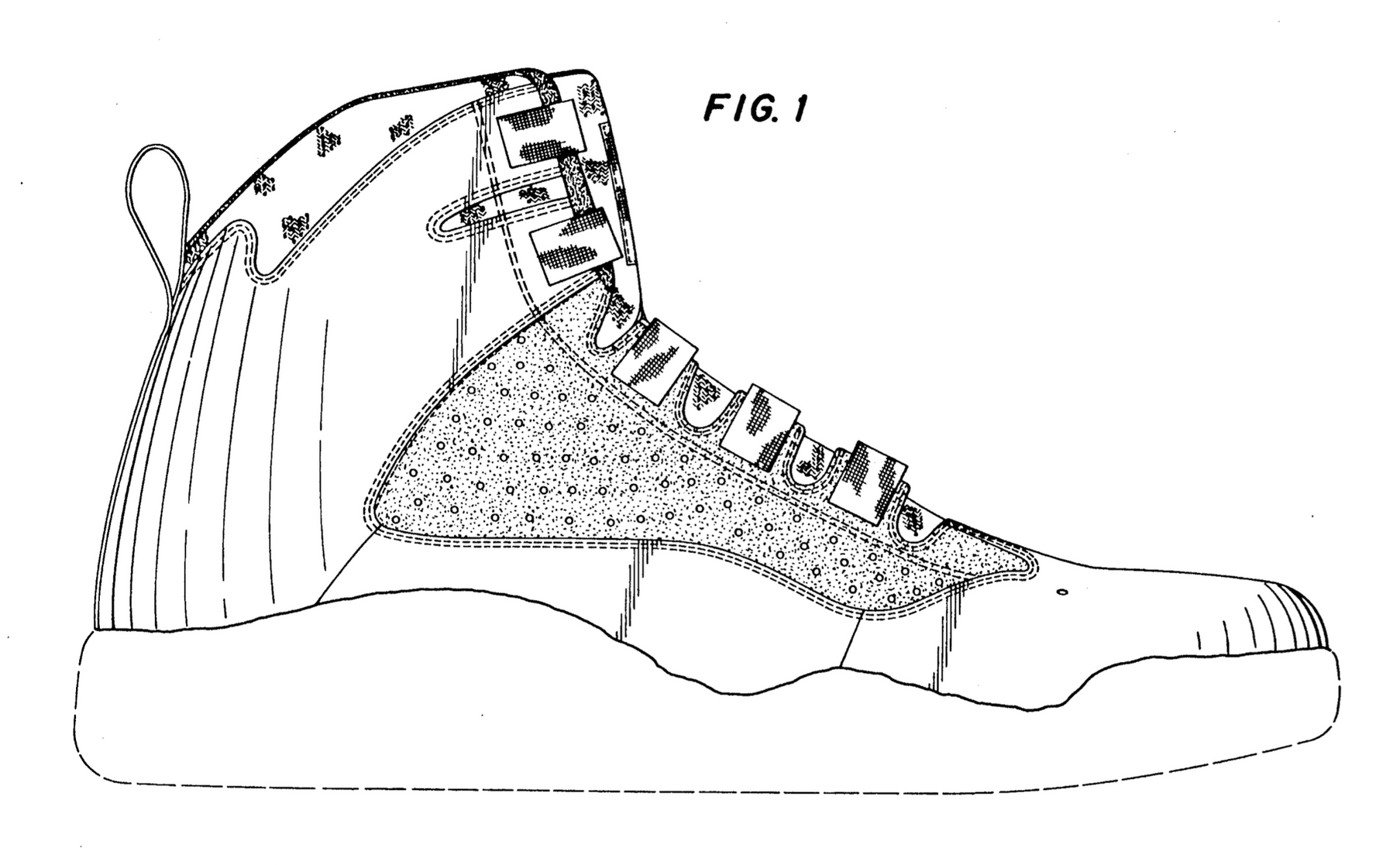
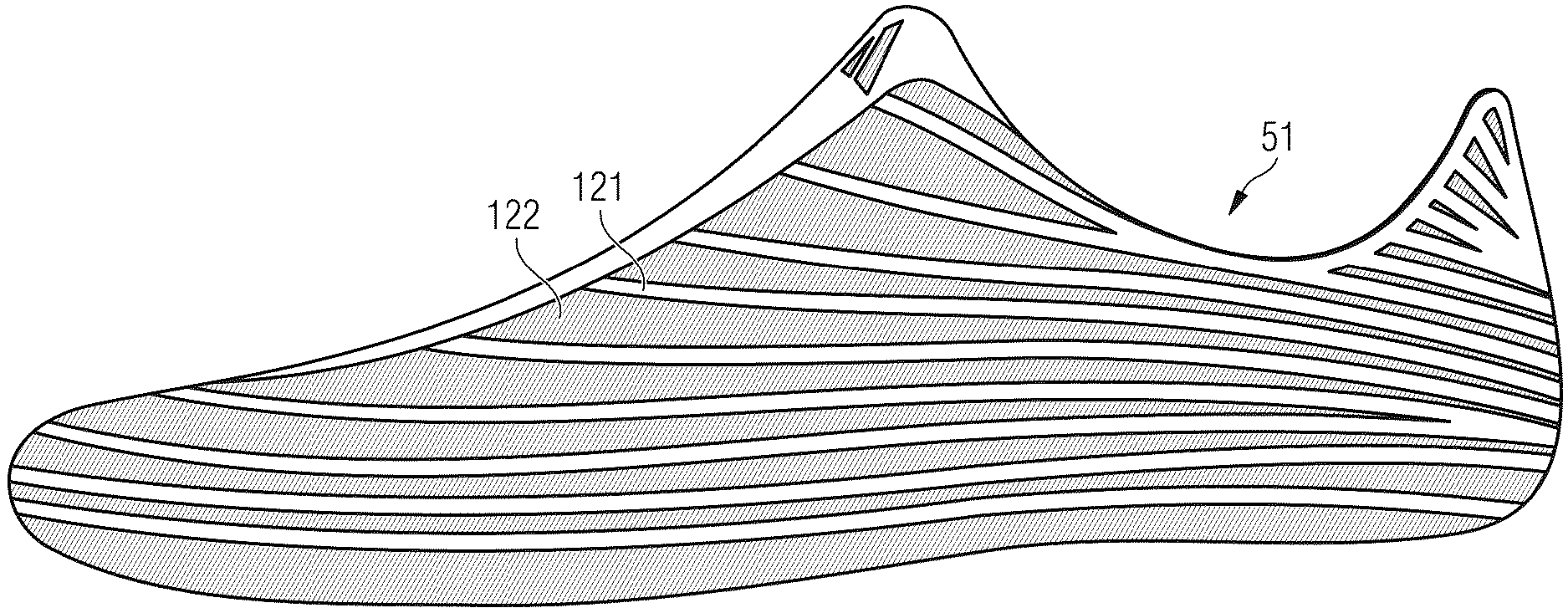
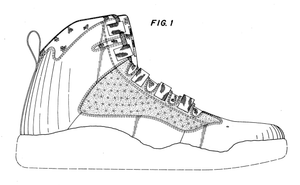
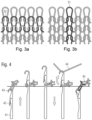
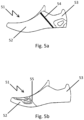
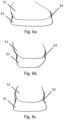
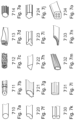
Figures from US patent application US20250160486A1, 'Knitted Shoe Upper', filed by Adidas AG (inventors Stefan Tamm, Carl Arnese and James Carnes; published 22 May 2025). The upper is knitted in one piece with two zones, a more elastic yarn and a stiffer yarn, placing stretch and support without seams or separate reinforcement panels. The drawings show the yarn zones and construction across forefoot, midfoot and heel.
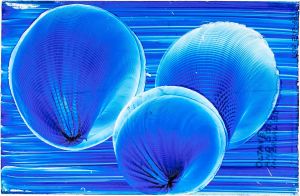
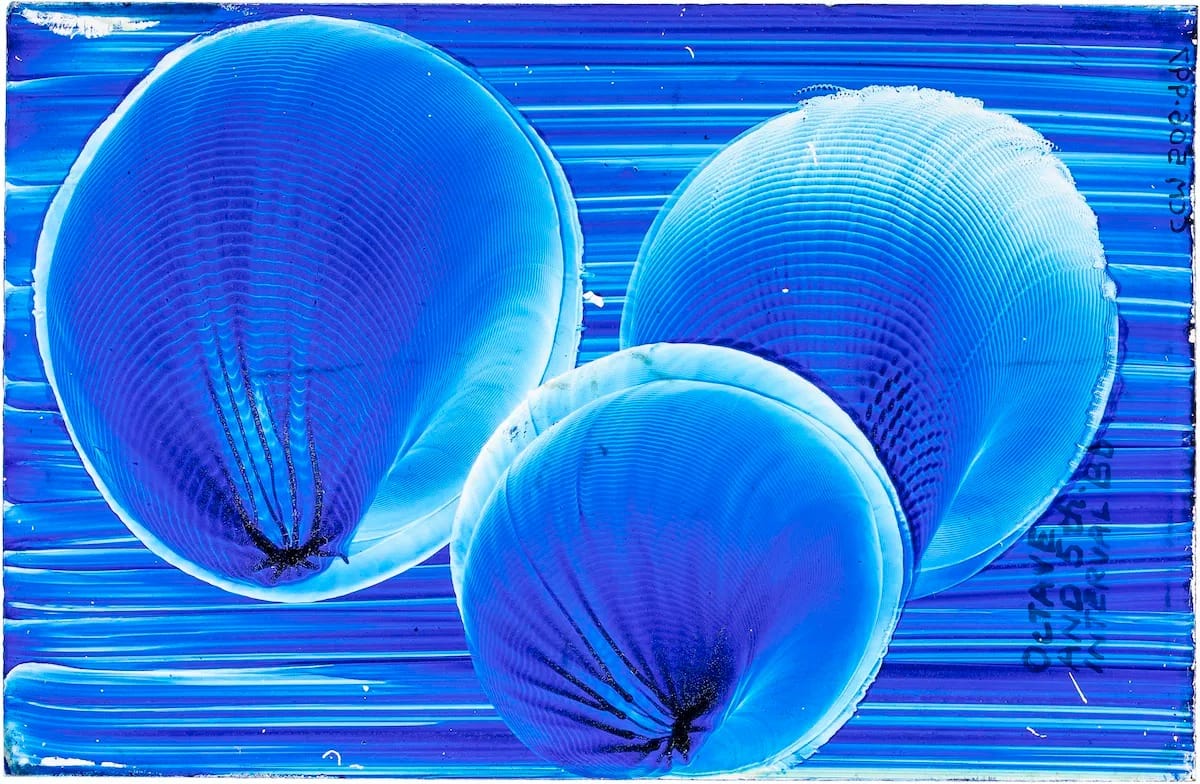
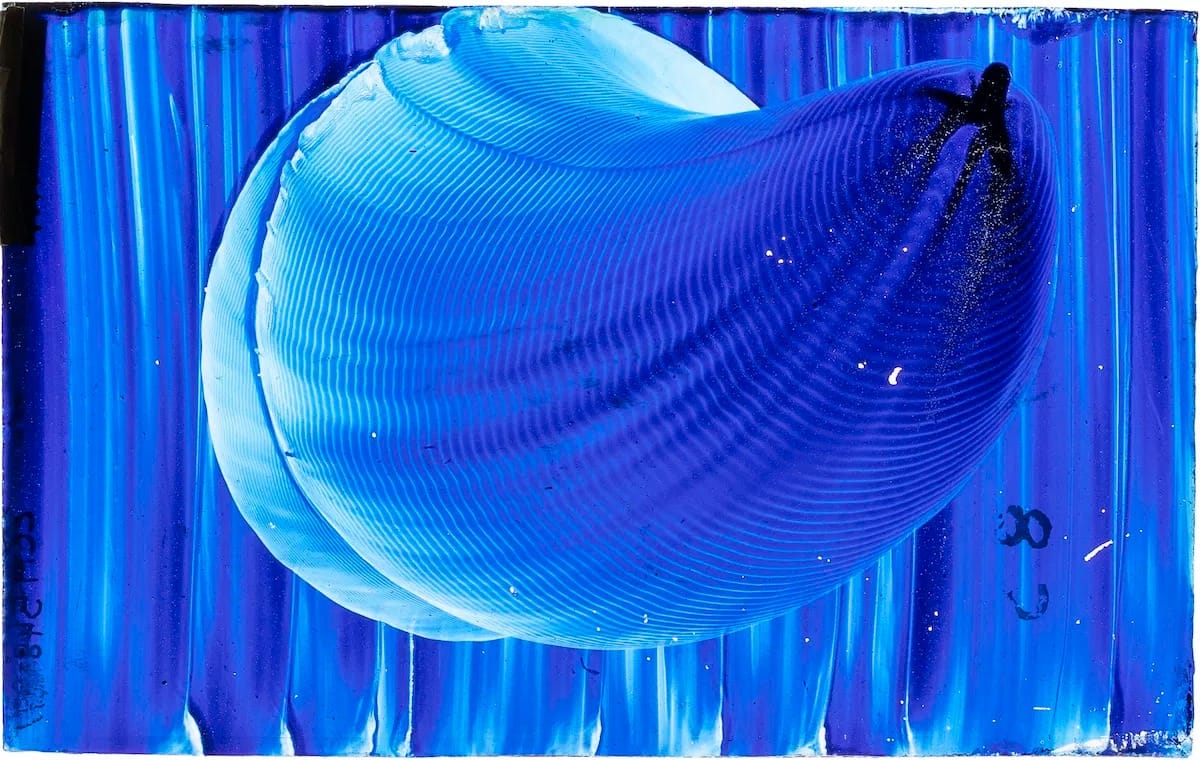
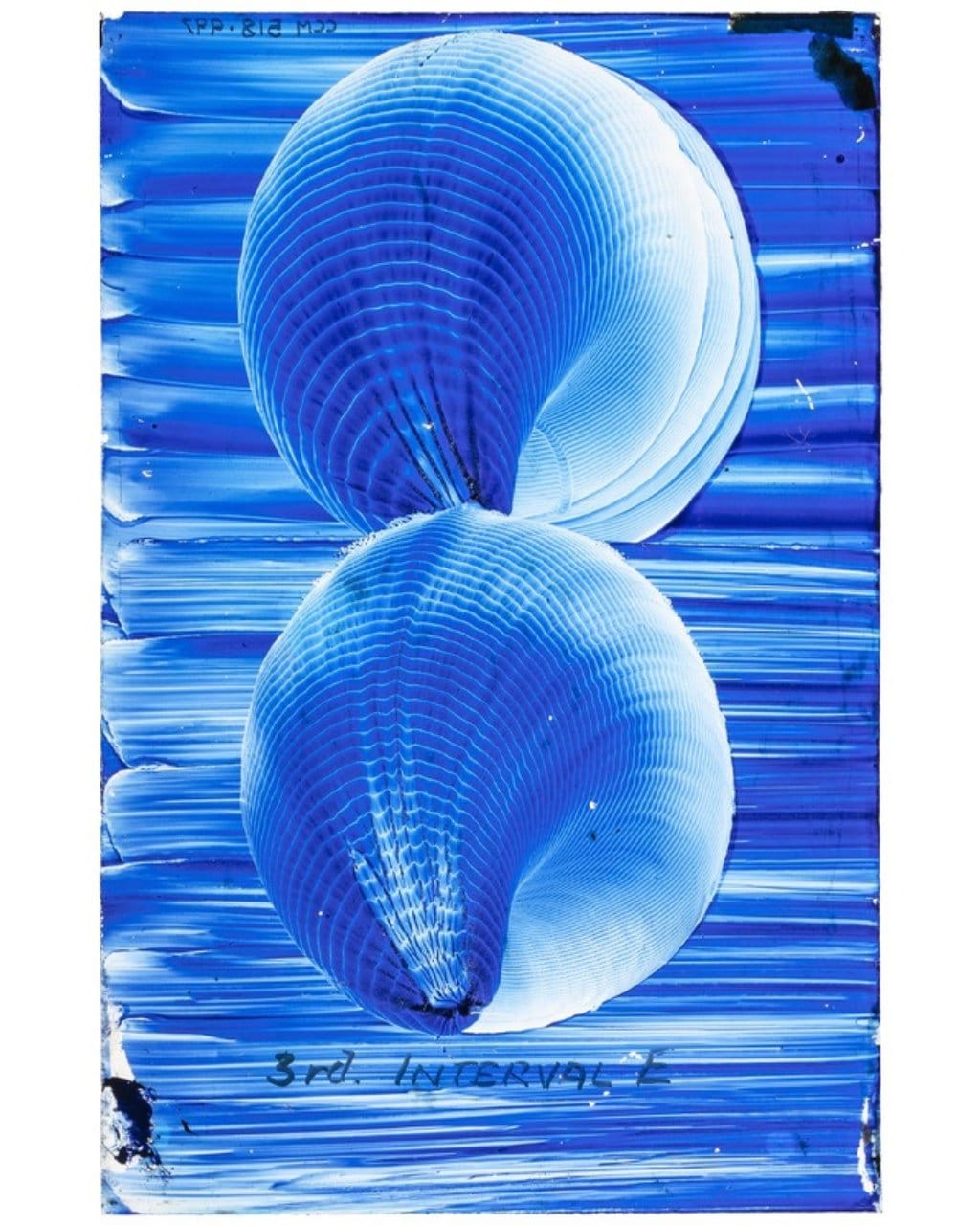
Made more than 100 years ago by a Welsh singer named Margaret Watts Hughes — not by her hand but rather using her voice and an Eidophone, a “recording” device of her own invention. She would sing into the Eidophone’s funnel and so make its diaphragm vibrate. She’d then bring this vibrating diaphragm in contact with a glass plate covered in pigment to create these wondrous images, akin to visual sound recordings, or what she called Voice Figures (and the more complex Impression Figures).
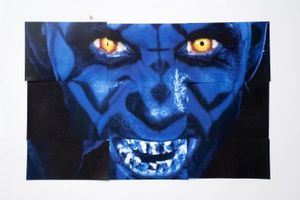
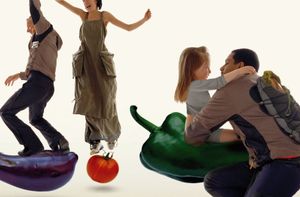
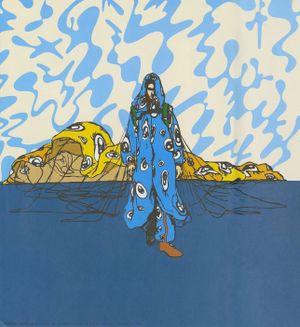
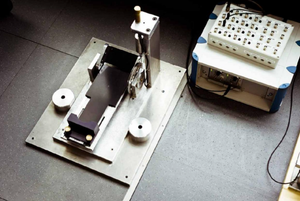
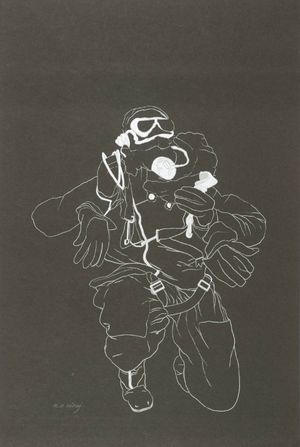
From the spitting image exhibiton curated by Pop Gun and Heart Gallery
Screenprint on paper
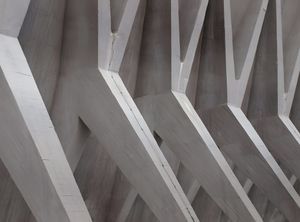
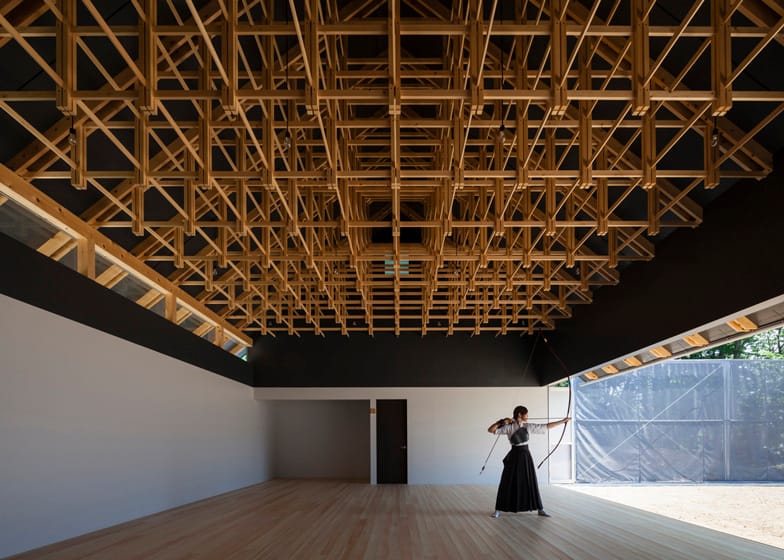
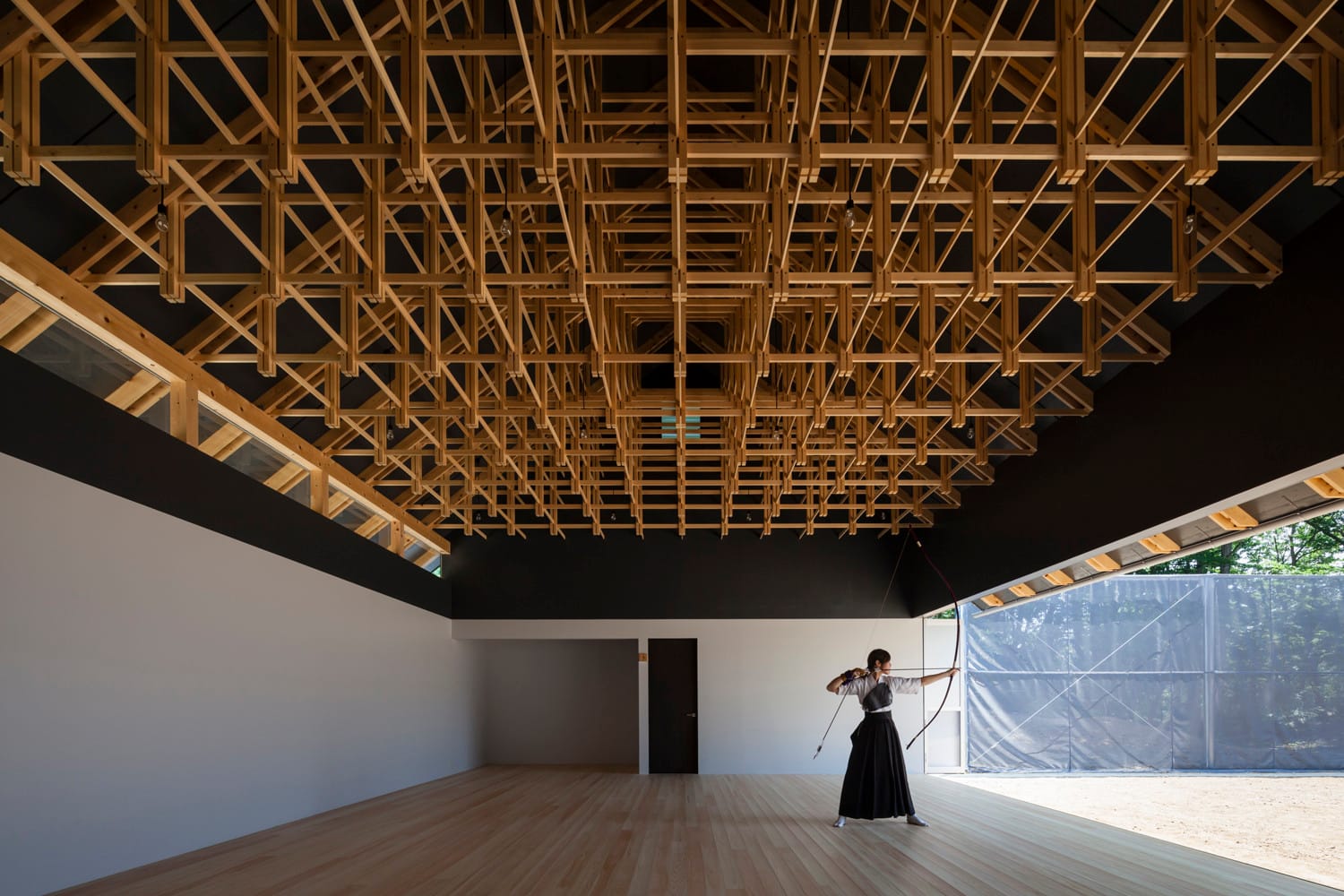
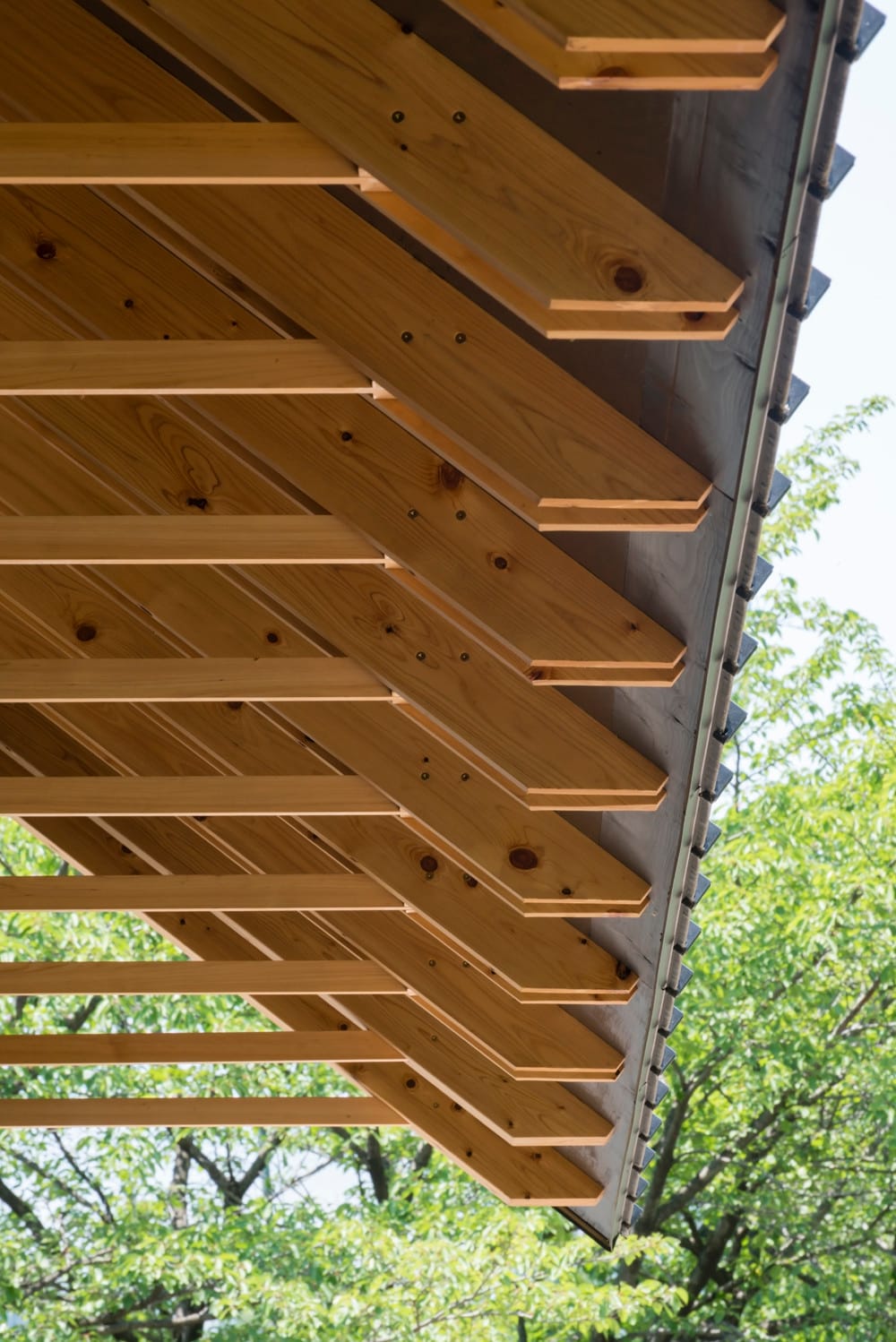
The Archery Hall, one of two sports pavilions FT Architects (Katsuya Fukushima, Hiroko Tominaga) built in 2013 at Kogakuin University, west Tokyo. Each is a column-free room of 7.2 by 10.8 m under an exposed timber roof of horizontal and vertical members, bolt-and-nut jointed. The archery hall uses small timber sections normally used for furniture. Photographs by Shigeo Ogawa.
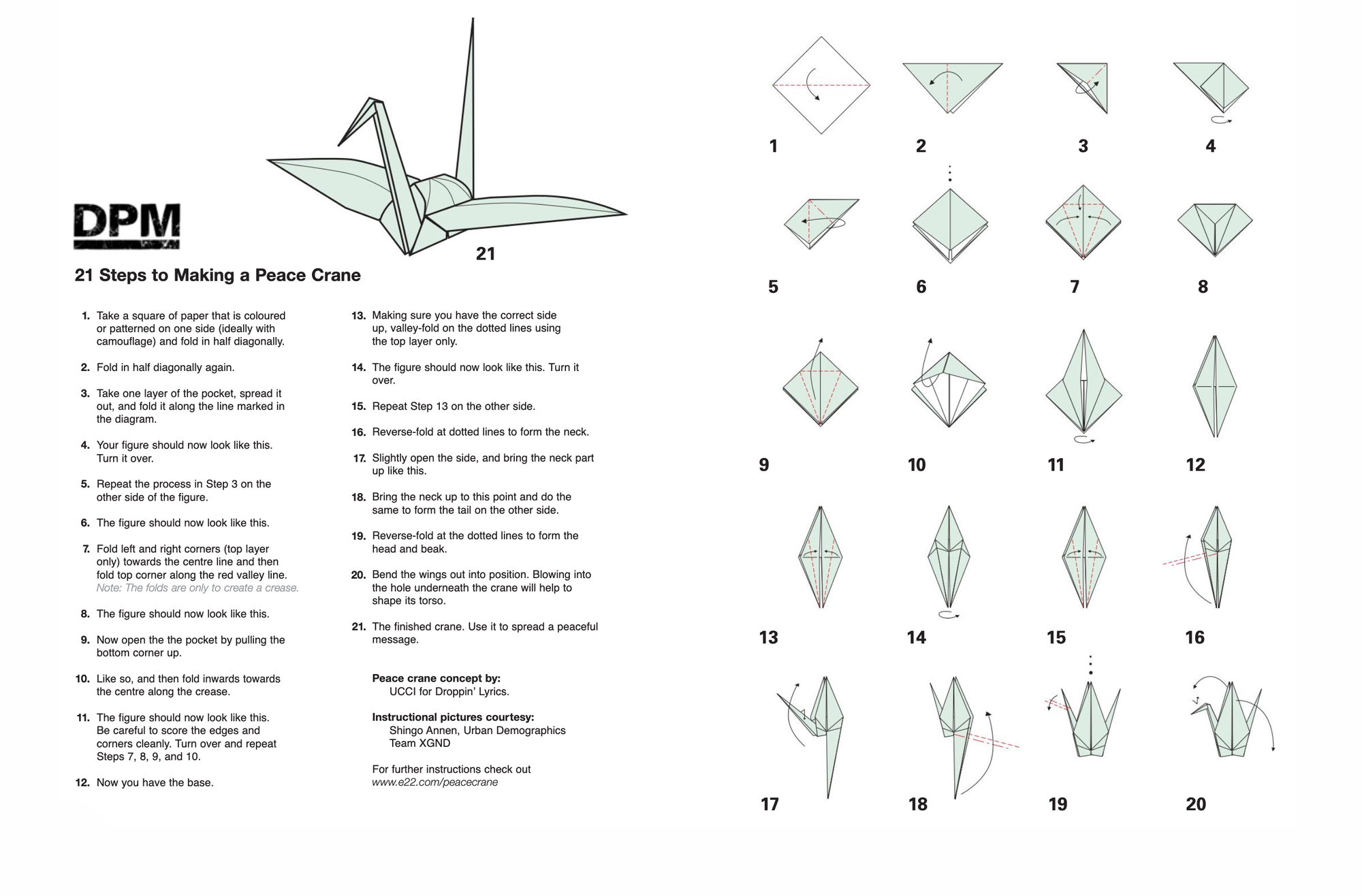
created by urban demographics / original concept by UCCI for droppin' lyrics
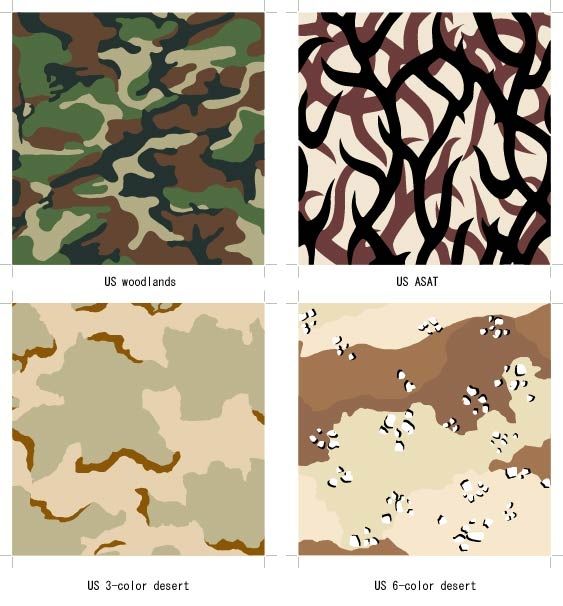
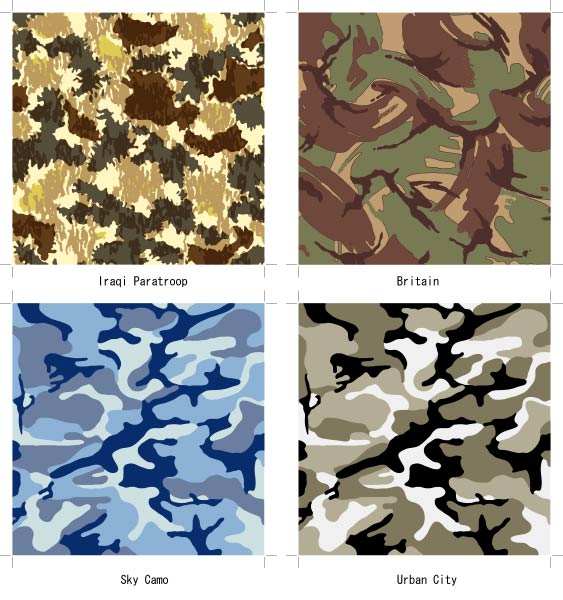
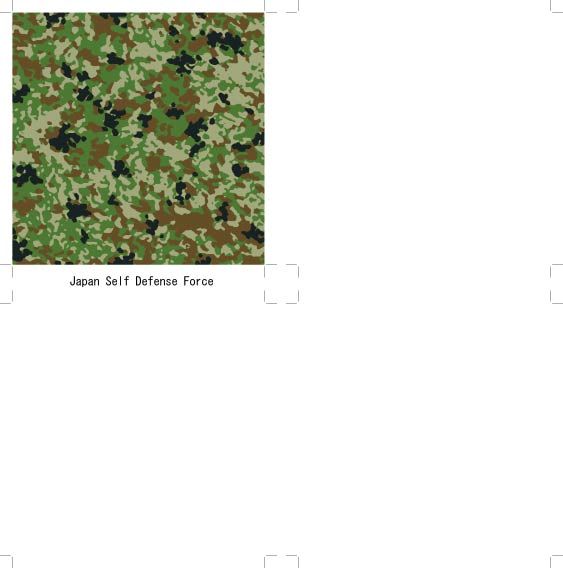
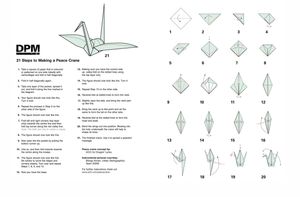
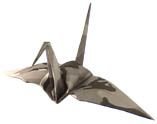
In the Age of Hawk vs. Dove, the Crane Rises
Operation Peace Crane is a grassroots project designed to spread the the Origami Peace Crane throughout the physical and cyber world. Since its invention centuries ago, with roots dating back even further, the paper crane has been by far the most popular fold, and has come to symbolize peace around the world. Most notably, thousand-linked cranes are delivered to atomic bomb sites and Hiroshima and Nagasaki, as the need for a nuclear-free, peaceful world becomes more relevant yet.
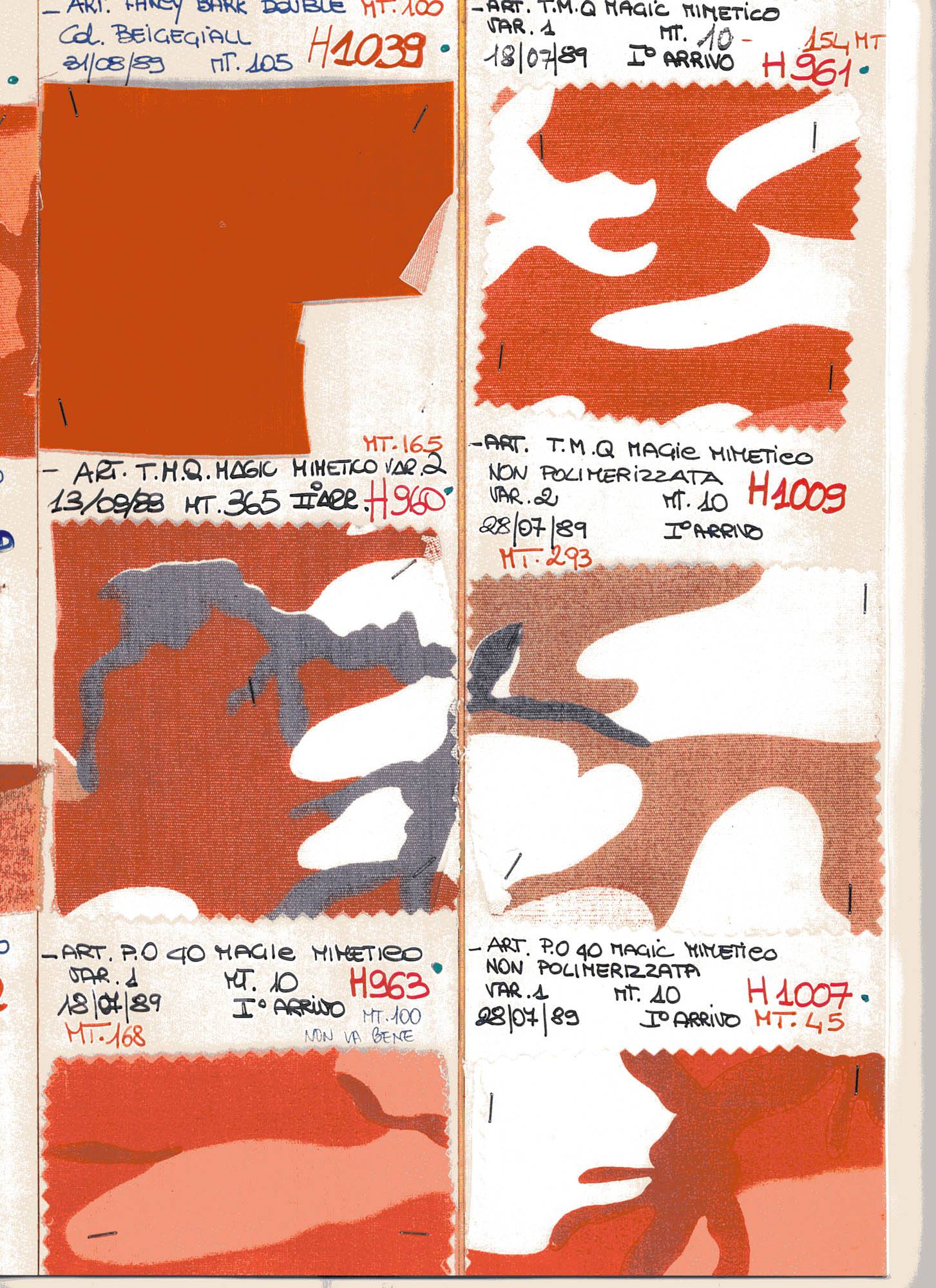
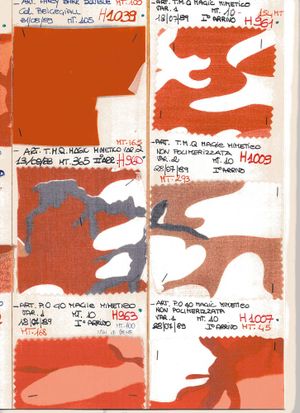
Normally, origami cranes are folded using colorful origami paper, and traditional patterns. We hereby propose a new movement by spreading the crane with camouflage patterns of military around the world. Using the camouflage on the cranes represents the irony of war and peace that are inherent in our society, as if one cannot exist without the other. Today, we must confront the stark reality that the military complex is a worldwide industry, sponsored by the government (not to mention tax payers), which in turn supports the lifestyles of the unassuming public. We must not forget that we share equal responsibility in the proliferation of arms in the world today . We also understand that the mere presence of military force overseas alarm the foreign citizens and governments, instead of stabilizing politically volatile areas. Upon further introspection into the history of camouflage, its evolution and adaptation of design to the ever-changing political balance is parallel to the way humans have adjusted to the economical needs of the world, only to stray away from values of nature, ironically. It must also be noted that the camouflage patterns used herein do not represent any political messages, except for those calling for immediate and everlasting peace.
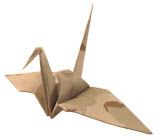
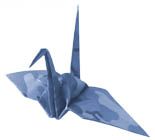
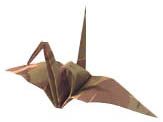
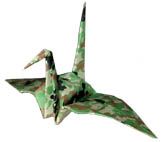
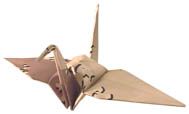
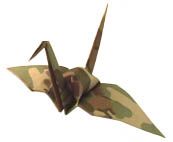
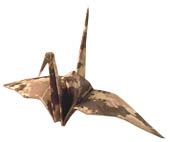
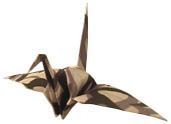
Reality is not immutable like a rock, rather it is dynamic like water. Although it may be a strong force, we can shape the future by taking part in it, no matter how small the drop. We sincerely hope that this project, done literally by the hands of the people, would reach the hearts of those who desperately seek peace, as we speak. Lastly, the only way to reach true peace will not come from agitated fear, but from true knowledge and inner peace.

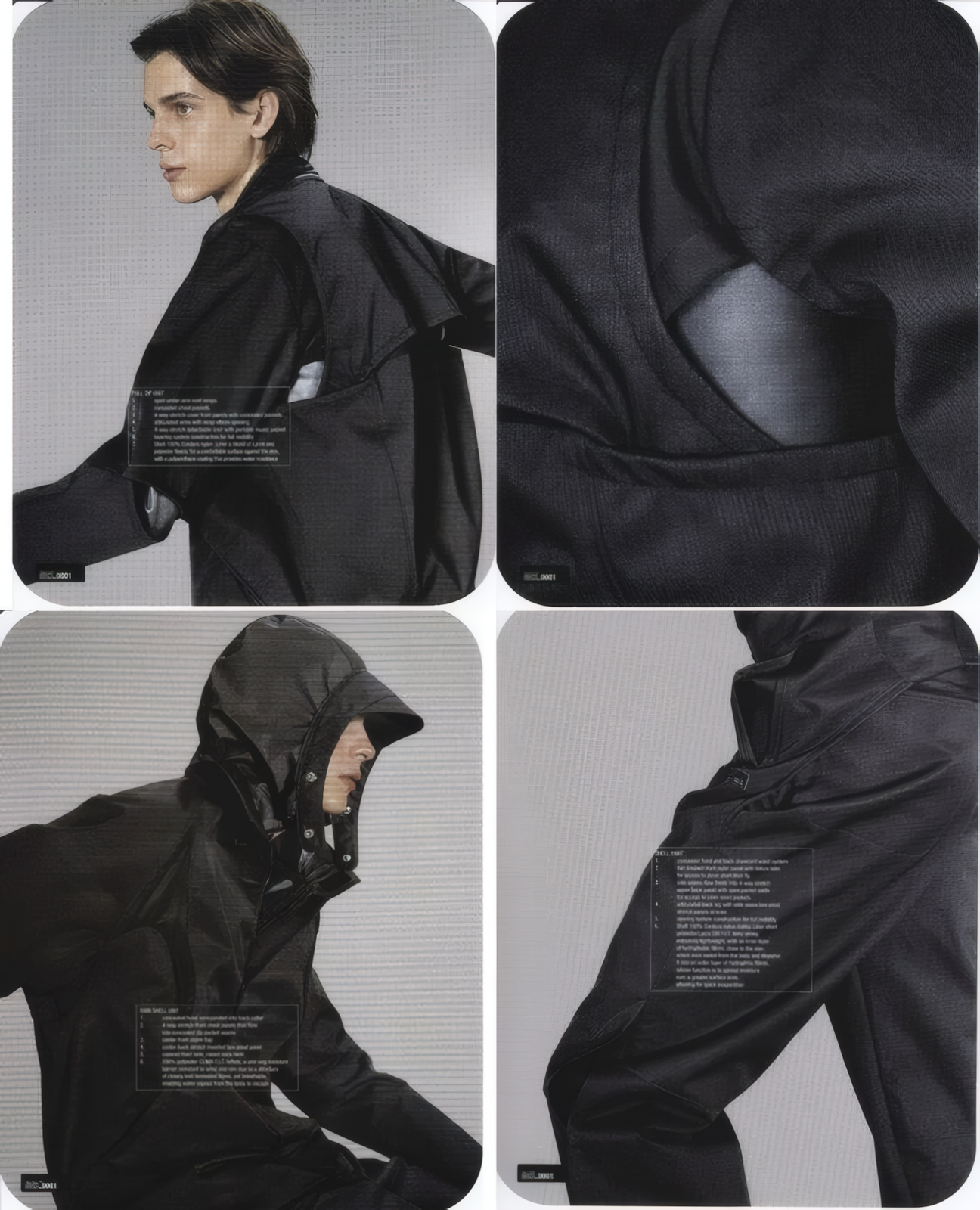
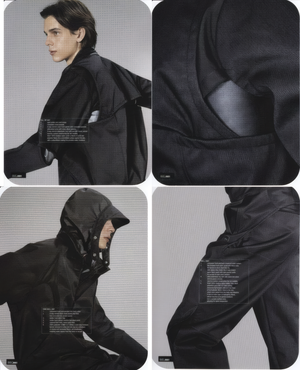
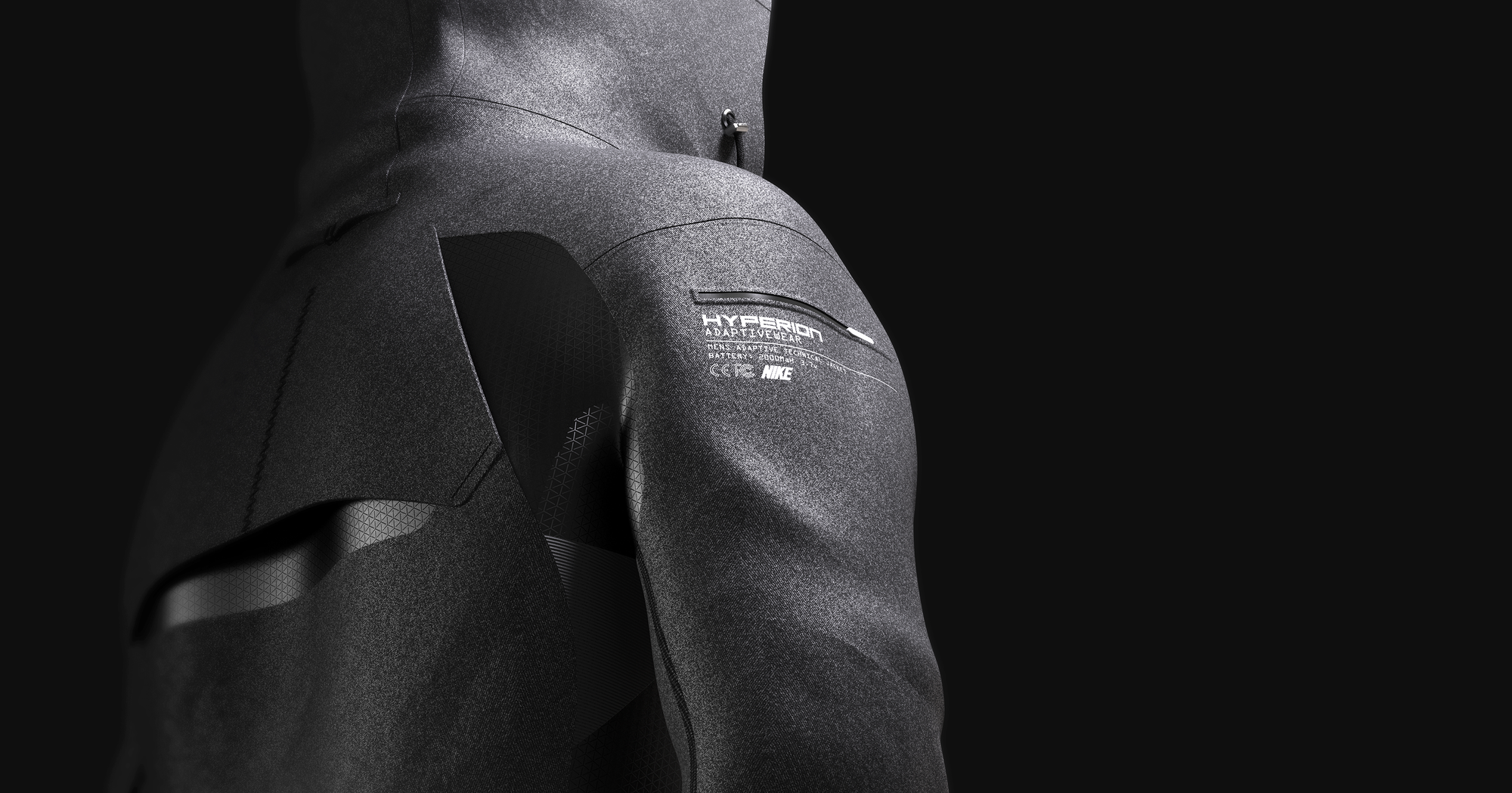
A concept for a Nike training jacket by designer Joseph Cooper: a close-fitting panelled shell with mapped zones and bonded seams. A sportswear design study.
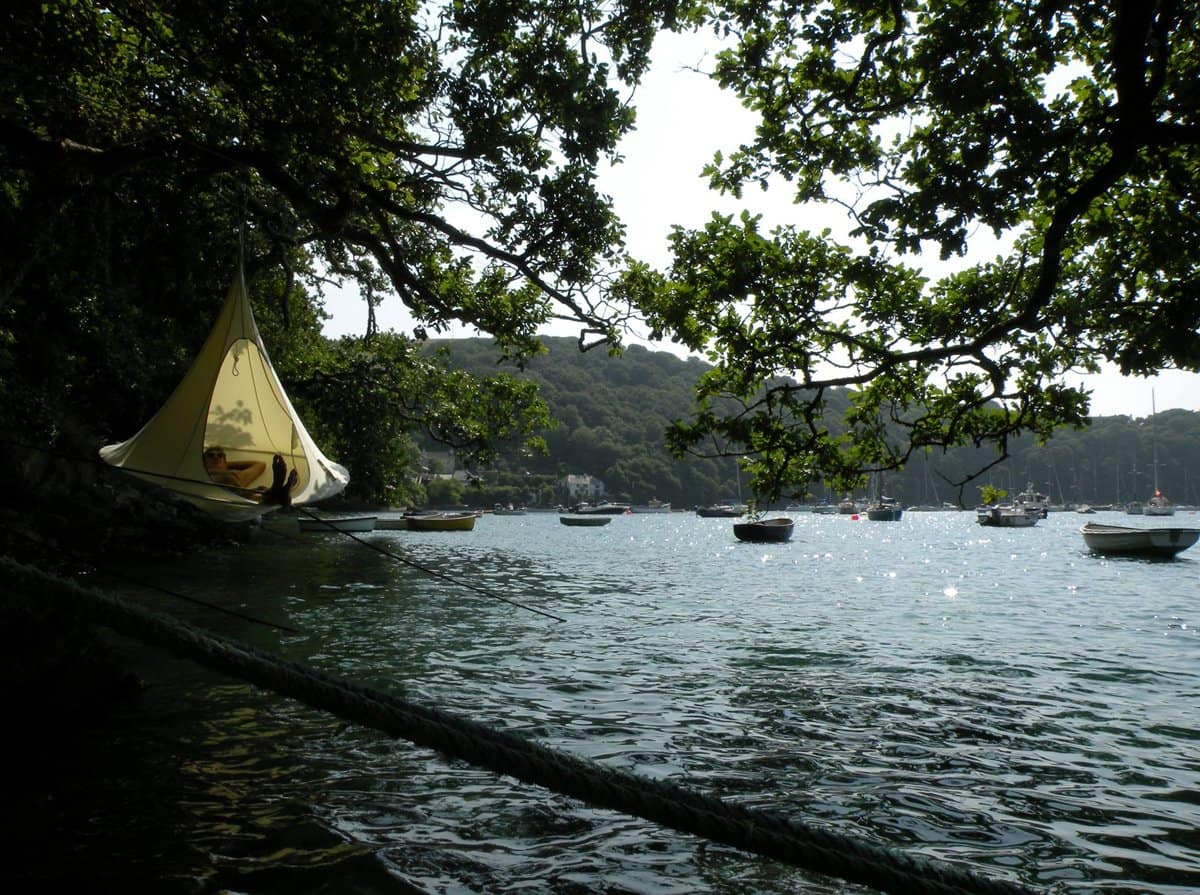
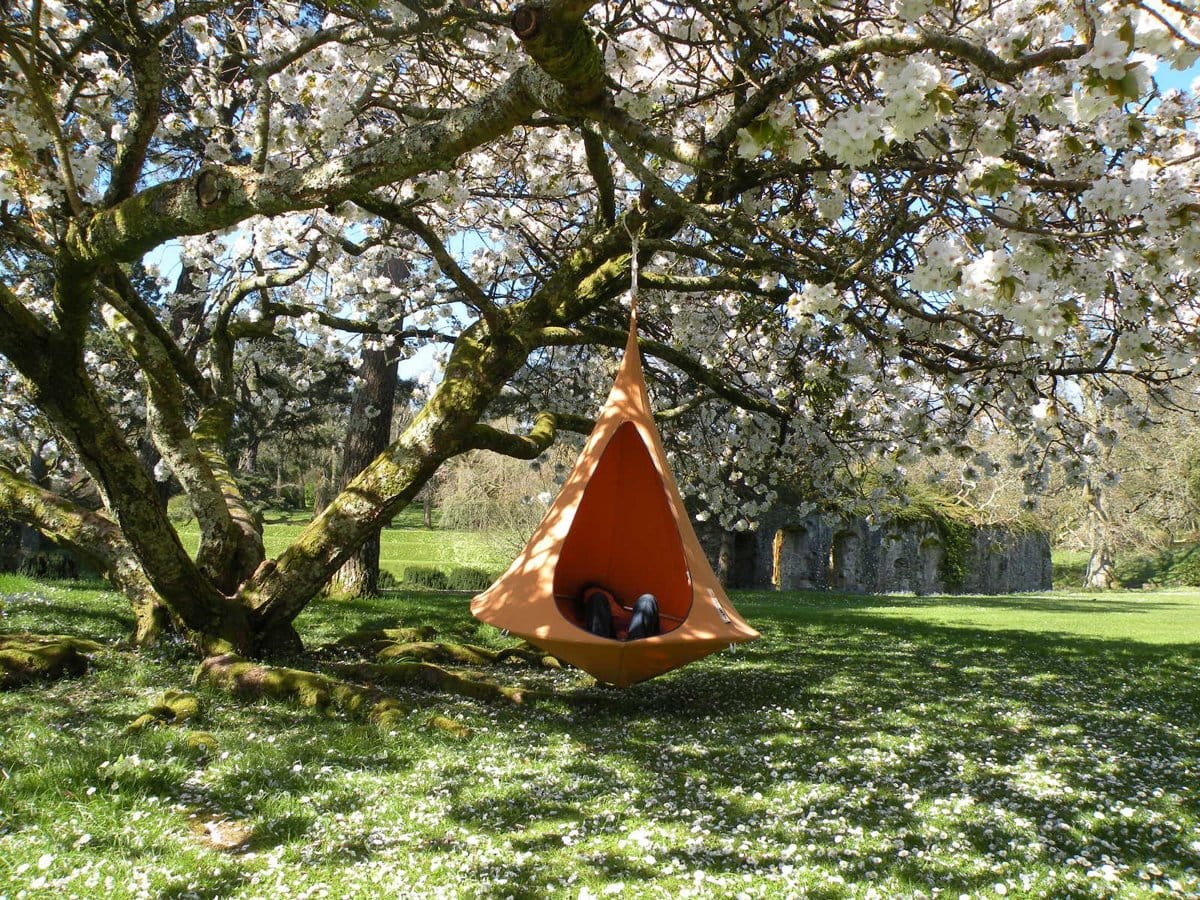
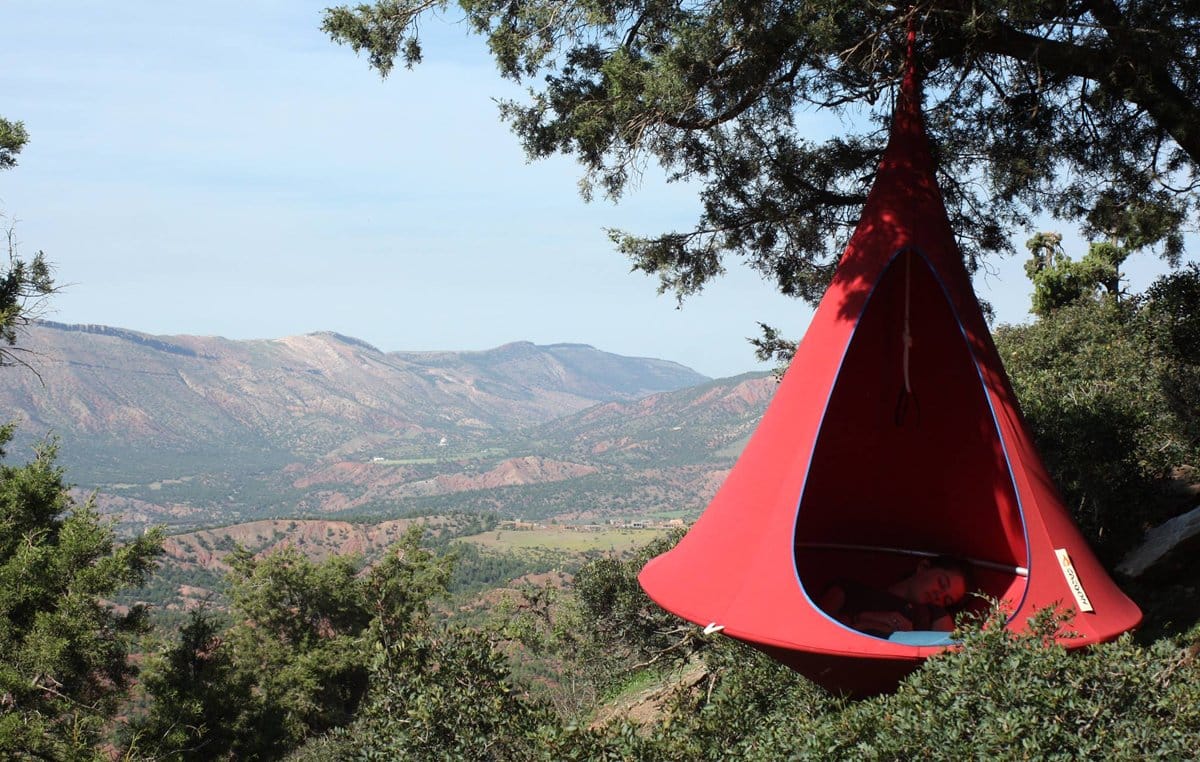
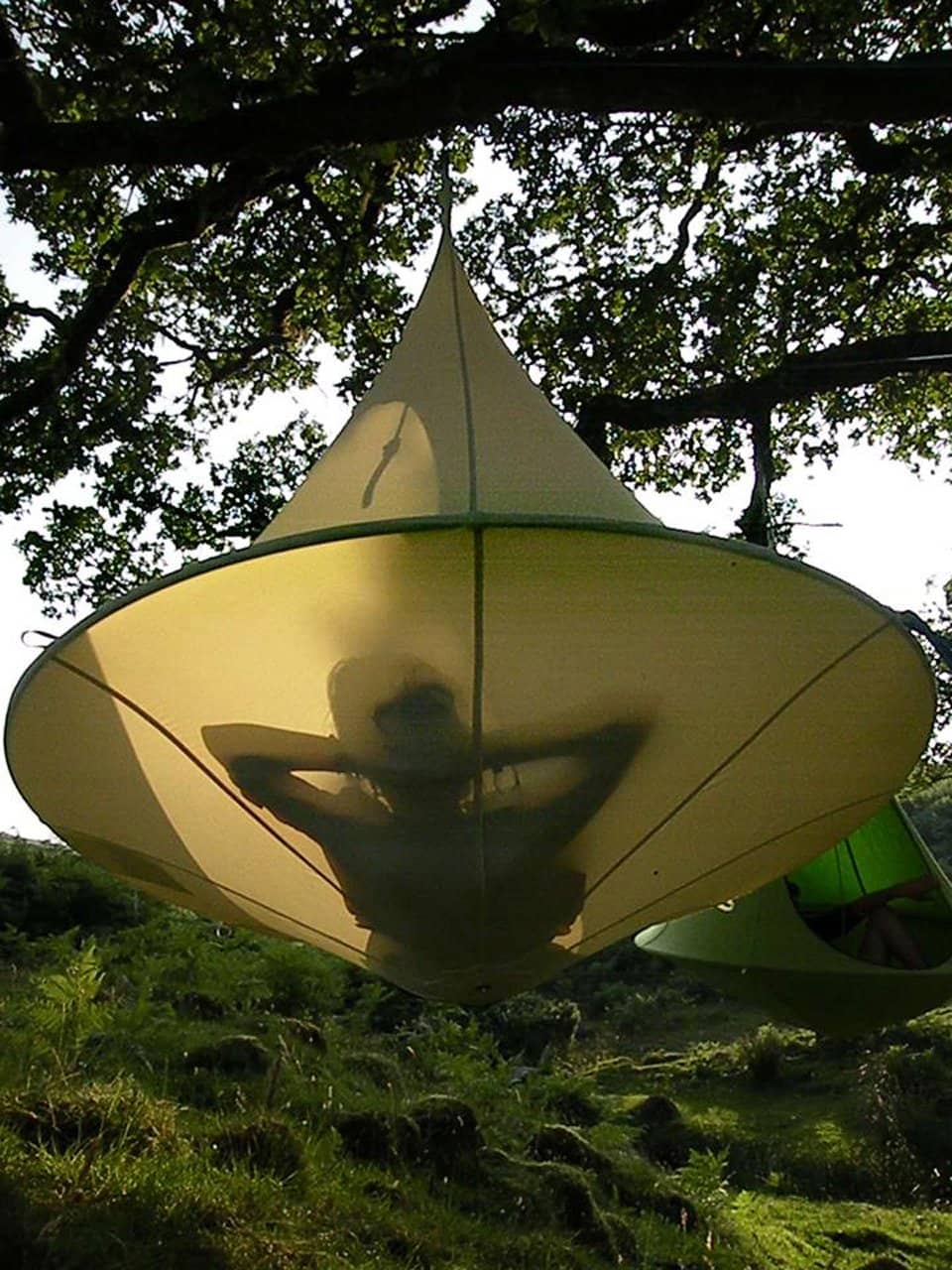
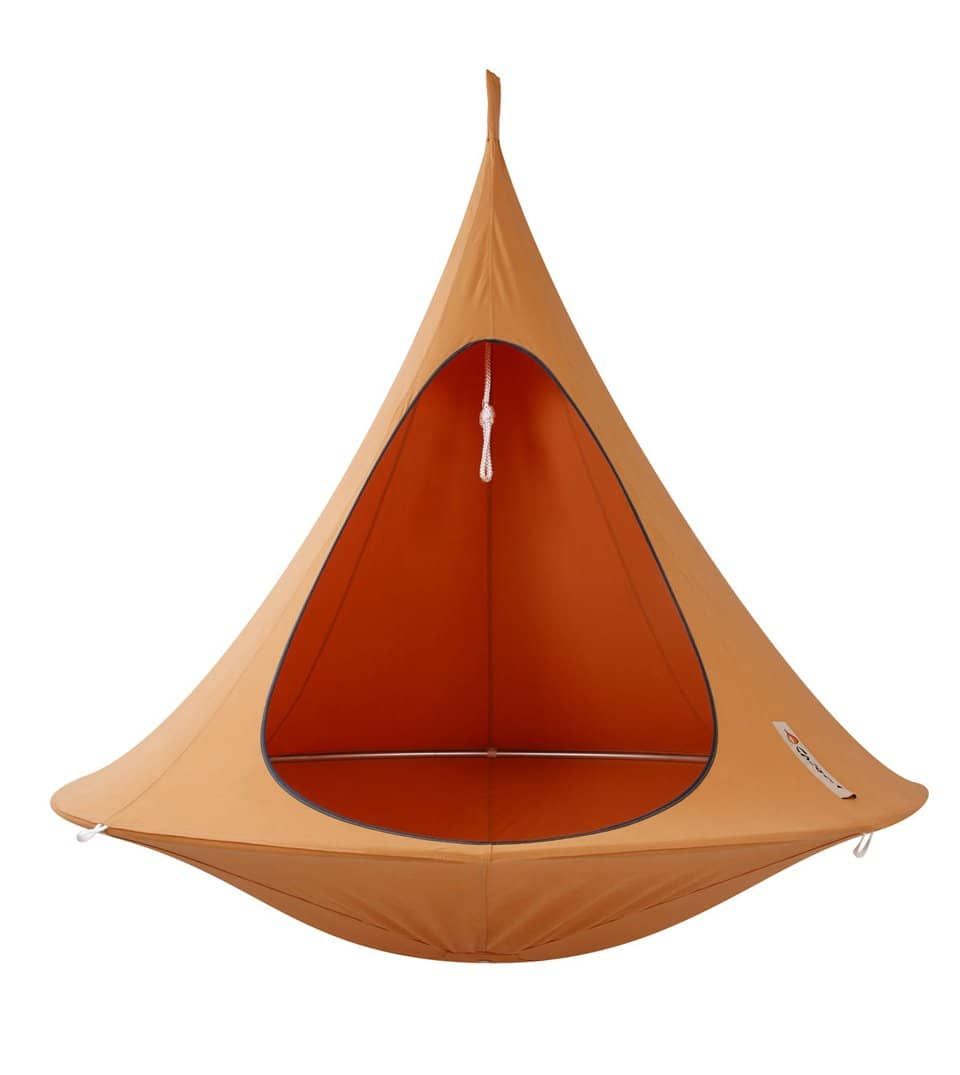
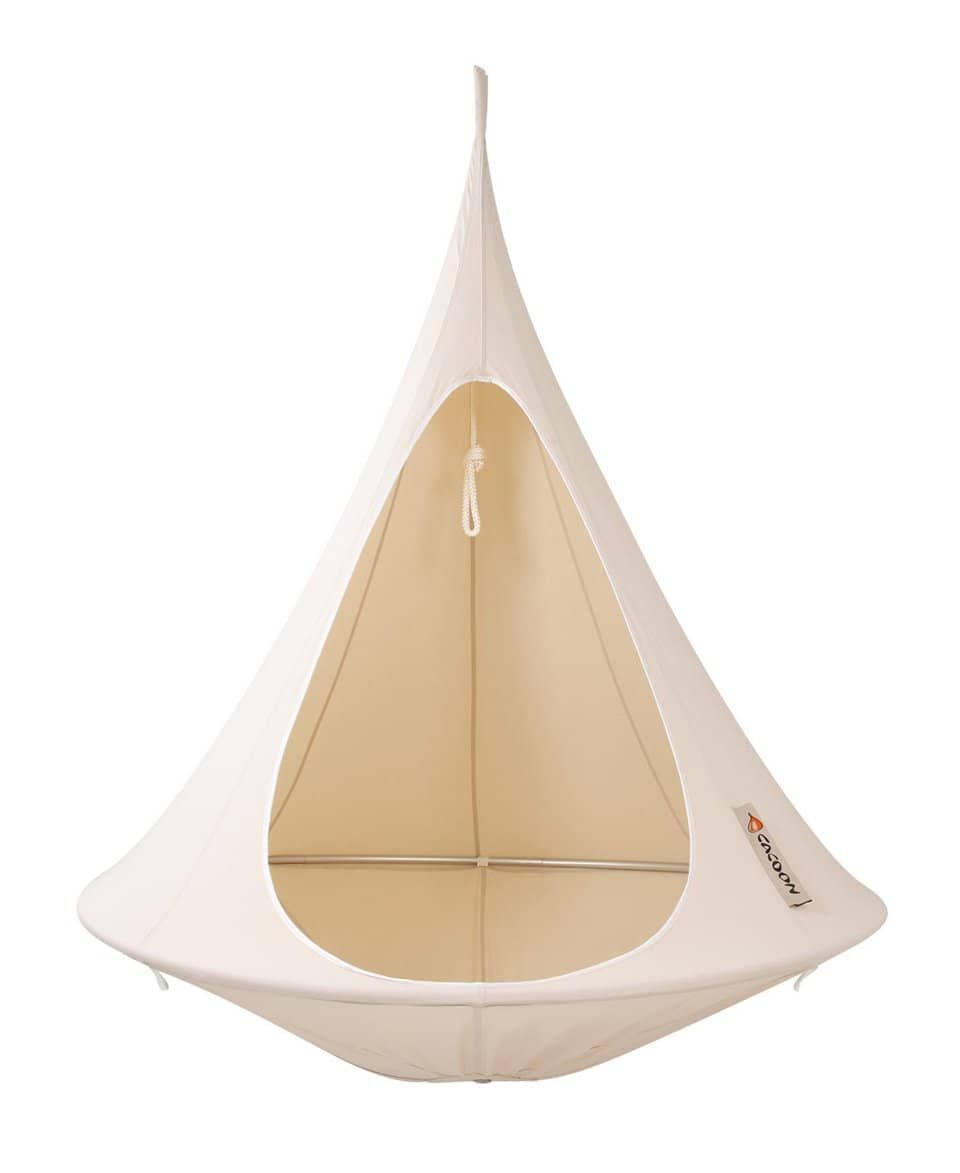
The Cacoon Hanging Chair is constructed with robust engineering to support a weight of up to 200kg or 440lbs. This product was designed in the UK by the collaborative effort of Nick and Sarah, a husband and wife team.
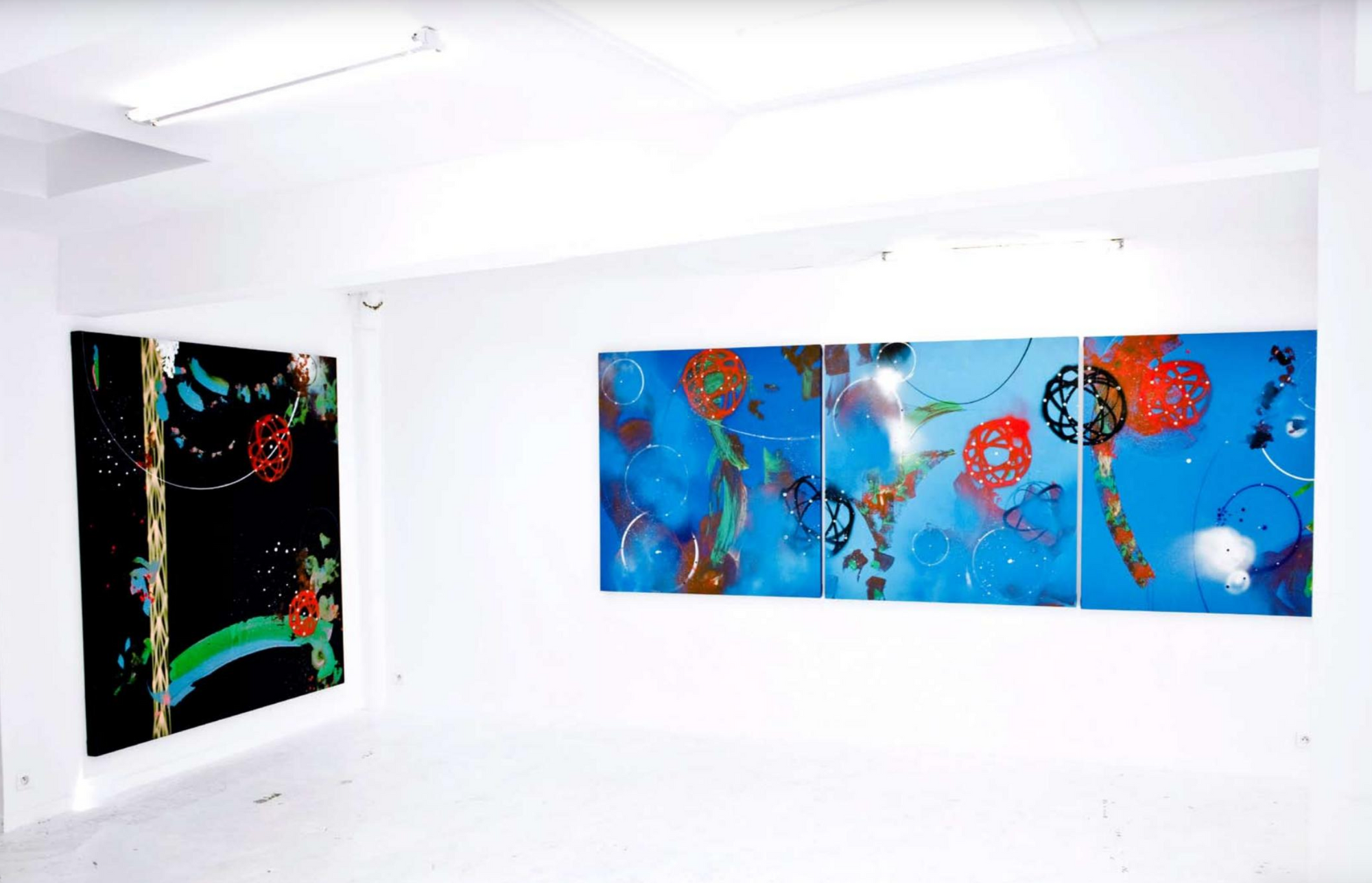
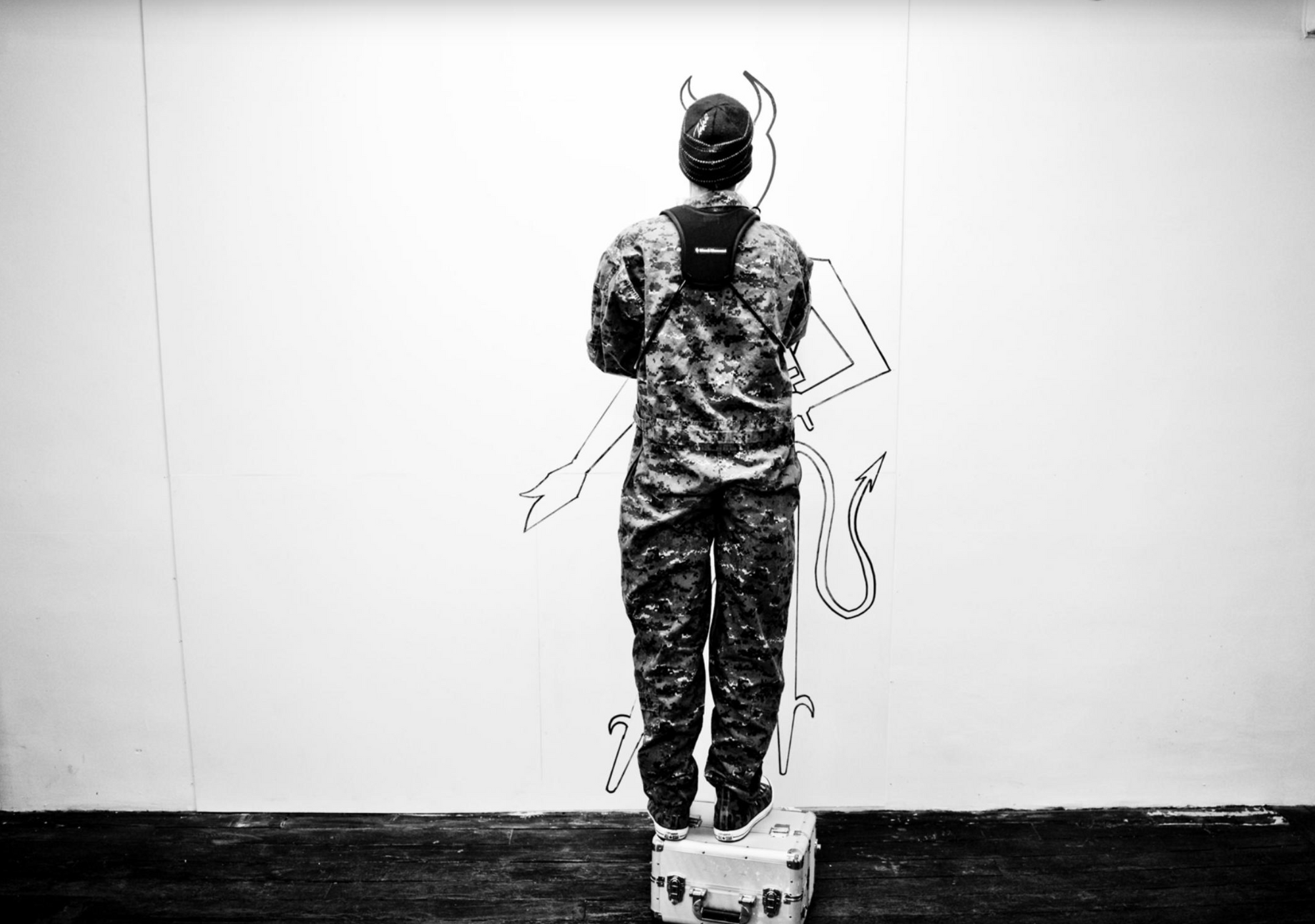
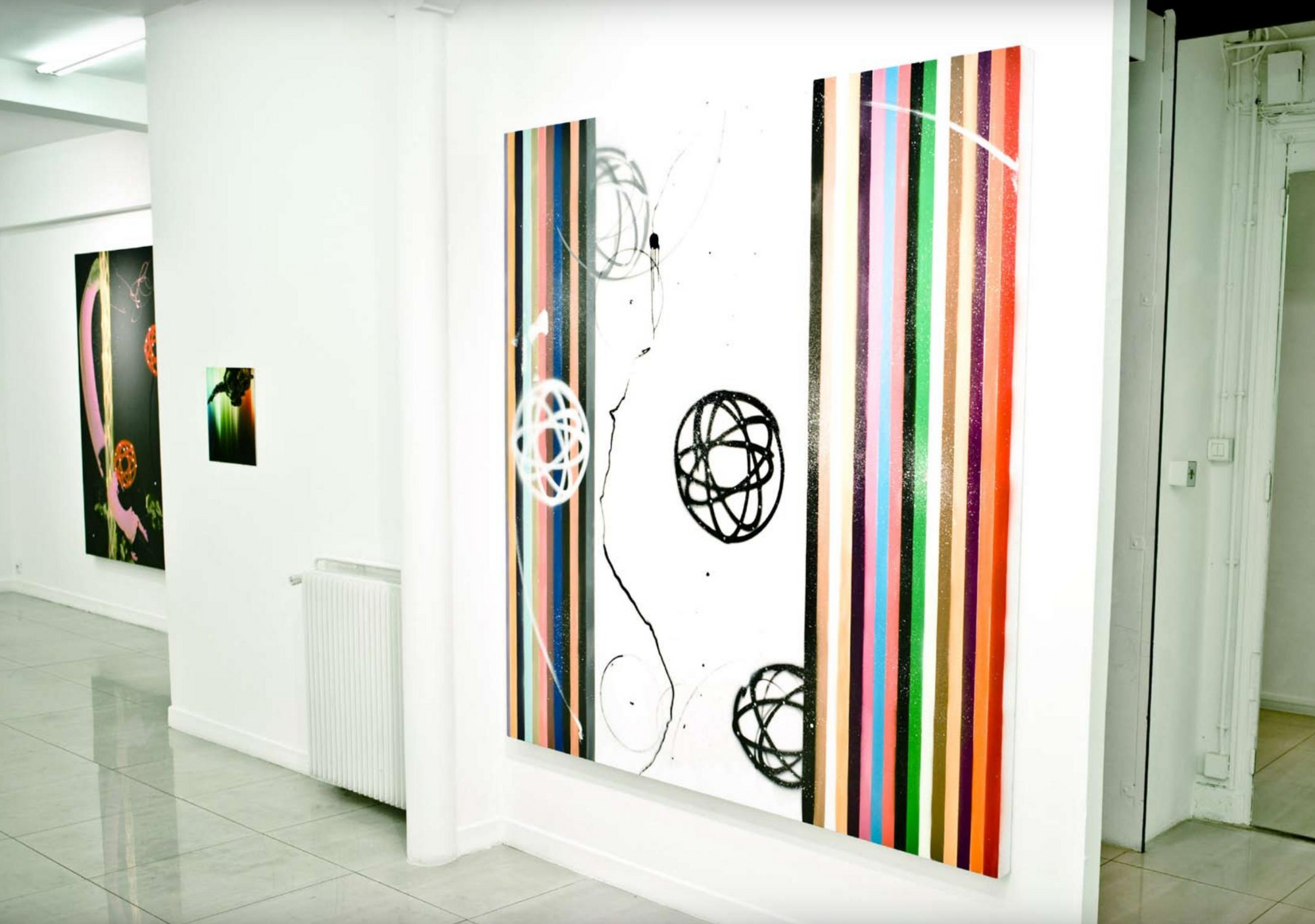
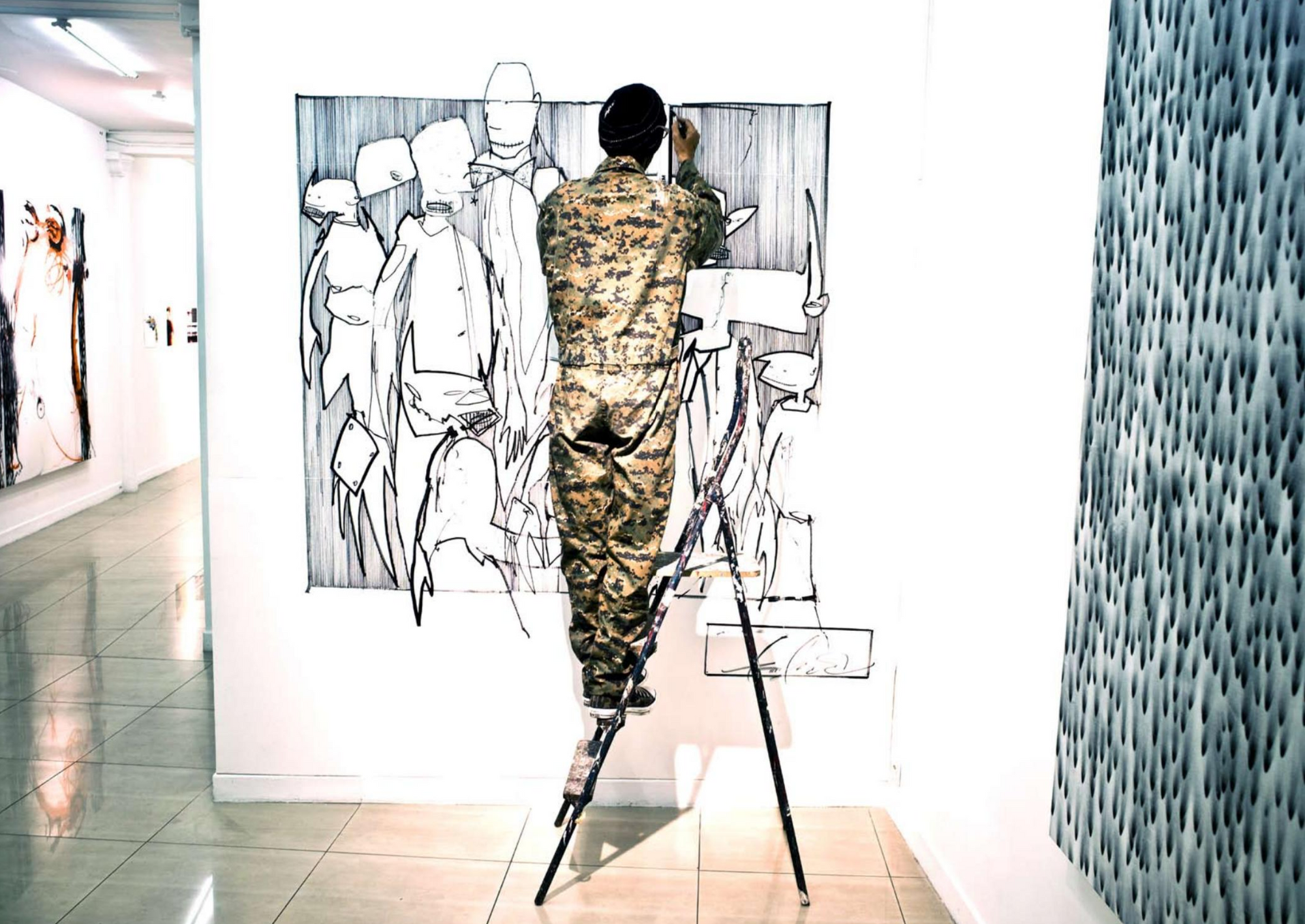
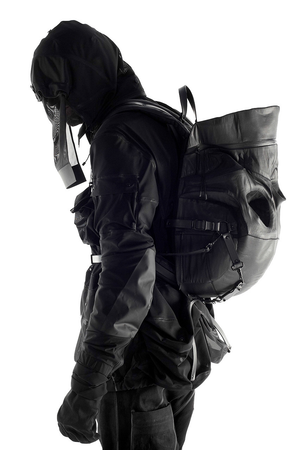
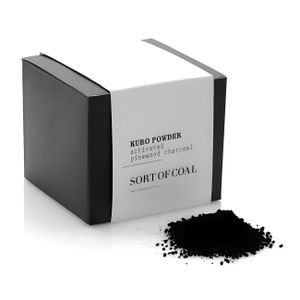
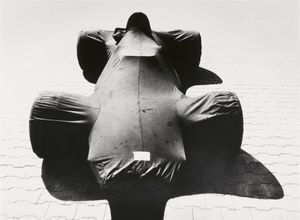
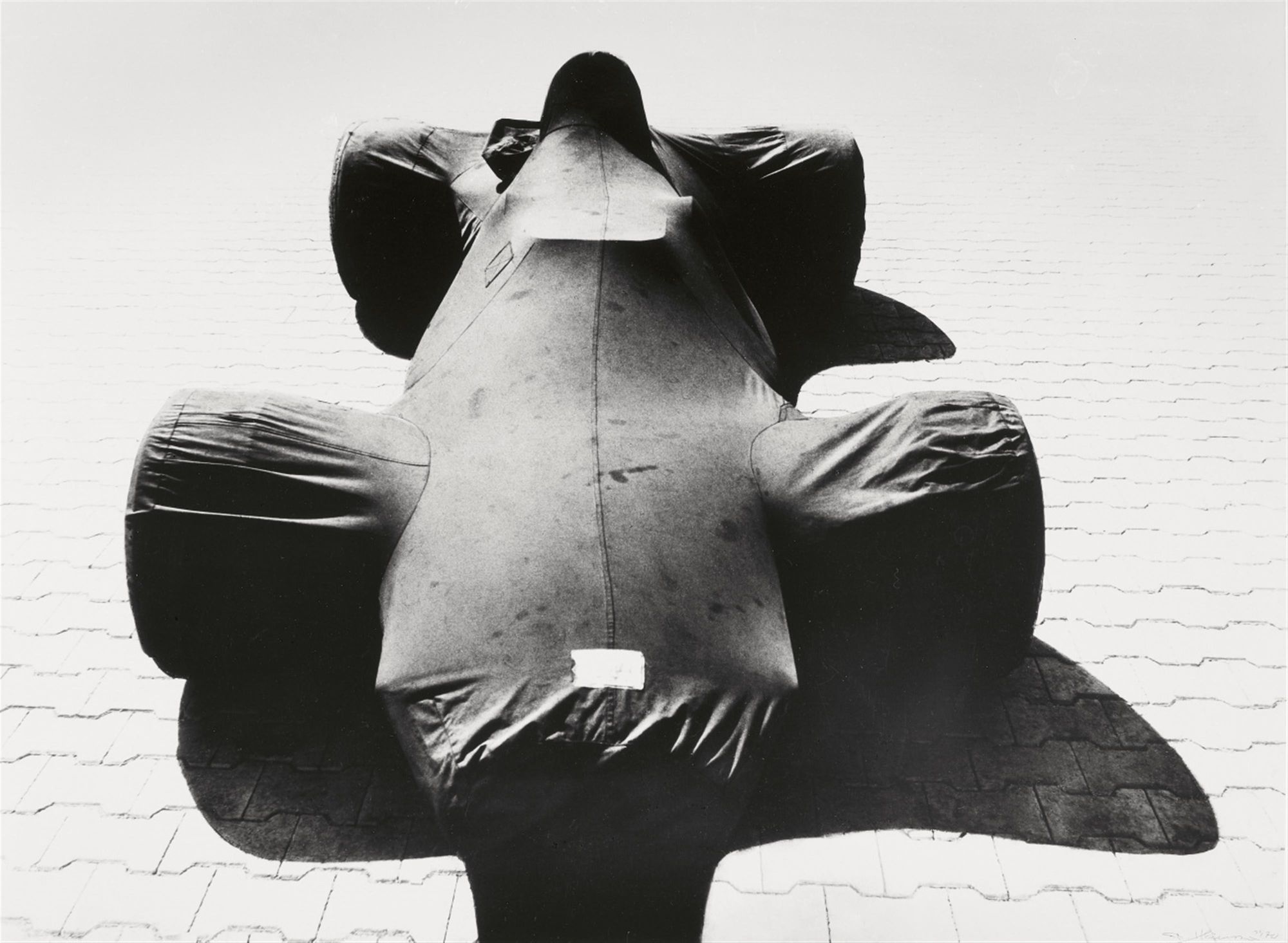
Gelatin silver print, printed 1999. 43.5 x 58.8 cm. Signed and dated in ballpoint pen lower right. Signed, dated, titled in ballpoint pen as well as photographer's thumb print on the verso. - Framed under glass.
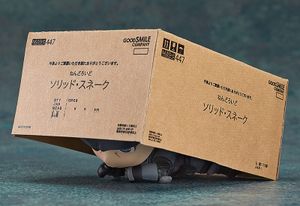
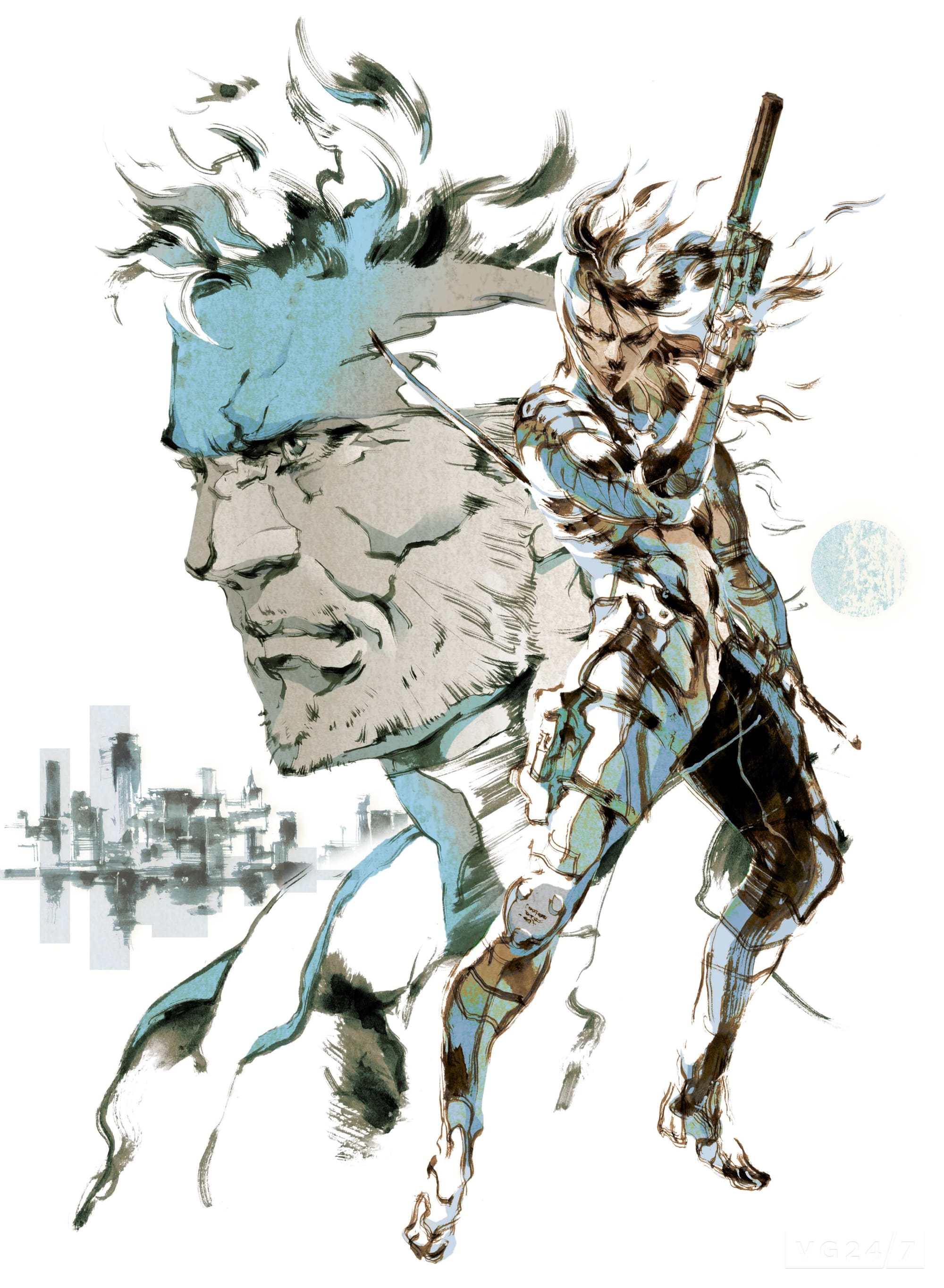
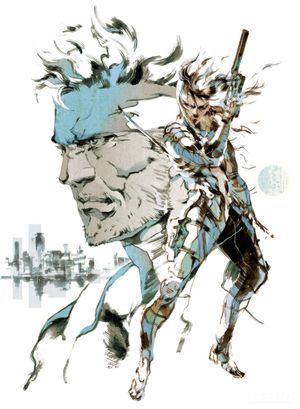
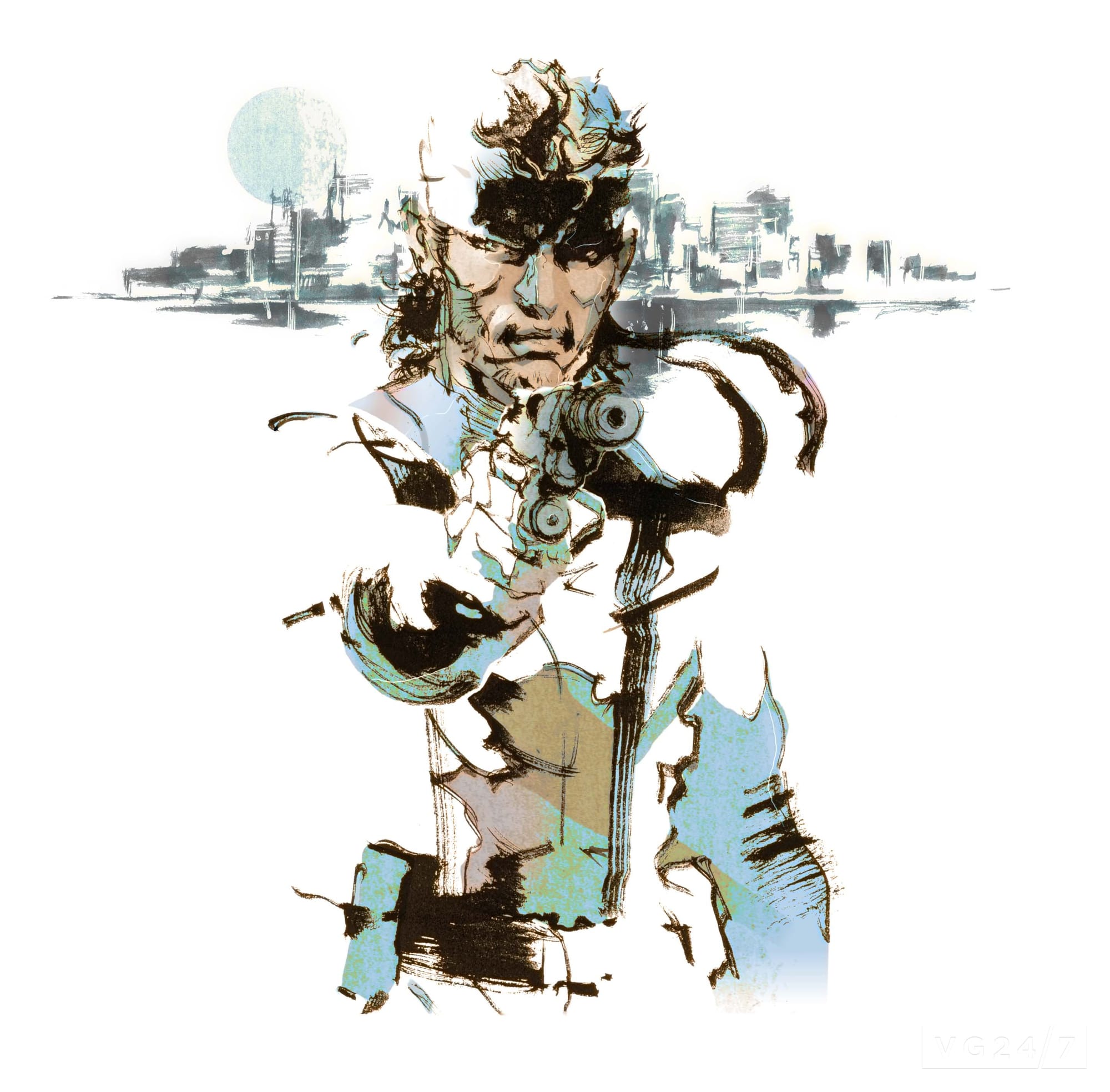
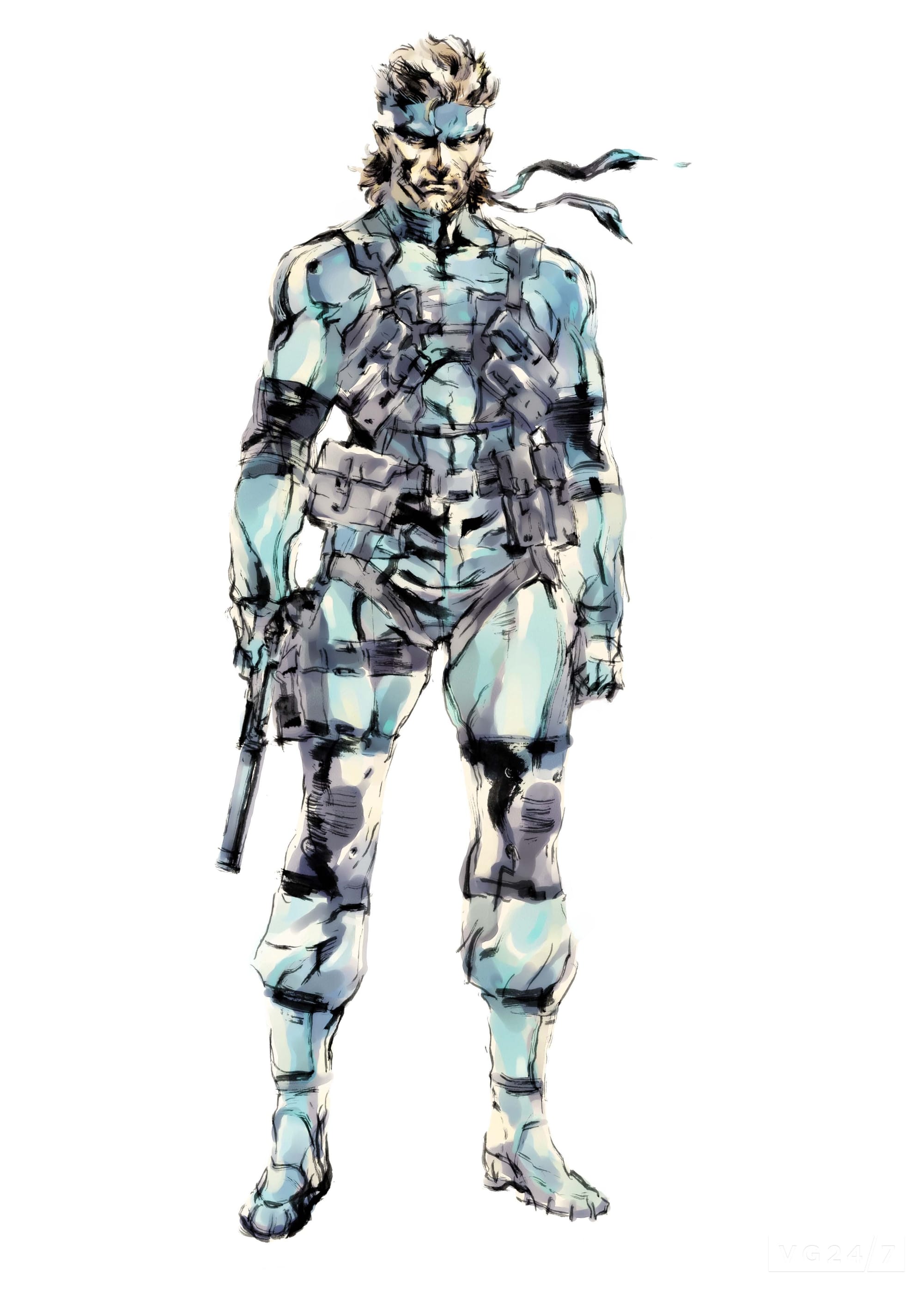
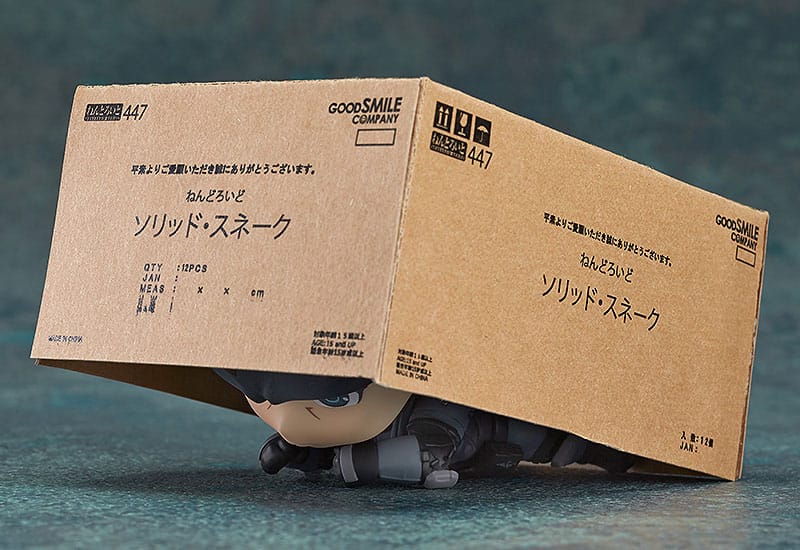
Nendoroid Solid Snake (#447) by Good Smile Company, a super-deformed figure of the Metal Gear Solid character. Comes with the cardboard box, swappable faces and poses.
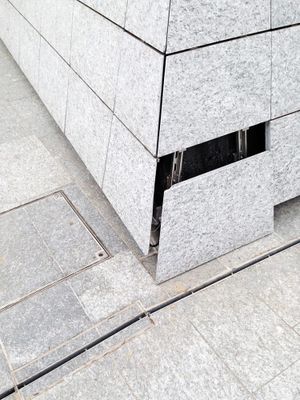
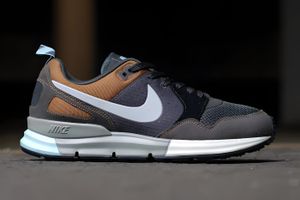
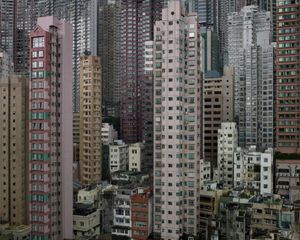
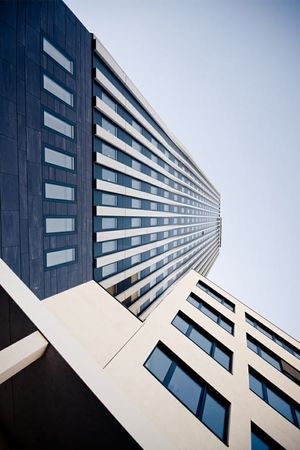
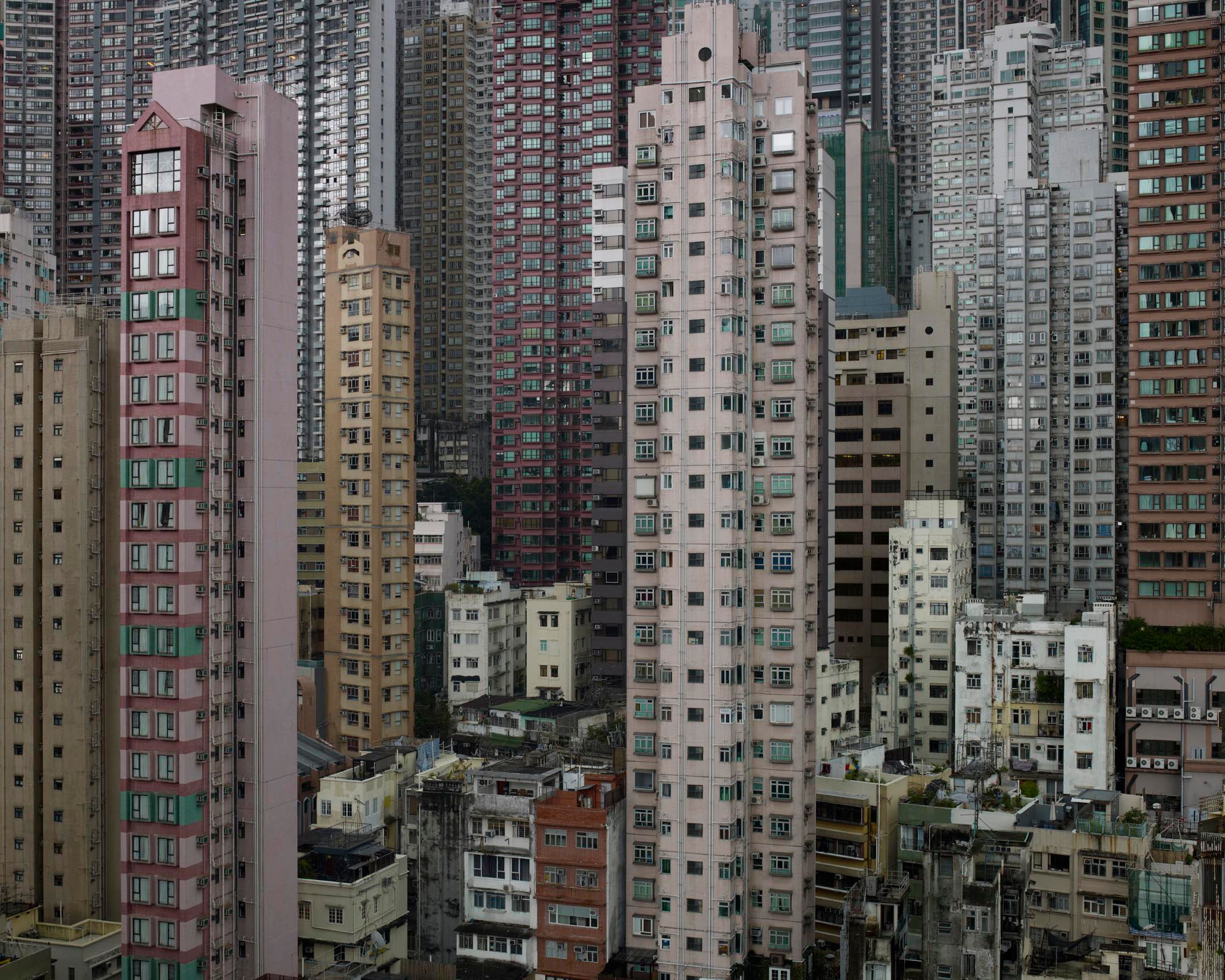
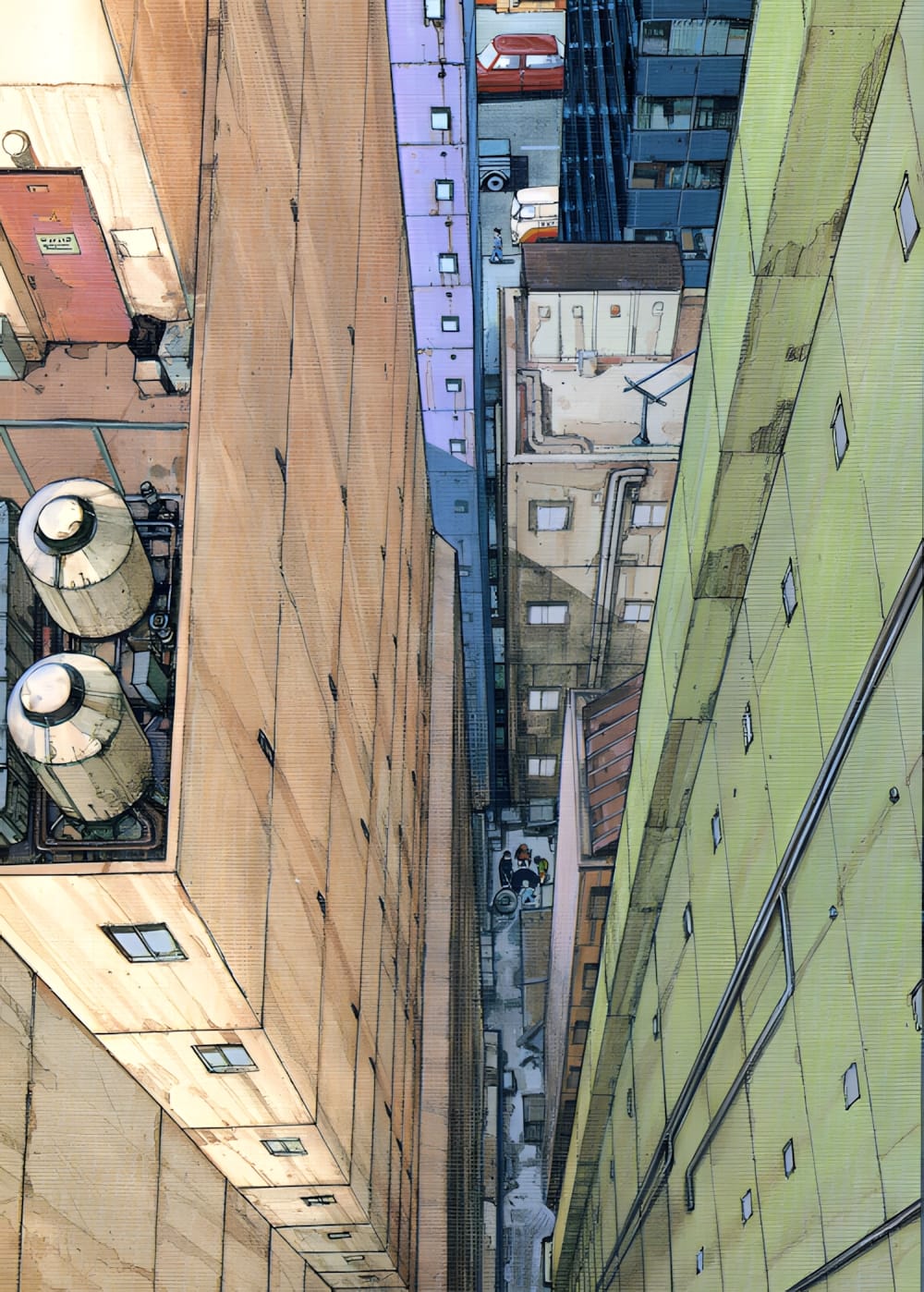
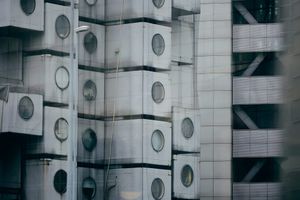
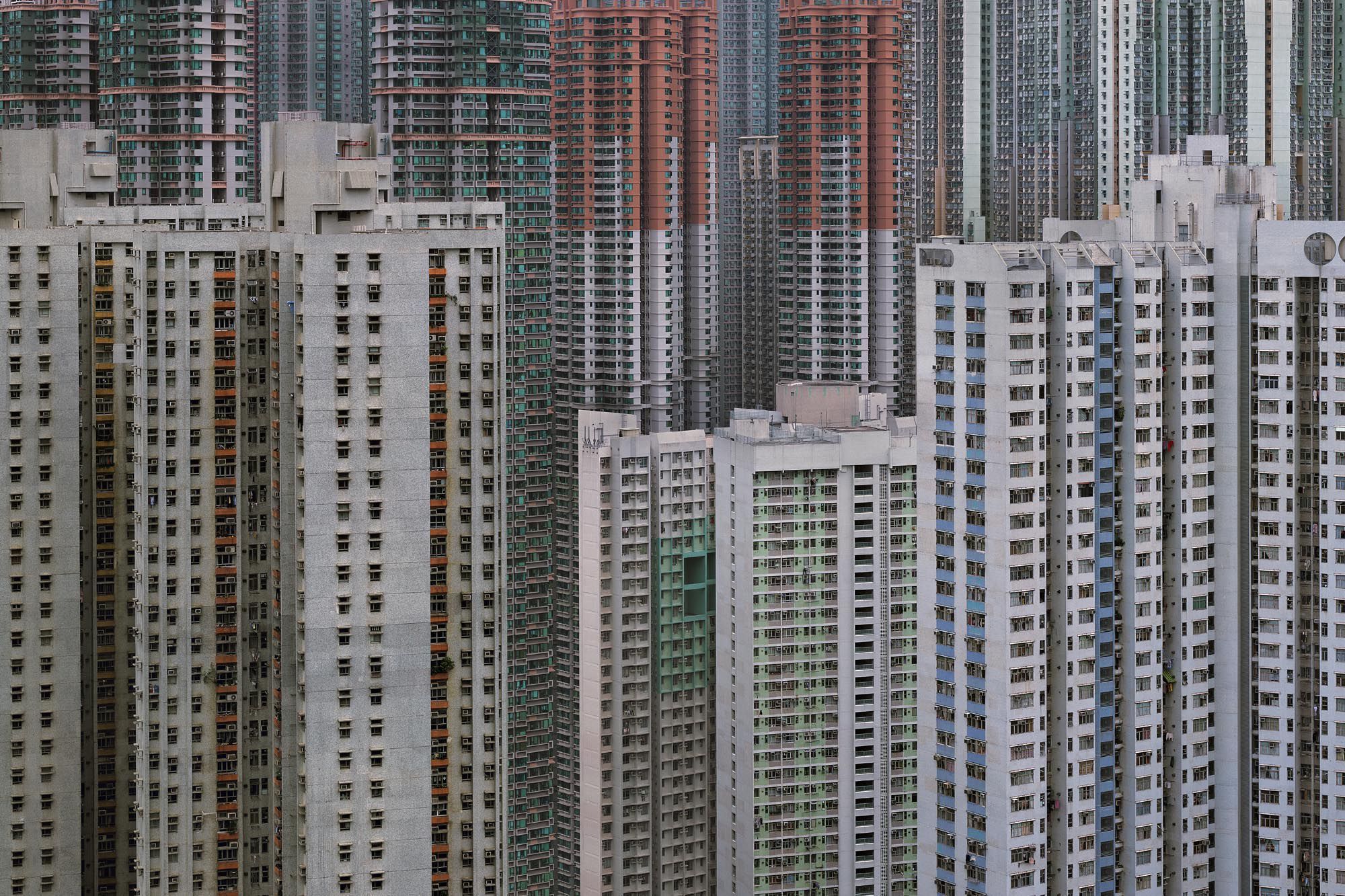
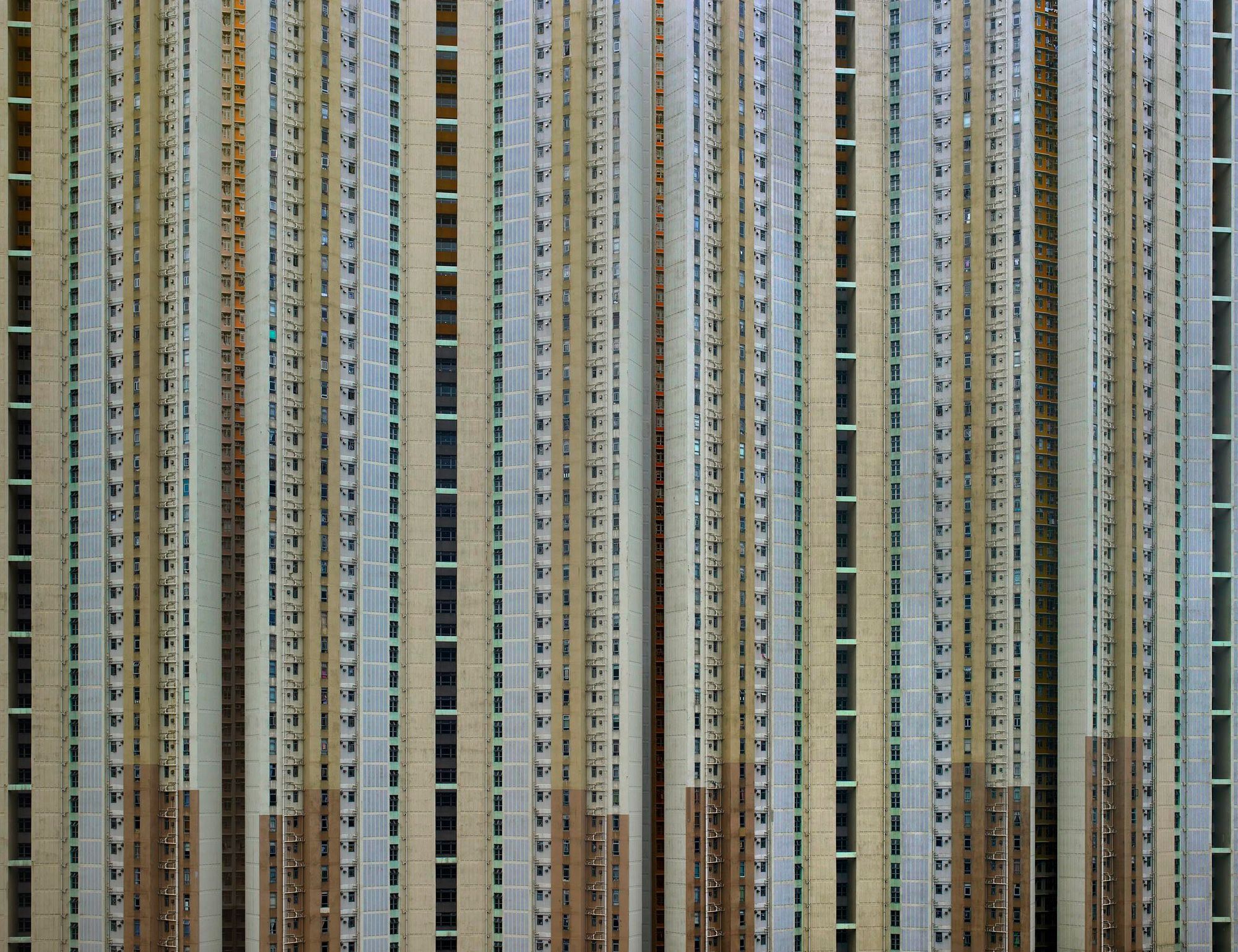
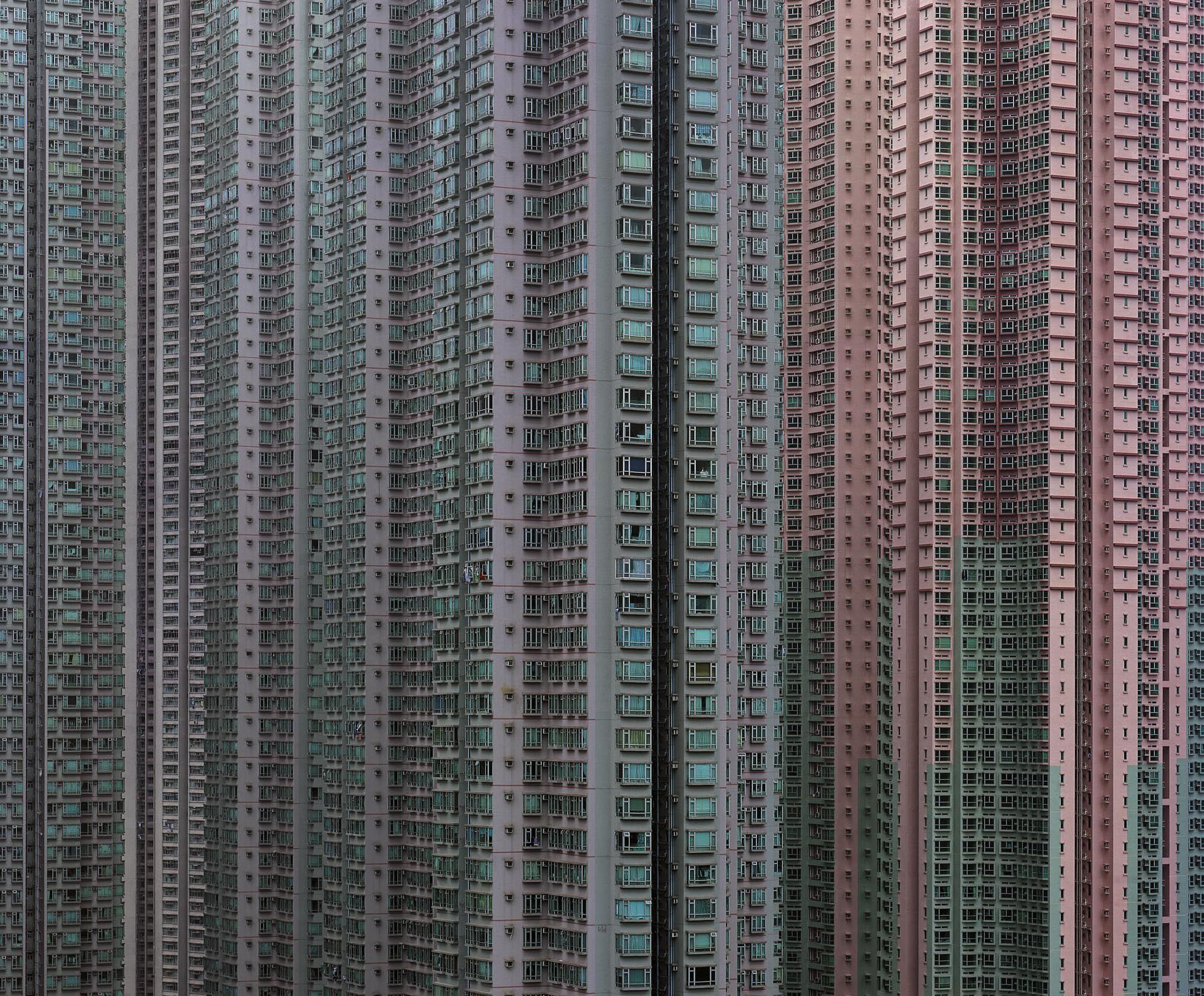
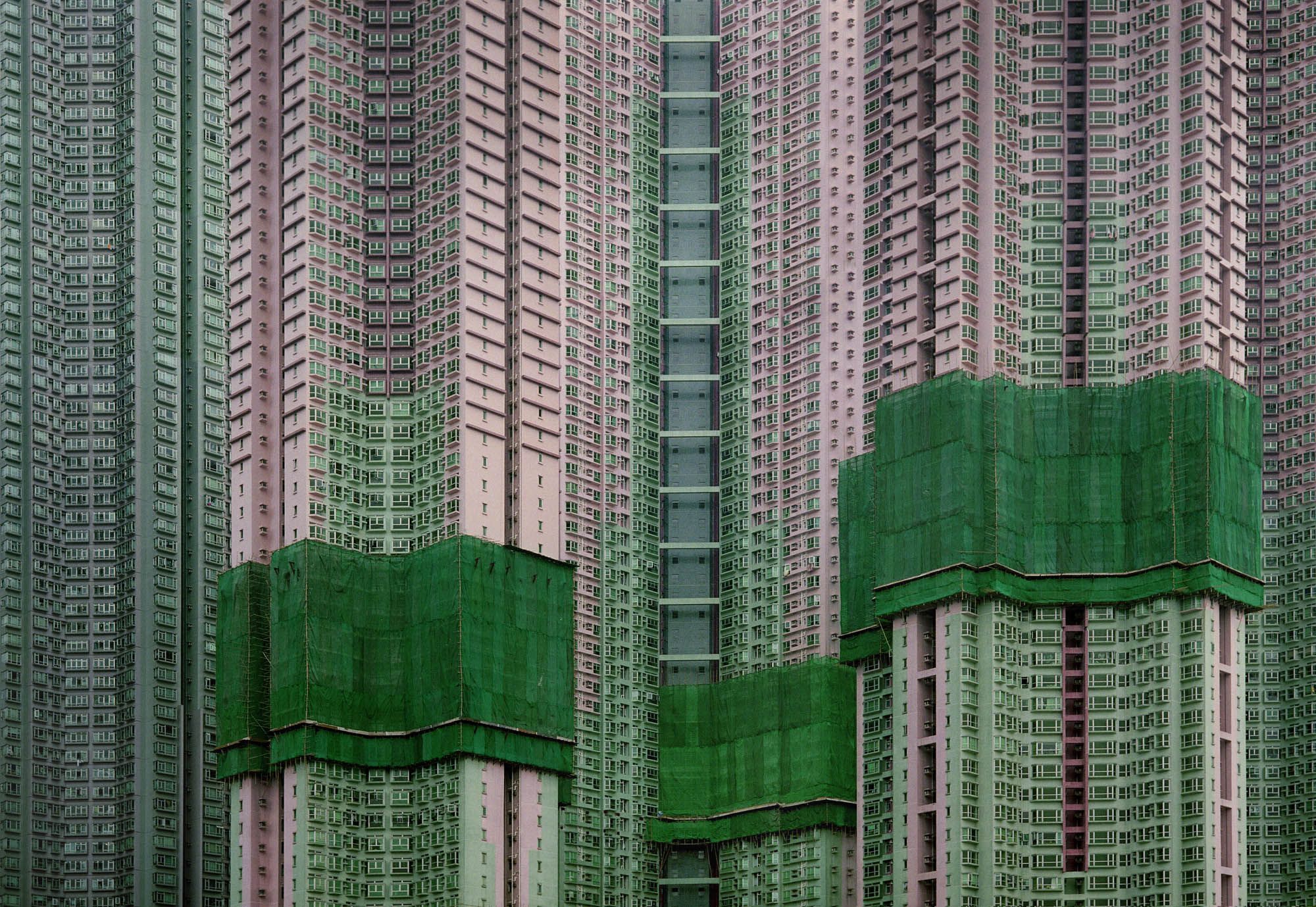
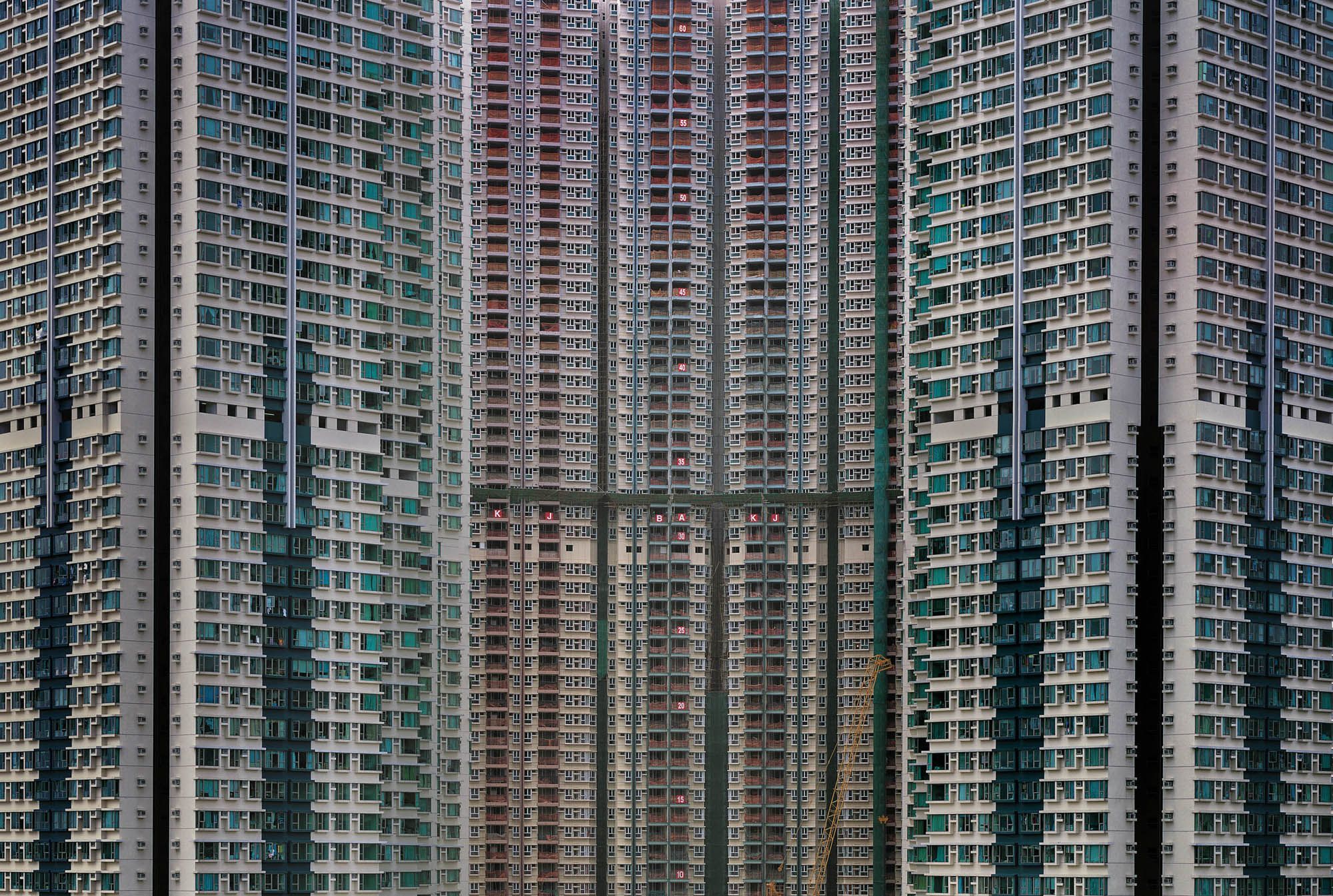
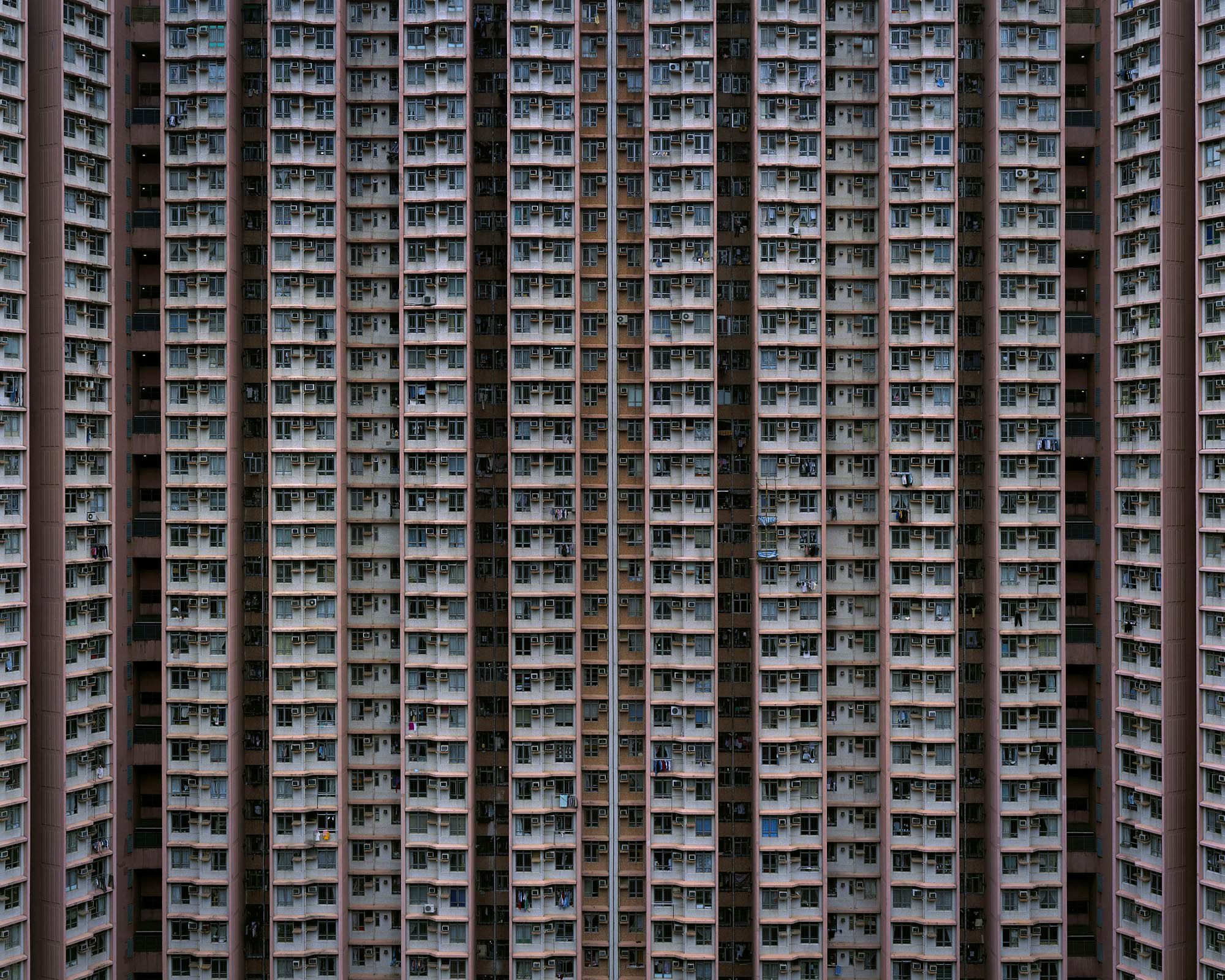
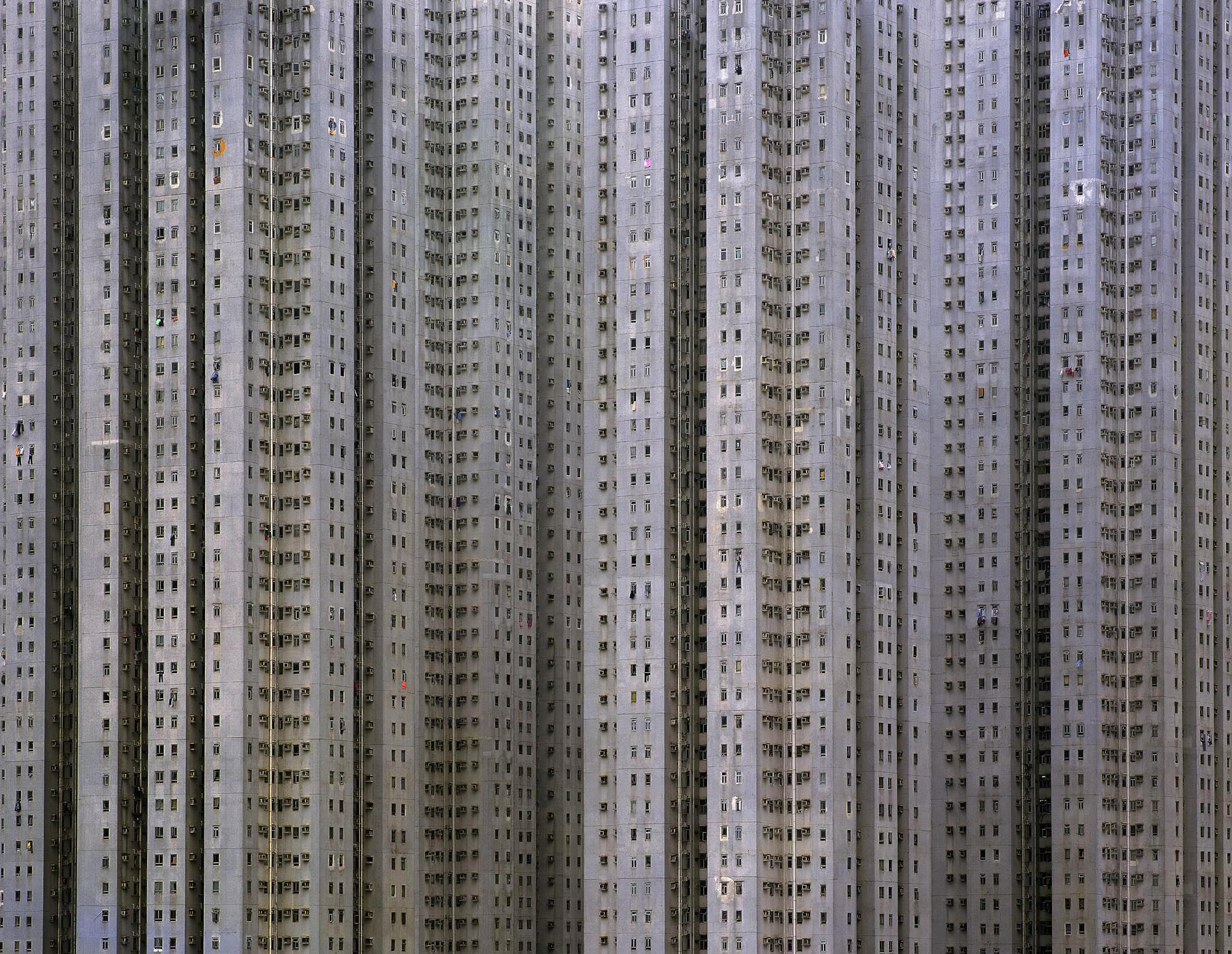
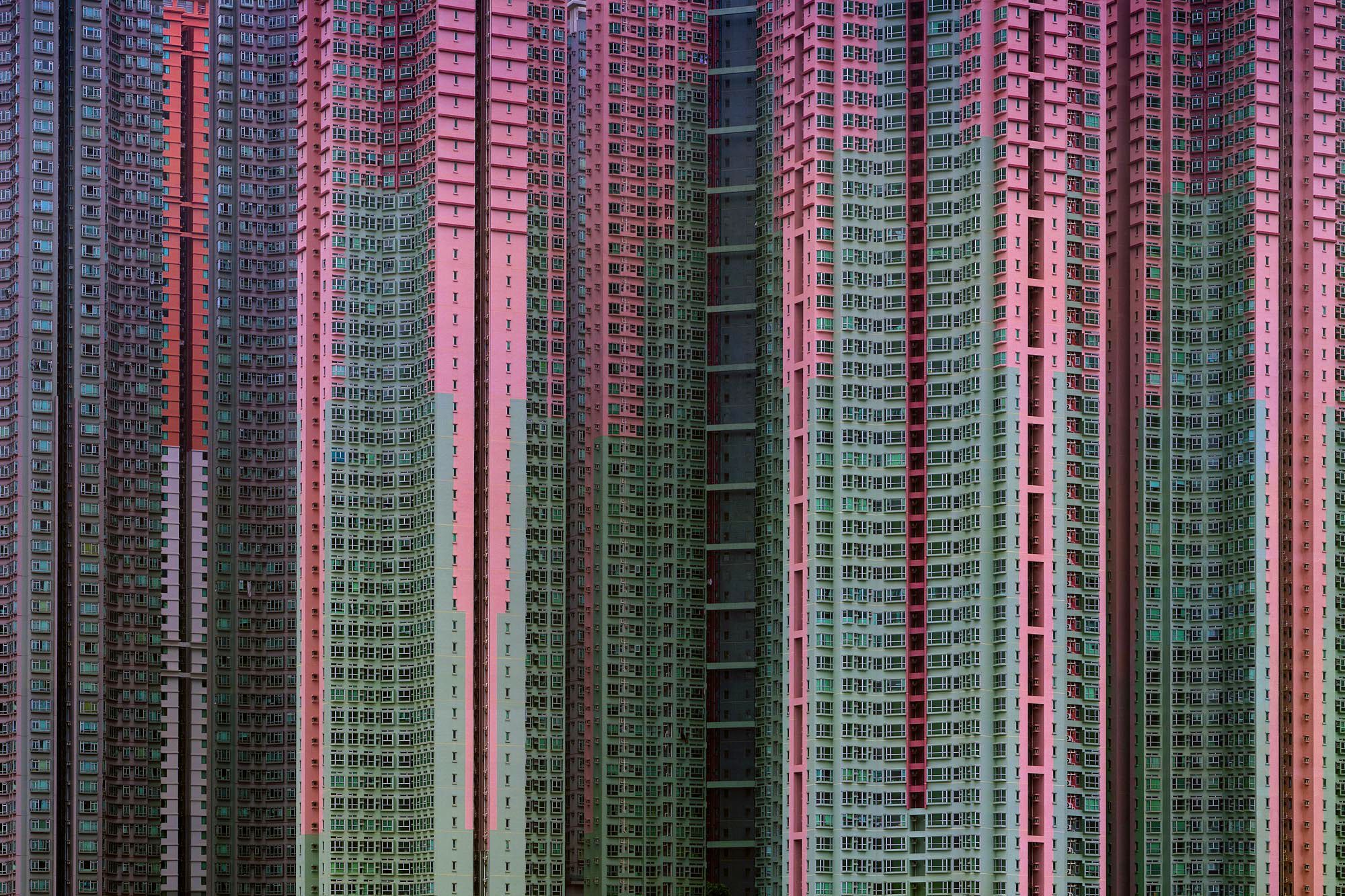
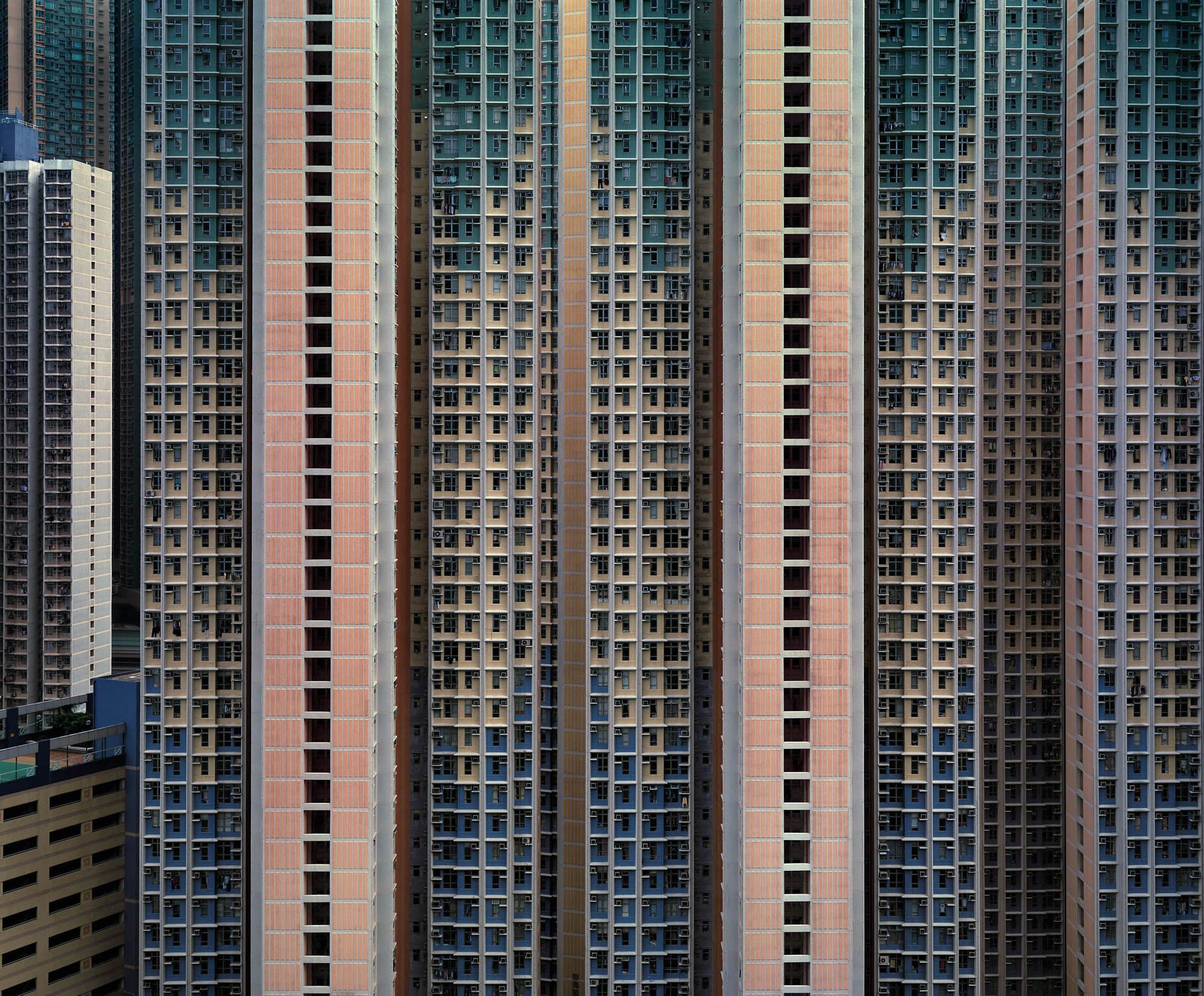
One of the most densely populated metropolitan areas in the world, Hong Kong has an overall density of nearly 6,700 people per square kilometer. The majority of its citizens live in flats in high-rise buildings, whose units can house as many as 10,000 people.
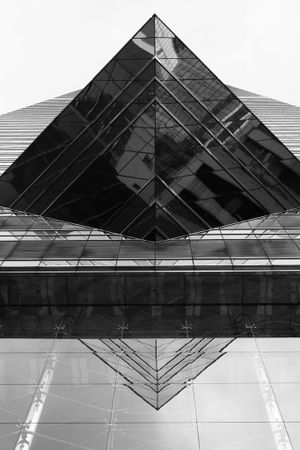
In Architecture of Density, Michael investigates these enormous city blocks, finding a mesmerizing abstraction in the buildings’ facades. The structures in the series are photographed without reference to the context of sky or ground, and many buildings are seen in a state of repair or construction: their walls covered with a grid of scaffolding or the soft coloured curtains that protect the streets below from falling debris. From a distance, such elements become a part of an intricate design. Upon closer inspection of each photograph, the anonymous public face of the city is full of rewarding detail – public space is private space, large swatches of colour give way to smaller pieces of people’s lives. The trappings of the people are still visible here: their days inform the detail of these buildings. Bits of laundry and hanging plants pepper the tiny rectangles of windows- the only irregularities in this orderly design. The images of Architecture of Density give one an inkling of what our cities could look like if grown continues unchecked.
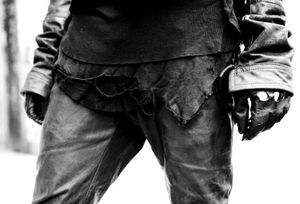
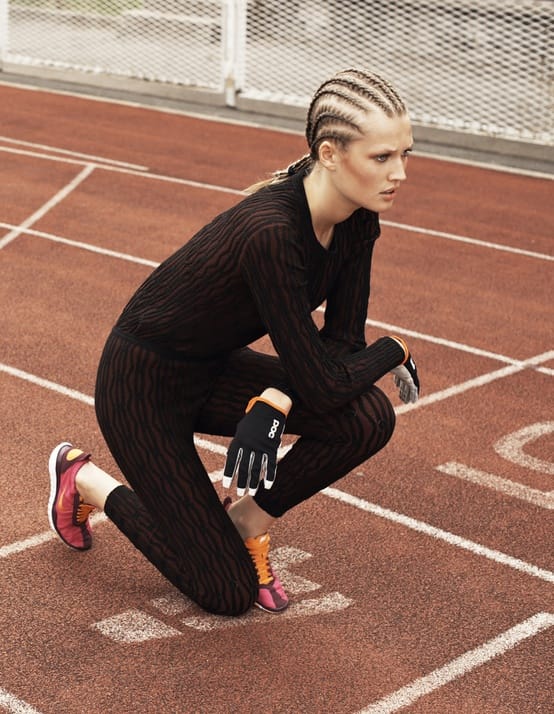
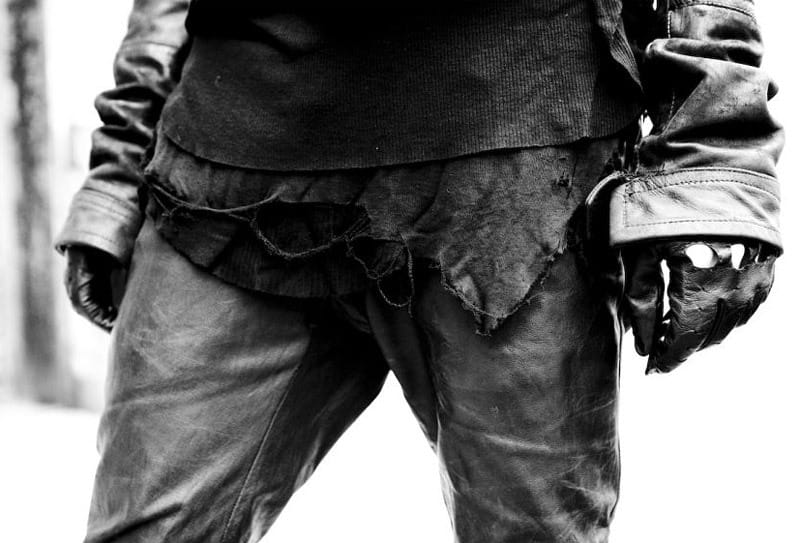
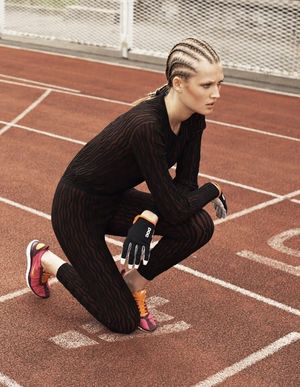
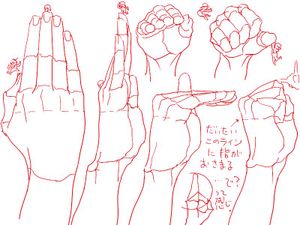
Jeff P. Elstone's black-and-white fashion detail concentrates on layered distressed textiles, dark trousers and deconstructed fingerless leather gloves.
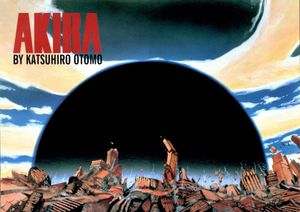

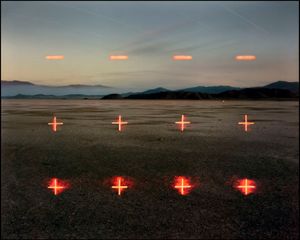

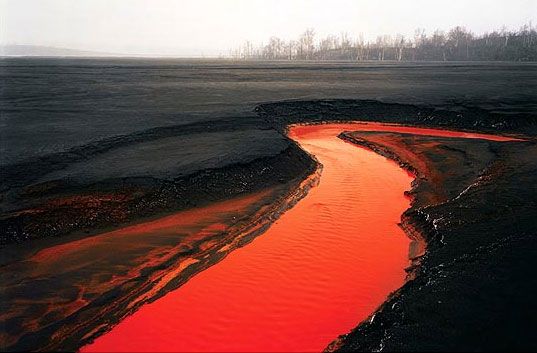
From “Manufactured Landscapes: The Photographs of Edward Burtynsky”
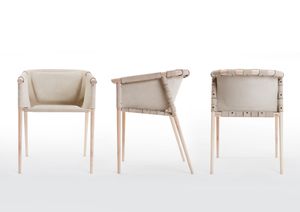
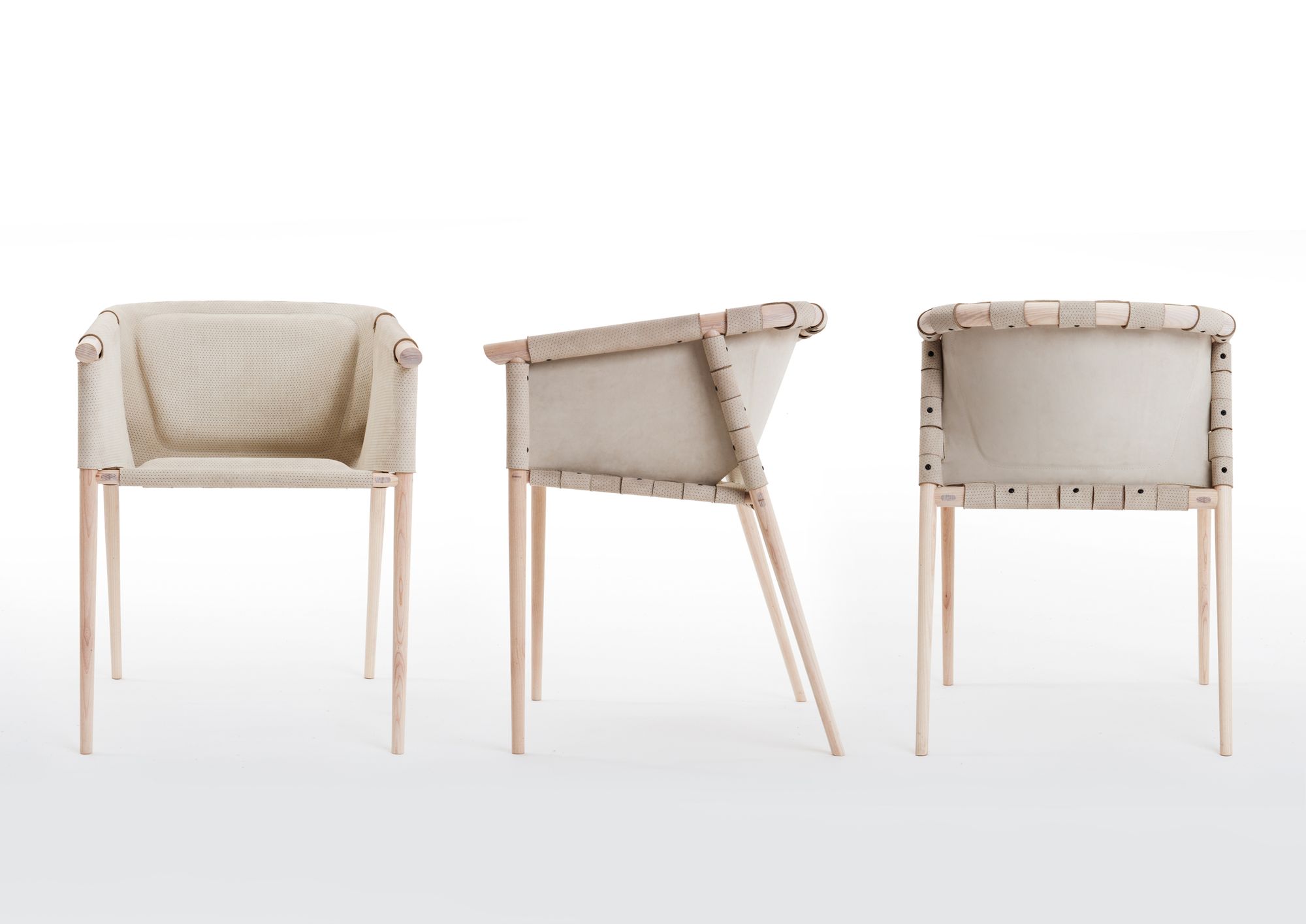
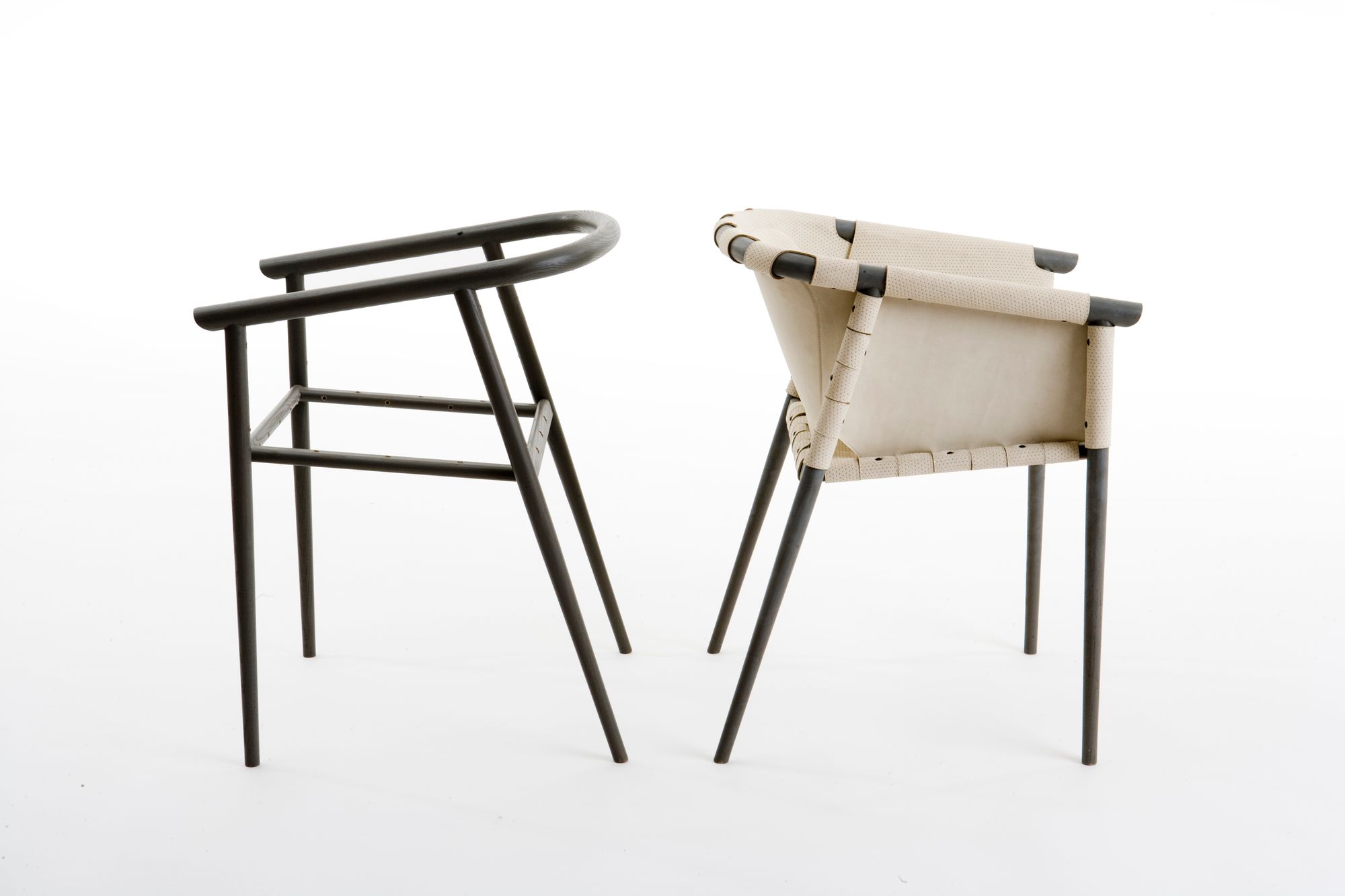
The Cargo Chair, manufactured by portuguese brand De La Espada, designed by Benjamin Hubert
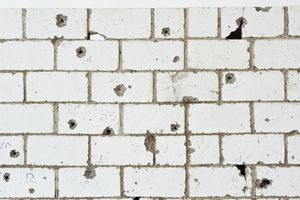
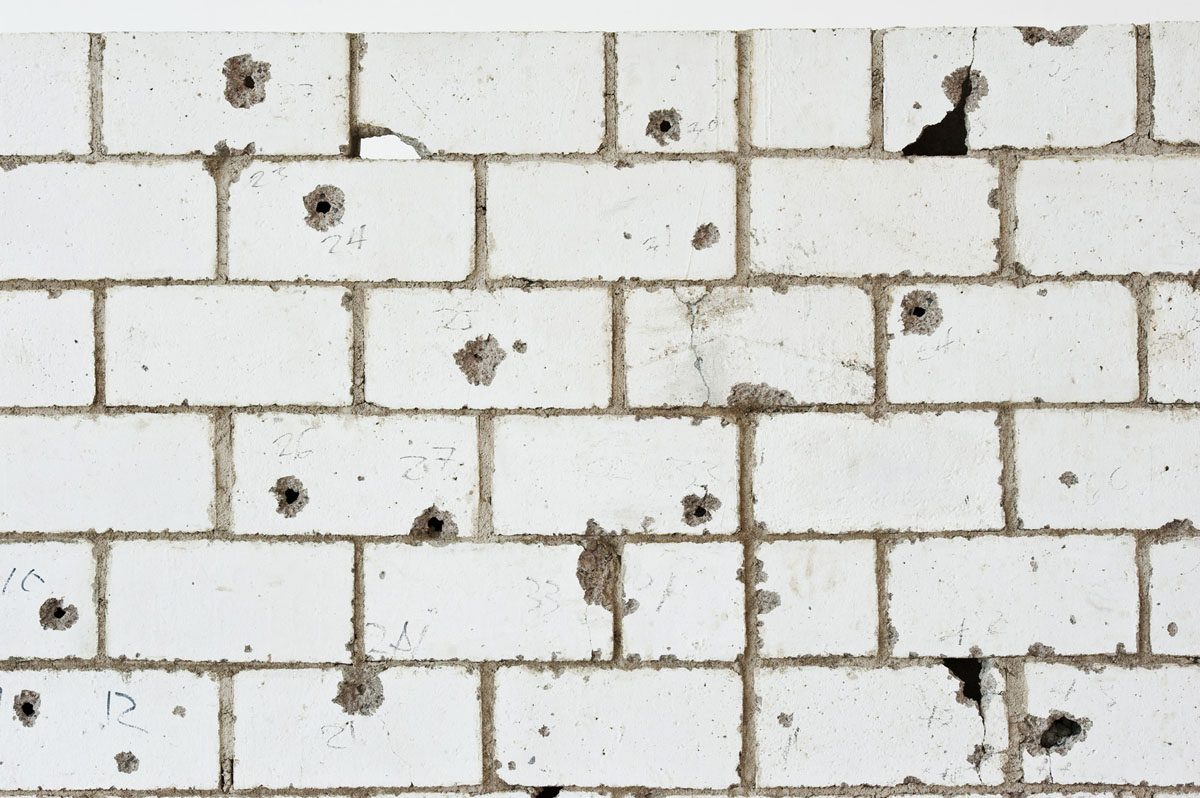
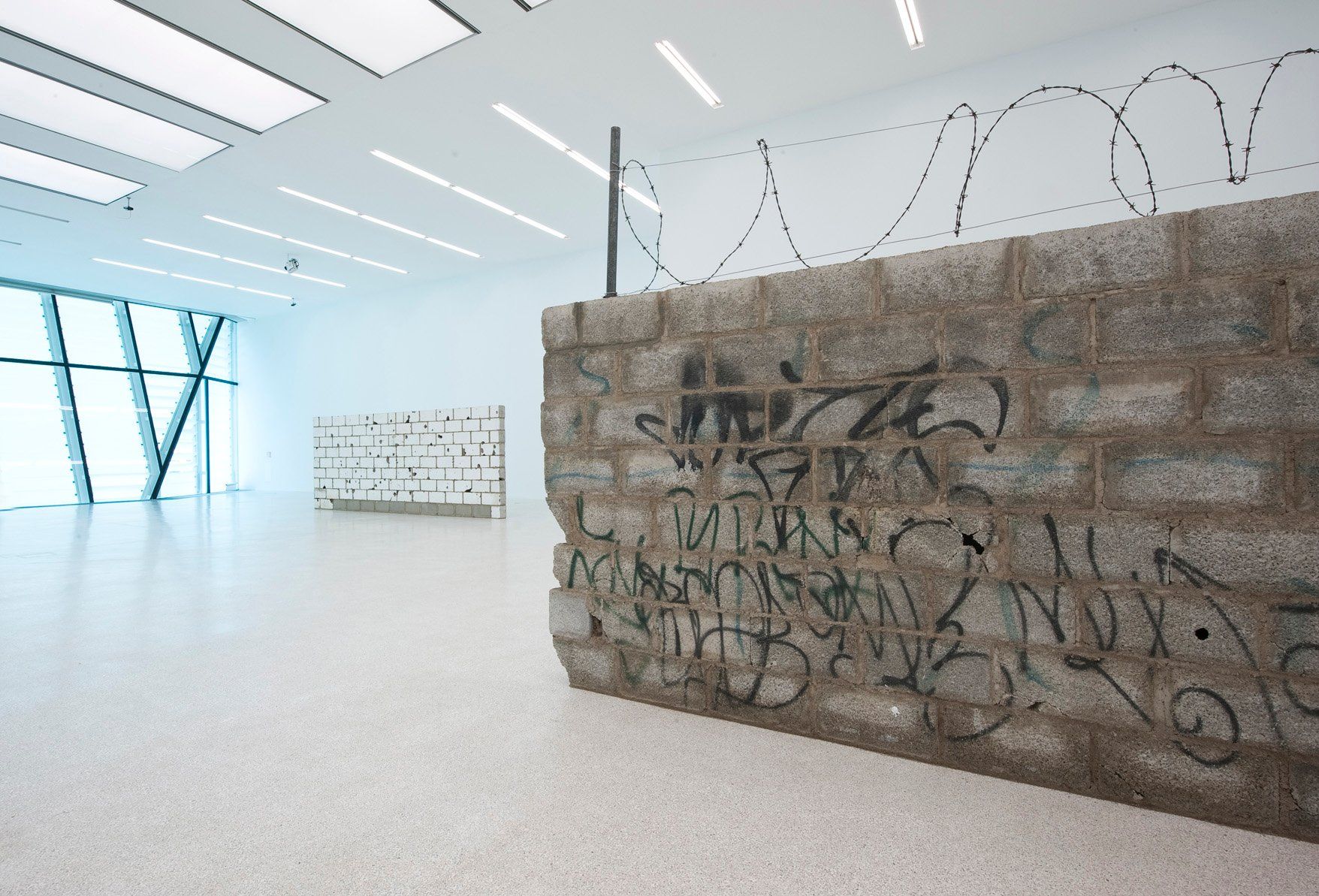
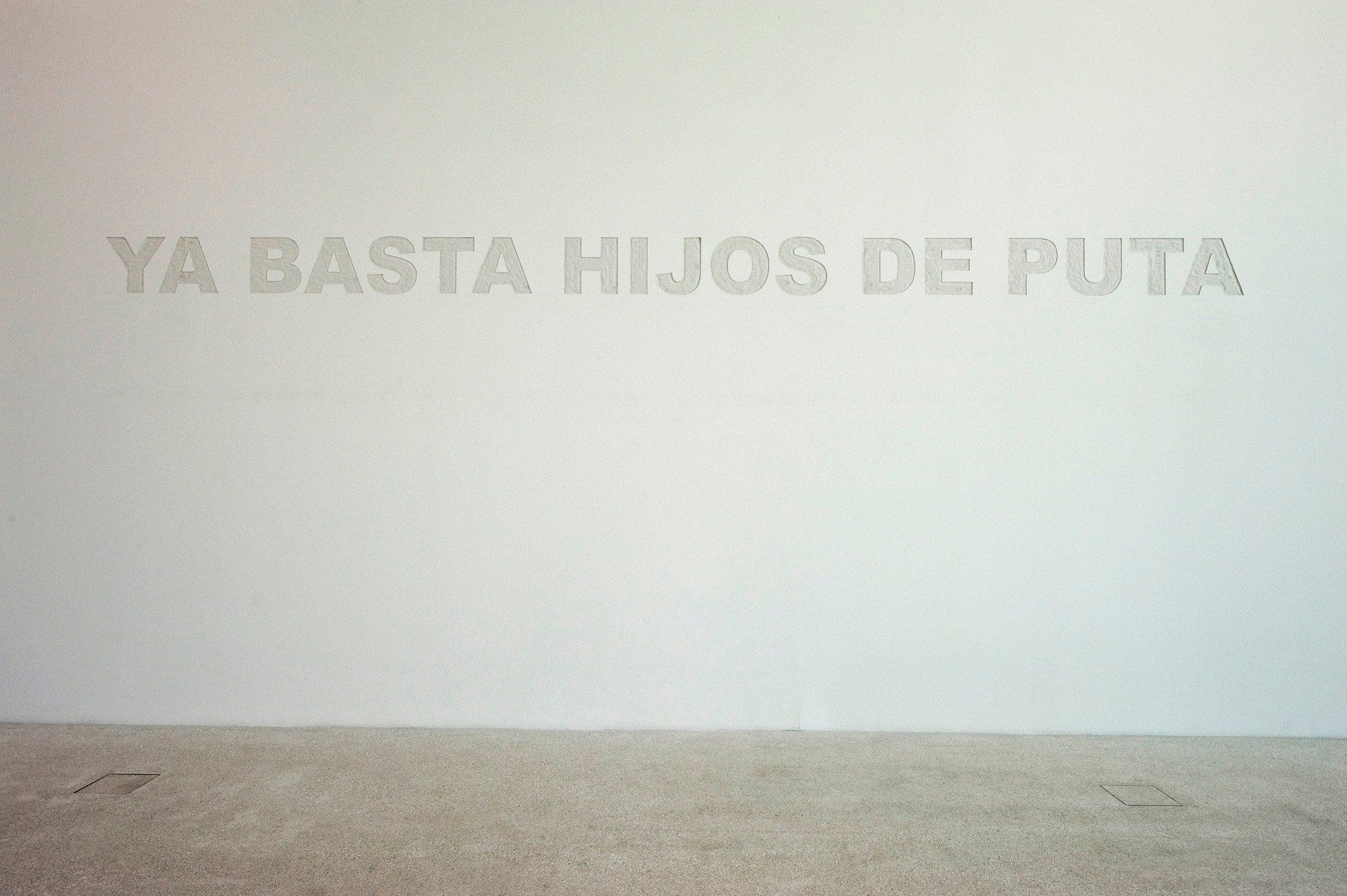
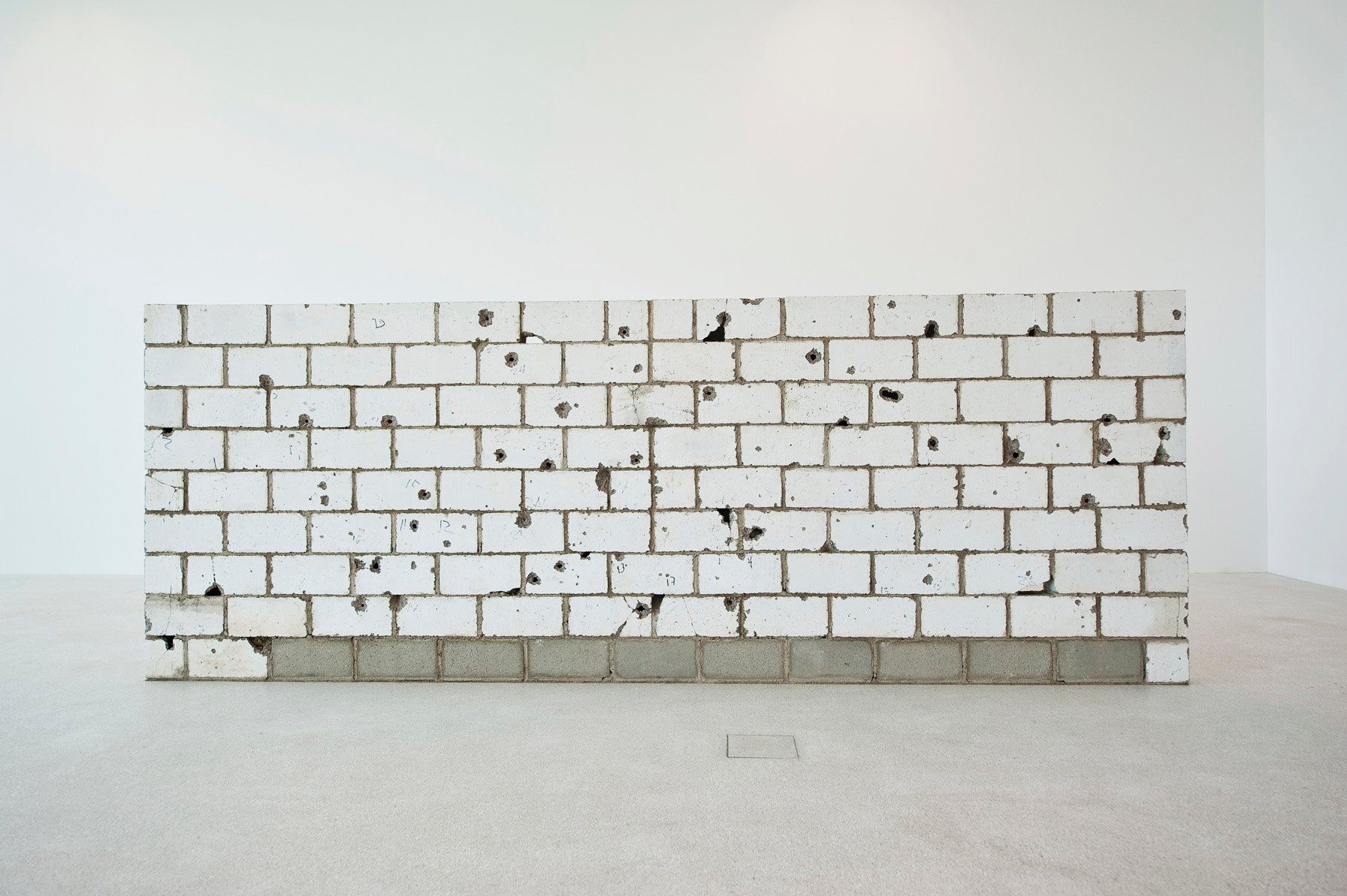
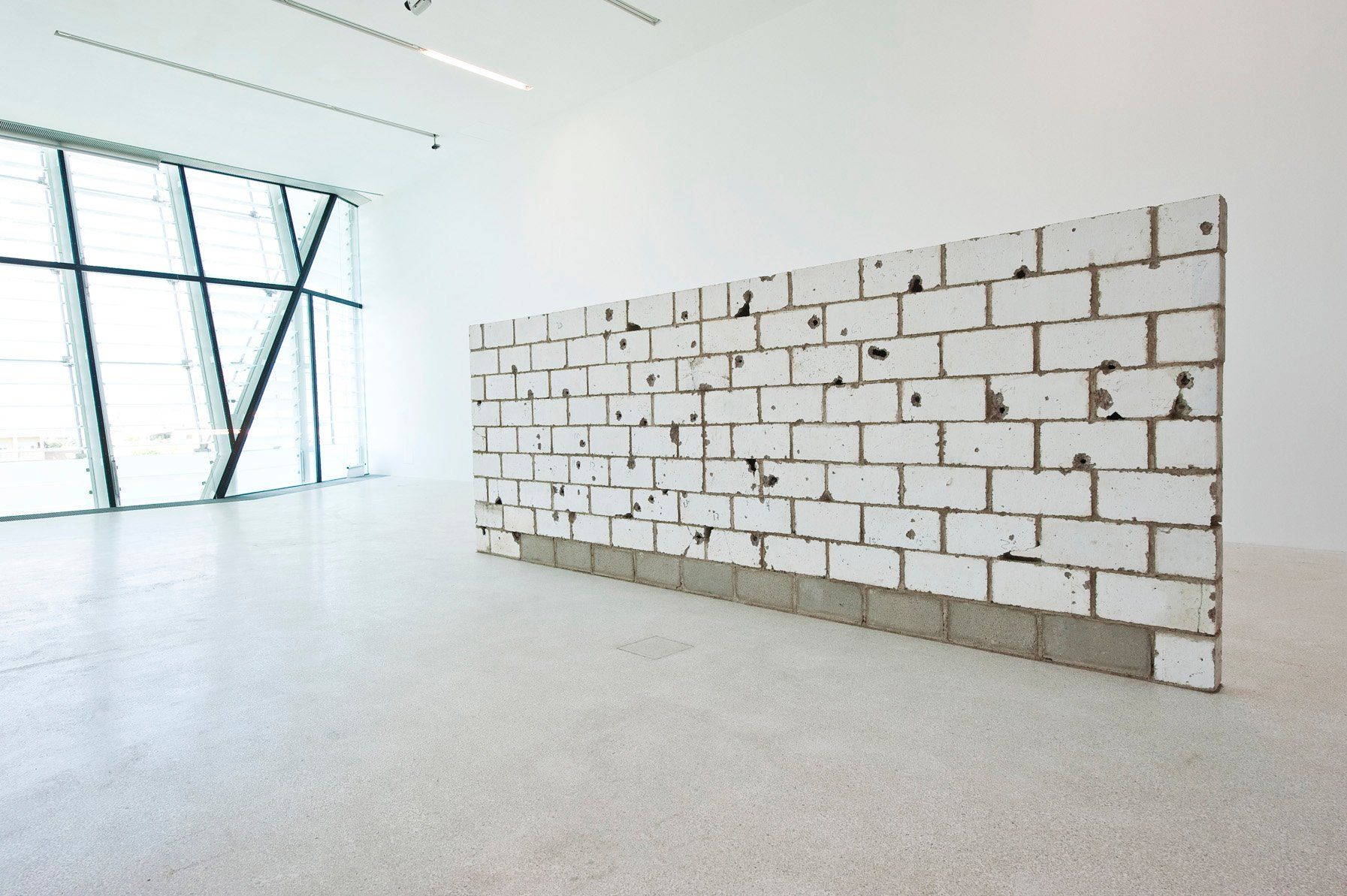
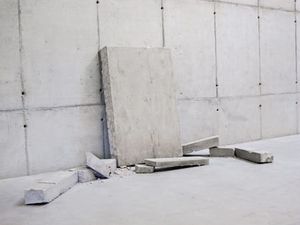
Teresa Marolles' "Frontera" reflects on the dramatic scale of drug trafficking in Mexican society. The artist has used basic but very striking elements to create the works in "Frontera", and despite their minimalist style, they reveal great emotional depth and tragedy. The works go beyond the specific context that gave rise to them, with a universal value that explores our mechanisms of denial and the taboos still surrounding death and violence in contemporary society. The Museion exhibition features walls where executions took place, that the artist took down in Mexico and rebuilt in Bolzano—Muro Baleado (Culiacán), 2009, and Muro Ciudad Juárez, 2010—along with the works Plancha, 2010 and Cubo, 2010, a minimalist cube weighing a ton made out of iron from reinforced concrete taken from demolished buildings. The Bolzano exhibition will also be the first opportunity to see the filmed action Camiseta, created specially for "Frontera" and shot in the cities of Juarez, Kassel and Bolzano.'
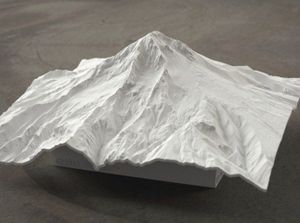
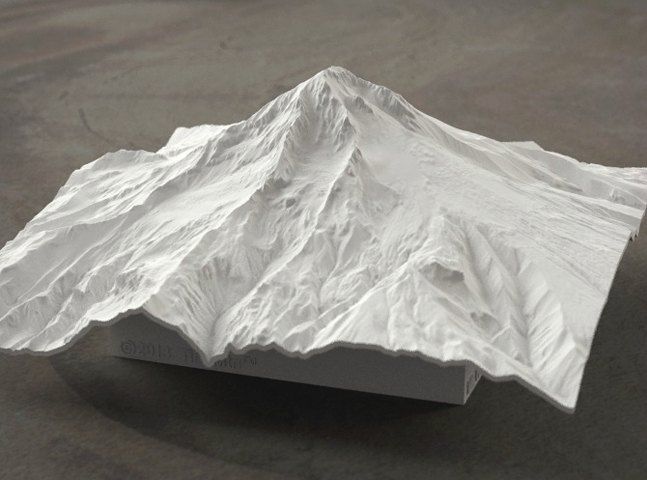
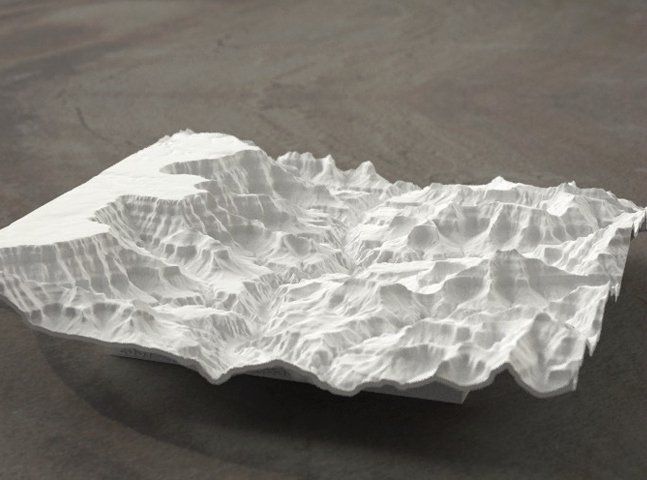
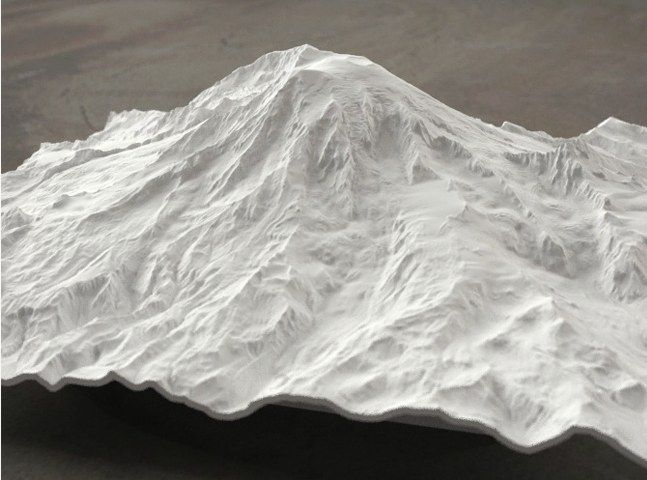
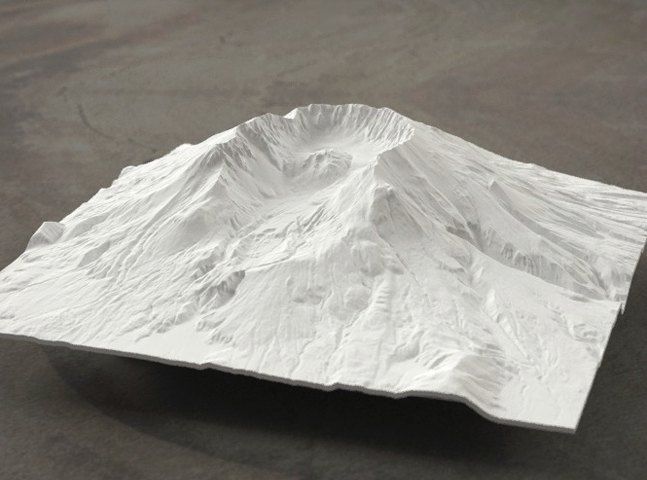
TinyMtn crafts 3D-printed mini sculptures of some of the most storied peaks and valleys in the United States. Whether you want to remember the time you backpacked through Yosemite or peered over the edge of the Grand Canyon, TinyMtn offers a bit of a topographic reminder. Each comes on a small stand with the name, peak, and coordinates displayed, and makes for an ideal piece of art for the adventurer at heart.
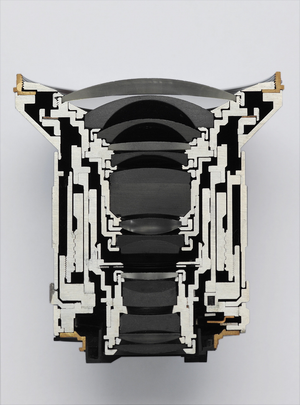
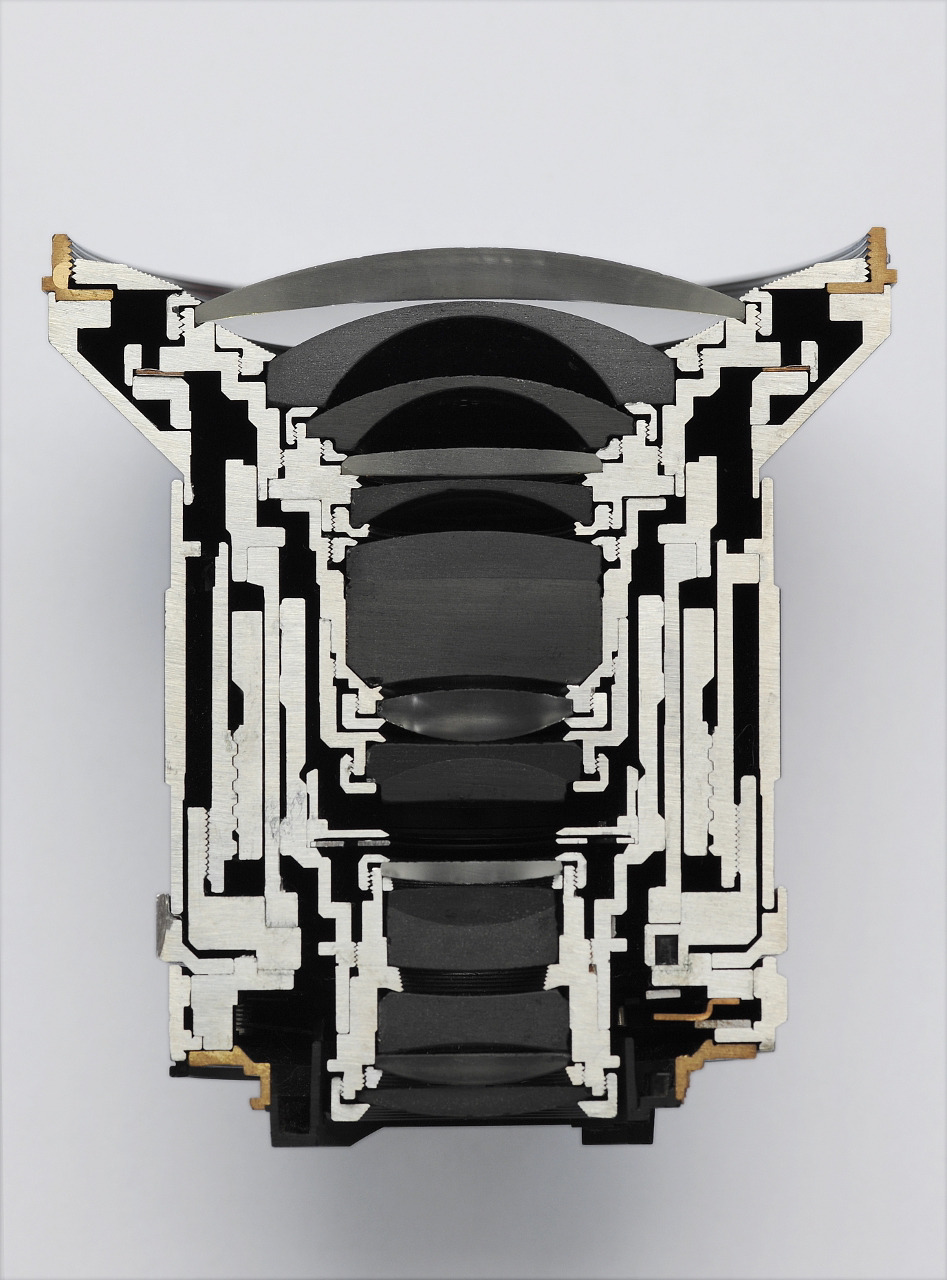
Christopher Williams, Cutaway model Zeiss Distagon T* 2.8/15 ZM / Focal length: 15mm. Aperture range: 2.8 – 22. No. of elements/groups: 11/9 / Focusing range: 0.3 m–infinity. Image ratio at close range: 1:18 / Coverage at close range: 43 cm × 65 cm. Angular field, diag./horiz./vert.: / 110/100/77˚ / Filter: M 72 × 0.75. Weight: 500 g. Length: 86 mm / Product no. black: 30 82016. Serial no.: 15555891. / (Subject to change.) / Manufactured by Carl Zeiss AG, Camera Lens Division, Oberkochen, Germany / Studio Rhein Verlag, Düsseldorf / January 18, 2013 (2013).
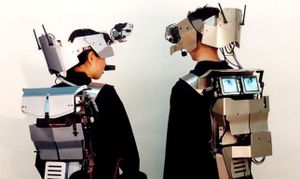
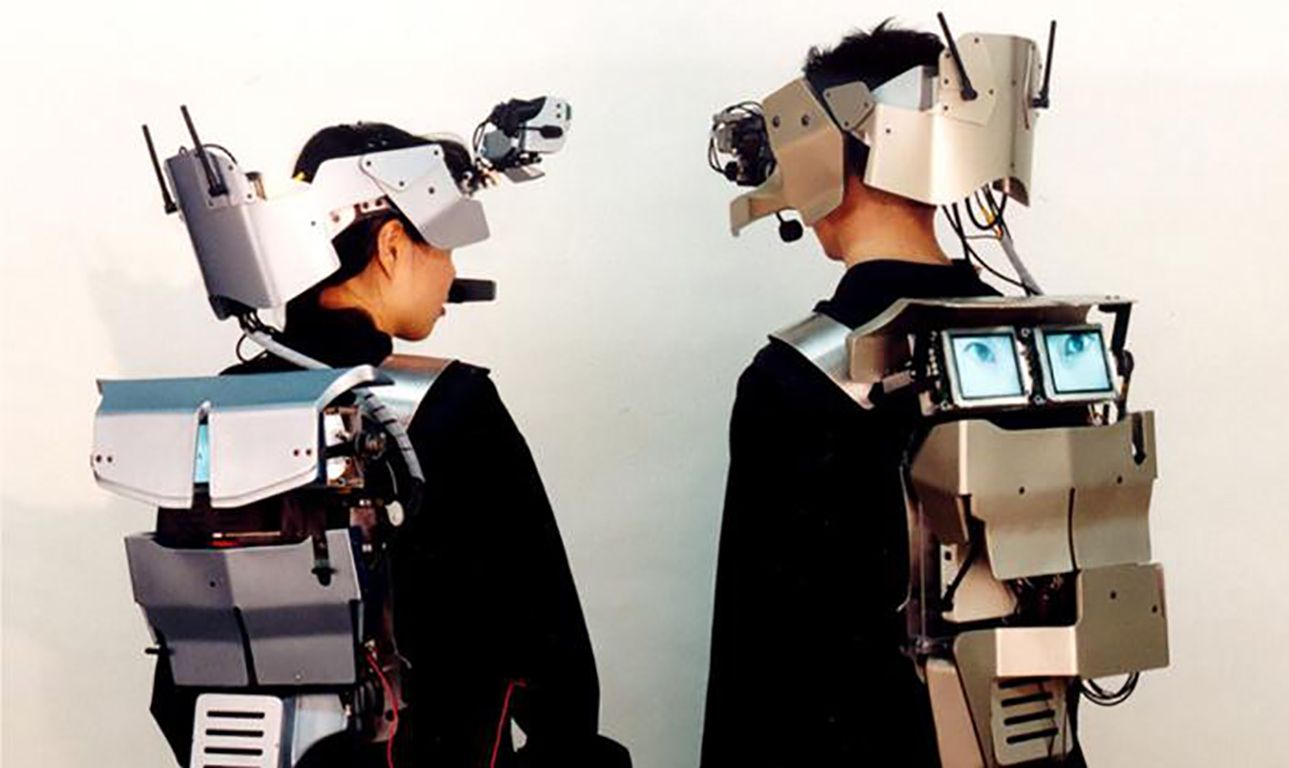
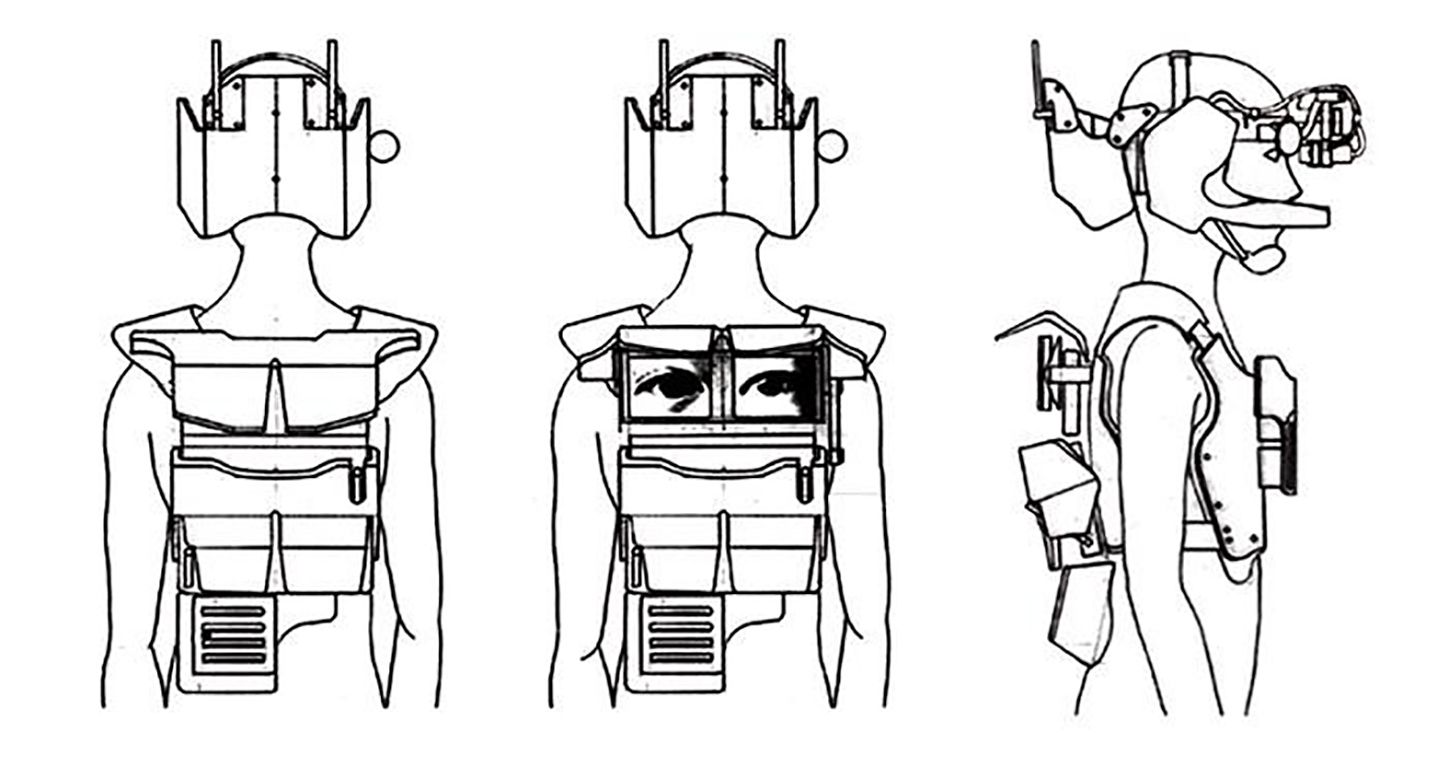
Instrument designed and built in collaboration with members of the Interrogative Design Group, Center for Advanced Visual Studies, MIT: Adam Whiton, Sung Ho Kim, Jerzy Stypułkowski; Japanese team: Mari Ishiko with a group of school psychologists.
Dis-Armor is a psycho-cultural prosthetic device designed as a communications tool for school students. It was directly inspired by the artist’s meeting with alienated, sociopathic Japanese youngsters. The project’s title serves as a reference to the need for “disarming” – for young people encased in a carapace of silence to open up. Resembling a protective suit, the Dis-Armor combines modern technology with Japanese cultural traditions; its overall aesthetic and individual elements were inspired by antique samurai armor. The device features two mini cameras that film the eyes and send the image to two small-size screens at the user’s back. Young people who otherwise avoid direct contact with others can communicate by “looking and speaking with their backs.” Three versions of Dis-Armor were made: a blue one (the earliest); a gold one with an added camera to play back prerecorded statements, with sound-image synchronization, and the option to switch between playback and live broadcasting; and a third one, equipped with a back camera and a small LCD screen replacing the earlier rearview mirror.
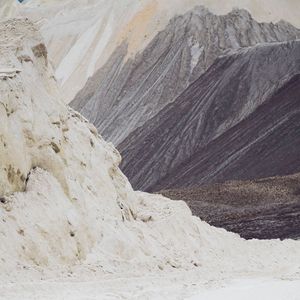
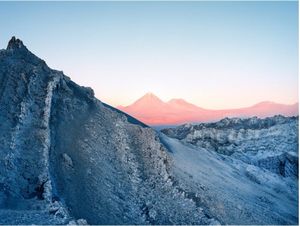
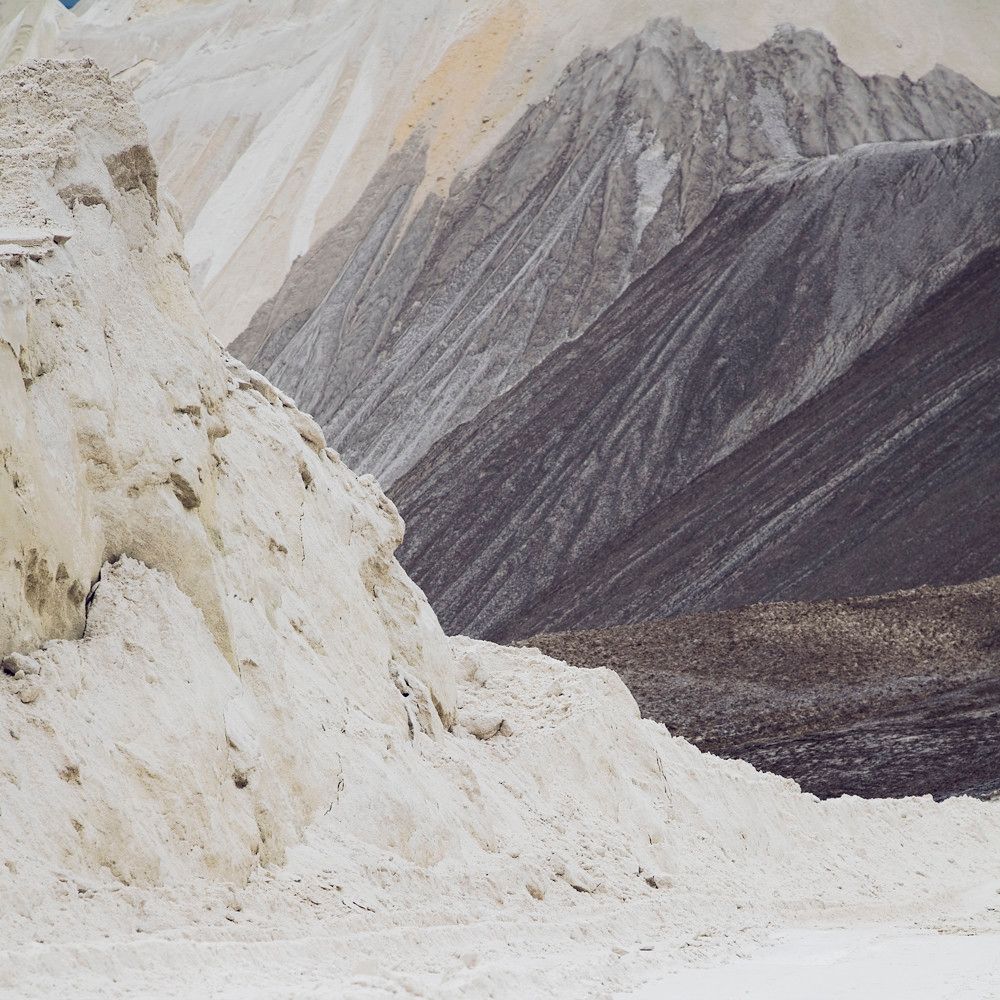
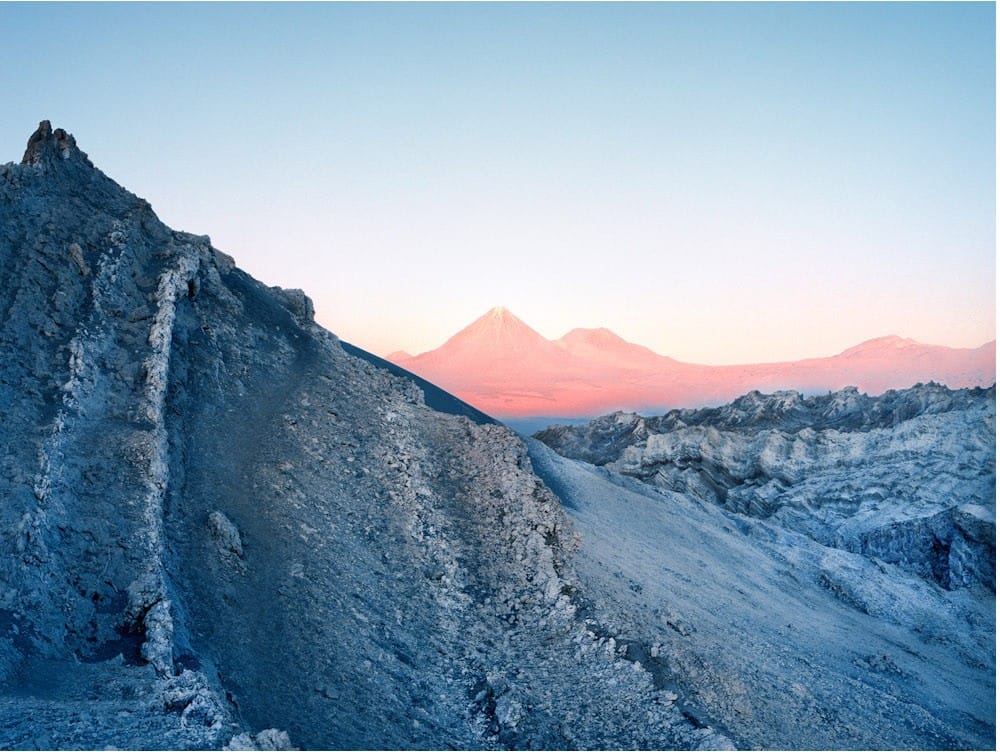
Matthias Heiderich's landscape study contrasts pale eroded mineral formations with steep charcoal-grey ridges. The photograph was taken on April 29, 2012.
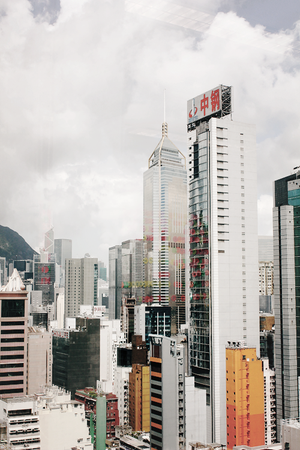
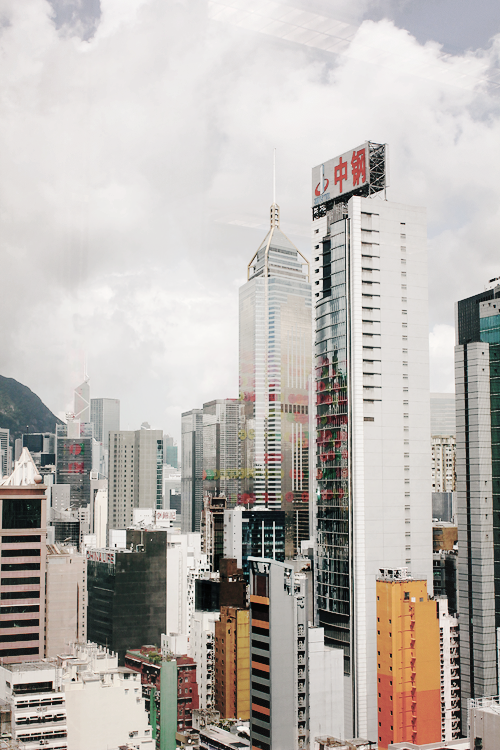
ingu's View from the Office looks across Hong Kong's Causeway Bay skyline toward Central Plaza. The Flickr description dates the scene to August 2011.
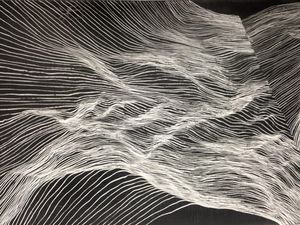
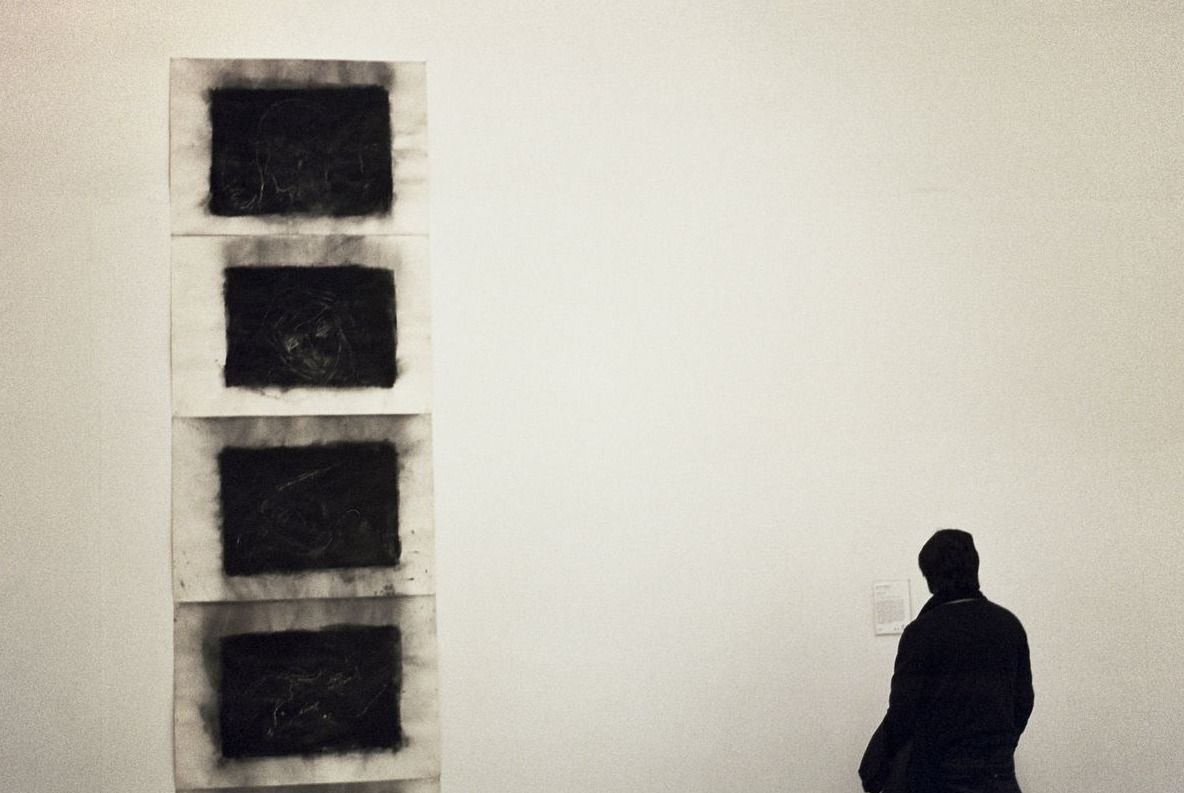
A work from Kevin Townsend's Temporary Drawings: large chalk drawings built up on walls and floors as fields of repeated marks, then erased.
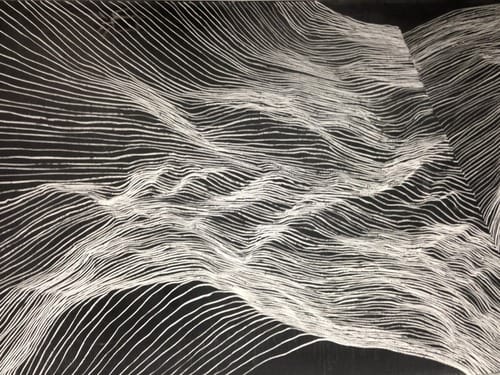
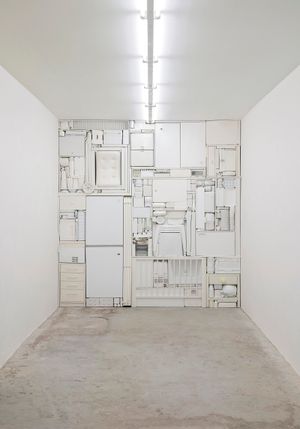
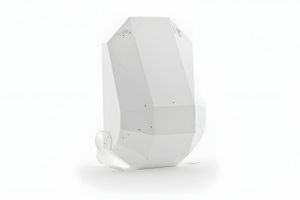
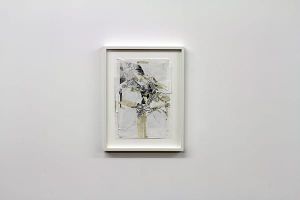
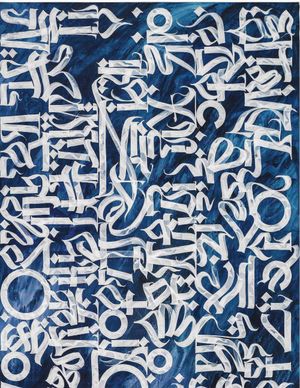
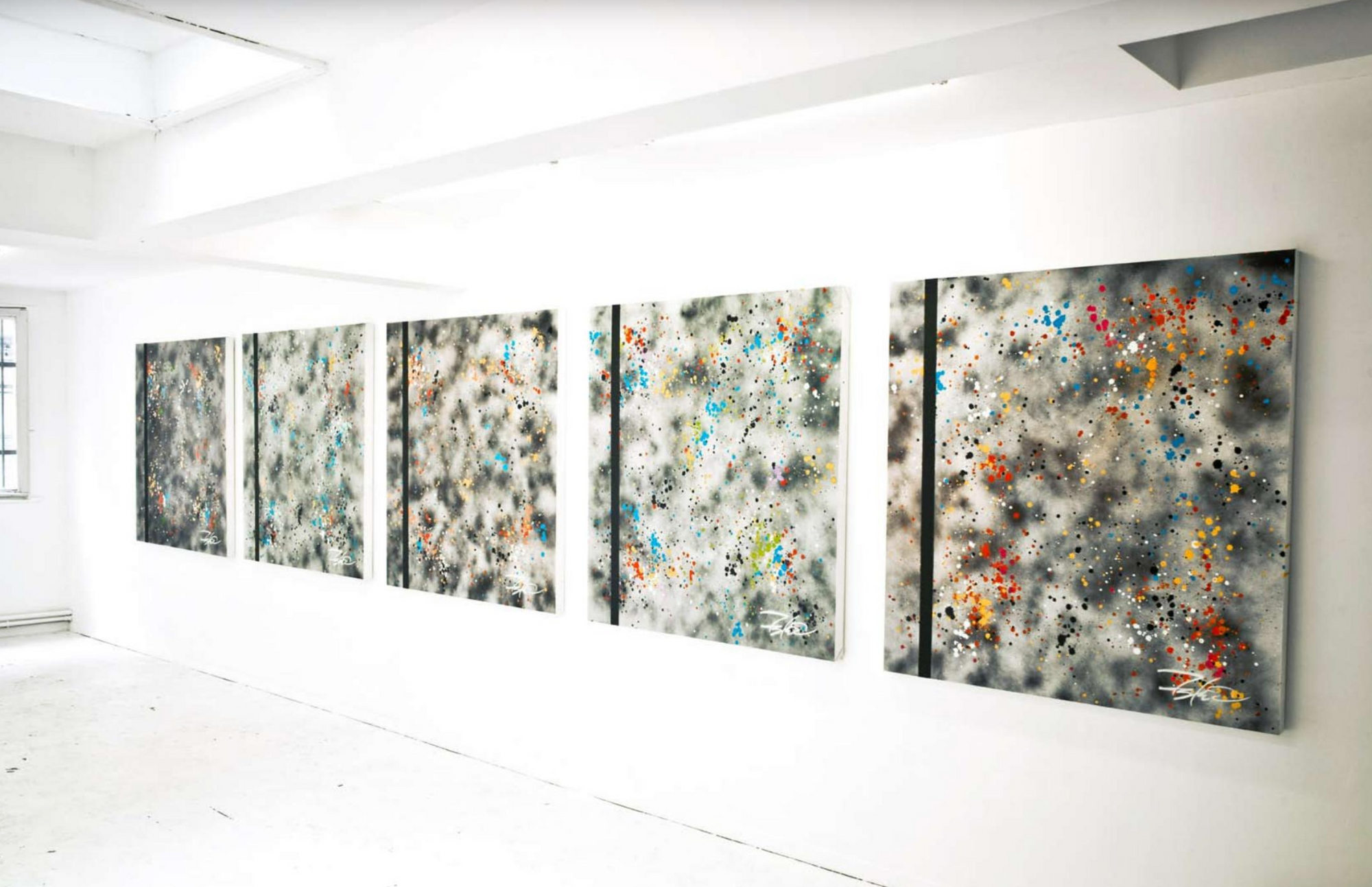
An installation view from 'Surface', a 2012 Paris exhibition by the Dutch artist Boris Tellegen (Delta). He makes fractured three-dimensional reliefs and sculptures from an exploded-letterform language rooted in graffiti.