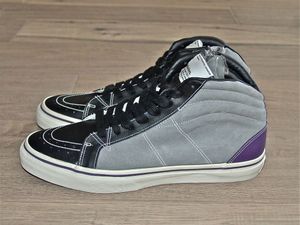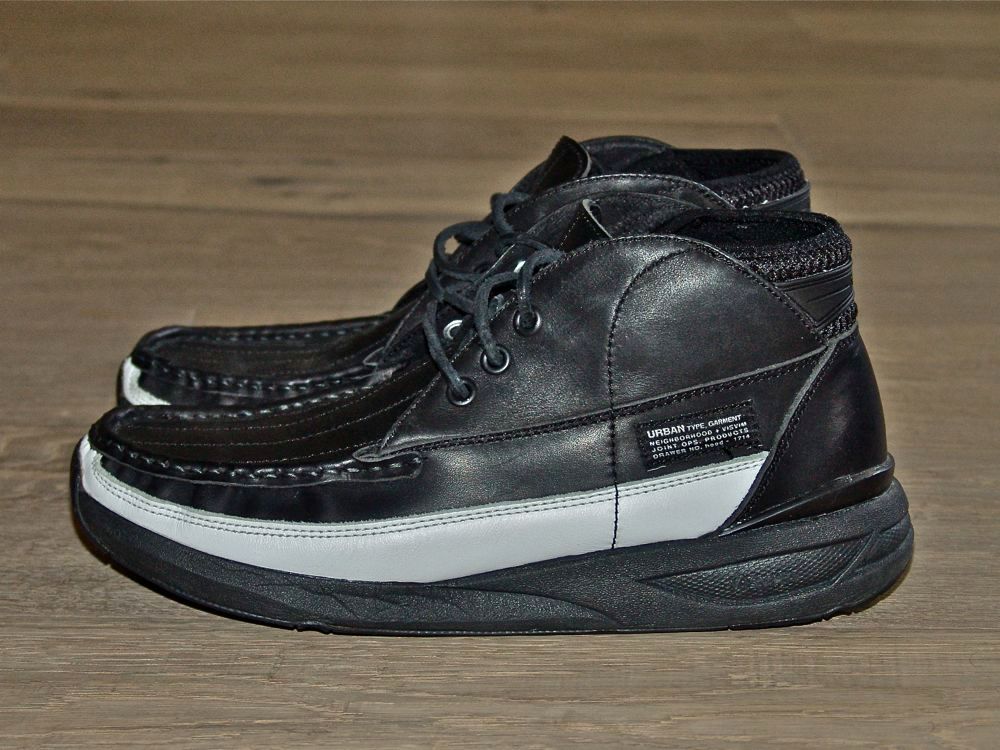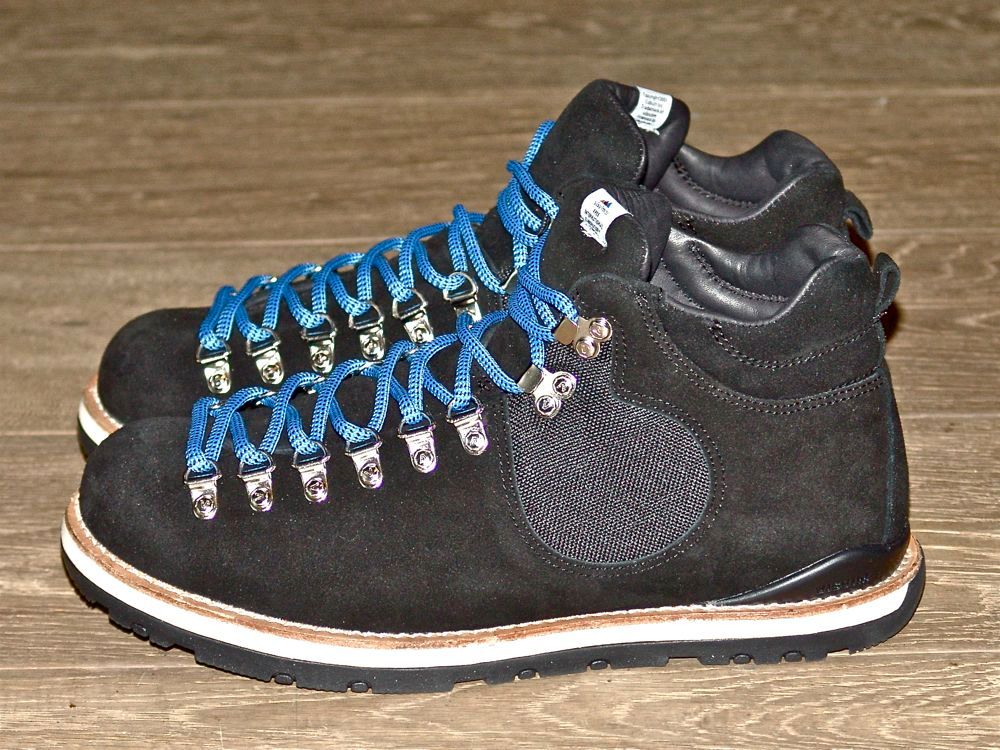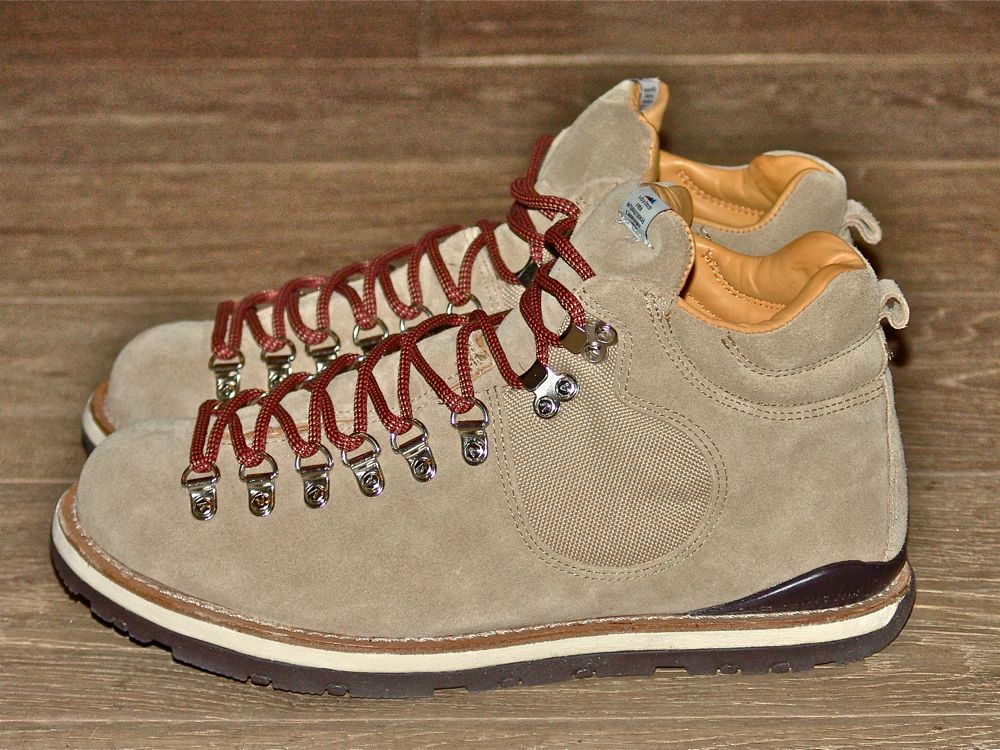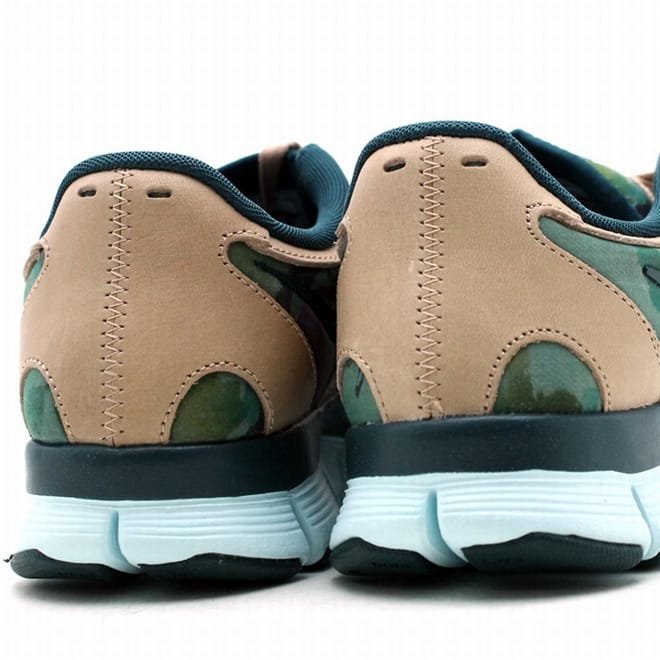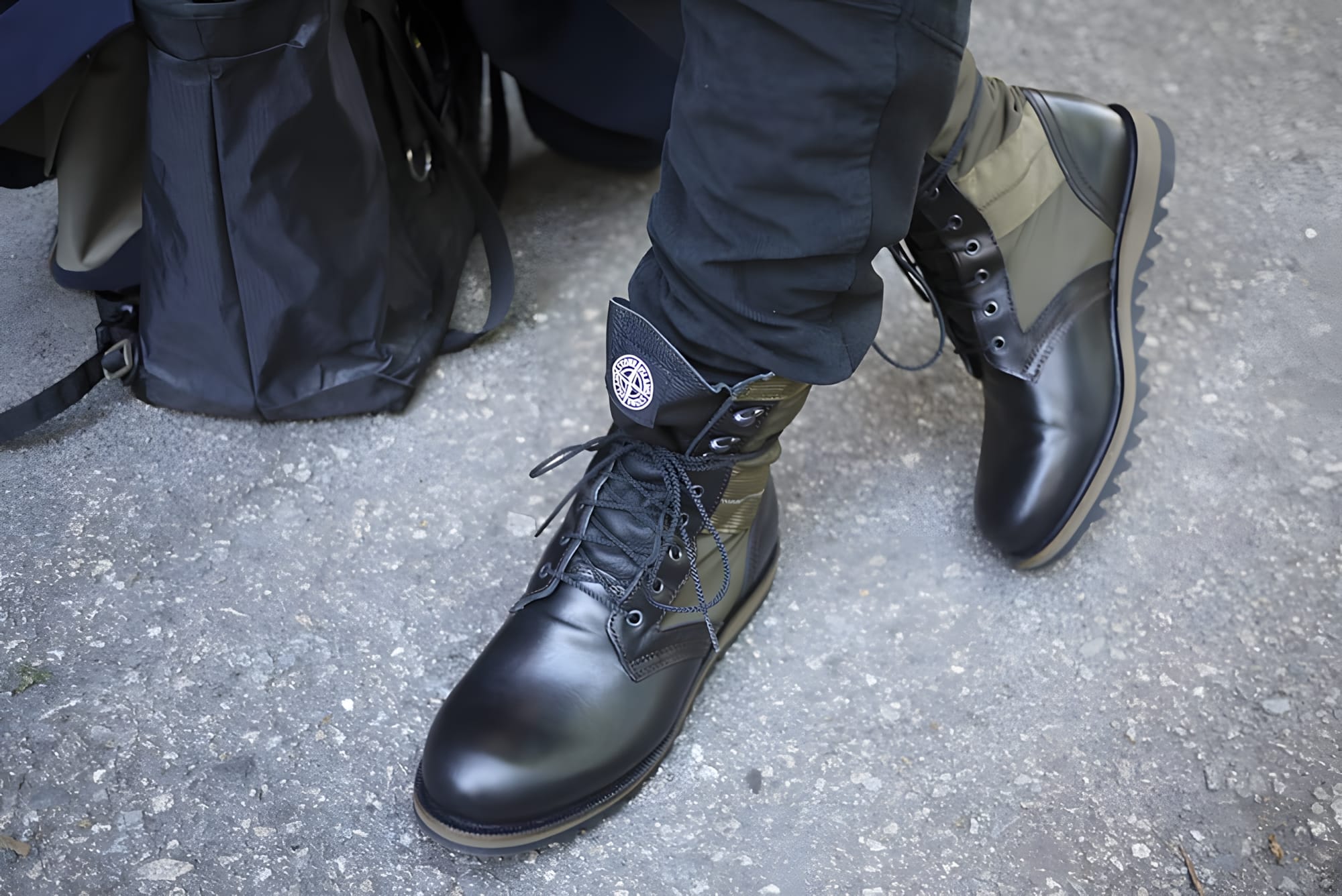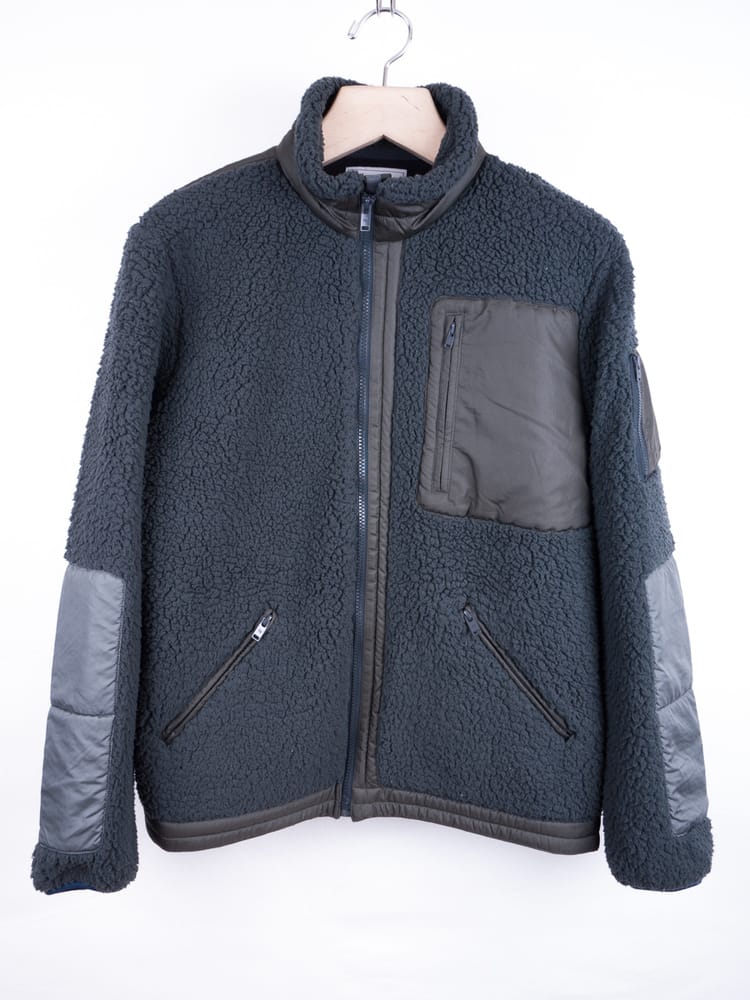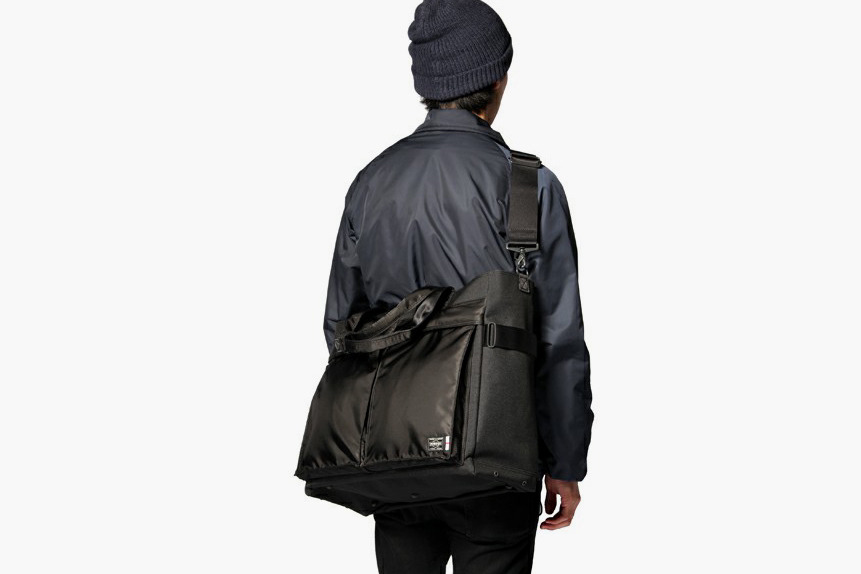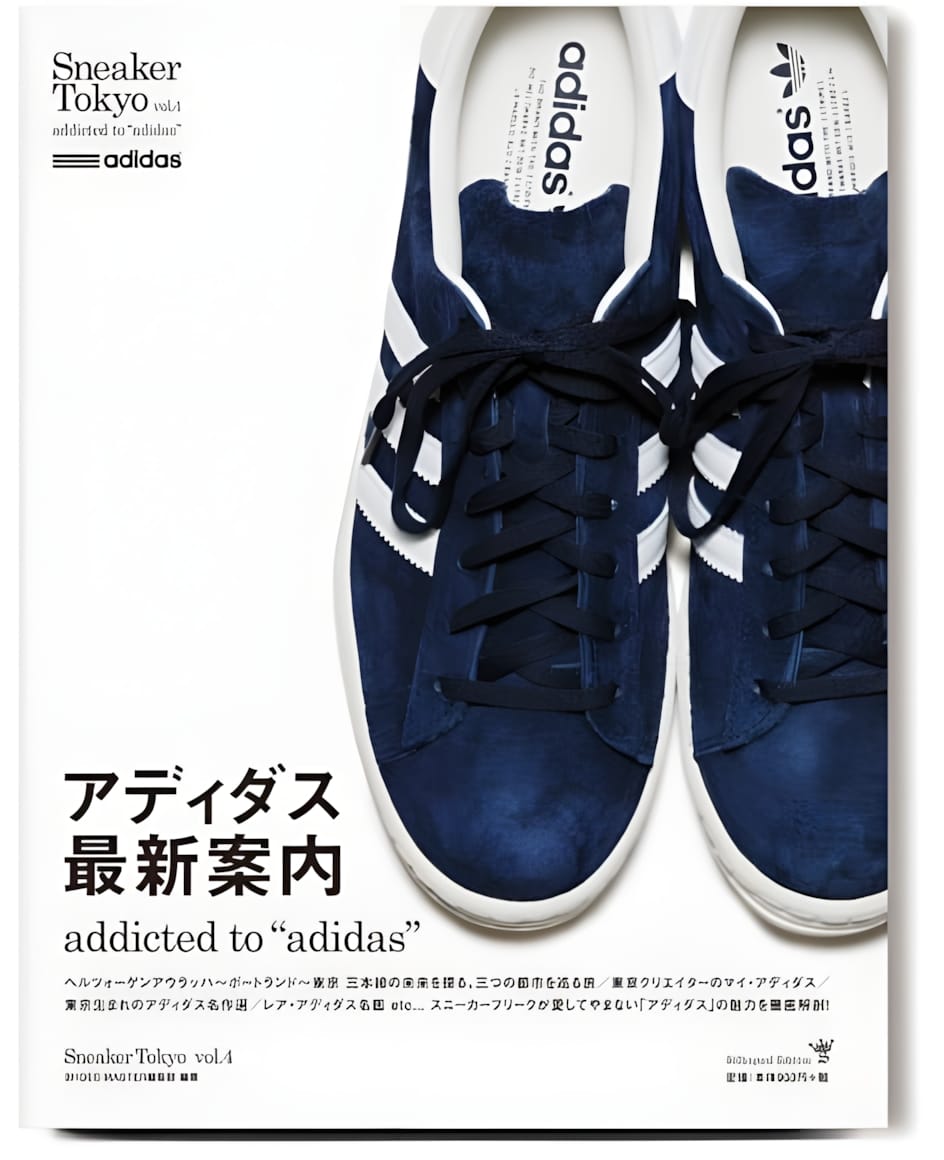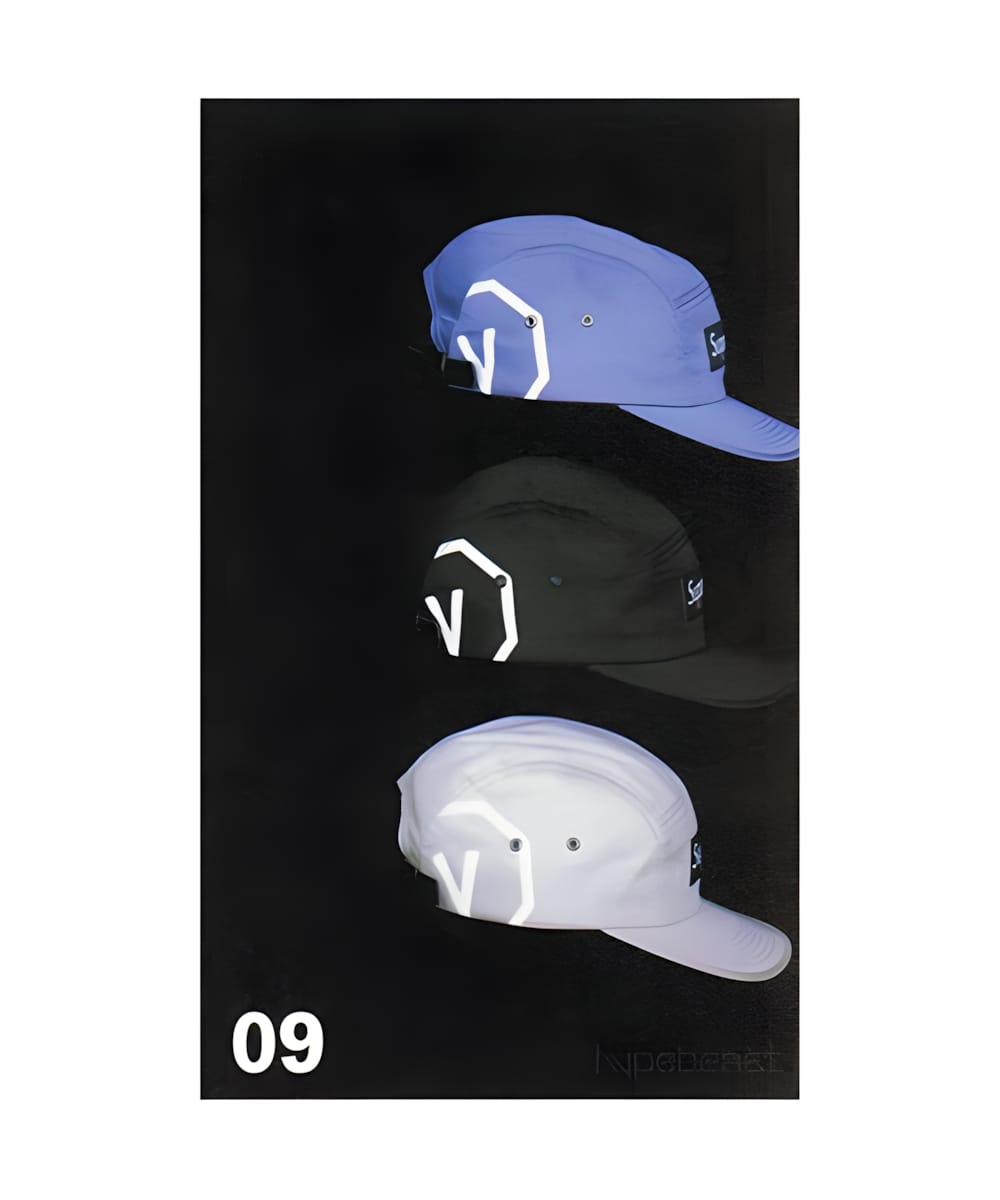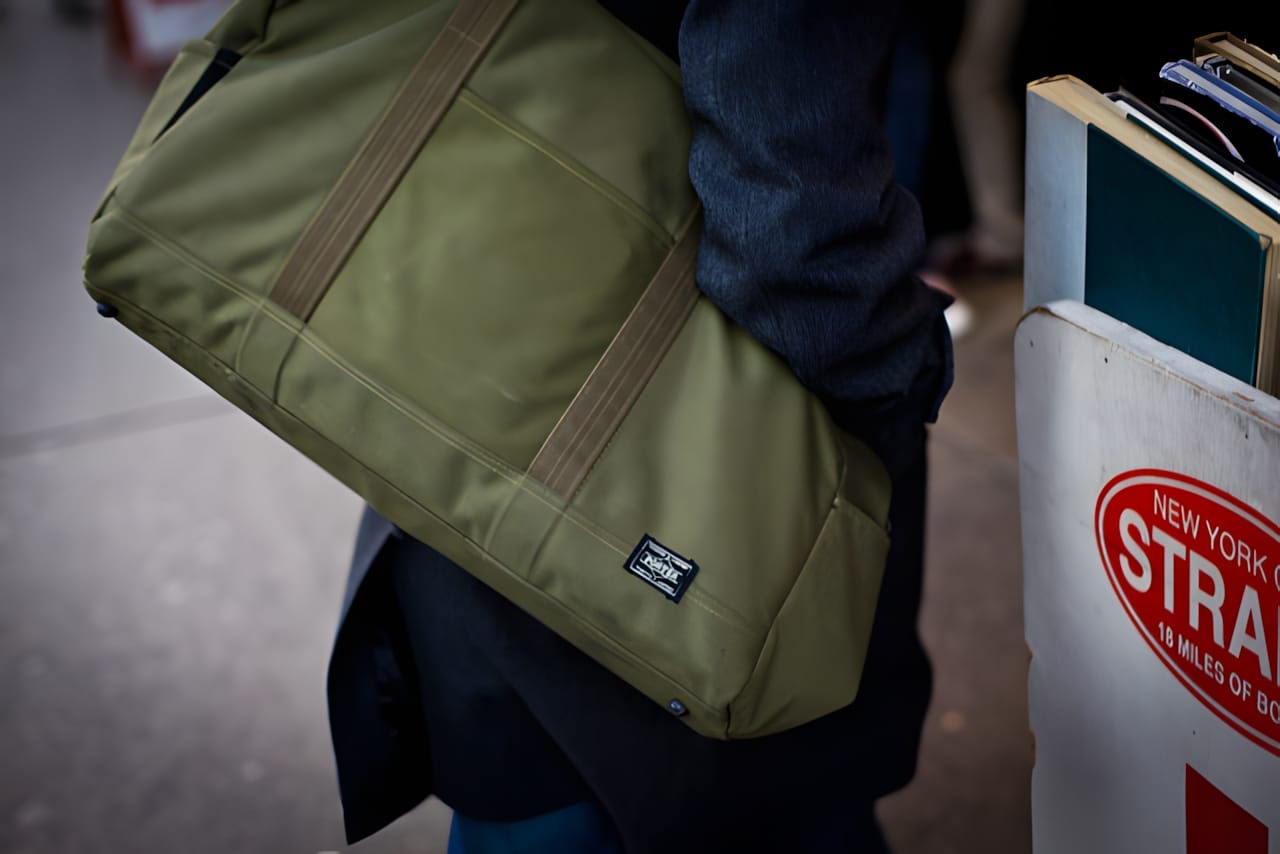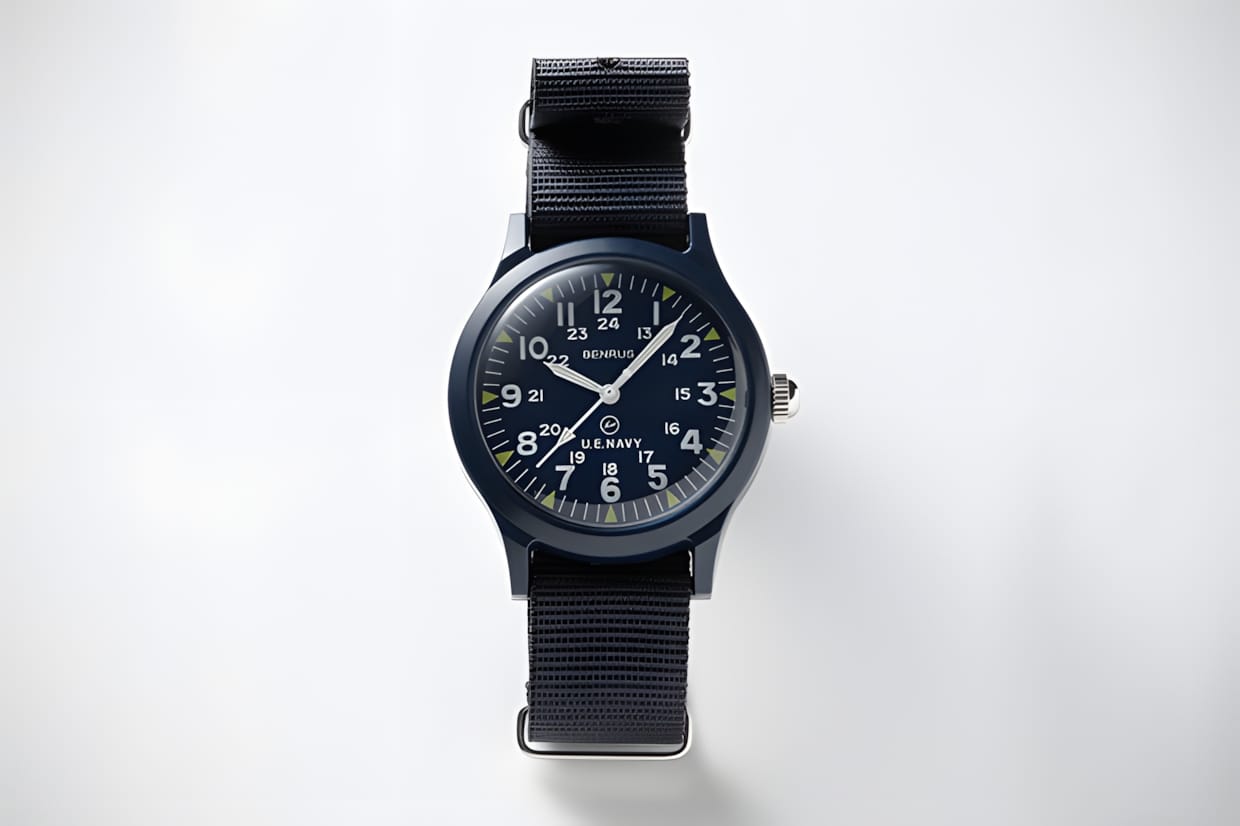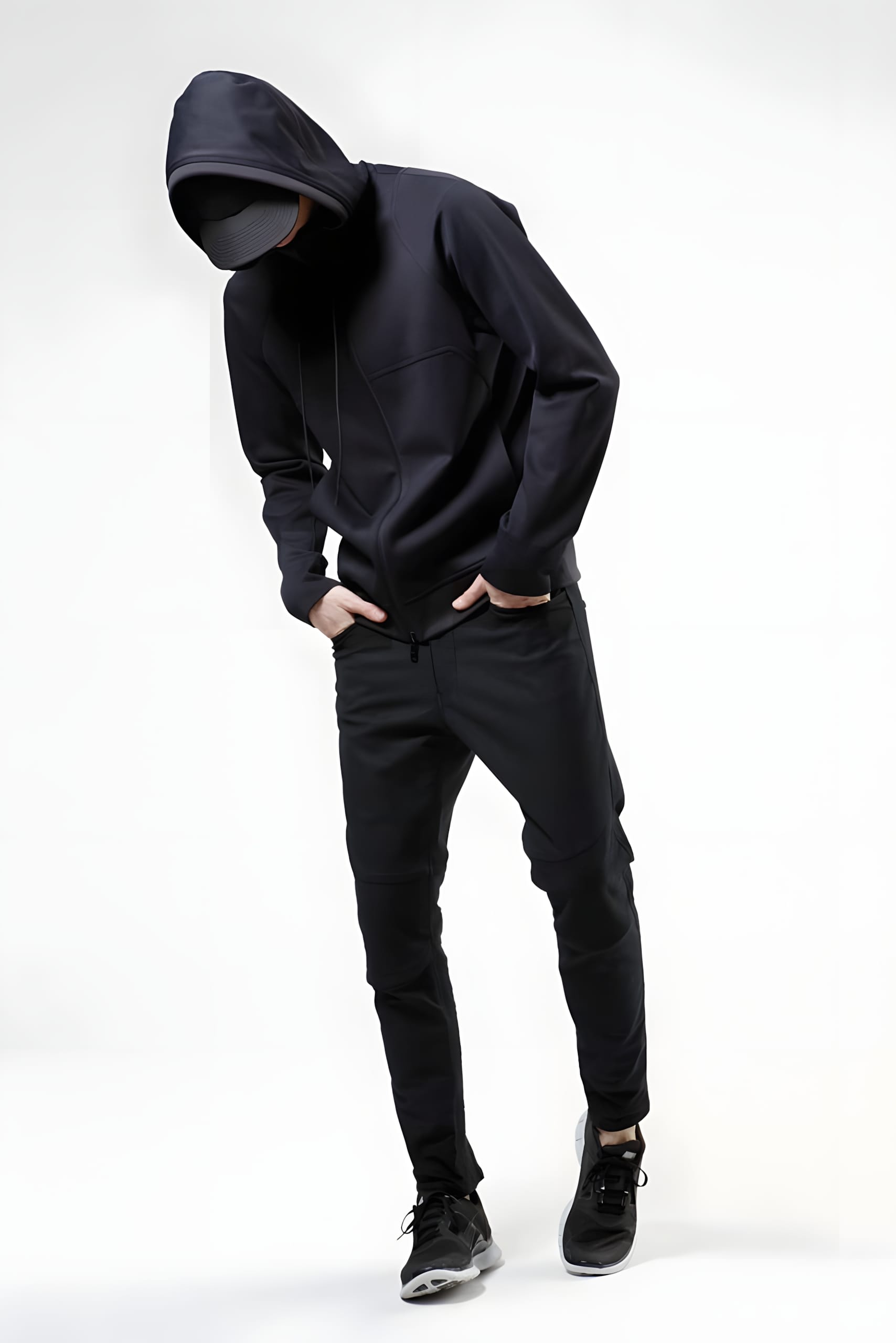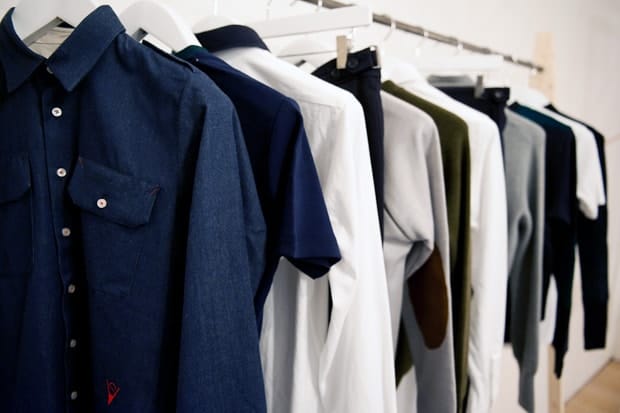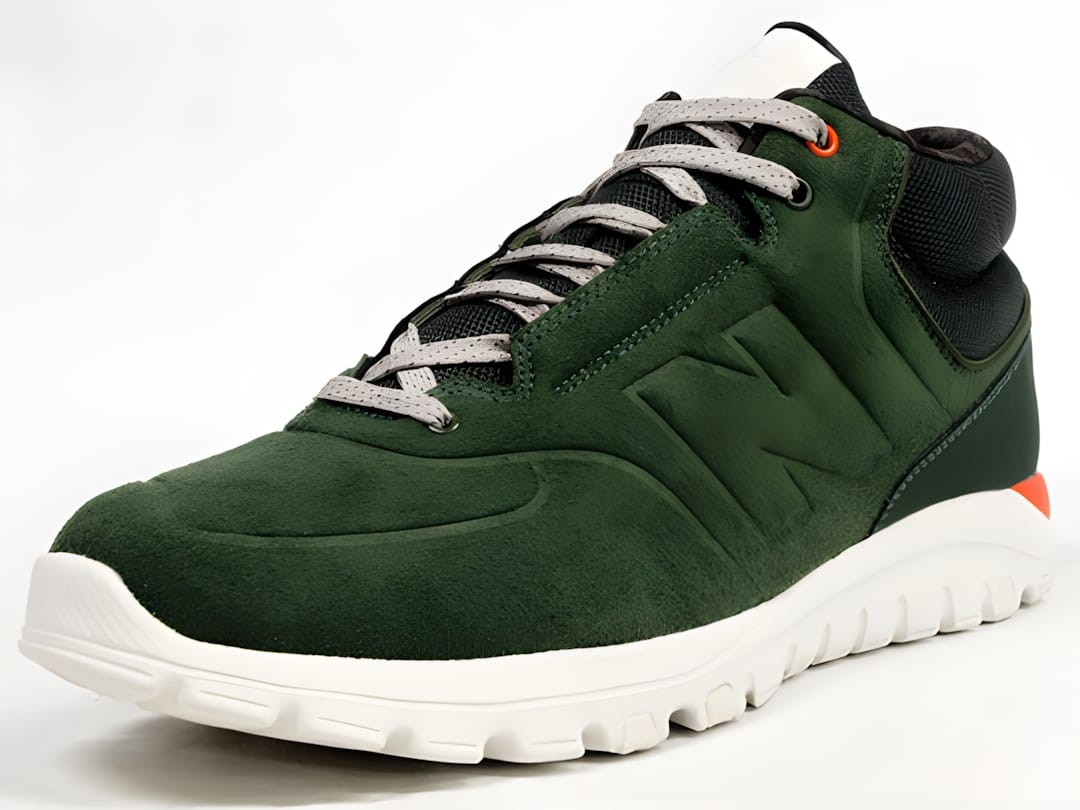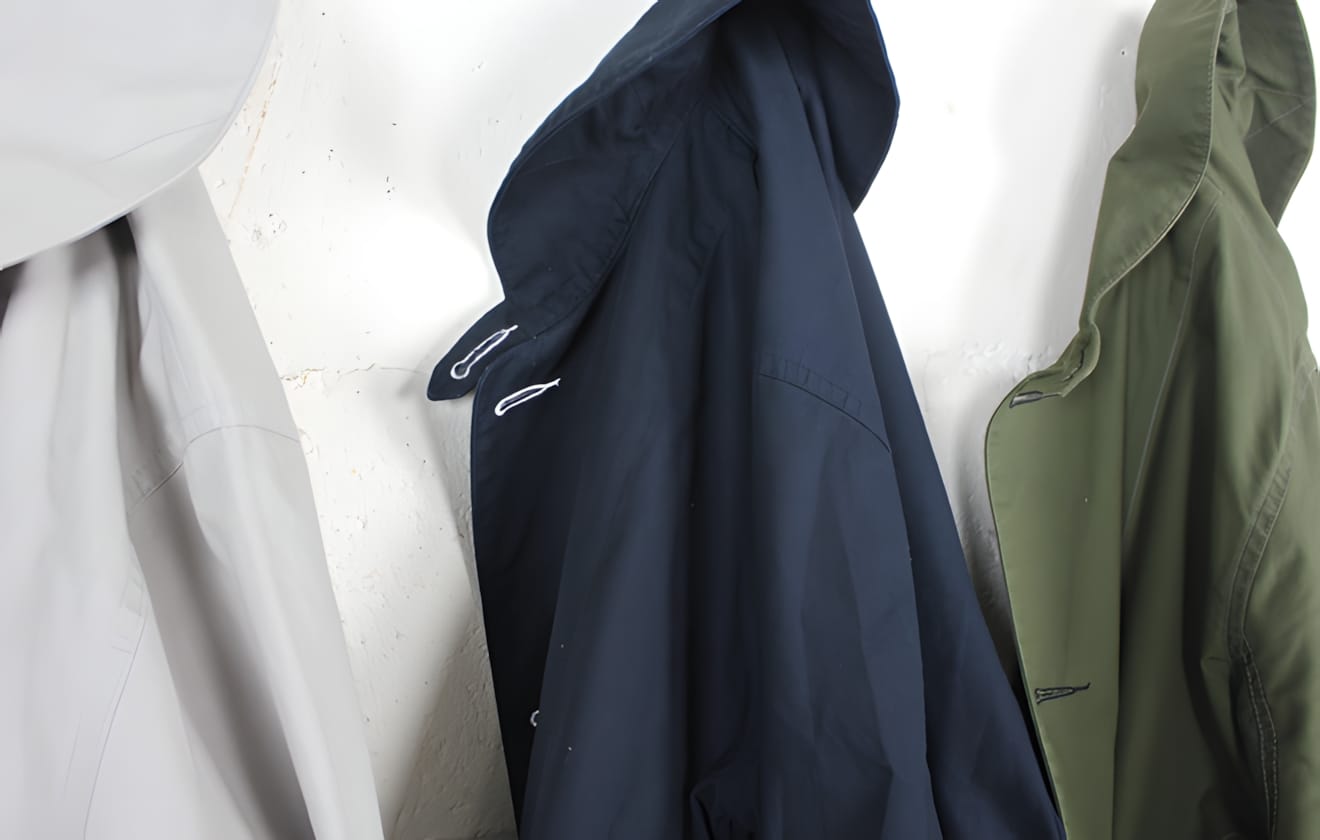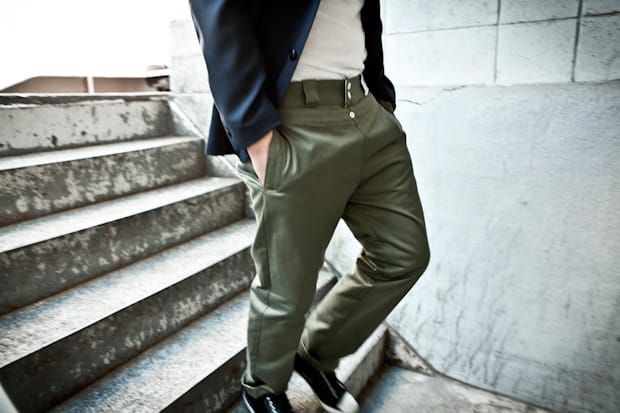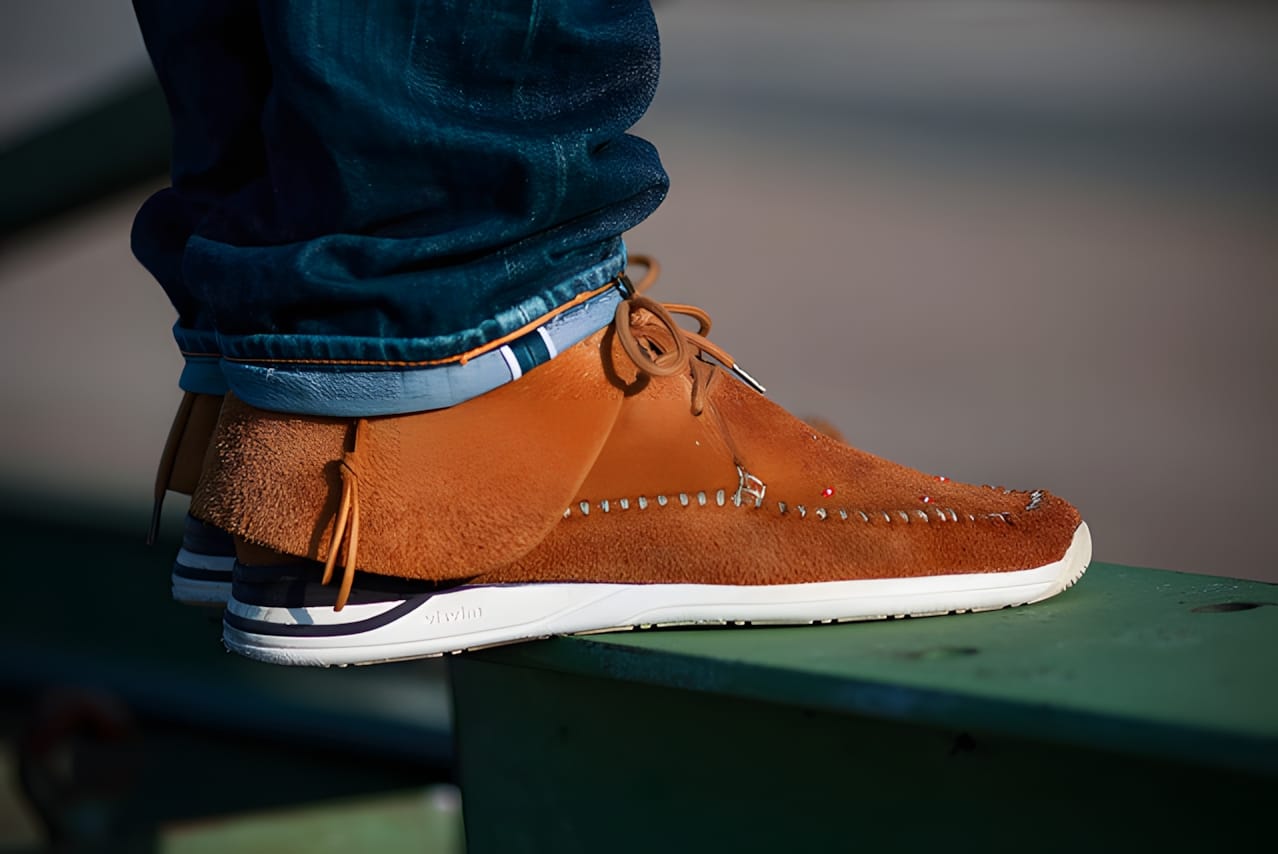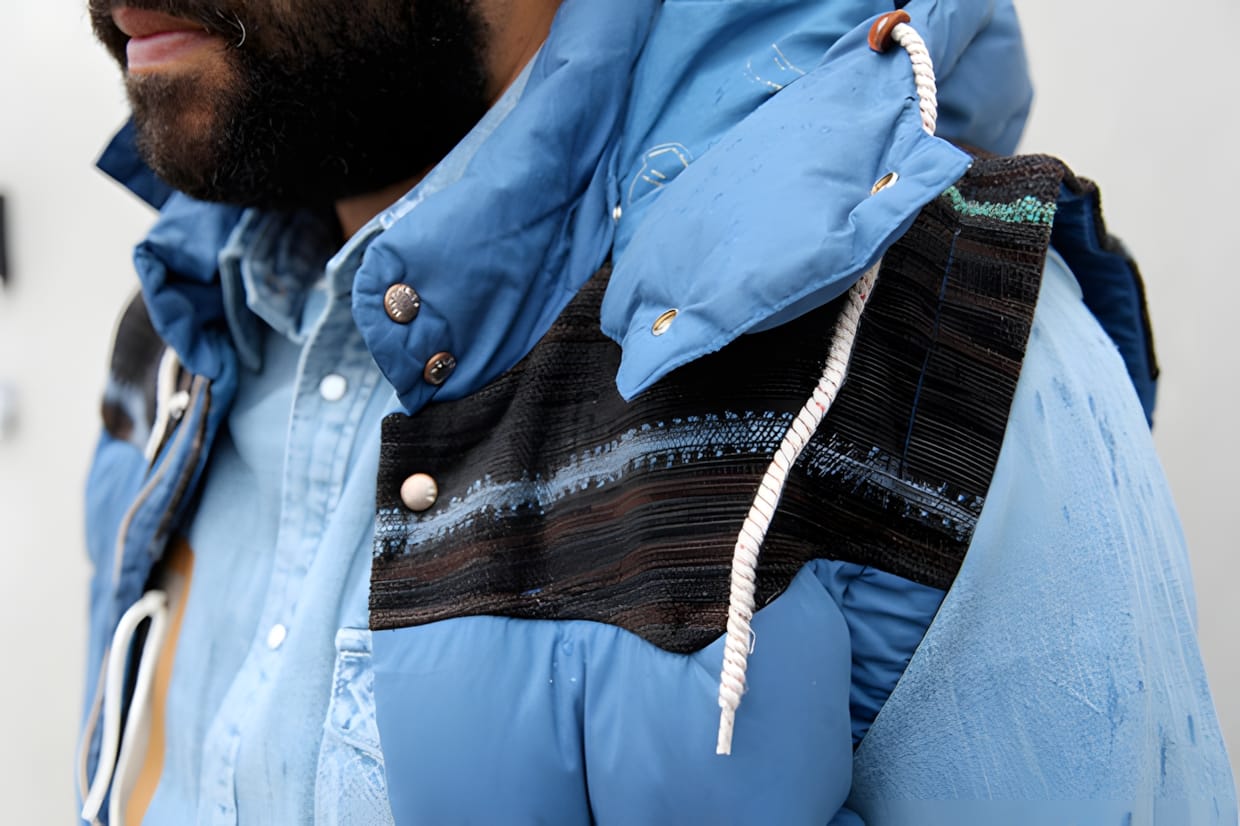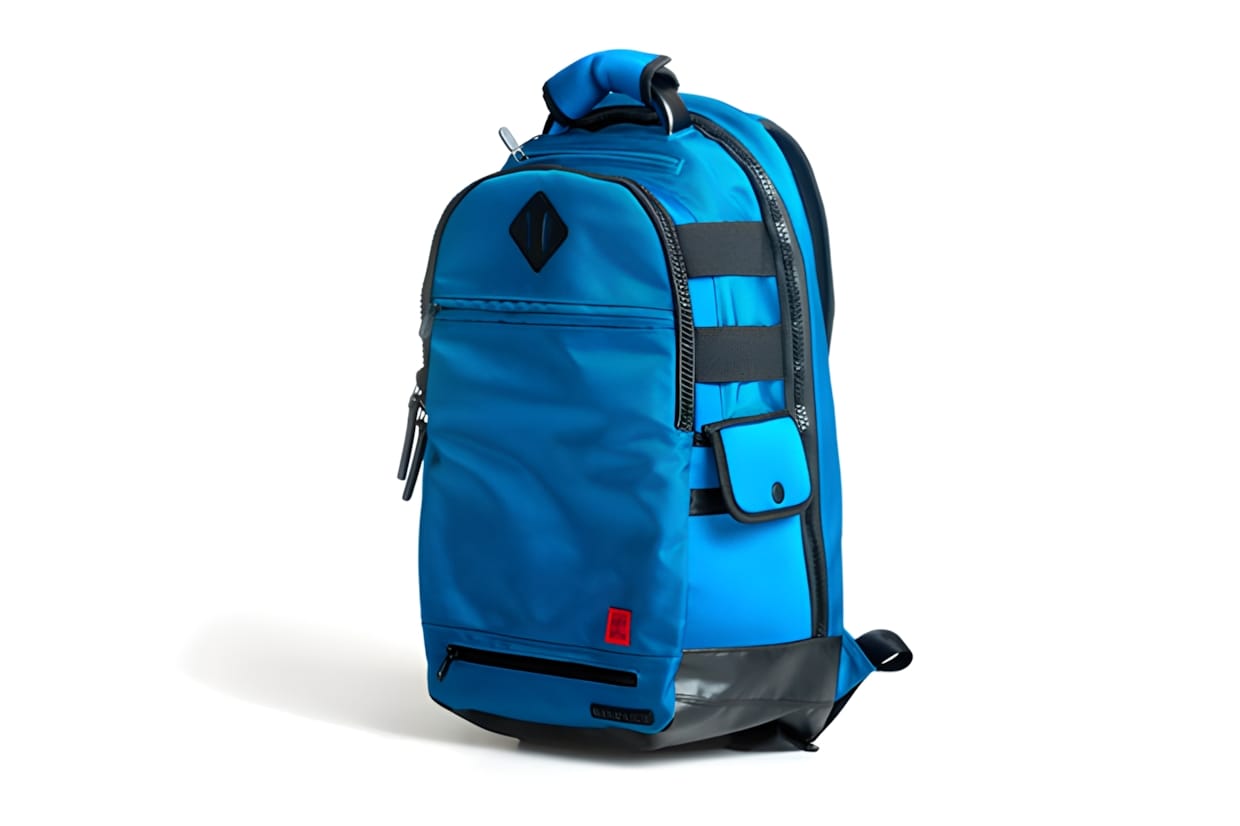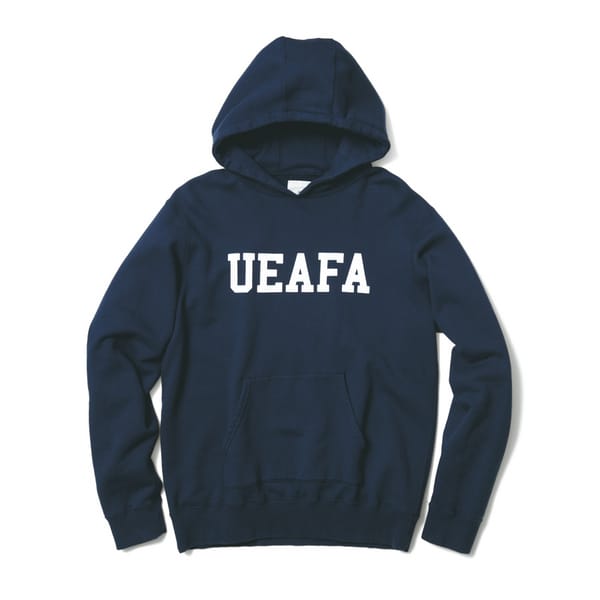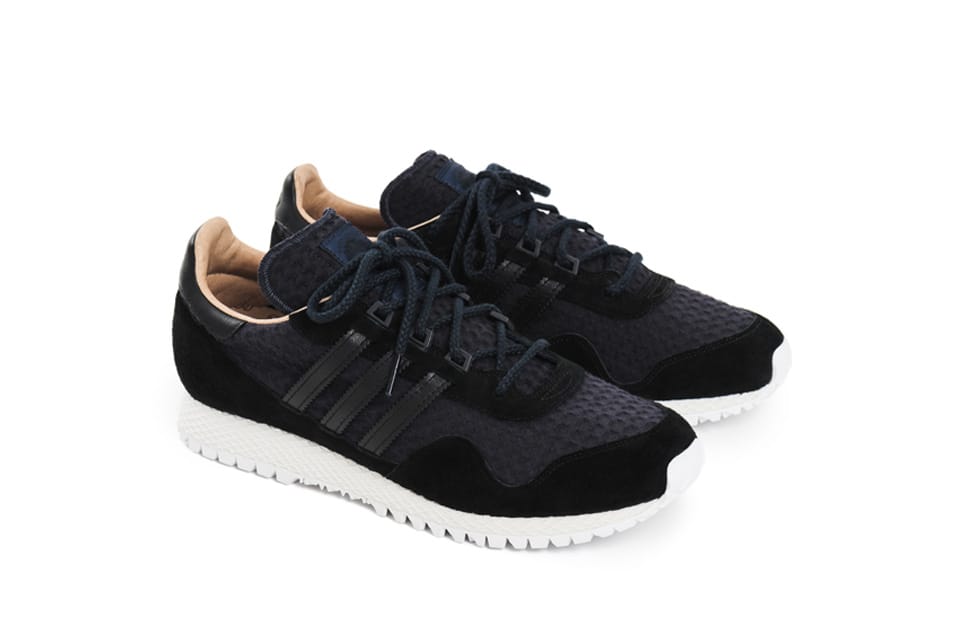
adidas Consortium x A Kind of Guise New York
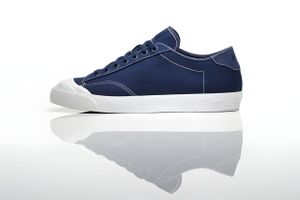
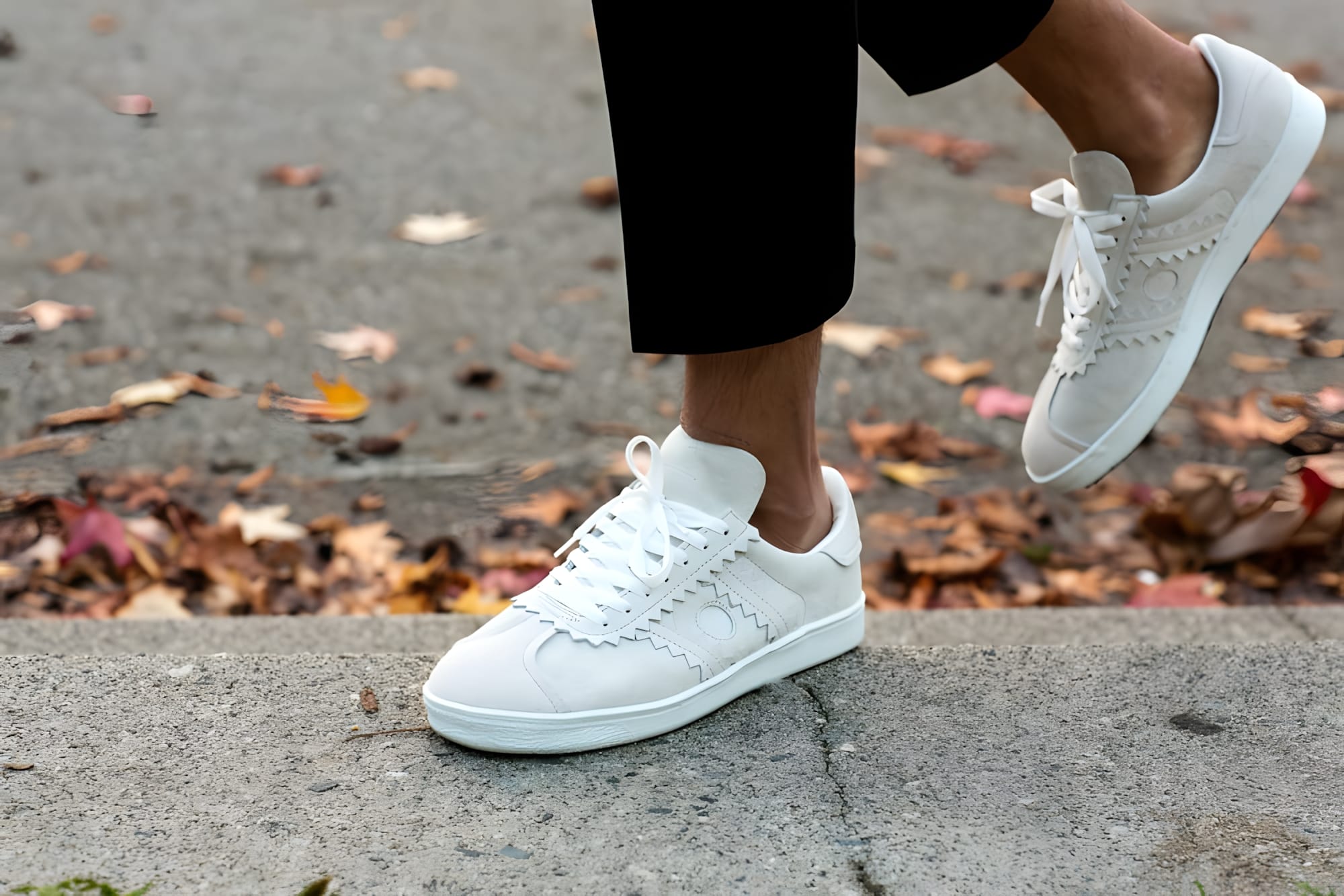
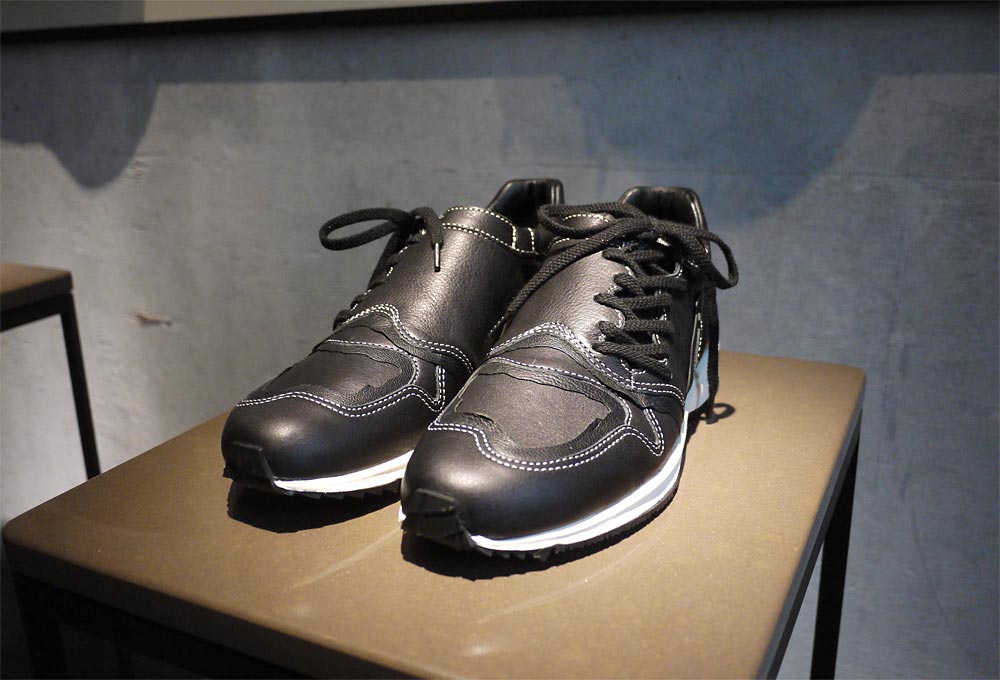
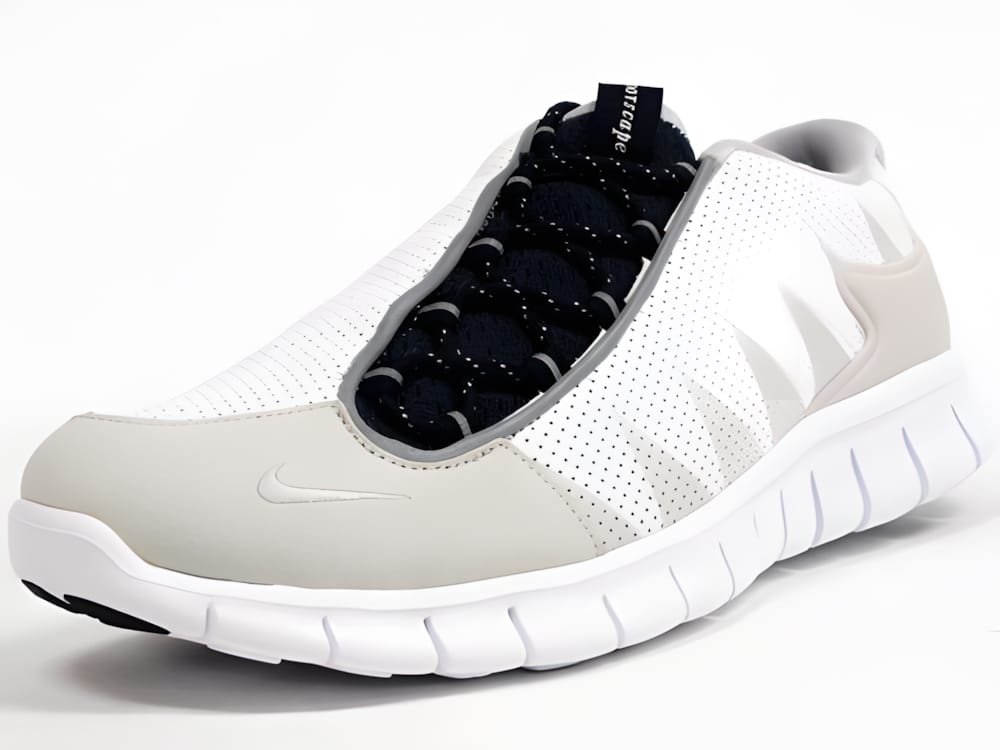
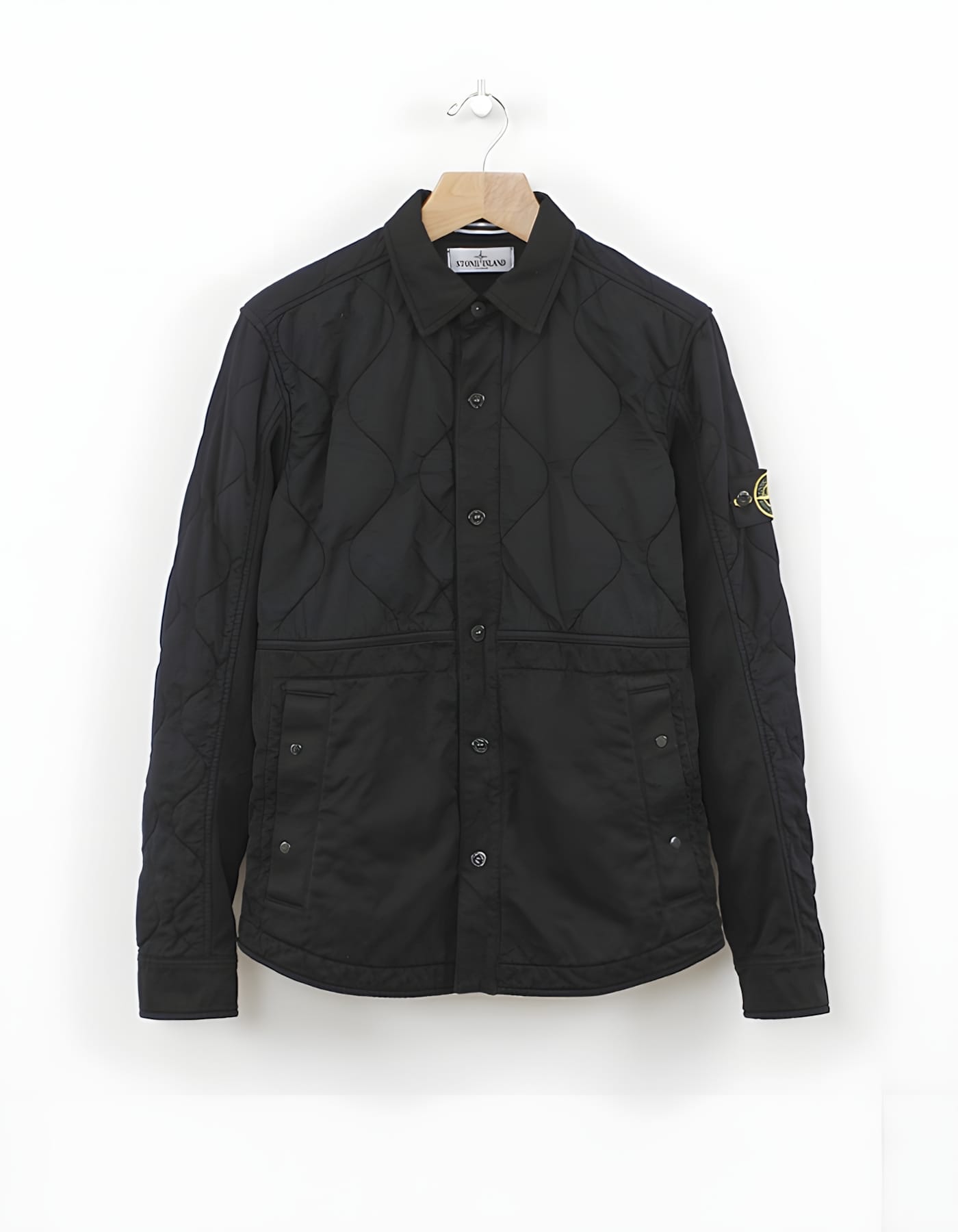
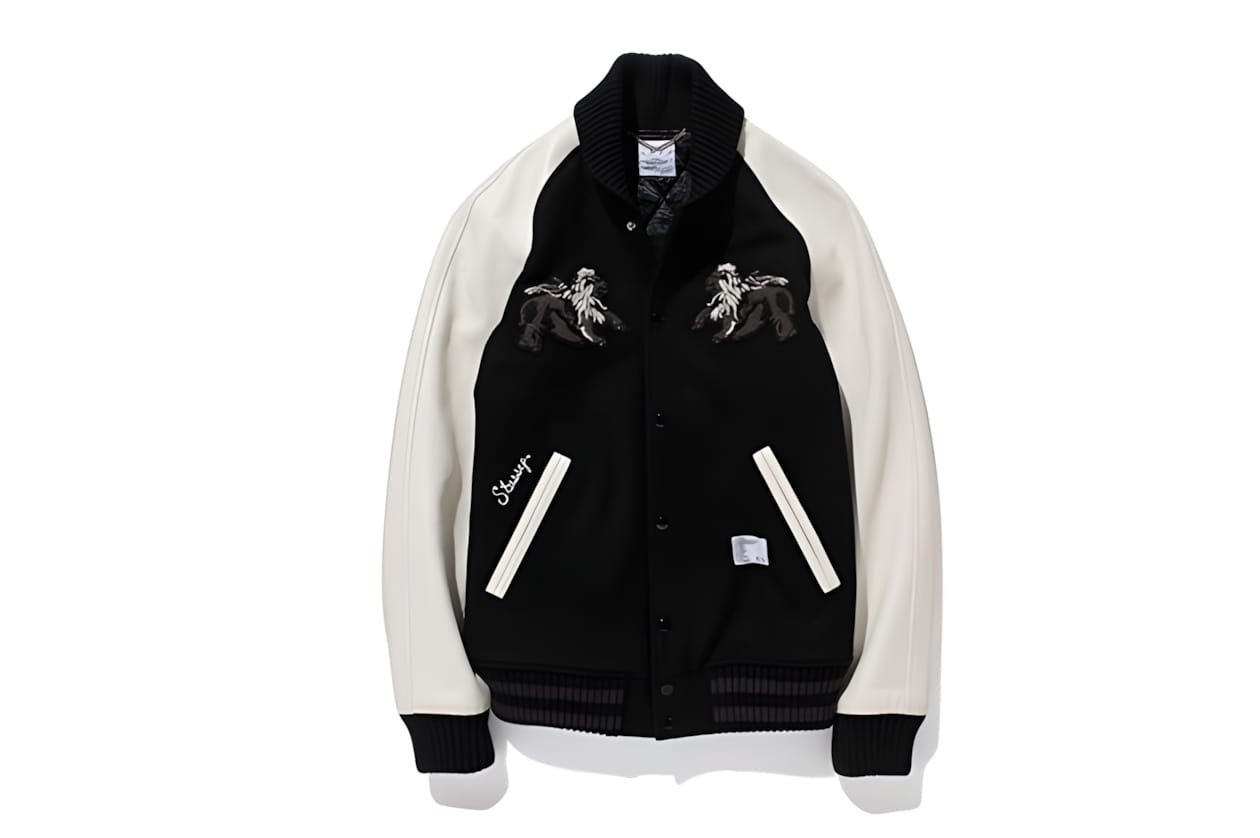
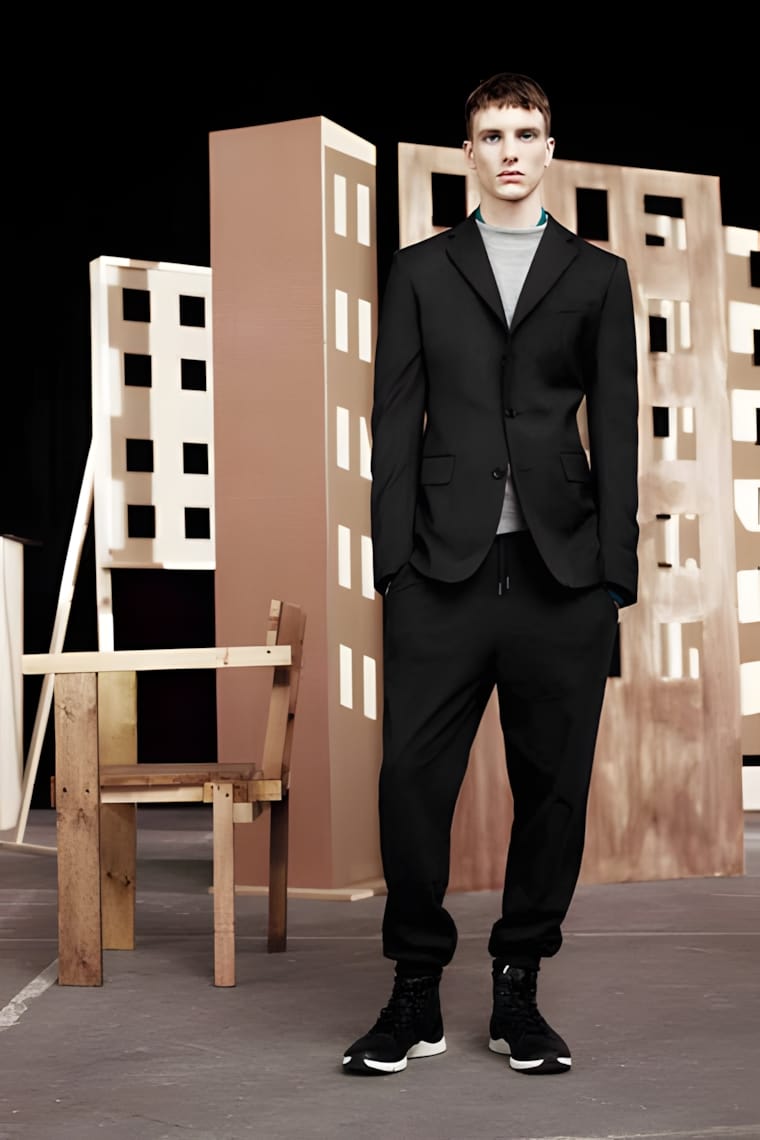
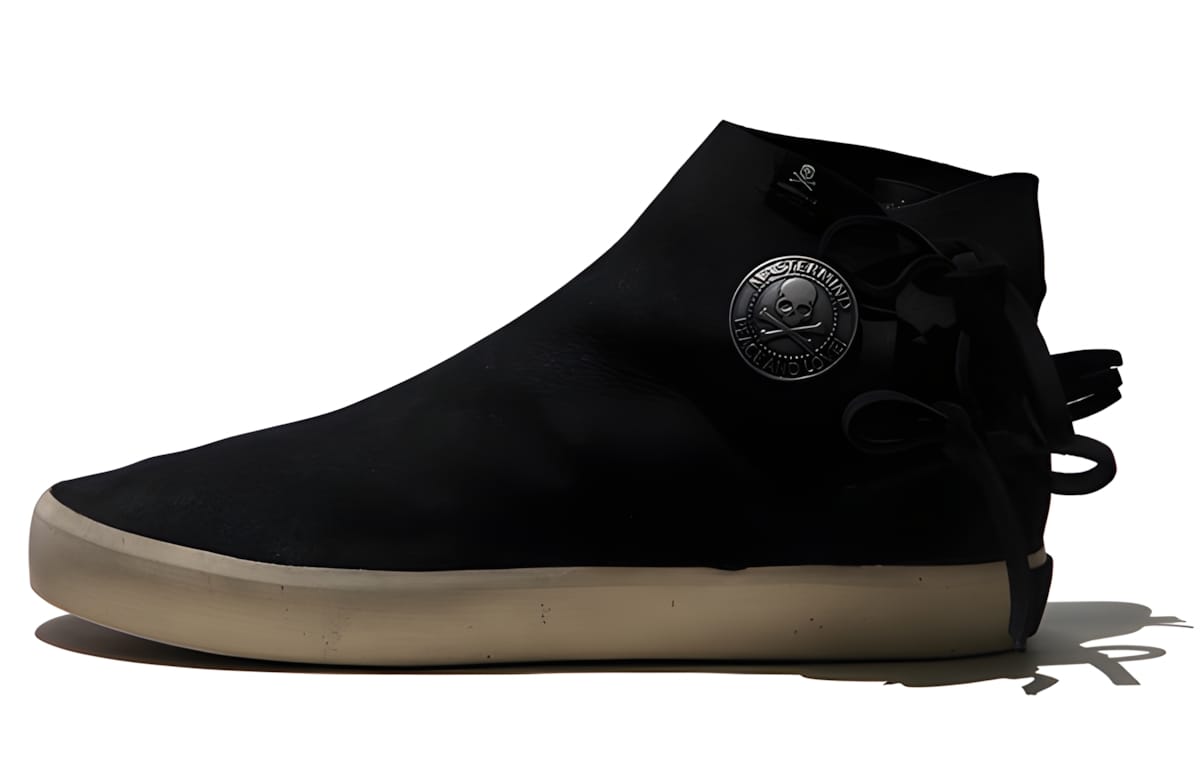
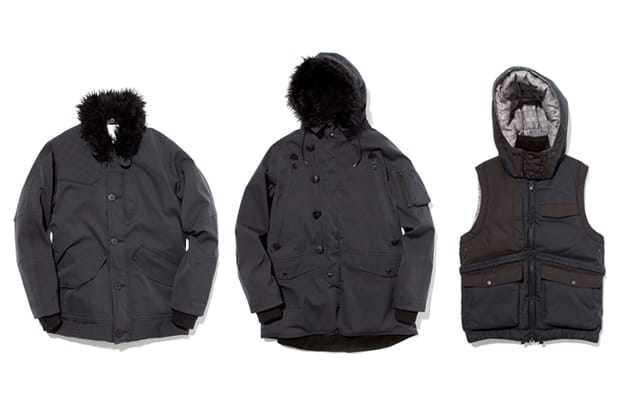
From the adidas Consortium World Tour, the 'New York' pack designed by the Munich label A Kind of Guise with adidas Originals. Each city in the series was handed to a different boutique or design house.
From the adidas Consortium World Tour, the 'New York' pack designed by the Munich label A Kind of Guise with adidas Originals. Each city in the series was handed to a different boutique or design house.
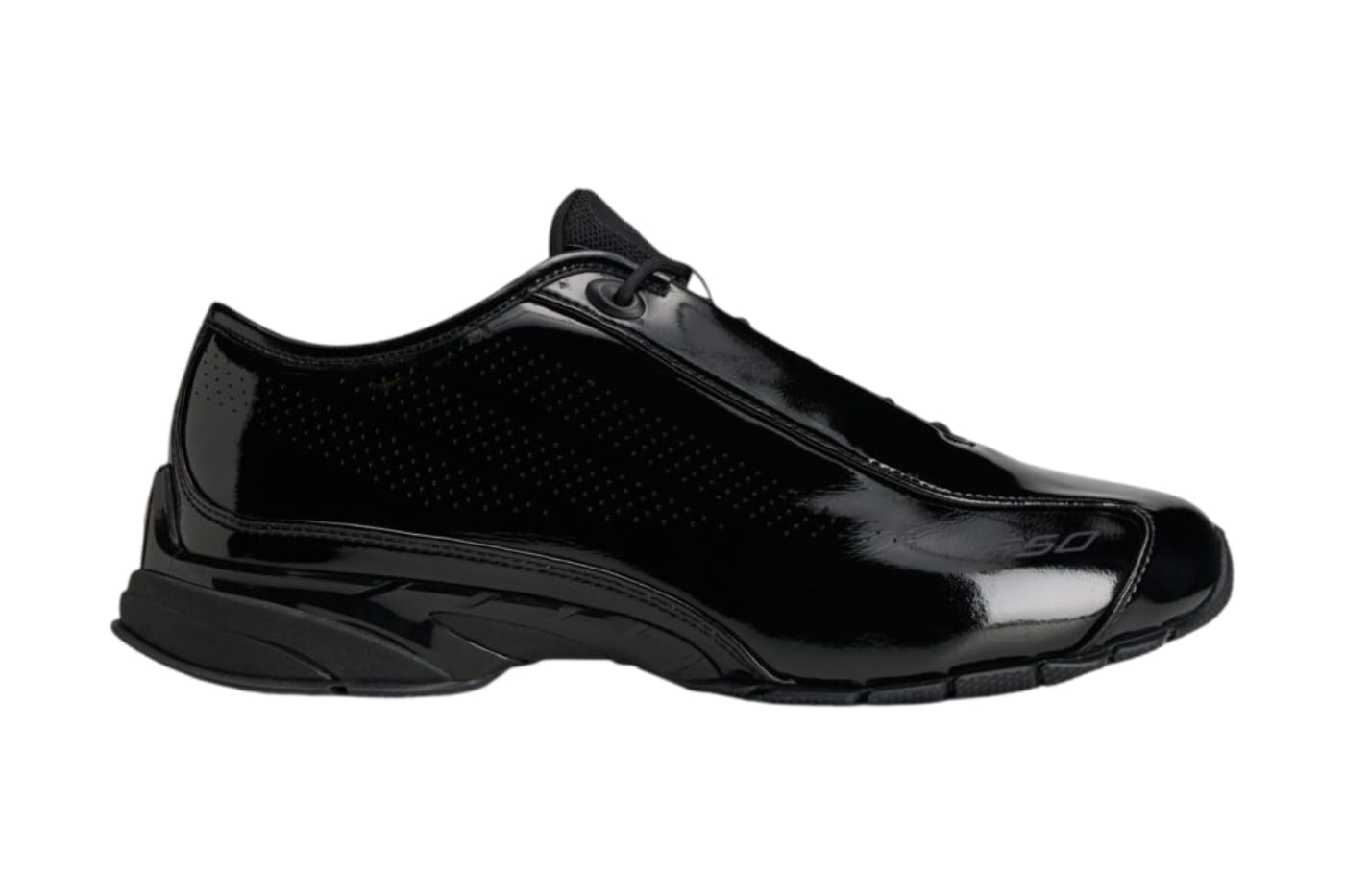
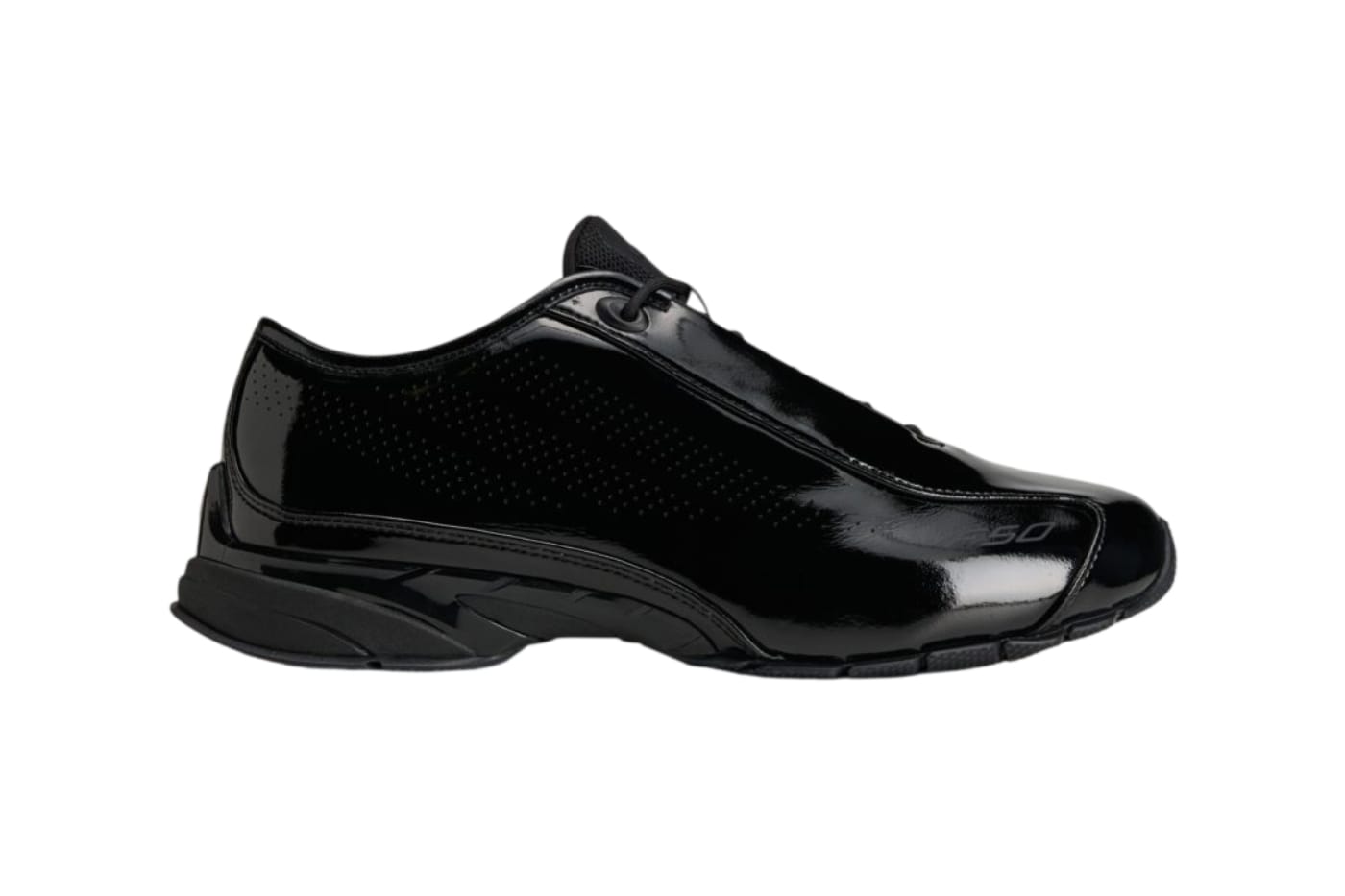
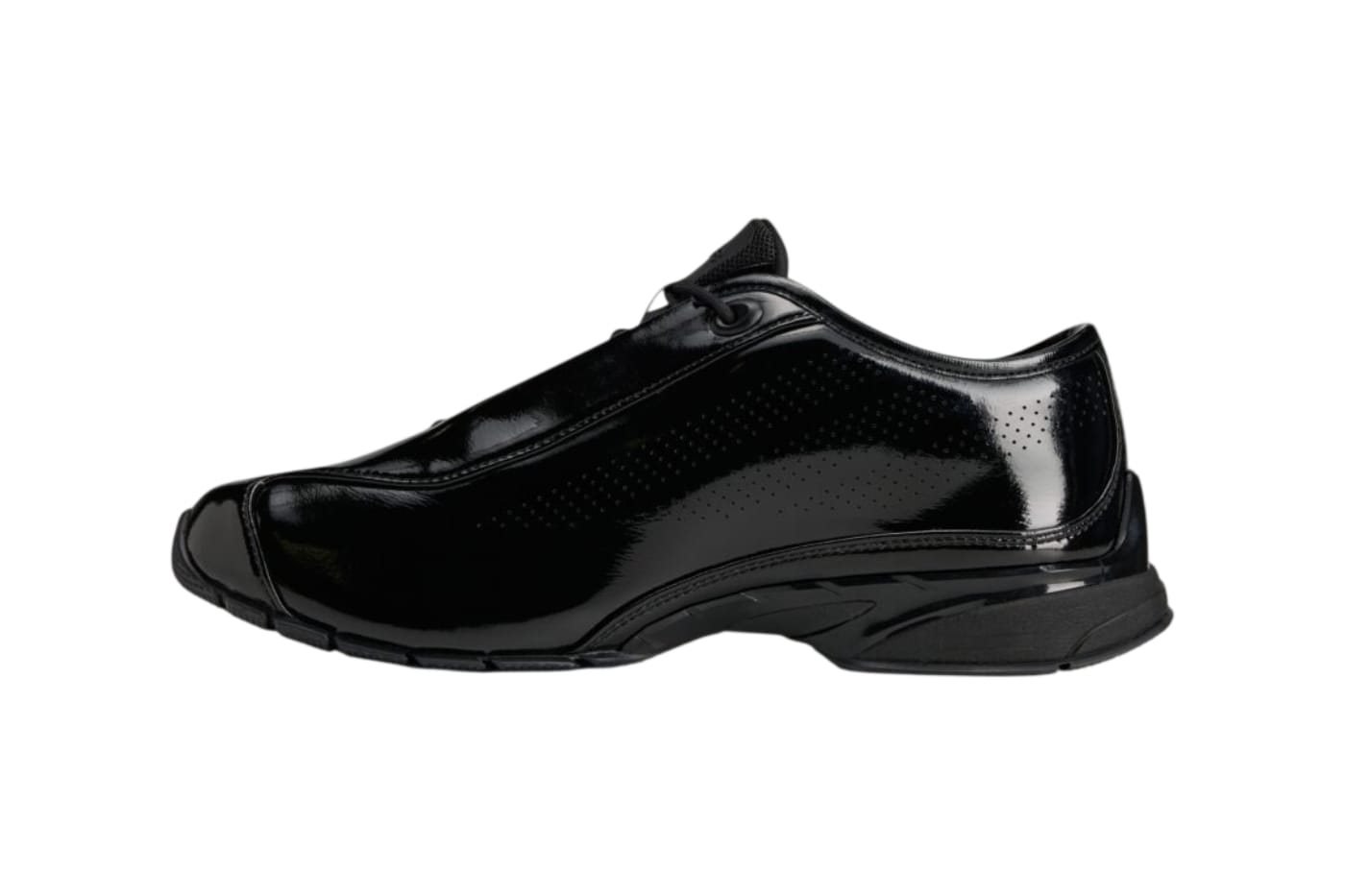
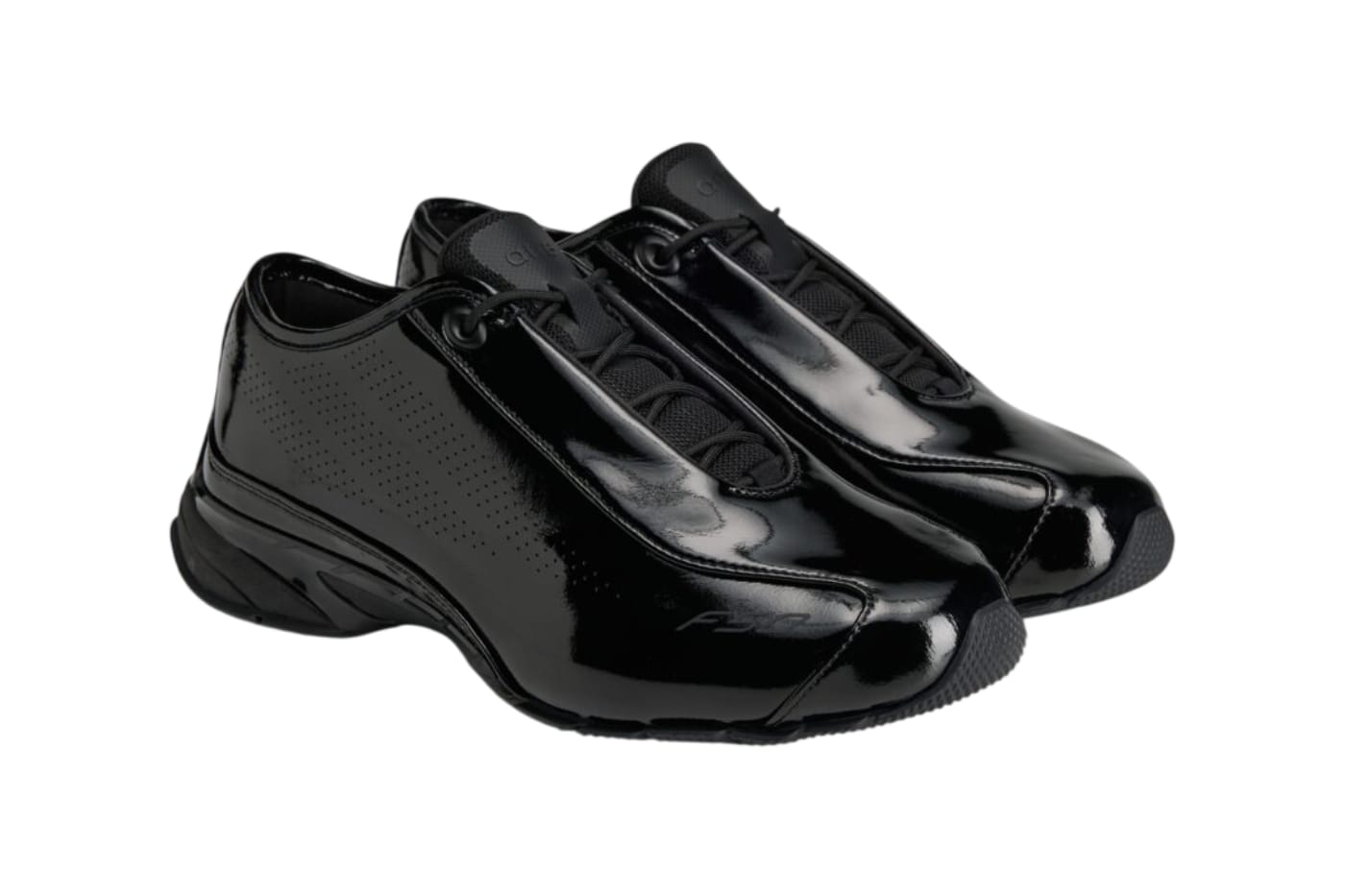
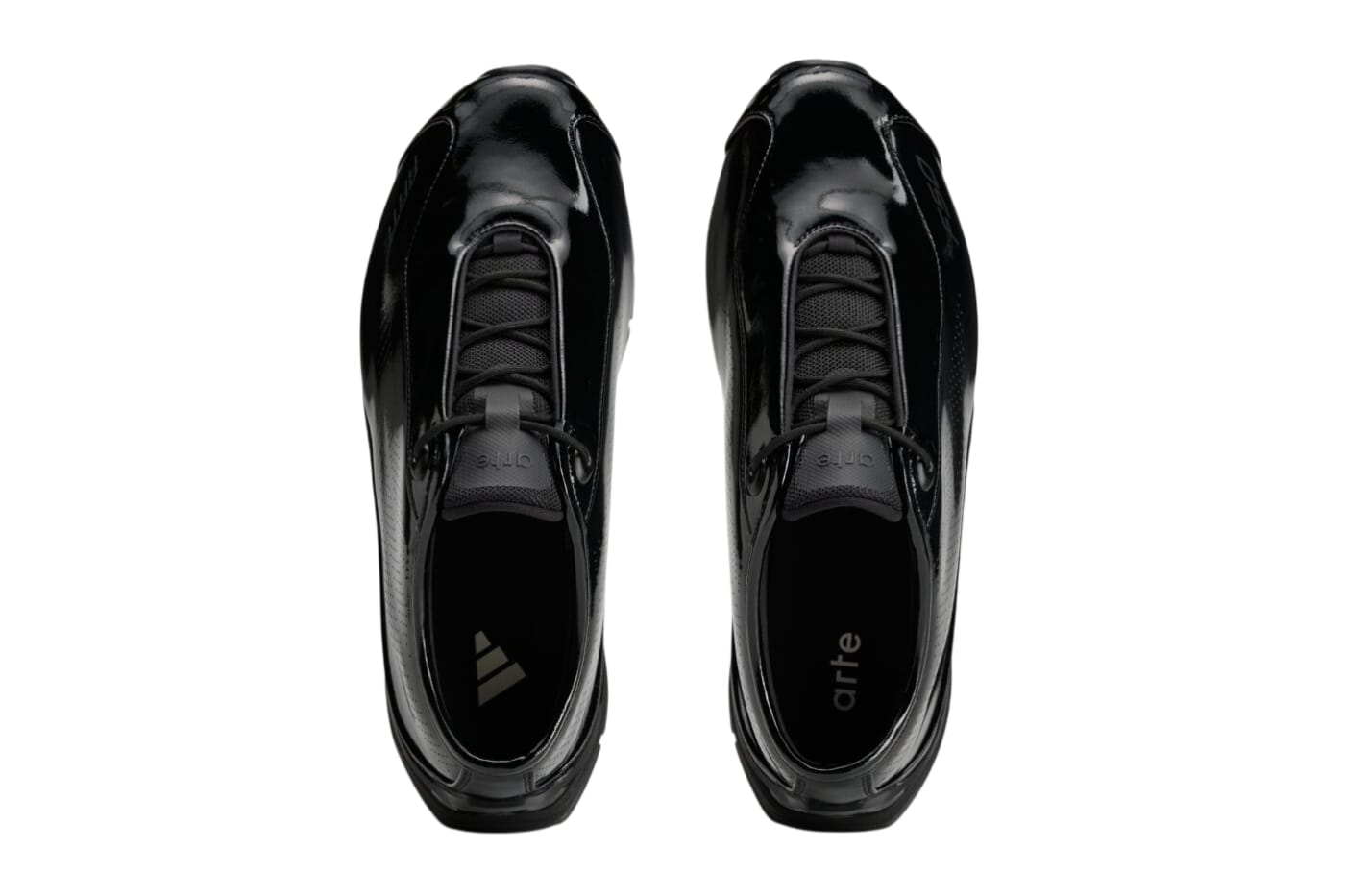
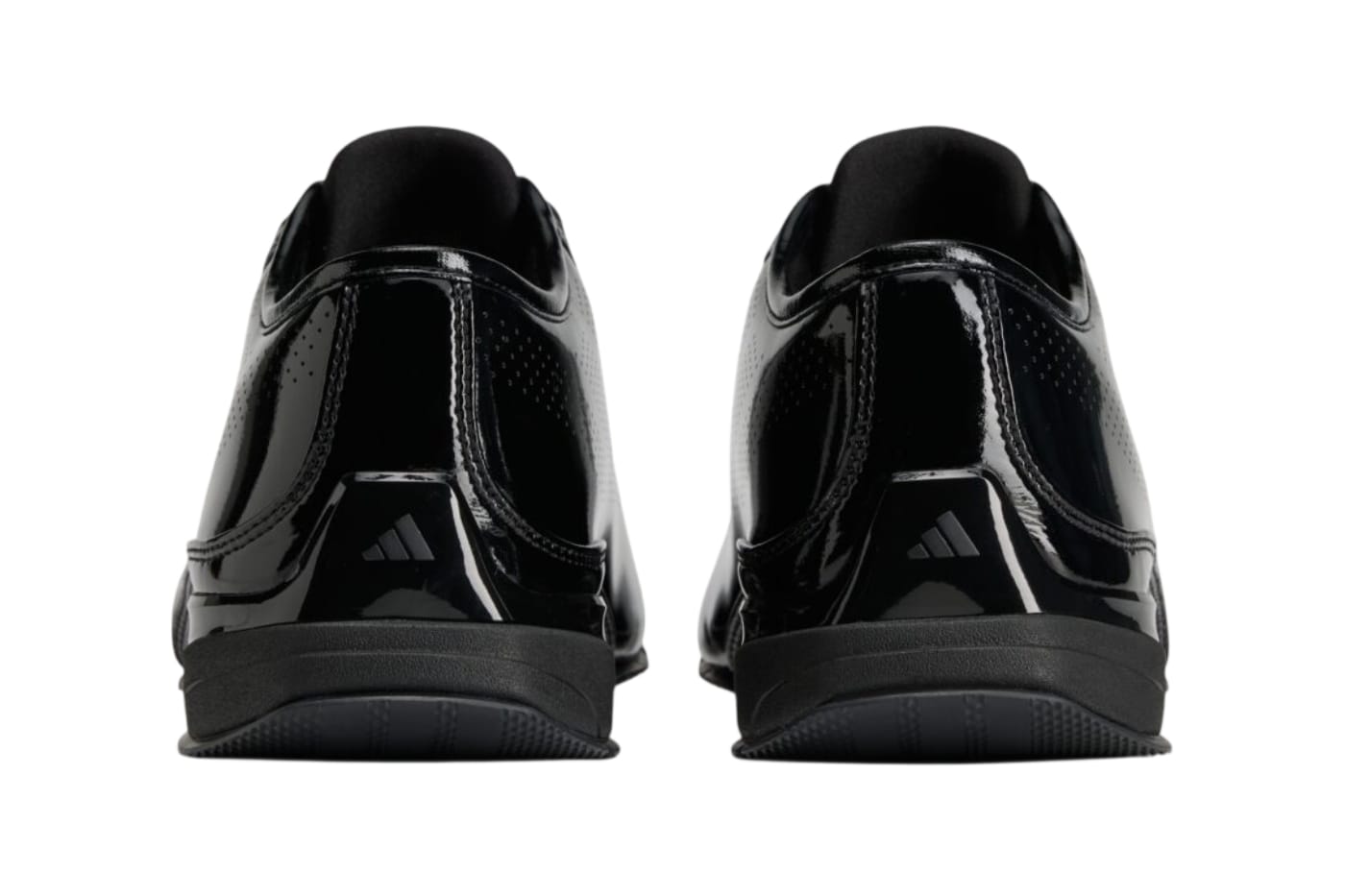
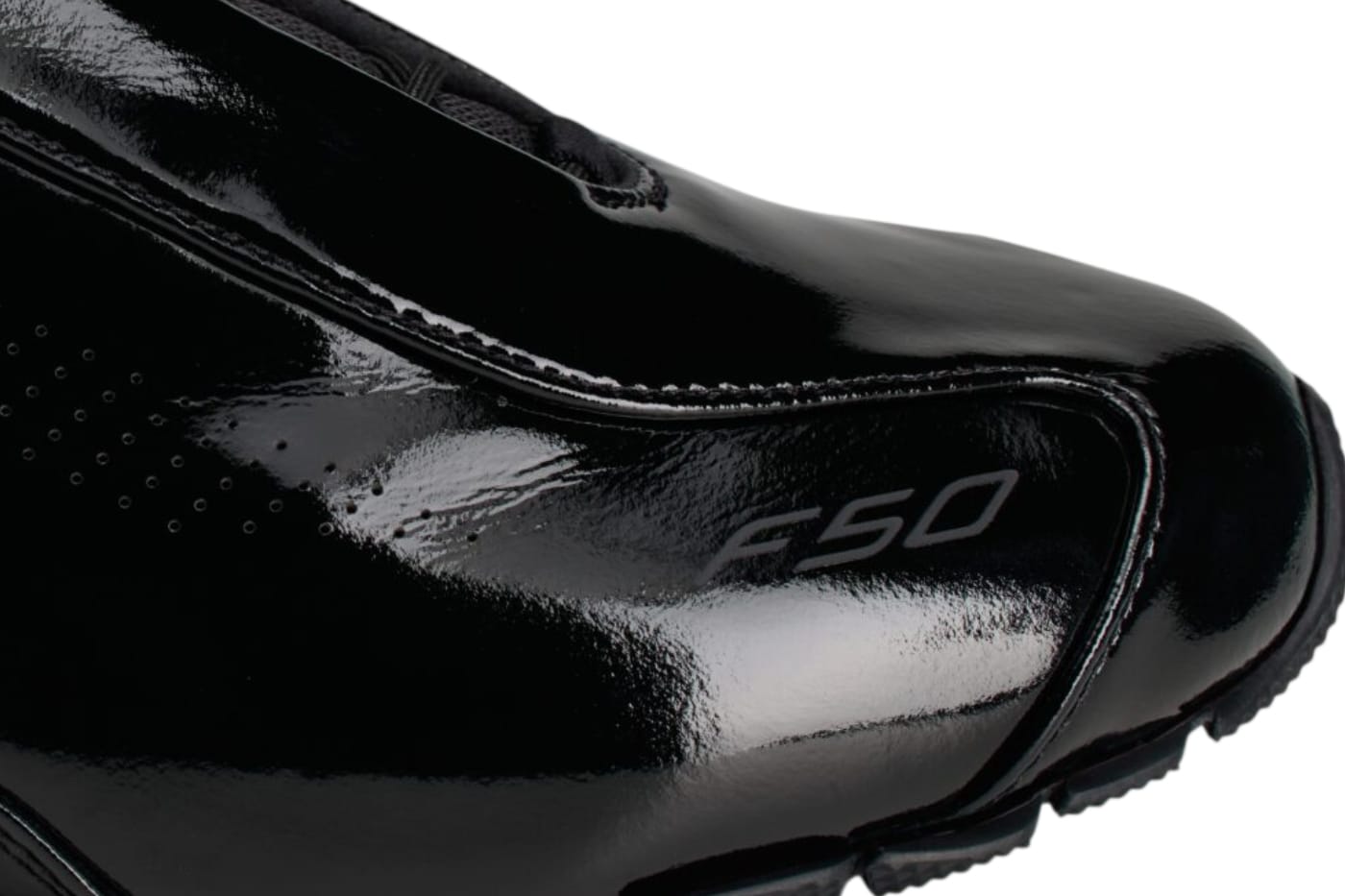
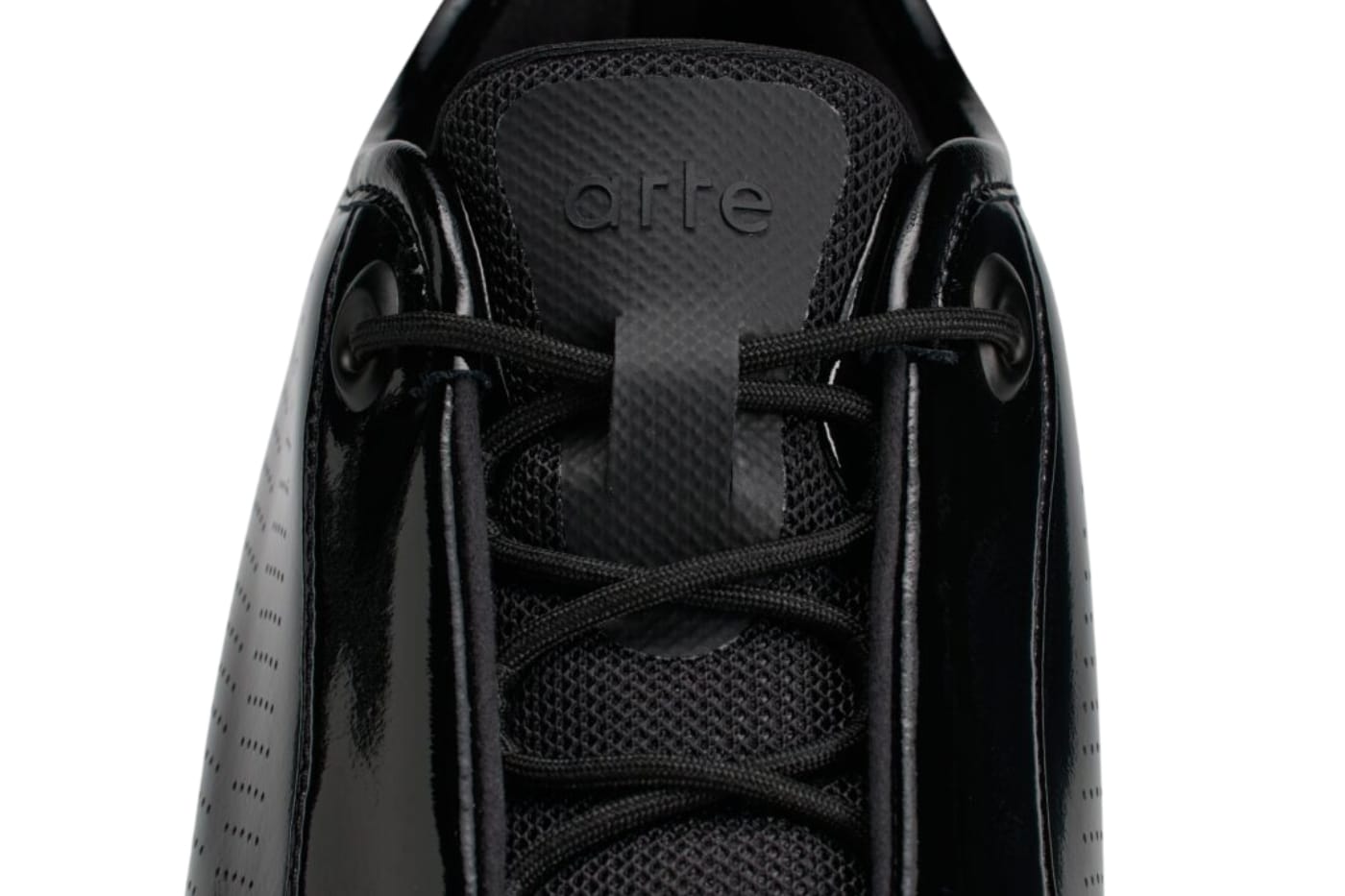
Arte Antwerp x adidas F50 “Feather Patent Leather/Black” (HQ3324) in Core Black, scheduled for release September 10 through adidas.
Glossy synthetic patent leather replaces the usual sportswear upper, with perforated quarters and a tonal black sole.
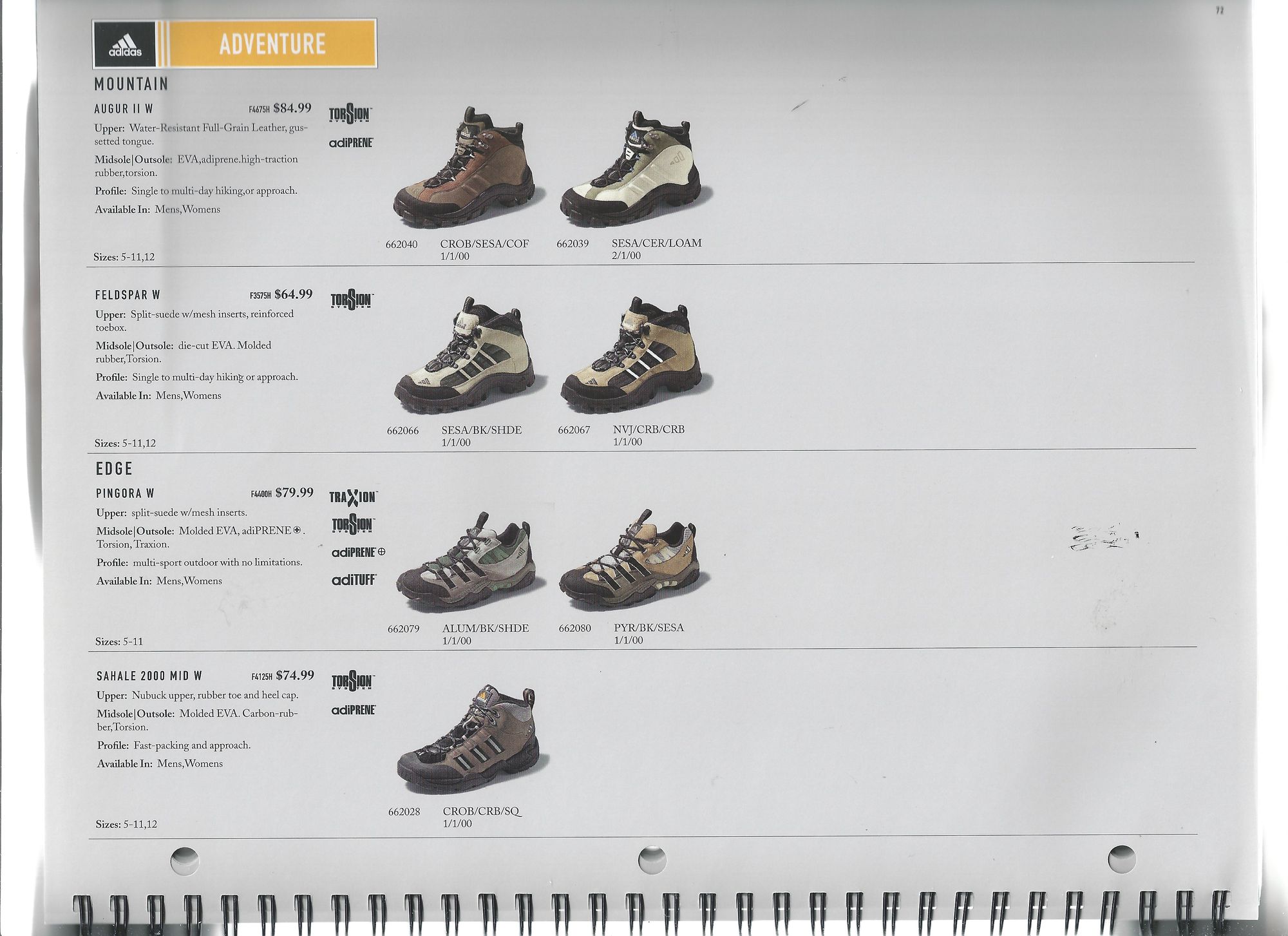
full catalog download link below and through the server page.
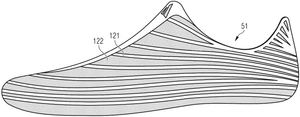
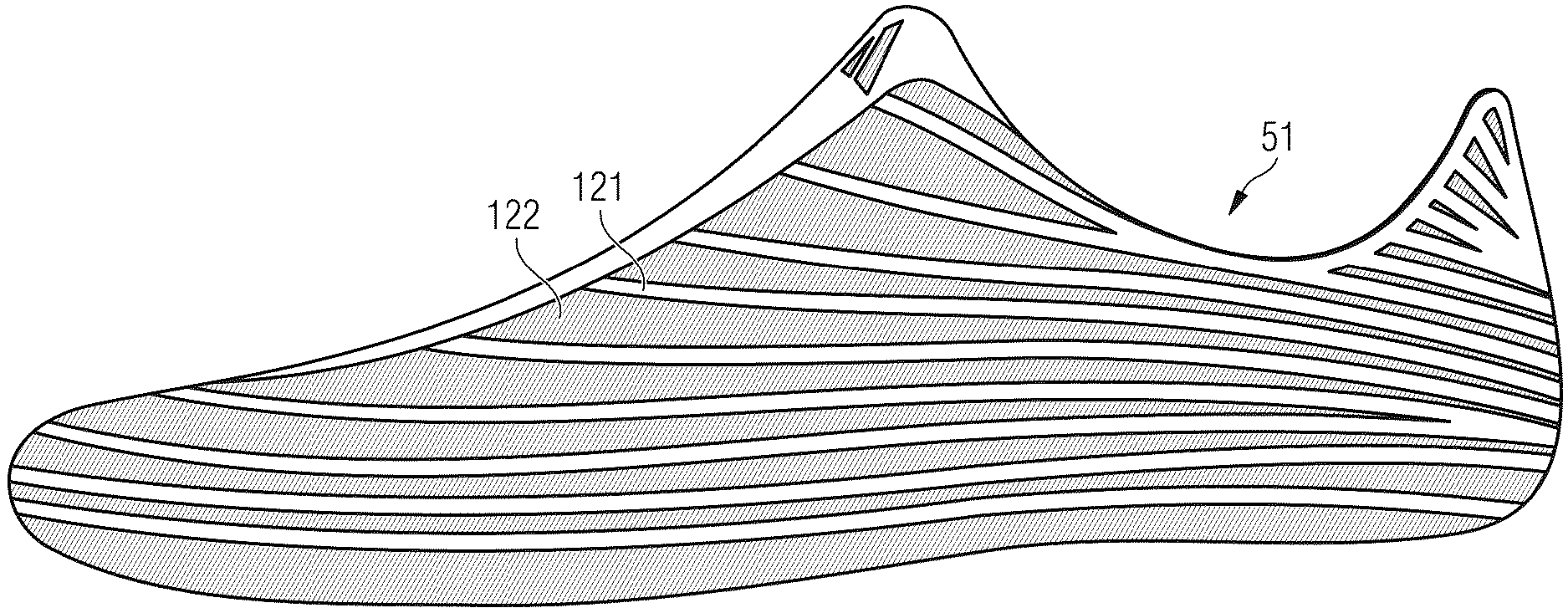
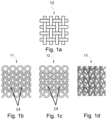
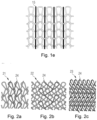
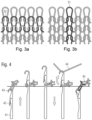
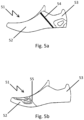
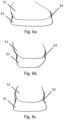
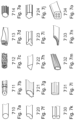
Figures from US patent application US20250160486A1, 'Knitted Shoe Upper', filed by Adidas AG (inventors Stefan Tamm, Carl Arnese and James Carnes; published 22 May 2025). The upper is knitted in one piece with two zones, a more elastic yarn and a stiffer yarn, placing stretch and support without seams or separate reinforcement panels. The drawings show the yarn zones and construction across forefoot, midfoot and heel.
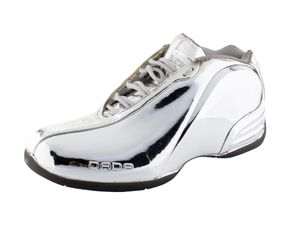
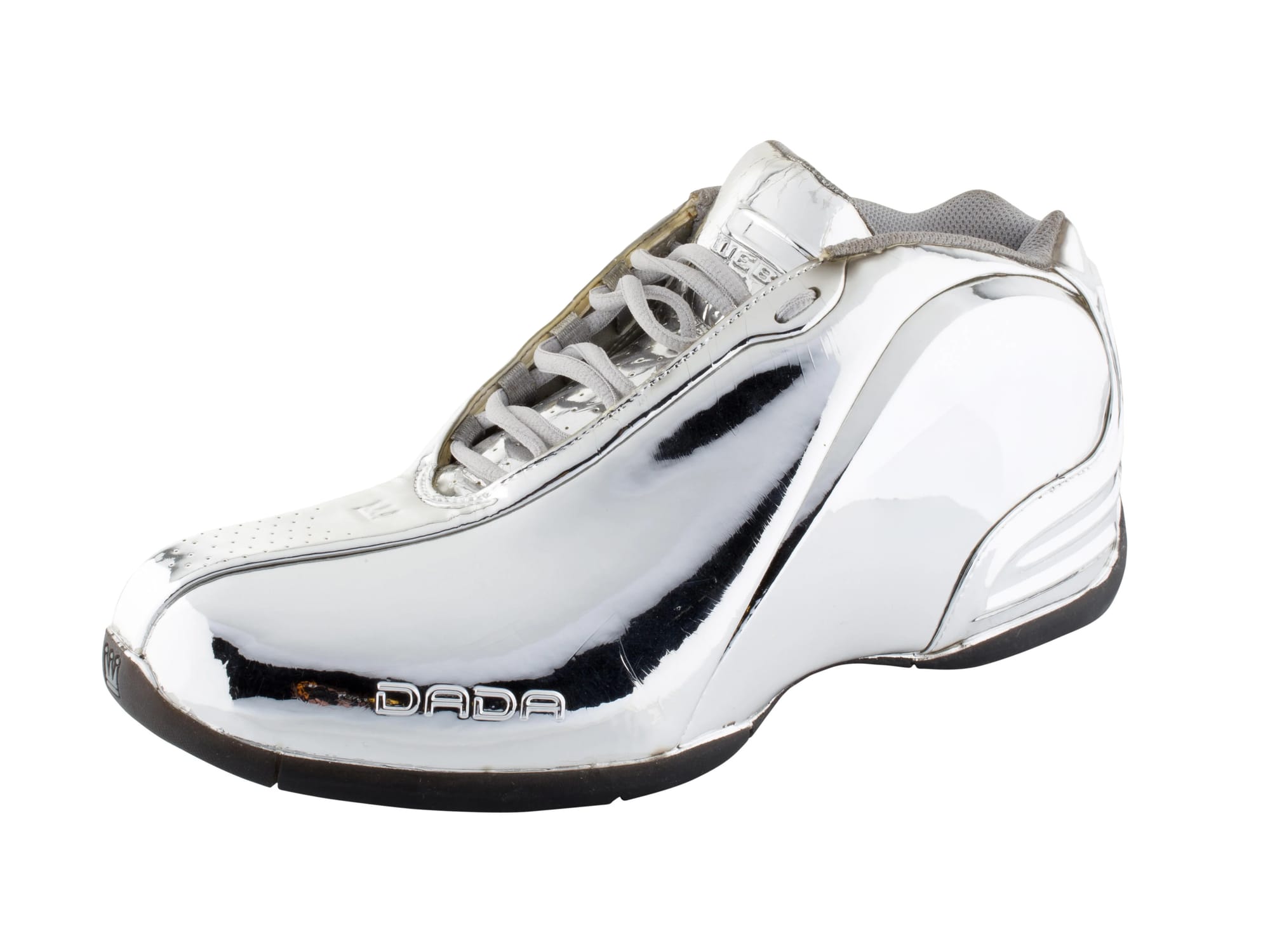
The Dada Supreme Chrome C-Dubbz sneakers are built around an intentionally heavy, high-volume silhouette: a tall collar, a thick tongue, and a wide forefoot that reads as protective and stable. The upper is typically constructed from layered synthetic panels with pronounced overlays, giving the shoe a structured, armored look and a more rigid feel than minimalist basketball uppers. Stitch lines and panel breaks are used as graphic elements—sections are segmented, stacked, and outlined to create depth, with glossy “chrome” accents placed to catch highlights and exaggerate contour changes as the foot moves.
Branding is designed to be unmistakable at a distance. Expect oversized side marks, large-scale heel or tongue identifiers, and bold, high-contrast placements that function like visual anchors on the lateral and medial sides. The chrome treatment usually appears as reflective or high-shine synthetic components (often on overlays, badges, or trim), creating a hard, metallic read against matte base materials and emphasizing the shoe’s sculpted geometry.
Padding and fit cues tend to be substantial: a thick collar for ankle cushioning, a padded tongue that fills the lace channel, and a lace system supported by reinforced eyestays. This combination aims for a locked-in, “wrapped” fit—more secure and cushioned than sleek—especially through the midfoot where the overlays and lacing work together to reduce lateral movement.
The sole unit is equally assertive. The midsole sits tall with a broad footprint, visually communicating impact protection and stability. Tooling is typically chunky and segmented, with sculpted sidewalls and recesses that add shadow and definition. The outsole commonly uses deep grooves and a dense traction pattern intended for grip and durability, with a flatter contact area and widened edges that support hard stops, pivots, and lateral cuts. Overall, the design language prioritizes structure, cushioning volume, and visual force—built to feel protective under load and to look loud even when standing still.
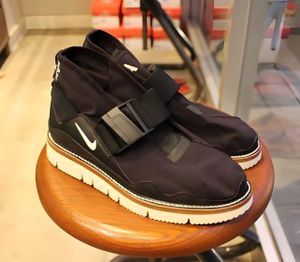
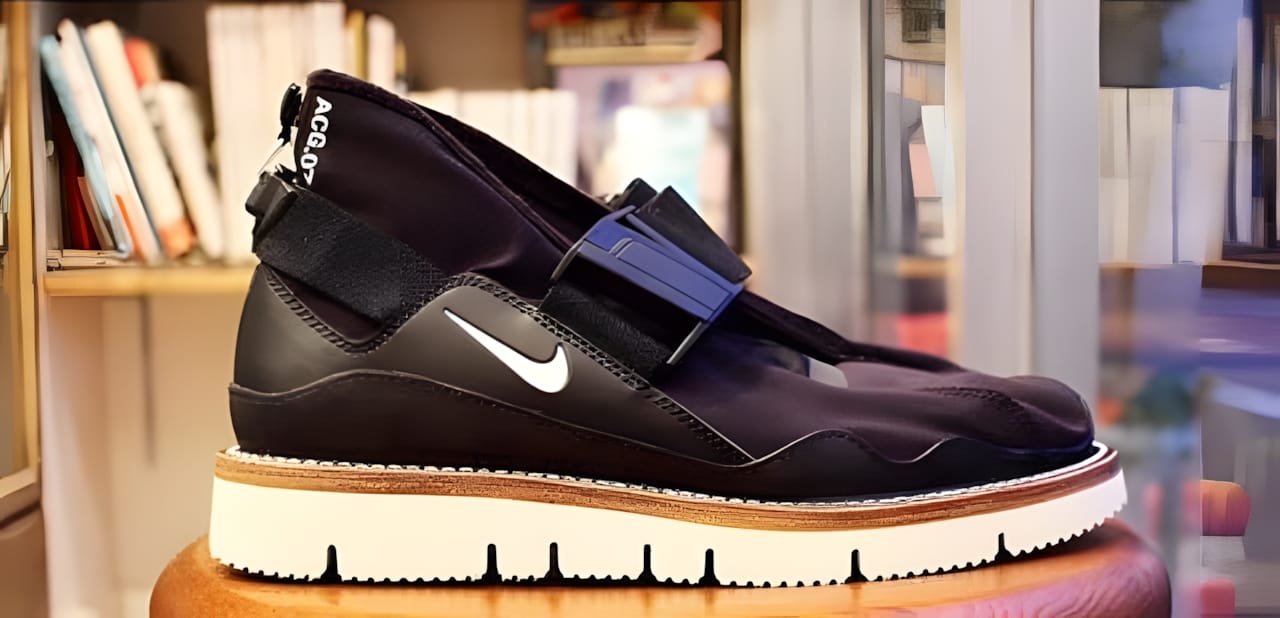
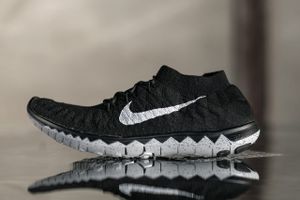
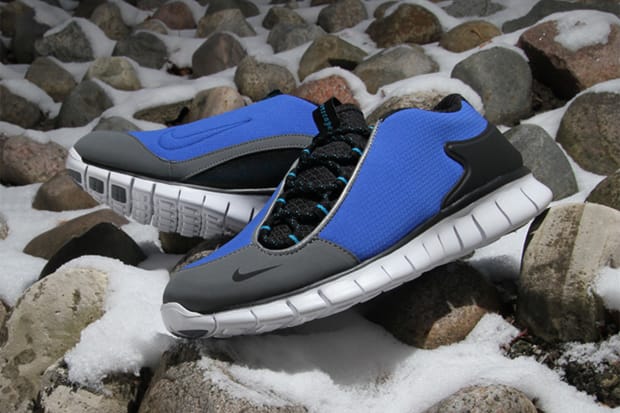
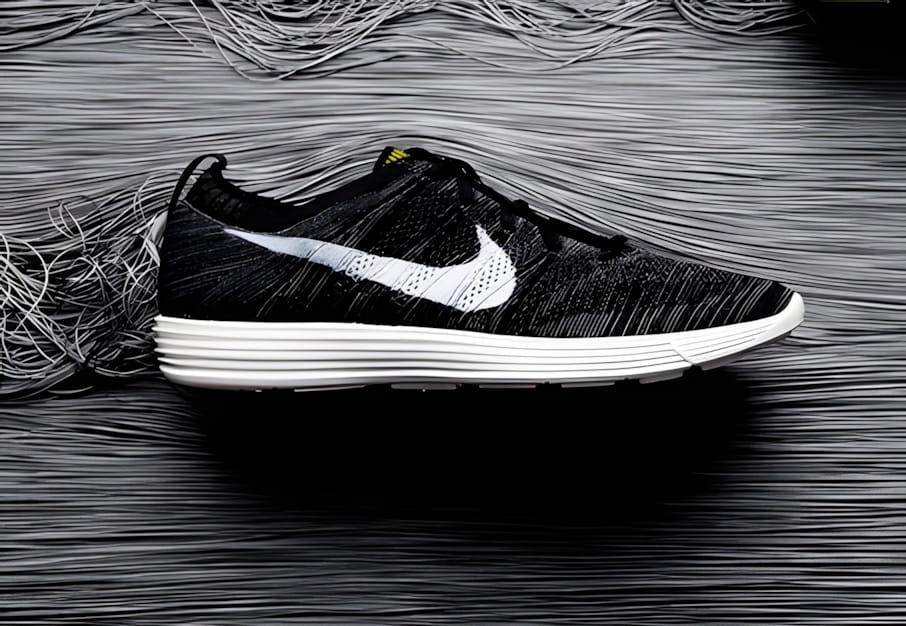
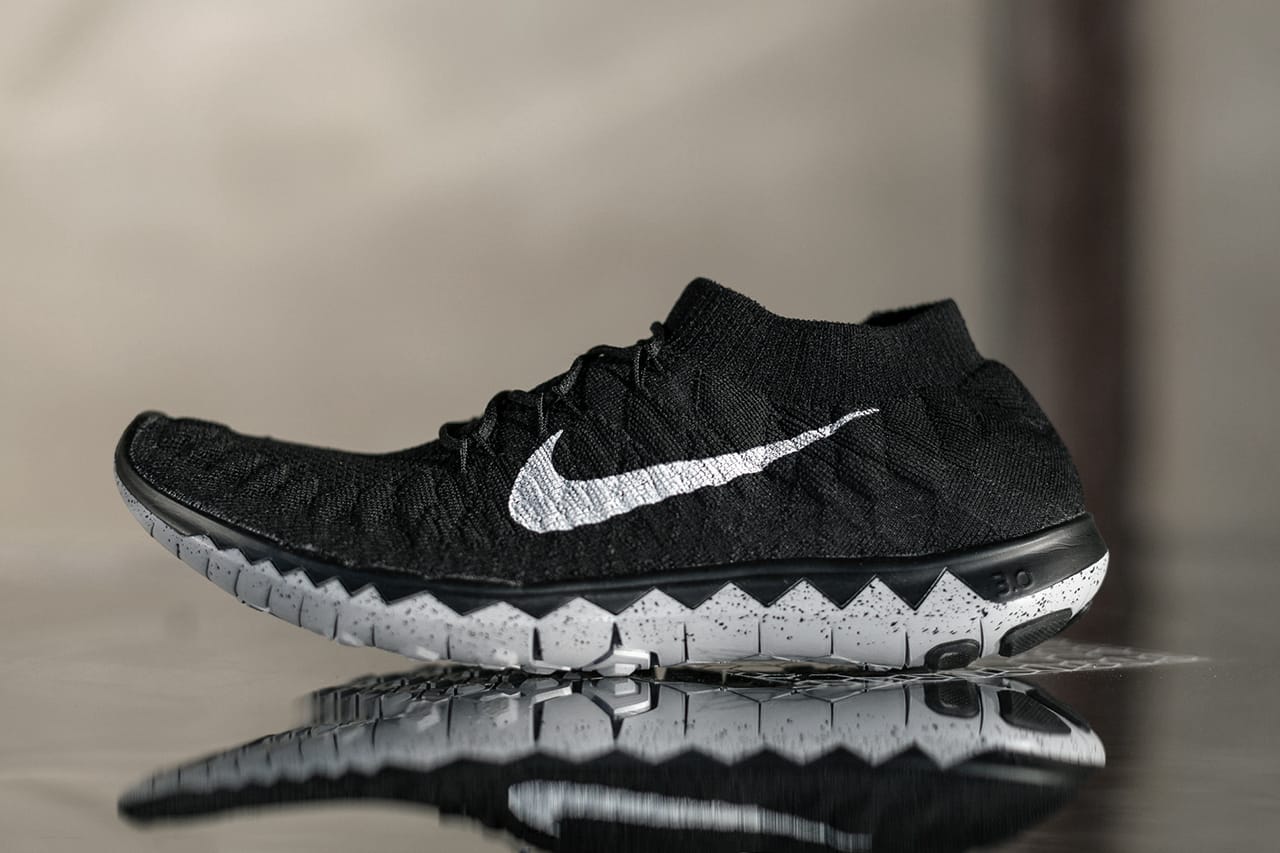
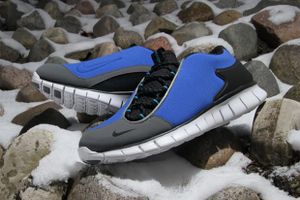
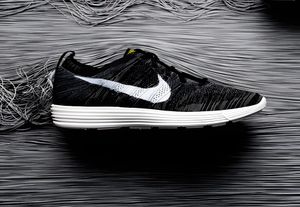
The Nike Free 3.0 Flyknit combines the siped, flexible Free sole with a one-piece knitted Flyknit upper. Shown as part of Nike's Free Genealogy line.
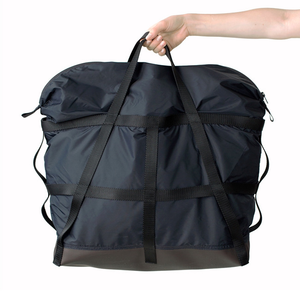
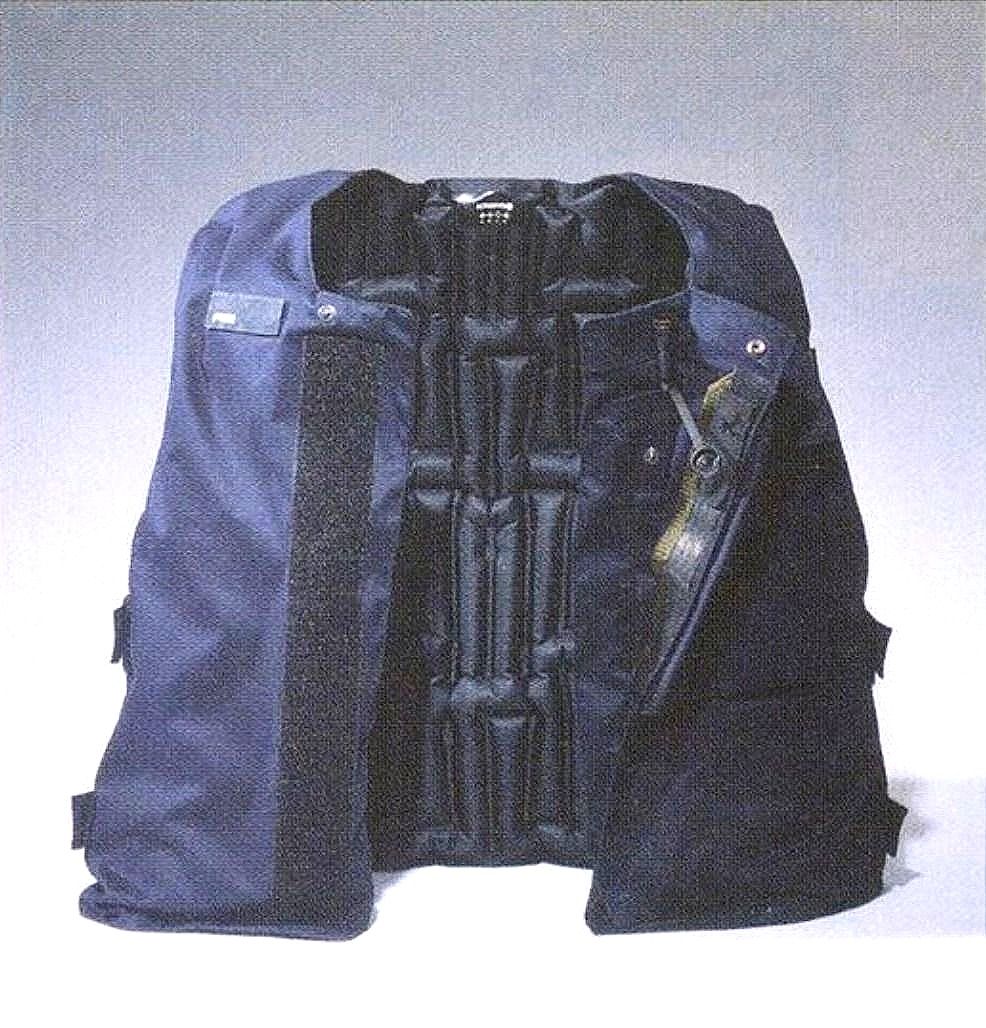
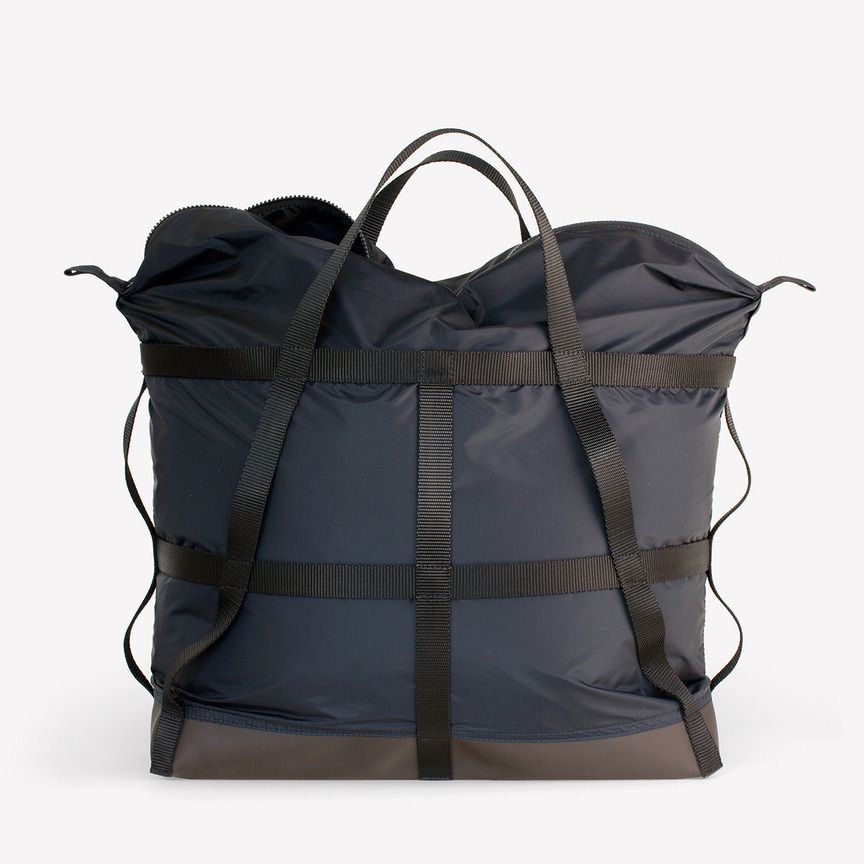
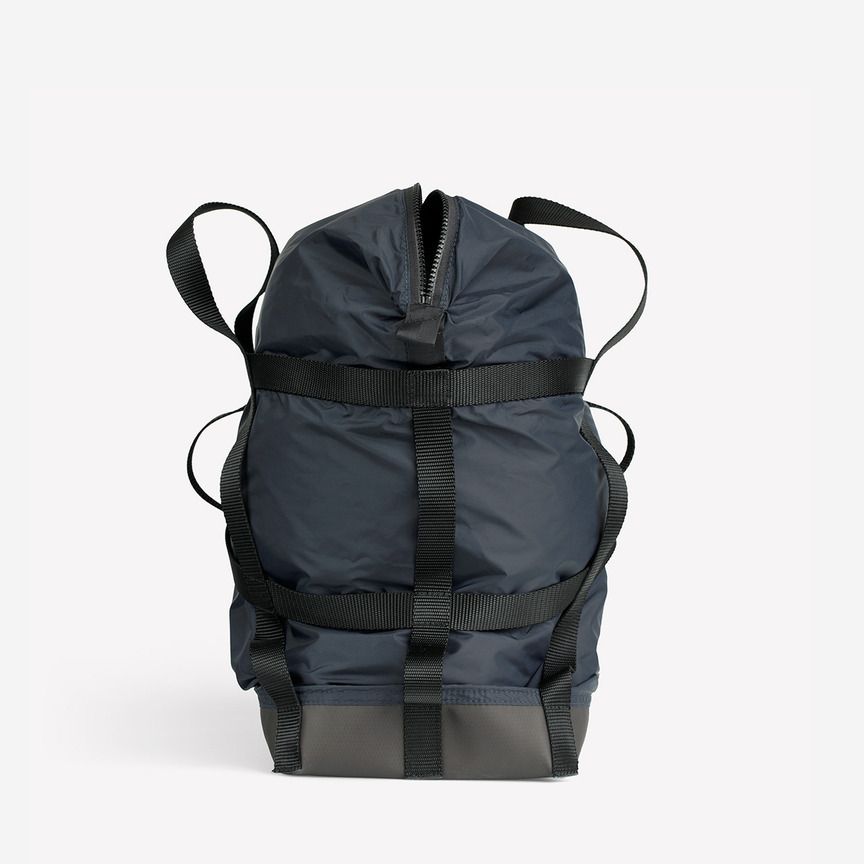
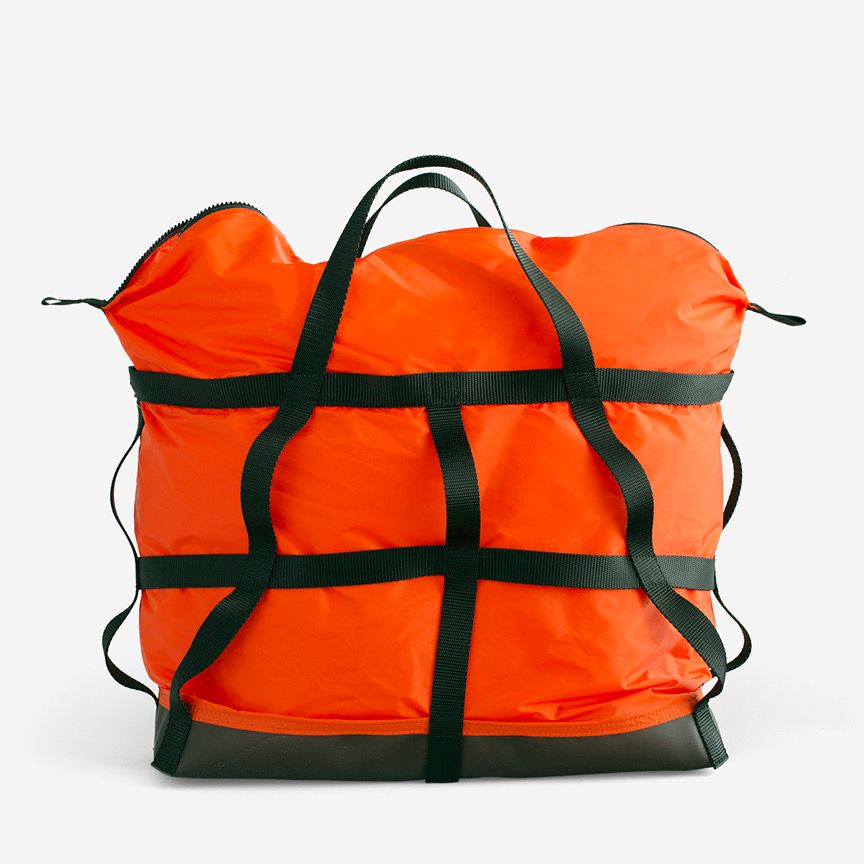
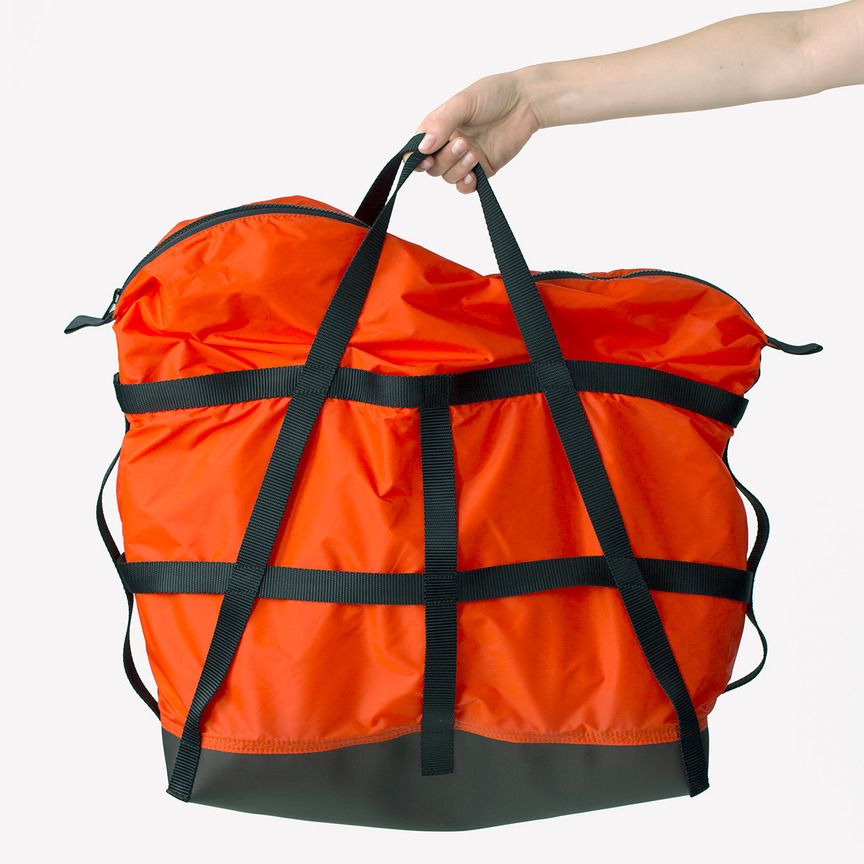
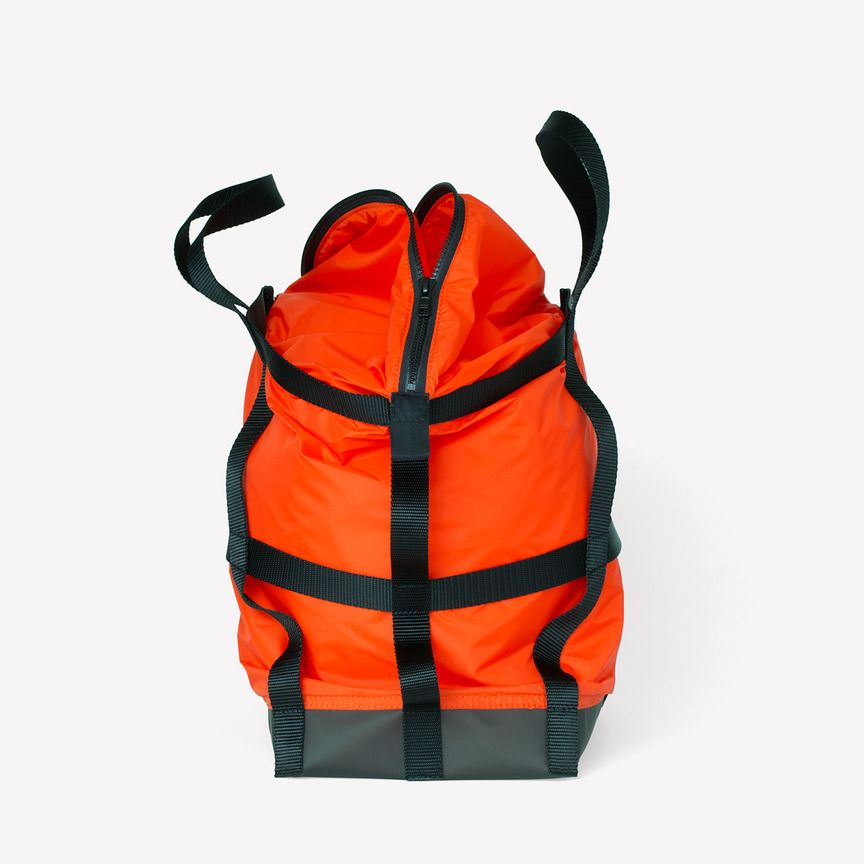
851020–002 Safety
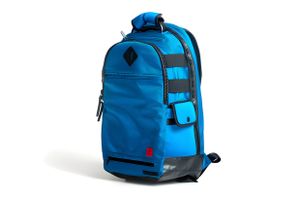
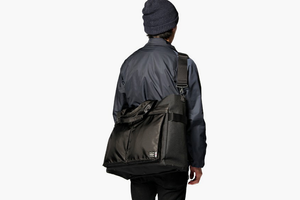
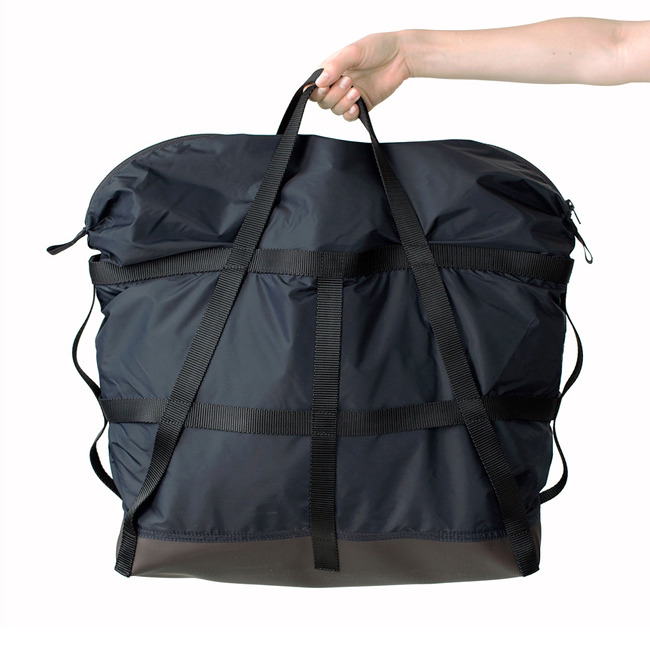
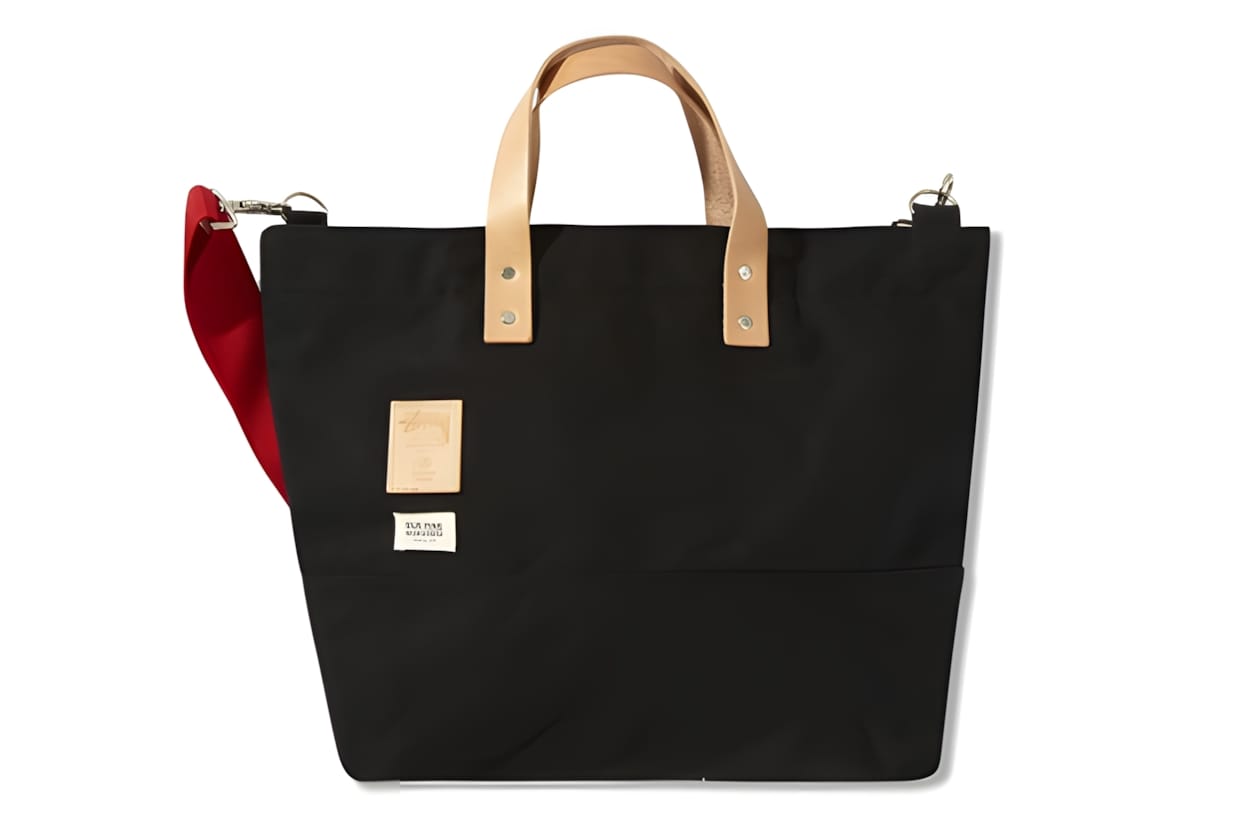
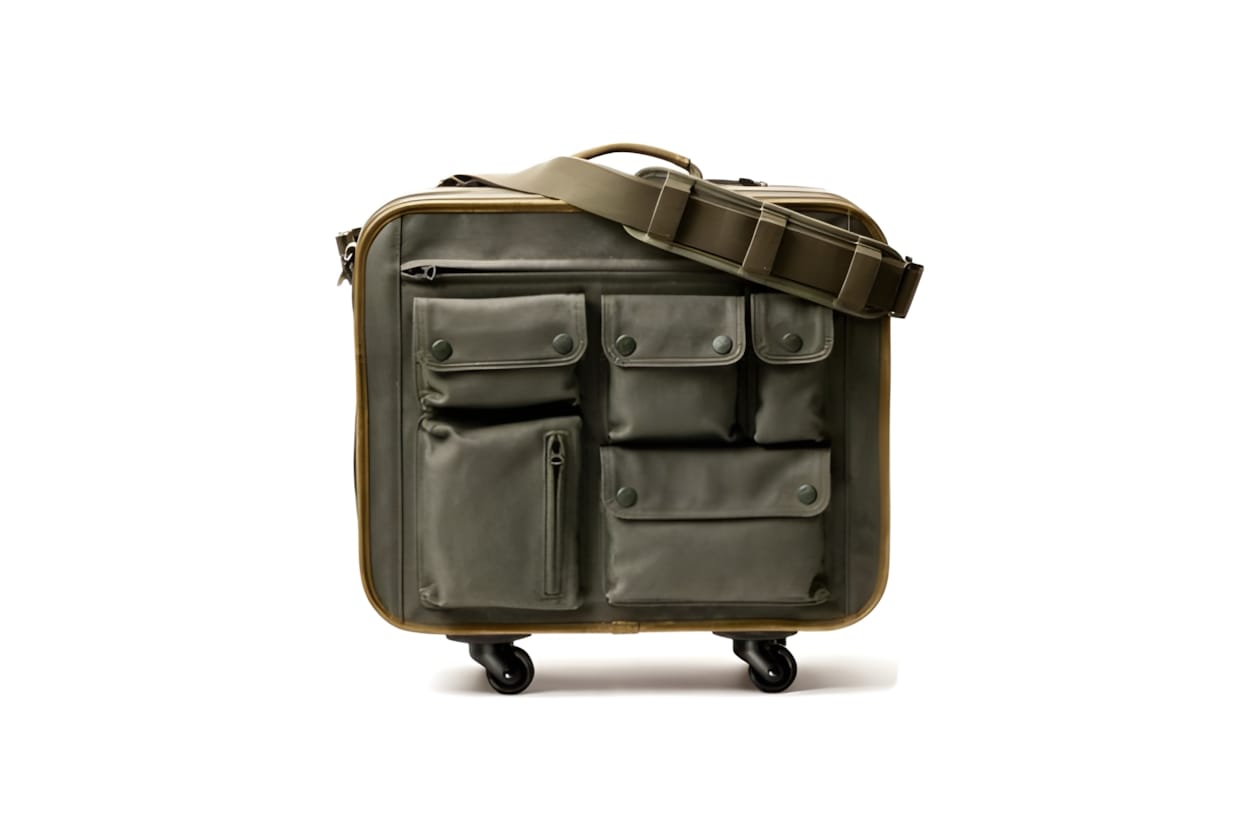
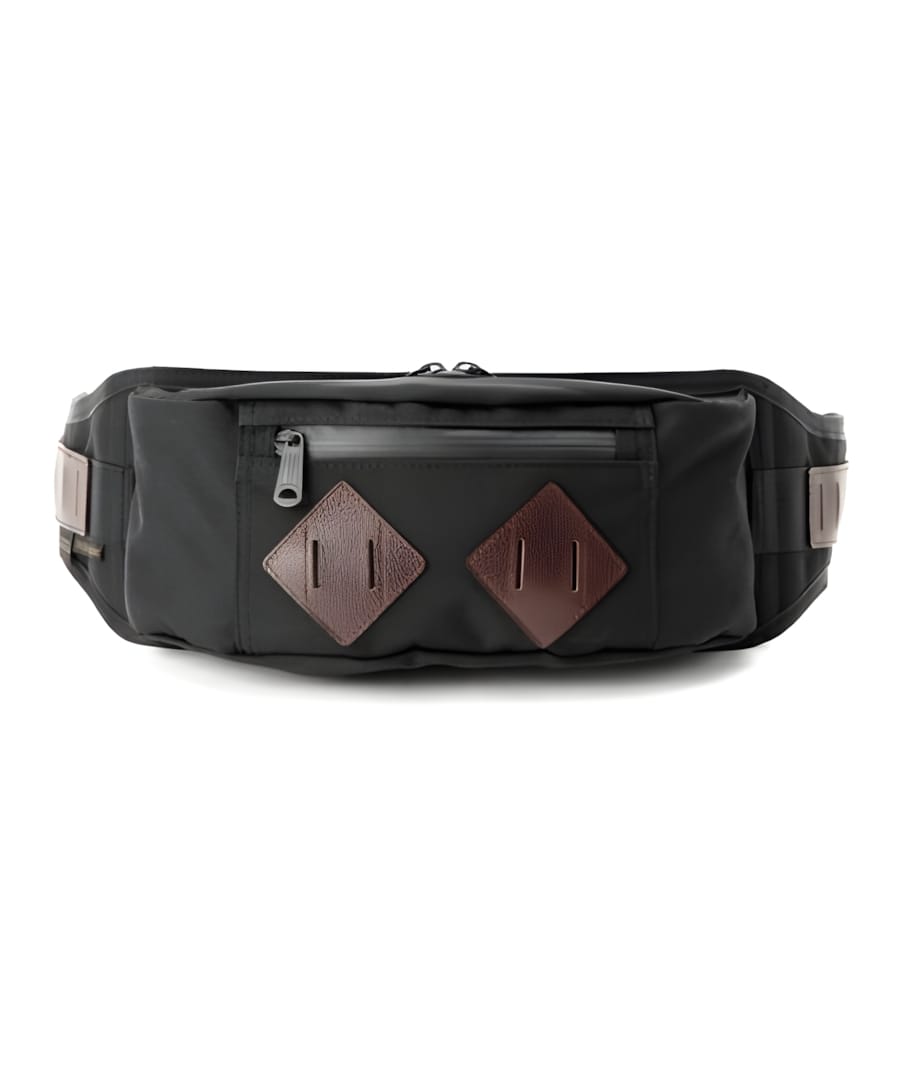
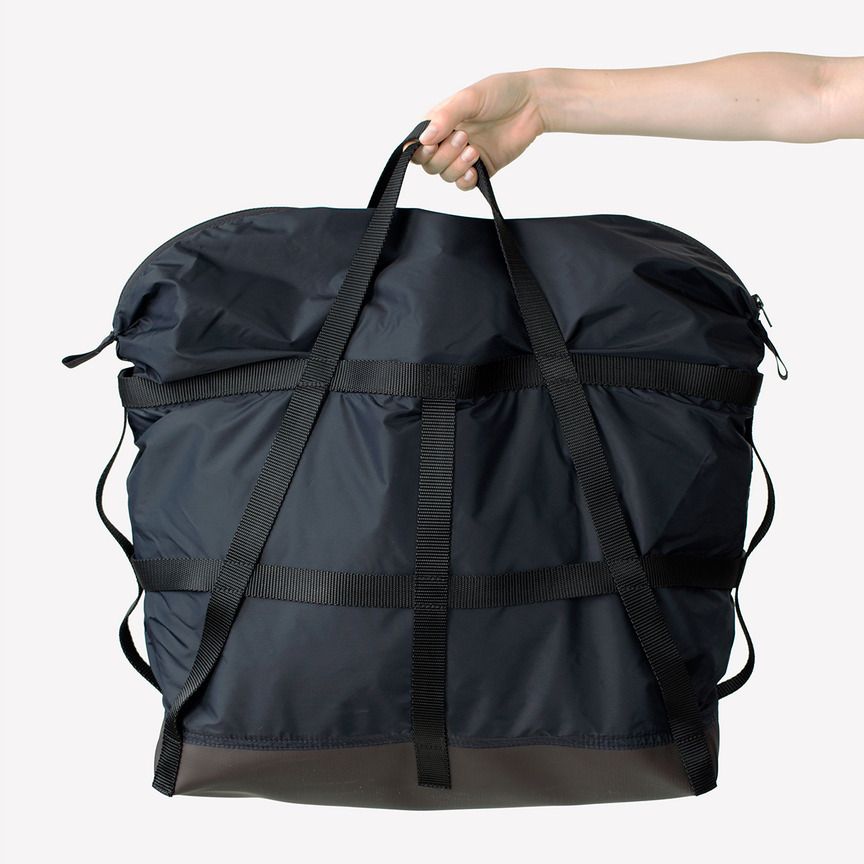
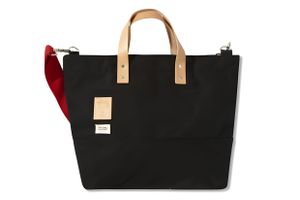
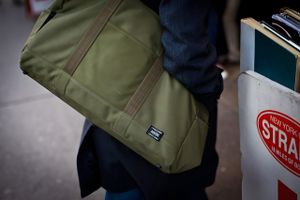
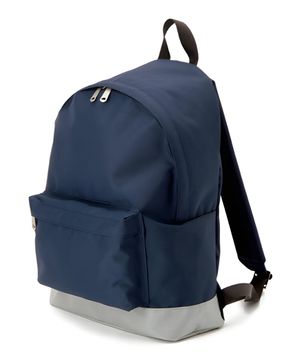
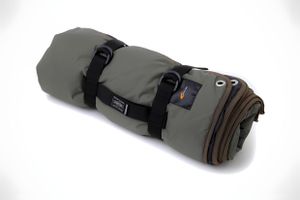
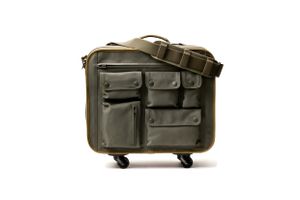
Ripstop nylon with webbing lattice. Durable vinyl base with mesh detail. Self-lined. One interior pocket.
Clean with damp cloth.
17" W x 14" H x 8" D
(43cm W x 36cm H x 20cm D)


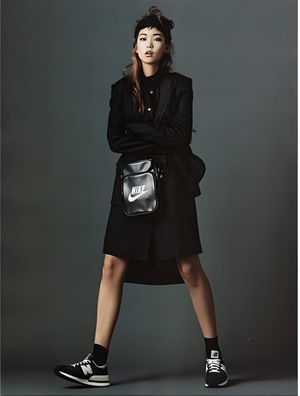

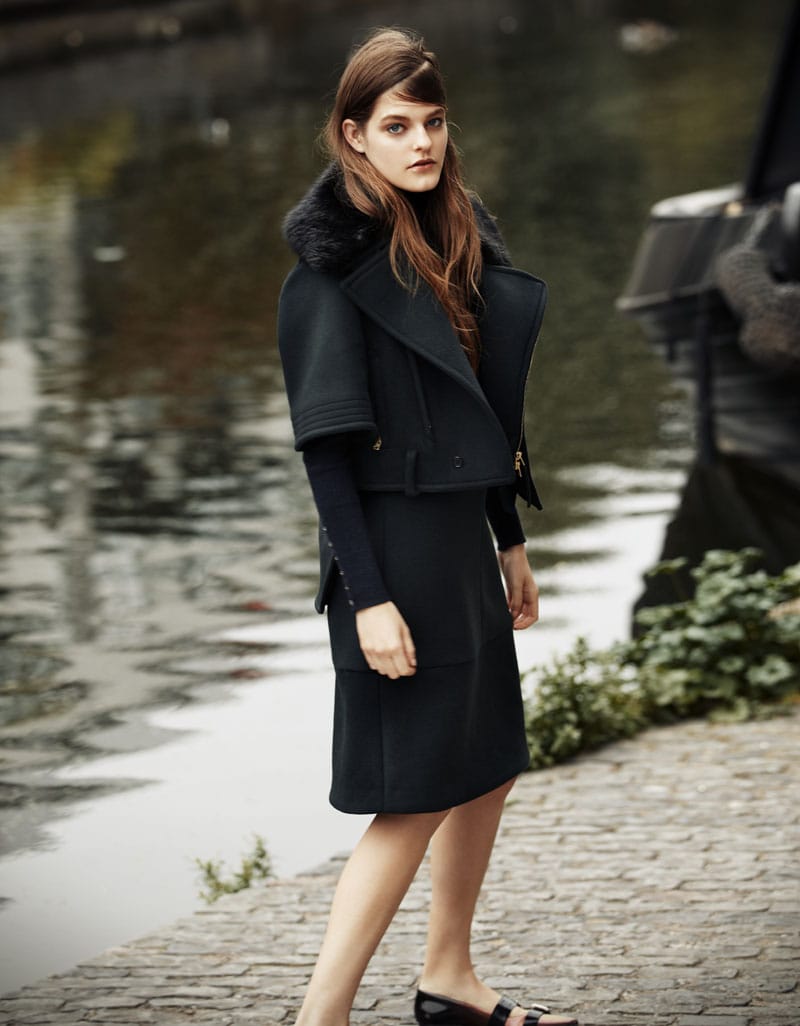
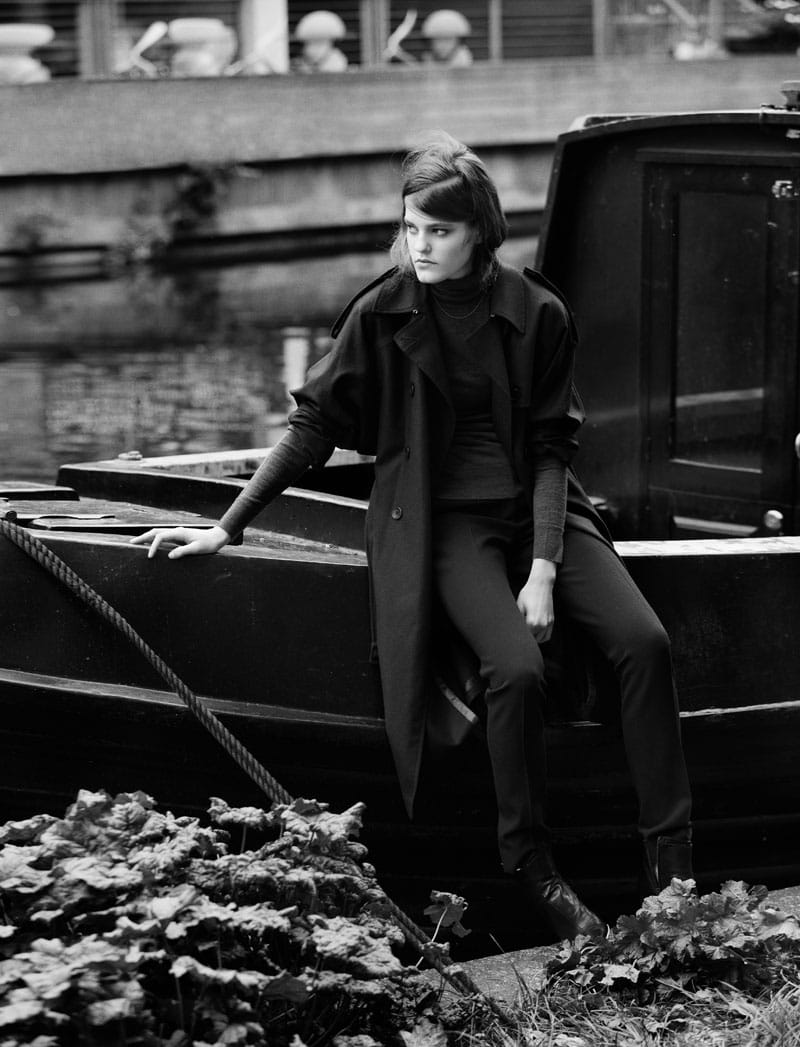
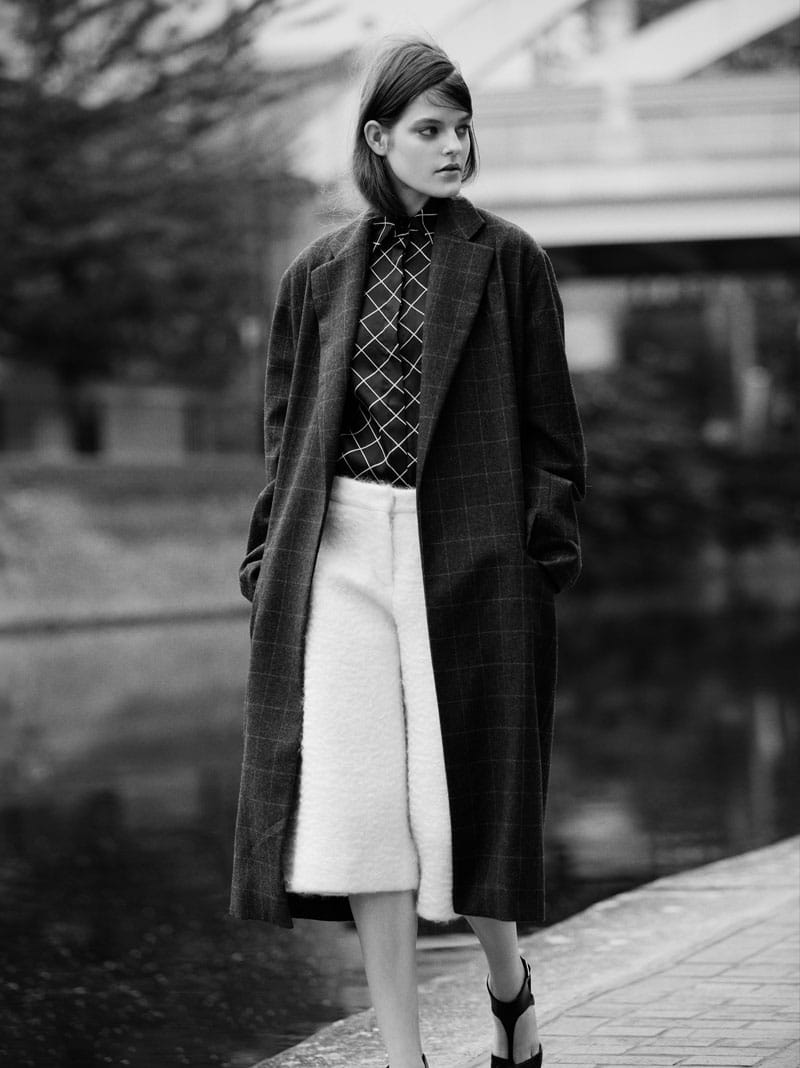
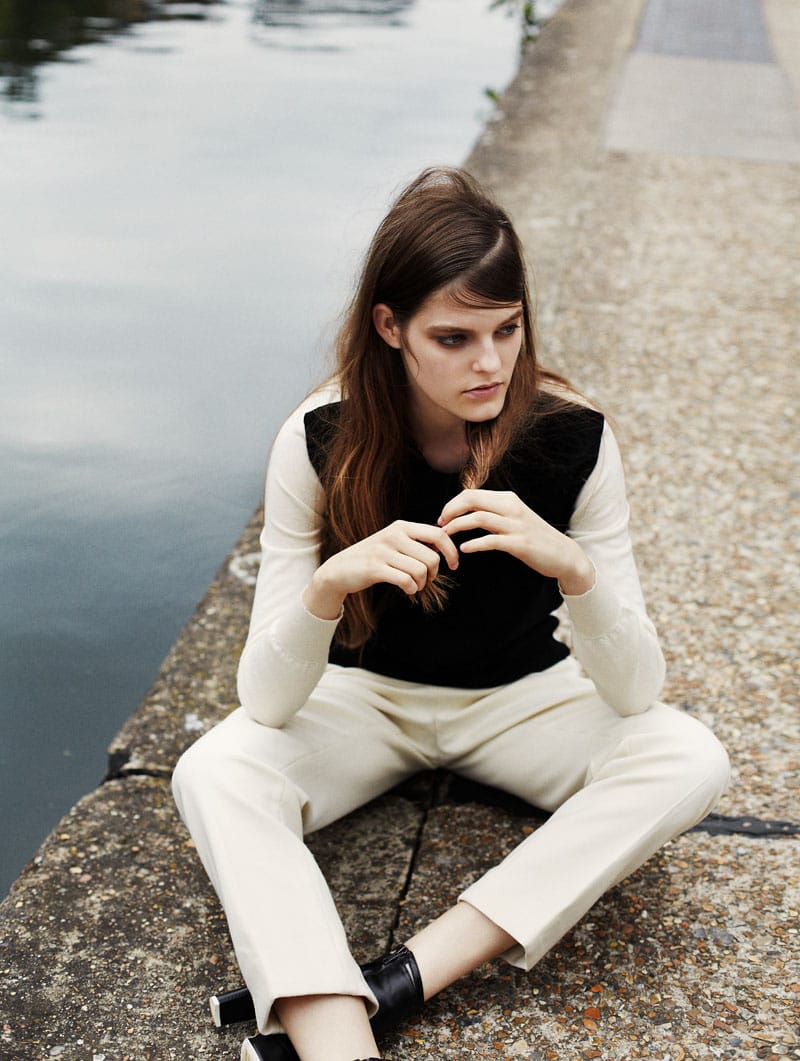
Kia Low appears in Out of Sight, an eight-image Fashion Gone Rogue exclusive photographed by Rokas Darulis.
Styled by Magda Bryk, the canal-side story pairs understated tailoring and knitwear from Paul Smith, John Smedley, Marni, Hobbs, Bimba & Lola and others.



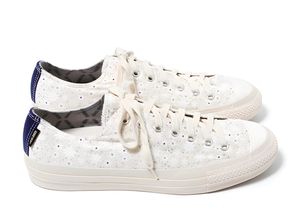
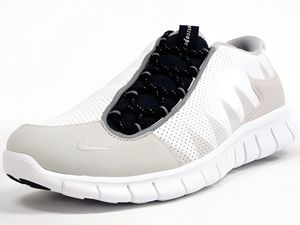
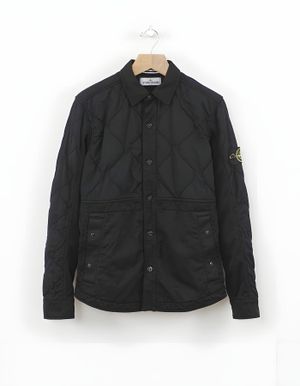
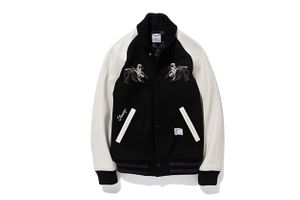
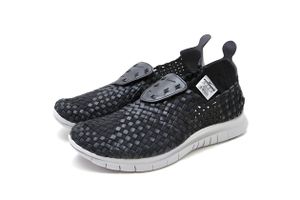
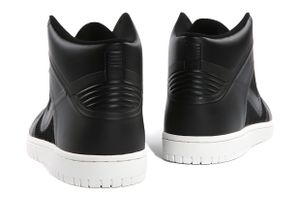


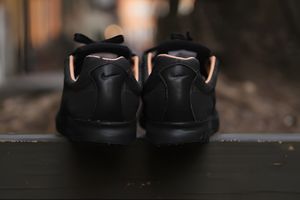
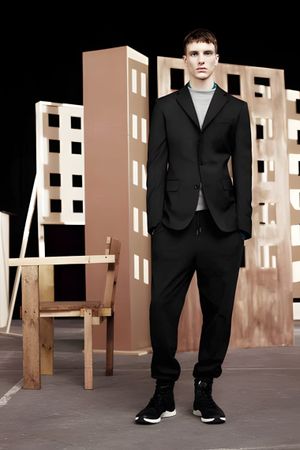
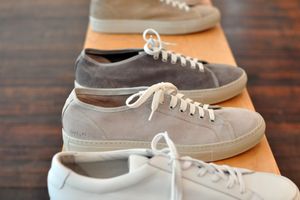
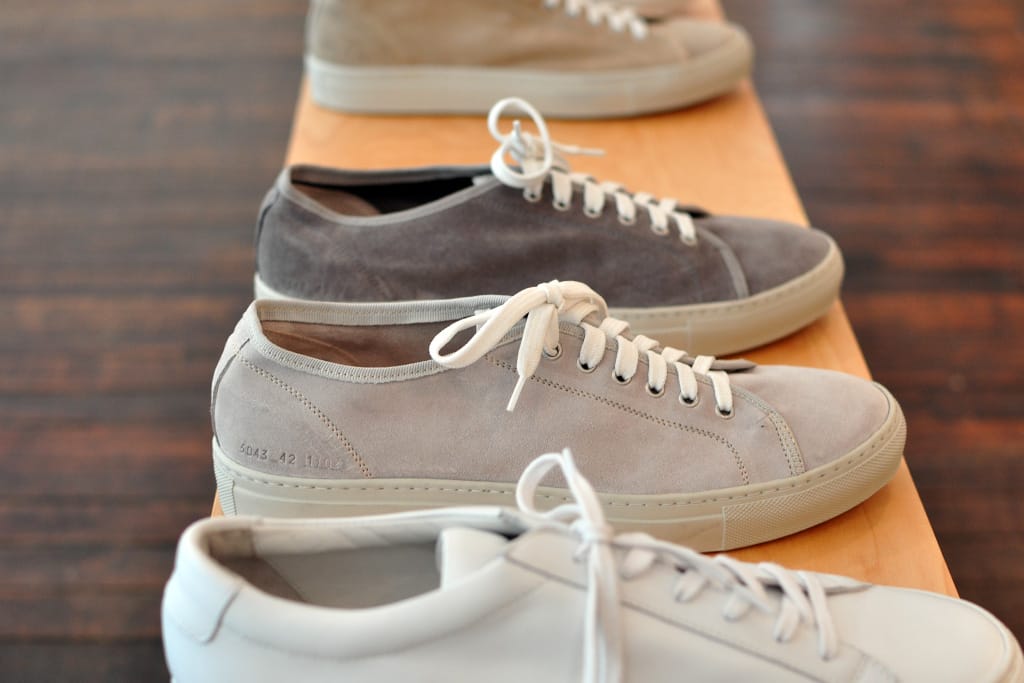
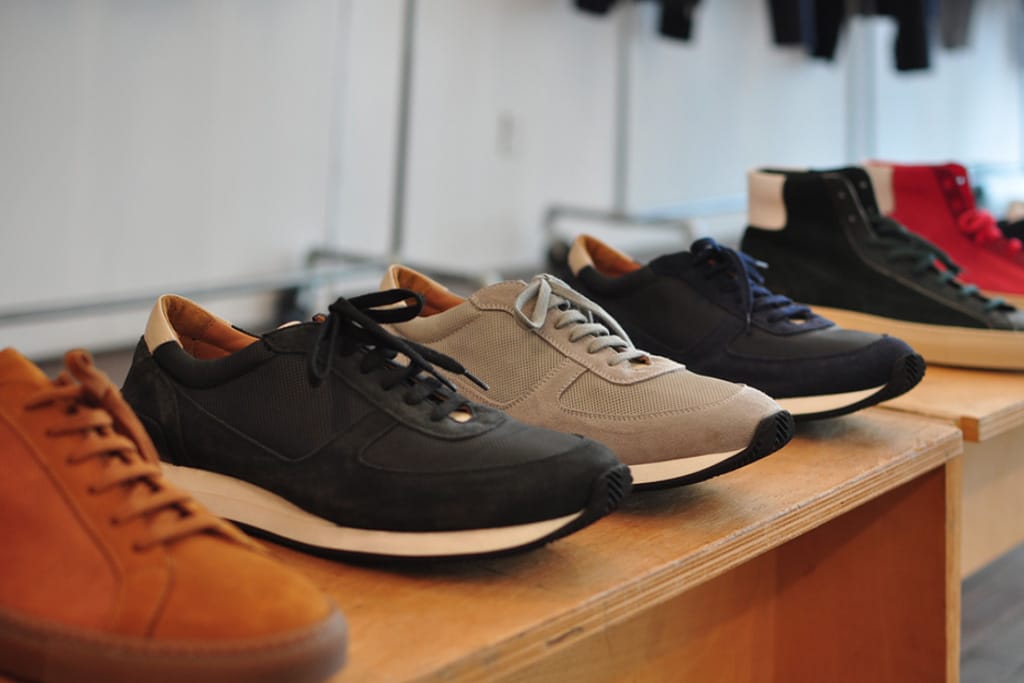
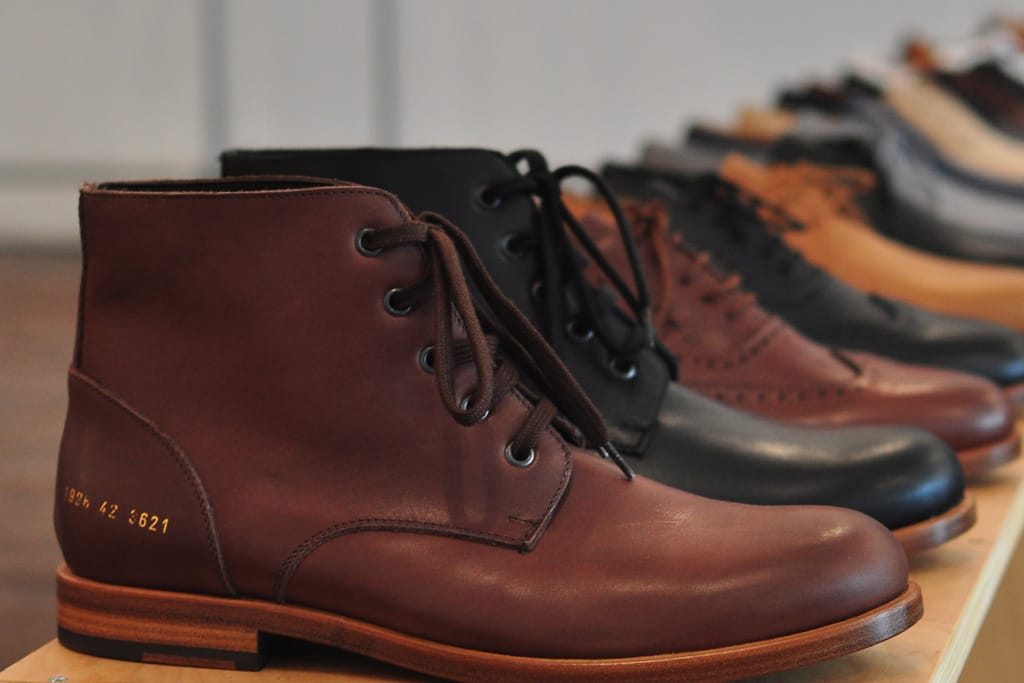
A preview of Common Projects' Spring/Summer 2012 footwear, including low-top sneakers, running silhouettes and ankle boots.
The photographs were taken during Très Bien Shop's visit to the Common Projects showroom.
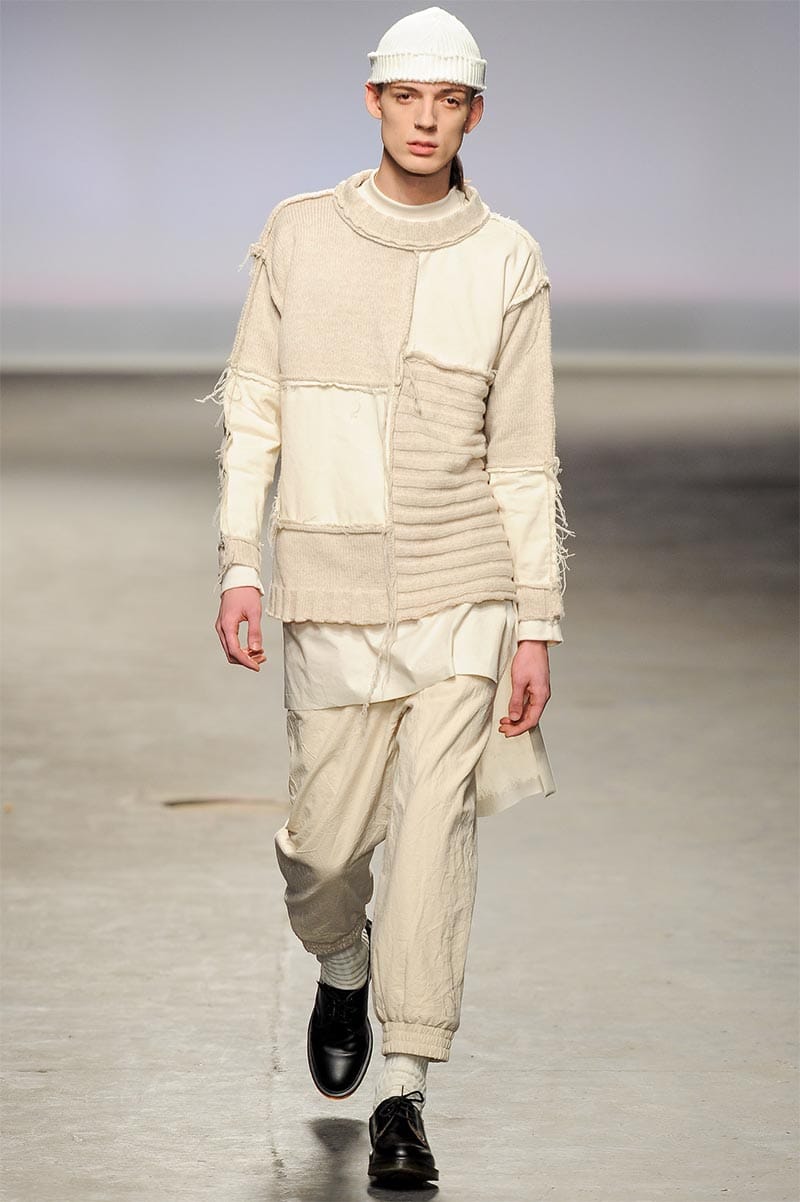
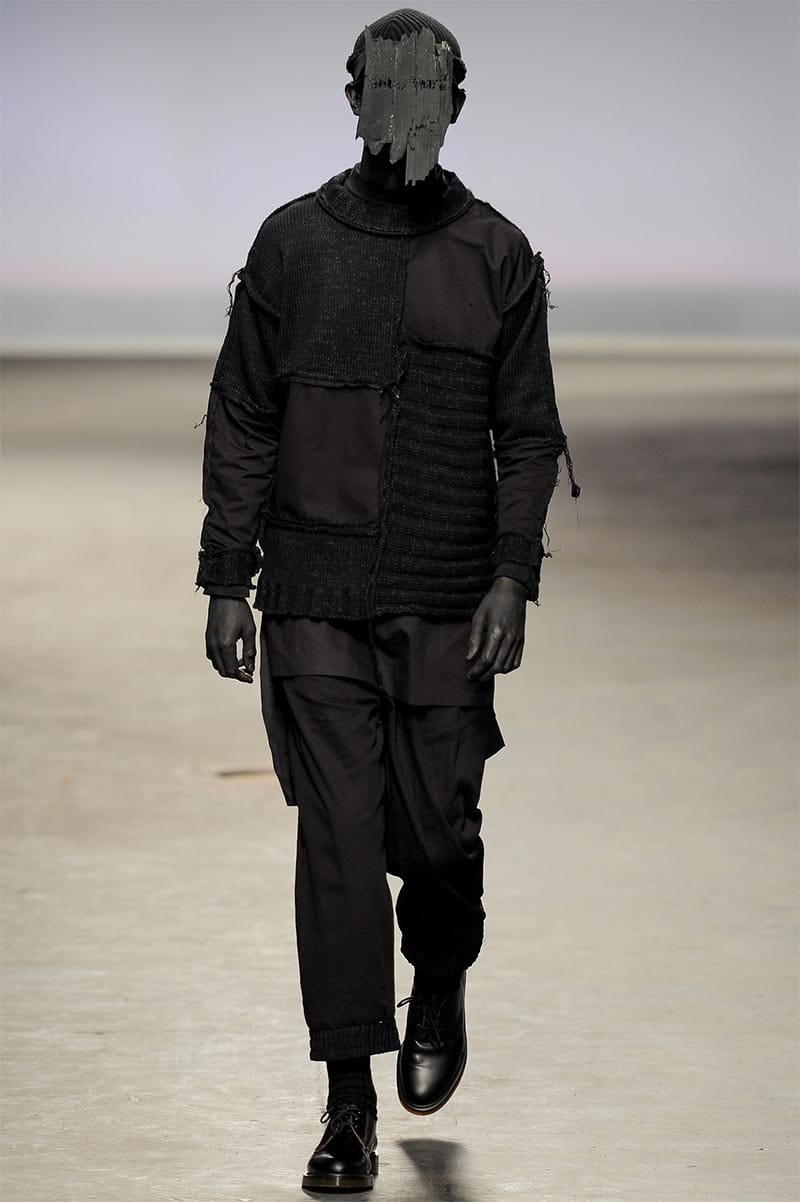
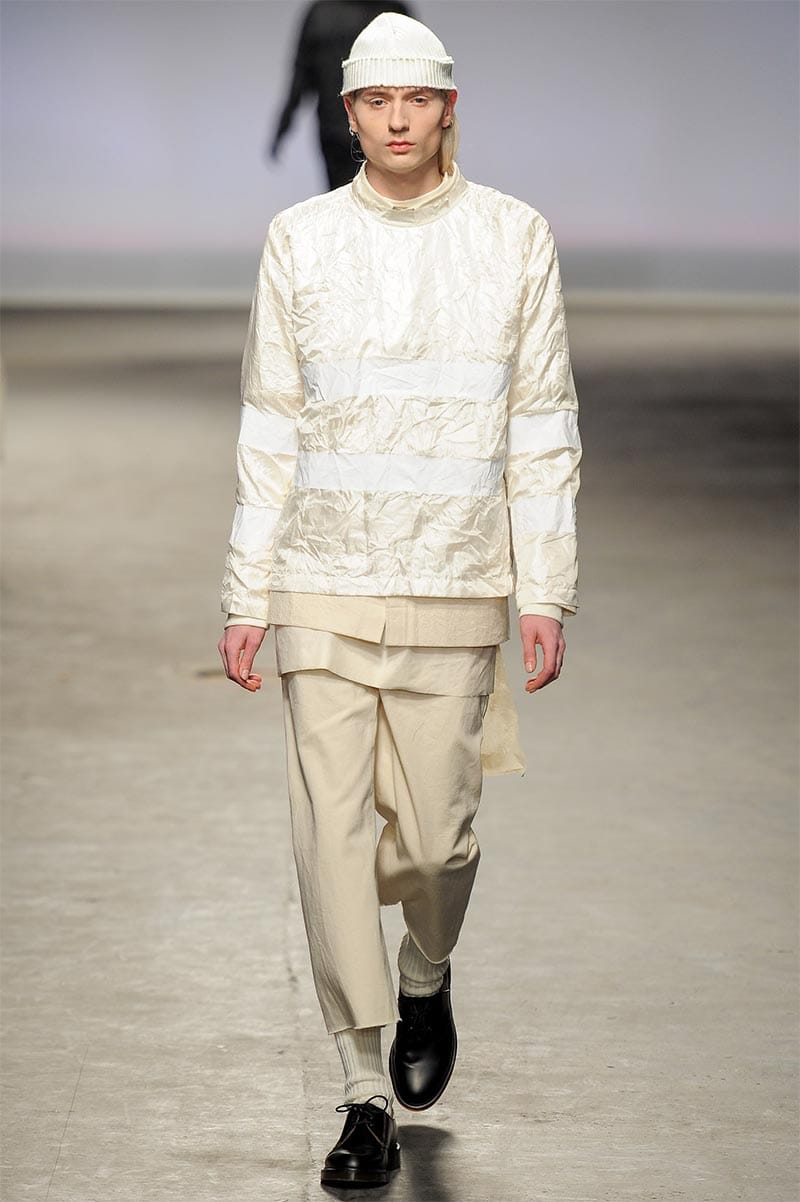
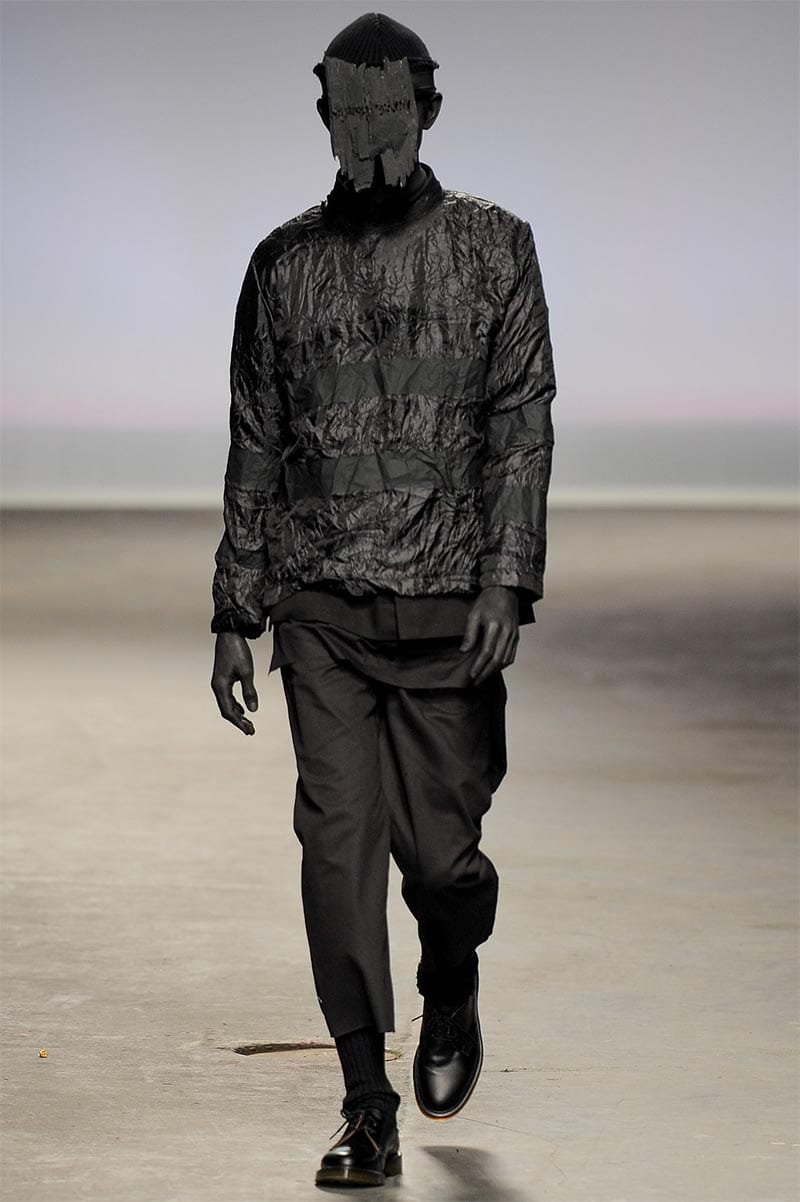
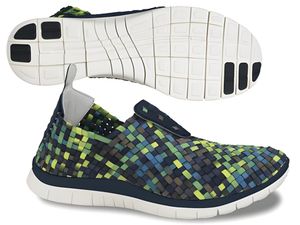
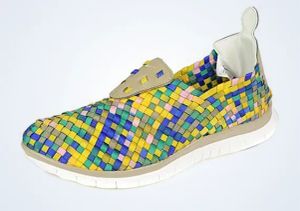
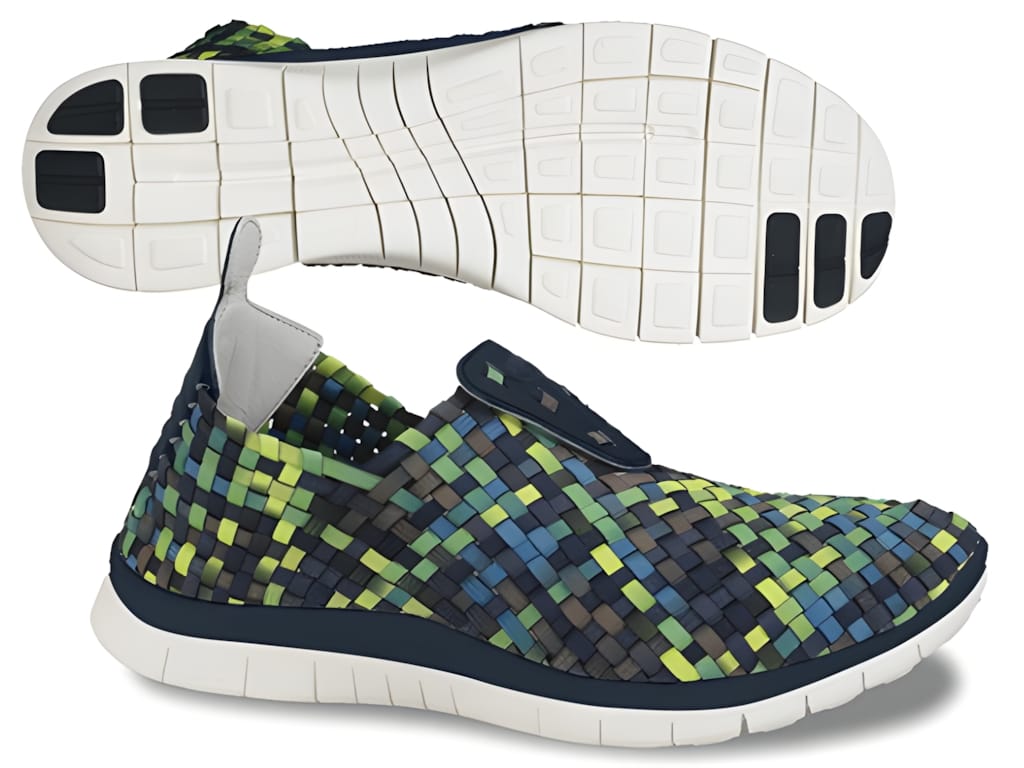
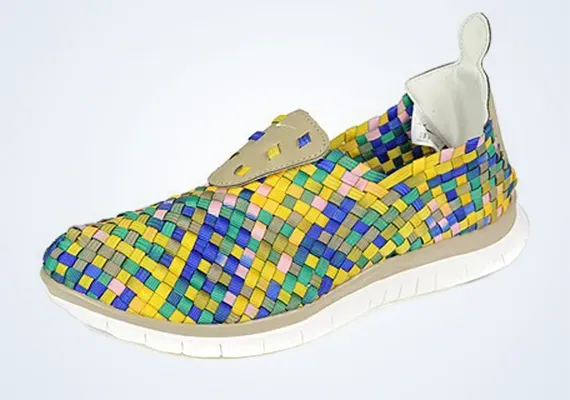
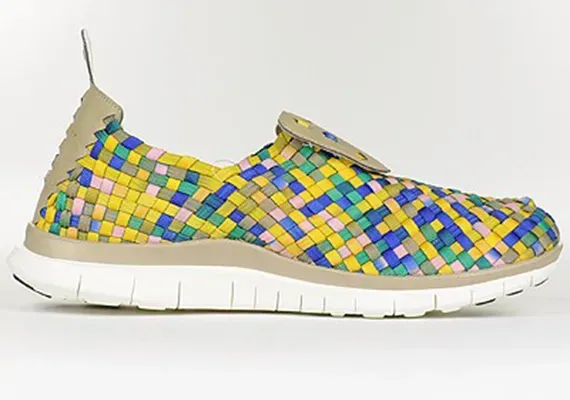
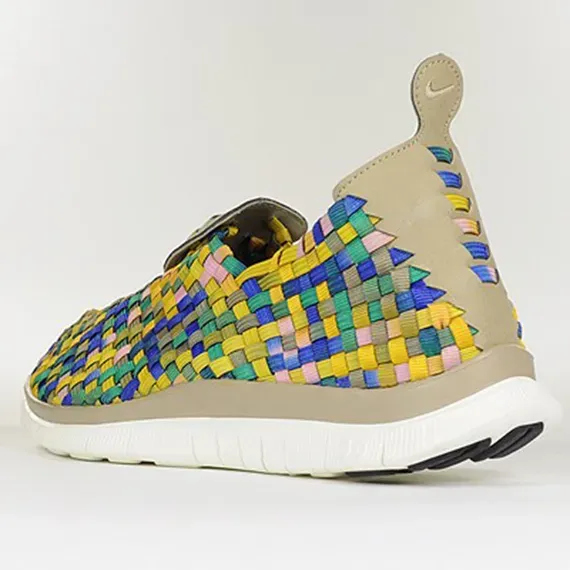
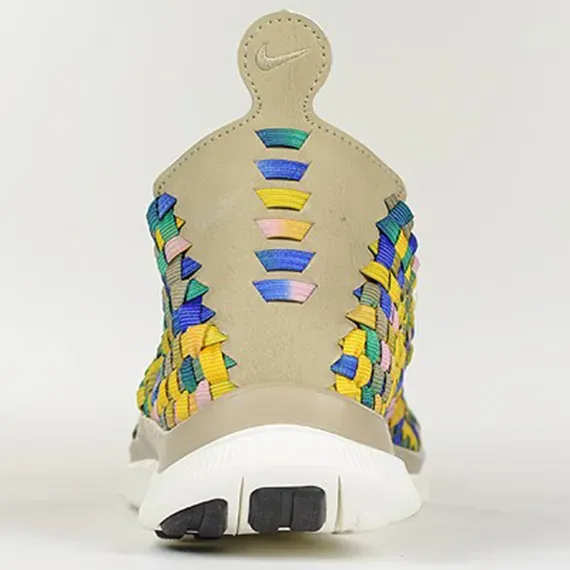
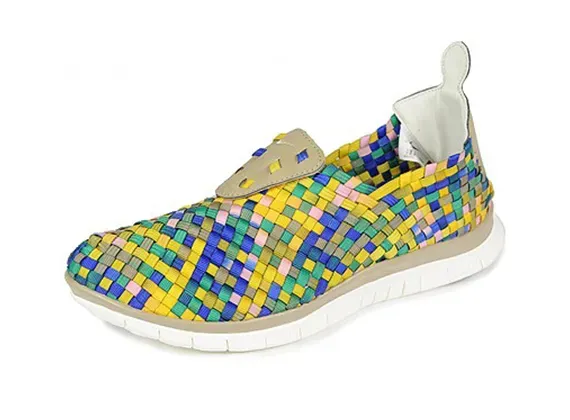
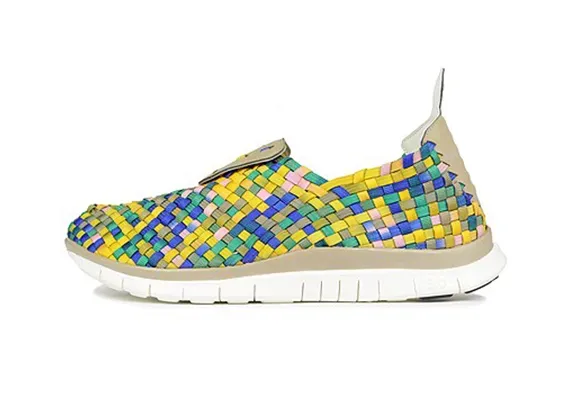
Nike Free Woven in Khaki, Stadium Green, Hyper Blue, and Pink, with a multicolor woven upper and white Free sole. Style code 555307-236.
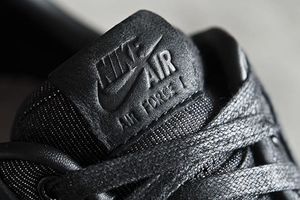
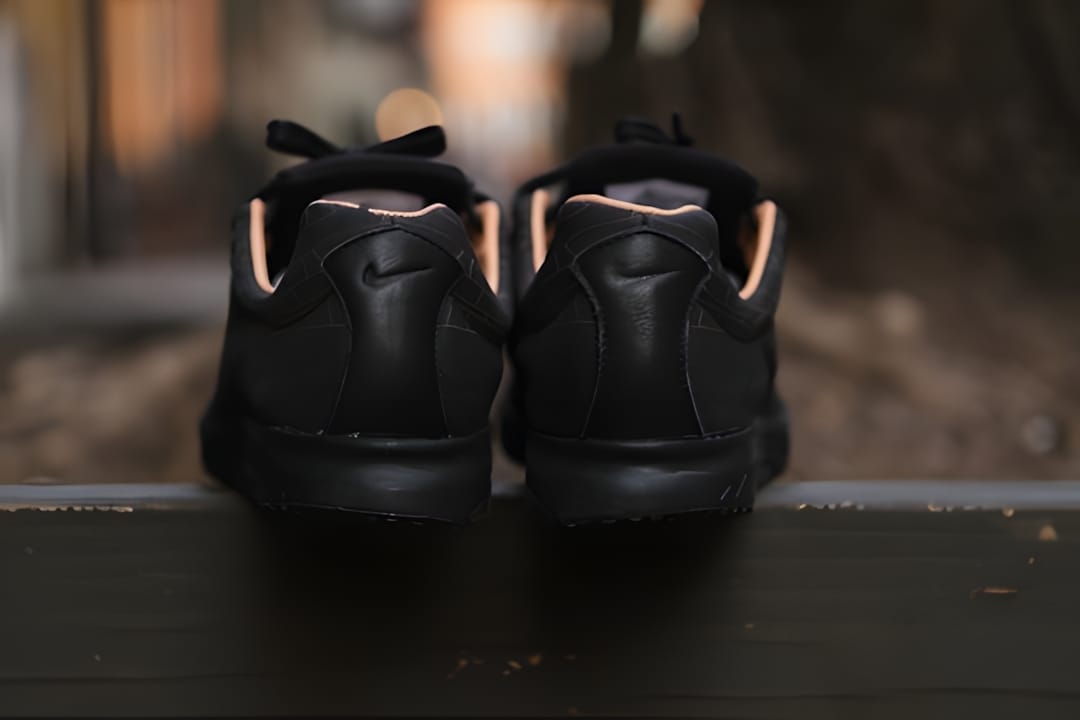
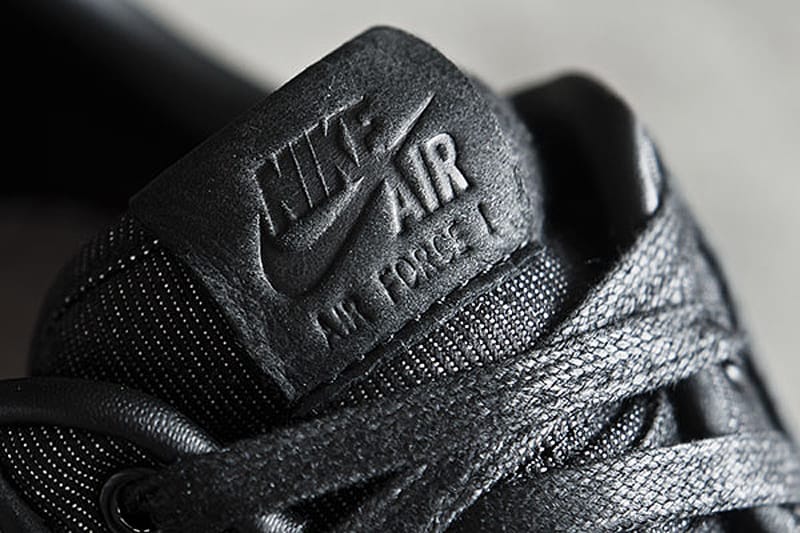
A black Air Force 1 Low from Nike's 30th Anniversary quickstrike pack, early 2012, marking thirty years of Bruce Kilgore's 1982 shoe. All-black leather with commemorative detailing; the hidden-Air construction and midsole unchanged.

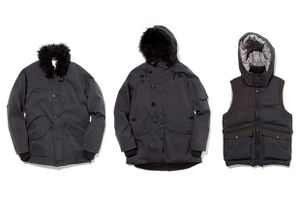
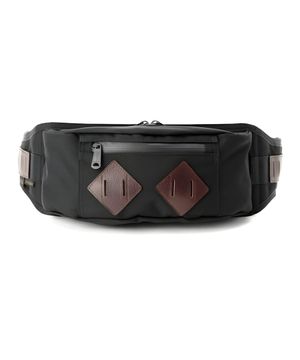
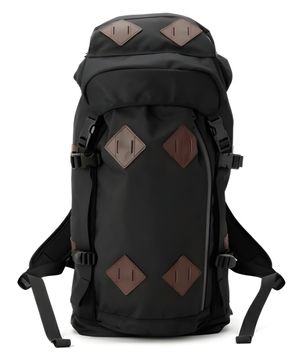
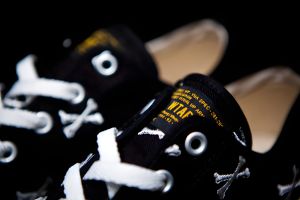
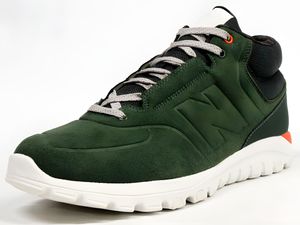
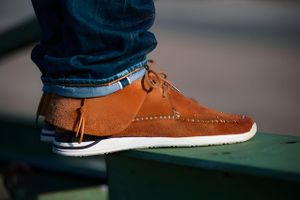
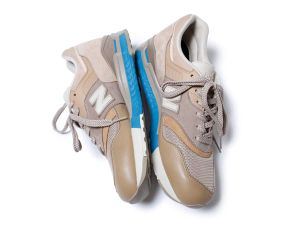
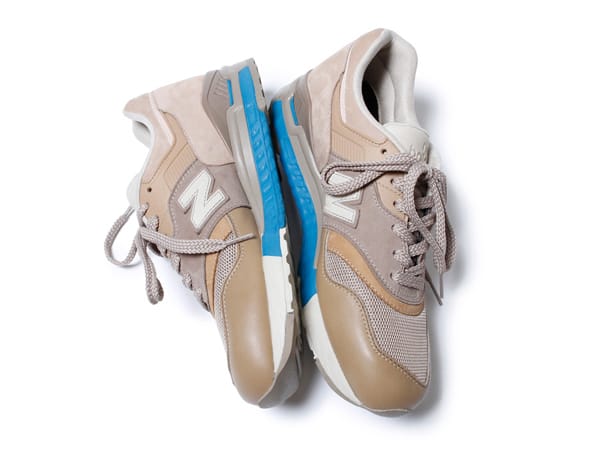
The nonnative x New Balance CM997 'Dune' (2011): the Tokyo label nonnative's version of the 997 in muted, earthy suede and mesh.