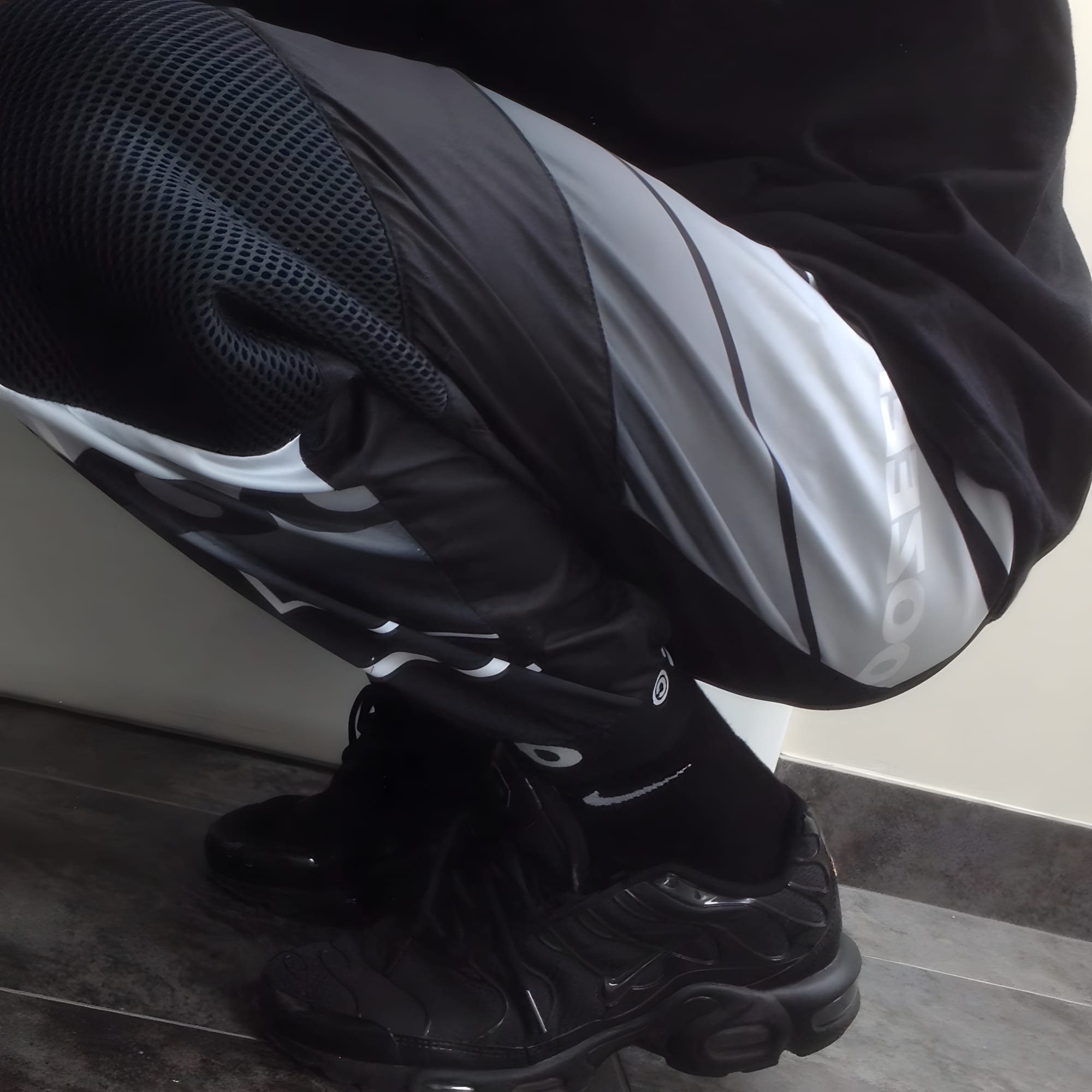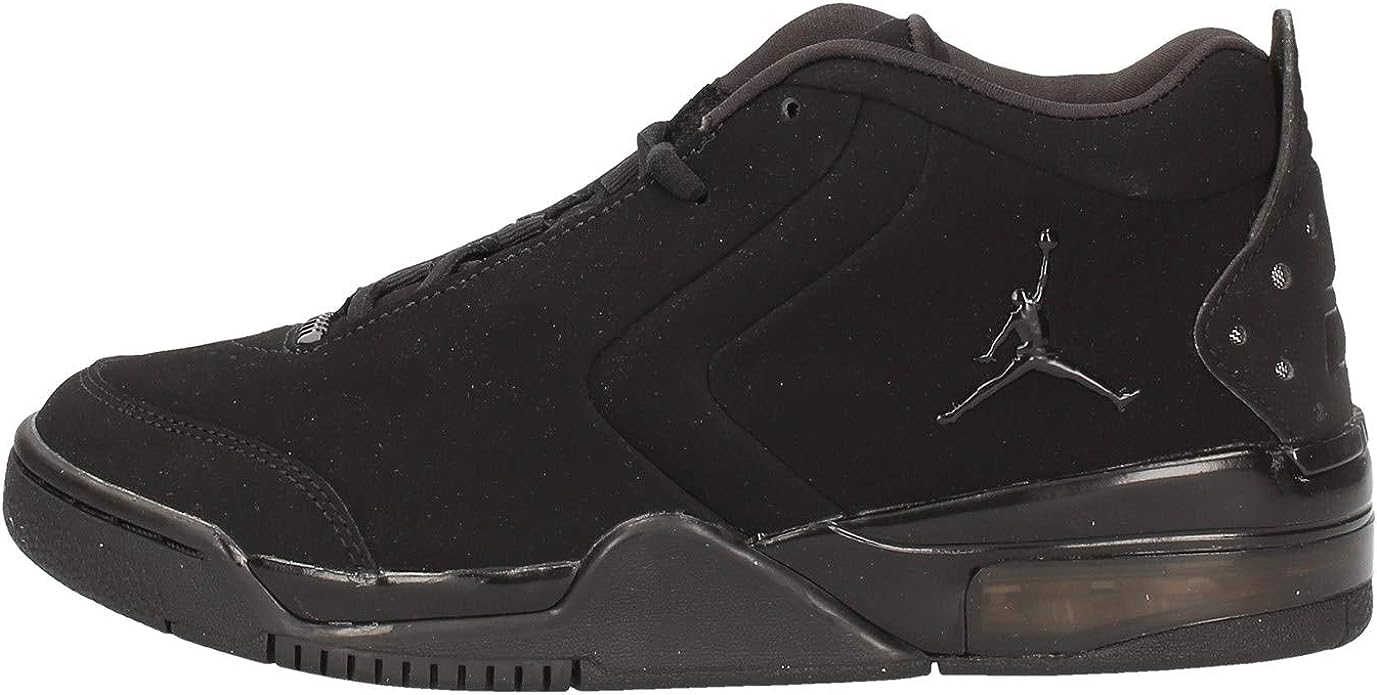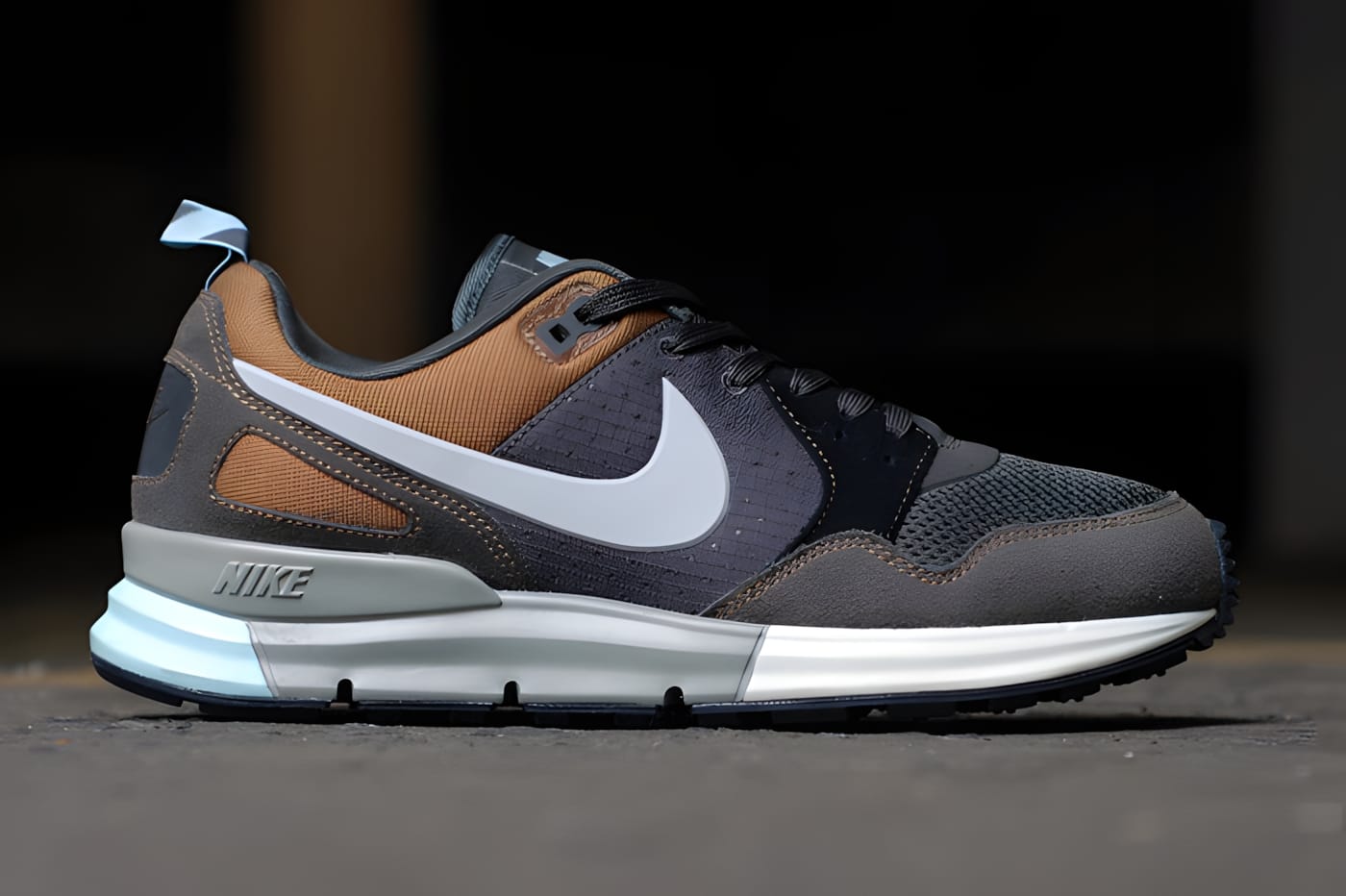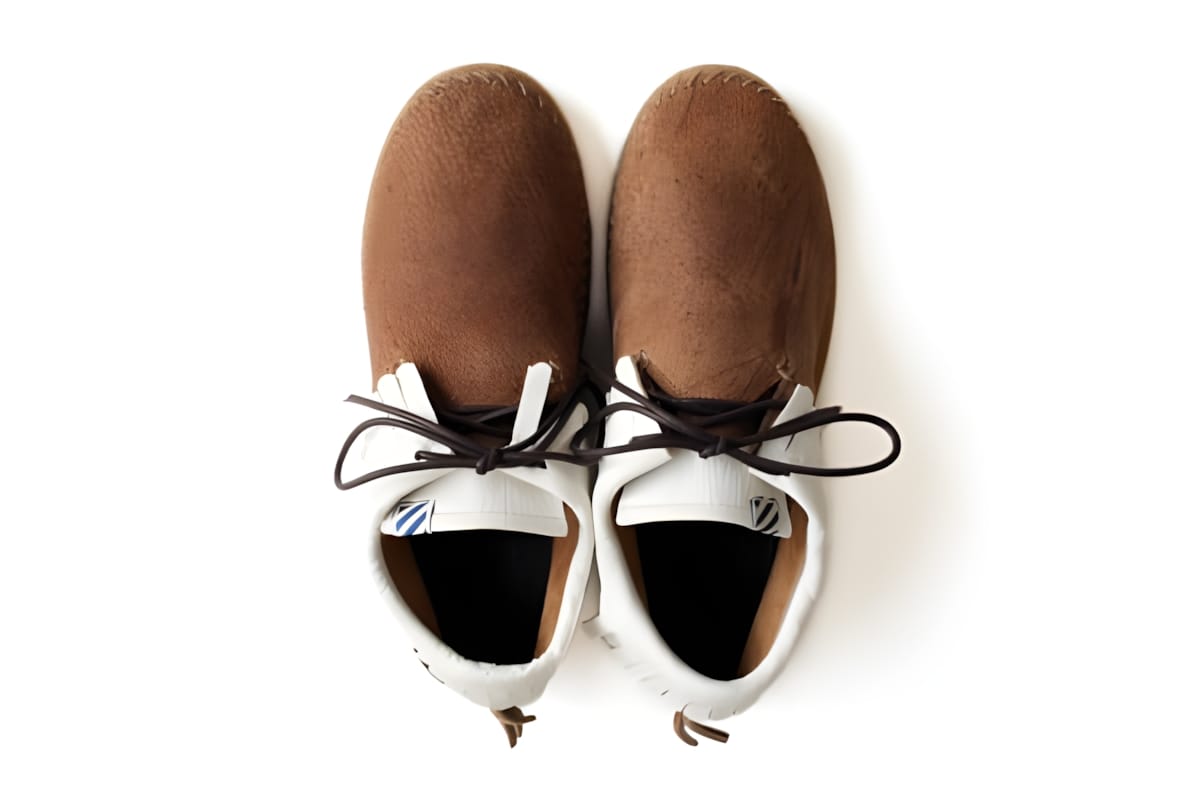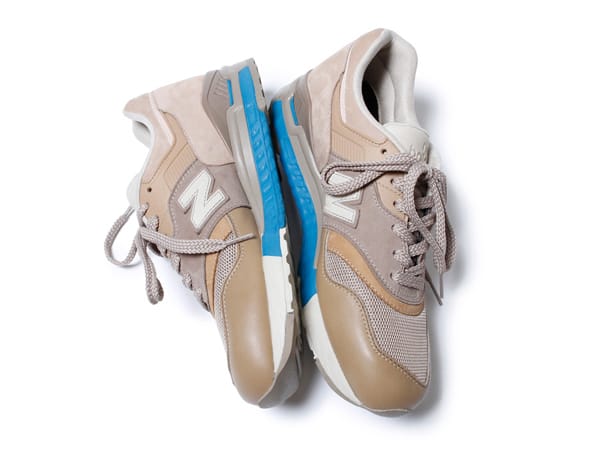
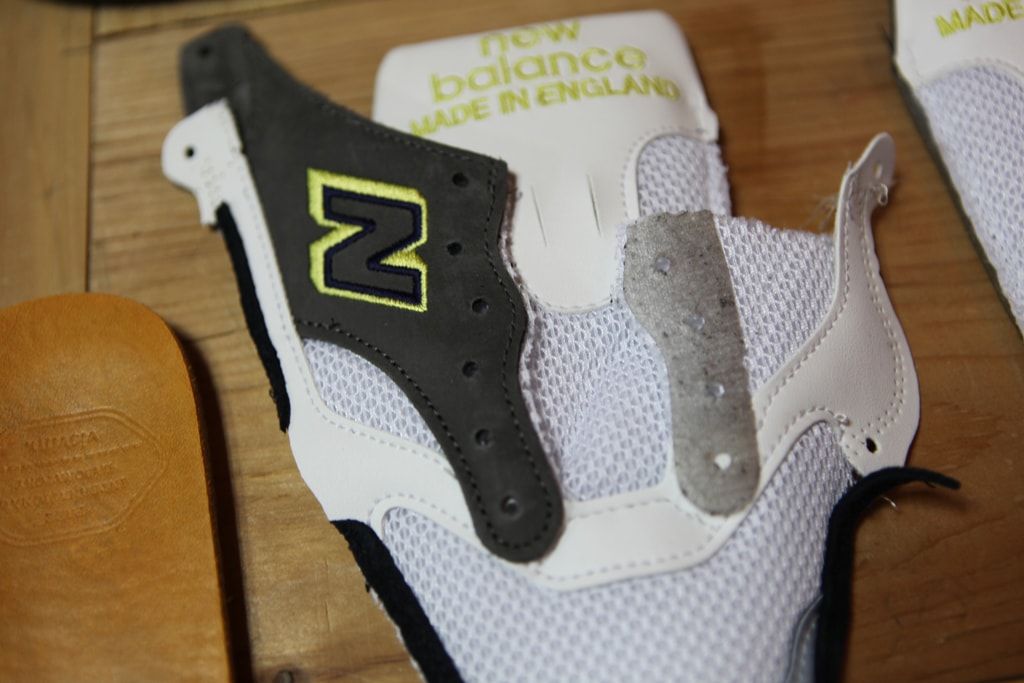
nonnative x New Balance CM997 Dune
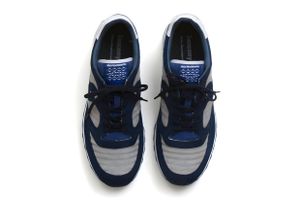
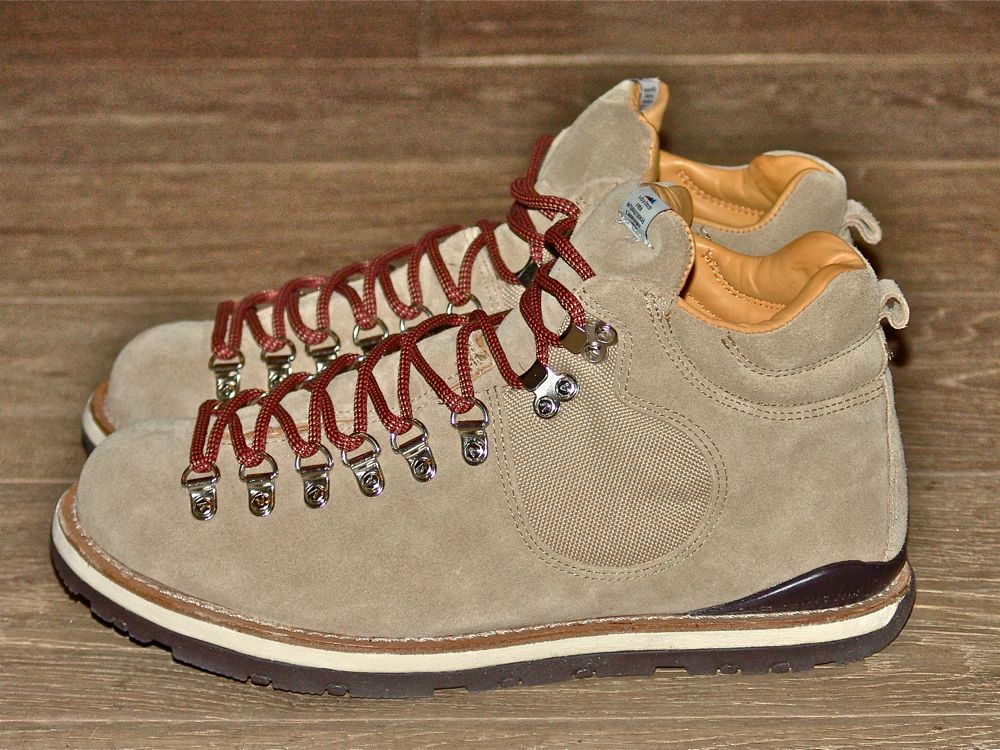
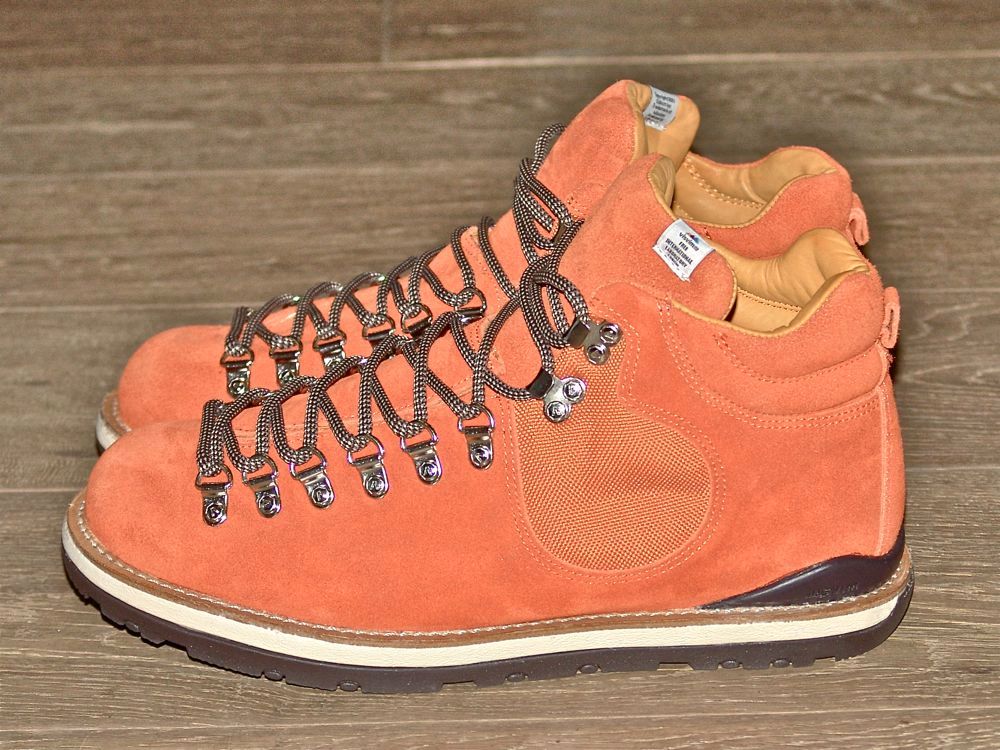
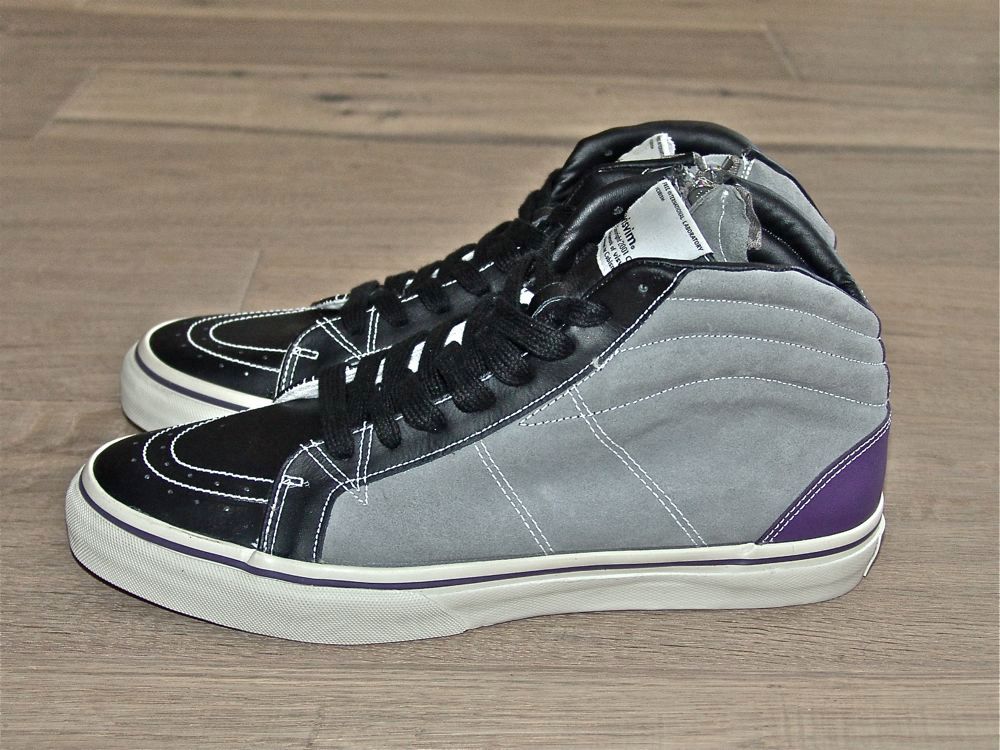
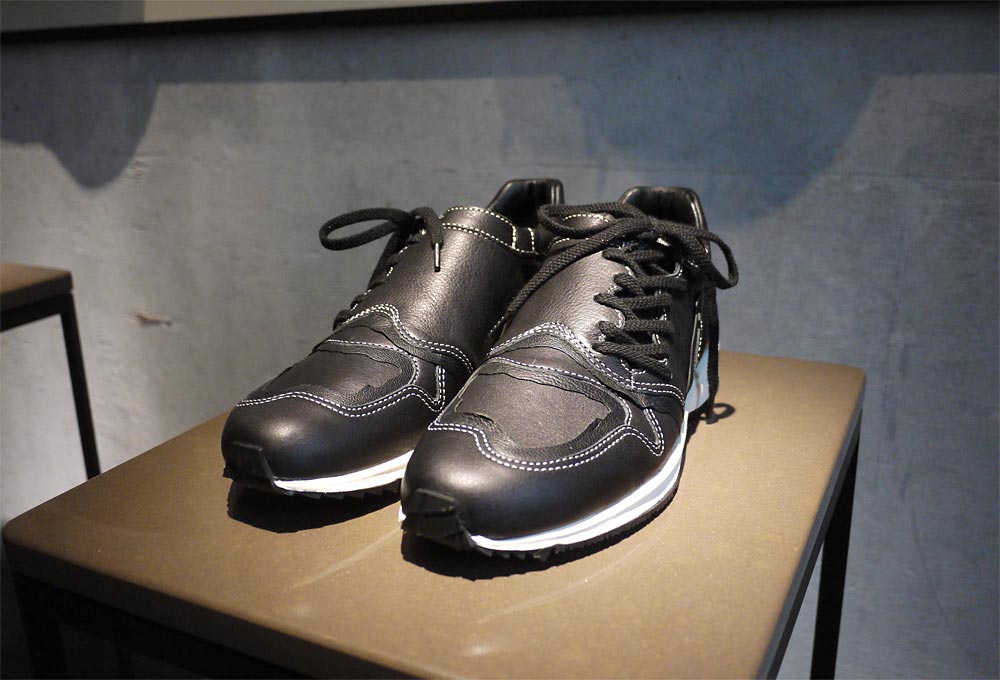
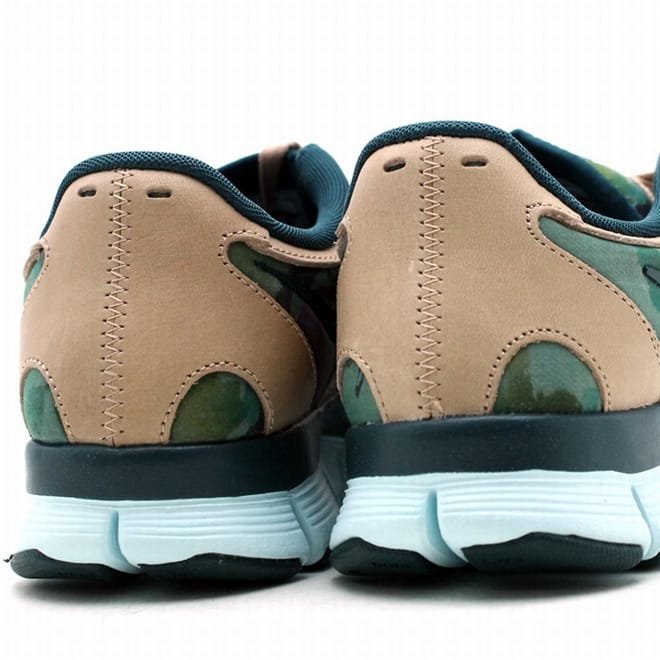
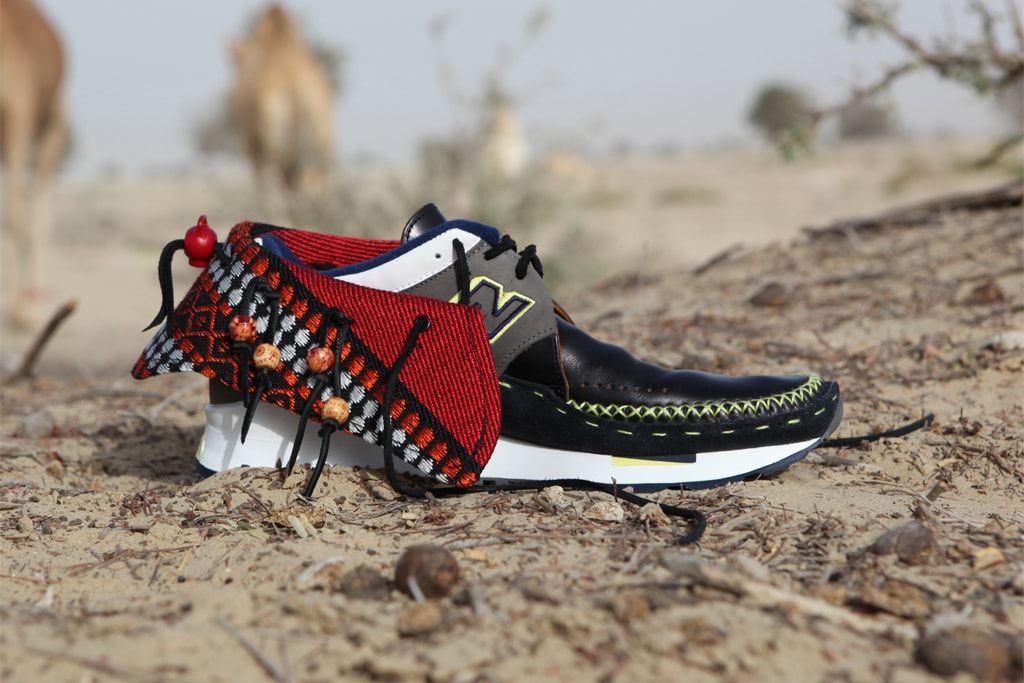
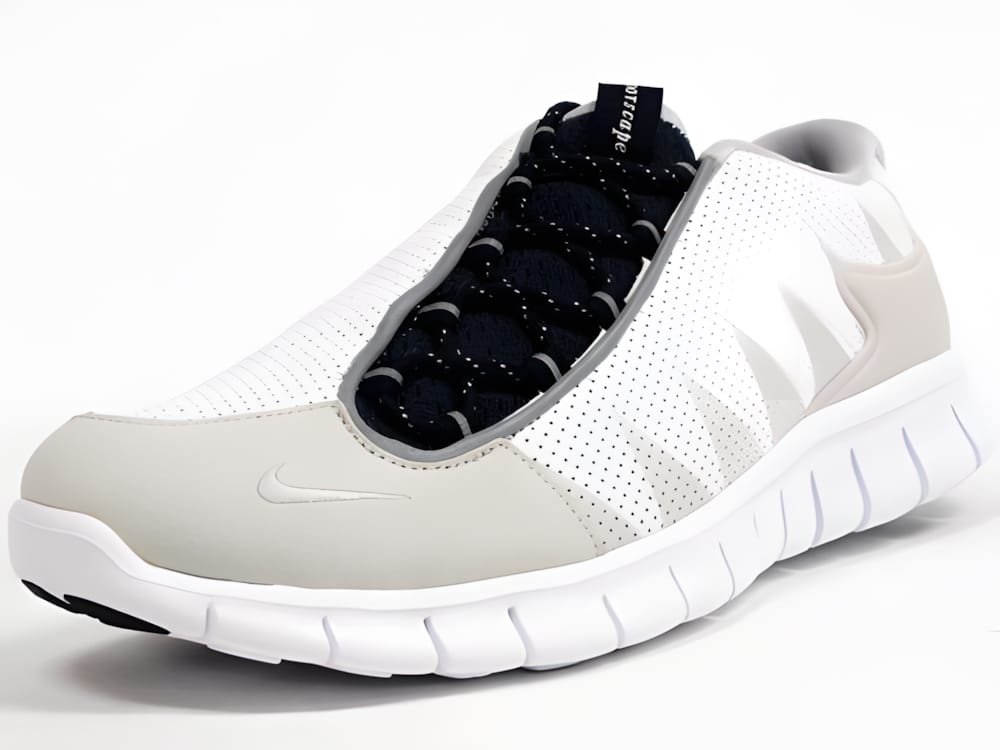
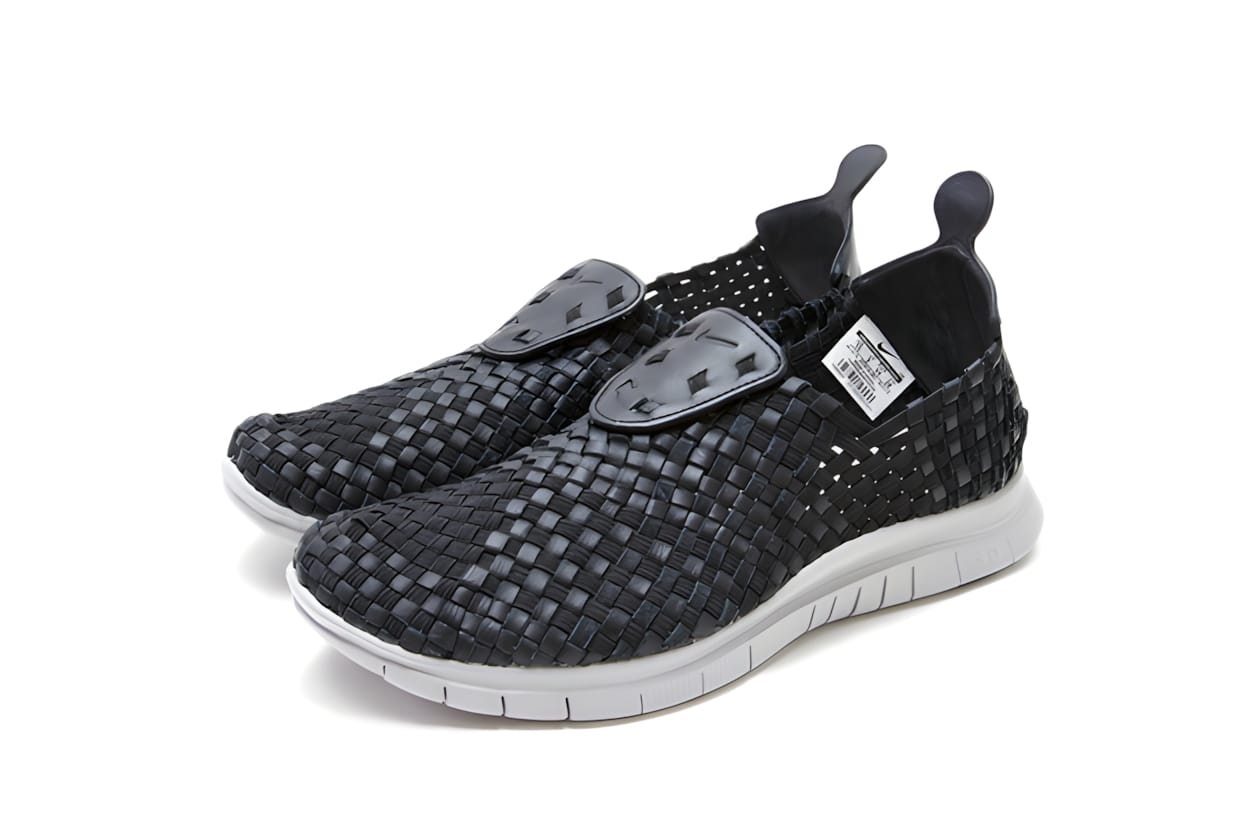
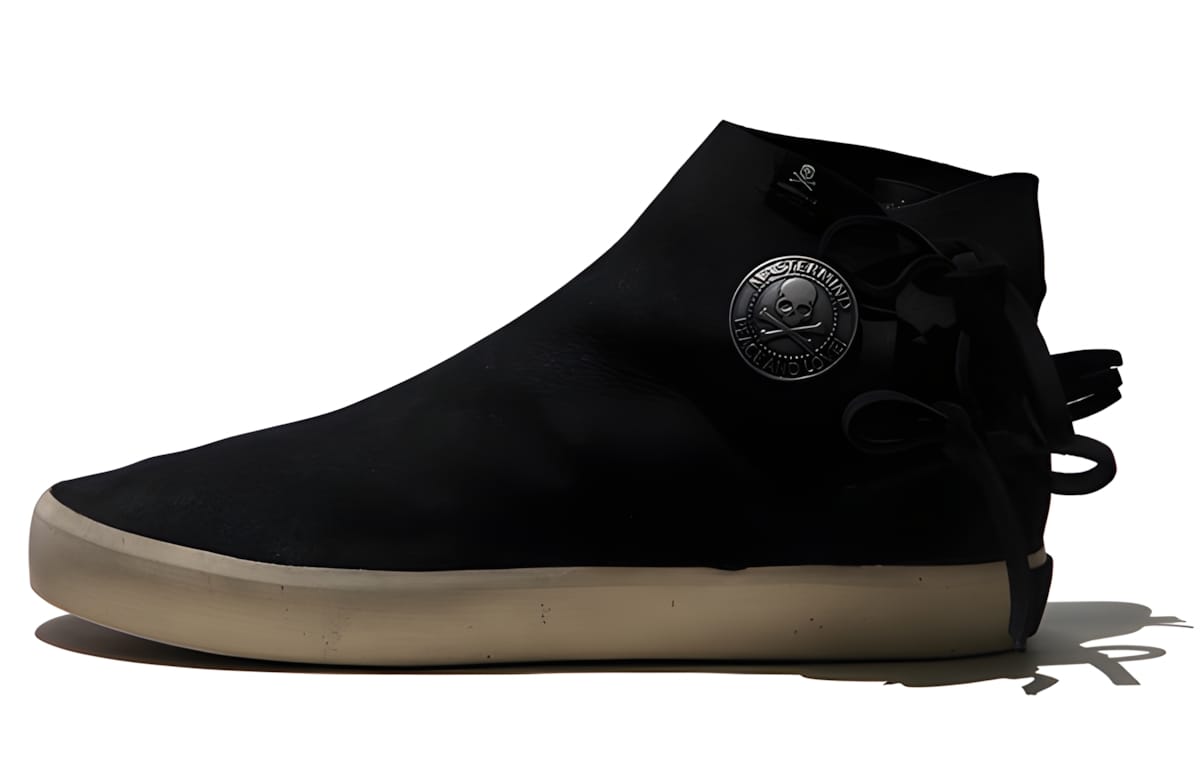
The nonnative x New Balance CM997 'Dune' (2011): the Tokyo label nonnative's version of the 997 in muted, earthy suede and mesh.
The nonnative x New Balance CM997 'Dune' (2011): the Tokyo label nonnative's version of the 997 in muted, earthy suede and mesh.
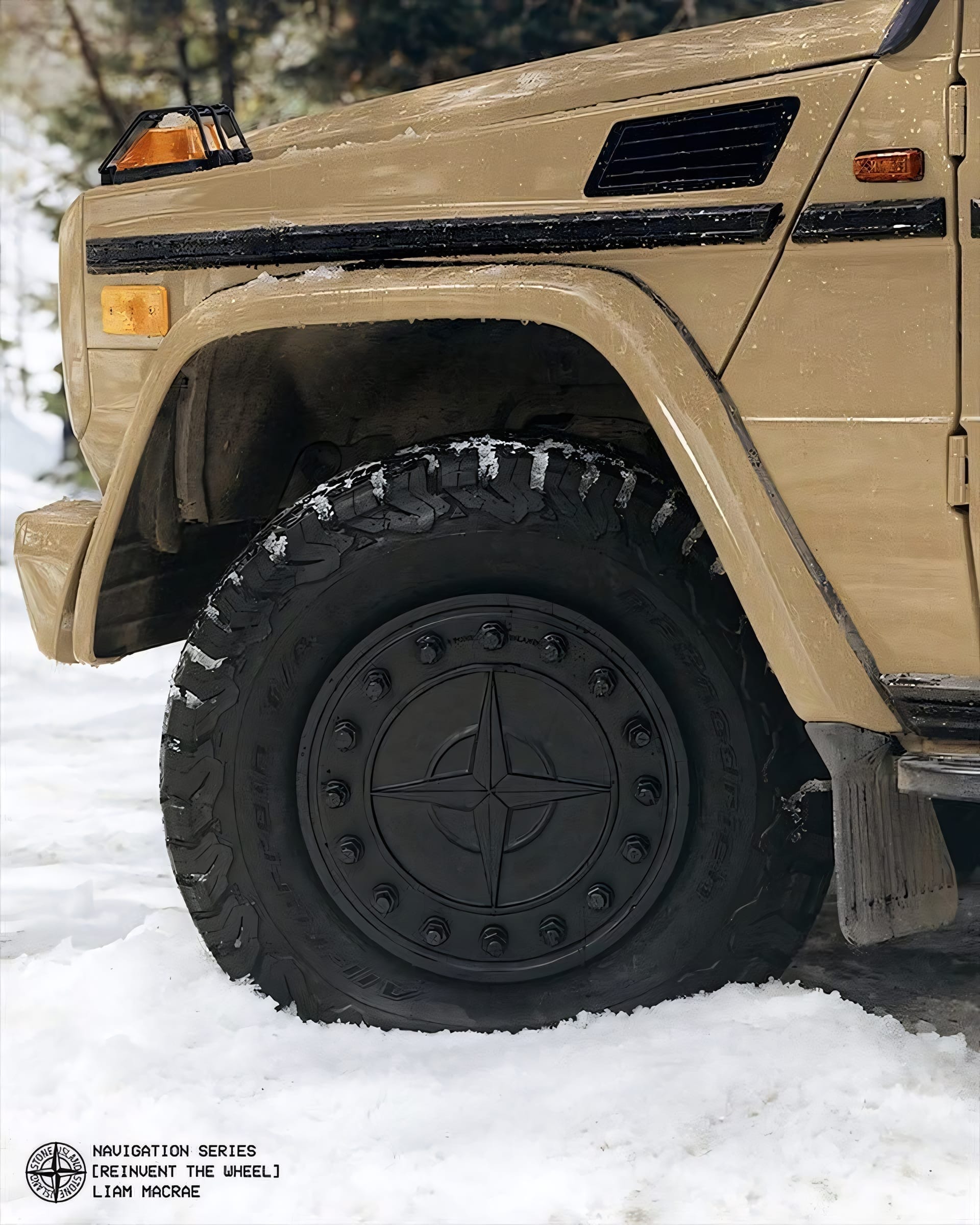
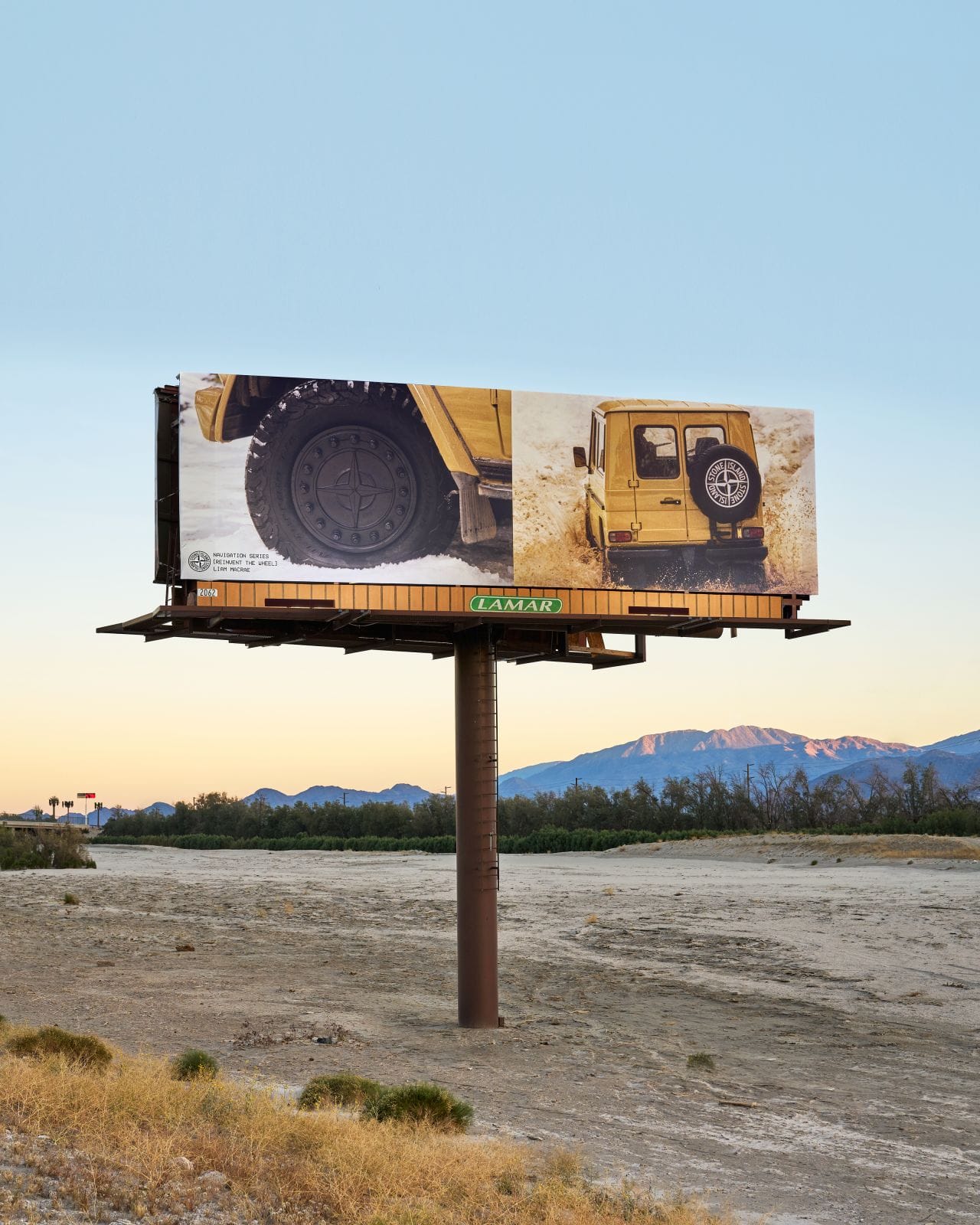
![stone island navigation series [reinvent the wheel] by liam macrae](https://storage.ghost.io/c/14/ee/14eef3be-ca5a-434b-8324-fa1f874026f1/content/images/size/w300/2025/08/stone-island-liam-macrae-navigation-series-002-1.jpg)
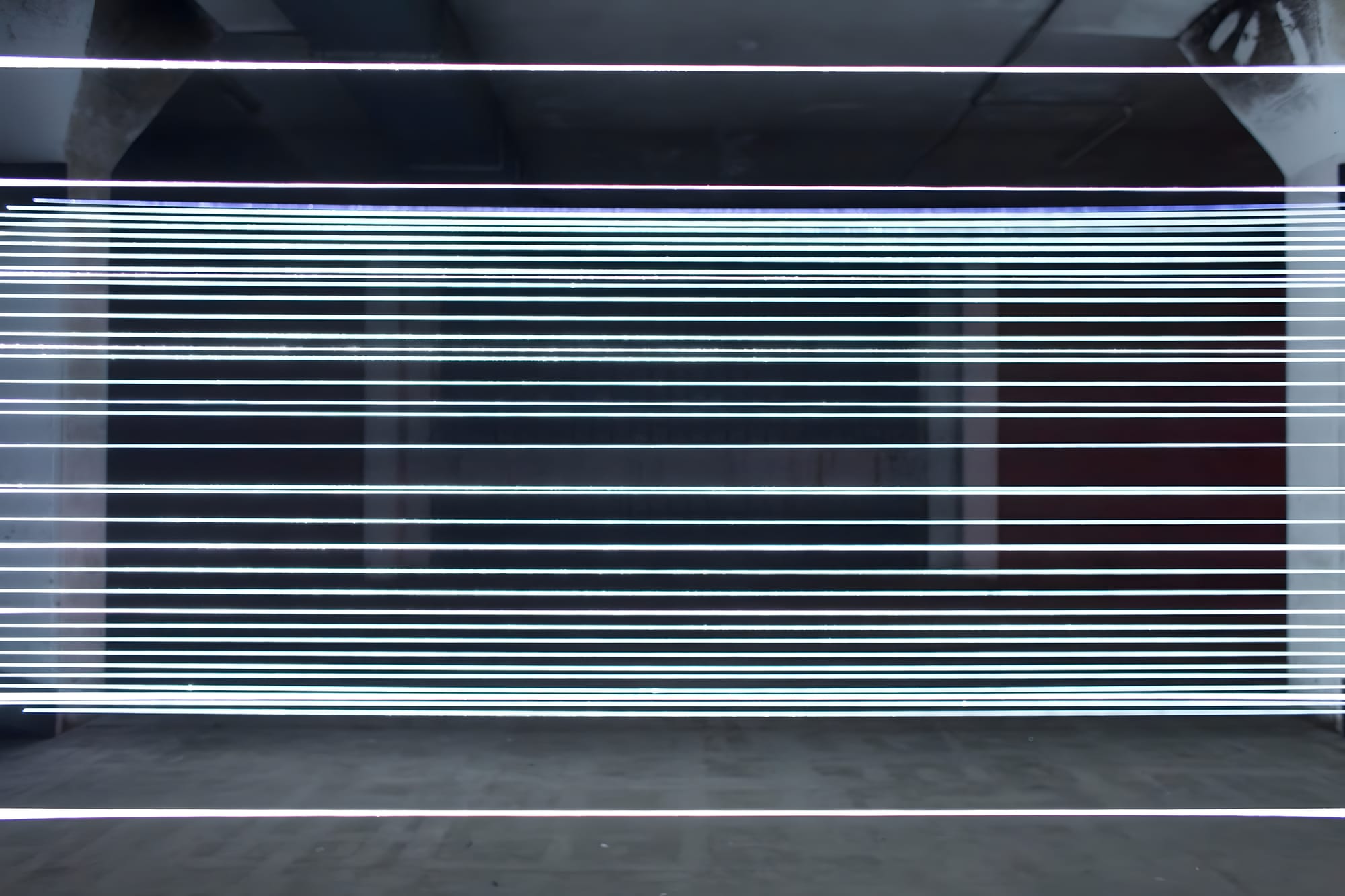
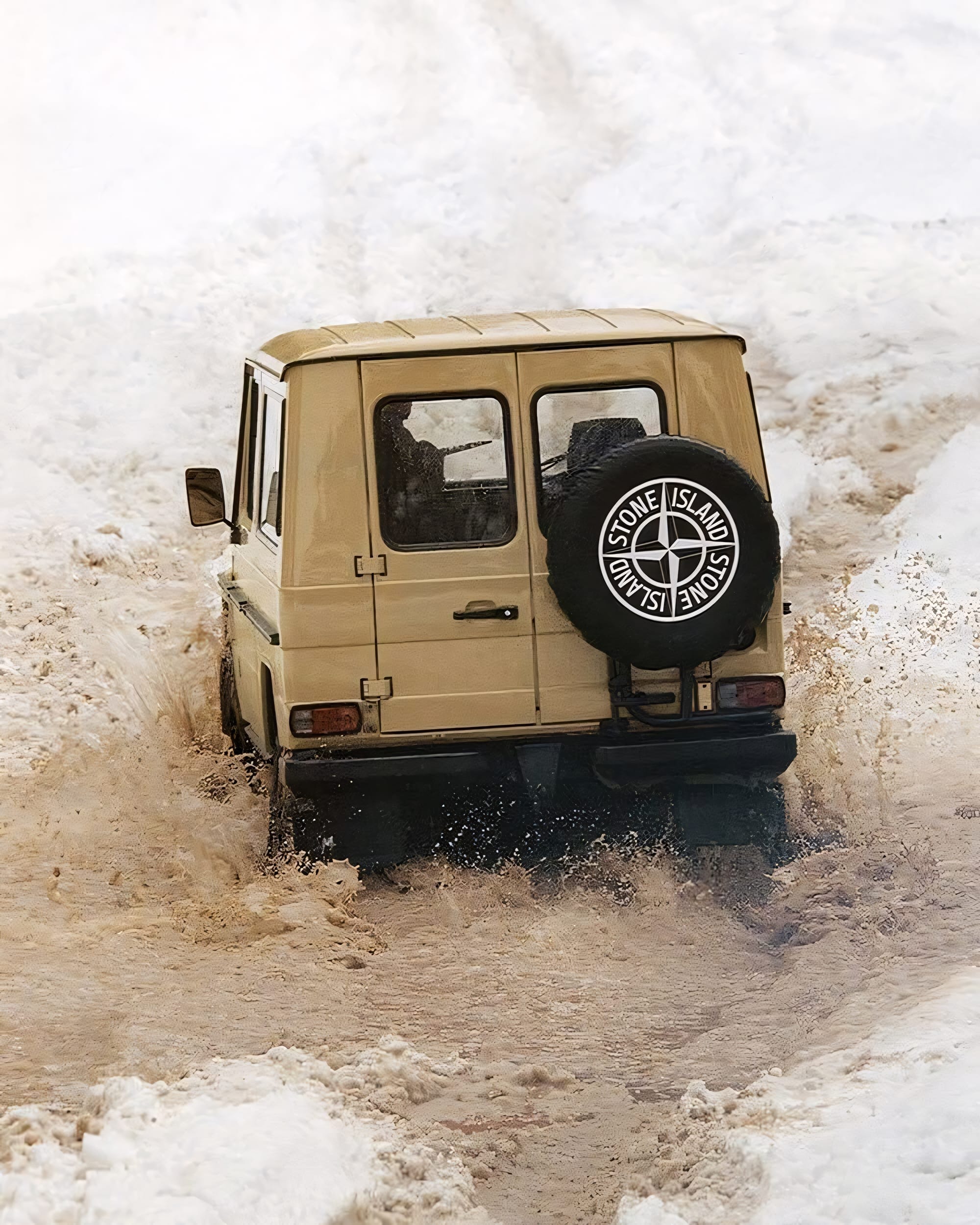
Stone Island’s Navigation Series: Reinvent the Wheel, photographed by Liam MacRae, is part of the brand’s ongoing study of orientation and movement. The work frames navigation as both physical and symbolic—referencing terrain, direction, and systems of guidance. Within the series, “Reinvent the Wheel” emphasizes reinterpreting established structures of travel and perception, continuing Stone Island’s research into exploration and the mechanics of wayfinding.
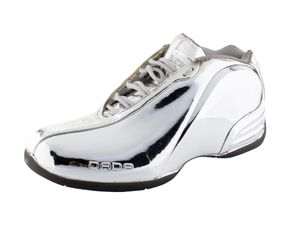
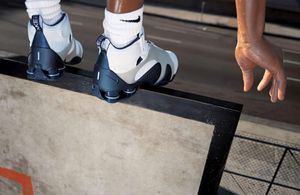
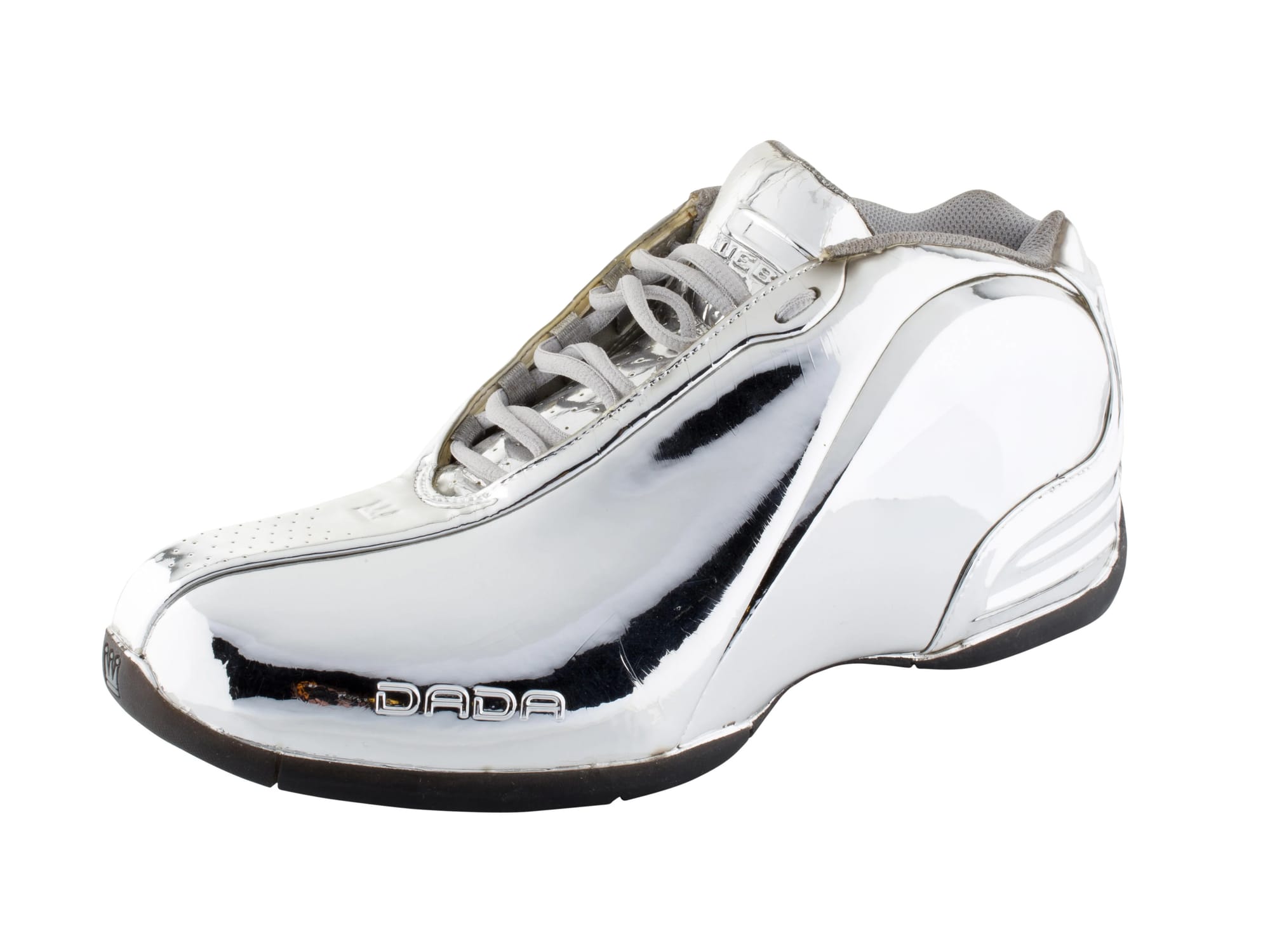
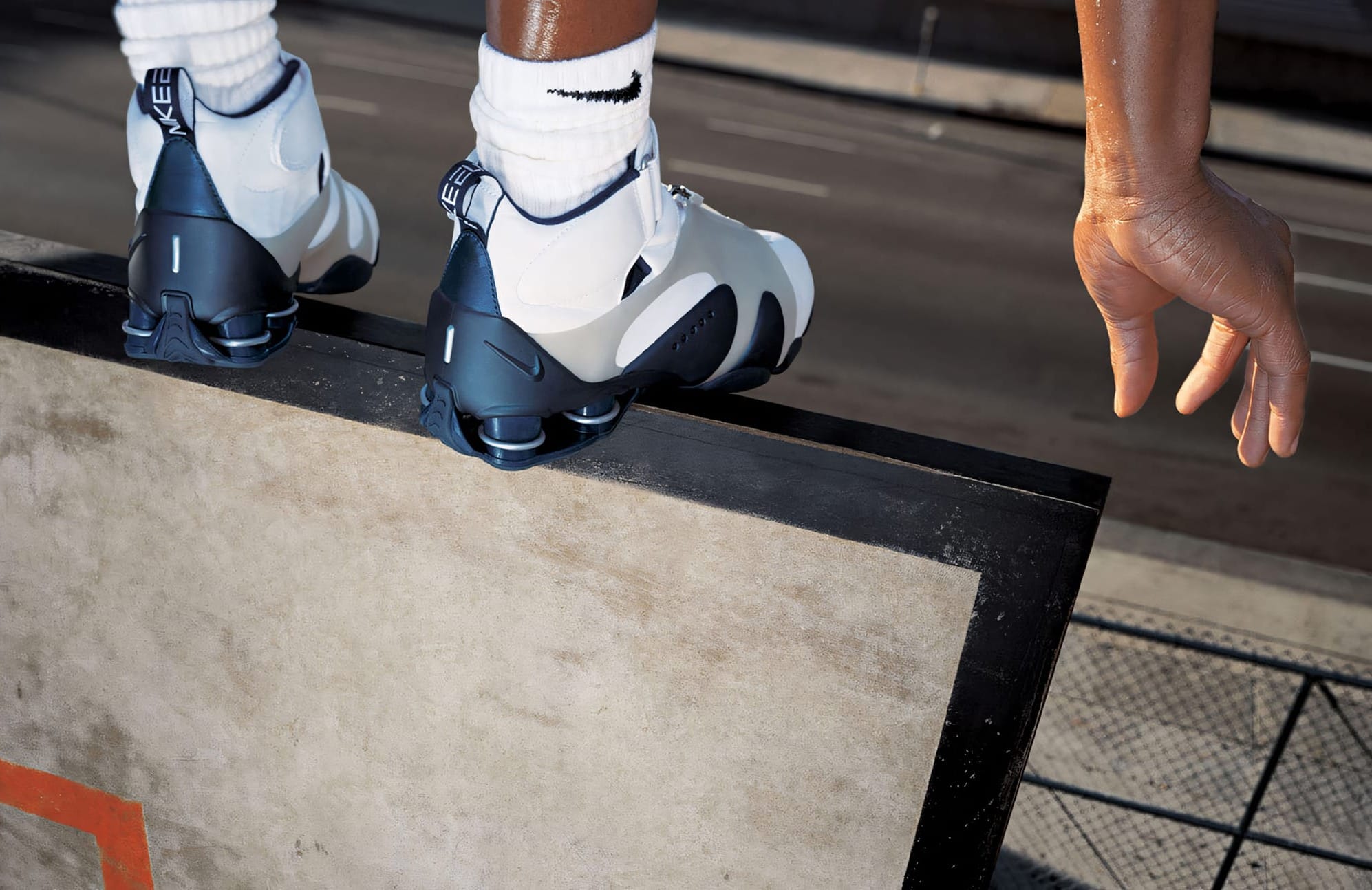
The Dada Supreme Chrome C-Dubbz sneakers are built around an intentionally heavy, high-volume silhouette: a tall collar, a thick tongue, and a wide forefoot that reads as protective and stable. The upper is typically constructed from layered synthetic panels with pronounced overlays, giving the shoe a structured, armored look and a more rigid feel than minimalist basketball uppers. Stitch lines and panel breaks are used as graphic elements—sections are segmented, stacked, and outlined to create depth, with glossy “chrome” accents placed to catch highlights and exaggerate contour changes as the foot moves.
Branding is designed to be unmistakable at a distance. Expect oversized side marks, large-scale heel or tongue identifiers, and bold, high-contrast placements that function like visual anchors on the lateral and medial sides. The chrome treatment usually appears as reflective or high-shine synthetic components (often on overlays, badges, or trim), creating a hard, metallic read against matte base materials and emphasizing the shoe’s sculpted geometry.
Padding and fit cues tend to be substantial: a thick collar for ankle cushioning, a padded tongue that fills the lace channel, and a lace system supported by reinforced eyestays. This combination aims for a locked-in, “wrapped” fit—more secure and cushioned than sleek—especially through the midfoot where the overlays and lacing work together to reduce lateral movement.
The sole unit is equally assertive. The midsole sits tall with a broad footprint, visually communicating impact protection and stability. Tooling is typically chunky and segmented, with sculpted sidewalls and recesses that add shadow and definition. The outsole commonly uses deep grooves and a dense traction pattern intended for grip and durability, with a flatter contact area and widened edges that support hard stops, pivots, and lateral cuts. Overall, the design language prioritizes structure, cushioning volume, and visual force—built to feel protective under load and to look loud even when standing still.
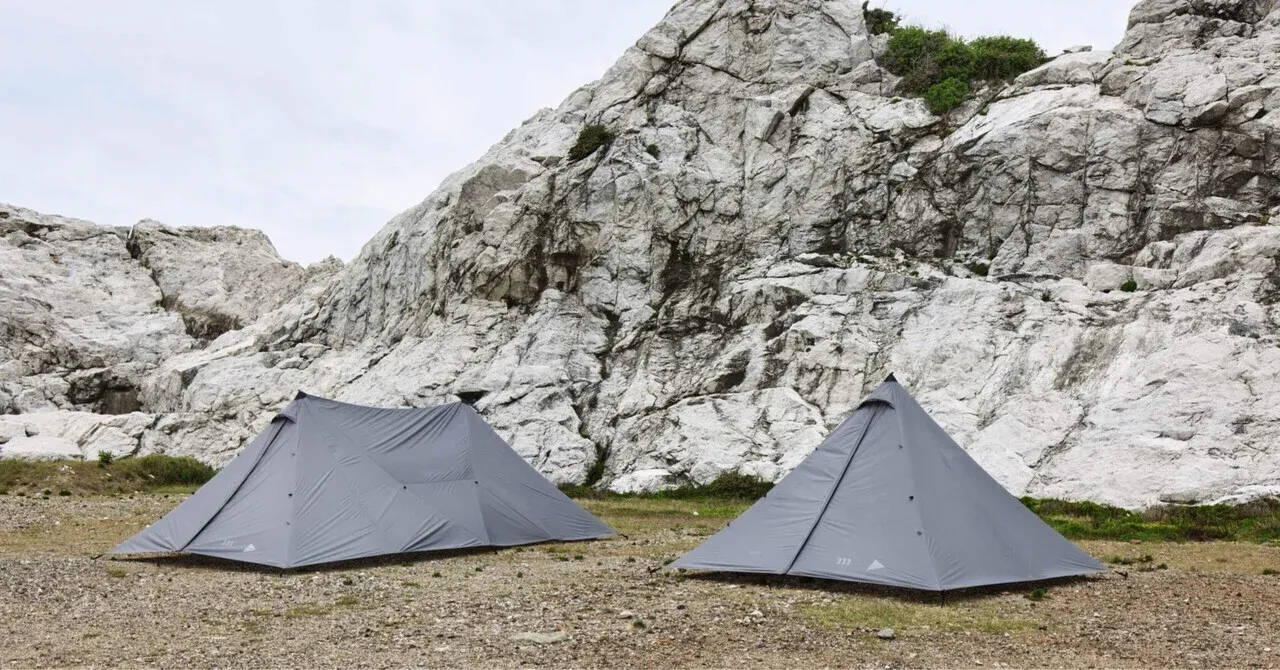
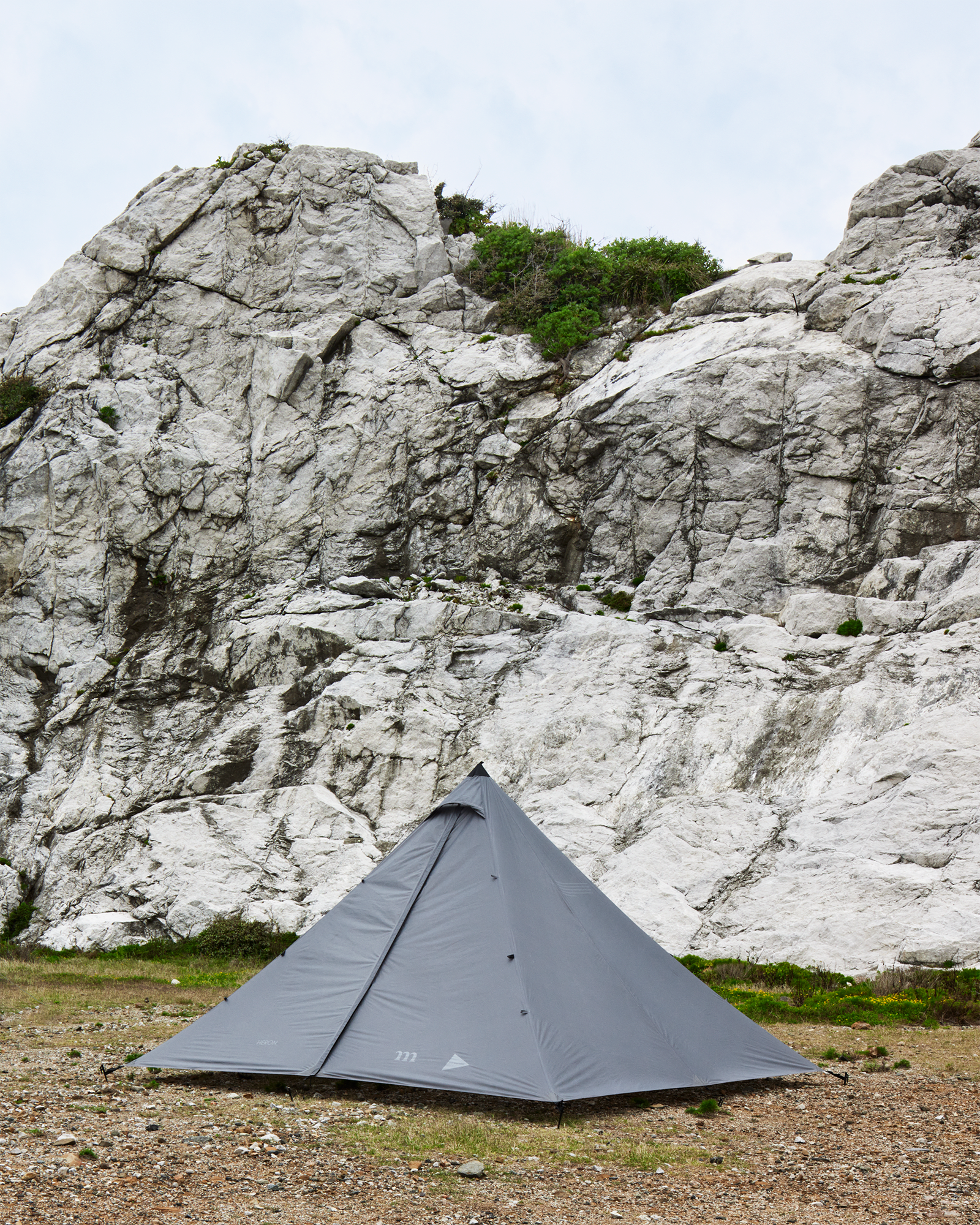
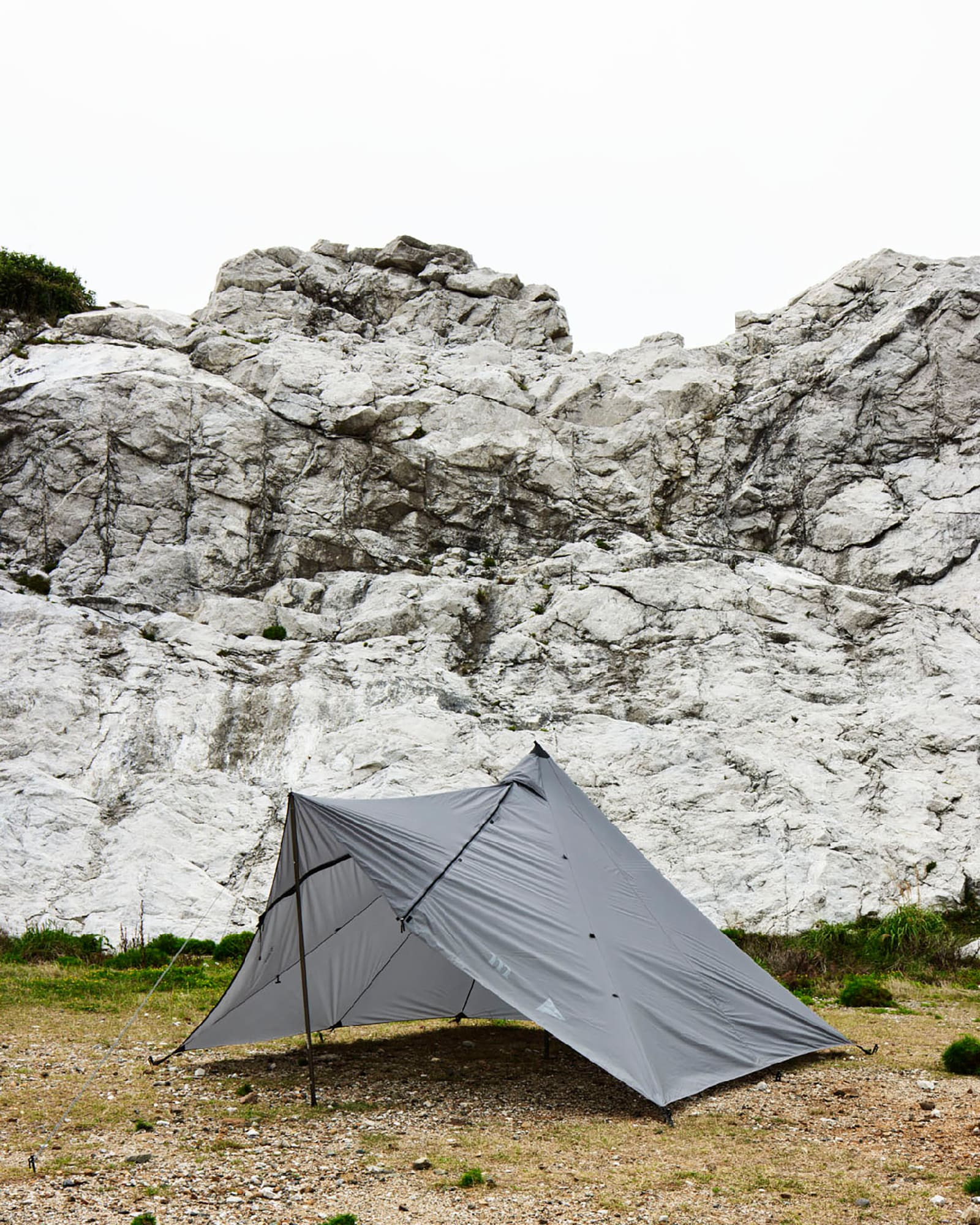
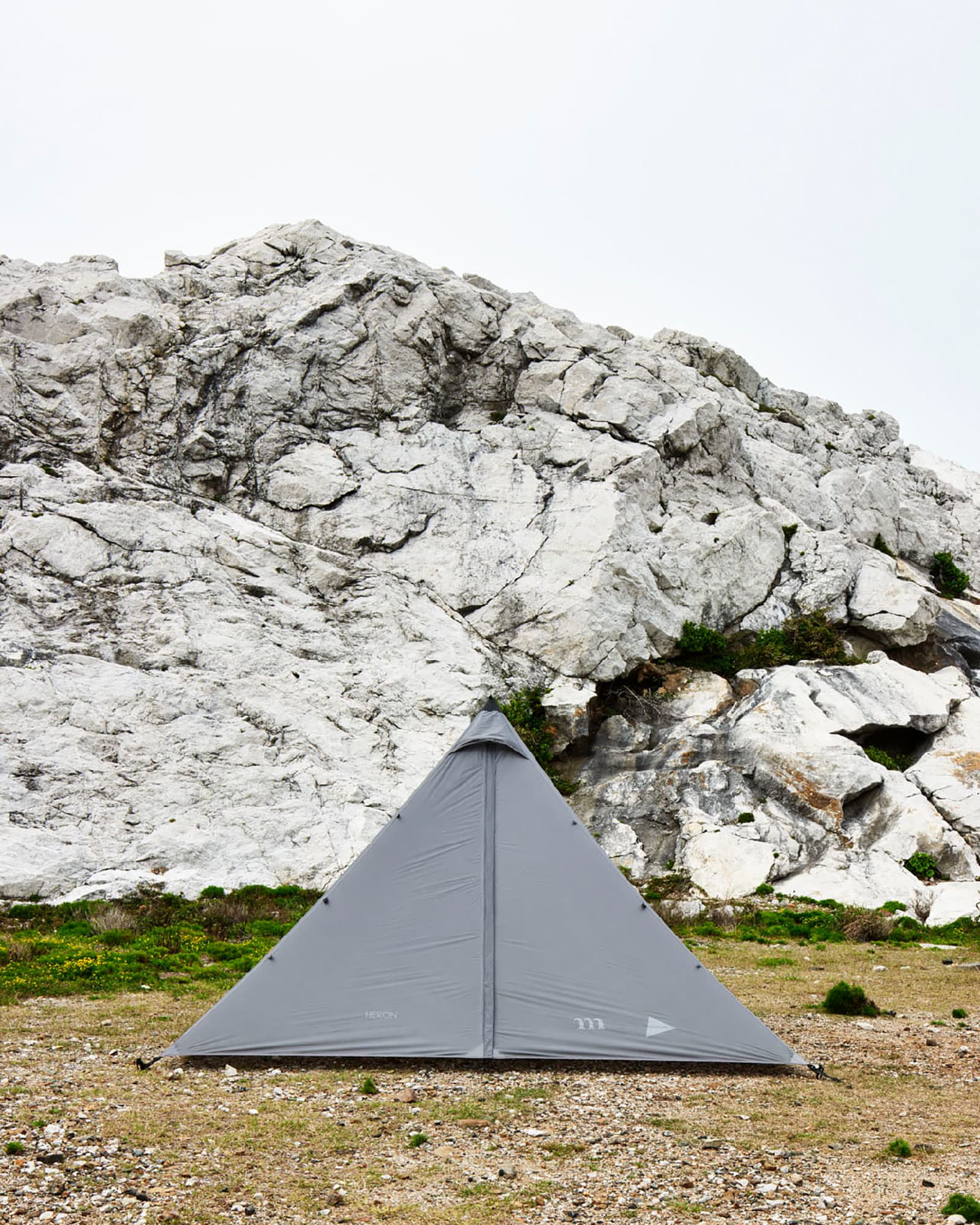
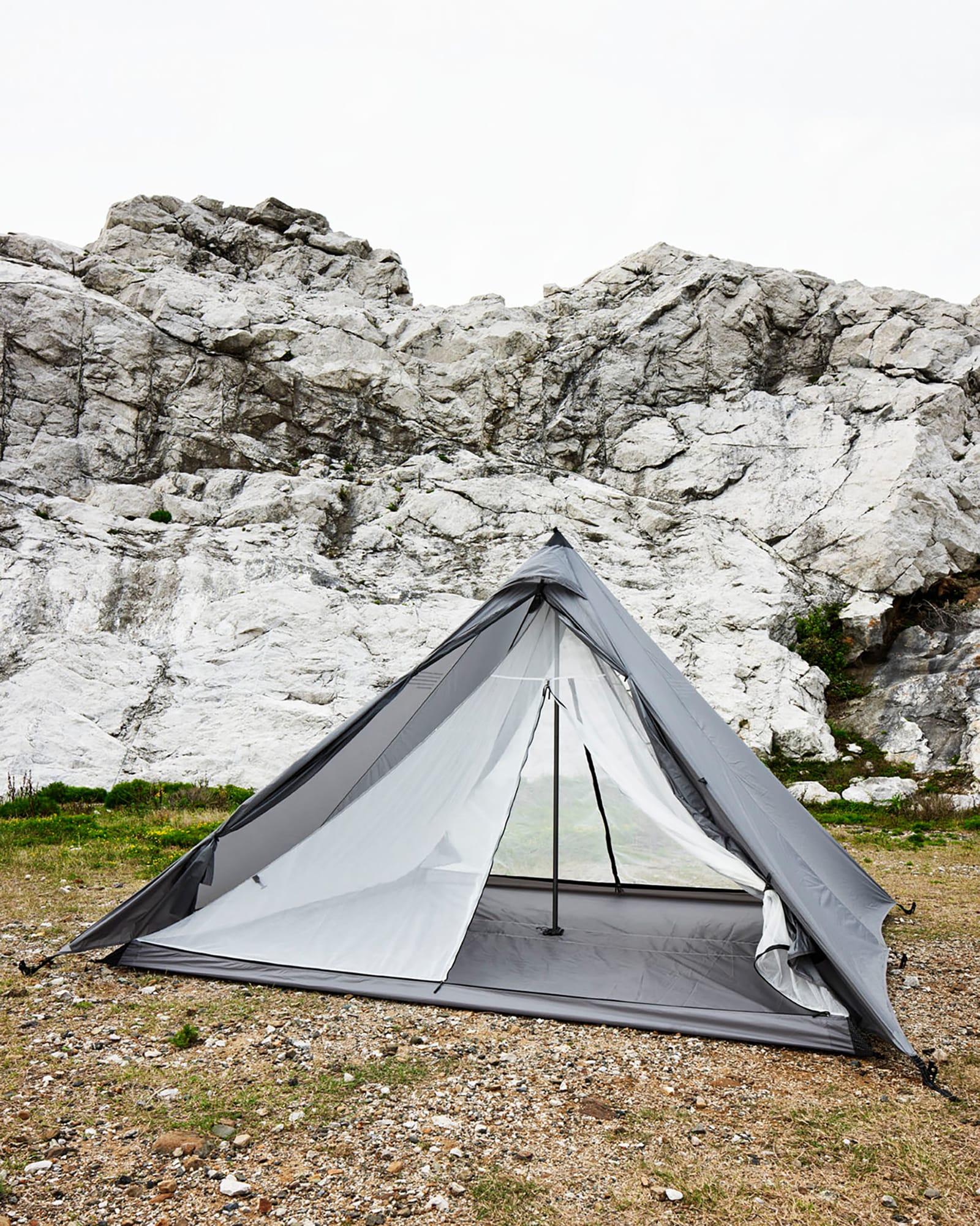
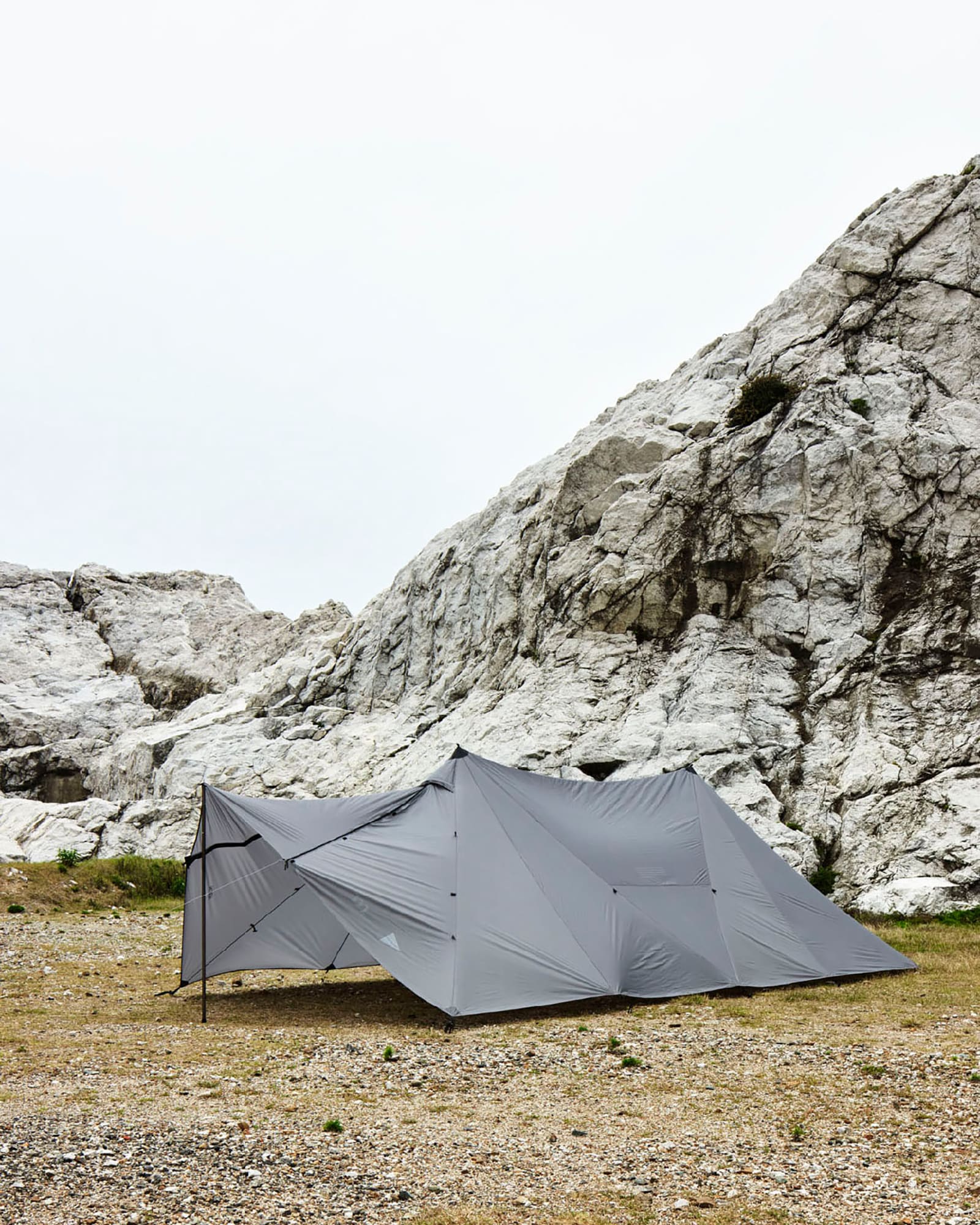
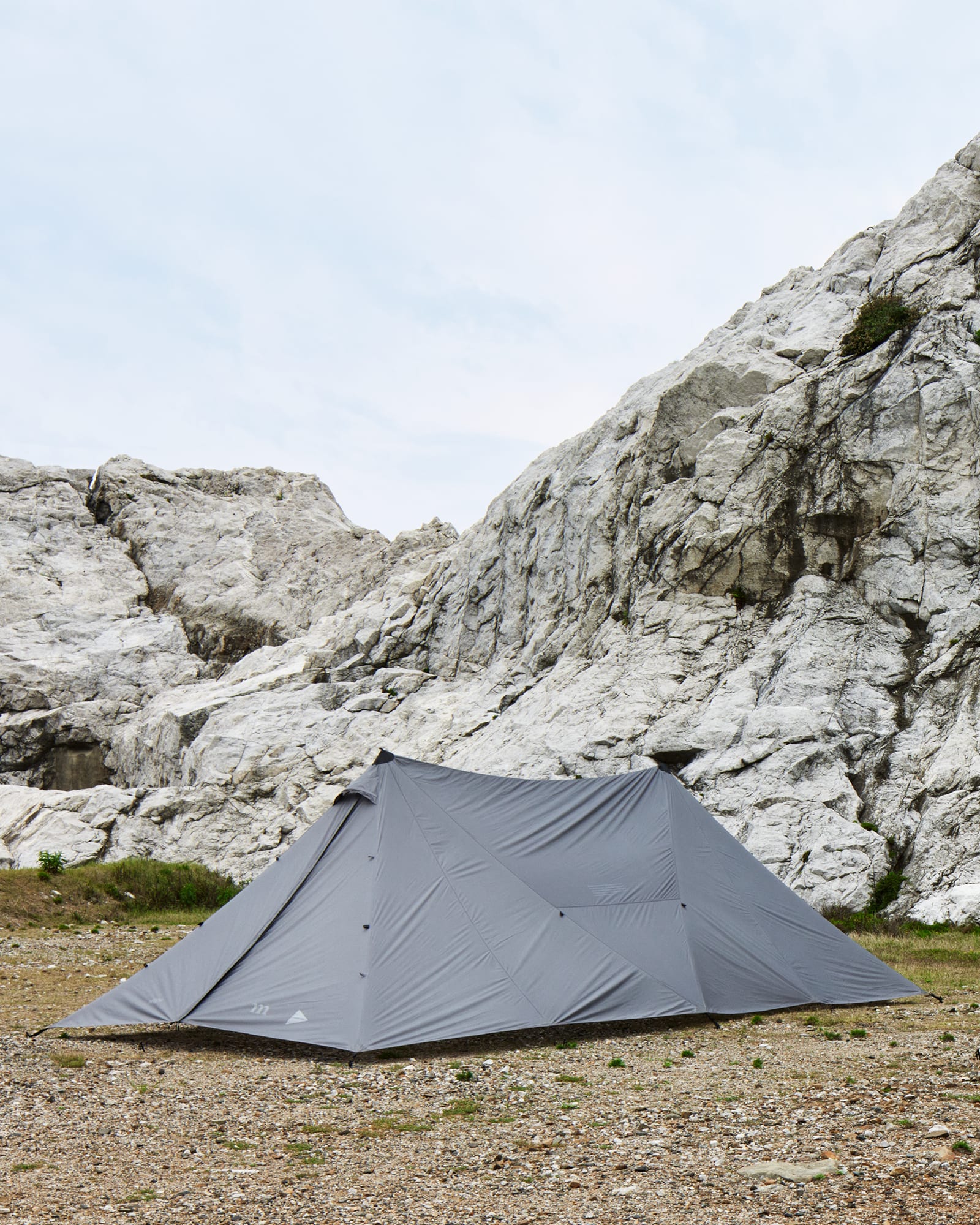
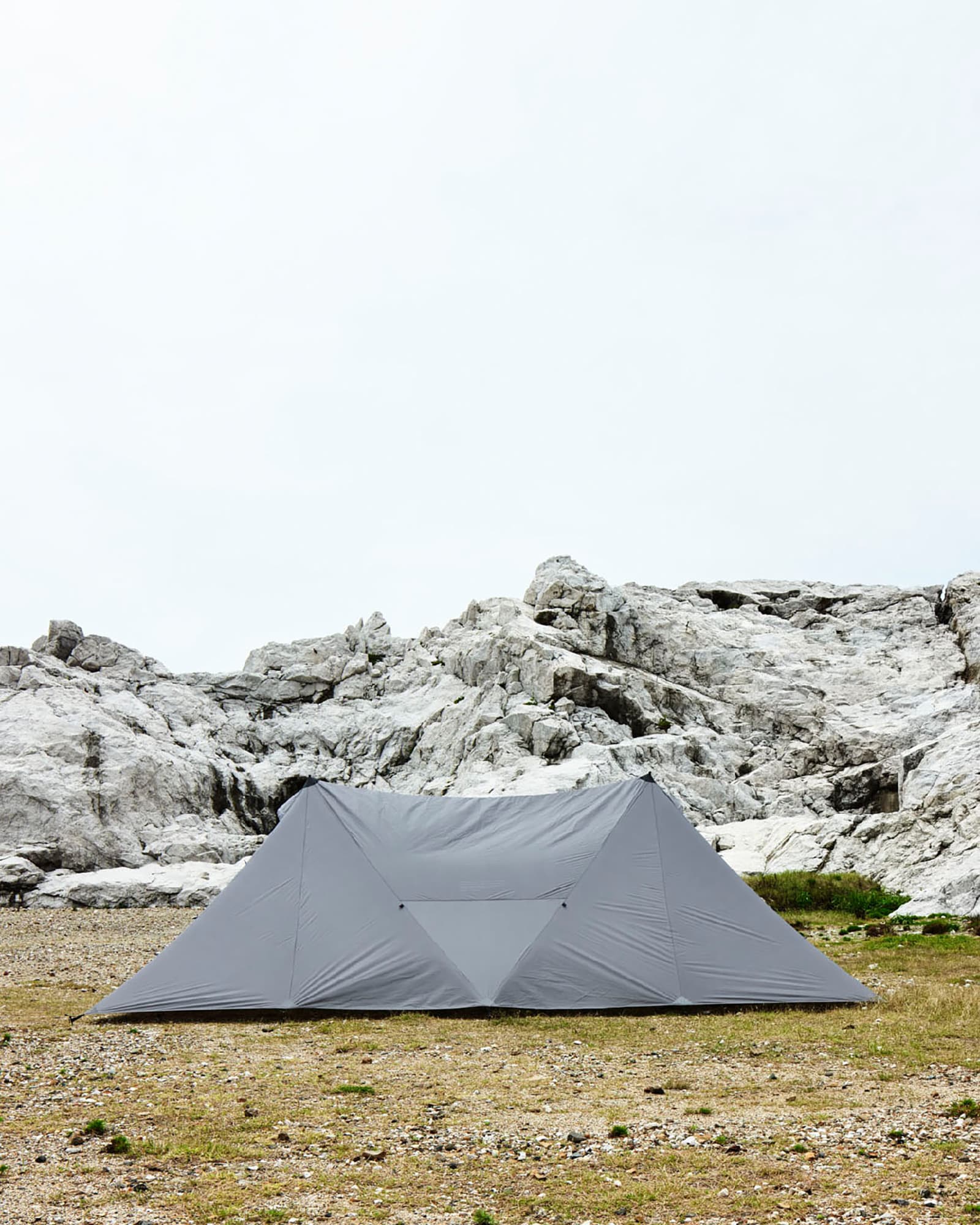
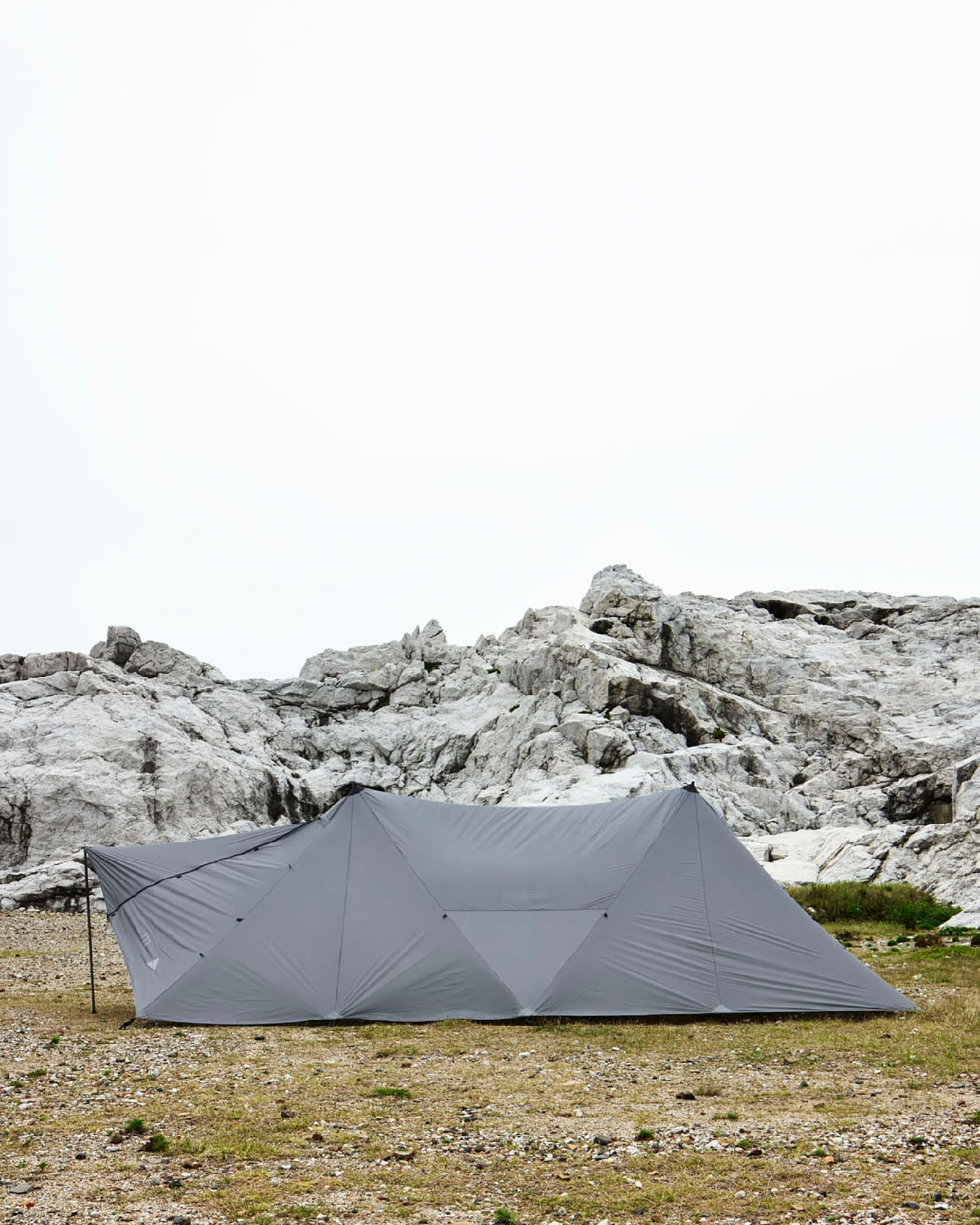
This tent boasts a straightforward structure, allowing for quick and effortless setup. To assemble, lay the flysheet on the ground and firmly secure the four corners with pegs. Then, raise the center pole at the top. The remarkable simplicity of this setup is unmatched by self-supporting dome-shaped tents, and its generous overhead clearance adds to its allure.
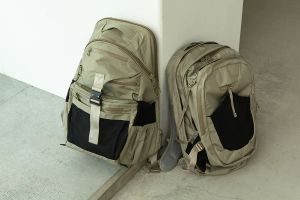
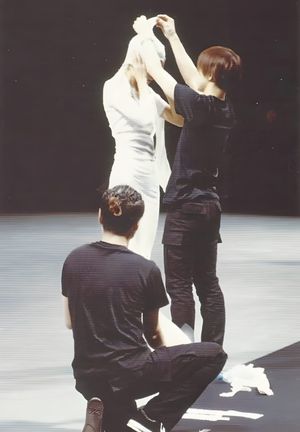
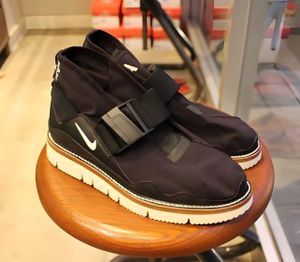



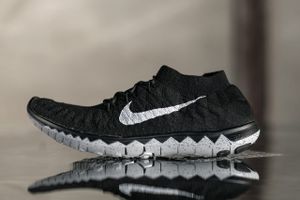
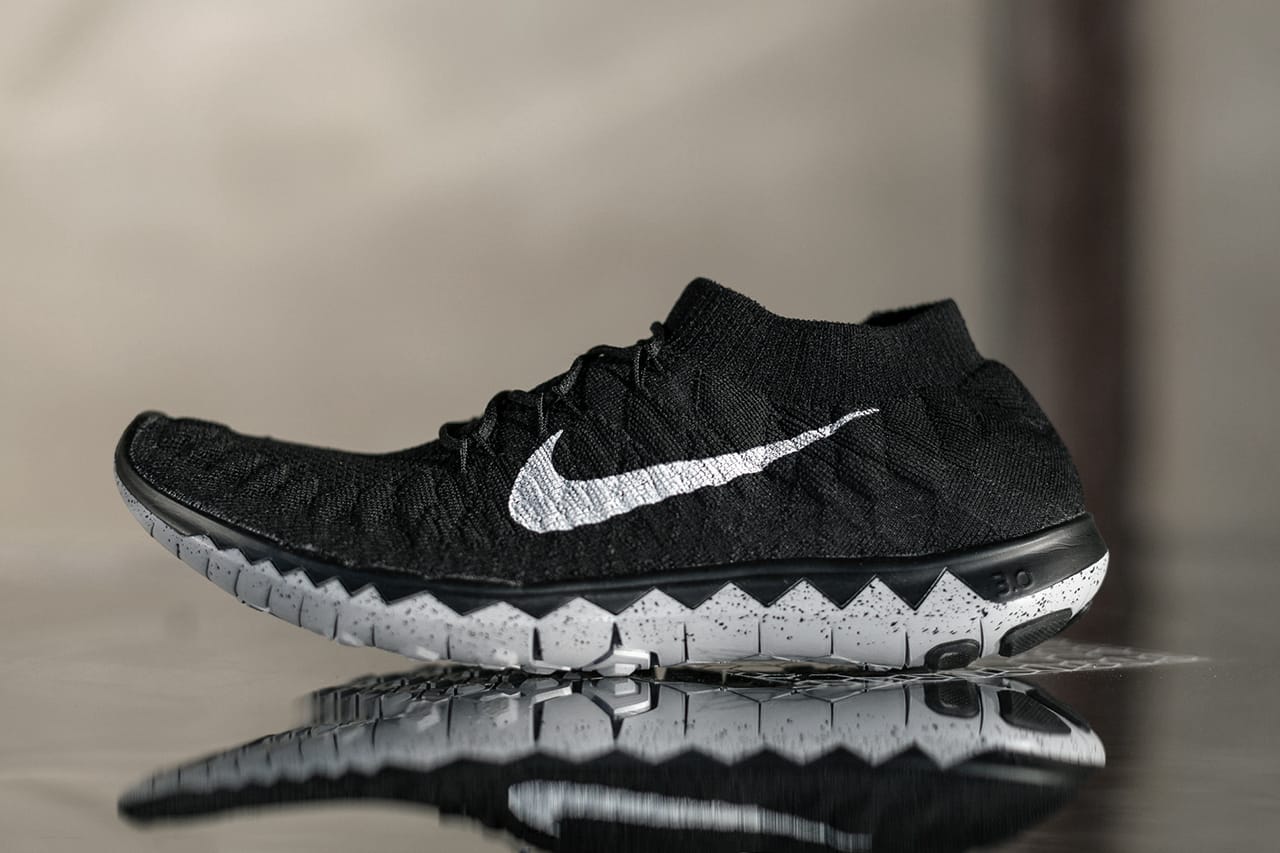
The Nike Free 3.0 Flyknit combines the siped, flexible Free sole with a one-piece knitted Flyknit upper. Shown as part of Nike's Free Genealogy line.
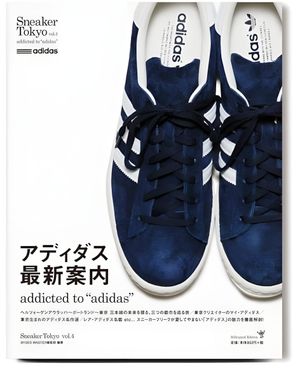
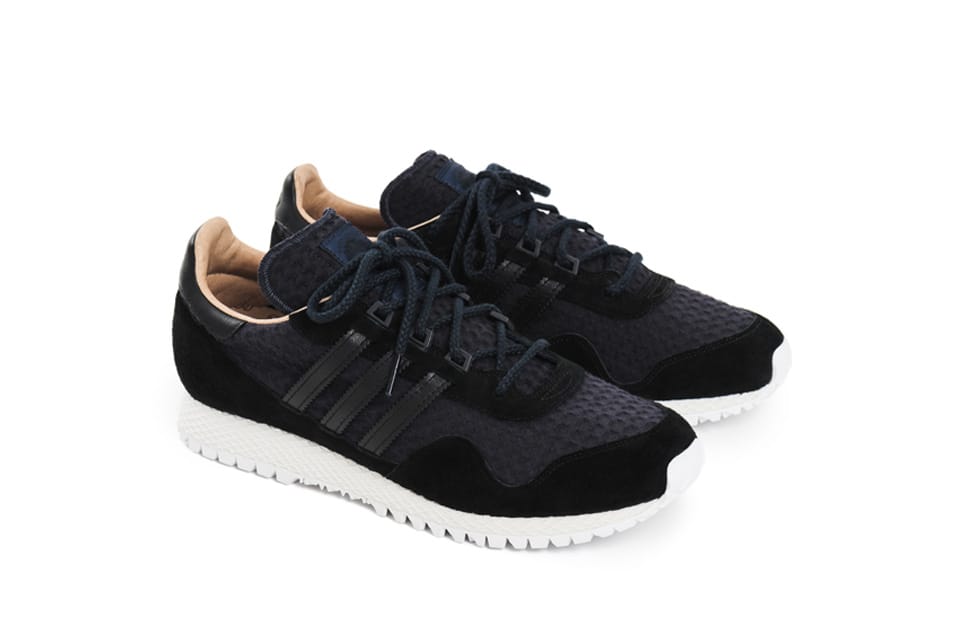
From the adidas Consortium World Tour, the 'New York' pack designed by the Munich label A Kind of Guise with adidas Originals. Each city in the series was handed to a different boutique or design house.
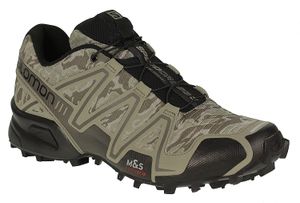
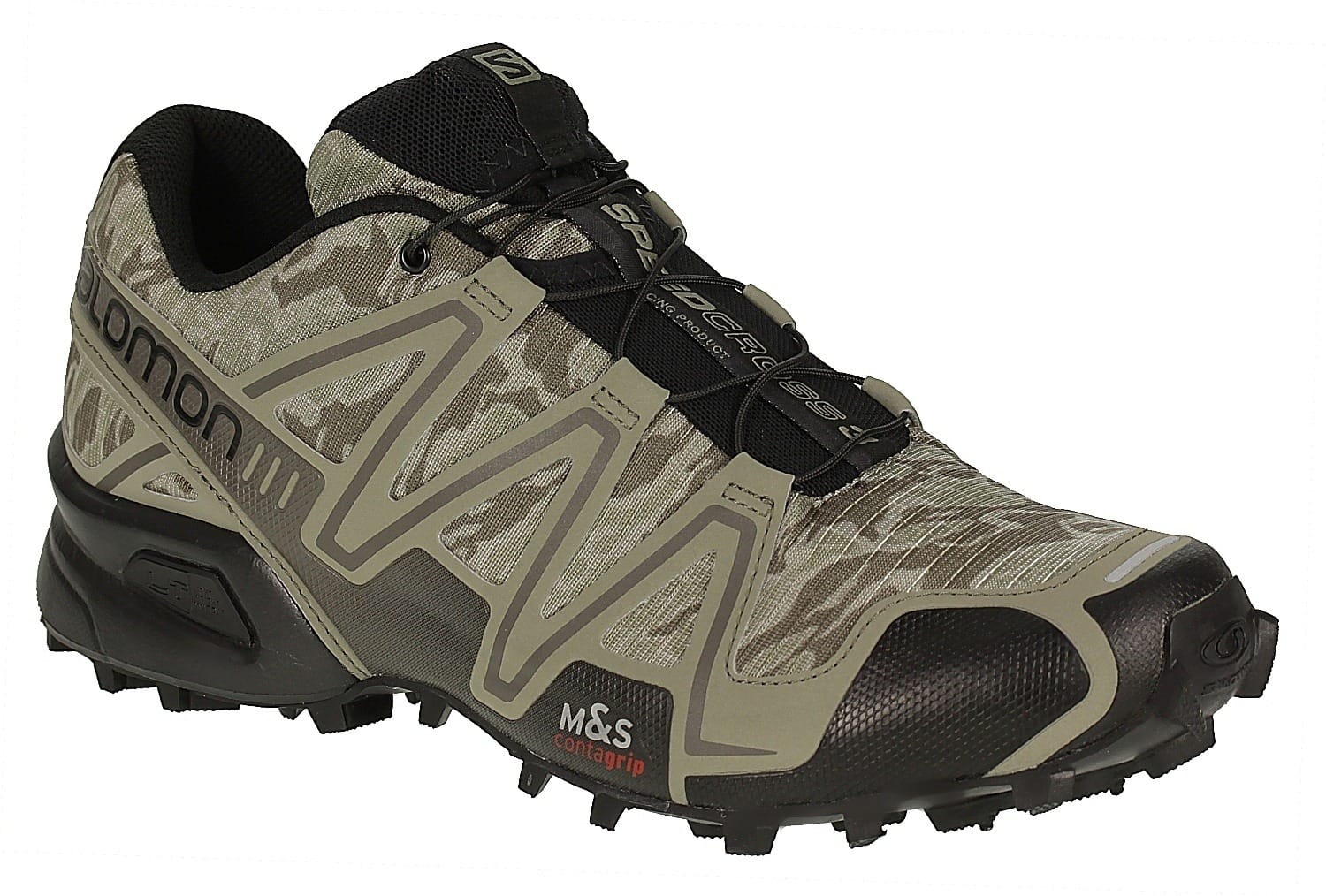
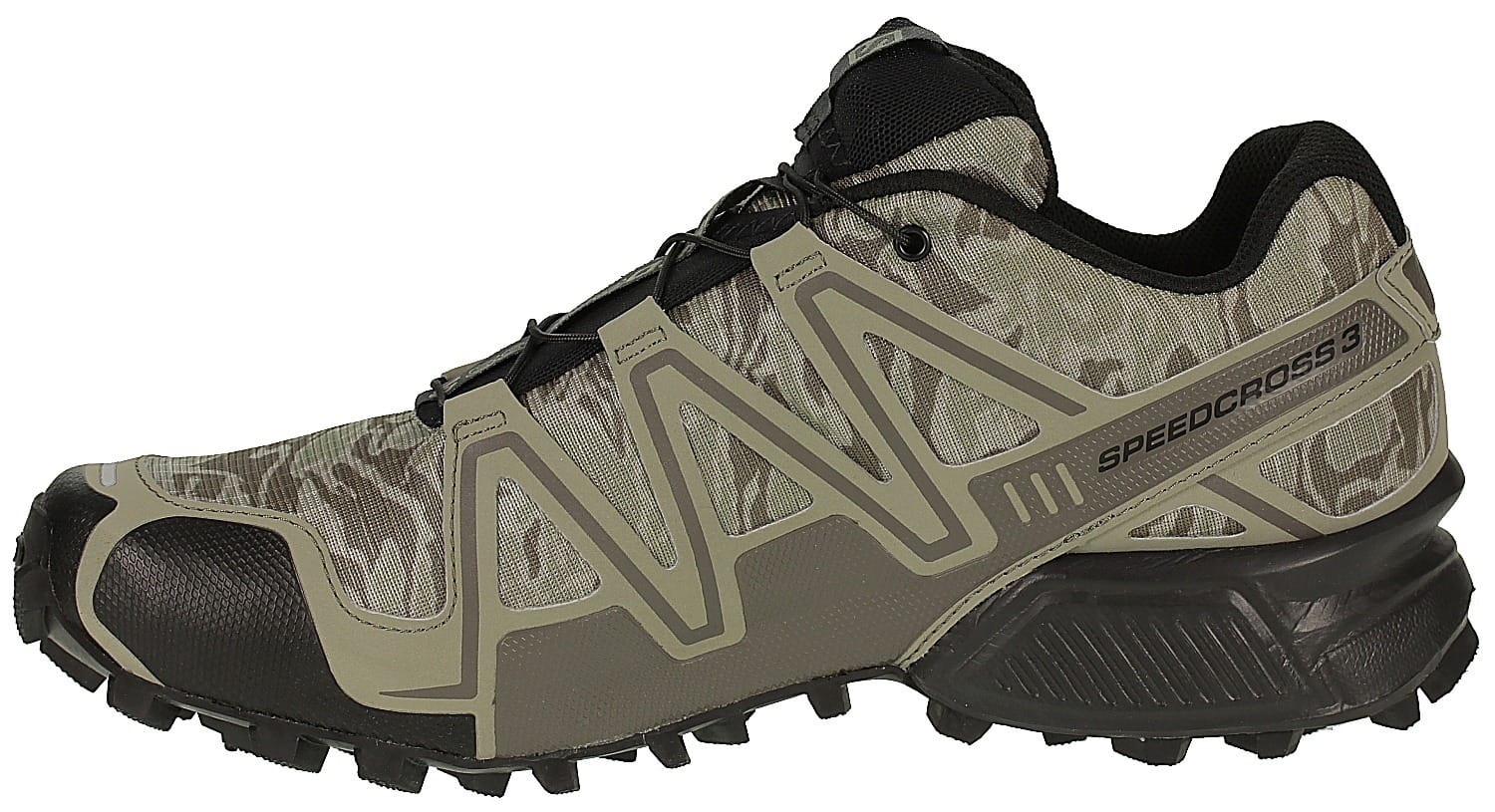
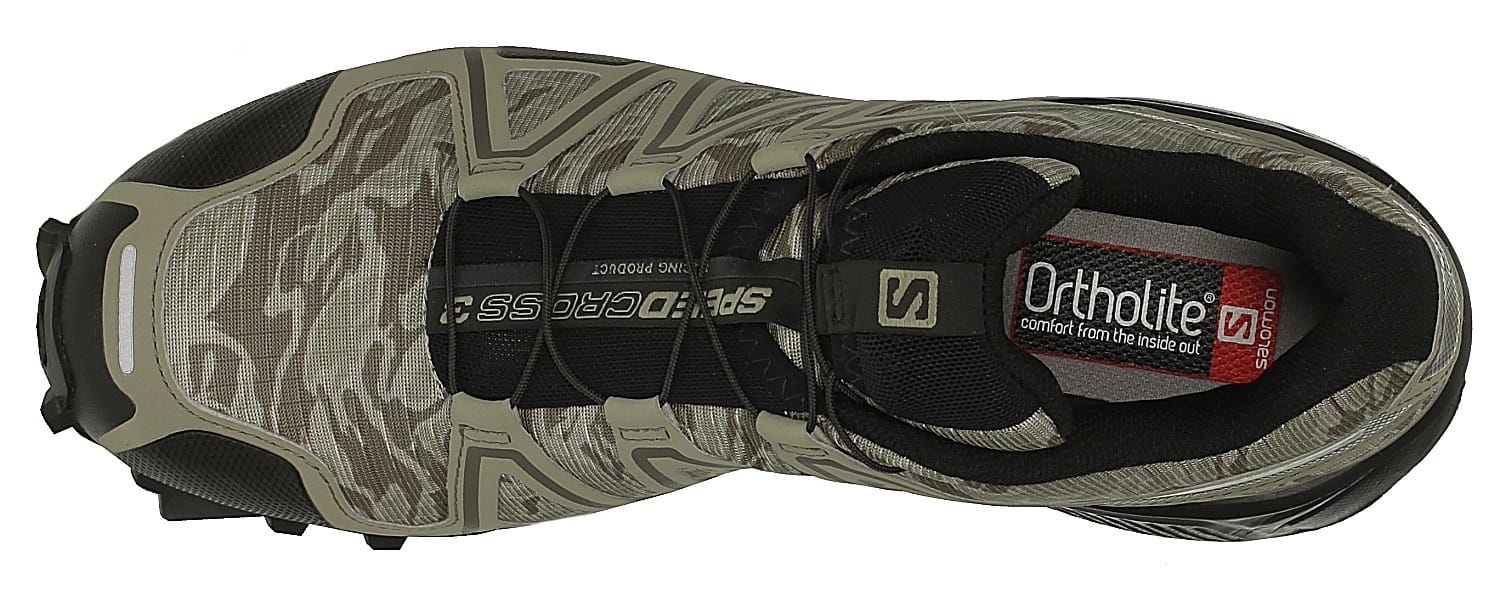
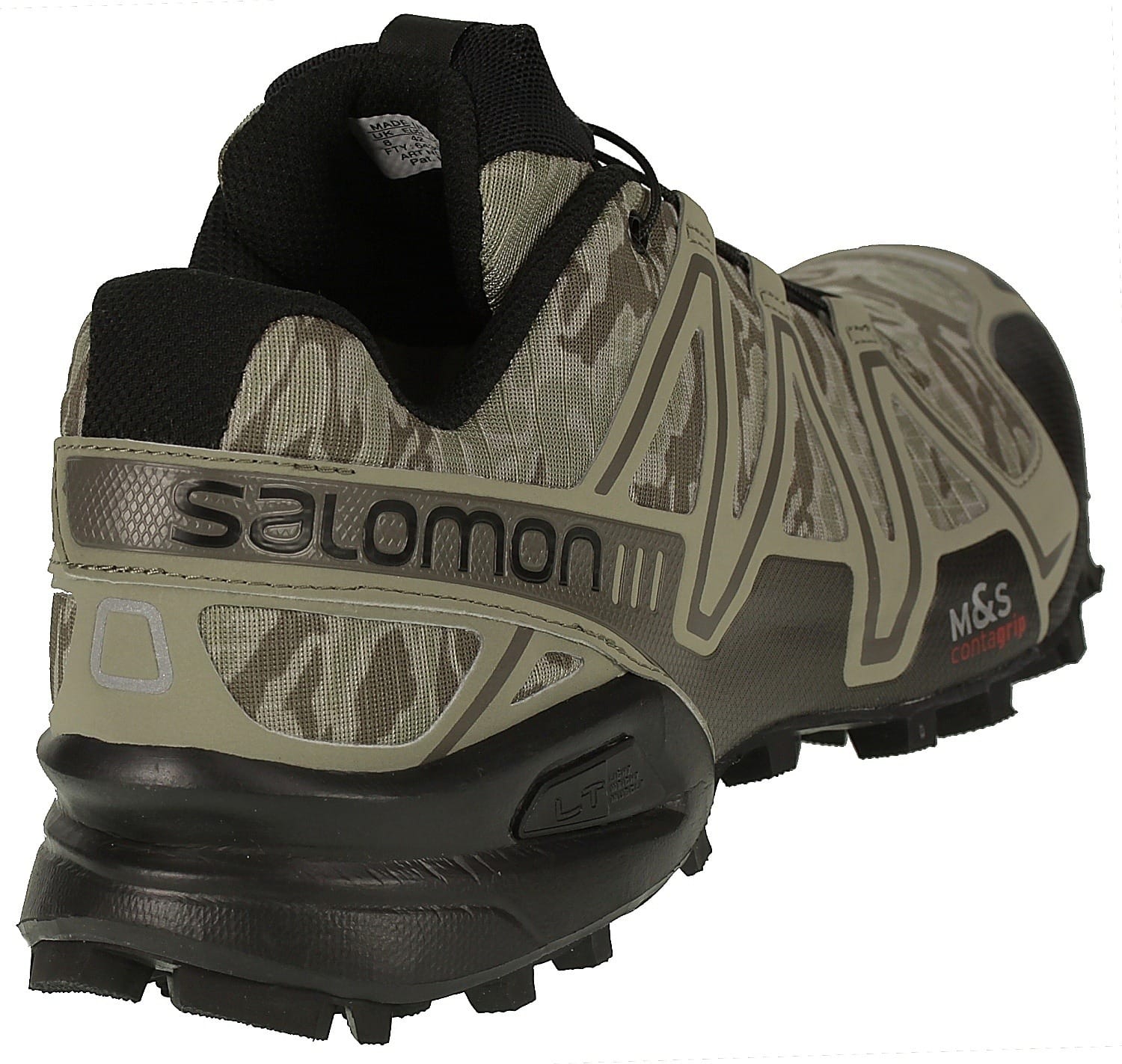
The Salomon Speedcross 3 Camo in Titanium/Dark Titanium/Swamp applies a muted tonal camouflage treatment to the footwear's aggressive trail-running silhouette. A grippy lugged outsole and supportive upper keep it performance-driven, while the low-contrast palette makes it feel more tactical for desert environments.
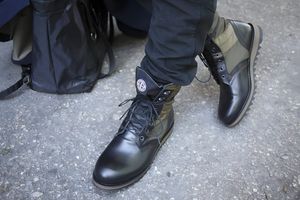
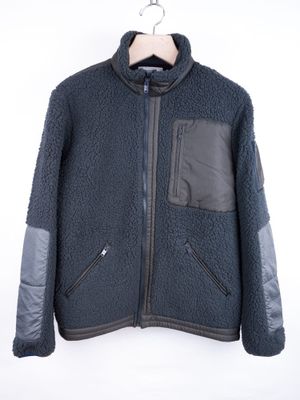
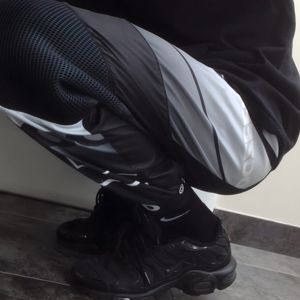
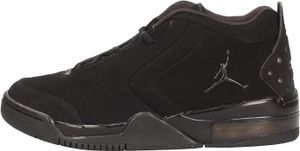
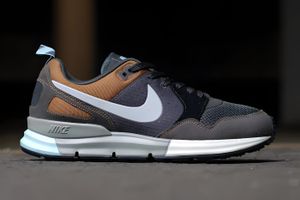
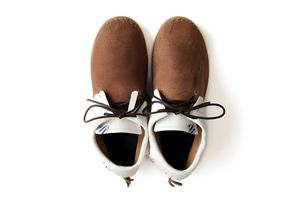
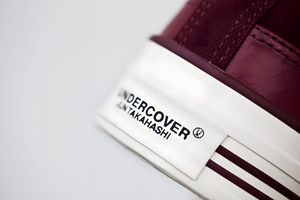
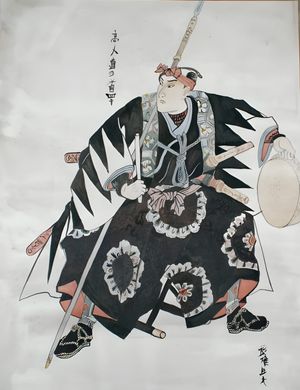
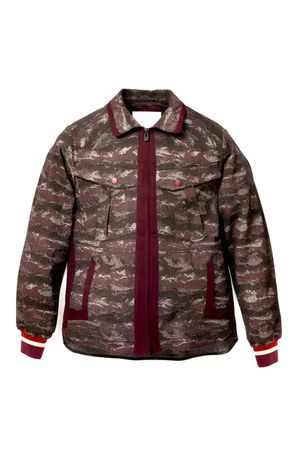
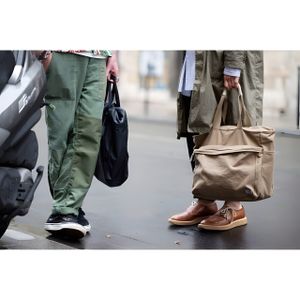

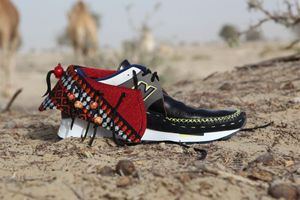
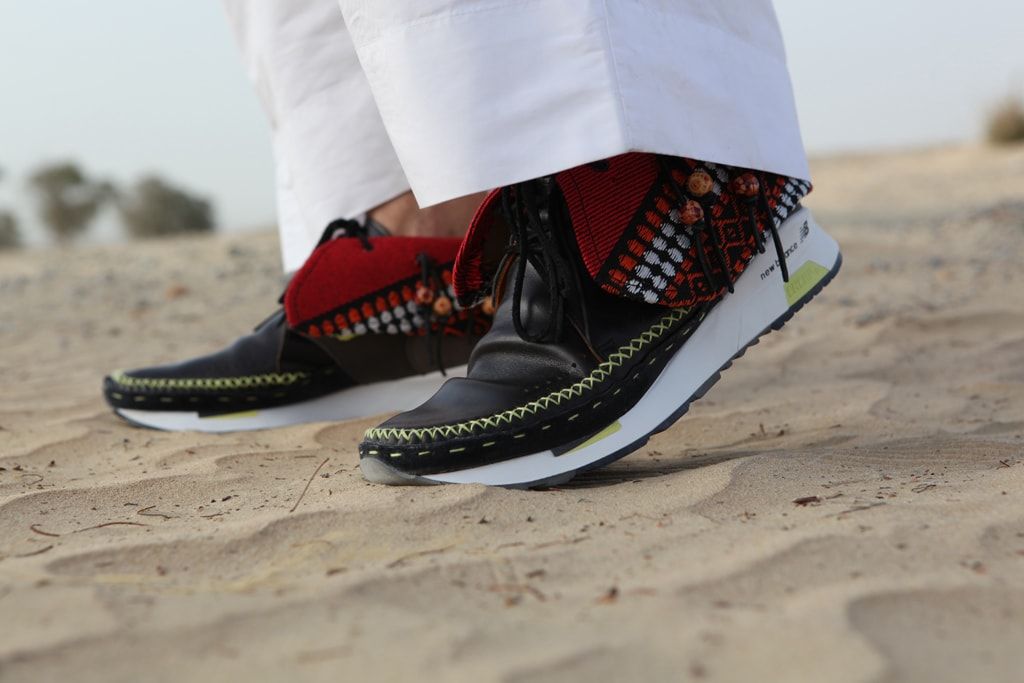
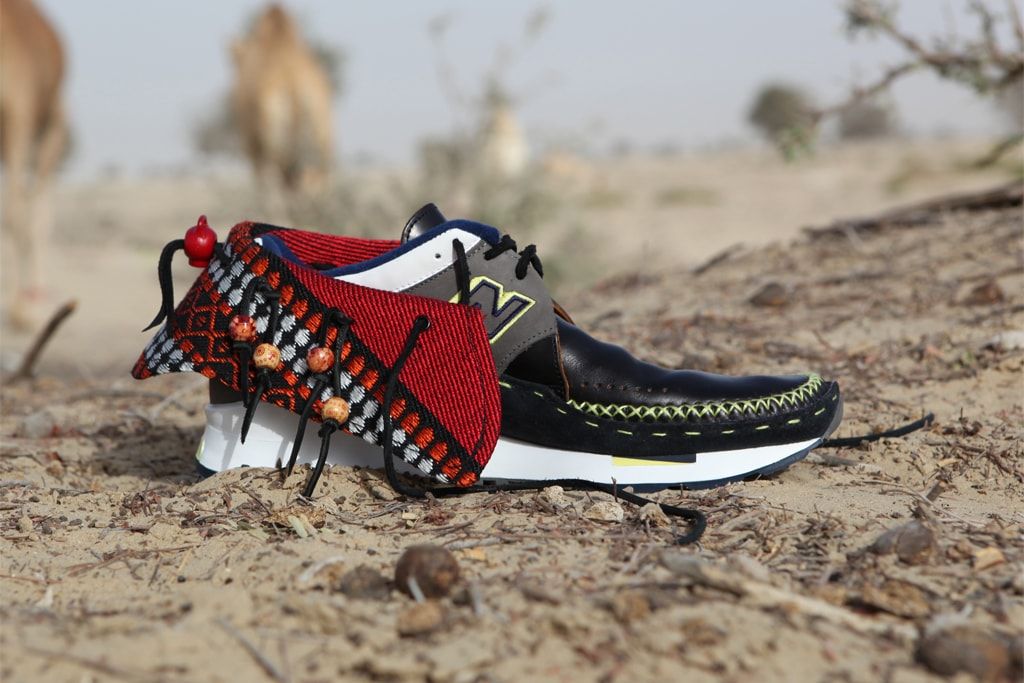
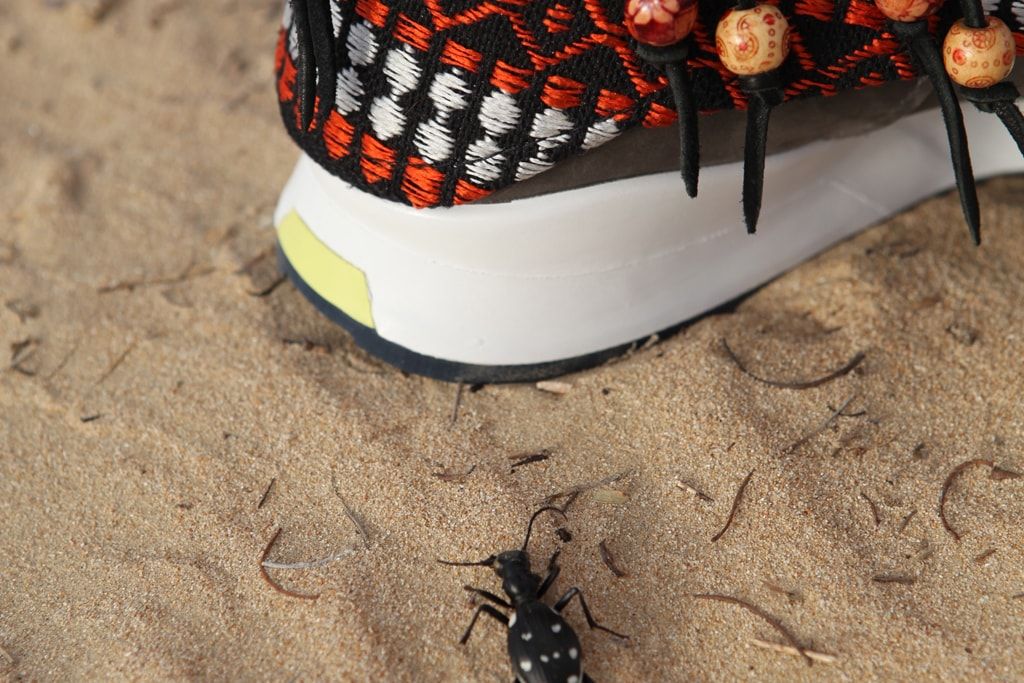
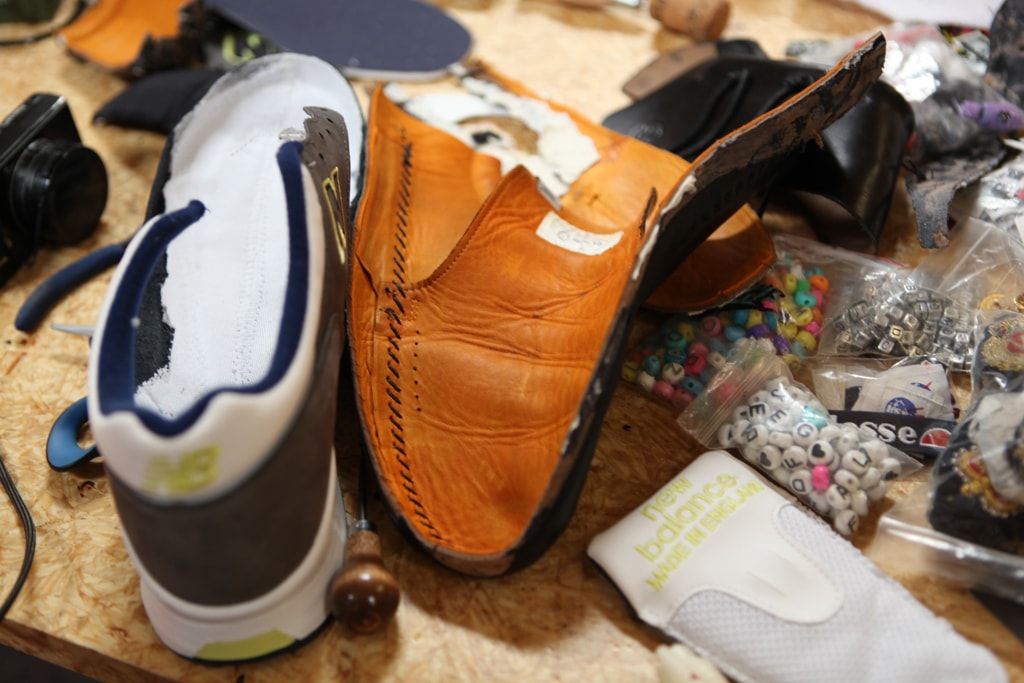
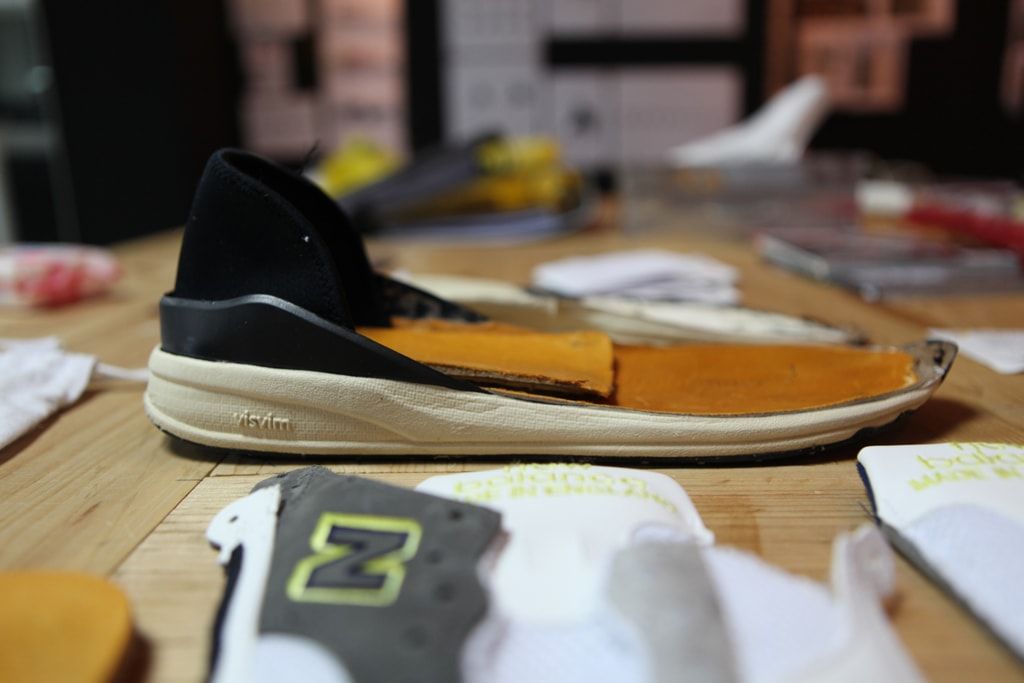
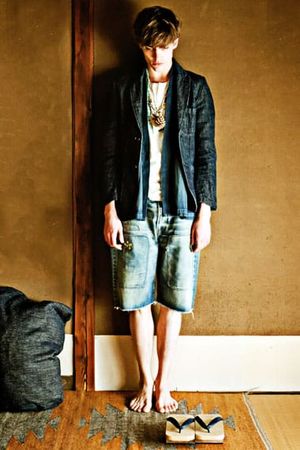
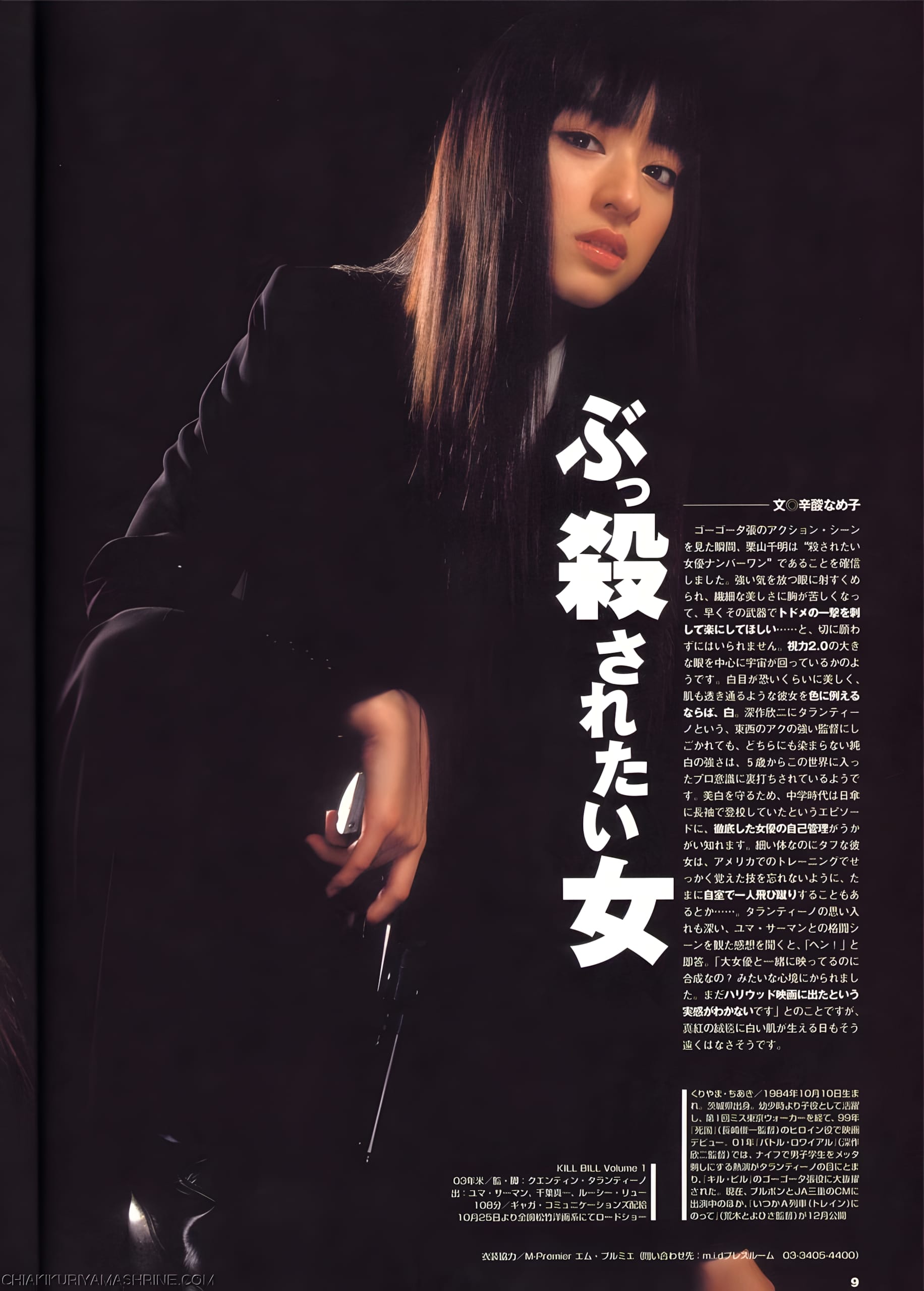
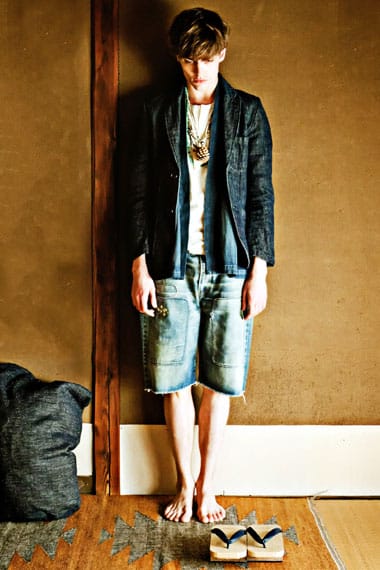
A page from 'TEXT in visvim', the visvim Spring/Summer 2012 feature in Japan's SENSE Magazine (March 2012). Naturally dyed, hand-constructed pieces from Hiroki Nakamura.



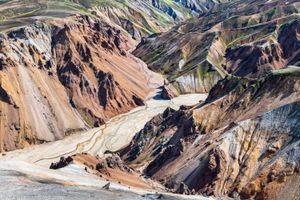
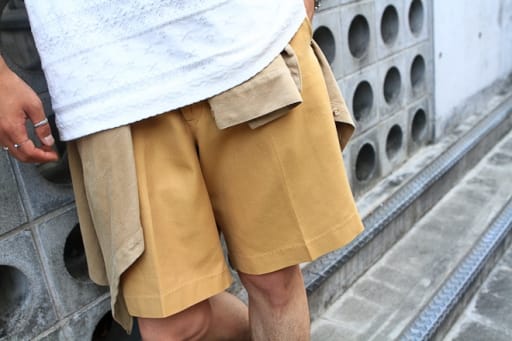
Tan pleated shorts on the street in Harajuku, Tokyo, shot for Fashionsnap in September 2012. Full, high-waisted and worn long.

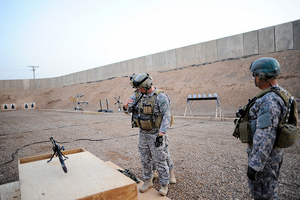
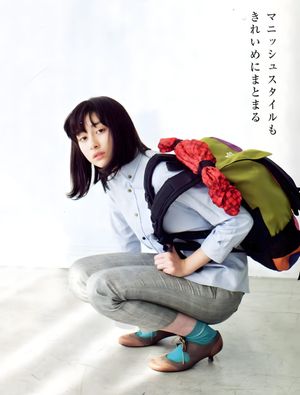
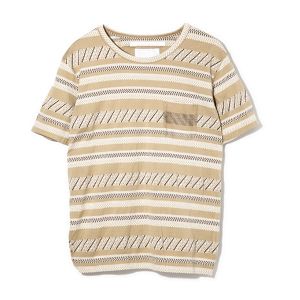
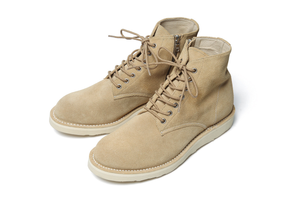
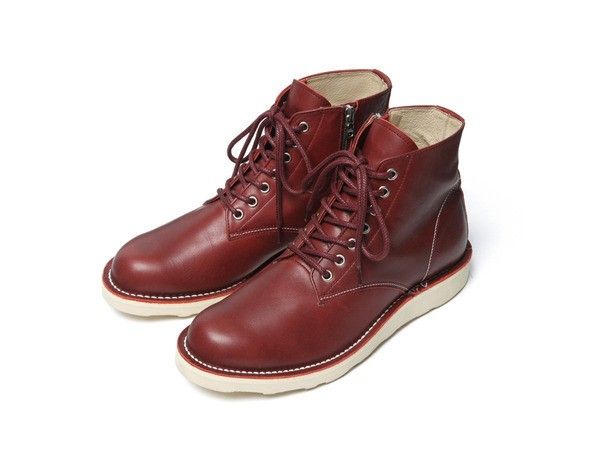
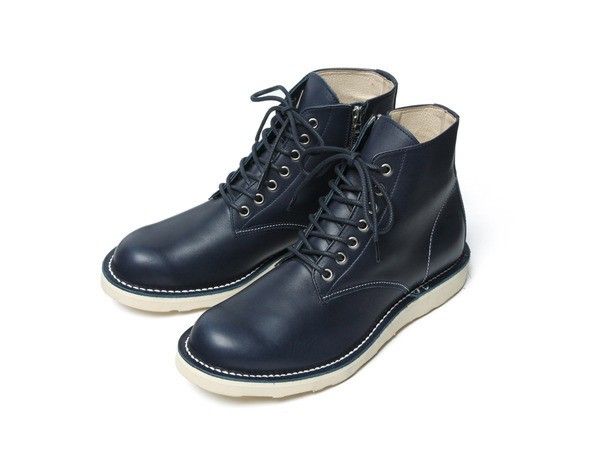
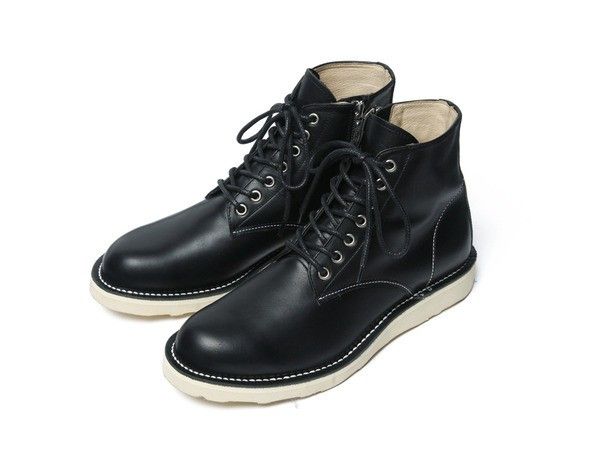
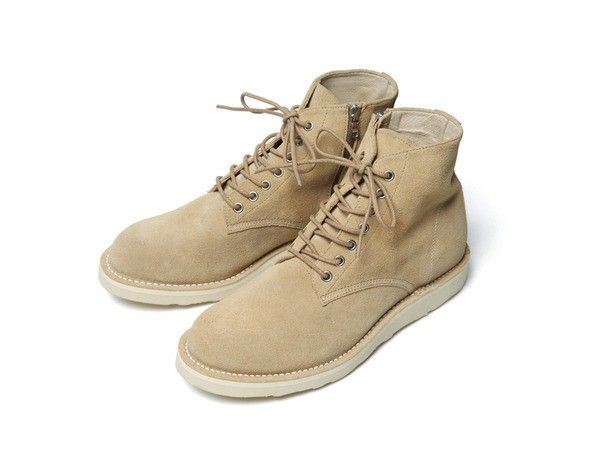
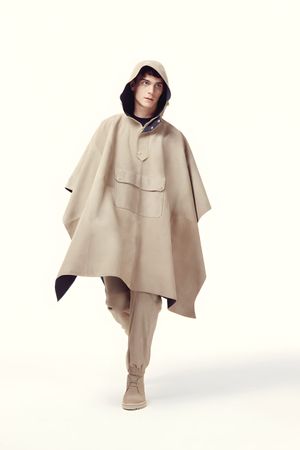
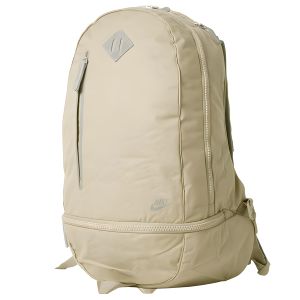
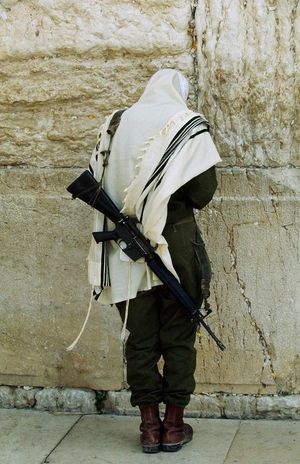

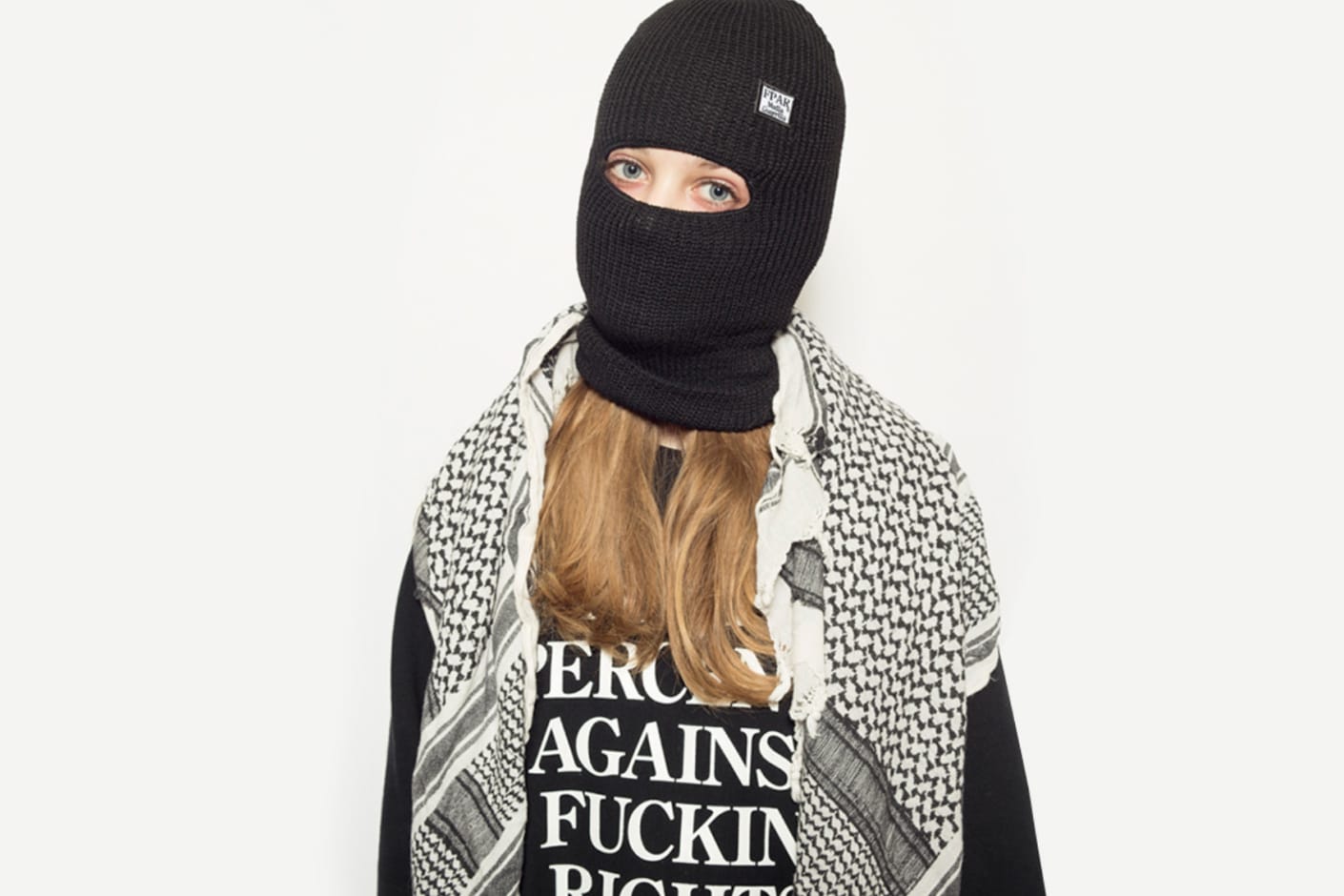
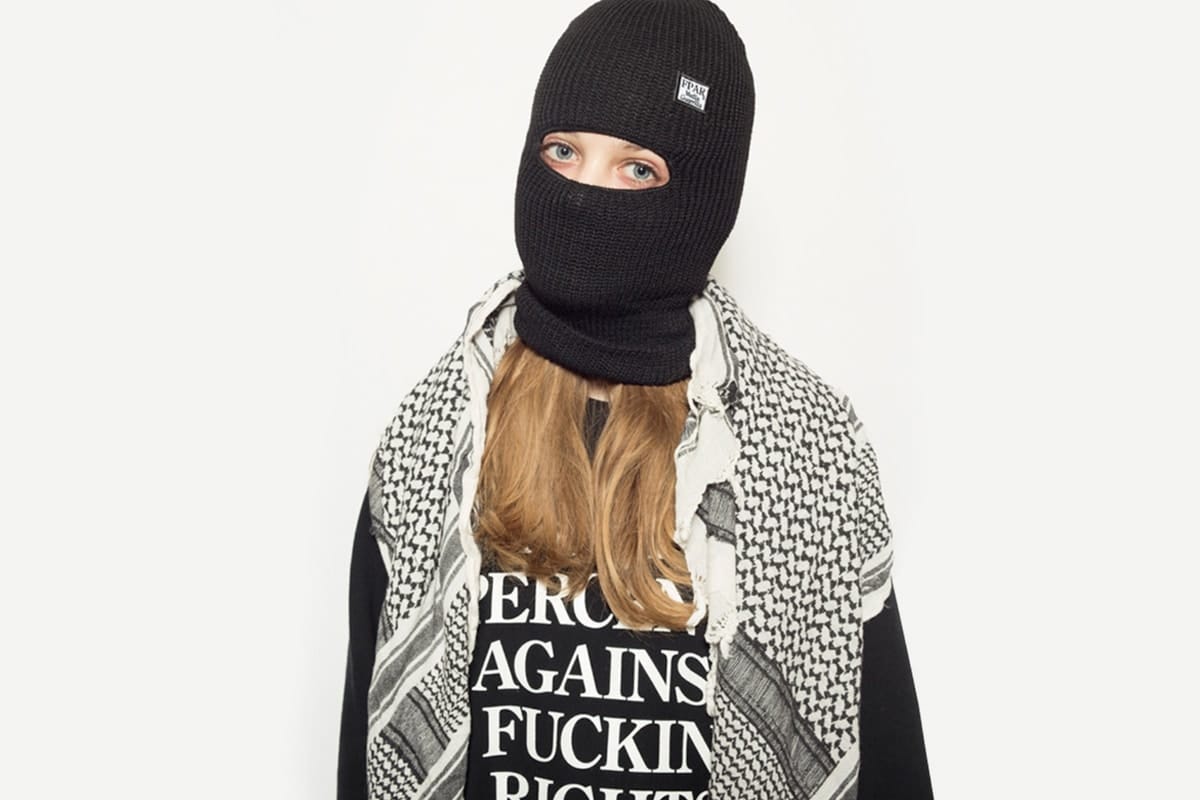
FORTY PERCENTS AGAINST RIGHTS (FPAR), a Japanese label by Tetsu Nishiyama, who also runs WTAPS and ran the 1990s FPAR. Message-based graphics with military- and workwear-derived cuts; it opened its own online store in 2013.
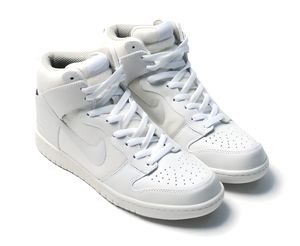
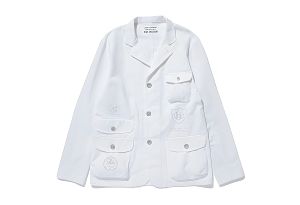
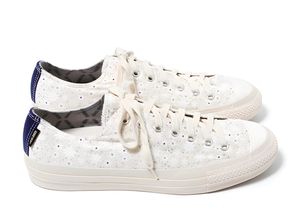

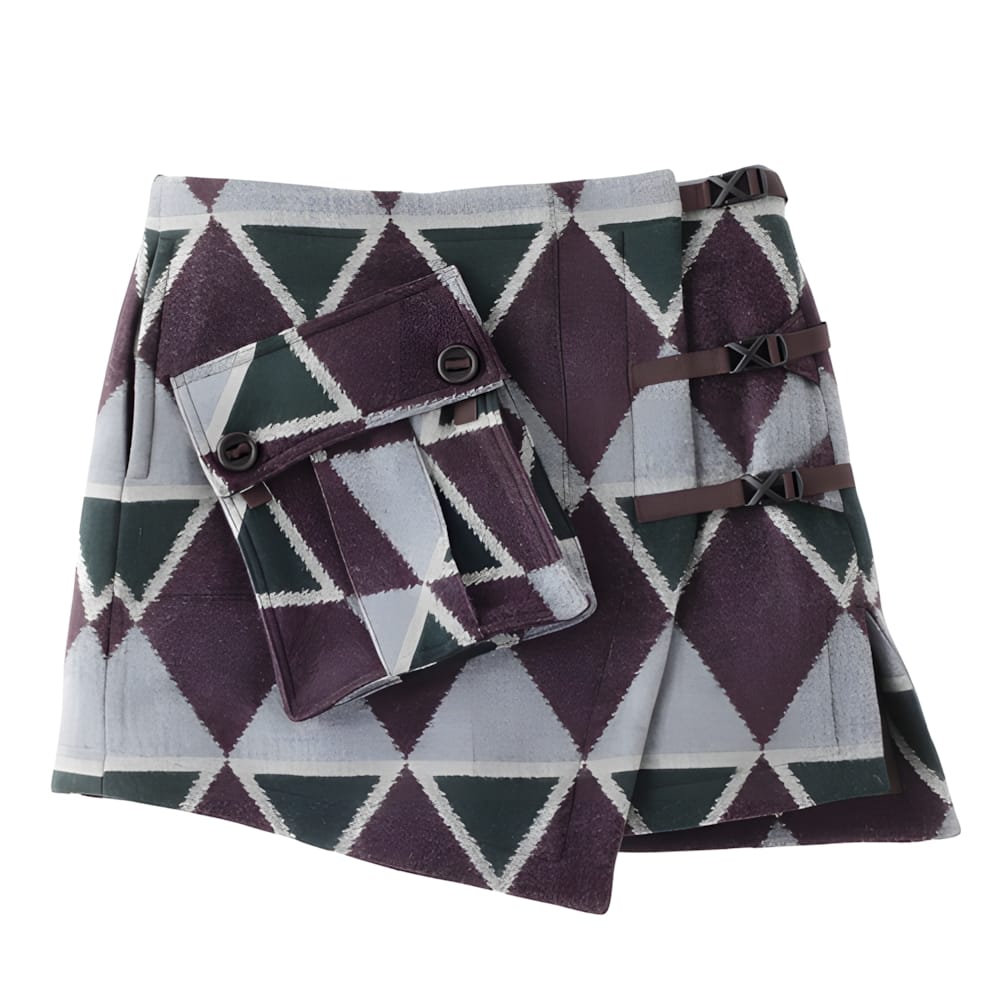
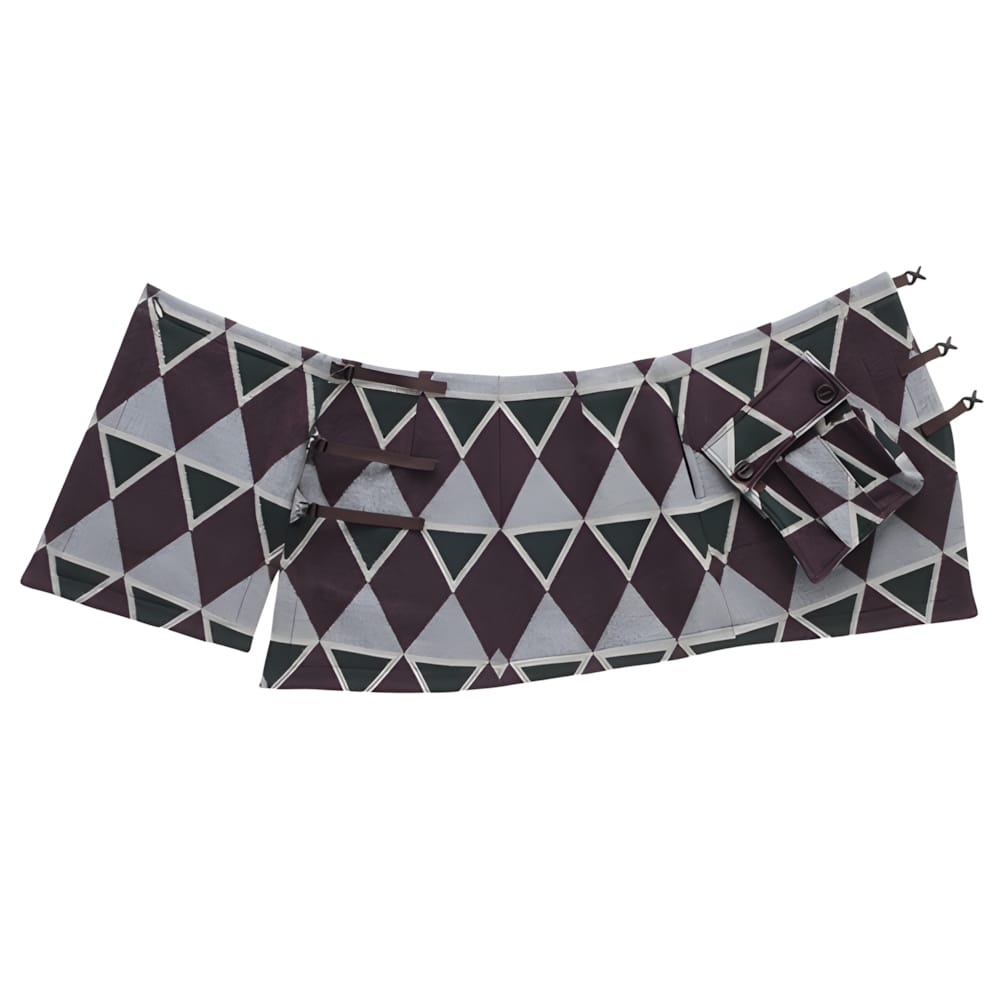
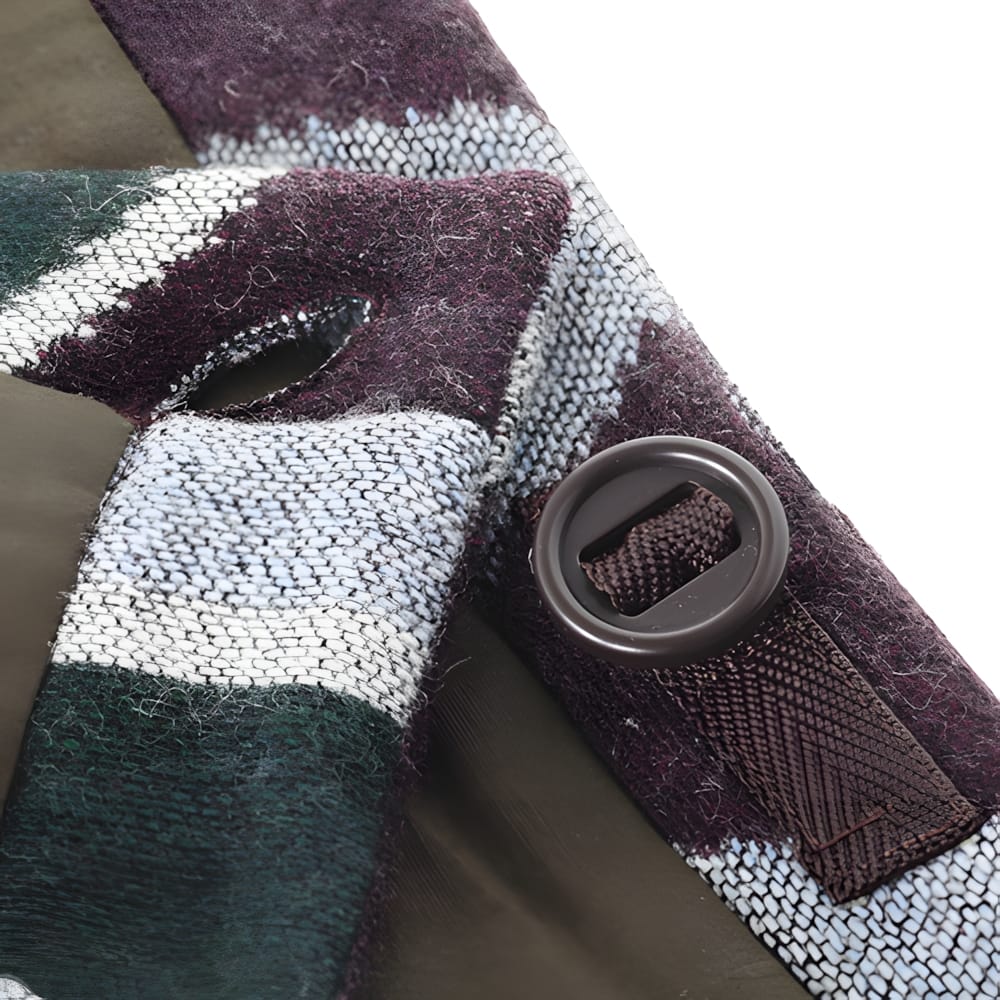
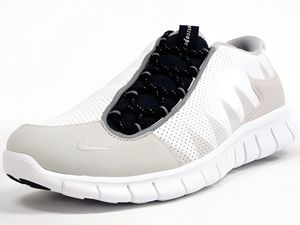
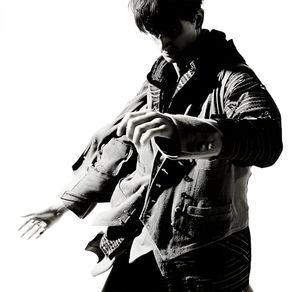
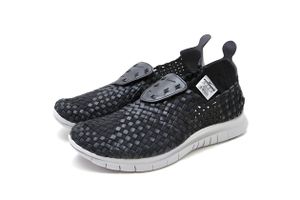
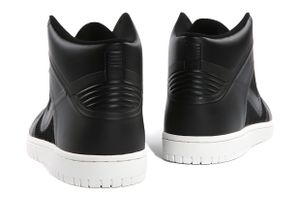


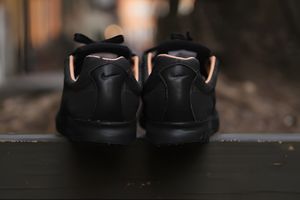
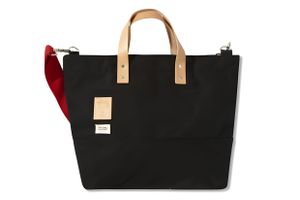
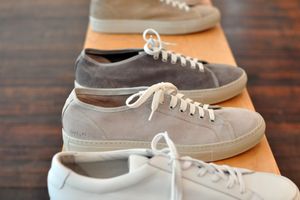
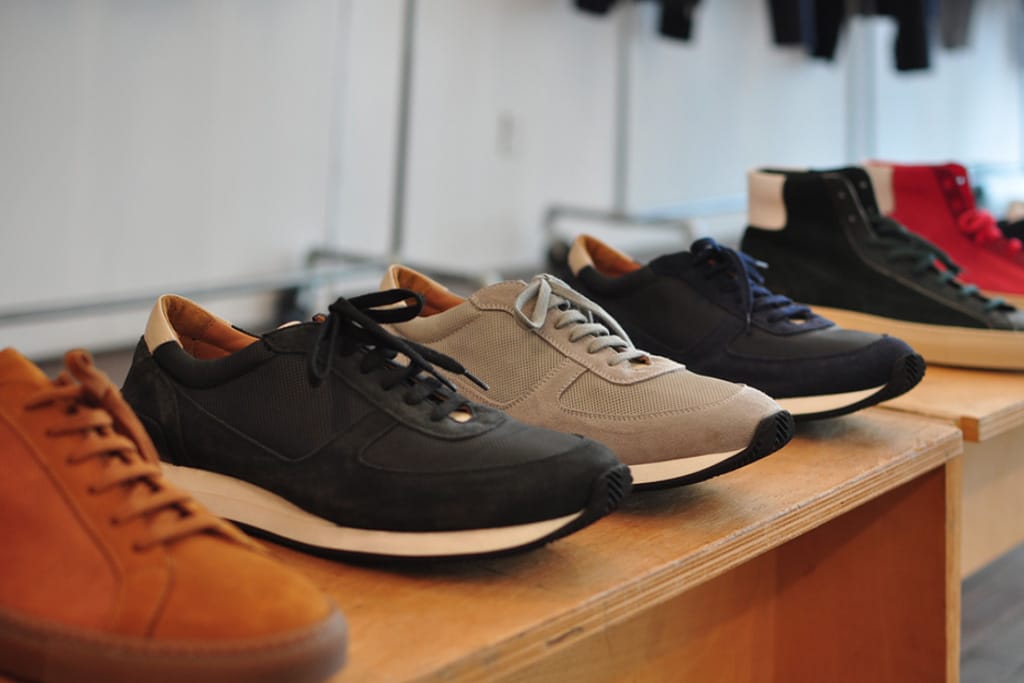
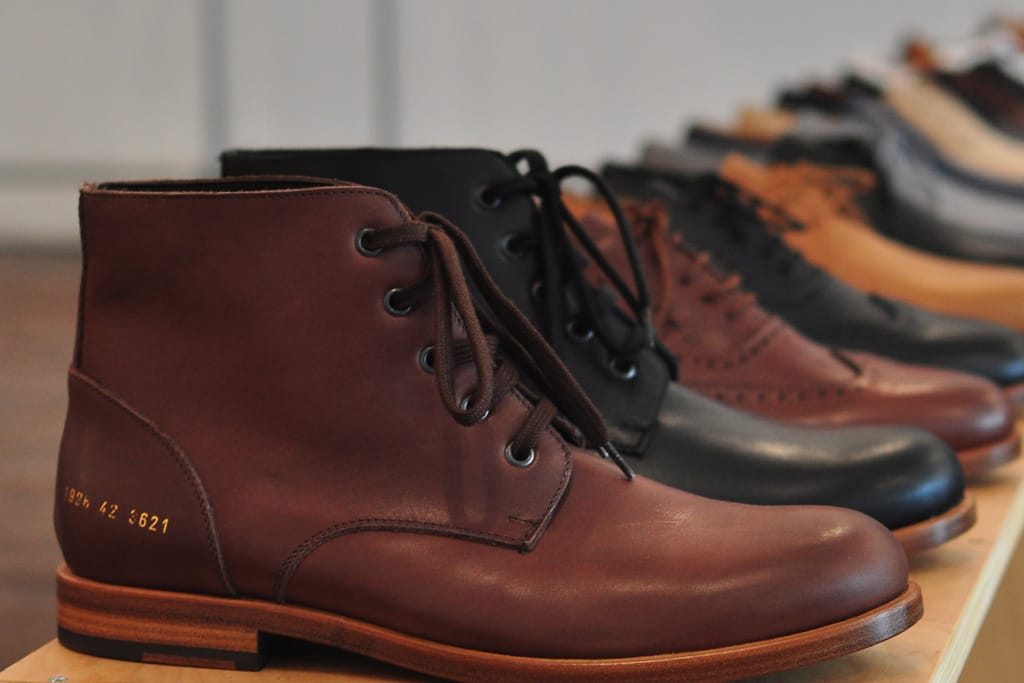
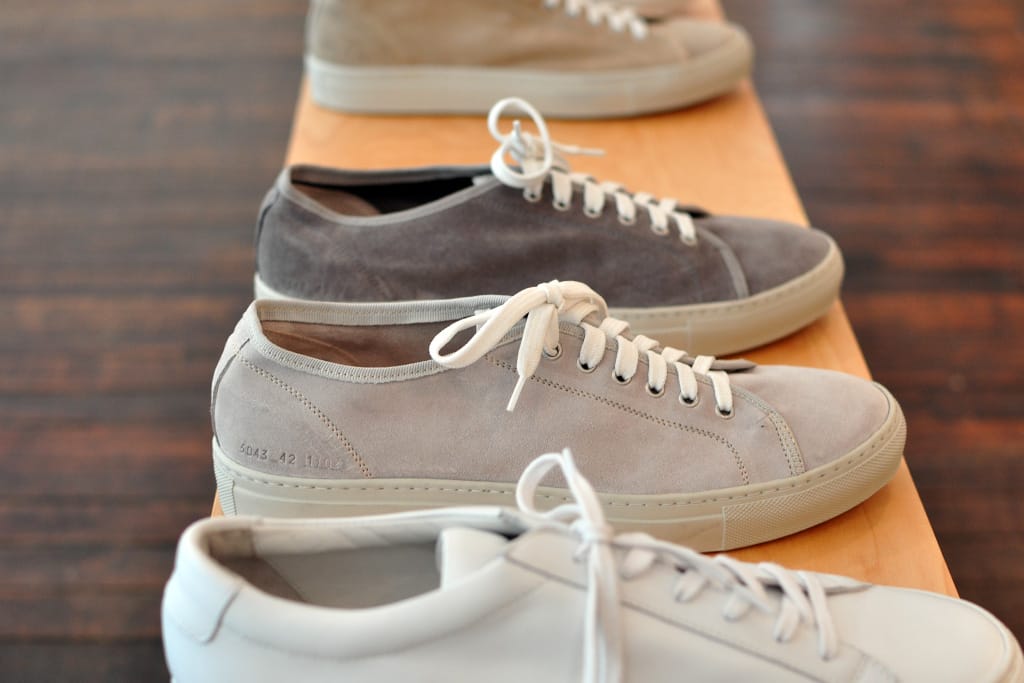
A preview of Common Projects' Spring/Summer 2012 footwear, including low-top sneakers, running silhouettes and ankle boots.
The photographs were taken during Très Bien Shop's visit to the Common Projects showroom.