Horst Faas Mekong Delta 1963
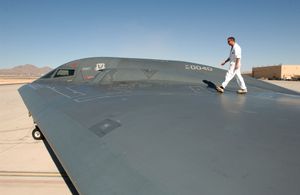
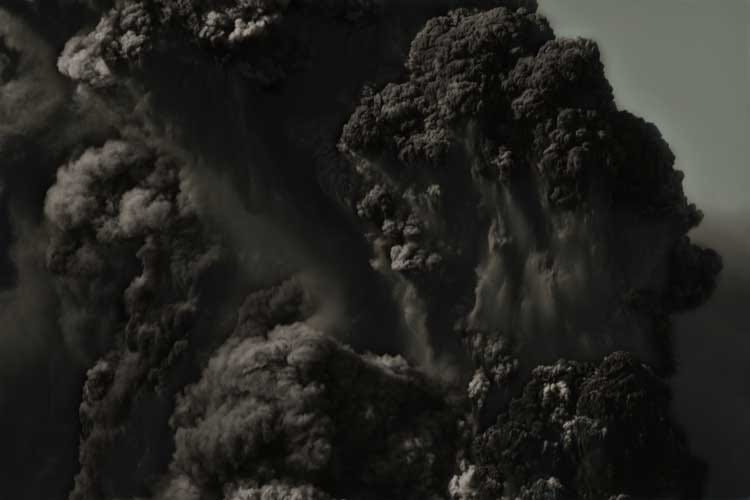
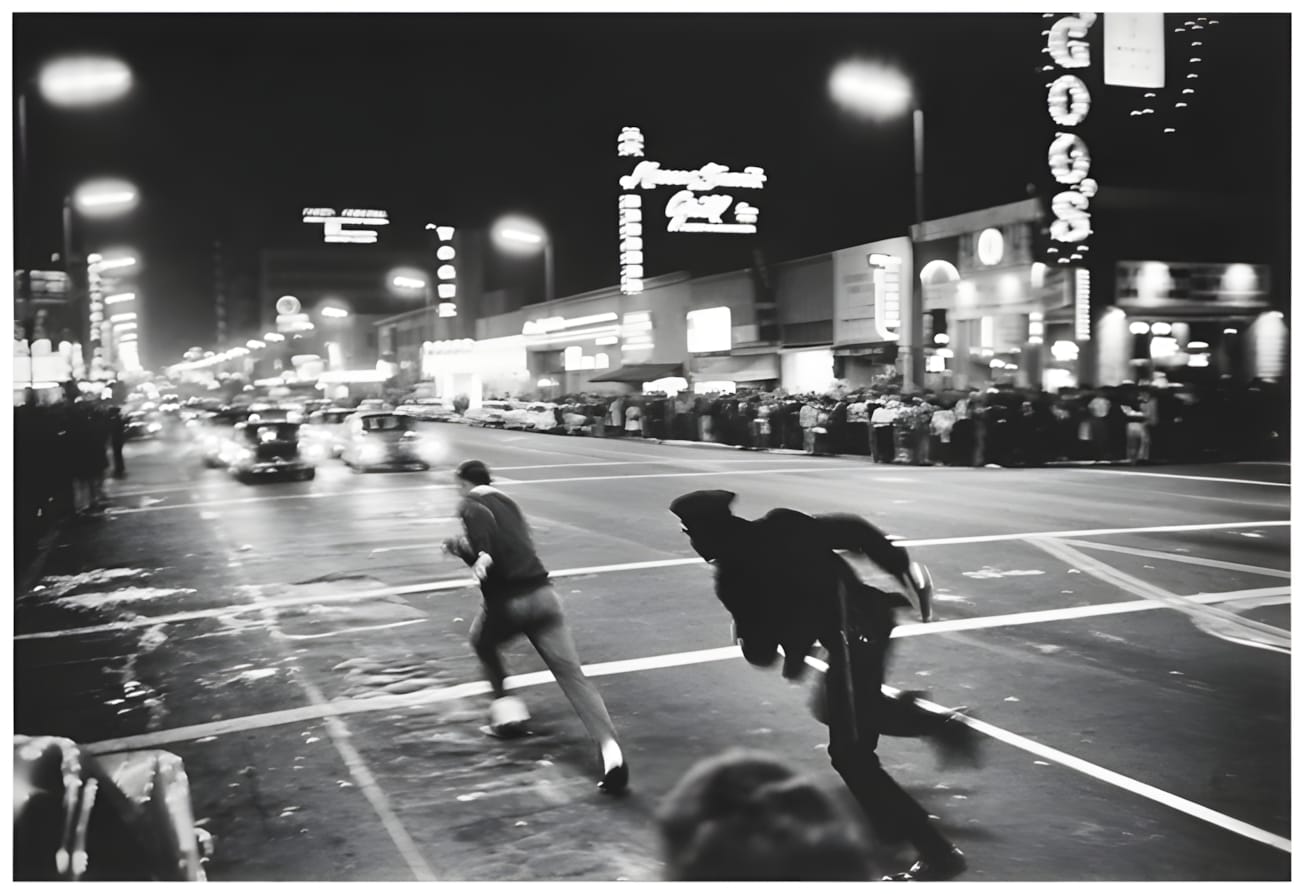
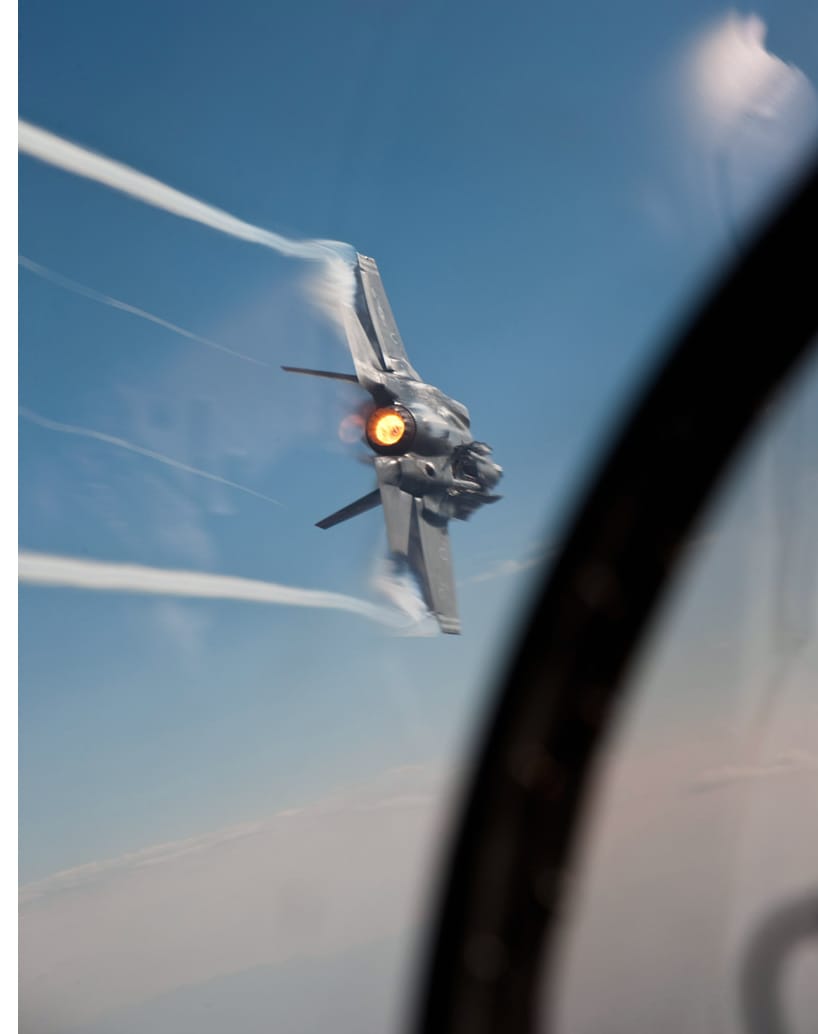
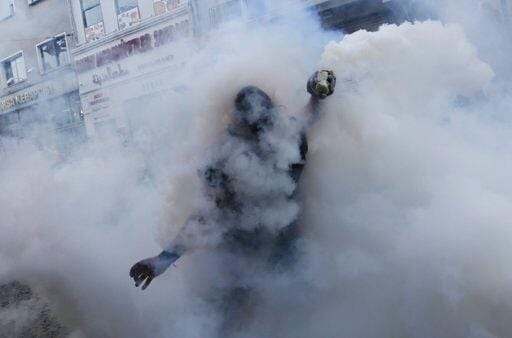
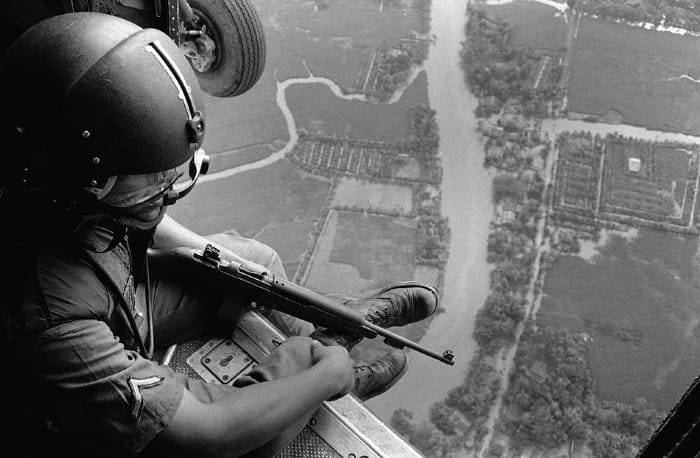
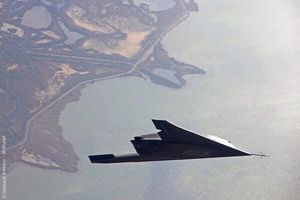
A 1963 photograph by Horst Faas, Associated Press, of a US helicopter crew chief over the Mekong Delta, Vietnam. Faas won the Pulitzer Prize for his Vietnam coverage in 1965.
A 1963 photograph by Horst Faas, Associated Press, of a US helicopter crew chief over the Mekong Delta, Vietnam. Faas won the Pulitzer Prize for his Vietnam coverage in 1965.
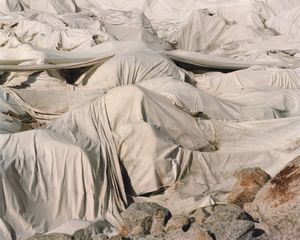
April 2024, FRIEZE No. 9 Cork Street Gallery, London
EXHIBITION: The Mountains Between Us, FRIEZE No 9 Cork St
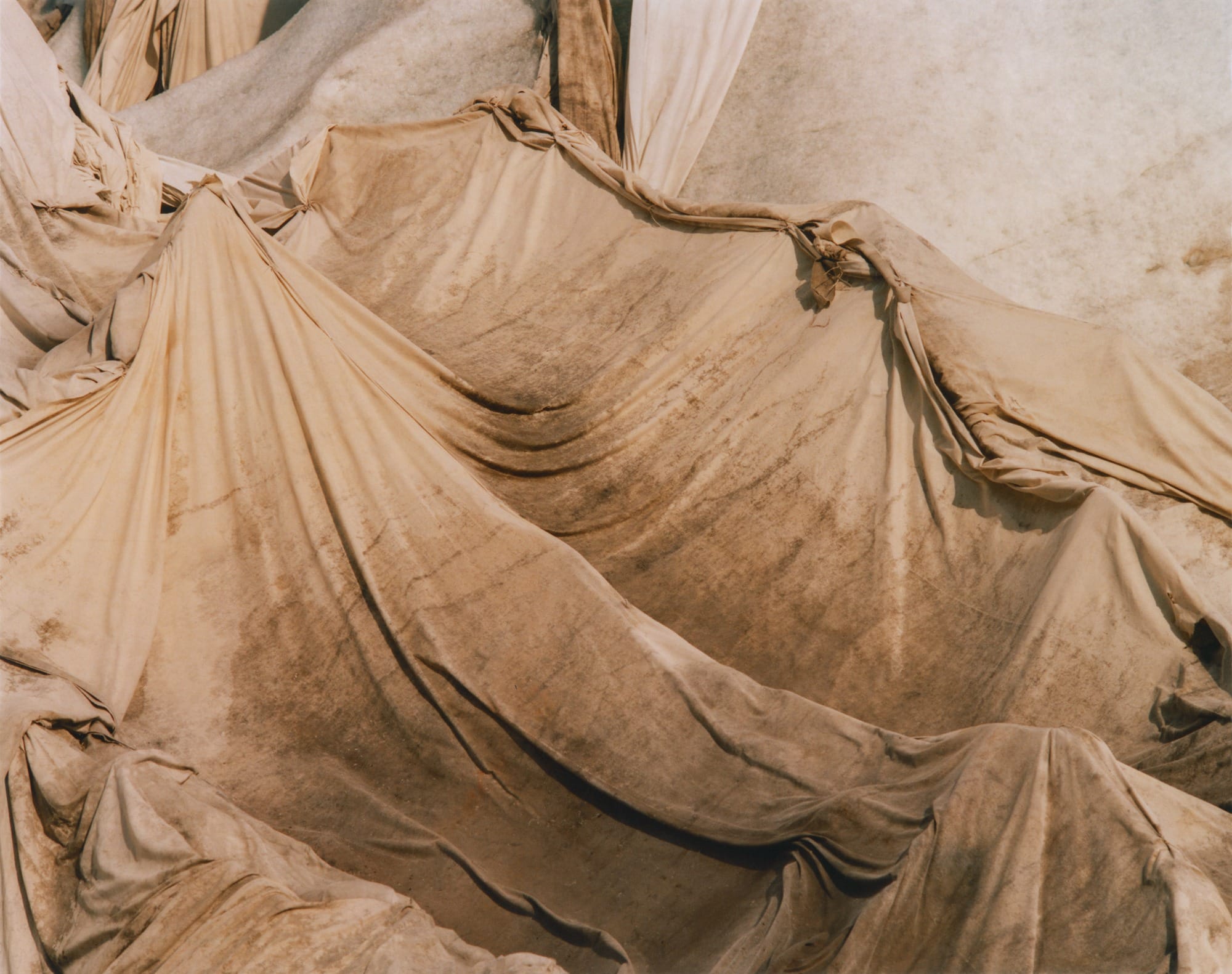
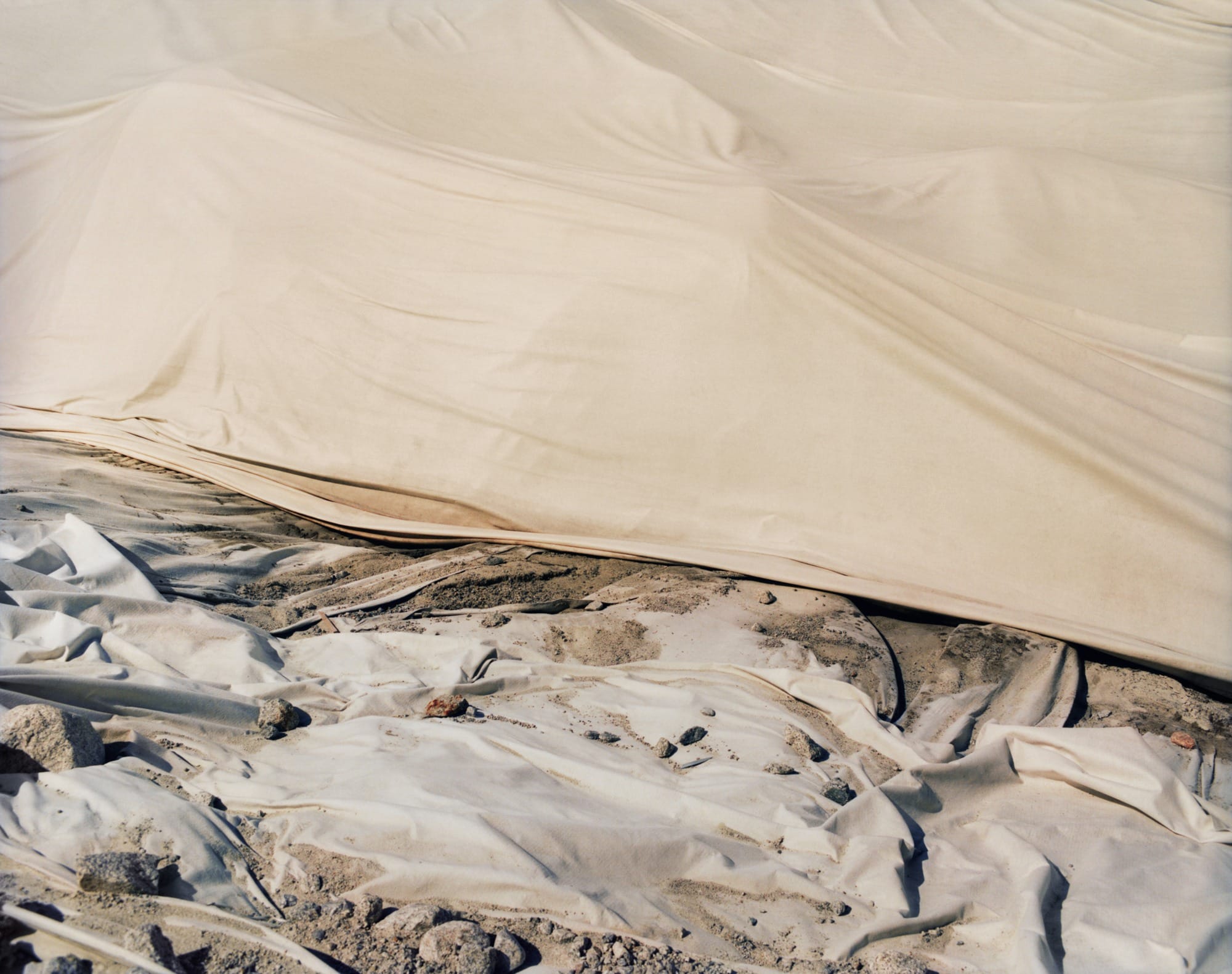
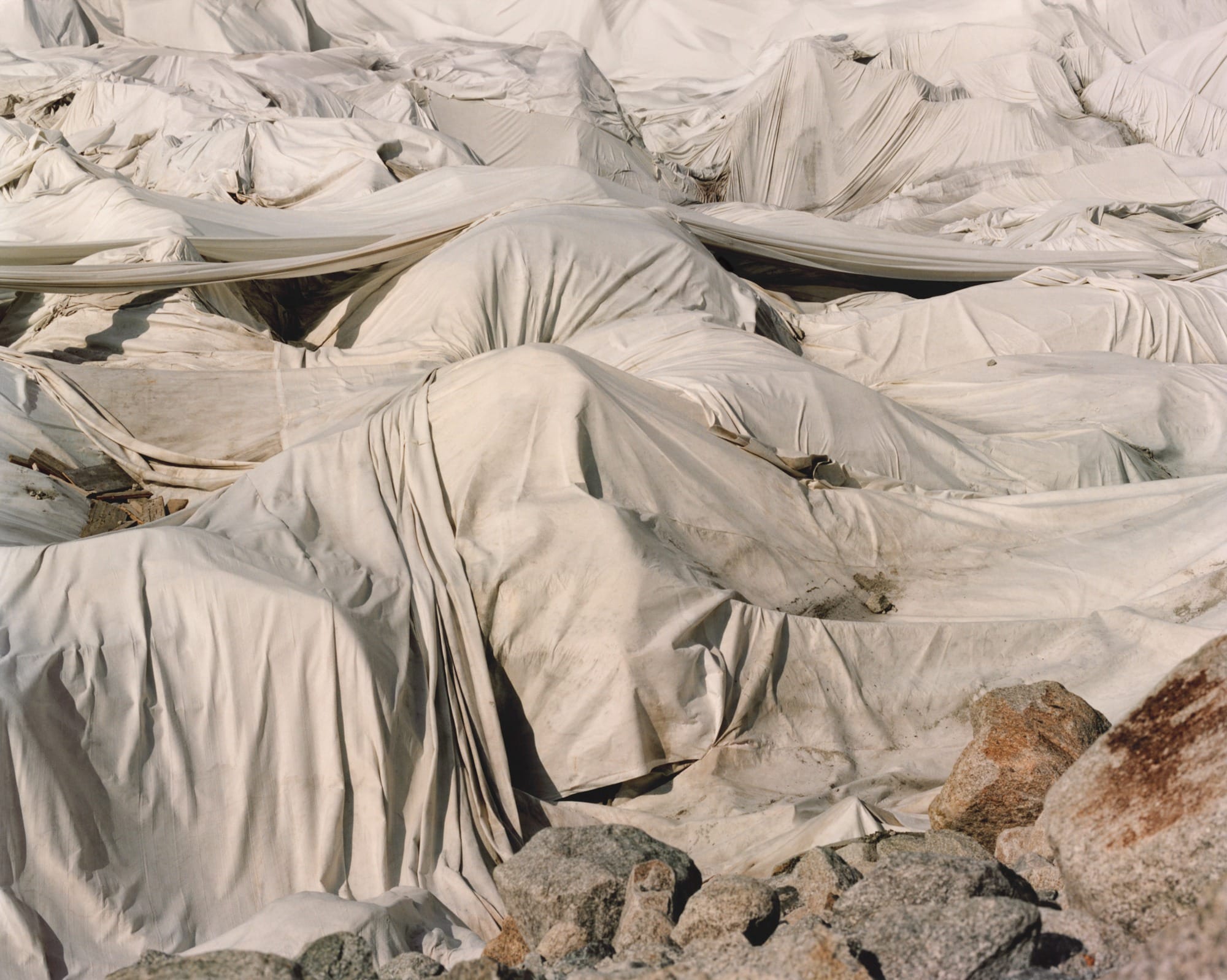
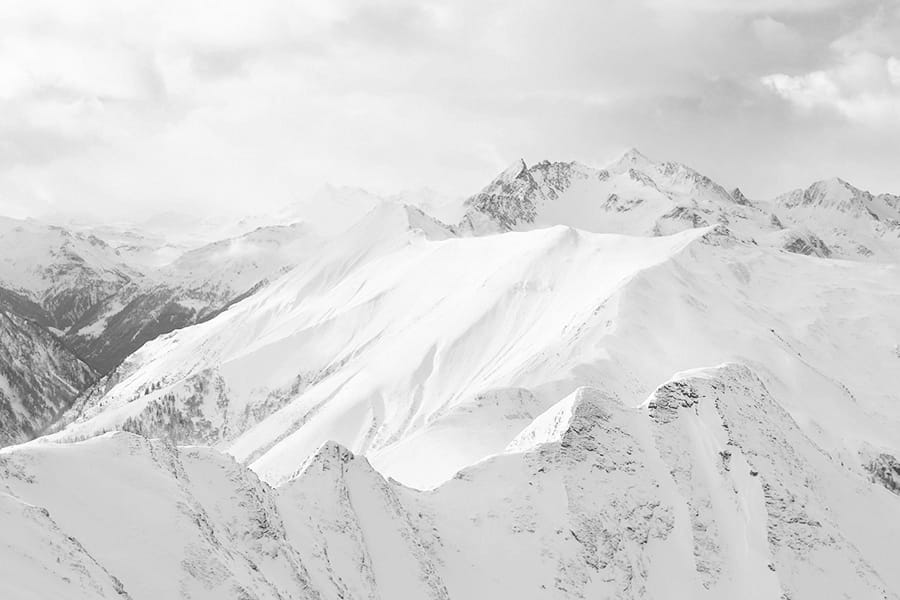
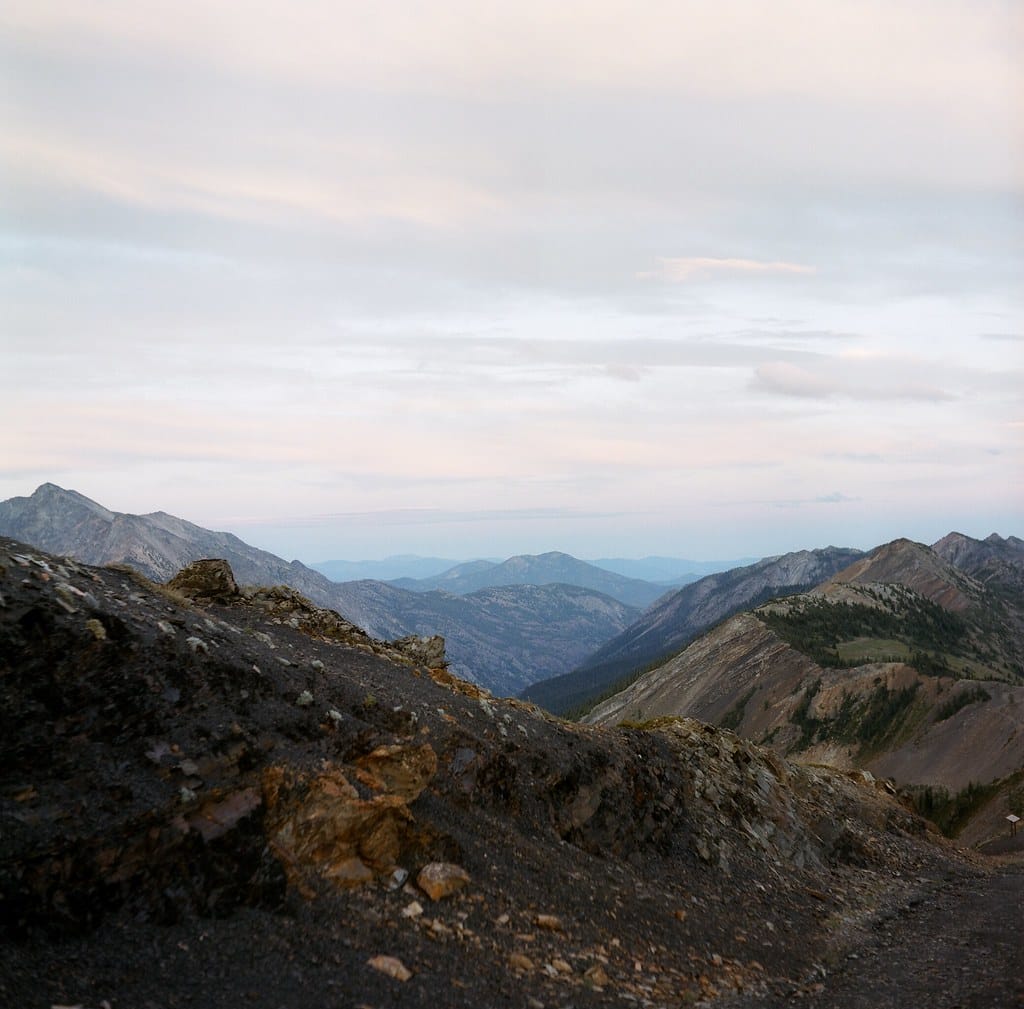
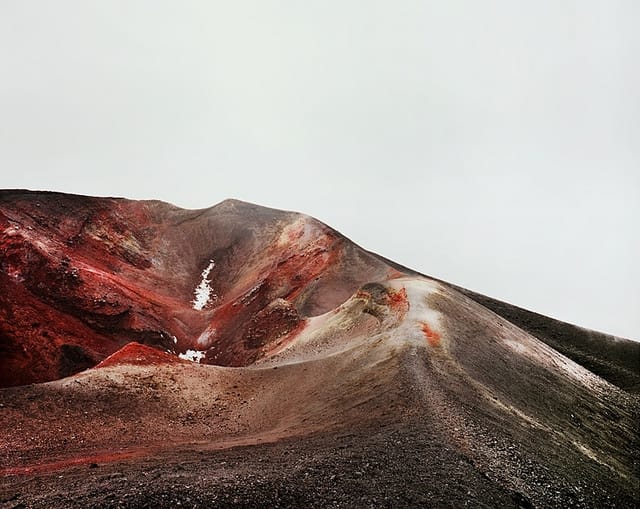
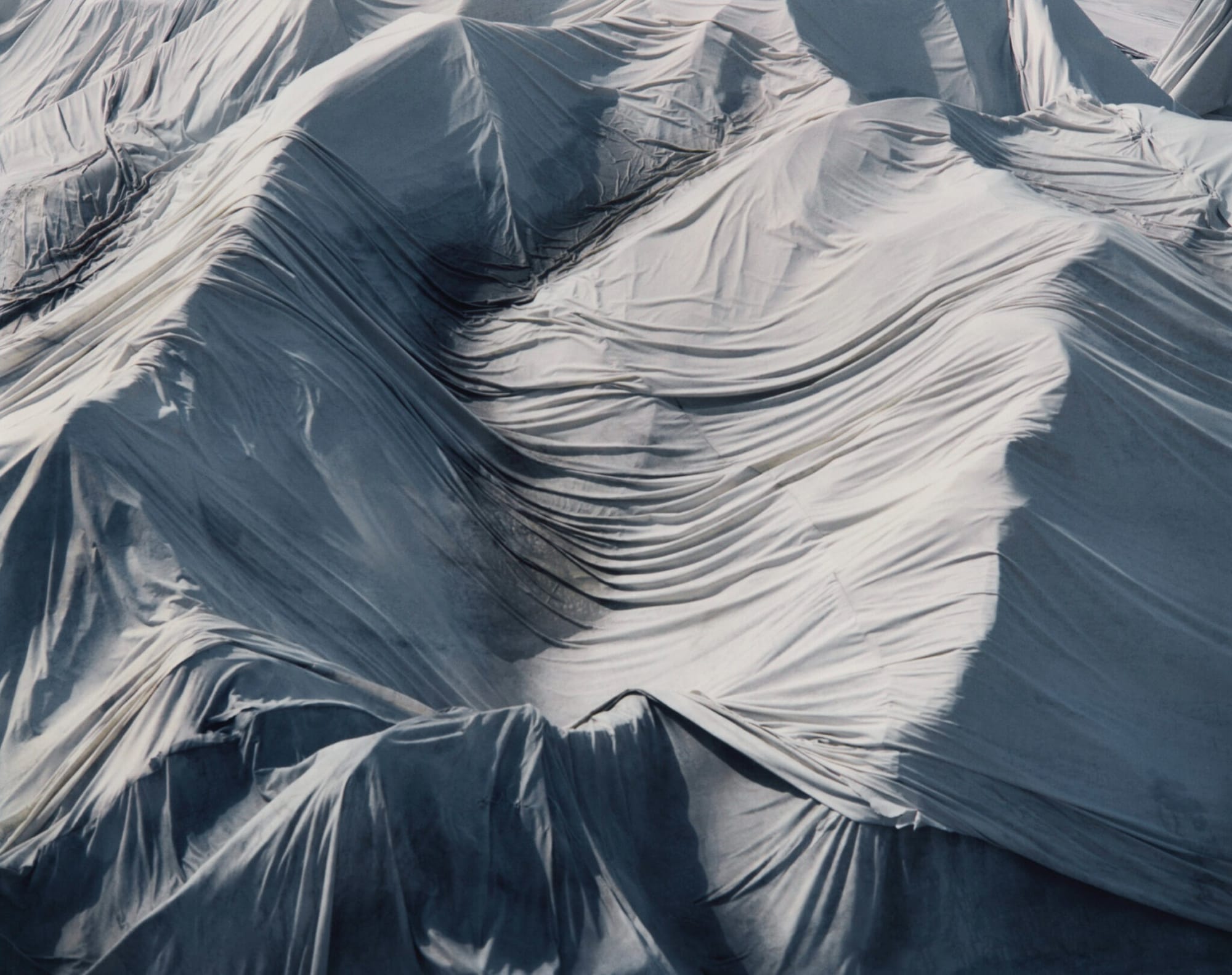
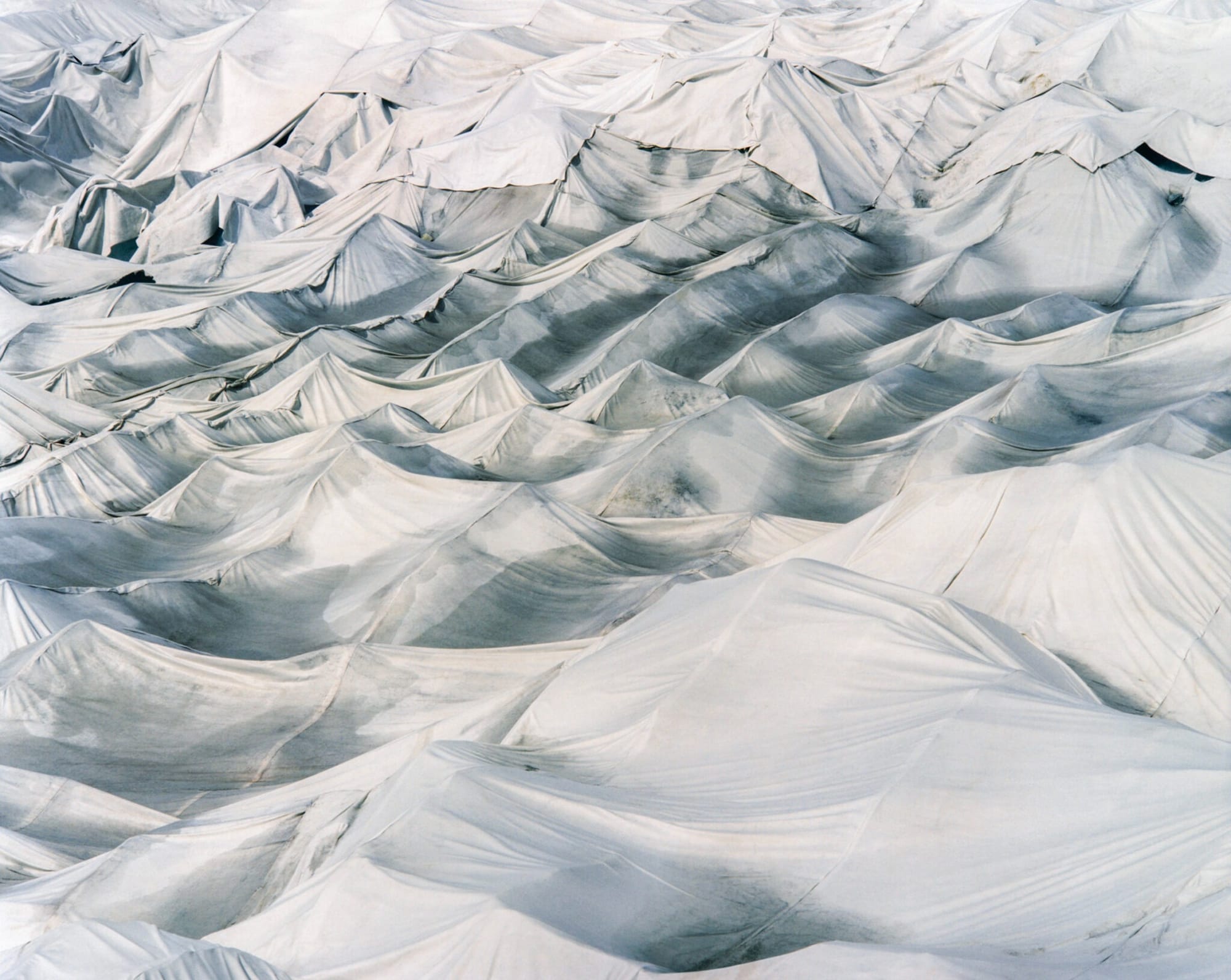
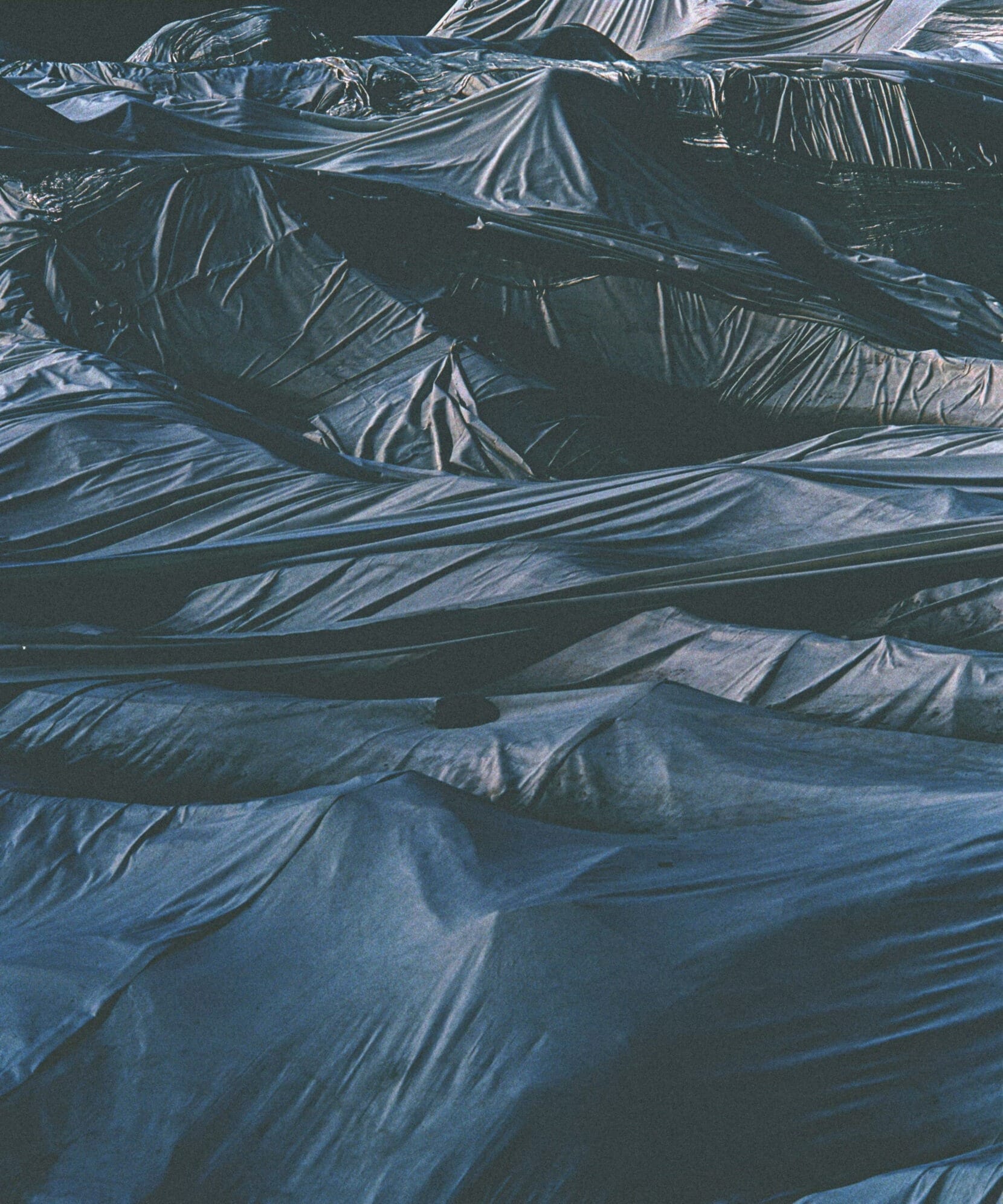
Weaving together photography, video and sculptural objects, lena_c_emery highlights the accelerated loss of mountain glaciers and the desperate conservation efforts currently employed to impede their decline. Under the continued influence of greenhouse-gas forced global warming, ice that took centuries to develop is vanishing in just a number of years. A fate experts predict for at least two-thirds of all glaciers by the end of this century. EMERY: In ‘The Mountains Between Us’, I capture the current environmental efforts undertaken to reduce the rate at which glaciers melt. Glaciers have held space for centuries, silently bearing witness to history. They’ve seen the world change in ways we can barely comprehend. Because my grandfather spent his life in these mountains, watching this particular glacier retreat and form lakes where there was previously only ice and at a pace that’s steadily increasing, feels deeply personal. The idea of covering these mammoths in fabric to stall the inevitable, feels both tragic and emblematic of our relationship with nature: The magnitude of loss countered by gestures that, though earnest, feel powerless. Visually these wrapped peaks evoke images of muddied tents, makeshift shelters that we’ve come to erect for those displaced by upheaval. This fragility, their fragility, our fragility, is a direct reflection of the imbalance we have sown, where those least responsible for ecological destruction are forced to bear its heaviest burdens. The title became a way to frame those divides. Mountains have always symbolised barriers, but perhaps they could also be reimagined as thread, shared histories and a collective belonging. The elemental particles composing our very being once danced amidst these ancient landscapes and if they disappear, part of us does too.
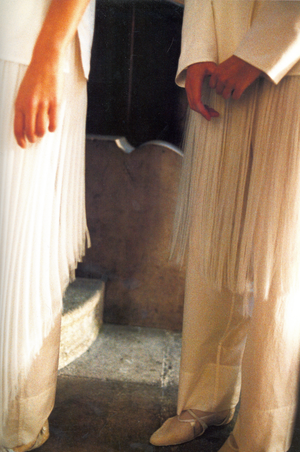
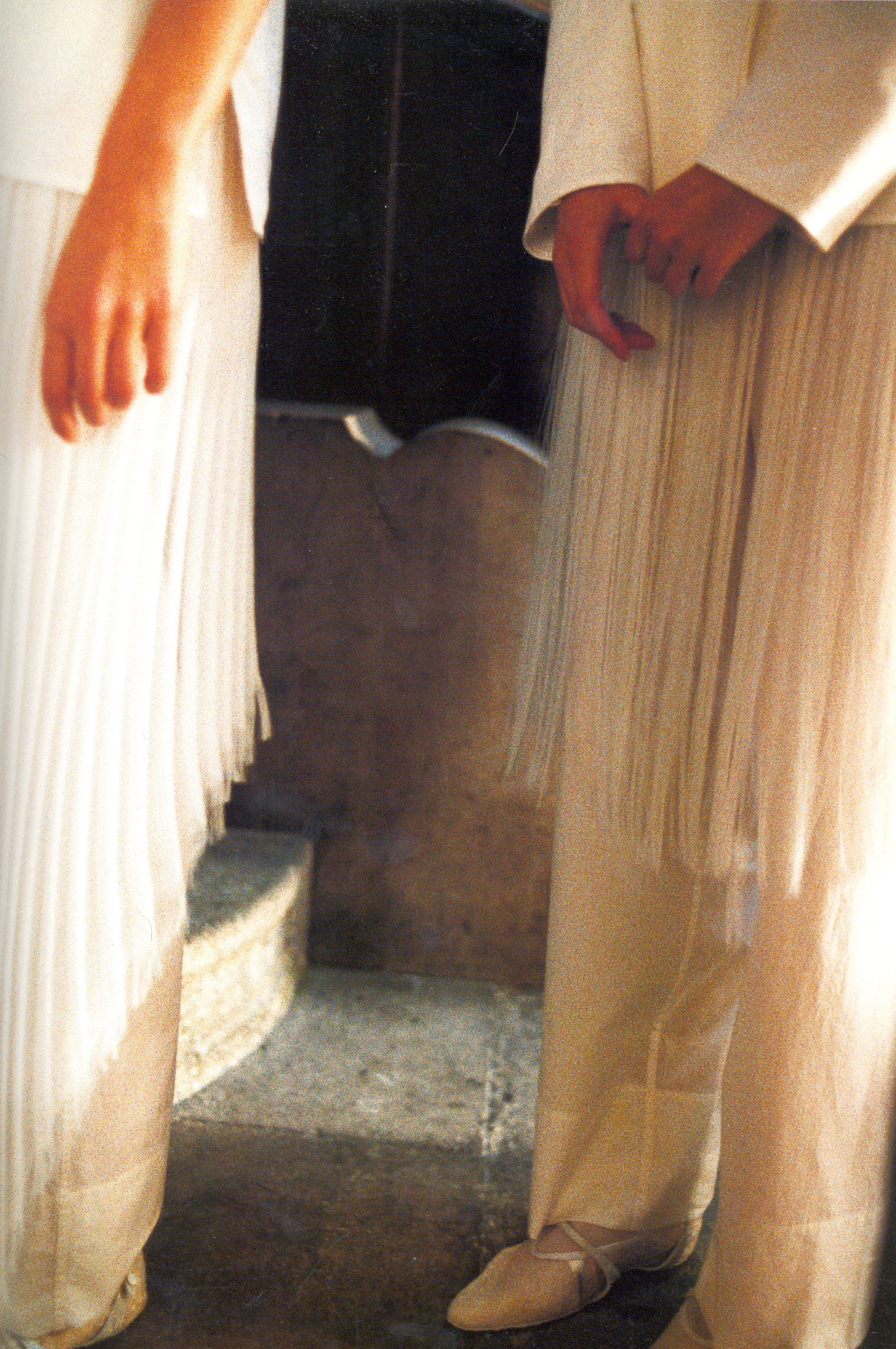
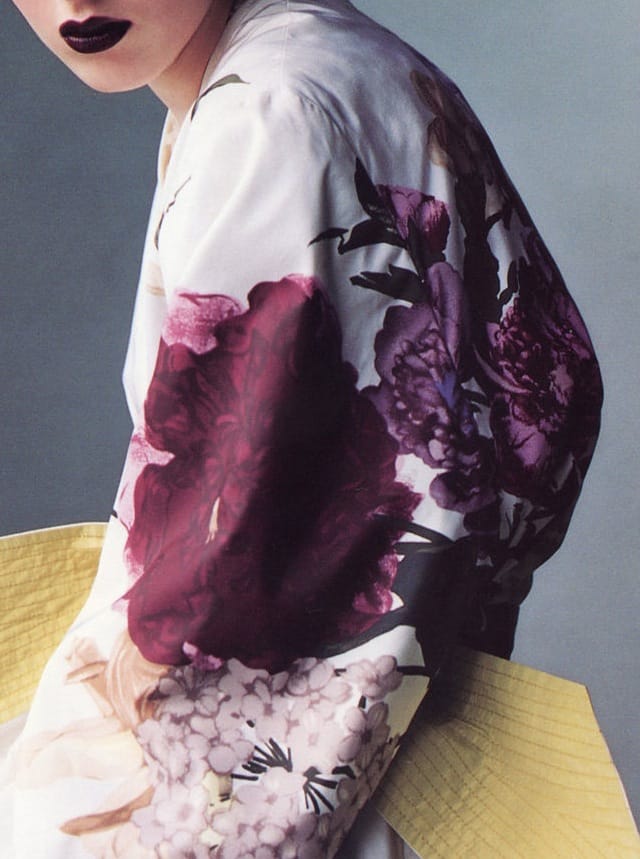
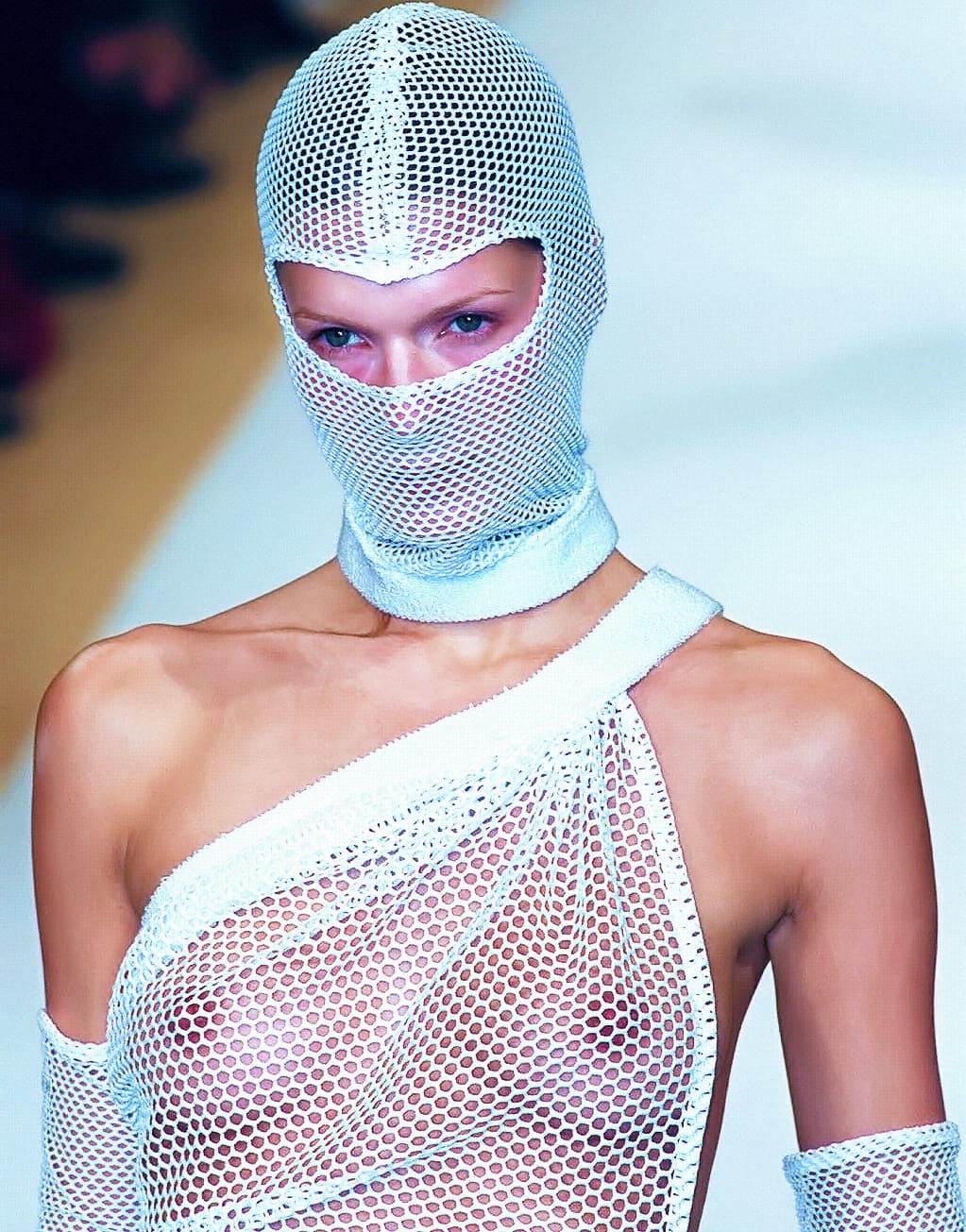
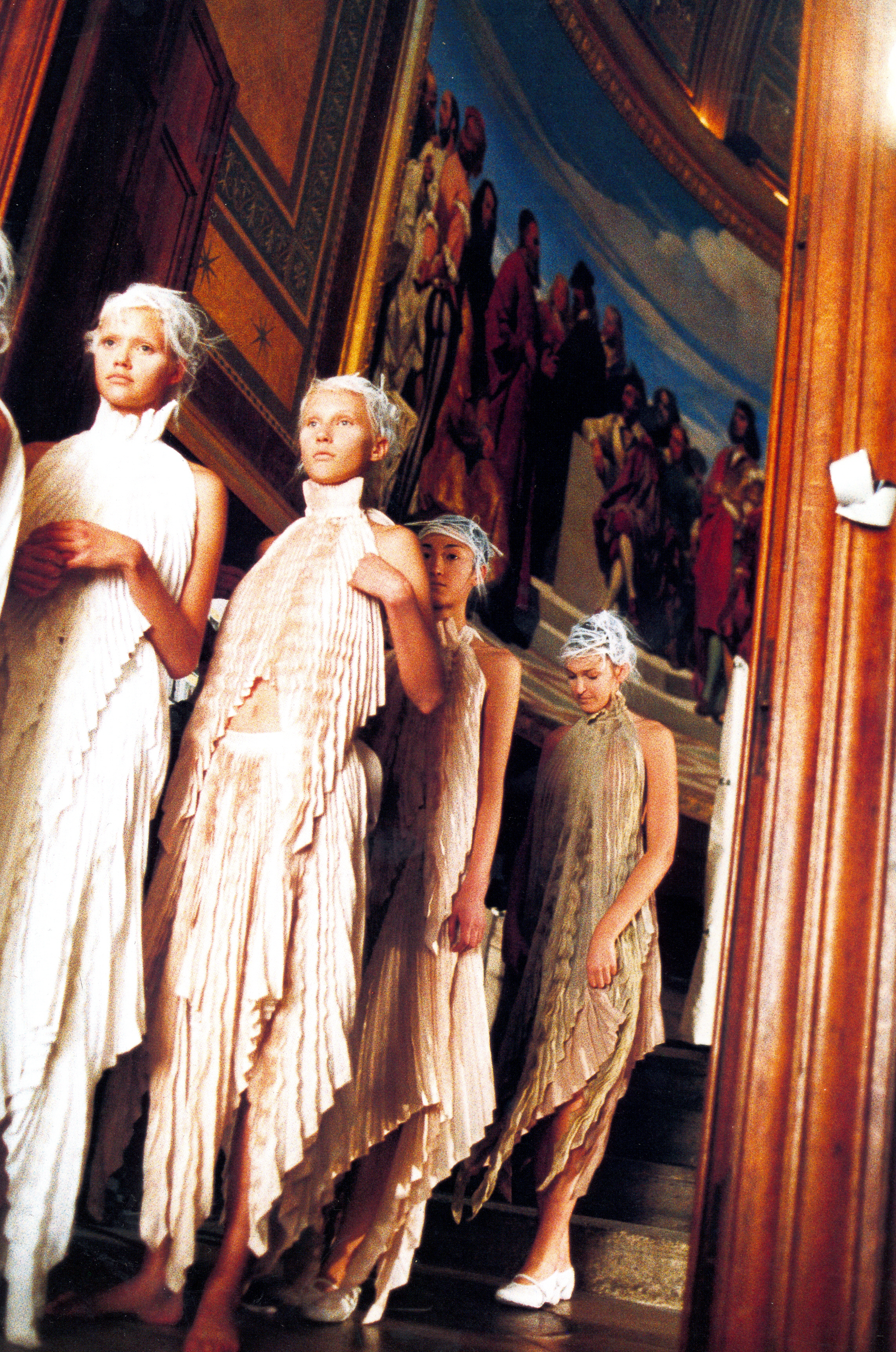
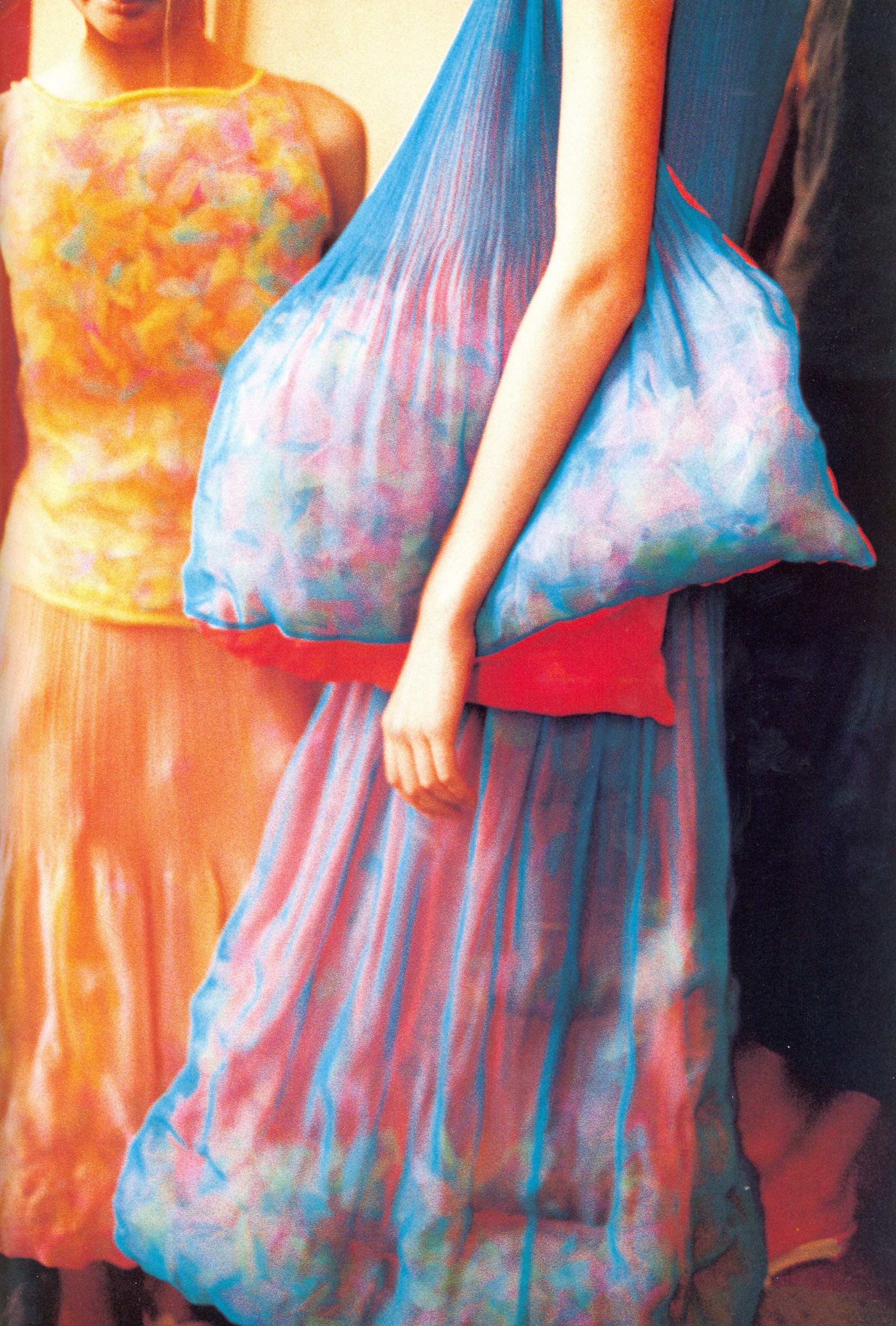
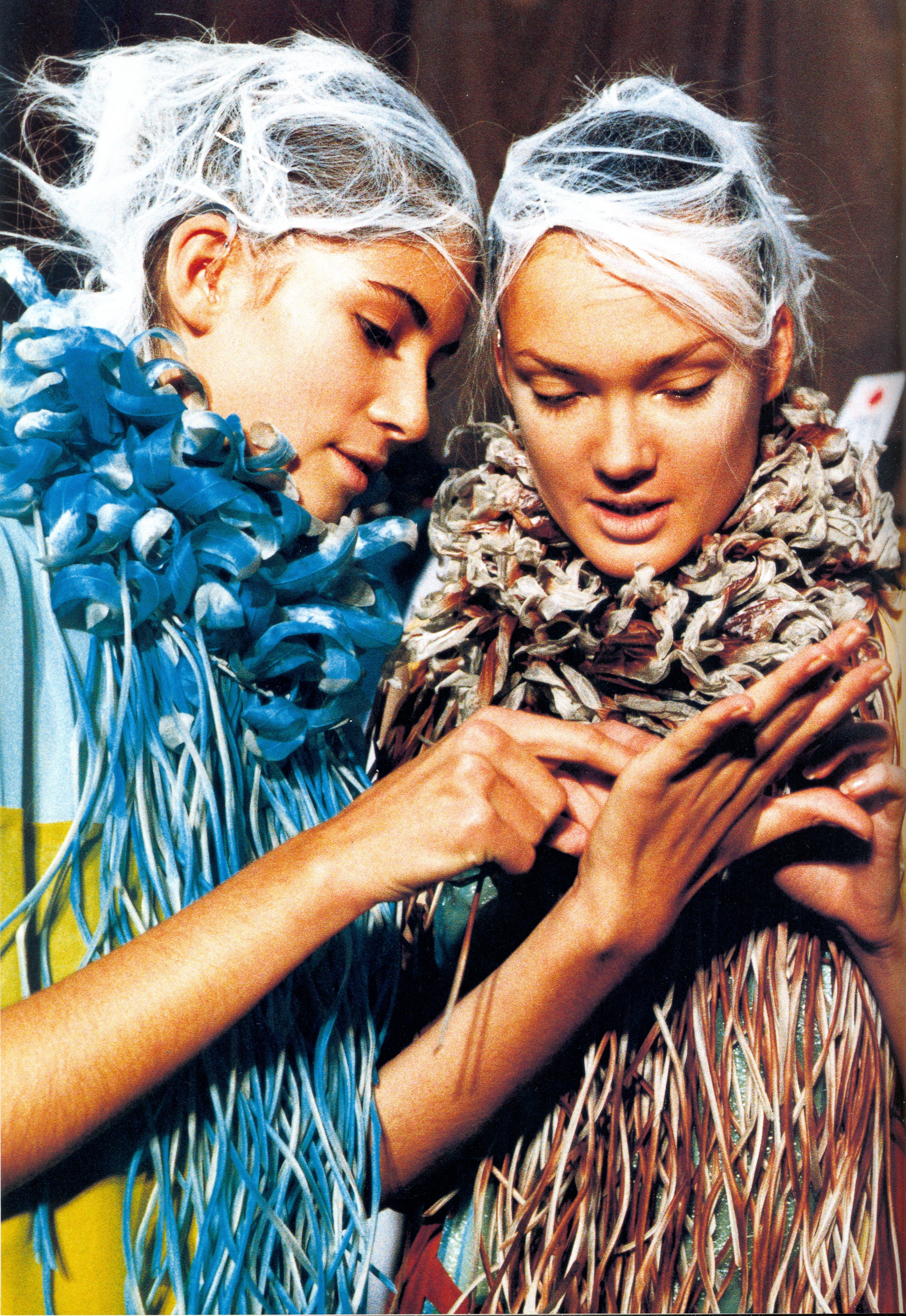
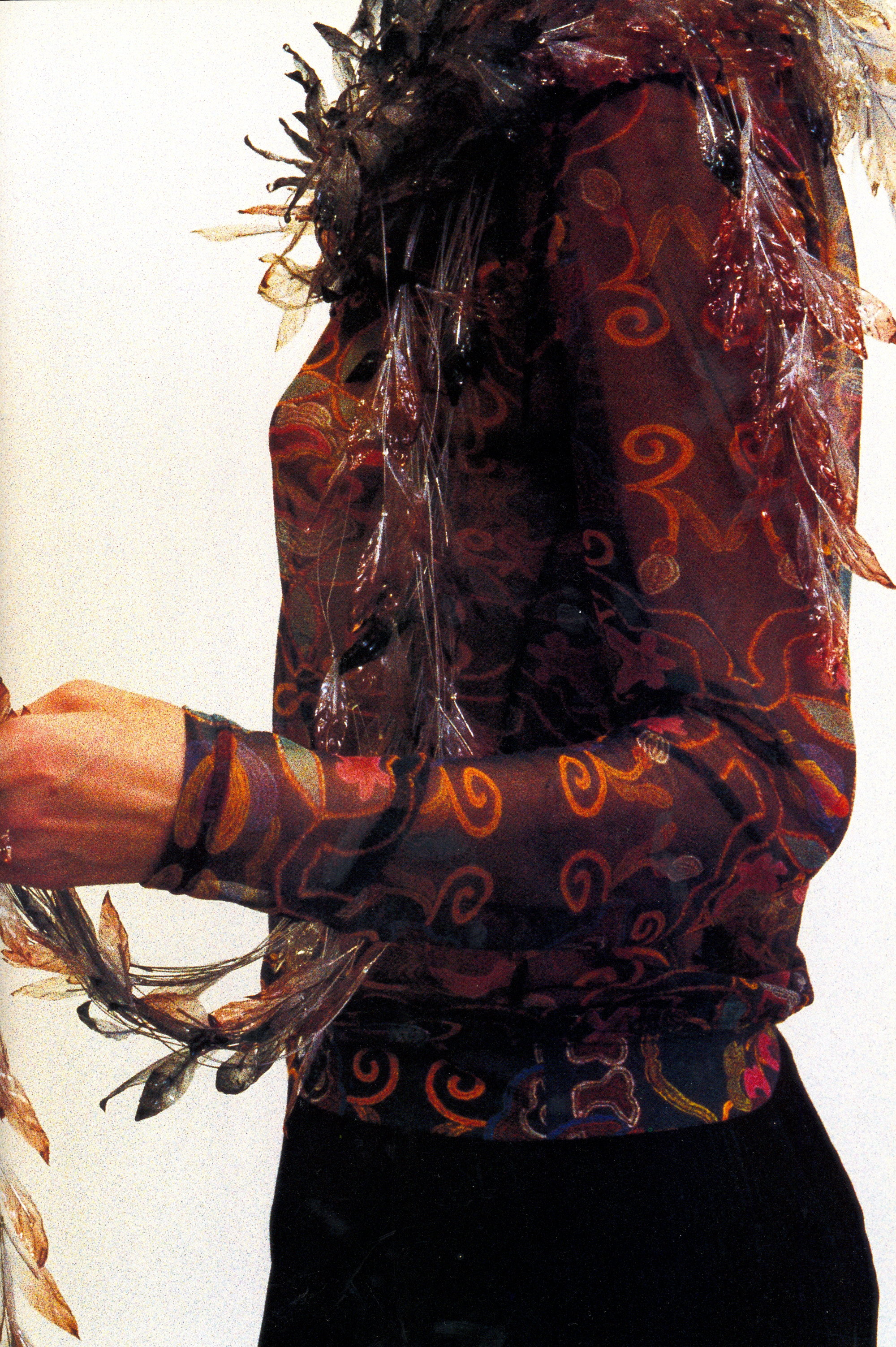
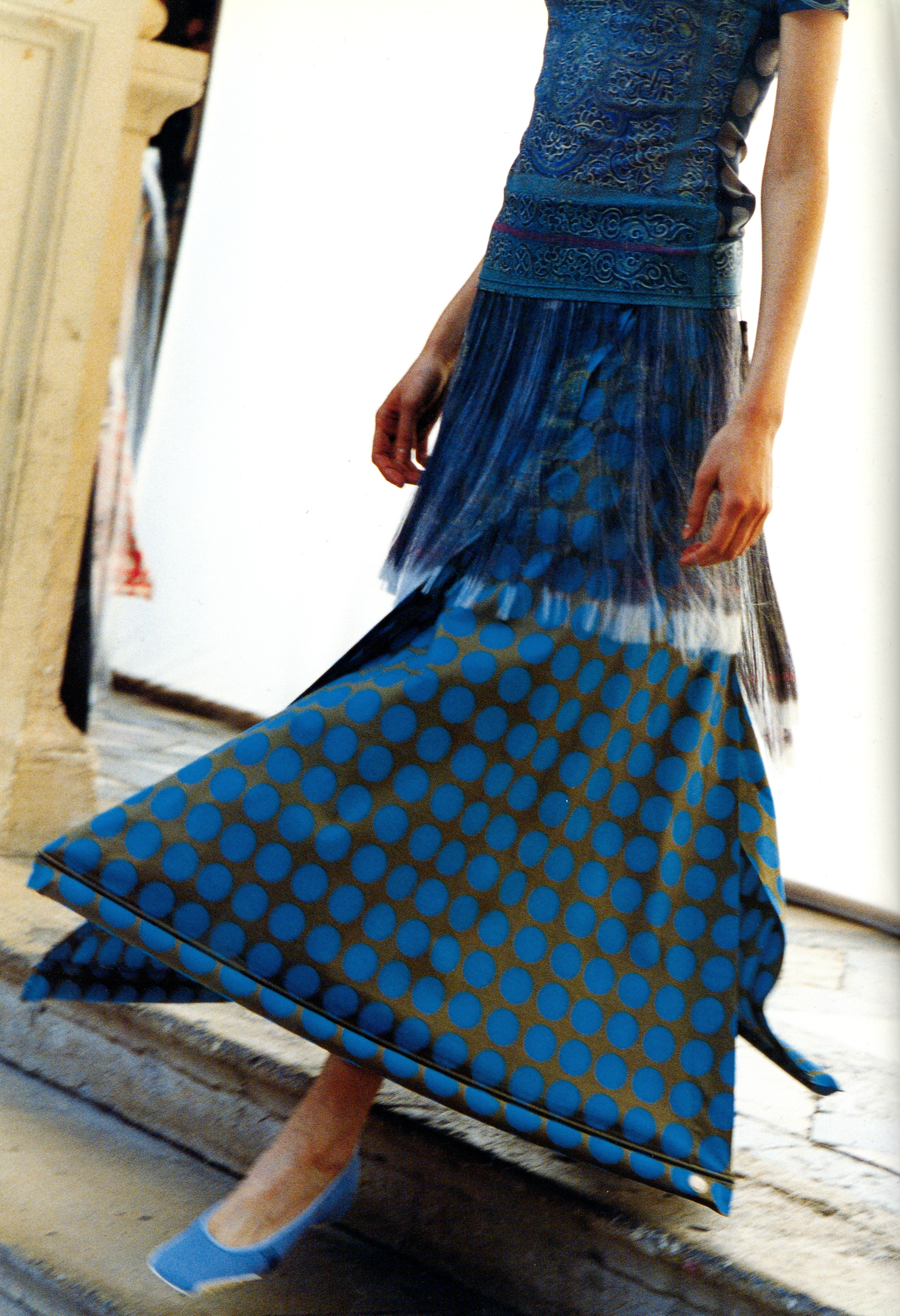
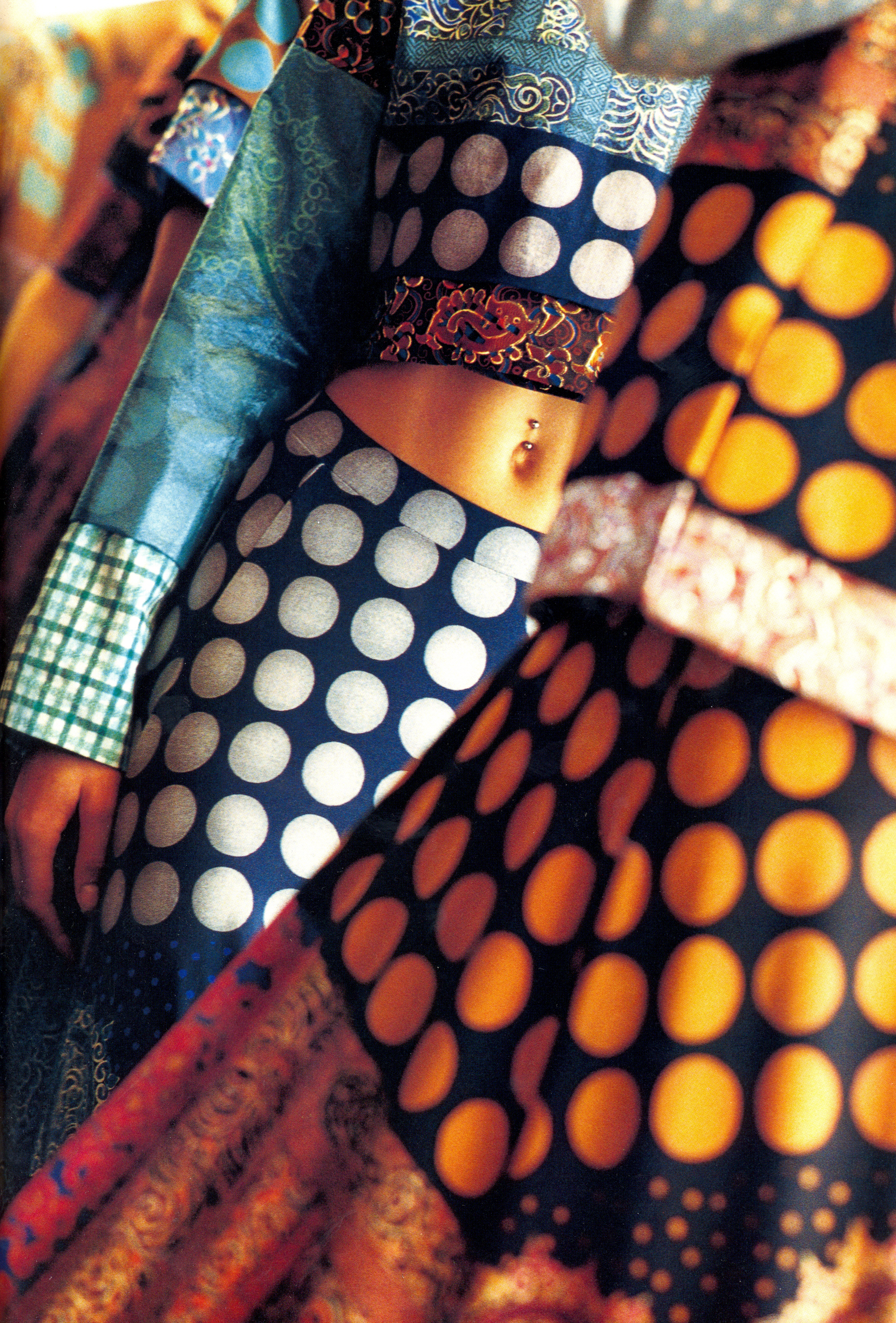
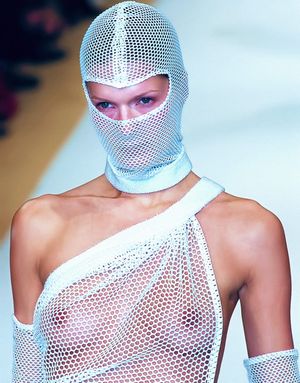
Silent Poets for Issey Miyake Spring/Summer 2001 is a hardcover lookbook photographed by Françoise Huguier. It presents imagery from Issey Miyake’s Spring/Summer 2001 collection and includes the collaboration CD Red Eyes Tribe at the back of the book. Japanese electronic duo Silent Poets produced the music for the runway show.
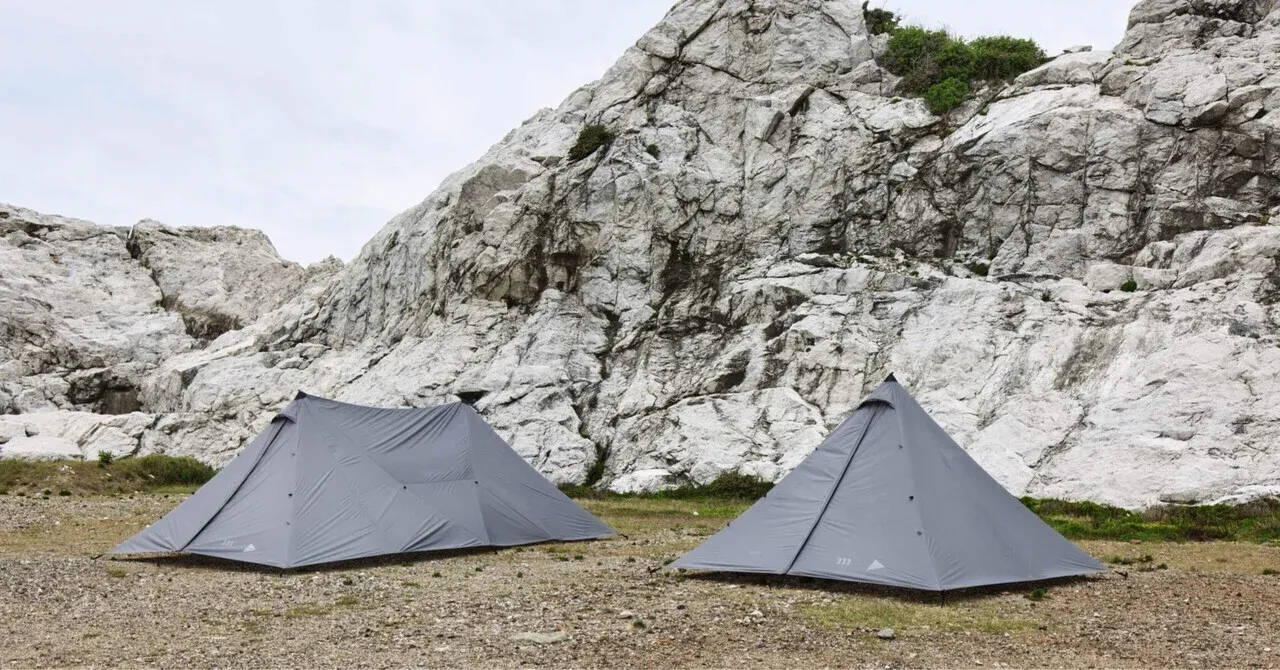
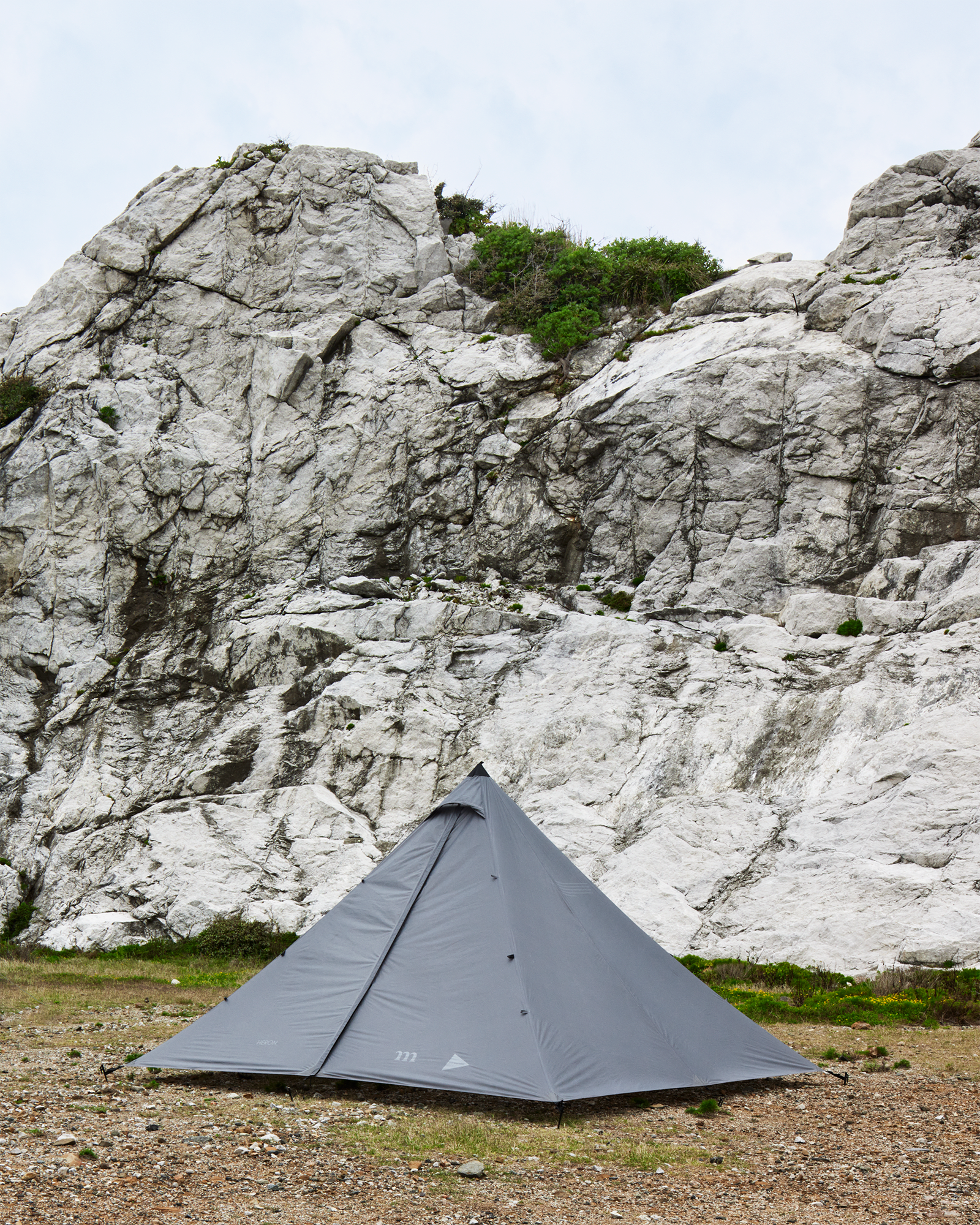
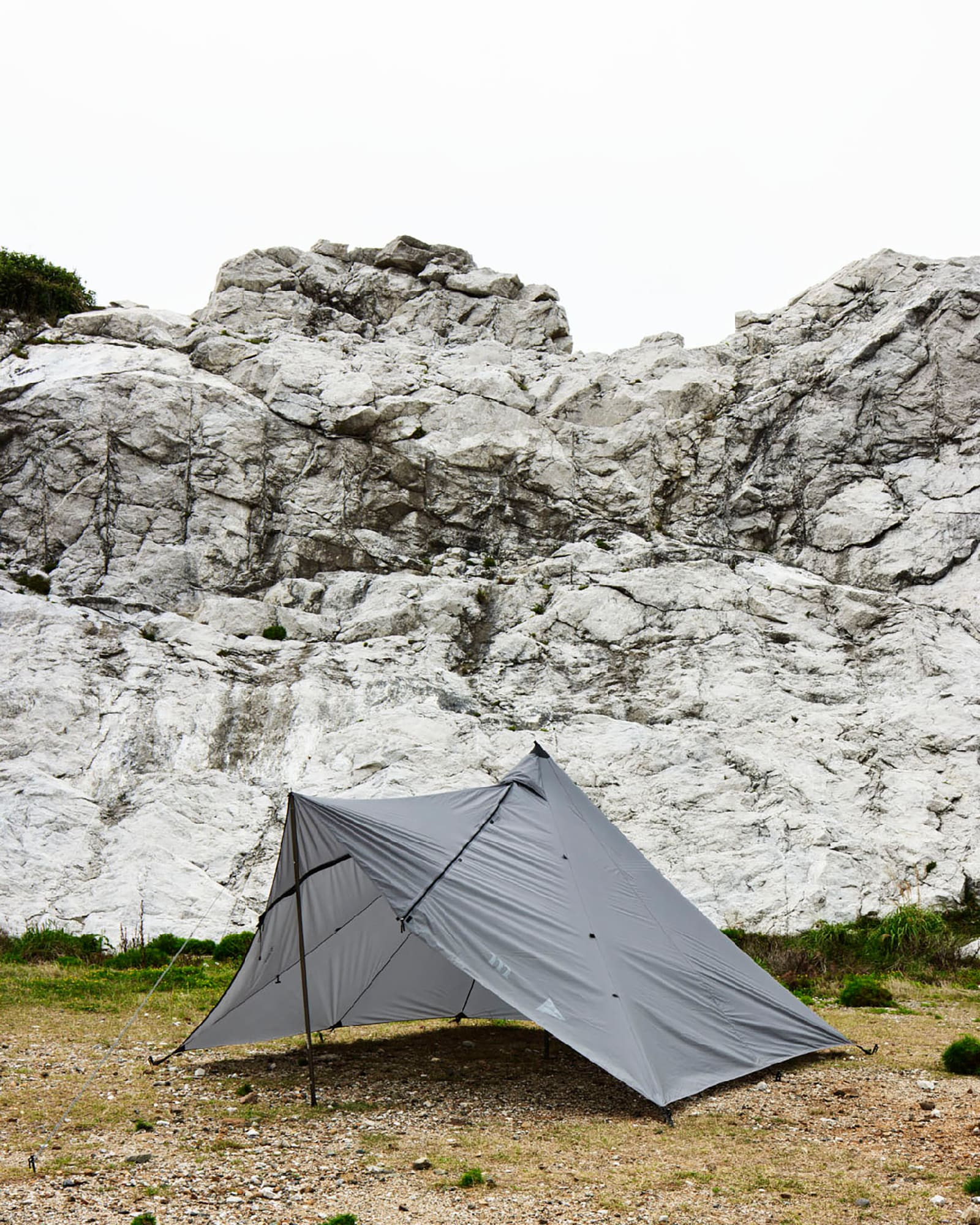
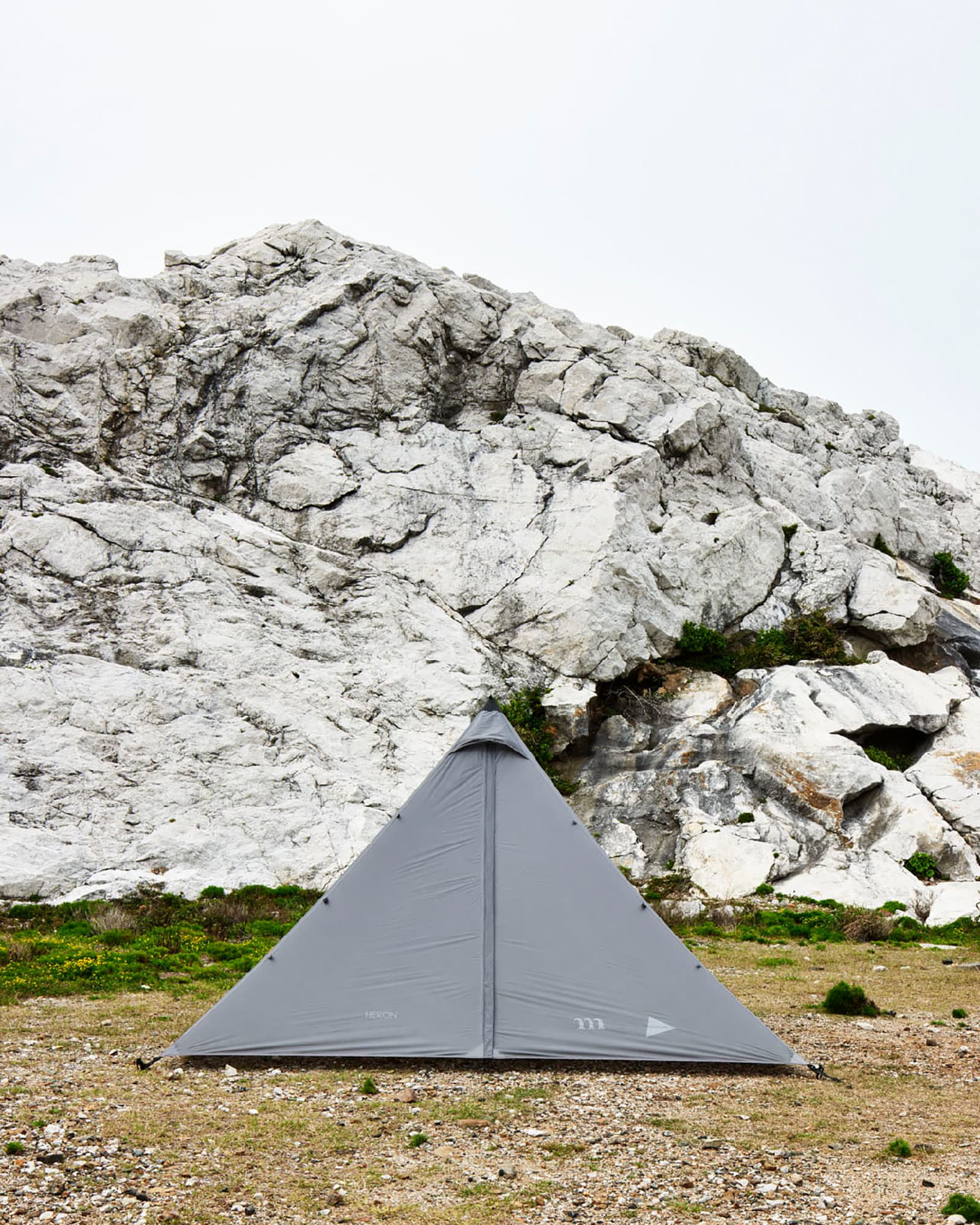
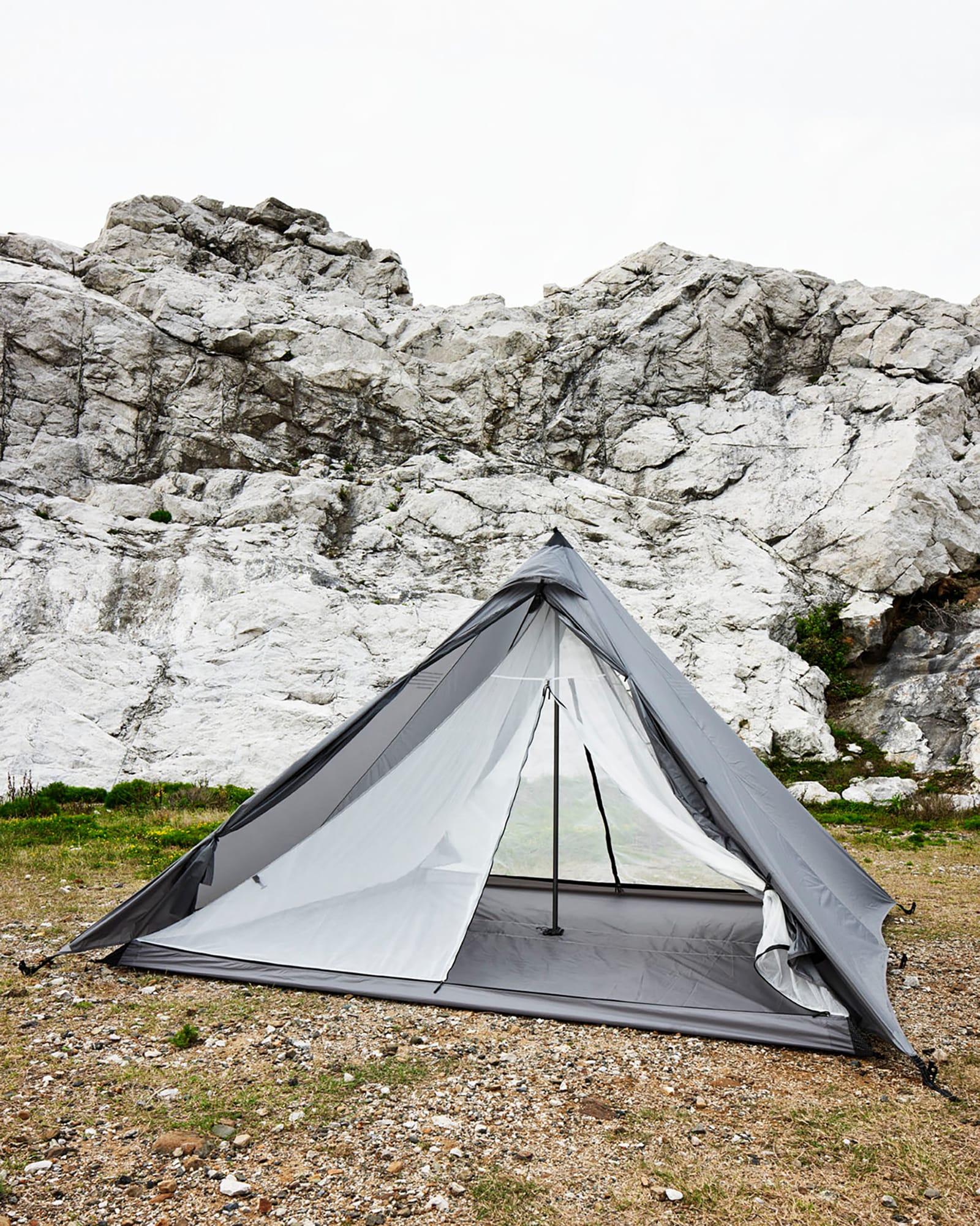
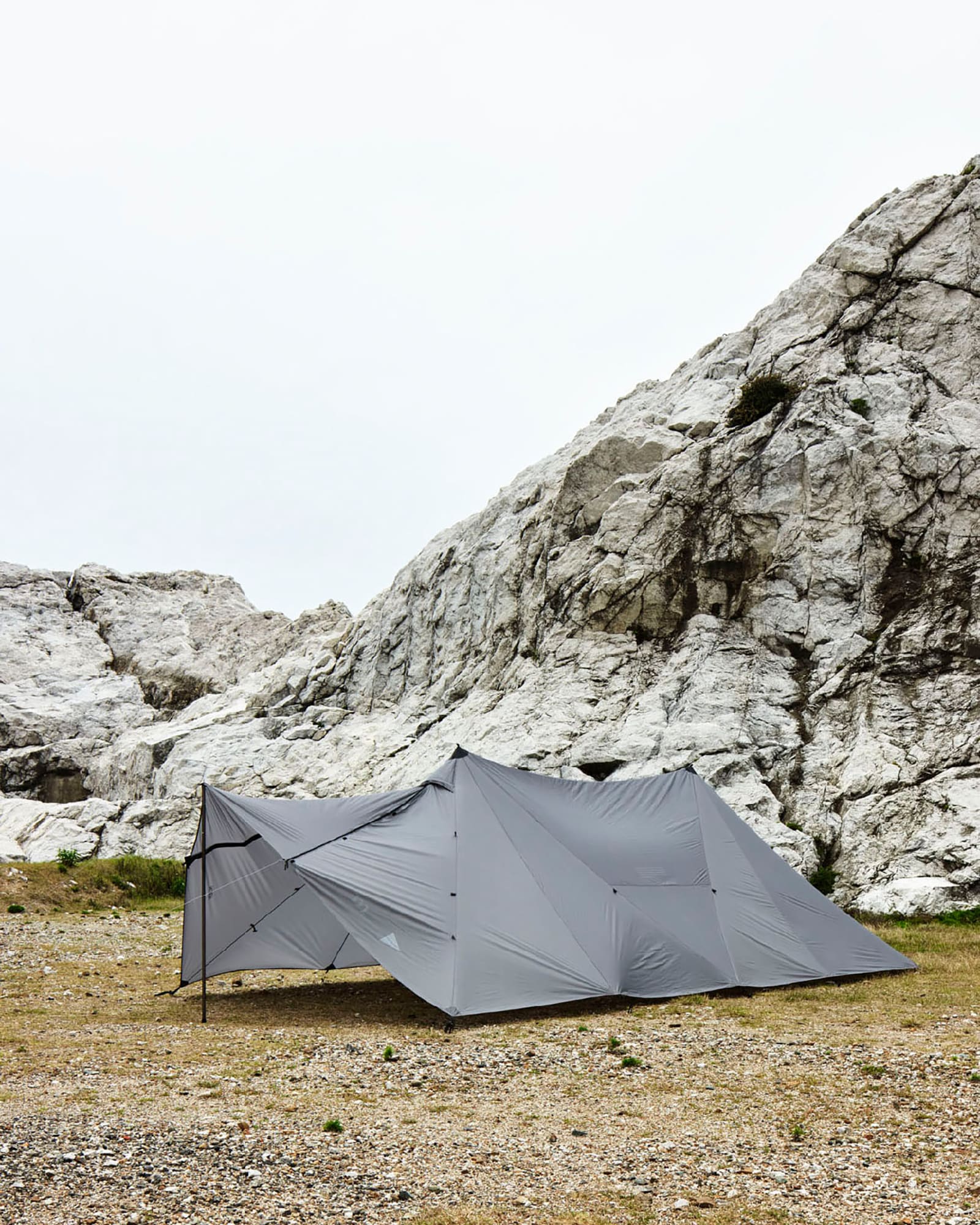
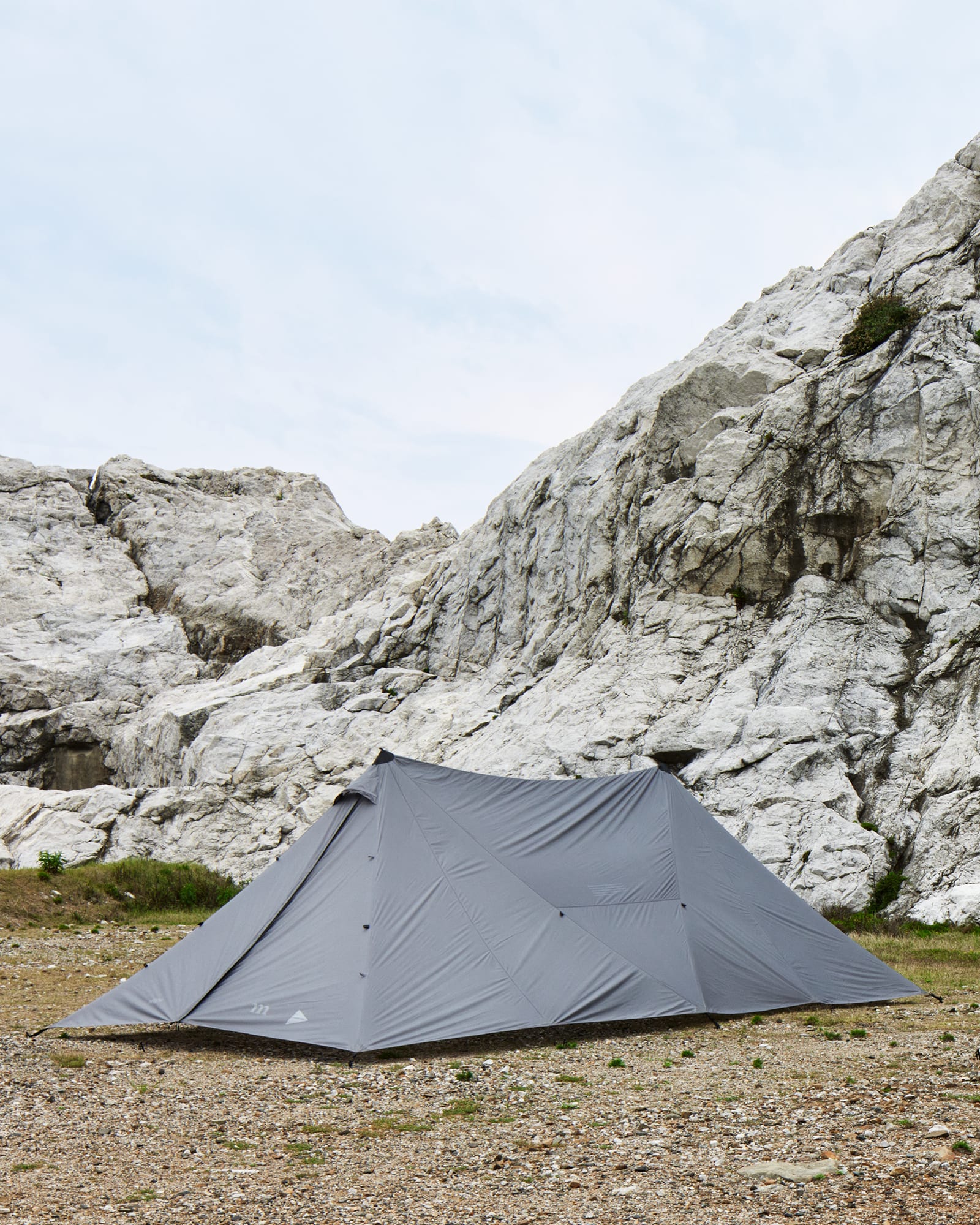
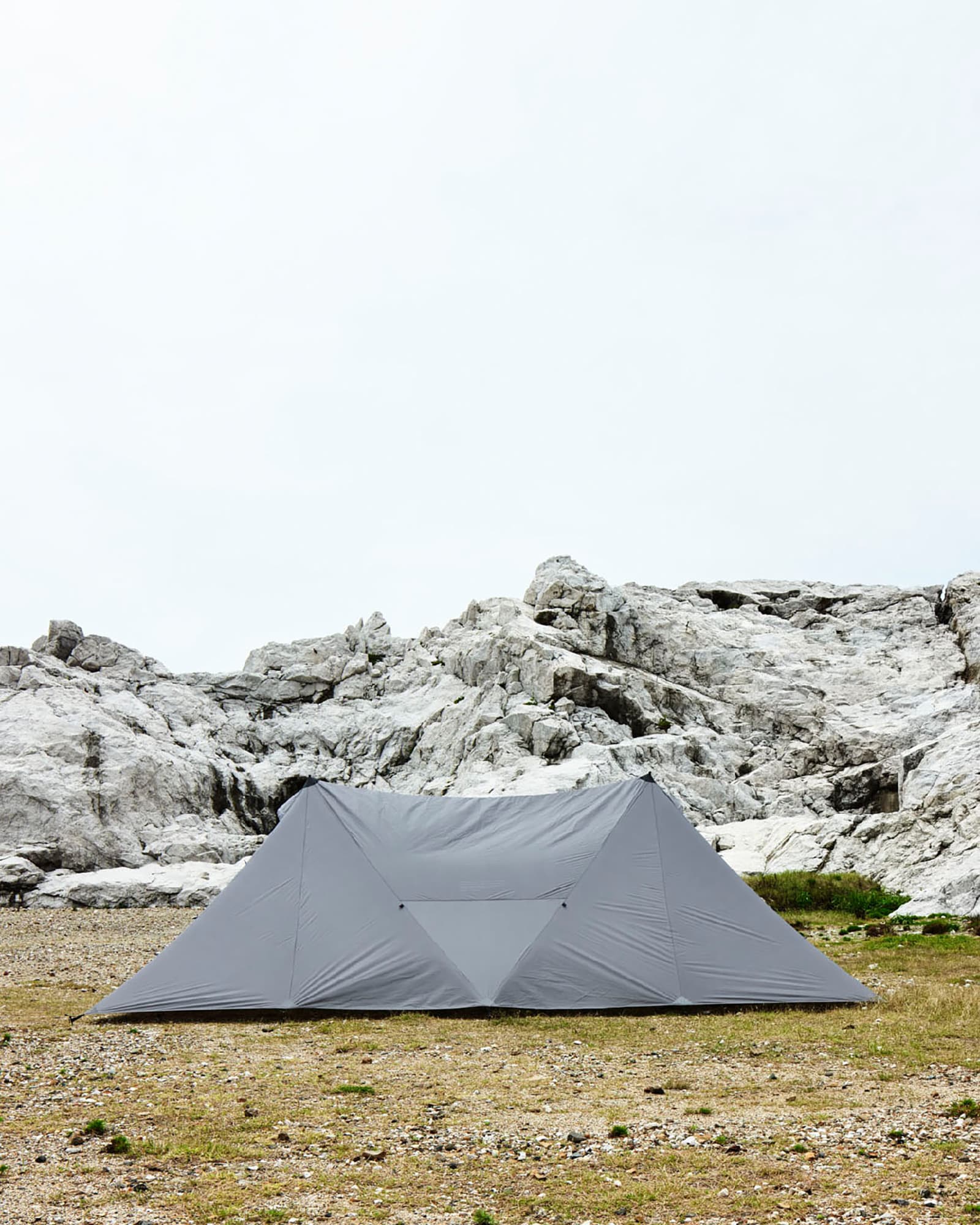
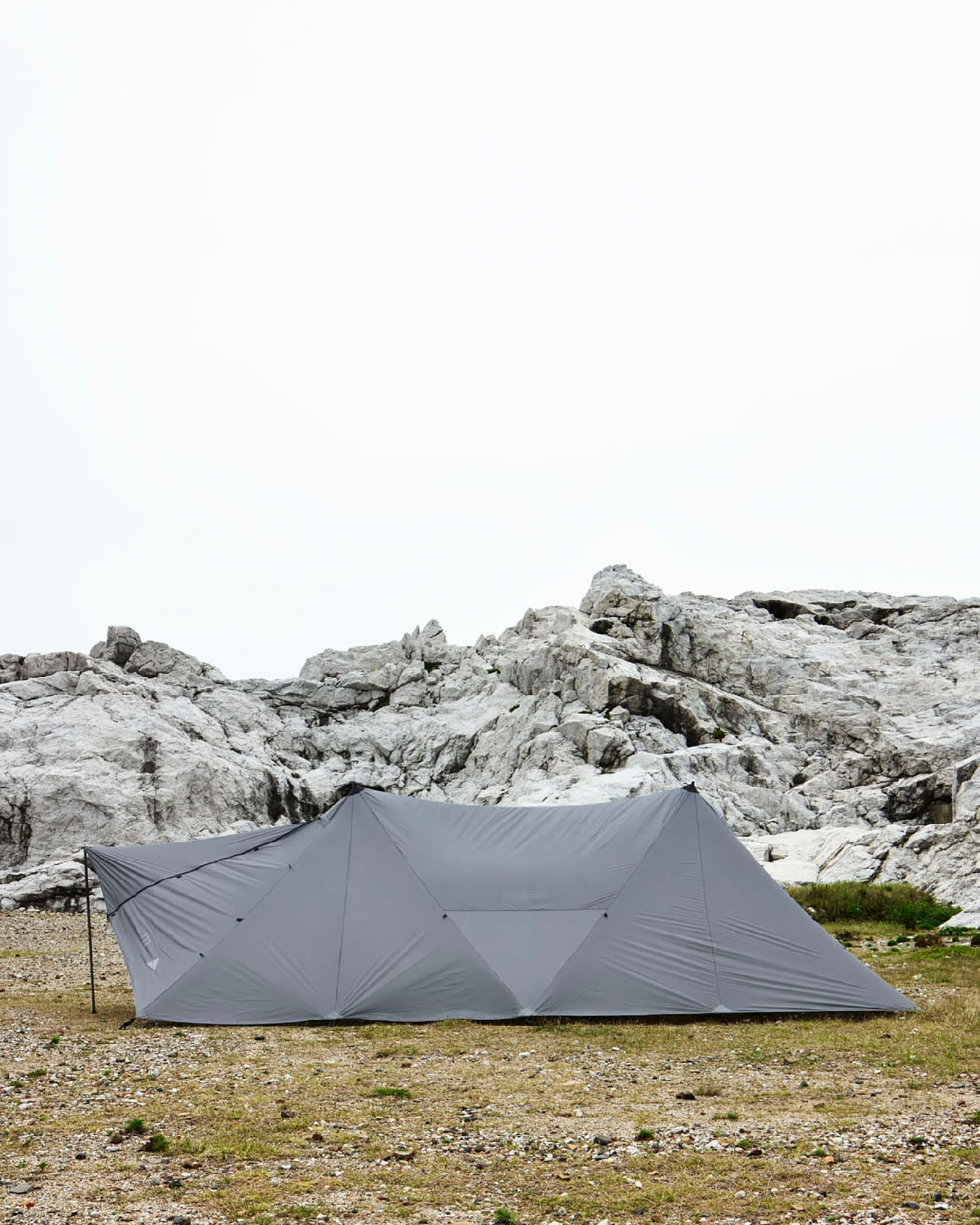
This tent boasts a straightforward structure, allowing for quick and effortless setup. To assemble, lay the flysheet on the ground and firmly secure the four corners with pegs. Then, raise the center pole at the top. The remarkable simplicity of this setup is unmatched by self-supporting dome-shaped tents, and its generous overhead clearance adds to its allure.
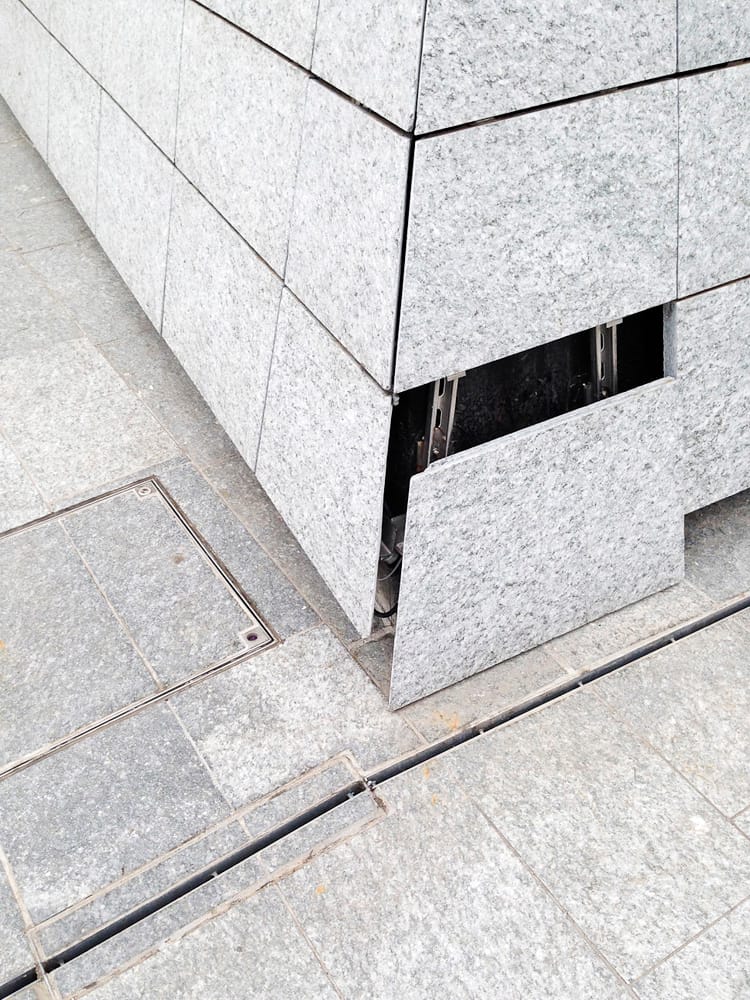
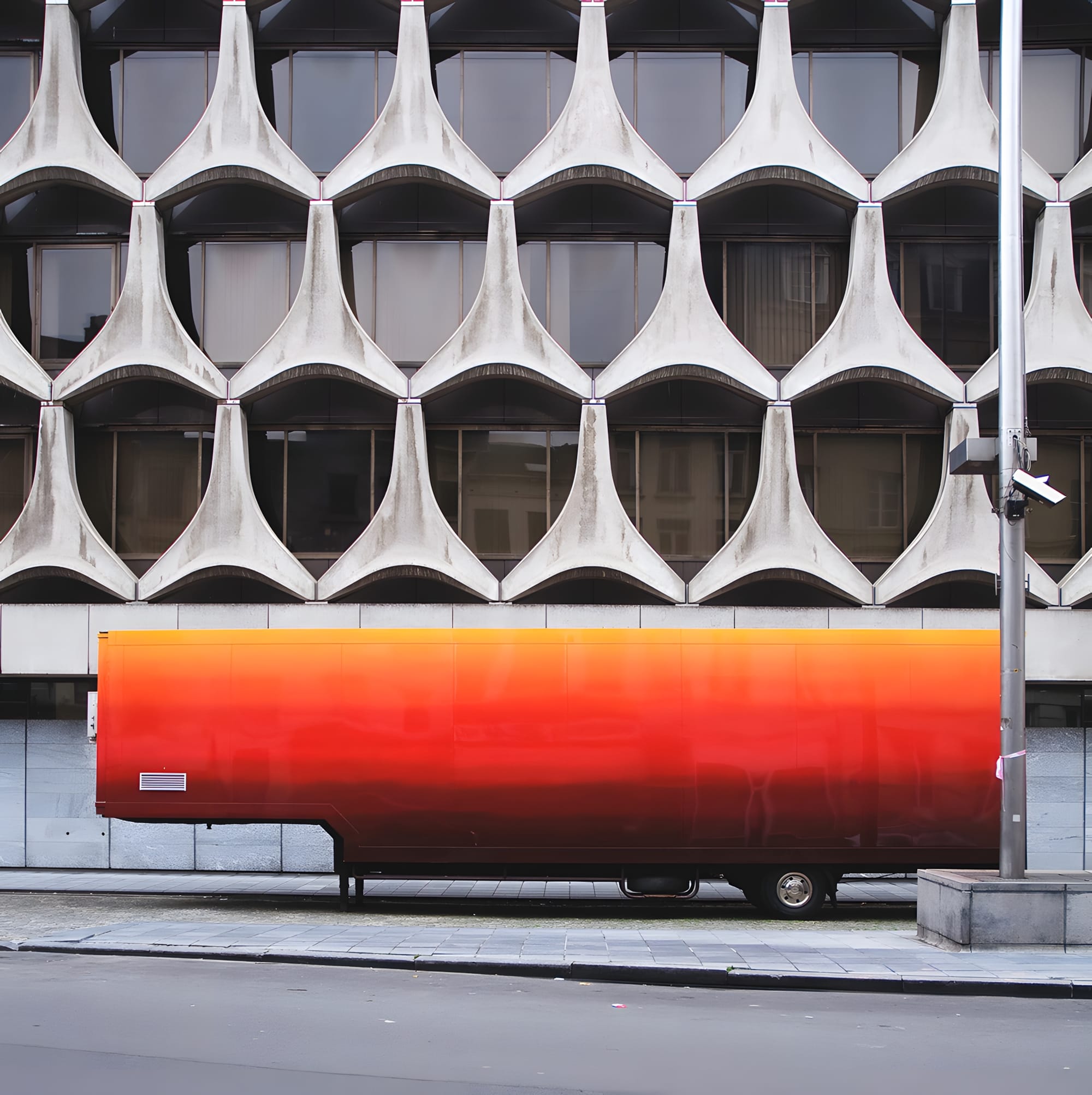
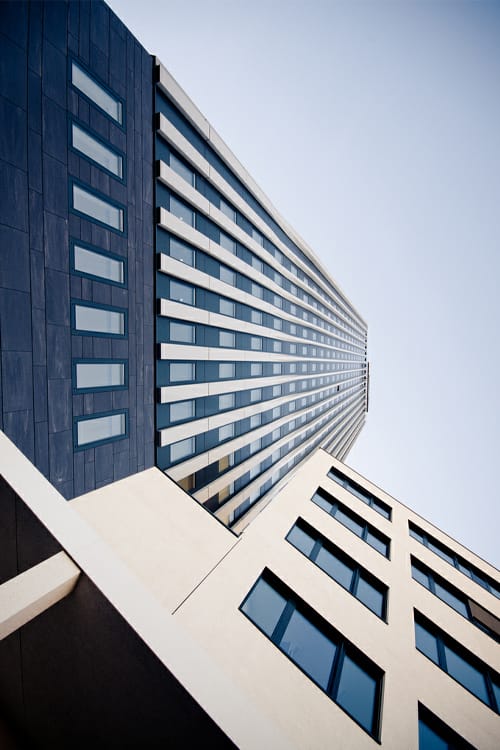
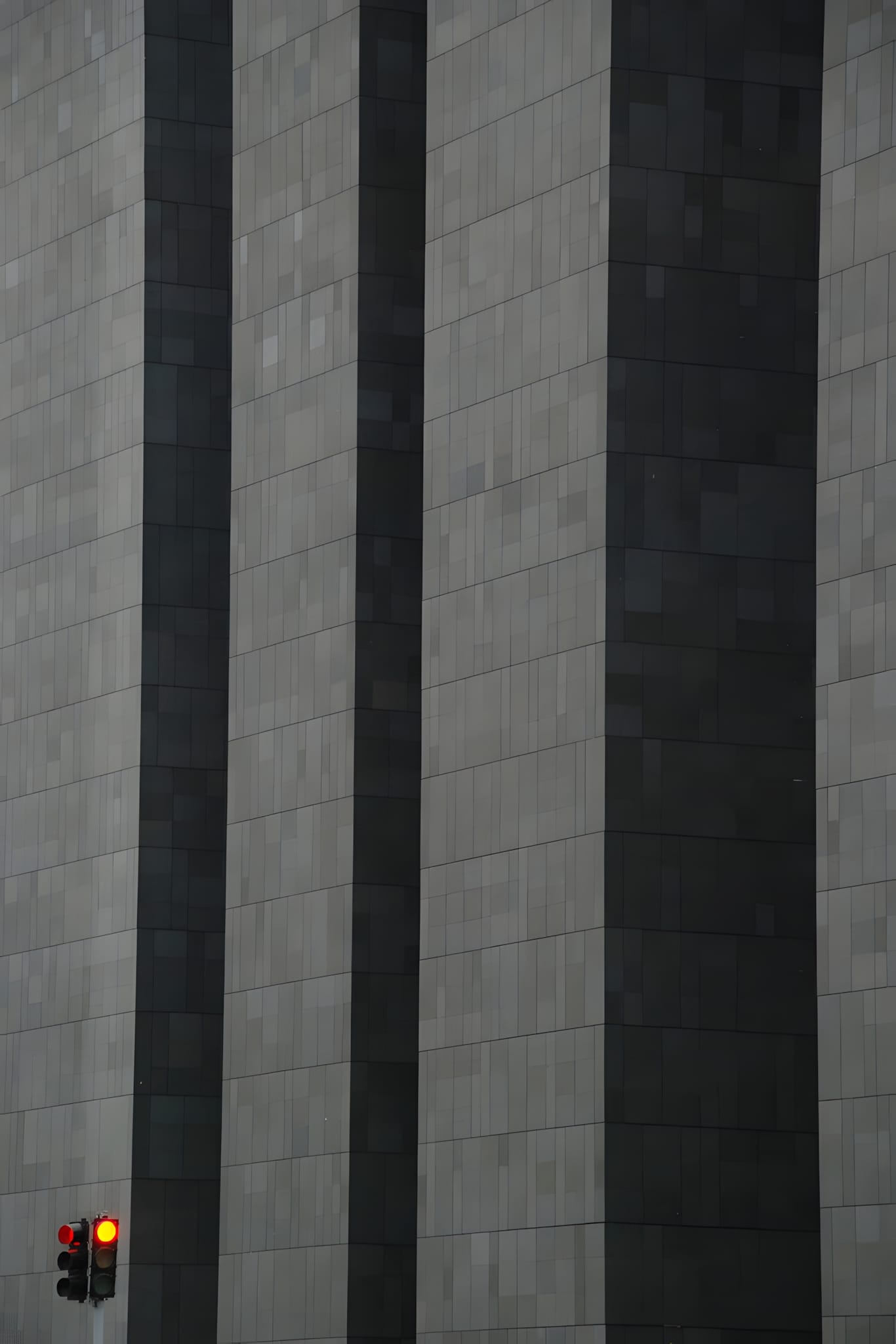
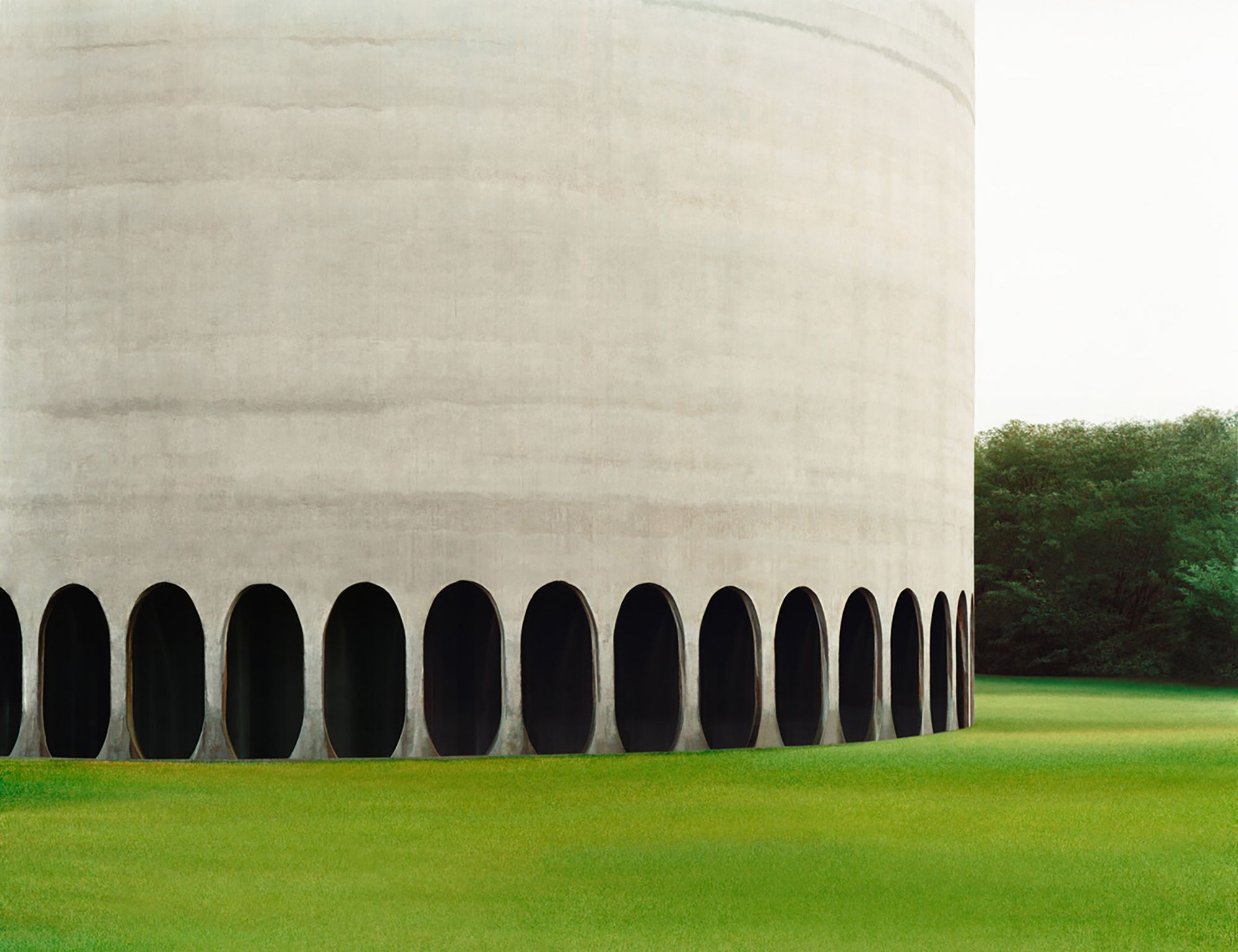
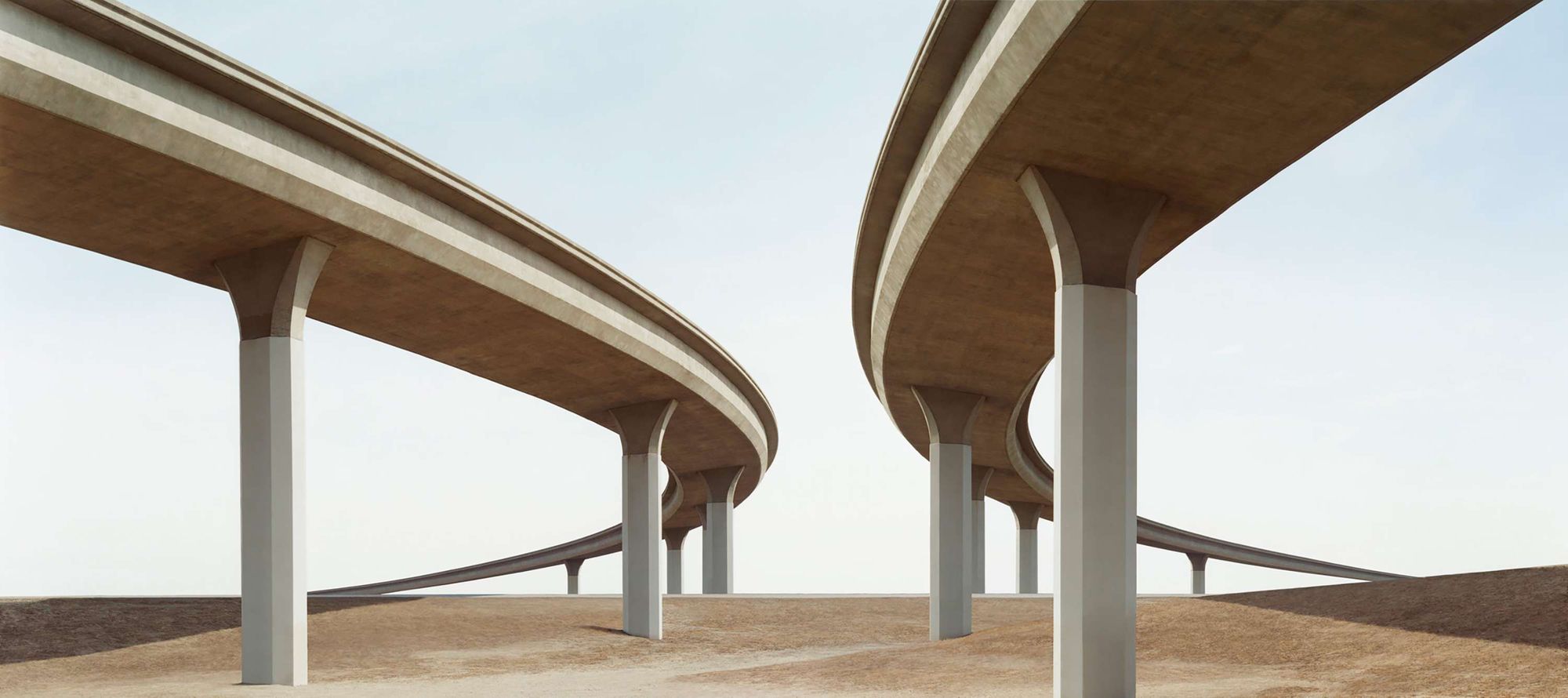
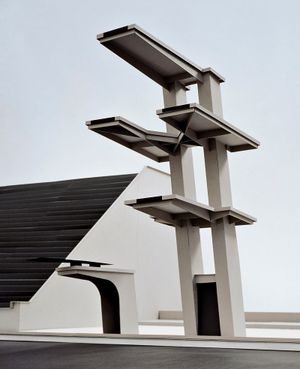
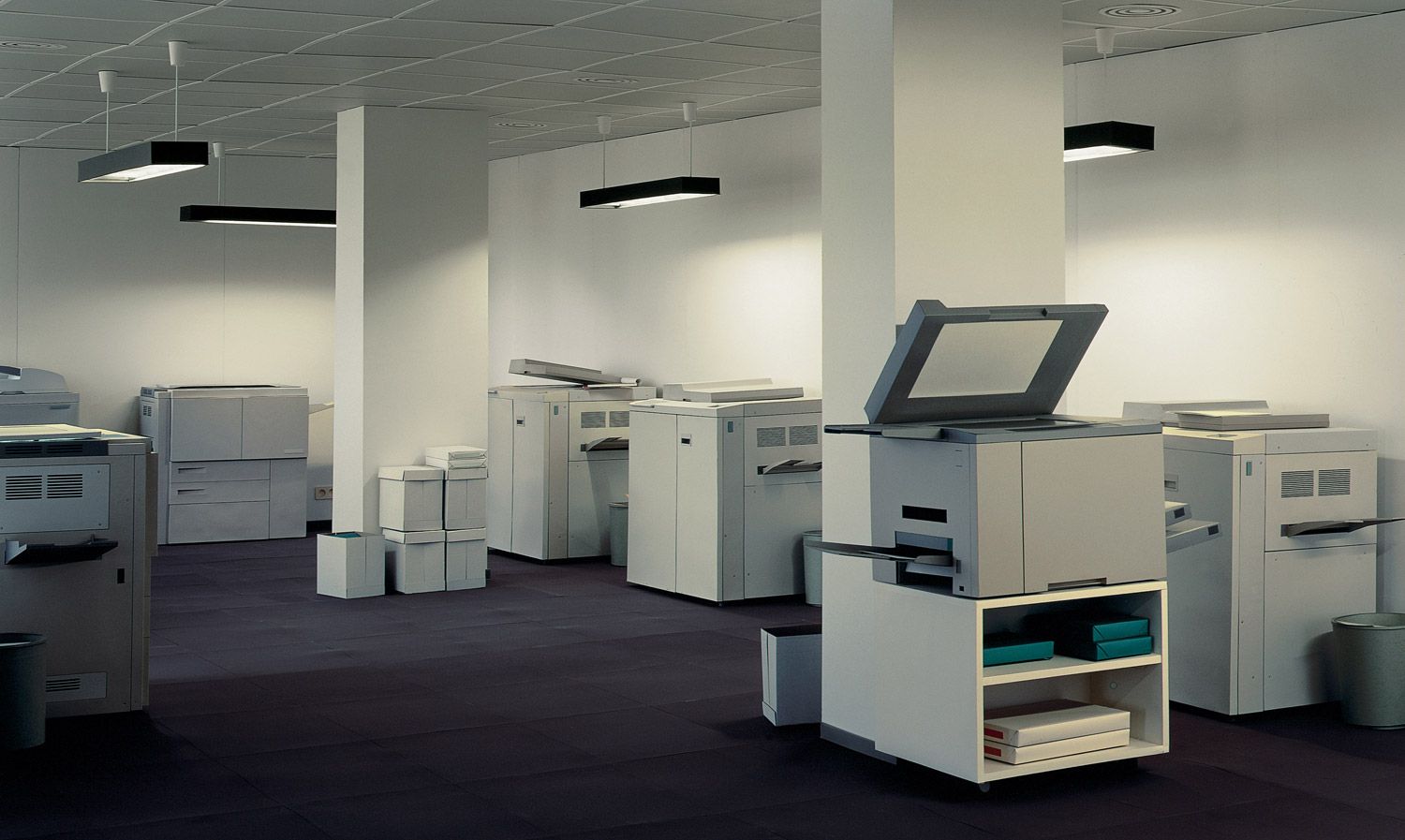
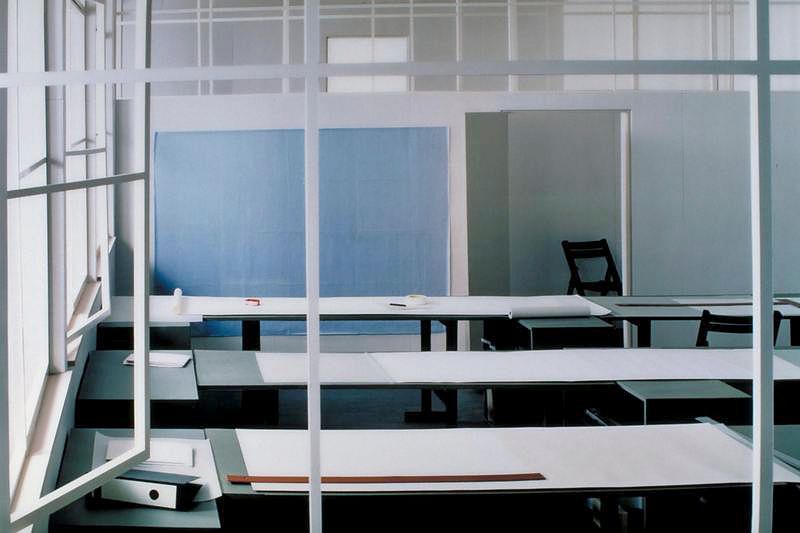
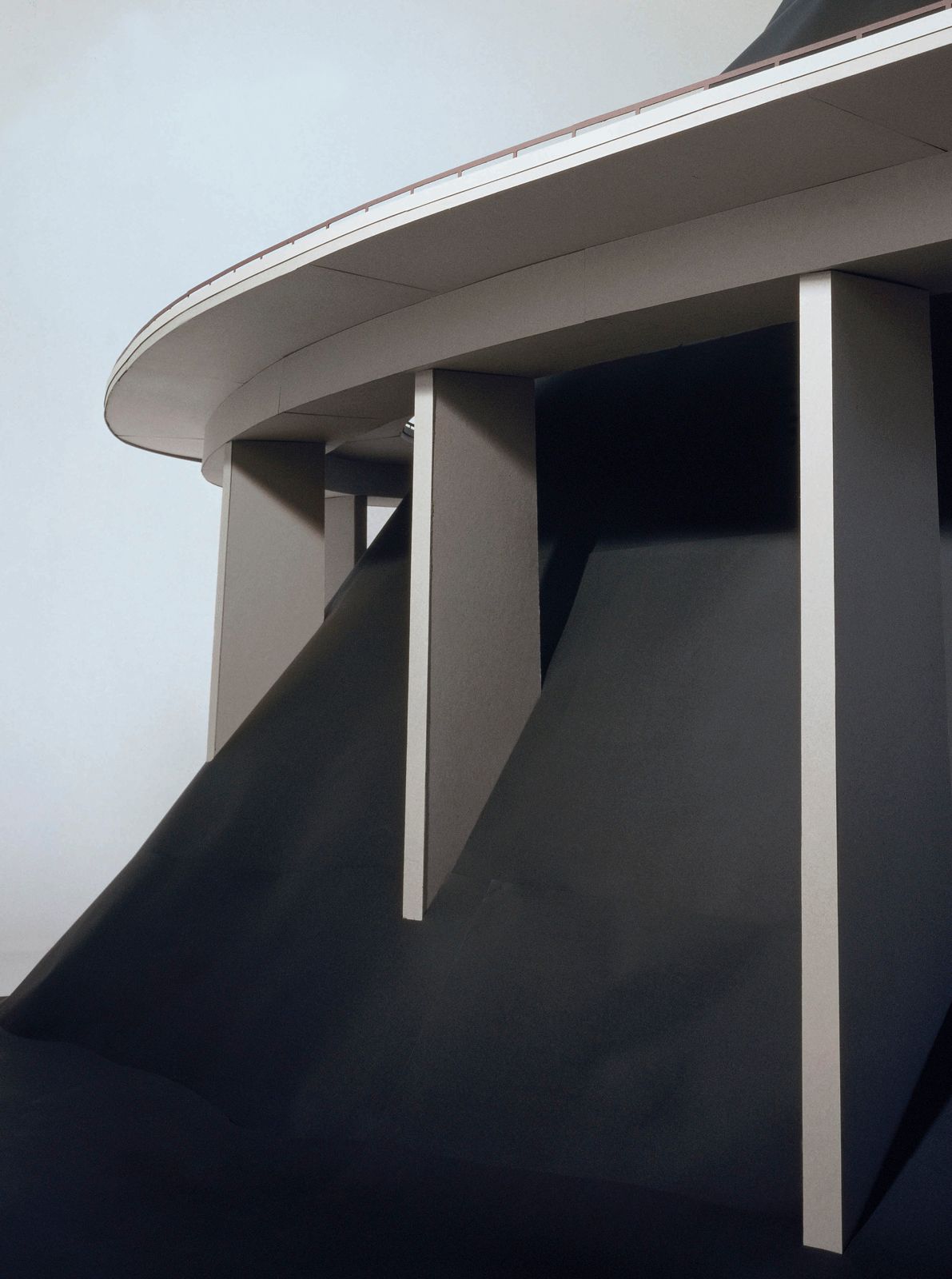
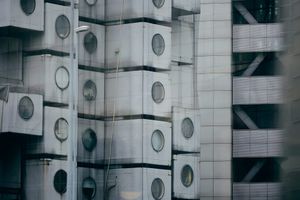
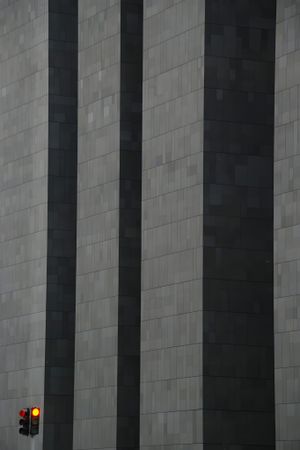
Josef Schulz is a photographer known for capturing images of modern warehouses and factories, which are typically considered mundane industrial structures with little architectural significance. These buildings, produced worldwide, follow standardized plans and materials, lacking distinct external features to reveal their specific purposes.
Schulz's approach involves studying the essence of his craft through these photographs. He employs digital image processing to remove any elements hinting at the buildings' age, location, or surroundings, transforming them into virtual blueprints. By emphasizing colors, shapes, and symmetries, he turns the buildings into block-like structures, resembling toy architecture and presenting them as idealized versions of themselves.
In this process, Schulz blurs the line between photographic and painted reality to optimize the images. Simultaneously, he reduces the physical buildings to their design concepts and the photographic reality to its virtual representation. His intent is to diverge from the typical pursuit of making digital images appear as real as possible. This approach might leave the viewer perplexed, as they struggle to distinguish between authentic elements captured by the camera and those created through digital tools.
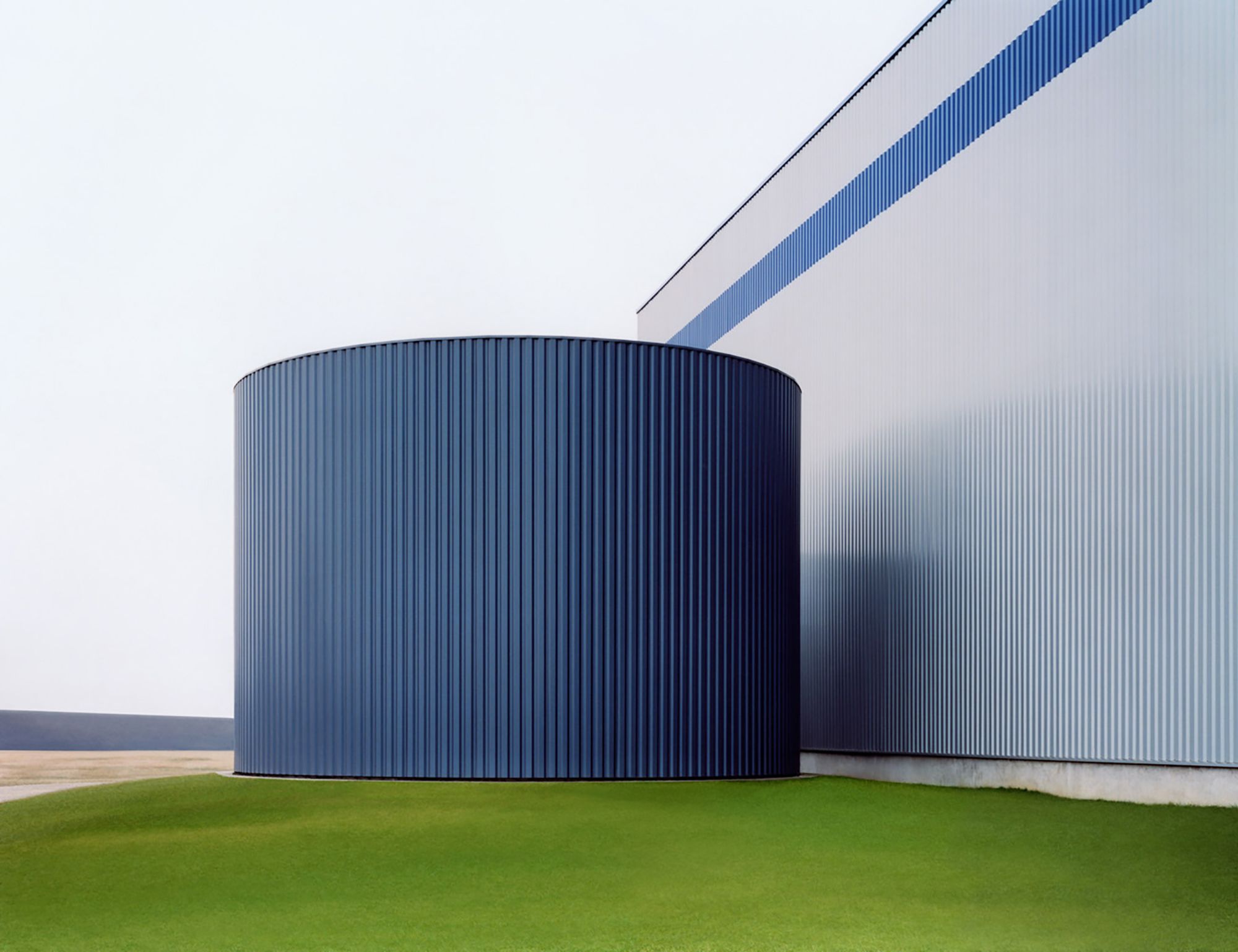
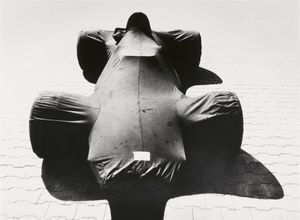
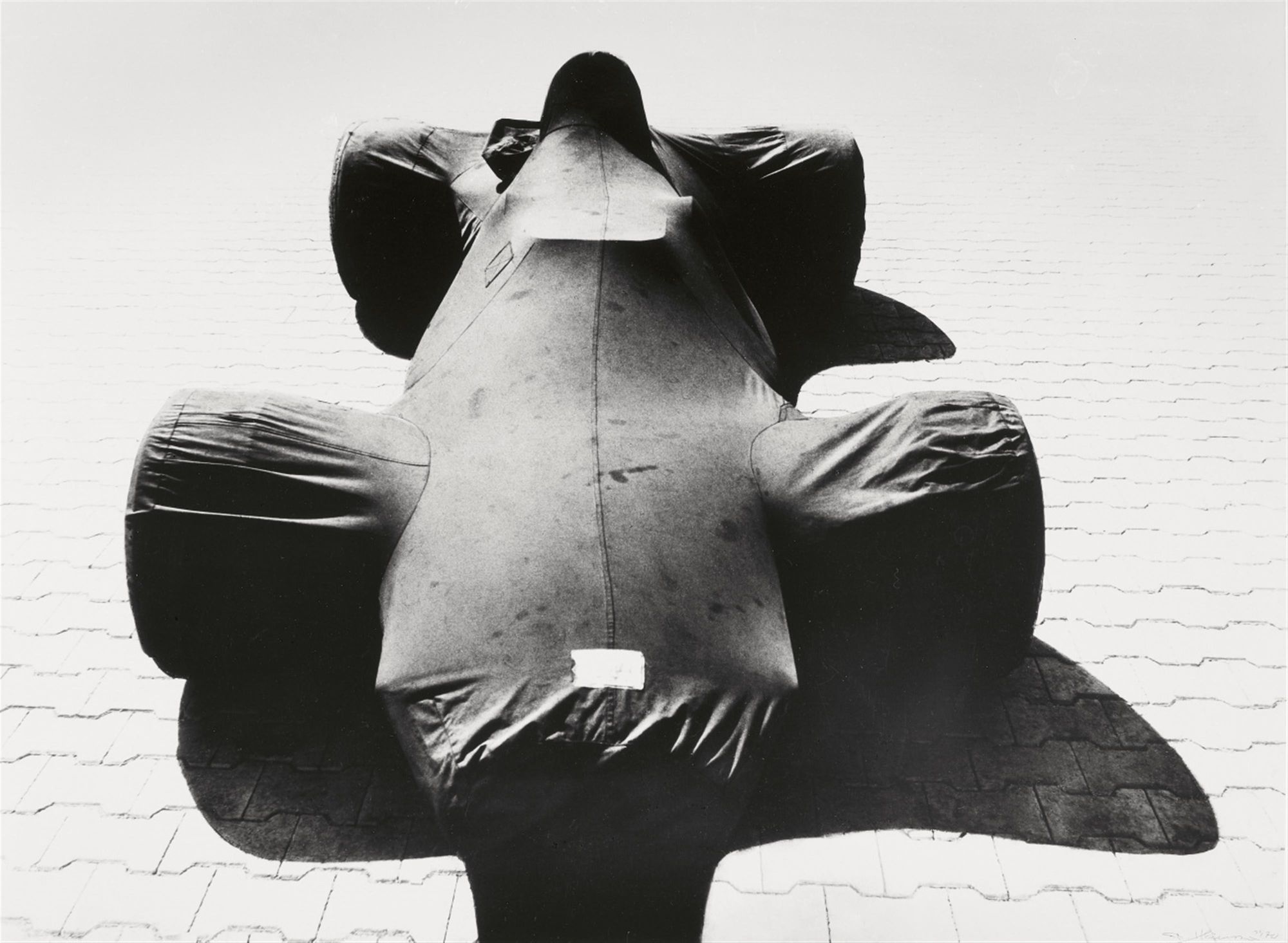
Gelatin silver print, printed 1999. 43.5 x 58.8 cm. Signed and dated in ballpoint pen lower right. Signed, dated, titled in ballpoint pen as well as photographer's thumb print on the verso. - Framed under glass.
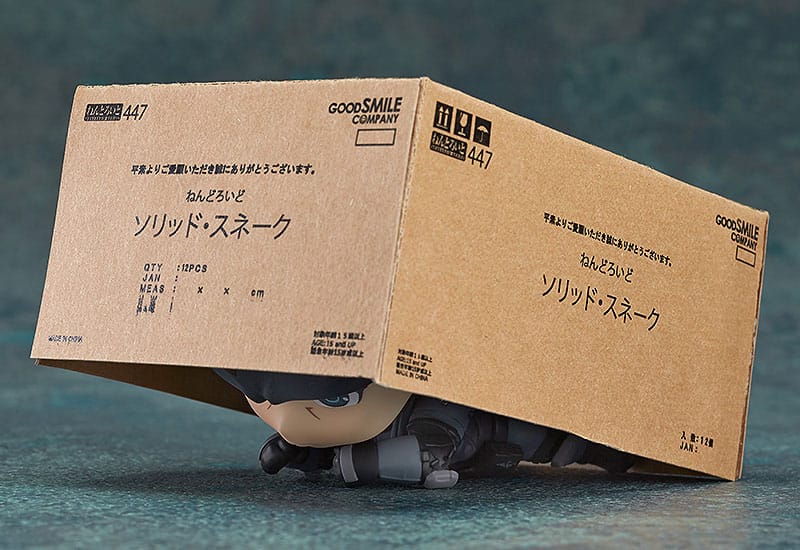
Nendoroid Solid Snake (#447) by Good Smile Company, a super-deformed figure of the Metal Gear Solid character. Comes with the cardboard box, swappable faces and poses.
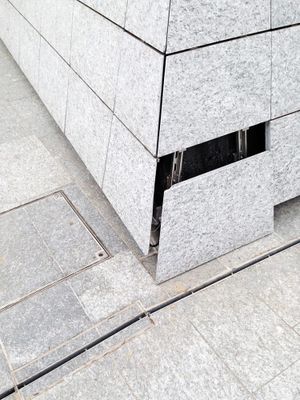
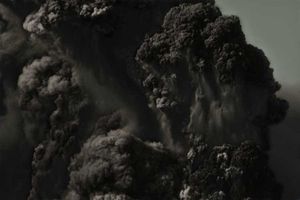
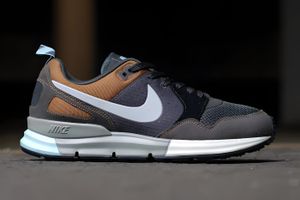
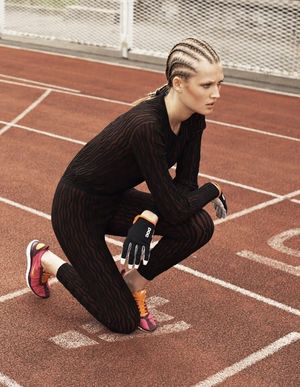
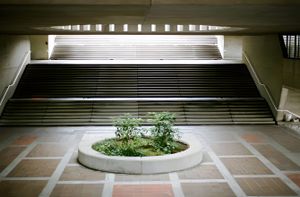
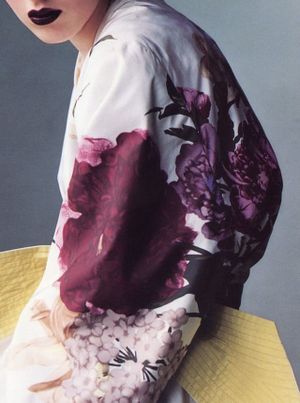
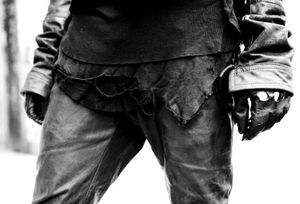
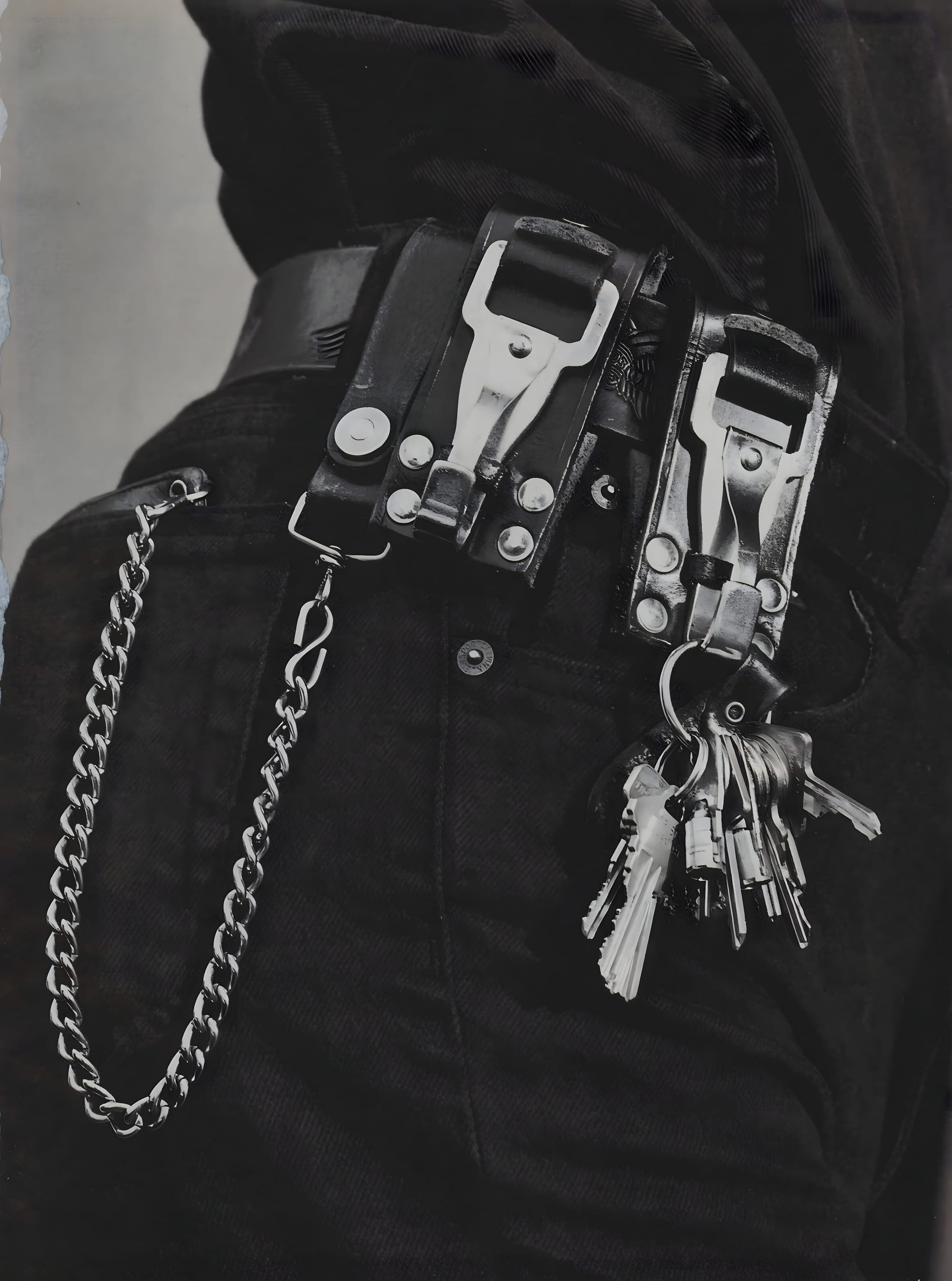
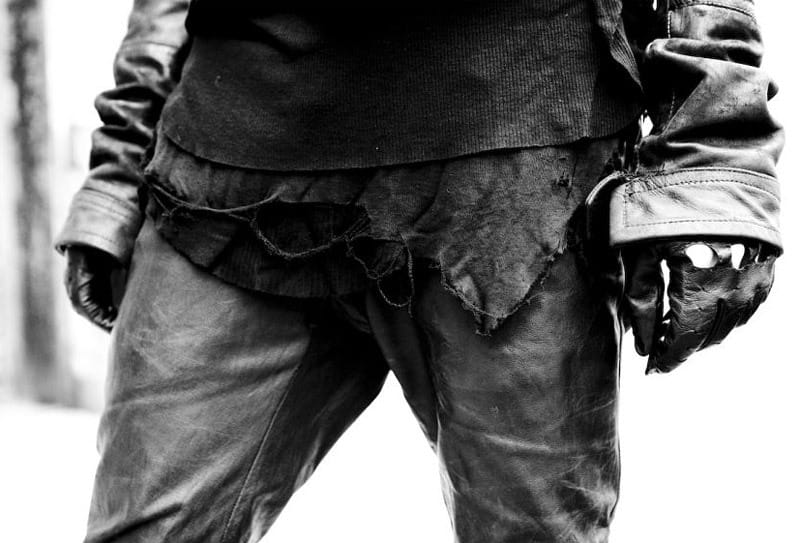
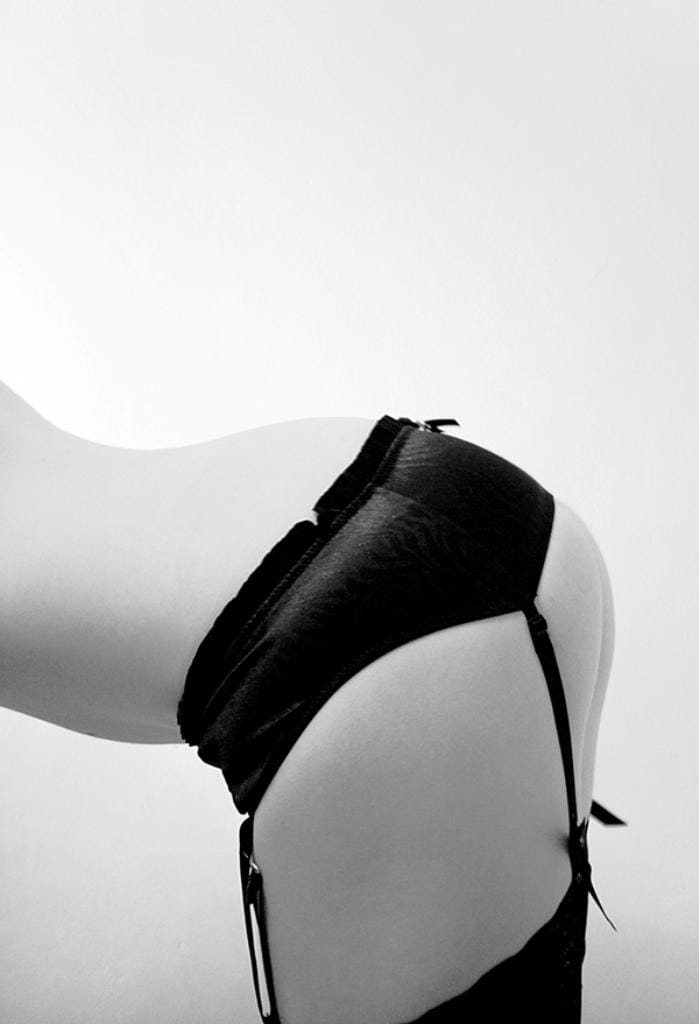
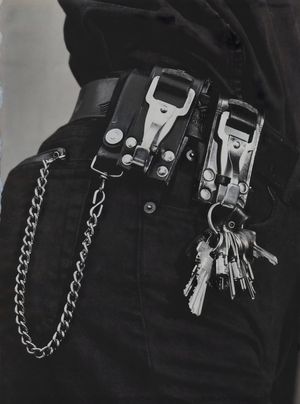
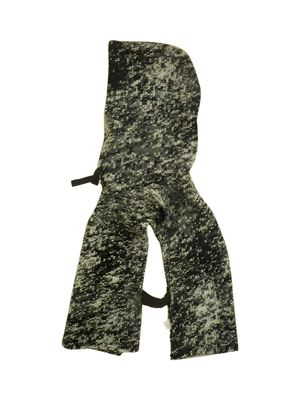
Jeff P. Elstone's black-and-white fashion detail concentrates on layered distressed textiles, dark trousers and deconstructed fingerless leather gloves.
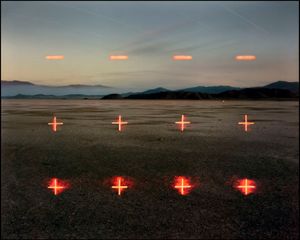
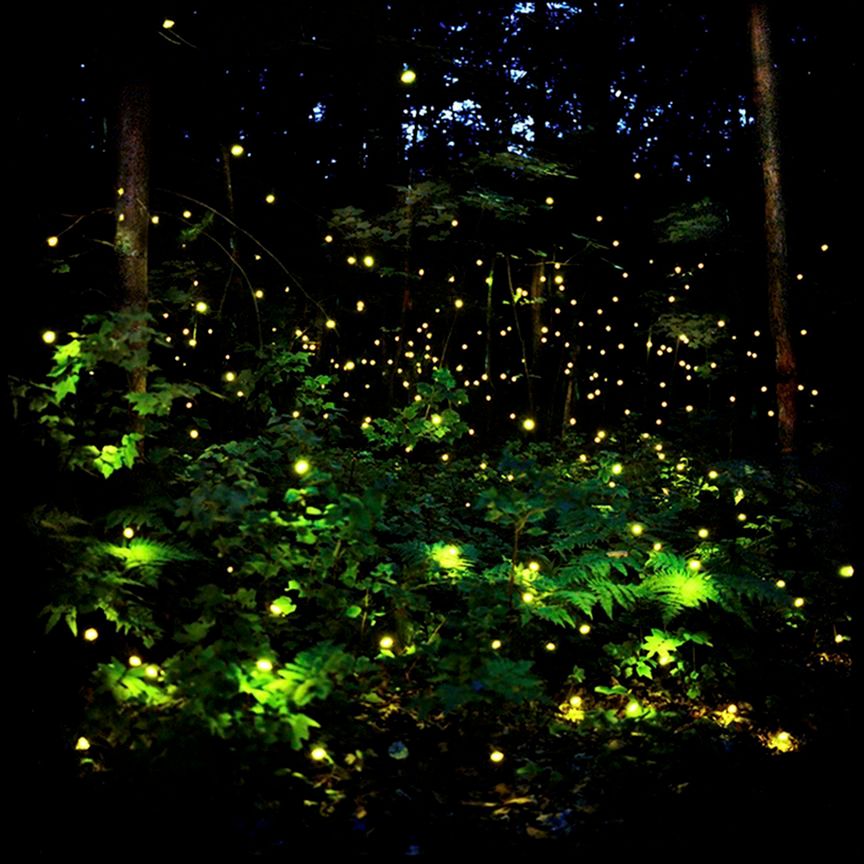
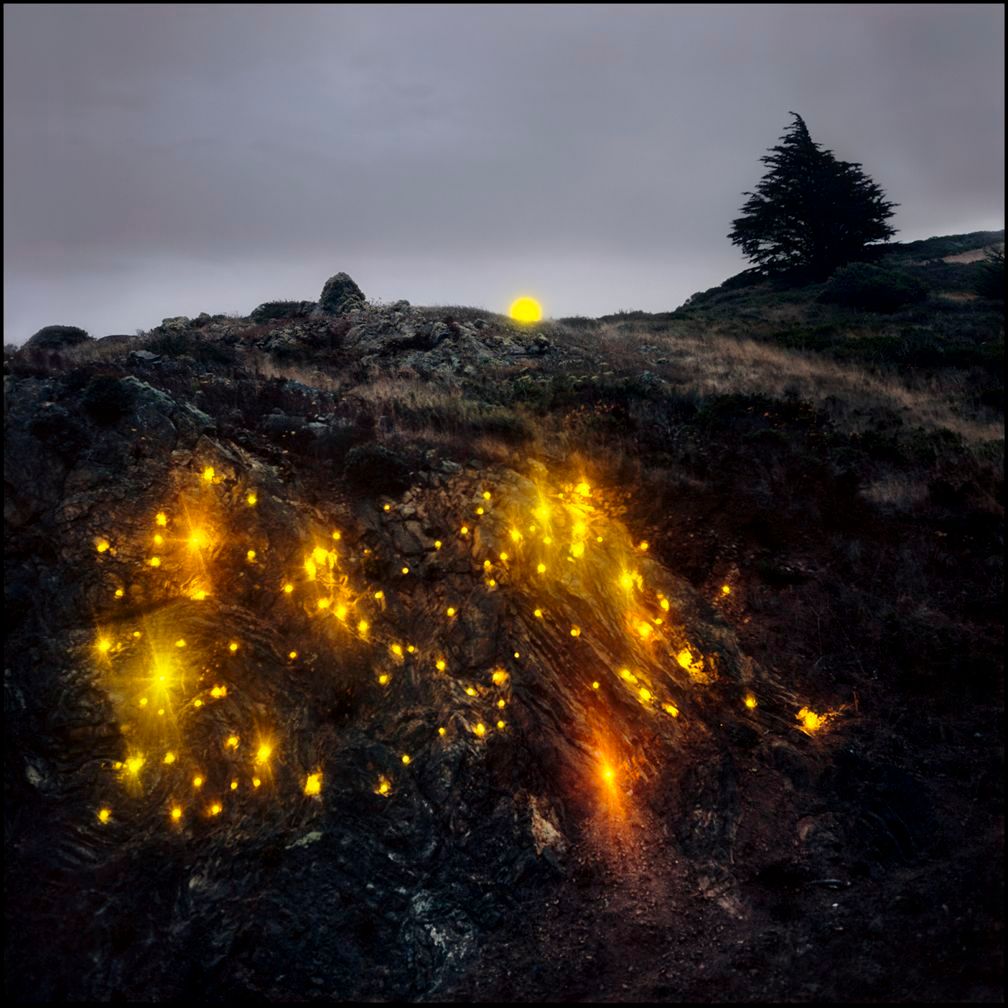
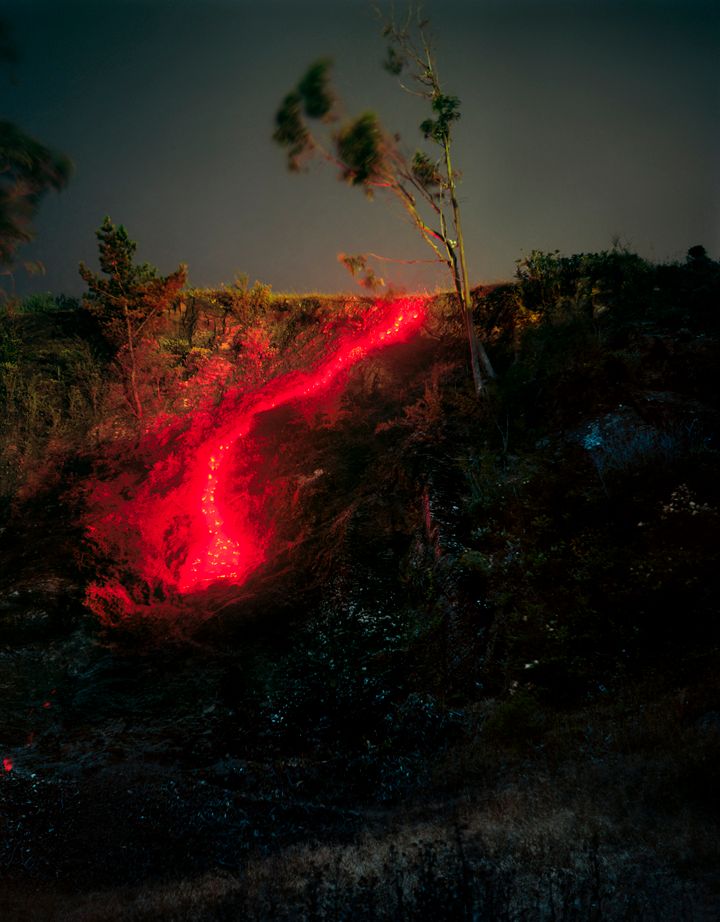
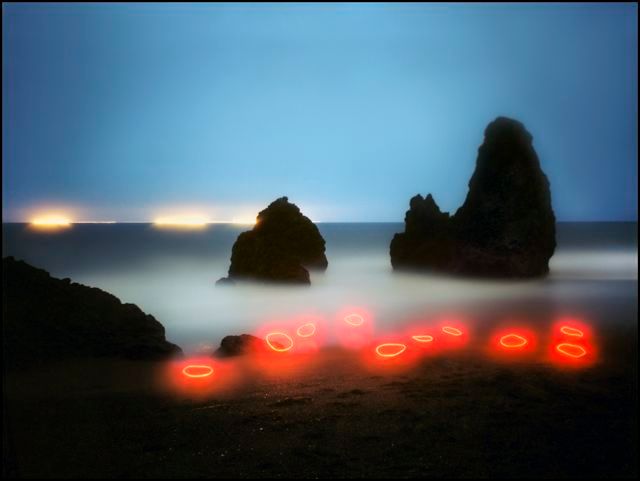
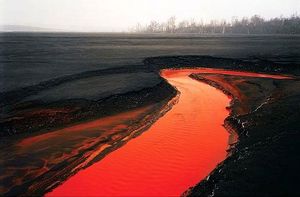
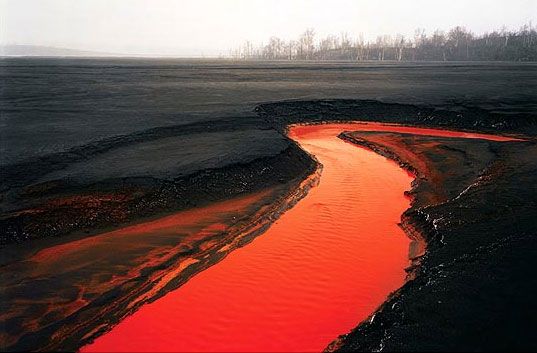
From “Manufactured Landscapes: The Photographs of Edward Burtynsky”
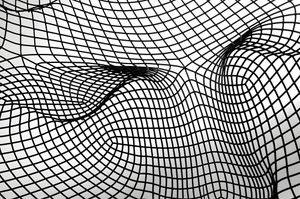
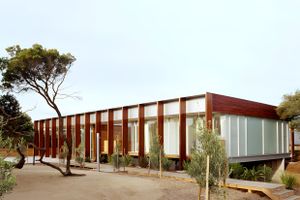
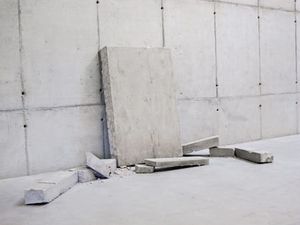
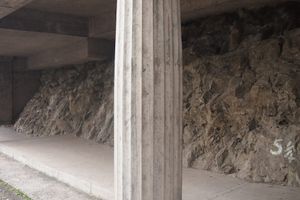
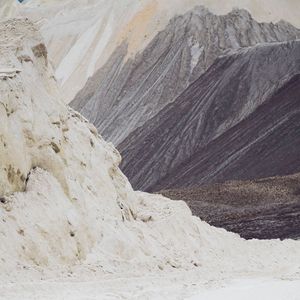
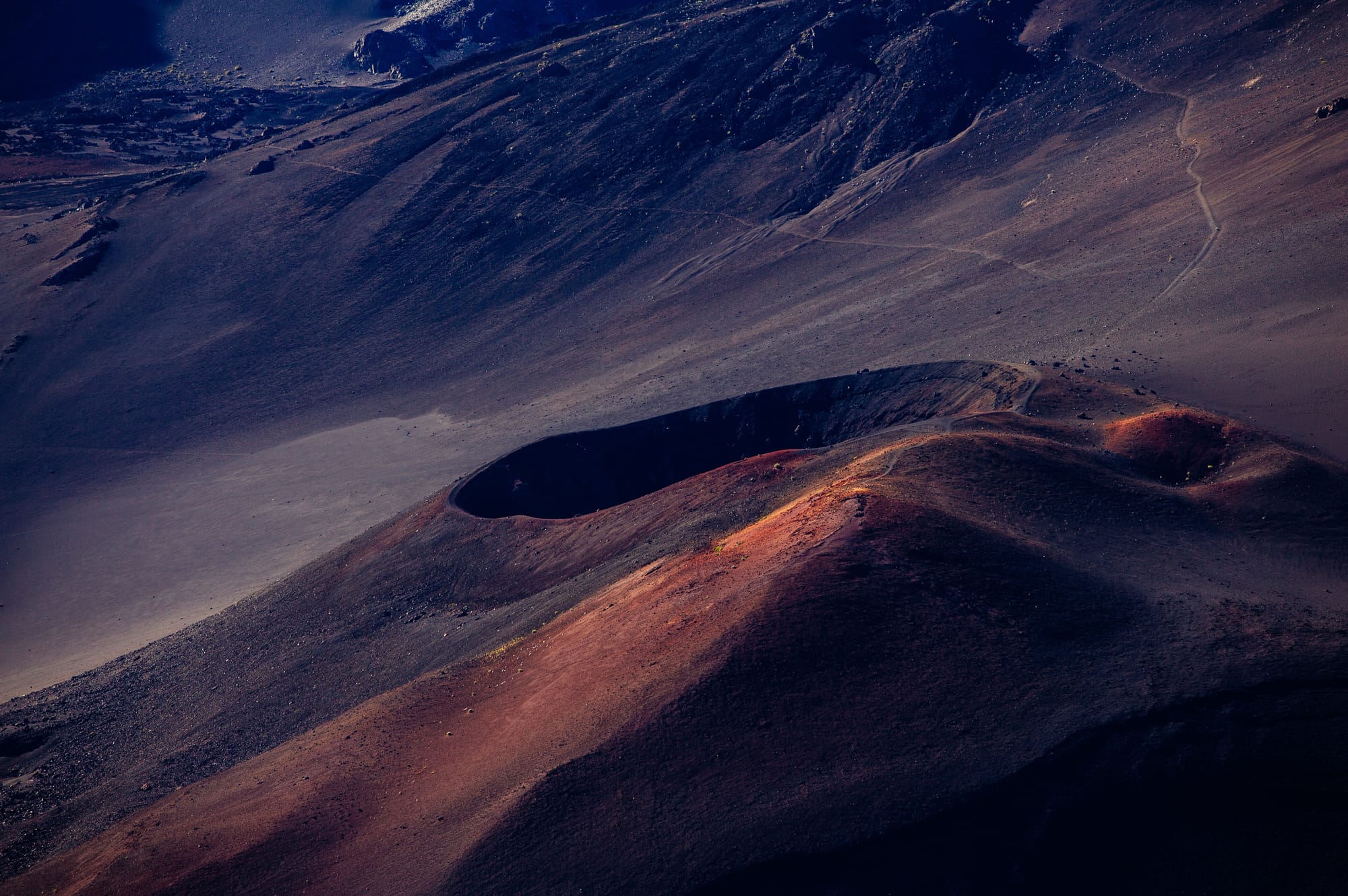
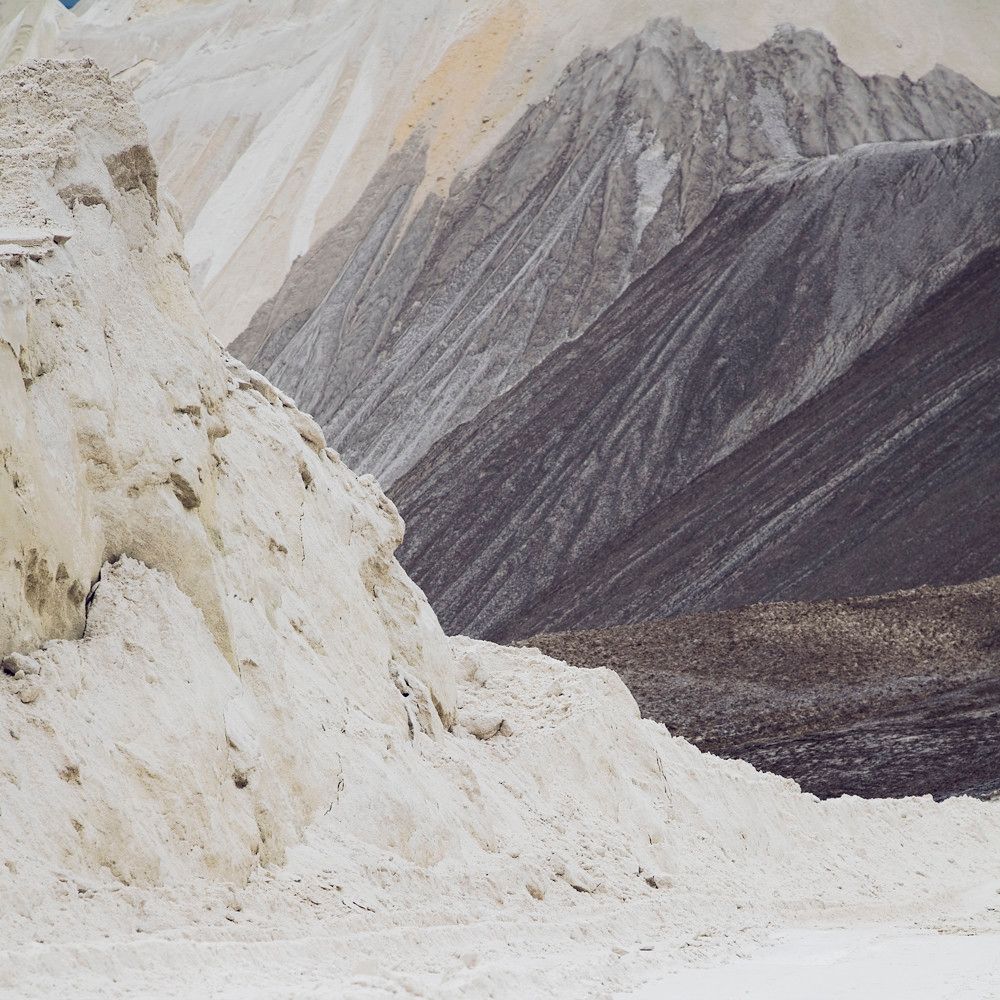
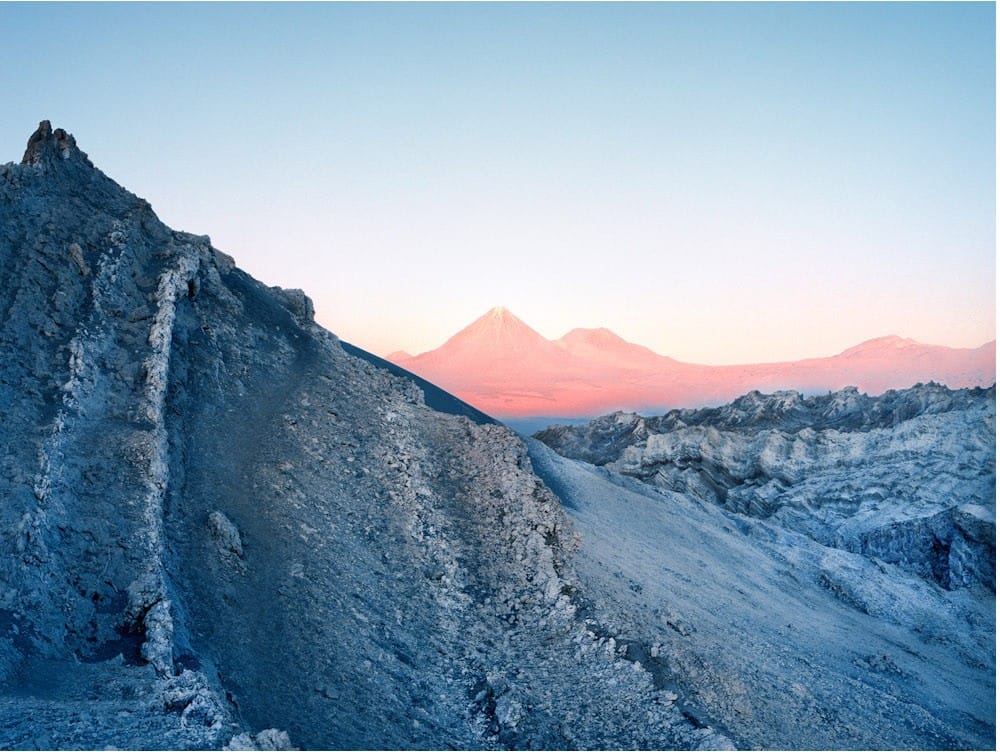
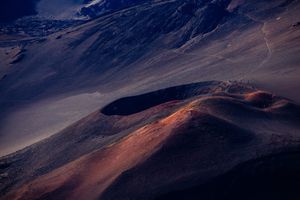
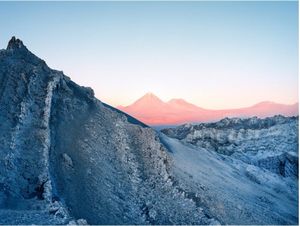
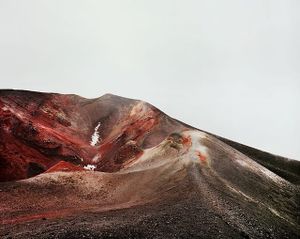
Matthias Heiderich's landscape study contrasts pale eroded mineral formations with steep charcoal-grey ridges. The photograph was taken on April 29, 2012.
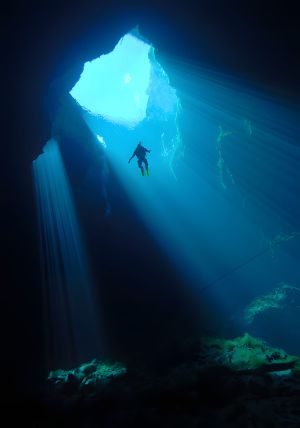
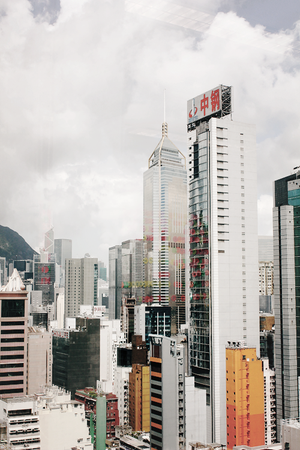
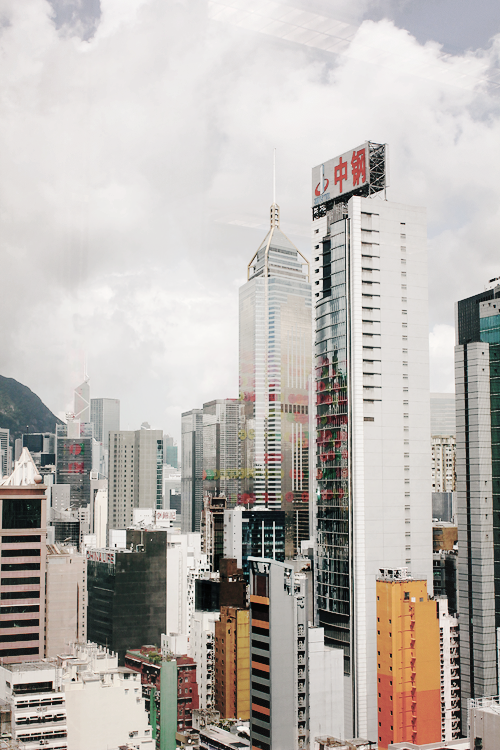
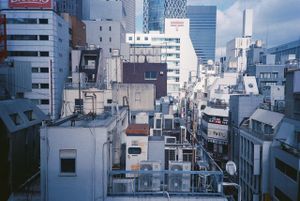
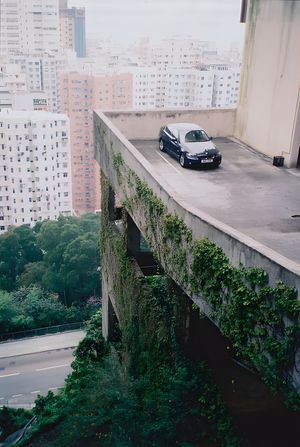
ingu's View from the Office looks across Hong Kong's Causeway Bay skyline toward Central Plaza. The Flickr description dates the scene to August 2011.
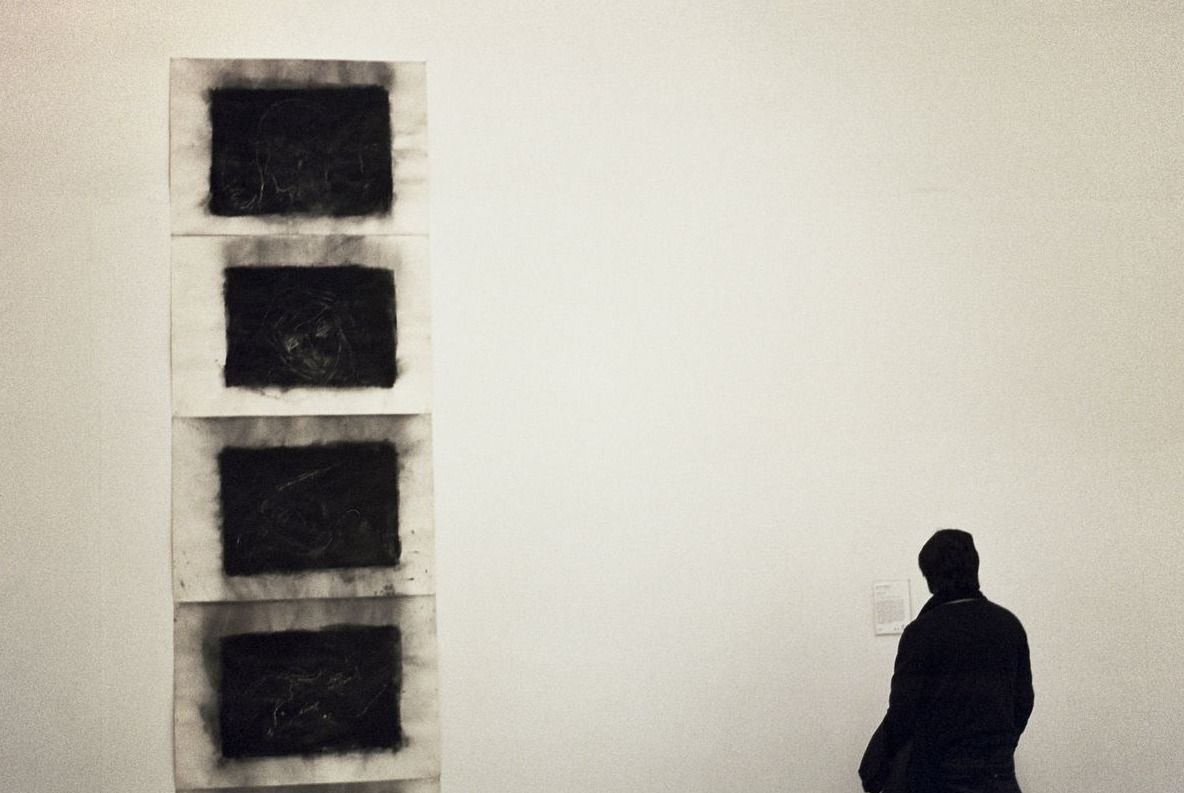
A work from Kevin Townsend's Temporary Drawings: large chalk drawings built up on walls and floors as fields of repeated marks, then erased.
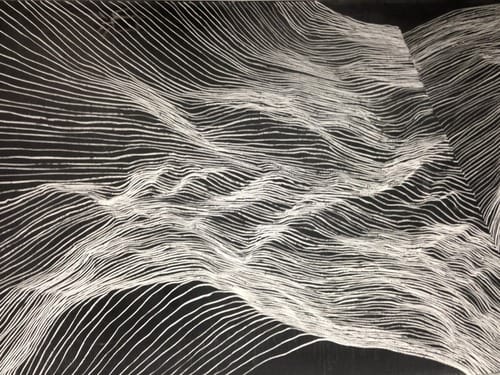
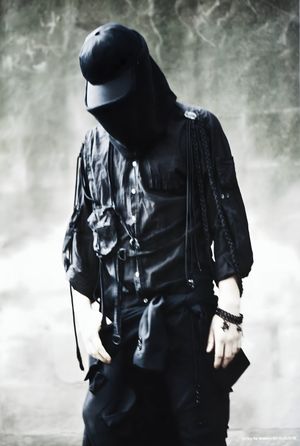
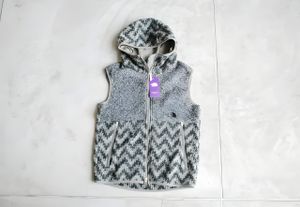
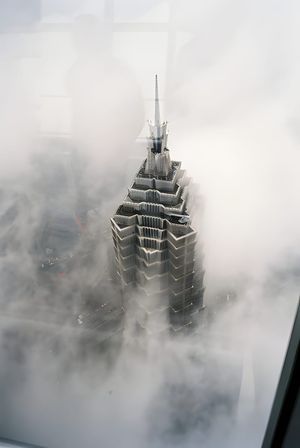
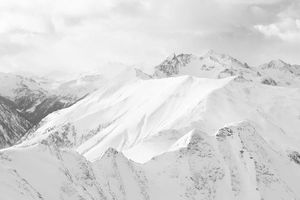
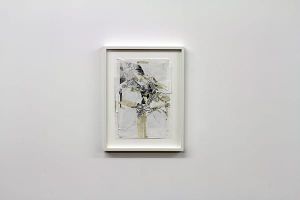
An installation view from 'Surface', a 2012 Paris exhibition by the Dutch artist Boris Tellegen (Delta). He makes fractured three-dimensional reliefs and sculptures from an exploded-letterform language rooted in graffiti.
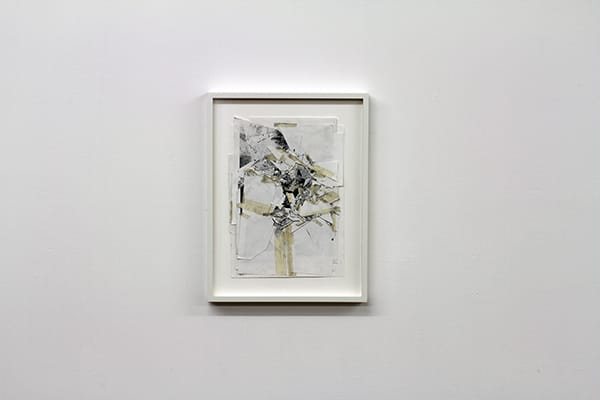
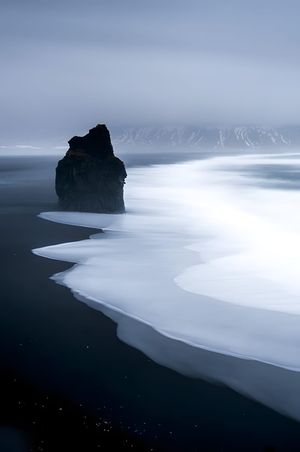
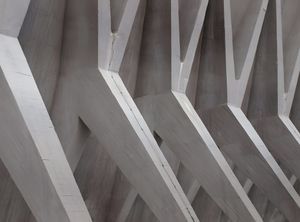

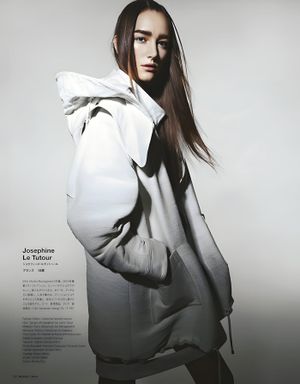



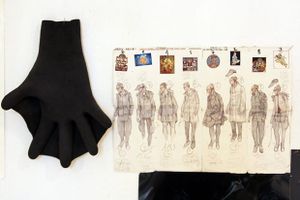
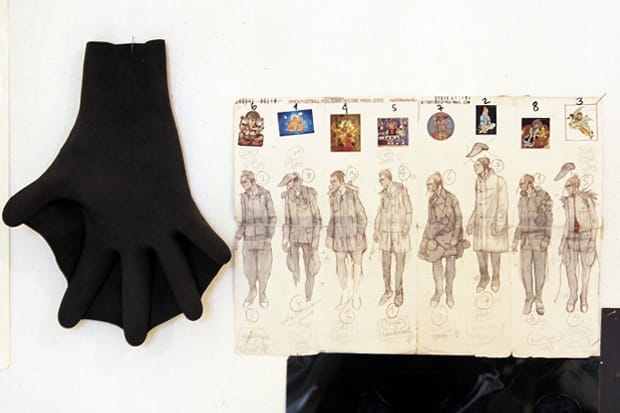
Work by Aitor Throup, a British artist and designer who develops clothing and figures through drawing. His ink-and-wash figures include the project 'When Football Hooligans Become Hindu Gods'.
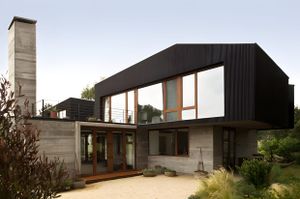
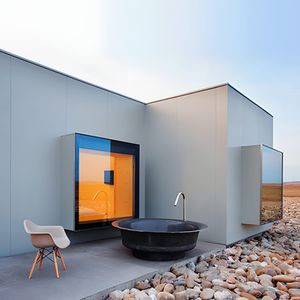

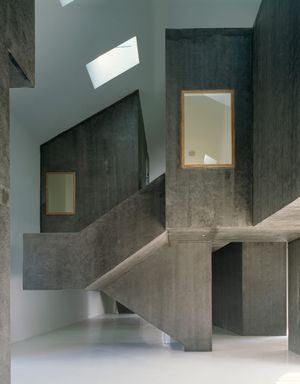
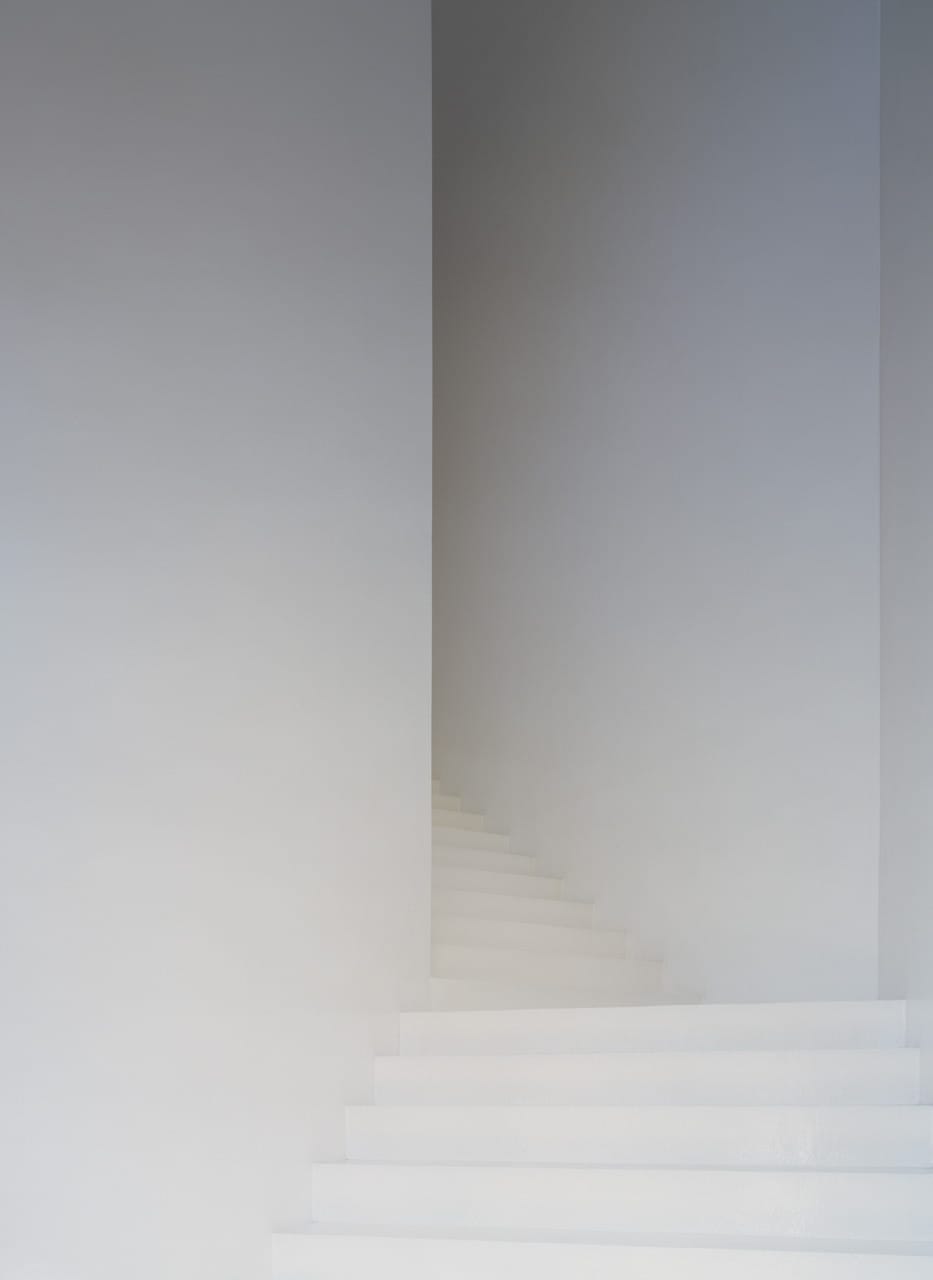
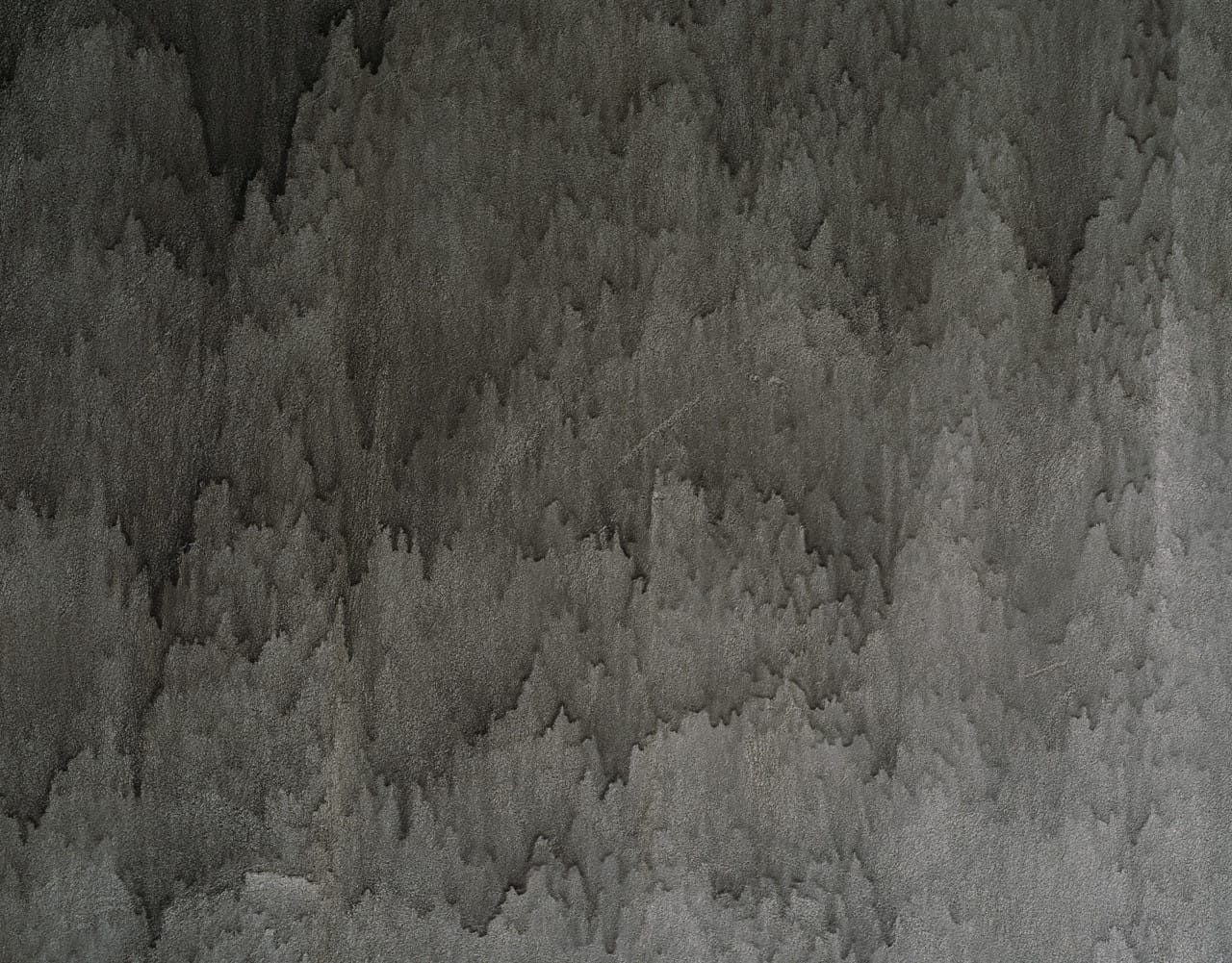
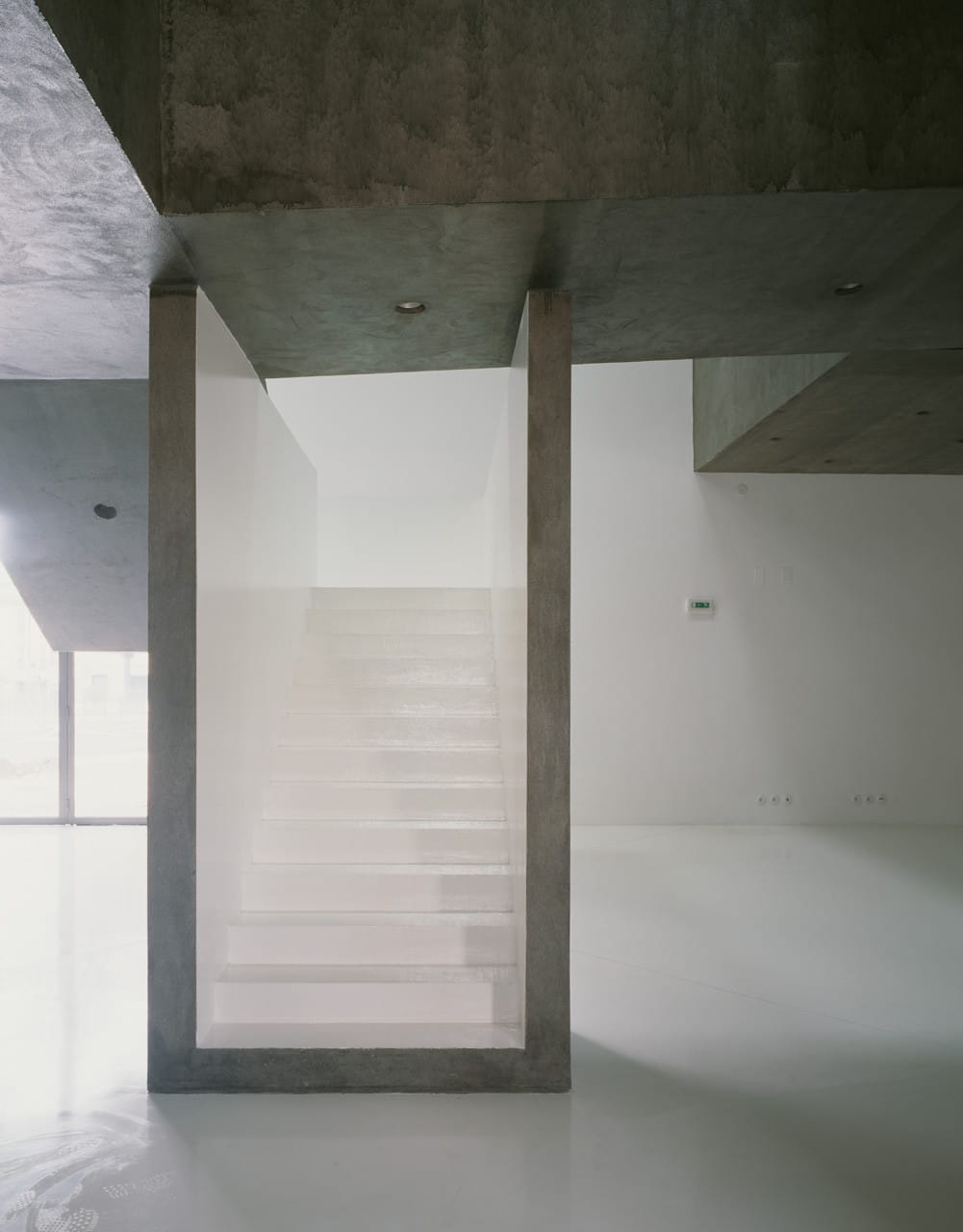
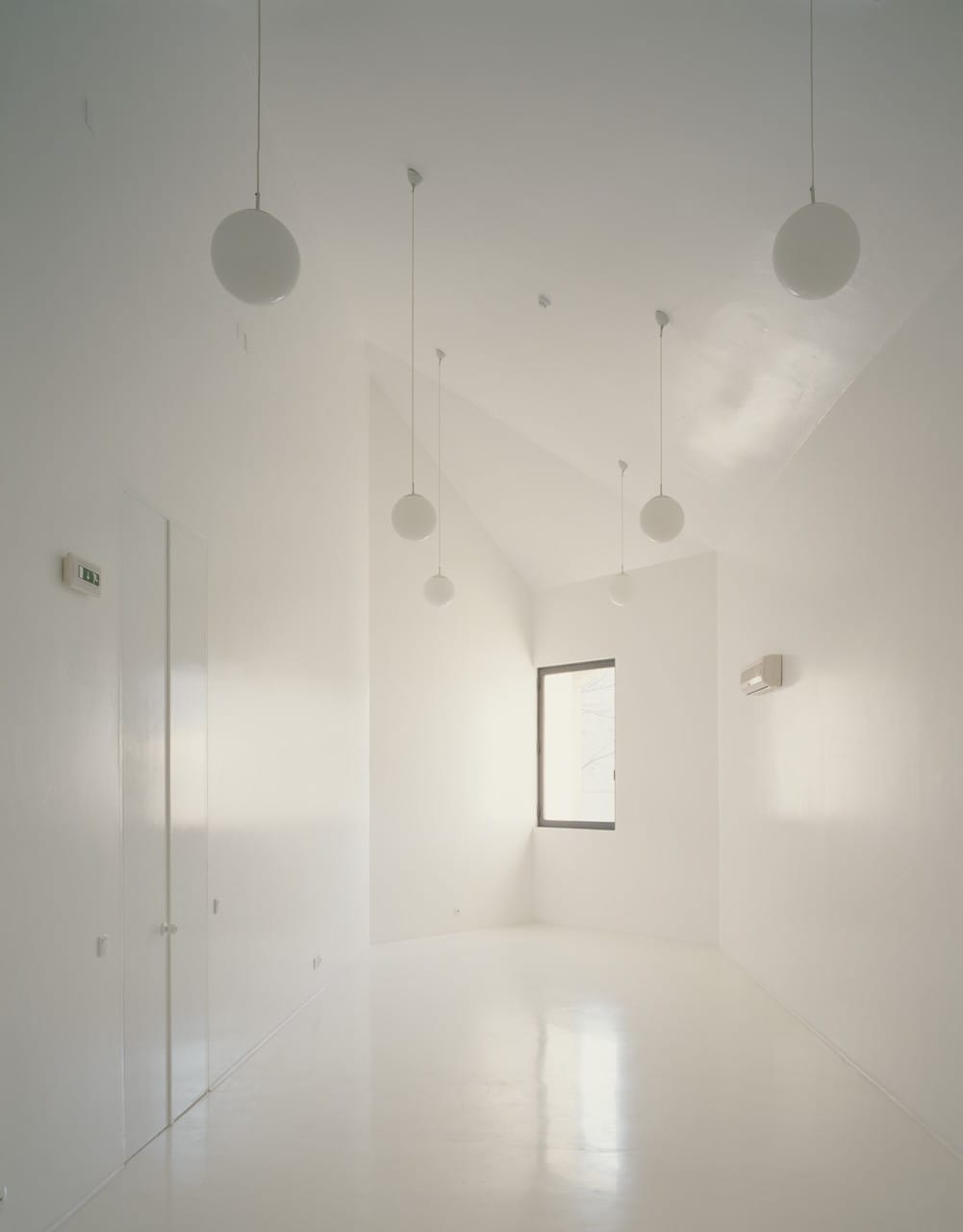
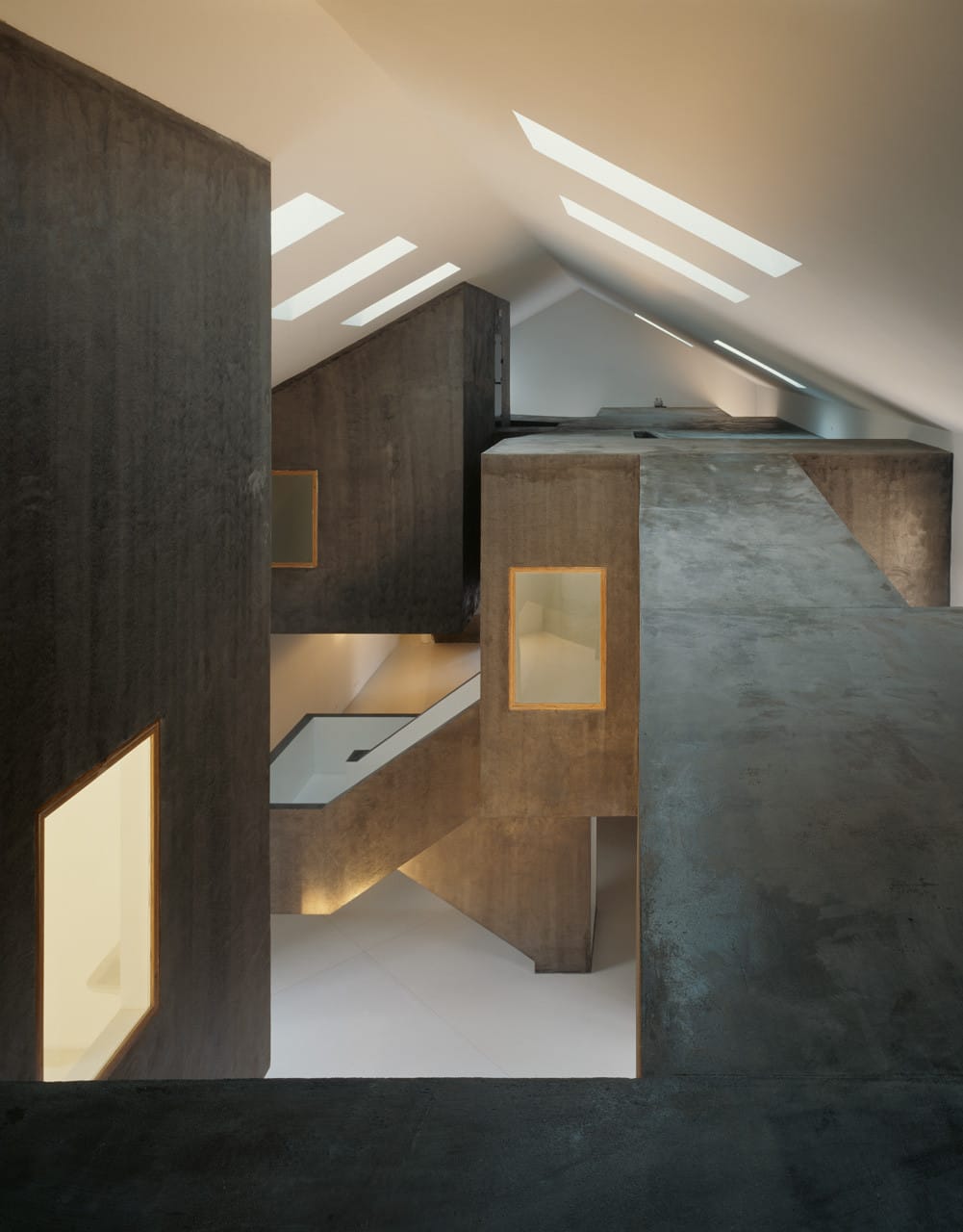
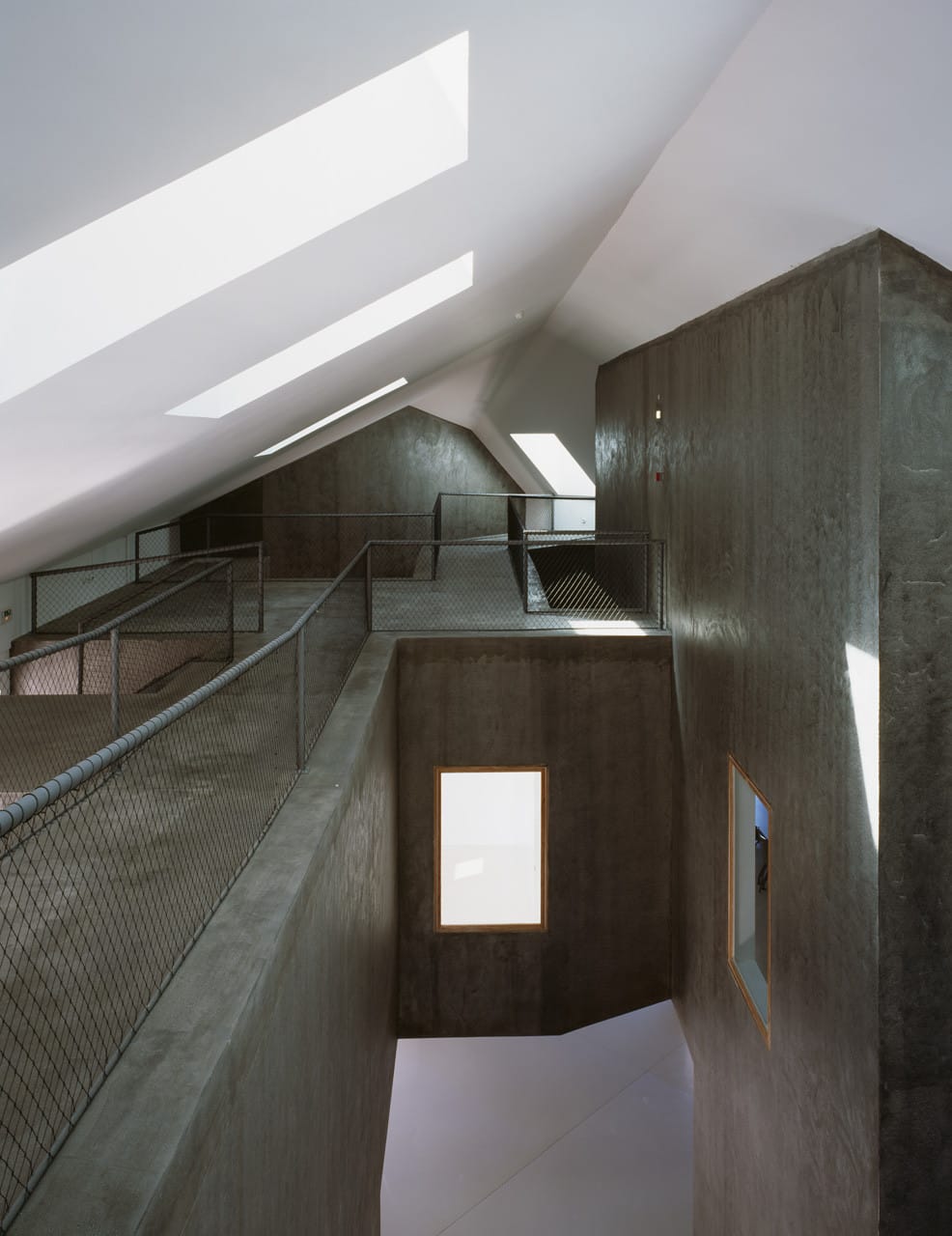
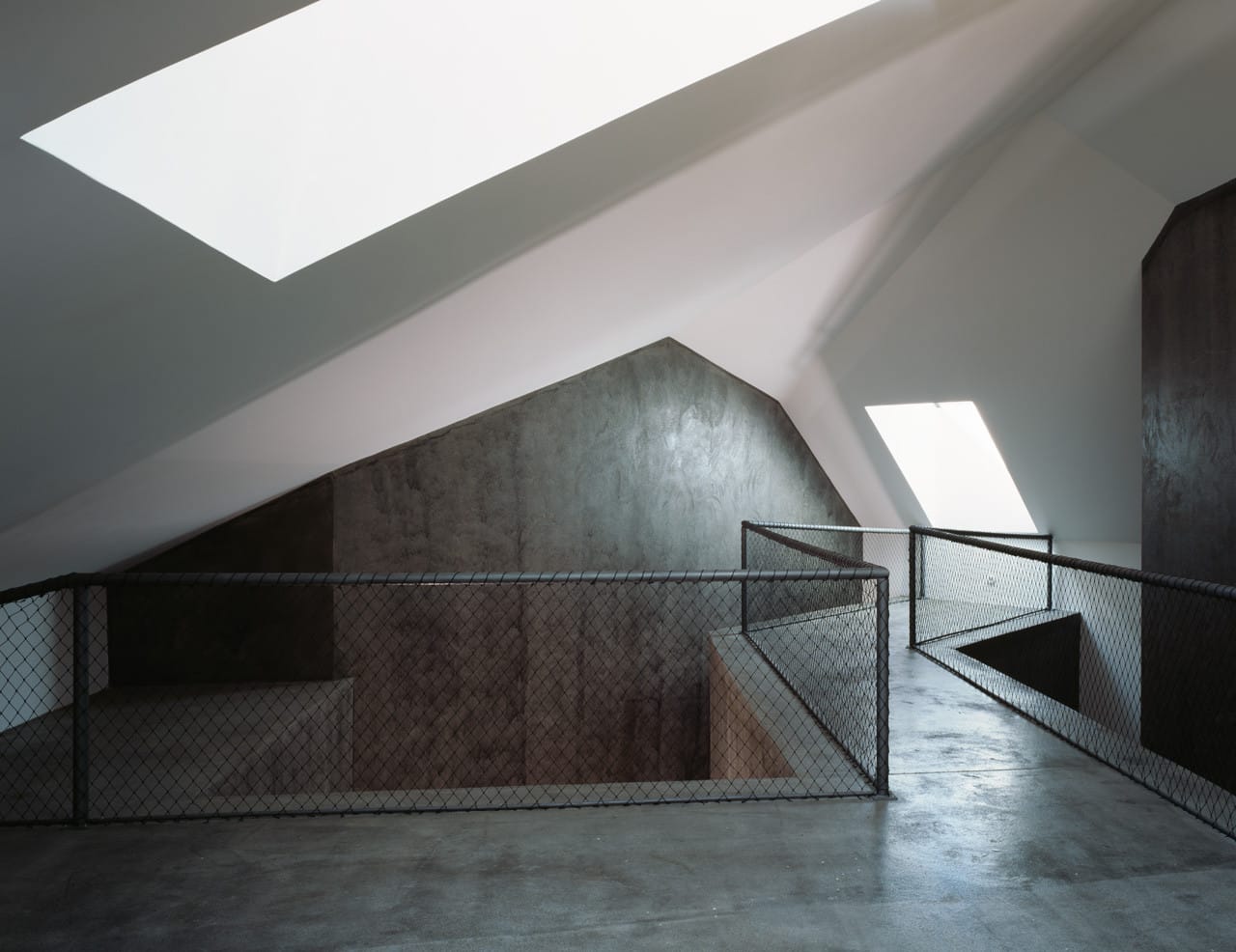
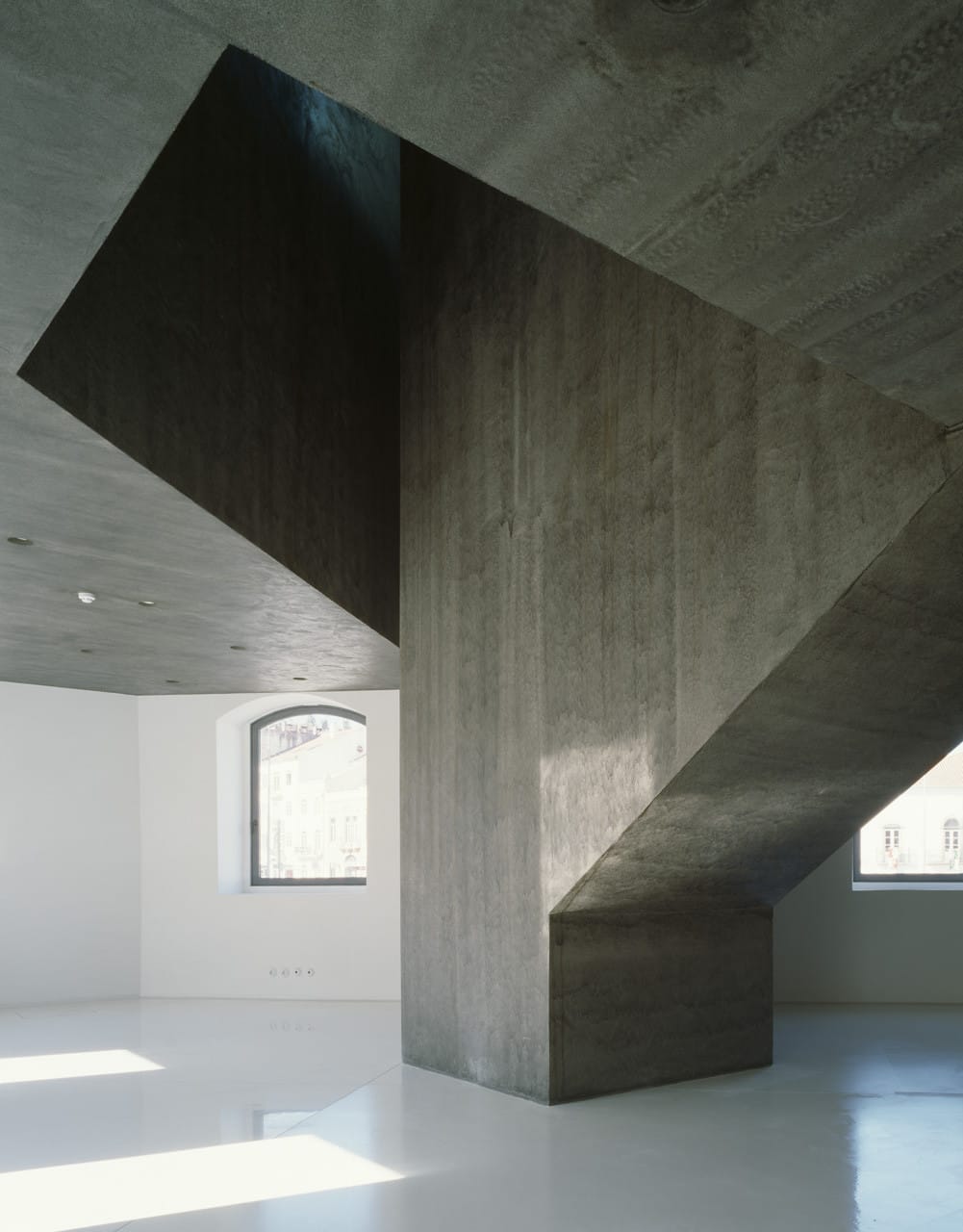
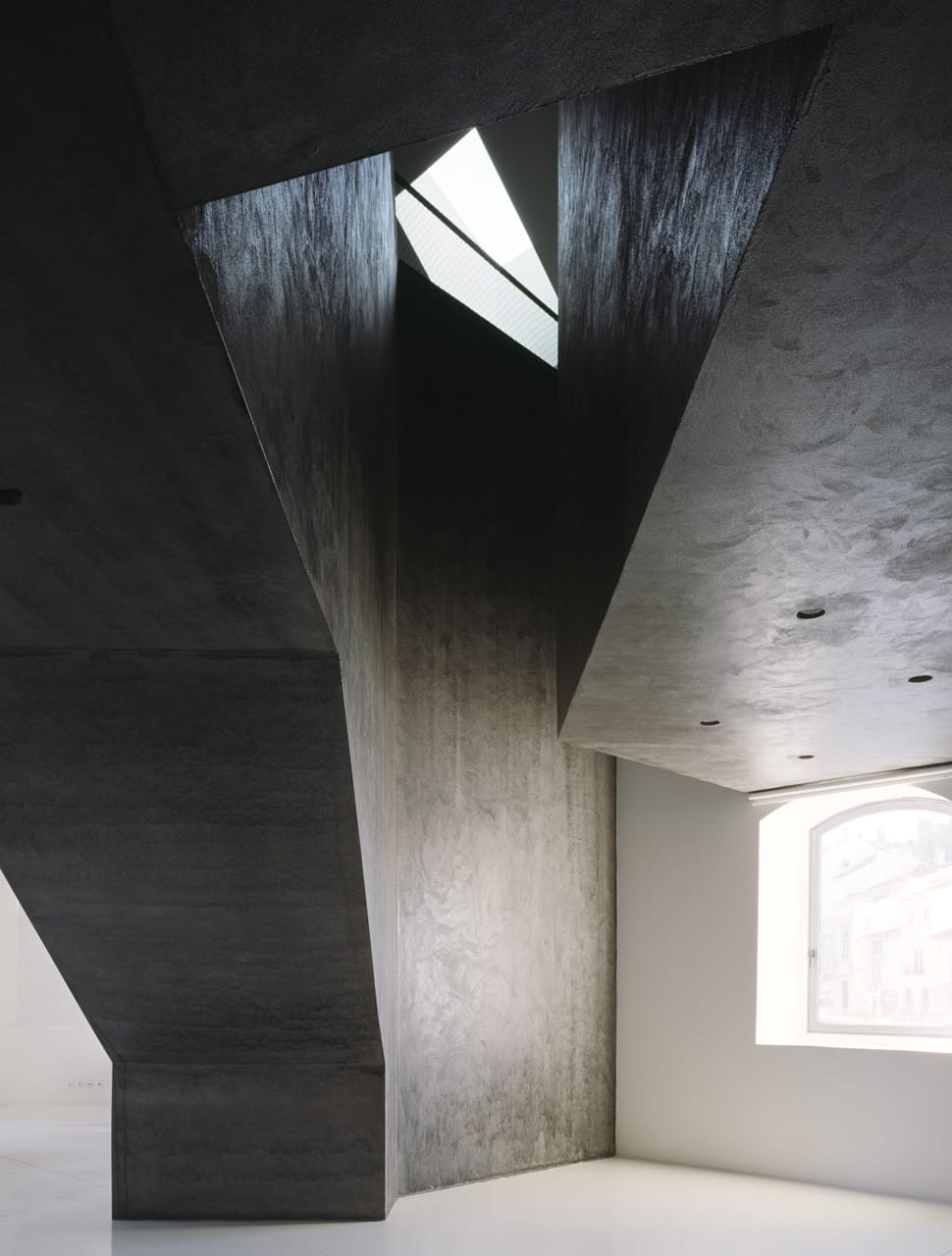
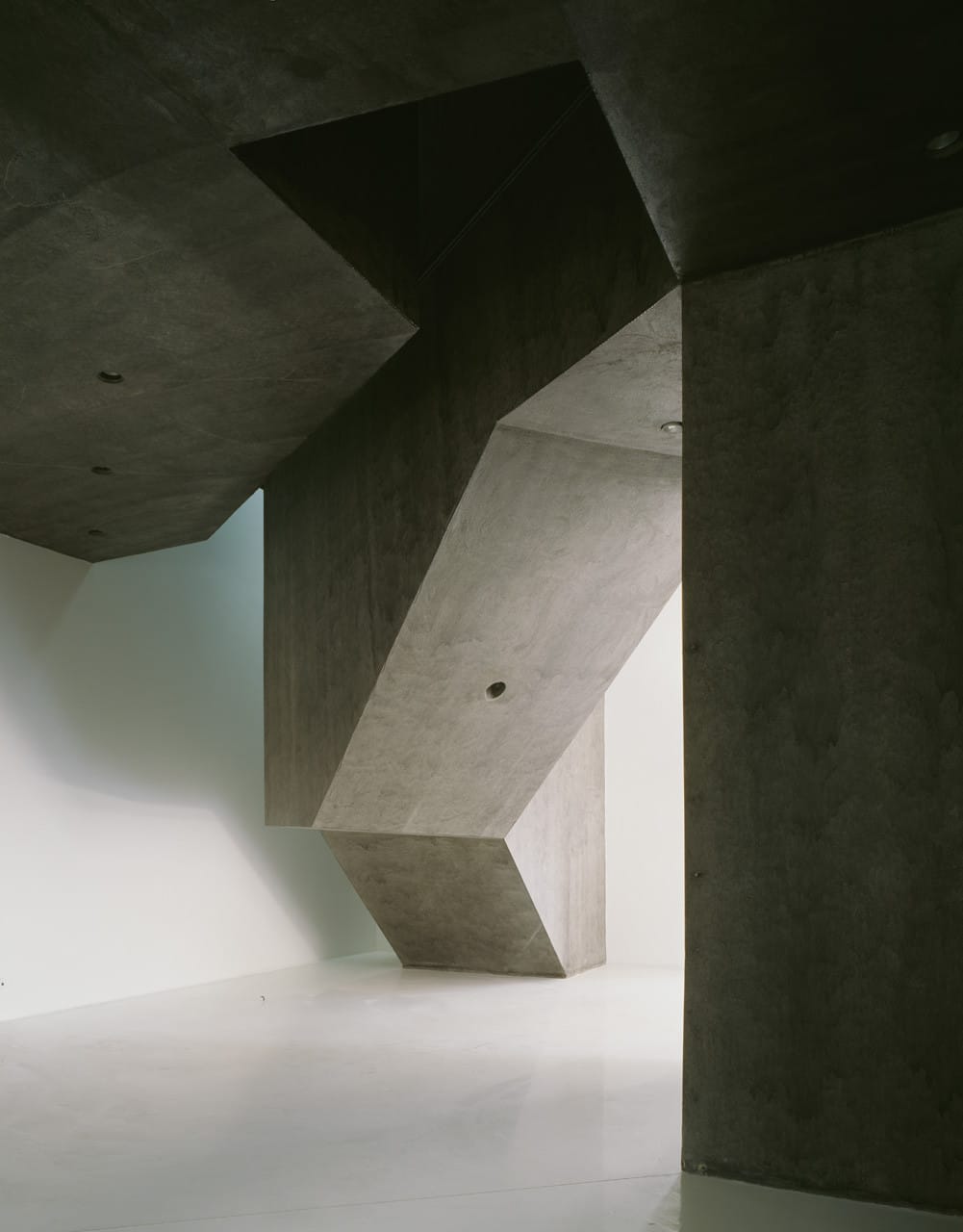
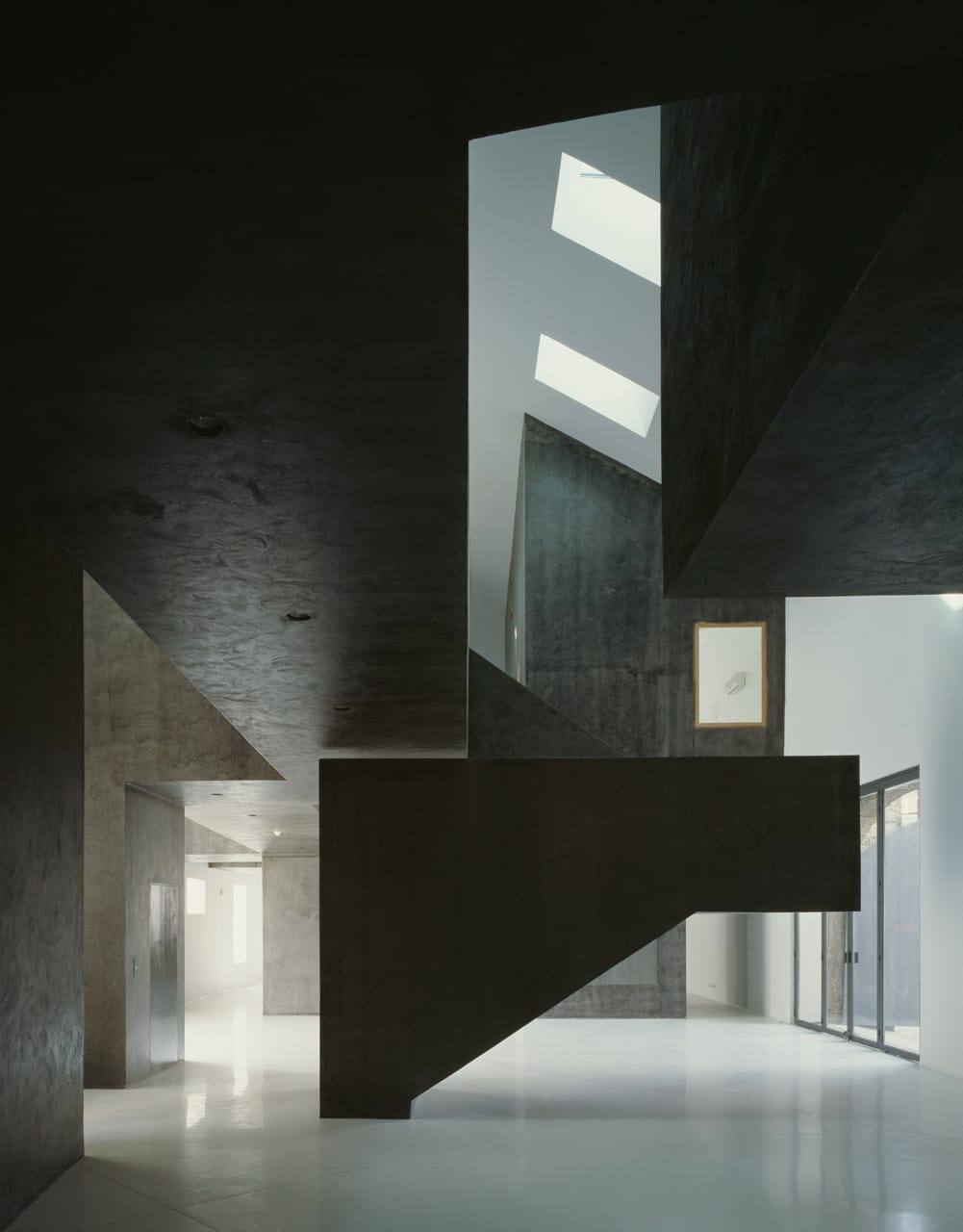
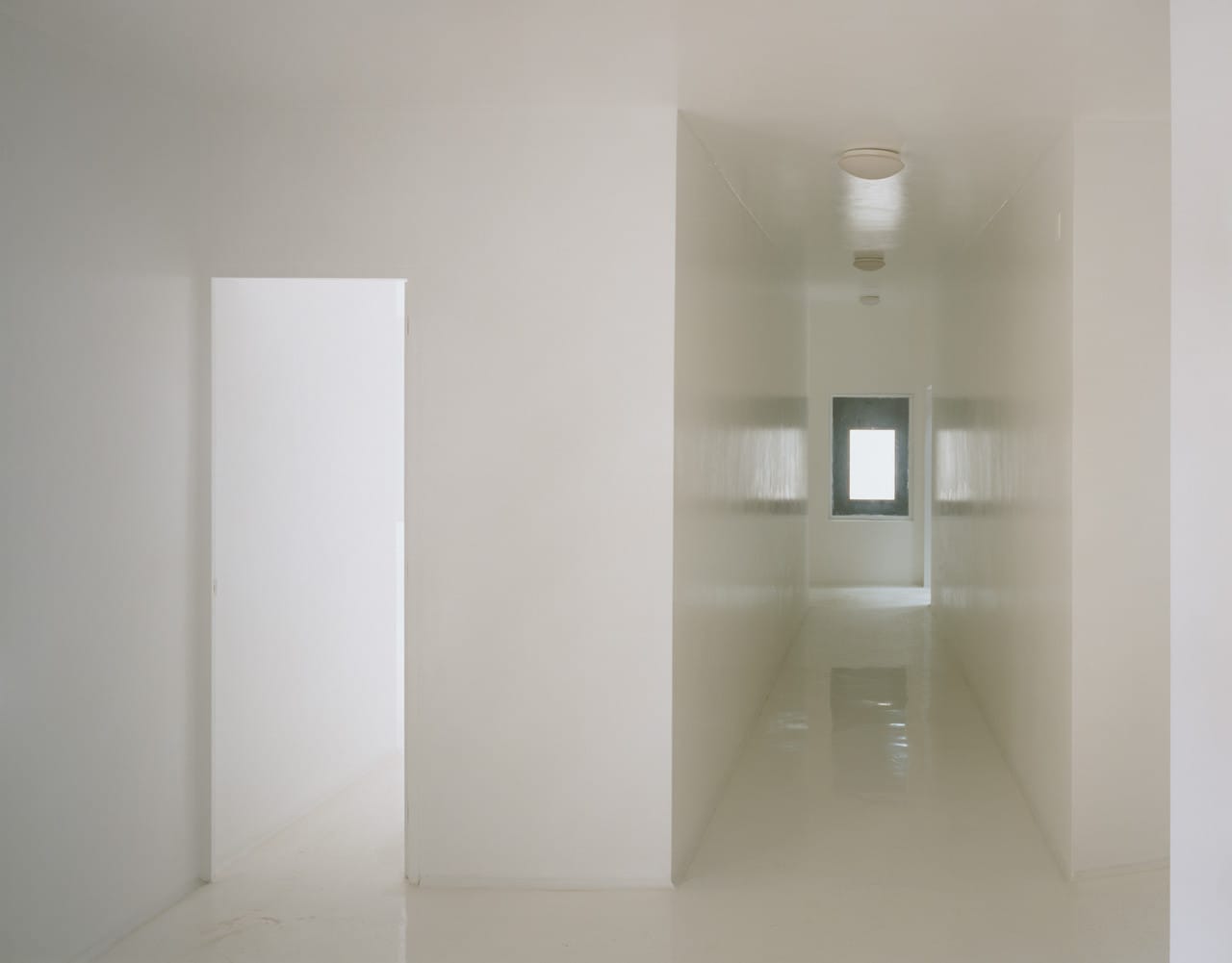
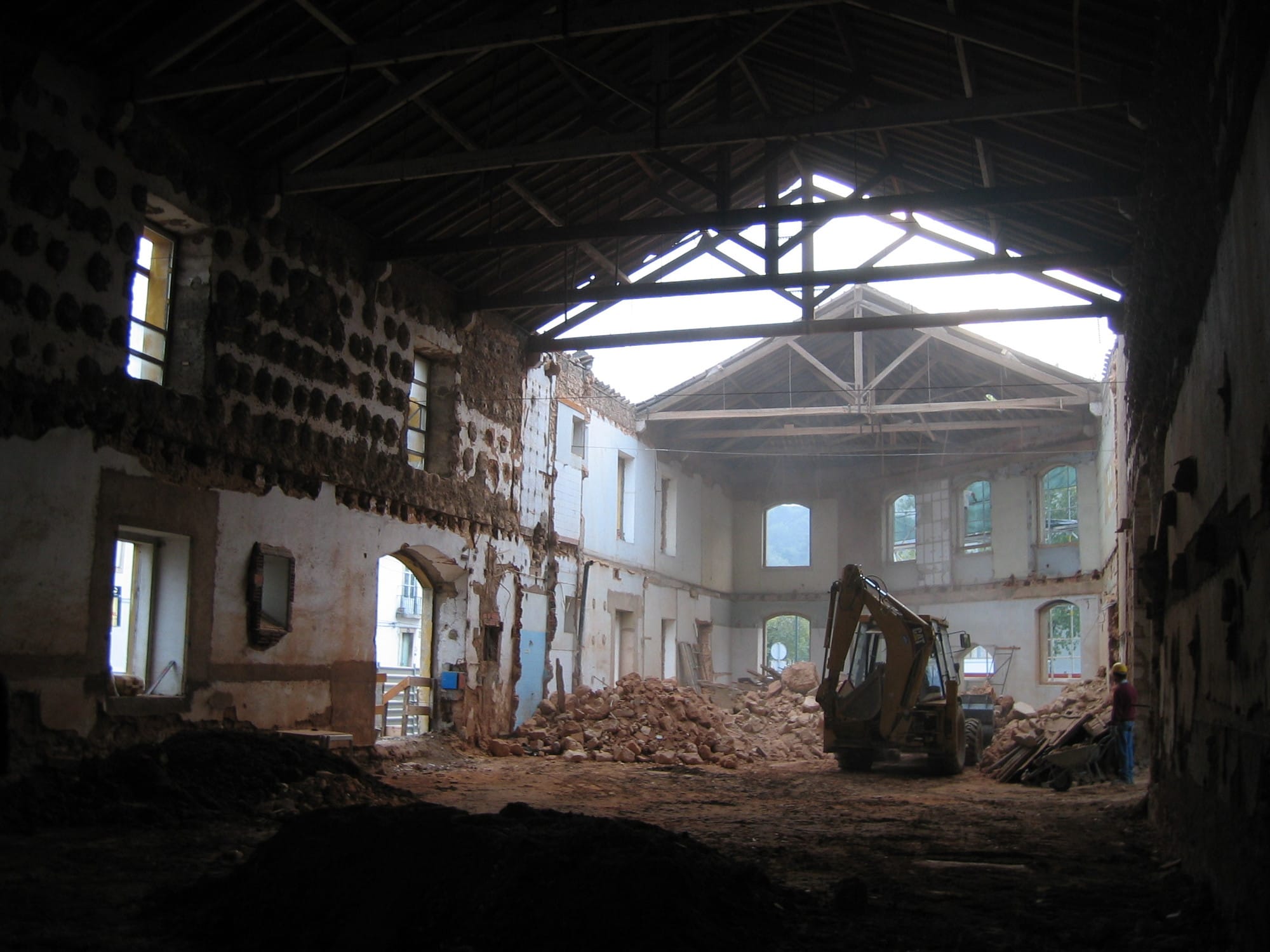
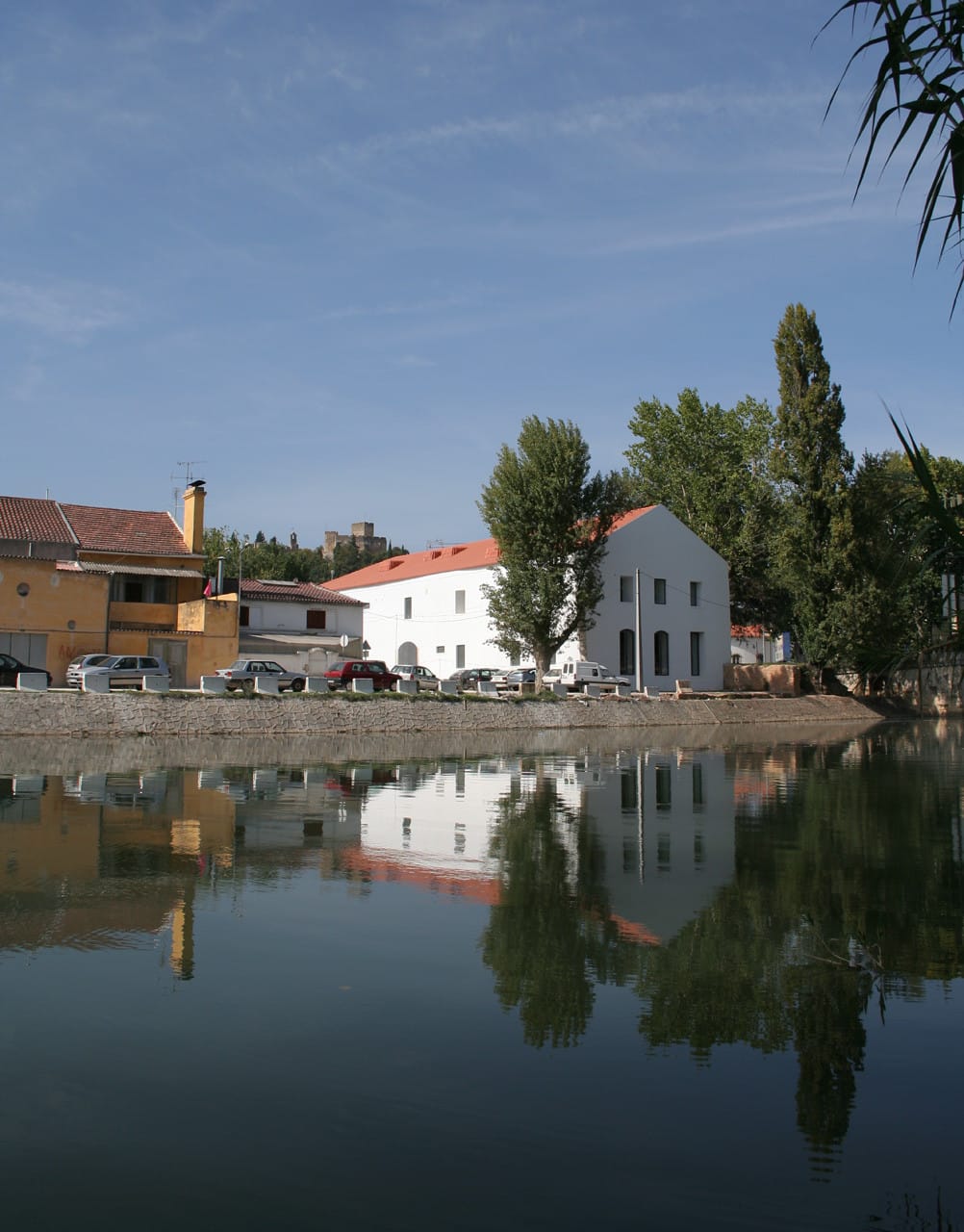
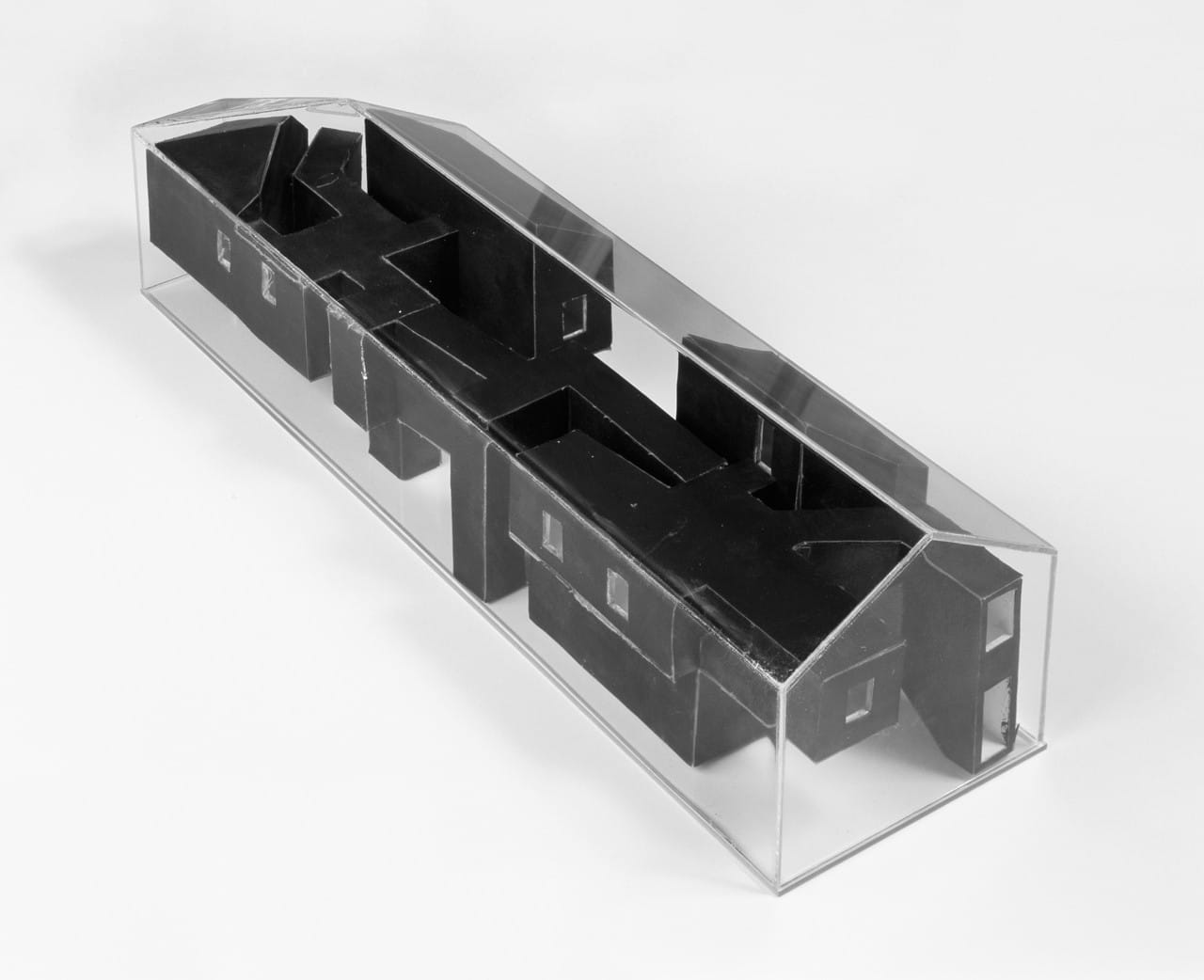
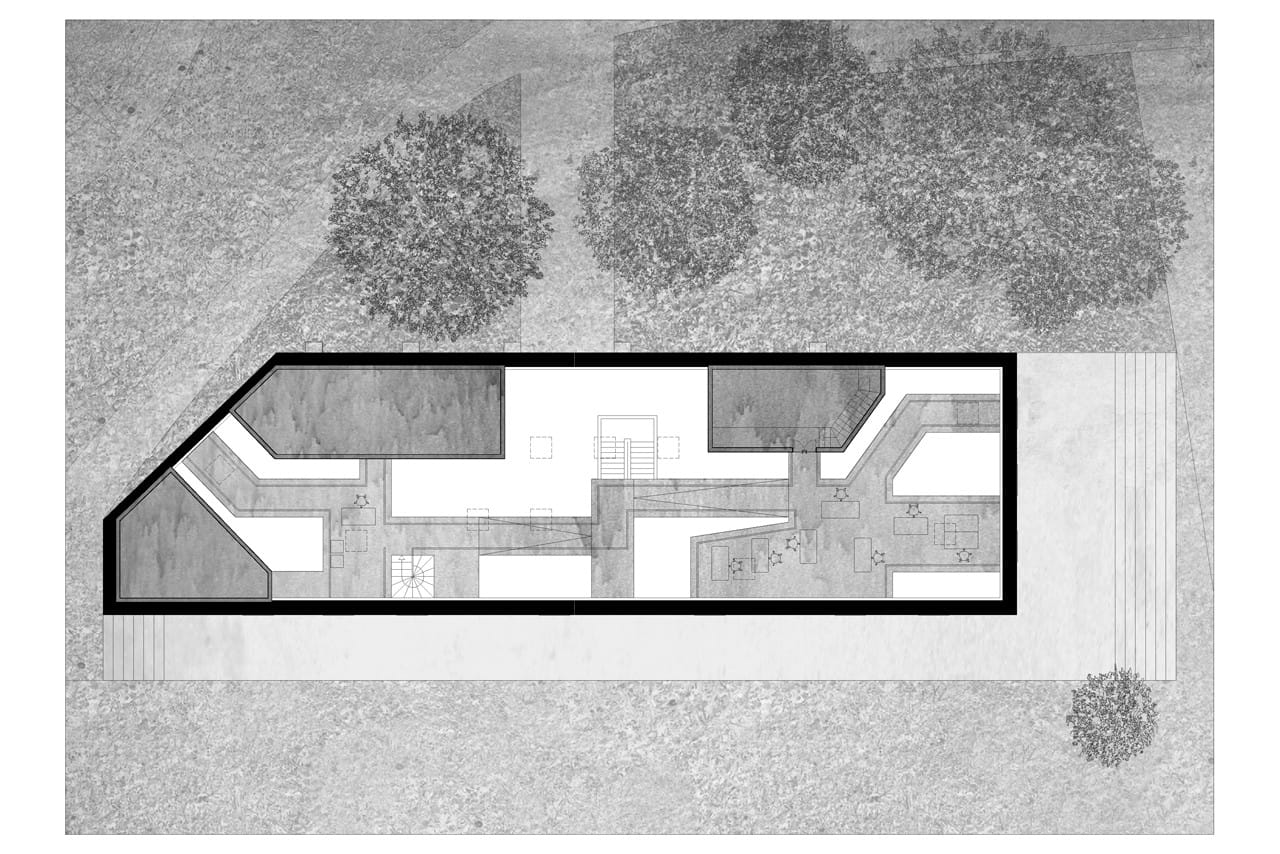
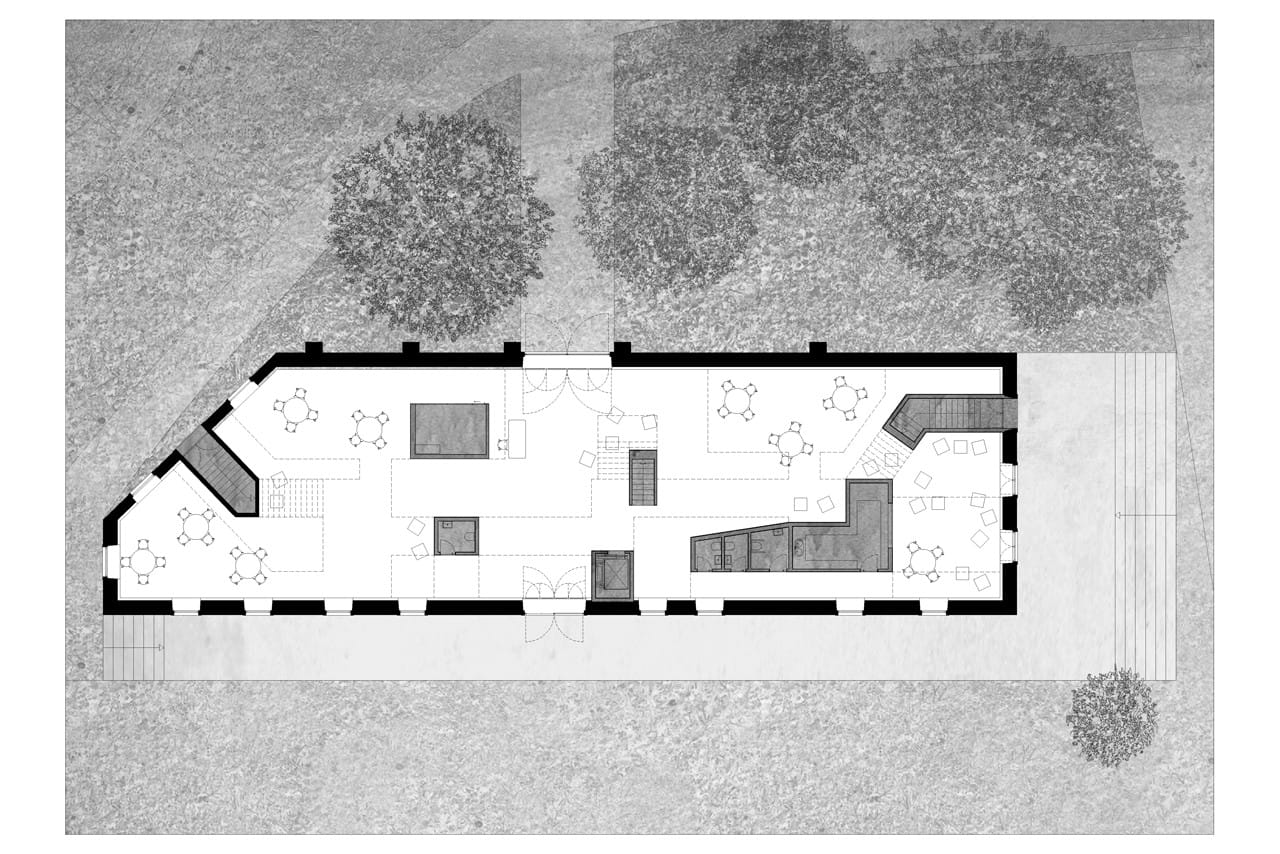
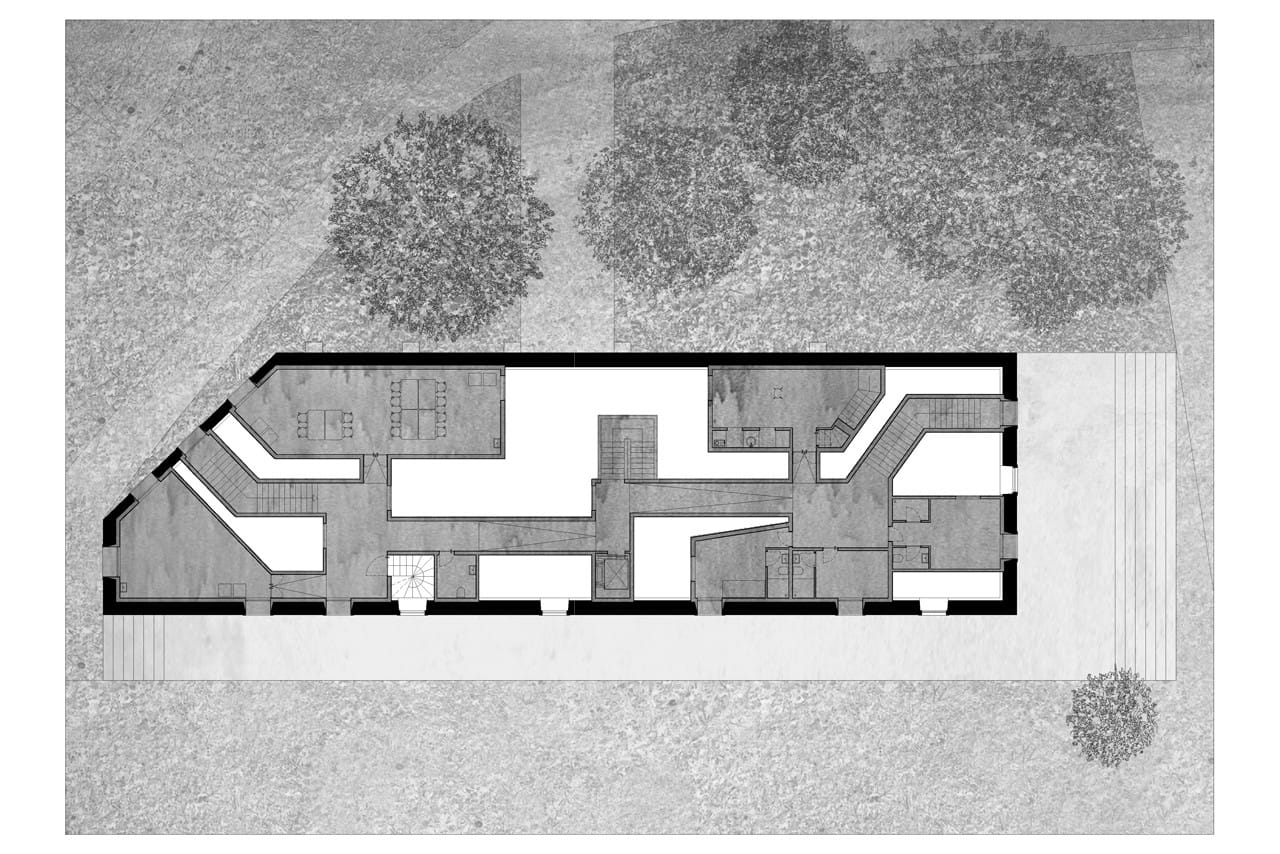
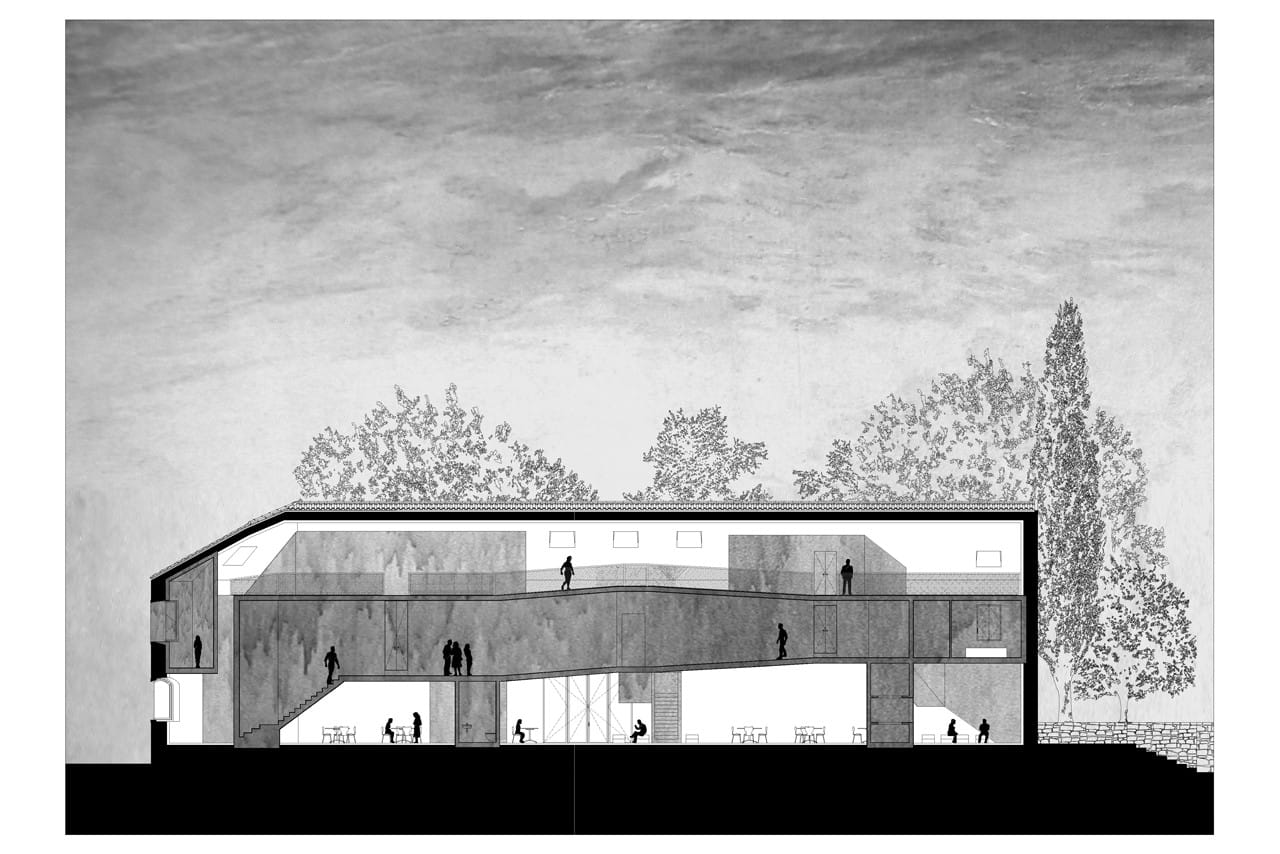
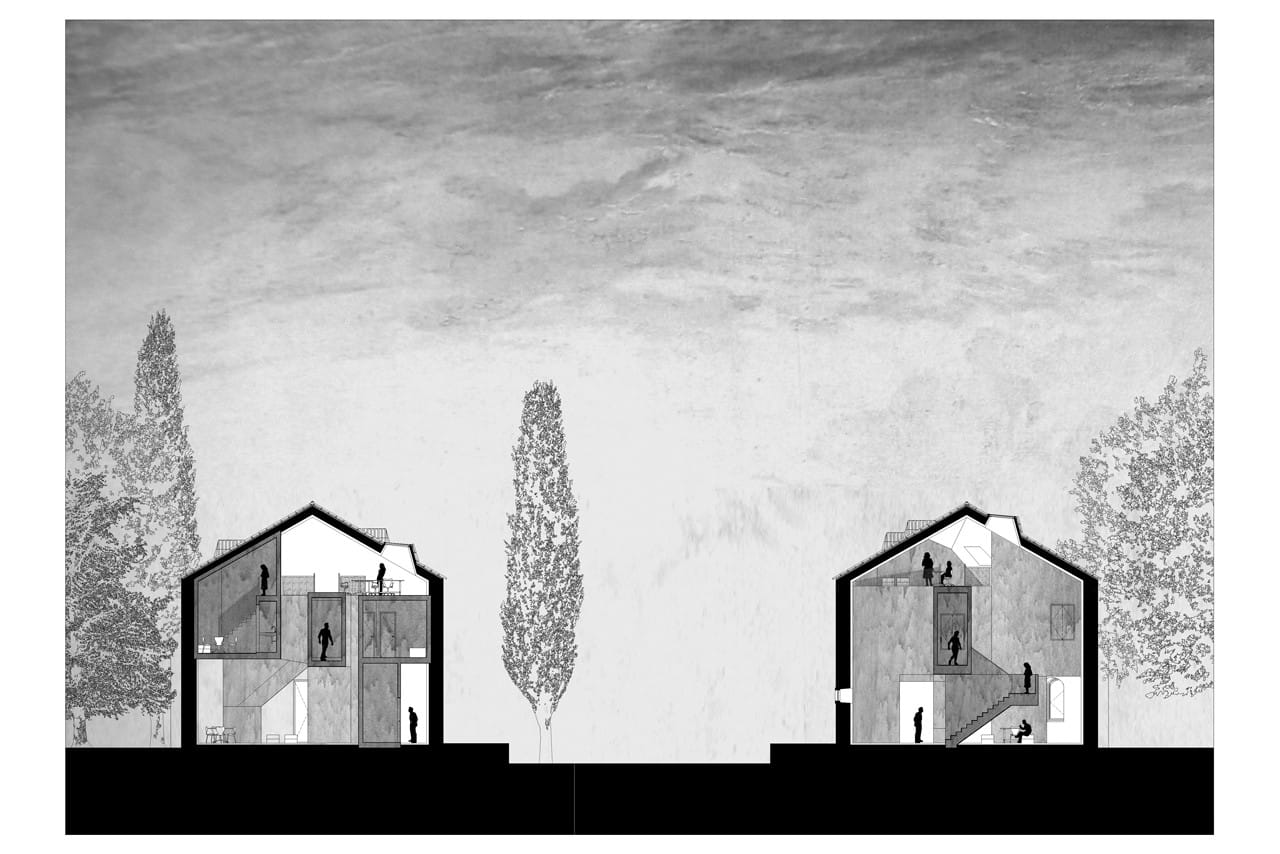
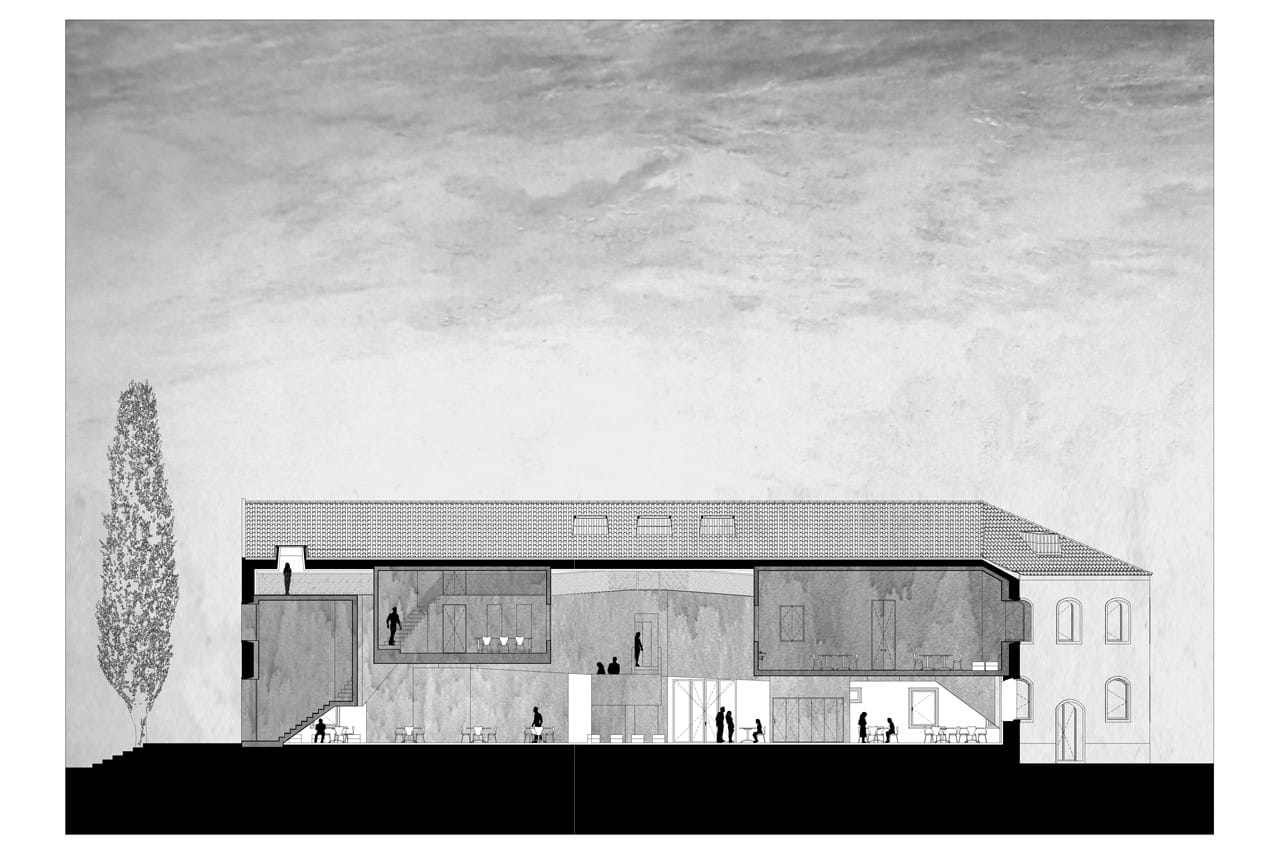
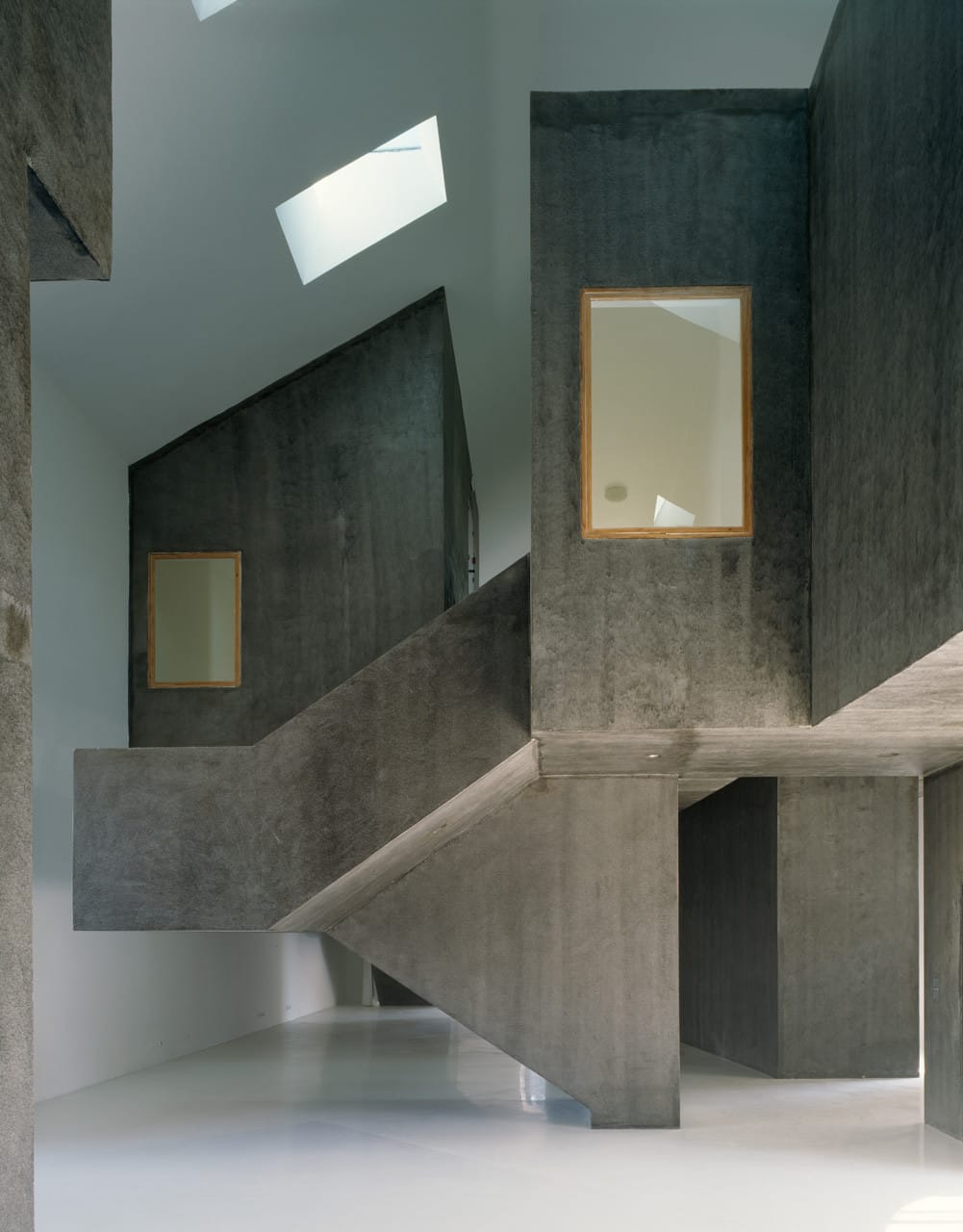
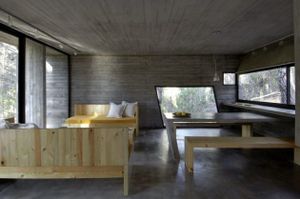
Casa dos Cubos is EMBAIXADA arquitectura’s 2007 conversion of a former industrial building in Tomar, Portugal. Angular dark volumes organize exhibition, meeting and residential spaces inside the preserved shell.