Related_
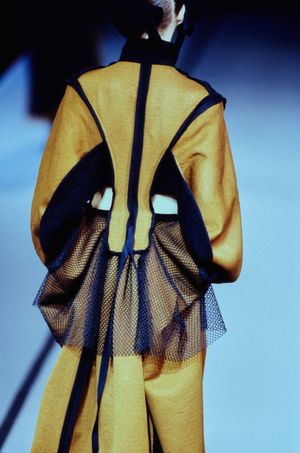
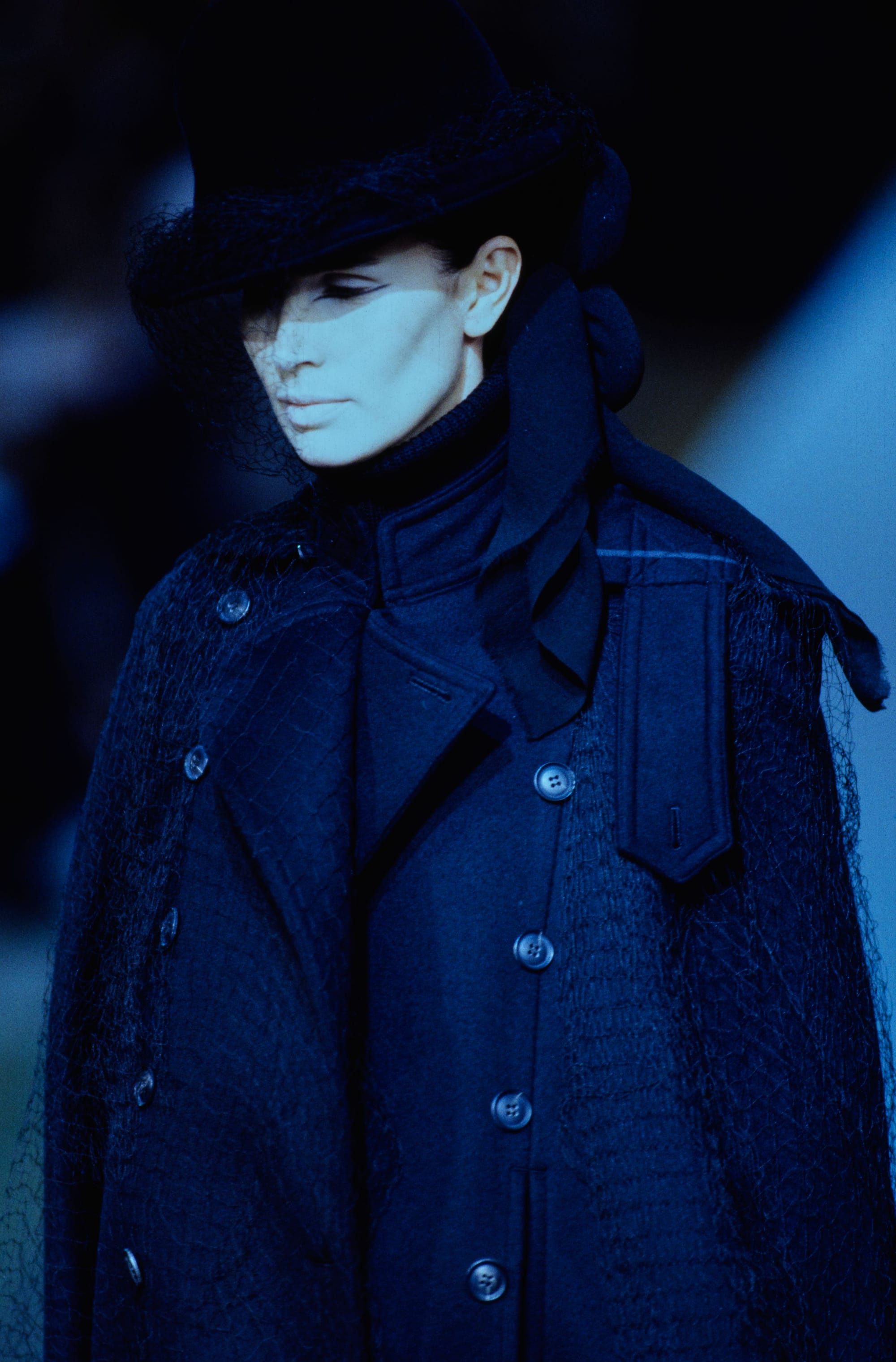
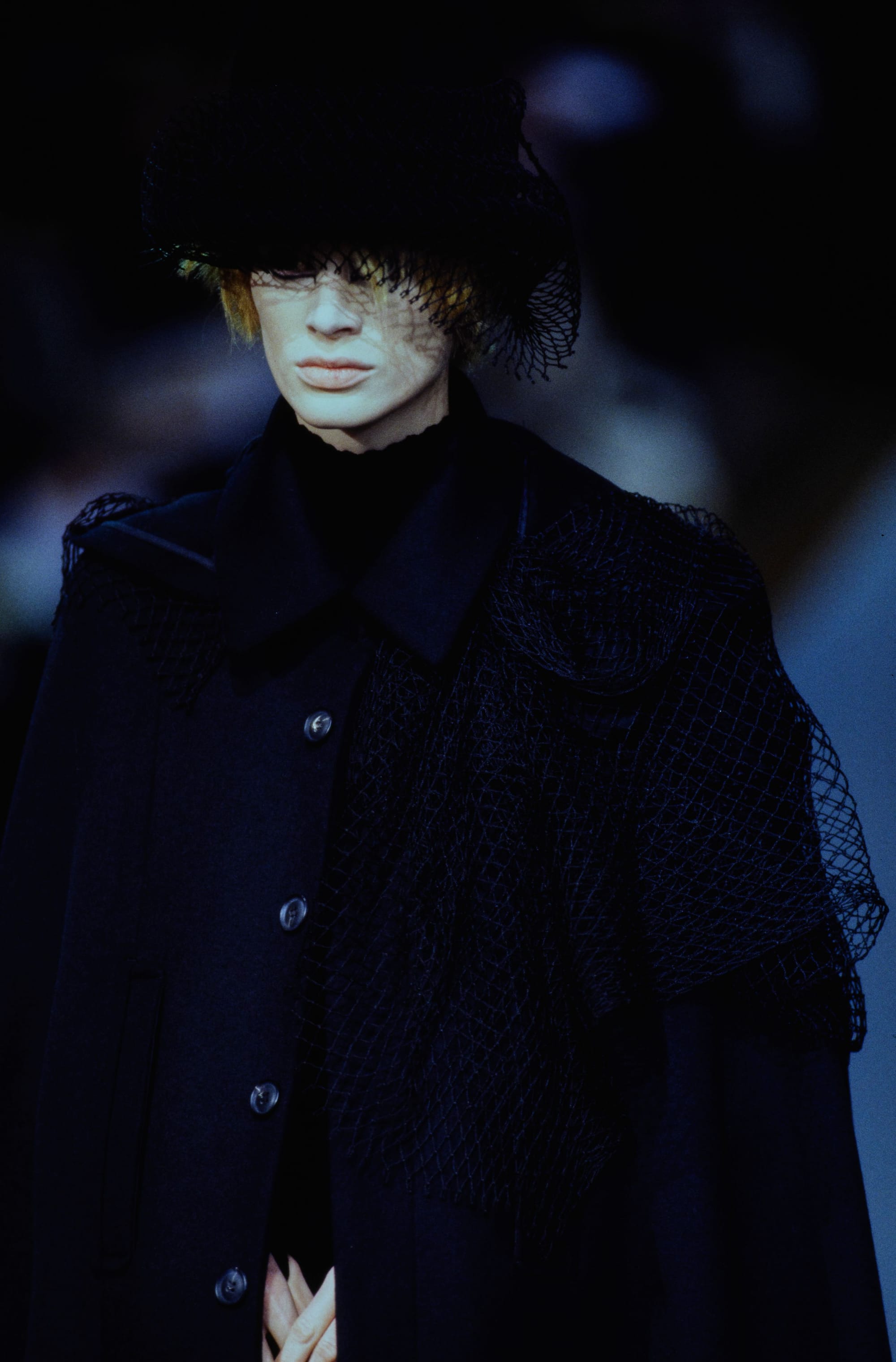
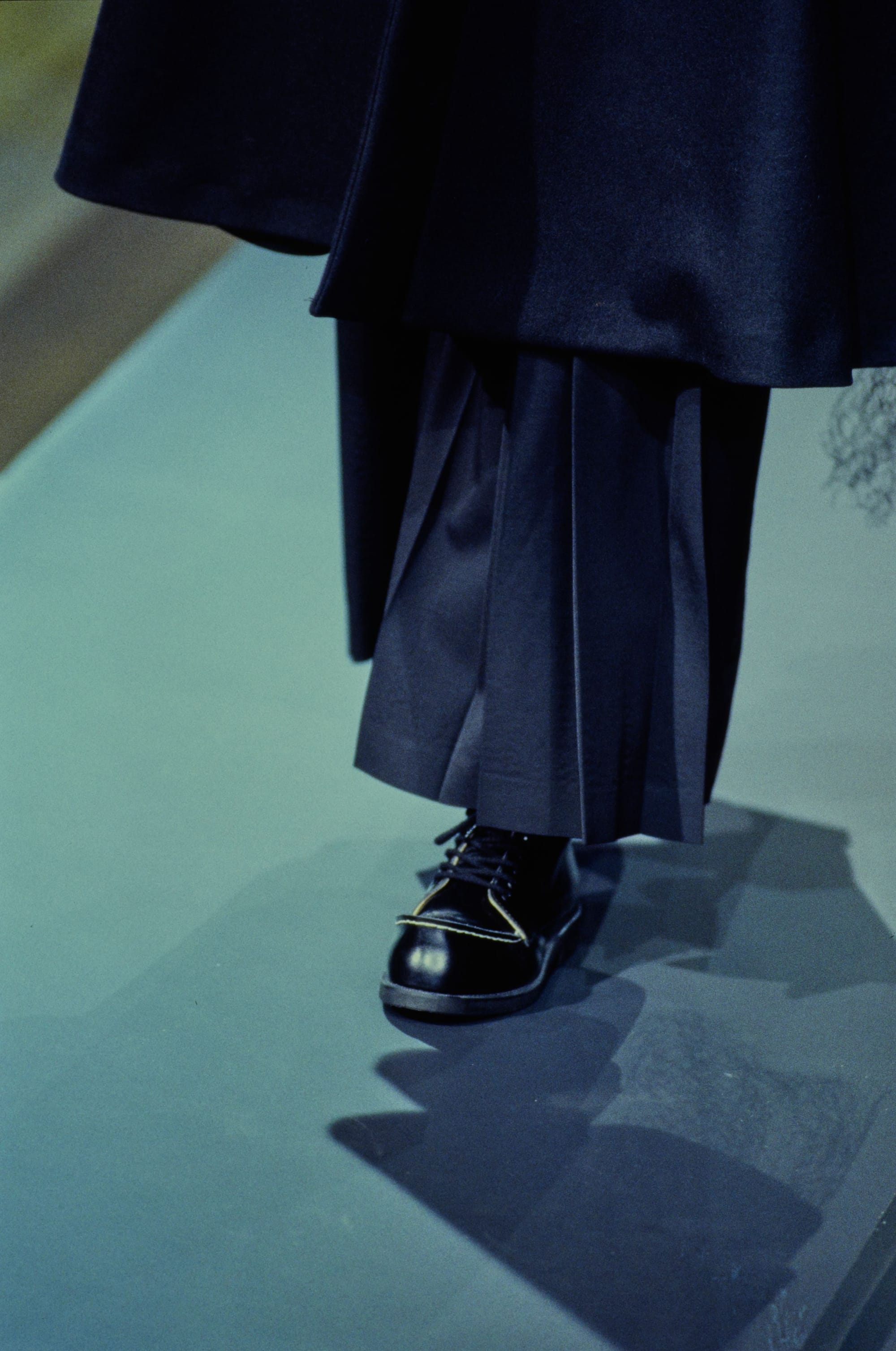
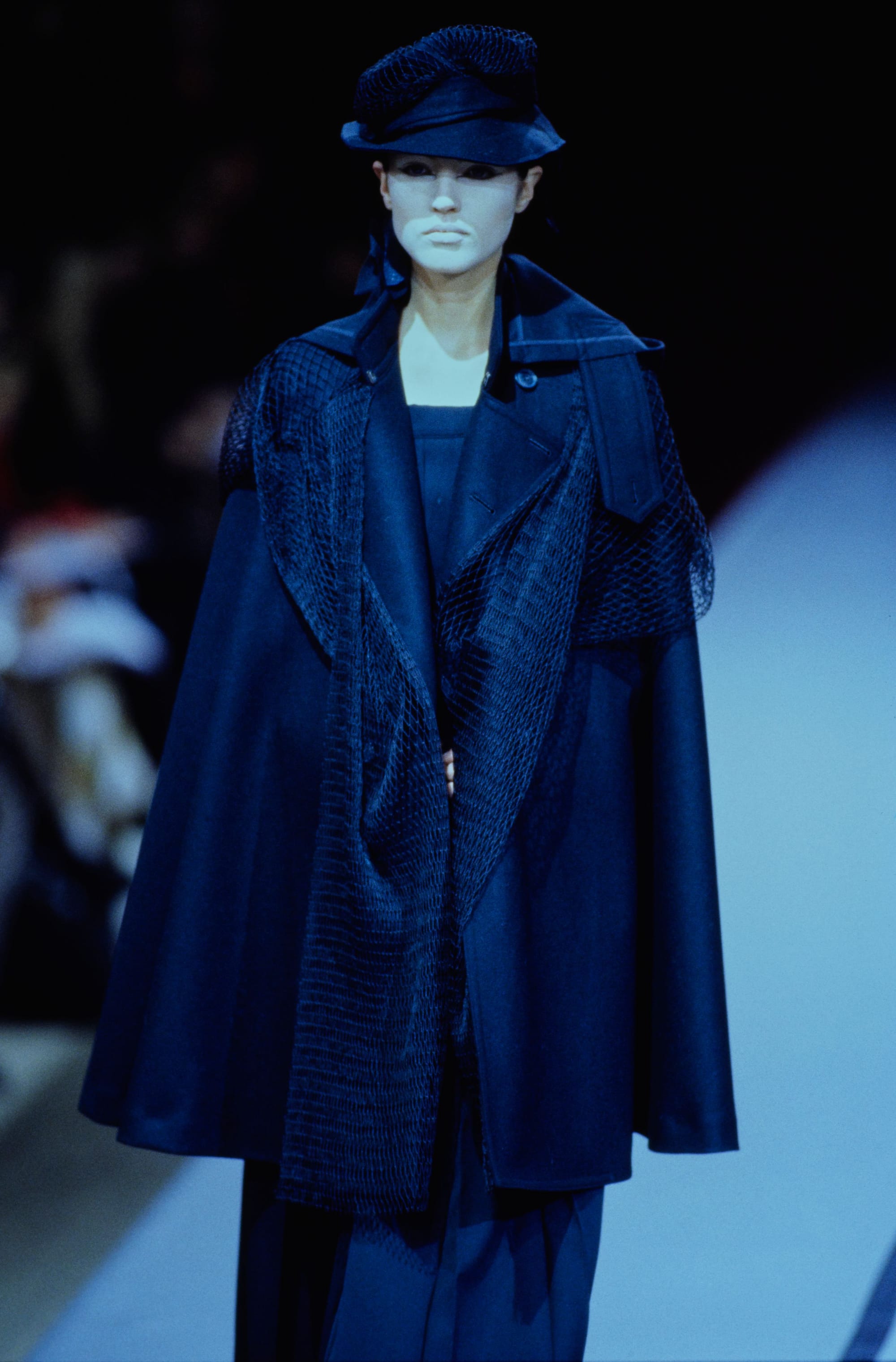
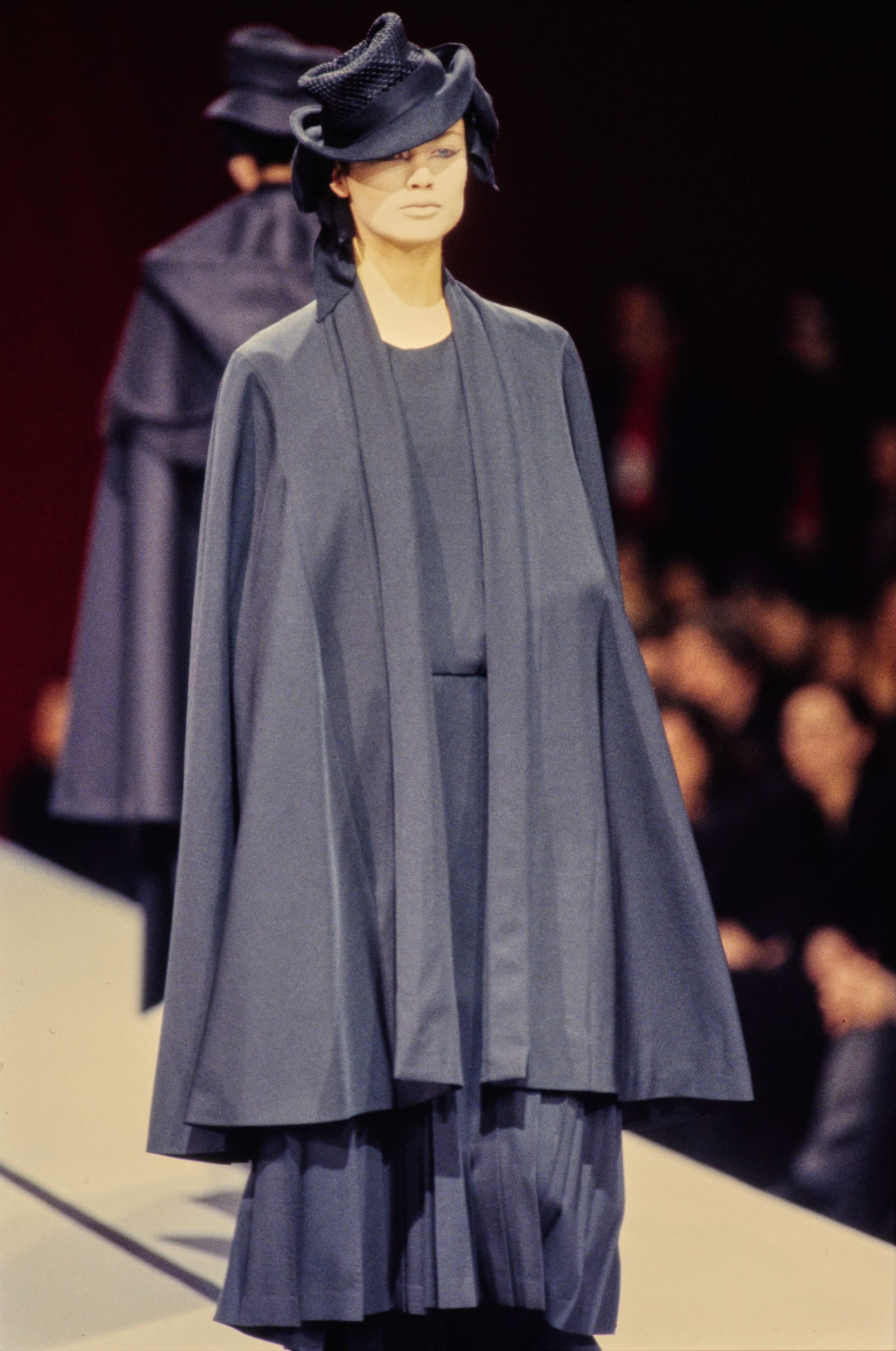
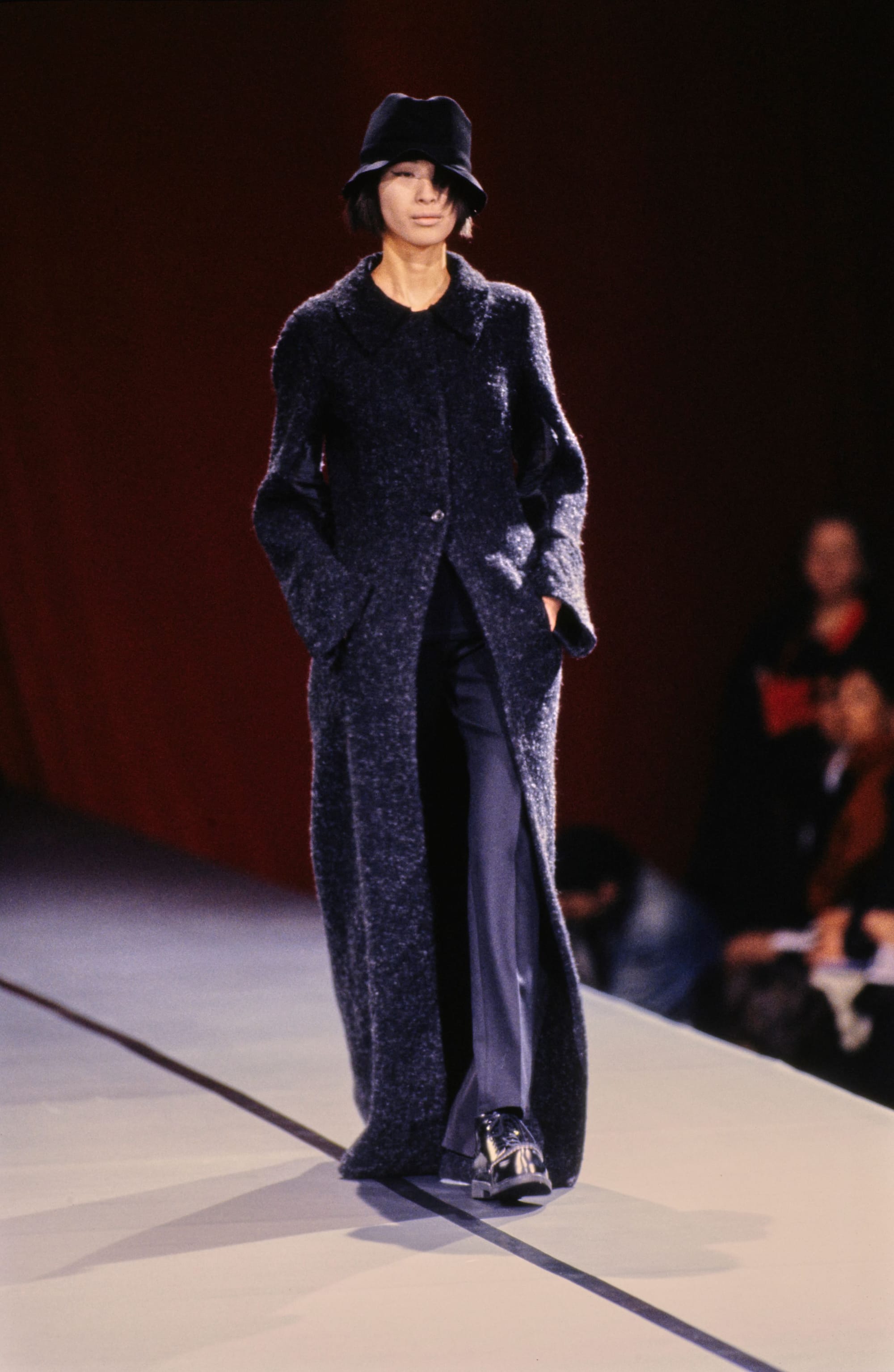
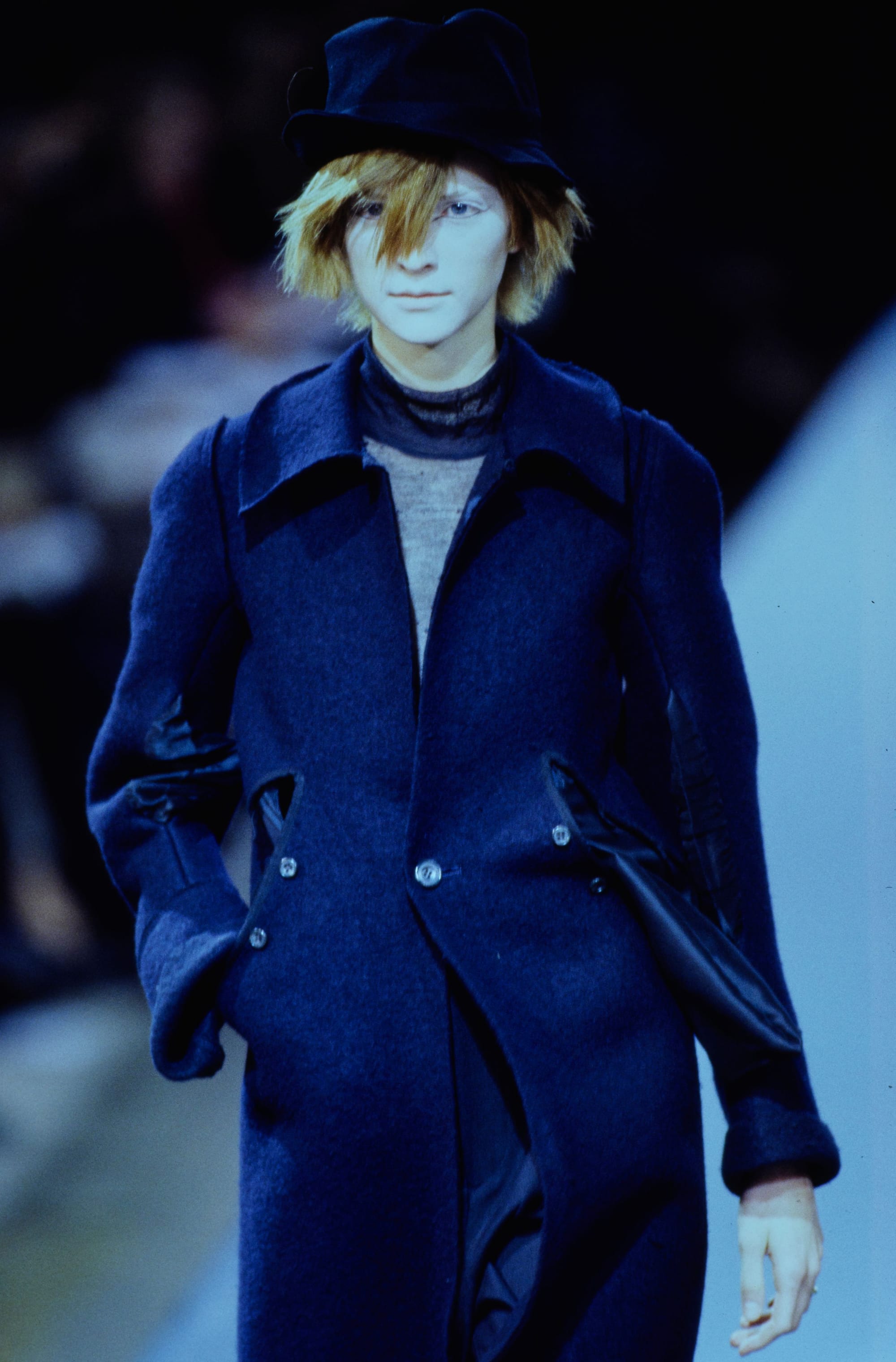
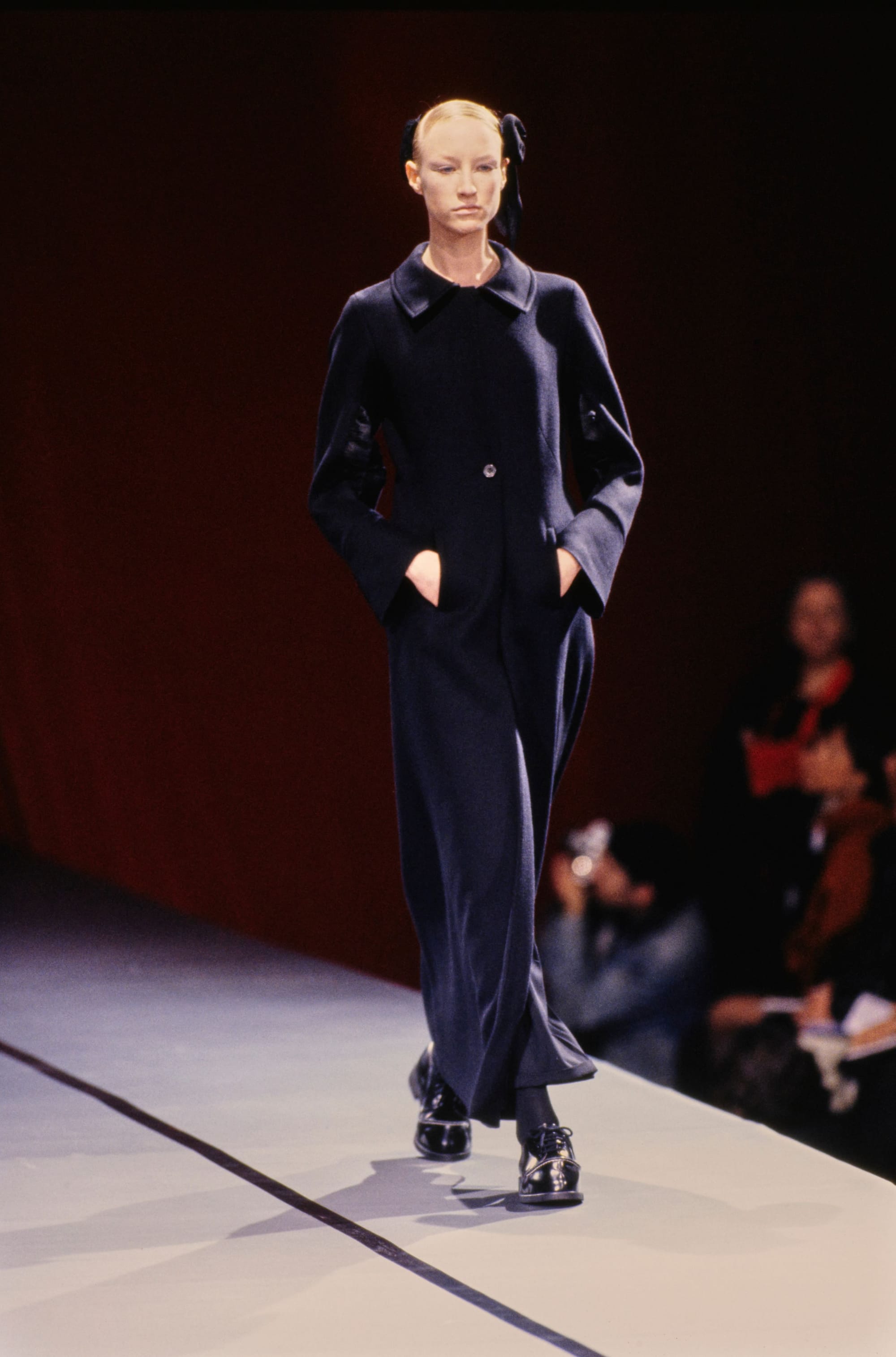
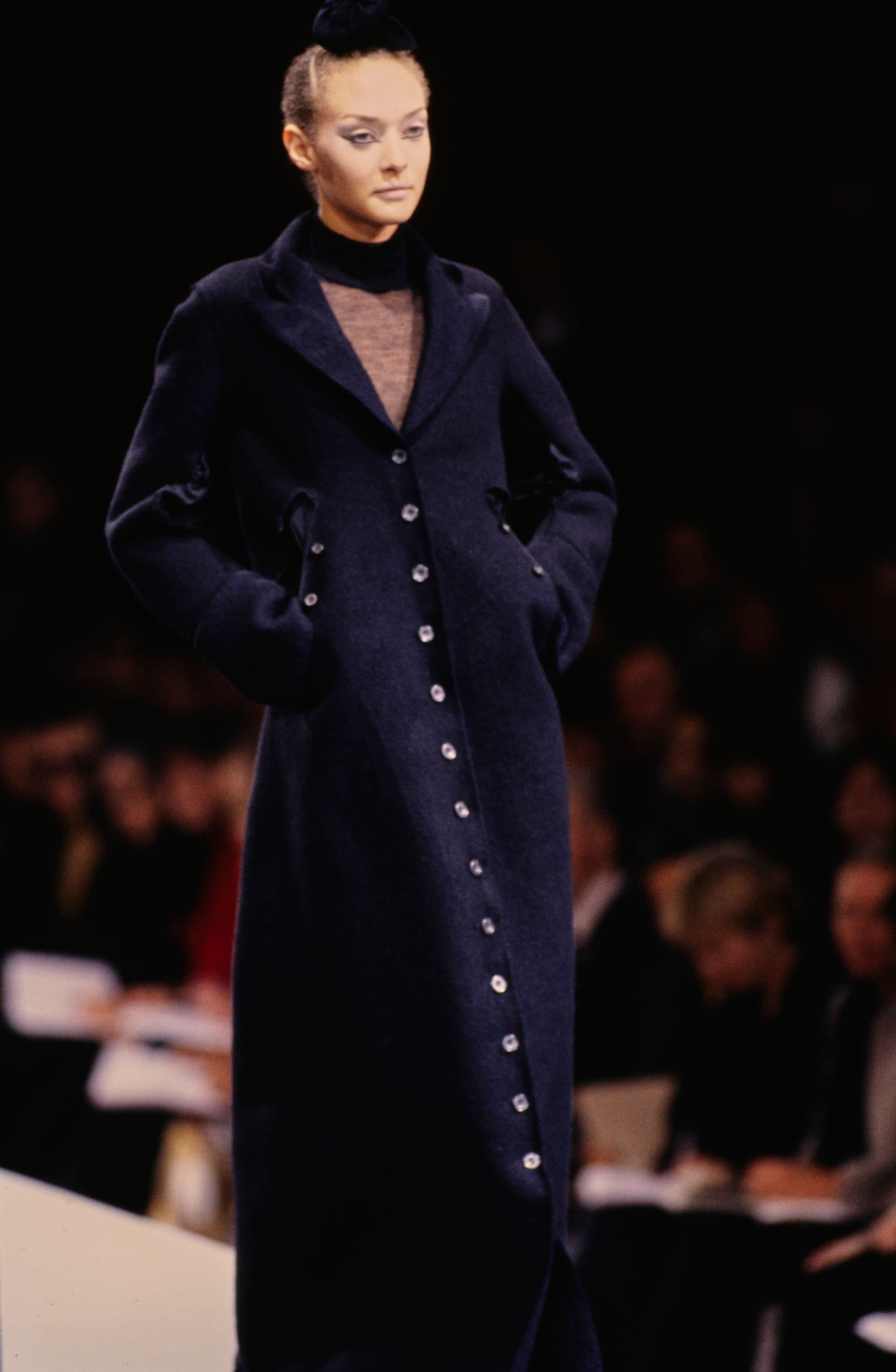
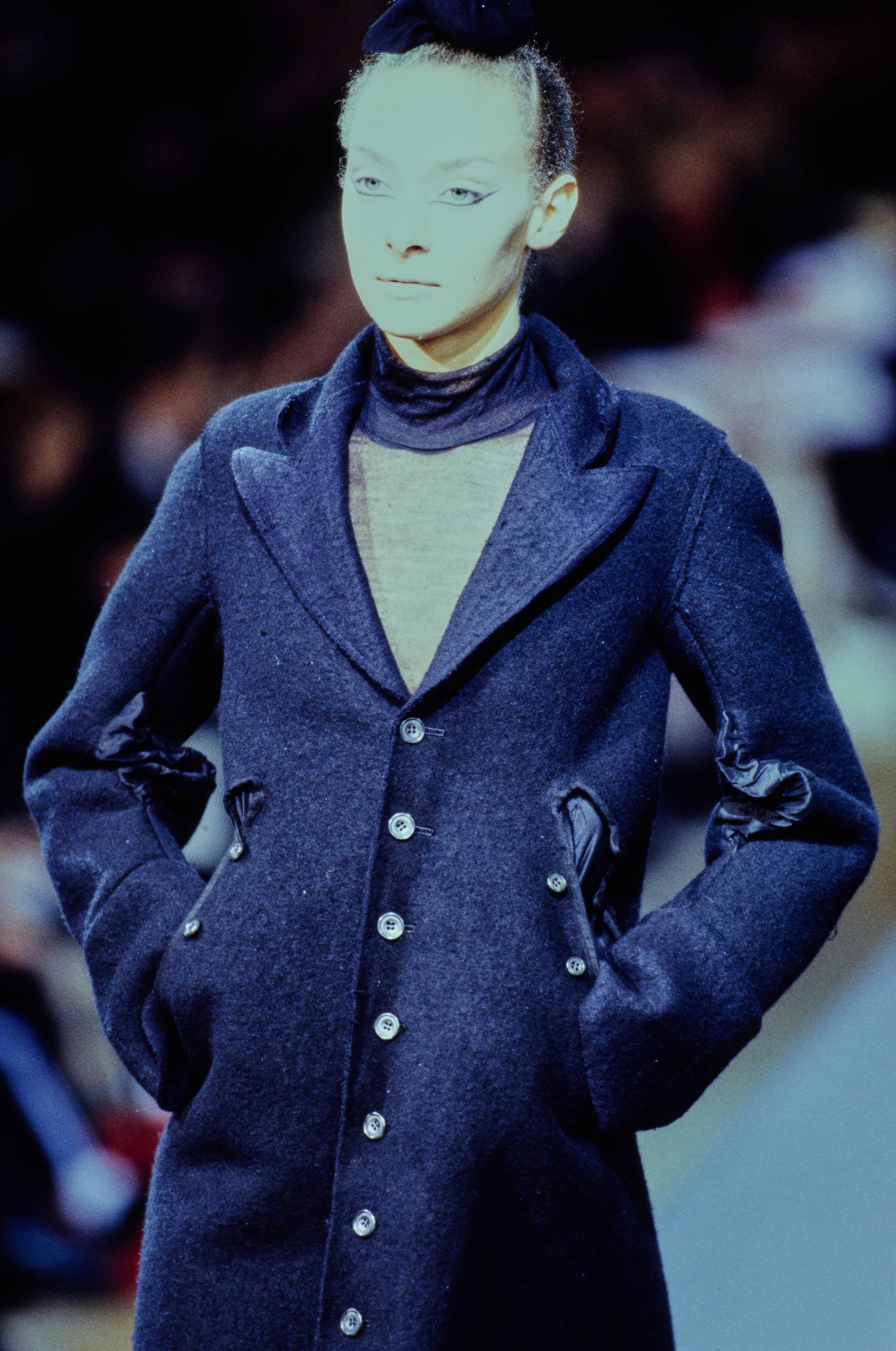
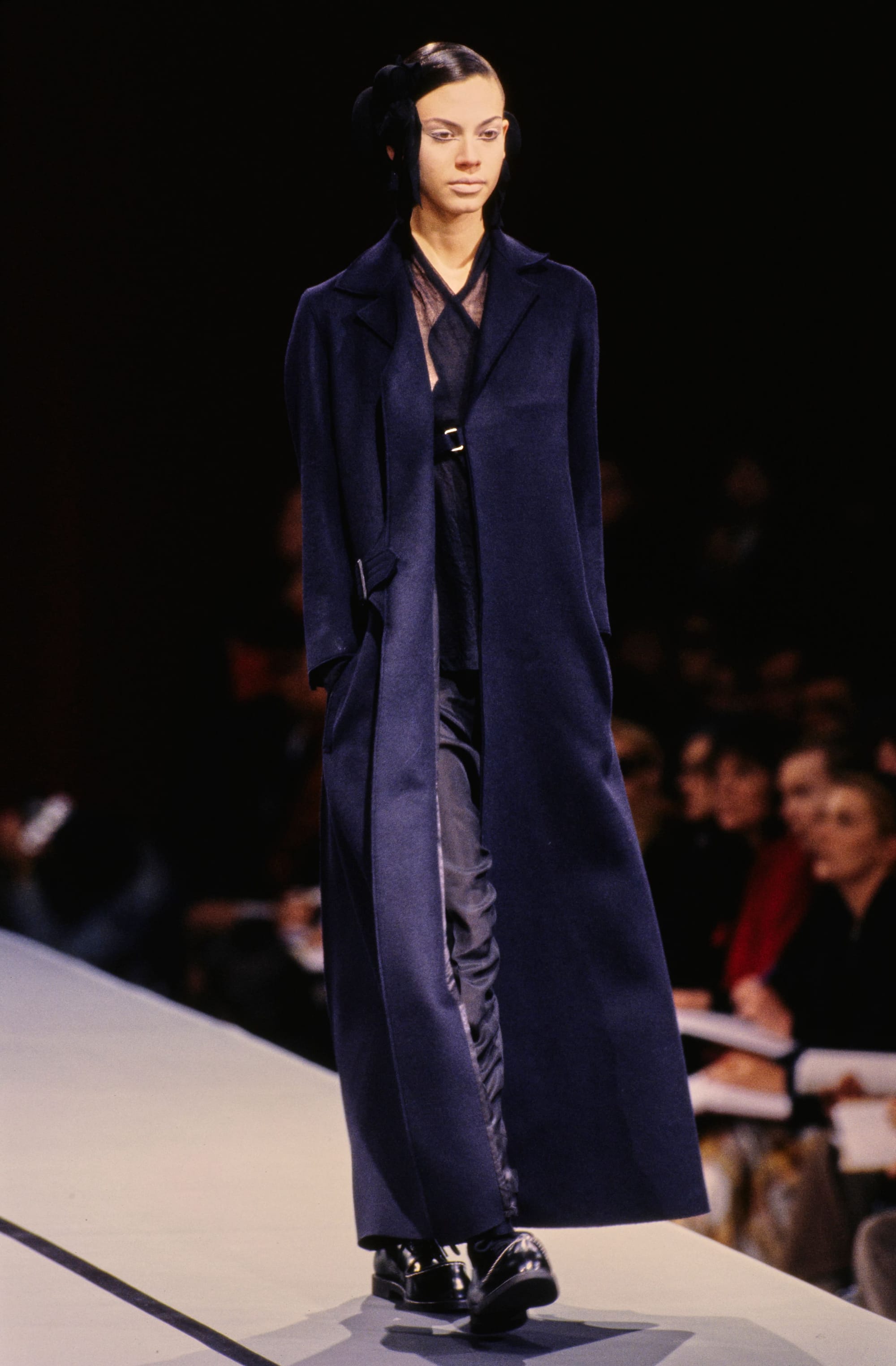
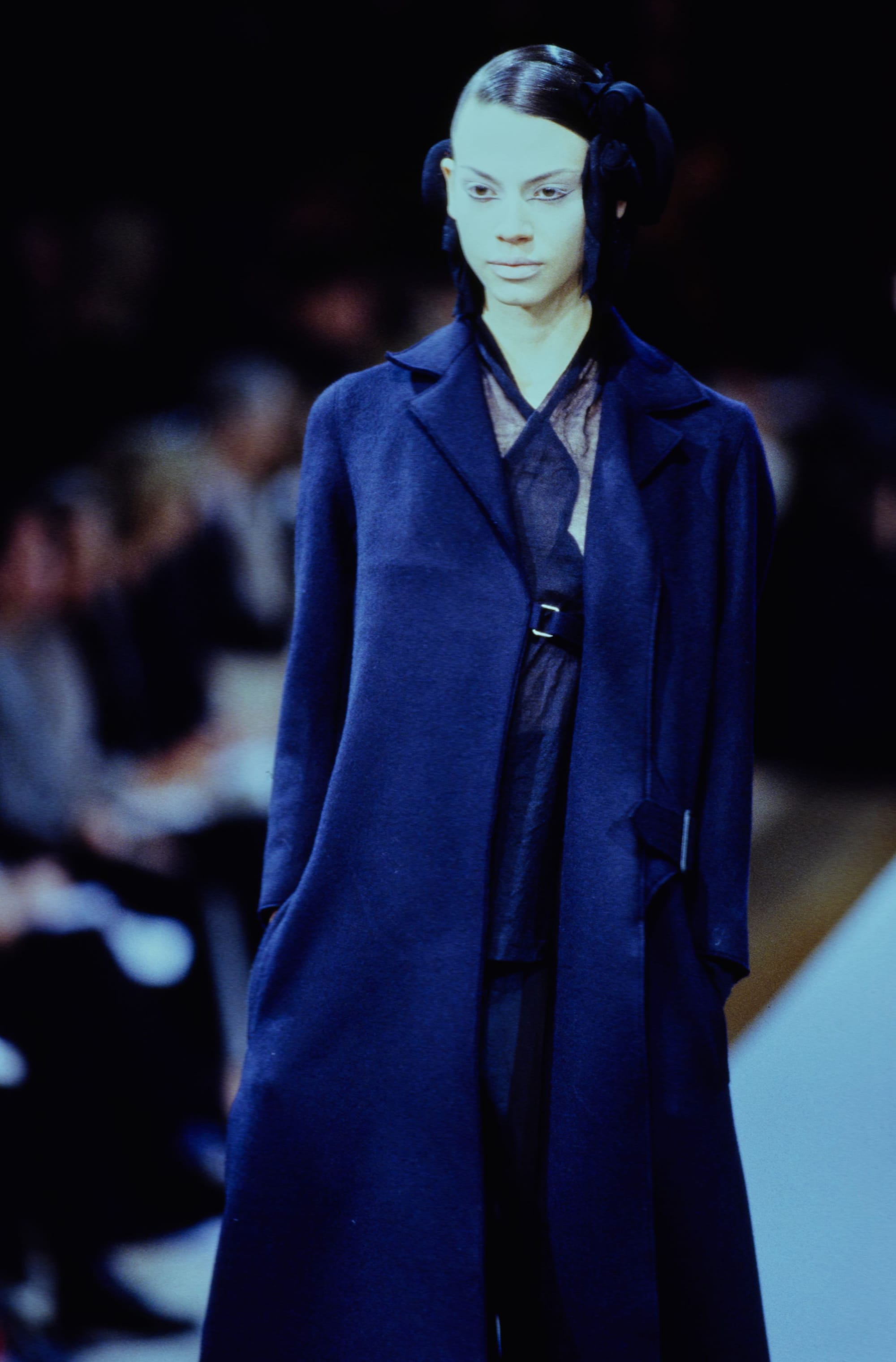
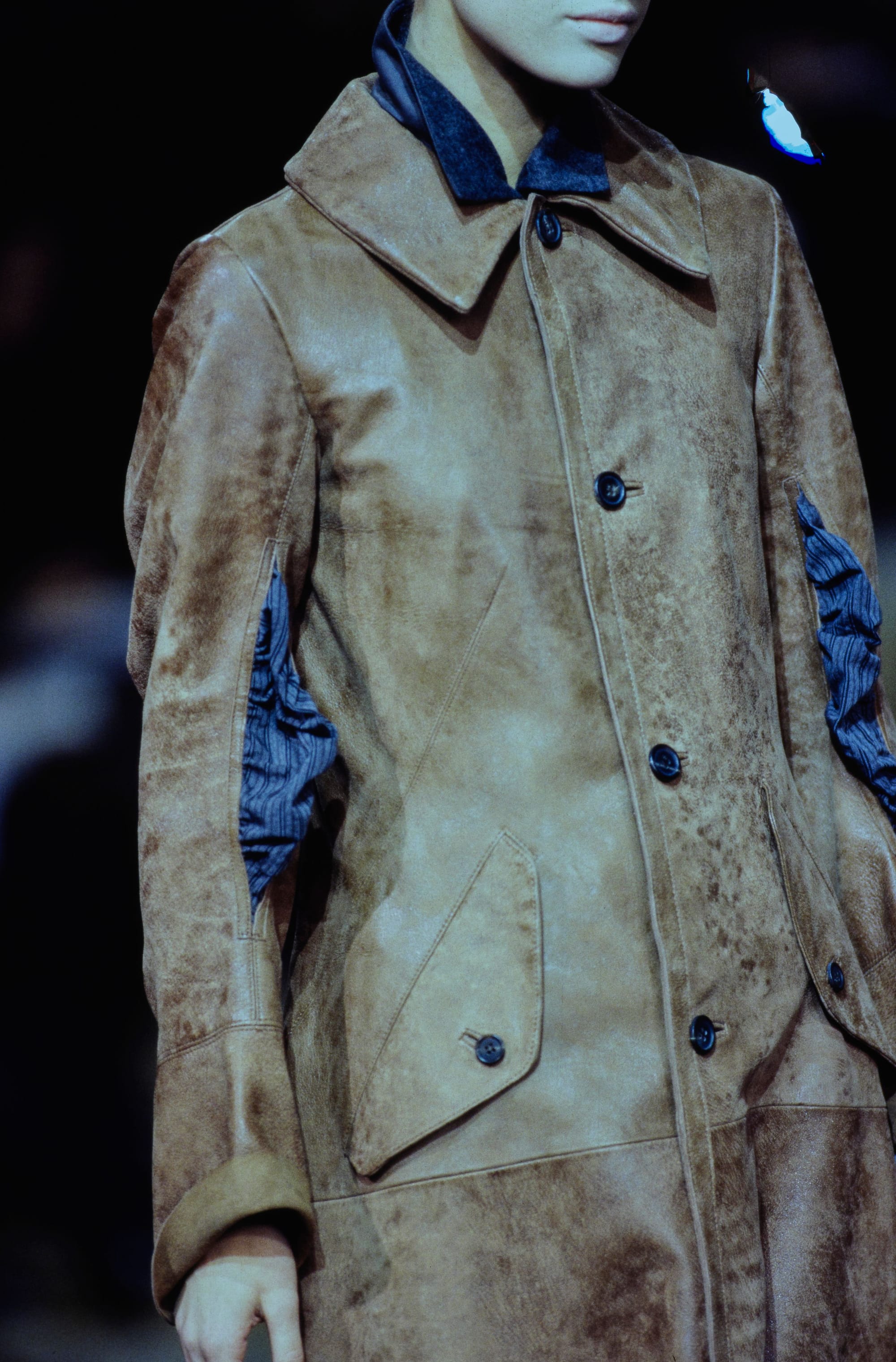
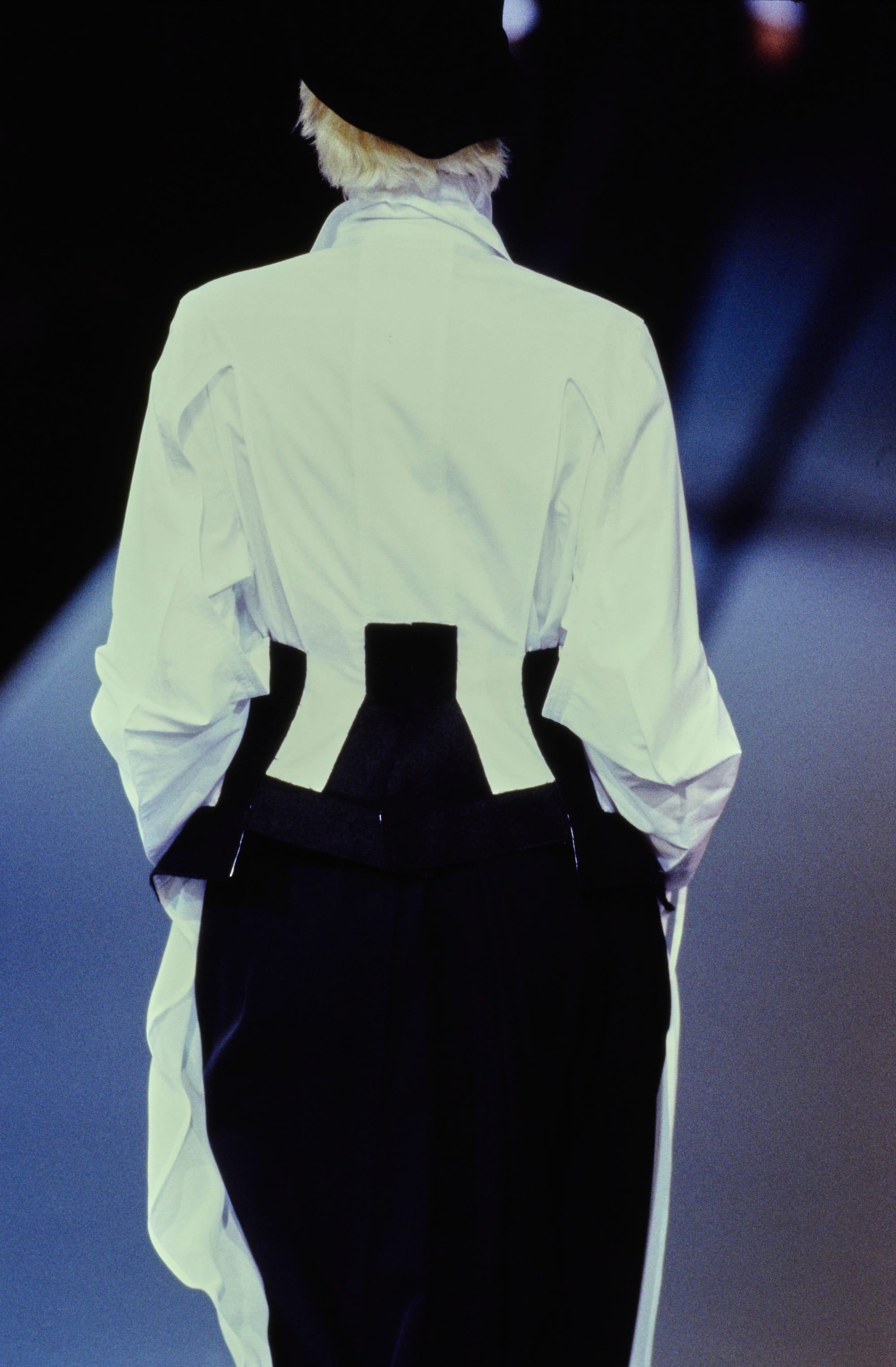
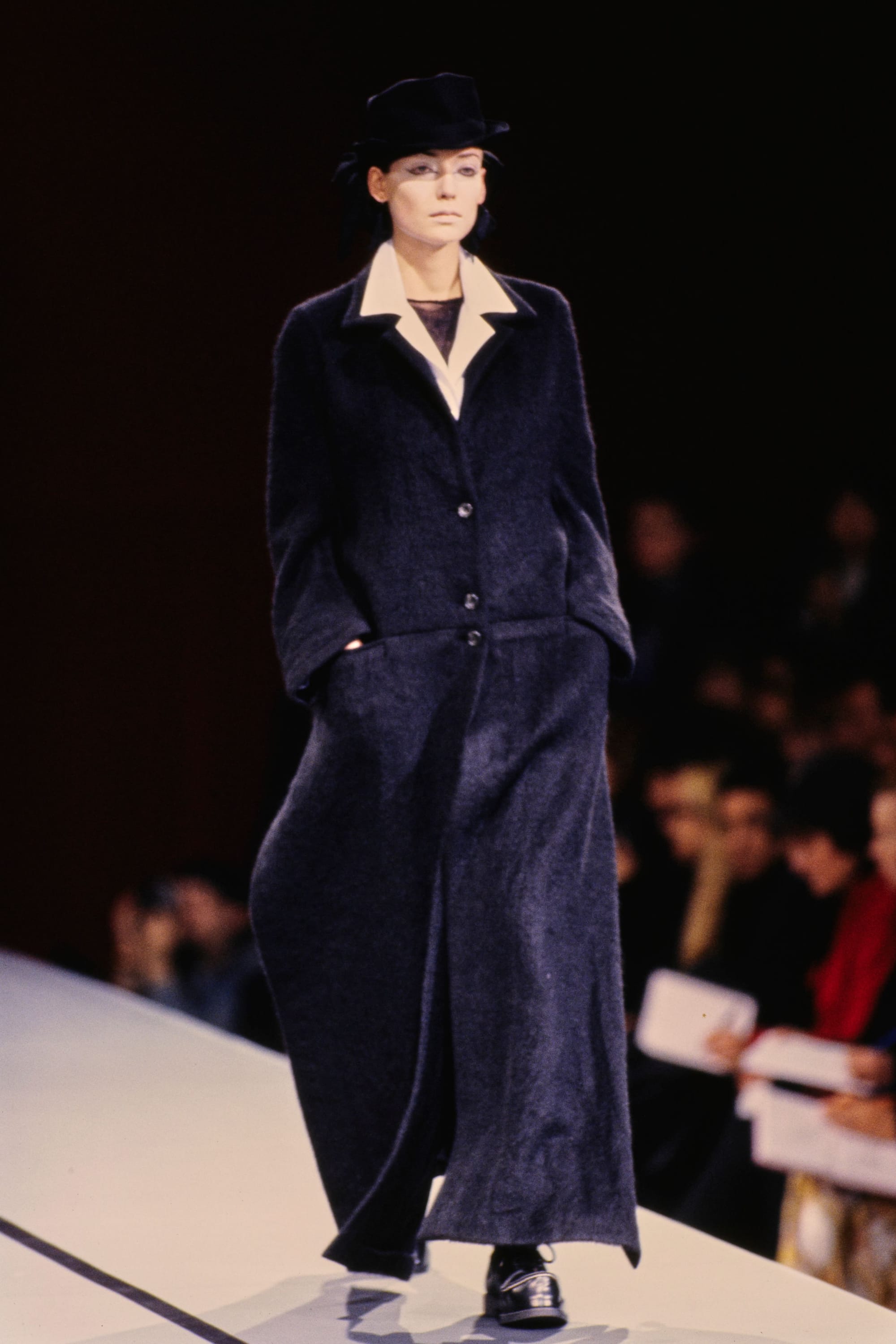
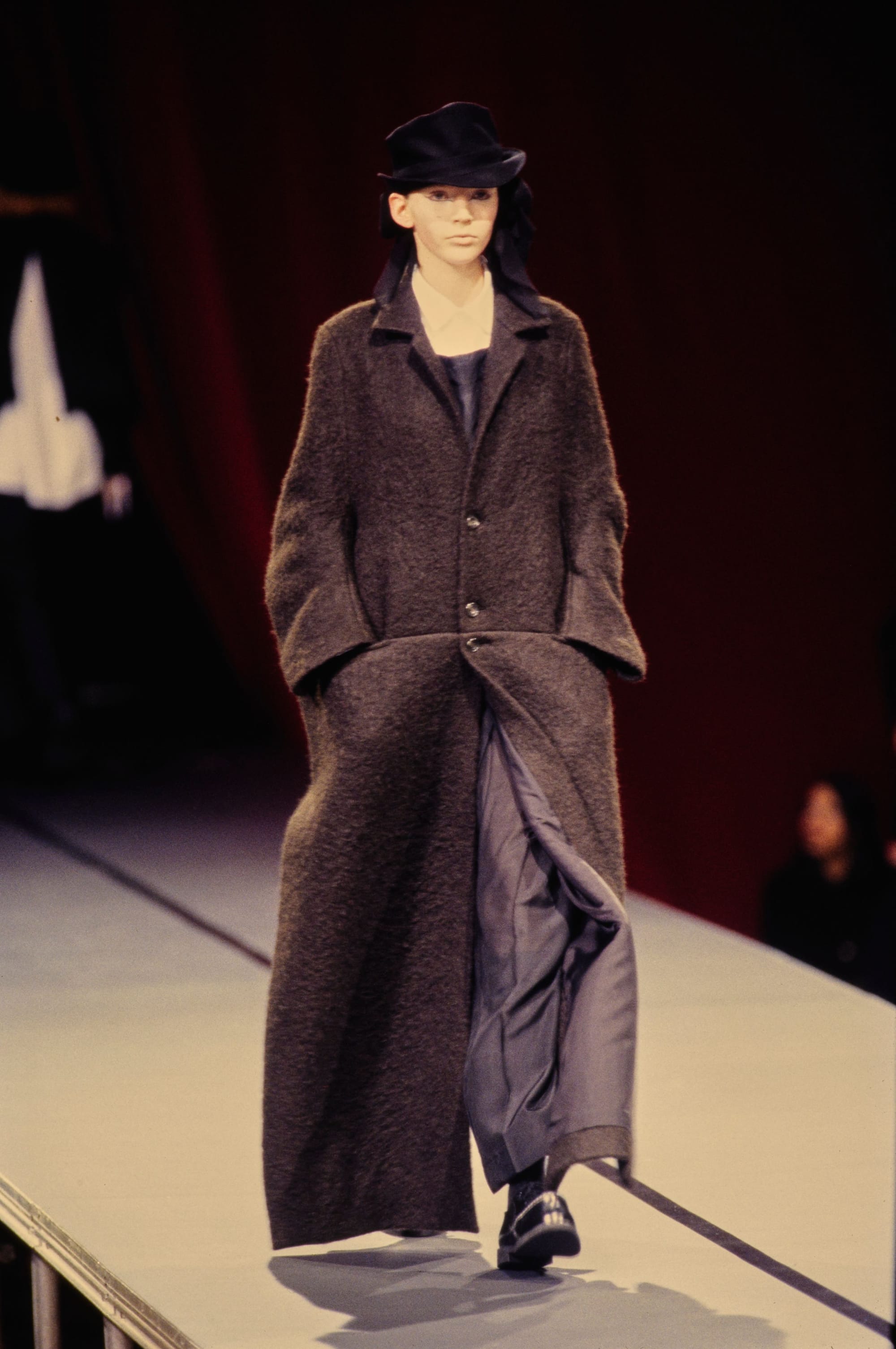
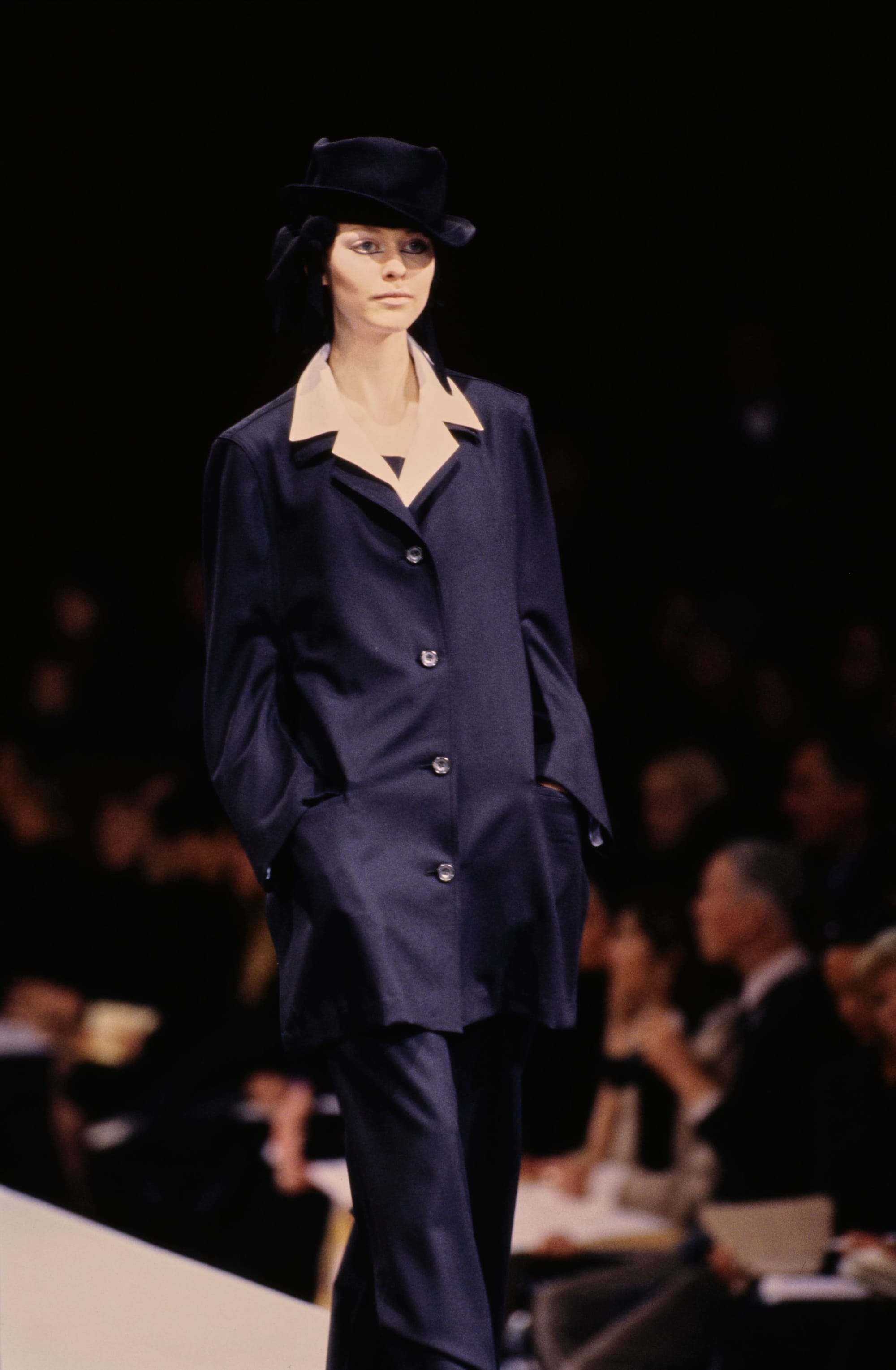
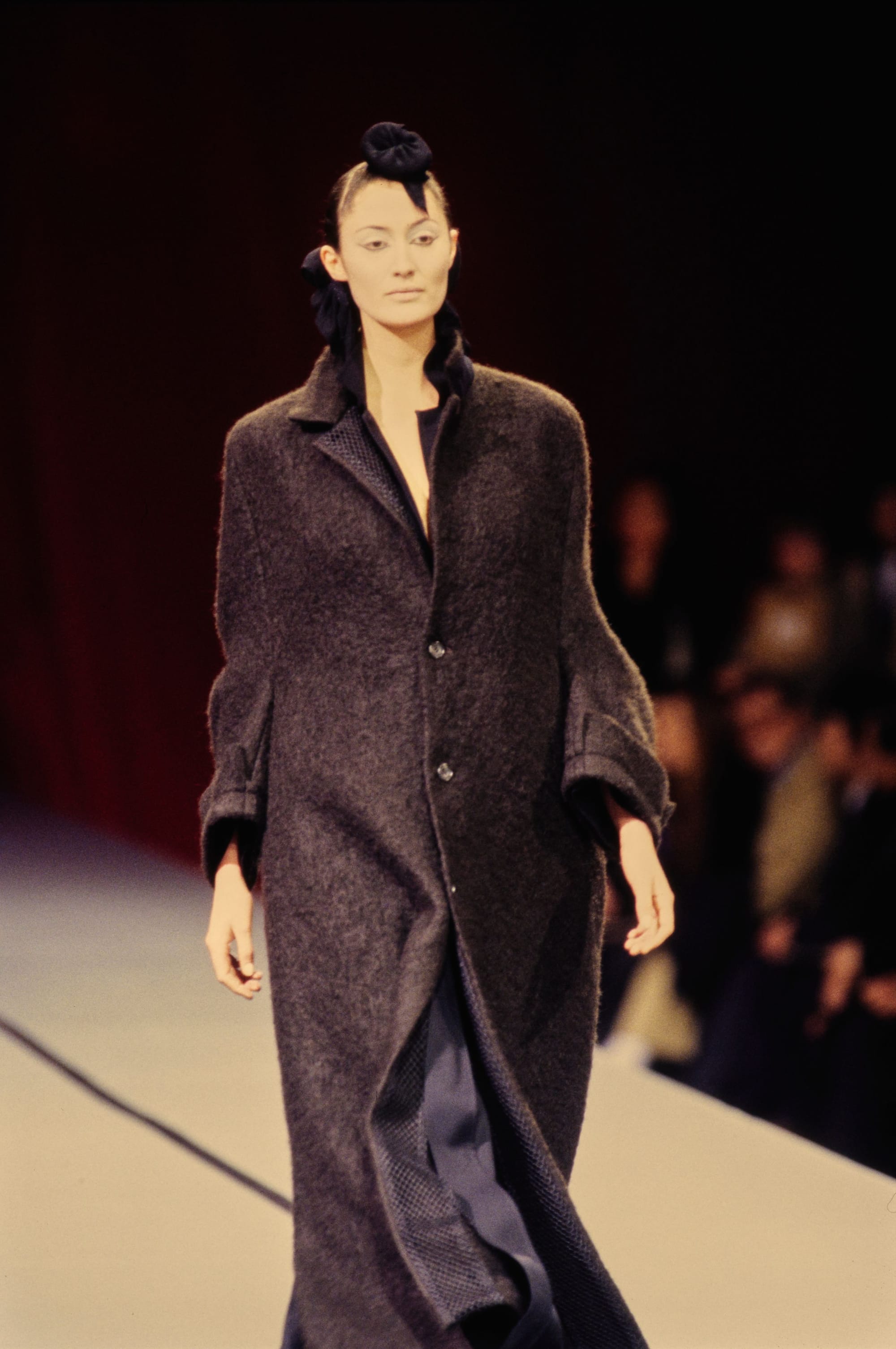
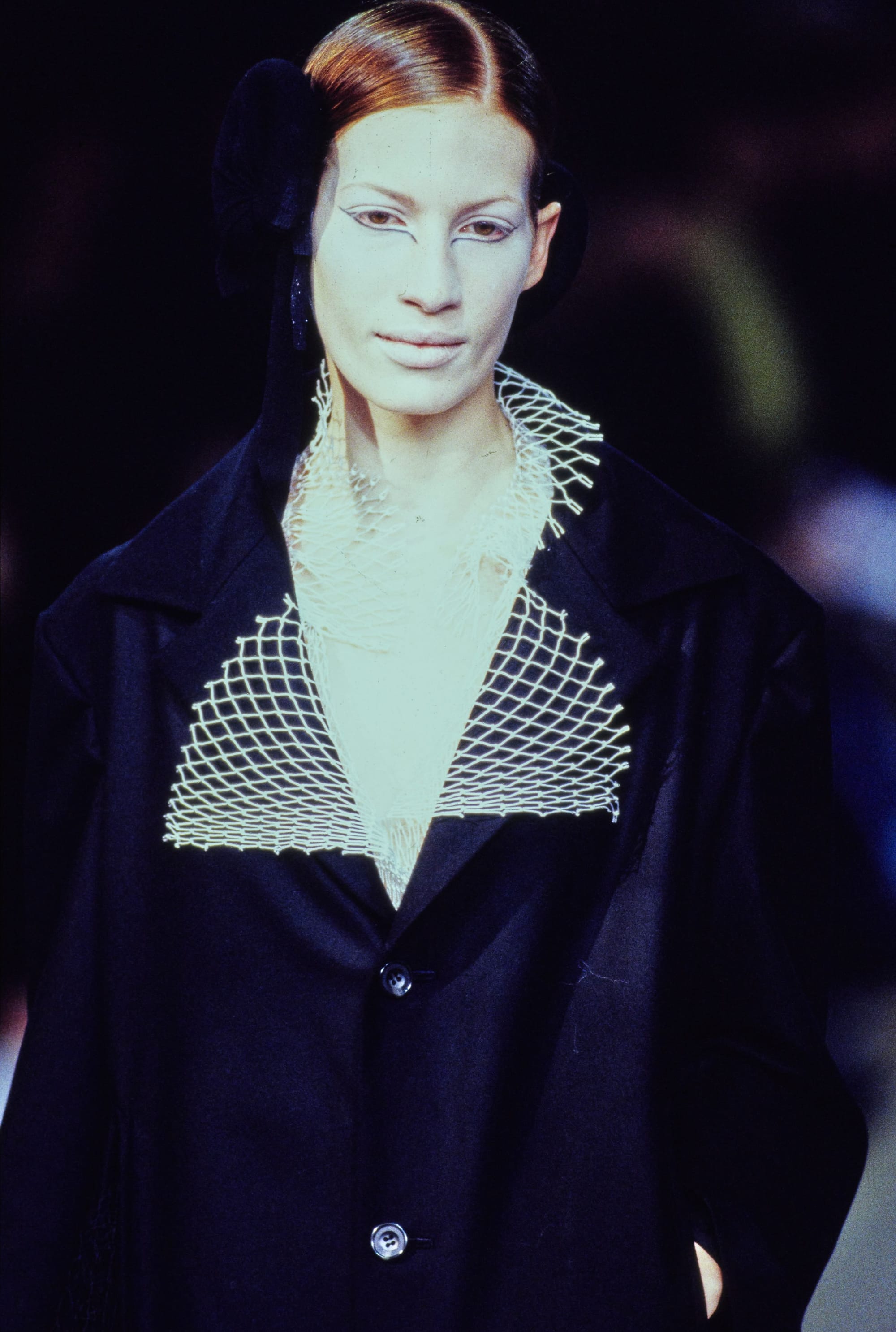
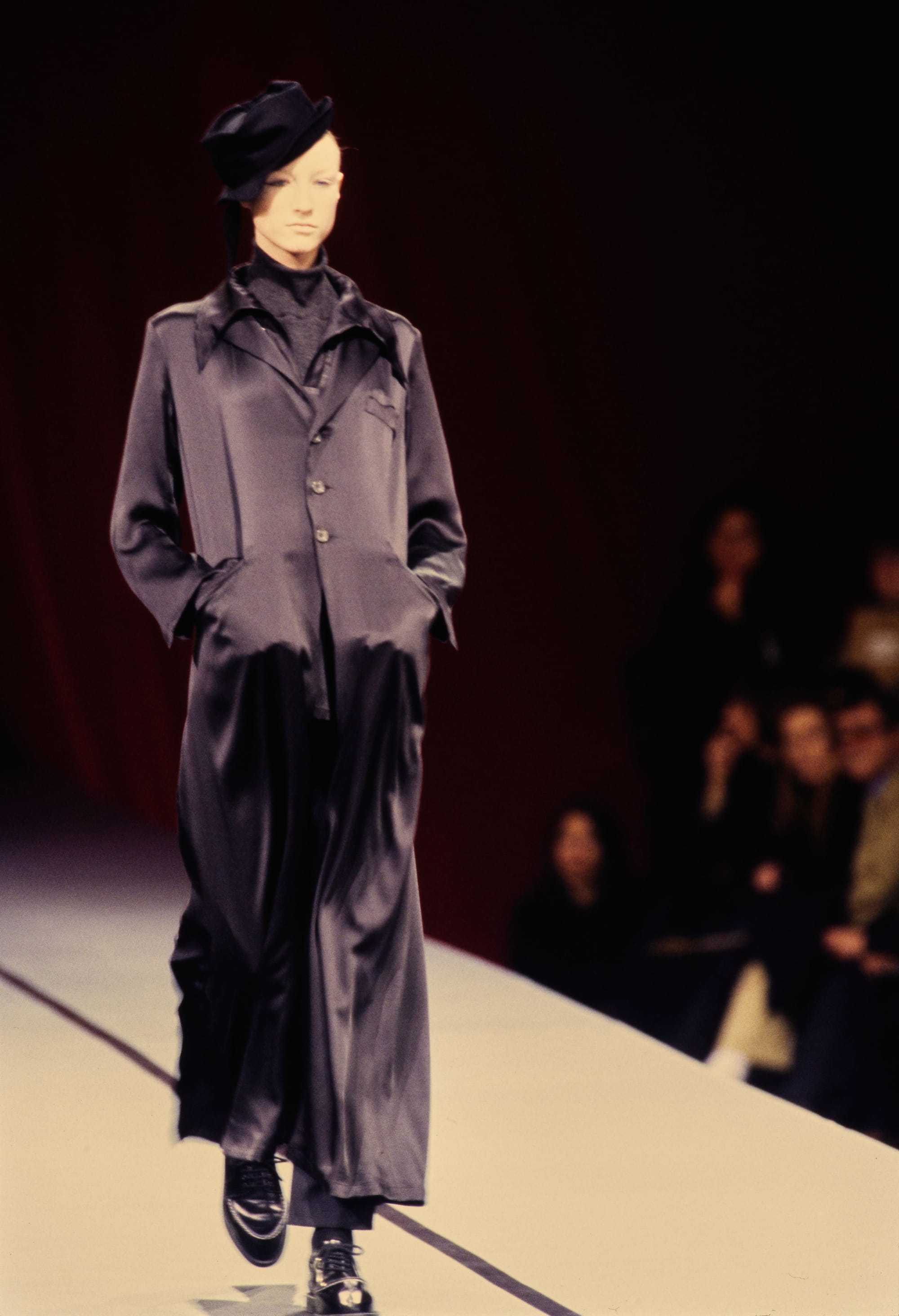
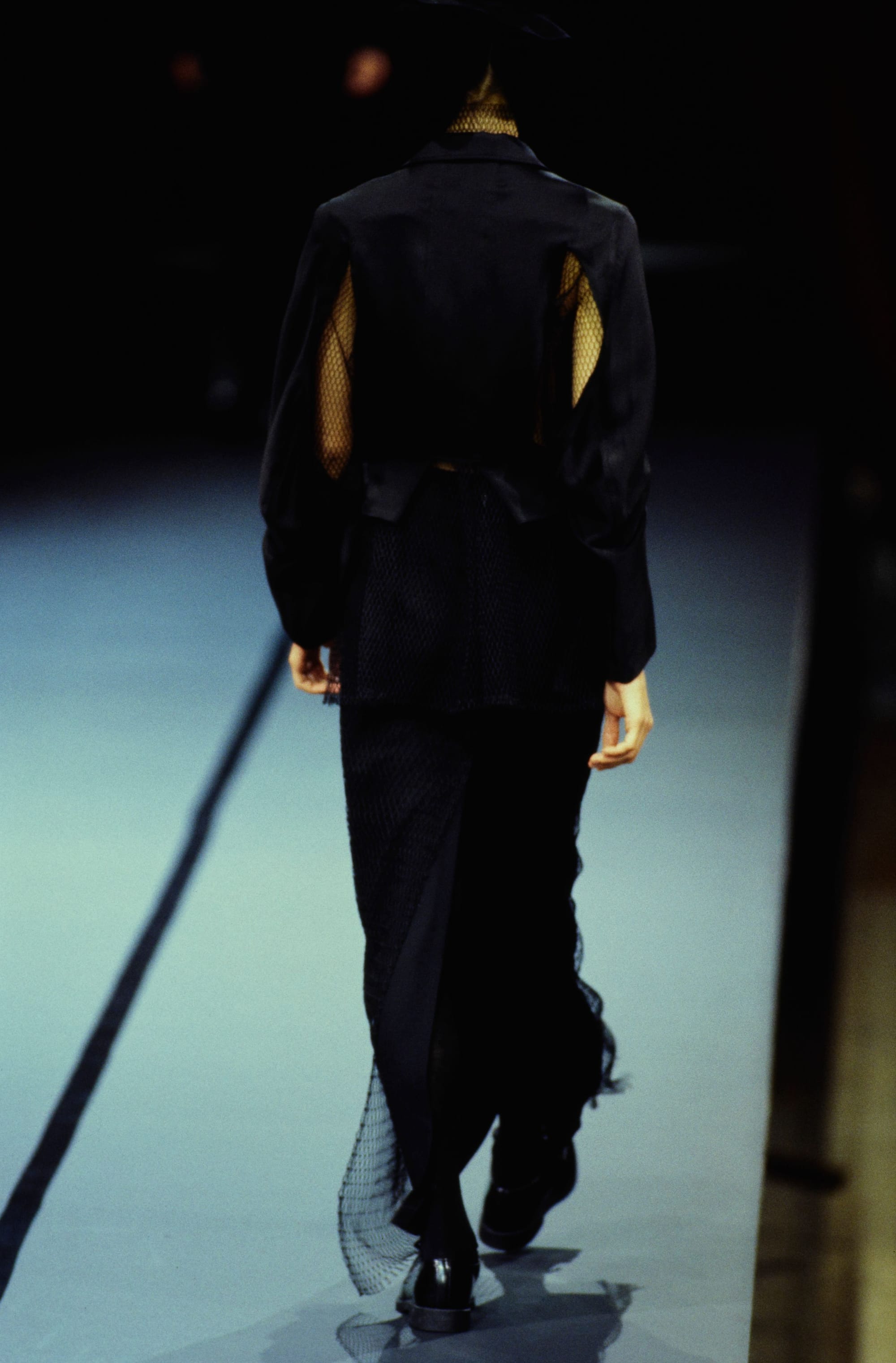
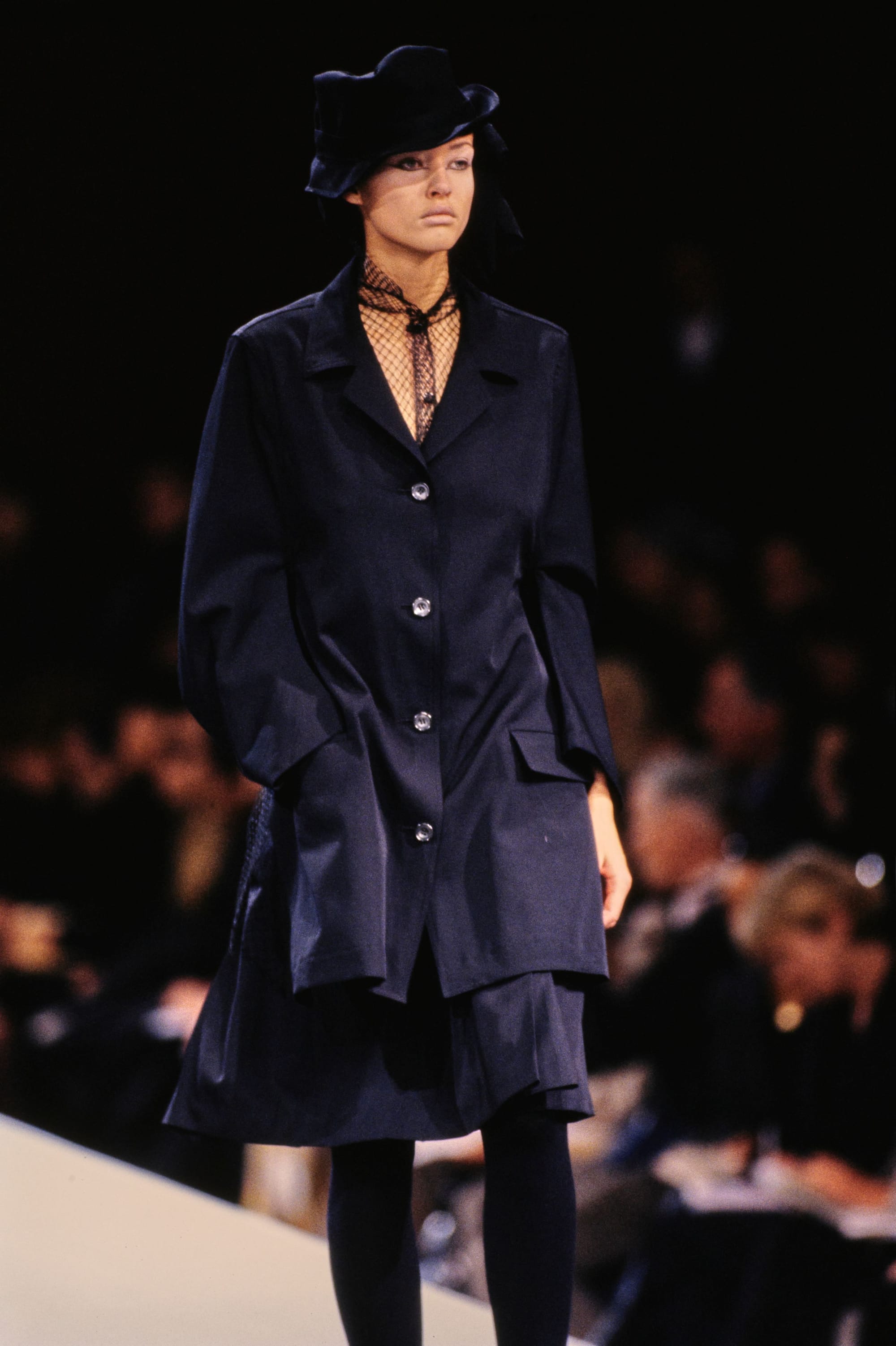
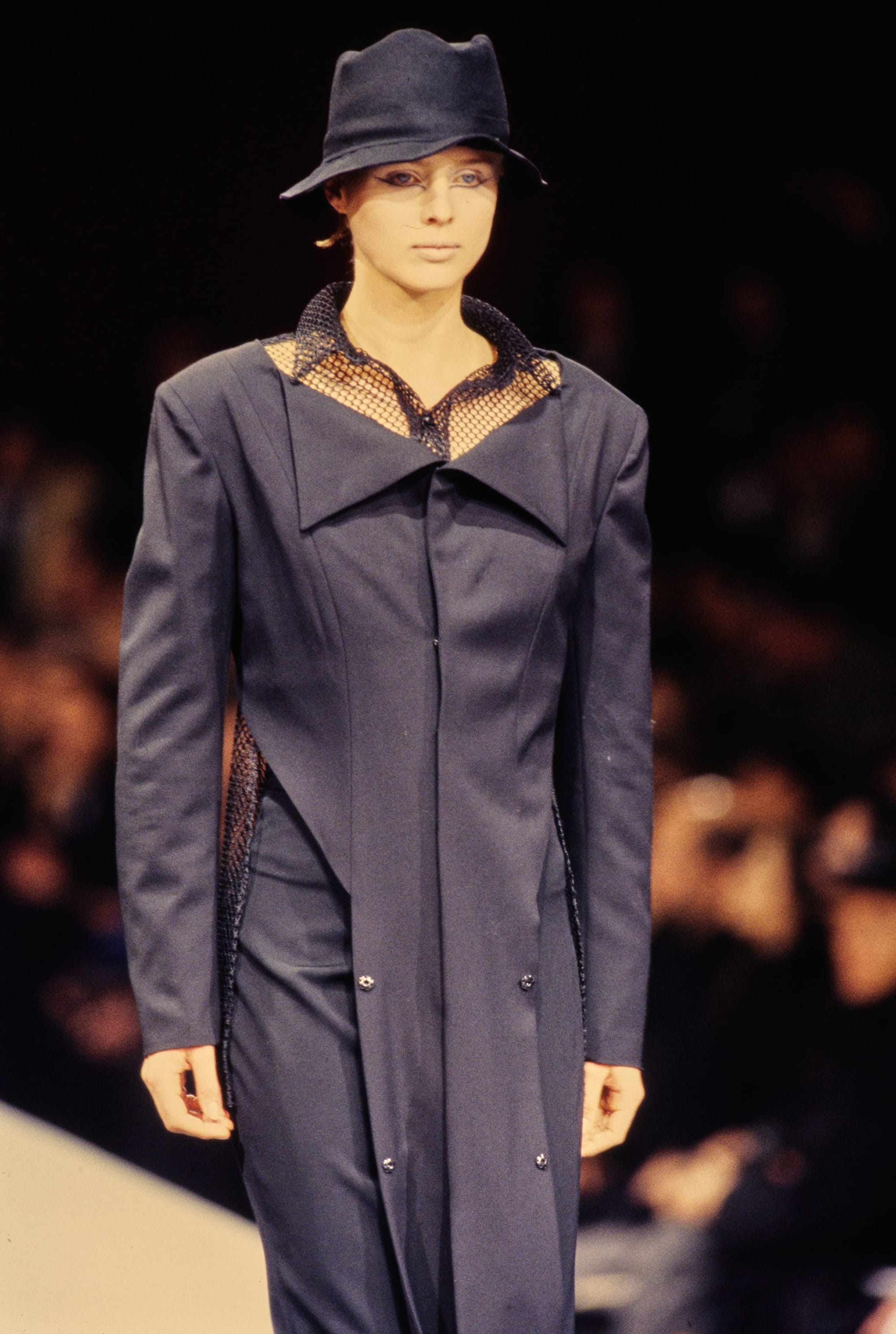
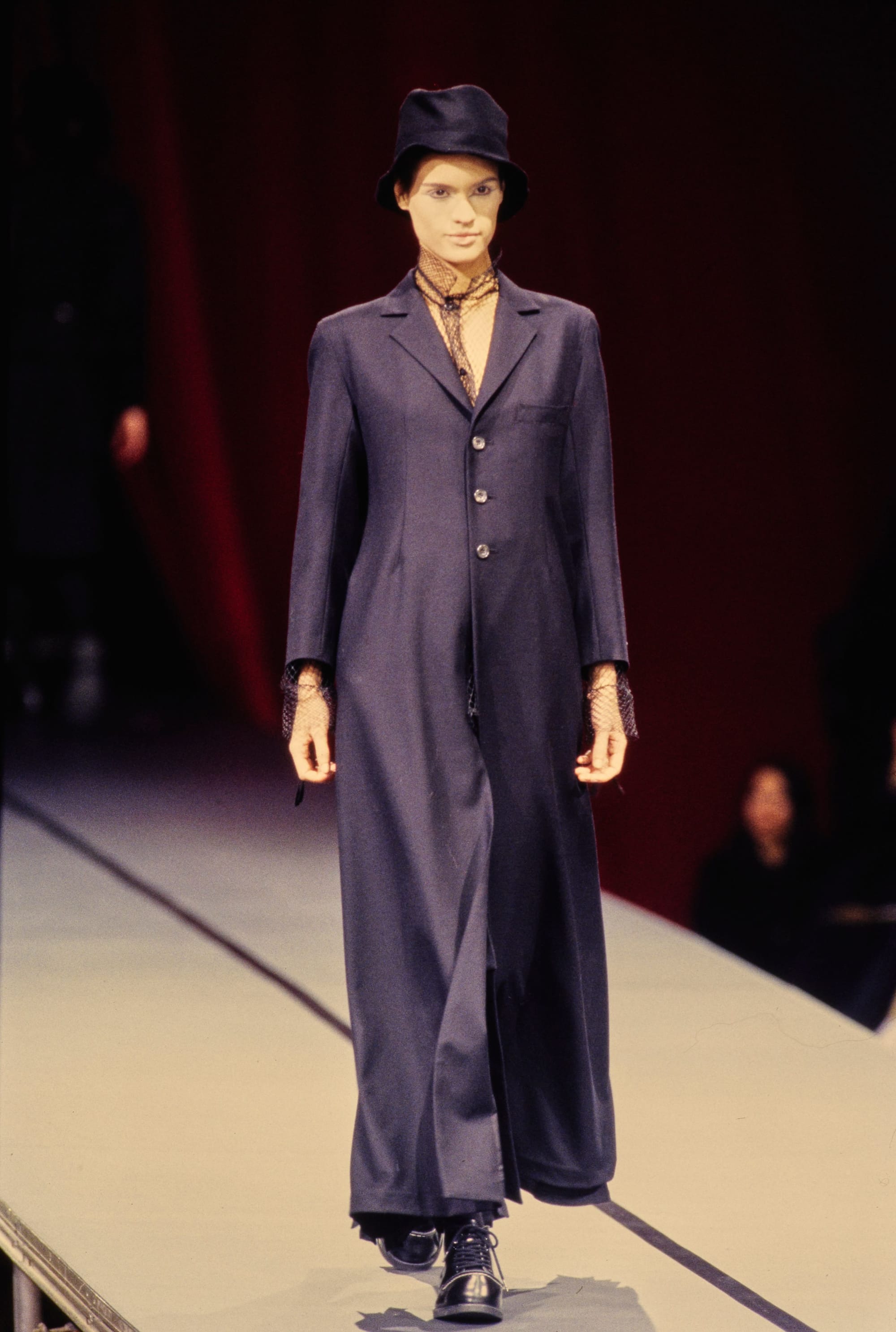
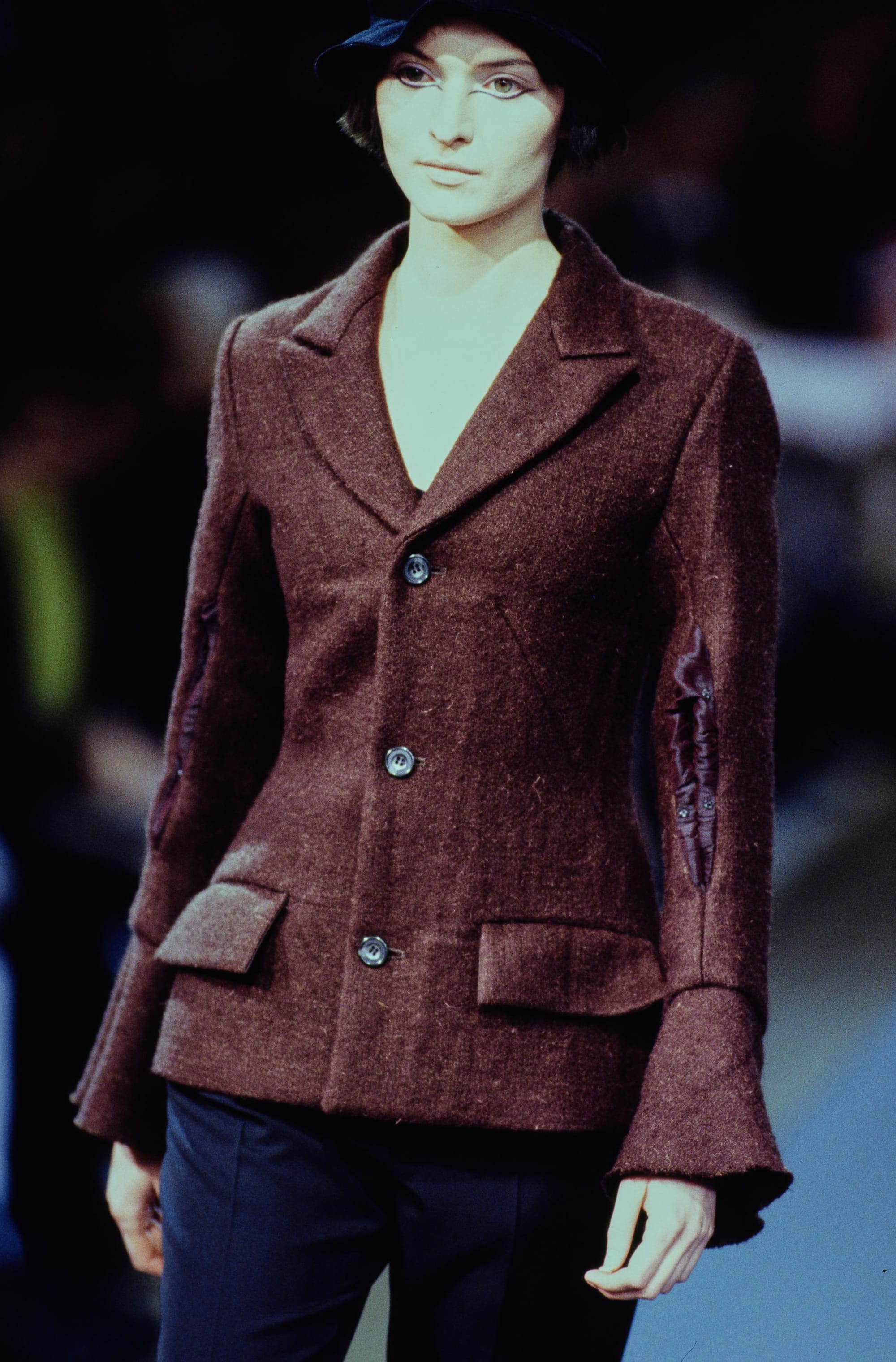
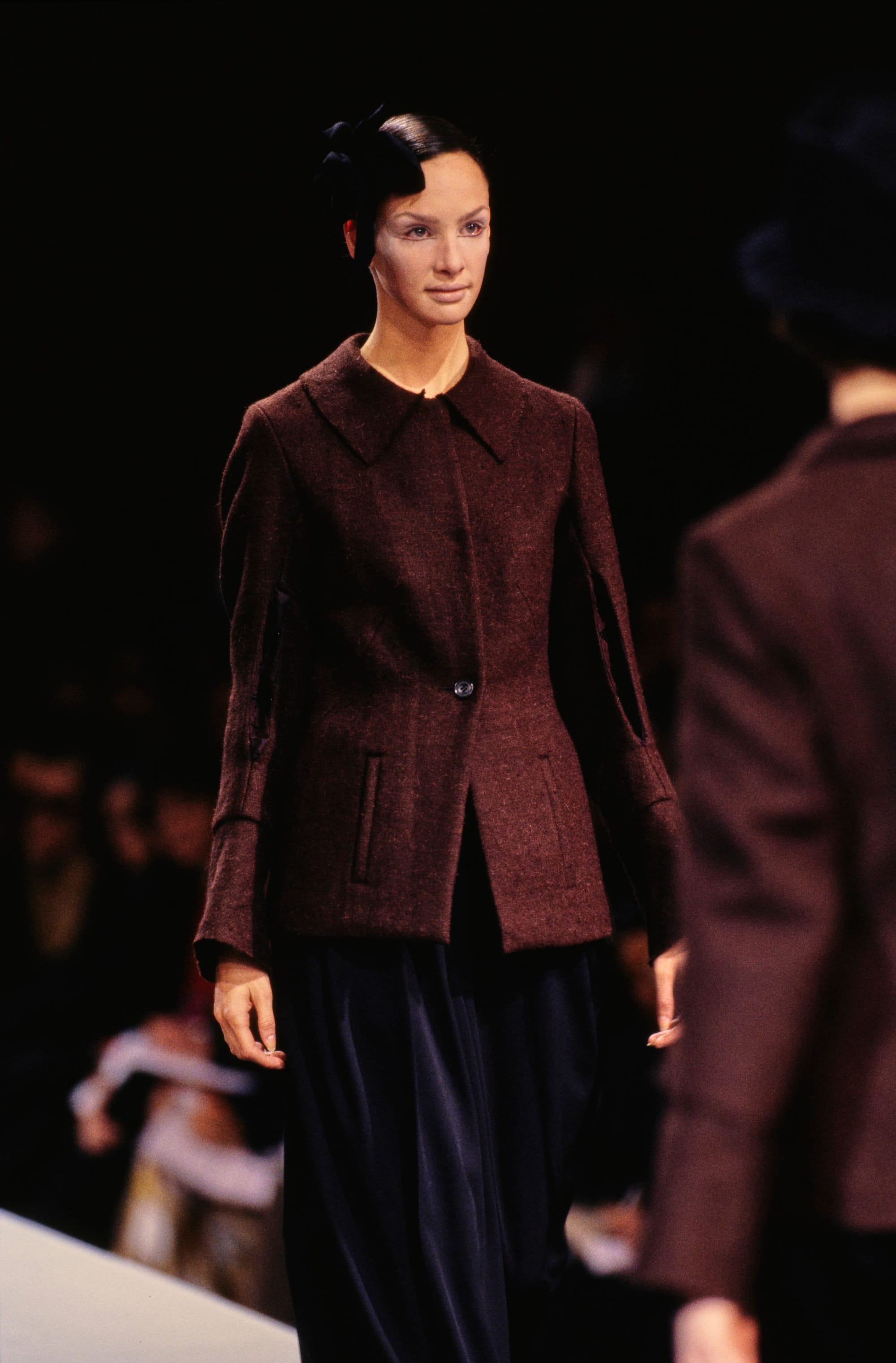
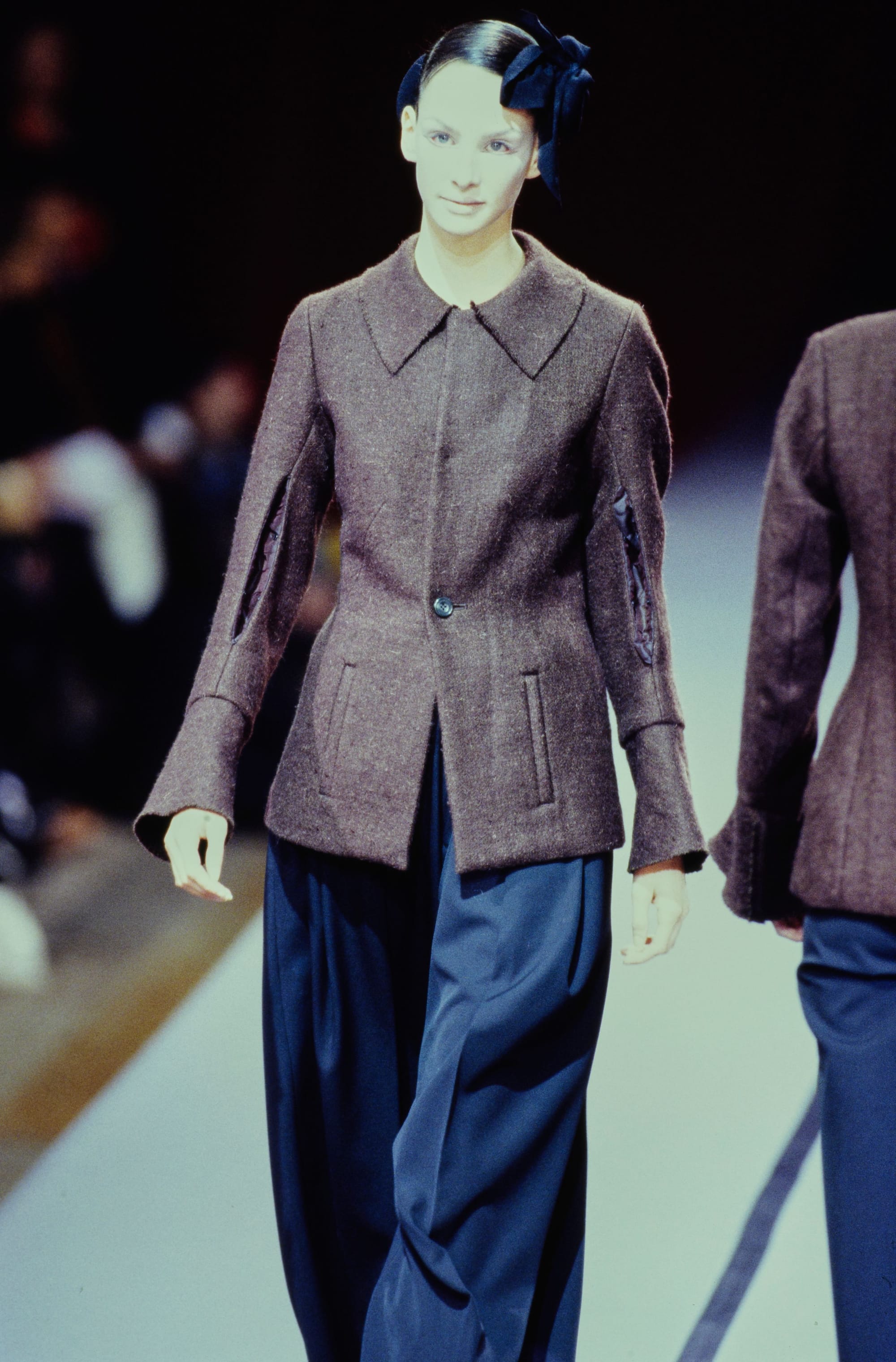
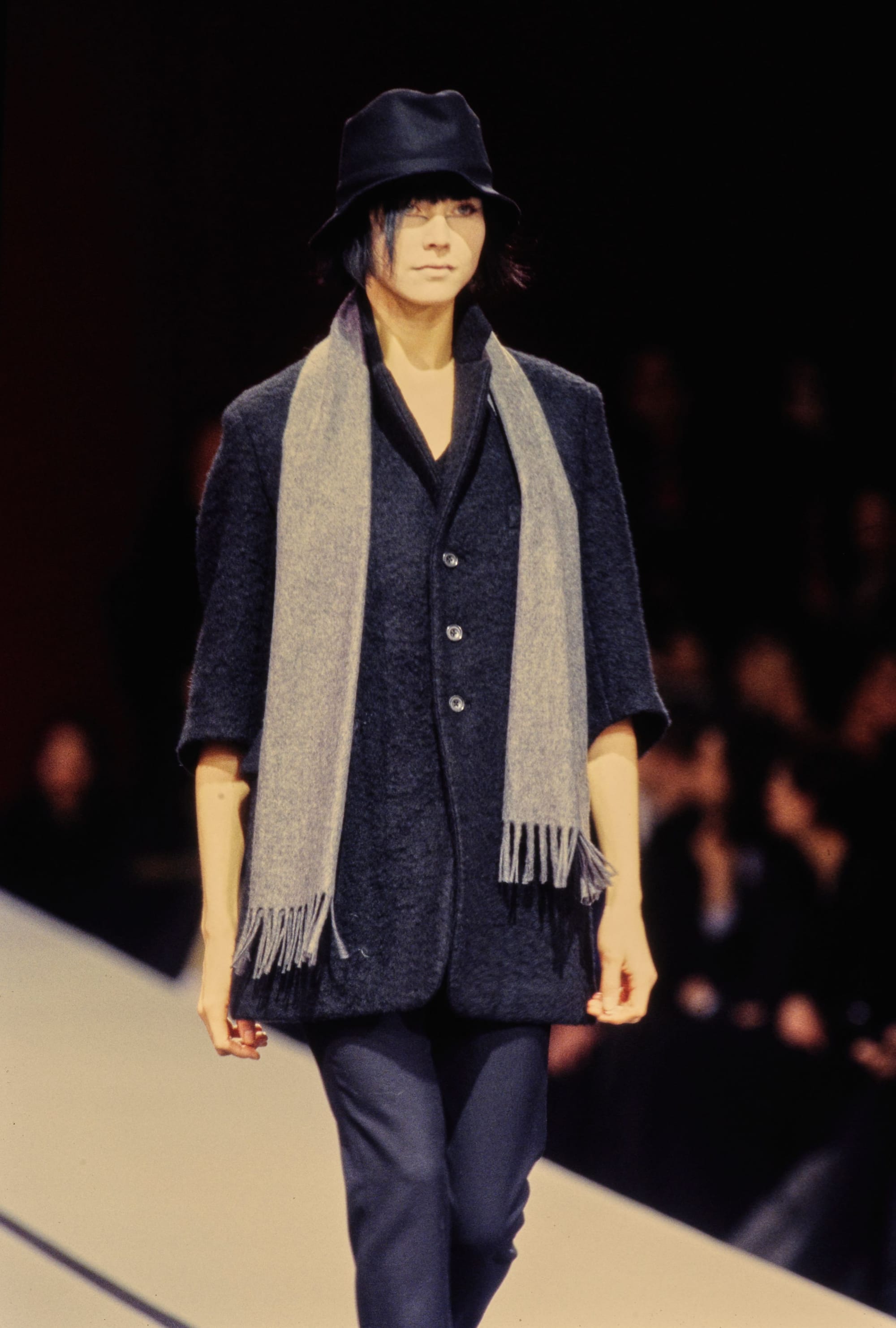
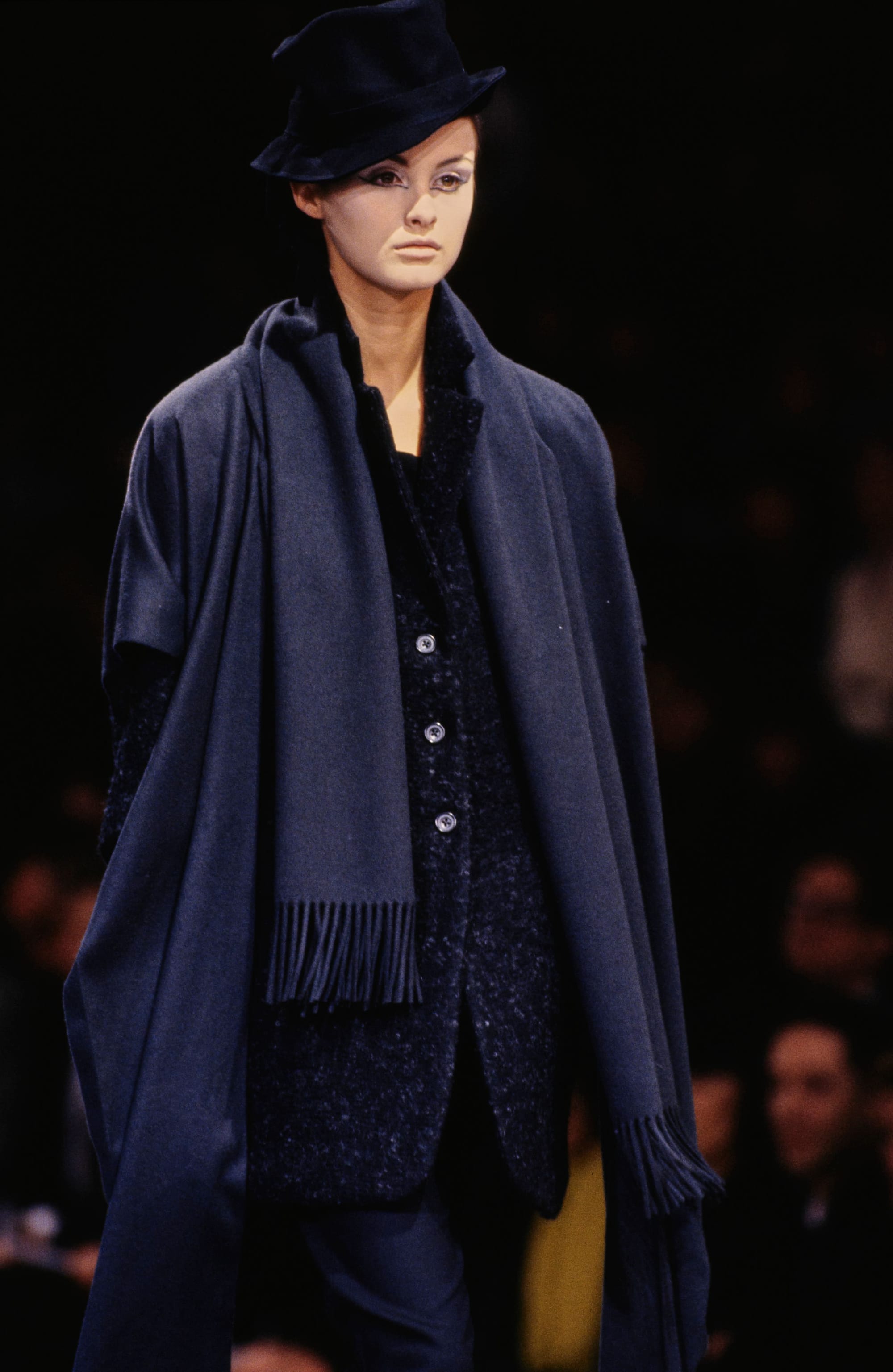
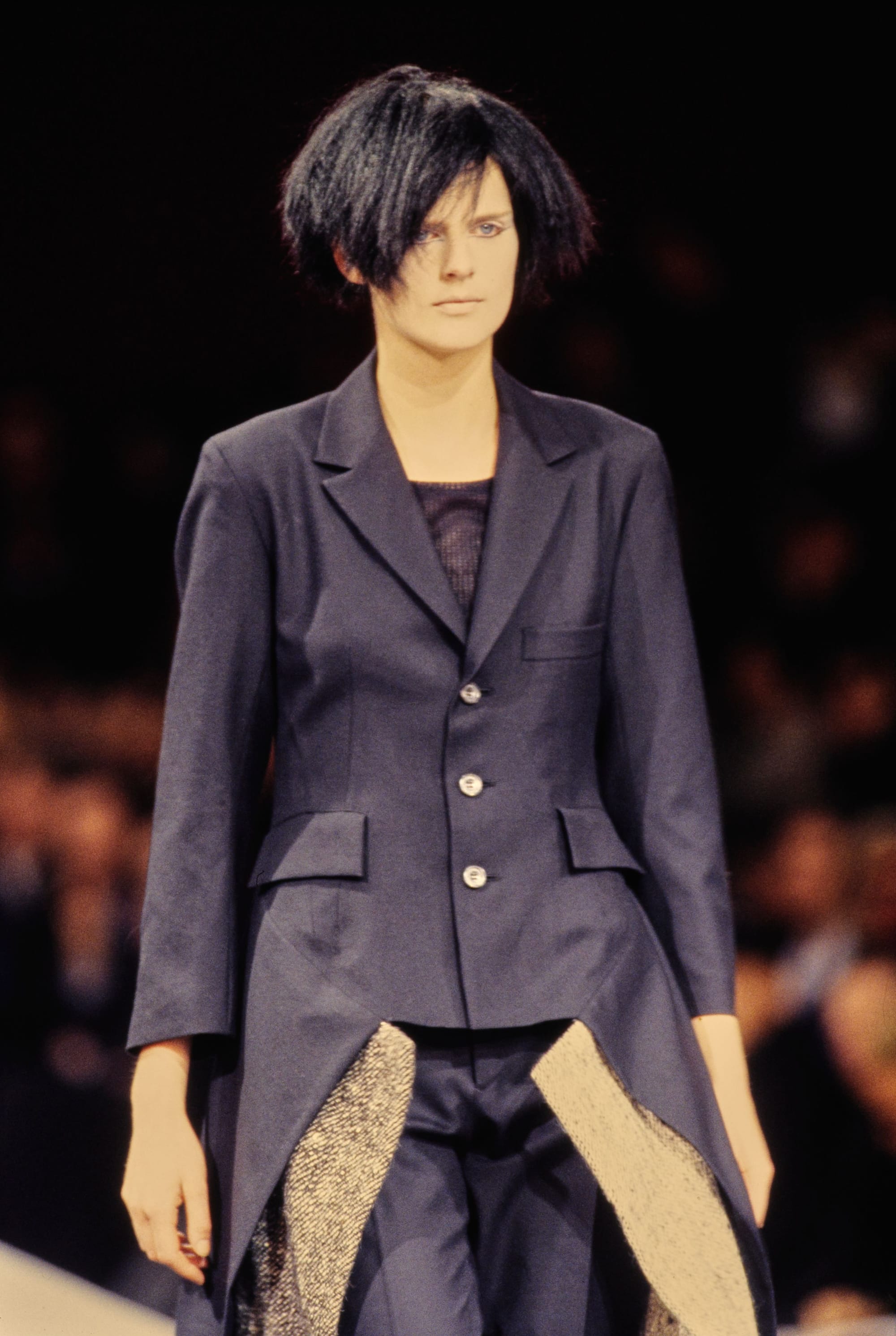
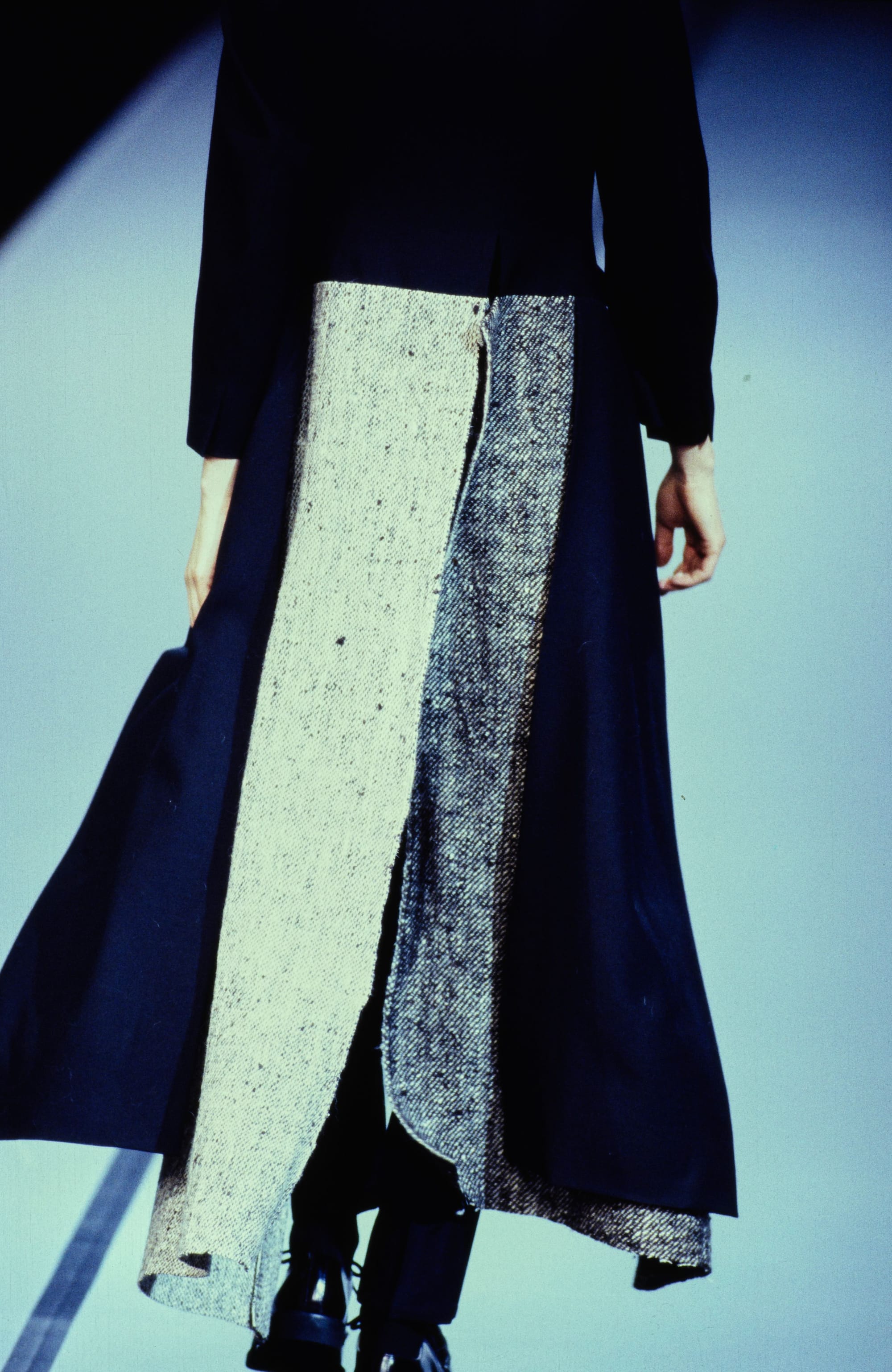
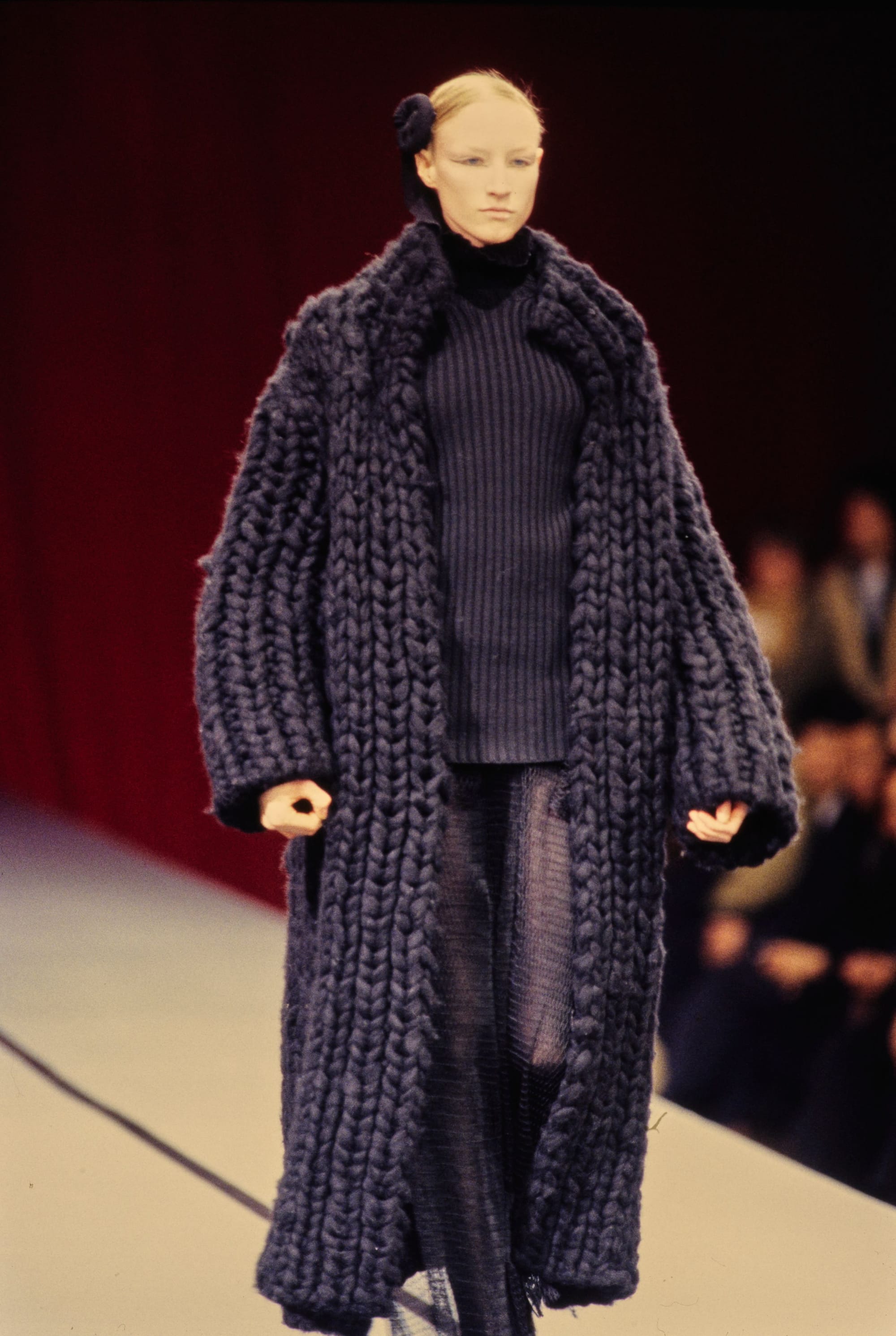
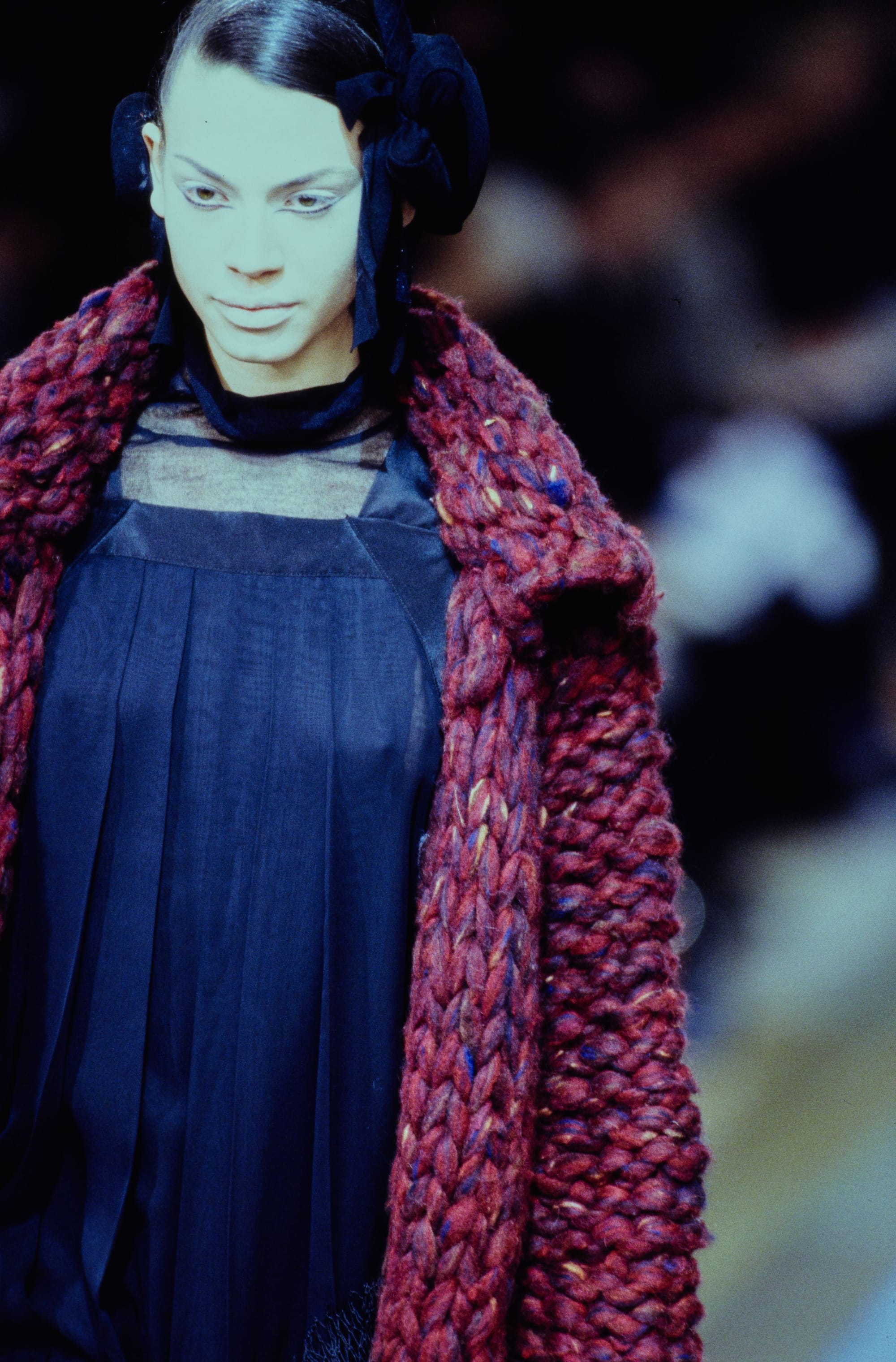
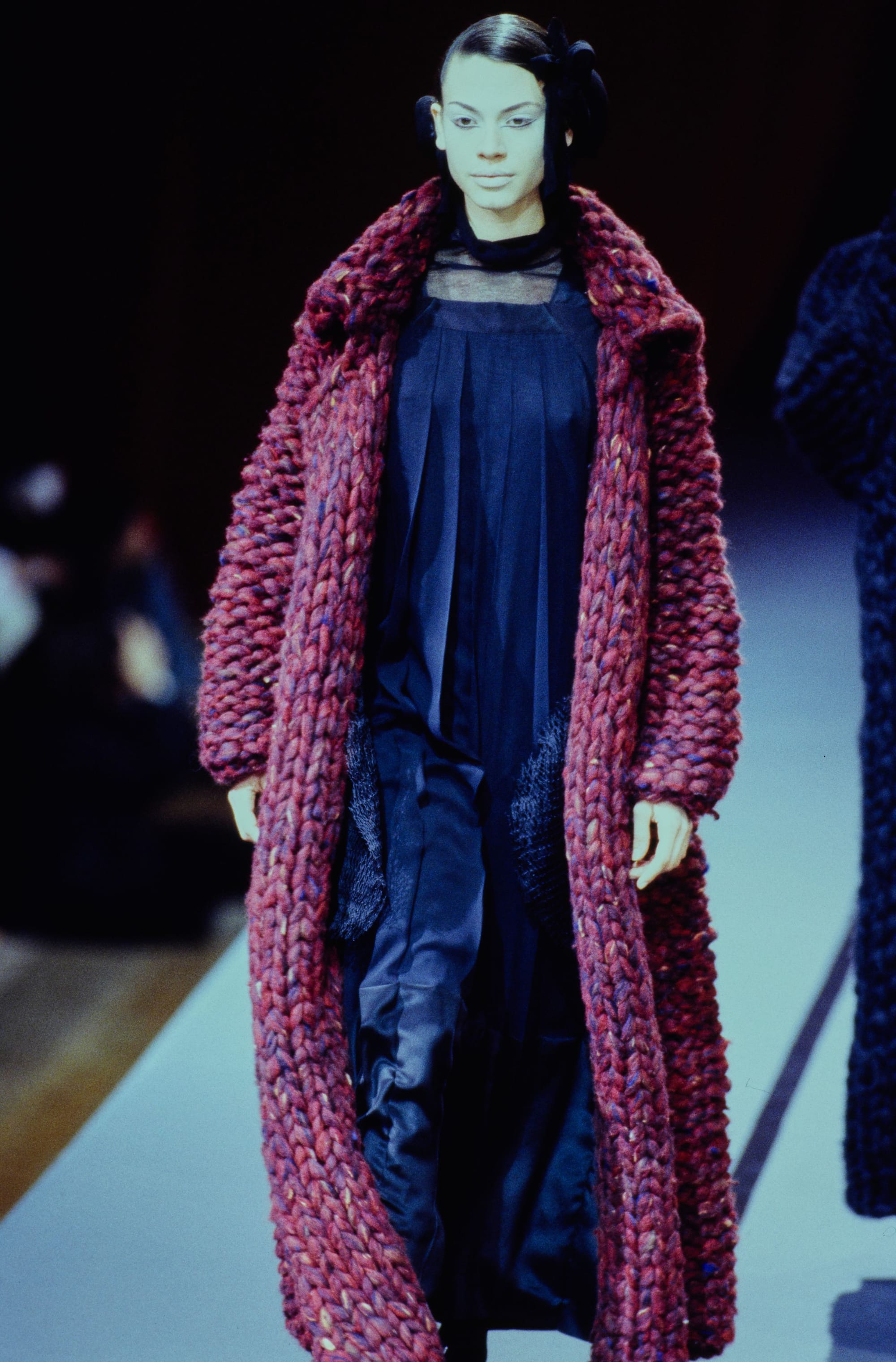
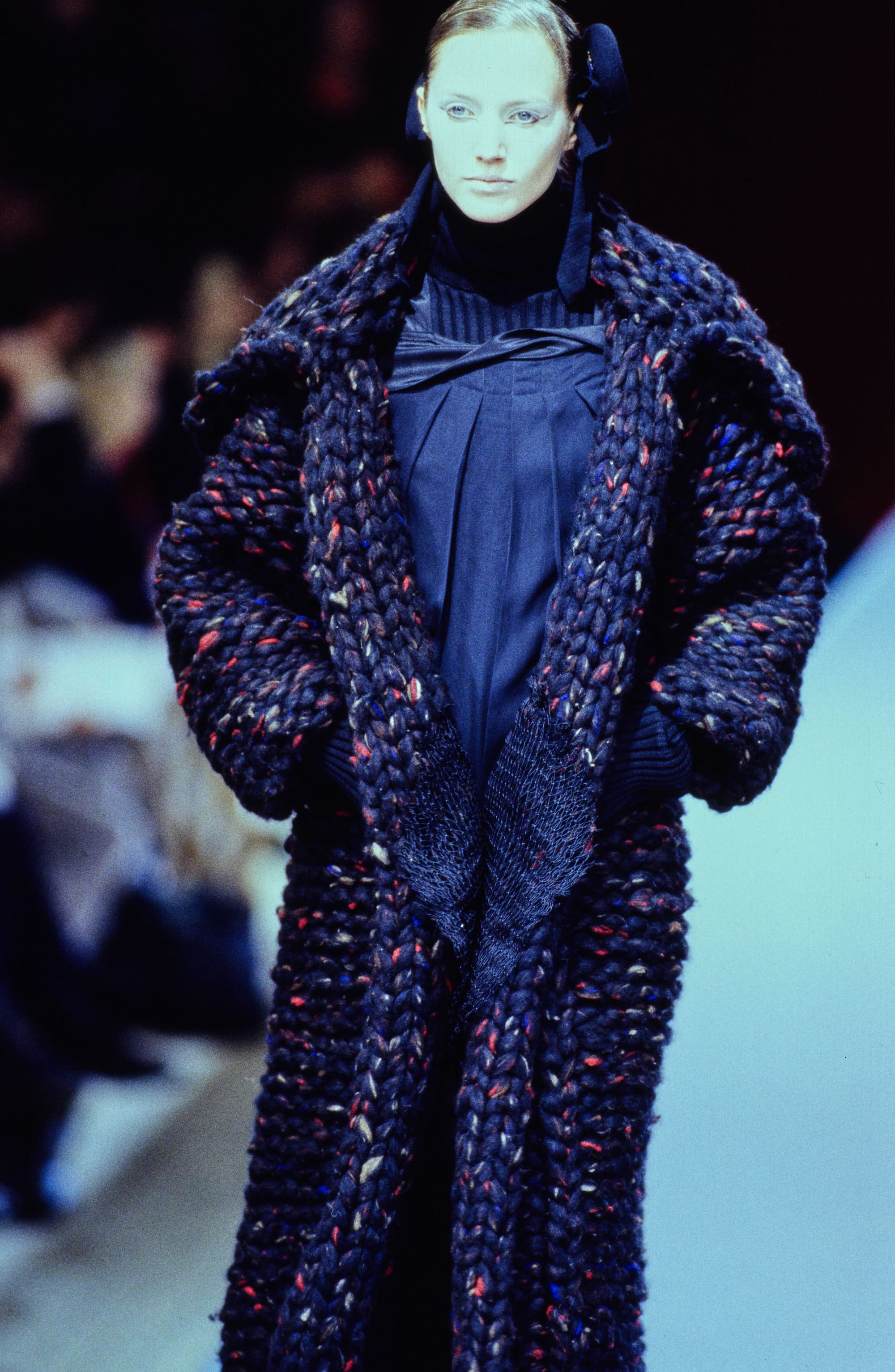
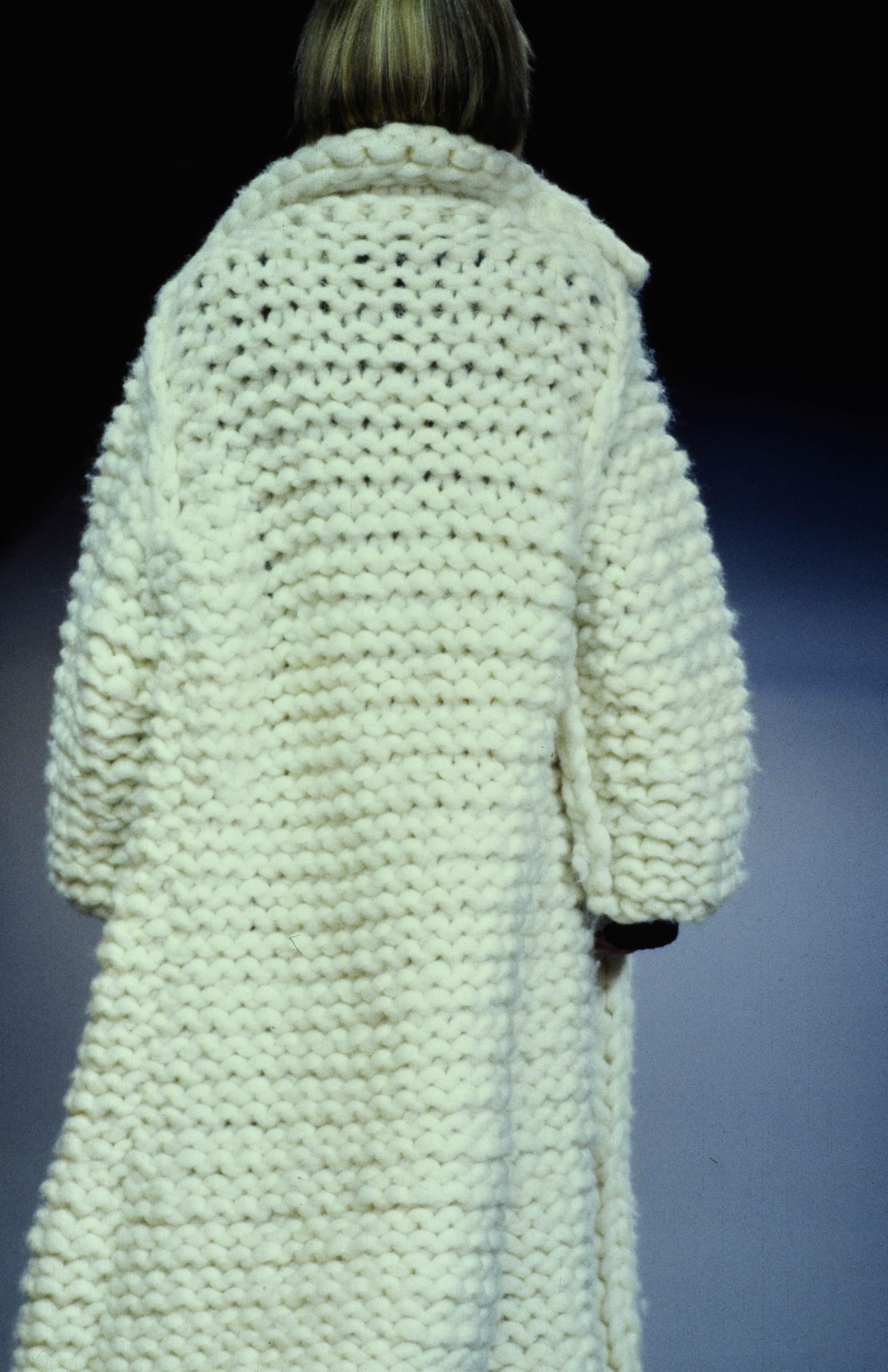
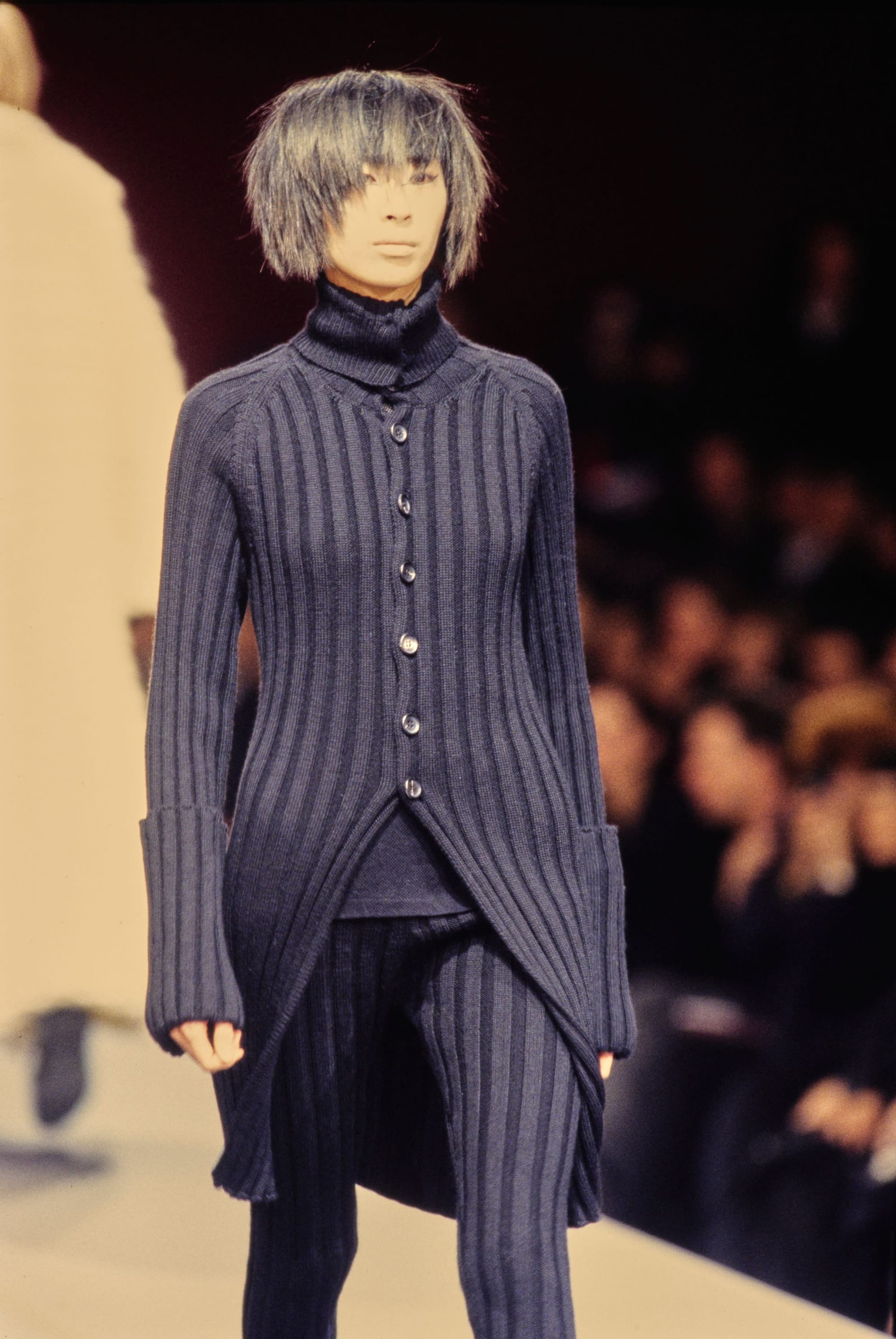
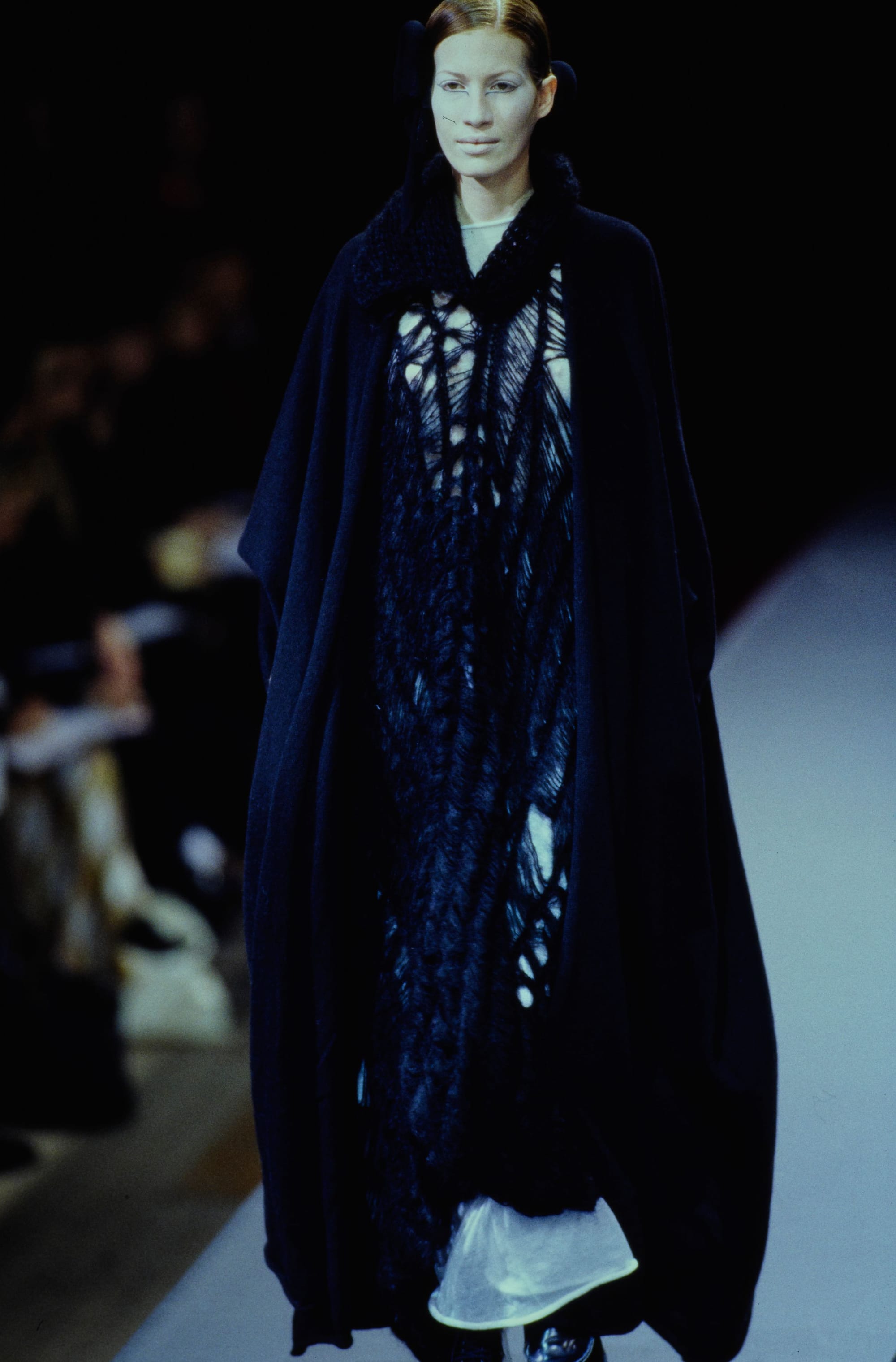
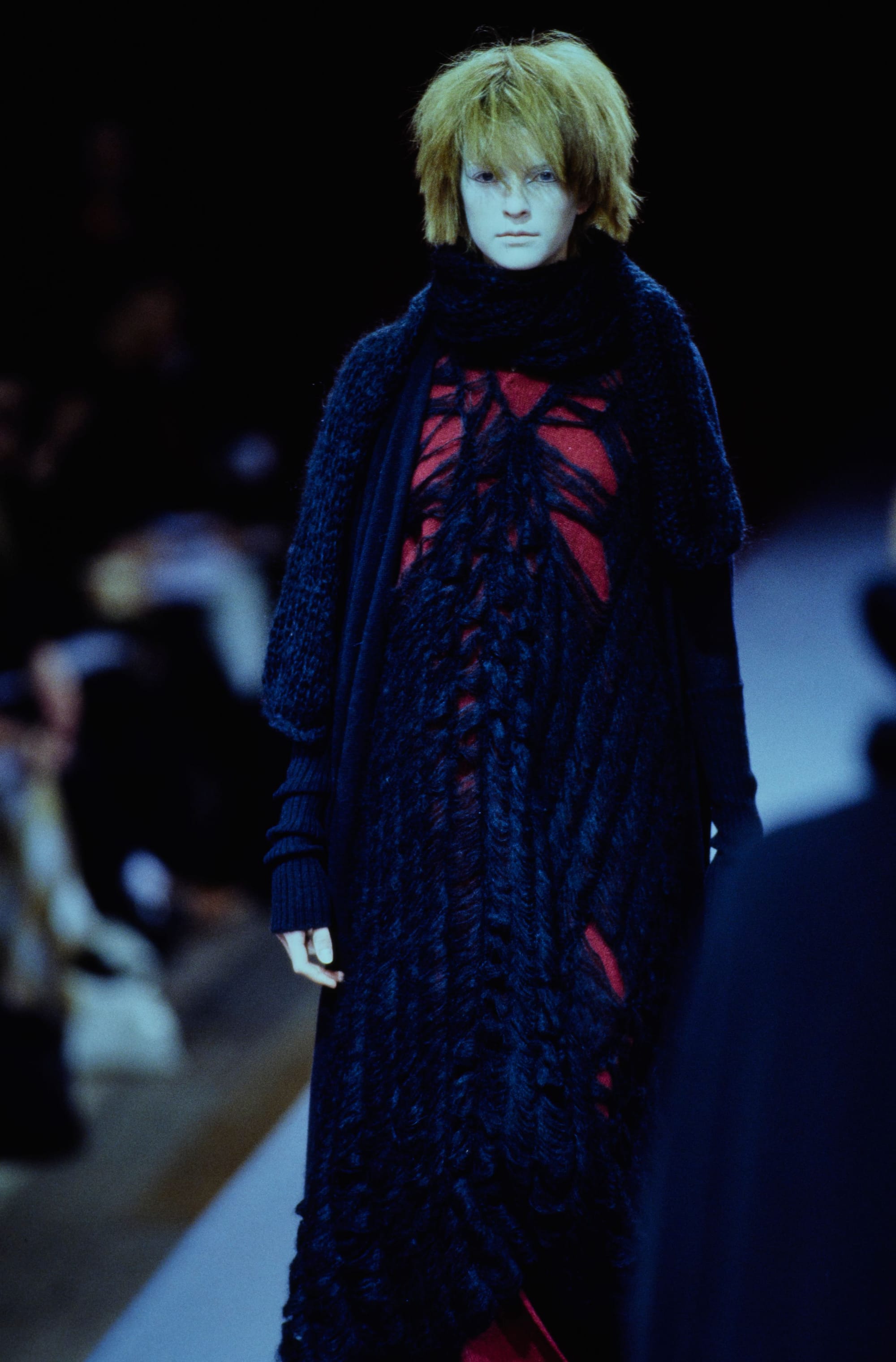
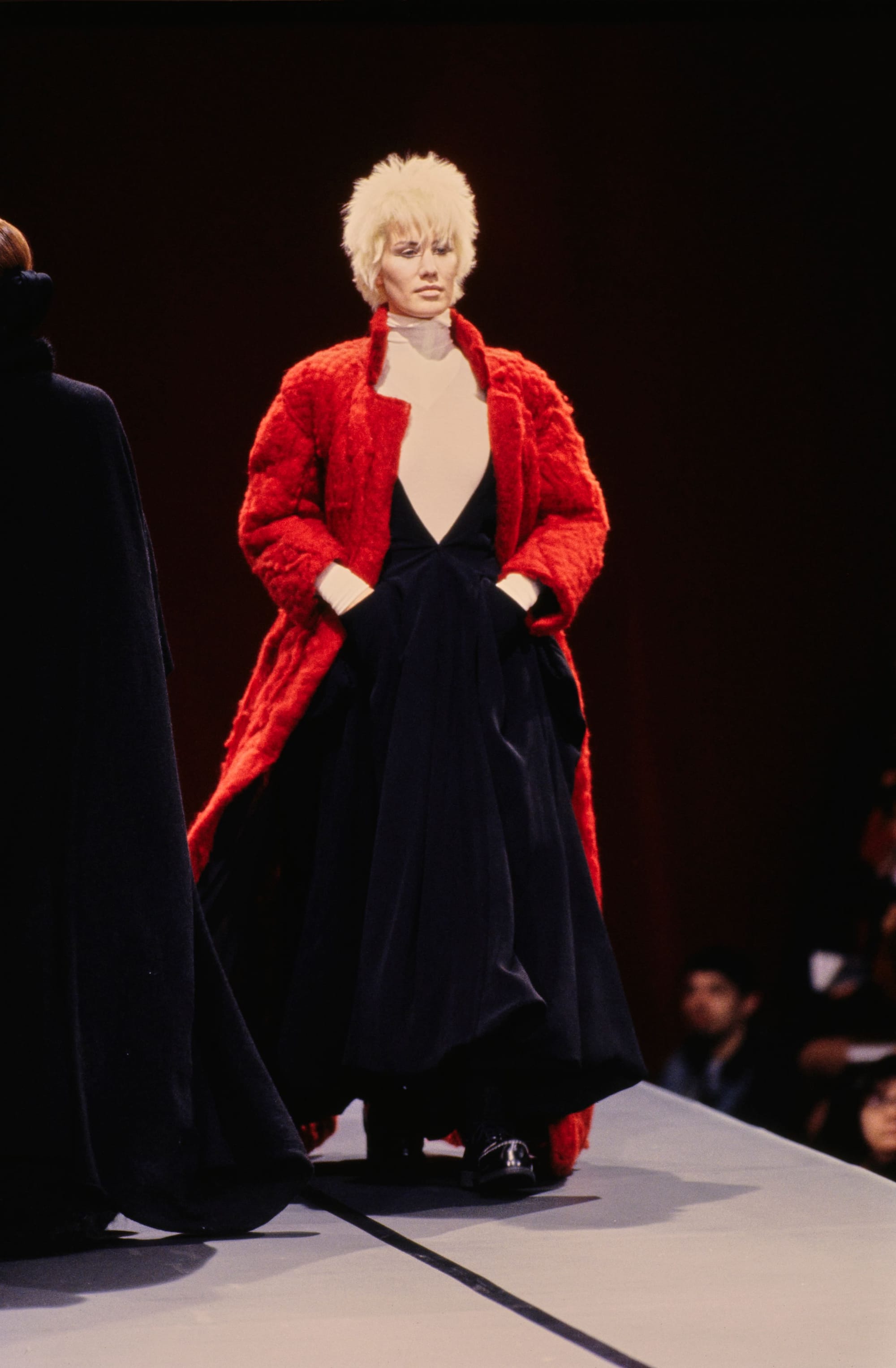
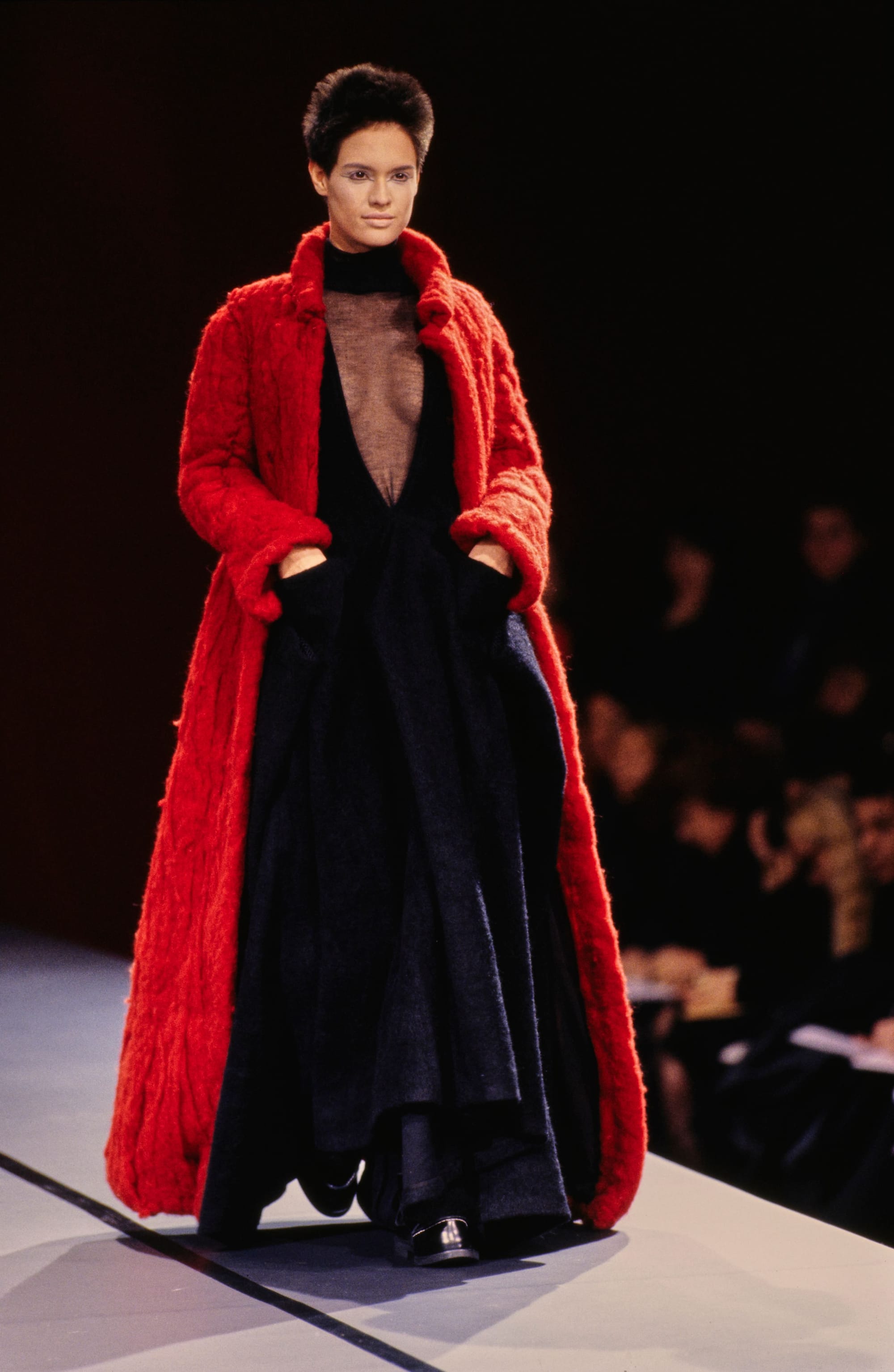
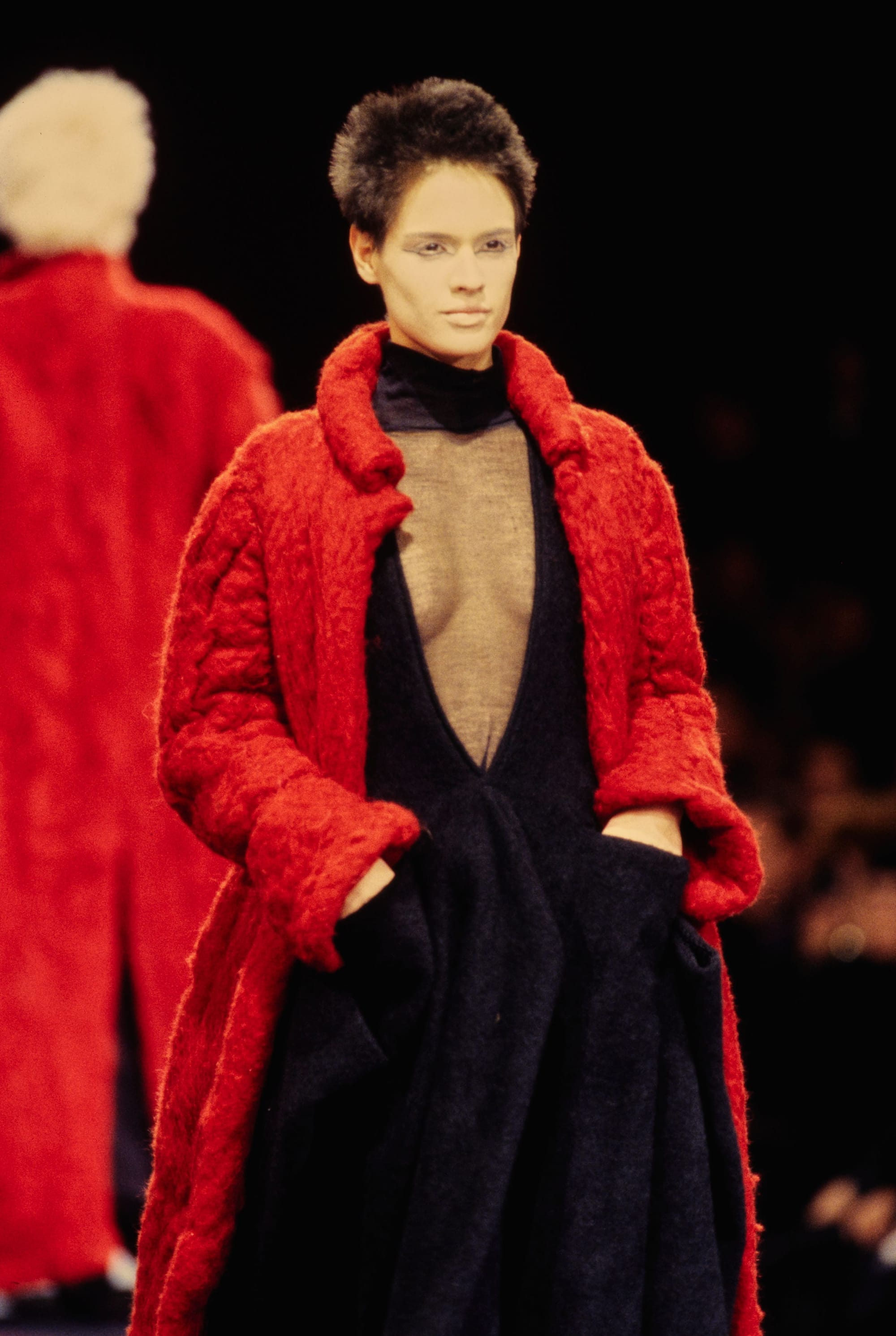
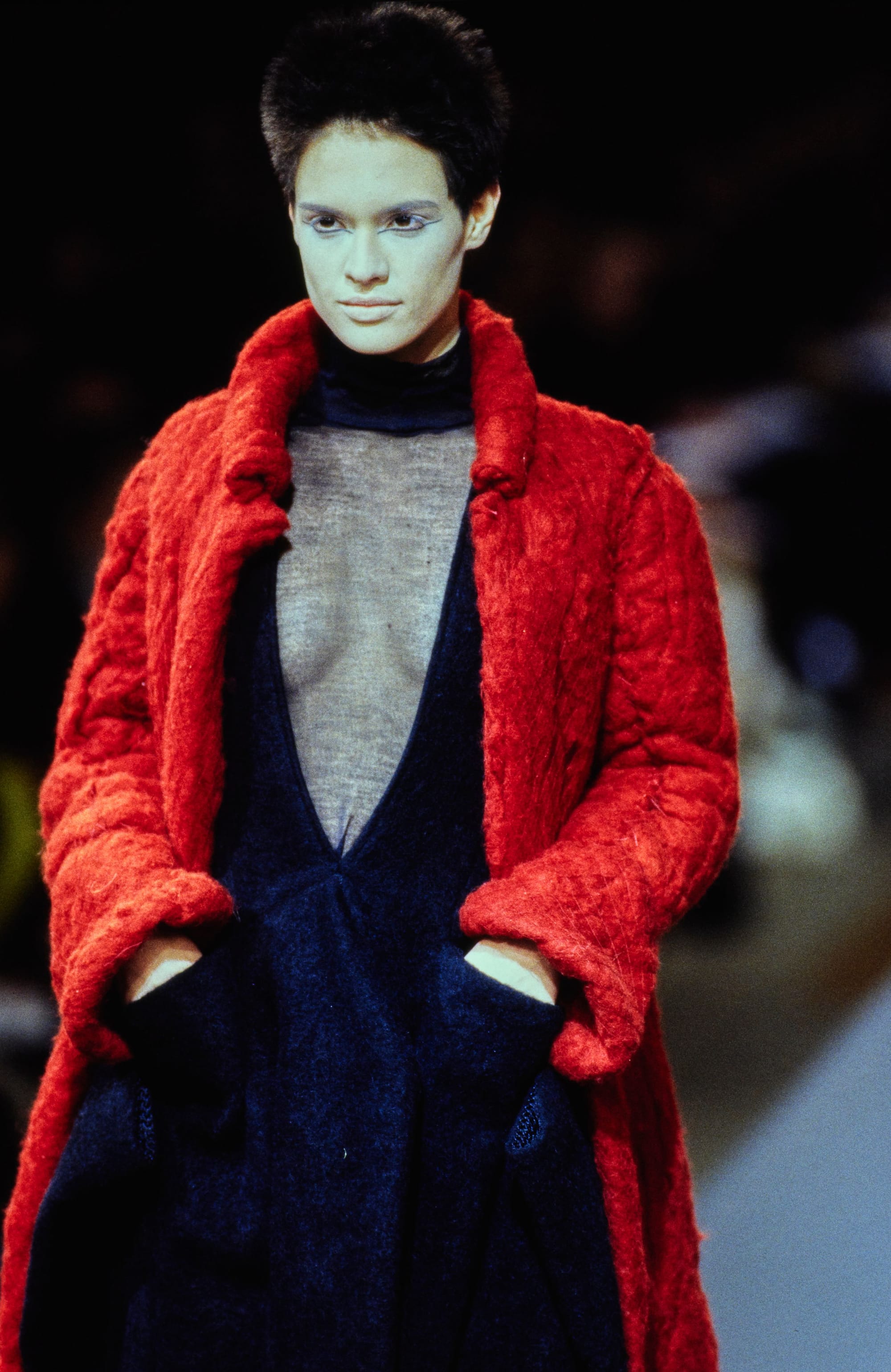
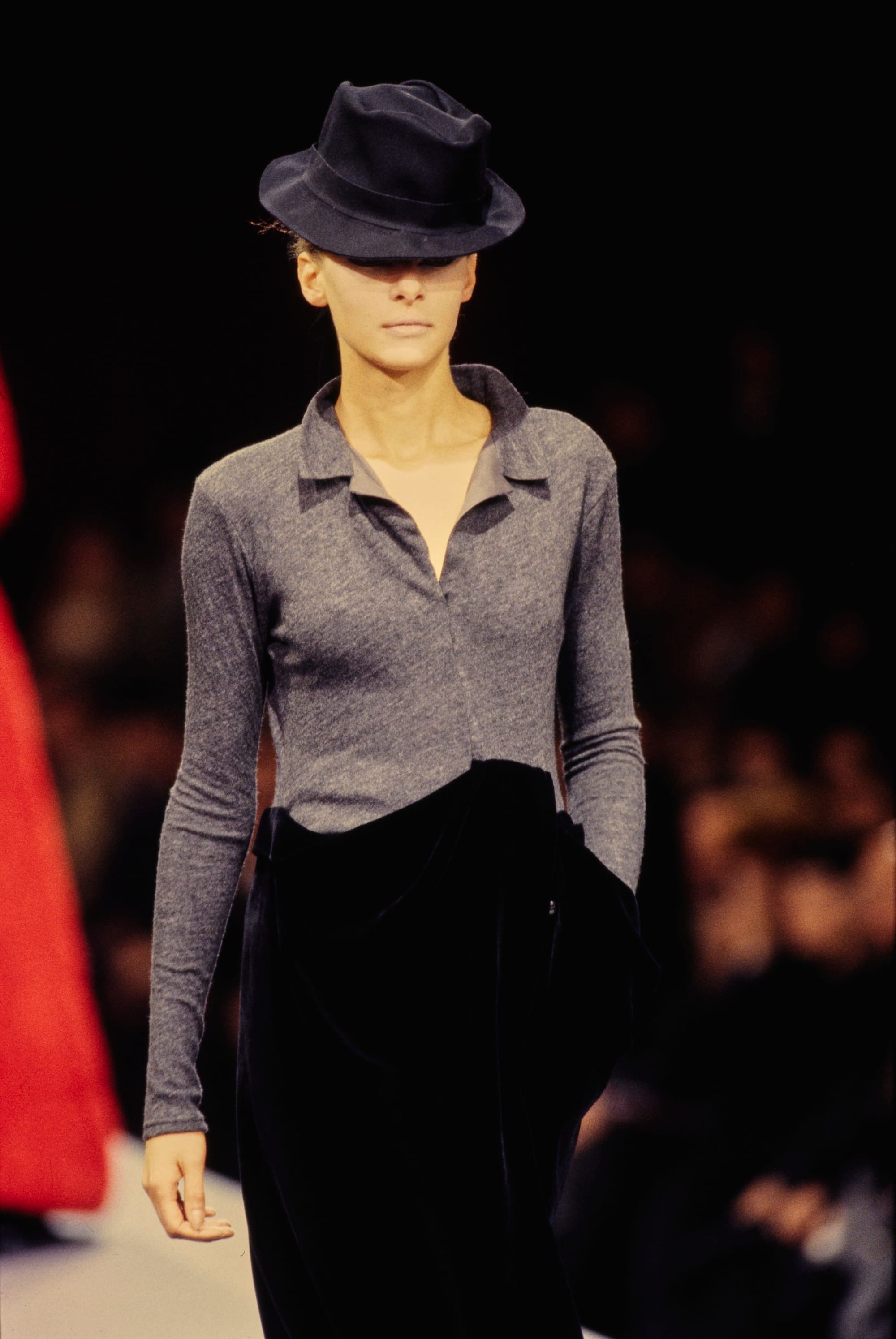
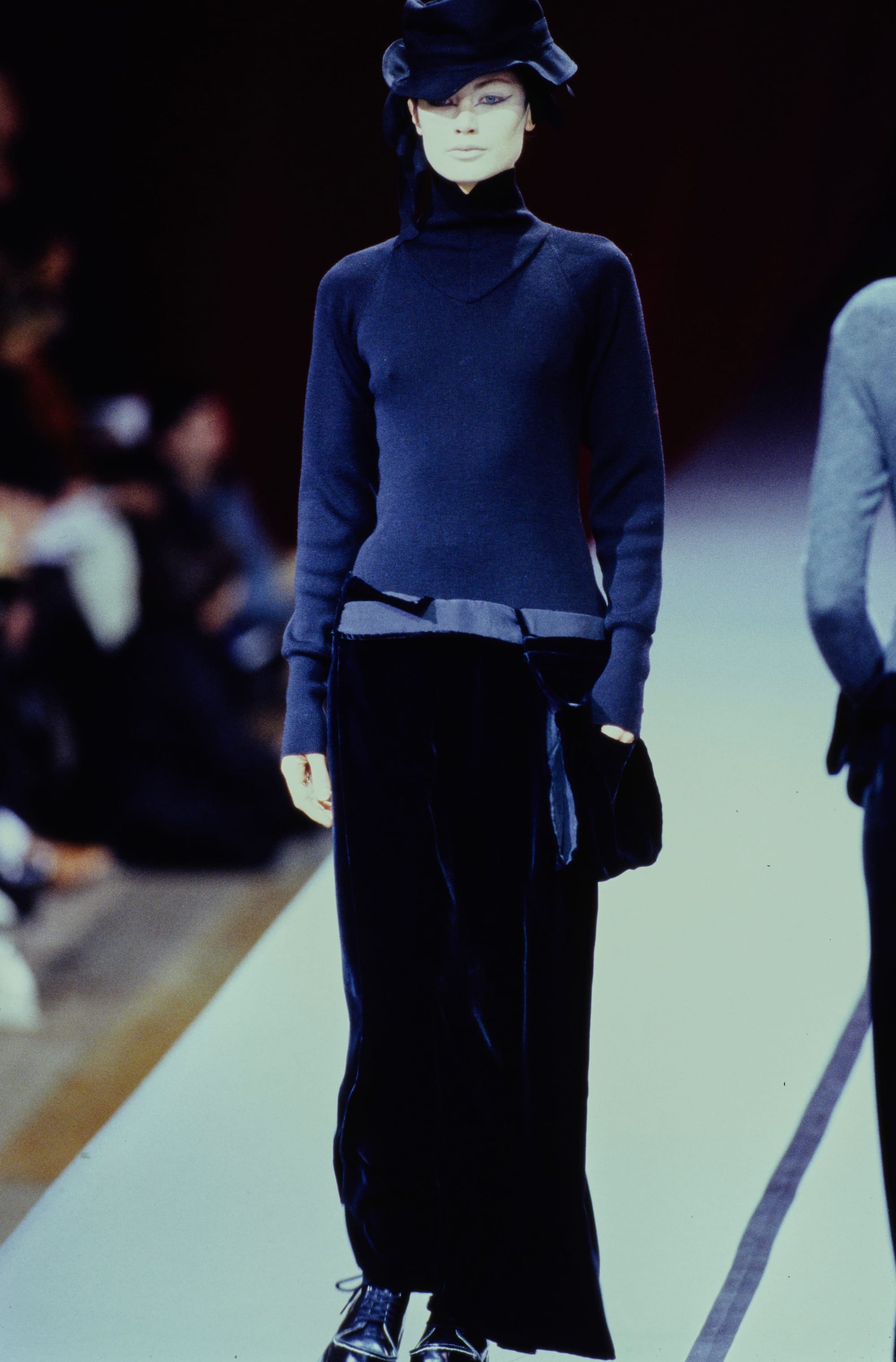
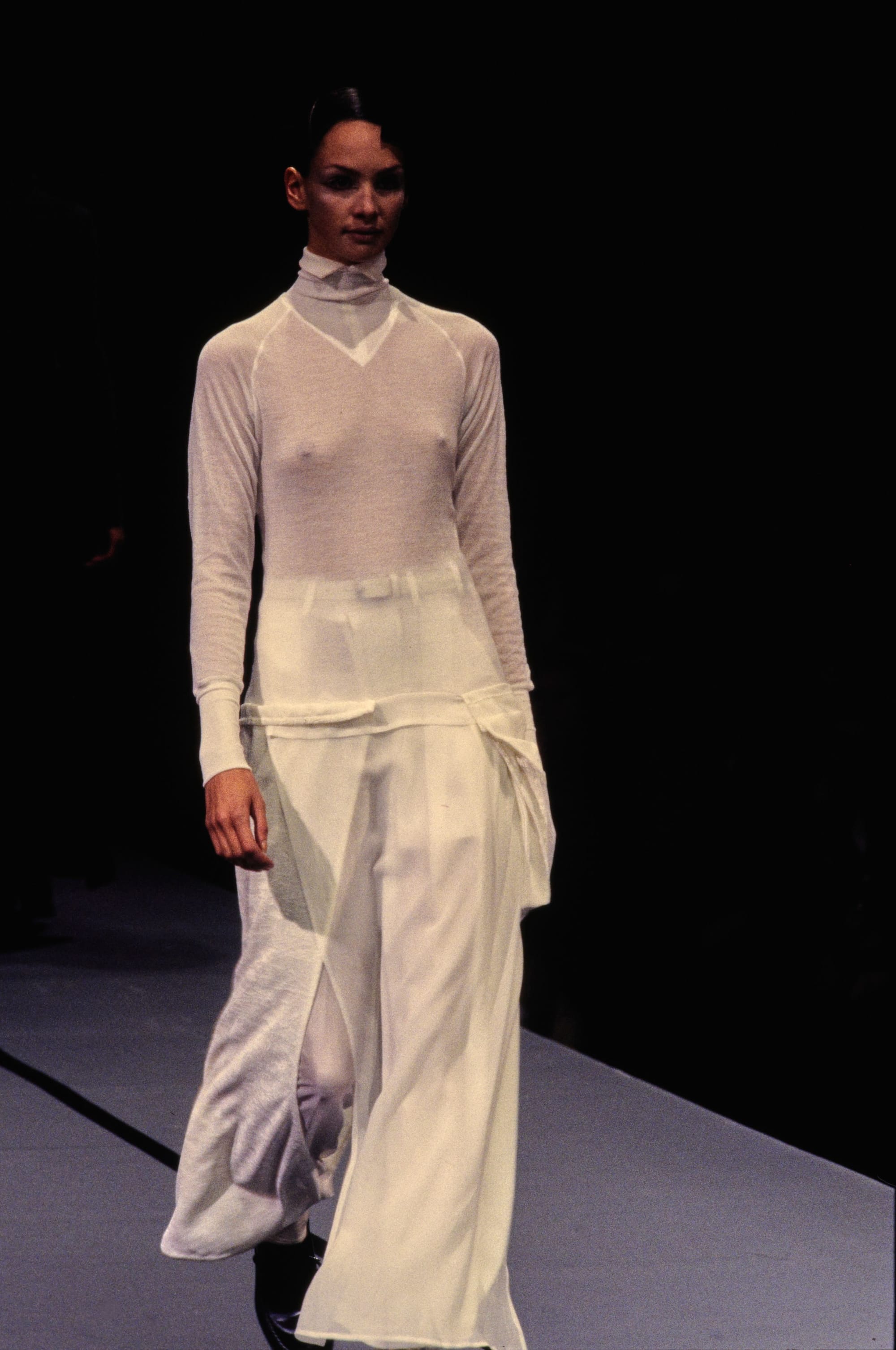
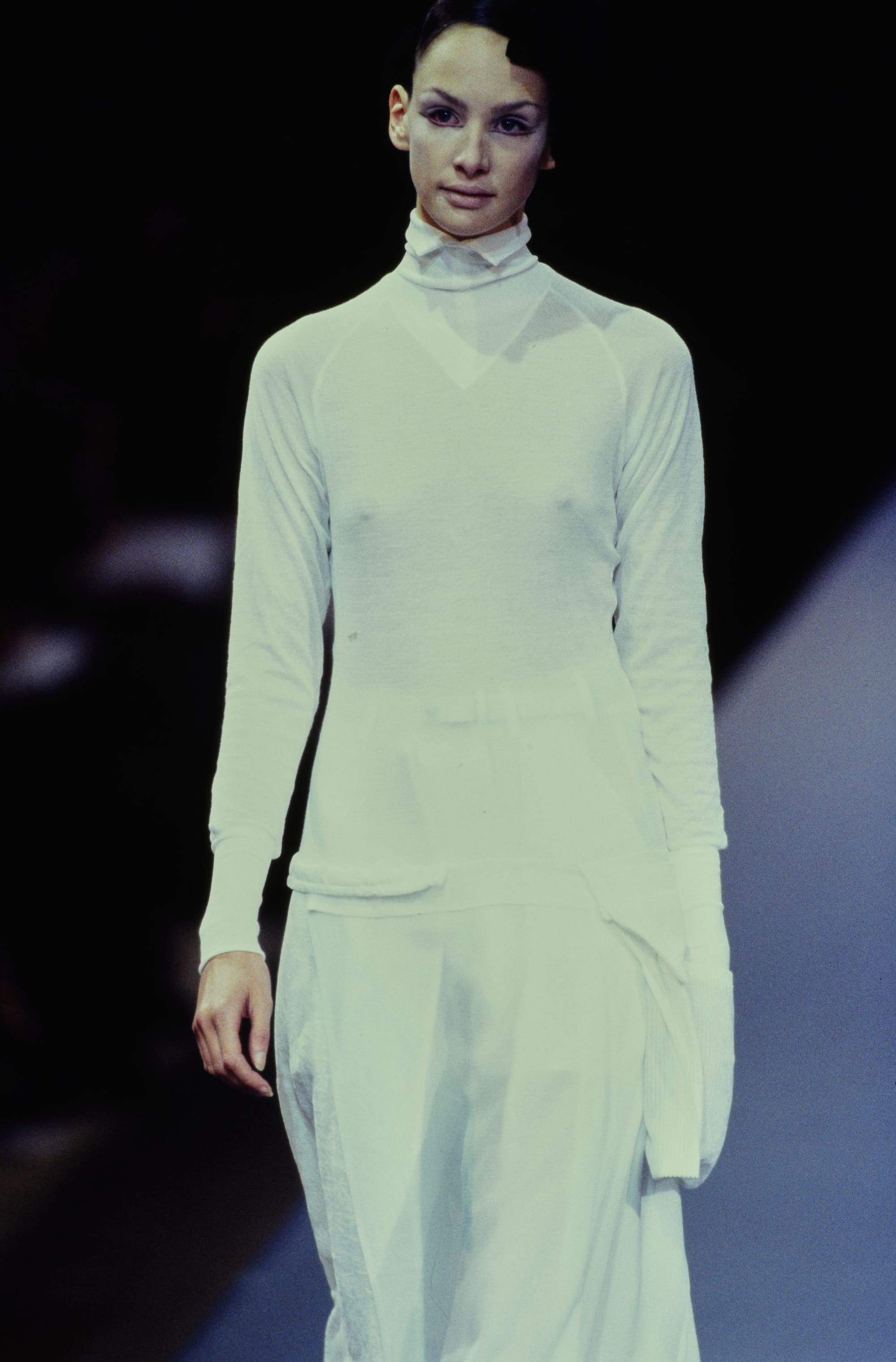
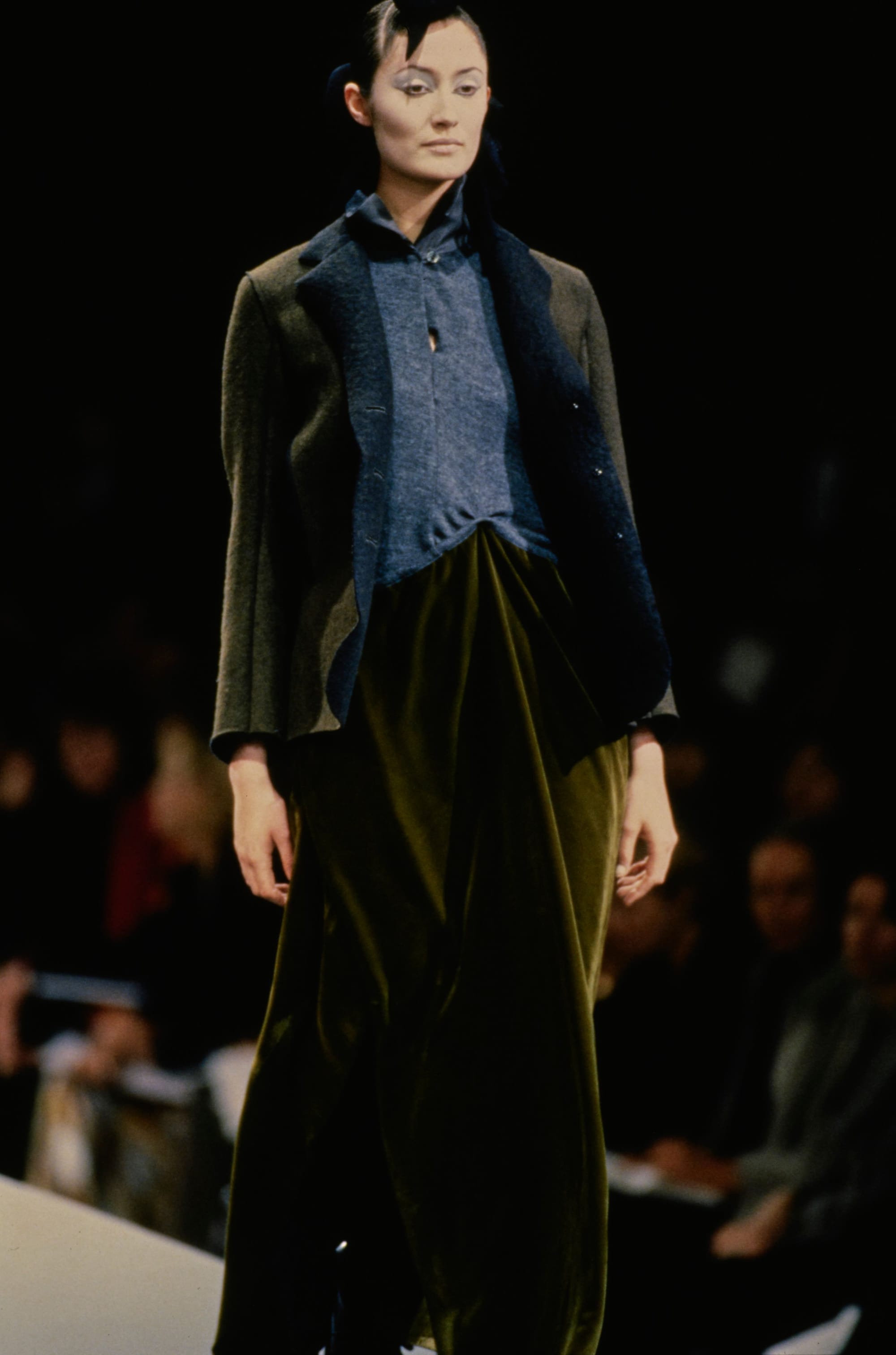
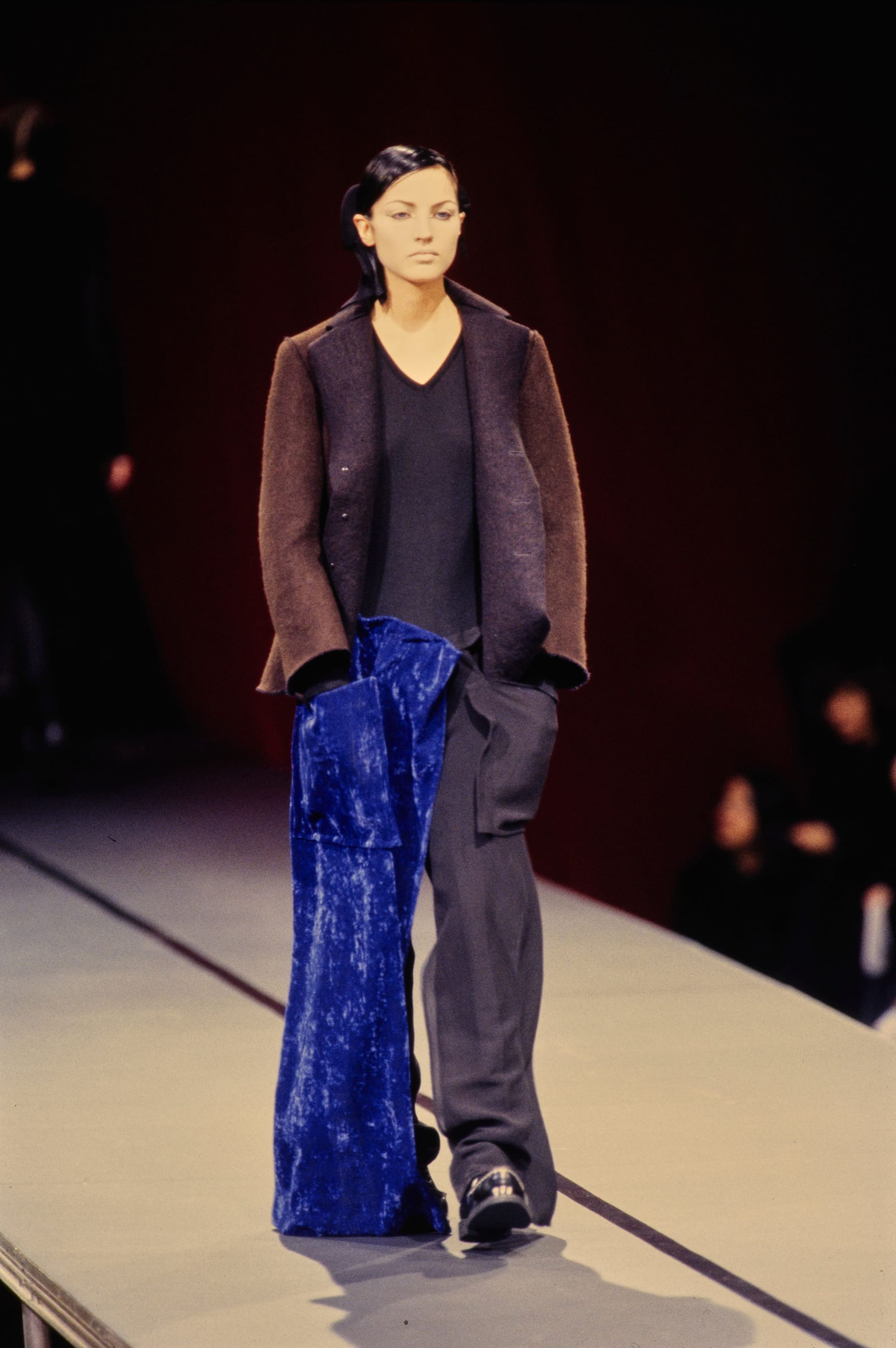
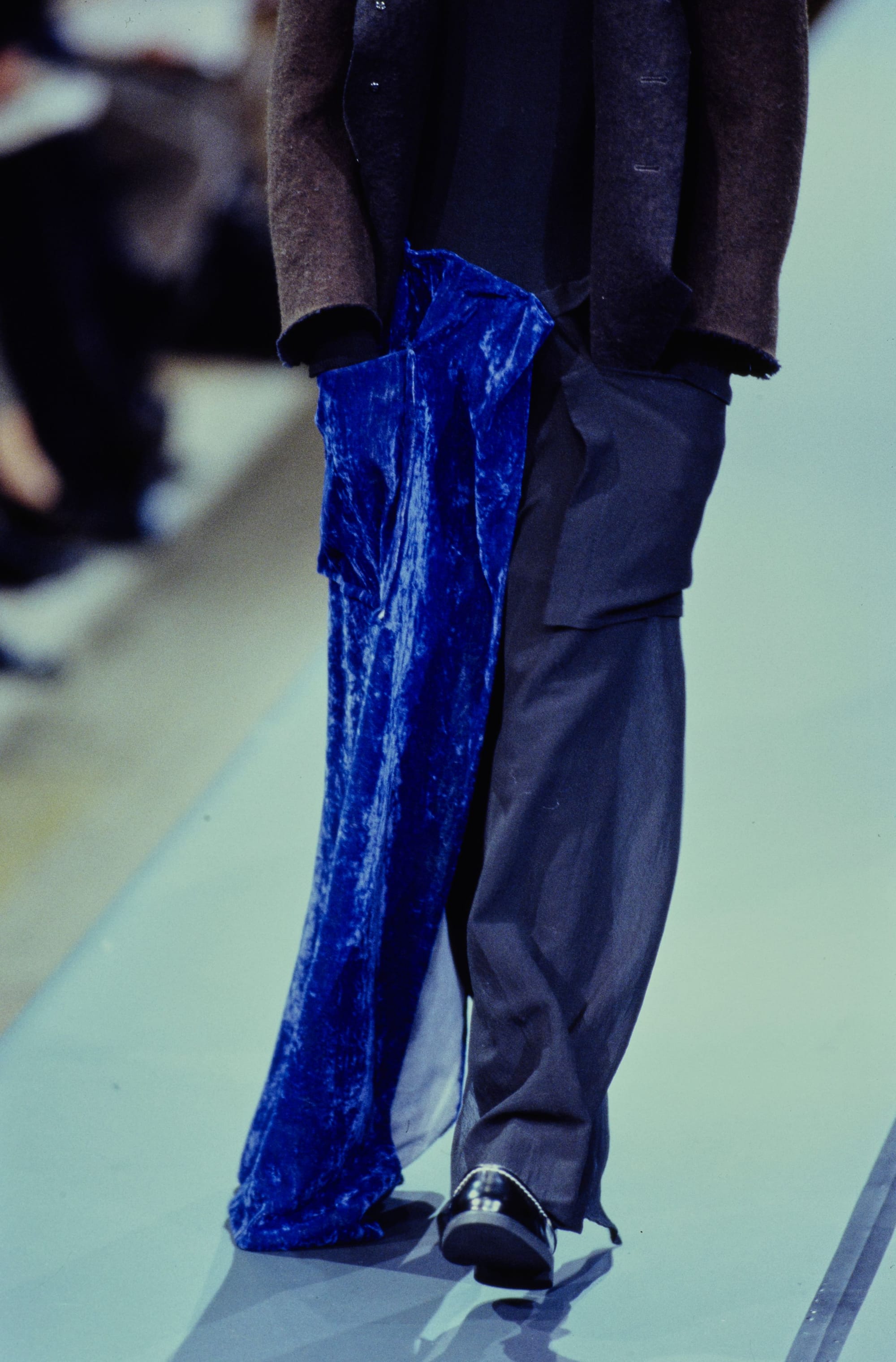
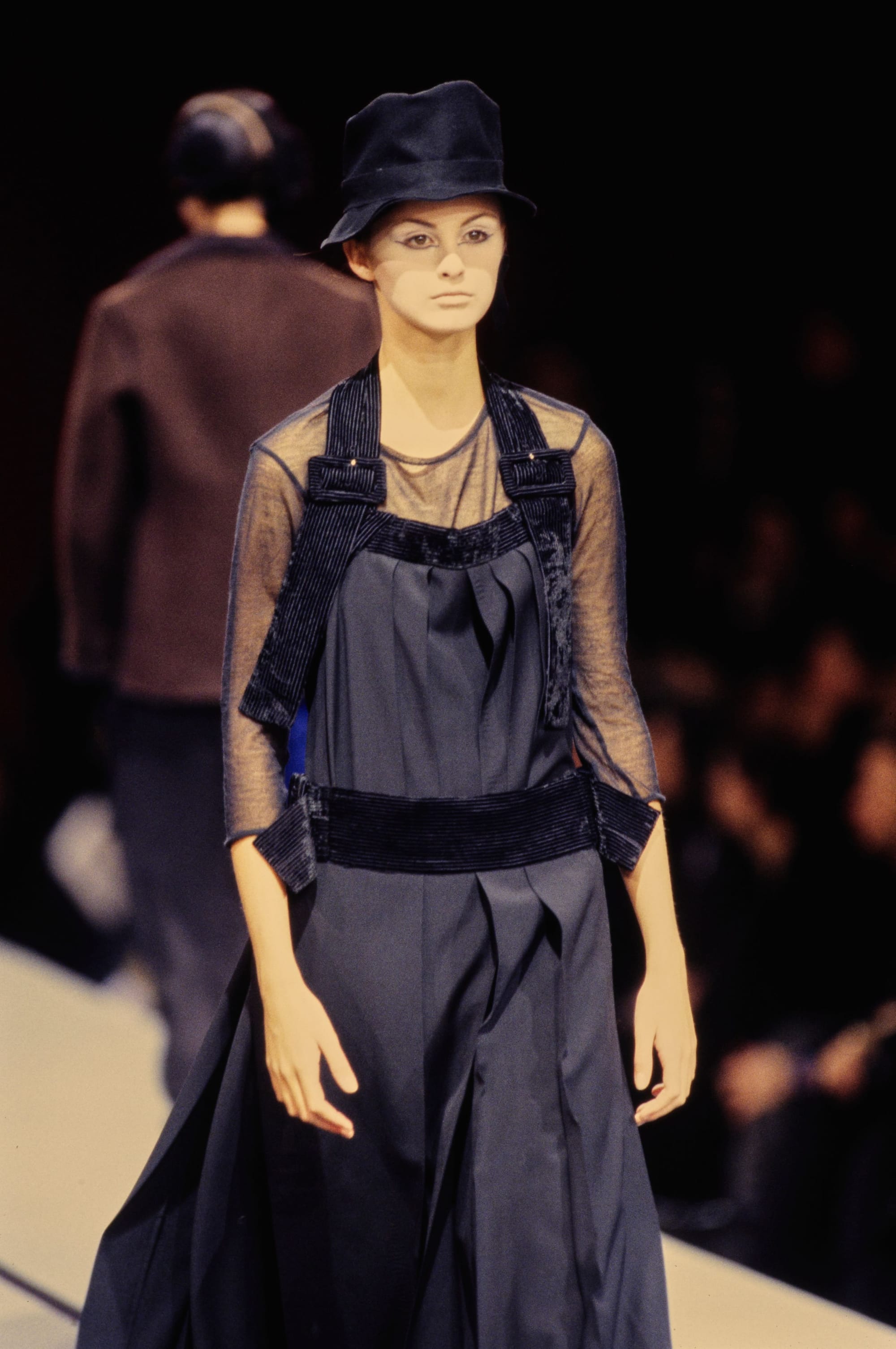
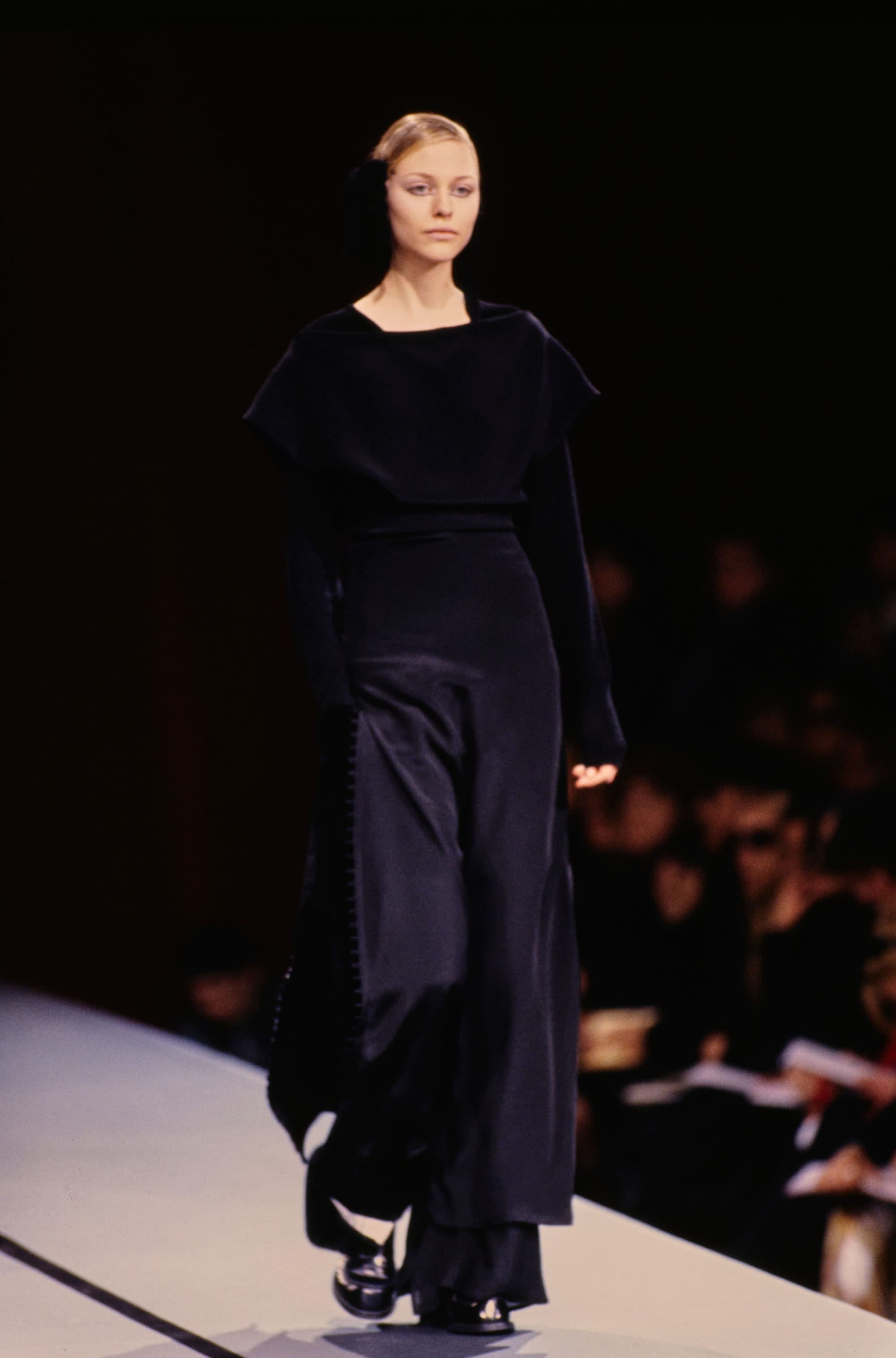
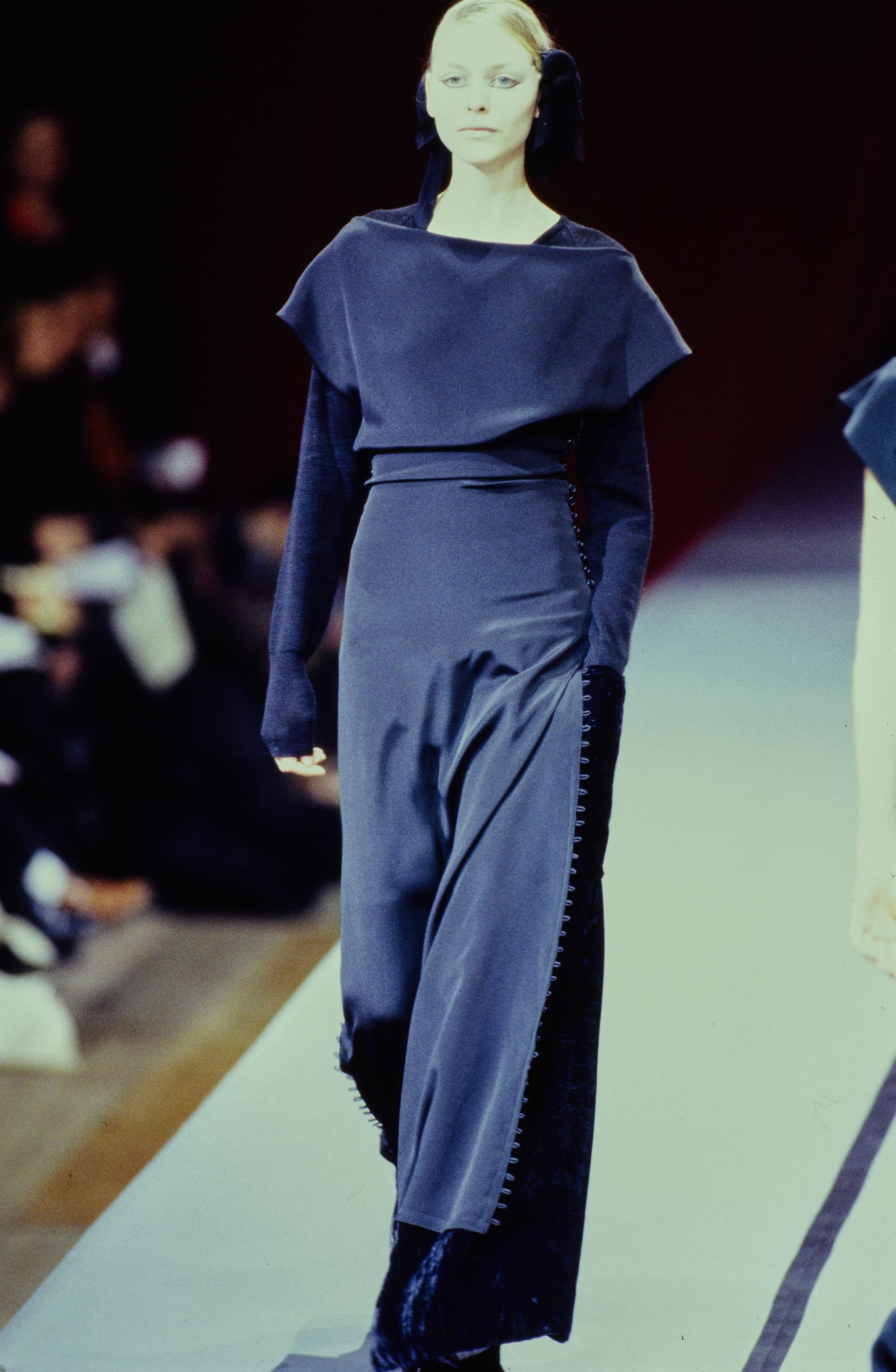
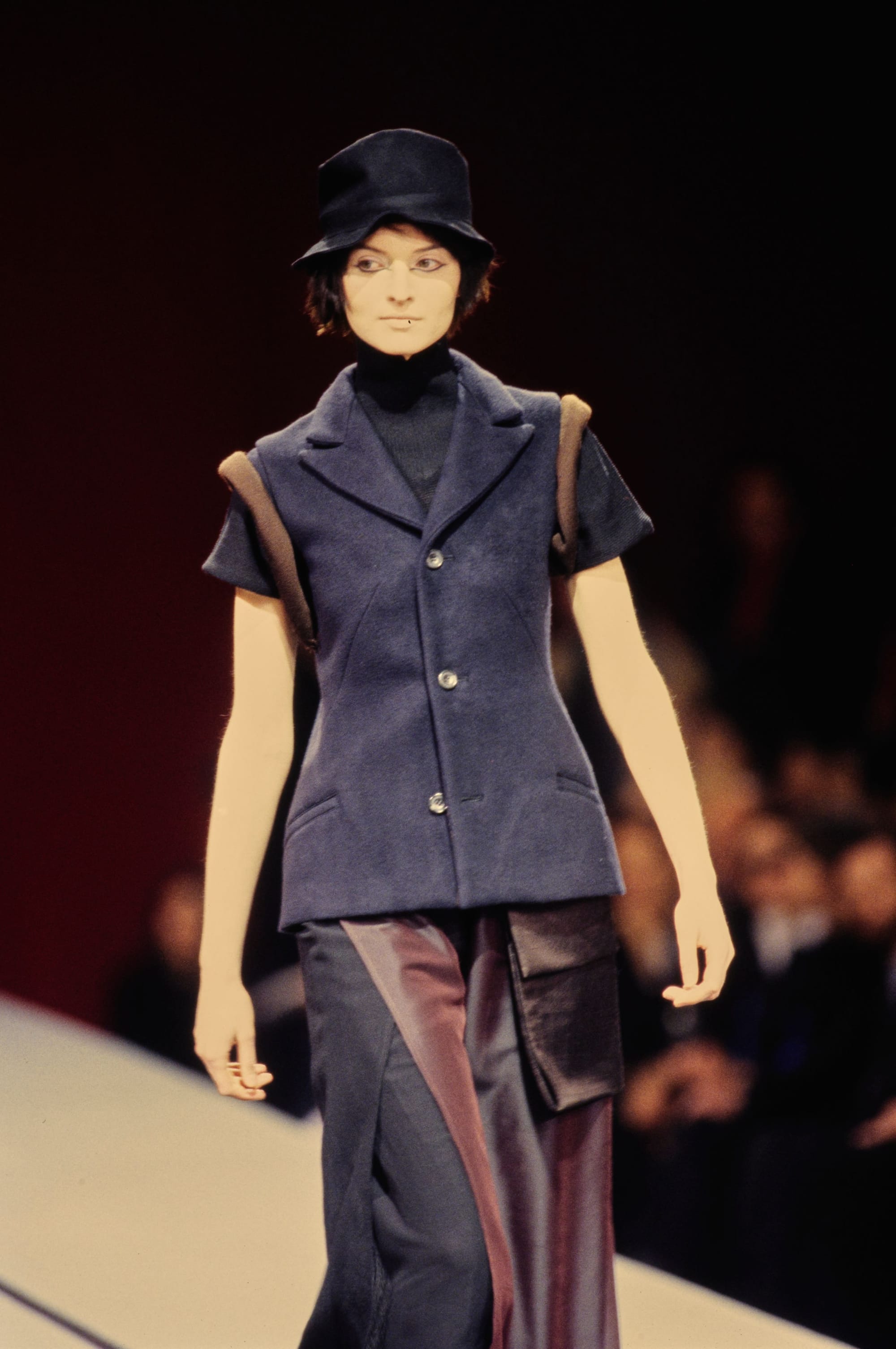
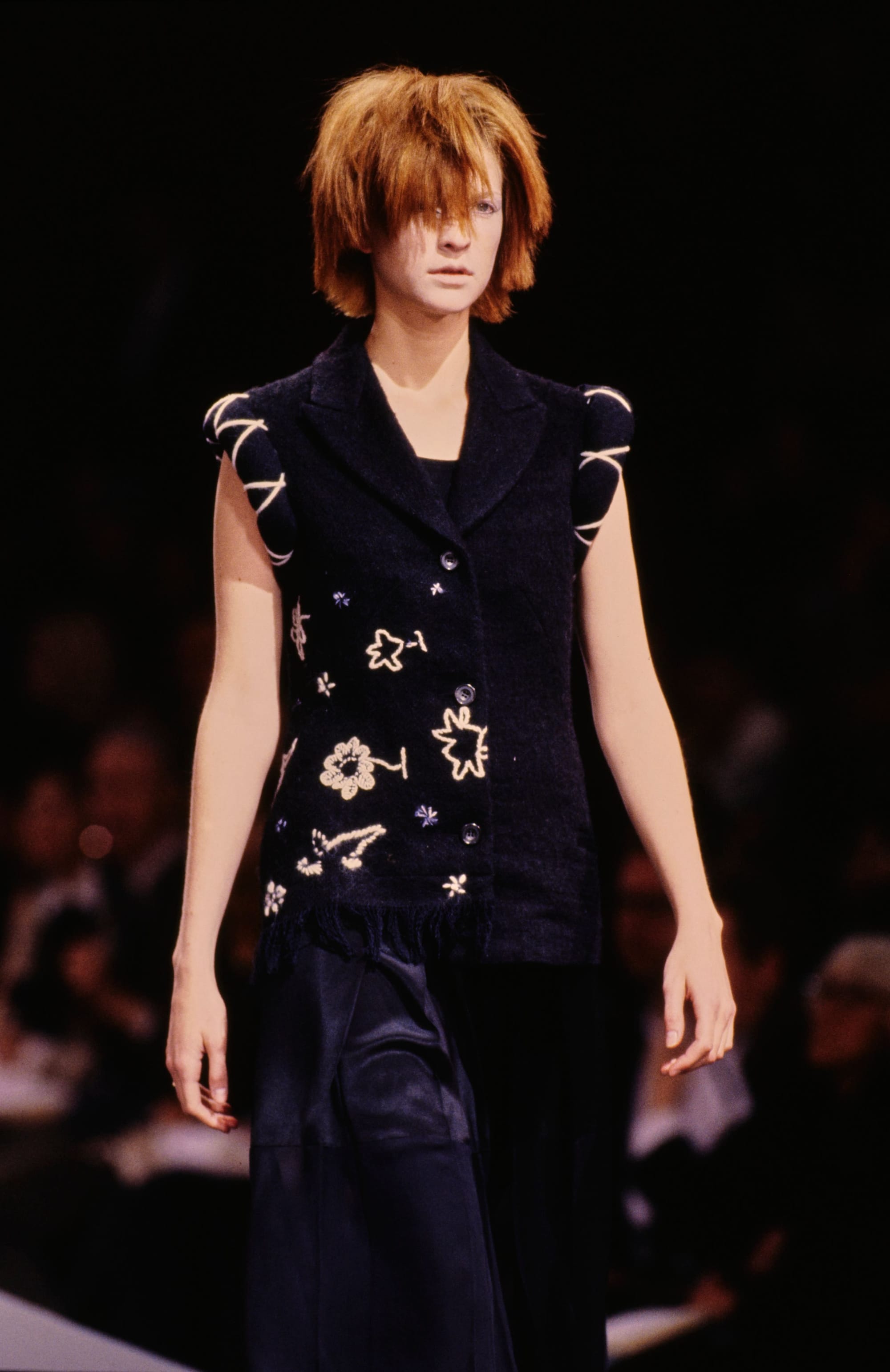
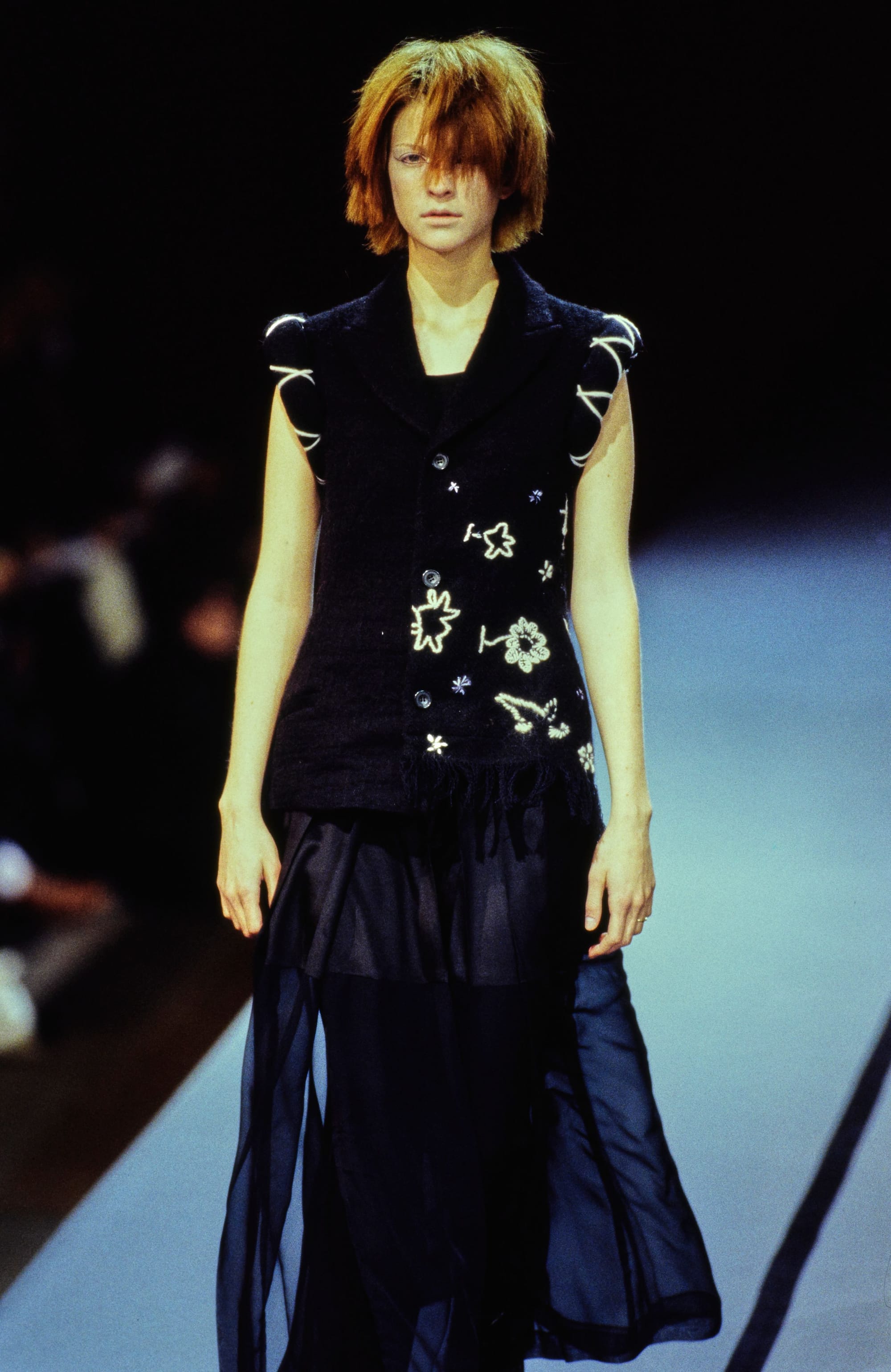
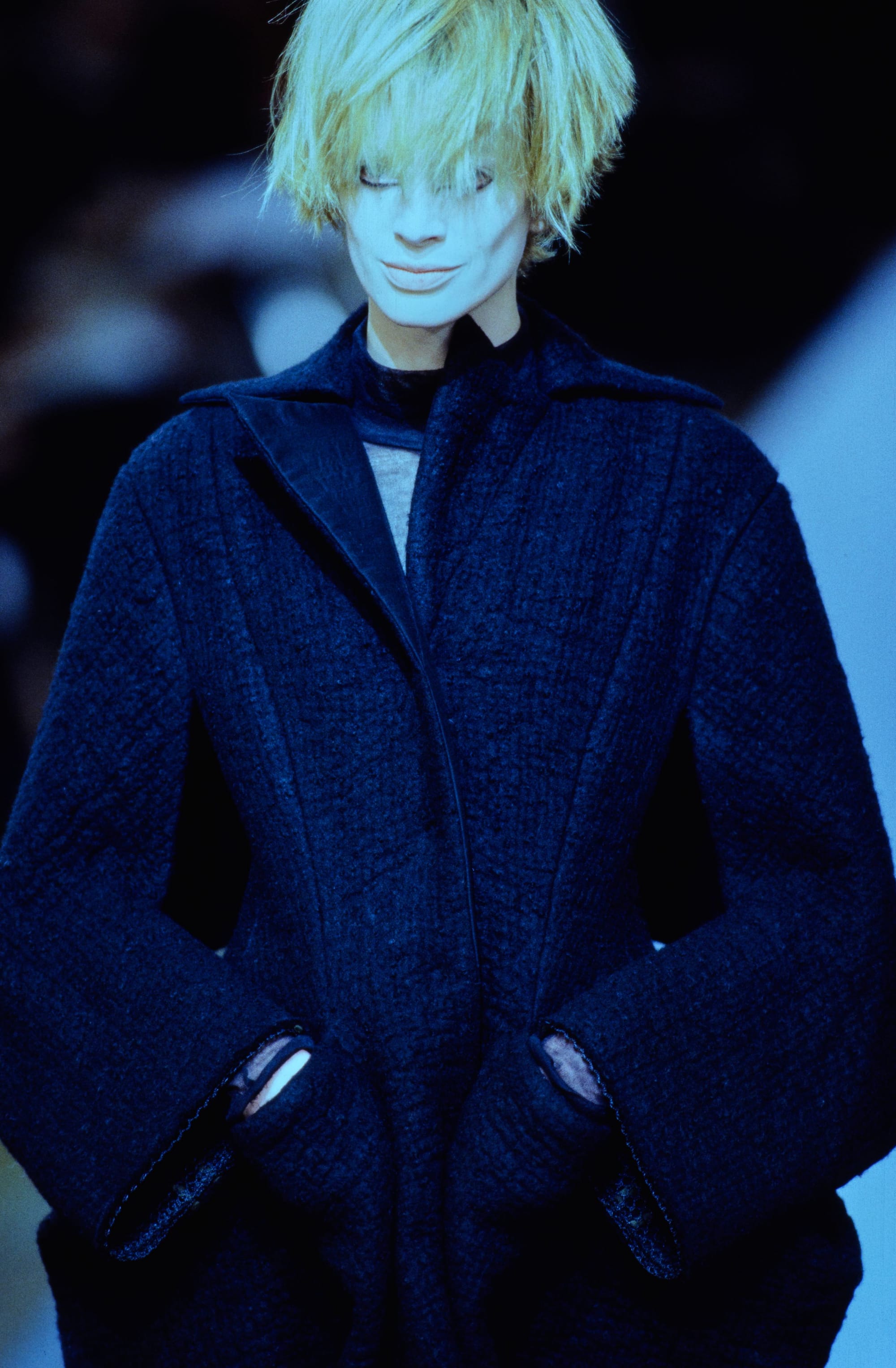
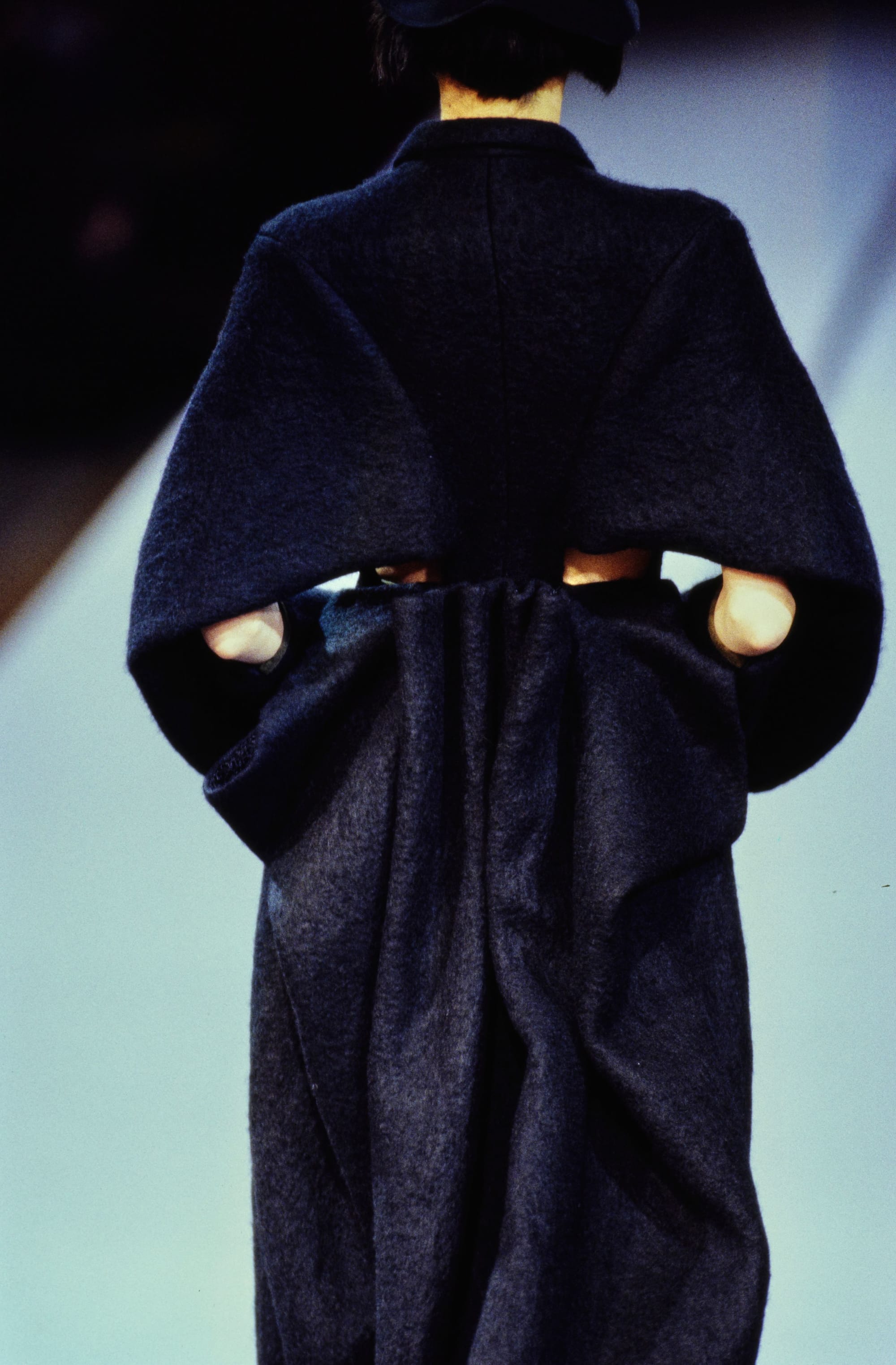
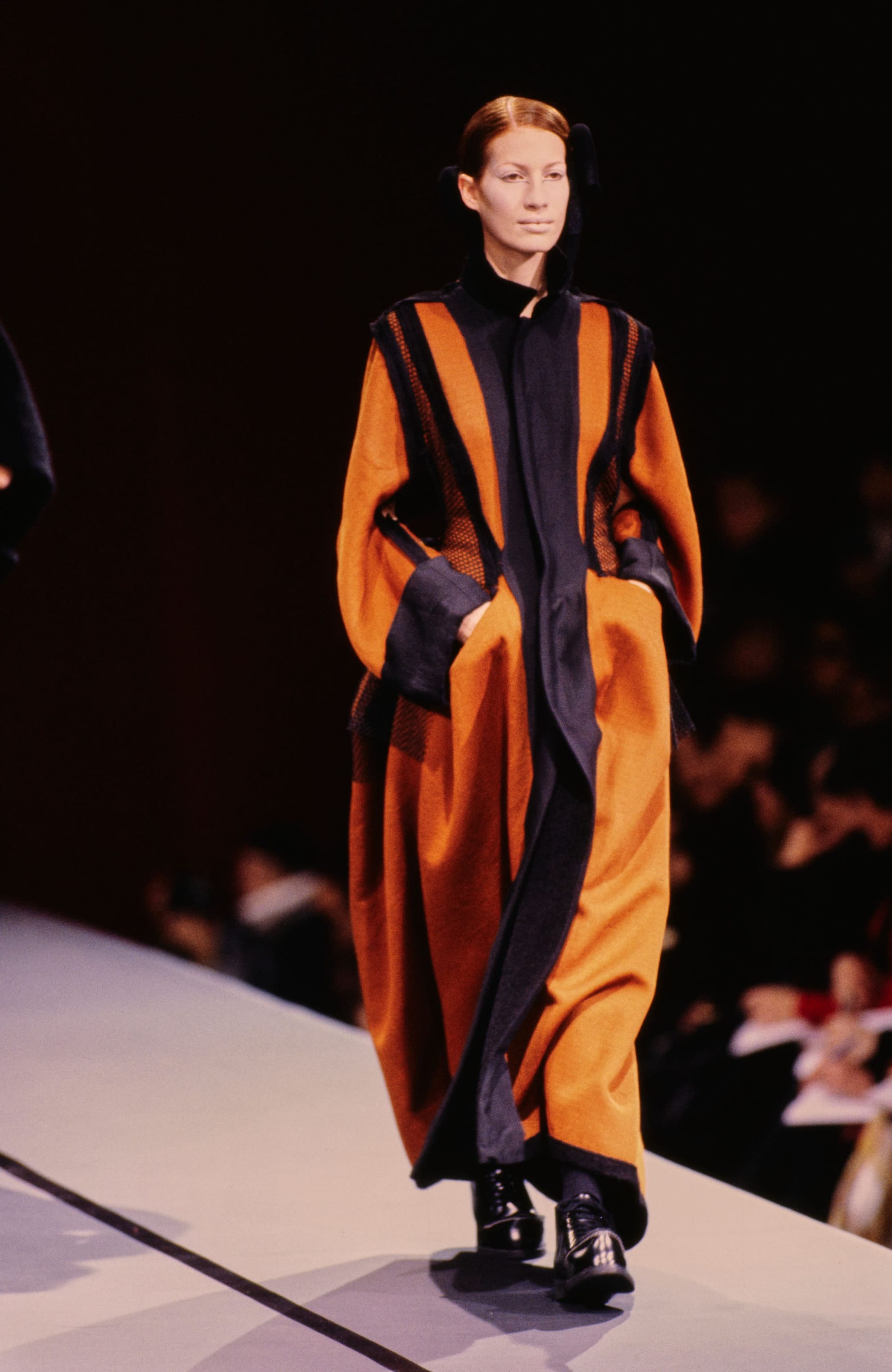
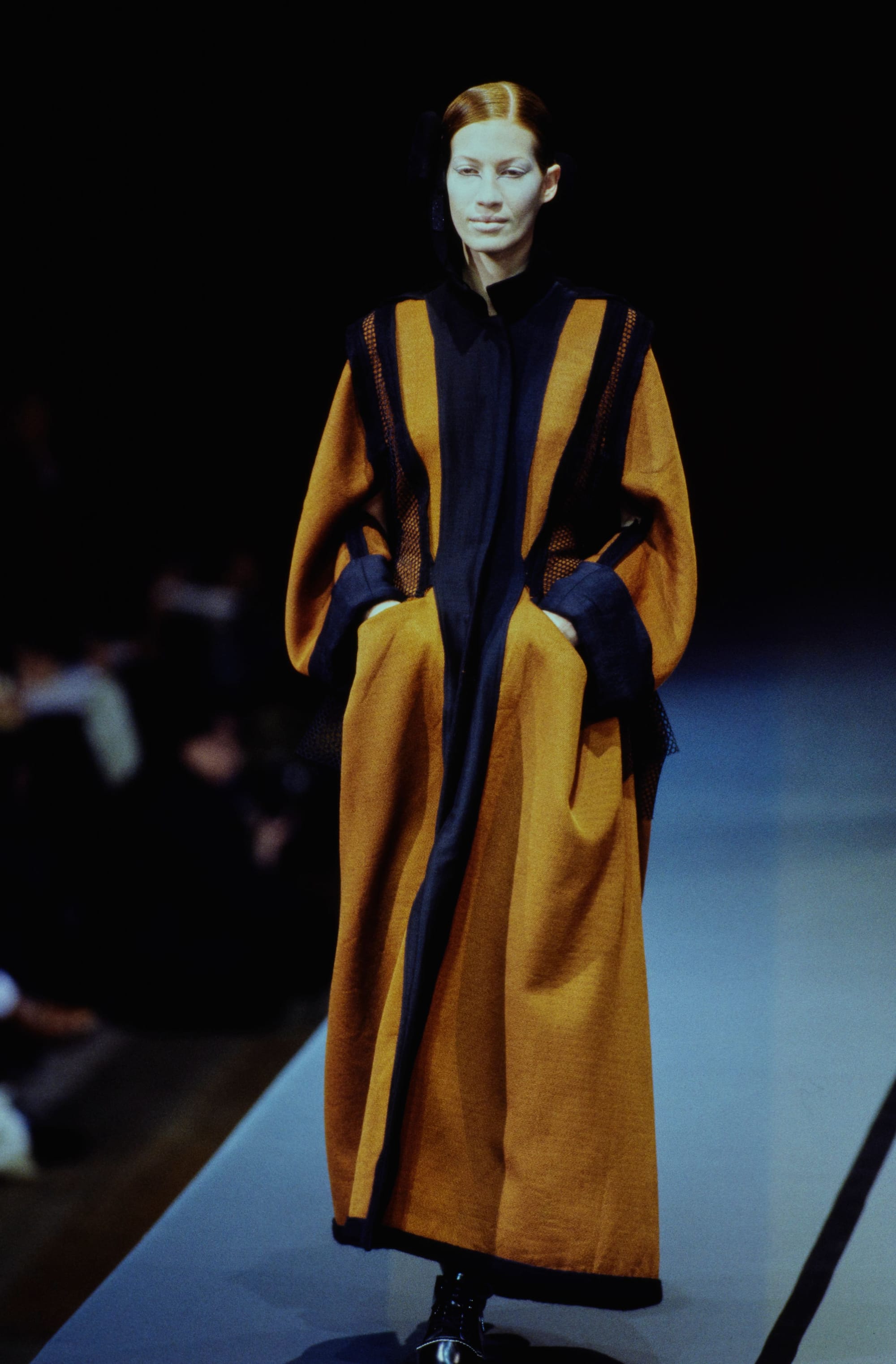
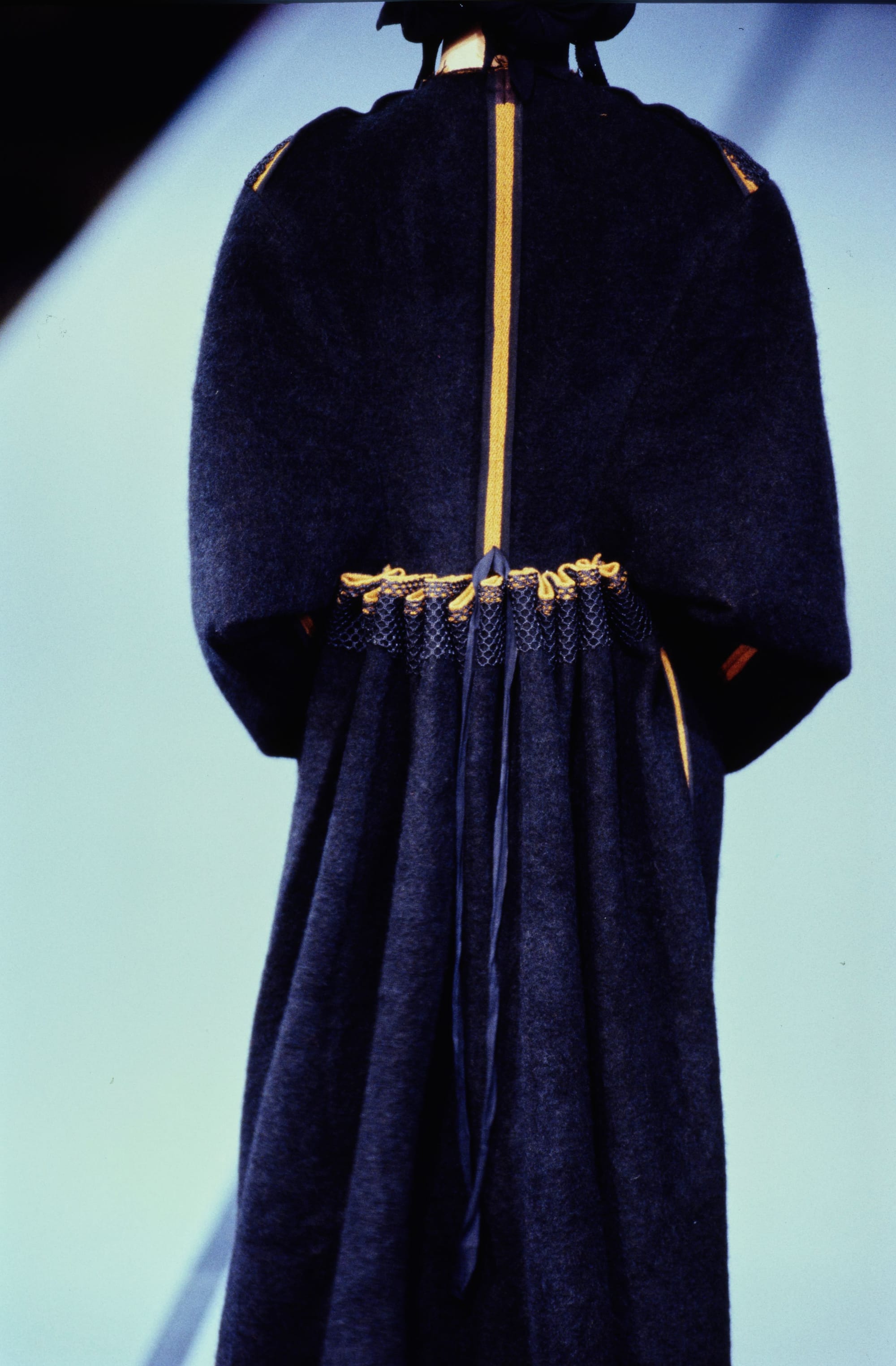
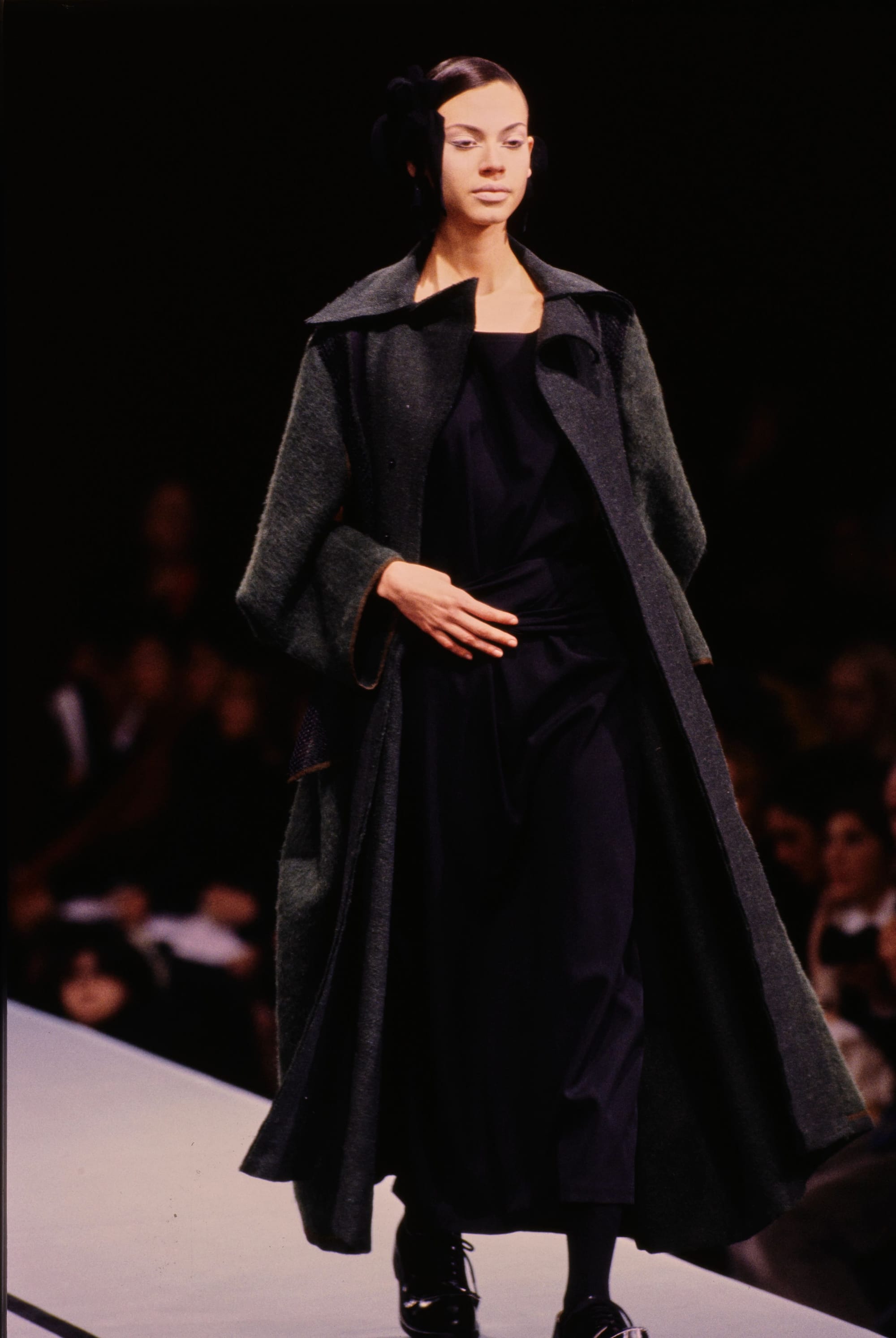
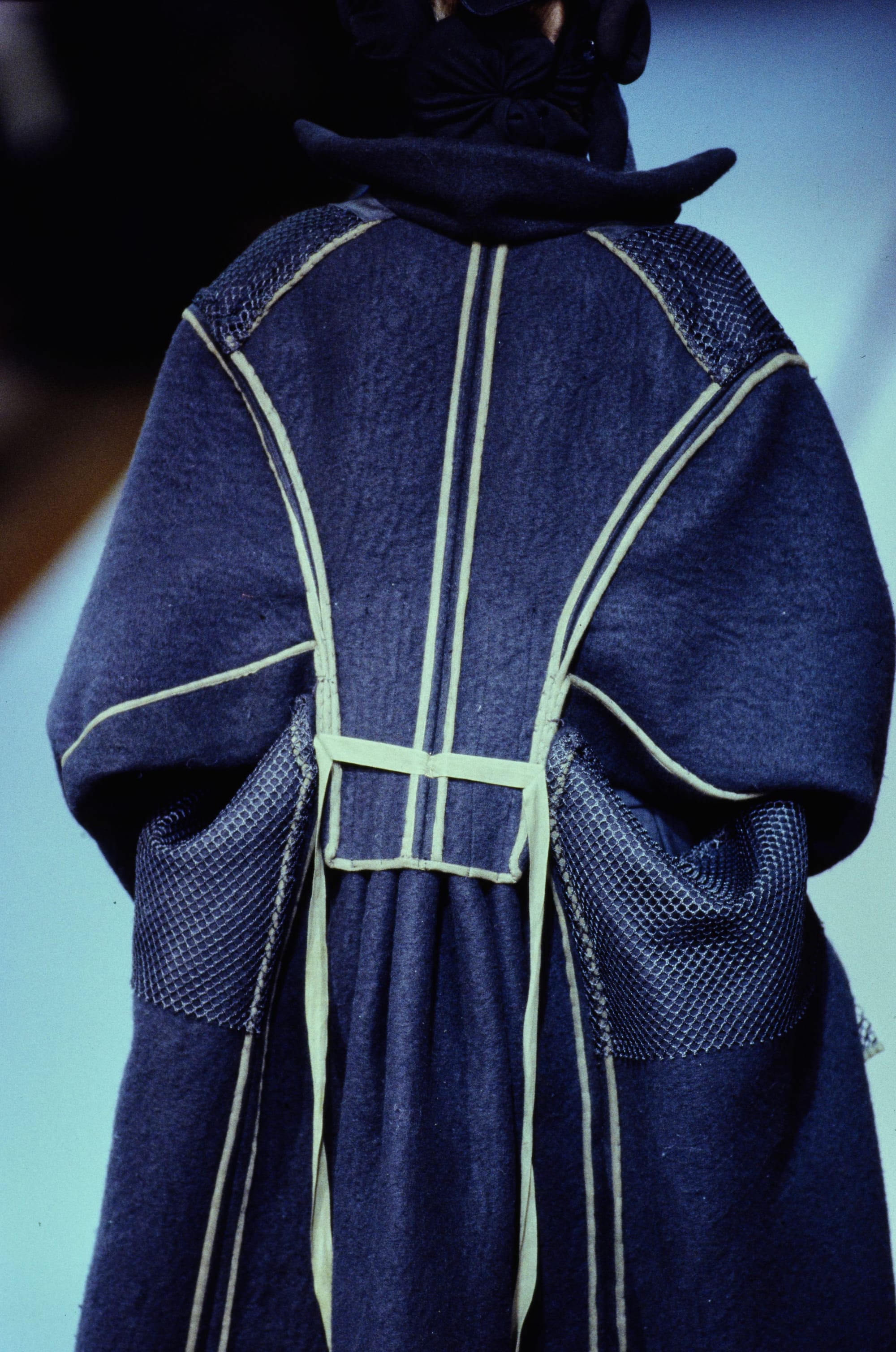
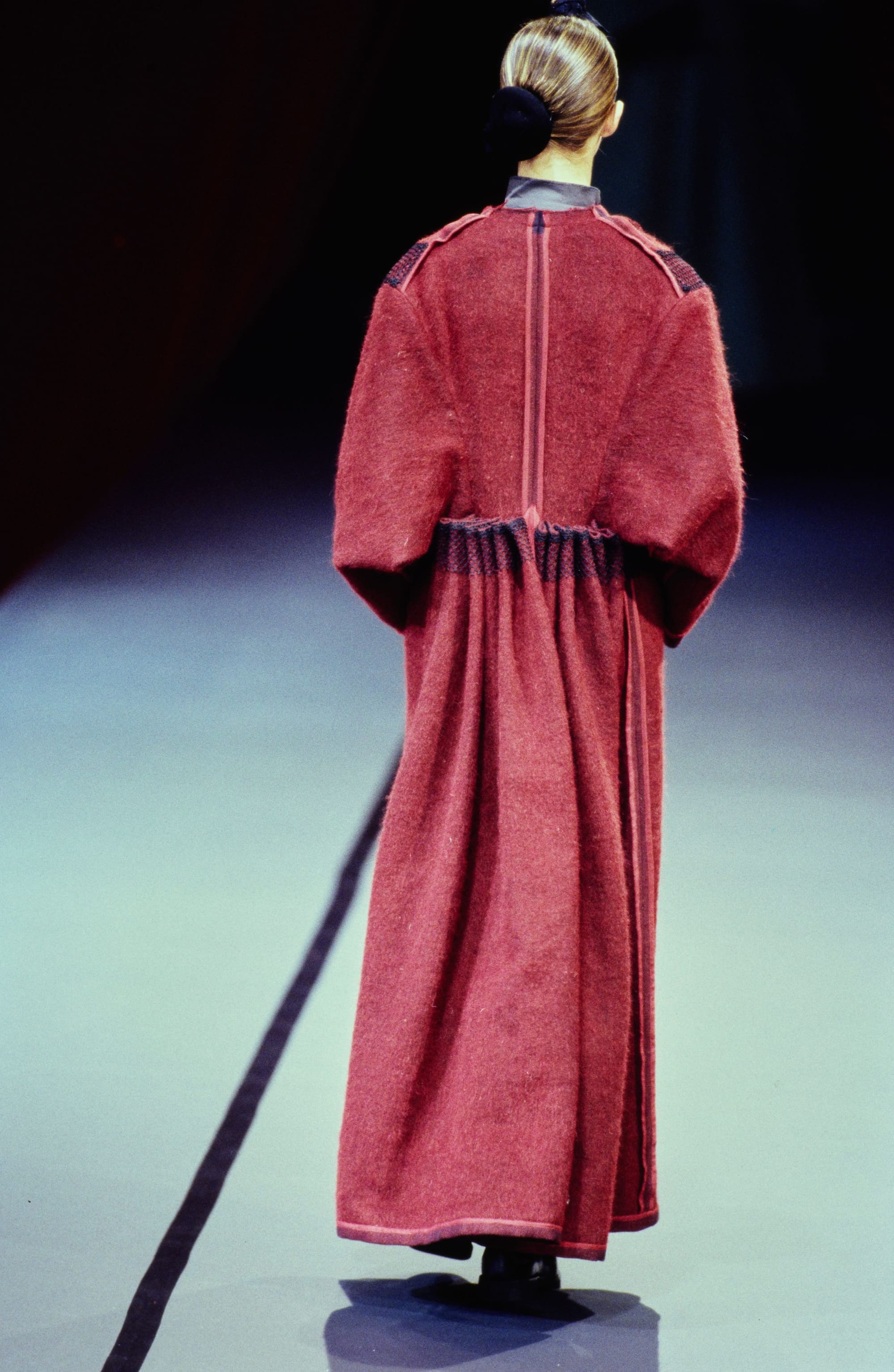
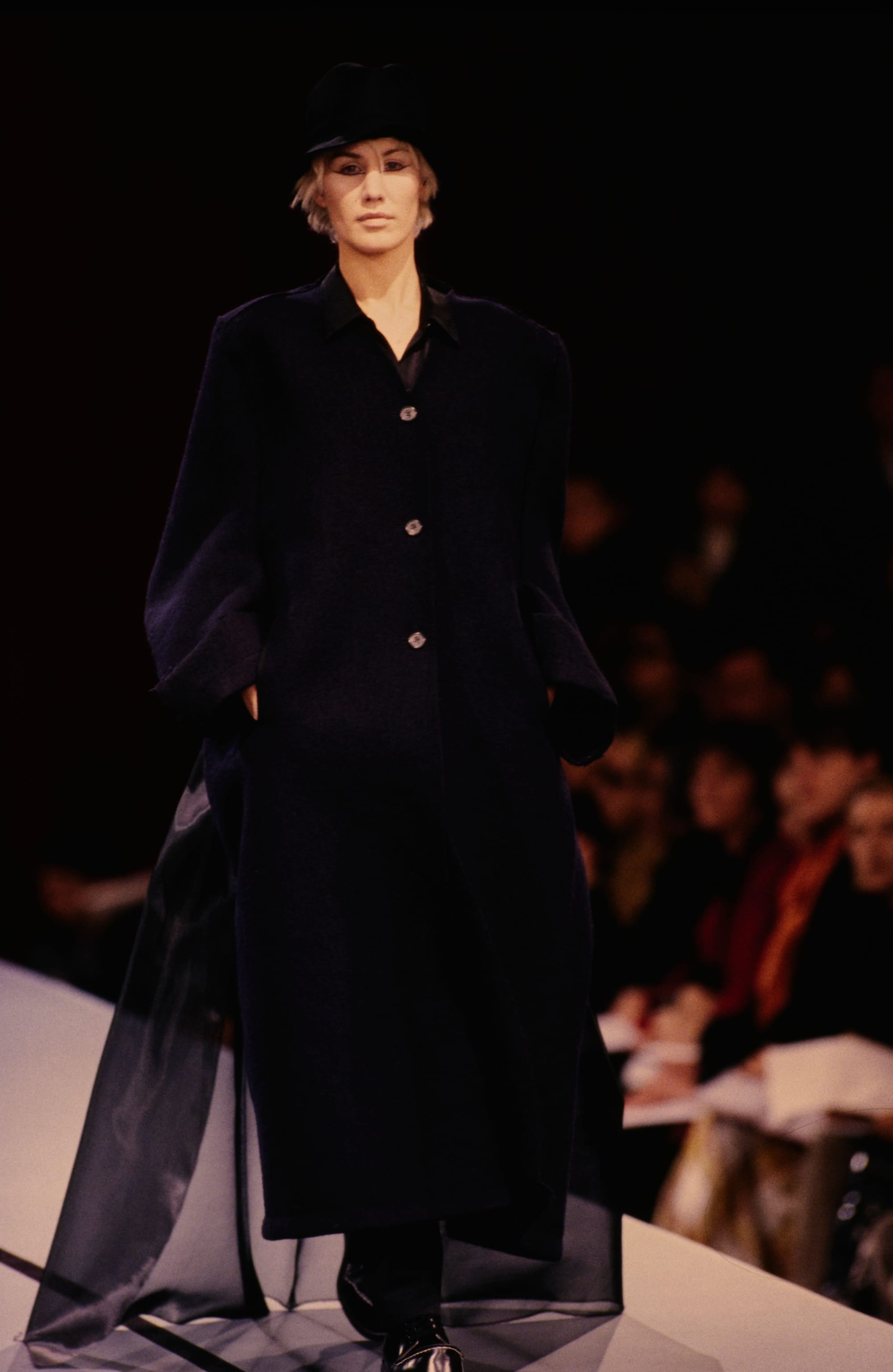
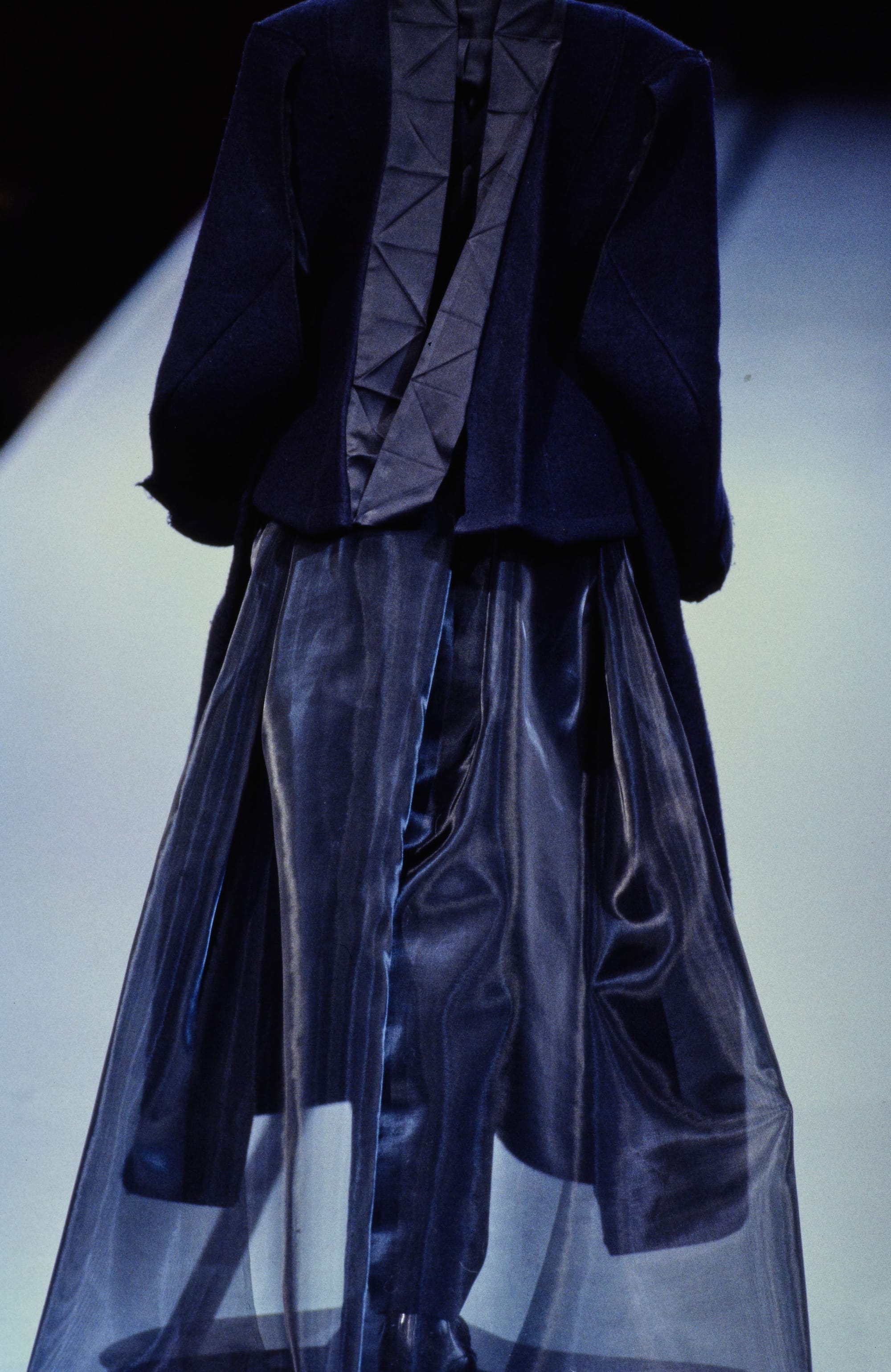
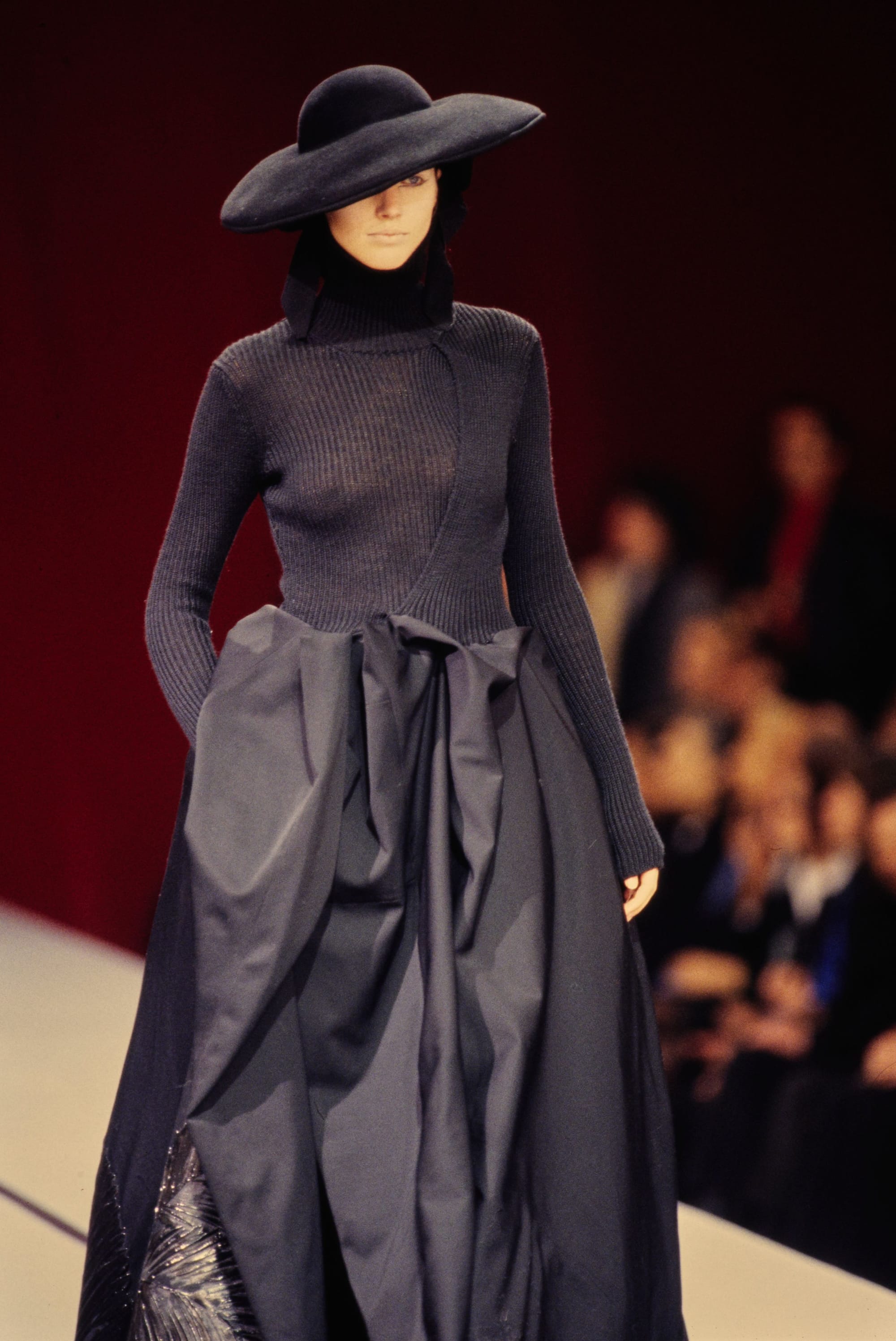
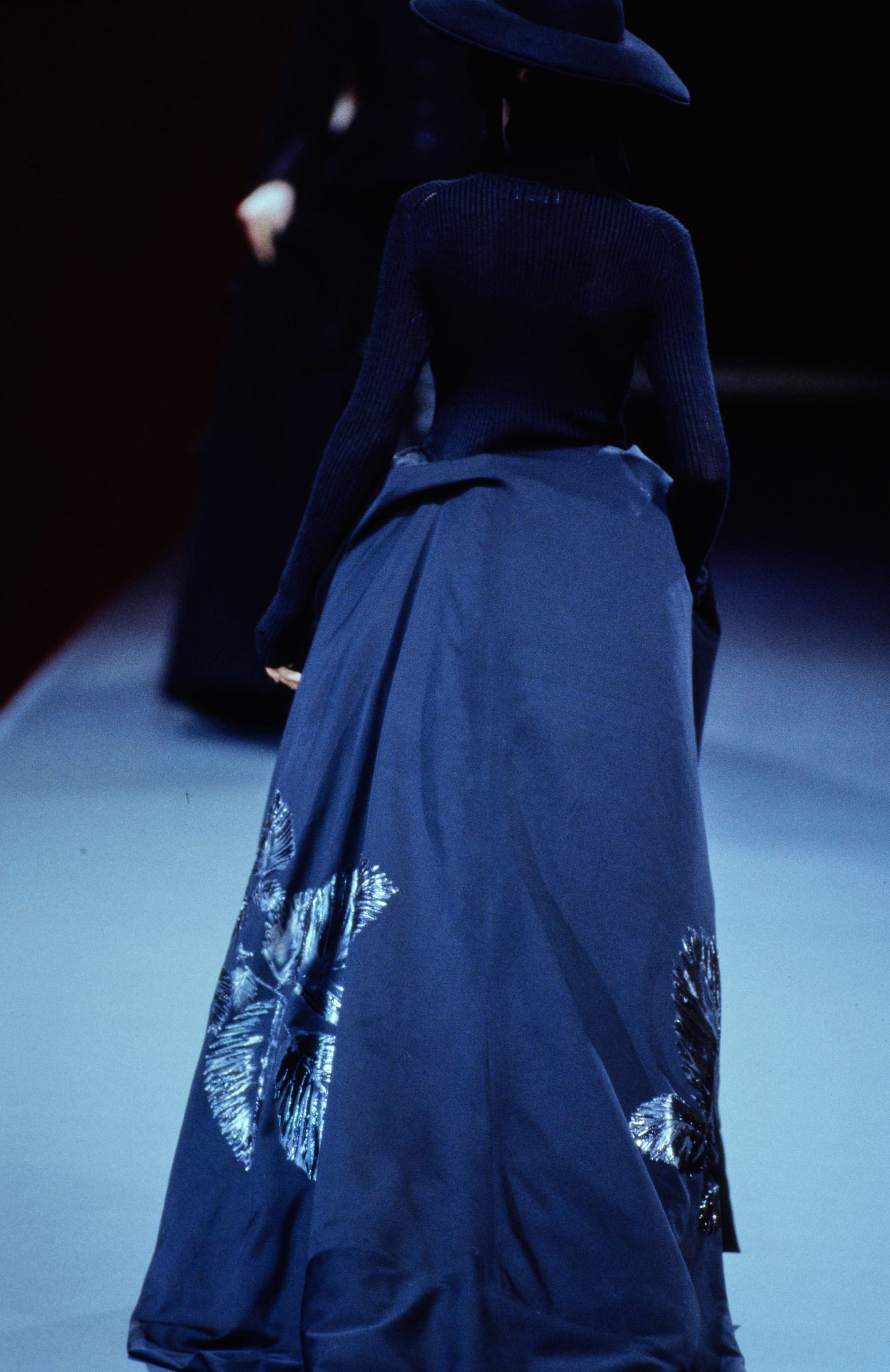
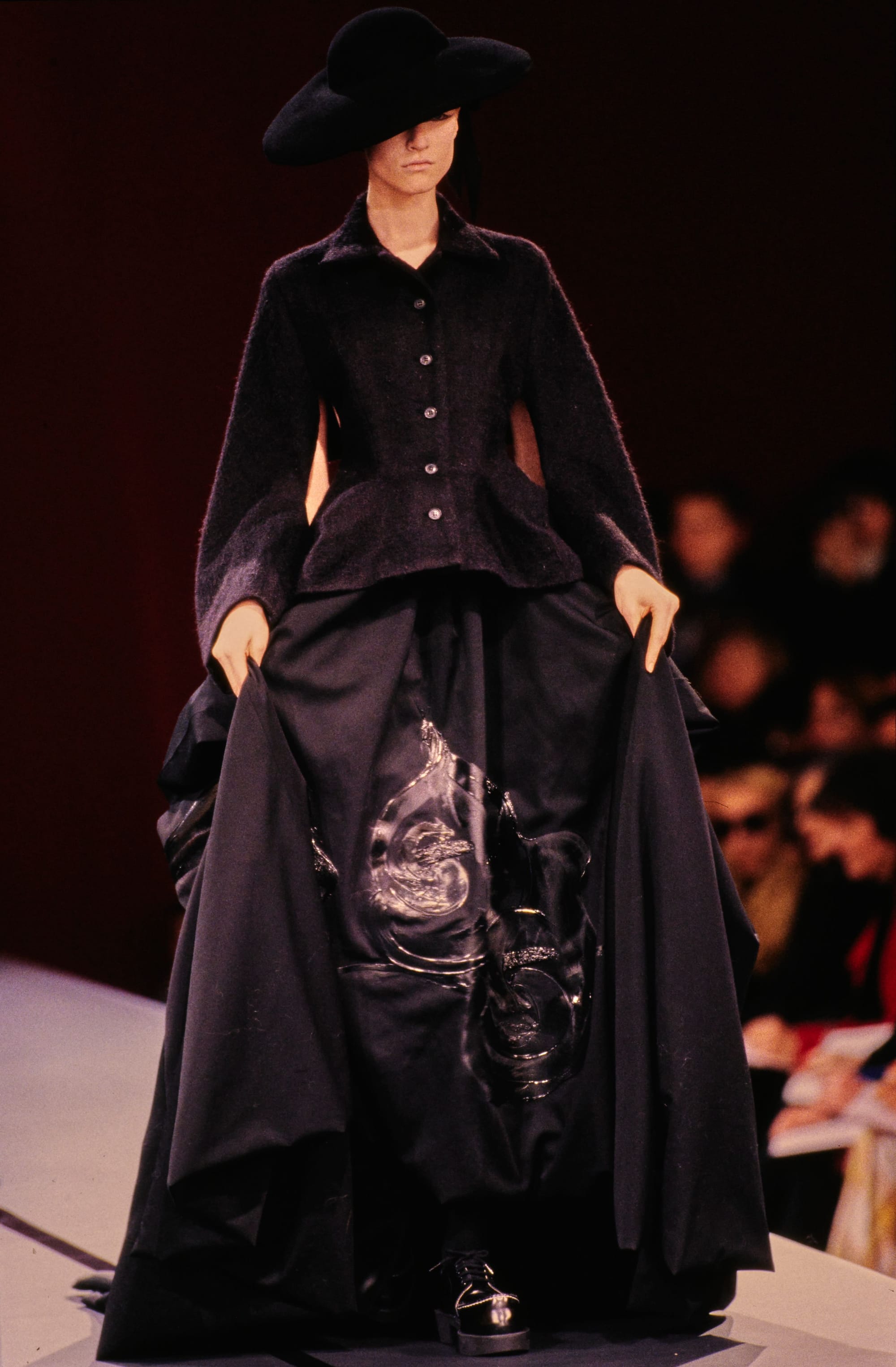
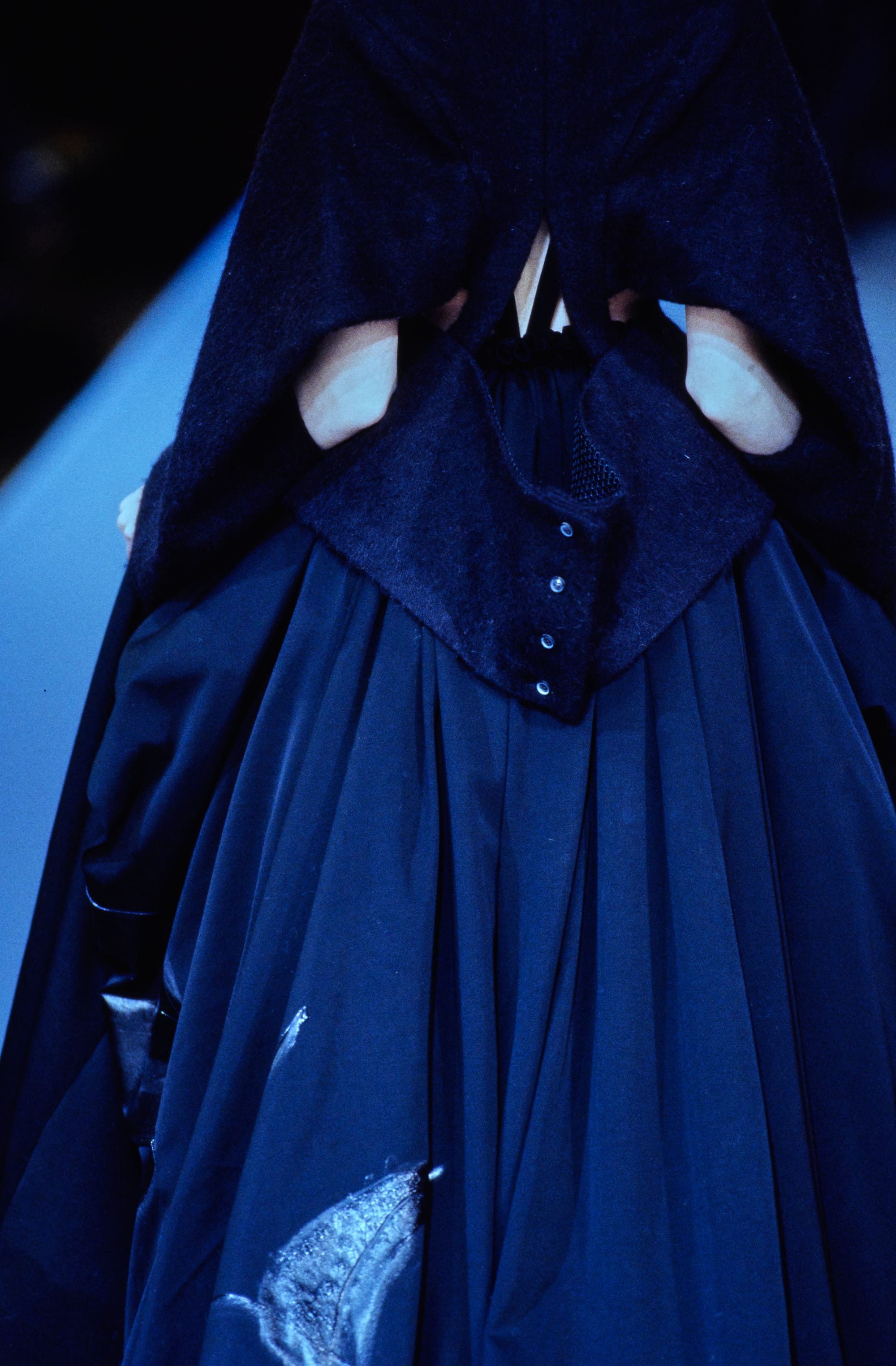
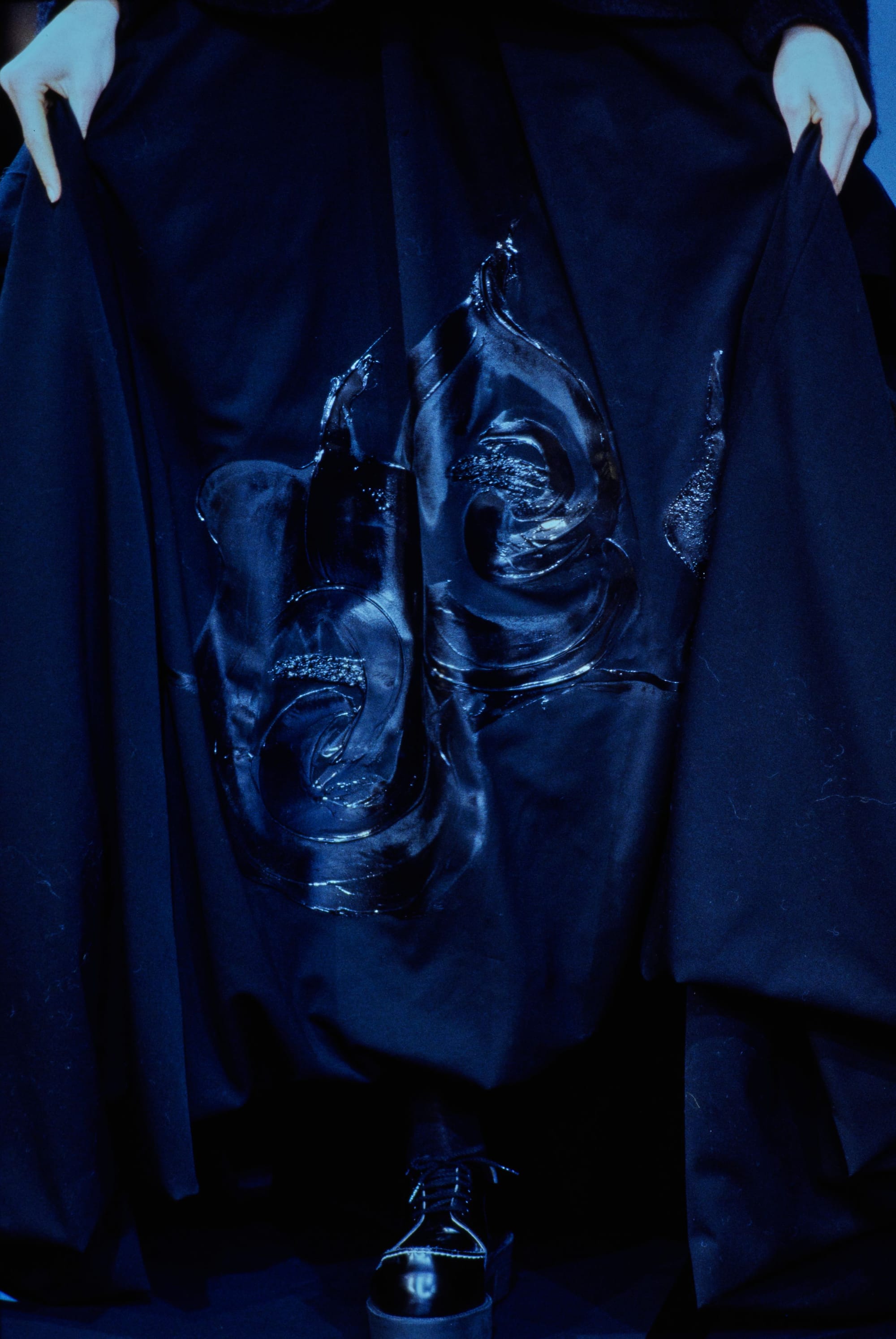
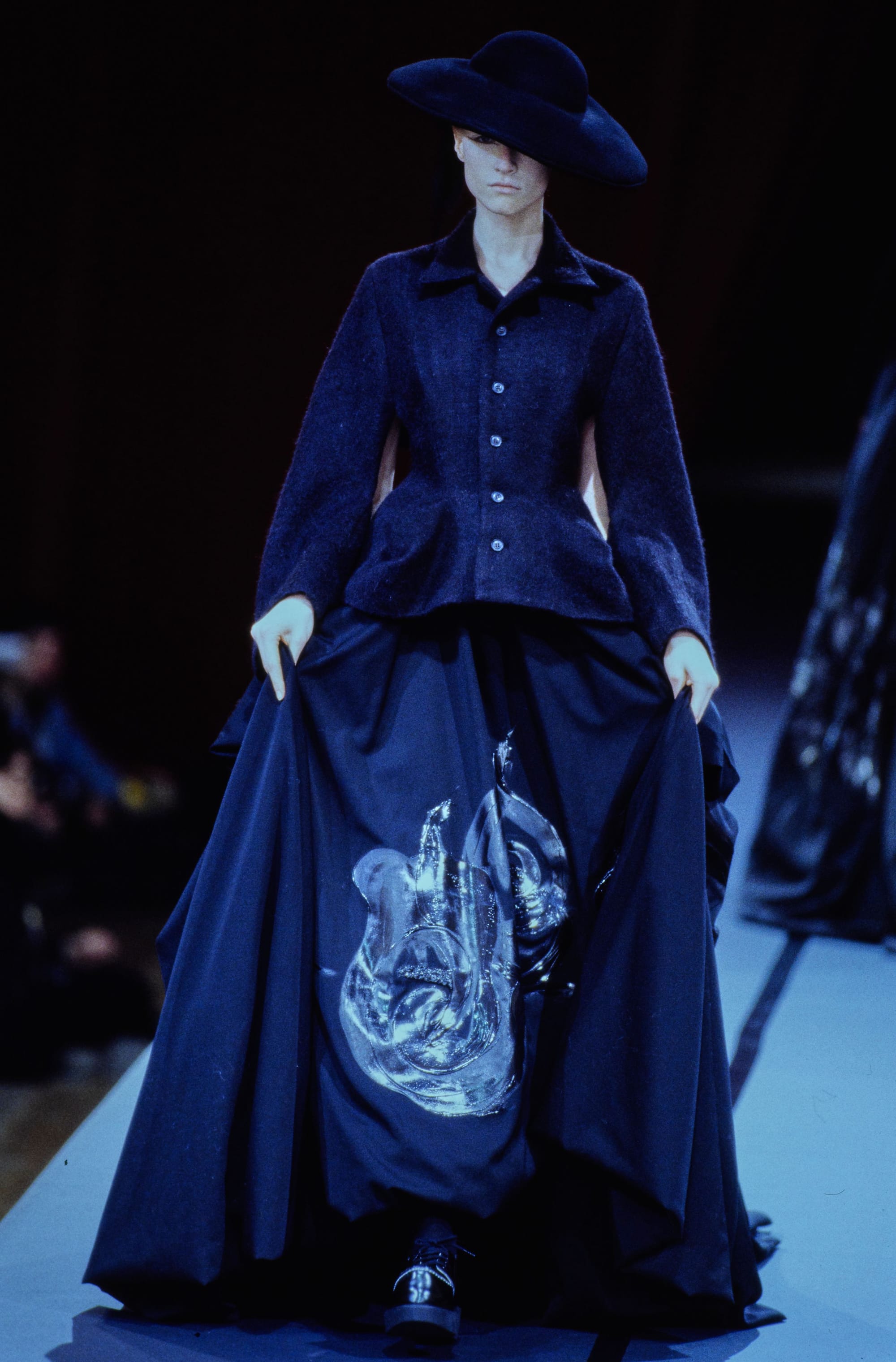
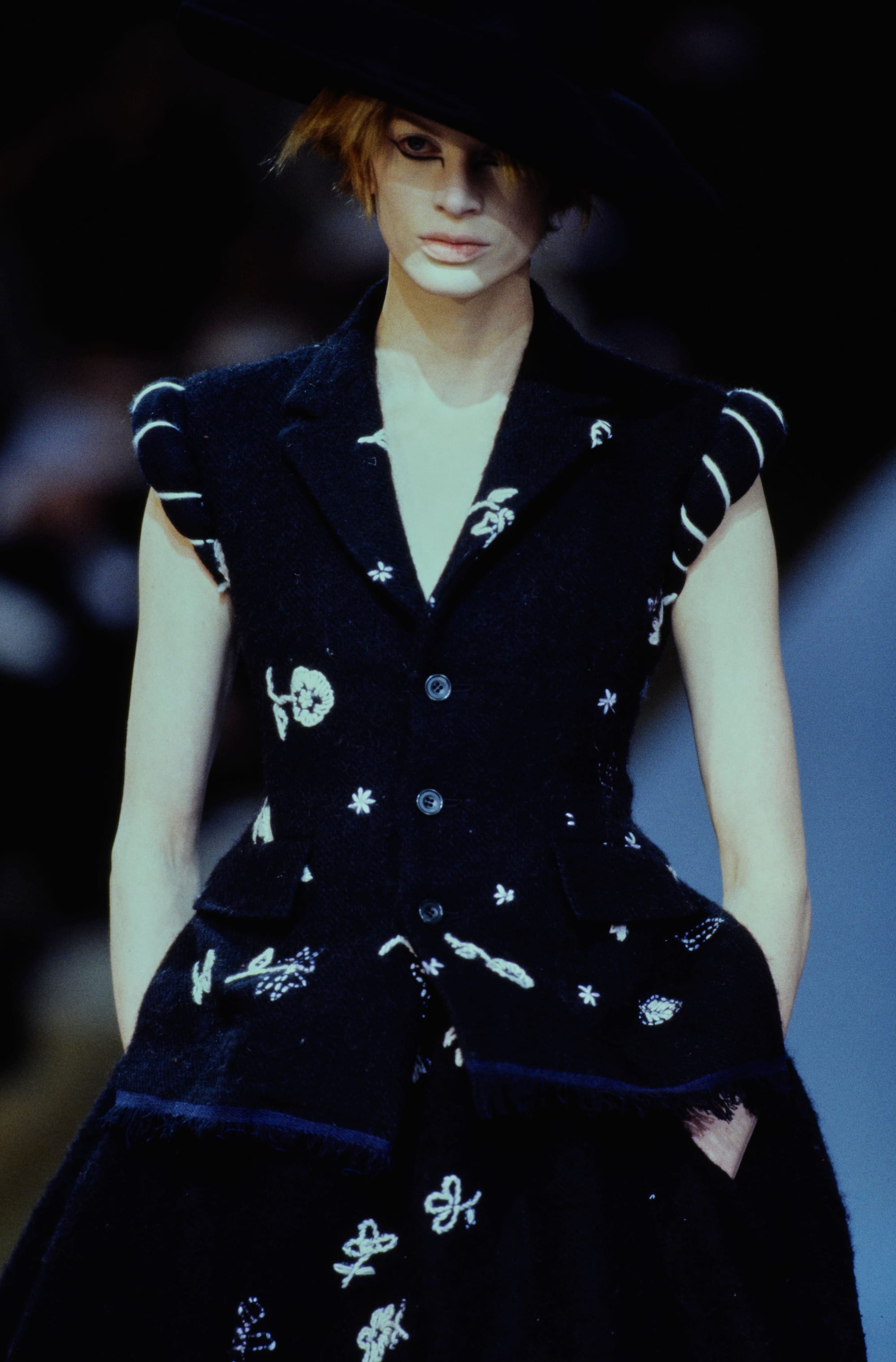
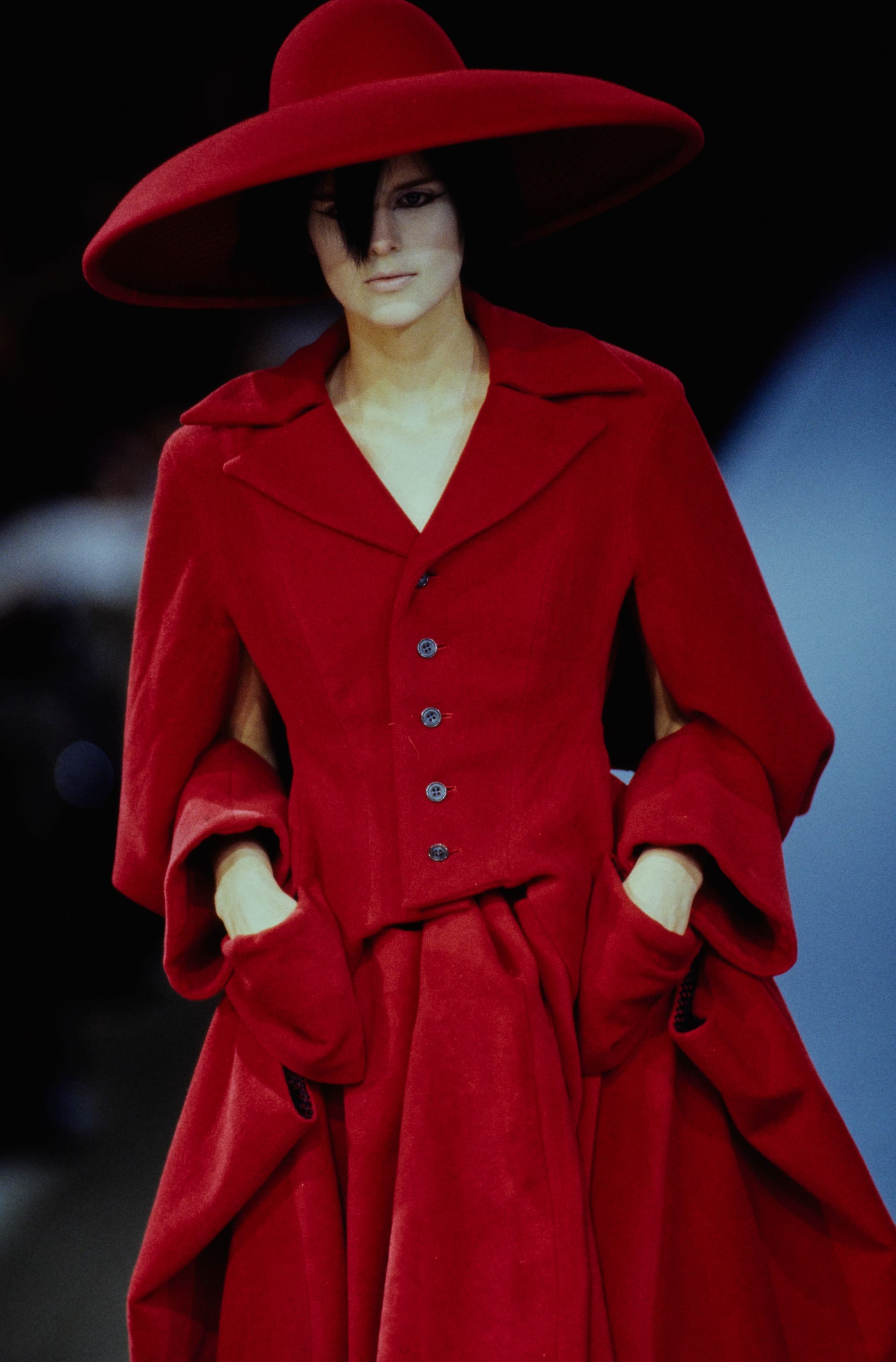
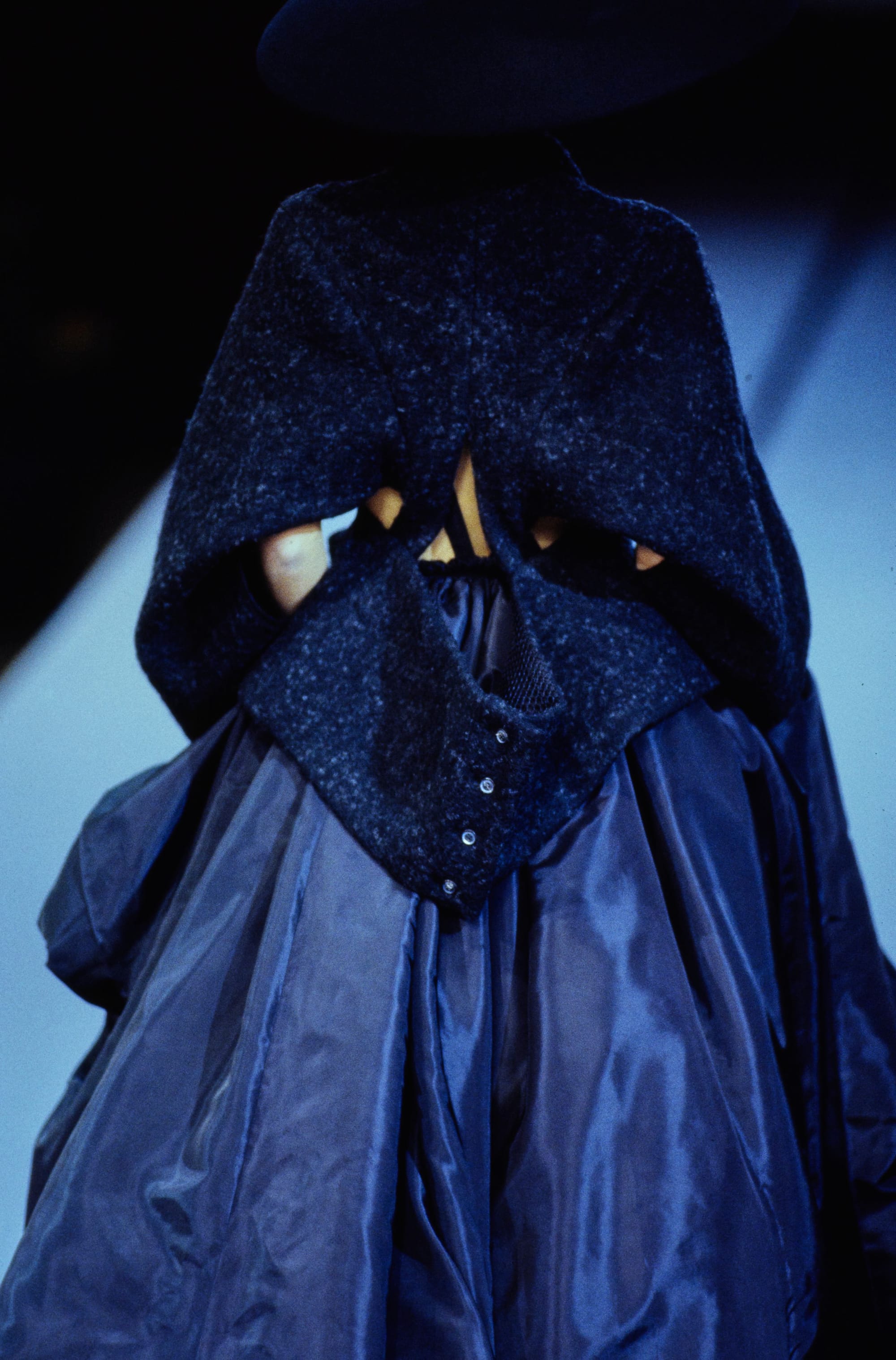
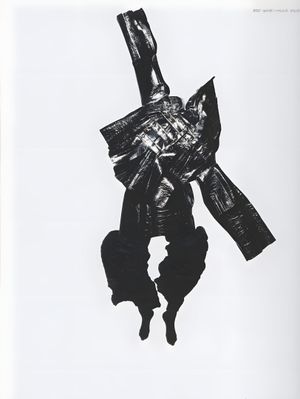
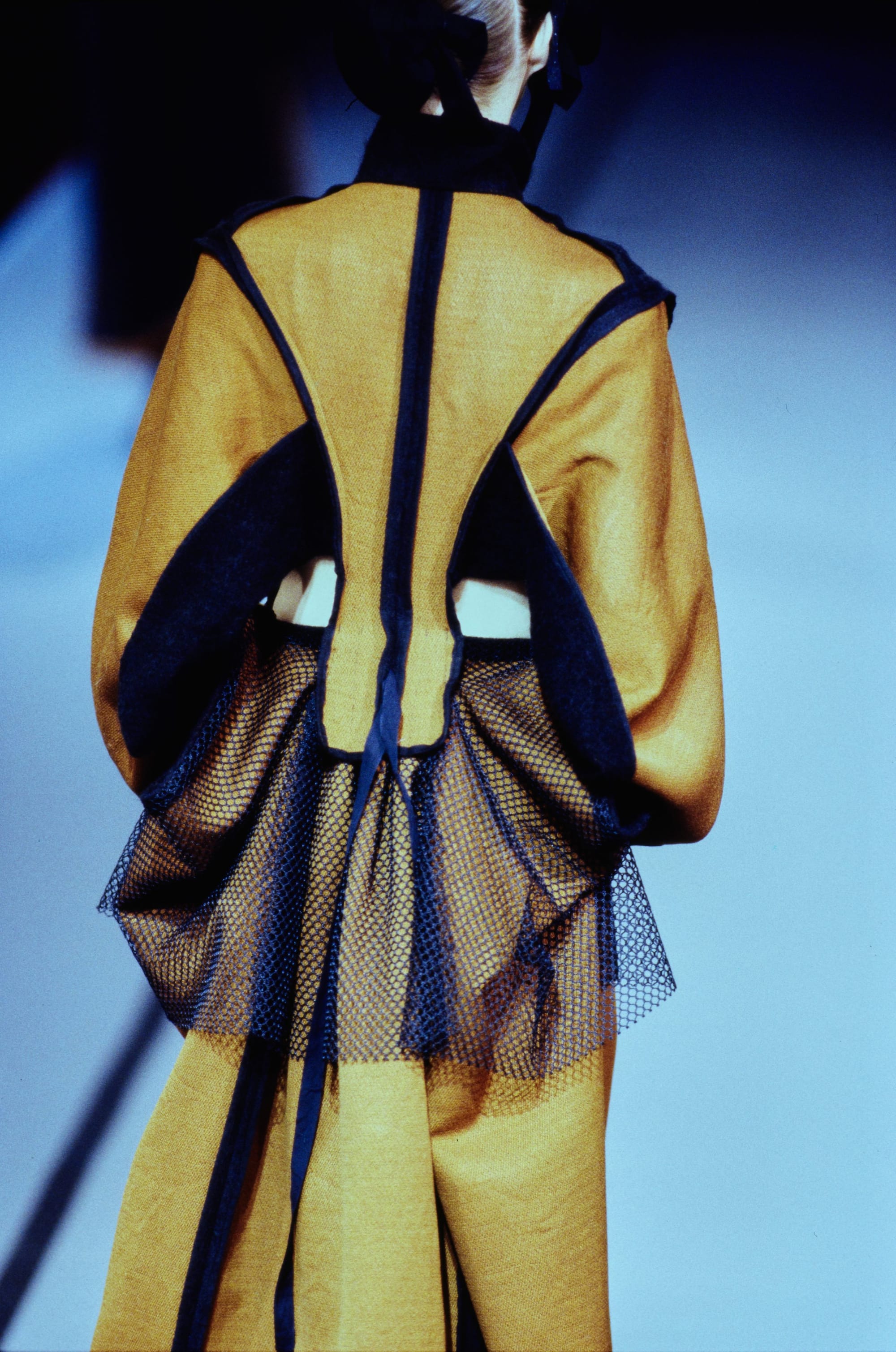
Yohji Yamamoto Fall 1995 Ready-to-Wear
Yohji Yamamoto’s Fall 1995 ready-to-wear show was presented in Paris on March 16, 1995. The images trace layered tailoring, openwork textures, chunky knits, wide-brimmed hats, and sculptural backs.
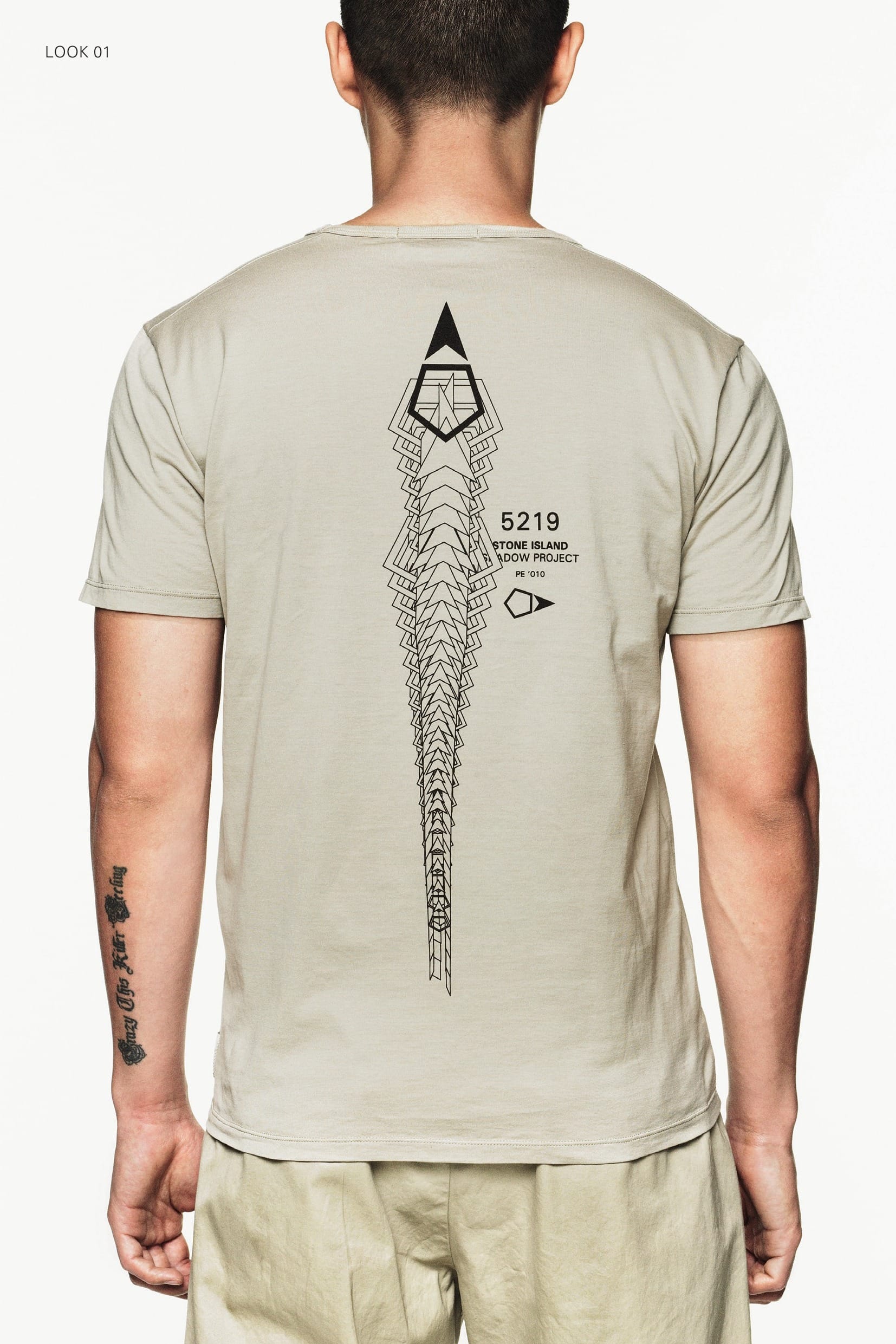
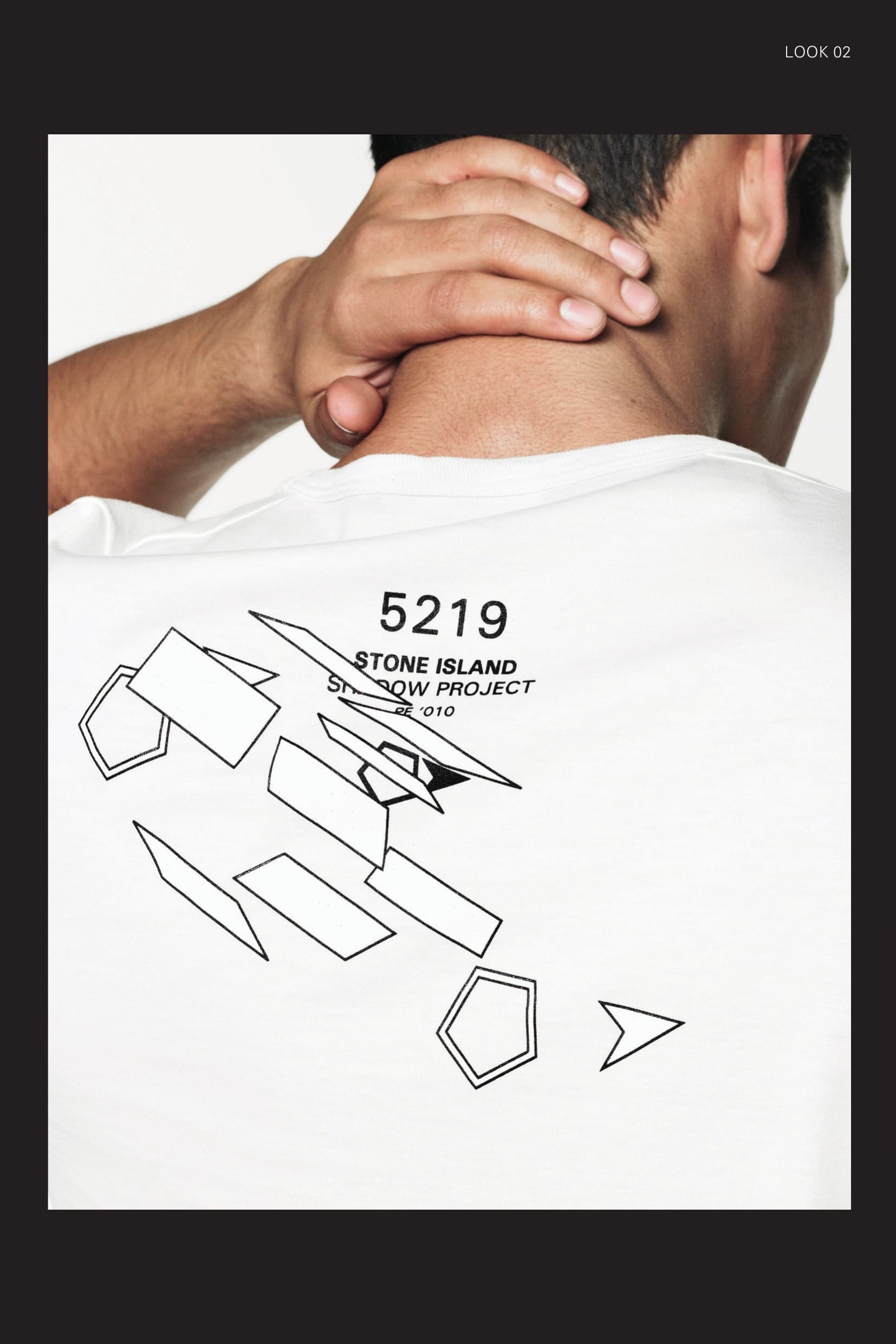
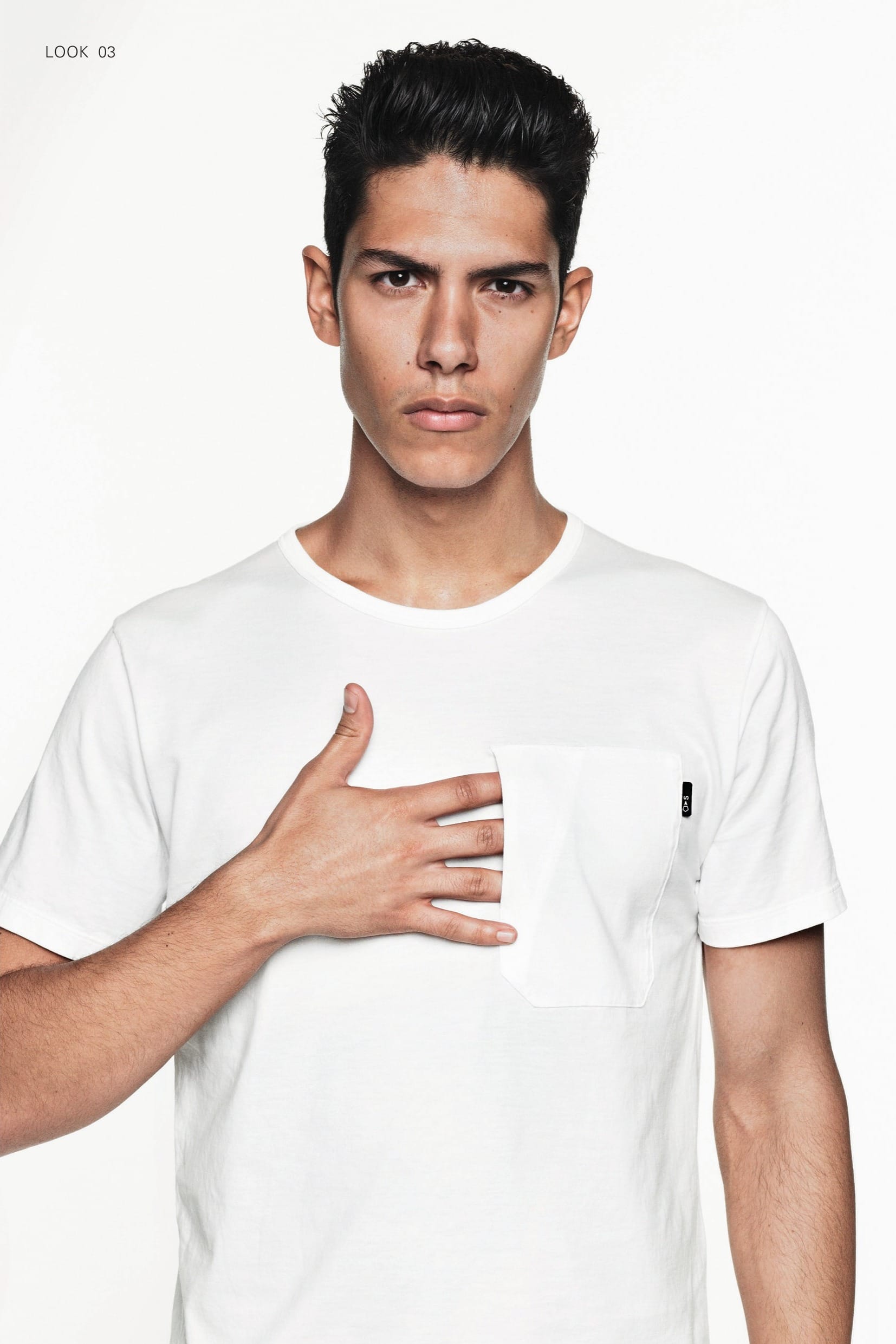
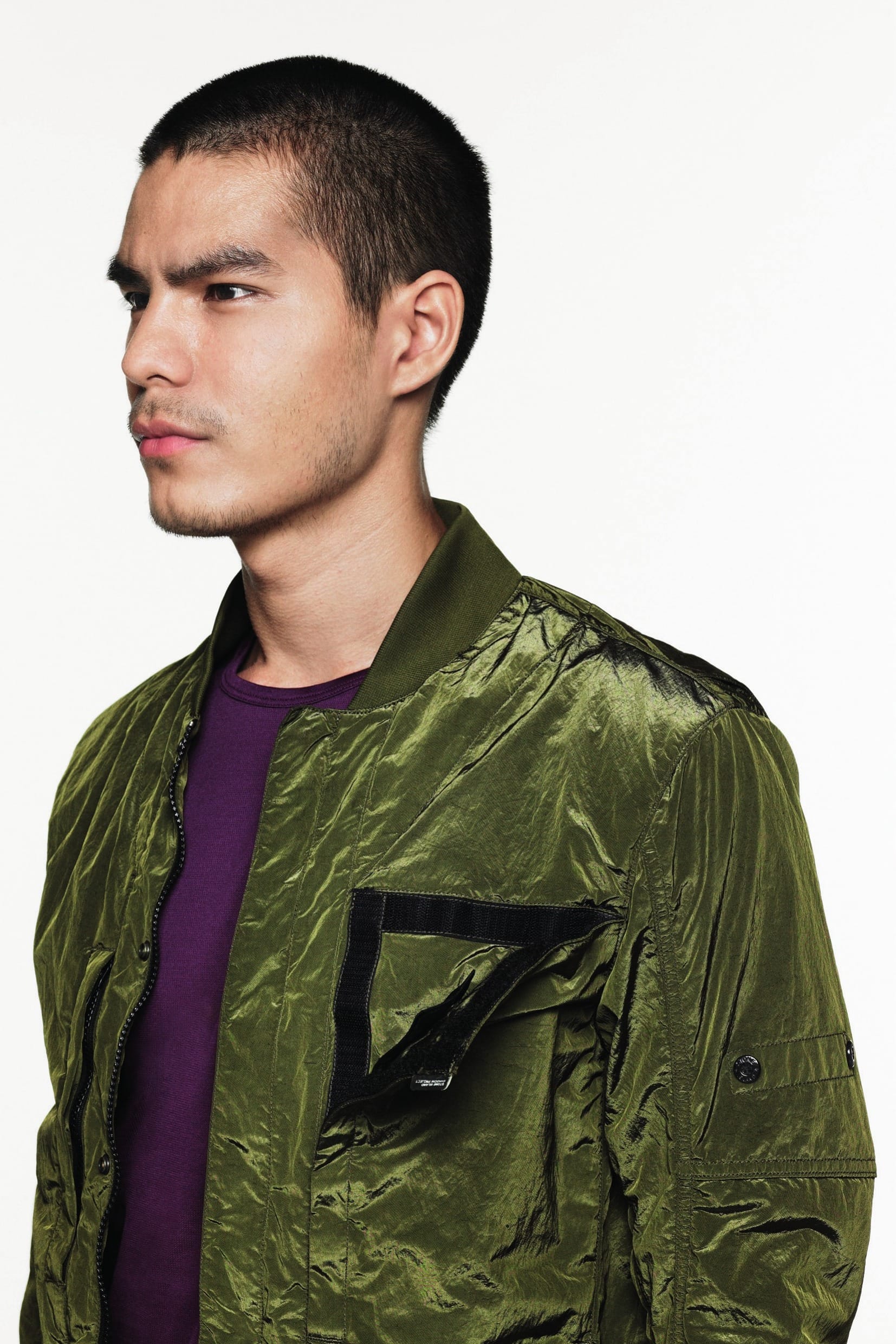
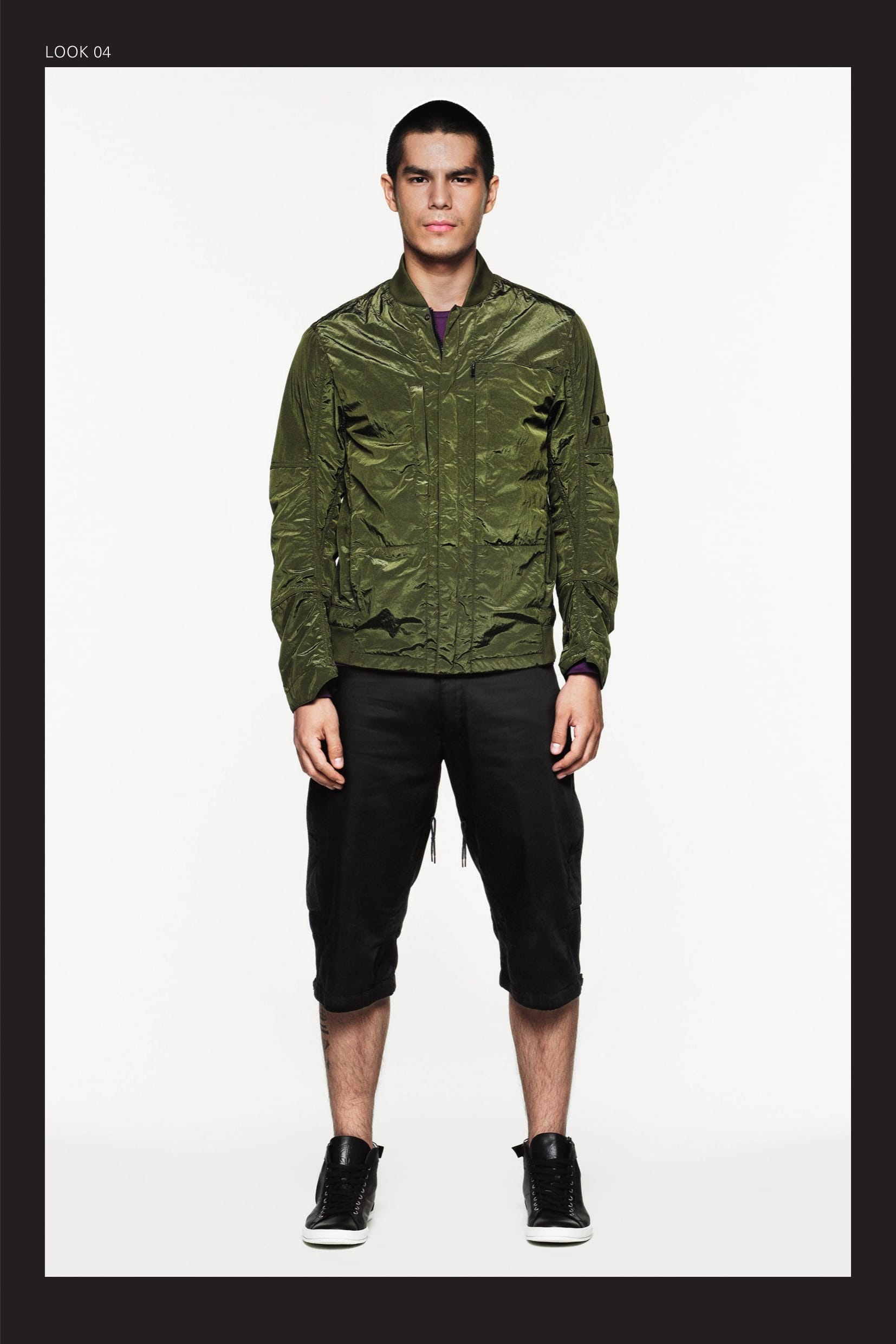
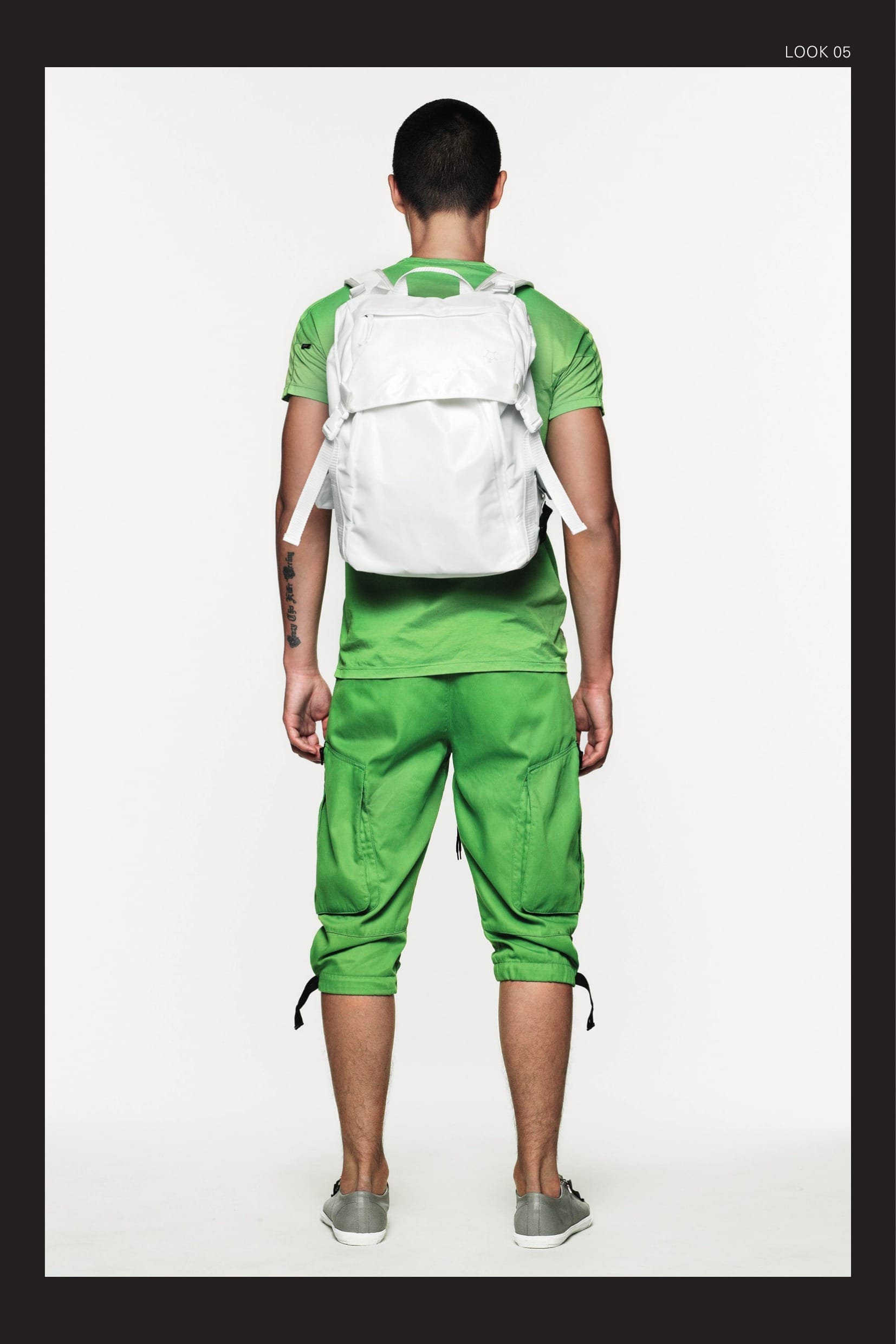
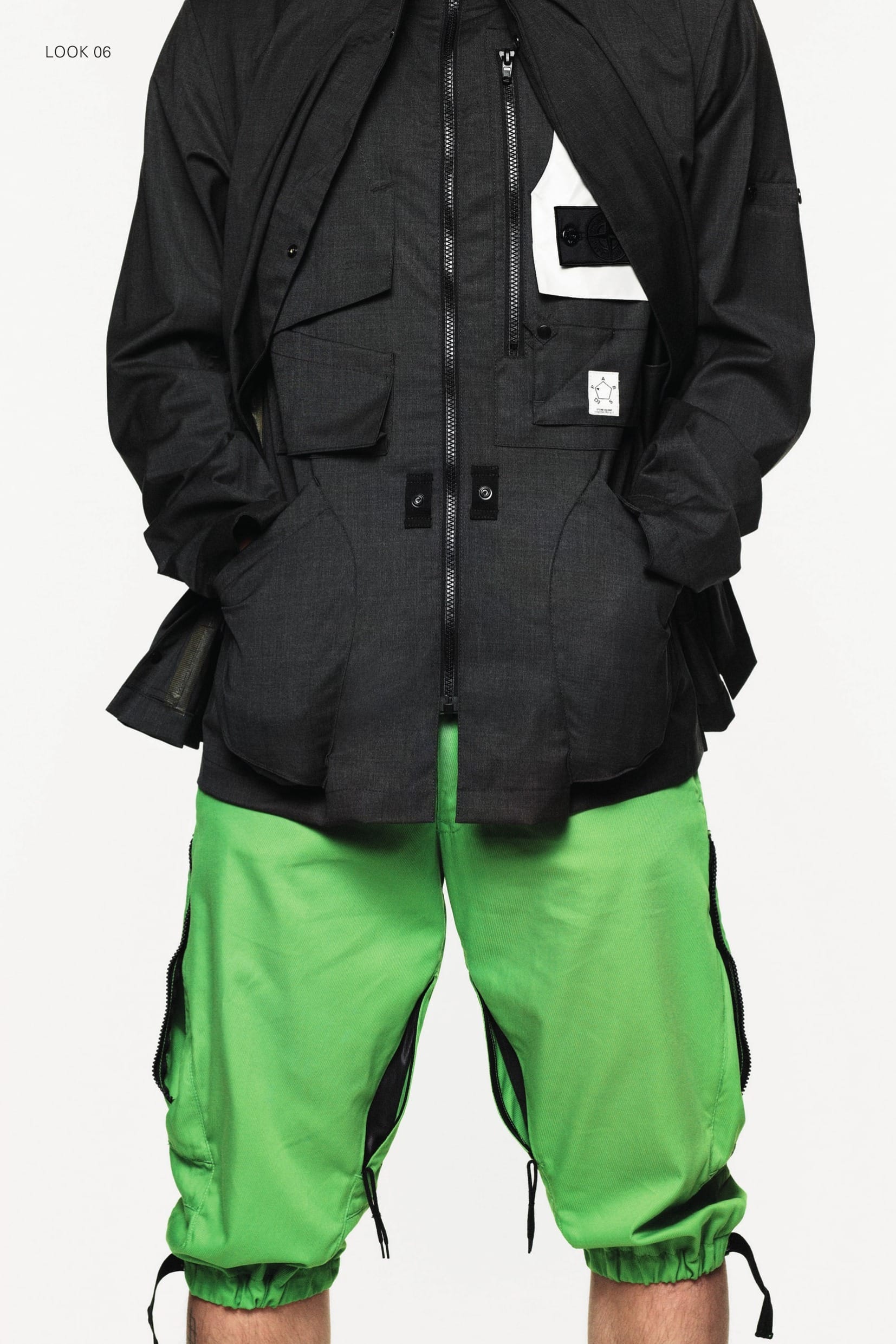
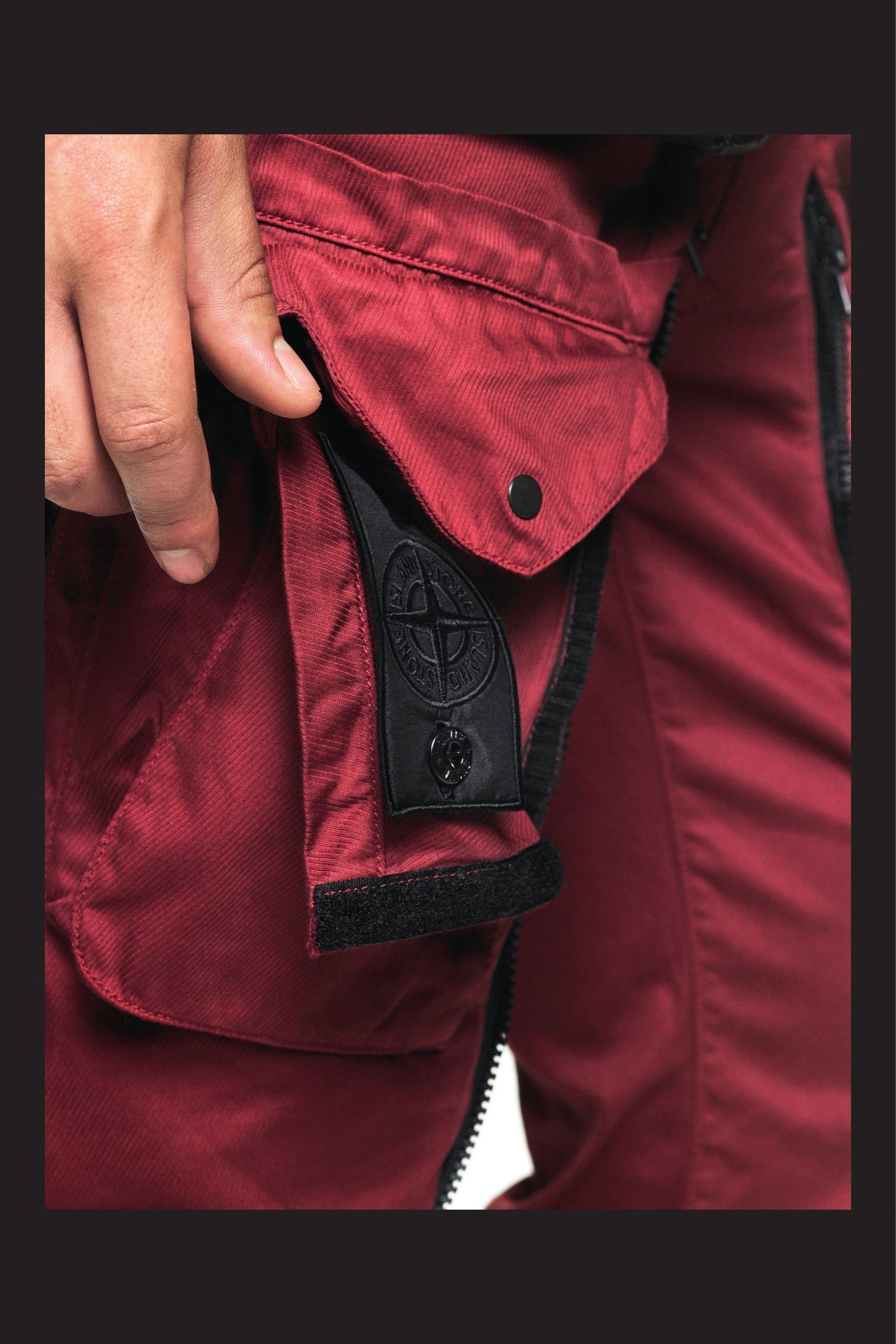
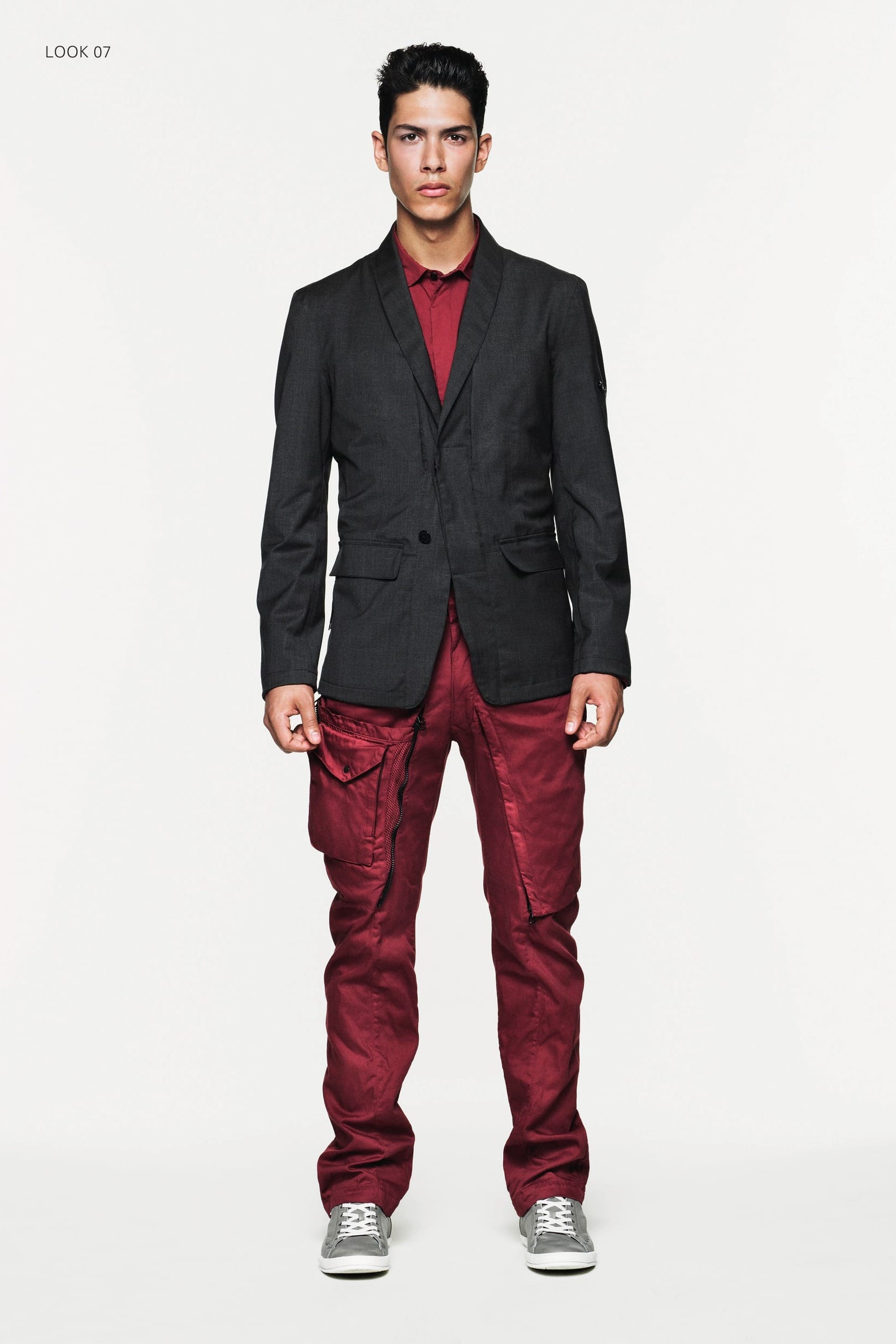
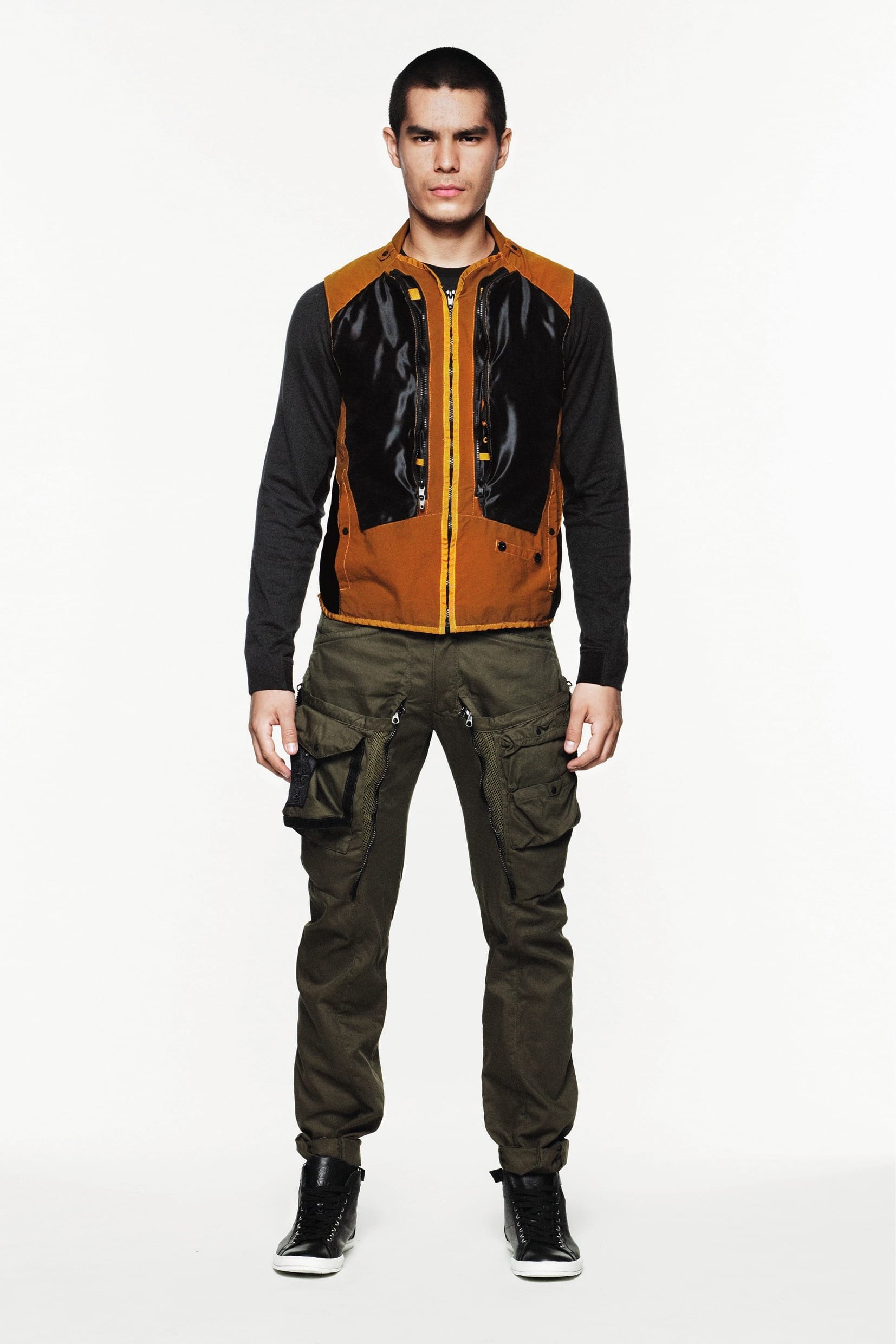
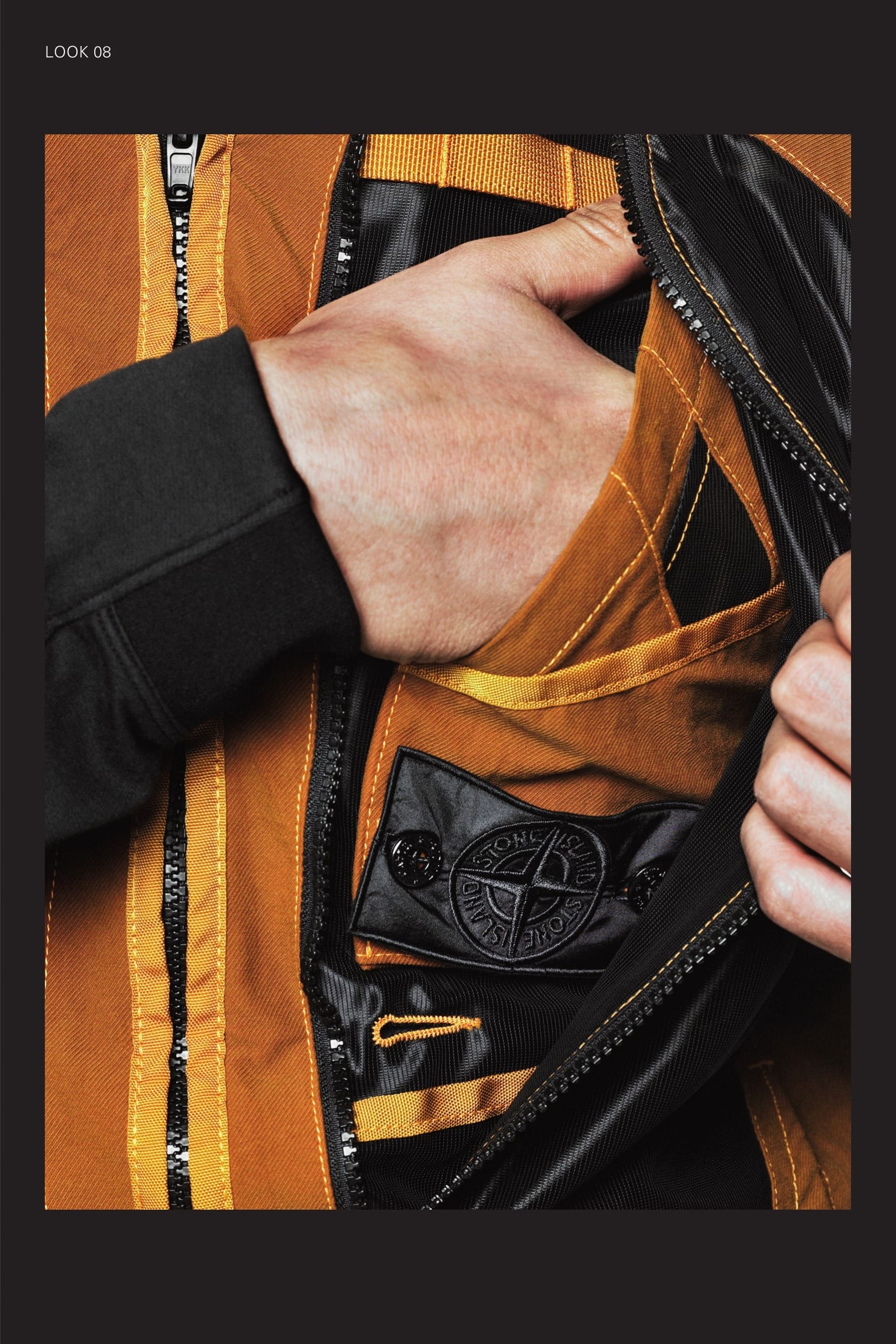
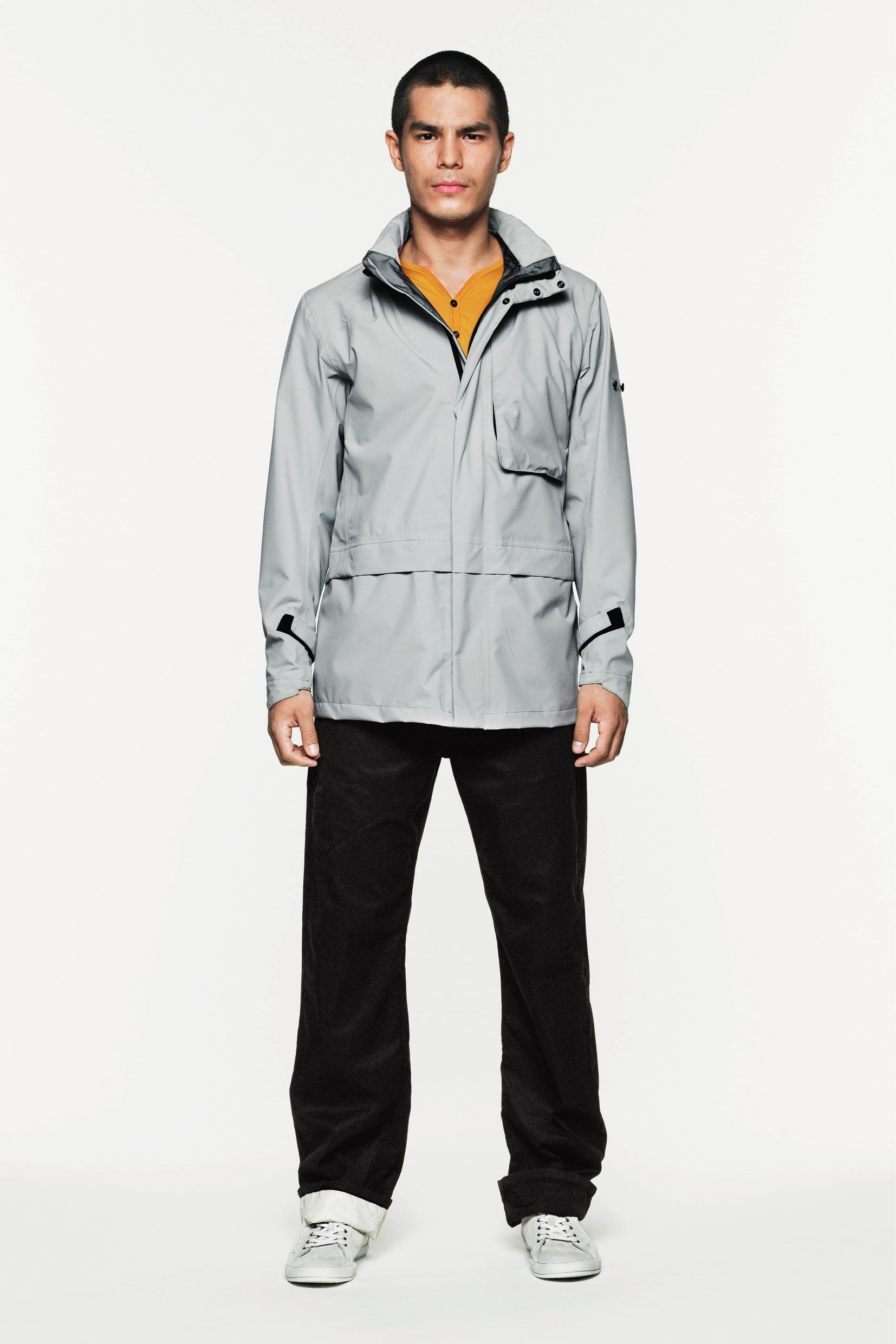
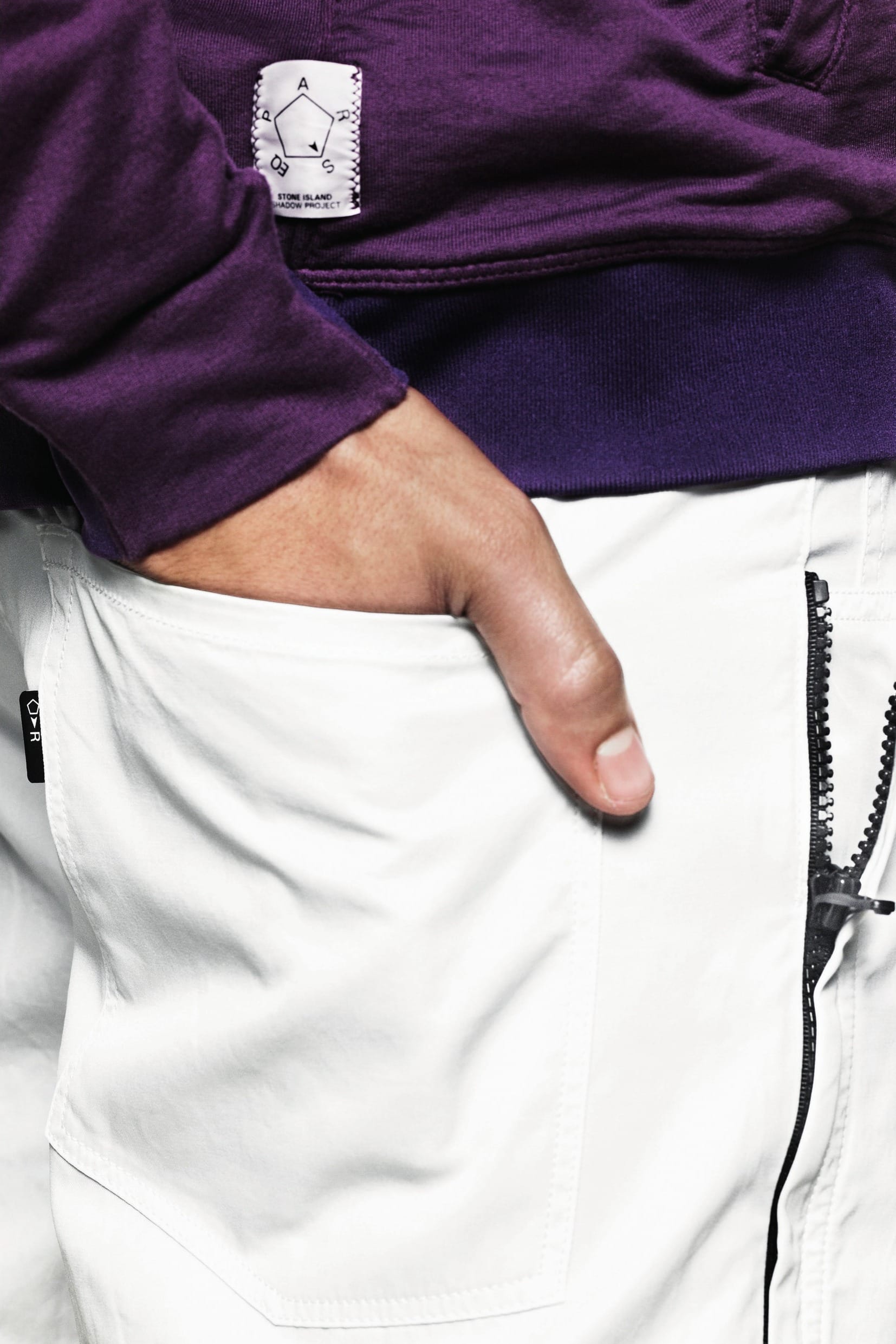
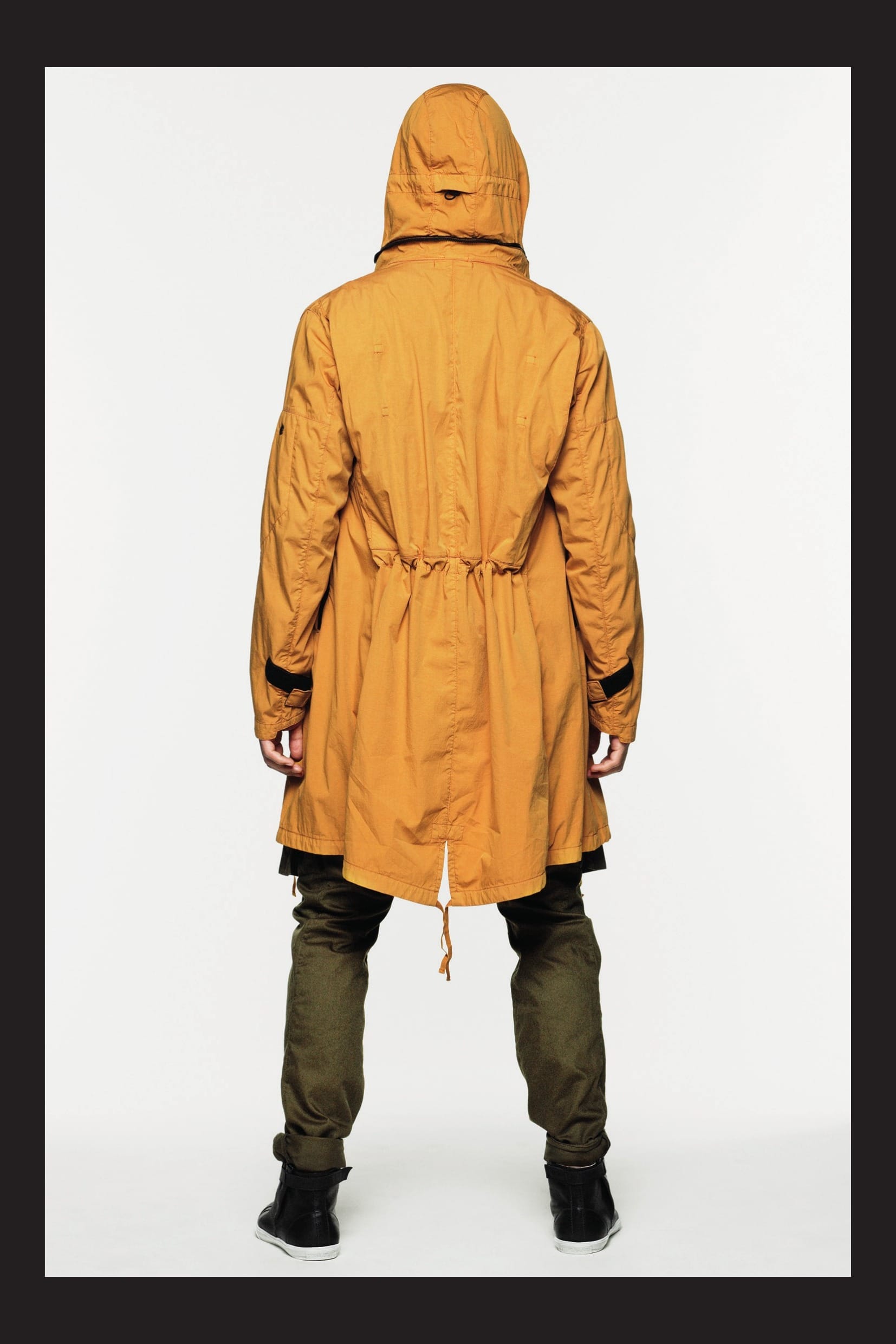
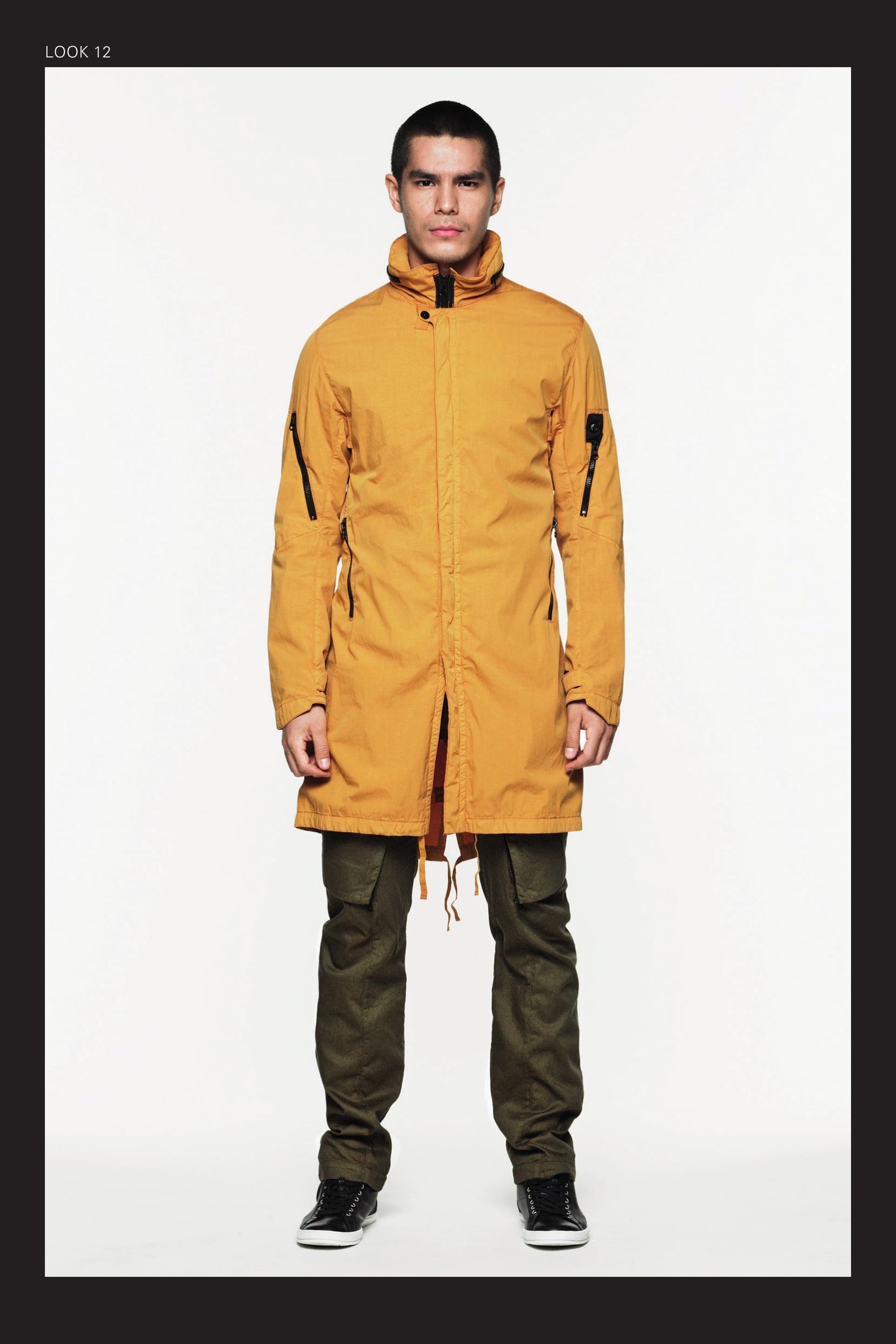
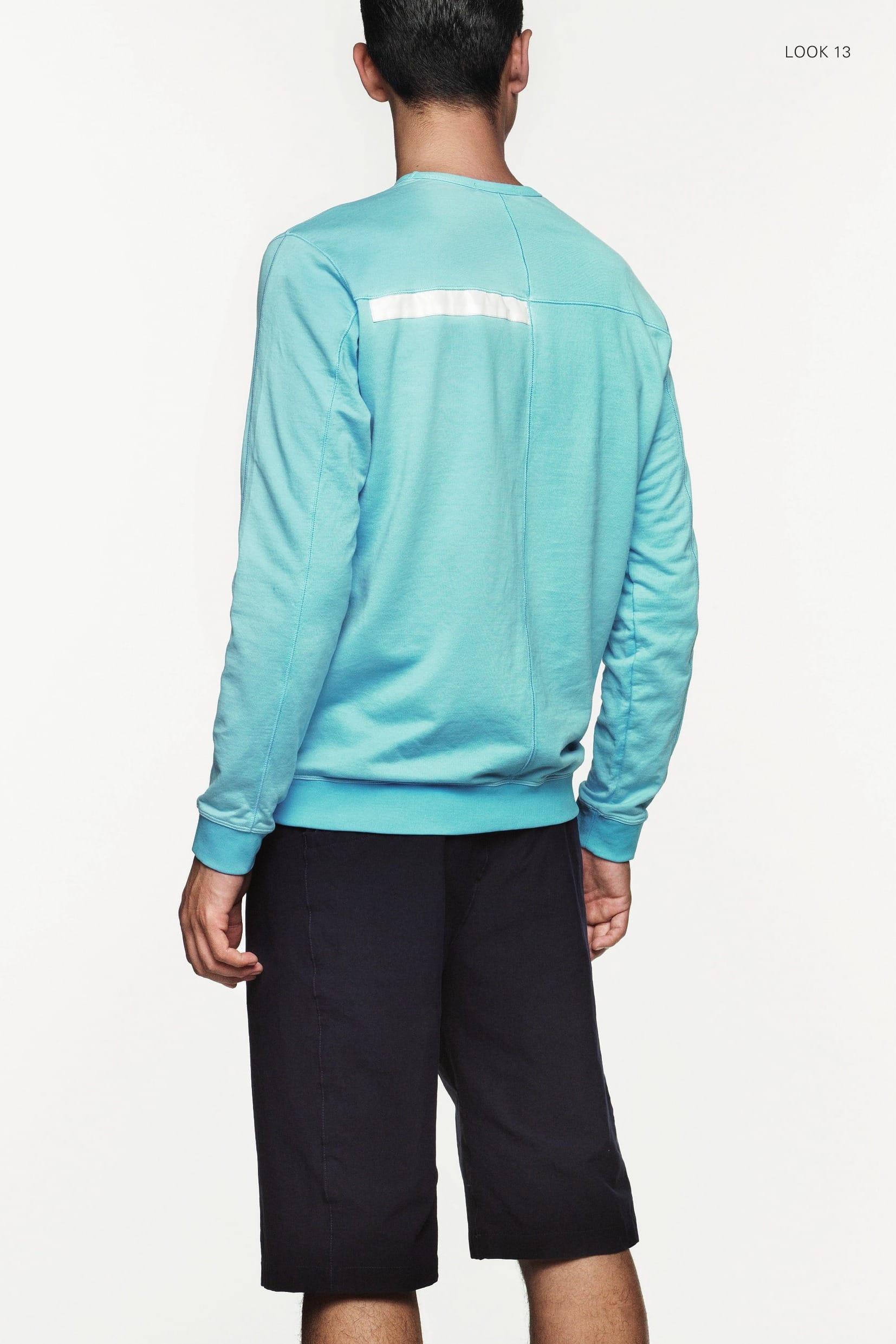
Stone Island Shadow Project SS2010 Lookbook
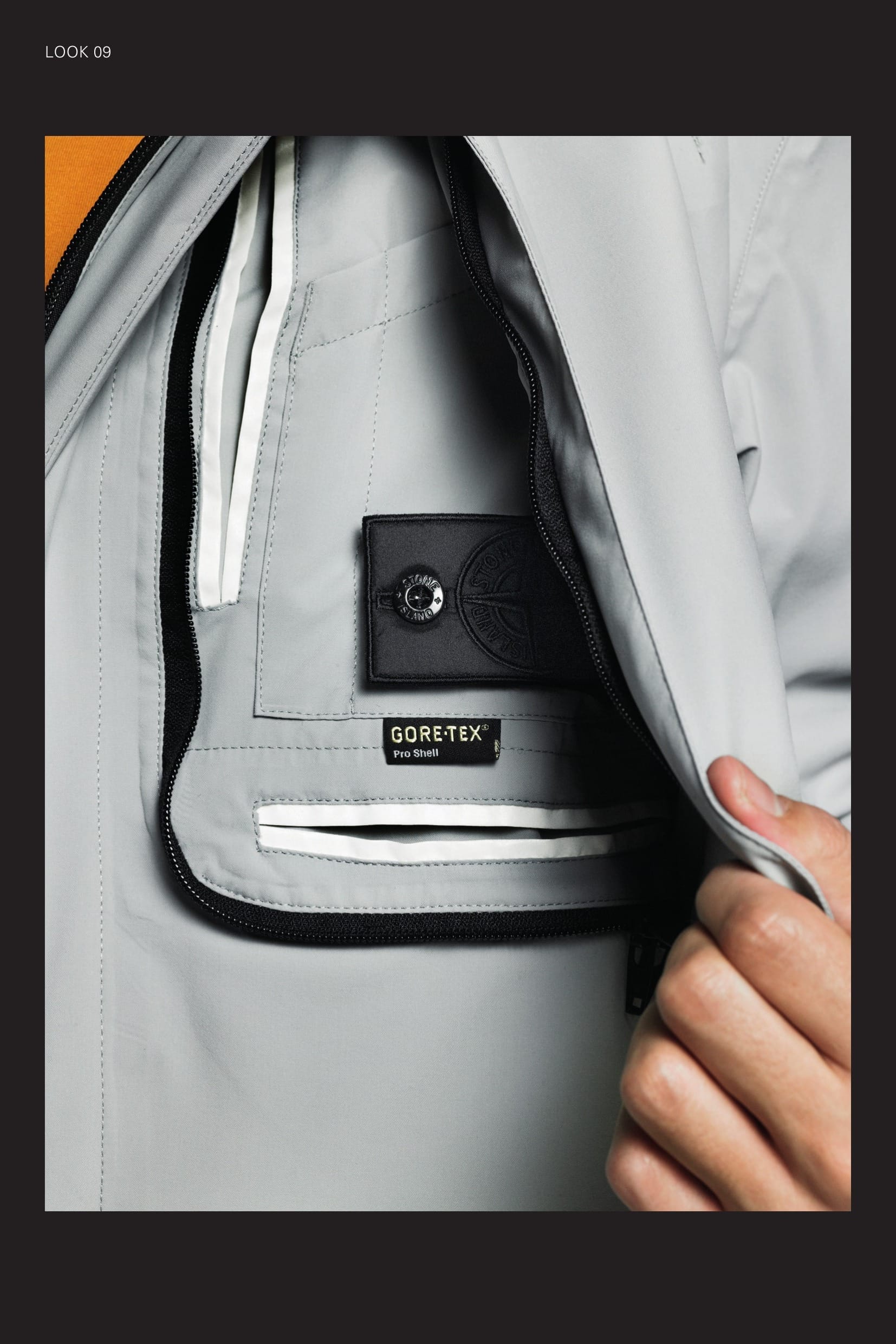
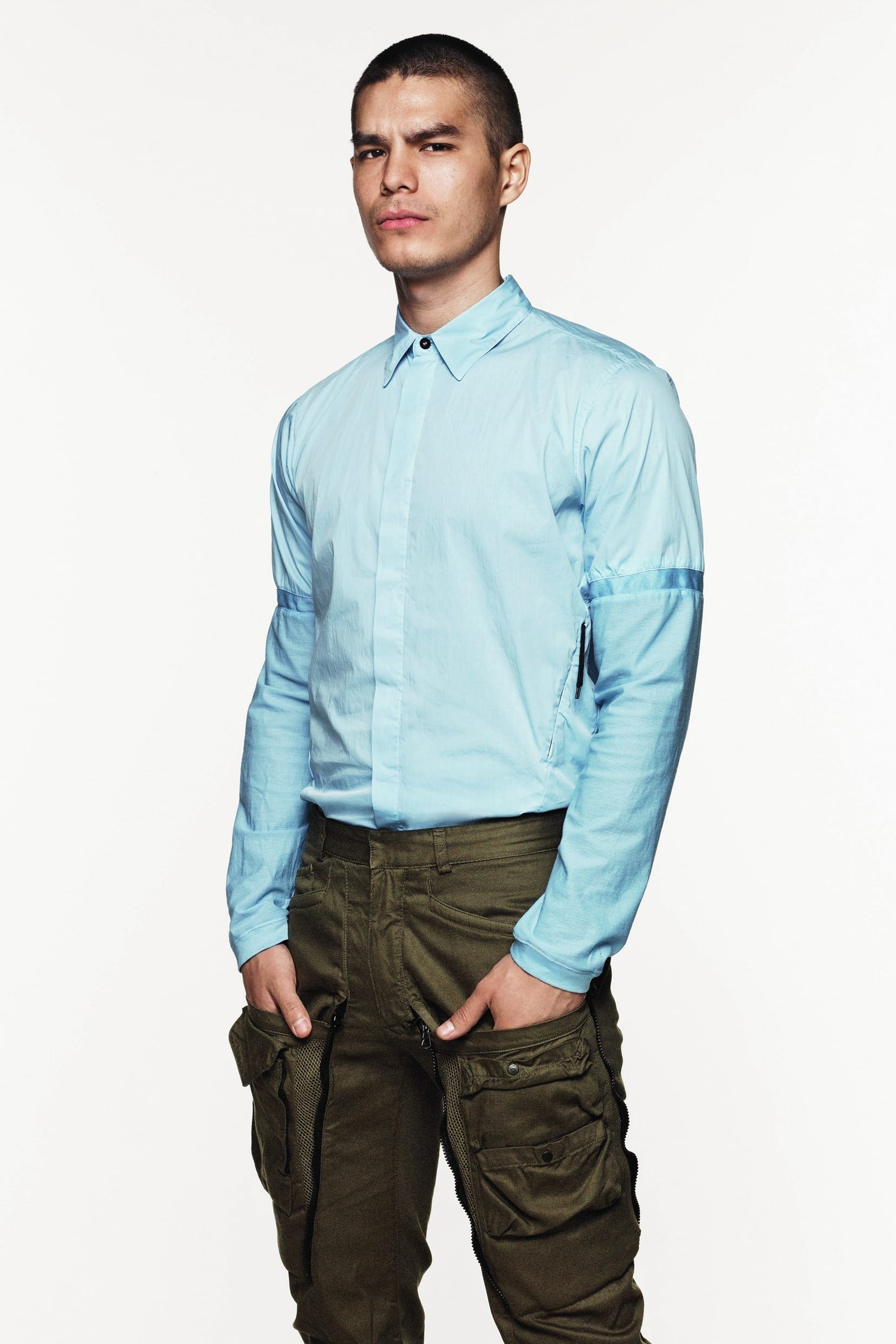
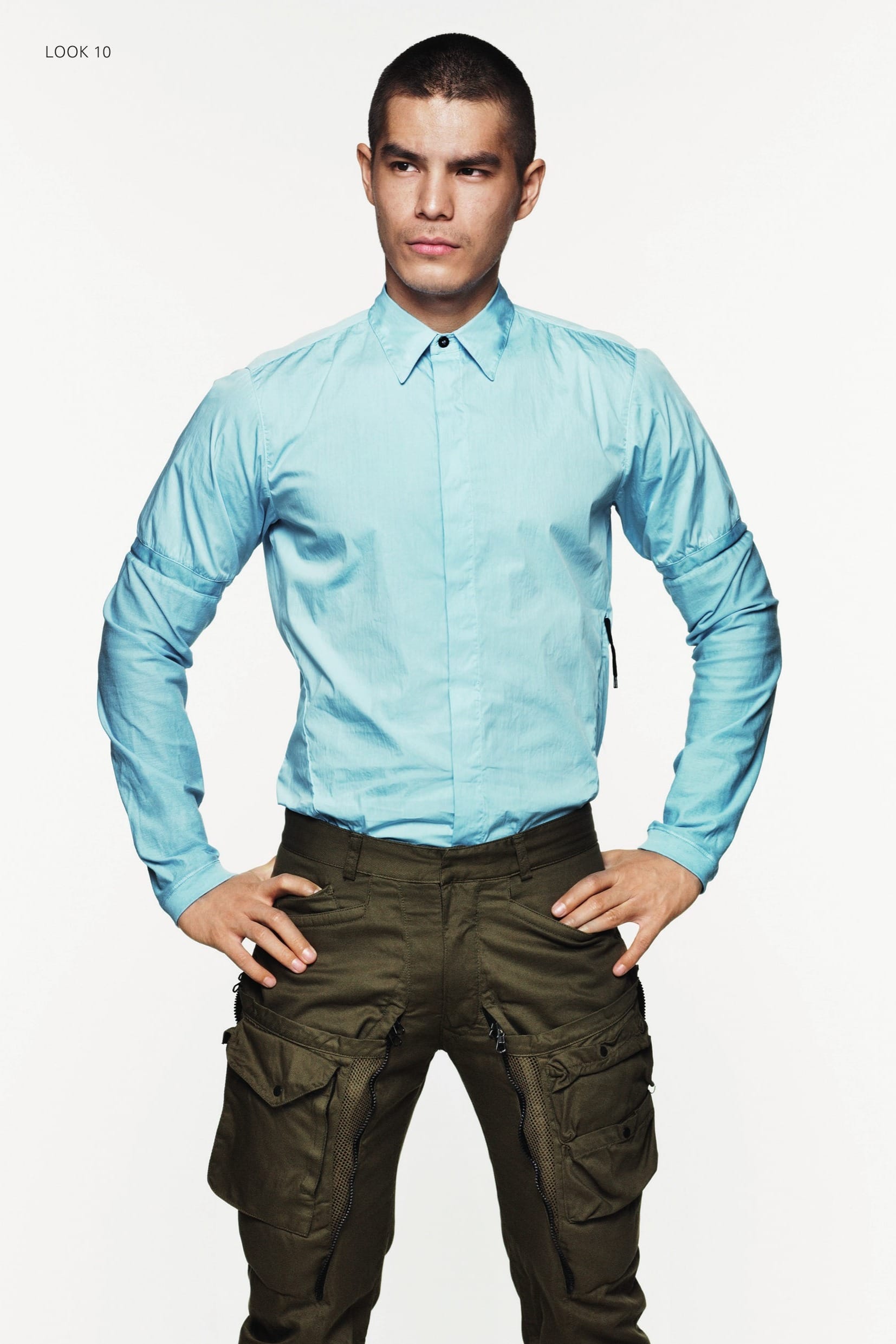
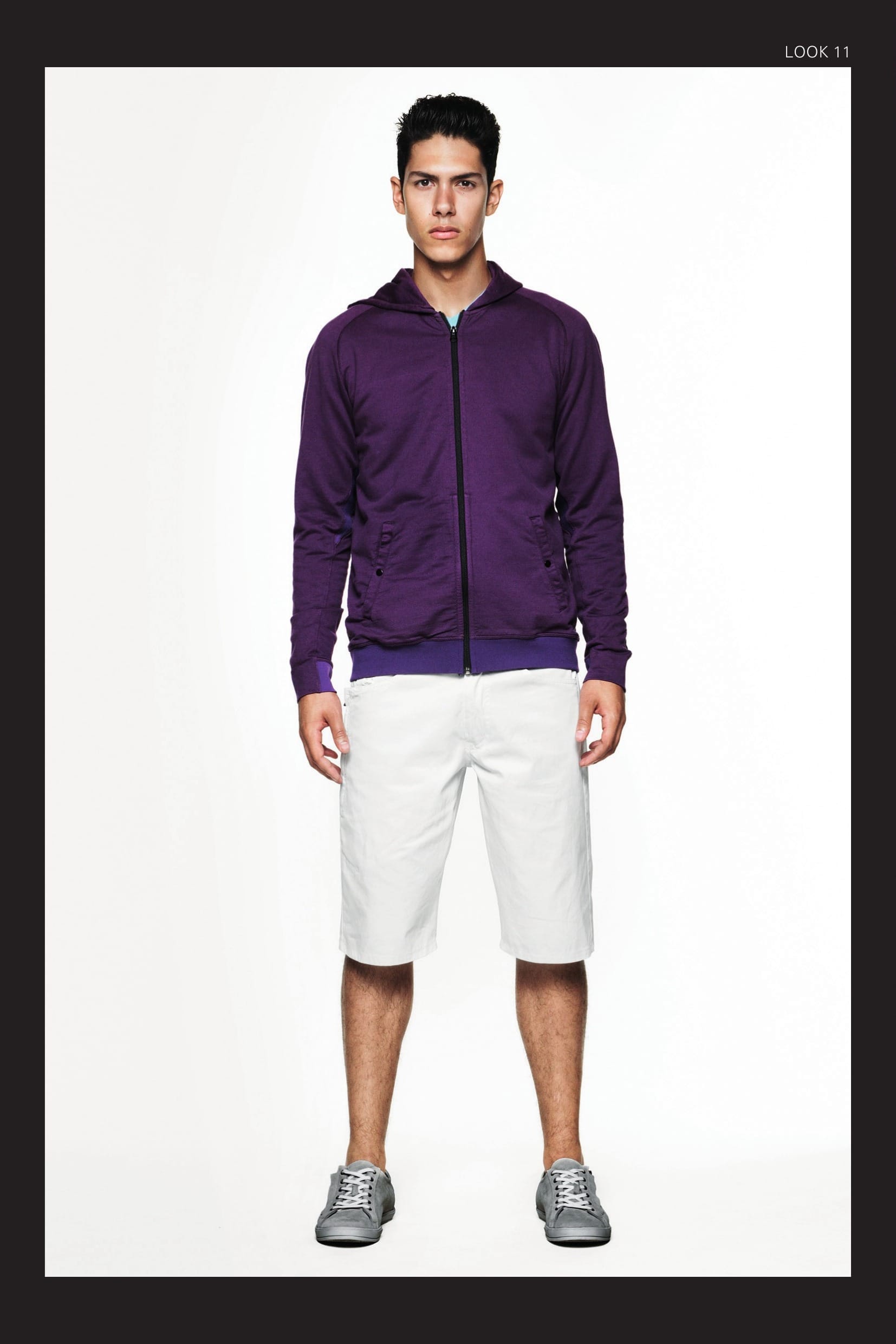
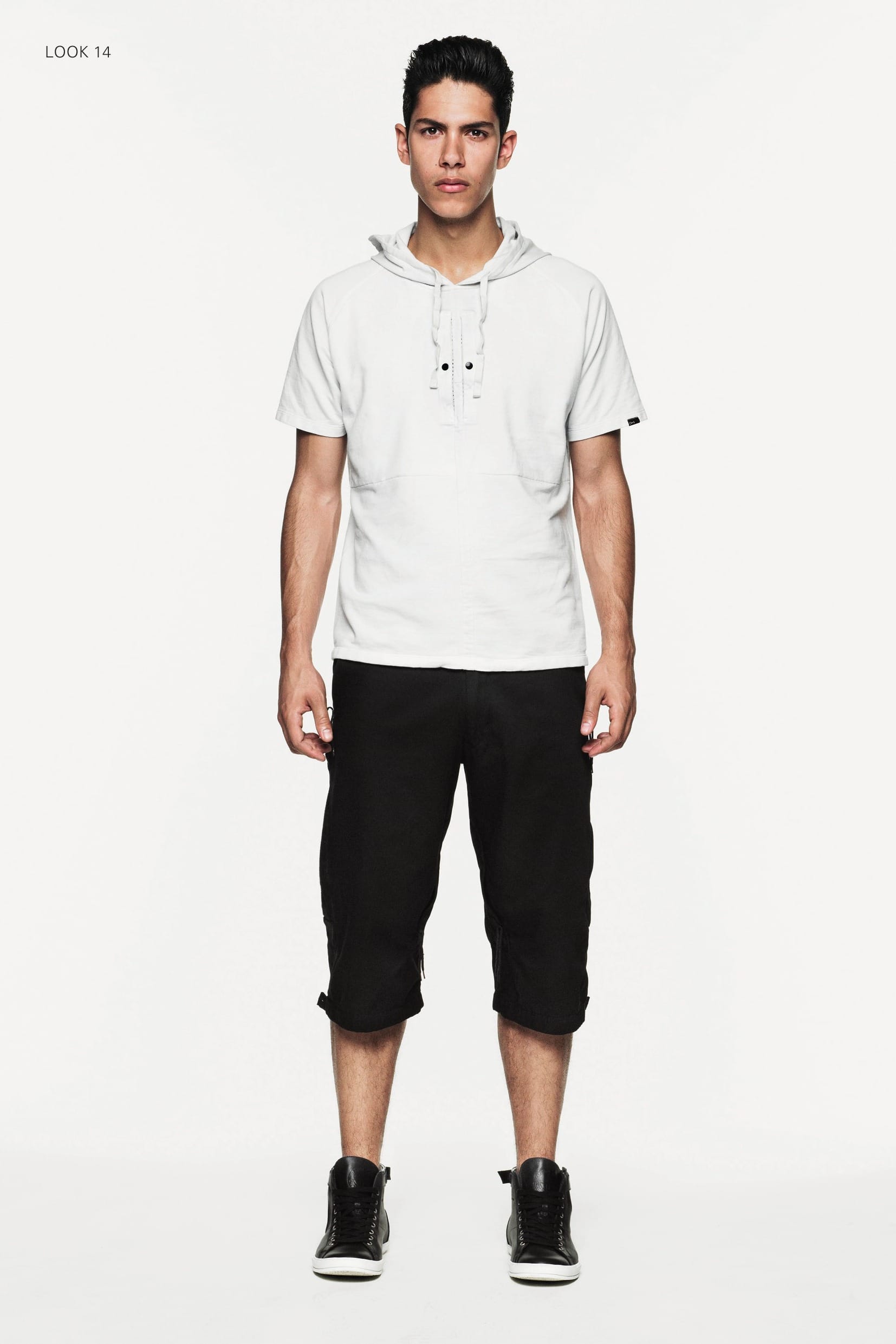
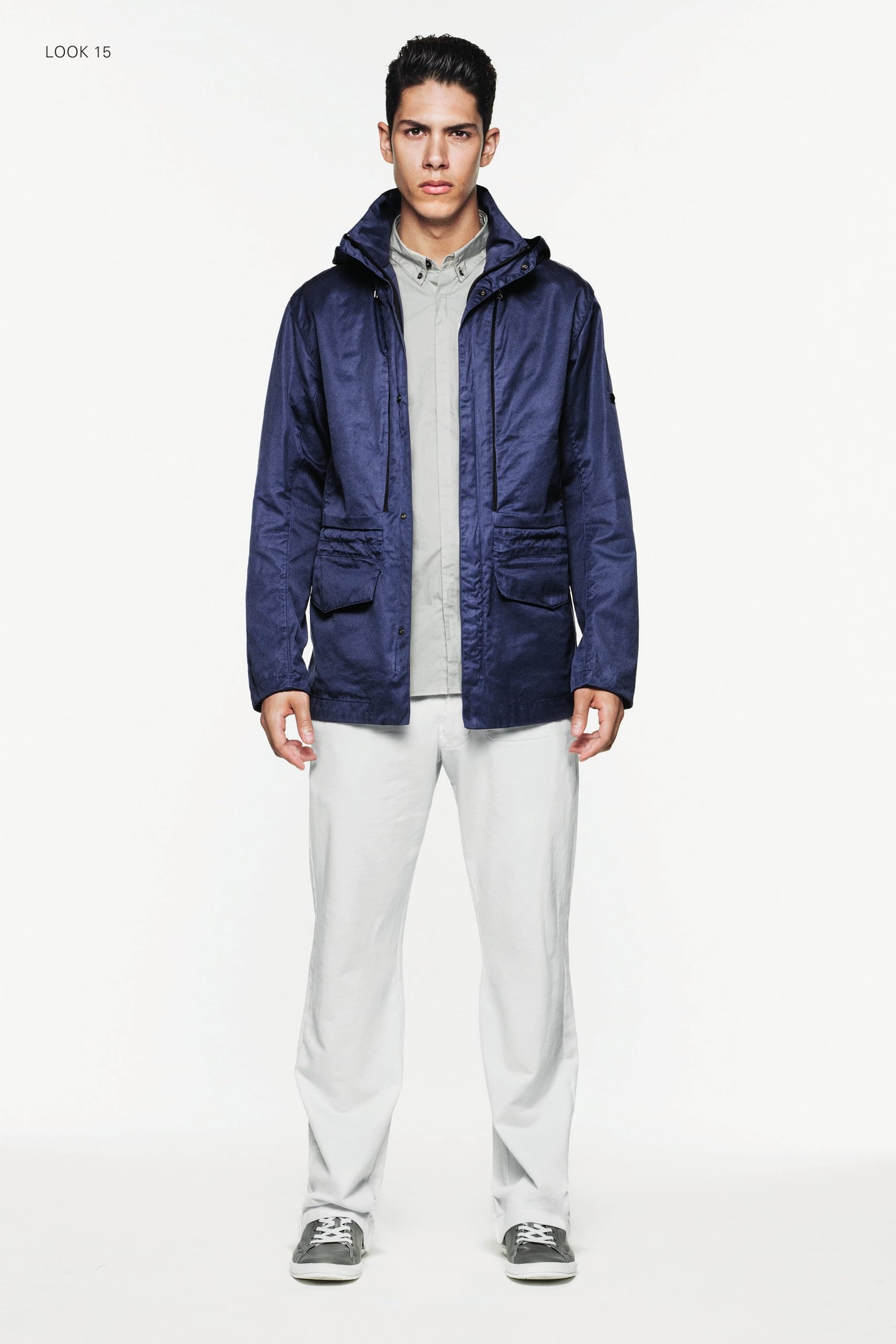
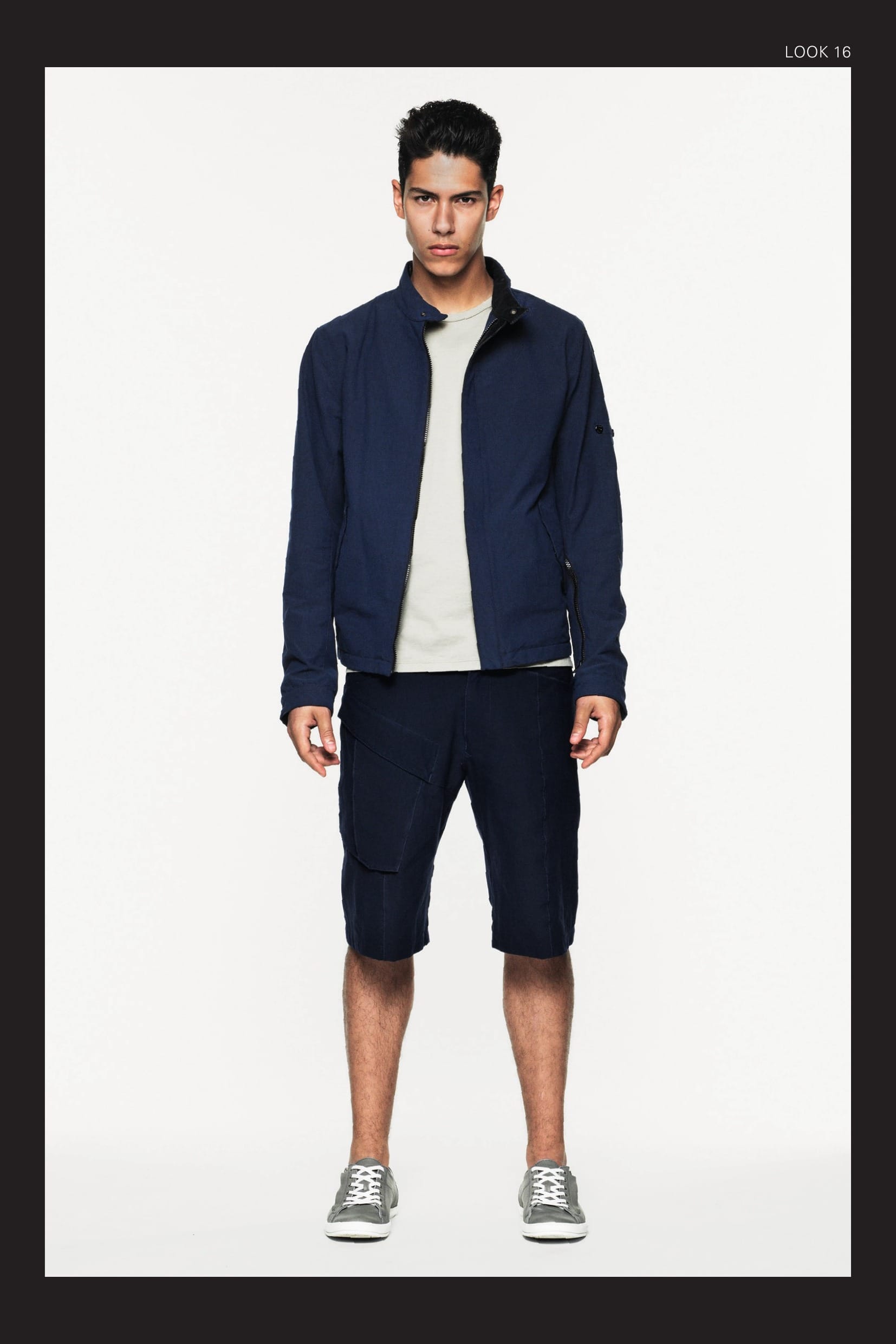
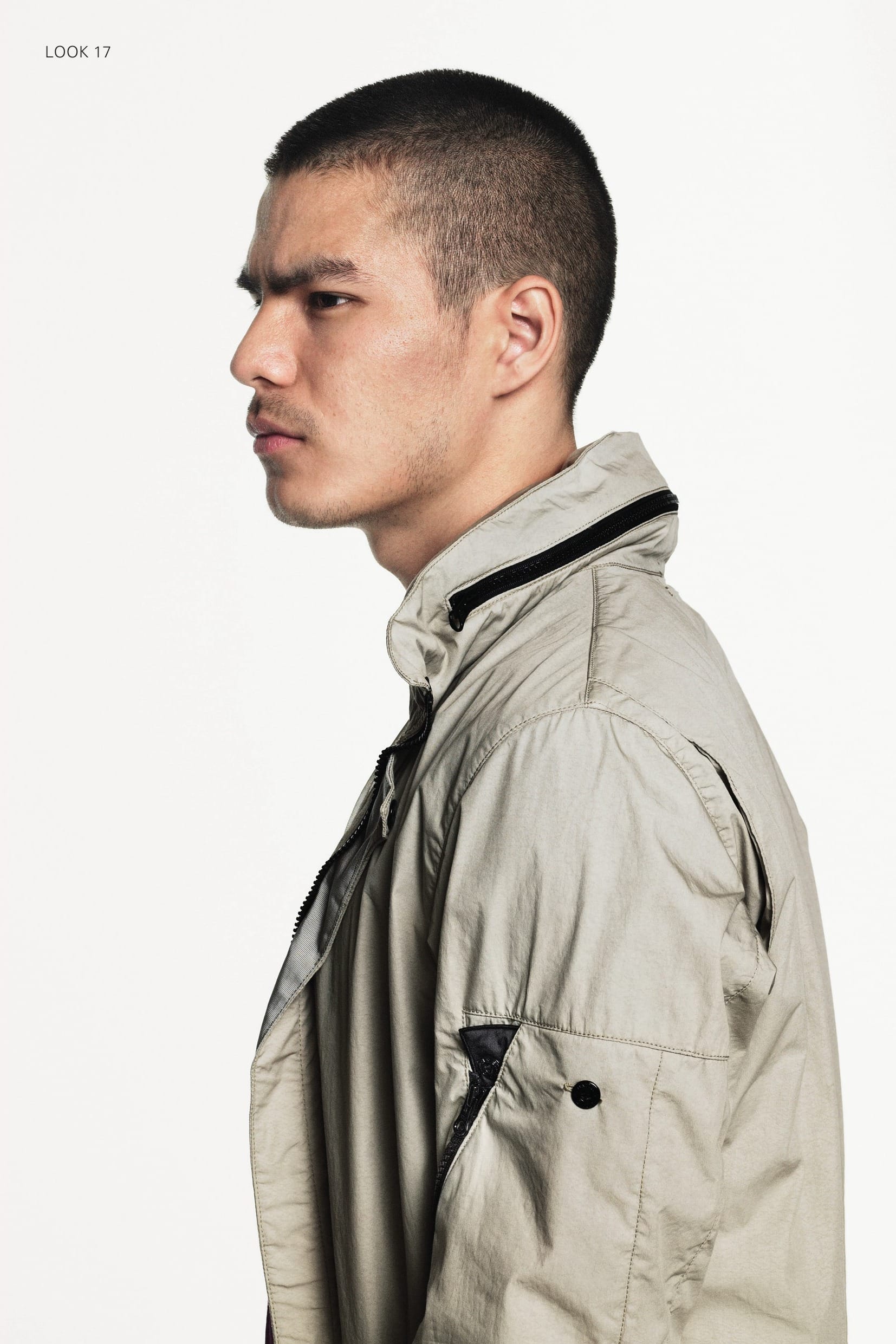
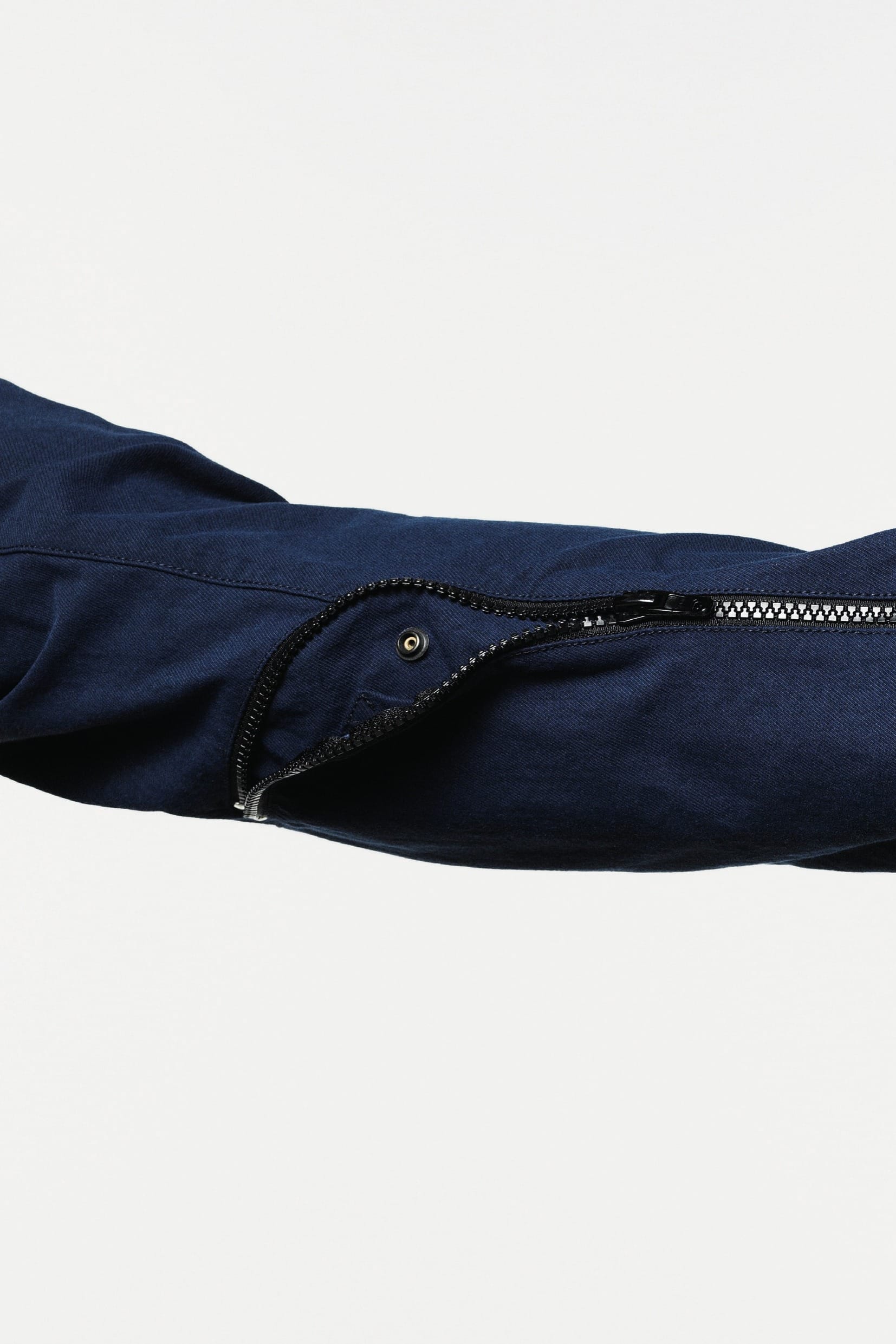
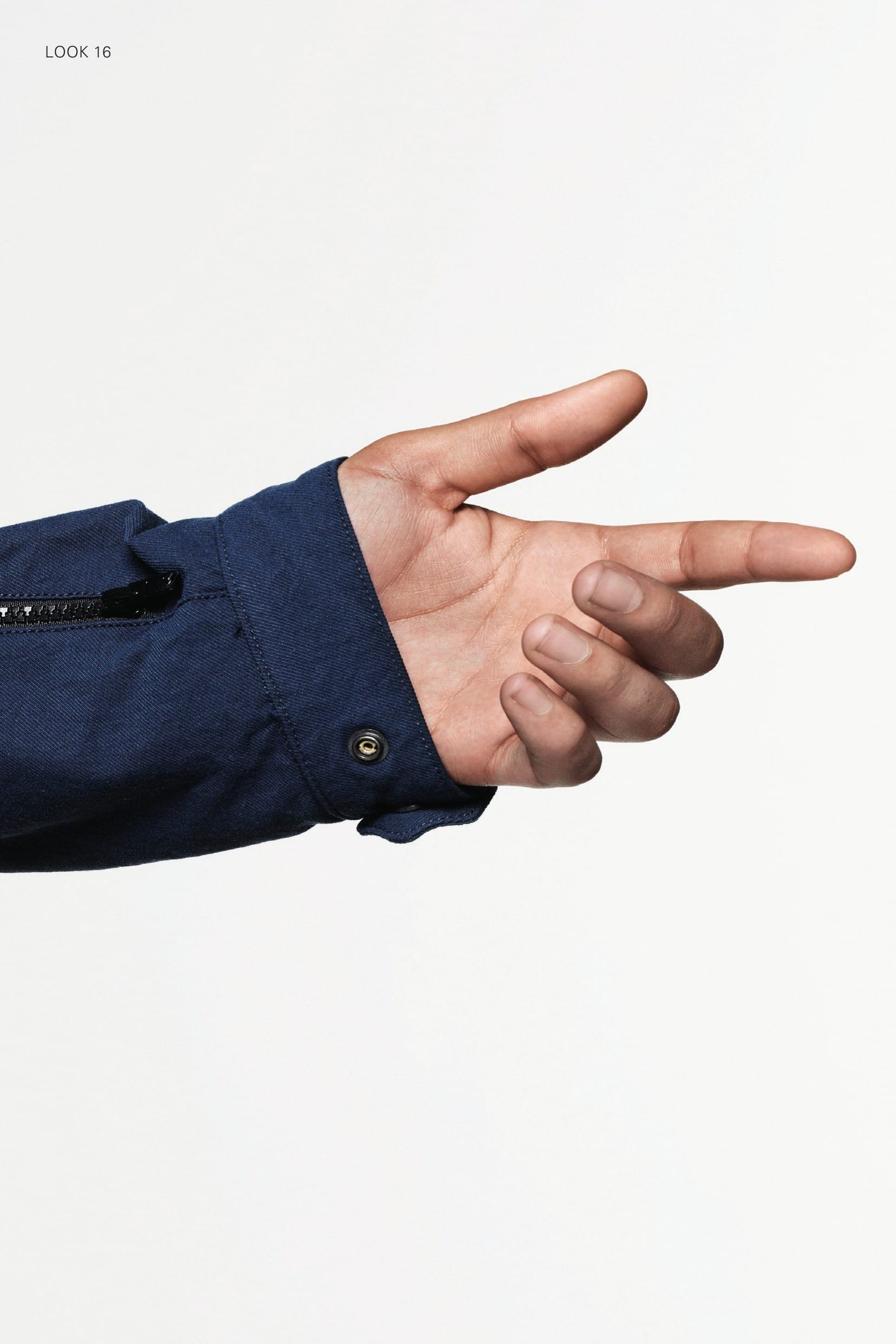
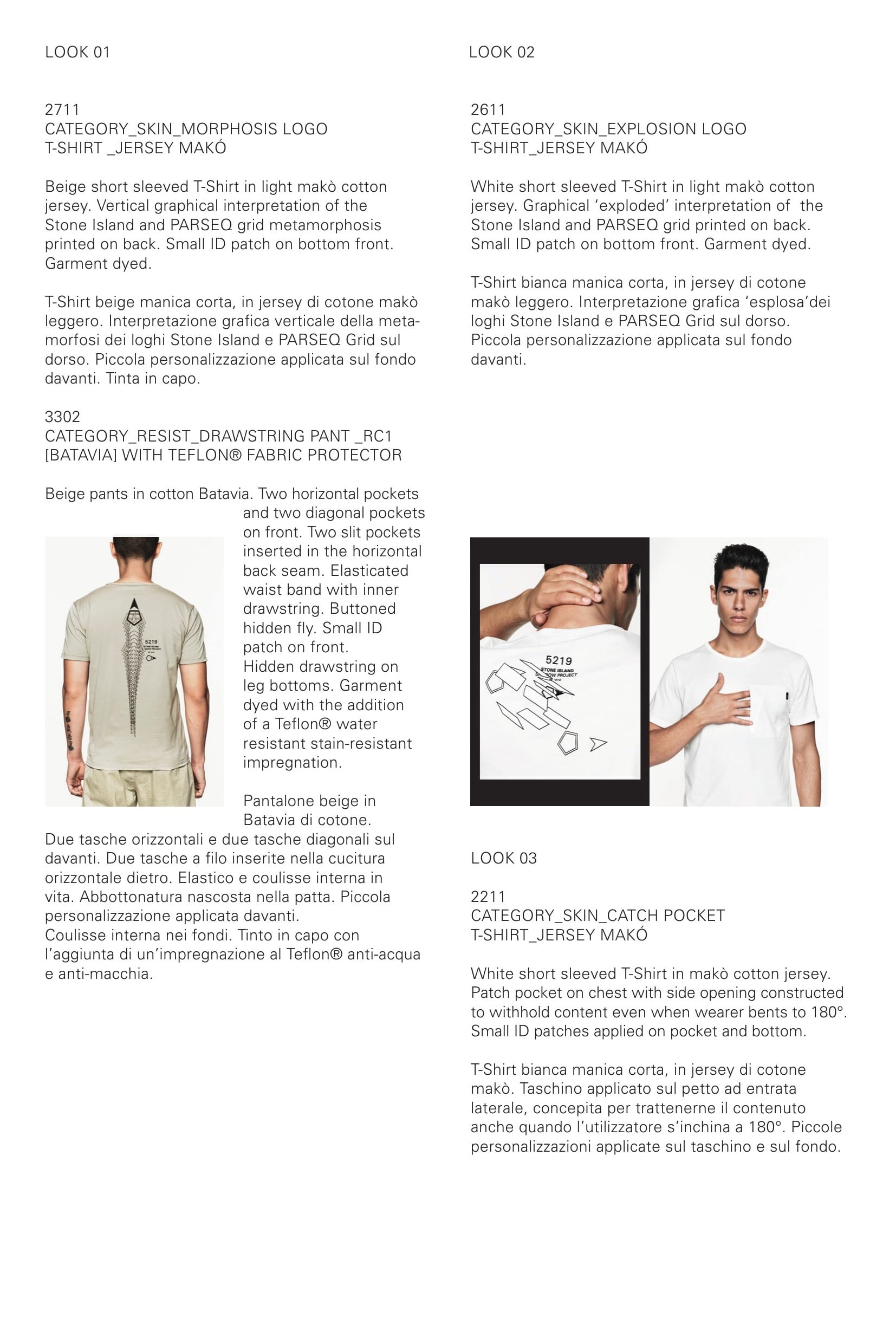
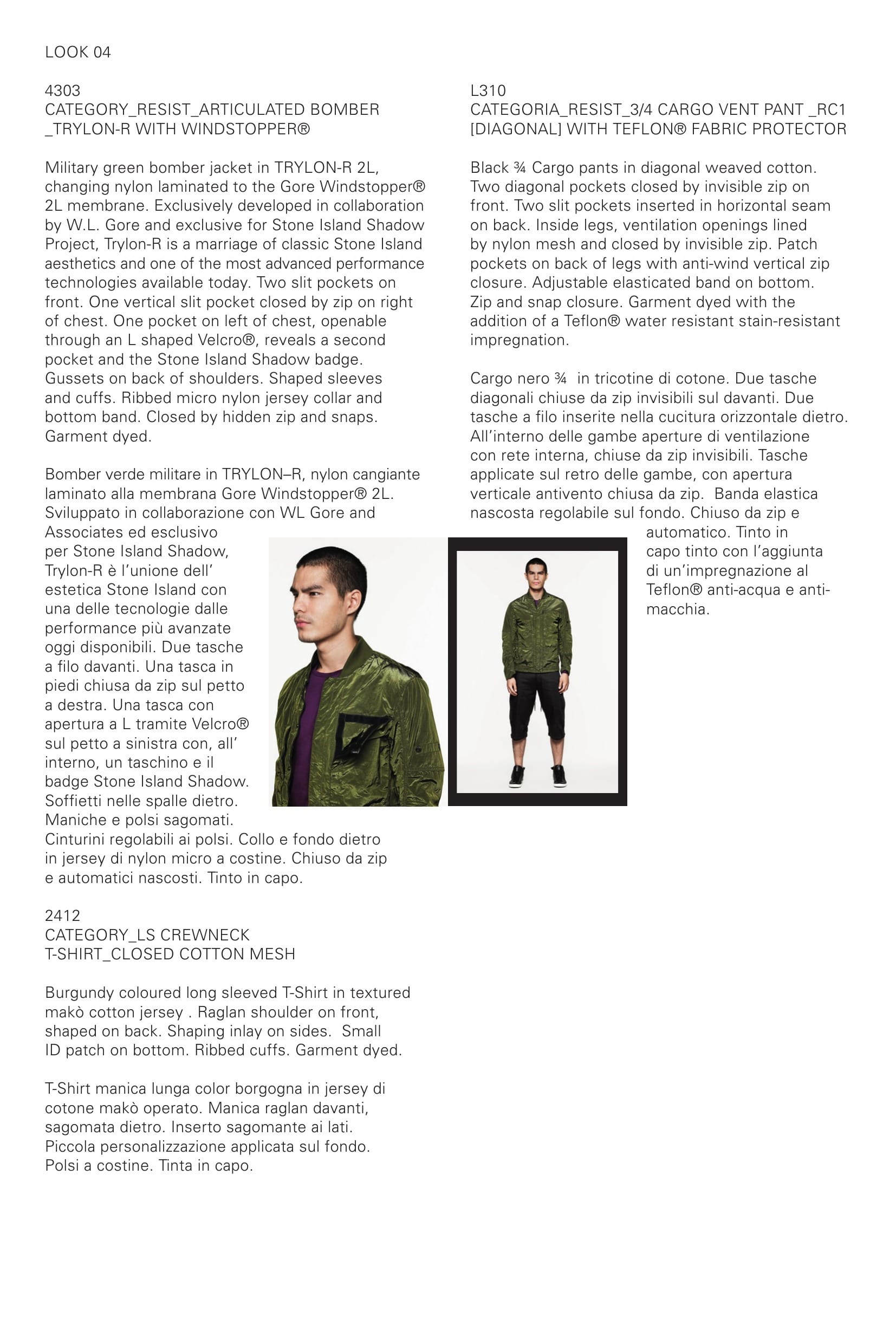
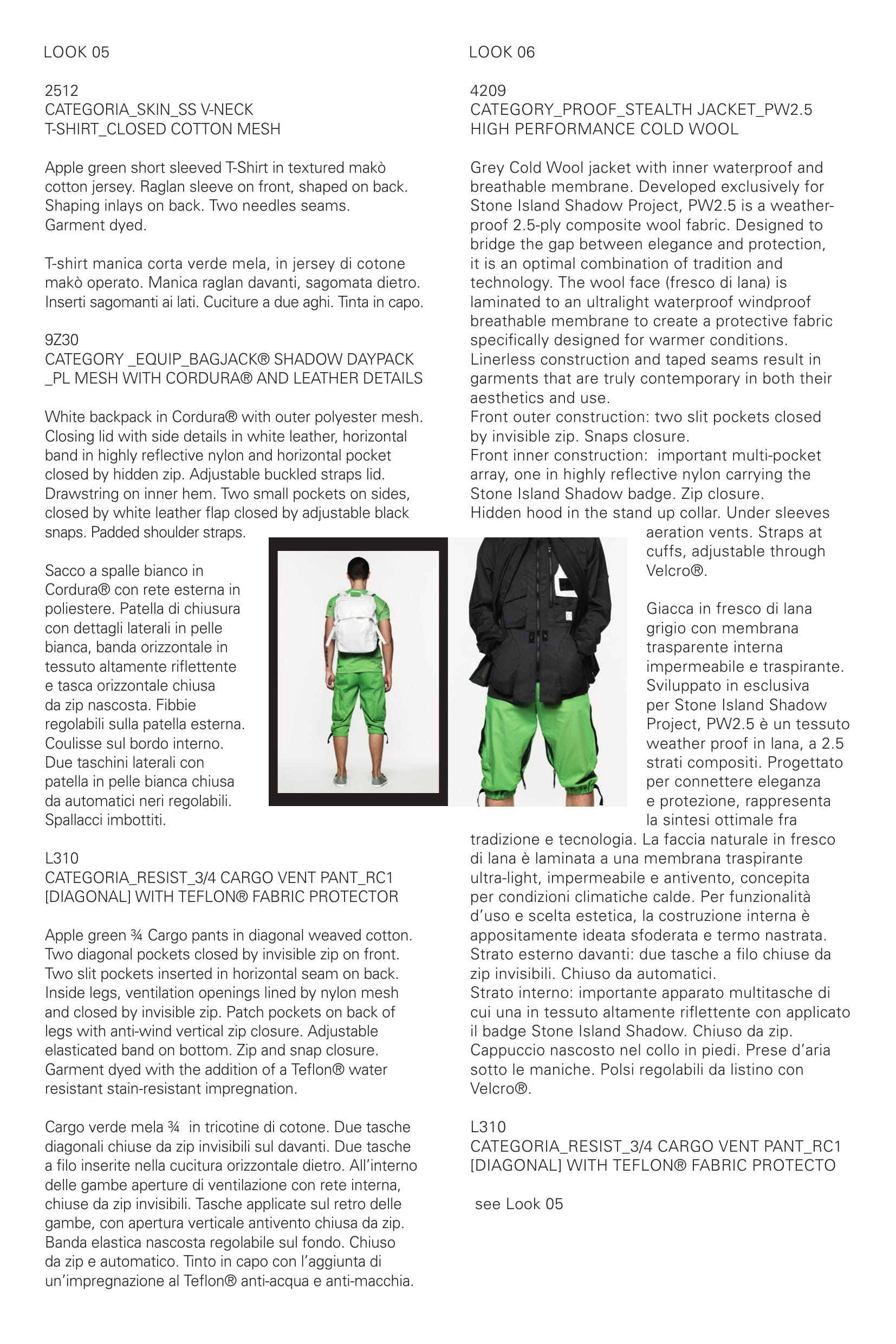
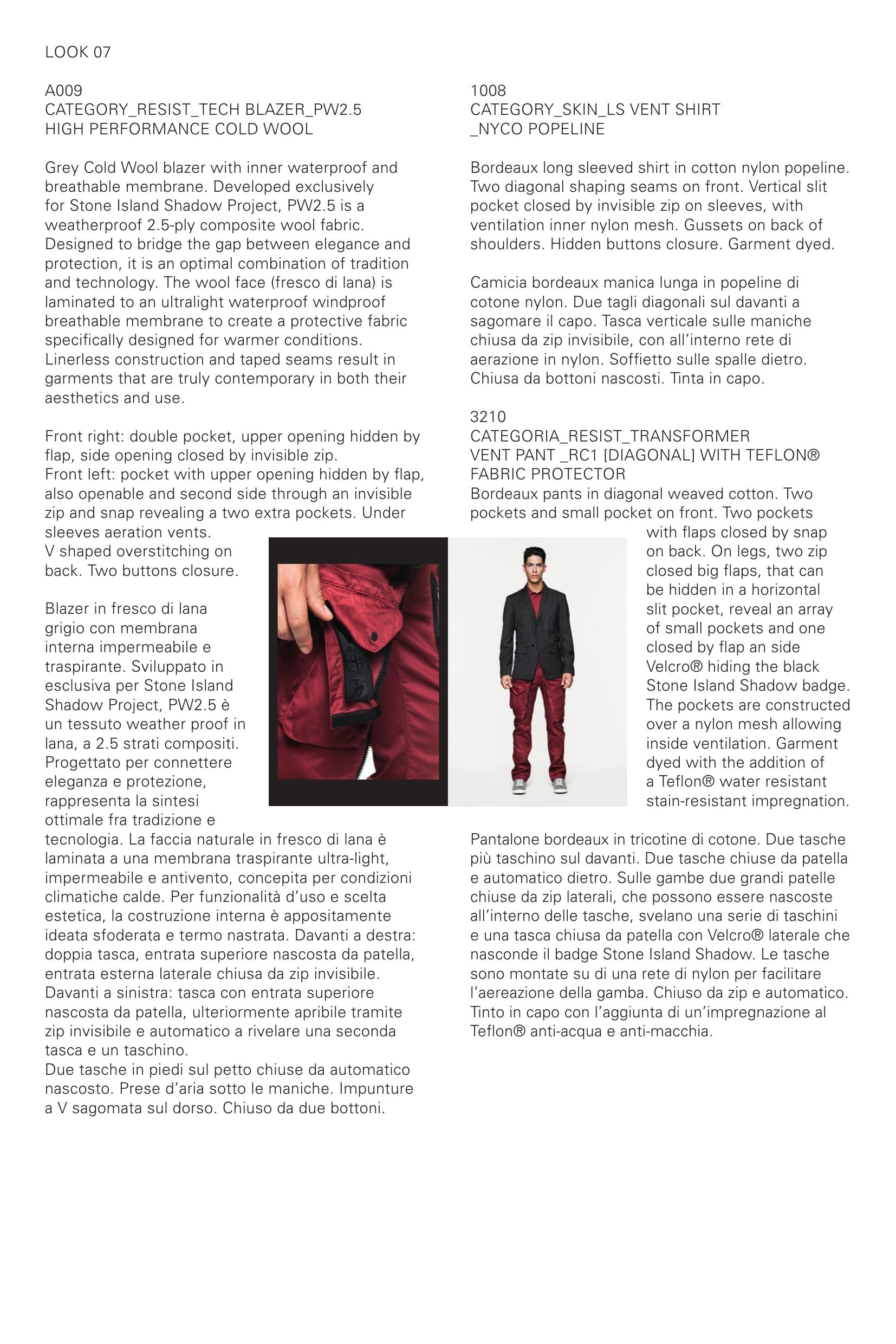
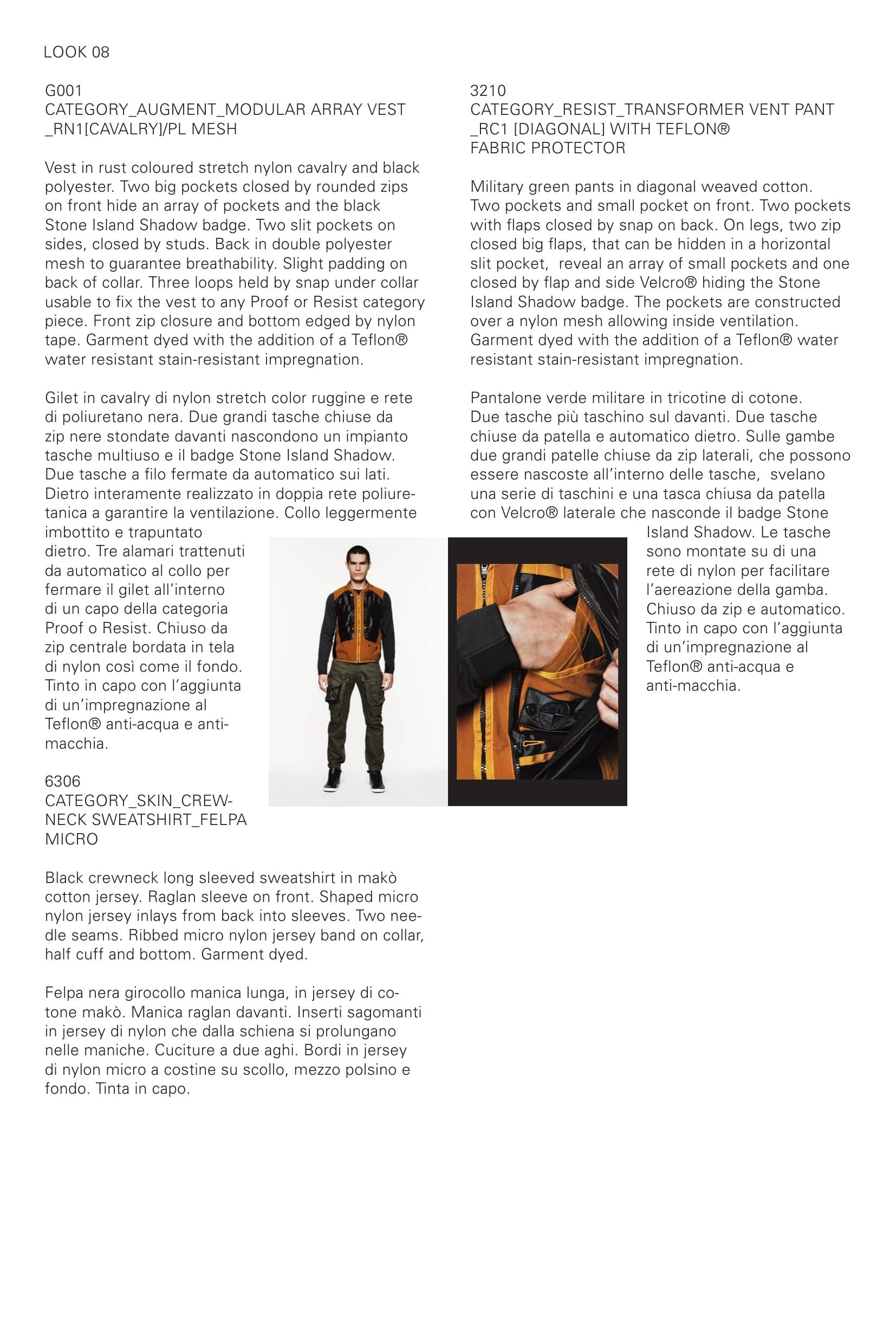
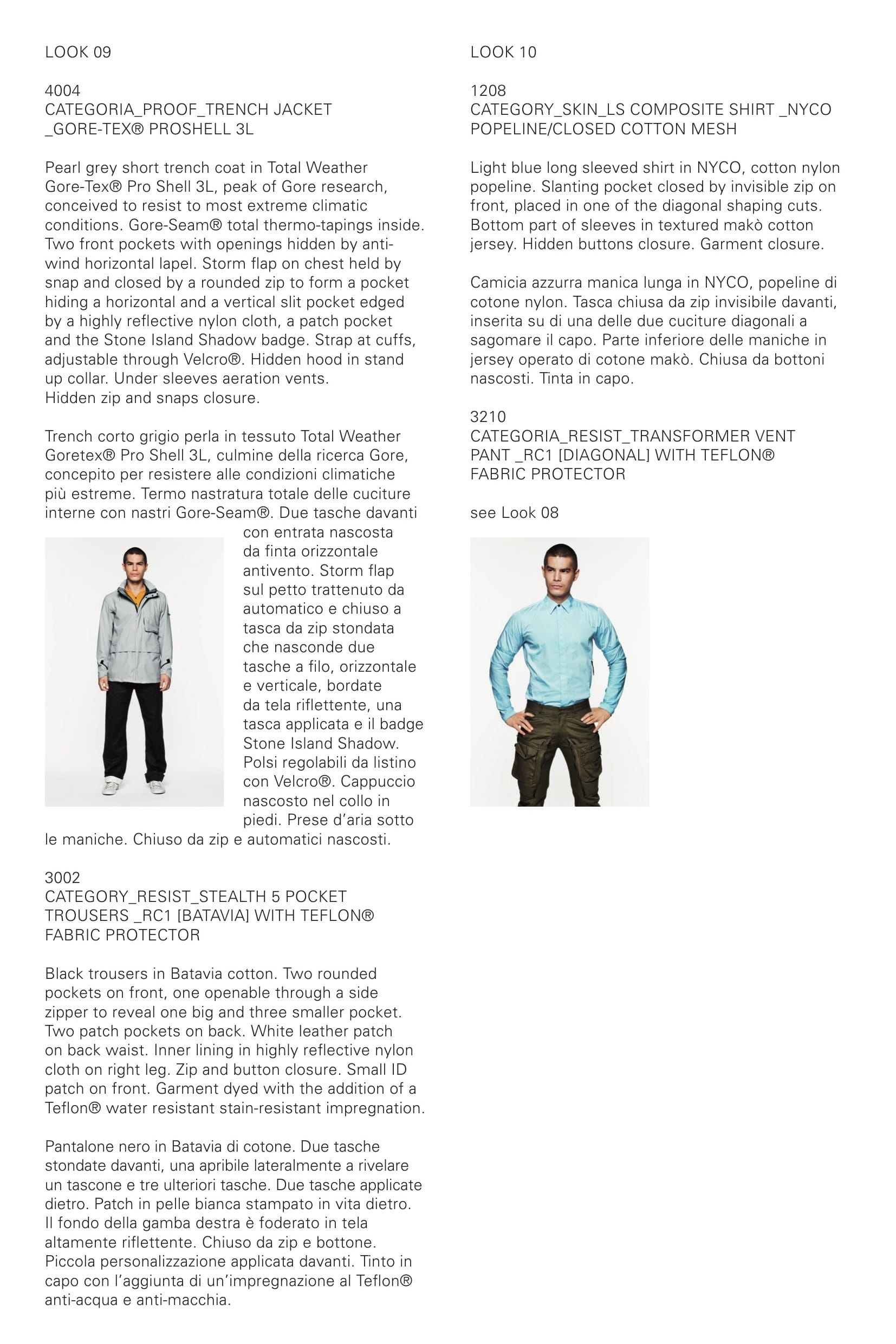
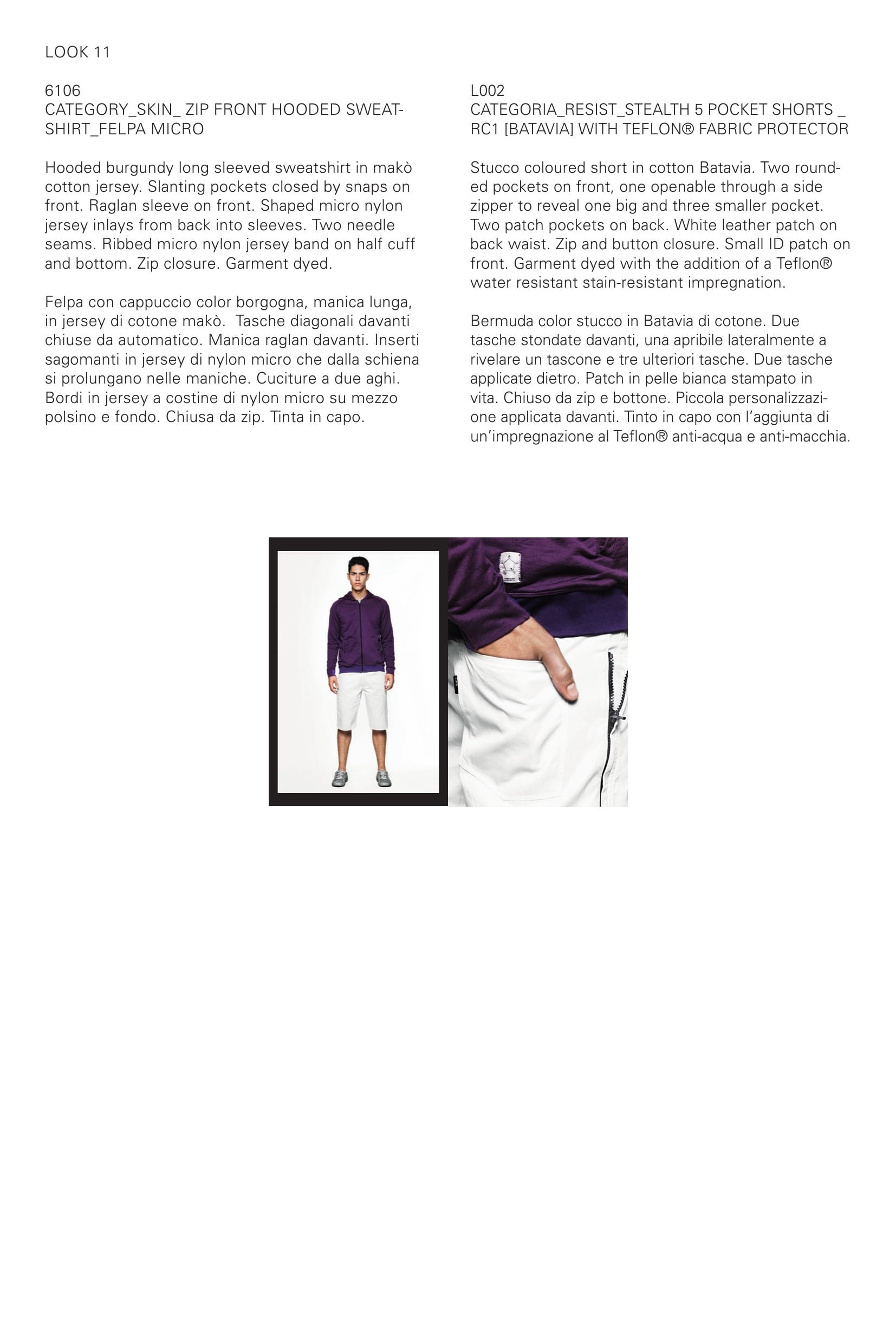
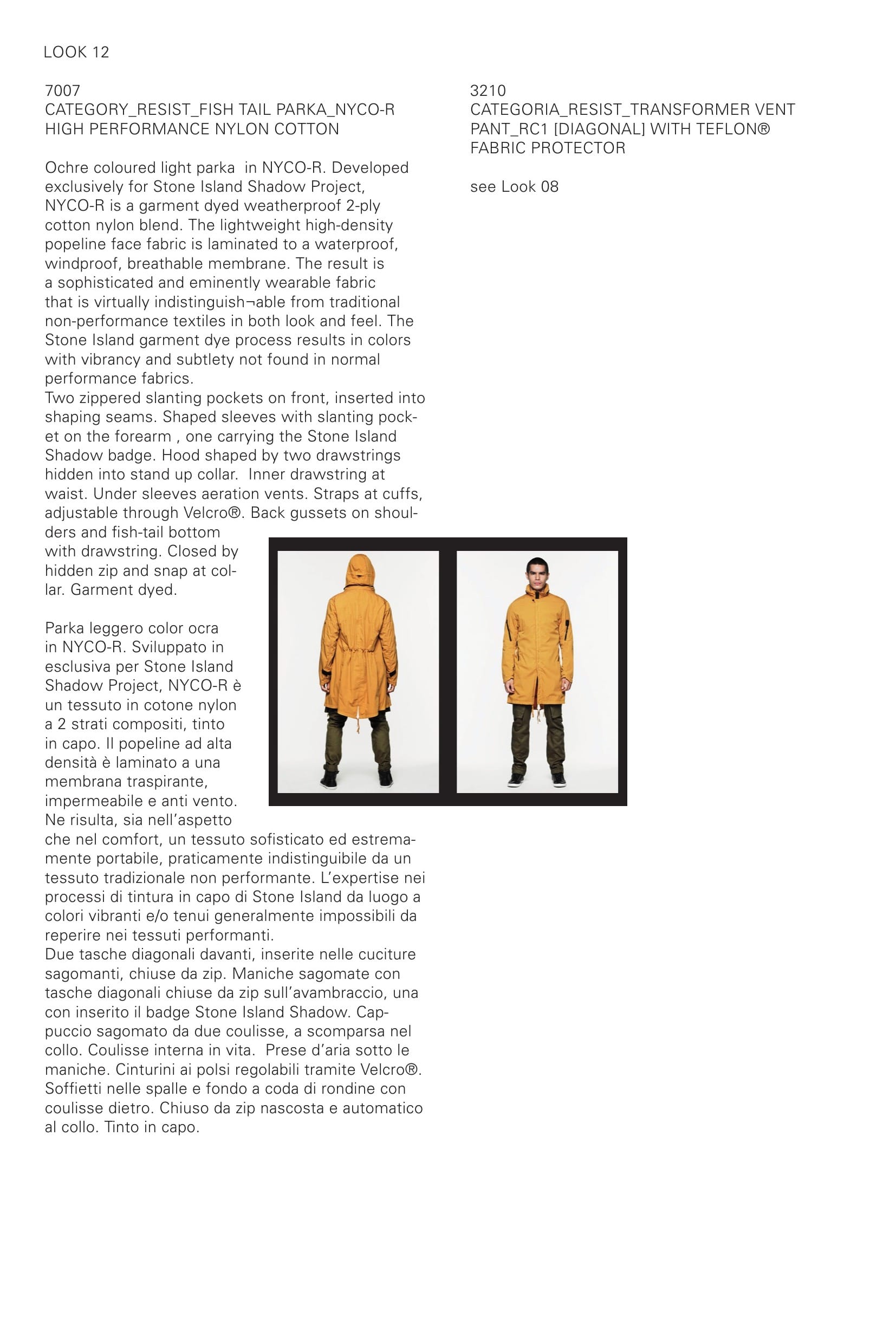
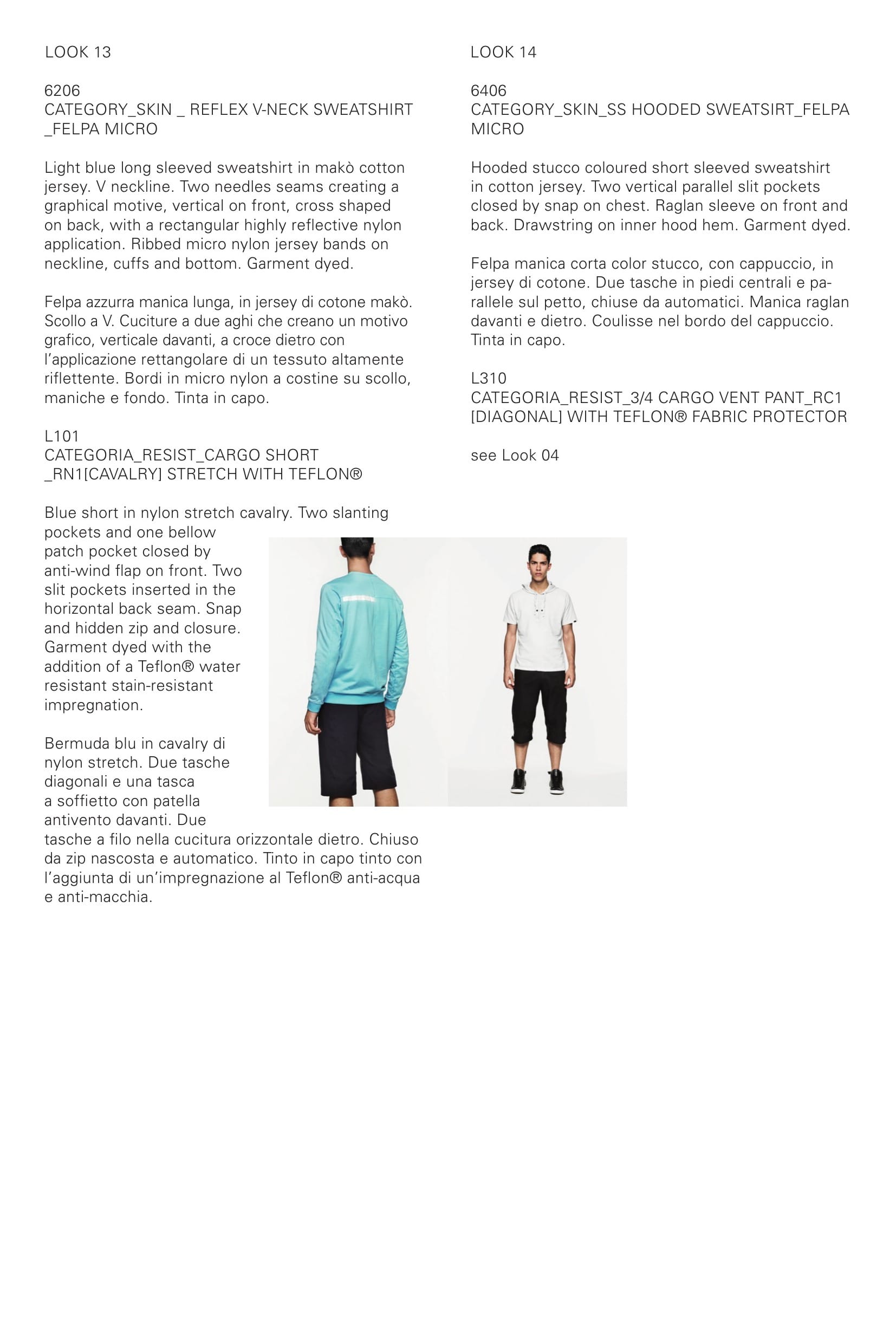
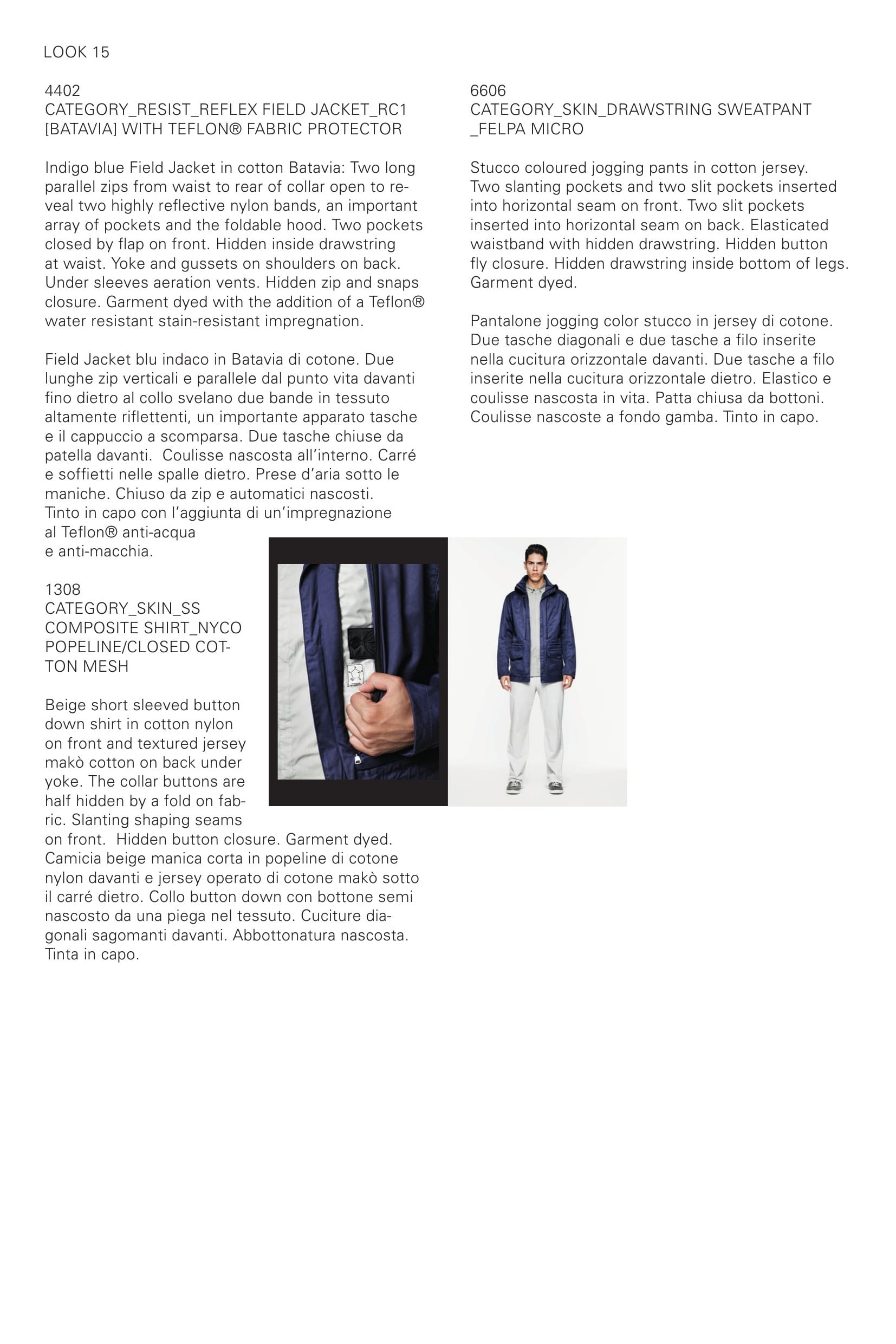
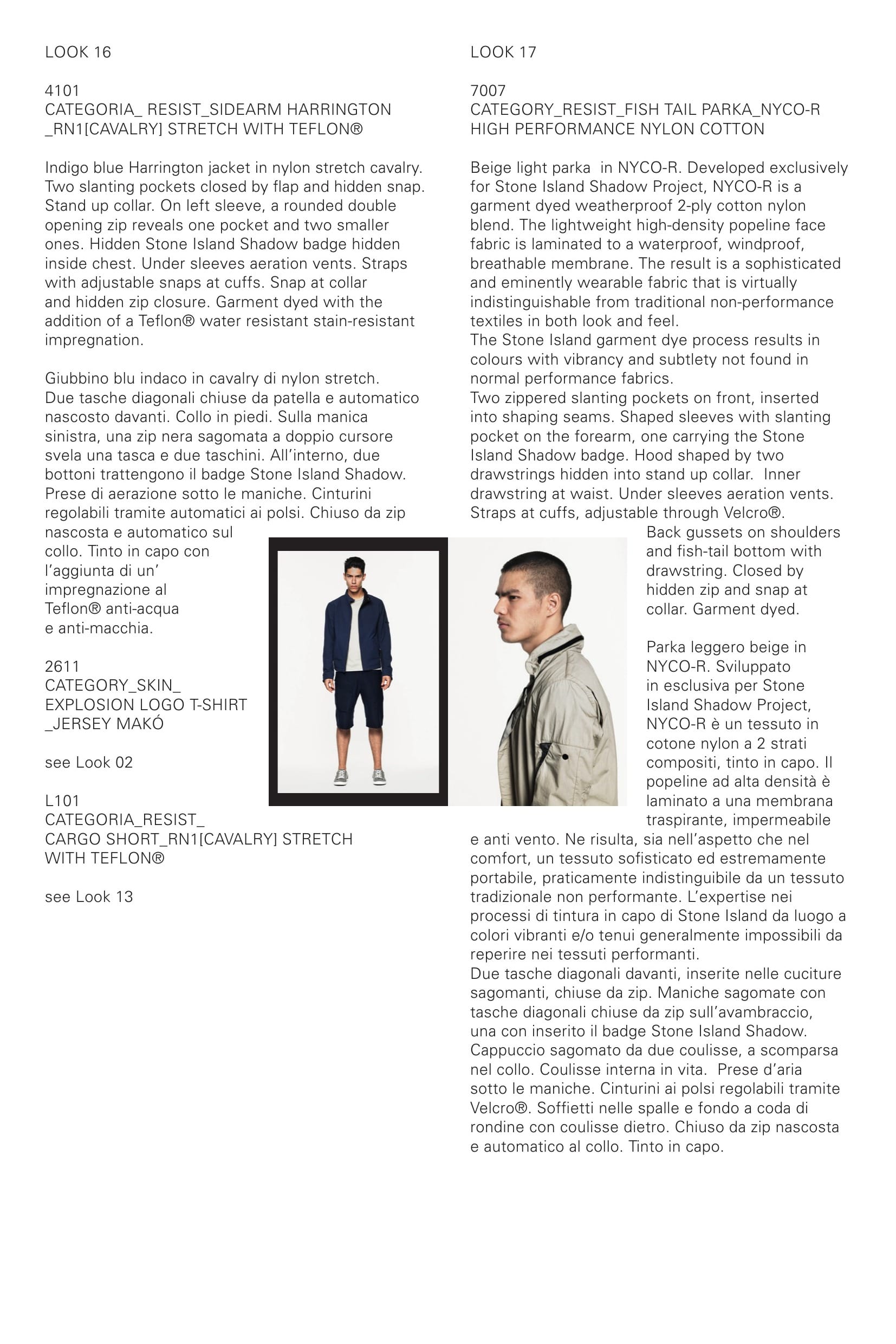
The Stone Island Shadow vector continues with the project's fourth seasonal capsule collection. Fueled by new reactions within the project's original conceptual core, fresh manifestations of fabric, style, detail, and interface emerge as the lightest, yet most comprehensive, offering thus far.
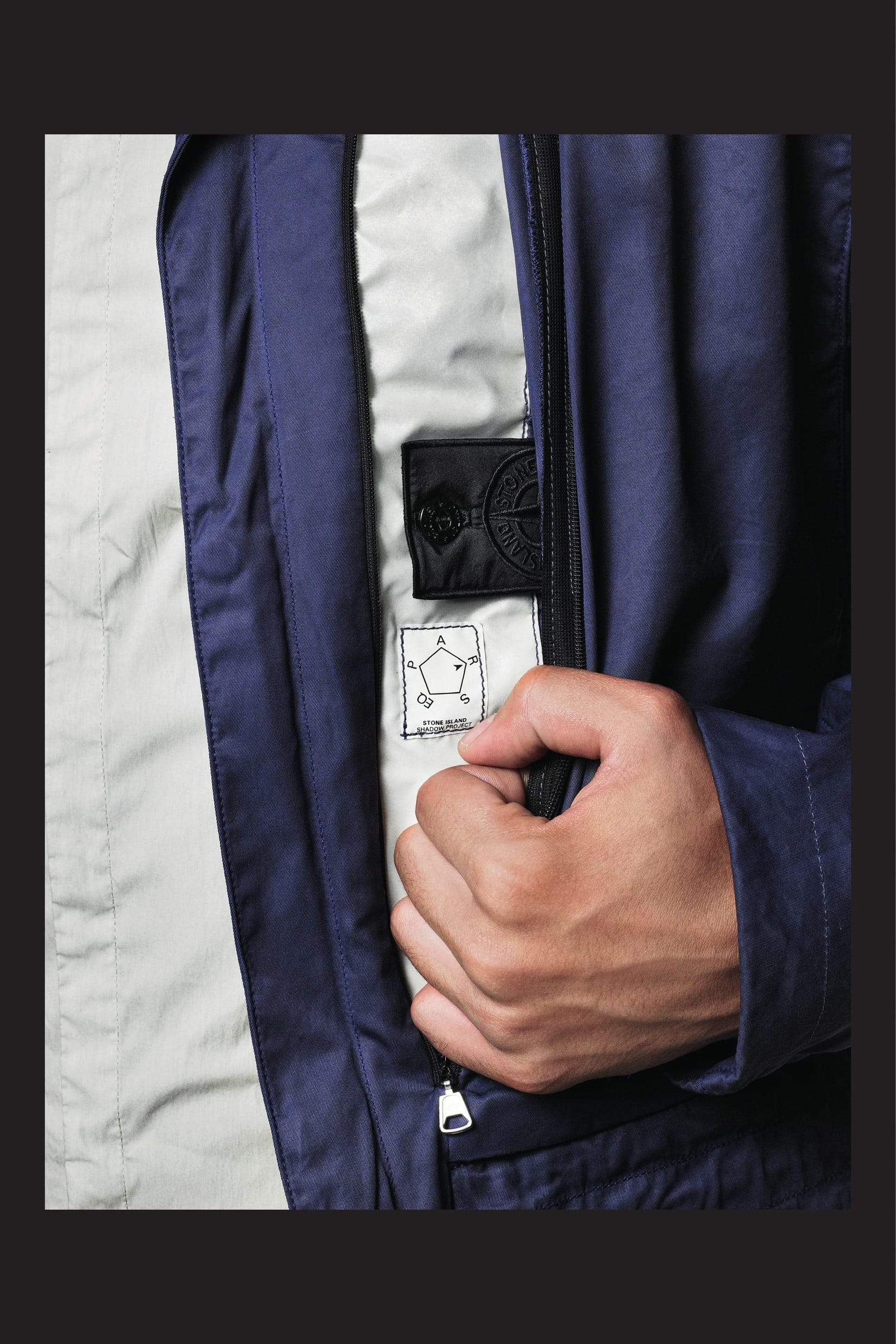
This unique trajectory begins, of course, at a unique point of origin — the inimitable constellation of research and development that is STONE ISLAND. Hidden detail and potential action lies at the heart of each and every Stone Island Shadow style.
Enfolding this in a simpler, softer way, a new focus can be brought to bear on both resolution of shape and fidelity of color. The goal is vibrancy and directness; stripping away the superfluous without sacrificing capability, and the lightness that can only be found by moving through one's environment with zero resistance.
Modular Performance Grid, PARSEQ is the organizational framework upon which the idea is built: PROOF, AUGMENT, RESIST, SKIN and EQUIP. All Shadow fabrics work together as part of the grid — breathable, moisture managing, skin-friendly and maintainable — chosen for their balance of performance technology and the aesthetic treatments for which Stone Island has been known since its inception.



EMERY MOUNTAINS
April 2024, FRIEZE No. 9 Cork Street Gallery, London
EXHIBITION: The Mountains Between Us, FRIEZE No 9 Cork St
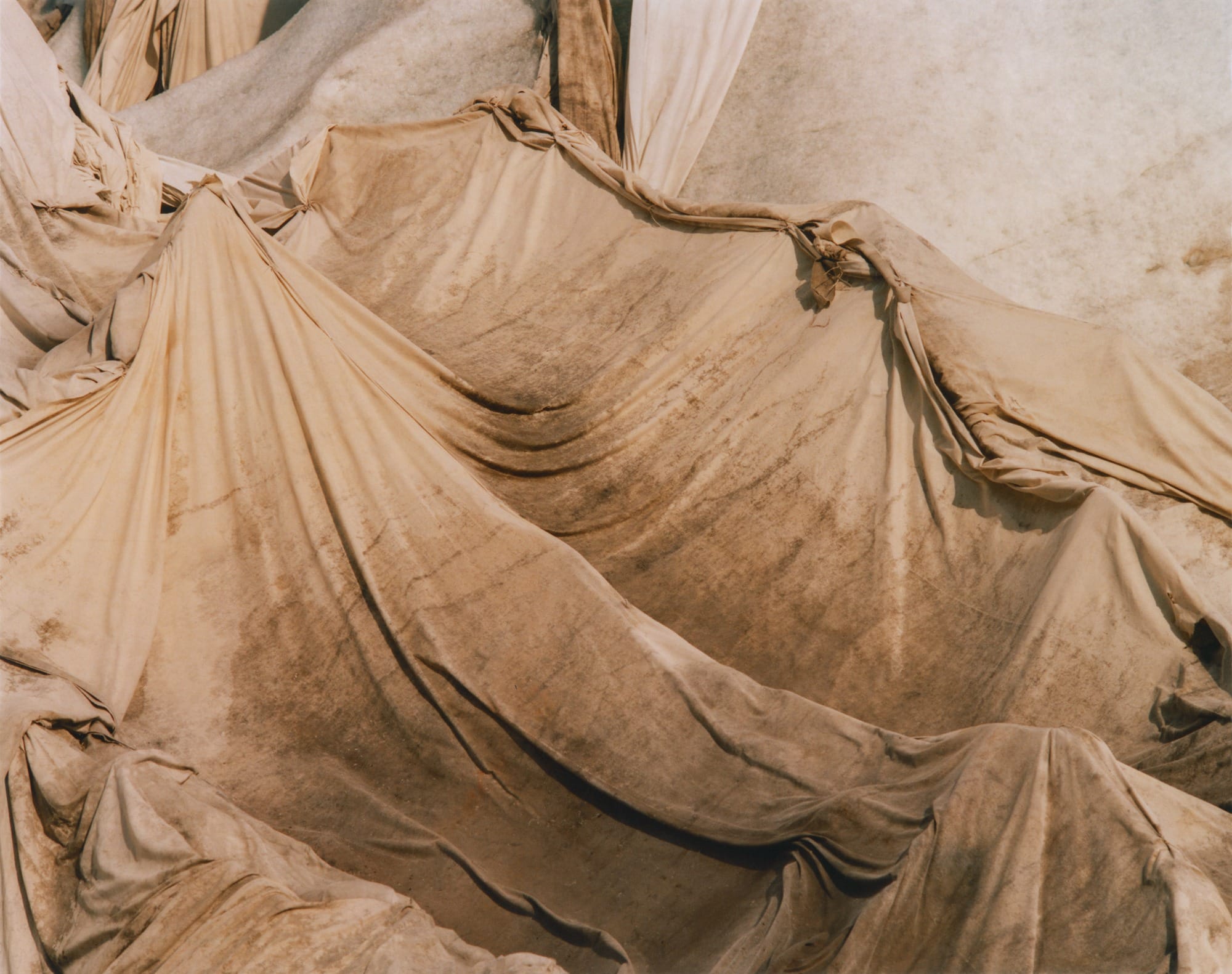
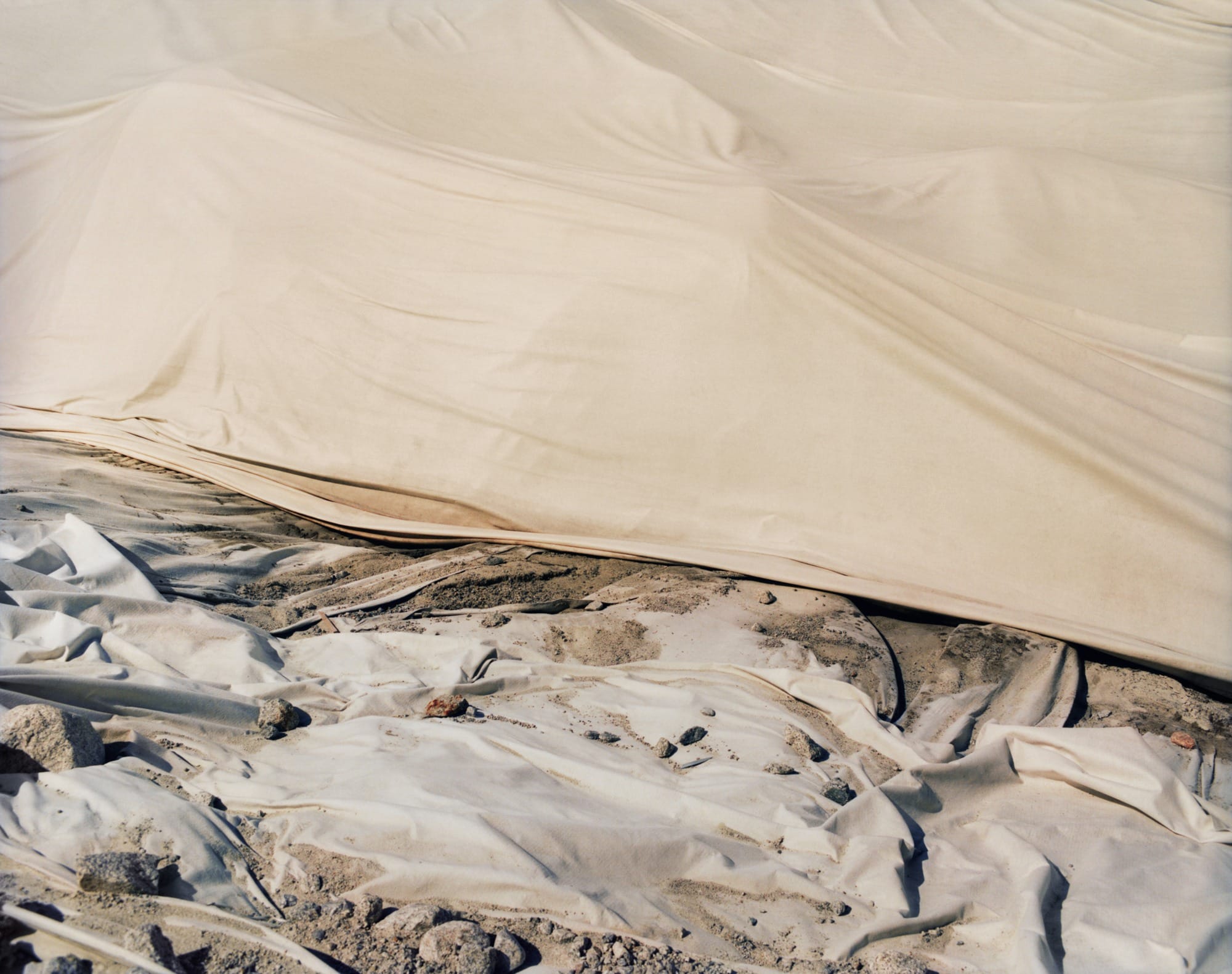
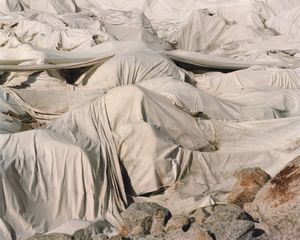
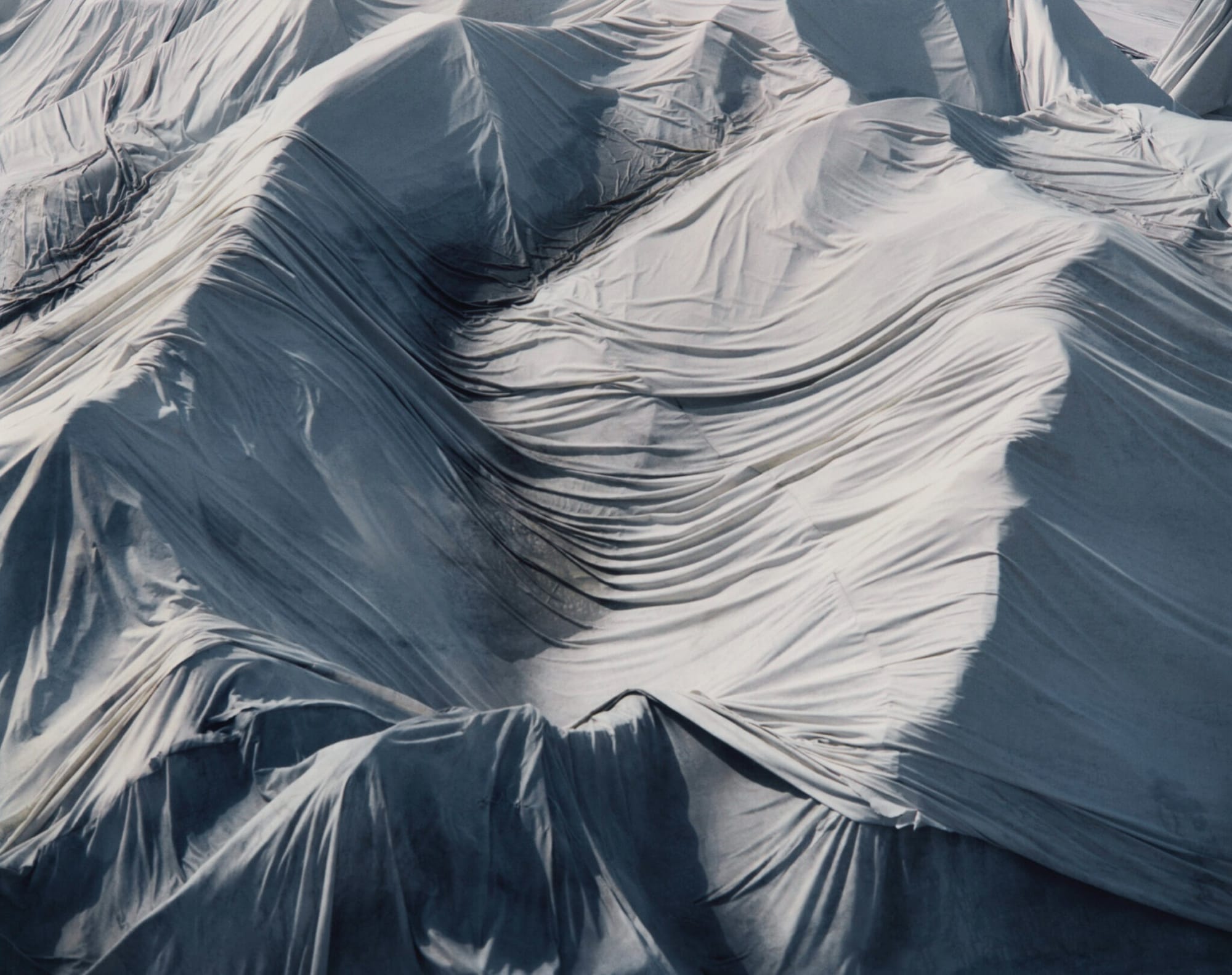
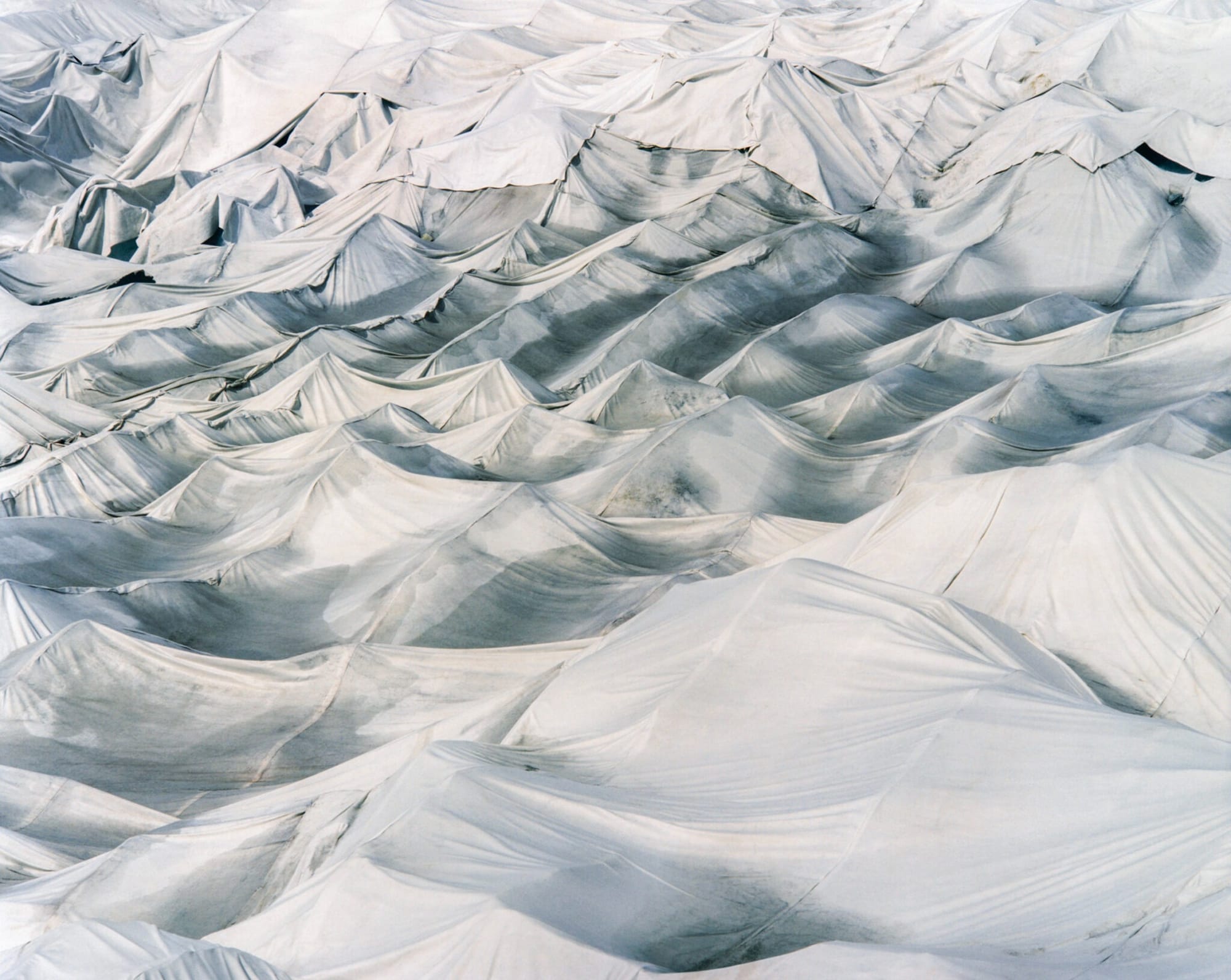
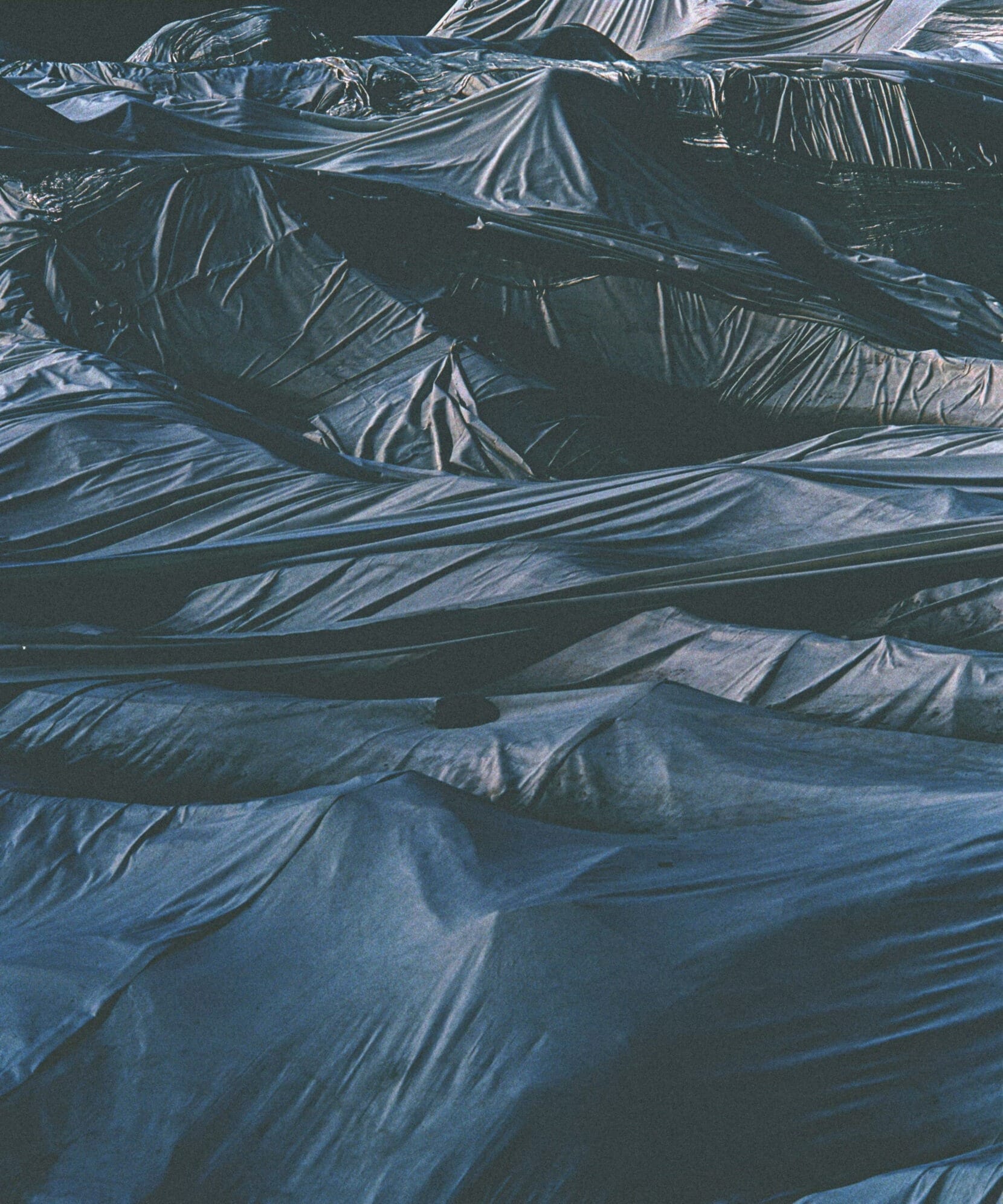
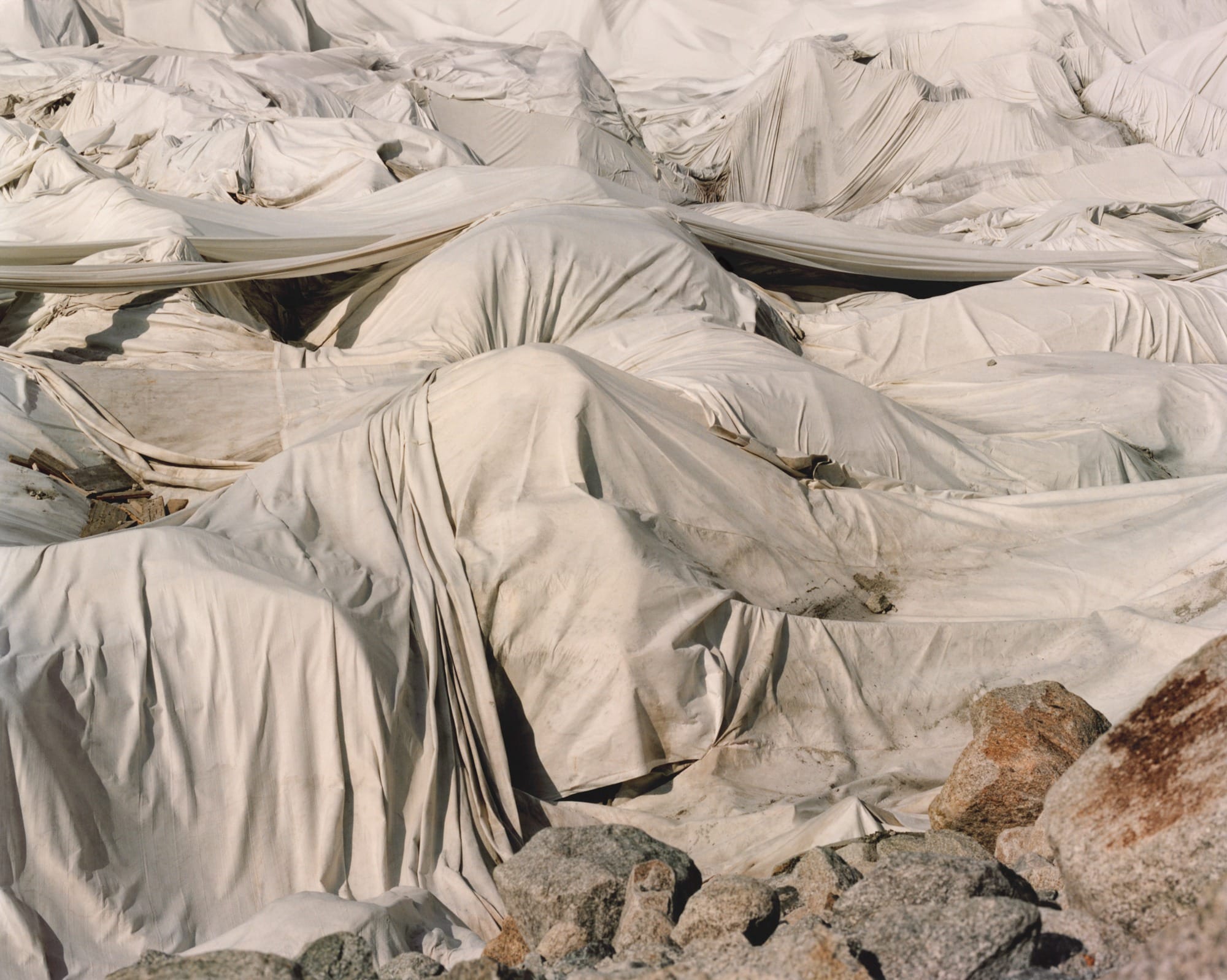
Weaving together photography, video and sculptural objects, lena_c_emery highlights the accelerated loss of mountain glaciers and the desperate conservation efforts currently employed to impede their decline. Under the continued influence of greenhouse-gas forced global warming, ice that took centuries to develop is vanishing in just a number of years. A fate experts predict for at least two-thirds of all glaciers by the end of this century. EMERY: In ‘The Mountains Between Us’, I capture the current environmental efforts undertaken to reduce the rate at which glaciers melt. Glaciers have held space for centuries, silently bearing witness to history. They’ve seen the world change in ways we can barely comprehend. Because my grandfather spent his life in these mountains, watching this particular glacier retreat and form lakes where there was previously only ice and at a pace that’s steadily increasing, feels deeply personal. The idea of covering these mammoths in fabric to stall the inevitable, feels both tragic and emblematic of our relationship with nature: The magnitude of loss countered by gestures that, though earnest, feel powerless. Visually these wrapped peaks evoke images of muddied tents, makeshift shelters that we’ve come to erect for those displaced by upheaval. This fragility, their fragility, our fragility, is a direct reflection of the imbalance we have sown, where those least responsible for ecological destruction are forced to bear its heaviest burdens. The title became a way to frame those divides. Mountains have always symbolised barriers, but perhaps they could also be reimagined as thread, shared histories and a collective belonging. The elemental particles composing our very being once danced amidst these ancient landscapes and if they disappear, part of us does too.
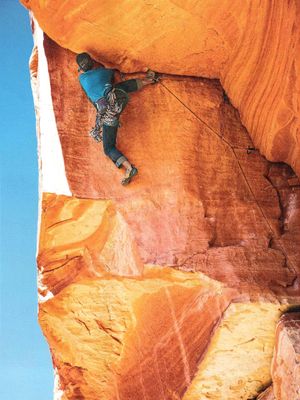
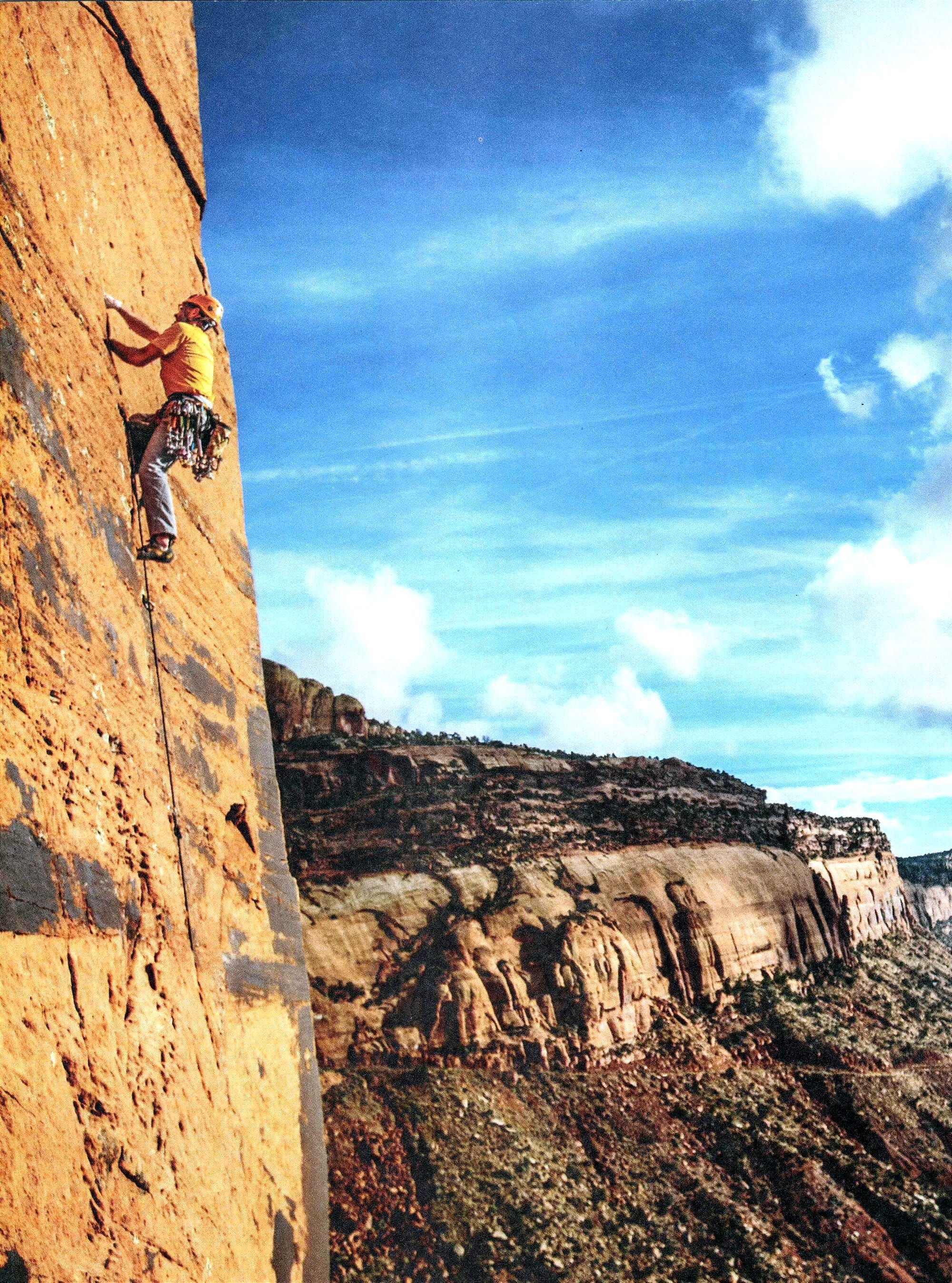
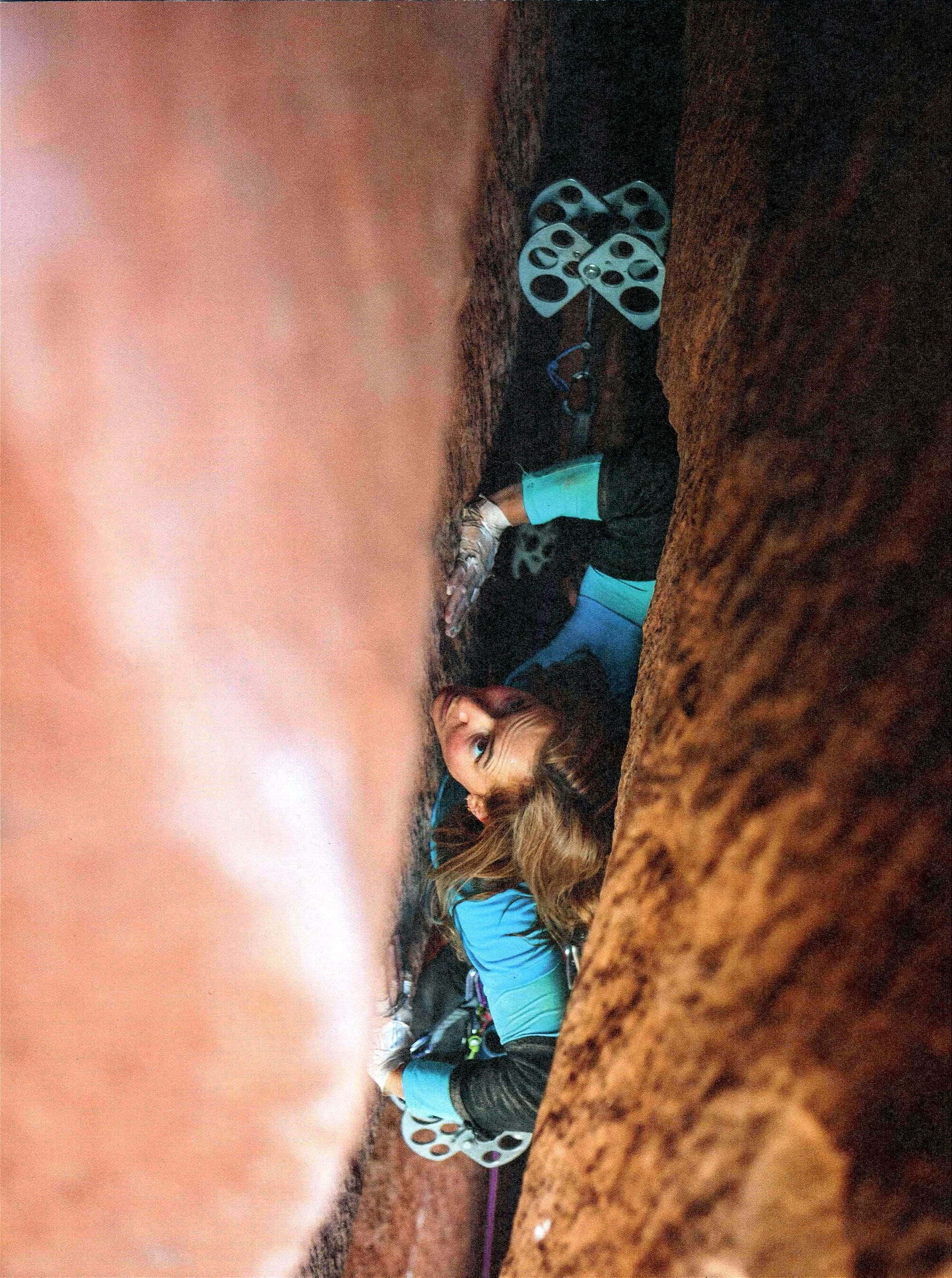
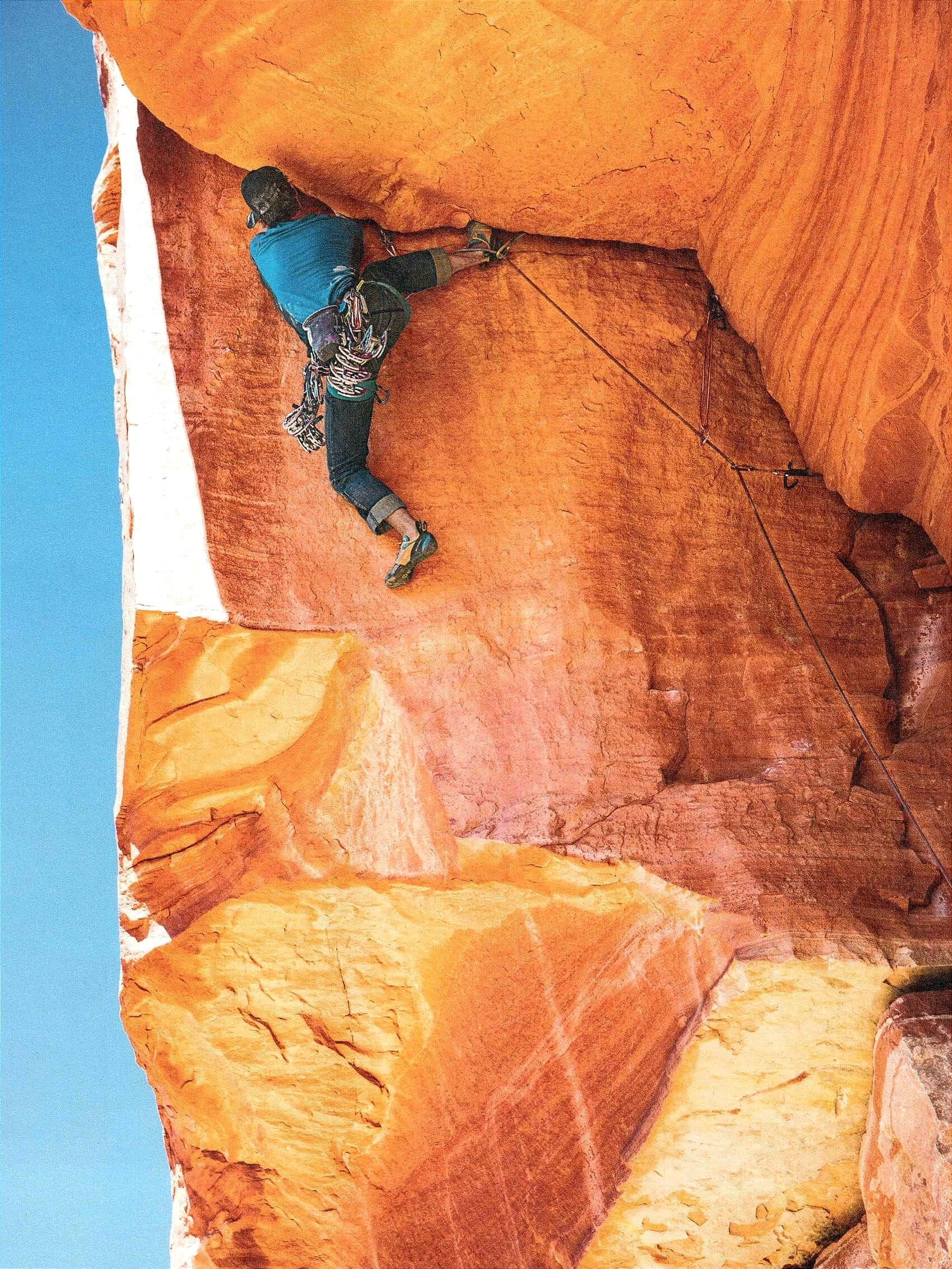
Southwest face of Arrowhead Spire. Valley of the Gods, Utah.
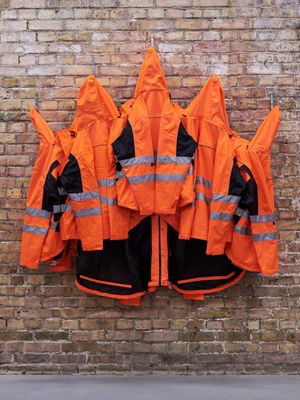
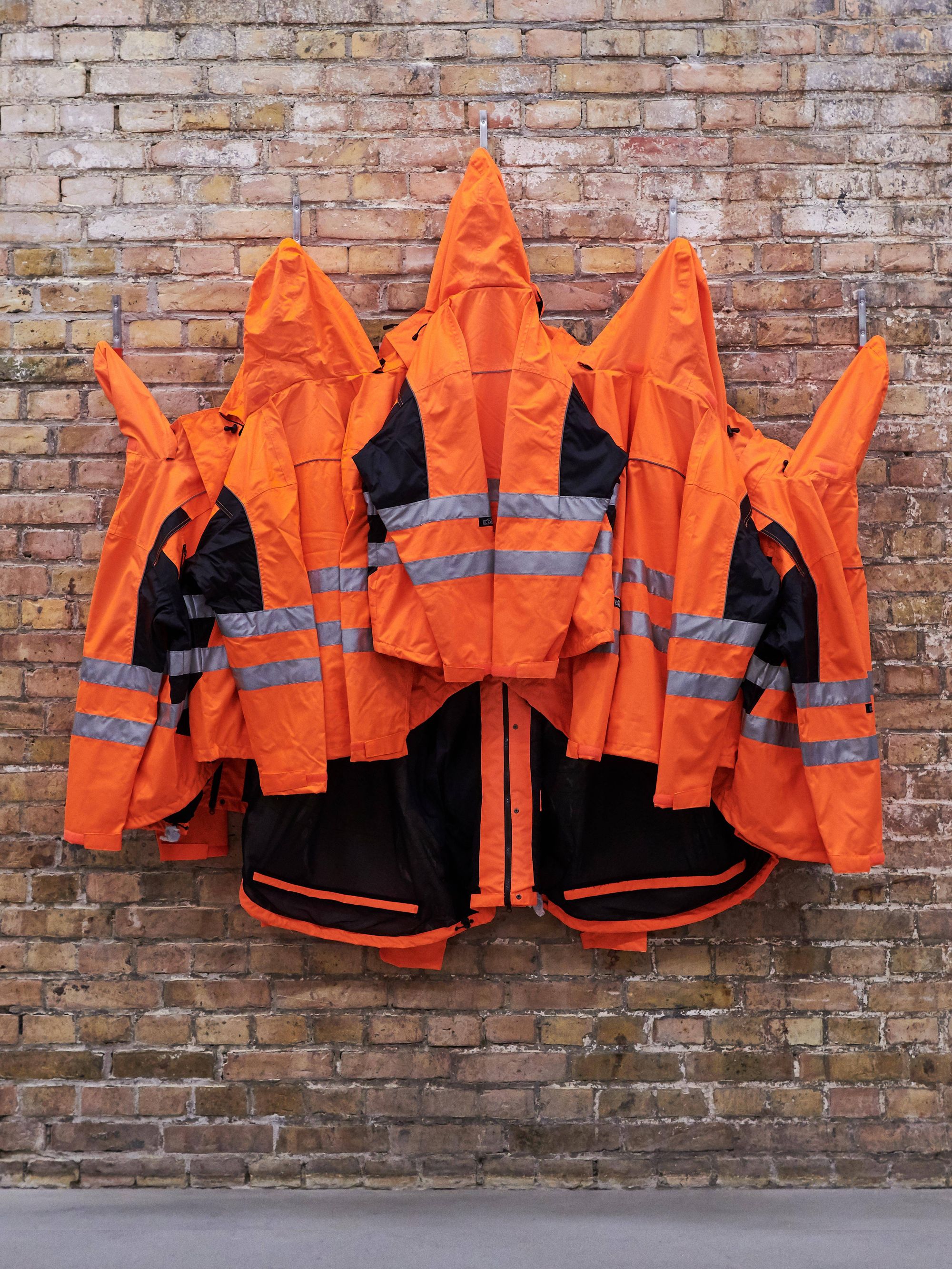
Safety Jackets Zipped the Other Way
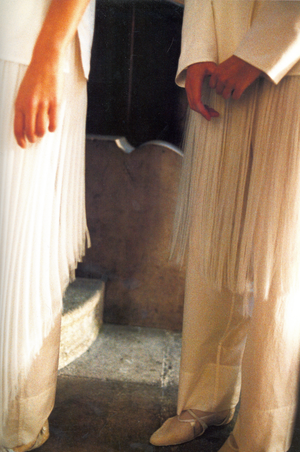
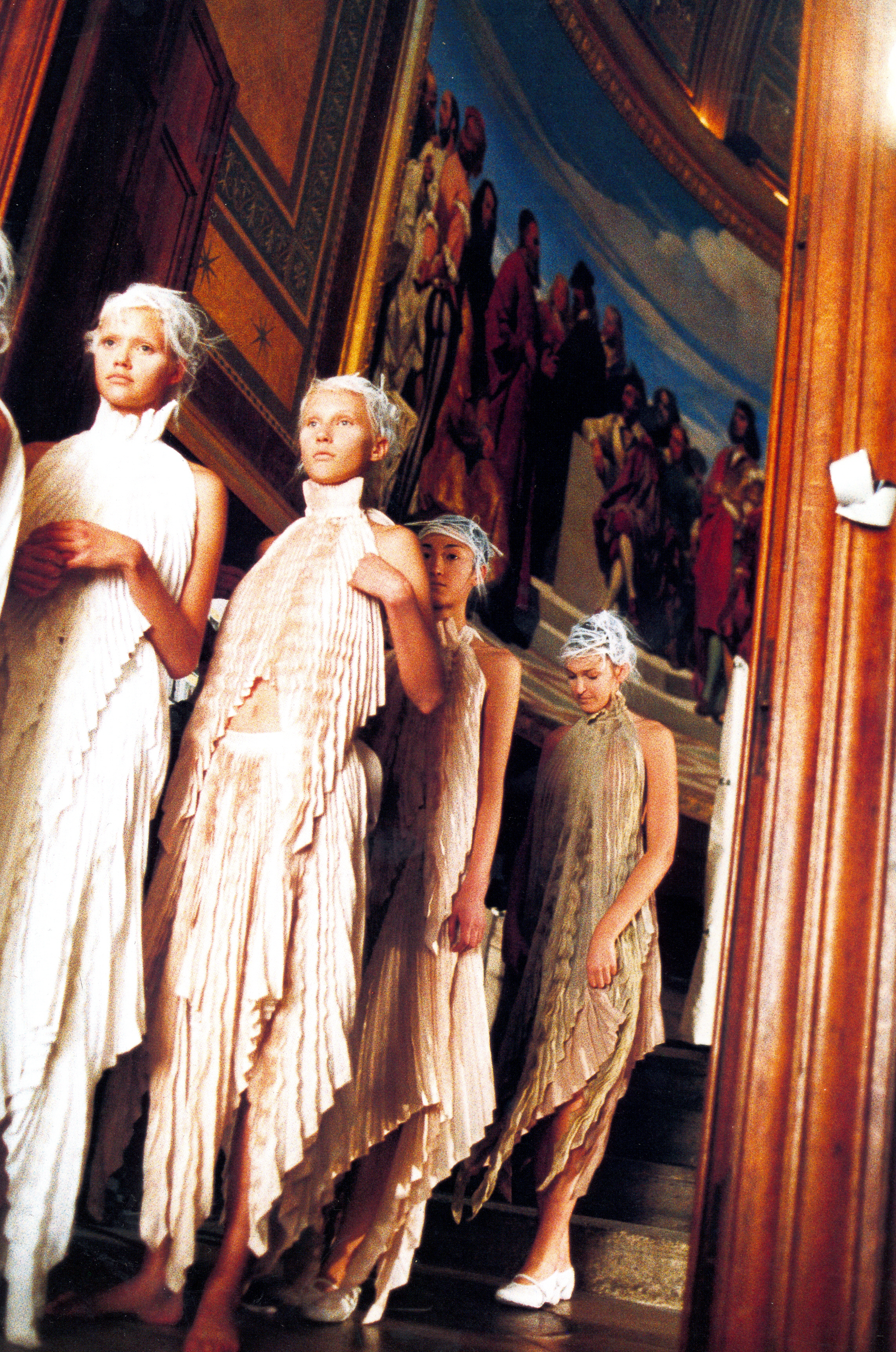
Silent Poets for Issey Miyake
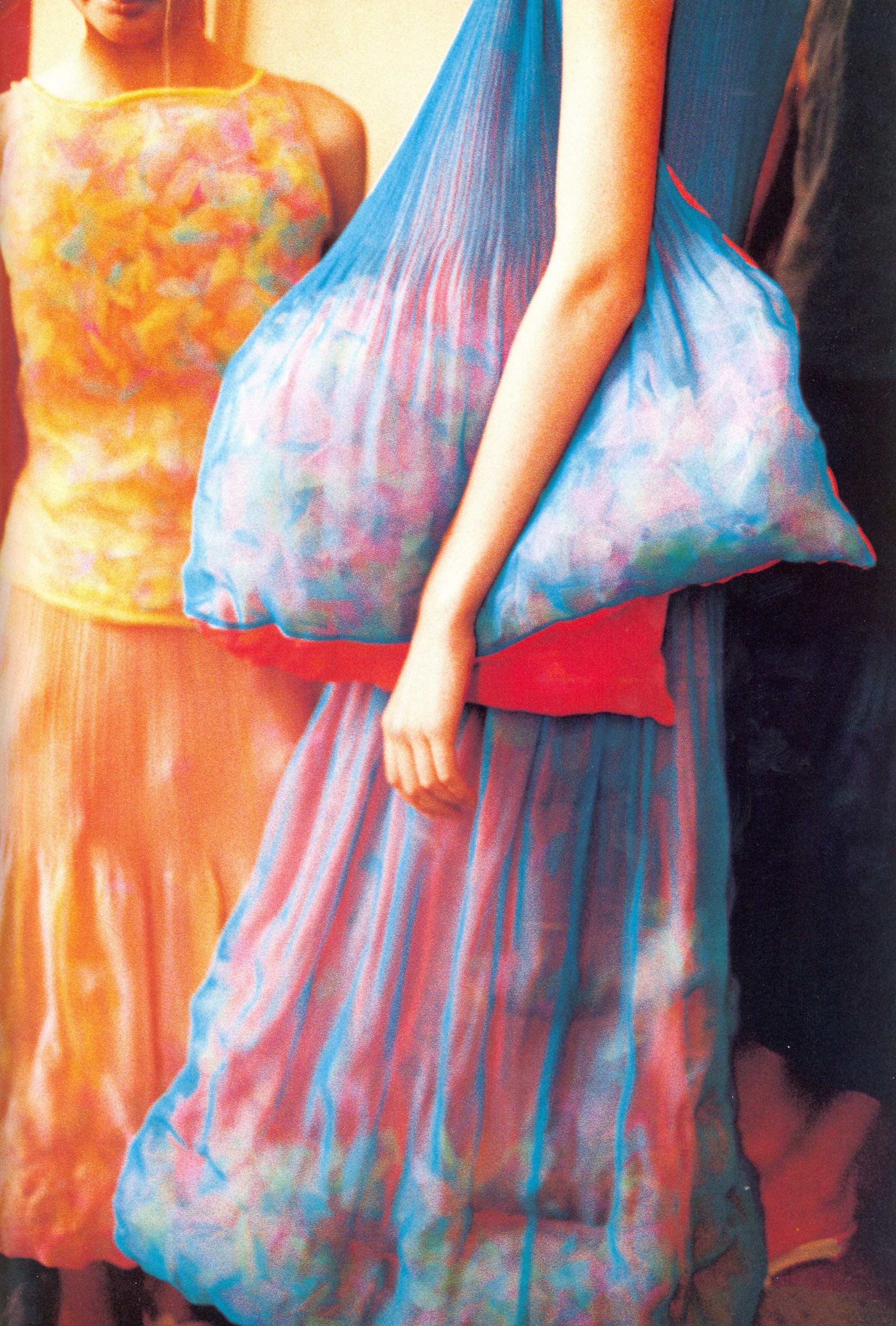
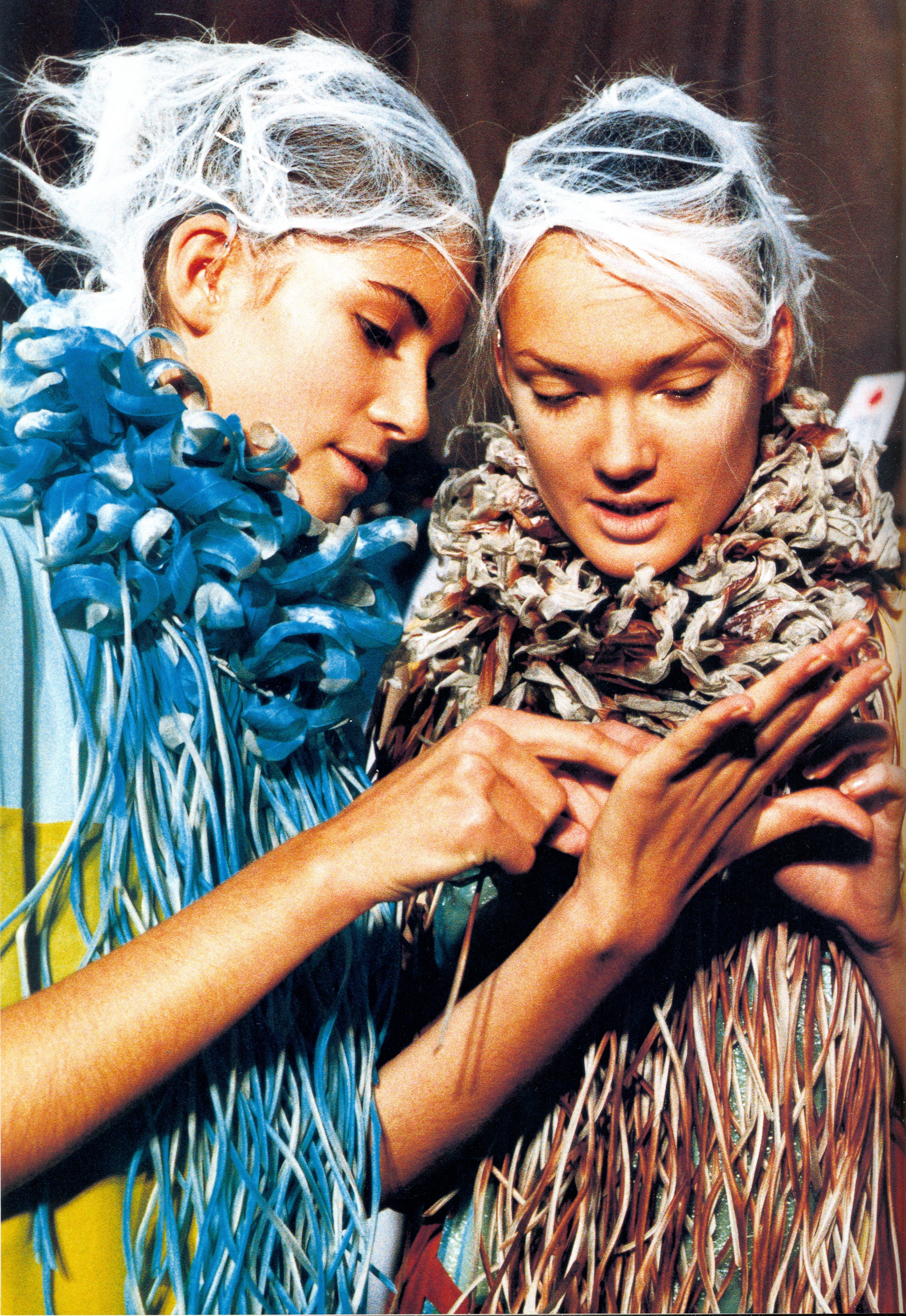
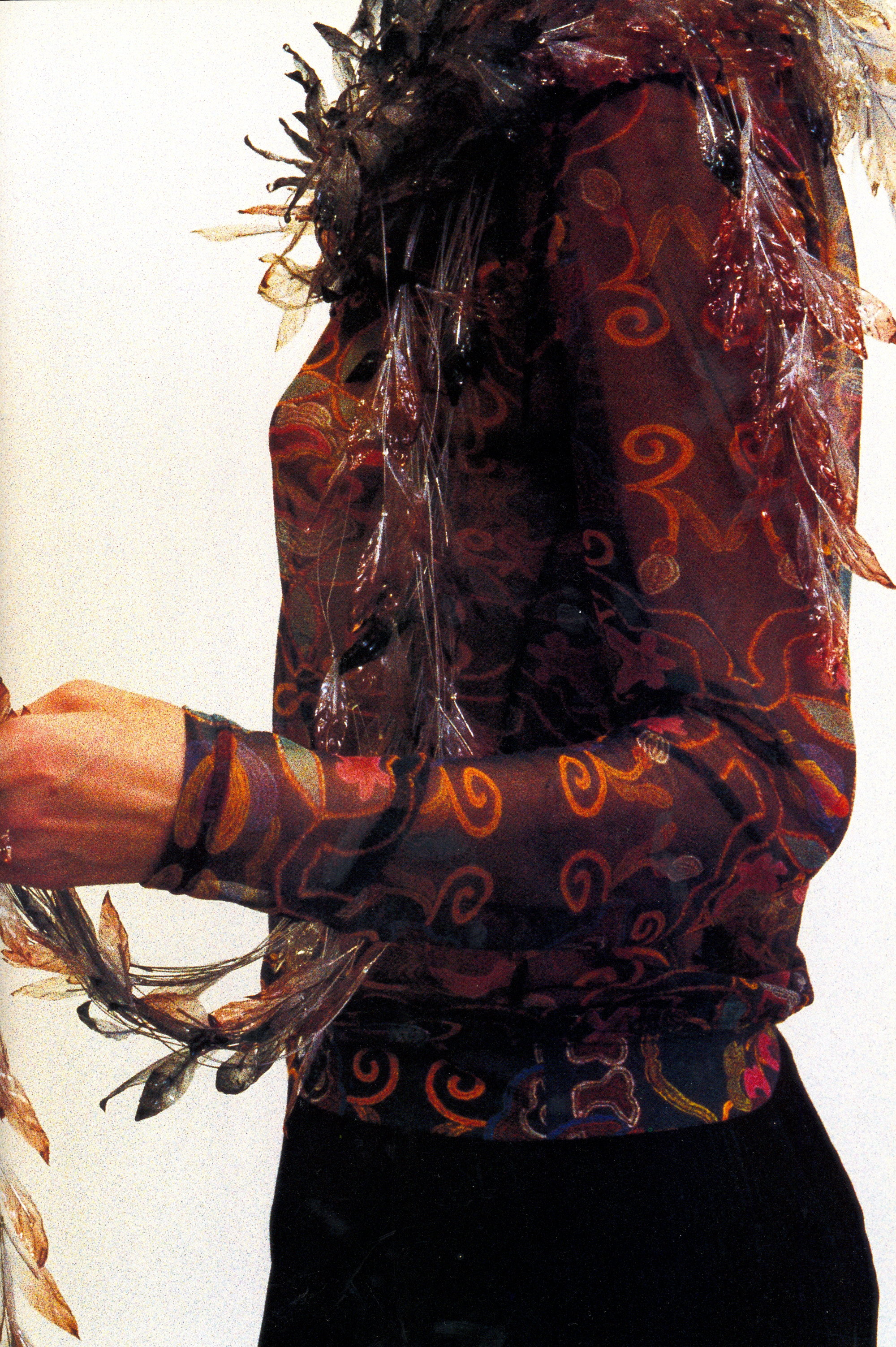
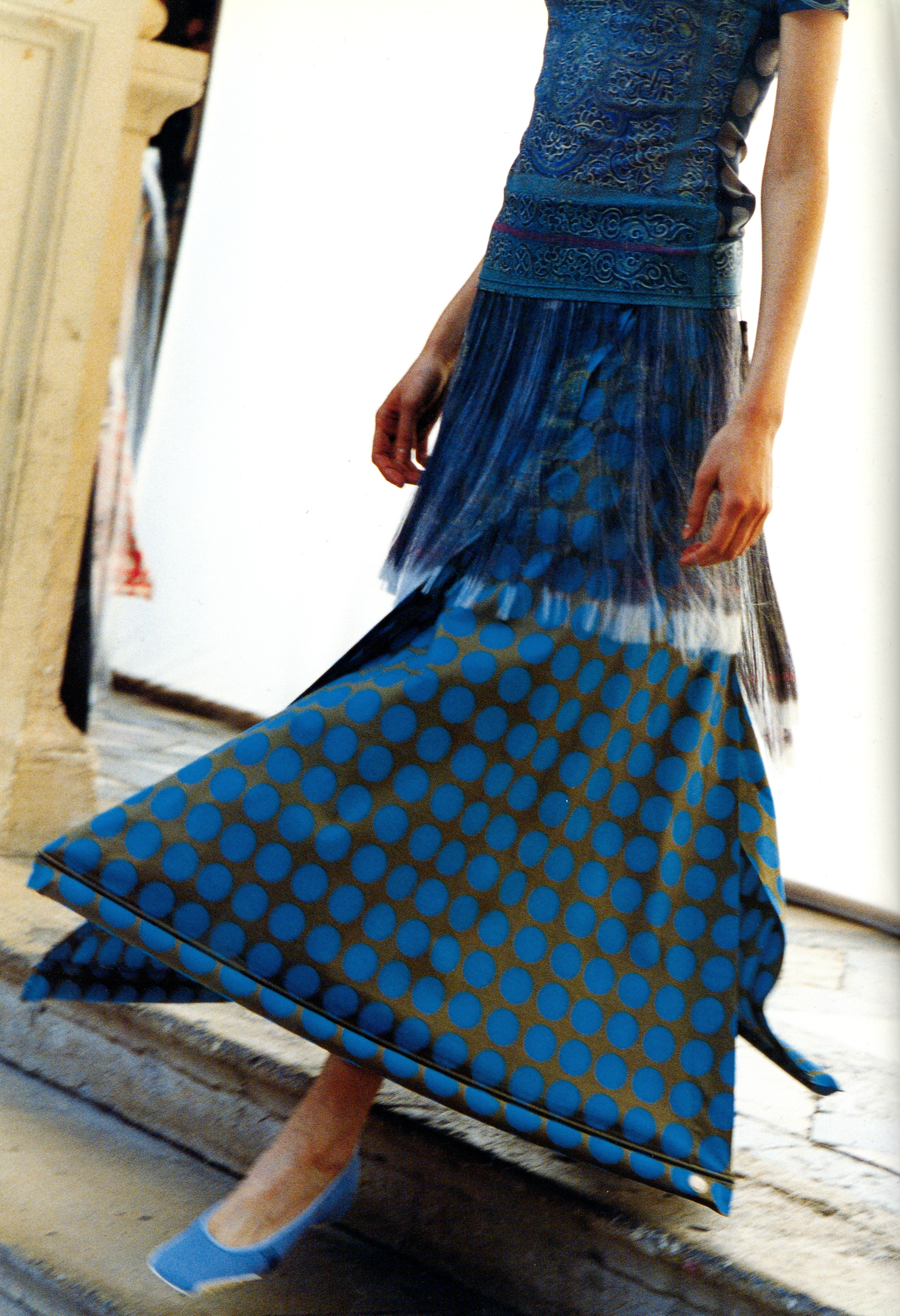
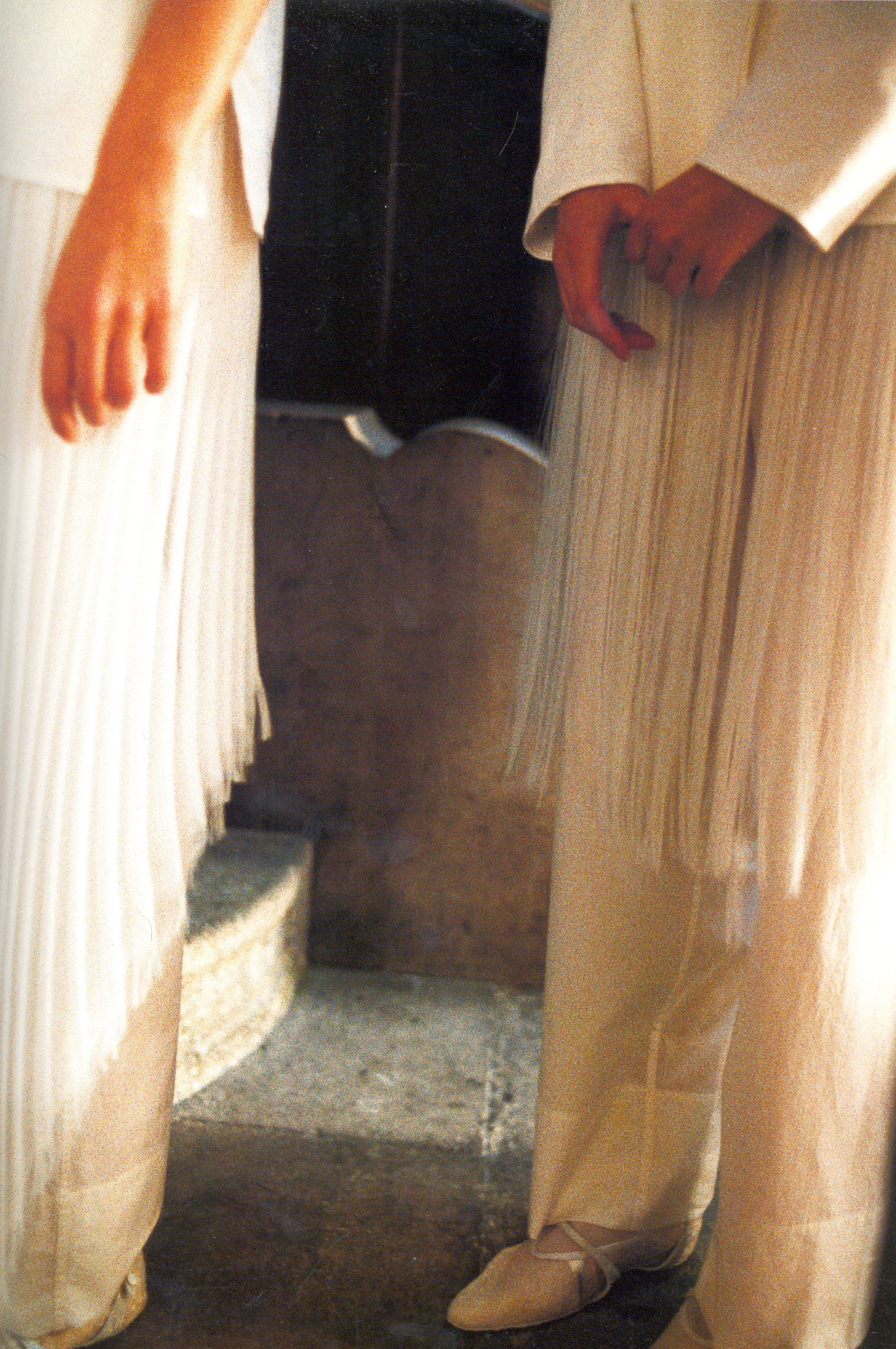
Silent Poets for Issey Miyake Spring/Summer 2001 is a hardcover lookbook photographed by Françoise Huguier. It presents imagery from Issey Miyake’s Spring/Summer 2001 collection and includes the collaboration CD Red Eyes Tribe at the back of the book. Japanese electronic duo Silent Poets produced the music for the runway show.
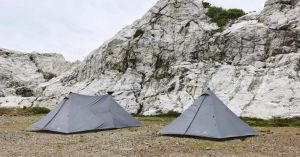
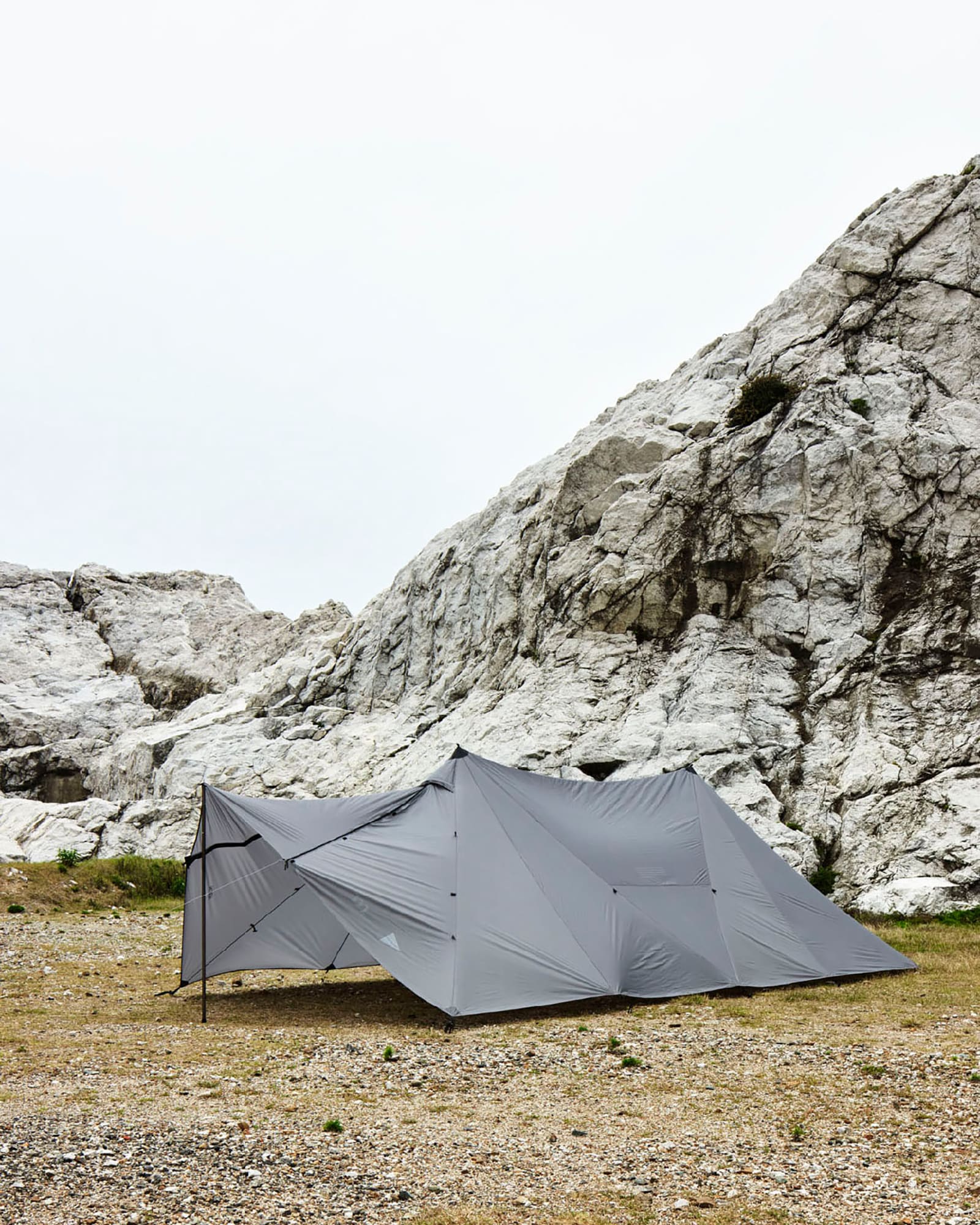
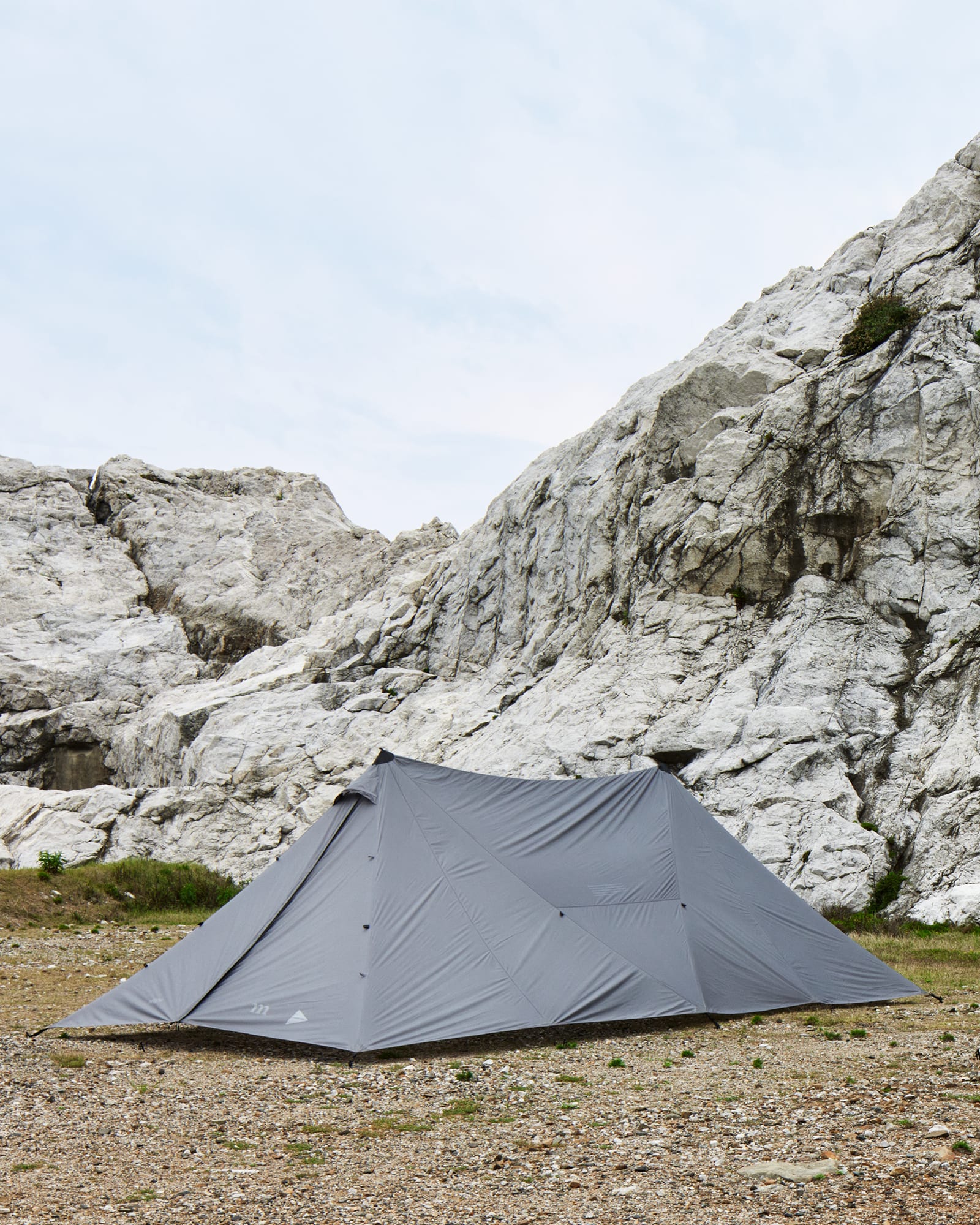
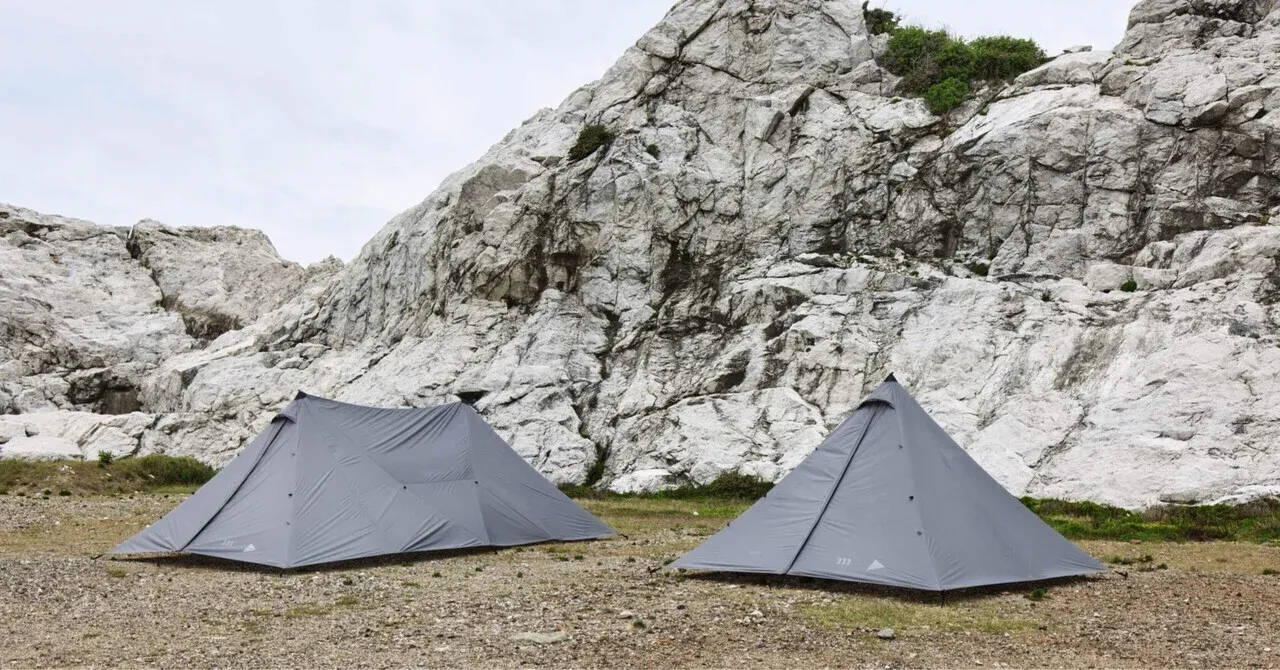
and wander x Muraco Designs Heron Tent Shelter Sets
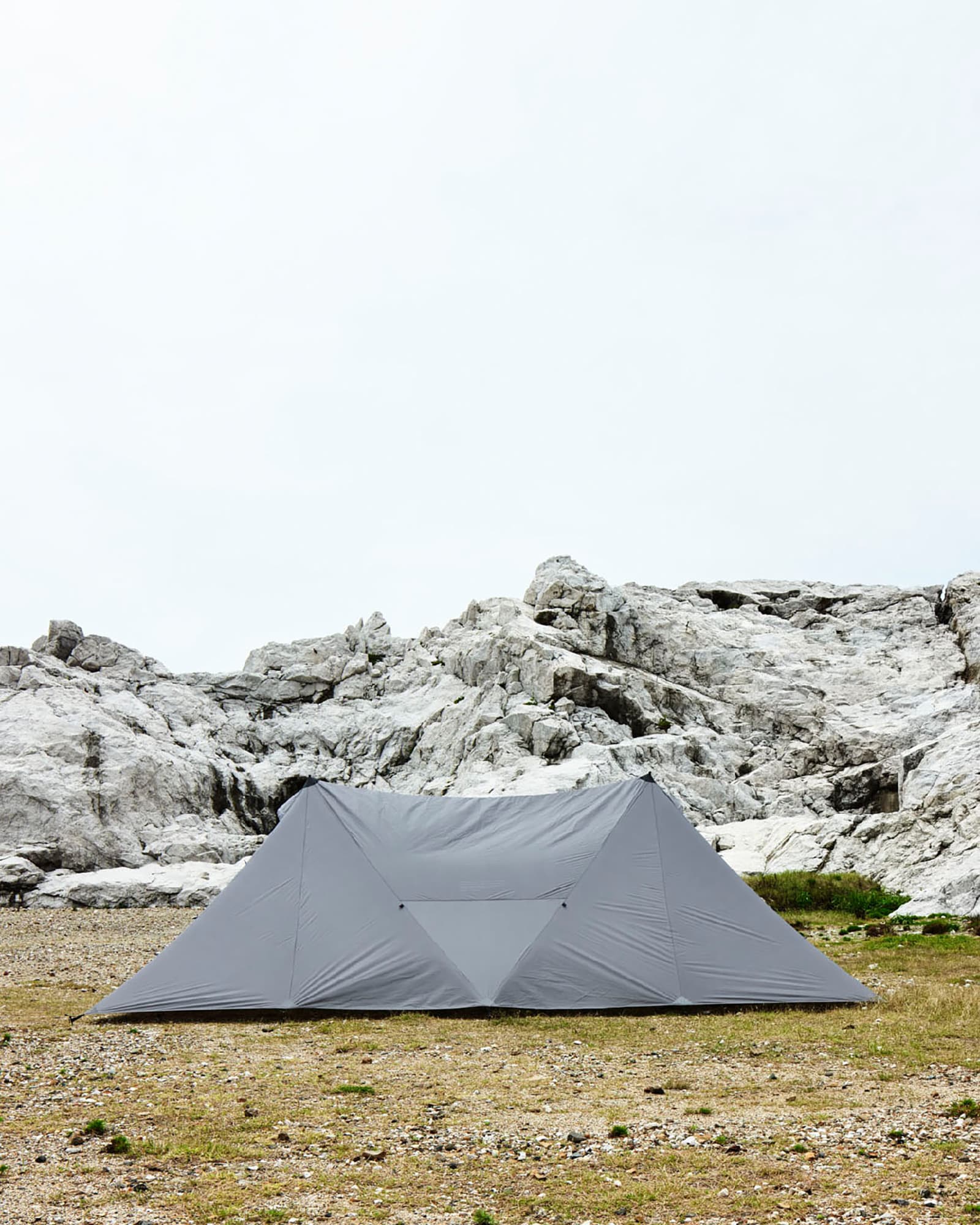
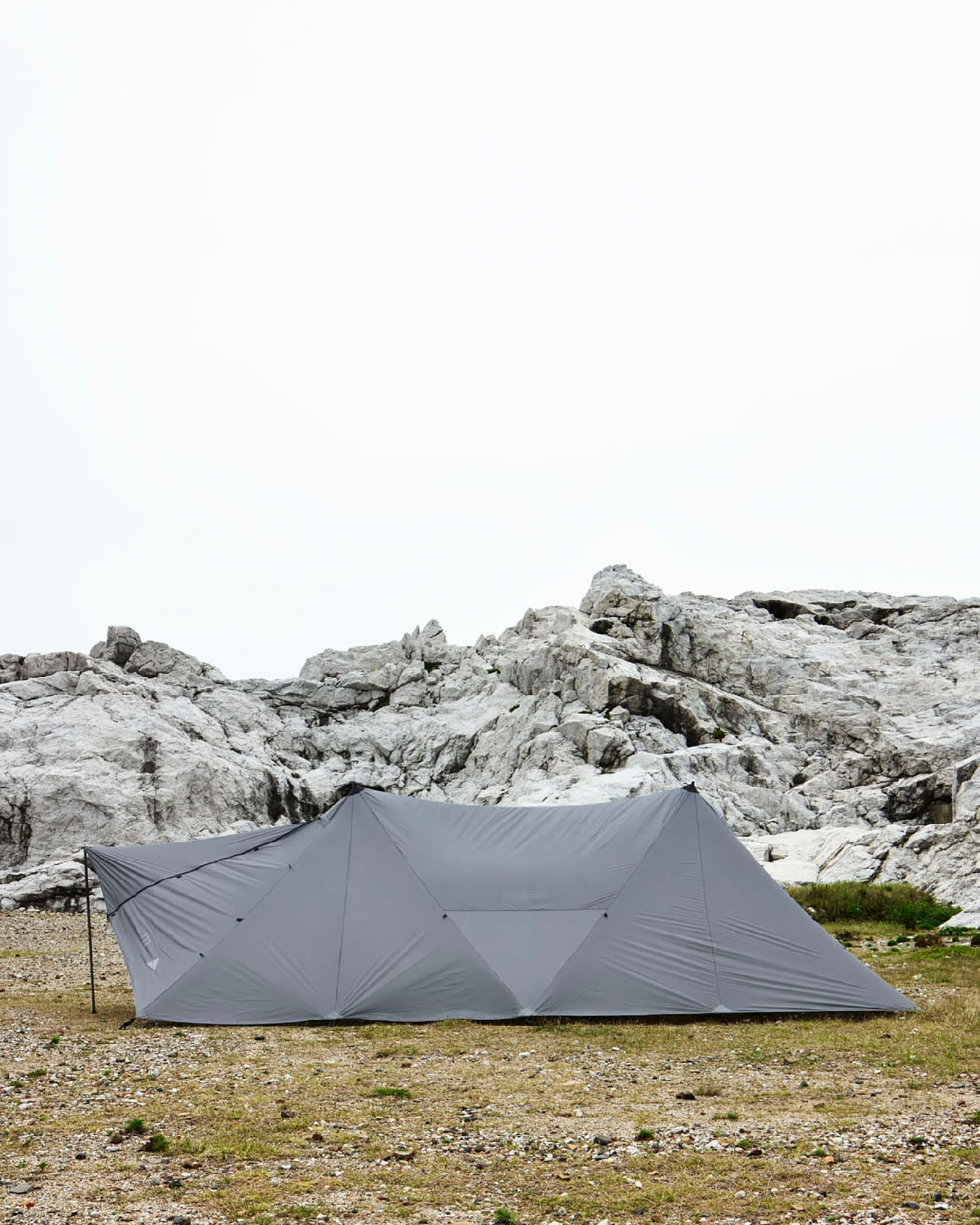
This tent boasts a straightforward structure, allowing for quick and effortless setup. To assemble, lay the flysheet on the ground and firmly secure the four corners with pegs. Then, raise the center pole at the top. The remarkable simplicity of this setup is unmatched by self-supporting dome-shaped tents, and its generous overhead clearance adds to its allure.
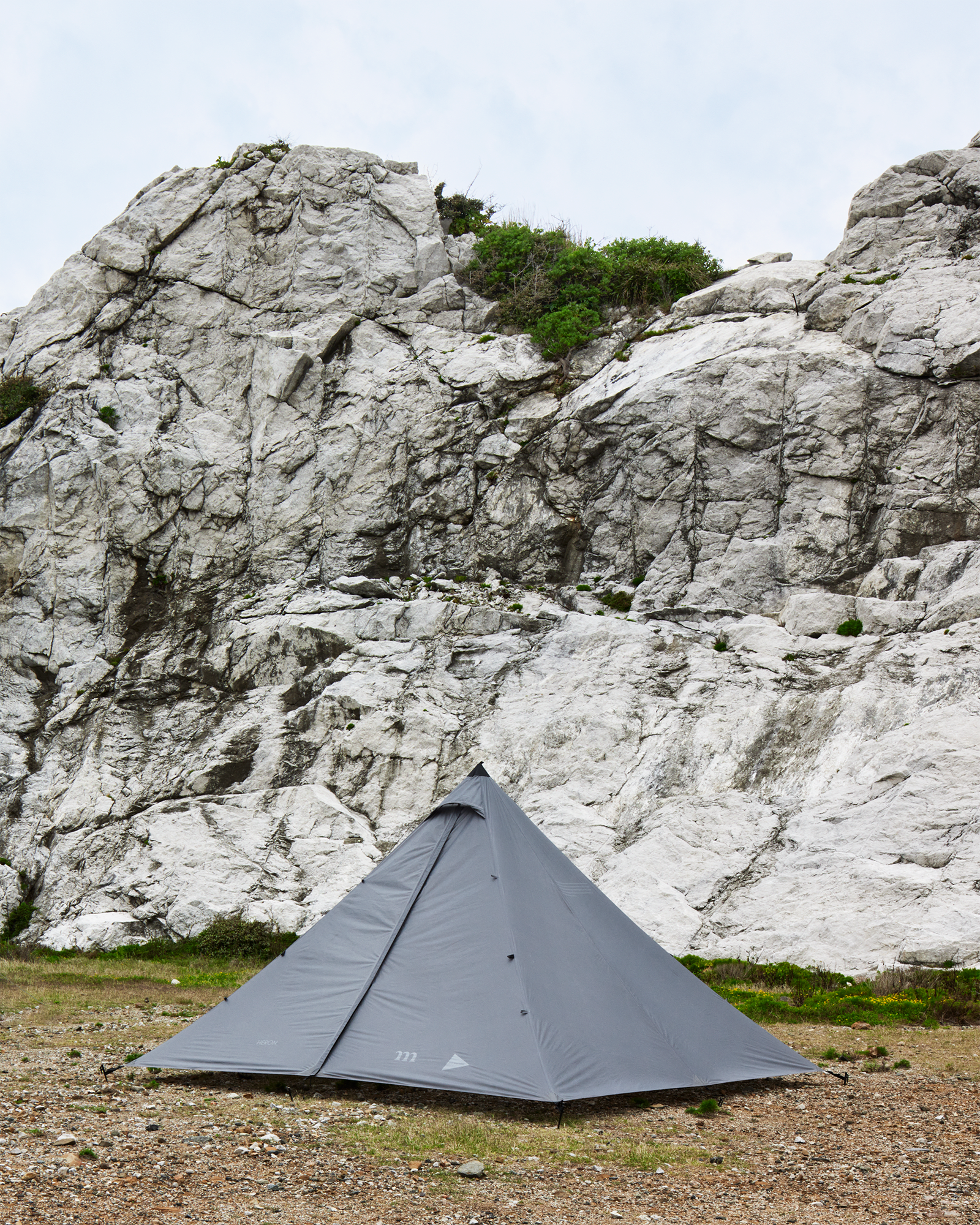
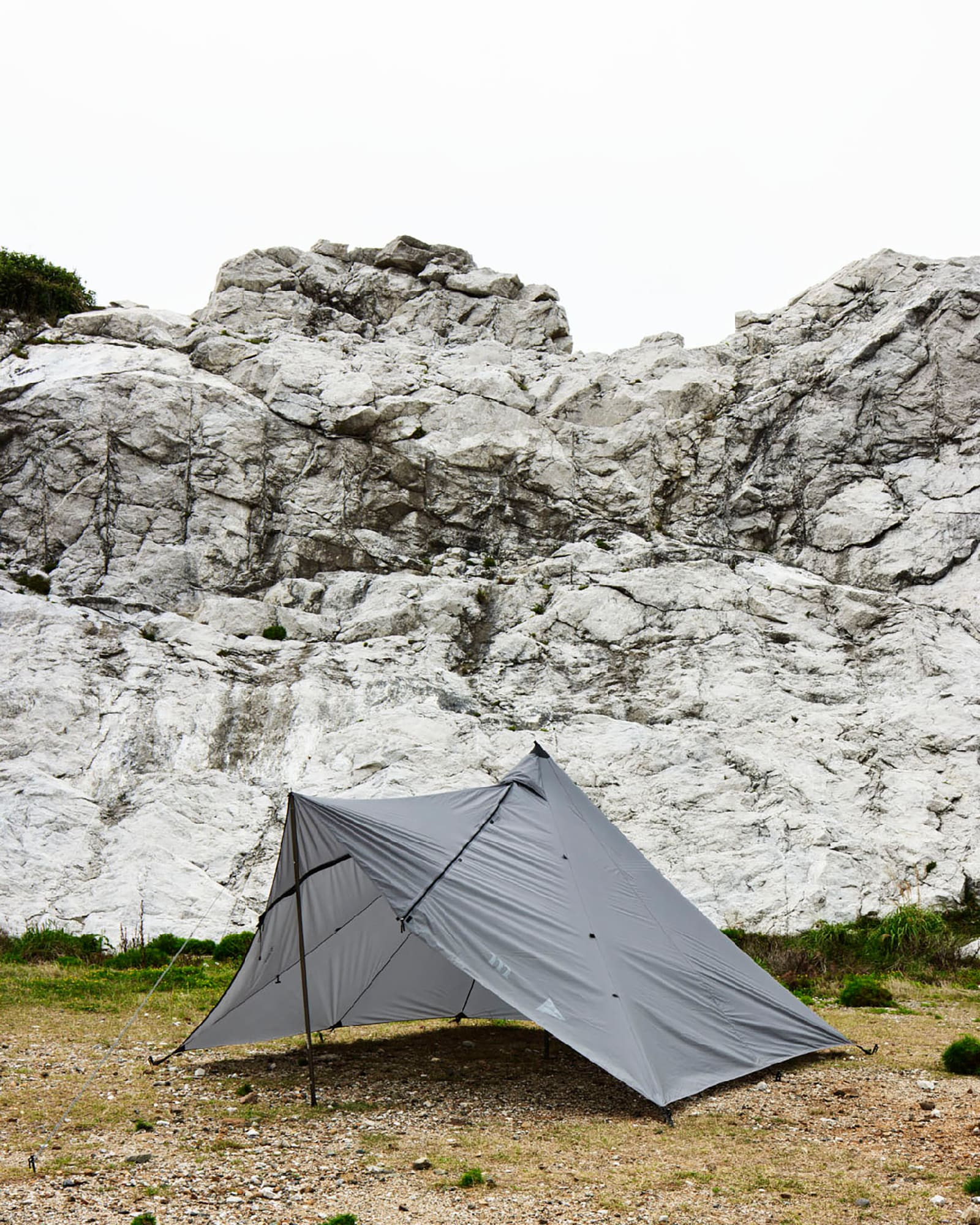
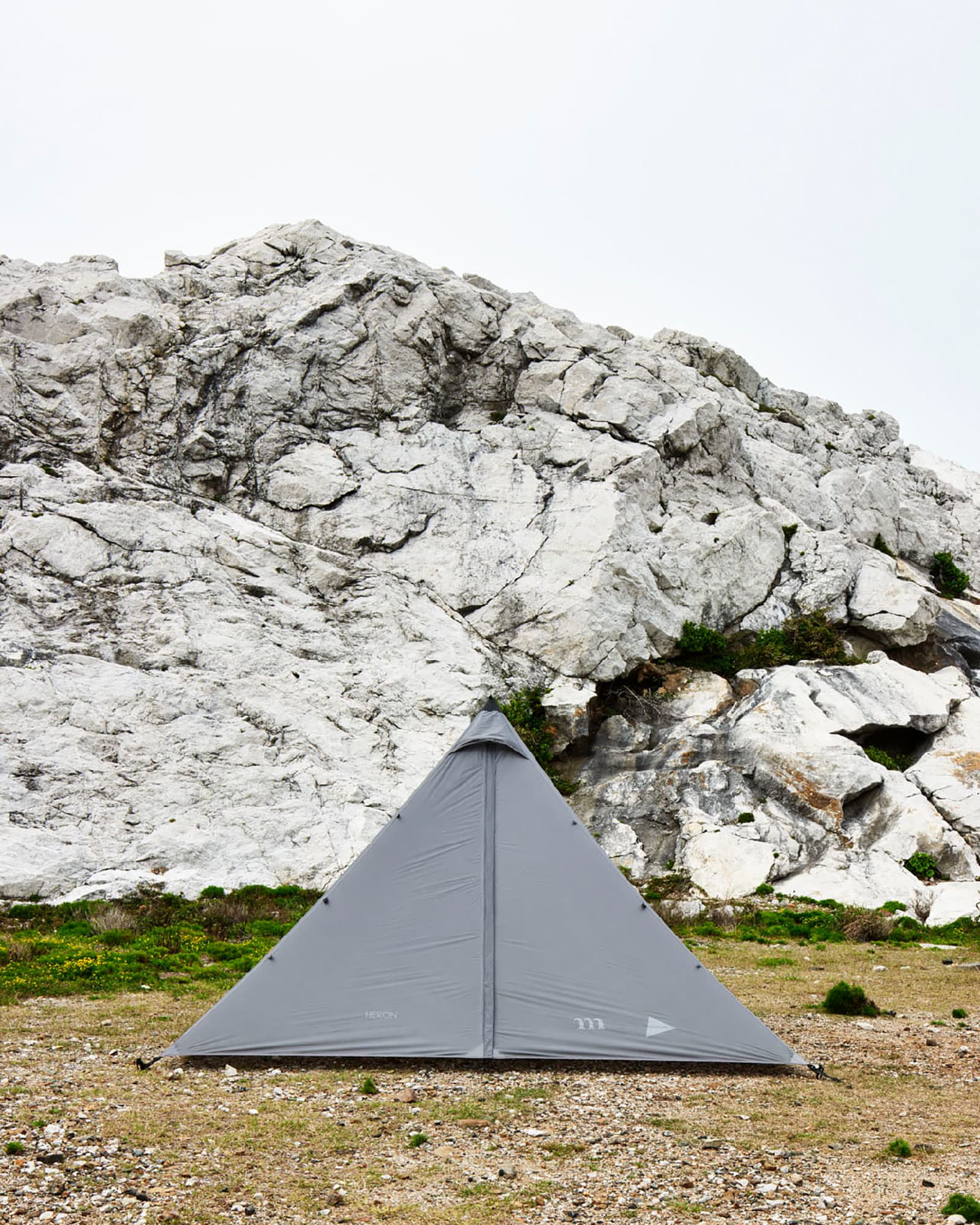
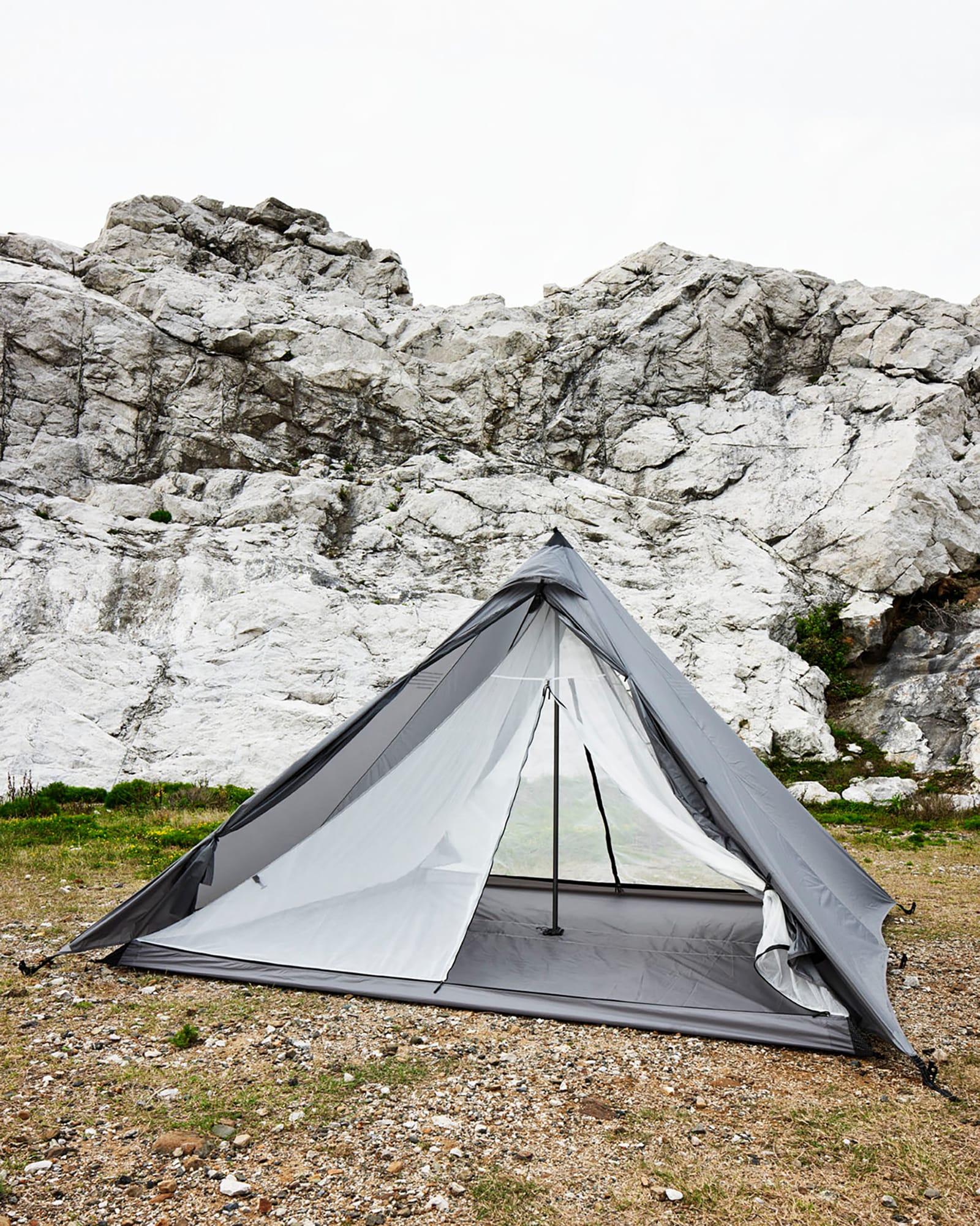
HERON 2POLE TENT SHELTER SET
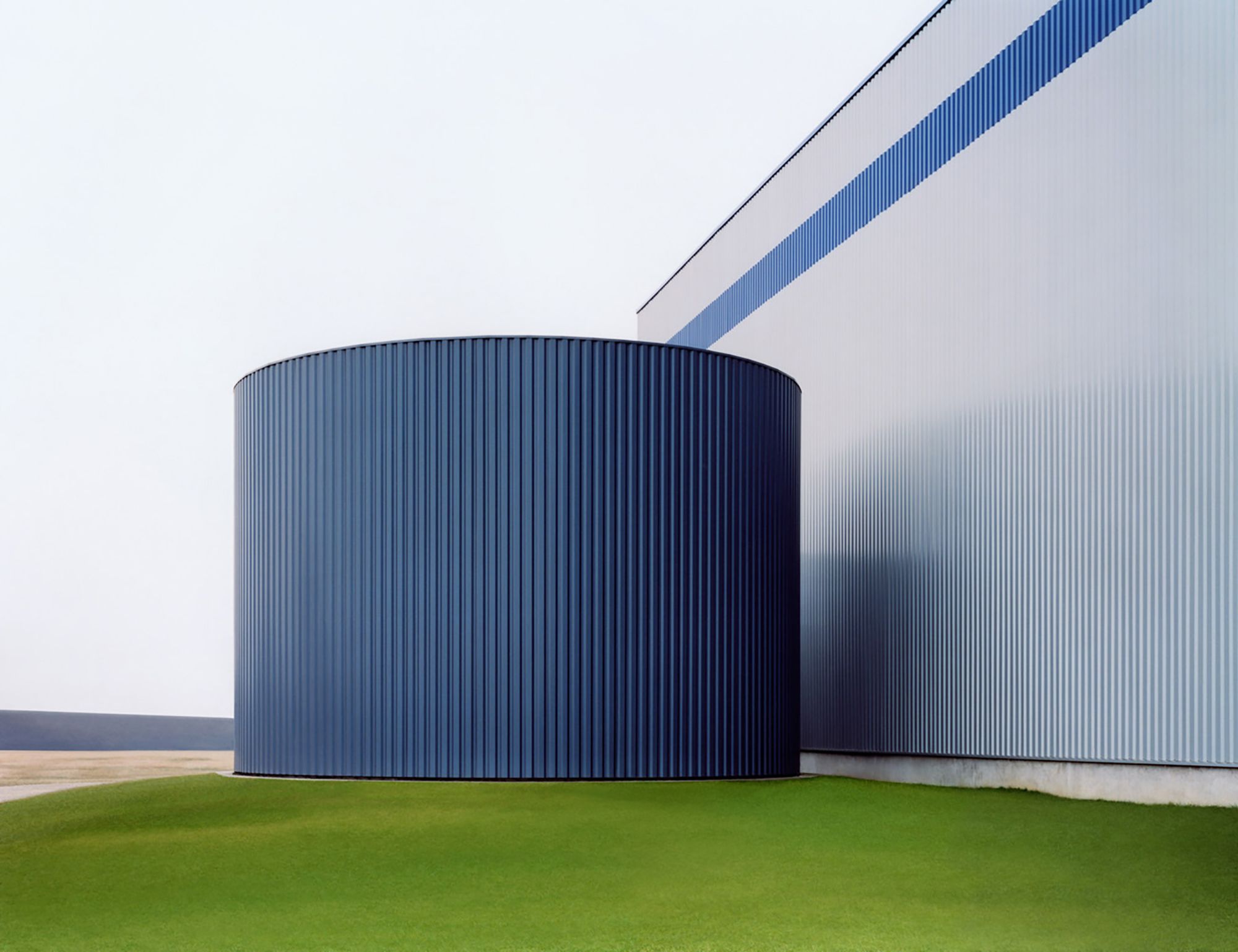
Form #7, Josef Schulz, 2003
Josef Schulz is a photographer known for capturing images of modern warehouses and factories, which are typically considered mundane industrial structures with little architectural significance. These buildings, produced worldwide, follow standardized plans and materials, lacking distinct external features to reveal their specific purposes.
Schulz's approach involves studying the essence of his craft through these photographs. He employs digital image processing to remove any elements hinting at the buildings' age, location, or surroundings, transforming them into virtual blueprints. By emphasizing colors, shapes, and symmetries, he turns the buildings into block-like structures, resembling toy architecture and presenting them as idealized versions of themselves.
In this process, Schulz blurs the line between photographic and painted reality to optimize the images. Simultaneously, he reduces the physical buildings to their design concepts and the photographic reality to its virtual representation. His intent is to diverge from the typical pursuit of making digital images appear as real as possible. This approach might leave the viewer perplexed, as they struggle to distinguish between authentic elements captured by the camera and those created through digital tools.
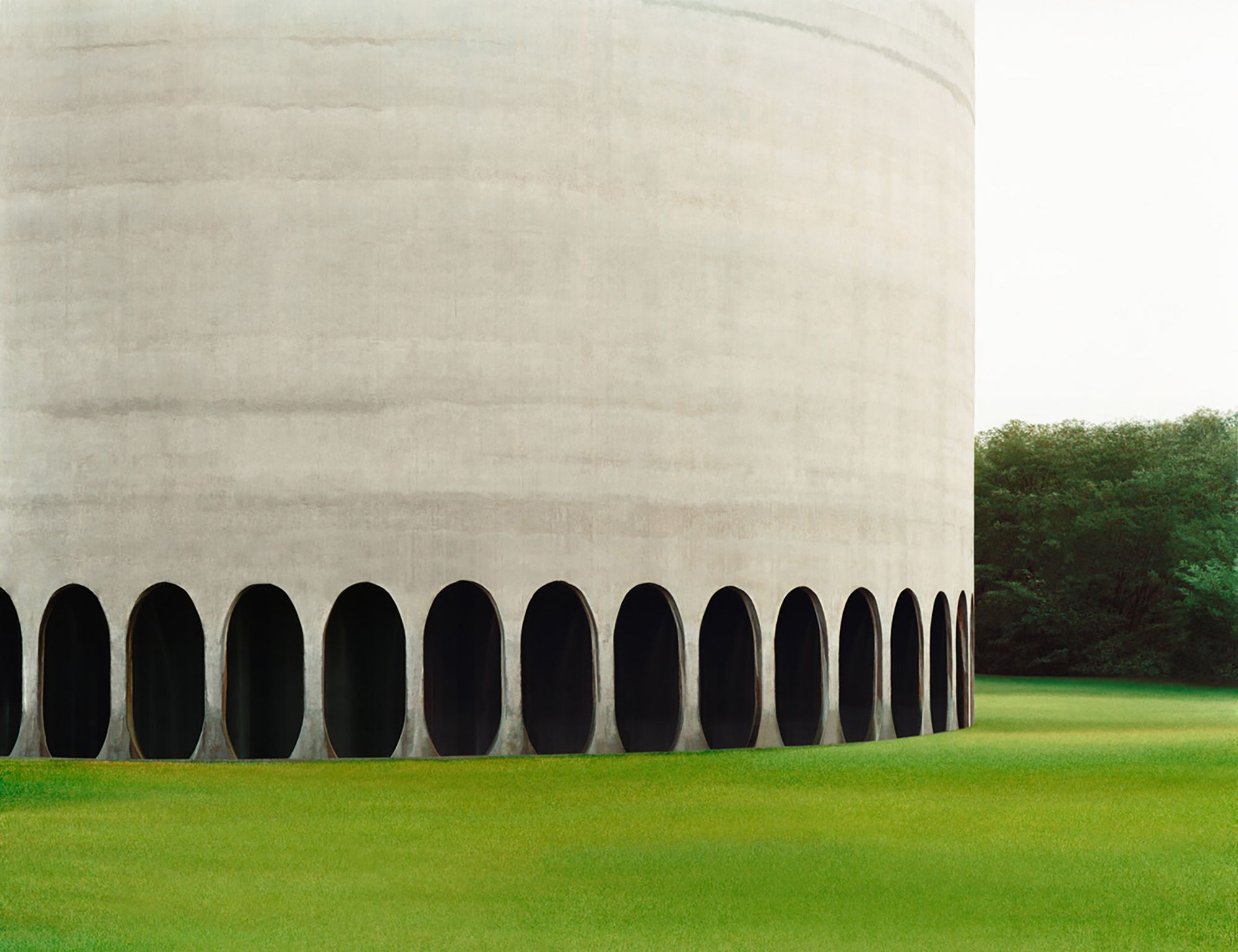
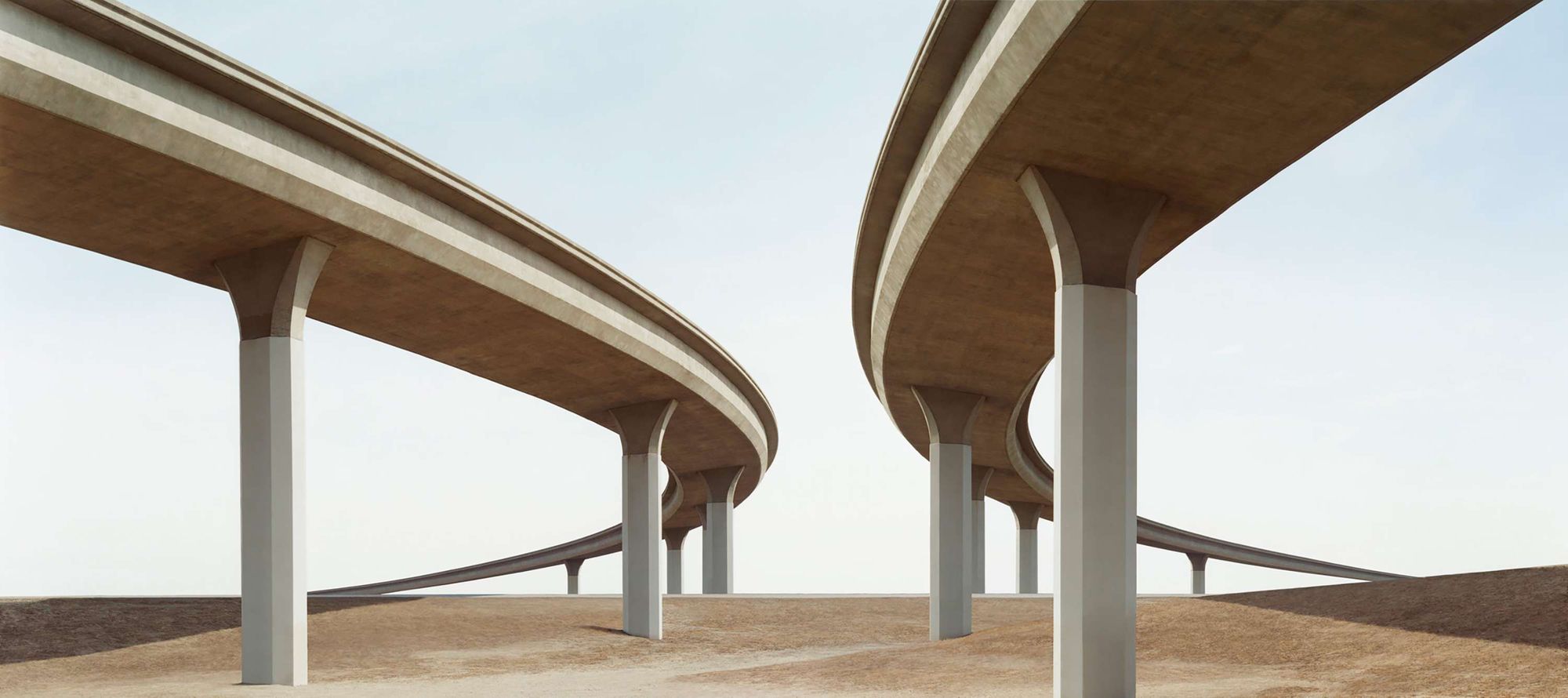



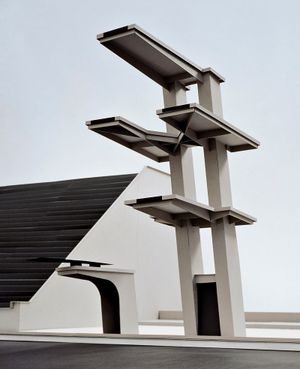
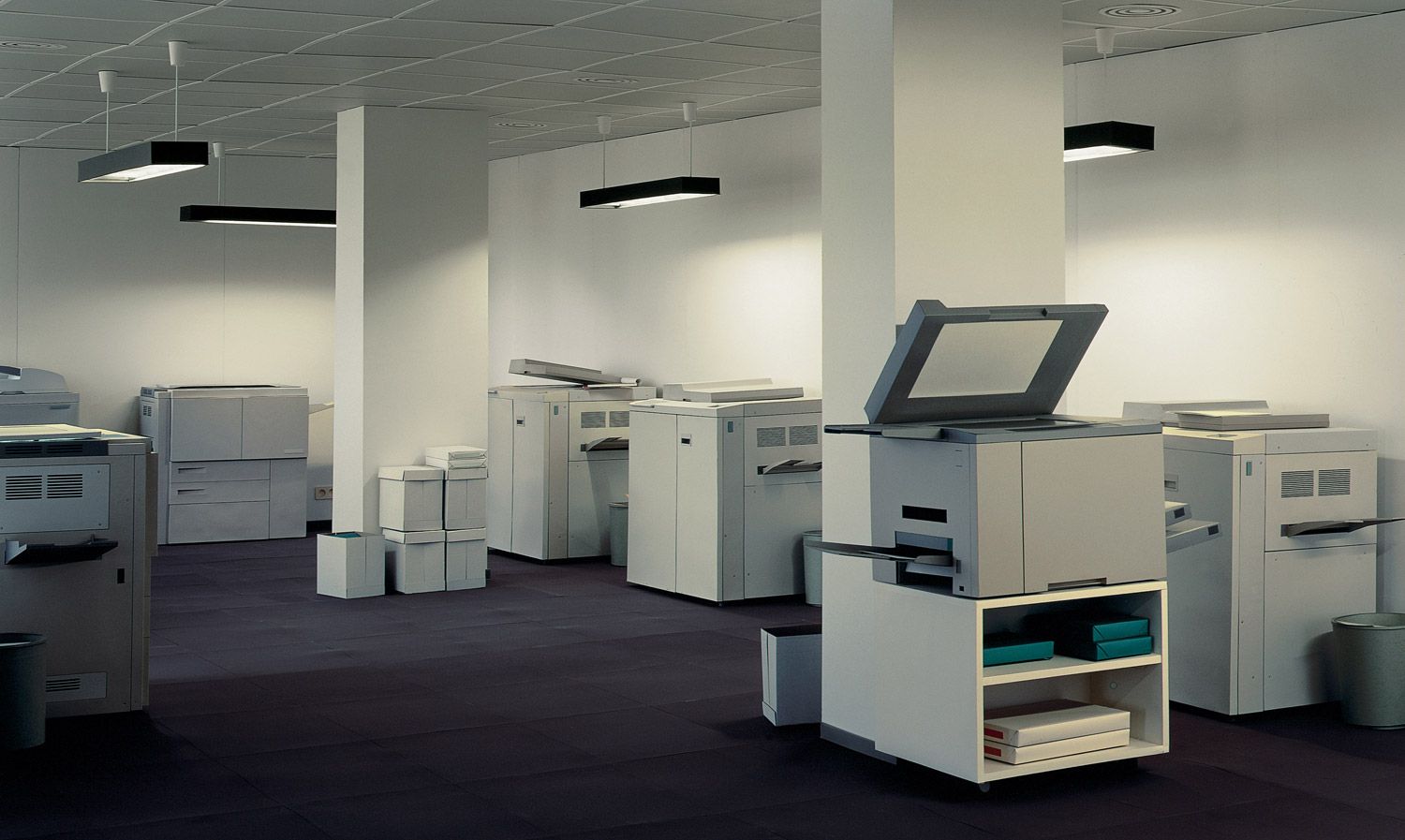
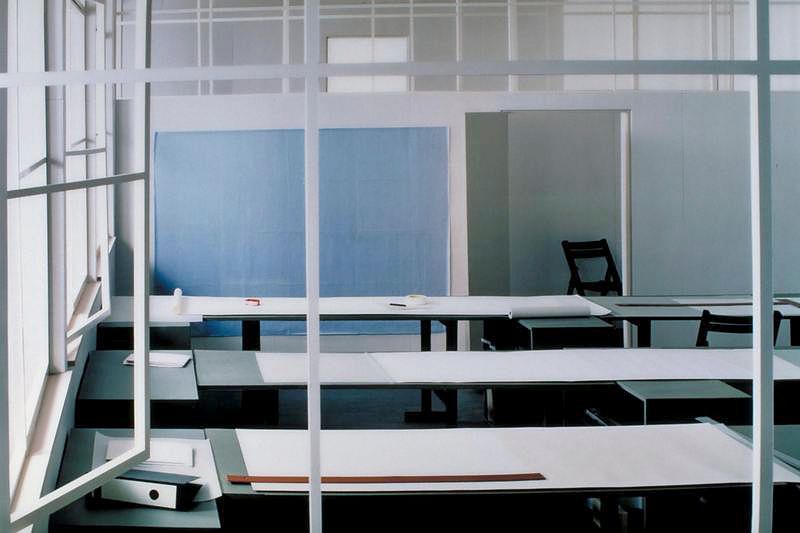
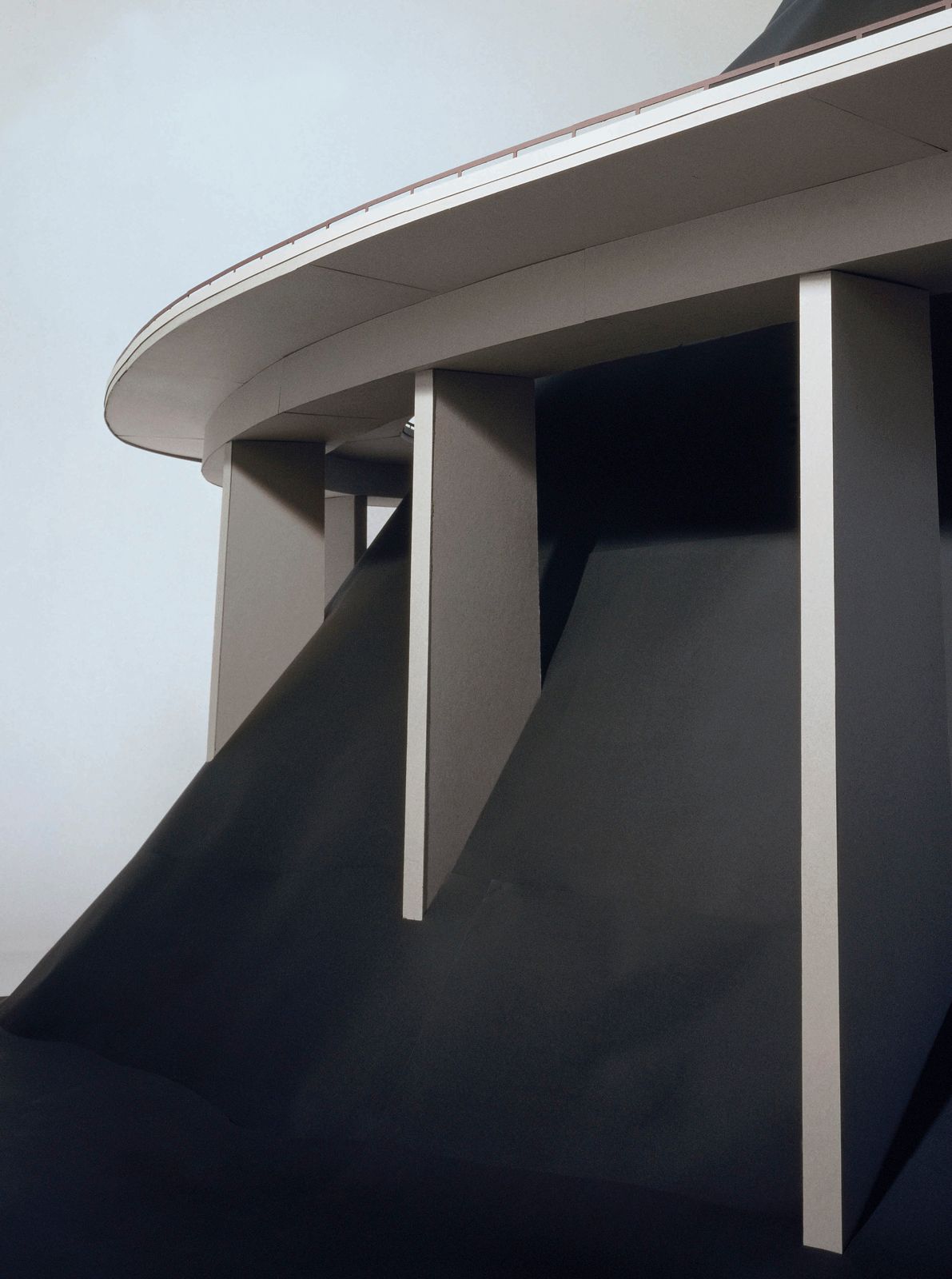
Thomas Demand
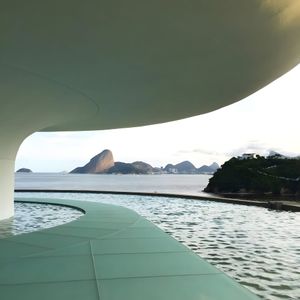
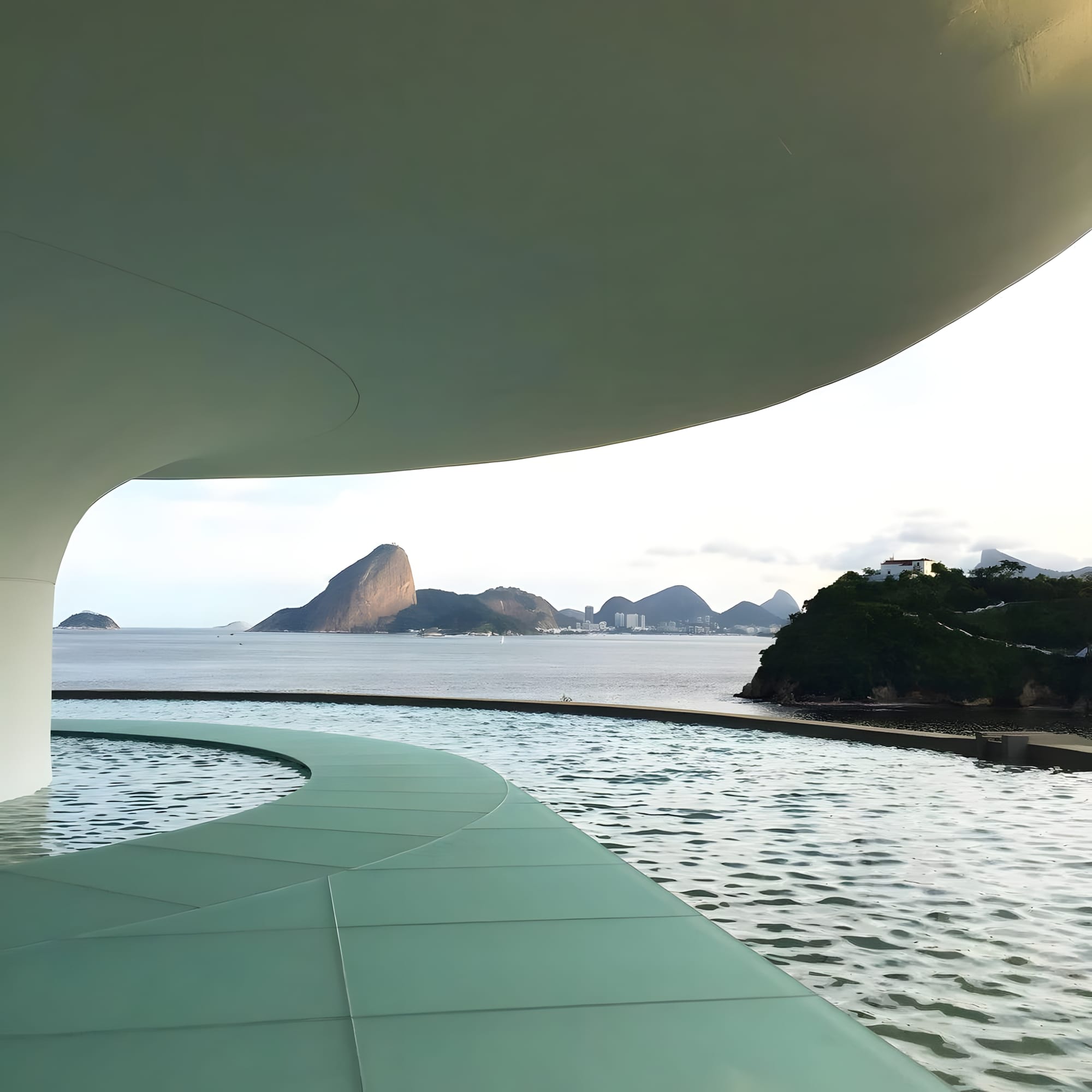
Oscar Niemeyer's MAC Niterói — Louis Vuitton Cruise 2017 Venue
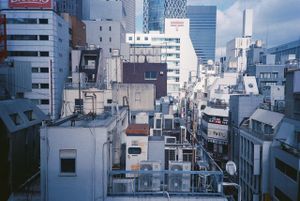
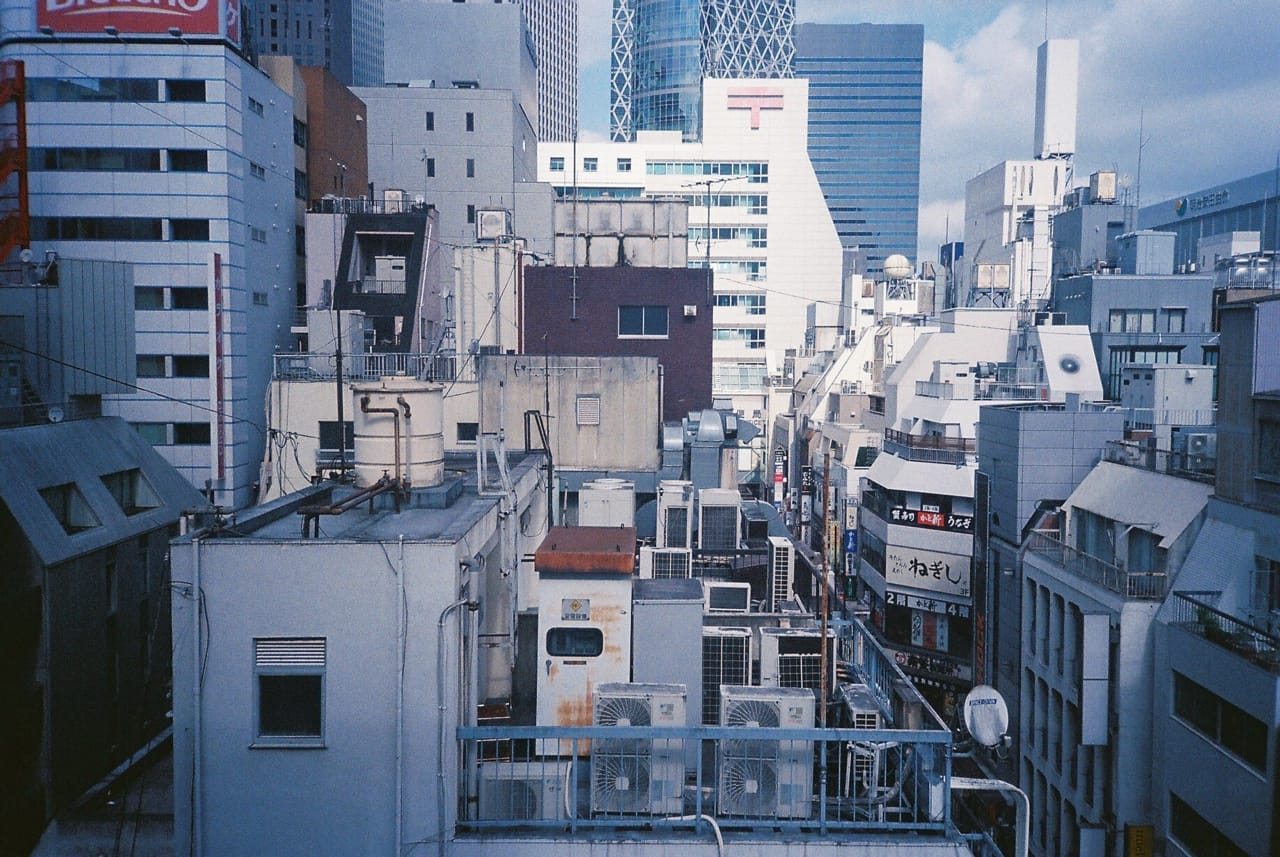
Tokyo Rooftops Ginza
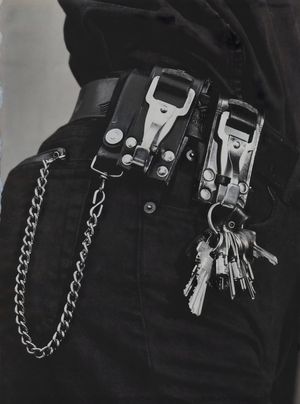
Bruce Weber for Calvin Klein Jeans — 1991 Campaign
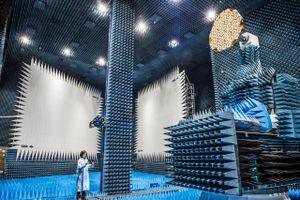
ESA HERTZ Anechoic Chamber — Antenna Test Facility at ESTEC
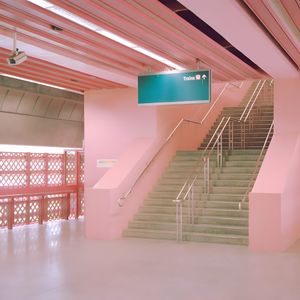
Redhill MRT Station — Singapore
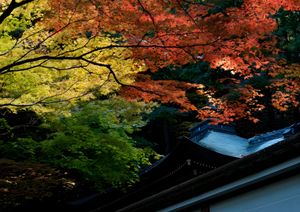
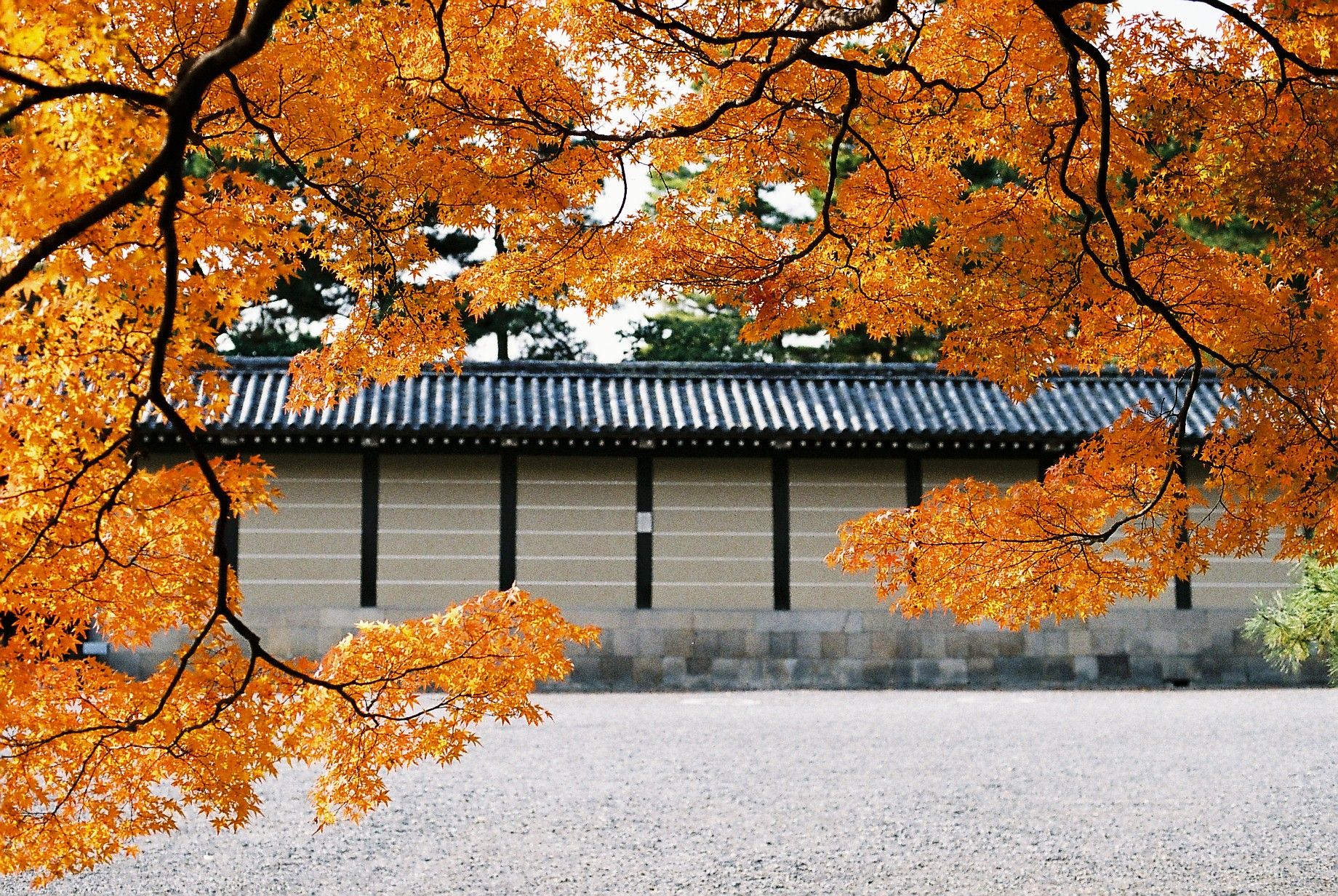
Nanzenji Temple Autumn Foliage, Higashiyama, Kyoto
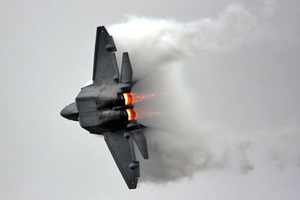
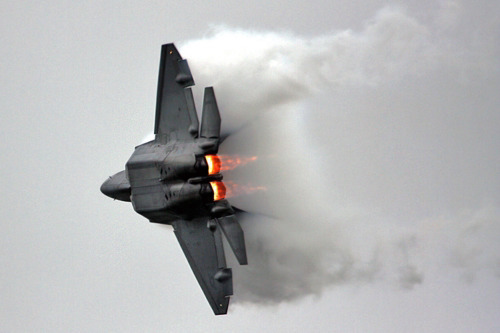
F-22A Raptor
September 20, 2008 - Maj. Paul "Max" Moga, the first F-22A Raptor Demonstration Team pilot, roars his aircraft into a high g-force turn above Naval Air Station Oceana during the 50th Anniversary celebrations of the NAS Oceana Air Show in Virginia Beach, VA.
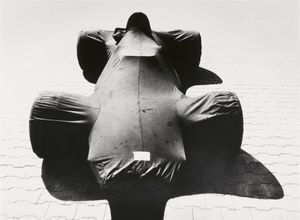
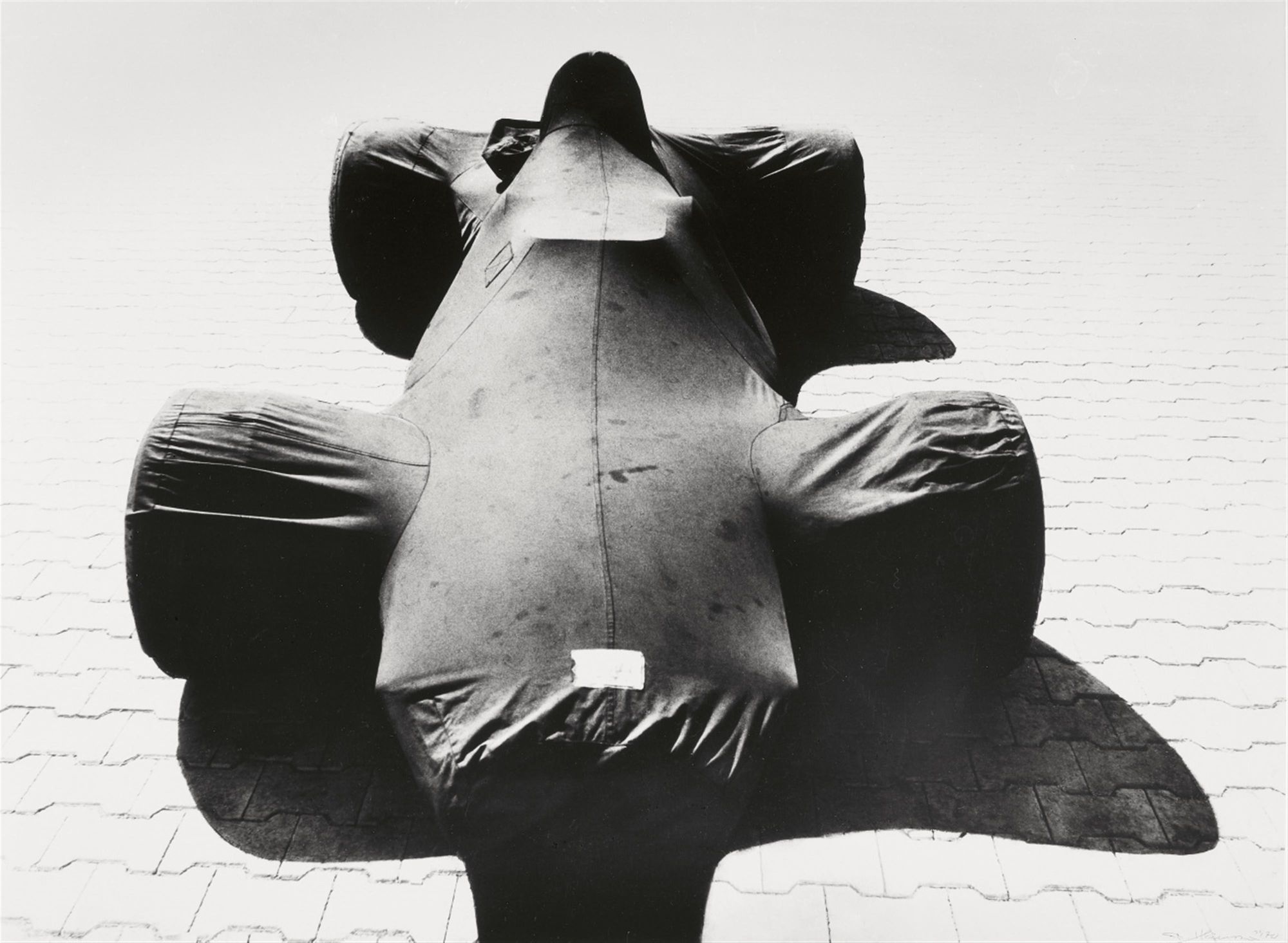
Robert Häusser J.R. 5-9-70
Gelatin silver print, printed 1999. 43.5 x 58.8 cm. Signed and dated in ballpoint pen lower right. Signed, dated, titled in ballpoint pen as well as photographer's thumb print on the verso. - Framed under glass.
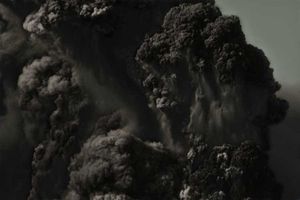
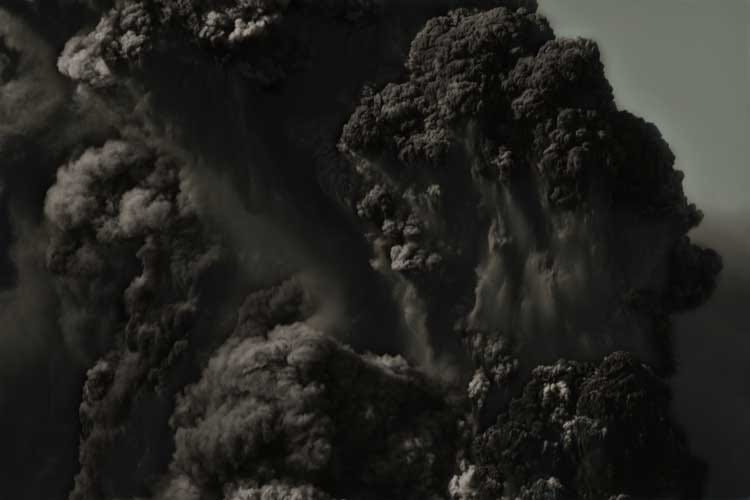
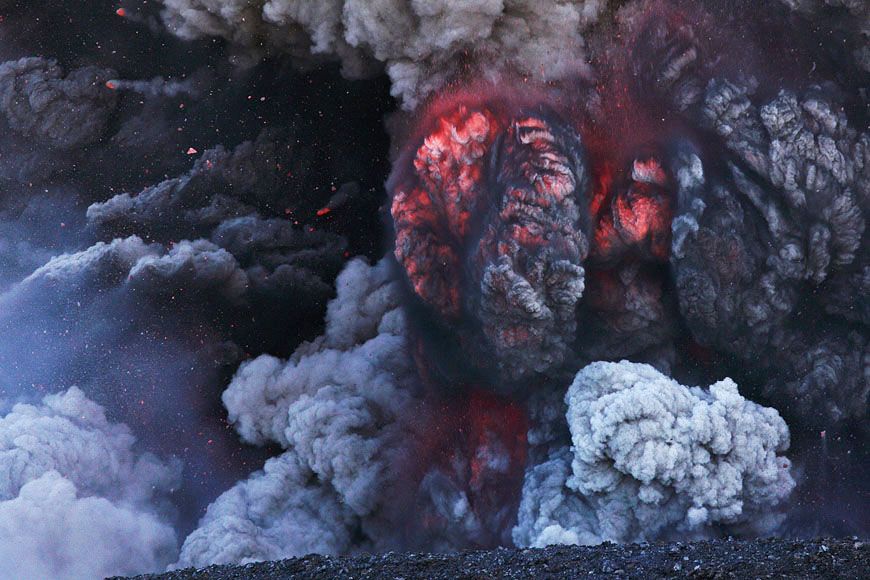
Mount Sinabung Eruption
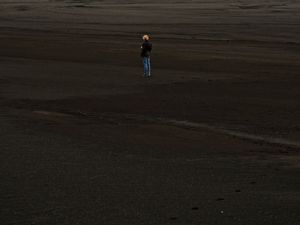
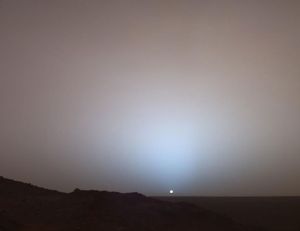
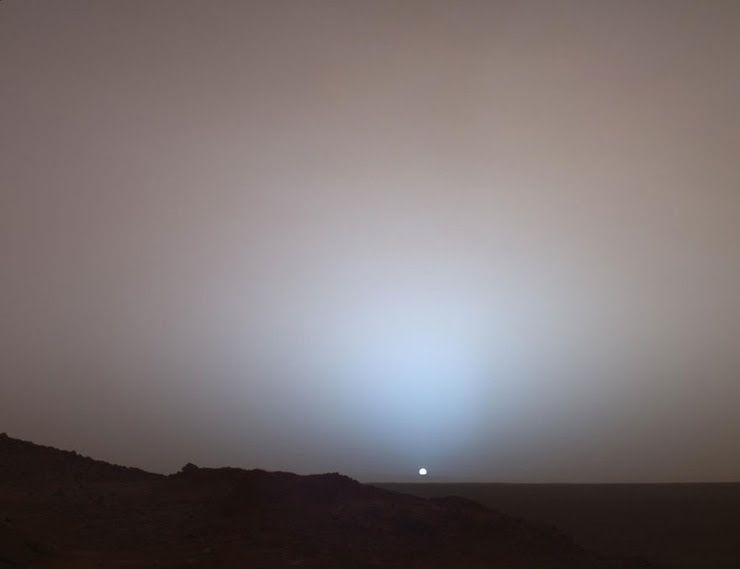
Martian Sunset
On May 19, 2005, NASA's Mars Exploration Rover Spirit captured this stunning view as the Sun sank below the rim of Gusev crater on Mars. This Panoramic Camera mosaic was taken around 6:07 in the evening of the rover's 489th Martian day, or sol.
Sunset and twilight images are occasionally acquired by the science team to determine how high into the atmosphere the Martian dust extends, and to look for dust or ice clouds. Other images have shown that the twilight glow remains visible, but increasingly fainter, for up to two hours before sunrise or after sunset. The long Martian twilight (compared to Earth's) is caused by sunlight scattered around to the night side of the planet by abundant high altitude dust. Similar long twilights or extra-colorful sunrises and sunsets sometimes occur on Earth when tiny dust grains that are erupted from powerful volcanoes scatter light high in the atmosphere.

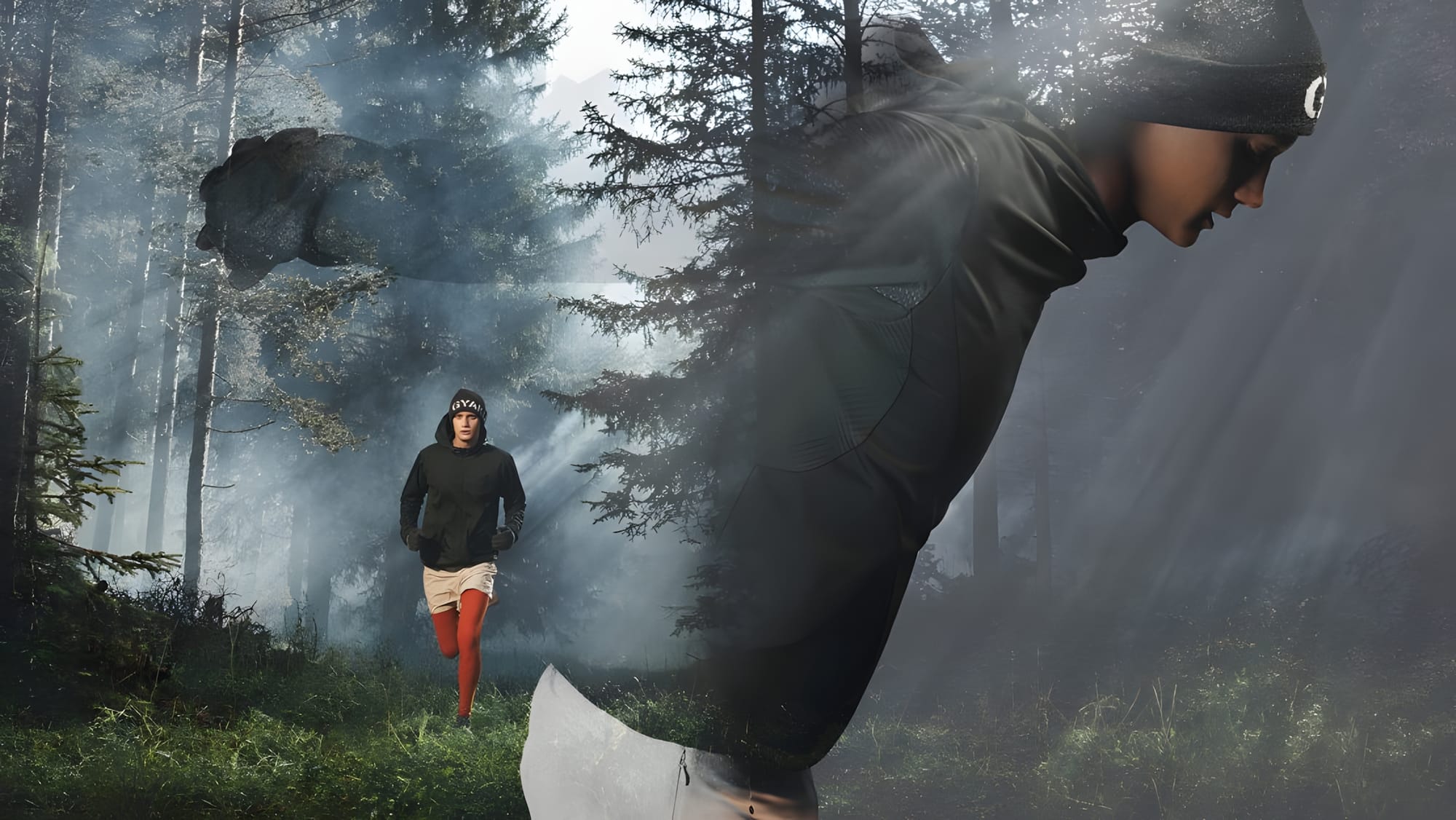
Toni Garrn by Philip Gay, Just Do It, Interview Germany 2012
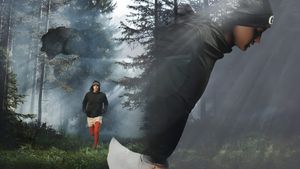
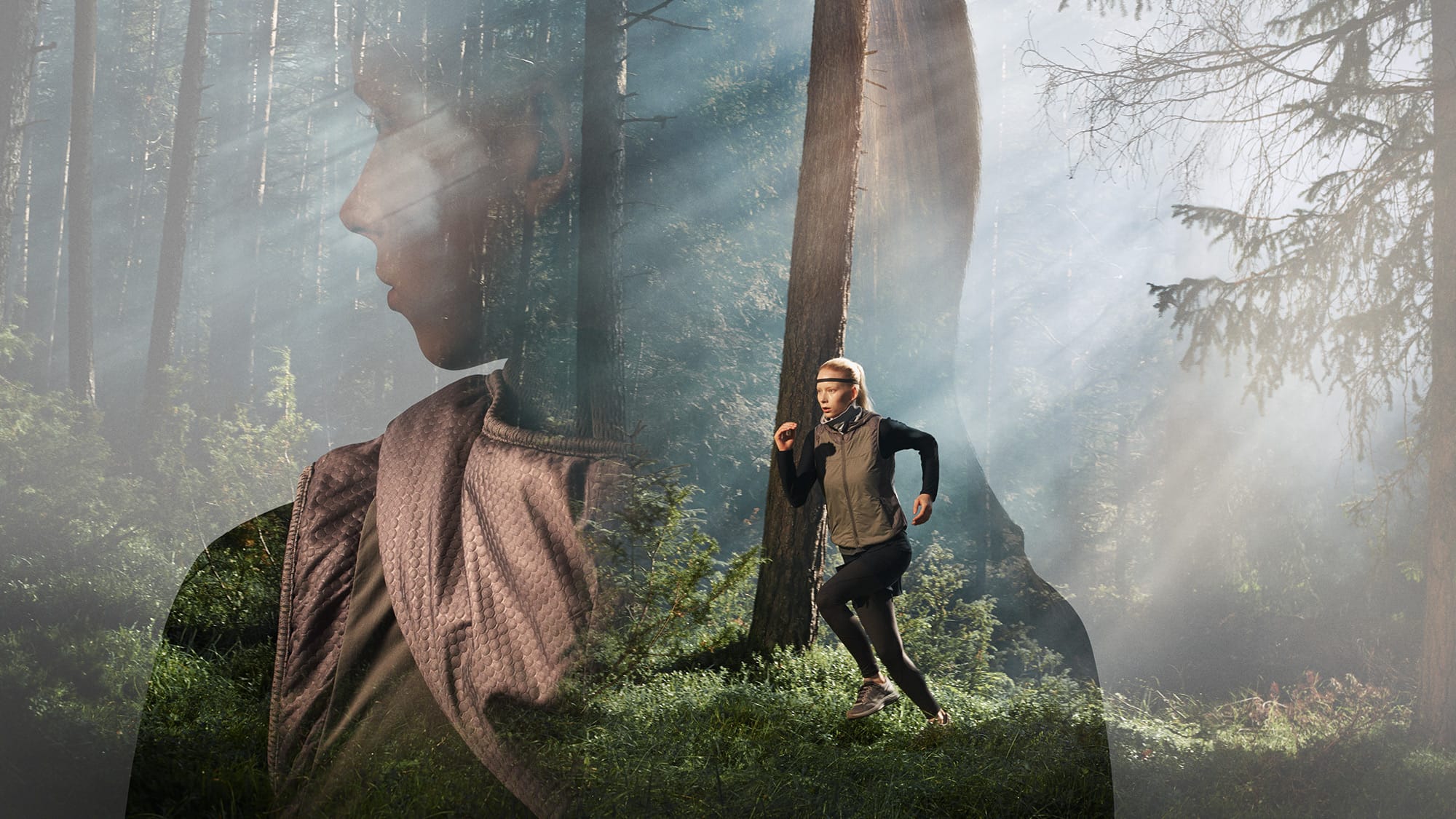
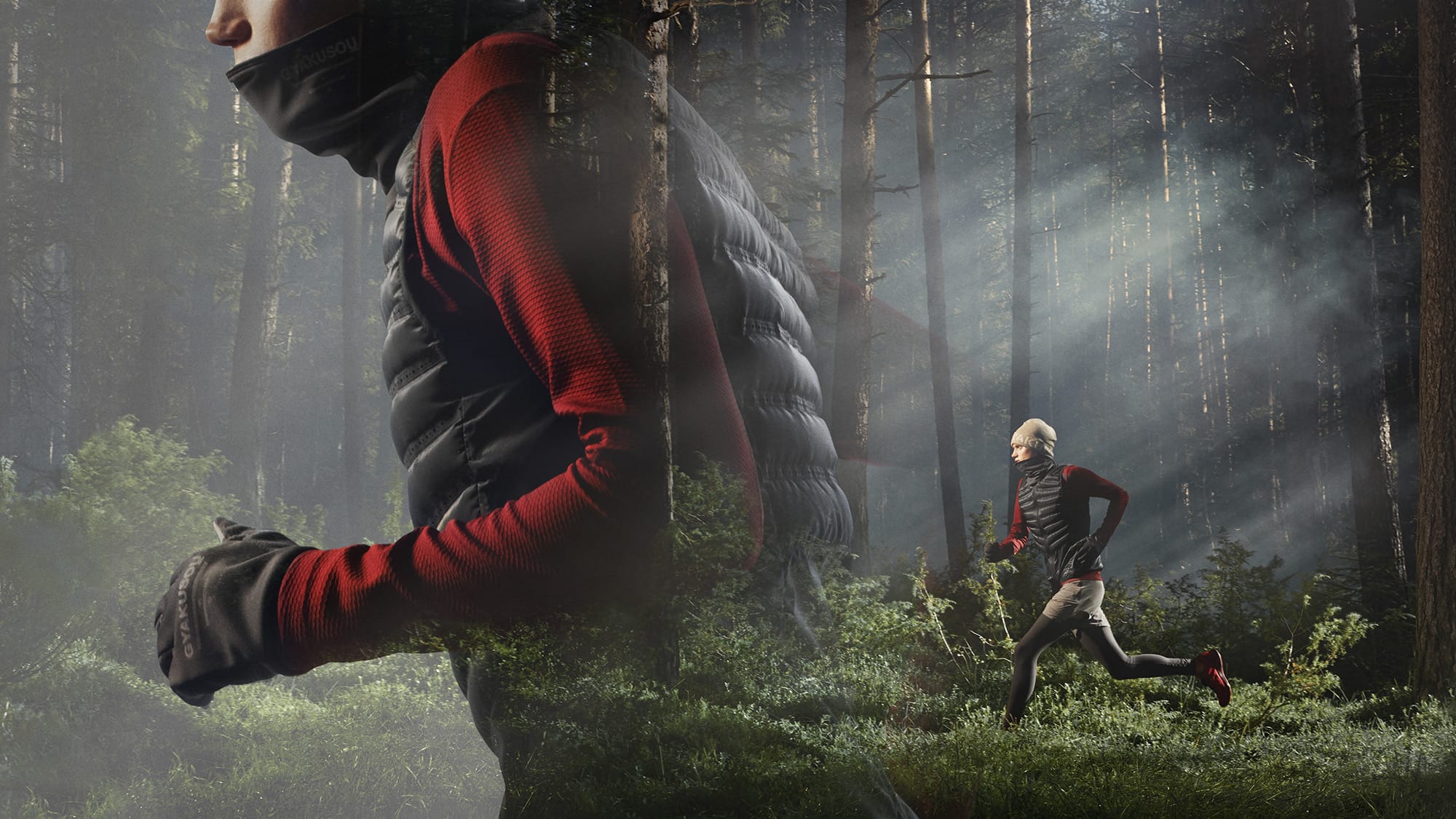
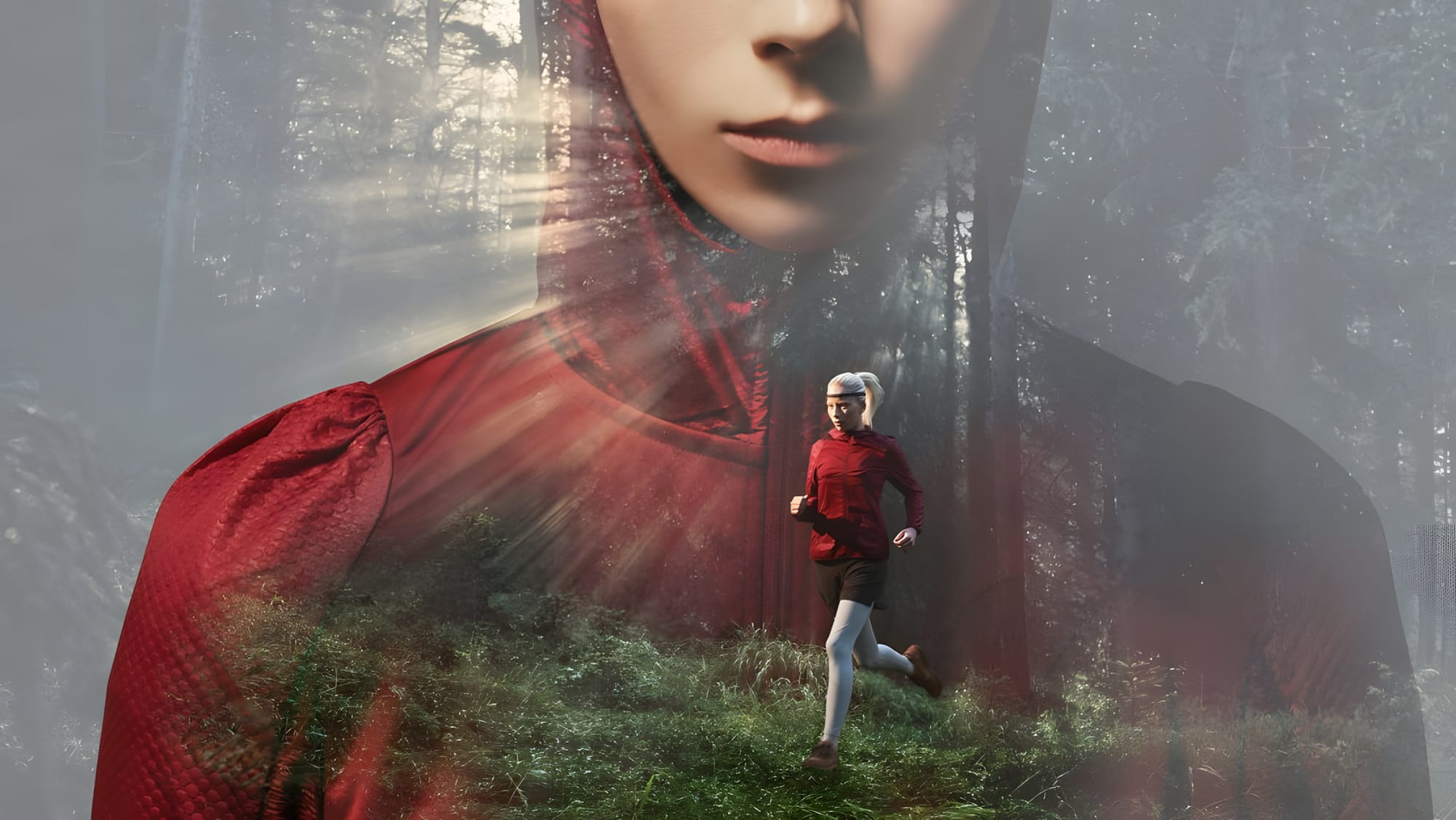
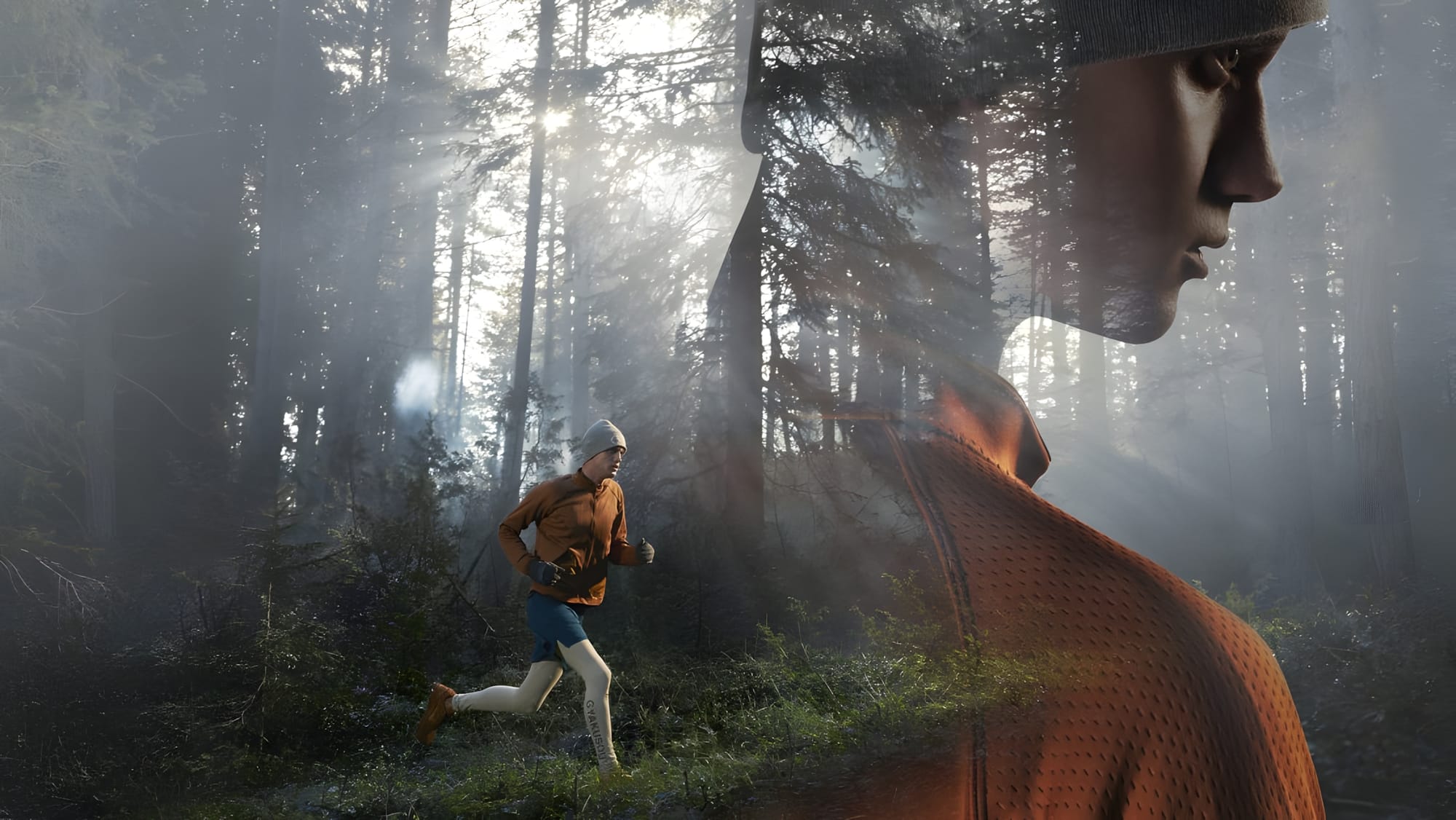
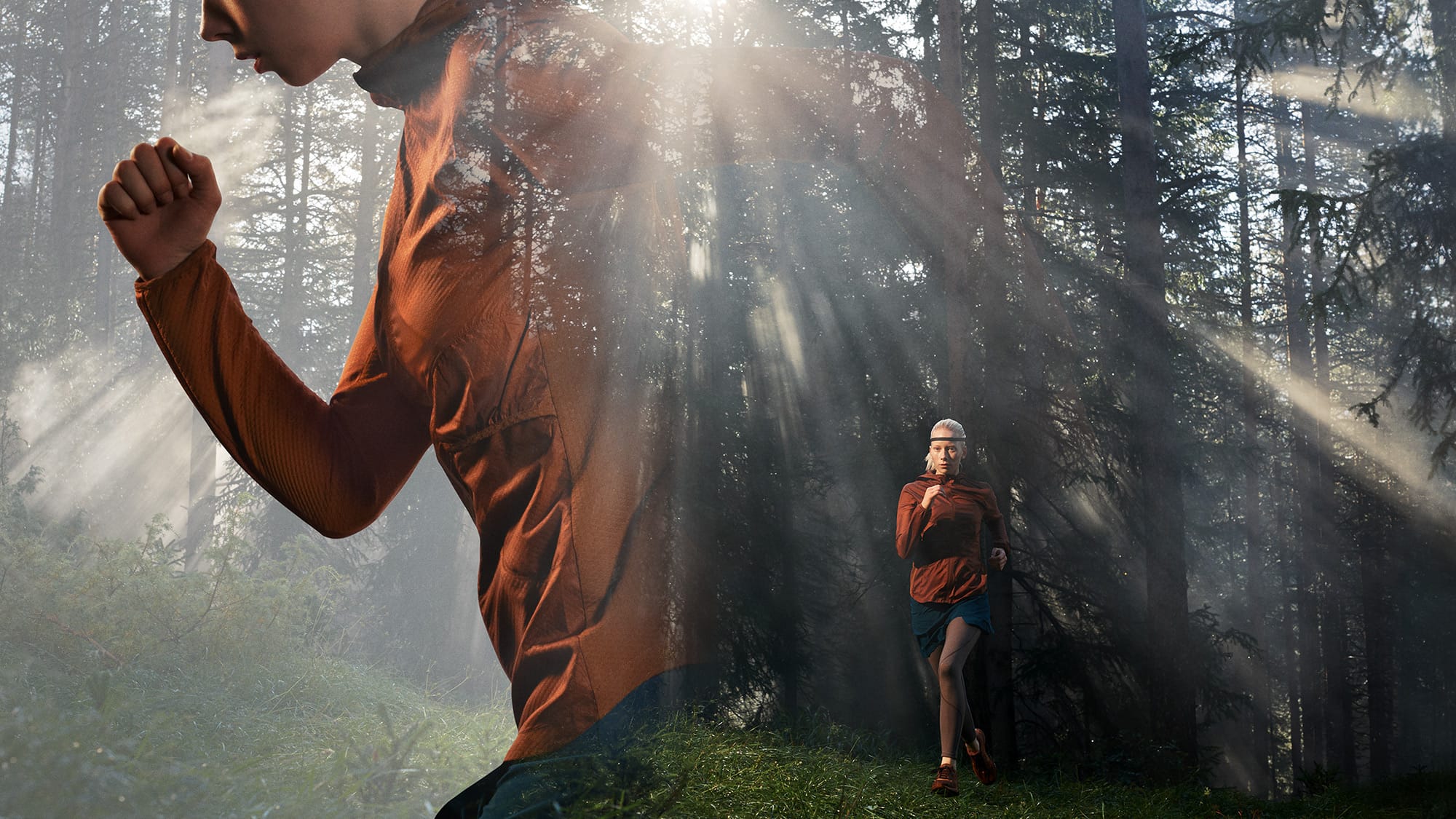
Nike x Undercover Gyakusou FW2013
Photographed by Azim Haidaryan
Produced by Panottica

Floral Botanical Print Textile — Kimono or Wrap Garment
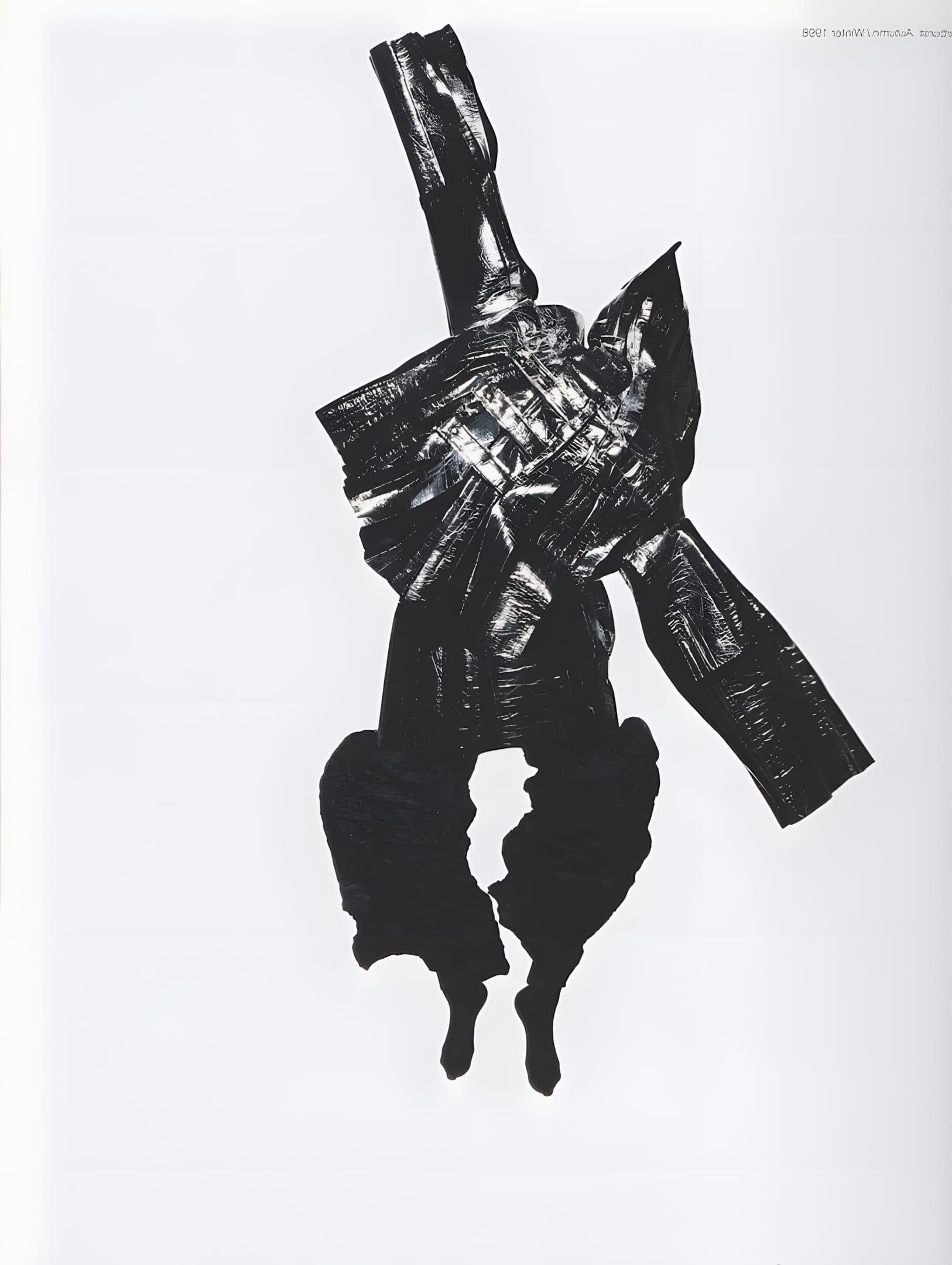
Irving Penn × Issey Miyake — Two Miyake Warriors
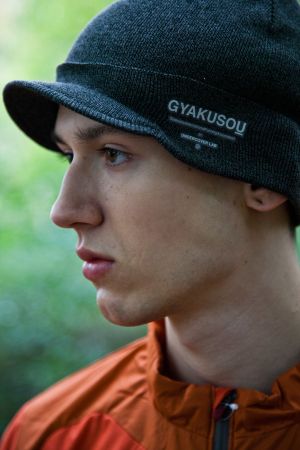
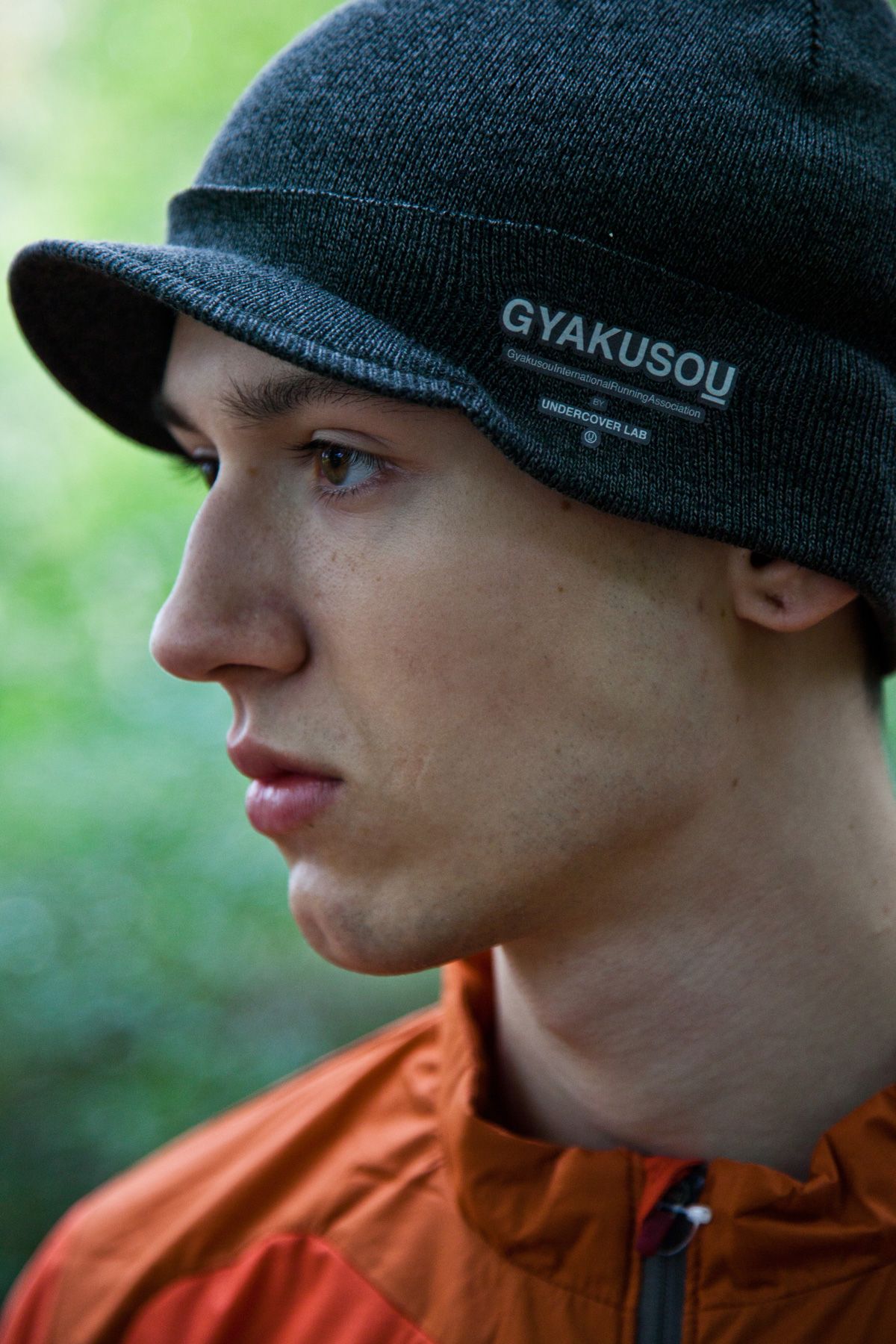
Nike x Undercover Gyakusou FW2011 Beanie
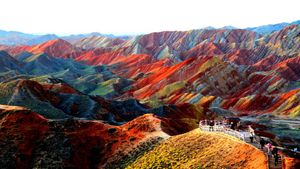
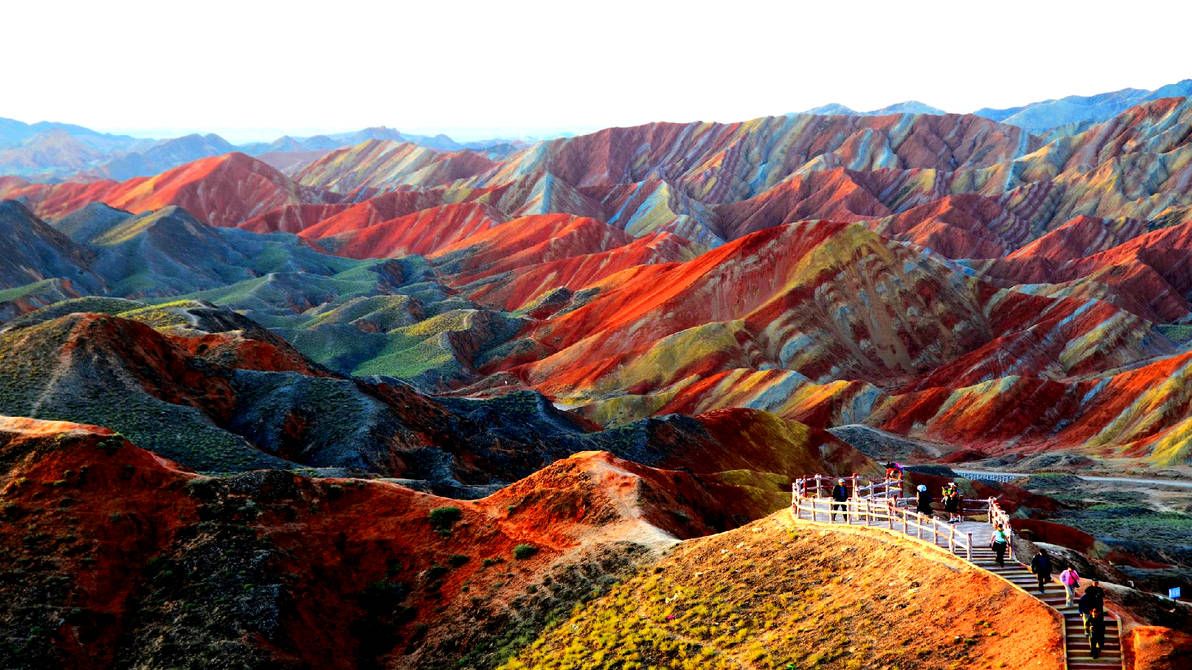
Rainbow mountains at Zhangye Danxia national geopark Gansu China
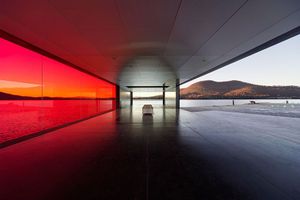
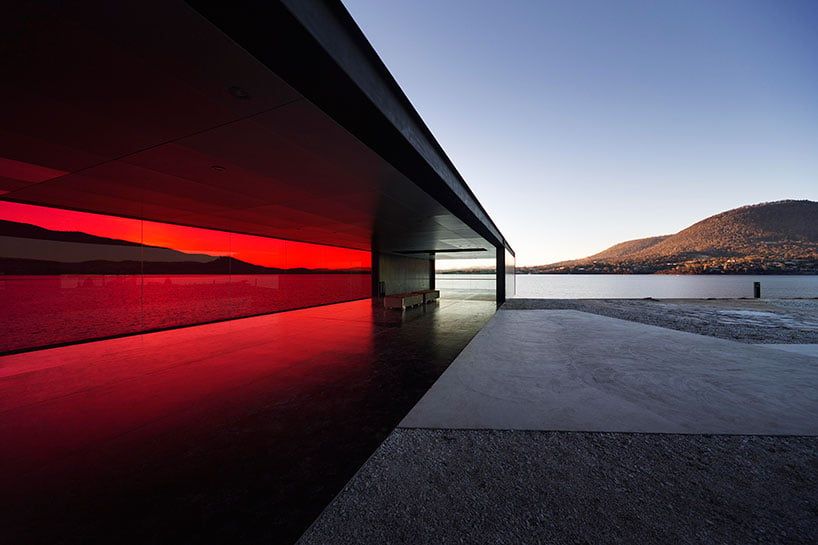
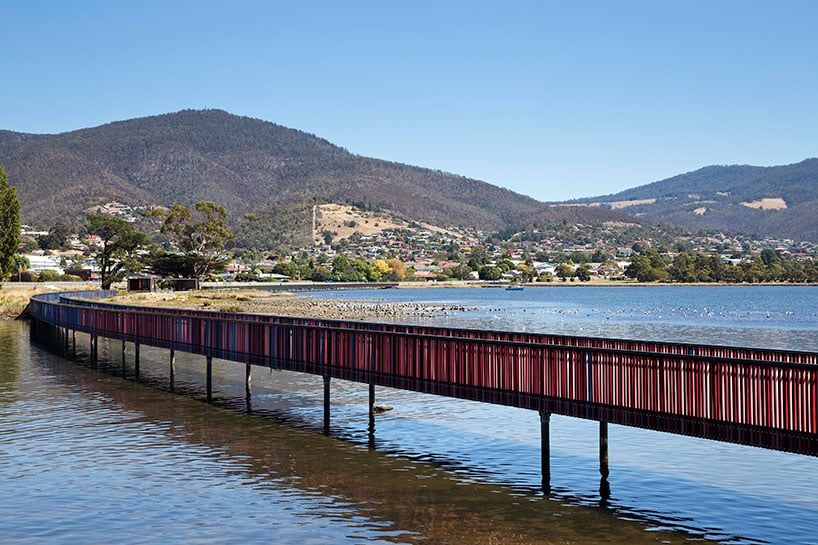
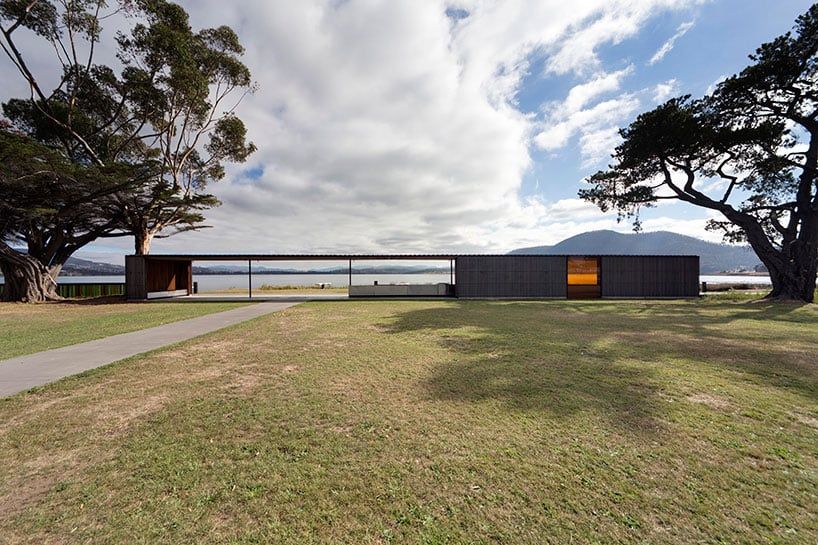
the grove pavillion
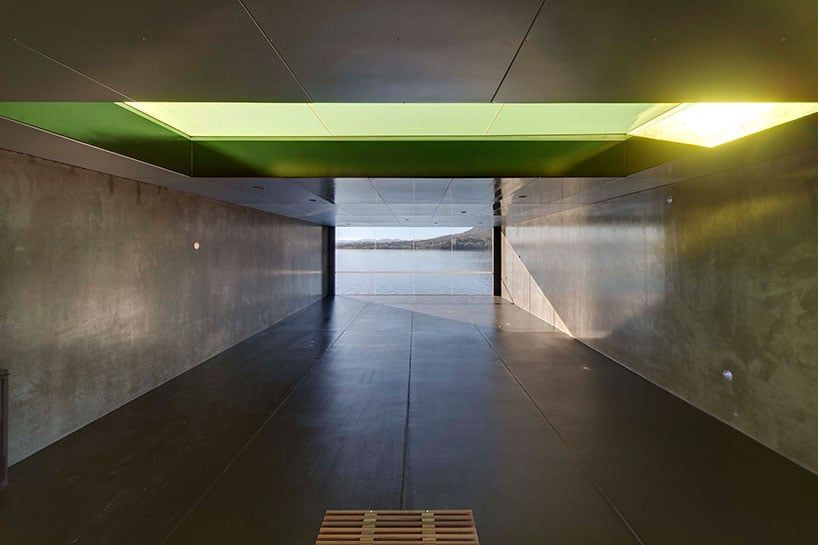
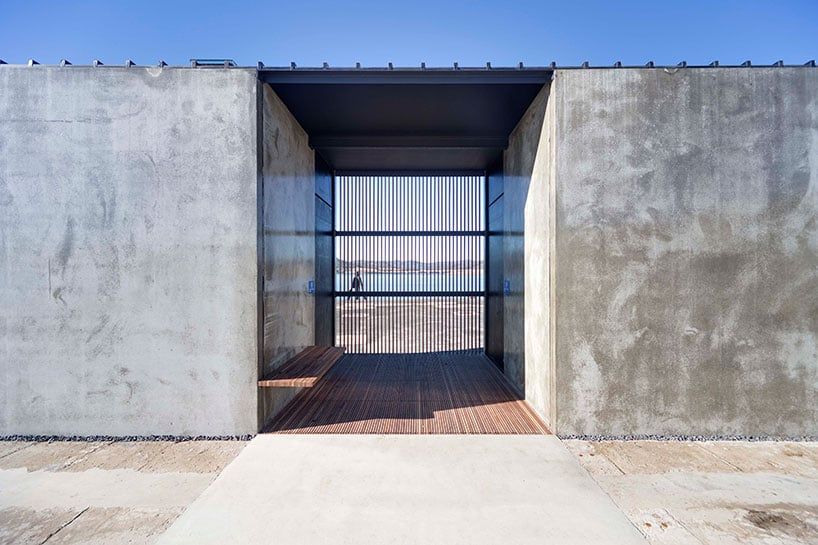
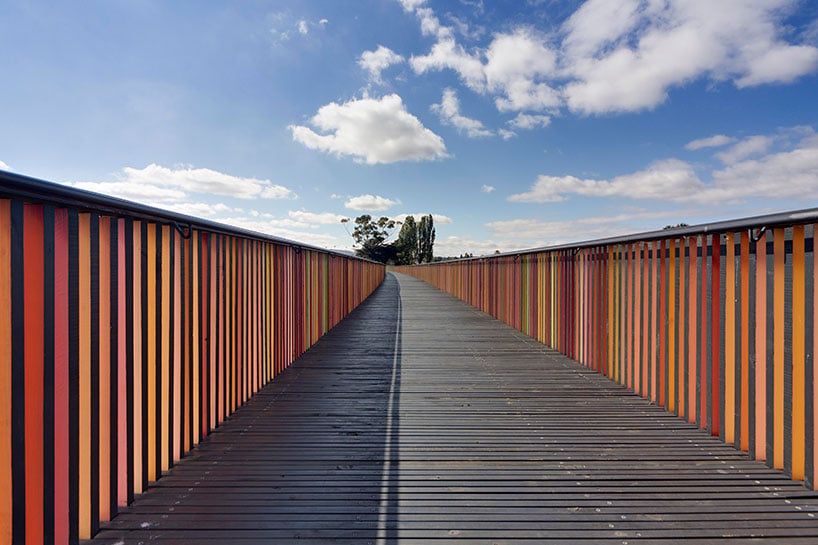
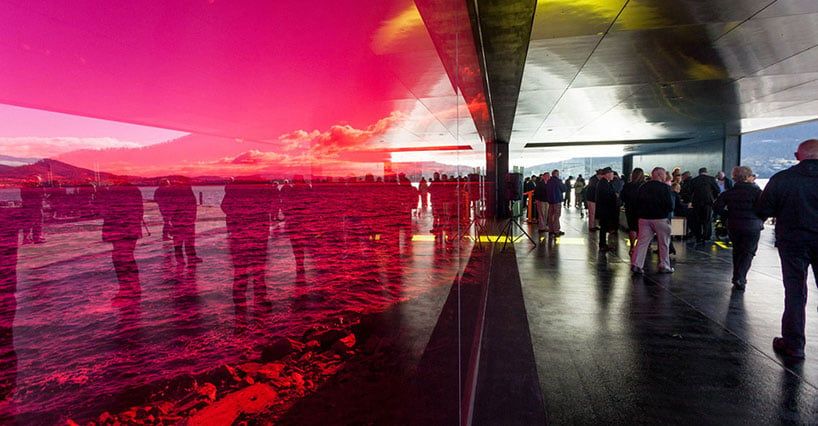
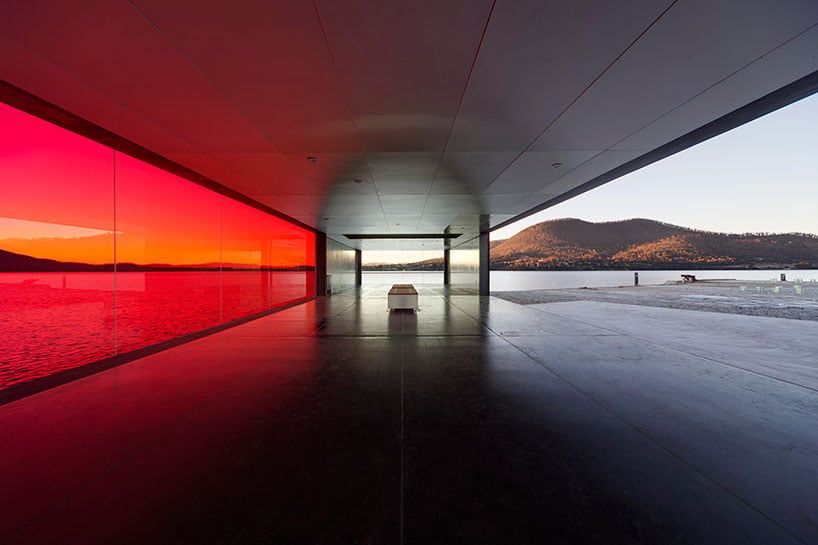
the grove pavilion is located at the center of the arced walkway where it briefly touches upon land, between the constantly texture of the water and matured trees. barbeques and public space provide recreational services to visitors within a subdued black structure that frames the colorful surrounding landscape. continuing eastward down the walkway leads to the wilkinson’s point pavilion born from an existing concrete pad built in the mid 20th century as the foundation for an unrealized bridge. the pavilion, a series of intersecting planes exhibiting various degrees of transparency and filtering of views and colors, cantilevers out over the water framing the site and a large open-air pad capable of hosting large scale events. massive concrete walls support a floating canopy containing an expansive red glass wall and a yellow skylight towards the cantilevered portion. the architecture adopts a simple form, poetic and restrained in the landscape, an experience heightened by its relative isolation from any other man-made developments.
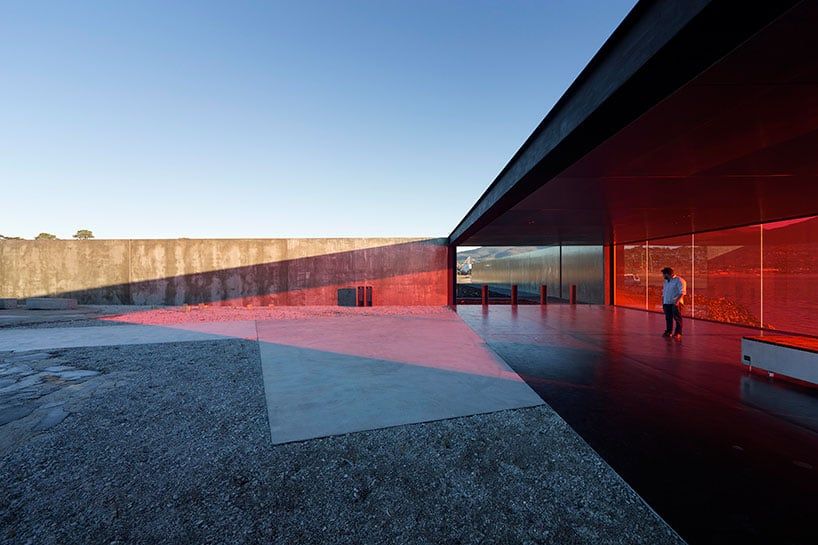
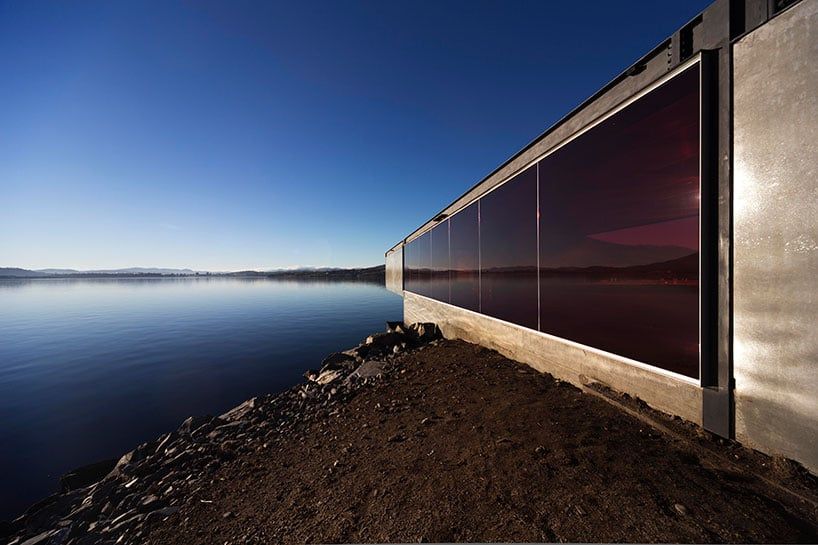
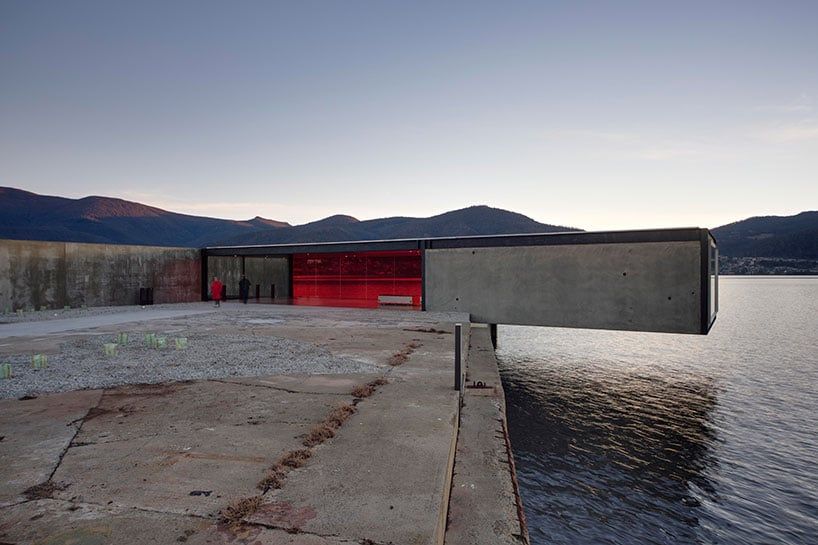
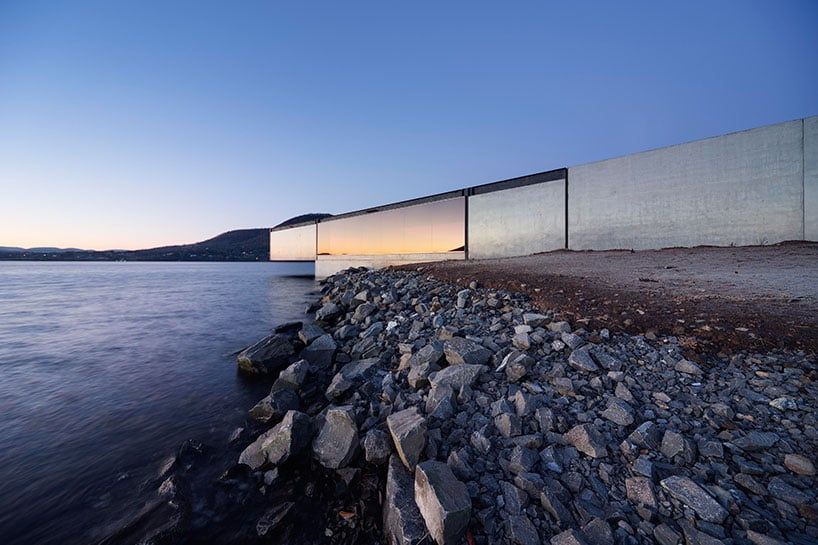
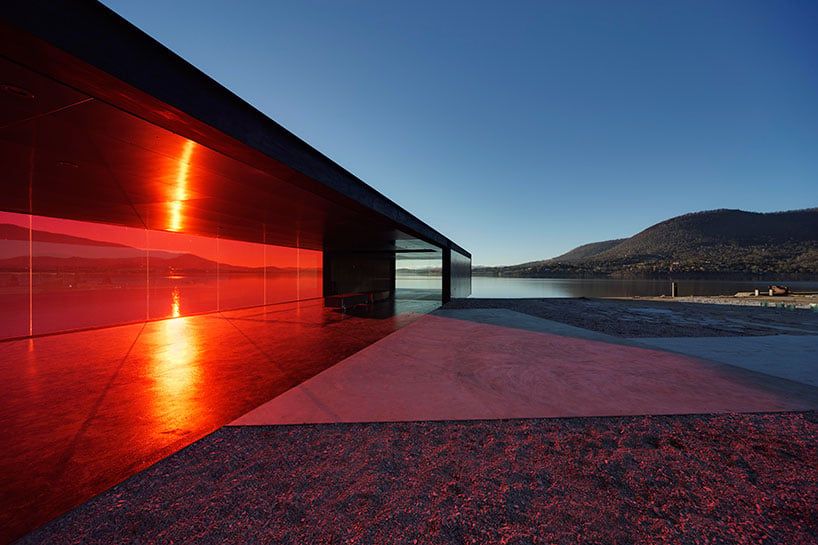
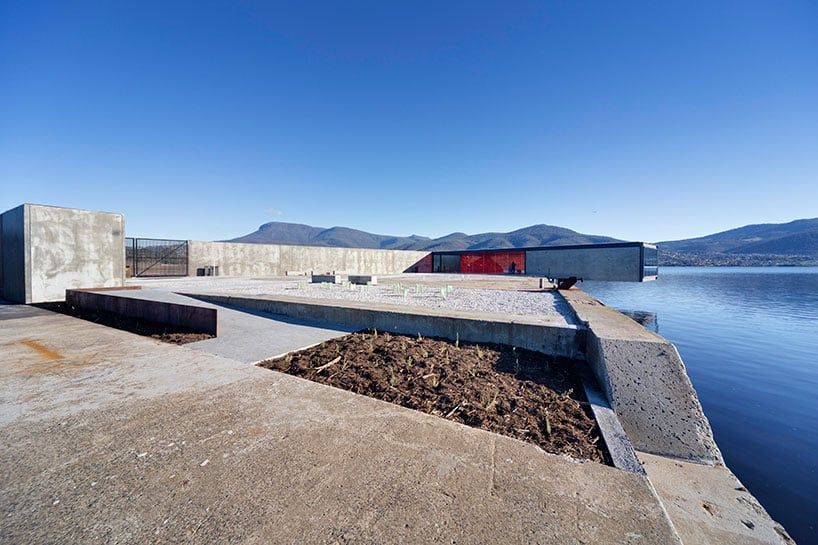
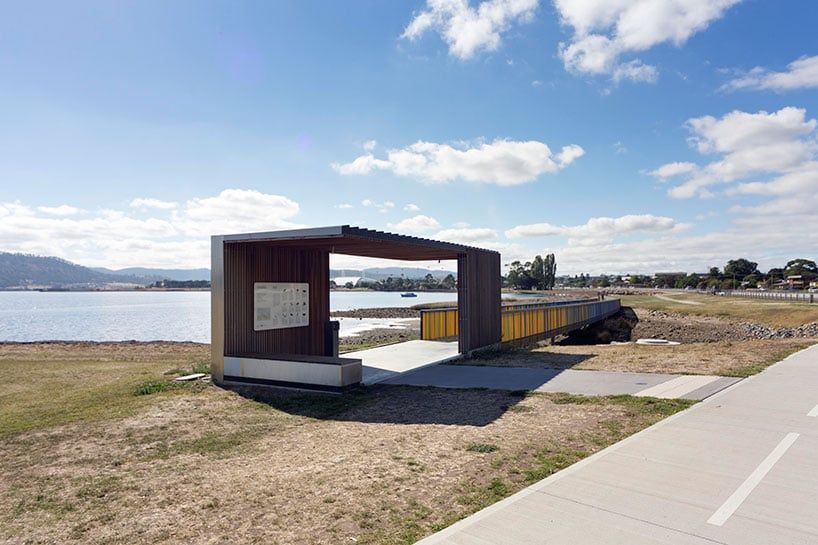
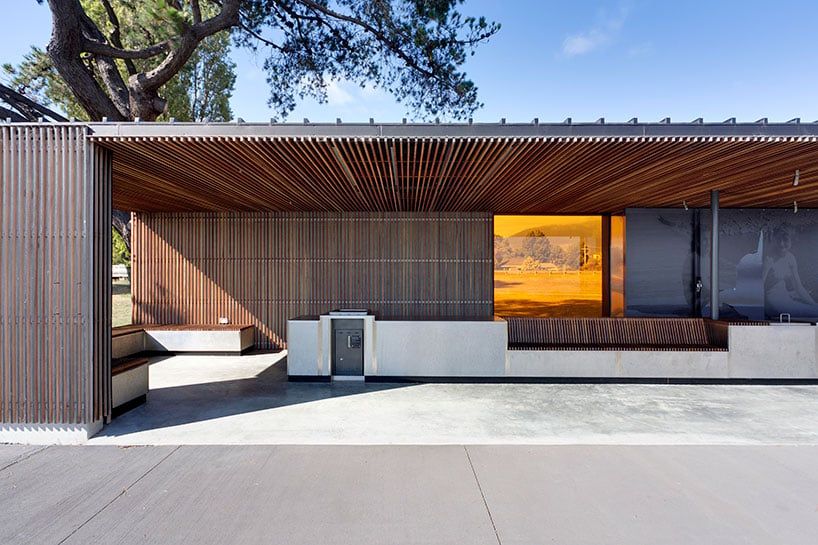
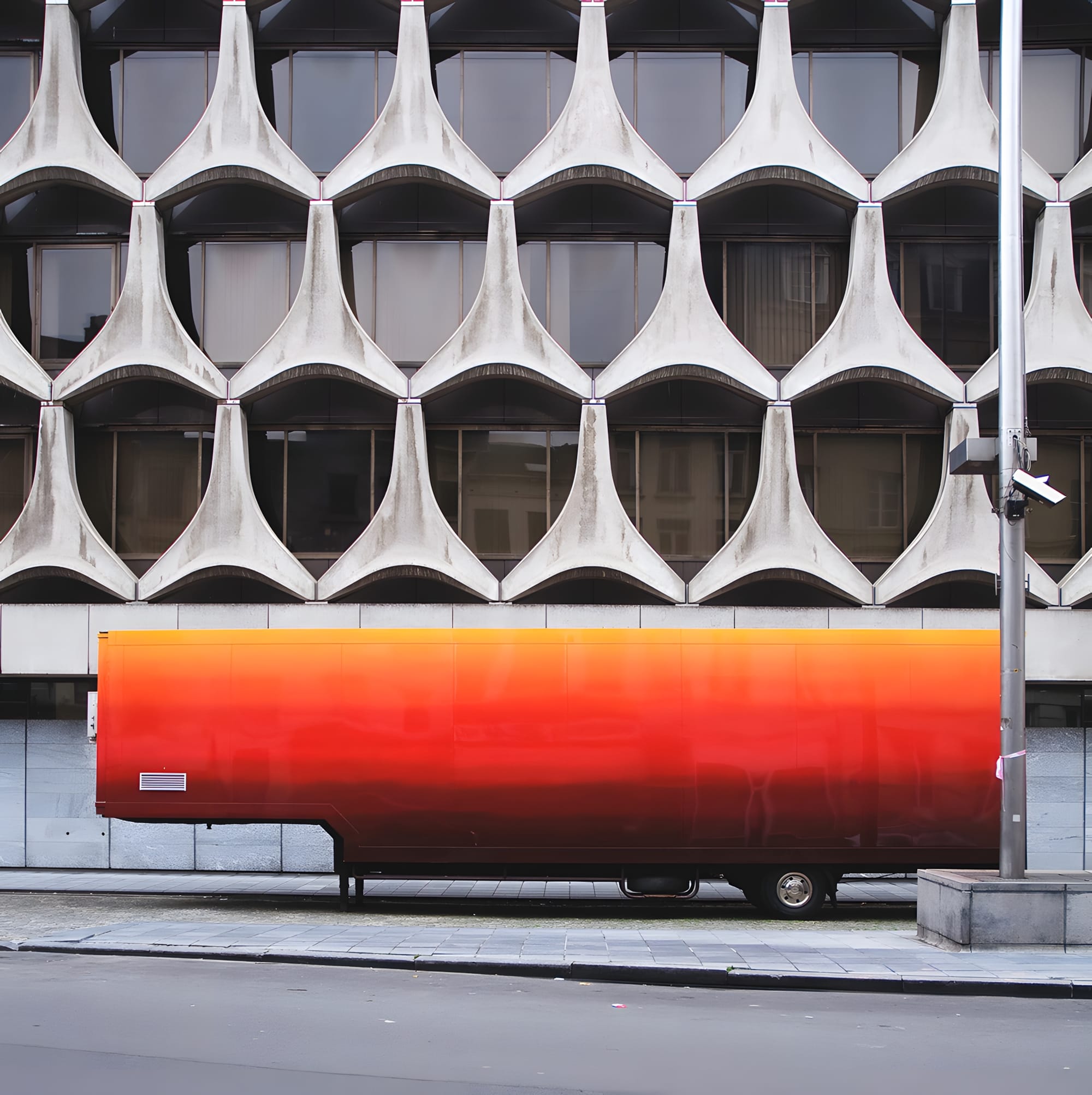
Former CGER-ASLK Building, Brussels — Marcel Lambrichs
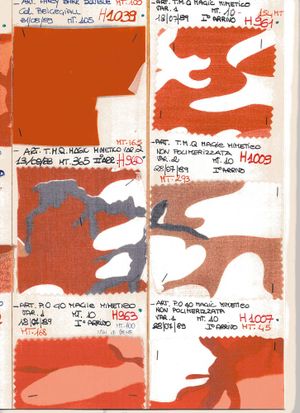
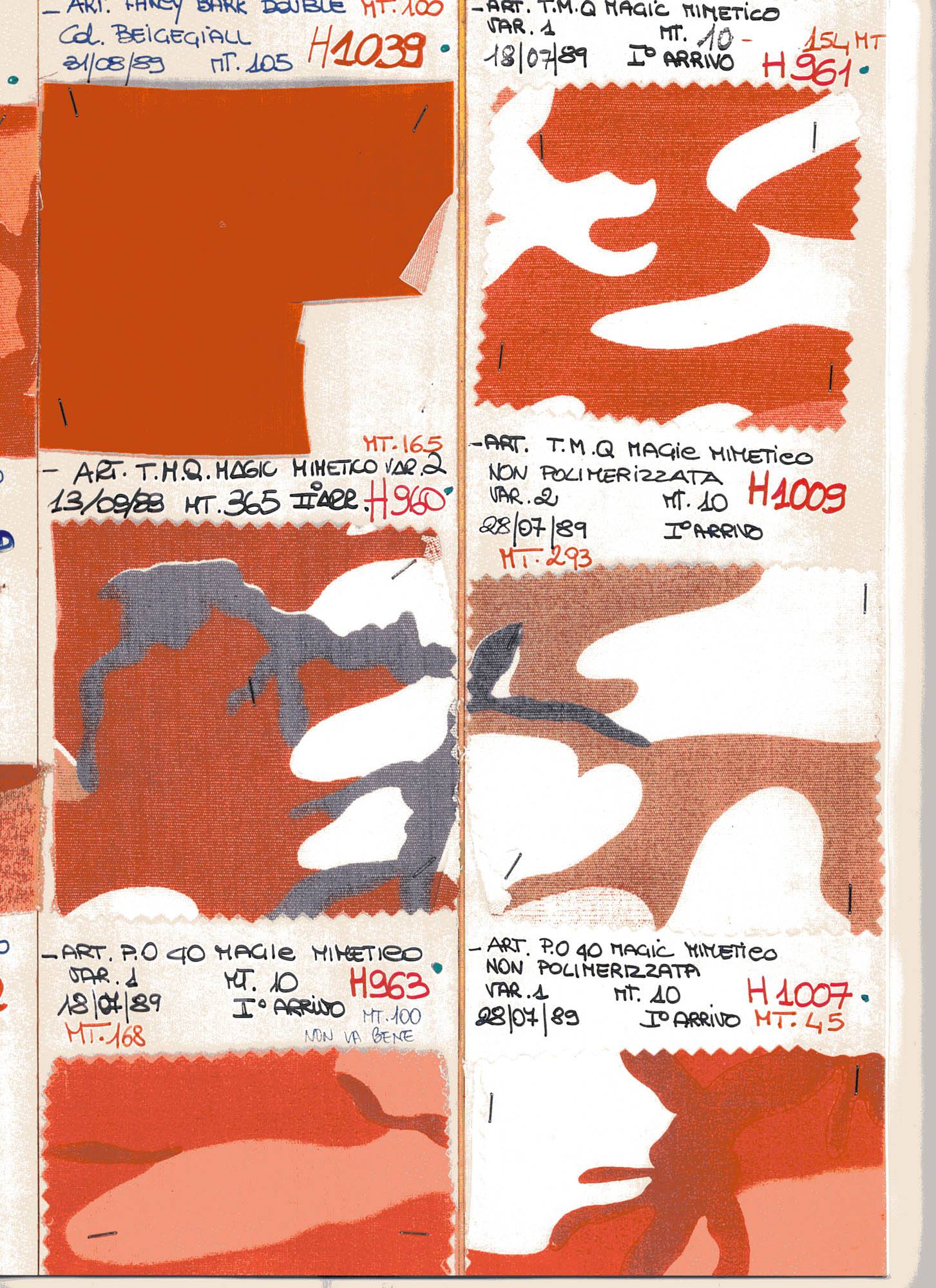
Fisarmonica with colour variants of Ice Jacket camouflage 1989
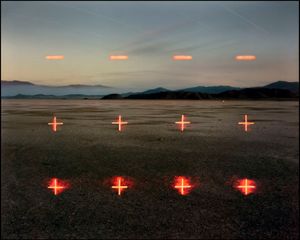
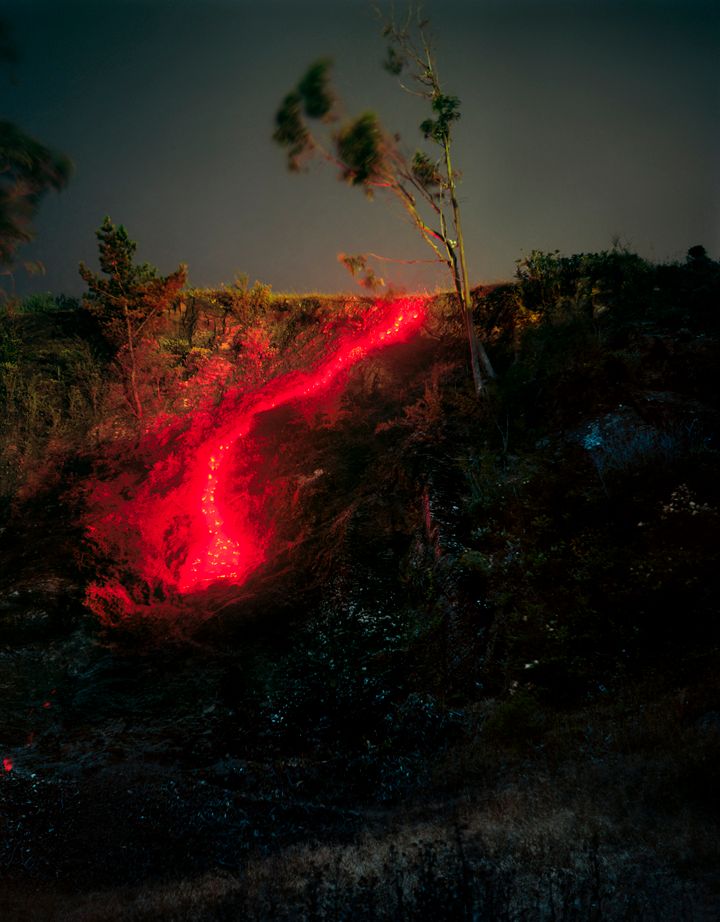
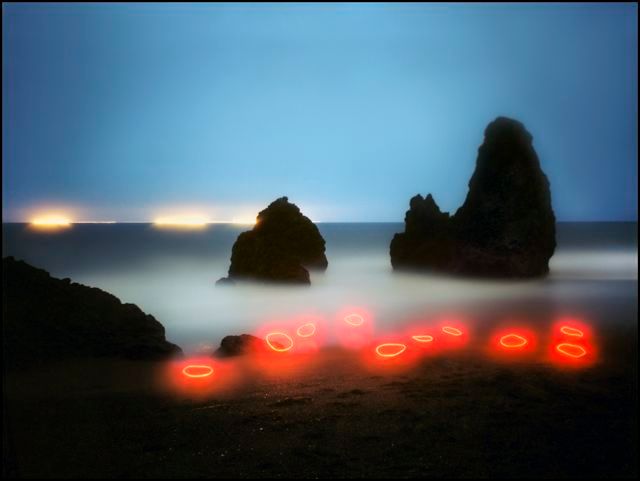
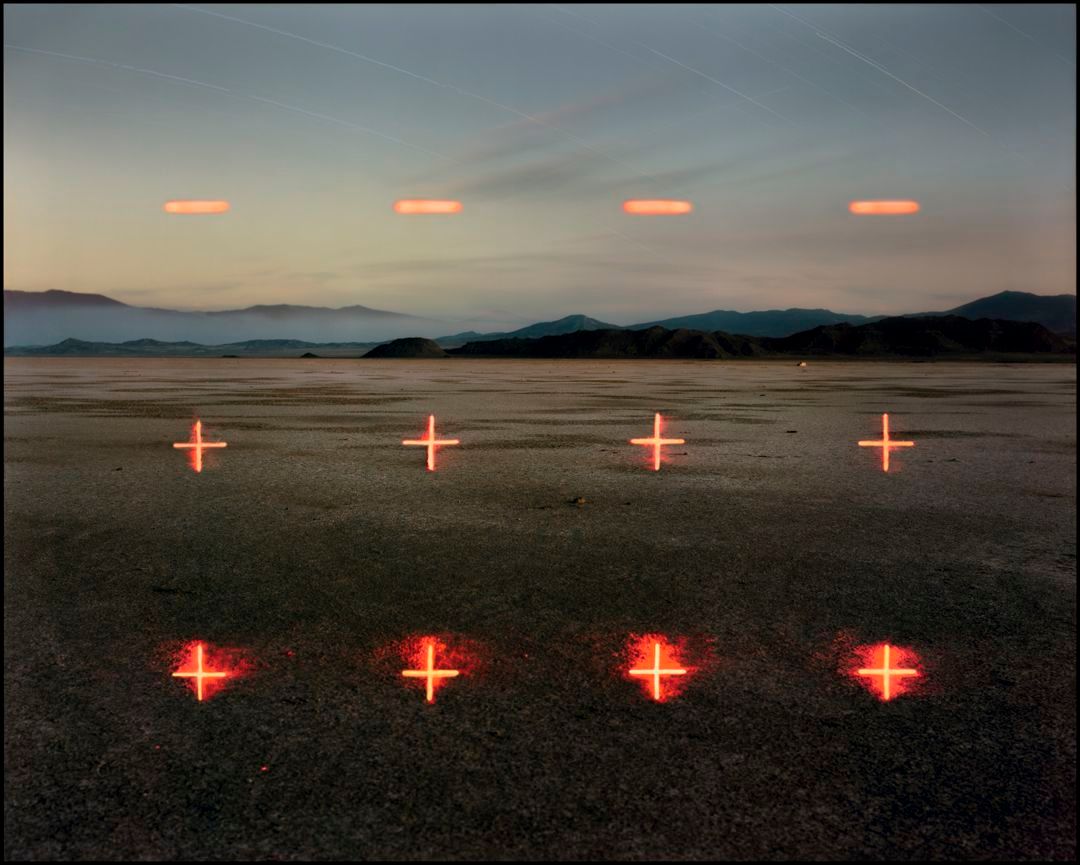
"Wendover II (For John)" by Barry Underwood
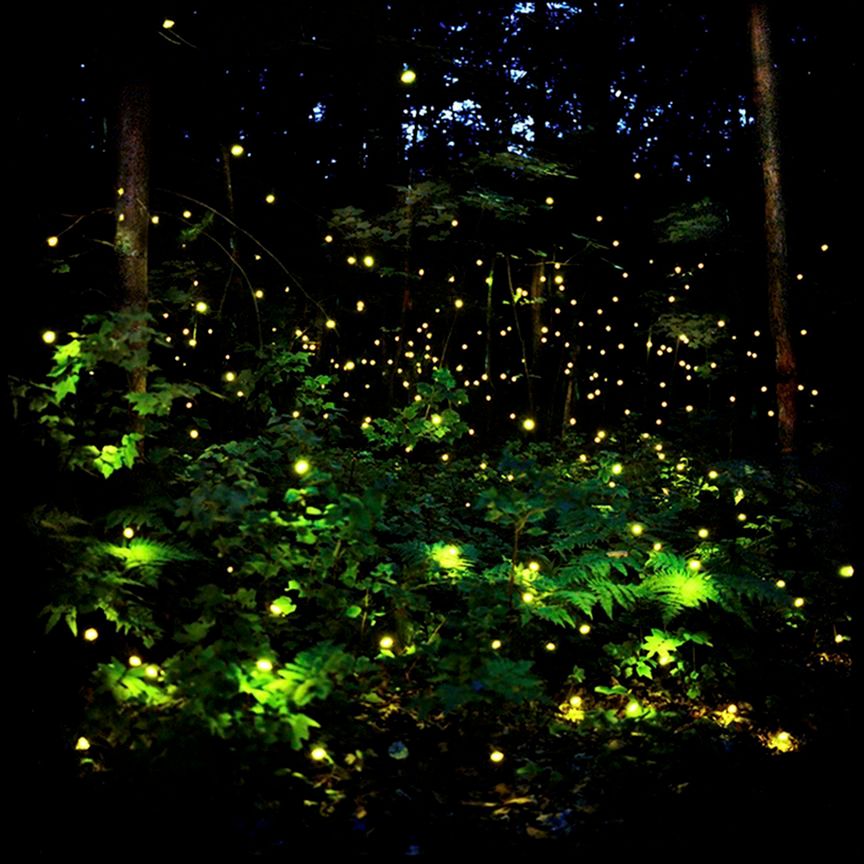
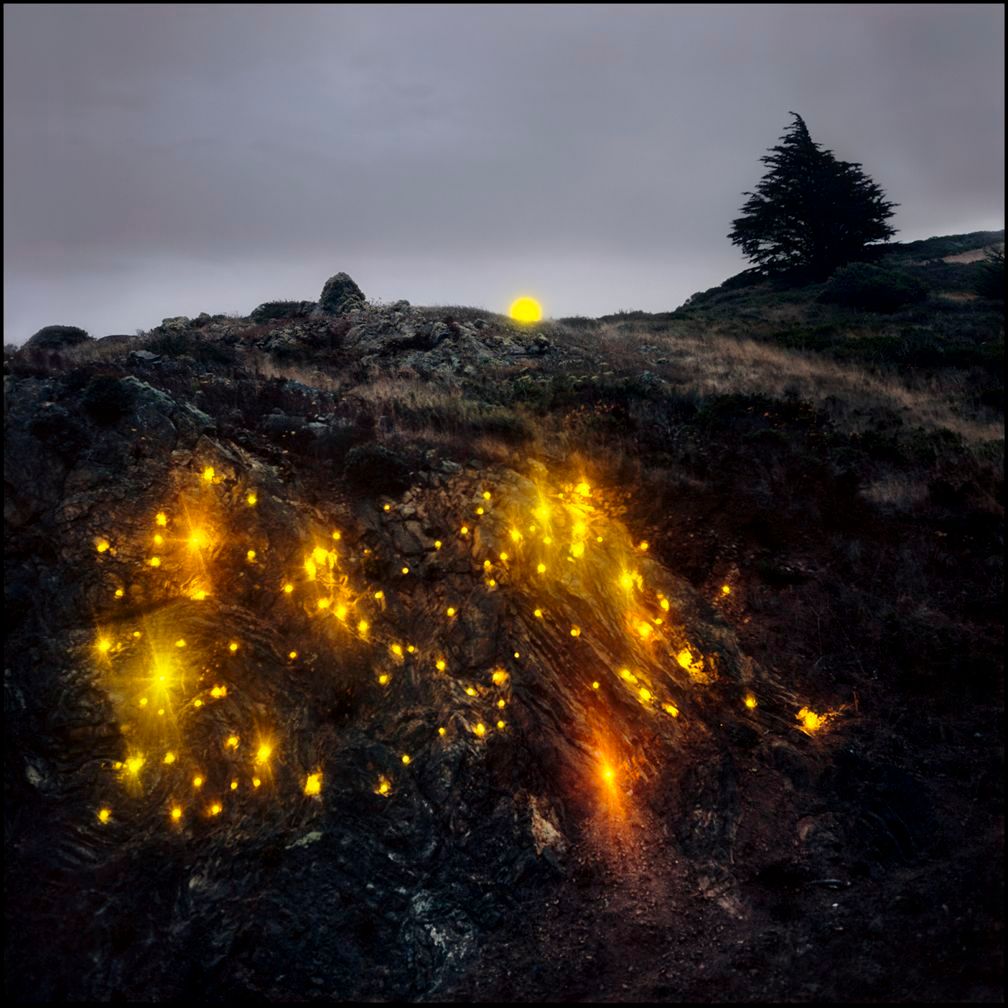

Lazy Oaf AW13 Lookbook
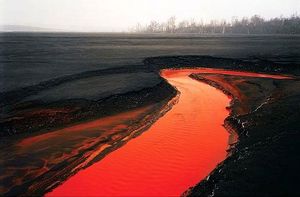
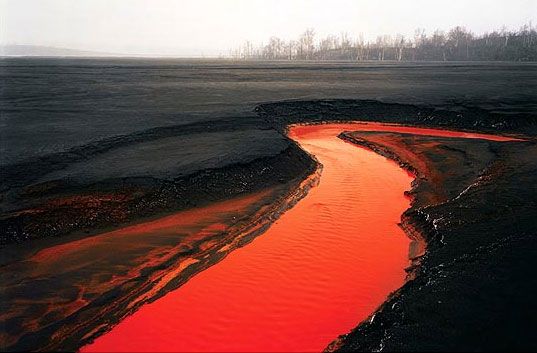
Nickel Tailings 34, Edward Burtynsky, 1996
From “Manufactured Landscapes: The Photographs of Edward Burtynsky”

Aleppo, Syria. 2013. Photograph by Moises Saman
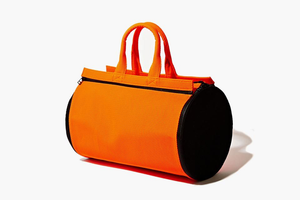
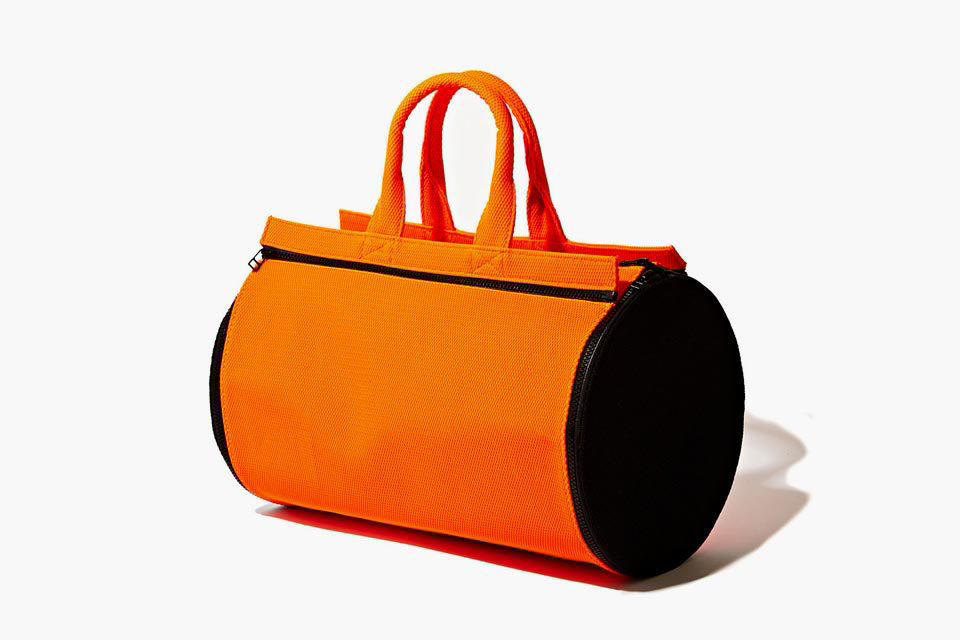
Bamin Modular Duffle Bag
Designed by Robert Cordero
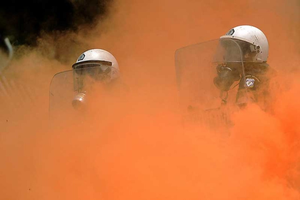
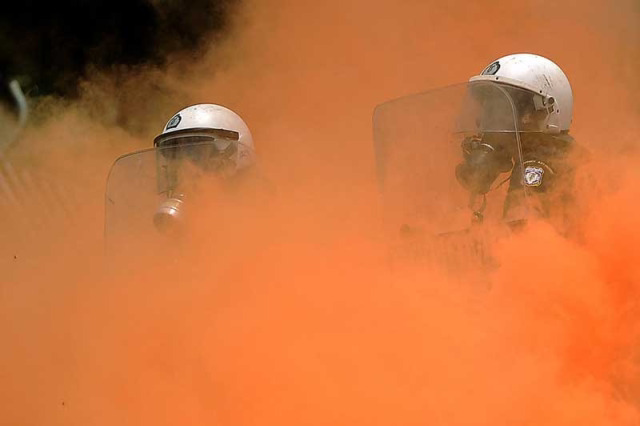
Smokescreen during a demonstration in Athens
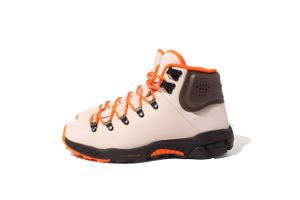
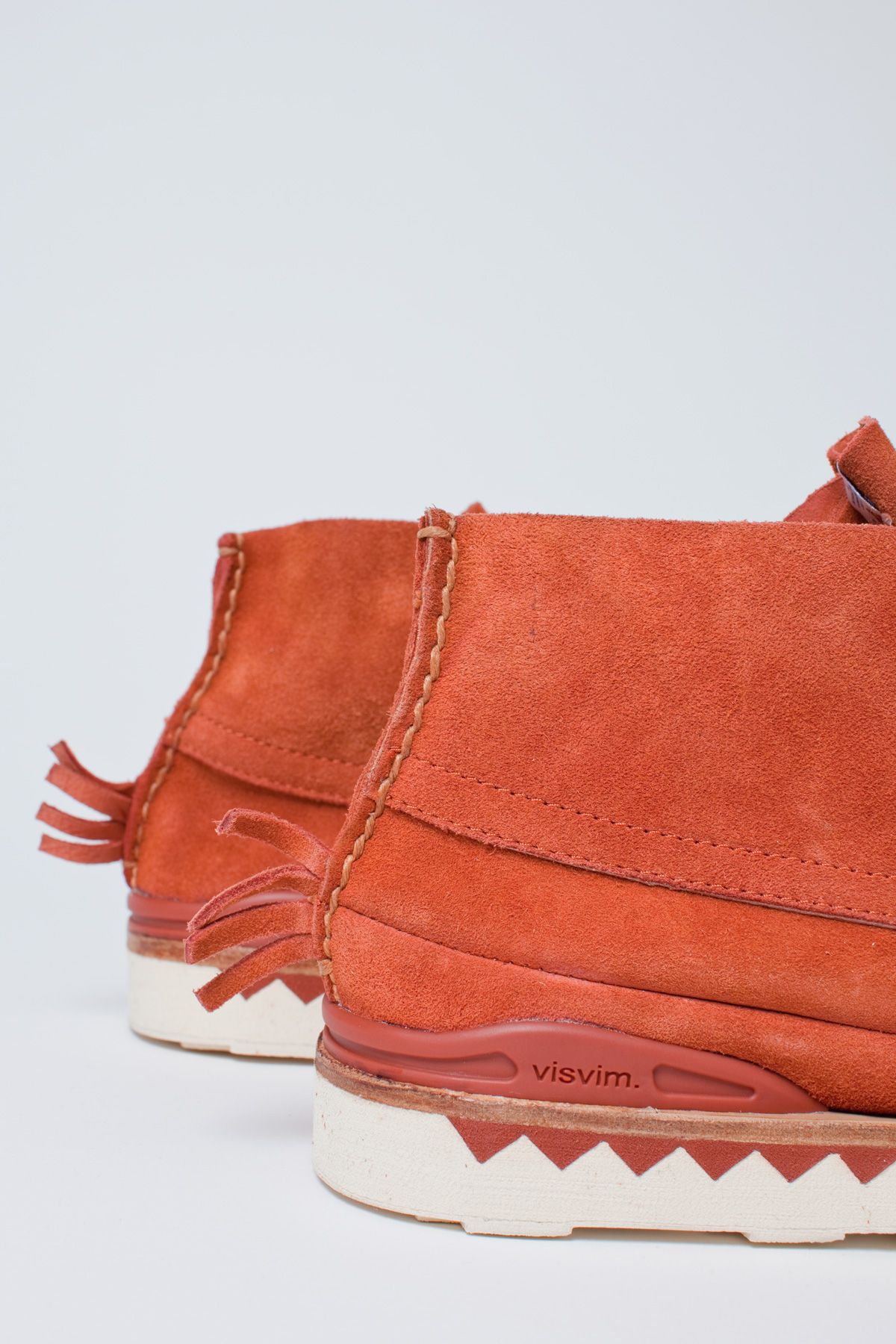
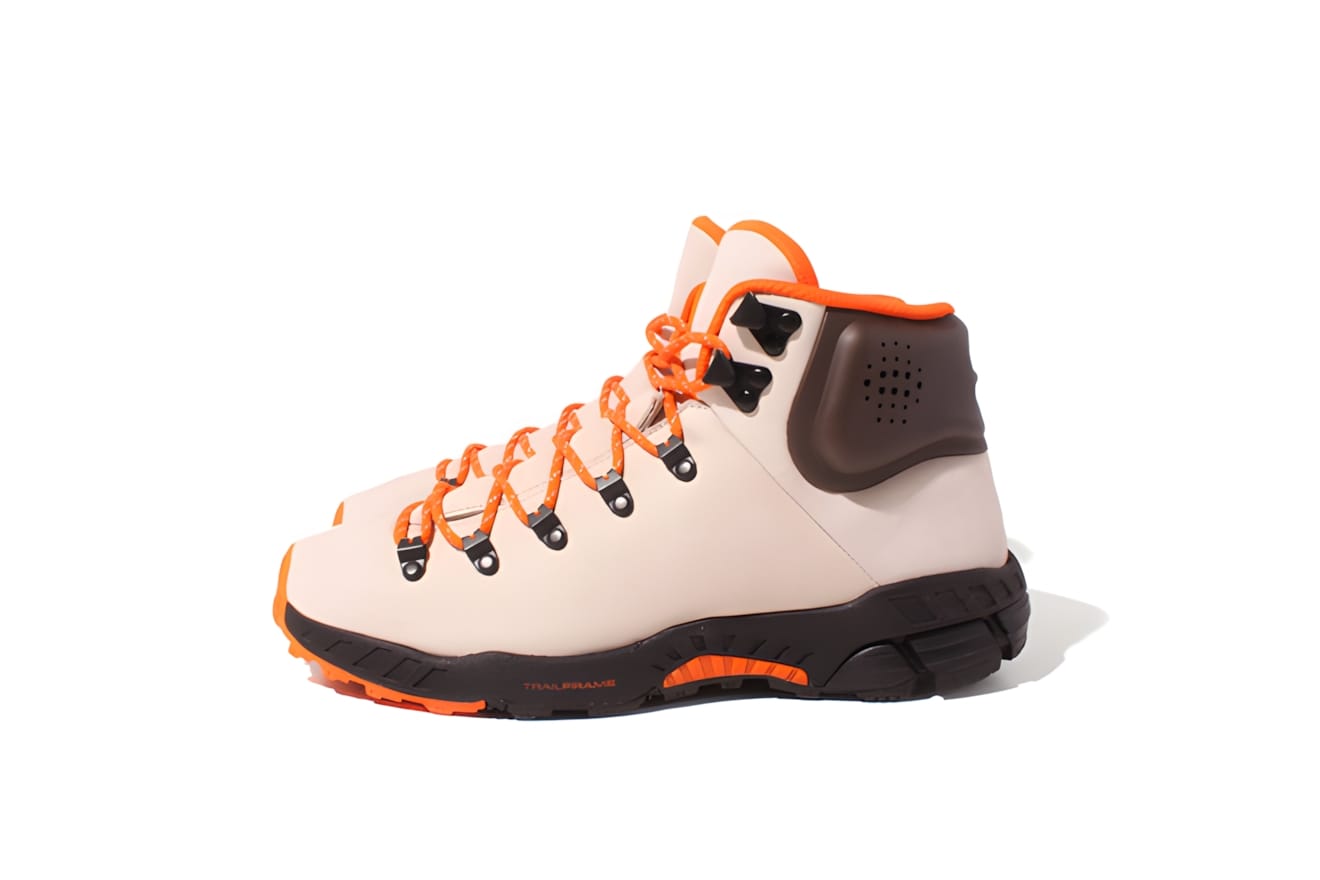
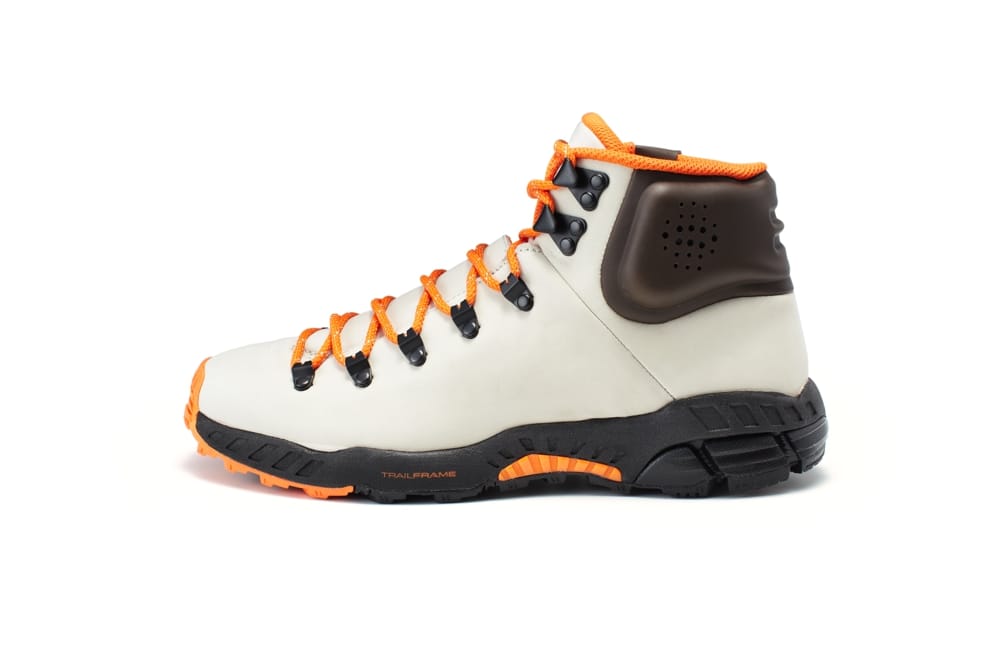
Nike ACG Zoom Meriwether — Ivory/Orange
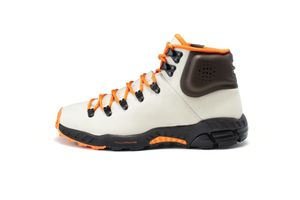
NIKE ZOOM MERIWETHER
The Nike ACG Zoom Meriwether is a lightweight, weather-resistant boot built on a responsive Zoom Air platform, it offers impact protection without the bulk of traditional hiking boots. The water-resistant suede upper is paired with a medial zip for easy on-off, while the integrated lacing system keeps the fit secure without adding unnecessary weight or complexity.
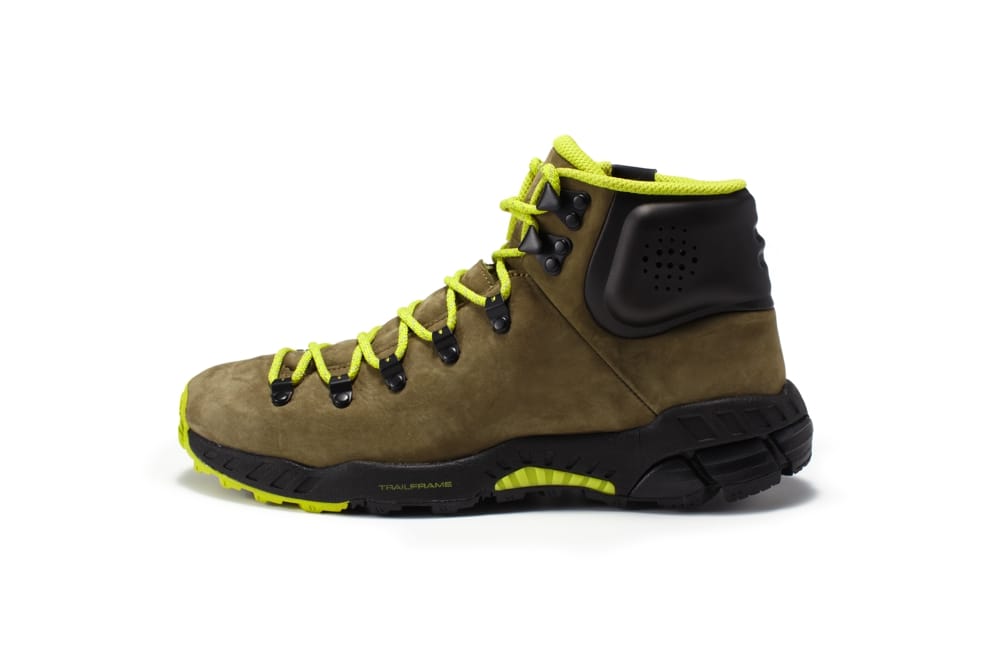
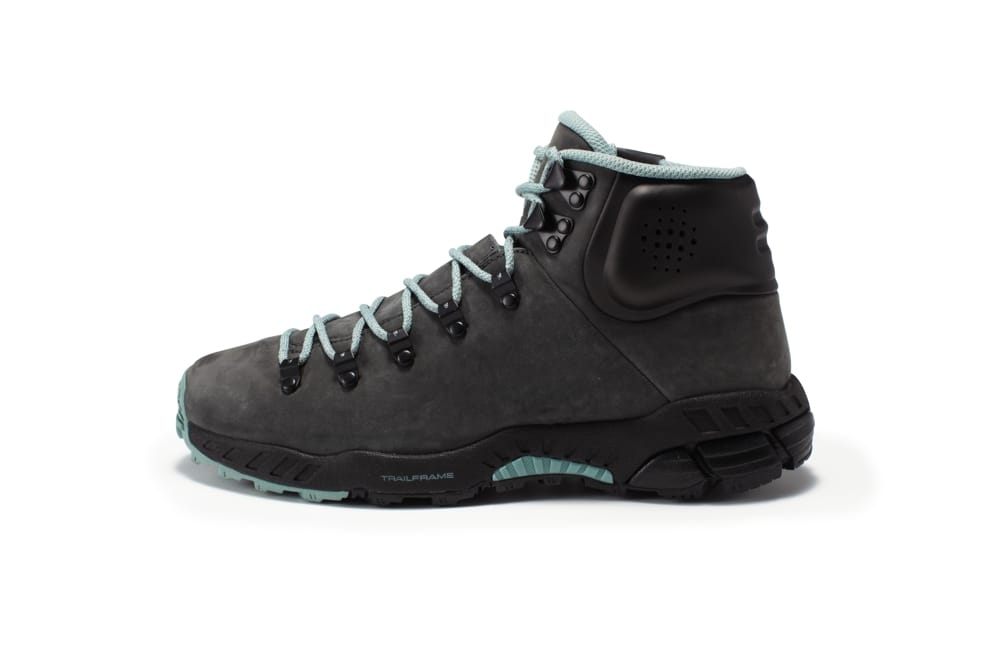
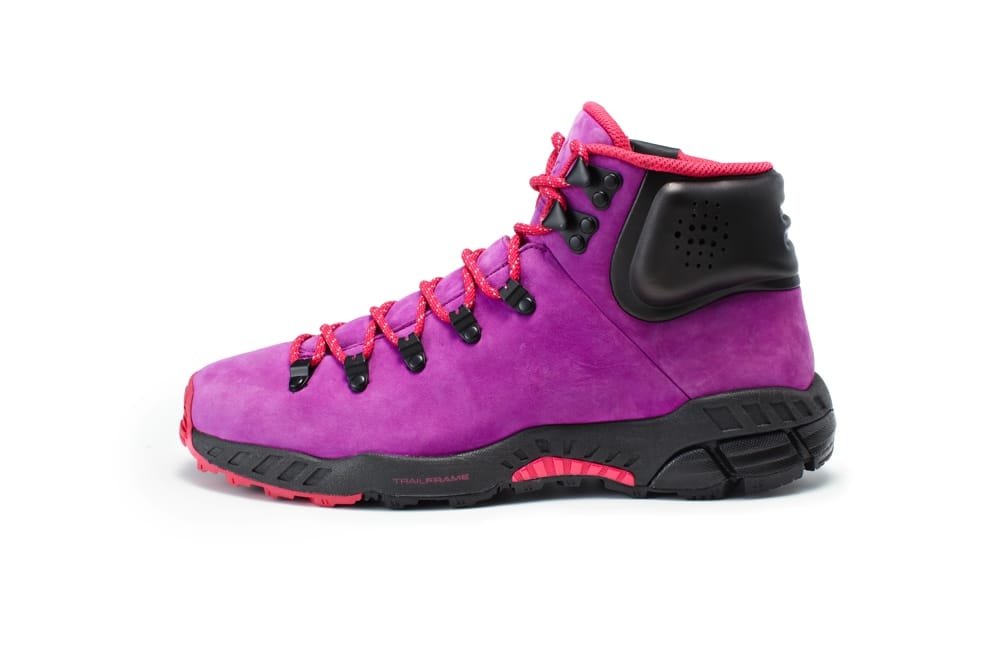
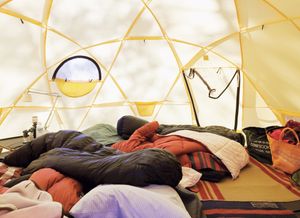
GENERAL RESEARCH OFF-SITE
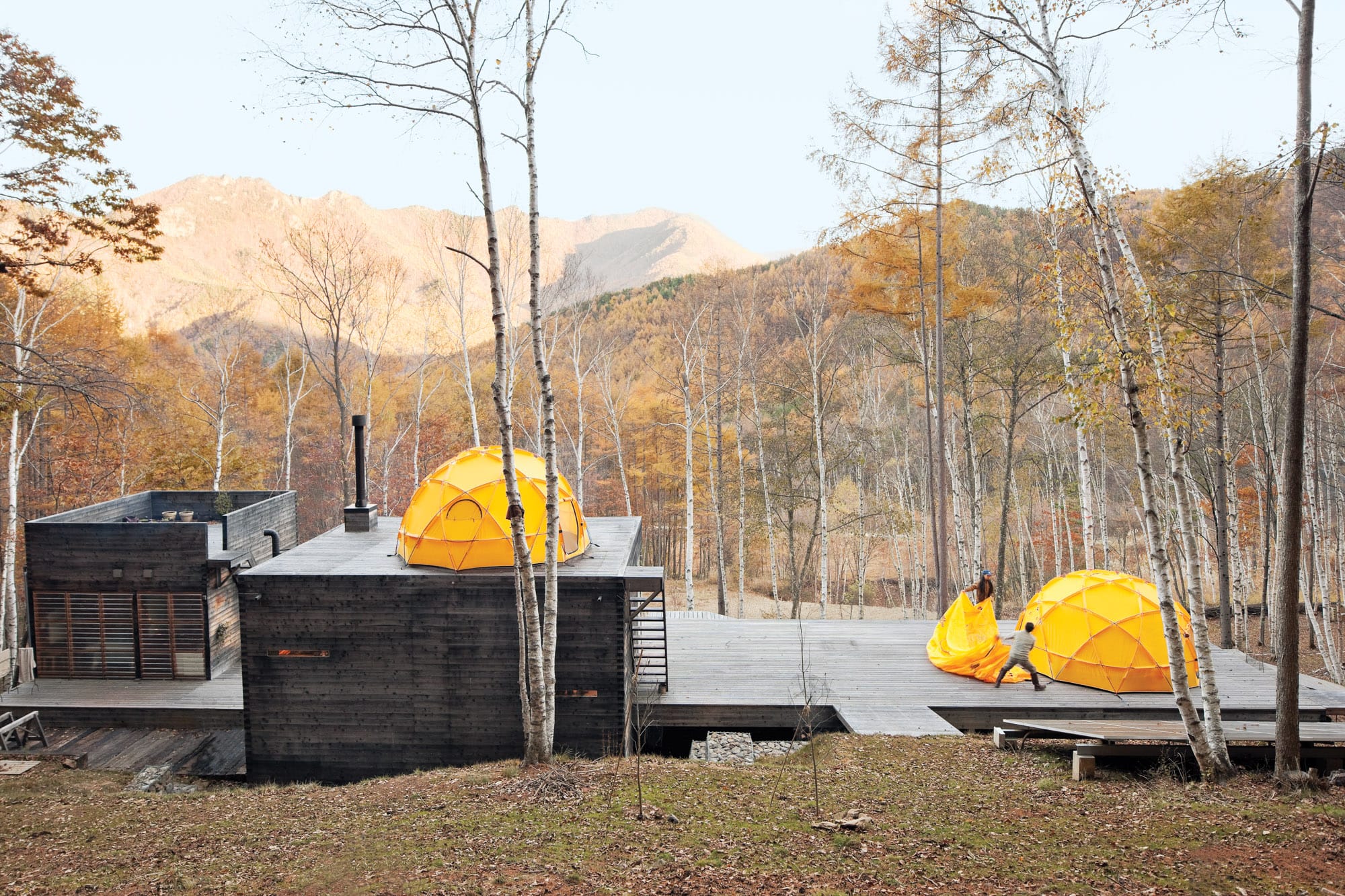
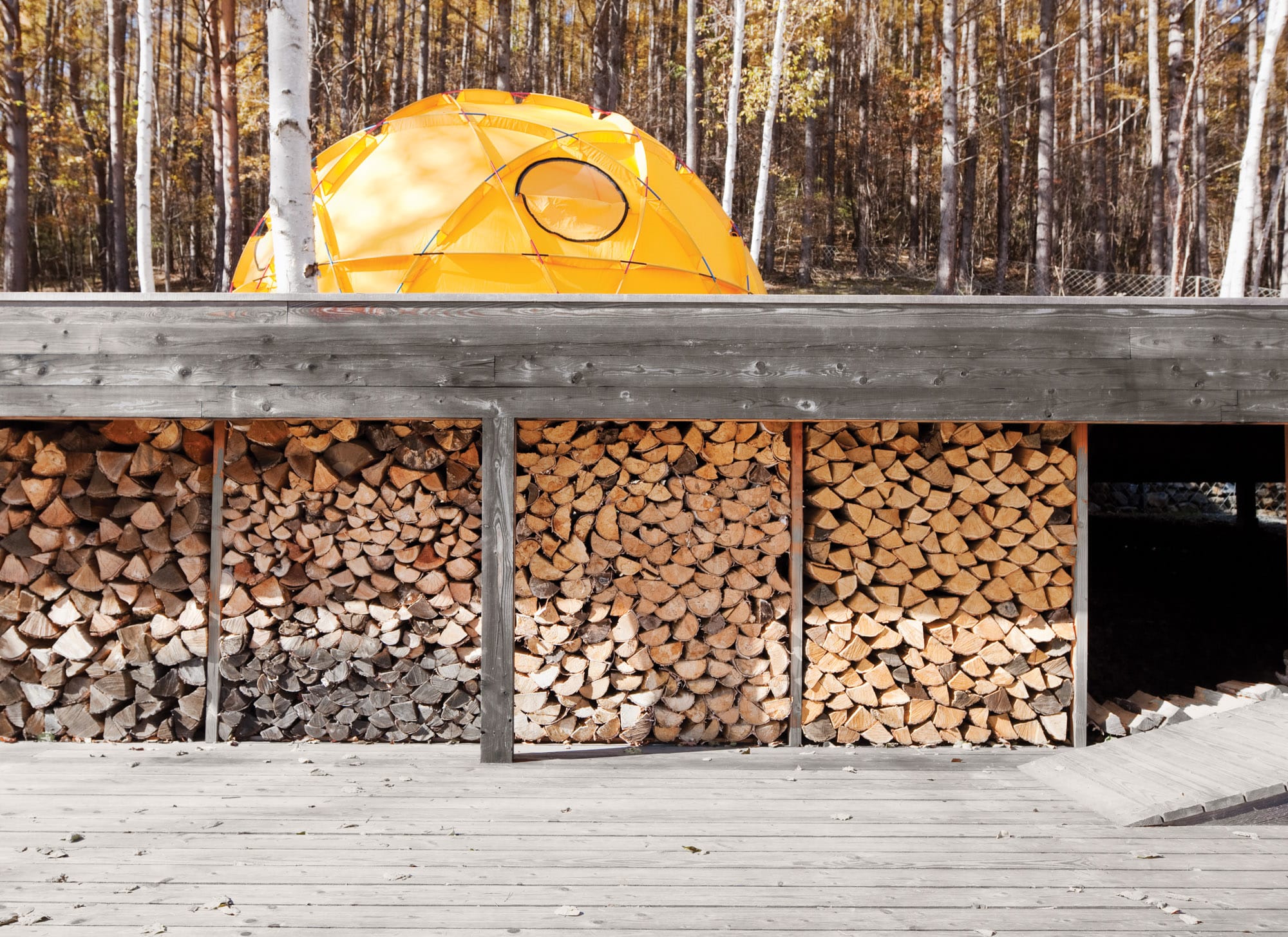
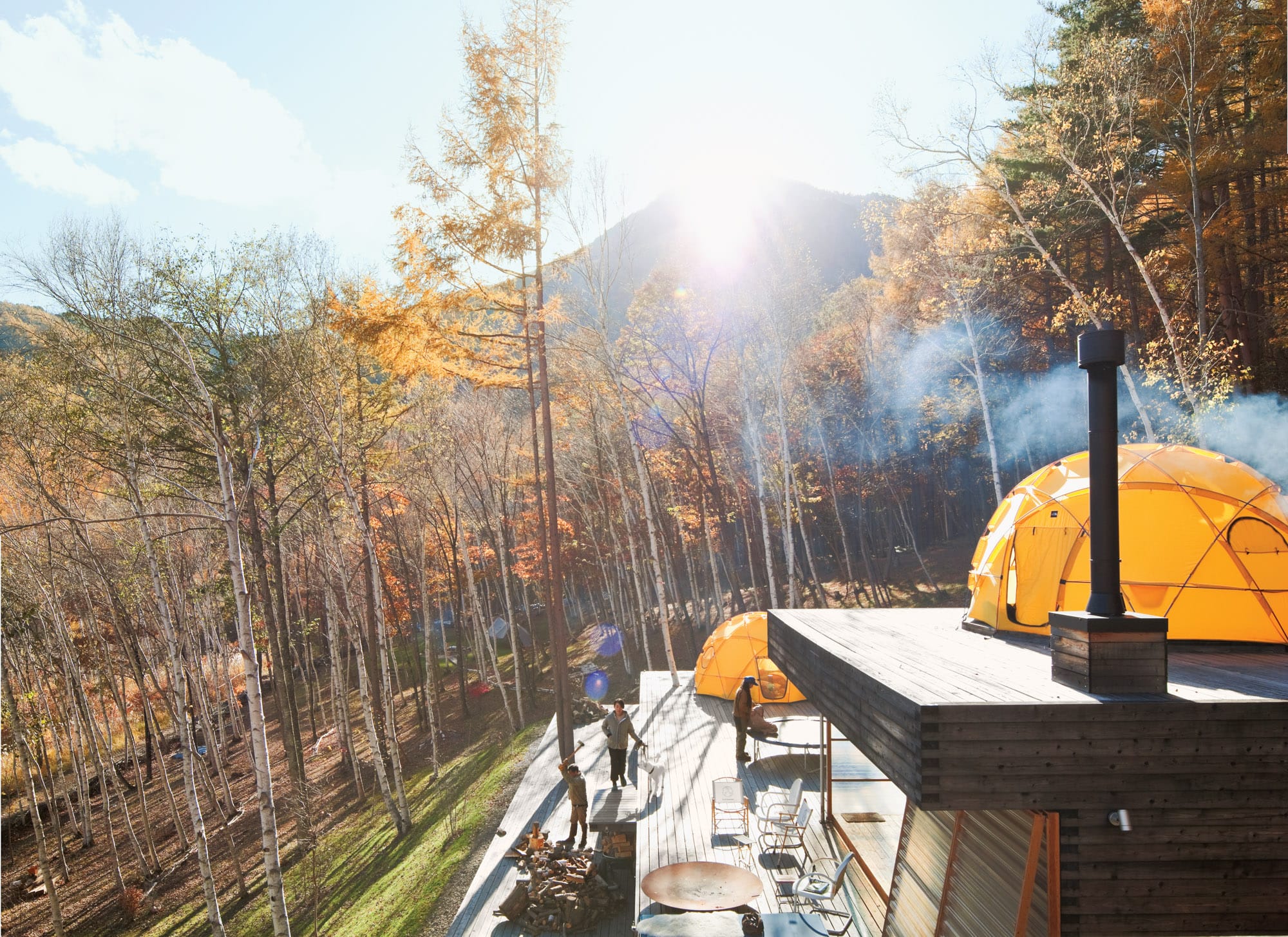
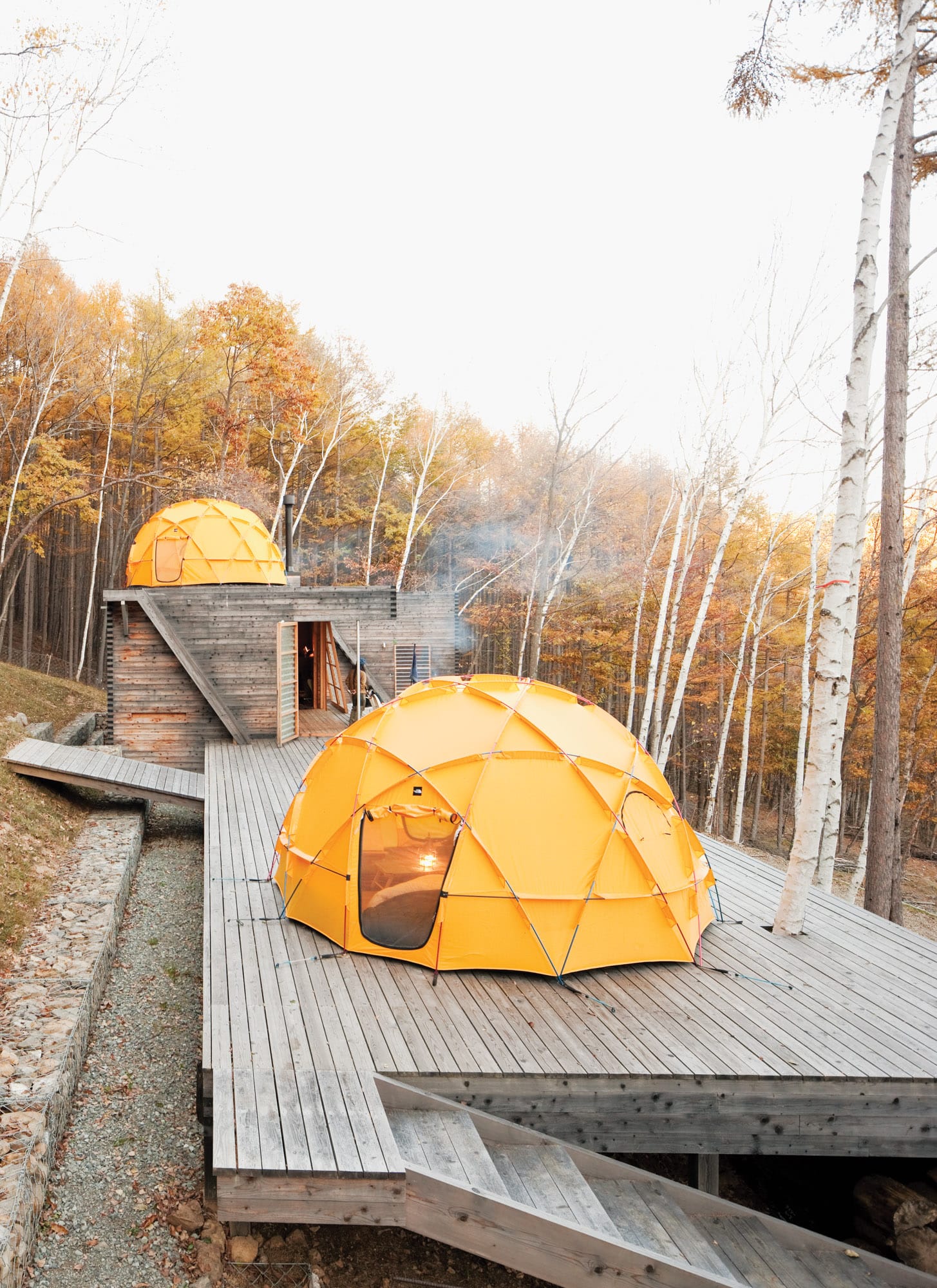
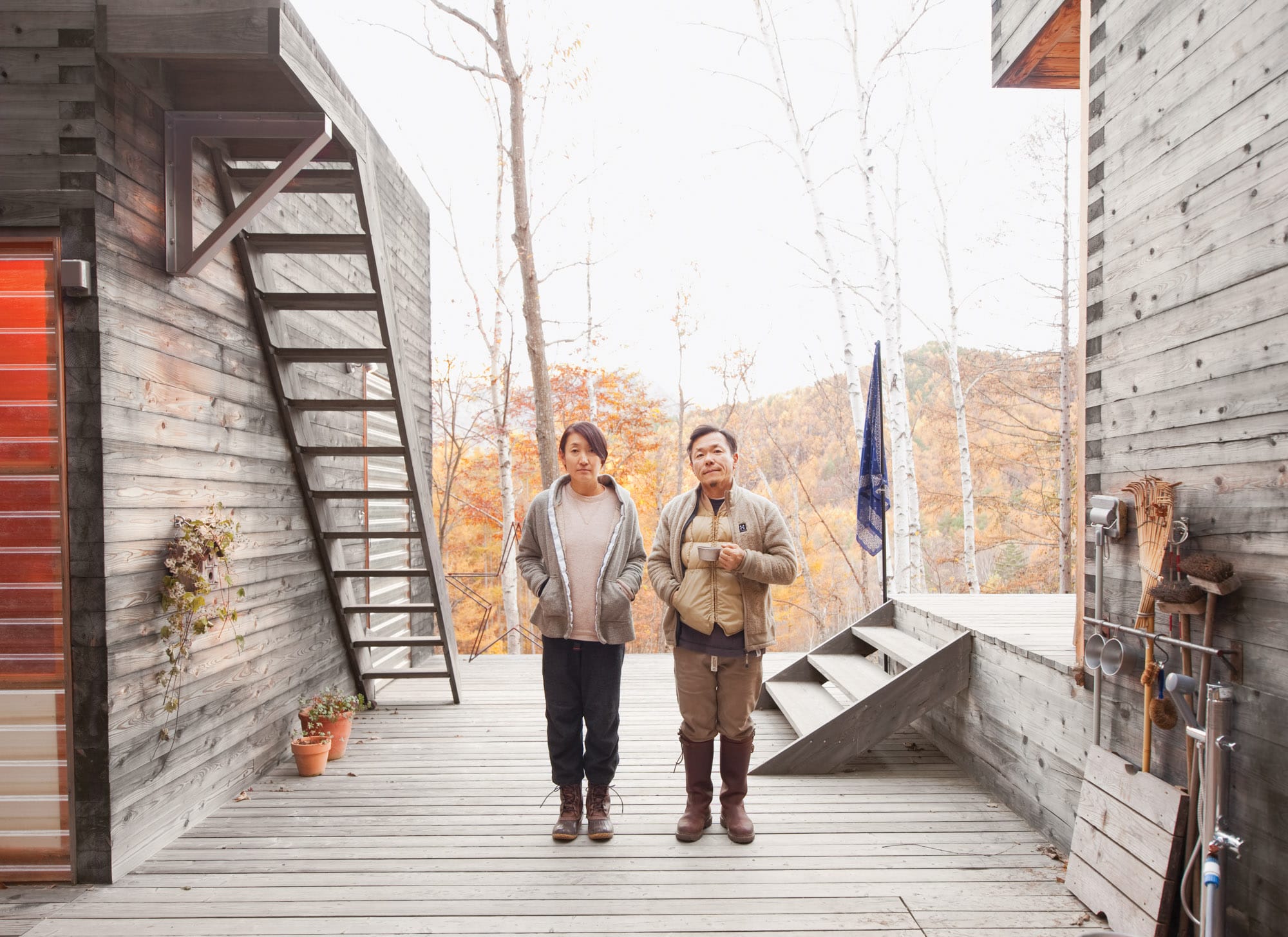
Designed by architect Shin Ohori of General Design for Setsumasa and Mami Kobayashi, founders of General Research. Located in the Chichibu mountain range northwest of Tokyo, the site serves as both a personal weekend shelter and a field-testing ground for product development.
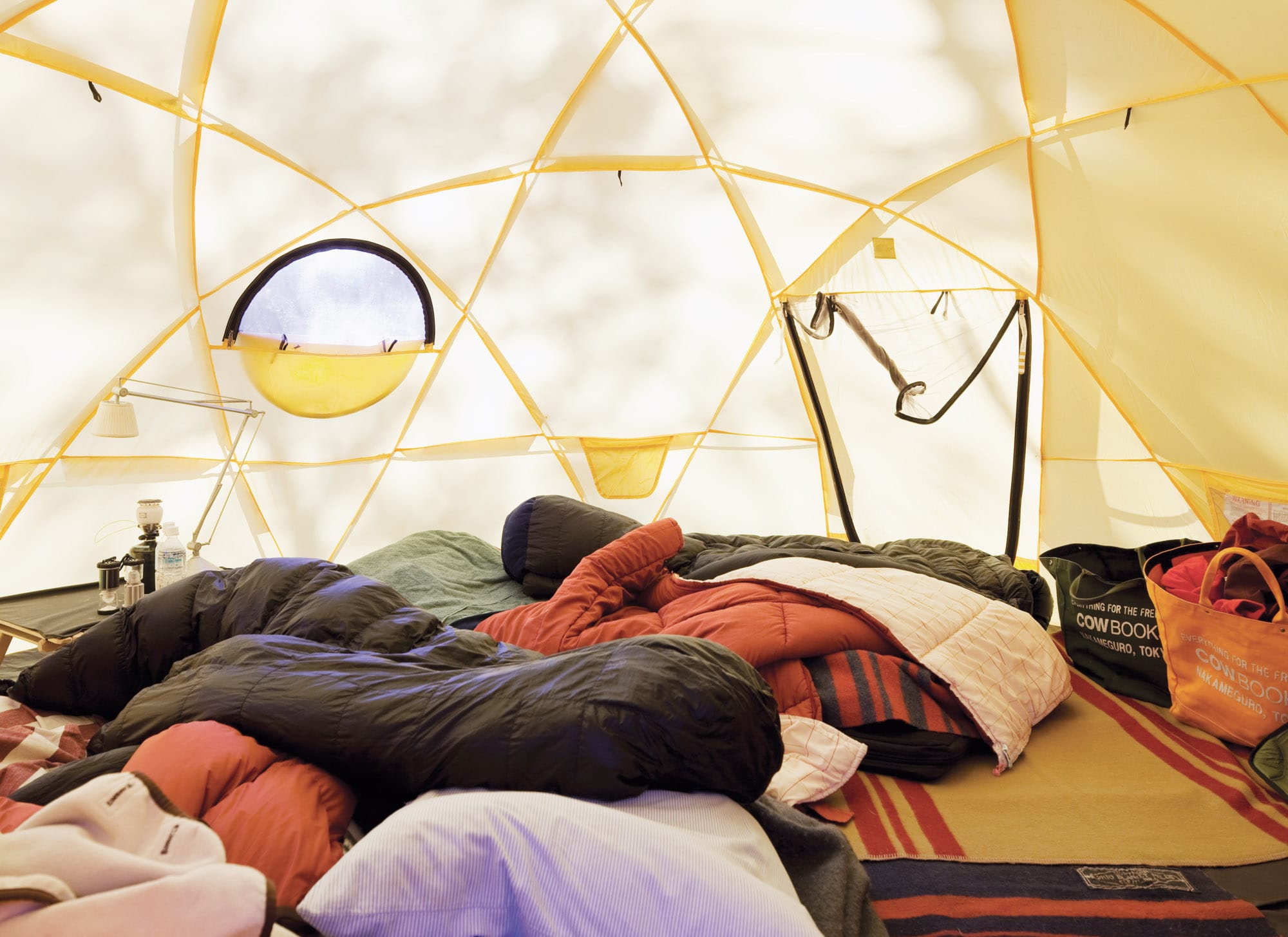
The structure is built on an elevated platform using locally harvested larch wood and features removable walls made from fiber-reinforced plastic. It includes two yellow dome tents used as permanent sleeping areas—one placed on a secondary deck and the other on the roof of the main volume. The central enclosed space houses a kitchen and dining area.
The shelter is equipped with electricity, hot water, internet access, and basic amenities, including a clawfoot bathtub. The location is remote but accessible, allowing the Kobayashis to engage in maintenance tasks and outdoor work while still performing professional duties remotely. The architecture is intentionally simple and functional, emphasizing modularity, environmental responsiveness, and a hybrid of modernist design with primitive outdoor living elements.
The project operates as a live-in testing platform for lifestyle and gear integration in a real-world setting, merging domestic space with performance wear prototyping. It represents an approach to architecture and living that prioritizes adaptability, utility, and a direct relationship with the natural environment.
Dean Bouchard — Inside Out
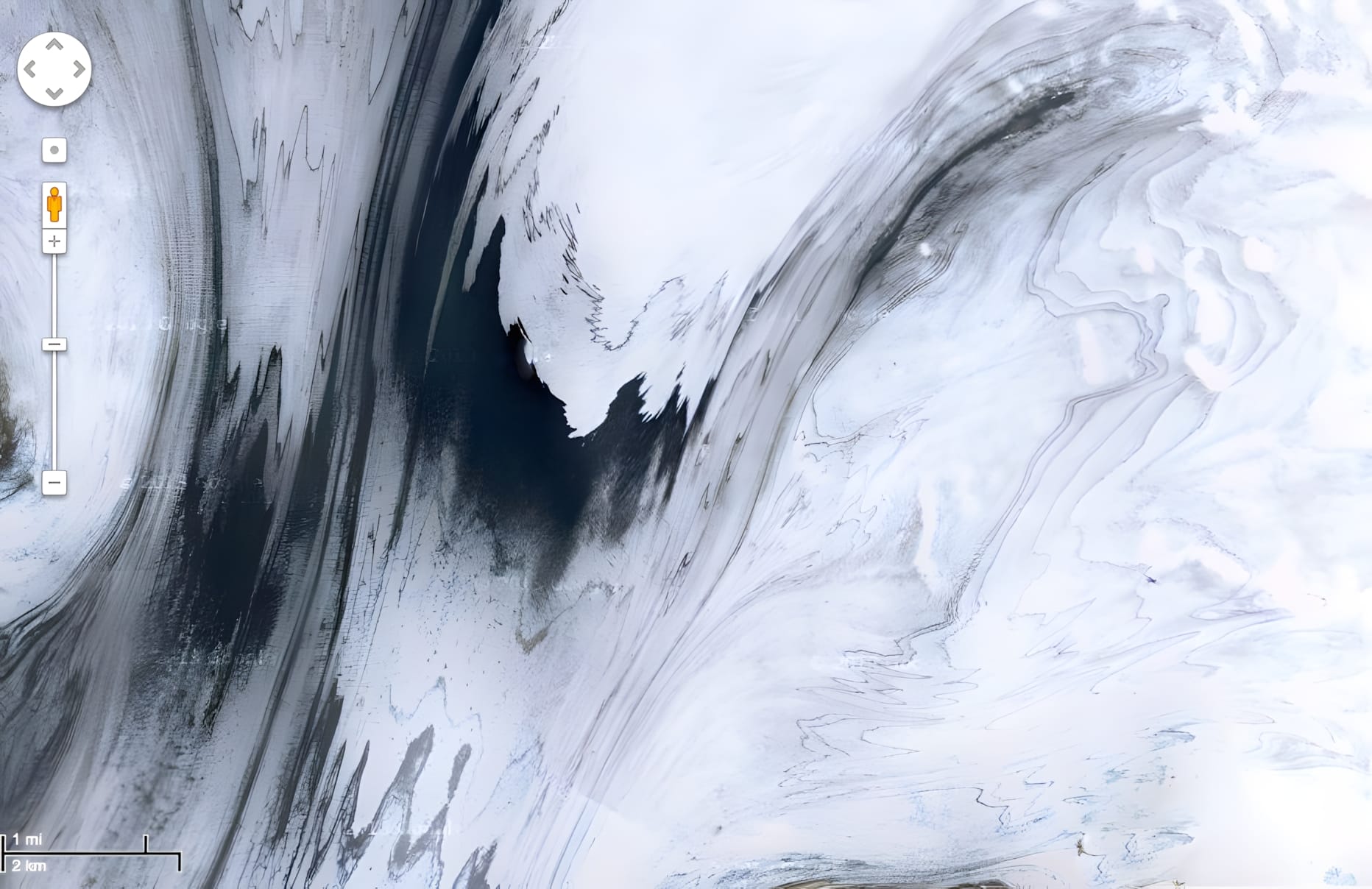
Vatnajökull — Glacier near Skaftafell, Iceland
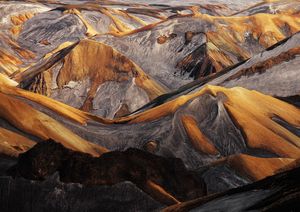
Desert Mountains Aerial View 012

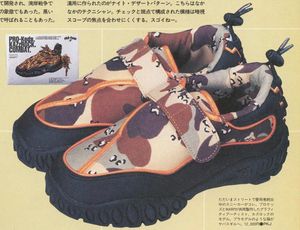
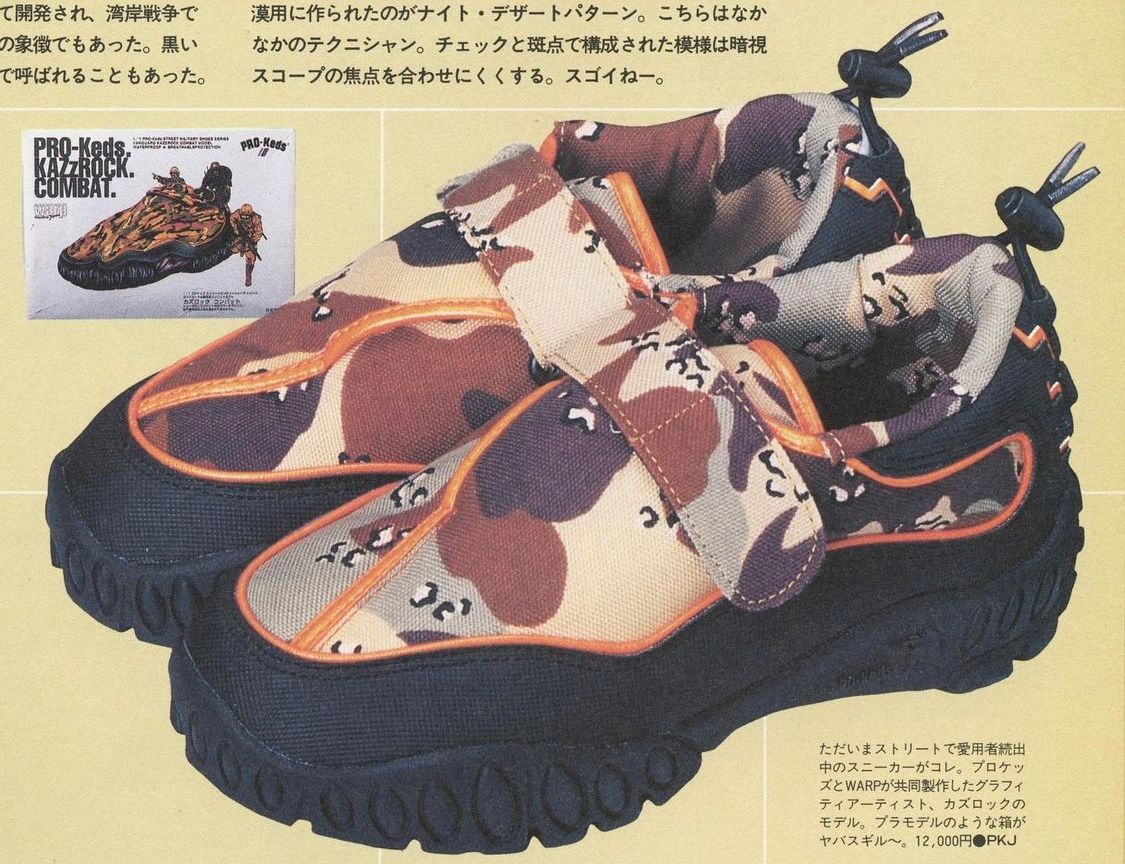
PRO-Keds KAZzROCK Combat
From their street military shoes series
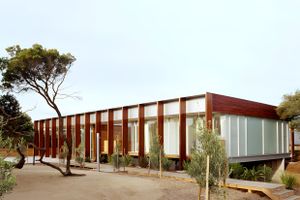
Peninsula House by Watson Architecture + Design
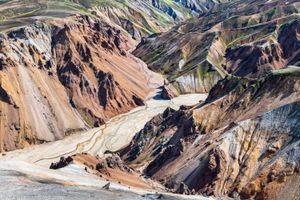
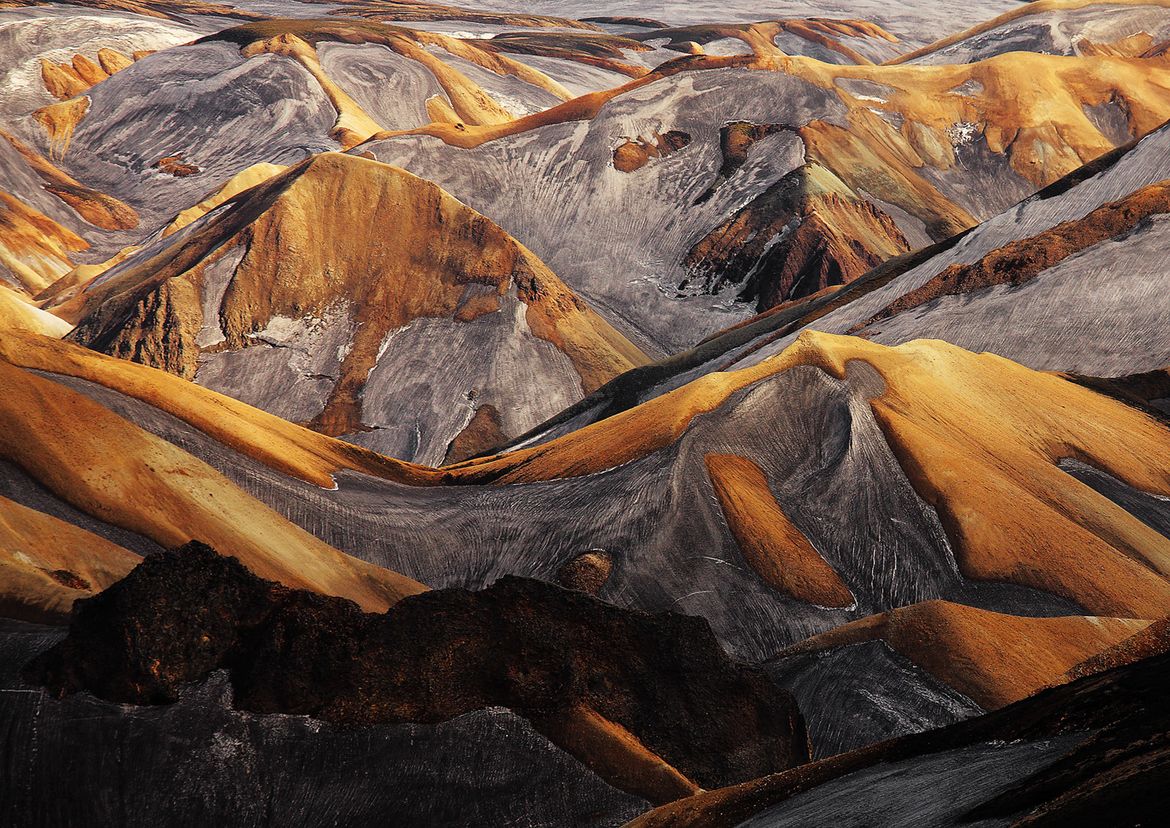
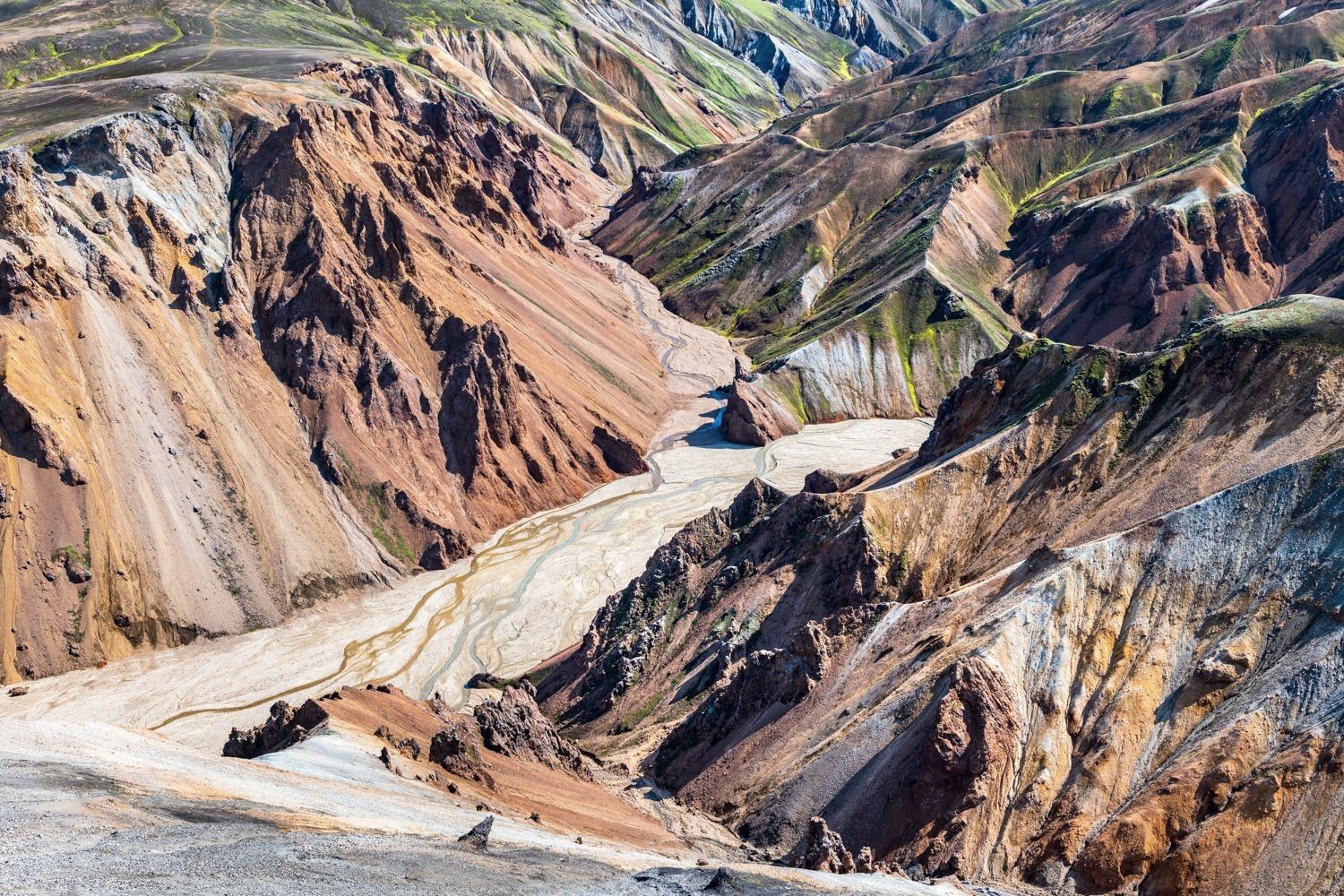
Rhyolithberge, Region Landmannalaugar, Fjallabak Naturreservat, Isländisches Hochland, Island

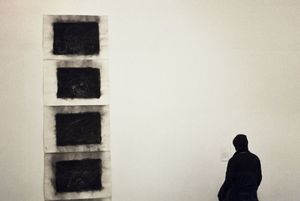
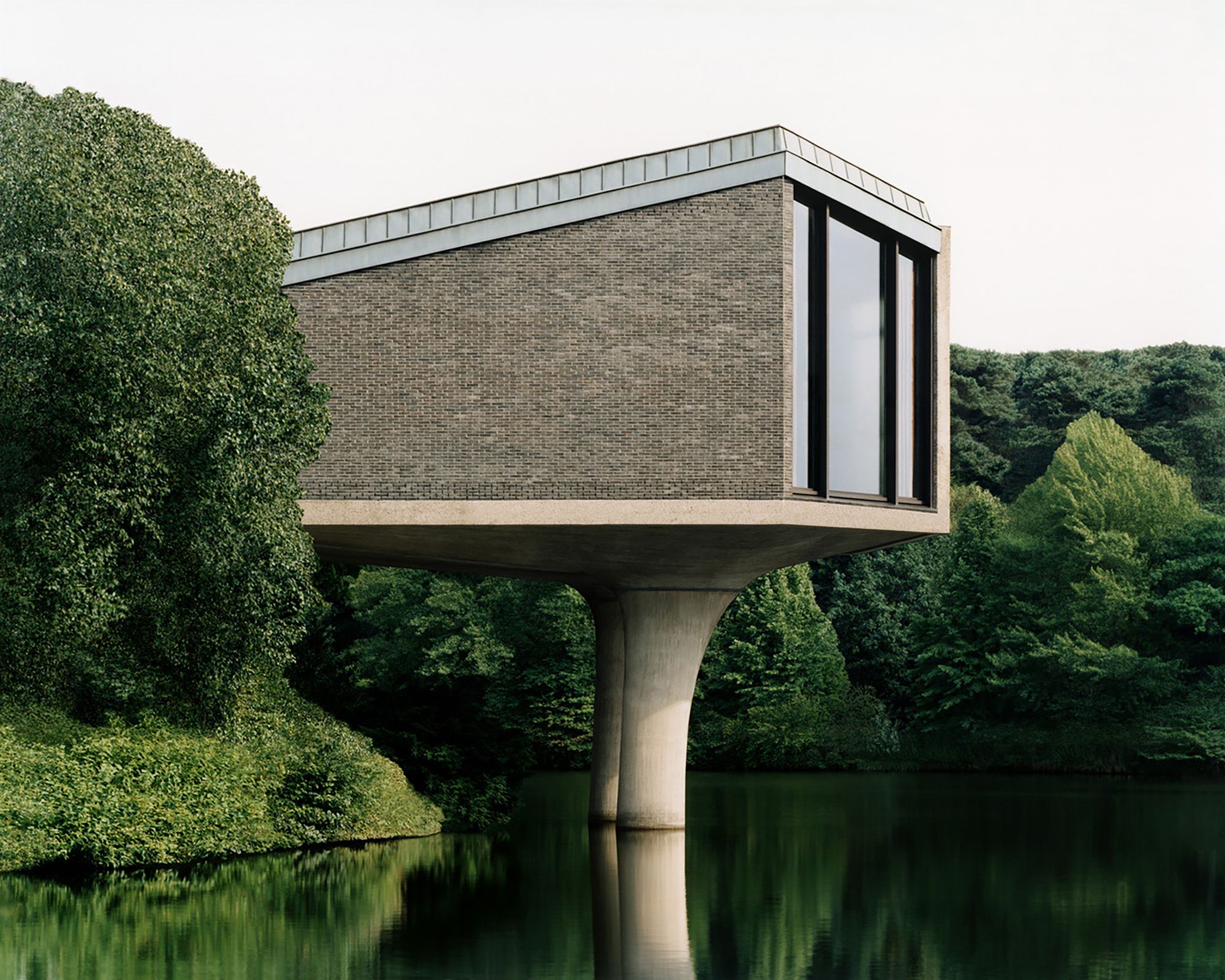

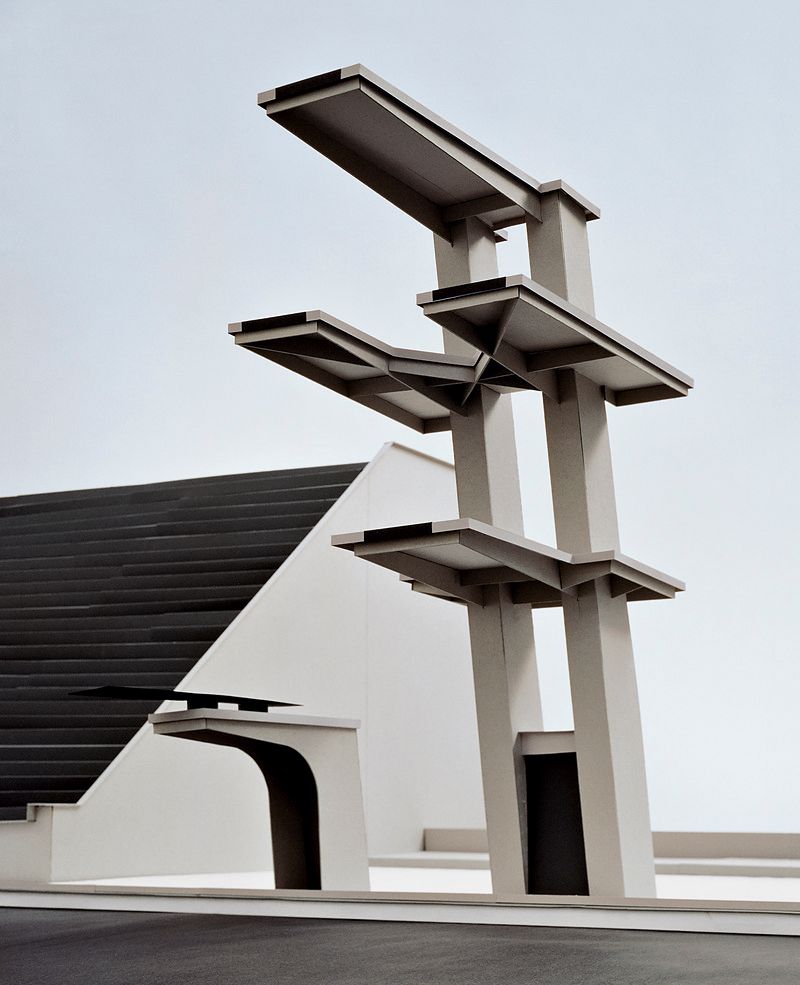






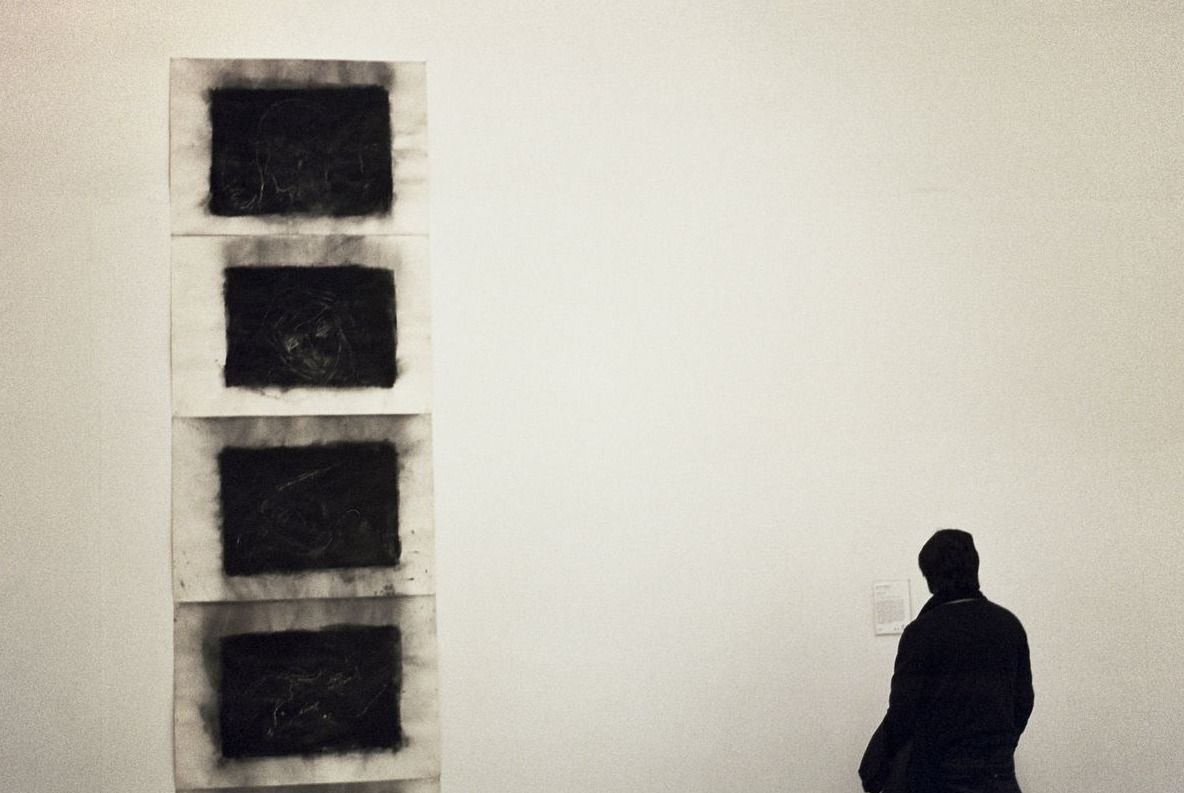
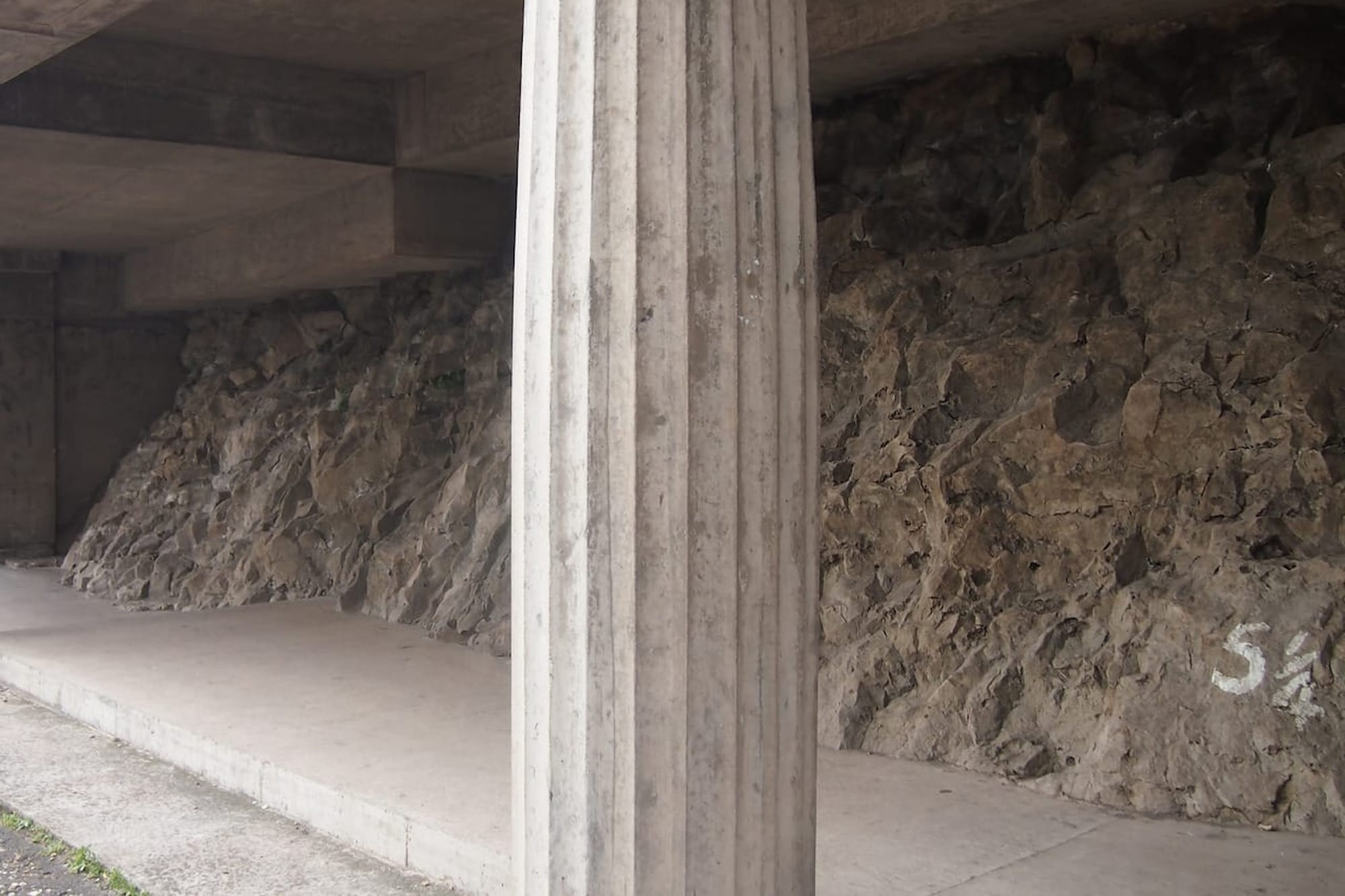
Bas Princen — Colonnade Infrastructure Photograph
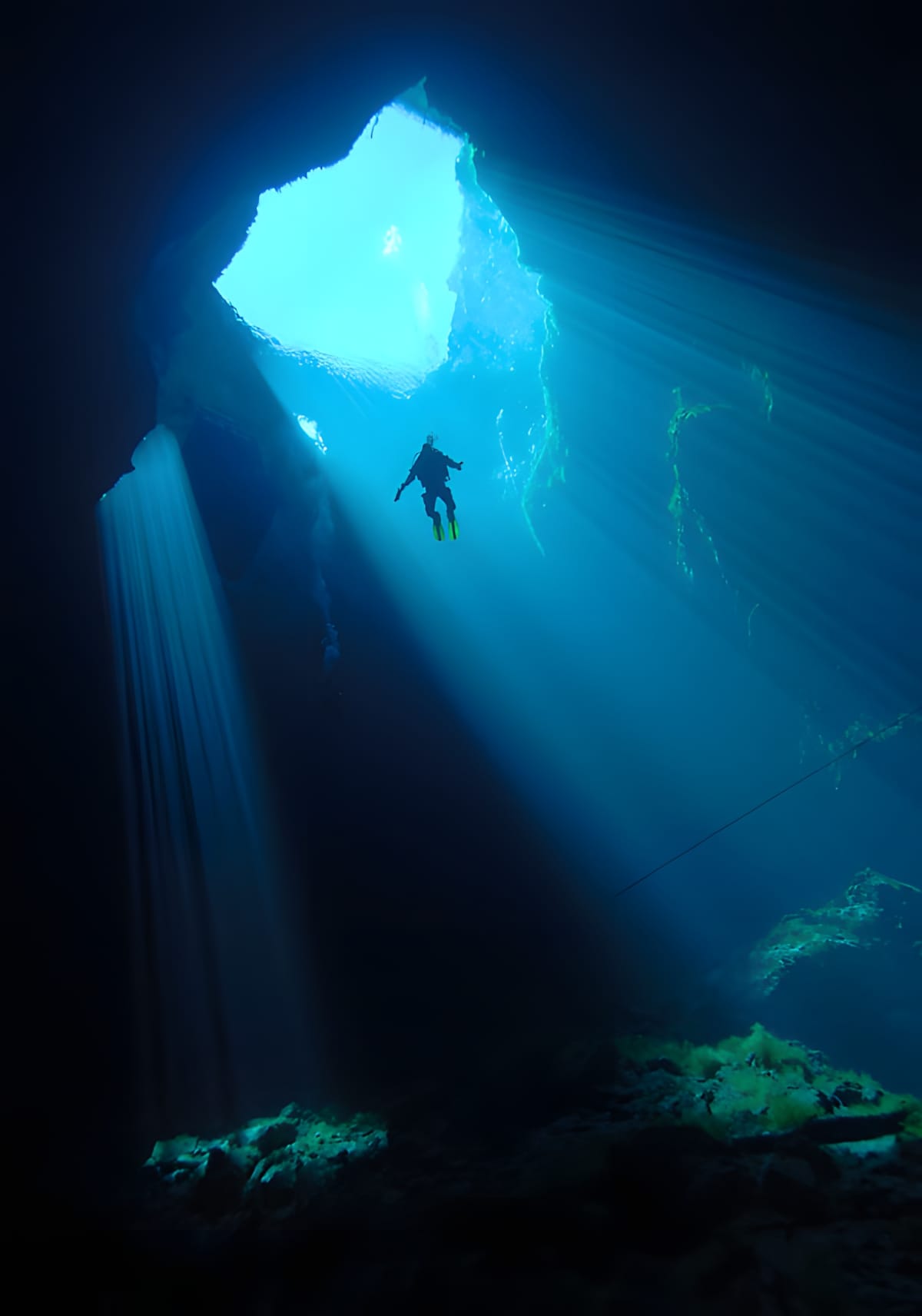
Cave Diving — Diver in Cenote Light Rays
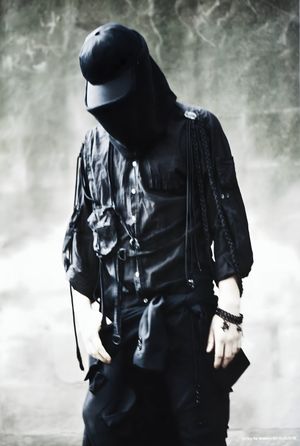

Raf Simons Menswear Lookbook — Photography by David Armstrong
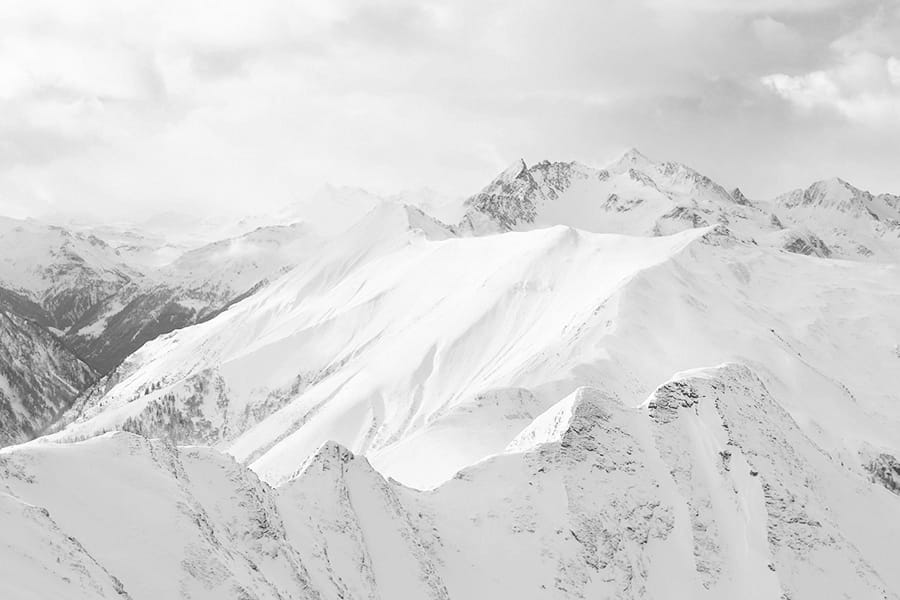
Black and White Mountain Snowscape — Fine Art Alpine Photography
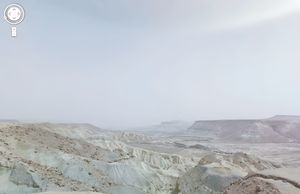
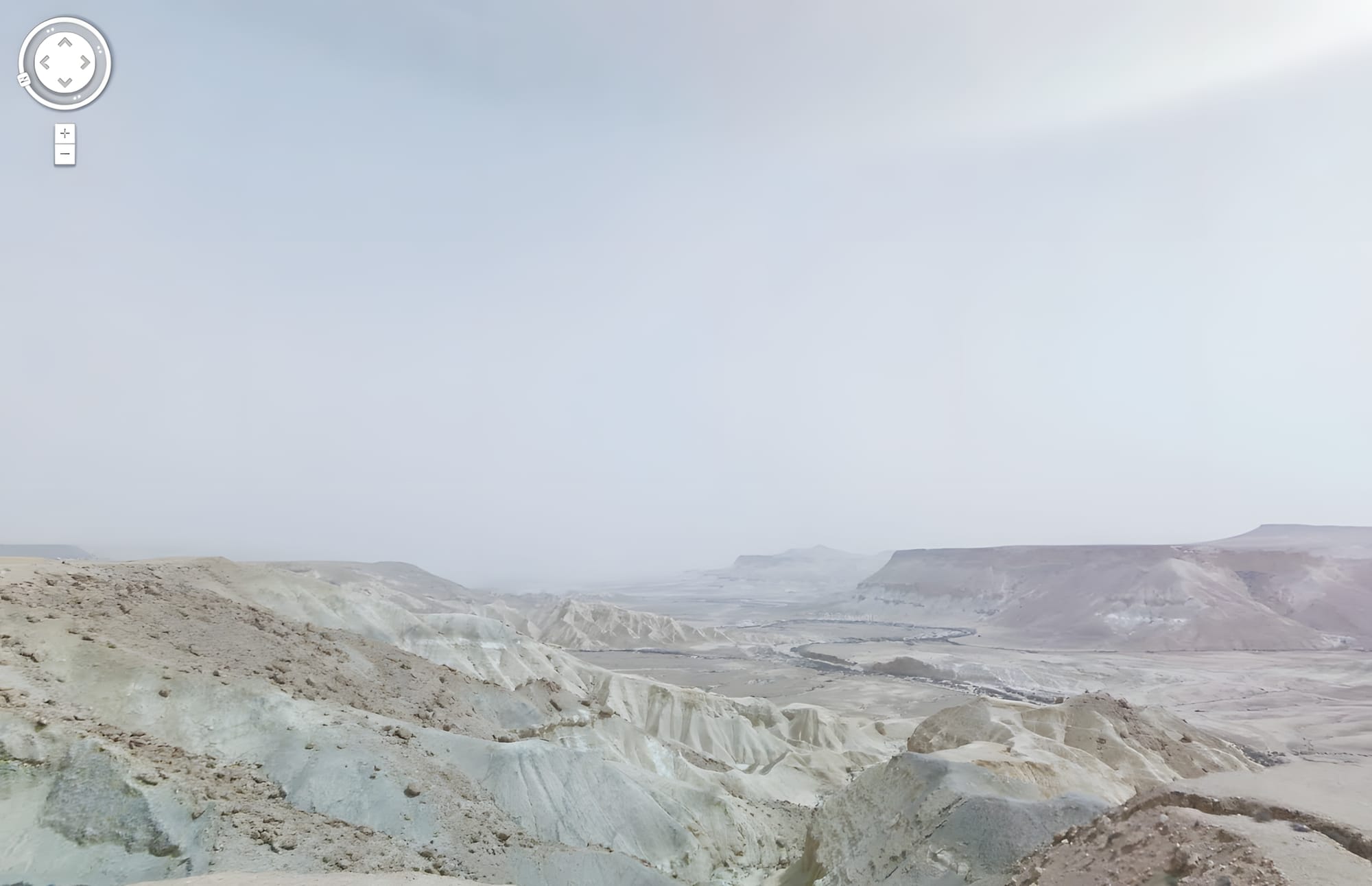
Zin Valley, Negev Desert, Israel — 30° 50' 51.66" N, 34° 46' 56.07" E
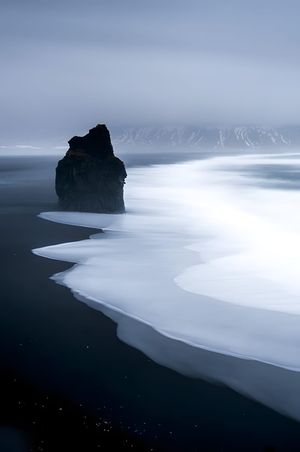
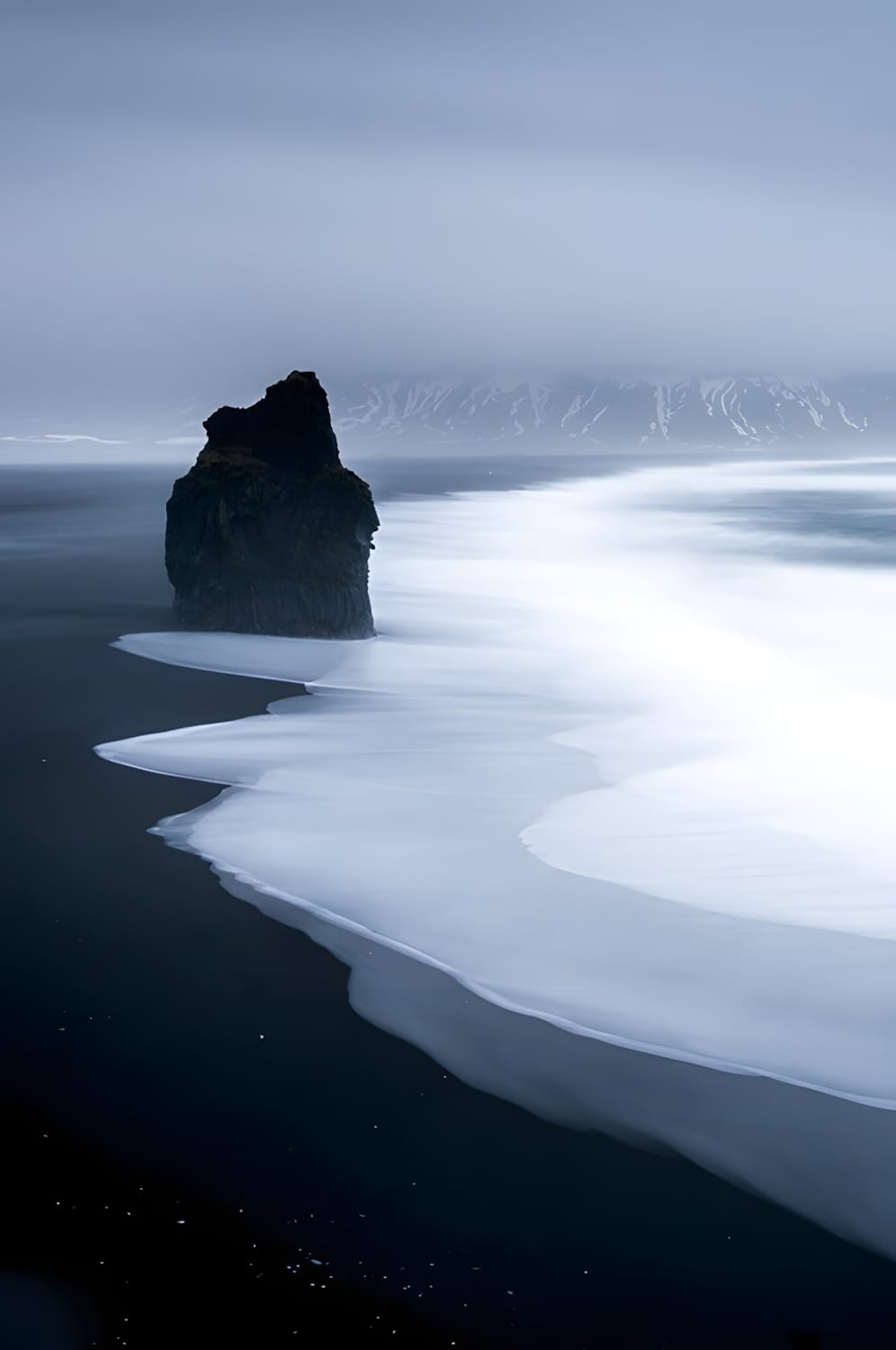
Reynisdrangar Basalt Sea Stack, Reynisfjara, Iceland

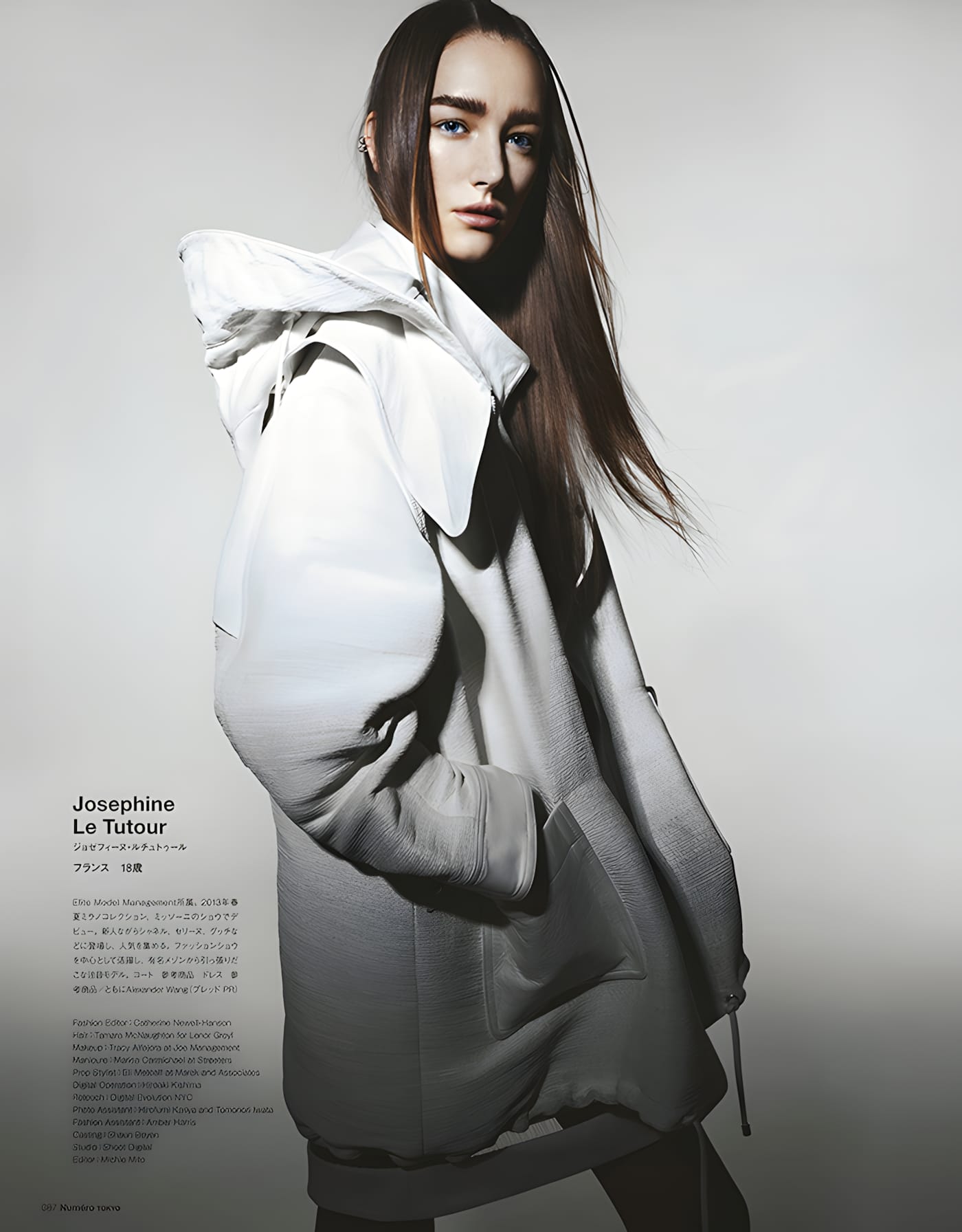
Joséphine Le Tutour in Alexander Wang — Numéro Tokyo July/August 2013
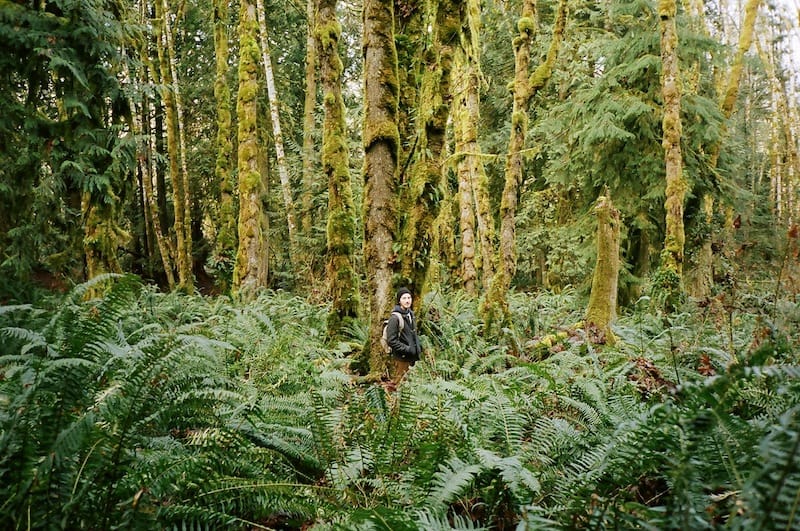
Hoh Rainforest, Olympic National Park
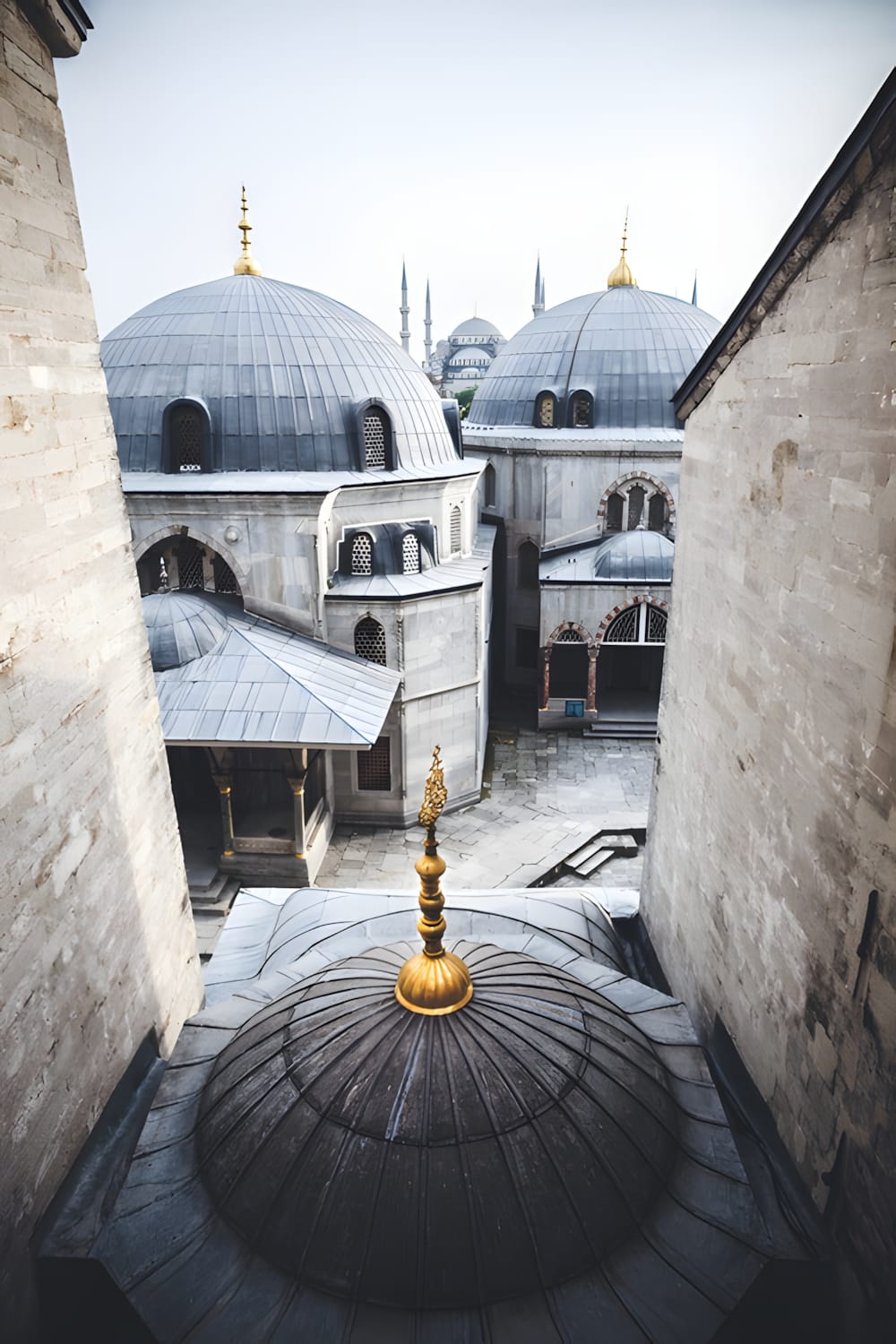
Hagia Sophia, Istanbul


grey93 for 017 Shop
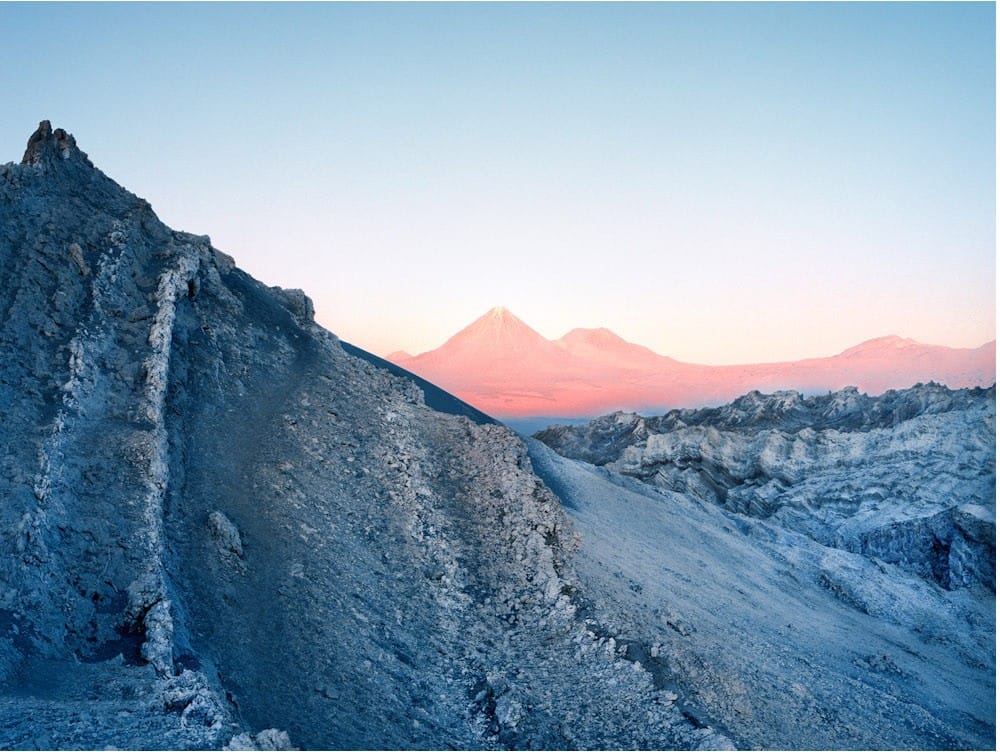
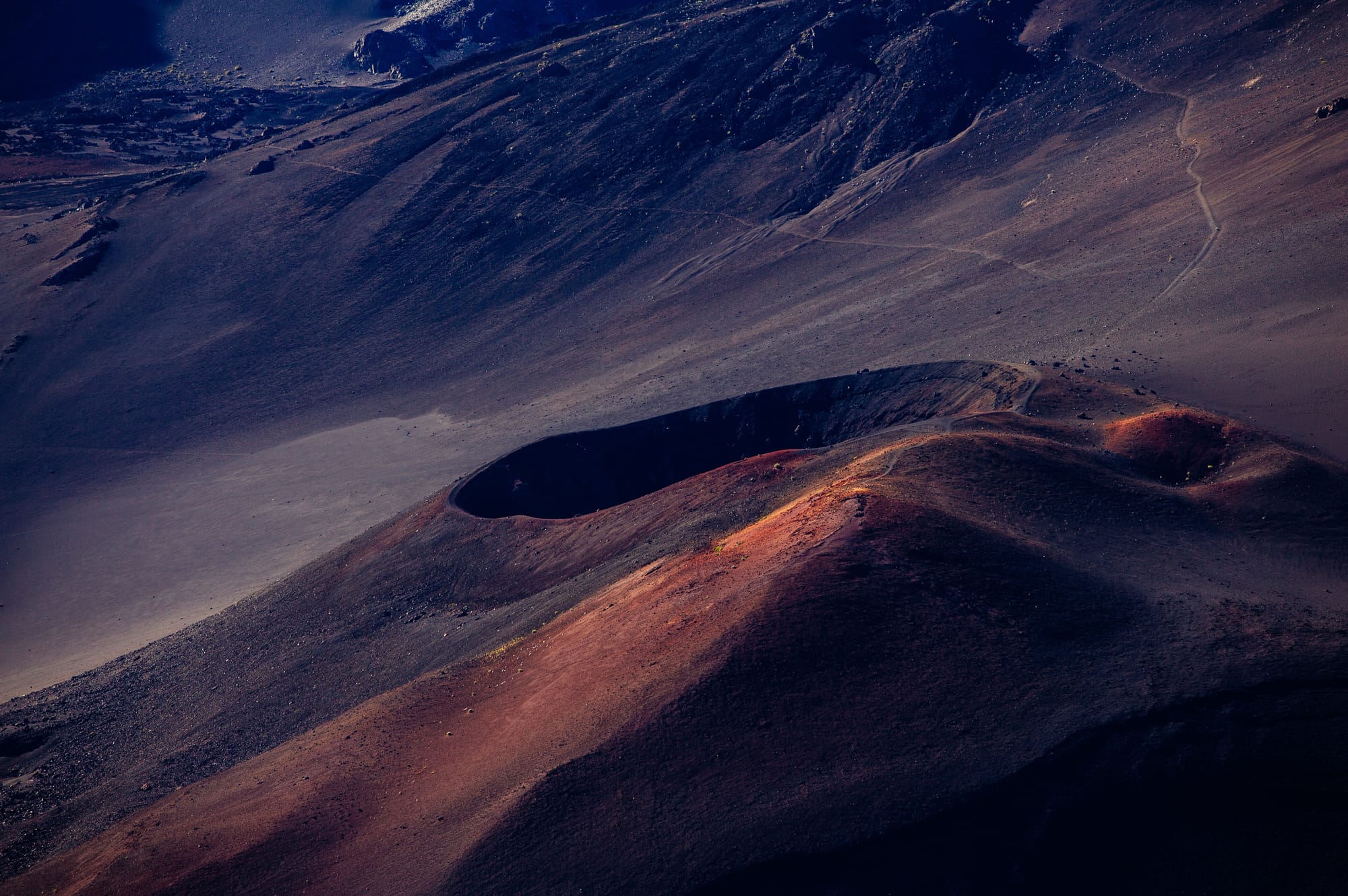
Kamchatka Volcanic Landscape
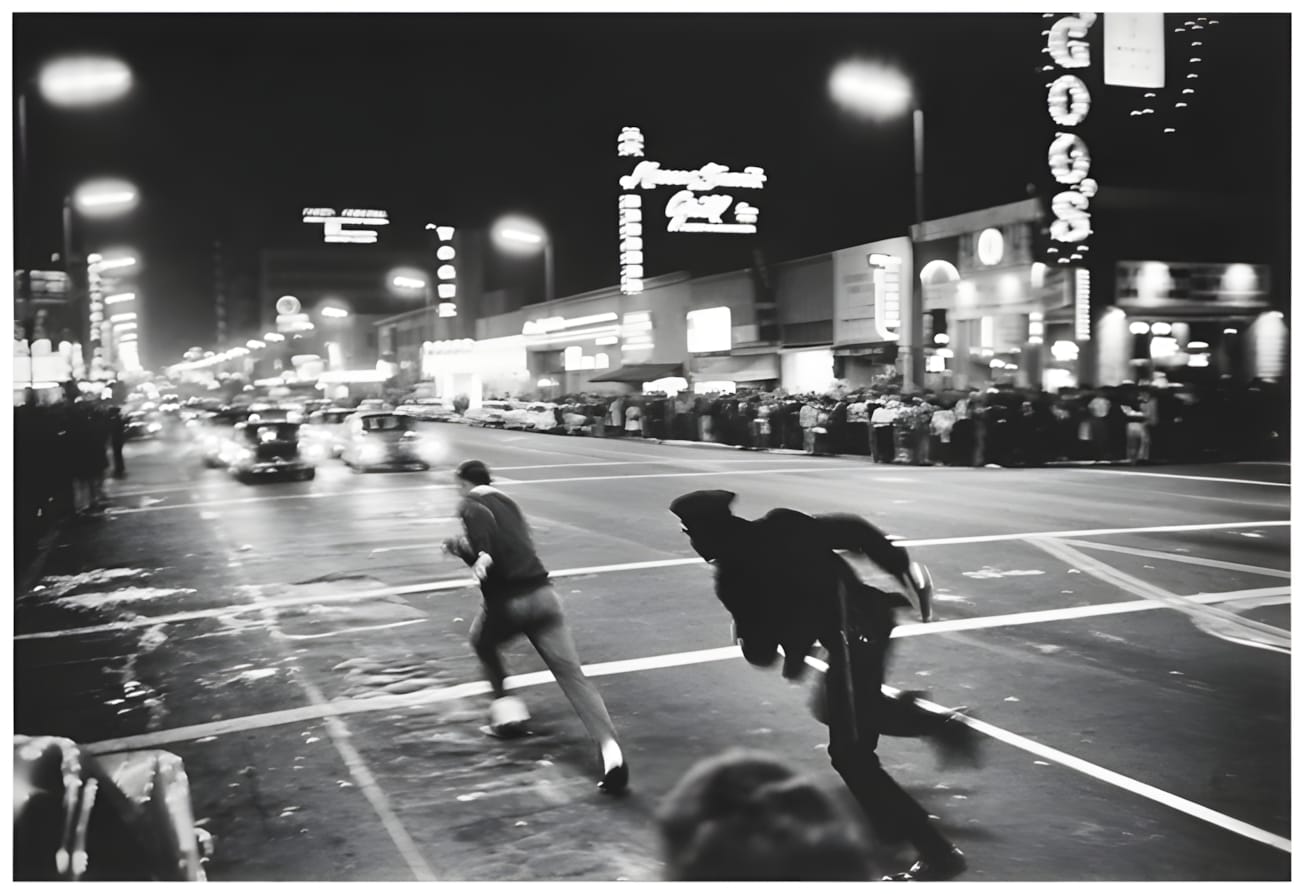
Julian Wasser — Arrest on Hollywood Boulevard (1970)


Unseen Luna by Ash Kingston
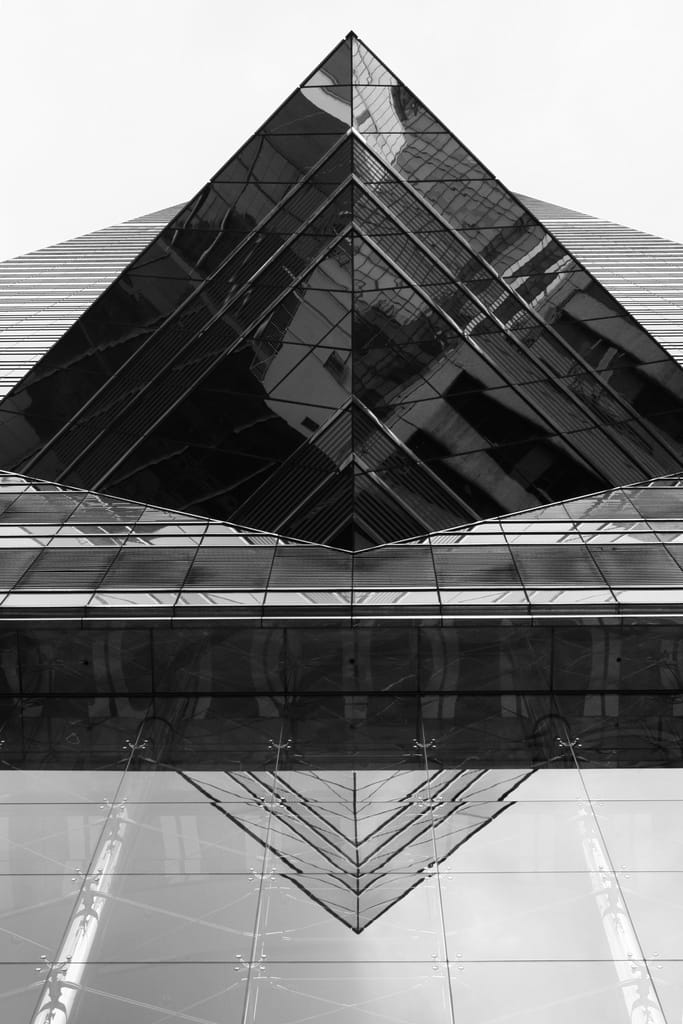
The Center Hong Kong
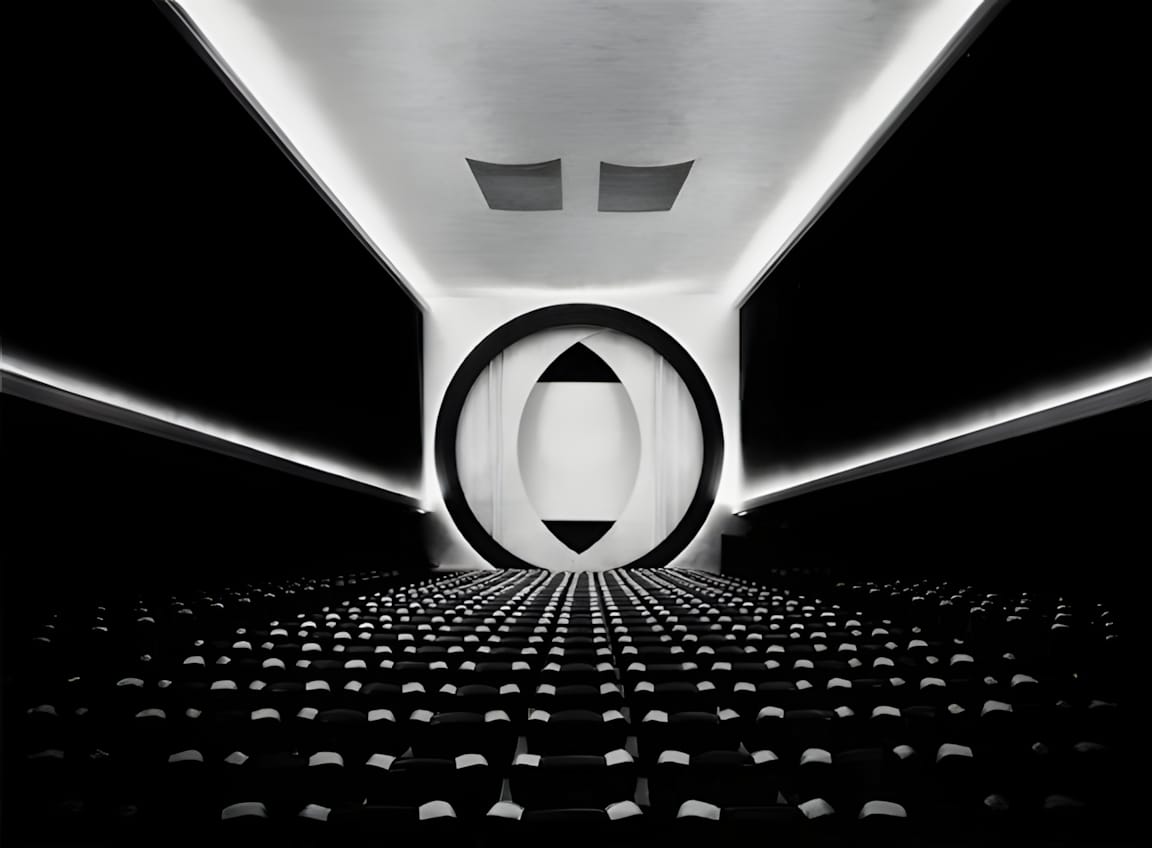
Ruth Bernhard — Eighth Street Movie Theater, New York (Frederick Kiesler, Architect), 1946
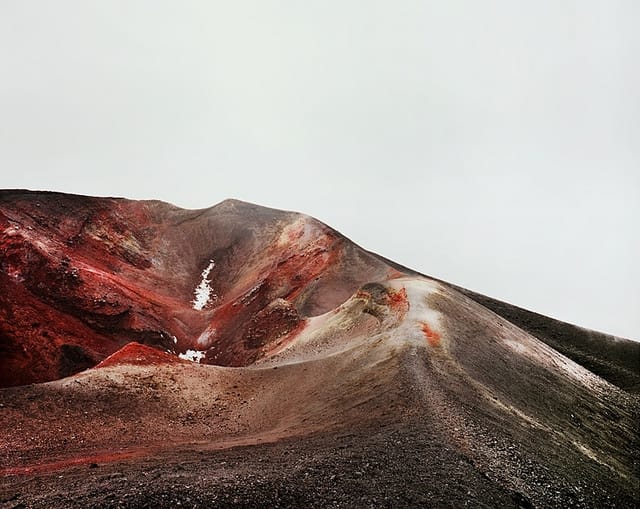
Mount Etna — Volcanic Landscape Sicily


Star Magnolia — Magnolia stellata Macro
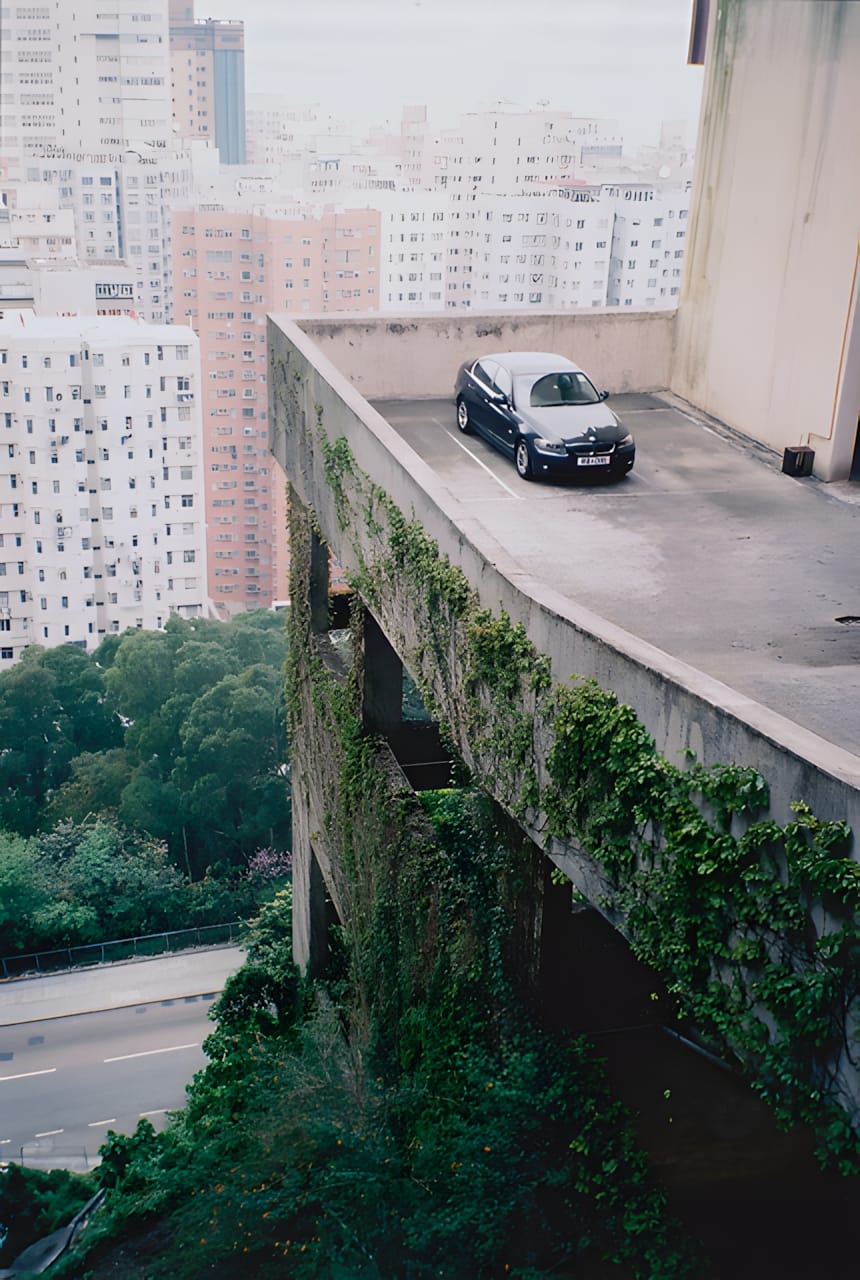
BMW 3 Series E90 on a Vine-Covered Hong Kong Rooftop Car Park
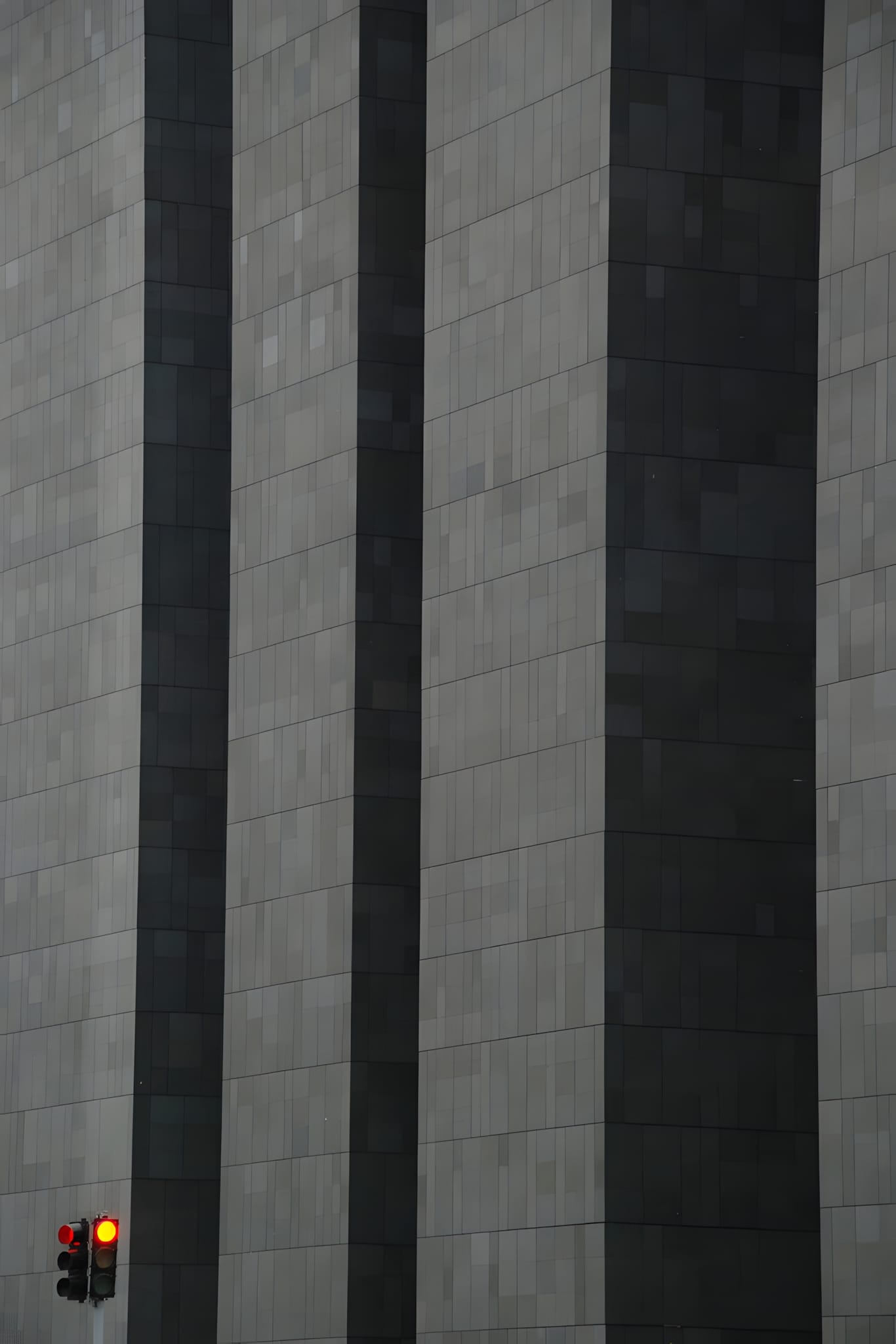
Eero Saarinen — CBS Building, New York, 1965
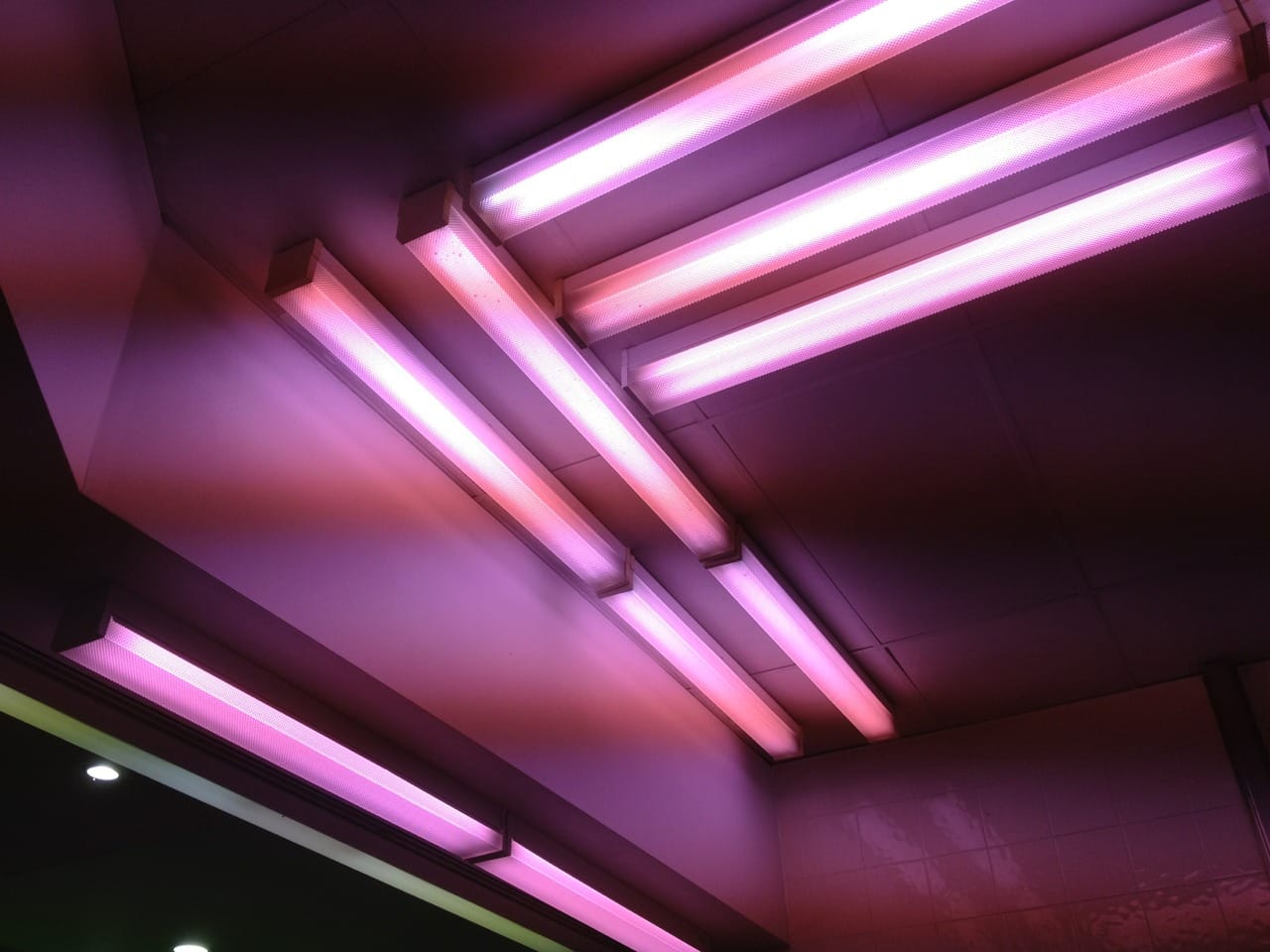
Neon Fluorescent Tube Lights — Minimal Light Installation


Hanna Putz — Friends of Friends Portrait by Thomas Lohr
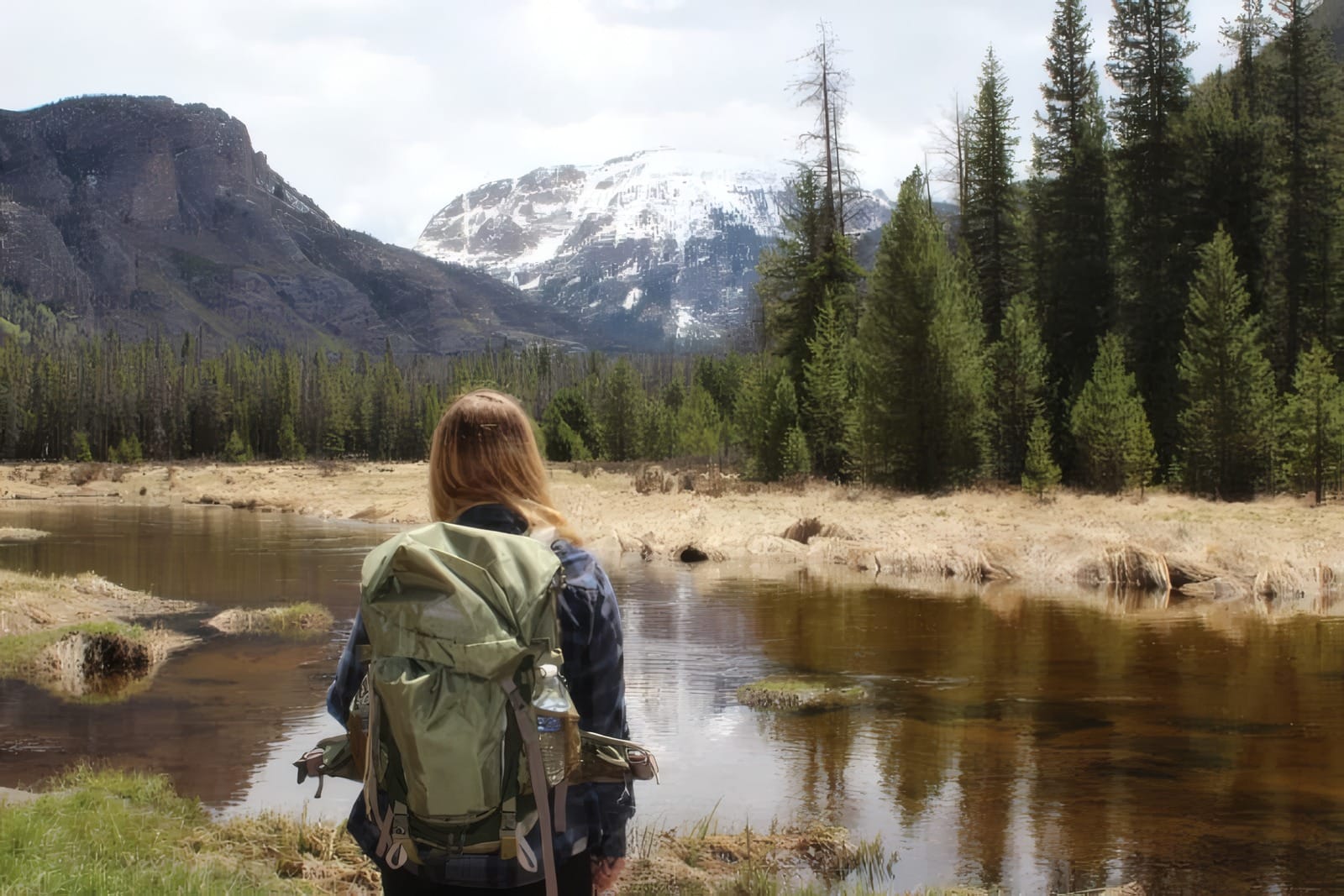
Rocky Mountain National Park
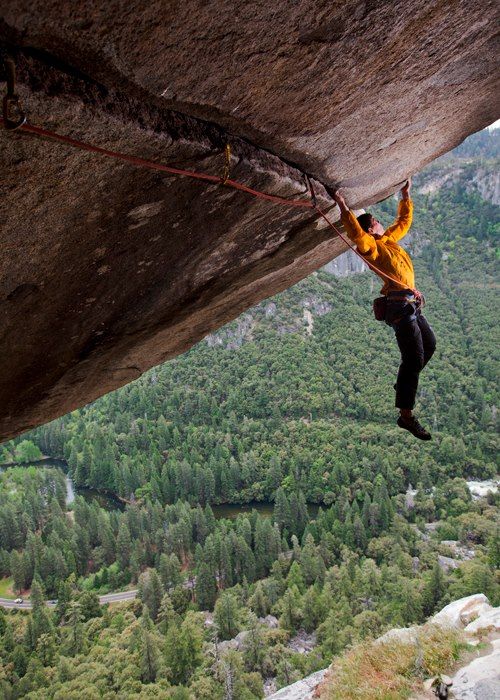
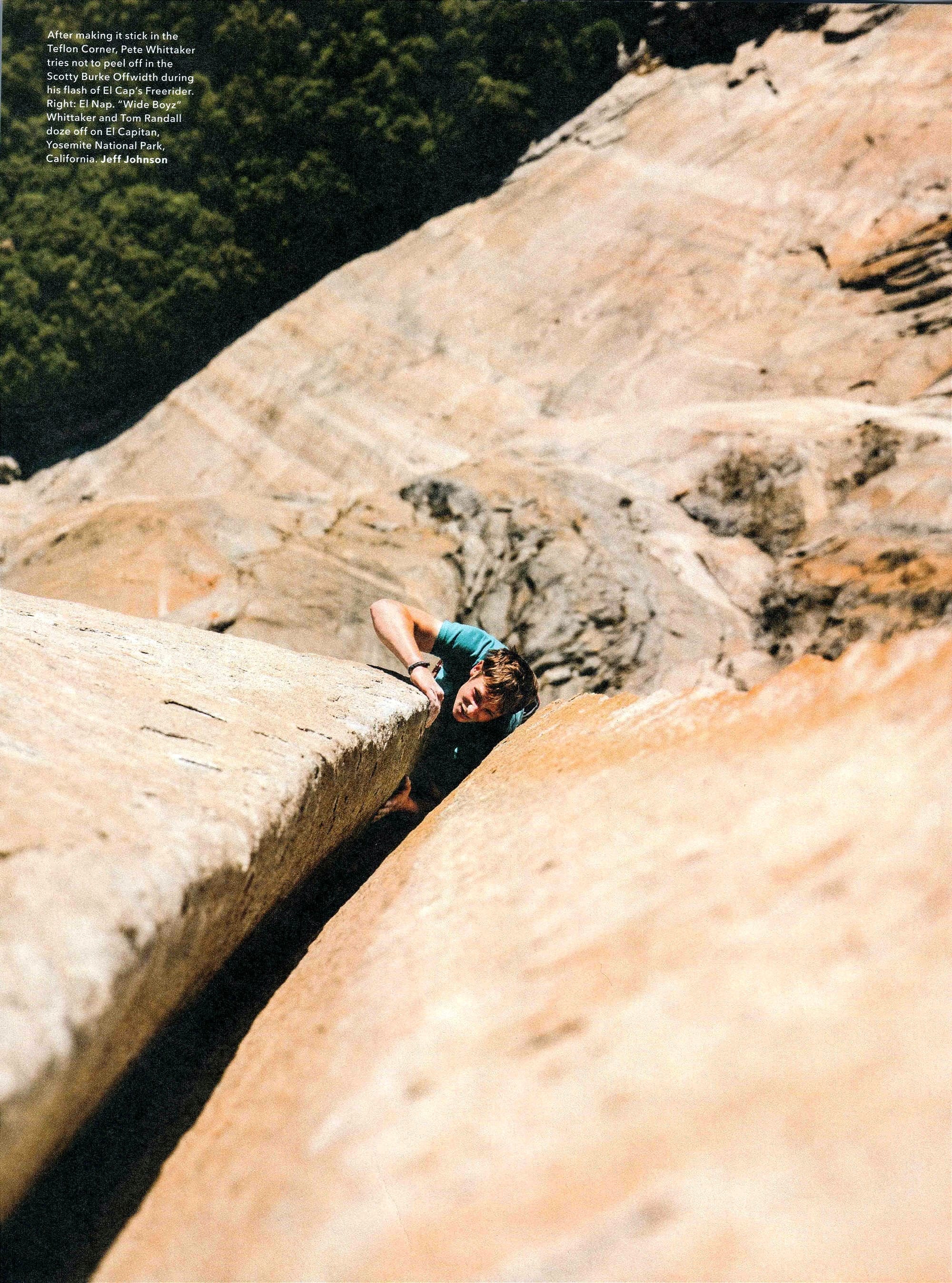
Alex Honnold climbing on Separate Reality, a difficult over hanging roof crack in Yosemite National Park, California
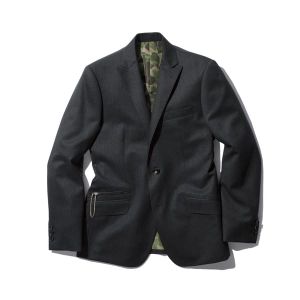
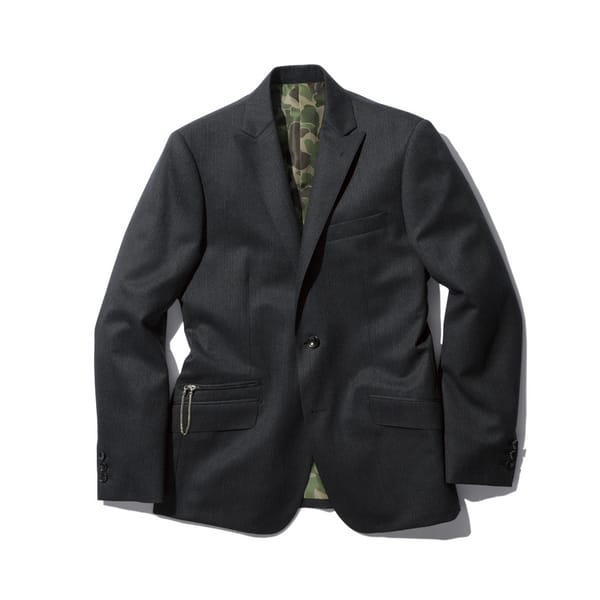
Dark Suit — N.Hoolywood or Gareth Pugh Fashion Editorial
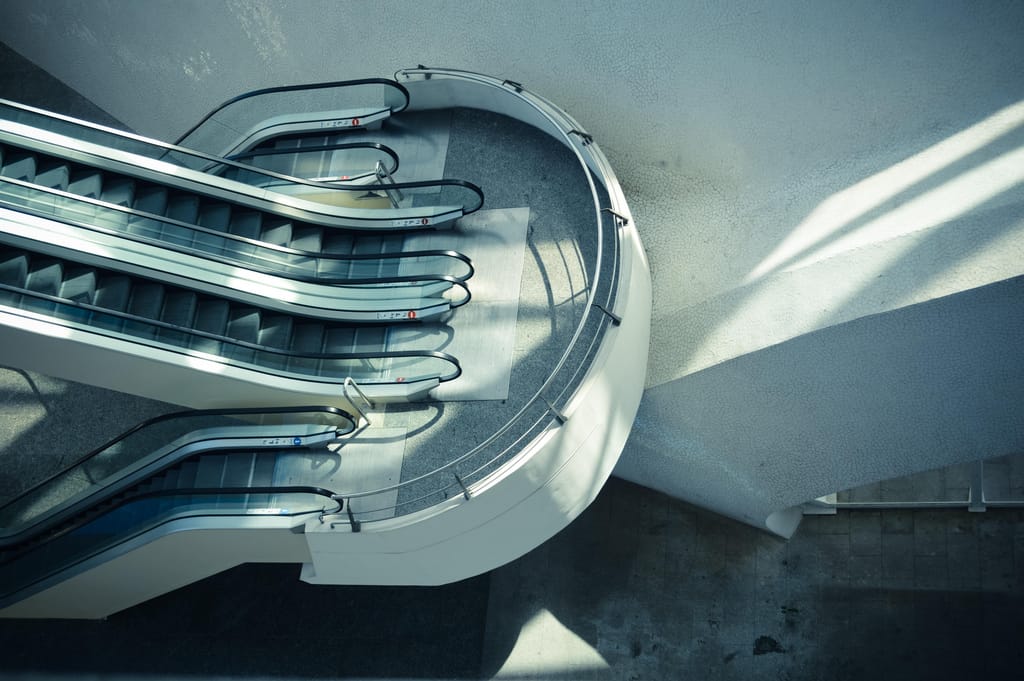
Hong Kong Escalator
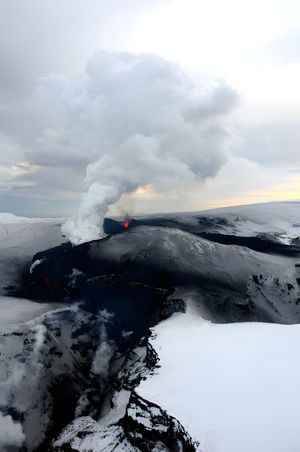
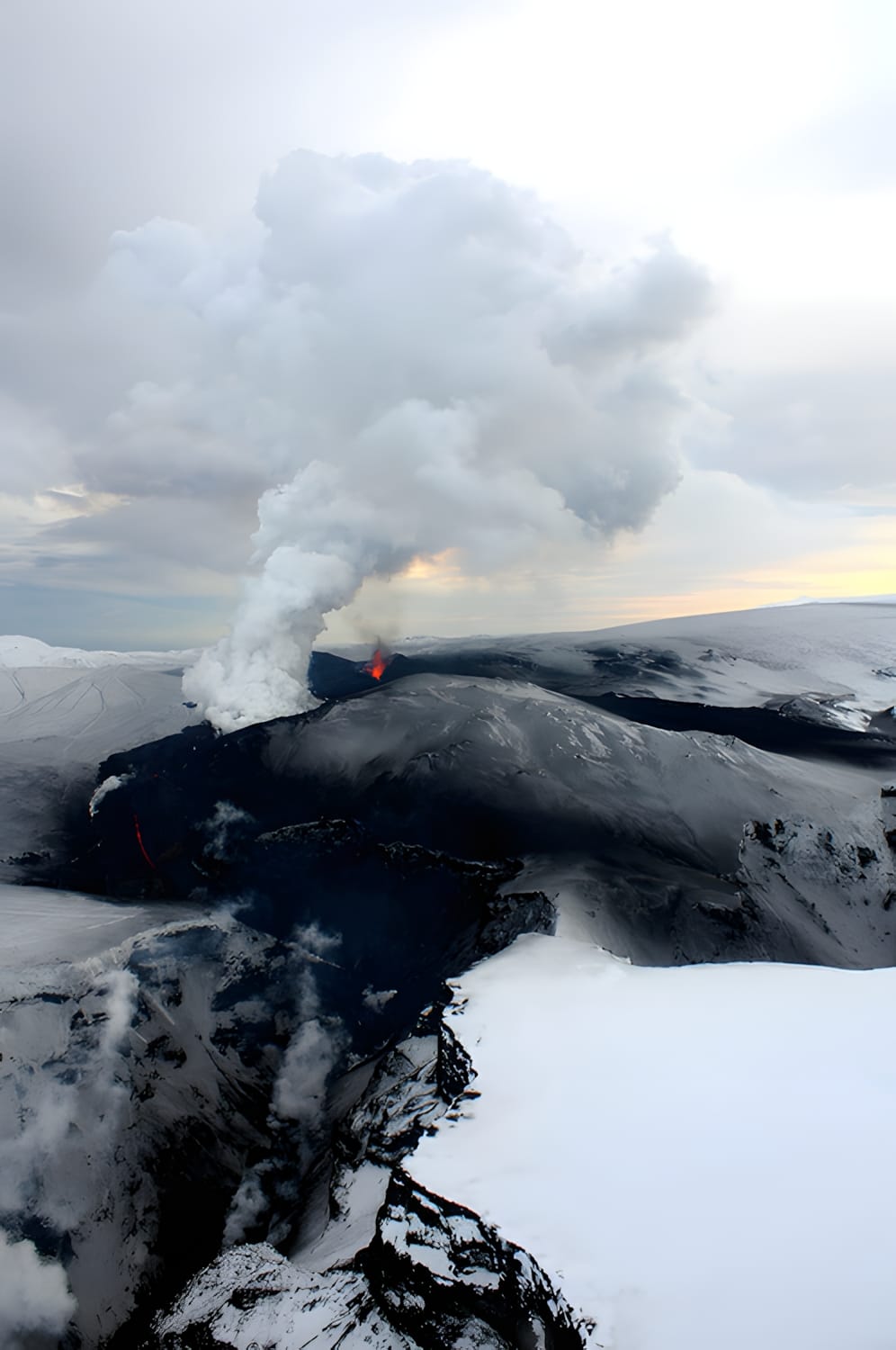
Plosky Tolbachik Volcano Eruption, Kamchatka
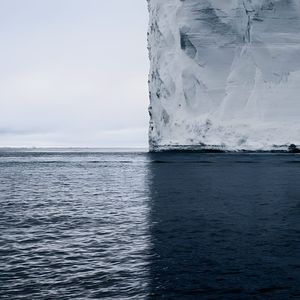
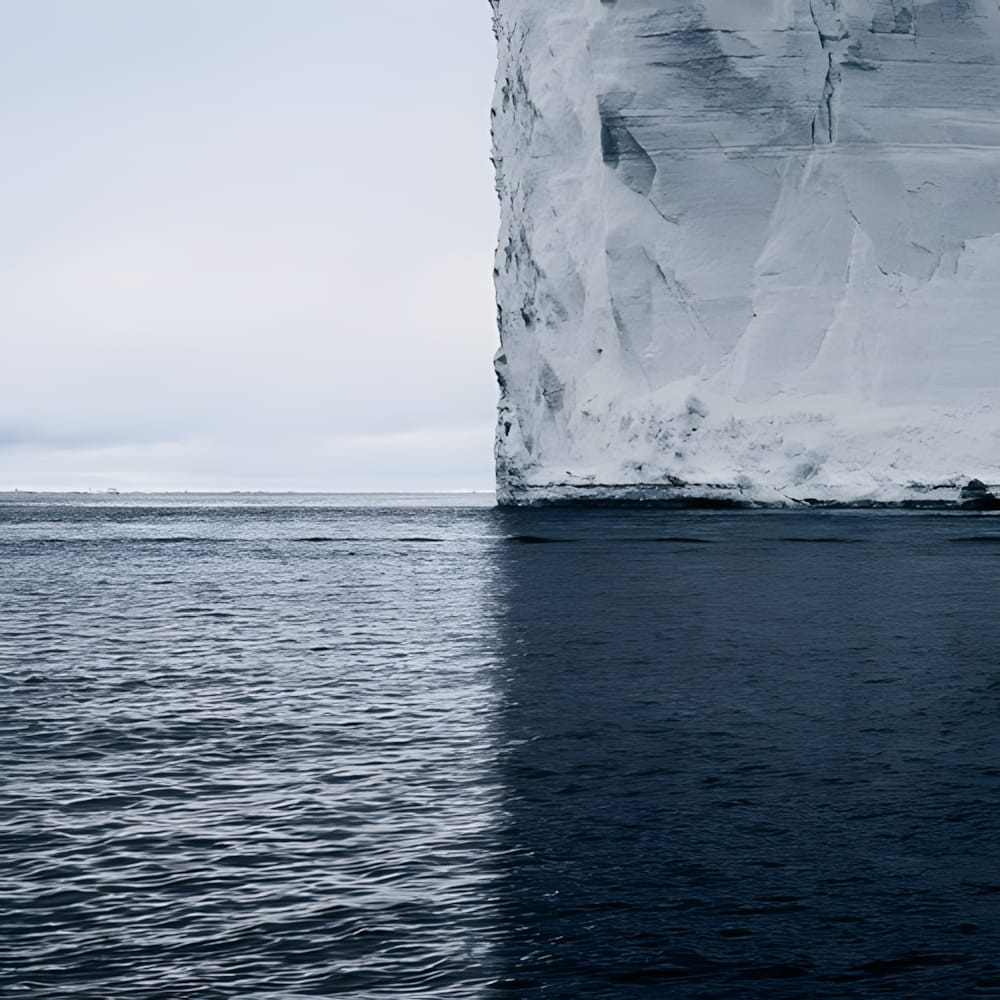
David Burdeny — Mercator's Projection, North/South Series
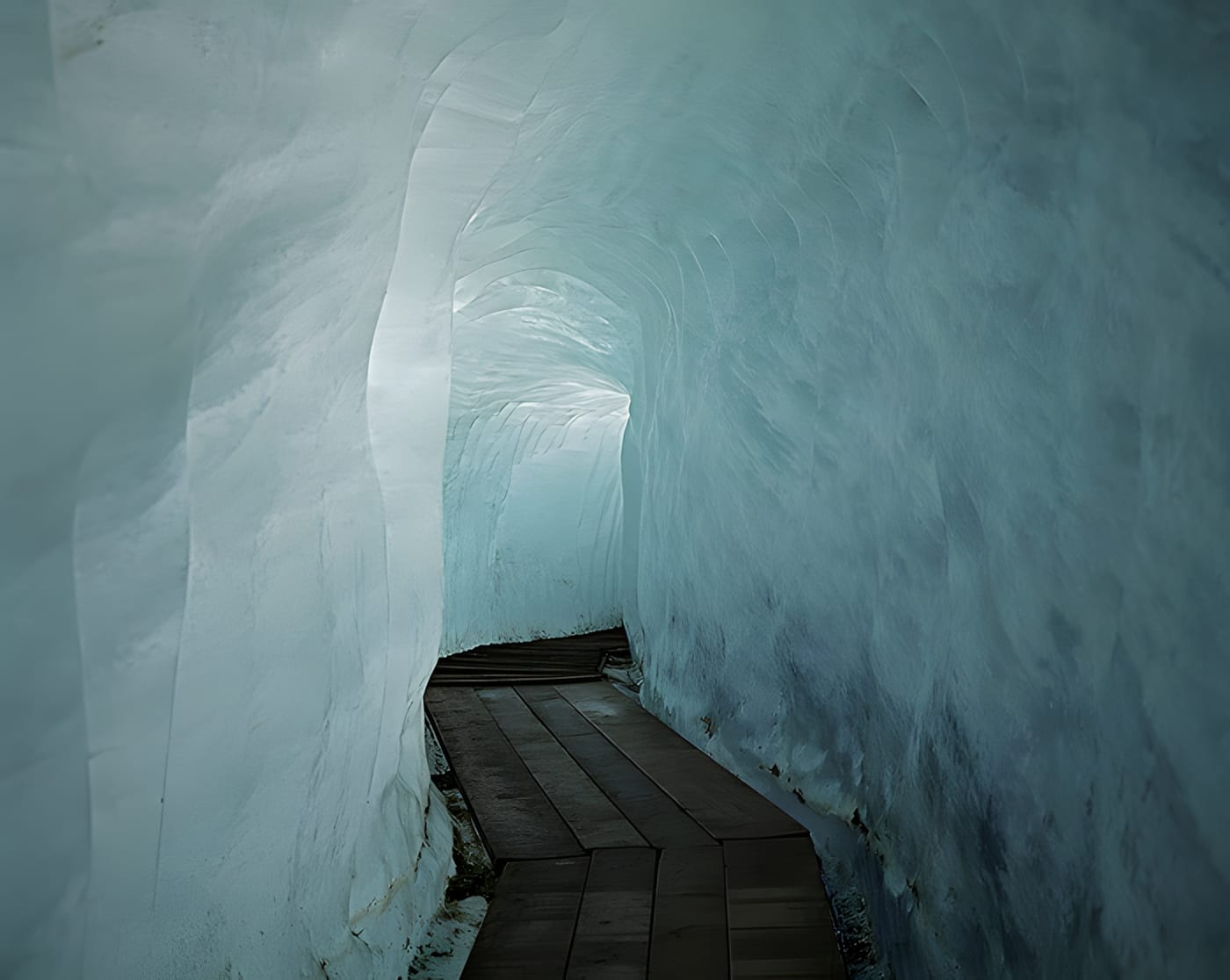
Rhône Glacier Ice Grotto, Valais, Switzerland


Michelle Buswell by Koray Birand, Harper's Bazaar Turkey 2012
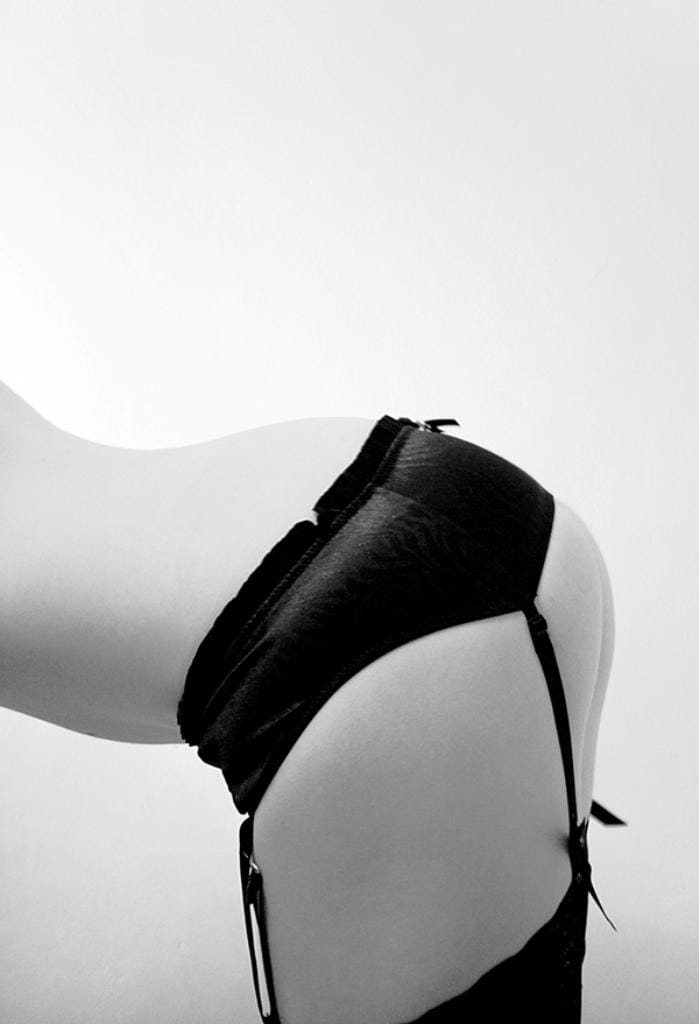
Boudoir Photography
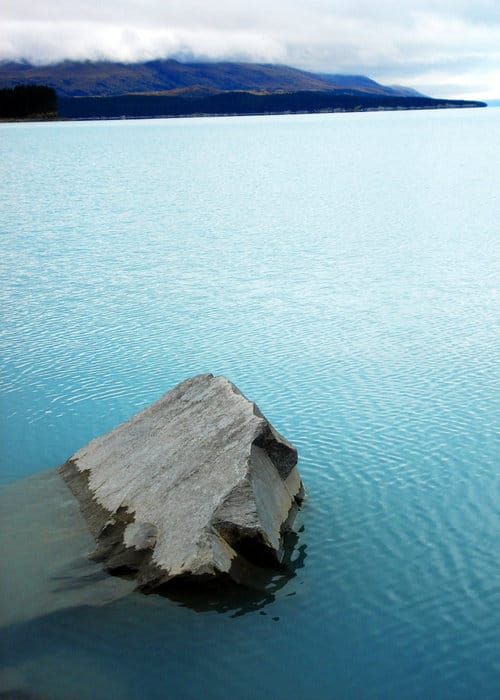
Lake Pukaki, New Zealand


FUCT — Neck and Hand Tattoo Street Photo, 2012
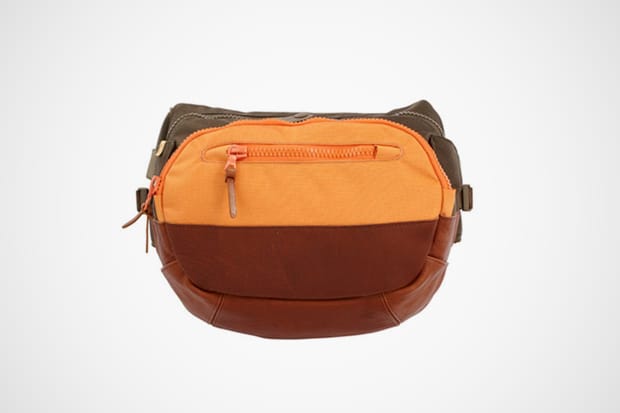
visvim Spring/Summer 2012 Ballistic Lumber Veggie 8L Waist Pack
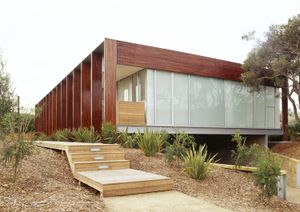
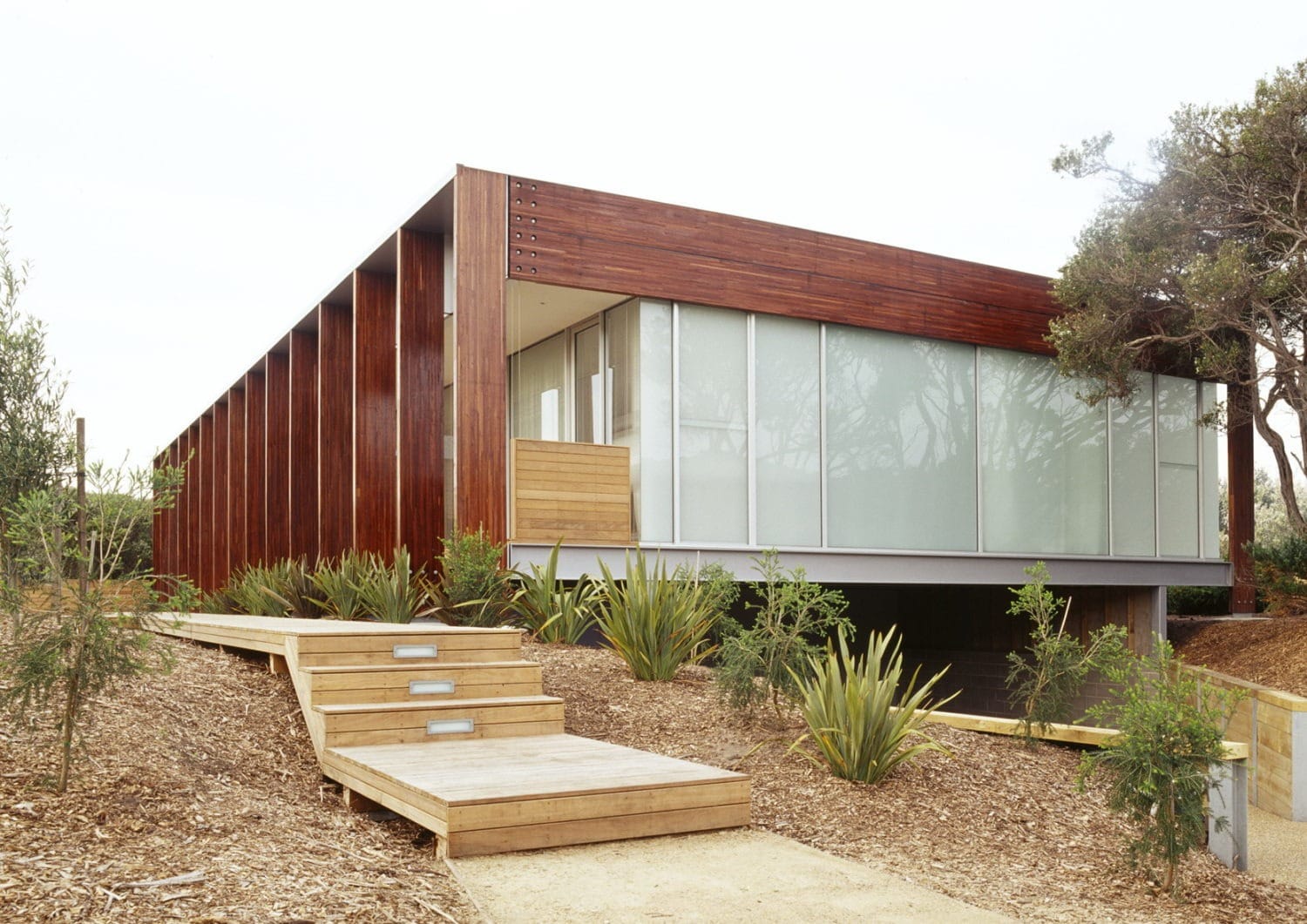
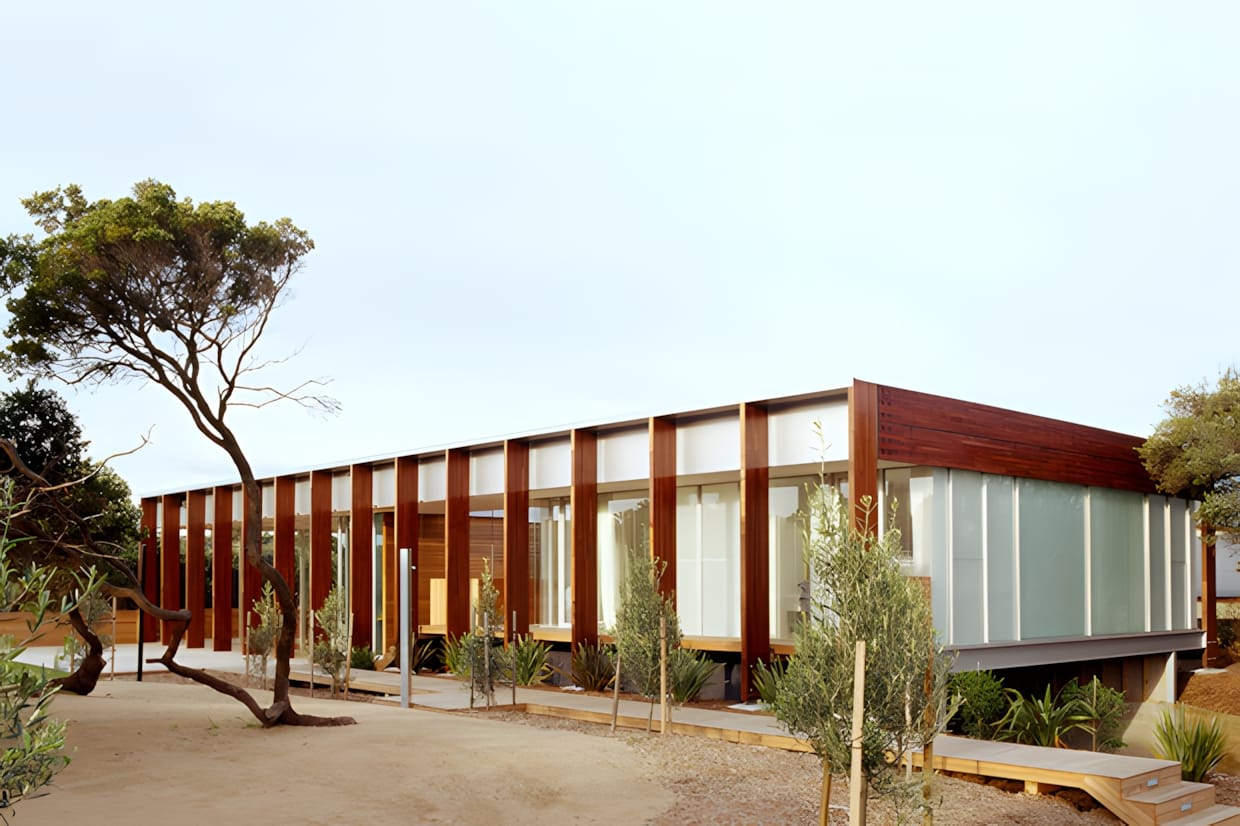
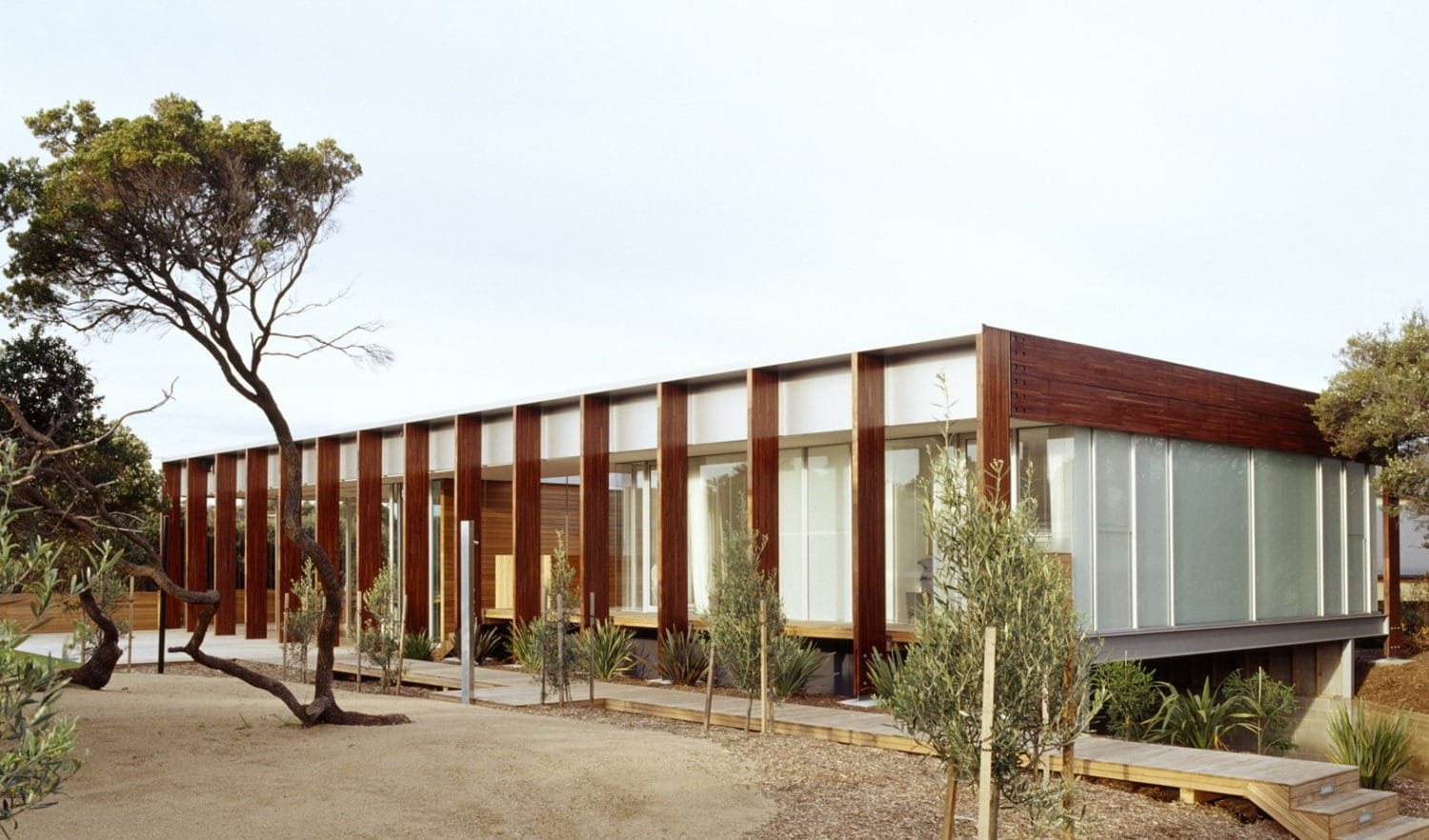
Peninsula House by Watson Architecture + Design
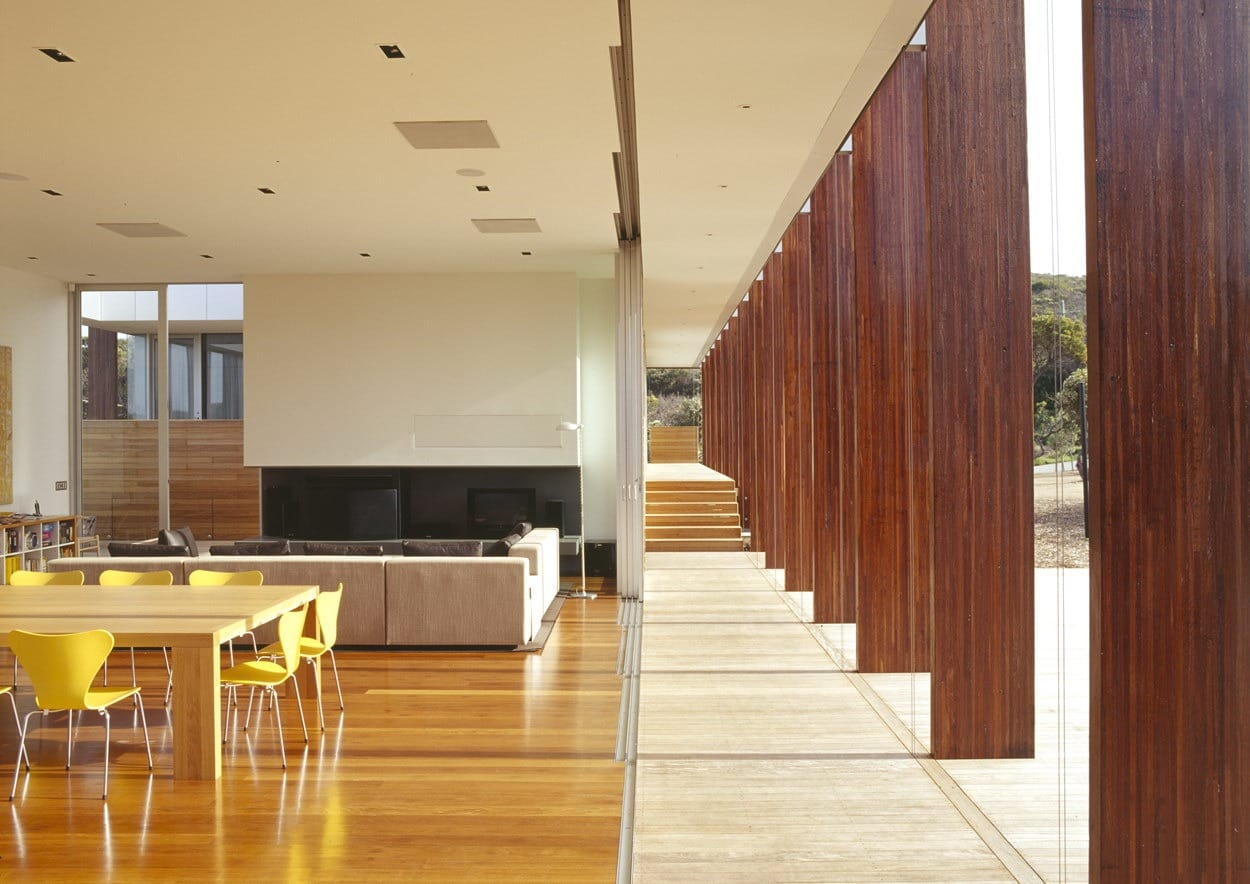
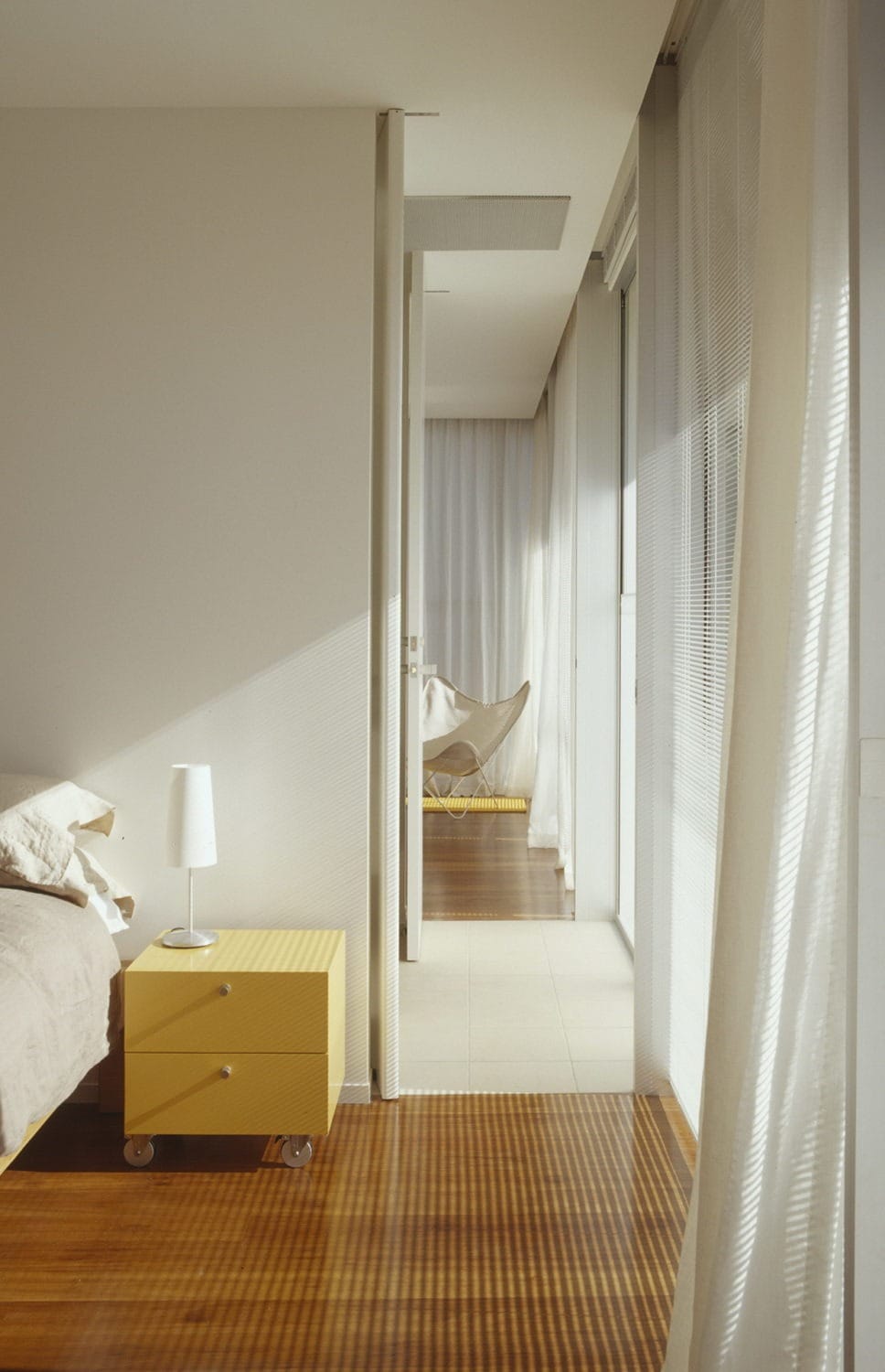
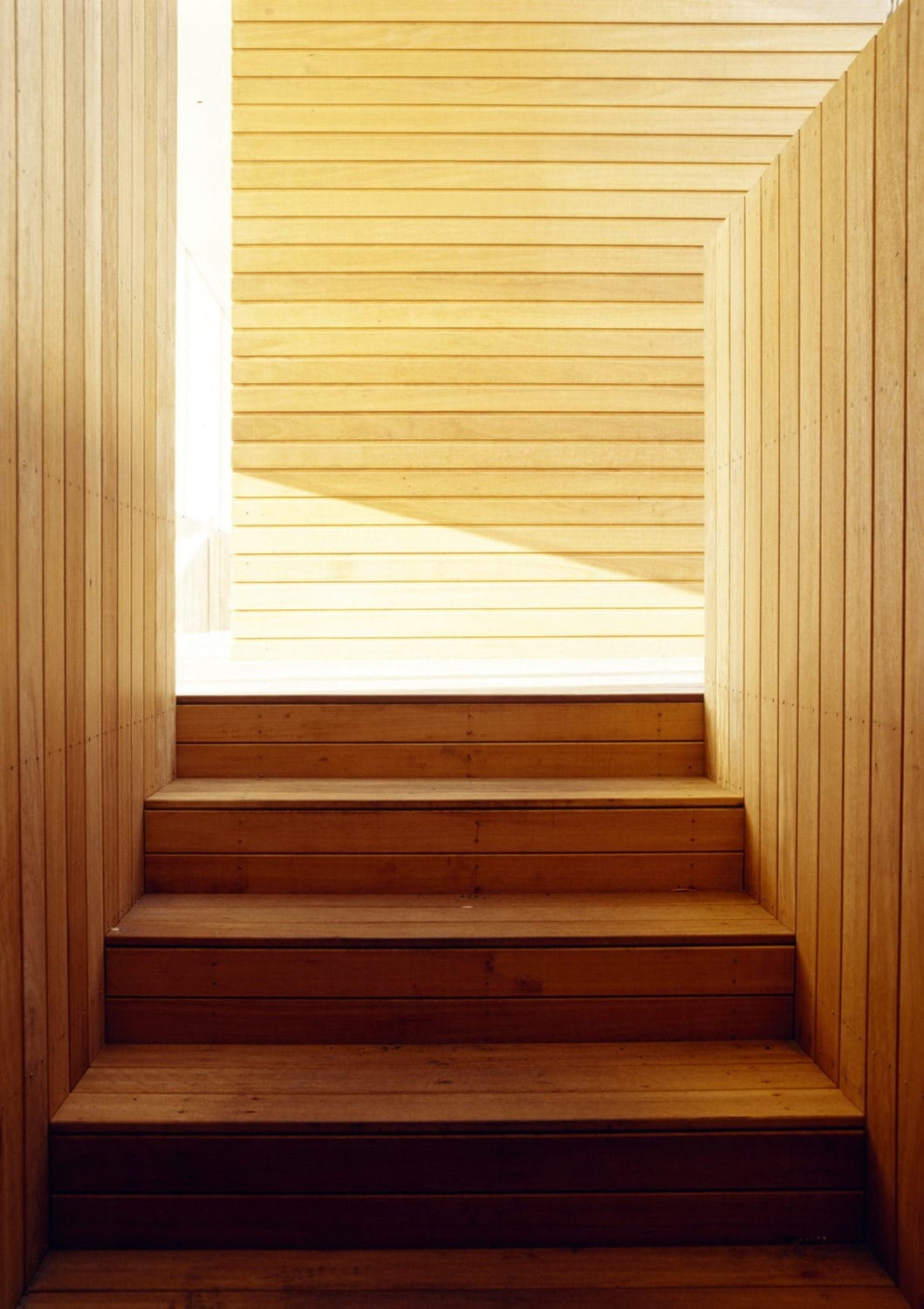
Beach house on Victoria’s coastline organized as two distinct volumes: a private pavilion for sleeping and bathing, and a communal pavilion for cooking, dining, and living. The separation creates a clear distinction between individual and shared activities while maintaining a single architectural identity through a continuous roof structure. Large column-free interiors open directly onto north and west-facing decks, reducing the boundary between interior and exterior space. The structure was prefabricated off-site to minimize construction time, while recycled materials—including reclaimed stadium timber and salvaged jarrah columns—were used throughout. The project reconsiders the Australian beach house typology through a simple, efficient arrangement of space, structure, and material.
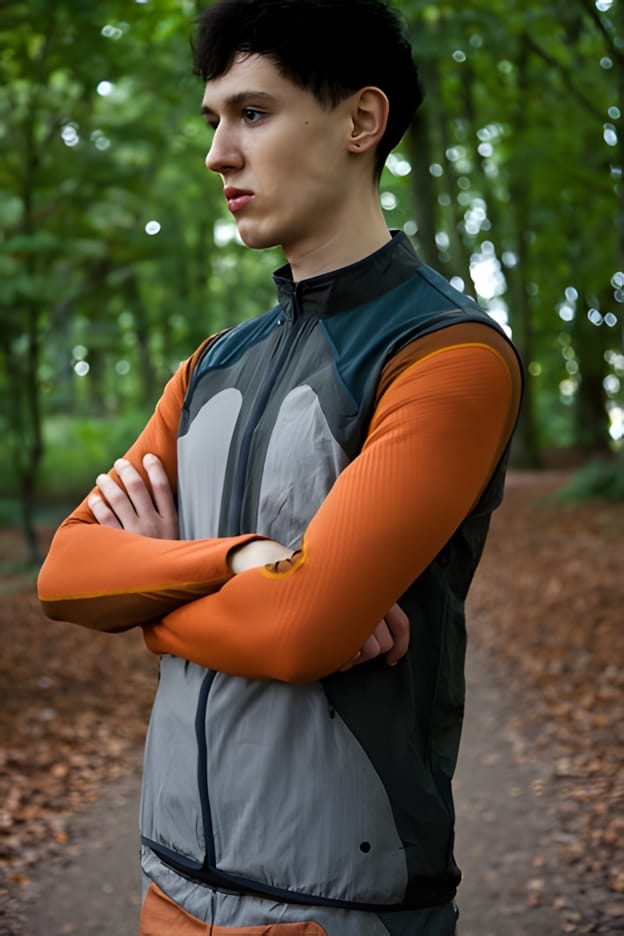
Nike x Undercover Gyakusou Running Vest
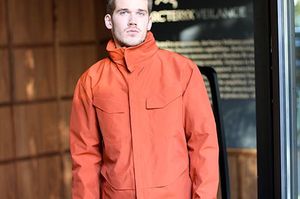
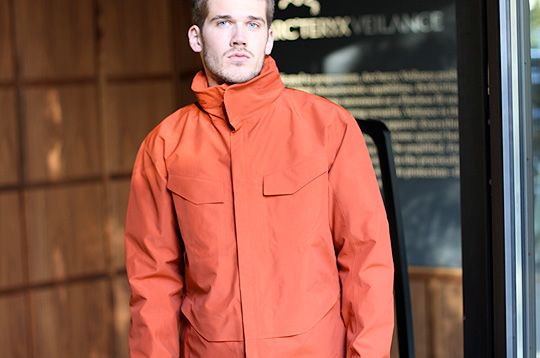
Arc'teryx Veilance Firmament Berlin
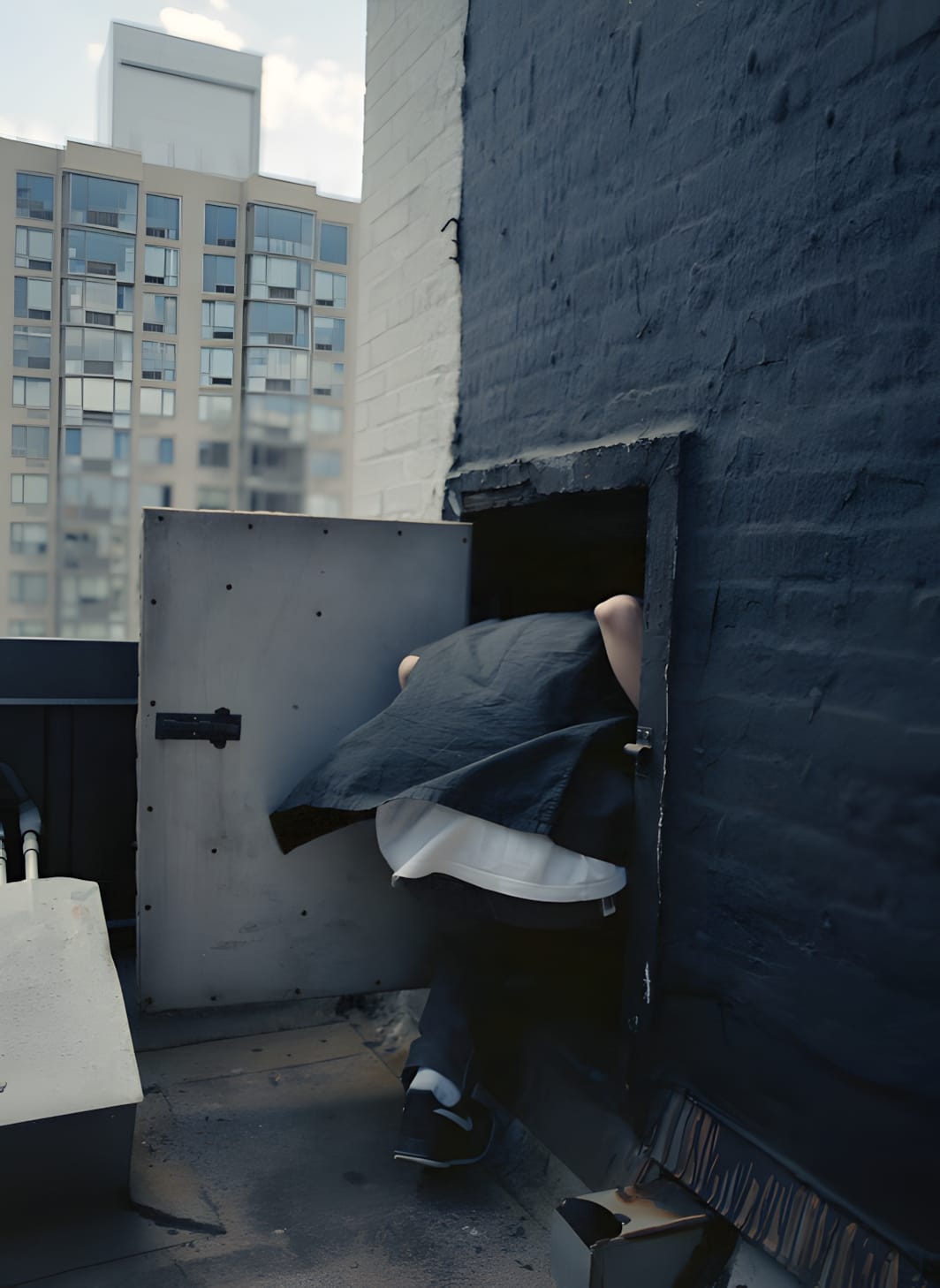
René Burri — New York City, 1988
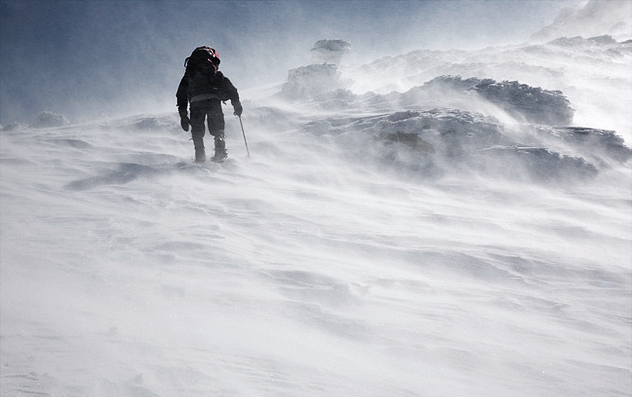
Airline Trail Winter Ascent
A winter hiker on the exposed Air Line Trail in the White Mountains, New Hampshire, in blowing snow. Photograph by Erin Paul Donovan / ScenicNH Photography.
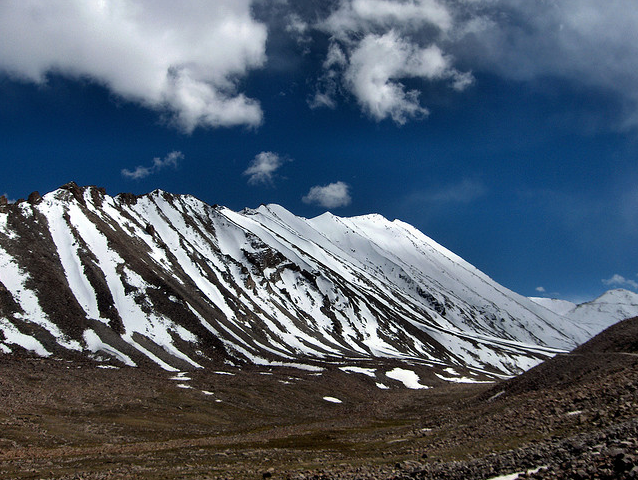
Khardung La Pass — Ladakh, India
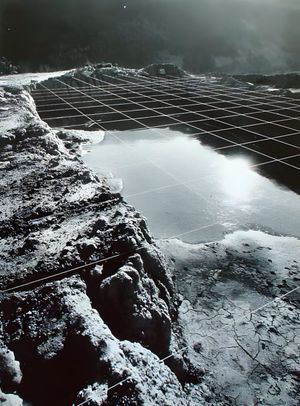
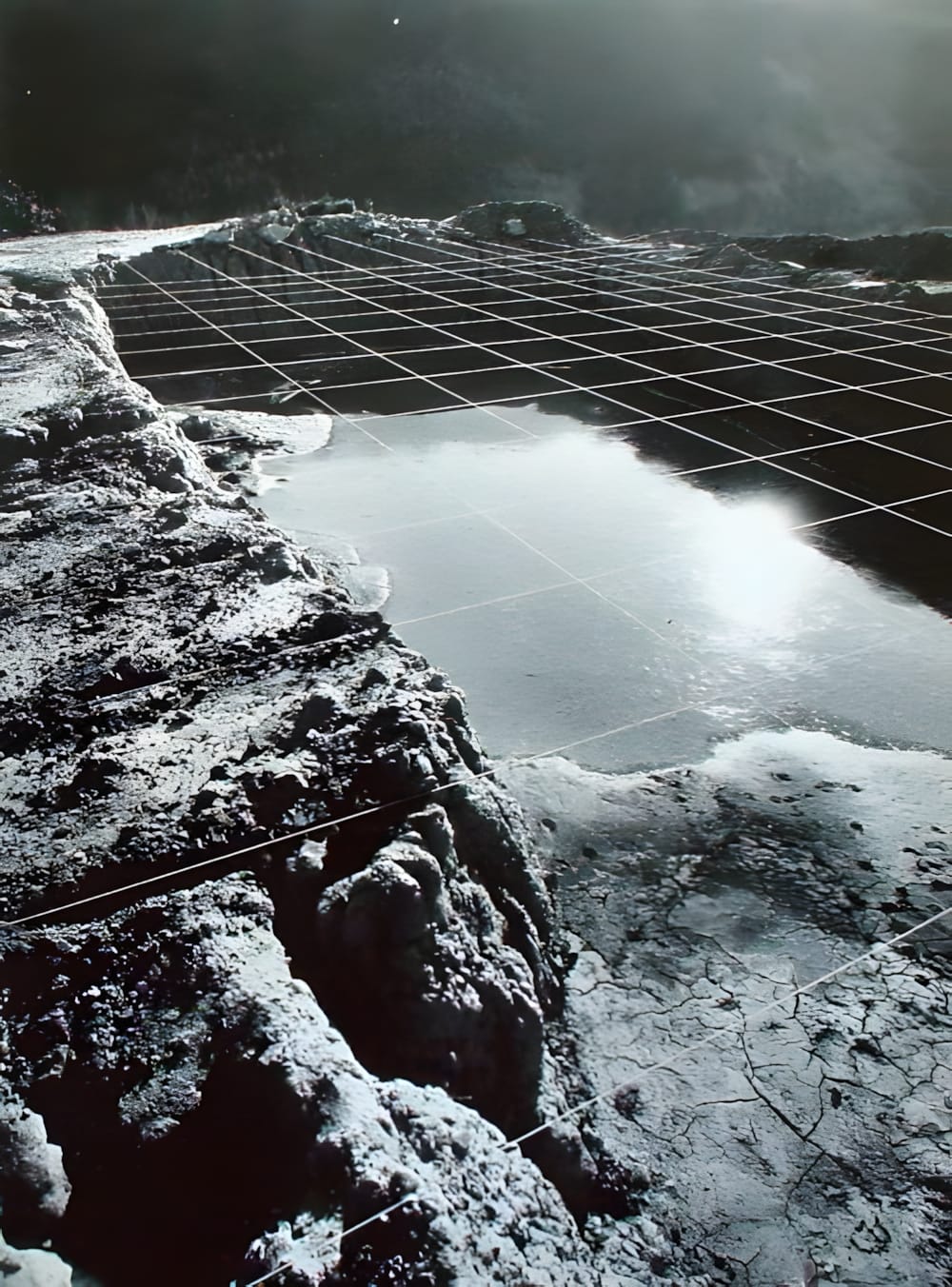
Ettore Sottsass — Metaphors (Metafore) 1972–1979
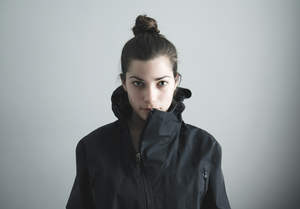
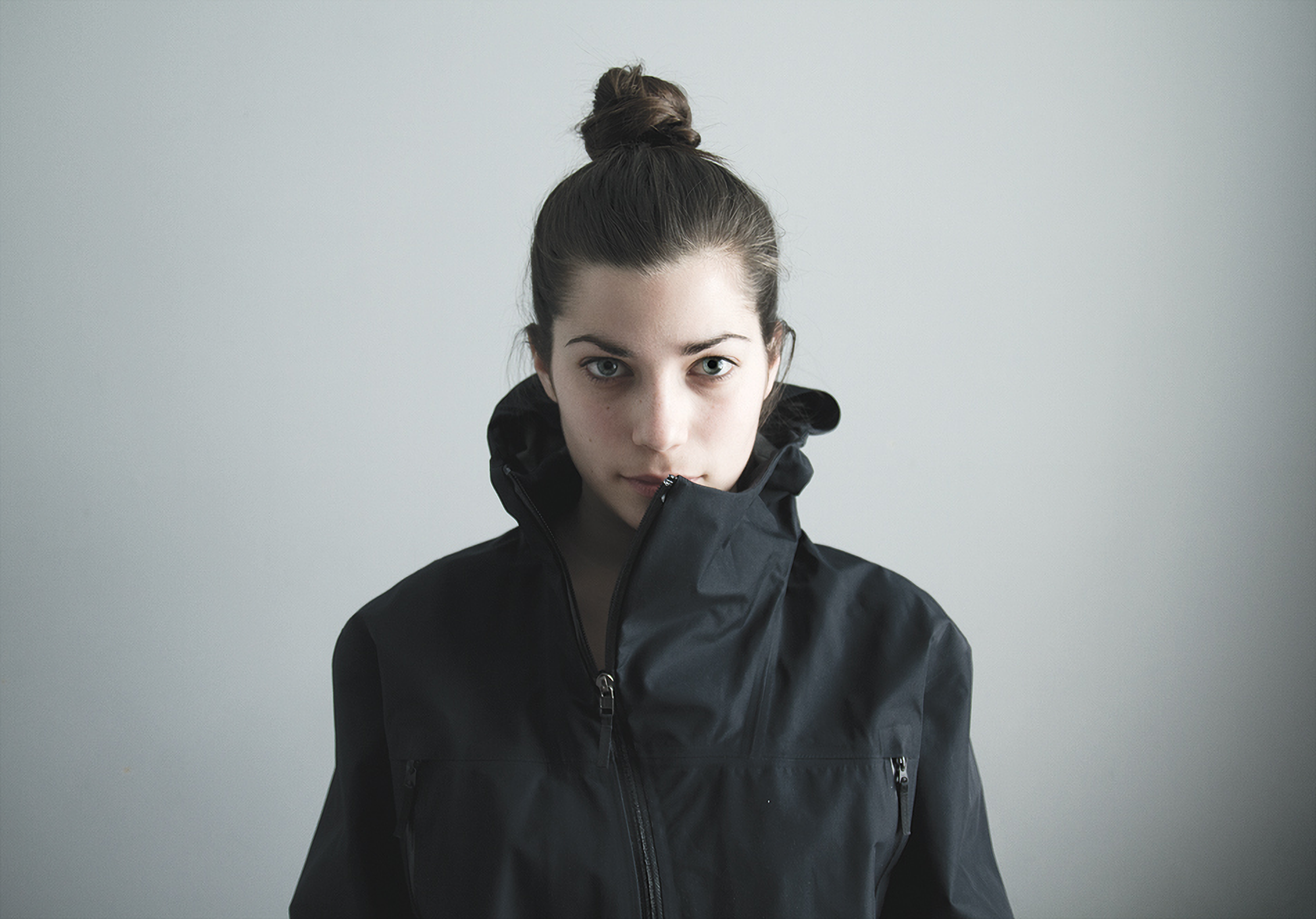
Arc'teryx Veilance SS12 — I Wish They Made This for Girls
“I Wish They Made This for Girls” is a recurring photo series by artist Vincent Tsang on onandbeyond.com, his menswear and technical-apparel journal. Each installment documents men’s garments worn by a woman.
This installment: Arc’teryx Veilance Spring/Summer 2012.
Deploy Composite Jacket (above) — black. WINDSTOPPER 3L front, shoulders and hood; stretch plain-weave nylon back and sides; asymmetric main zip carried over from the Arc’teryx Sidewinder.
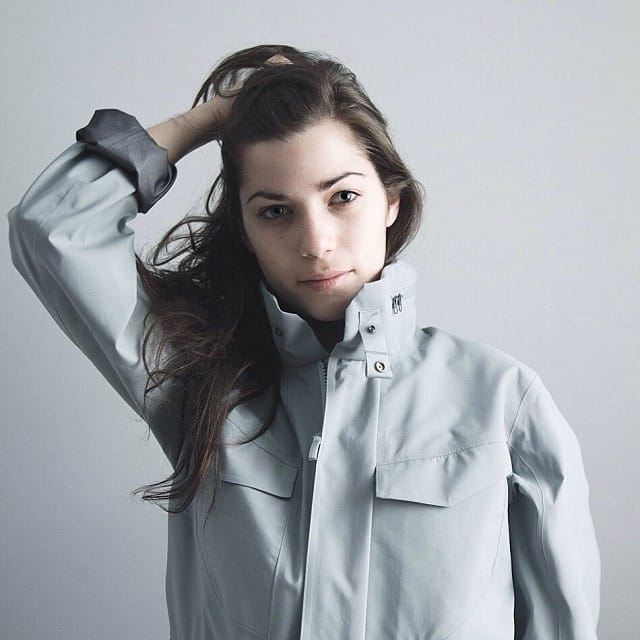
Field Jacket LT (above) — Cirrus (grey). Stand collar with snap tabs; flap chest pocket.
Published on onandbeyond, March 2012.
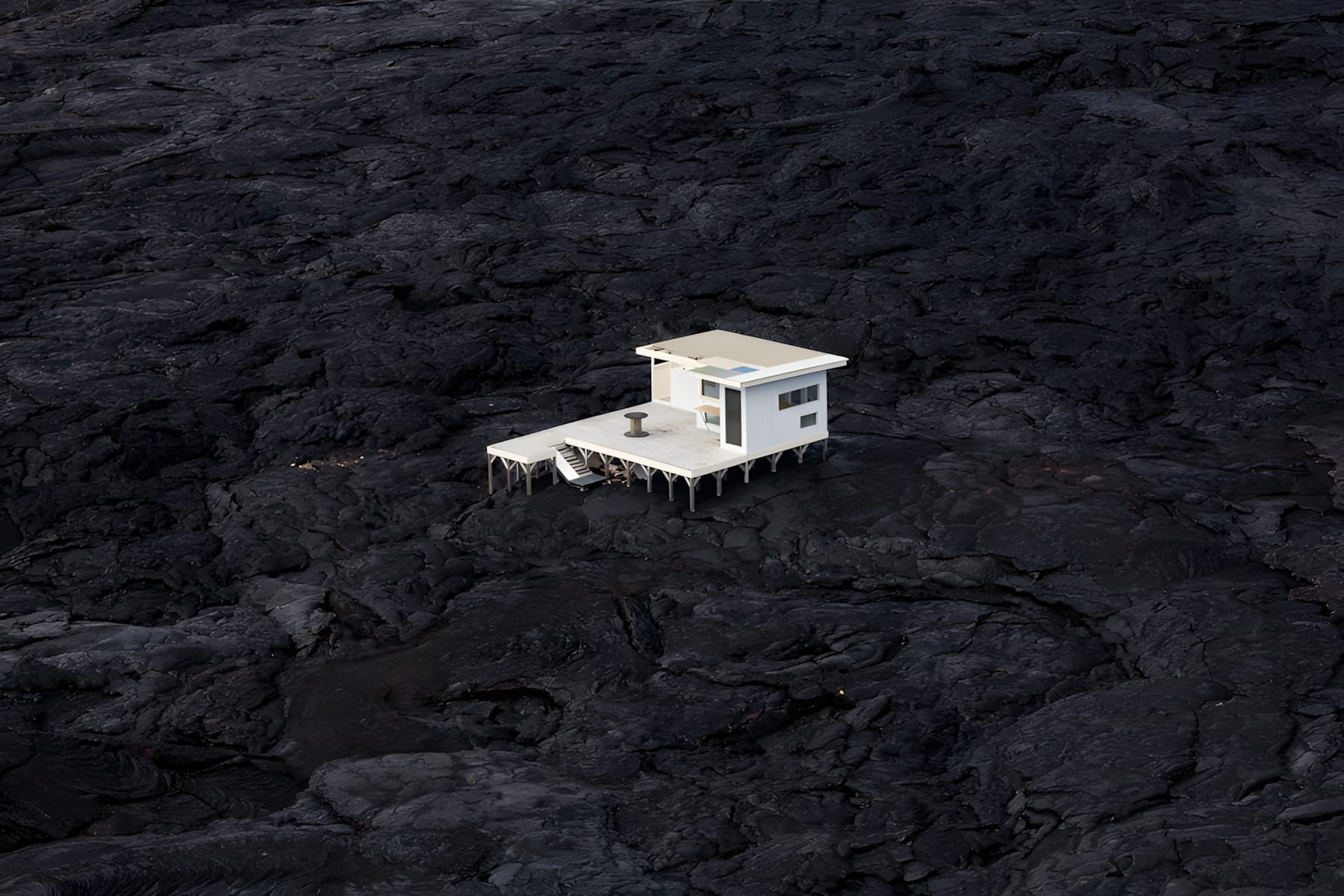
Michael Wells — Scorched Earth: House on Lava, Hawaii


Todd McLellan — Things Come Apart
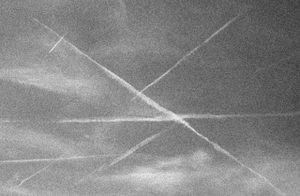
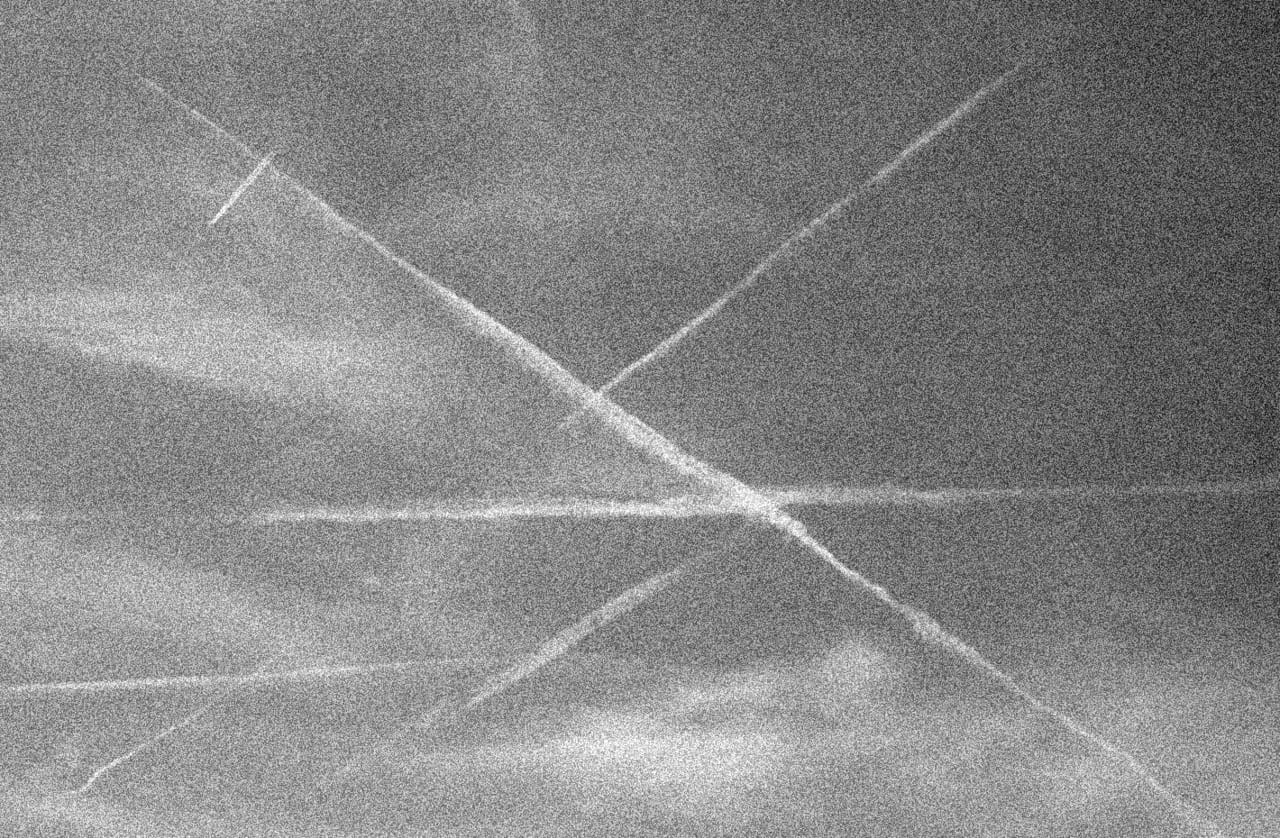
Airplane Contrails — Fine Art Sky Photography
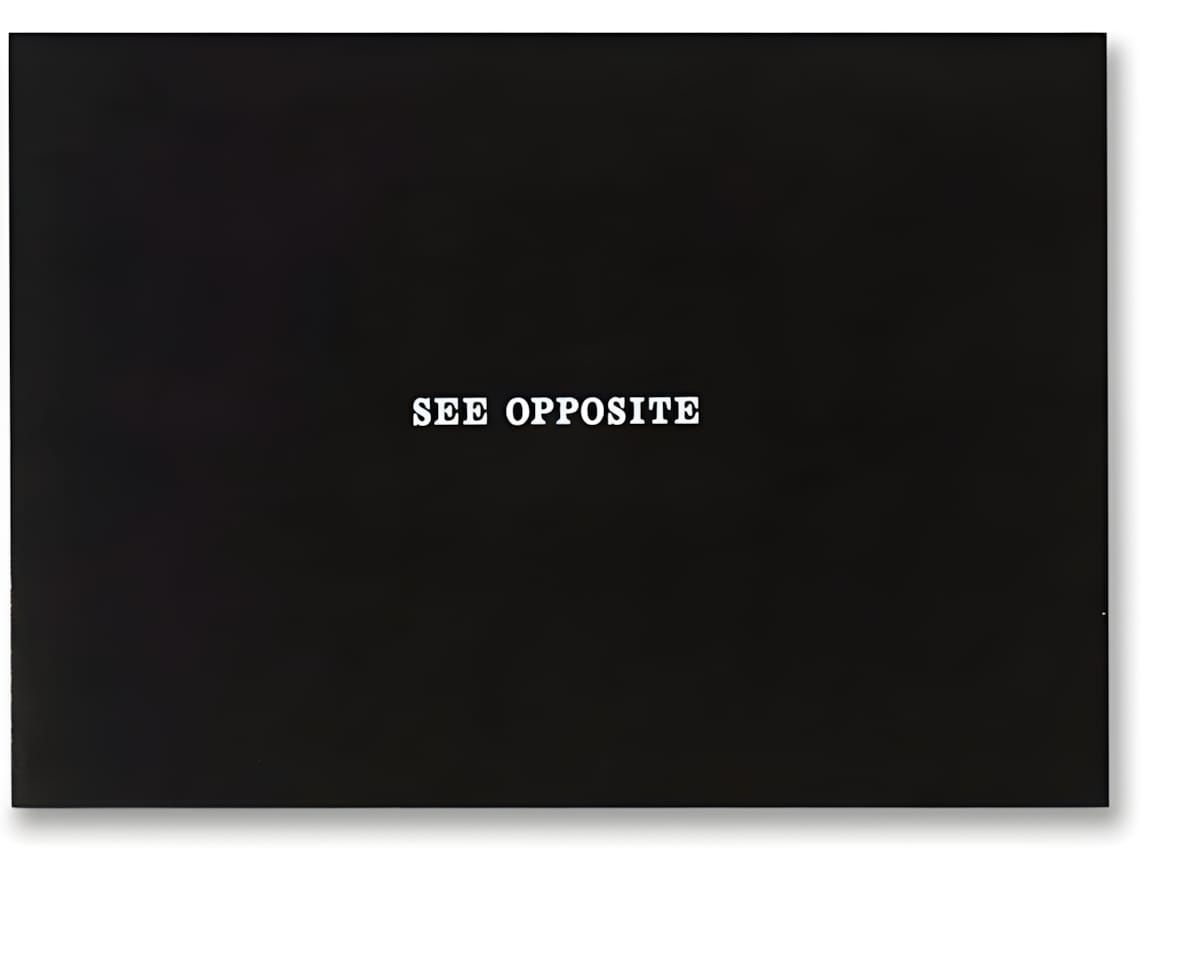
Todd Hido — Between the Two (Nazraeli Press, 2007)
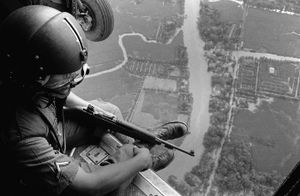
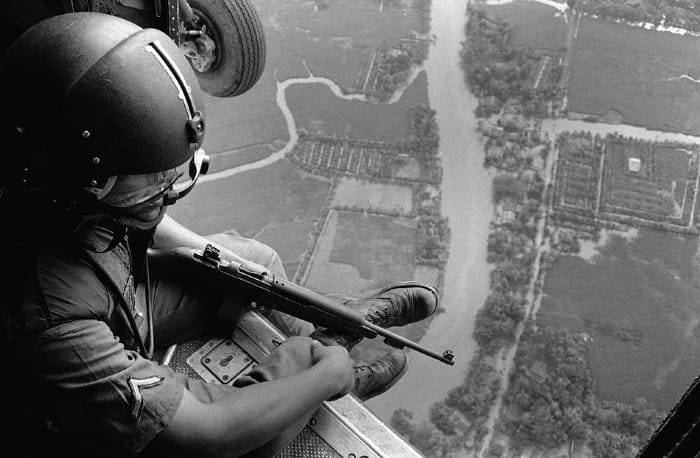
Horst Faas Mekong Delta 1963
A 1963 photograph by Horst Faas, Associated Press, of a US helicopter crew chief over the Mekong Delta, Vietnam. Faas won the Pulitzer Prize for his Vietnam coverage in 1965.