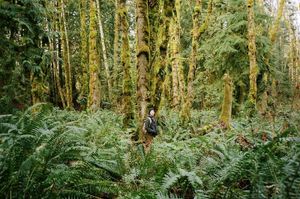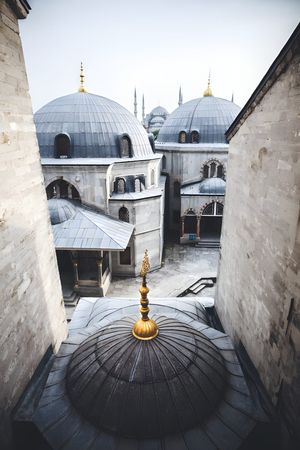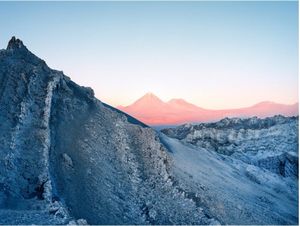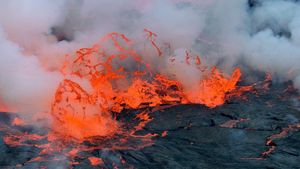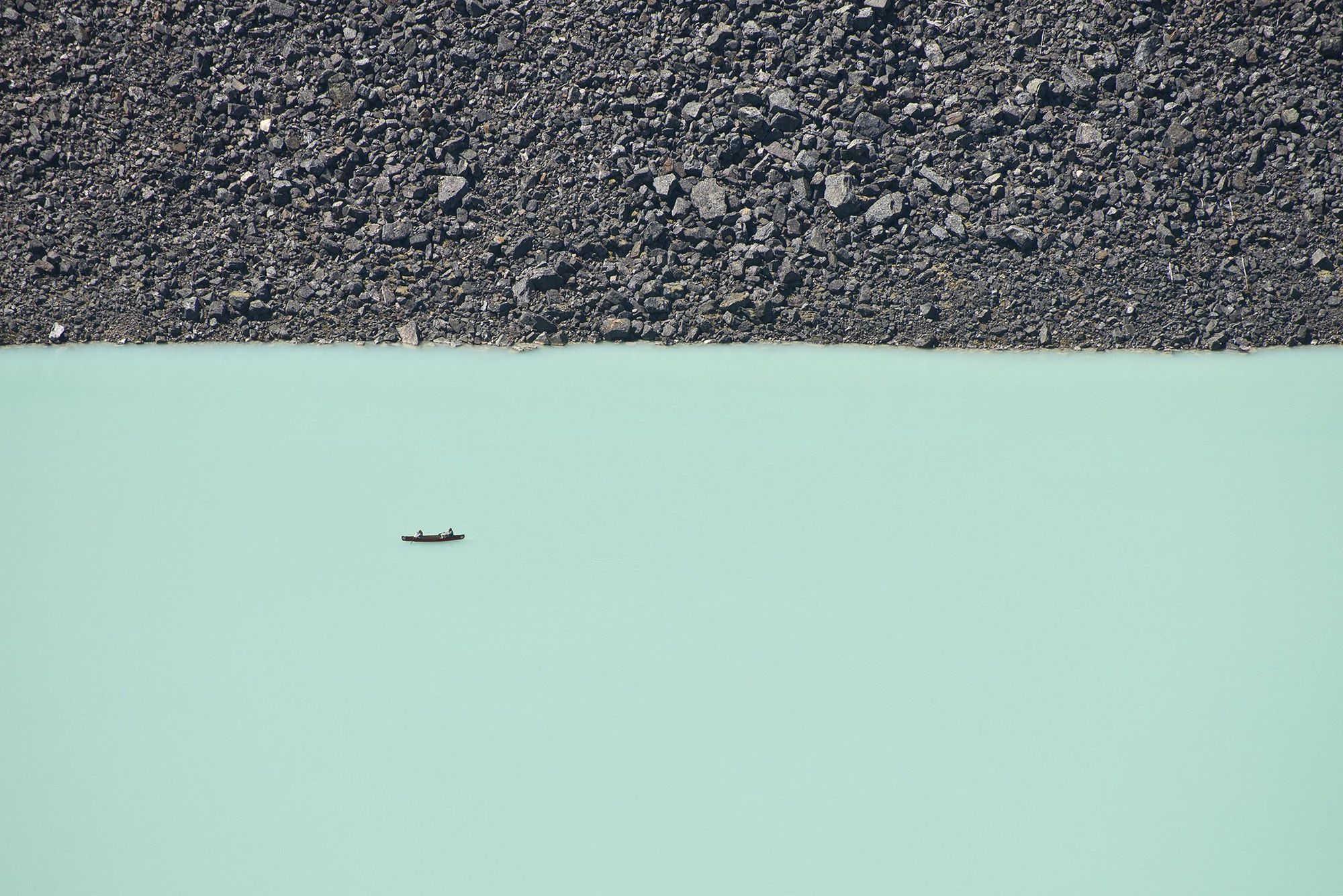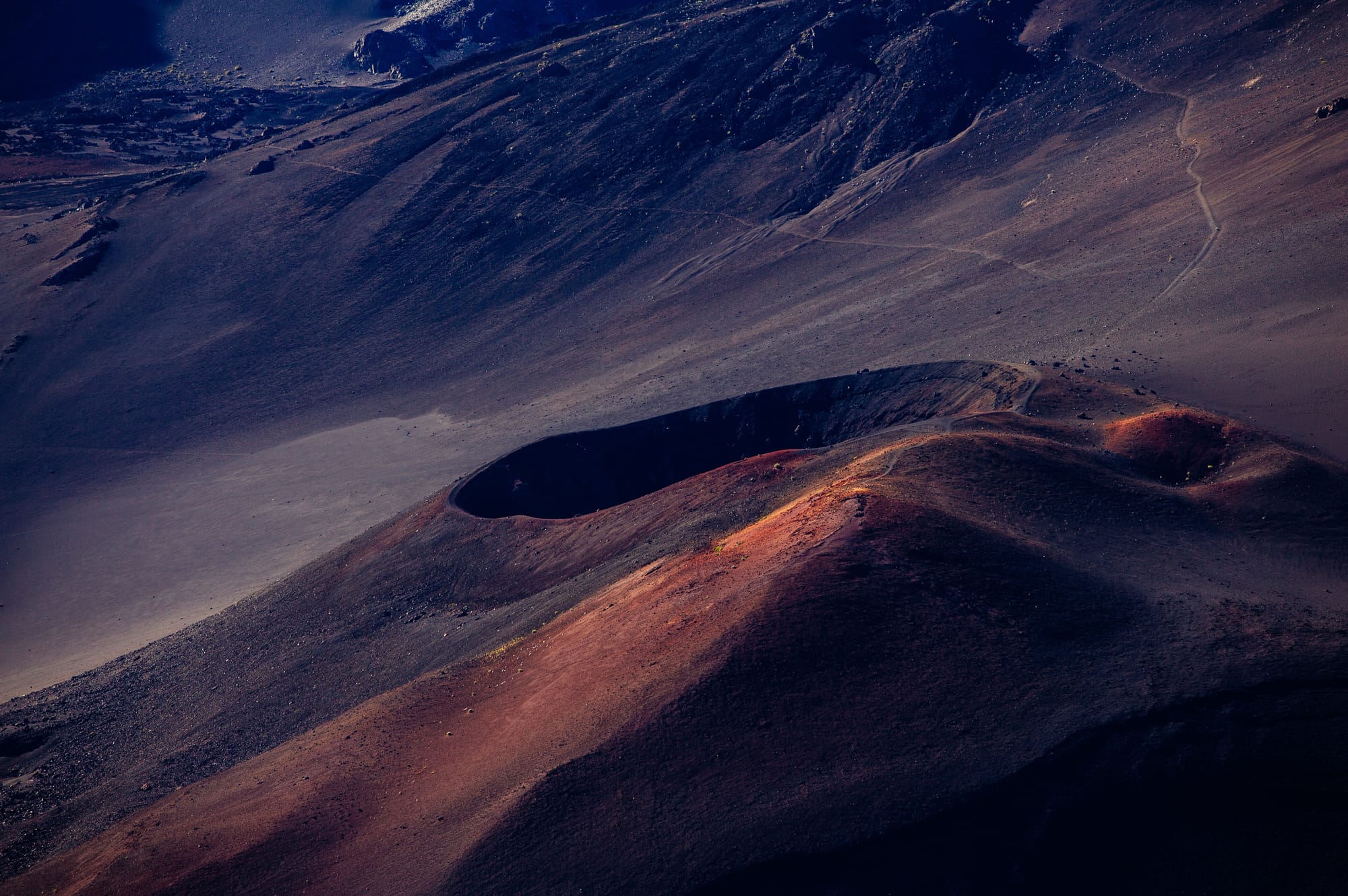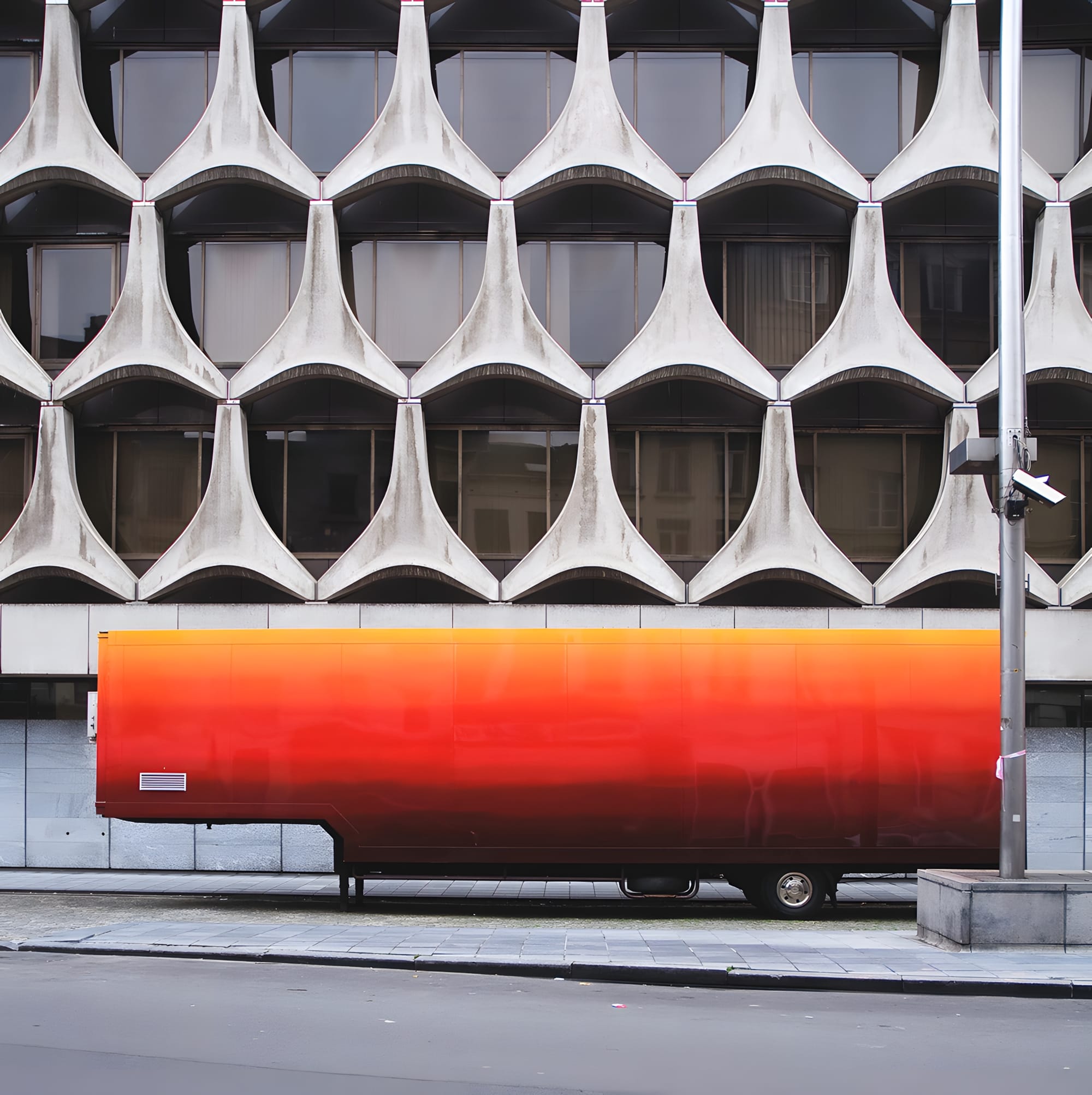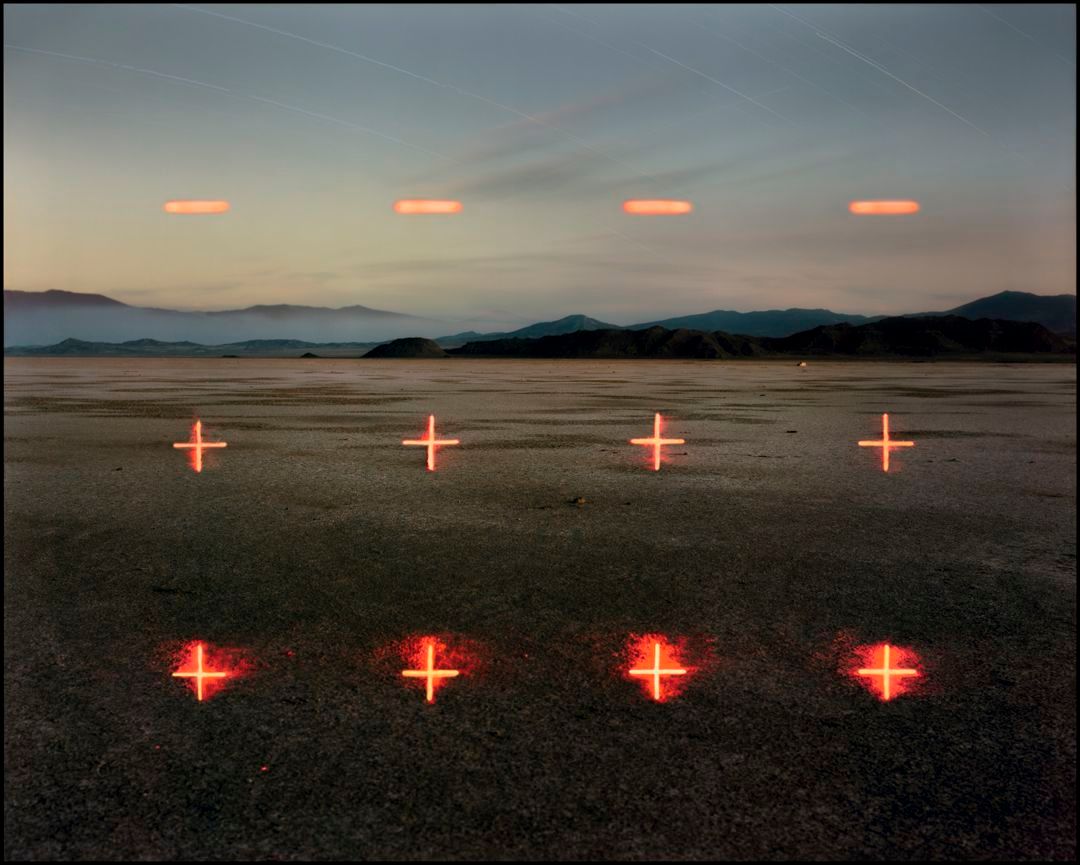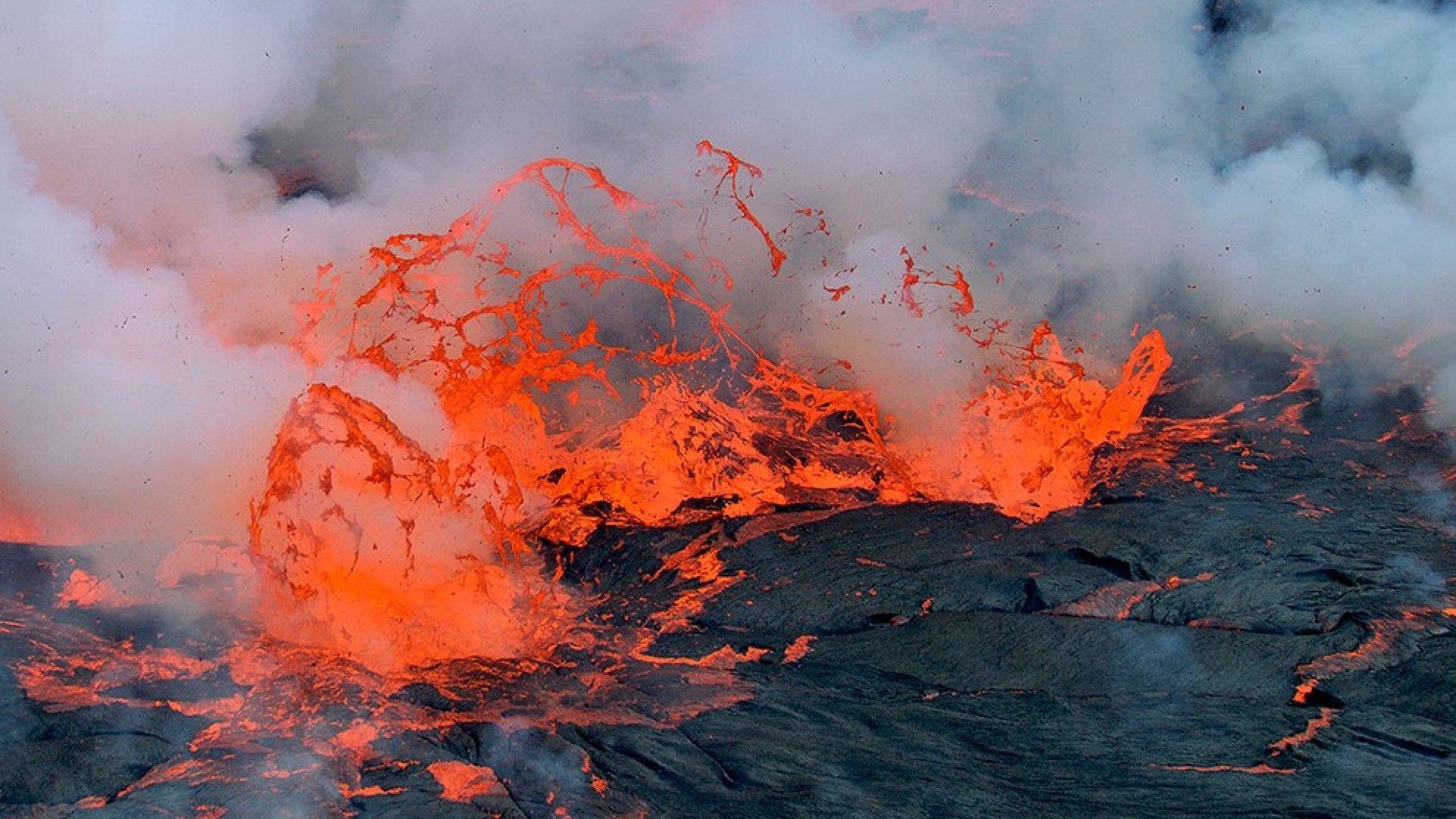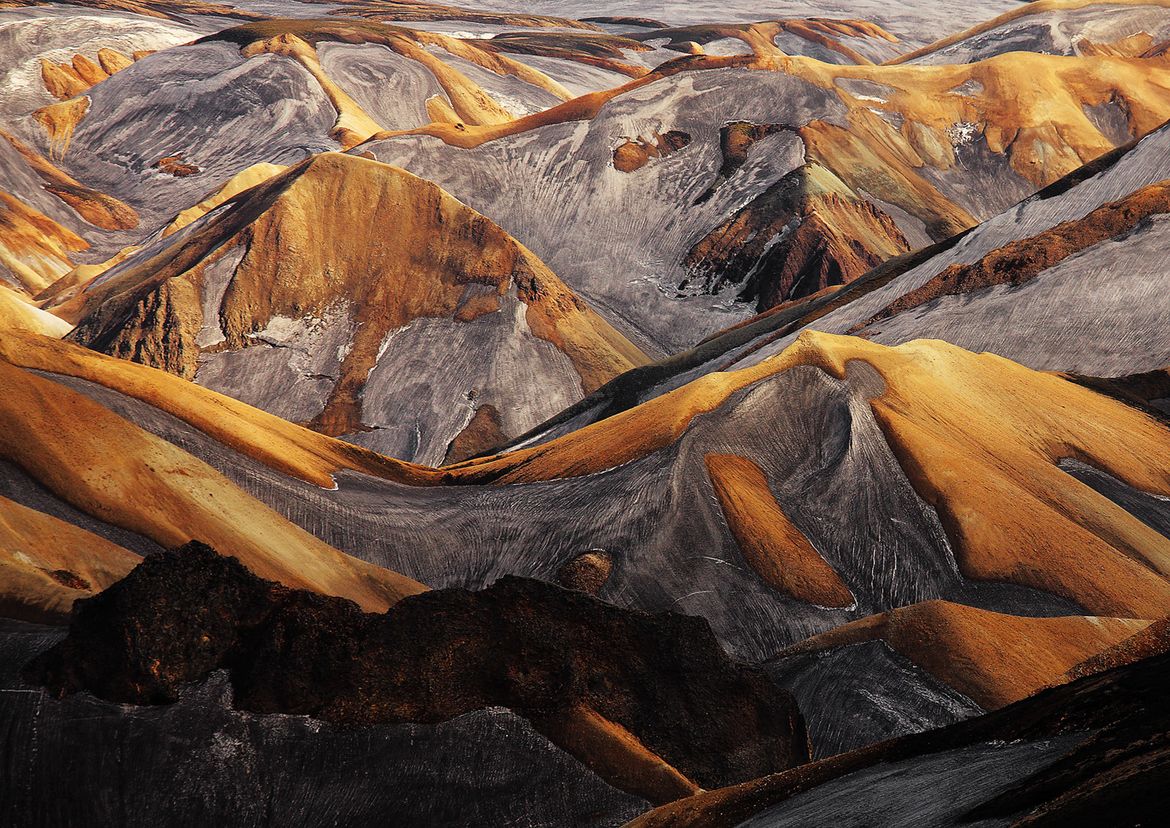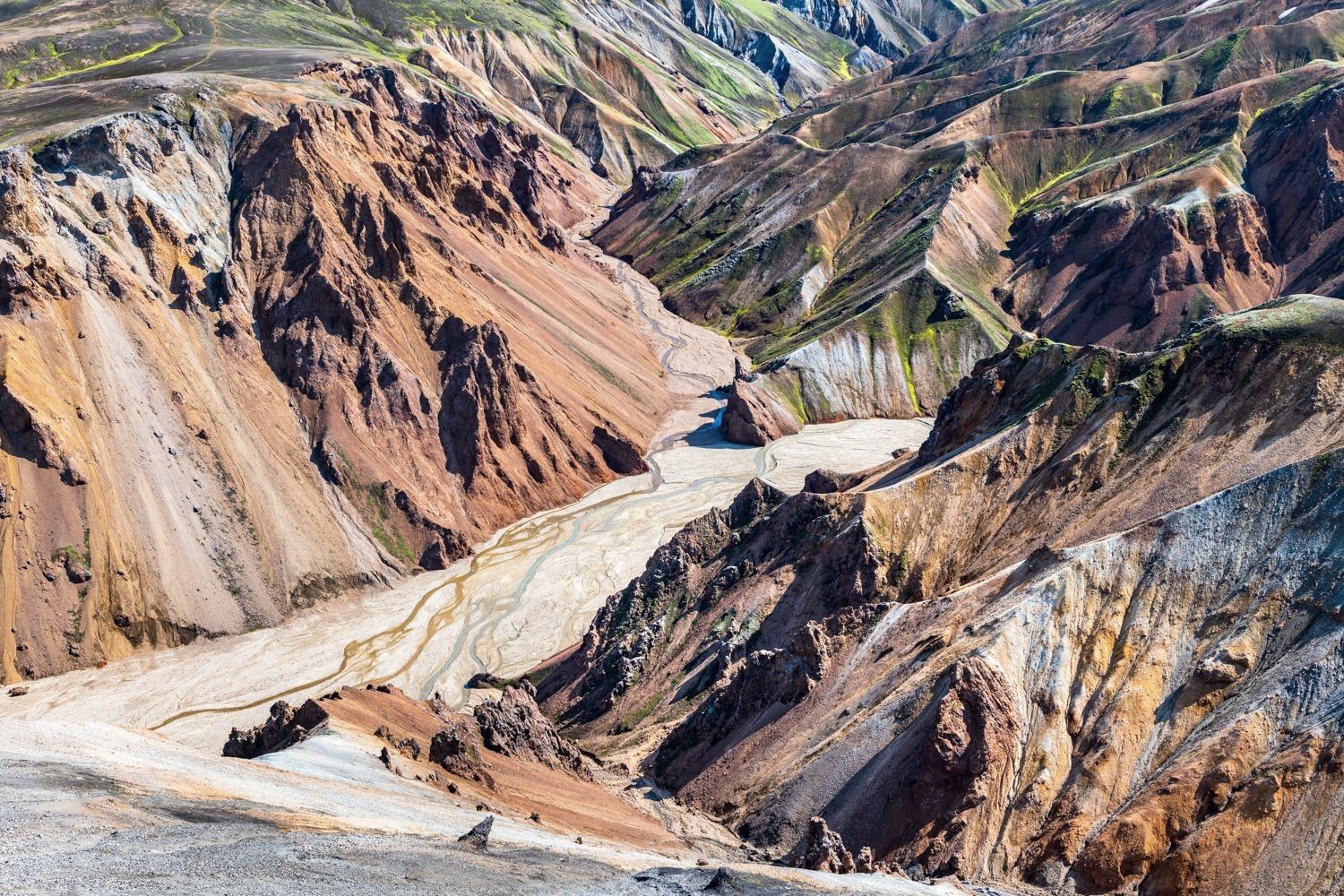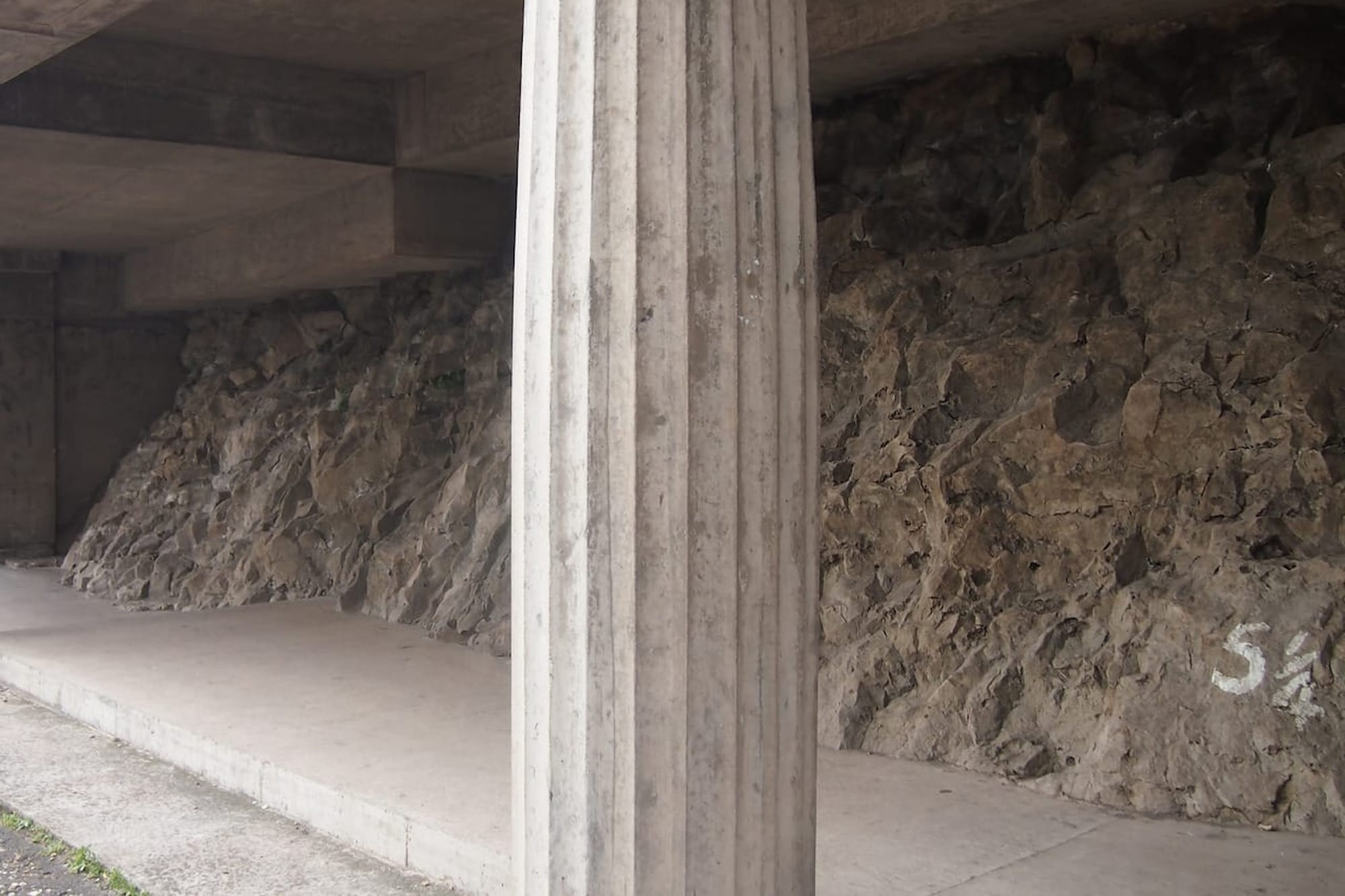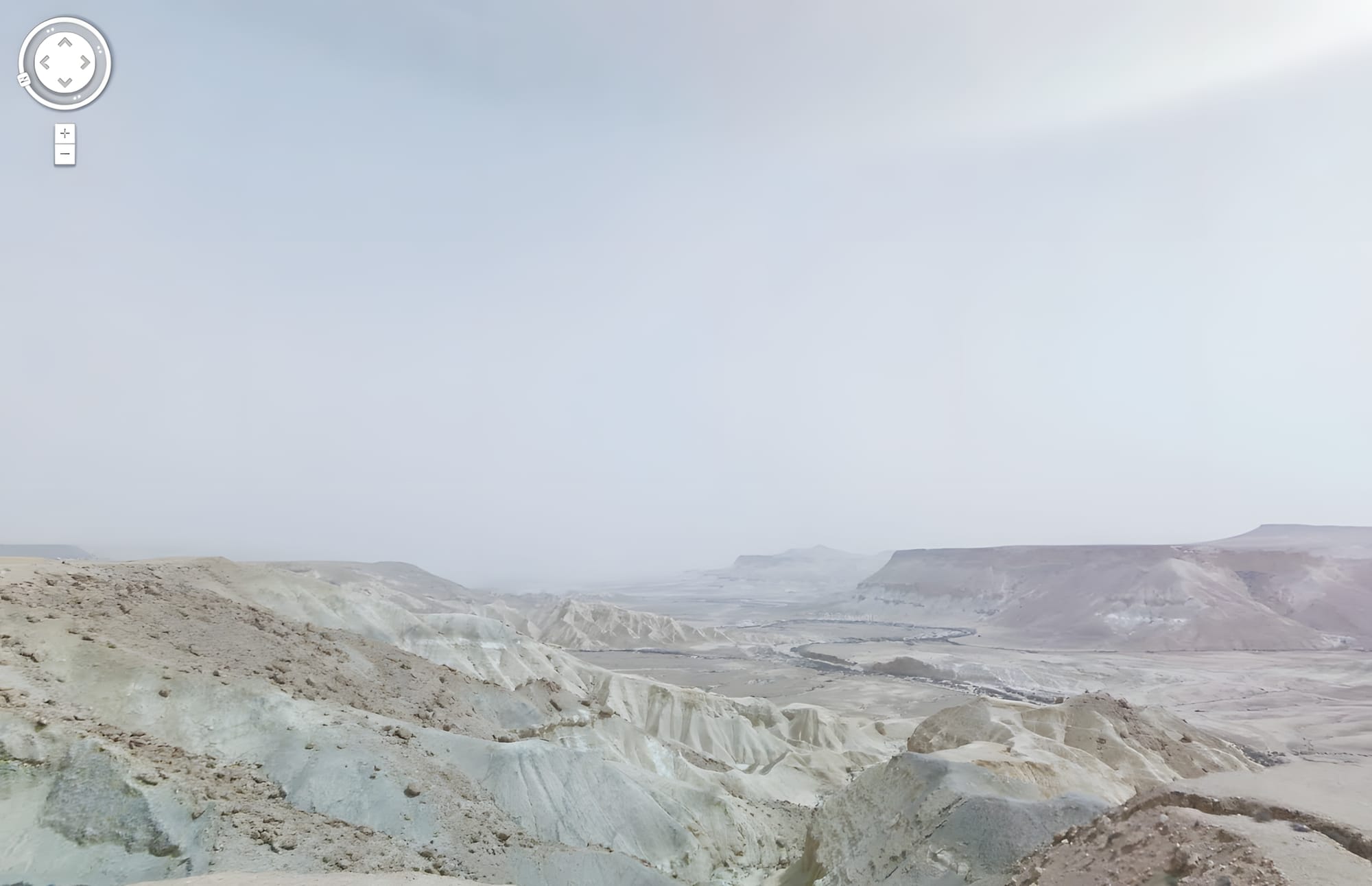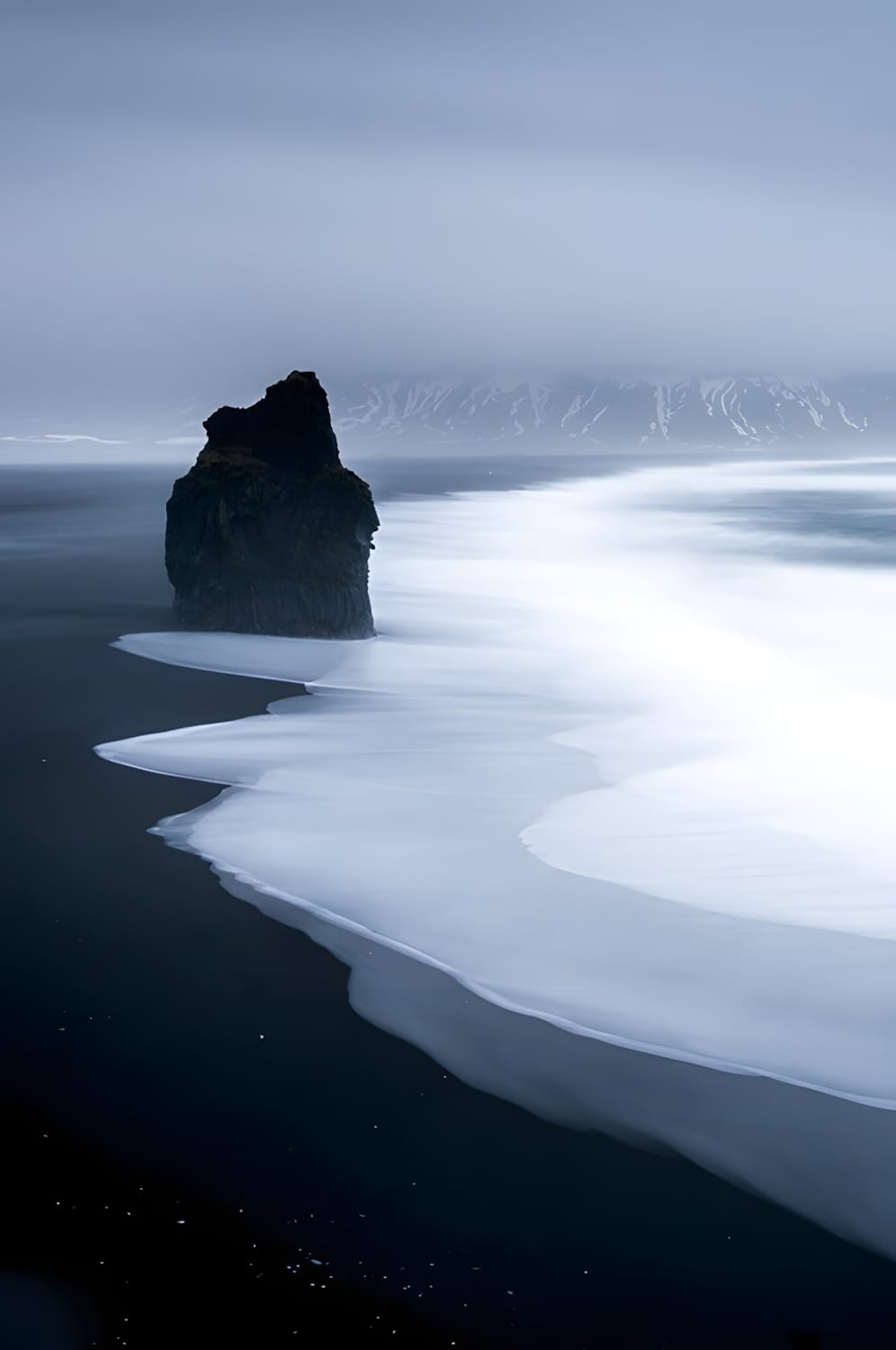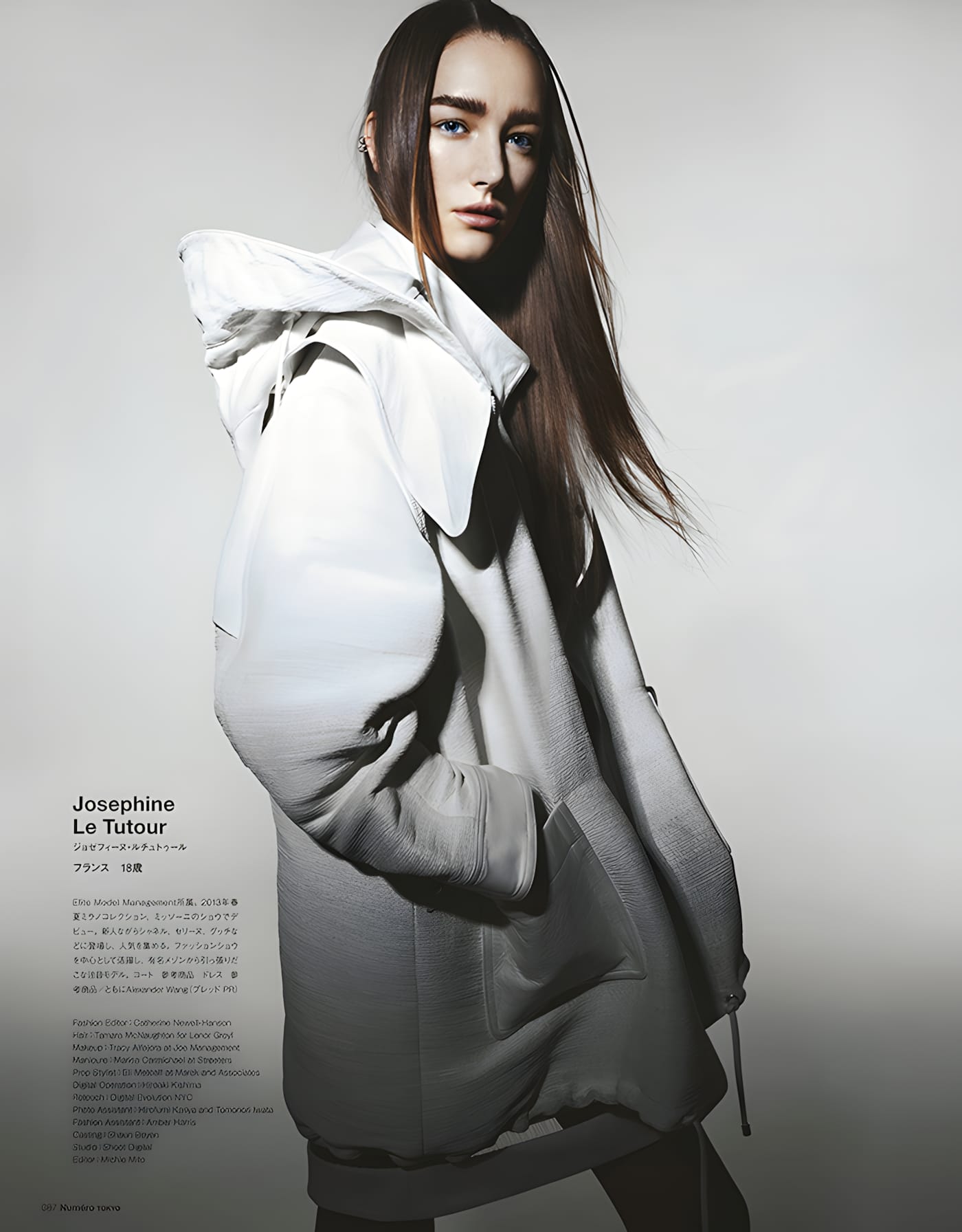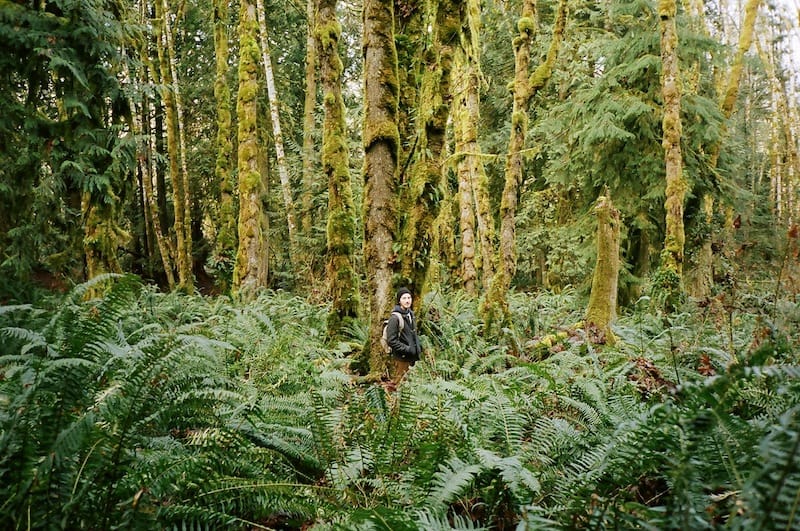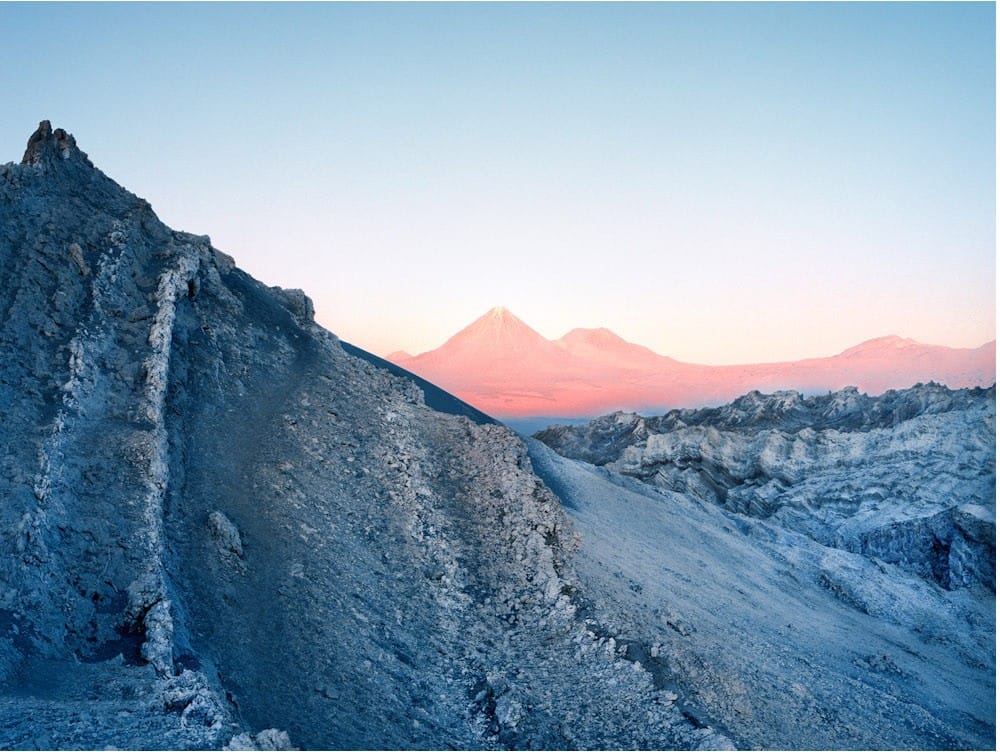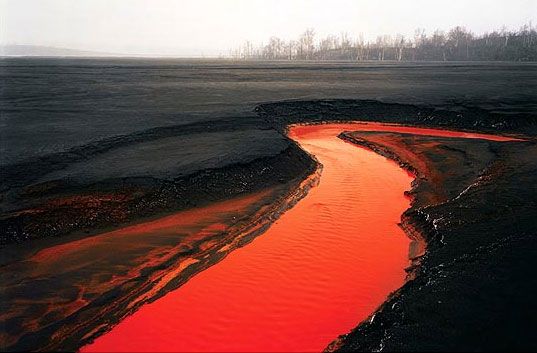
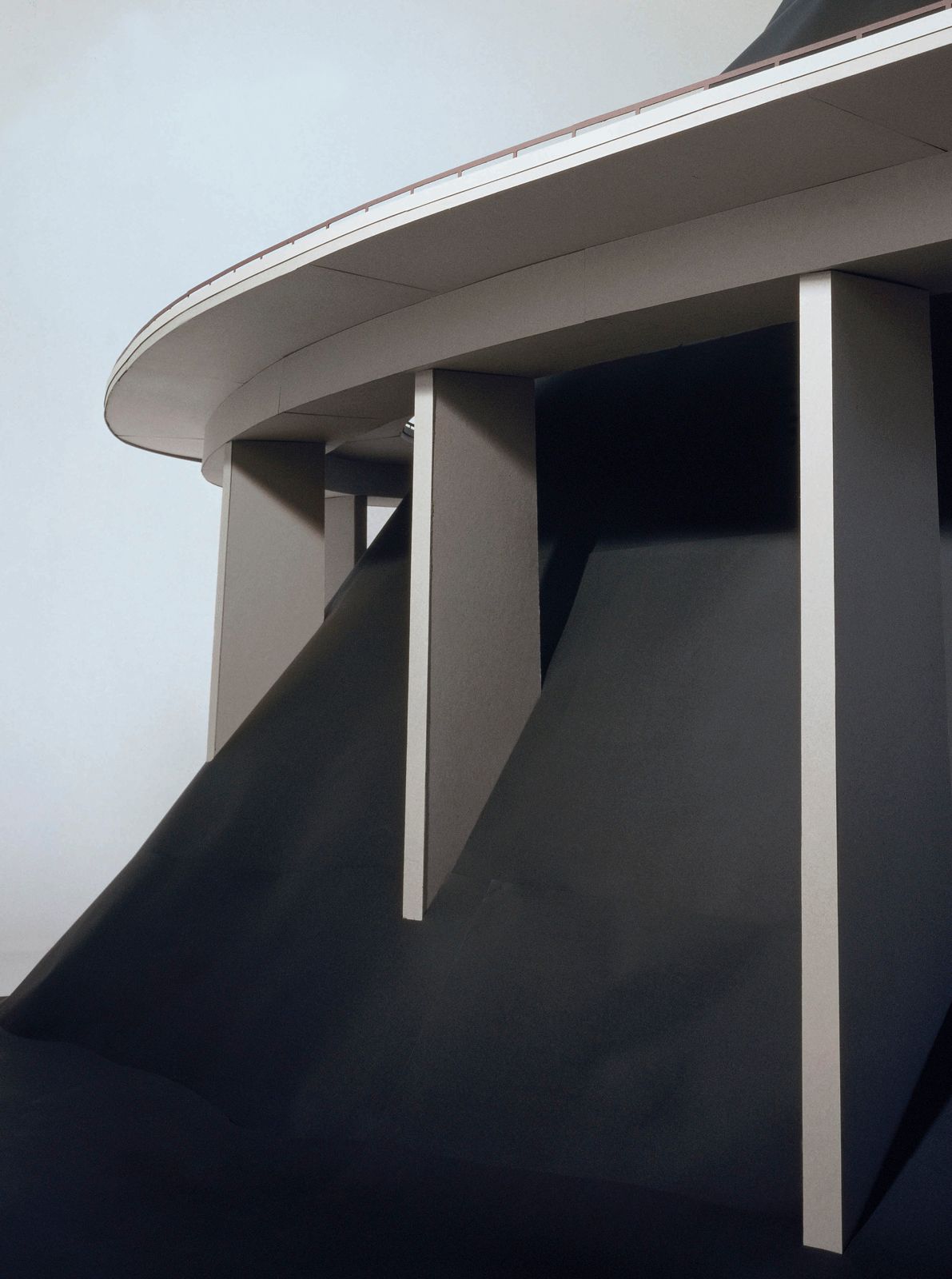
Nickel Tailings 34, Edward Burtynsky, 1996
From “Manufactured Landscapes: The Photographs of Edward Burtynsky”
From “Manufactured Landscapes: The Photographs of Edward Burtynsky”
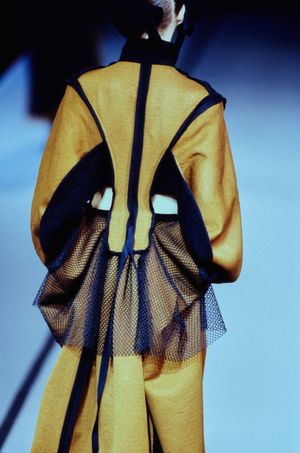
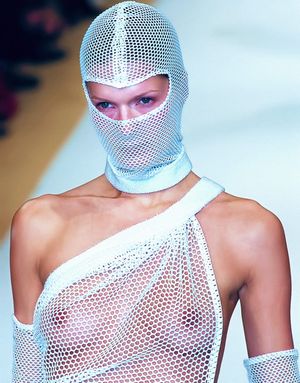
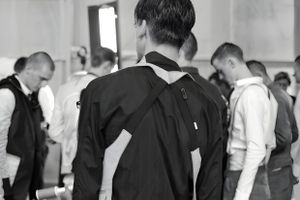
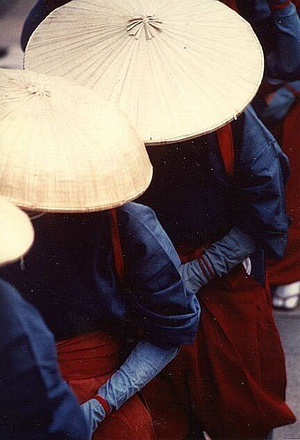
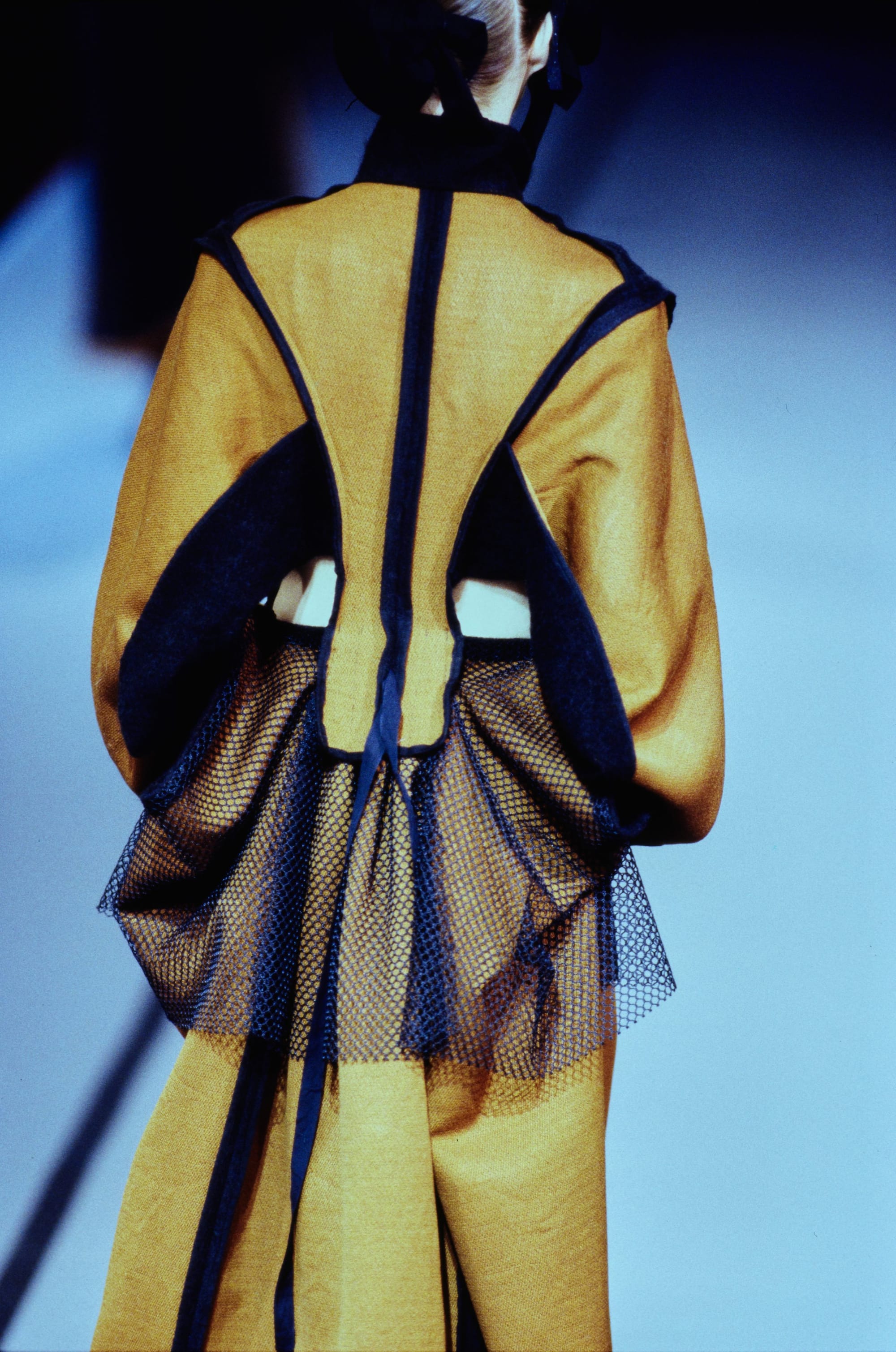
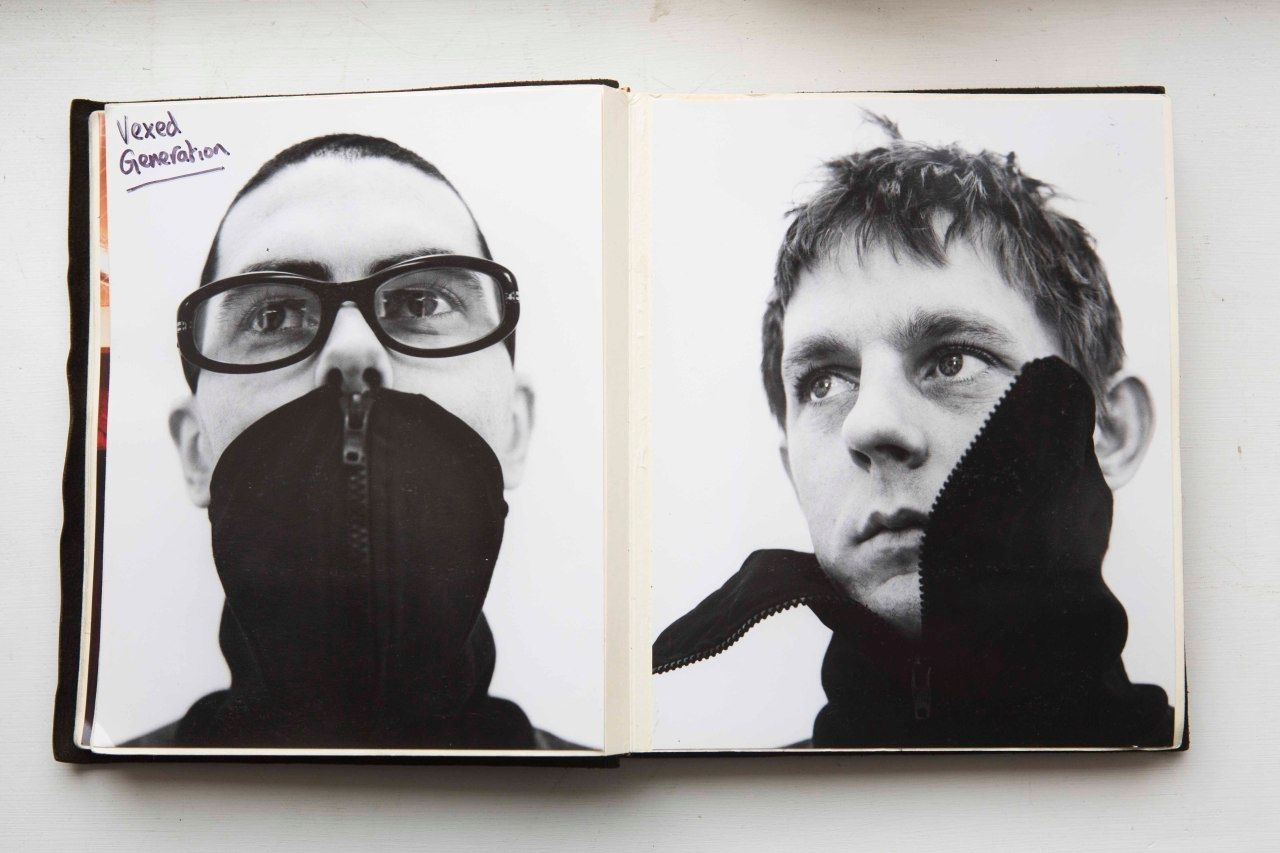
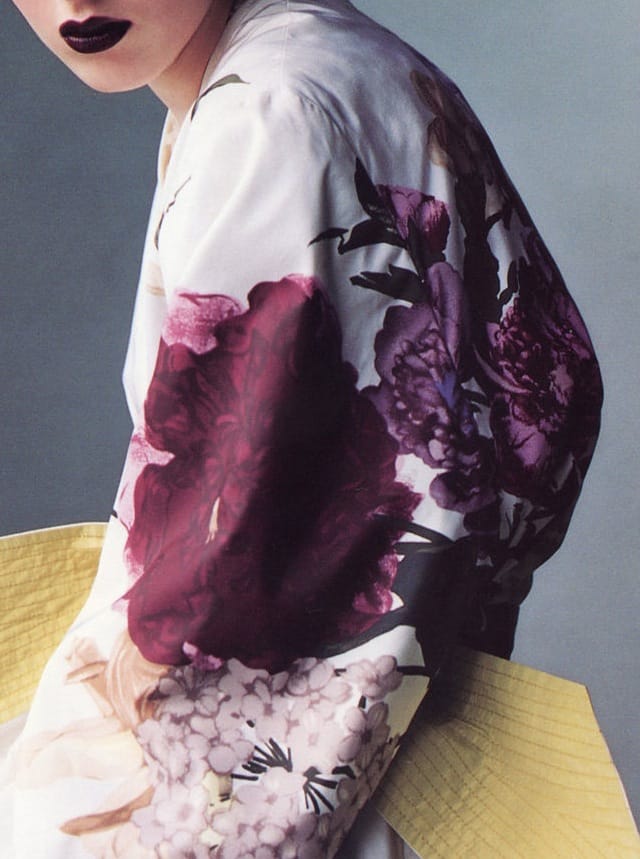
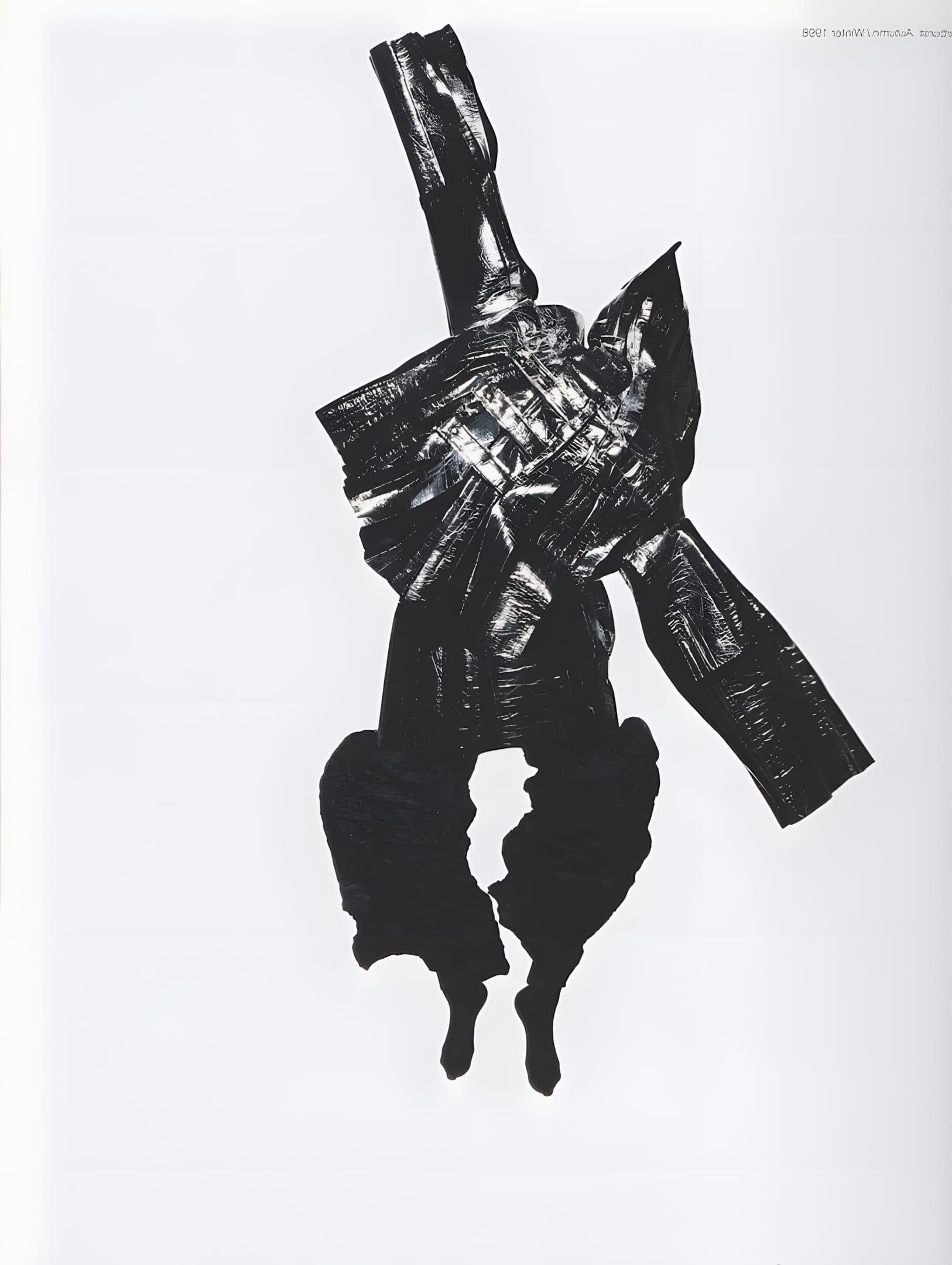
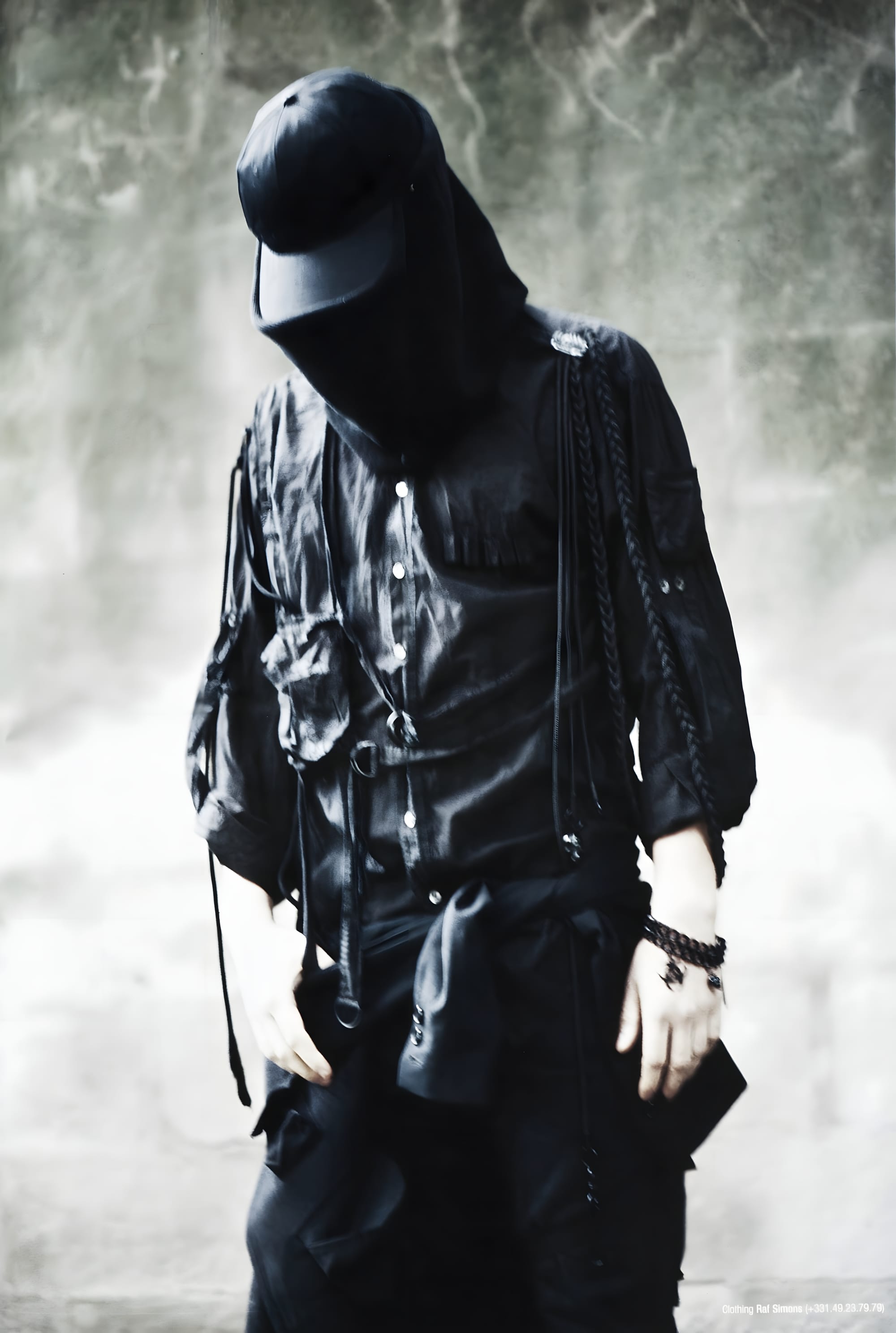
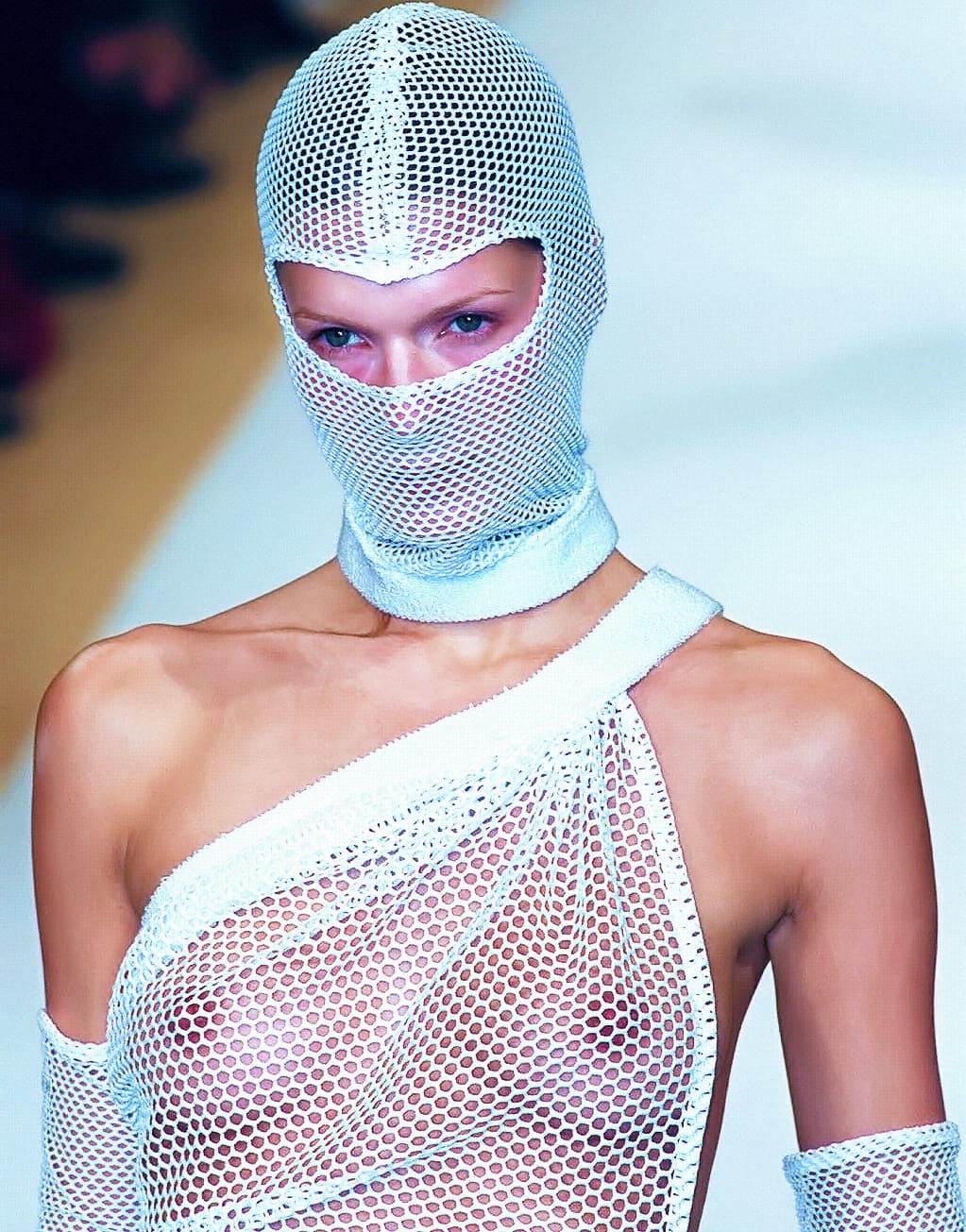
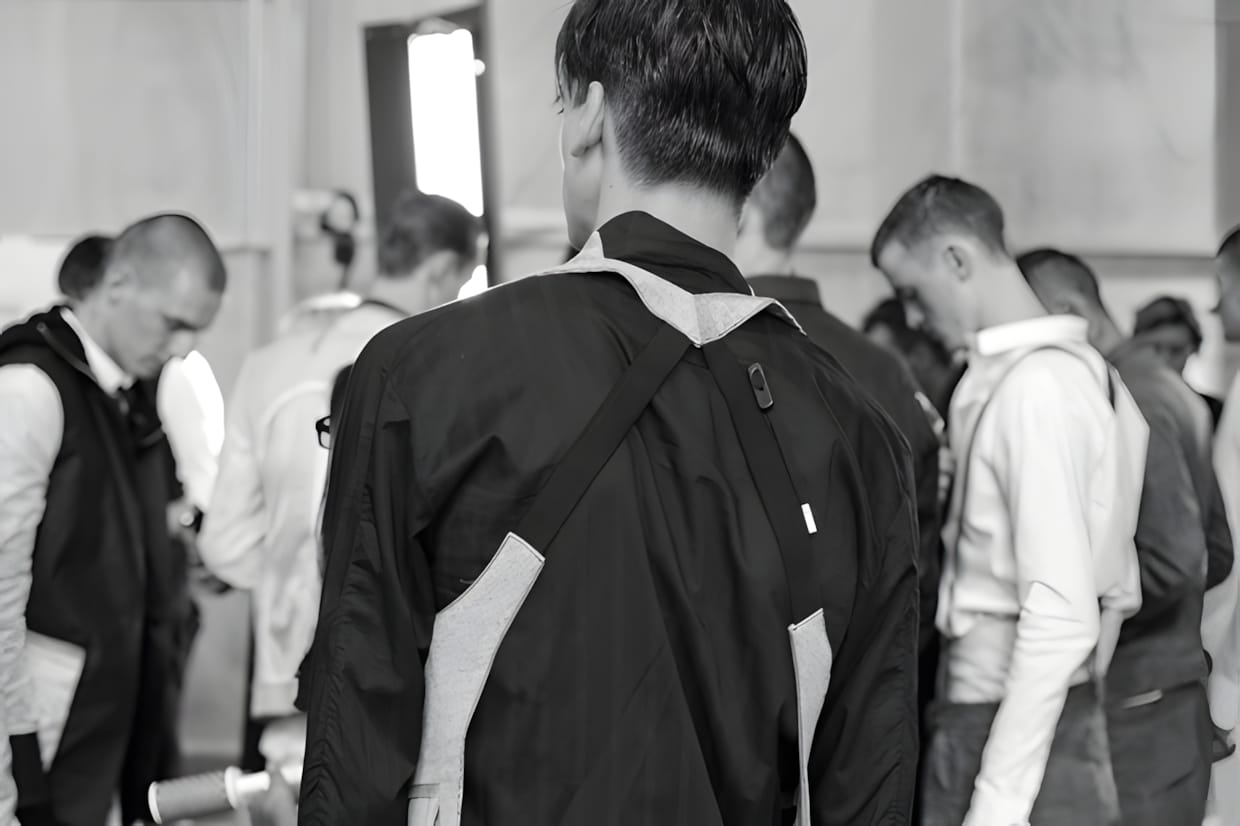
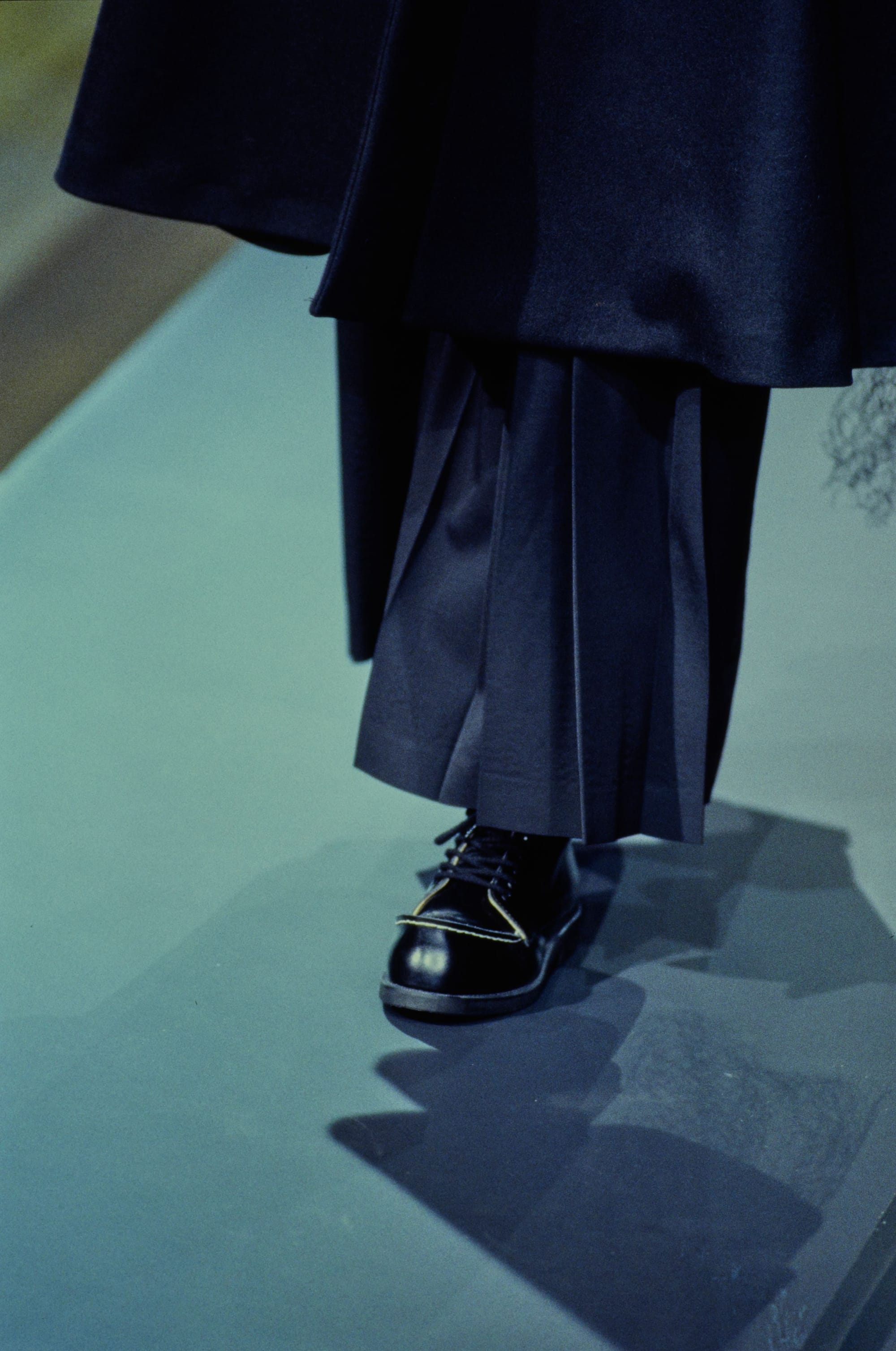
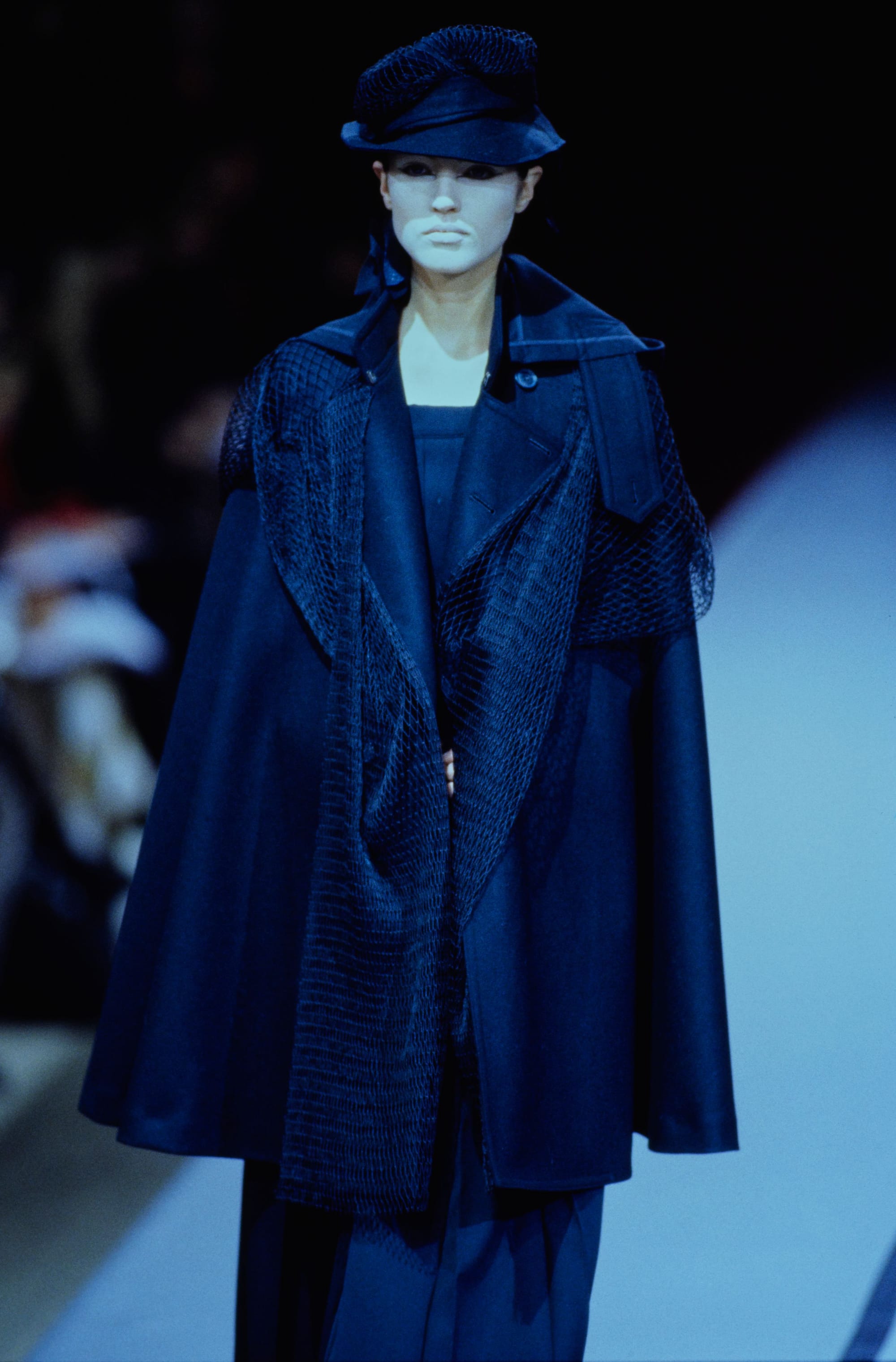
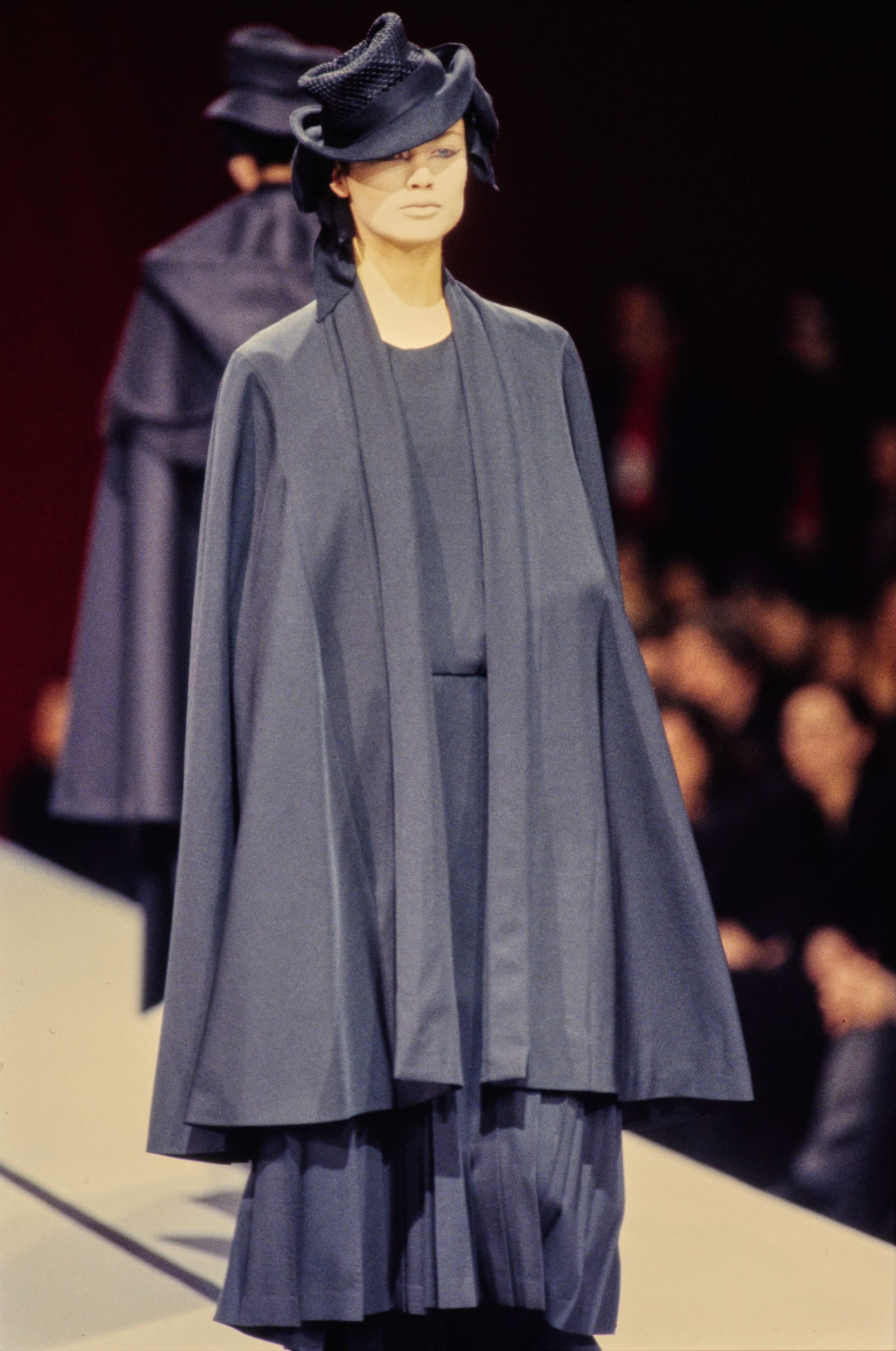
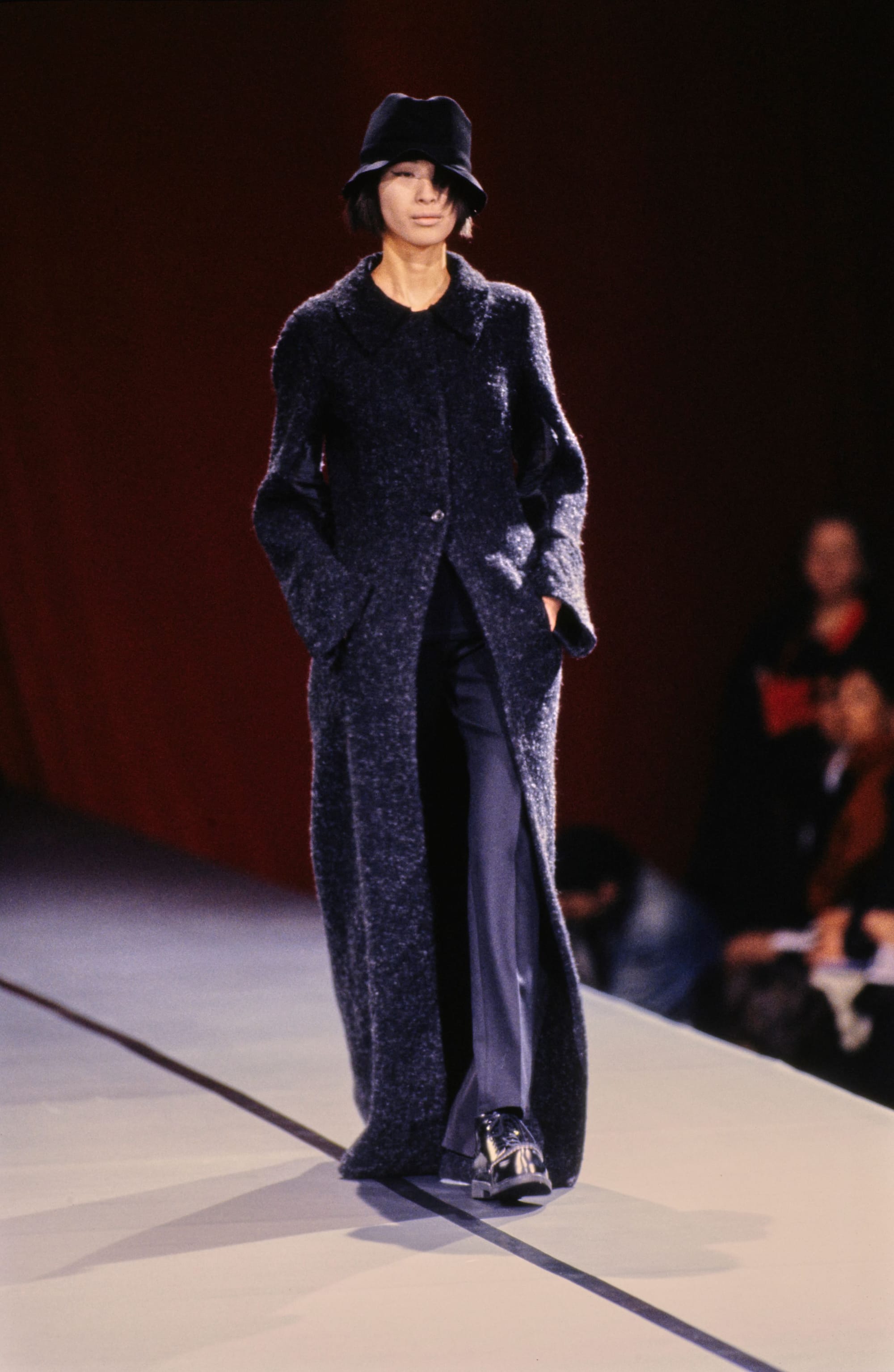
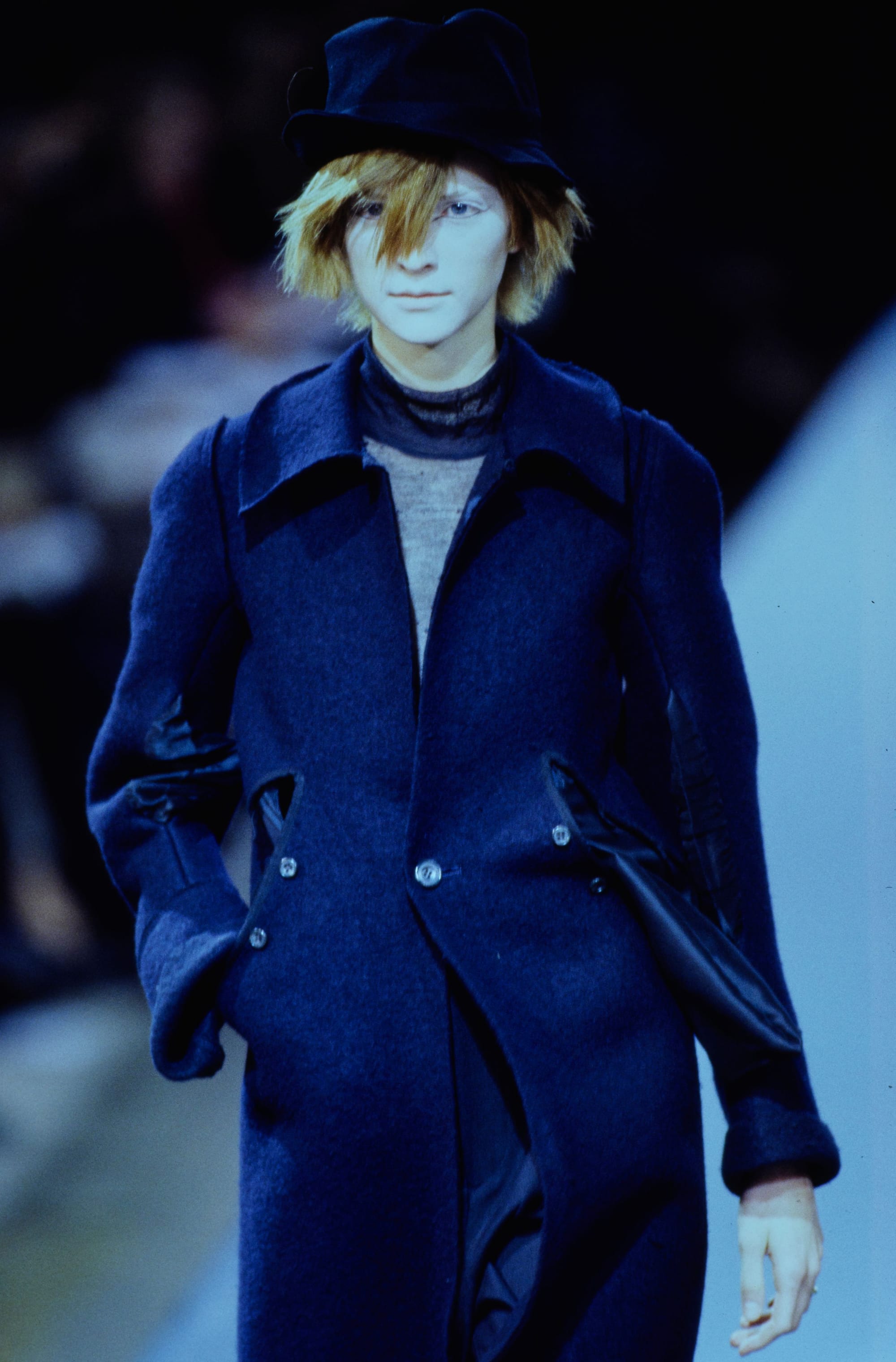
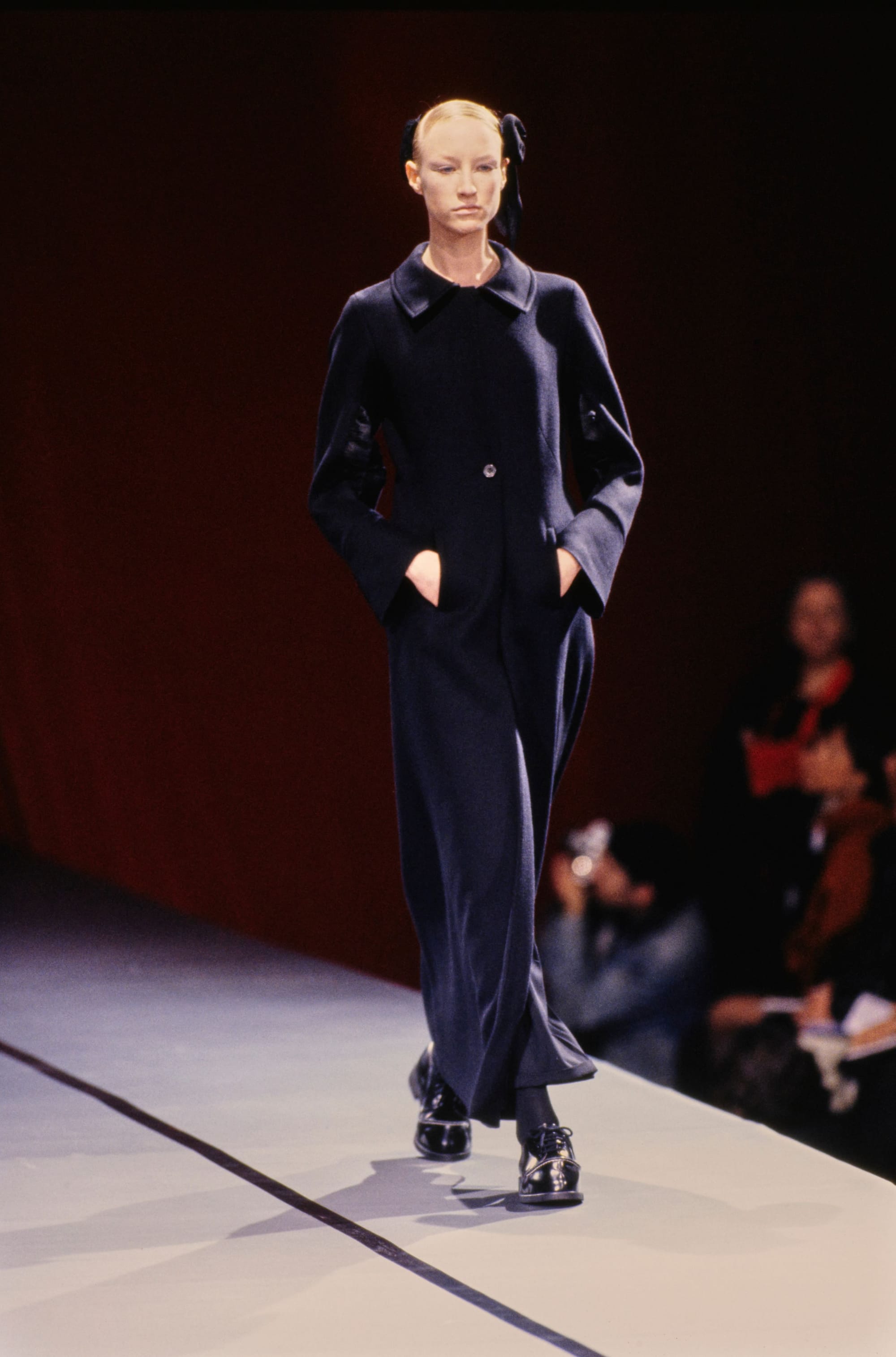
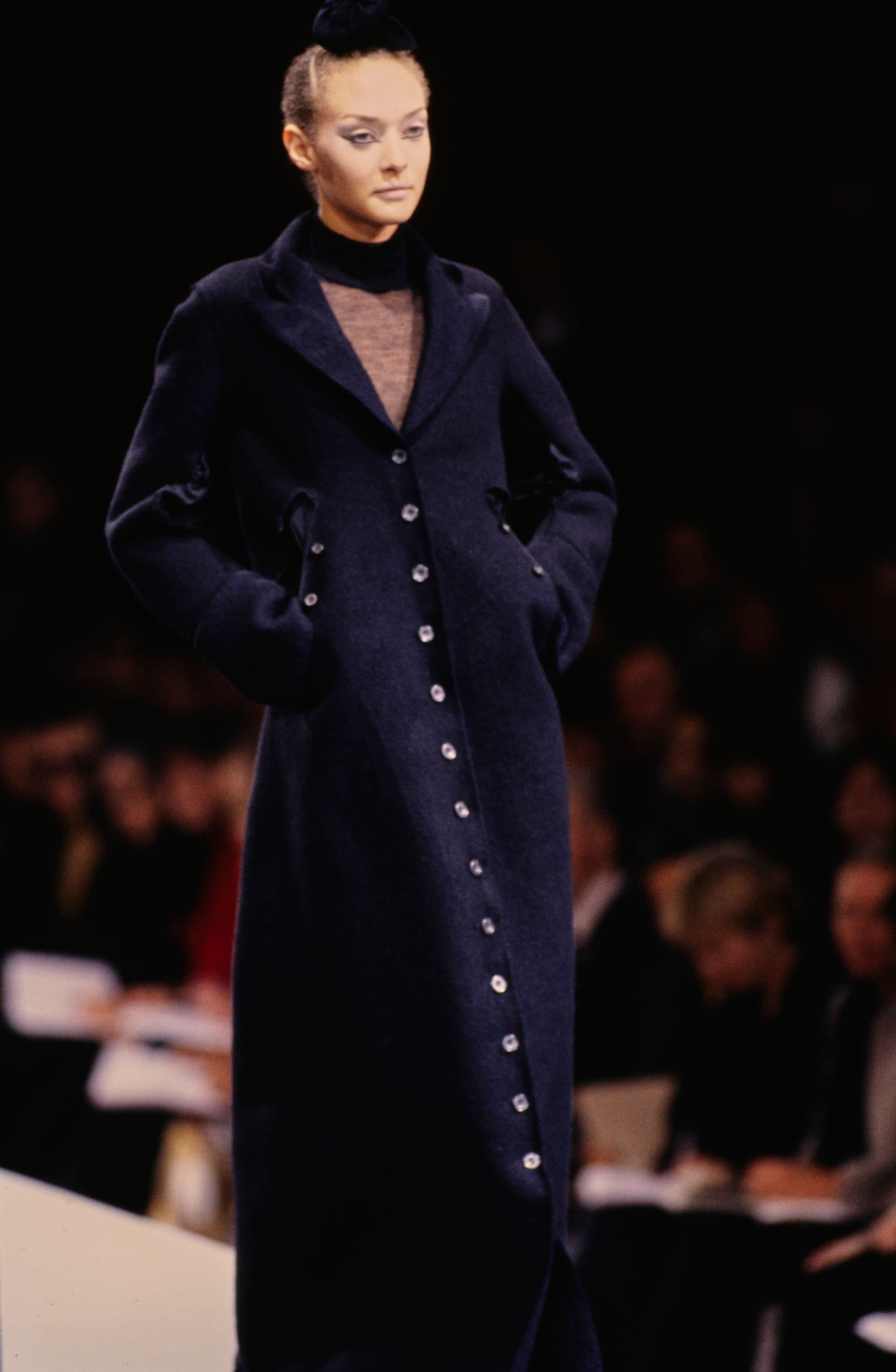
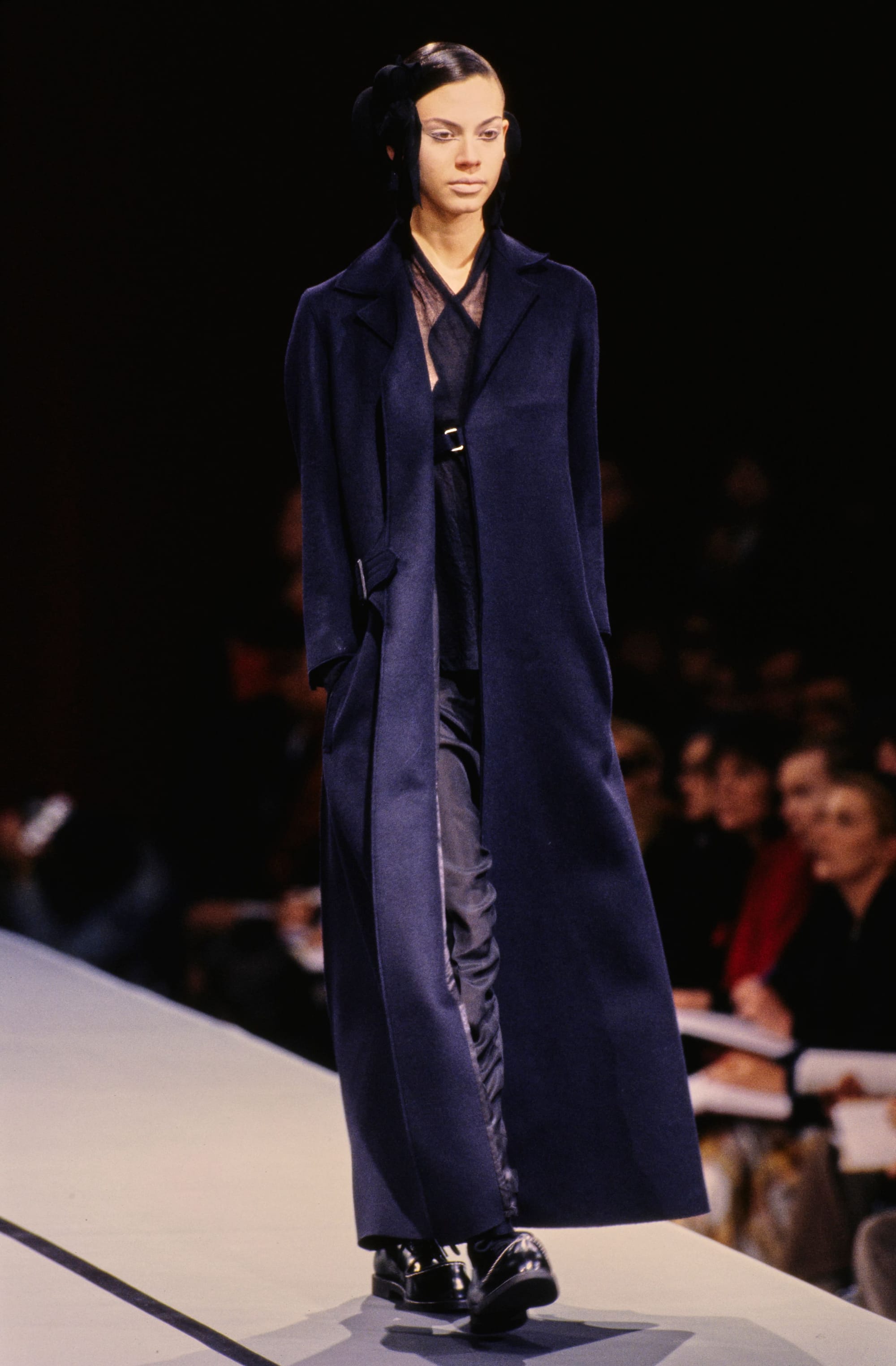
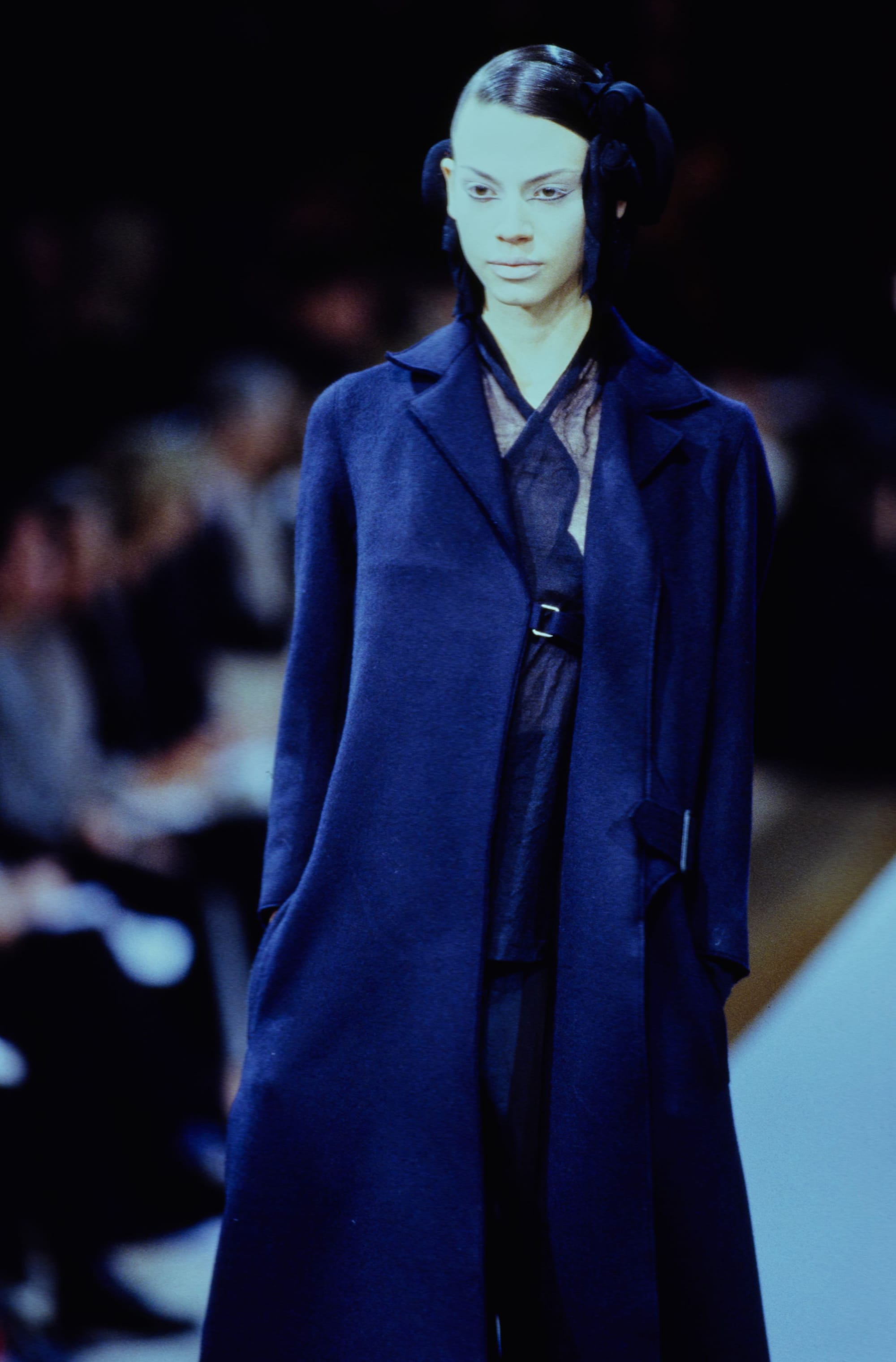
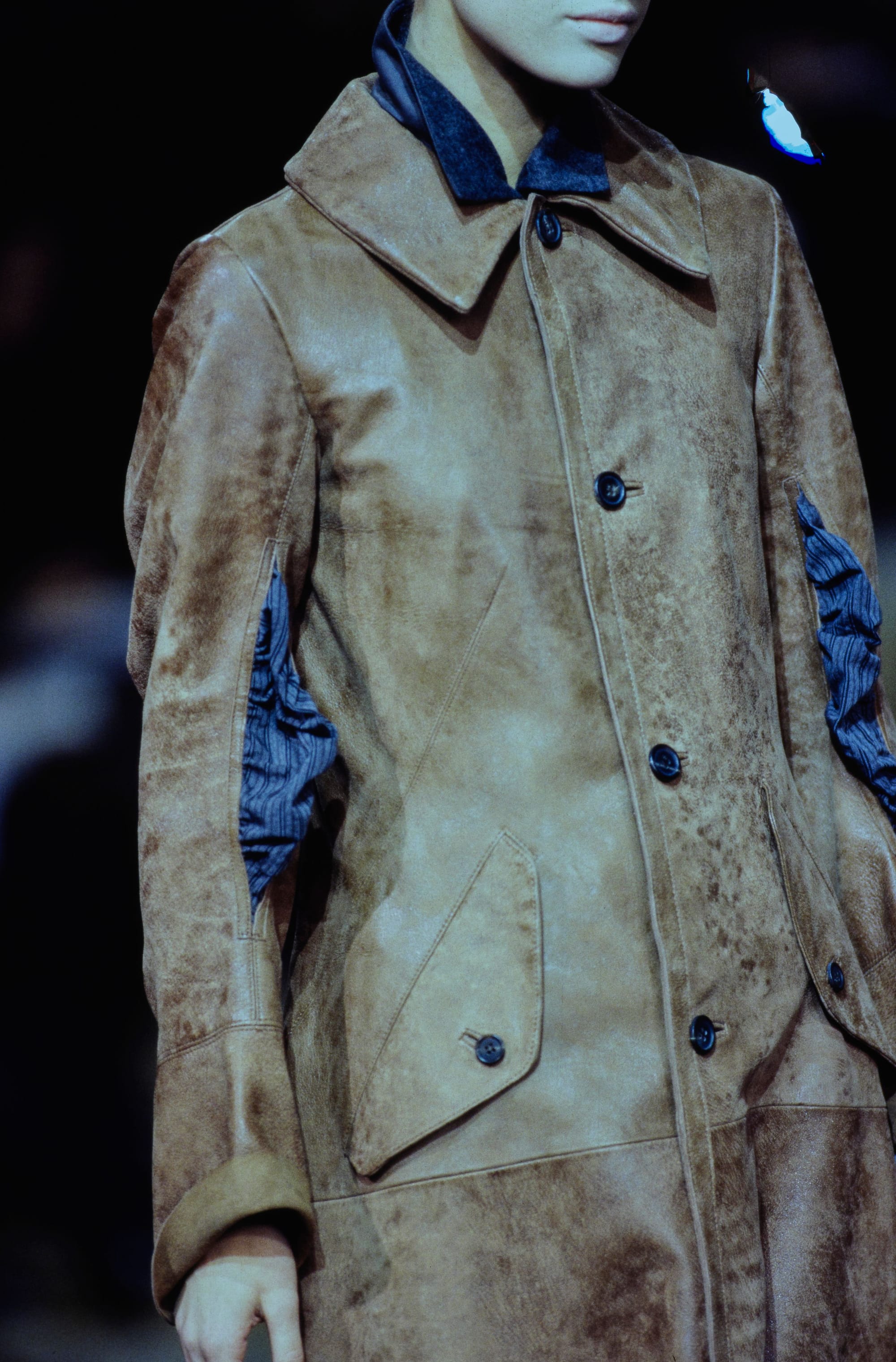
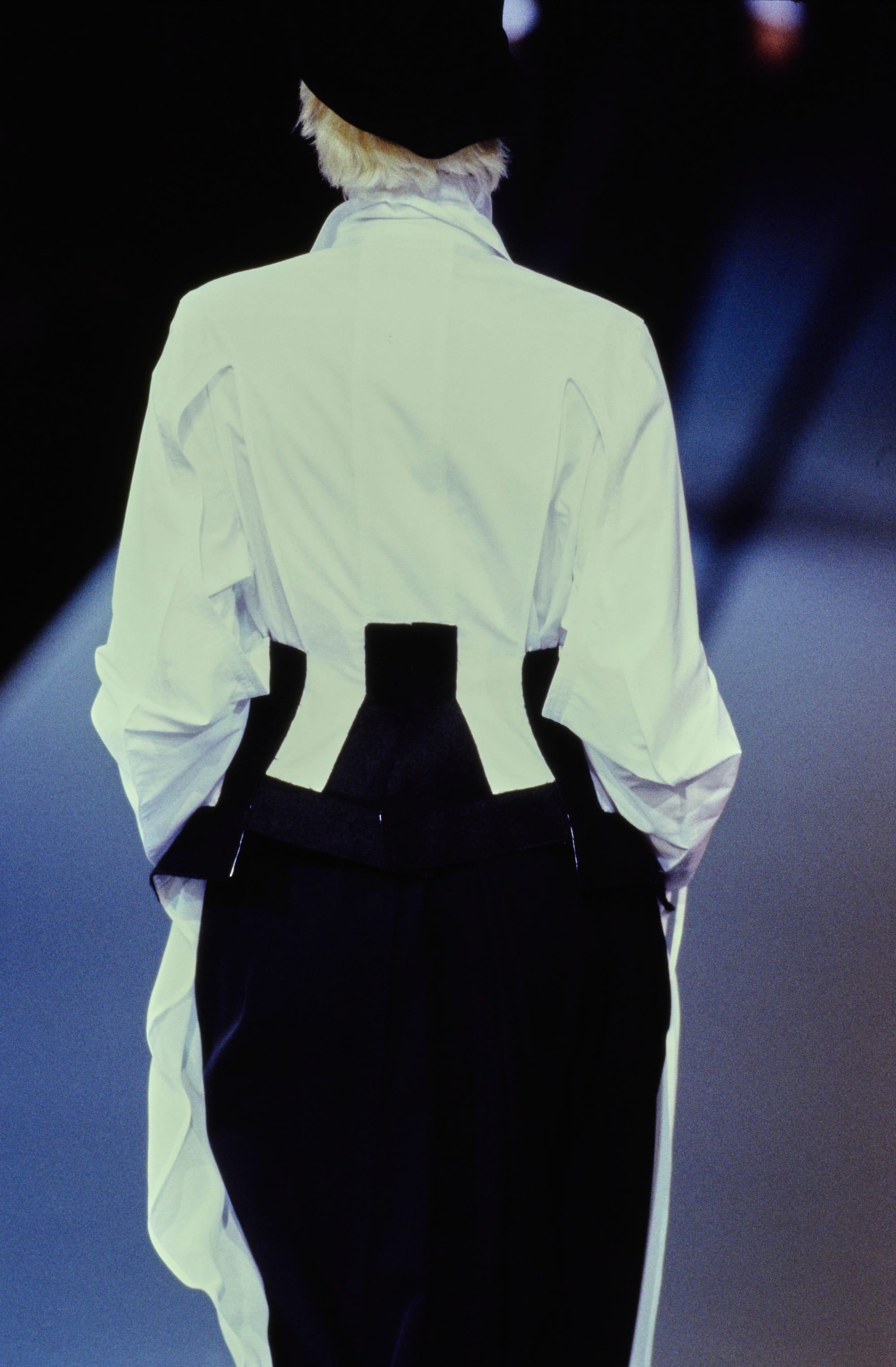
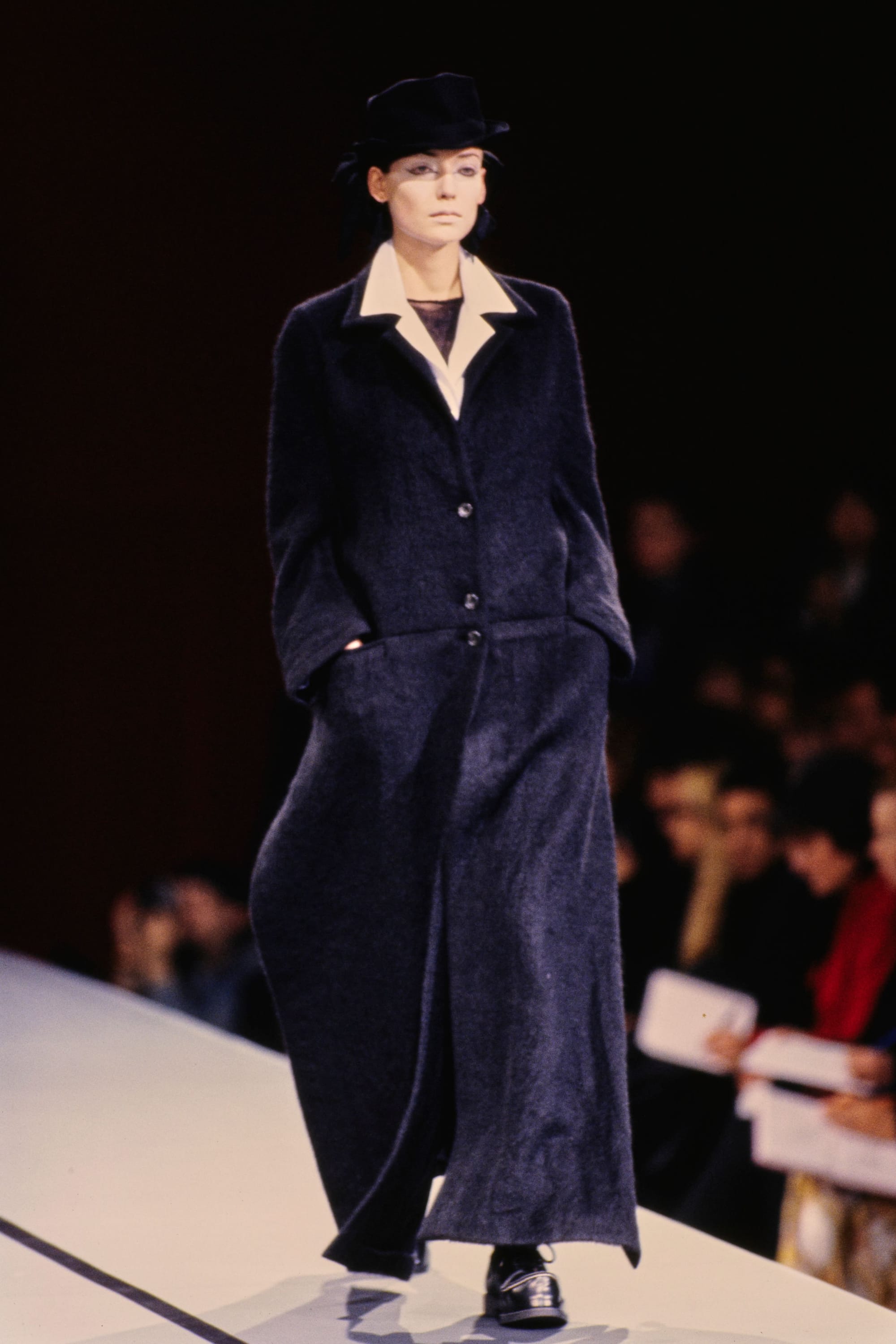
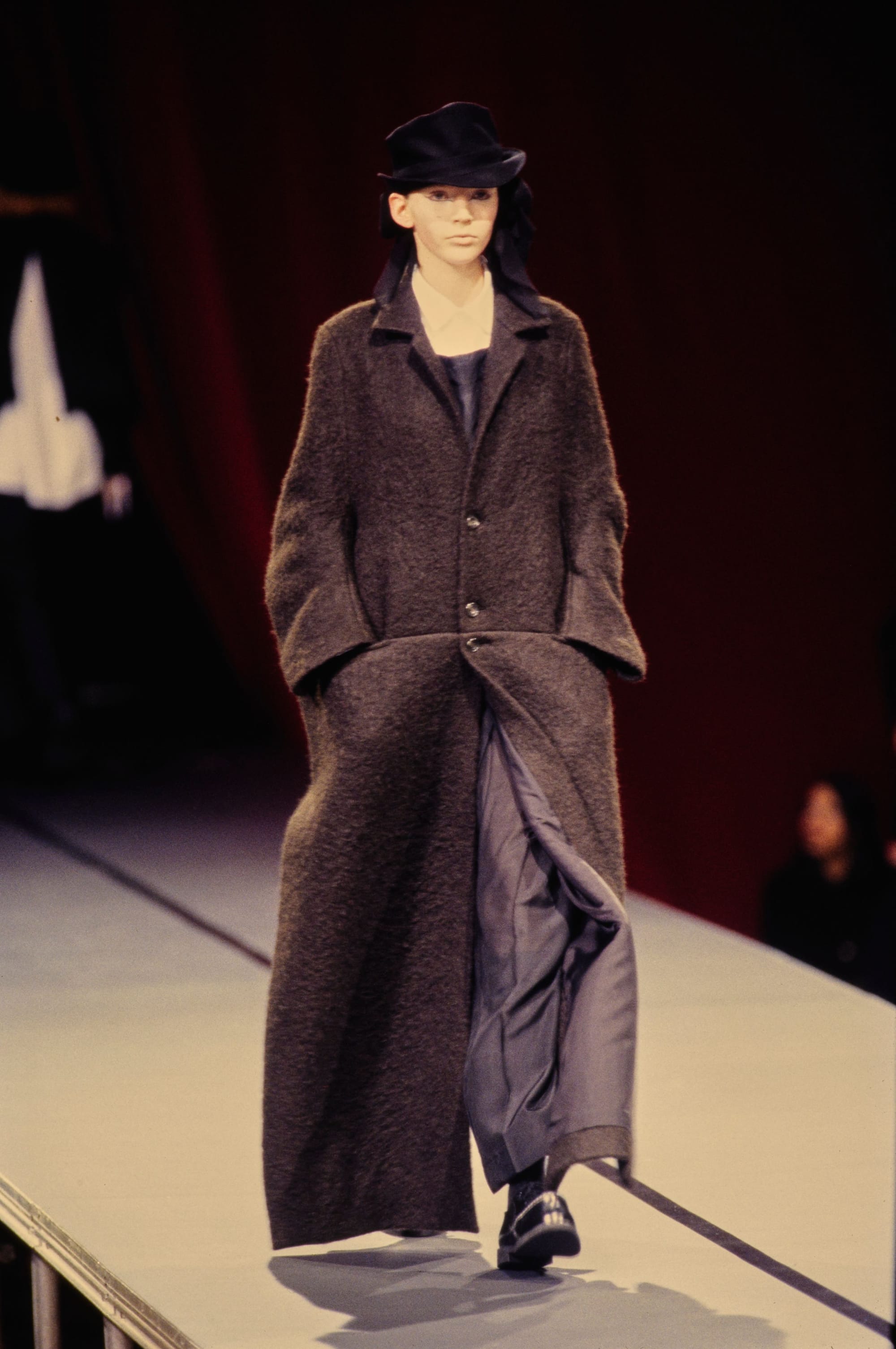
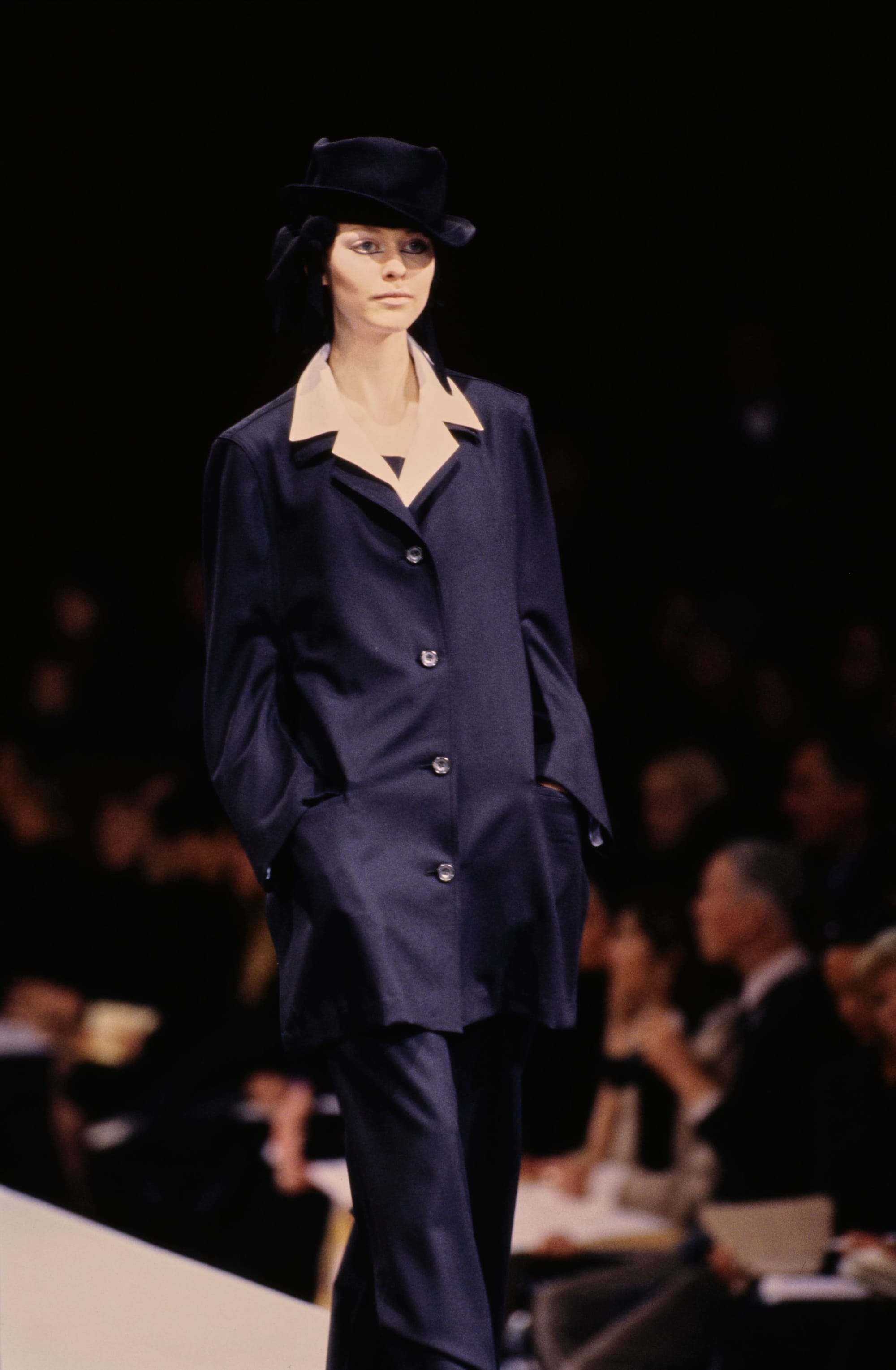
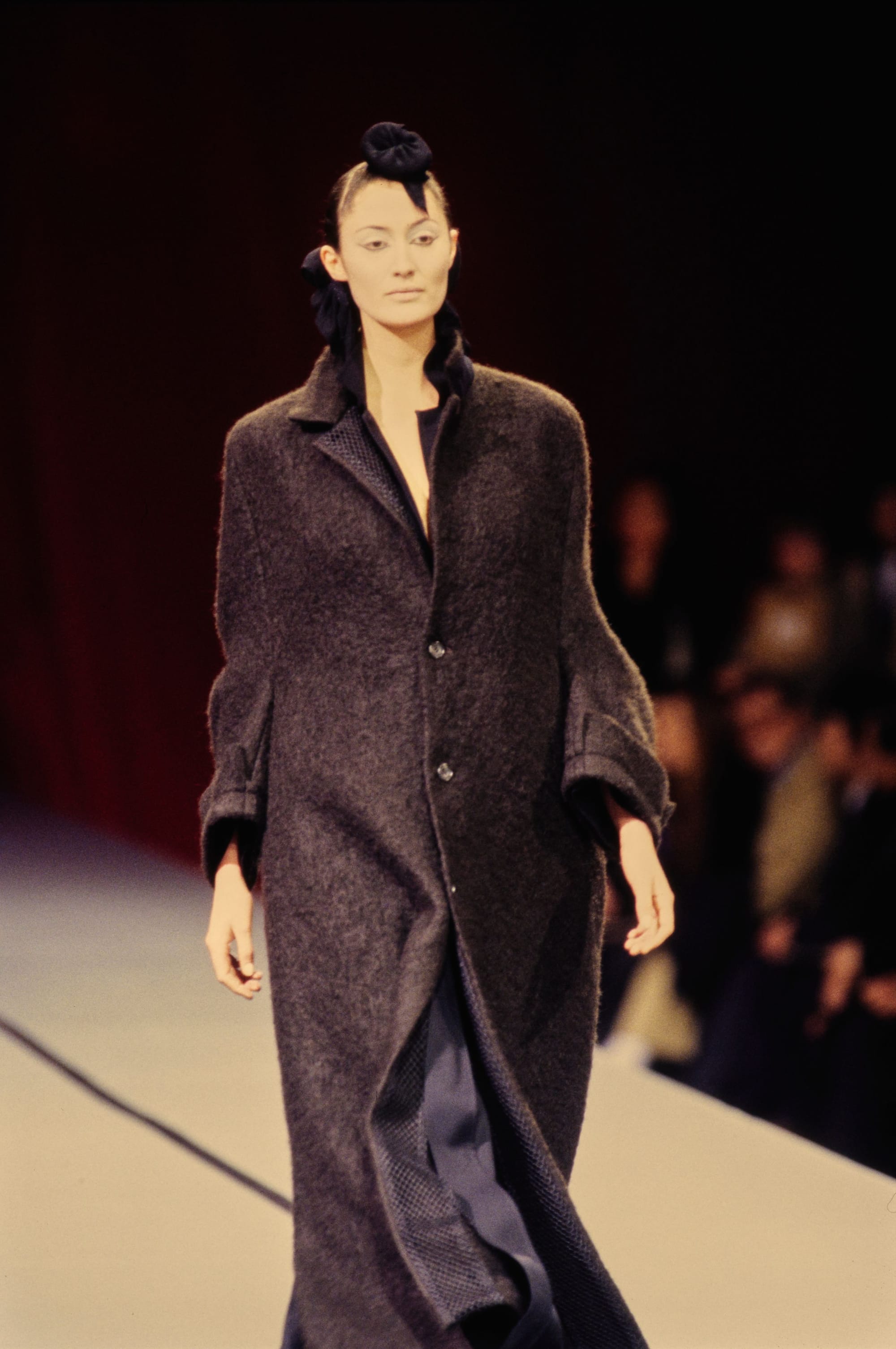
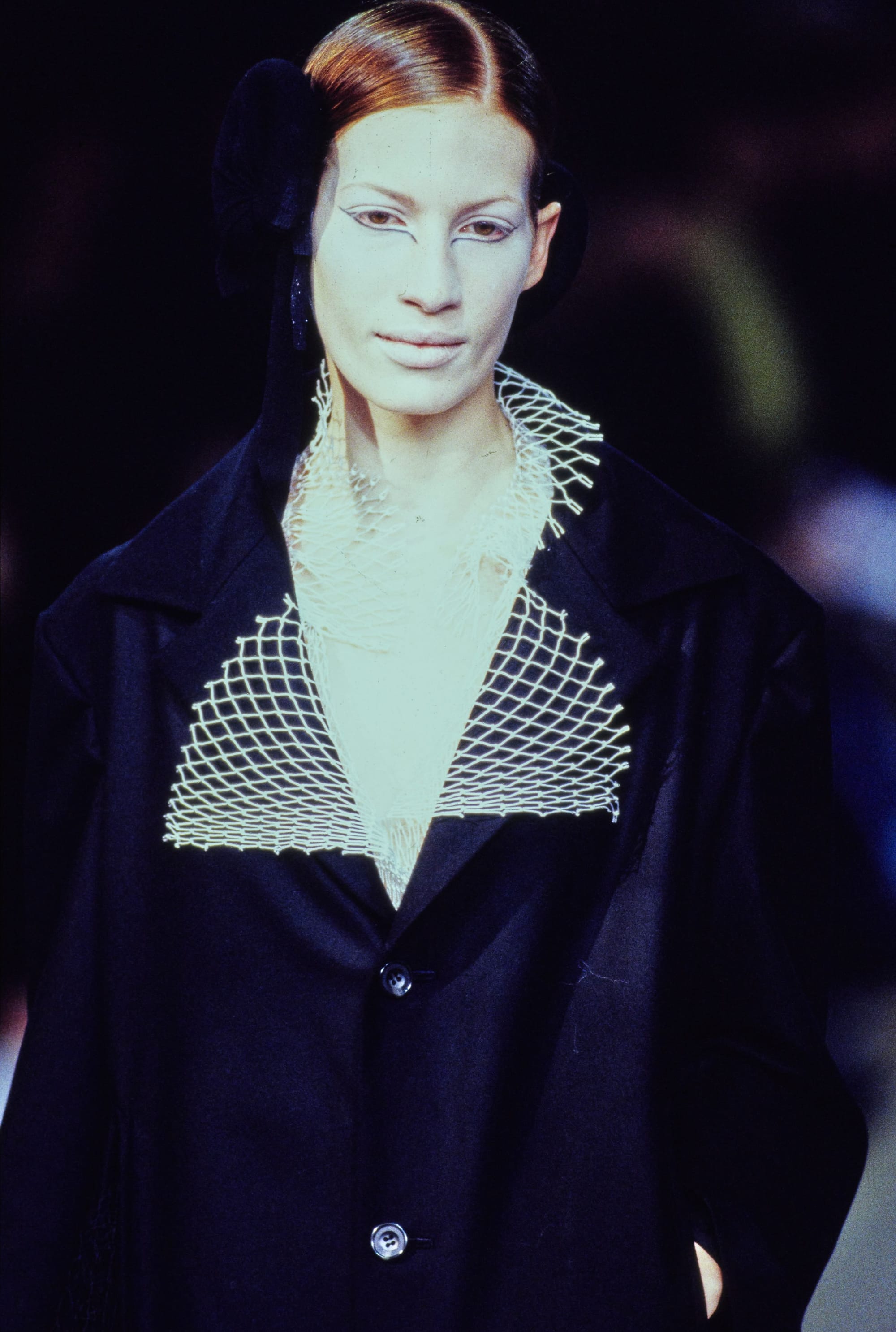
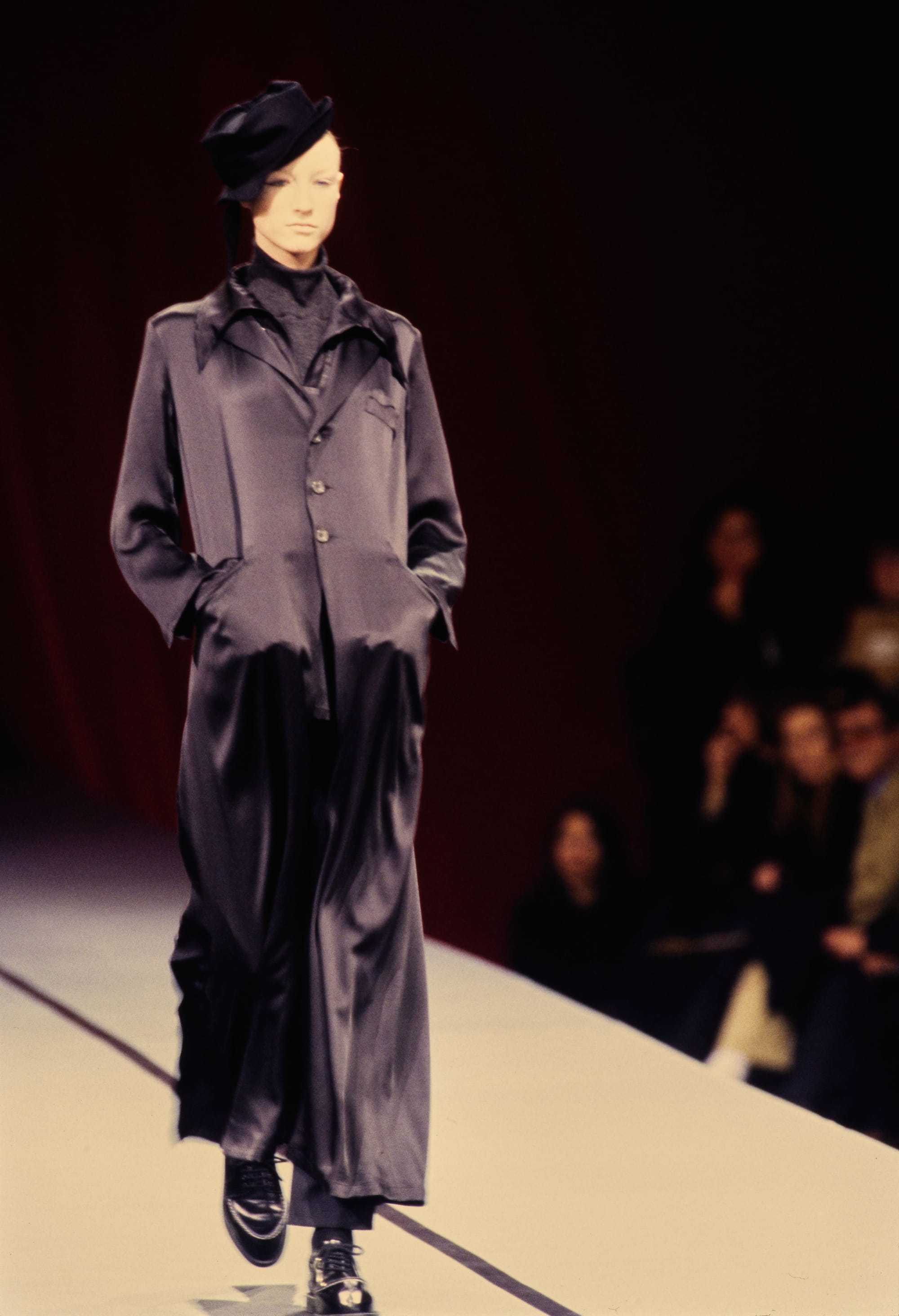
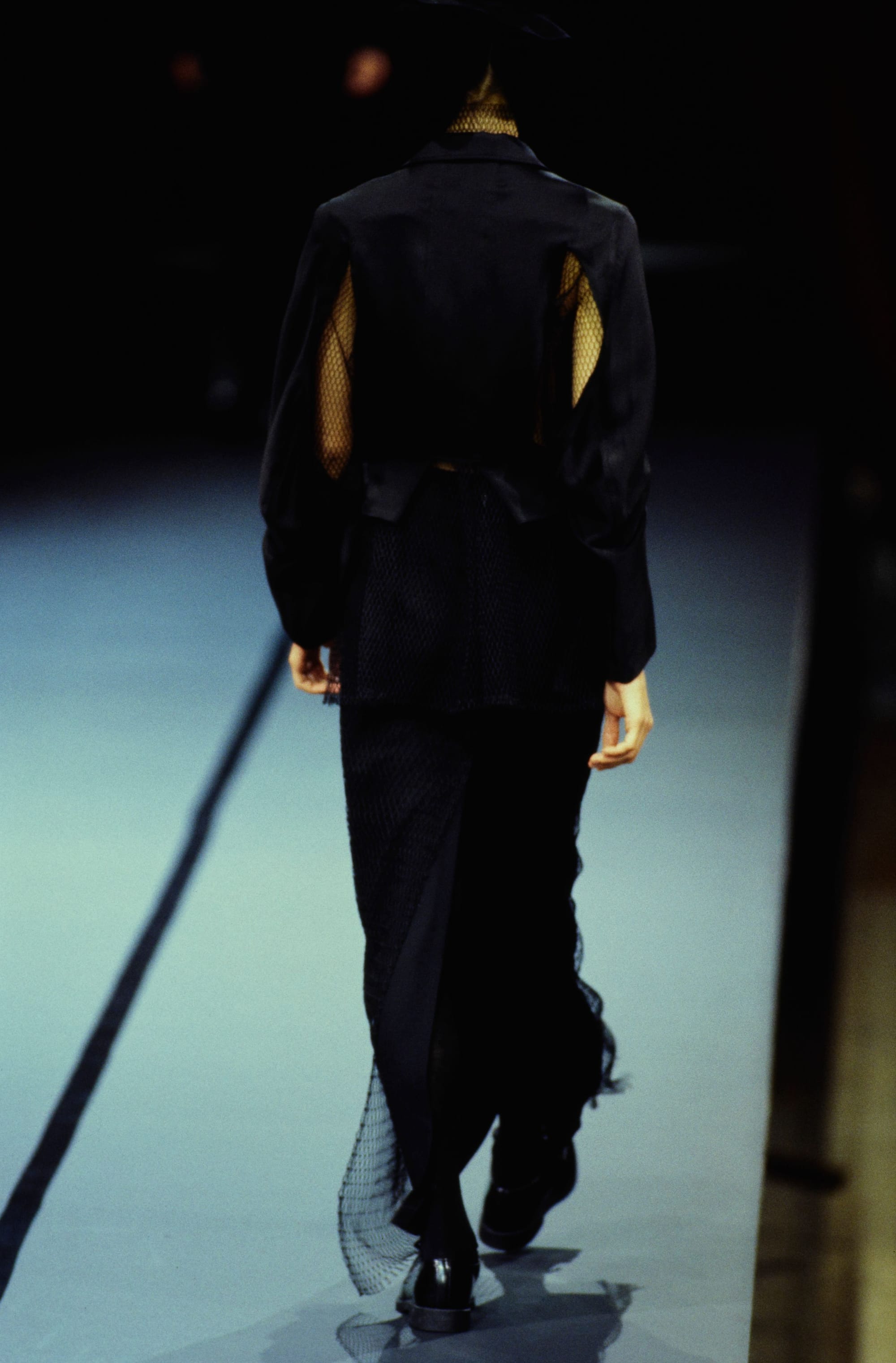
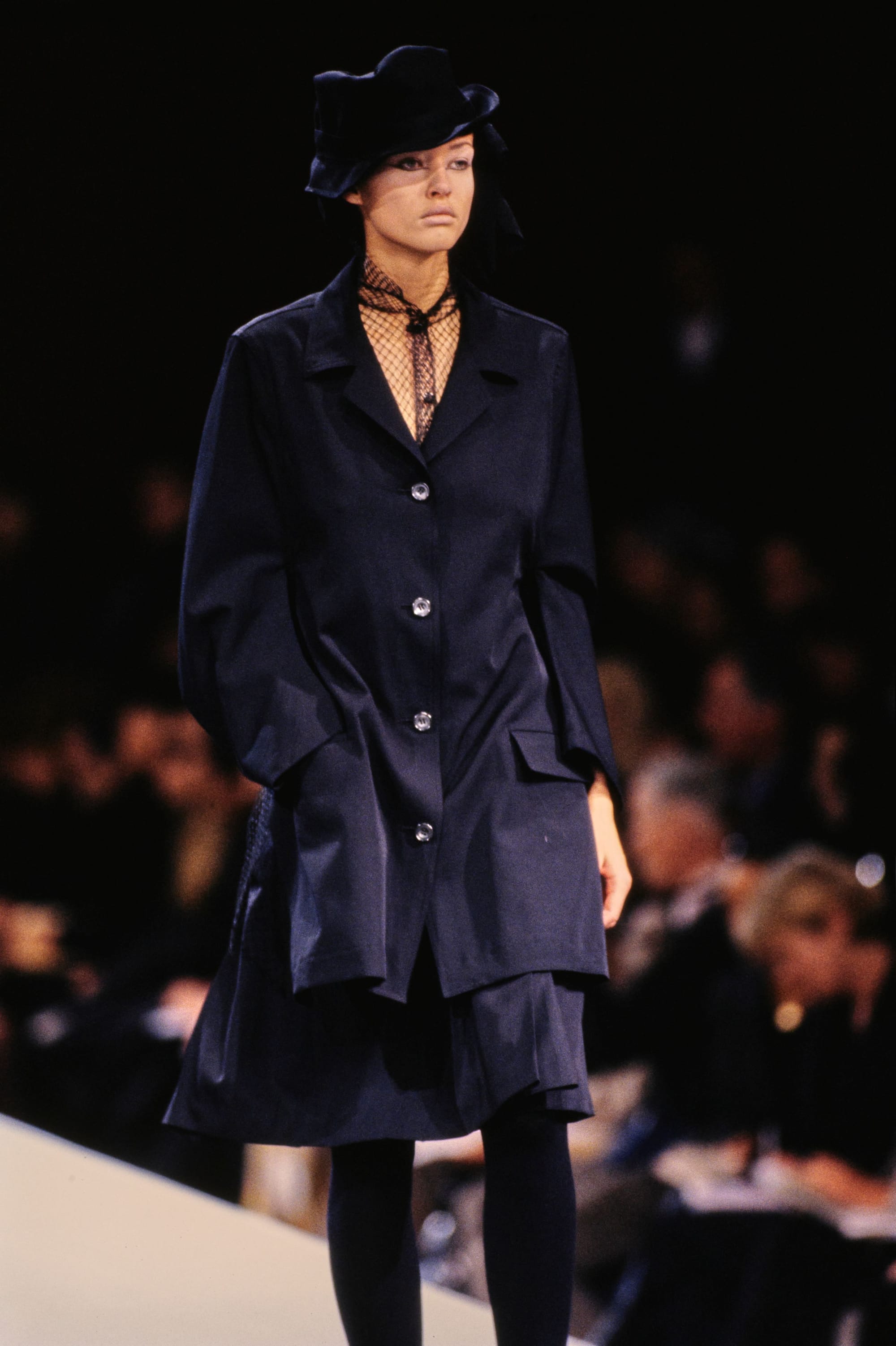
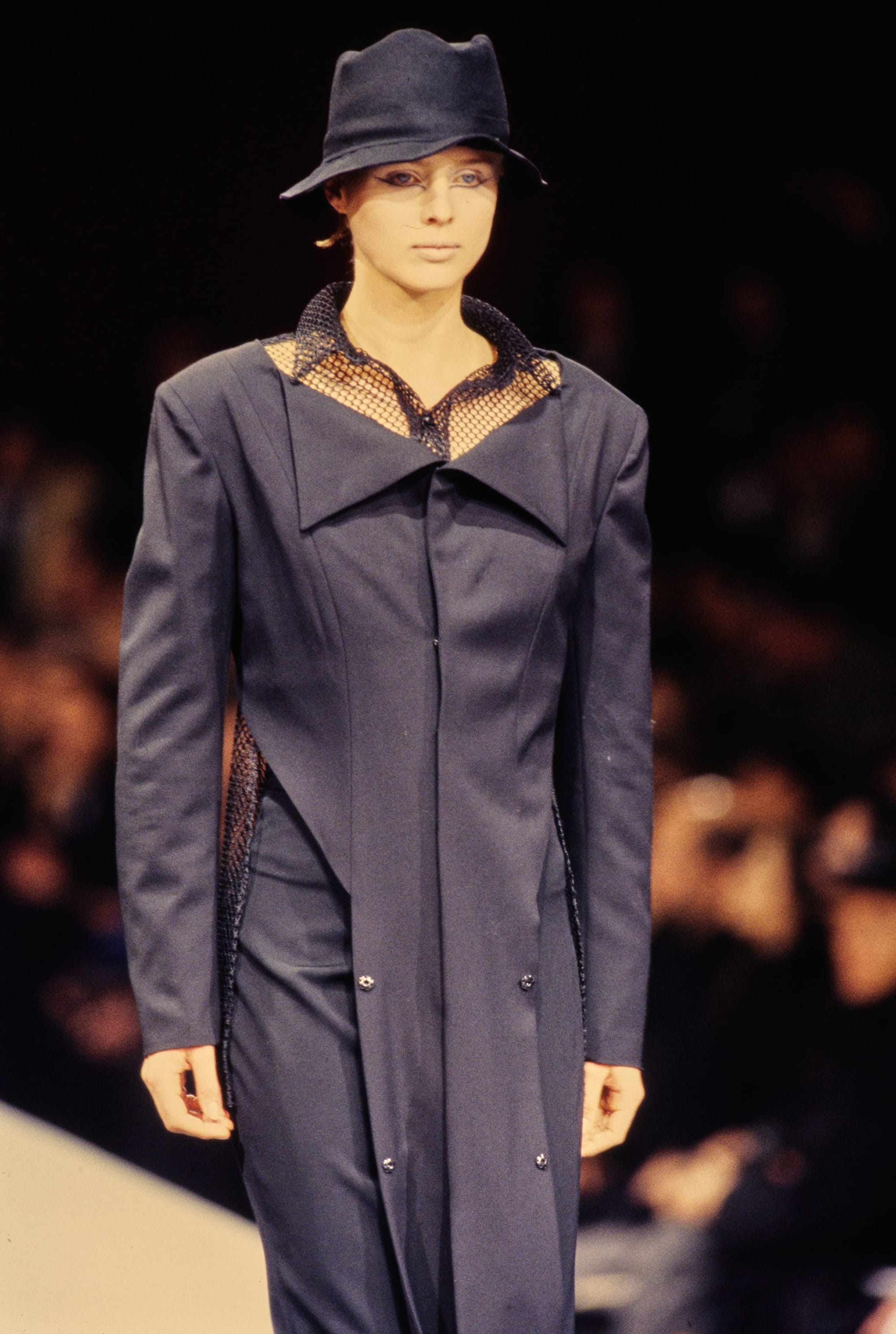
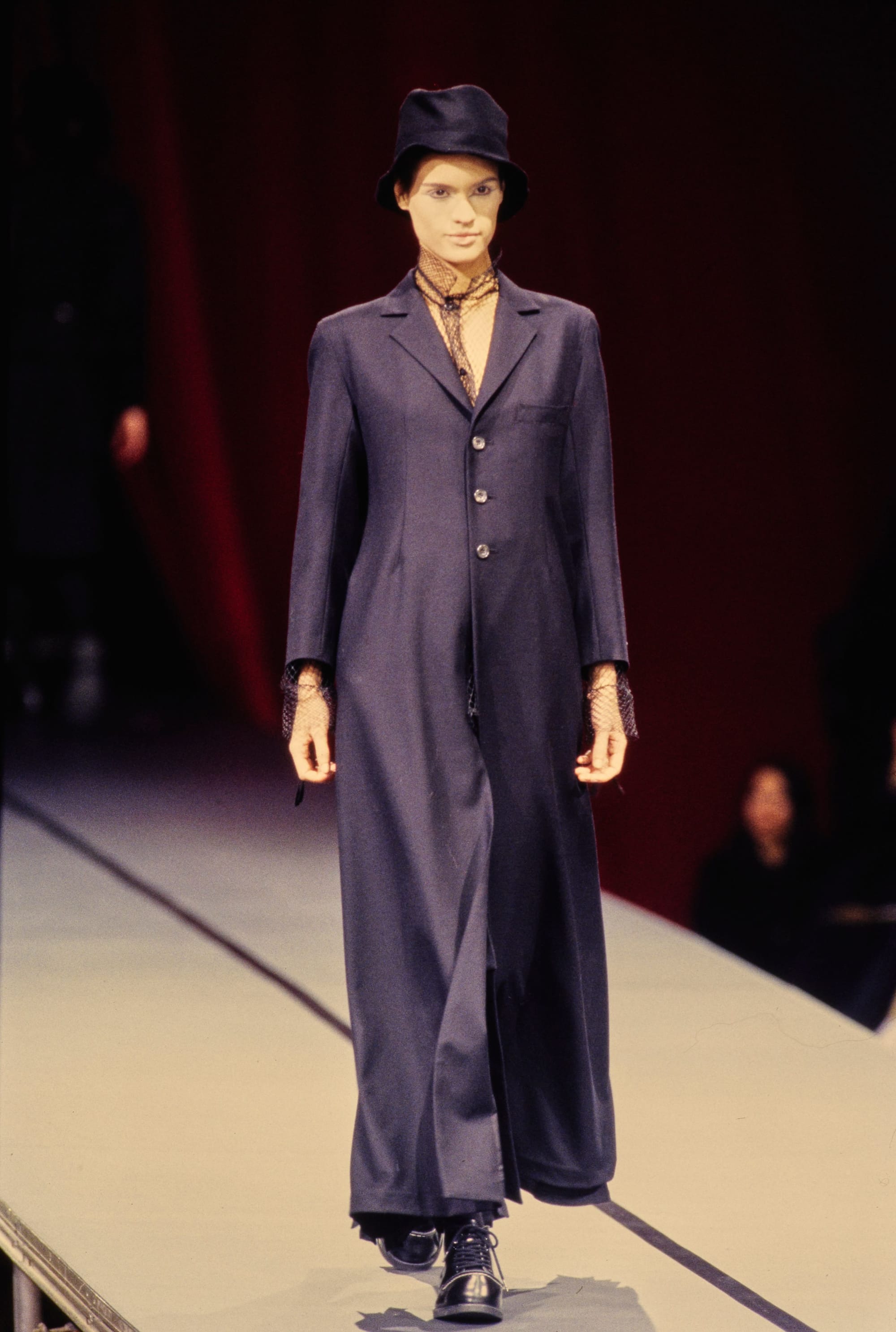
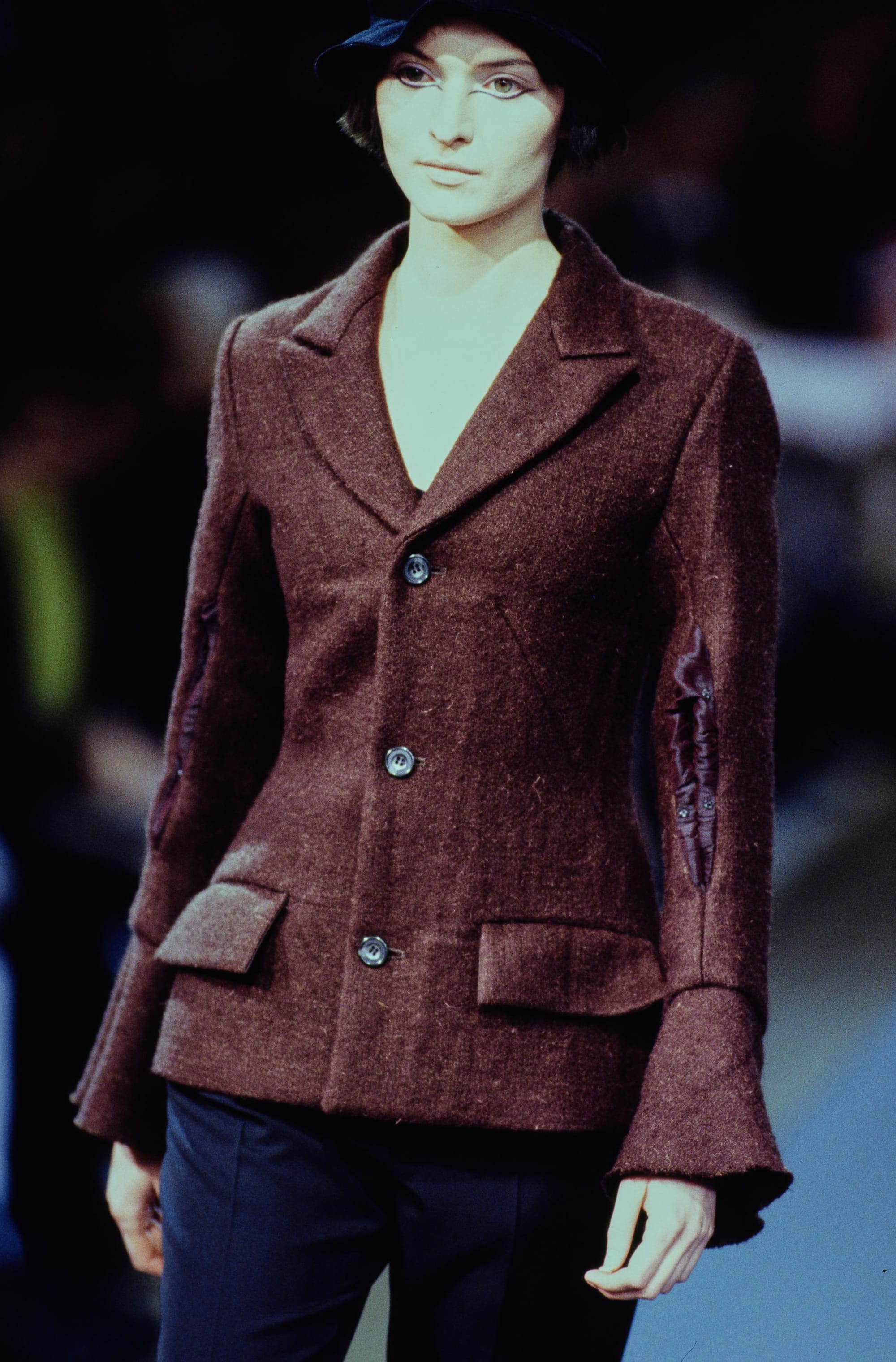
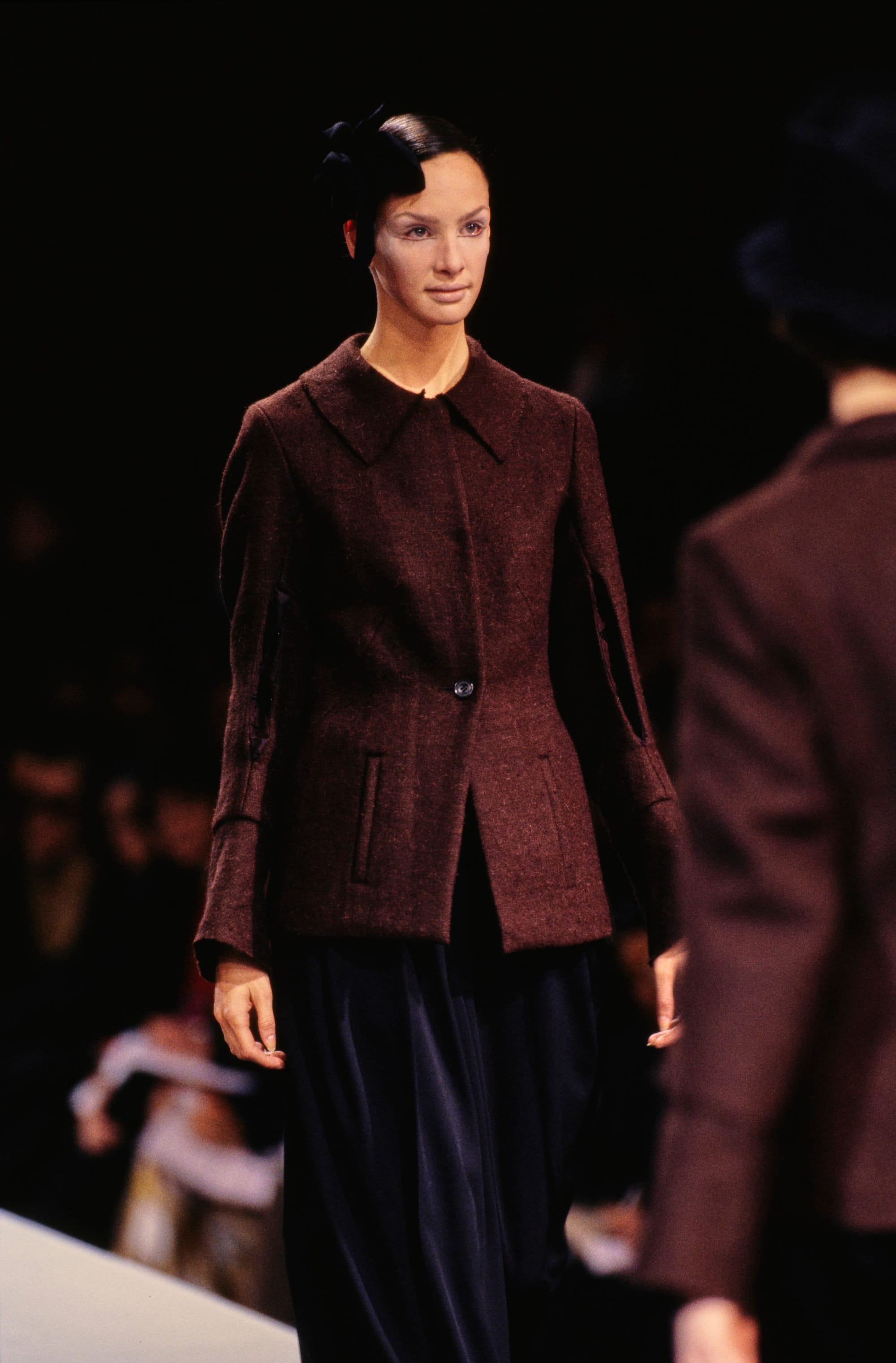
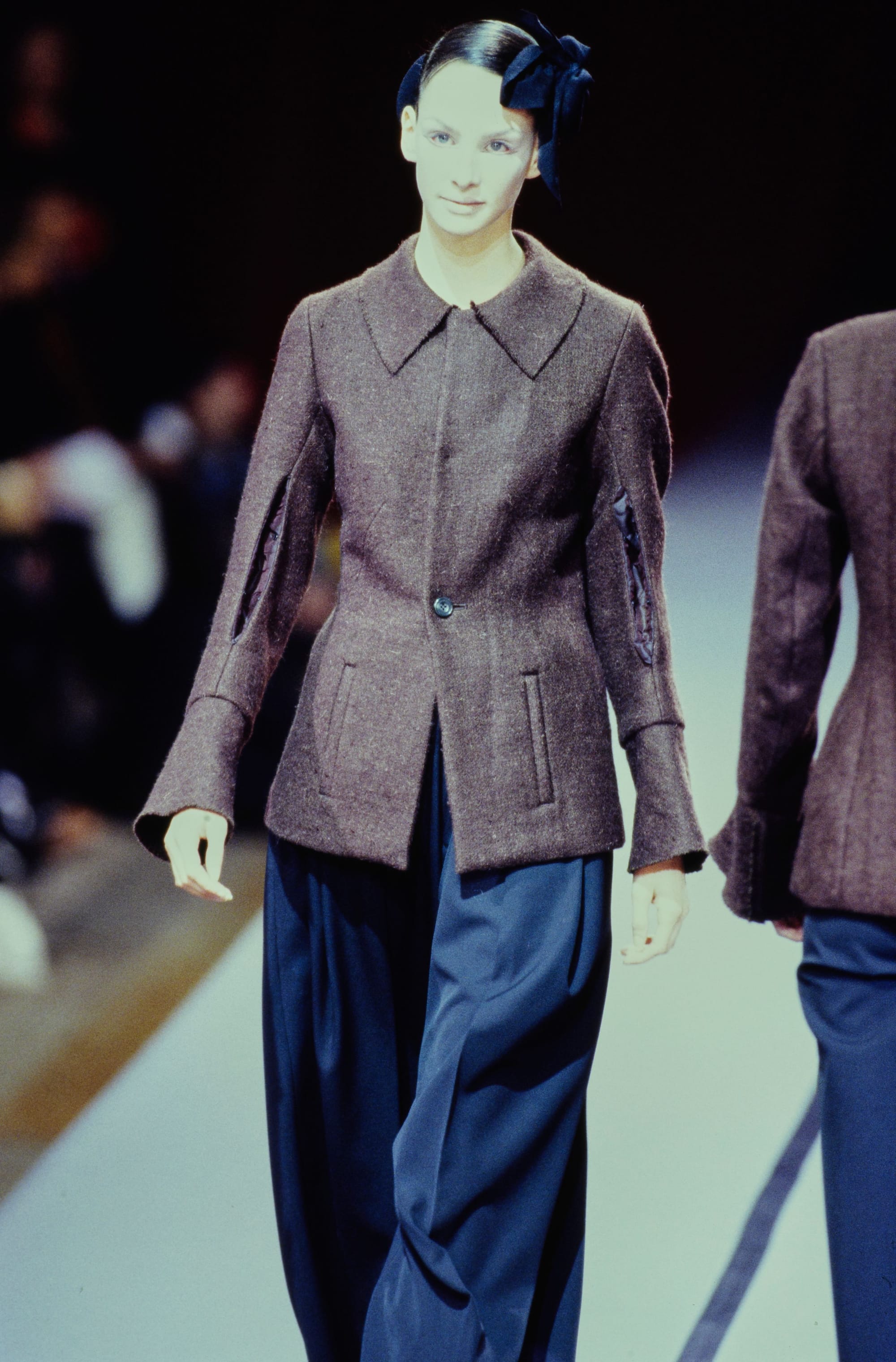
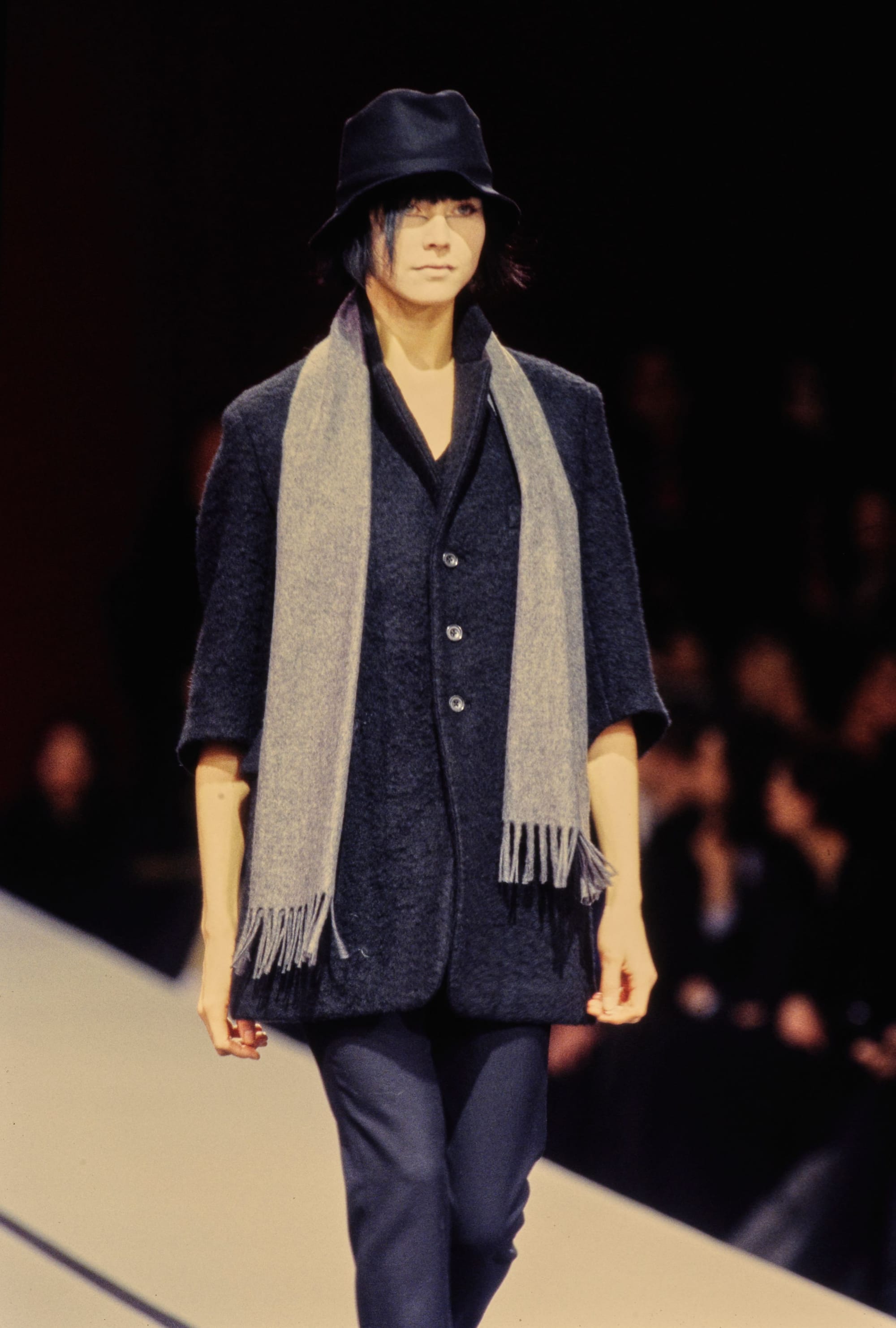
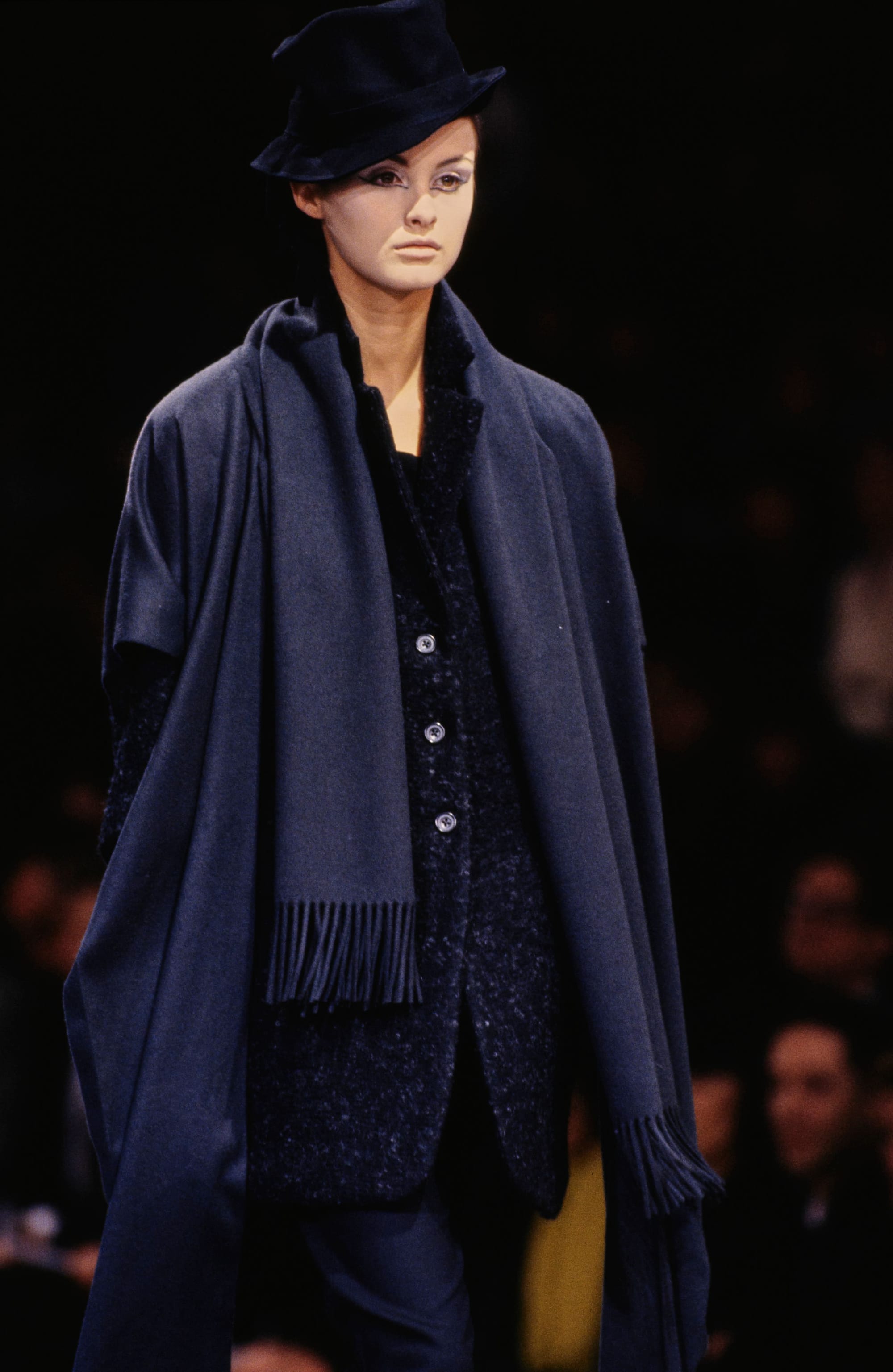
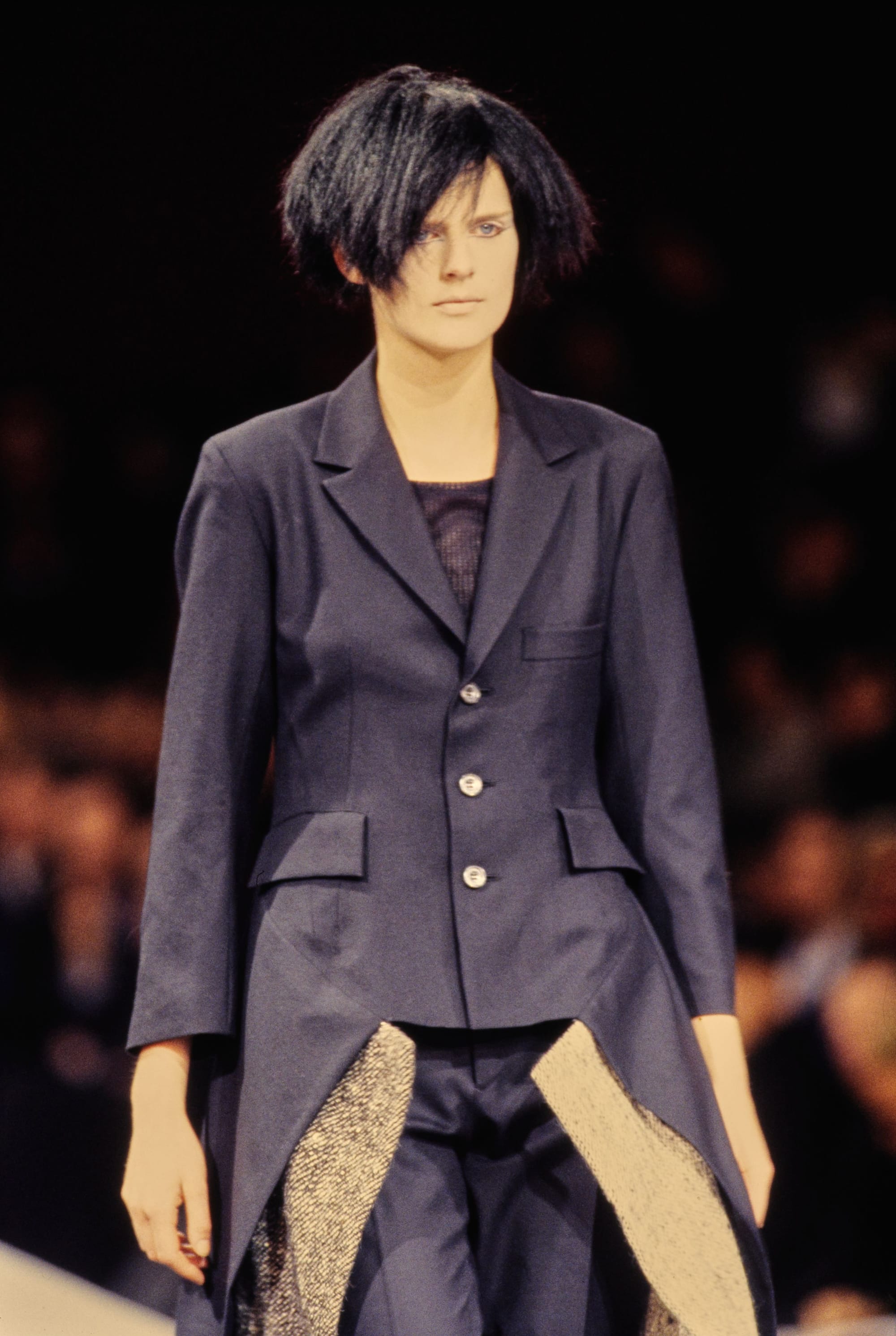
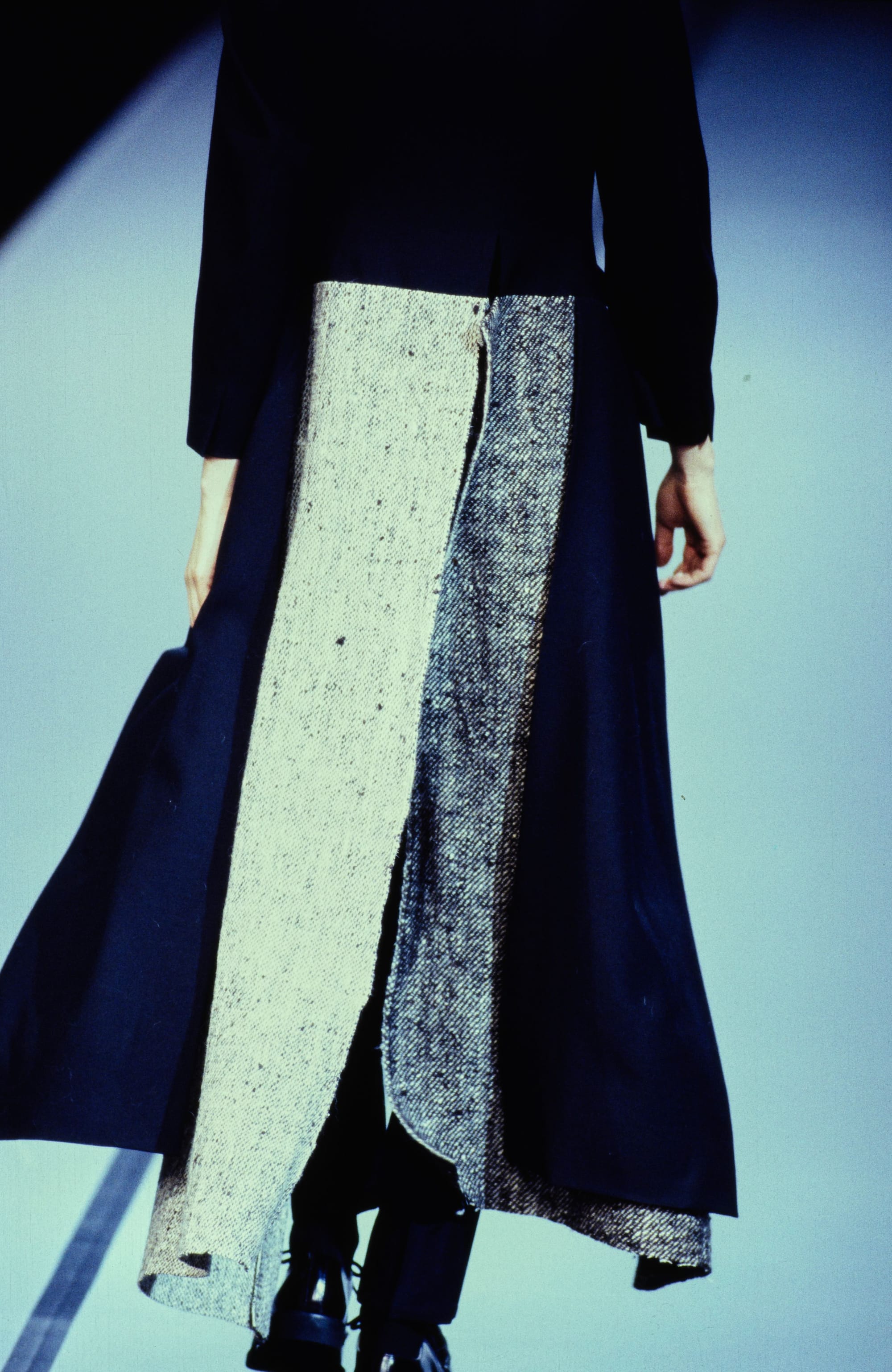
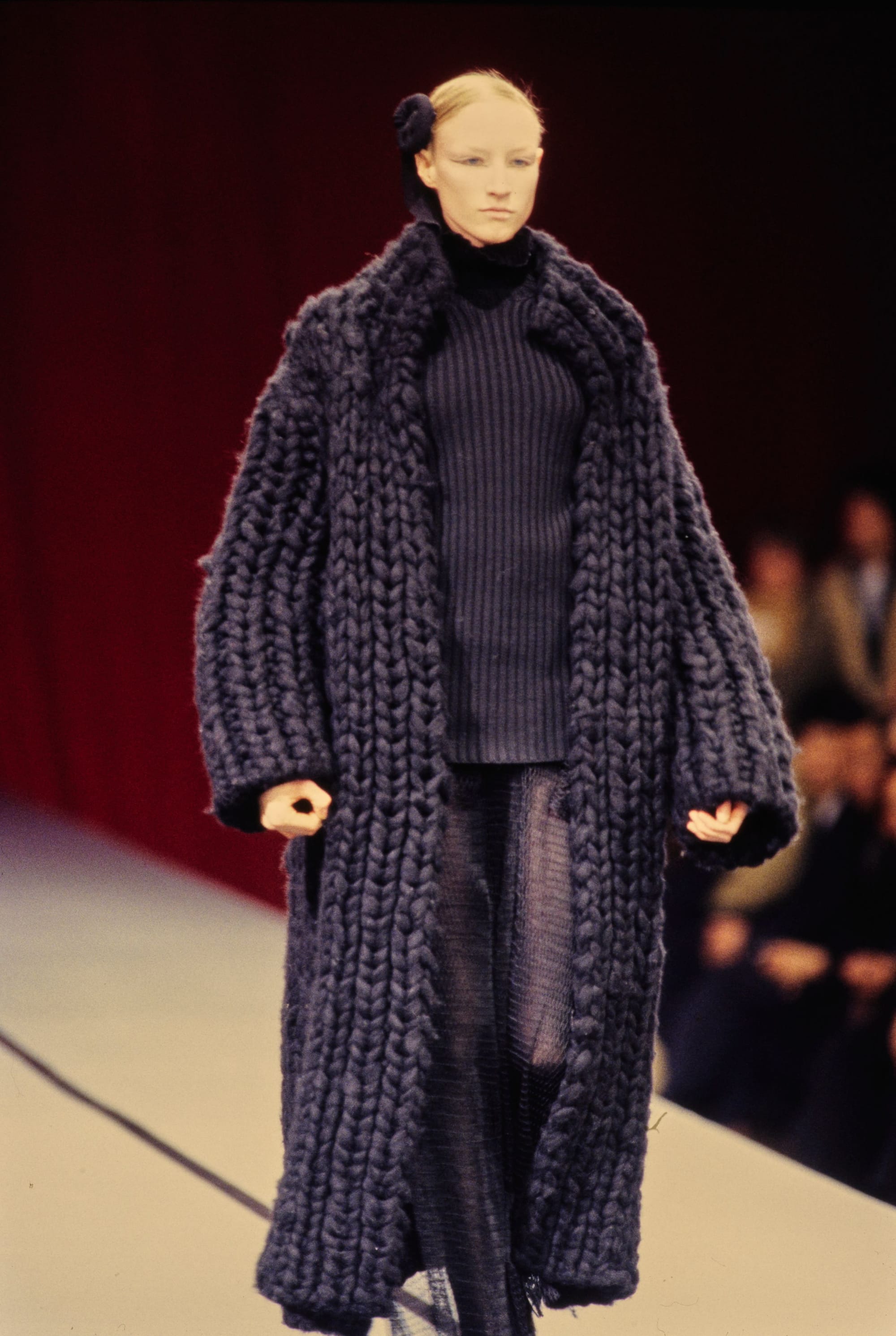
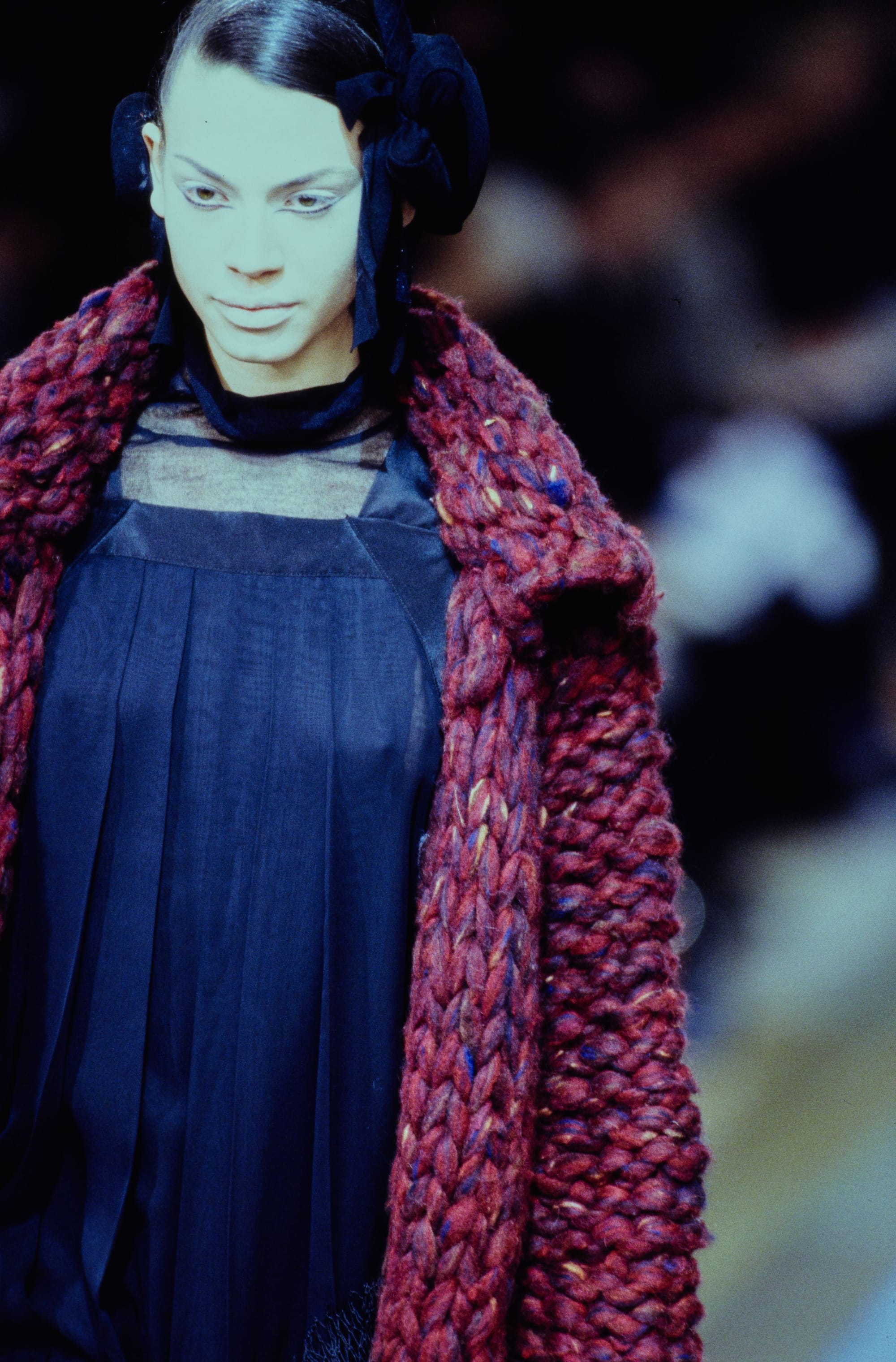
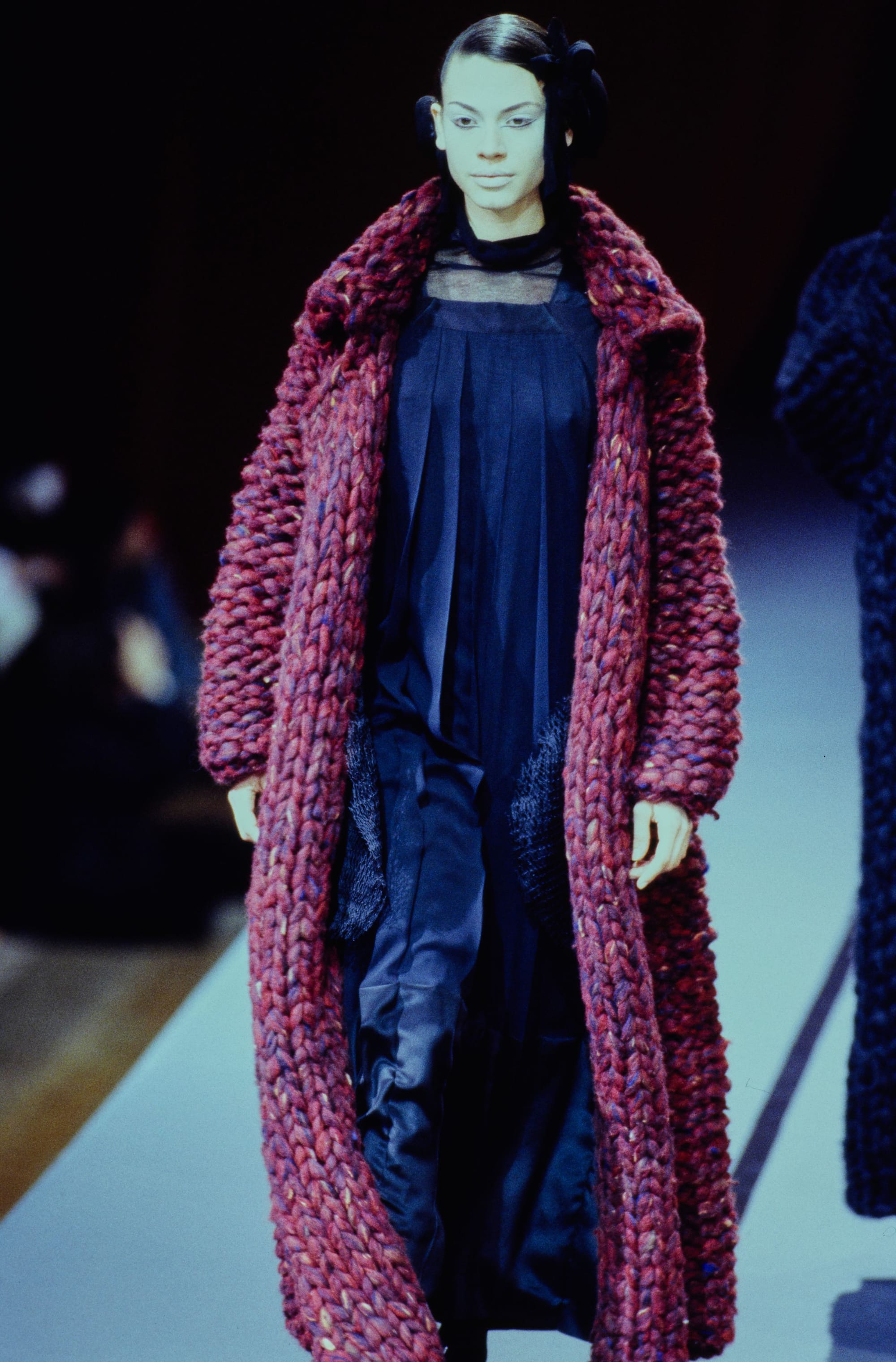
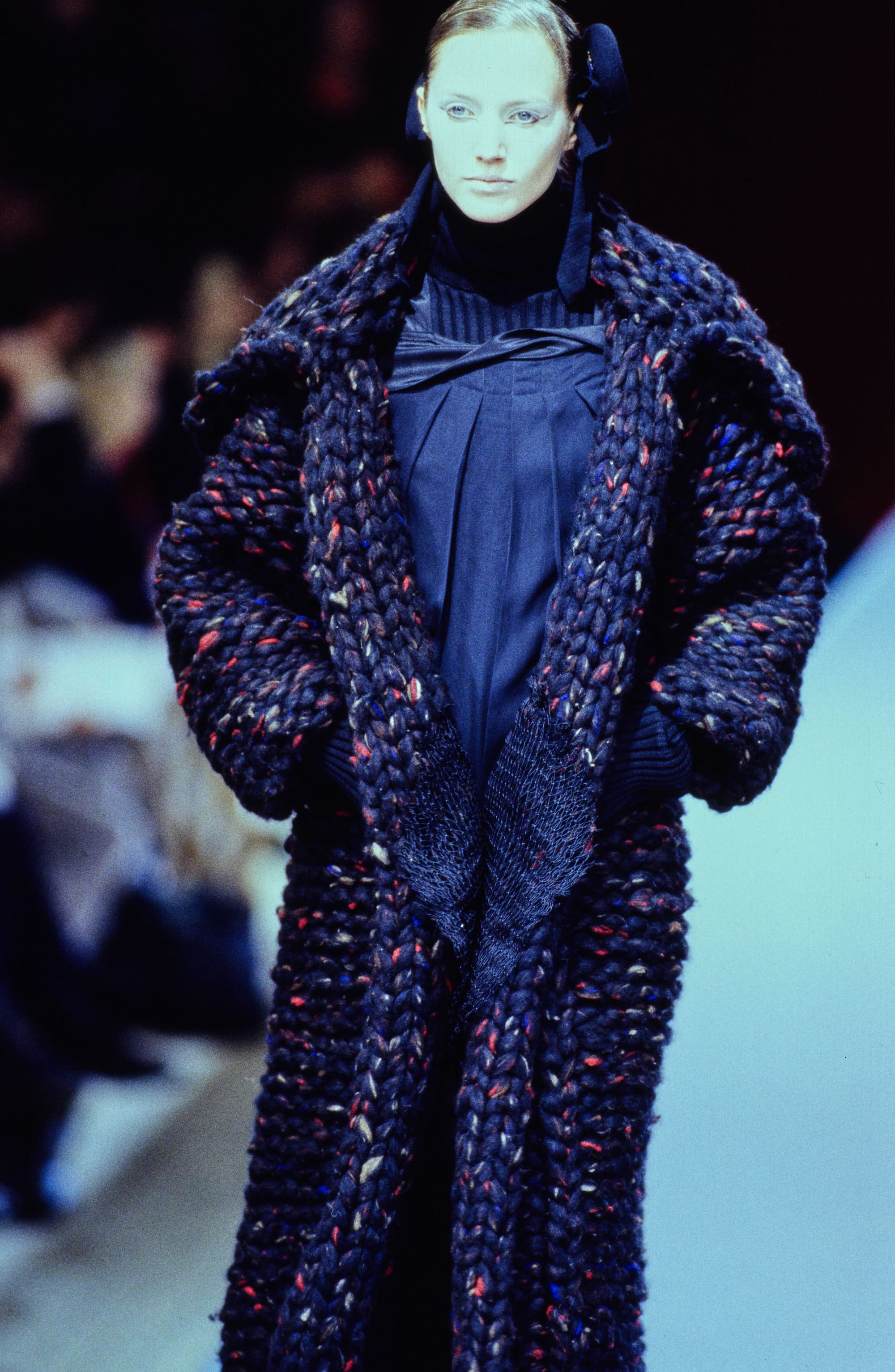
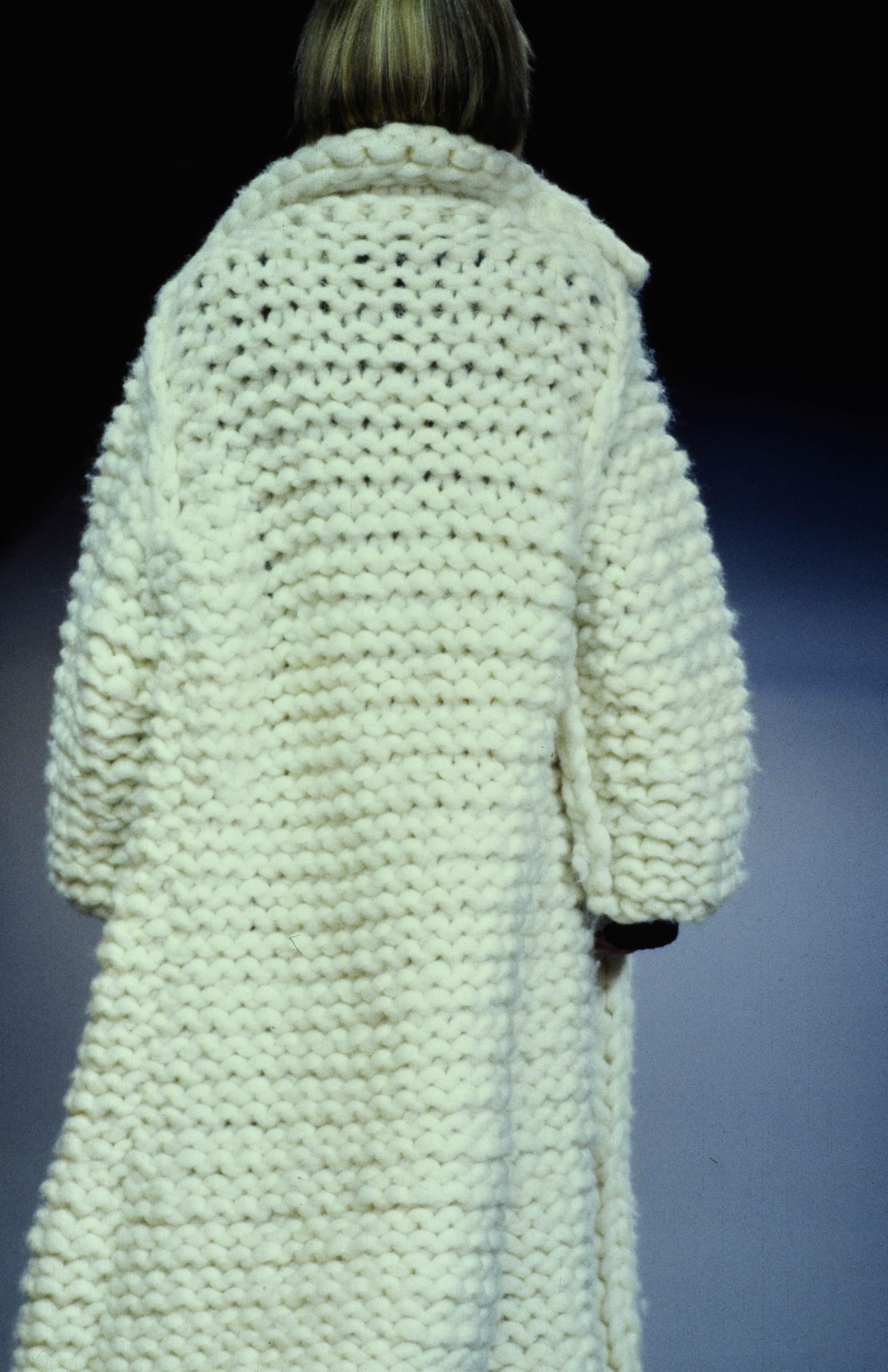
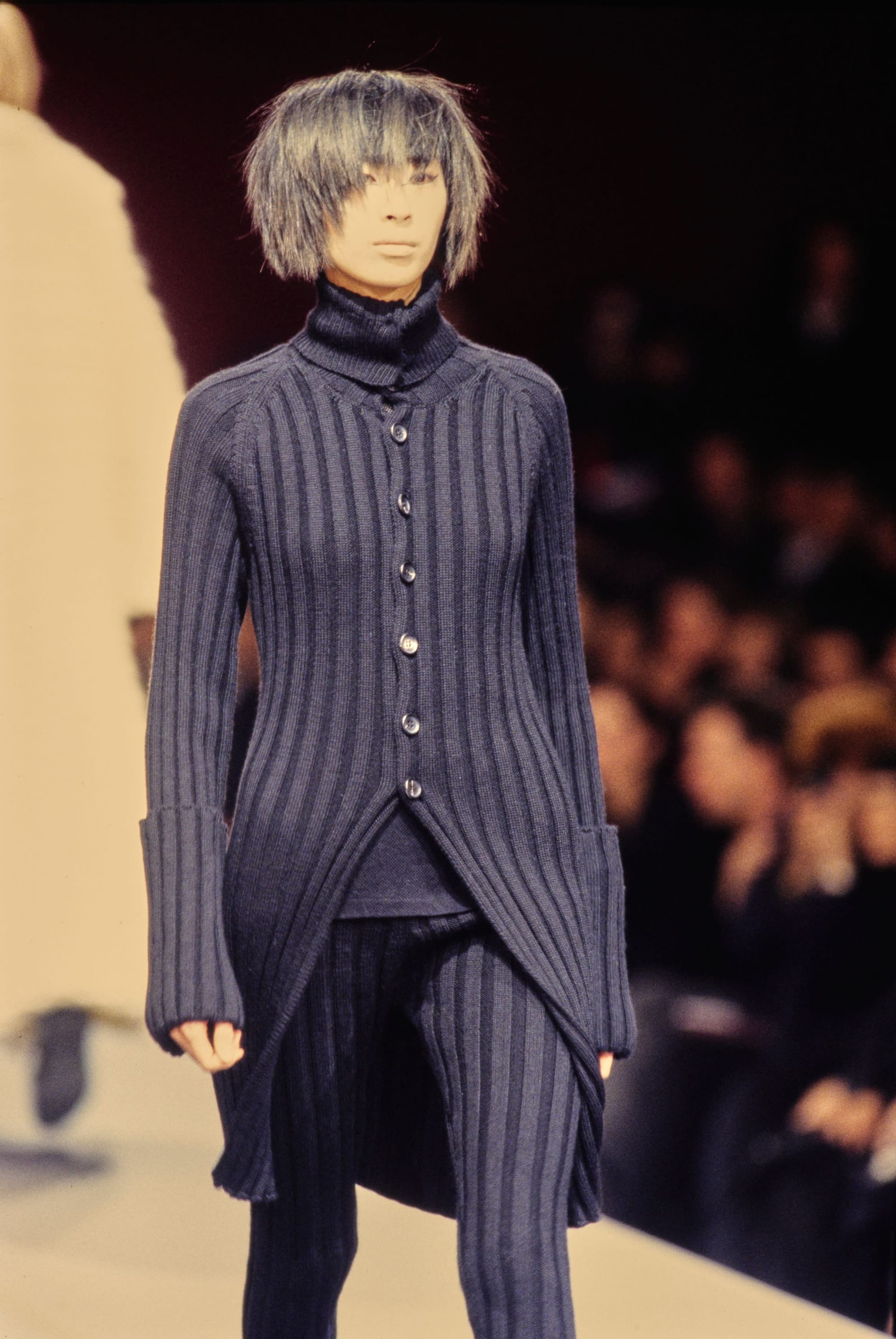
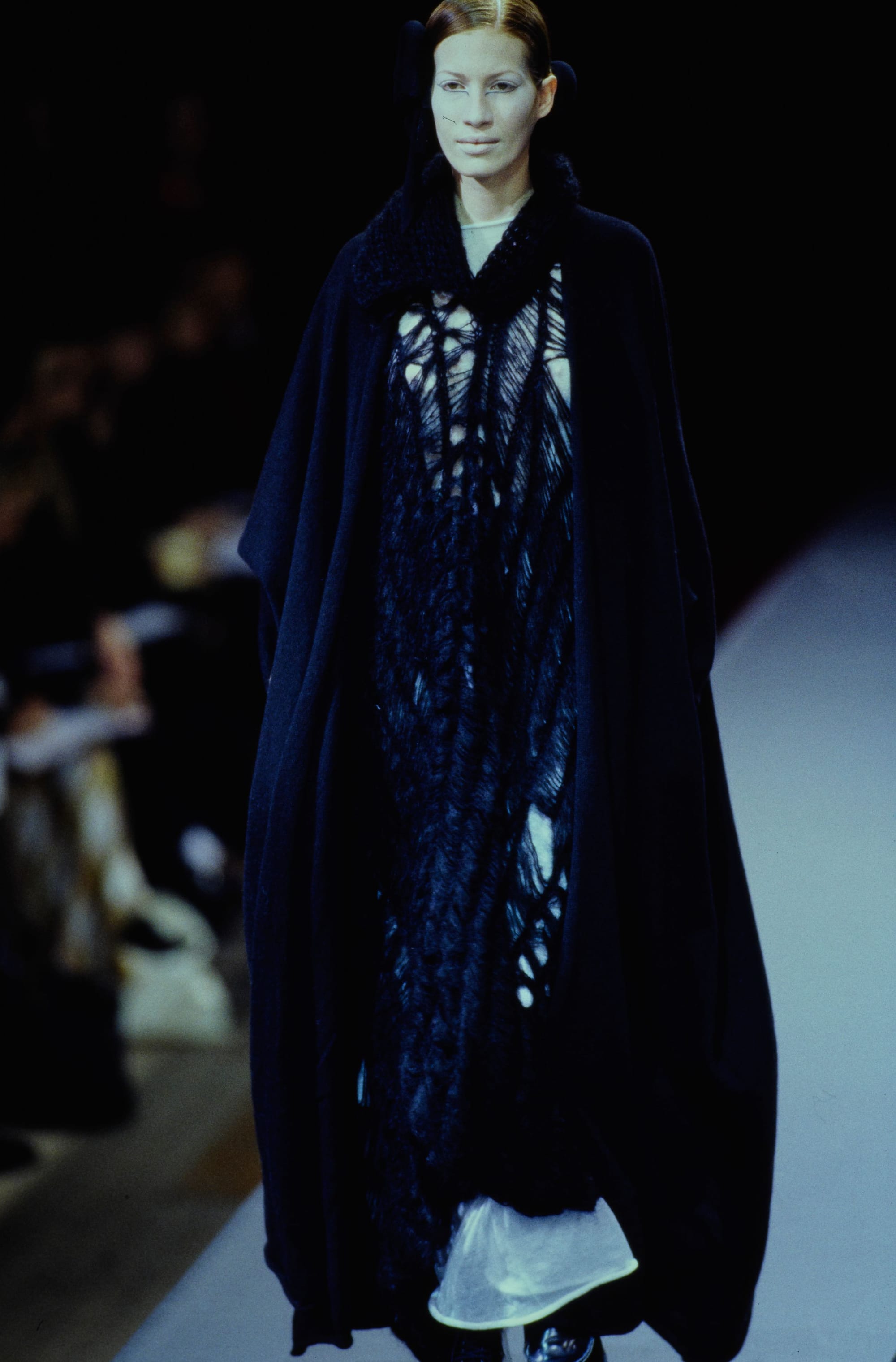
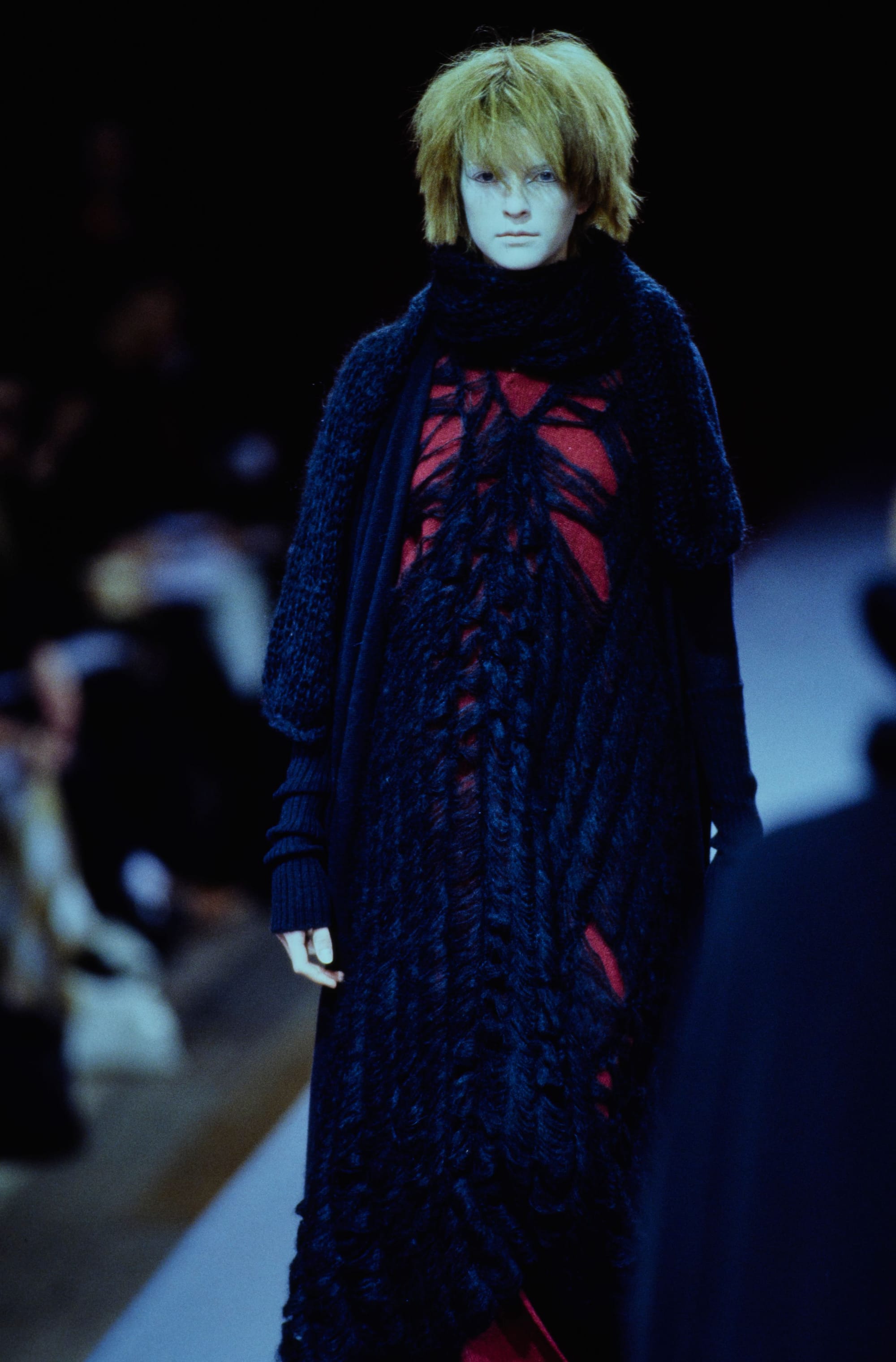
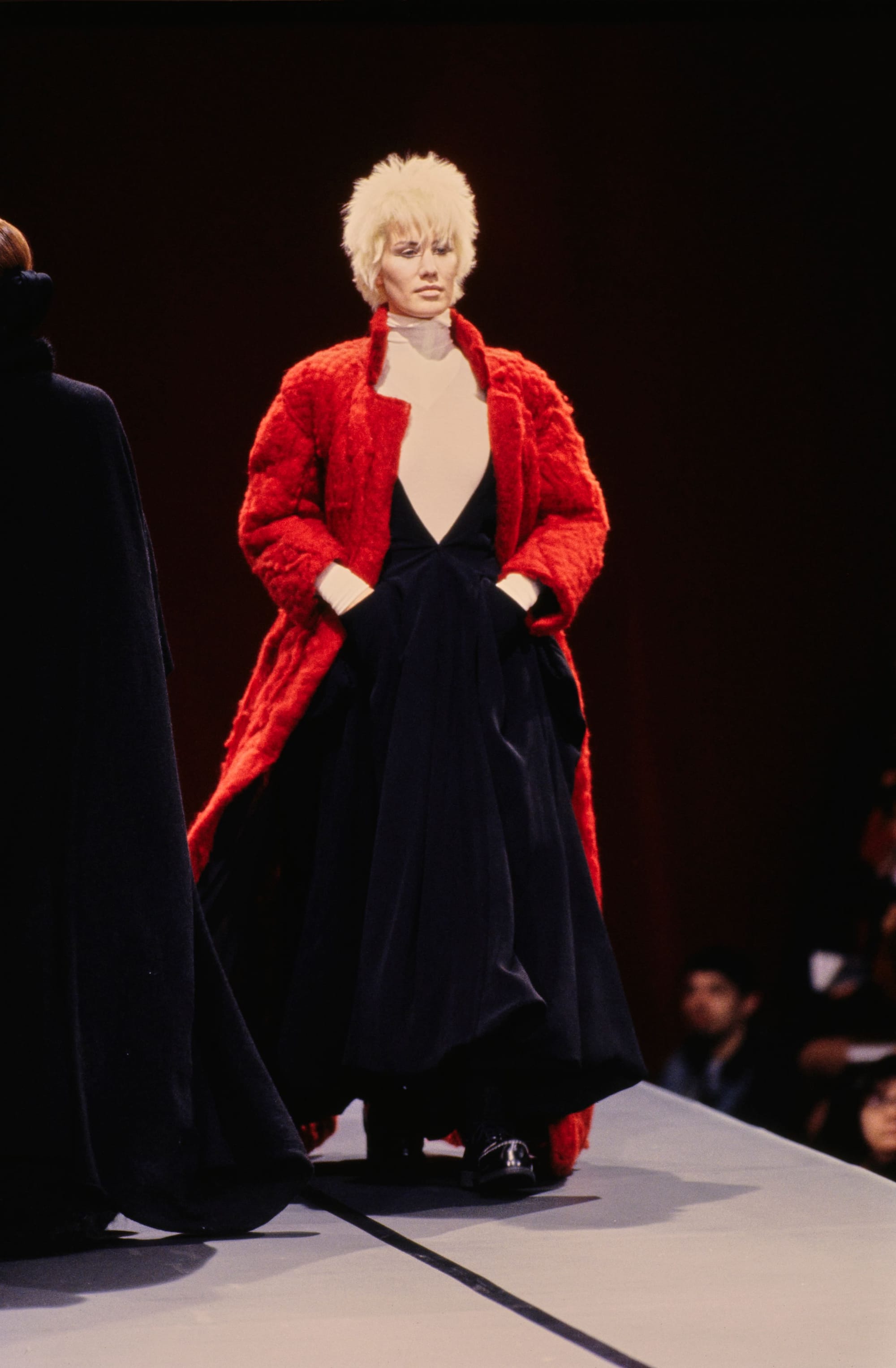
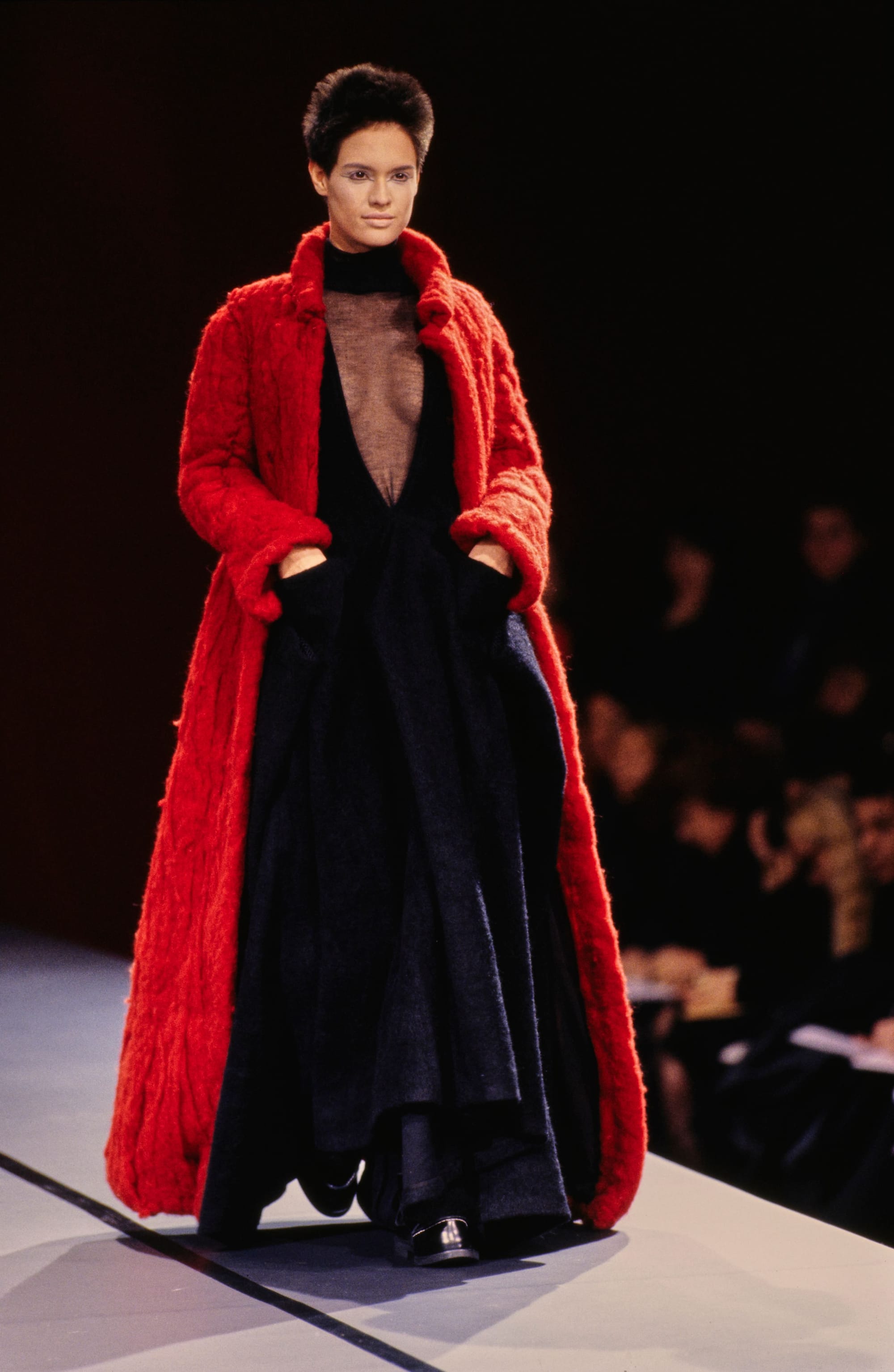
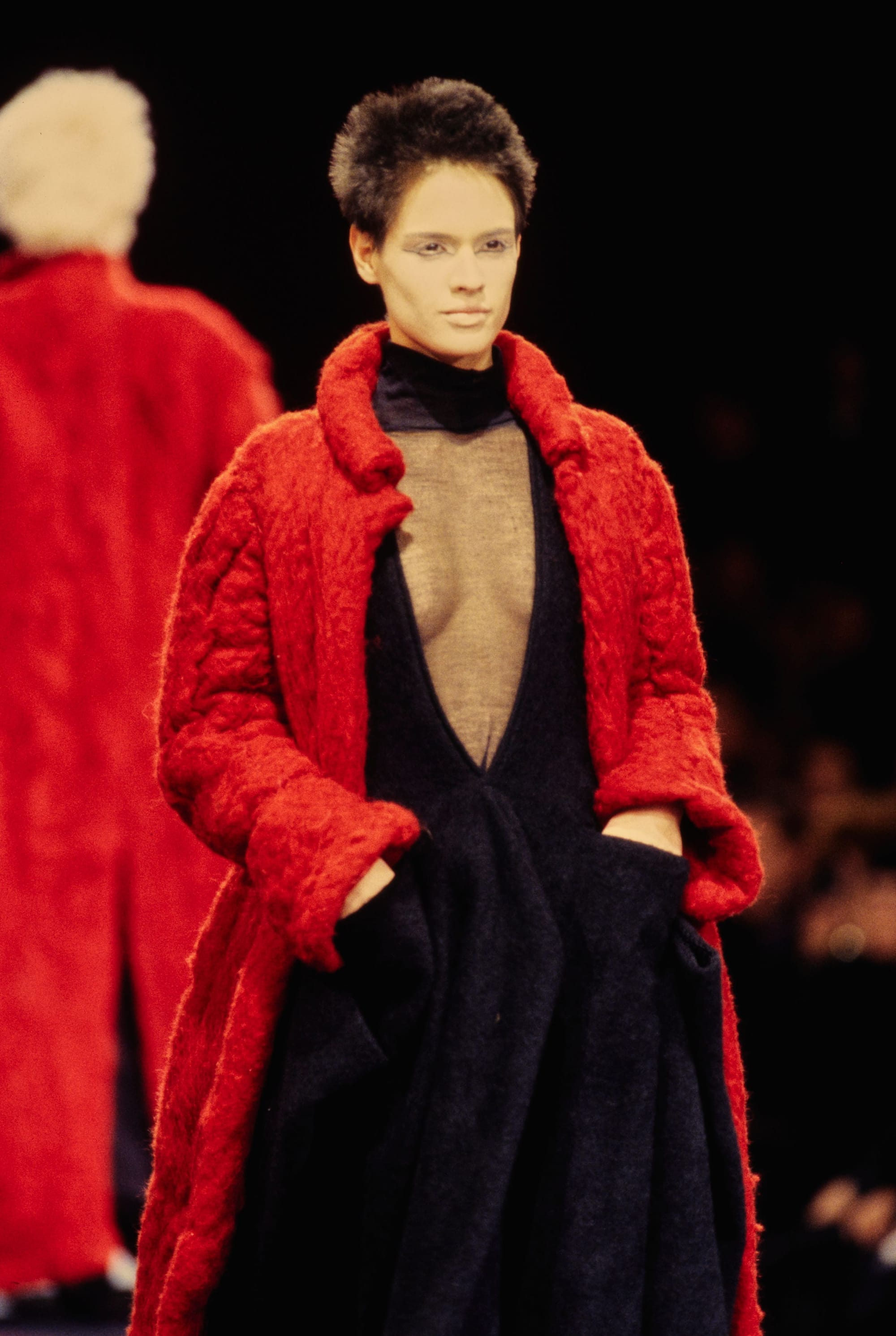
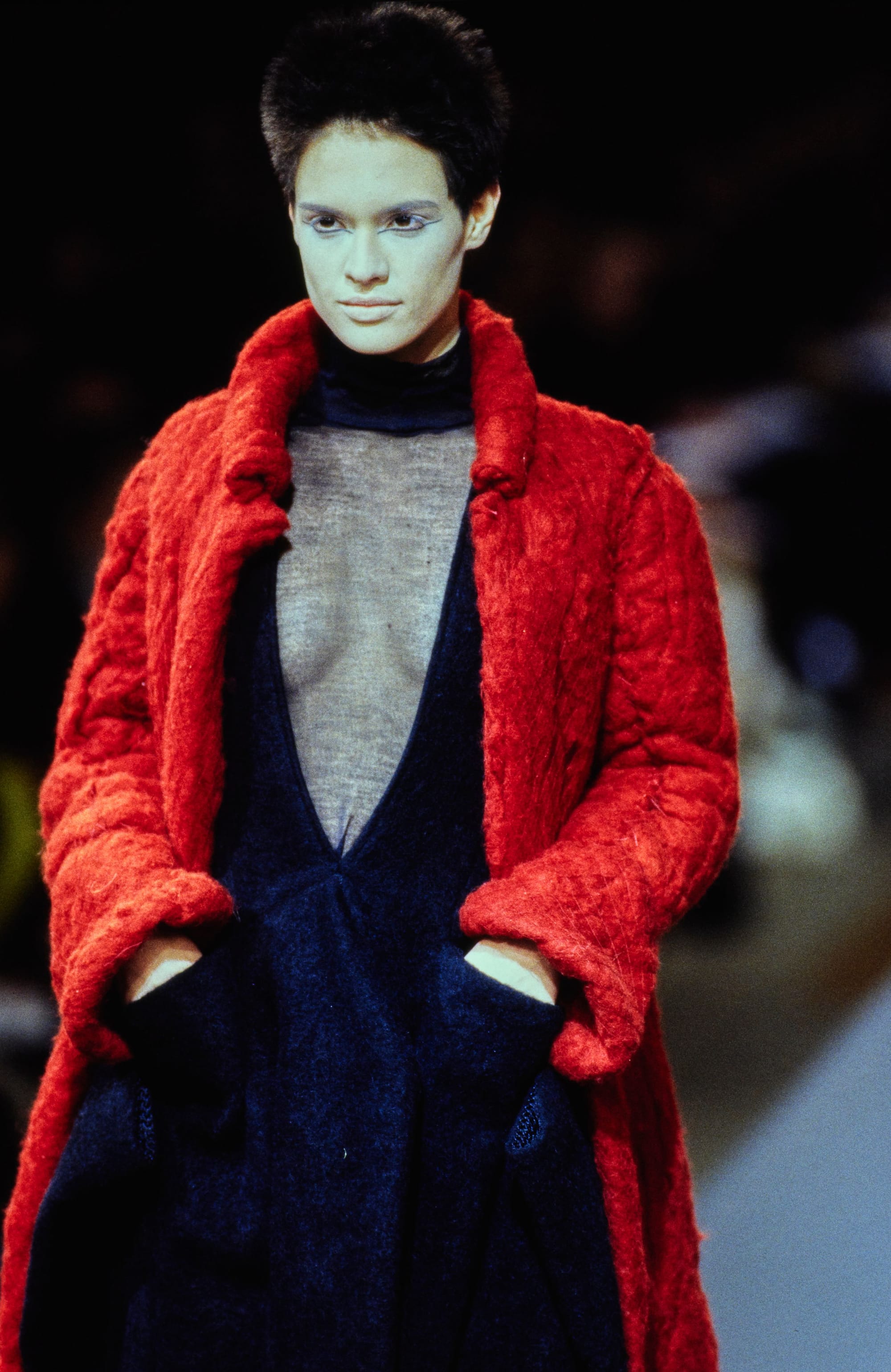
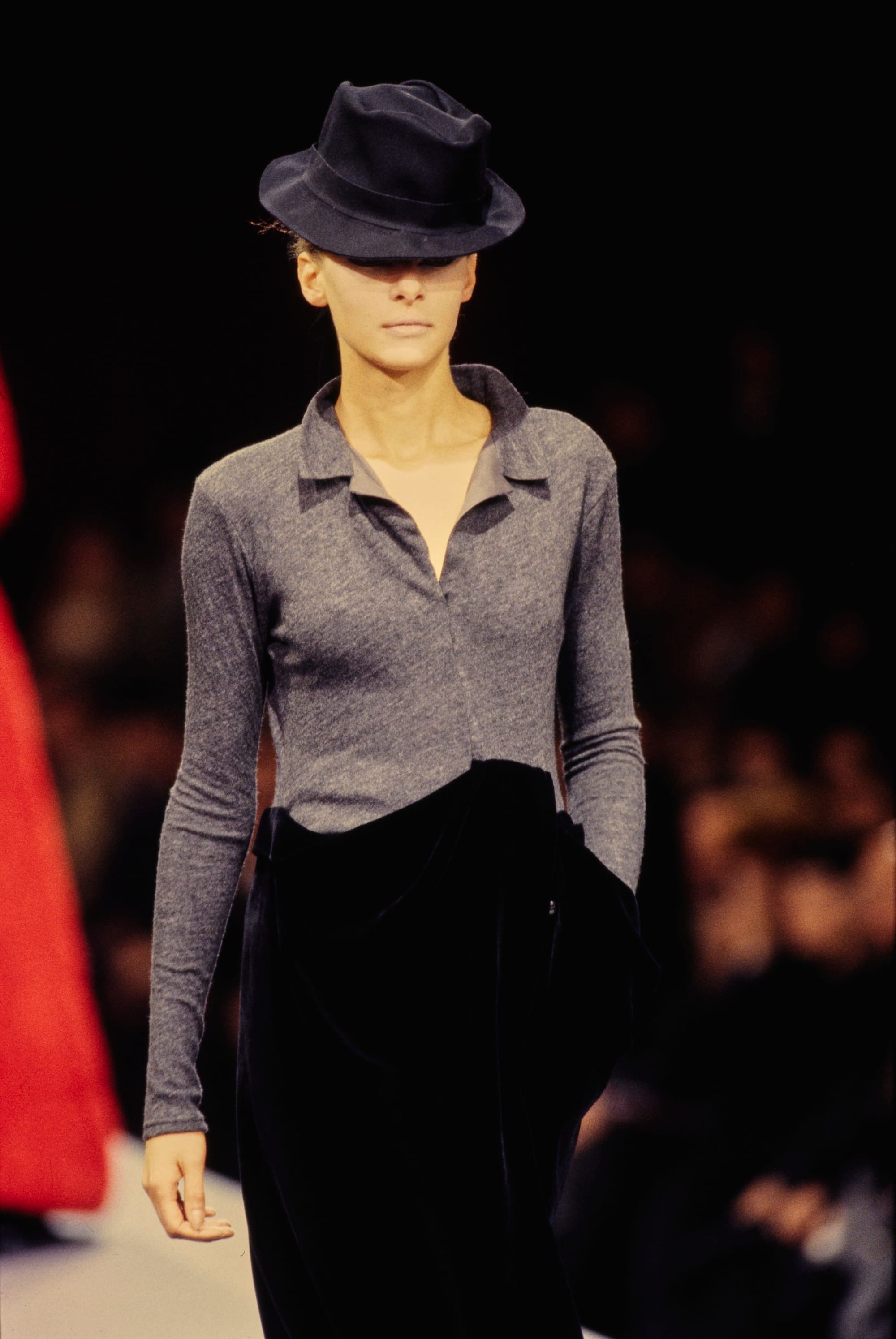
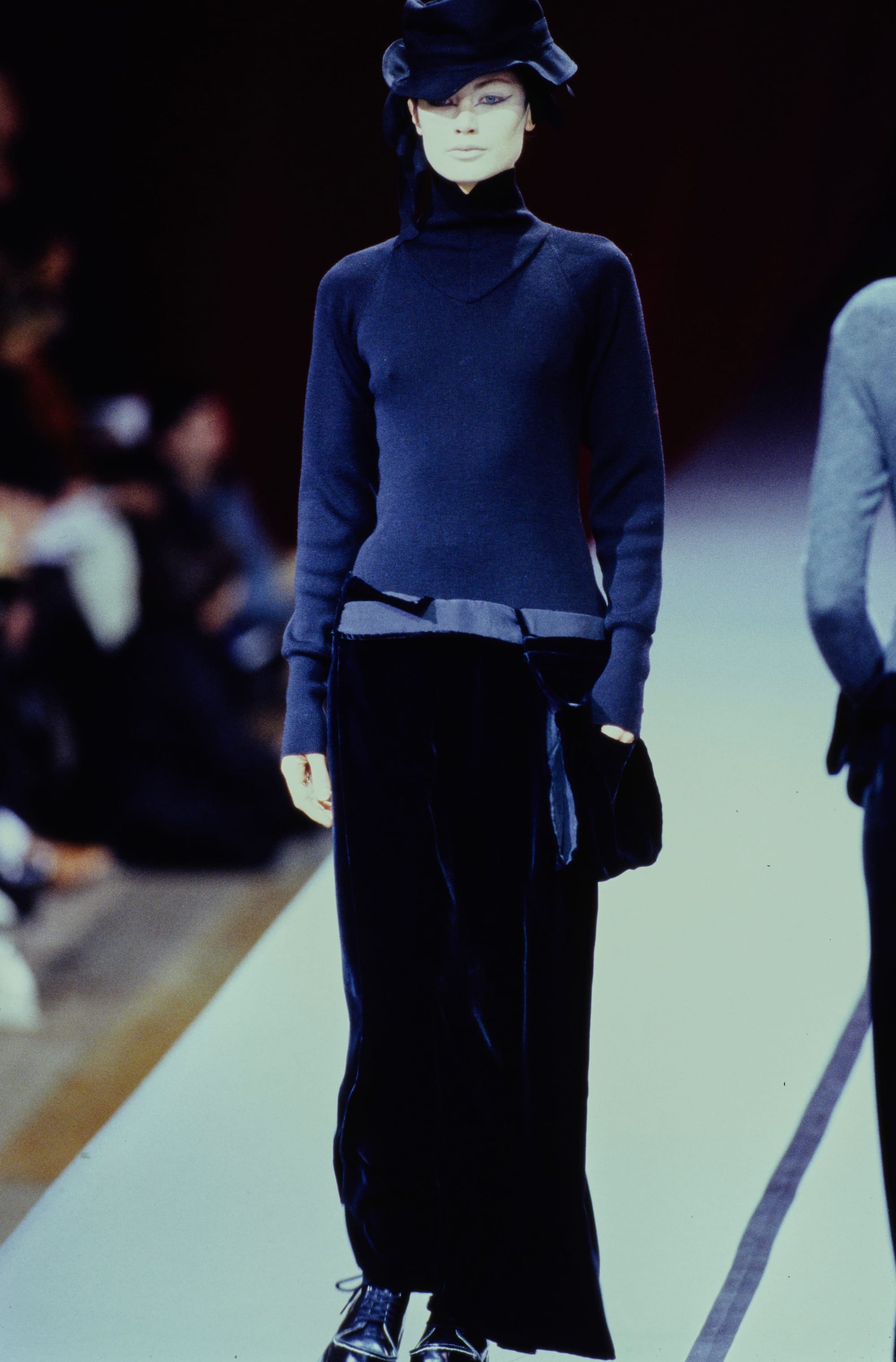
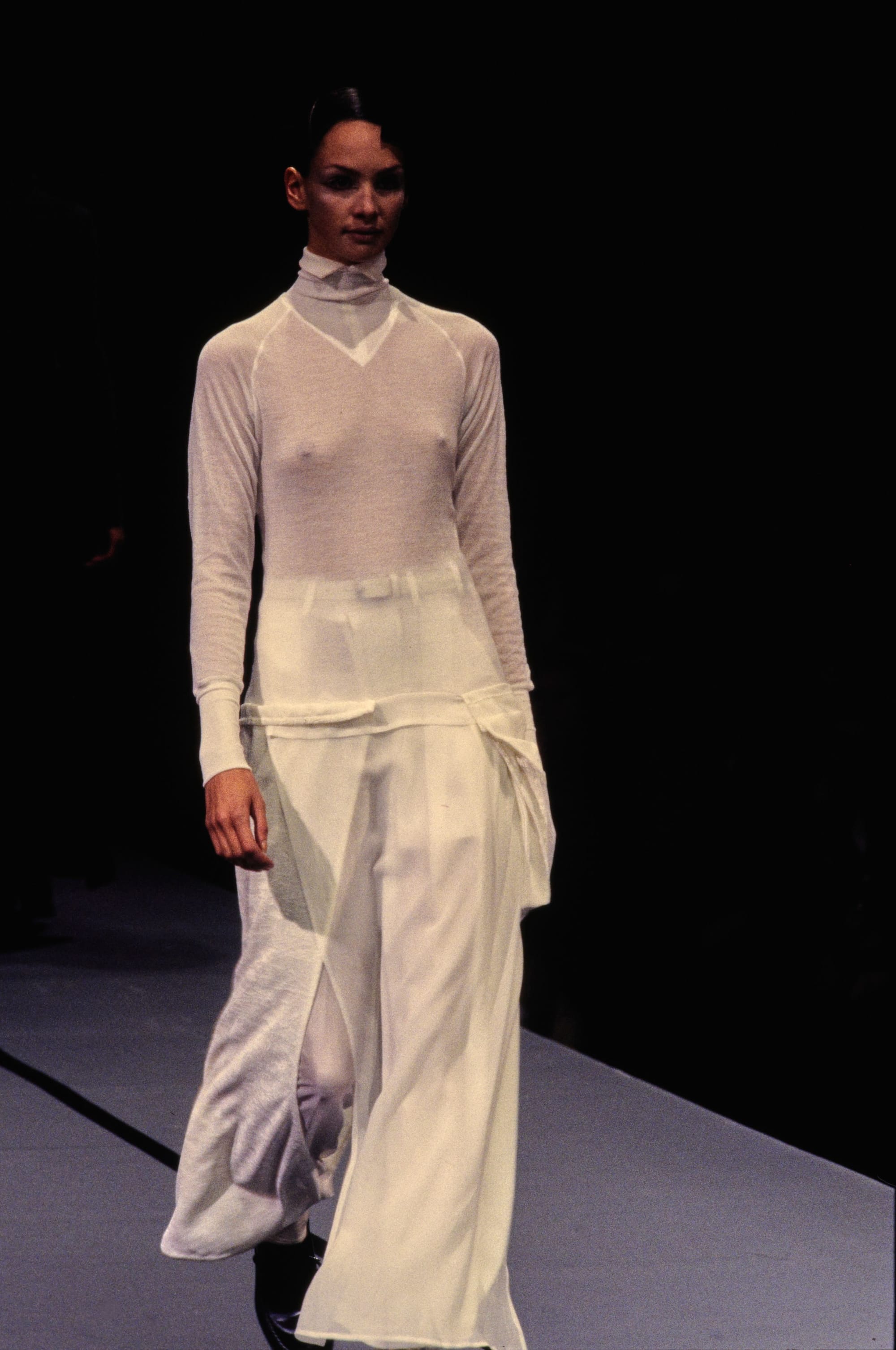
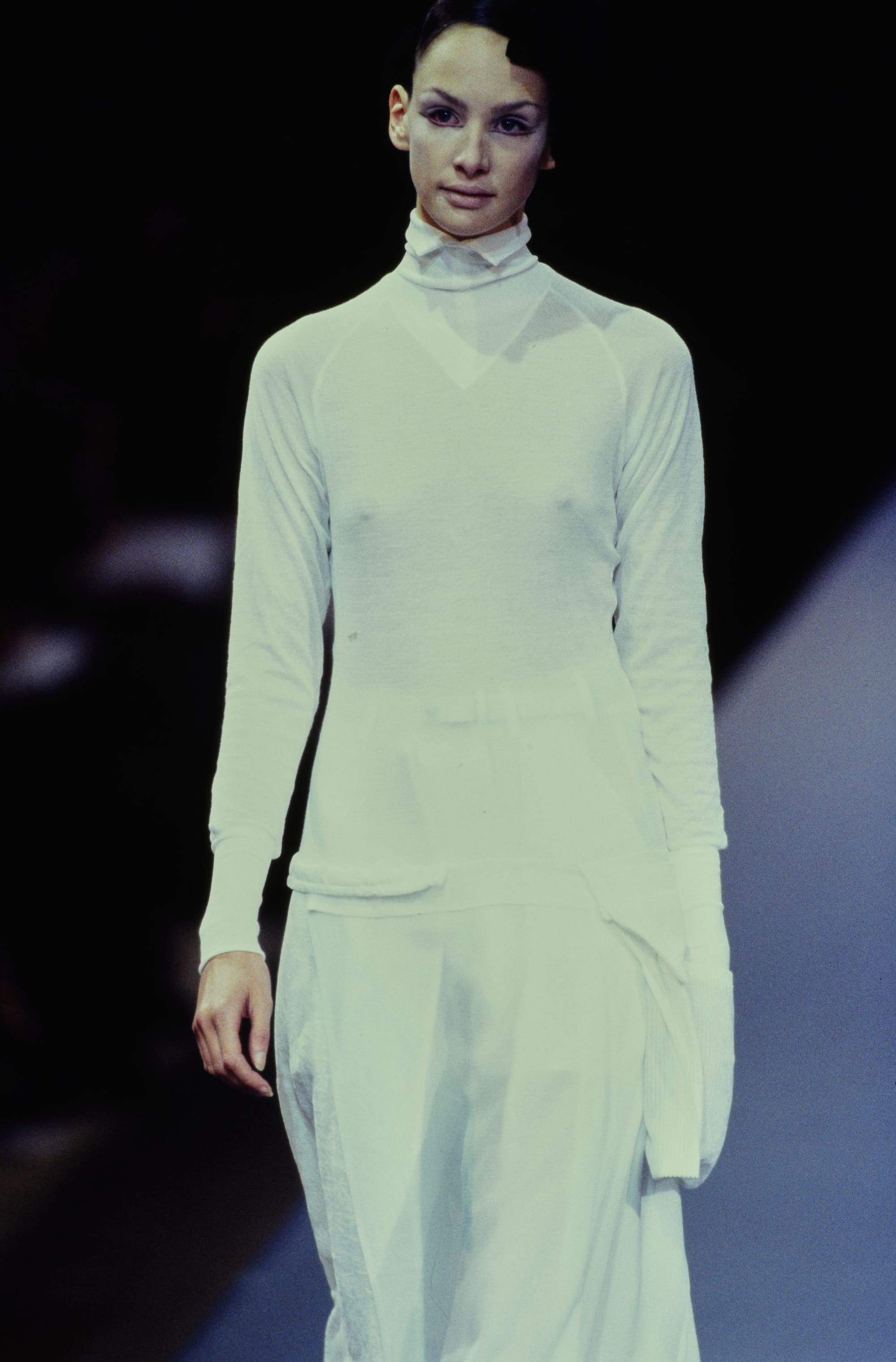
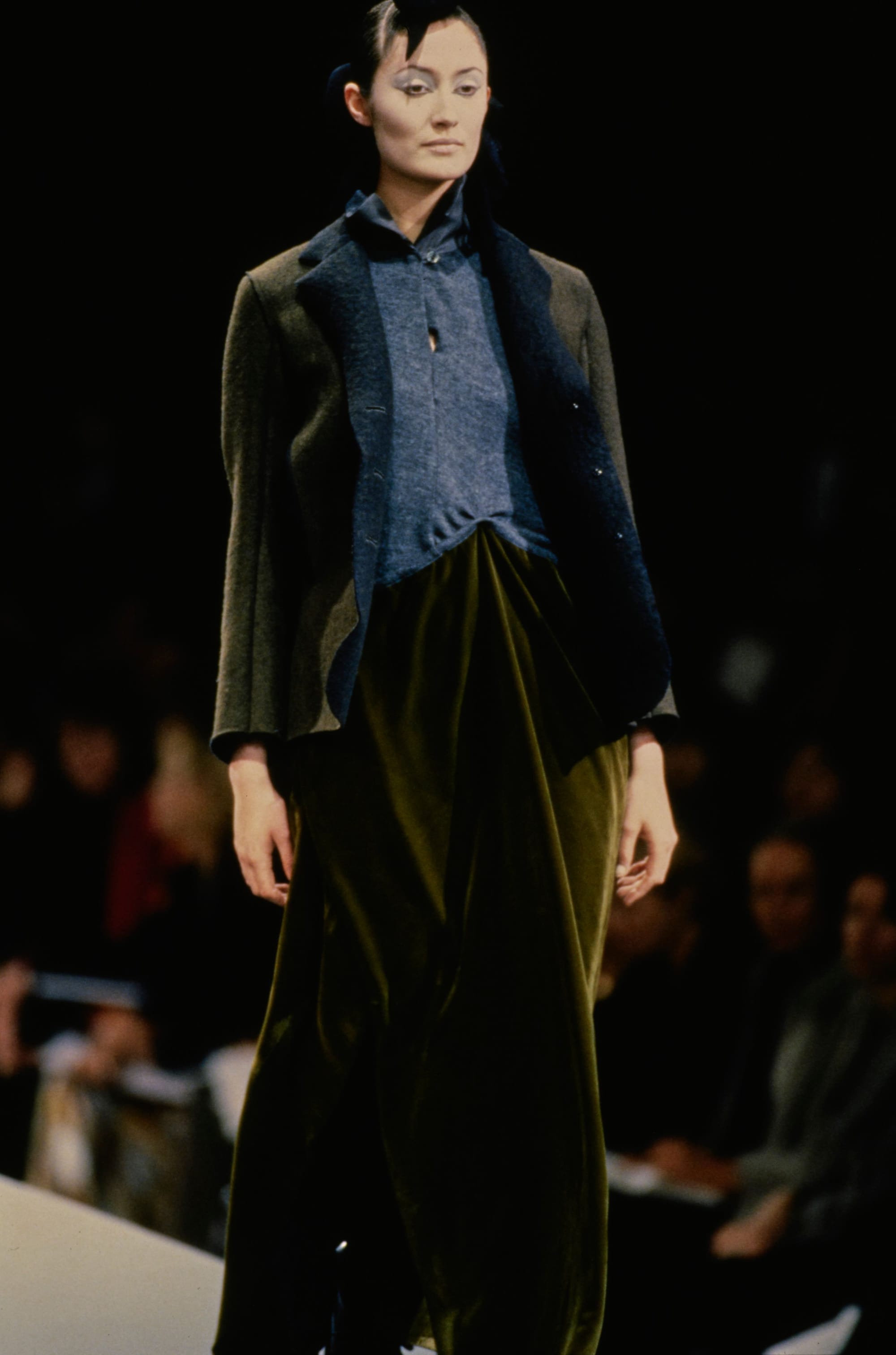
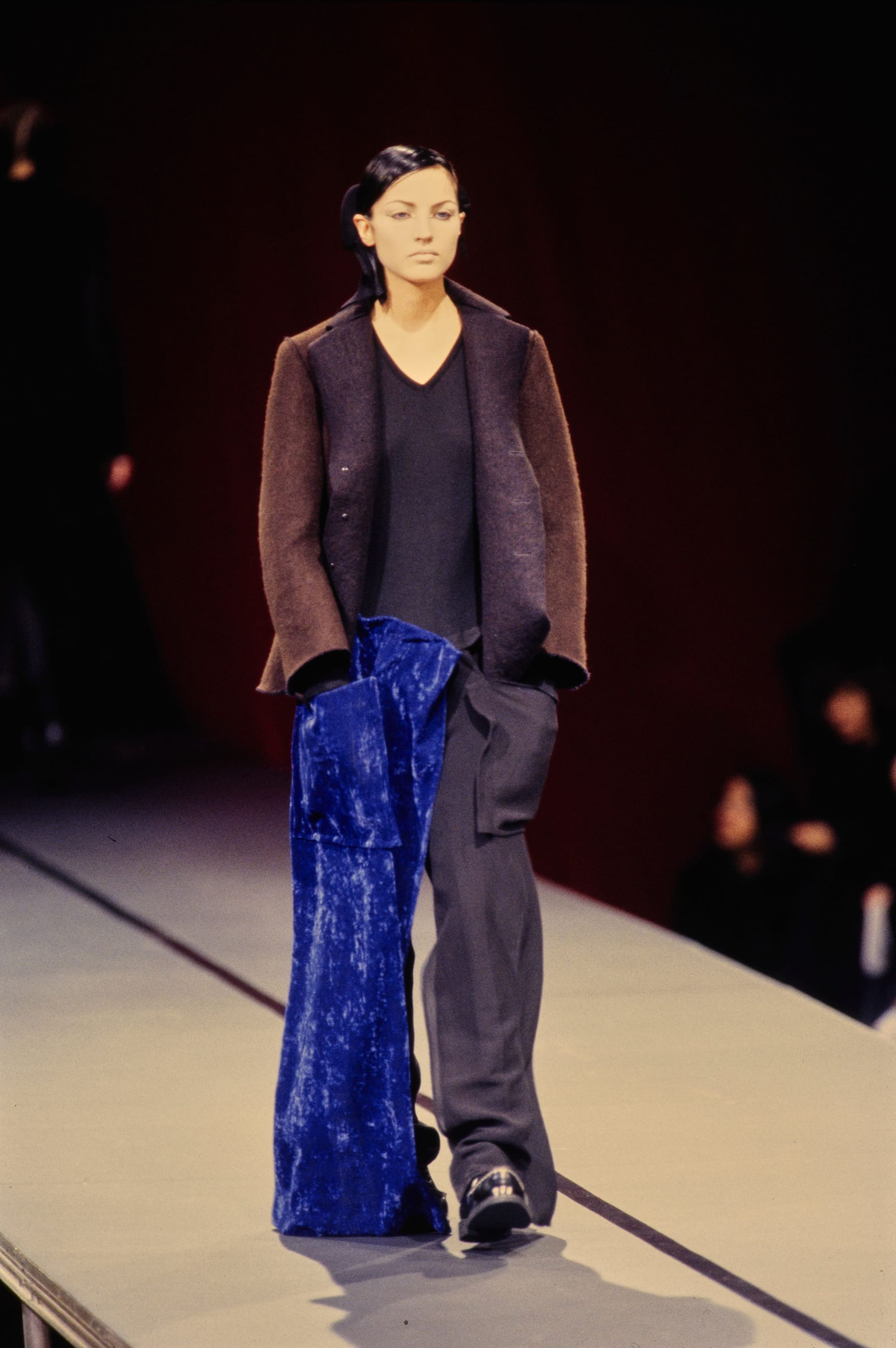
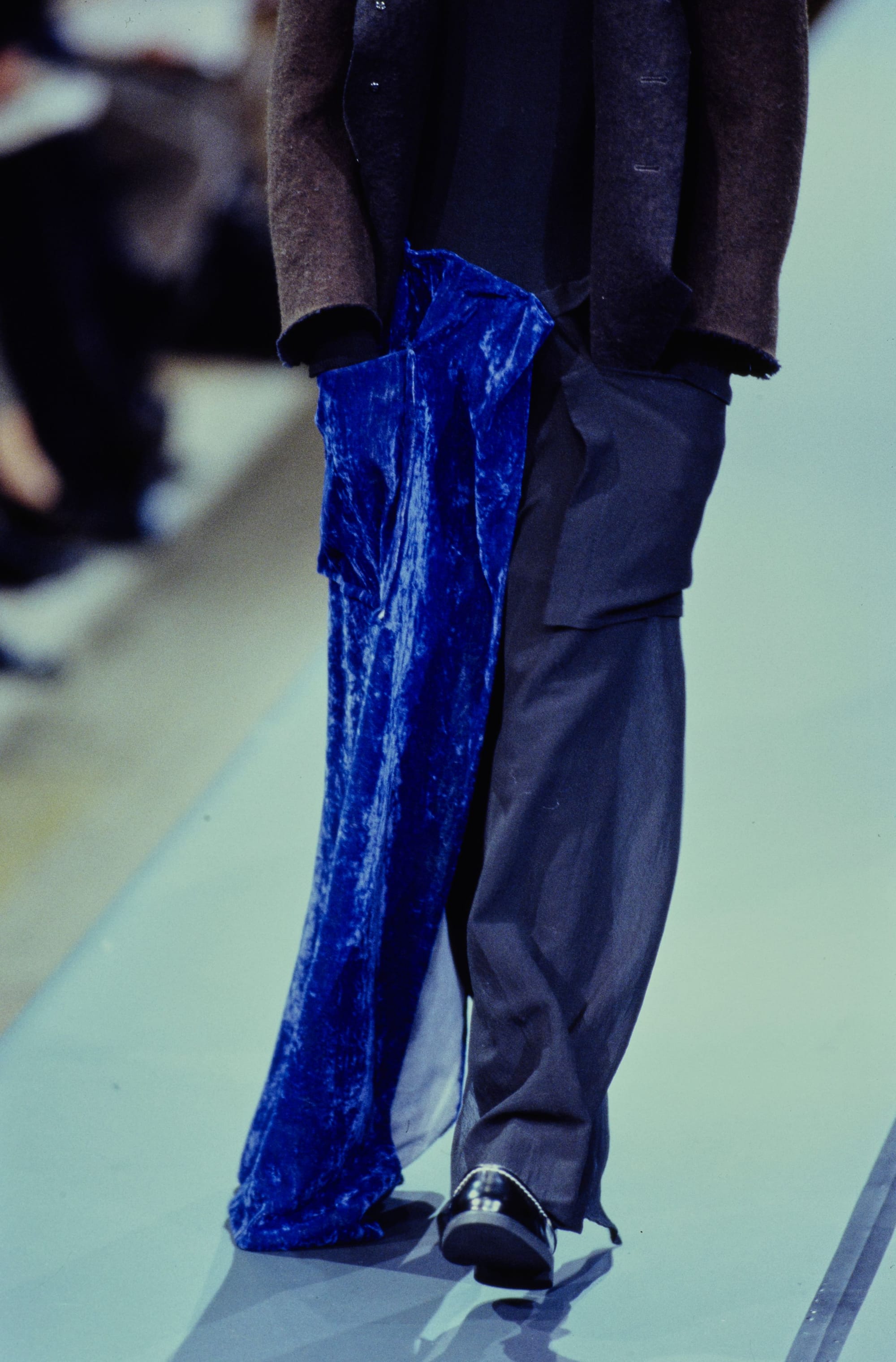
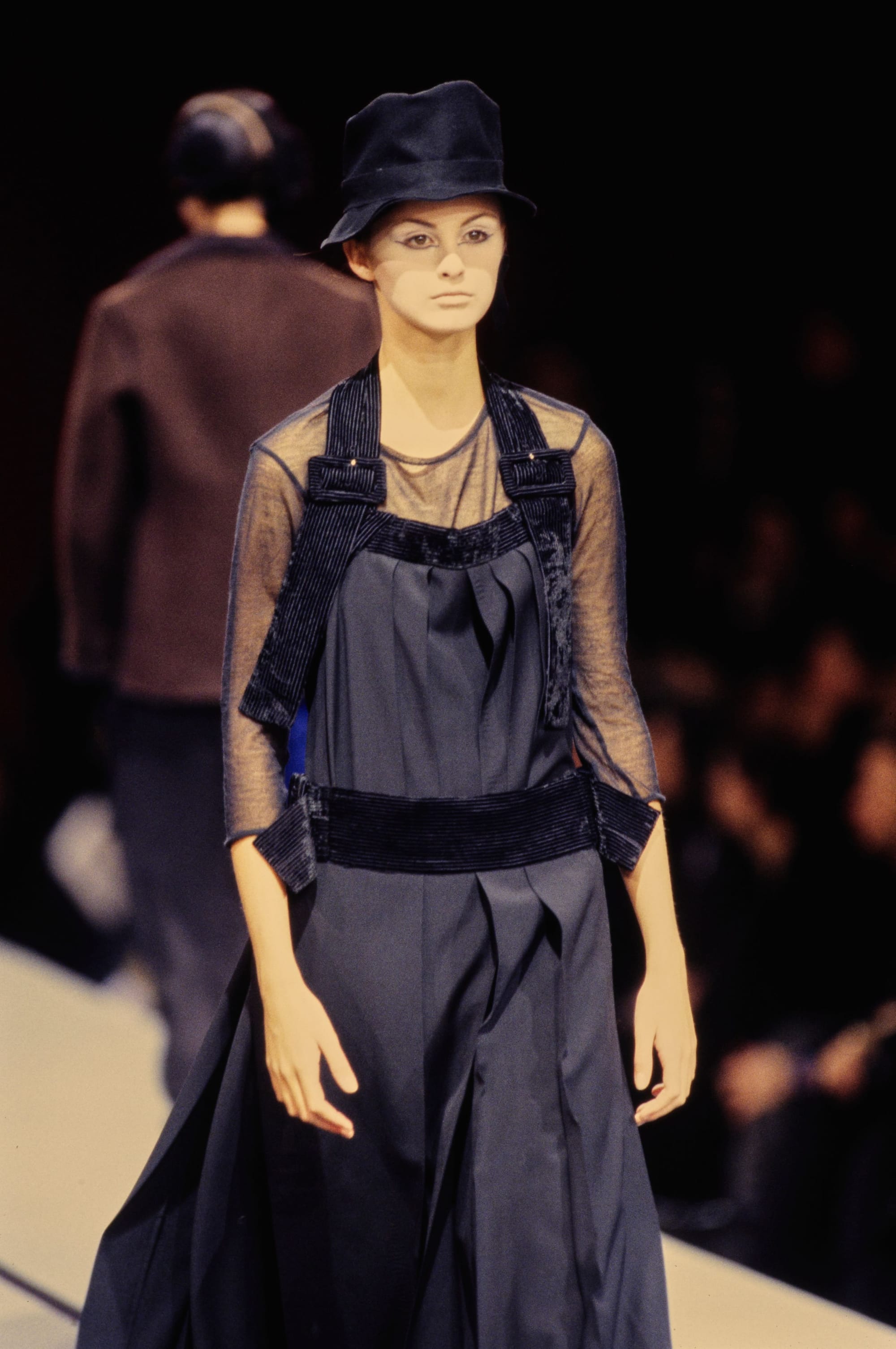
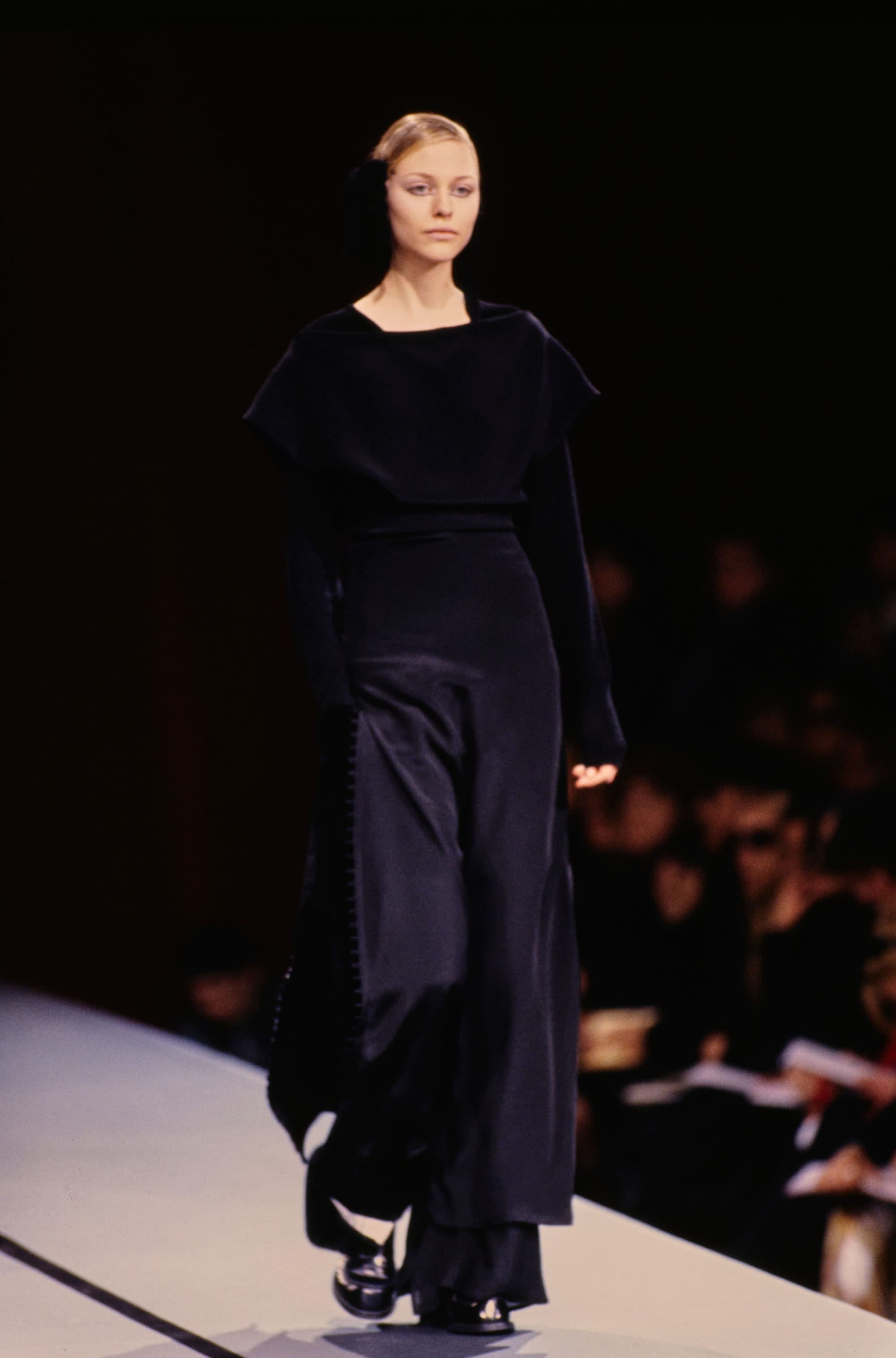
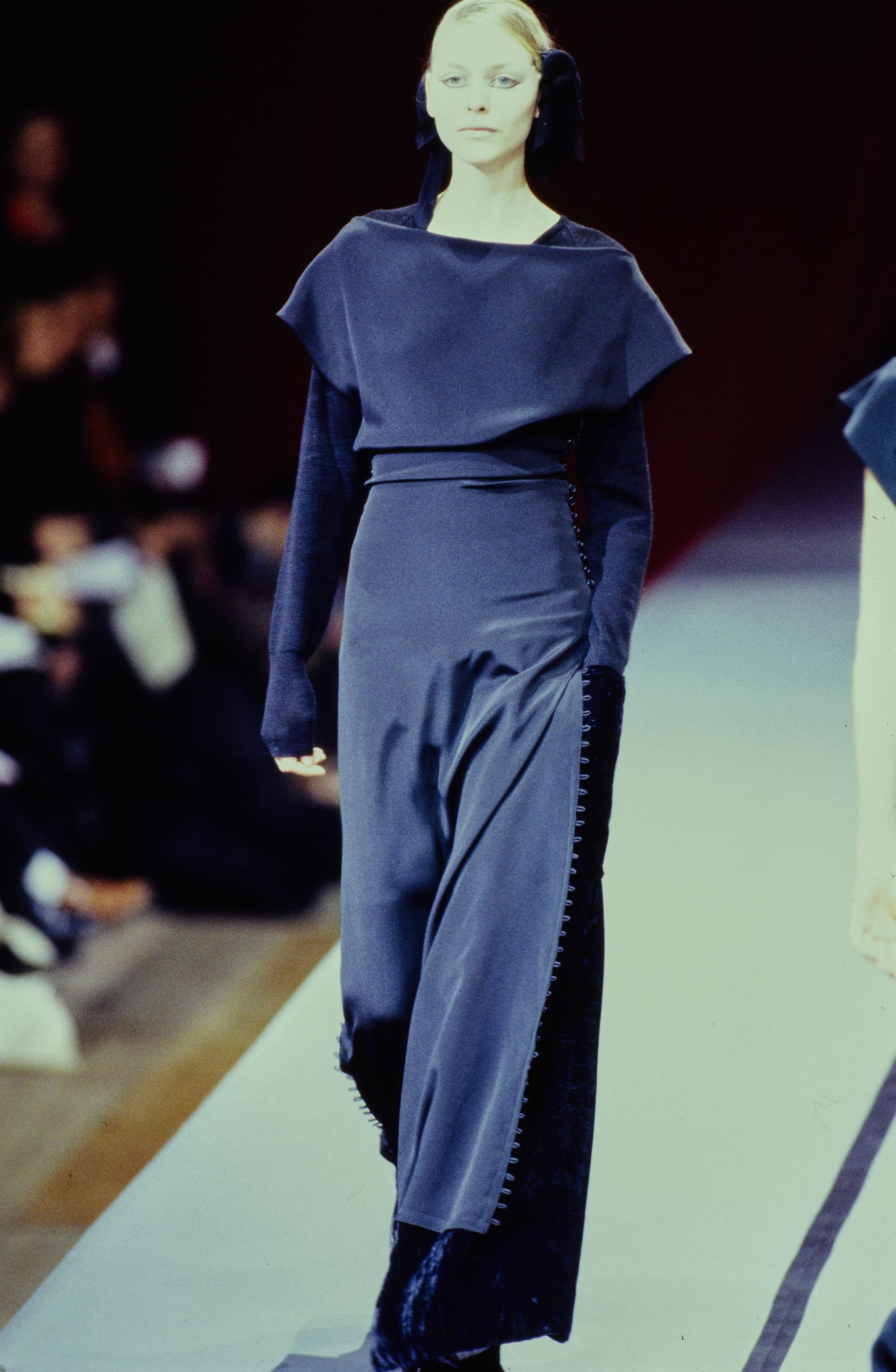
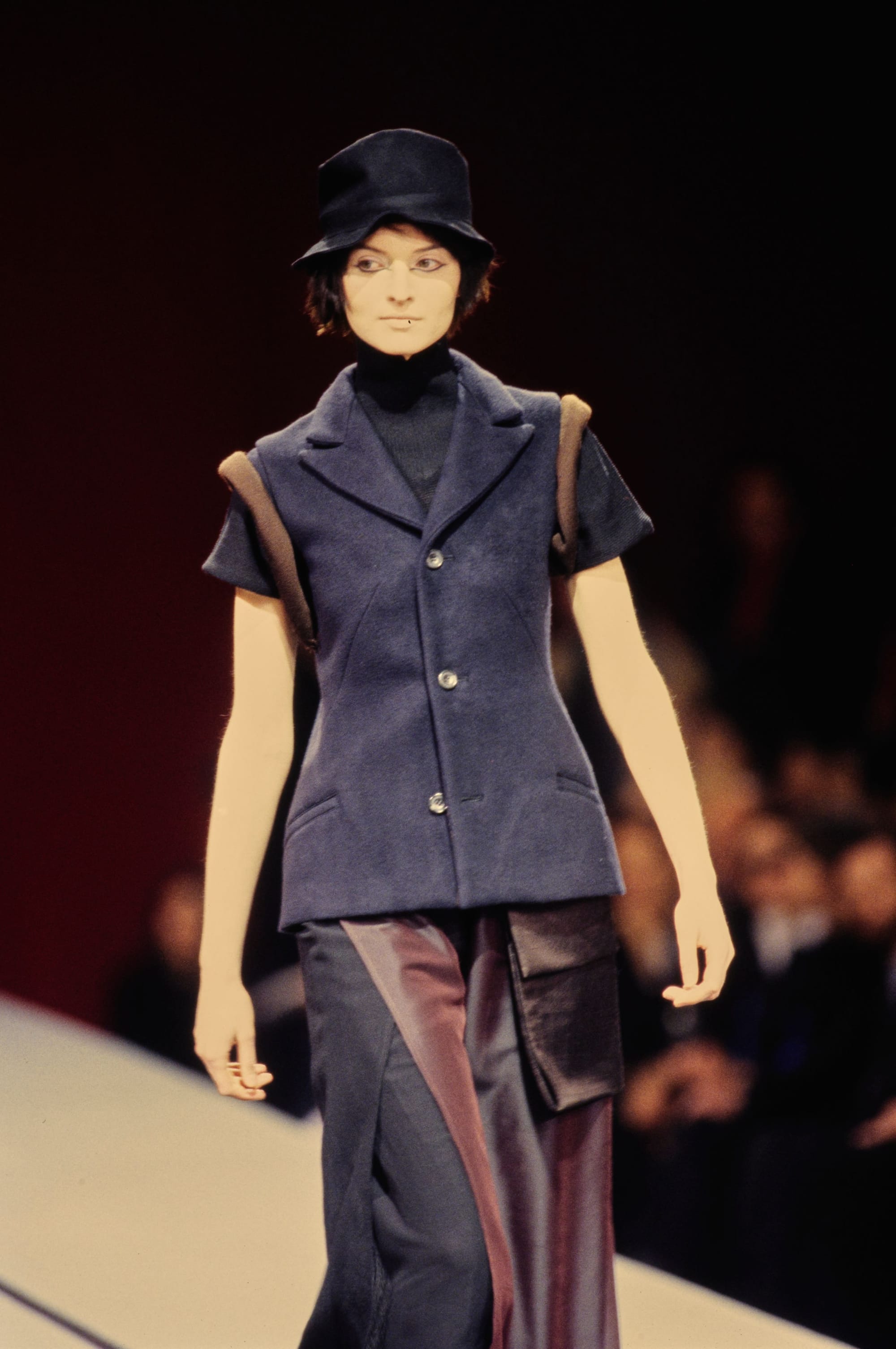
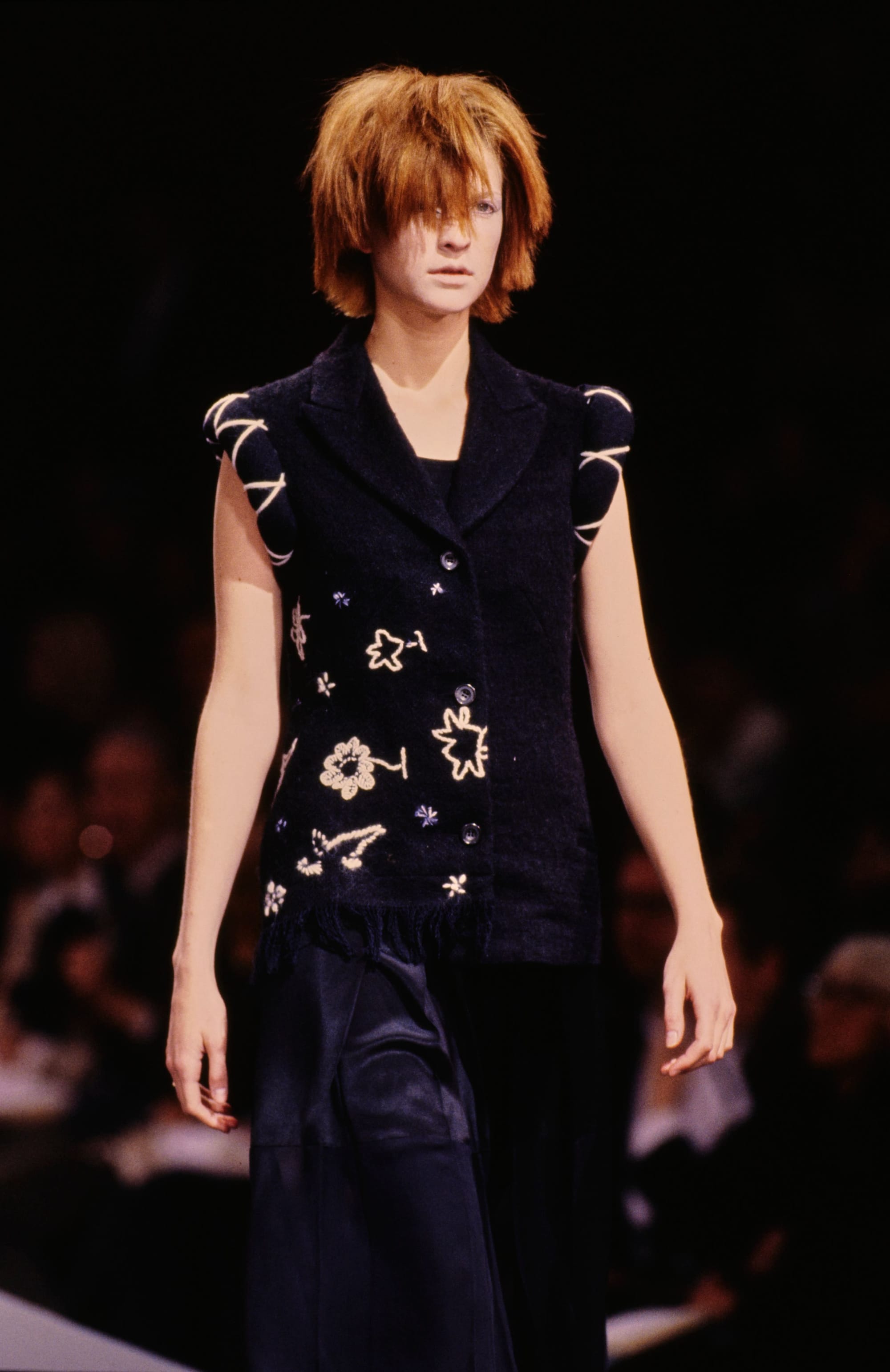
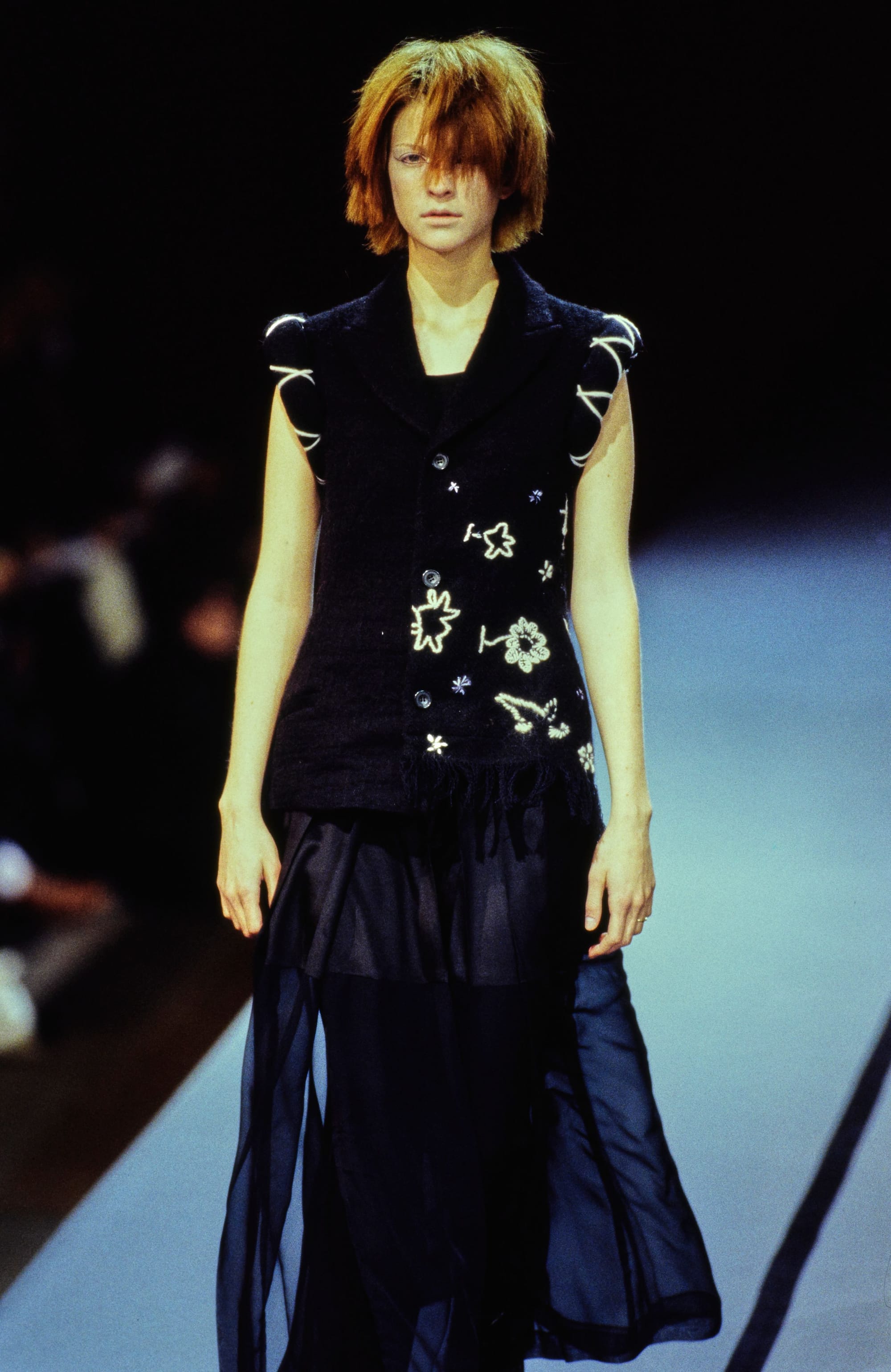
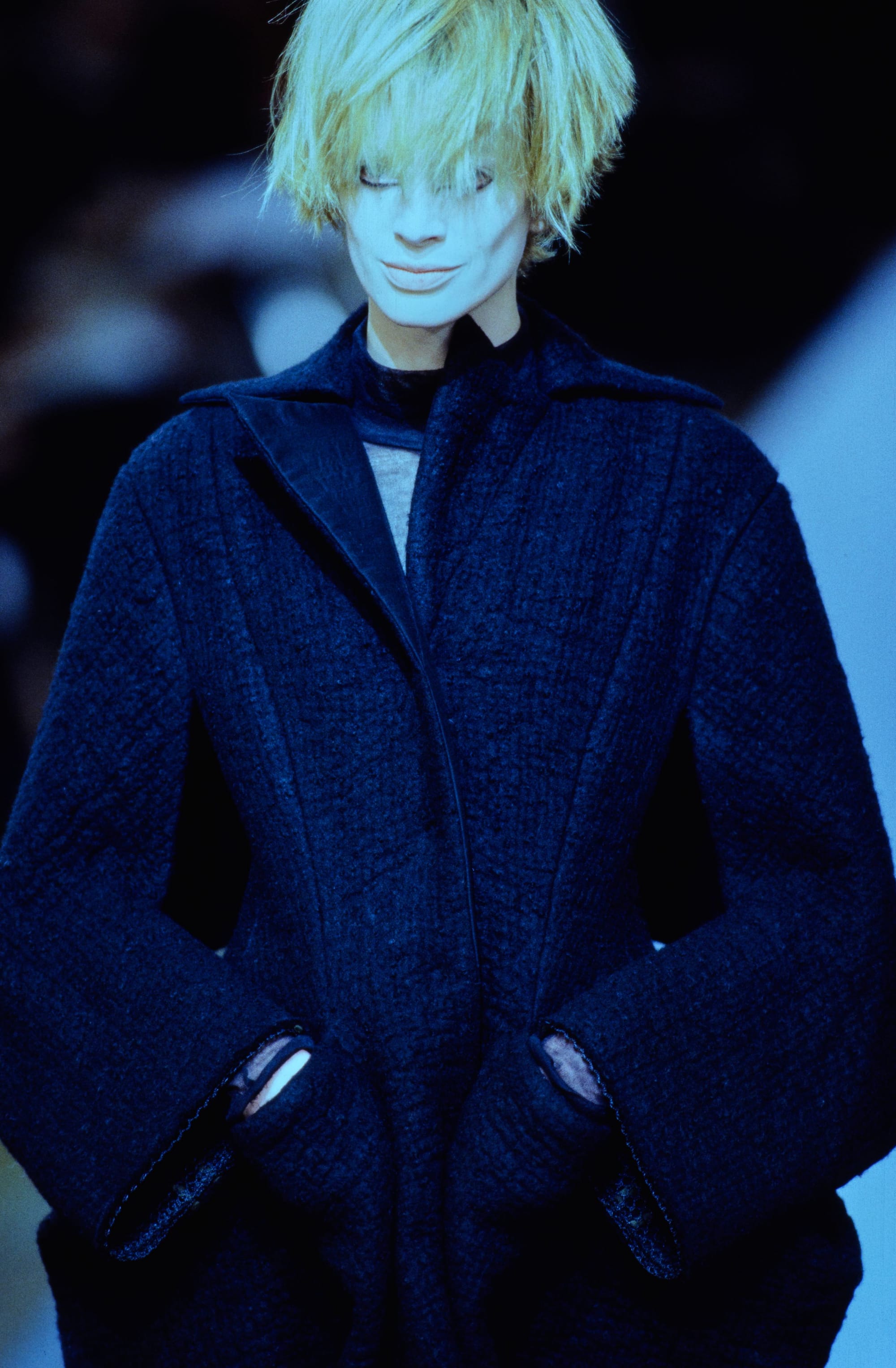
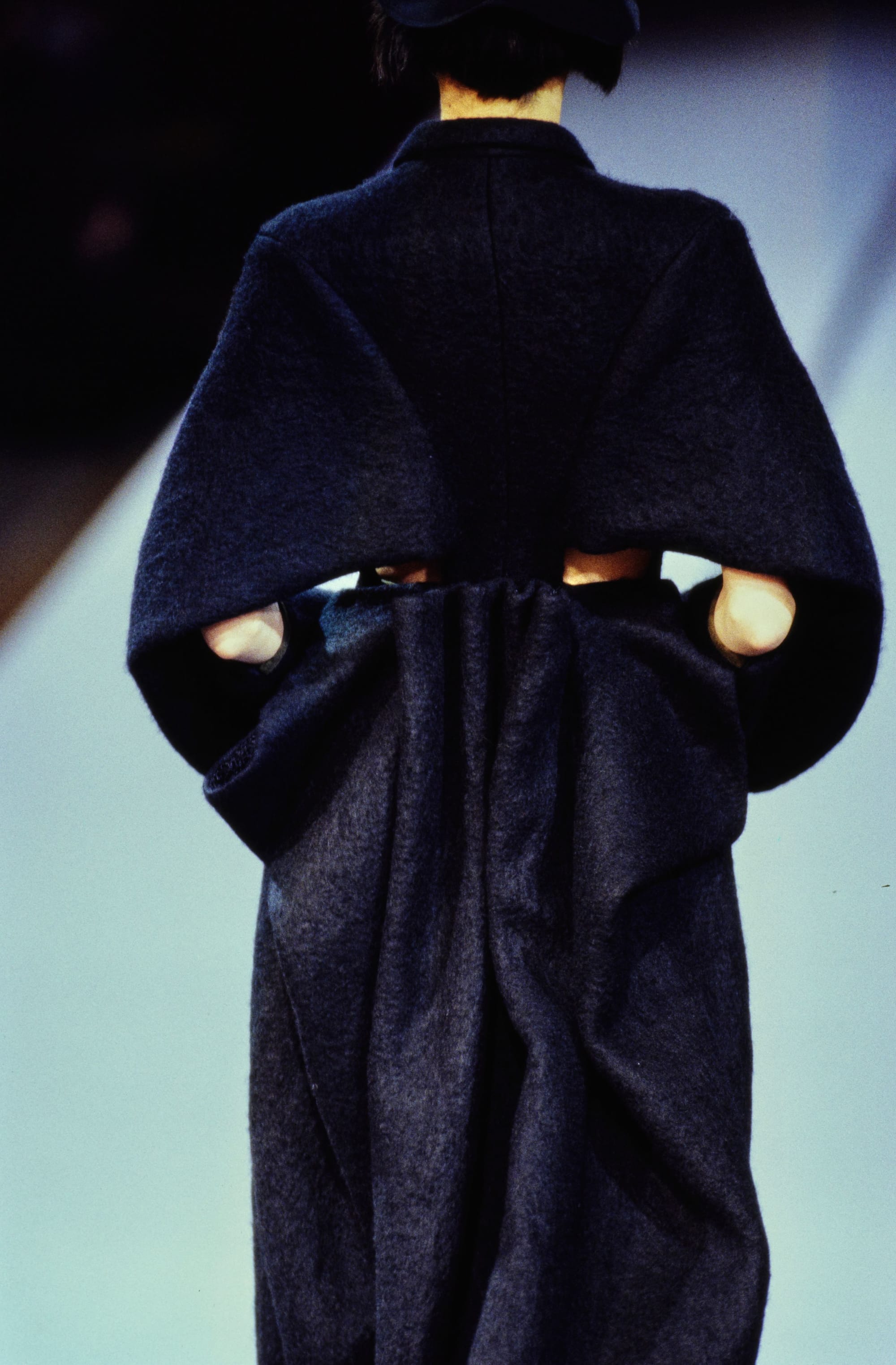
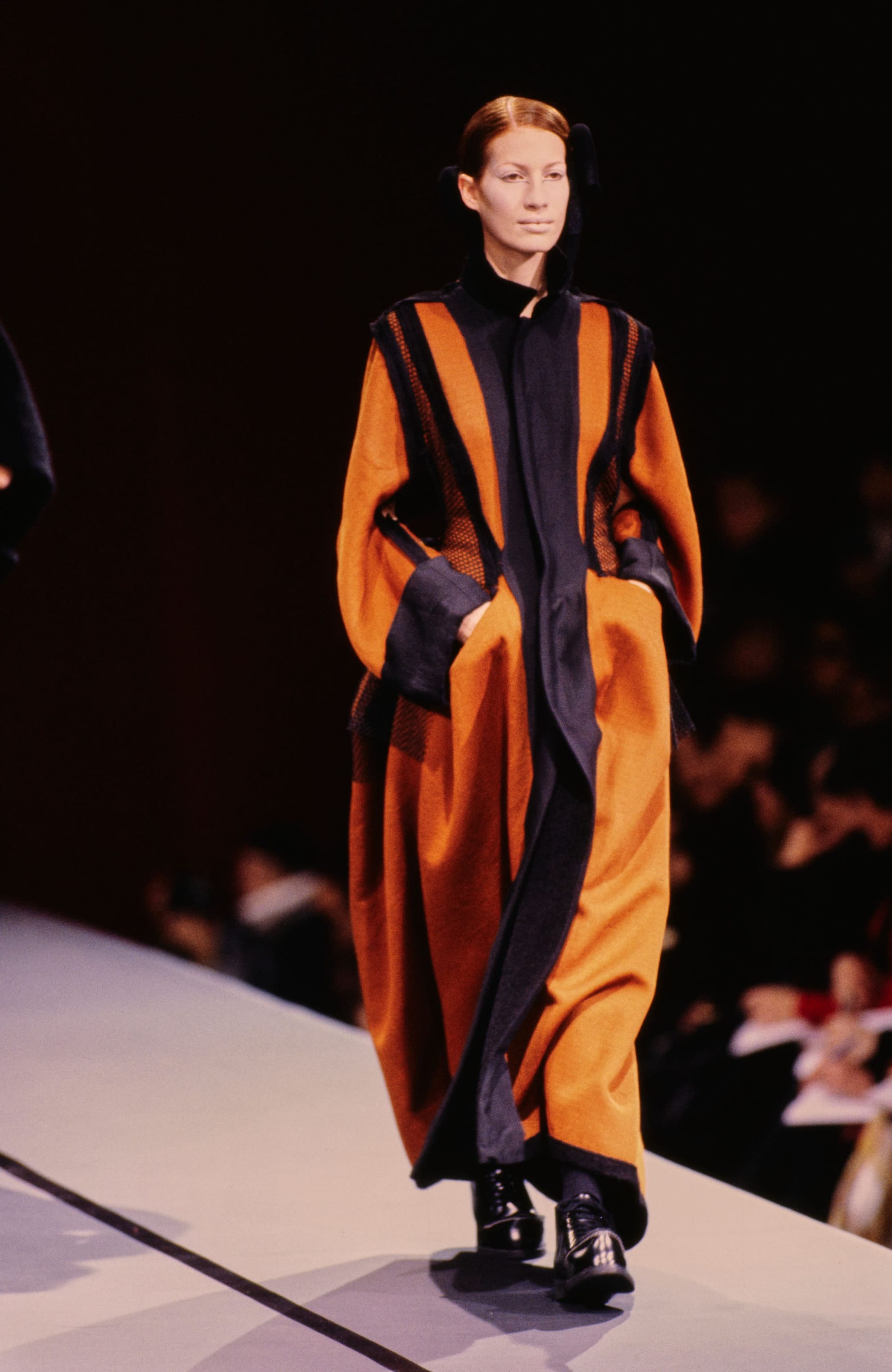
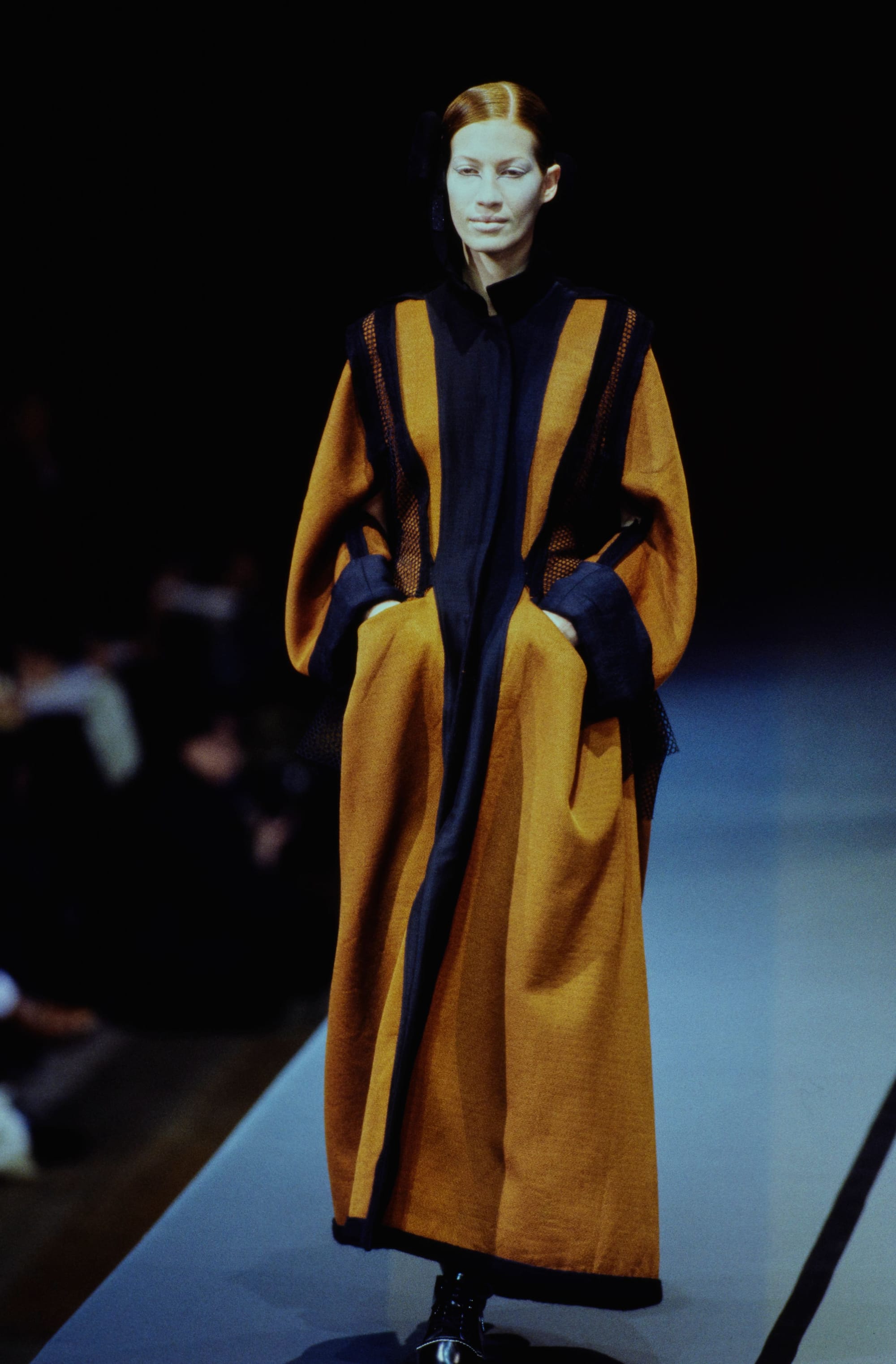
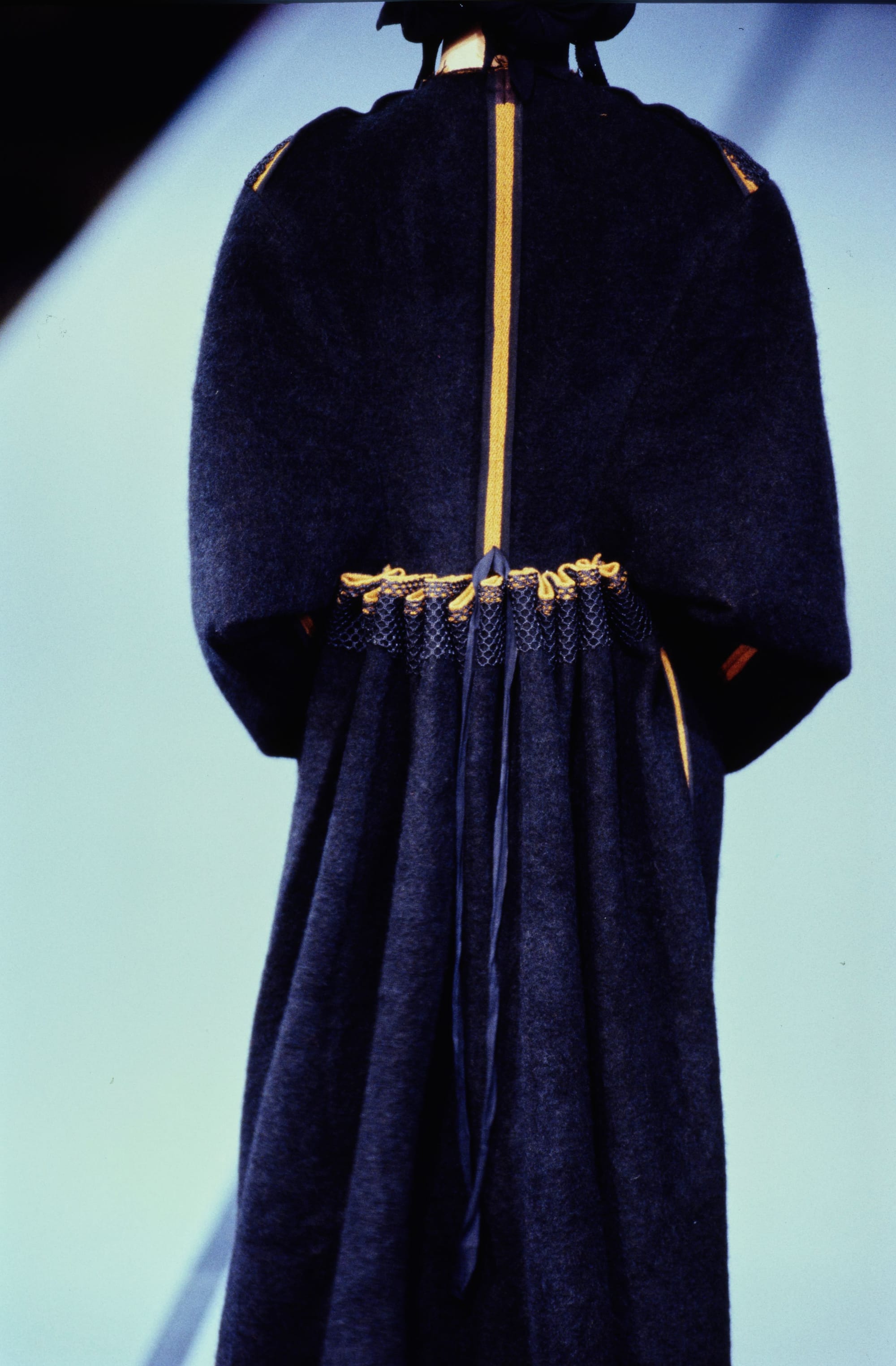
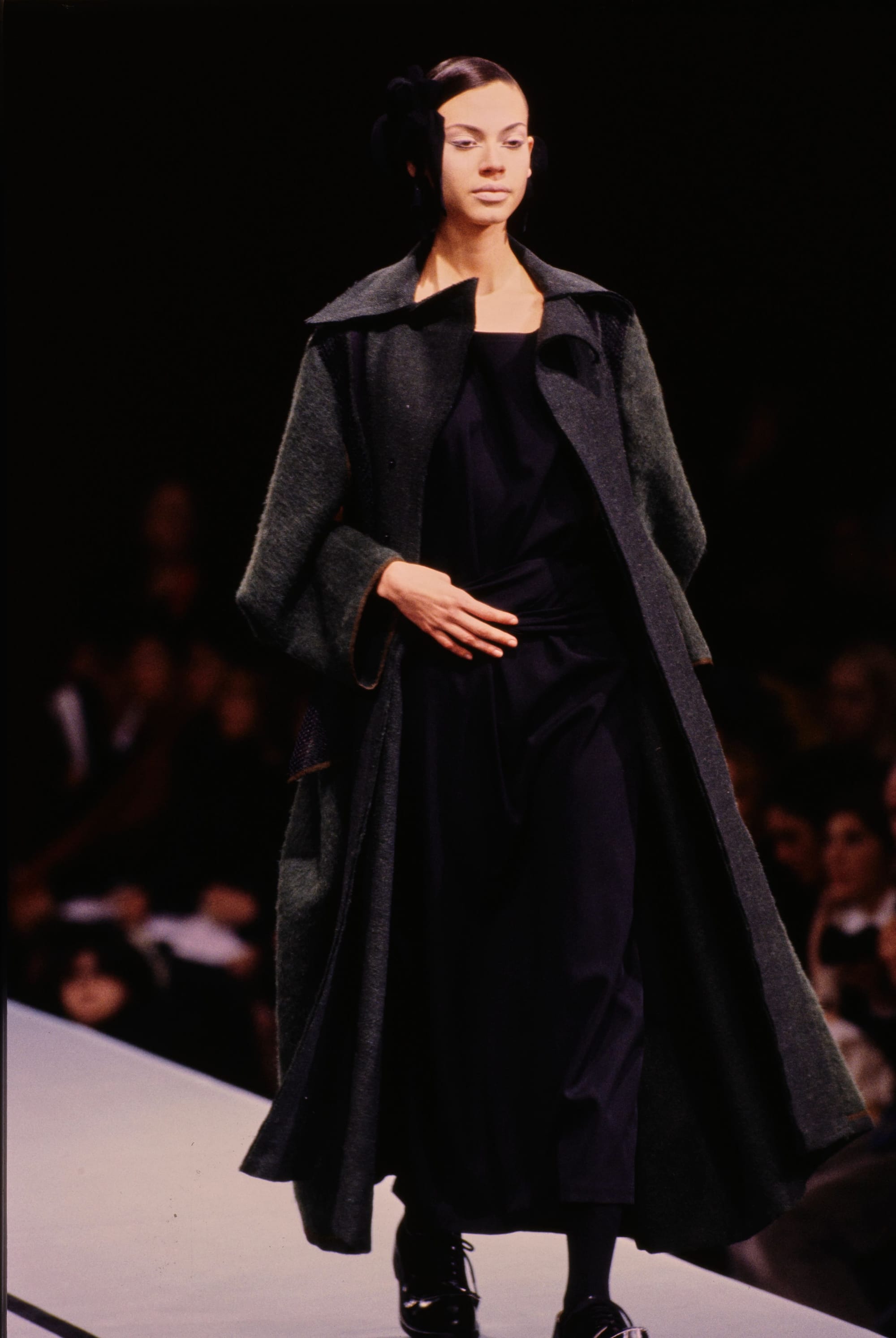
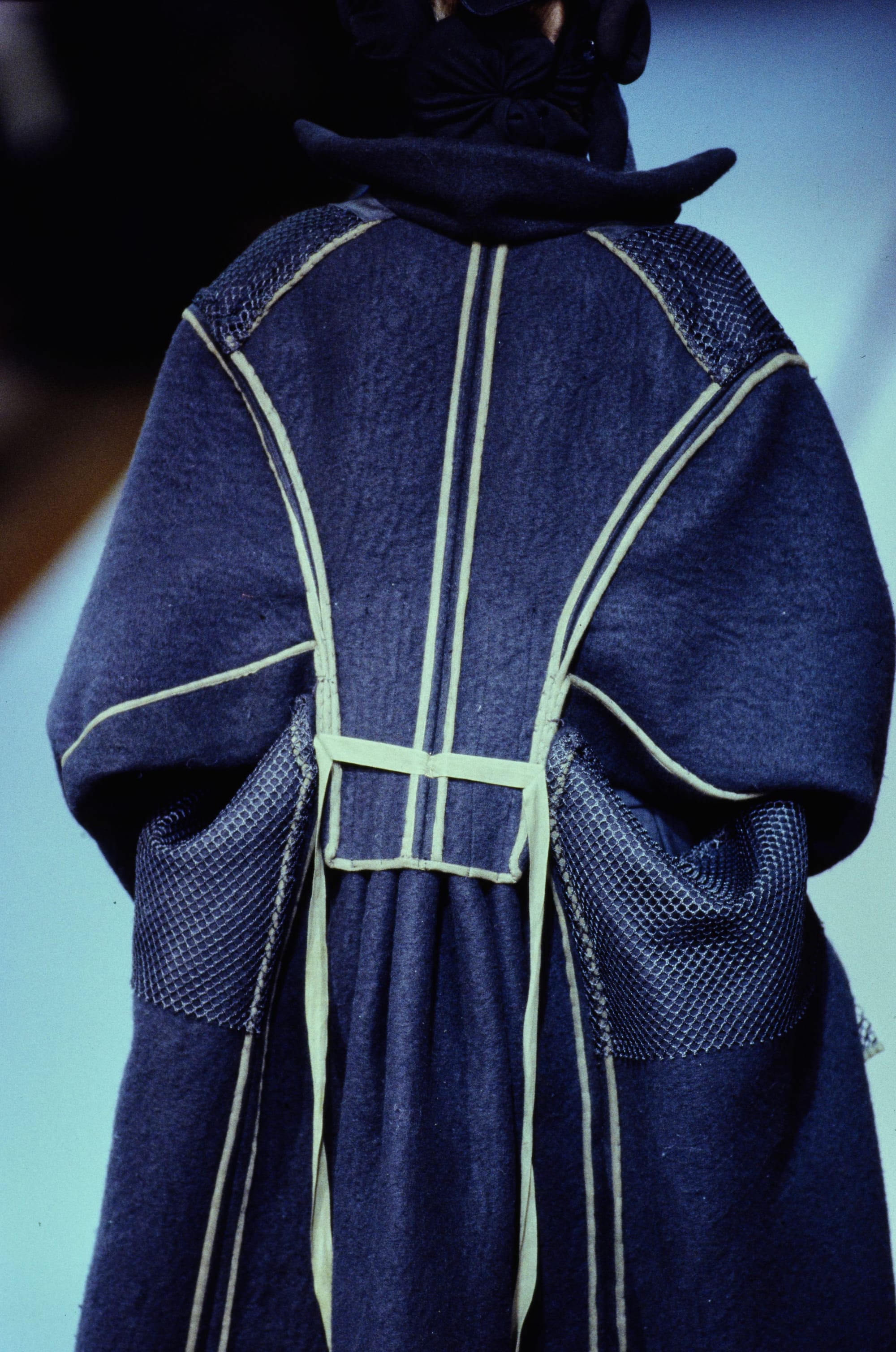
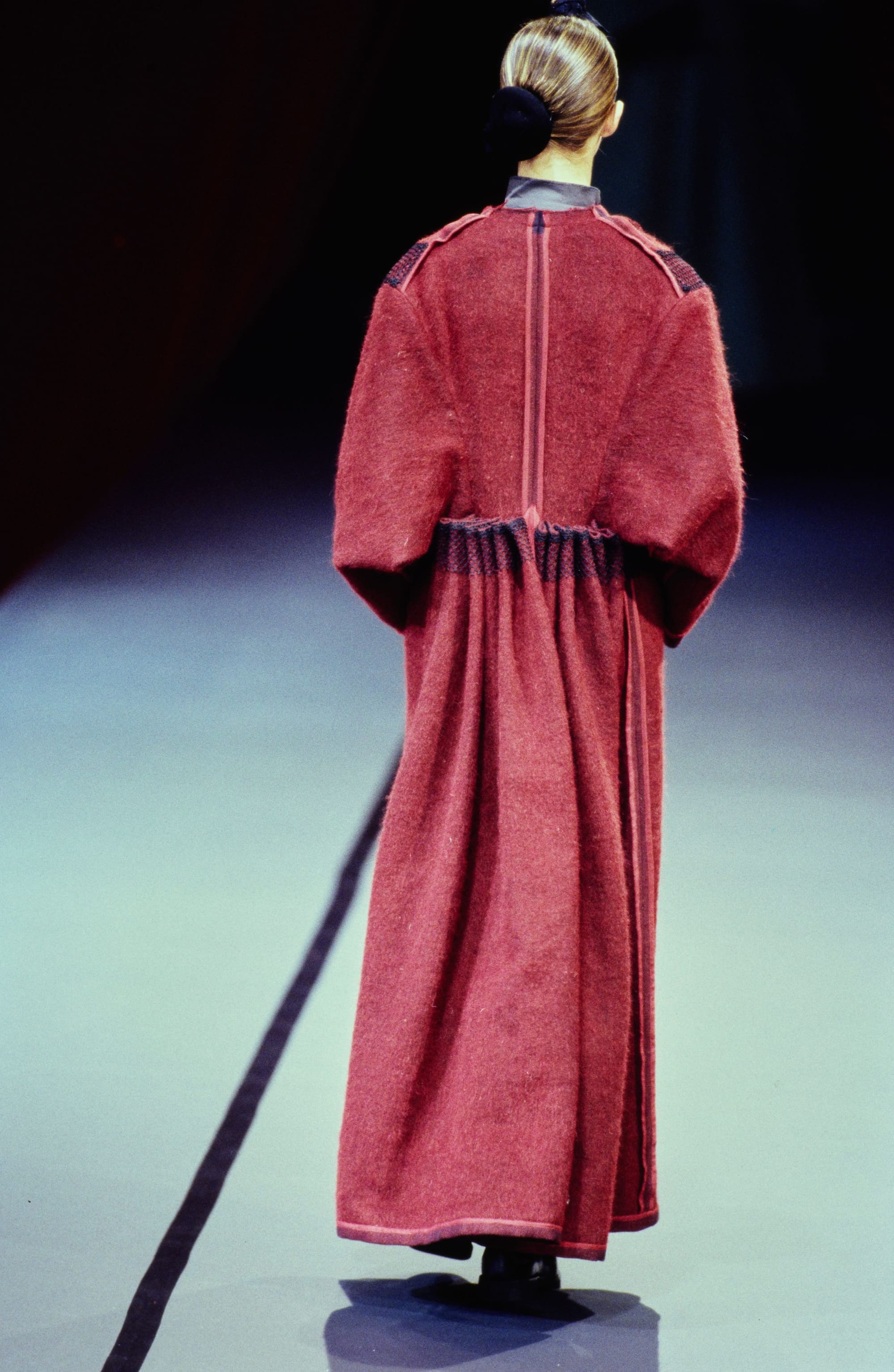
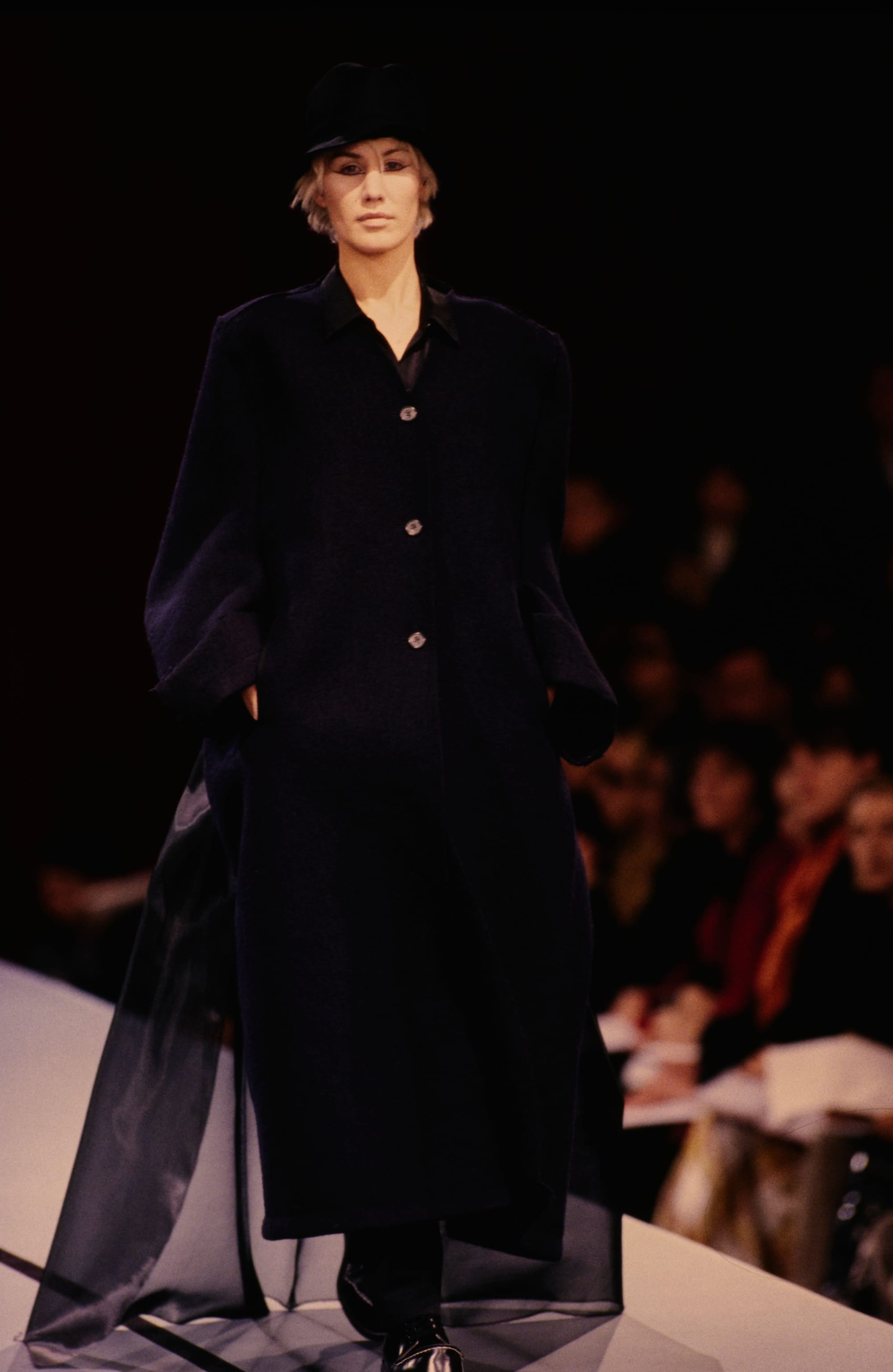
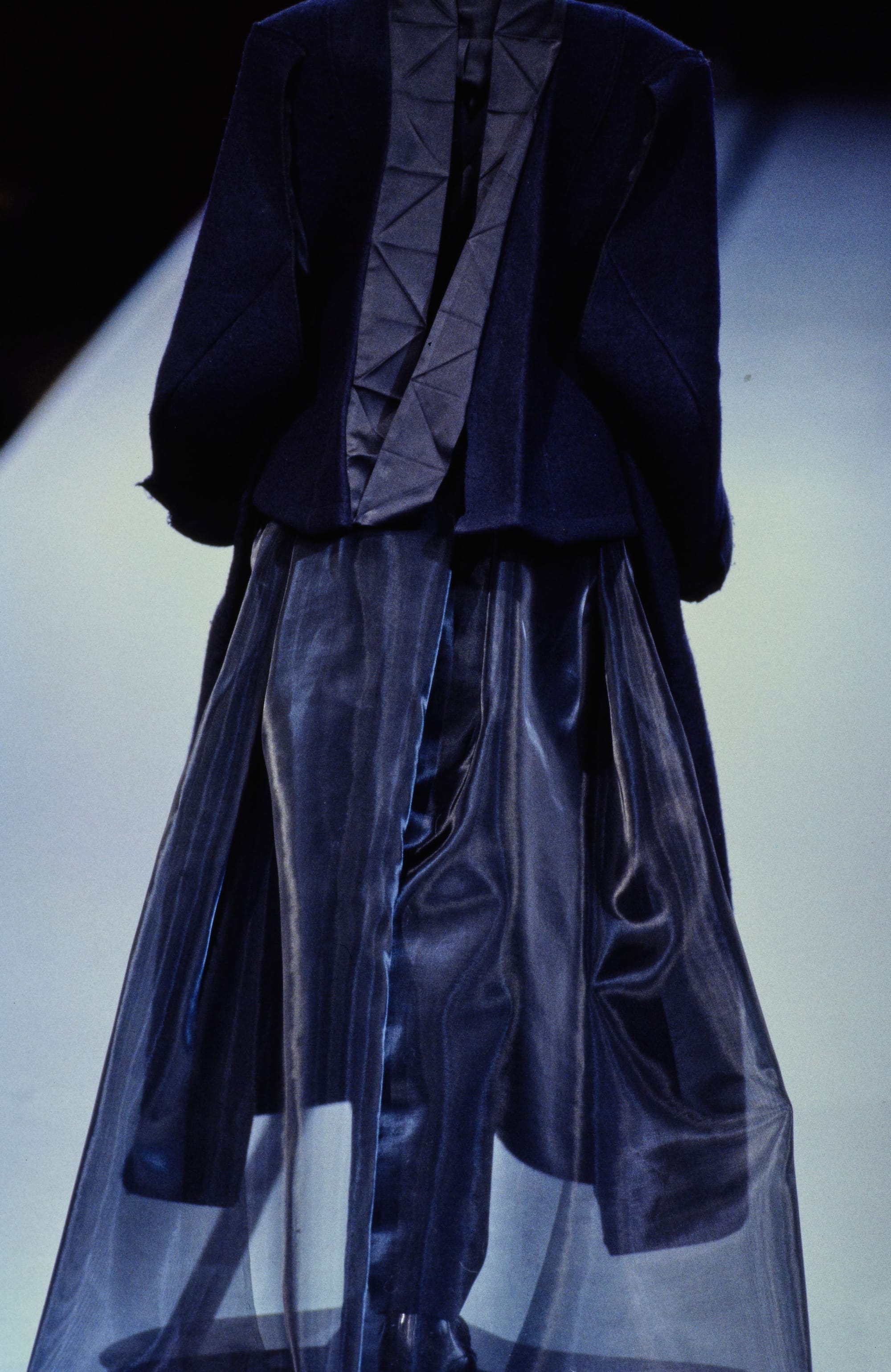
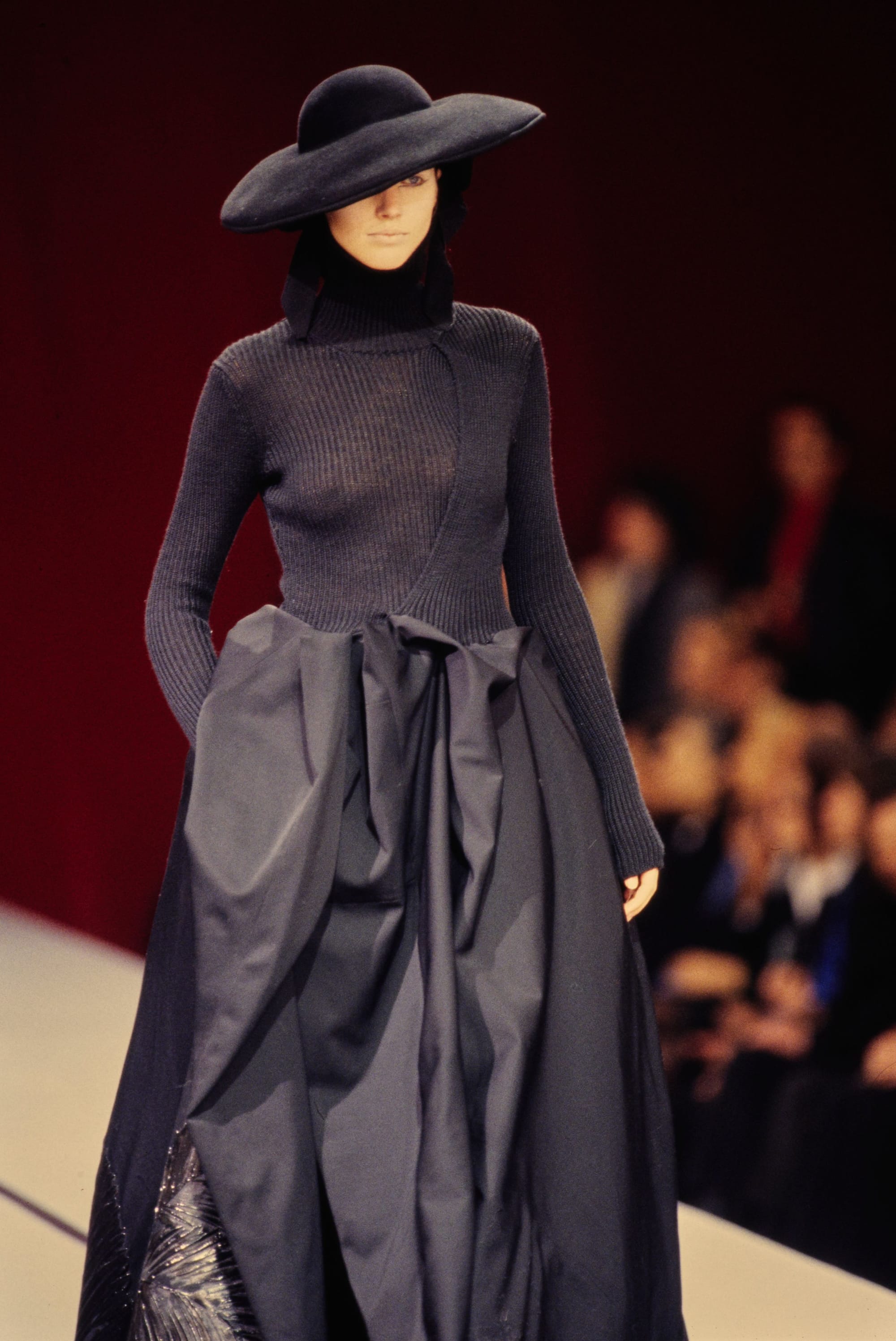
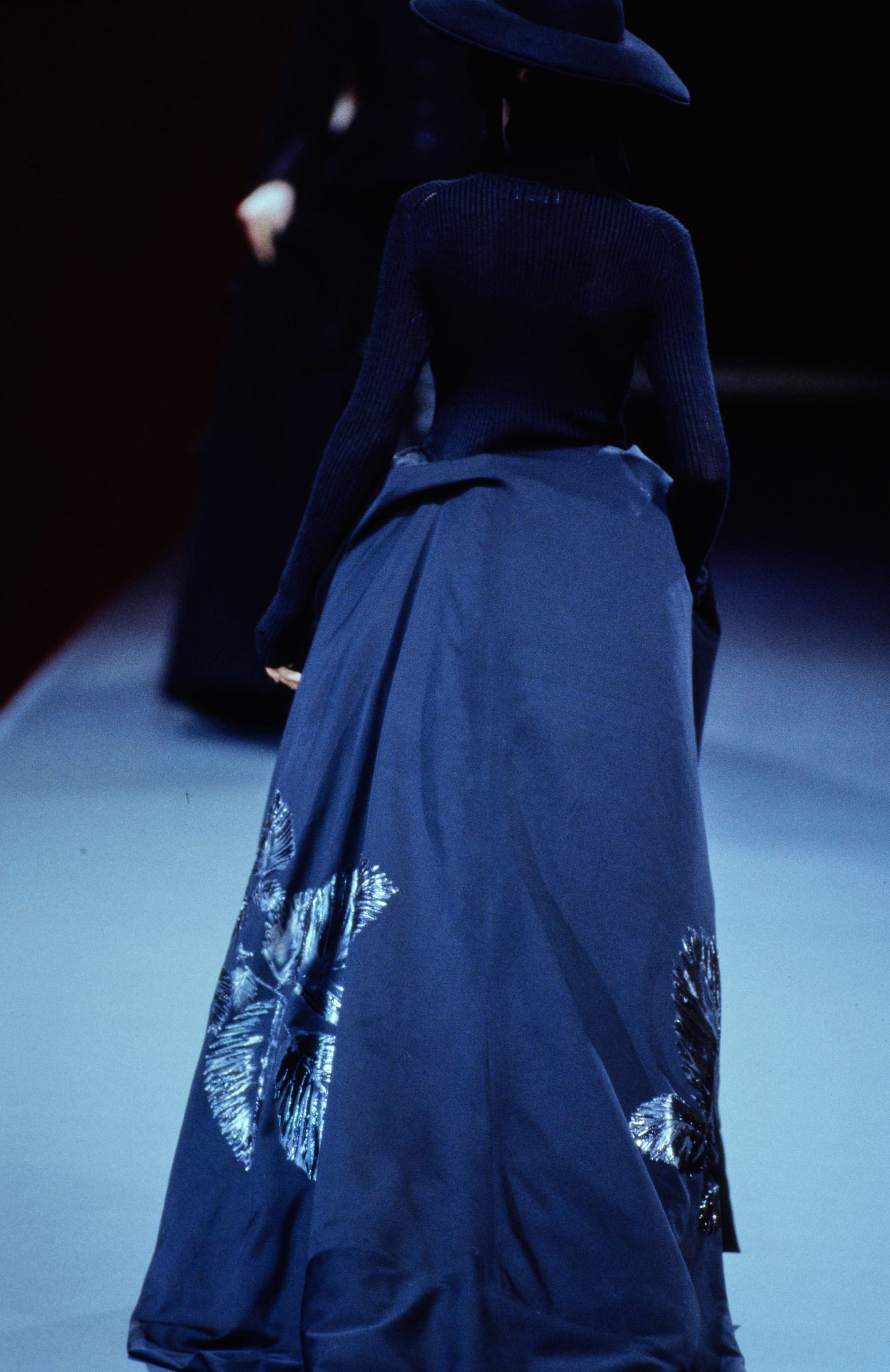
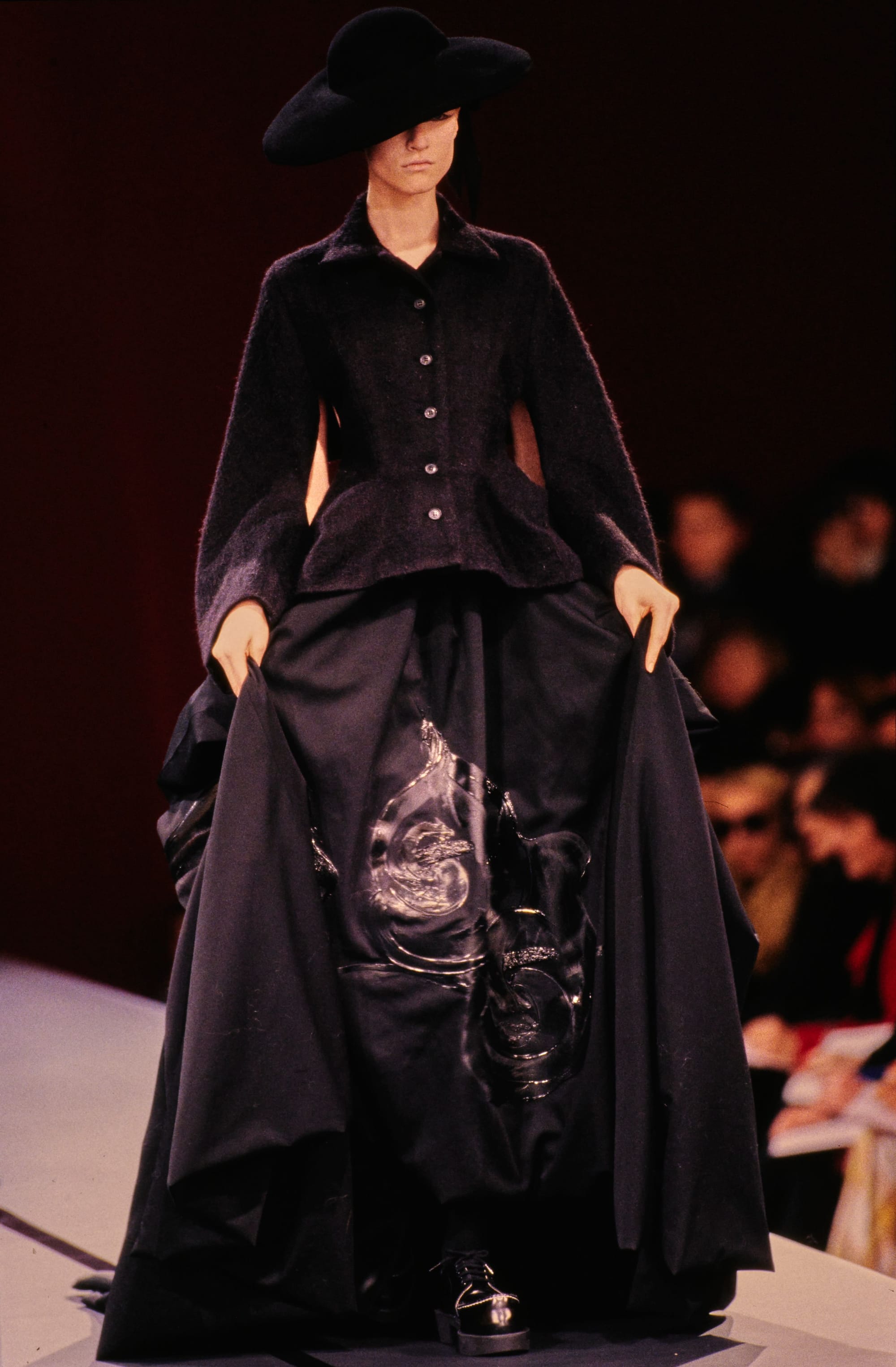
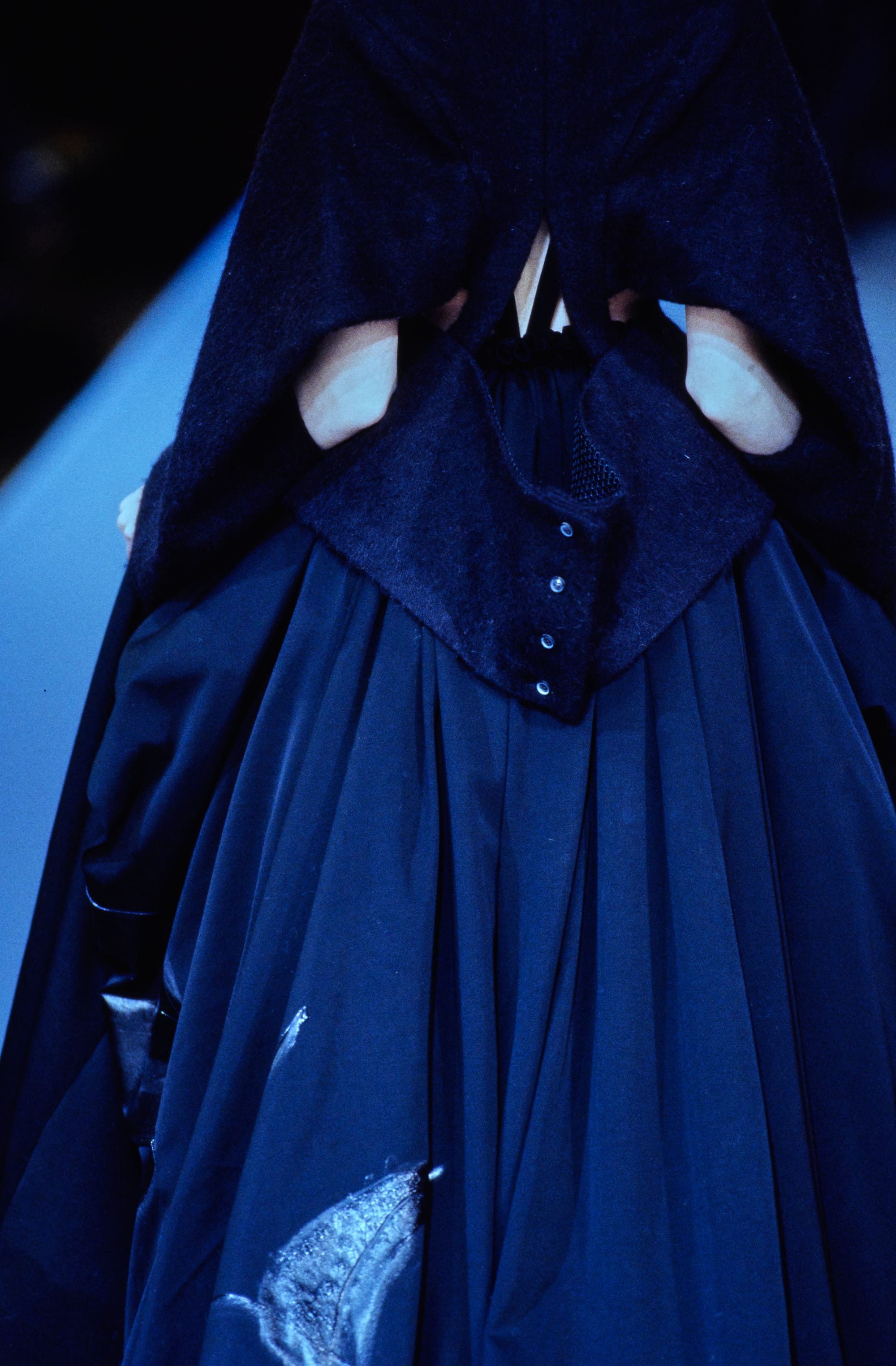
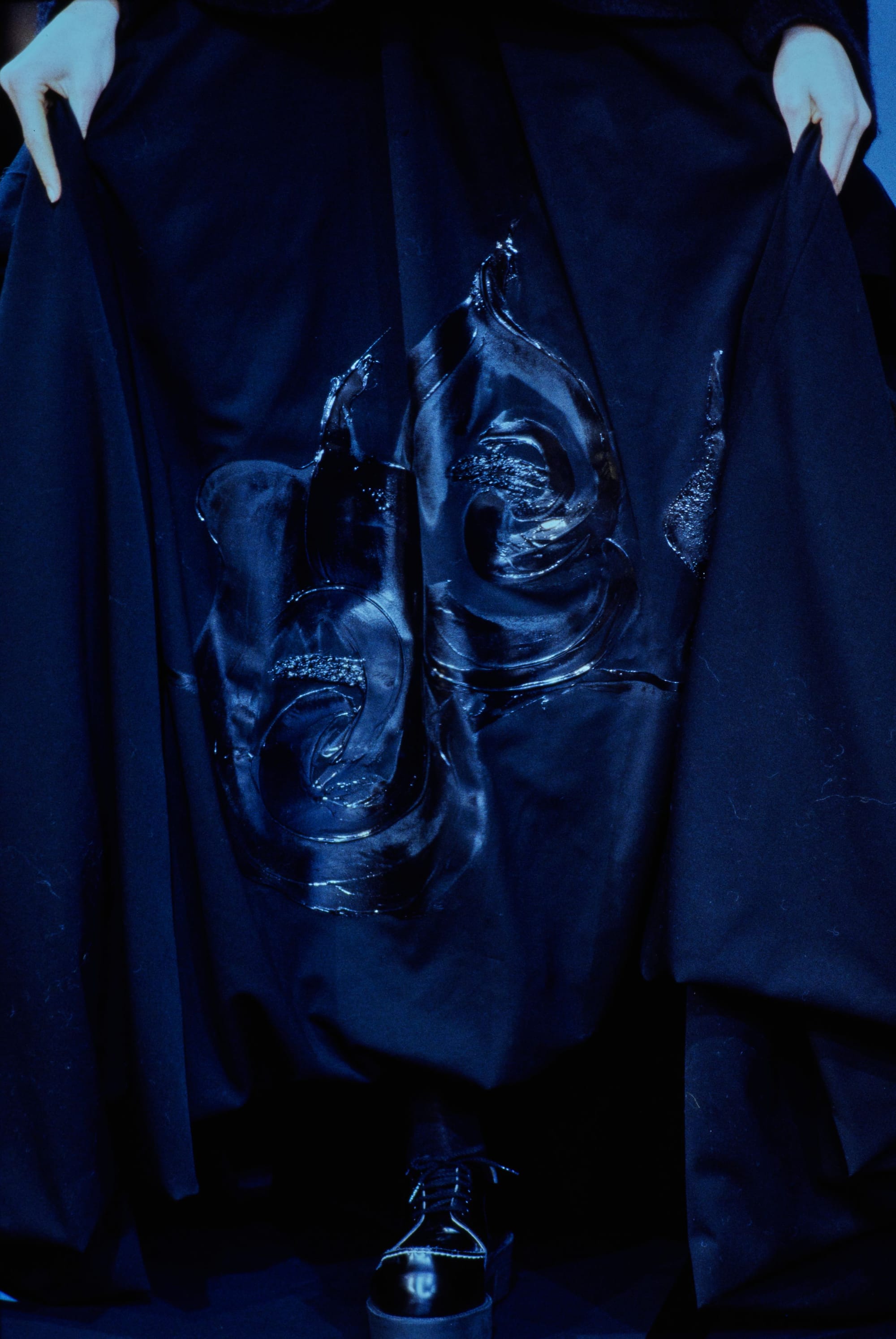
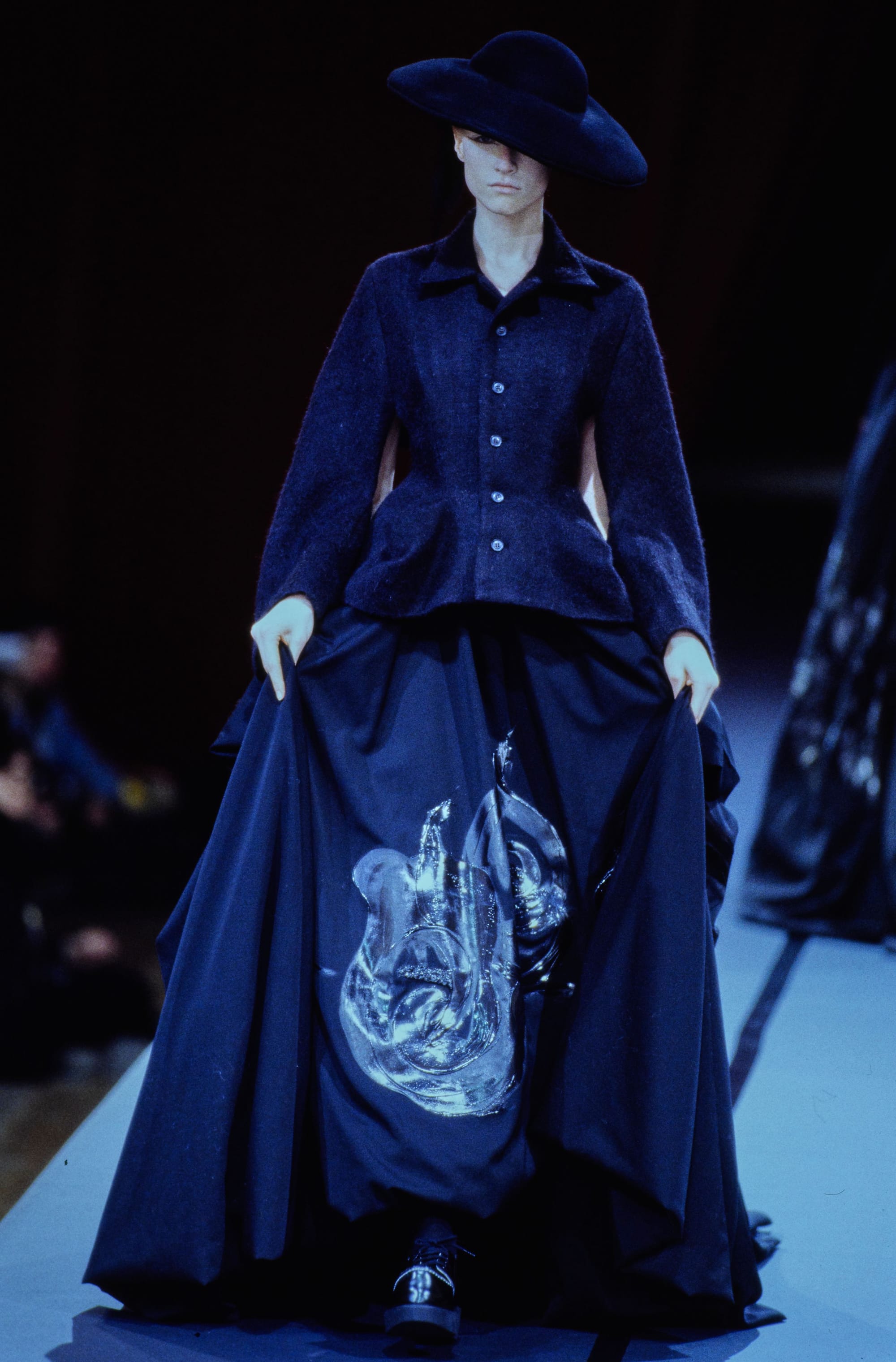
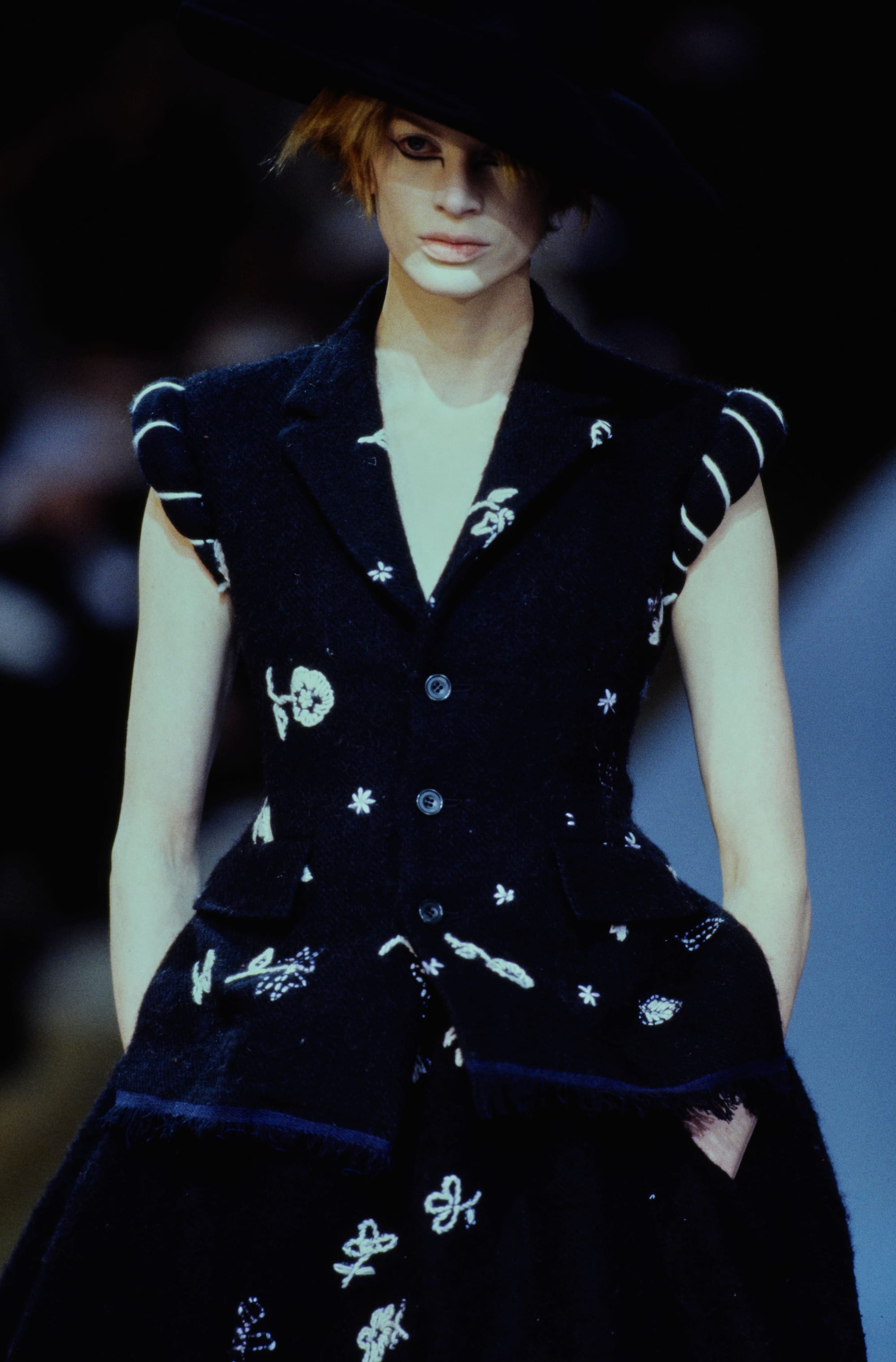
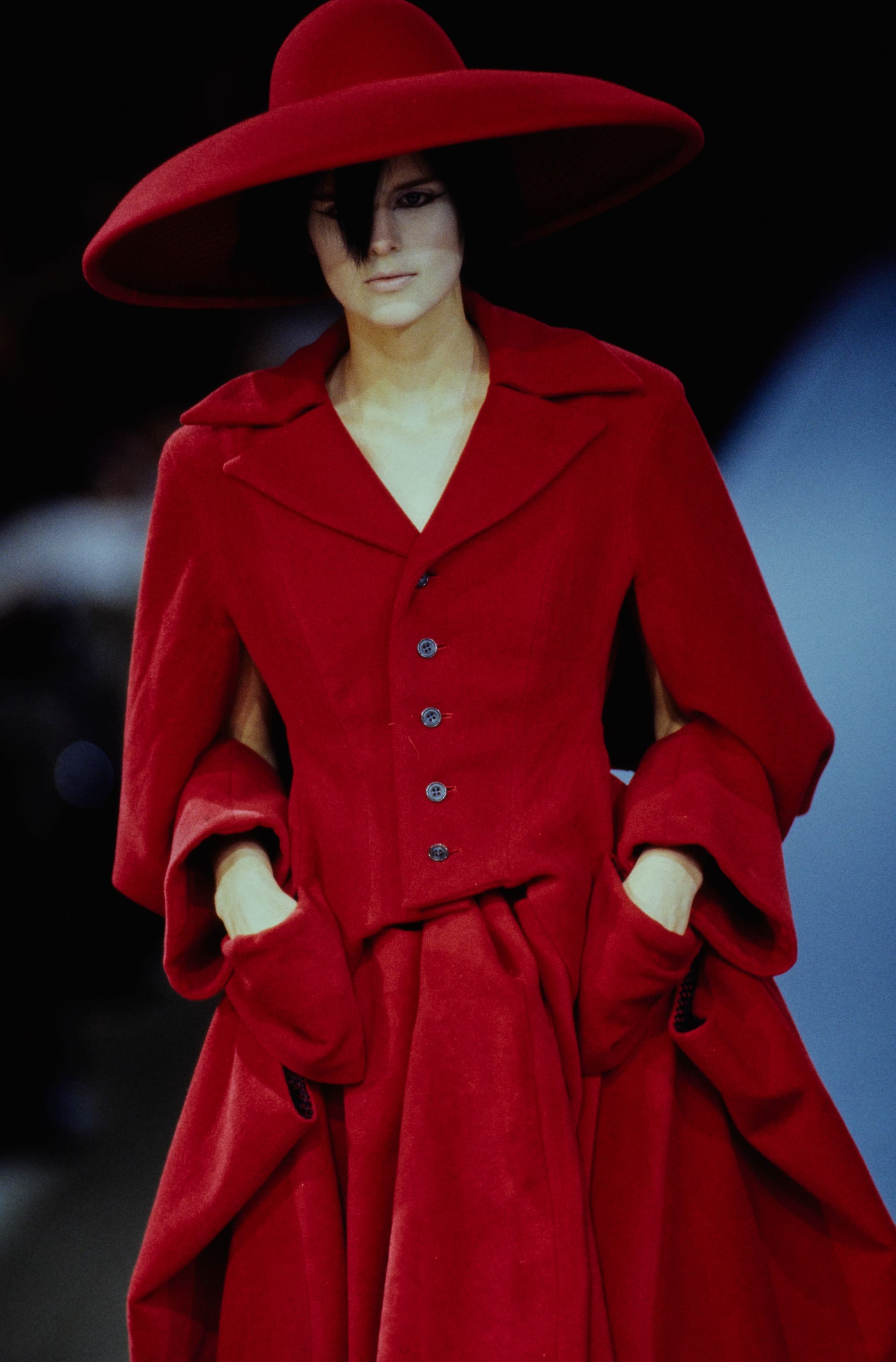
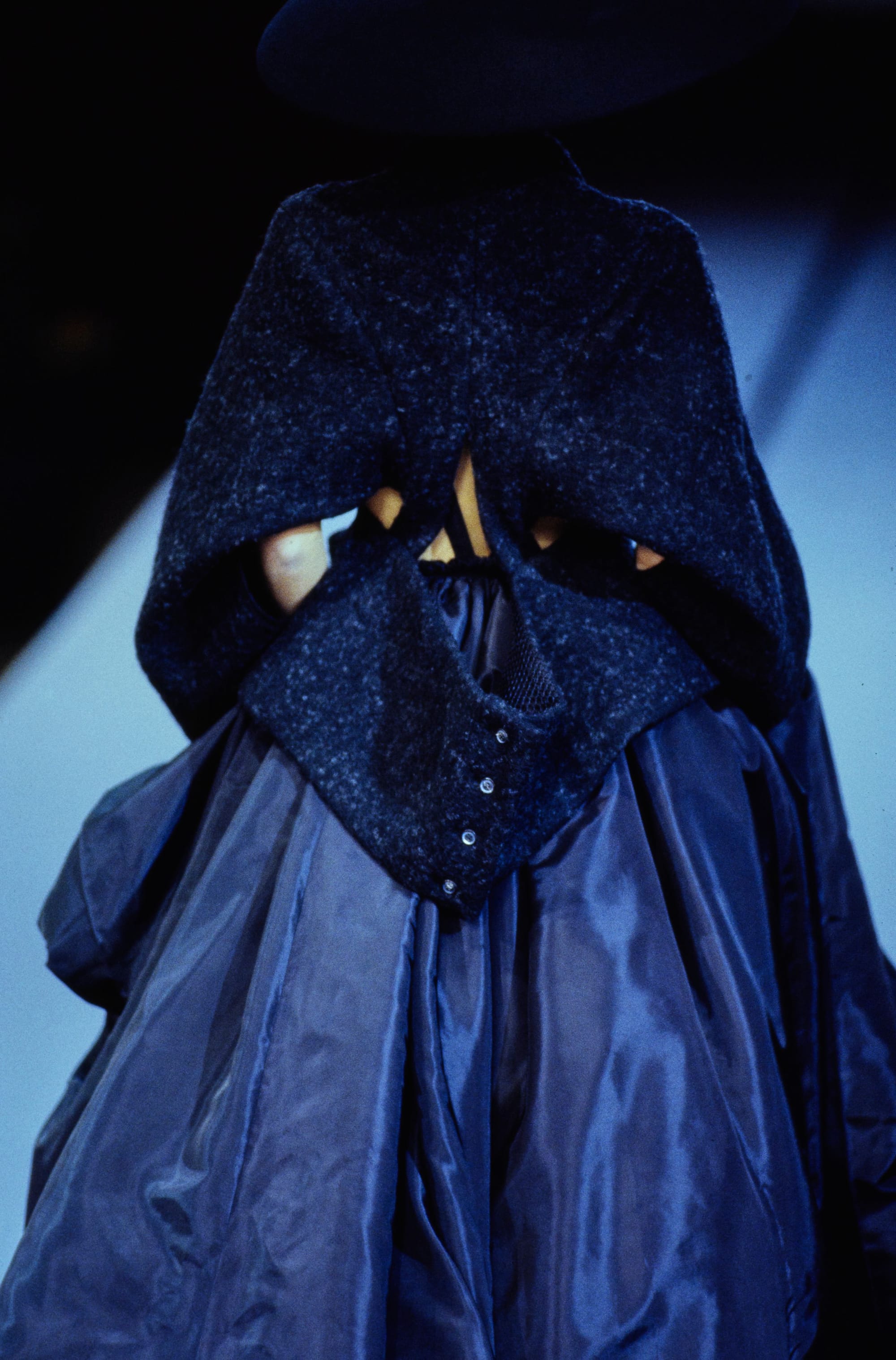
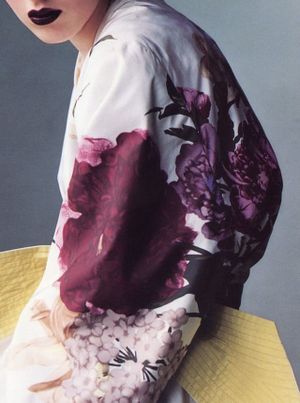
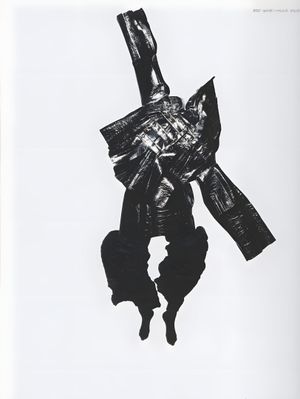
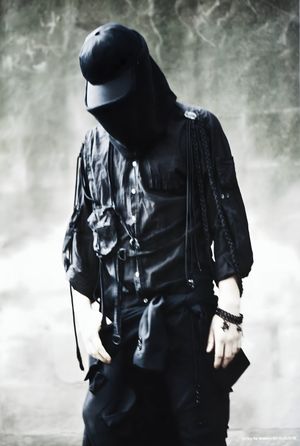
Yohji Yamamoto’s Fall 1995 ready-to-wear show was presented in Paris on March 16, 1995. The images trace layered tailoring, openwork textures, chunky knits, wide-brimmed hats, and sculptural backs.
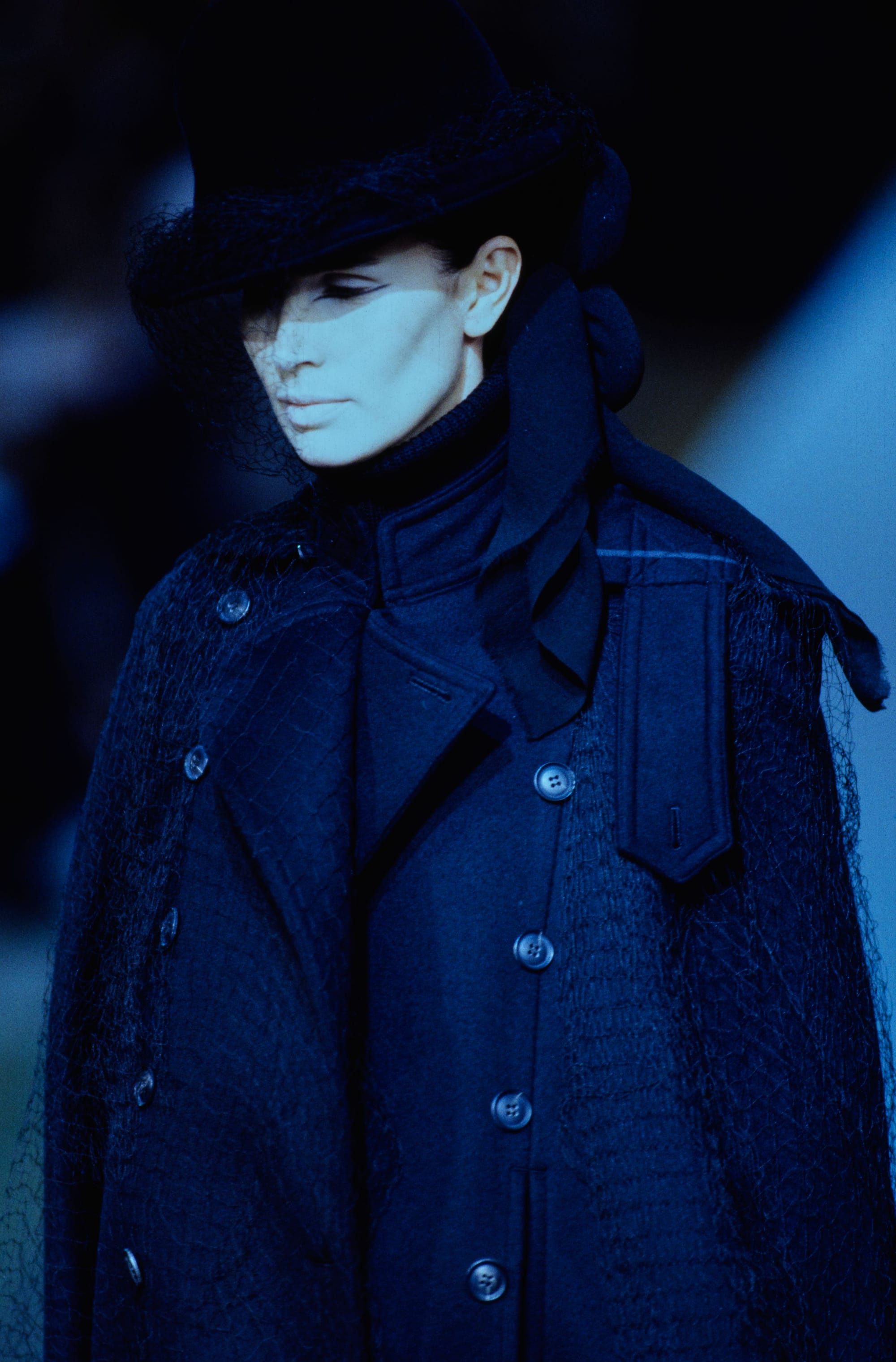
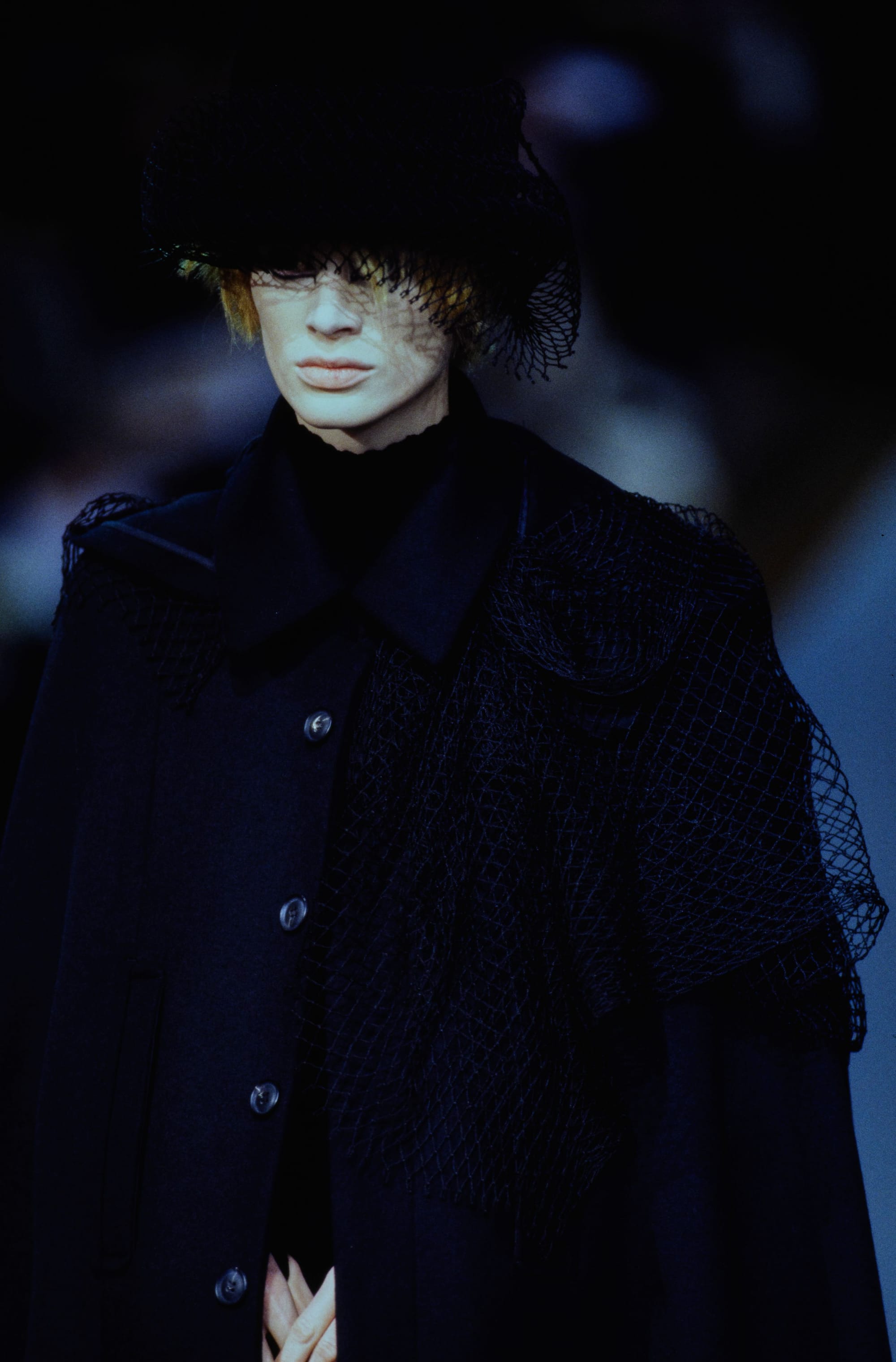

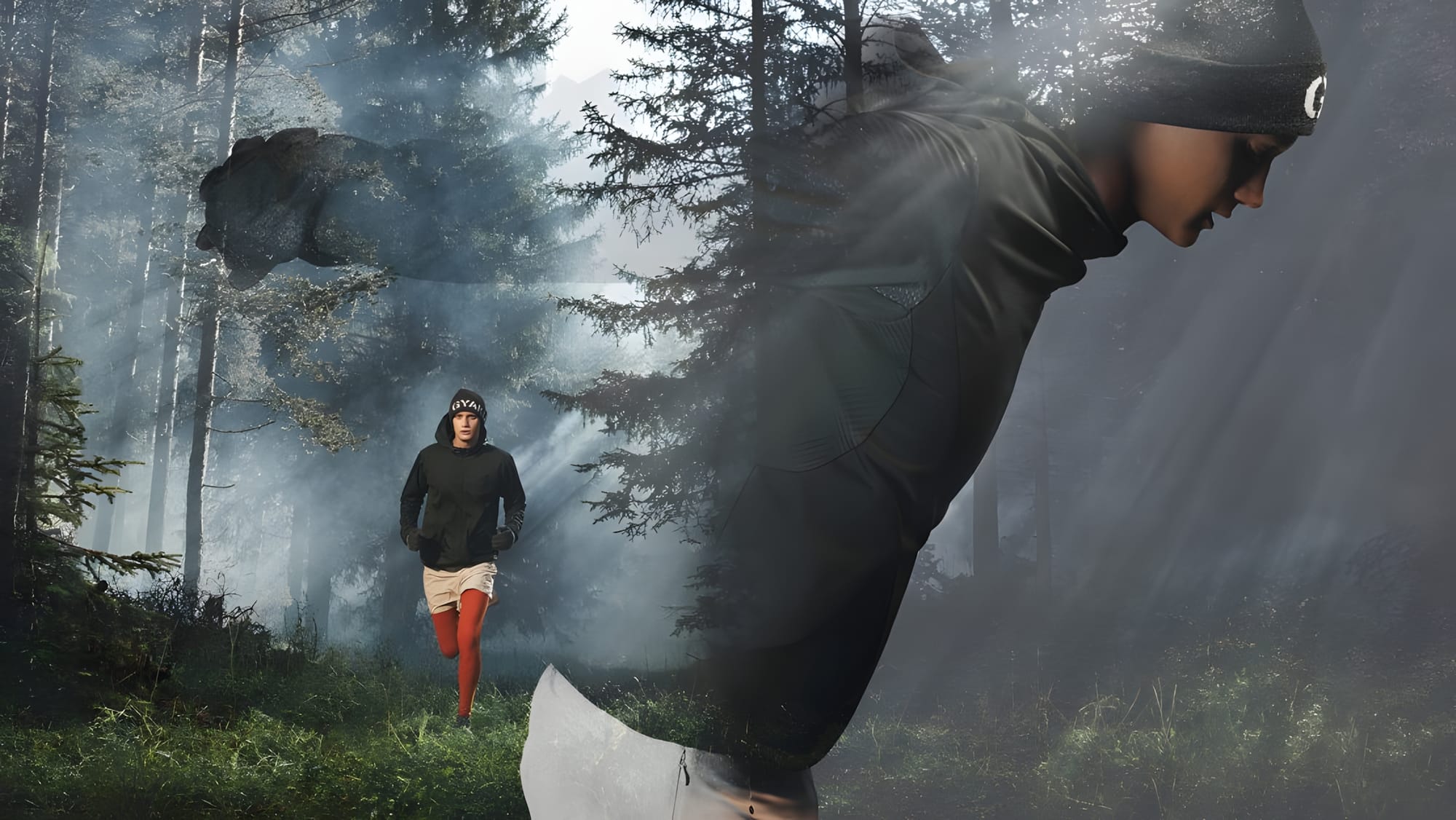
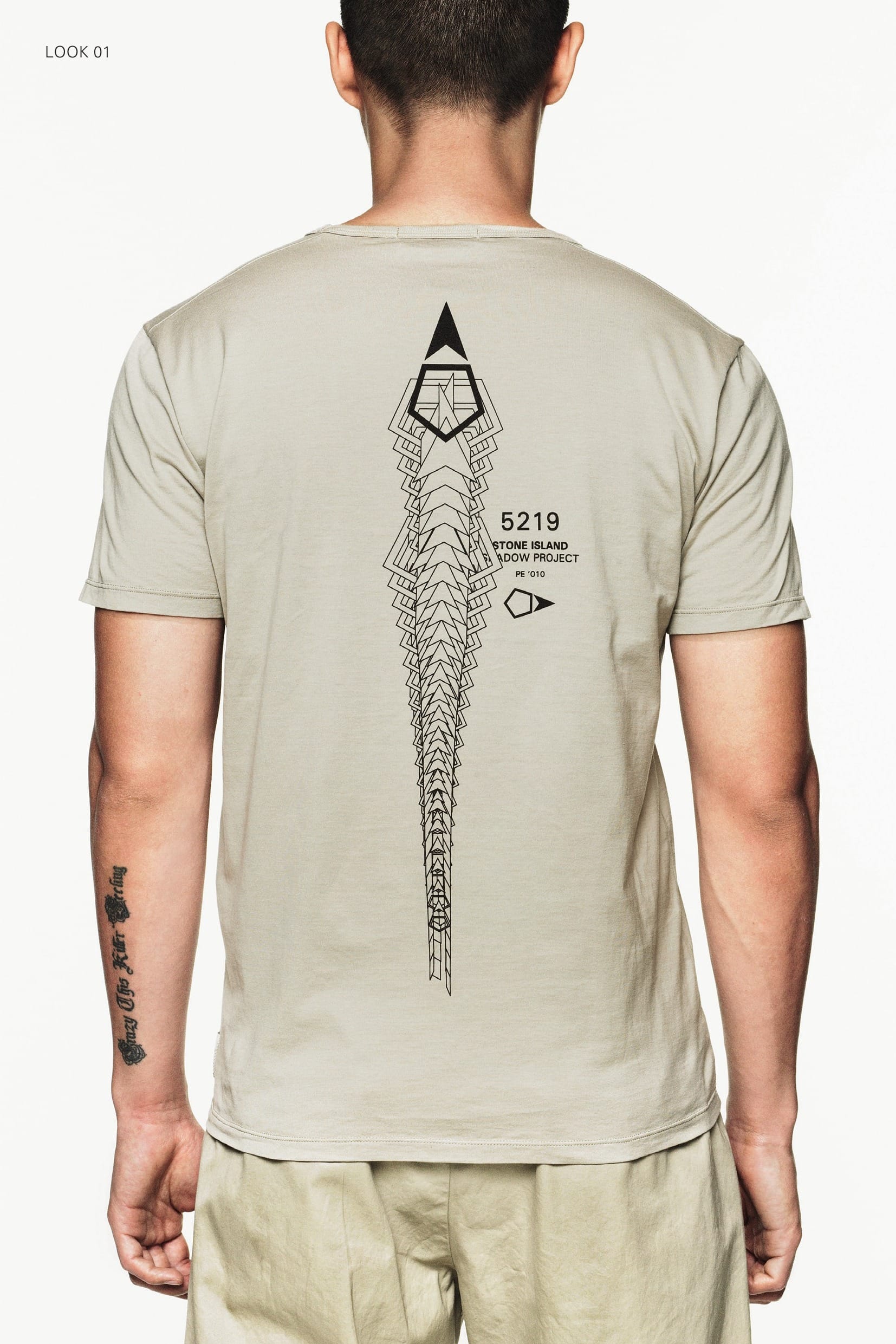
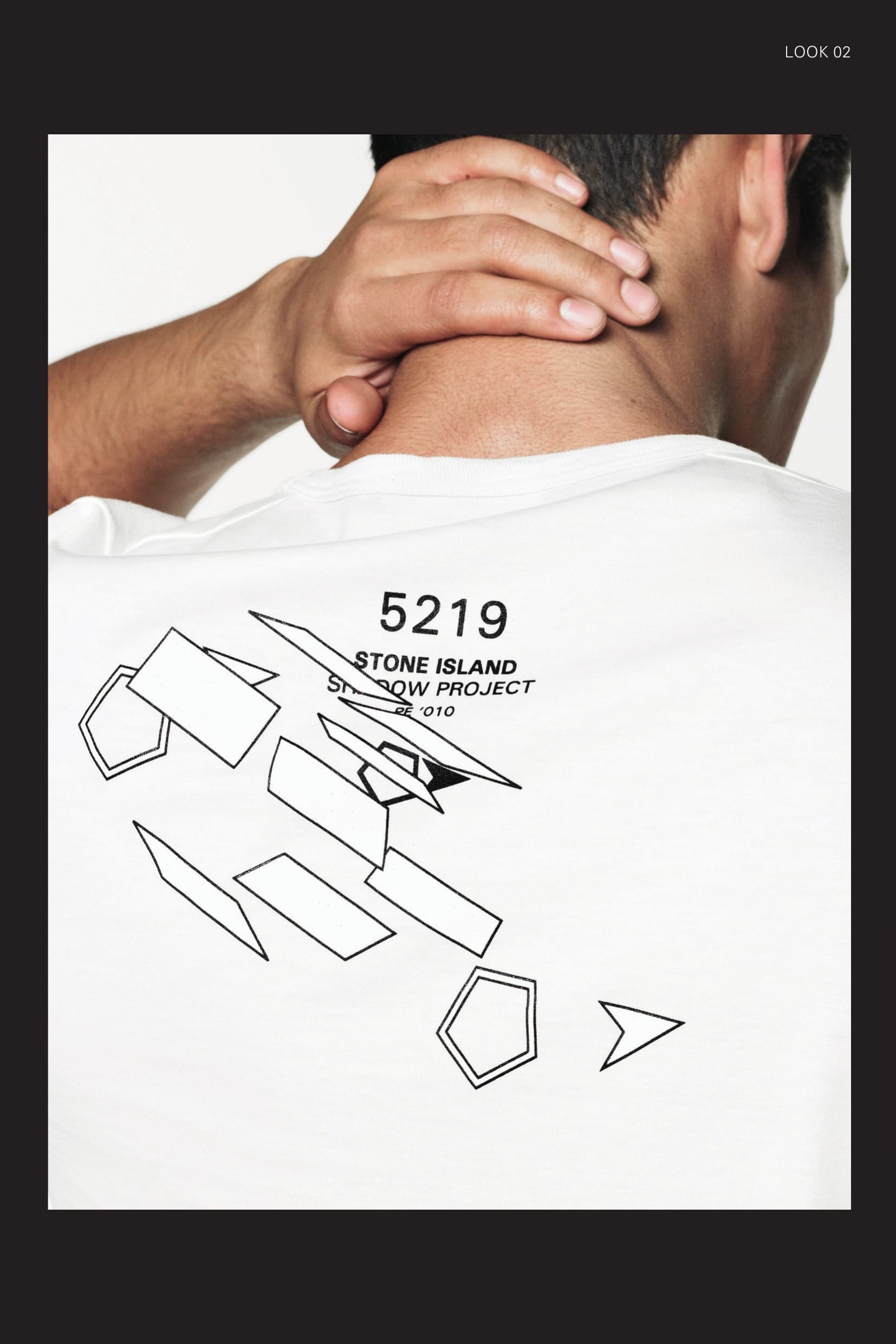
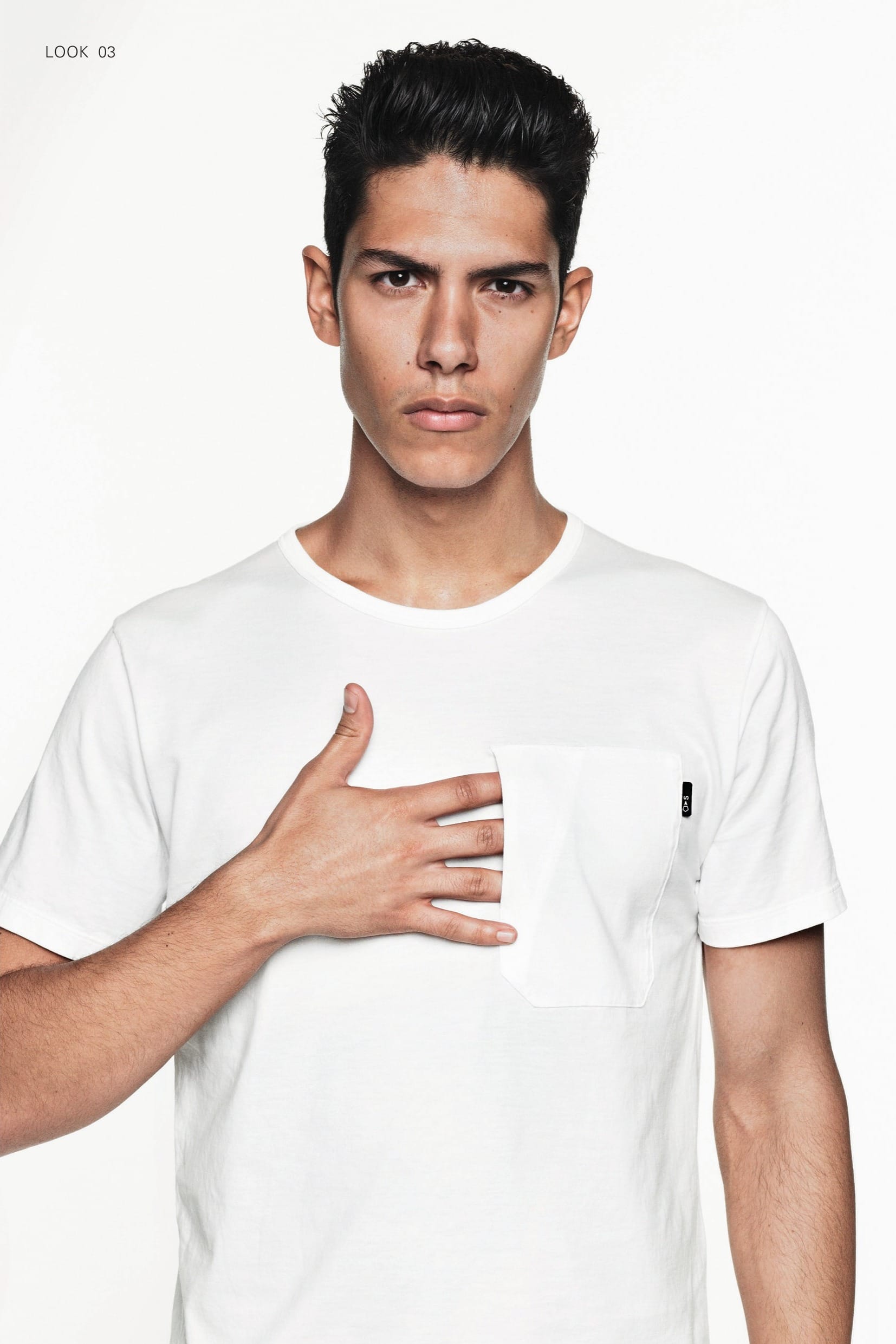
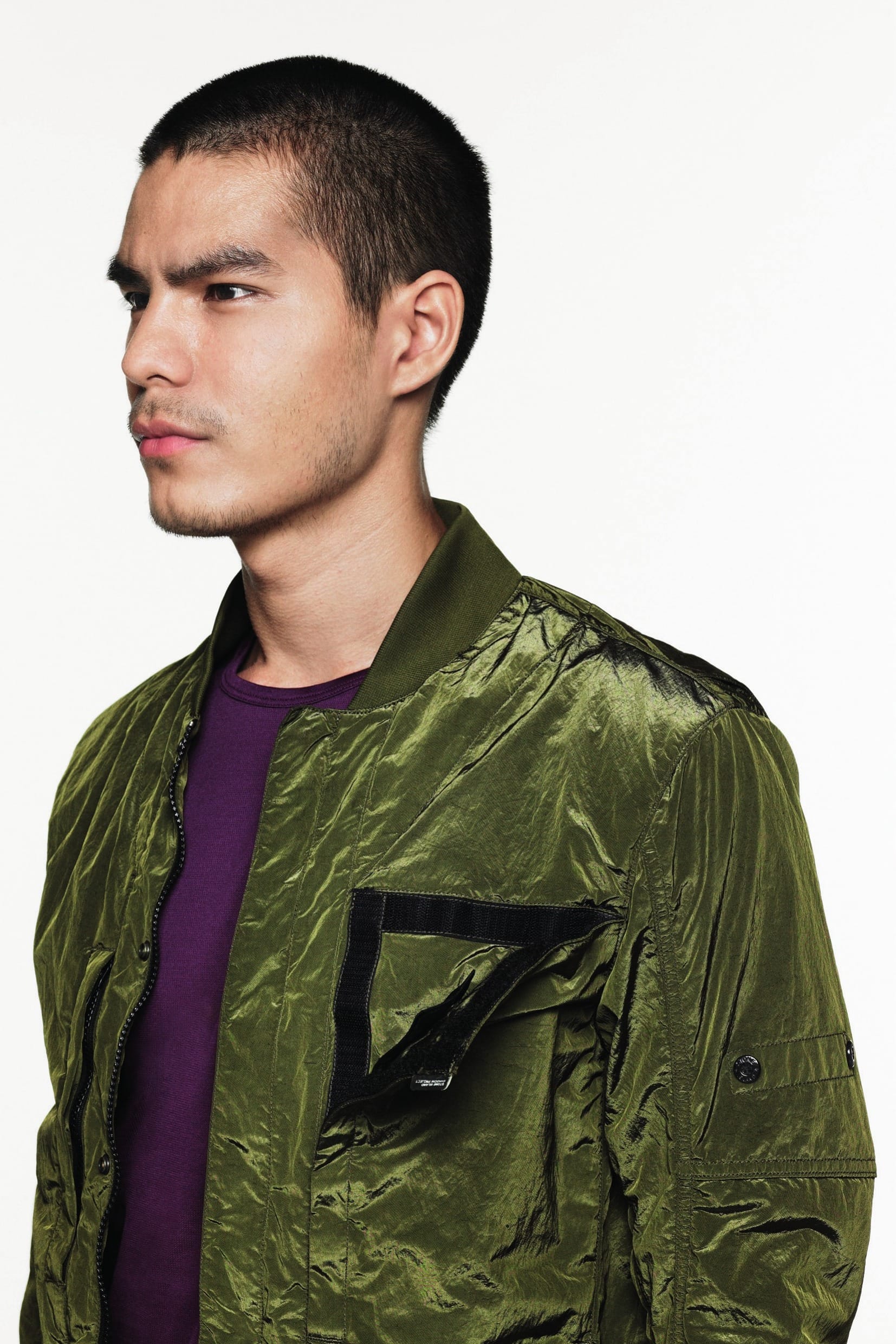
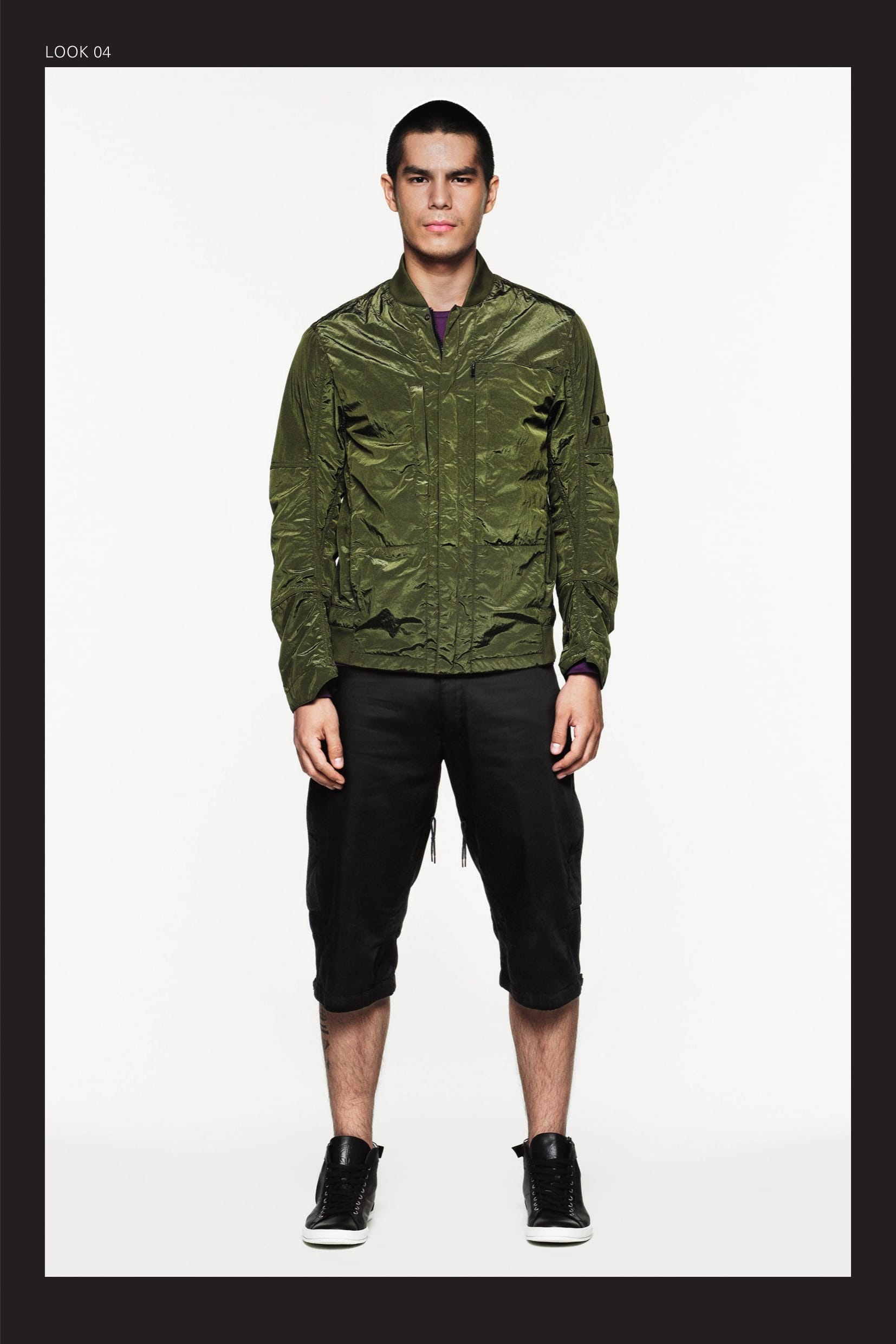
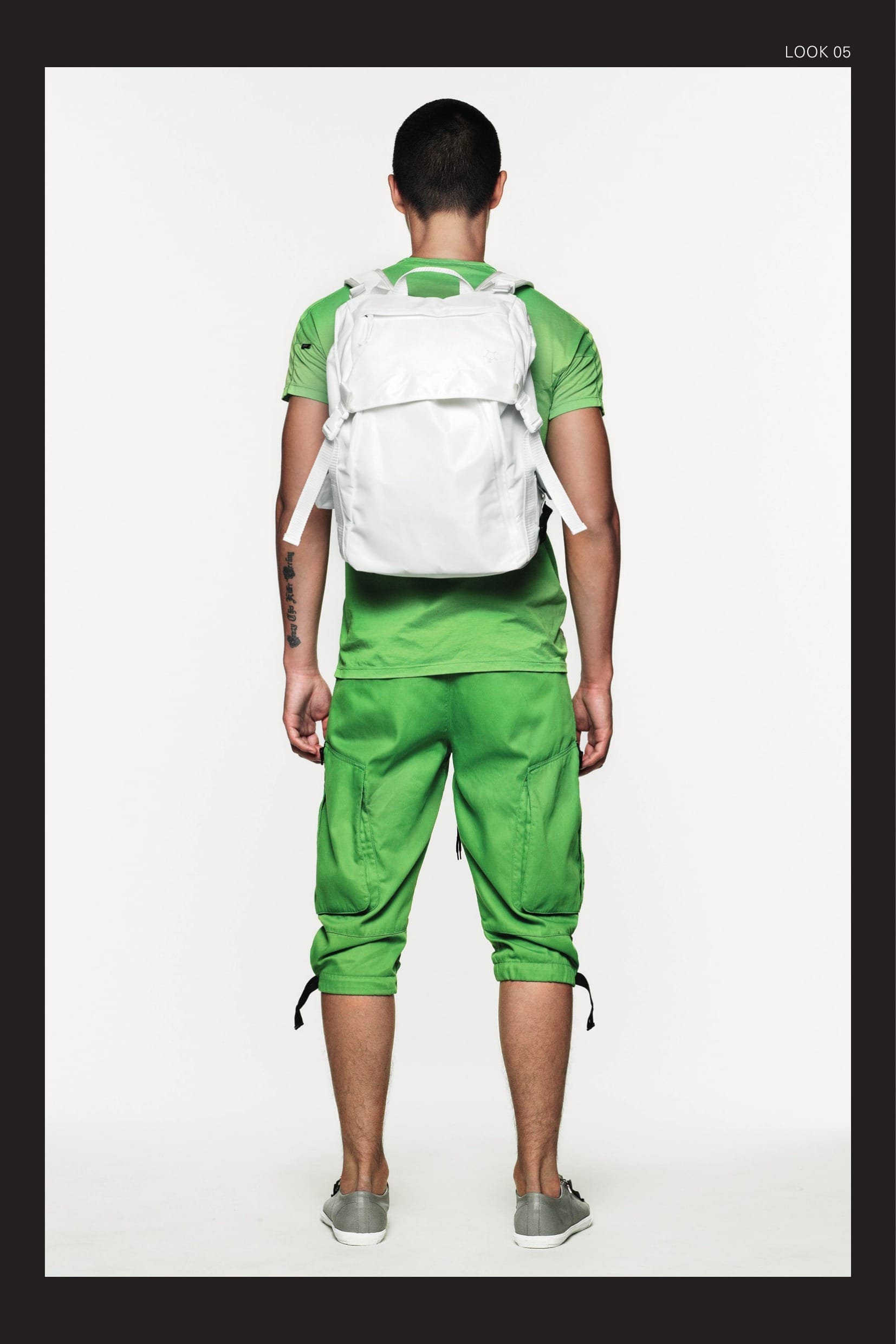
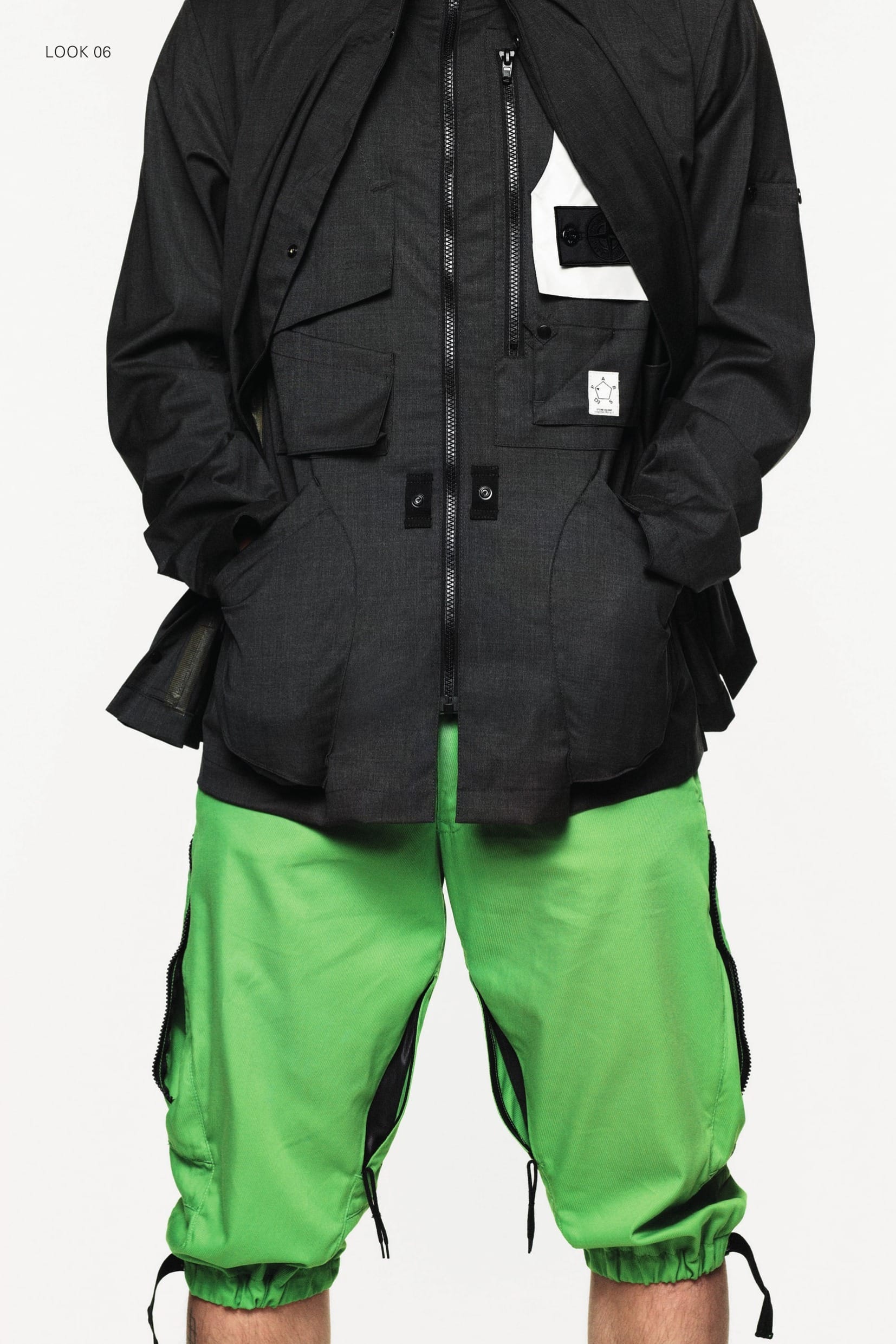
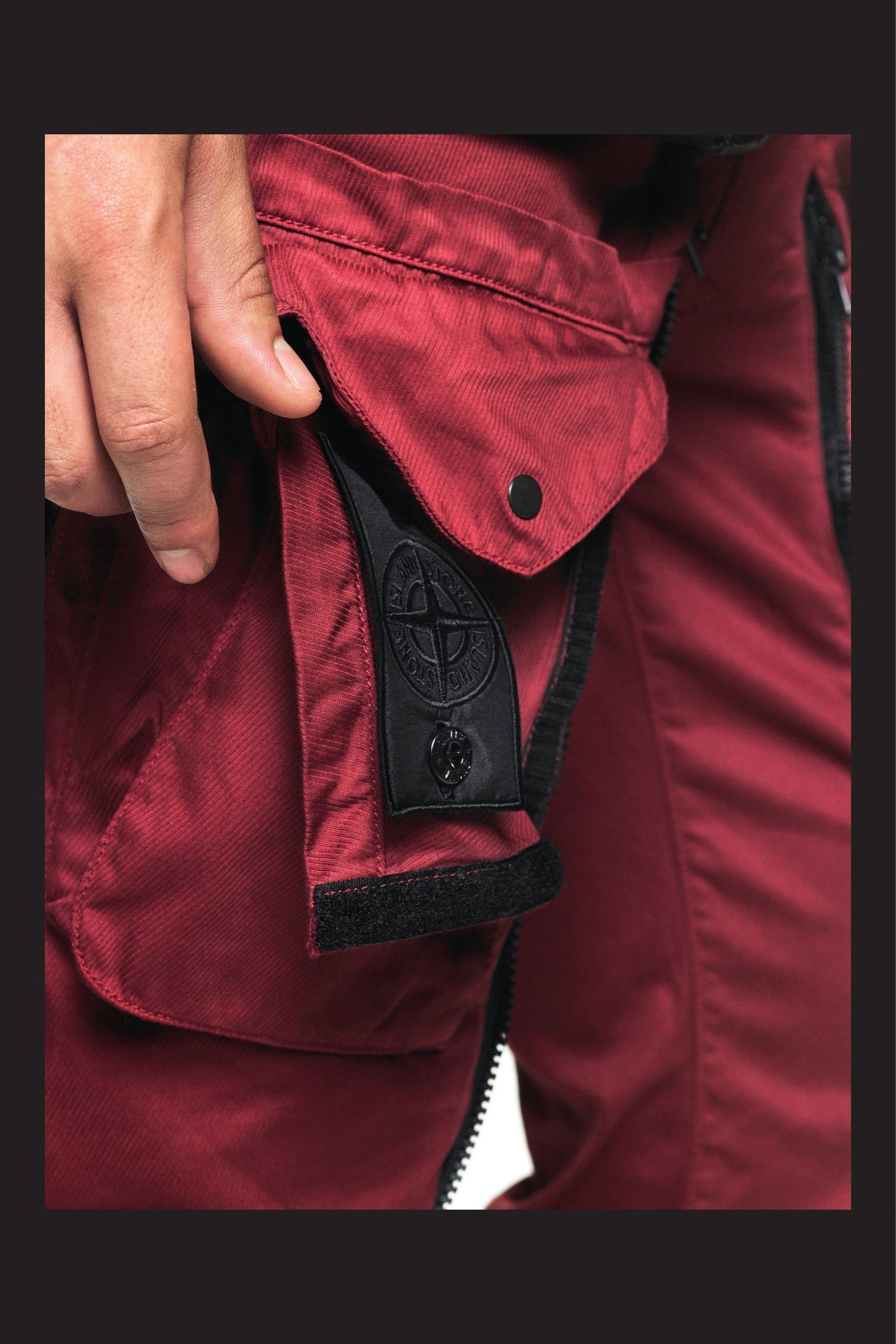
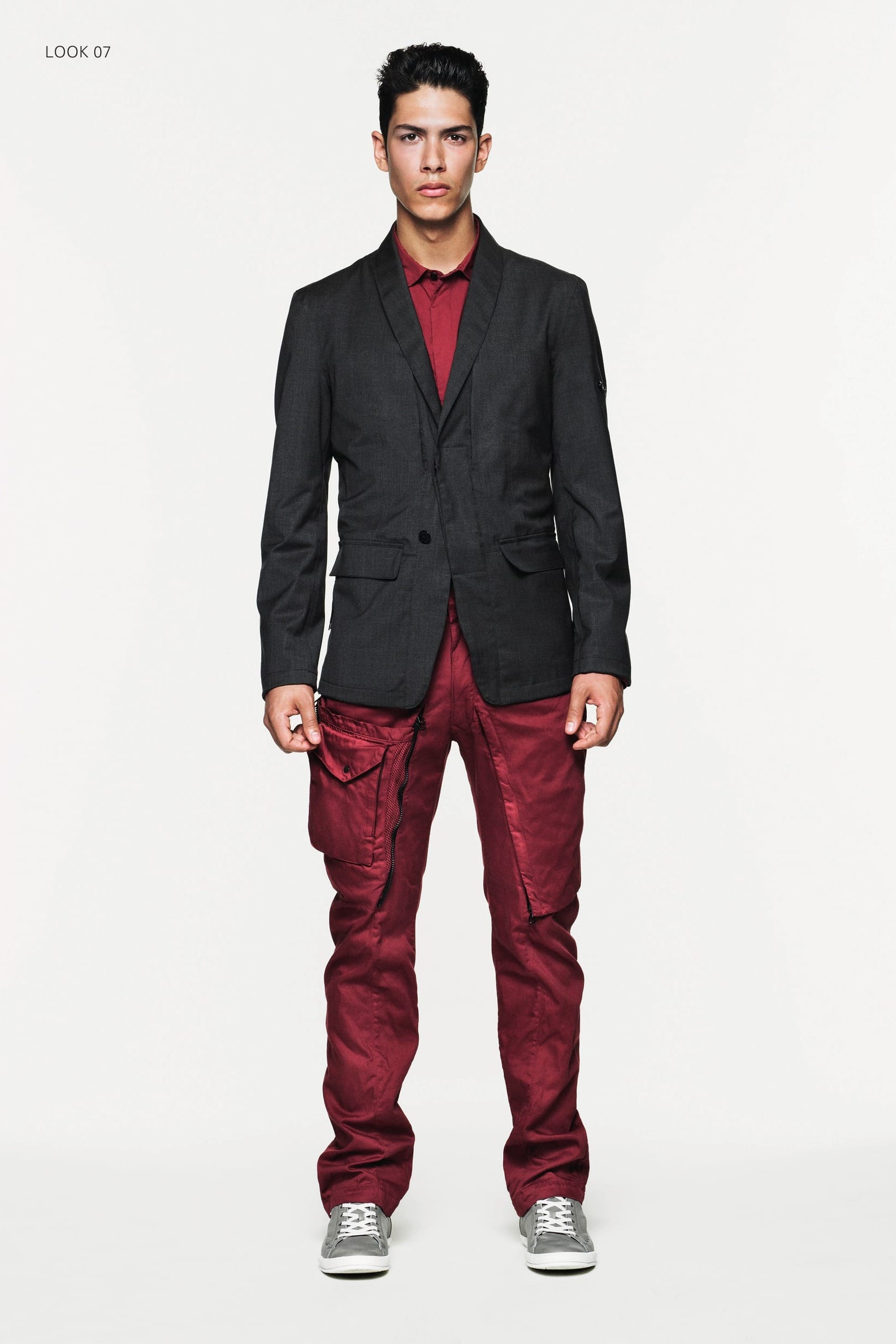
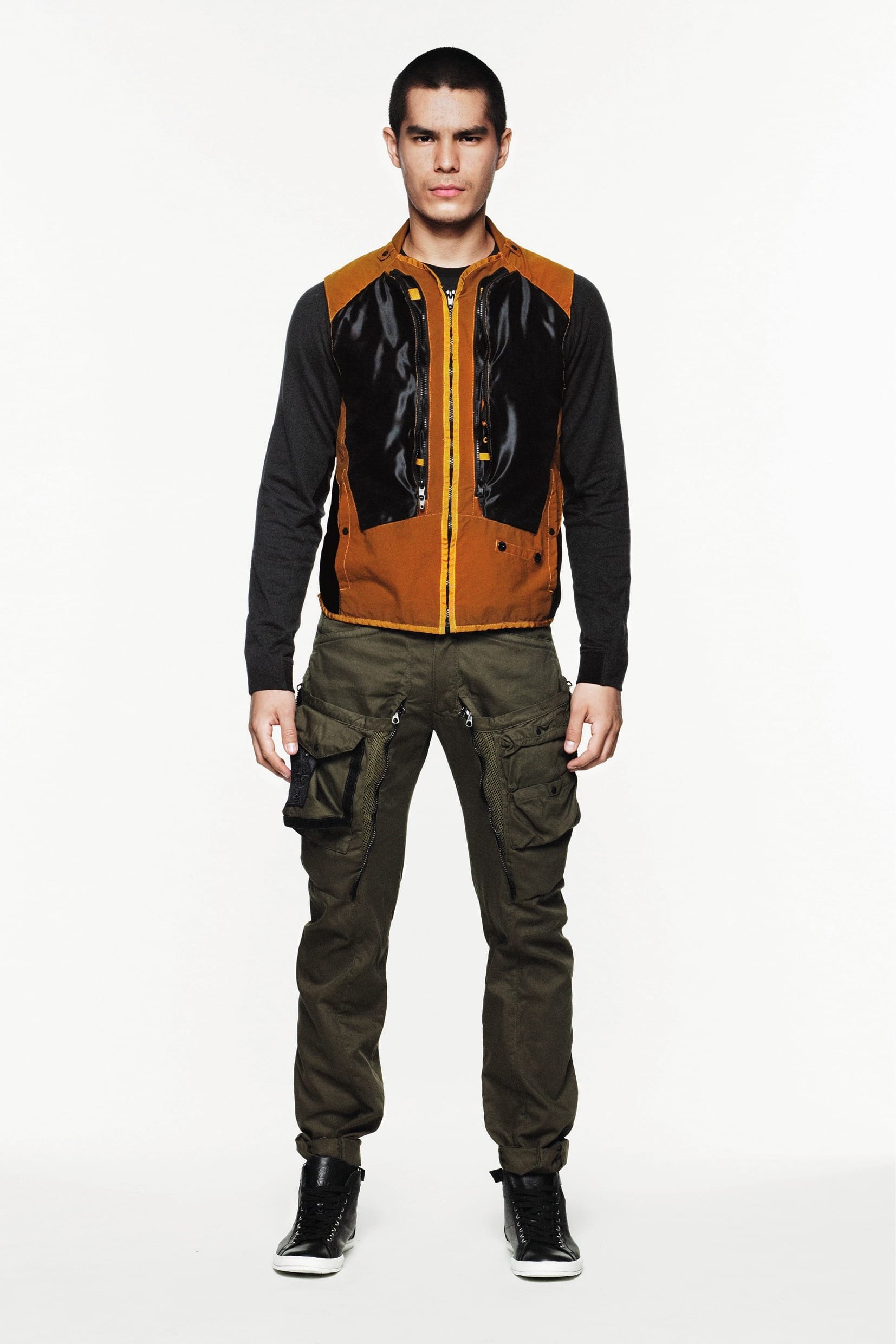
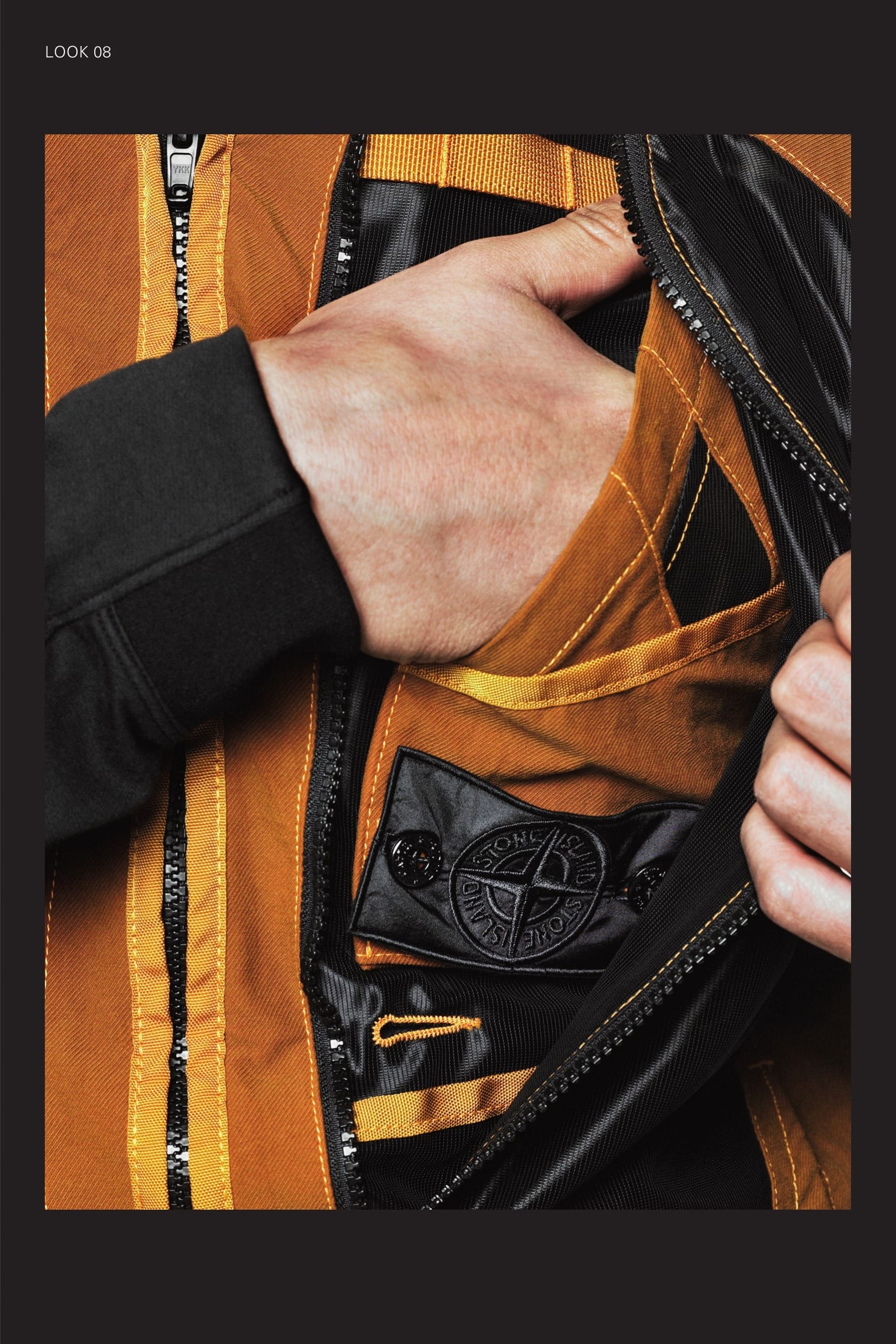
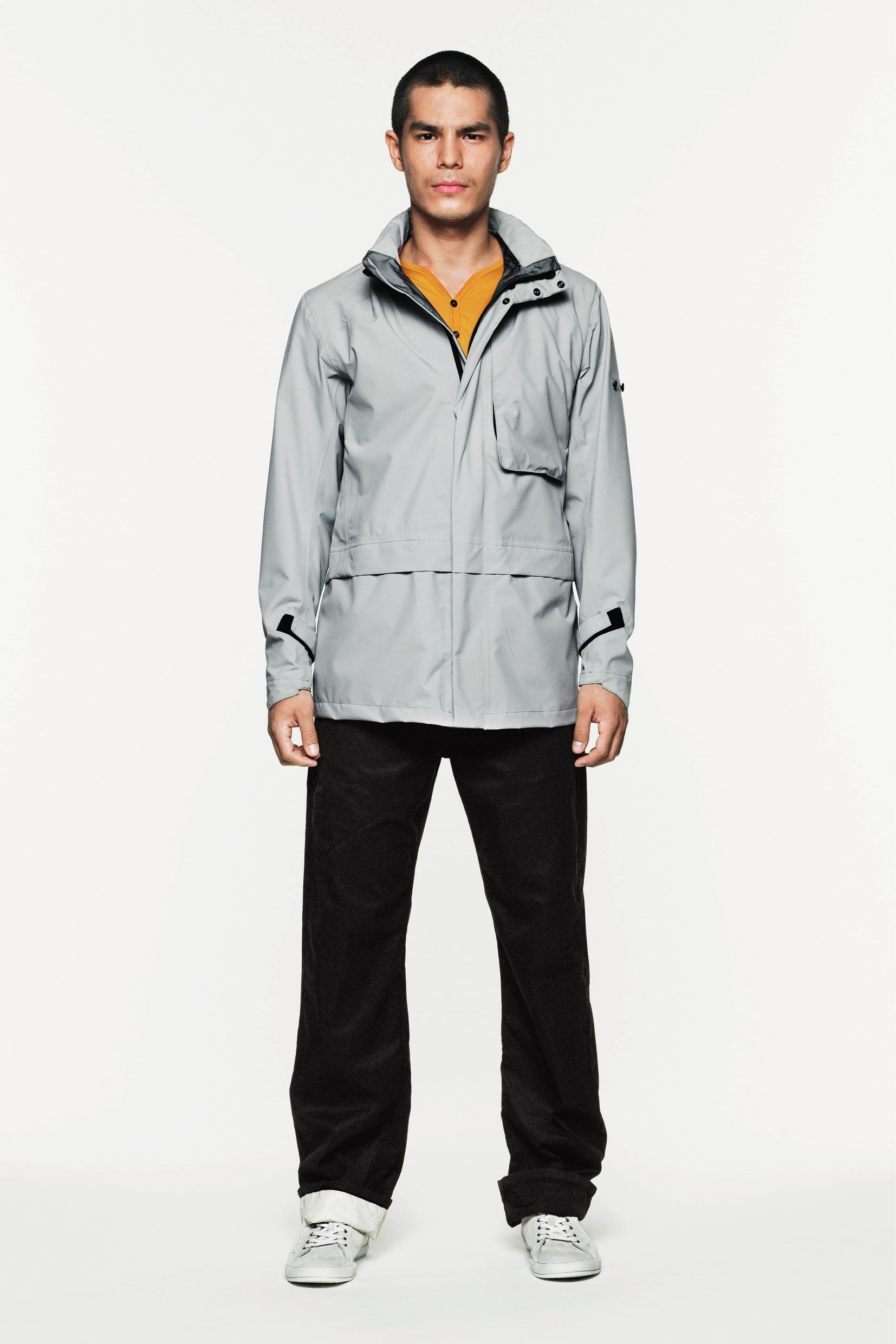
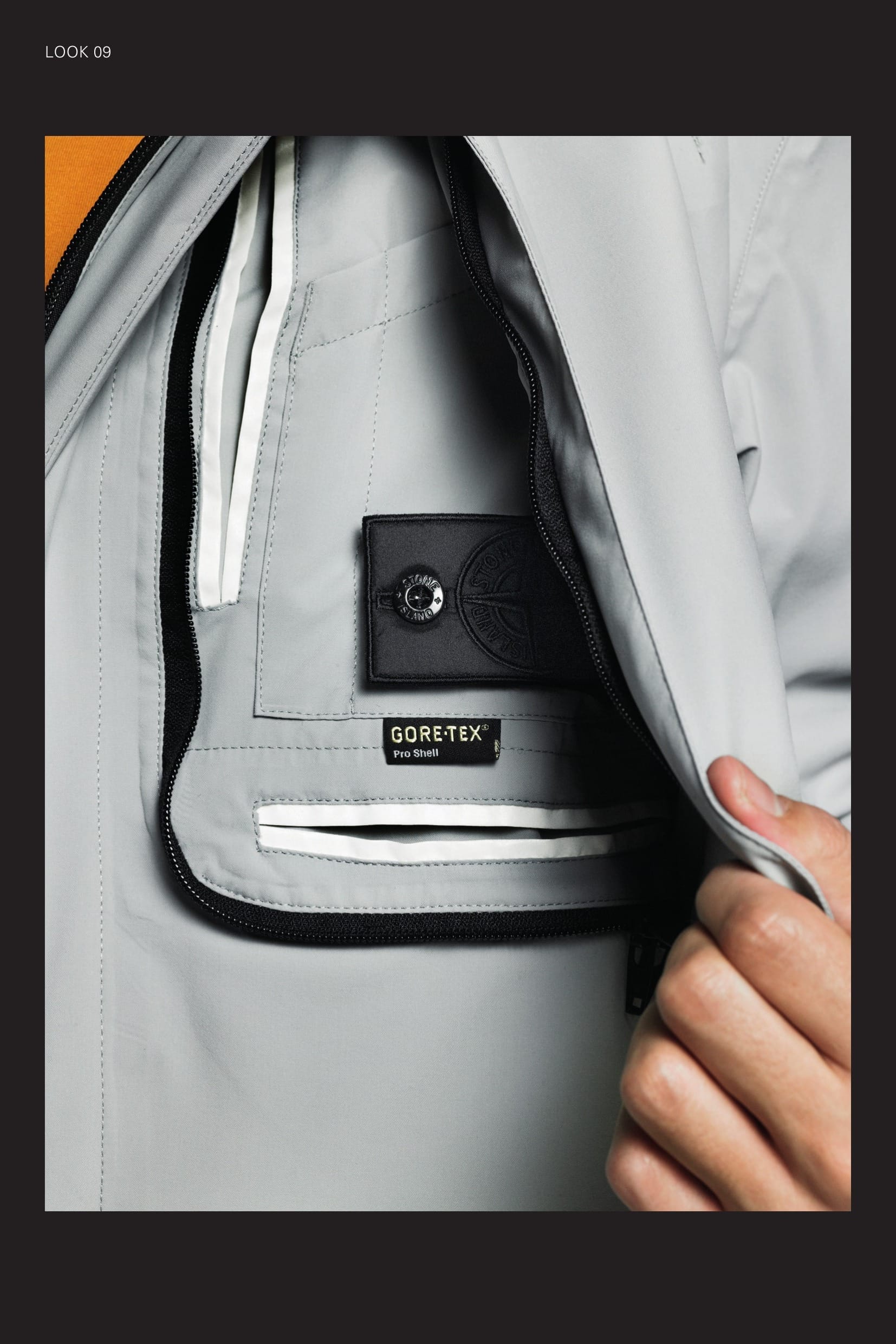
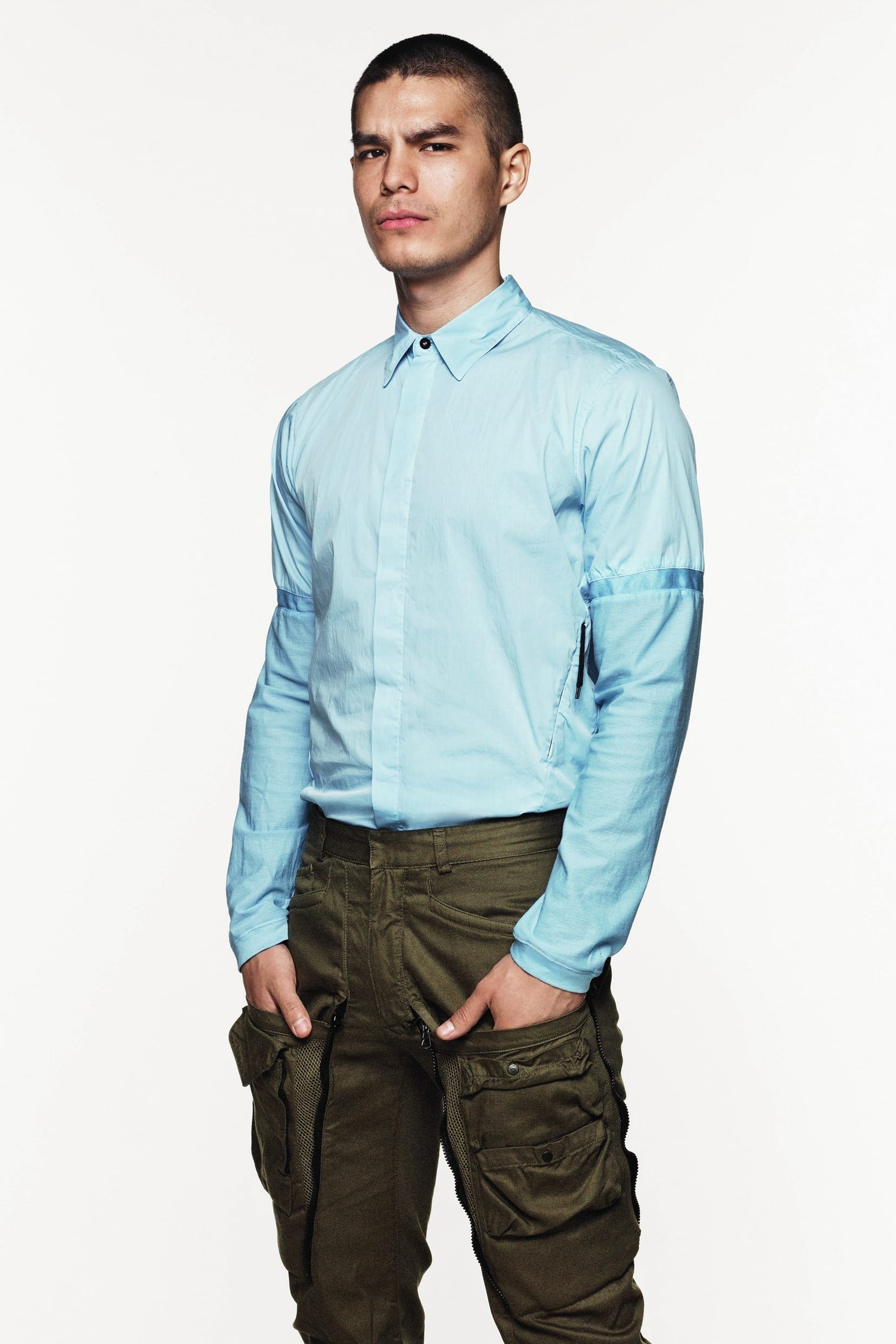
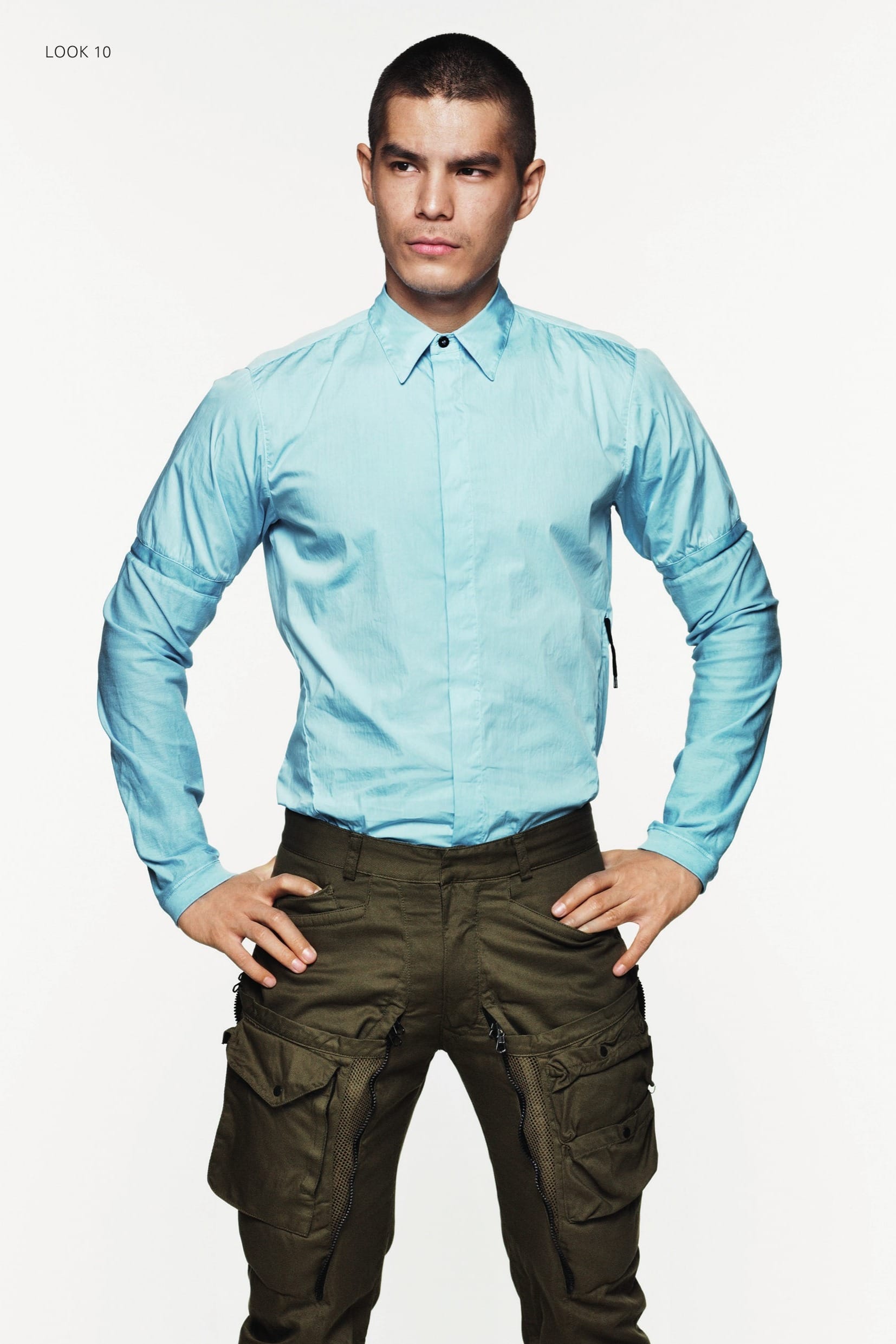
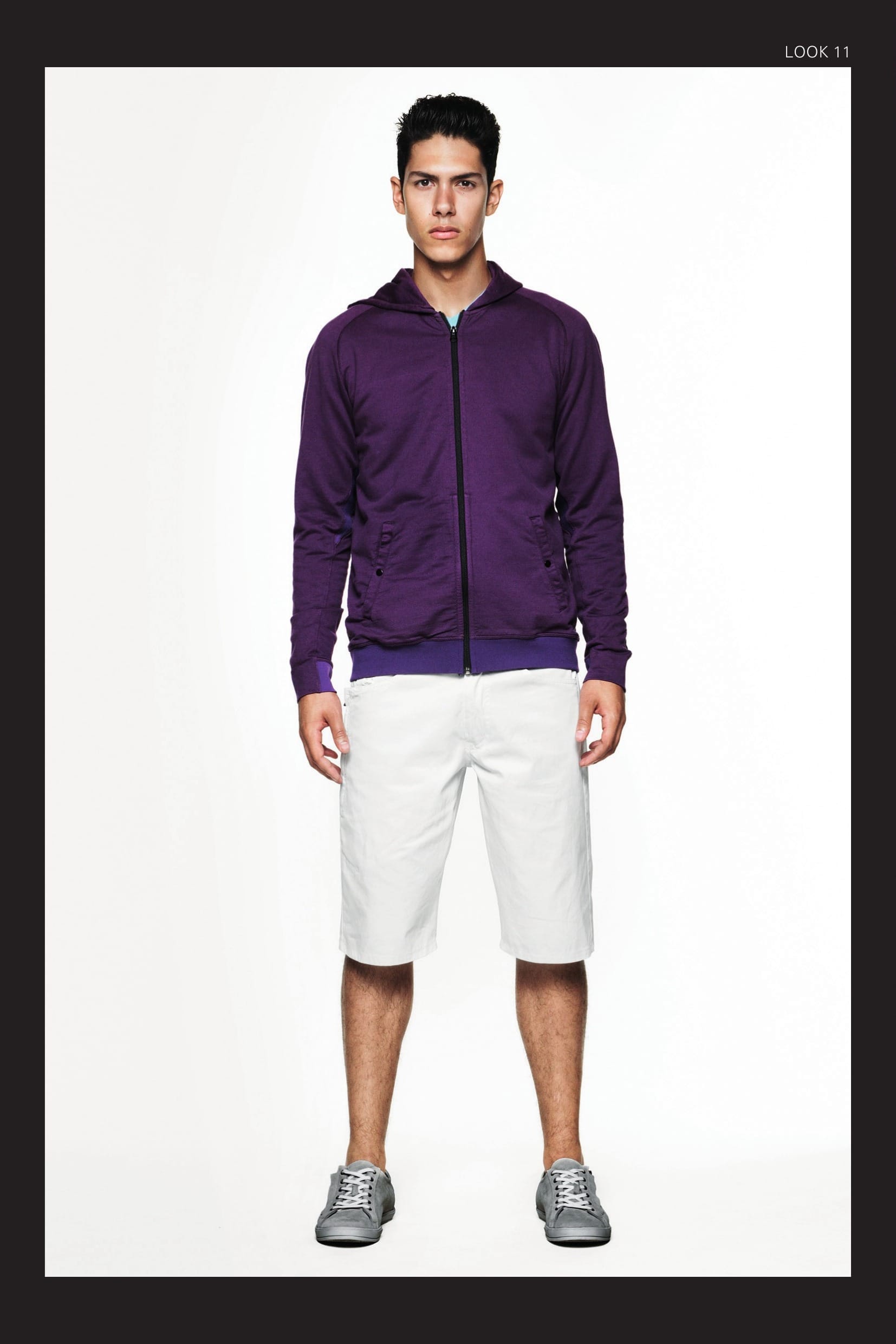
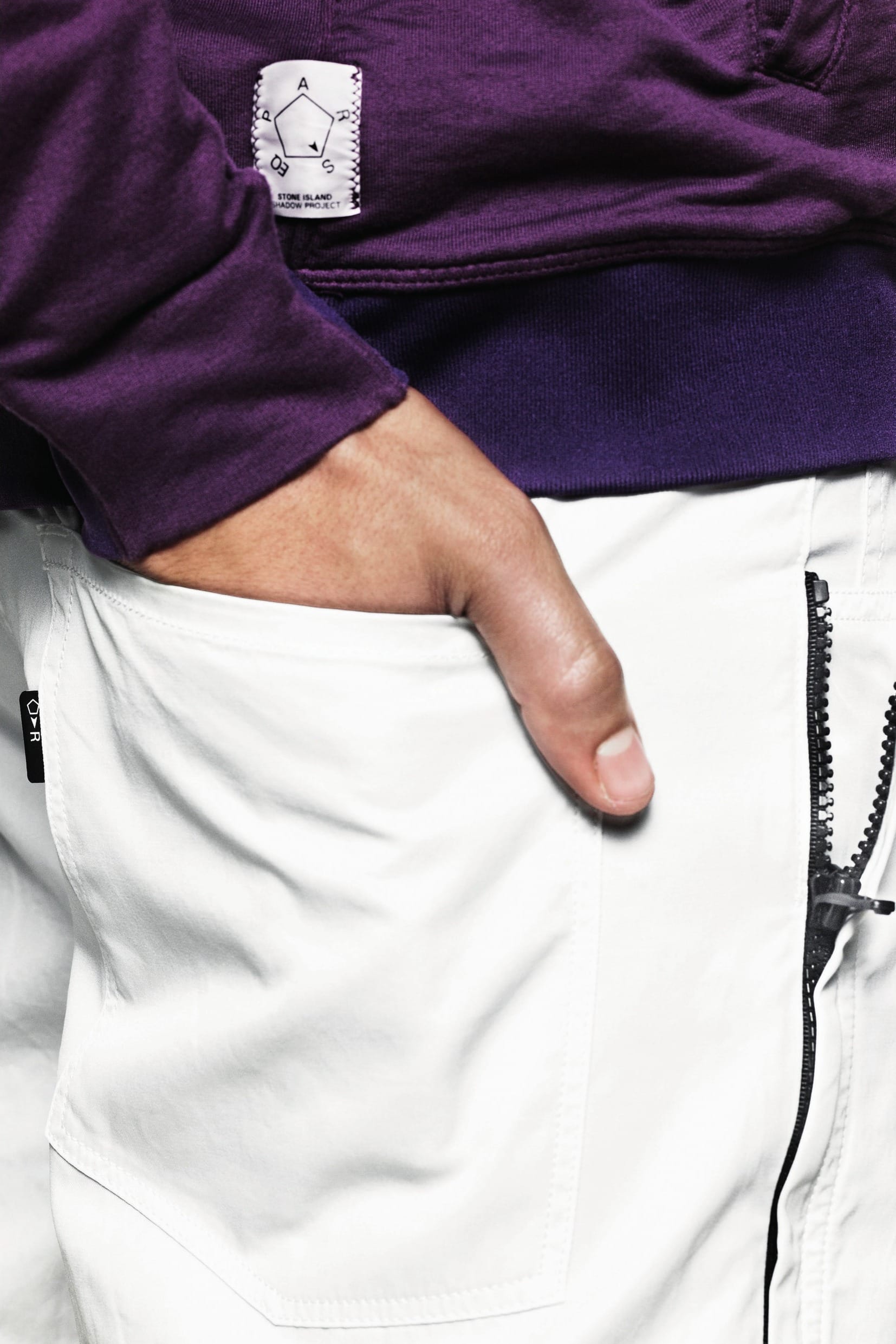
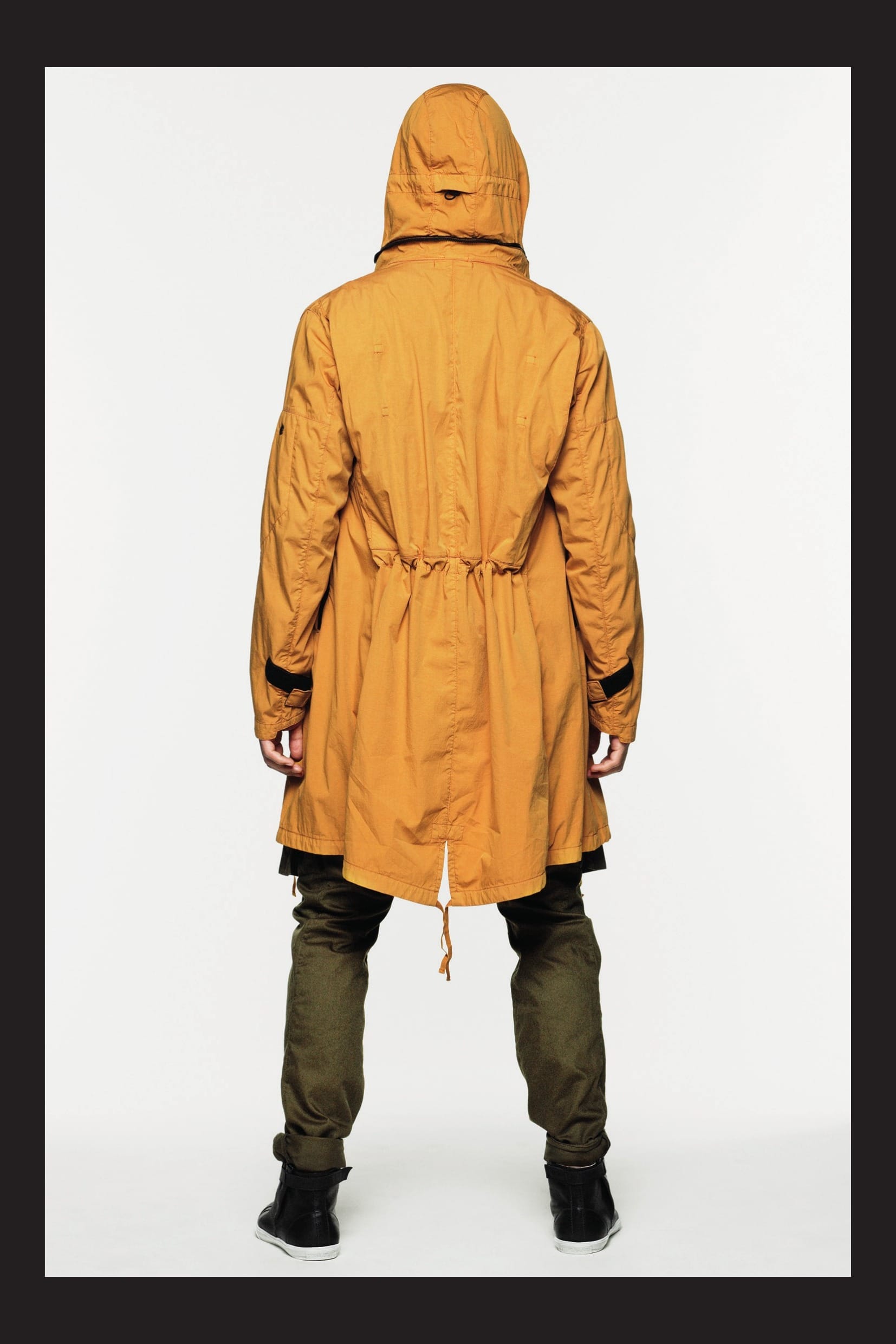
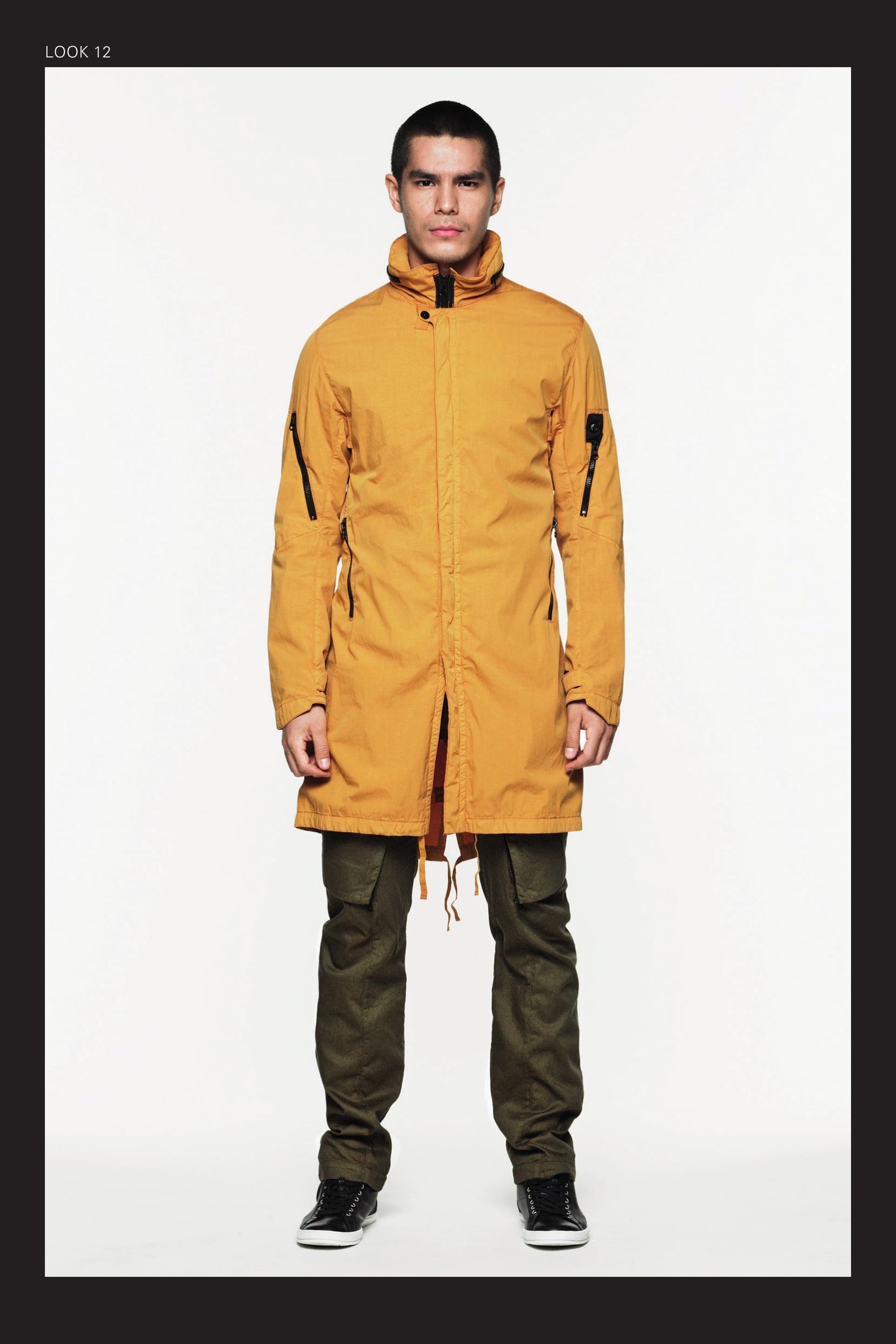
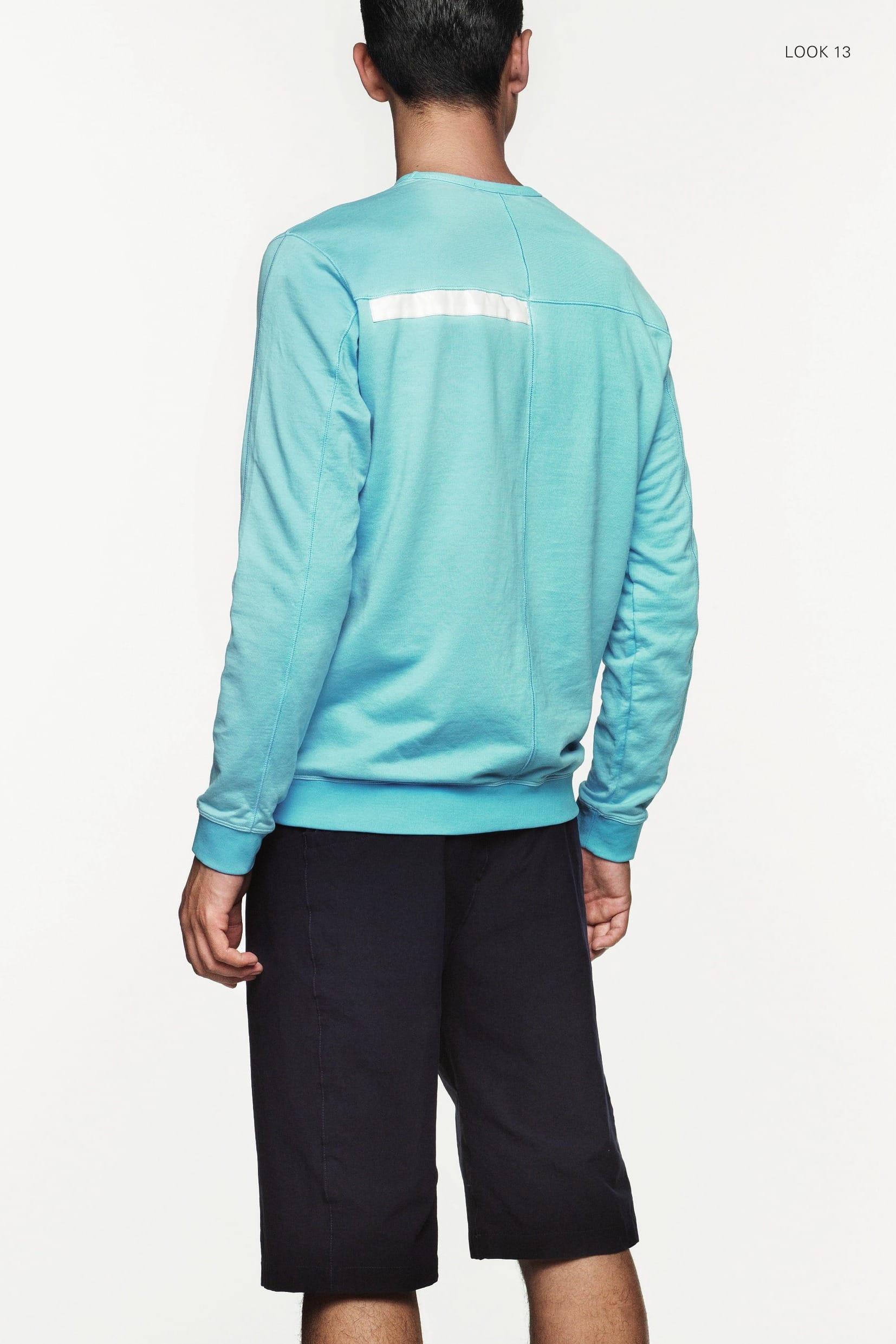
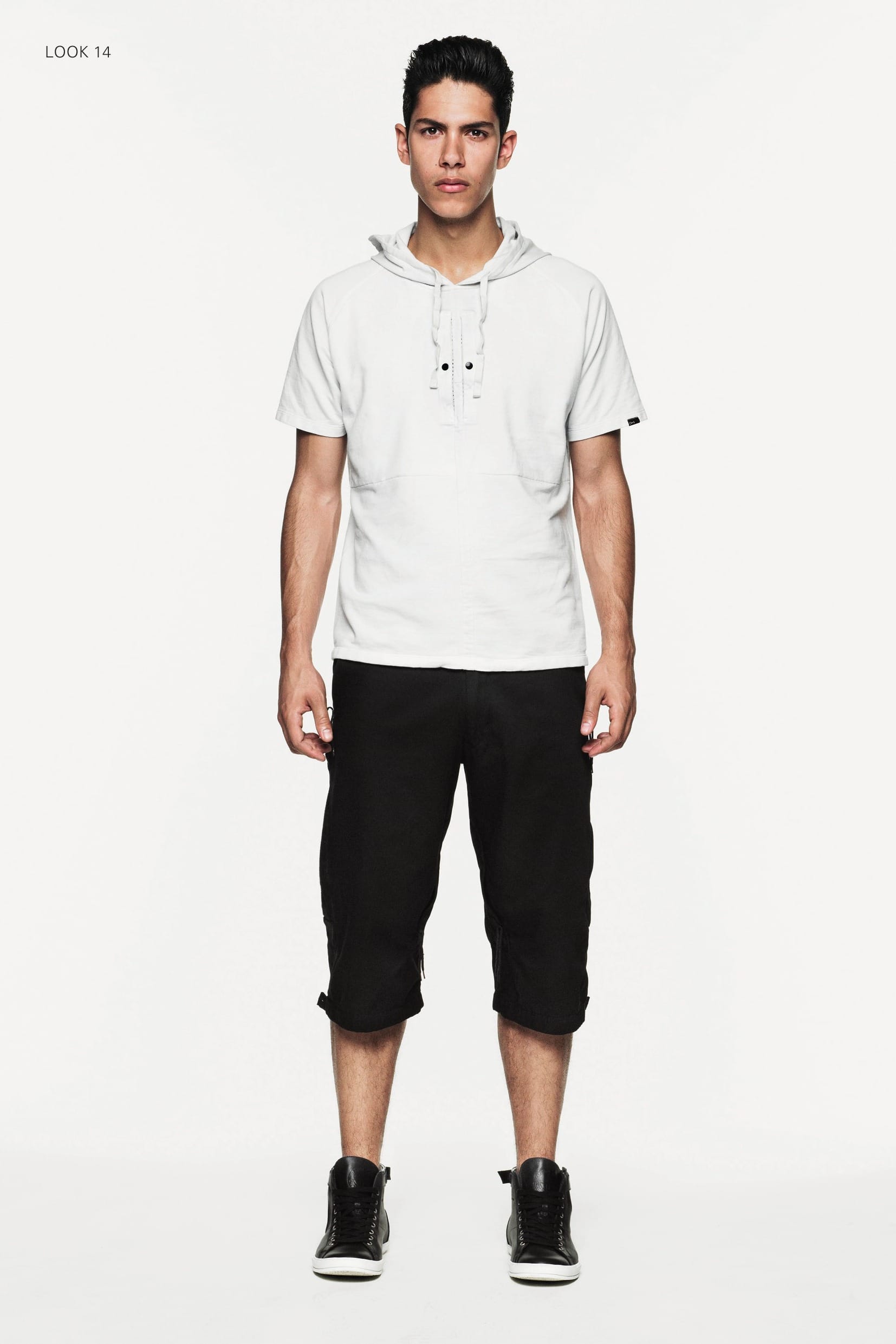
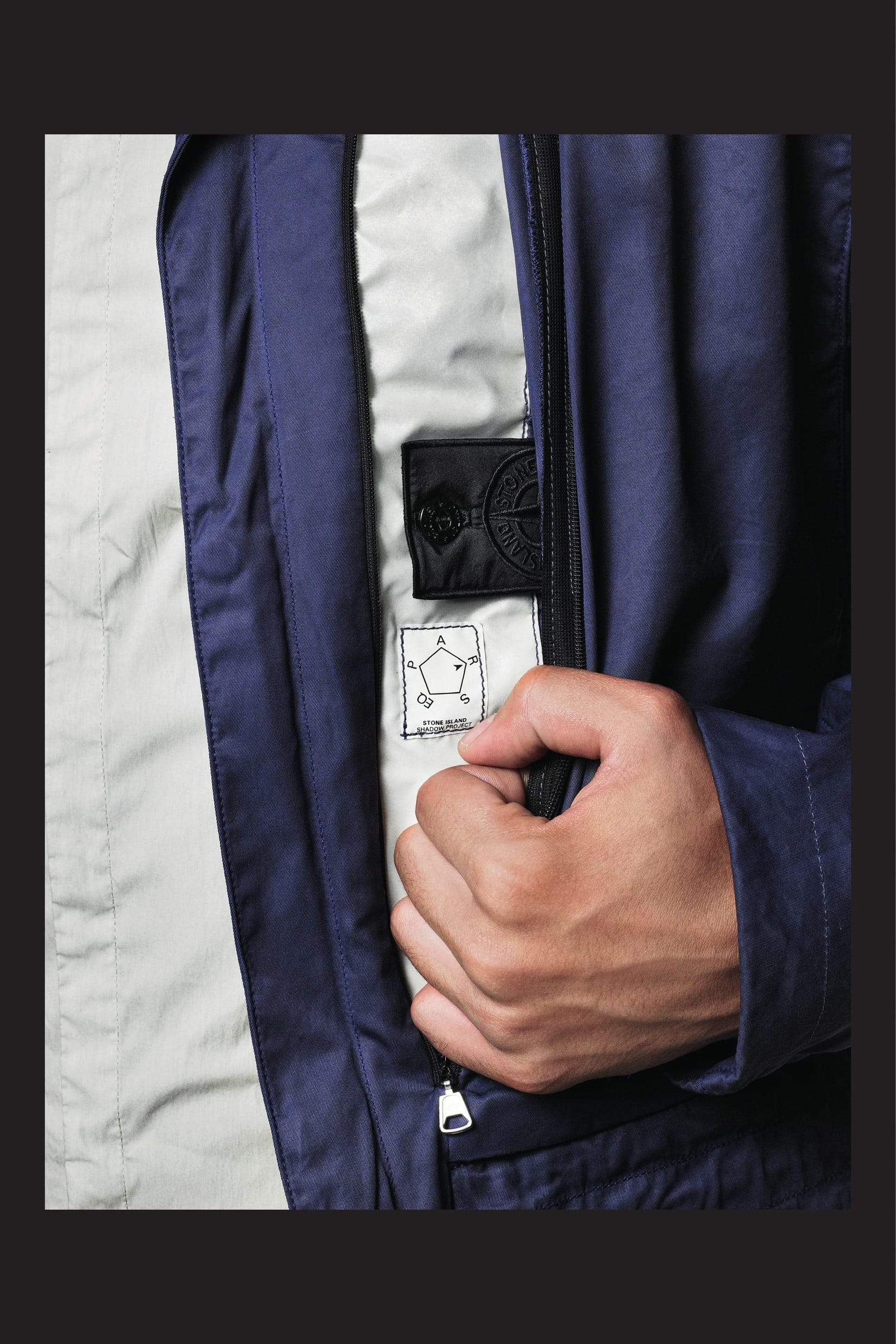
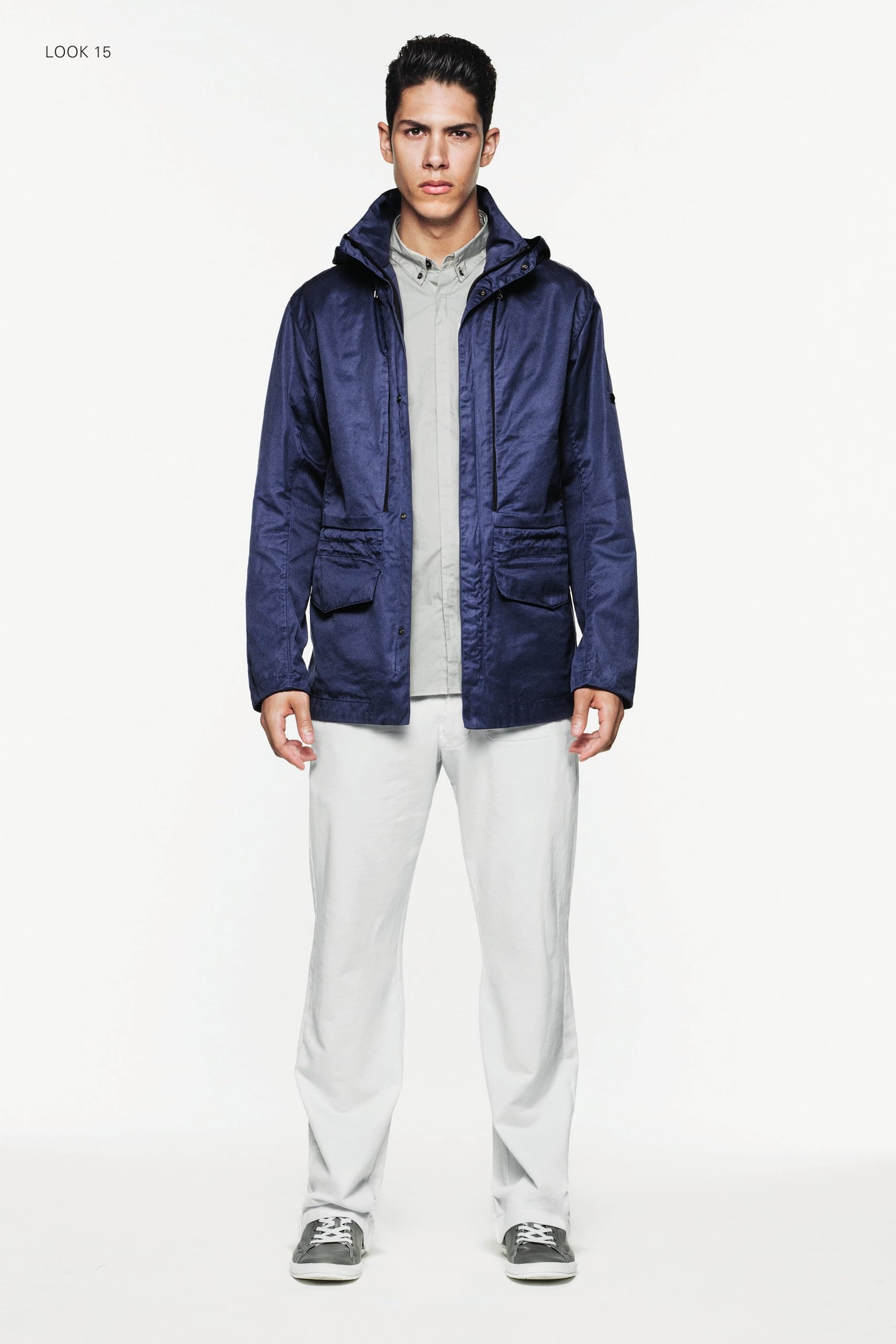
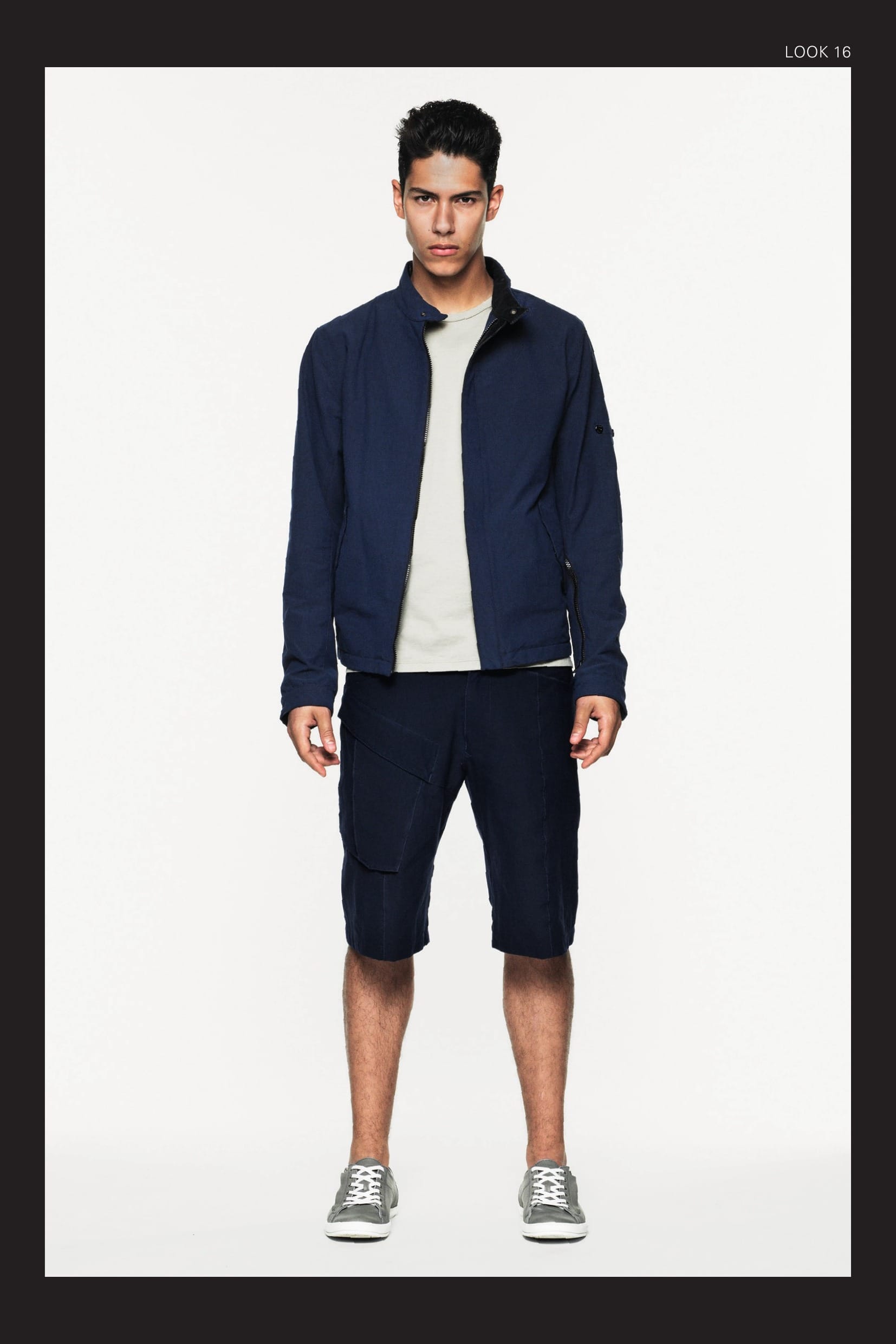
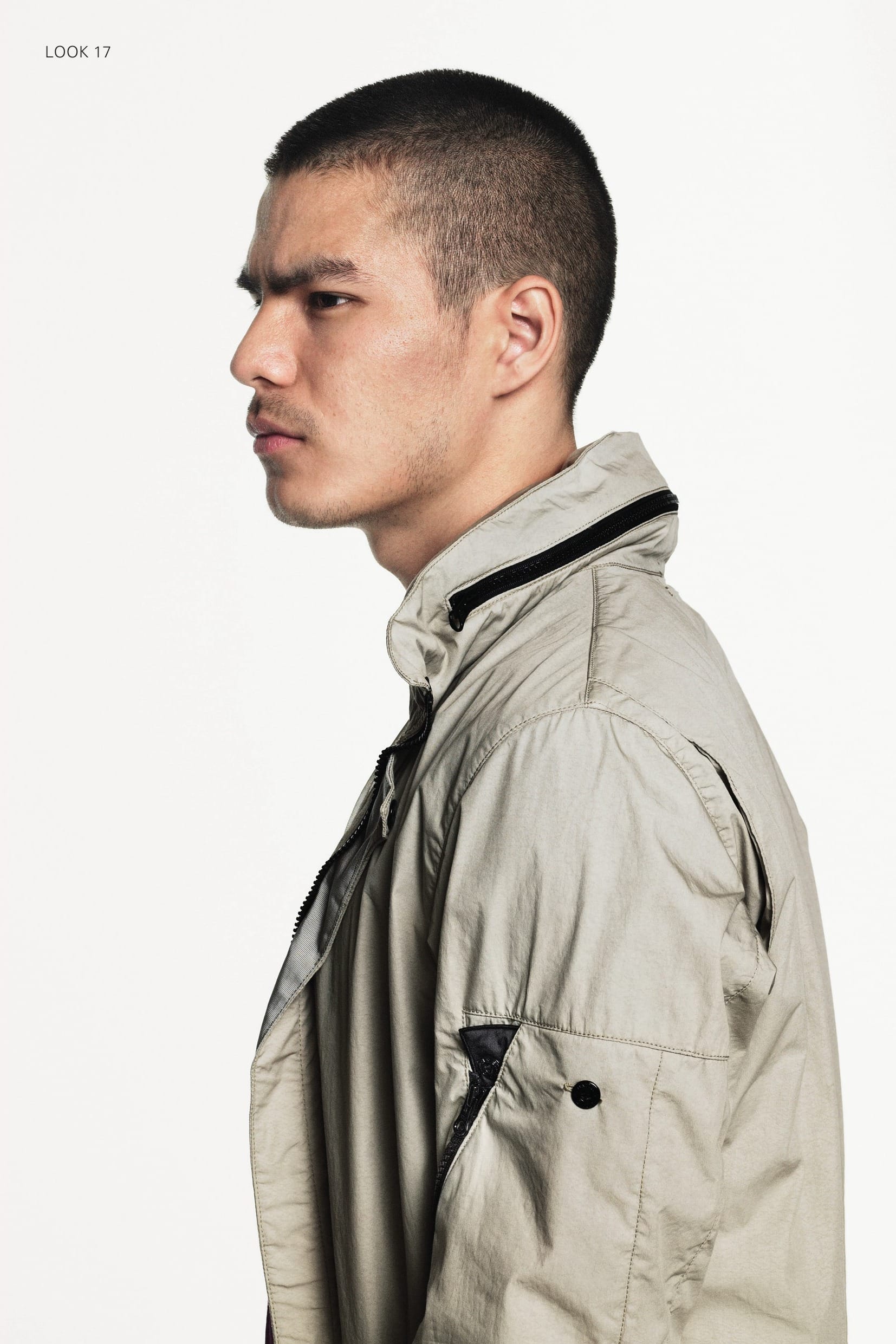
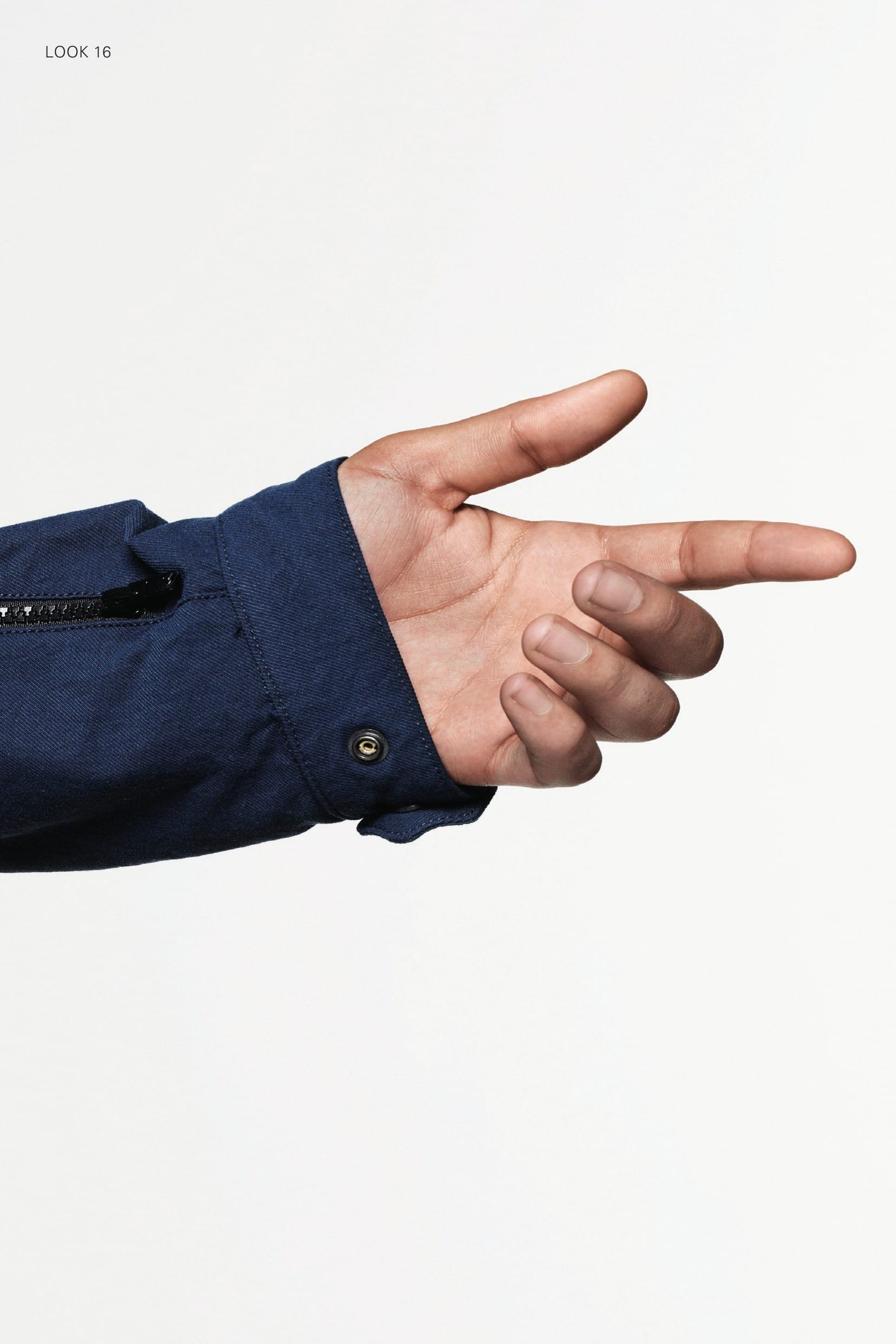
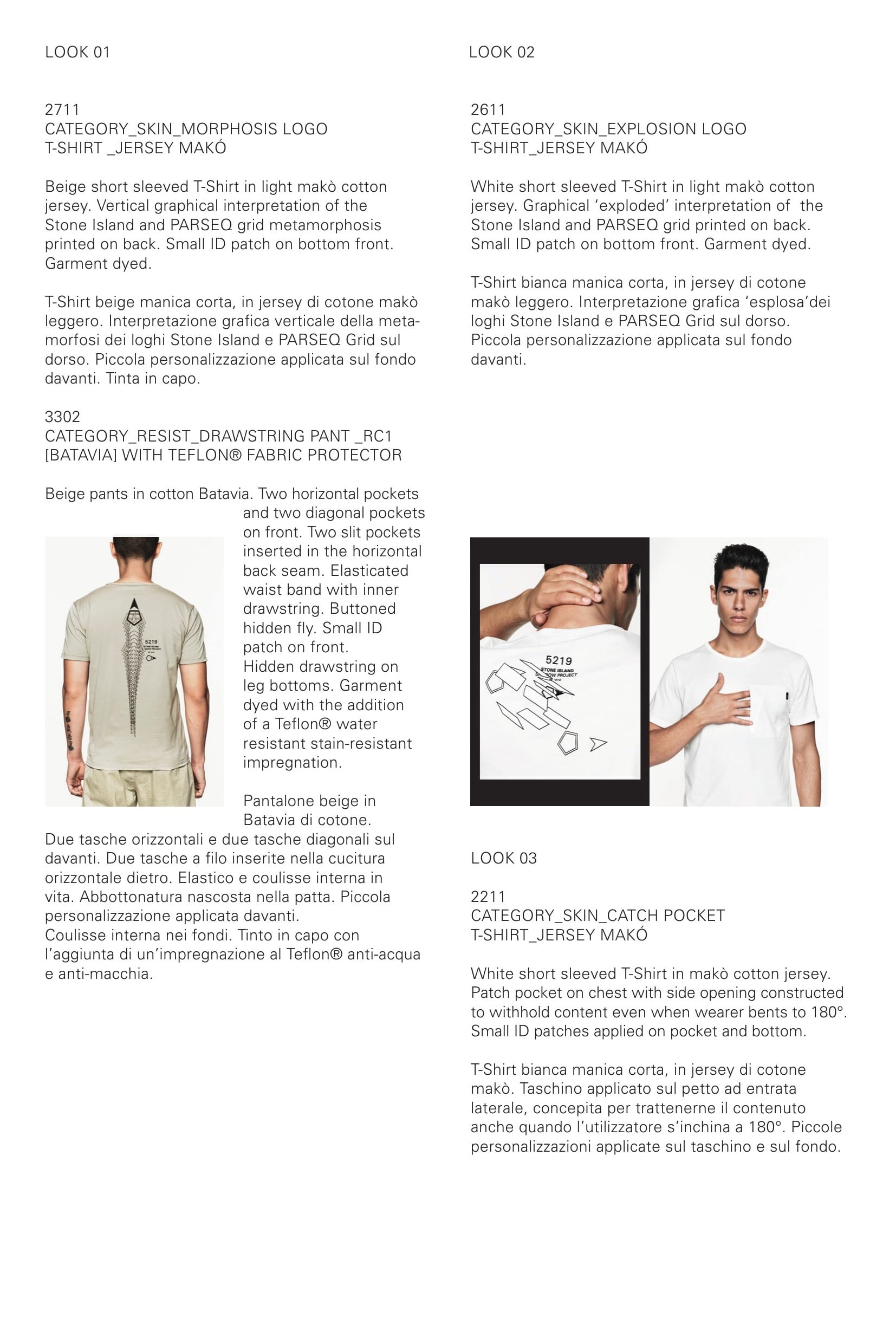
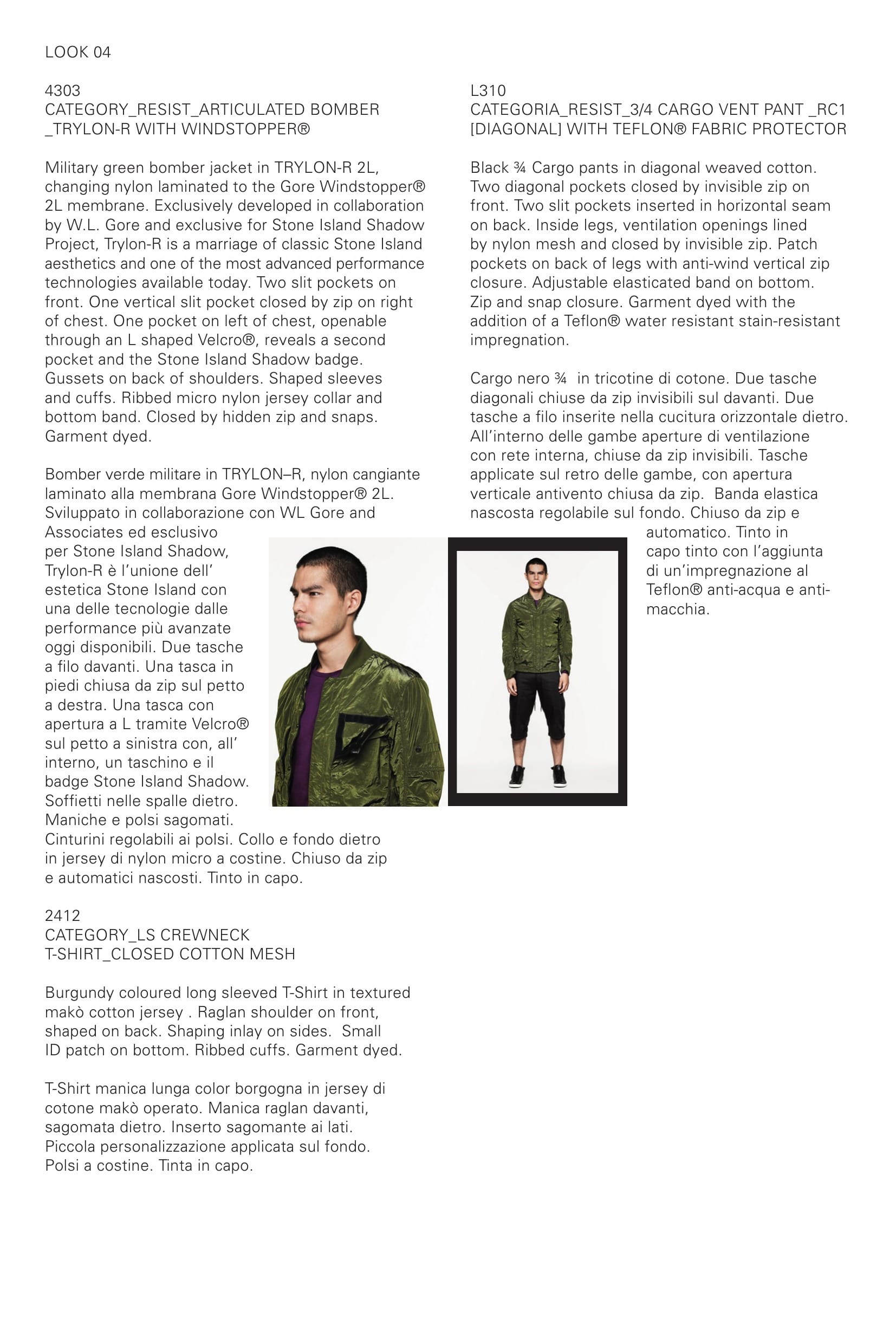
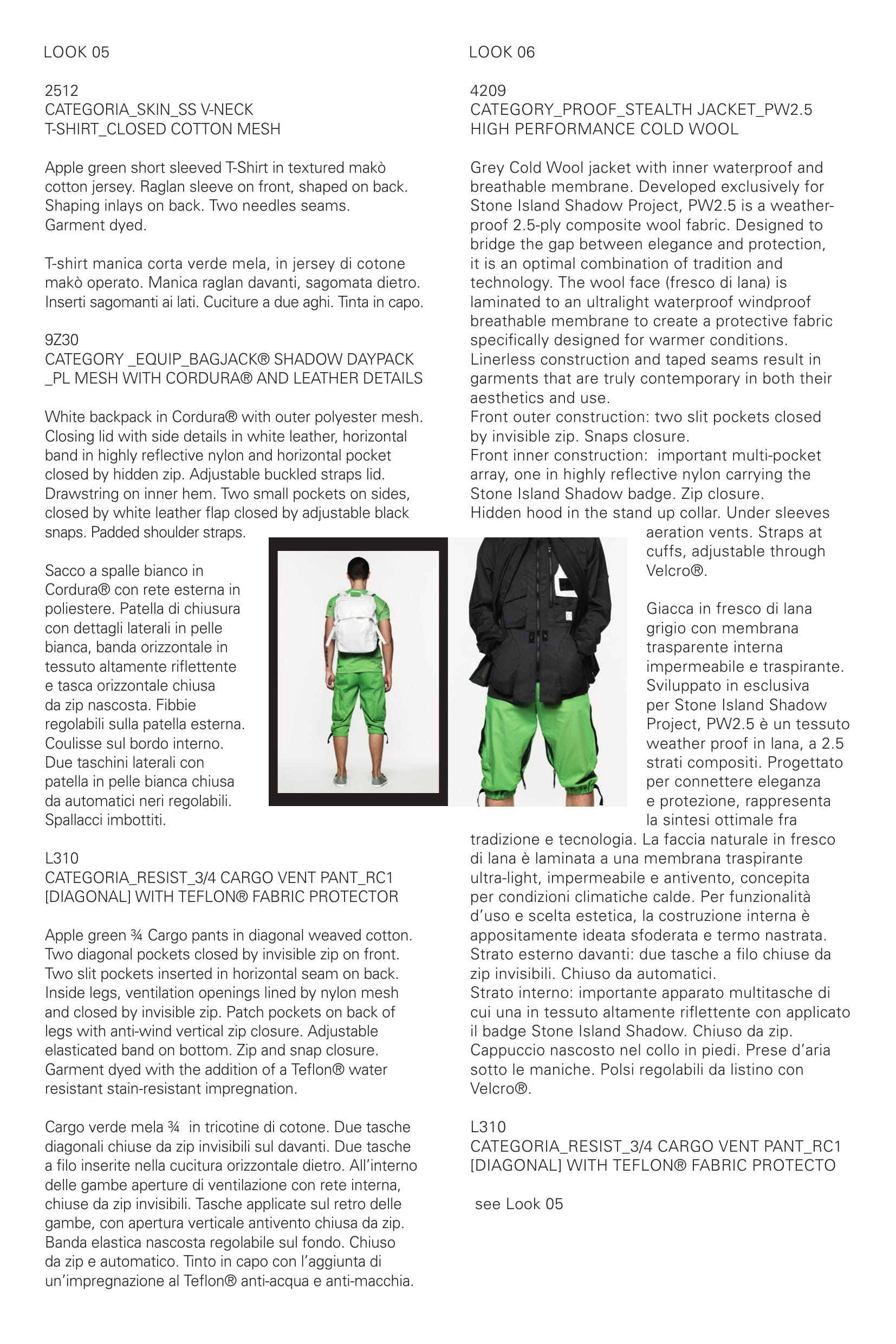
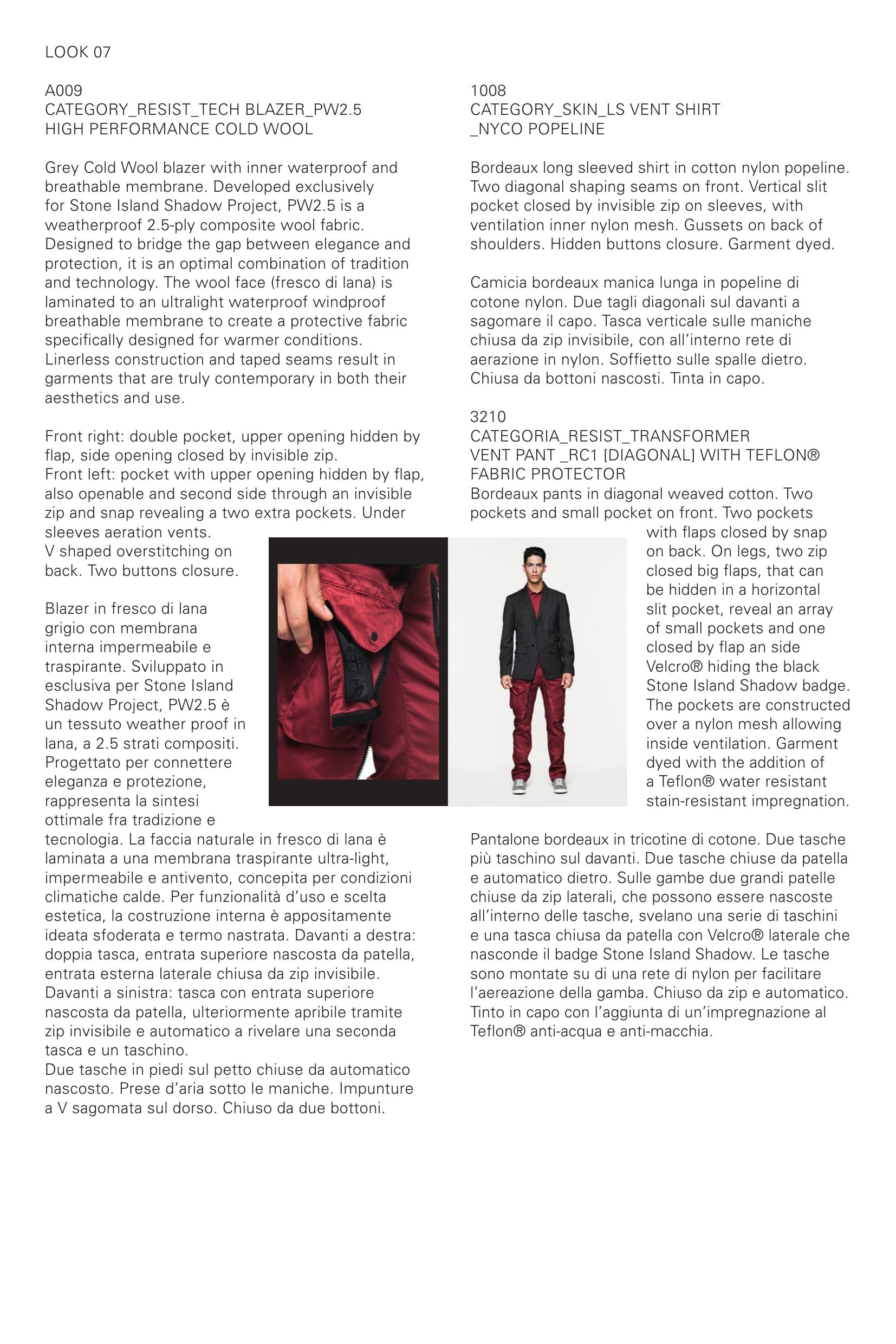
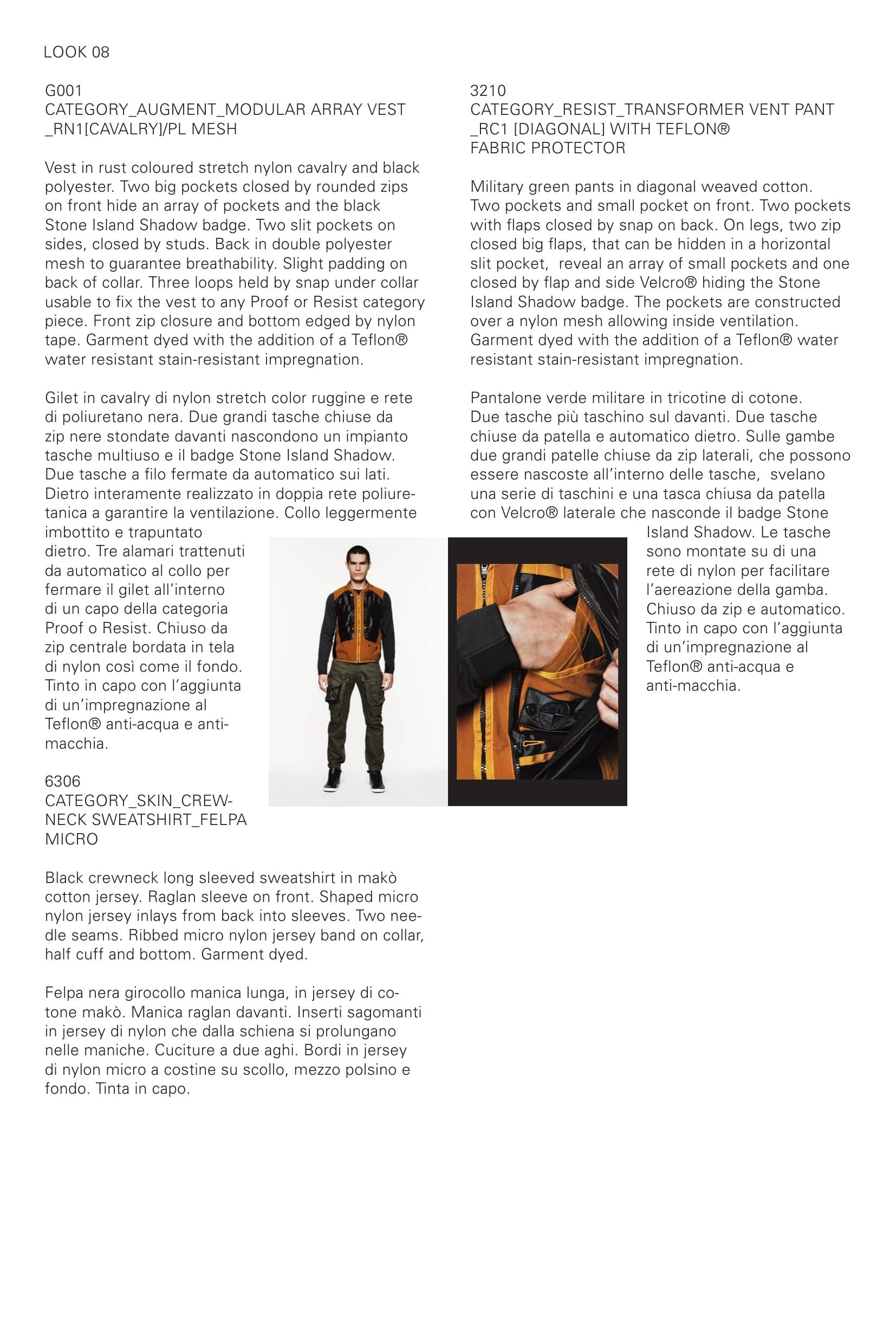
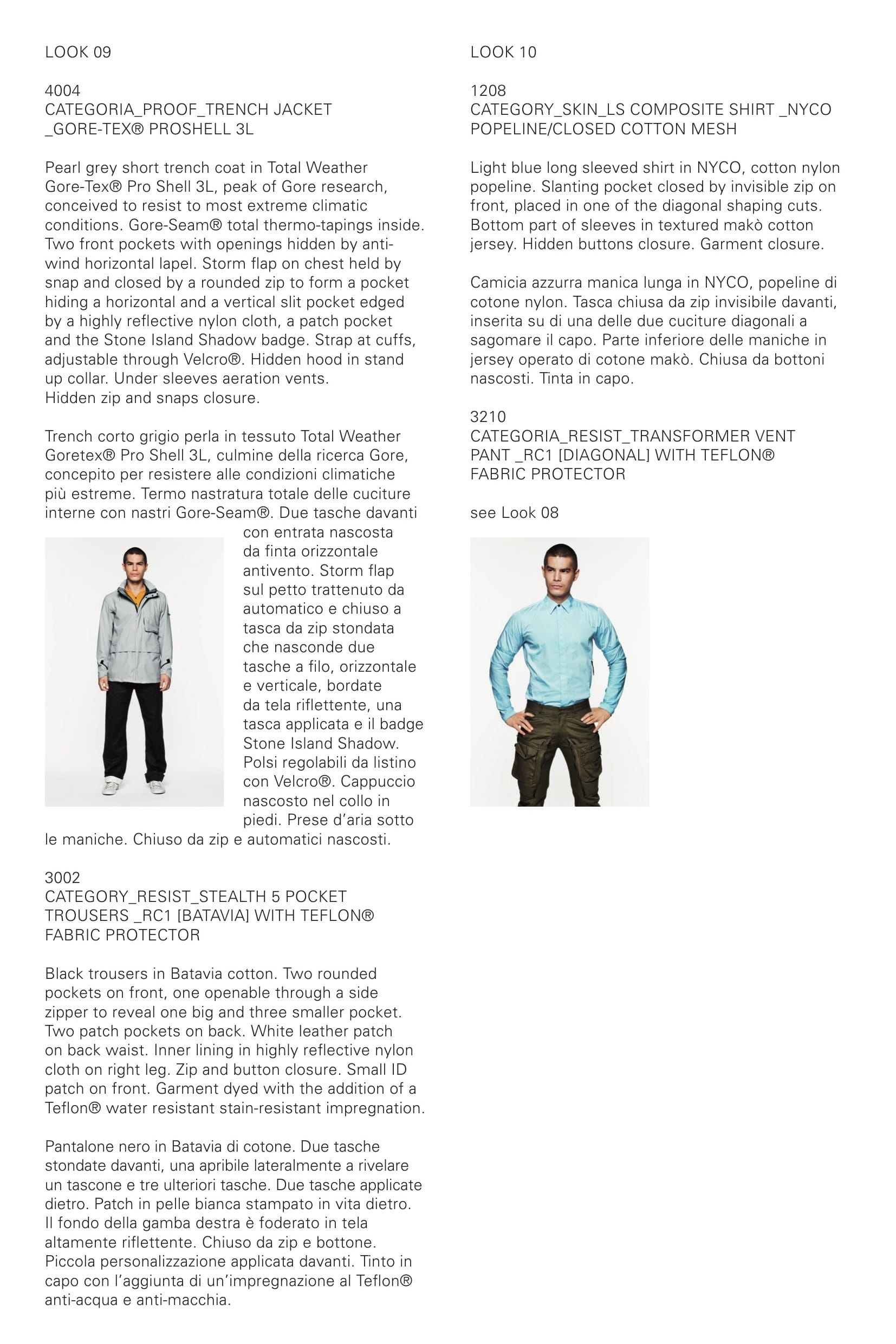
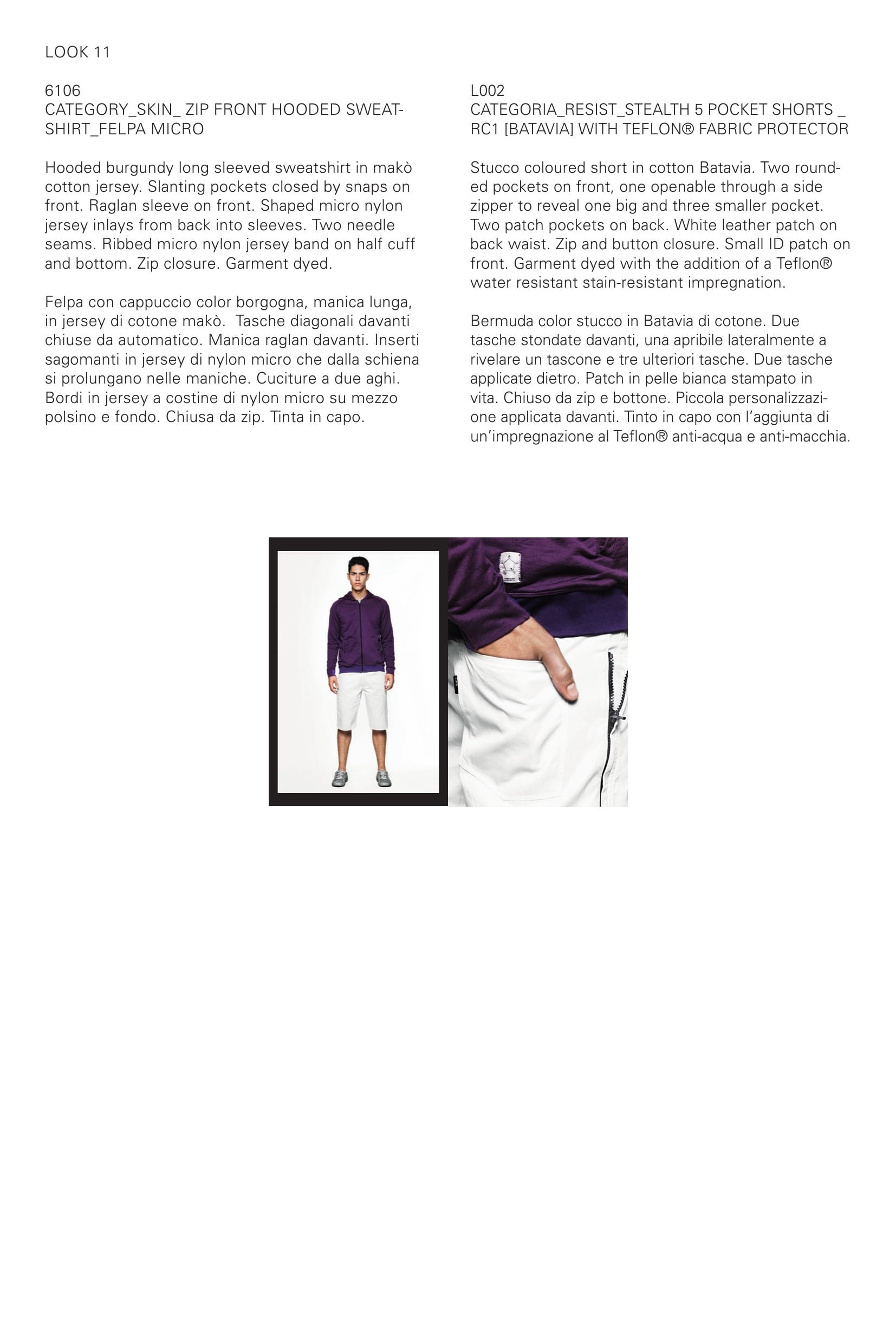
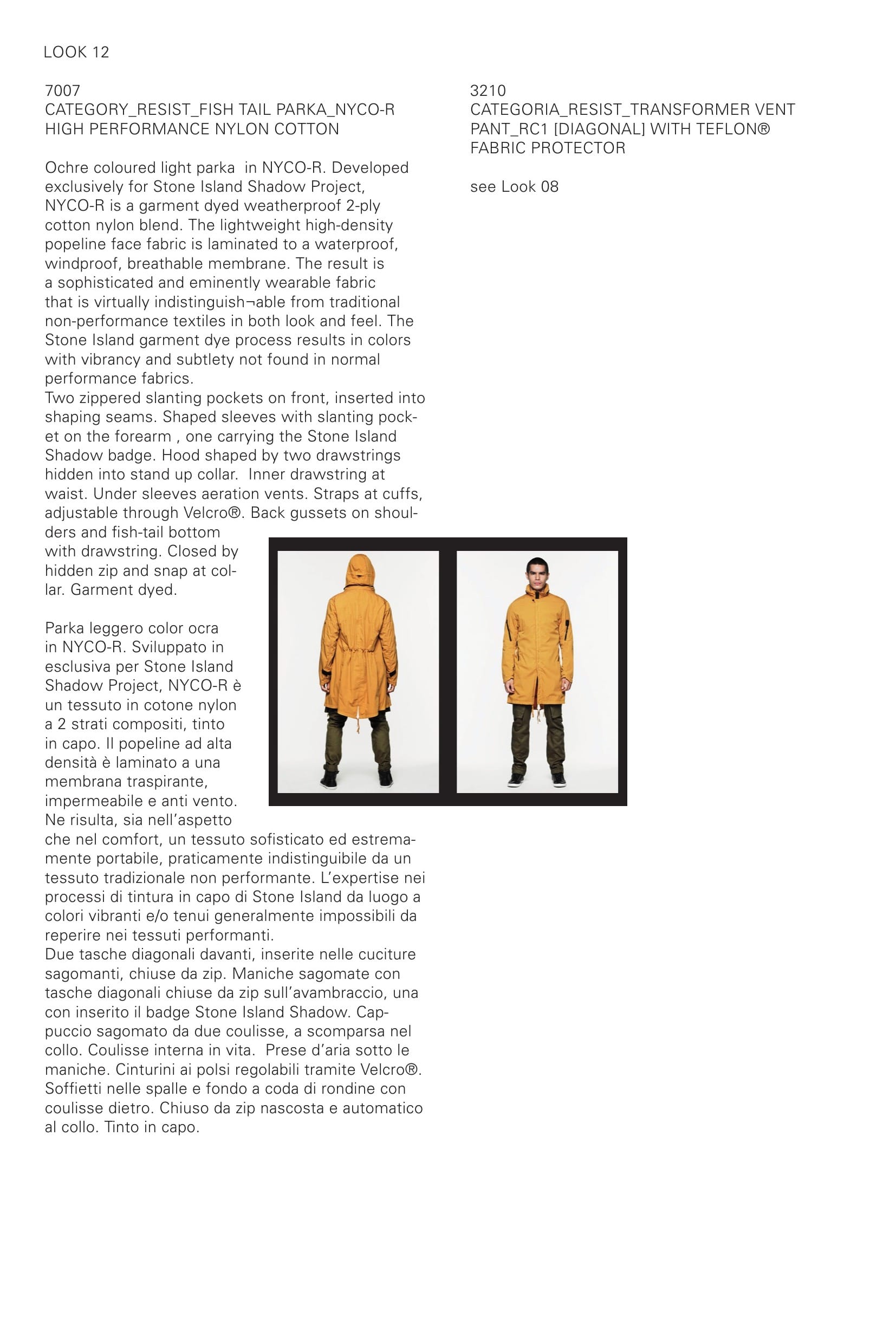
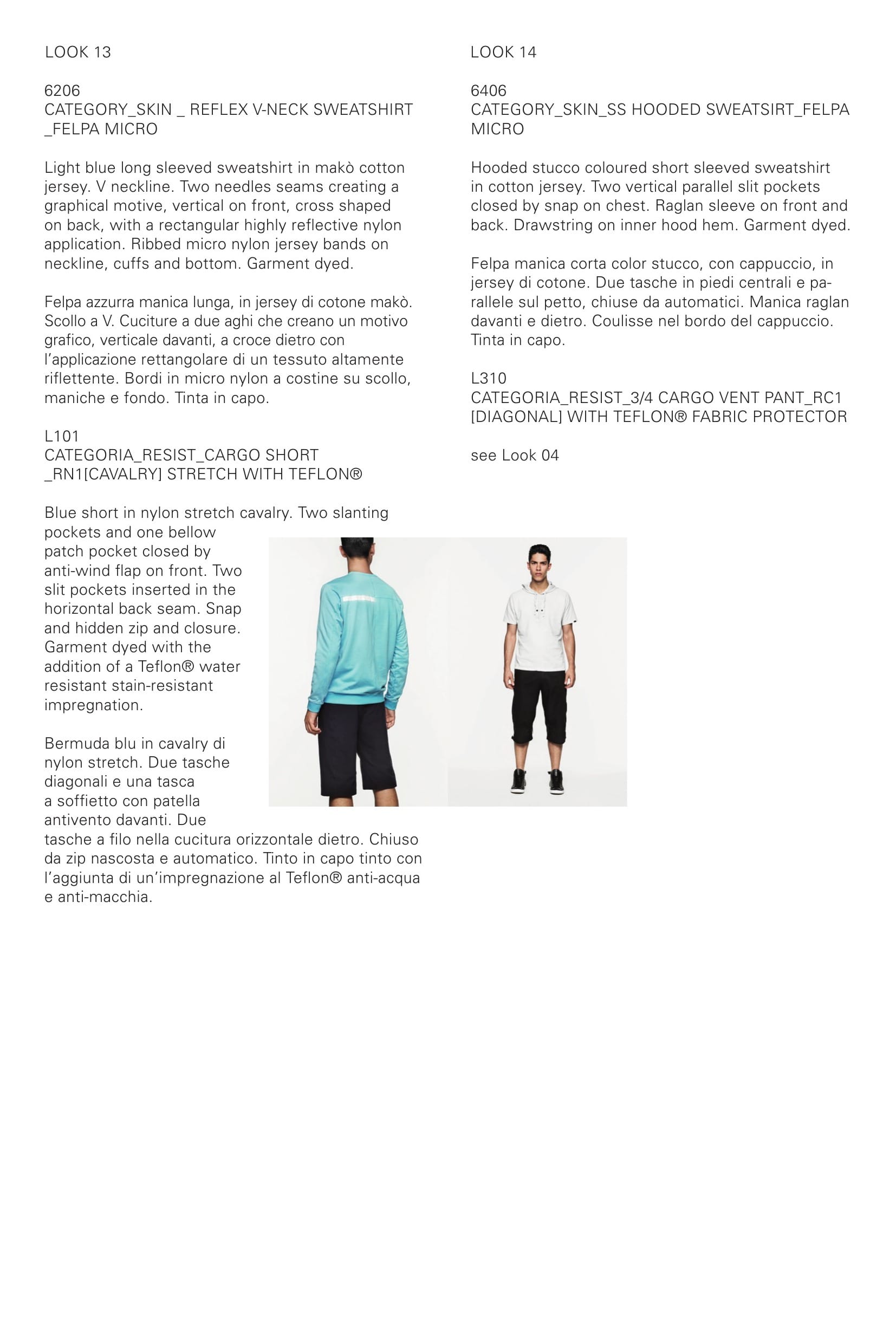
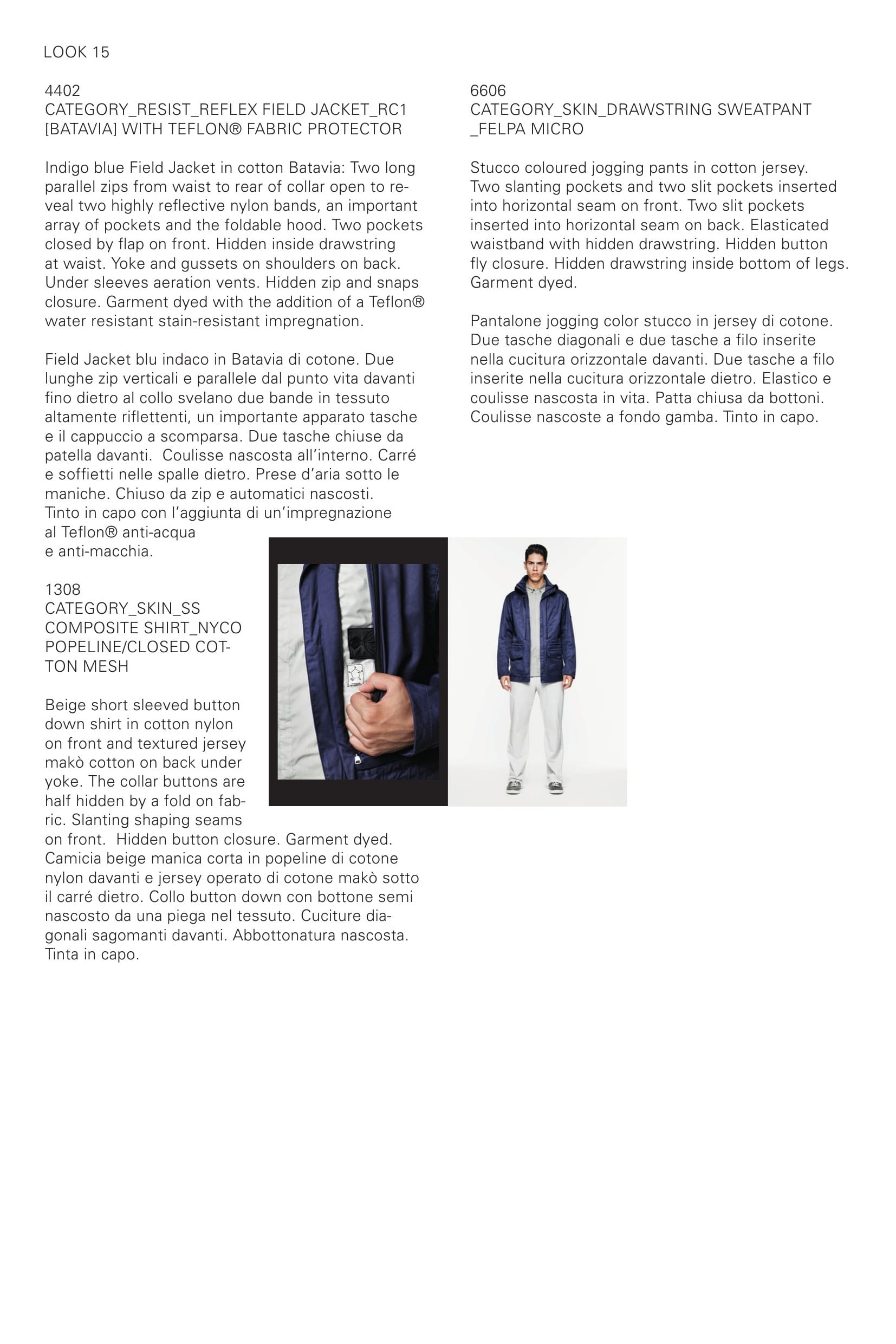
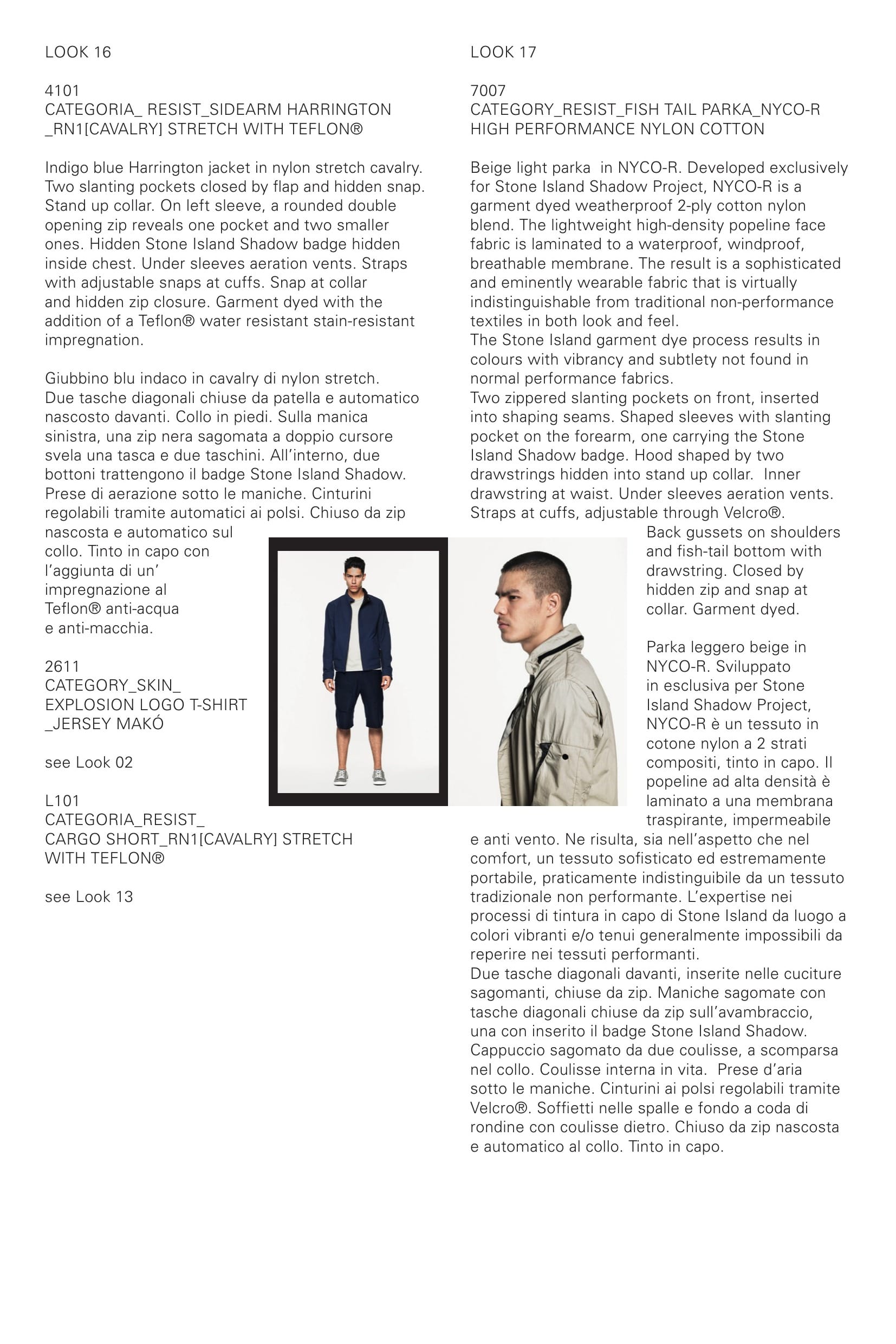
The Stone Island Shadow vector continues with the project's fourth seasonal capsule collection. Fueled by new reactions within the project's original conceptual core, fresh manifestations of fabric, style, detail, and interface emerge as the lightest, yet most comprehensive, offering thus far.
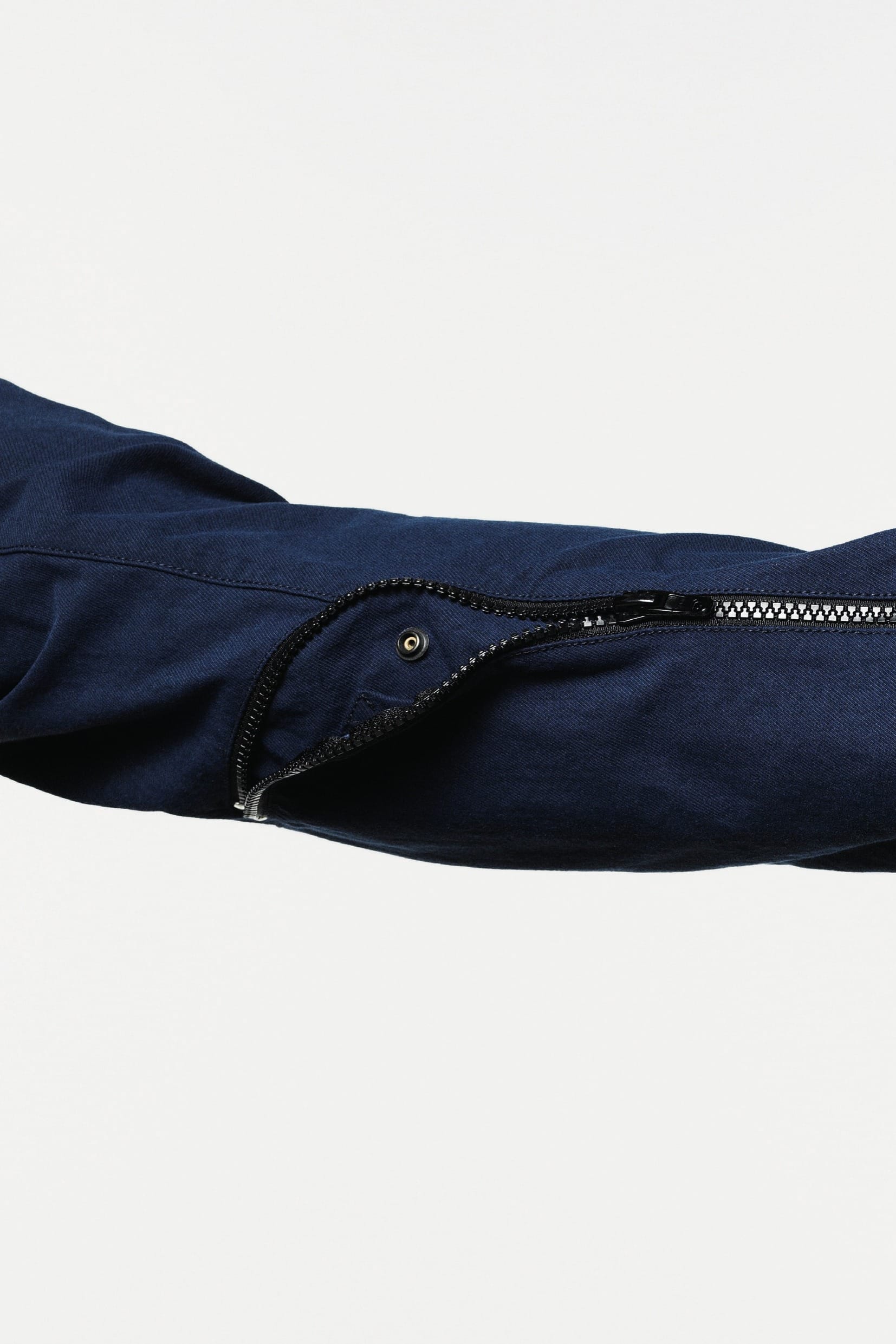
This unique trajectory begins, of course, at a unique point of origin — the inimitable constellation of research and development that is STONE ISLAND. Hidden detail and potential action lies at the heart of each and every Stone Island Shadow style.
Enfolding this in a simpler, softer way, a new focus can be brought to bear on both resolution of shape and fidelity of color. The goal is vibrancy and directness; stripping away the superfluous without sacrificing capability, and the lightness that can only be found by moving through one's environment with zero resistance.
Modular Performance Grid, PARSEQ is the organizational framework upon which the idea is built: PROOF, AUGMENT, RESIST, SKIN and EQUIP. All Shadow fabrics work together as part of the grid — breathable, moisture managing, skin-friendly and maintainable — chosen for their balance of performance technology and the aesthetic treatments for which Stone Island has been known since its inception.


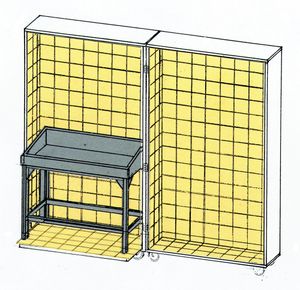
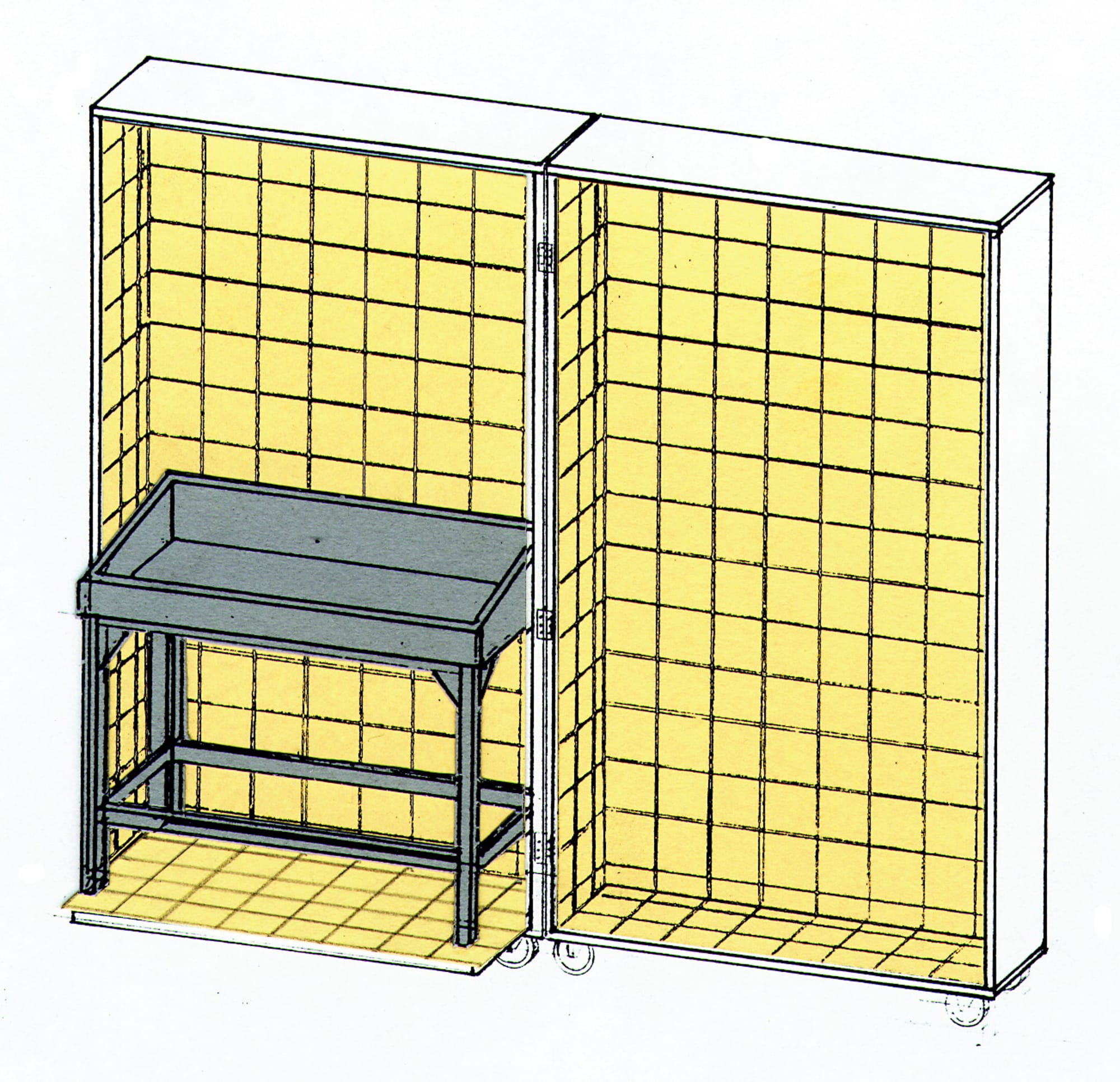
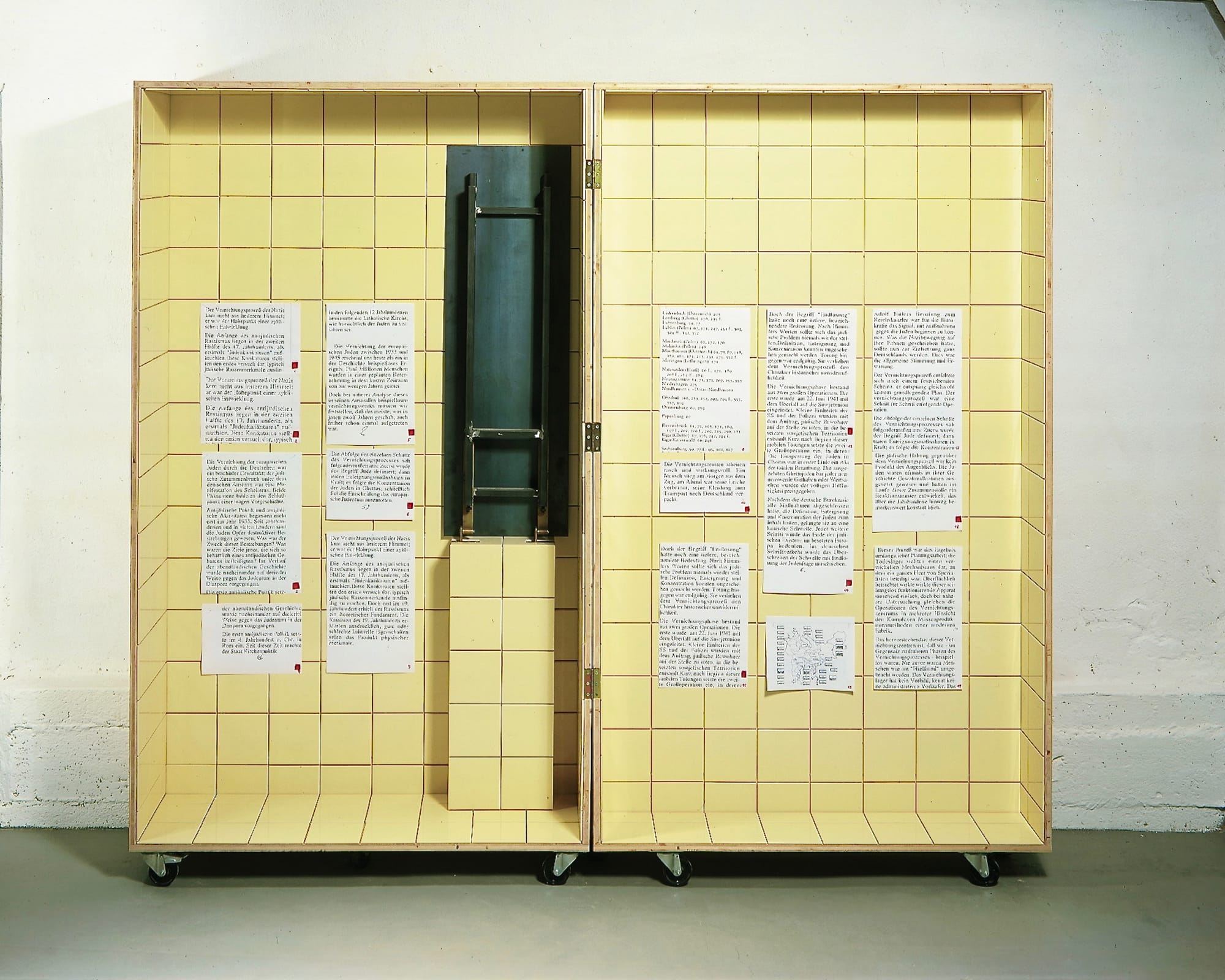
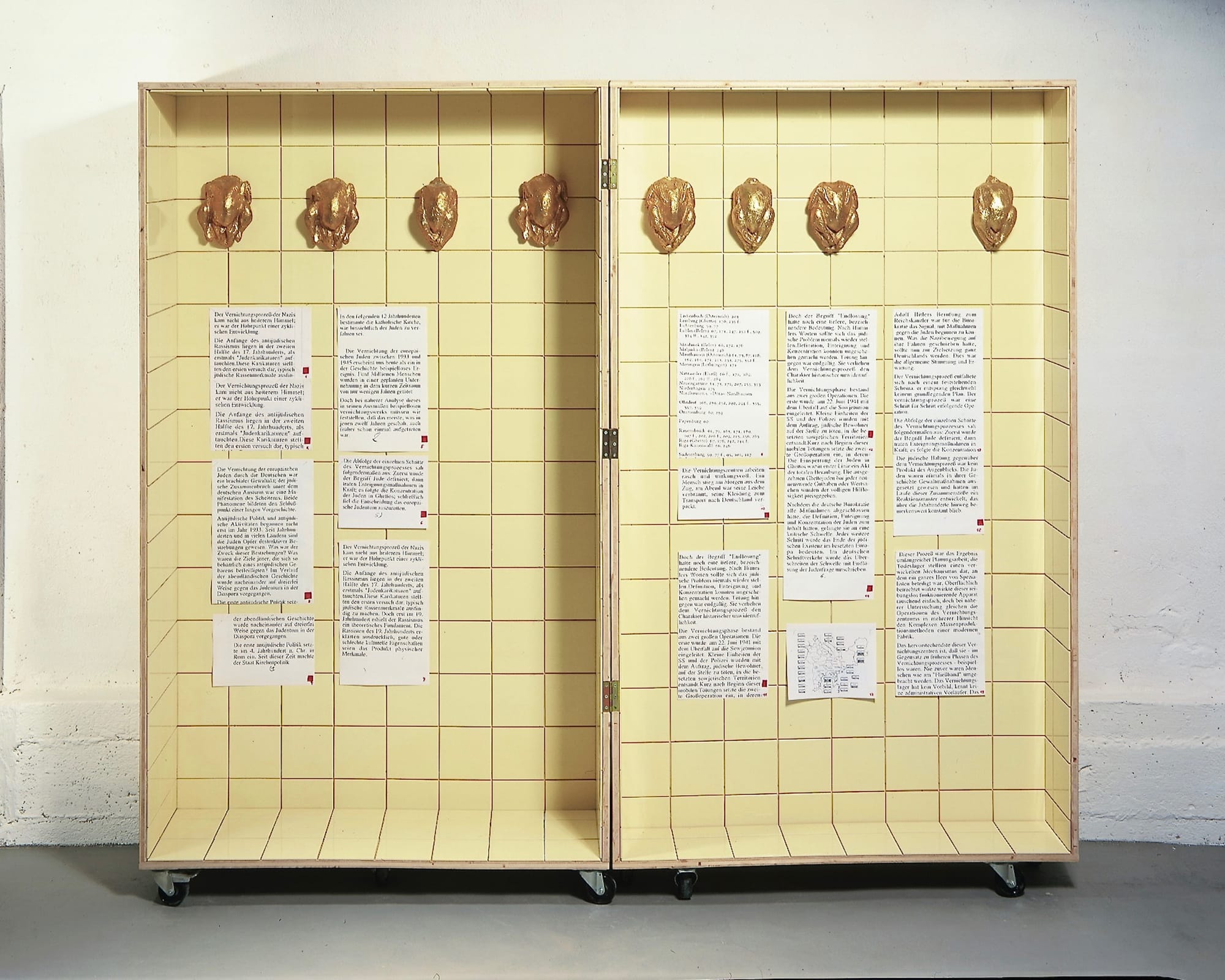
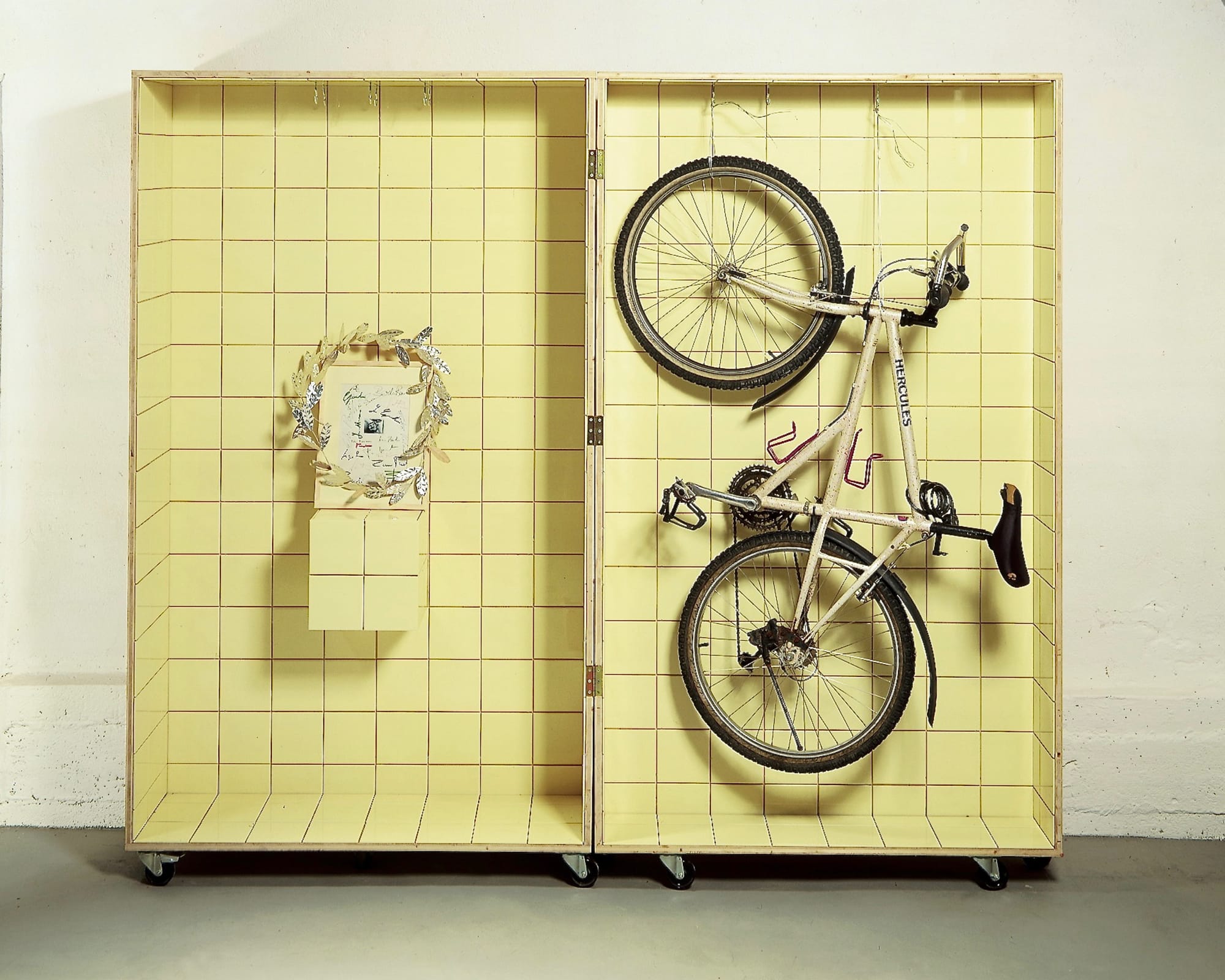
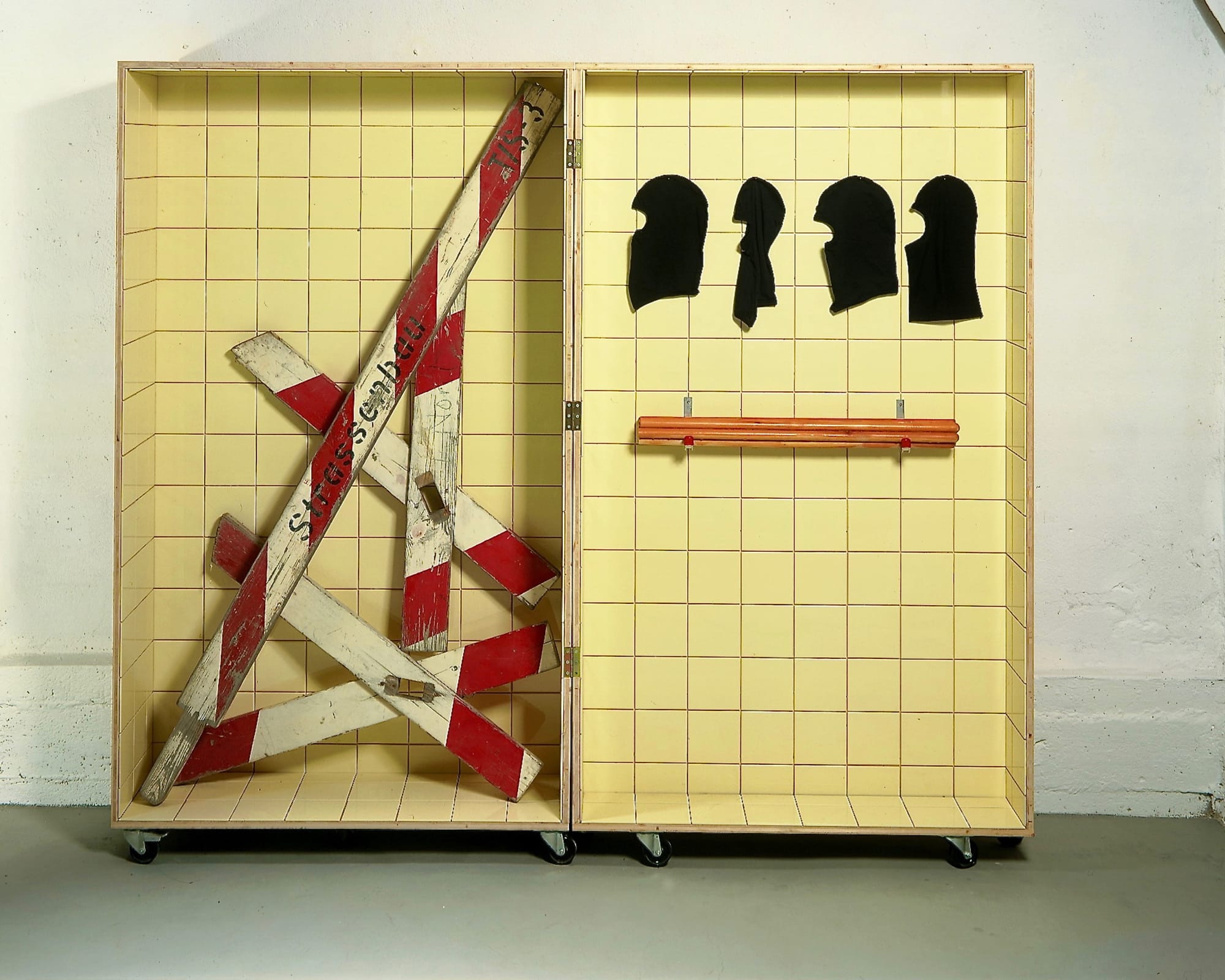
Memorials is a series by Winfried Baumann, drawn as wheeled, modular grid structures. Each is titled for a subject — among them Flucht und Vertreibung, Holocaust und Völkermord, Sport und Spiel and Ruhestörer — alongside a set of base models (Basismodelle).
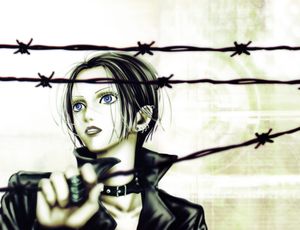
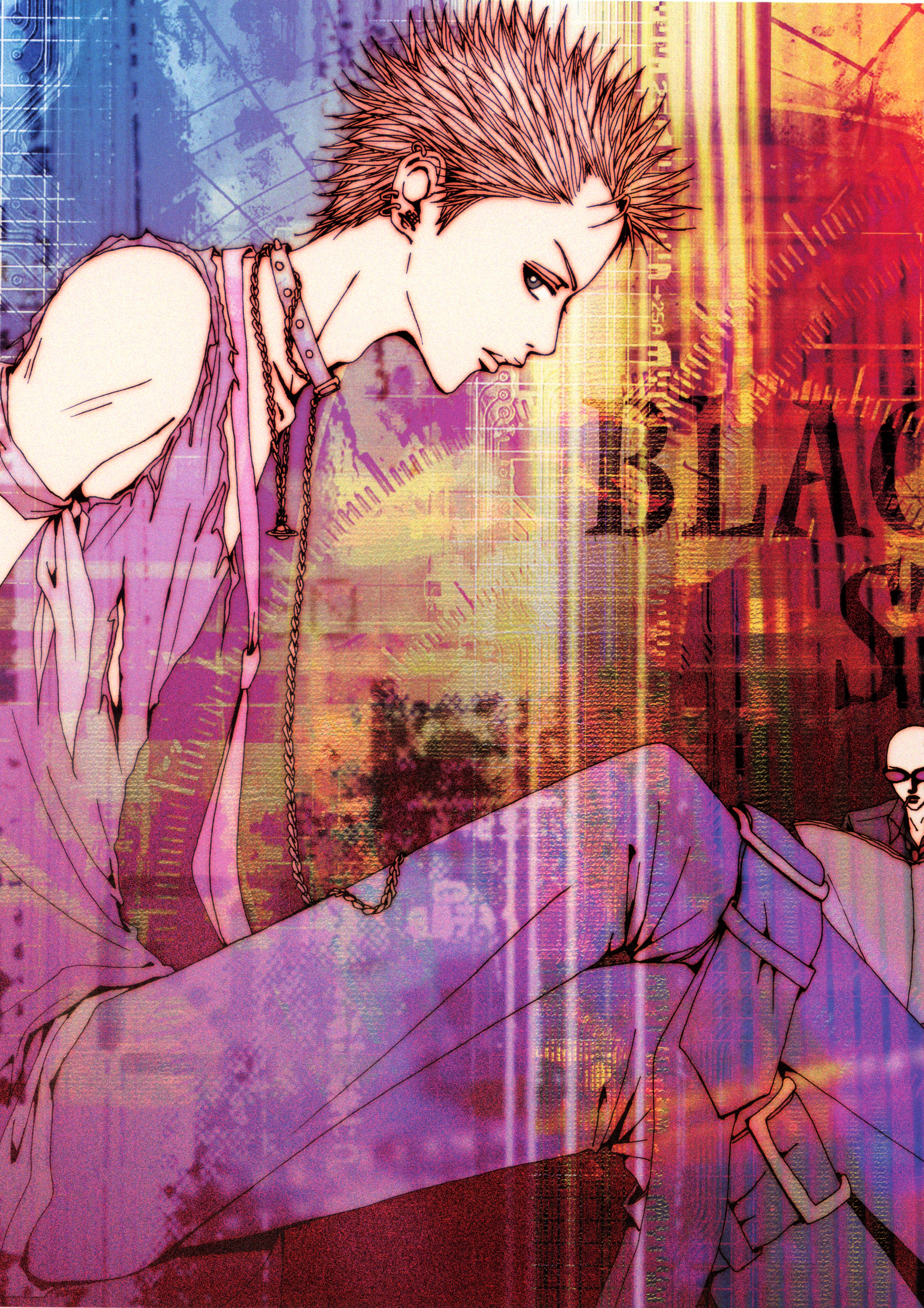
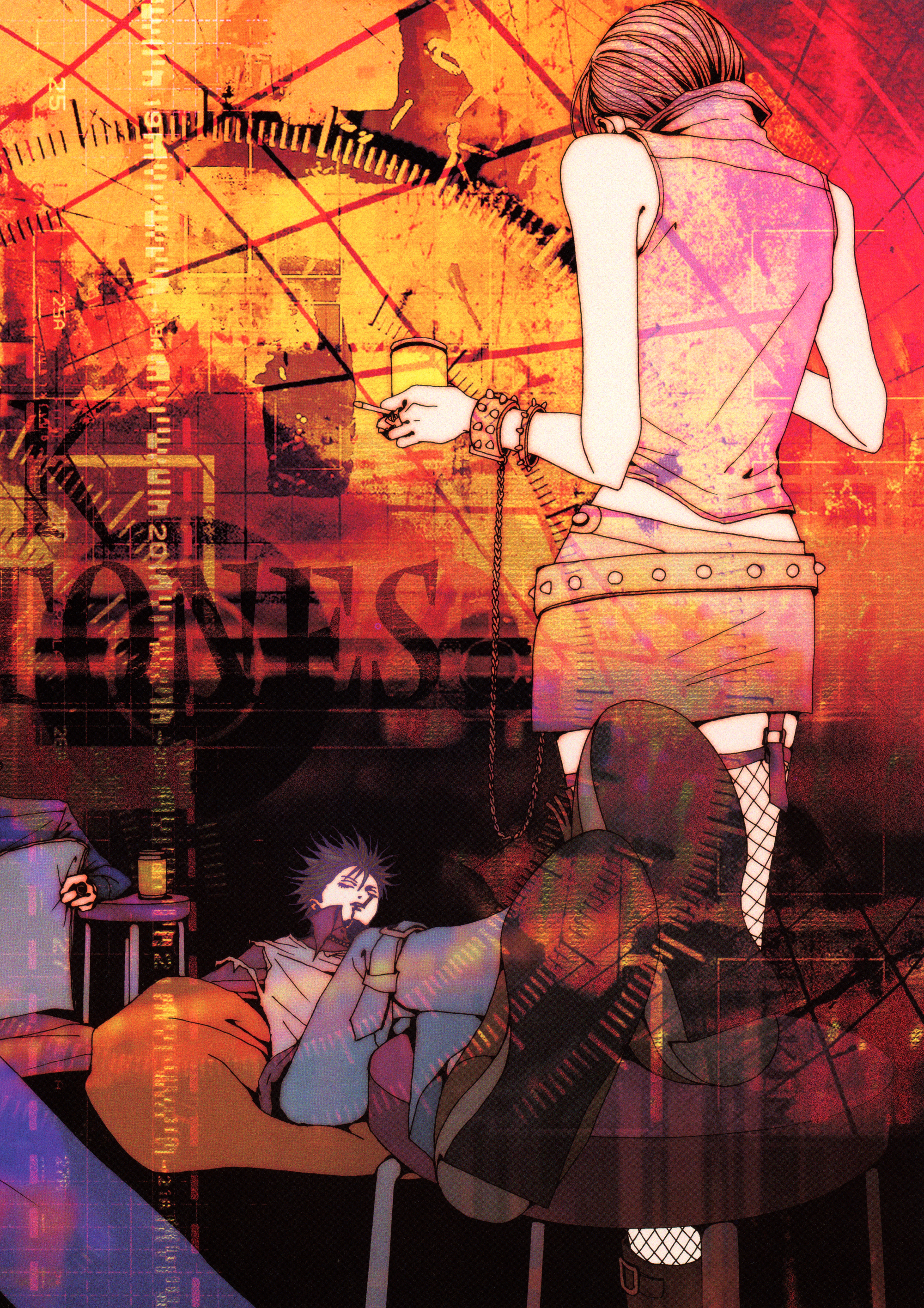
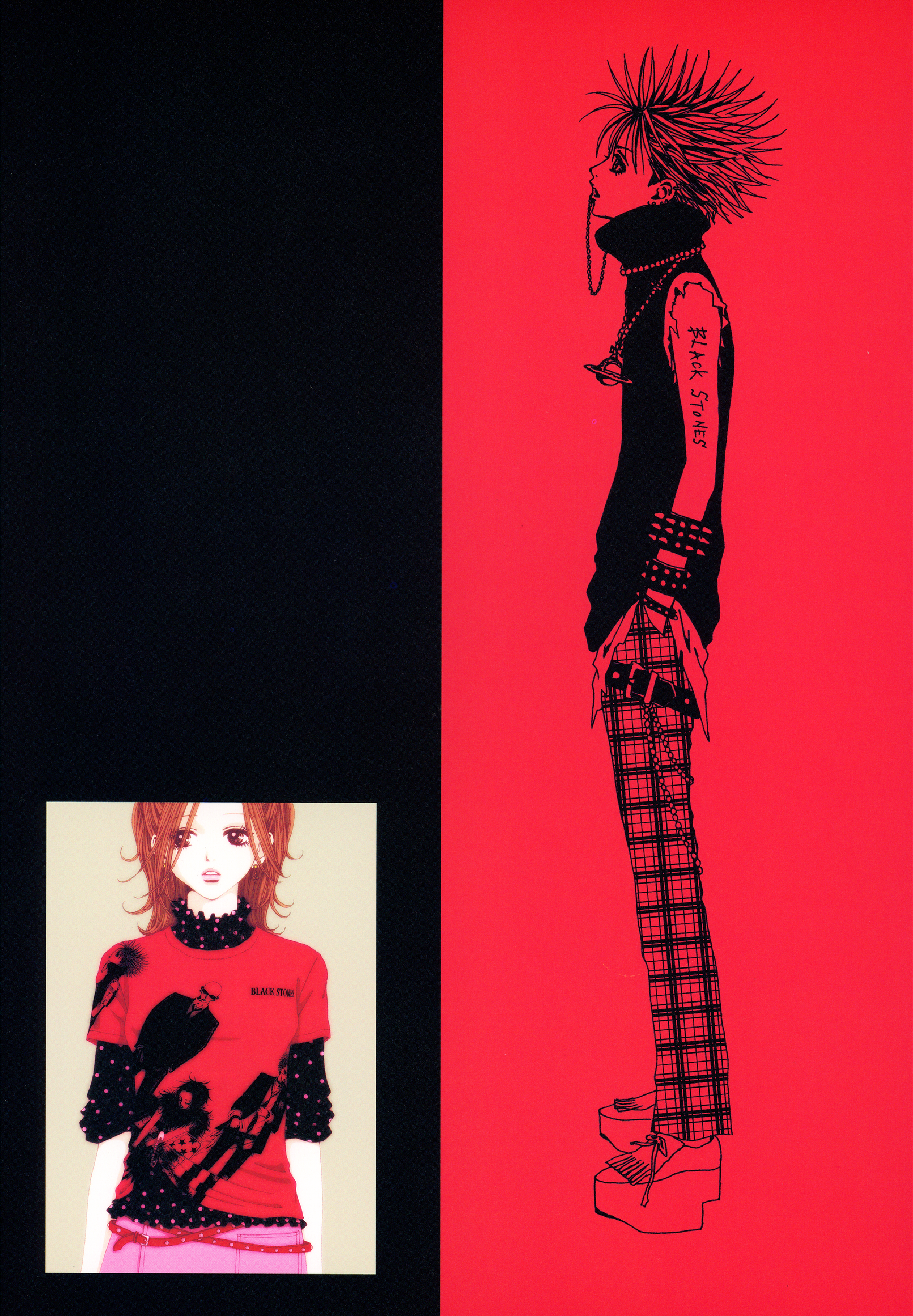
NANA 1st Illustrations gathers Nana Osaki, Nana Komatsu, Ren Honjo, Nobuo Terashima, Shinichi Okazaki, and Yasushi Takagi not as model sheets but as quiet romances in fabric and metal. Osaki’s black leather and lace feel like vows; her Vivienne Westwood Armour Ring glints like a promise she keeps. Komatsu floats in lighter textiles and soft palettes, a tender blur that finds light even when it trembles. Shinichi moves in bondage pants—wide legs, trailing straps, D-rings and chains—tempered by fitted tanks, layered belts, and combat boots; the strapwork turns his stride into music and cinches him closer when the stage goes still.
Ren and Yasu hold steadier lines—smoke, denim, talismanic hardware—anchors for the others’ weather. Here costume is character: friendship sewn into hems, devotion clasped in studs, defiance stitched in black. A Complete NANA 1st Illustrations book scan is available on the server. A Complete NANA 1st Illustrations book scan is available on the server.


April 2024, FRIEZE No. 9 Cork Street Gallery, London
EXHIBITION: The Mountains Between Us, FRIEZE No 9 Cork St
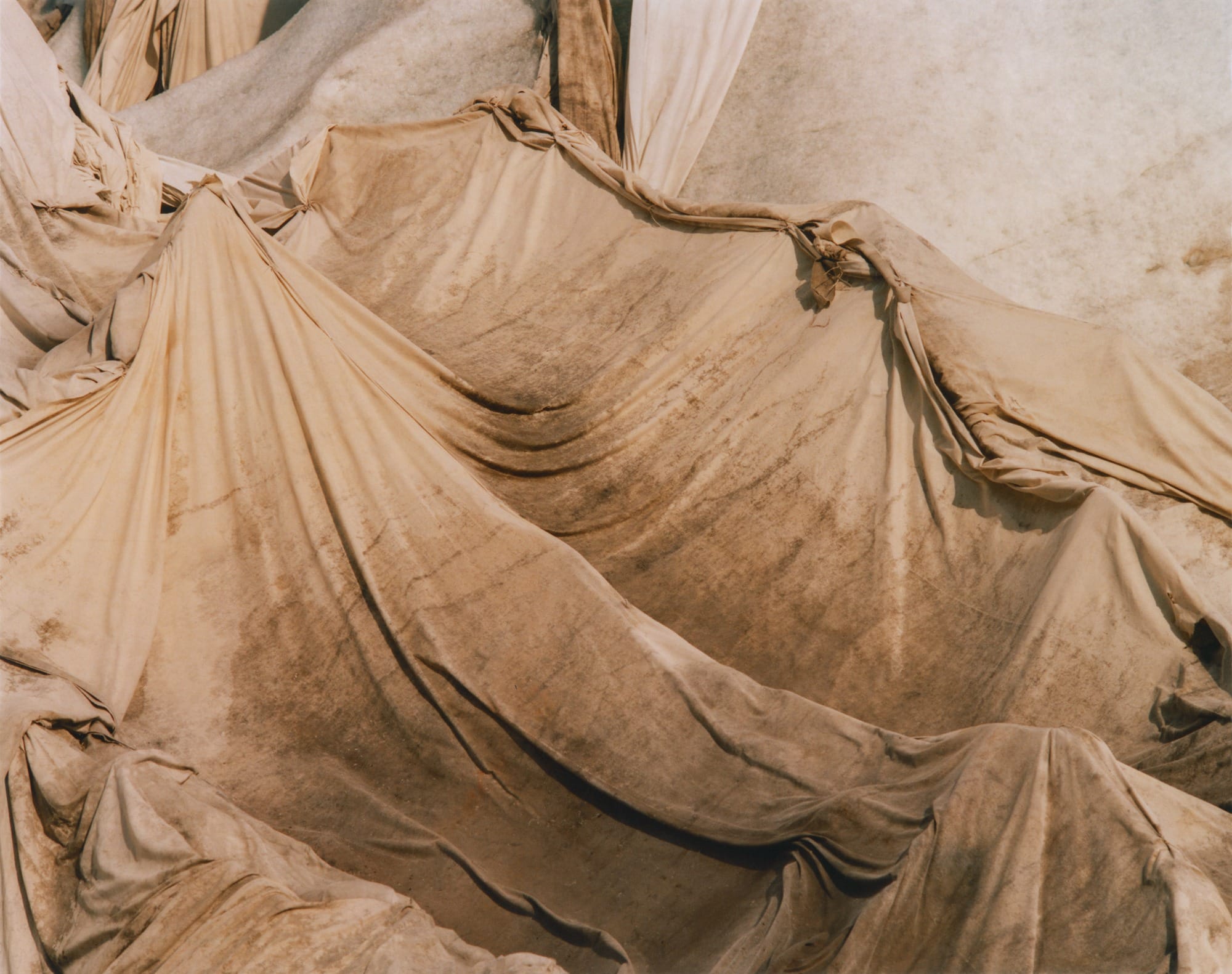
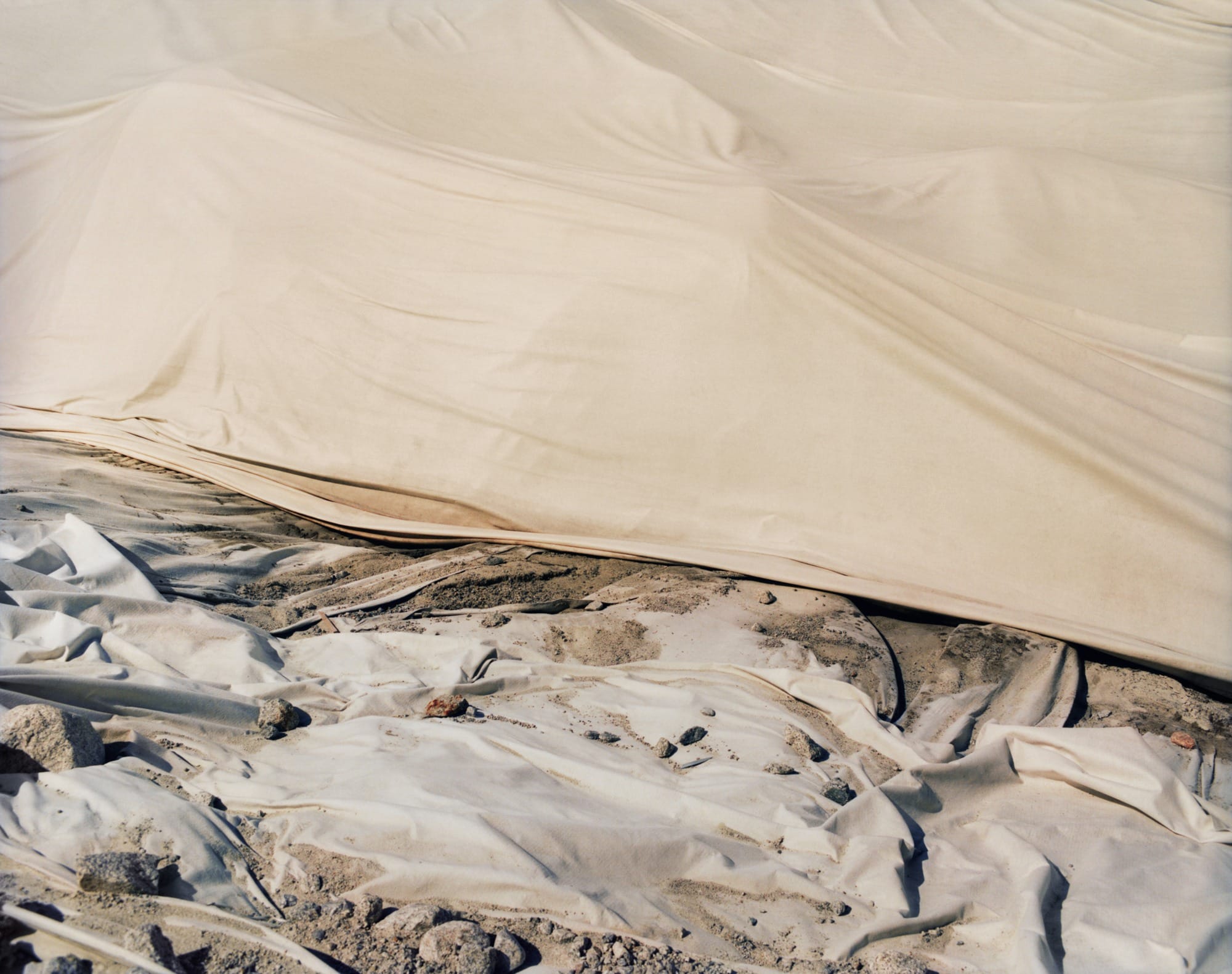
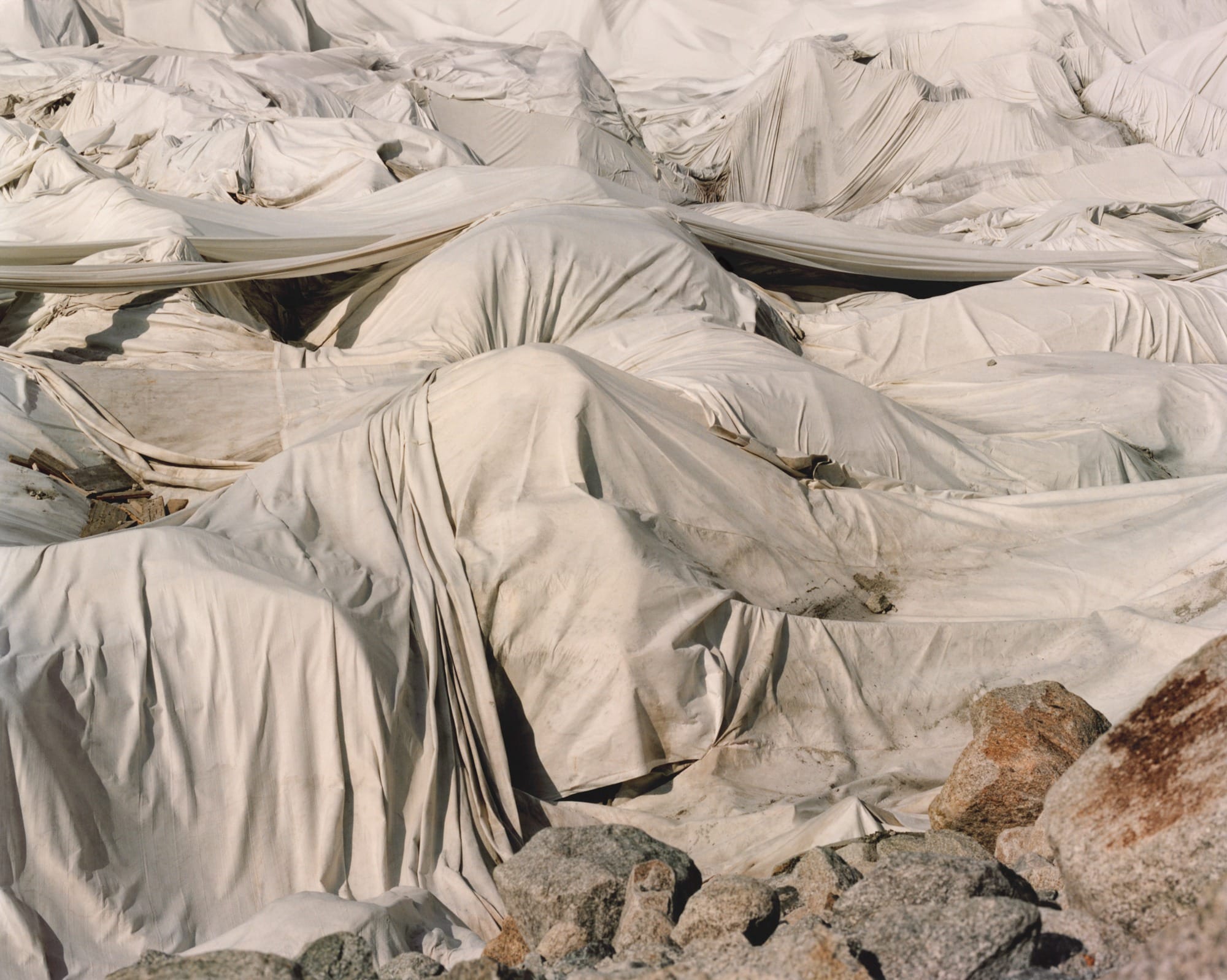
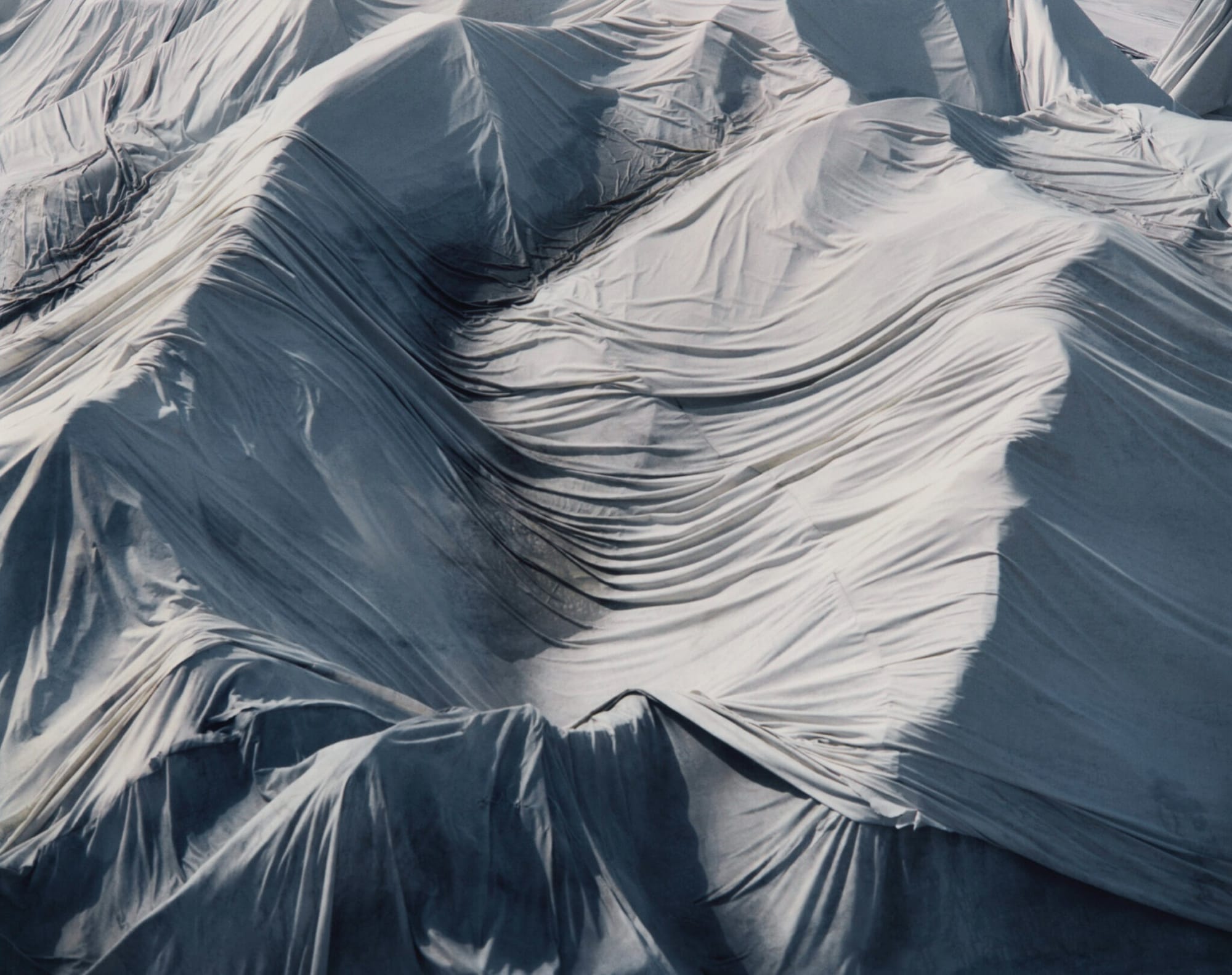
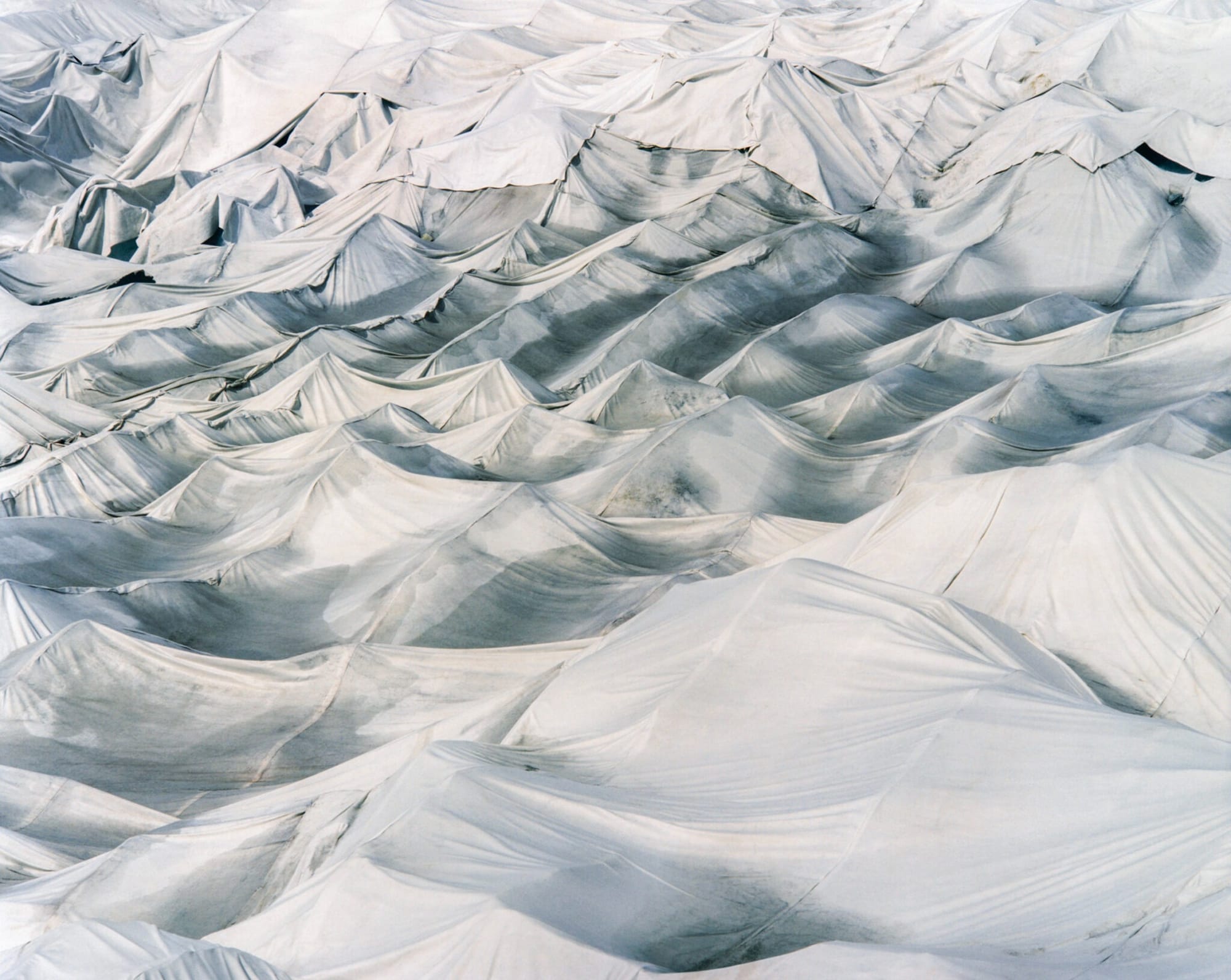
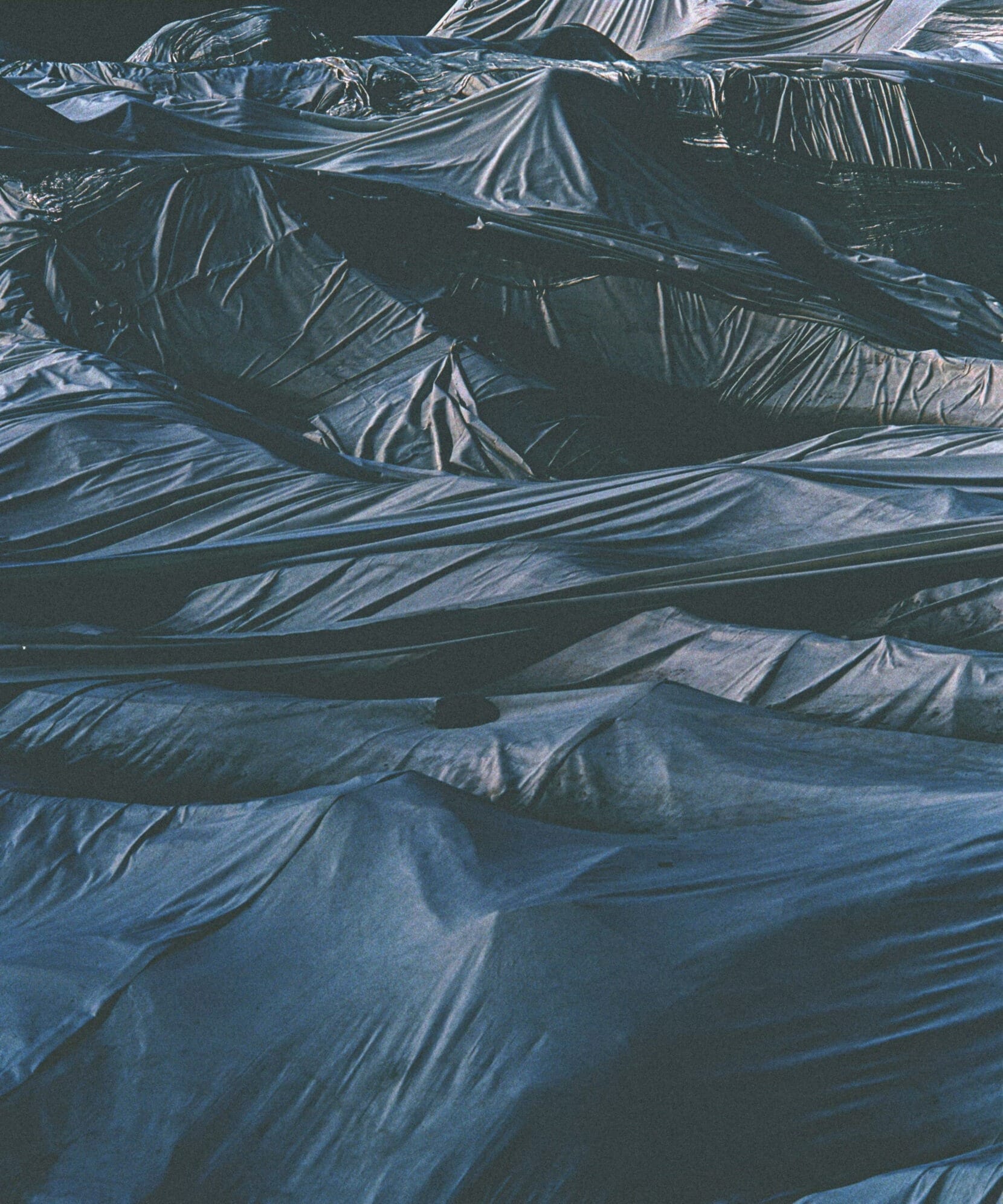
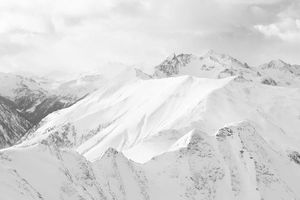
Weaving together photography, video and sculptural objects, lena_c_emery highlights the accelerated loss of mountain glaciers and the desperate conservation efforts currently employed to impede their decline. Under the continued influence of greenhouse-gas forced global warming, ice that took centuries to develop is vanishing in just a number of years. A fate experts predict for at least two-thirds of all glaciers by the end of this century. EMERY: In ‘The Mountains Between Us’, I capture the current environmental efforts undertaken to reduce the rate at which glaciers melt. Glaciers have held space for centuries, silently bearing witness to history. They’ve seen the world change in ways we can barely comprehend. Because my grandfather spent his life in these mountains, watching this particular glacier retreat and form lakes where there was previously only ice and at a pace that’s steadily increasing, feels deeply personal. The idea of covering these mammoths in fabric to stall the inevitable, feels both tragic and emblematic of our relationship with nature: The magnitude of loss countered by gestures that, though earnest, feel powerless. Visually these wrapped peaks evoke images of muddied tents, makeshift shelters that we’ve come to erect for those displaced by upheaval. This fragility, their fragility, our fragility, is a direct reflection of the imbalance we have sown, where those least responsible for ecological destruction are forced to bear its heaviest burdens. The title became a way to frame those divides. Mountains have always symbolised barriers, but perhaps they could also be reimagined as thread, shared histories and a collective belonging. The elemental particles composing our very being once danced amidst these ancient landscapes and if they disappear, part of us does too.
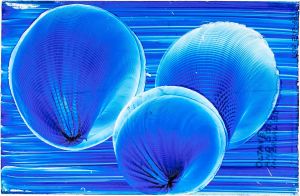
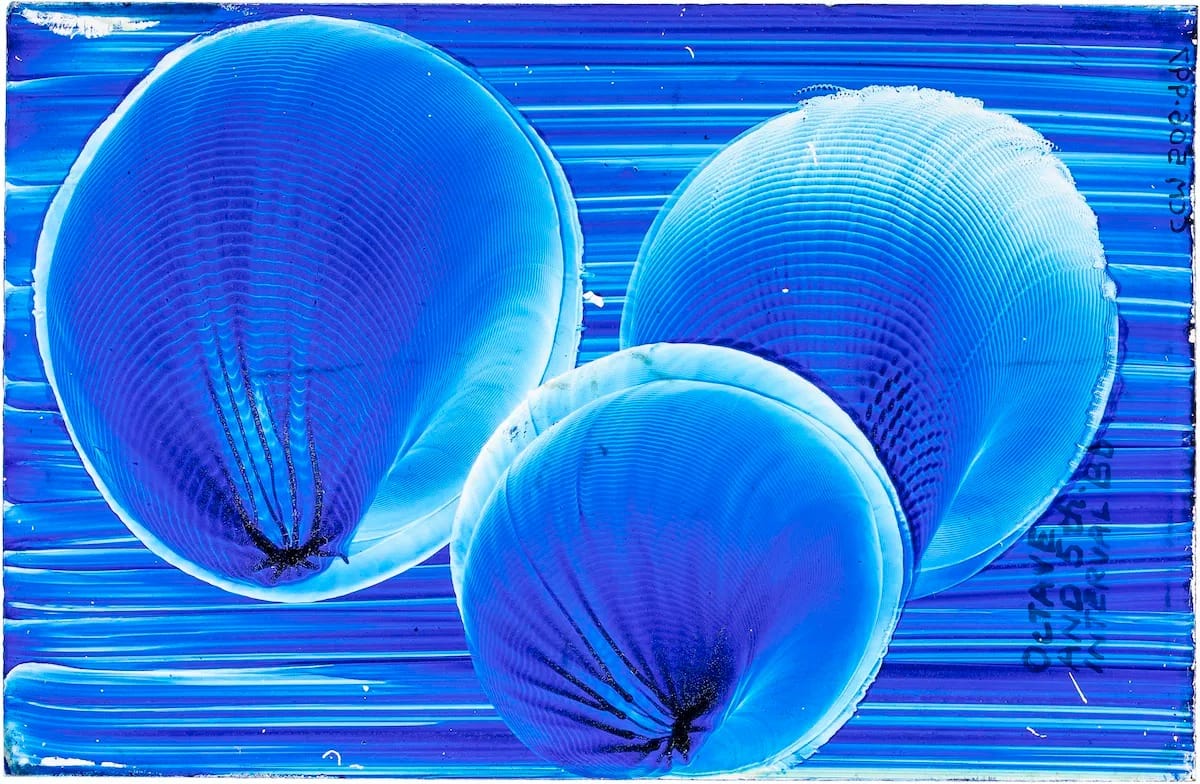
Made more than 100 years ago by a Welsh singer named Margaret Watts Hughes — not by her hand but rather using her voice and an Eidophone, a “recording” device of her own invention. She would sing into the Eidophone’s funnel and so make its diaphragm vibrate. She’d then bring this vibrating diaphragm in contact with a glass plate covered in pigment to create these wondrous images, akin to visual sound recordings, or what she called Voice Figures (and the more complex Impression Figures).
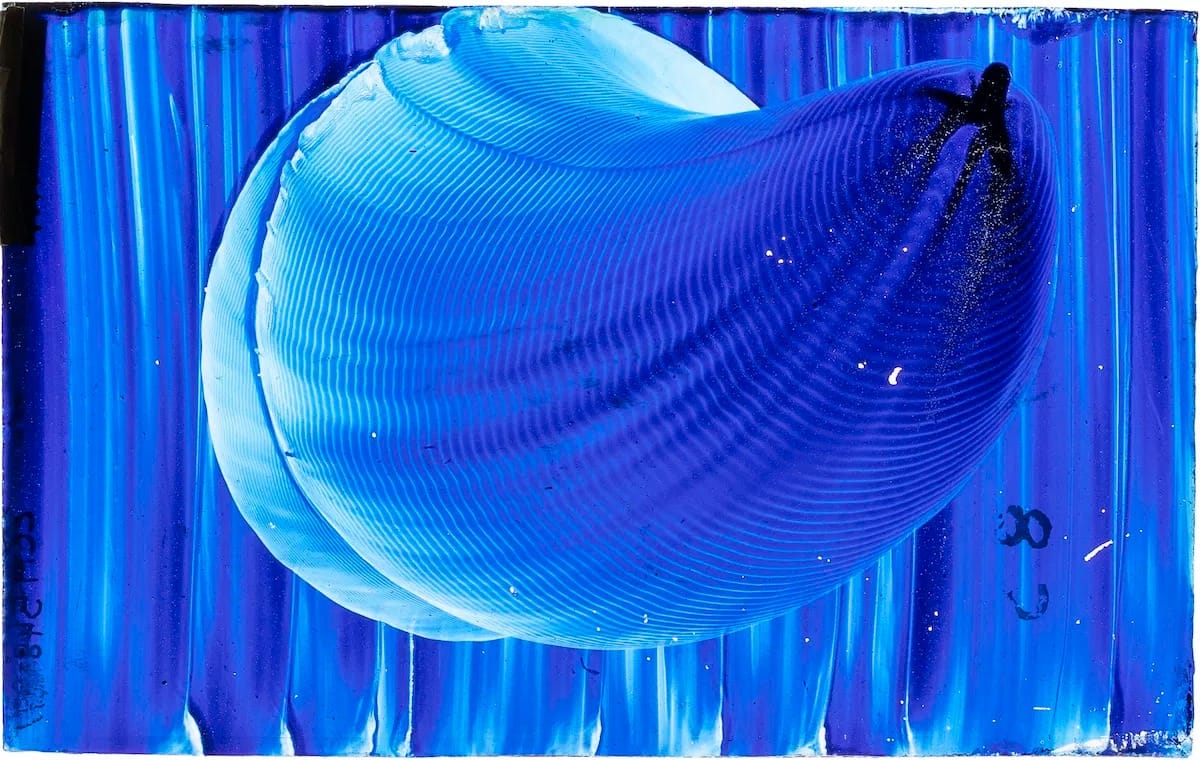
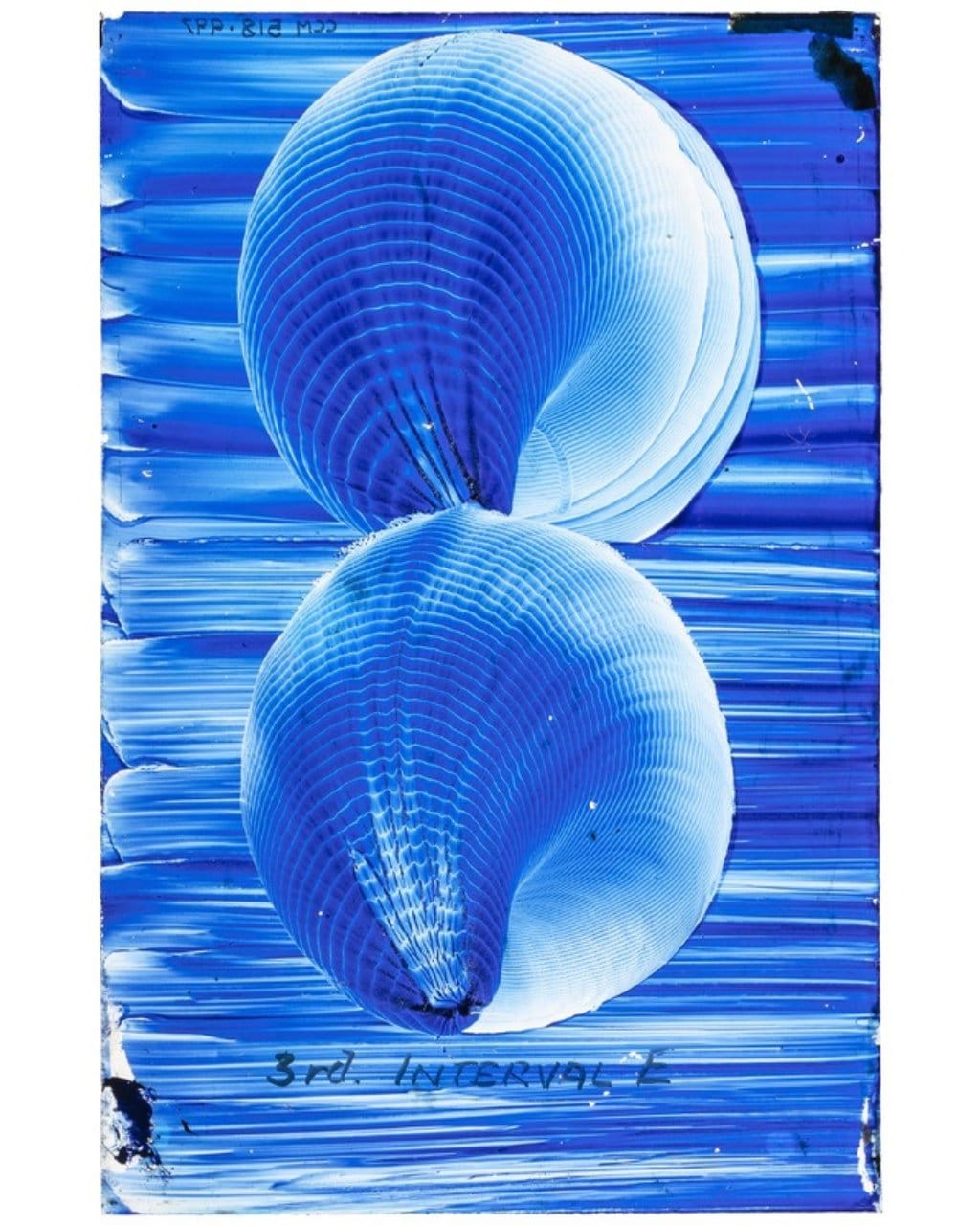
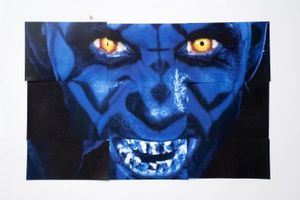
From the spitting image exhibiton curated by Pop Gun and Heart Gallery
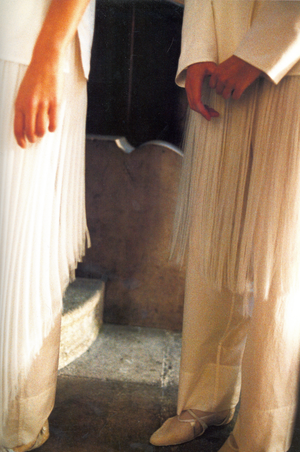
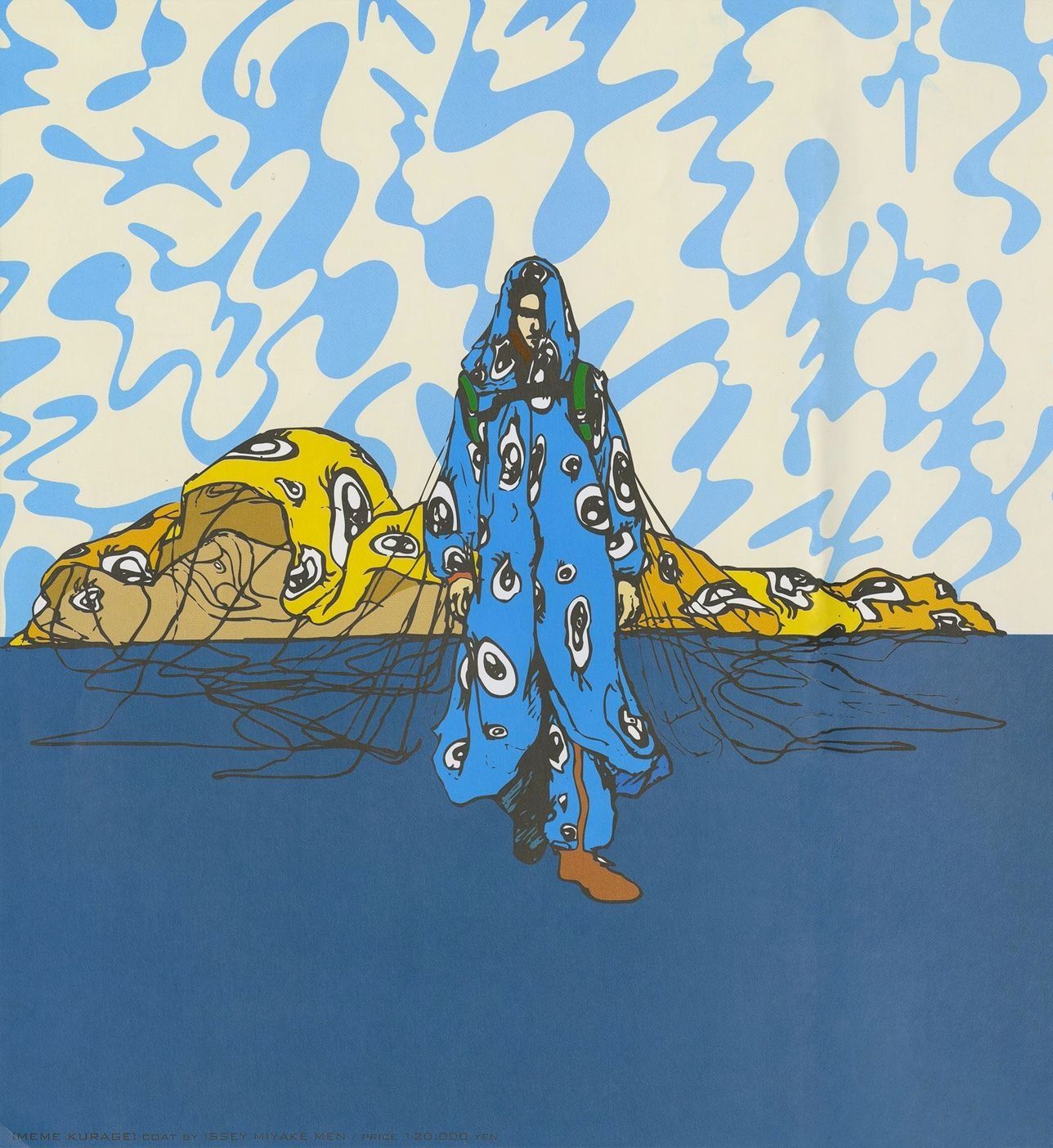
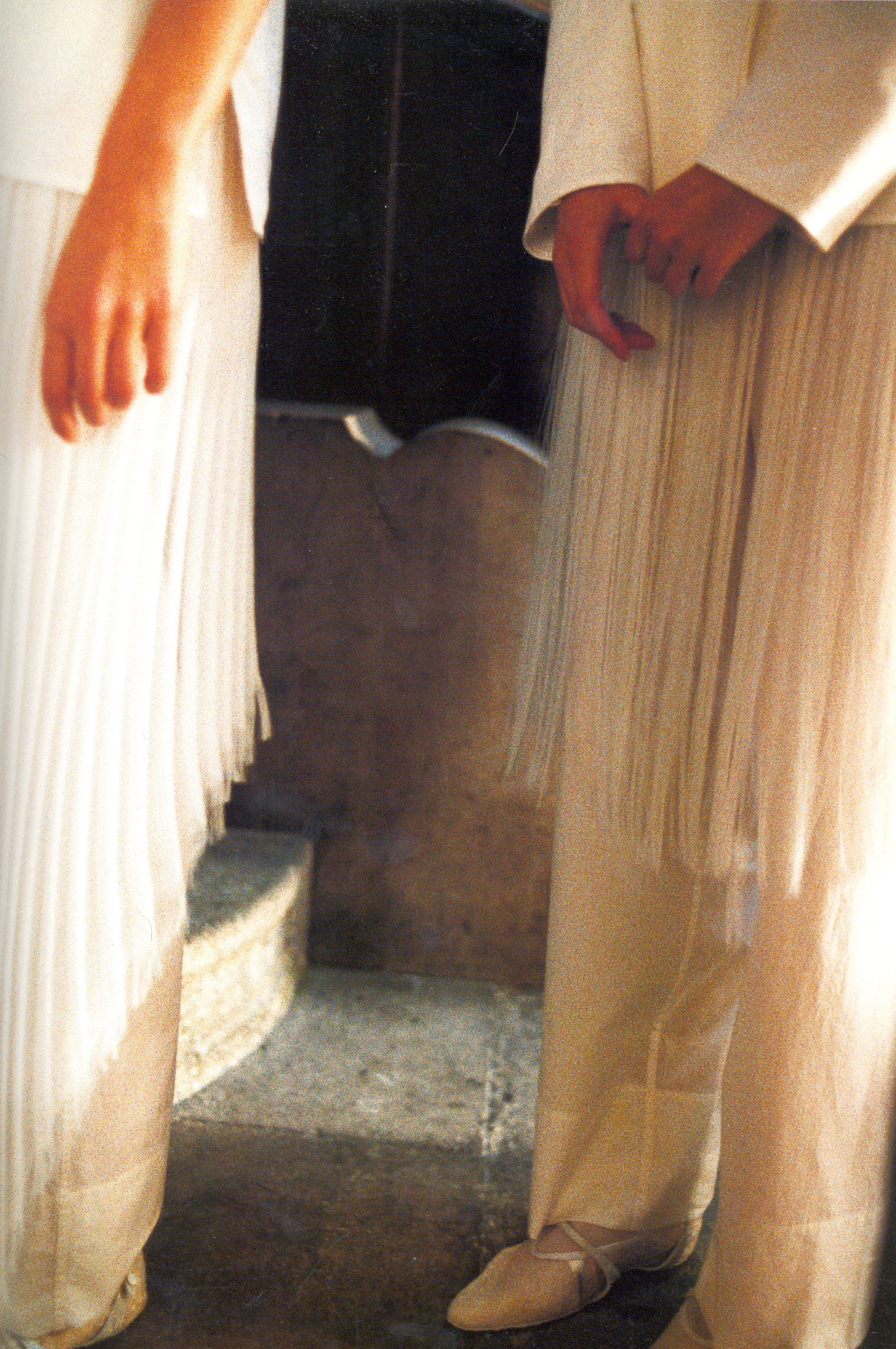
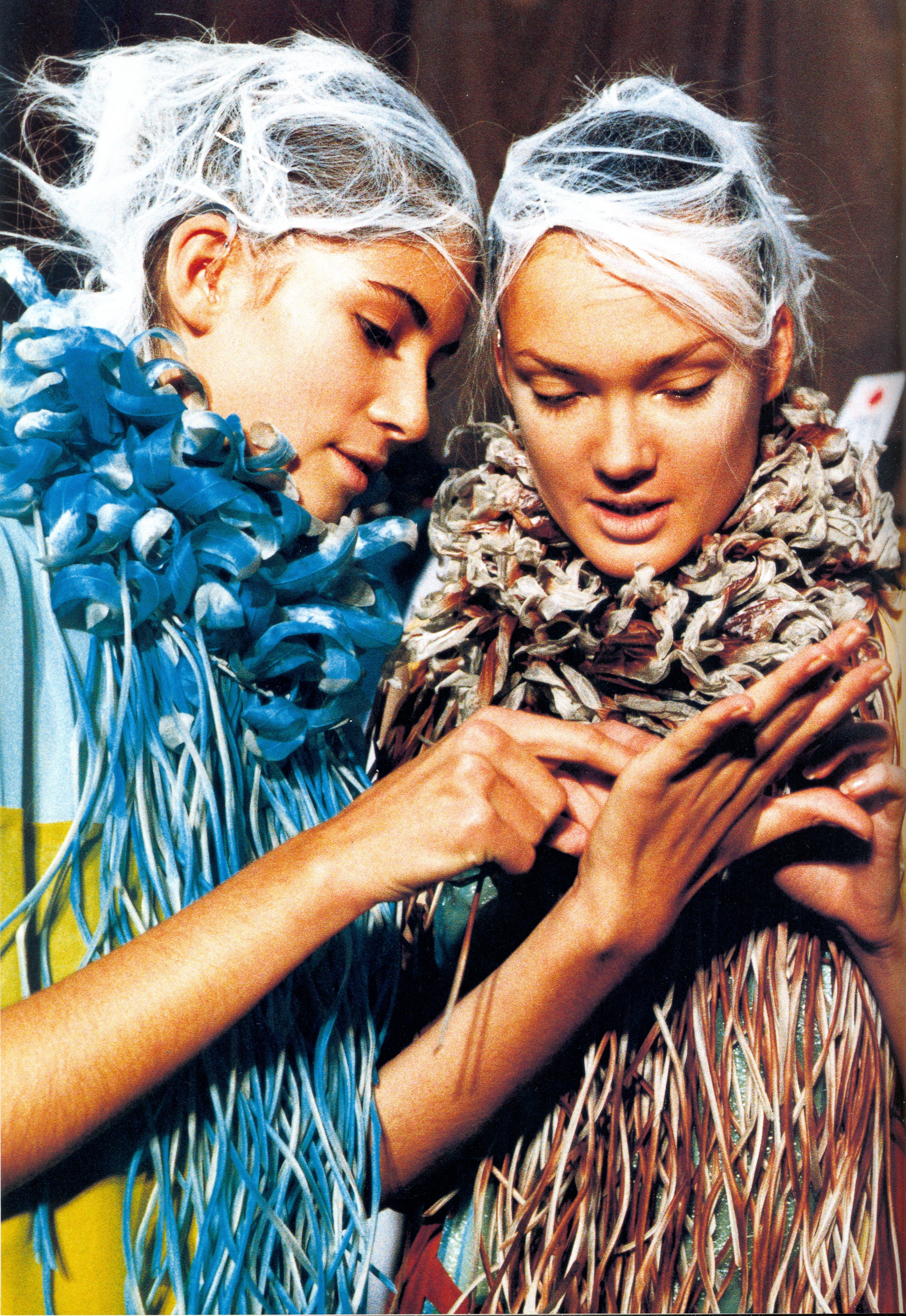
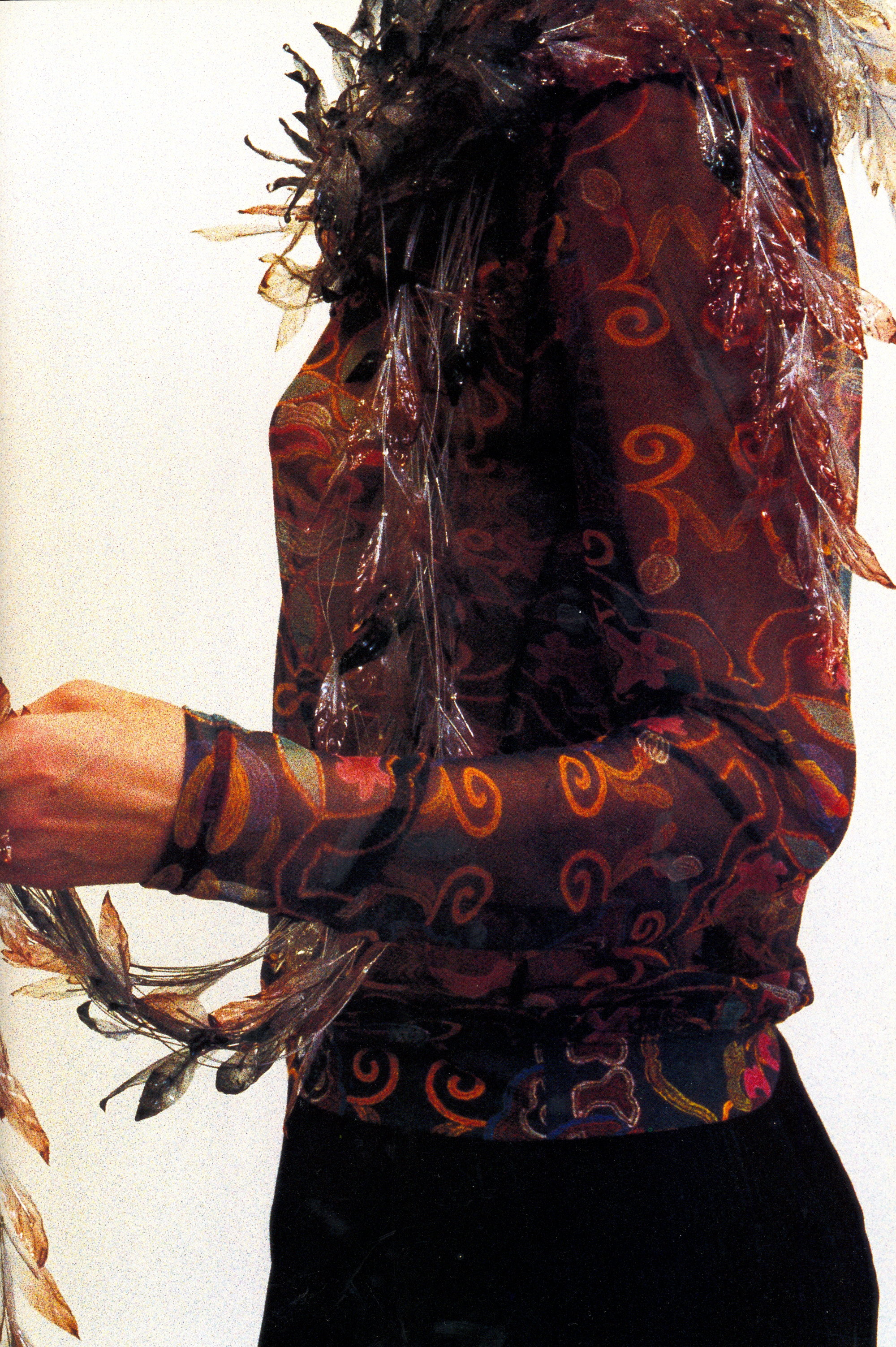
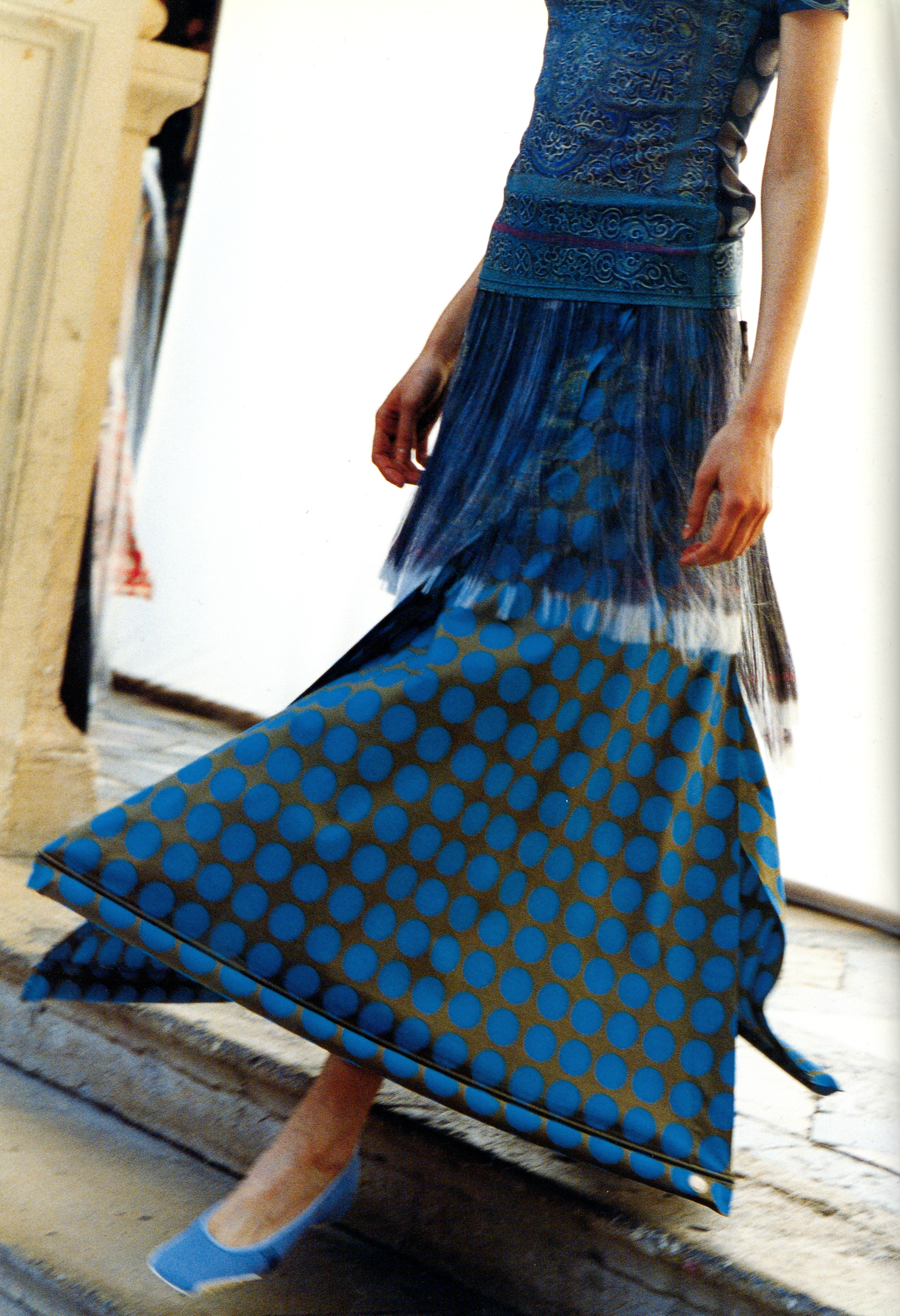
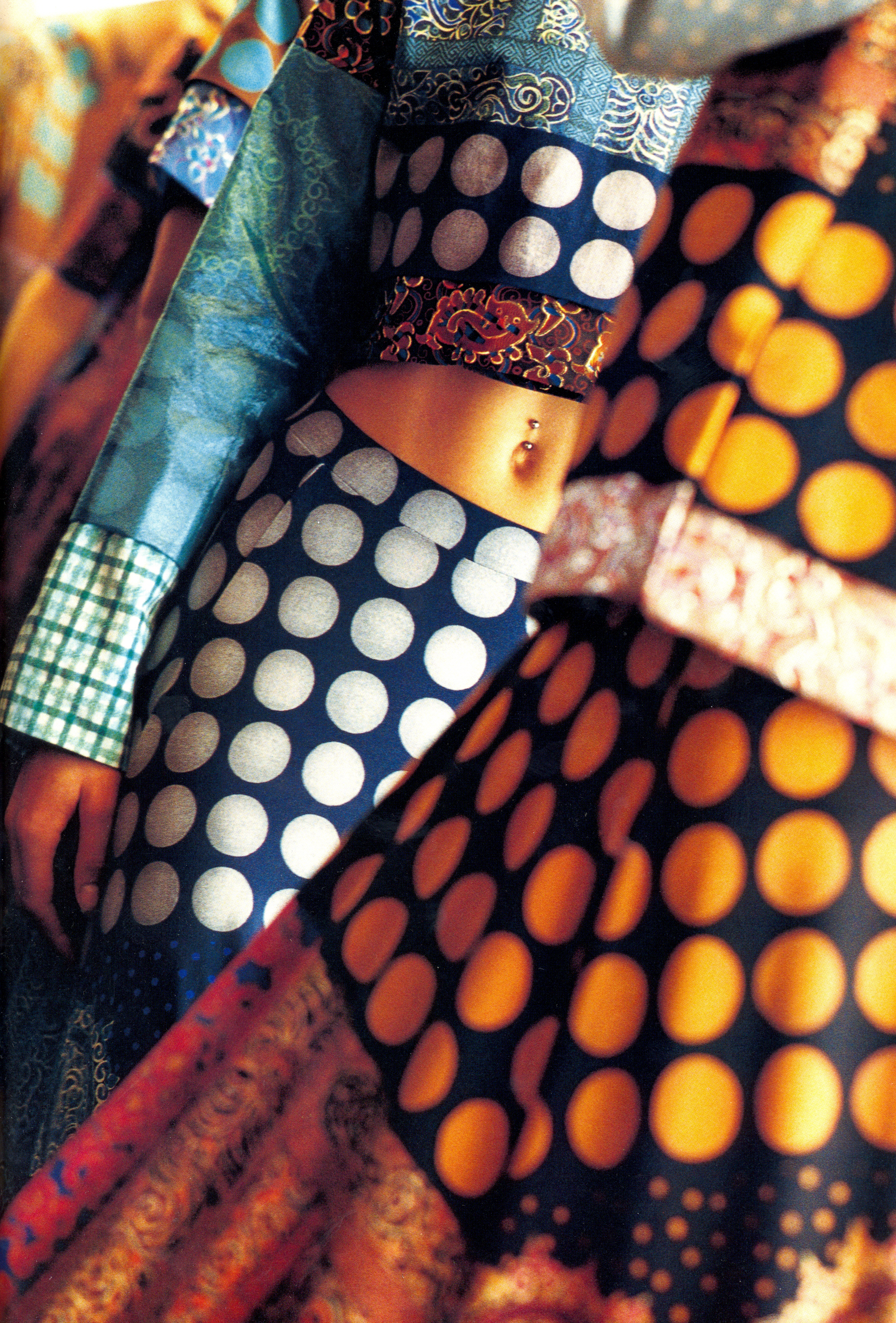
Silent Poets for Issey Miyake Spring/Summer 2001 is a hardcover lookbook photographed by Françoise Huguier. It presents imagery from Issey Miyake’s Spring/Summer 2001 collection and includes the collaboration CD Red Eyes Tribe at the back of the book. Japanese electronic duo Silent Poets produced the music for the runway show.
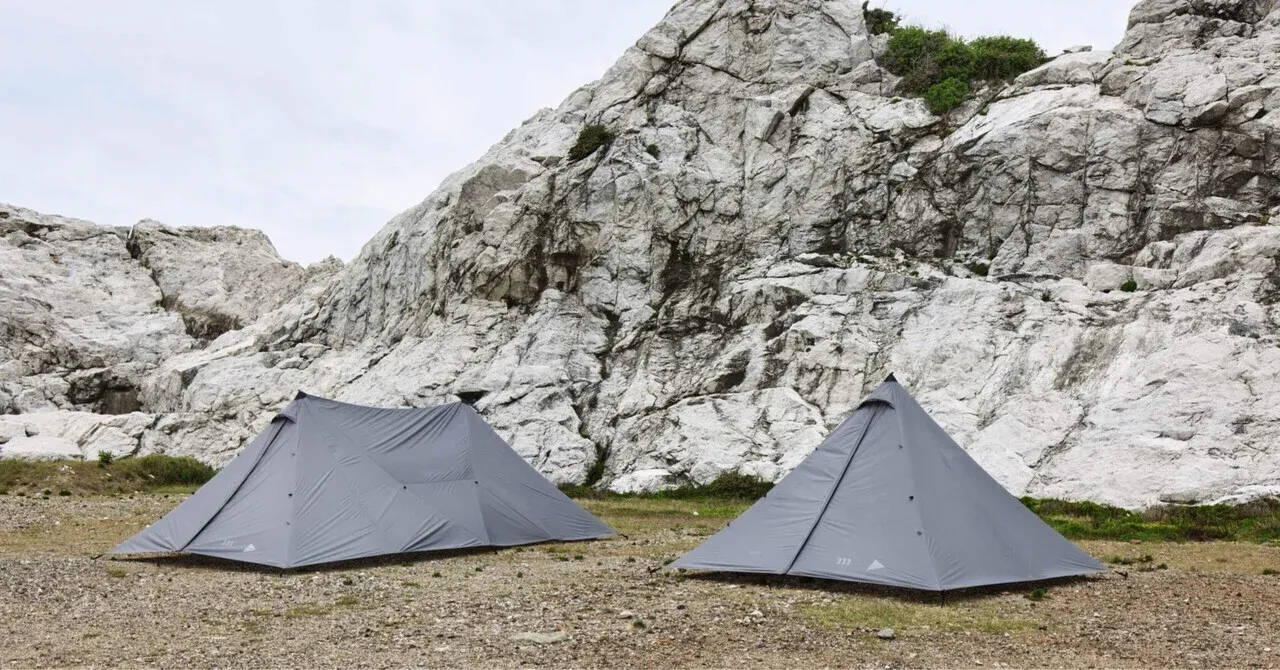
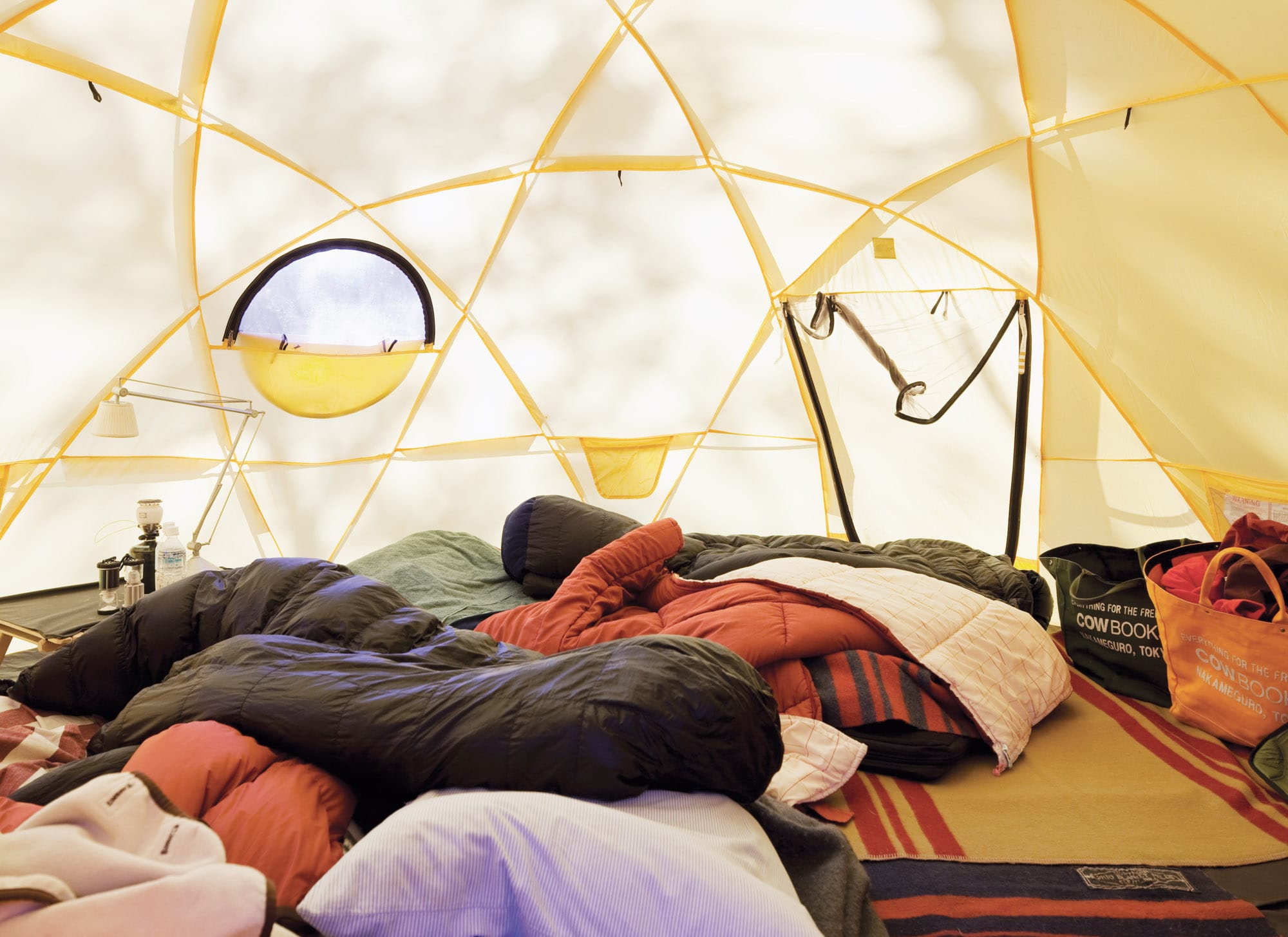
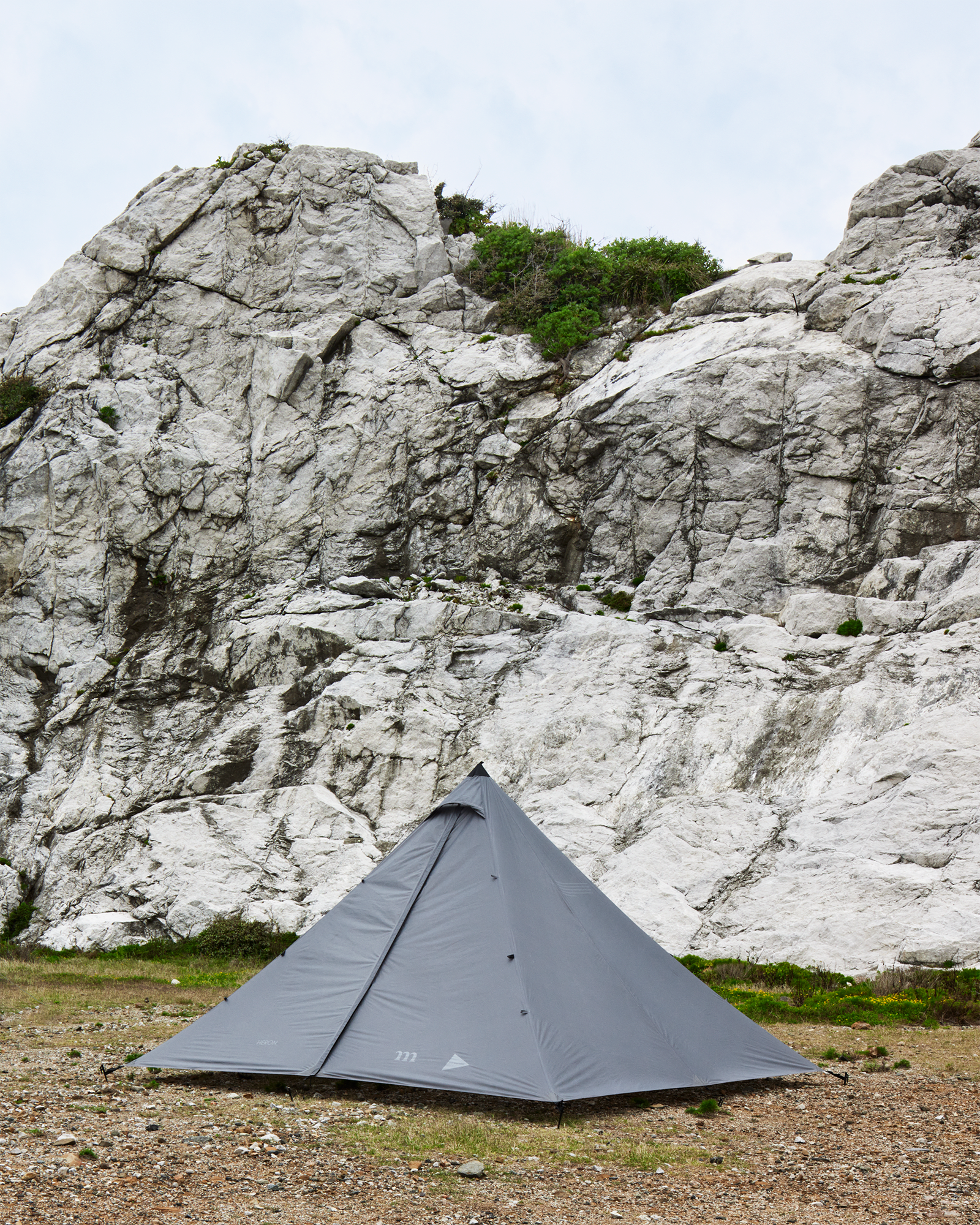
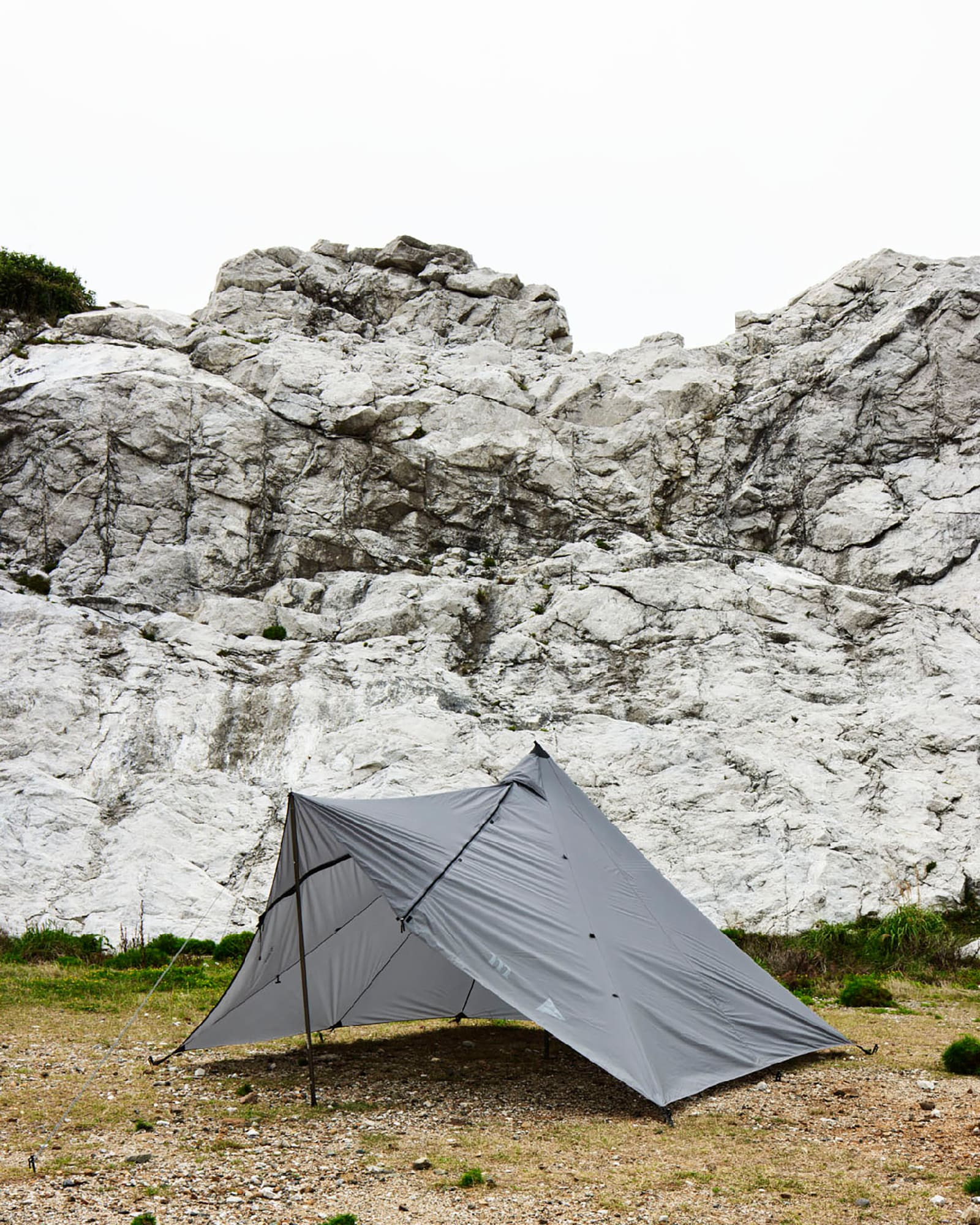
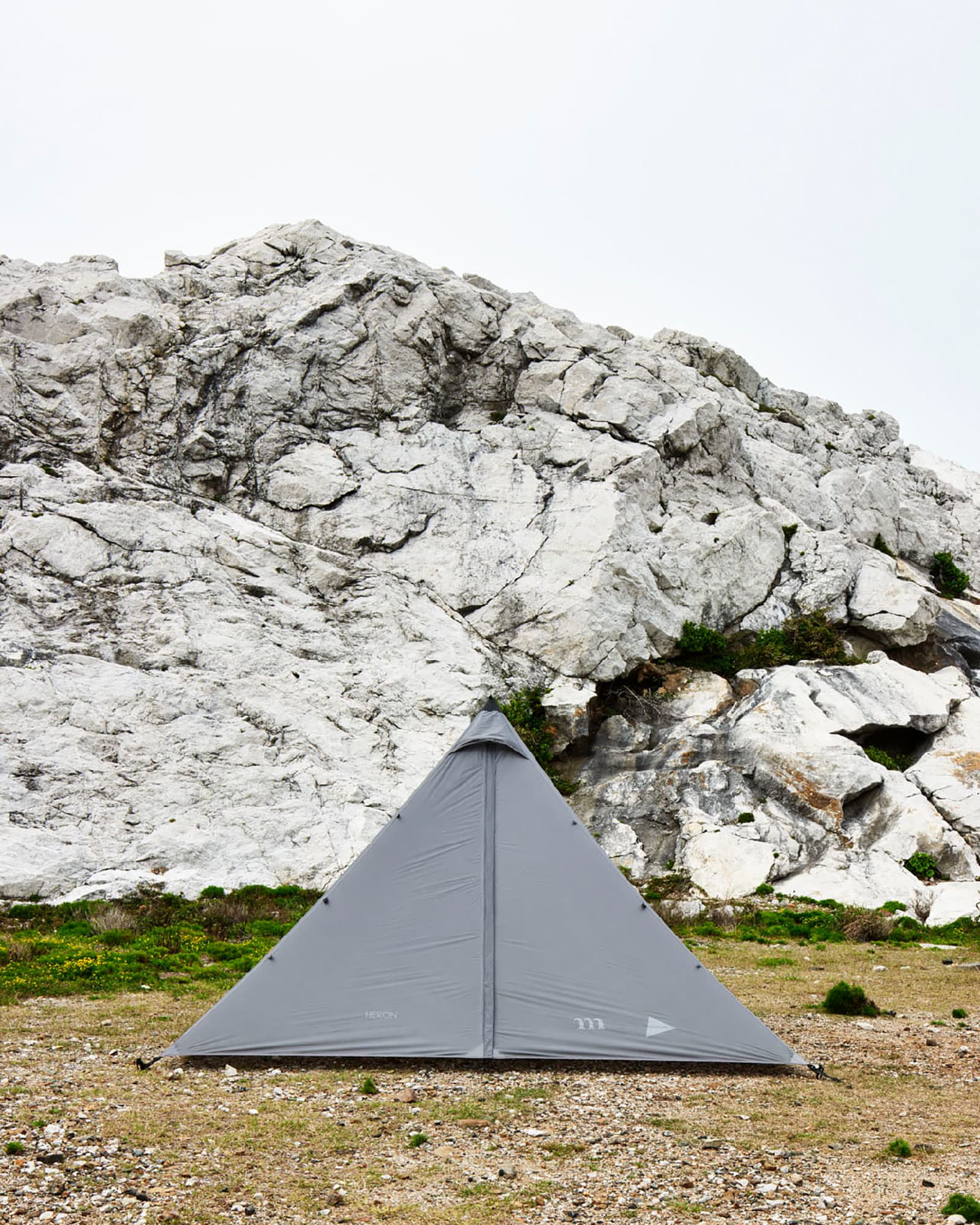
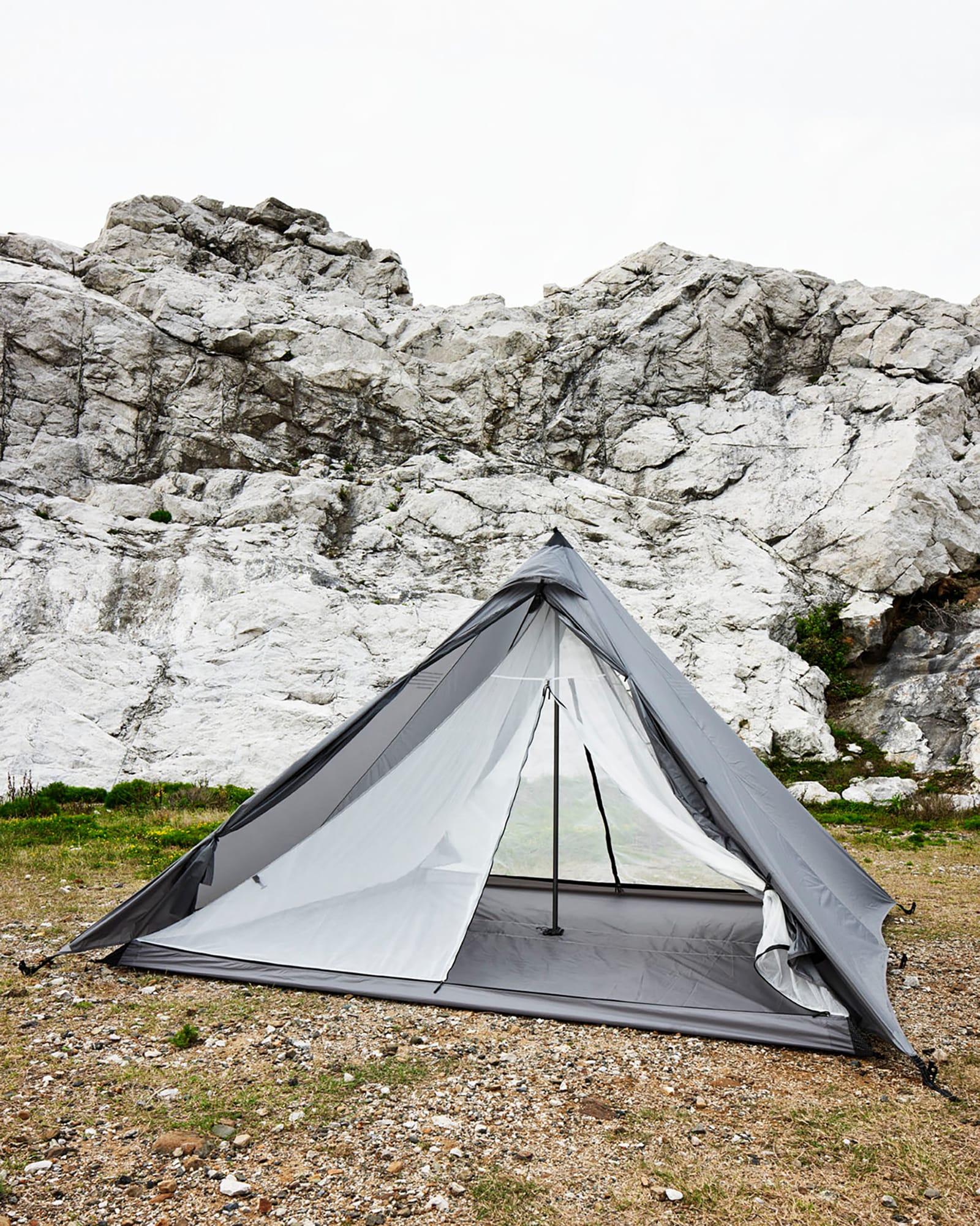
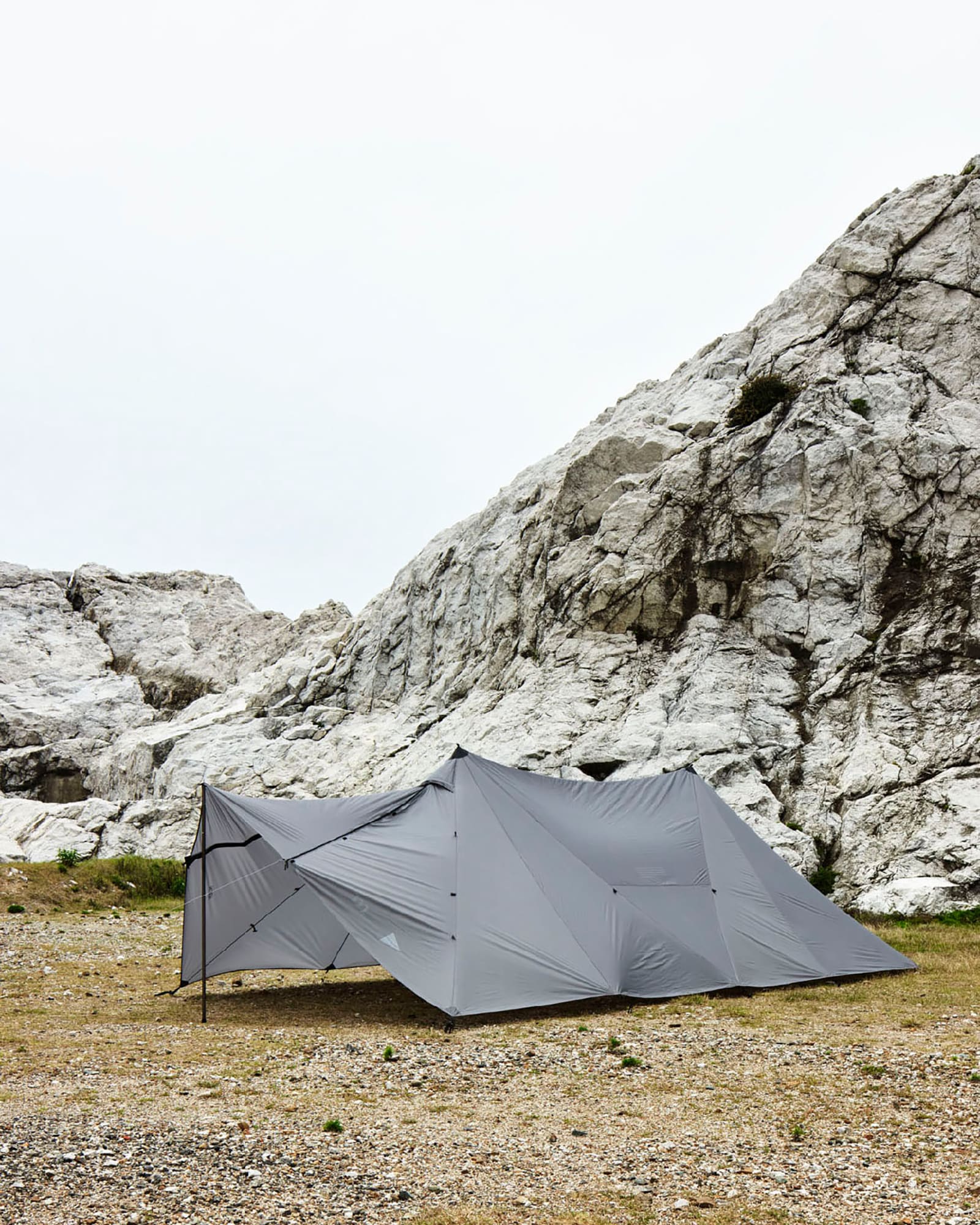
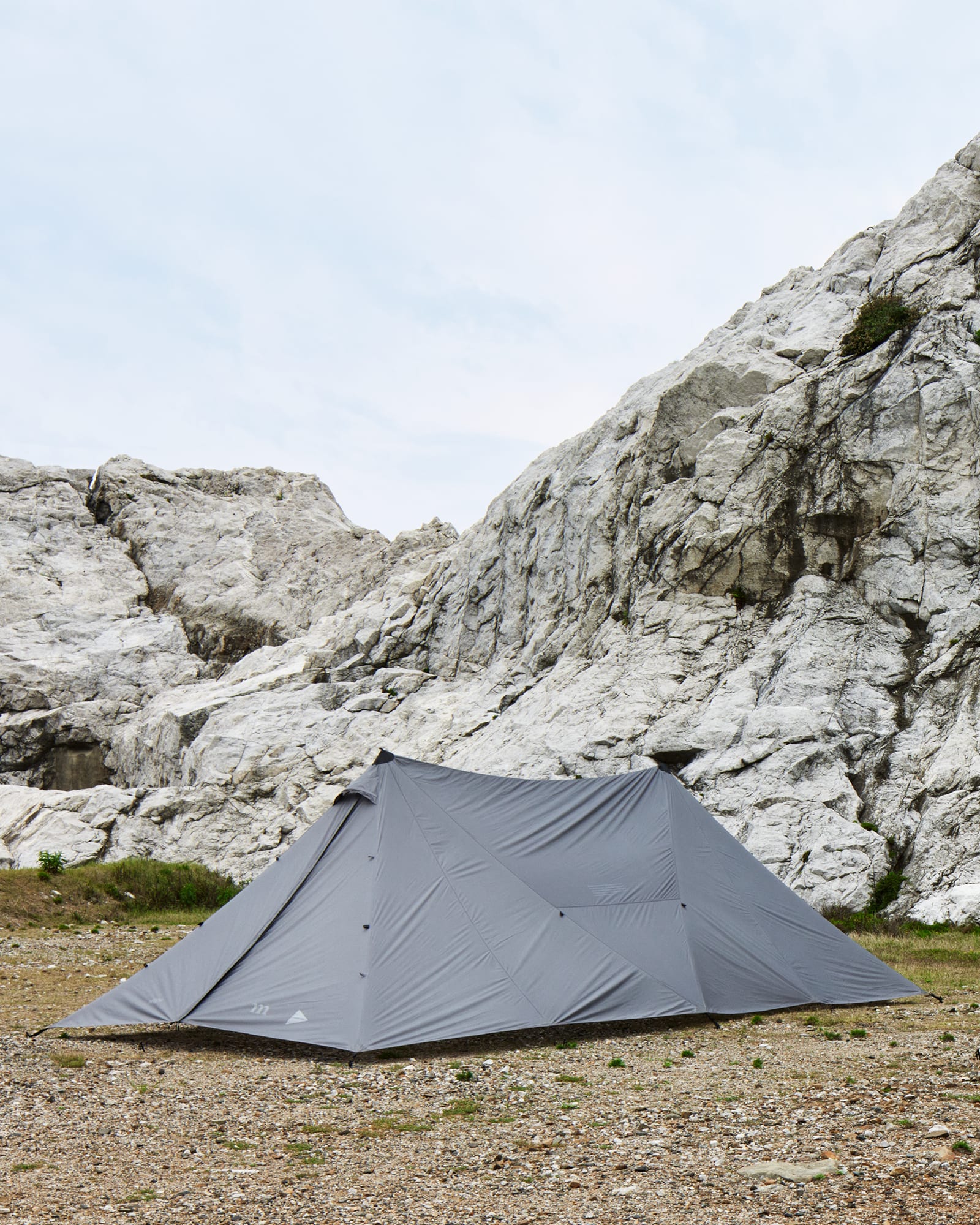
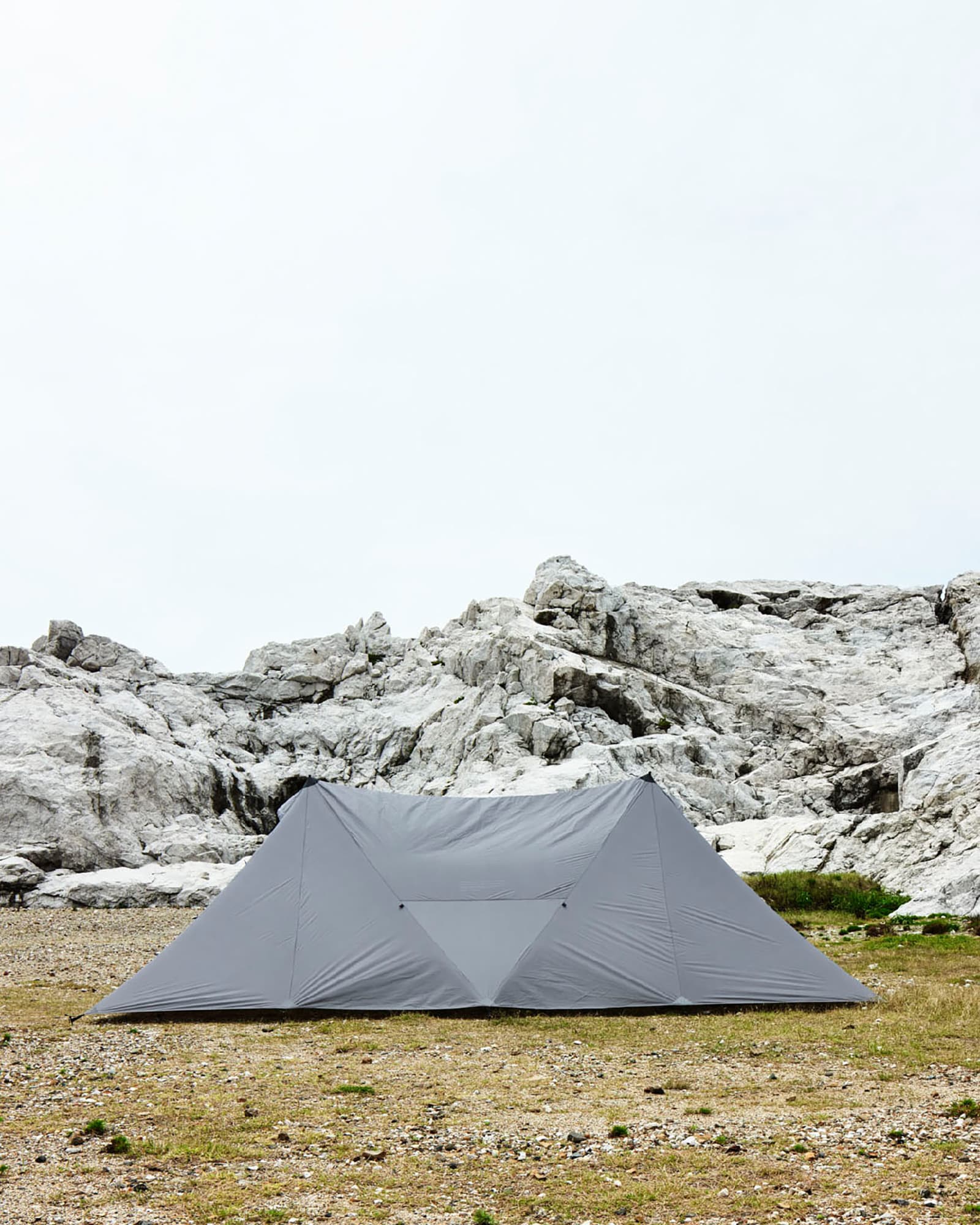
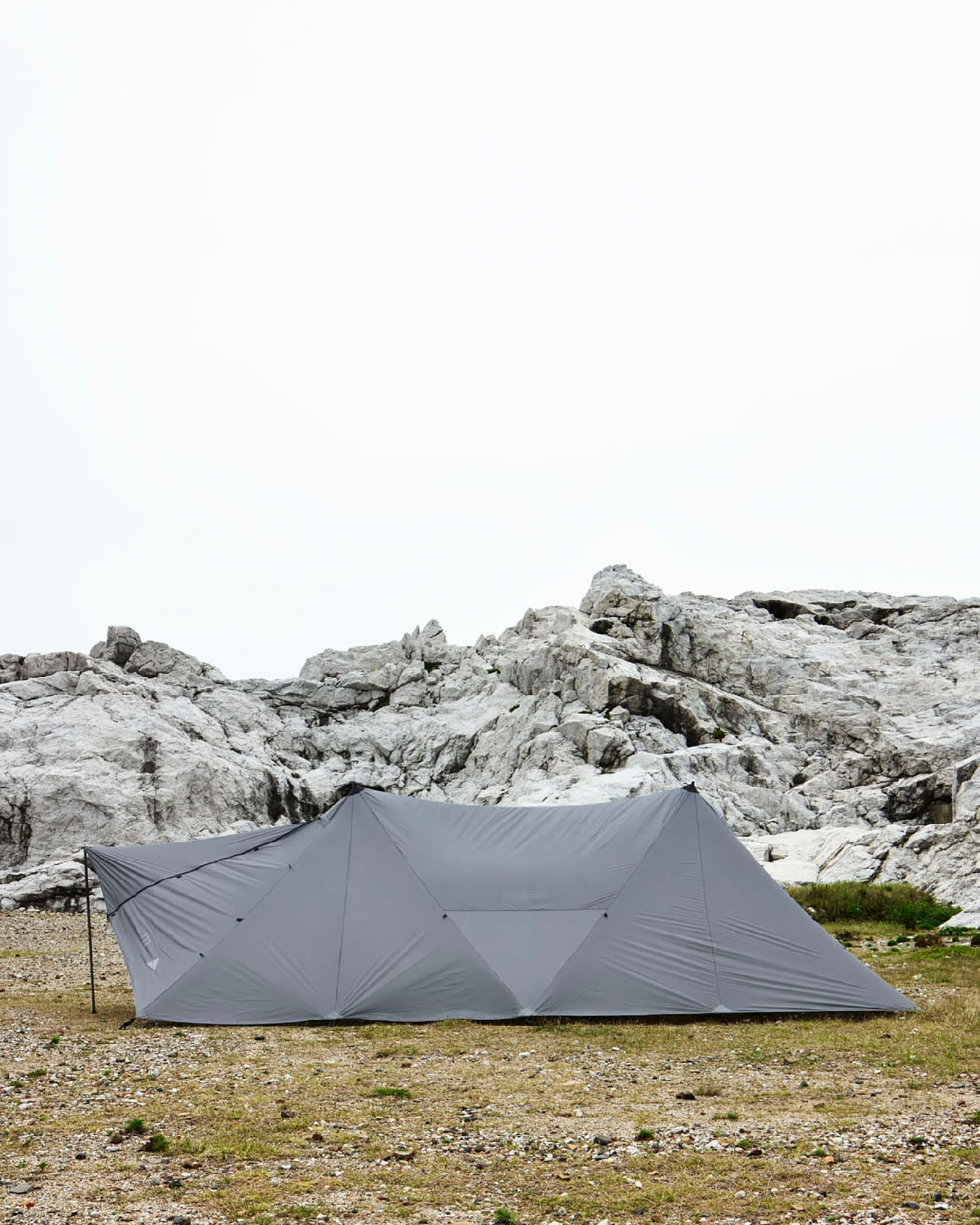
This tent boasts a straightforward structure, allowing for quick and effortless setup. To assemble, lay the flysheet on the ground and firmly secure the four corners with pegs. Then, raise the center pole at the top. The remarkable simplicity of this setup is unmatched by self-supporting dome-shaped tents, and its generous overhead clearance adds to its allure.
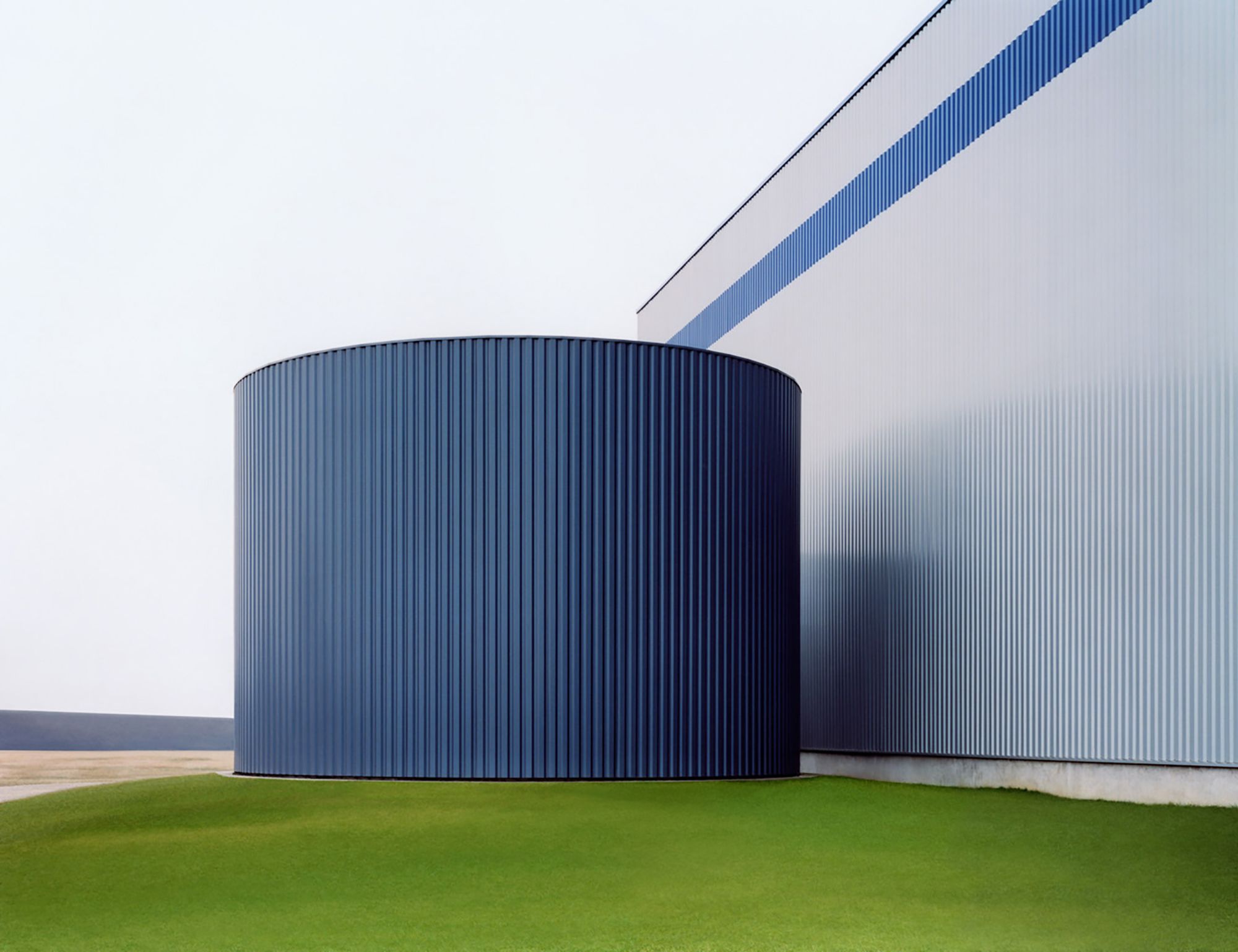
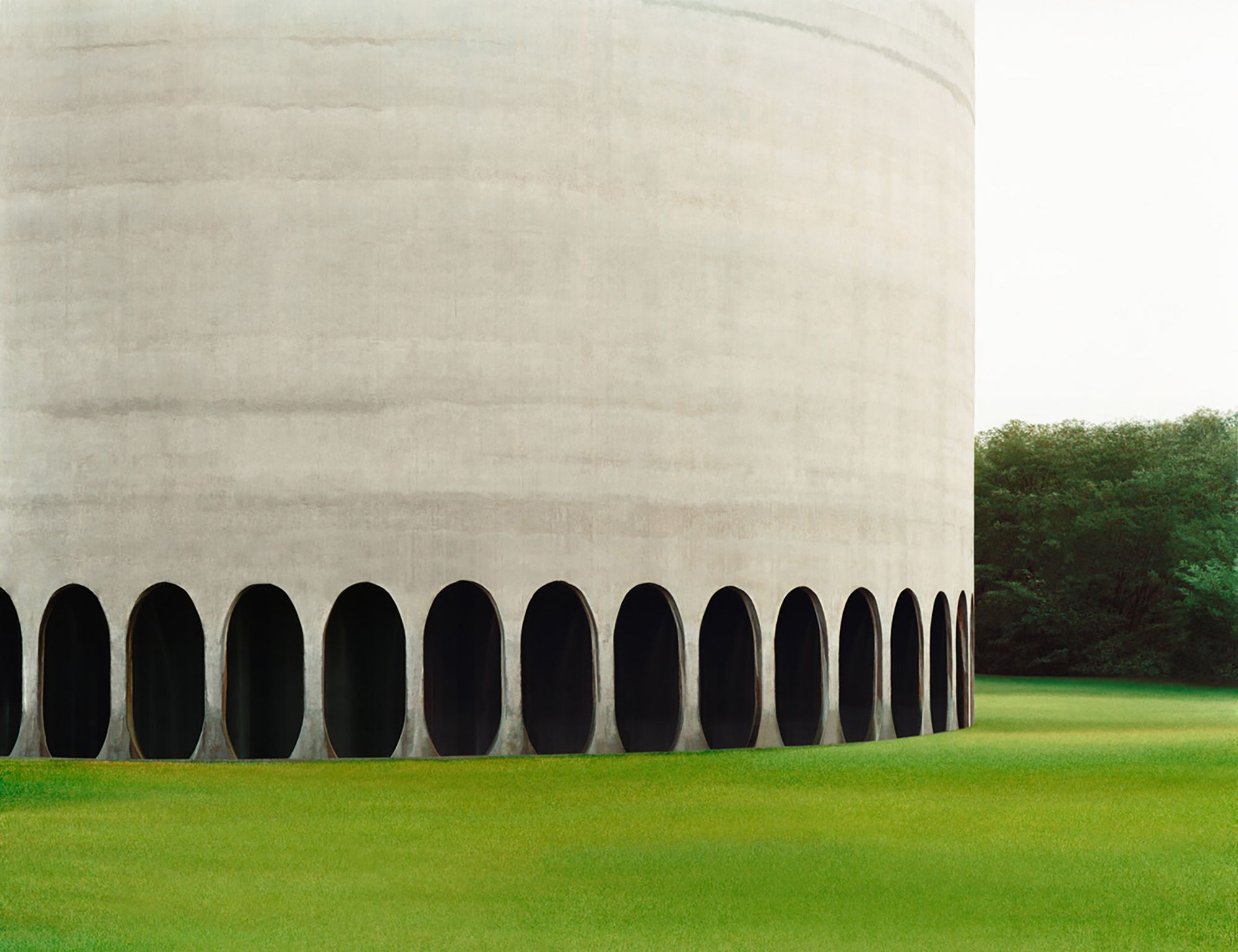
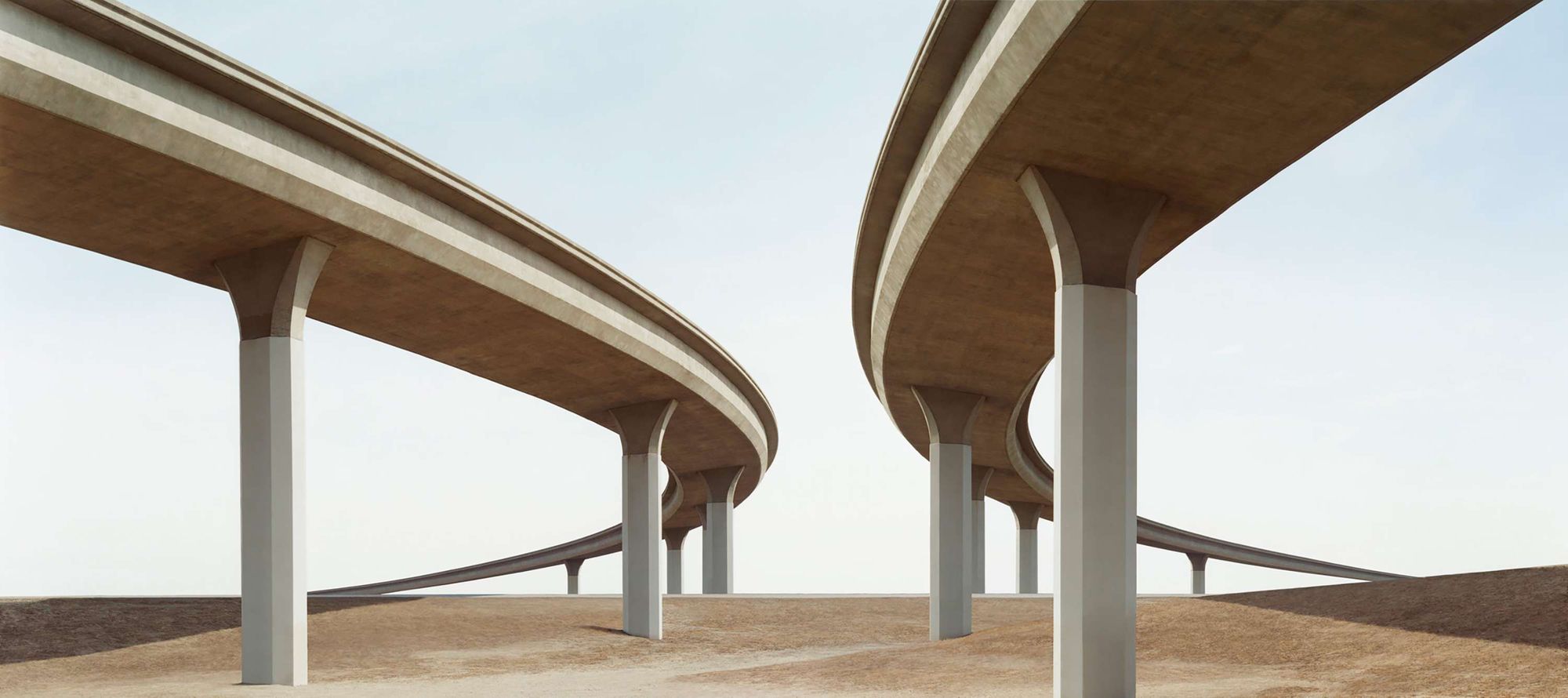
Josef Schulz is a photographer known for capturing images of modern warehouses and factories, which are typically considered mundane industrial structures with little architectural significance. These buildings, produced worldwide, follow standardized plans and materials, lacking distinct external features to reveal their specific purposes.
Schulz's approach involves studying the essence of his craft through these photographs. He employs digital image processing to remove any elements hinting at the buildings' age, location, or surroundings, transforming them into virtual blueprints. By emphasizing colors, shapes, and symmetries, he turns the buildings into block-like structures, resembling toy architecture and presenting them as idealized versions of themselves.
In this process, Schulz blurs the line between photographic and painted reality to optimize the images. Simultaneously, he reduces the physical buildings to their design concepts and the photographic reality to its virtual representation. His intent is to diverge from the typical pursuit of making digital images appear as real as possible. This approach might leave the viewer perplexed, as they struggle to distinguish between authentic elements captured by the camera and those created through digital tools.
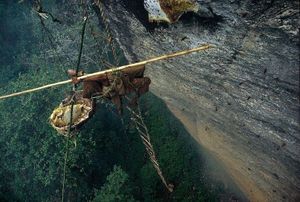
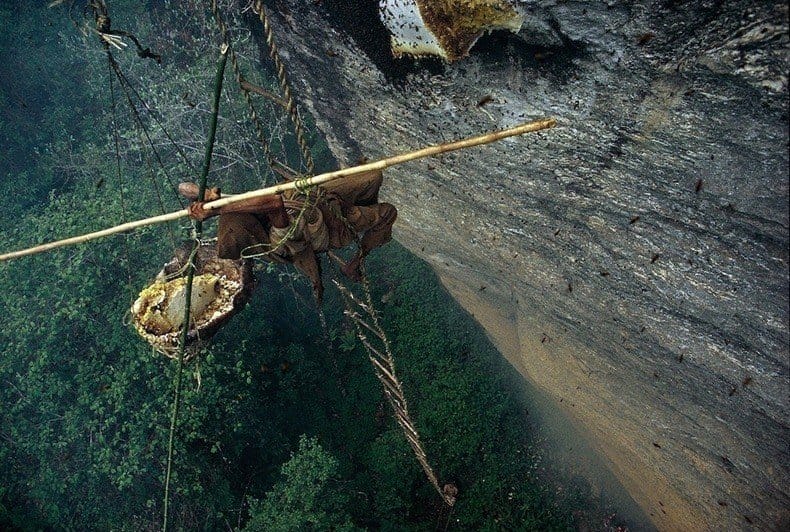
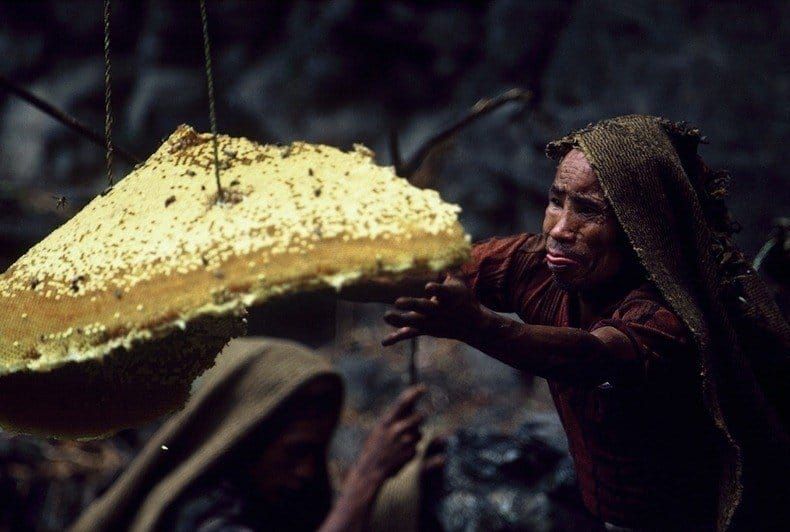
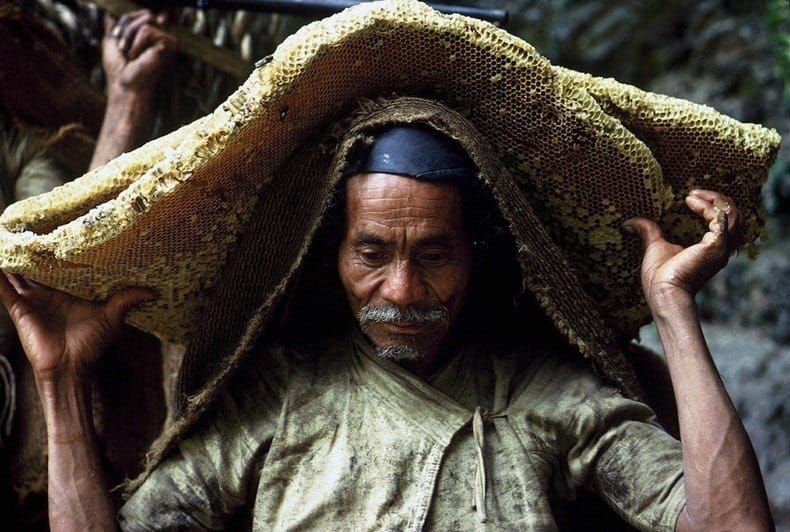
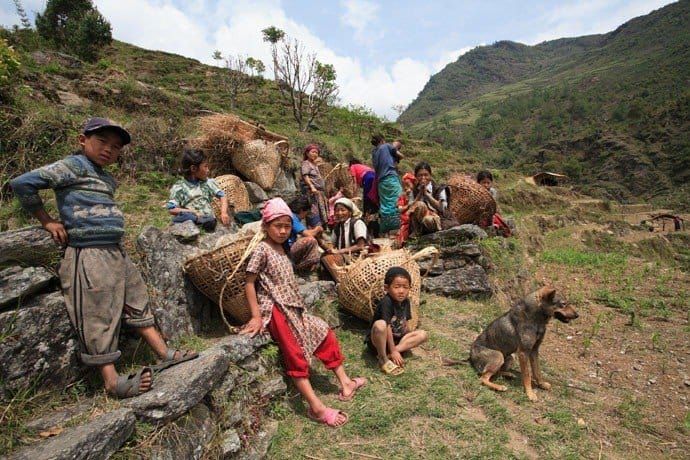
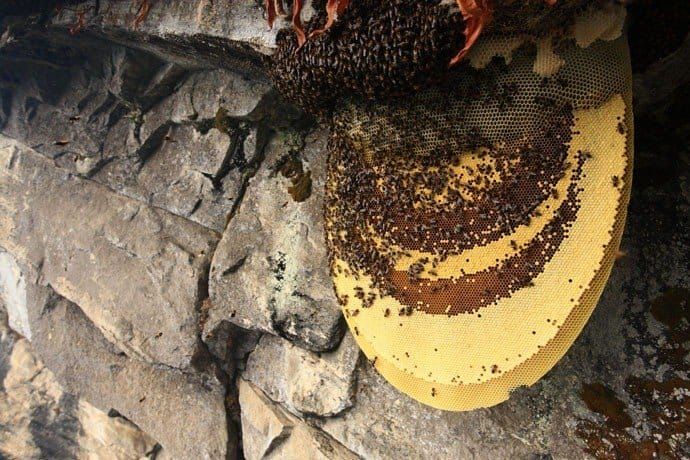
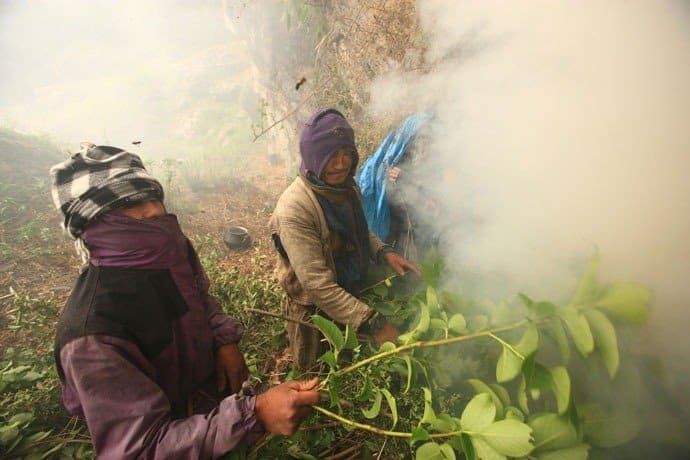
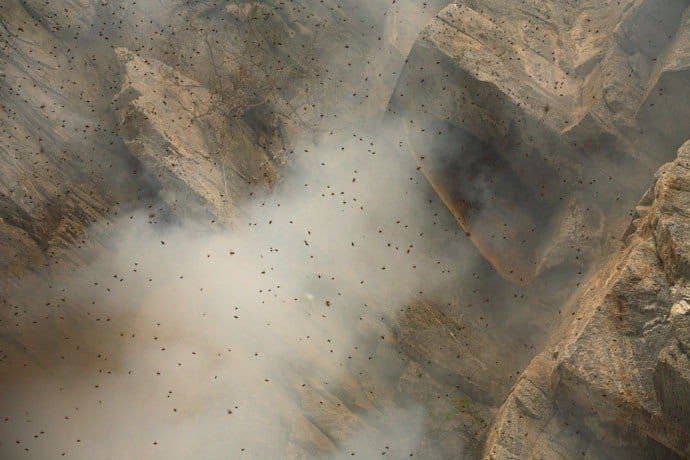
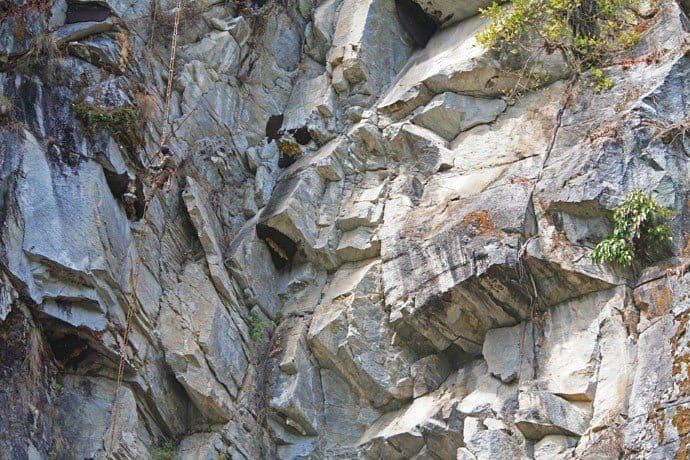
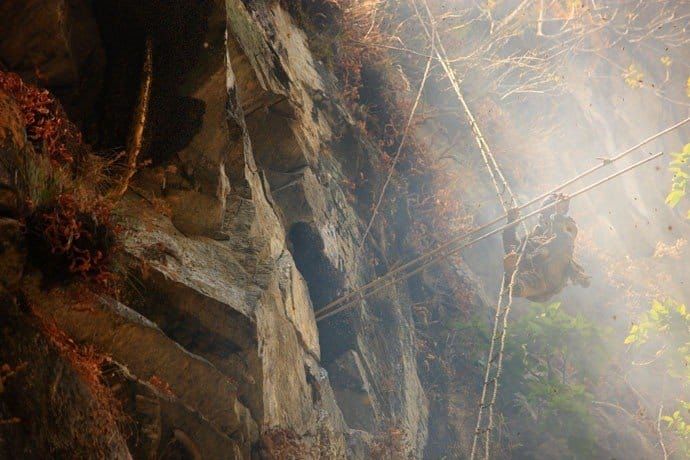
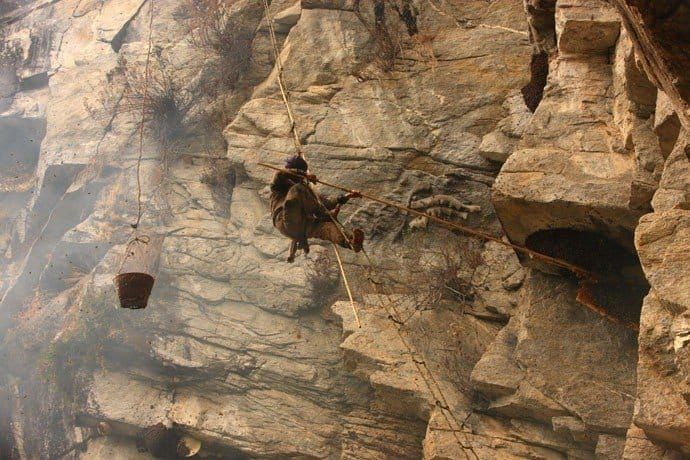
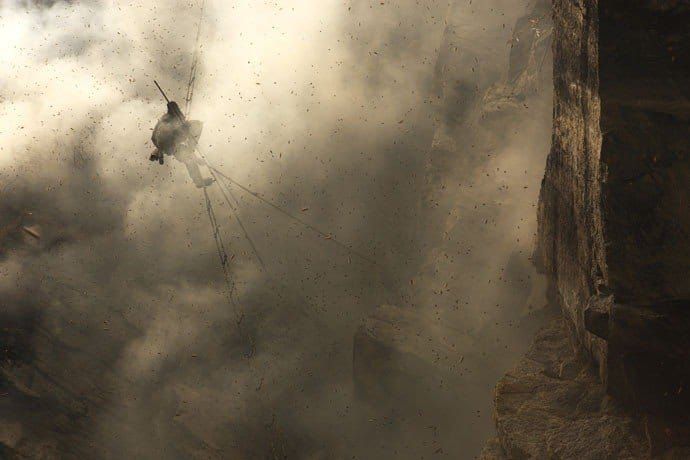
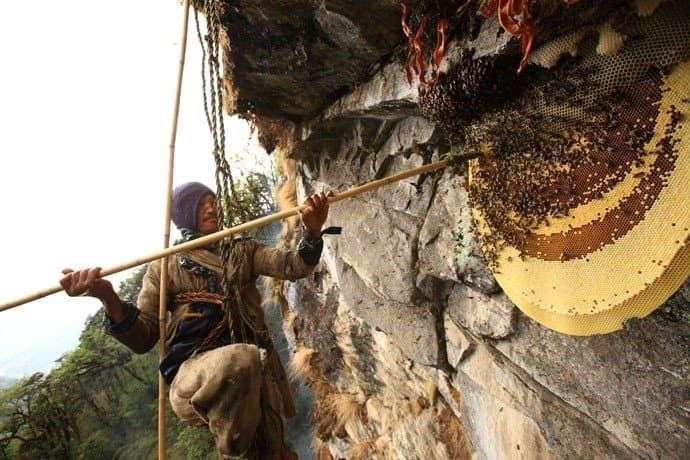
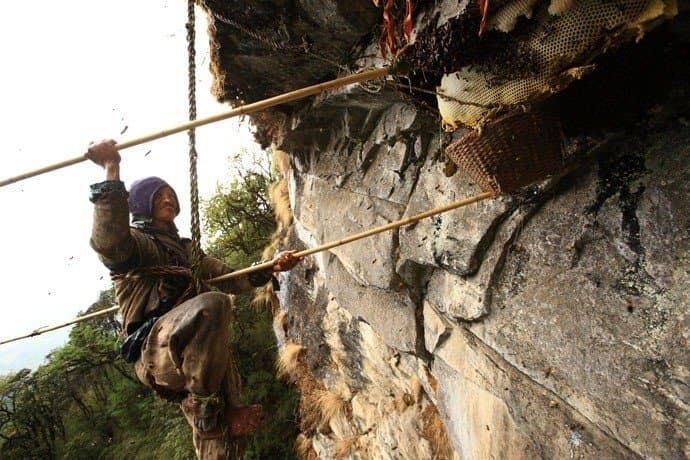
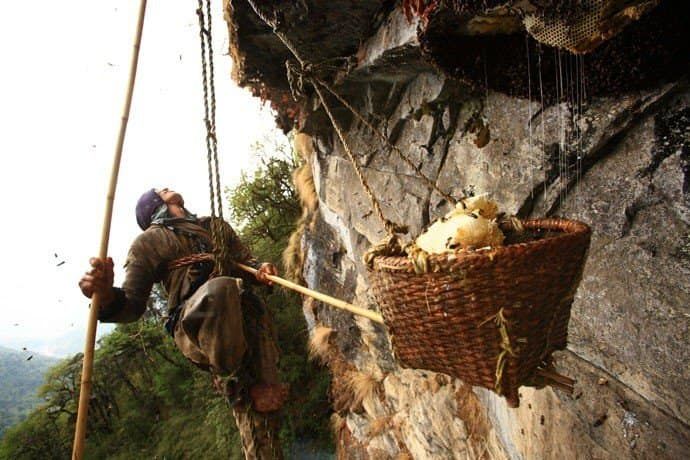
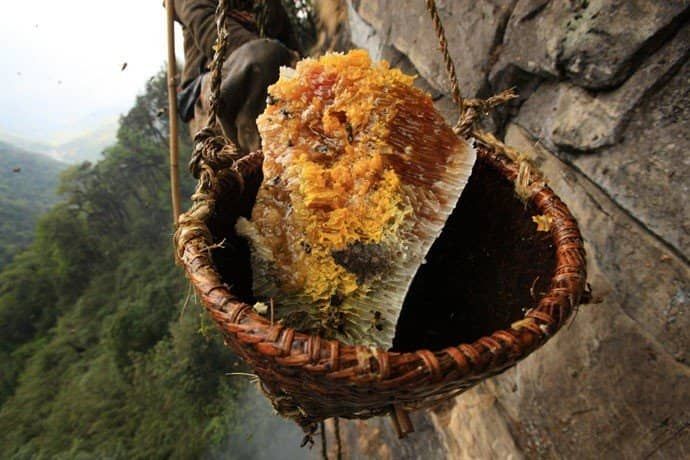
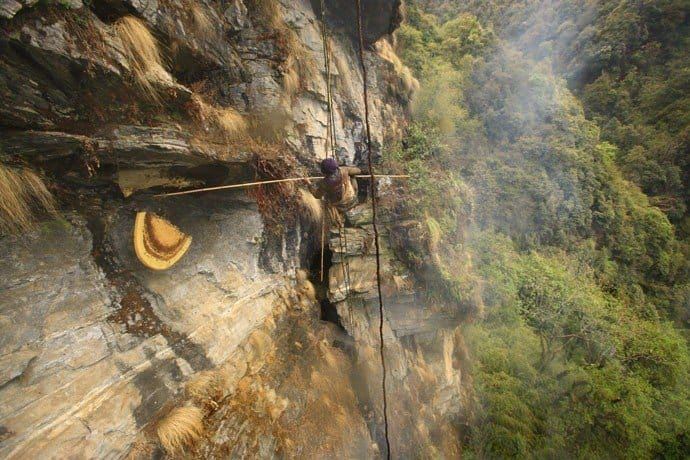
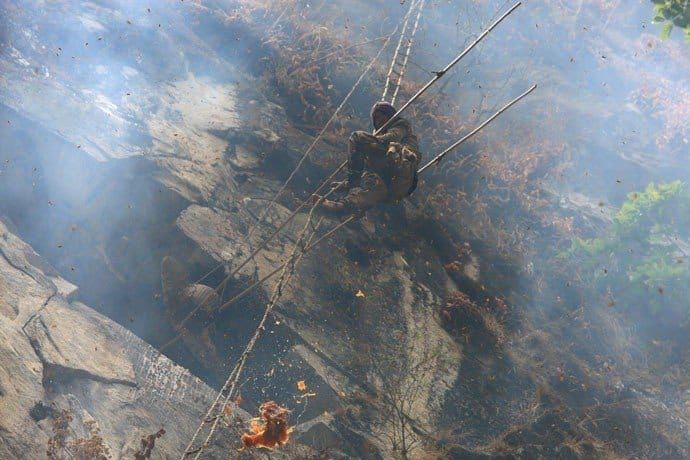
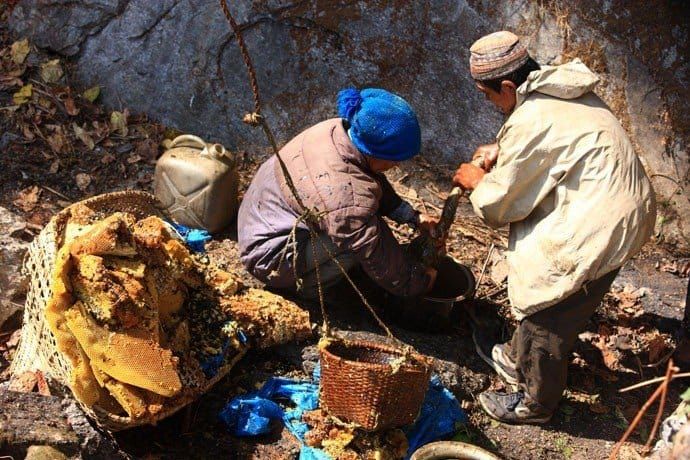
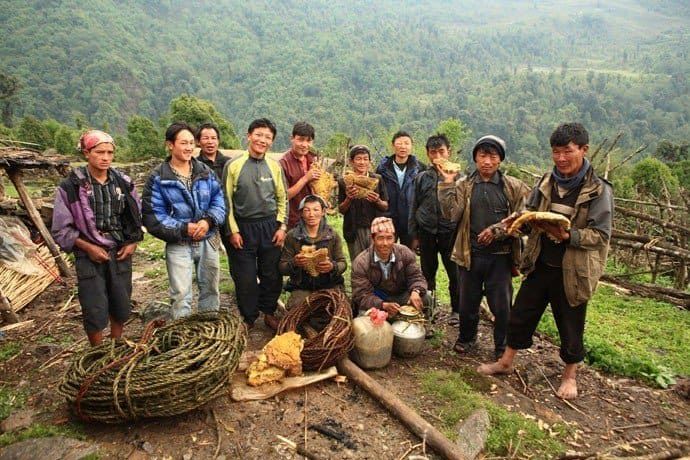
Nepal is home to the Apis Laboriosa, the biggest honey bee on the planet, and honey hunting plays a significant role in the local way of life. The bees build their hives on the cliffs of the country's foothills, which adds complexity to the honey hunting process. Local honey hunters use rope ladders and baskets to access the combs after driving the bees away with smoke from a fire underneath the hives. They carefully collect the honey treasure from the combs while dealing with territorial bees. The harvesting occurs once a year and begins with a harvest ritual that varies across towns, often starting with a prayer and the offering of flowers, rice, and fruits.
This unique aspect of Nepali culture is captivating, and tourists have the opportunity to witness the bravery of the honey hunters, explore the fascination of the Nepali landscape, and admire the intricate homes of the honey bees.
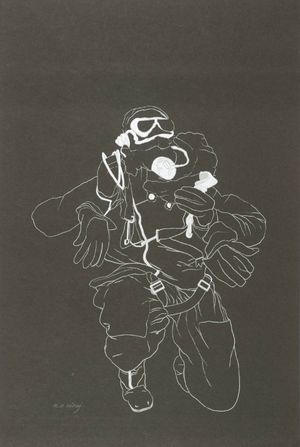
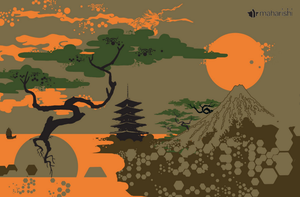
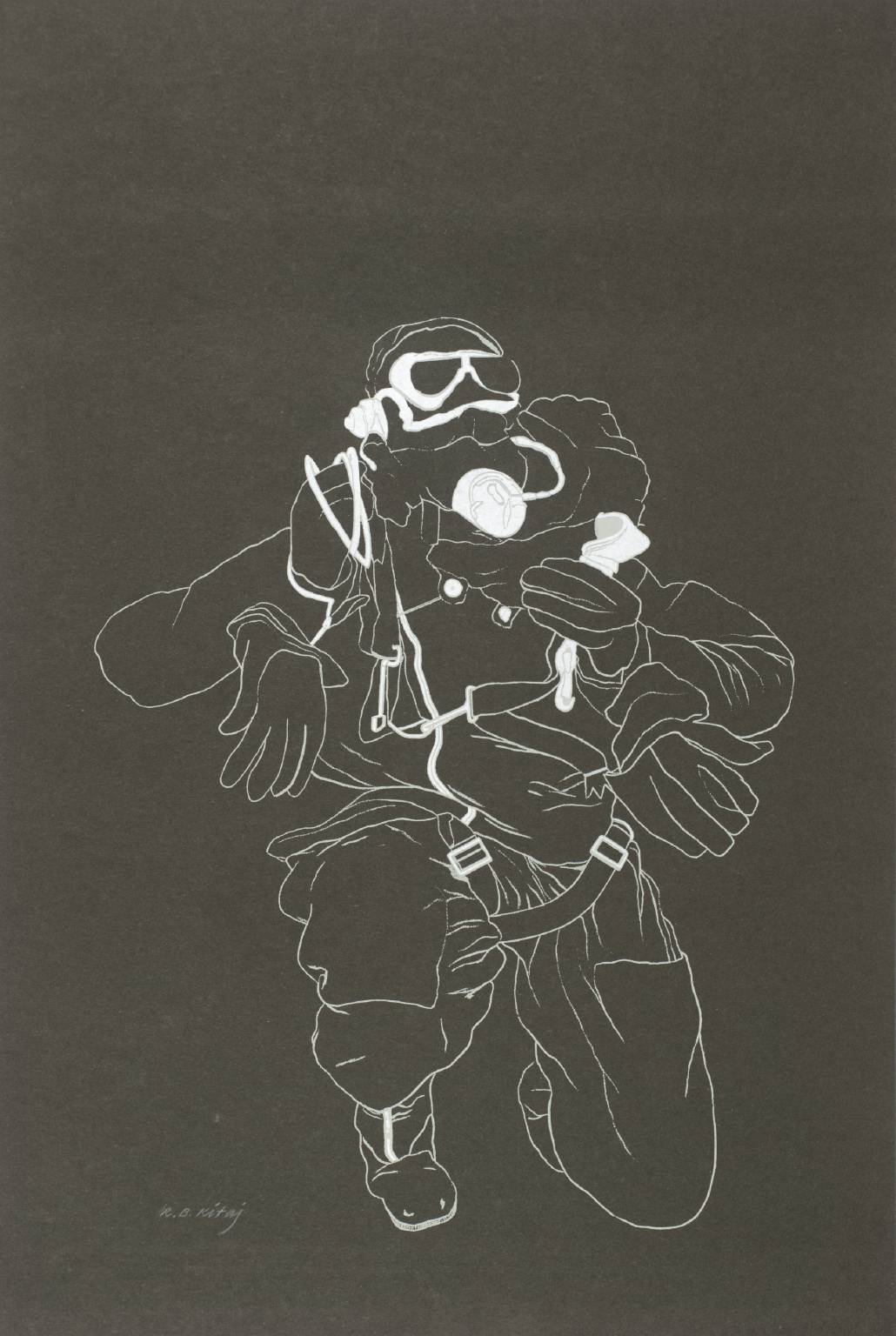
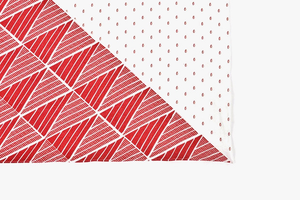
Screenprint on paper
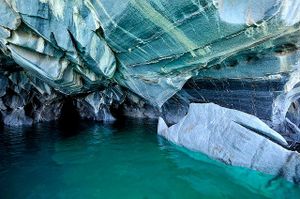
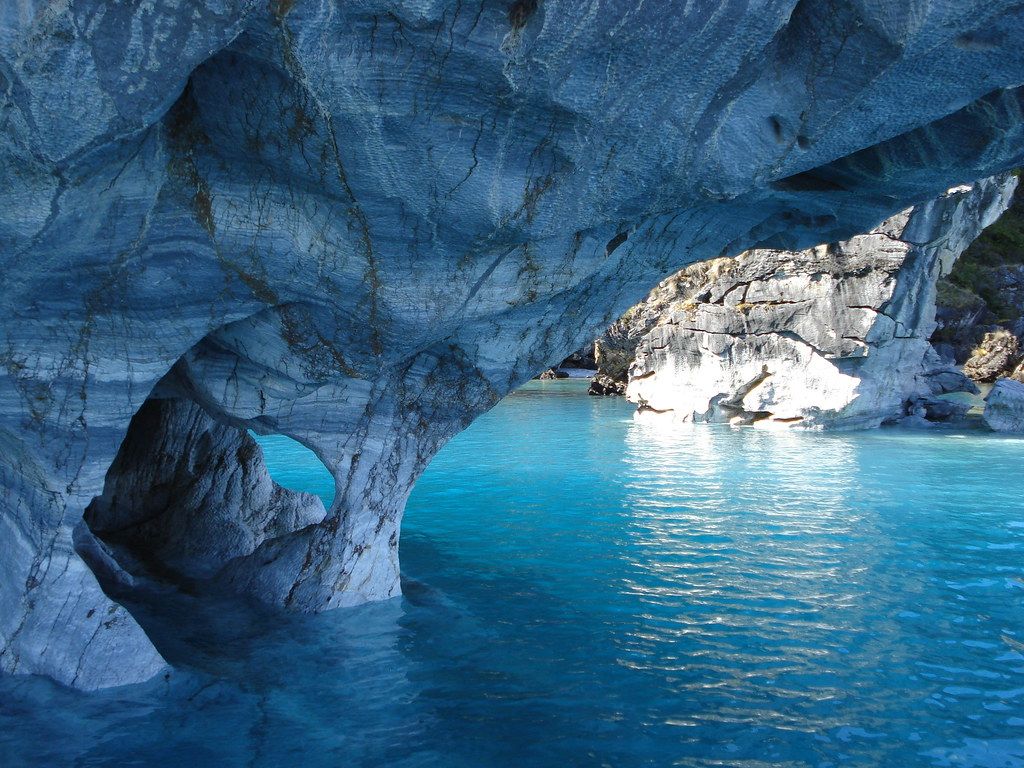
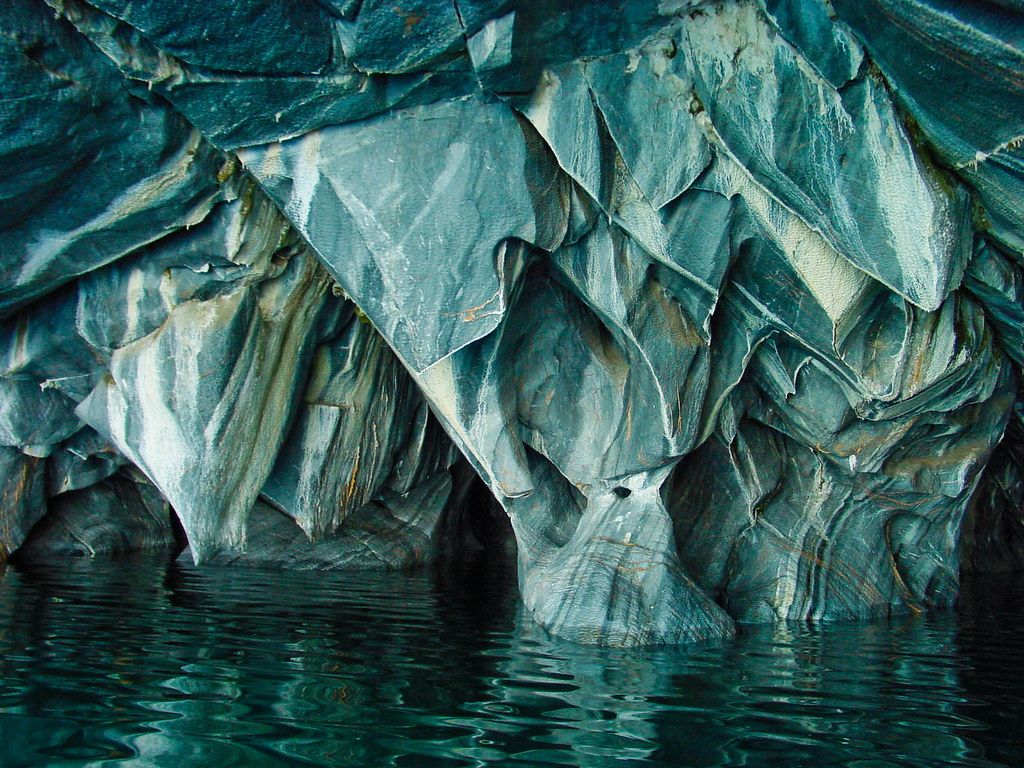
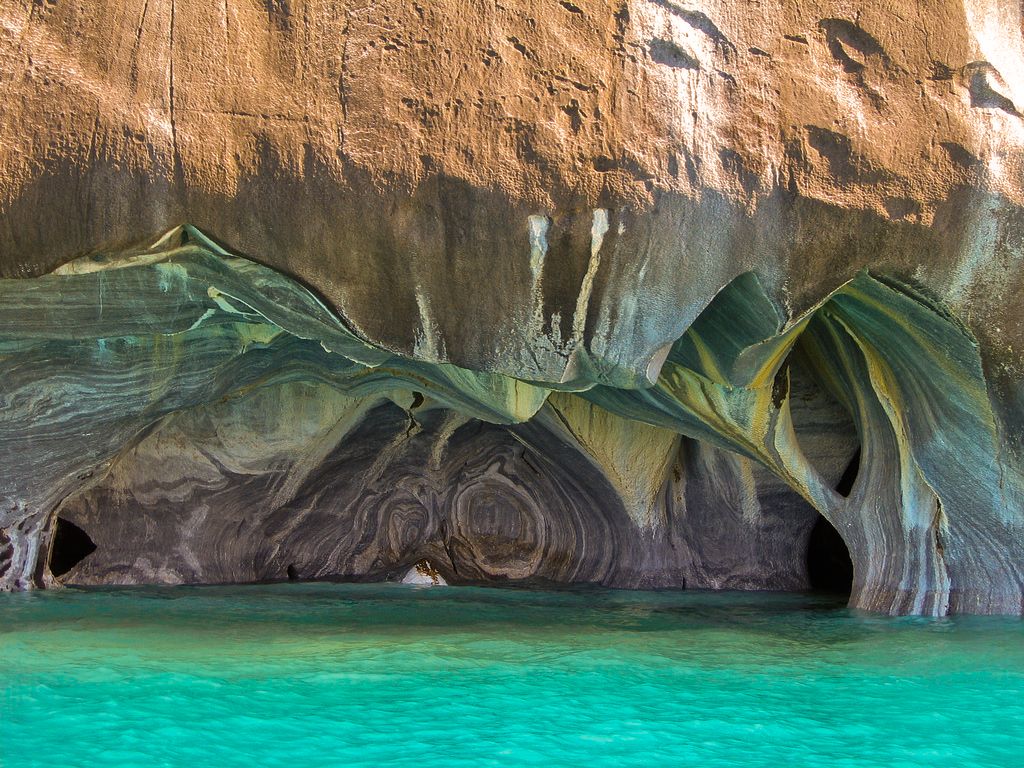
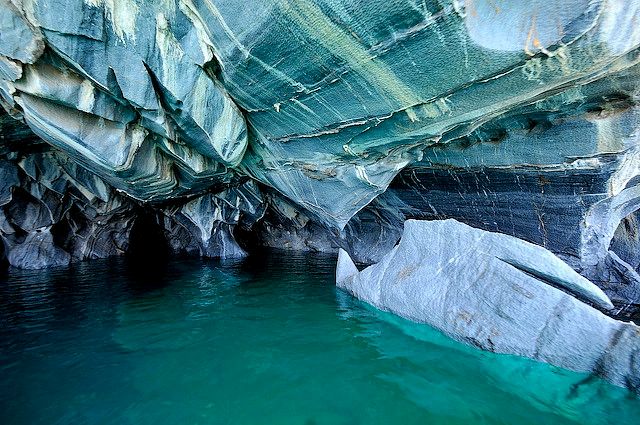
The Marble Caves, known as Marble Chapel and Marble Cathedral, are located at the center of the lake and were formed by waves over the past 6,000 years.
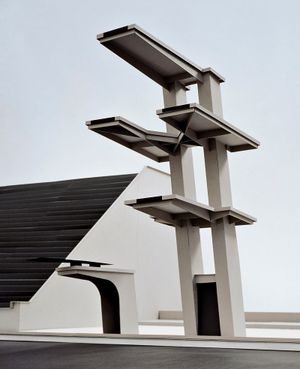
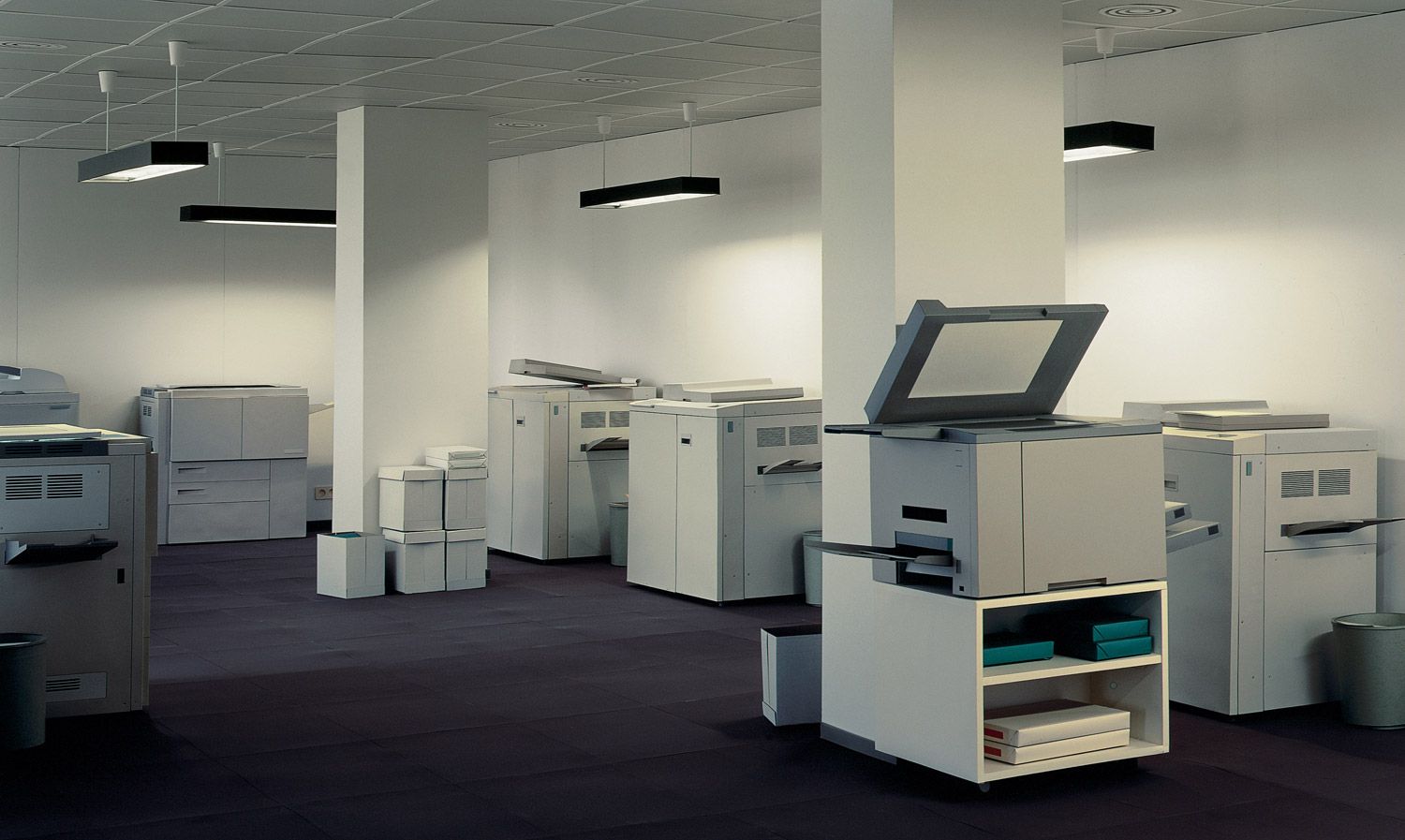
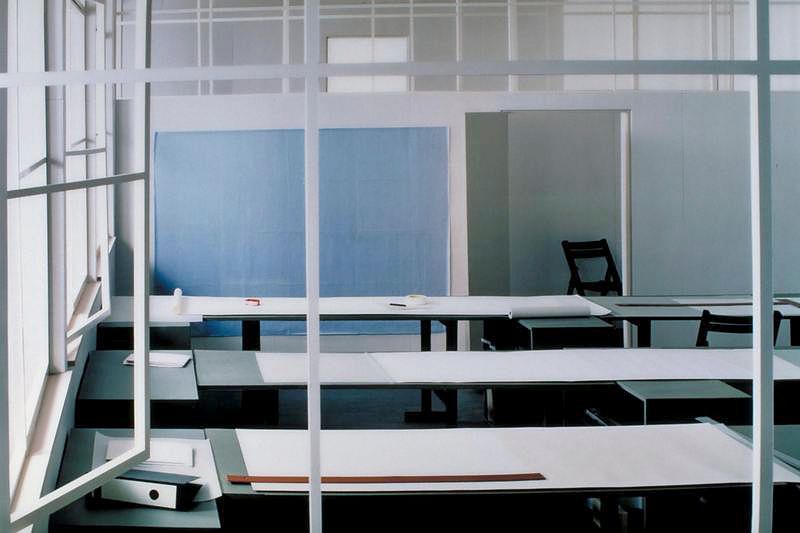
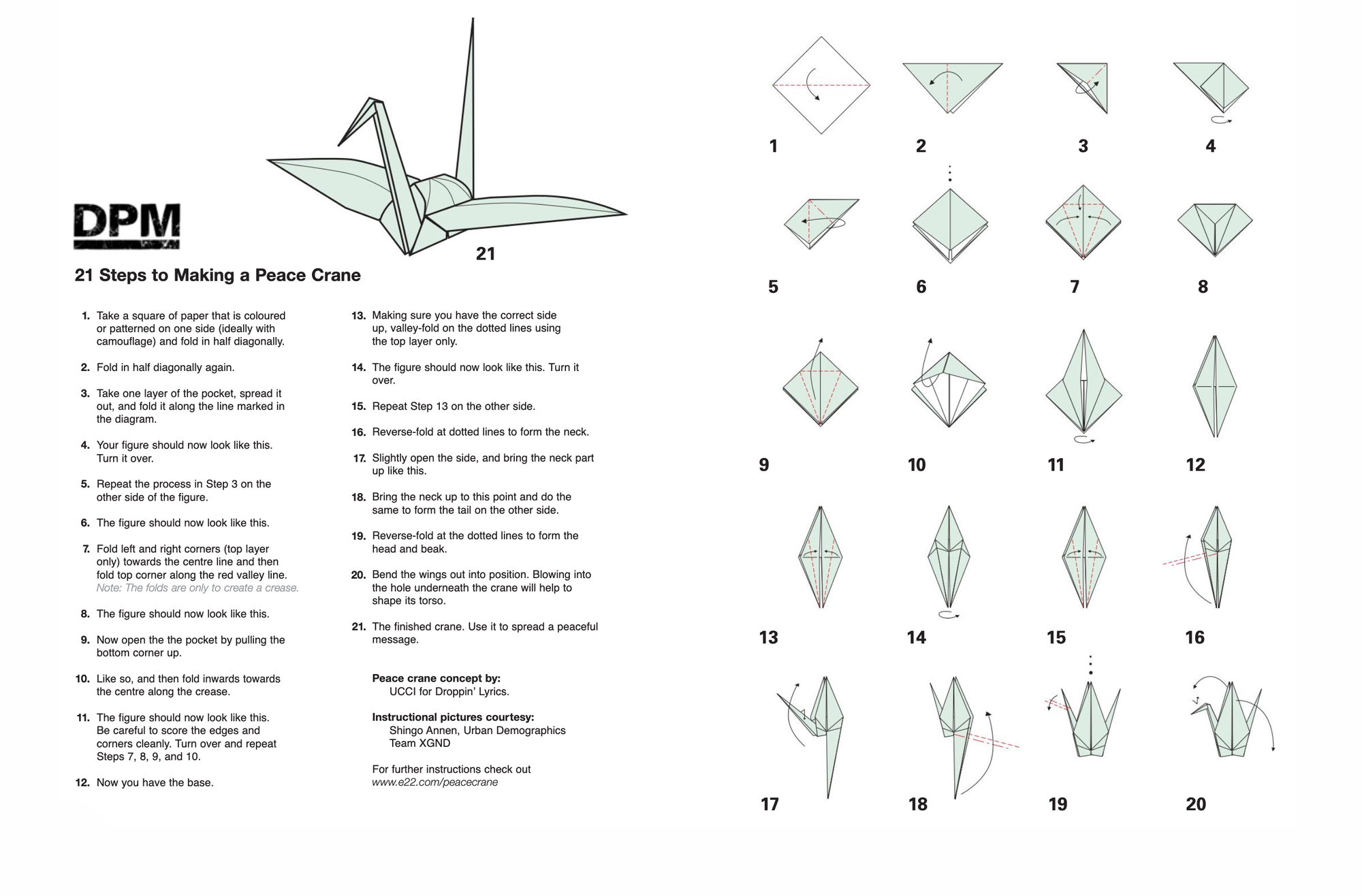
created by urban demographics / original concept by UCCI for droppin' lyrics
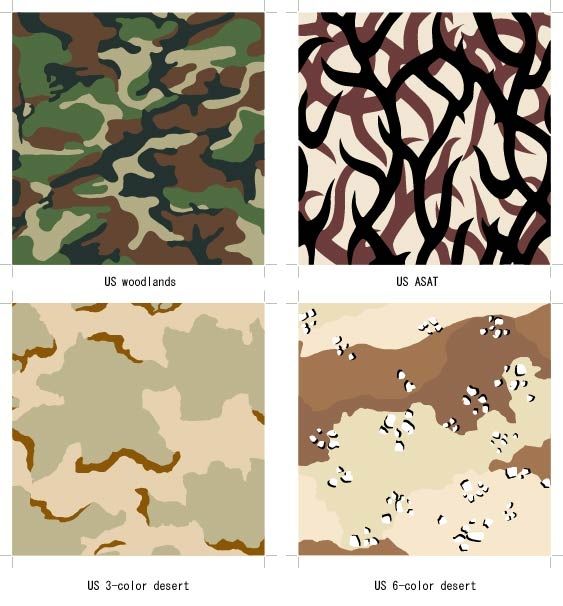
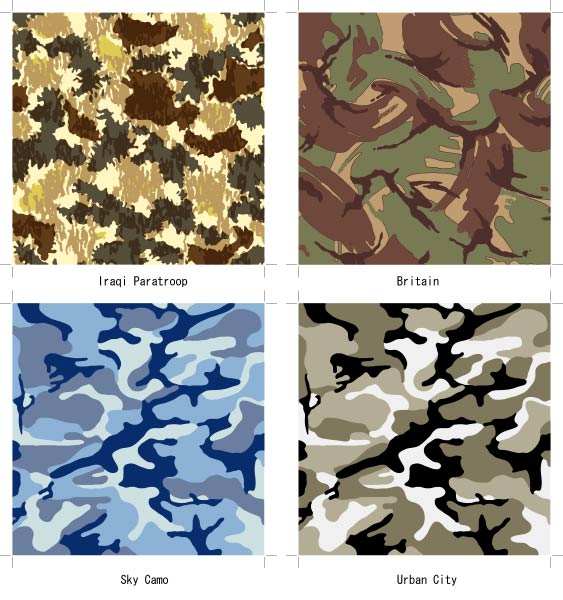
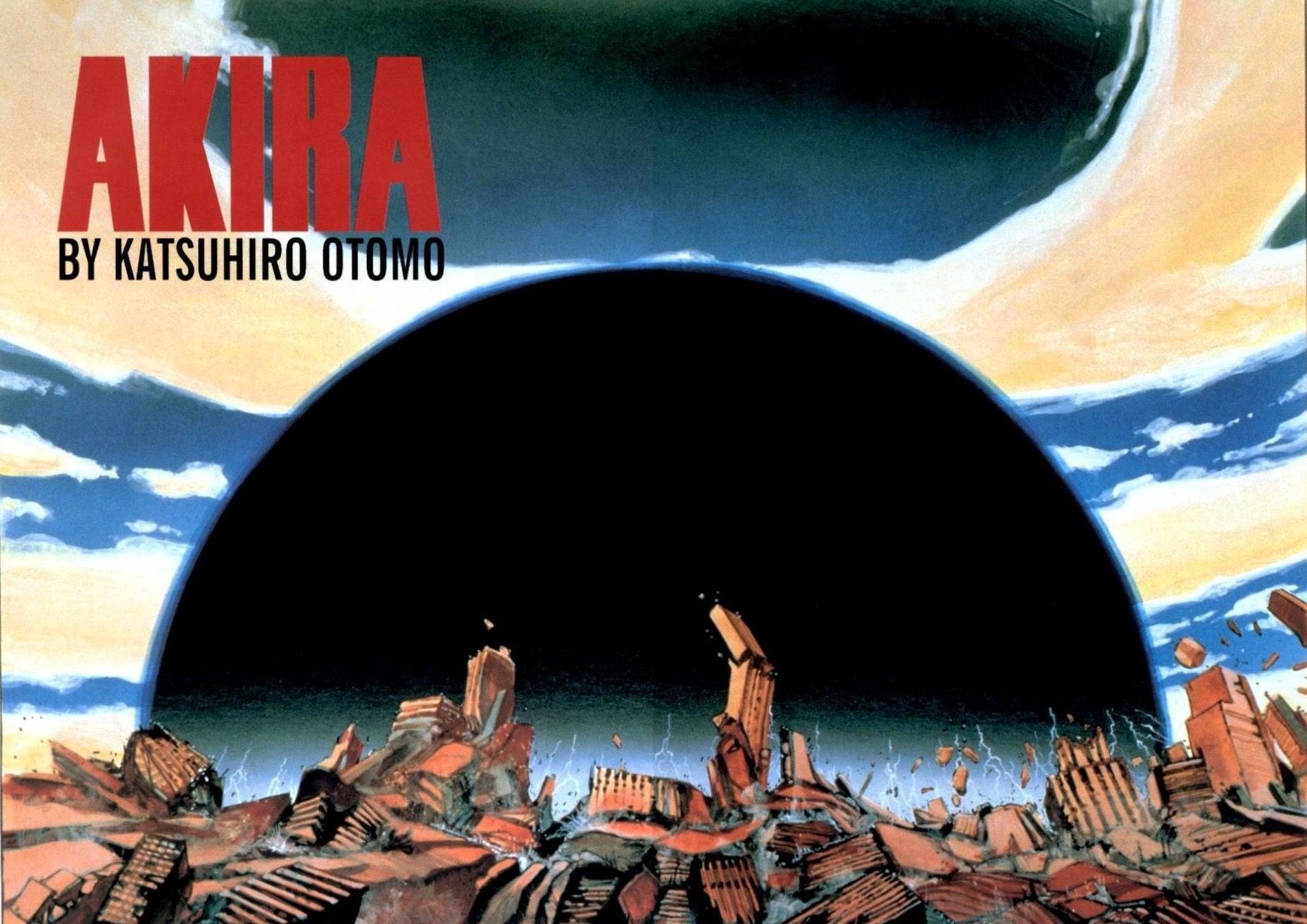
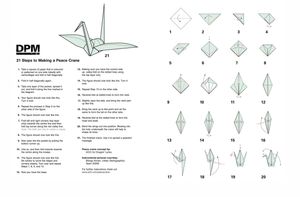
In the Age of Hawk vs. Dove, the Crane Rises
Operation Peace Crane is a grassroots project designed to spread the the Origami Peace Crane throughout the physical and cyber world. Since its invention centuries ago, with roots dating back even further, the paper crane has been by far the most popular fold, and has come to symbolize peace around the world. Most notably, thousand-linked cranes are delivered to atomic bomb sites and Hiroshima and Nagasaki, as the need for a nuclear-free, peaceful world becomes more relevant yet.
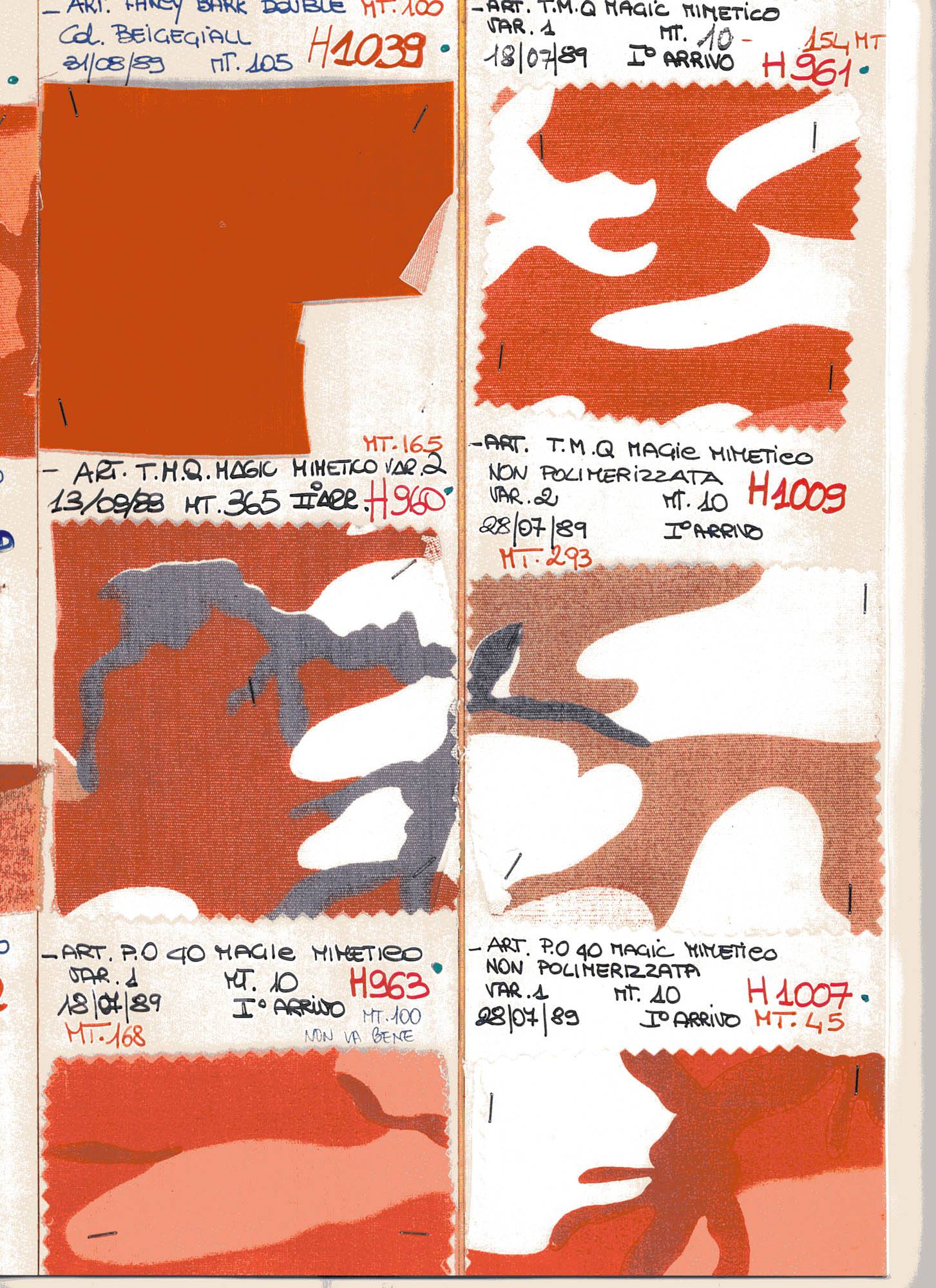
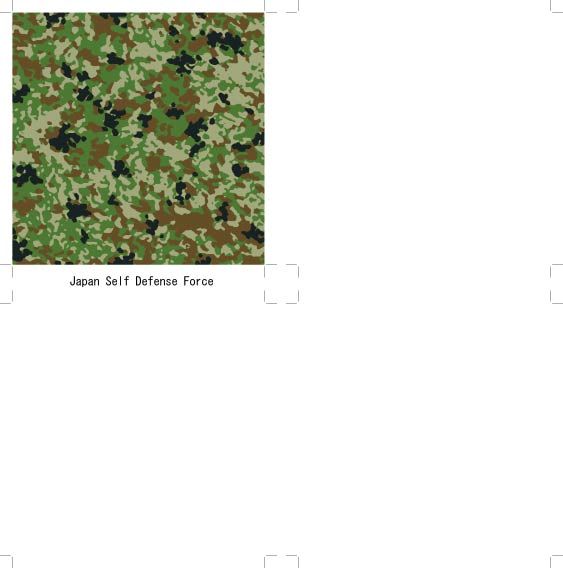
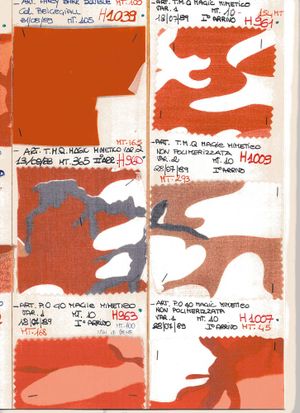
Normally, origami cranes are folded using colorful origami paper, and traditional patterns. We hereby propose a new movement by spreading the crane with camouflage patterns of military around the world. Using the camouflage on the cranes represents the irony of war and peace that are inherent in our society, as if one cannot exist without the other. Today, we must confront the stark reality that the military complex is a worldwide industry, sponsored by the government (not to mention tax payers), which in turn supports the lifestyles of the unassuming public. We must not forget that we share equal responsibility in the proliferation of arms in the world today . We also understand that the mere presence of military force overseas alarm the foreign citizens and governments, instead of stabilizing politically volatile areas. Upon further introspection into the history of camouflage, its evolution and adaptation of design to the ever-changing political balance is parallel to the way humans have adjusted to the economical needs of the world, only to stray away from values of nature, ironically. It must also be noted that the camouflage patterns used herein do not represent any political messages, except for those calling for immediate and everlasting peace.
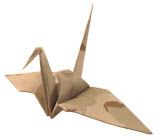
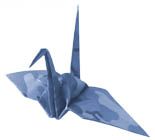
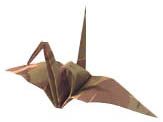
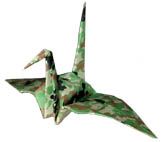
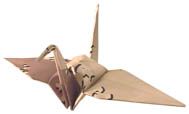
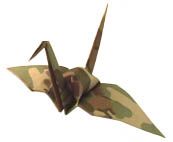
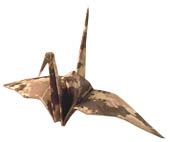
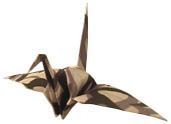
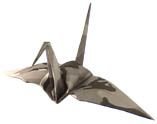
Reality is not immutable like a rock, rather it is dynamic like water. Although it may be a strong force, we can shape the future by taking part in it, no matter how small the drop. We sincerely hope that this project, done literally by the hands of the people, would reach the hearts of those who desperately seek peace, as we speak. Lastly, the only way to reach true peace will not come from agitated fear, but from true knowledge and inner peace.
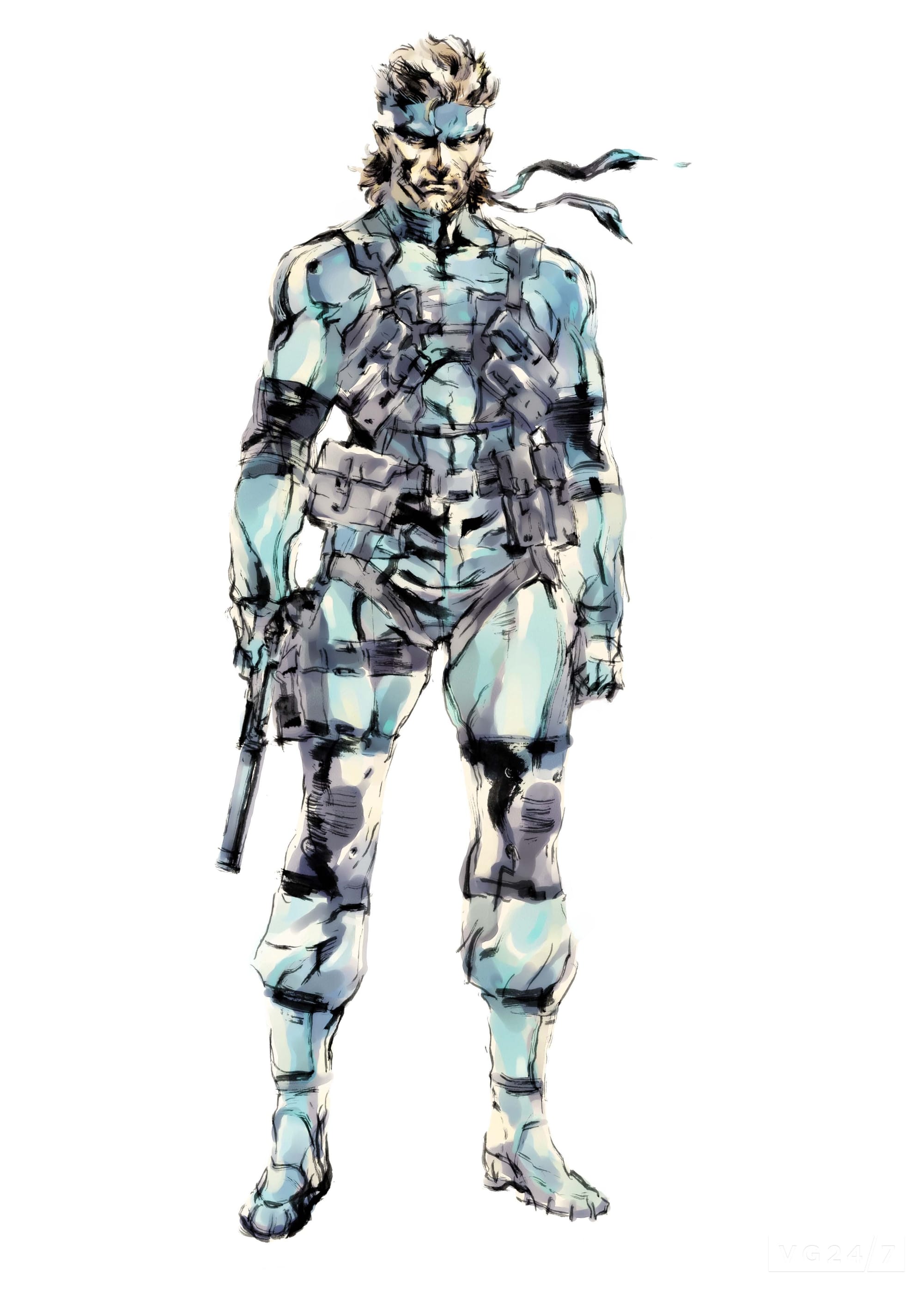
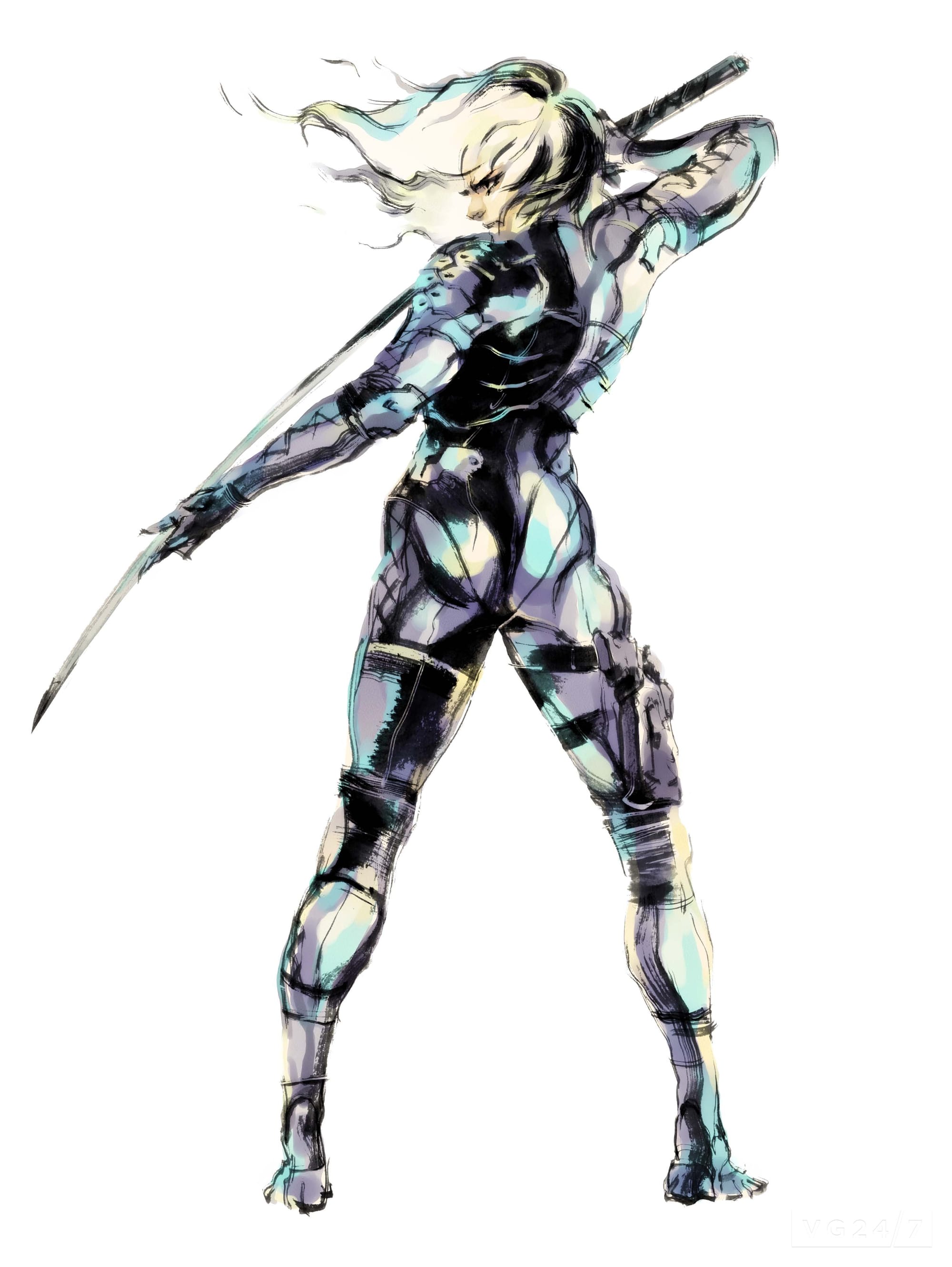
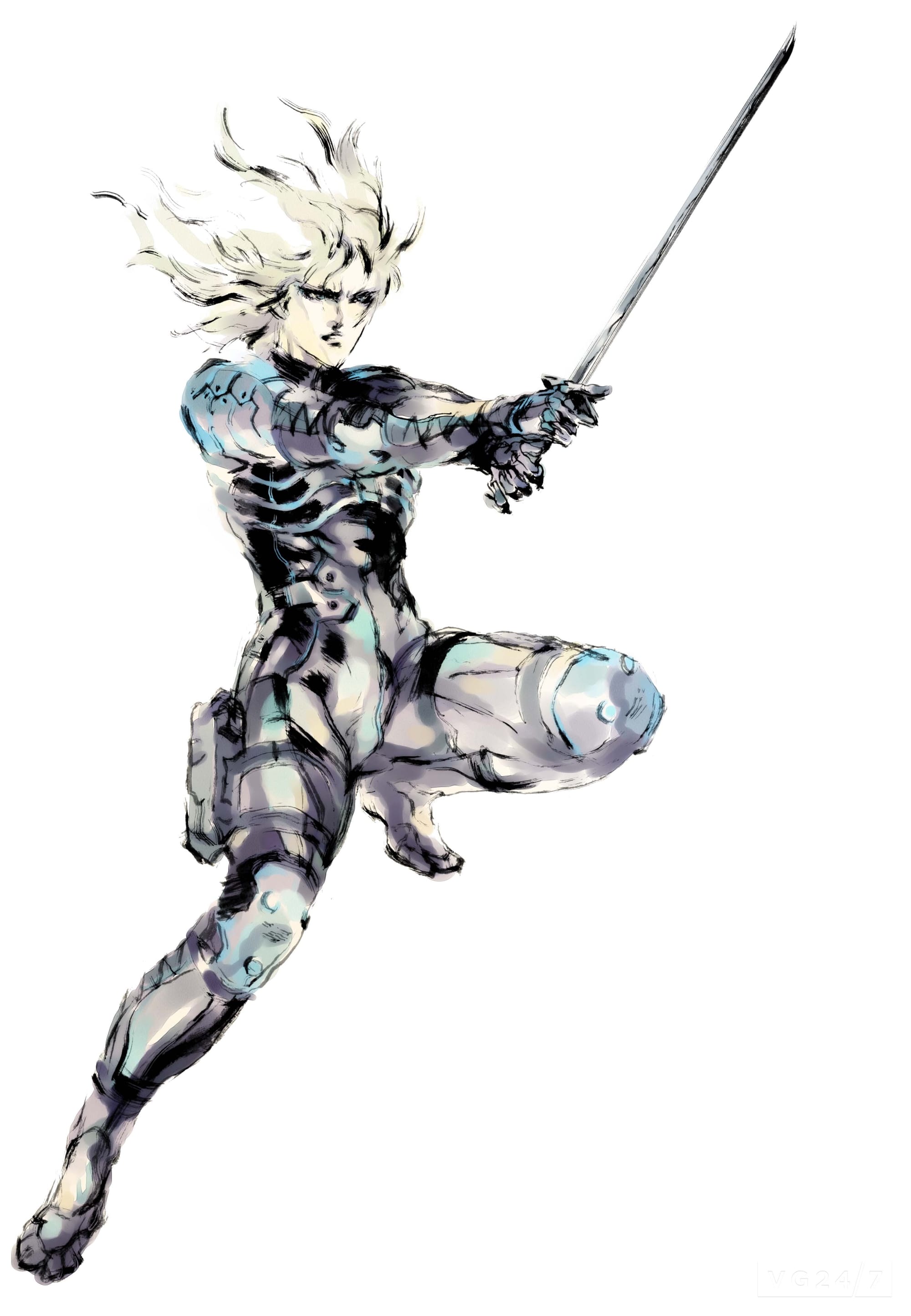
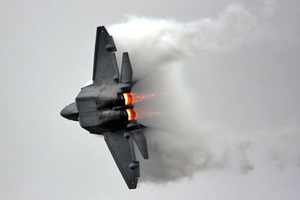
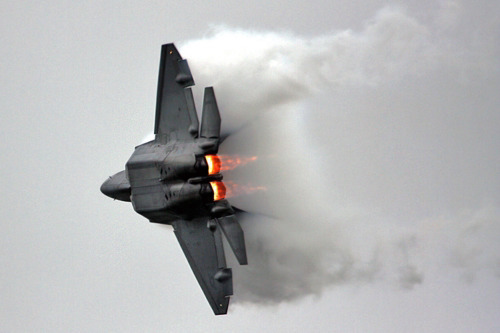
September 20, 2008 - Maj. Paul "Max" Moga, the first F-22A Raptor Demonstration Team pilot, roars his aircraft into a high g-force turn above Naval Air Station Oceana during the 50th Anniversary celebrations of the NAS Oceana Air Show in Virginia Beach, VA.
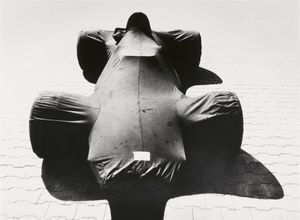
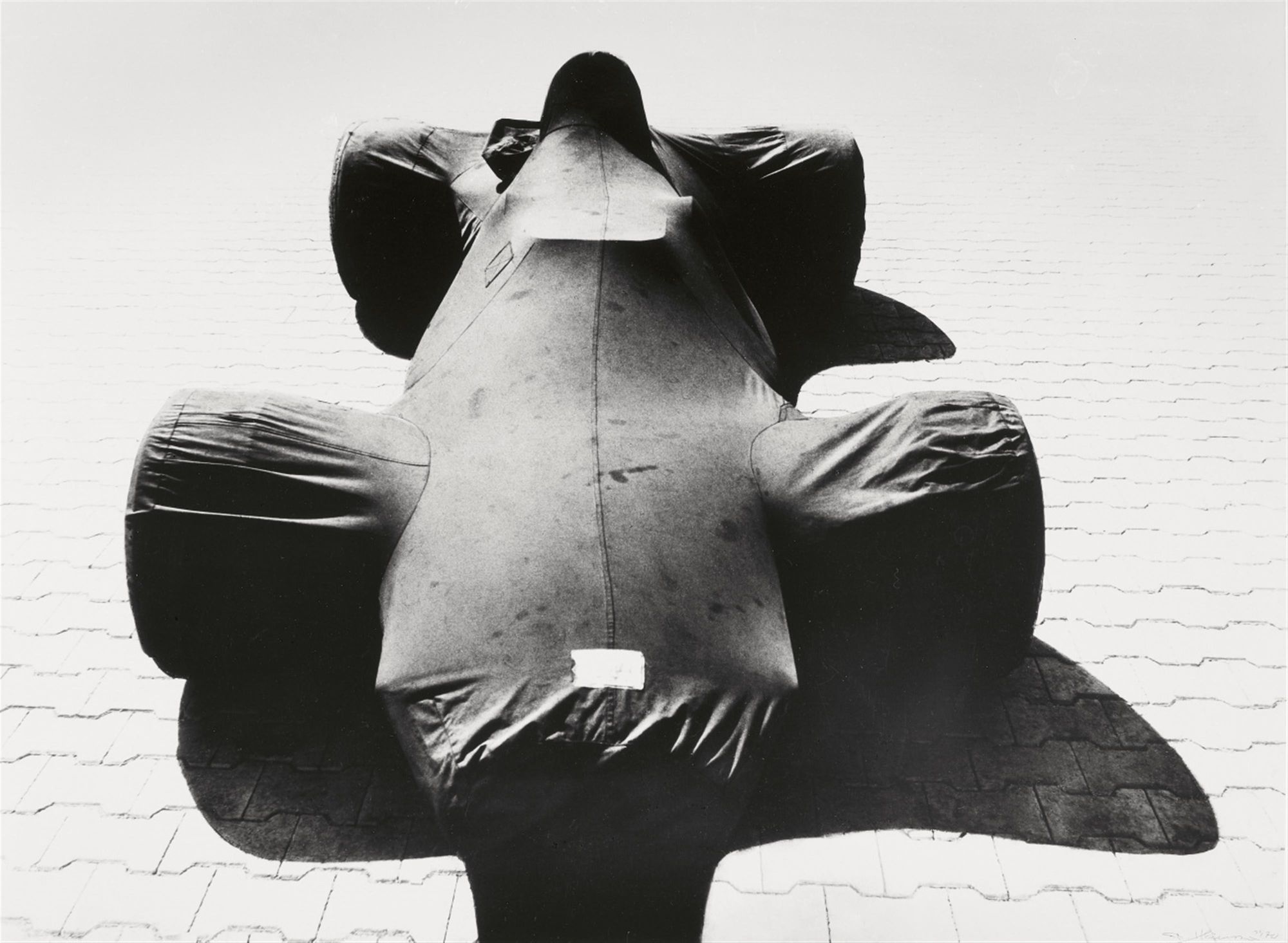
Gelatin silver print, printed 1999. 43.5 x 58.8 cm. Signed and dated in ballpoint pen lower right. Signed, dated, titled in ballpoint pen as well as photographer's thumb print on the verso. - Framed under glass.
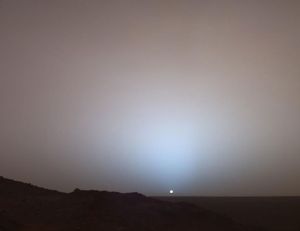
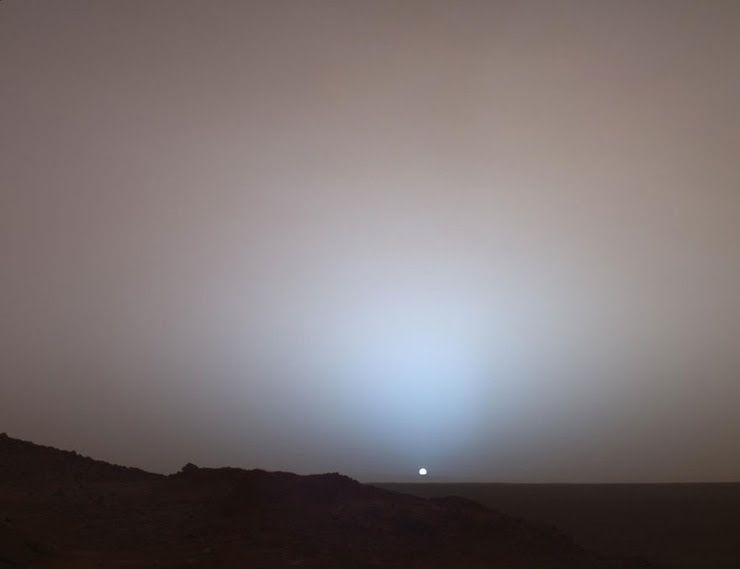
On May 19, 2005, NASA's Mars Exploration Rover Spirit captured this stunning view as the Sun sank below the rim of Gusev crater on Mars. This Panoramic Camera mosaic was taken around 6:07 in the evening of the rover's 489th Martian day, or sol.
Sunset and twilight images are occasionally acquired by the science team to determine how high into the atmosphere the Martian dust extends, and to look for dust or ice clouds. Other images have shown that the twilight glow remains visible, but increasingly fainter, for up to two hours before sunrise or after sunset. The long Martian twilight (compared to Earth's) is caused by sunlight scattered around to the night side of the planet by abundant high altitude dust. Similar long twilights or extra-colorful sunrises and sunsets sometimes occur on Earth when tiny dust grains that are erupted from powerful volcanoes scatter light high in the atmosphere.
via moodmail
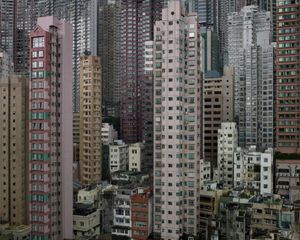
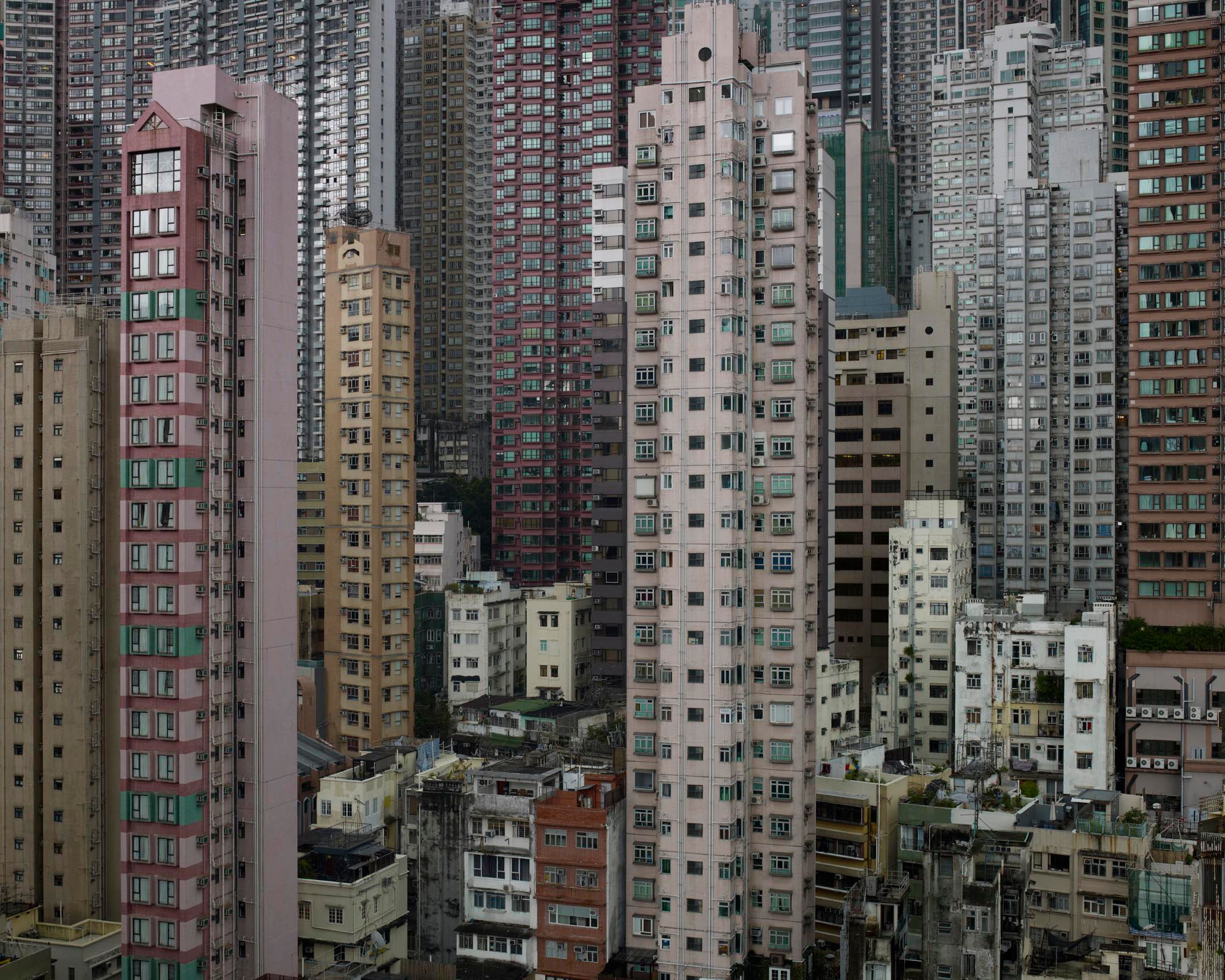
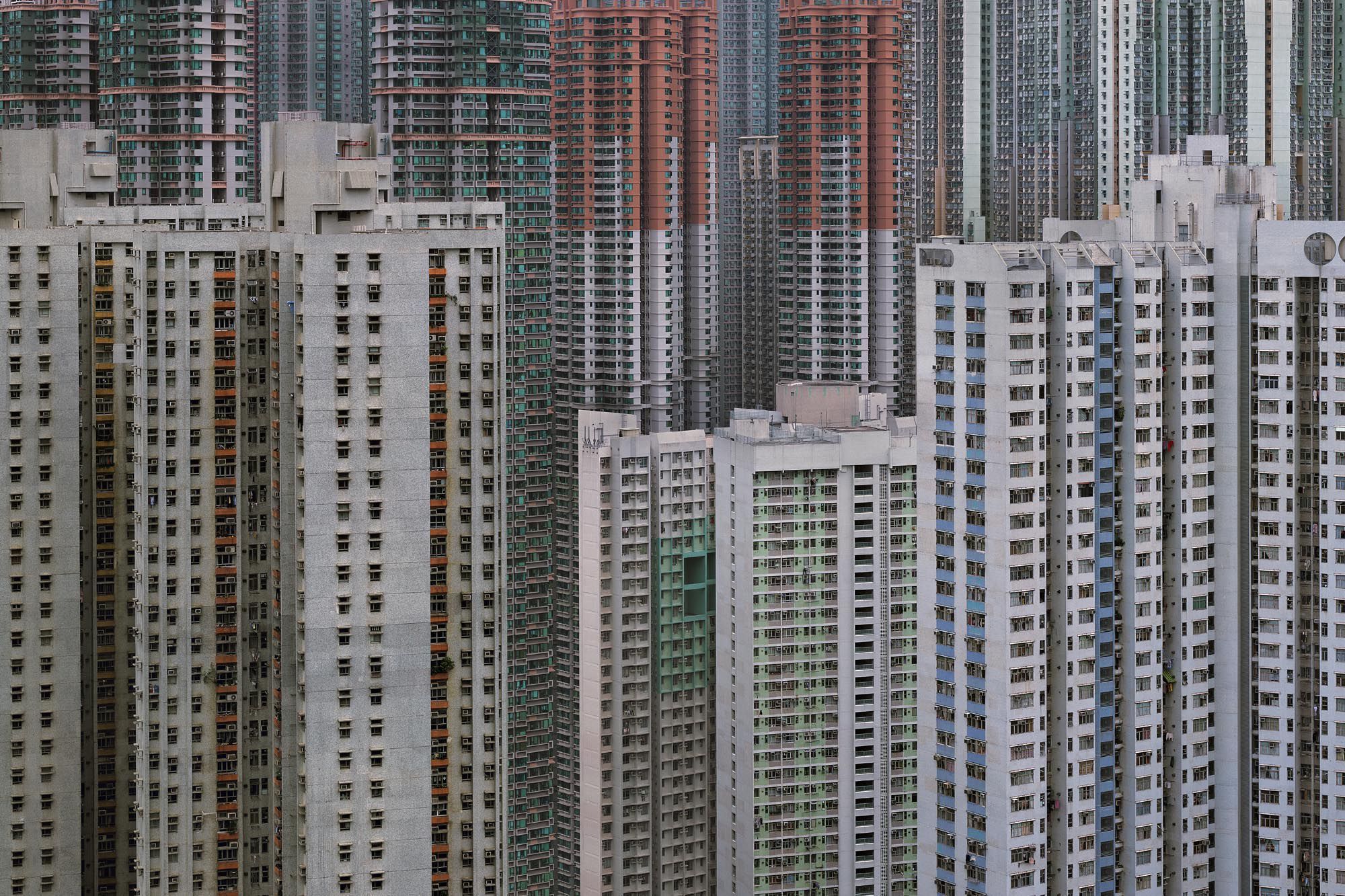
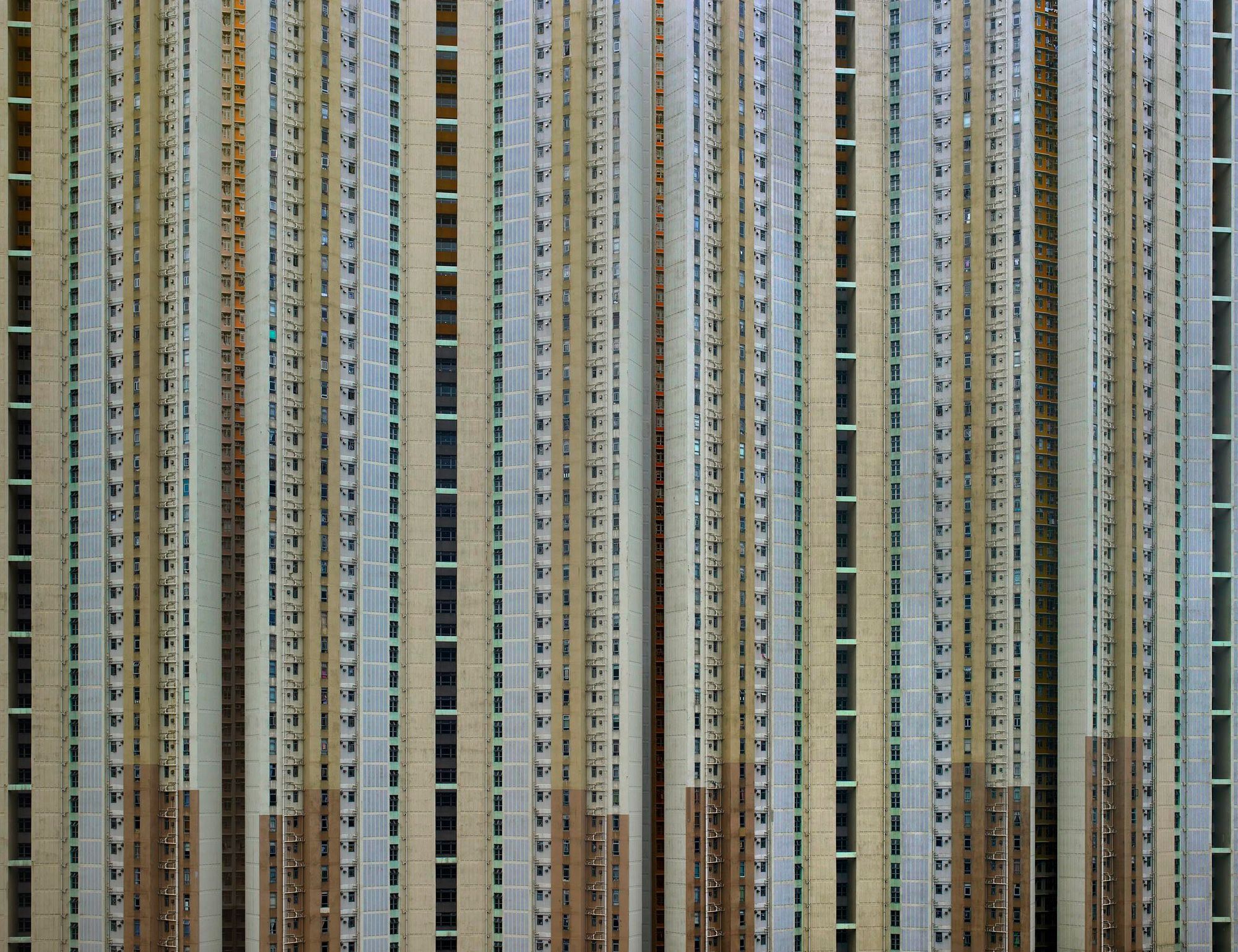
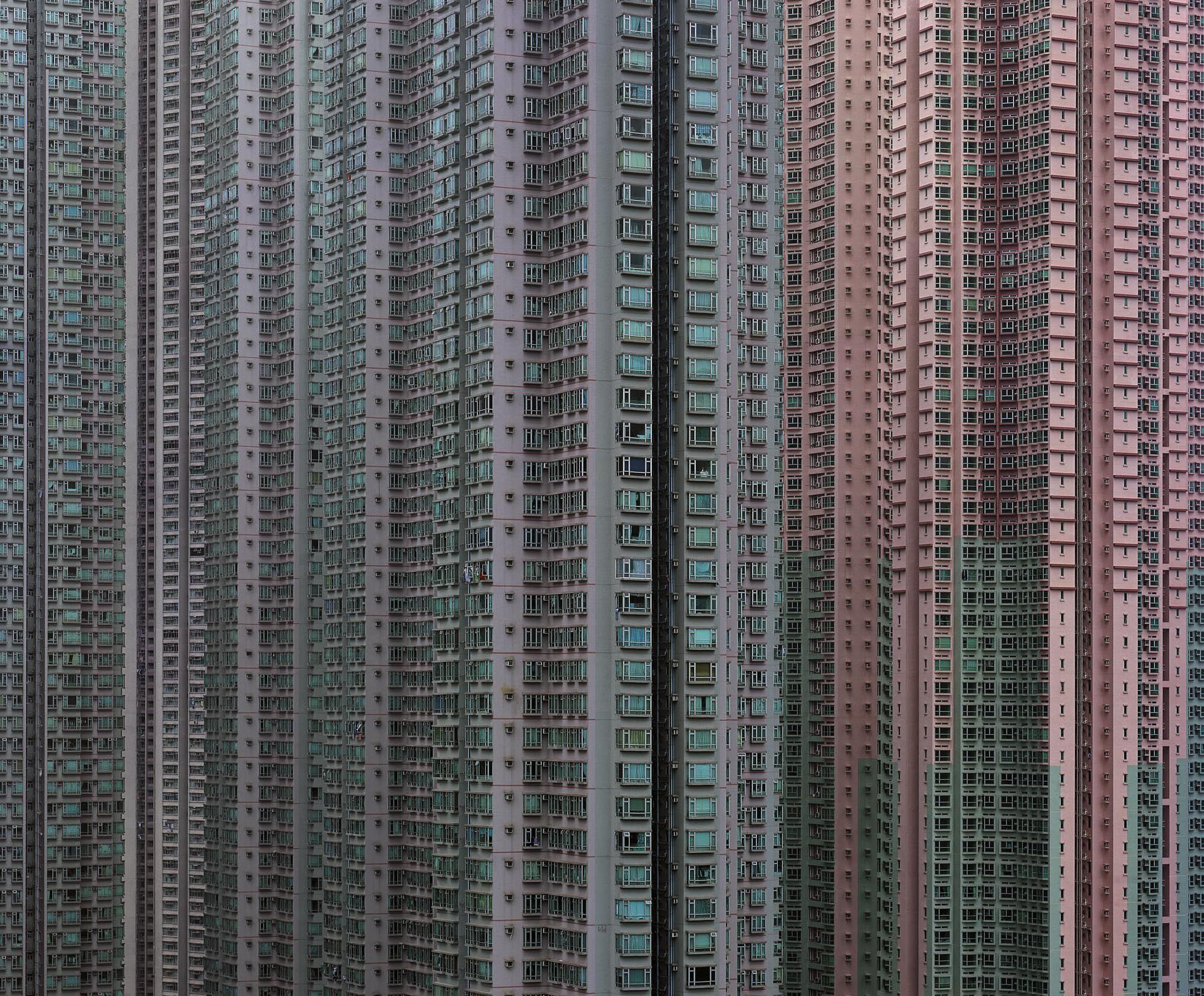
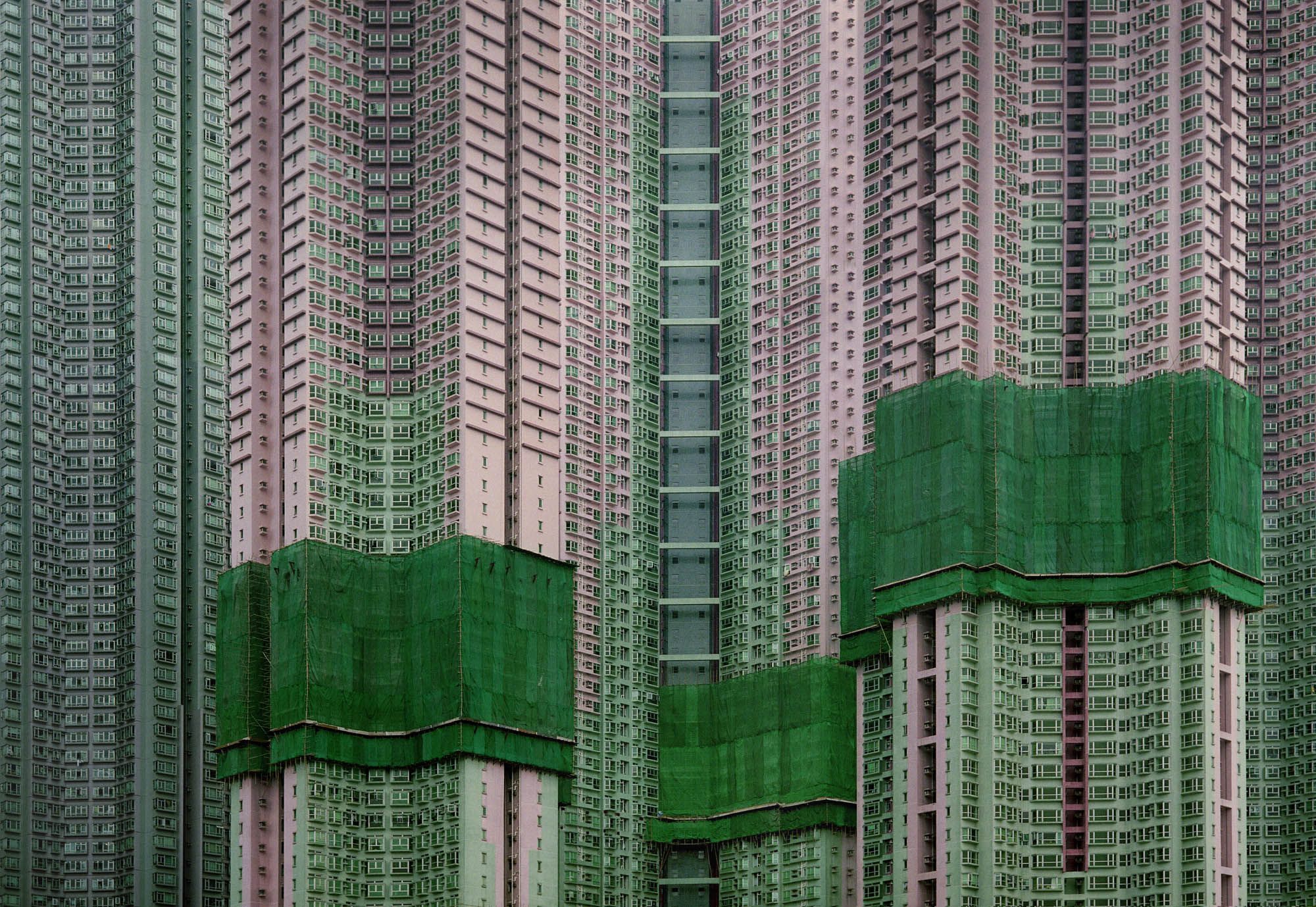
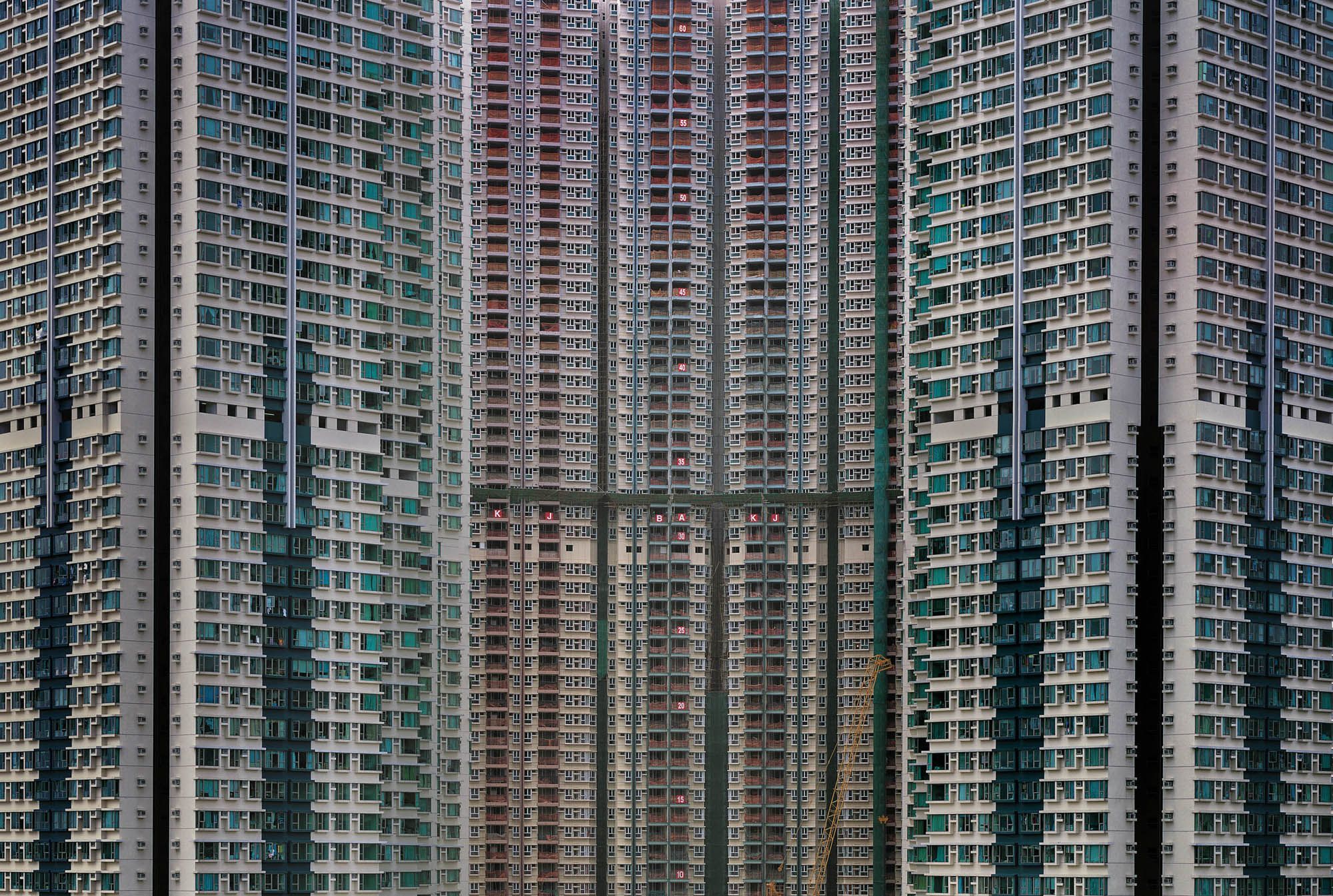
One of the most densely populated metropolitan areas in the world, Hong Kong has an overall density of nearly 6,700 people per square kilometer. The majority of its citizens live in flats in high-rise buildings, whose units can house as many as 10,000 people.
In Architecture of Density, Michael investigates these enormous city blocks, finding a mesmerizing abstraction in the buildings’ facades. The structures in the series are photographed without reference to the context of sky or ground, and many buildings are seen in a state of repair or construction: their walls covered with a grid of scaffolding or the soft coloured curtains that protect the streets below from falling debris. From a distance, such elements become a part of an intricate design. Upon closer inspection of each photograph, the anonymous public face of the city is full of rewarding detail – public space is private space, large swatches of colour give way to smaller pieces of people’s lives. The trappings of the people are still visible here: their days inform the detail of these buildings. Bits of laundry and hanging plants pepper the tiny rectangles of windows- the only irregularities in this orderly design. The images of Architecture of Density give one an inkling of what our cities could look like if grown continues unchecked.
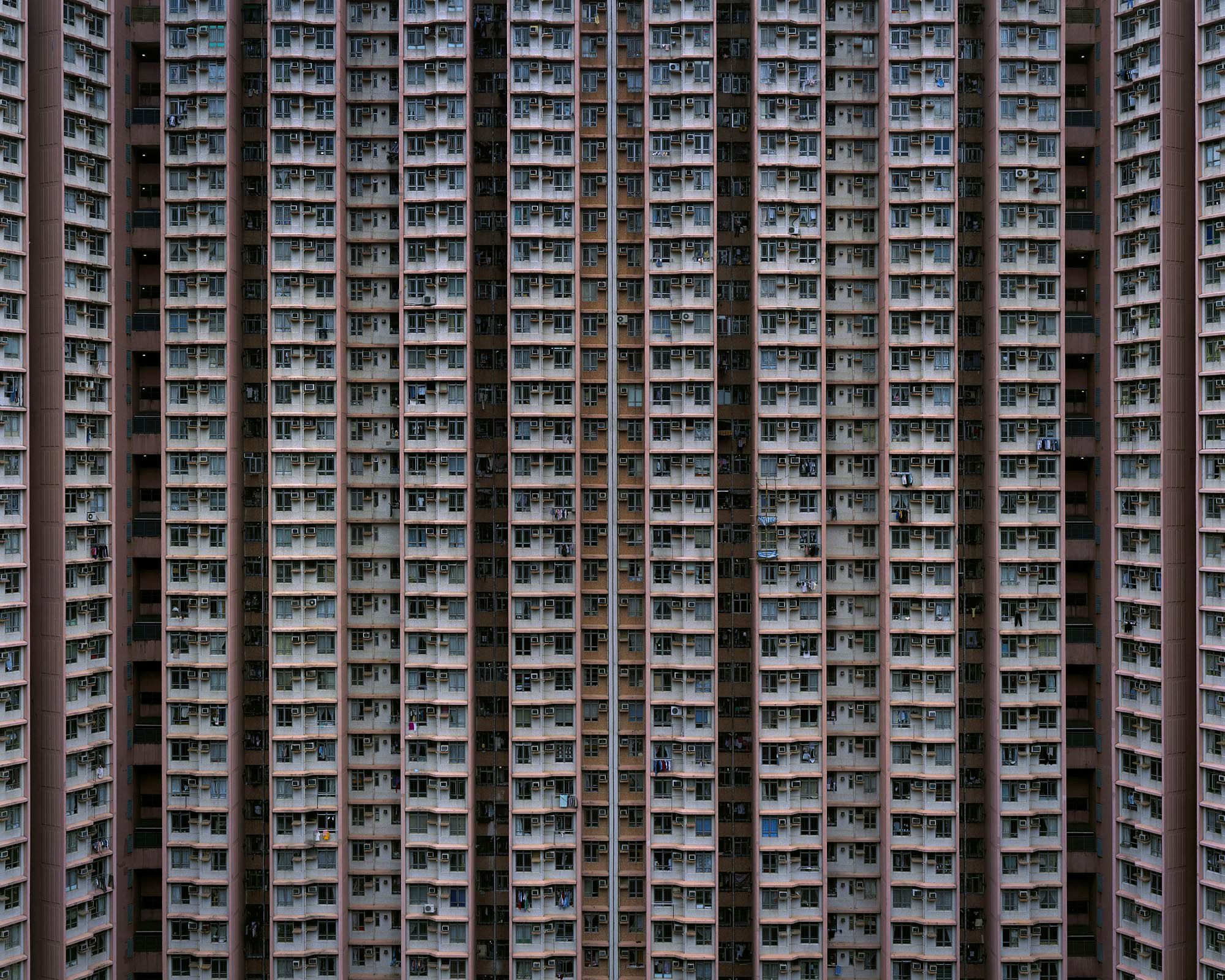
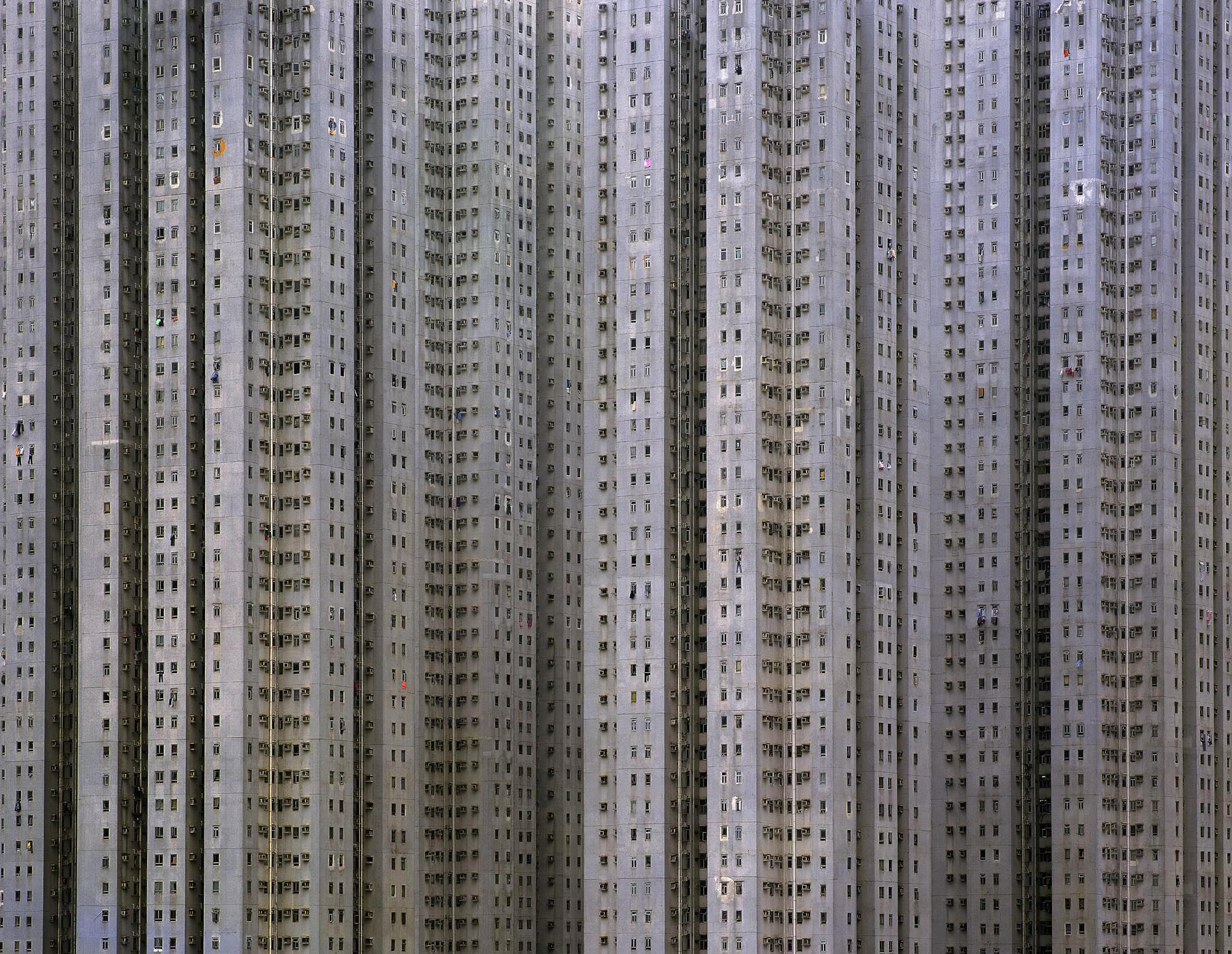
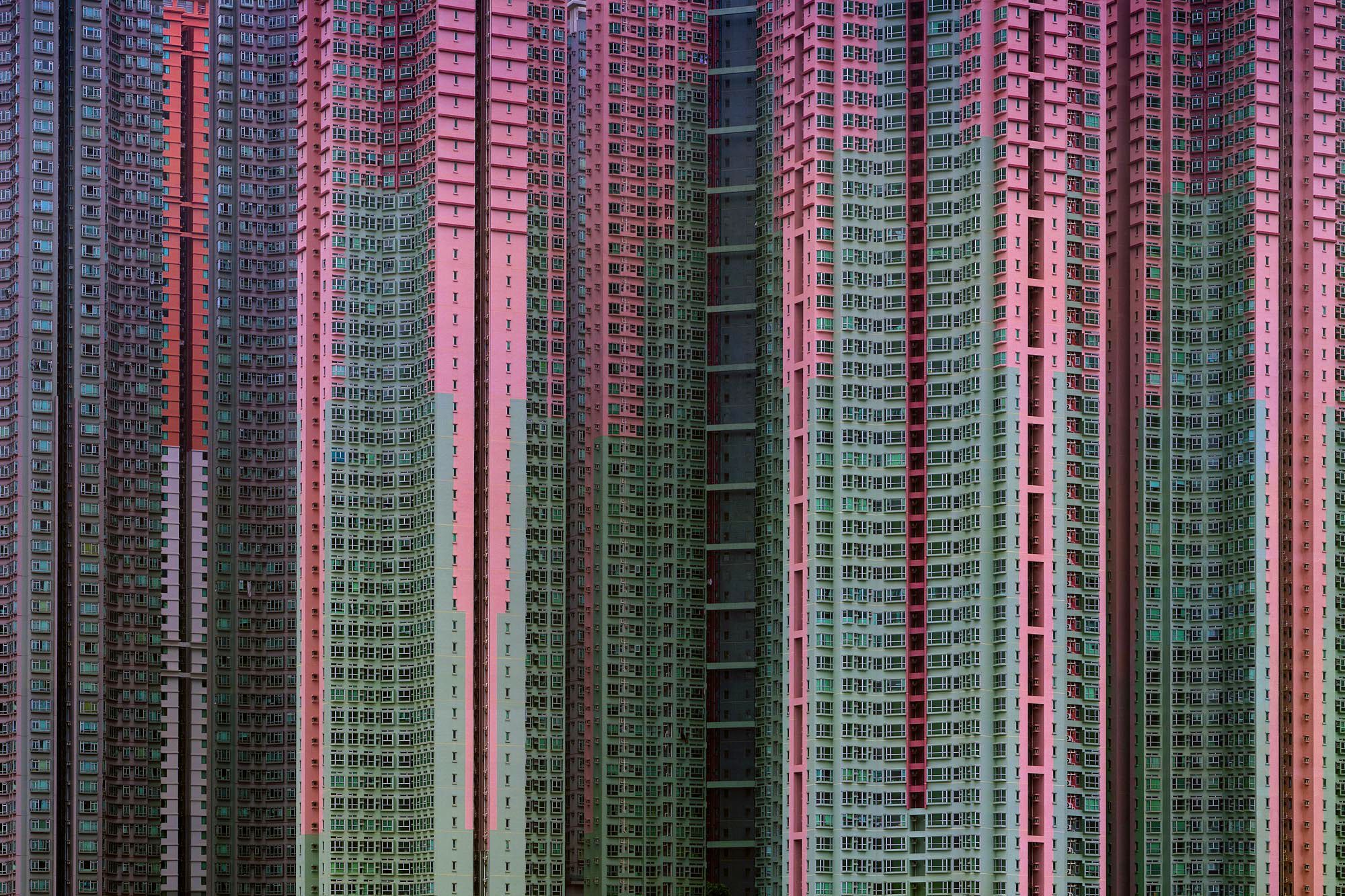
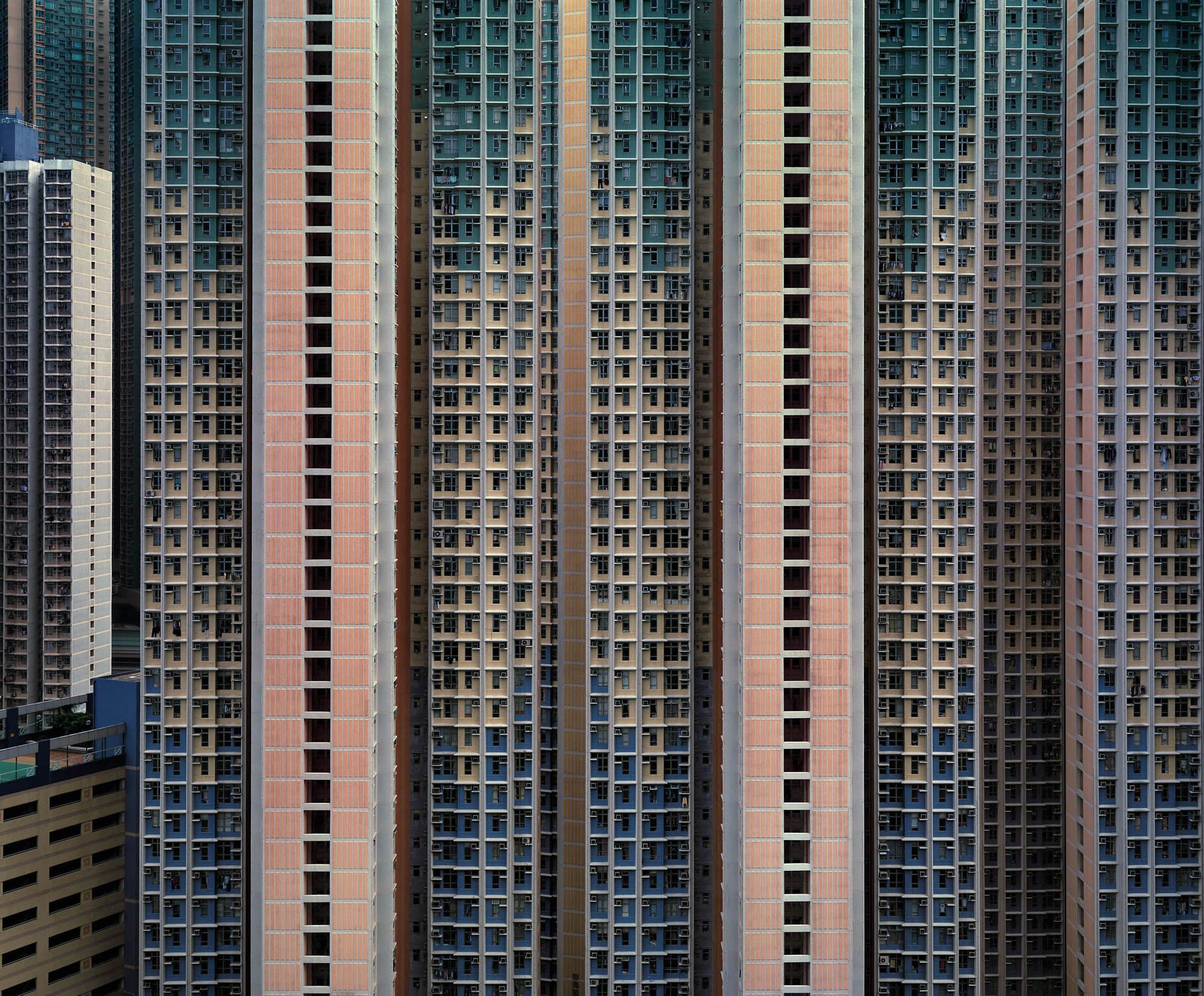
Photographed by Azim Haidaryan
Produced by Panottica
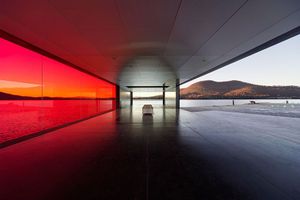
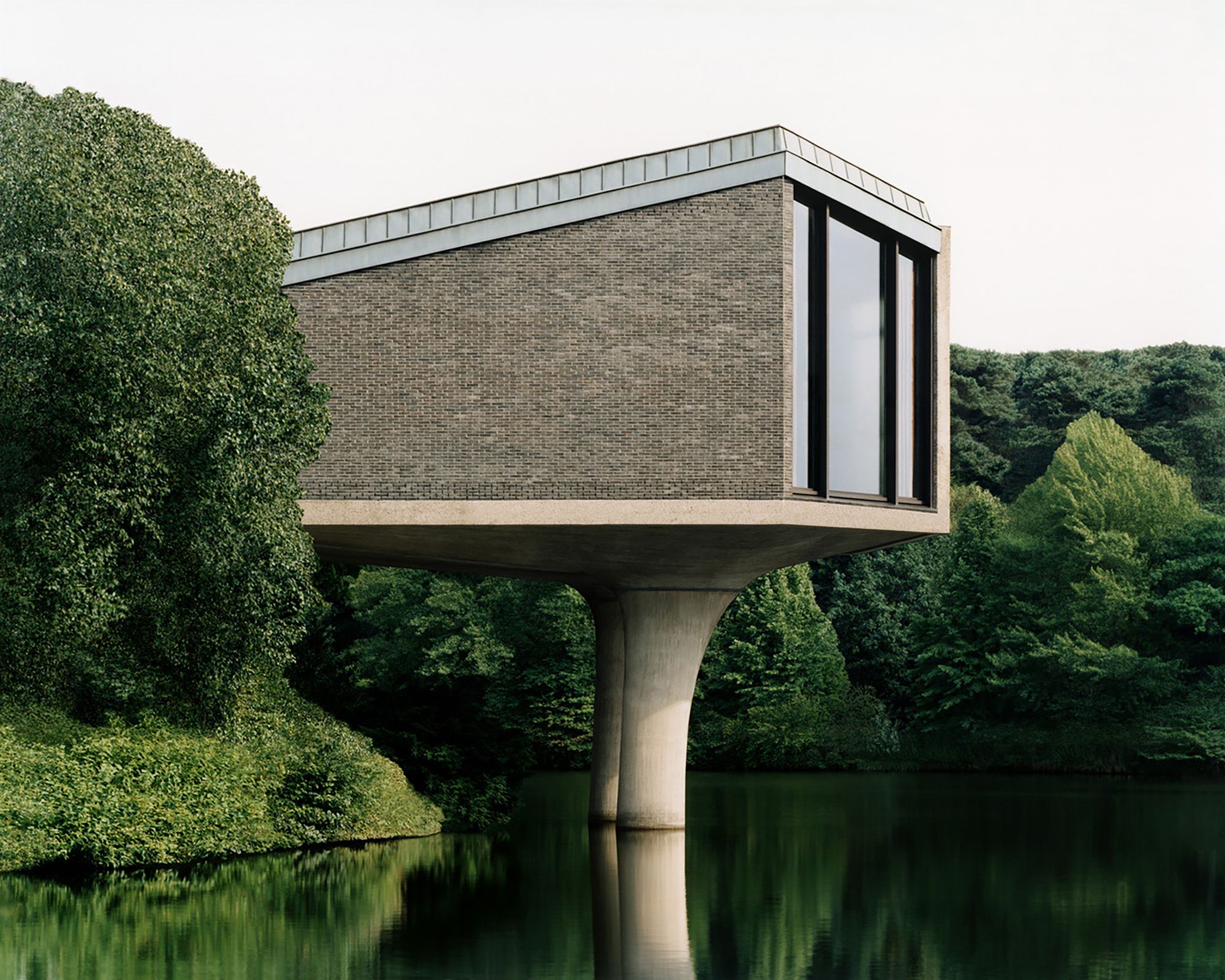
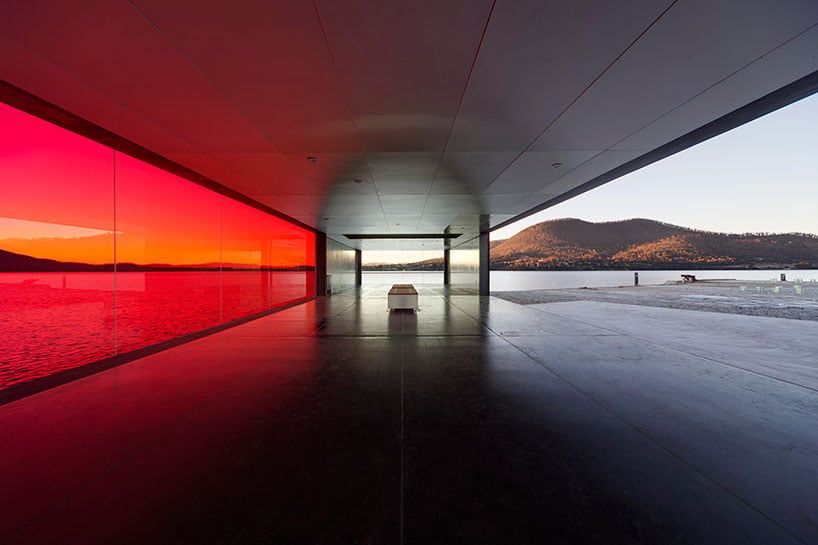
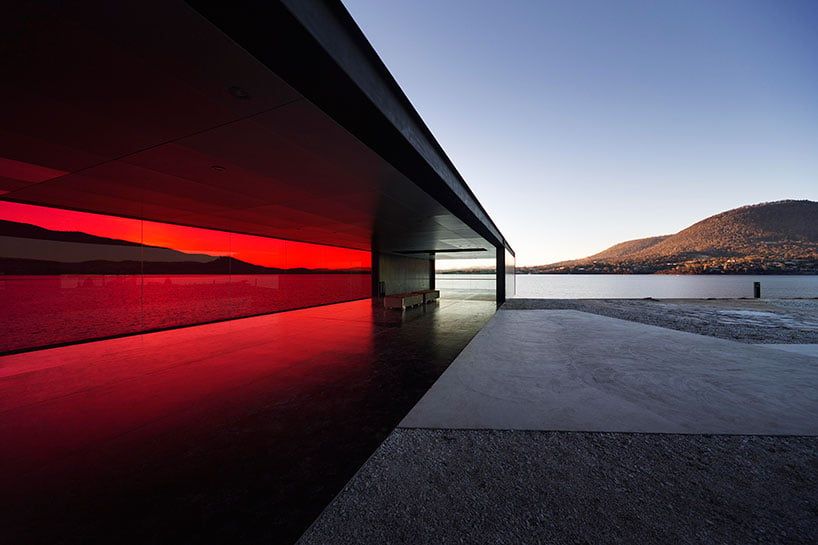
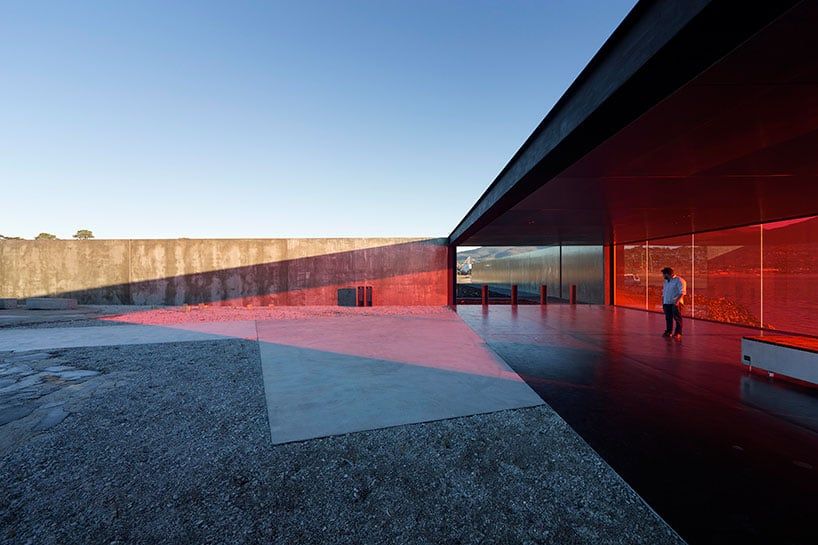
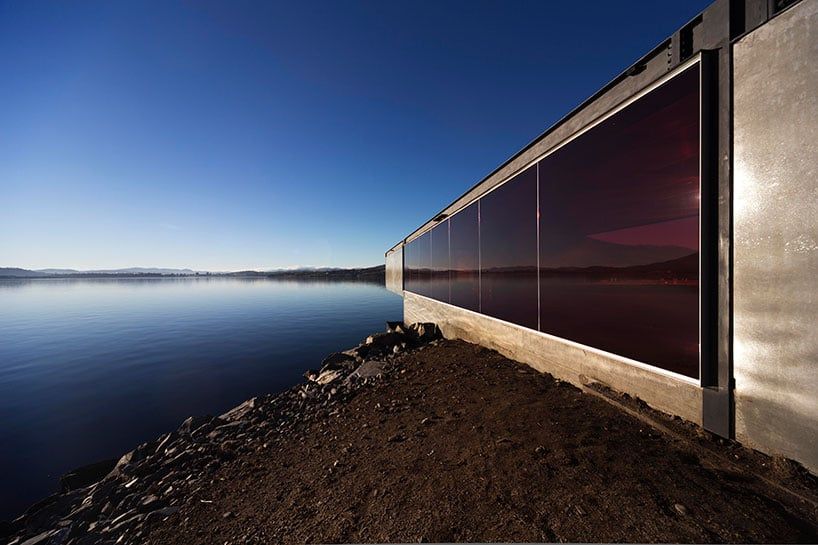
the grove pavilion is located at the center of the arced walkway where it briefly touches upon land, between the constantly texture of the water and matured trees. barbeques and public space provide recreational services to visitors within a subdued black structure that frames the colorful surrounding landscape. continuing eastward down the walkway leads to the wilkinson’s point pavilion born from an existing concrete pad built in the mid 20th century as the foundation for an unrealized bridge. the pavilion, a series of intersecting planes exhibiting various degrees of transparency and filtering of views and colors, cantilevers out over the water framing the site and a large open-air pad capable of hosting large scale events. massive concrete walls support a floating canopy containing an expansive red glass wall and a yellow skylight towards the cantilevered portion. the architecture adopts a simple form, poetic and restrained in the landscape, an experience heightened by its relative isolation from any other man-made developments.
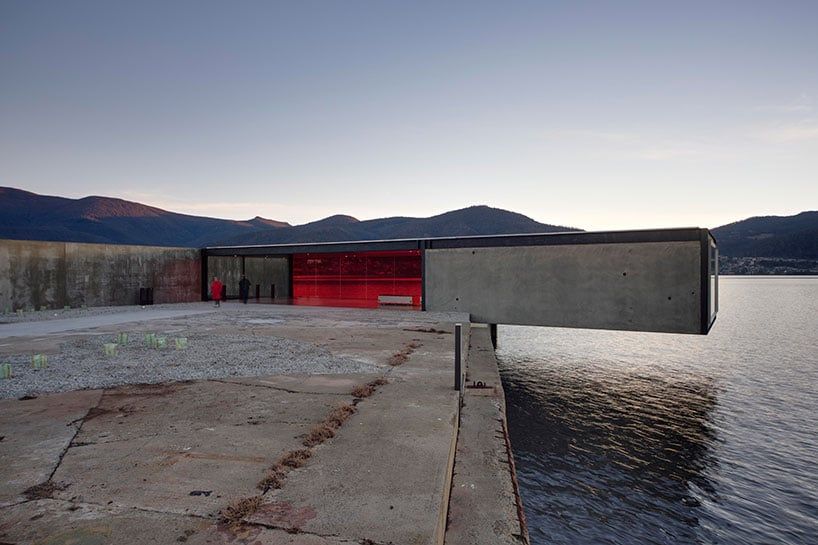
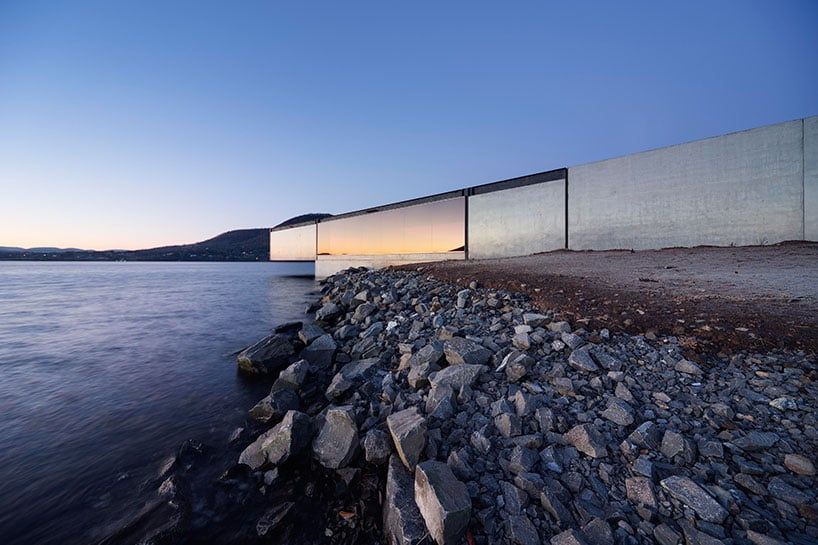
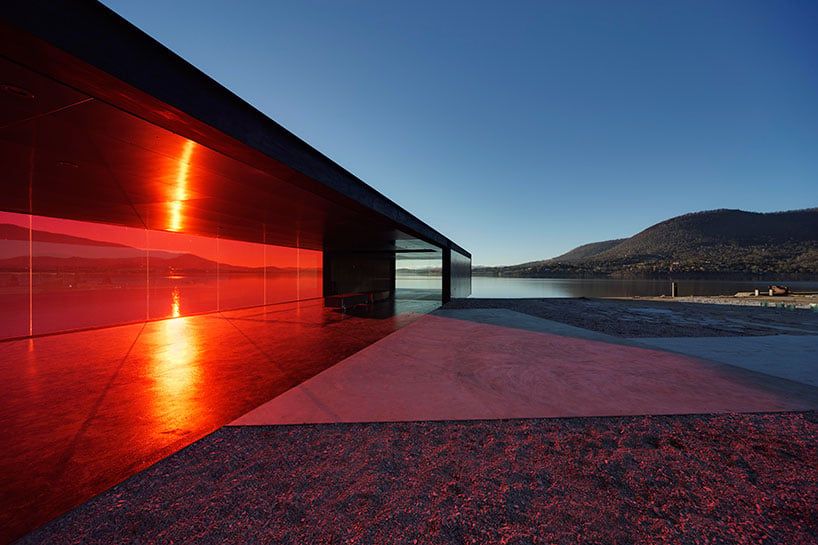
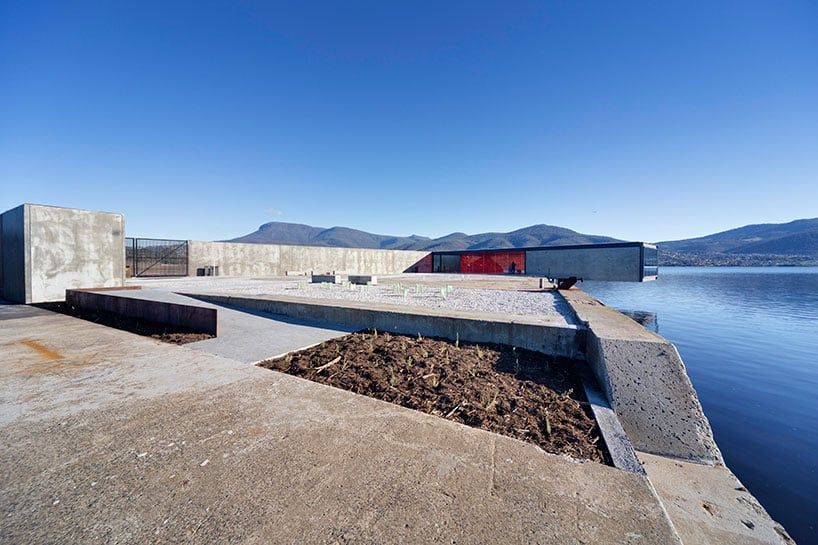
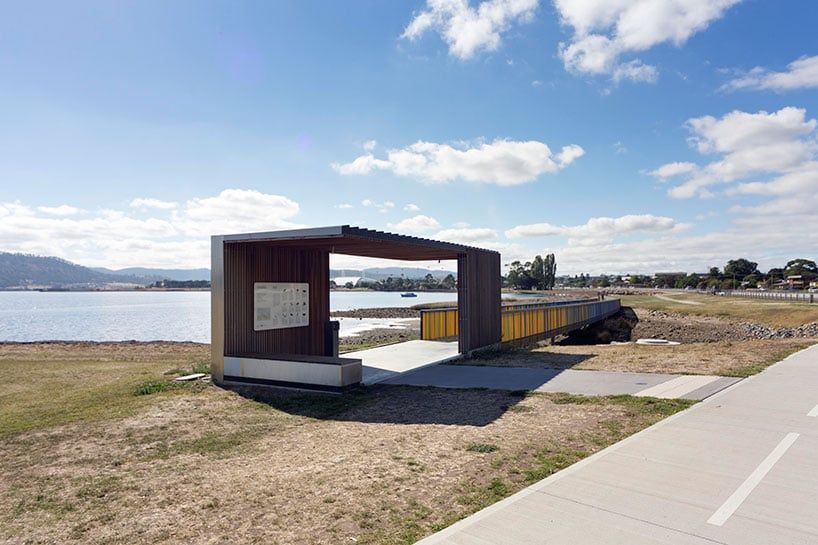
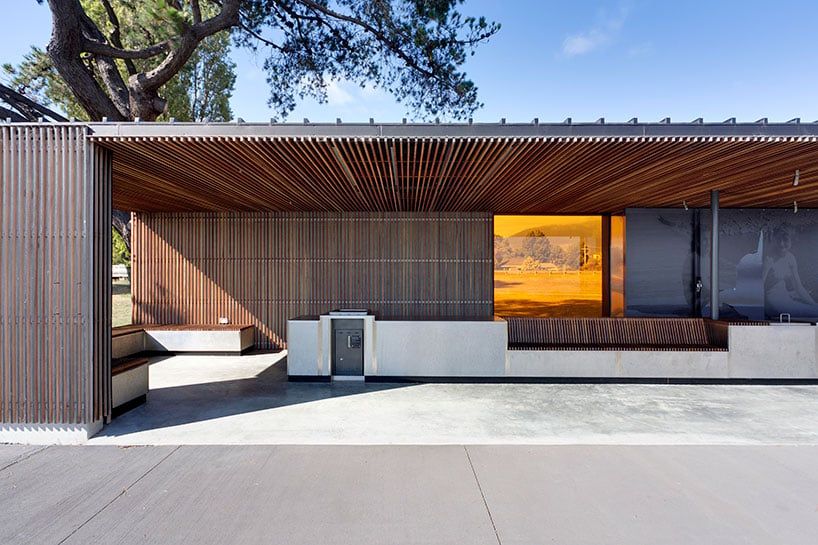
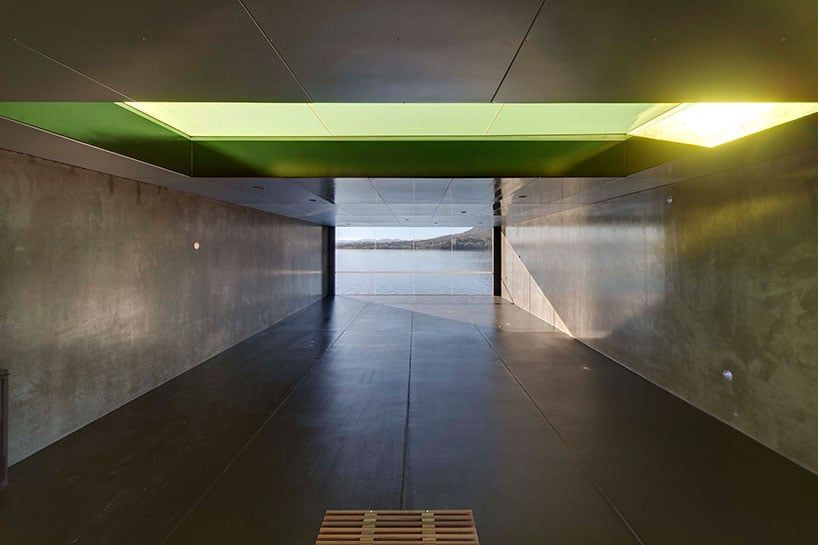
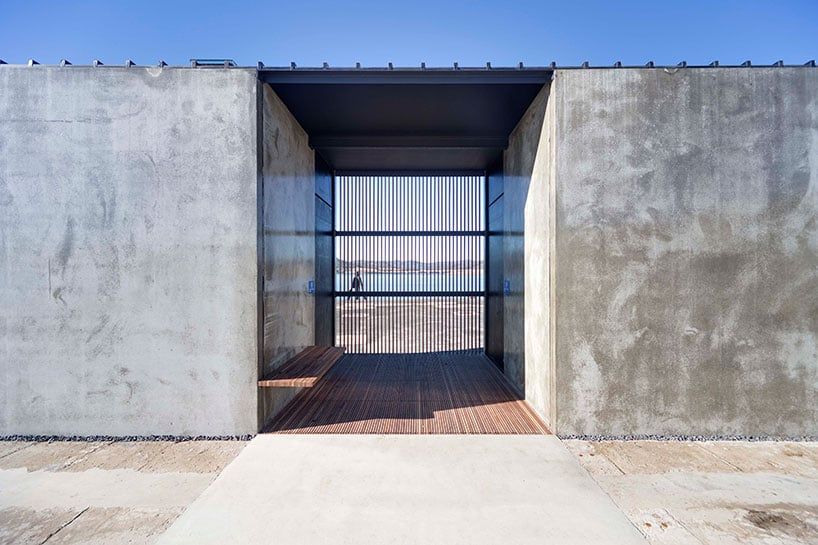
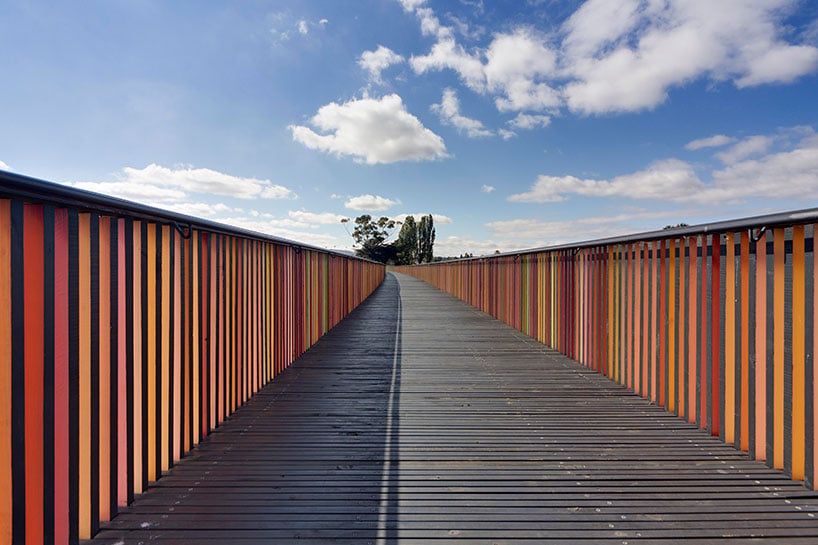
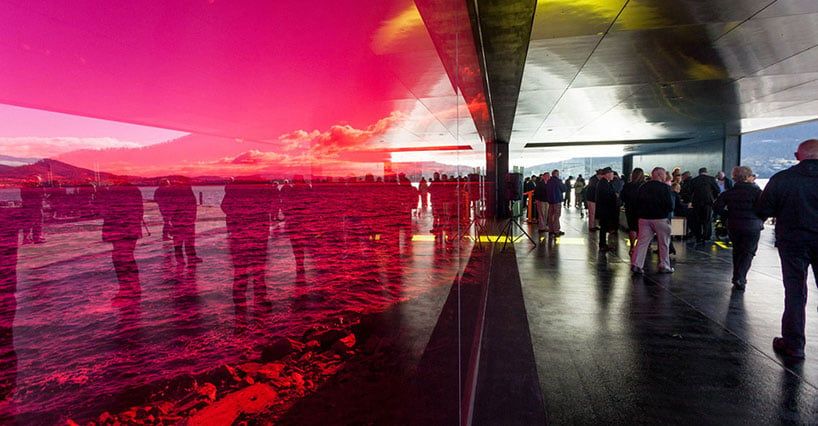
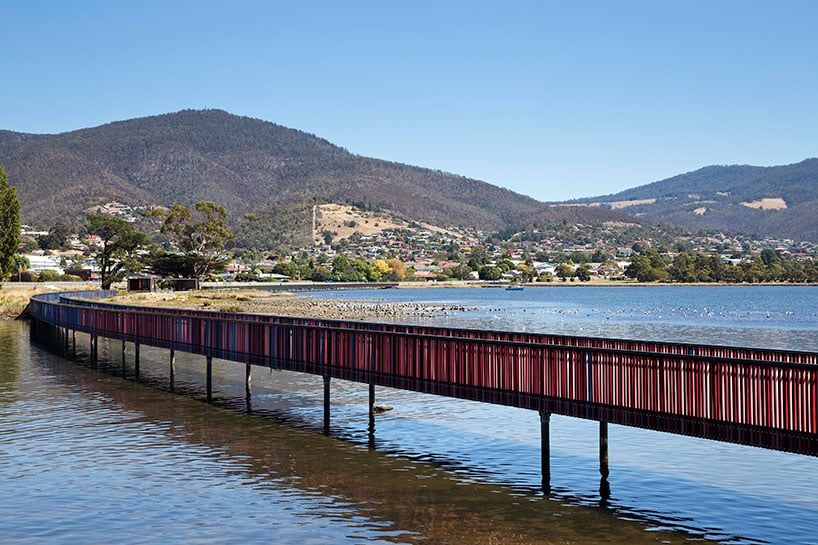
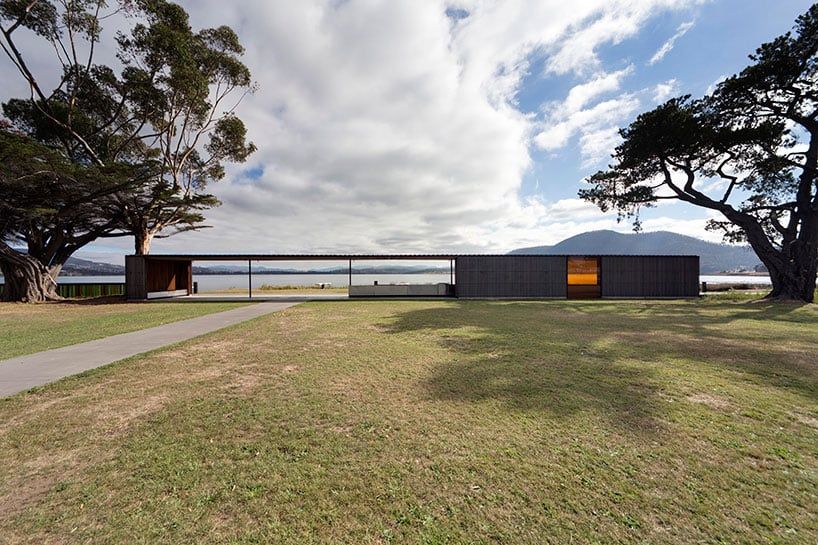

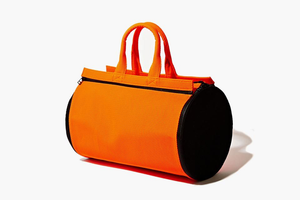
Designed by Robert Cordero
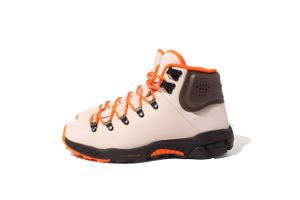
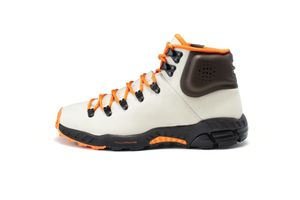
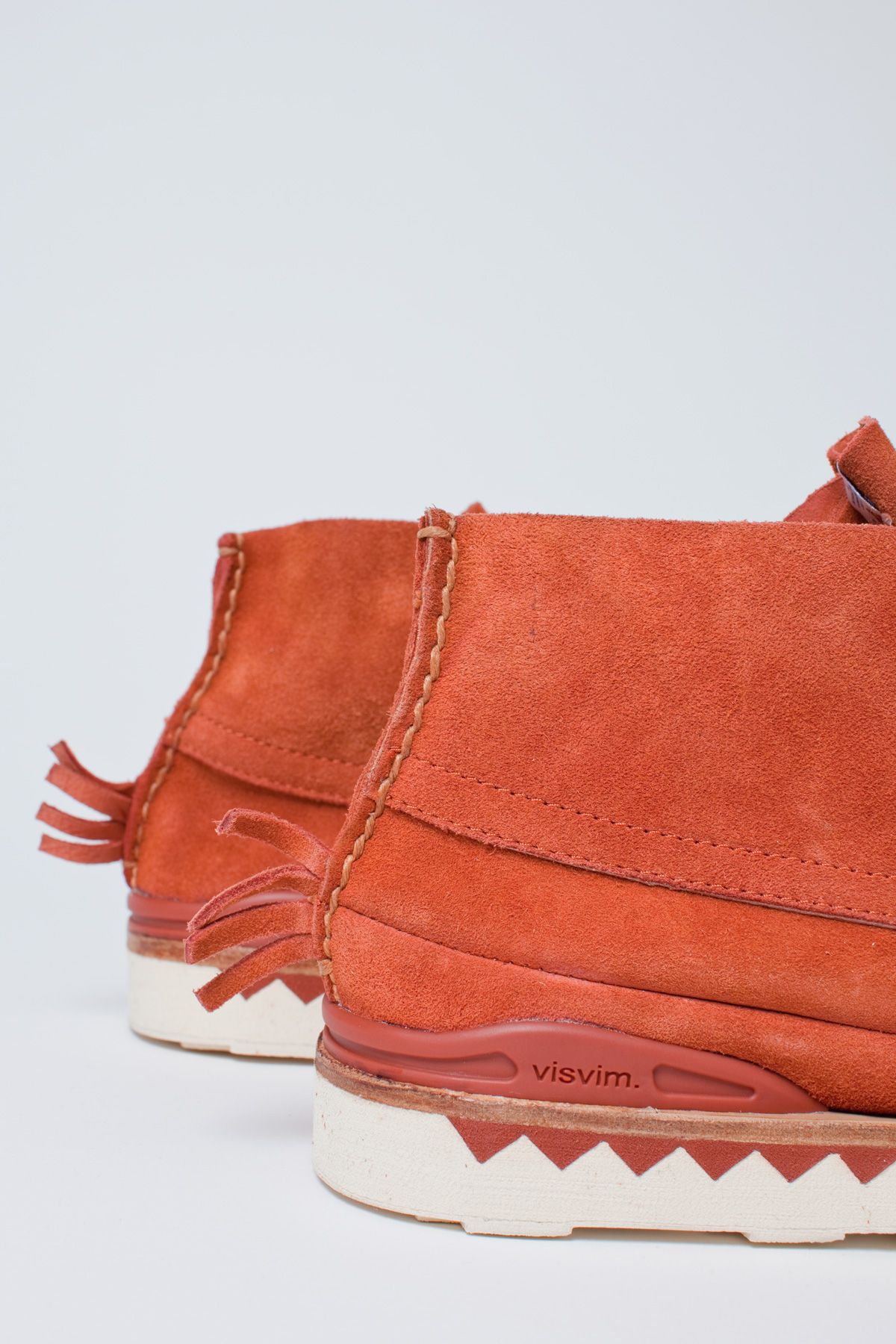
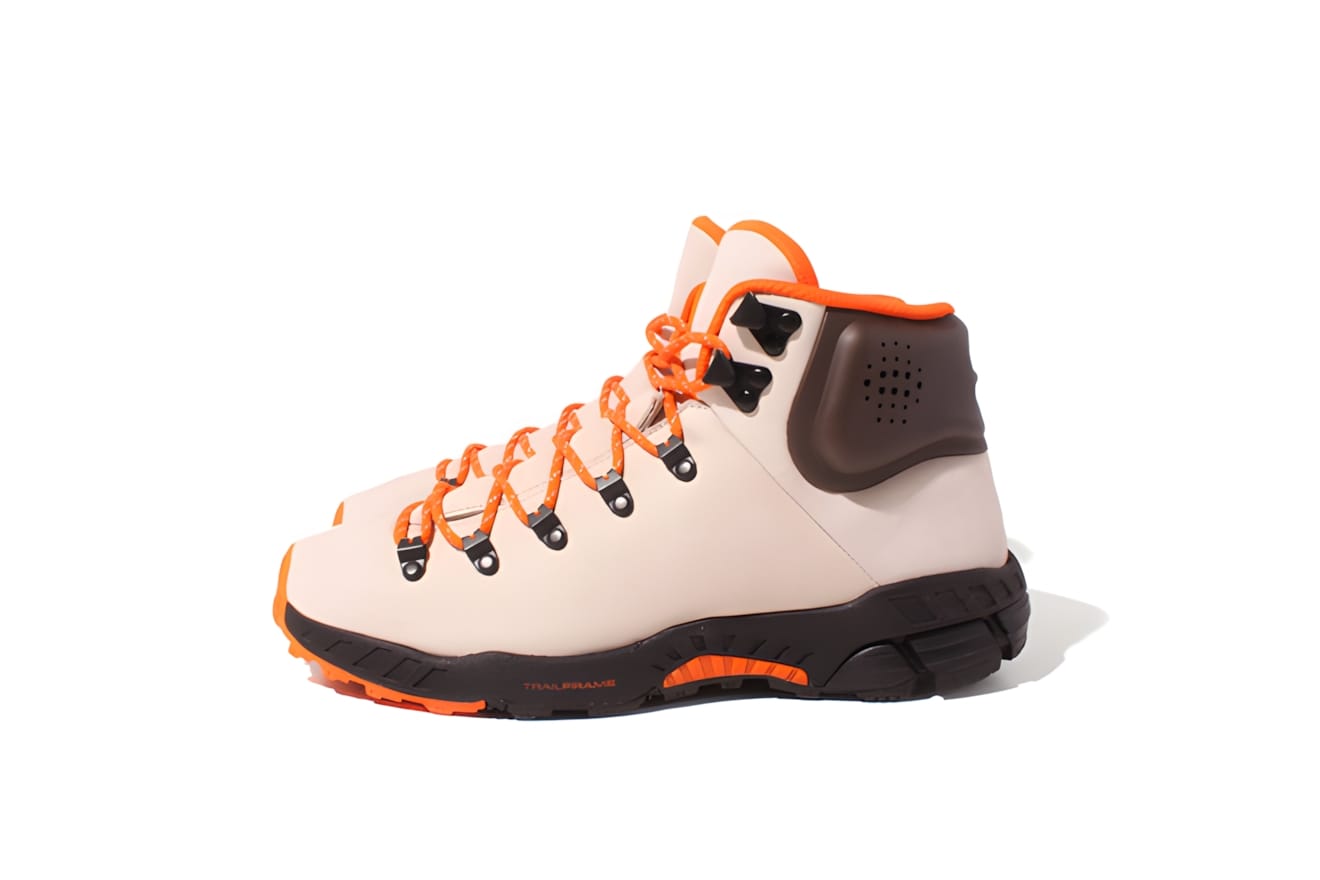
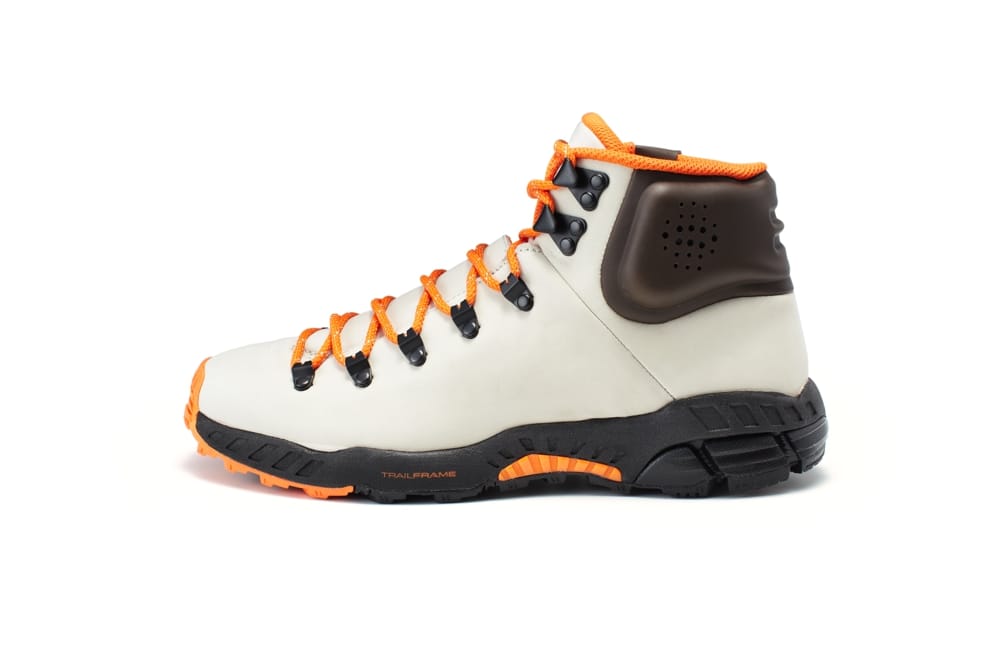
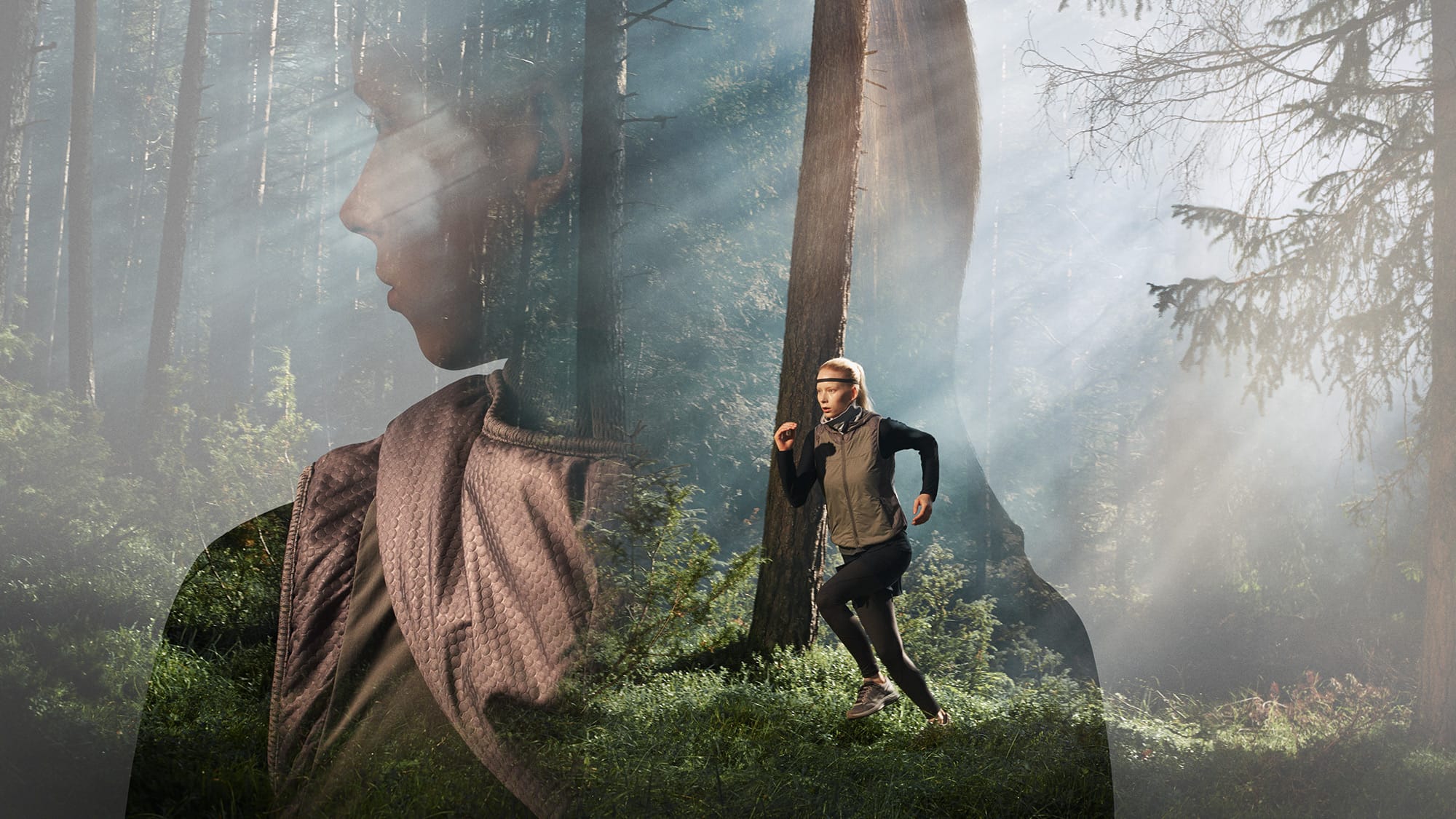
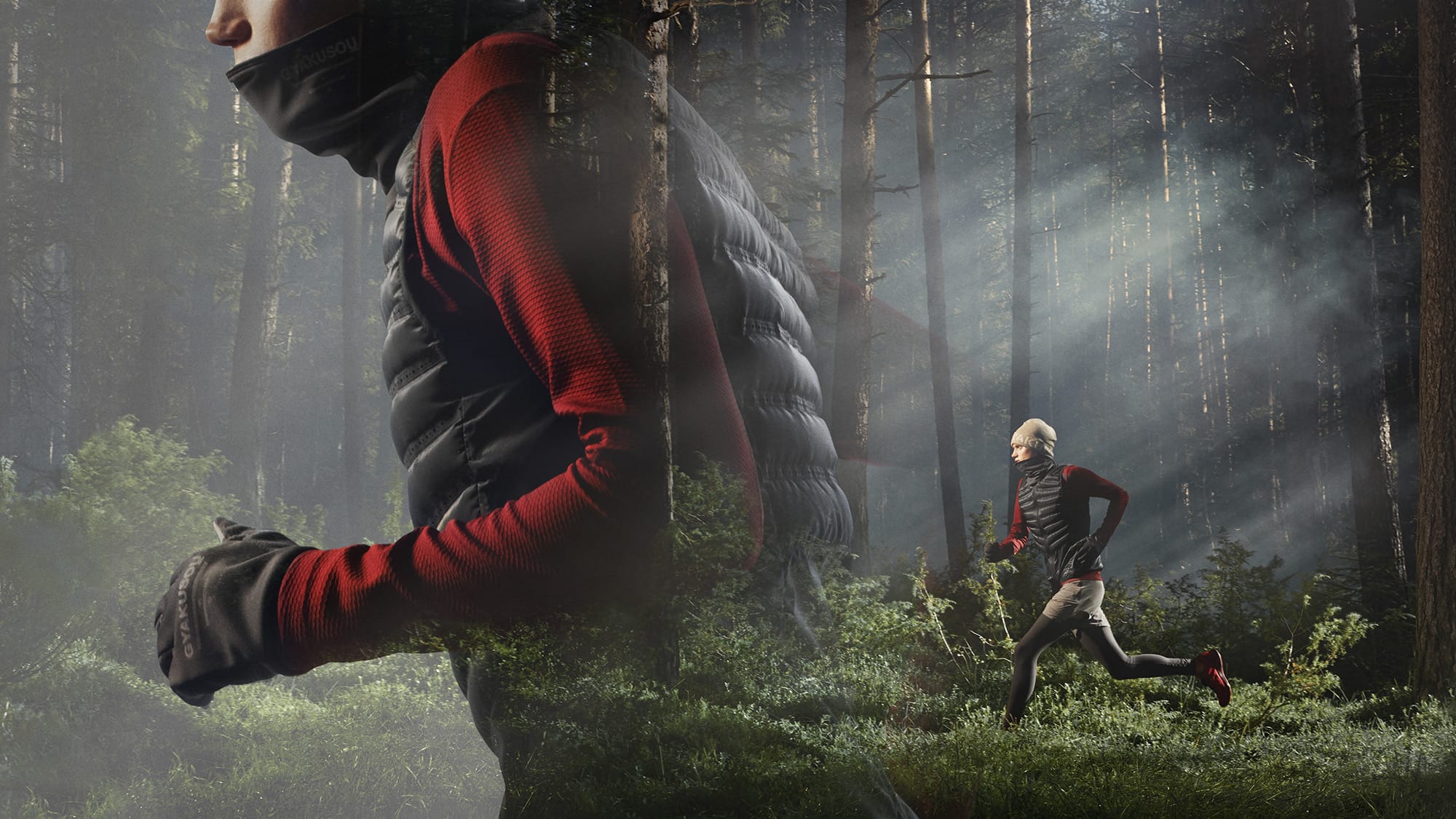
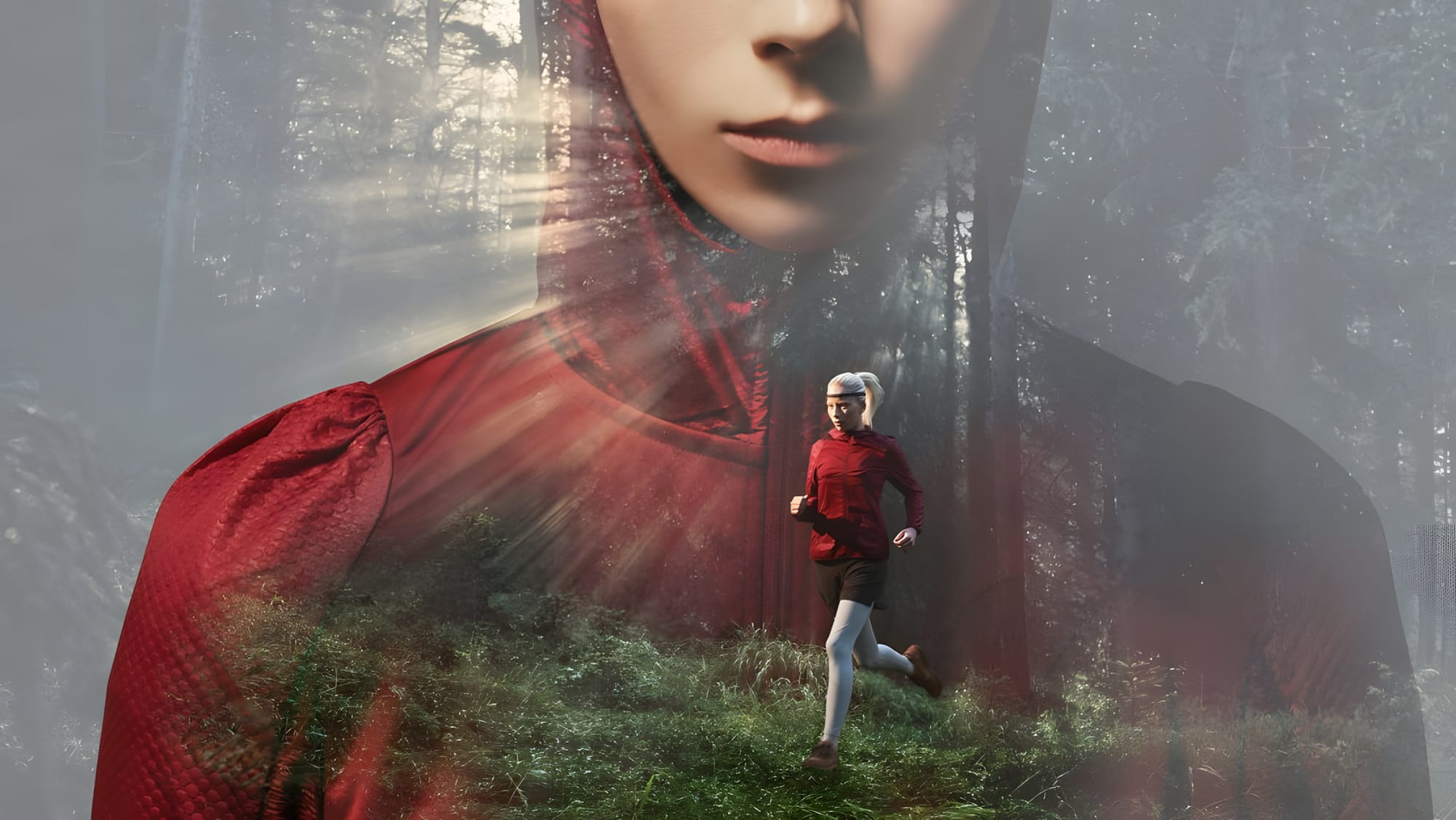
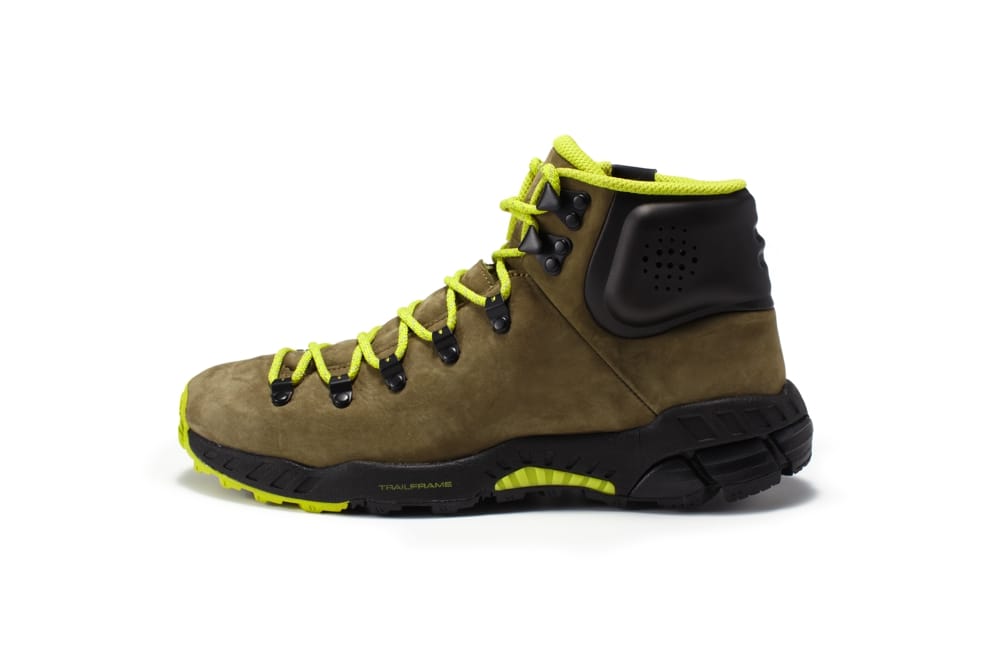
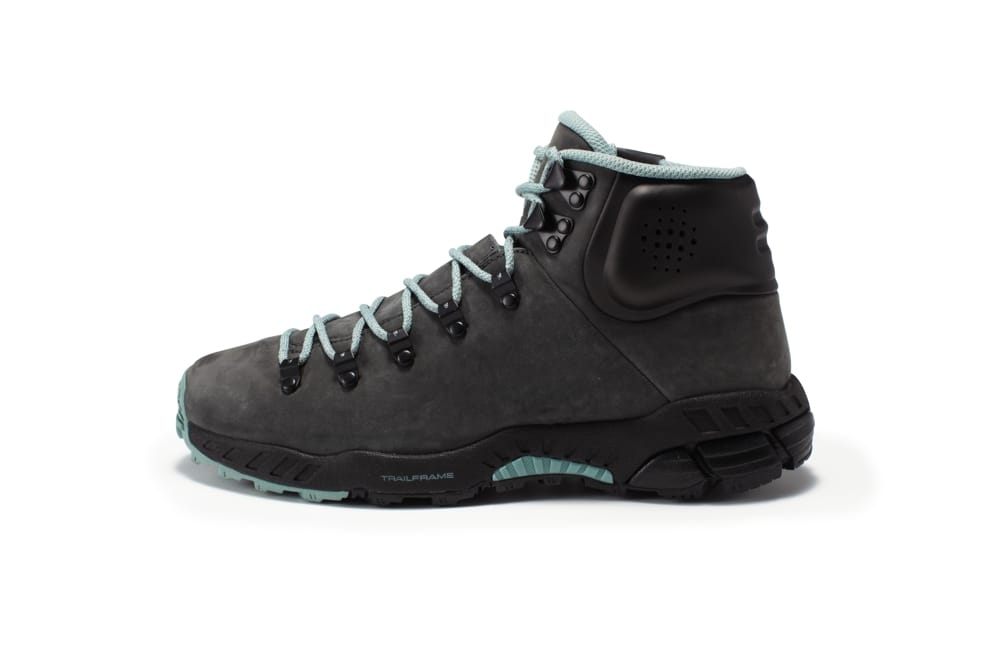
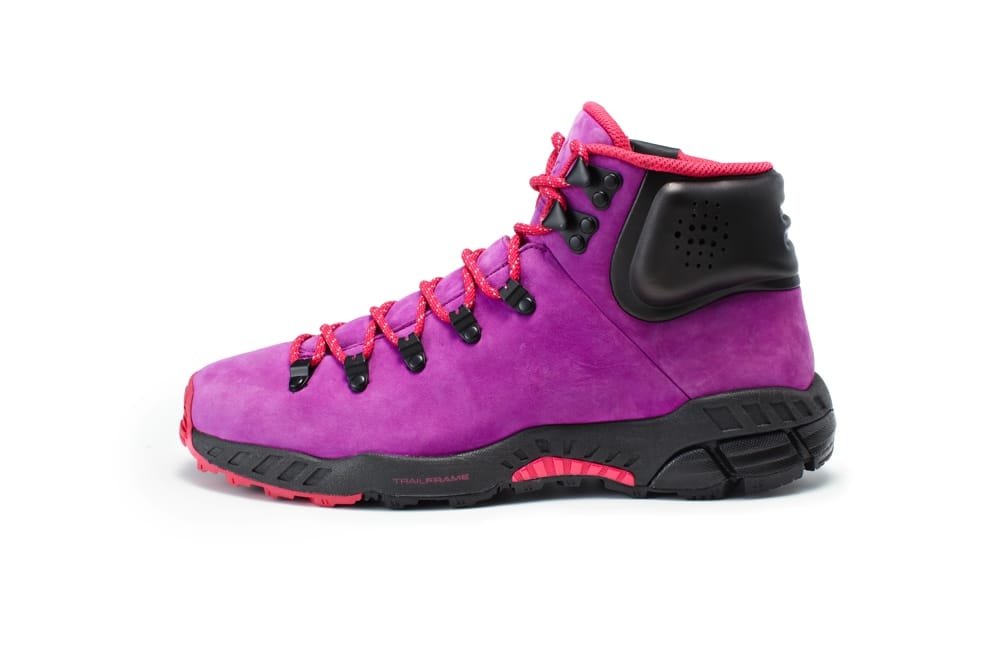
The Nike ACG Zoom Meriwether is a lightweight, weather-resistant boot built on a responsive Zoom Air platform, it offers impact protection without the bulk of traditional hiking boots. The water-resistant suede upper is paired with a medial zip for easy on-off, while the integrated lacing system keeps the fit secure without adding unnecessary weight or complexity.
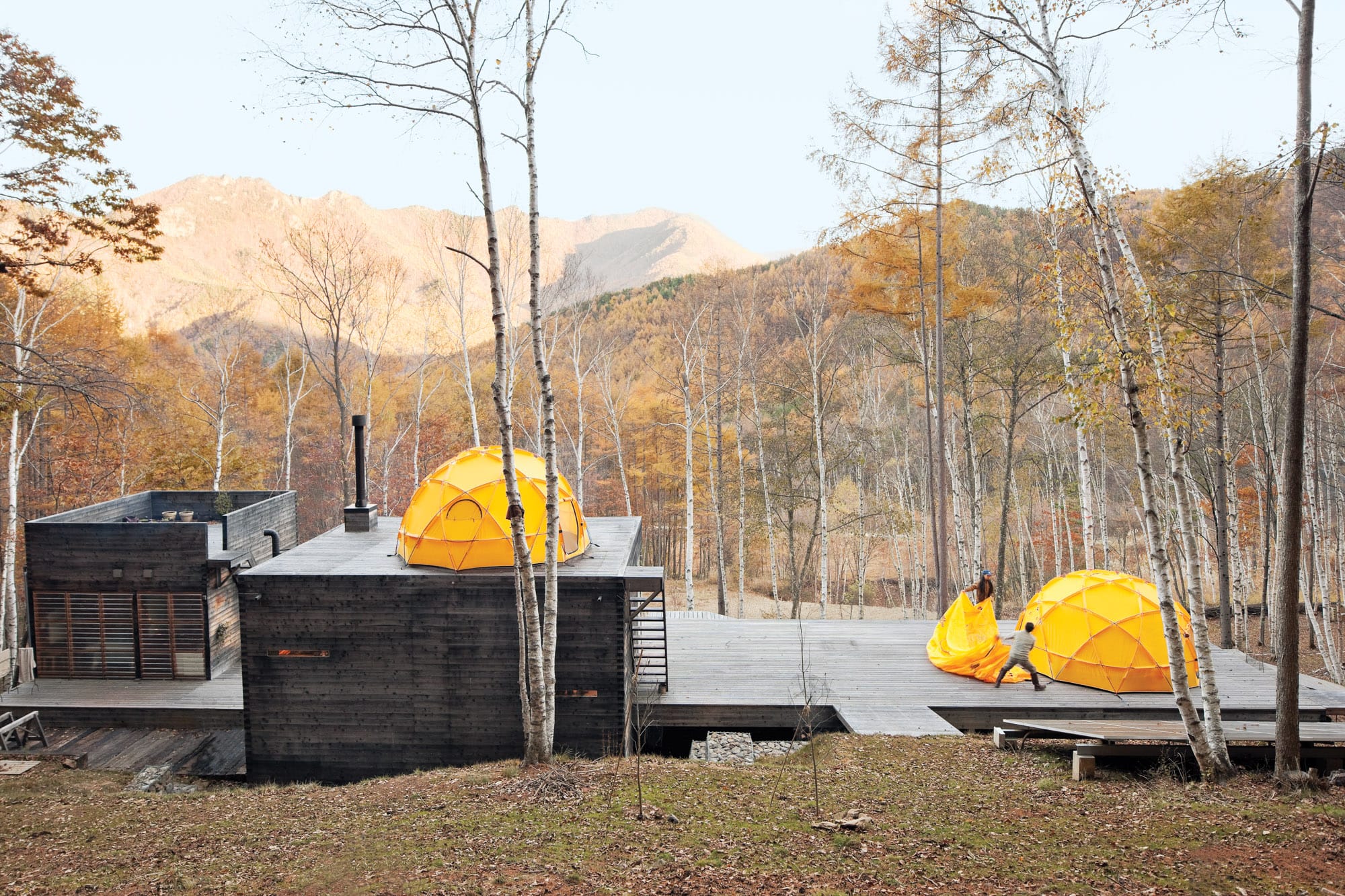
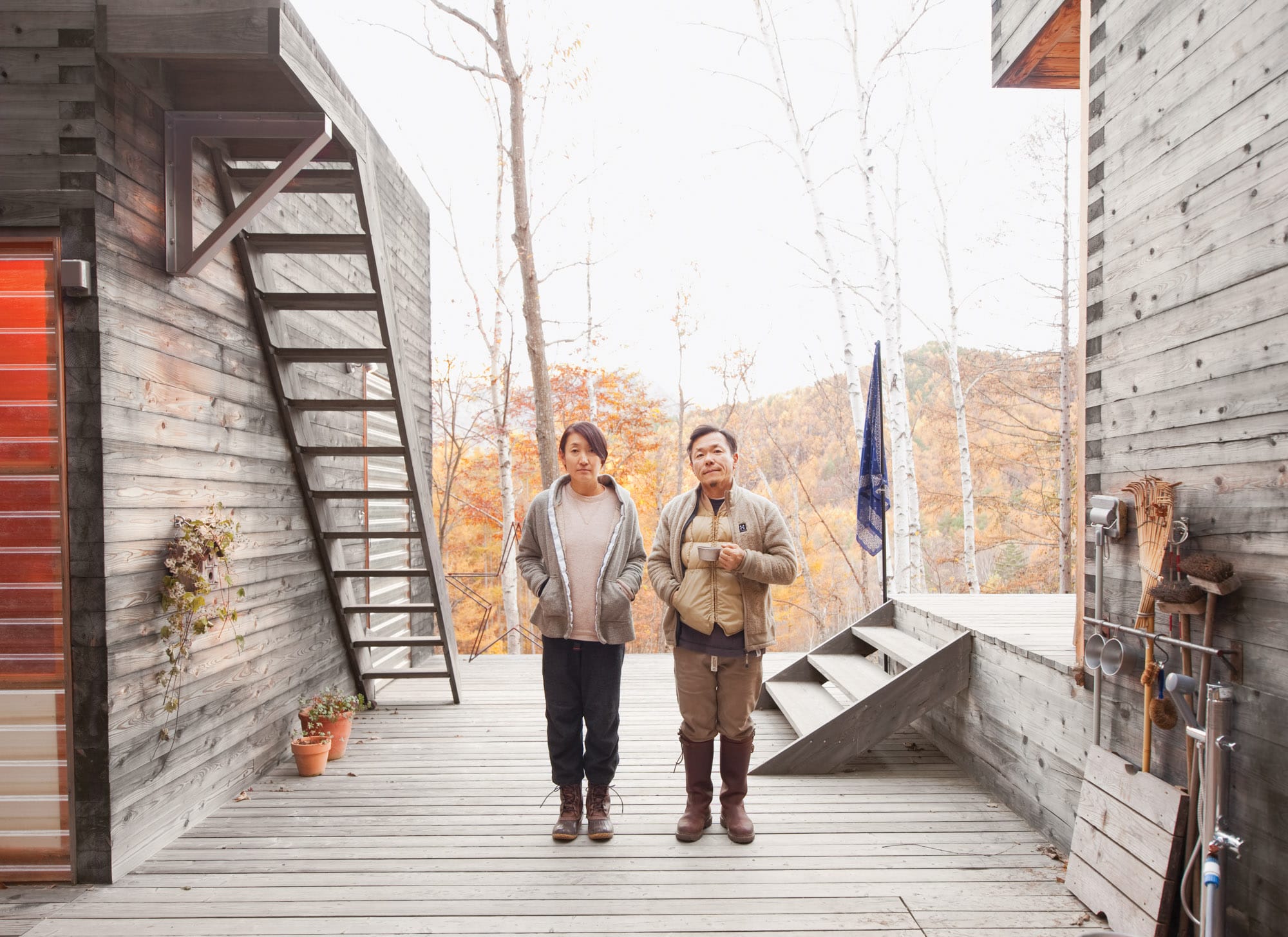
Designed by architect Shin Ohori of General Design for Setsumasa and Mami Kobayashi, founders of General Research. Located in the Chichibu mountain range northwest of Tokyo, the site serves as both a personal weekend shelter and a field-testing ground for product development.
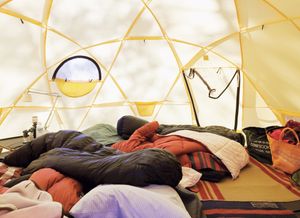
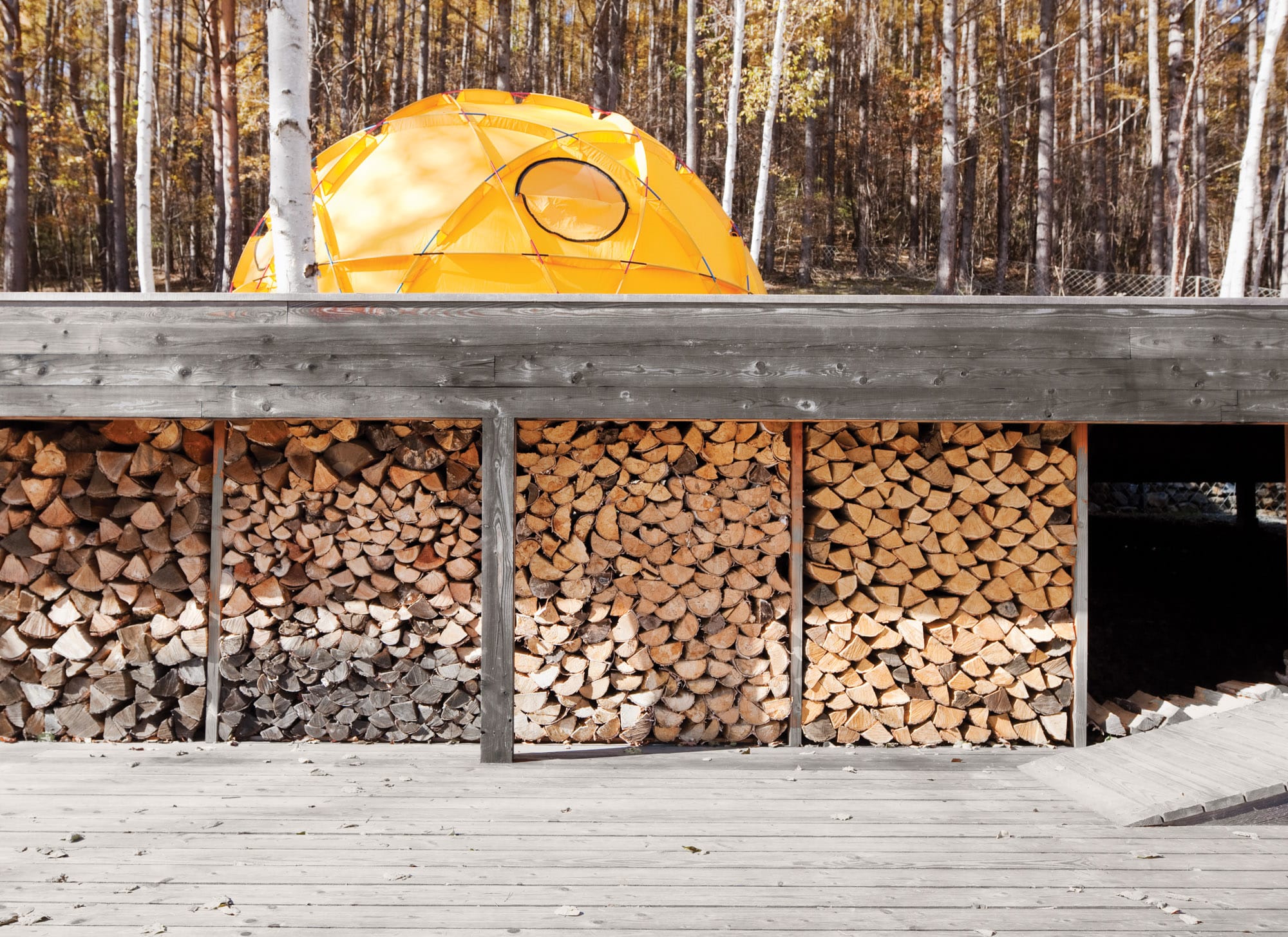
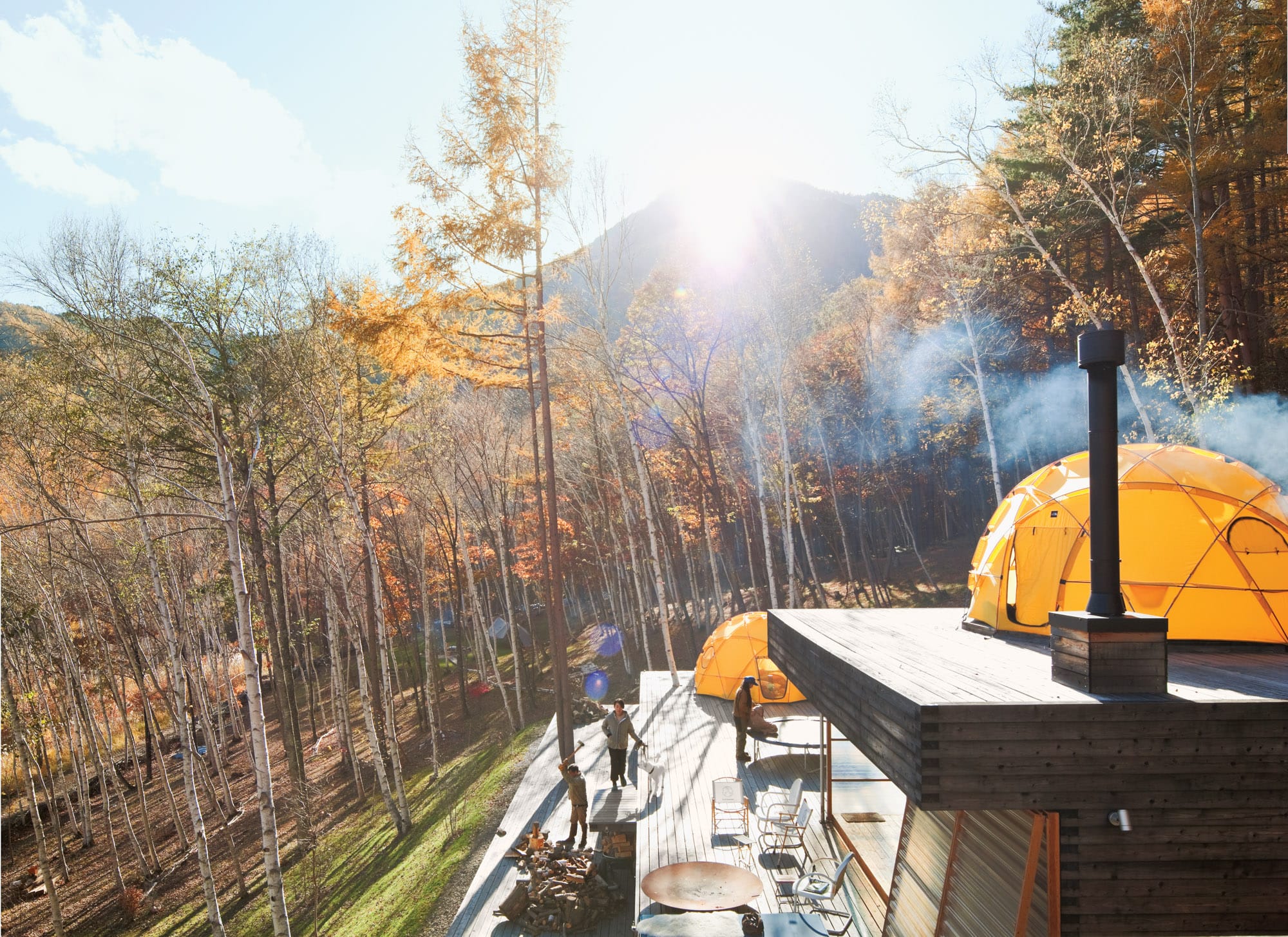
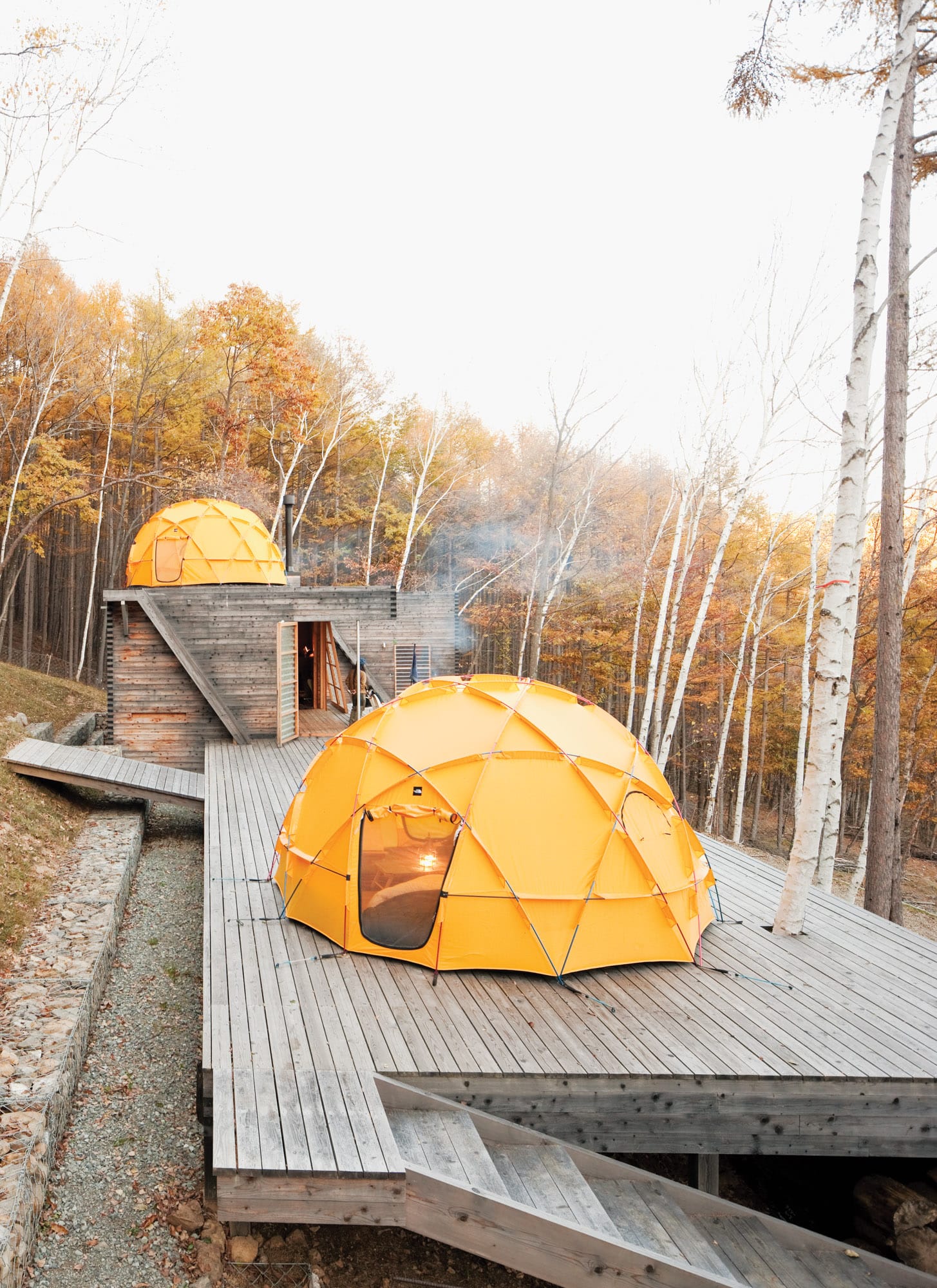
The structure is built on an elevated platform using locally harvested larch wood and features removable walls made from fiber-reinforced plastic. It includes two yellow dome tents used as permanent sleeping areas—one placed on a secondary deck and the other on the roof of the main volume. The central enclosed space houses a kitchen and dining area.
The shelter is equipped with electricity, hot water, internet access, and basic amenities, including a clawfoot bathtub. The location is remote but accessible, allowing the Kobayashis to engage in maintenance tasks and outdoor work while still performing professional duties remotely. The architecture is intentionally simple and functional, emphasizing modularity, environmental responsiveness, and a hybrid of modernist design with primitive outdoor living elements.
The project operates as a live-in testing platform for lifestyle and gear integration in a real-world setting, merging domestic space with performance wear prototyping. It represents an approach to architecture and living that prioritizes adaptability, utility, and a direct relationship with the natural environment.
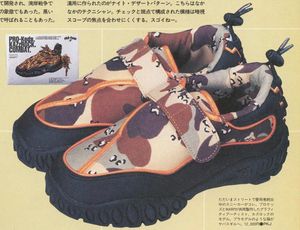
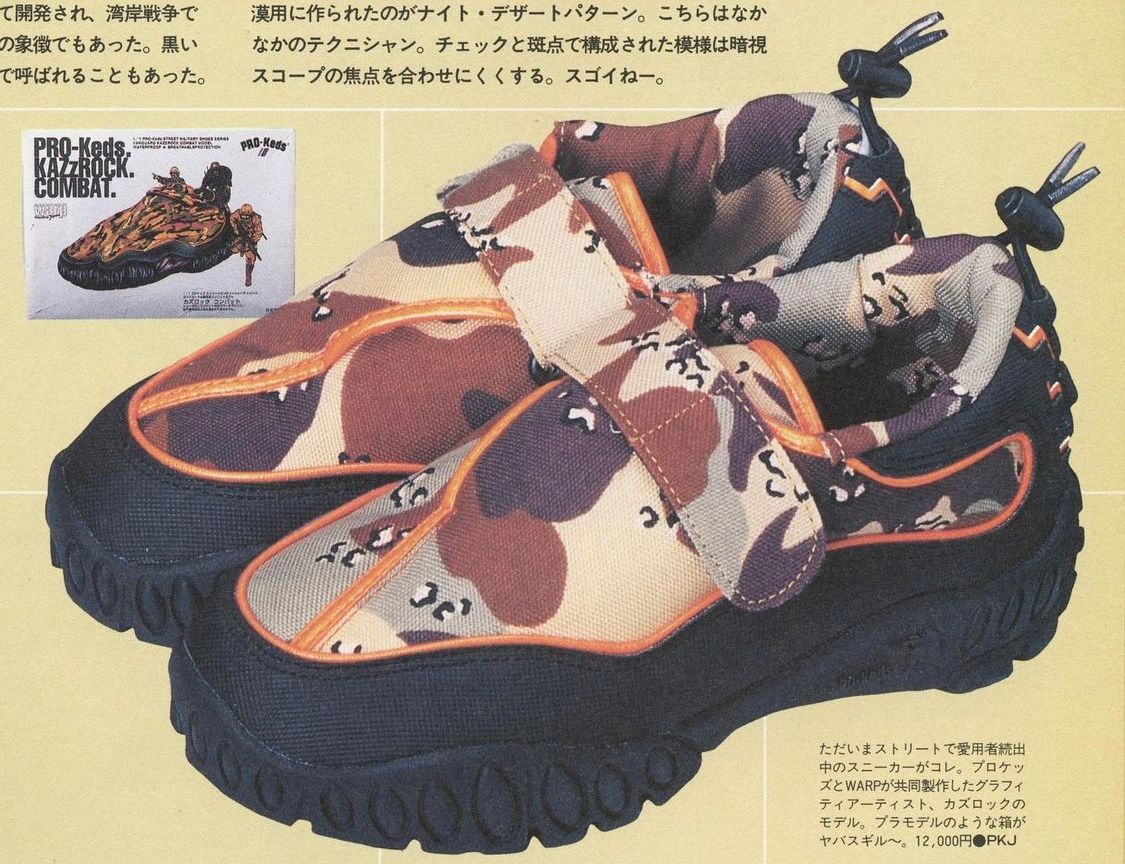
From their street military shoes series
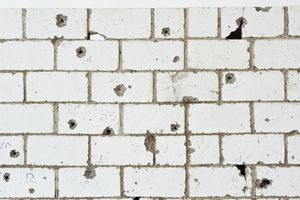
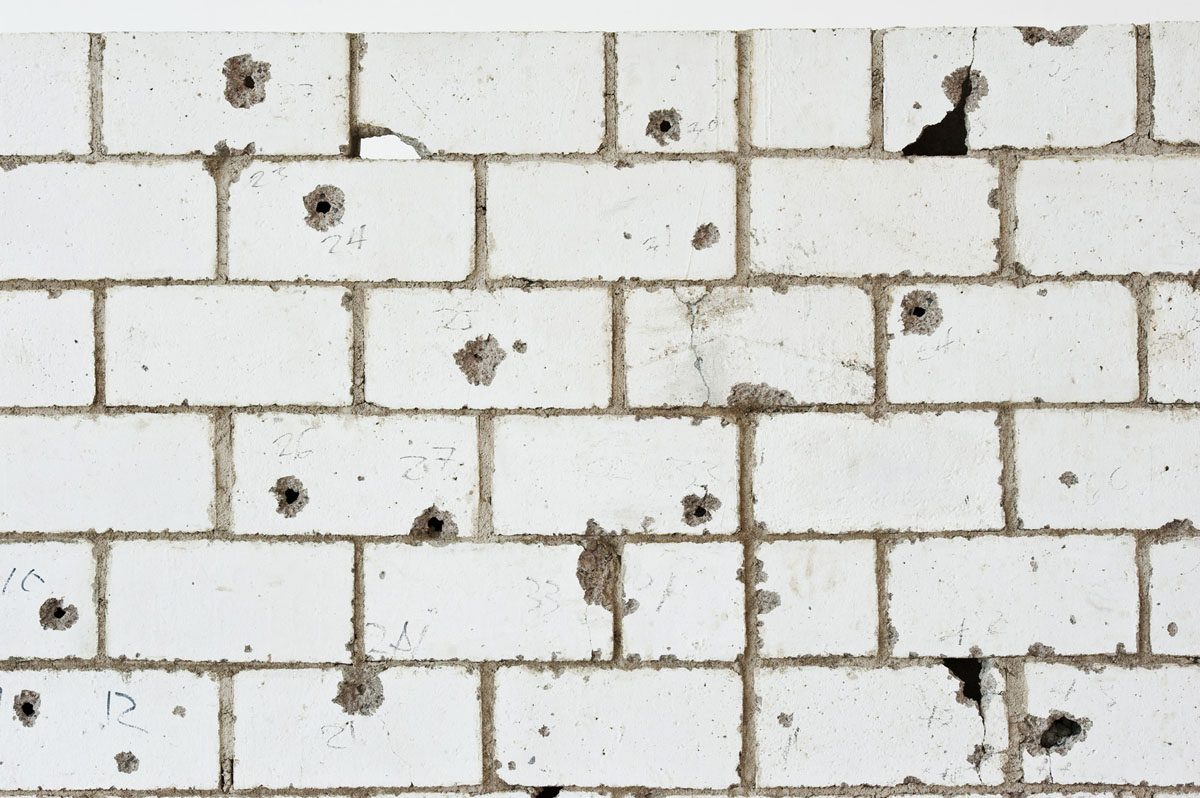
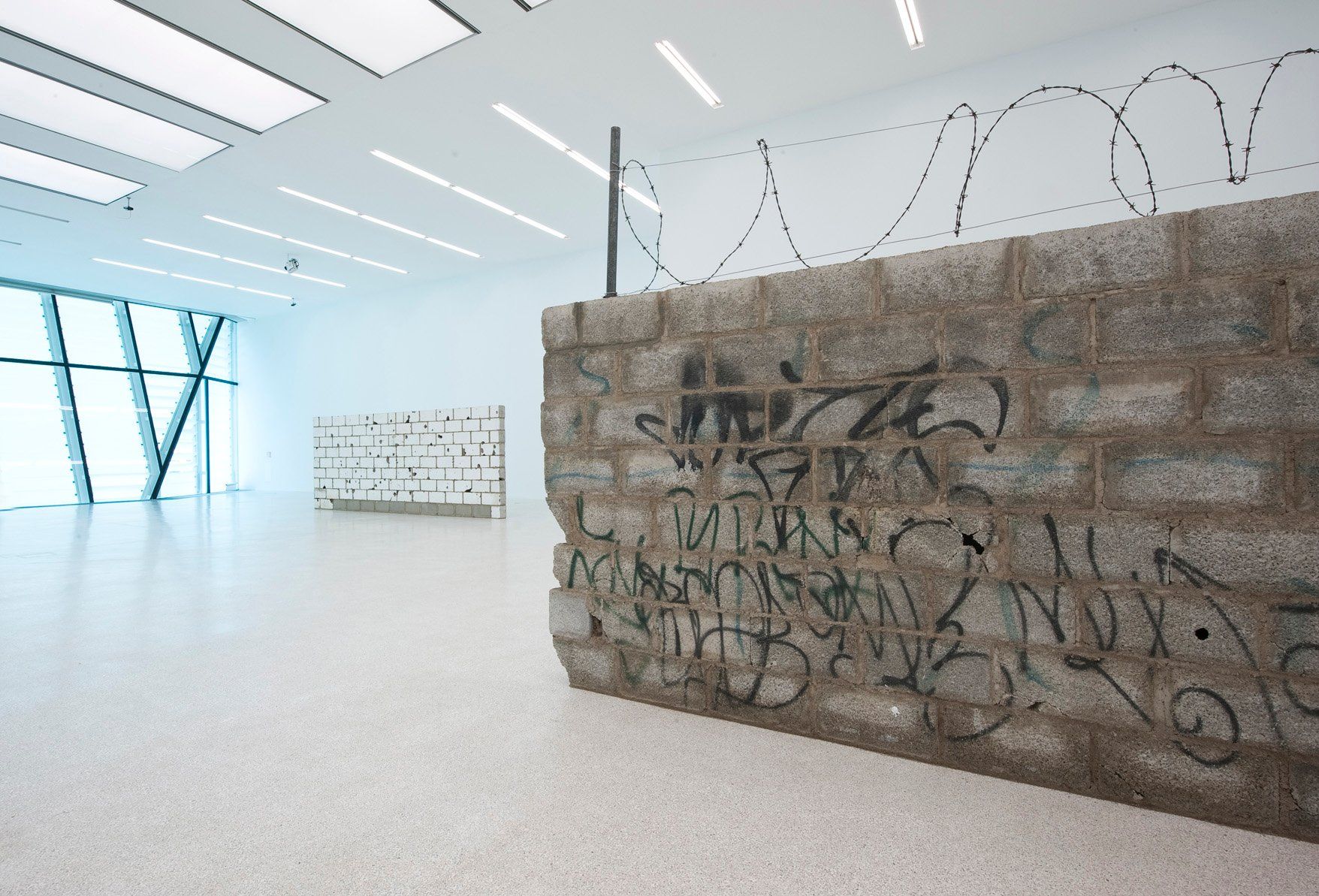
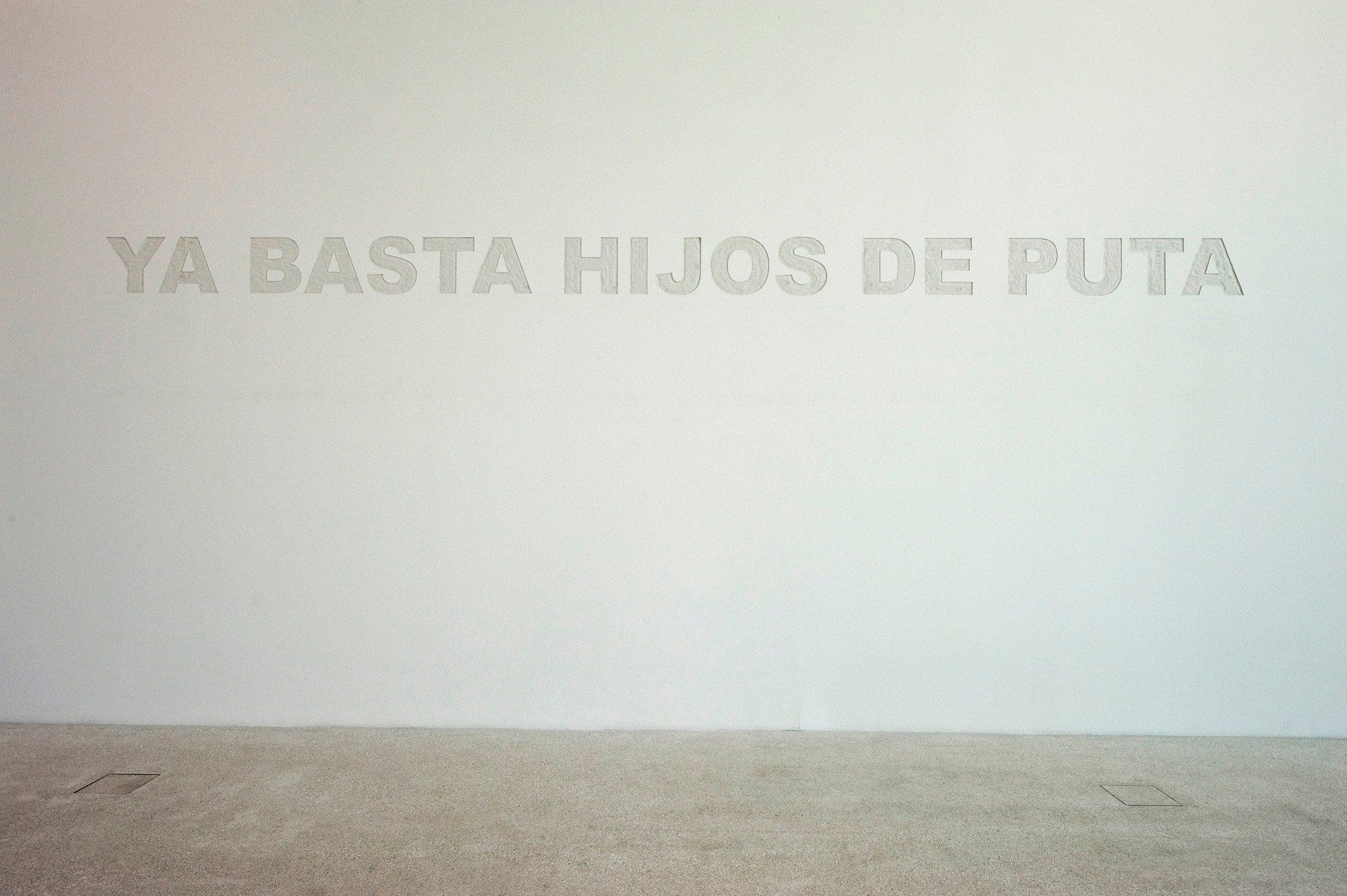
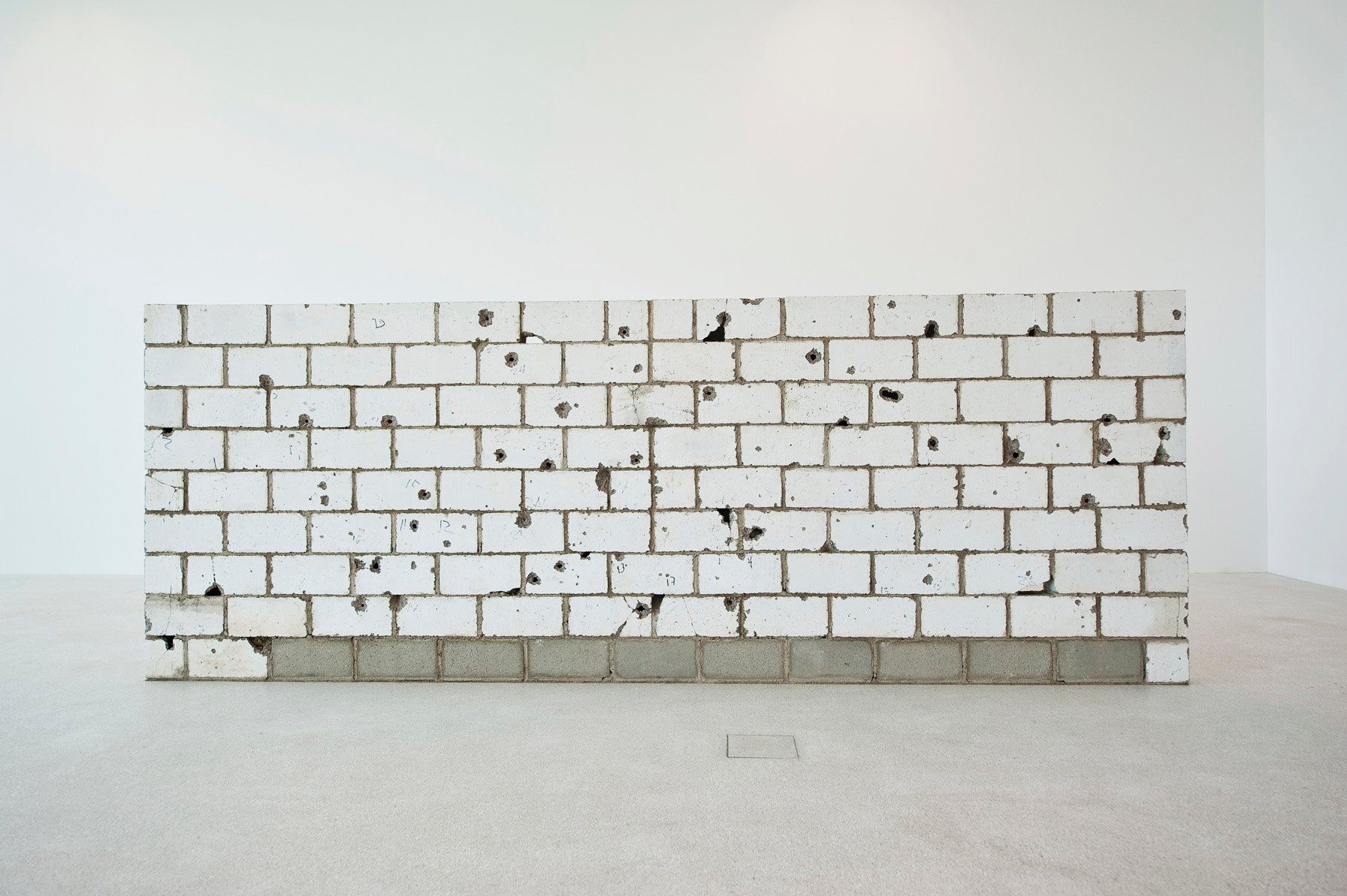
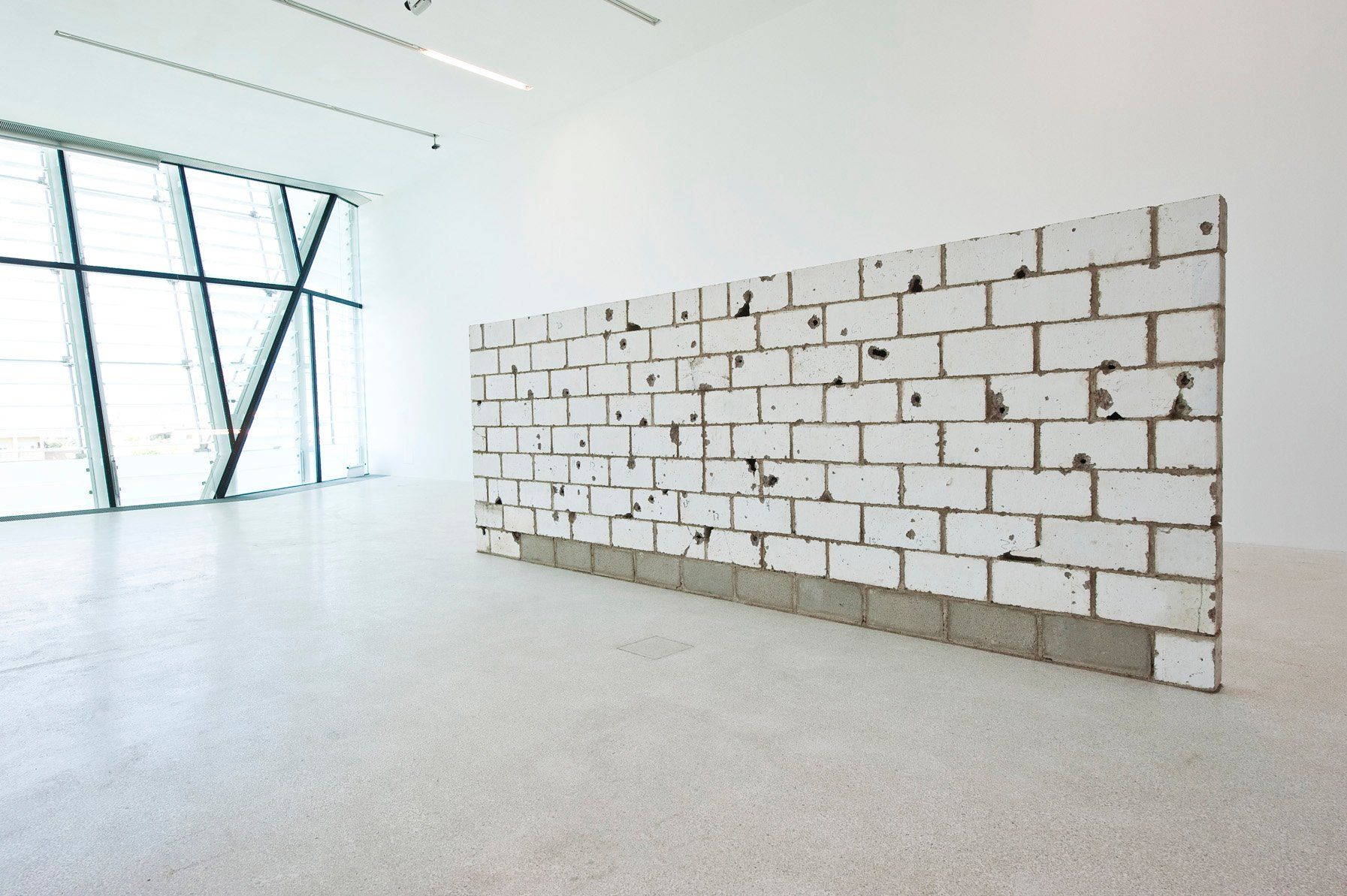
Teresa Marolles' "Frontera" reflects on the dramatic scale of drug trafficking in Mexican society. The artist has used basic but very striking elements to create the works in "Frontera", and despite their minimalist style, they reveal great emotional depth and tragedy. The works go beyond the specific context that gave rise to them, with a universal value that explores our mechanisms of denial and the taboos still surrounding death and violence in contemporary society. The Museion exhibition features walls where executions took place, that the artist took down in Mexico and rebuilt in Bolzano—Muro Baleado (Culiacán), 2009, and Muro Ciudad Juárez, 2010—along with the works Plancha, 2010 and Cubo, 2010, a minimalist cube weighing a ton made out of iron from reinforced concrete taken from demolished buildings. The Bolzano exhibition will also be the first opportunity to see the filmed action Camiseta, created specially for "Frontera" and shot in the cities of Juarez, Kassel and Bolzano.'
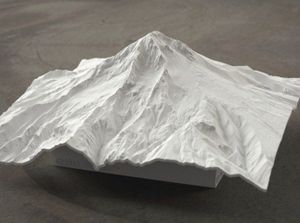
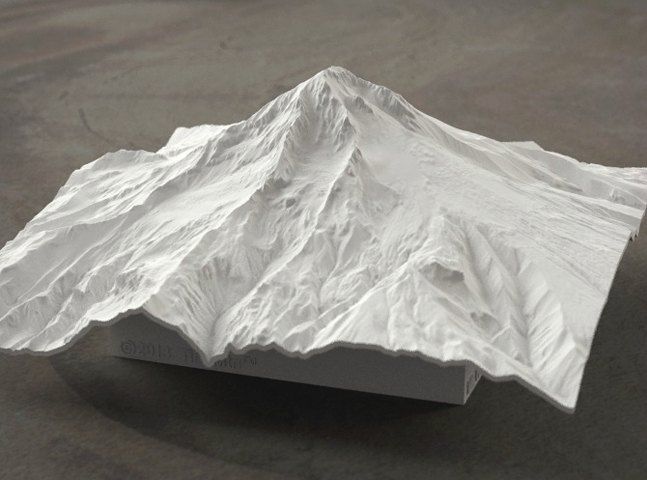
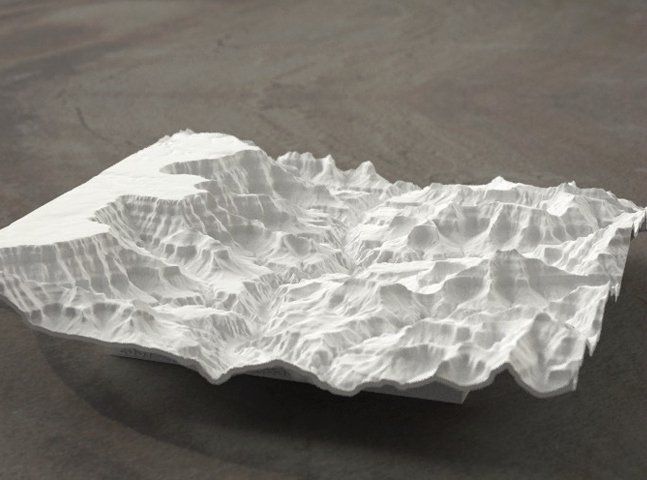
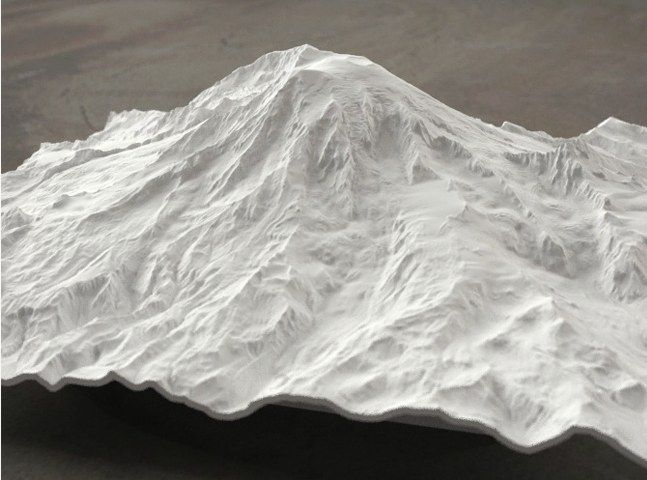
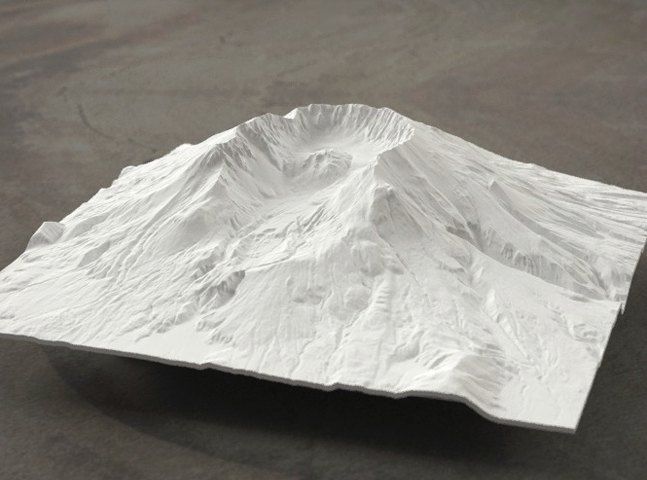
TinyMtn crafts 3D-printed mini sculptures of some of the most storied peaks and valleys in the United States. Whether you want to remember the time you backpacked through Yosemite or peered over the edge of the Grand Canyon, TinyMtn offers a bit of a topographic reminder. Each comes on a small stand with the name, peak, and coordinates displayed, and makes for an ideal piece of art for the adventurer at heart.
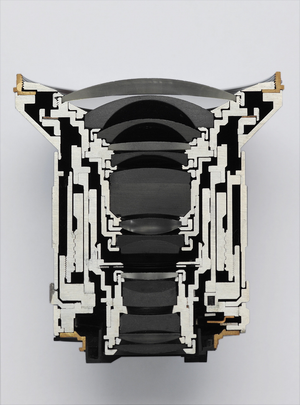
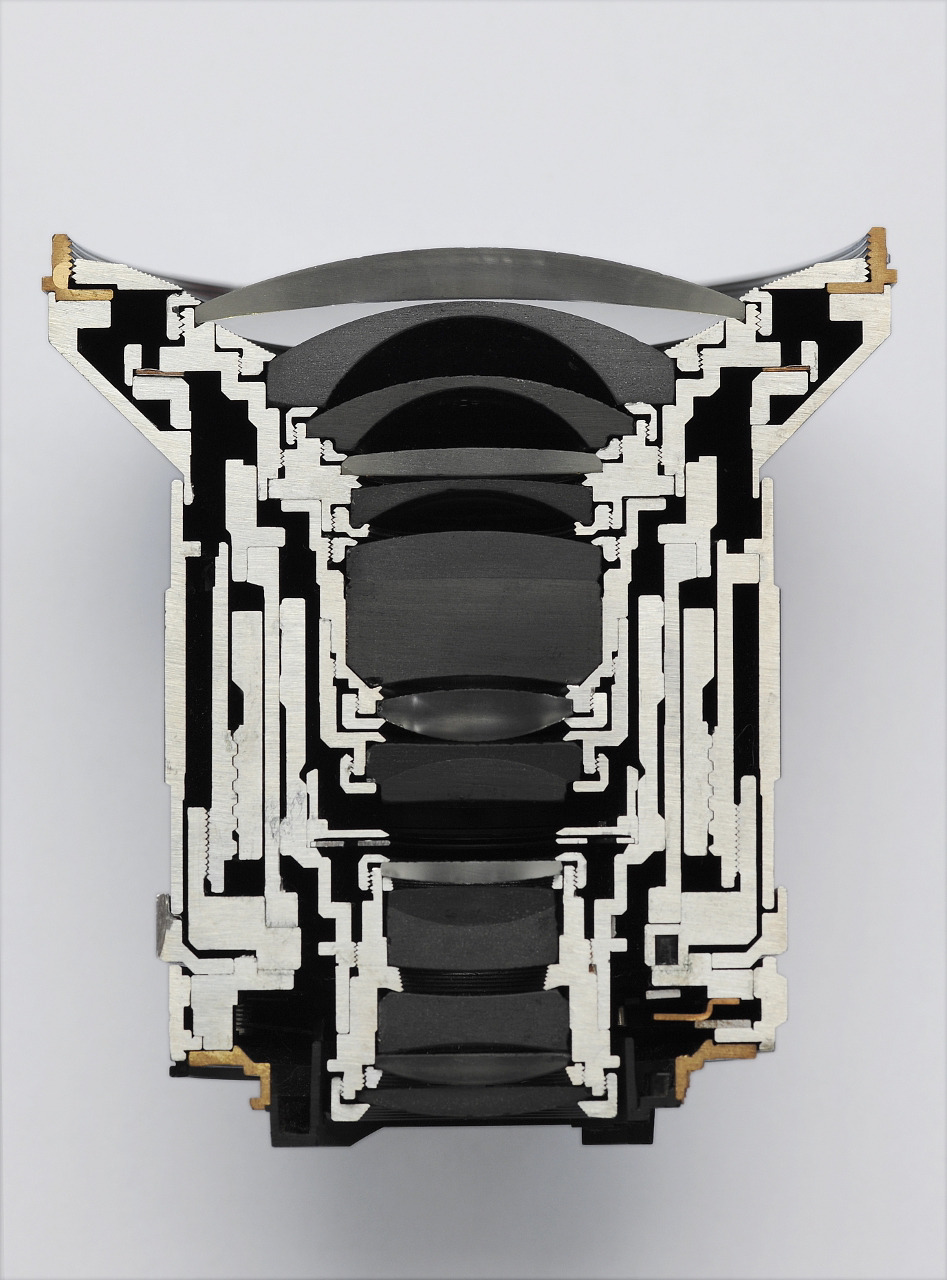
Christopher Williams, Cutaway model Zeiss Distagon T* 2.8/15 ZM / Focal length: 15mm. Aperture range: 2.8 – 22. No. of elements/groups: 11/9 / Focusing range: 0.3 m–infinity. Image ratio at close range: 1:18 / Coverage at close range: 43 cm × 65 cm. Angular field, diag./horiz./vert.: / 110/100/77˚ / Filter: M 72 × 0.75. Weight: 500 g. Length: 86 mm / Product no. black: 30 82016. Serial no.: 15555891. / (Subject to change.) / Manufactured by Carl Zeiss AG, Camera Lens Division, Oberkochen, Germany / Studio Rhein Verlag, Düsseldorf / January 18, 2013 (2013).
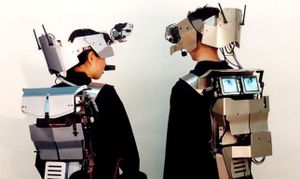
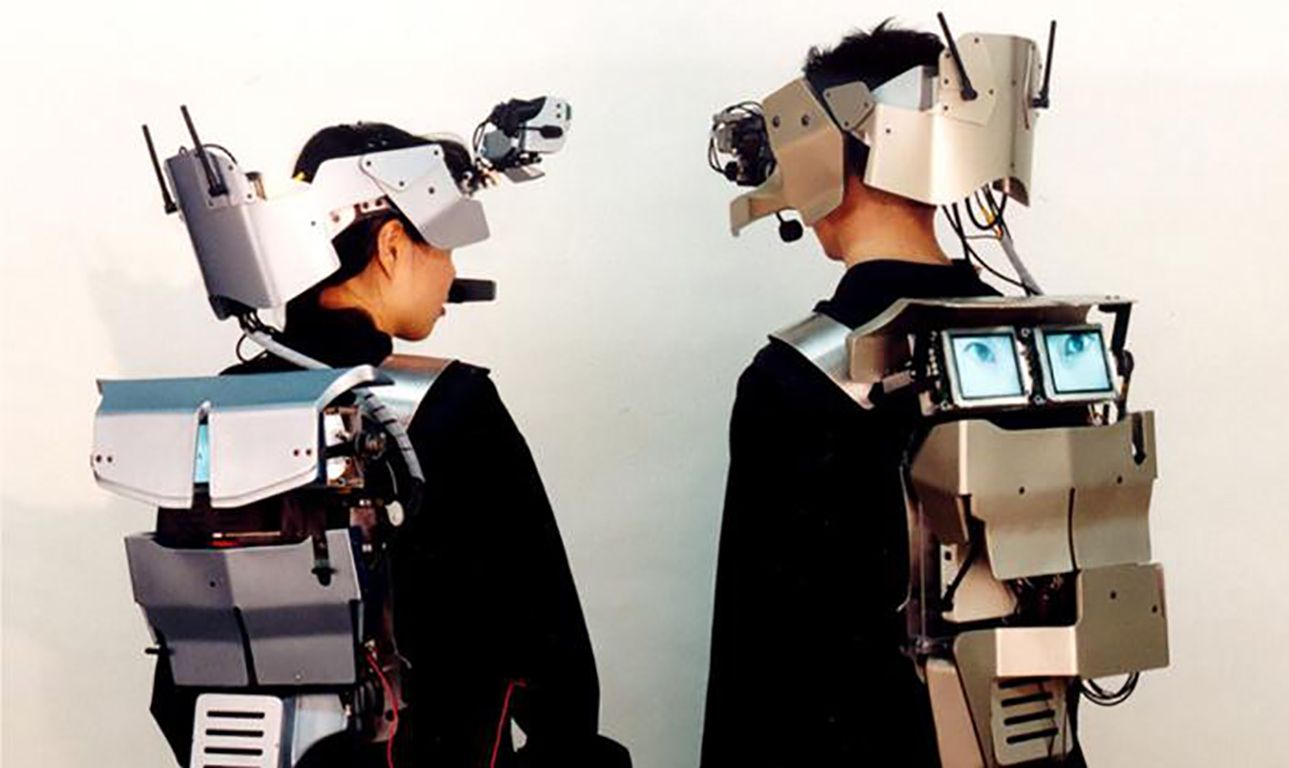
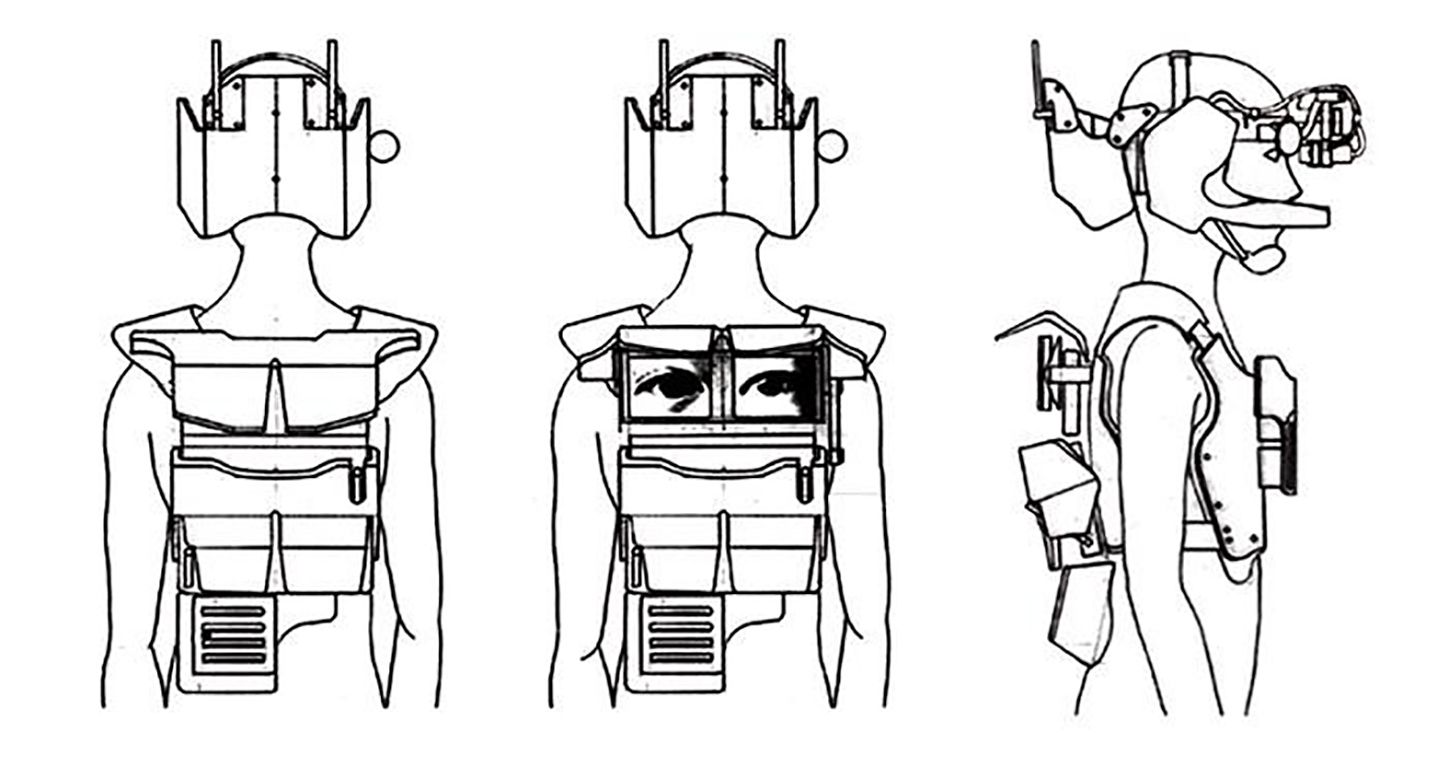
Instrument designed and built in collaboration with members of the Interrogative Design Group, Center for Advanced Visual Studies, MIT: Adam Whiton, Sung Ho Kim, Jerzy Stypułkowski; Japanese team: Mari Ishiko with a group of school psychologists.
Dis-Armor is a psycho-cultural prosthetic device designed as a communications tool for school students. It was directly inspired by the artist’s meeting with alienated, sociopathic Japanese youngsters. The project’s title serves as a reference to the need for “disarming” – for young people encased in a carapace of silence to open up. Resembling a protective suit, the Dis-Armor combines modern technology with Japanese cultural traditions; its overall aesthetic and individual elements were inspired by antique samurai armor. The device features two mini cameras that film the eyes and send the image to two small-size screens at the user’s back. Young people who otherwise avoid direct contact with others can communicate by “looking and speaking with their backs.” Three versions of Dis-Armor were made: a blue one (the earliest); a gold one with an added camera to play back prerecorded statements, with sound-image synchronization, and the option to switch between playback and live broadcasting; and a third one, equipped with a back camera and a small LCD screen replacing the earlier rearview mirror.
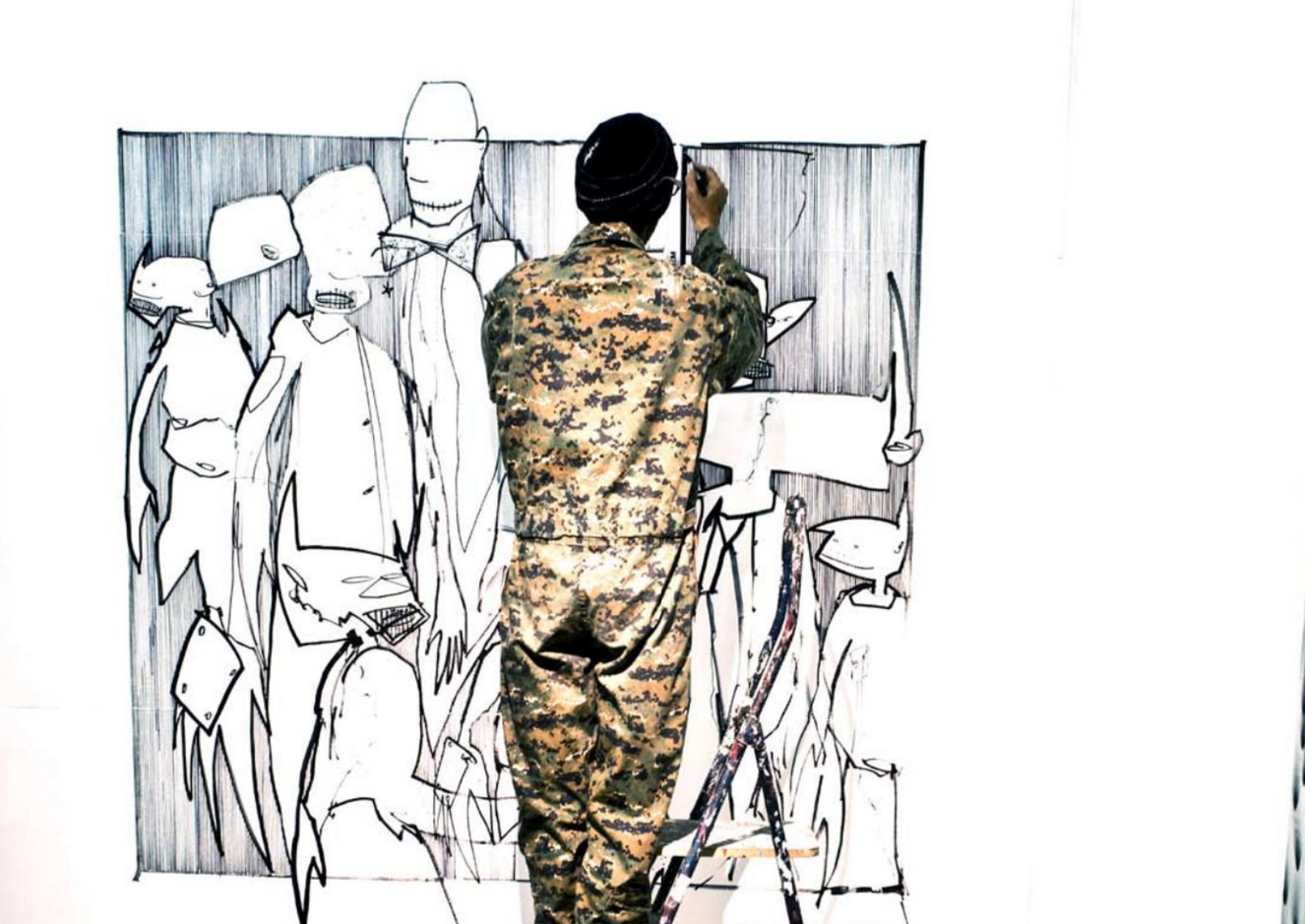
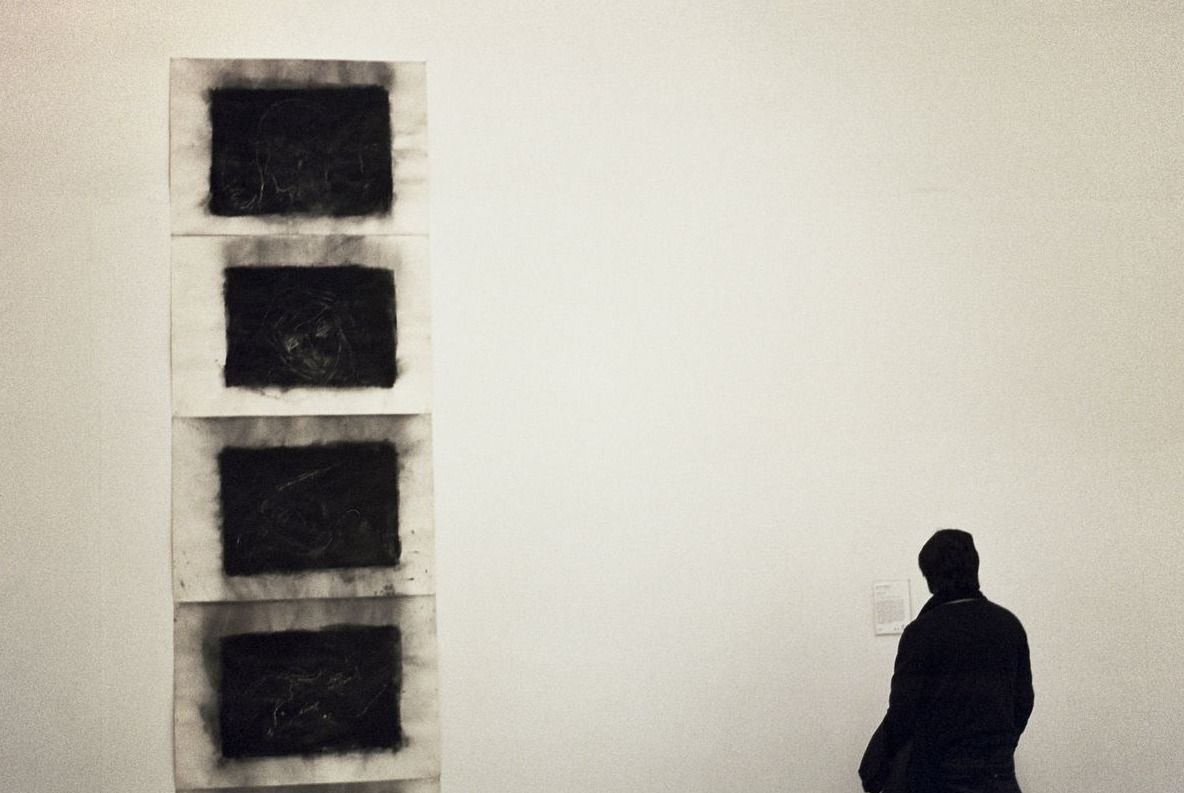
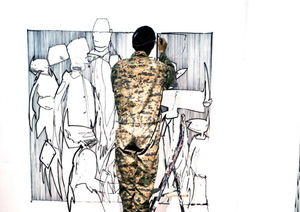
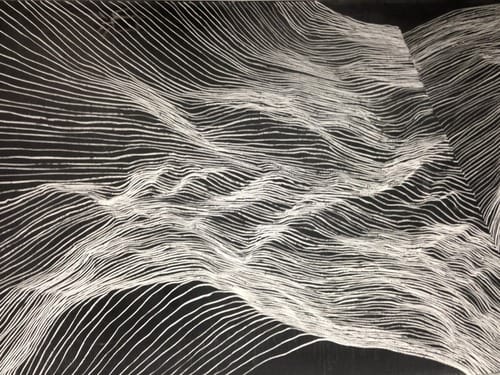
A work from Kevin Townsend's Temporary Drawings: large chalk drawings built up on walls and floors as fields of repeated marks, then erased.
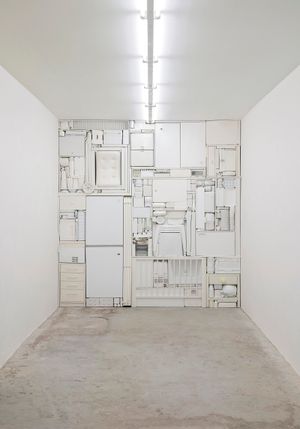
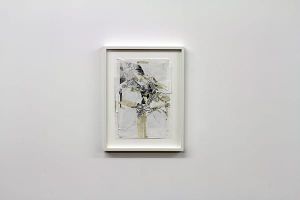
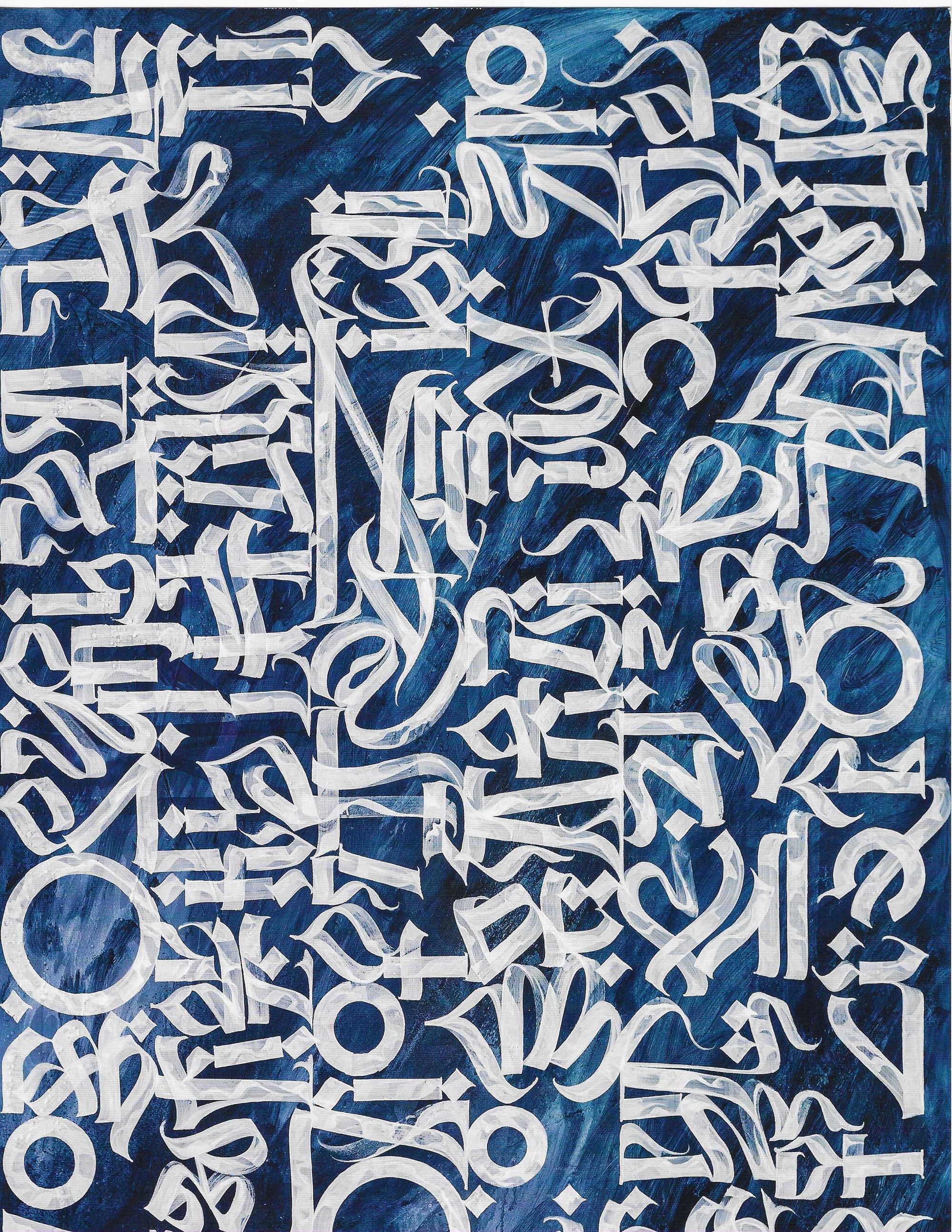
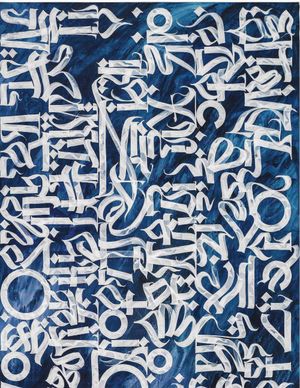
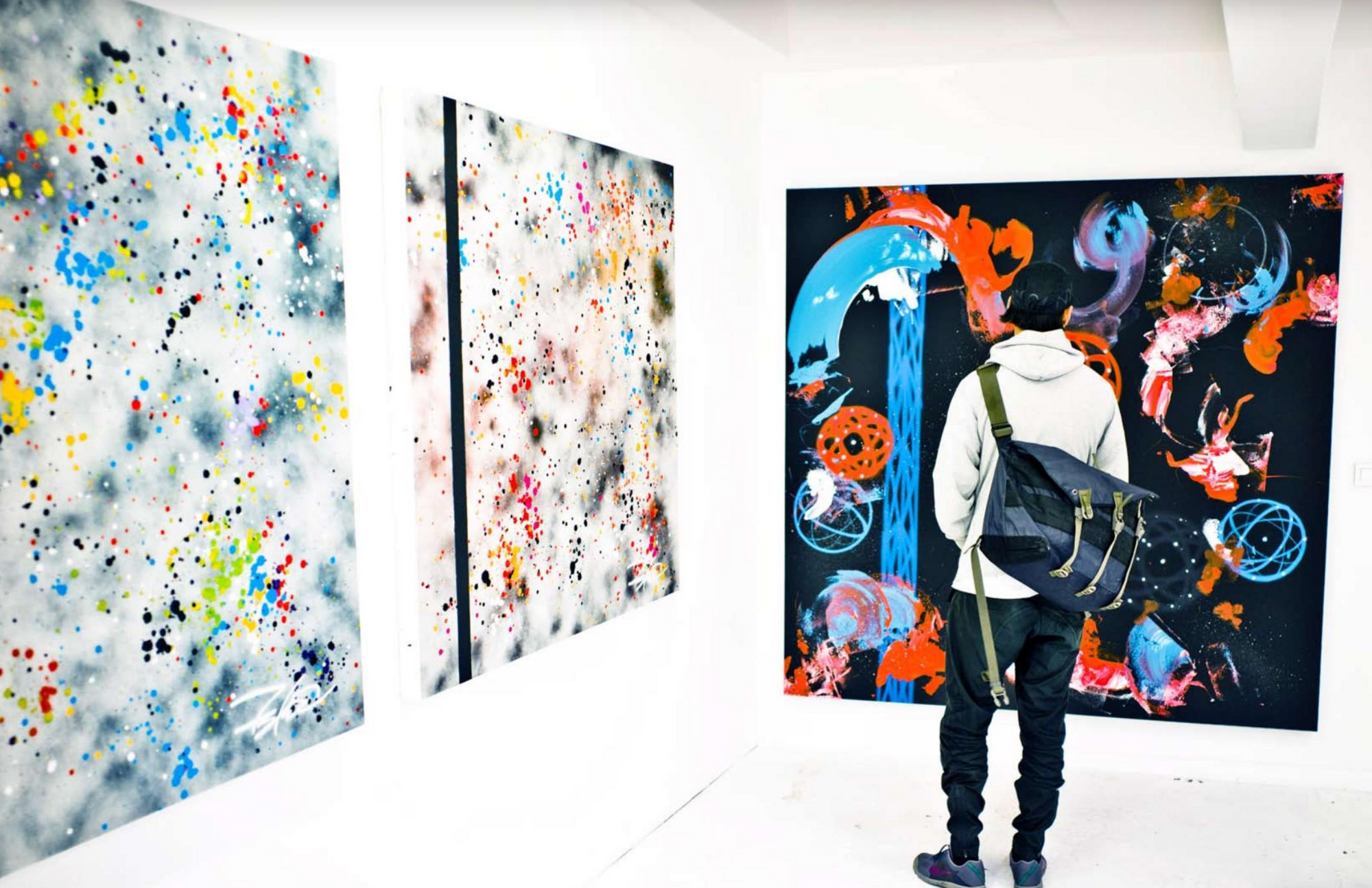
An installation view from 'Surface', a 2012 Paris exhibition by the Dutch artist Boris Tellegen (Delta). He makes fractured three-dimensional reliefs and sculptures from an exploded-letterform language rooted in graffiti.