2000
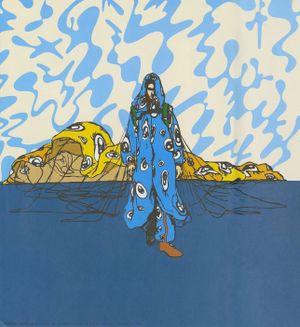
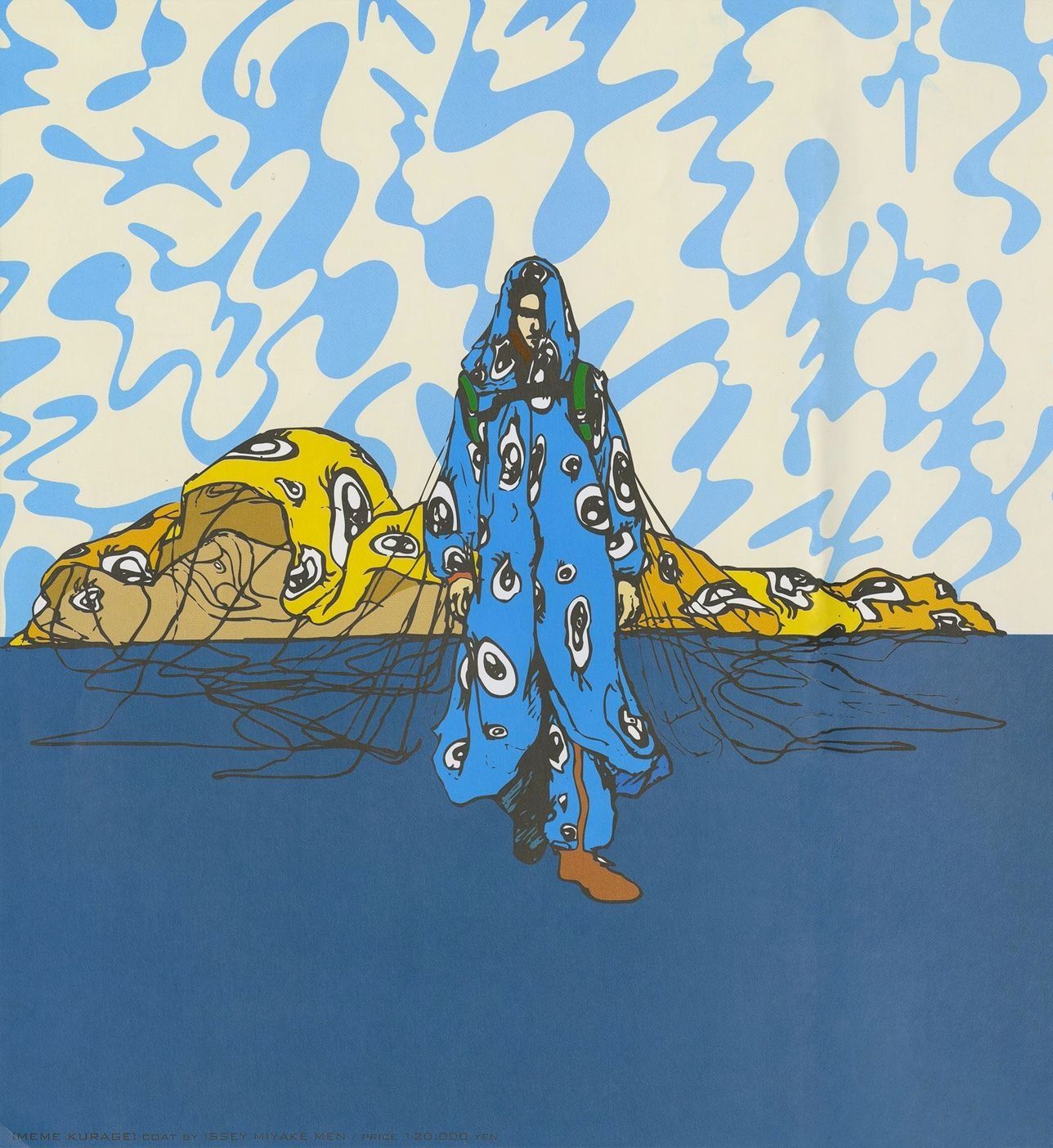
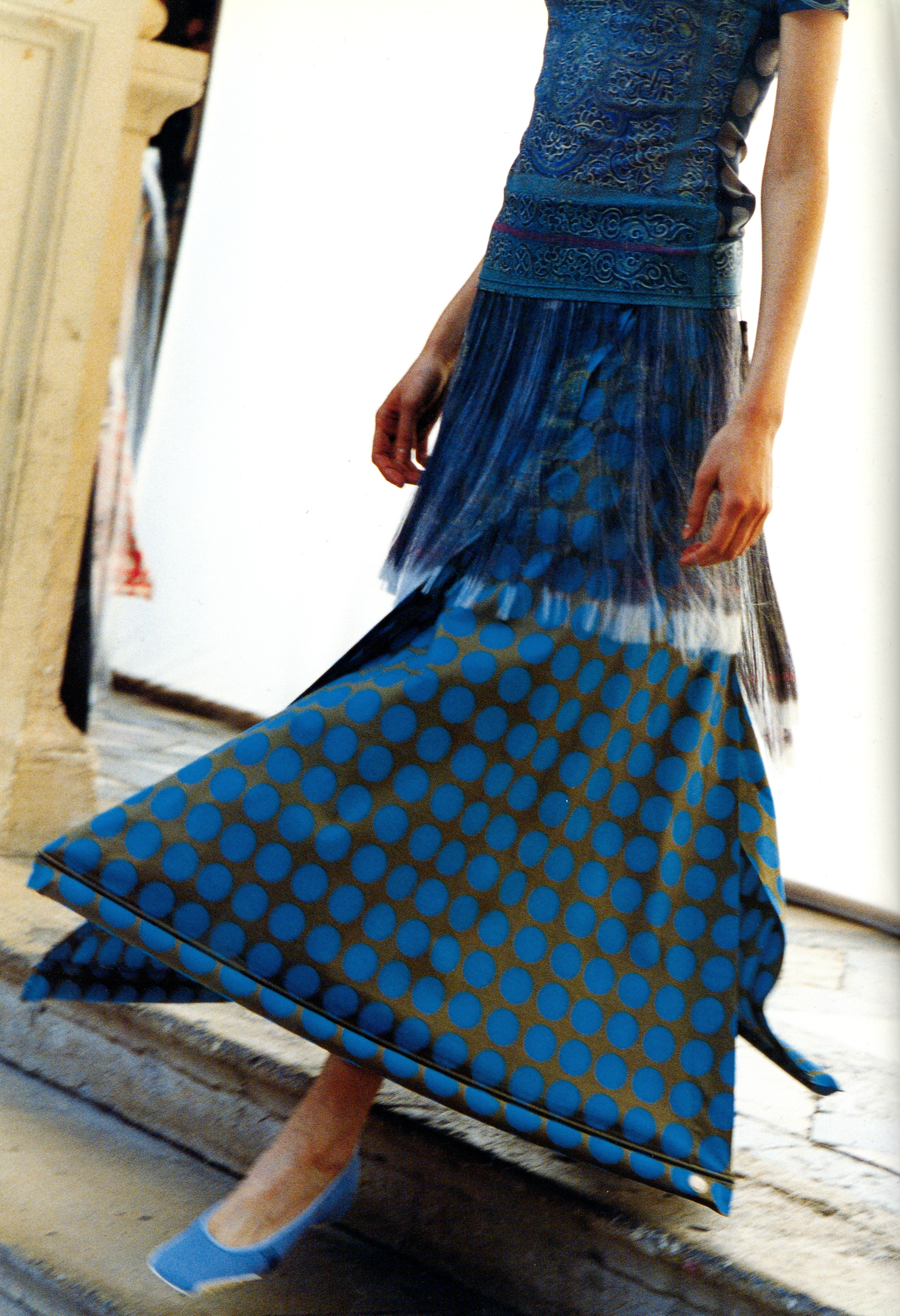
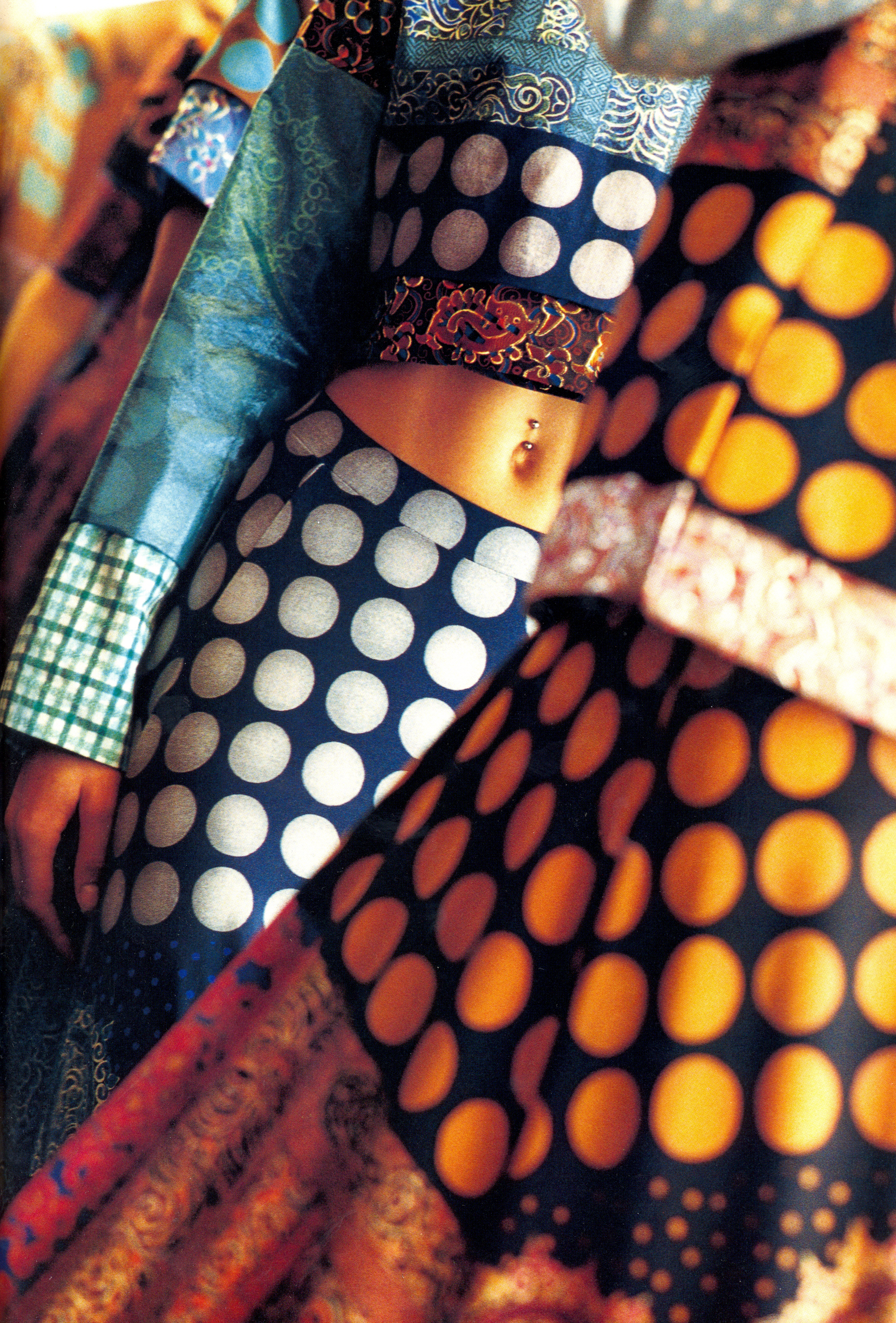
Takahashi Murakami for Issey Miyake / Naoki Takizawa ss2000
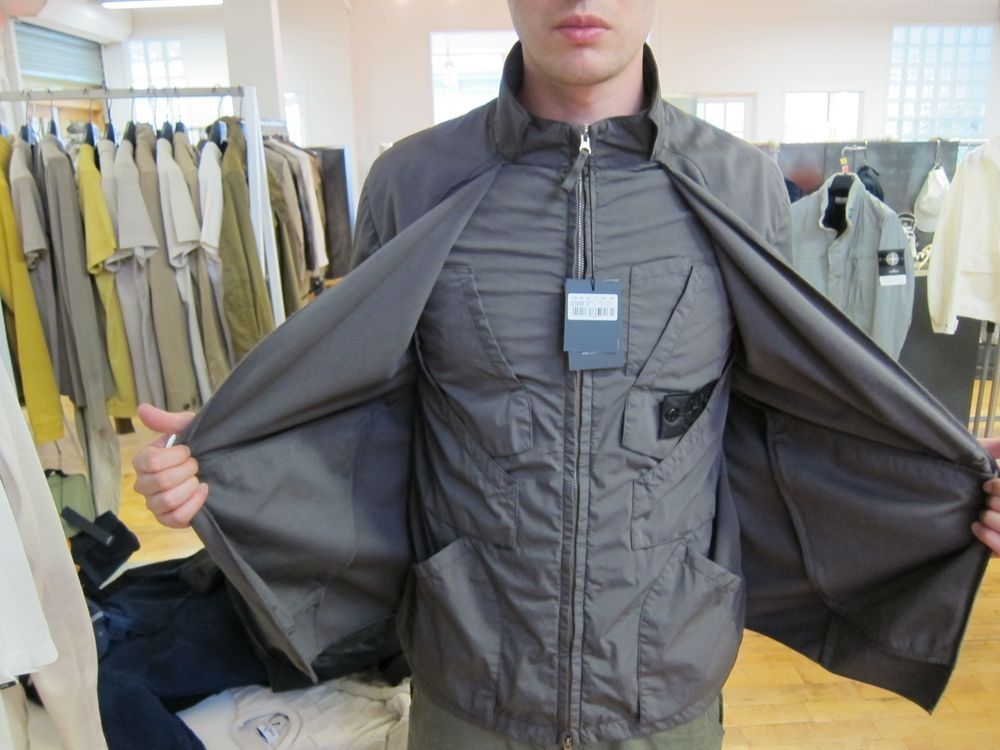
Haven Shop Buying Session Archives
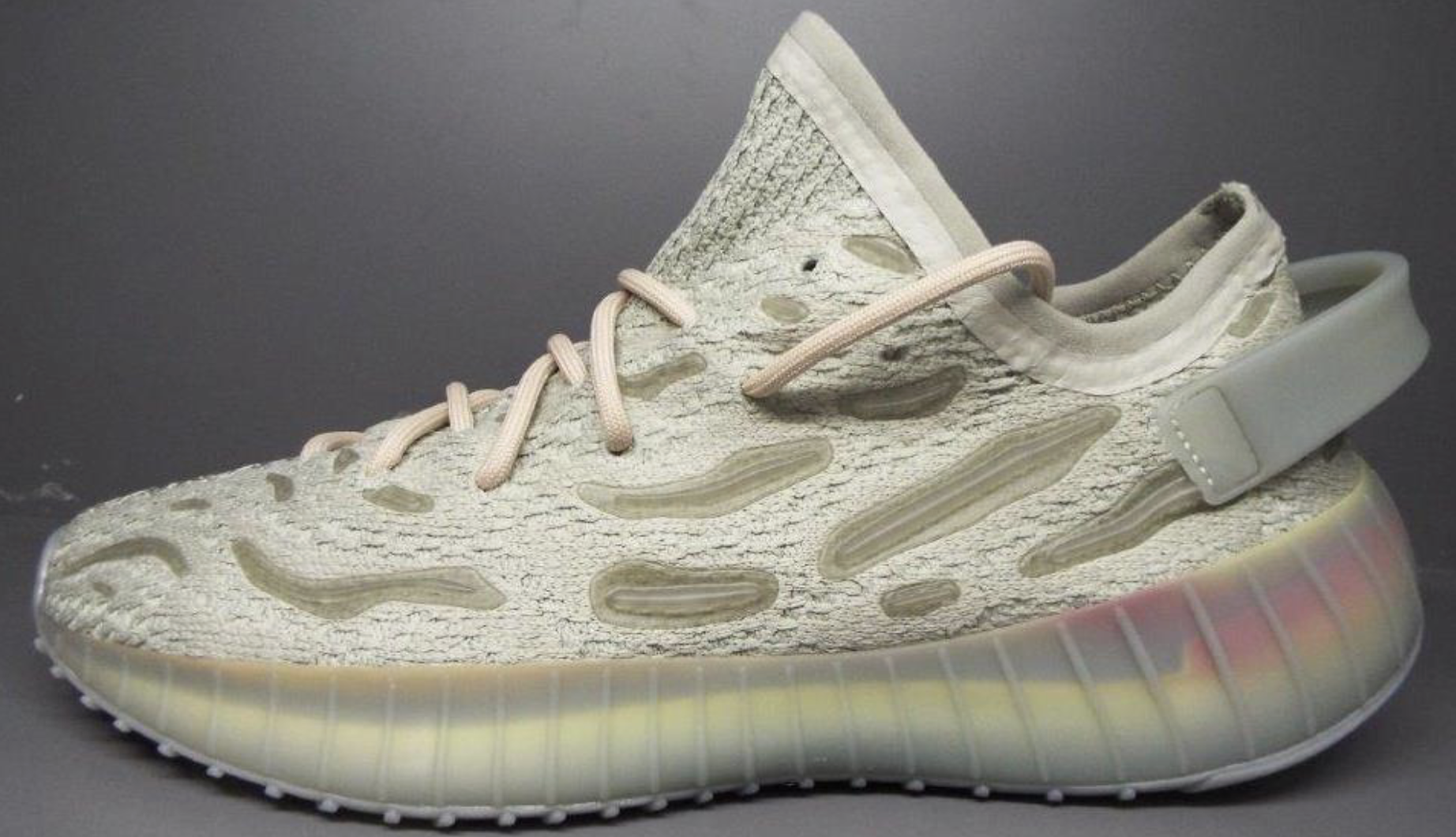
ADIDAS YEEZY 350 LOW V3 COLOR EXPLORATION SAMPLES
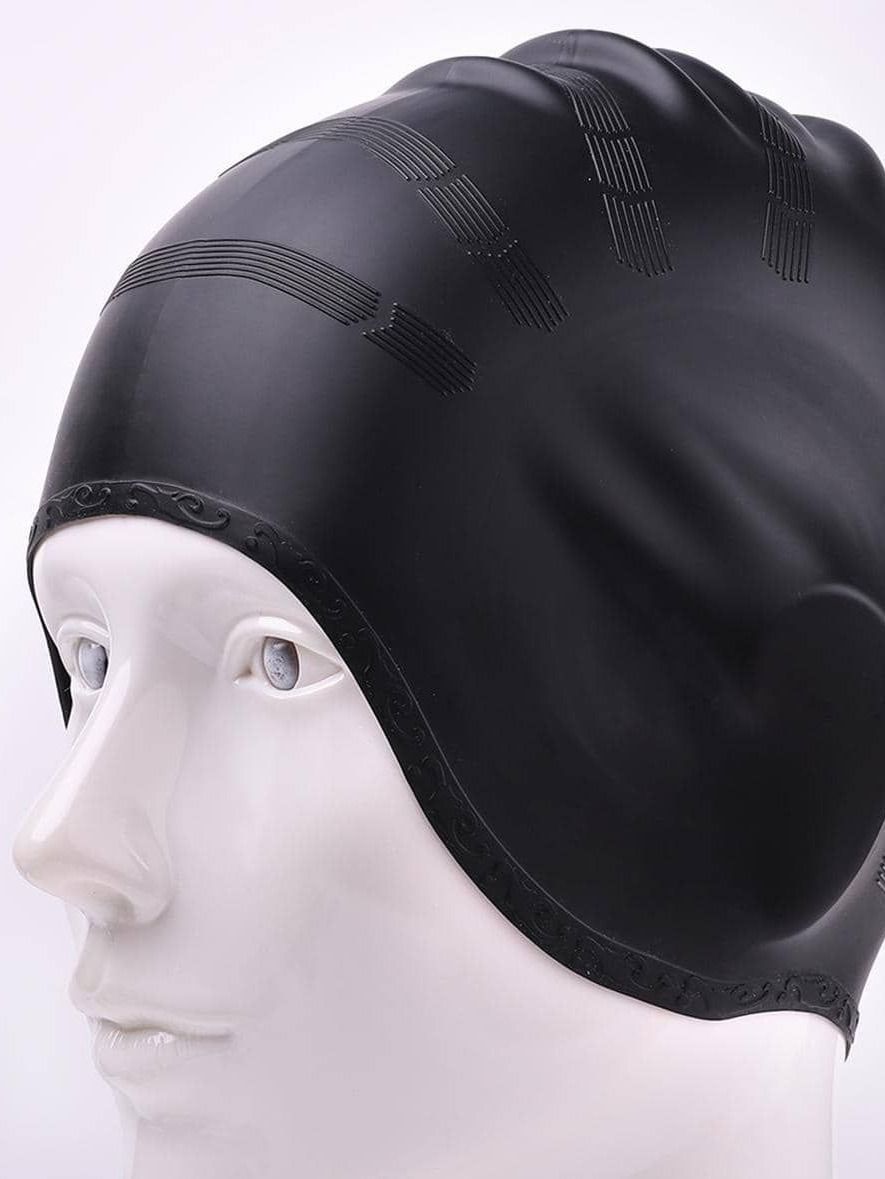
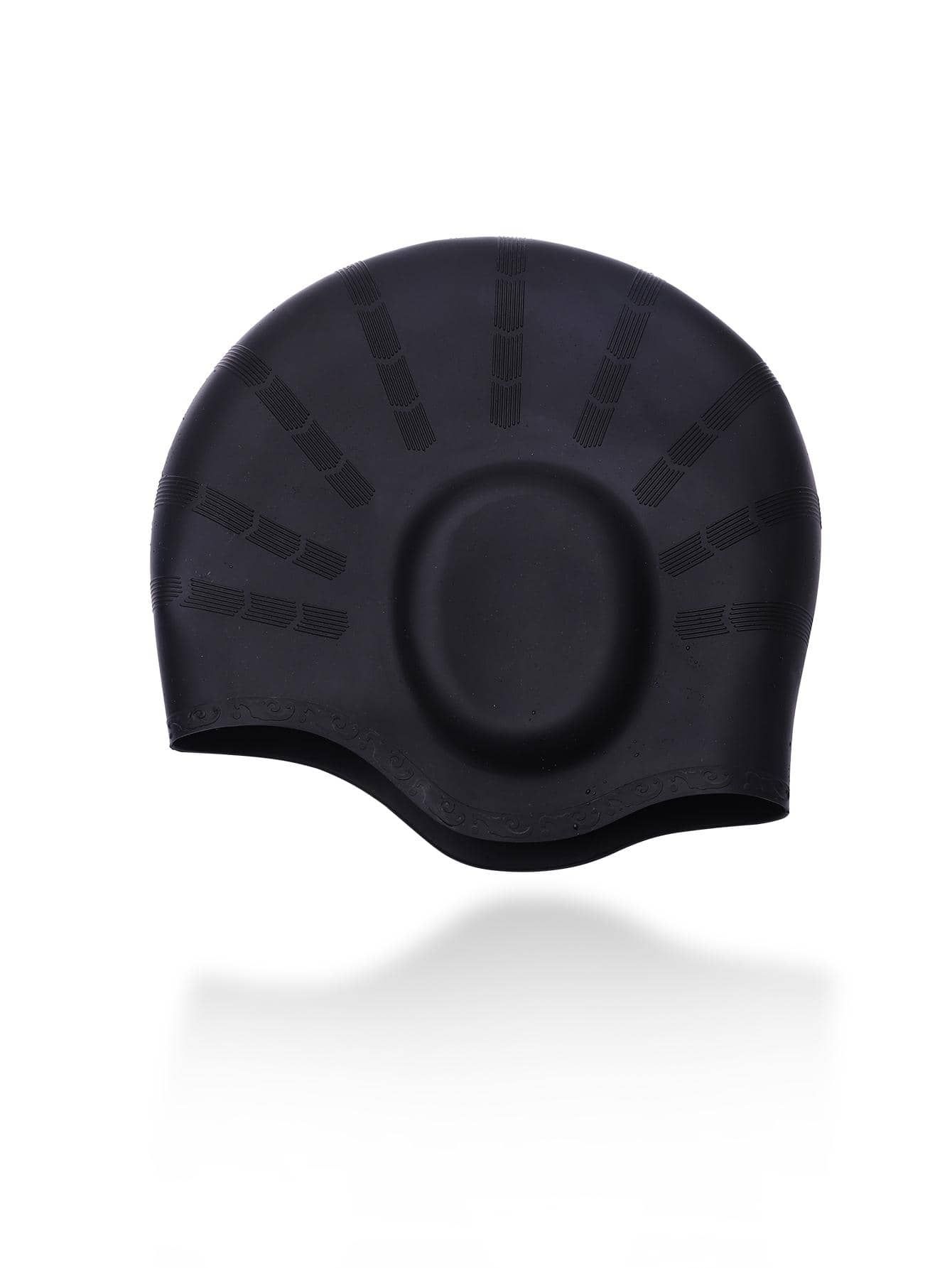
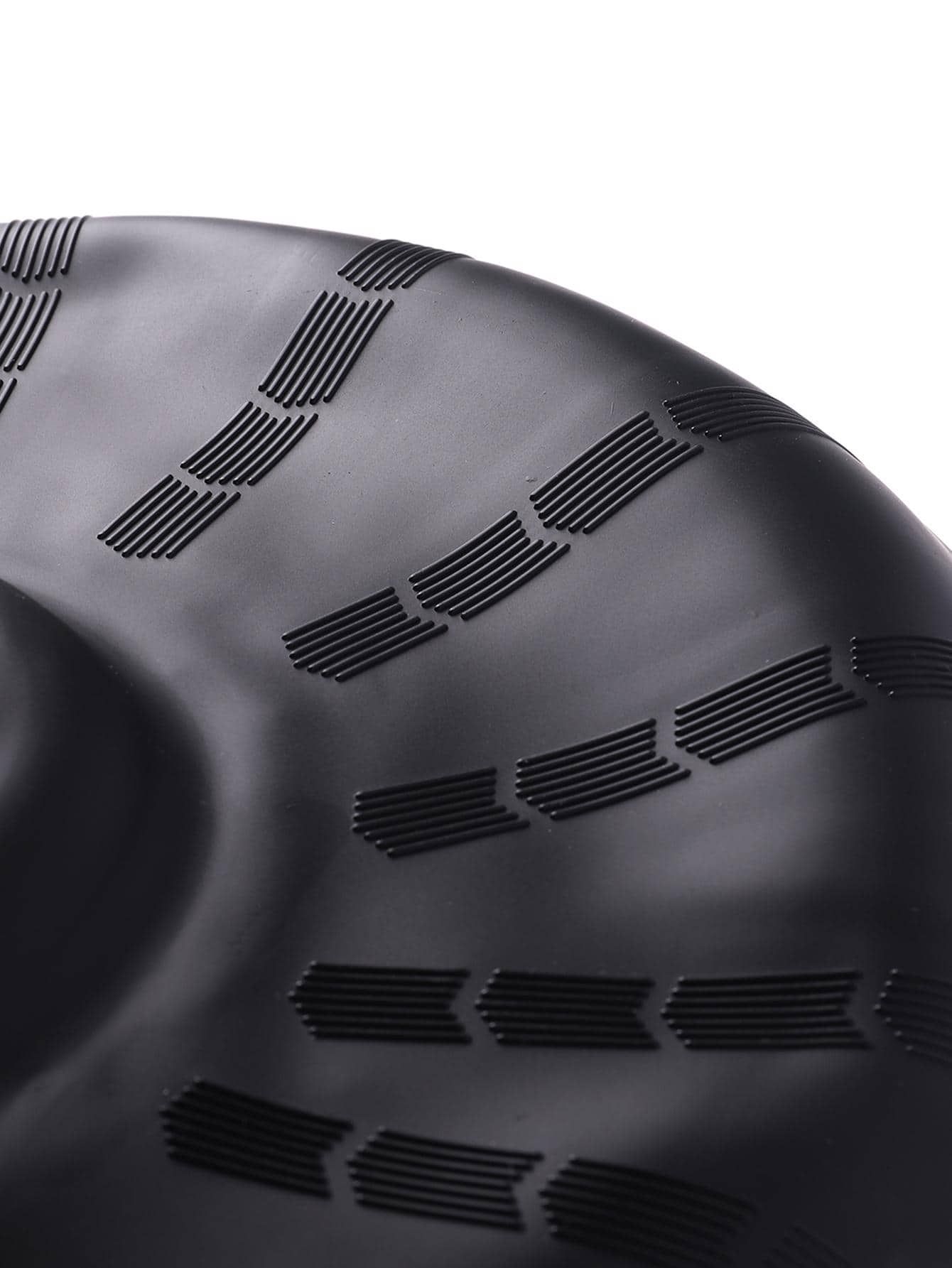
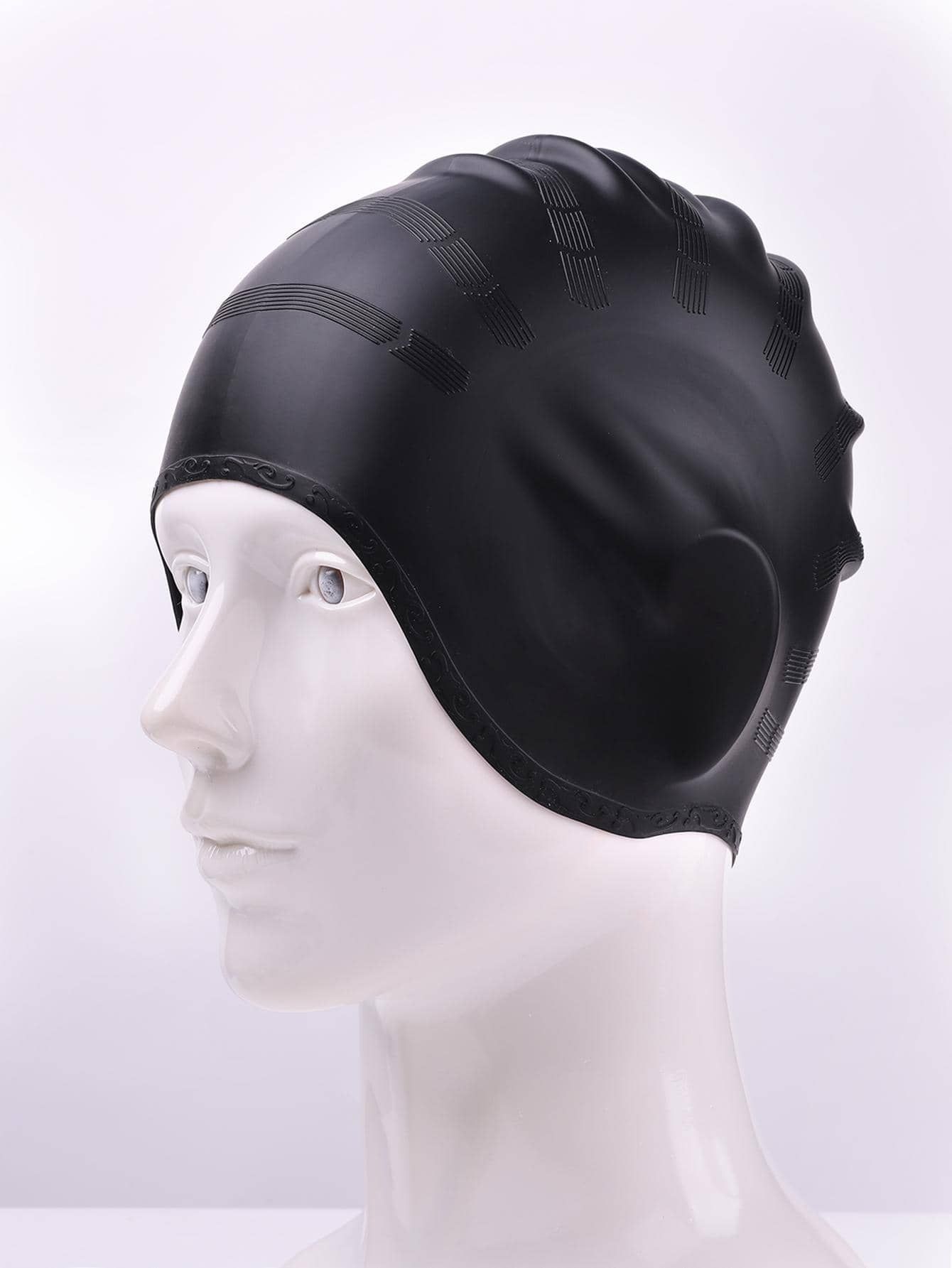
Shein decorative swim cap
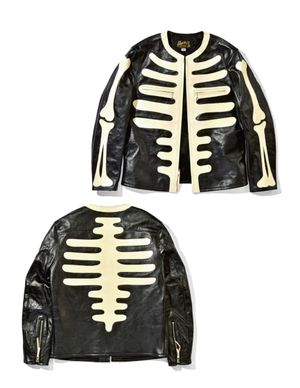
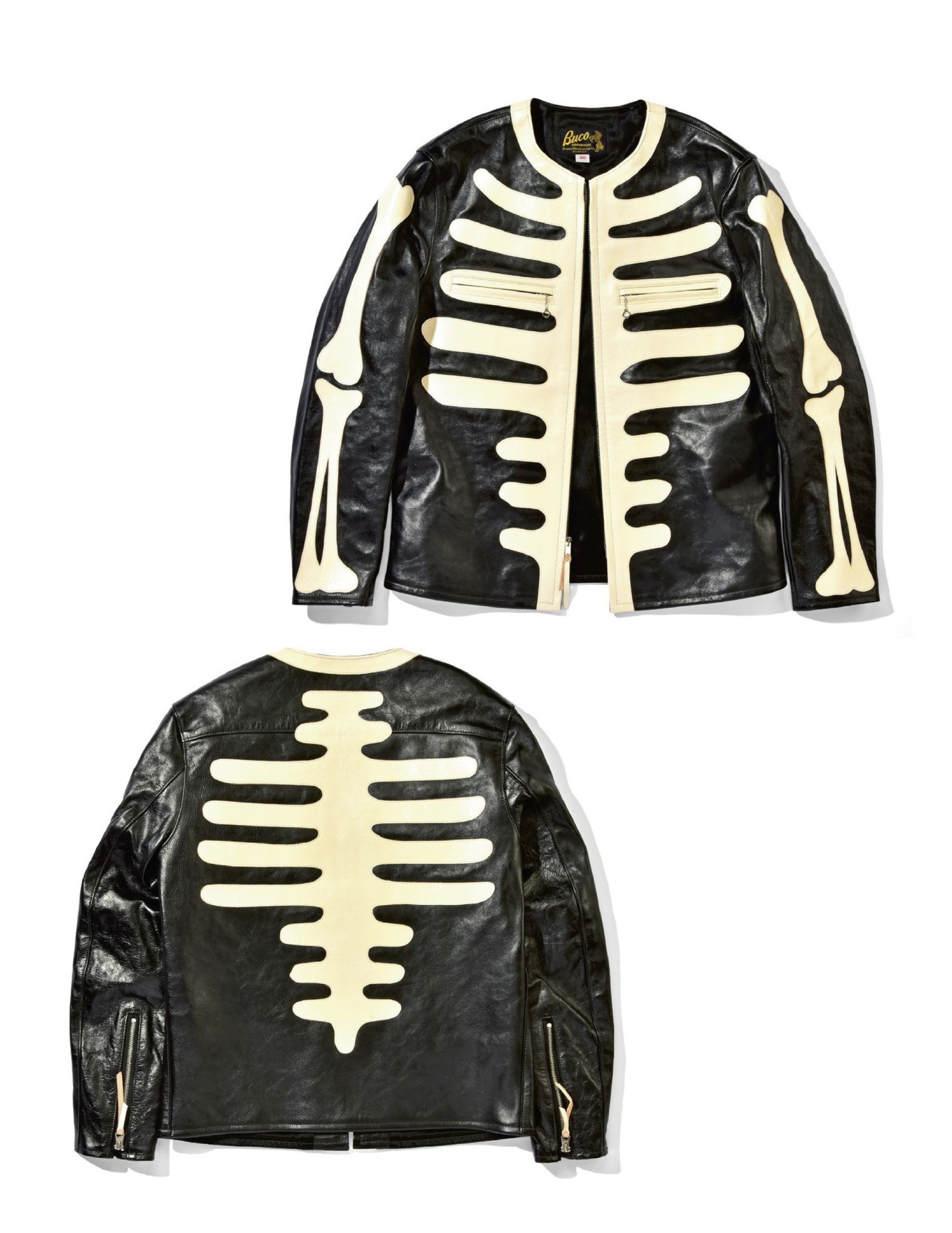
Real McCoy's BUCO J-100/BONE Jacket

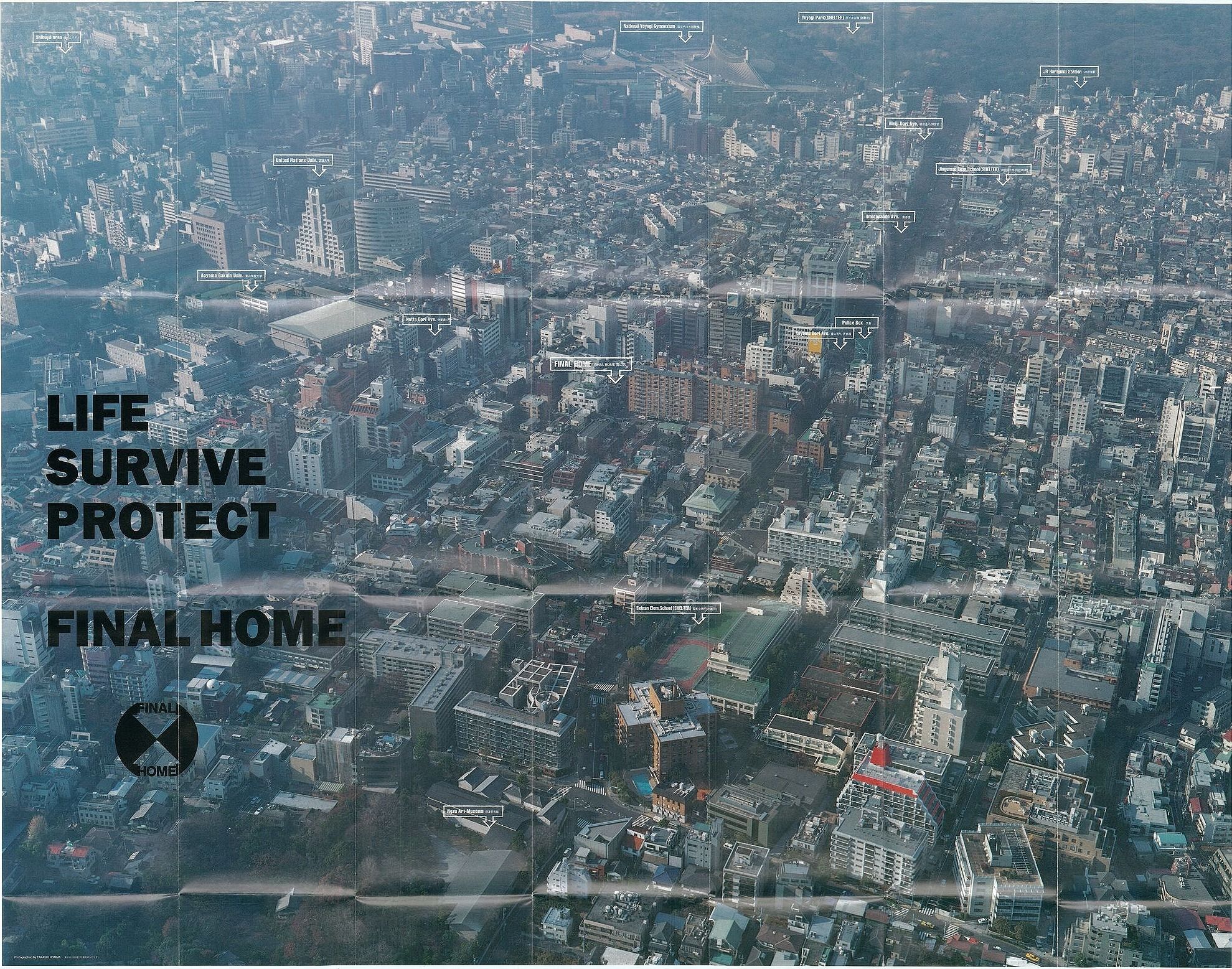
FINAL HOME Spring Summer 2000 Collection
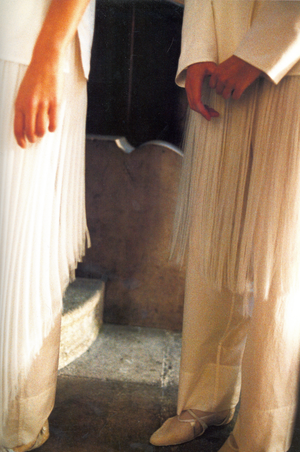
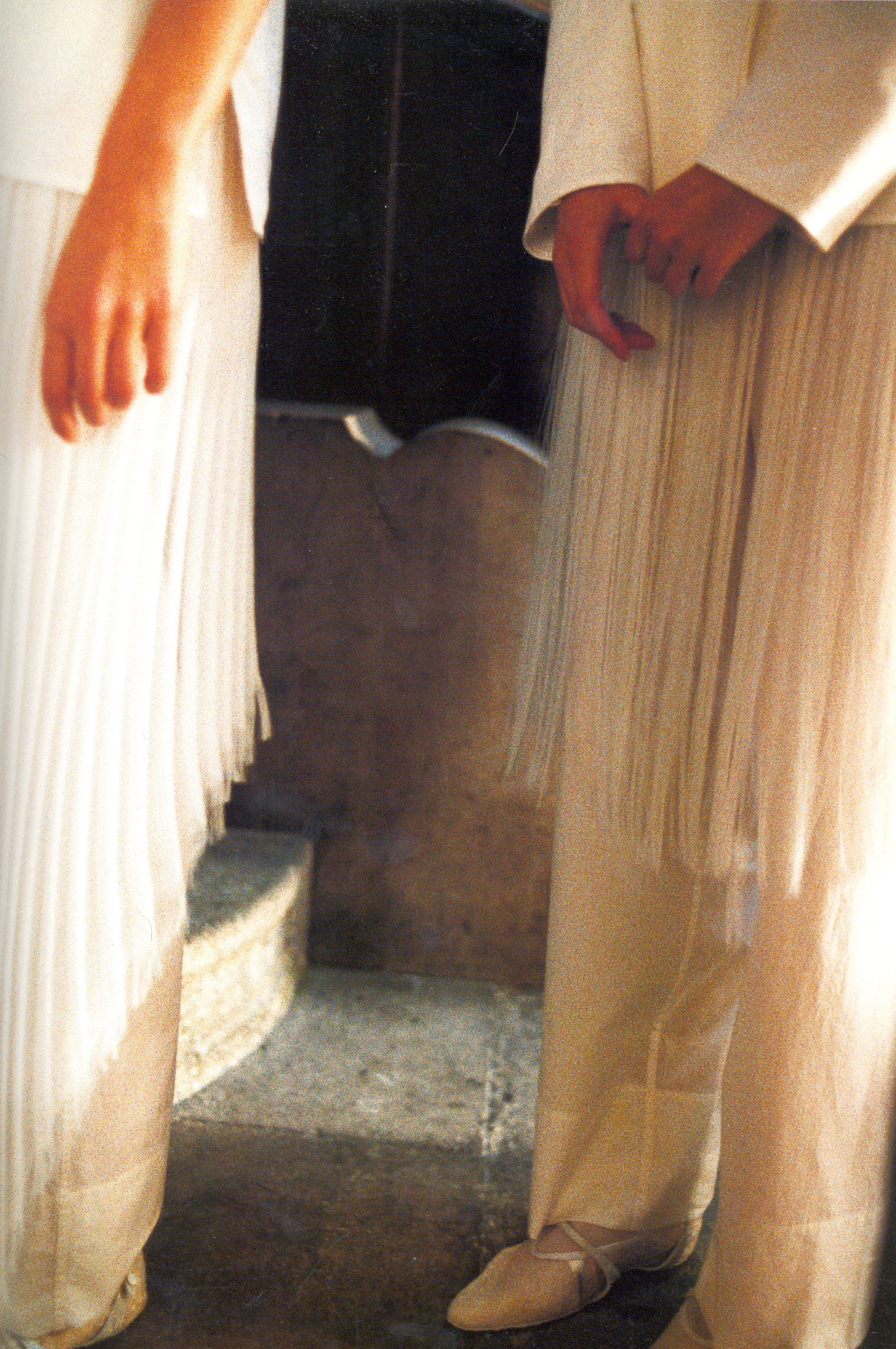
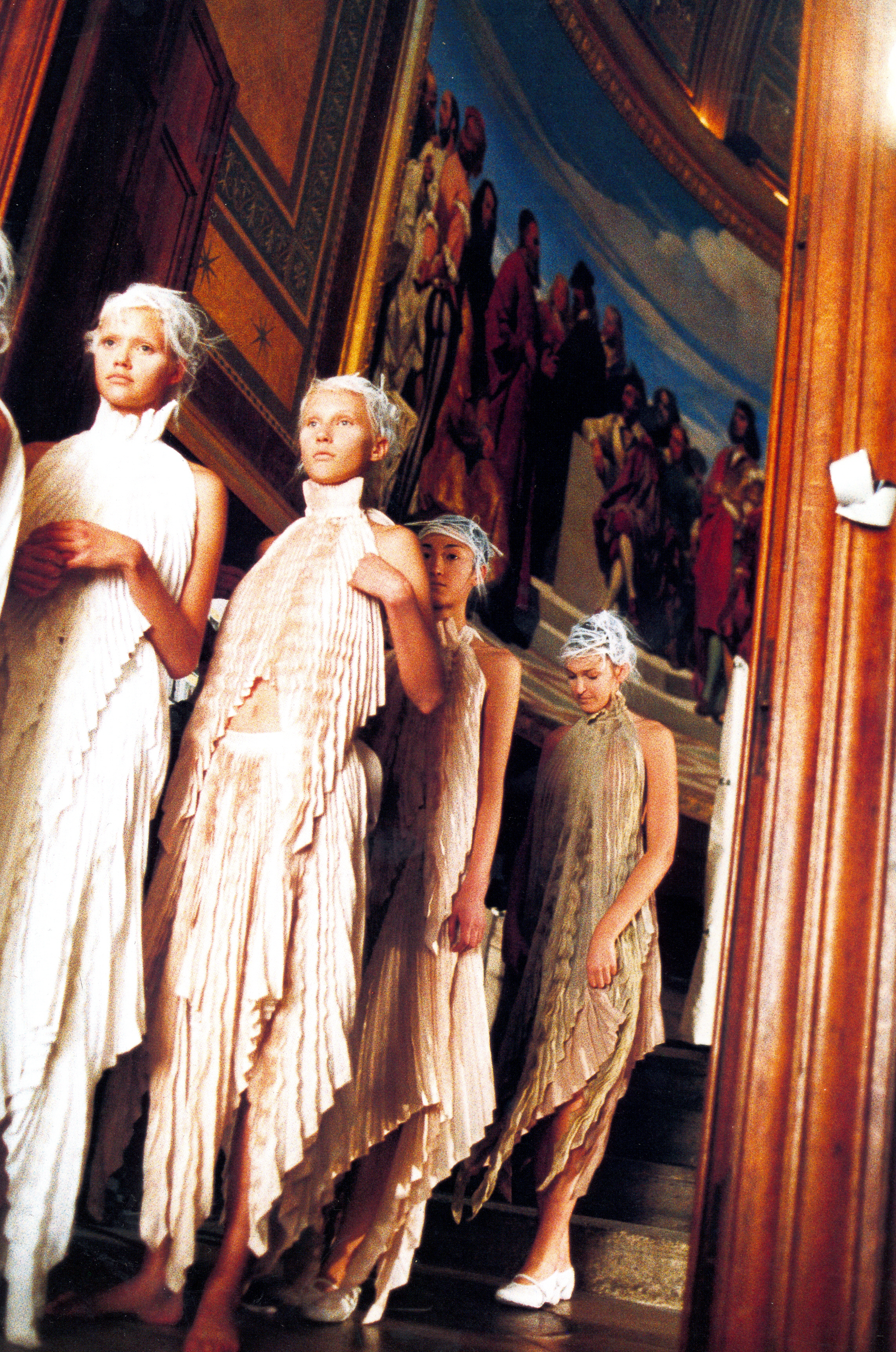
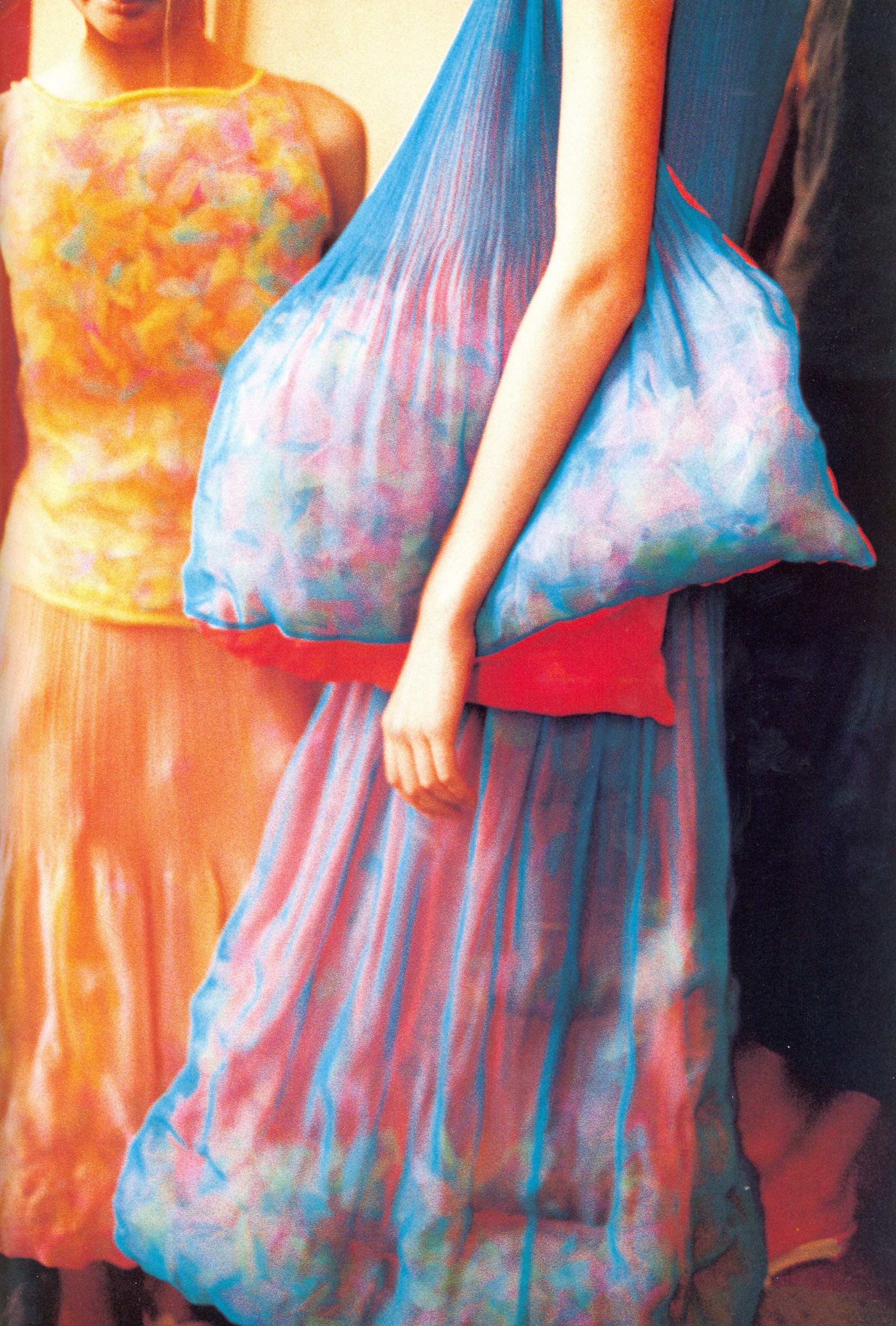
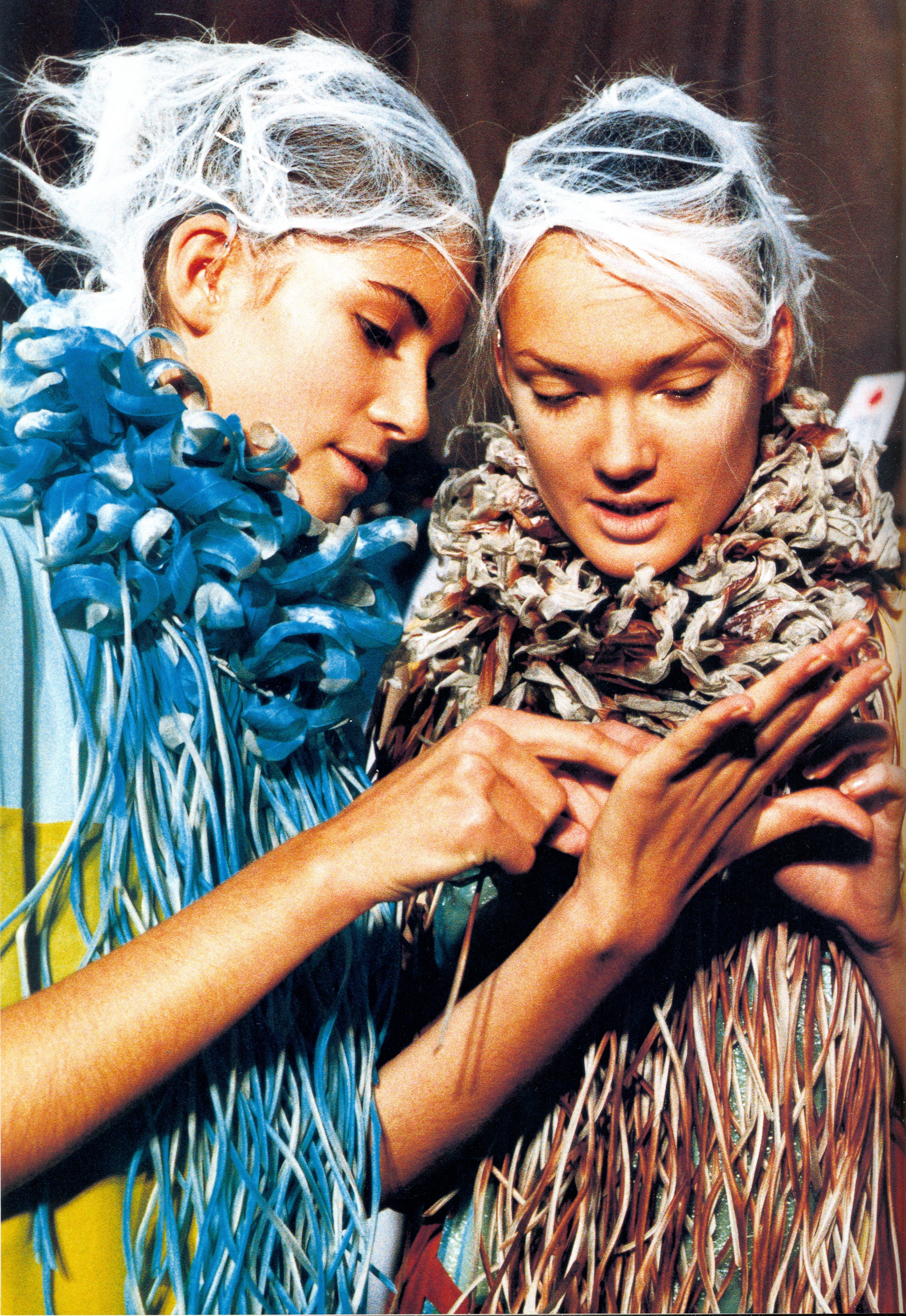
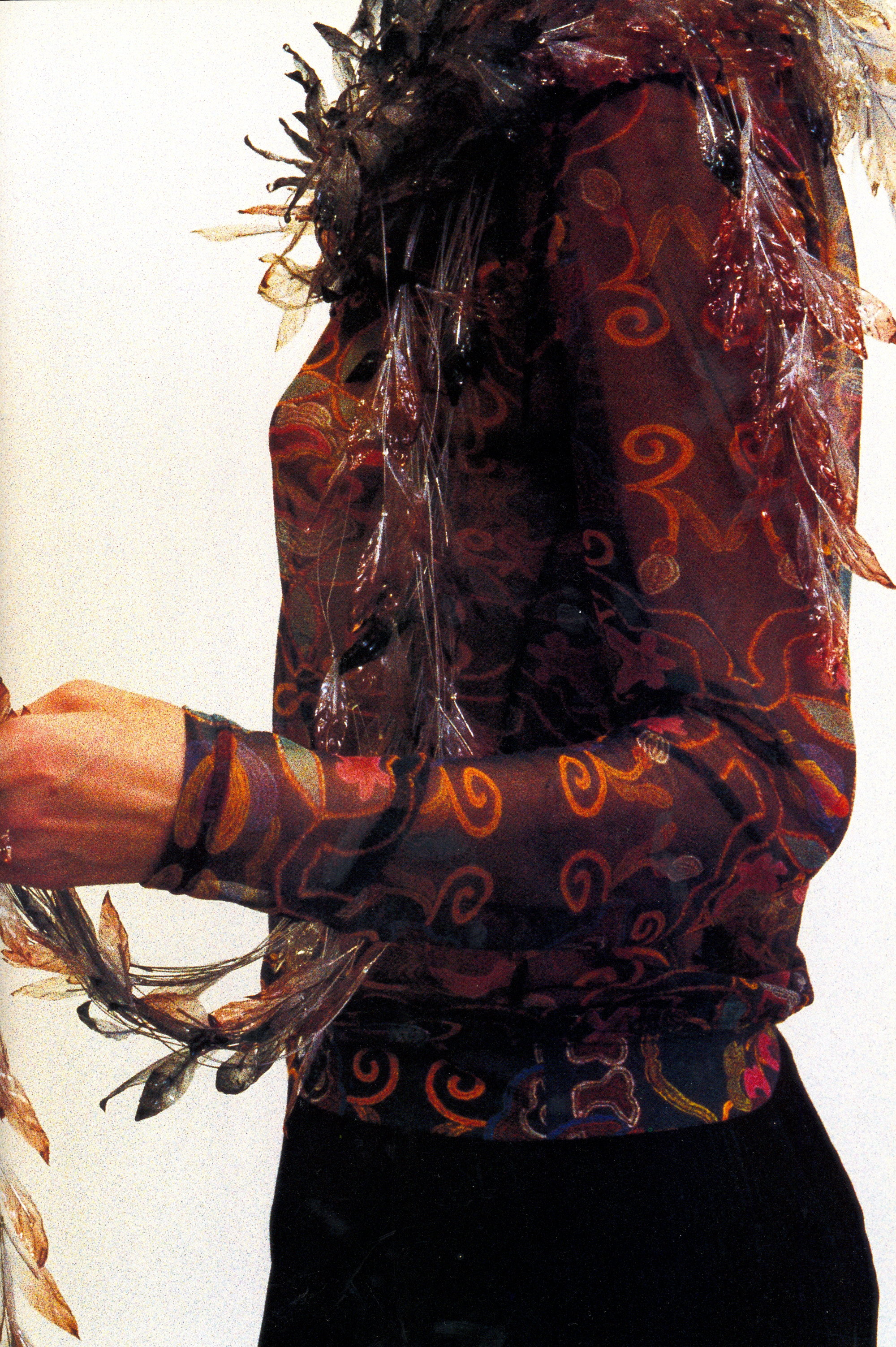
Silent Poets for Issey Miyake
Silent Poets for Issey Miyake Spring/Summer 2001 is a hardcover lookbook photographed by Françoise Huguier. It presents imagery from Issey Miyake’s Spring/Summer 2001 collection and includes the collaboration CD Red Eyes Tribe at the back of the book. Japanese electronic duo Silent Poets produced the music for the runway show.
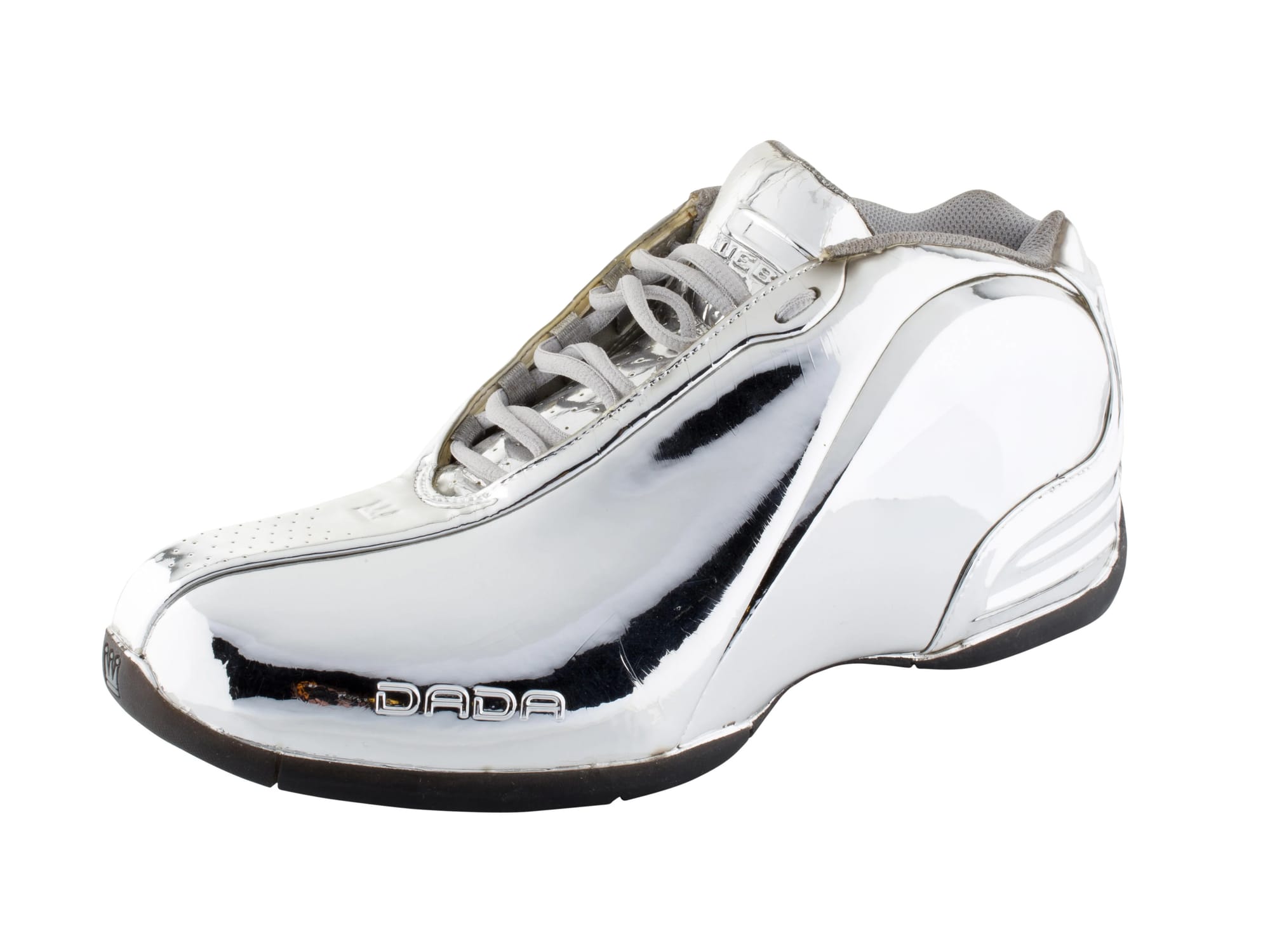
Dada Supreme Chrome CDubbz Sneakers
The Dada Supreme Chrome C-Dubbz sneakers are built around an intentionally heavy, high-volume silhouette: a tall collar, a thick tongue, and a wide forefoot that reads as protective and stable. The upper is typically constructed from layered synthetic panels with pronounced overlays, giving the shoe a structured, armored look and a more rigid feel than minimalist basketball uppers. Stitch lines and panel breaks are used as graphic elements—sections are segmented, stacked, and outlined to create depth, with glossy “chrome” accents placed to catch highlights and exaggerate contour changes as the foot moves.
Branding is designed to be unmistakable at a distance. Expect oversized side marks, large-scale heel or tongue identifiers, and bold, high-contrast placements that function like visual anchors on the lateral and medial sides. The chrome treatment usually appears as reflective or high-shine synthetic components (often on overlays, badges, or trim), creating a hard, metallic read against matte base materials and emphasizing the shoe’s sculpted geometry.
Padding and fit cues tend to be substantial: a thick collar for ankle cushioning, a padded tongue that fills the lace channel, and a lace system supported by reinforced eyestays. This combination aims for a locked-in, “wrapped” fit—more secure and cushioned than sleek—especially through the midfoot where the overlays and lacing work together to reduce lateral movement.
The sole unit is equally assertive. The midsole sits tall with a broad footprint, visually communicating impact protection and stability. Tooling is typically chunky and segmented, with sculpted sidewalls and recesses that add shadow and definition. The outsole commonly uses deep grooves and a dense traction pattern intended for grip and durability, with a flatter contact area and widened edges that support hard stops, pivots, and lateral cuts. Overall, the design language prioritizes structure, cushioning volume, and visual force—built to feel protective under load and to look loud even when standing still.

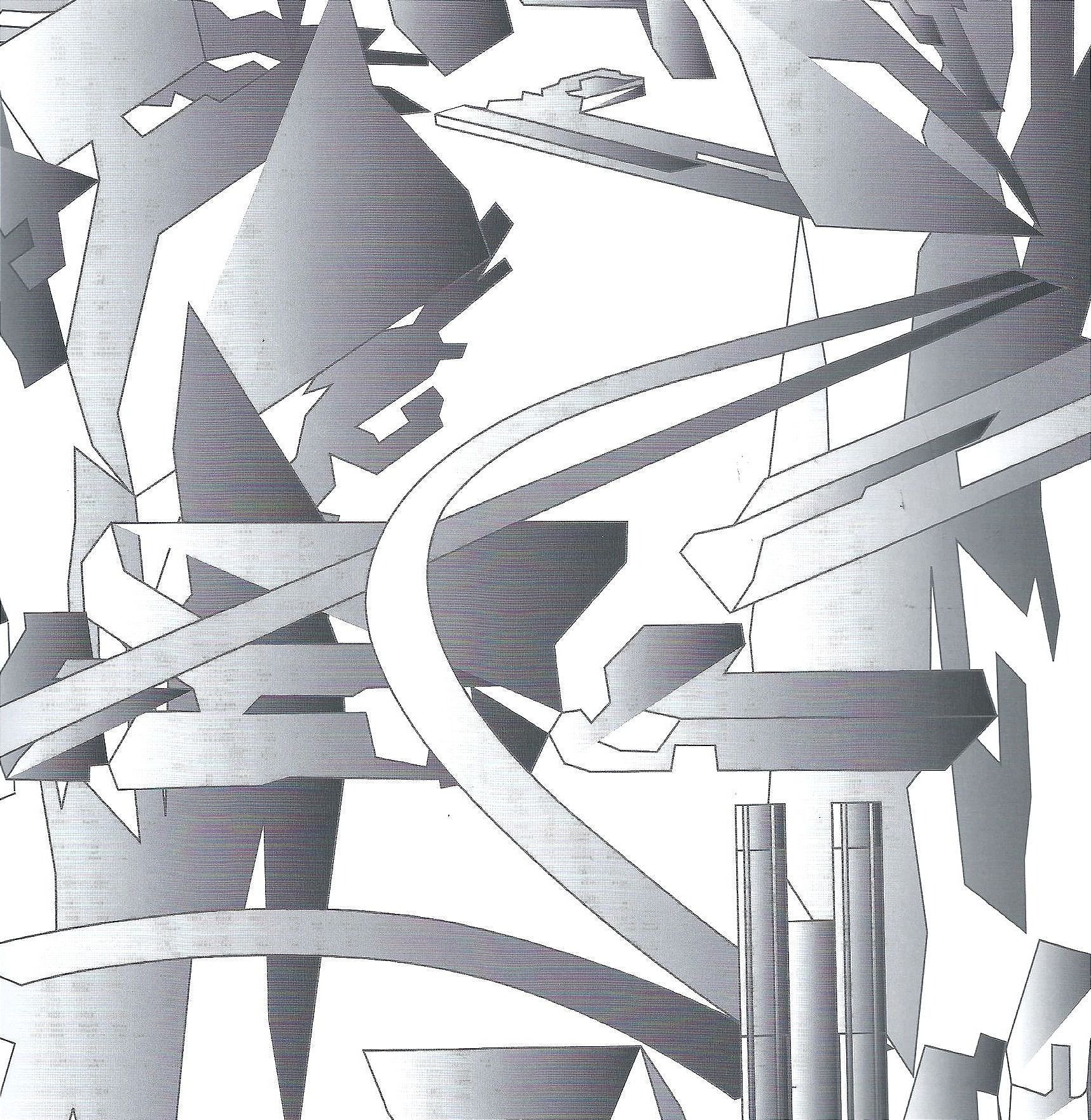
Final Home "Camo City" design ss2000
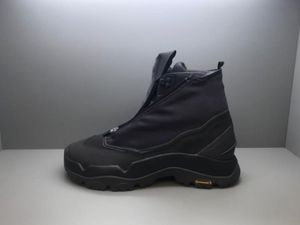
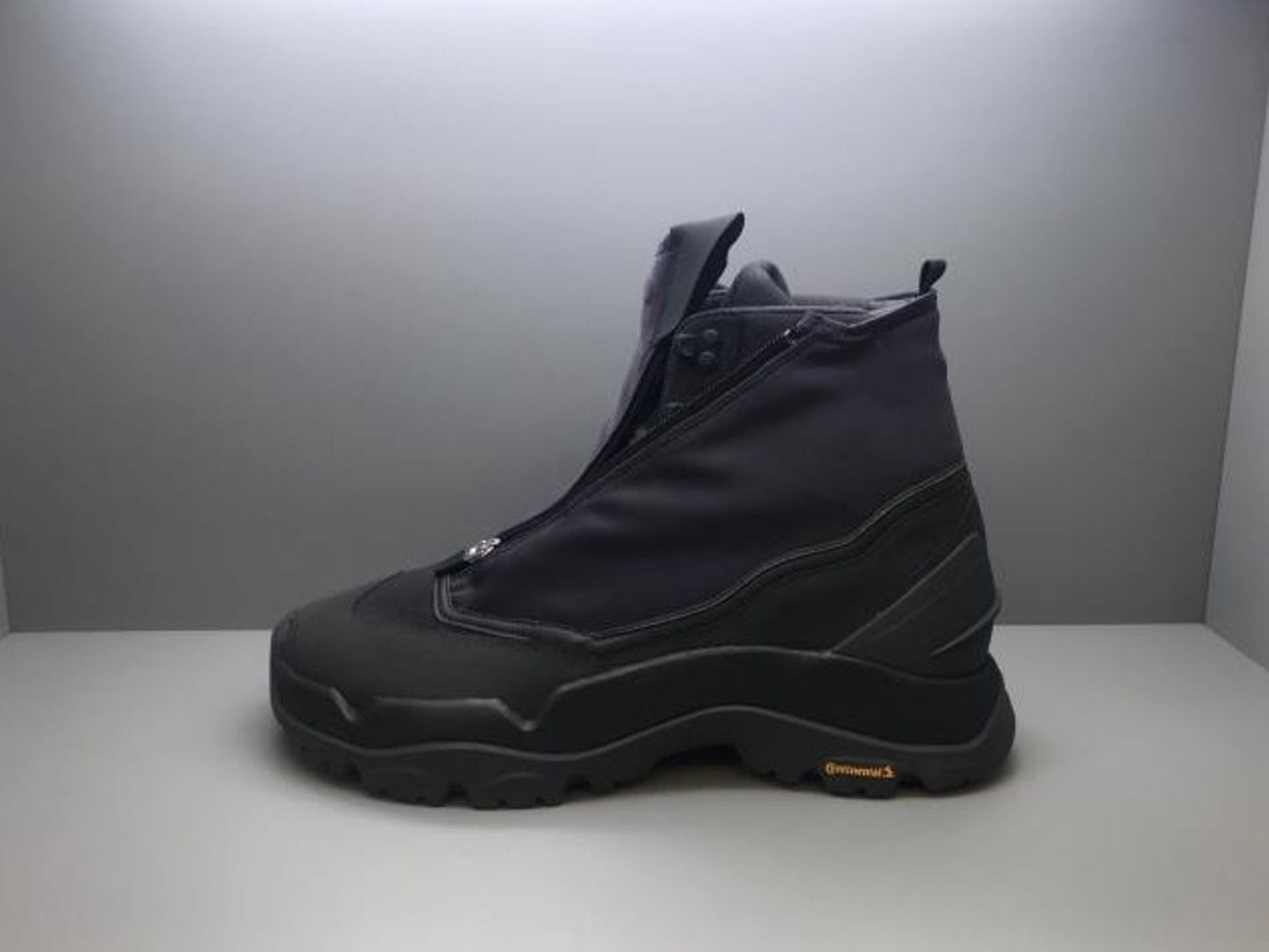
ADIDAS YEEZY TERREX OLYMPIC 3
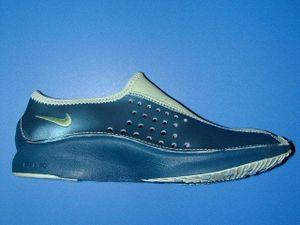
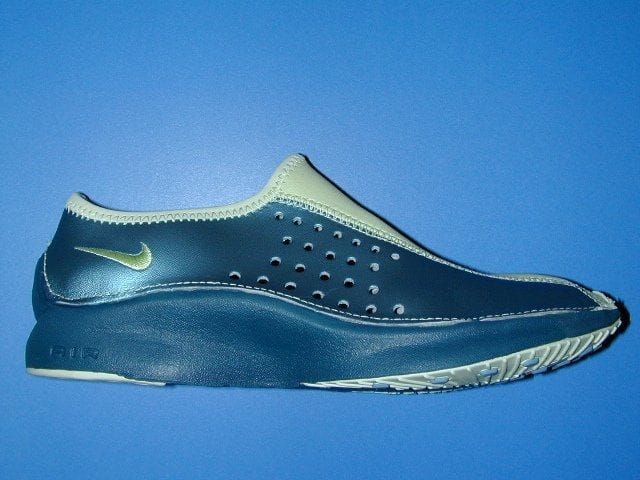
NIKE AIR SUPER FLY + NIKE AIR SUPER FLY SLIP
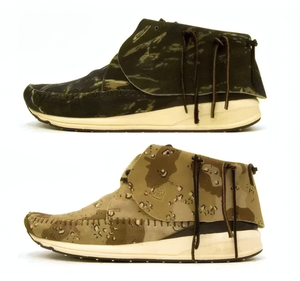
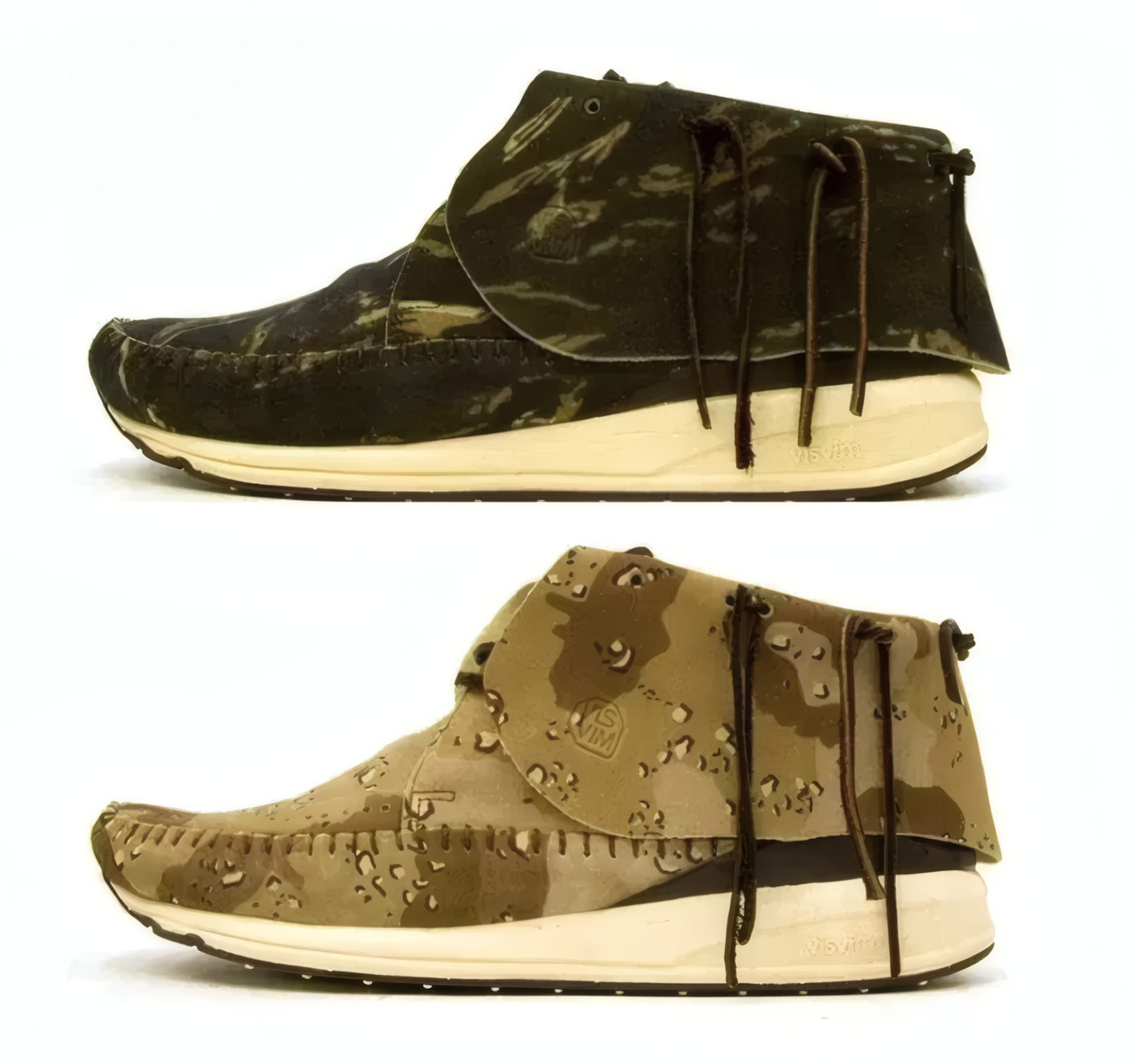
Visvim Camo G Line FBT
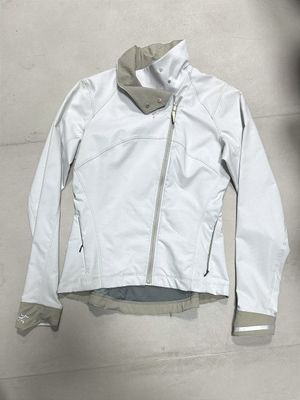
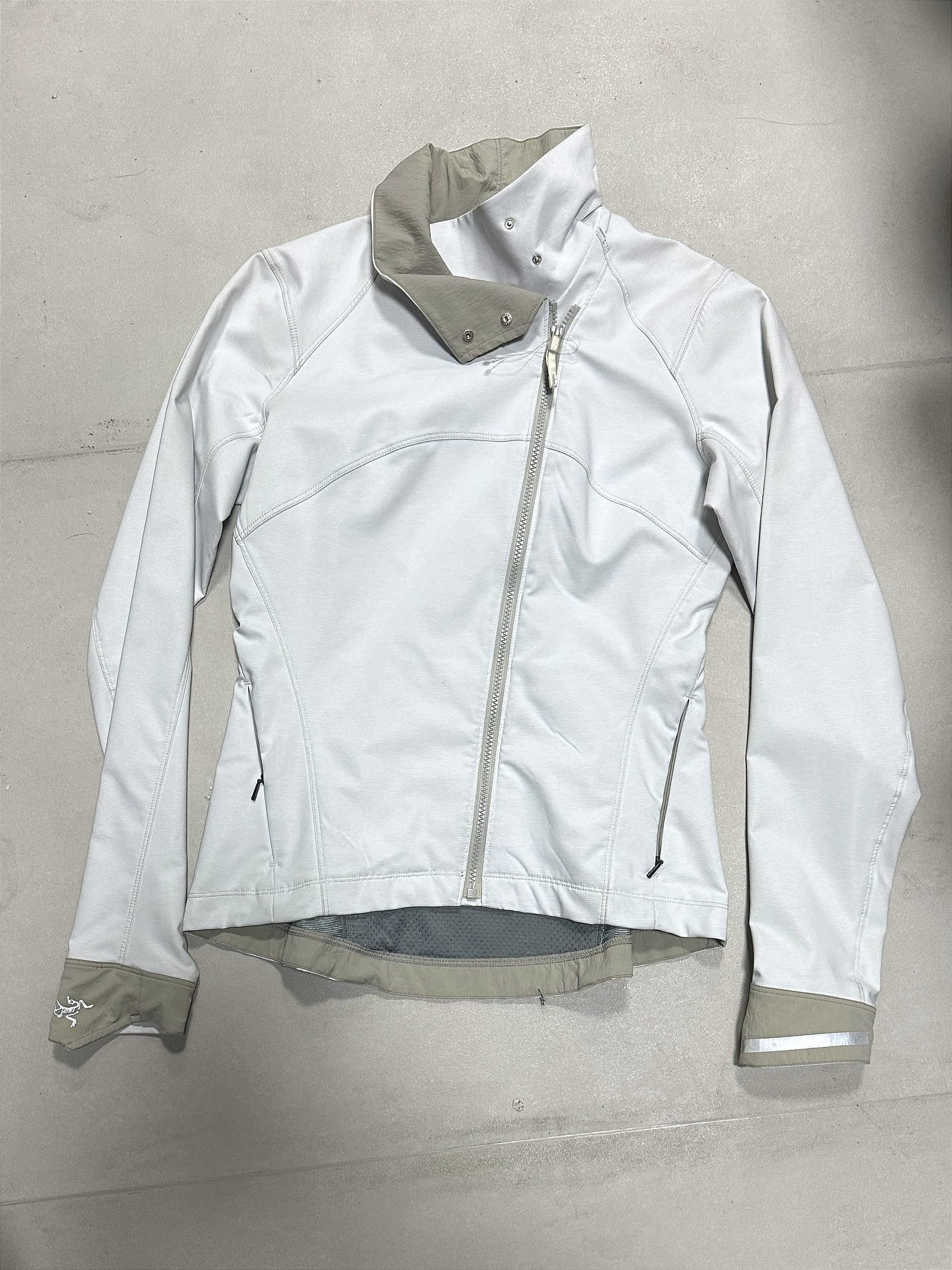
Arc'teryx A2B Women's Commuter Jacket
Arc’teryx A2B Commuter Jacket W Chalk 15536, released 2015. Technical soft shell with motoi lines.


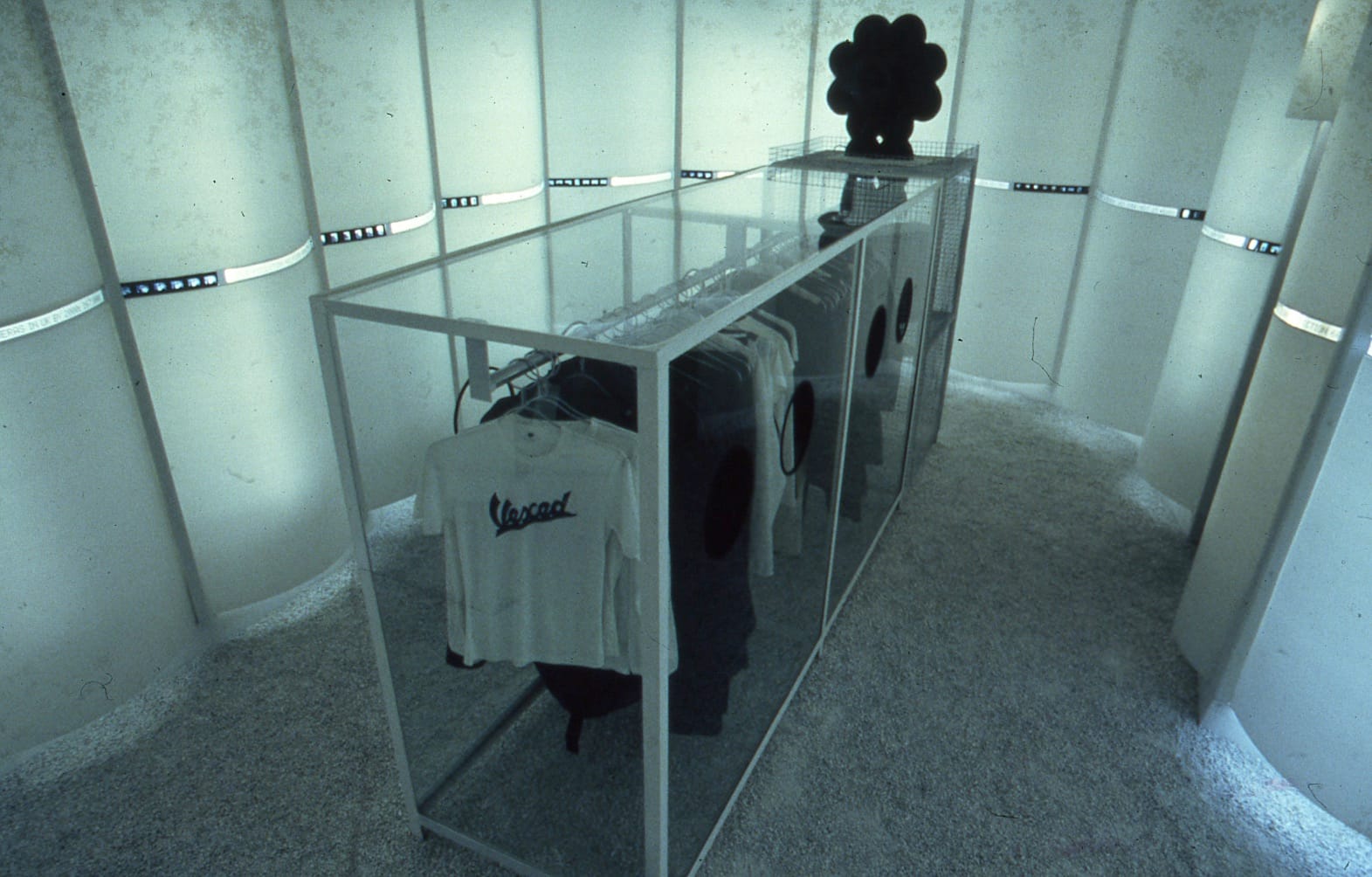
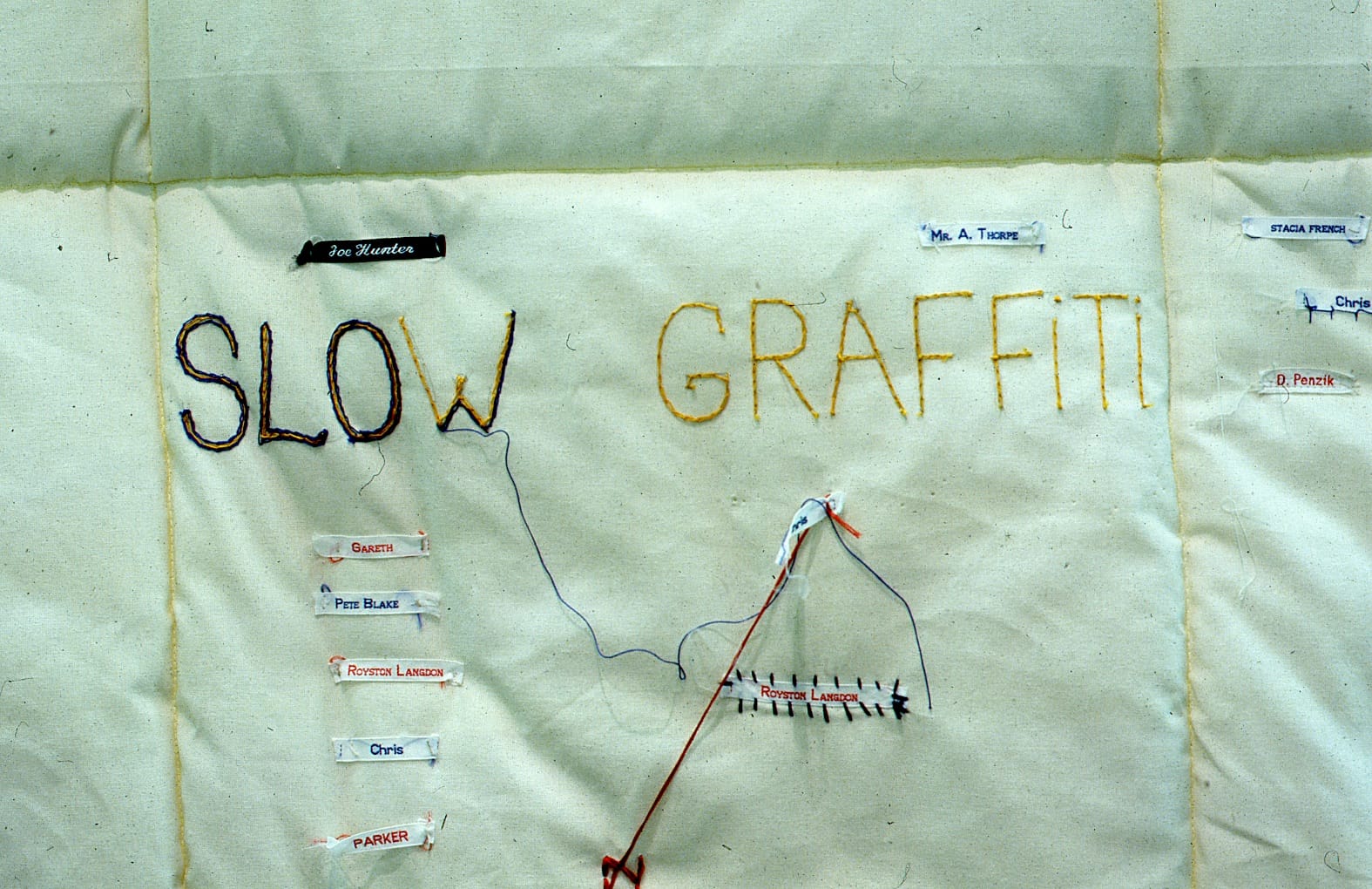
Vexed Generation — Joe Hunter and Adam Thorpe
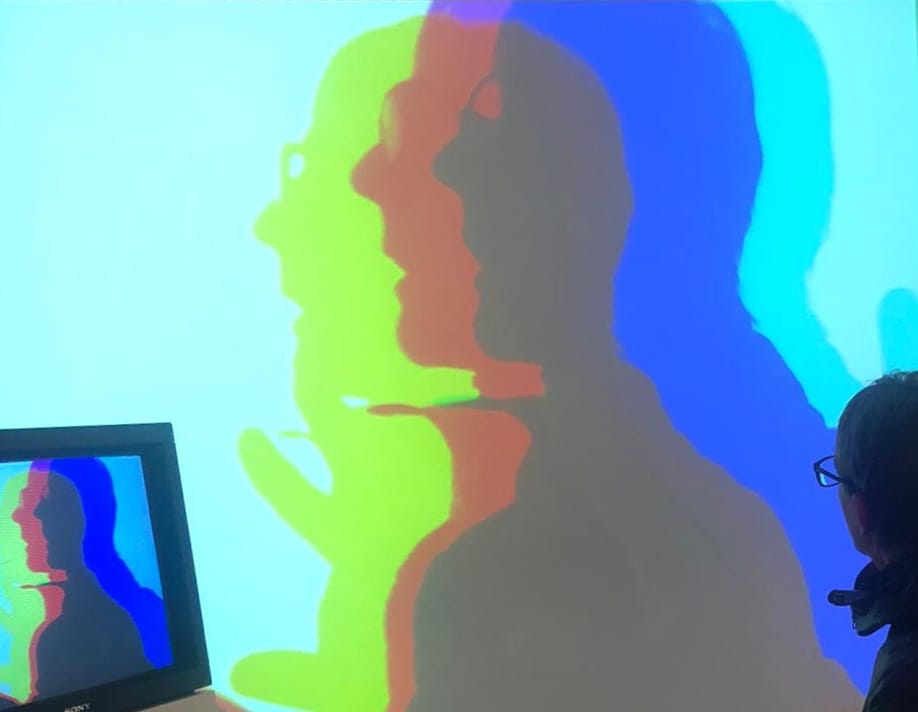
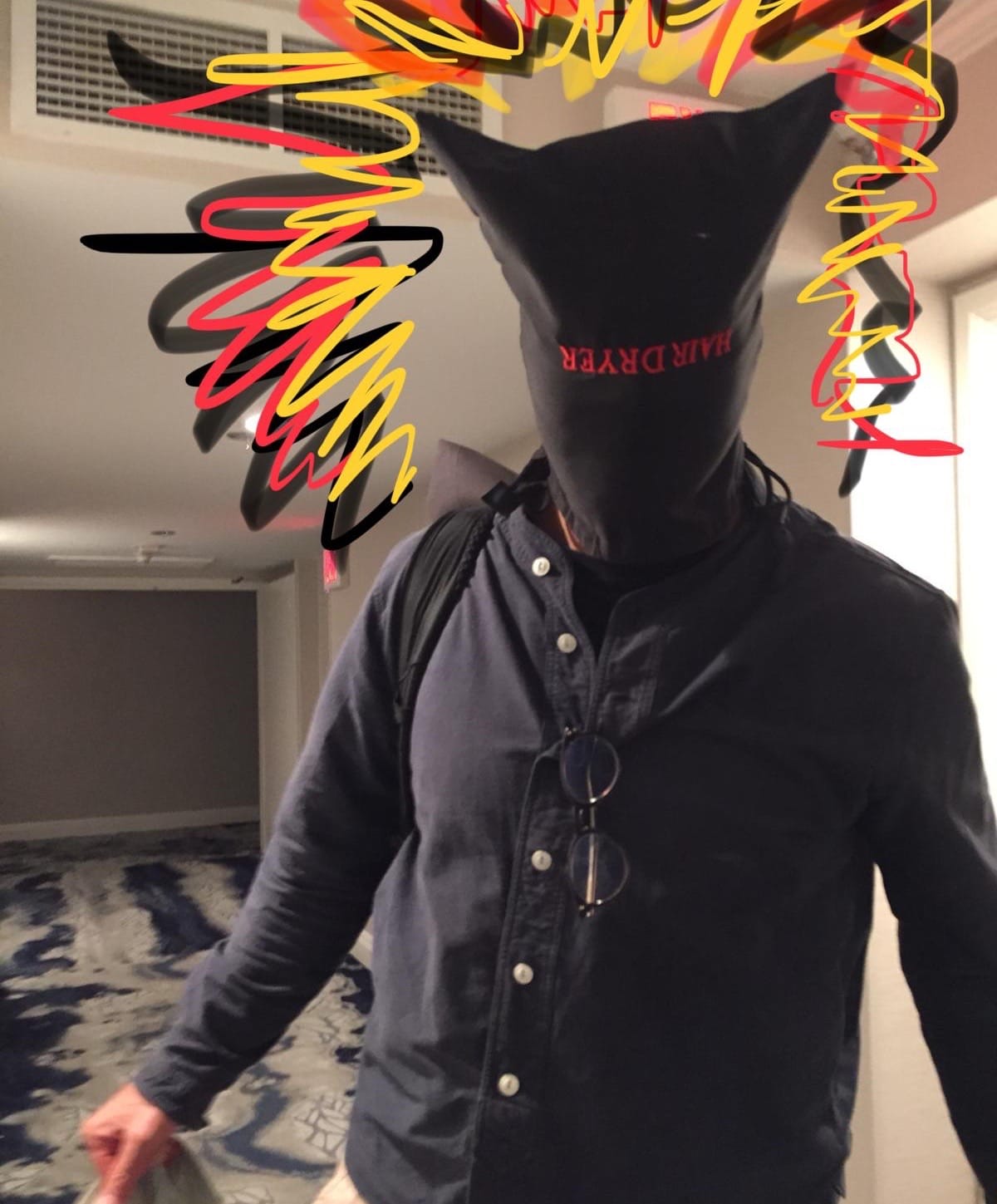
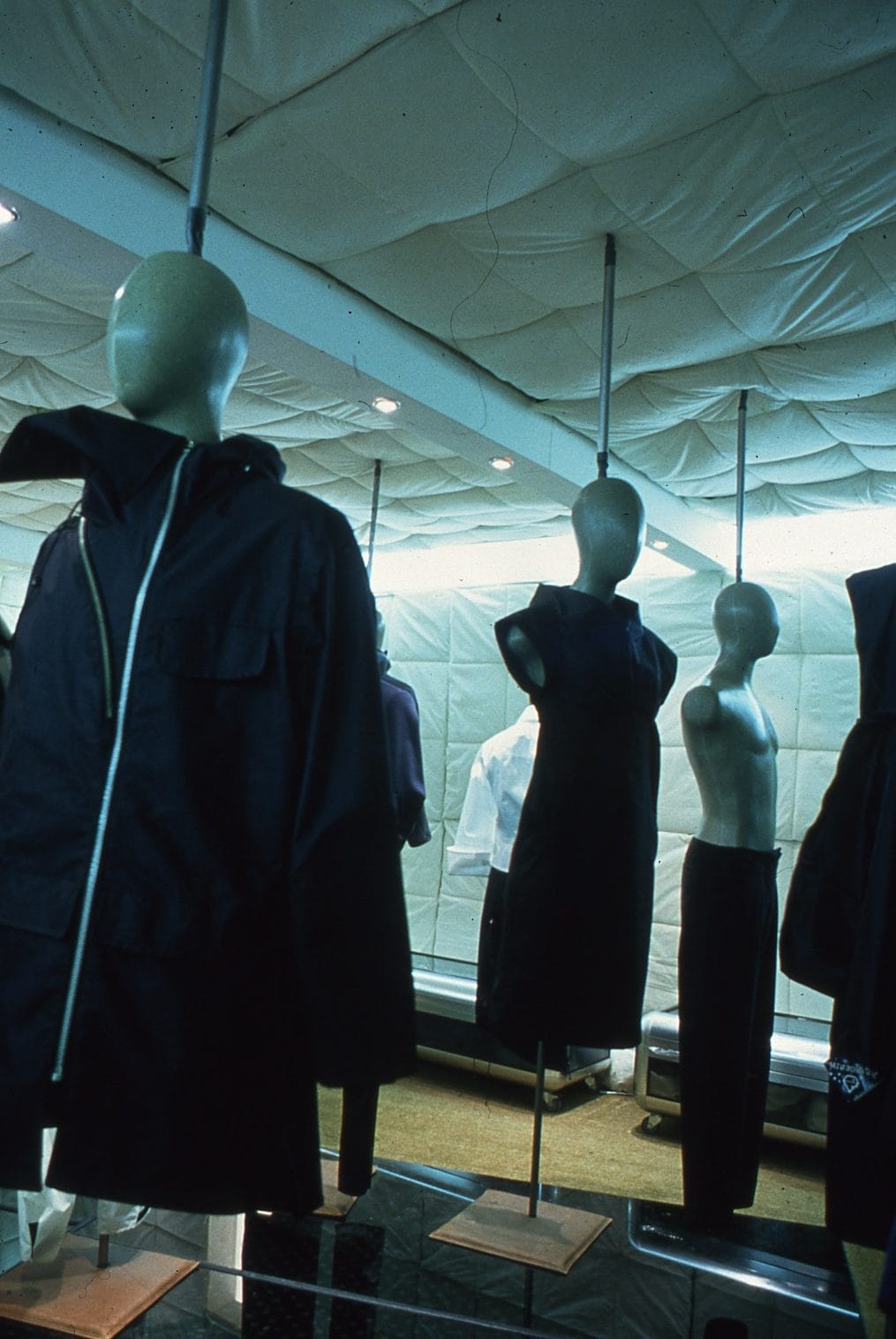
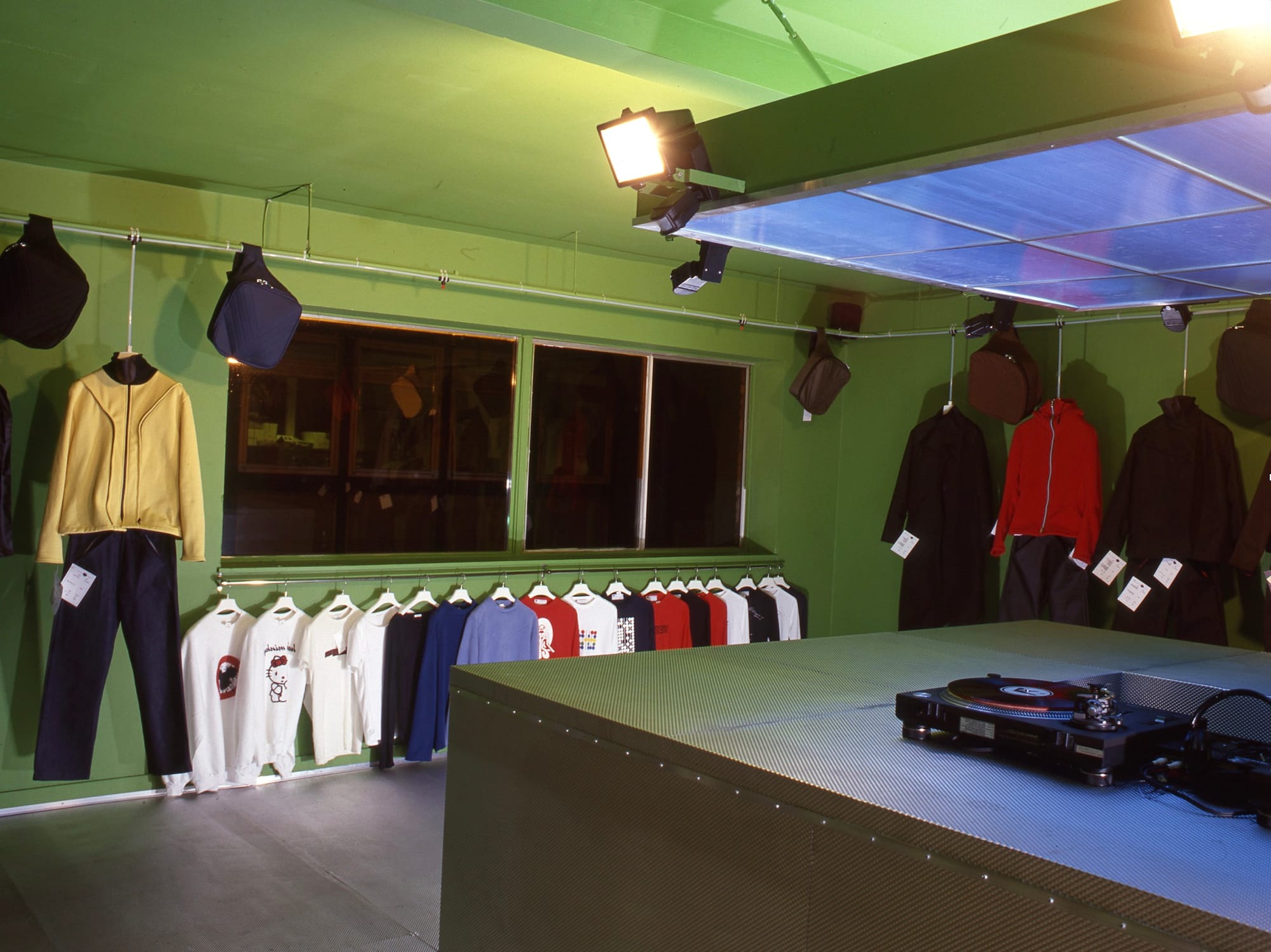
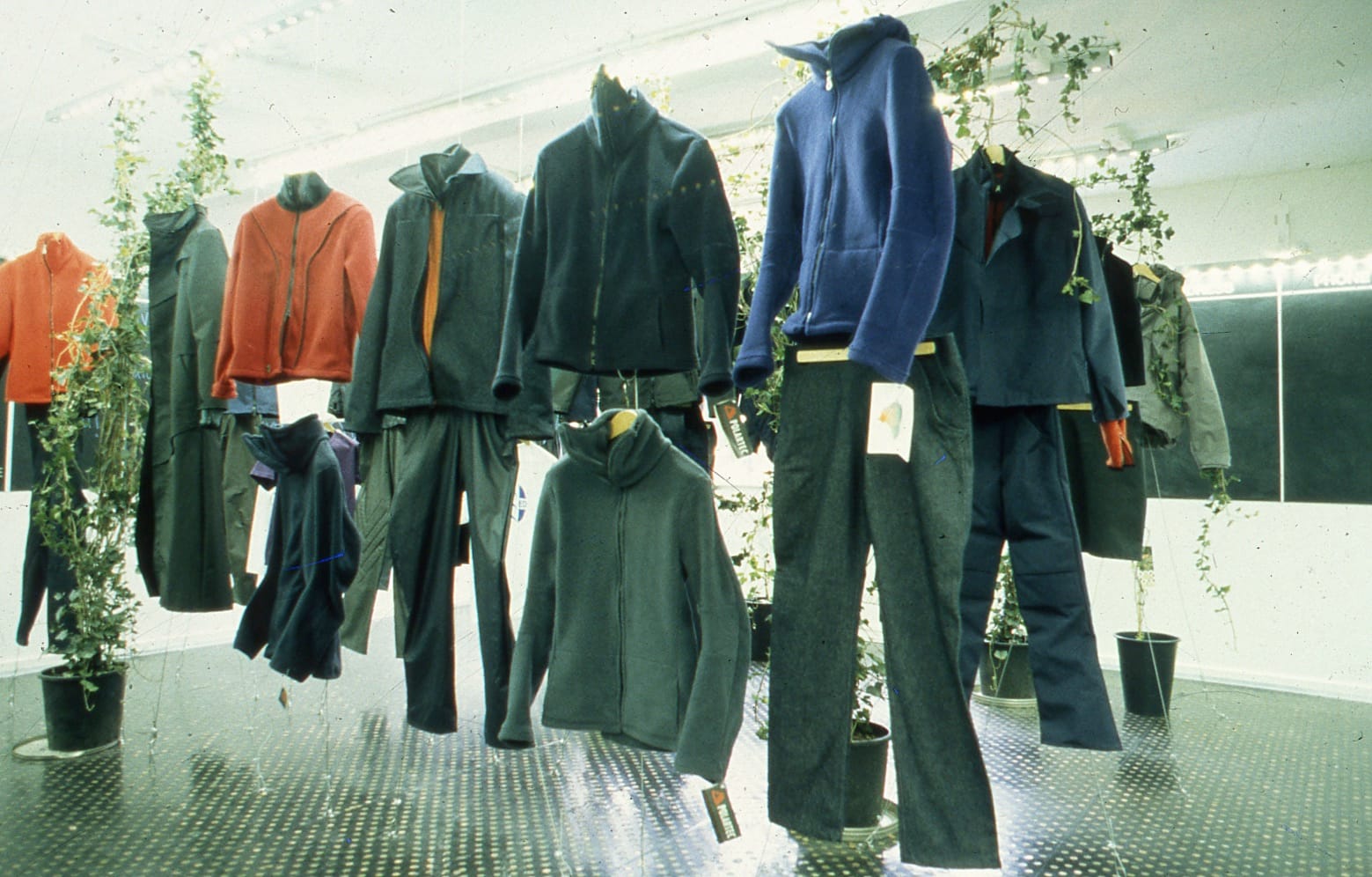
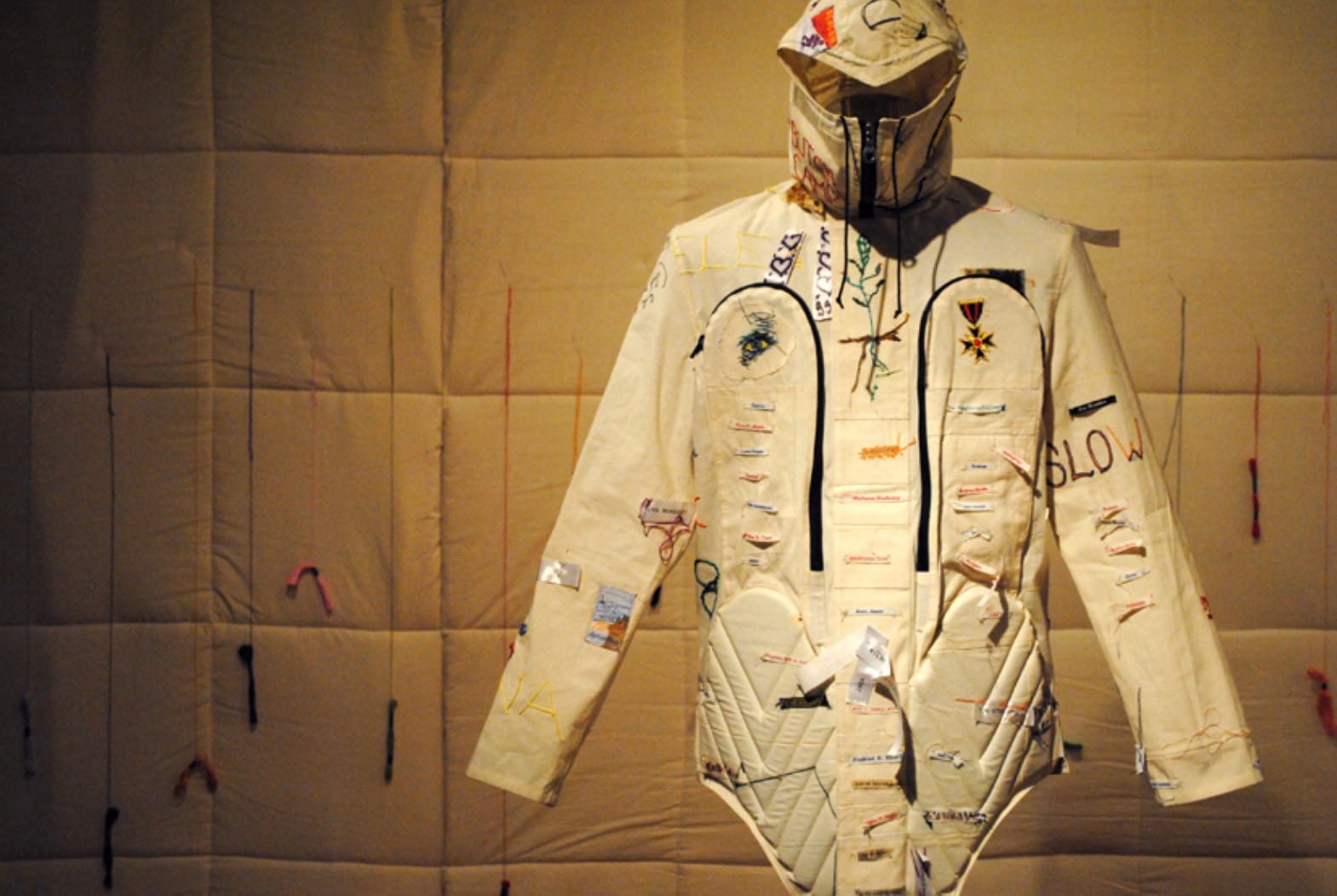
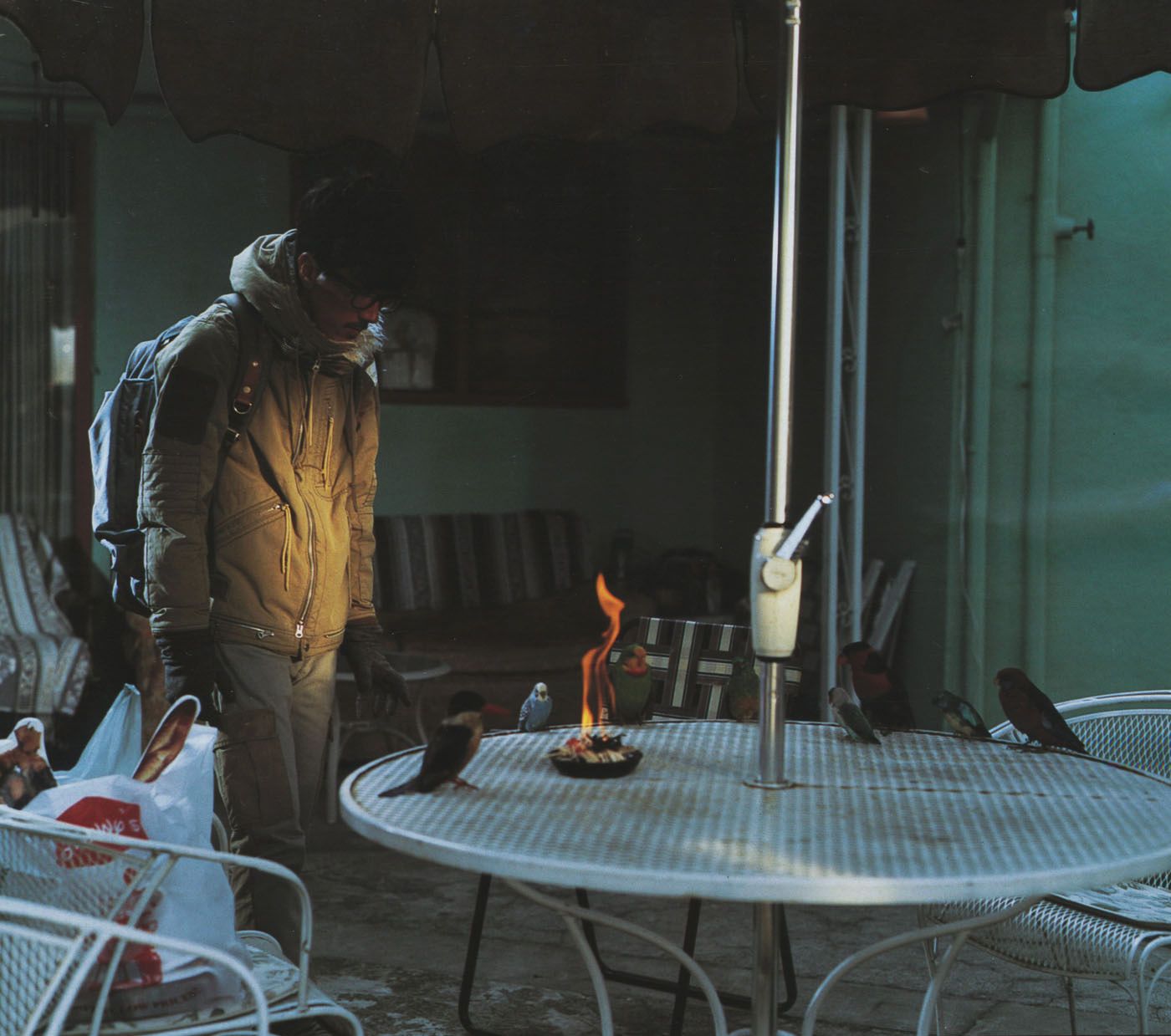
"Avakareta Life" Editorial Styled by Jun Takahashi


Images behind the scenes of the nike free outsole creation.


Heads up display
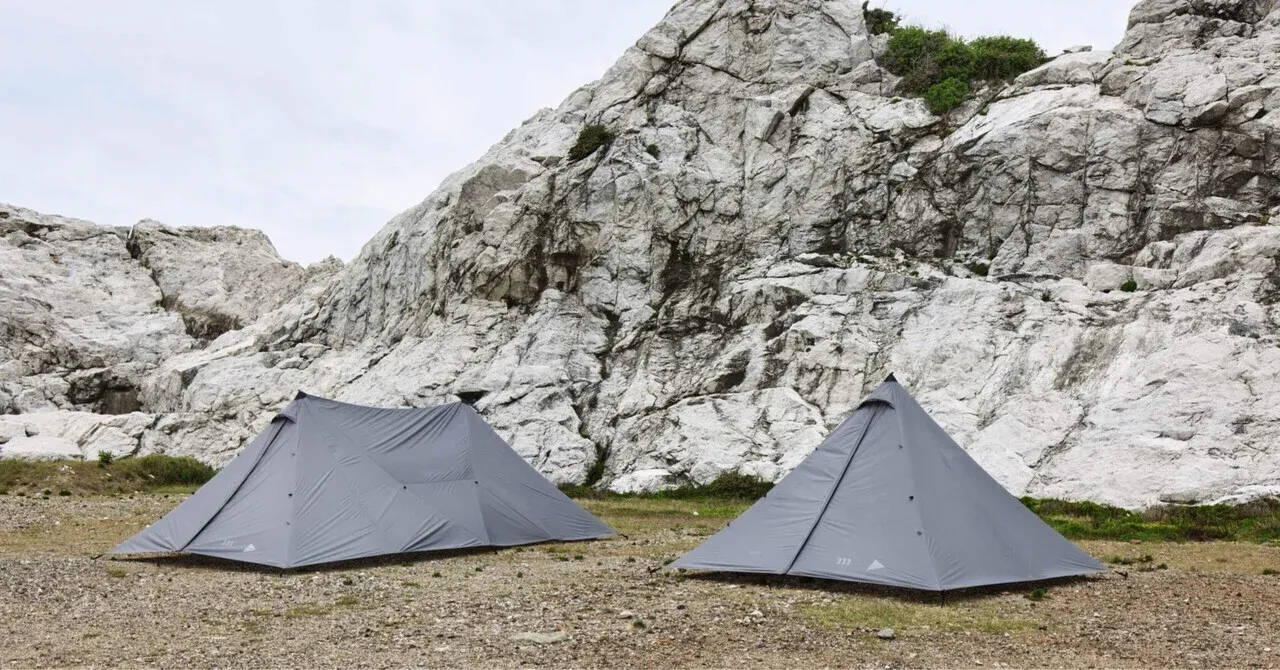
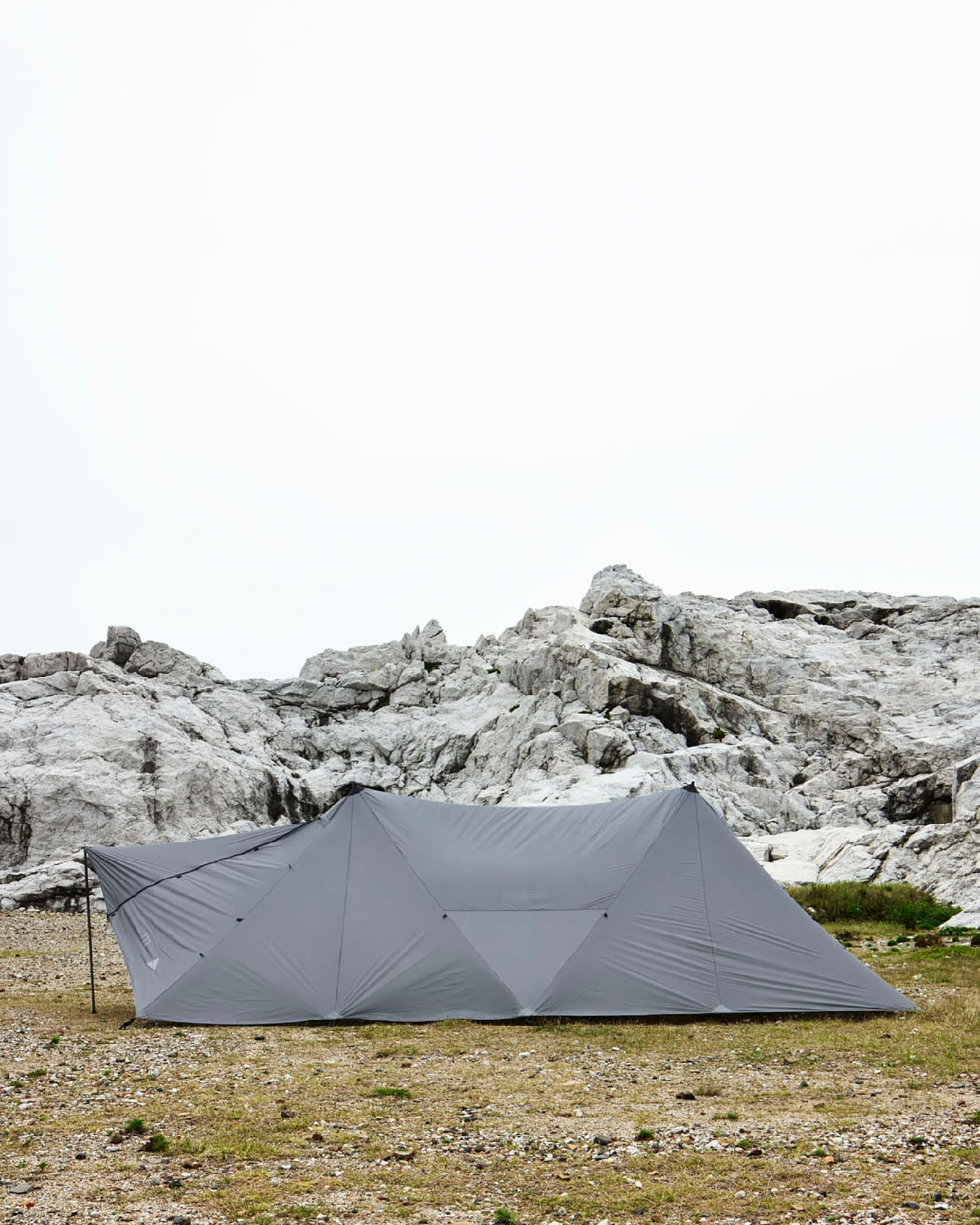
and wander x Muraco Designs Heron Tent Shelter Sets
This tent boasts a straightforward structure, allowing for quick and effortless setup. To assemble, lay the flysheet on the ground and firmly secure the four corners with pegs. Then, raise the center pole at the top. The remarkable simplicity of this setup is unmatched by self-supporting dome-shaped tents, and its generous overhead clearance adds to its allure.
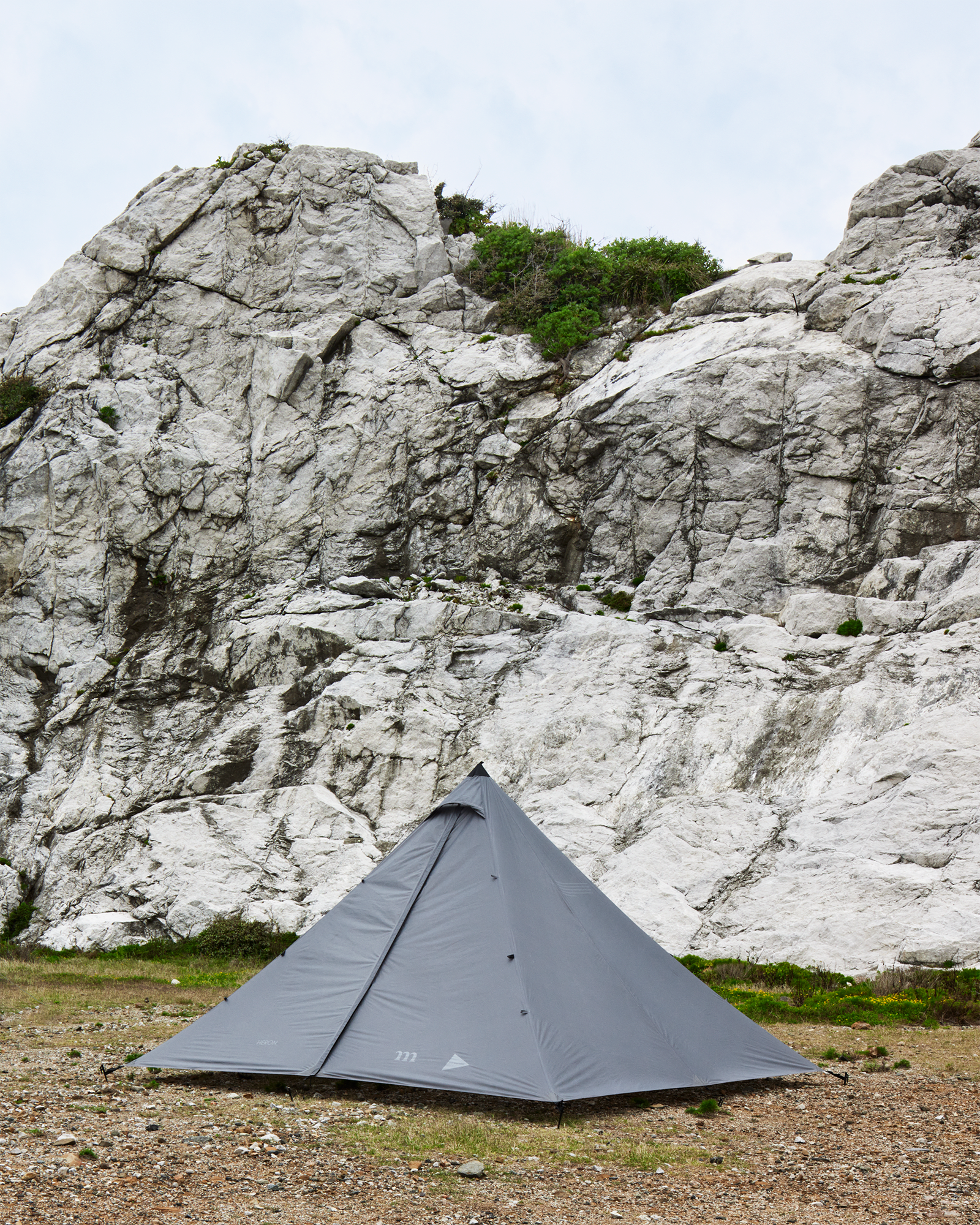
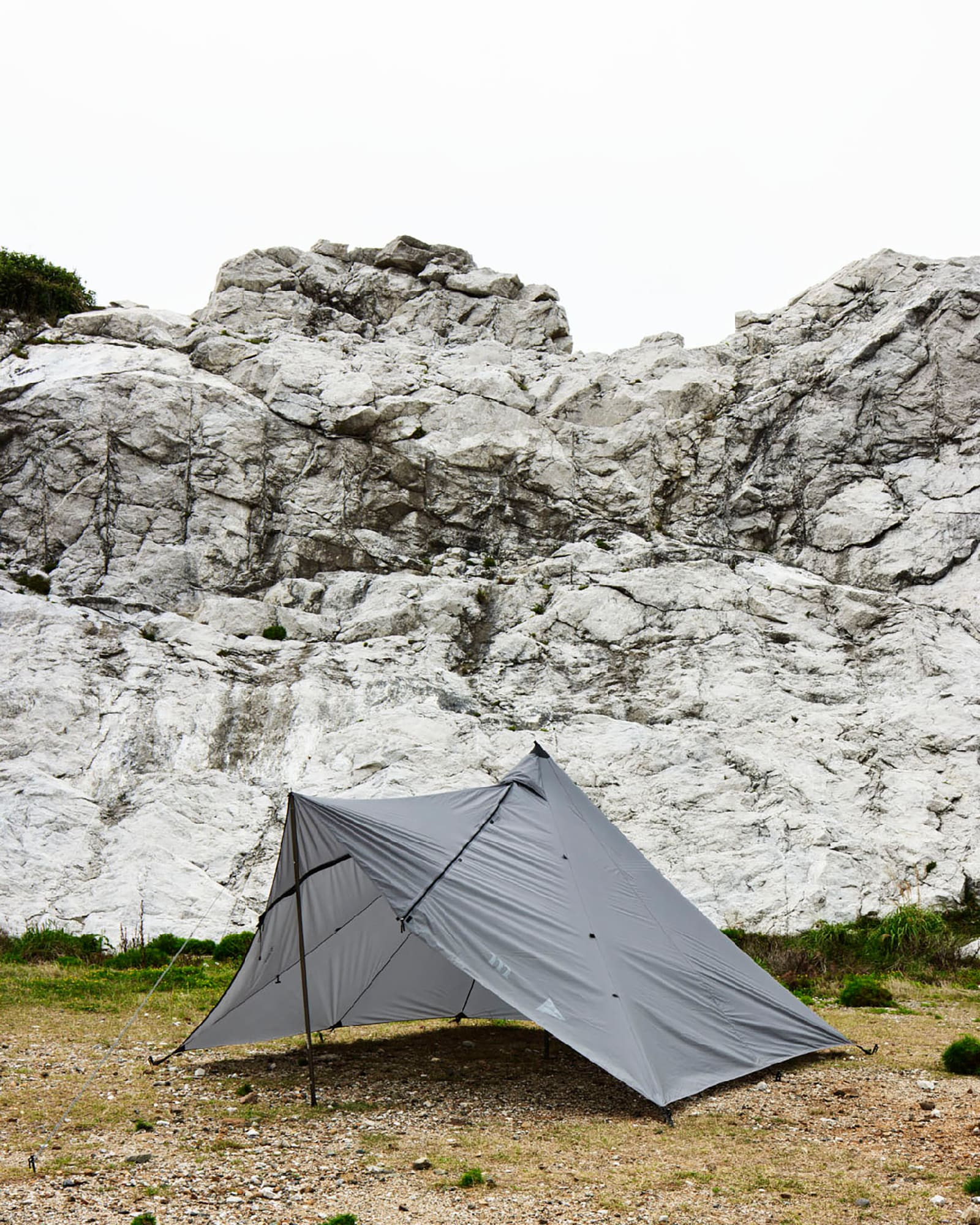
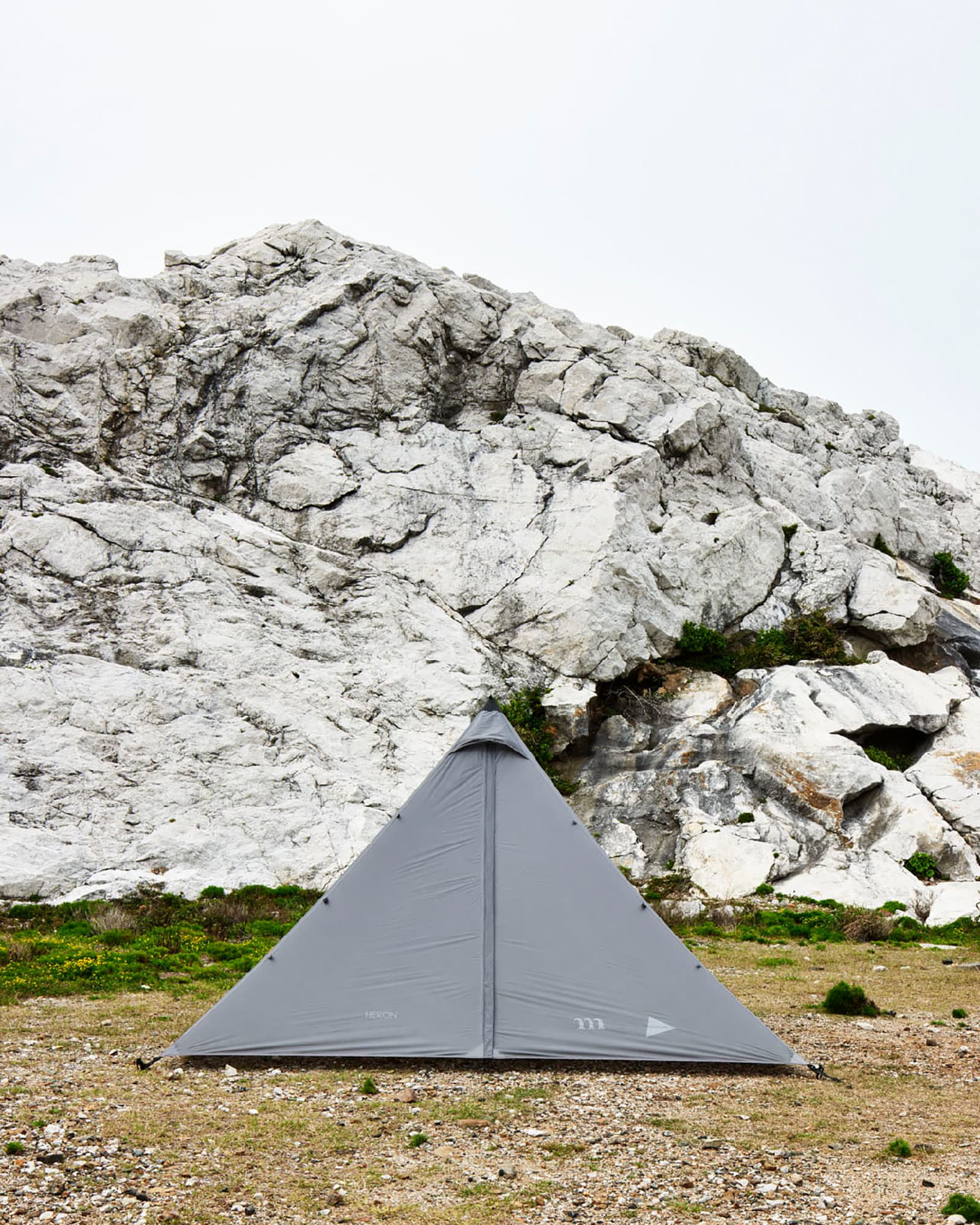
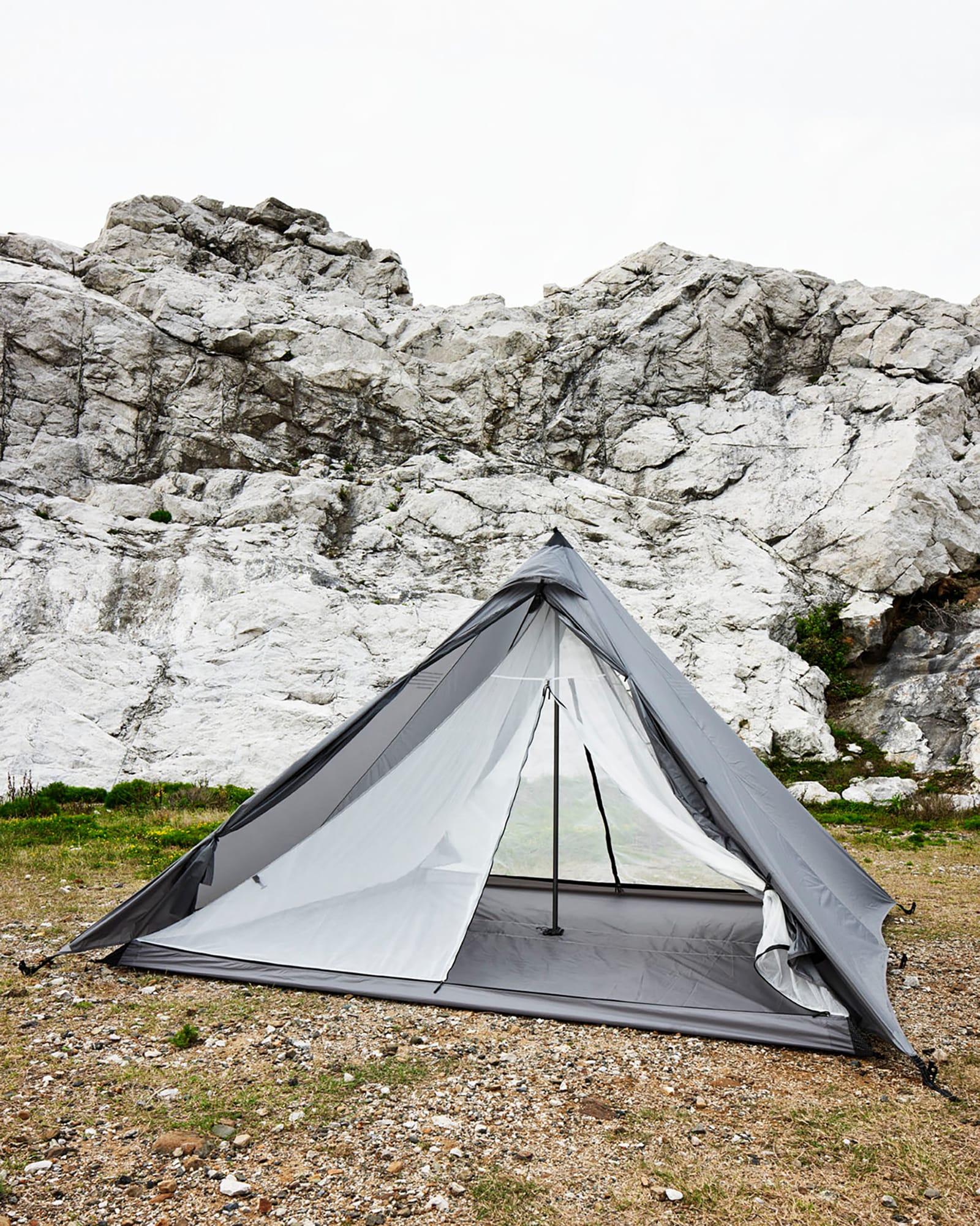
HERON 2POLE TENT SHELTER SET
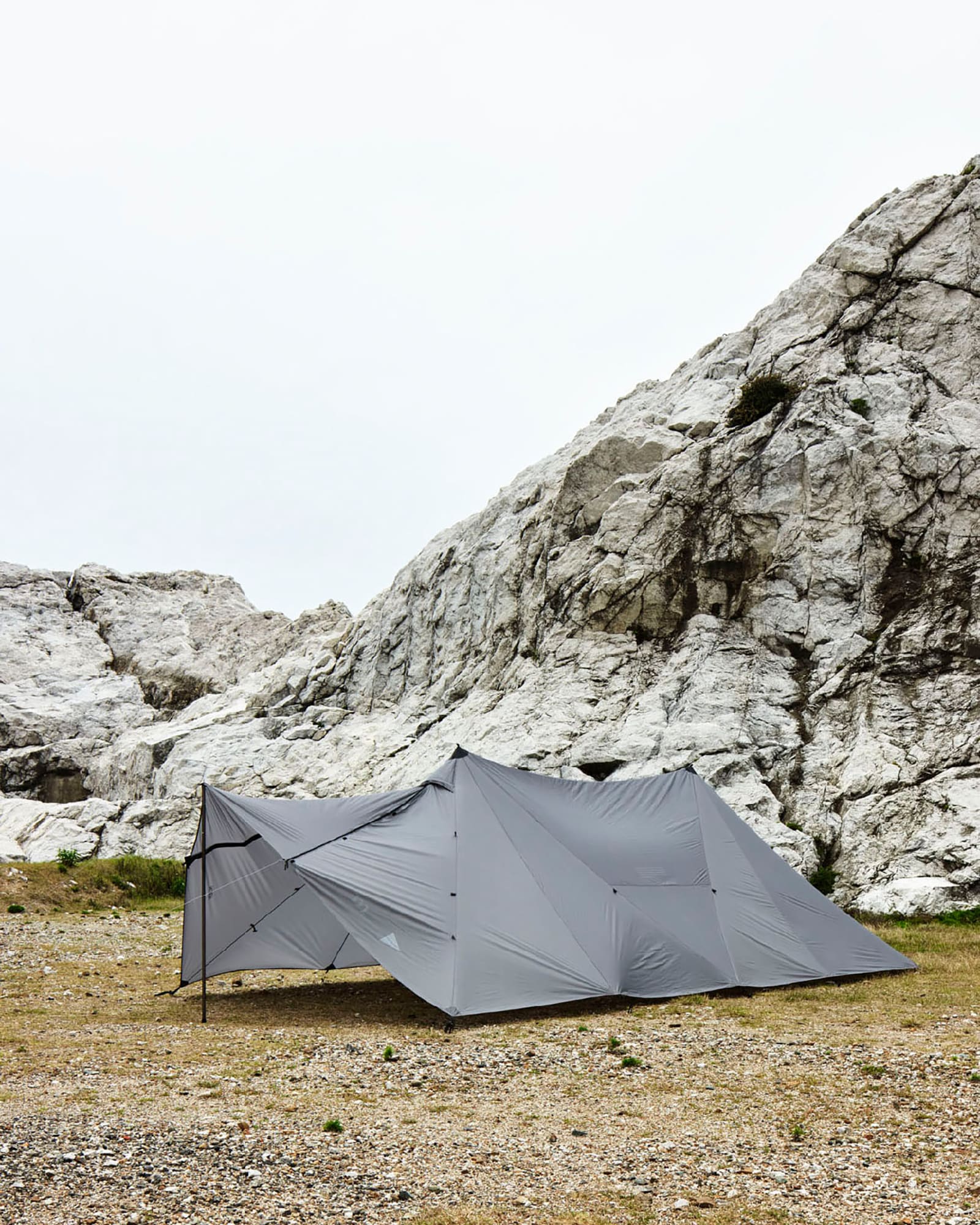
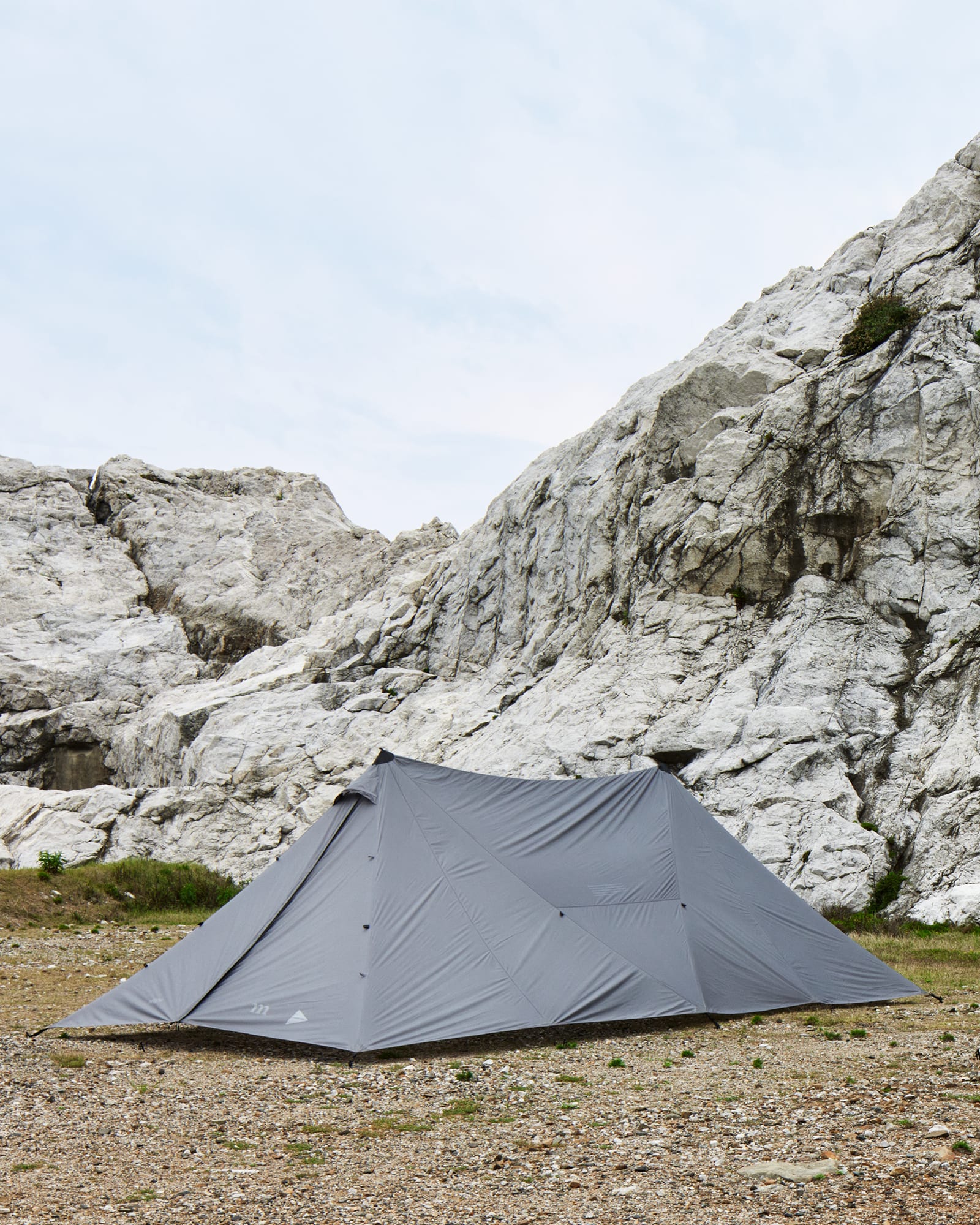
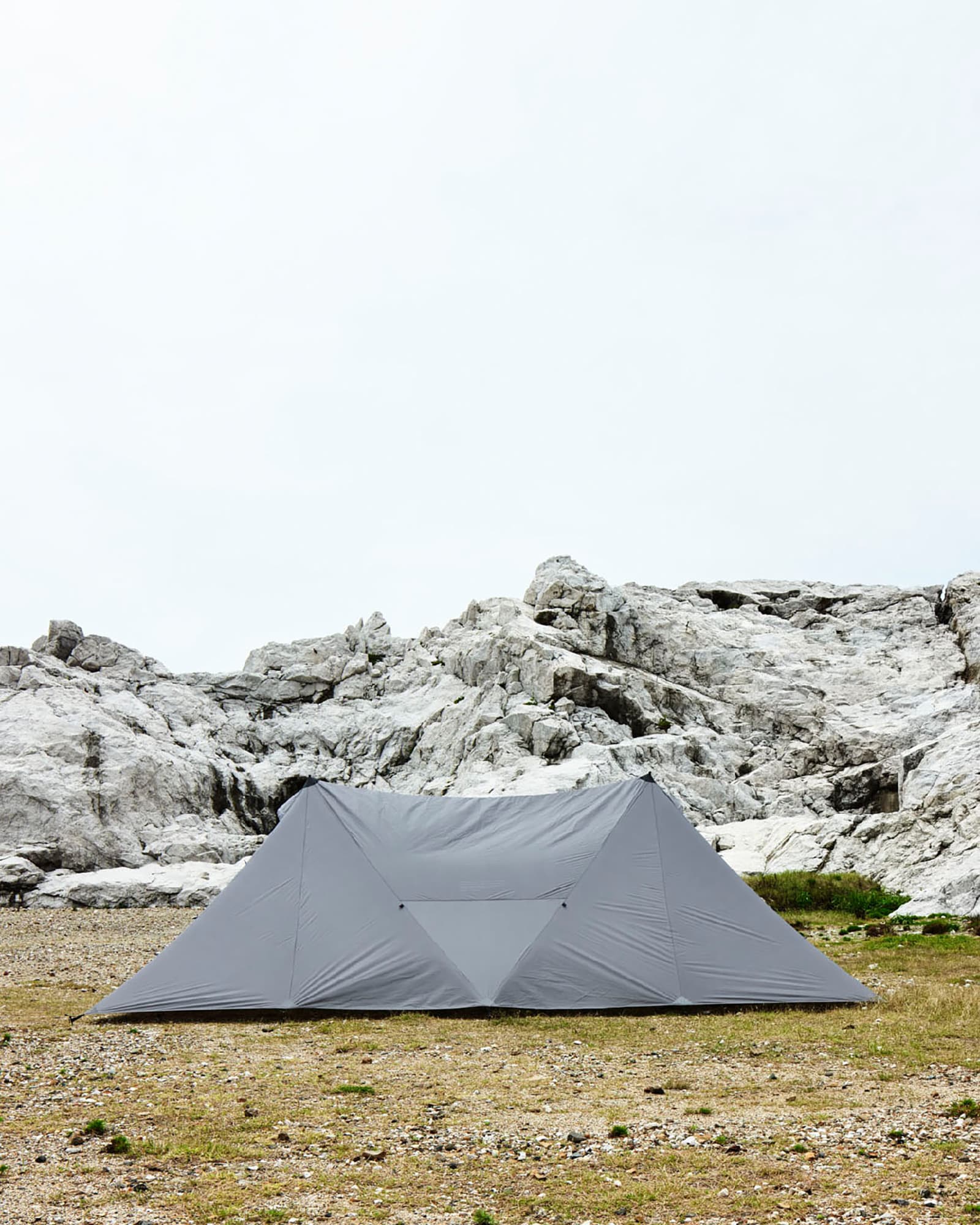

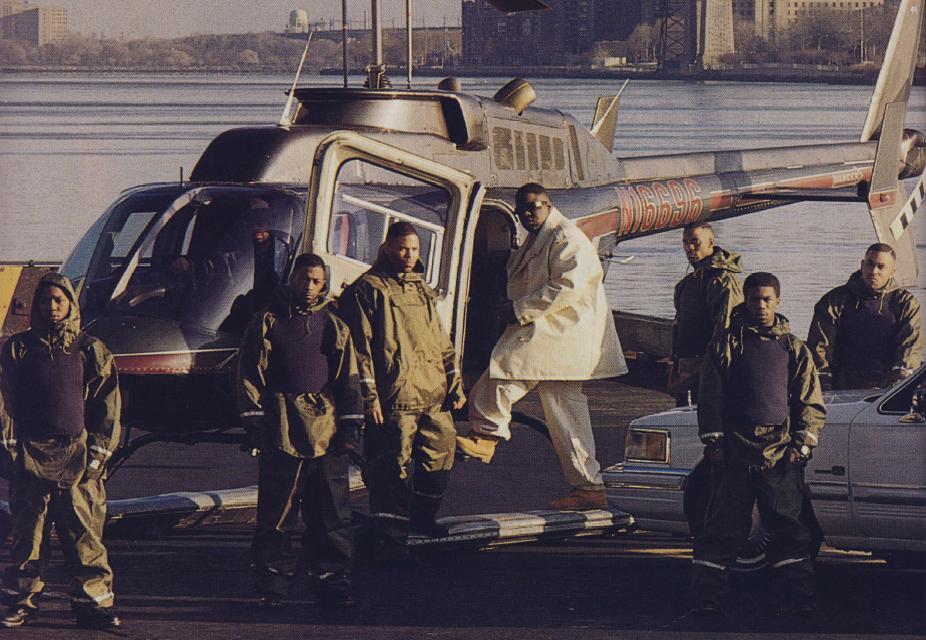
Junior M.A.F.I.A.
The members of Junior M.A.F.I.A. met as childhood friends of The Notorious B.I.G. All the members were under the age of twenty when the group was formed. The group was composed of three separate groups and two individual artists. The 6s, or 666, (Lil' Caesar, Bugsy, Capone, Chico, and Nino Brown) who claim to know right from wrong and practice it; the Sixes knew Biggie before he was rapping (the other members other than Lil' Kim were added on to the group but still were very close to Biggie). The Snakes (cousins Larceny and Trife) who represent the enraged attitude expressed in a large number of America’s youth, MC Klepto, who offered insight on a life of “boostin' and hustlin'”, and Lil' Kim, (a.k.a Big Momma or The Lieutenant), the only female in the group, who showed the ghetto life from a woman’s point of view. The Notorious B.I.G. acted as the "godfather" to the group.
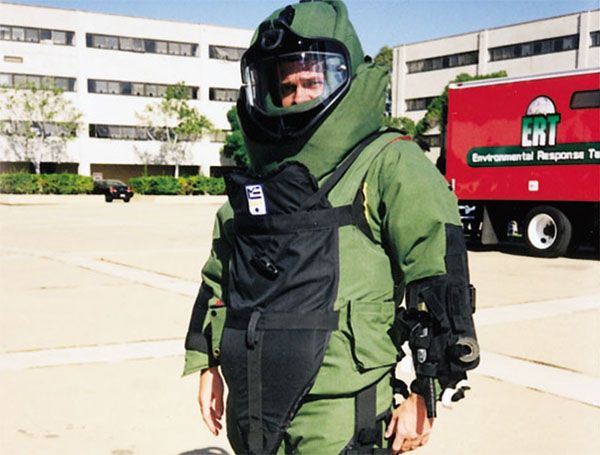
Protective wear 14108
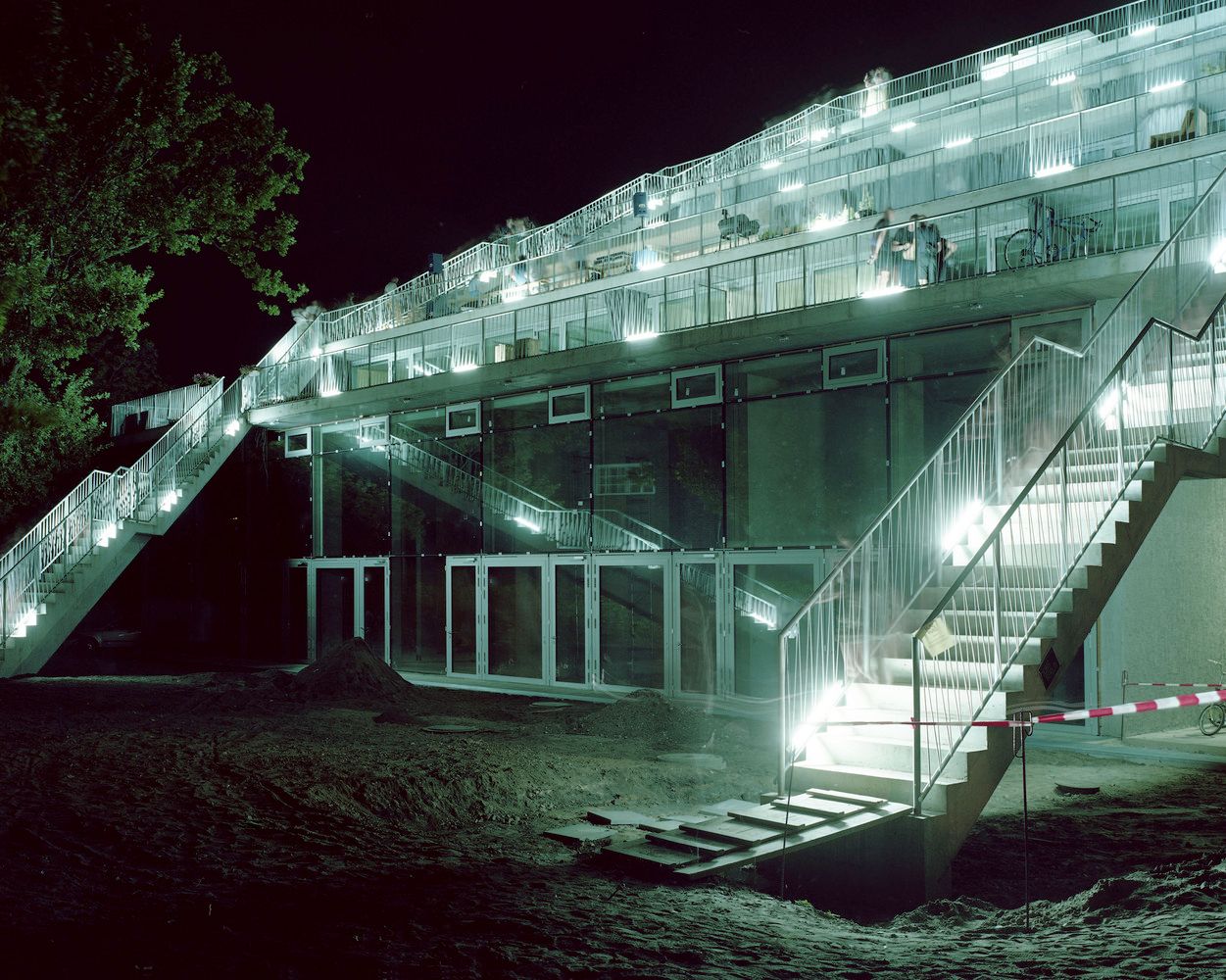
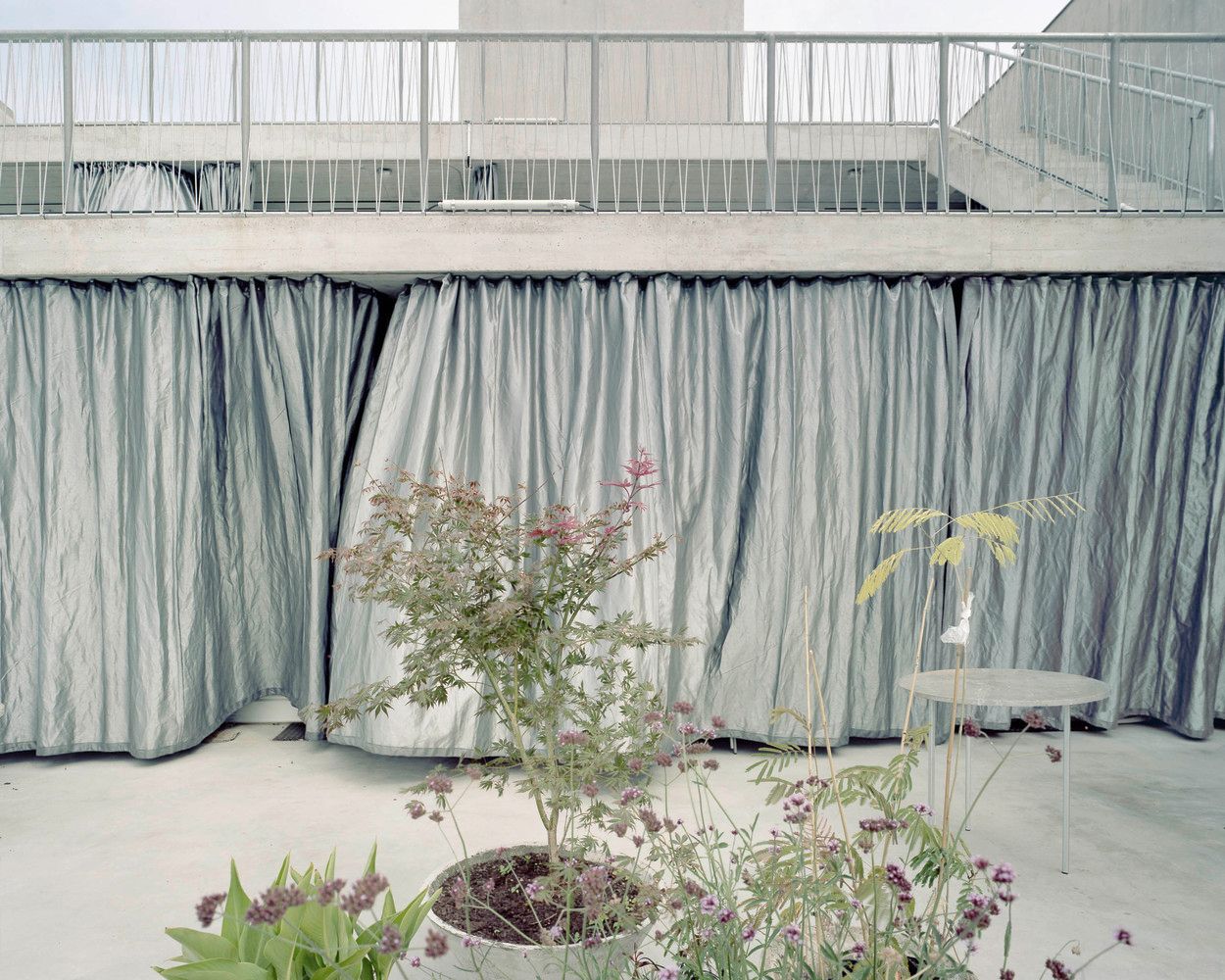
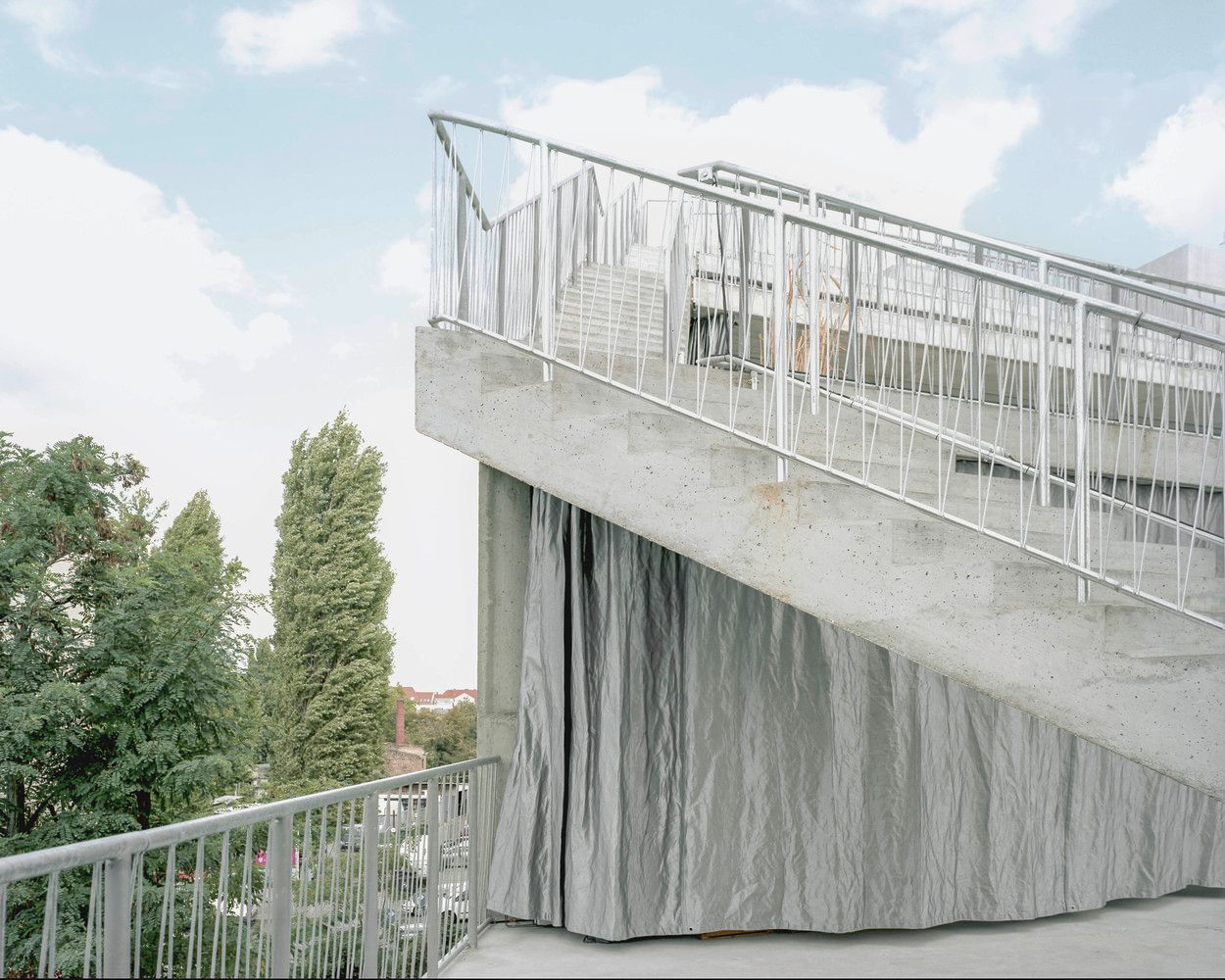
Terrassenhaus Berlin

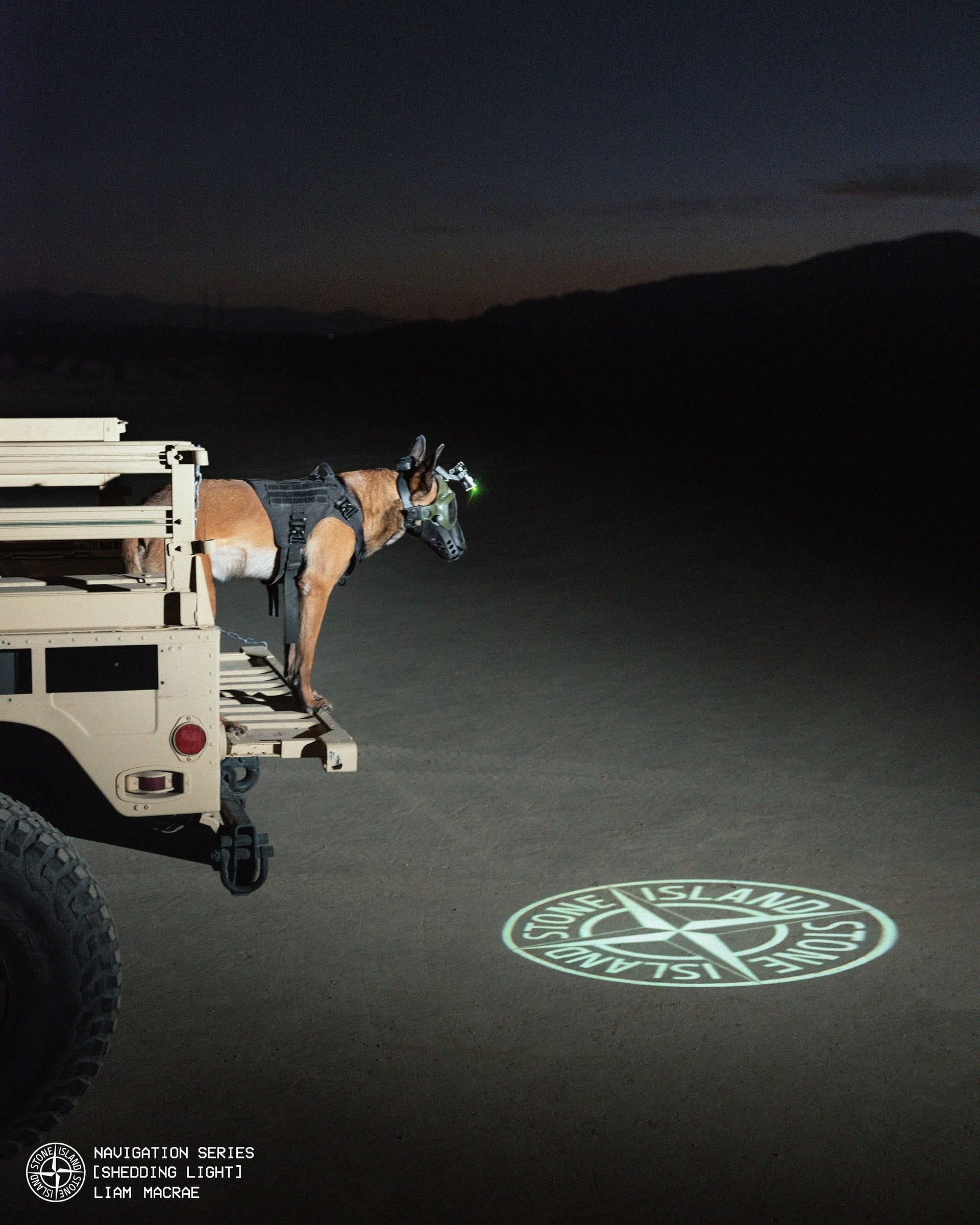
![Stone Island Navigation Series [shedding light] by Liam Macrae](https://storage.ghost.io/c/14/ee/14eef3be-ca5a-434b-8324-fa1f874026f1/content/images/size/w300/2023/09/F5WkecNXQAA78GB.jpeg)
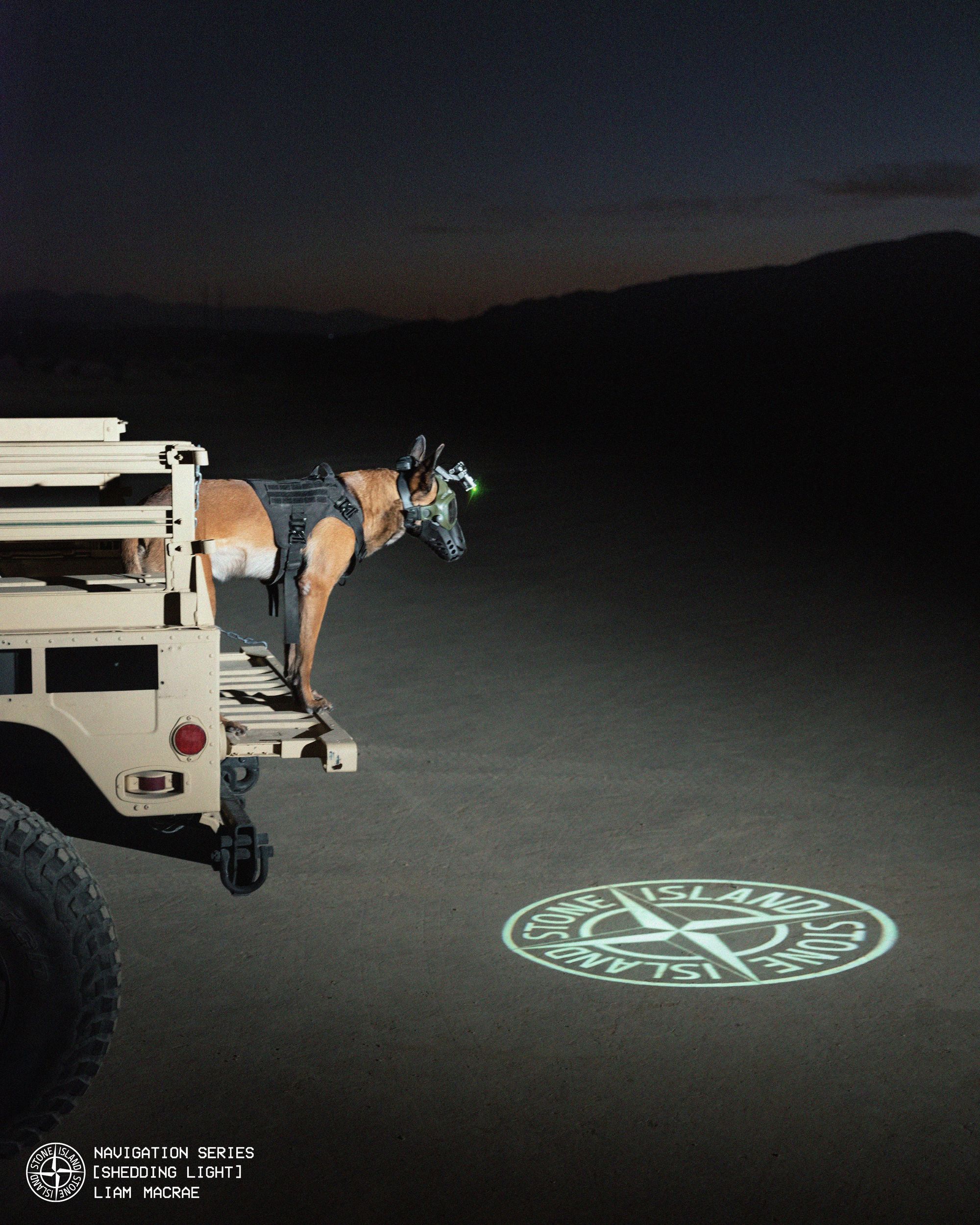
Stone Island Navigation Series [shedding light] by Liam Macrae
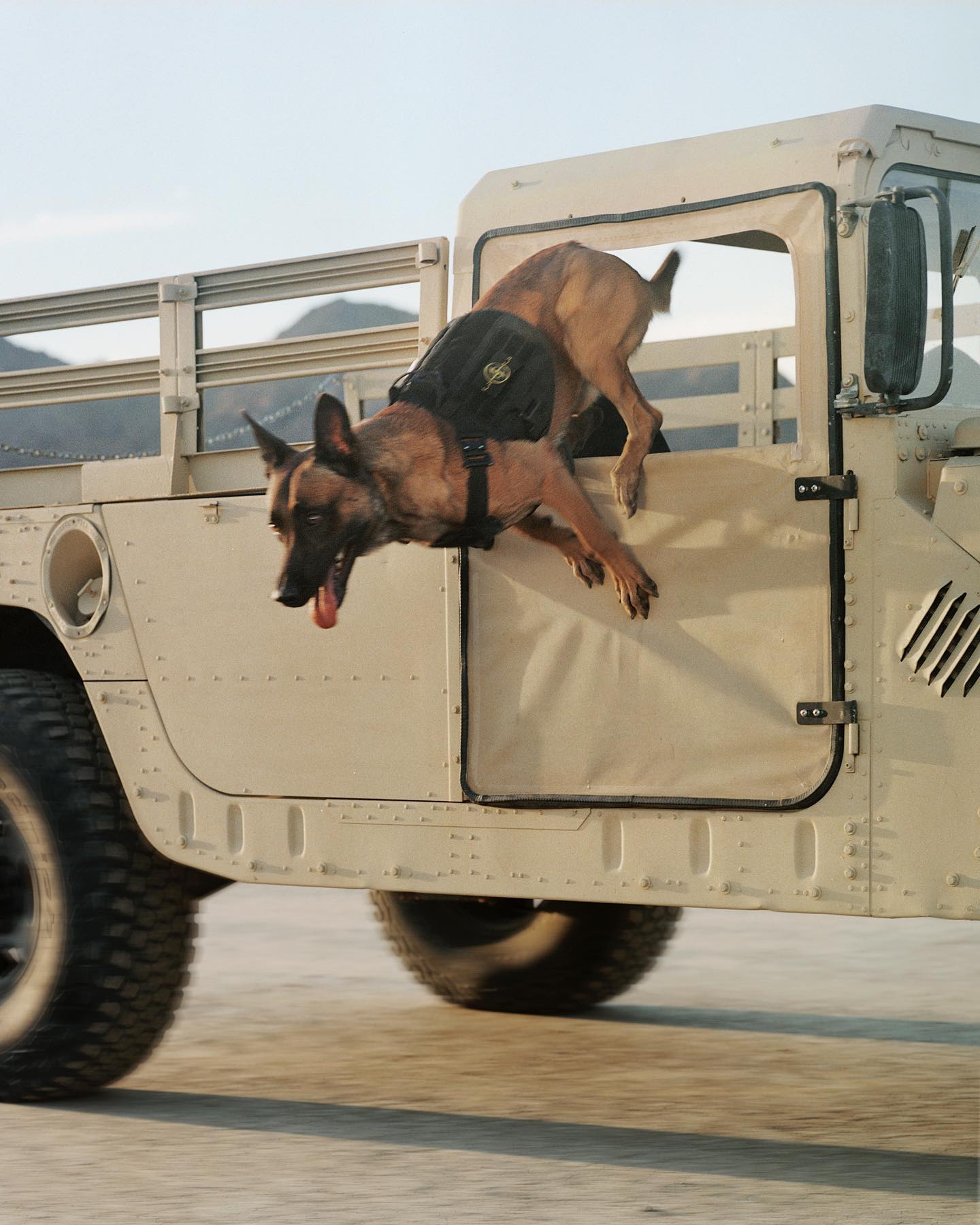
Stone Island Navigation Series: Shedding Light by Liam MacRae deploys a canine unit as both subject and sensor. The sequence examines tracking protocols, movement signatures, and light scatter in terrain navigation. Objective: assess animal-assisted pursuit as a guidance vector. Visual narrative captures the moment of release—unleashing the chase to test instinctive tracking against controlled illumination parameters.

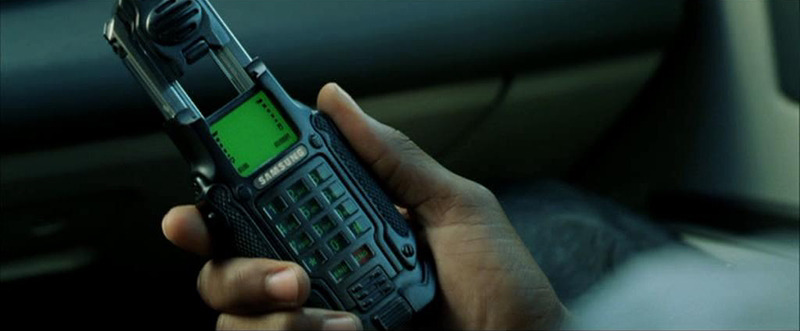
Samsung mobile phone