Related_
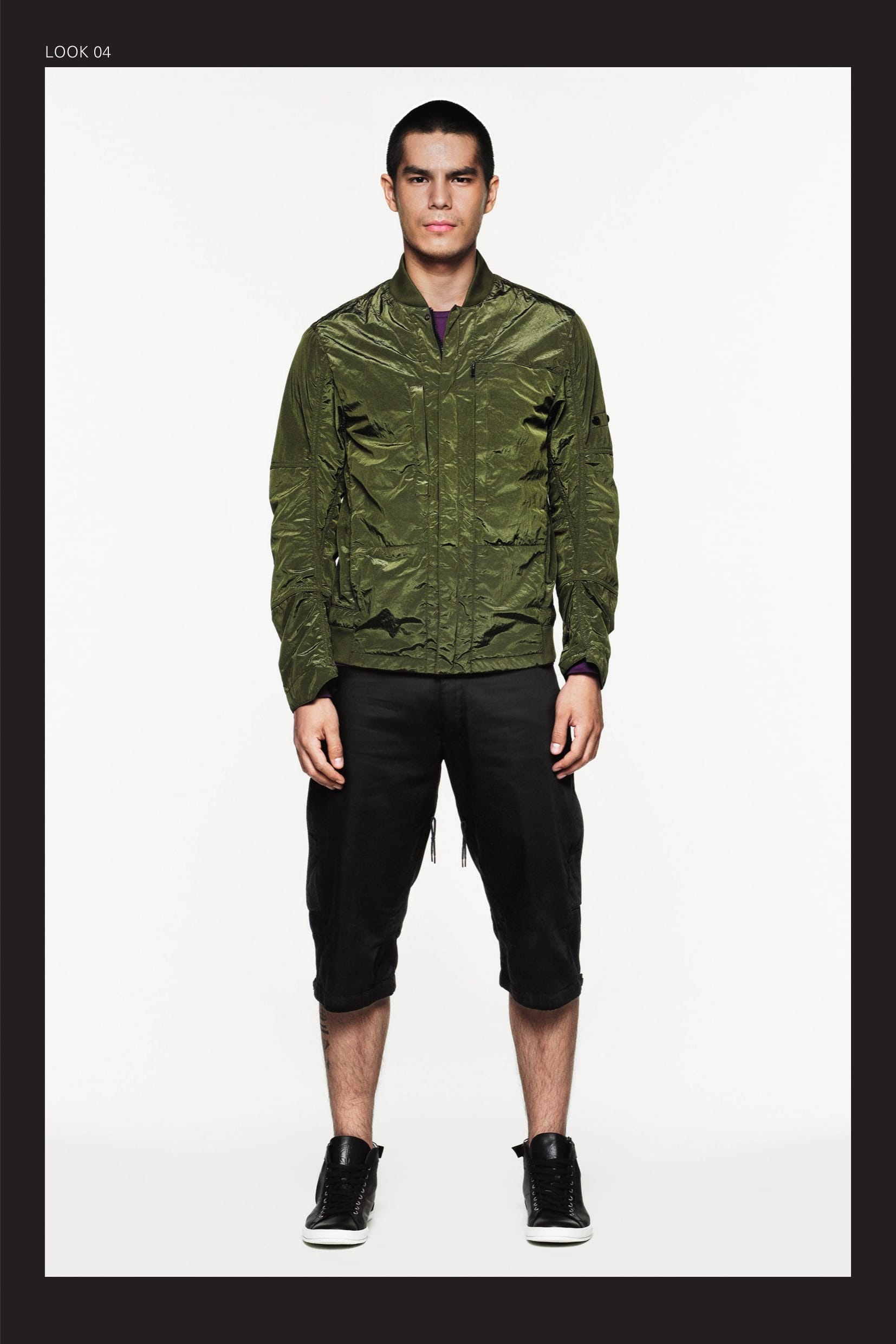
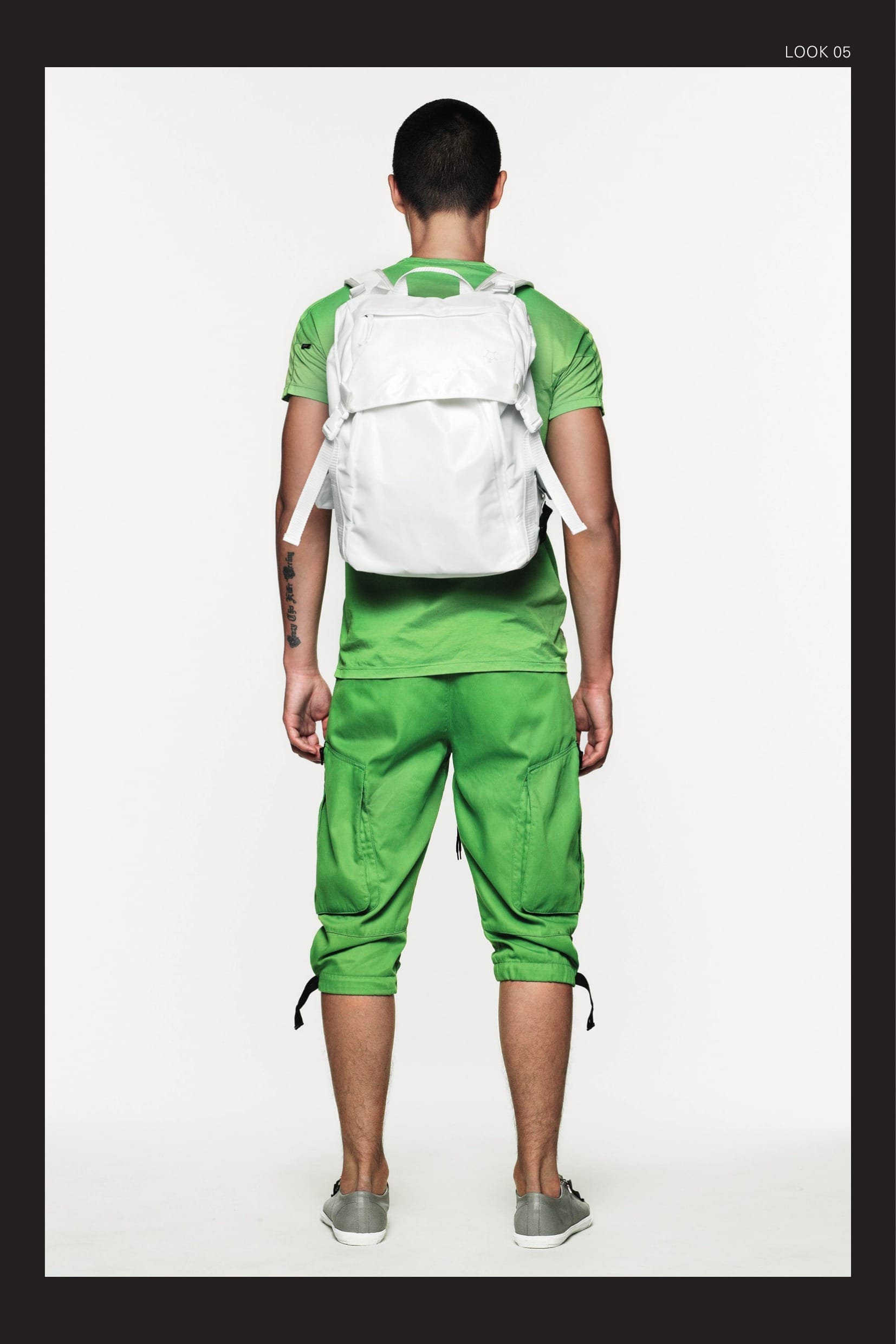
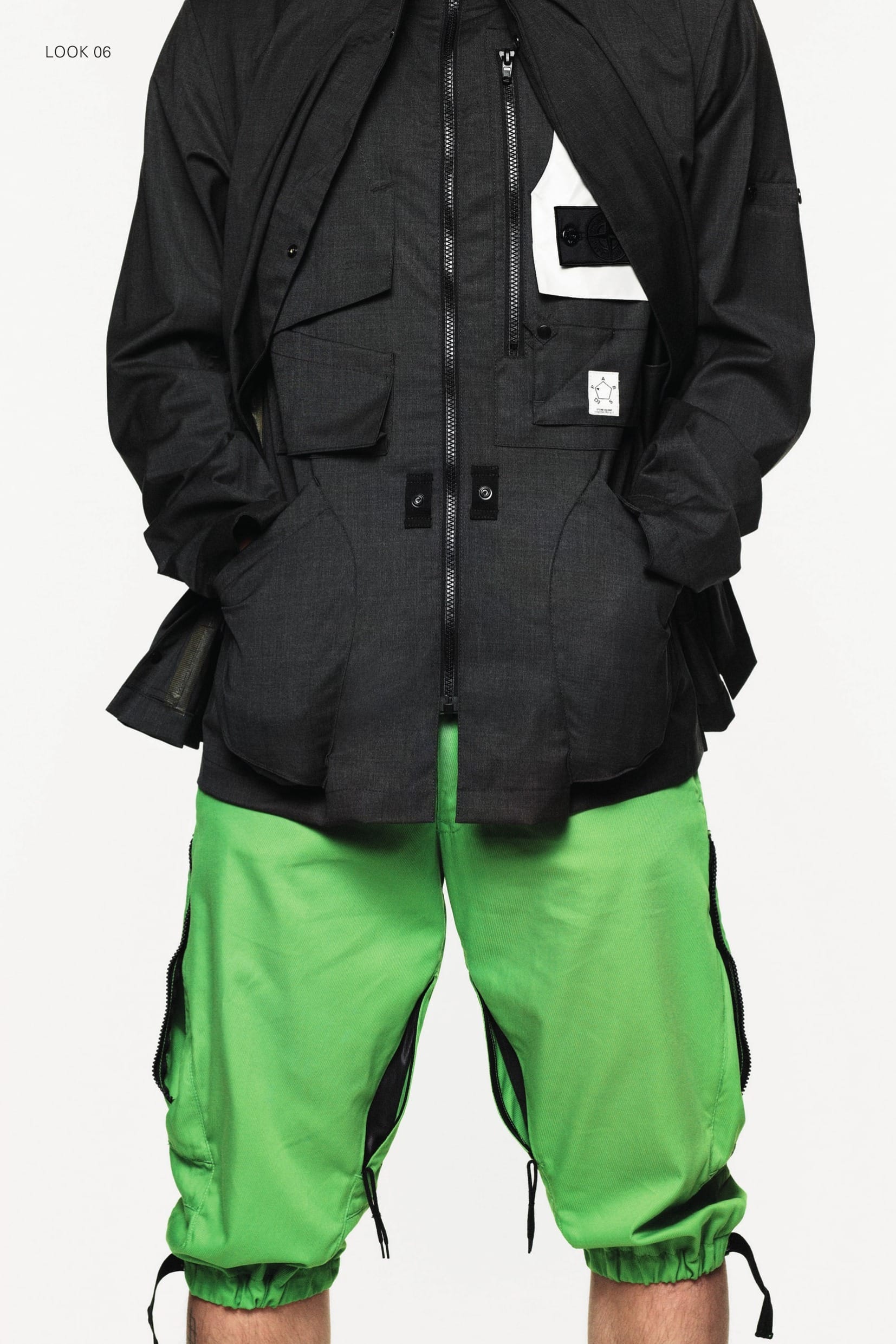
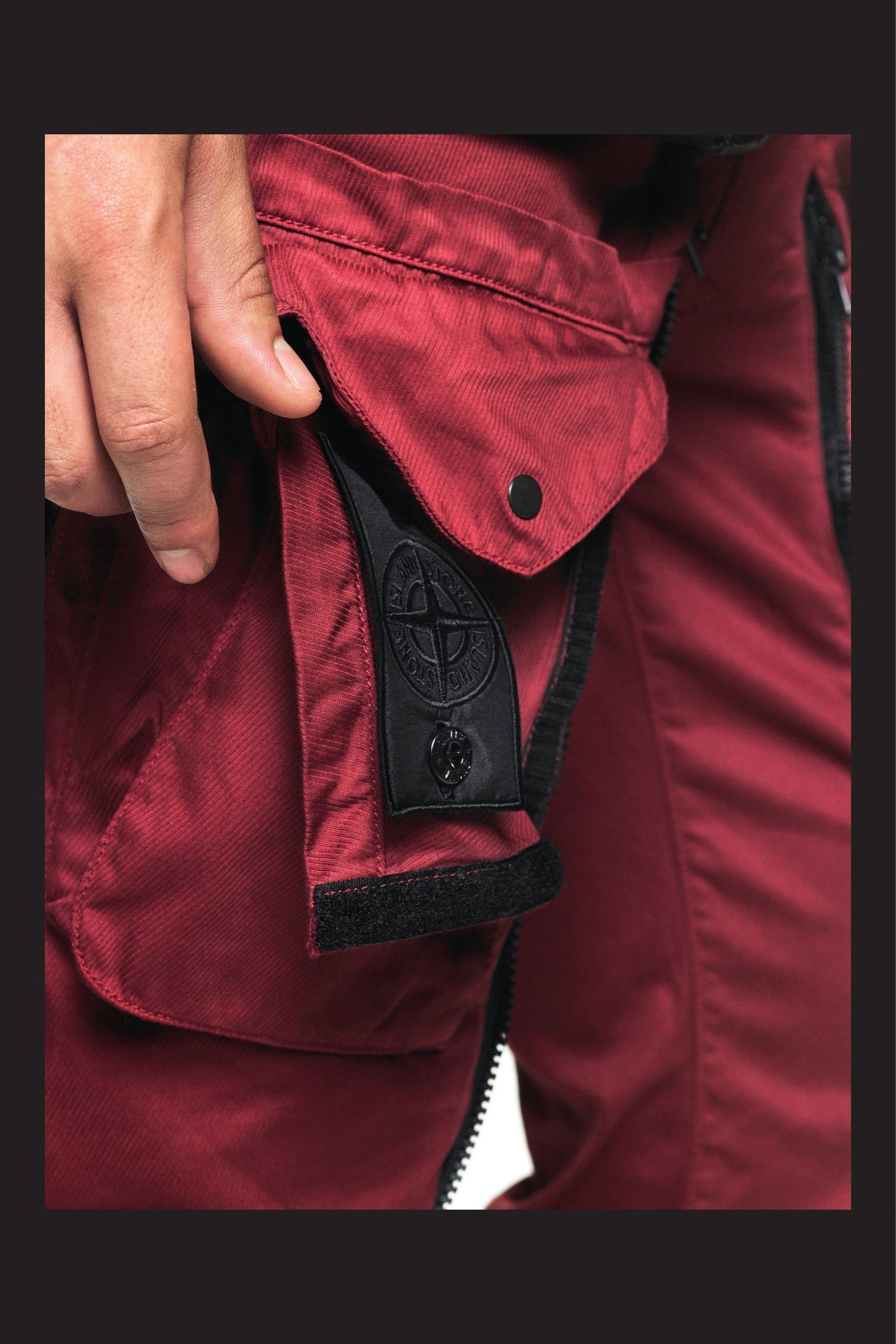
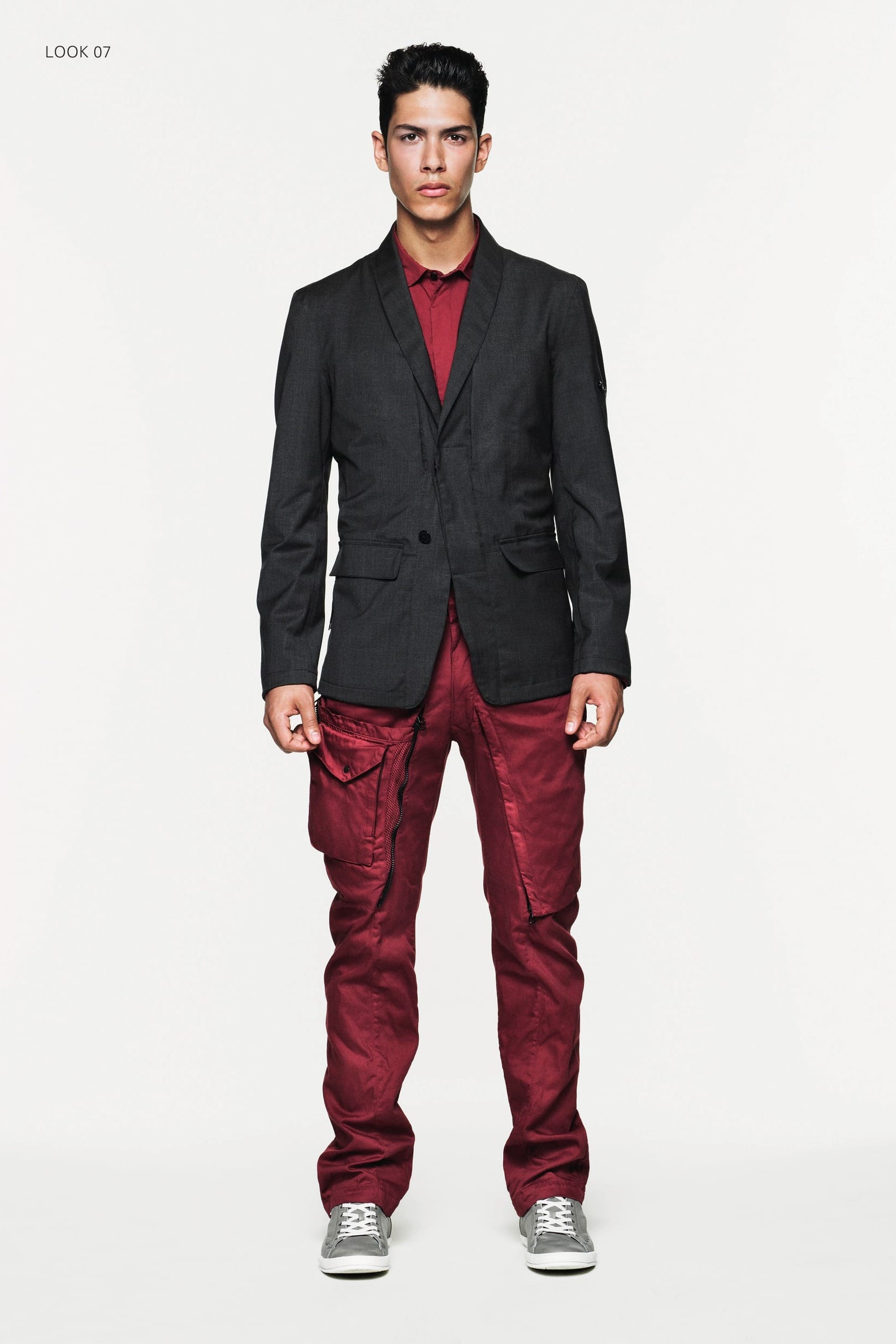
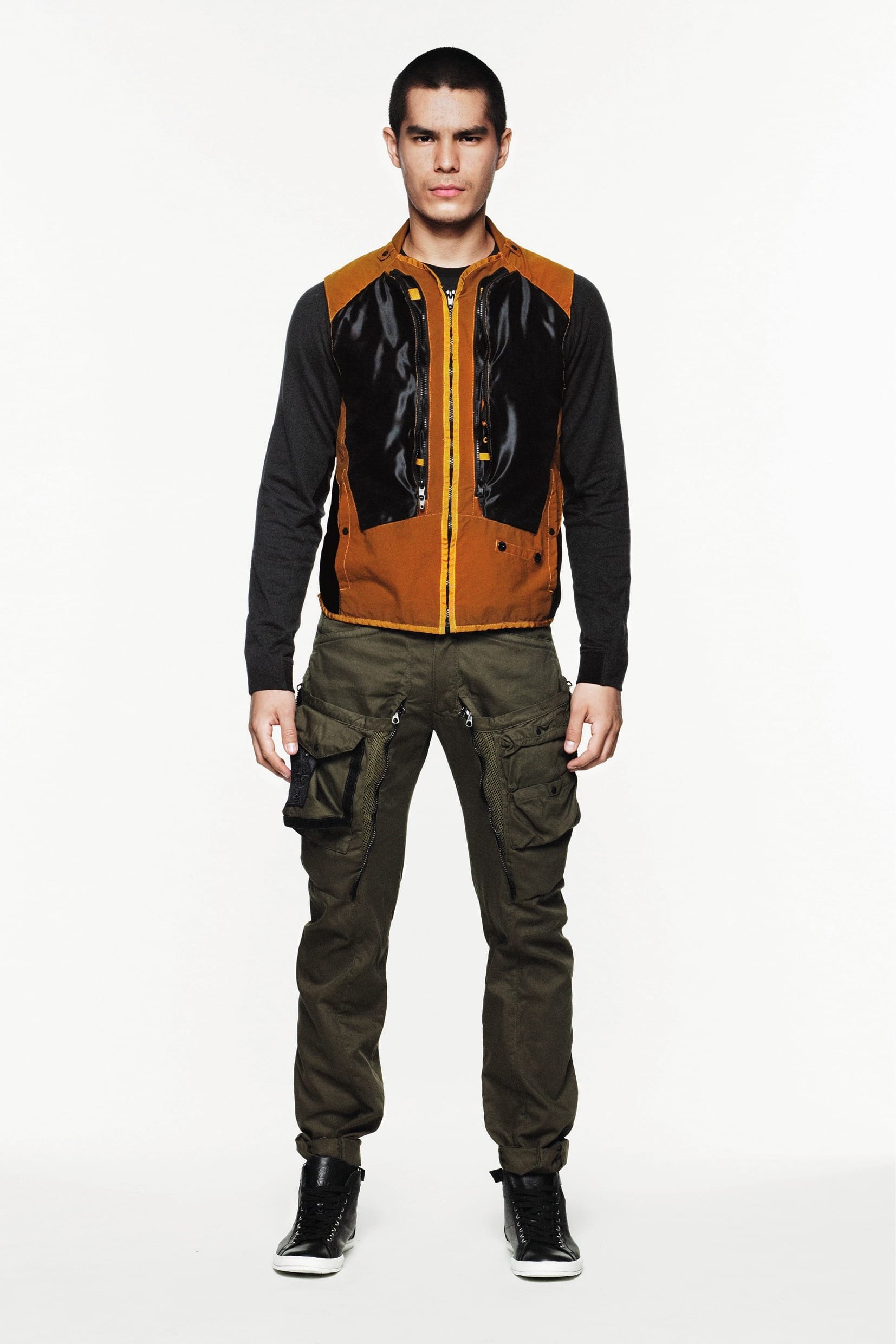
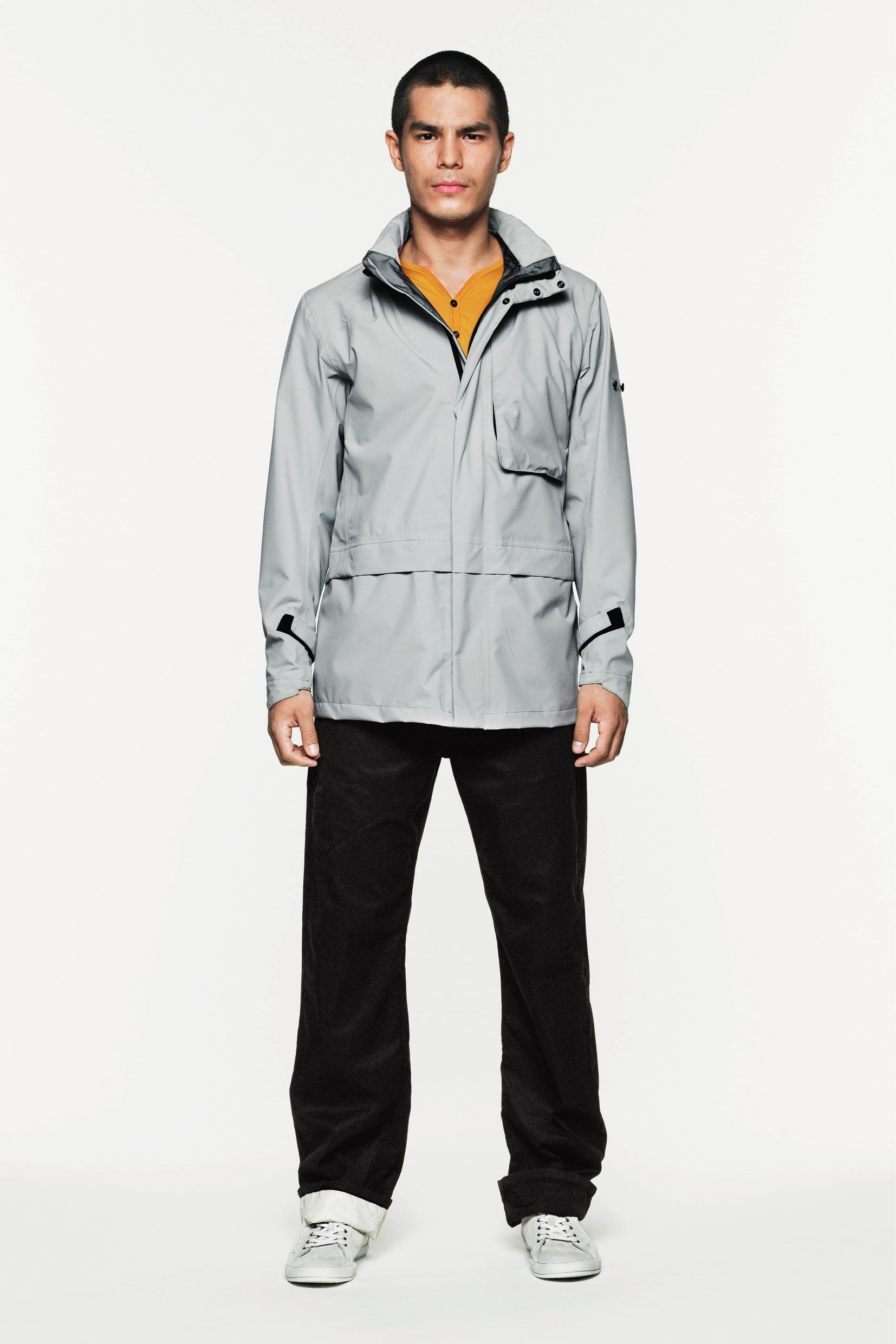
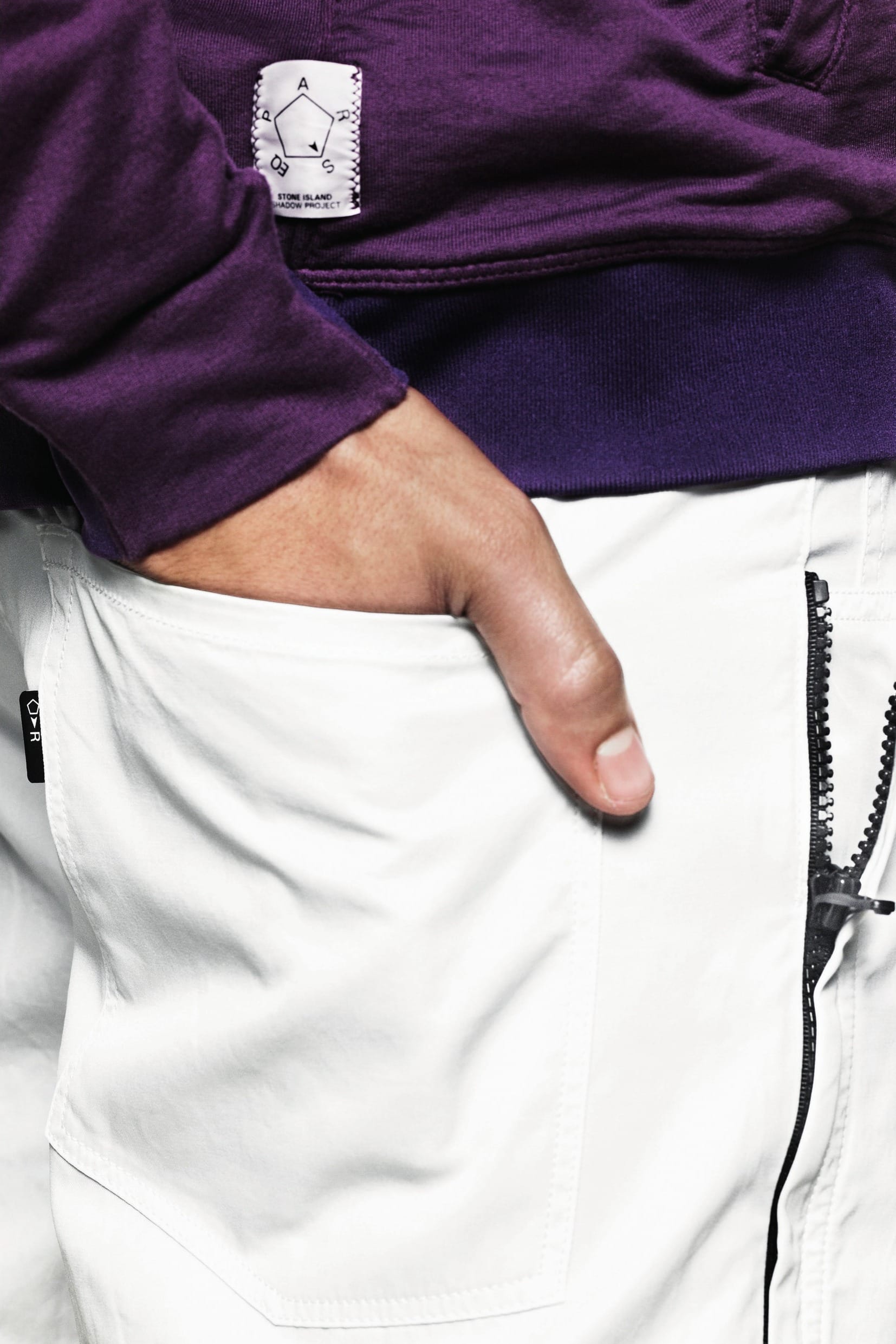
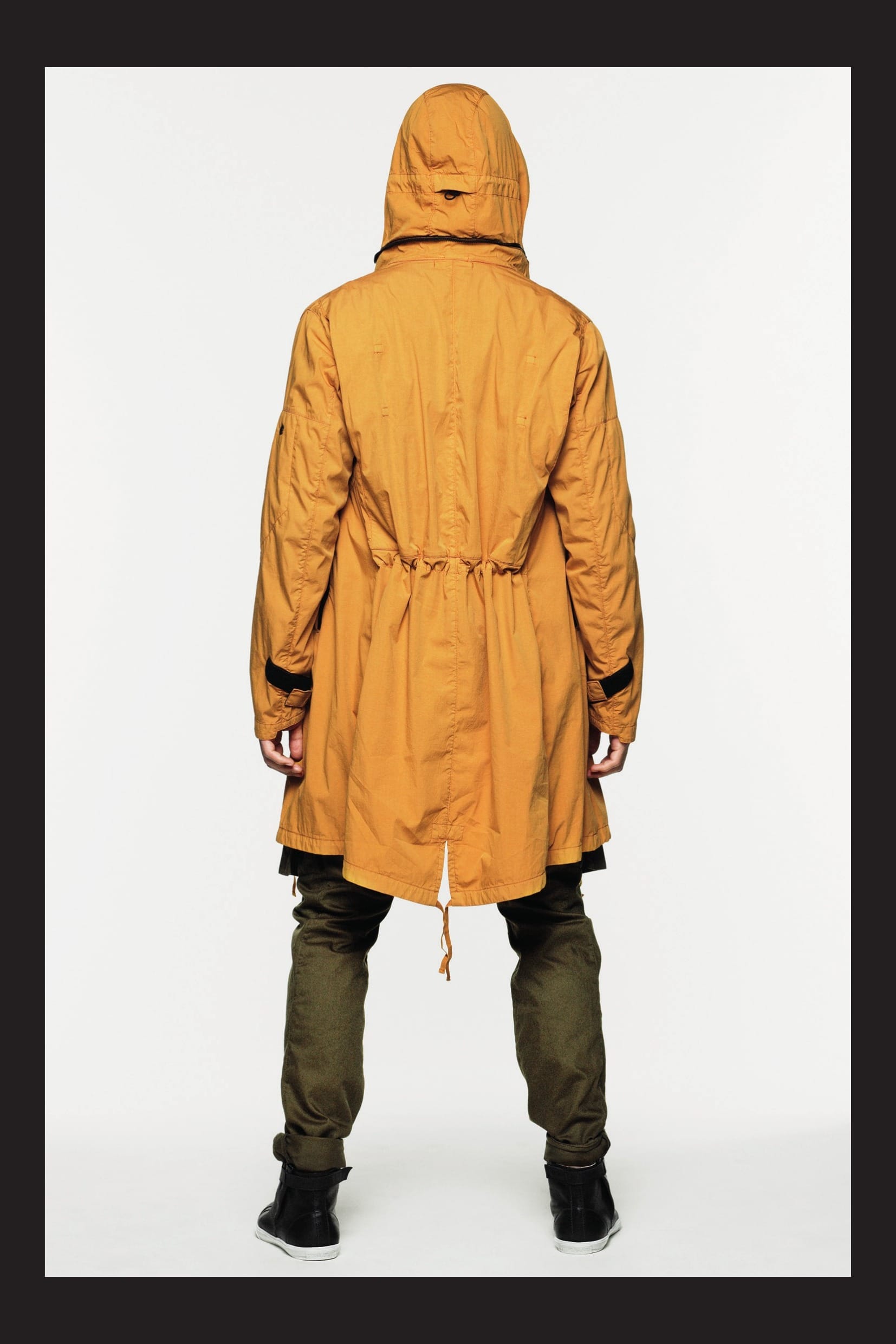
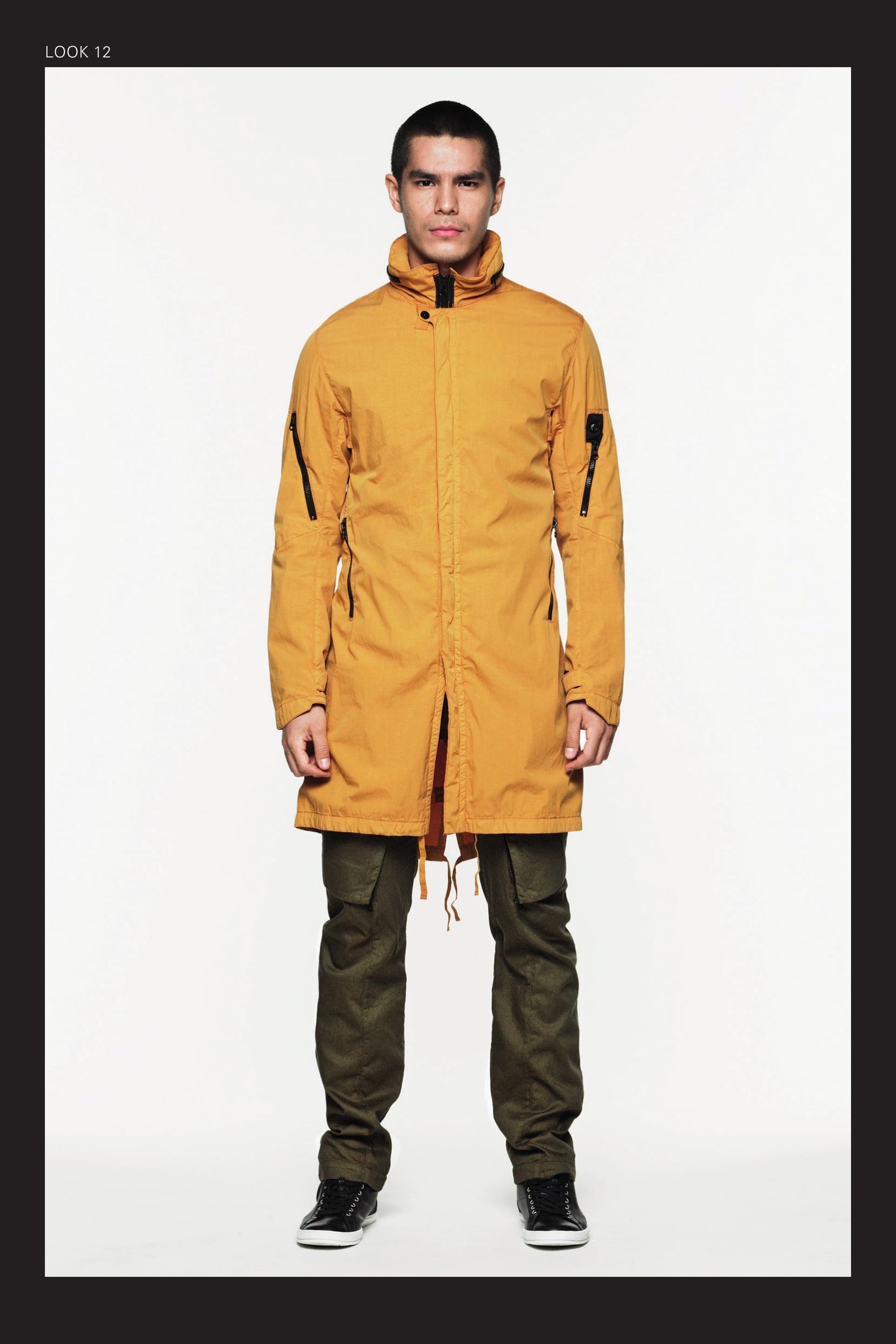
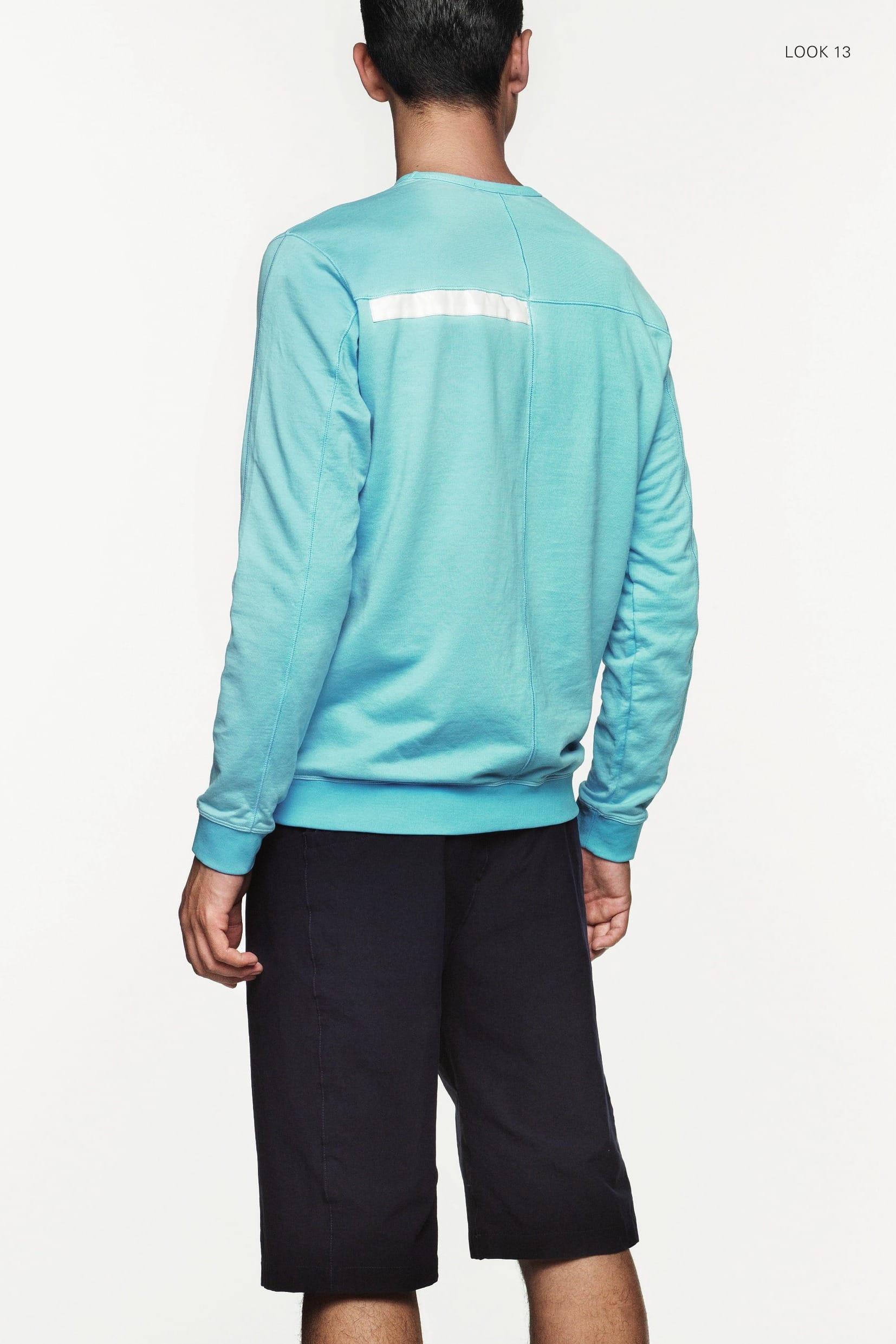
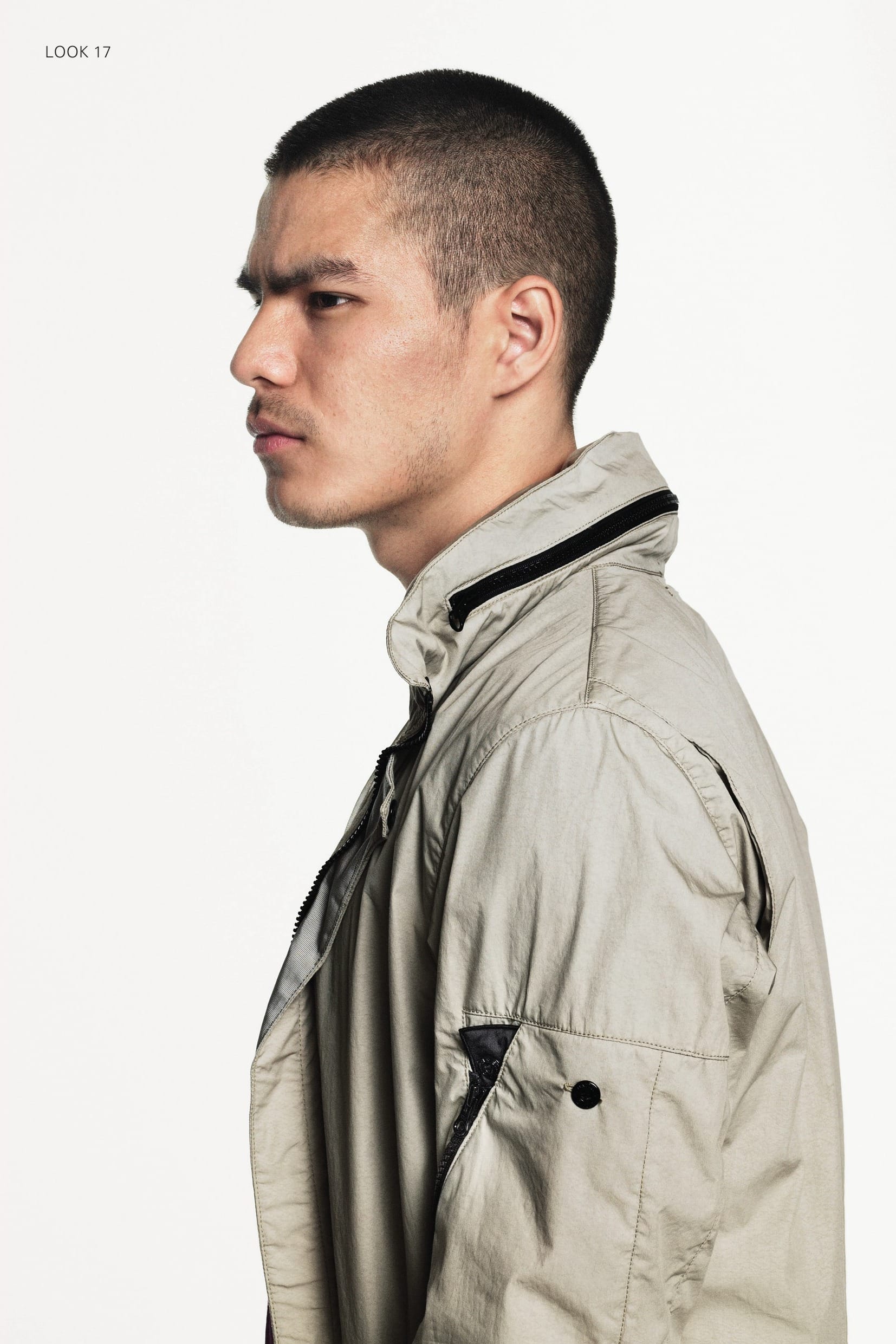
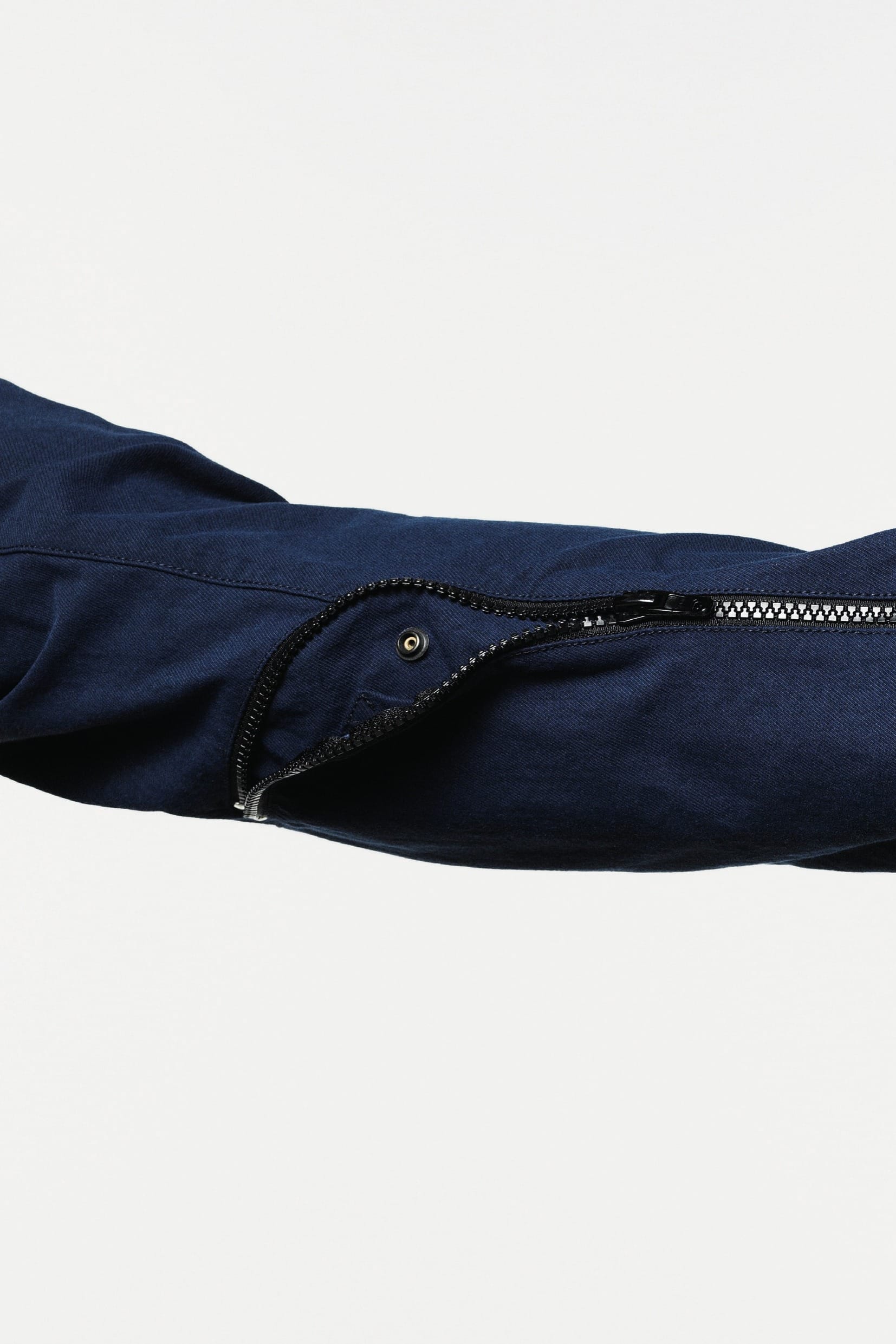
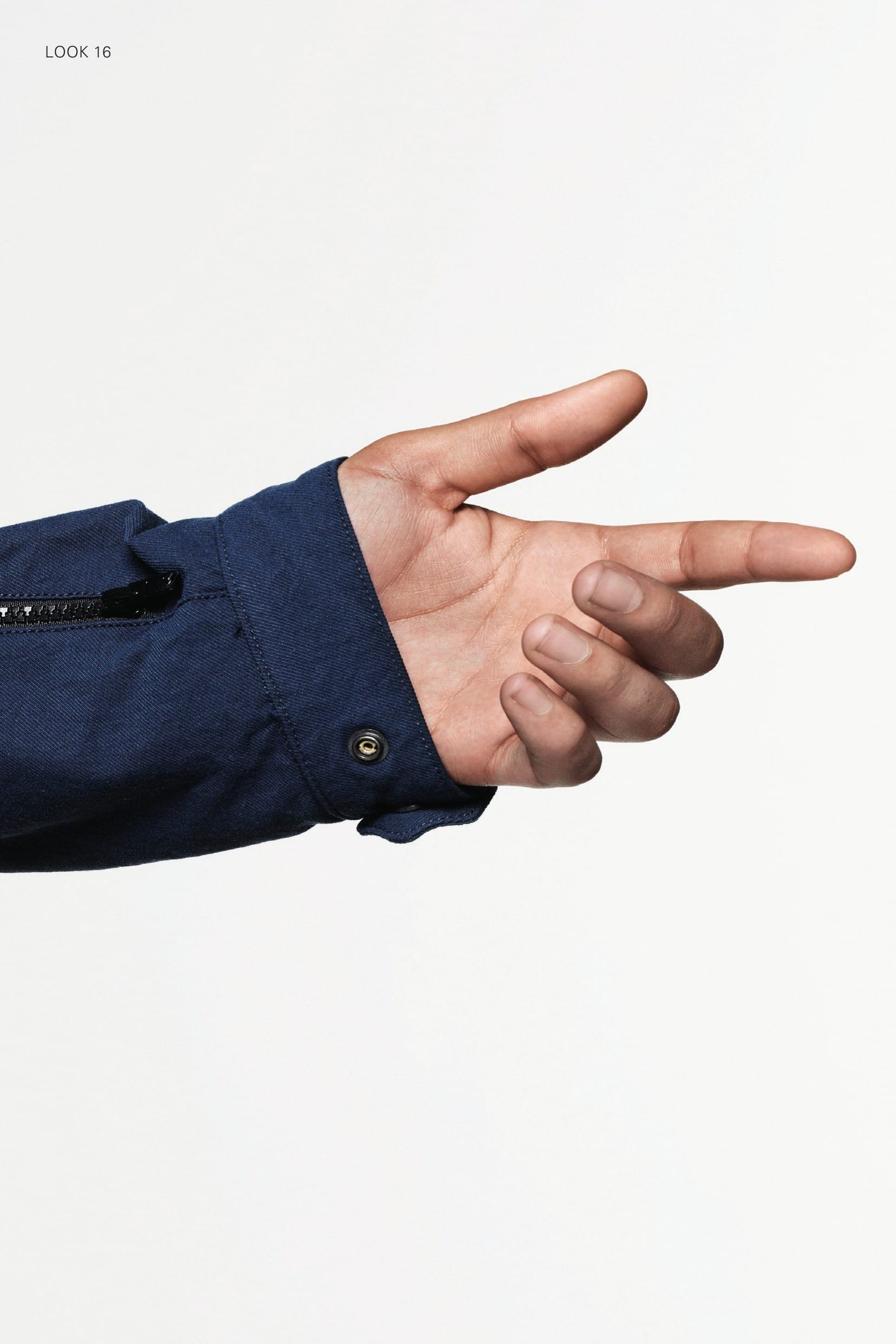
Stone Island Shadow Project SS2010 Lookbook
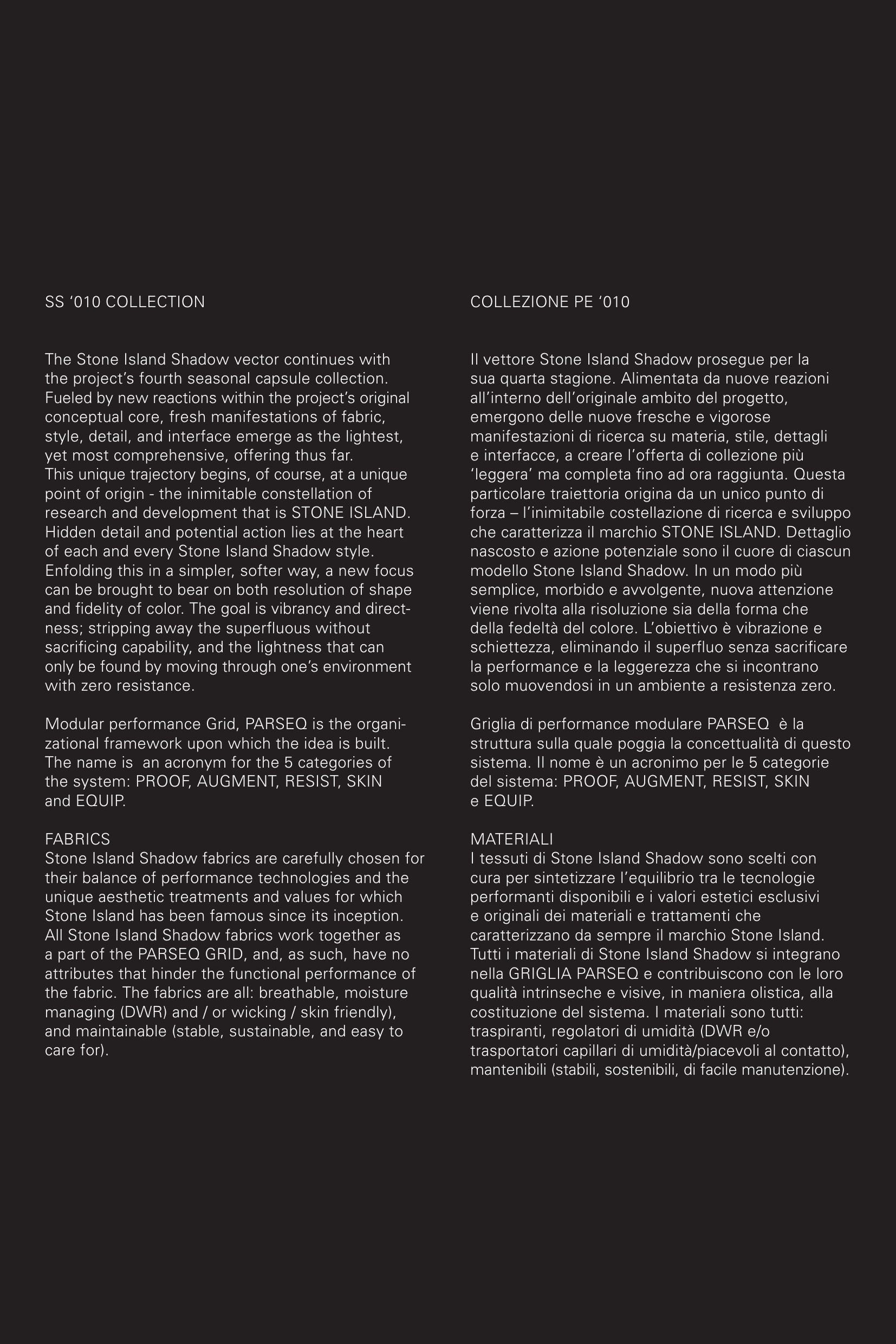
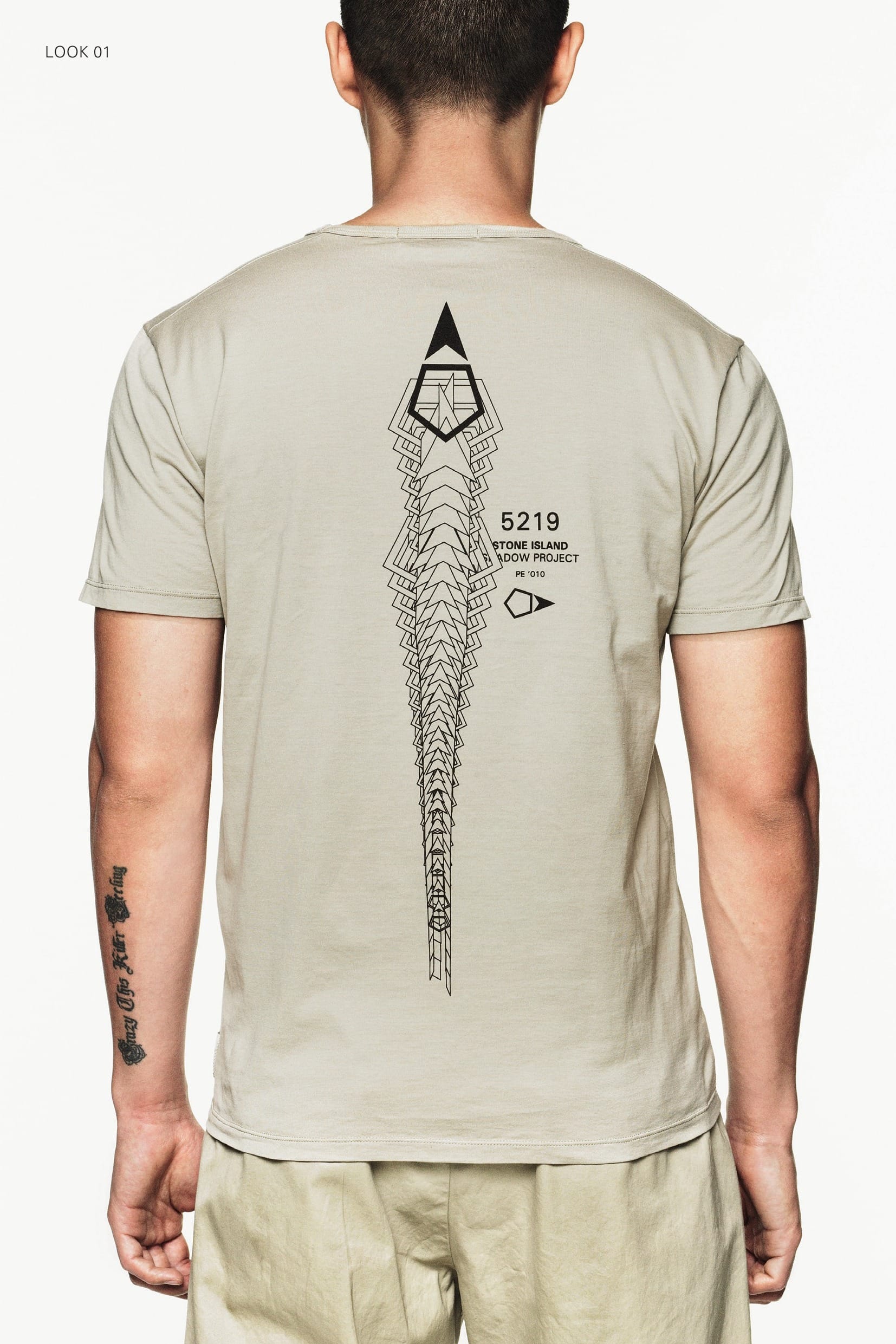
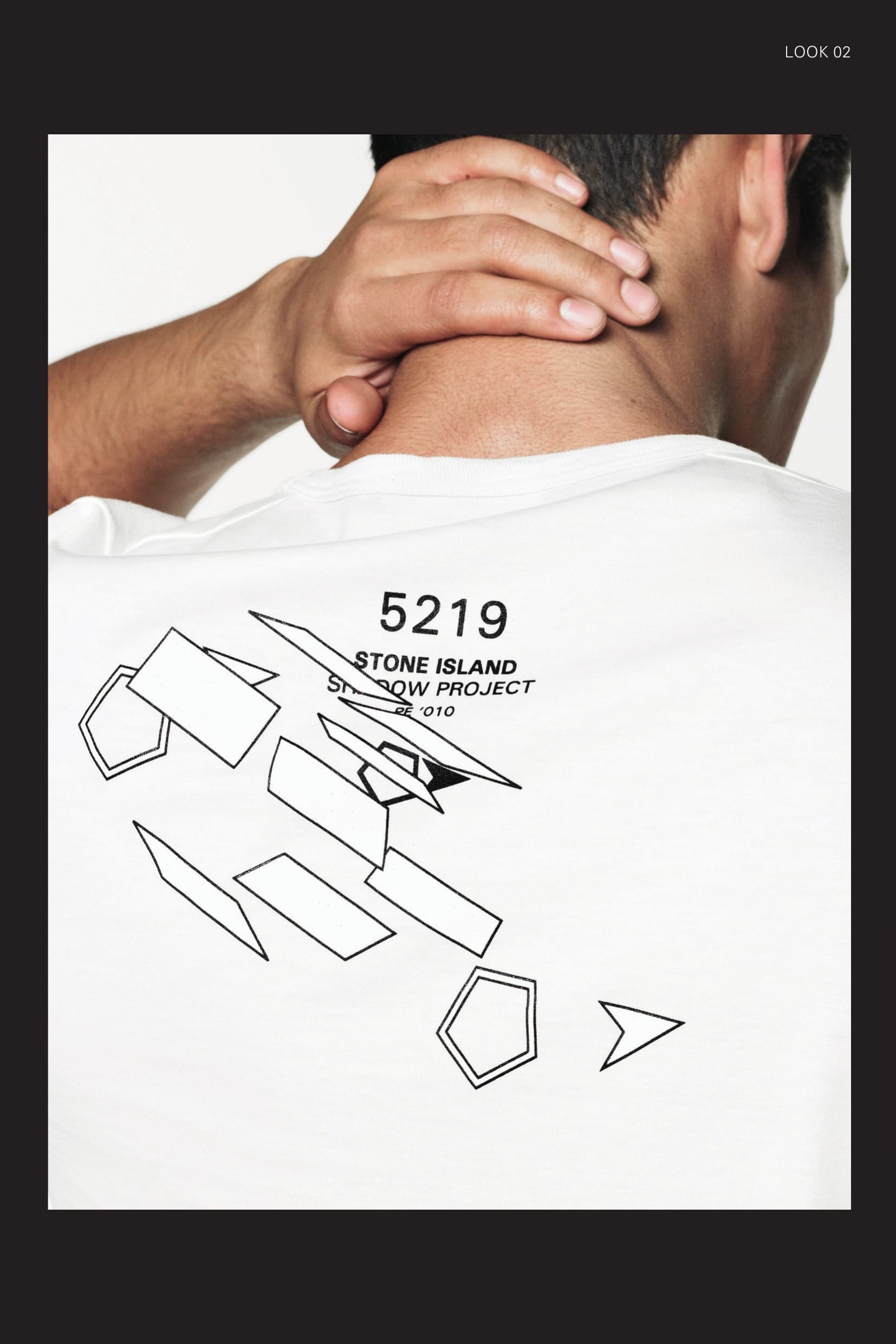
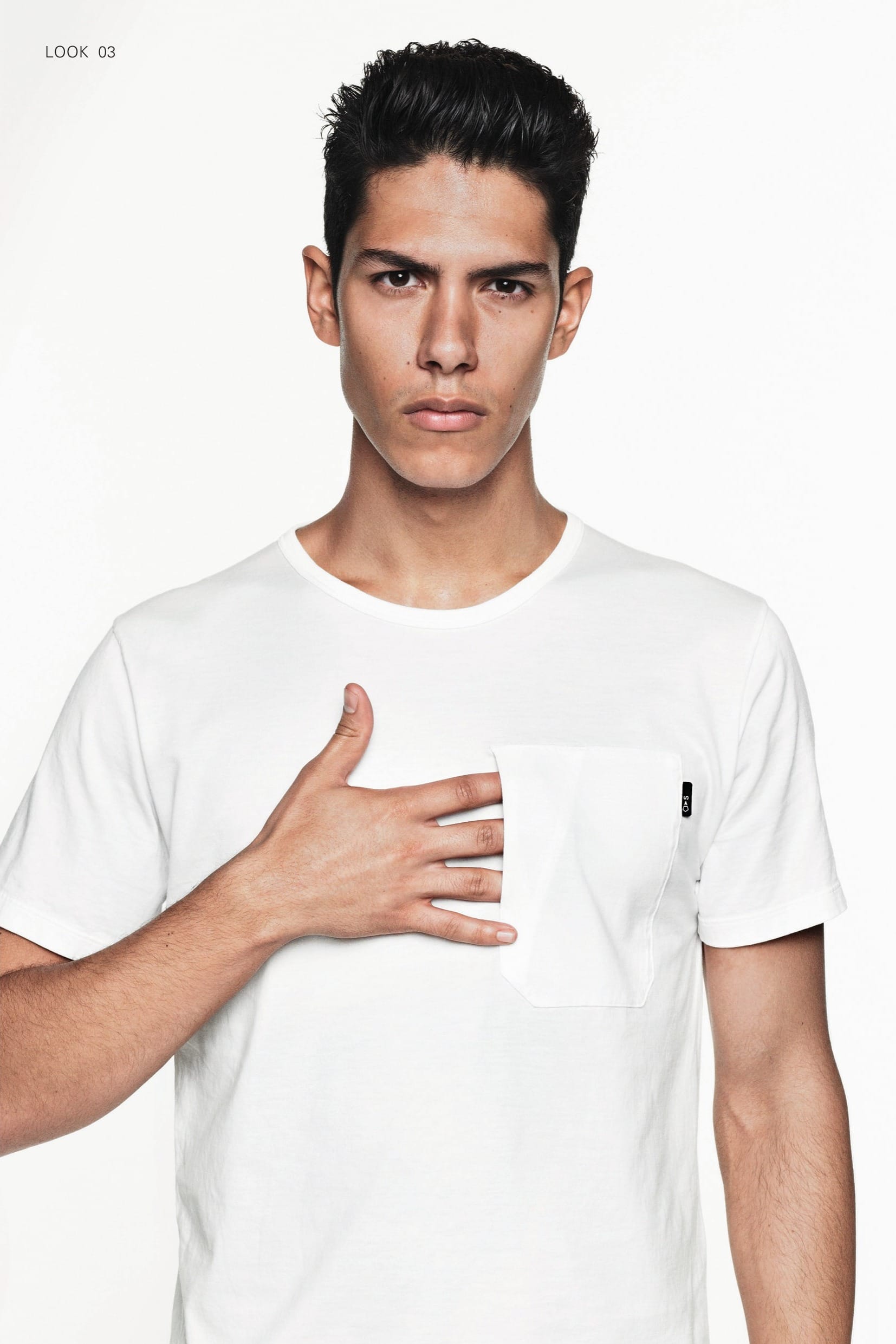
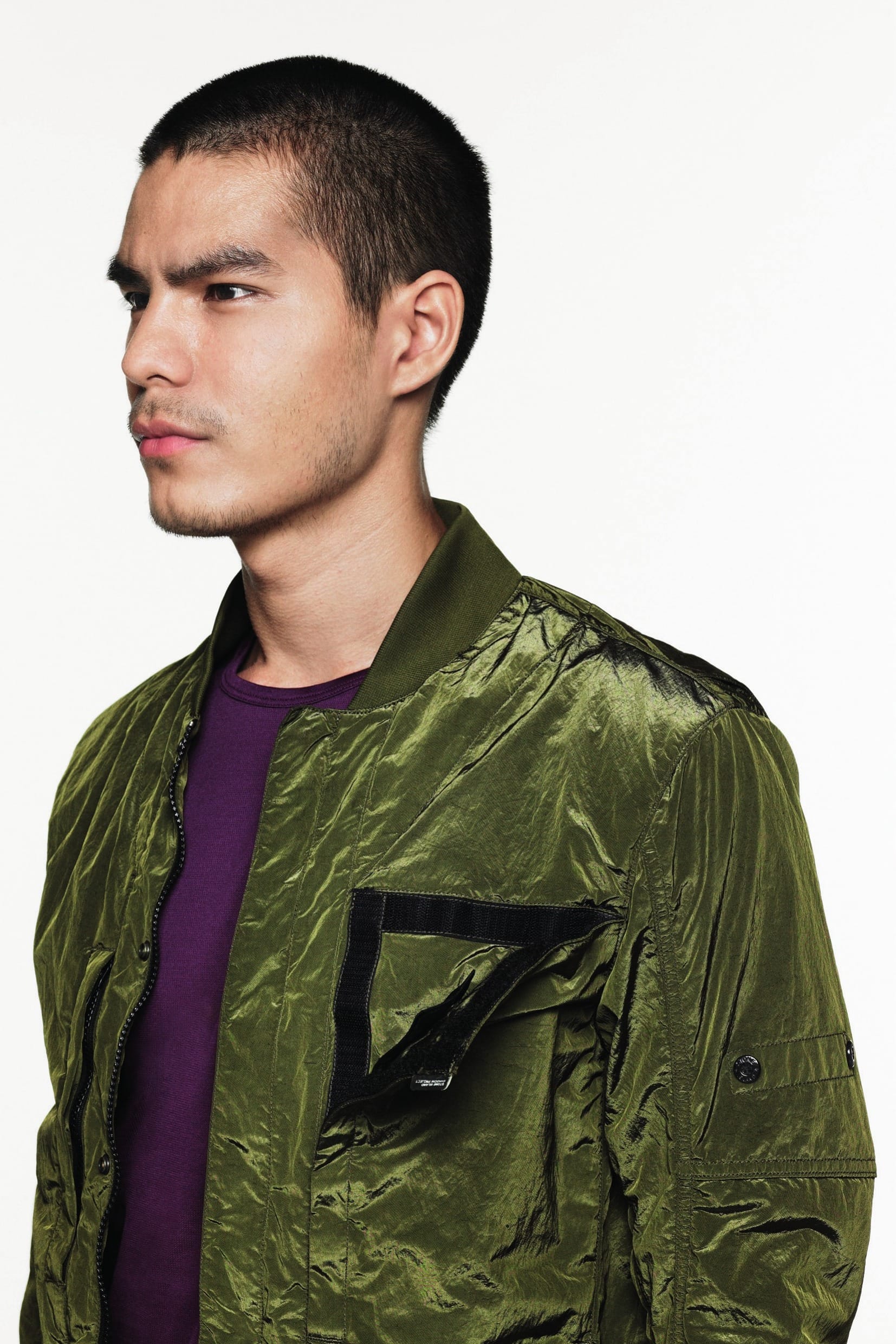
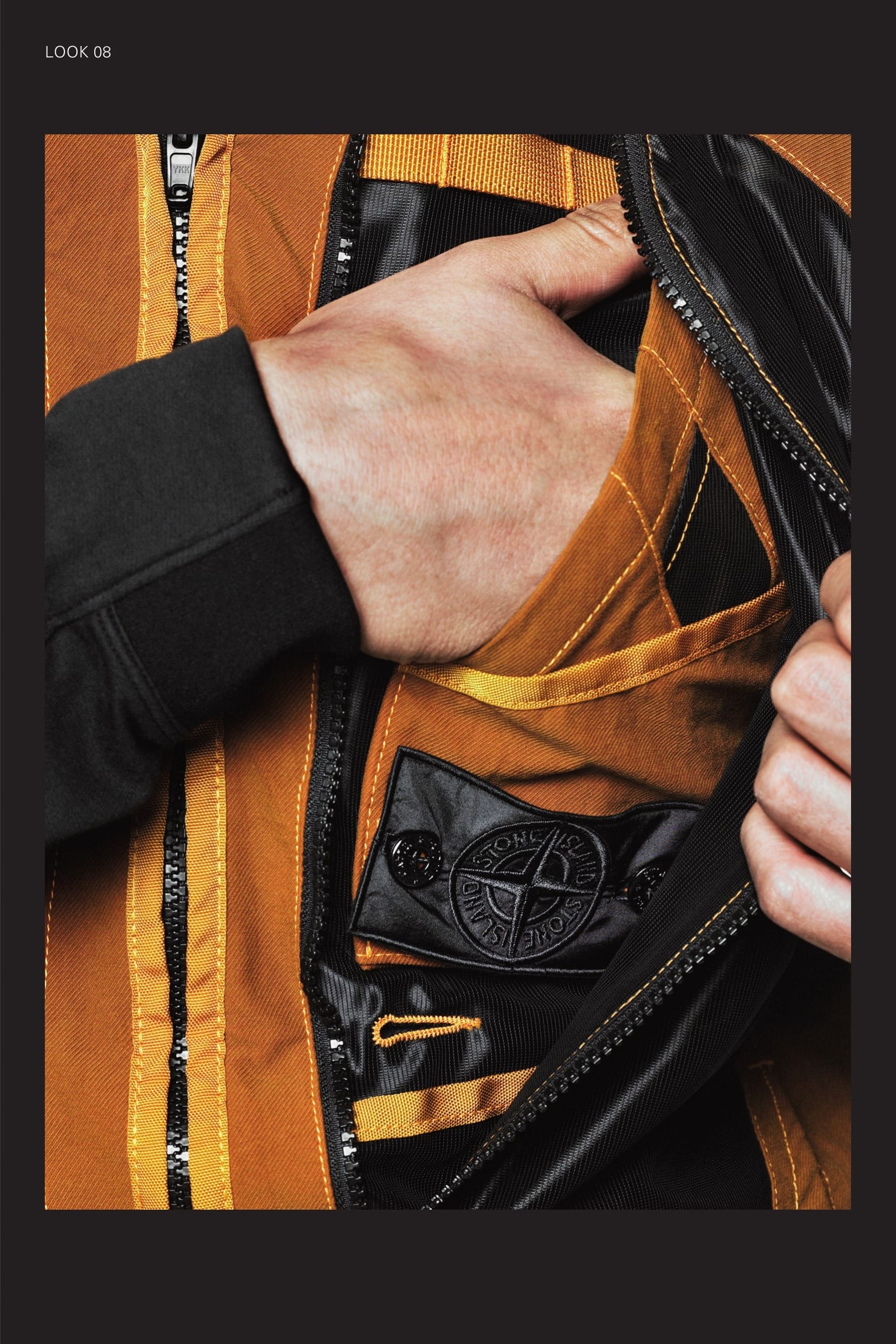
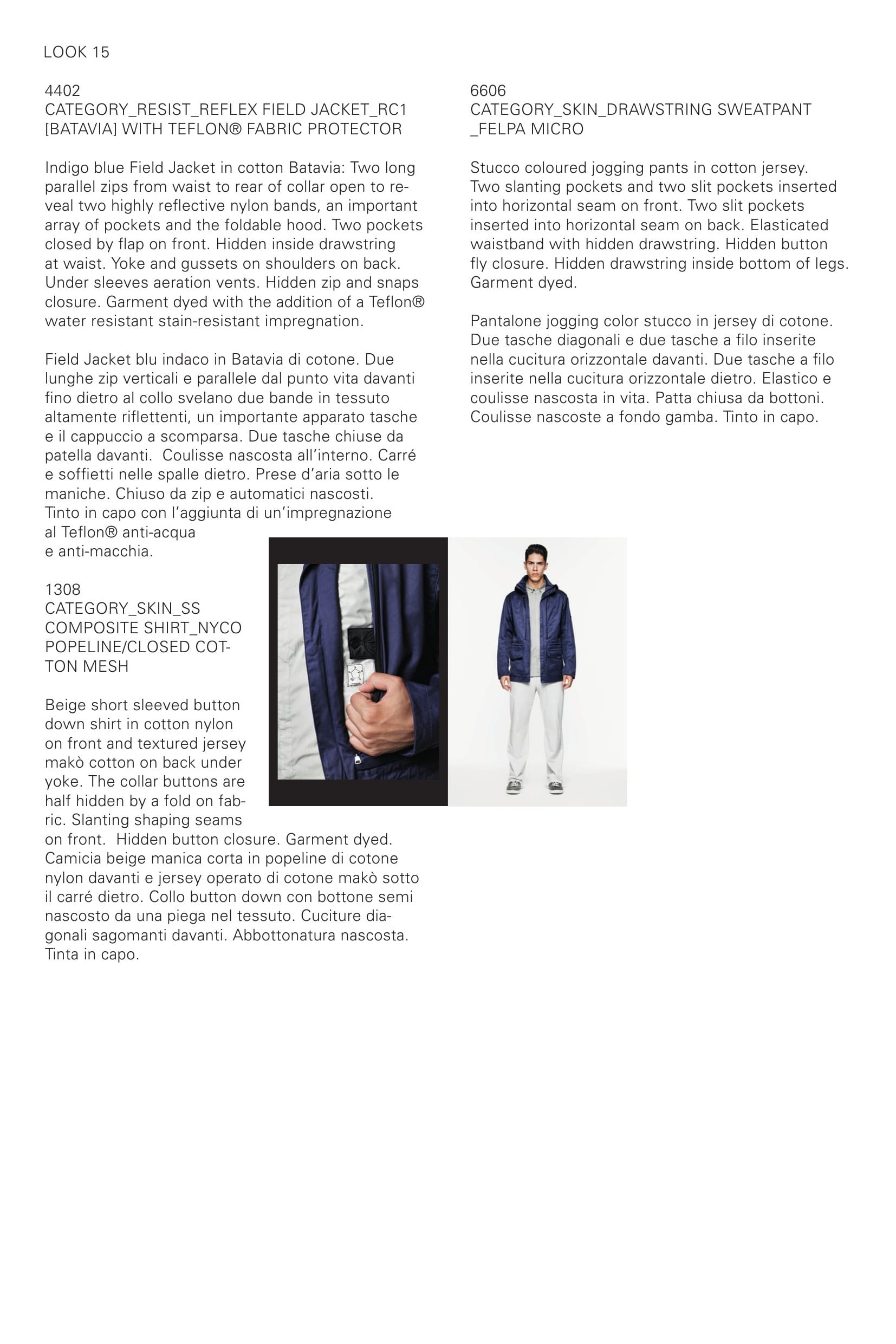
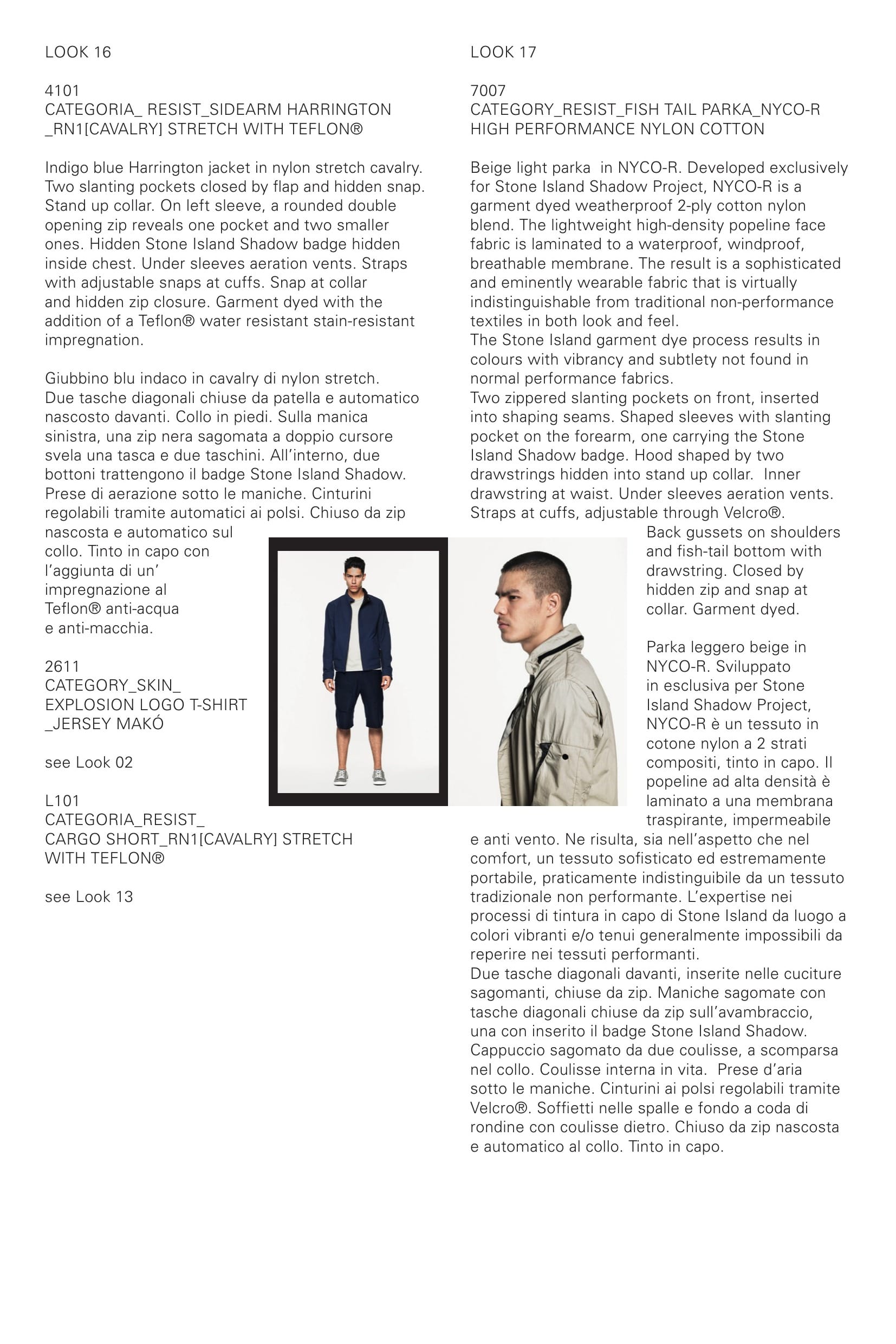
The Stone Island Shadow vector continues with the project's fourth seasonal capsule collection. Fueled by new reactions within the project's original conceptual core, fresh manifestations of fabric, style, detail, and interface emerge as the lightest, yet most comprehensive, offering thus far.
This unique trajectory begins, of course, at a unique point of origin — the inimitable constellation of research and development that is STONE ISLAND. Hidden detail and potential action lies at the heart of each and every Stone Island Shadow style.
Enfolding this in a simpler, softer way, a new focus can be brought to bear on both resolution of shape and fidelity of color. The goal is vibrancy and directness; stripping away the superfluous without sacrificing capability, and the lightness that can only be found by moving through one's environment with zero resistance.
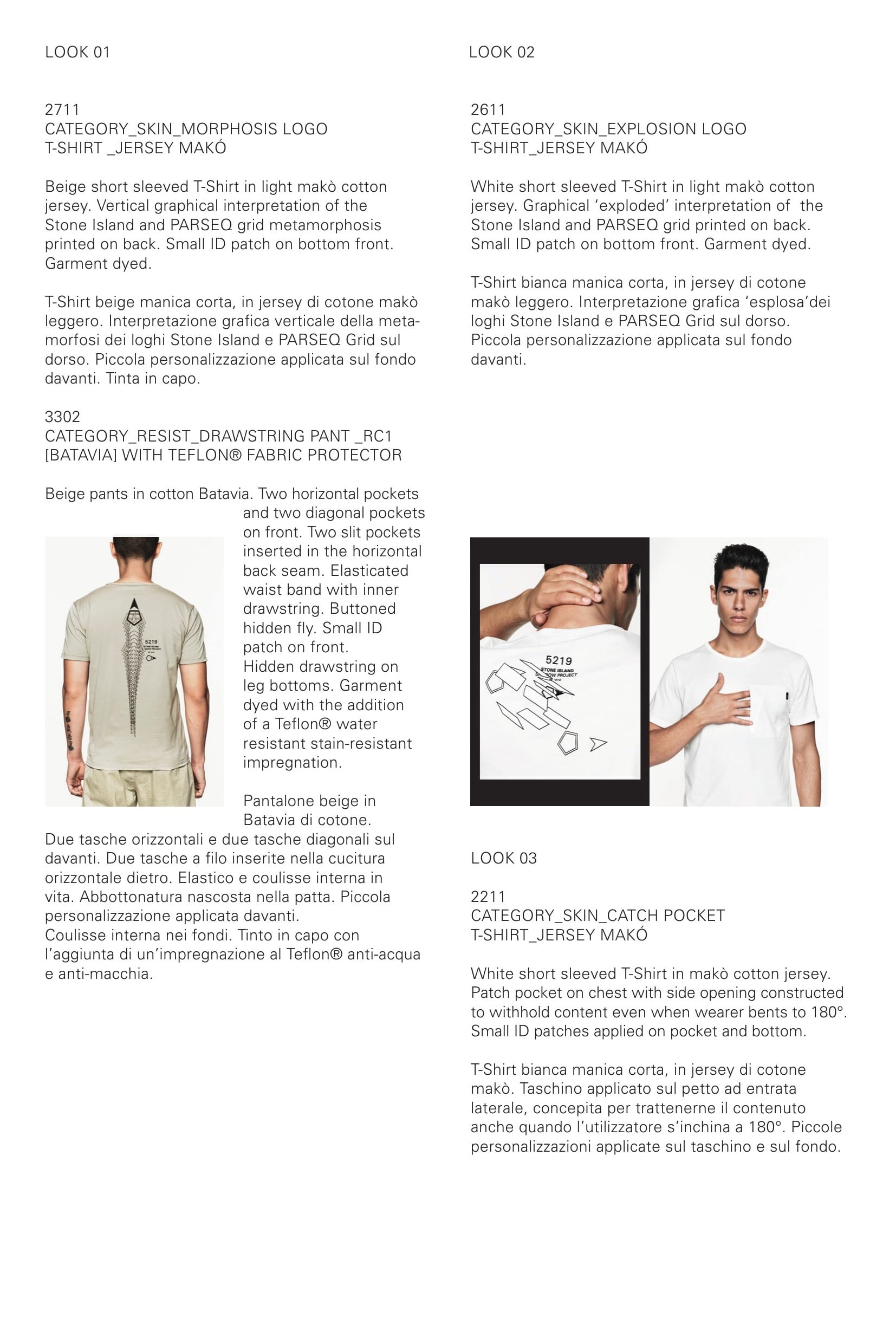
Modular Performance Grid, PARSEQ is the organizational framework upon which the idea is built: PROOF, AUGMENT, RESIST, SKIN and EQUIP. All Shadow fabrics work together as part of the grid — breathable, moisture managing, skin-friendly and maintainable — chosen for their balance of performance technology and the aesthetic treatments for which Stone Island has been known since its inception.


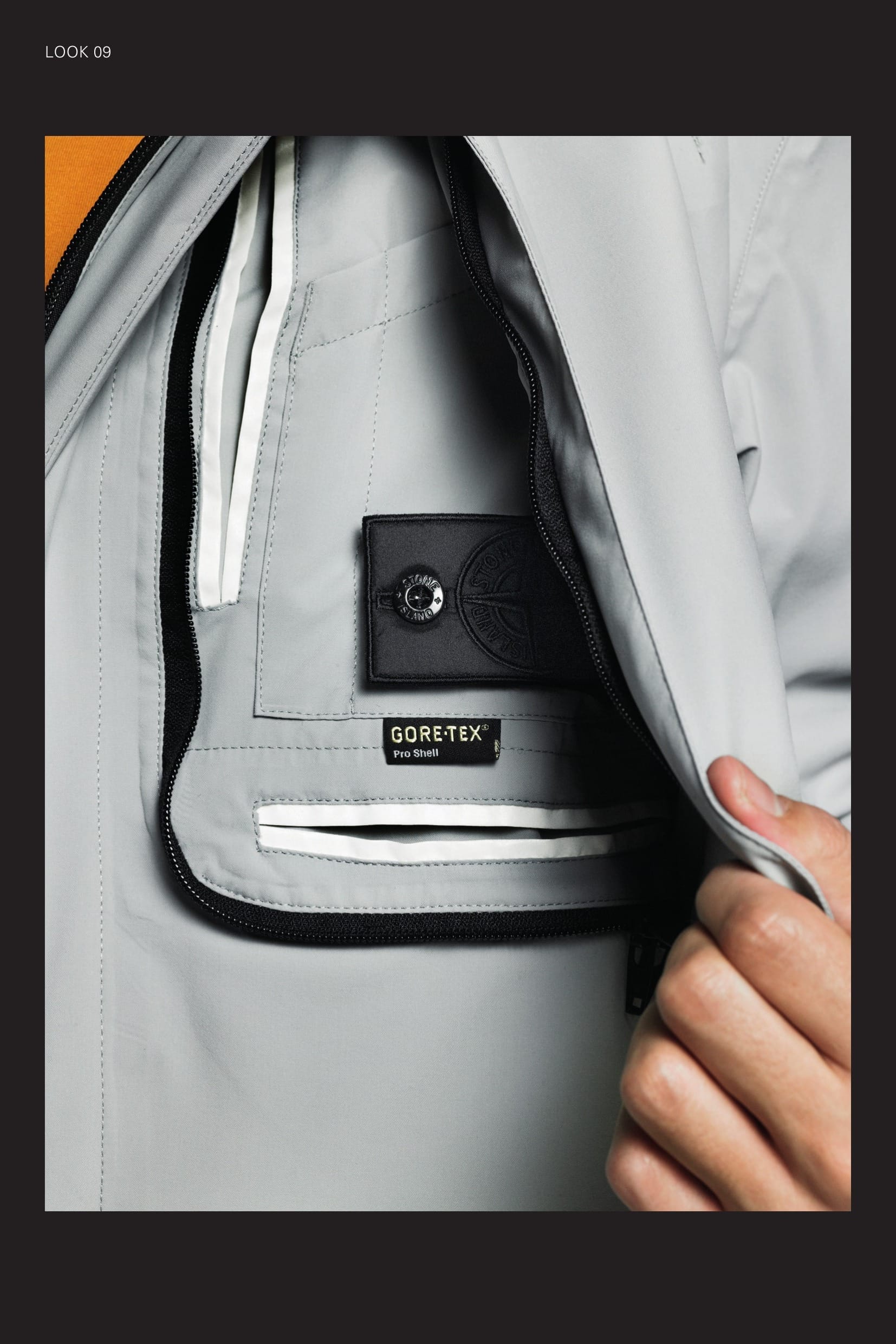
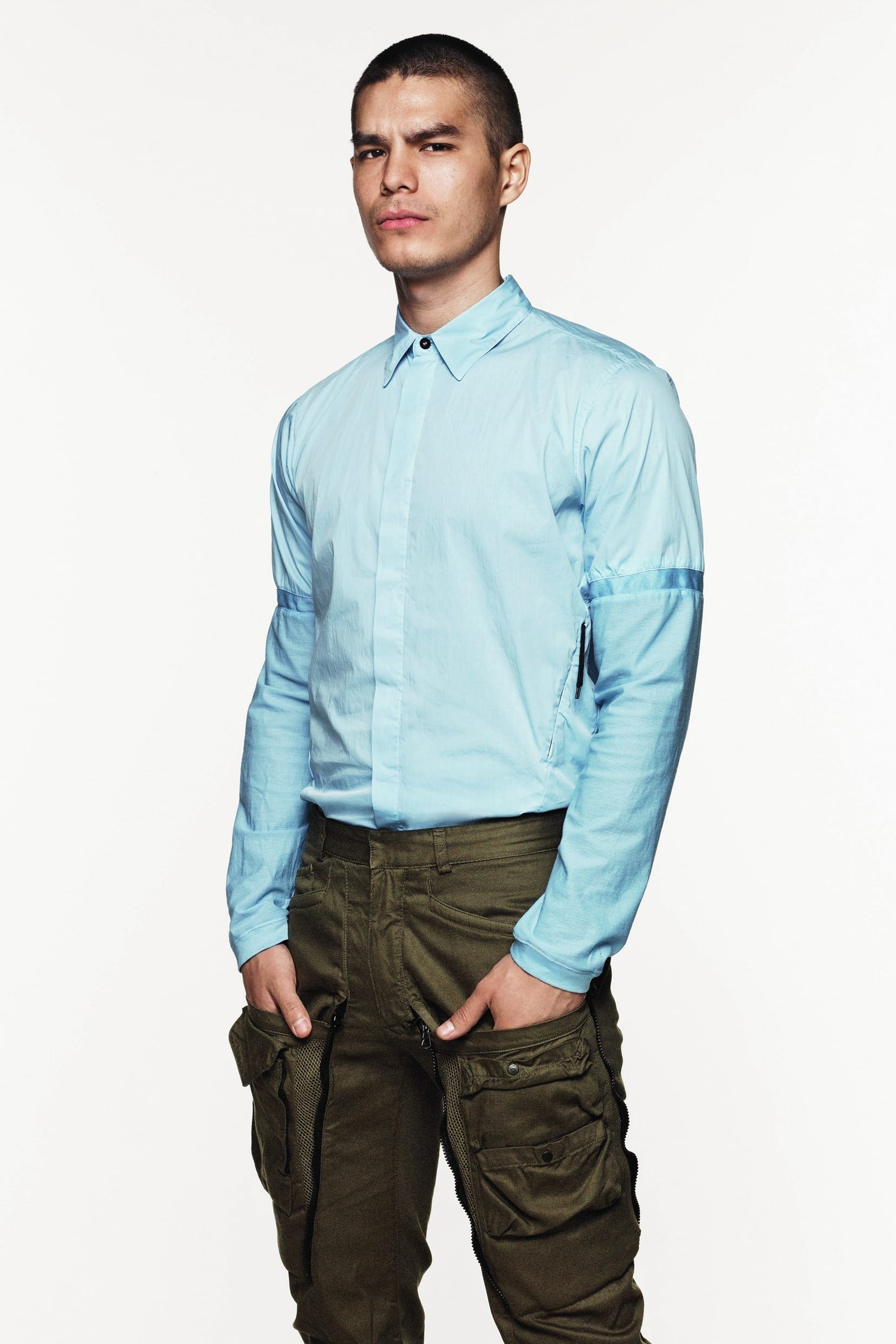
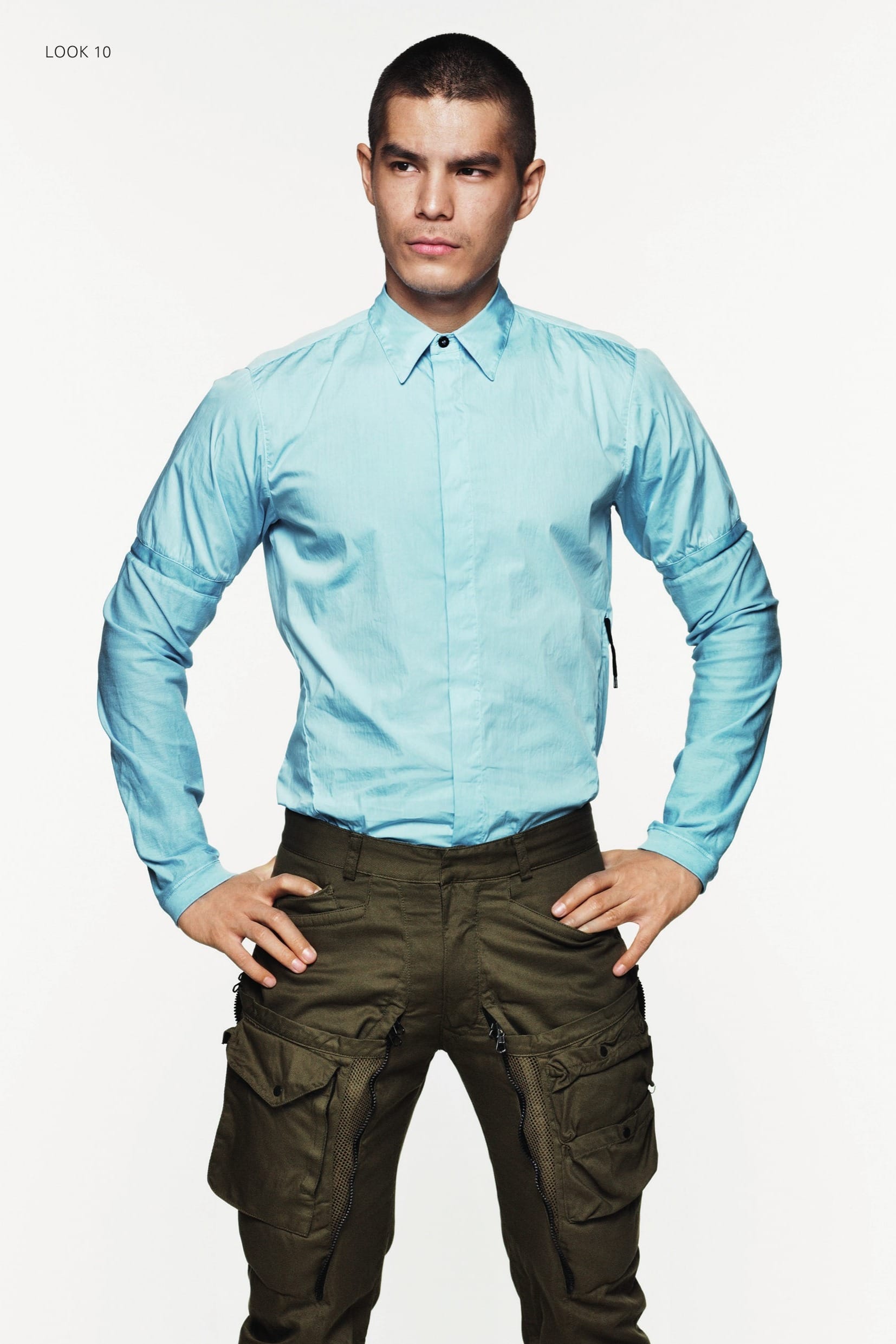
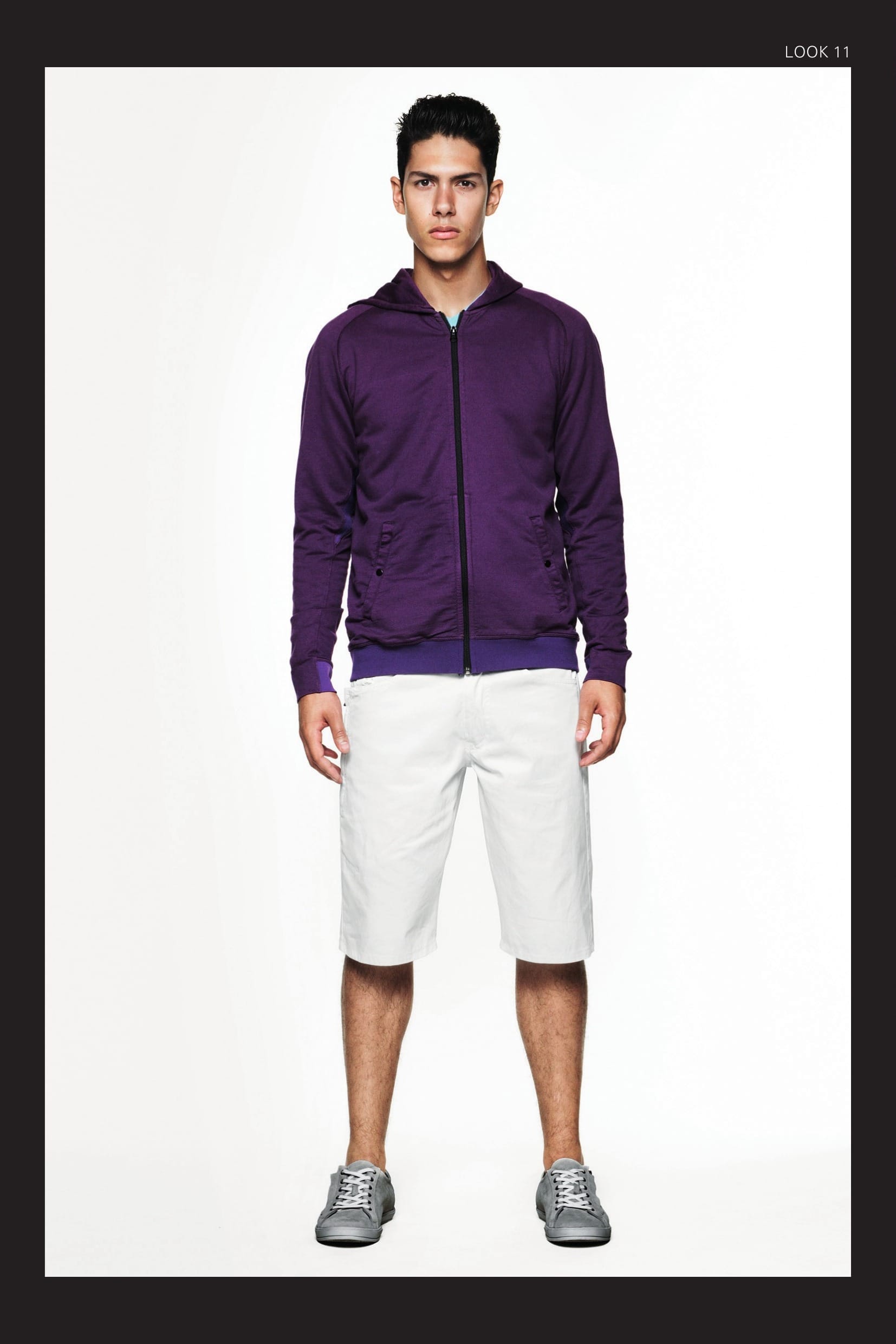
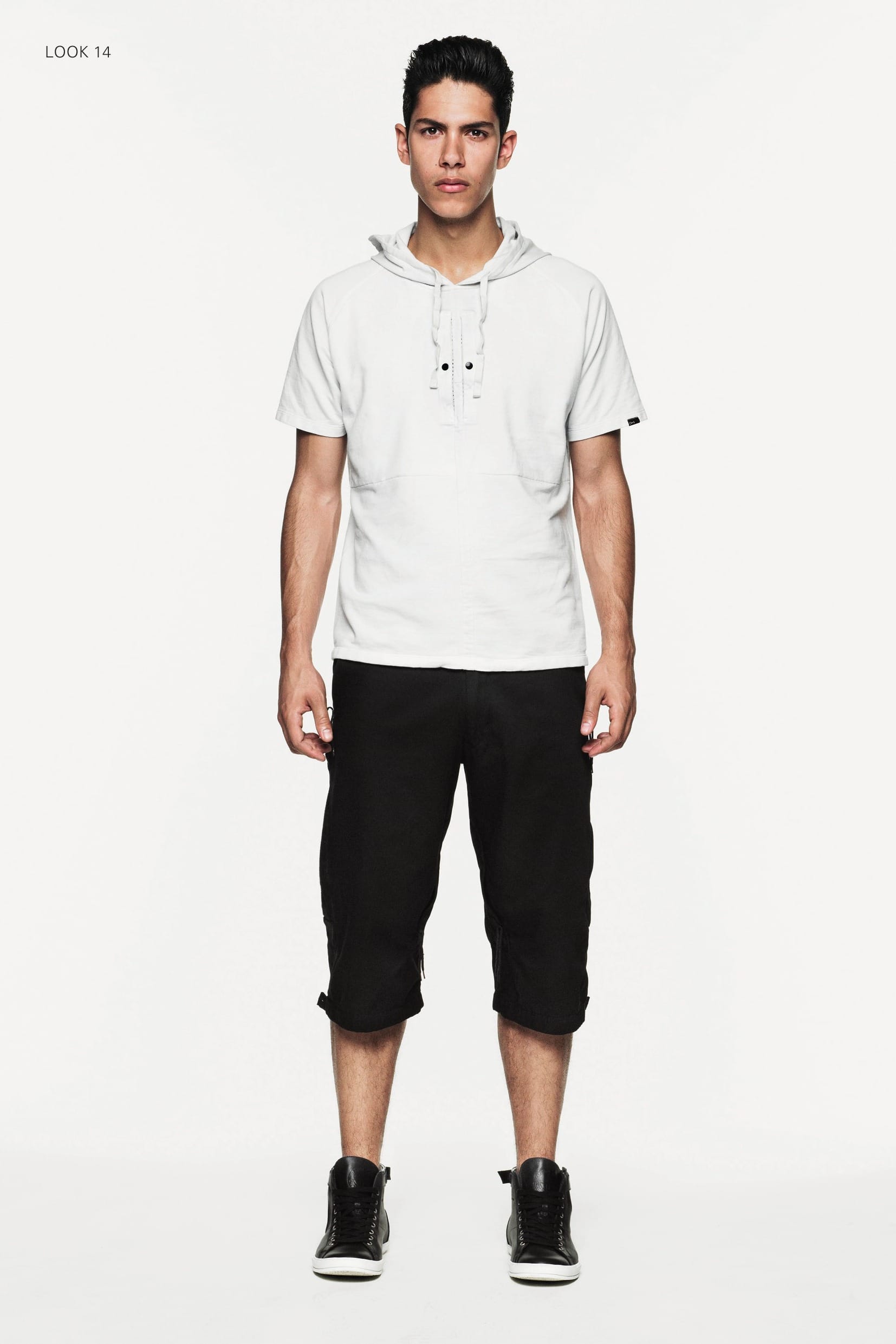
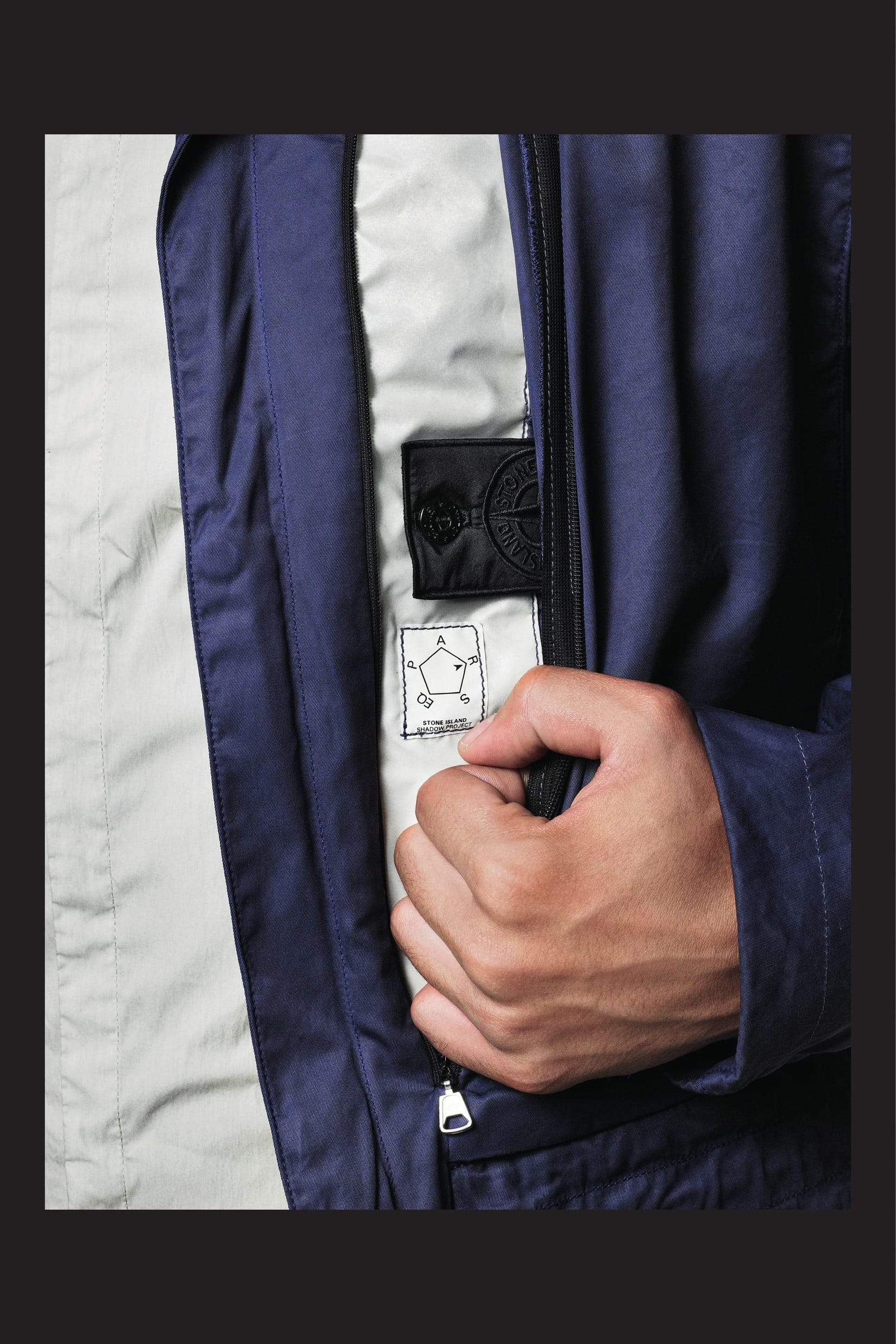
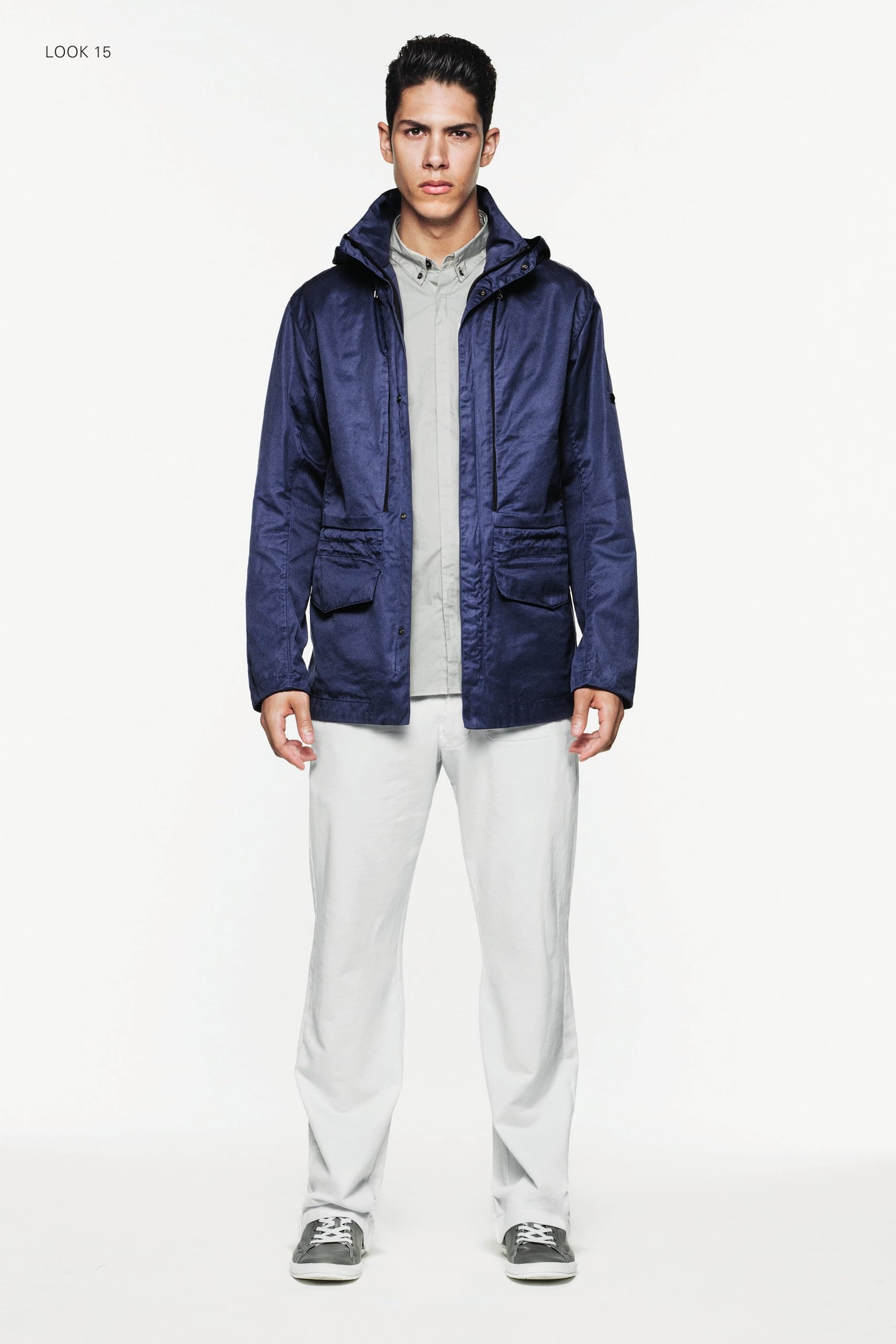
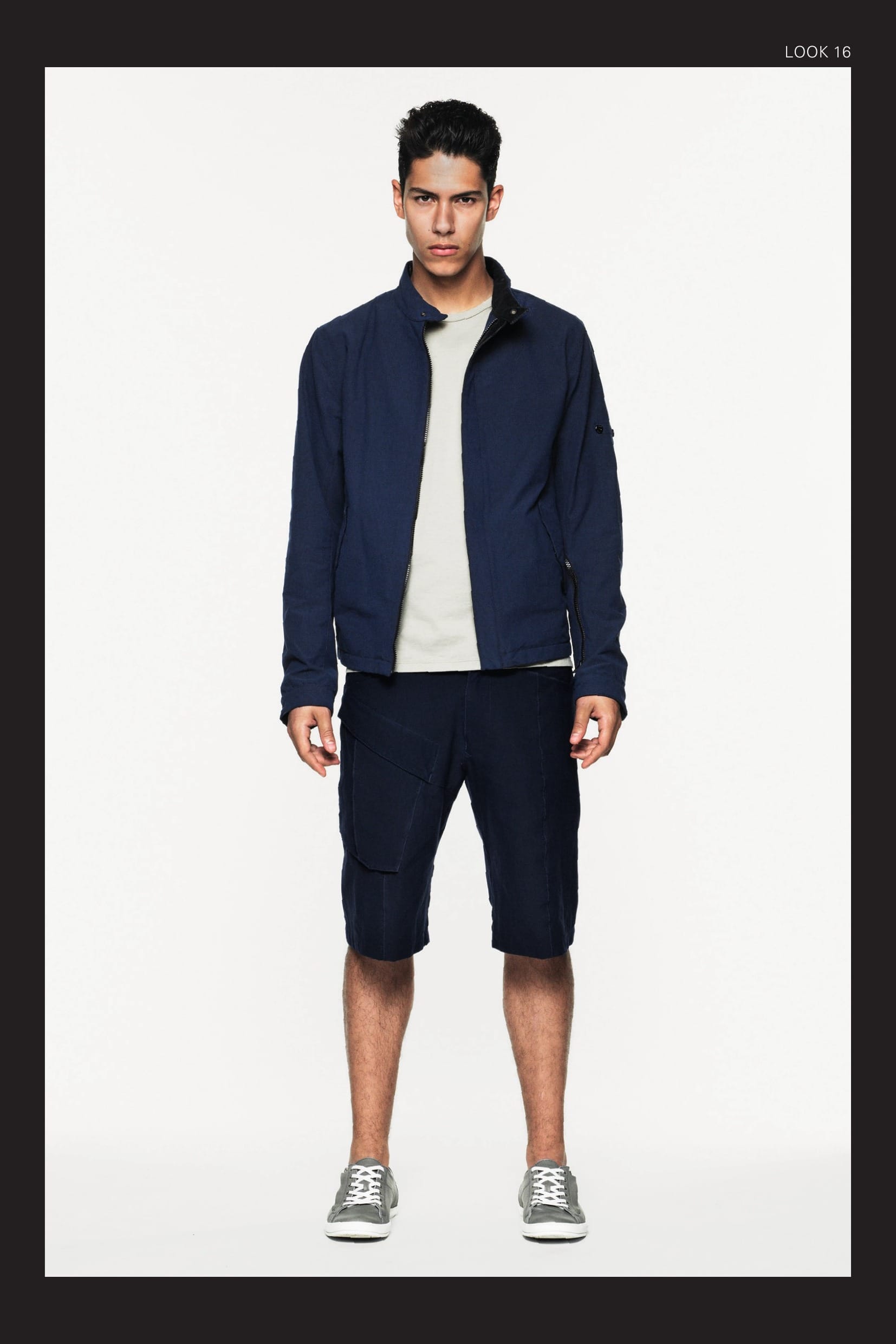
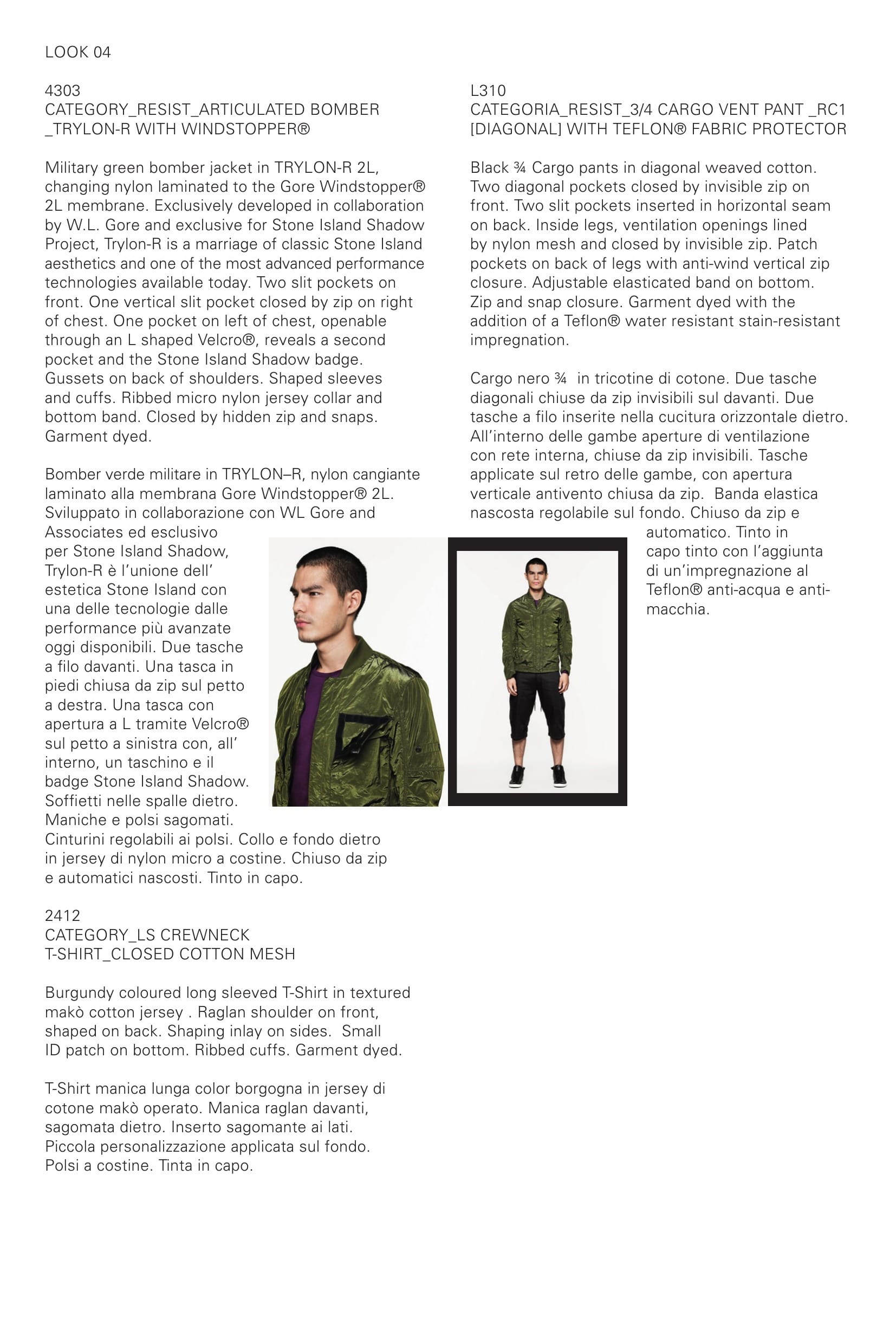
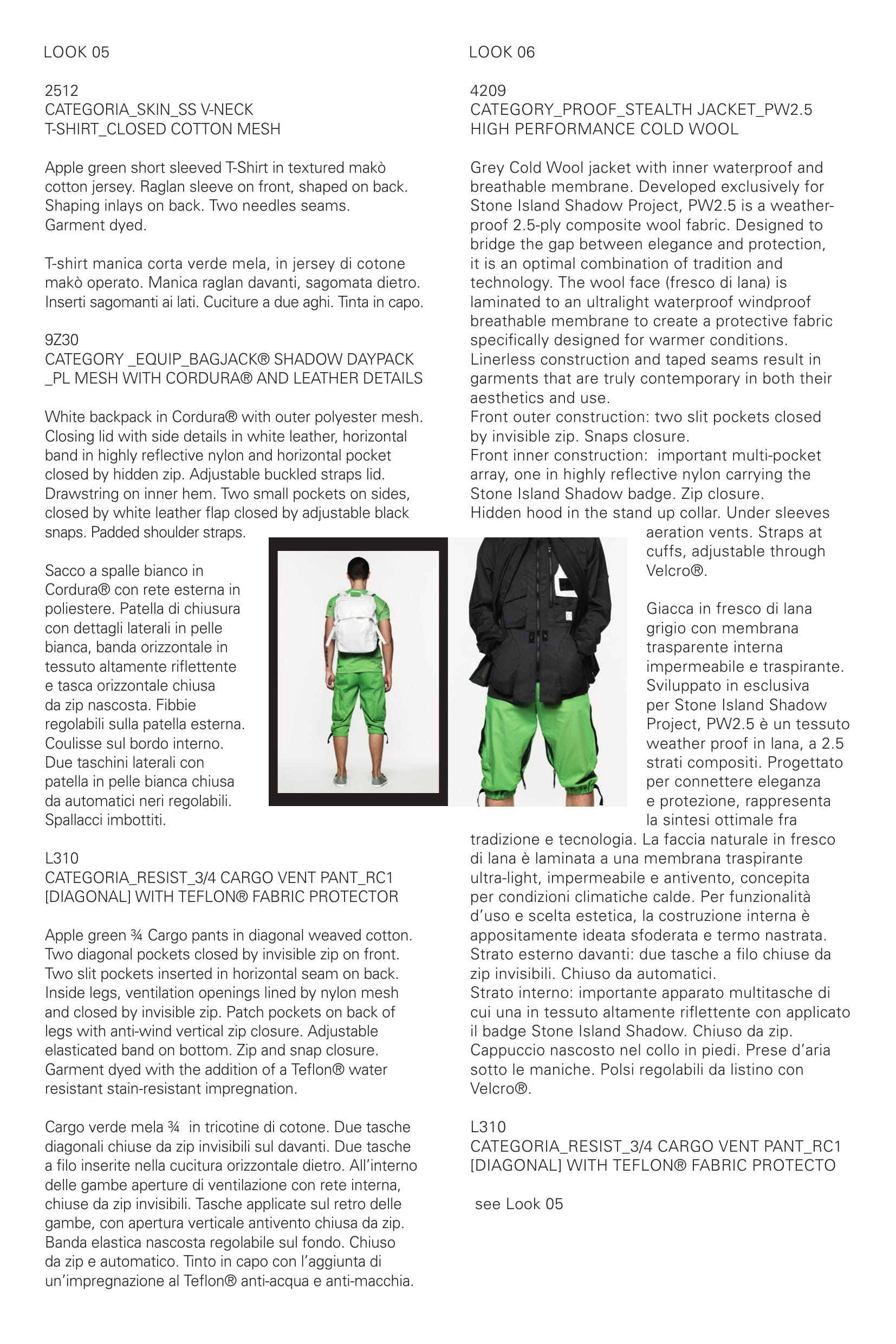
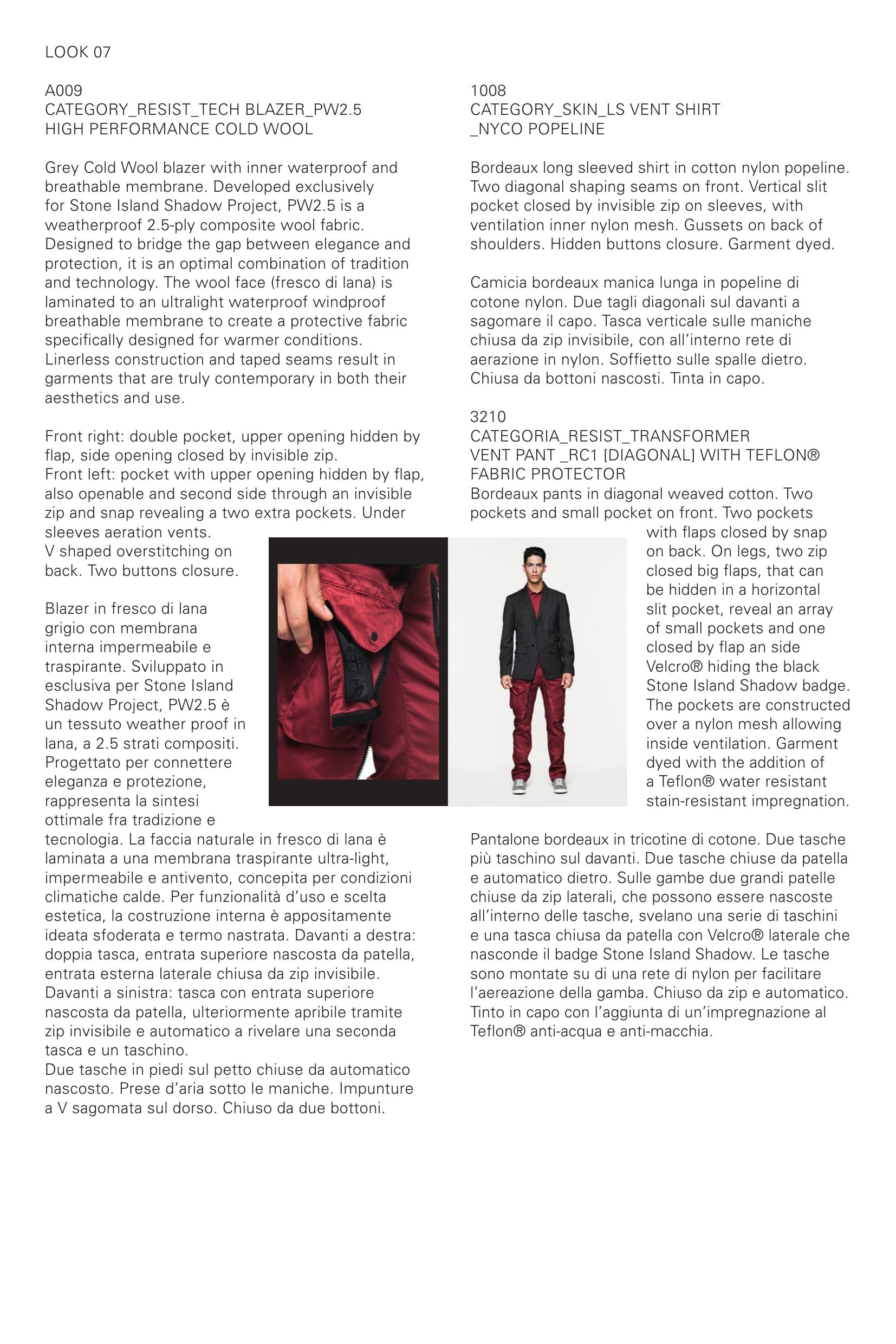
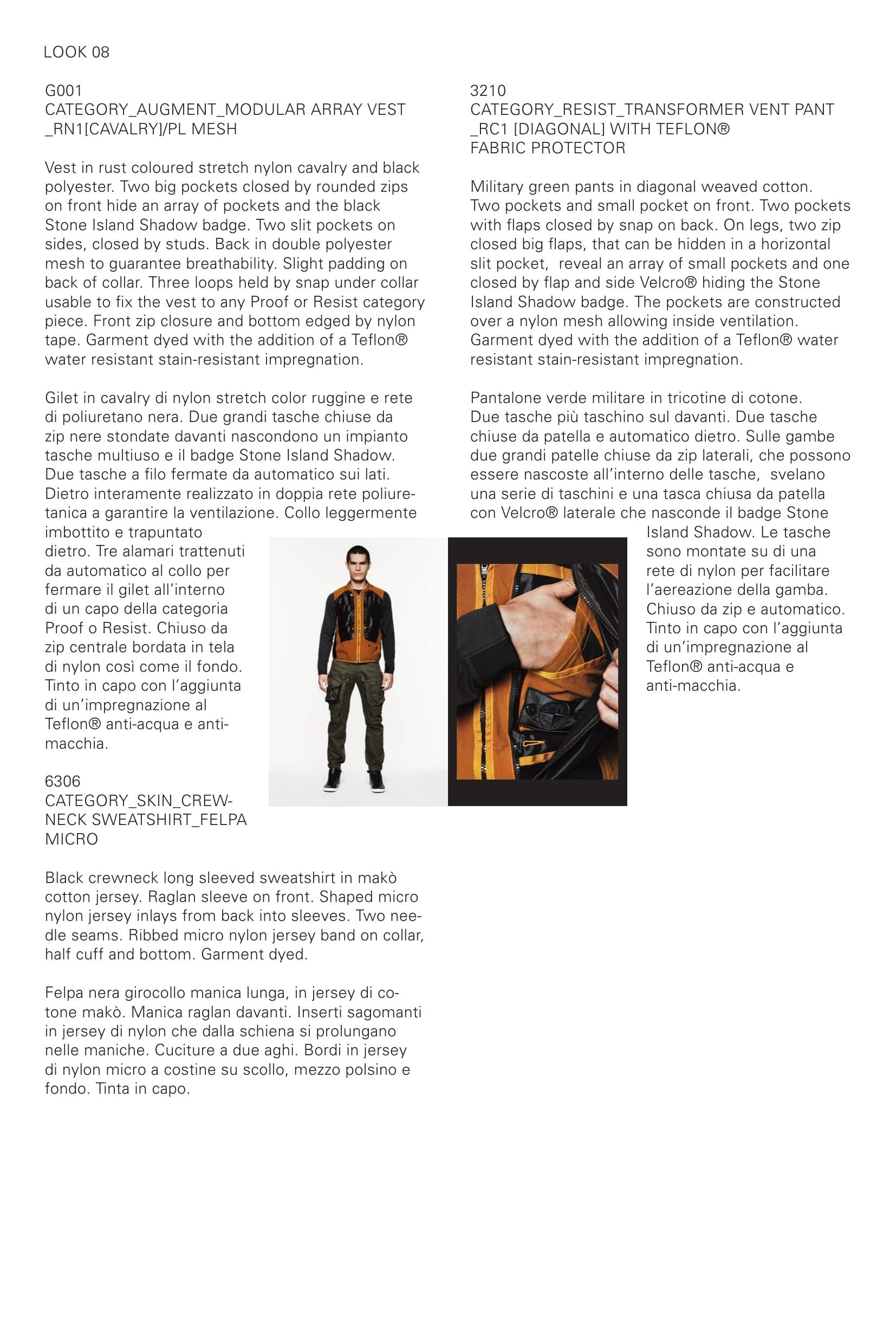

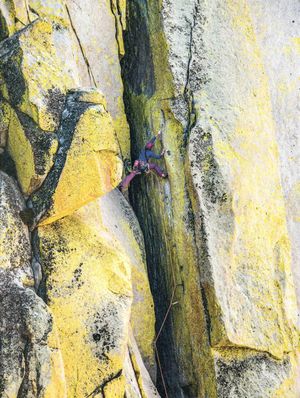
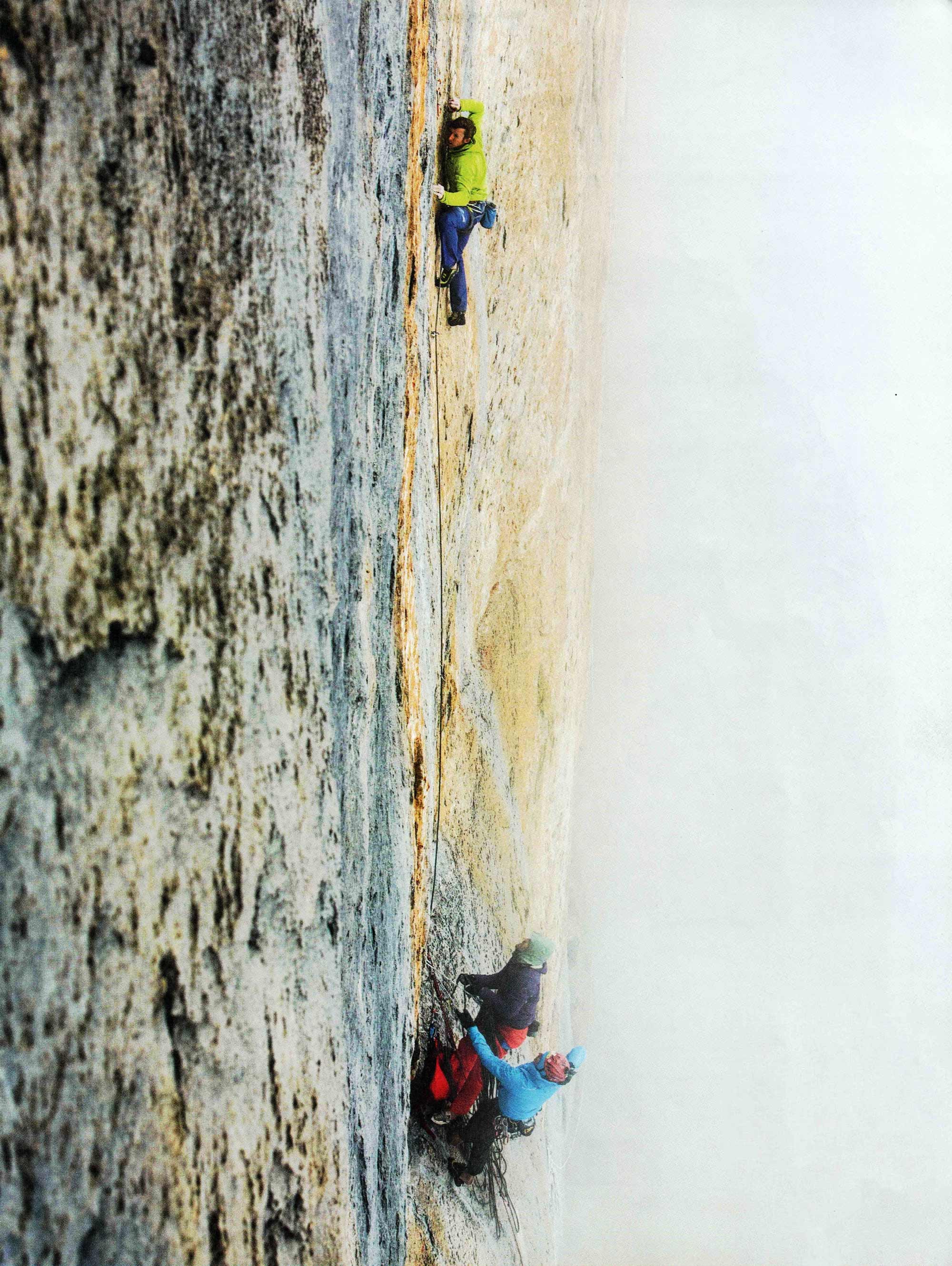
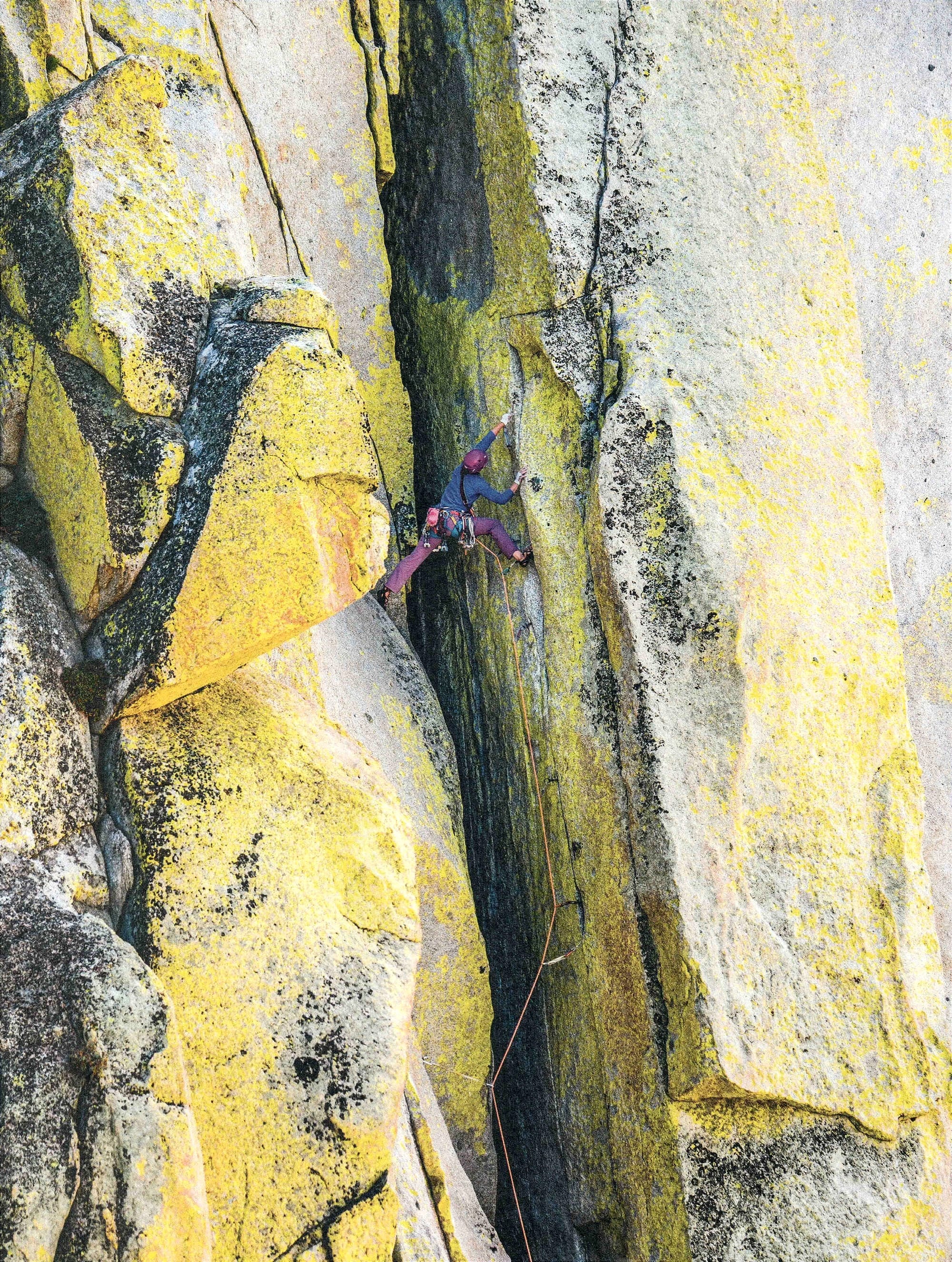
North Palisade. Sierra Nevada, California.
![stone island navigation series [under the radar] by liam macrae](https://storage.ghost.io/c/14/ee/14eef3be-ca5a-434b-8324-fa1f874026f1/content/images/size/w300/2025/09/stone-island-navigation-series-under-the-radar-liam-macrae-techspec-02.jpg)
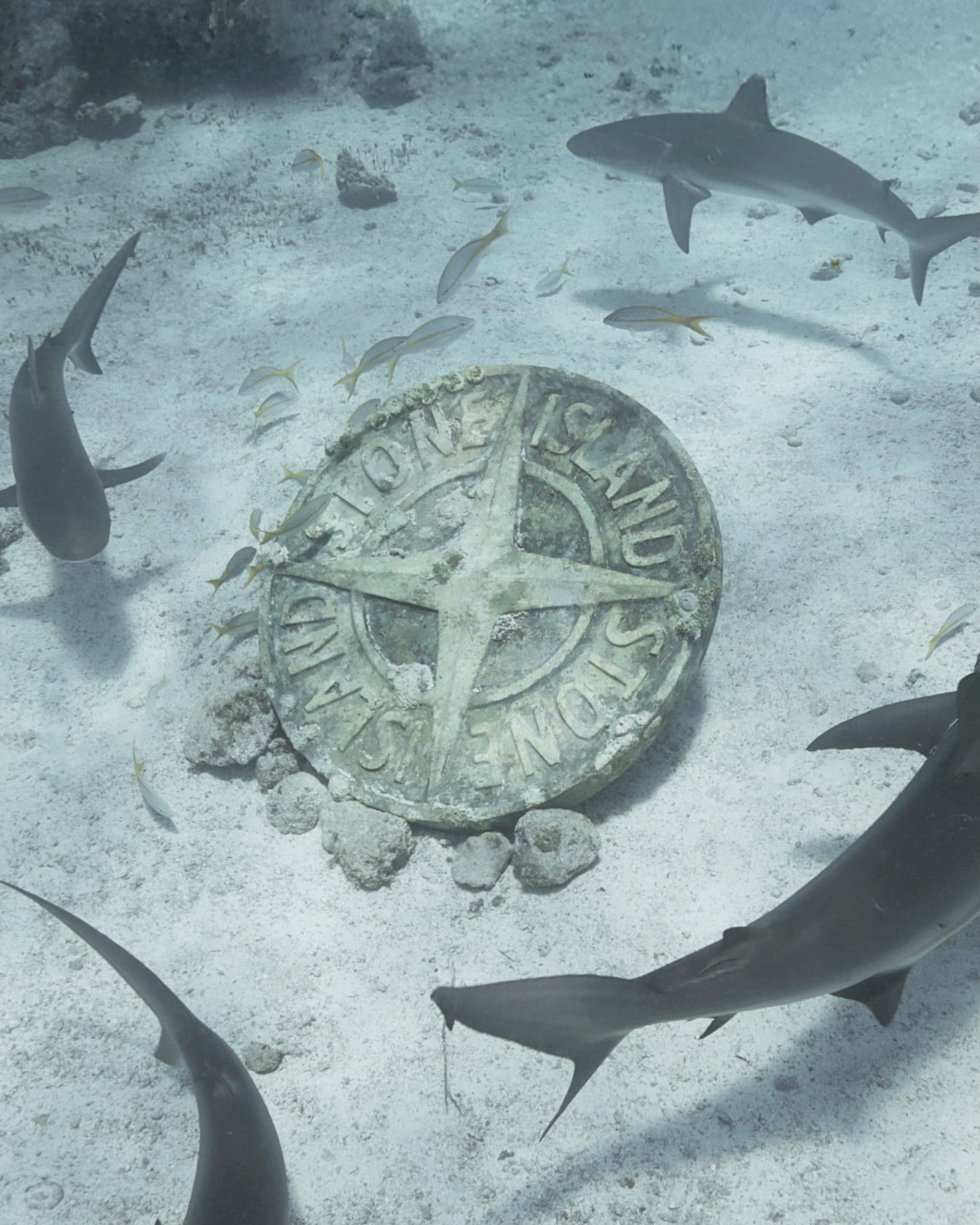
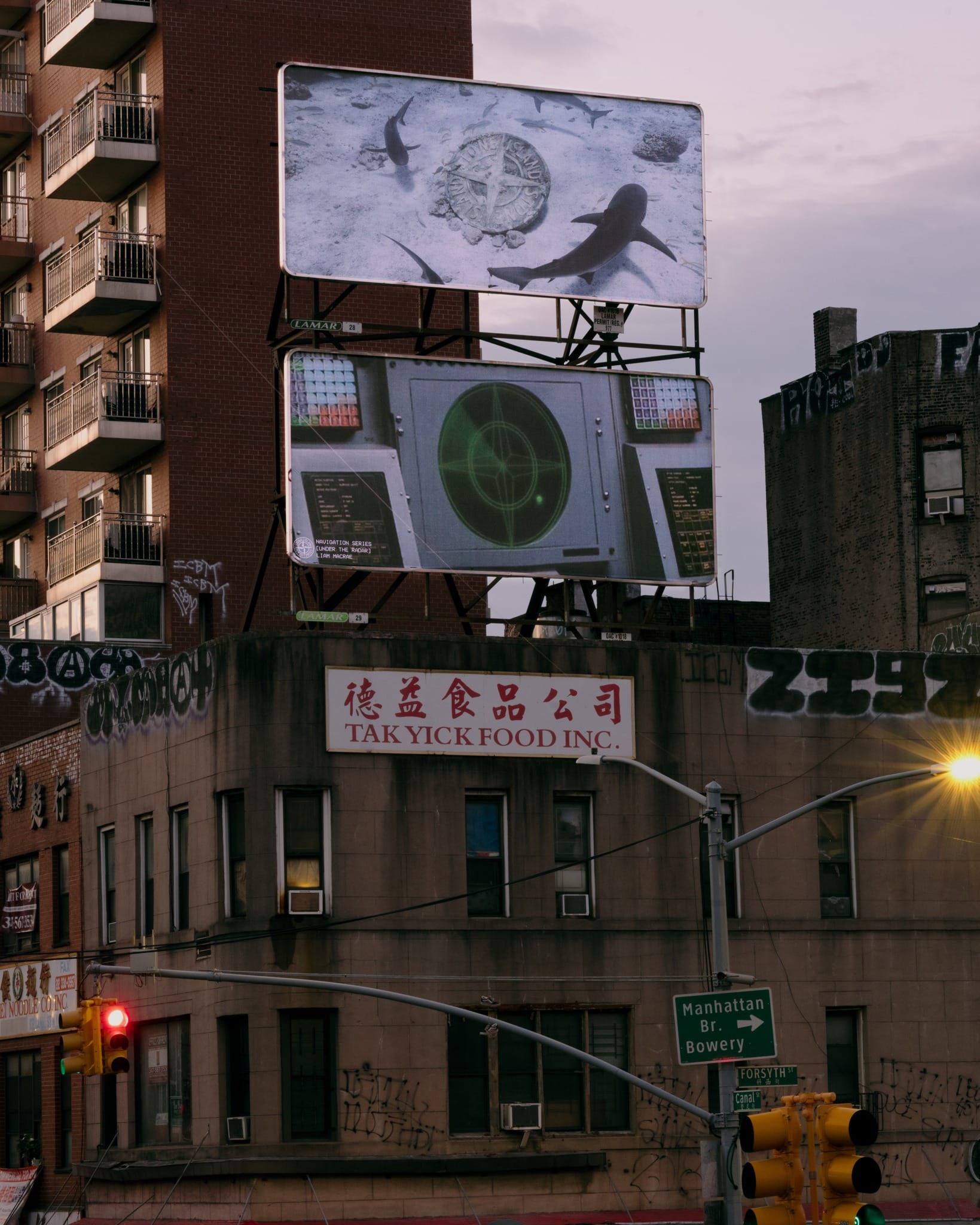
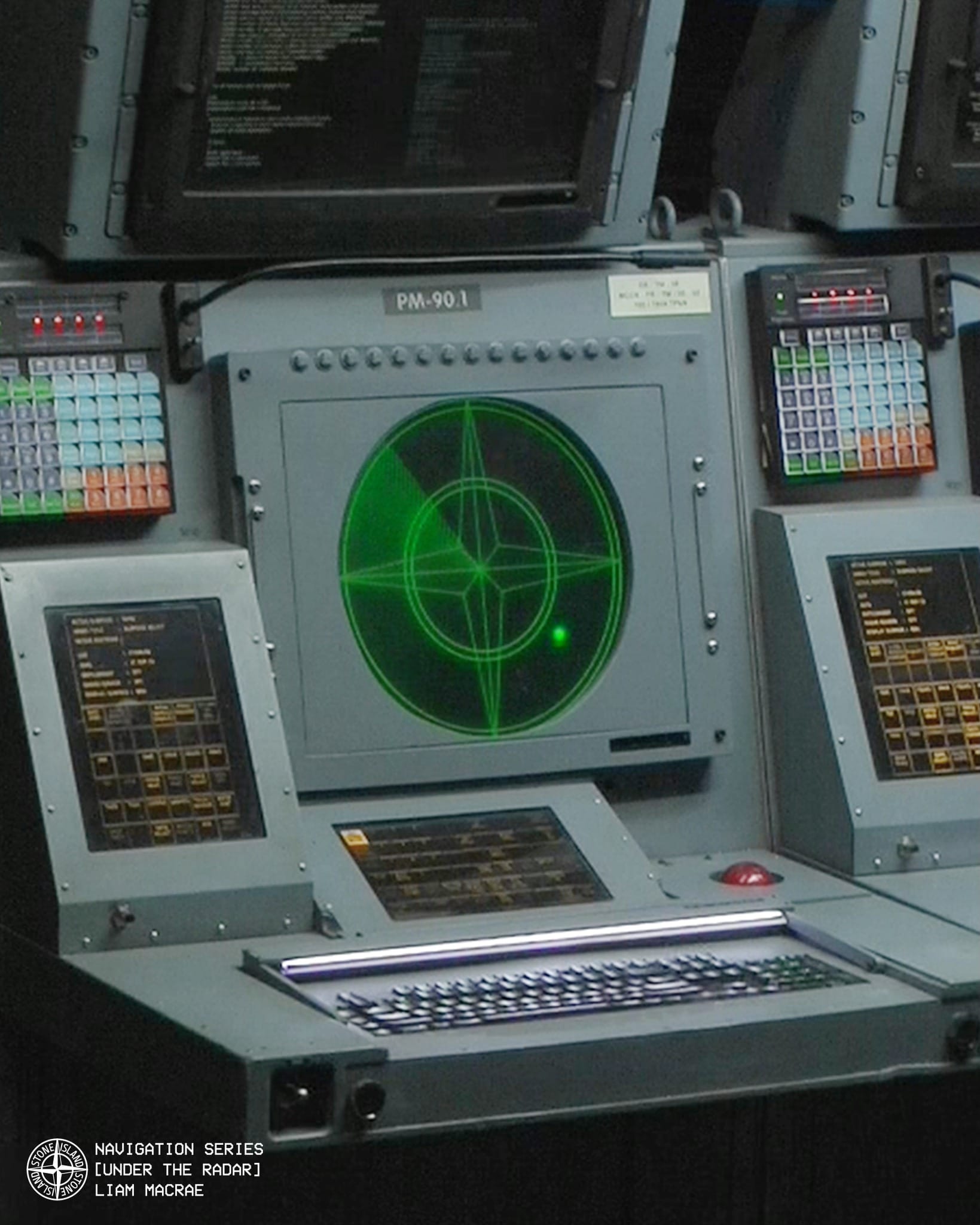
stone island navigation series [under the radar] by liam macrae
Stone Island’'s Navigation Series: Under the Radar by Liam MacRae examines sonar, signal, and instinct in aquatic navigation. Radar sweeps above are mirrored by sharks circling below, drawn to a submerged emblem that acts as both marker and transmission. The study observes how symbol and frequency converge—technology tracing, nature responding.

moNa2 keyboard
The Inspired by kumakey’s “roBa,” the moNa2 is a small wireless split keyboard developed by shakupan and pooh.polo, designed to keep a desk feeling open and unclaimed. Two compact halves sit apart with a quiet gap between them, leaving room for a notebook or tools without forcing a single, monolithic footprint.
The layout is restrained: low, close spacing with a built-in thumb-controlled ball that keeps basic navigation under the hand instead of pushing you toward a mouse. The whole object reads as light hardware rather than a centerpiece, favors packing and redeploying—such as magnets on the underside so the halves can join together for transport.
It runs wire-free and is meant to be adjusted over time rather than treated as a fixed appliance. Typical usage notes describe it lasting roughly a couple of weeks of frequent daily use before needing attention again, with the exact cadence depending on how it’s set up and used.
EMERY MOUNTAINS
April 2024, FRIEZE No. 9 Cork Street Gallery, London
EXHIBITION: The Mountains Between Us, FRIEZE No 9 Cork St
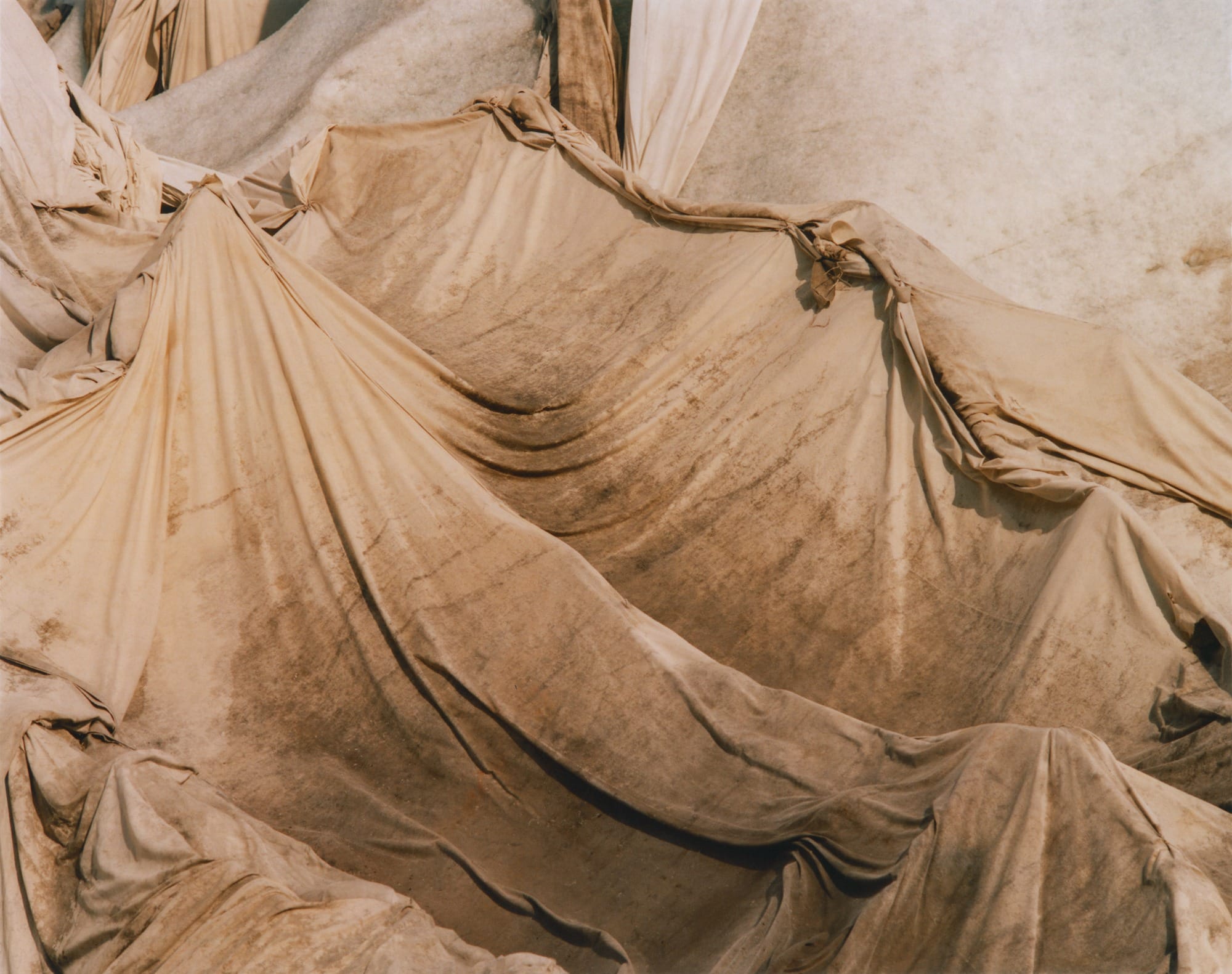
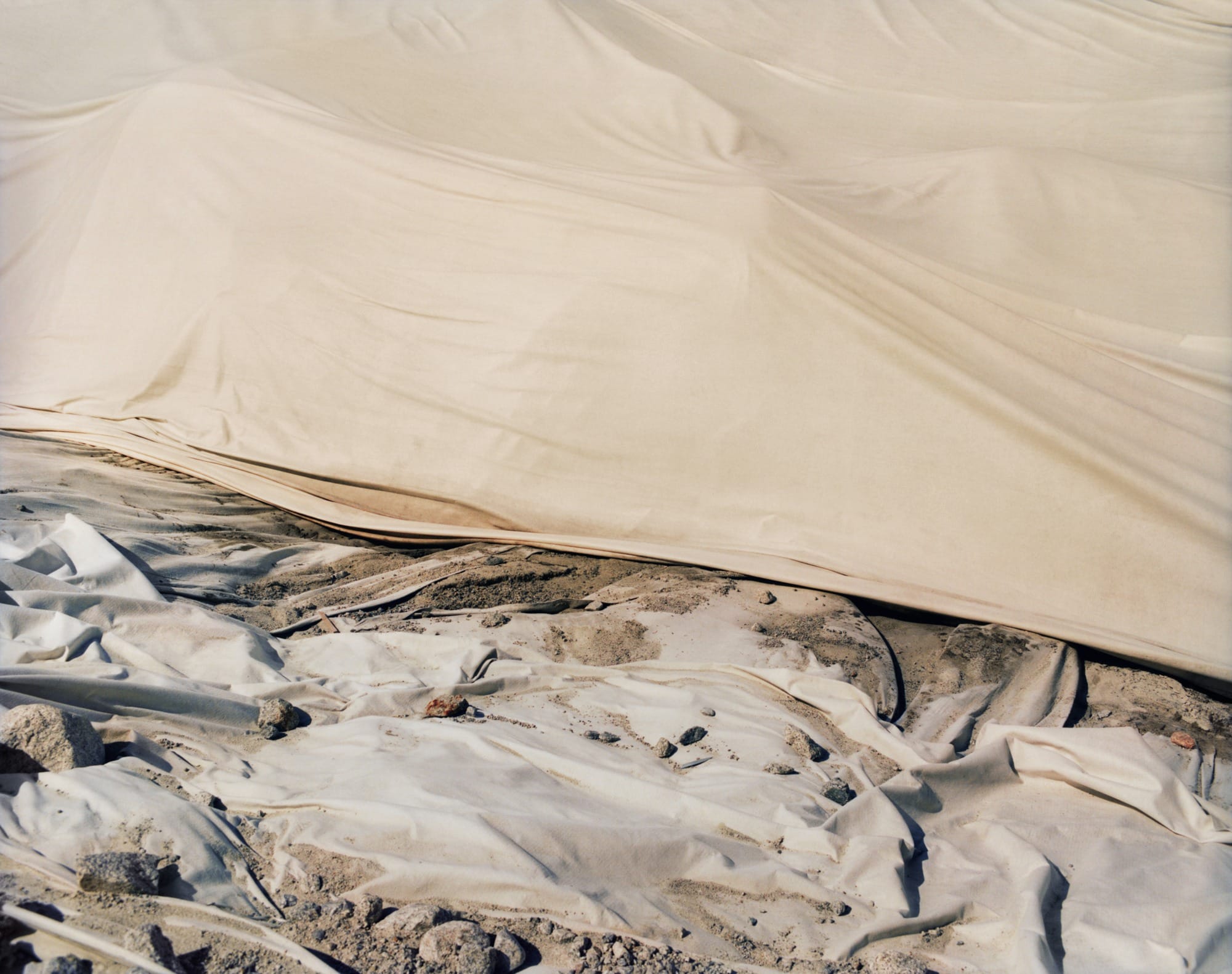
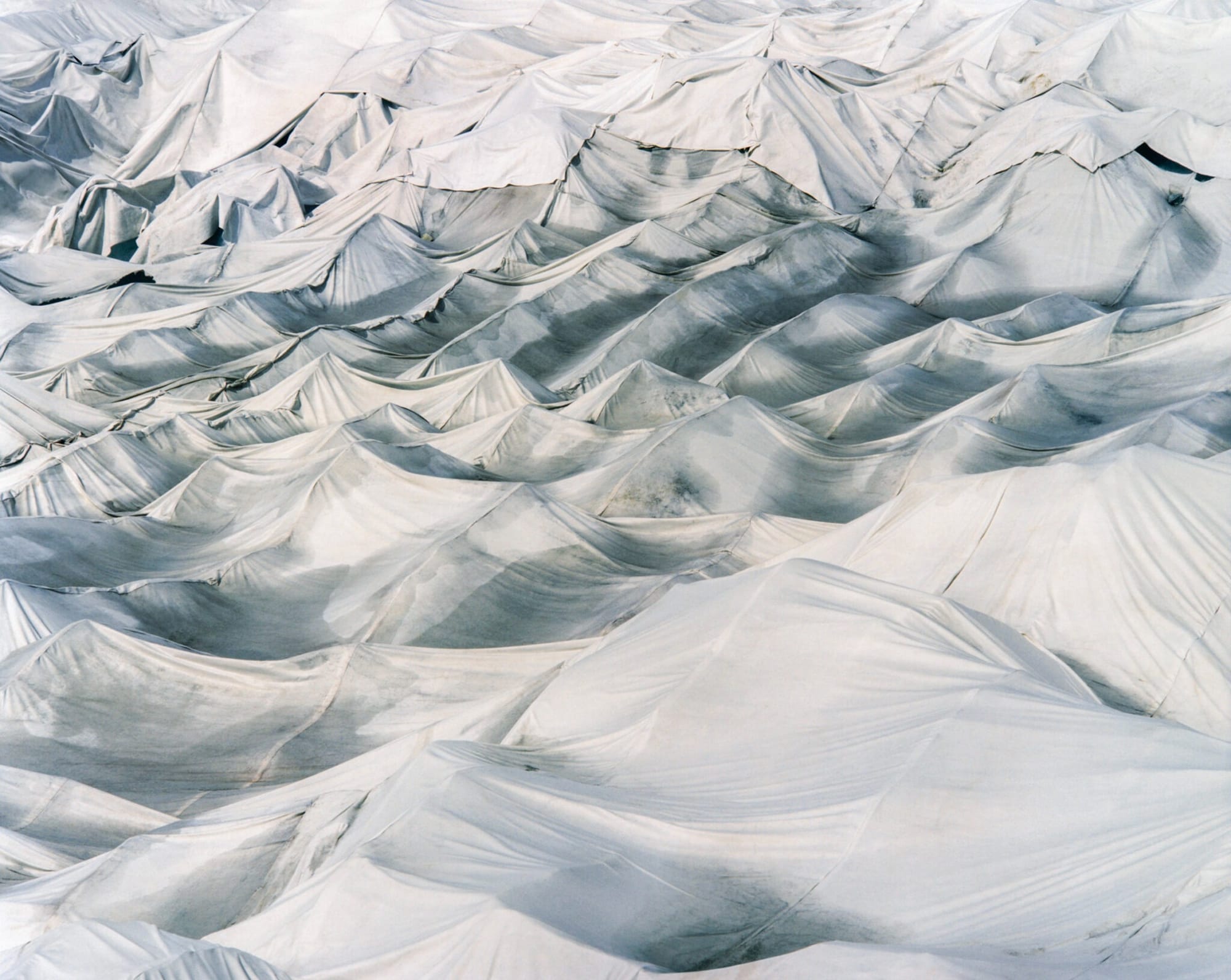
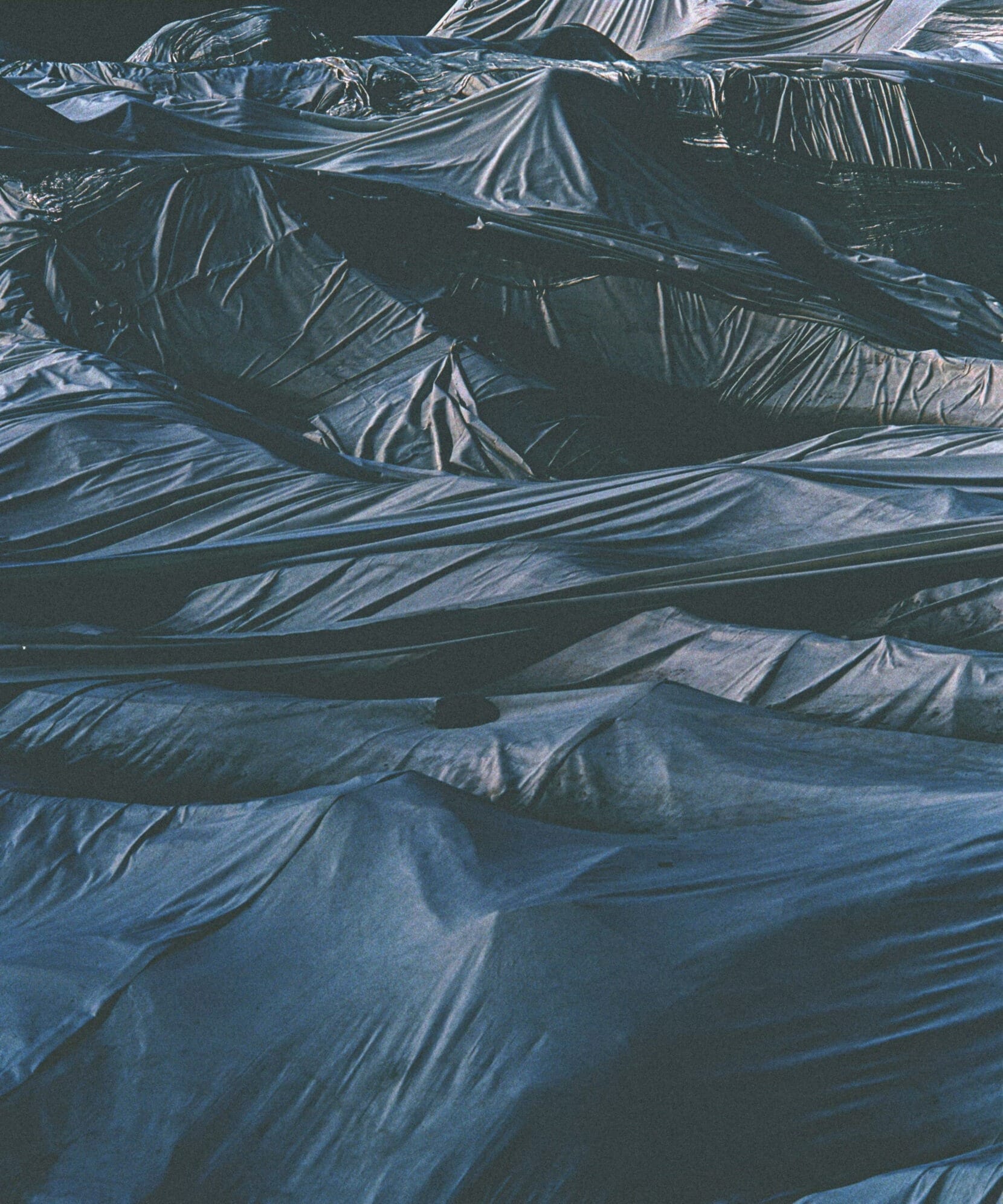
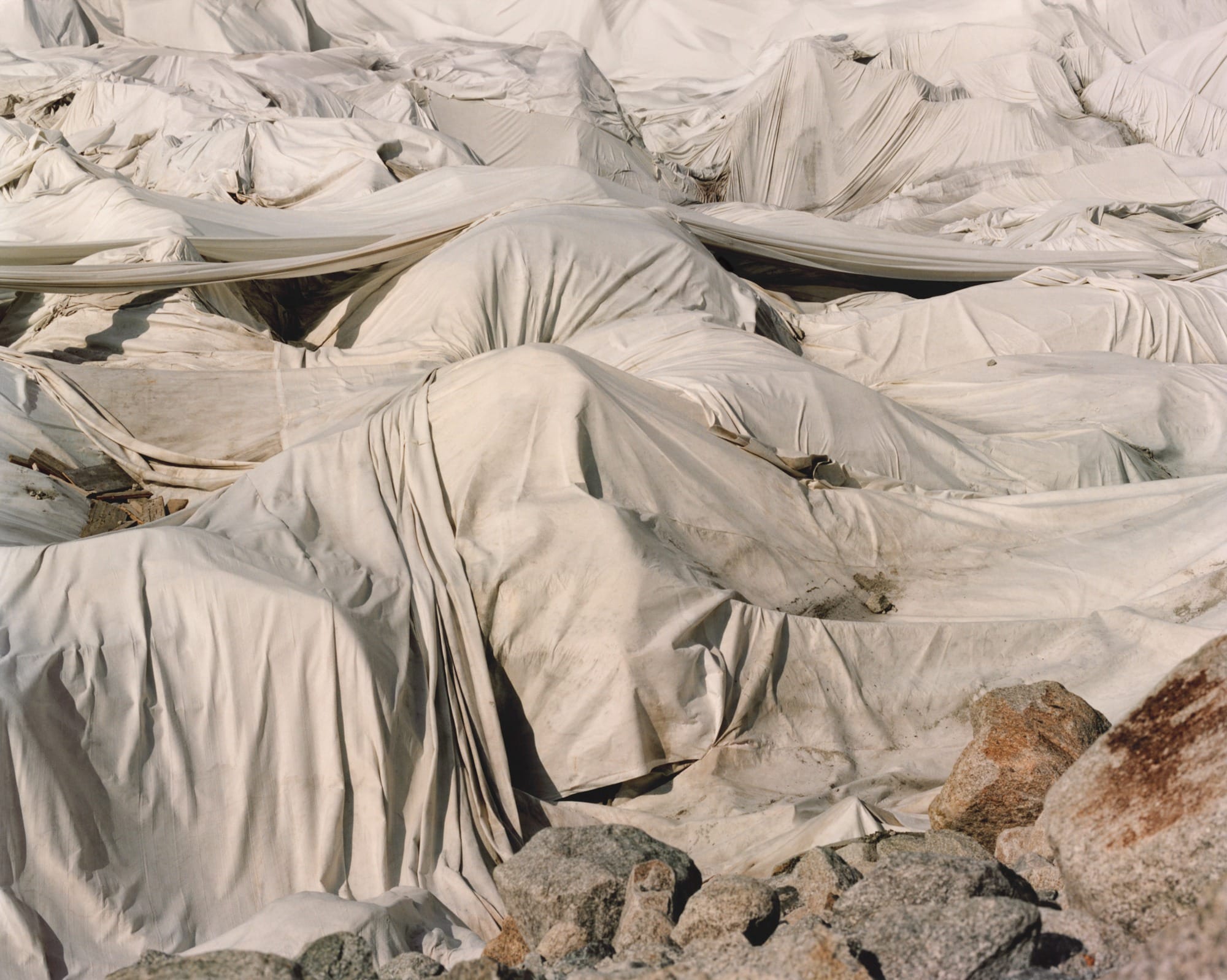
Weaving together photography, video and sculptural objects, lena_c_emery highlights the accelerated loss of mountain glaciers and the desperate conservation efforts currently employed to impede their decline. Under the continued influence of greenhouse-gas forced global warming, ice that took centuries to develop is vanishing in just a number of years. A fate experts predict for at least two-thirds of all glaciers by the end of this century. EMERY: In ‘The Mountains Between Us’, I capture the current environmental efforts undertaken to reduce the rate at which glaciers melt. Glaciers have held space for centuries, silently bearing witness to history. They’ve seen the world change in ways we can barely comprehend. Because my grandfather spent his life in these mountains, watching this particular glacier retreat and form lakes where there was previously only ice and at a pace that’s steadily increasing, feels deeply personal. The idea of covering these mammoths in fabric to stall the inevitable, feels both tragic and emblematic of our relationship with nature: The magnitude of loss countered by gestures that, though earnest, feel powerless. Visually these wrapped peaks evoke images of muddied tents, makeshift shelters that we’ve come to erect for those displaced by upheaval. This fragility, their fragility, our fragility, is a direct reflection of the imbalance we have sown, where those least responsible for ecological destruction are forced to bear its heaviest burdens. The title became a way to frame those divides. Mountains have always symbolised barriers, but perhaps they could also be reimagined as thread, shared histories and a collective belonging. The elemental particles composing our very being once danced amidst these ancient landscapes and if they disappear, part of us does too.
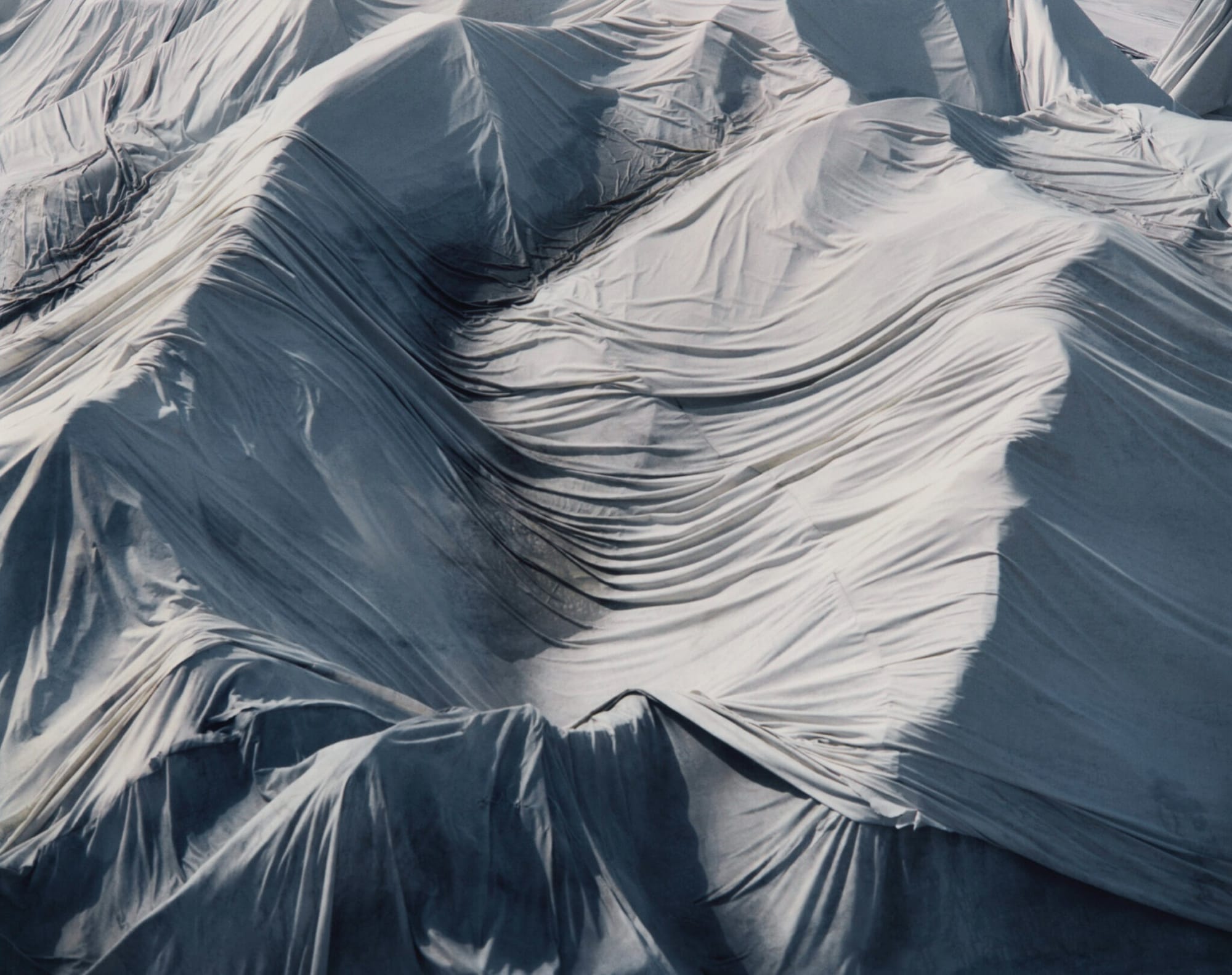
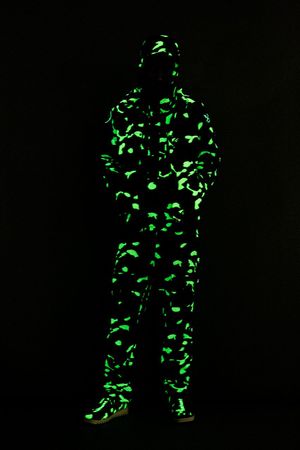
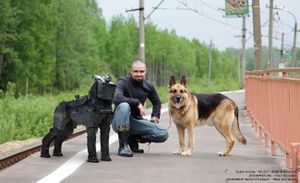
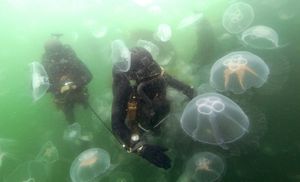
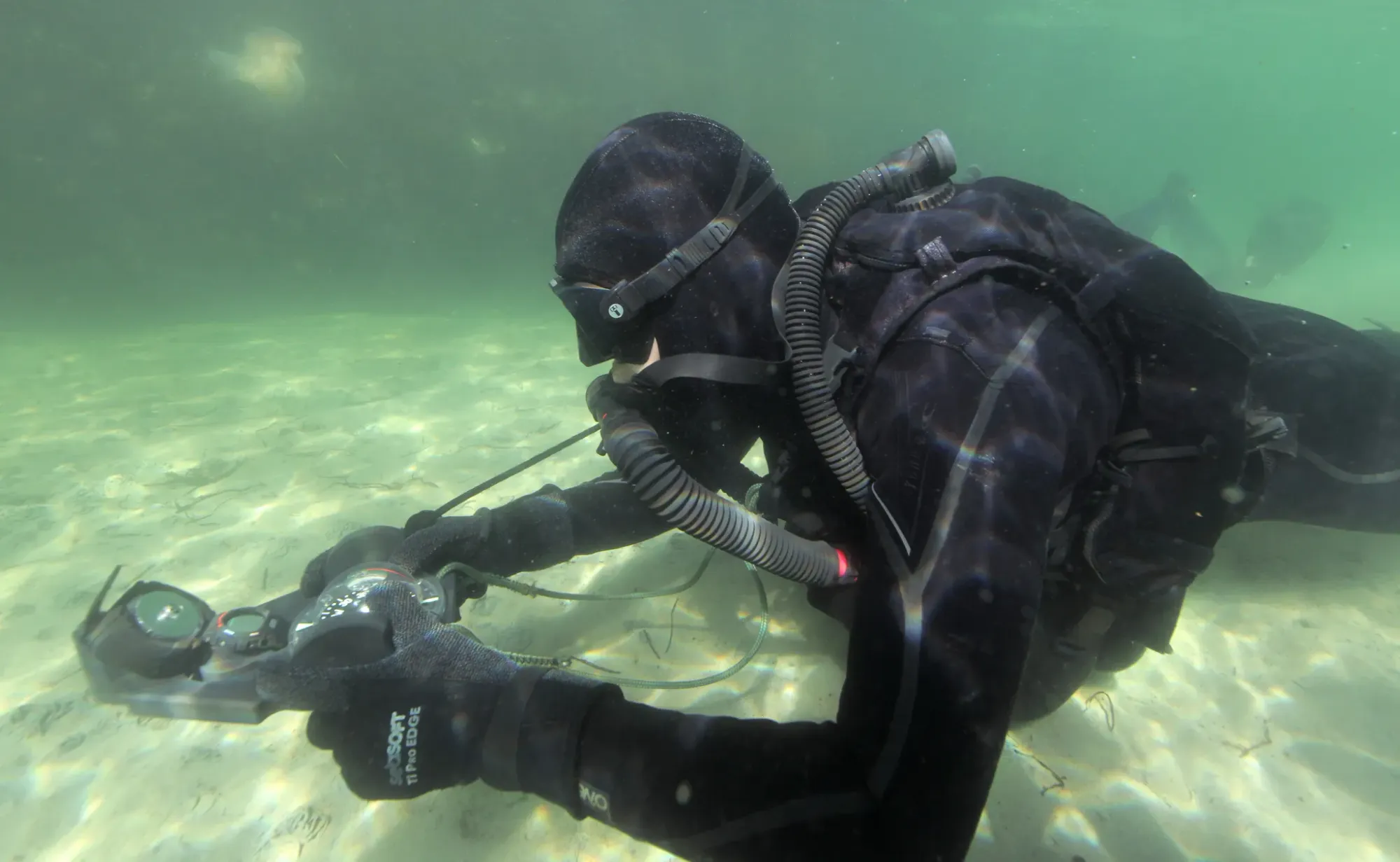
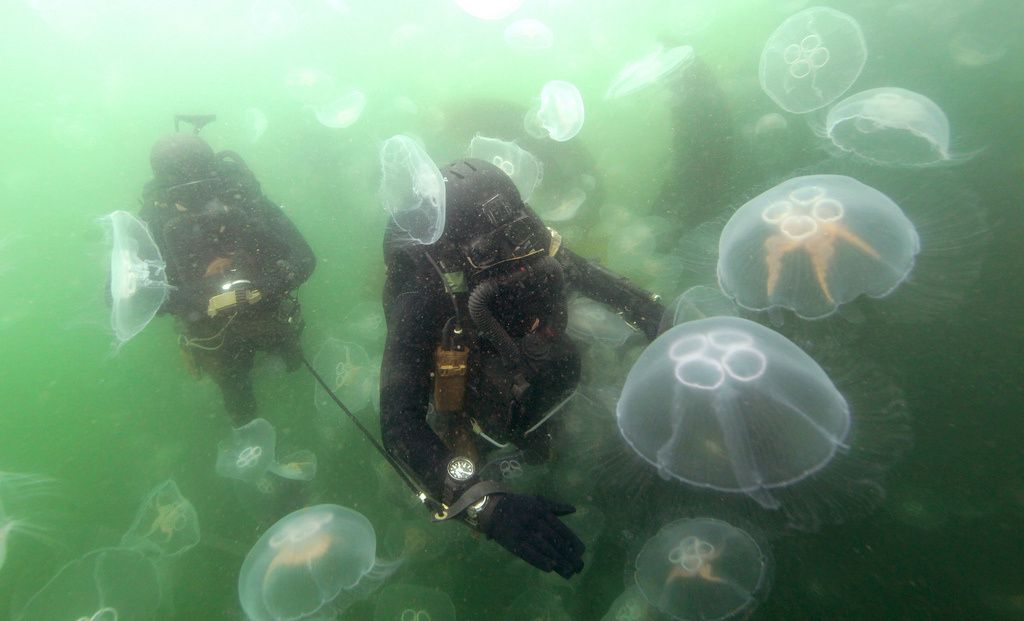
Combat Swimmers German Special Forces




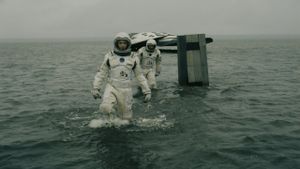
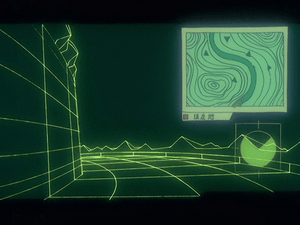
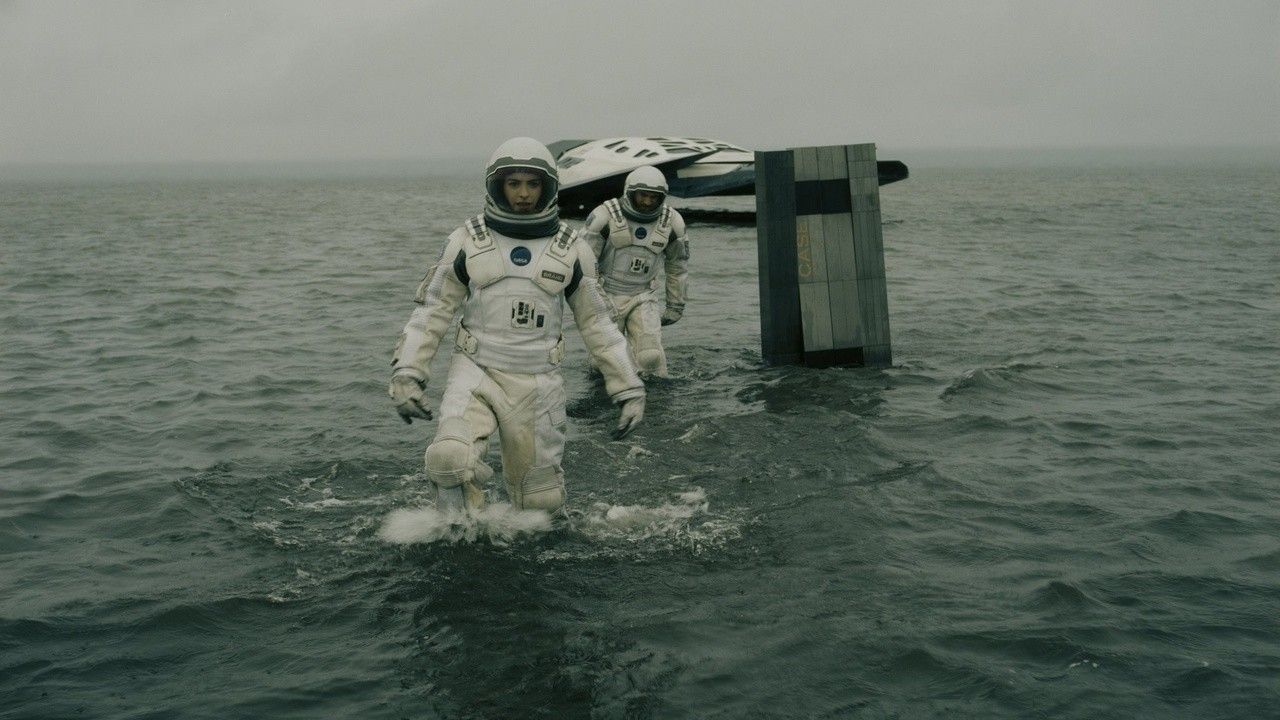
Miller's planet from interstellar
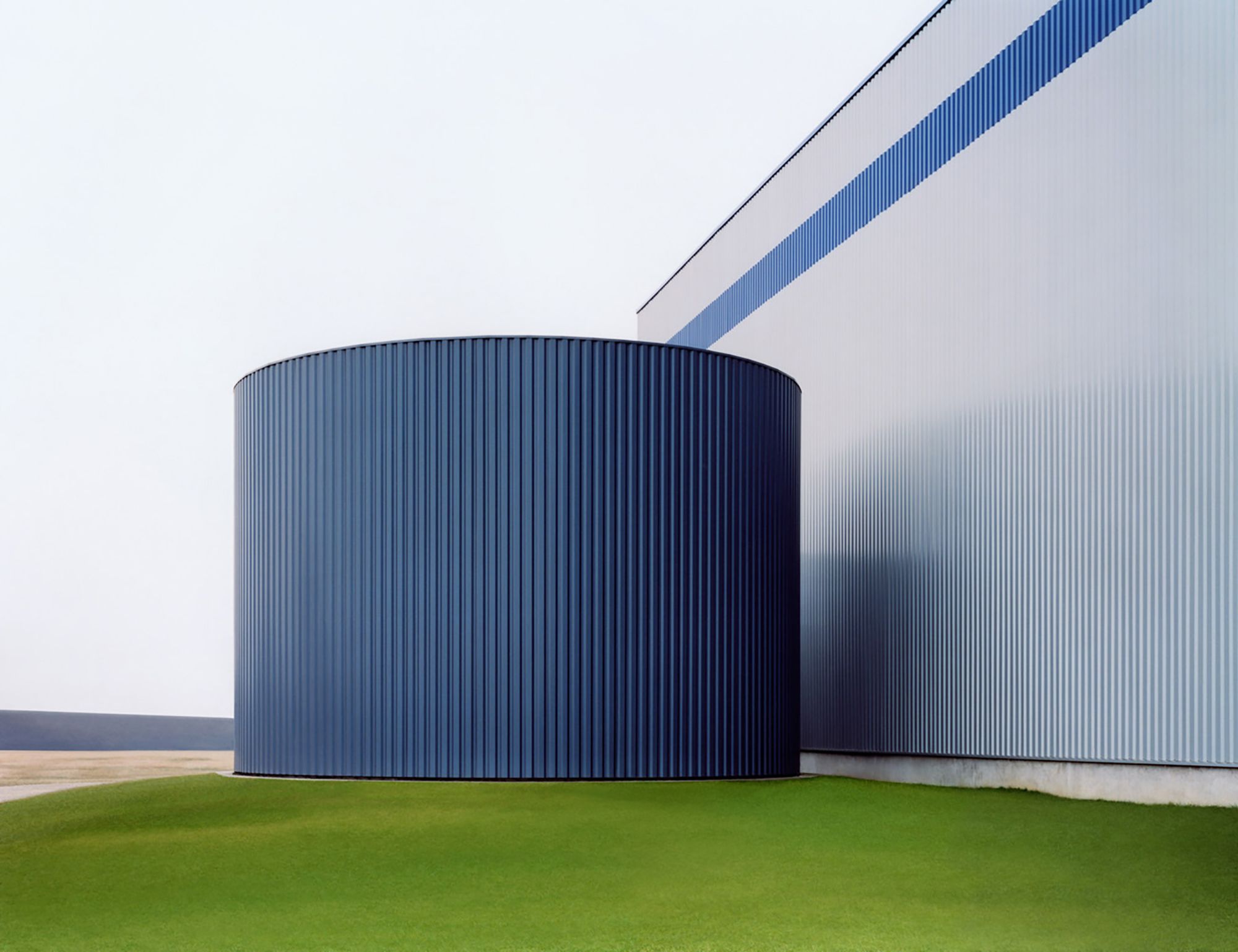
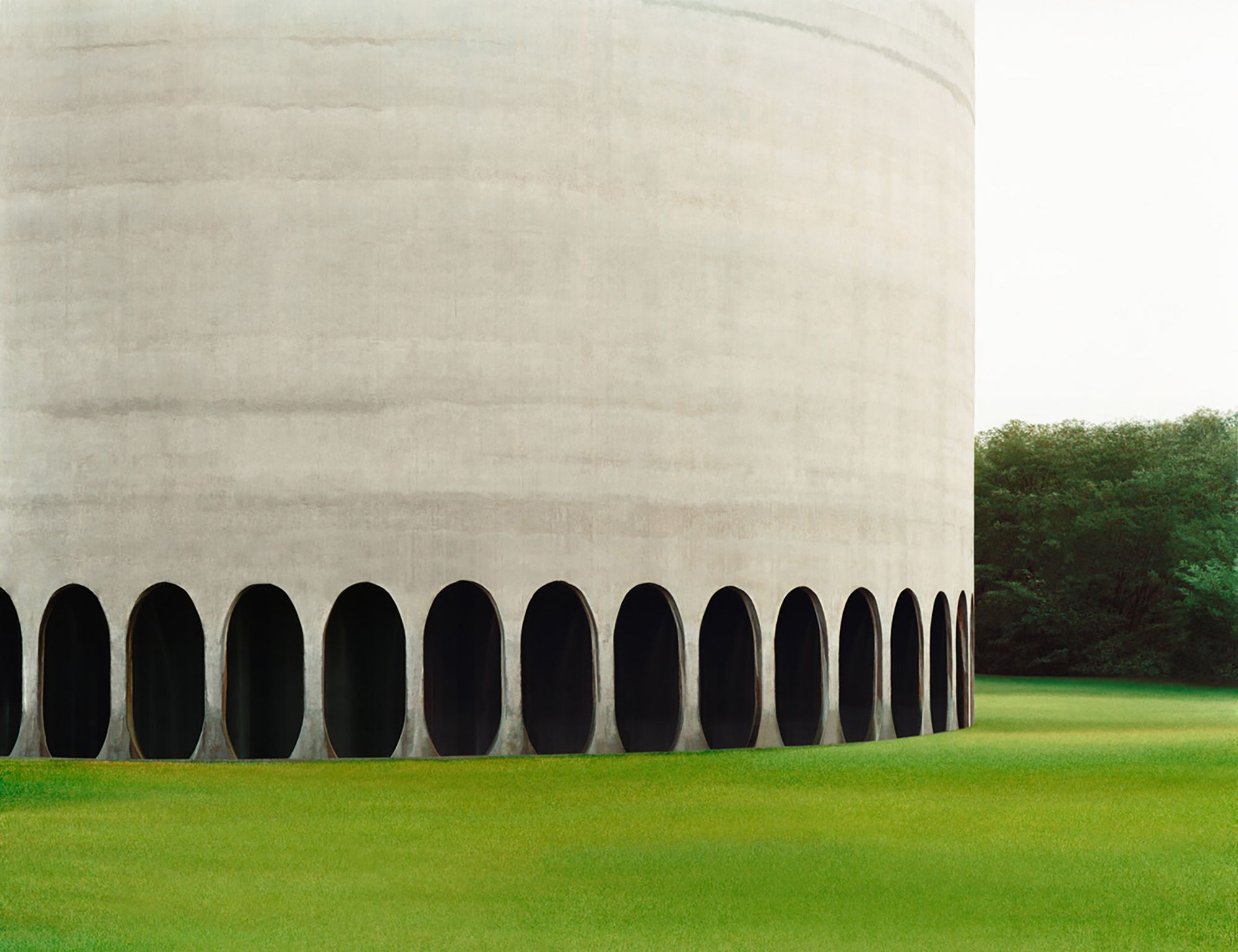
Form #7, Josef Schulz, 2003
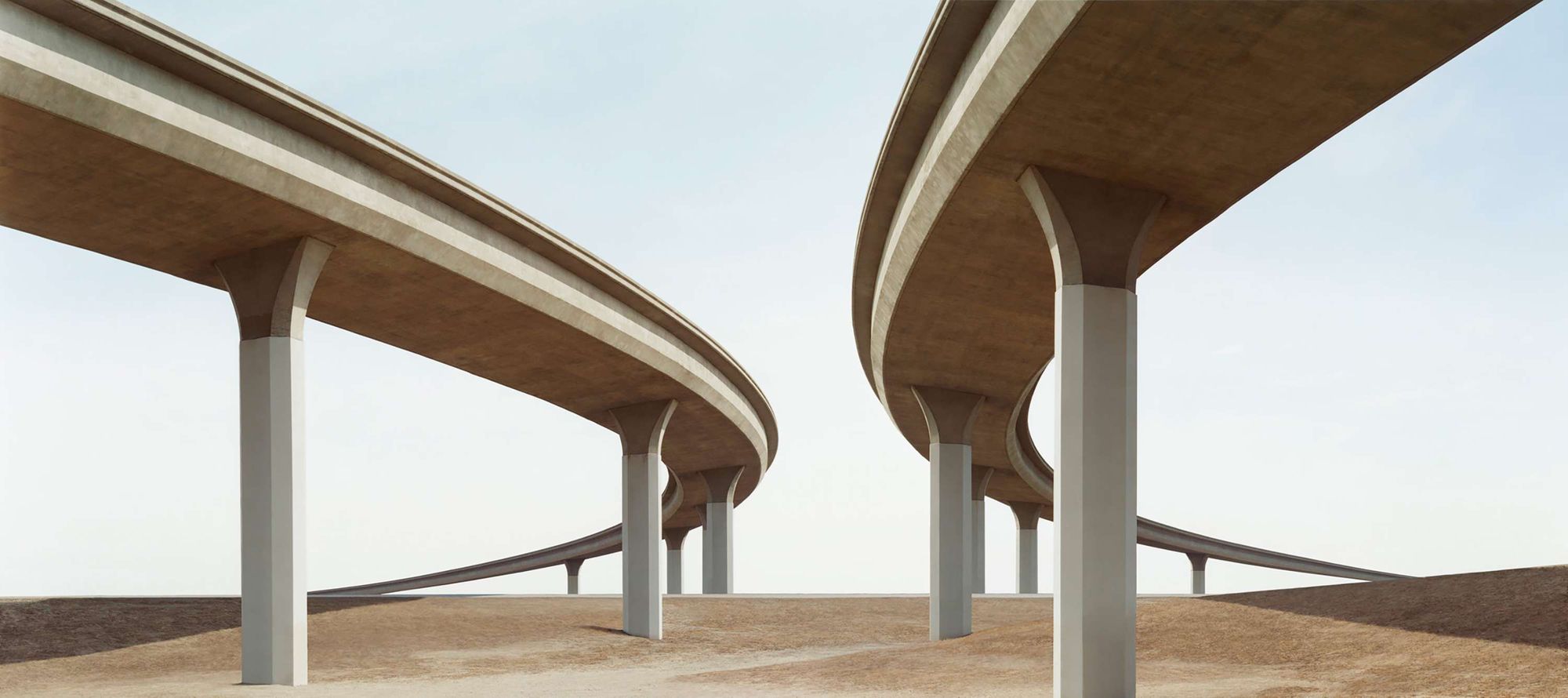
Josef Schulz is a photographer known for capturing images of modern warehouses and factories, which are typically considered mundane industrial structures with little architectural significance. These buildings, produced worldwide, follow standardized plans and materials, lacking distinct external features to reveal their specific purposes.
Schulz's approach involves studying the essence of his craft through these photographs. He employs digital image processing to remove any elements hinting at the buildings' age, location, or surroundings, transforming them into virtual blueprints. By emphasizing colors, shapes, and symmetries, he turns the buildings into block-like structures, resembling toy architecture and presenting them as idealized versions of themselves.
In this process, Schulz blurs the line between photographic and painted reality to optimize the images. Simultaneously, he reduces the physical buildings to their design concepts and the photographic reality to its virtual representation. His intent is to diverge from the typical pursuit of making digital images appear as real as possible. This approach might leave the viewer perplexed, as they struggle to distinguish between authentic elements captured by the camera and those created through digital tools.
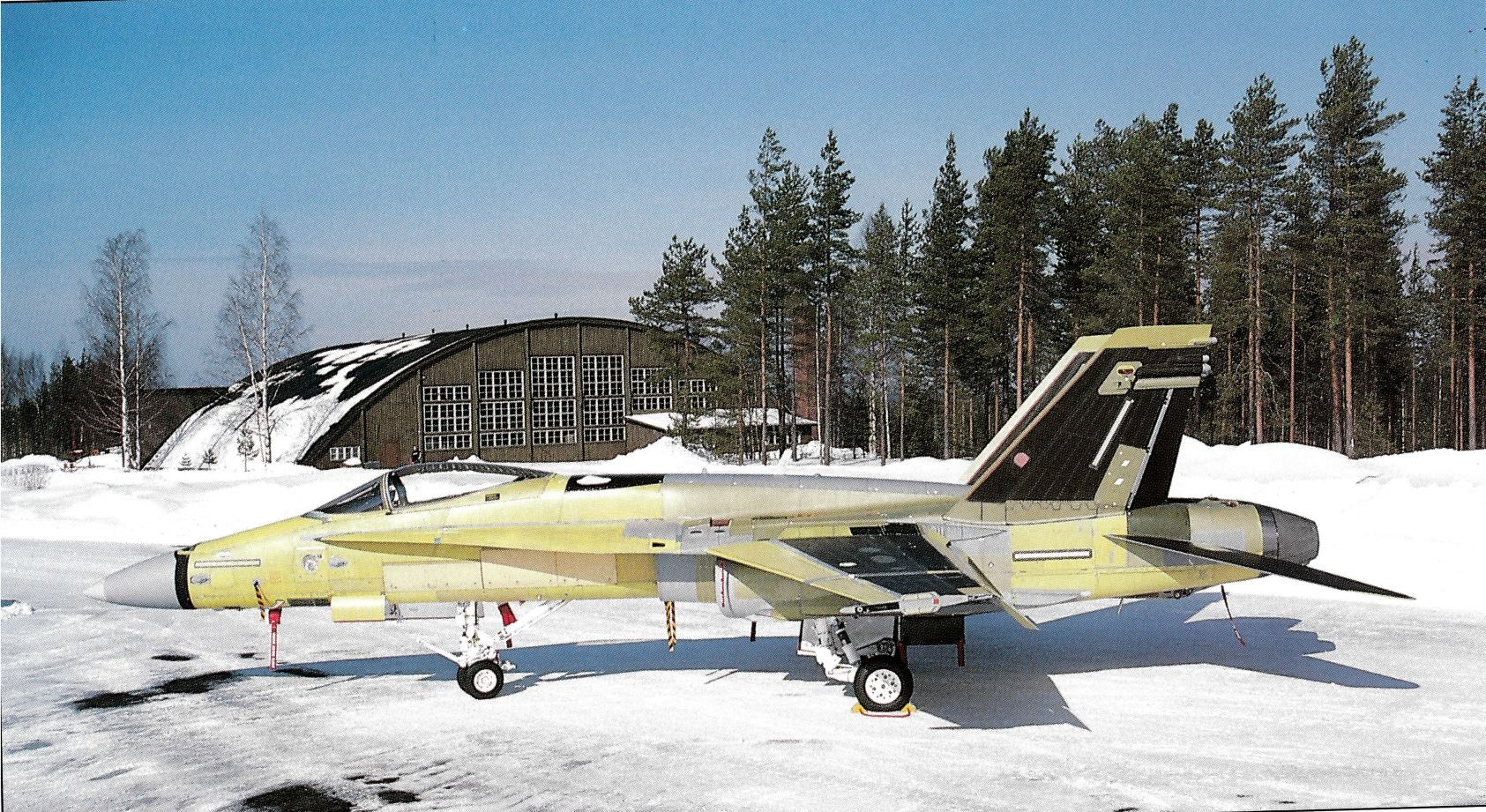
Canard-Delta Aircraft in Winter Testing
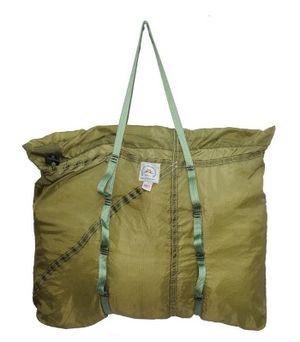
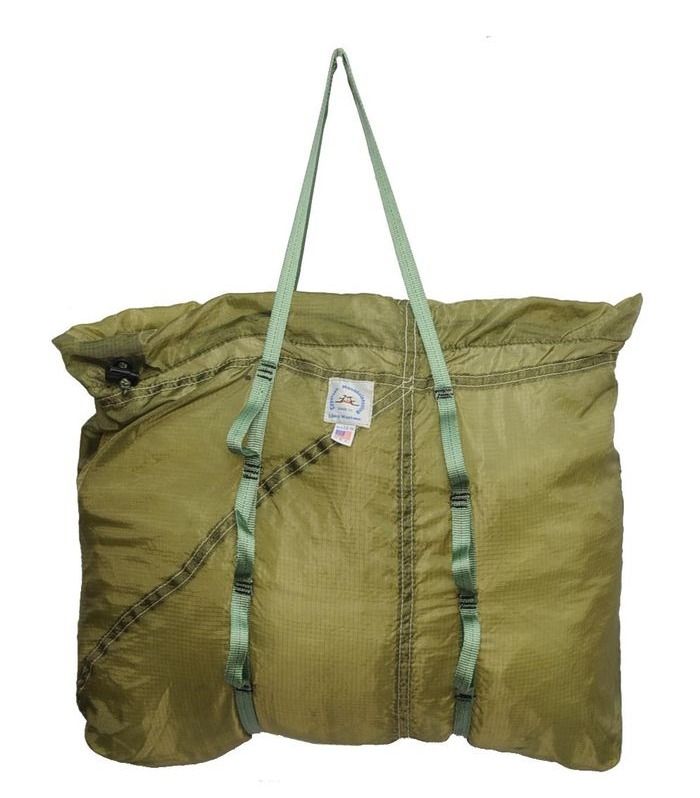
Epperson Mountaineering Large Climb Tote
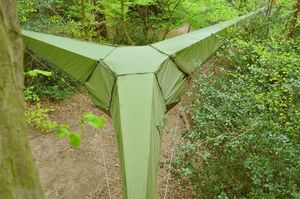
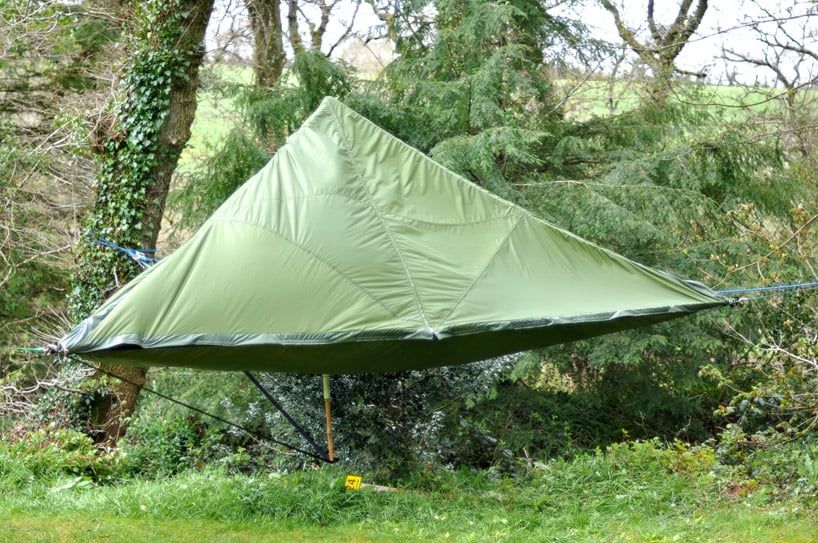
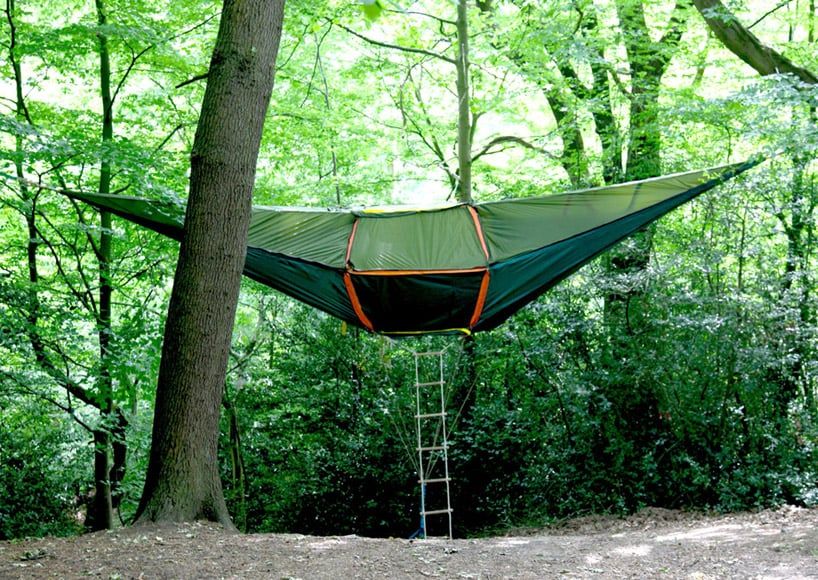
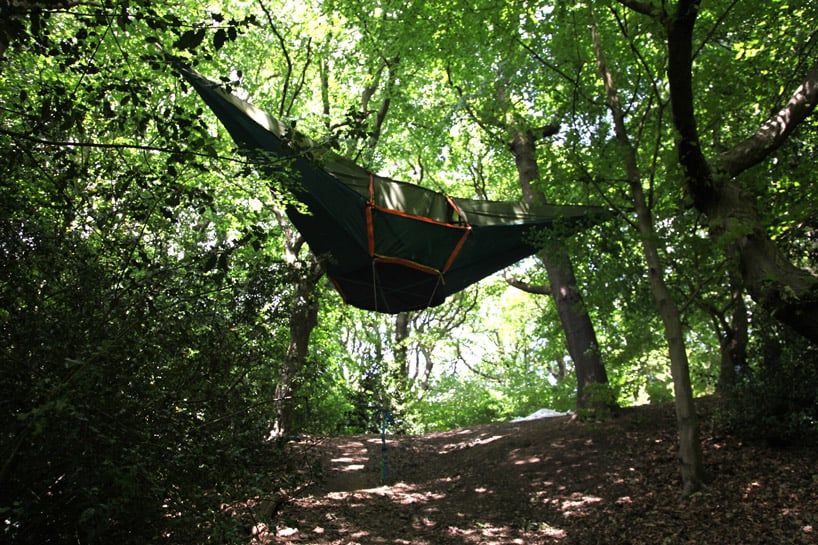
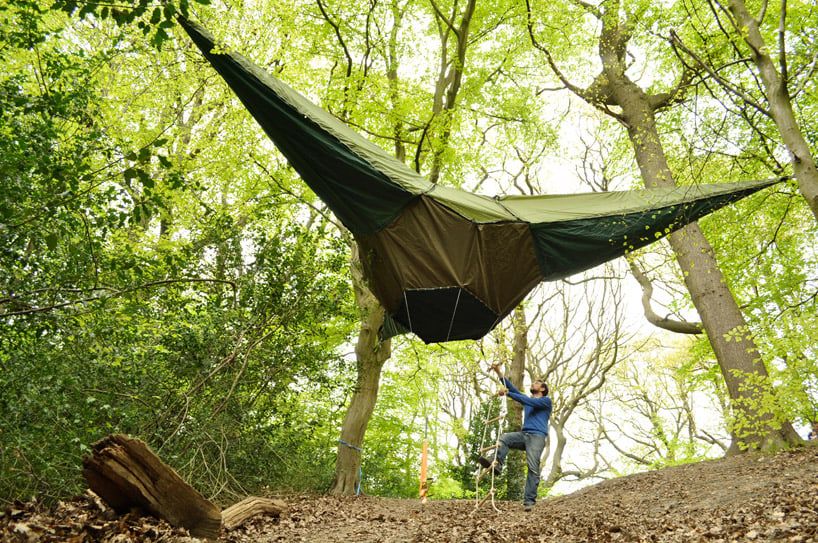
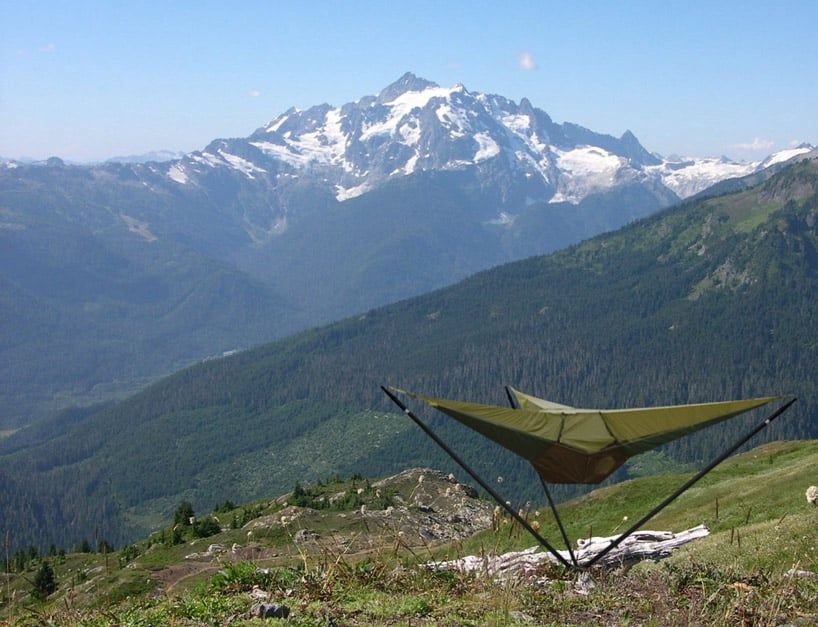
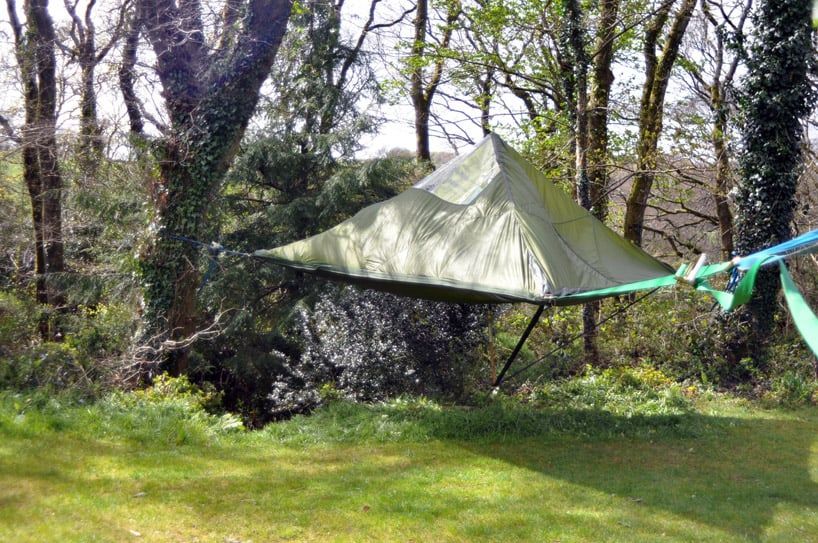
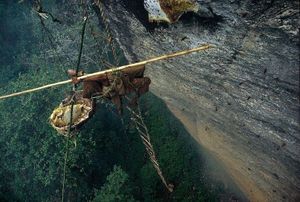
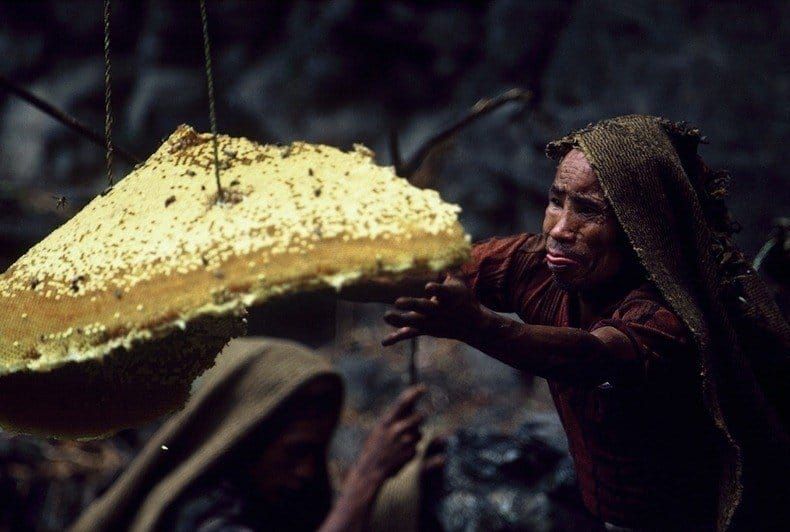
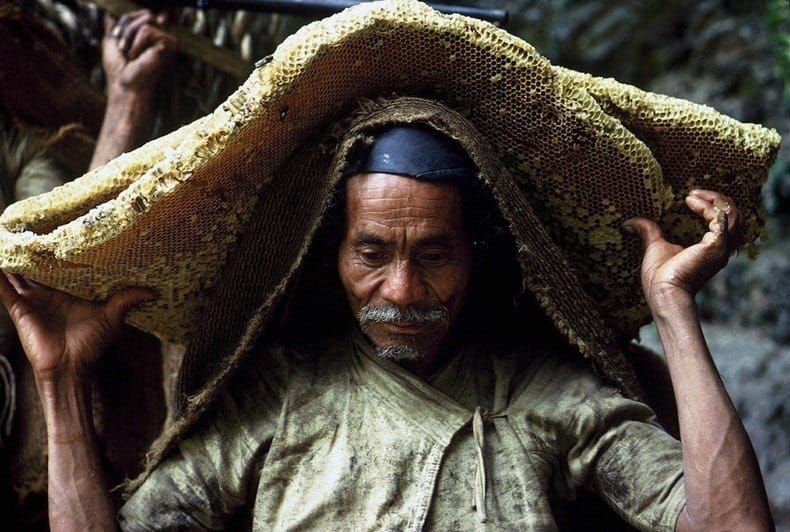
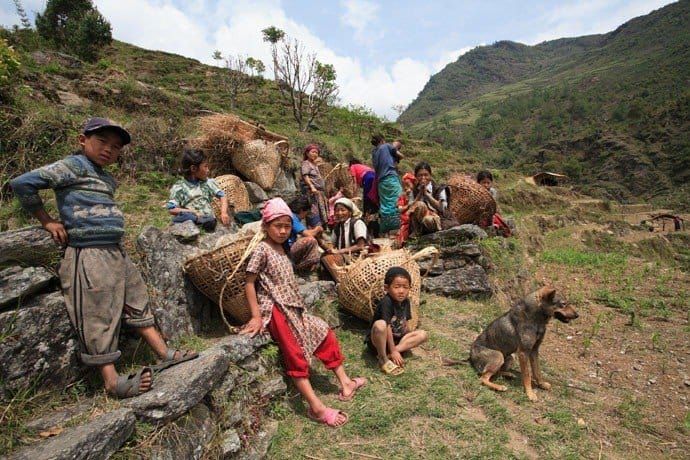
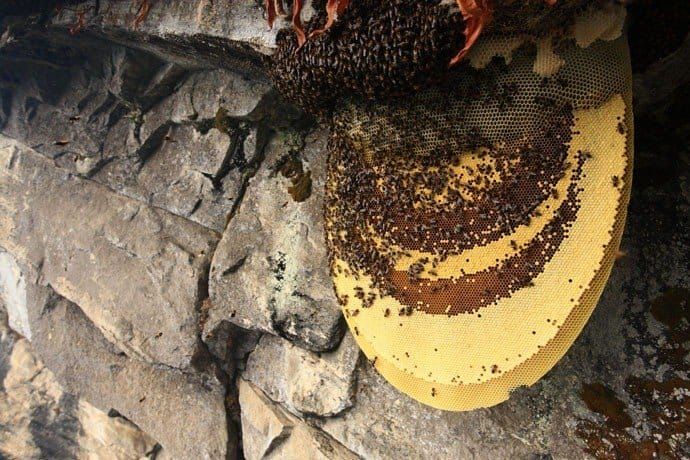
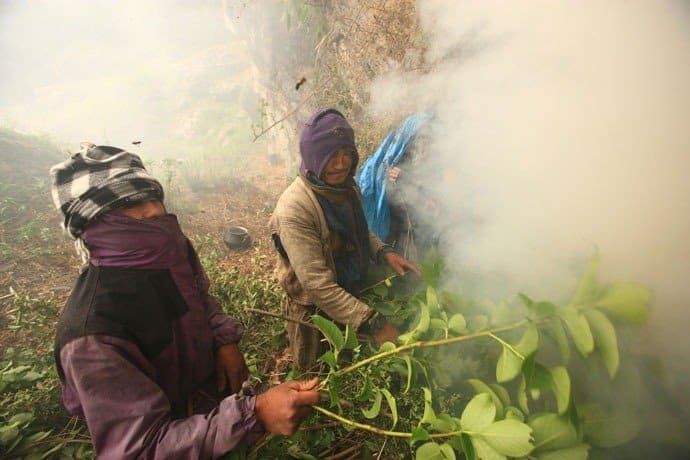
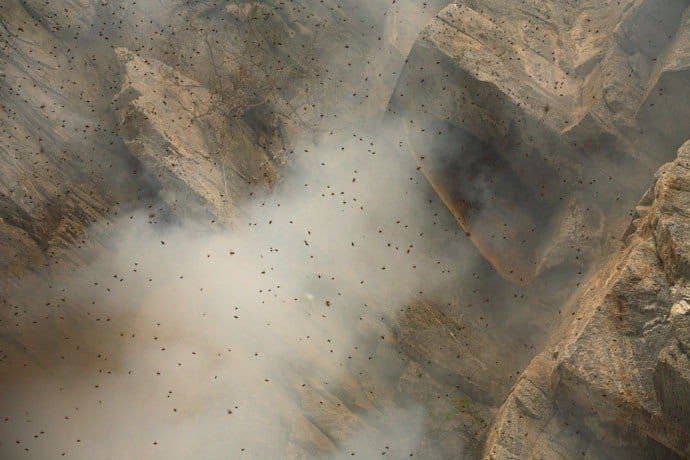
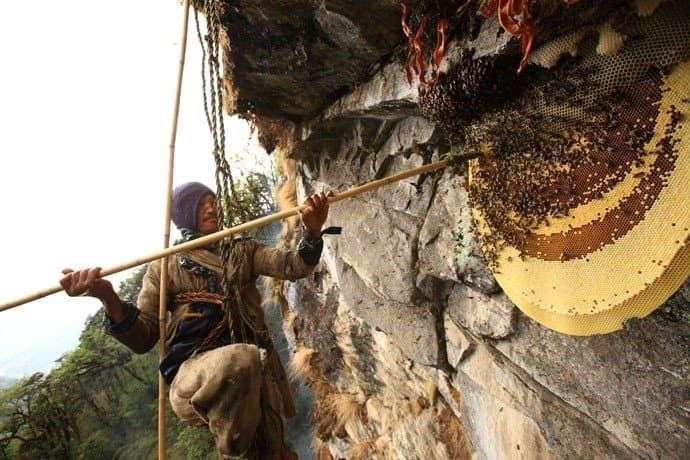
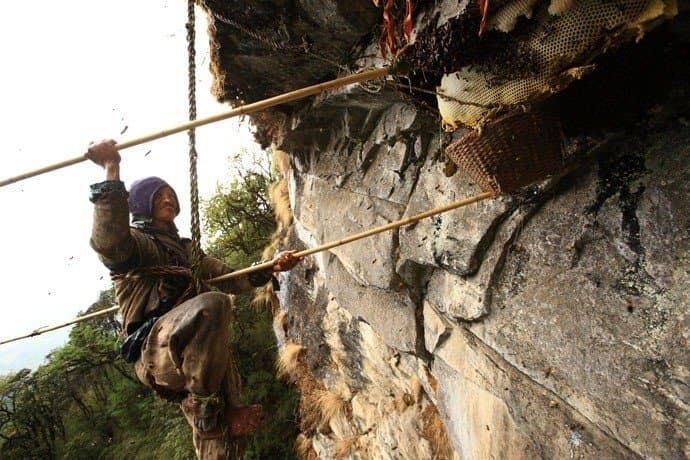
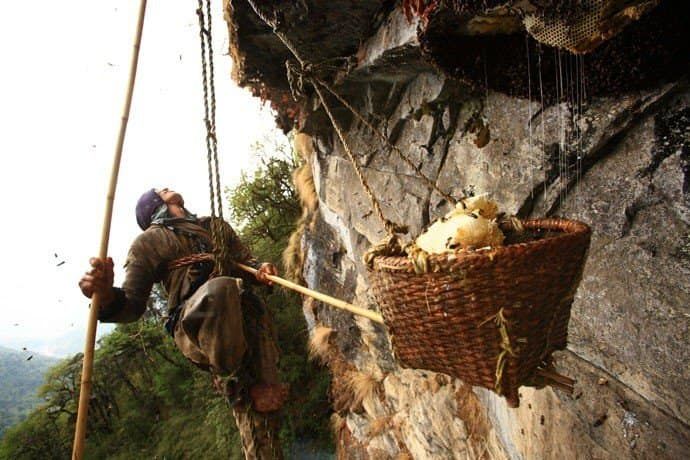
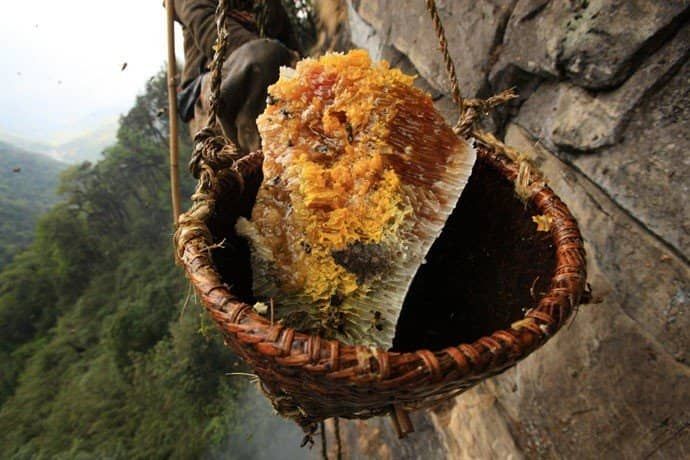
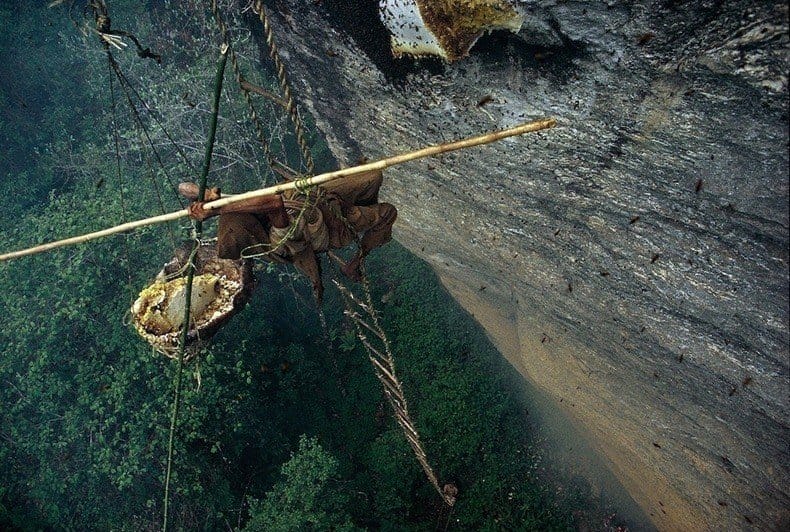
The Honey Hunters Of Nepal
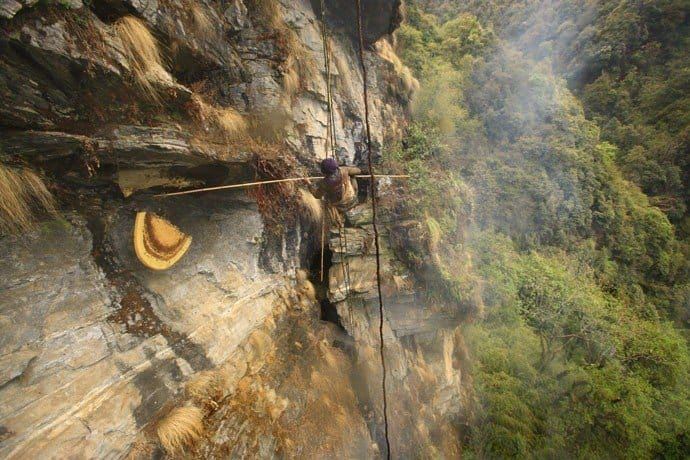
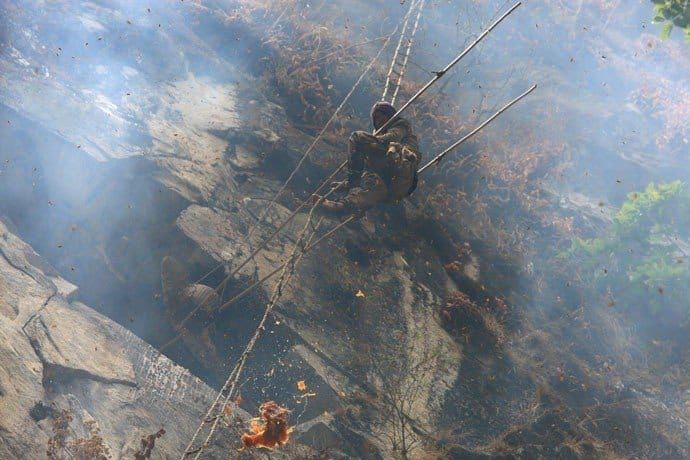
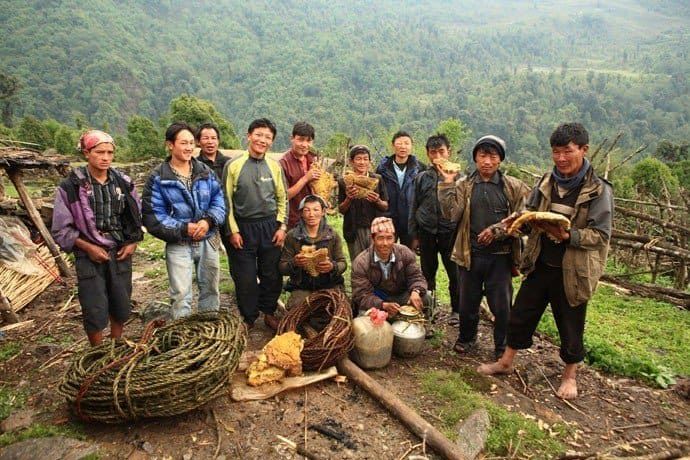
Nepal is home to the Apis Laboriosa, the biggest honey bee on the planet, and honey hunting plays a significant role in the local way of life. The bees build their hives on the cliffs of the country's foothills, which adds complexity to the honey hunting process. Local honey hunters use rope ladders and baskets to access the combs after driving the bees away with smoke from a fire underneath the hives. They carefully collect the honey treasure from the combs while dealing with territorial bees. The harvesting occurs once a year and begins with a harvest ritual that varies across towns, often starting with a prayer and the offering of flowers, rice, and fruits.
This unique aspect of Nepali culture is captivating, and tourists have the opportunity to witness the bravery of the honey hunters, explore the fascination of the Nepali landscape, and admire the intricate homes of the honey bees.
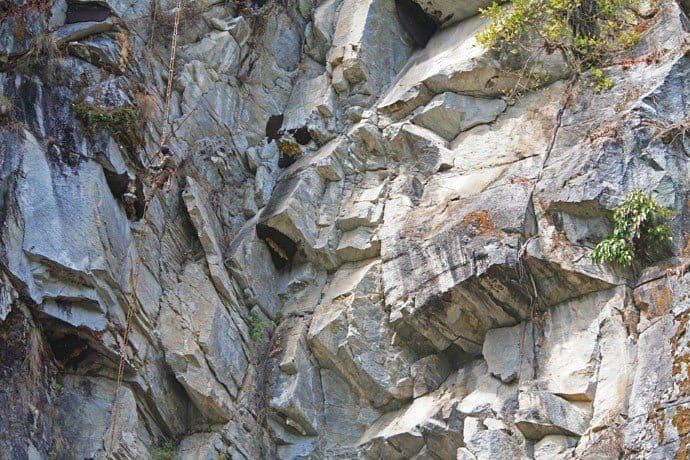
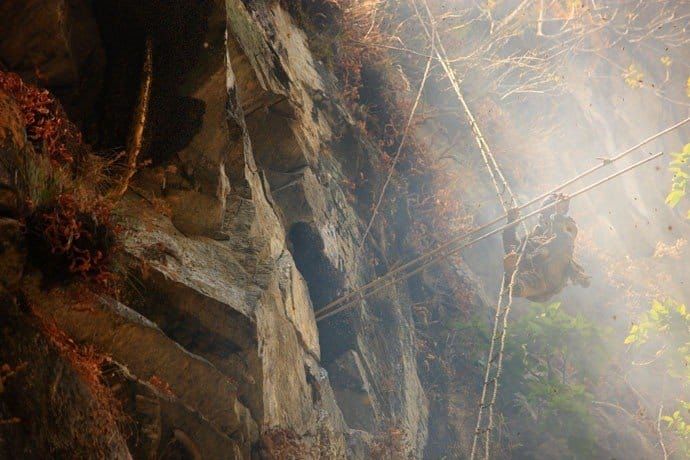
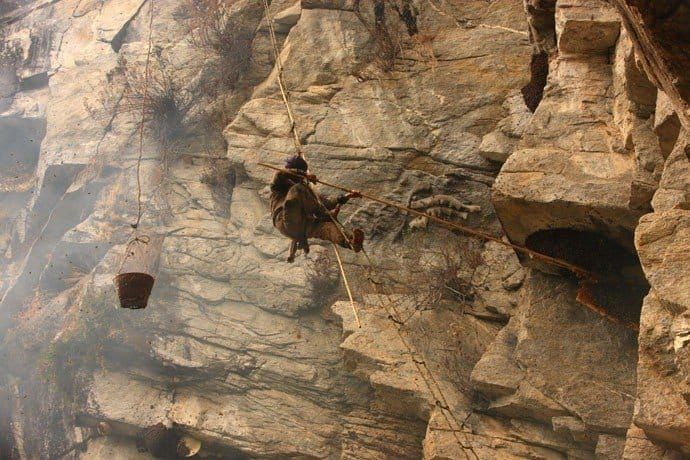
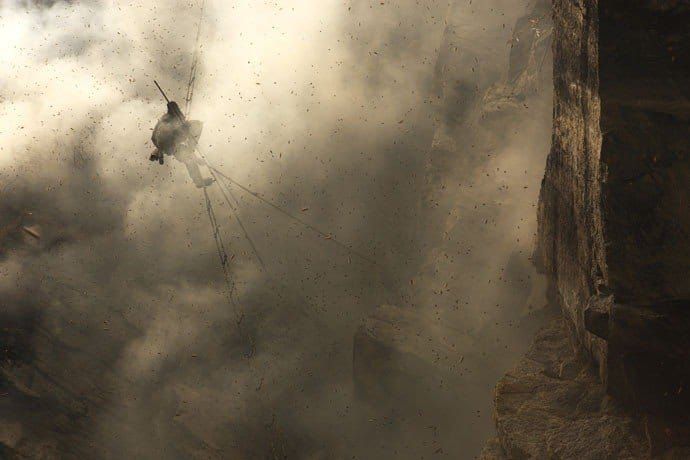

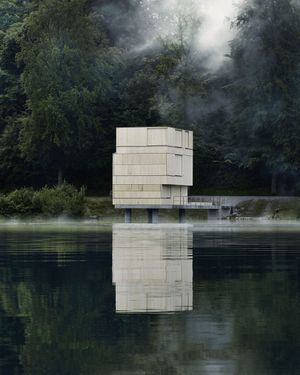
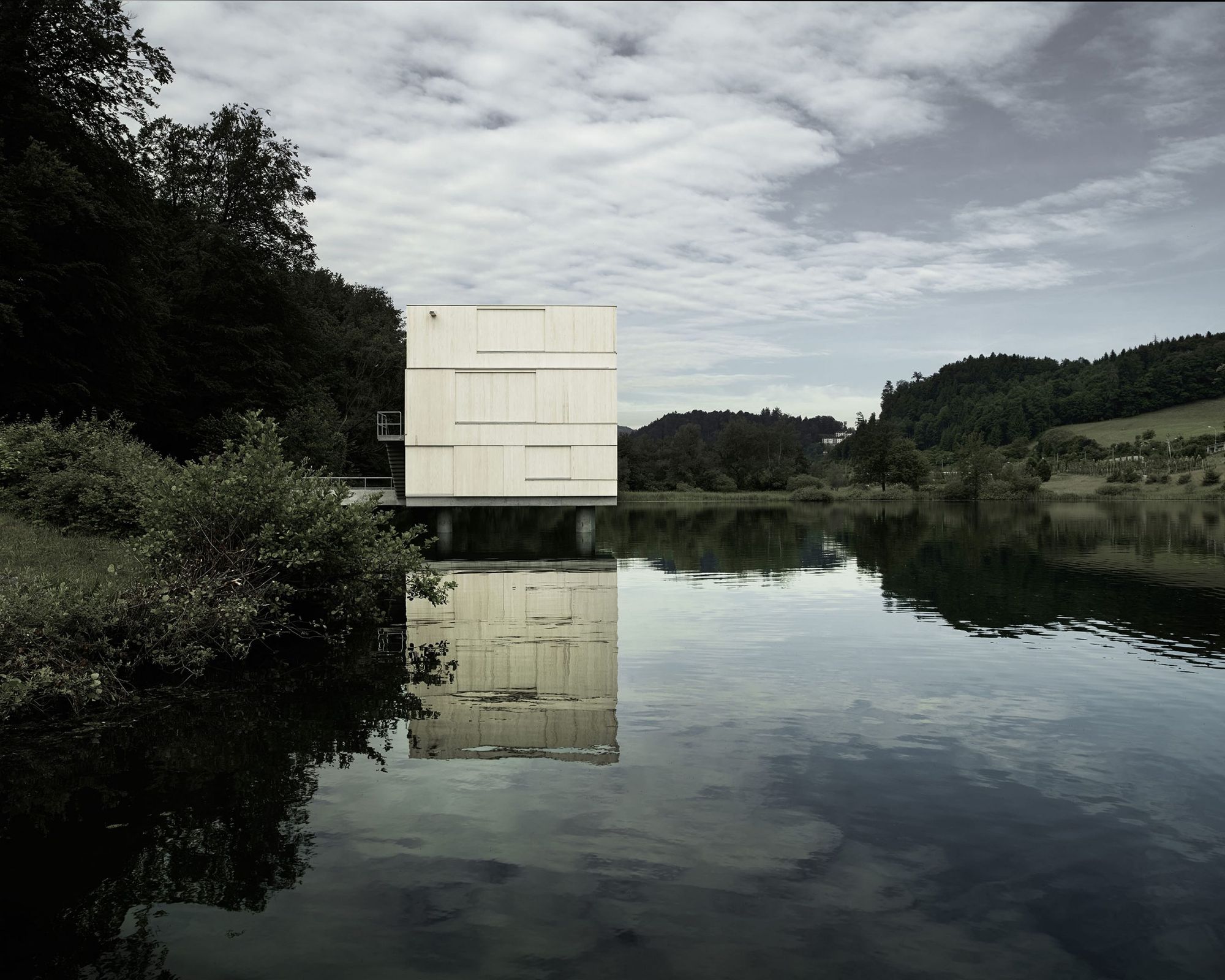
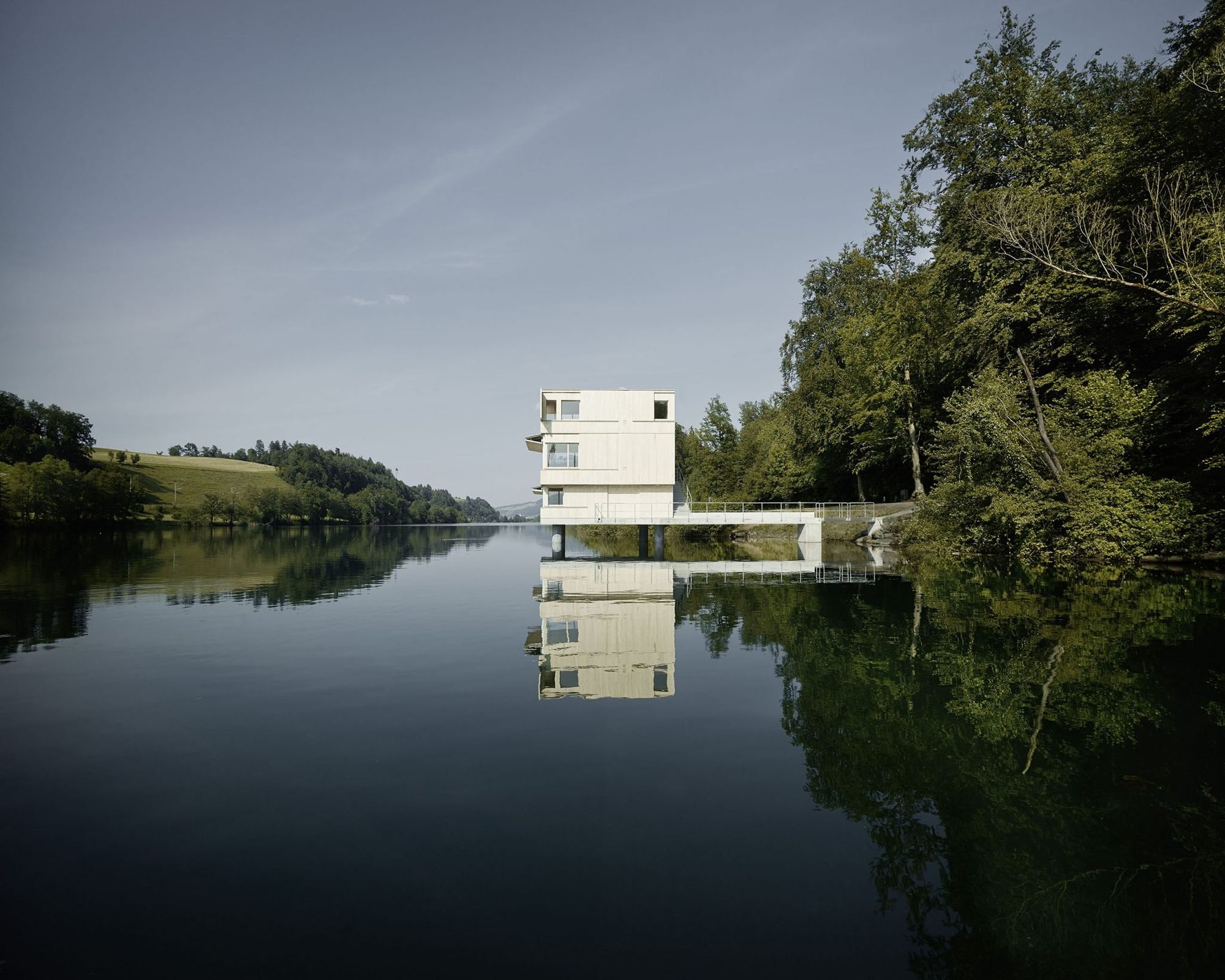
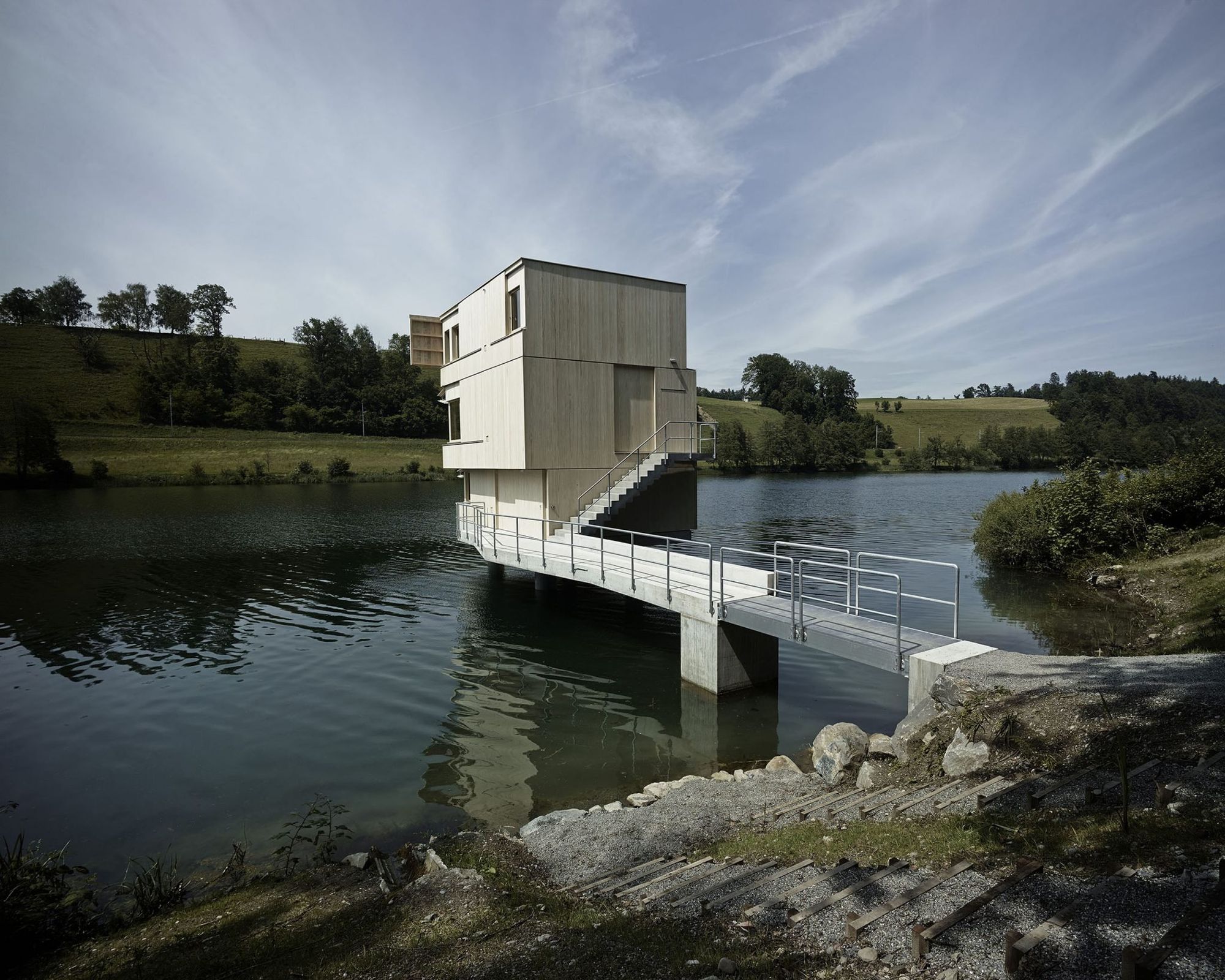
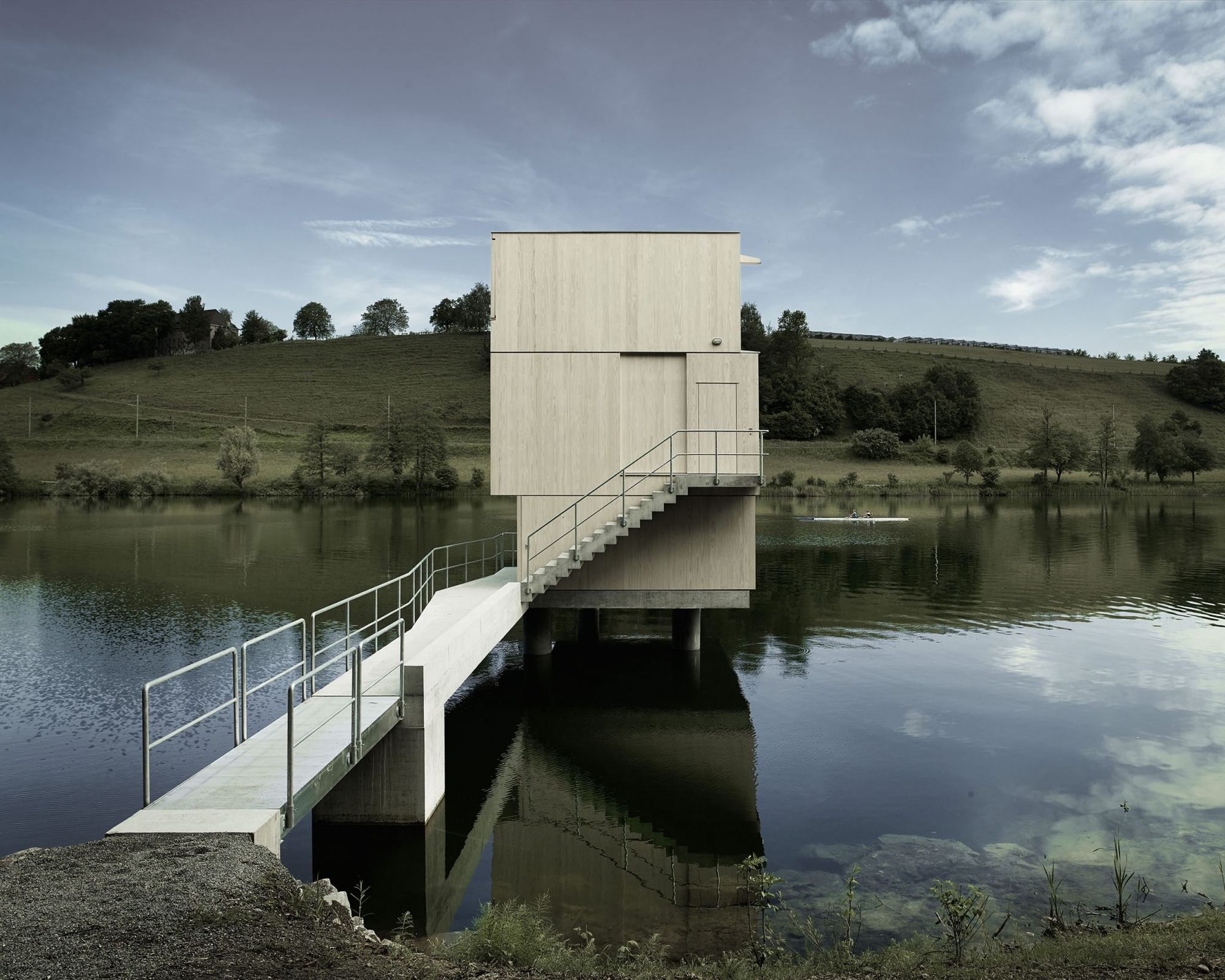
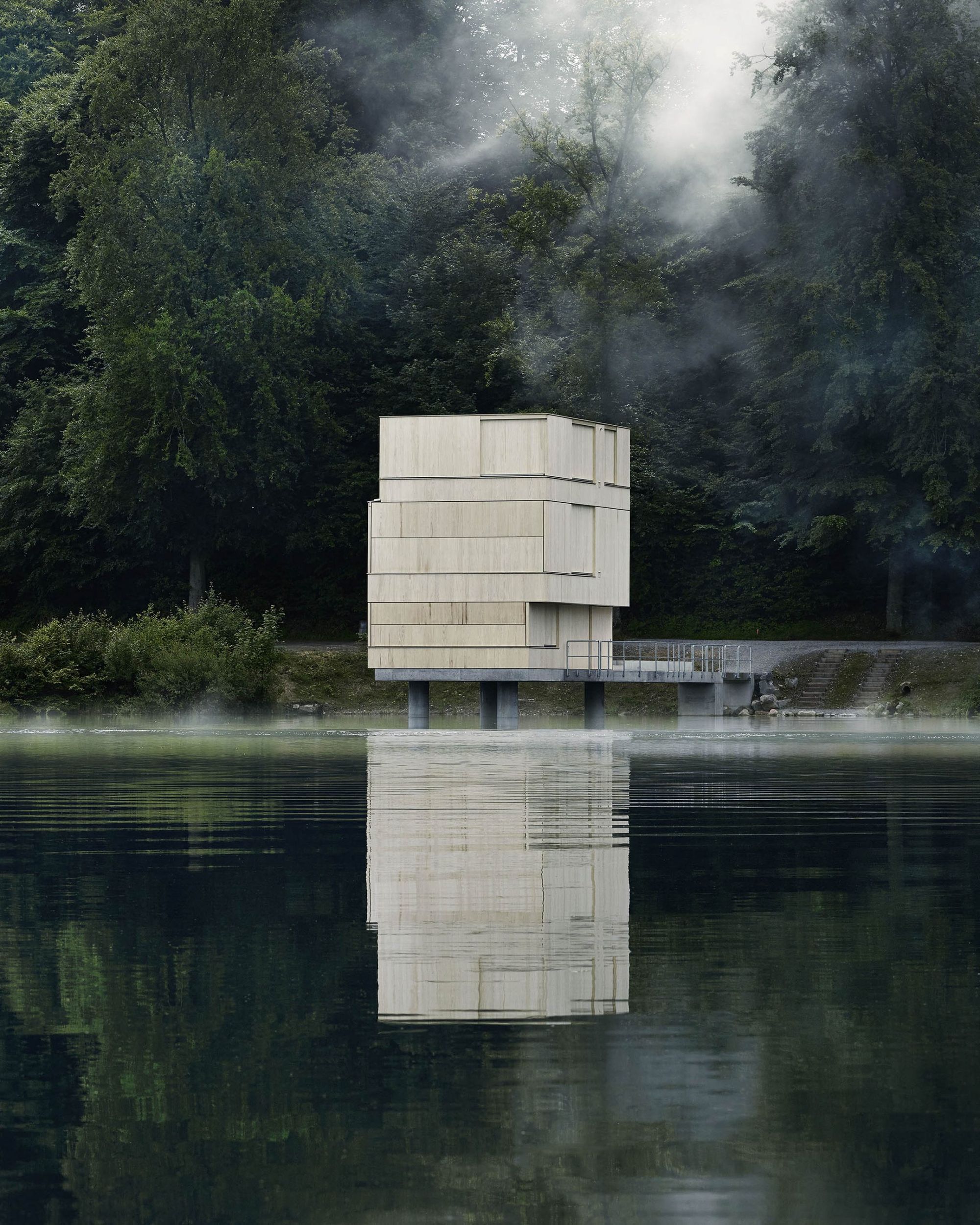
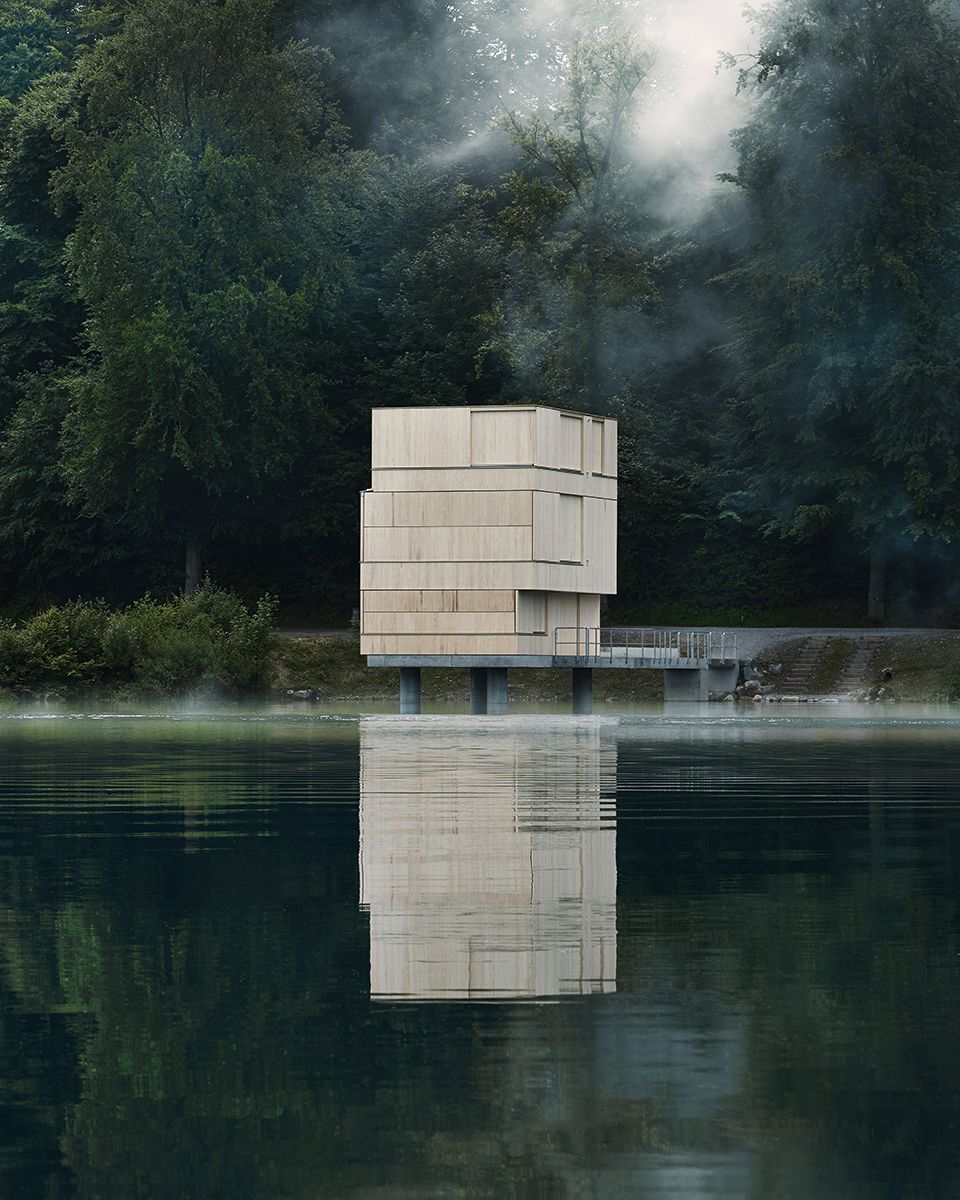
Lake Rotsee Refuge by AFGH Architekten firm
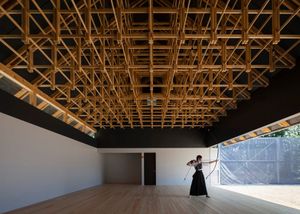
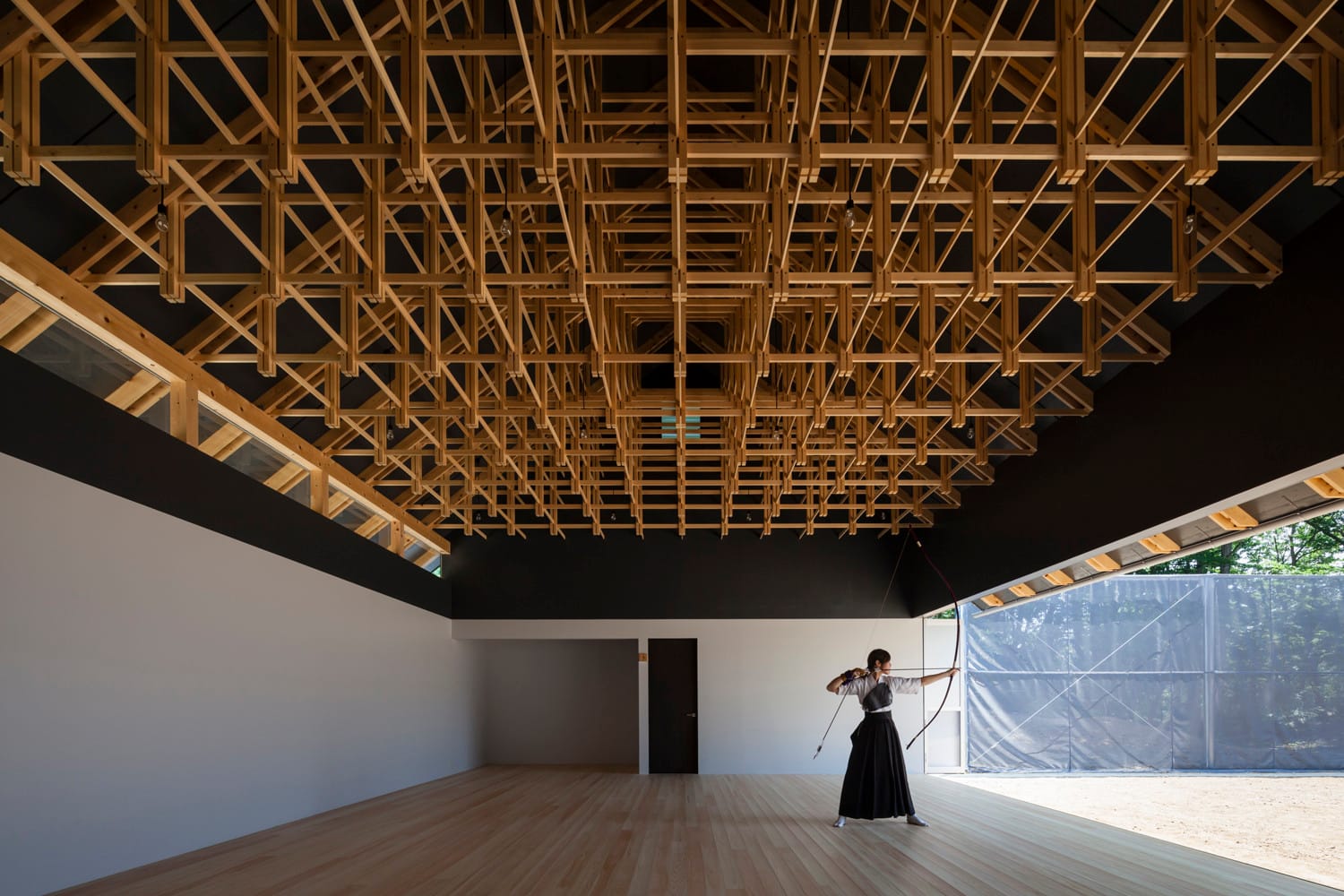
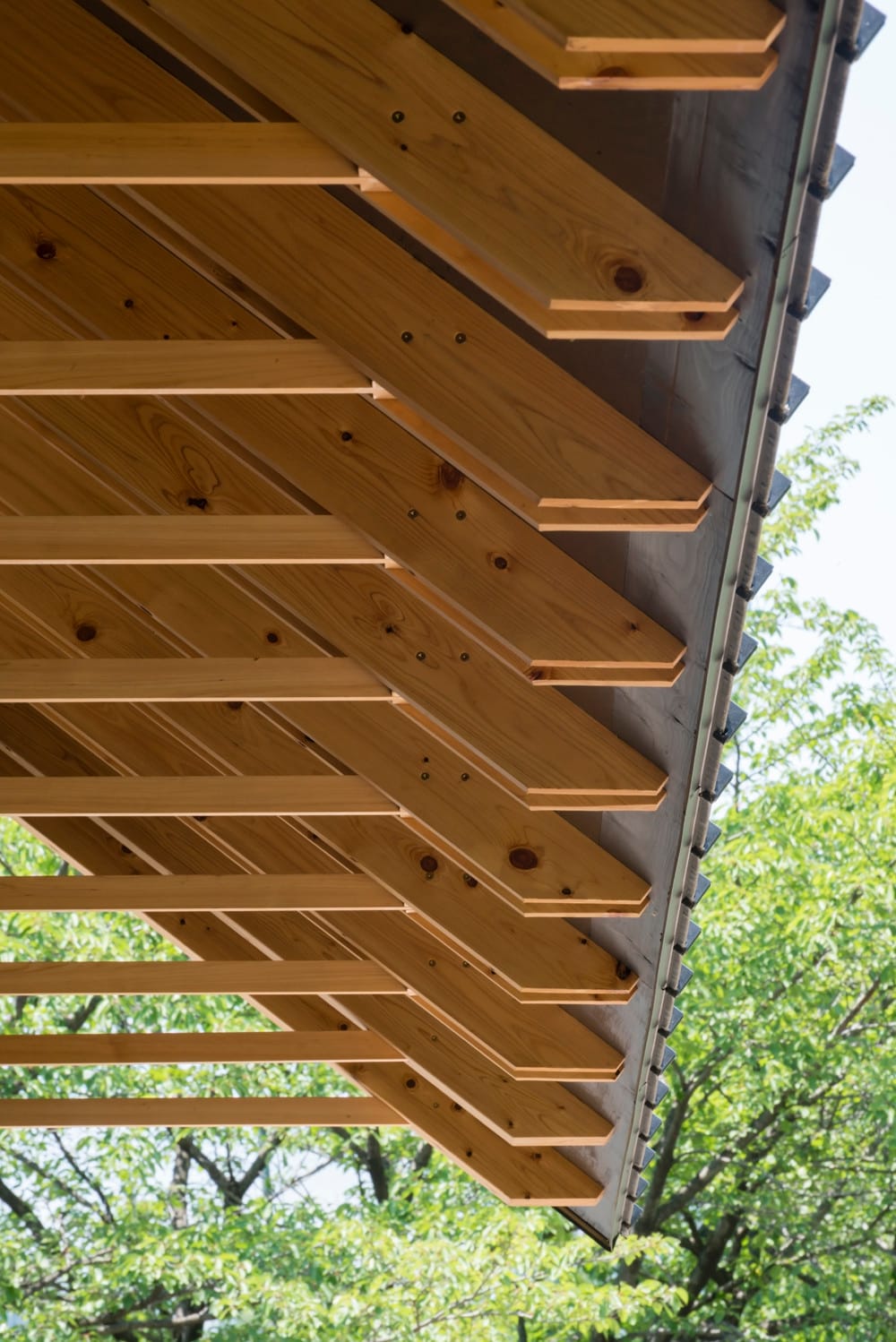
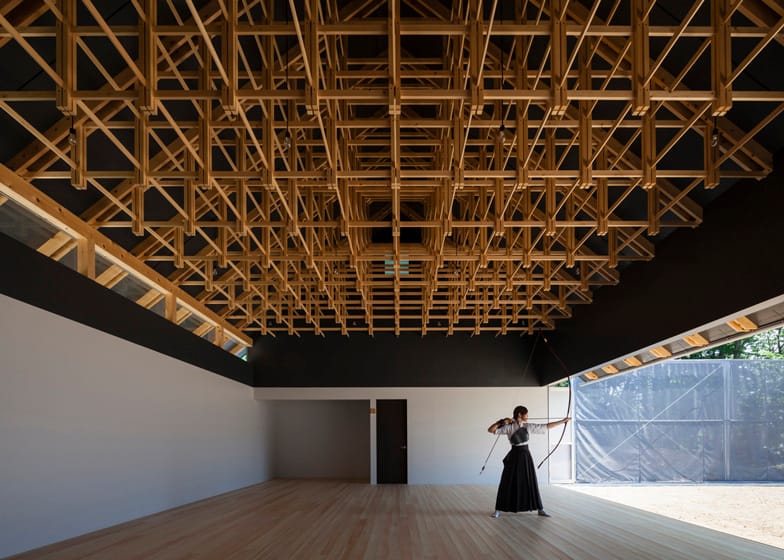
Kogakuin University Archery Hall
The Archery Hall, one of two sports pavilions FT Architects (Katsuya Fukushima, Hiroko Tominaga) built in 2013 at Kogakuin University, west Tokyo. Each is a column-free room of 7.2 by 10.8 m under an exposed timber roof of horizontal and vertical members, bolt-and-nut jointed. The archery hall uses small timber sections normally used for furniture. Photographs by Shigeo Ogawa.
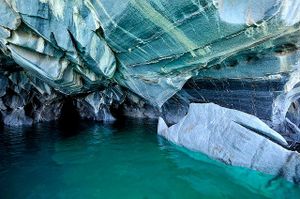
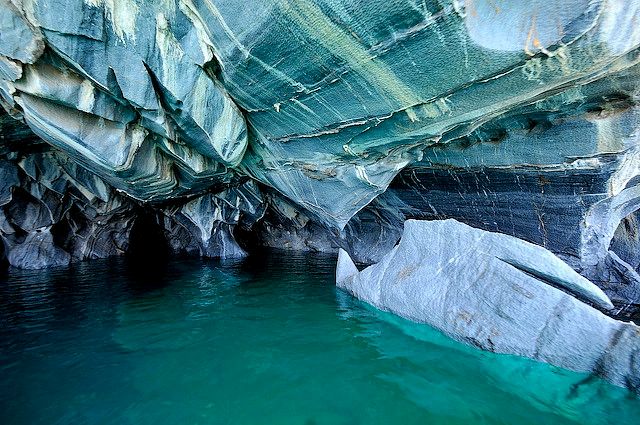
Marble Caves at General Carrera Lake in Patagonia
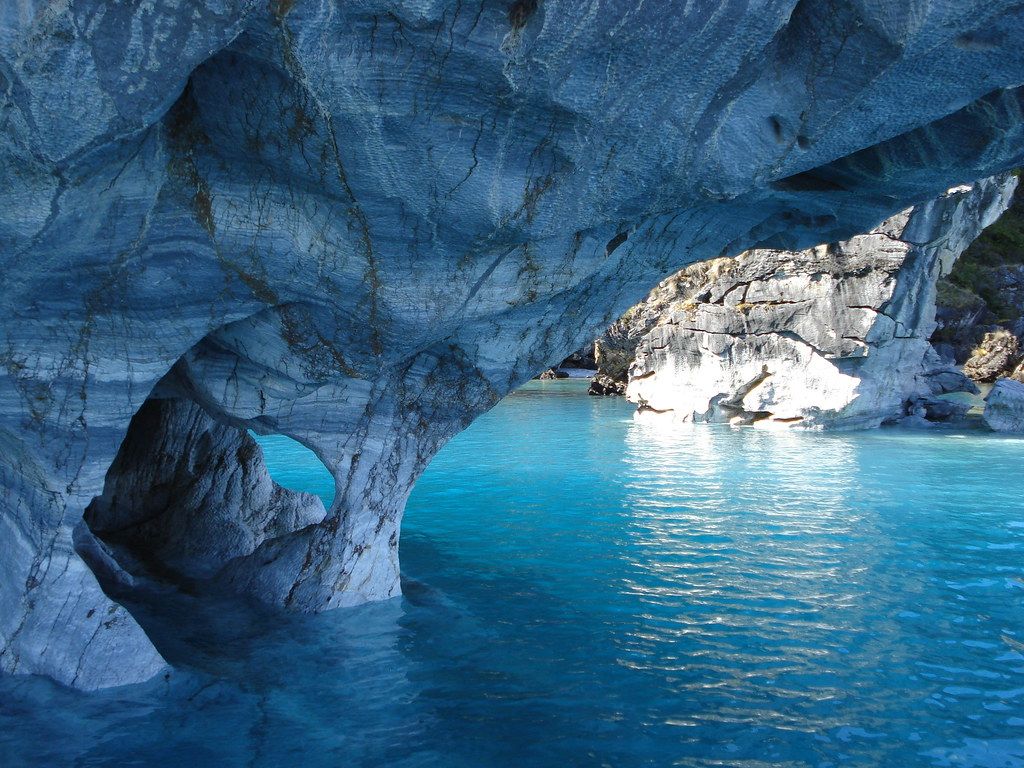
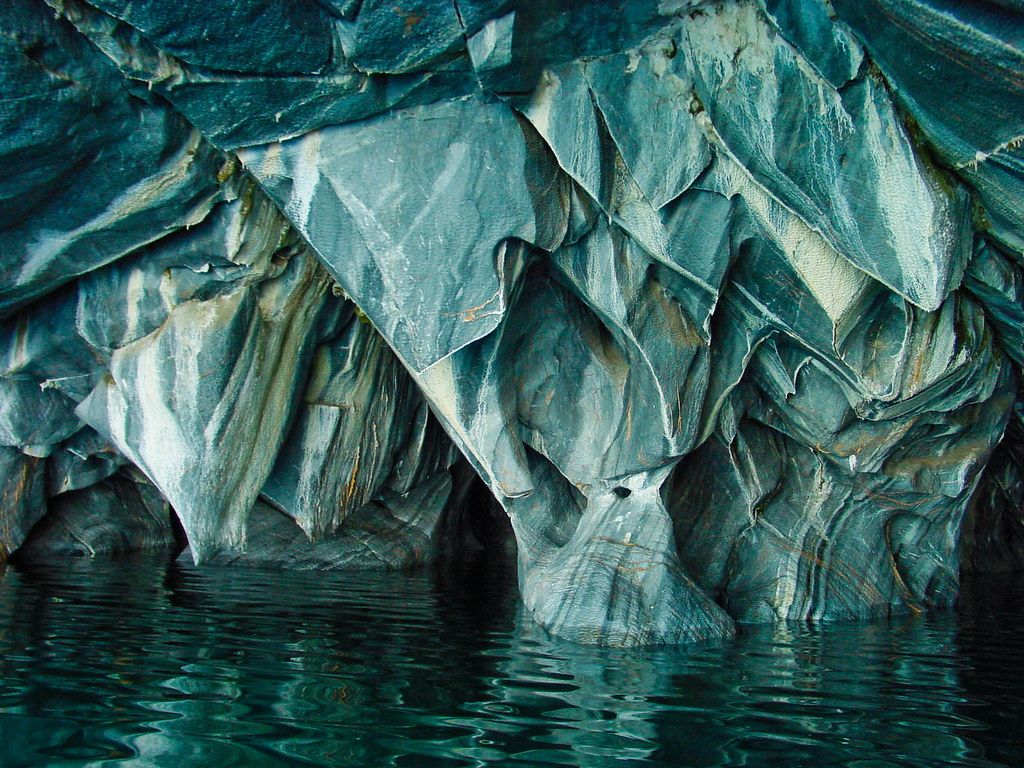
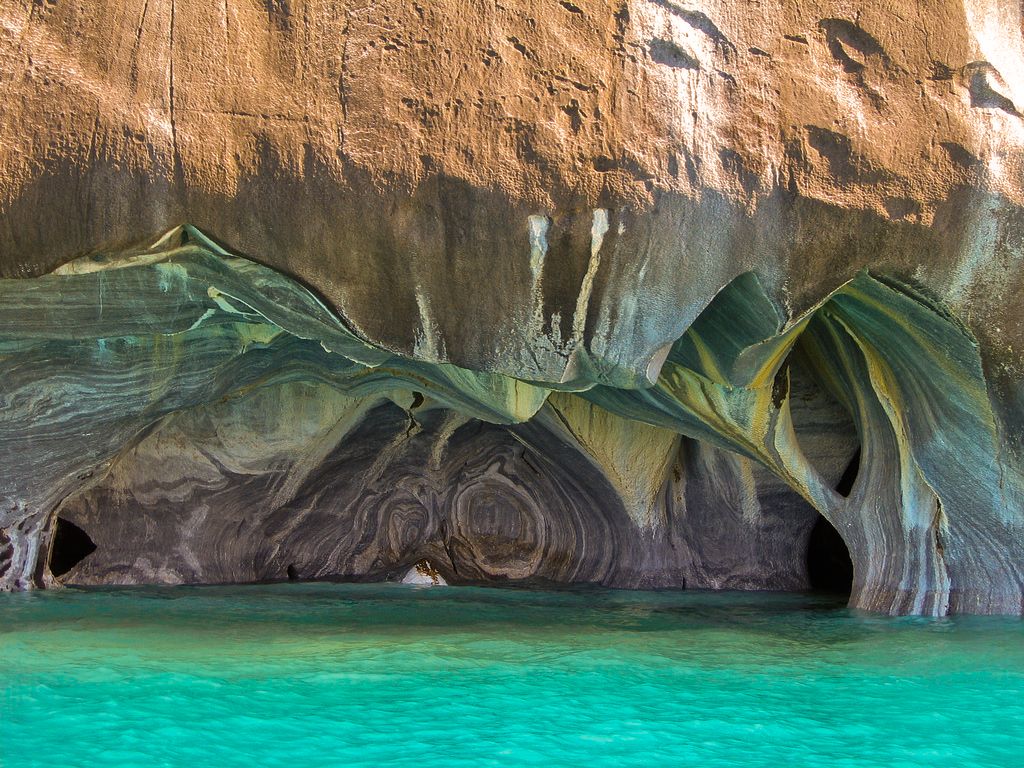
The Marble Caves, known as Marble Chapel and Marble Cathedral, are located at the center of the lake and were formed by waves over the past 6,000 years.
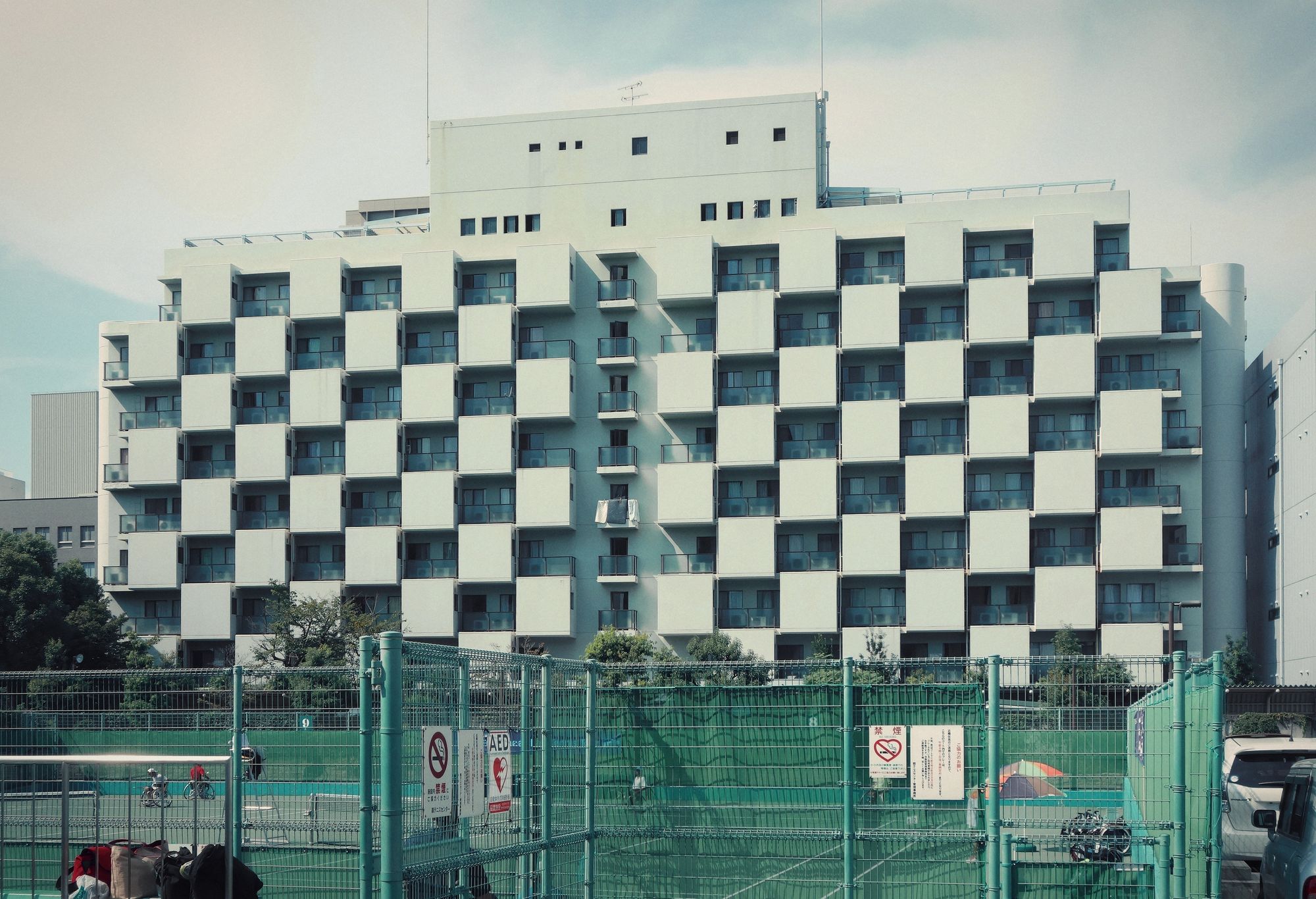
Sumitomo Hospital Seisen-ryo Apartments
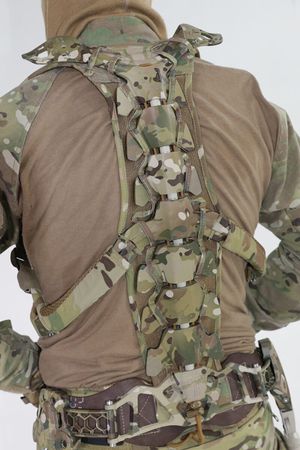
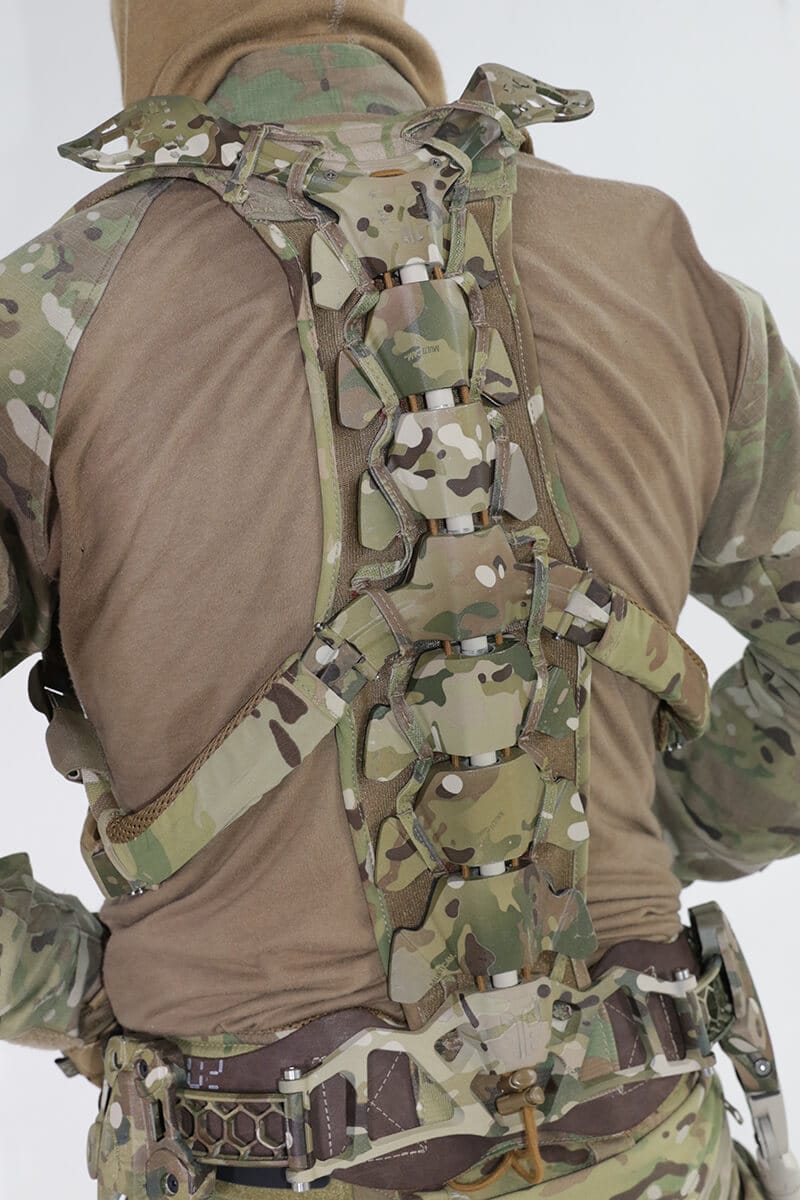
Mawashi UPRISE Tactical Exoskeleton
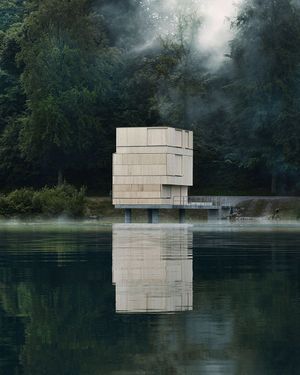
Andreas Fuhrimann Gabrielle Hächler - Zielturm Rotsee, Rotsee Luzern
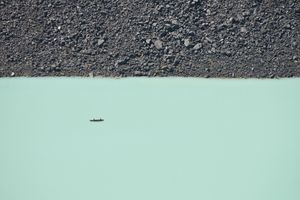
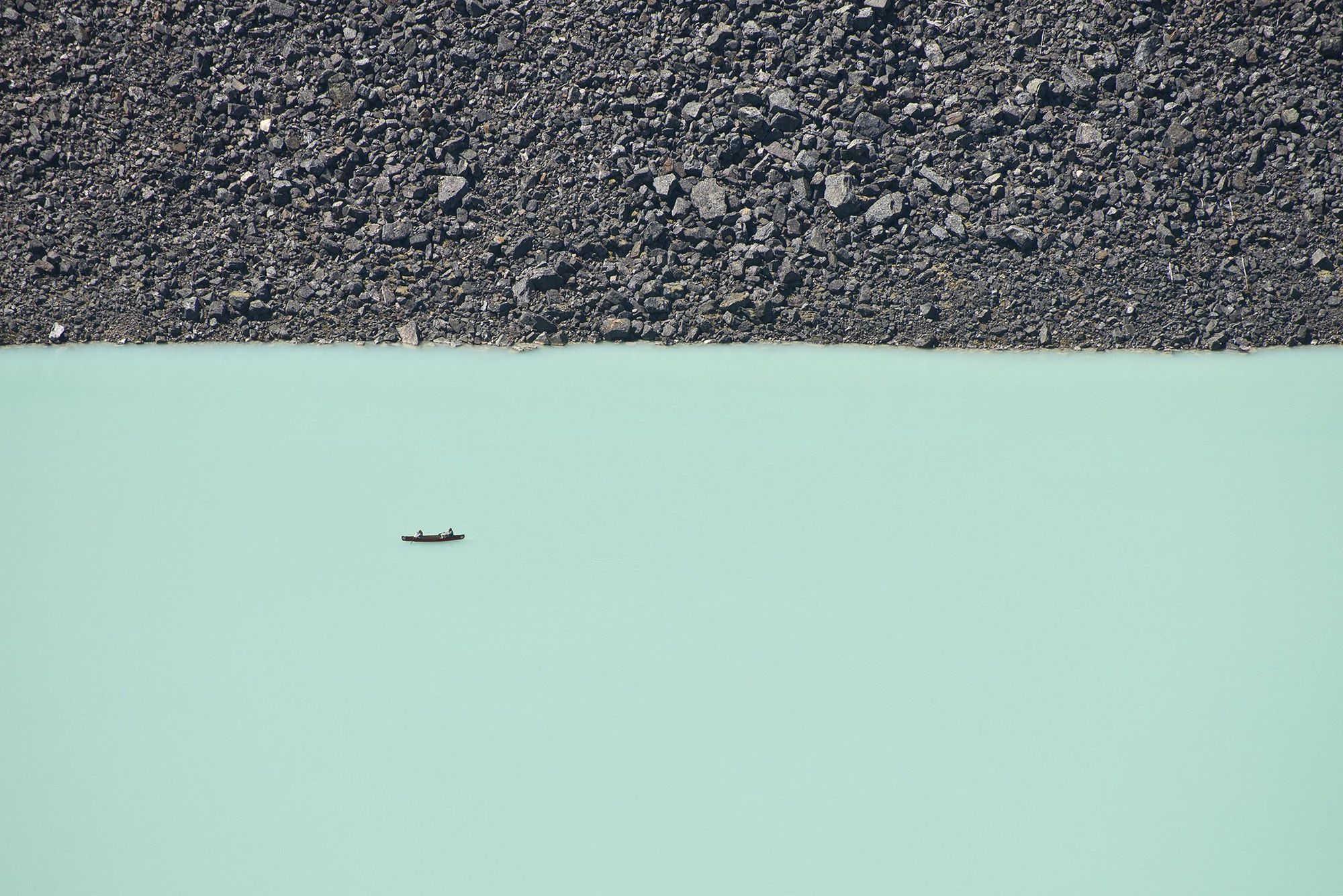
Lake Louise, Banff national park, 2014
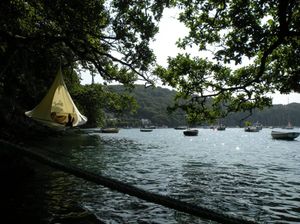
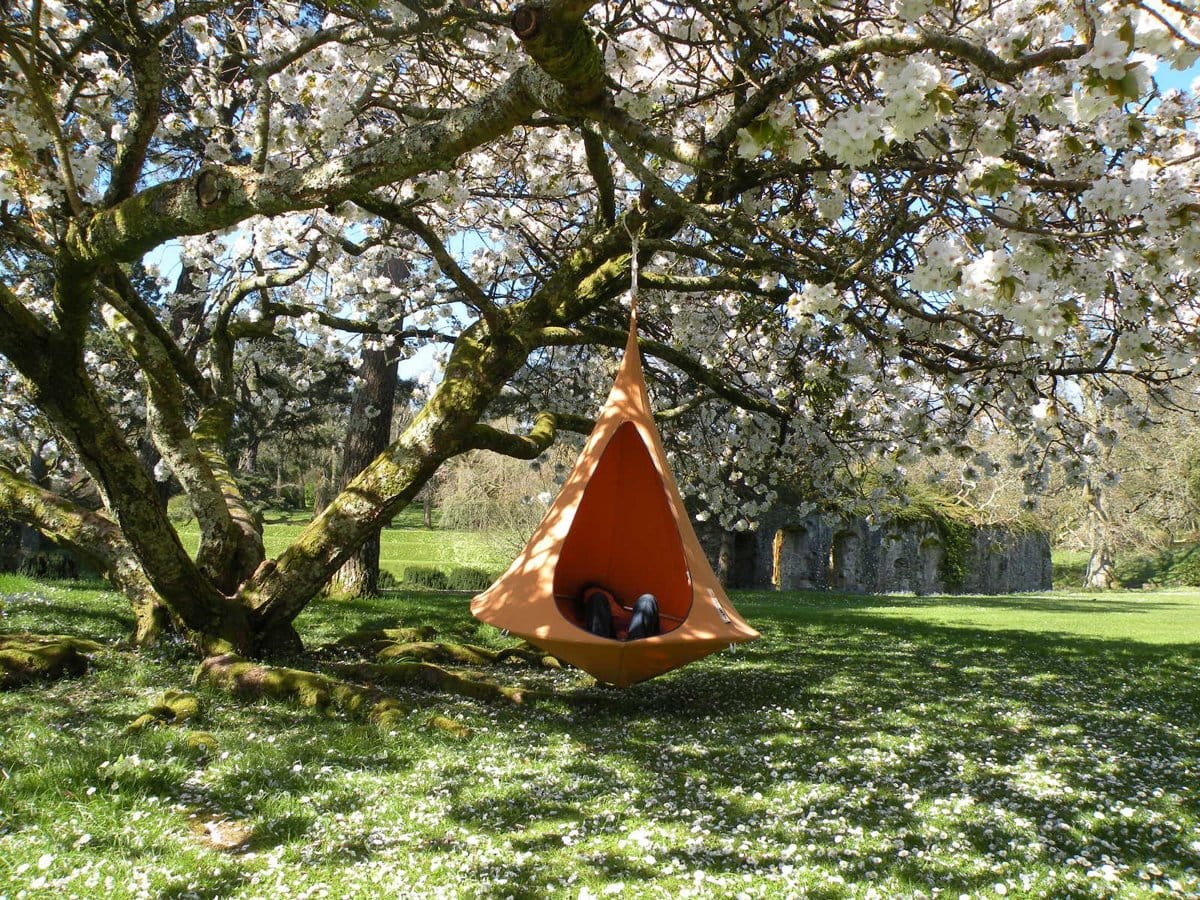
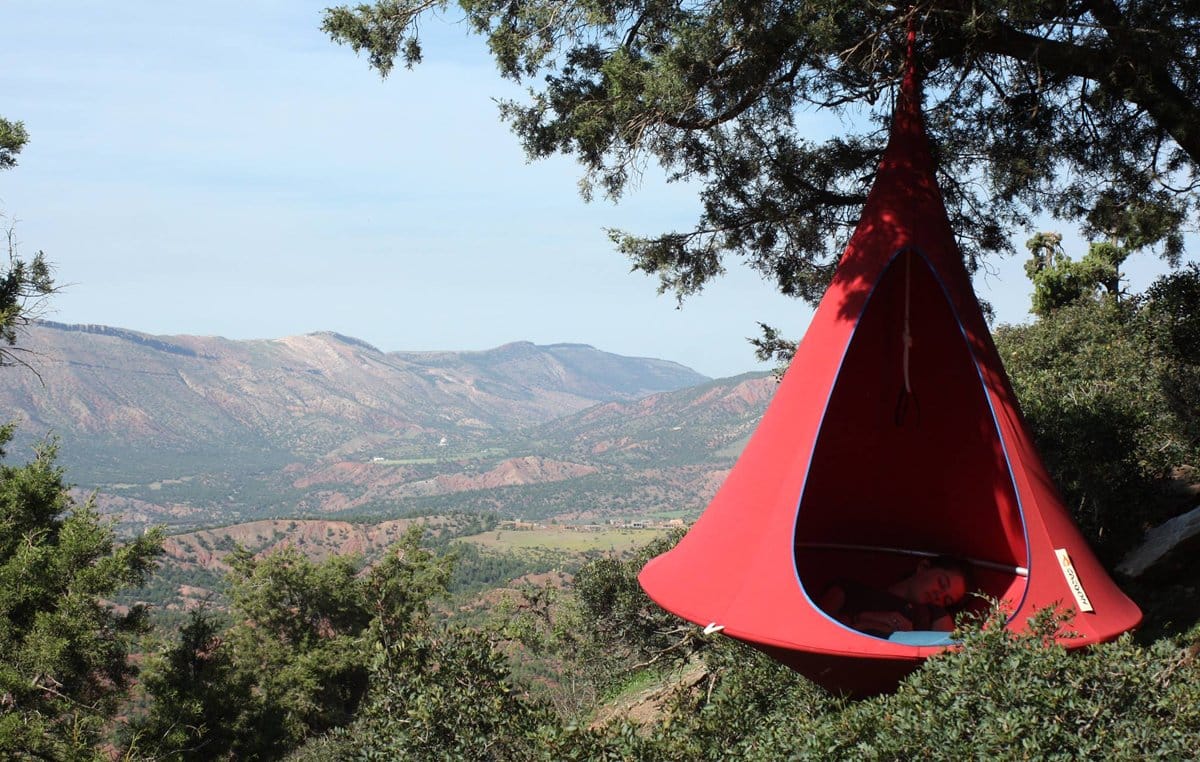
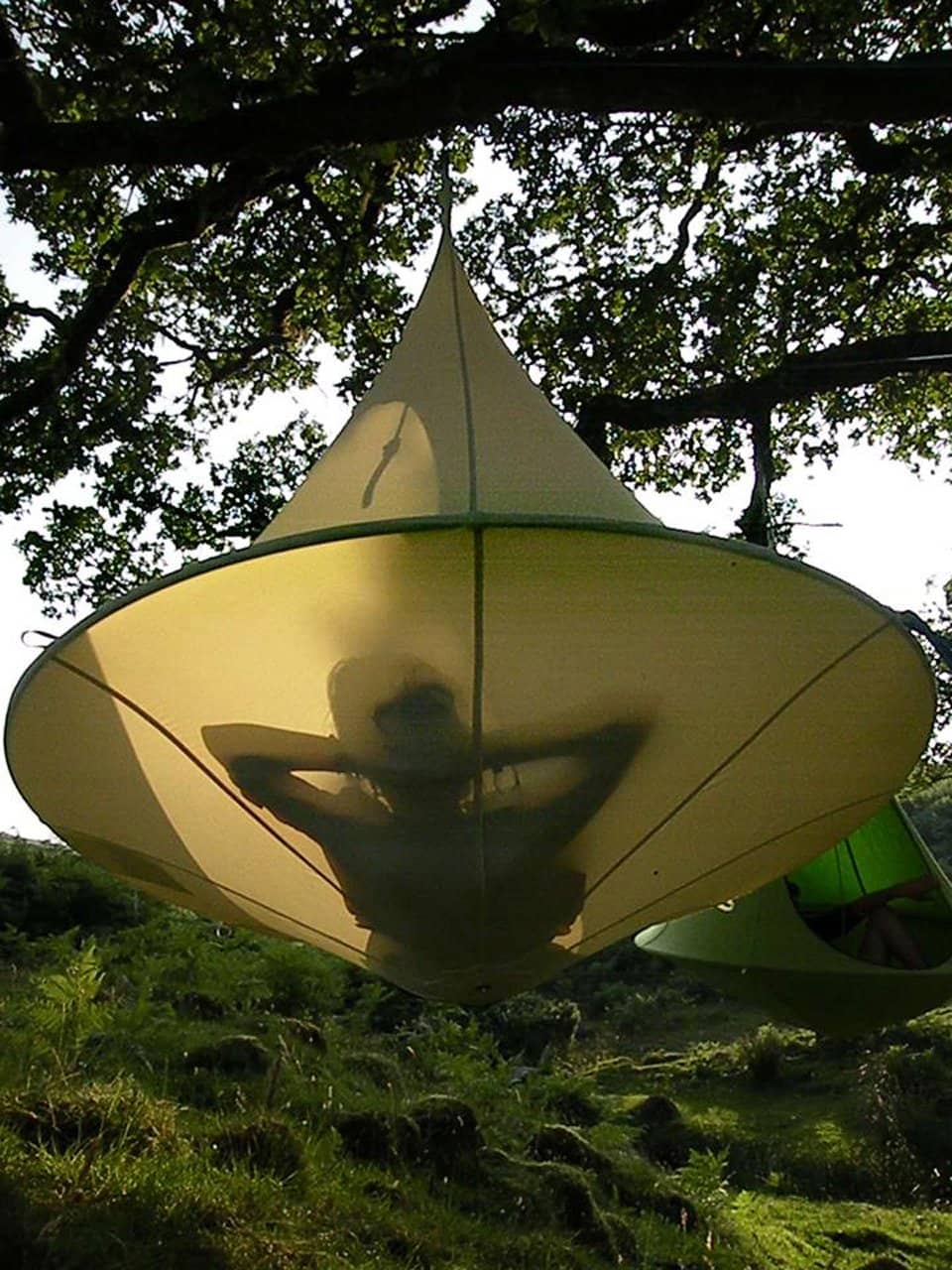
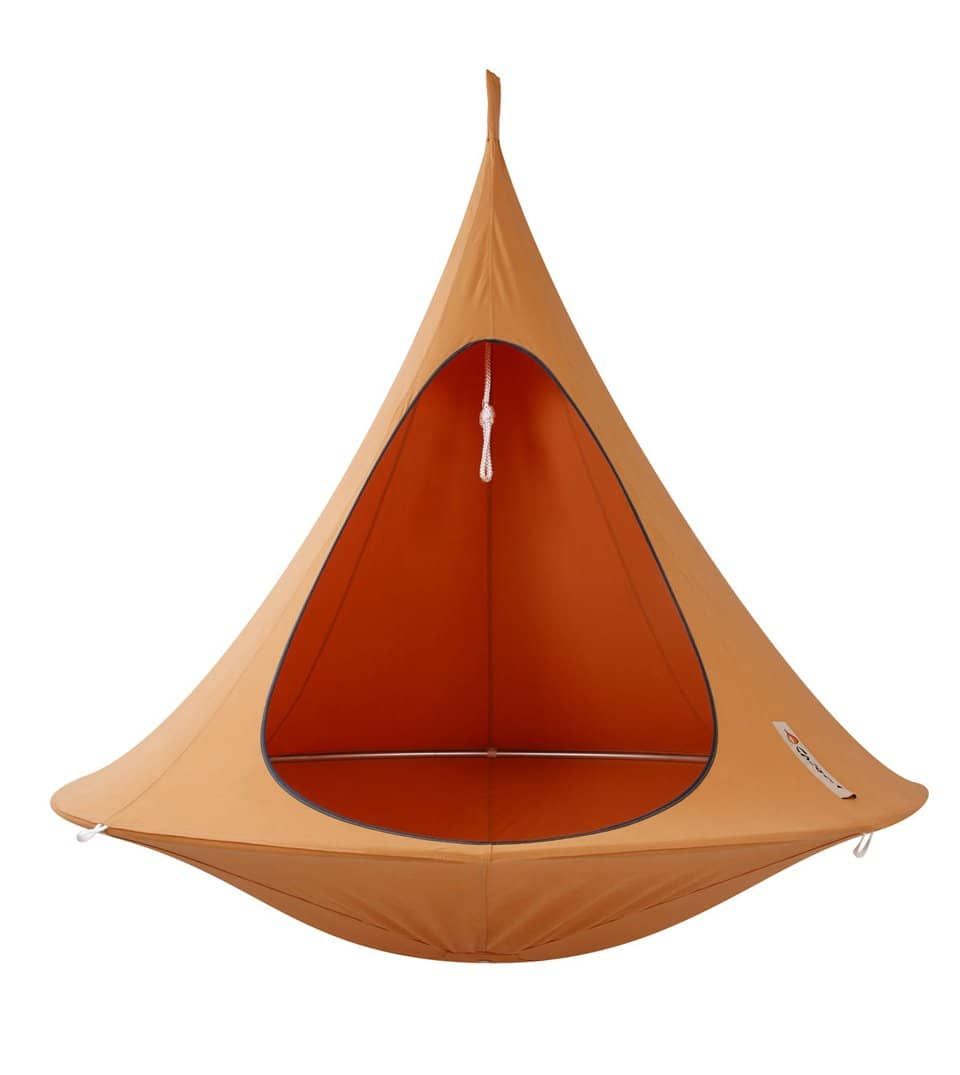
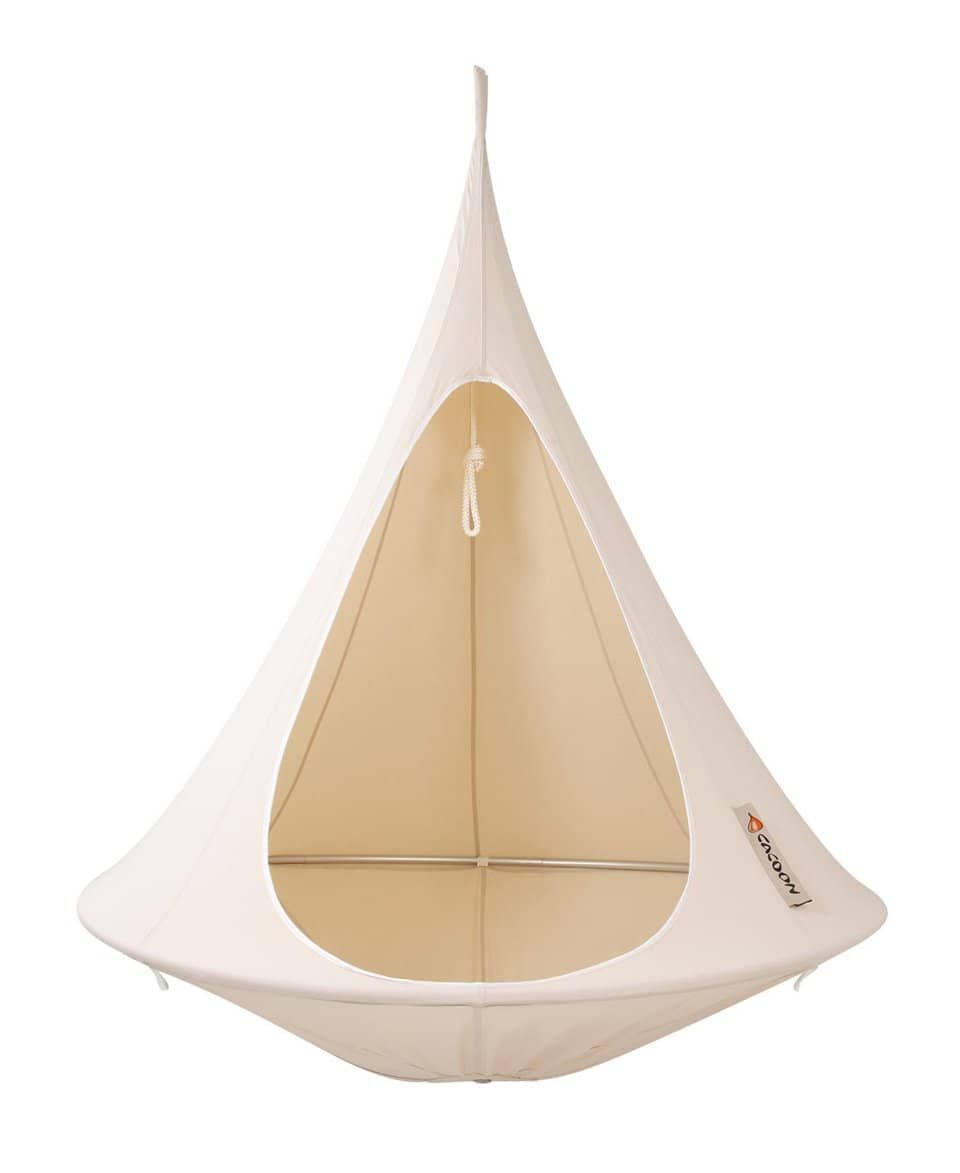
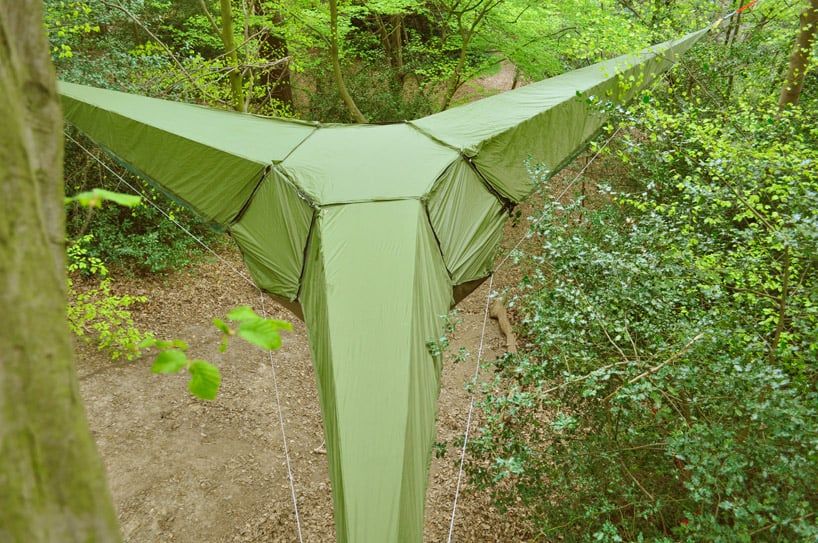
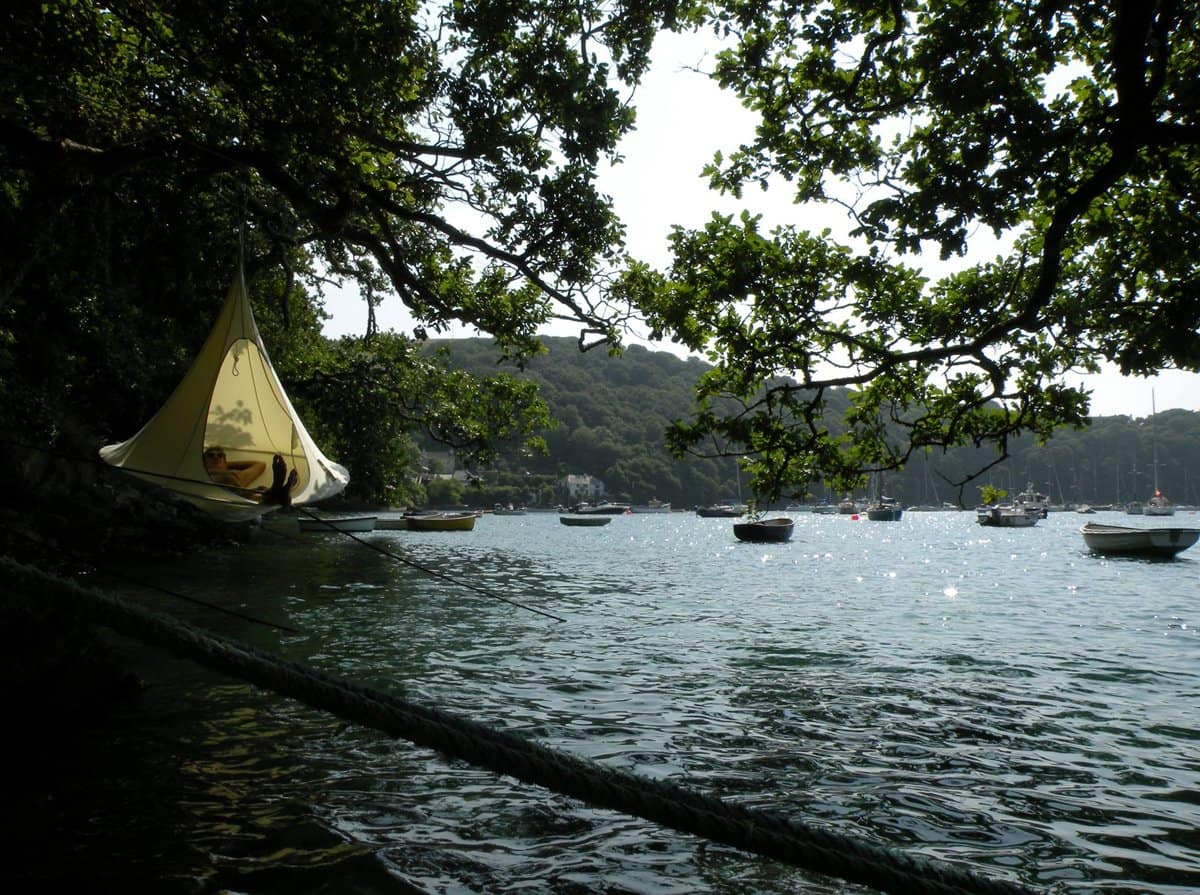
Cacoon Hanging Chair
The Cacoon Hanging Chair is constructed with robust engineering to support a weight of up to 200kg or 440lbs. This product was designed in the UK by the collaborative effort of Nick and Sarah, a husband and wife team.
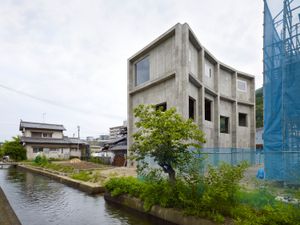
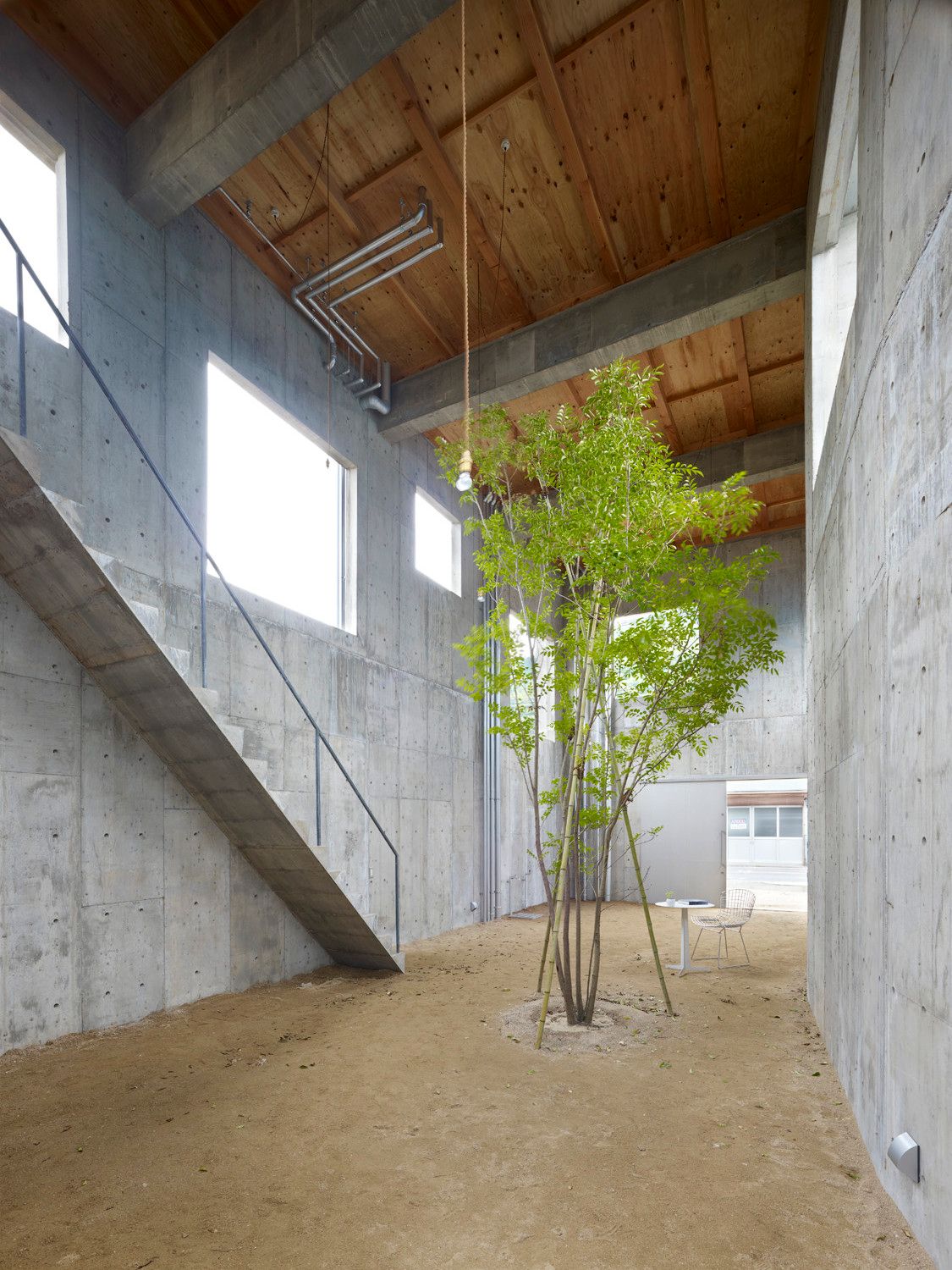
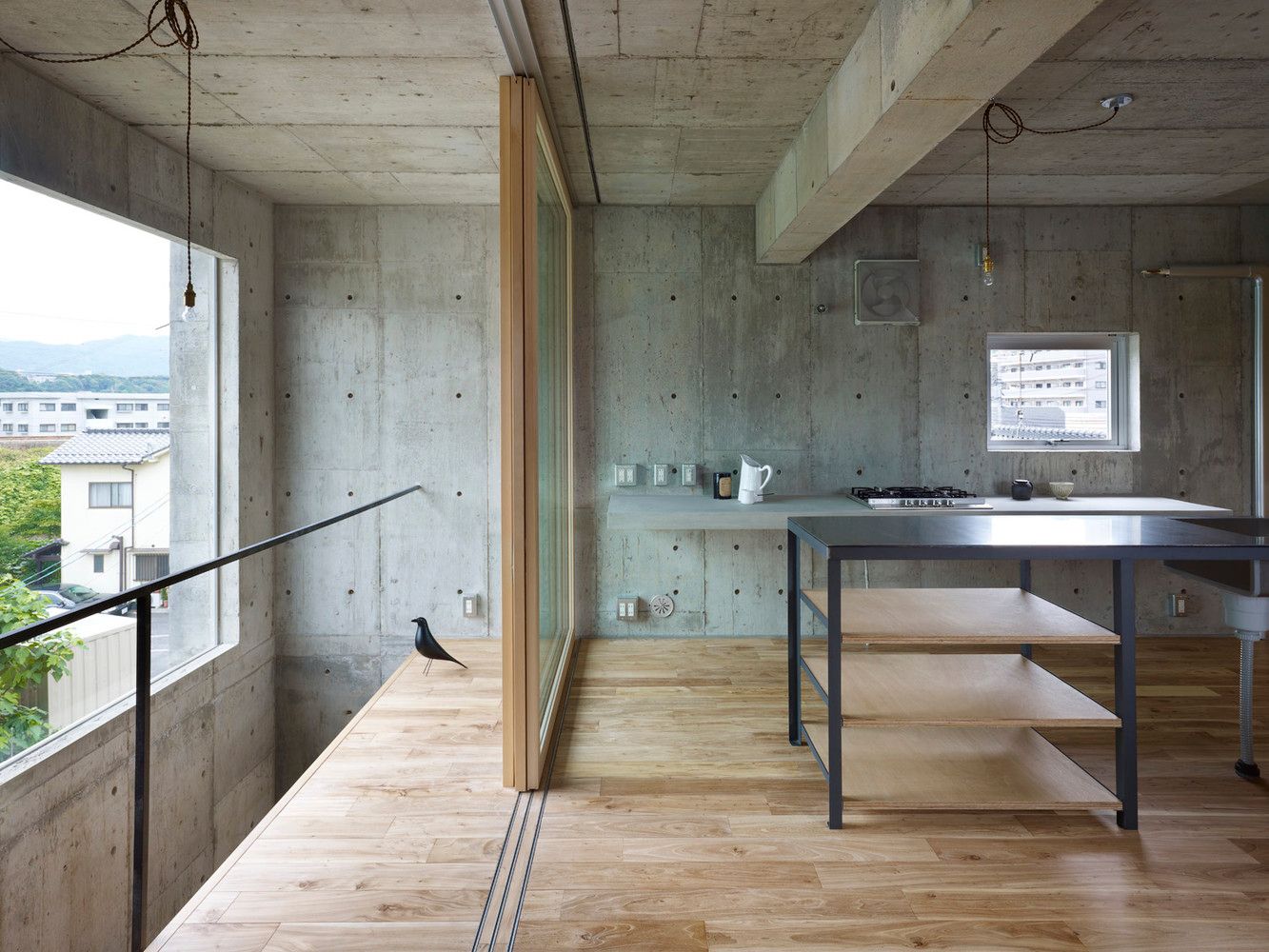
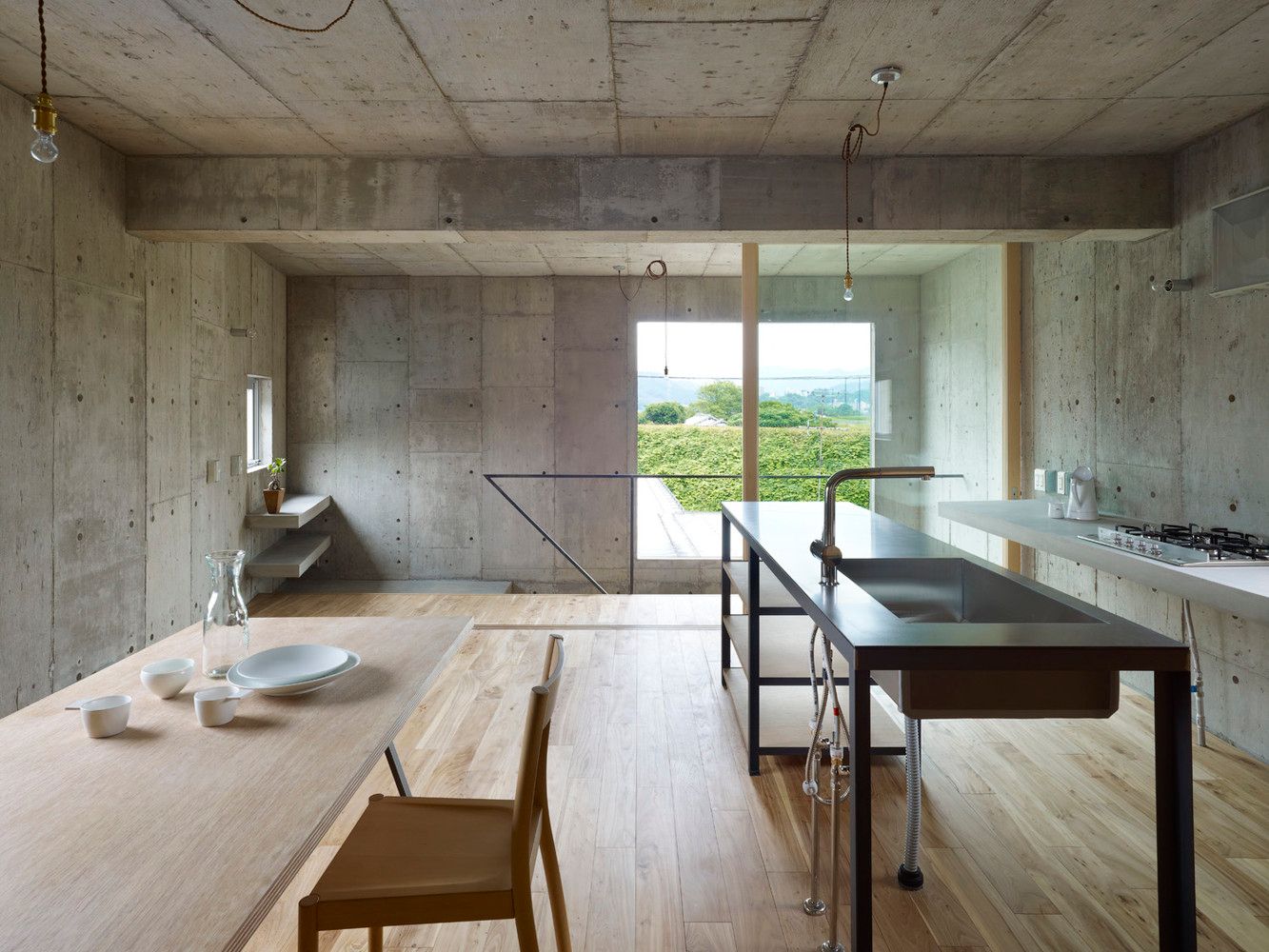
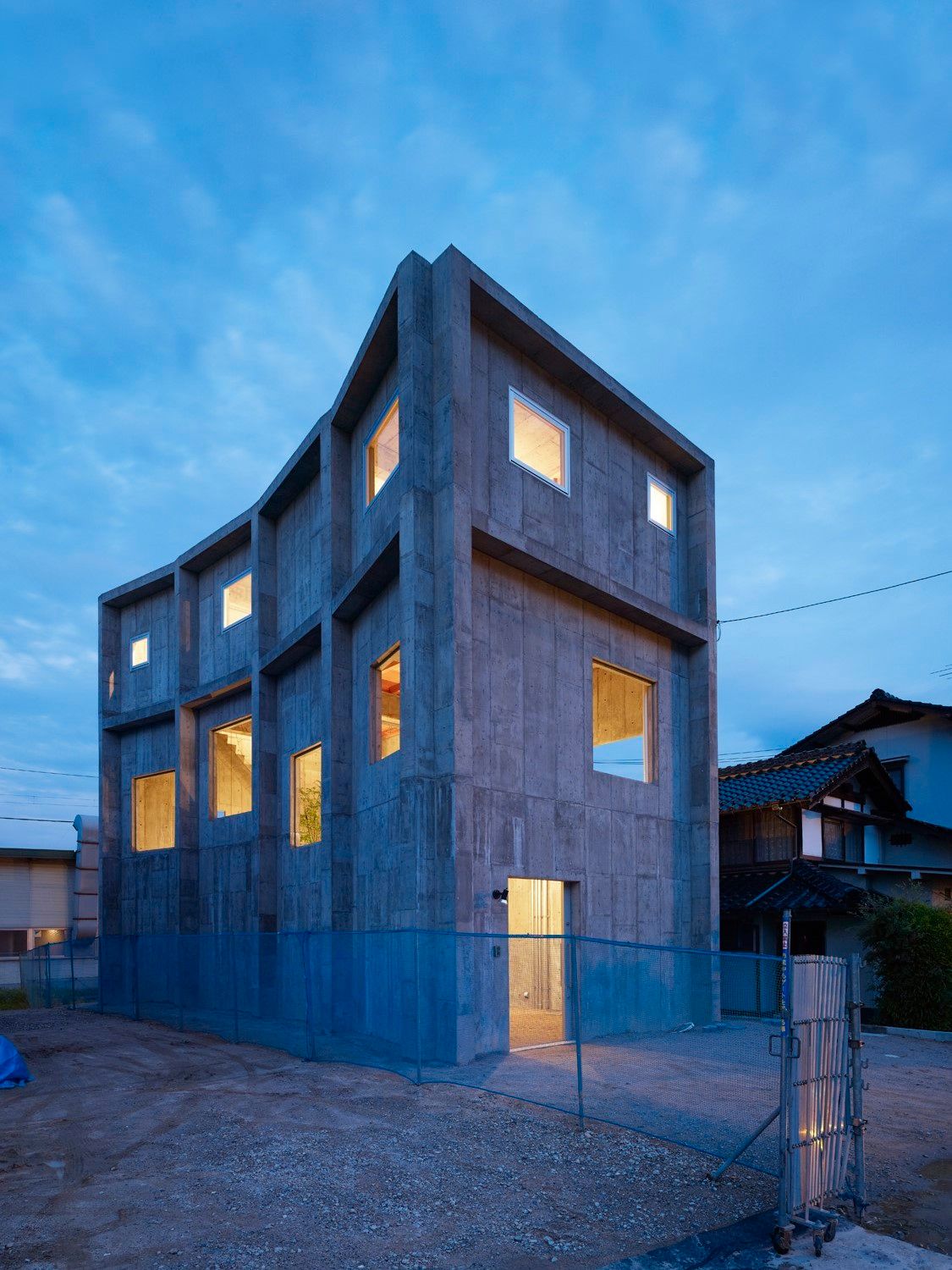
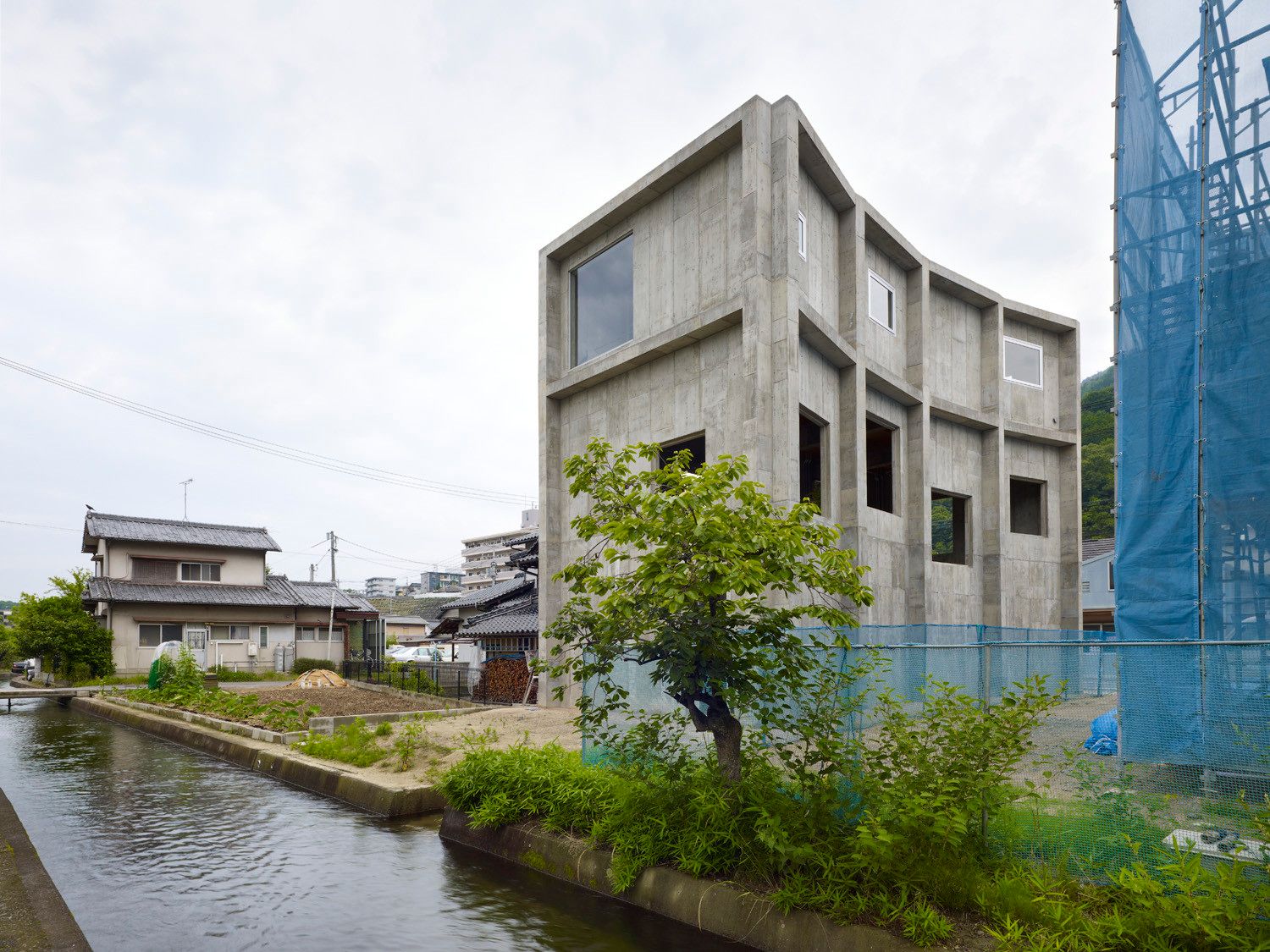
The House of Yagi by Suppose Design Office + Ohno Japan
Text description provided by the architects. The House of Yagi is designed with the idea of an incomplete/complete form. Unlike other projects, the final stage of construction for this house was not aiming towards a finish stage, but to let the owner experience the sense of completion after living here. Interior space of the house is designed to maximize the interaction to its surrounding environment.
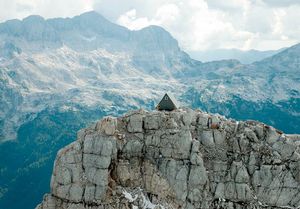
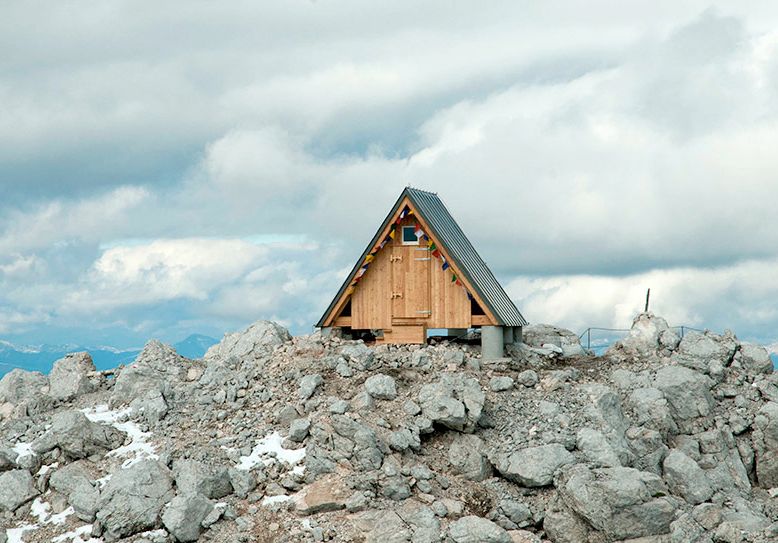
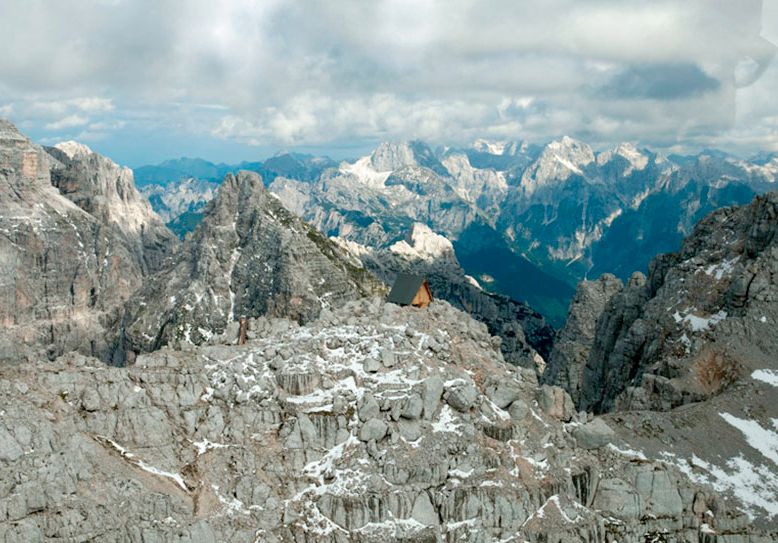
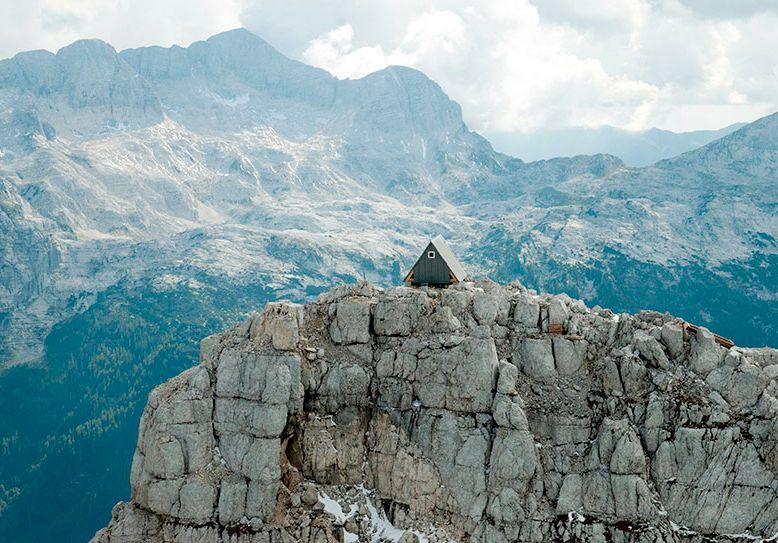
Giovanni Pesamosca’s Alpine Cabin in Friuli, Italy
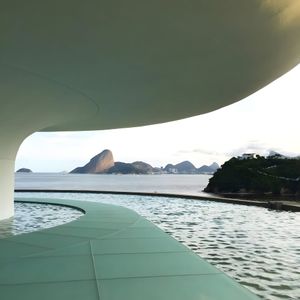
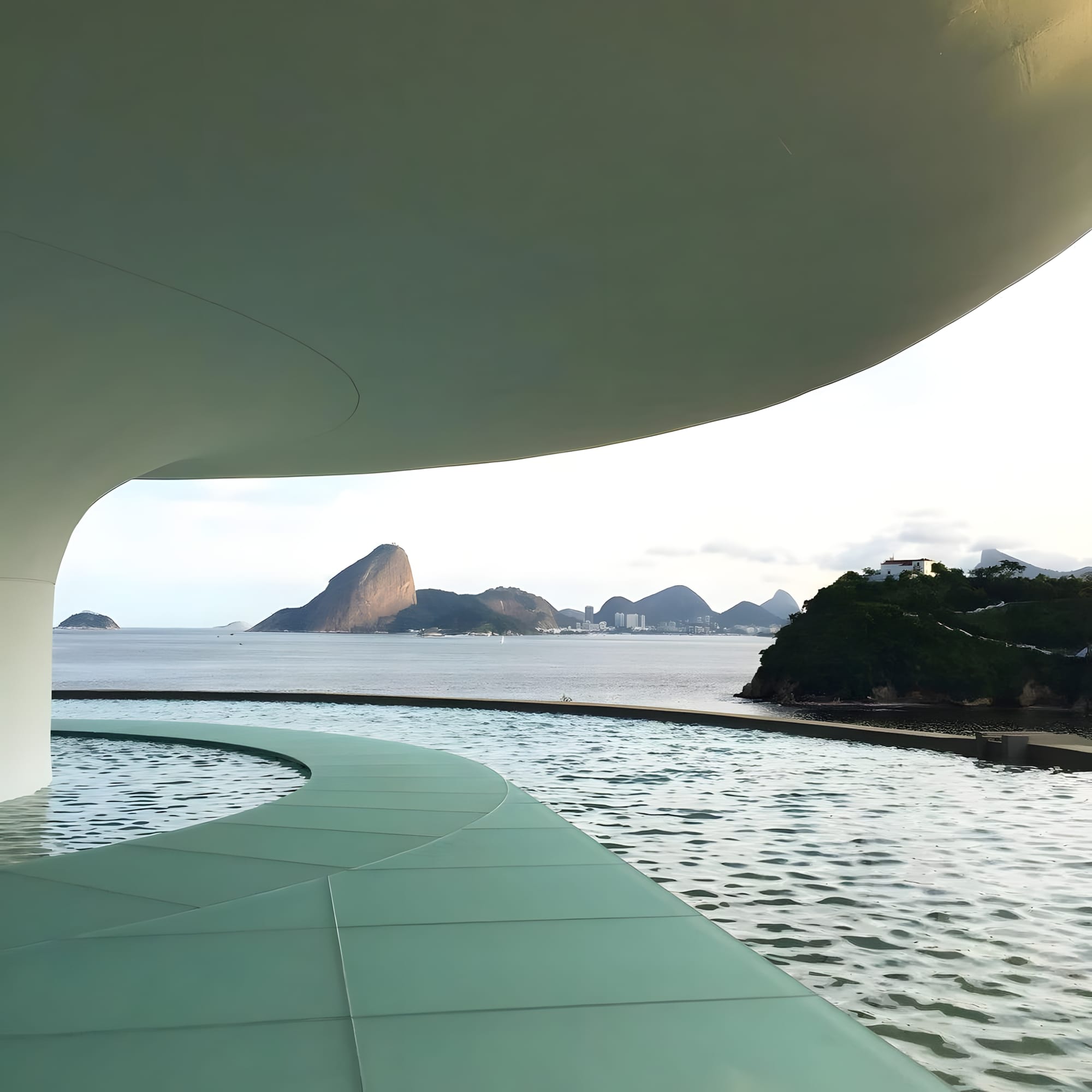
Oscar Niemeyer's MAC Niterói — Louis Vuitton Cruise 2017 Venue
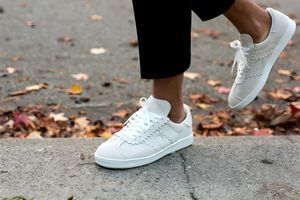
adidas Y-3 Yohji Court — Footwear White (EF2554)
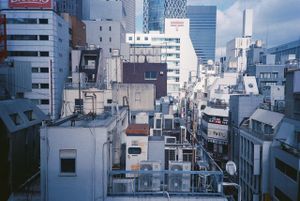
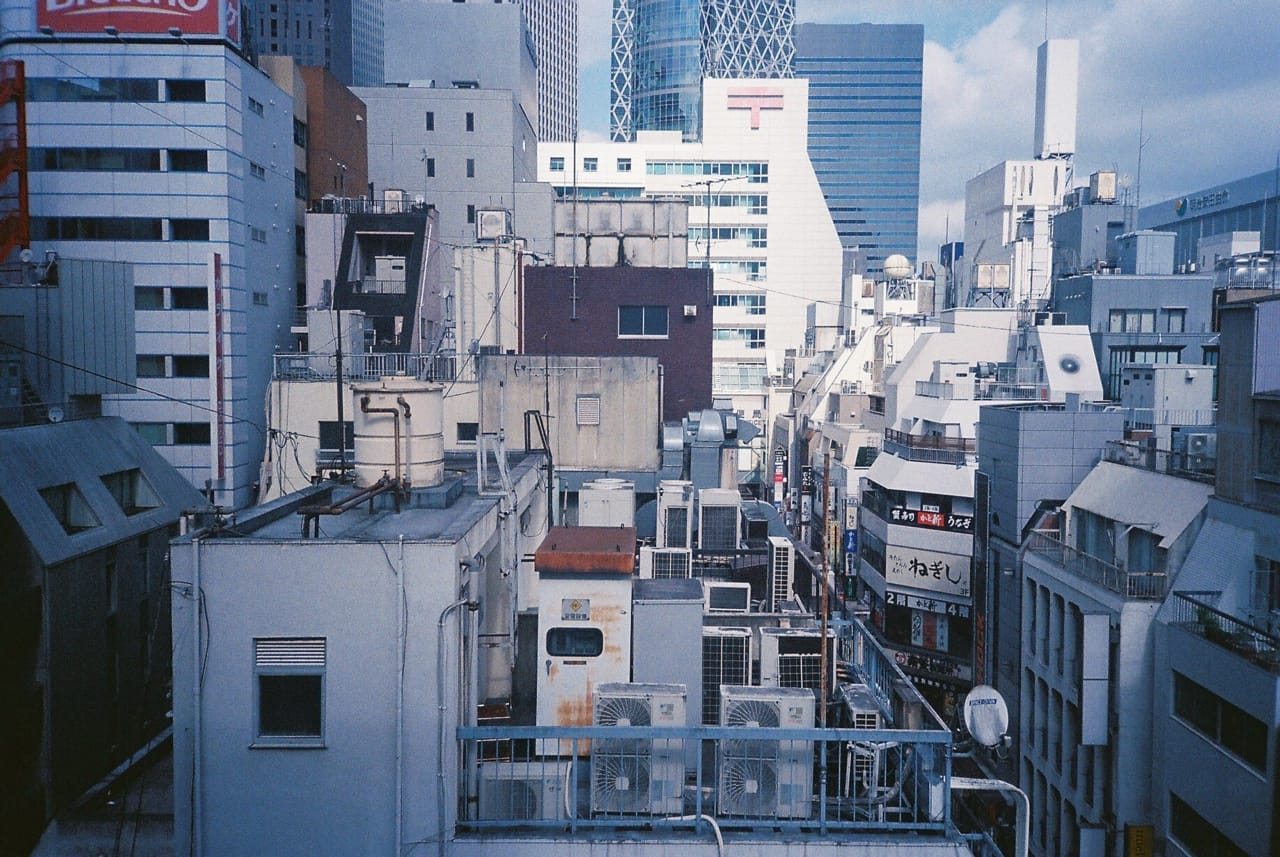
Tokyo Rooftops Ginza
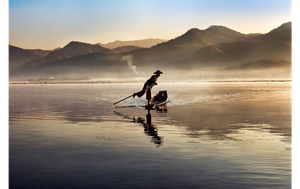
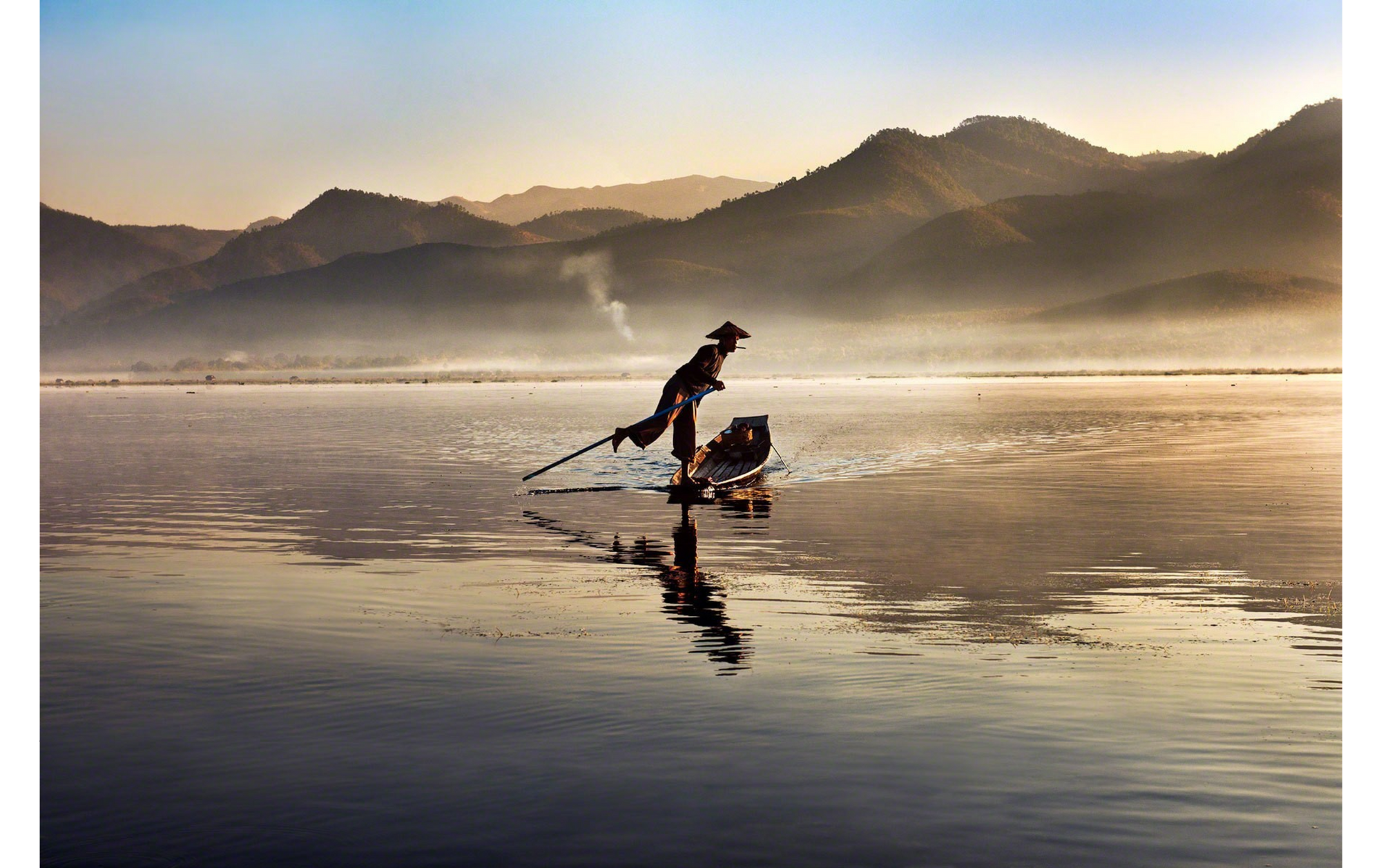
Intha Fisherman on Inle Lake, Burma, 2011
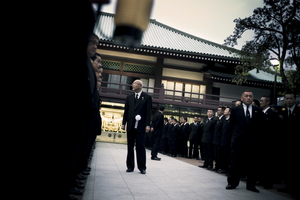
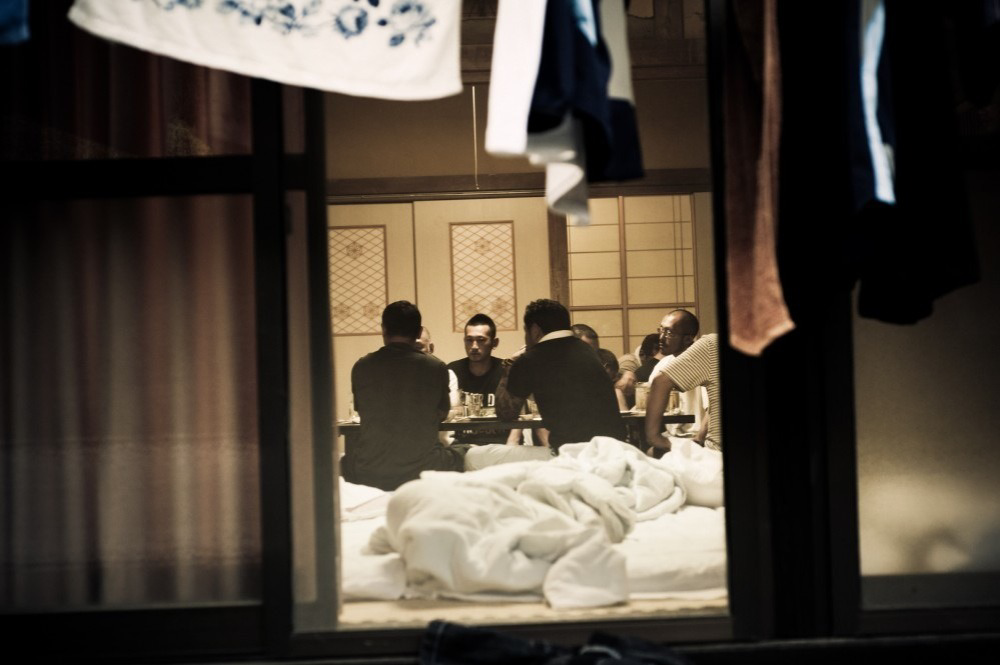
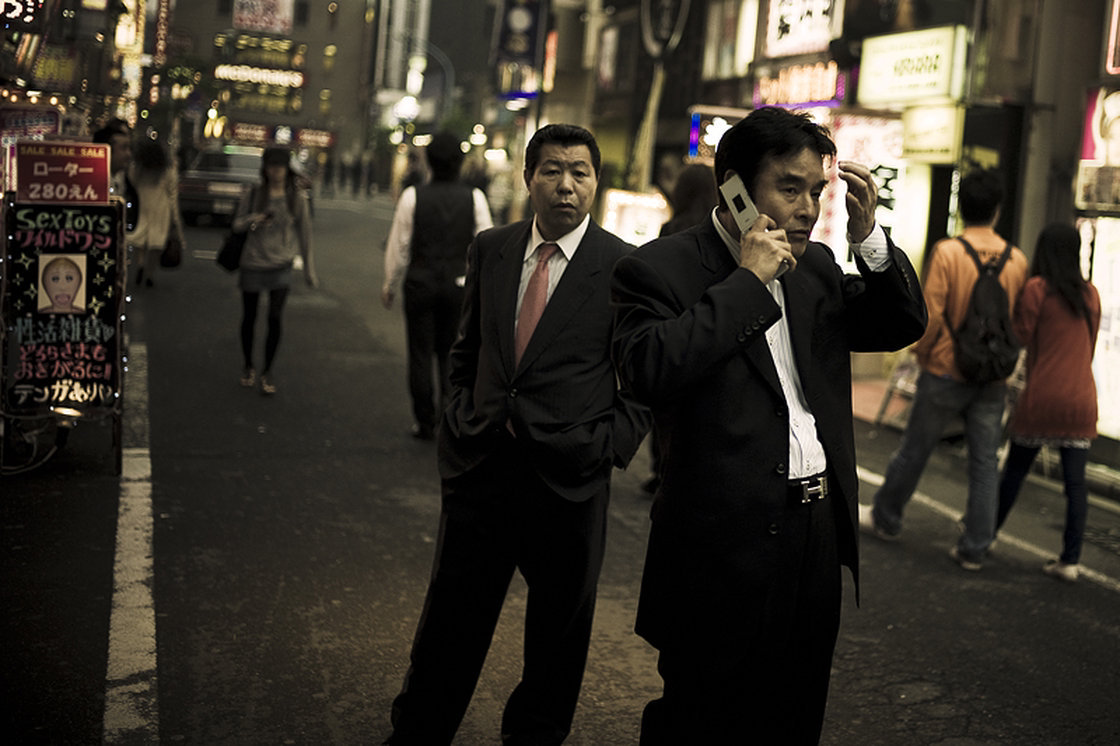
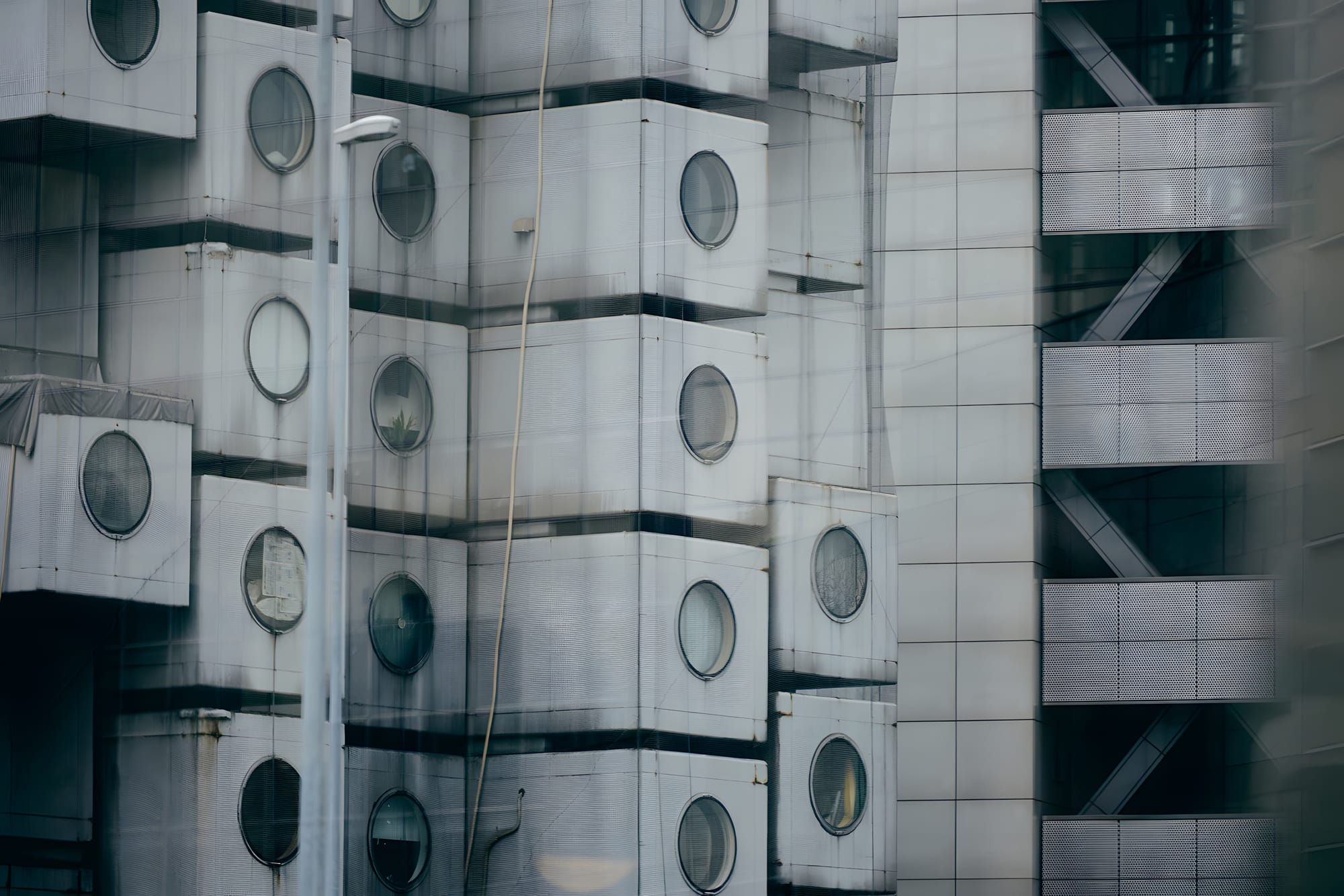
Nakagin Capsule Tower — Exterior Detail, Tokyo 2016
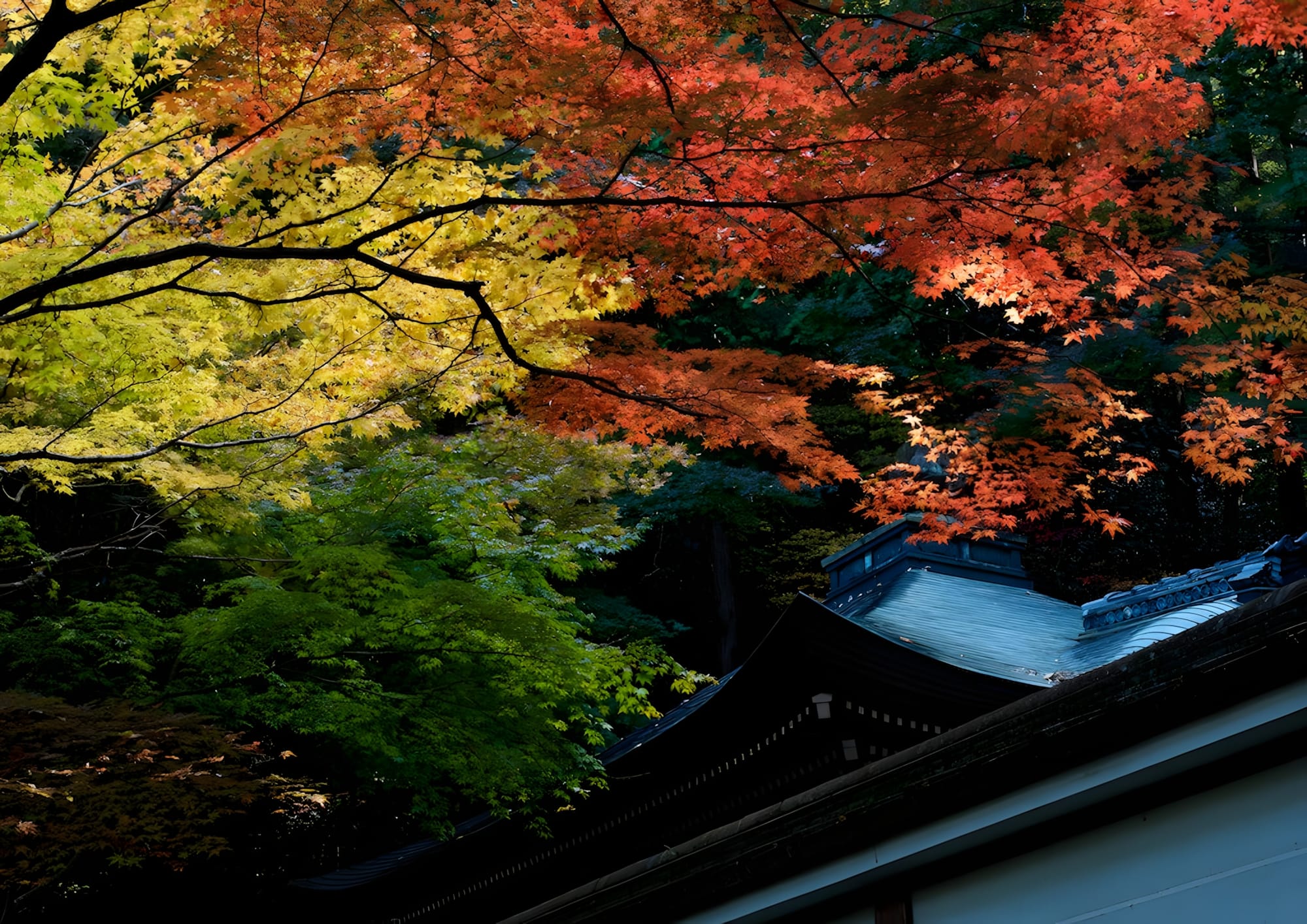
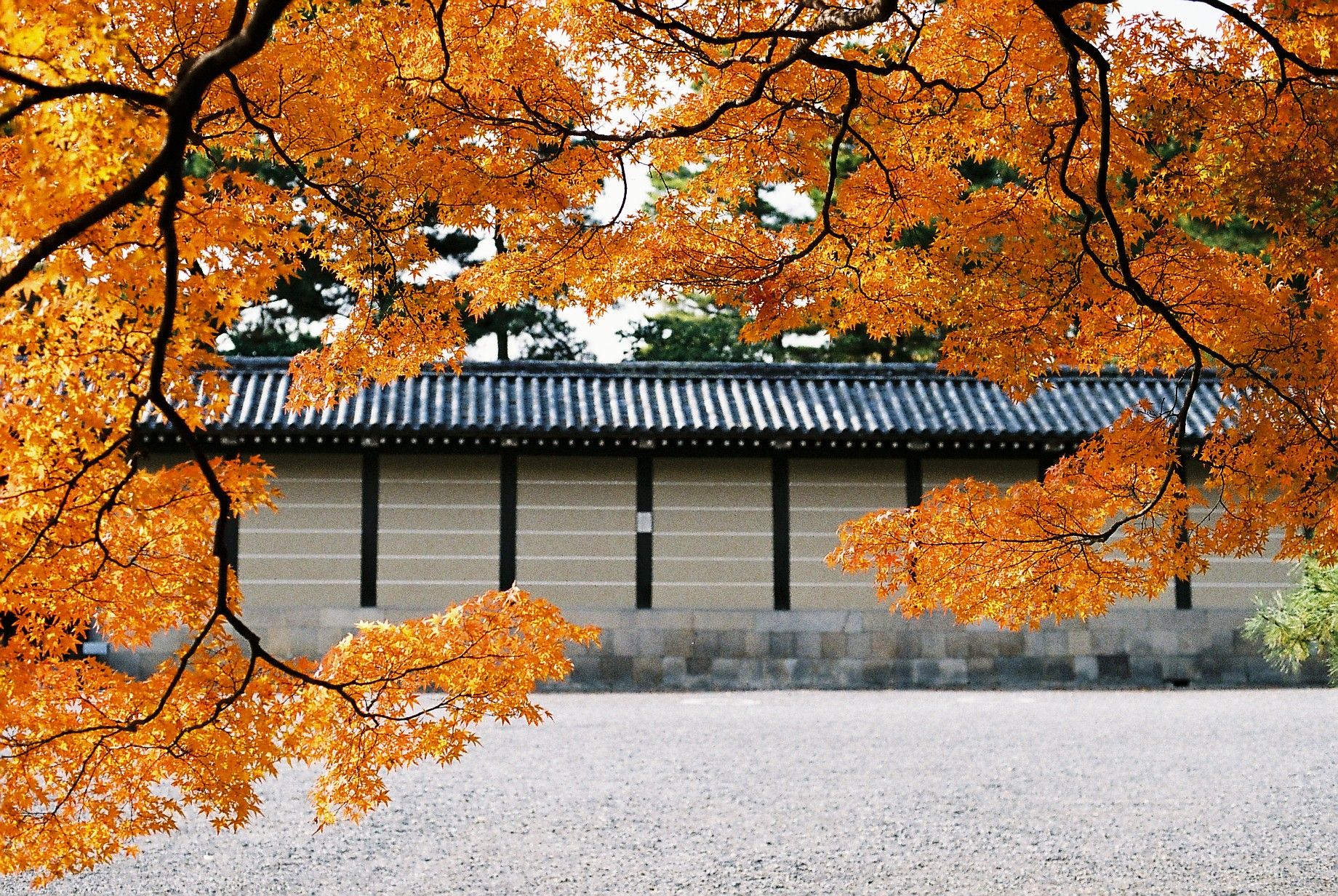
Nanzenji Temple Autumn Foliage, Higashiyama, Kyoto
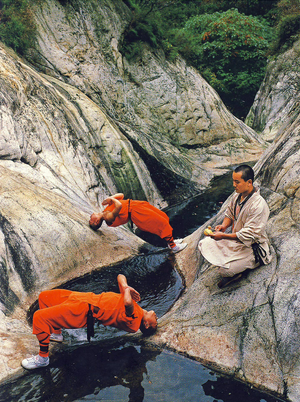
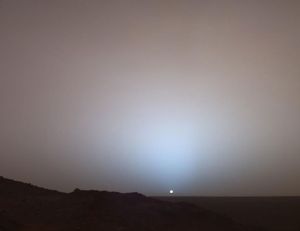
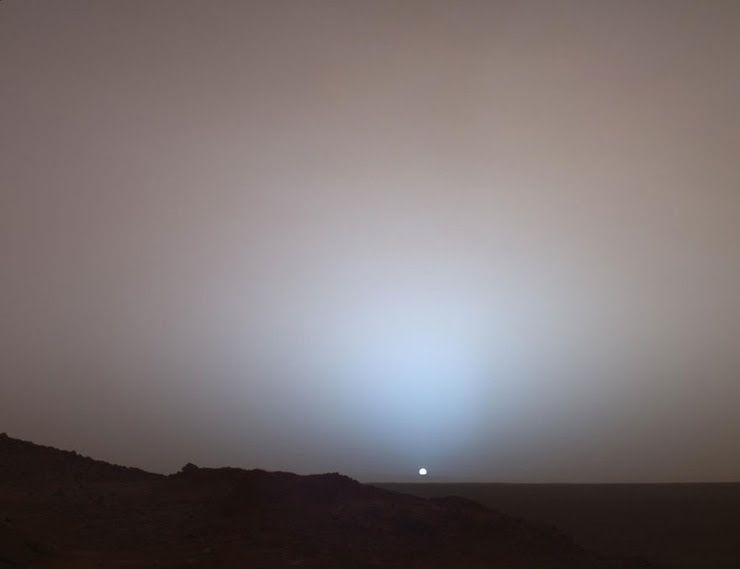
Martian Sunset
On May 19, 2005, NASA's Mars Exploration Rover Spirit captured this stunning view as the Sun sank below the rim of Gusev crater on Mars. This Panoramic Camera mosaic was taken around 6:07 in the evening of the rover's 489th Martian day, or sol.
Sunset and twilight images are occasionally acquired by the science team to determine how high into the atmosphere the Martian dust extends, and to look for dust or ice clouds. Other images have shown that the twilight glow remains visible, but increasingly fainter, for up to two hours before sunrise or after sunset. The long Martian twilight (compared to Earth's) is caused by sunlight scattered around to the night side of the planet by abundant high altitude dust. Similar long twilights or extra-colorful sunrises and sunsets sometimes occur on Earth when tiny dust grains that are erupted from powerful volcanoes scatter light high in the atmosphere.
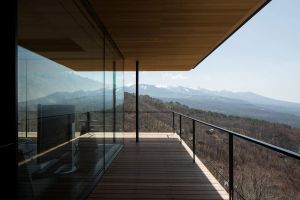
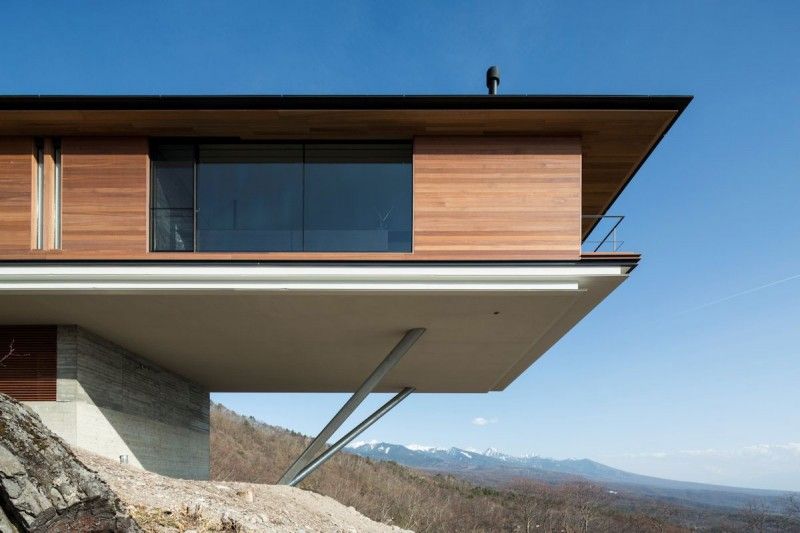
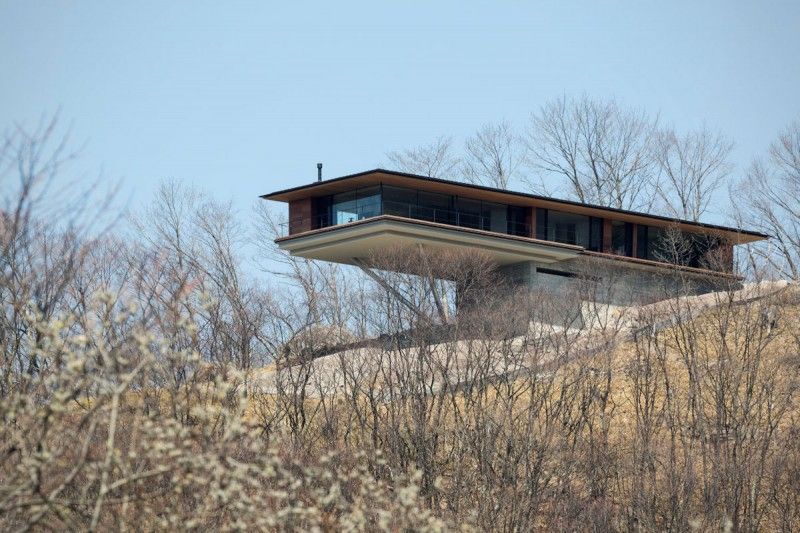
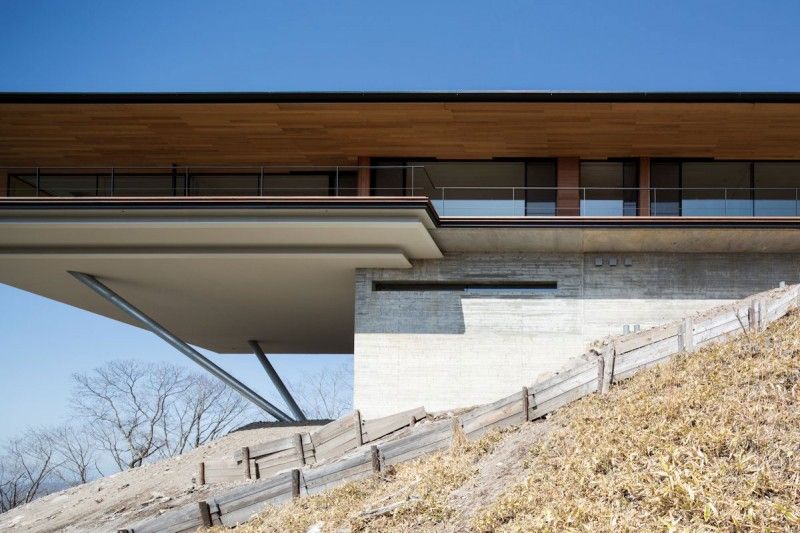
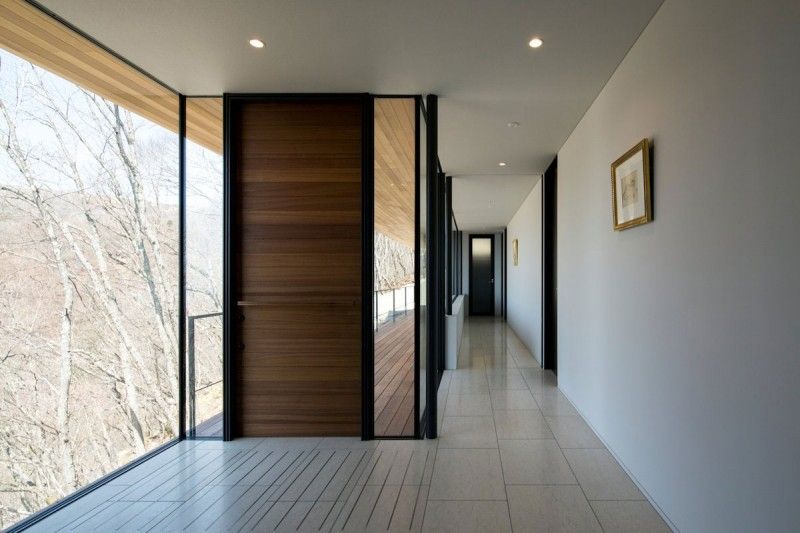
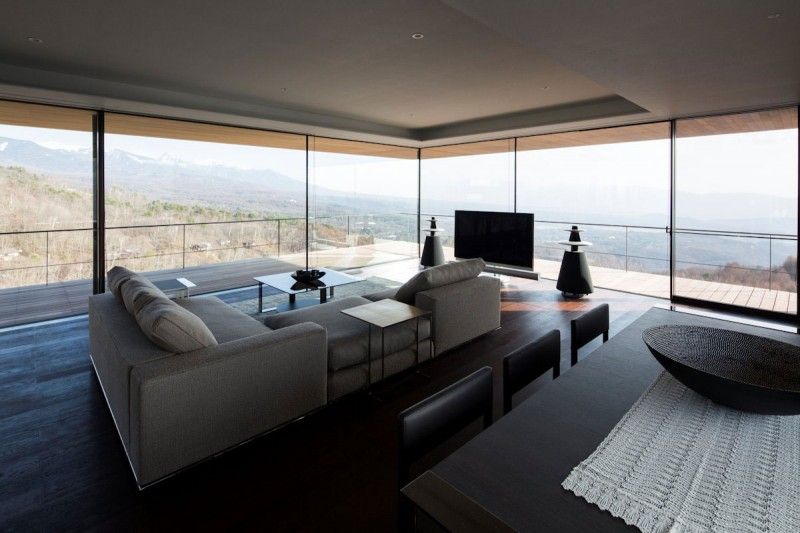
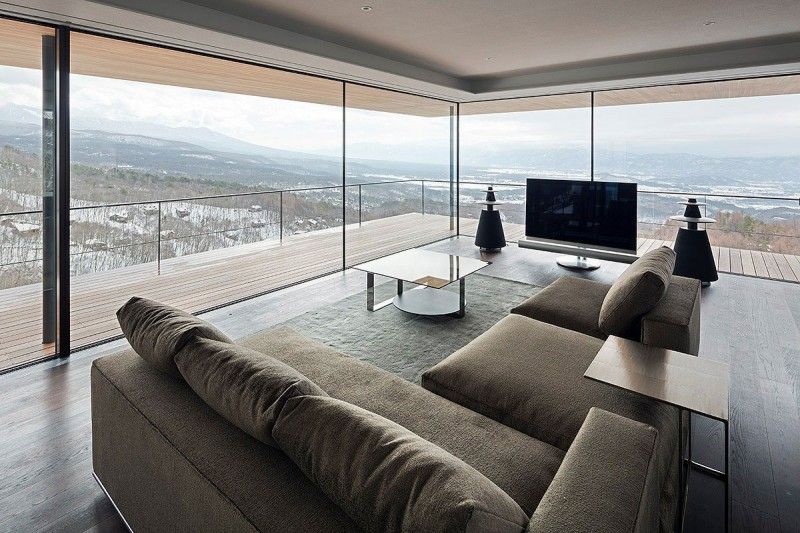
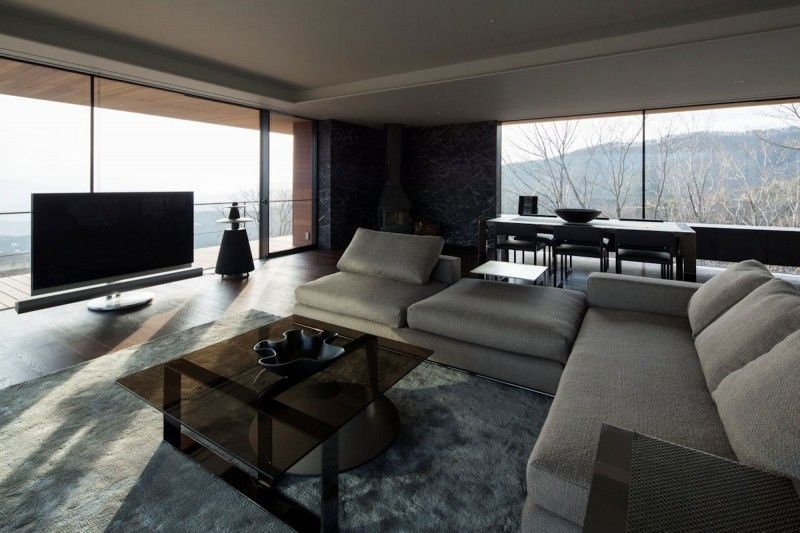
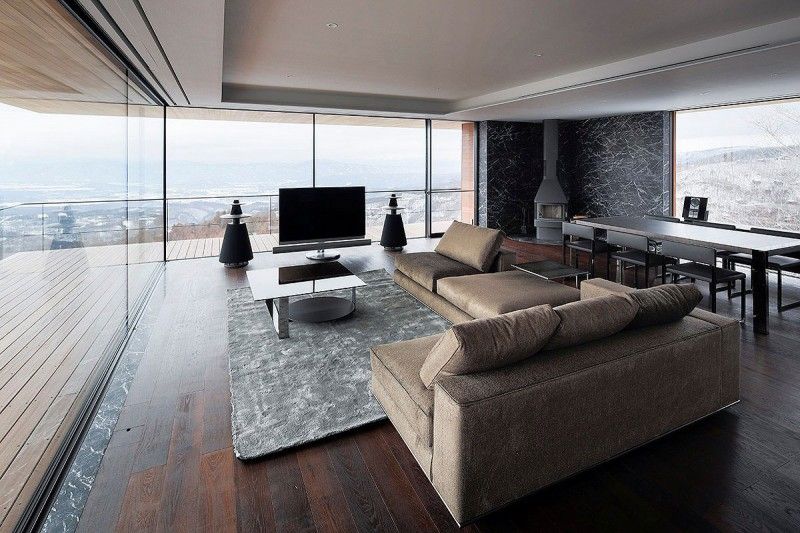
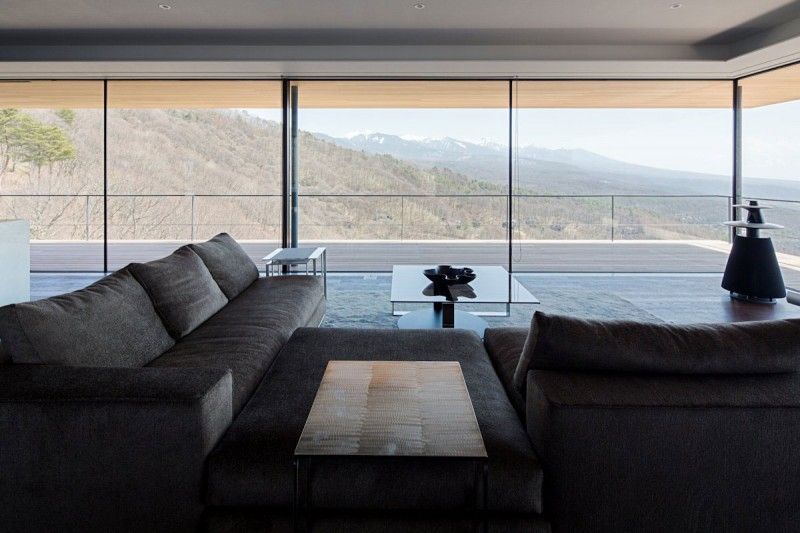
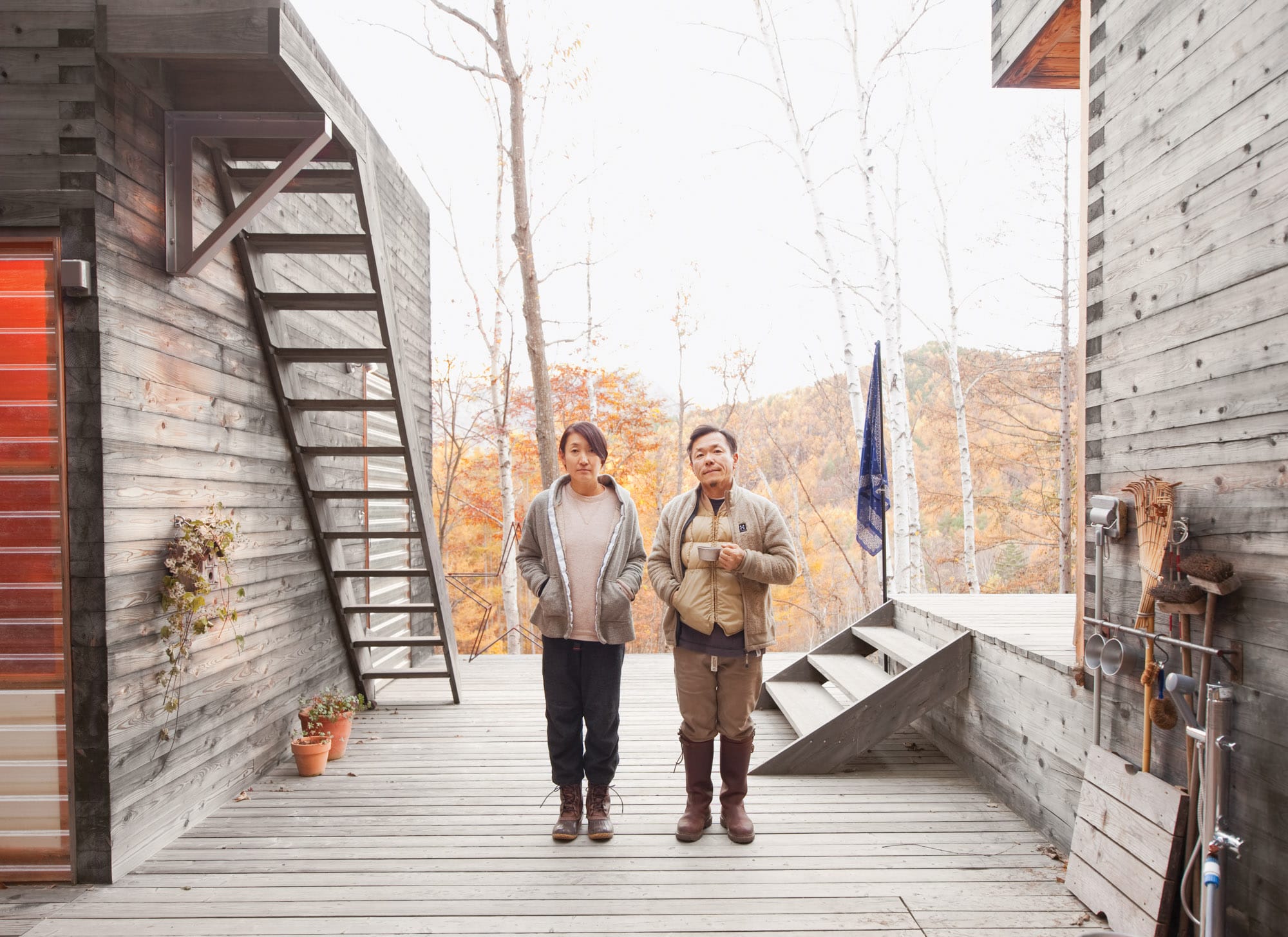
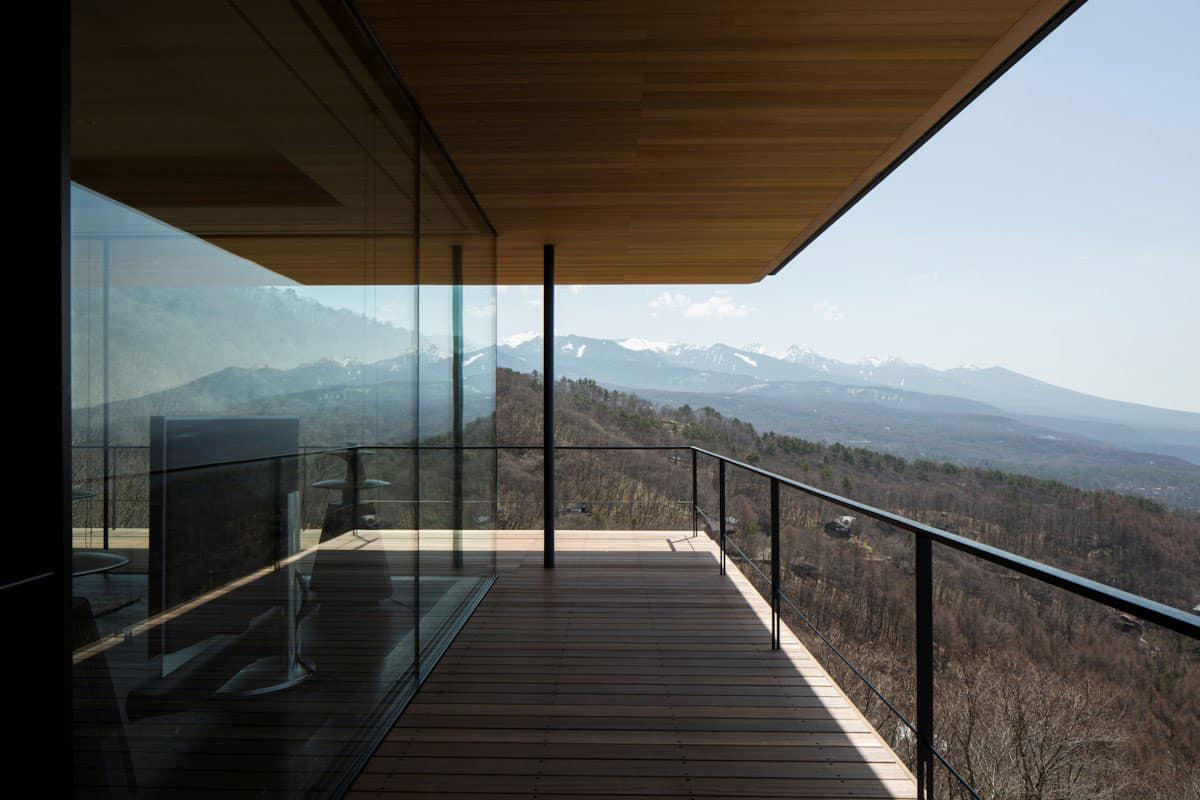
House in Yatsugatake by Kidosaki Architects Studio
This private residence was designed by Kidosaki Architects Studio. It is located on the edge of the Yatsugatake Mountains in Nagano, Japan.
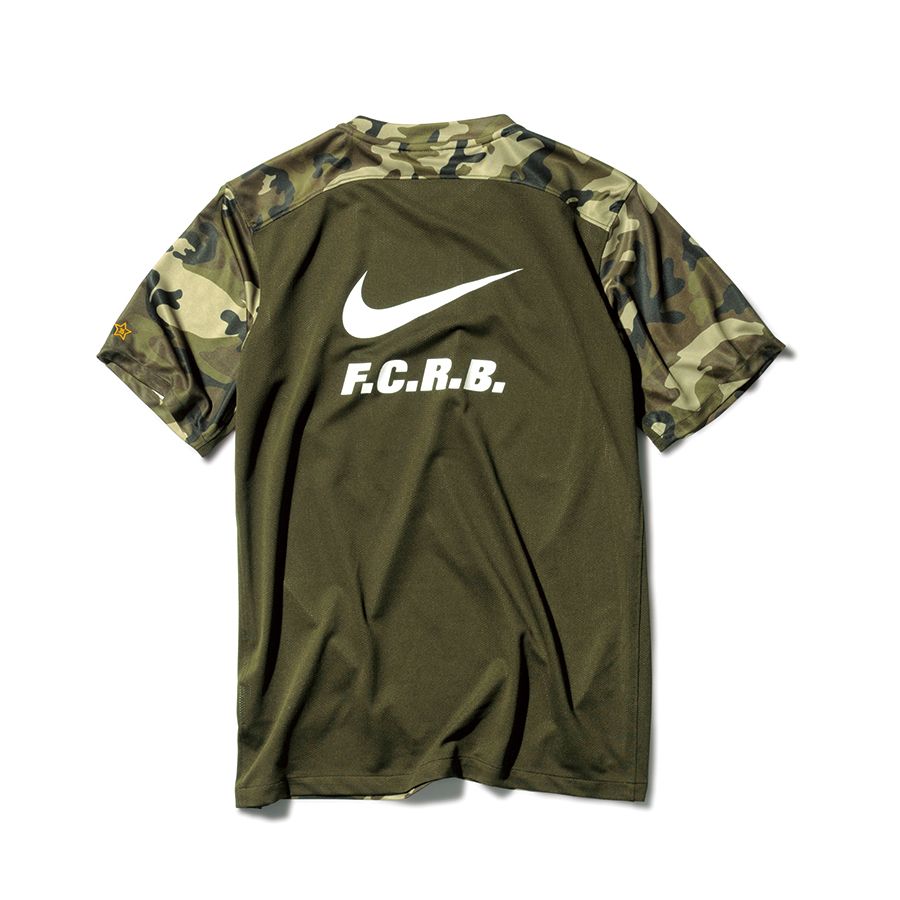
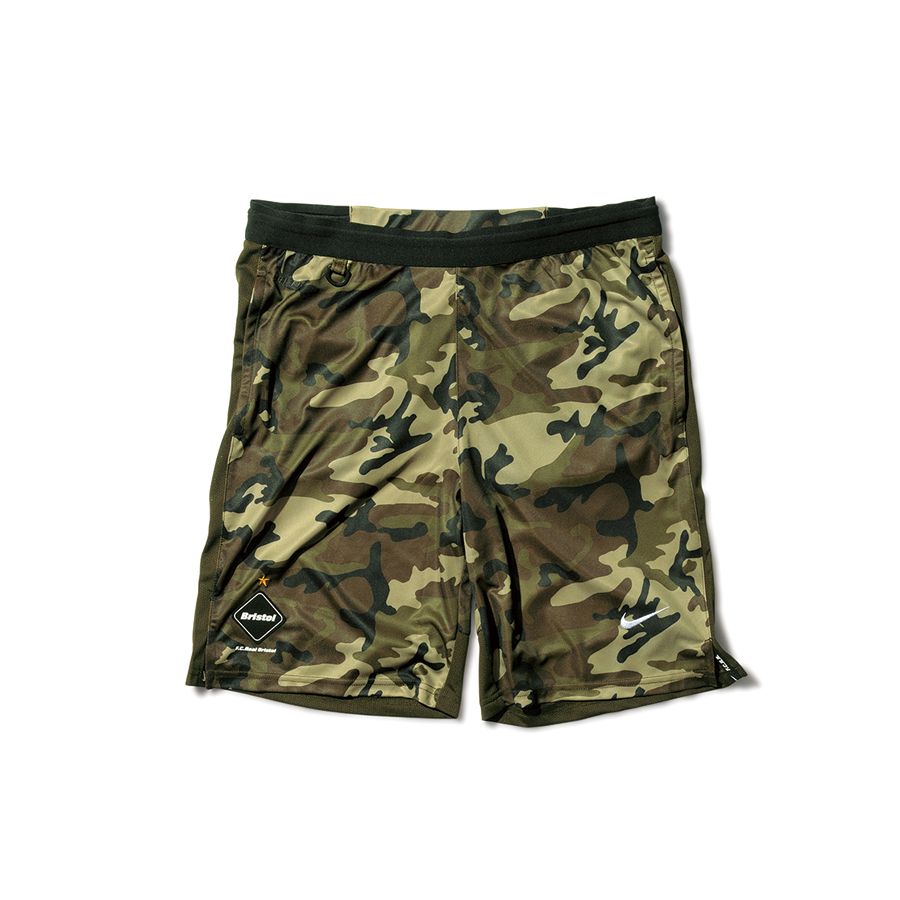
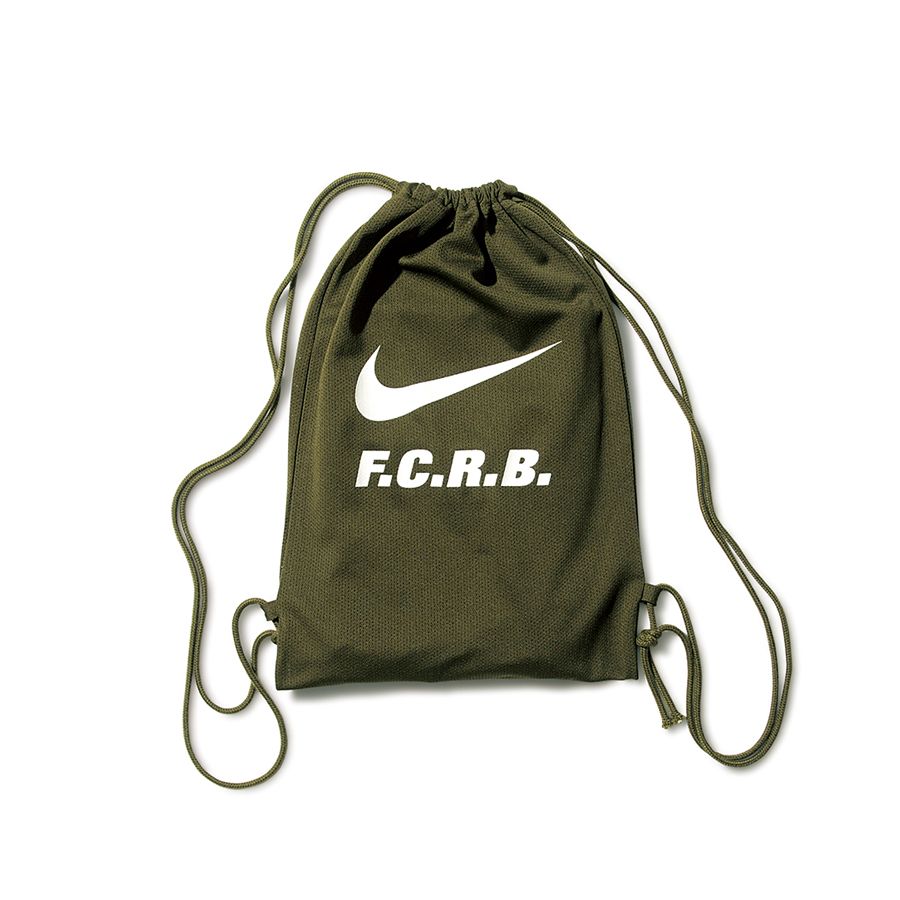
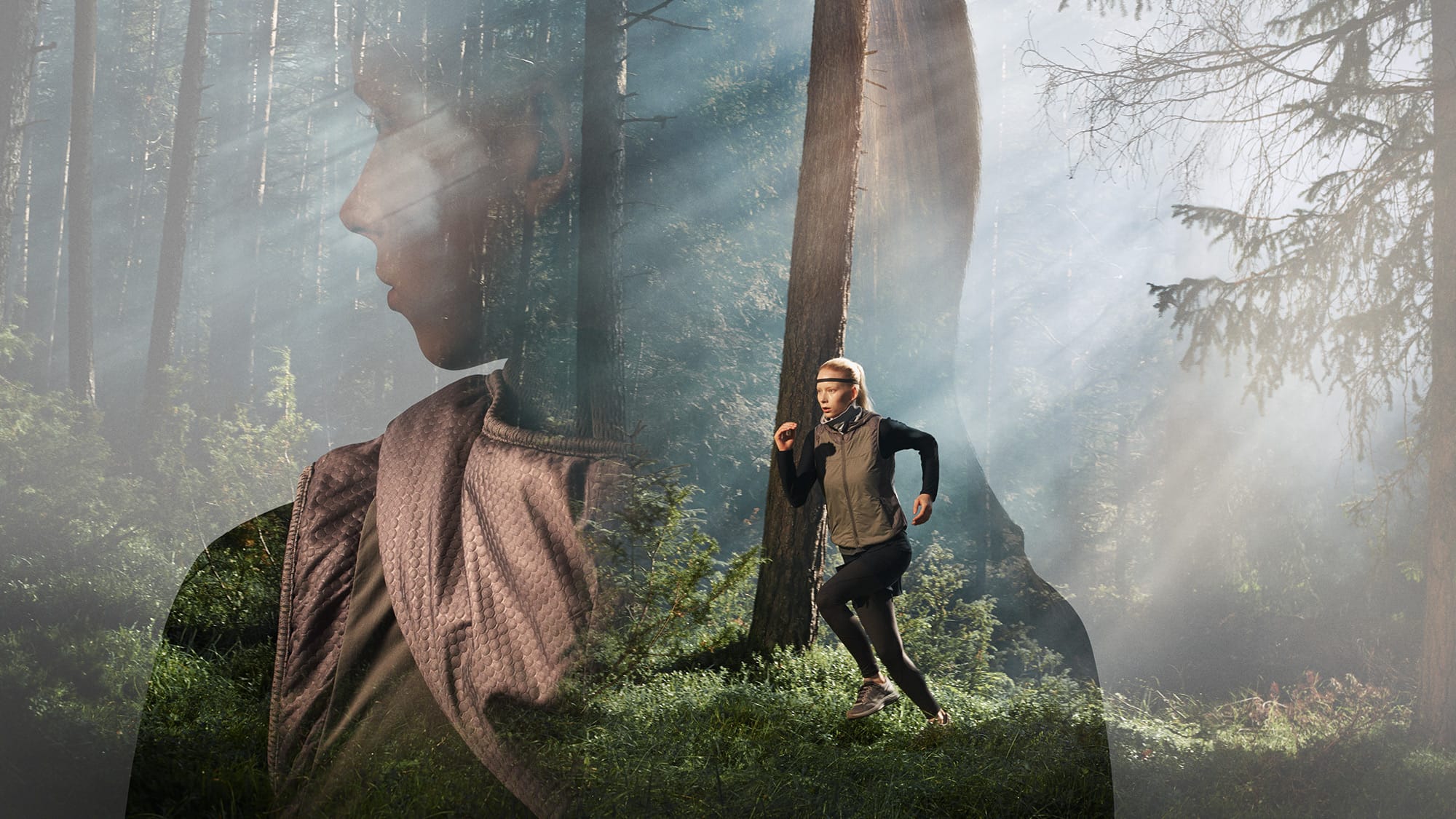
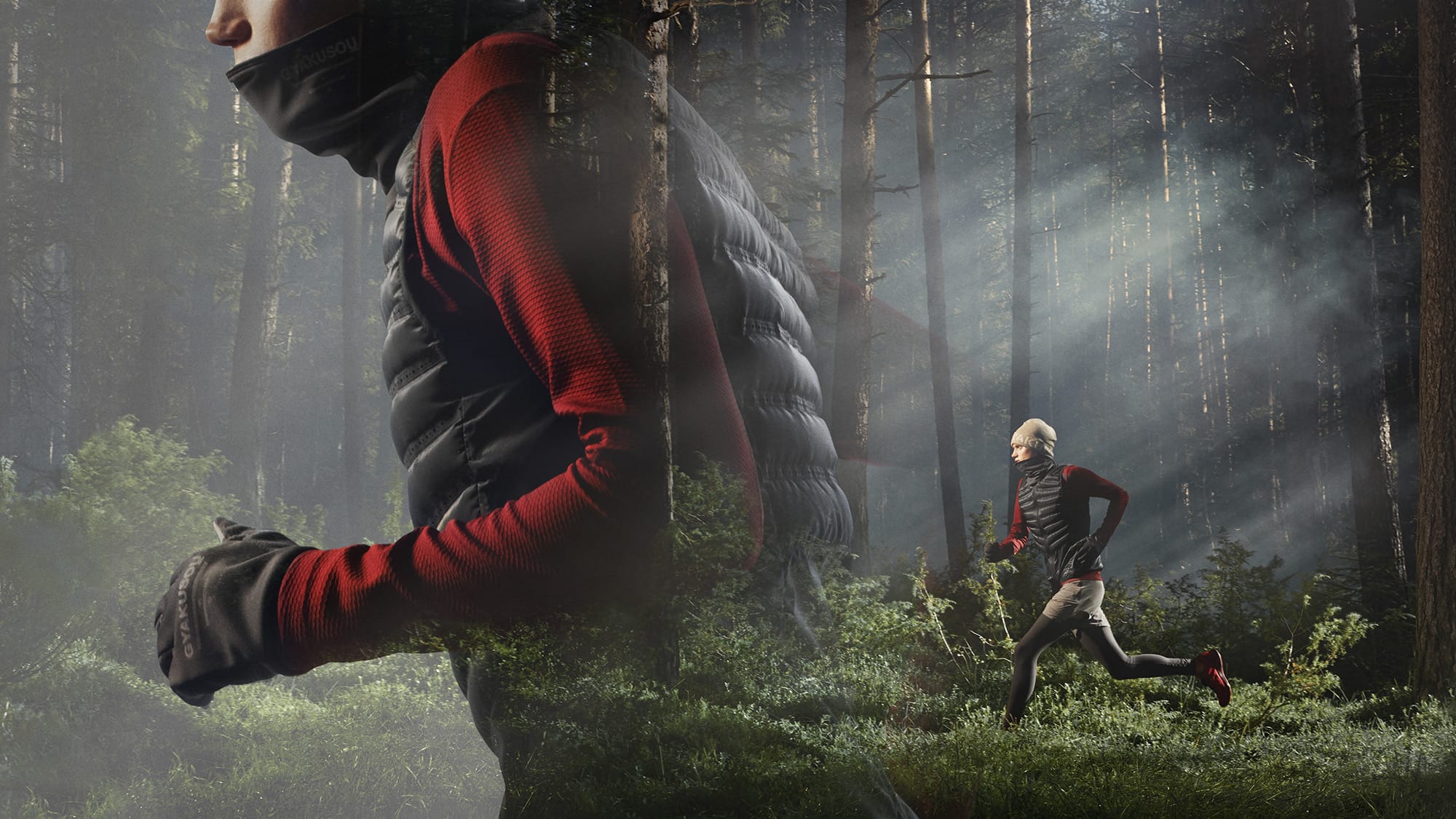
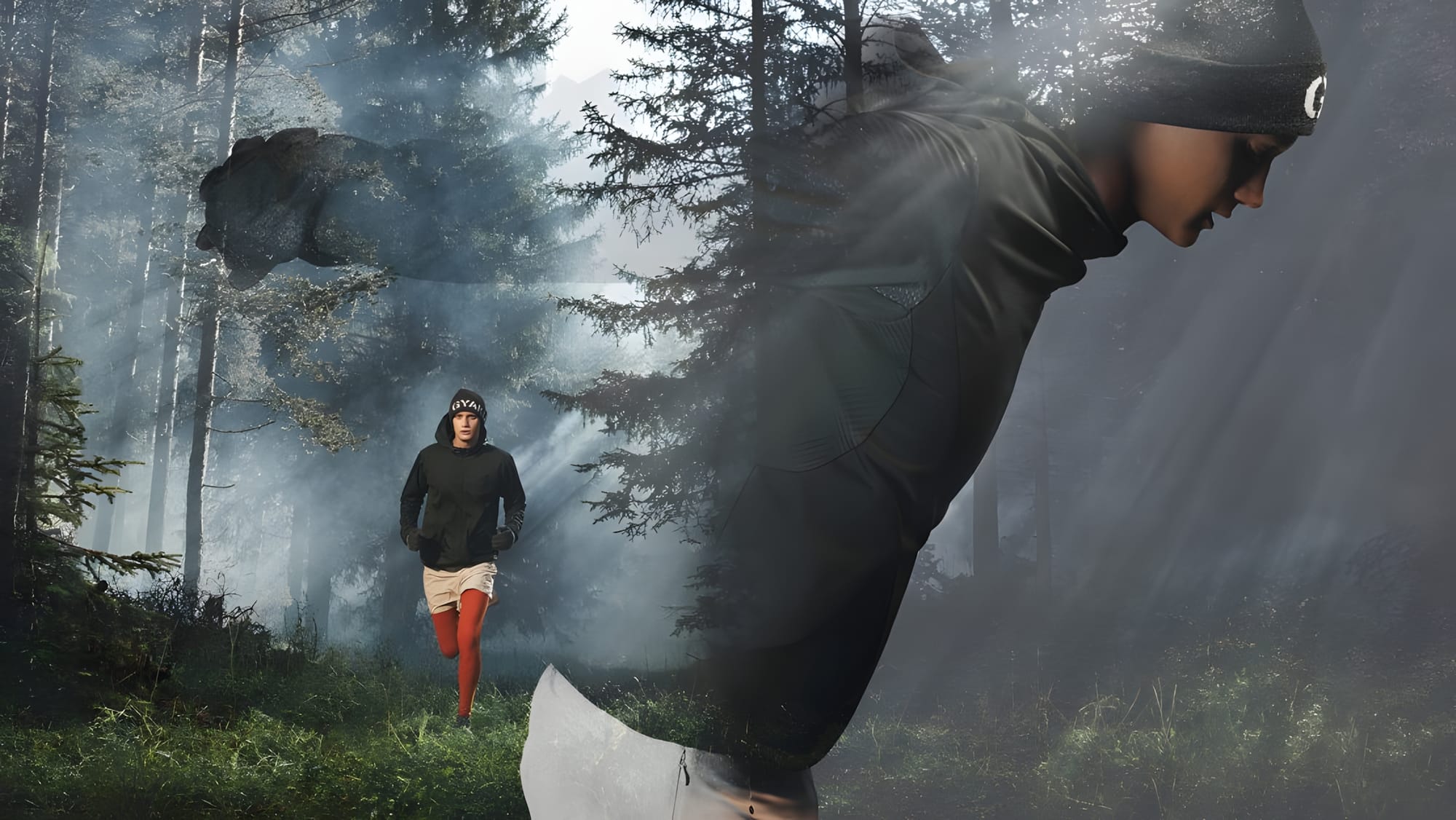
Nike x Undercover Gyakusou FW2013
Photographed by Azim Haidaryan
Produced by Panottica
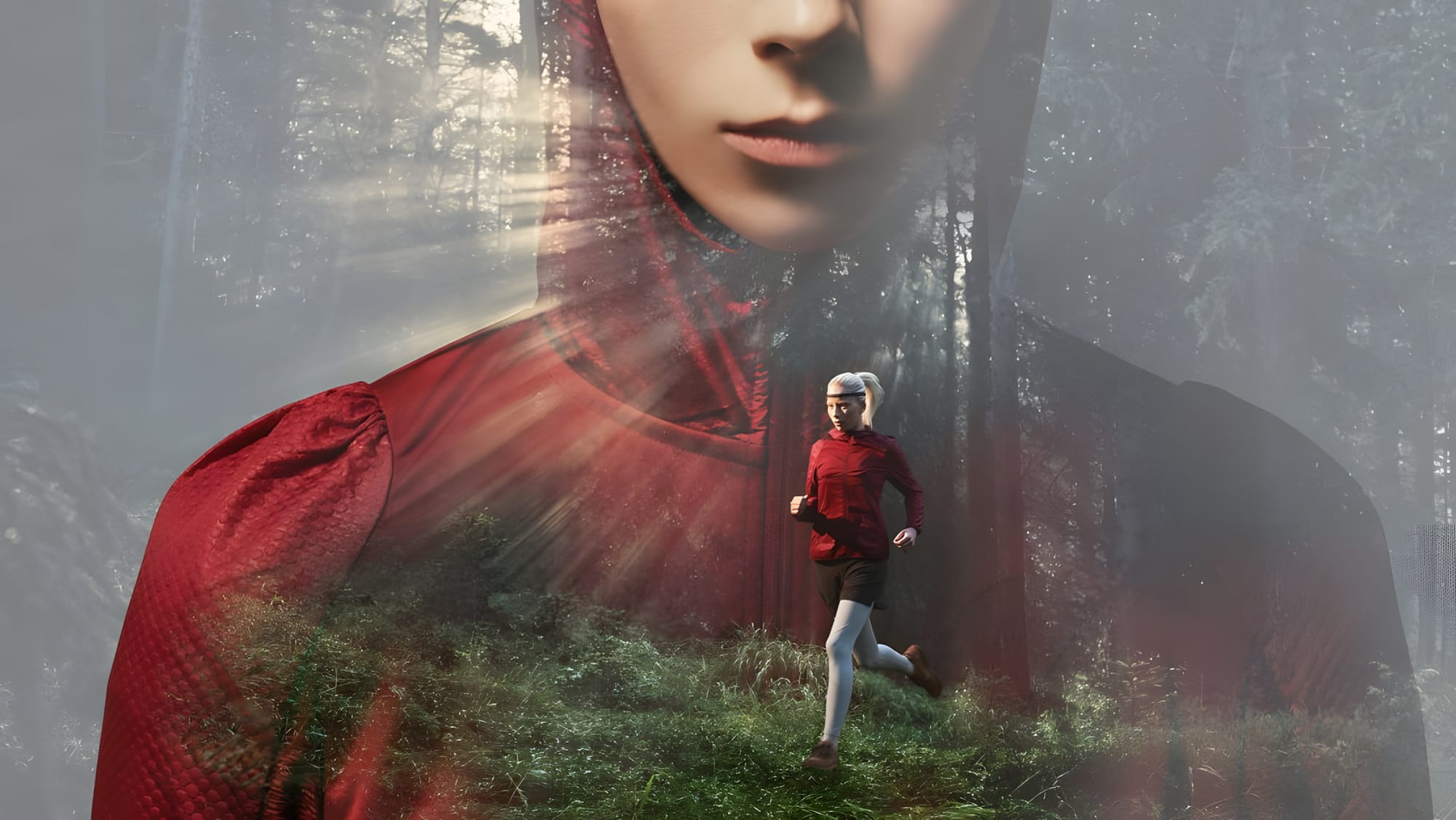
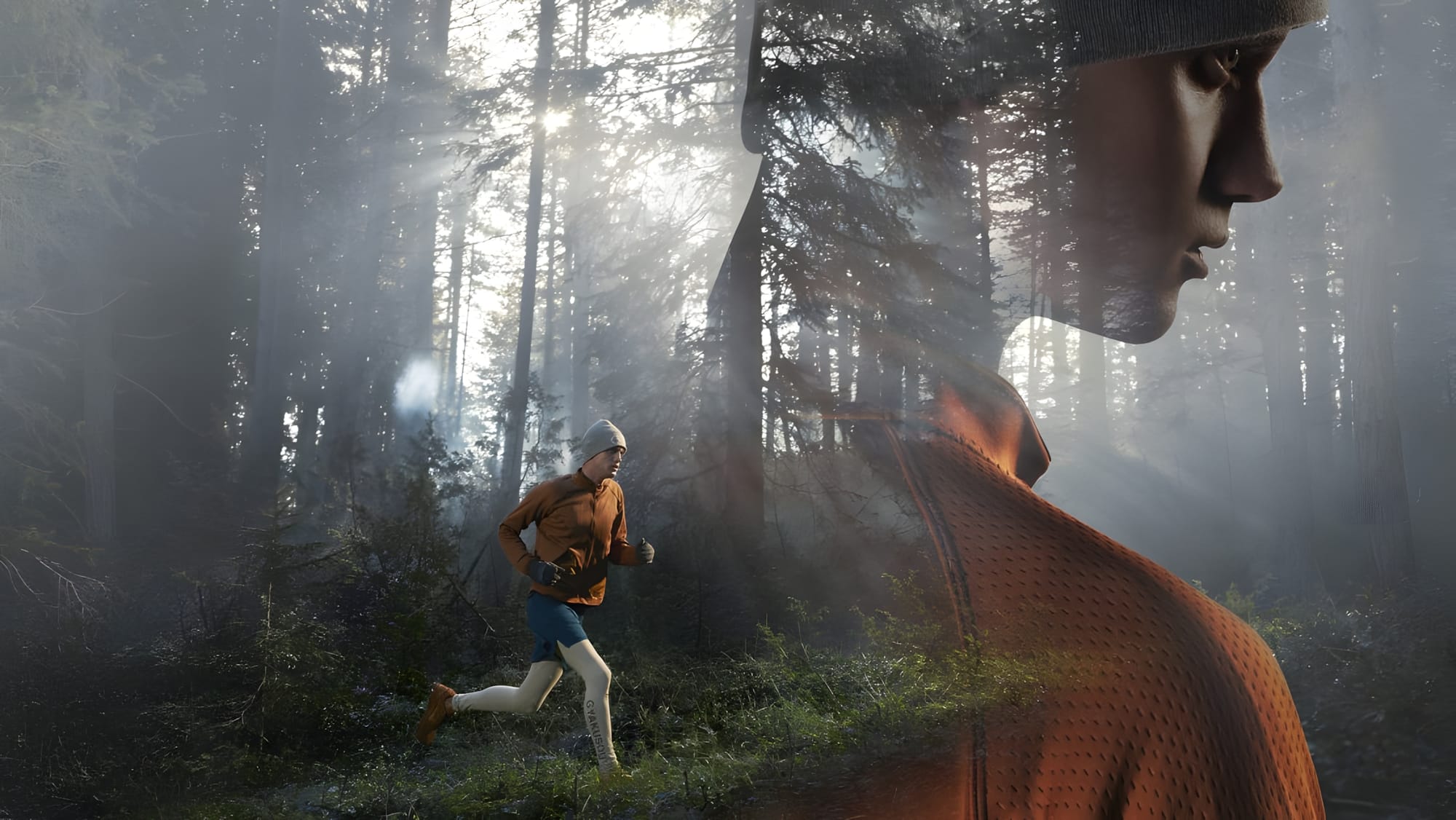
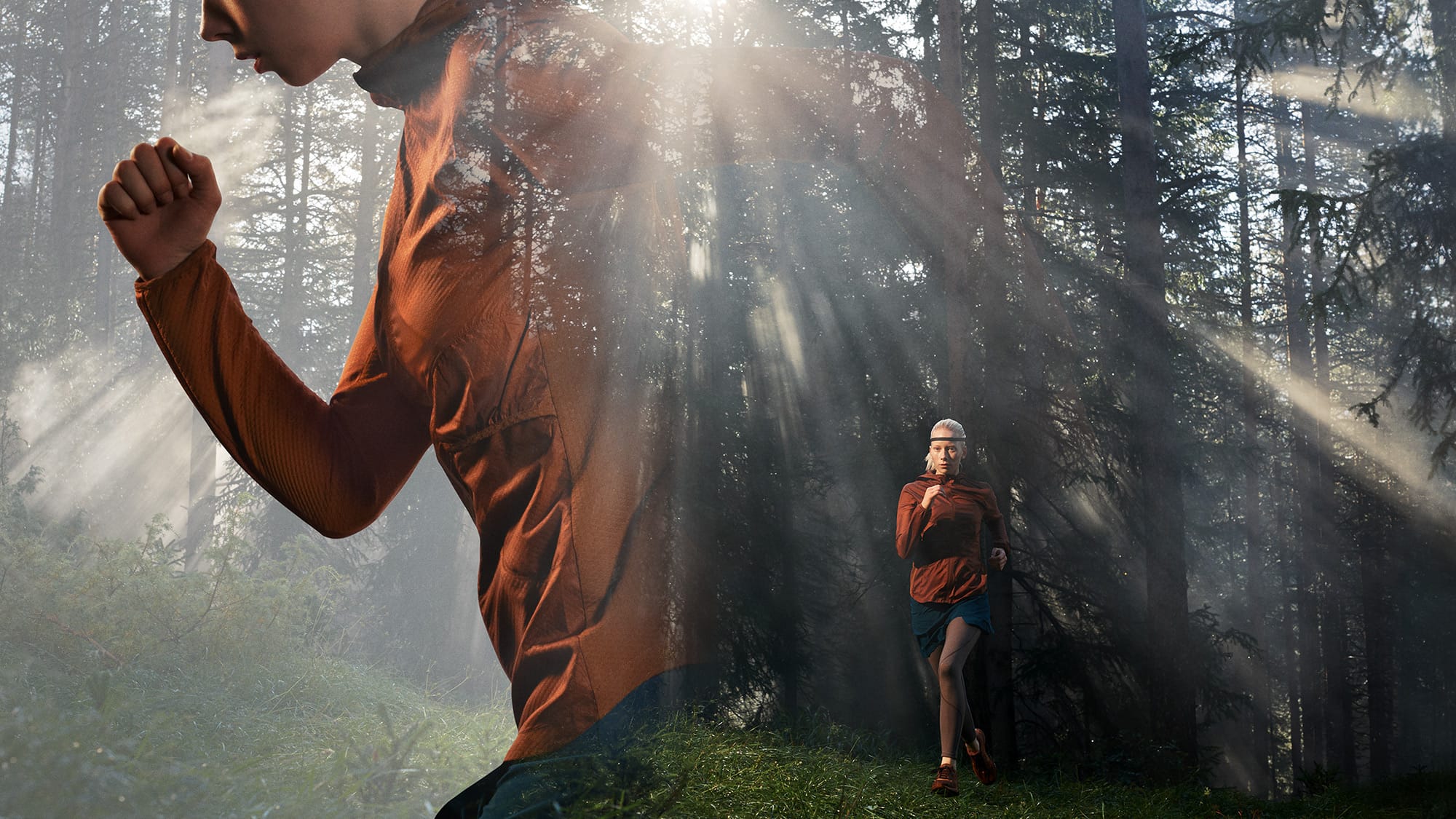
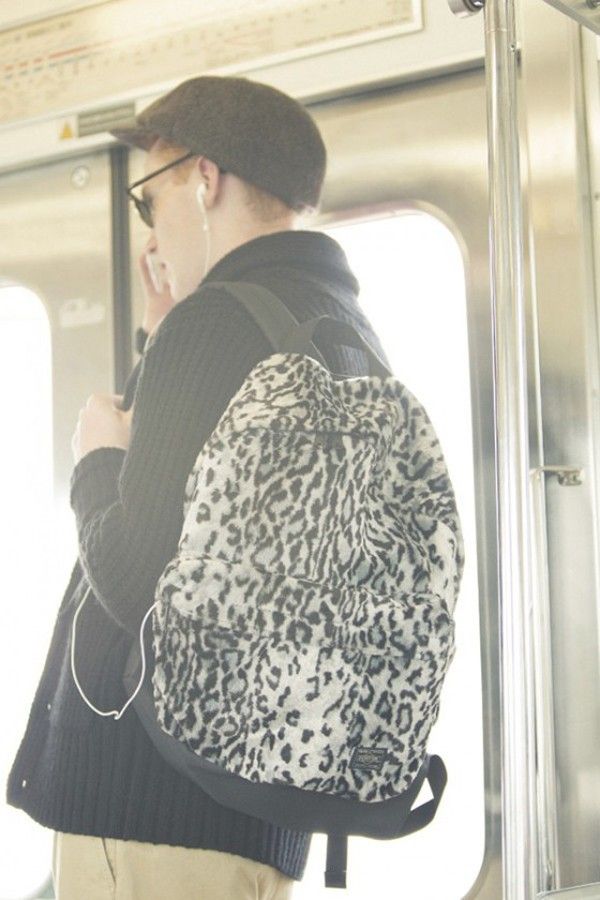
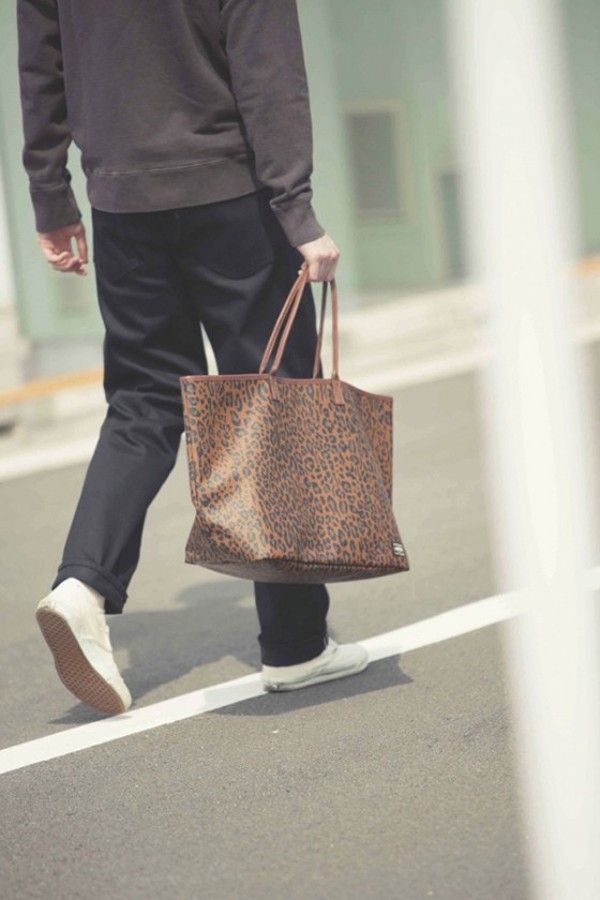
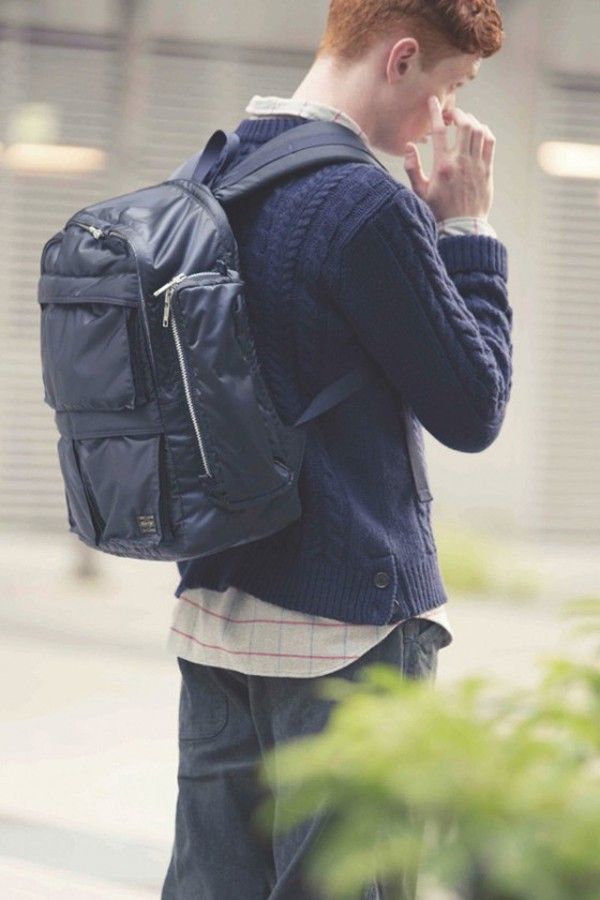
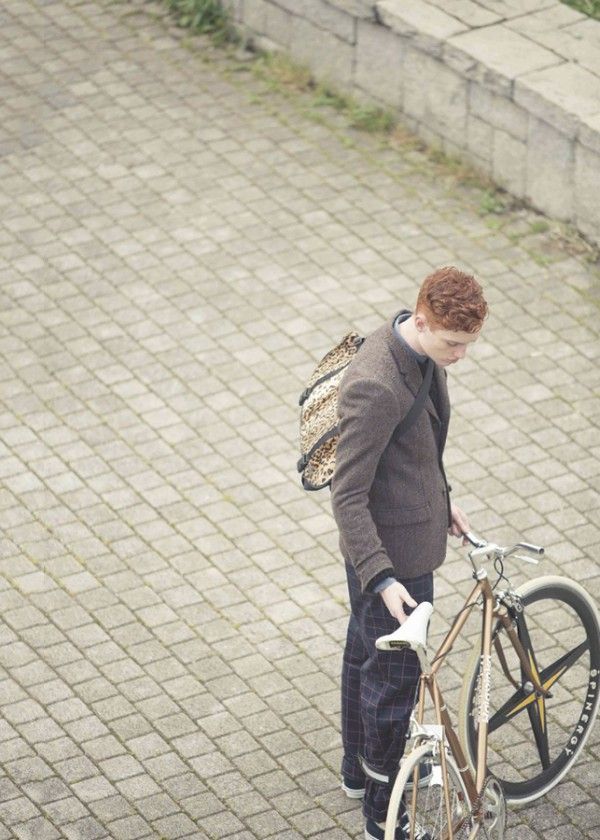
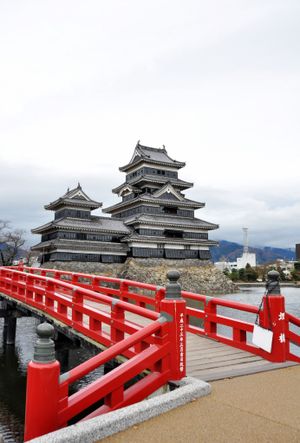
Matsumoto Castle, Nagano Prefecture

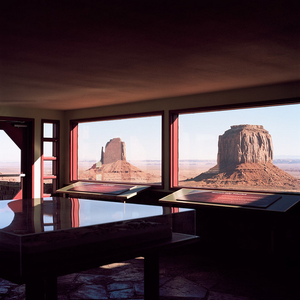
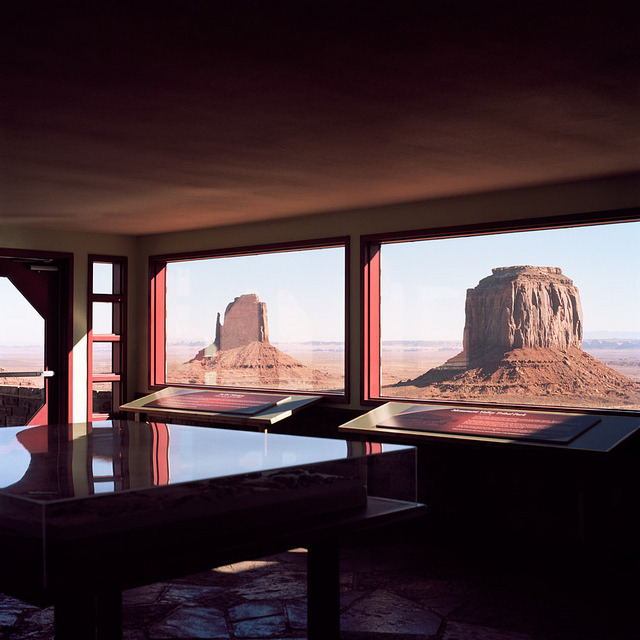
A Mitten Butte and Merrick Butte seen from the View Hotel, Monument Valley Tribal Park
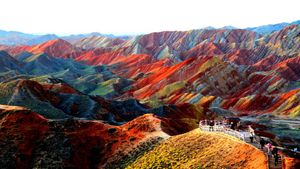
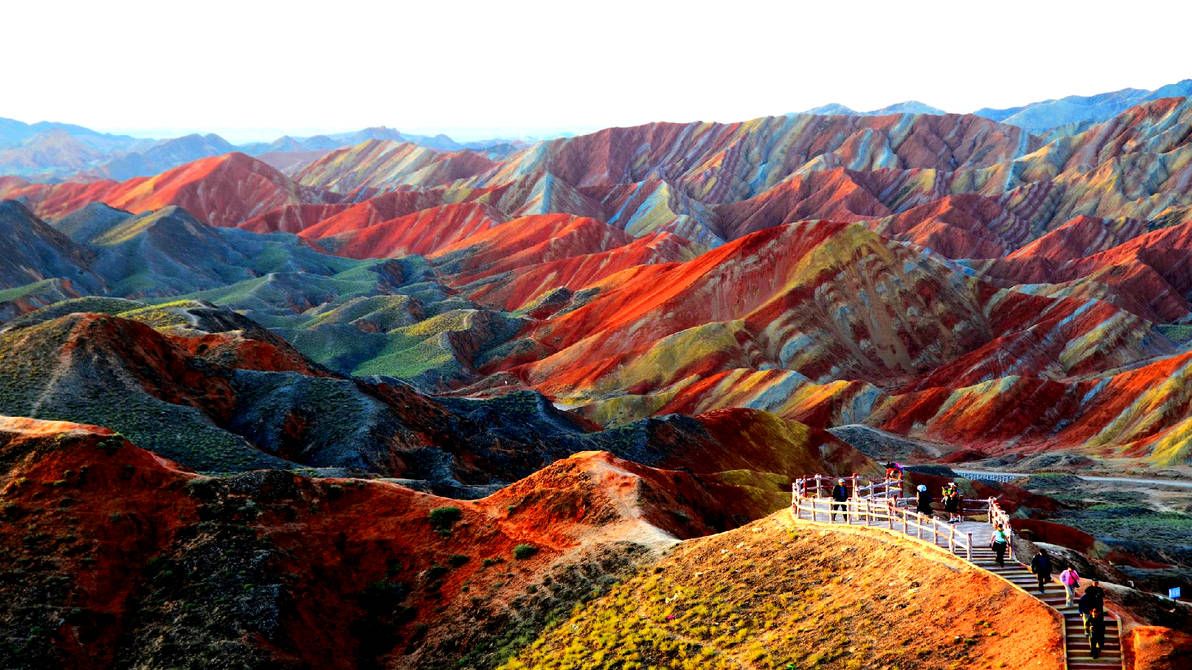
Rainbow mountains at Zhangye Danxia national geopark Gansu China
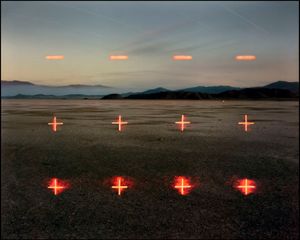
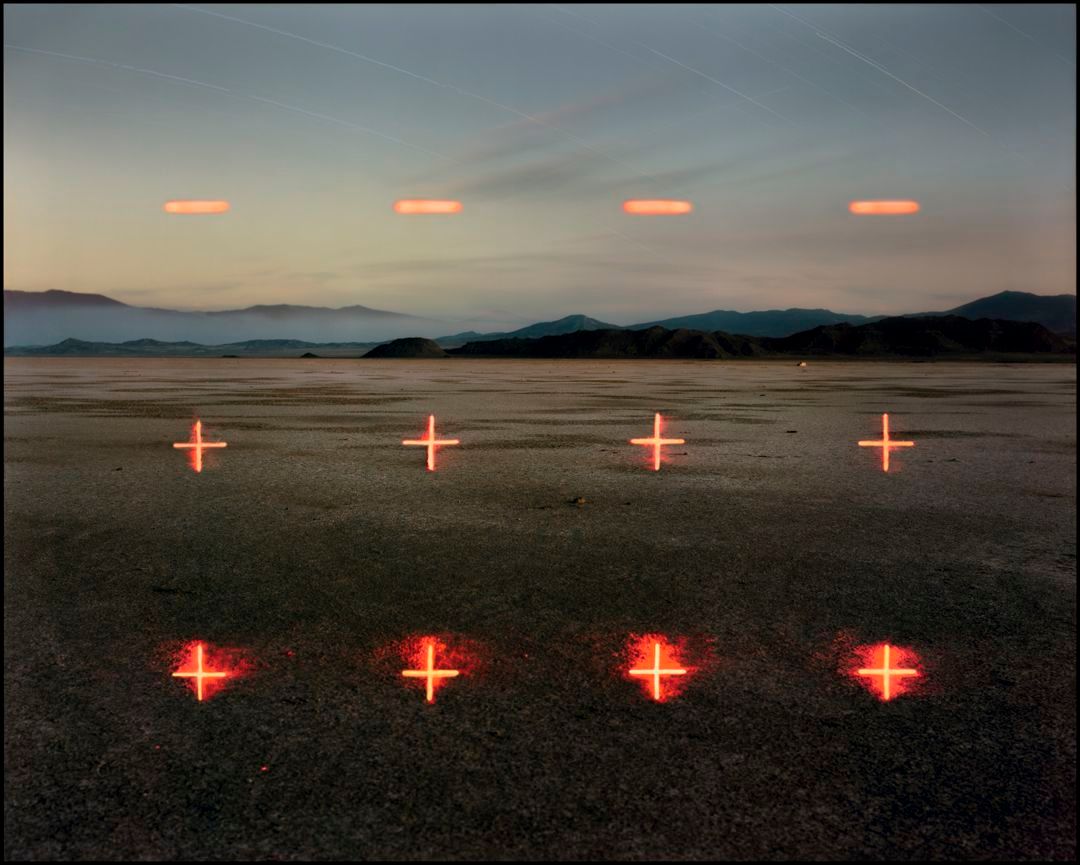
"Wendover II (For John)" by Barry Underwood
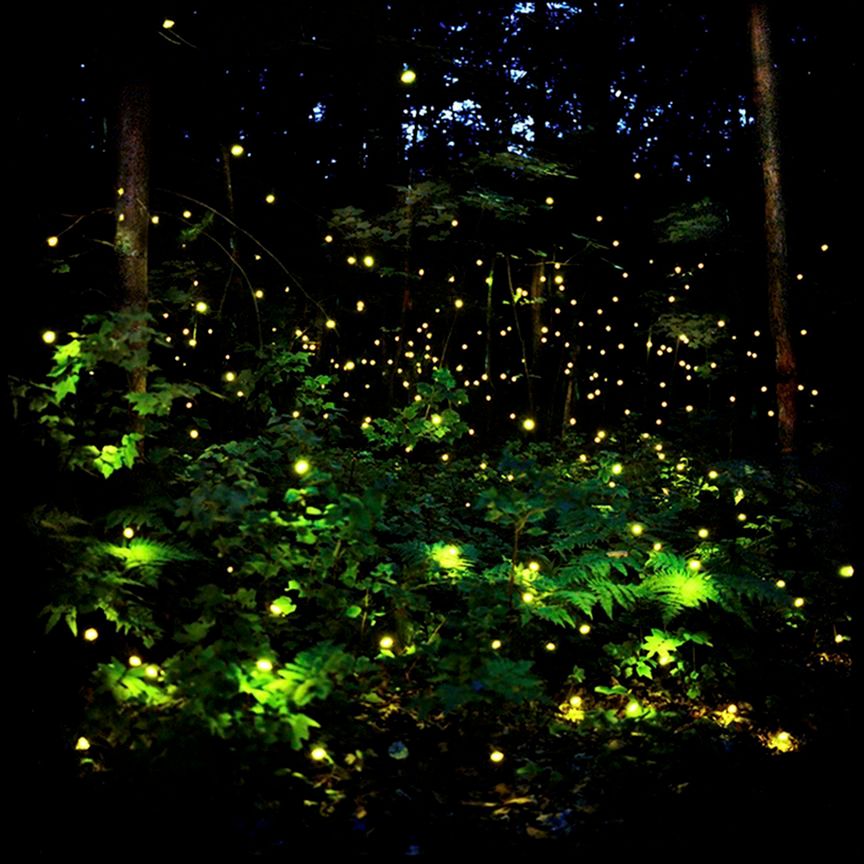
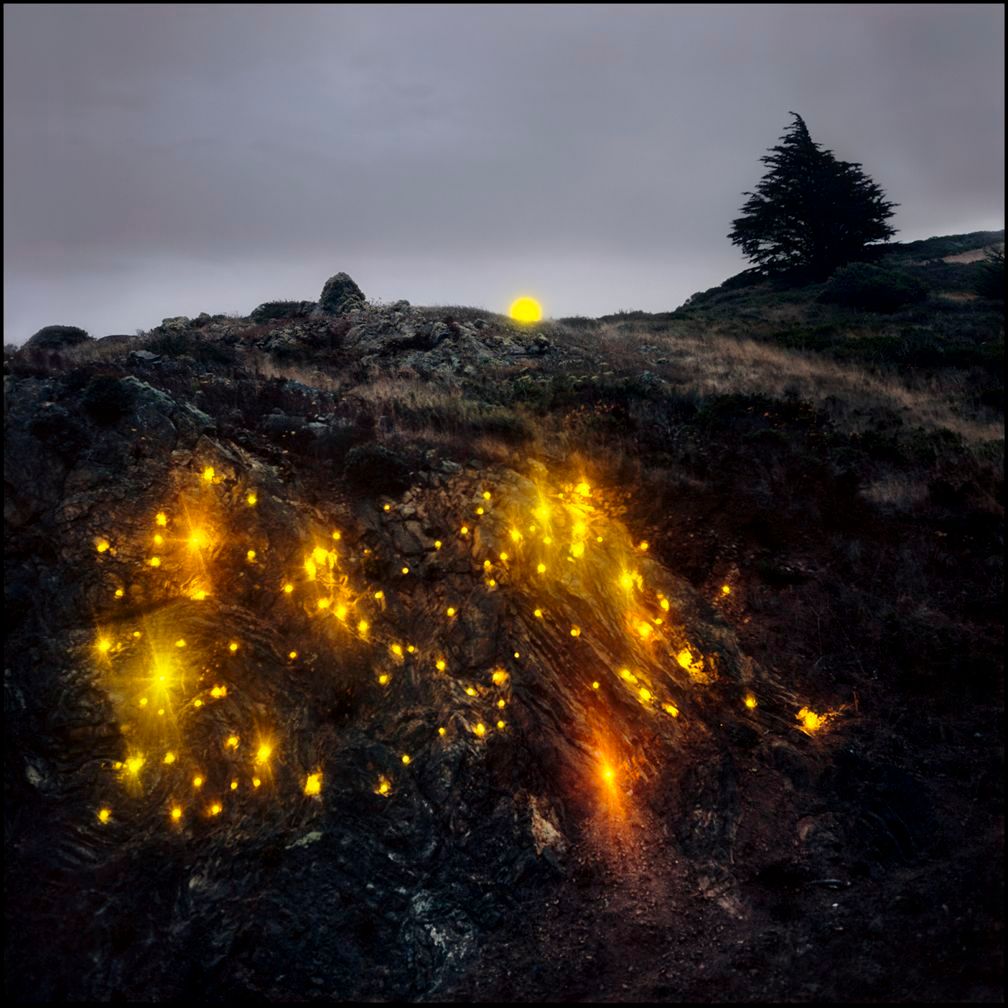
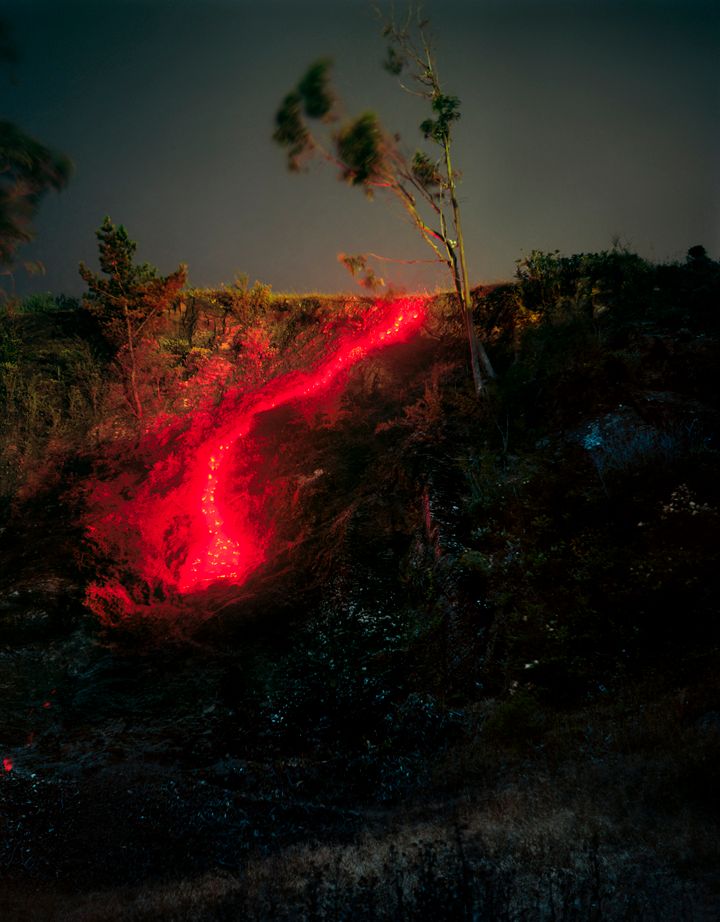
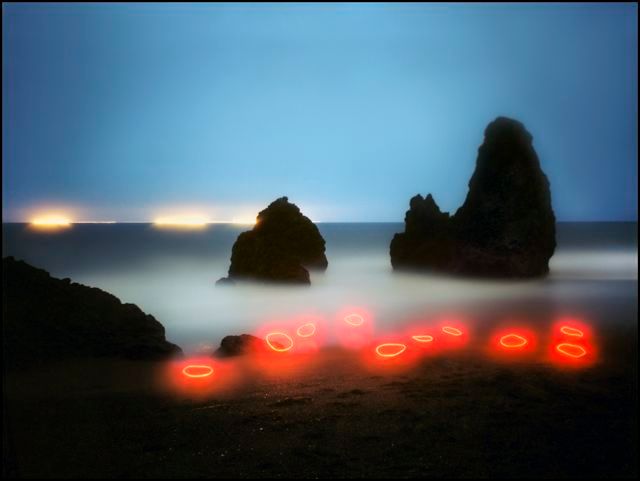
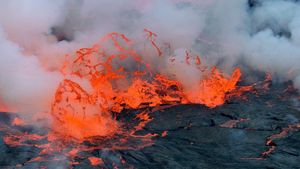
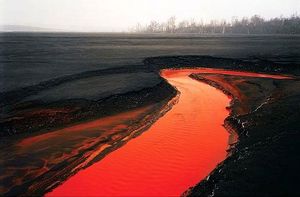
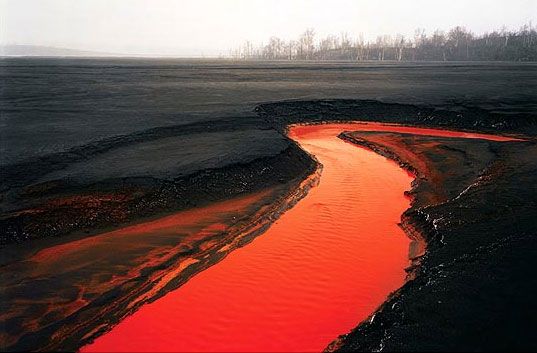
Nickel Tailings 34, Edward Burtynsky, 1996
From “Manufactured Landscapes: The Photographs of Edward Burtynsky”
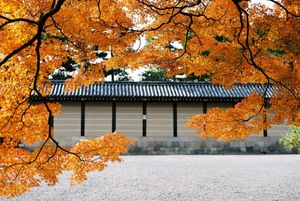
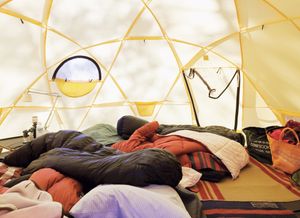
GENERAL RESEARCH OFF-SITE
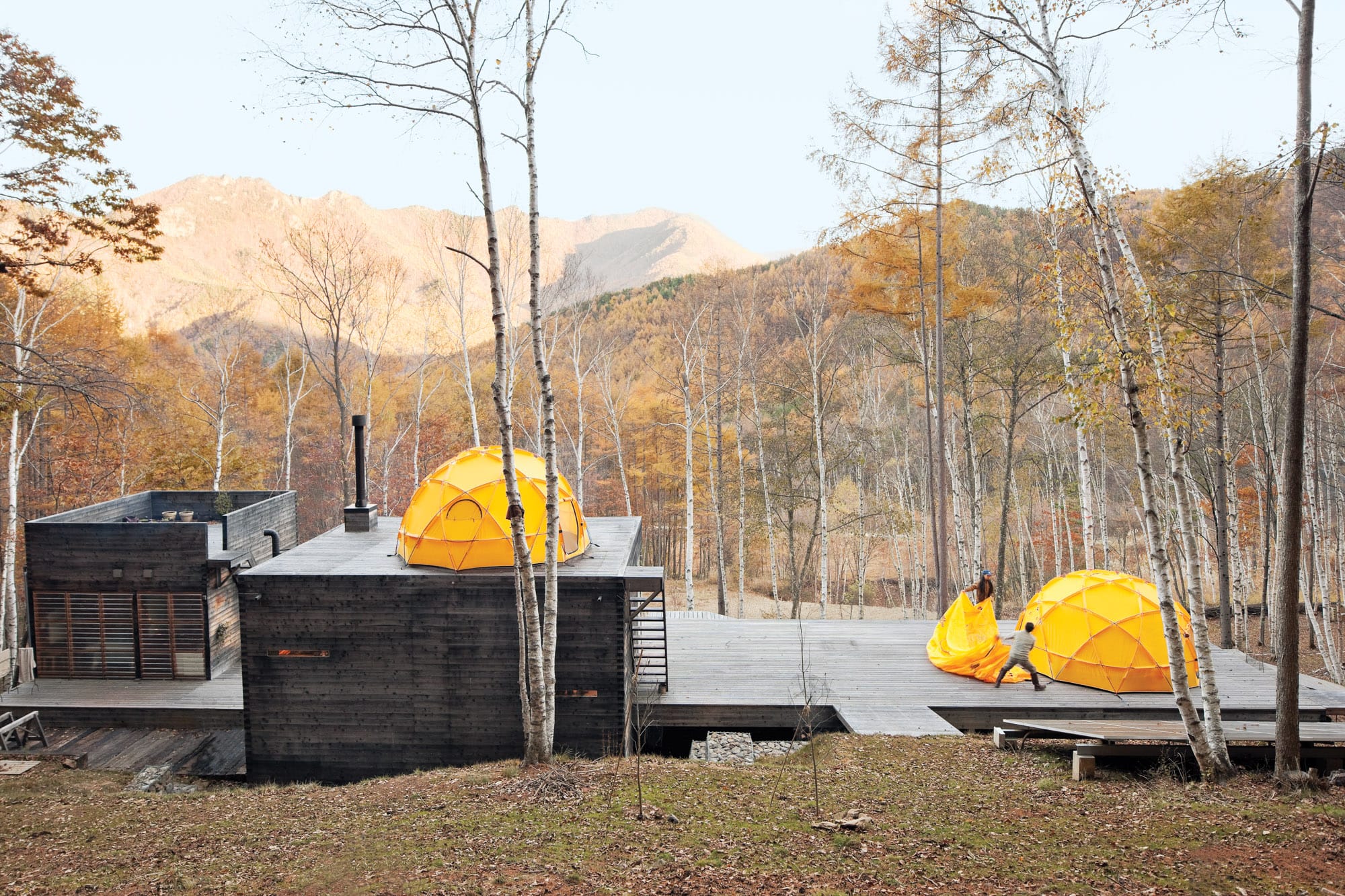
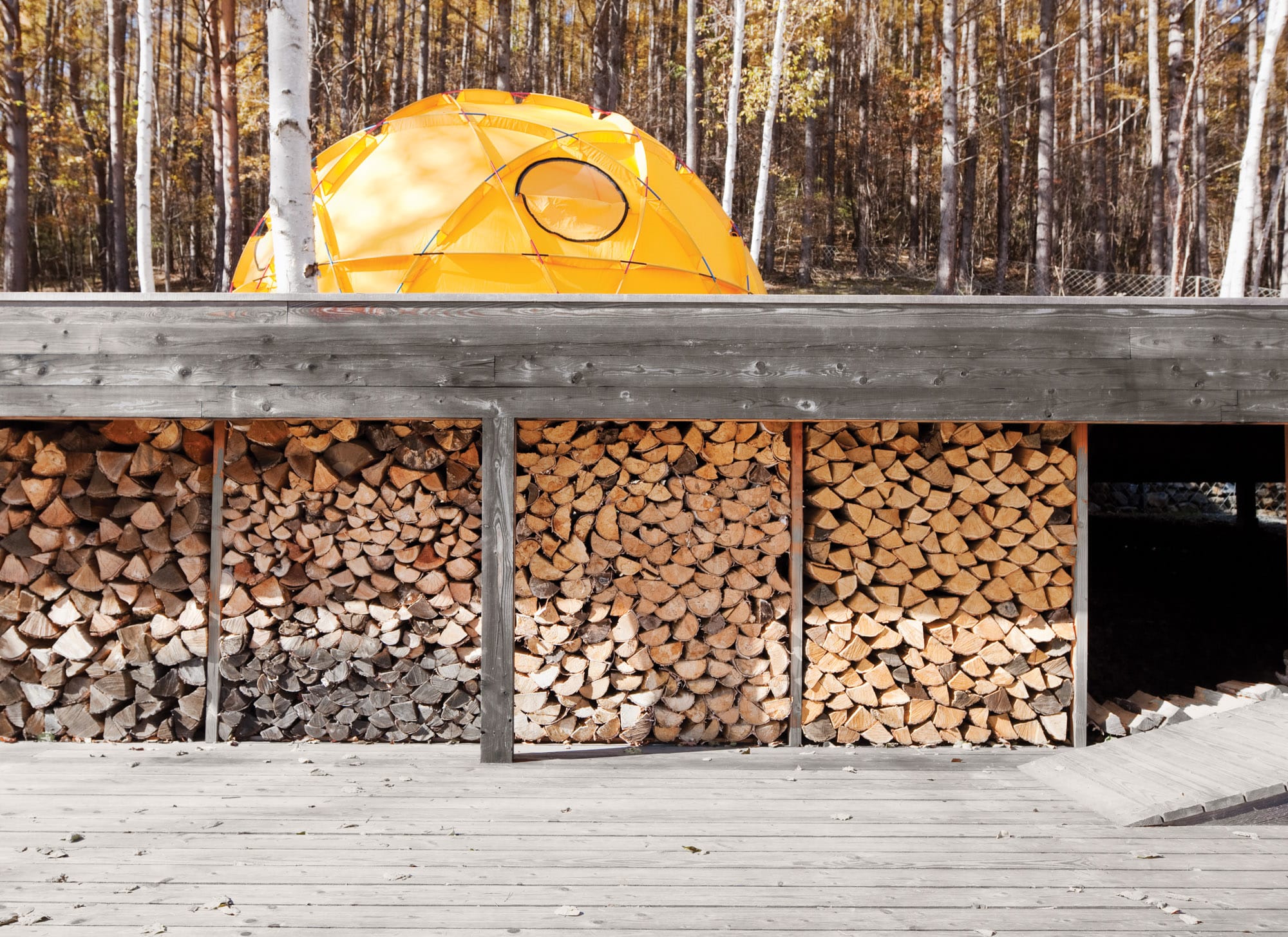
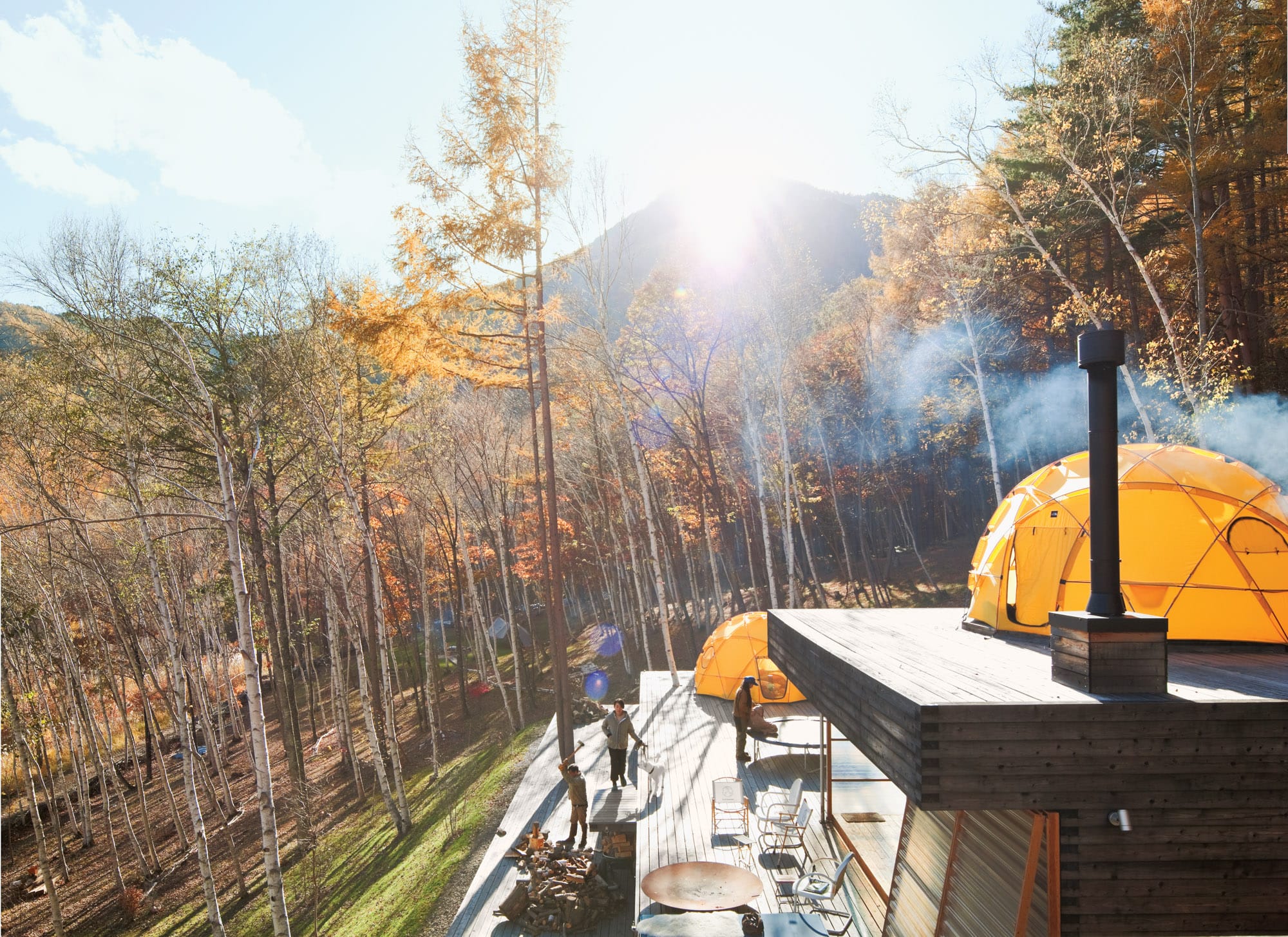
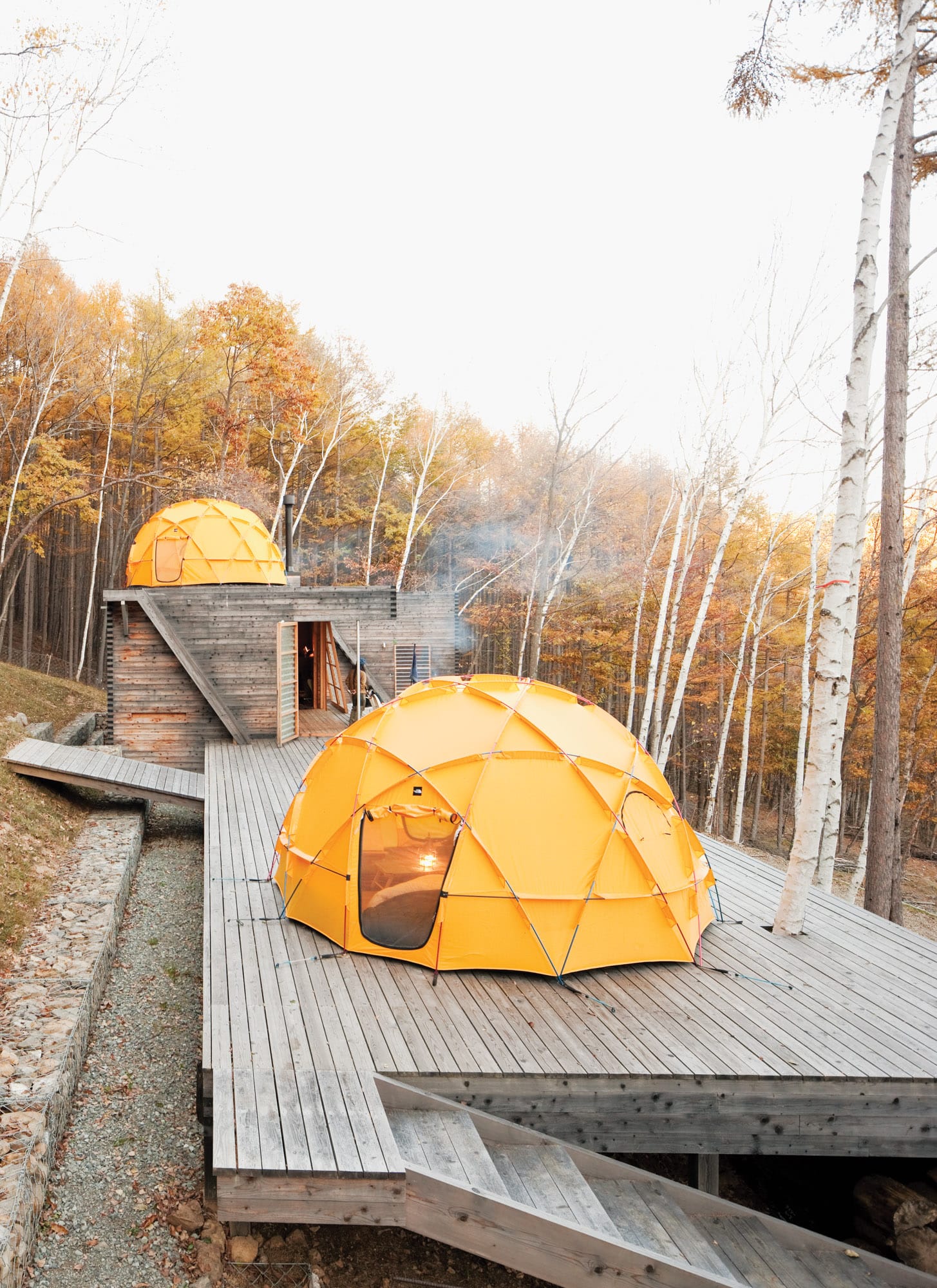
Designed by architect Shin Ohori of General Design for Setsumasa and Mami Kobayashi, founders of General Research. Located in the Chichibu mountain range northwest of Tokyo, the site serves as both a personal weekend shelter and a field-testing ground for product development.
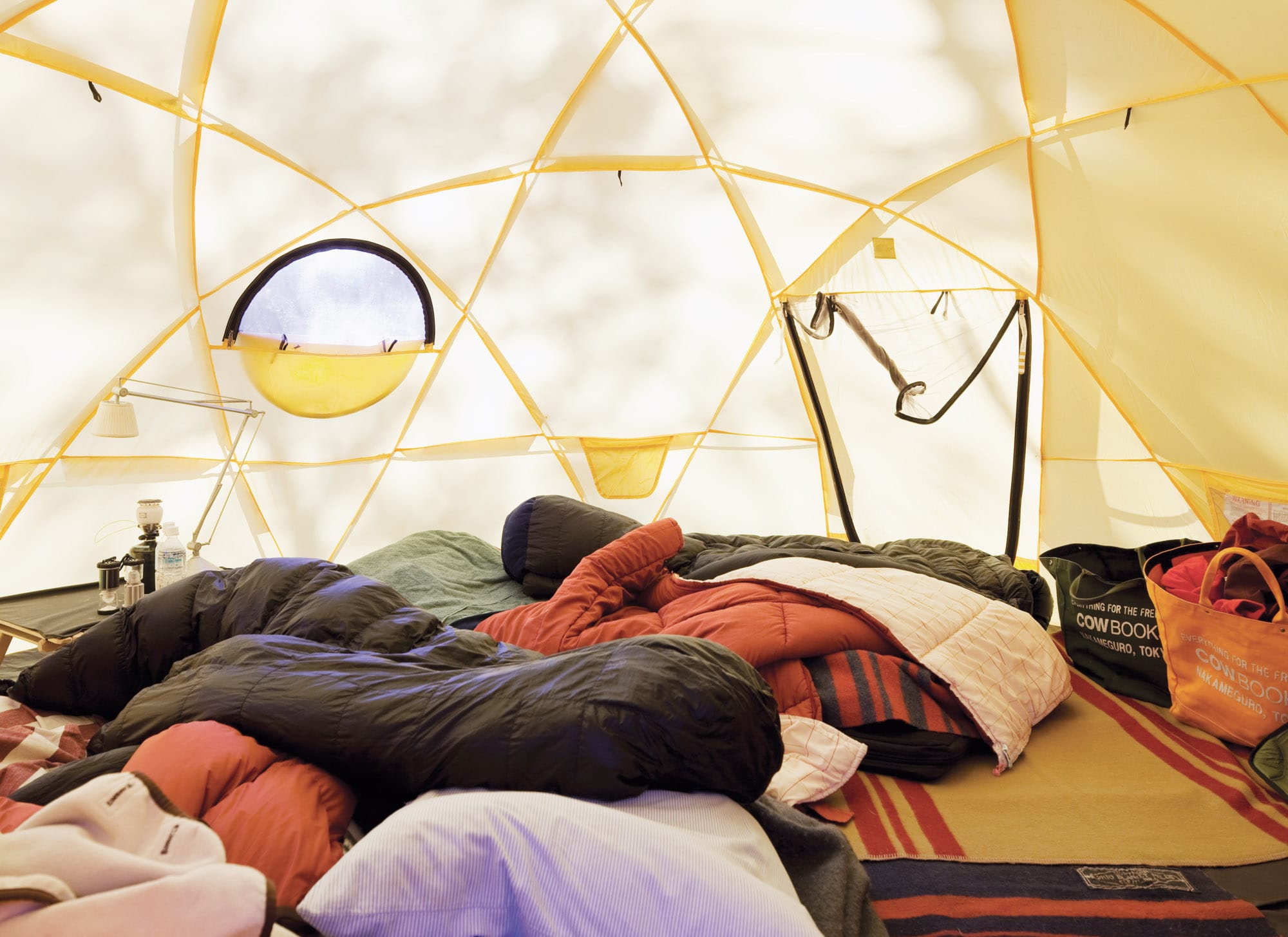
The structure is built on an elevated platform using locally harvested larch wood and features removable walls made from fiber-reinforced plastic. It includes two yellow dome tents used as permanent sleeping areas—one placed on a secondary deck and the other on the roof of the main volume. The central enclosed space houses a kitchen and dining area.
The shelter is equipped with electricity, hot water, internet access, and basic amenities, including a clawfoot bathtub. The location is remote but accessible, allowing the Kobayashis to engage in maintenance tasks and outdoor work while still performing professional duties remotely. The architecture is intentionally simple and functional, emphasizing modularity, environmental responsiveness, and a hybrid of modernist design with primitive outdoor living elements.
The project operates as a live-in testing platform for lifestyle and gear integration in a real-world setting, merging domestic space with performance wear prototyping. It represents an approach to architecture and living that prioritizes adaptability, utility, and a direct relationship with the natural environment.
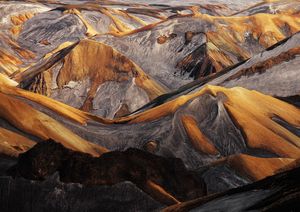
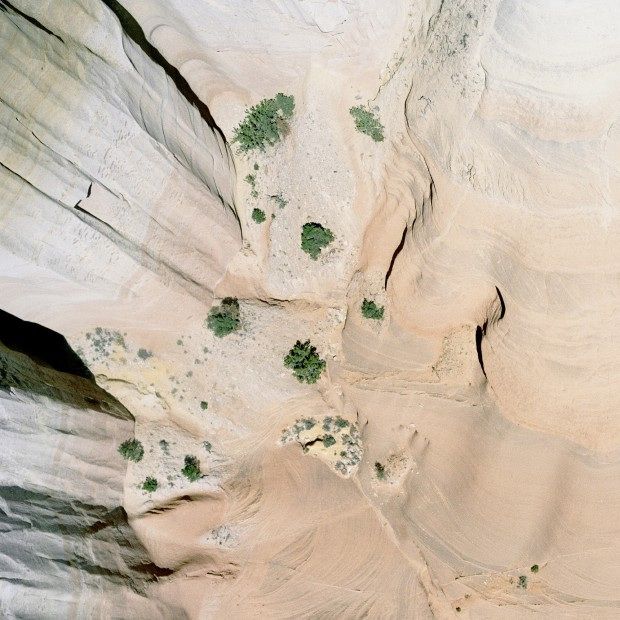
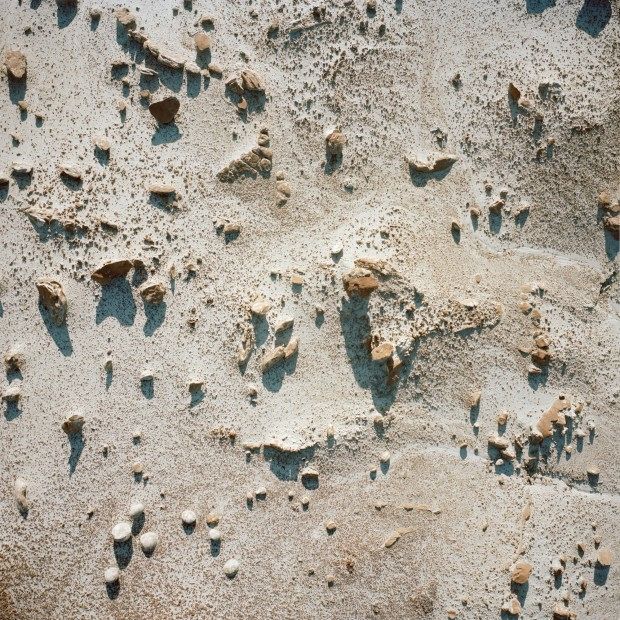
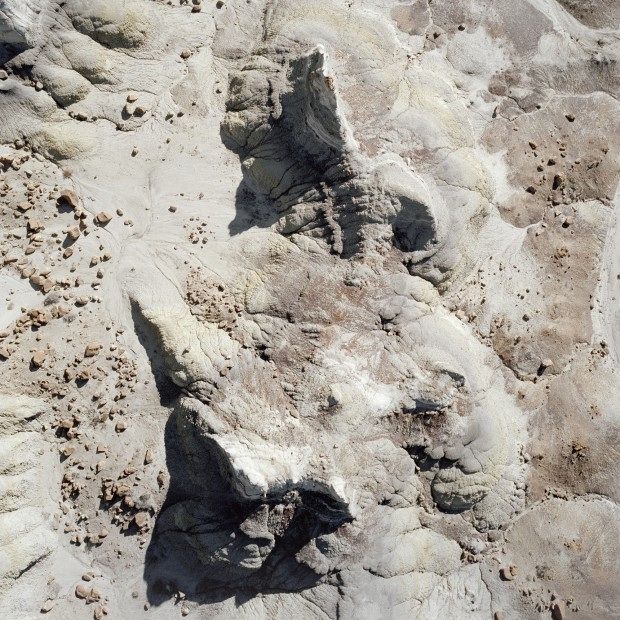
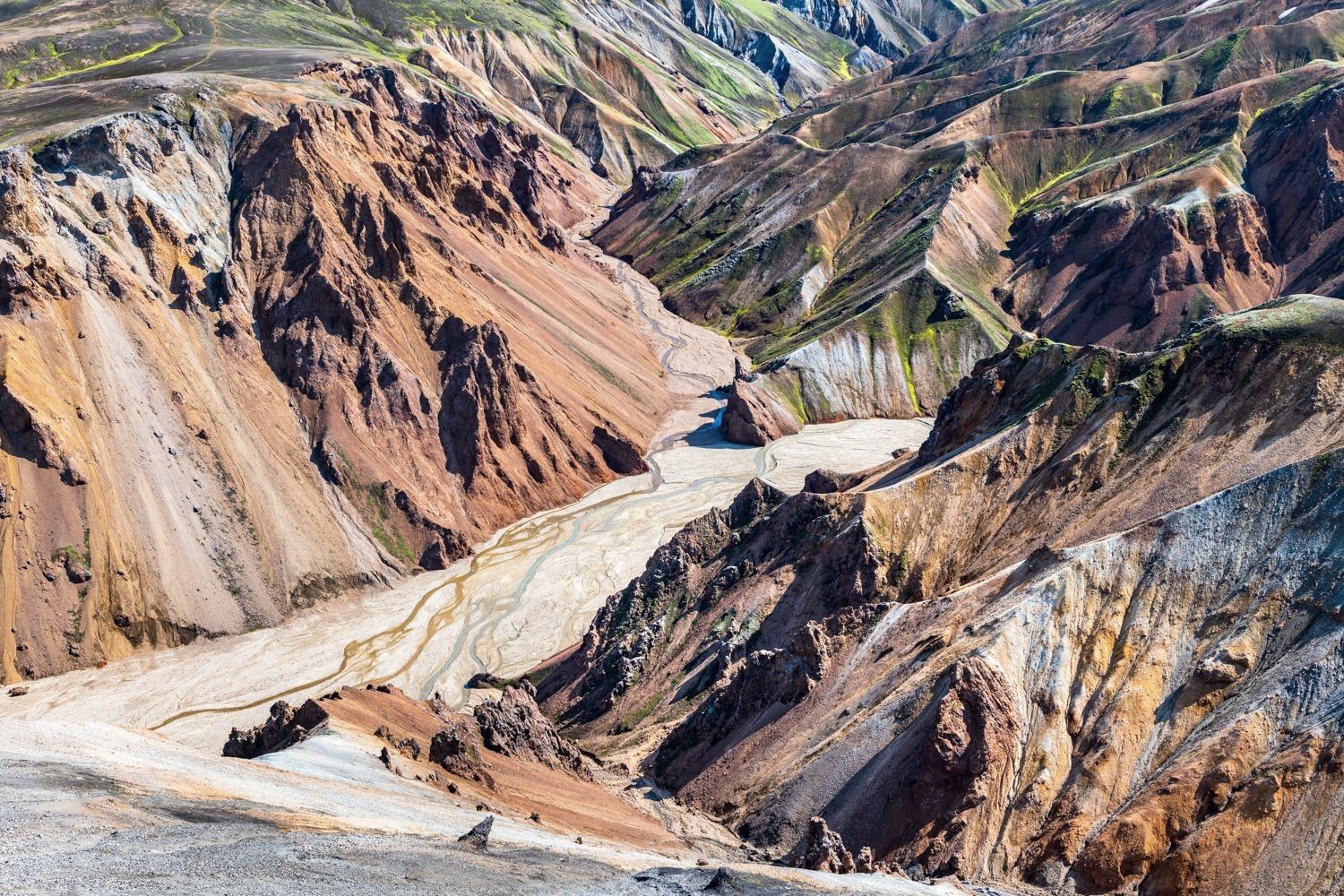
Desert Mountains Aerial View 012
Visvim 2012 Subsection Series
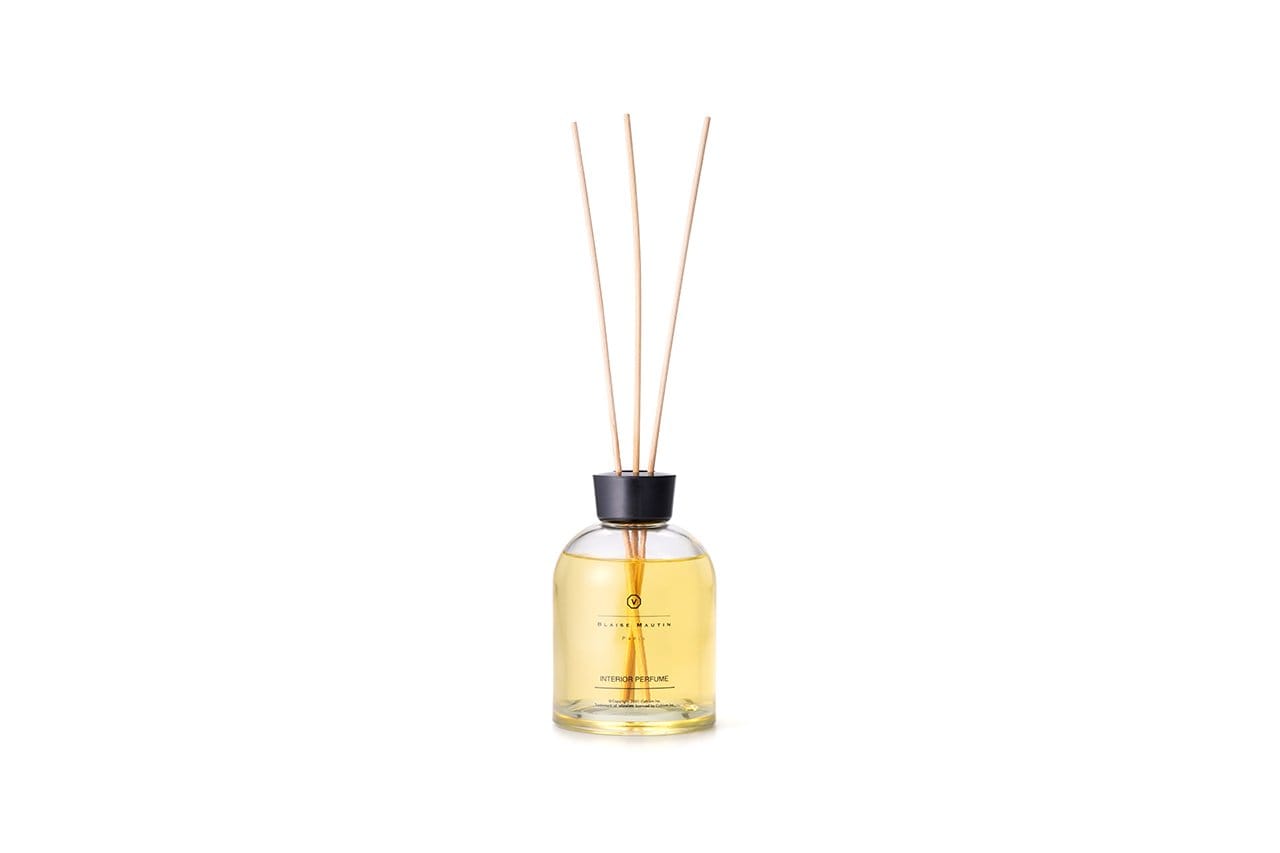
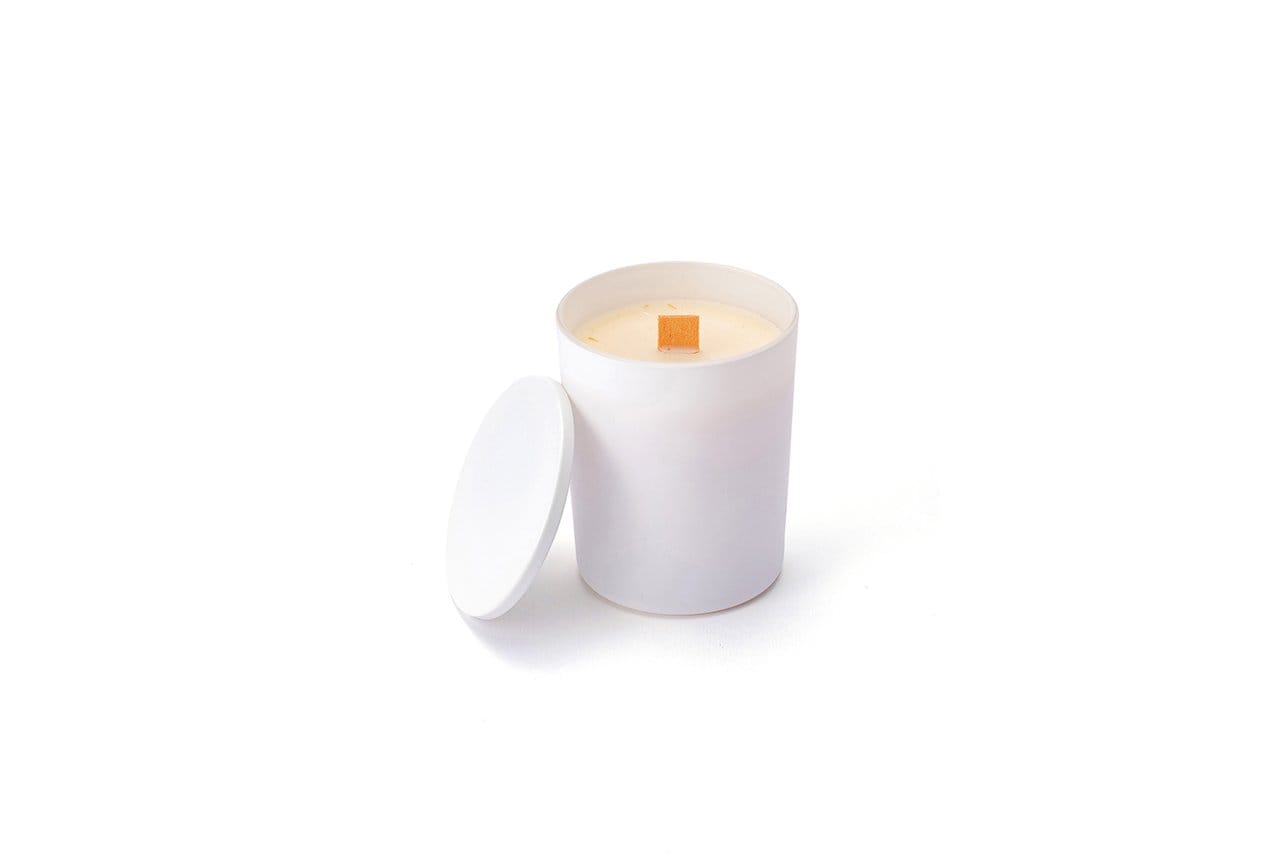
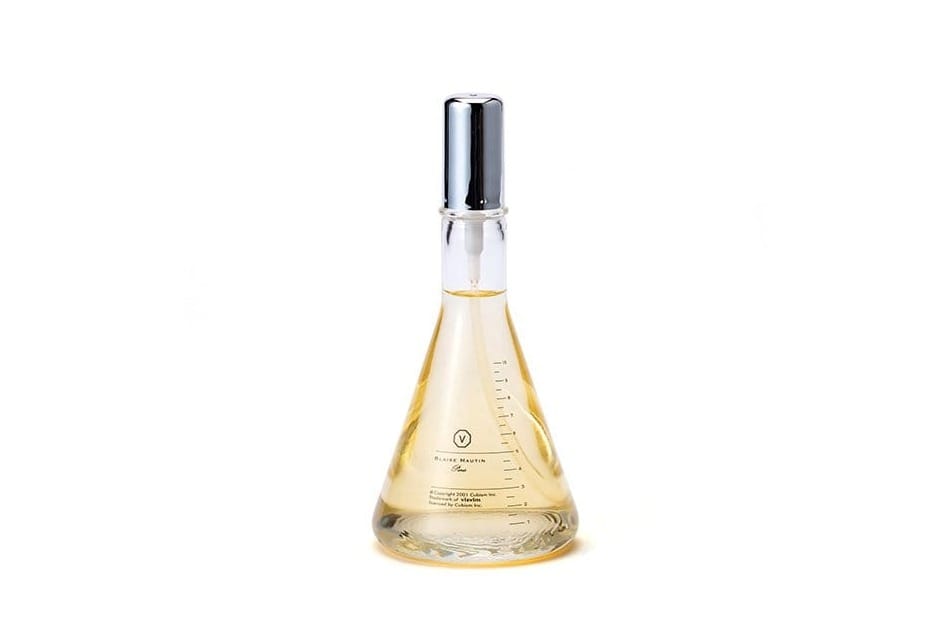
The SUBSECTION SERIES is a fragrance collection by Visvim, inspired by founder Hiroki Nakamura’s encounter with French fragrance designer Blaise Mautin over 20 years ago. The series includes candles, room sprays, and diffusers, each available in various scents. Notable fragrances are NO.1 F.I.L., a blend featuring patchouli and sandalwood, and NO.7 KYOTO, inspired by a morning visit to Kyoto’s Sanjusangendo temple.
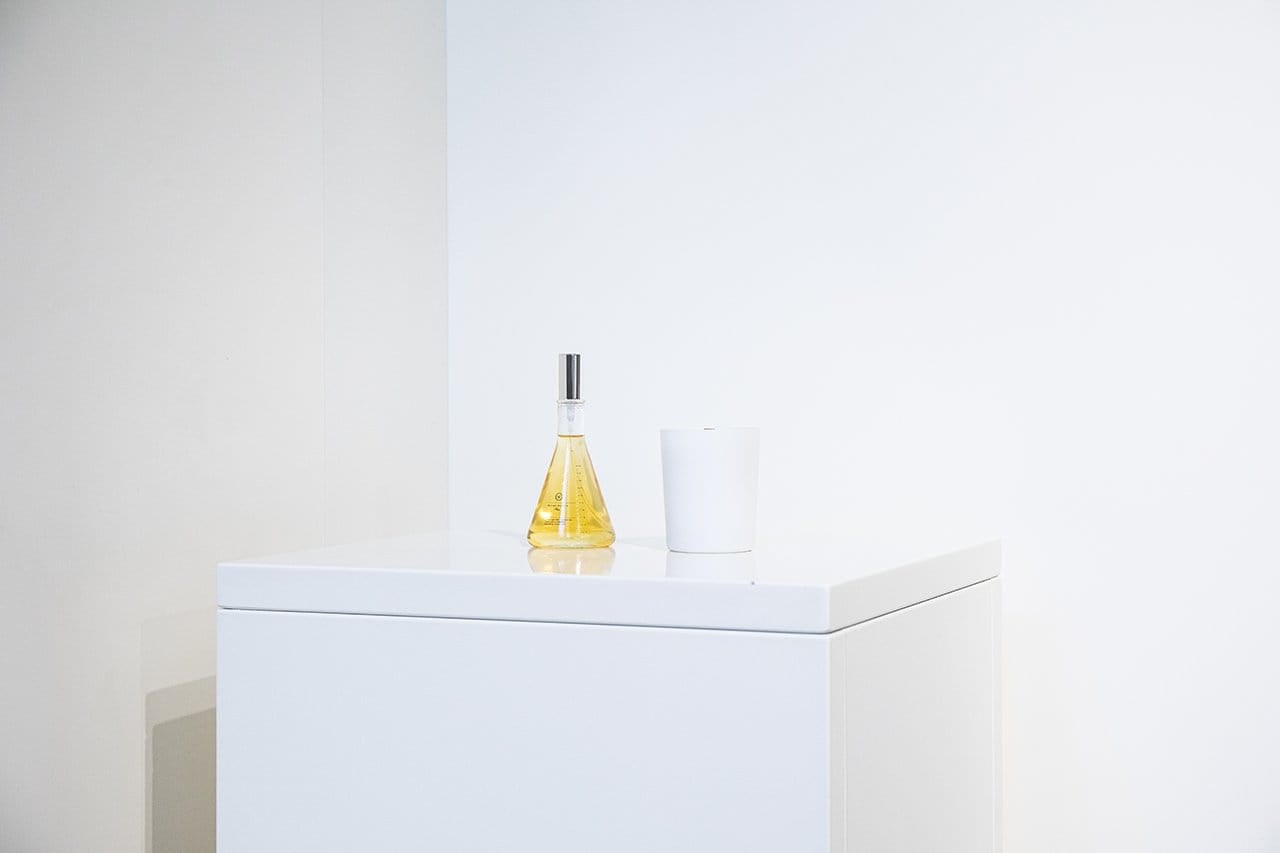

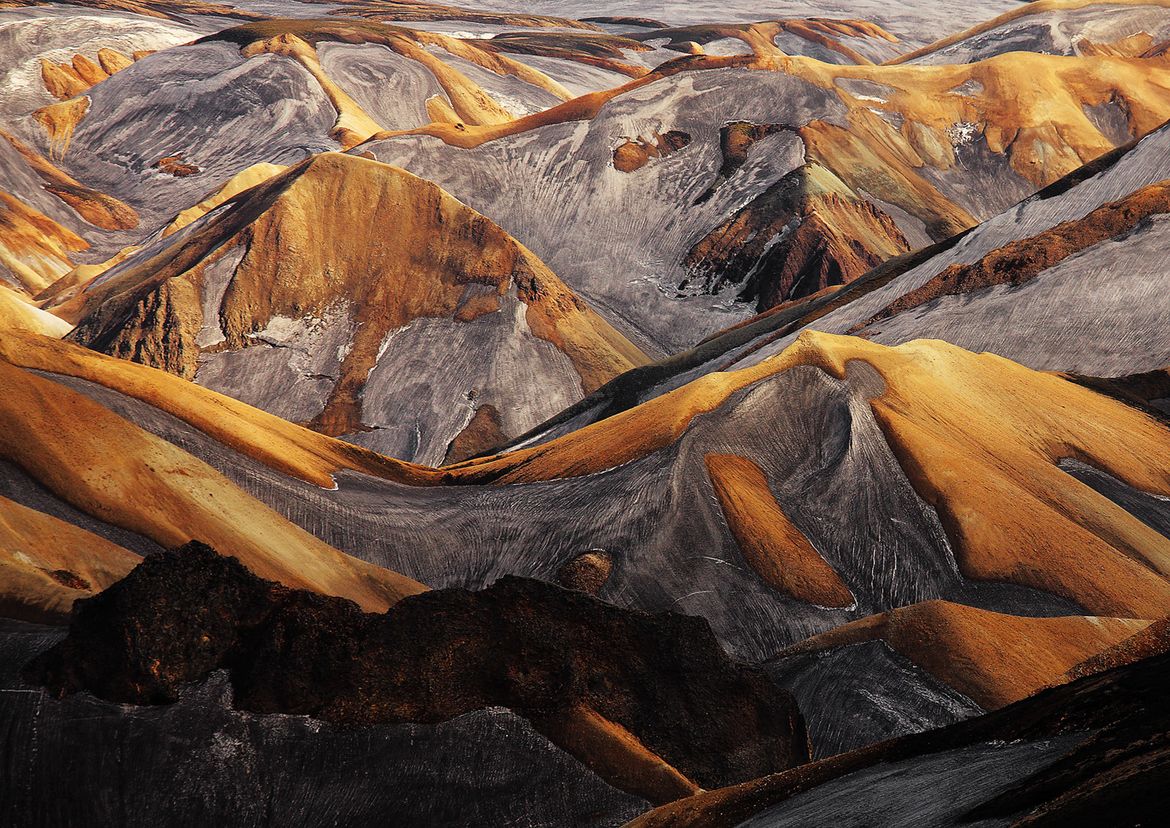
Rhyolithberge, Region Landmannalaugar, Fjallabak Naturreservat, Isländisches Hochland, Island
A Story of Yonosuke (2013) — Shuichi Okita
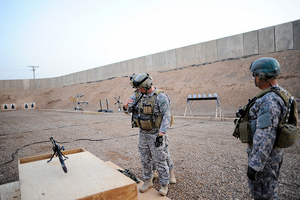
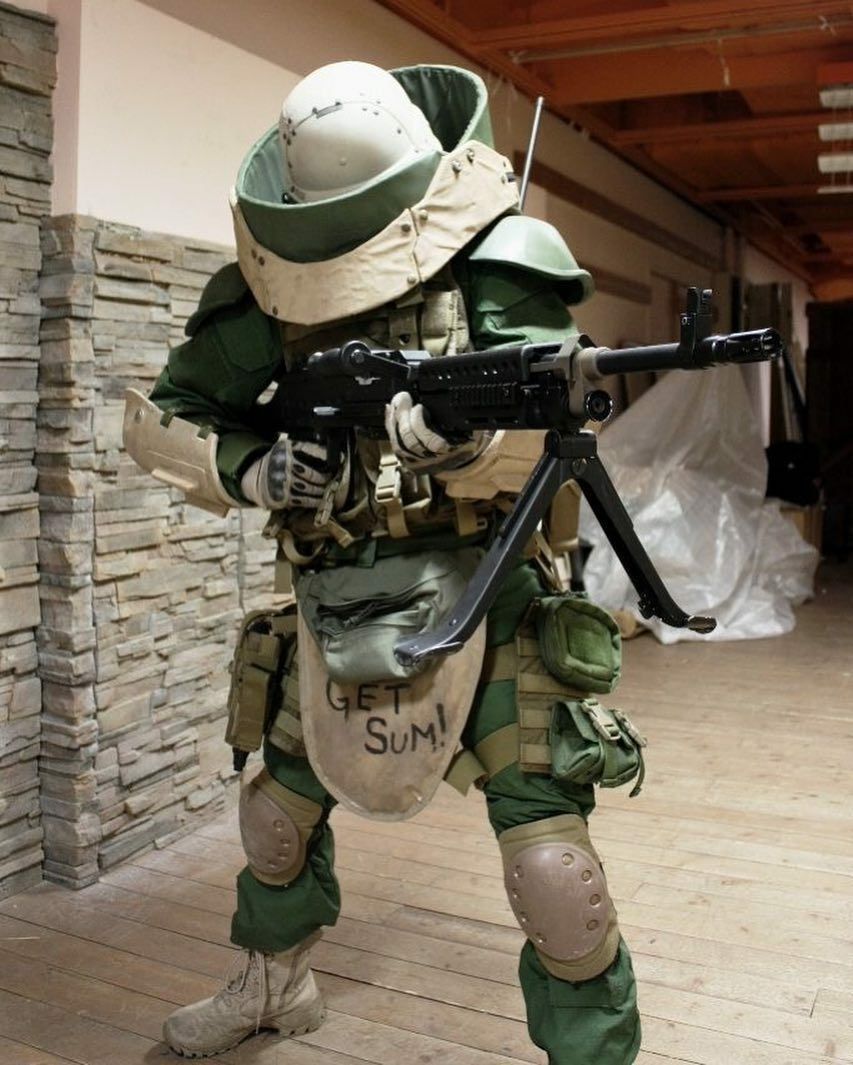
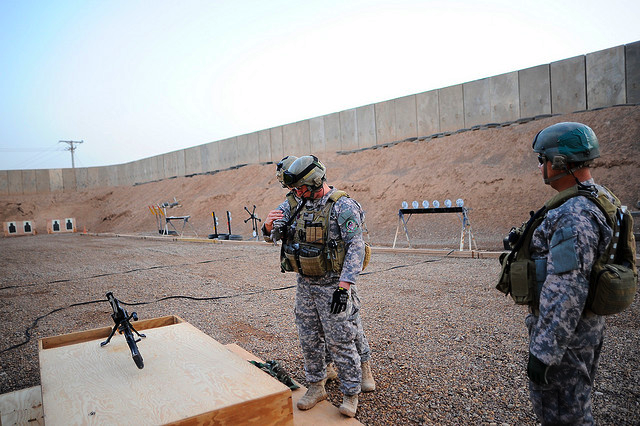
M240 Machine-Gun Range Training
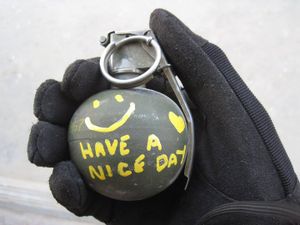
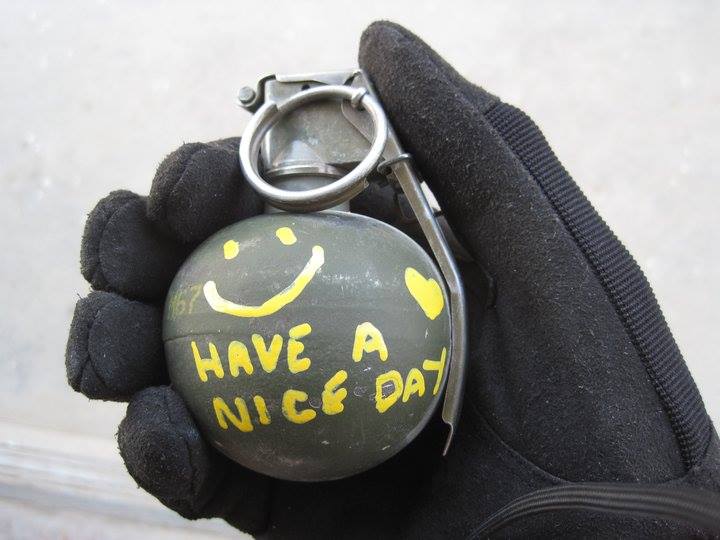
Have a Nice Day — M67 Grenade
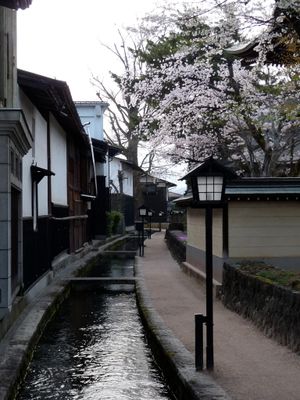
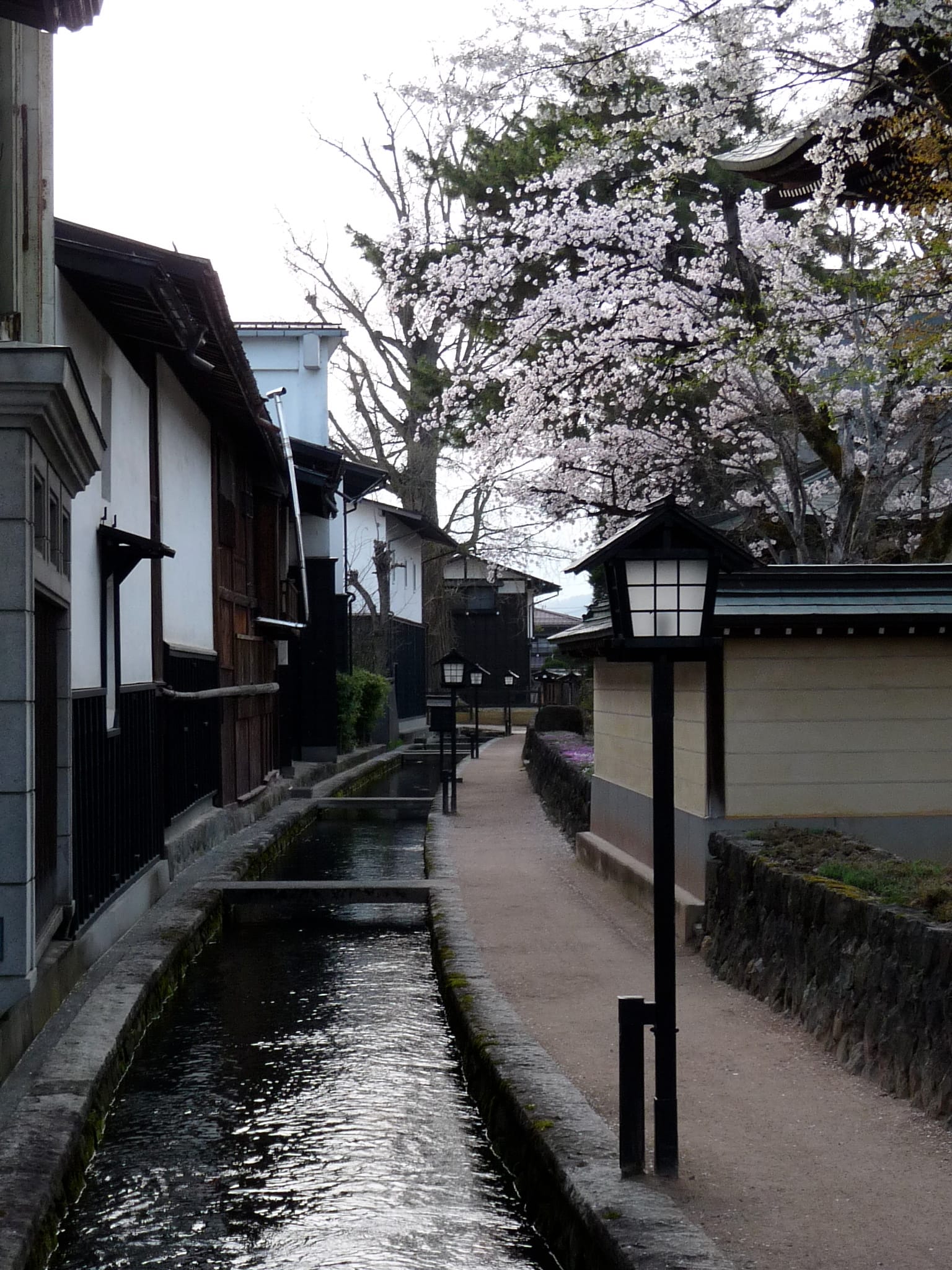
Hida-Furukawa (飛騨古川) — Dan
Dan's Hida-Furukawa (飛騨古川) follows the Seto River canal through the preserved old town of Furukawa in Hida City, Gifu Prefecture. The photograph was taken on April 15, 2009.
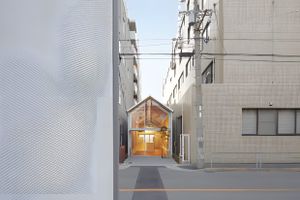
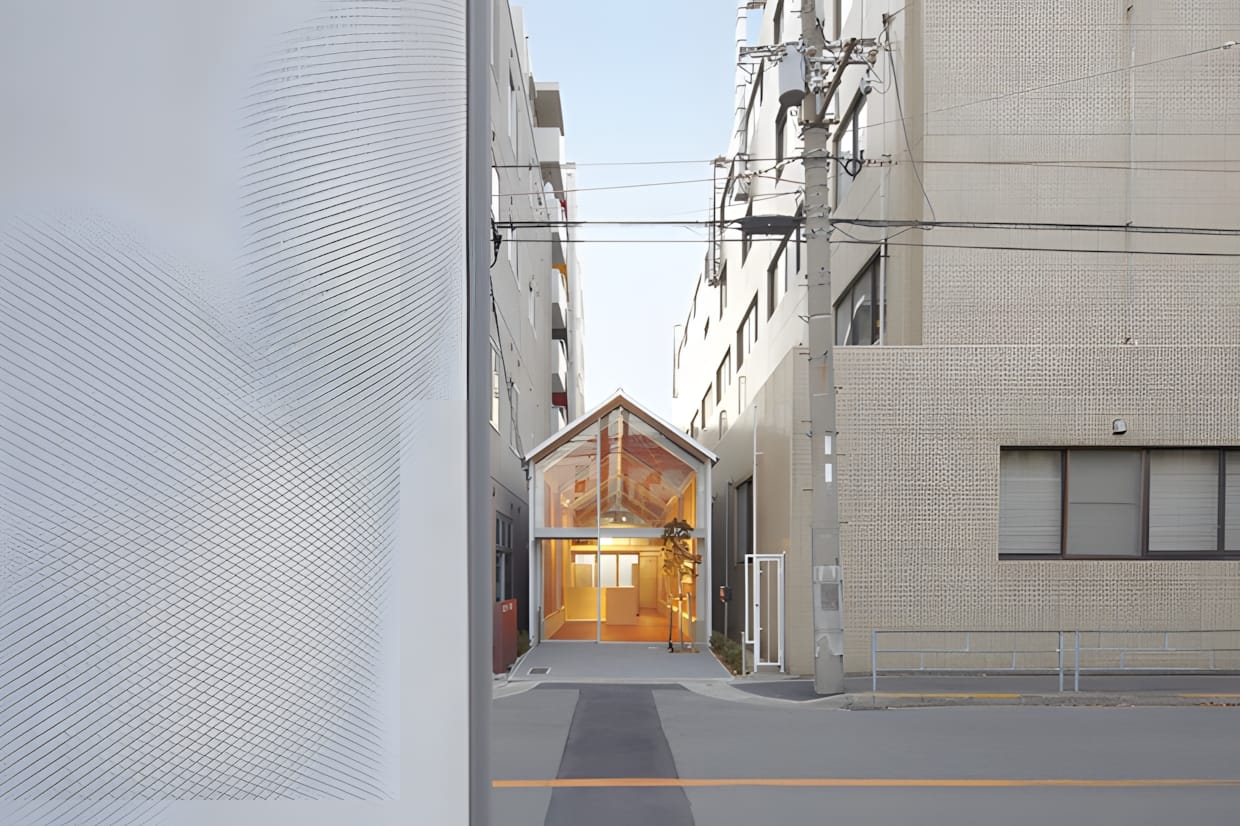
Ogimachi Global Dispensing Pharmacy — ninkipen! + TKY Japan
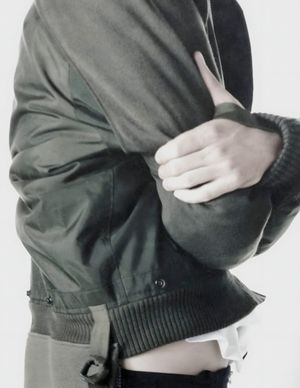
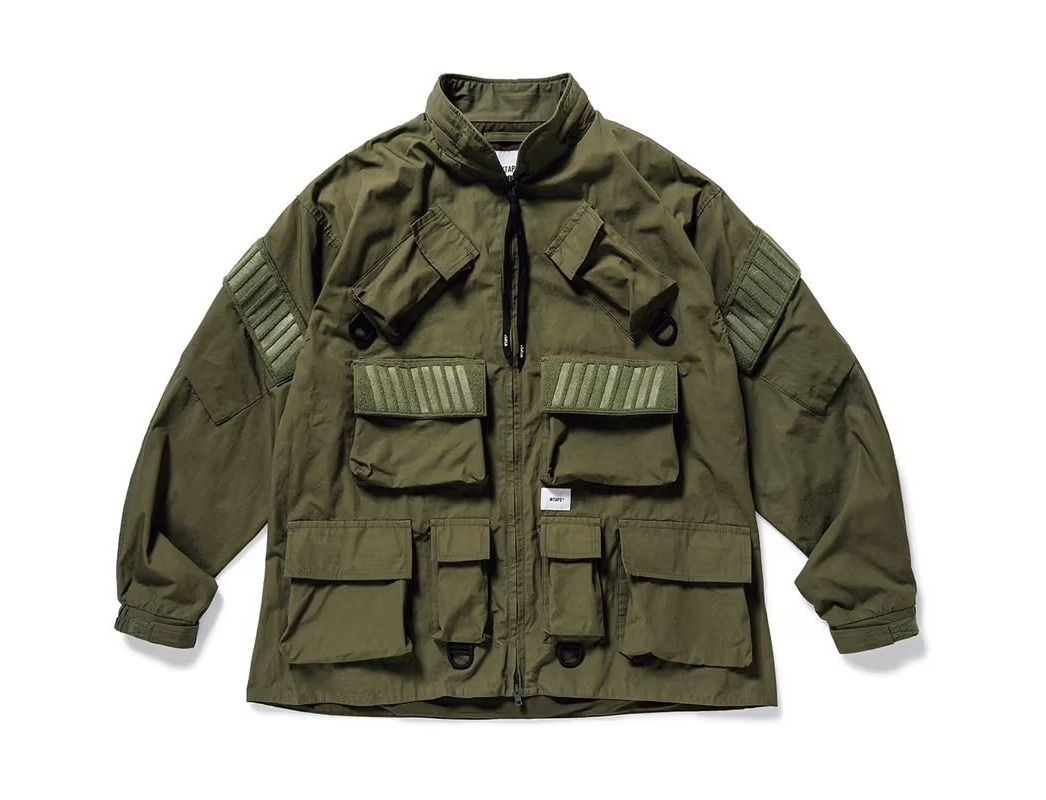
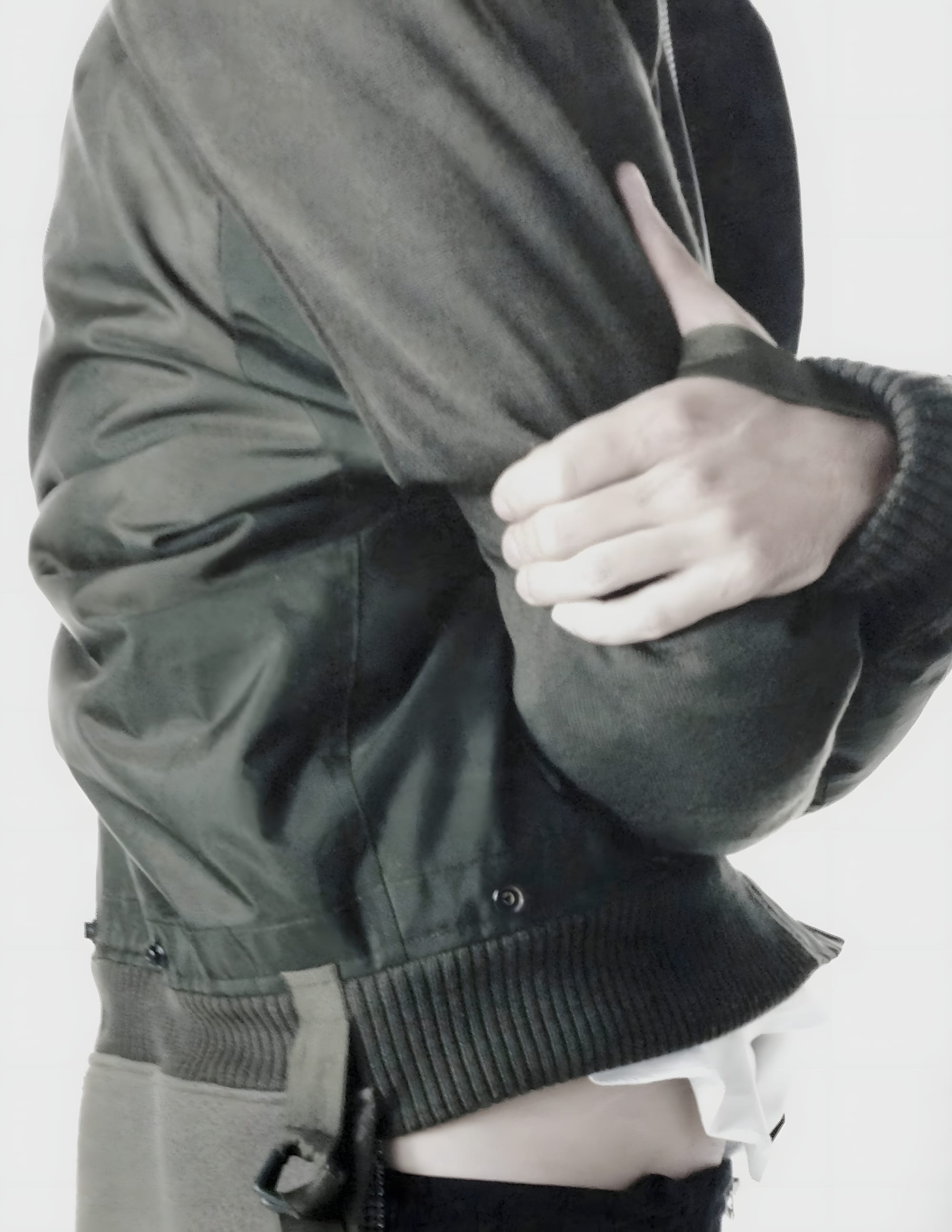
Nonnative Wrecking Walls FW2013 Bomber Jacket
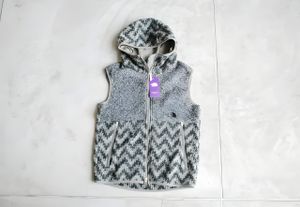
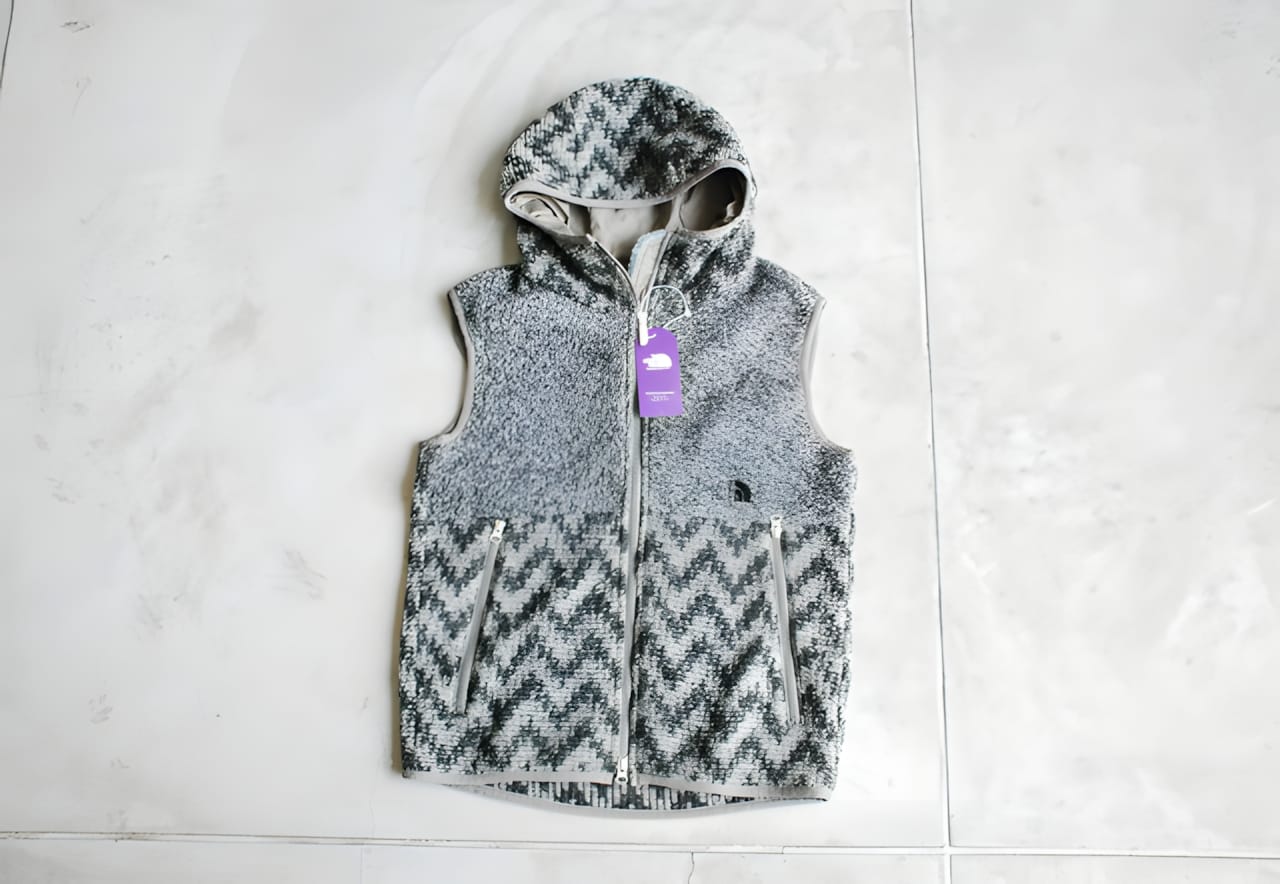
The North Face Purple Label Boa Fleece Hooded Vest
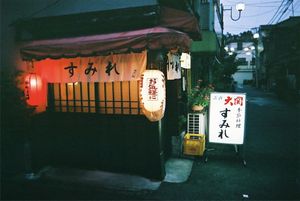
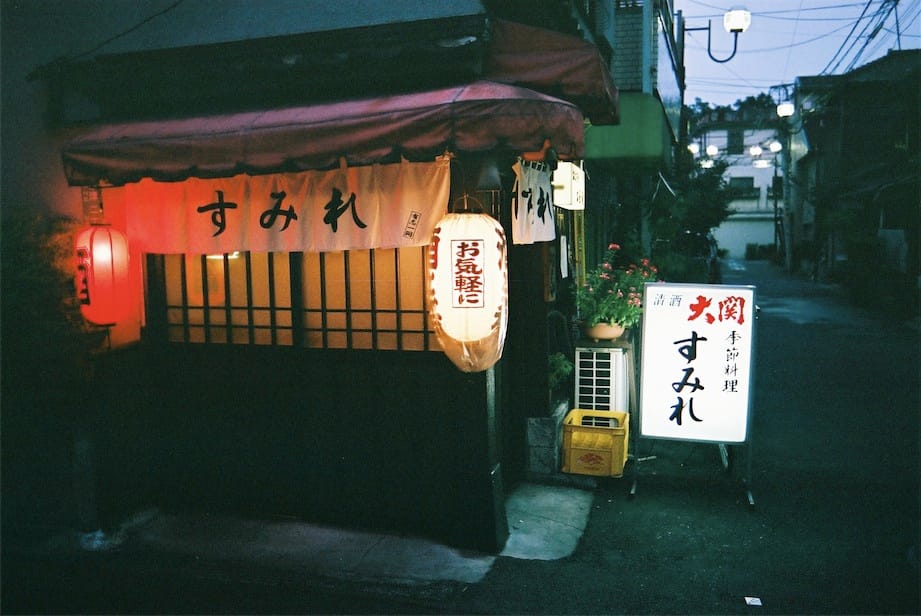
Alley at Dusk / 日暮れの路地 — uruyuta
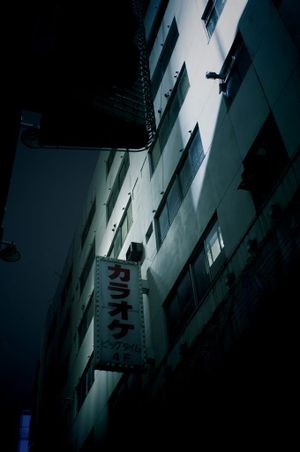
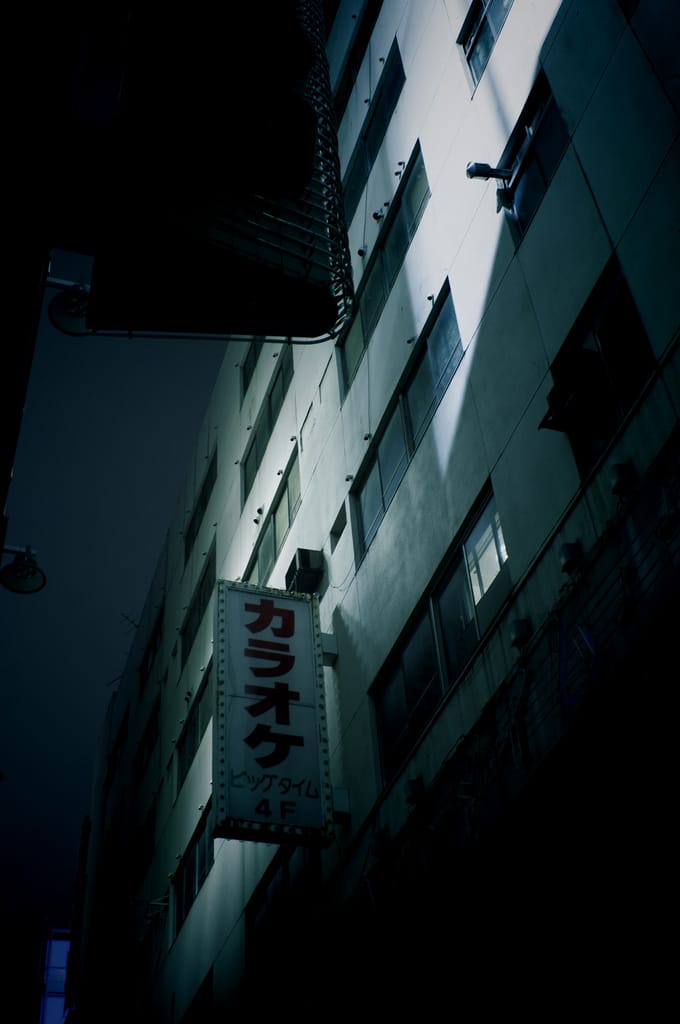
Building / 建物 — Shinjuku by perscape
perscape's Building / 建物 looks up along a tiled Shinjuku facade at night, where an illuminated sign reads カラオケ ビッグタイム 4F. The source tags identify a Pentax KX with an SMC Takumar 28mm F3.5 lens.
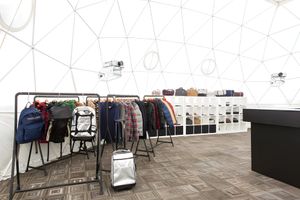
Snow Egg NISEKO — Riccardo Tossani Architecture
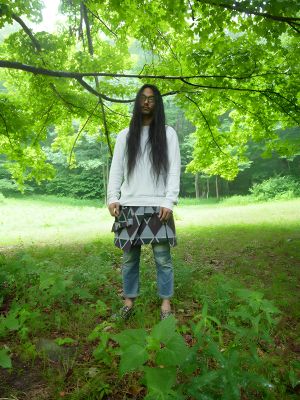
Kapital Fall/Winter 2013 "Indigenous" Lookbook
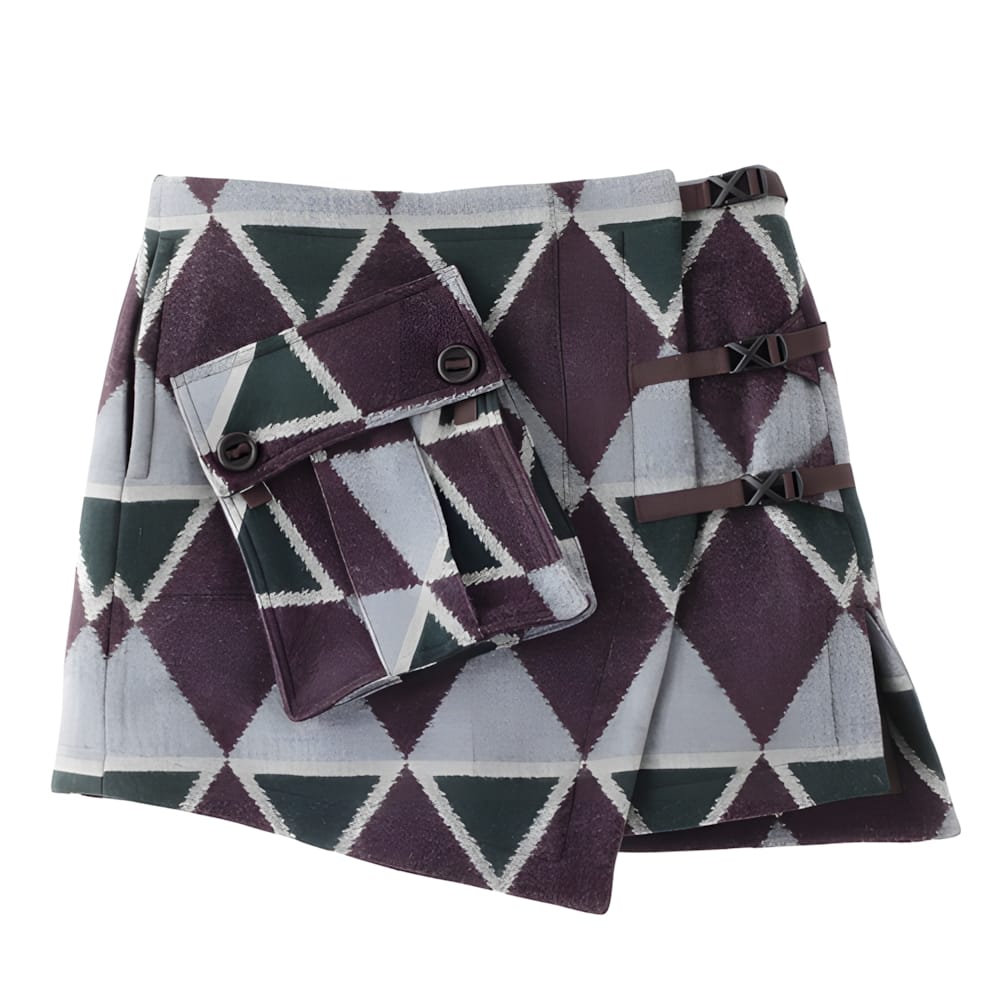
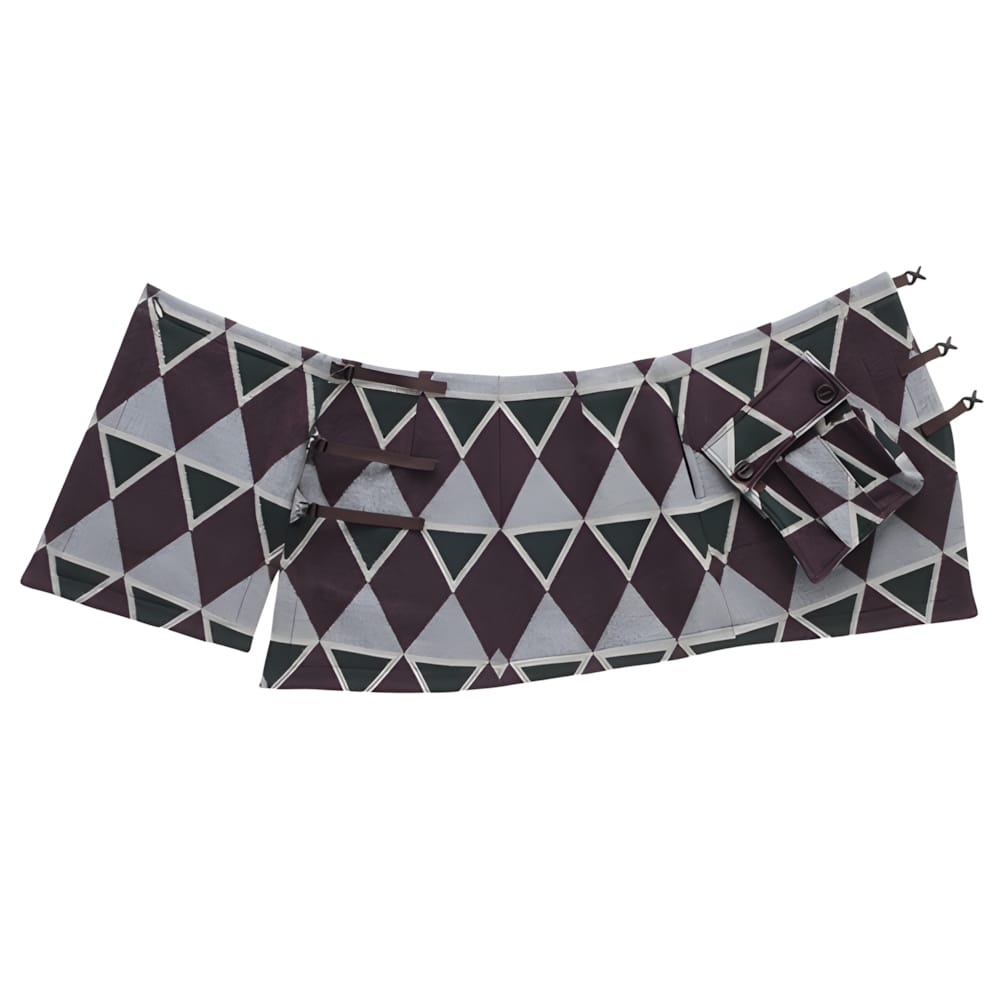
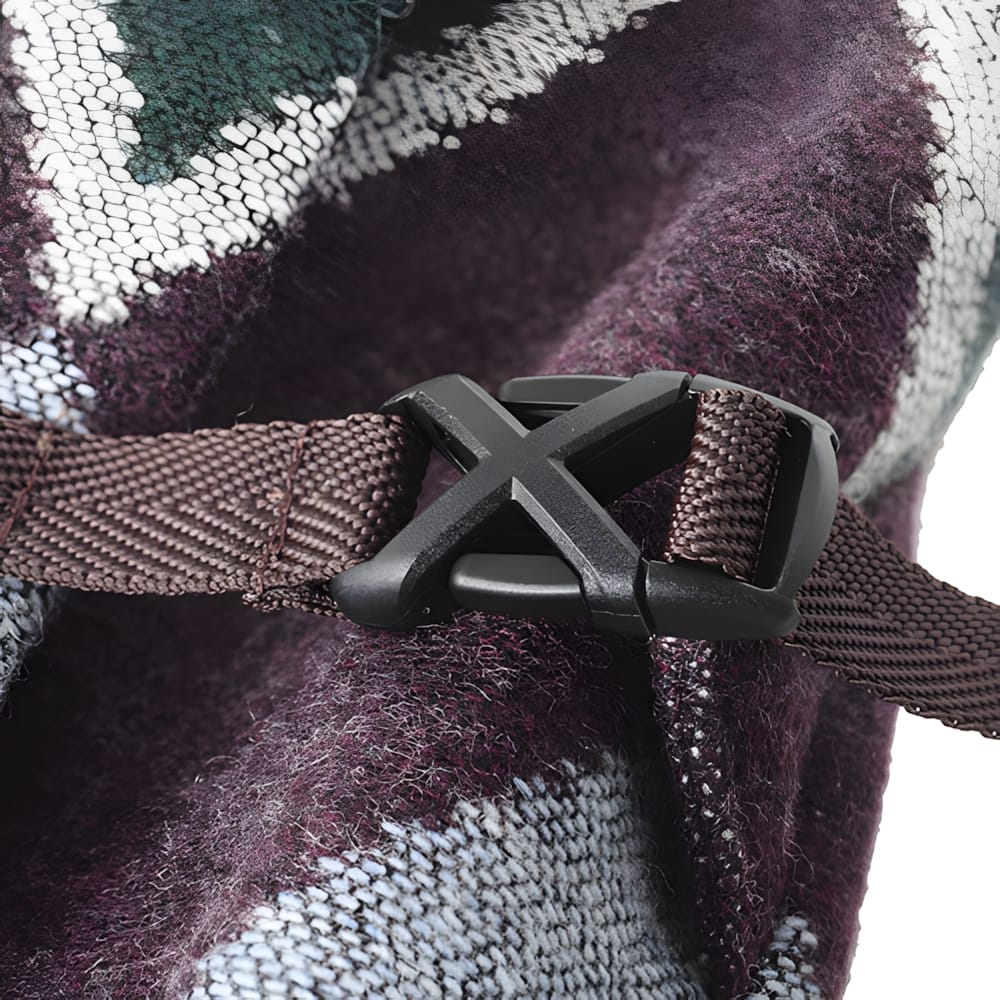
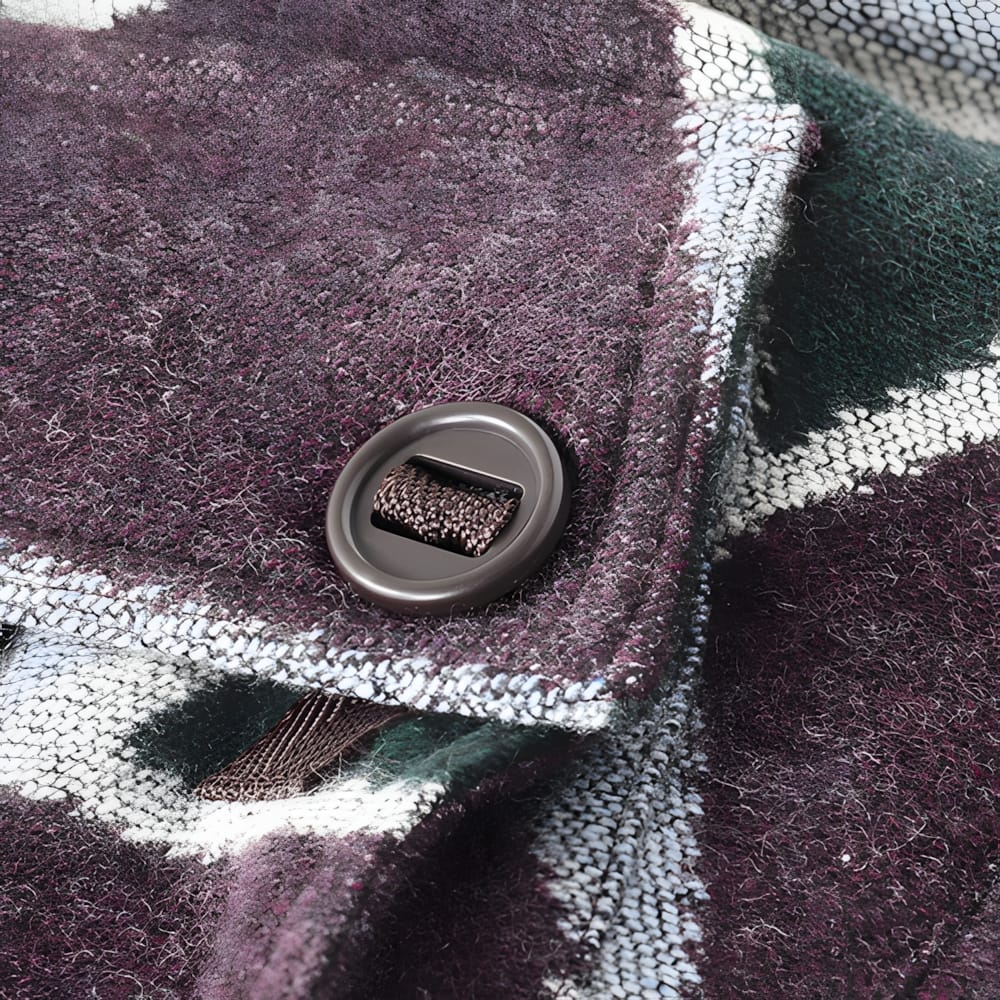
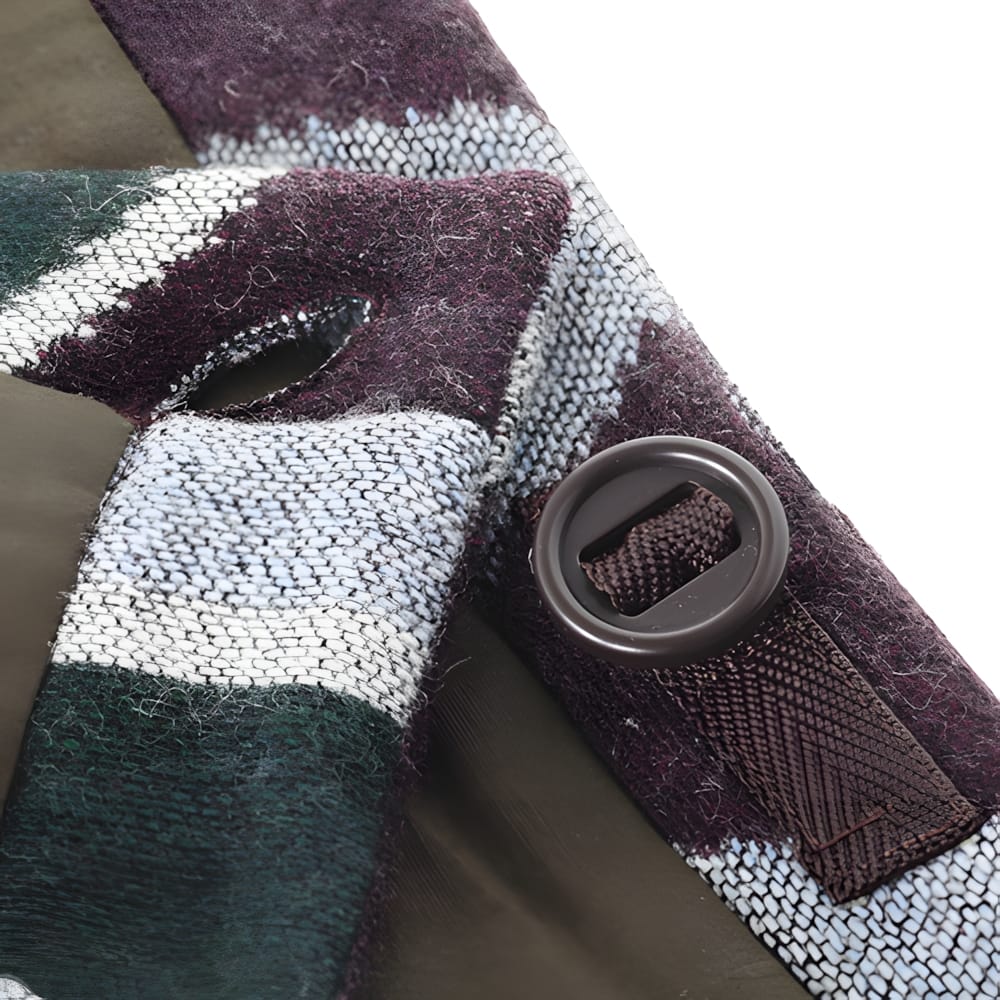
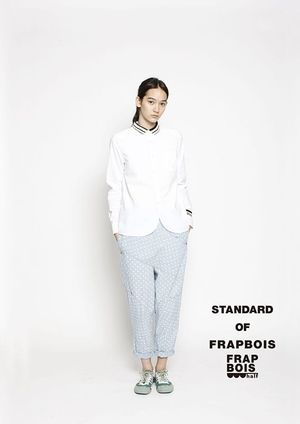
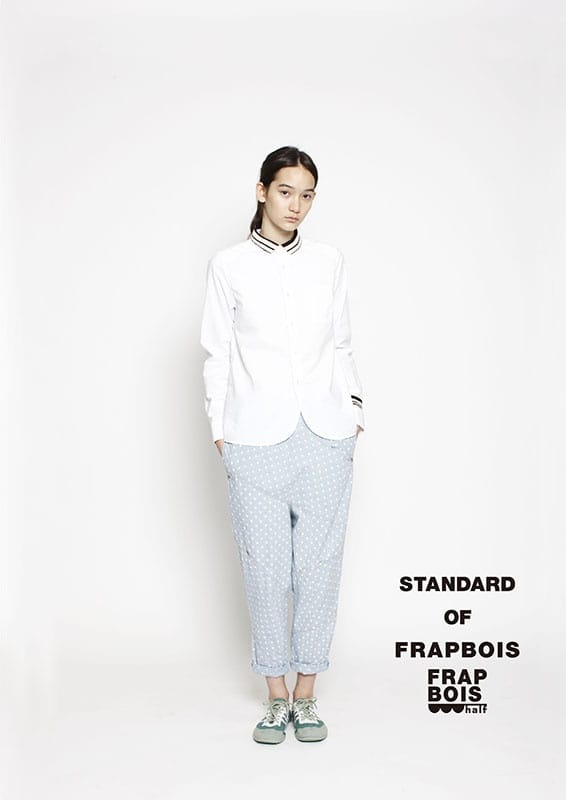
STANDARD OF FRAPBOIS — Polka-Dot Trousers
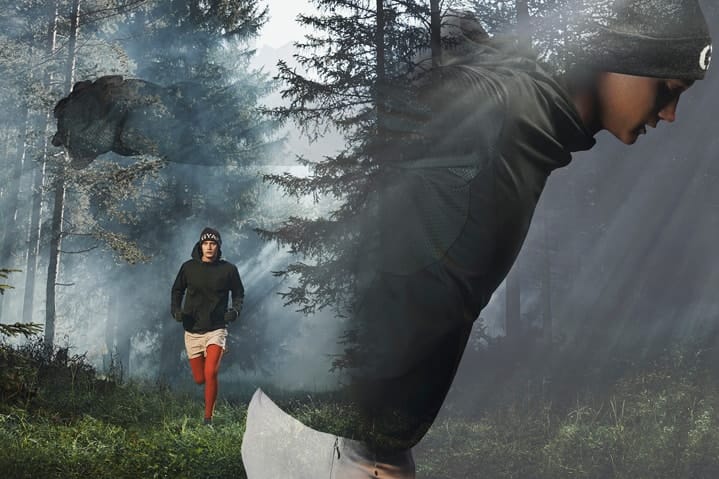
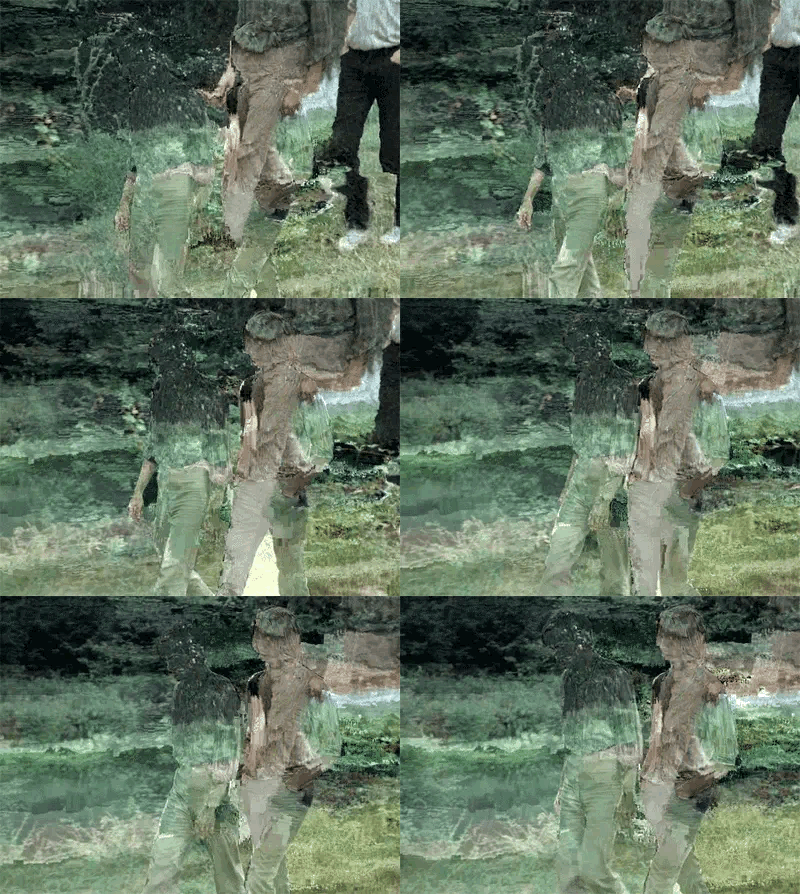
Nike x Undercover Gyakusou Holiday 2013 — Campaign
Campaign sequence from the Holiday 2013 archive set.
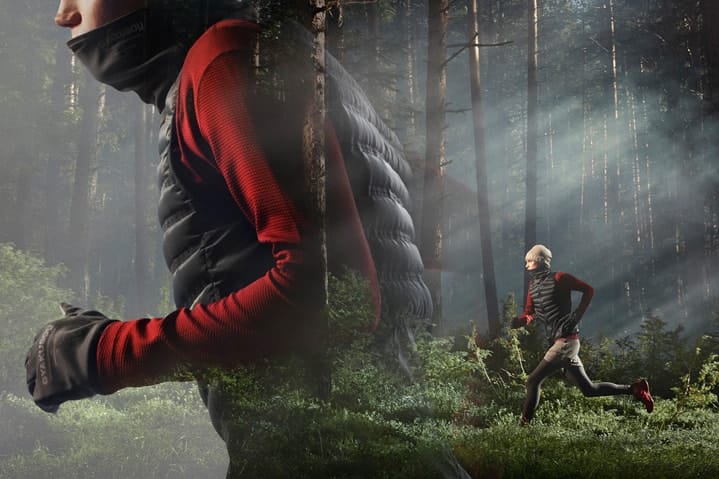
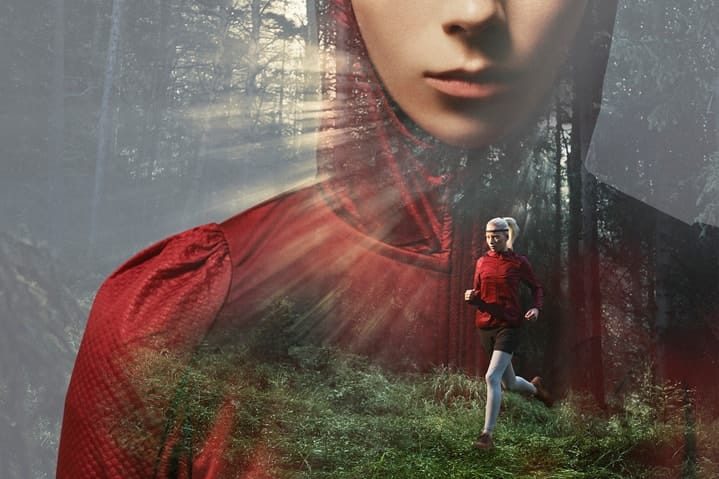
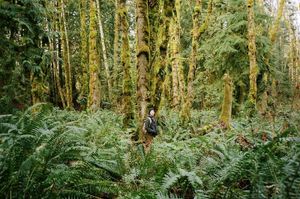
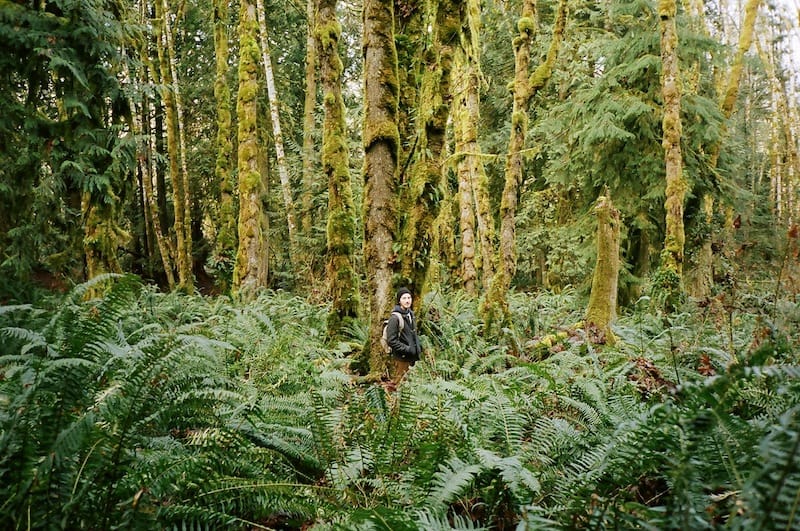
Hoh Rainforest, Olympic National Park
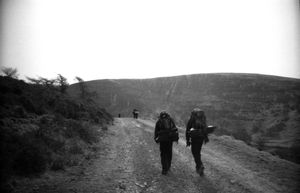
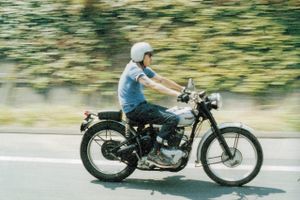
WTAPS FW13 Lifist Lookbook
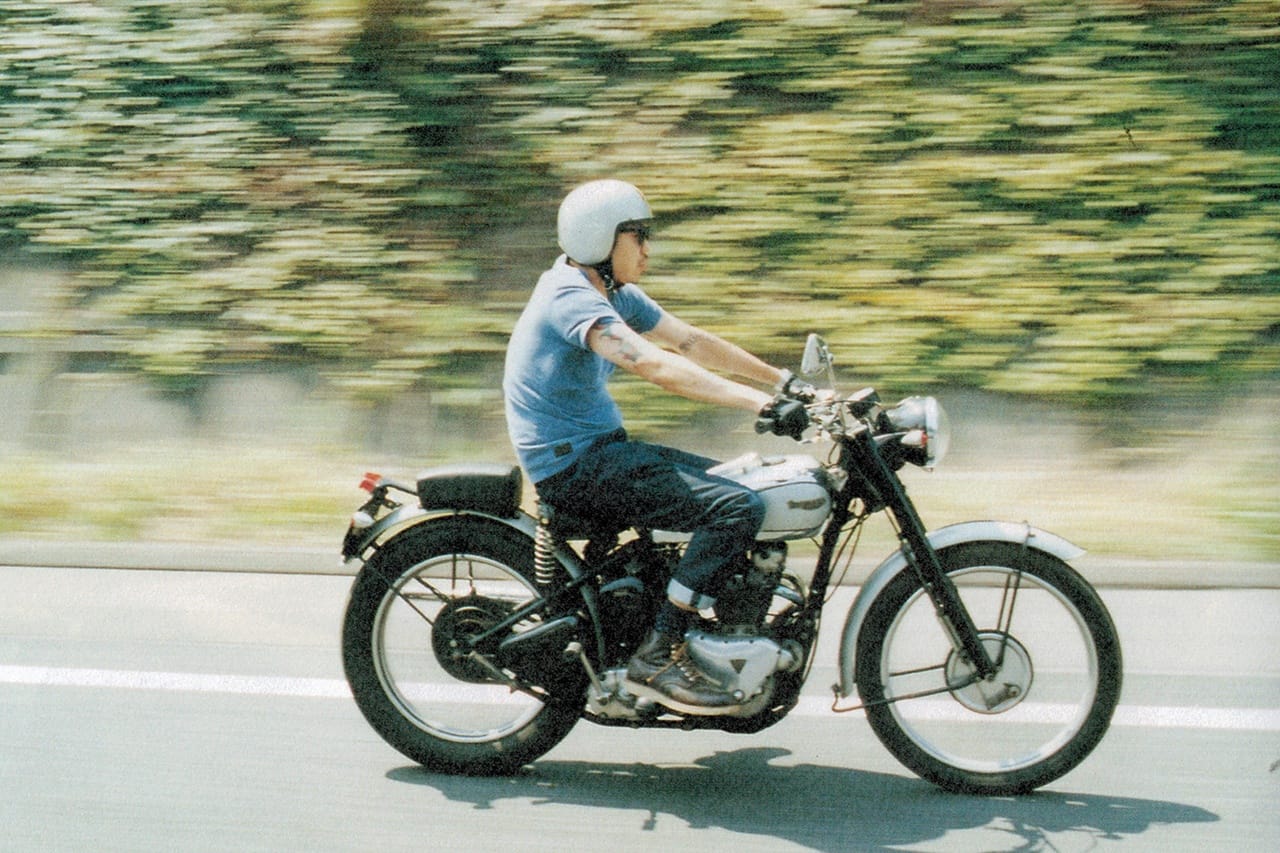
WTAPS FW13 Lifist lookbook image with Tetsu Nishiyama riding a vintage motorcycle, part of the collection’s lifestyle-focused presentation.
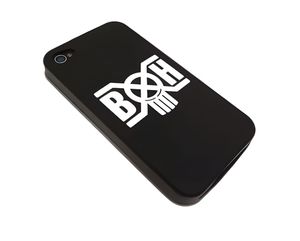
Bounty Hunter BxH iPhone 4 Hardcase
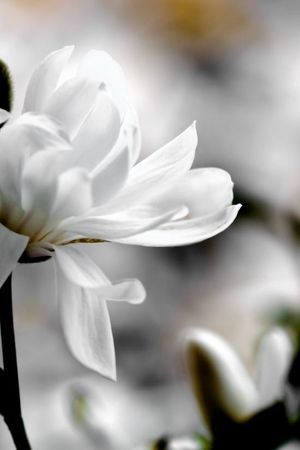
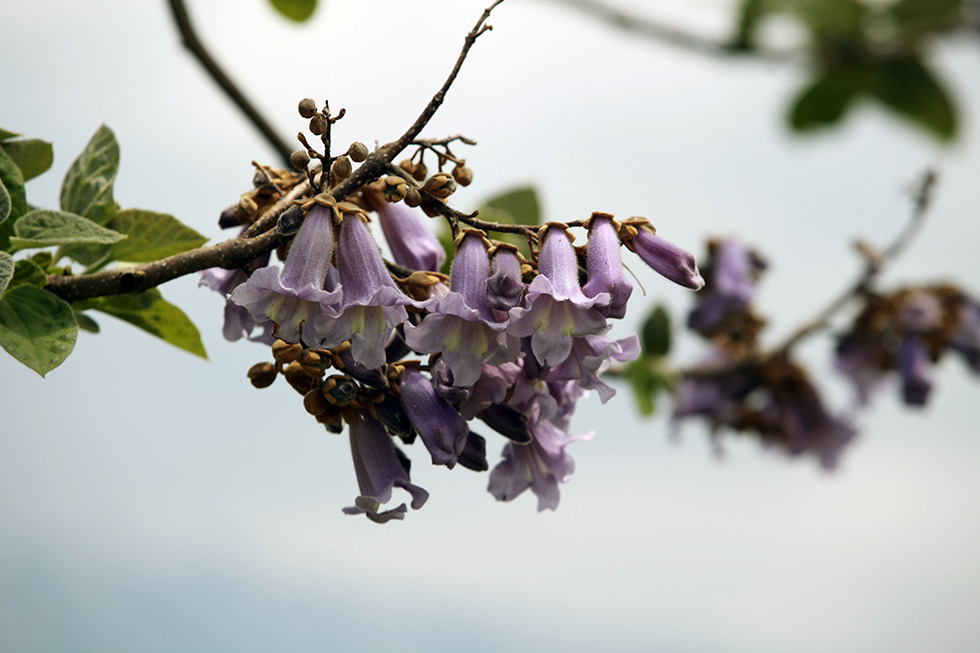
Star Magnolia — Magnolia stellata Macro
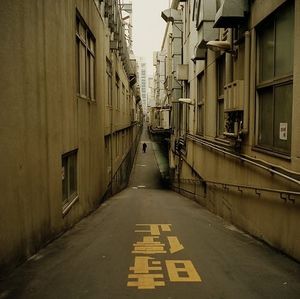
Tokyo Back Alley at Night — Ginza Corridor
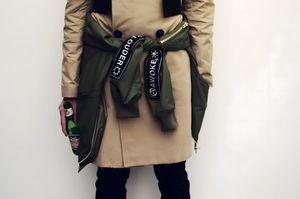
sacai — Nylon Twill Blouson

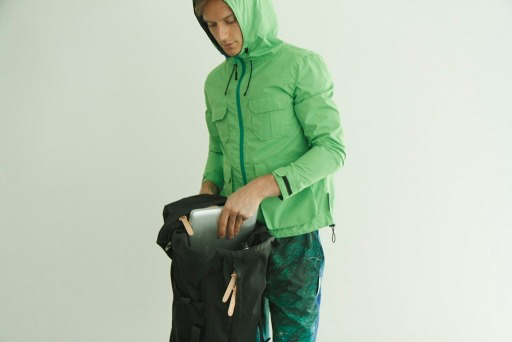
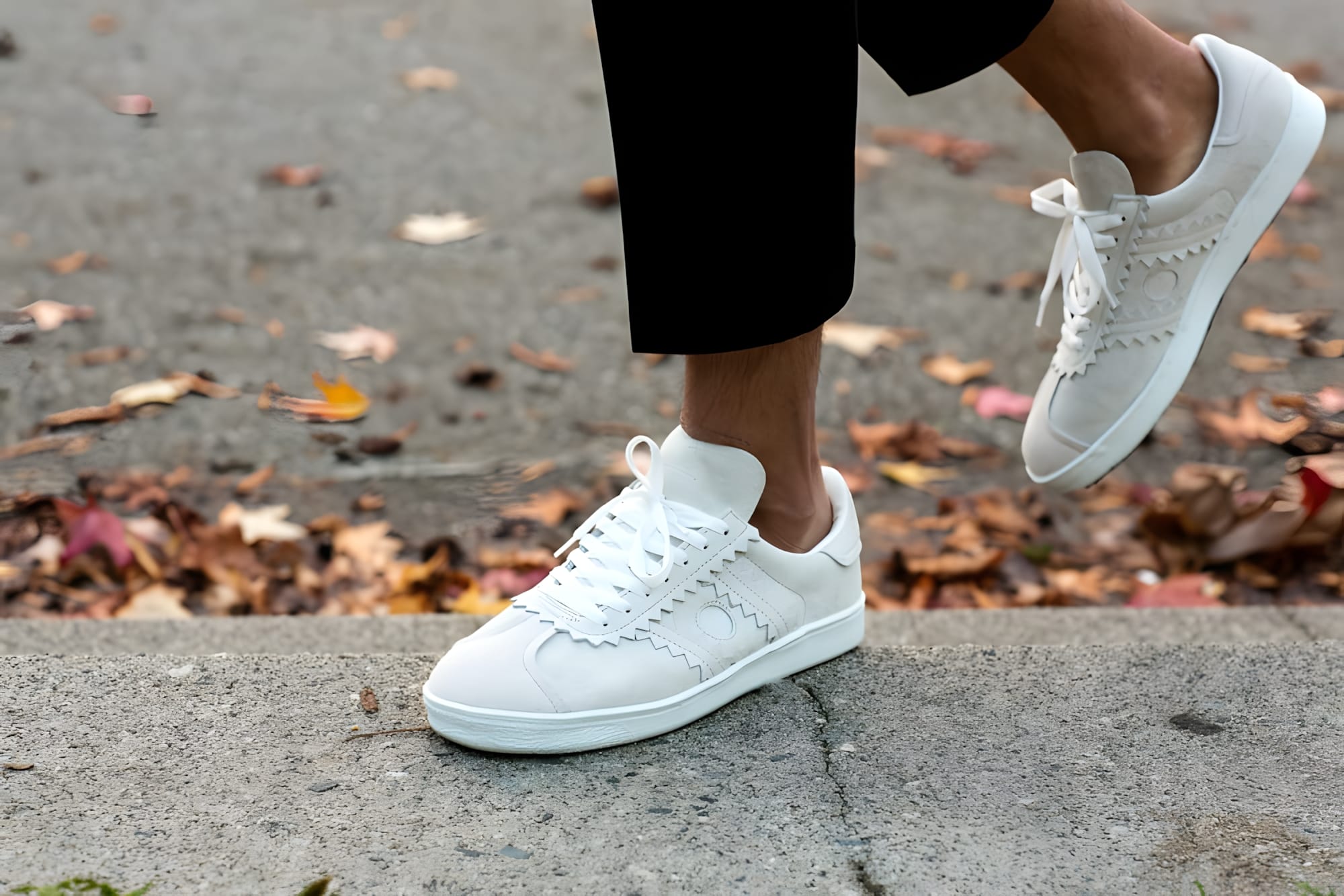
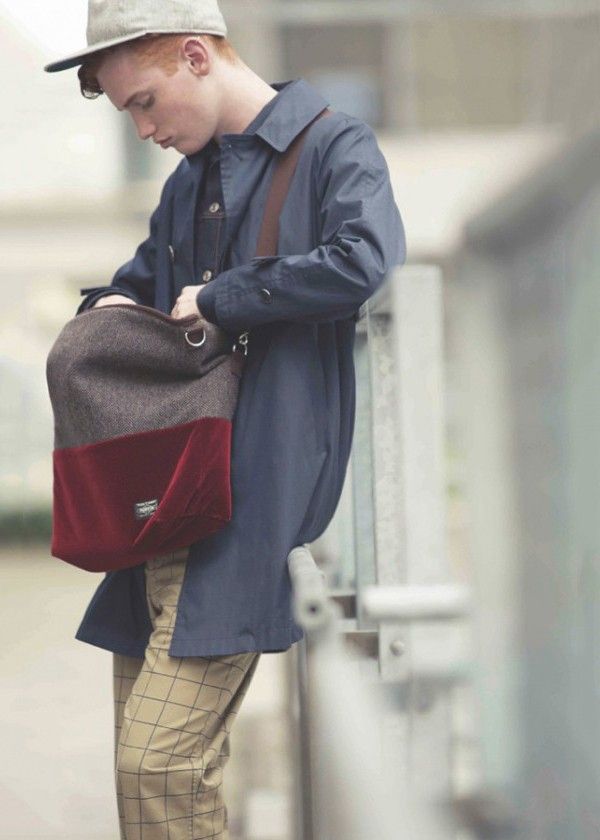
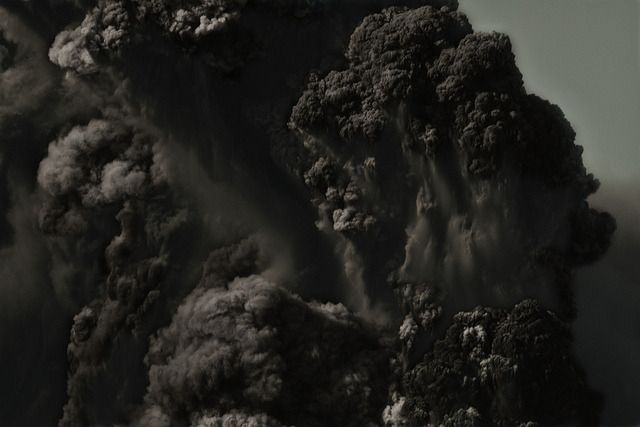
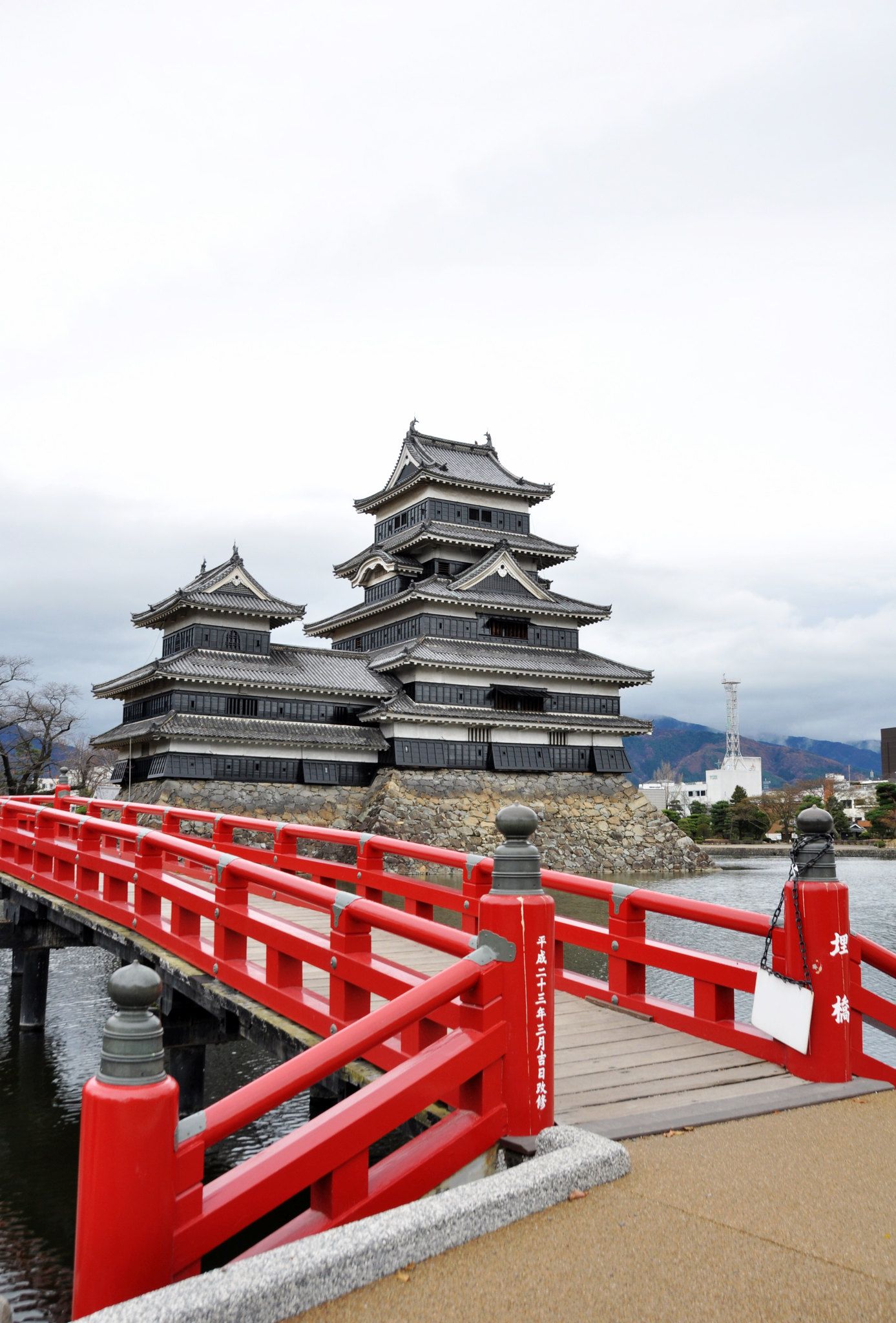
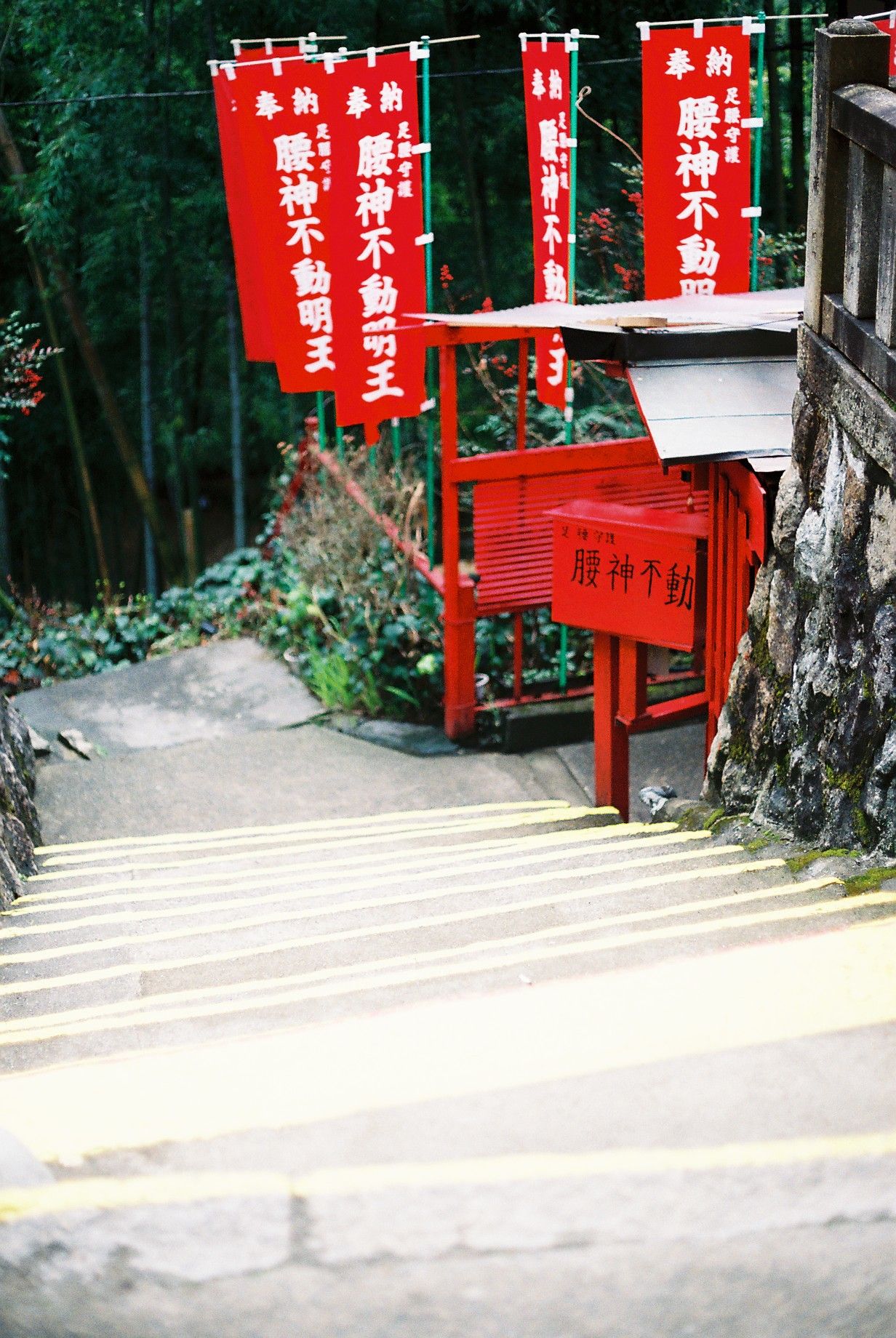
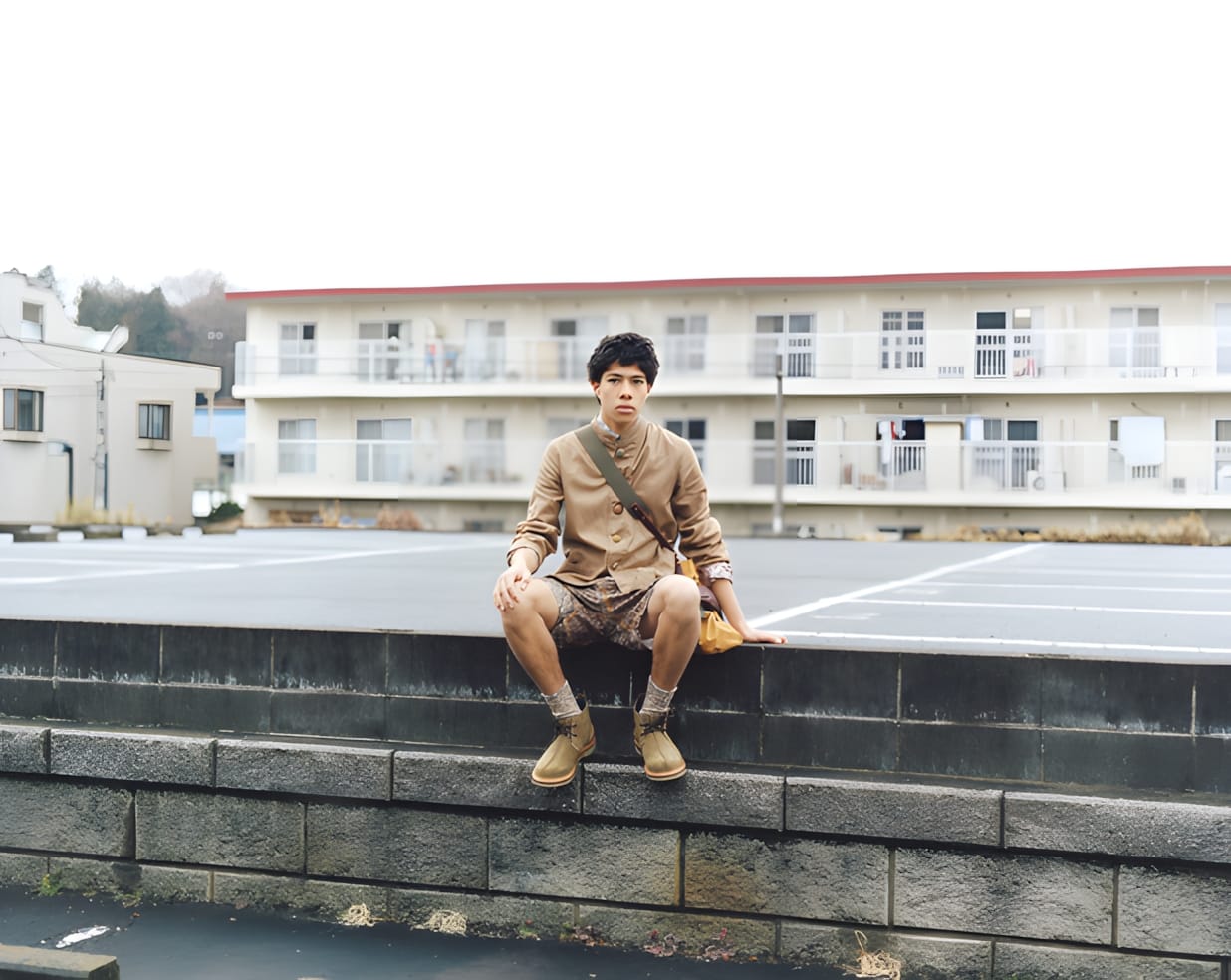
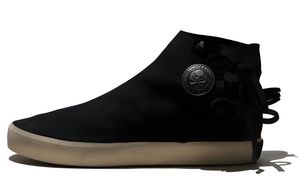
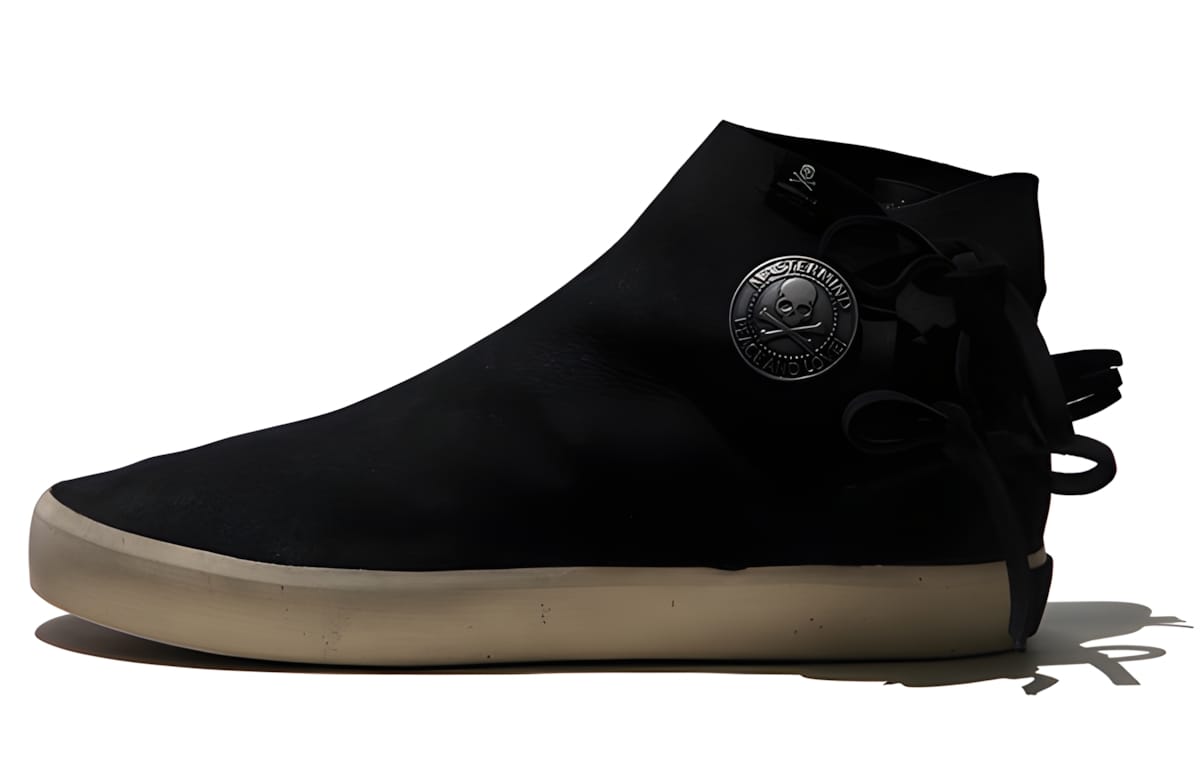
Mastermind Japan x Visvim Gila Moc Mid-Top Sneaker
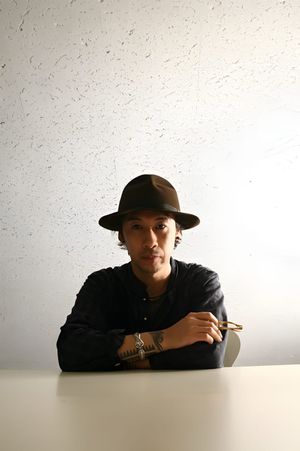
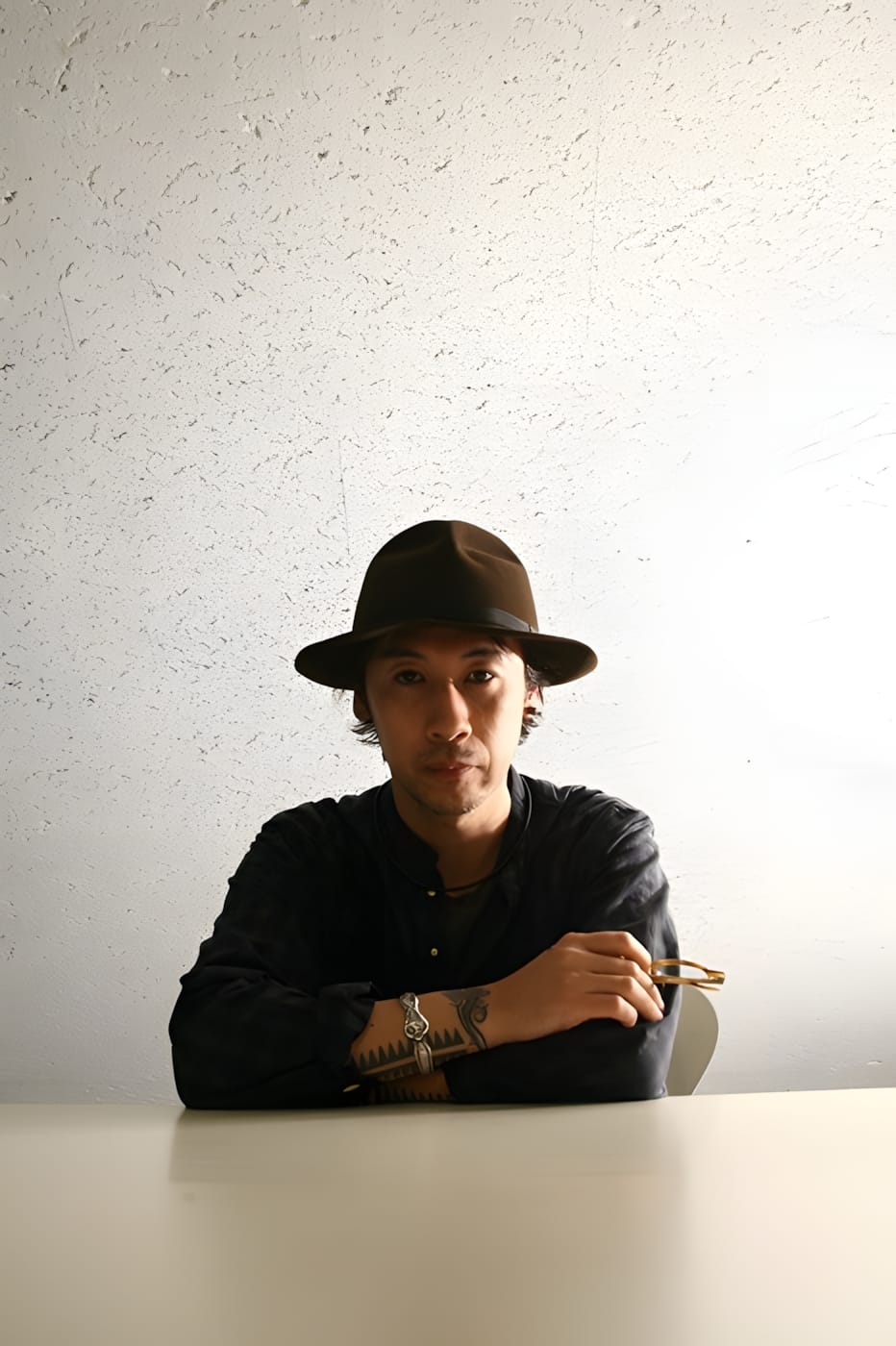
Jun Takahashi — Undercover Designer Portrait, Dazed June 2013
Interview with Jun Takahashi on Undercover AW13
Q: After two years away from the Paris catwalks, why was now the right time to show a runway collection?
A: After the earthquake disaster, we Japanese were spiritually in the worst state. It’s been two years since then and everyone is hoping to improve the present situation. I am one of them. I chose to have a runway show in Paris in order to restore myself. I thought it would work because going back to the runway was one of the things I had been hoping to do.
Q: Talking of the scar that Japan’s earthquake left on you, did it creatively affect your AW13 collection?
A: I was craving for creation, and that resulted in those one-off dresses. Two years ago, mentally and financially I wasn’t able to create such things. Those one-off pieces are my original works and made intuitively by myself. I am the only one who could make them. They are sacred works to me. I guess I like things where you can feel human warmth.
Q: Why did you call the show ‘Anatomicouture’? Was your intention to expose the inner bones of the garments?
A: It is a mentality of exposing the inner self, corresponding to my desire to reveal my creation and what’s going on in my head.
Q: Despite the skeleton and organ motifs, the collection is beautiful and seductive – does this come back to your interest in the contrast between ugly and beautiful?
A: Ugliness and beauty co-exist in human mentality. I always want to express those emotions.
Q: The AW13 show had the feel of punk performance art – why did you stage it like theatre?
A: Because the theme of this collection is related to human emotions, I thought my theme could be conveyed much better with such staging effects that would move people’s hearts. That’s why I used songs by Cat Power and James Blake. All the songs are great and meaningful and helped me convey what I wanted to express through the lyrics of songs too.
Q: When did your love of fashion start, and how did that lead to Undercover?
A: When I was little I loved drawing and had a twisted personality. I was so into punk during my high school years. My interest in fashion arose when I was around 15 years old and I was hoping to become a designer. At 18, I entered Bunka Fashion College. I was questioning about learning ‘design’ from teachers who were much older than me. So I told myself that I would learn only techniques in the school, nothing else.
Q: Undercover was considered part of a new wave of Japanese designers. How did your approach differ from the likes of Rei Kawakubo and Yohji Yamamoto?
A: I am not sure if Undercover is part of a new wave and I don’t really care. But Rei influenced me a lot on things like breaking stereotypes.
Q: You and your friend Hiroshi Fujiwara collected vintage Seditionaries pieces and published a book about them, and you even appeared in a show of Vivienne Westwood’s designs in Tokyo in 1990. Can you describe the impact punk made on you and explain why it still resonates today?
A: To me, punk means a spirit that questions and abolishes conventional ideas. That is my fundamental principle. You can apply the principle to fashion design. It depends on each season, but I instil punk interpretation into my designs in many ways – for example, by fusing two contradicting elements or applying techniques that are generally considered taboo.
Q: You recently designed lines for Uniqlo and Nike – how did you enjoy those two experiences? Did they feed back into your work with Undercover?
A: The Uniqlo and Nike collaborations are totally different types of designs from that of Undercover. Therefore the collaborations didn’t really affect my work with Undercover. But for my career as a designer, both collaborations became good experiences. Working with Uniqlo gave me the opportunity to learn about the creation of mass products and newly standard items that are totally different from designing avant-garde pieces. As for the collaboration with Nike, I am very satisfied both as a designer and as a runner with the fact that I have been able to create products which integrate necessary functions for running with fashion-design aesthetics, which had often perhaps been missing in the existing sportswear.
Q: You’ve talked in the past of the difficulties with keeping up with the six-month cycle of fashion shows, and skipped showing in Paris for a couple of seasons – how are you currently finding working within the fashion calendar?
A: Right now, I’ve come to the conclusion that the six-month cycle is appropriate. Themes of each Undercover collection vary by season. If we could spend more than six months on a collection, and if we continue to work with the same theme for a year, it would be difficult to keep up the tension towards the theme and I am afraid that the freshness would be lost.
Q: AW13 got a great response. Will we be seeing you back on the runway next season?
A: I could strongly feel that a lot of people were waiting for Undercover and I was very thankful about it. I will be back on the runway next season.
Q: Next year will mark the 20th since you began showing as Undercover. How do you feel you’ve evolved in that time?
A: I went through many phases and experienced many things. There was a time we faced various troubles, or we jumped into things just by force of circumstances. But nothing was wasted. I am responsible for all success and failure of Undercover. I will go forward without being ashamed of the paths I’ve chosen.
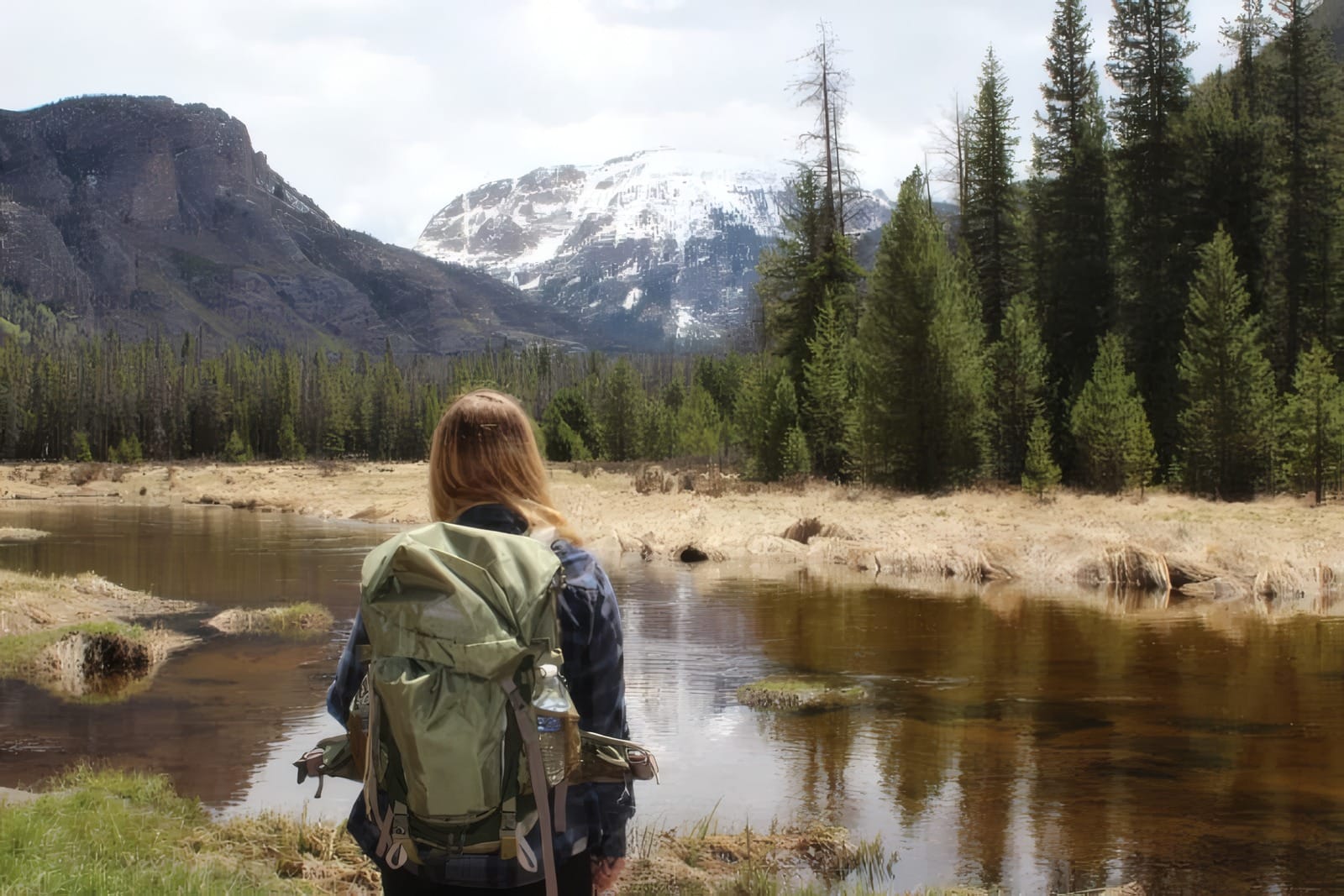
Rocky Mountain National Park
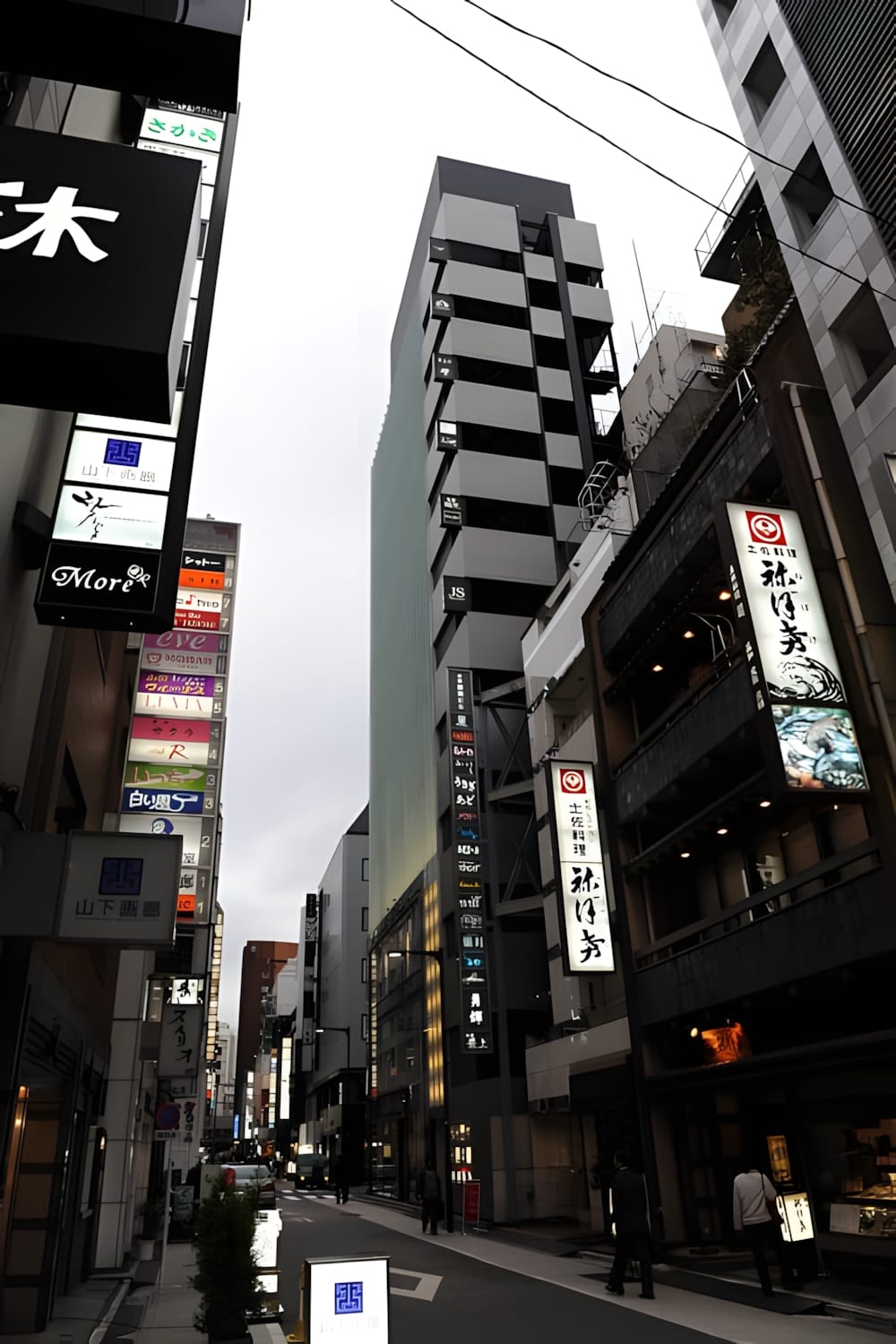
Shinjuku Toho Building — Kabukichō, Tokyo

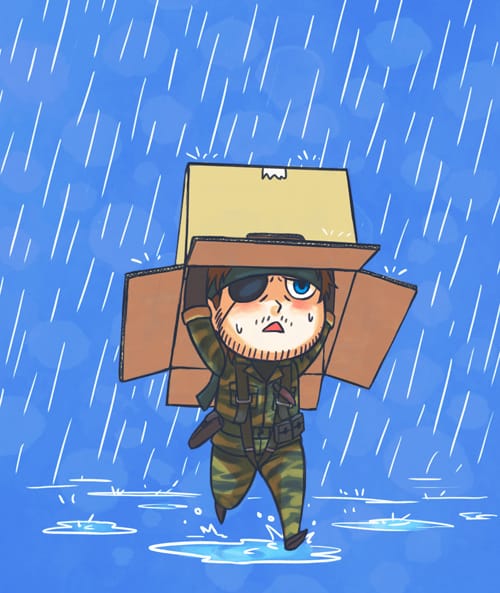
Big Boss with Cardboard Box in the Rain
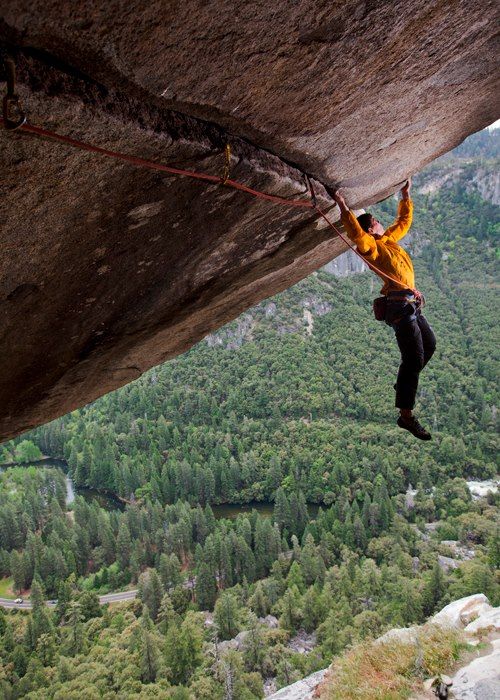
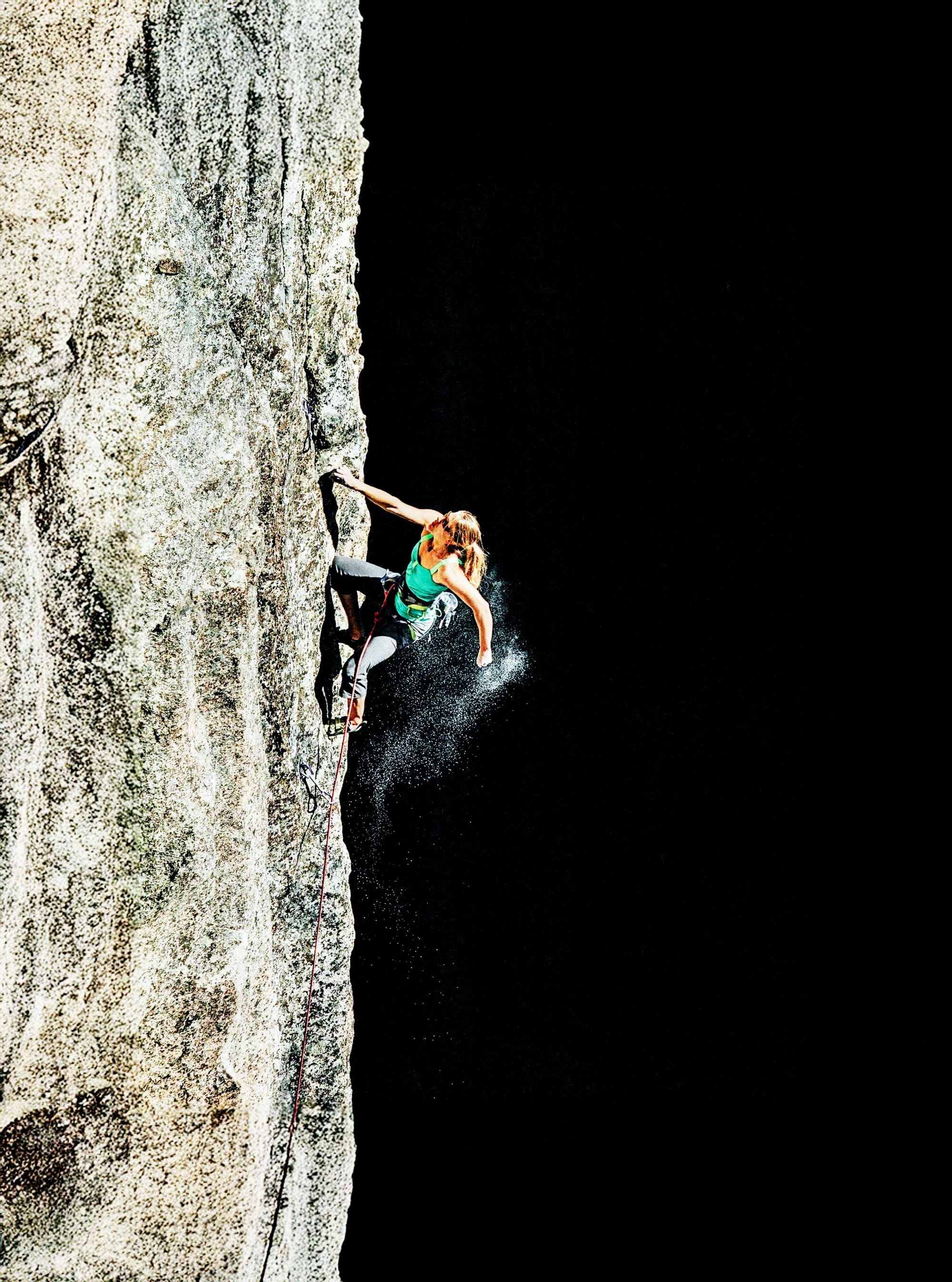
Alex Honnold climbing on Separate Reality, a difficult over hanging roof crack in Yosemite National Park, California