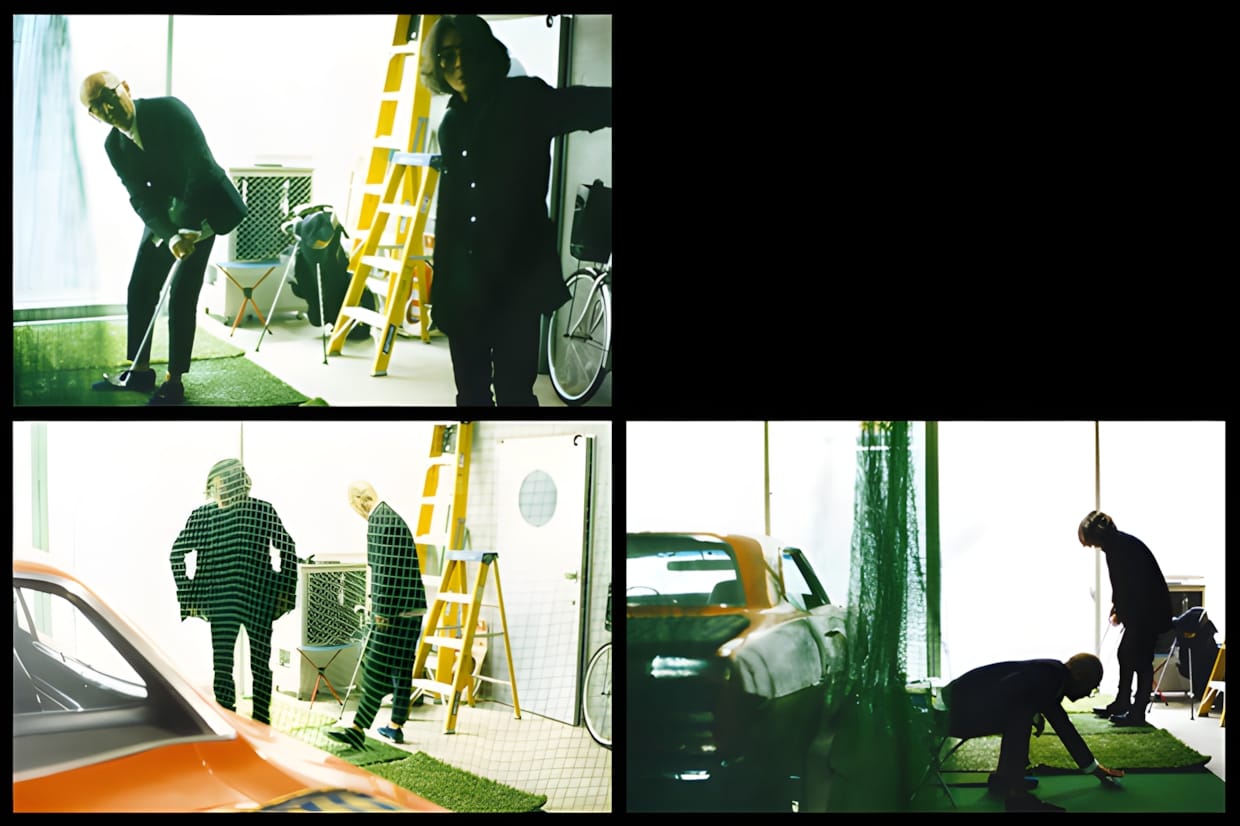
jun takahashi
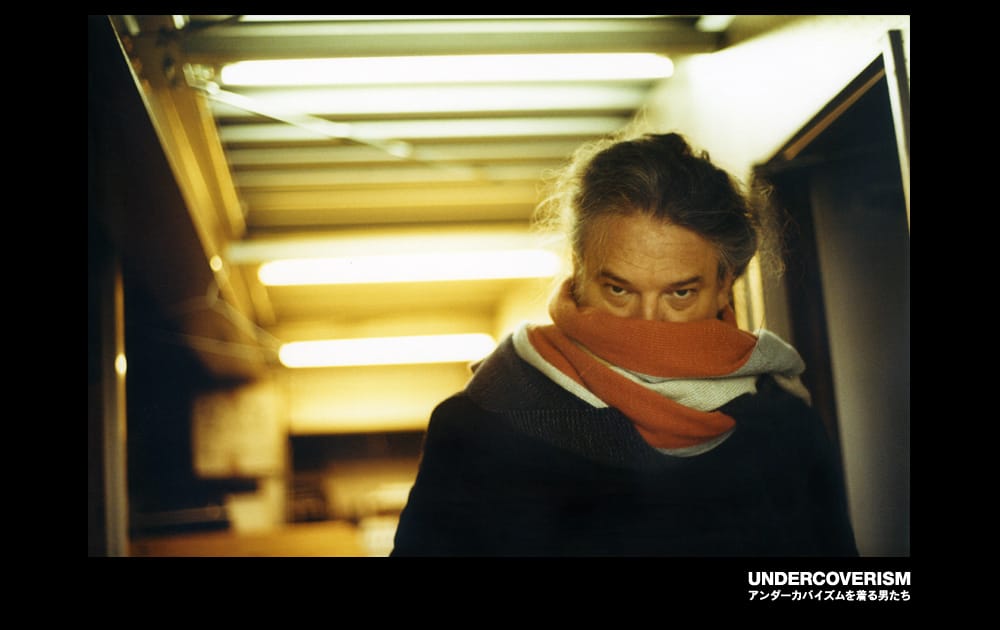
UNDERCOVERISM — The Men Who Wear Undercoverism
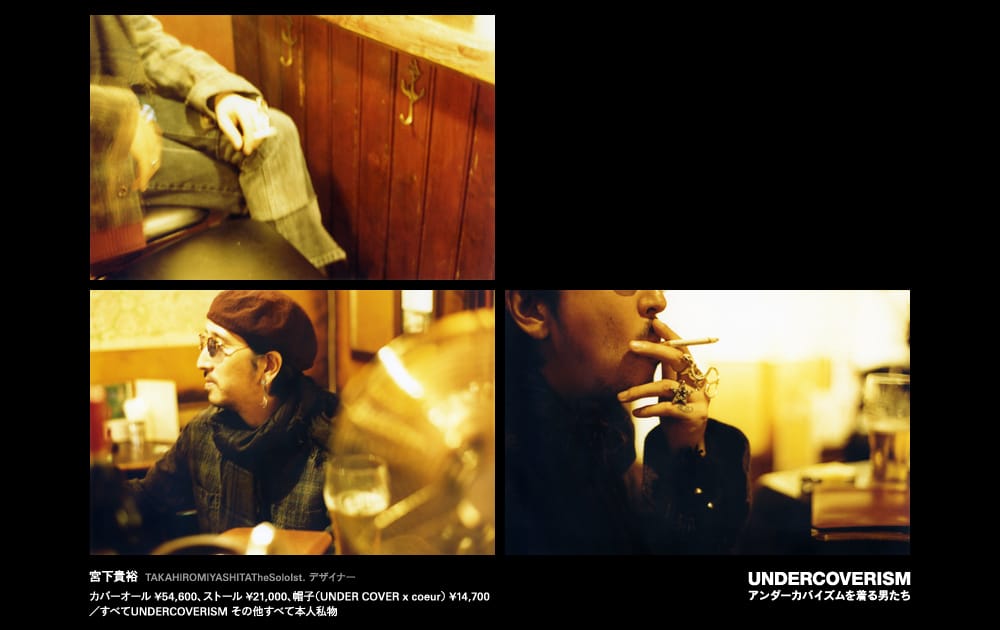
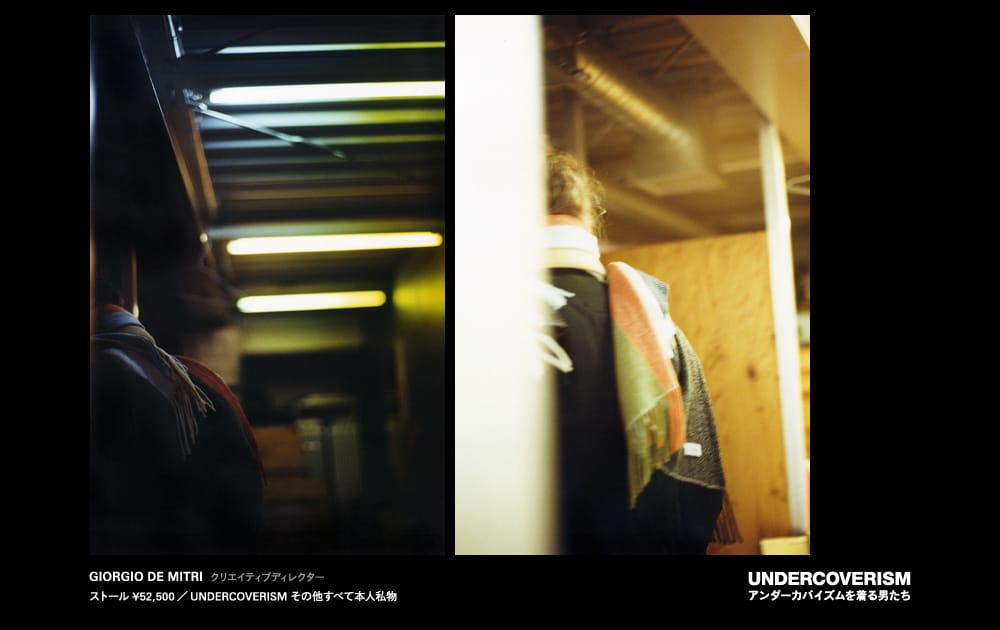
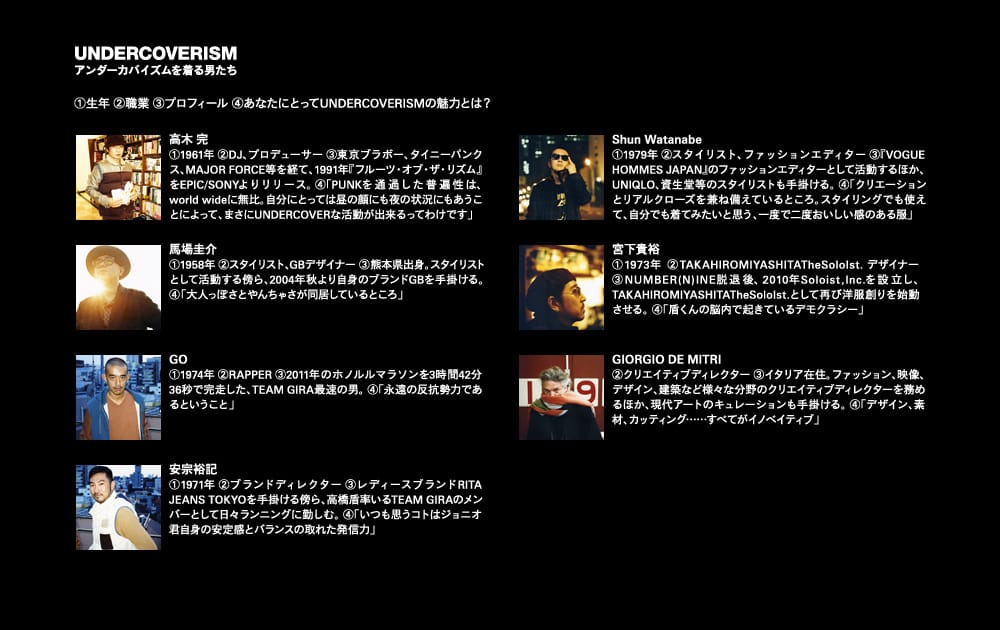
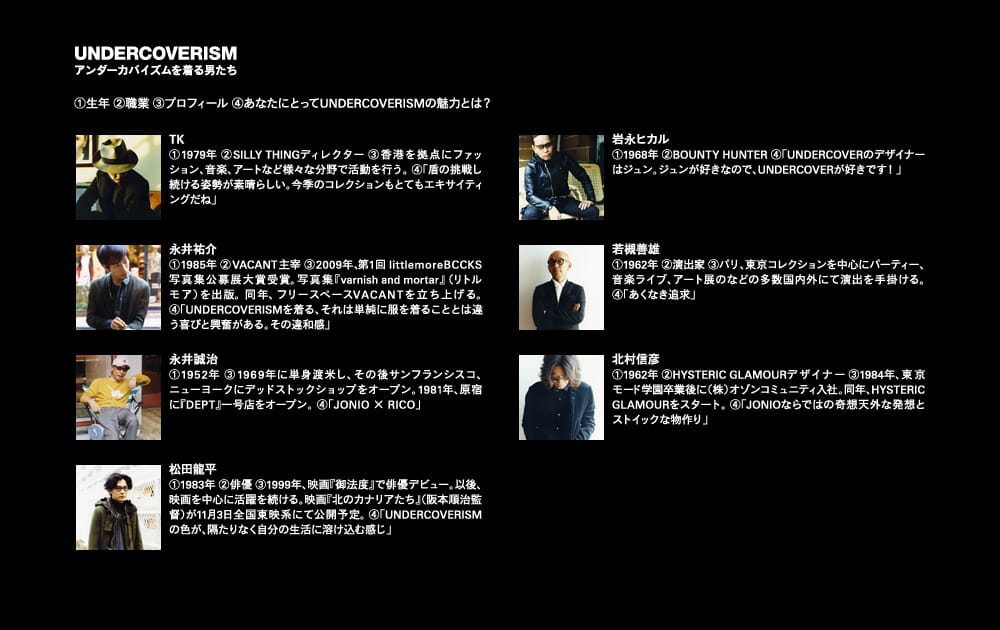
UNDERCOVERISM 2012–13 Fall/Winter portrait feature The Men Who Wear Undercoverism, photographed by Taro Mizutani with text by Issey Enomoto.
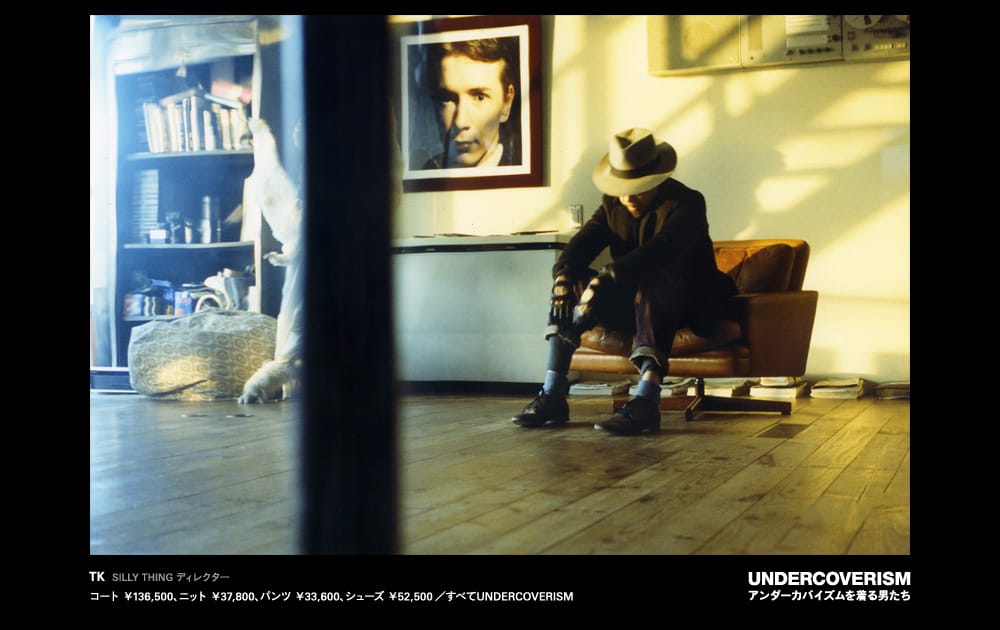
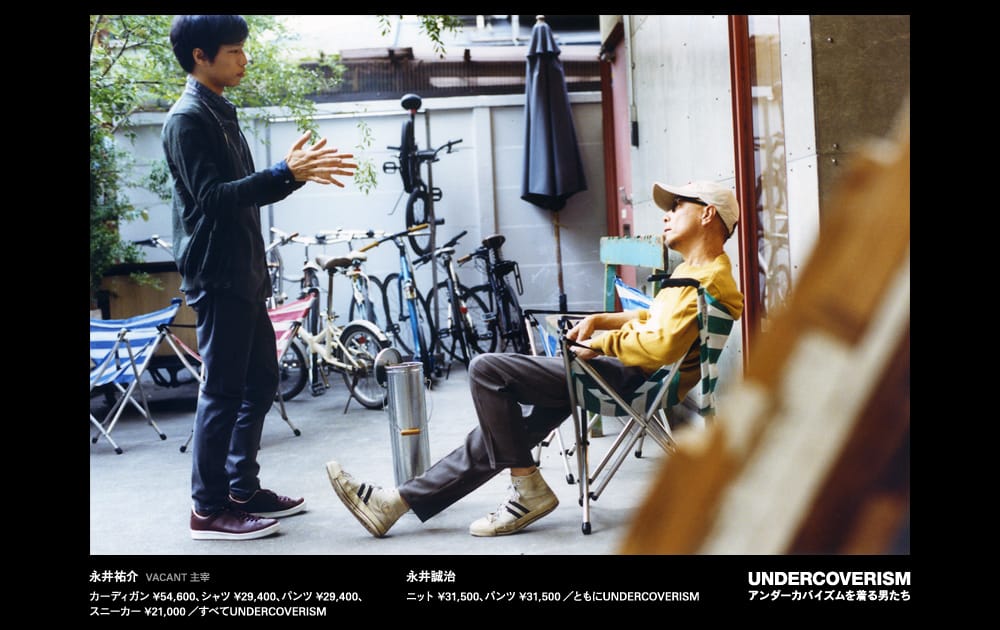
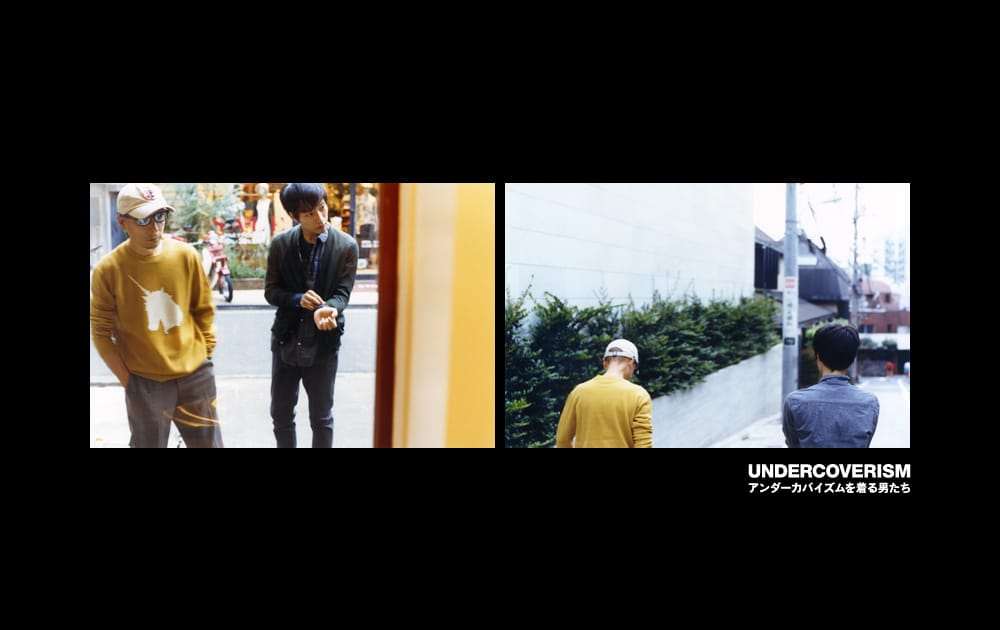
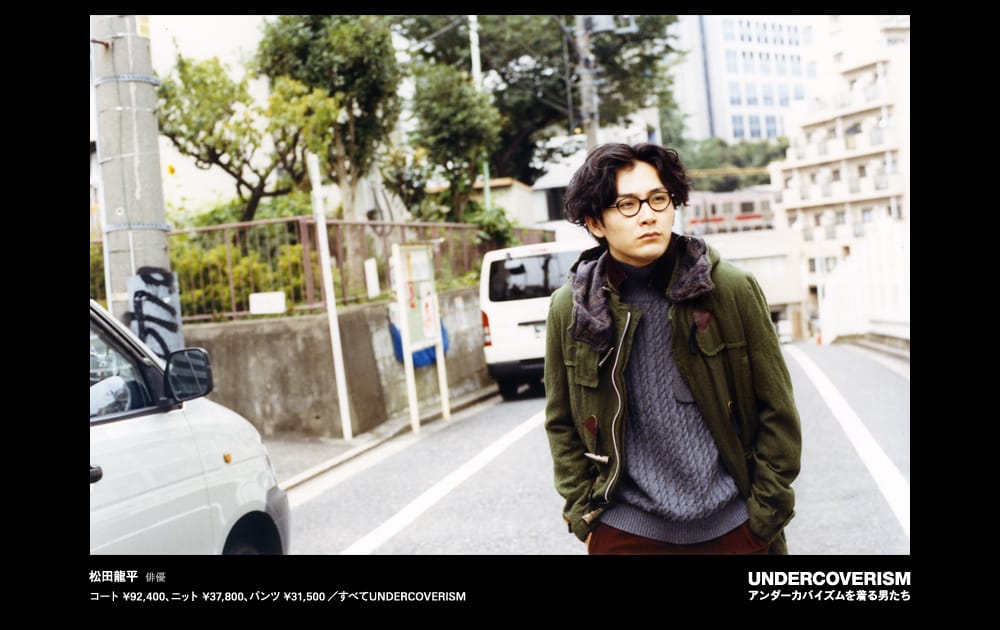
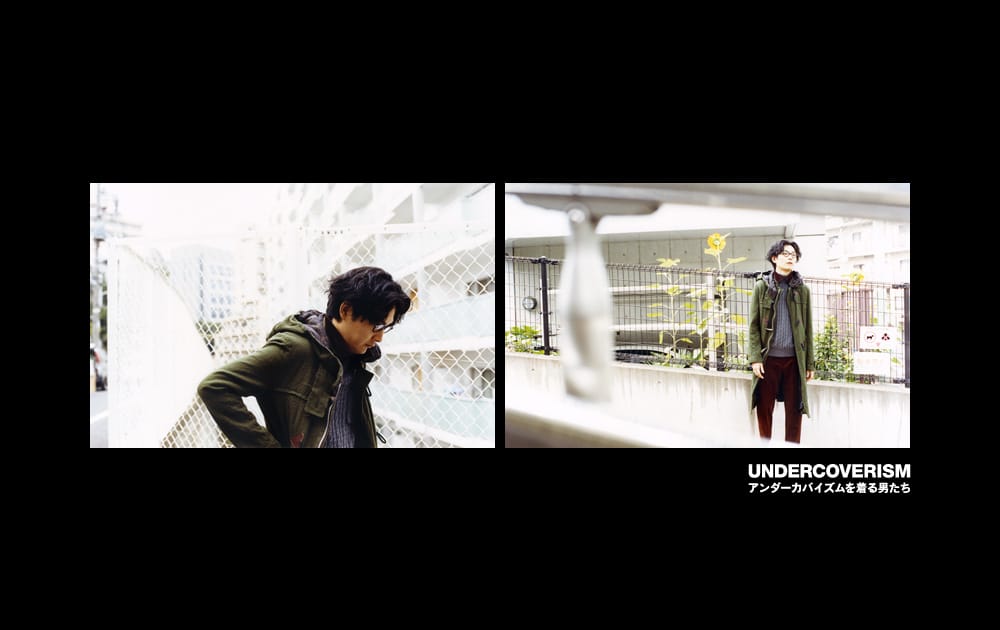
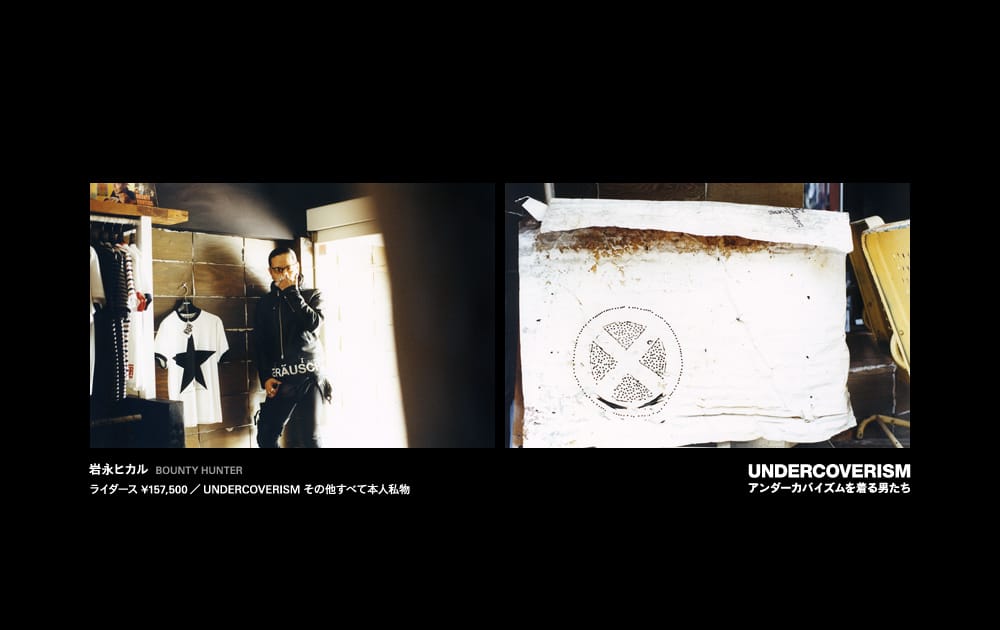
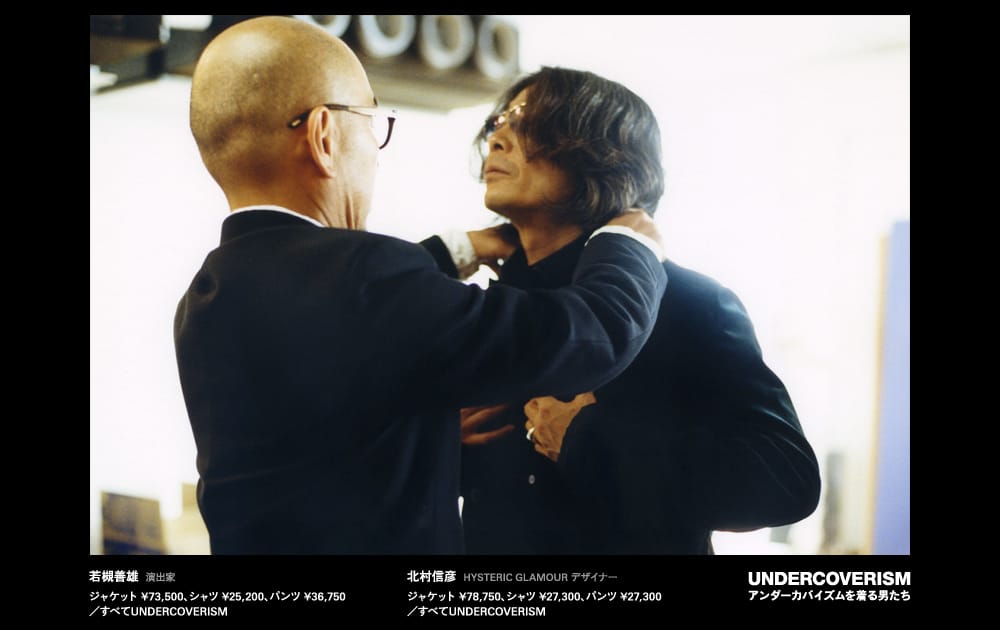
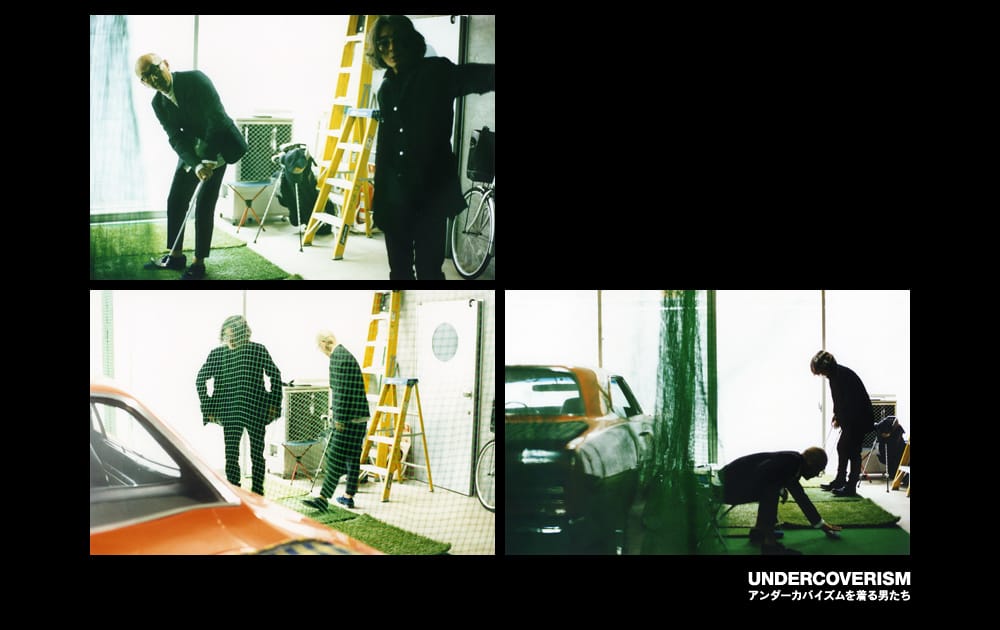
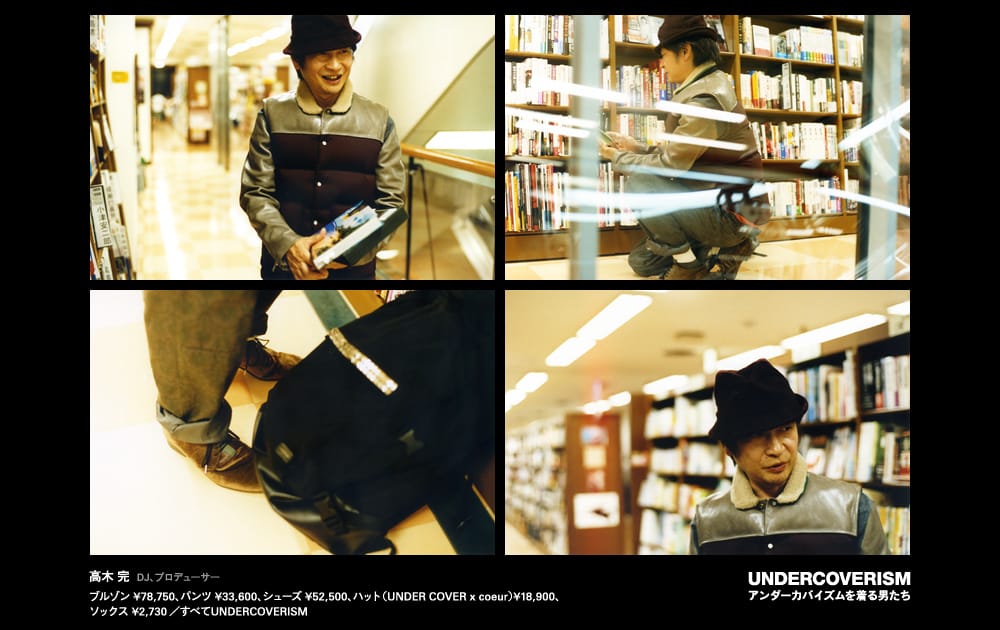
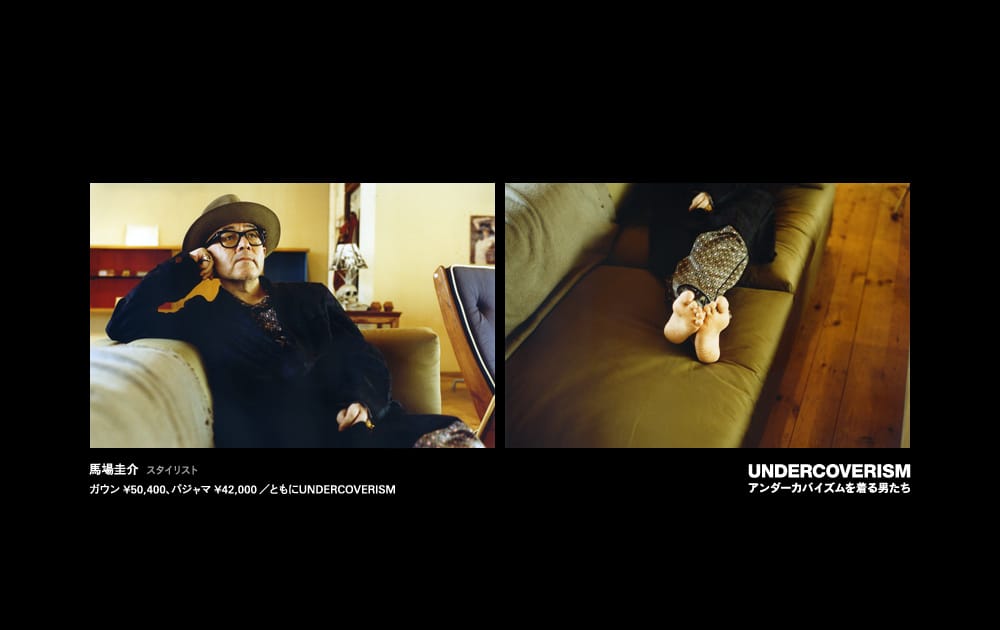
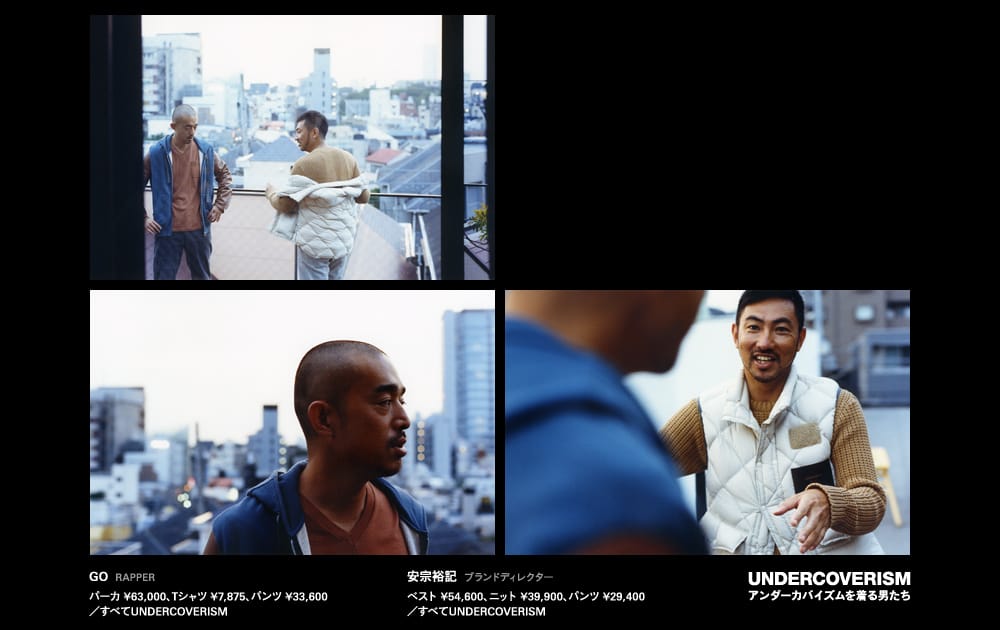
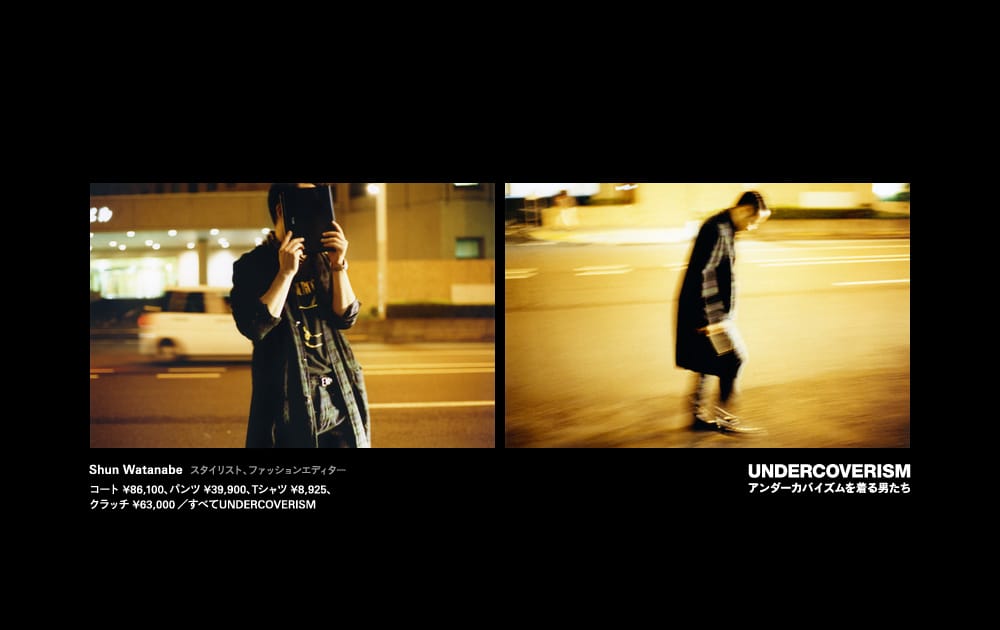
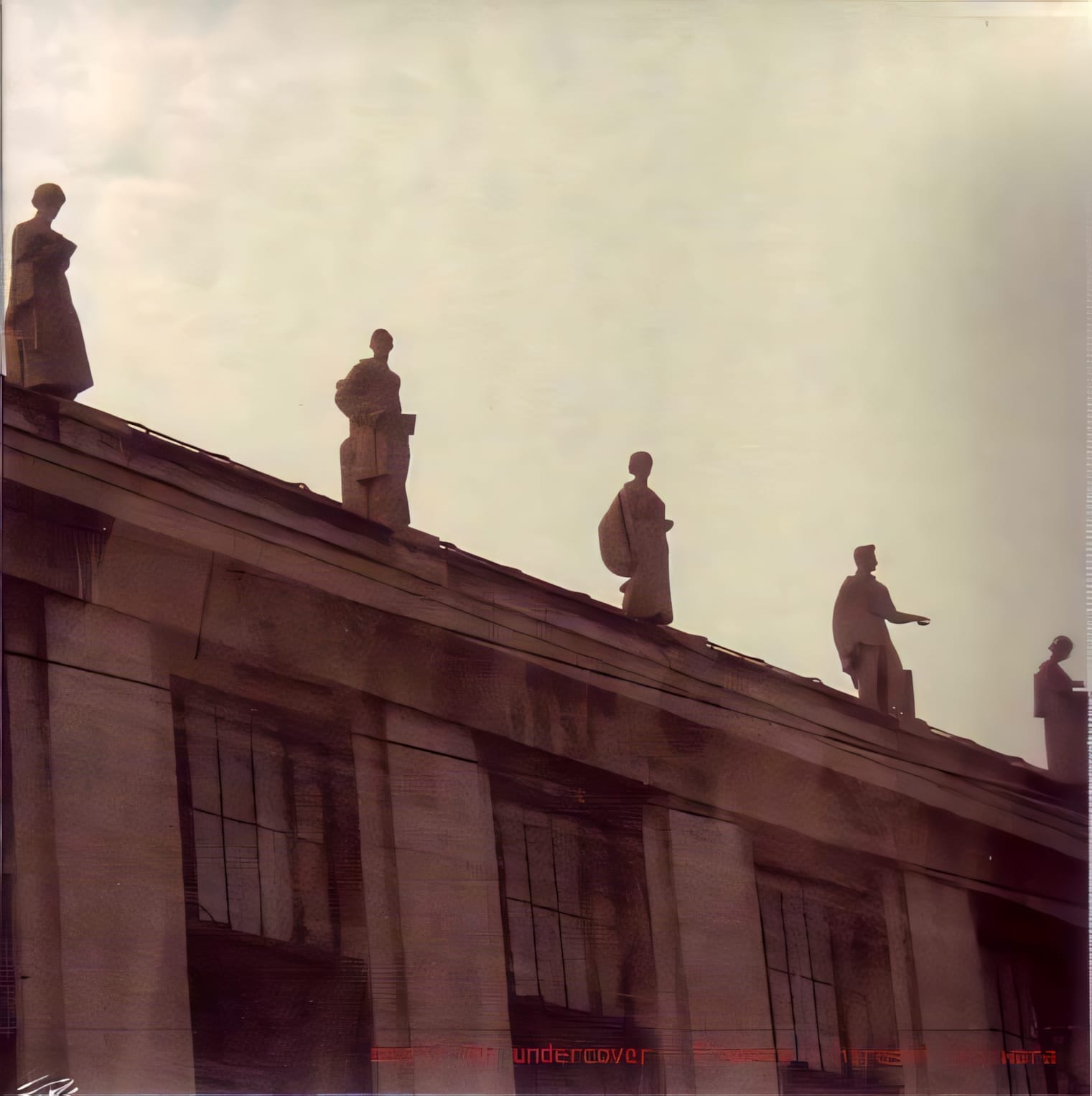
Music for Undercover + Flowers – Hiroshi Fujiwara for Undercover Relief Spring/Summer 1999
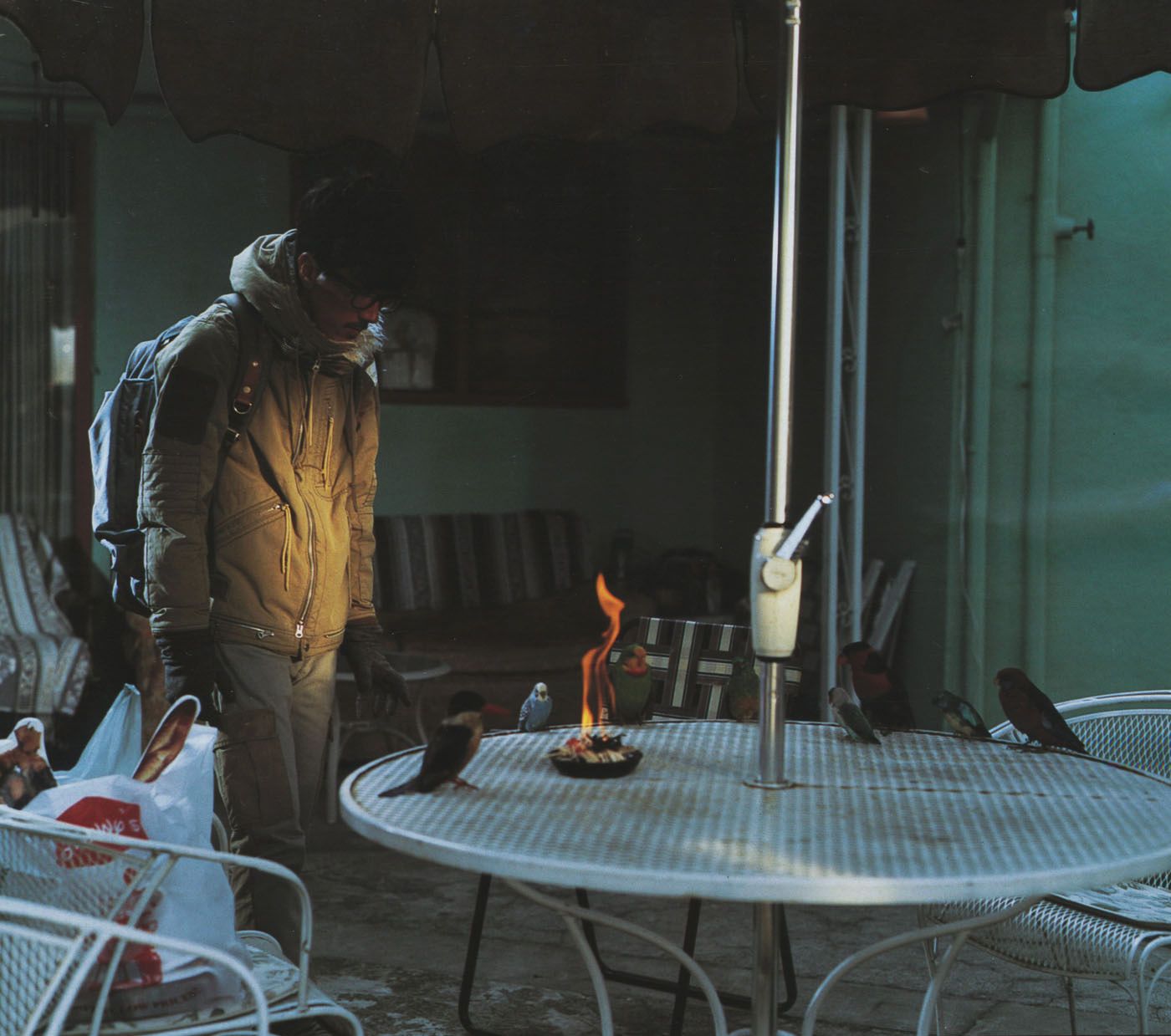
"Avakareta Life" Editorial Styled by Jun Takahashi
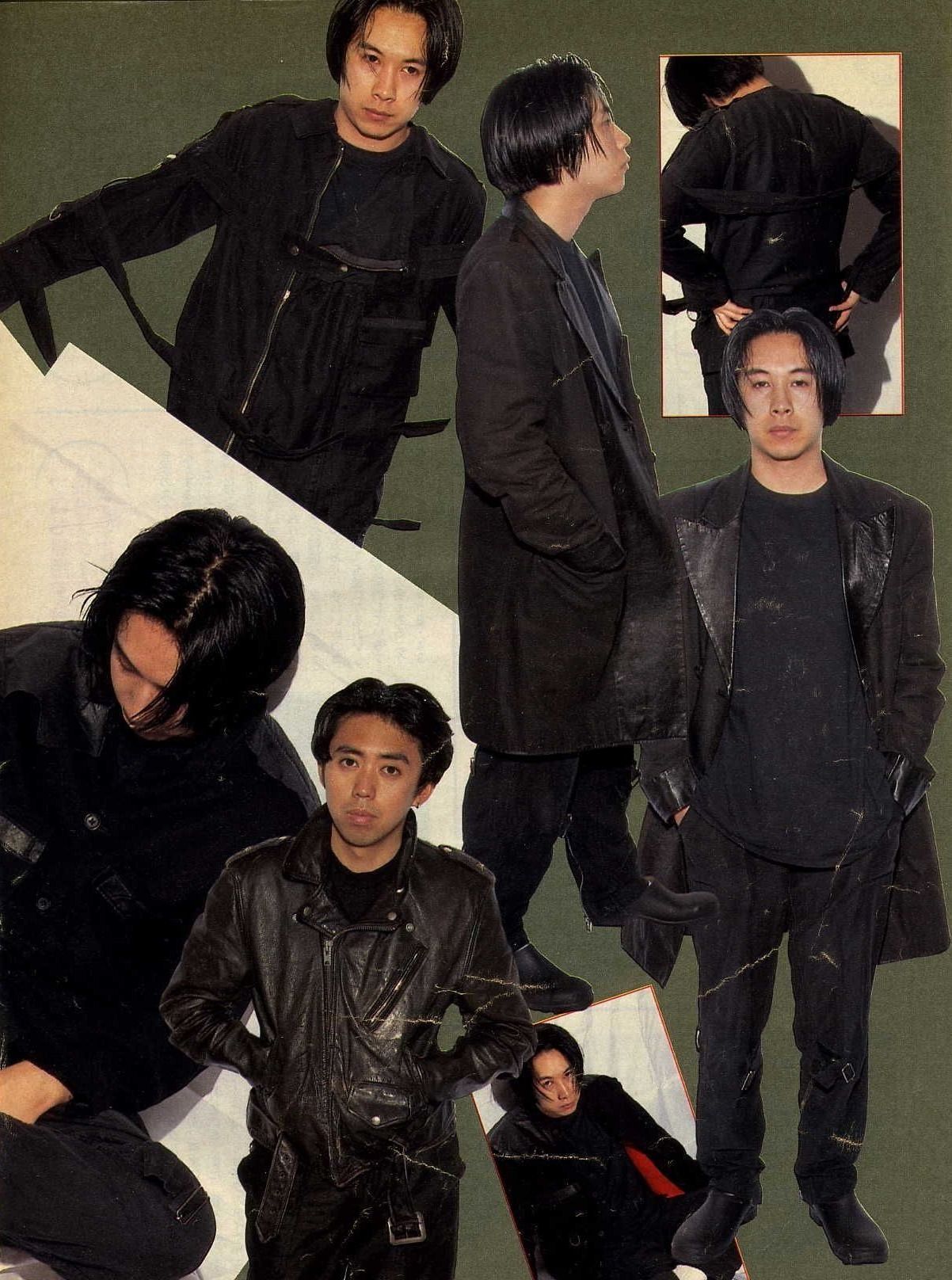
LAST ORGY BACK 2 CHAOS
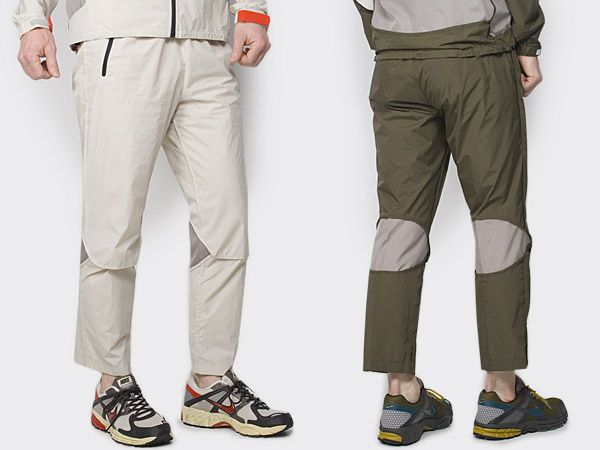
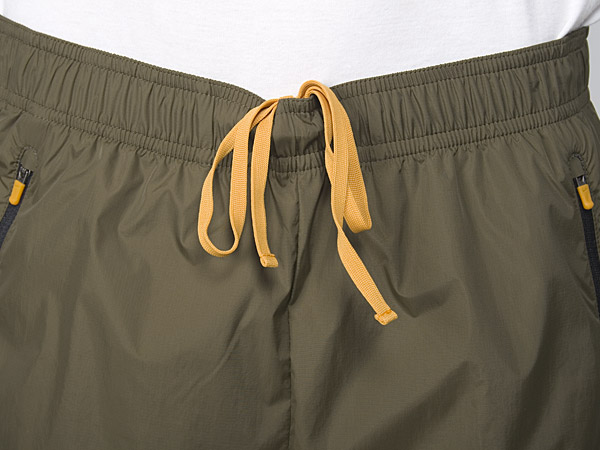
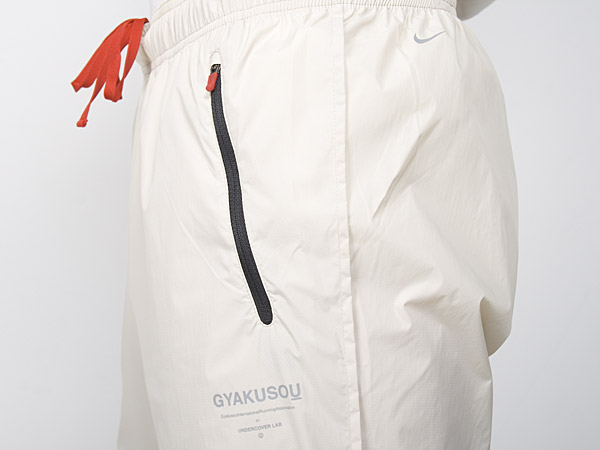
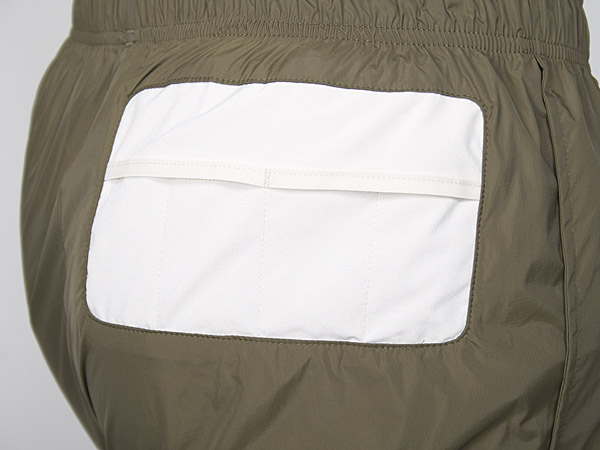
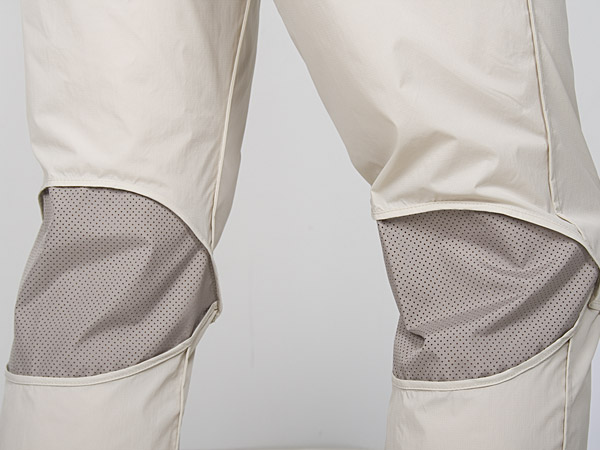
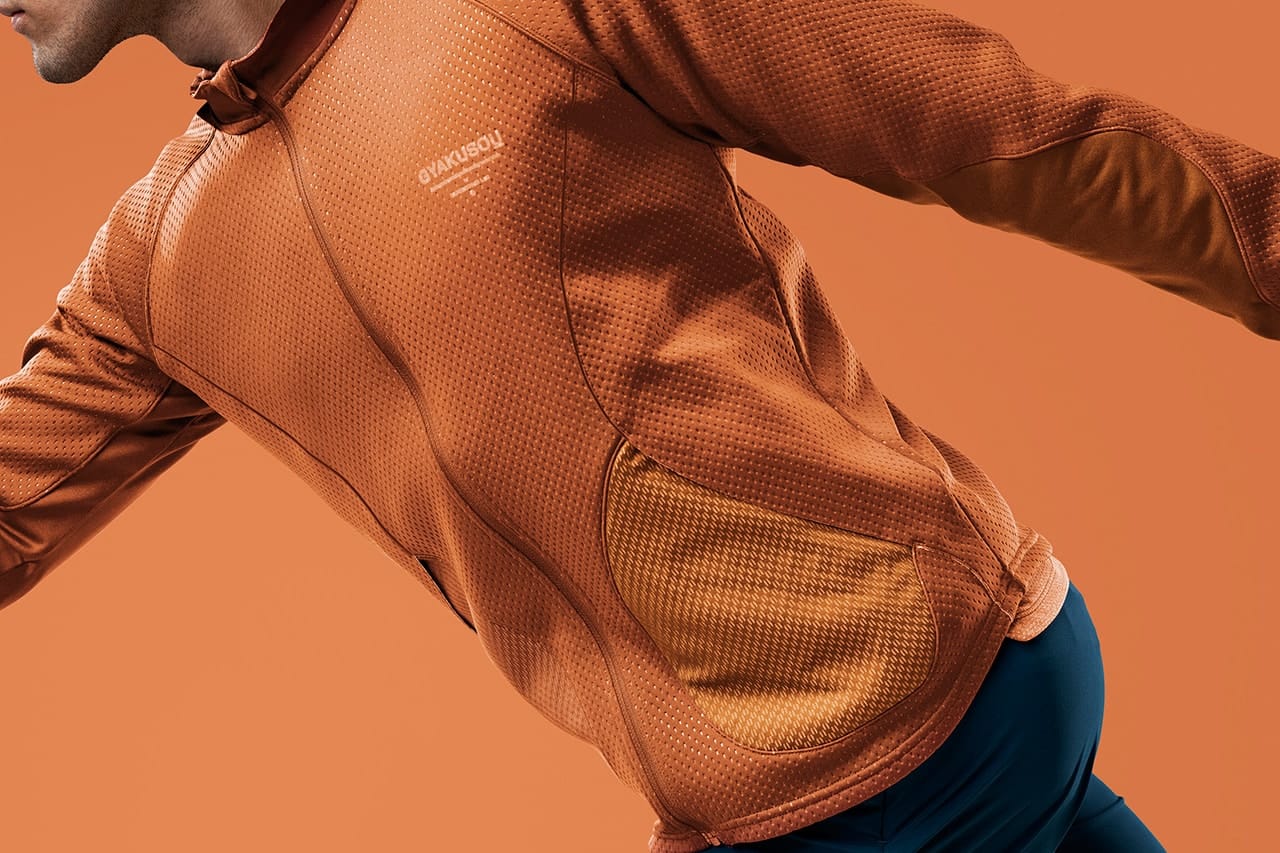
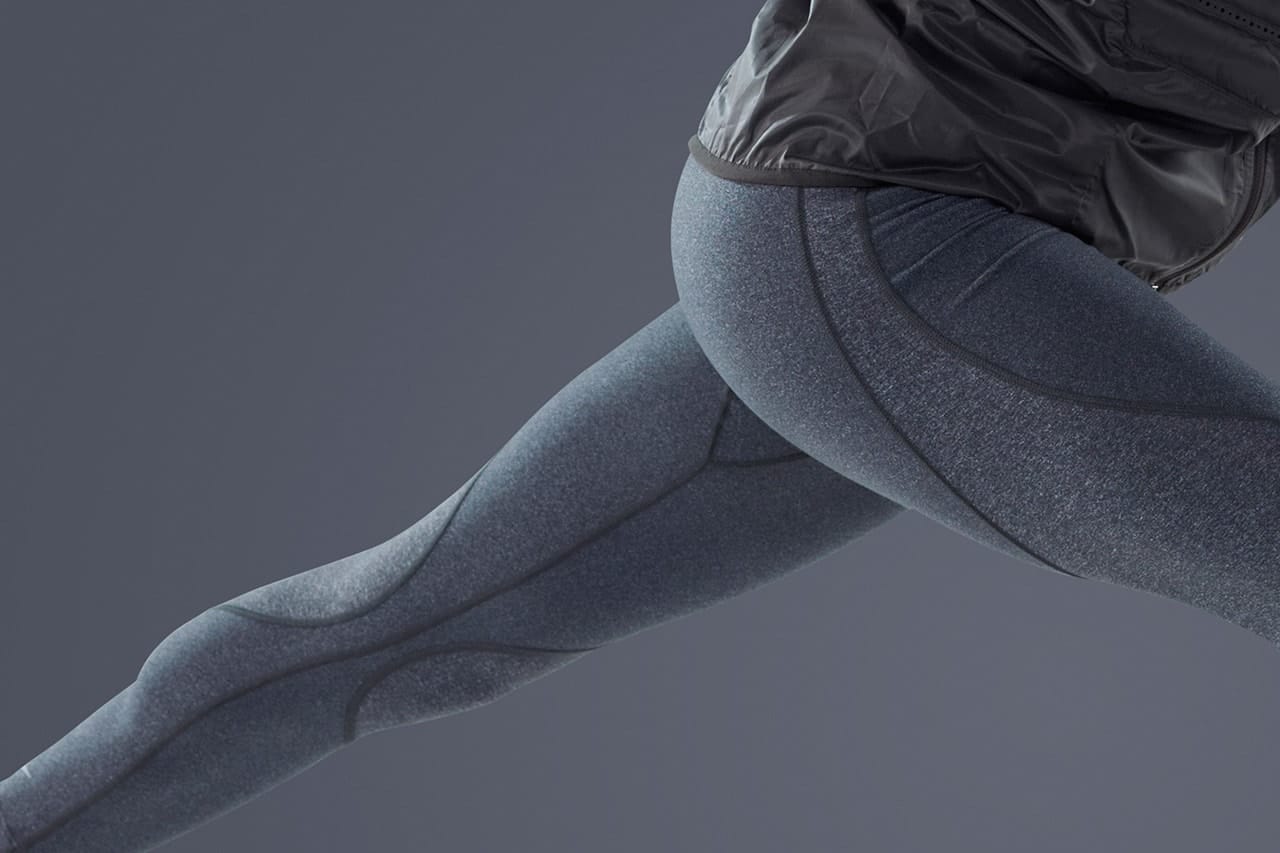
Nike x Undercover Gyakusou SS2011 4/5 Length Pant
These pants a cut slightly shorter for better running comfort. Great for slightly harsher weather conditions. Insideout construction for seamless fit inside. From the Nike Running Gyakusou collection. Made in Japan.
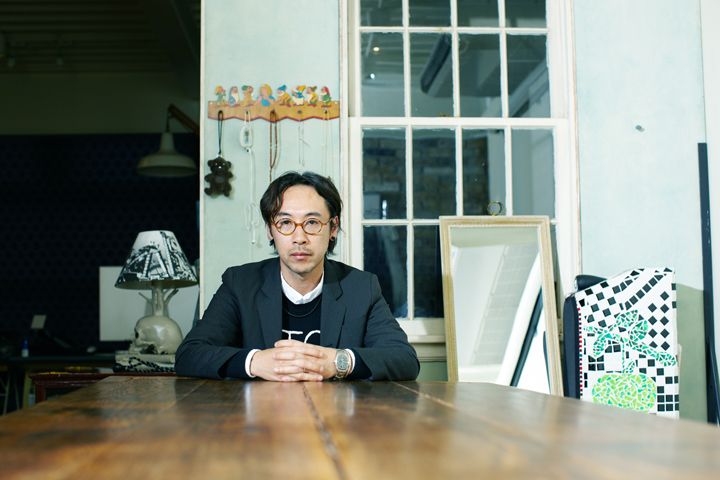
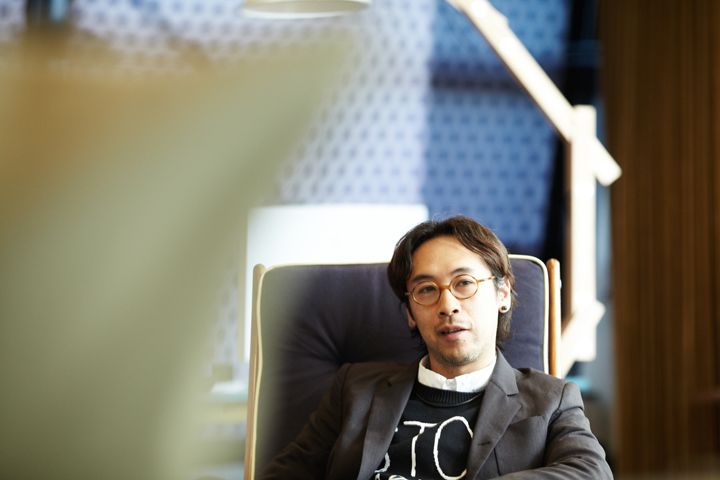
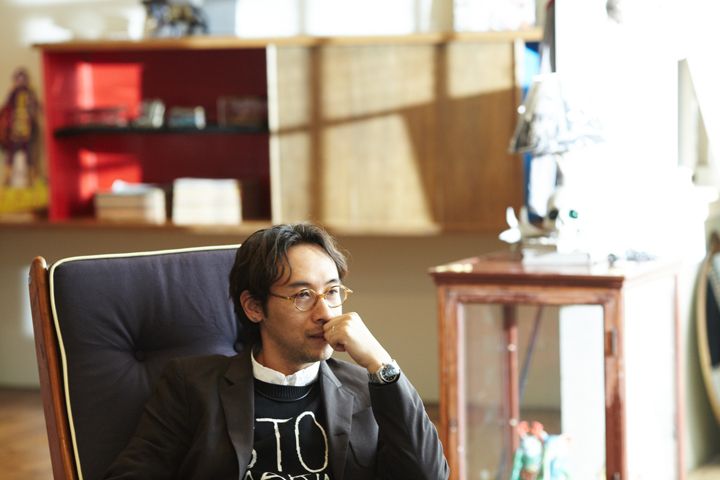
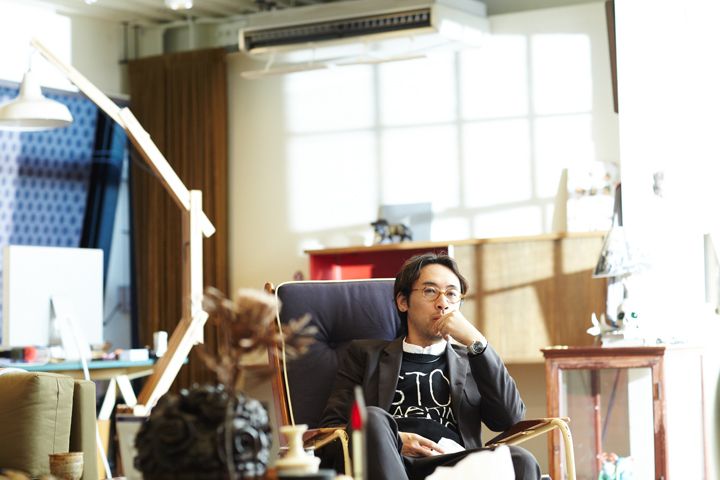
Jun Tahashi photographed by Junko Yoda for Mastered.jp interview
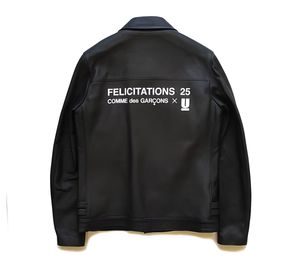
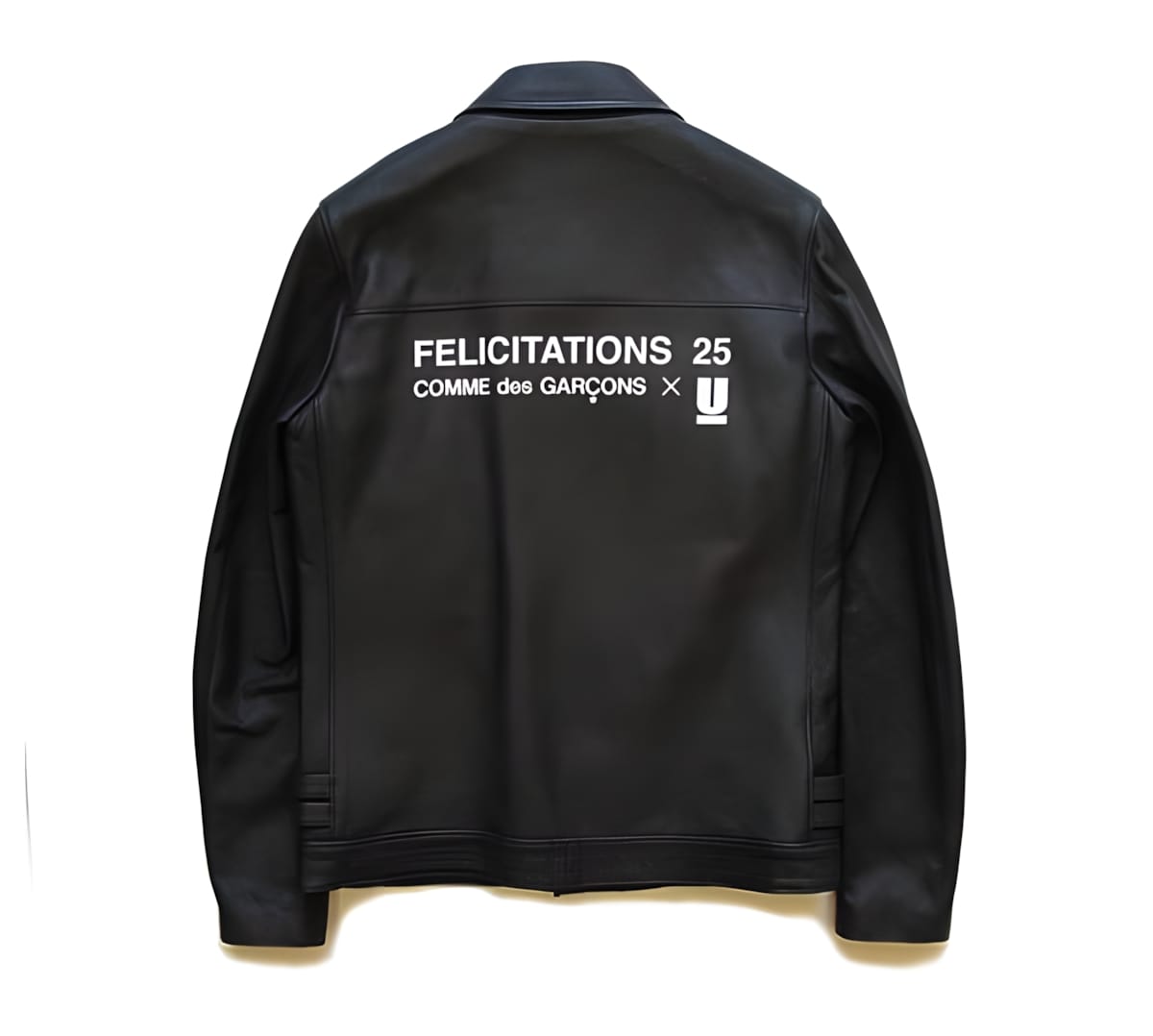
Comme des Garçons × Undercover Felicitations 25 Leather Jacket
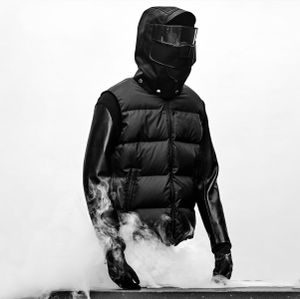
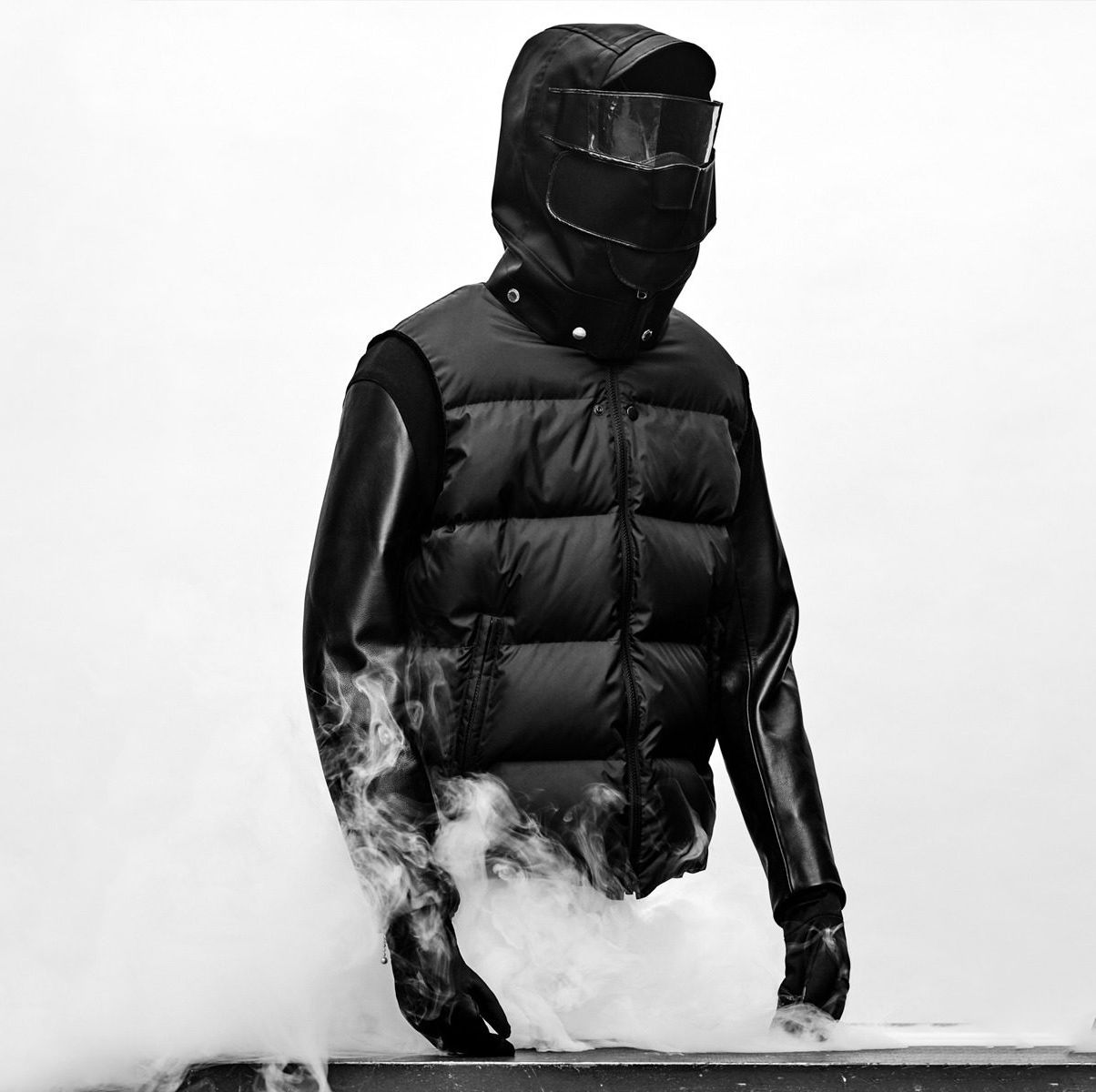
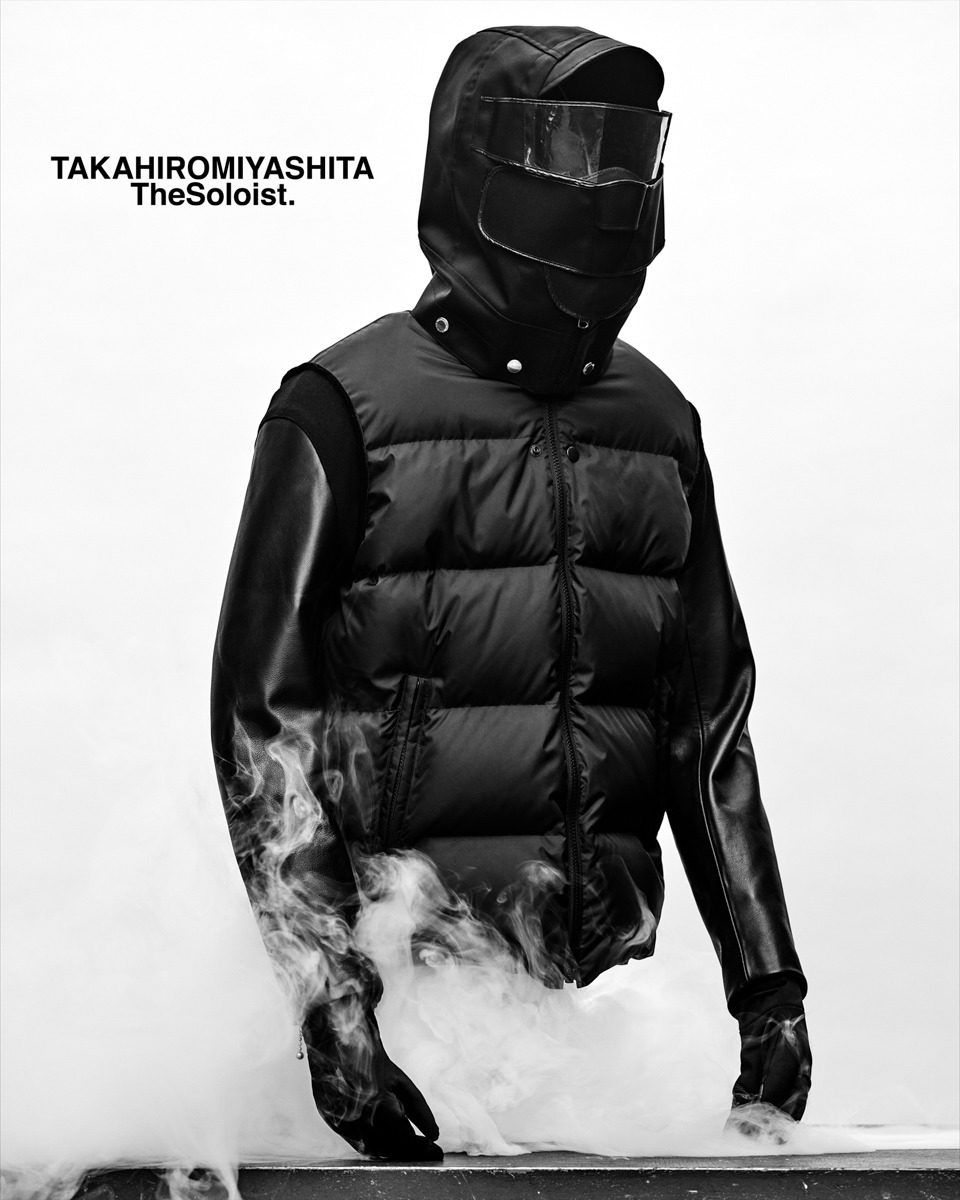
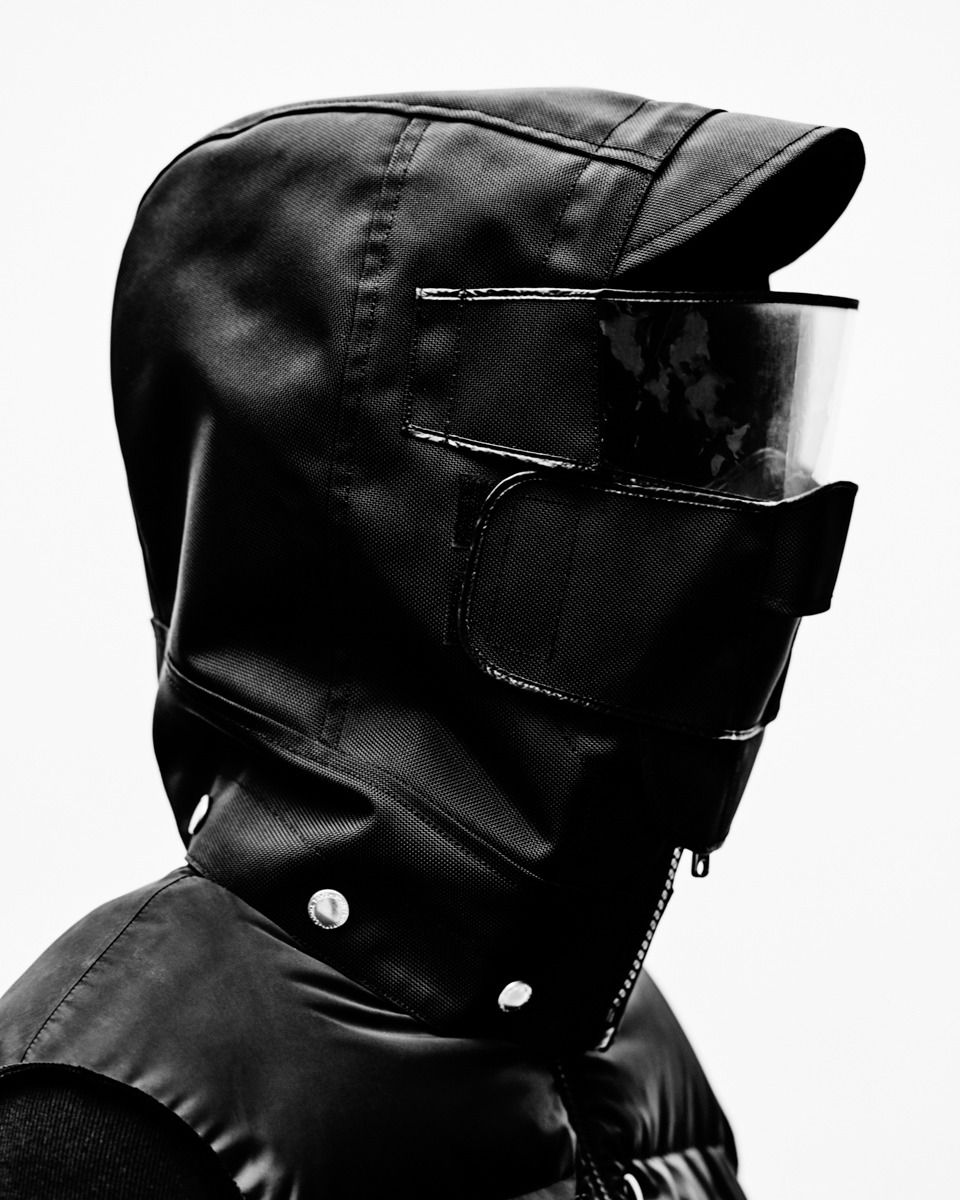
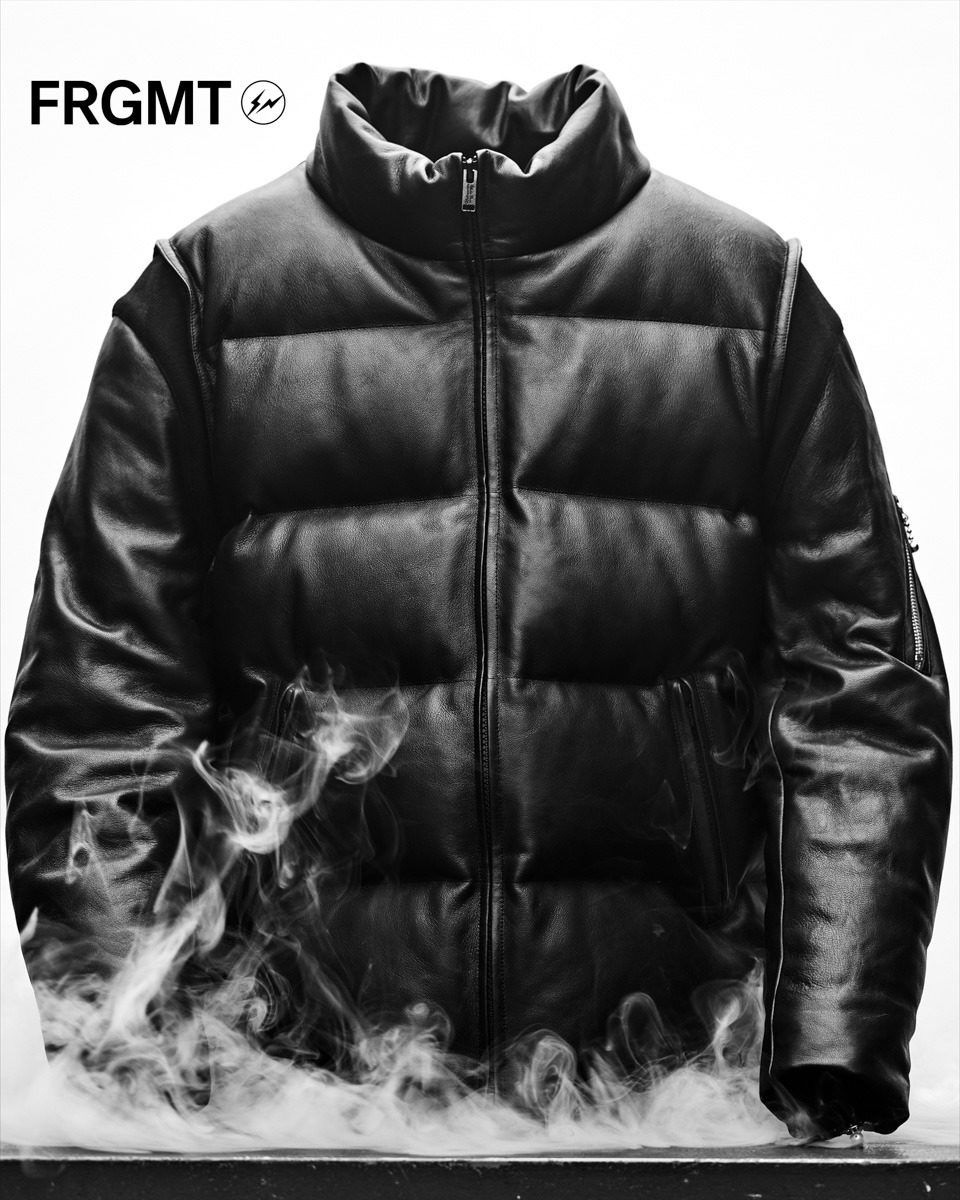
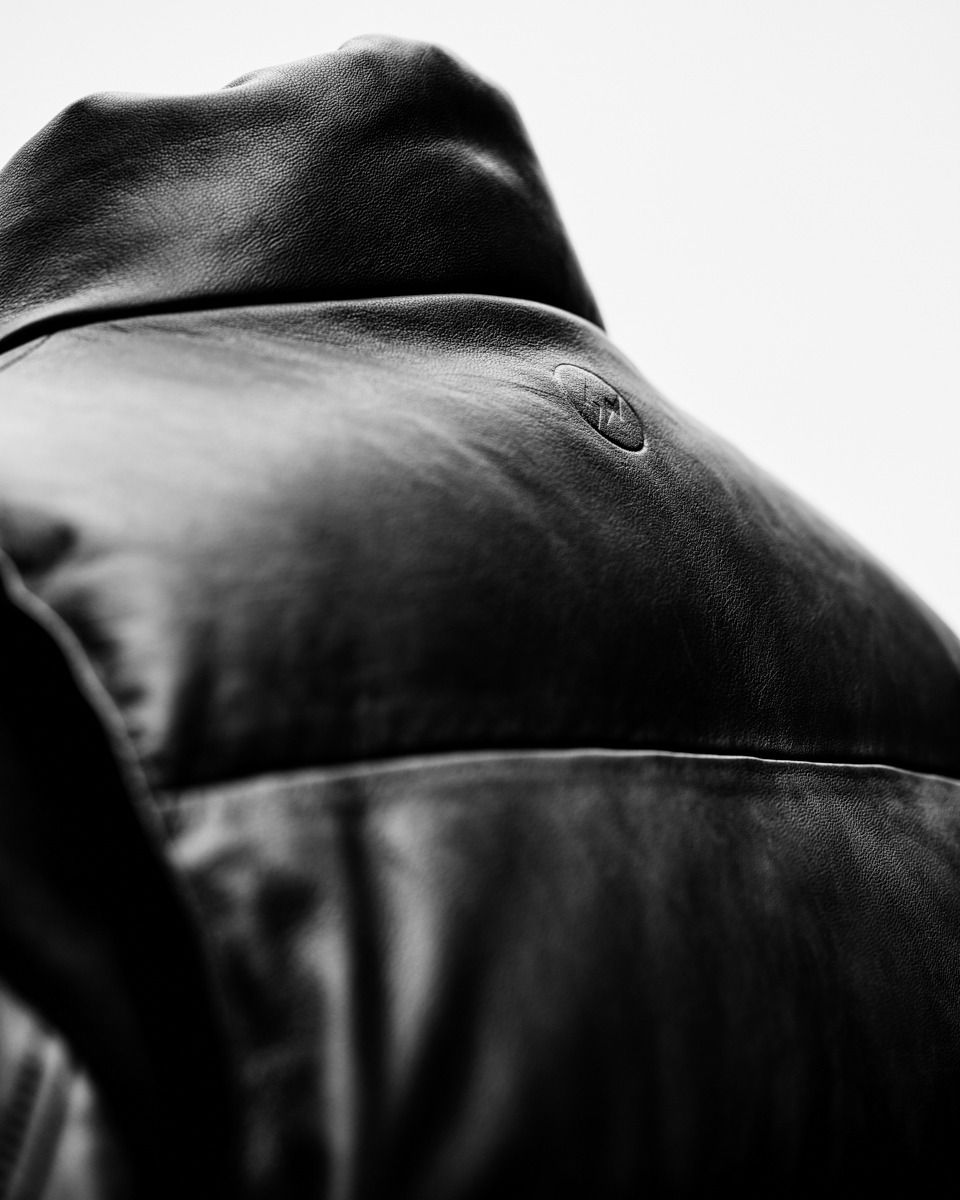
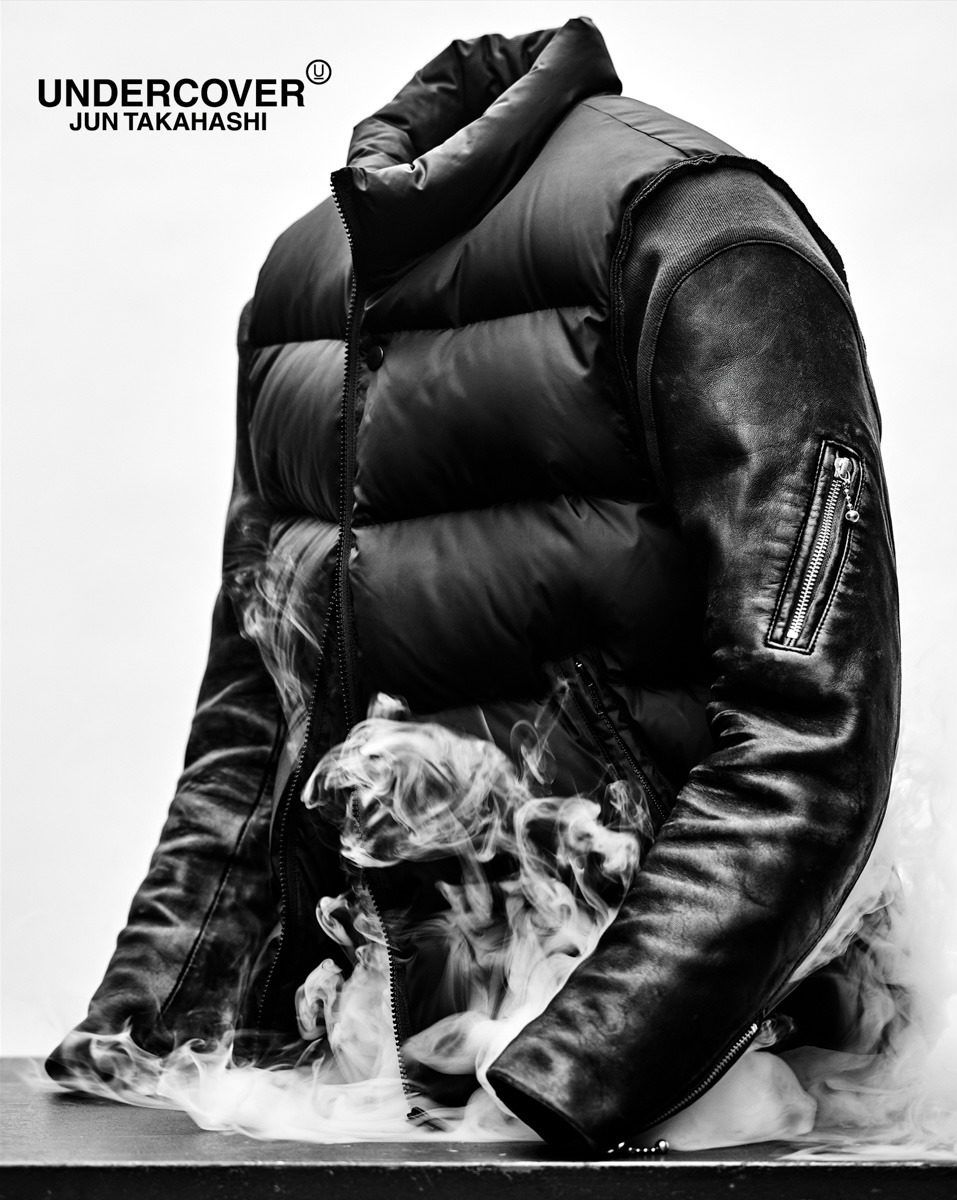
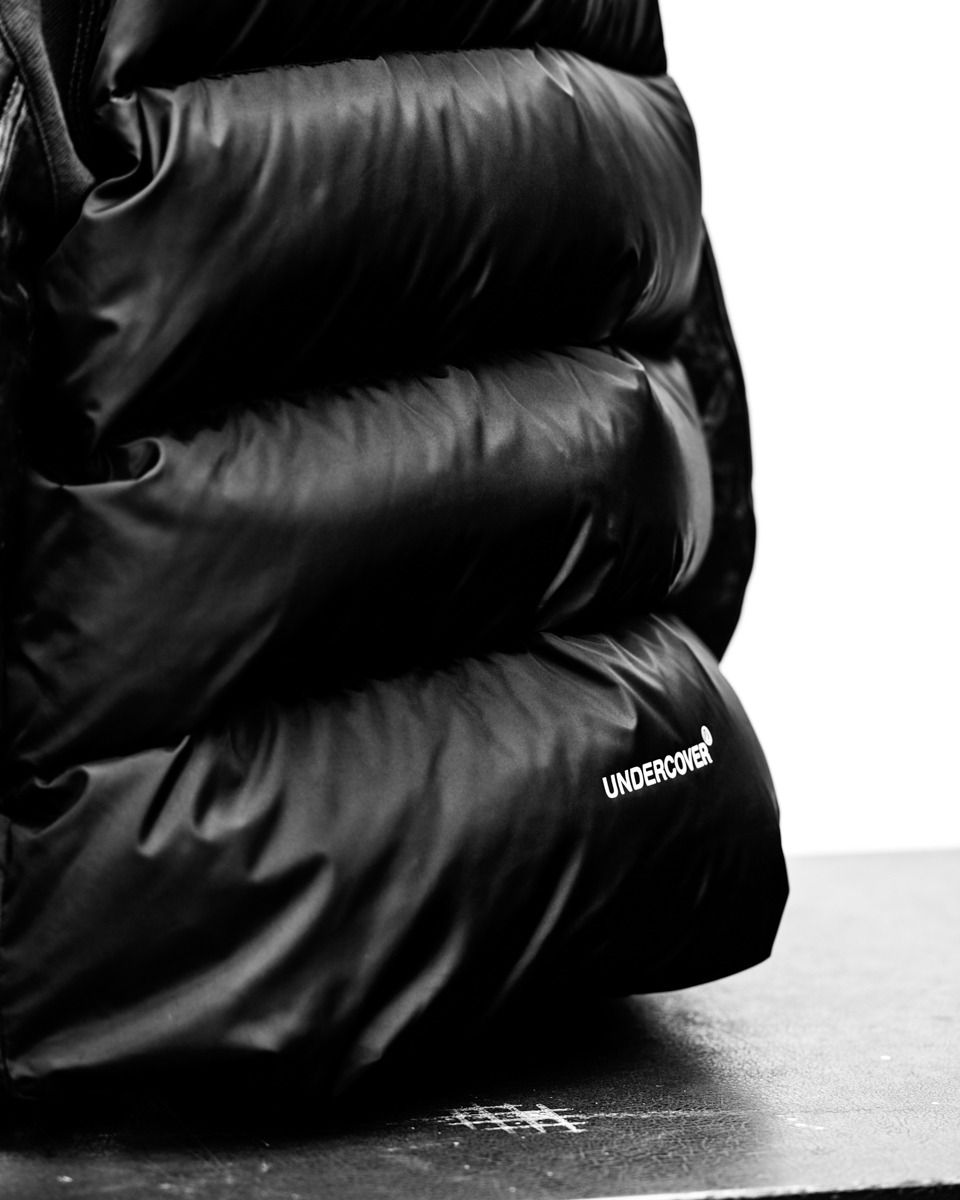
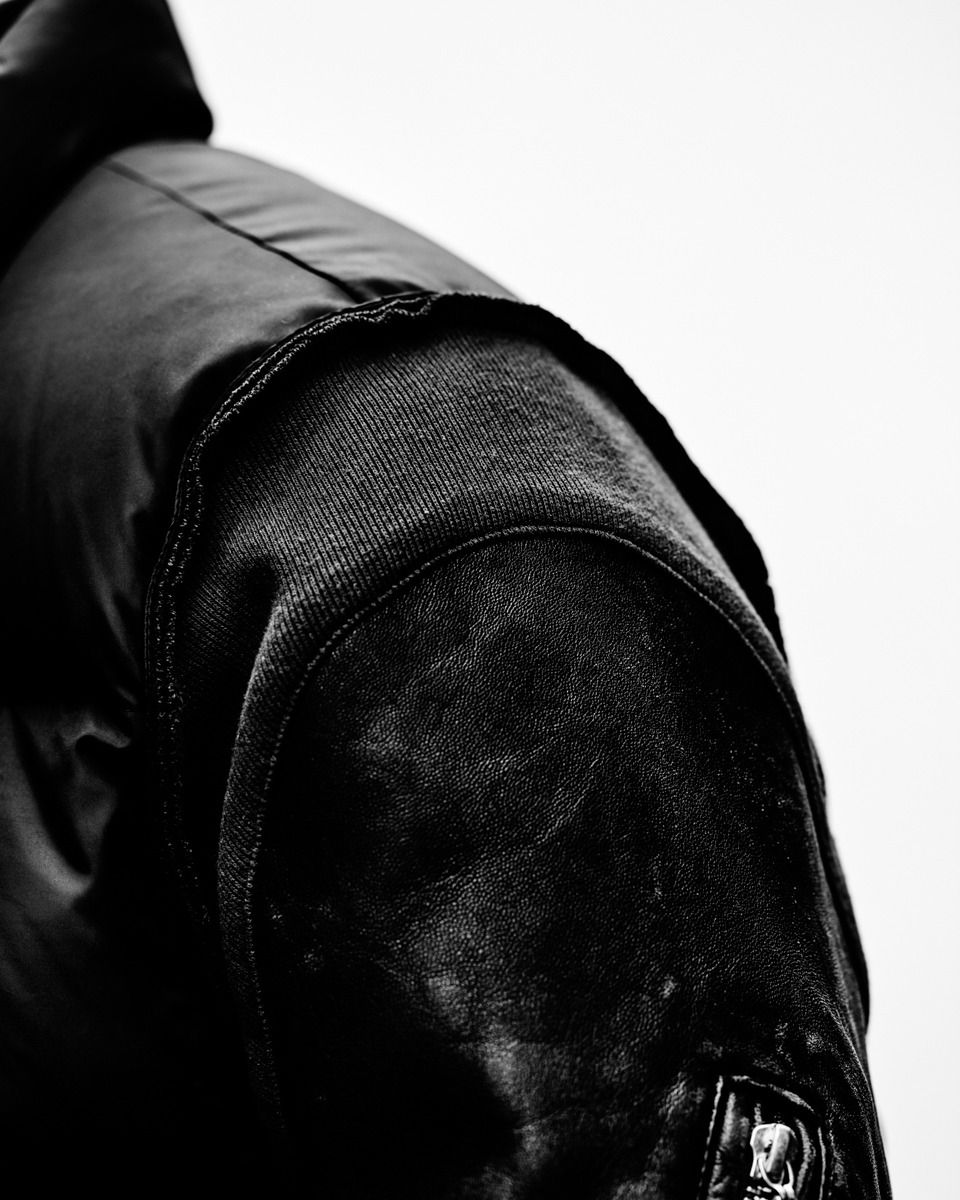
UNDERCOVER: 30TH ANNIVERSARY LEATHER DOWN JACKETS
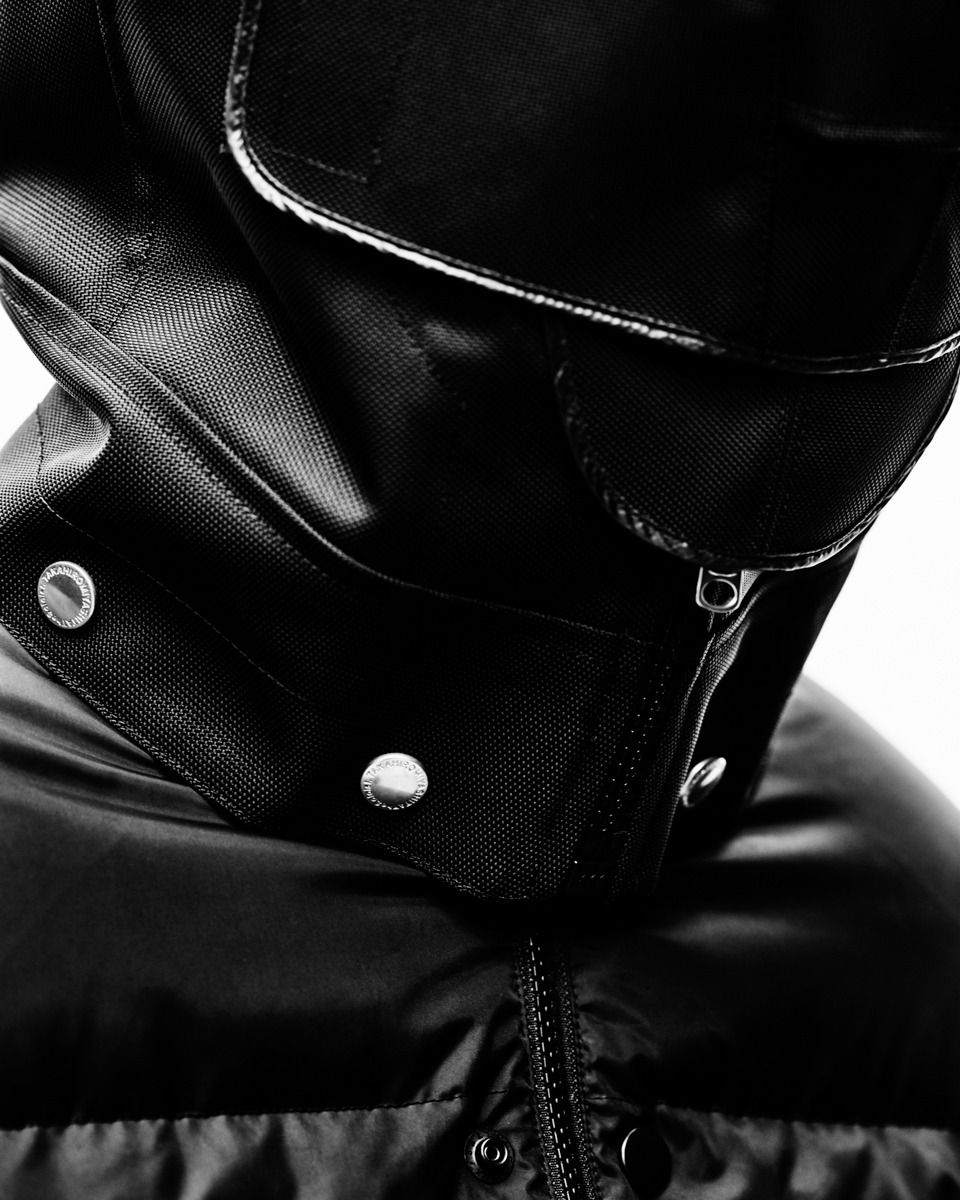
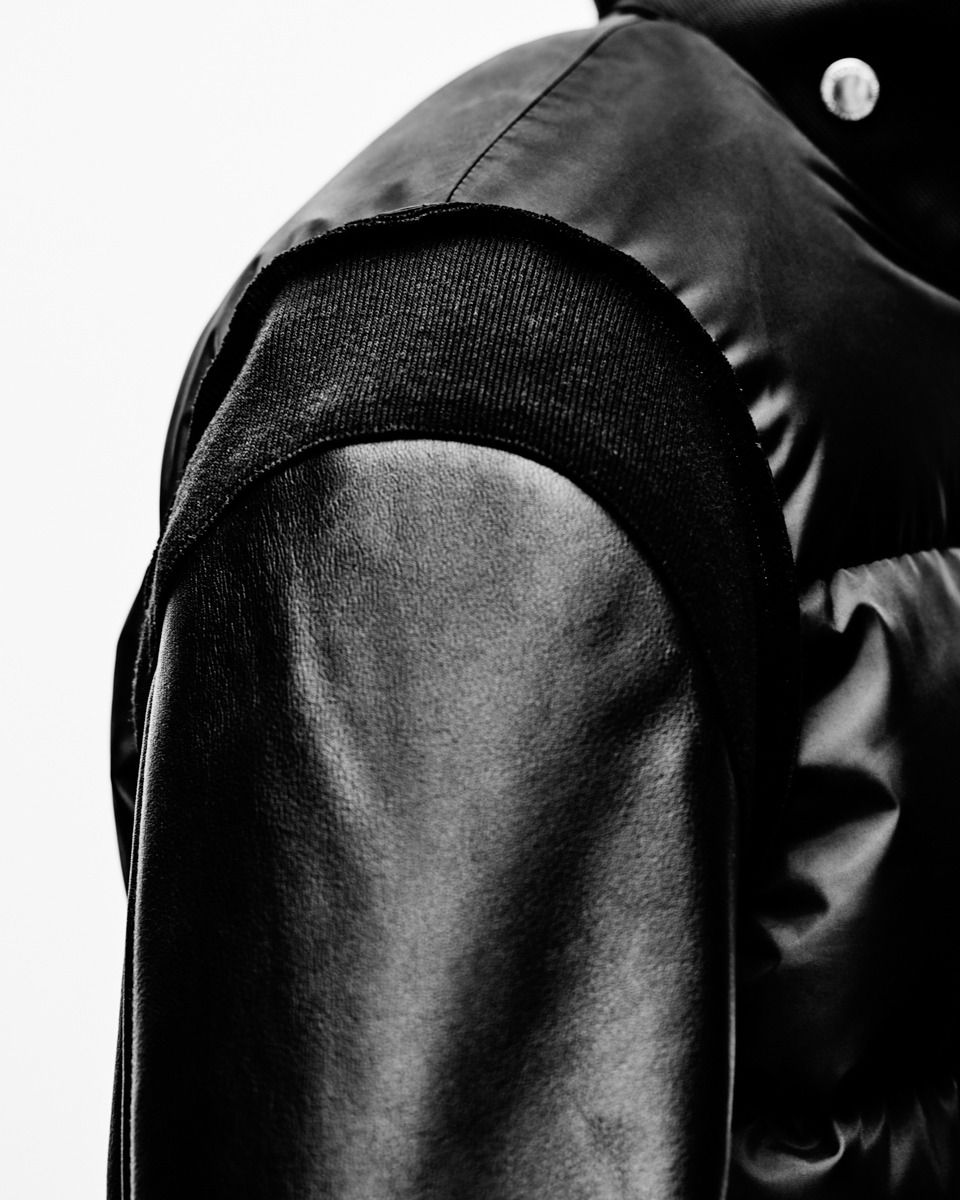
In 2021 designer Jun Takahashi has turned to some of his long-time friends in the Tokyo fashion scene to offer their take on UC’s signature hybrid style with a series of leather sleeve down jackets with various mixed materials and detailing. Created in partnership with peers sacai, Kolor, Fragment design, TheSoloist and N.Hoolywood. The jackets all take a different tact to exploring the same style of garment.
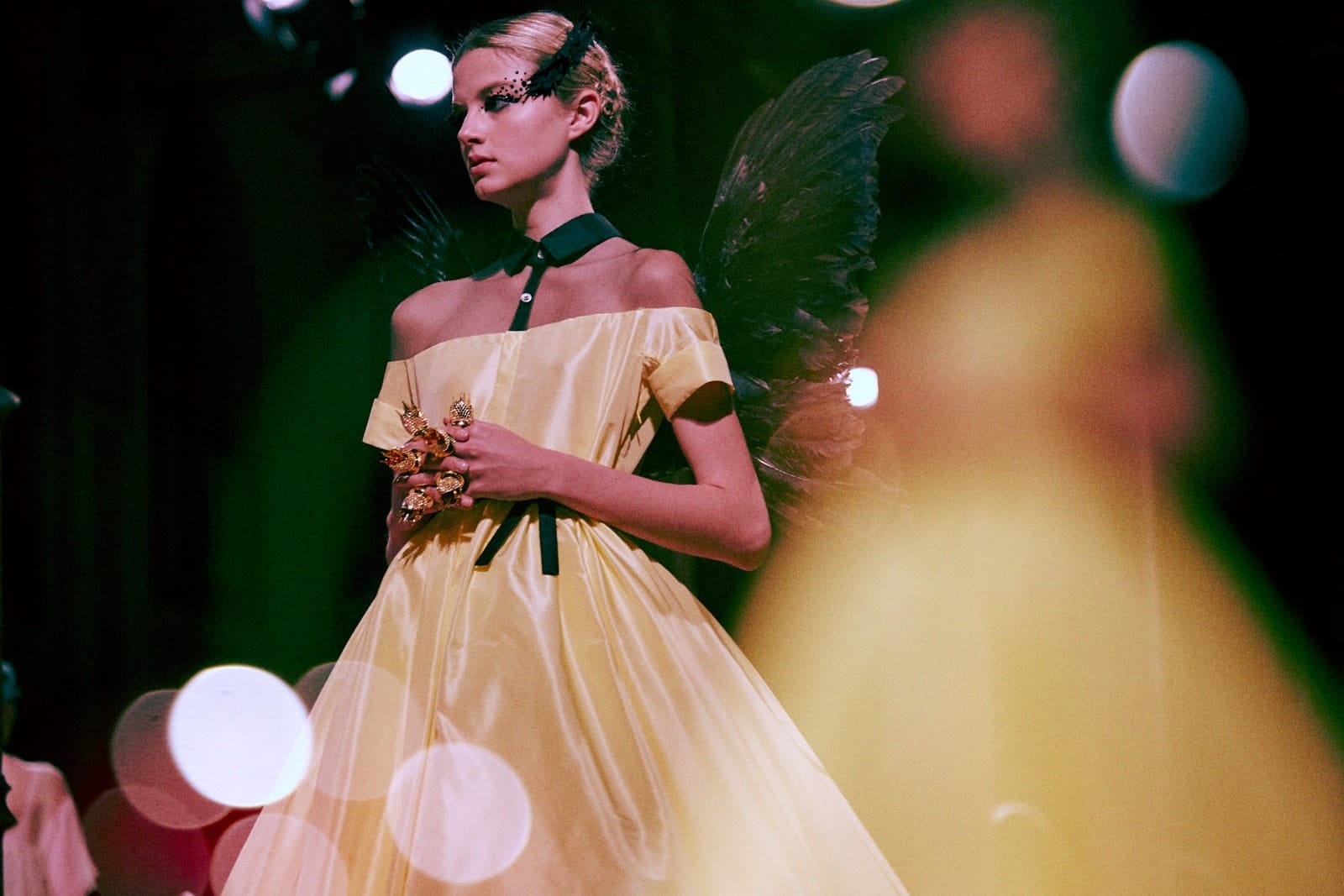
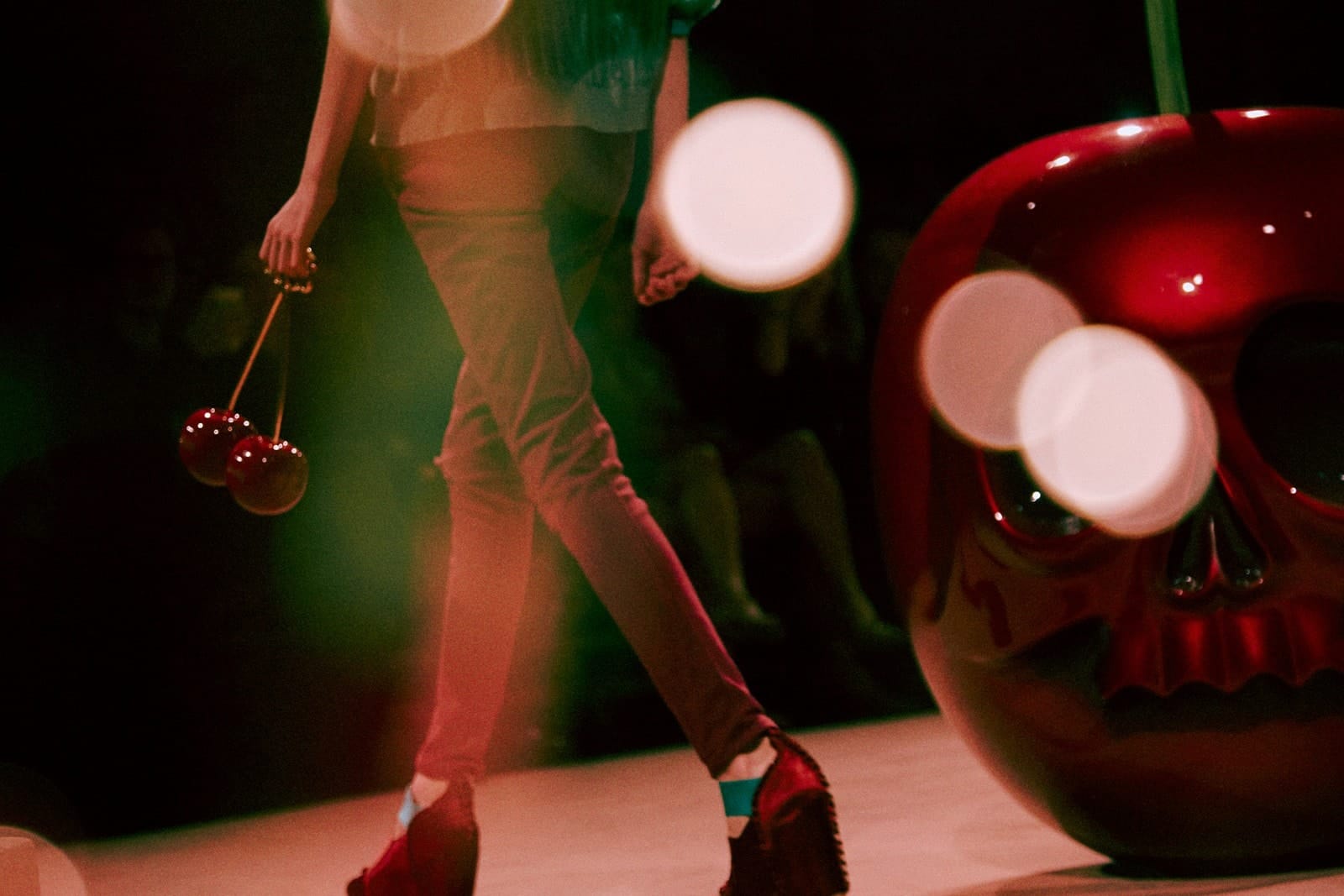
Undercover SS15
Undercover Spring/Summer 2015 carried Takahashi's twisted fairytale into a more digital setting, with LED screens integrated into garments and bags.
Photography by Jeff Henrikson; styling by Emma Wyman.
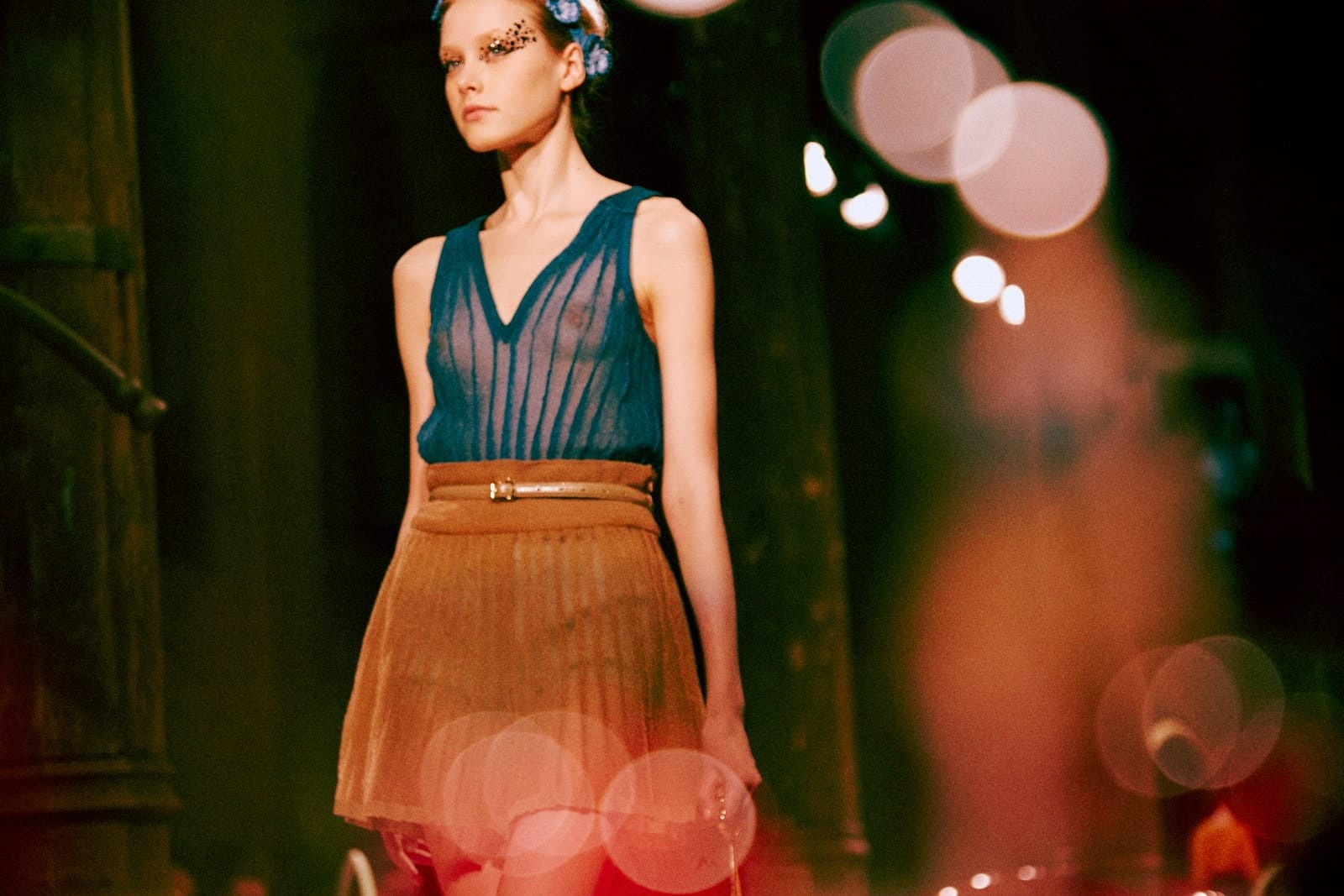
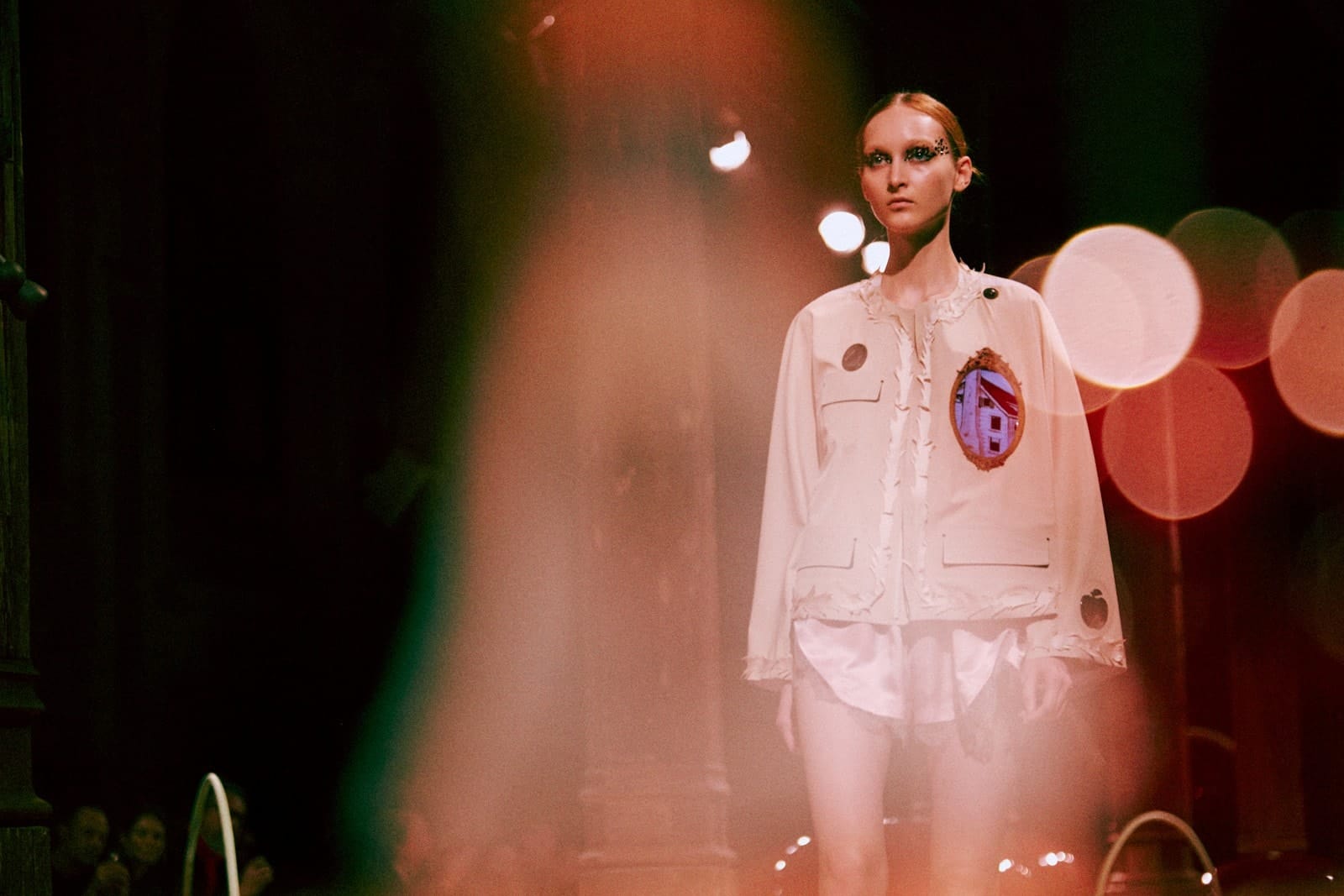
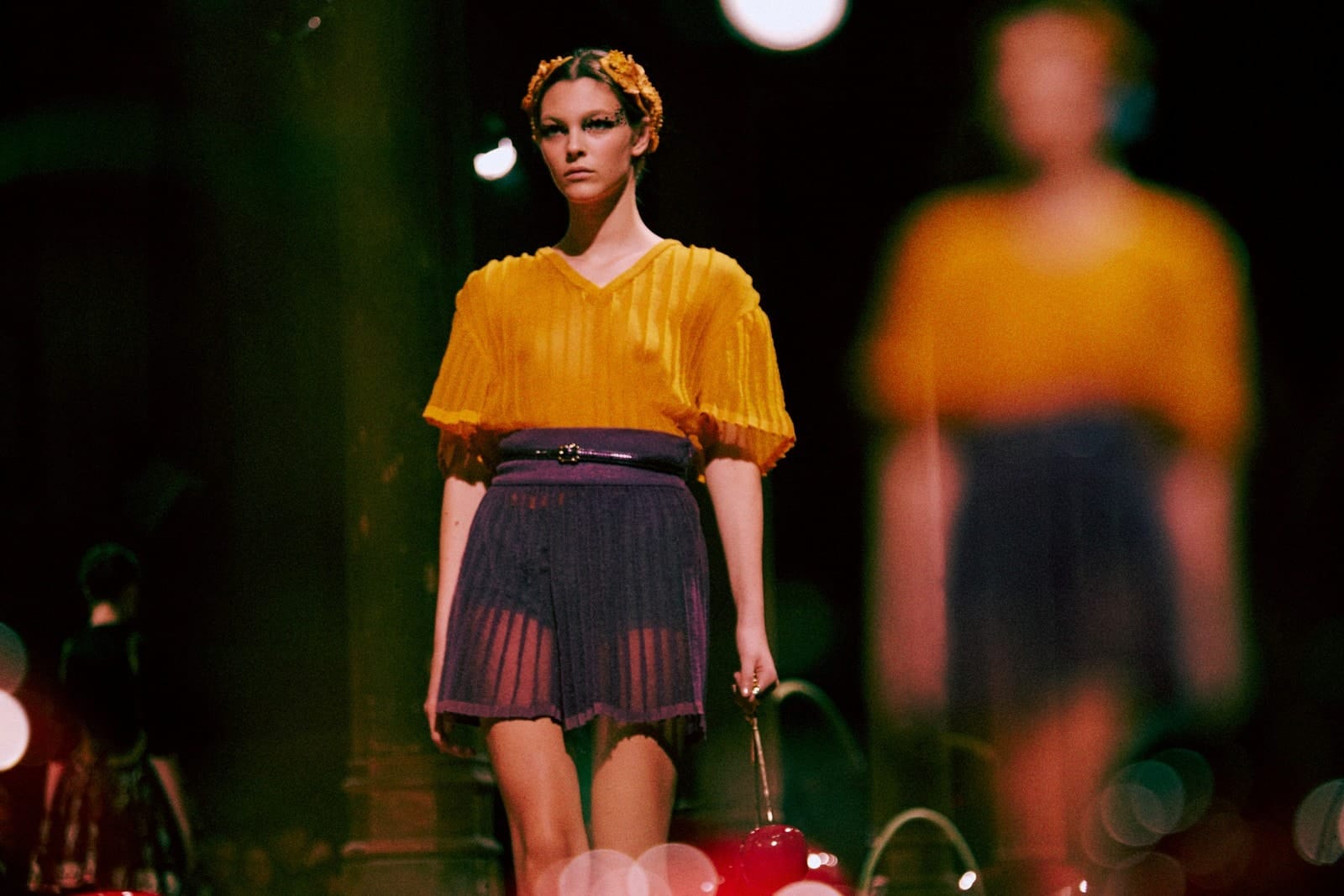
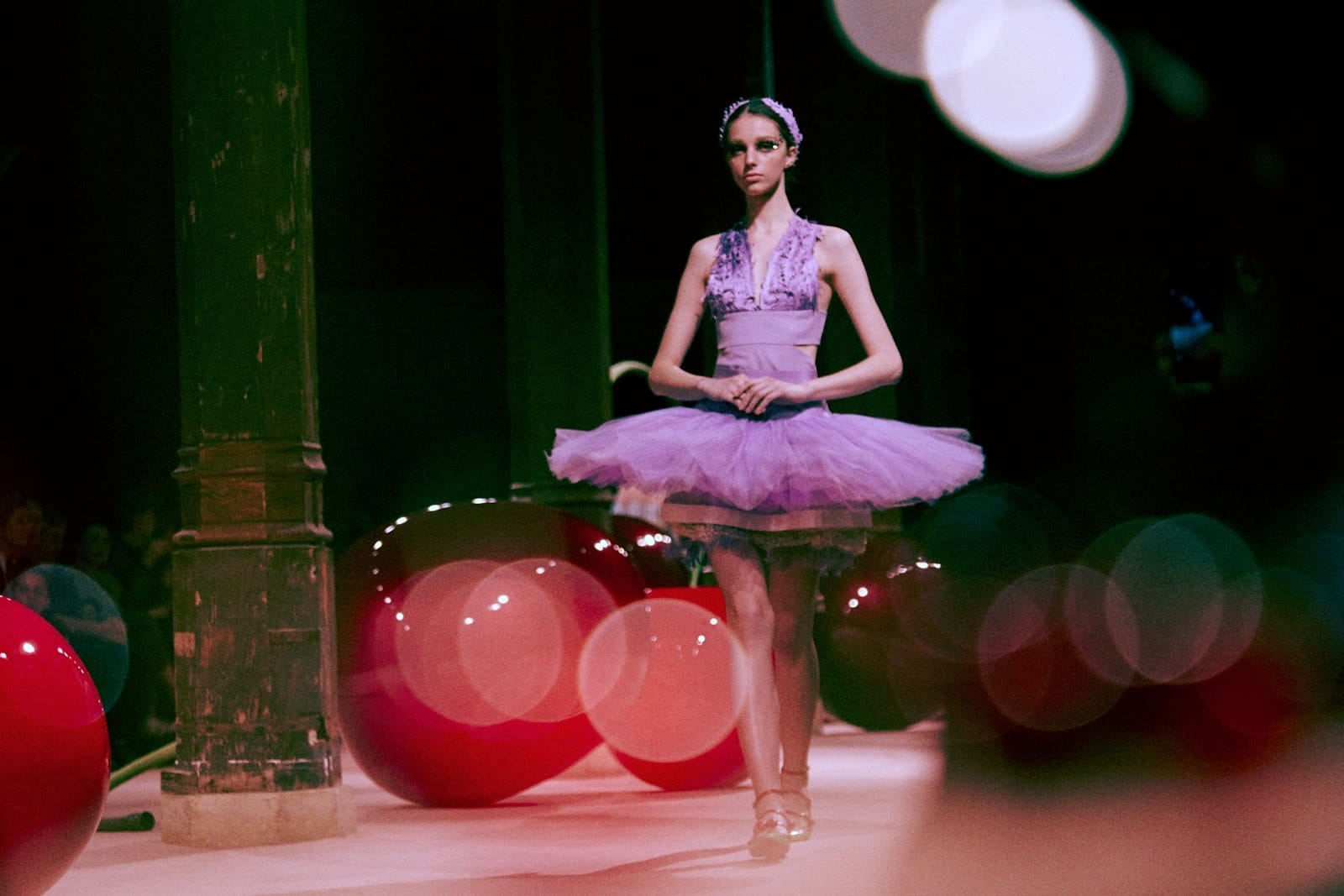
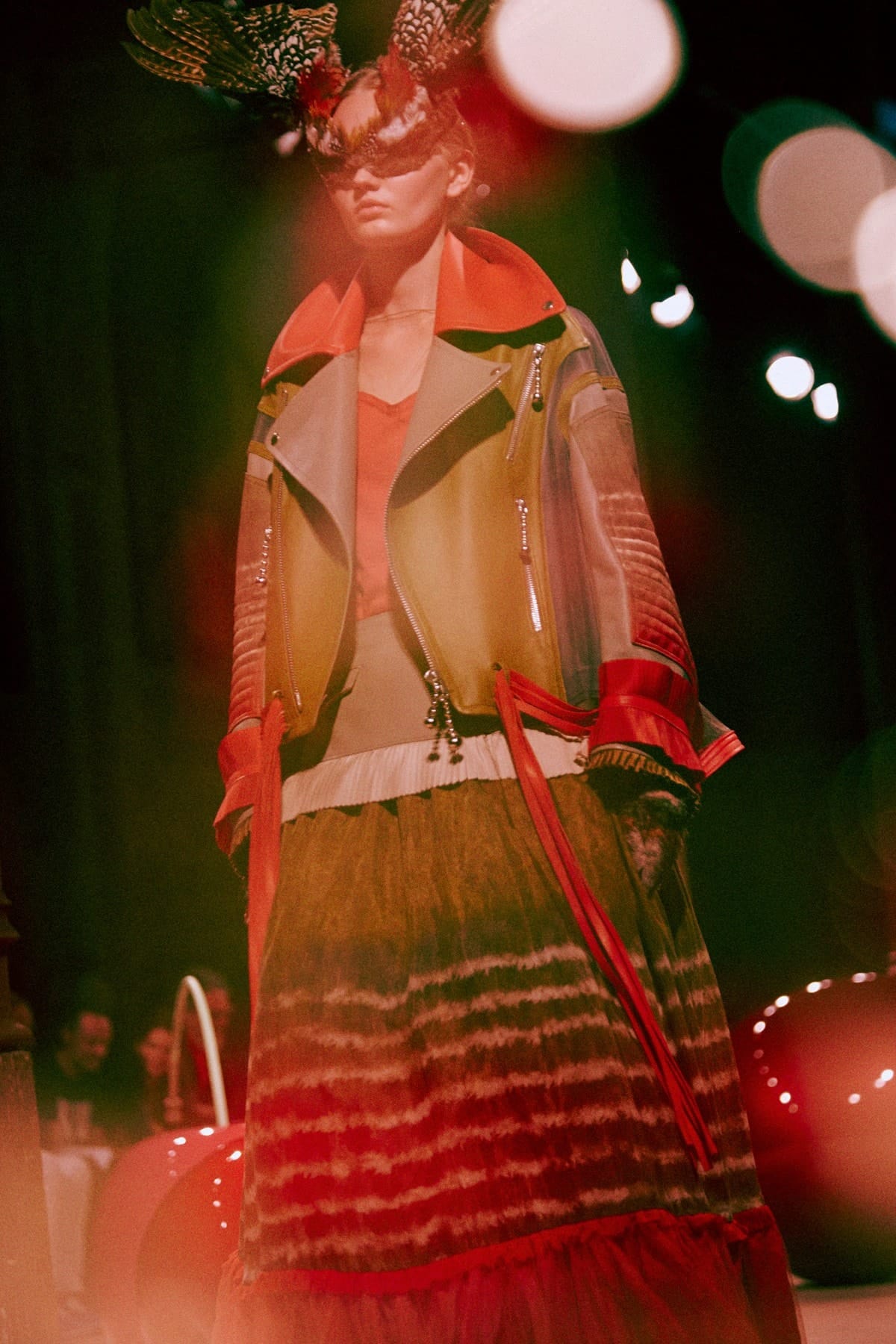
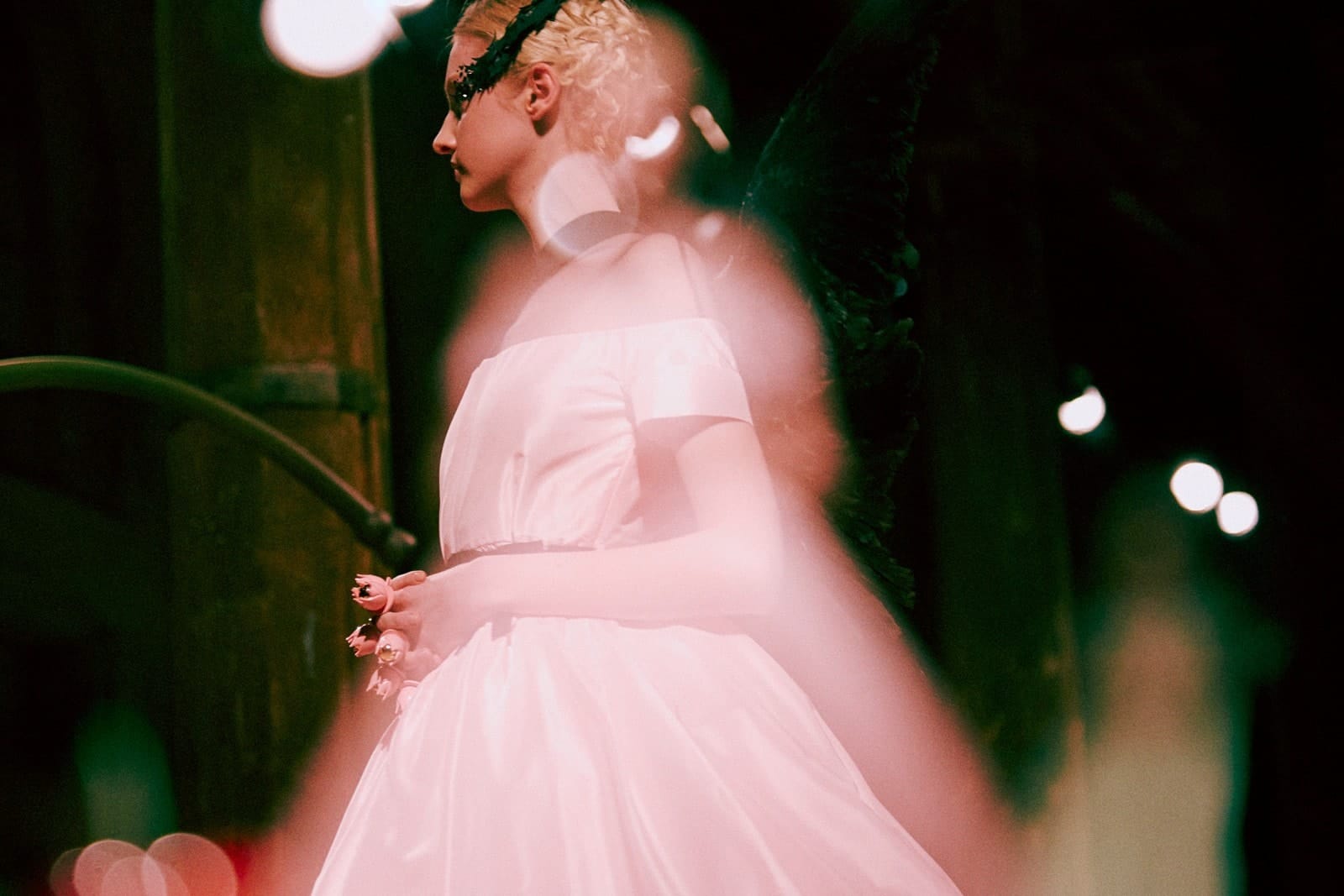
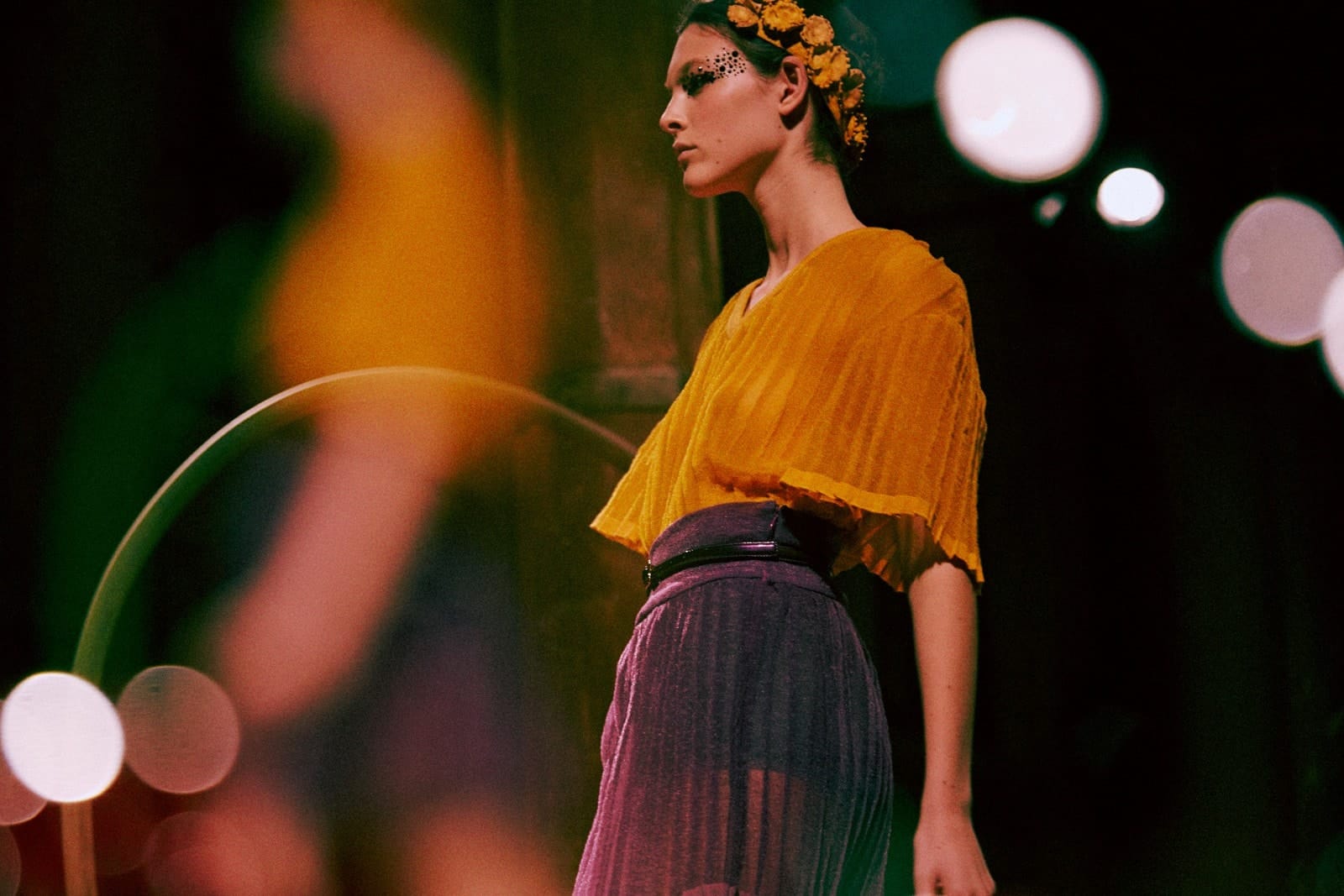
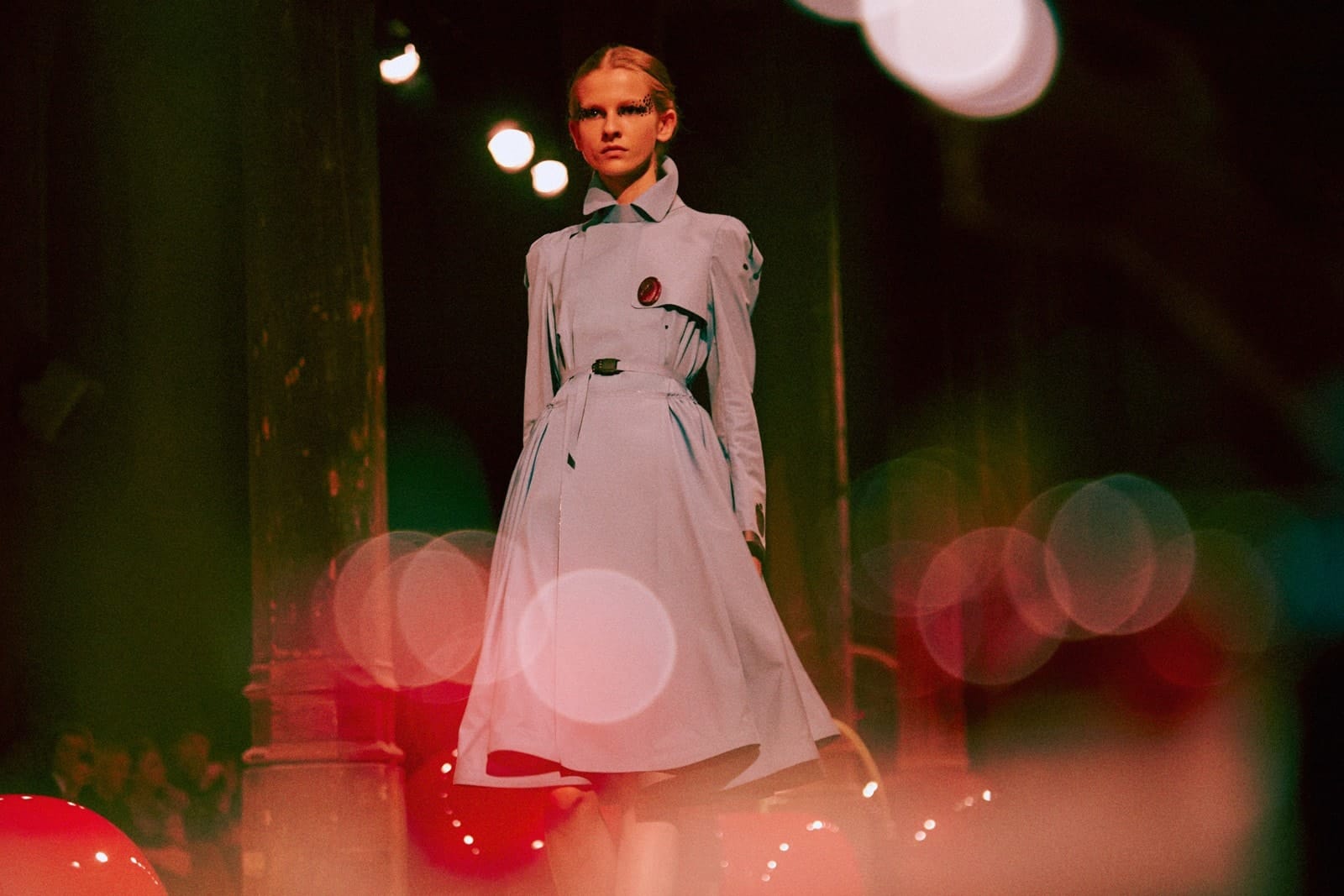
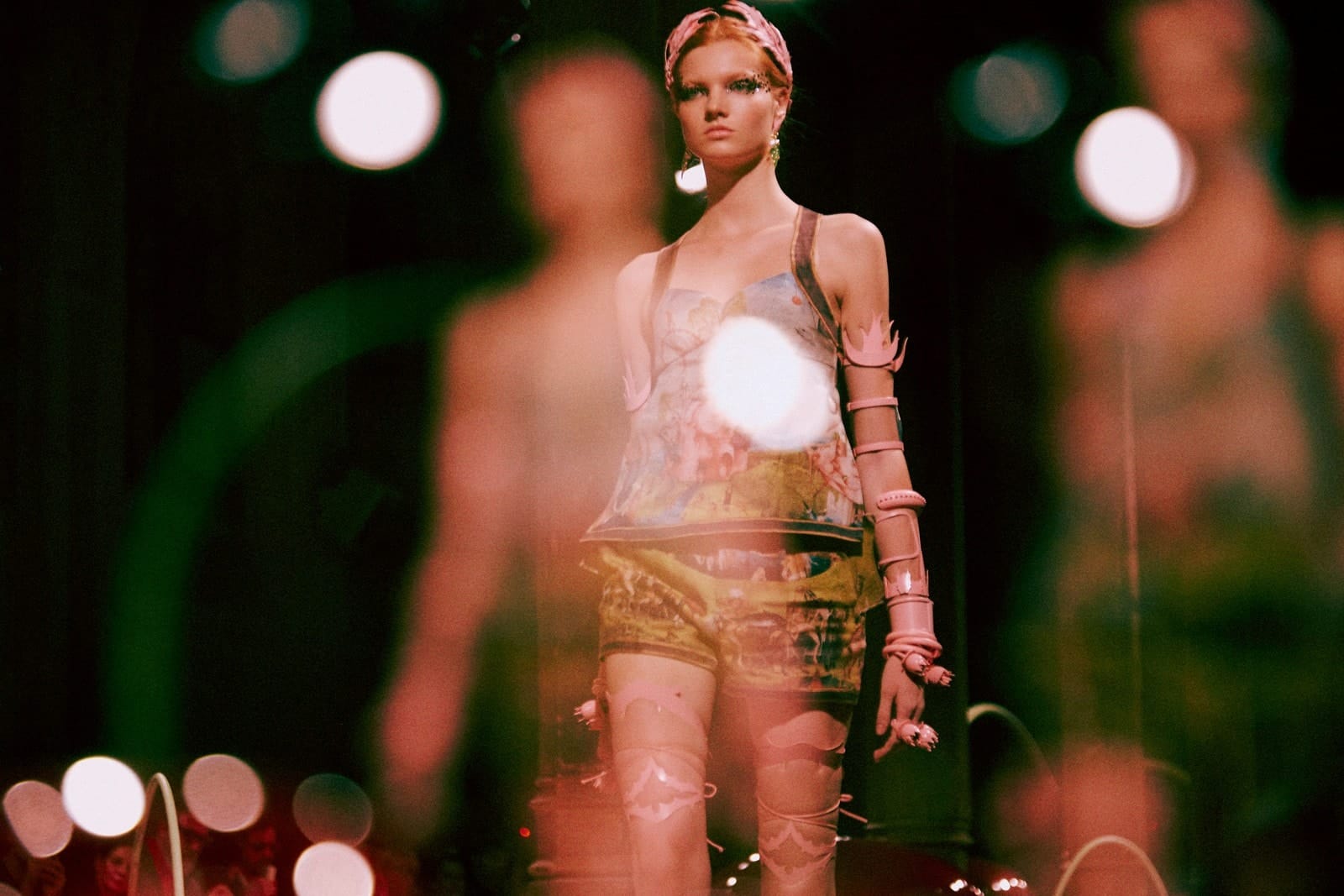
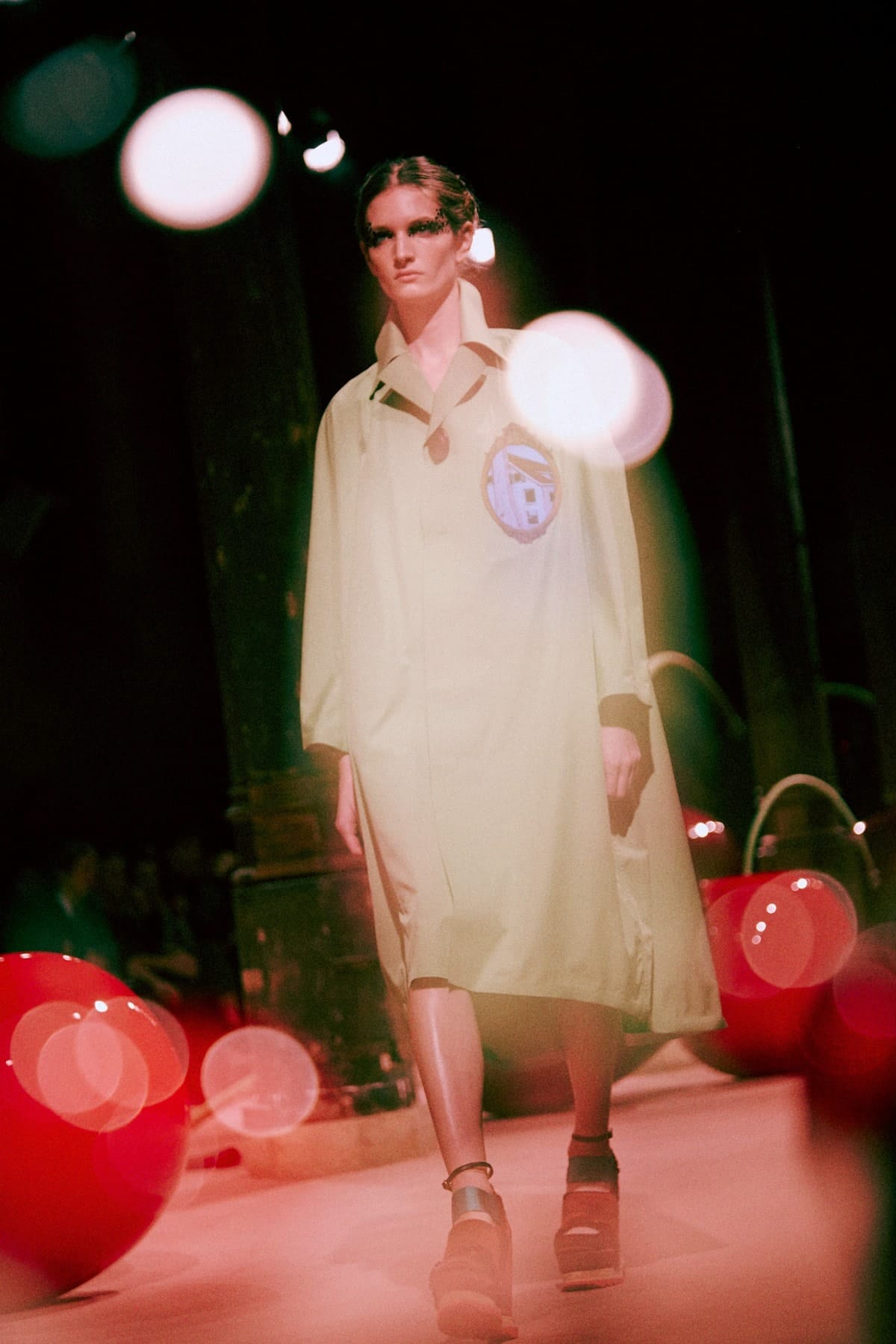
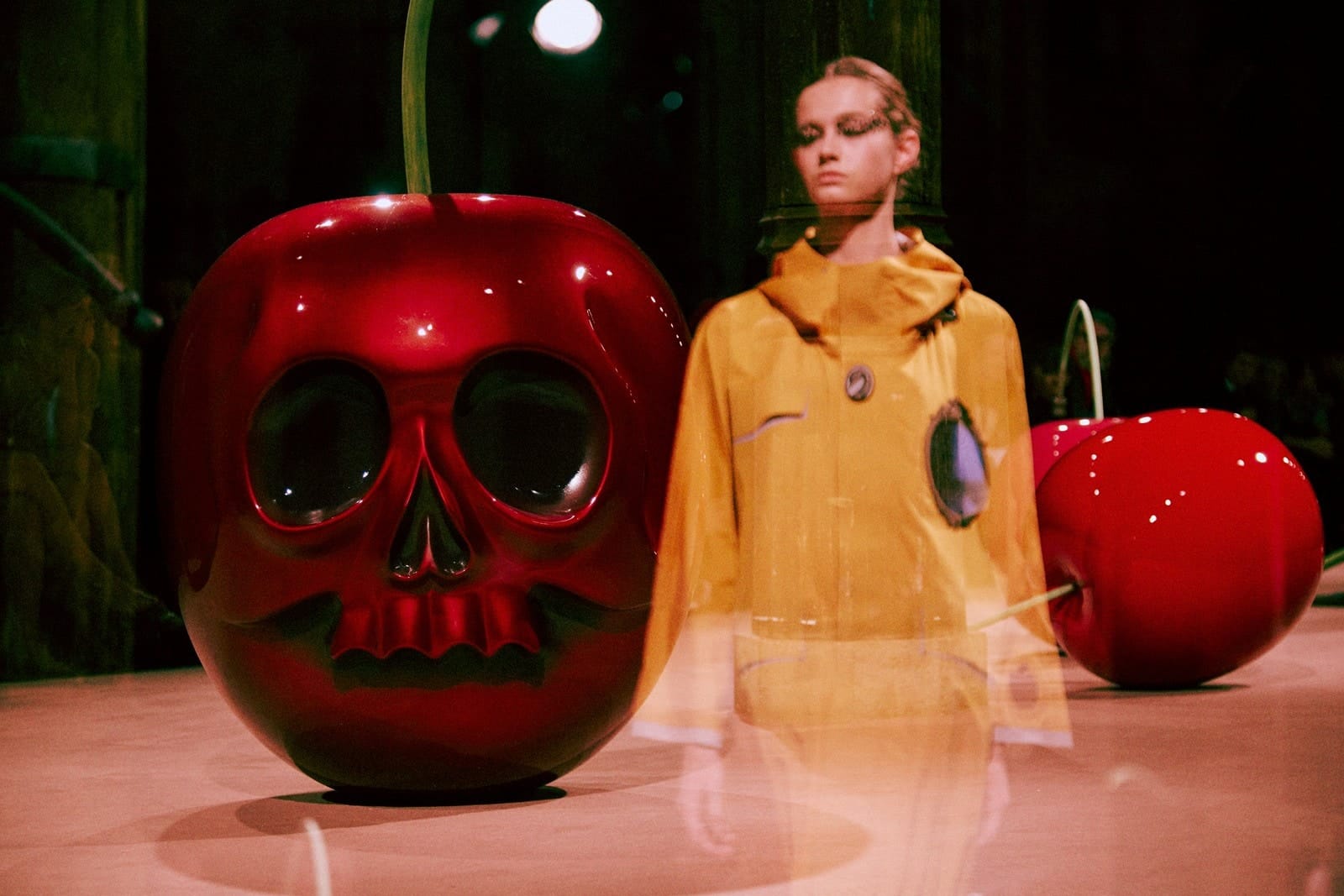
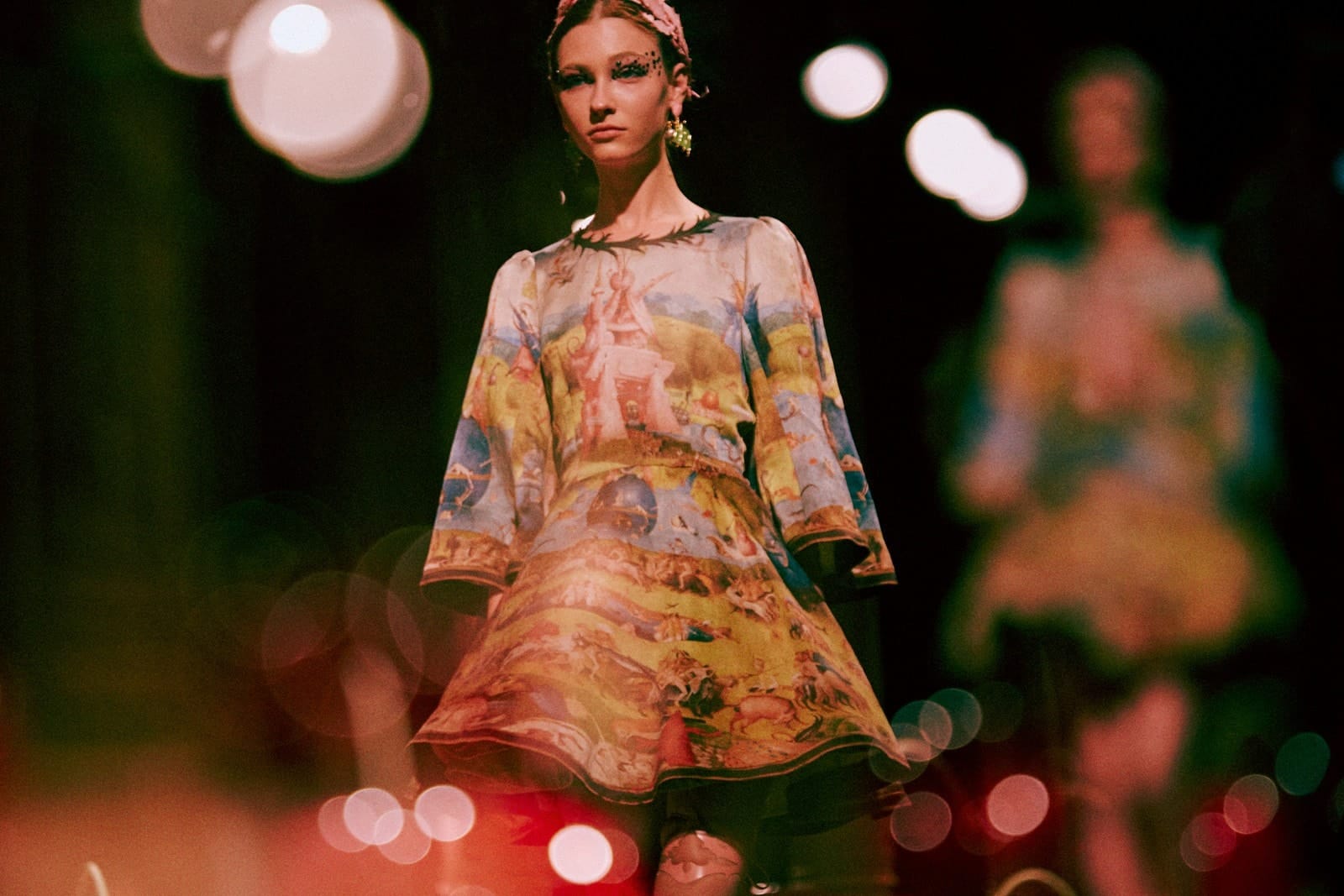
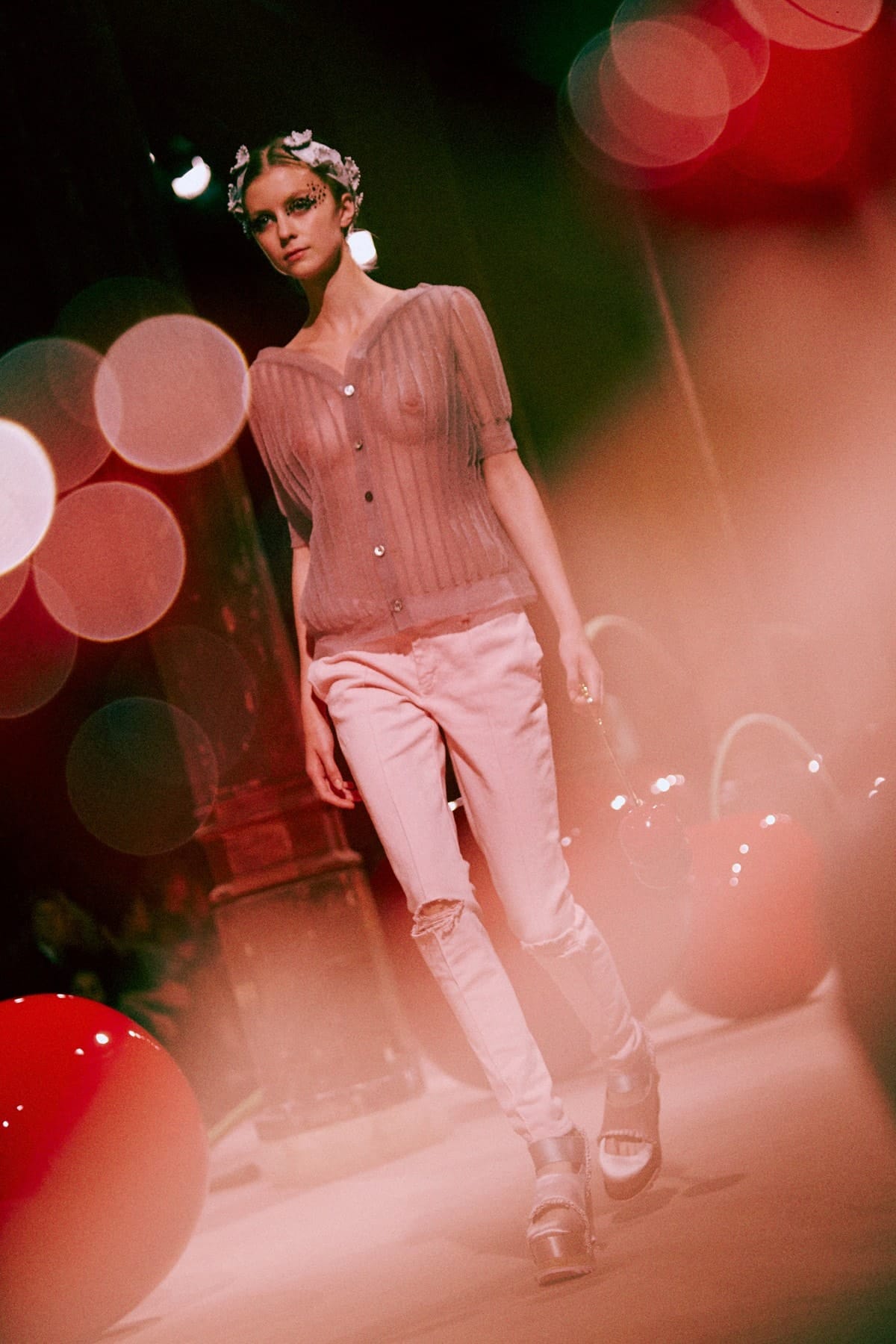
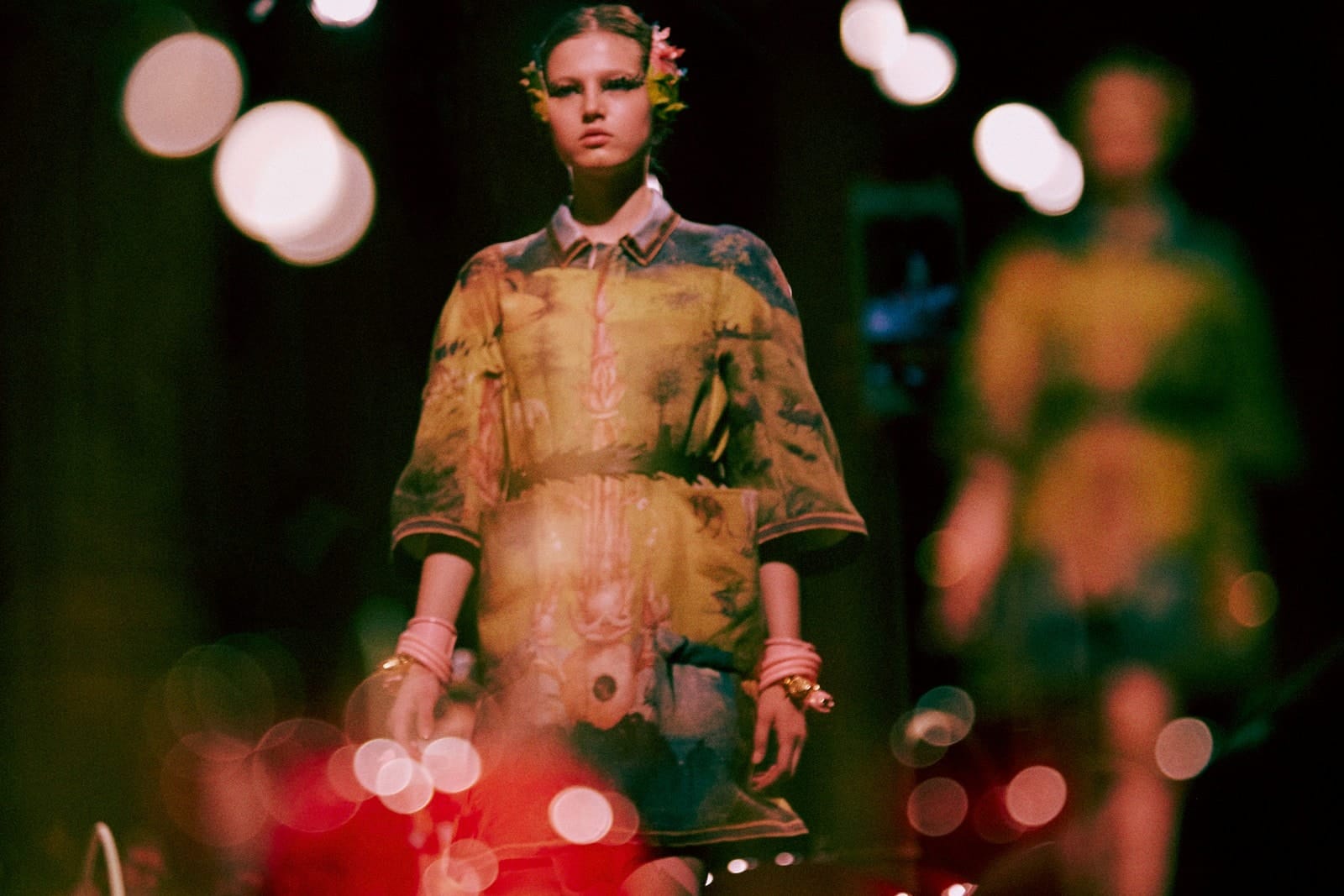
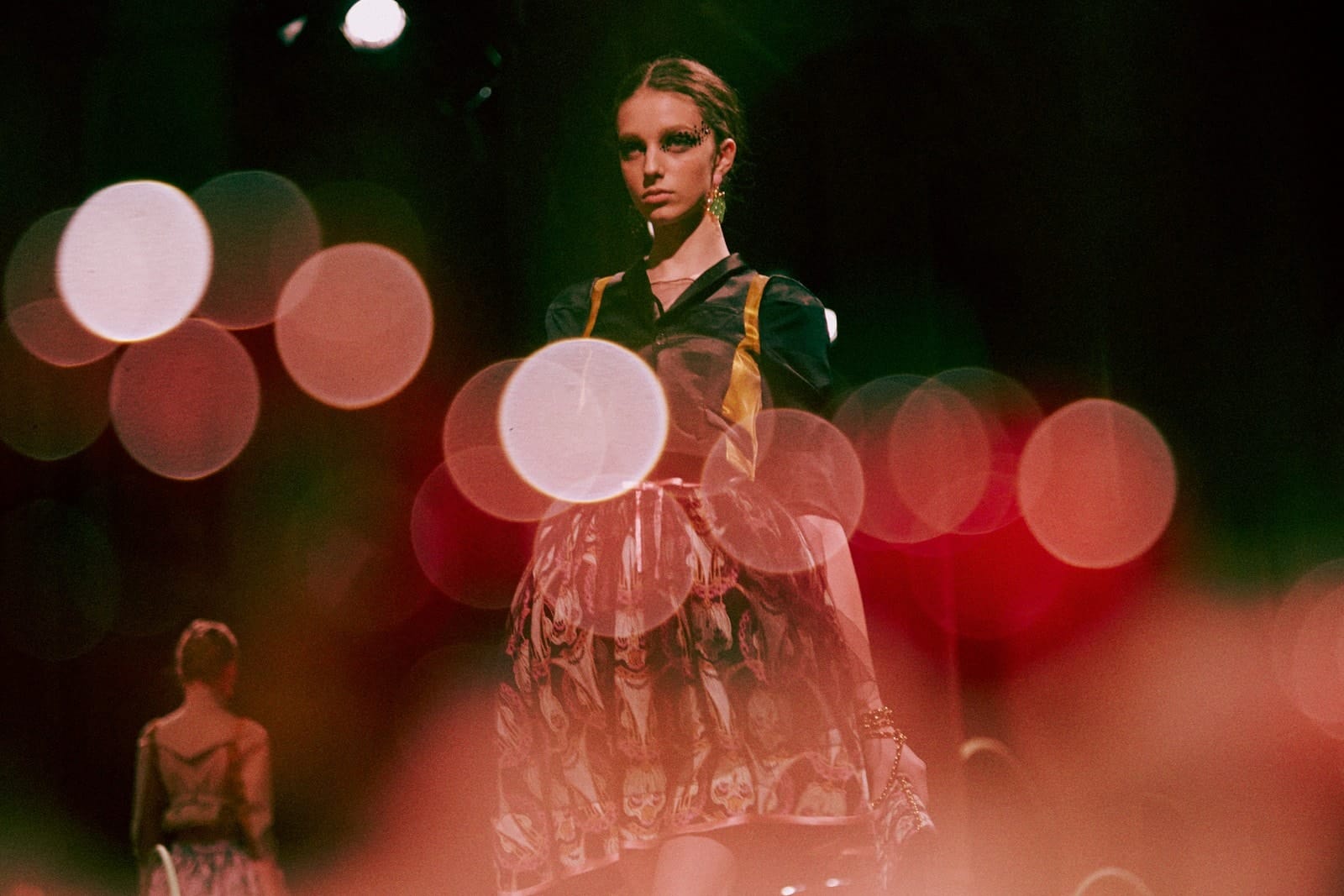
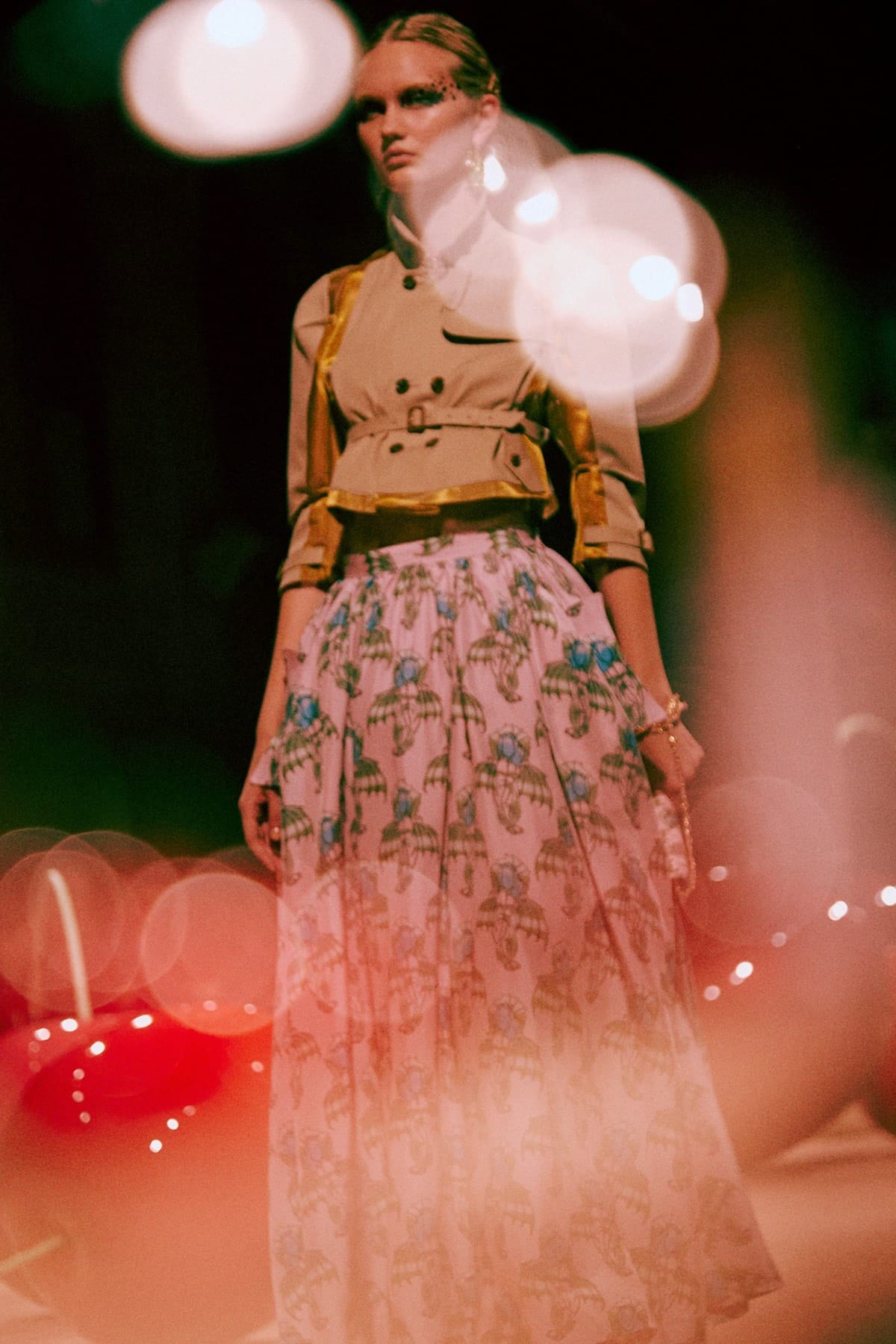
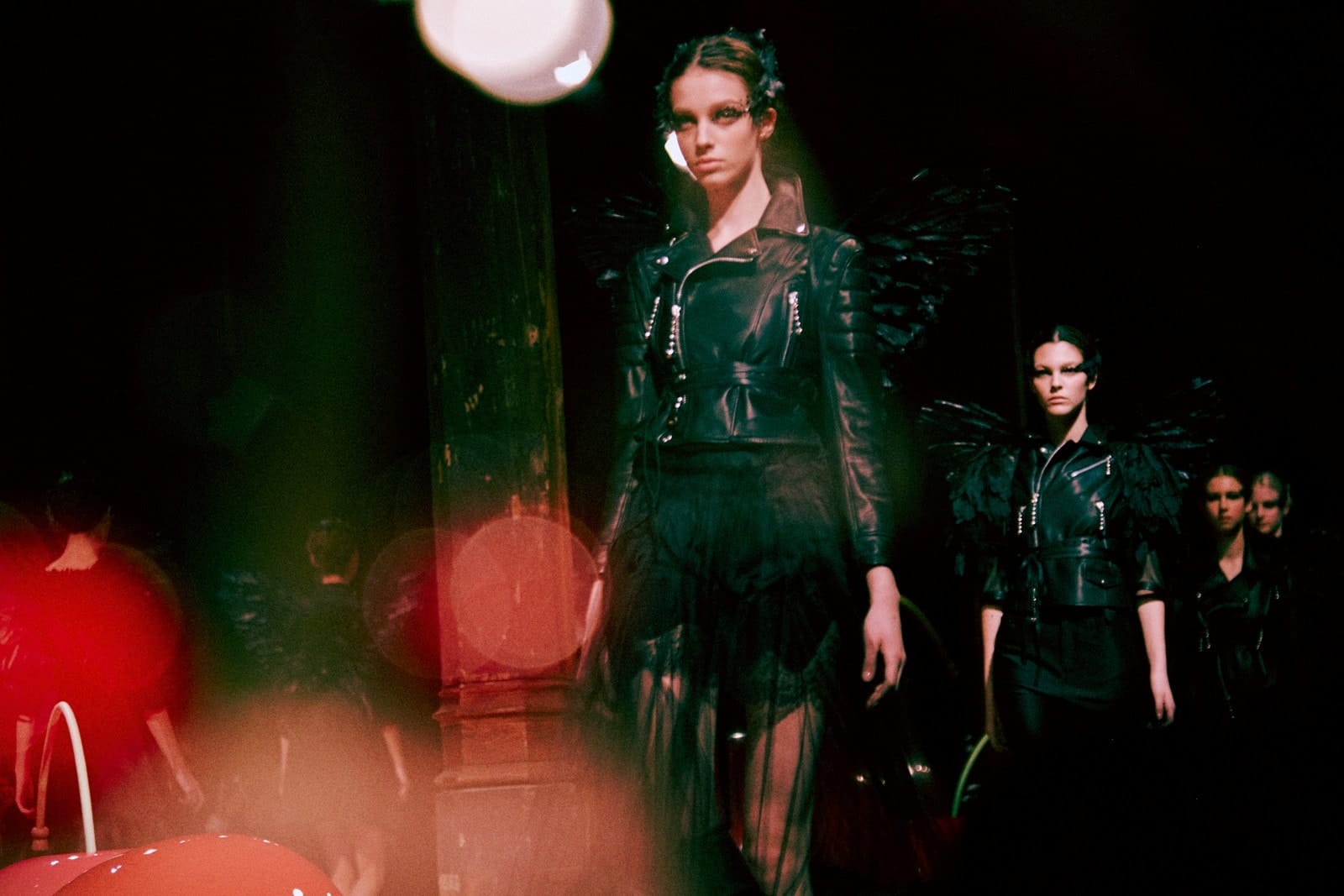
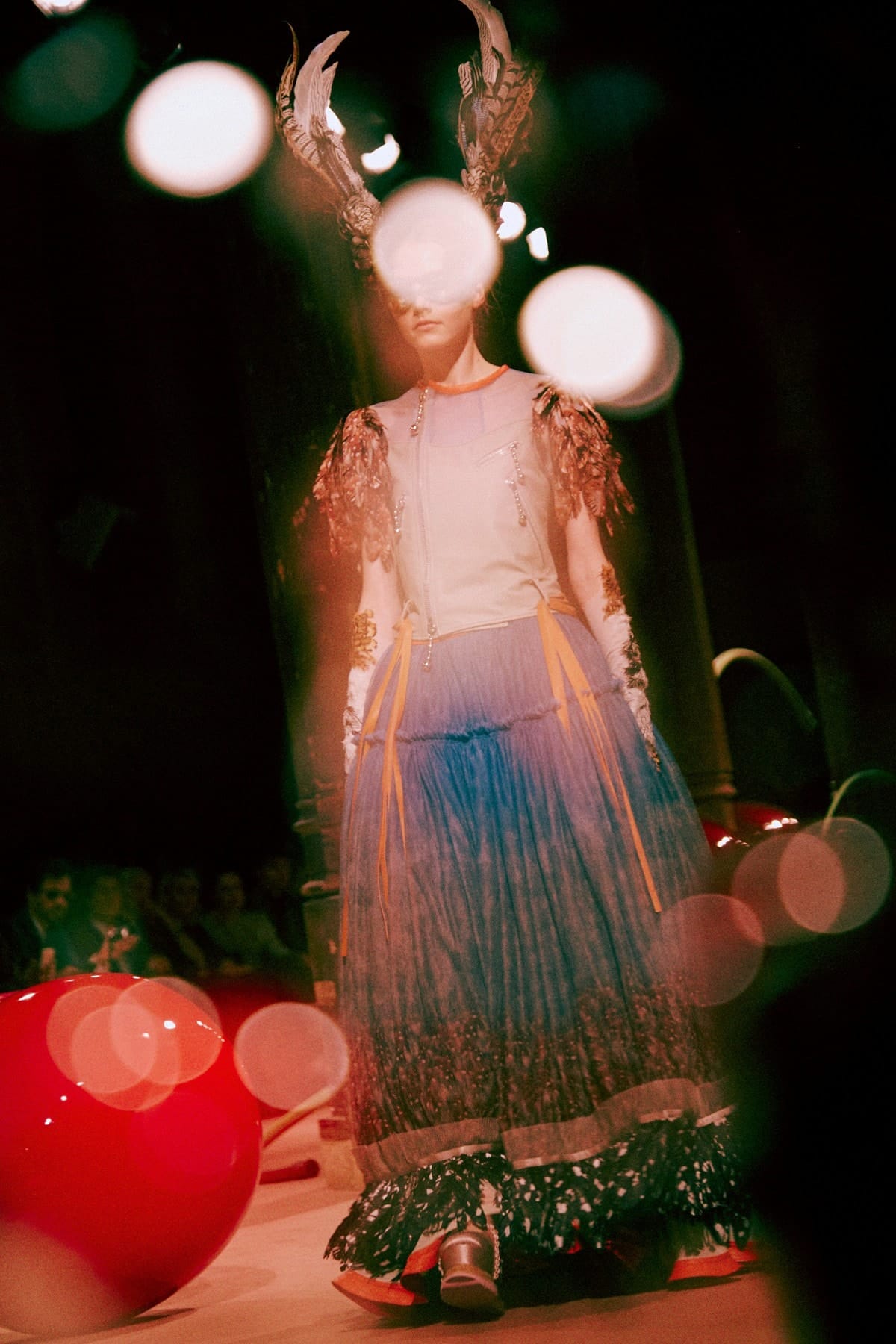
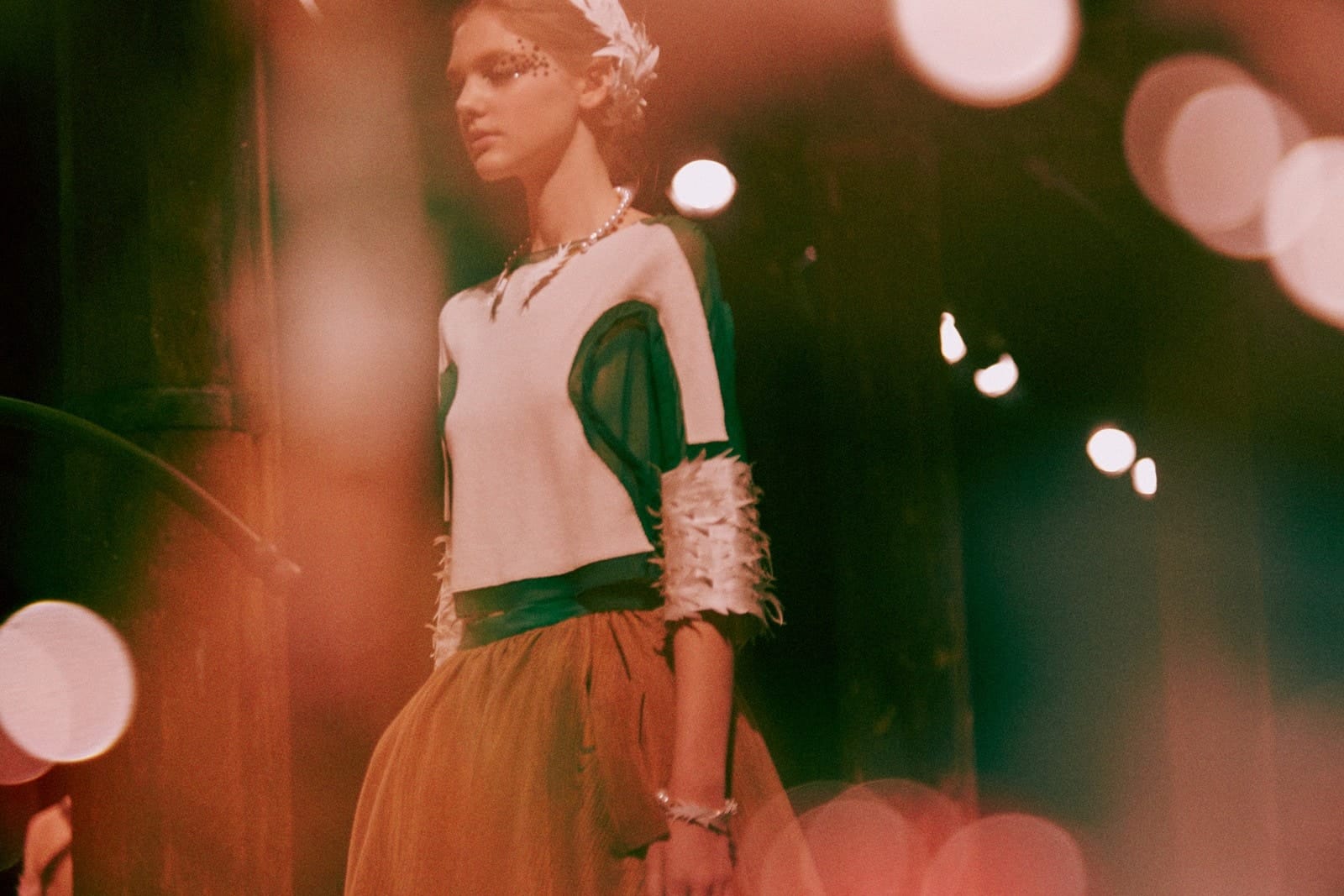
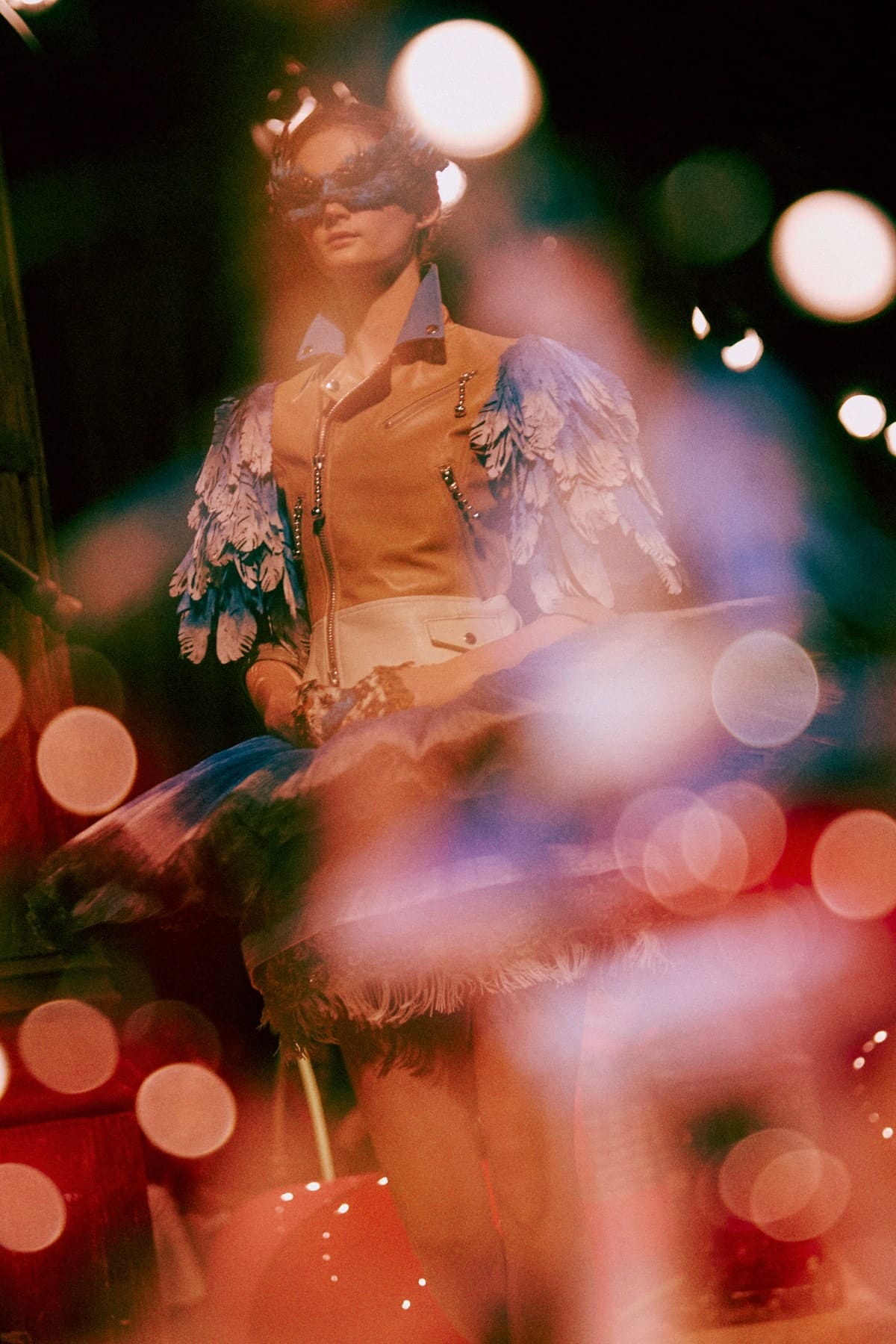
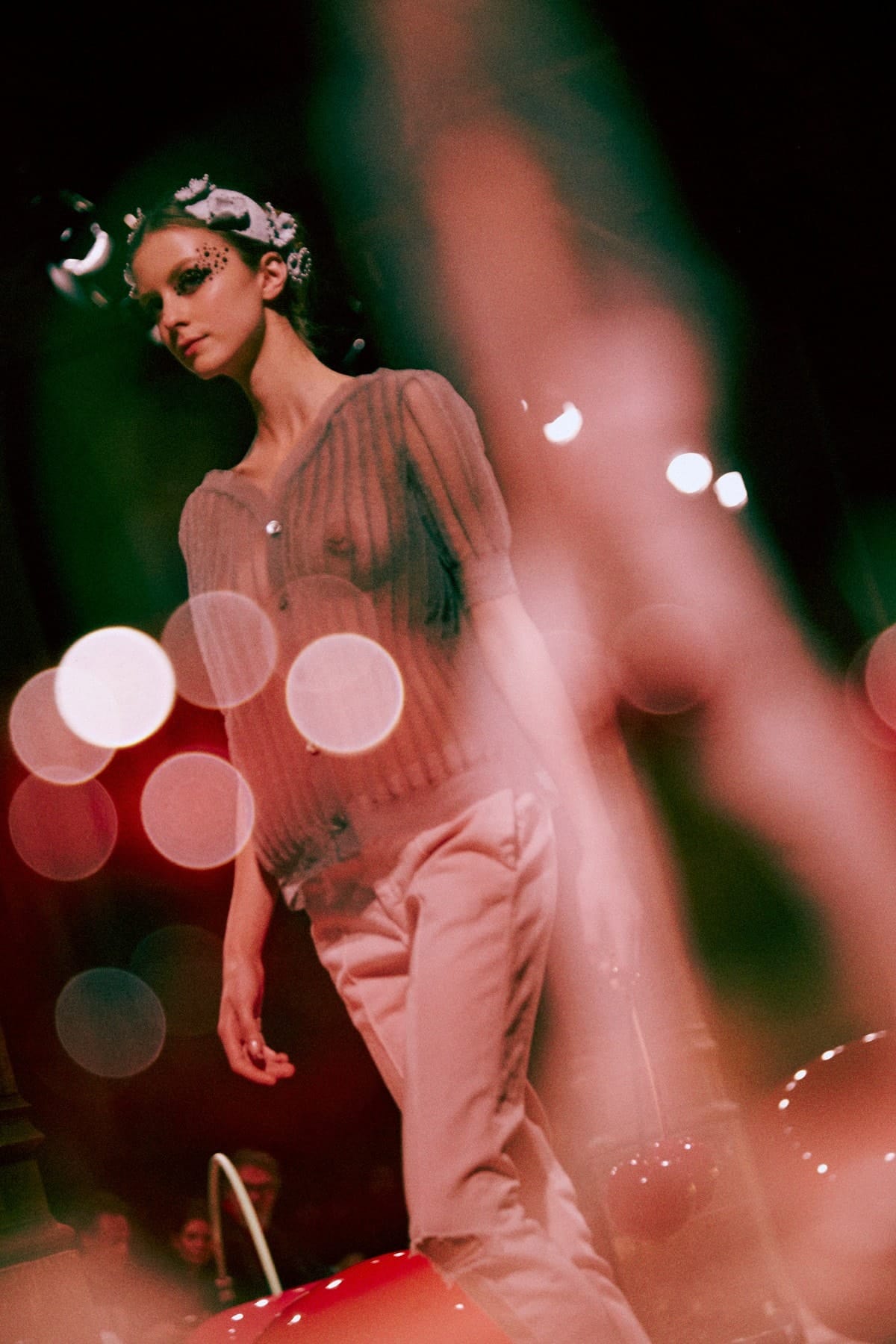
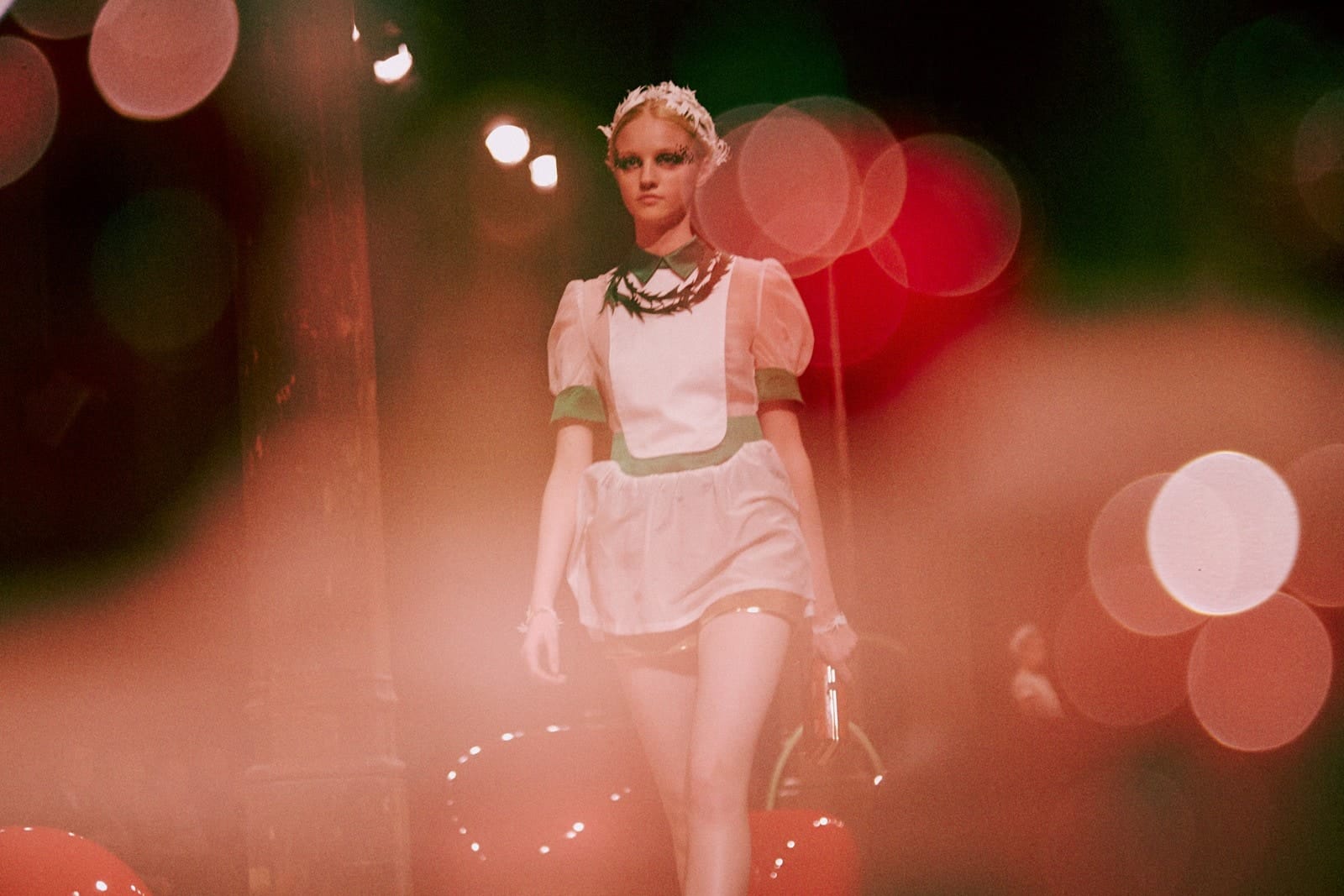
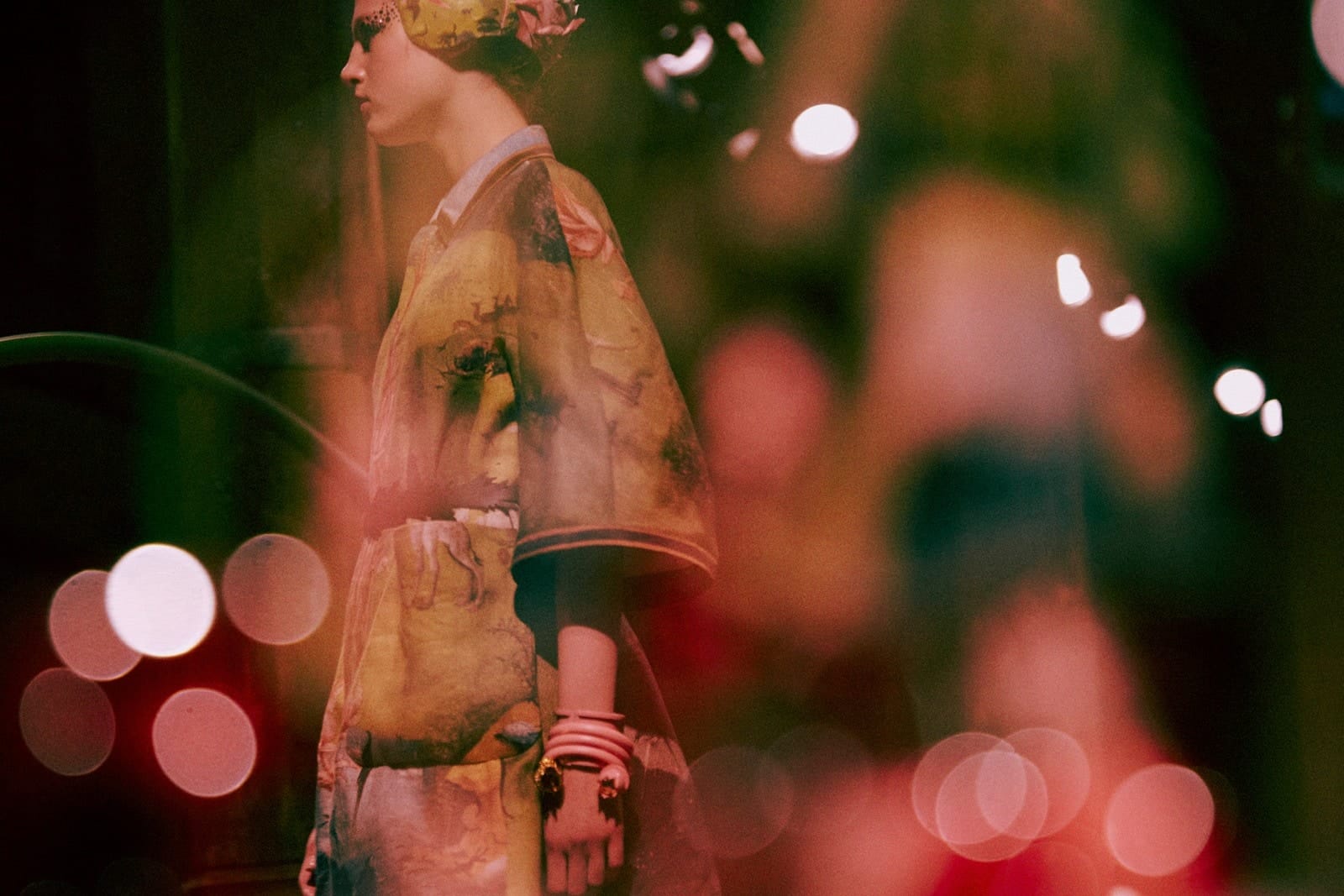
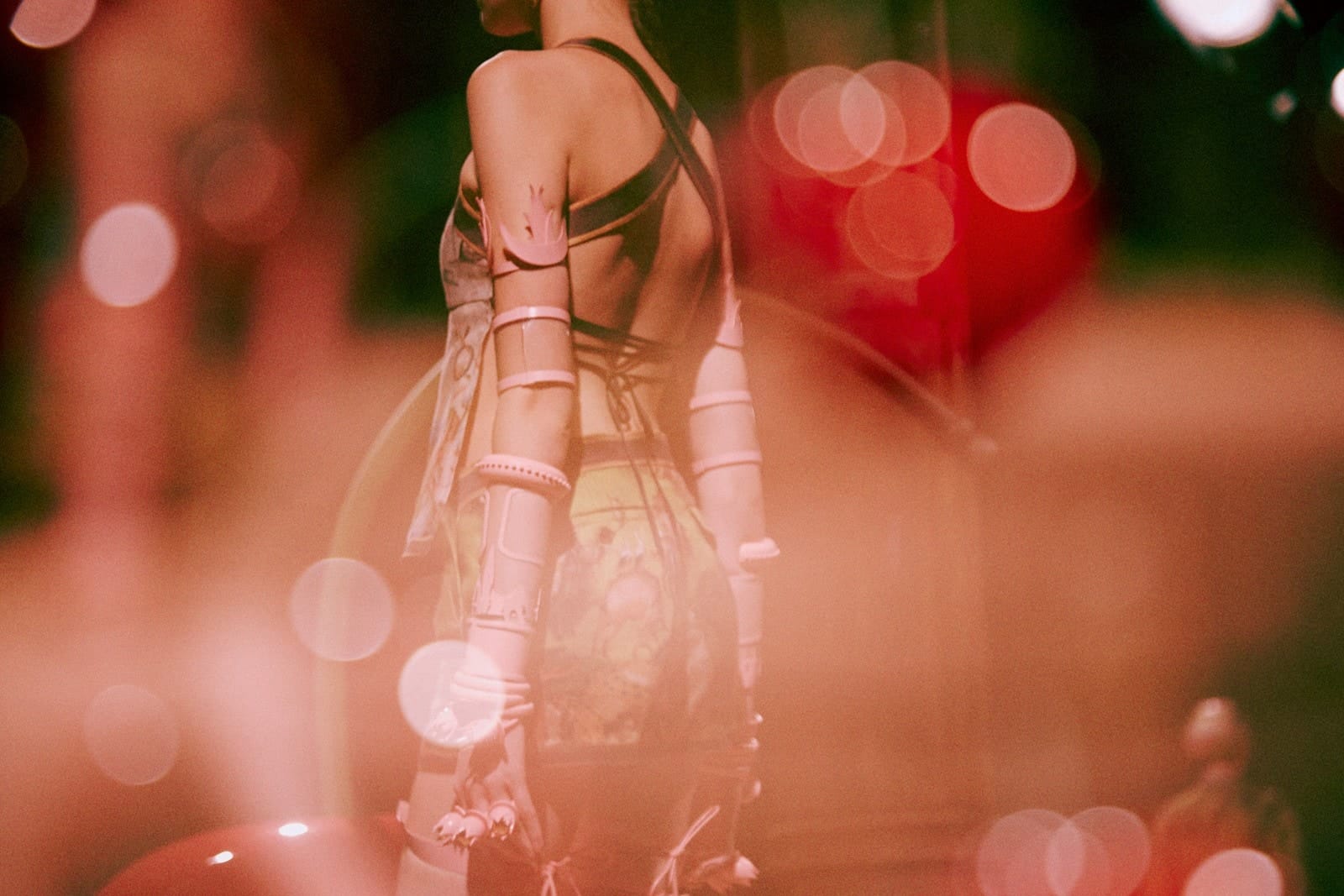
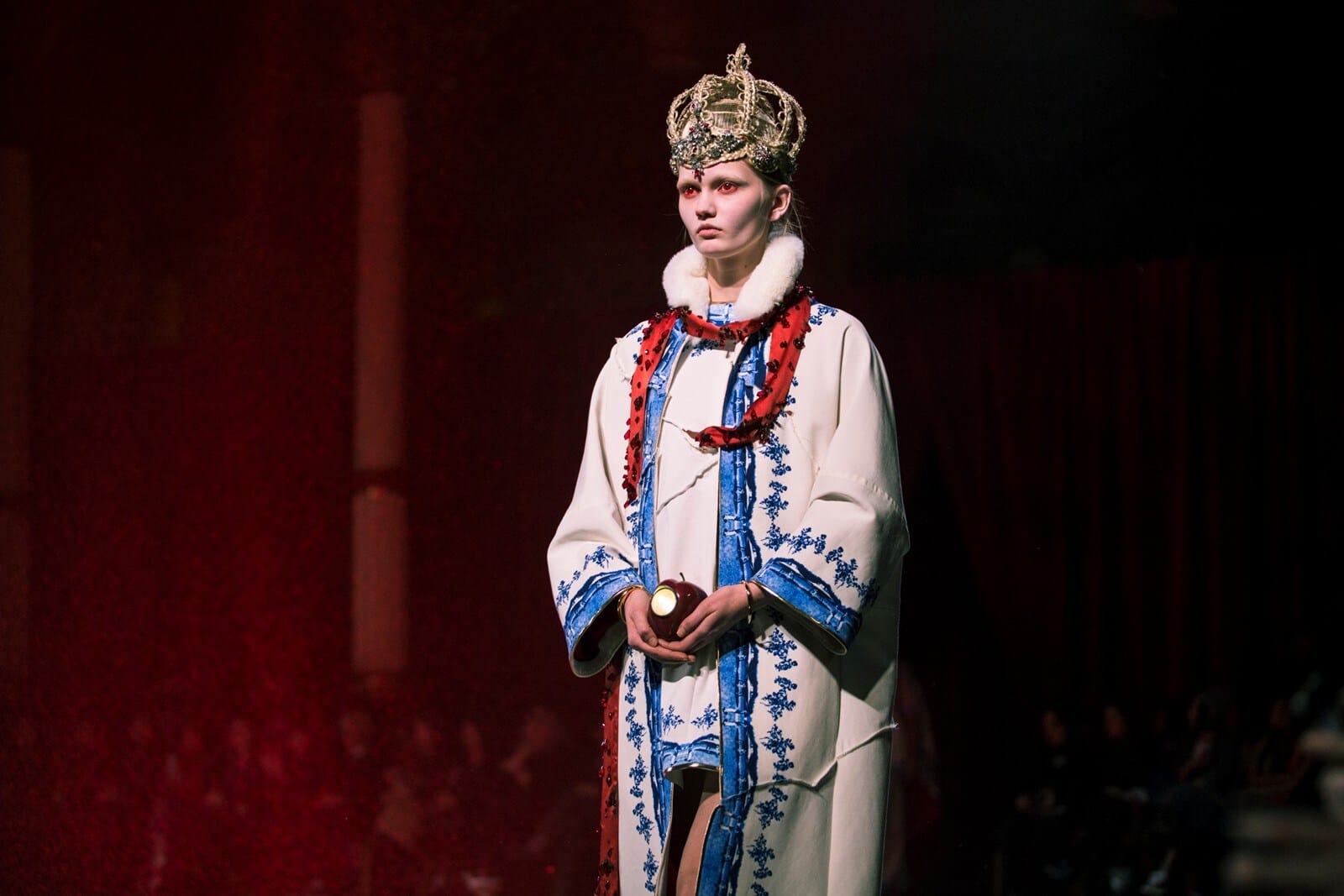
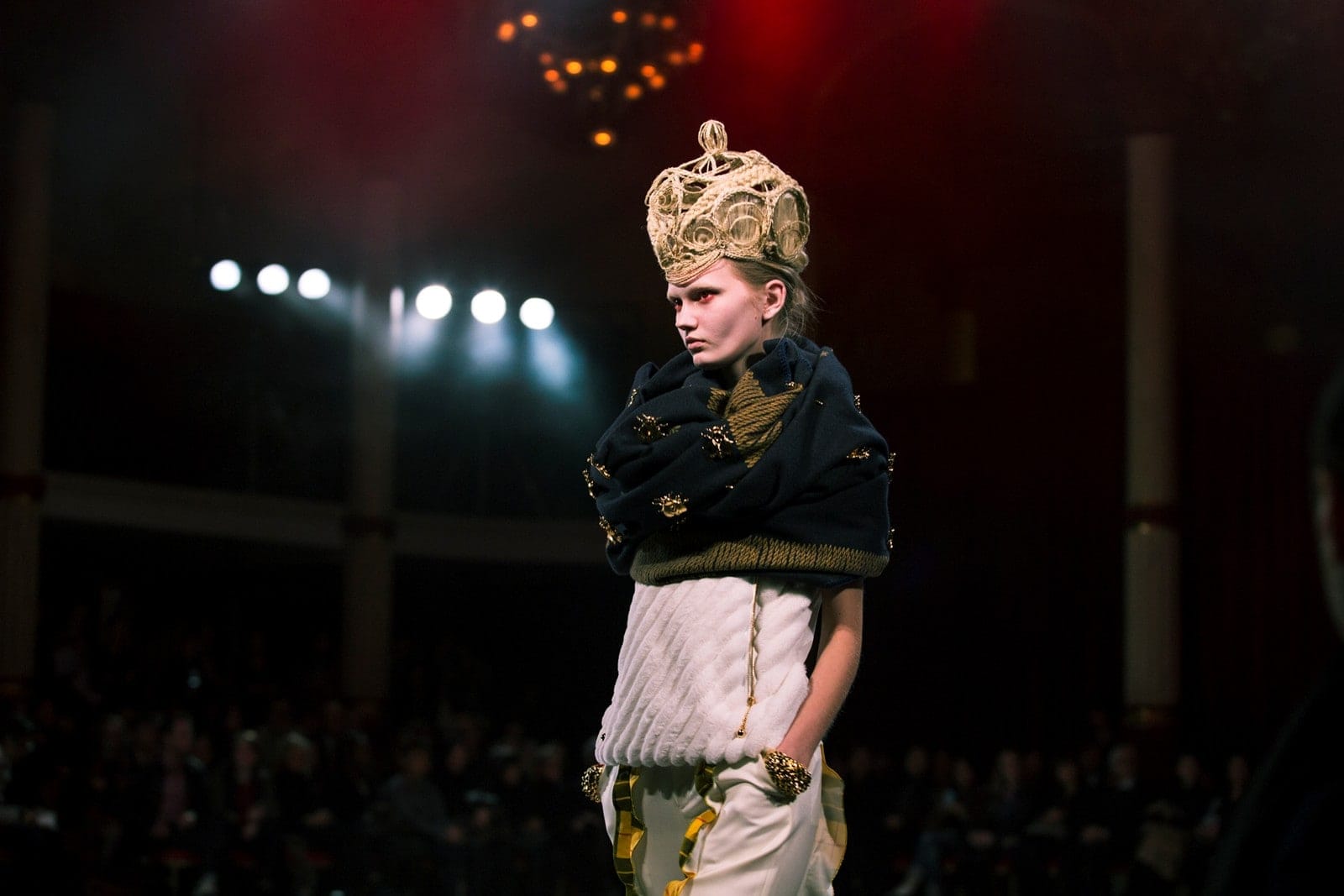
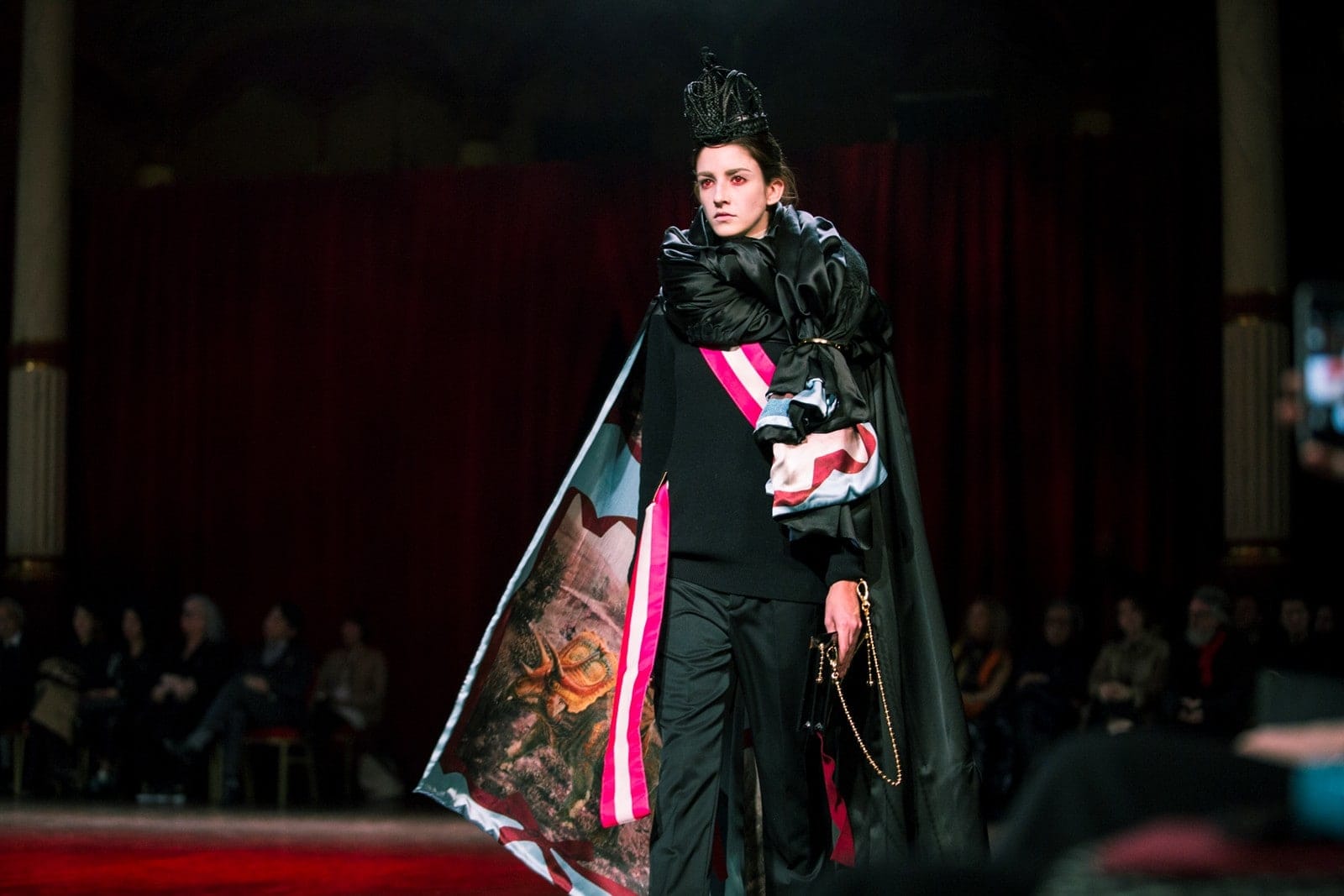
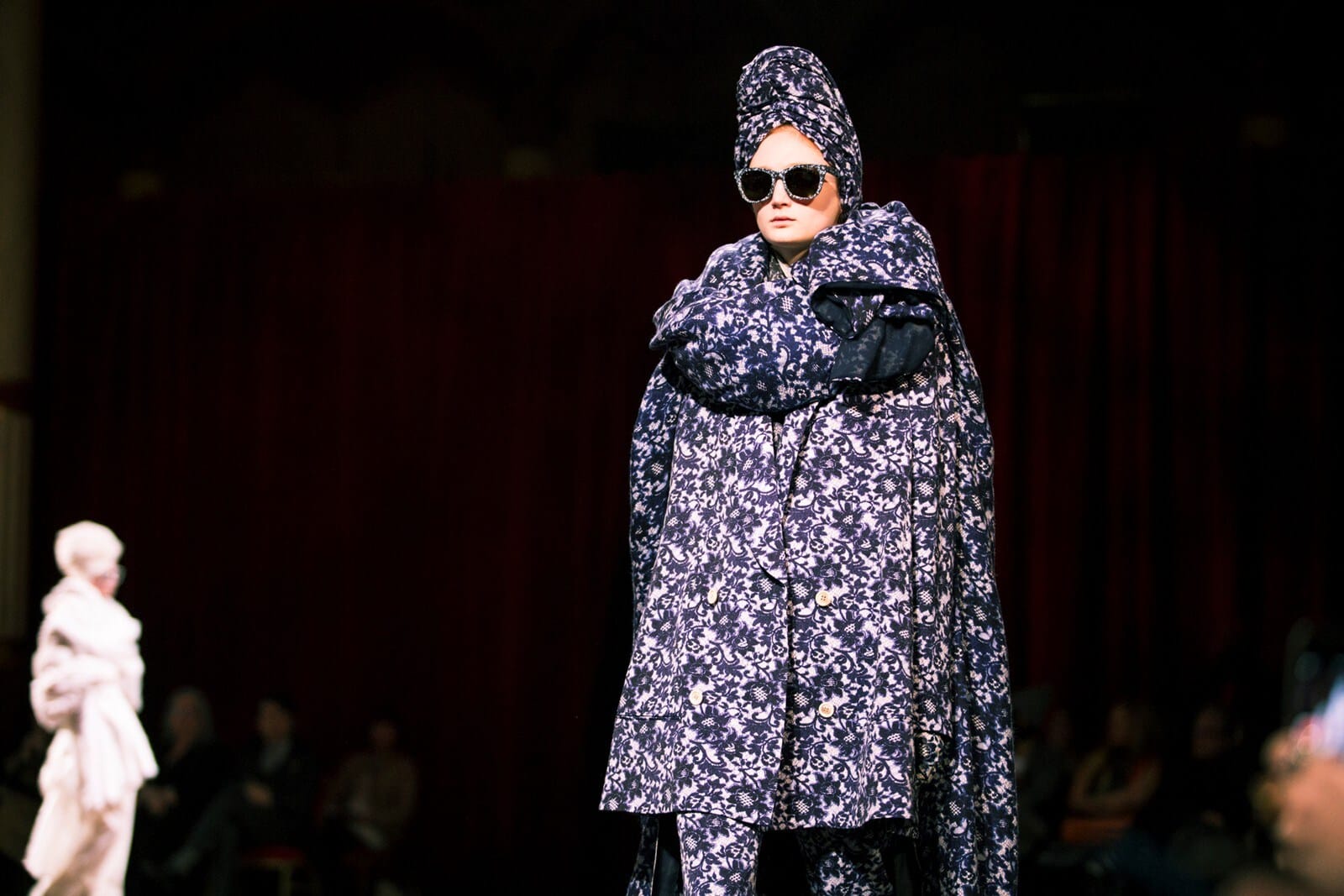
Undercover AW14
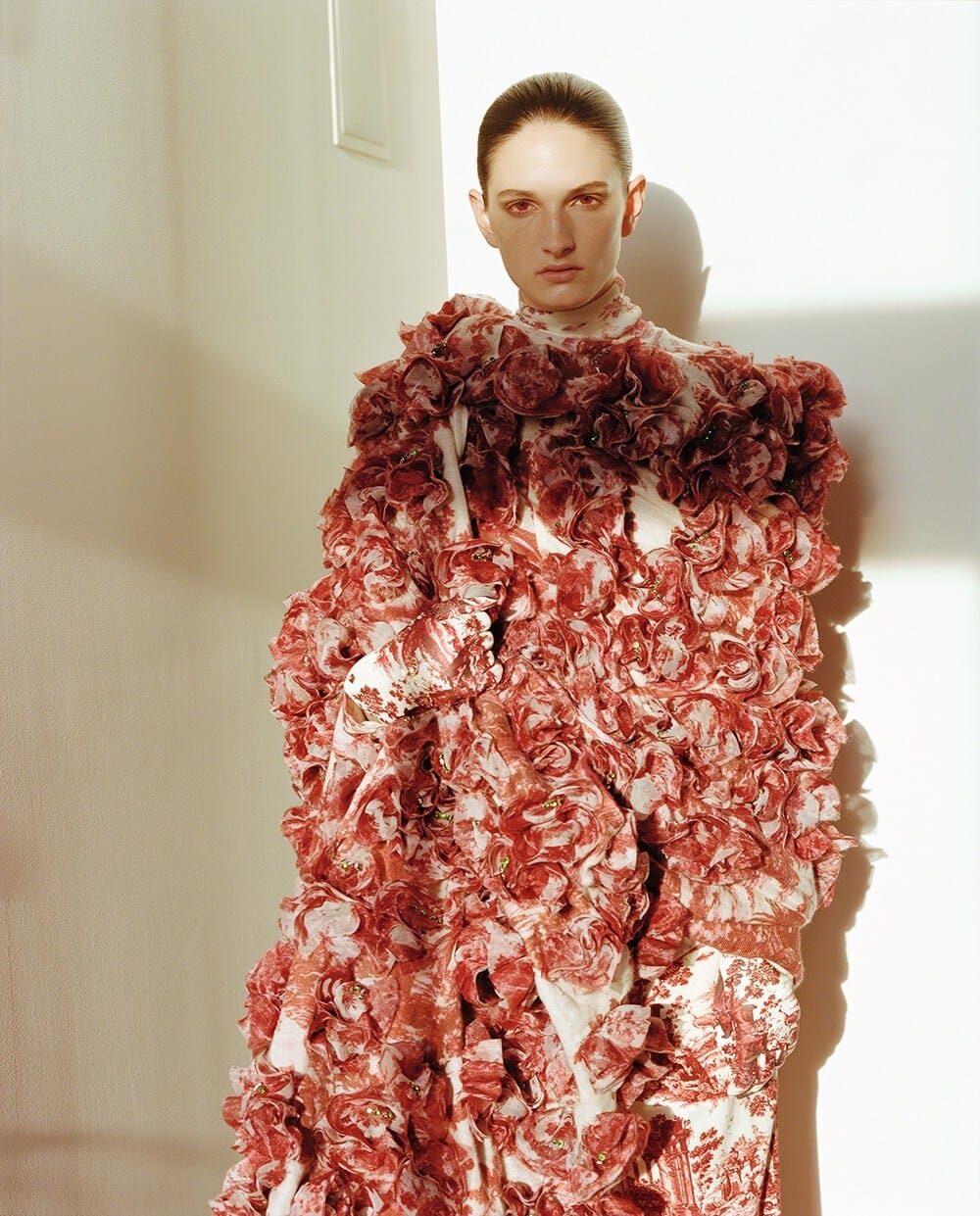
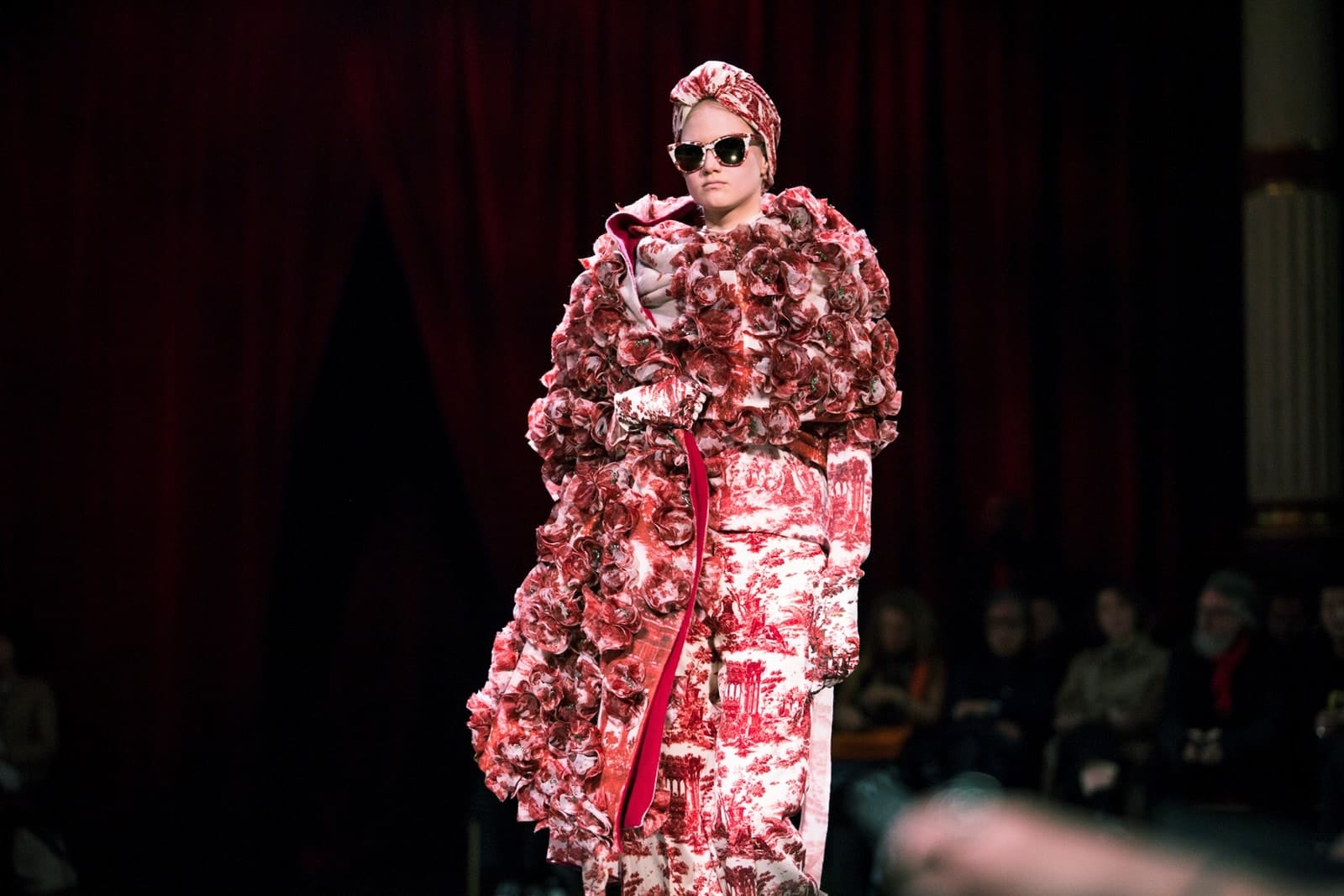
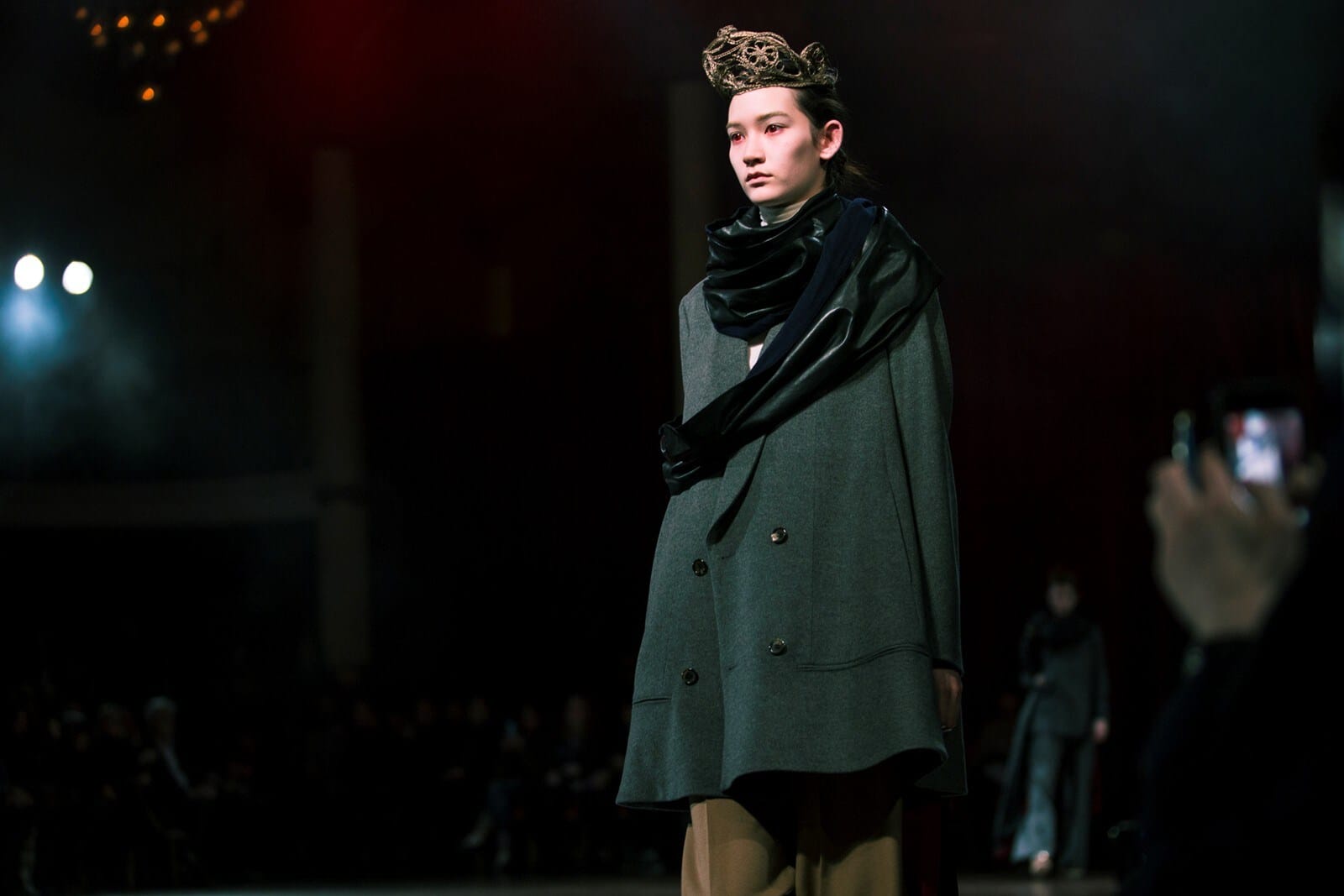
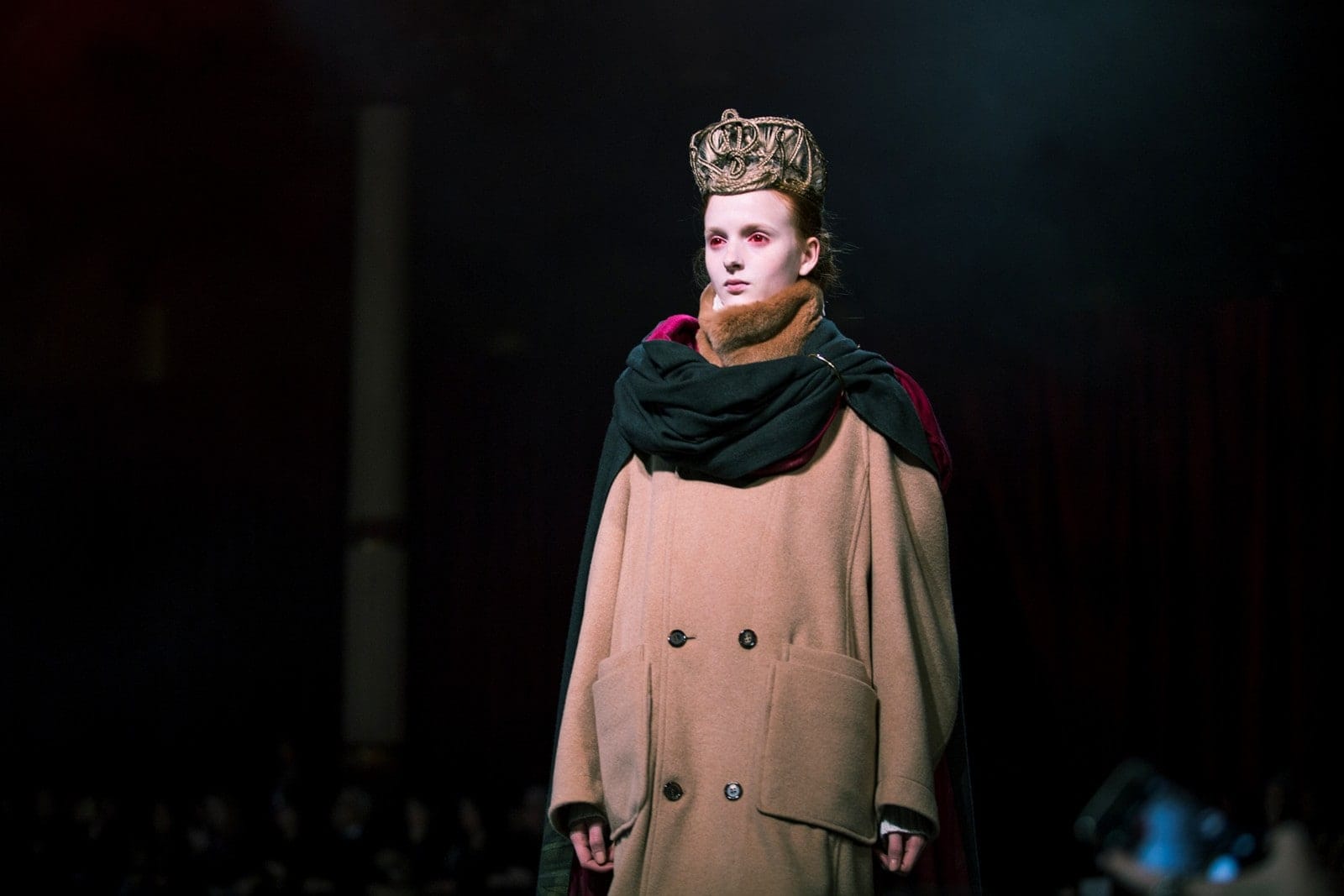
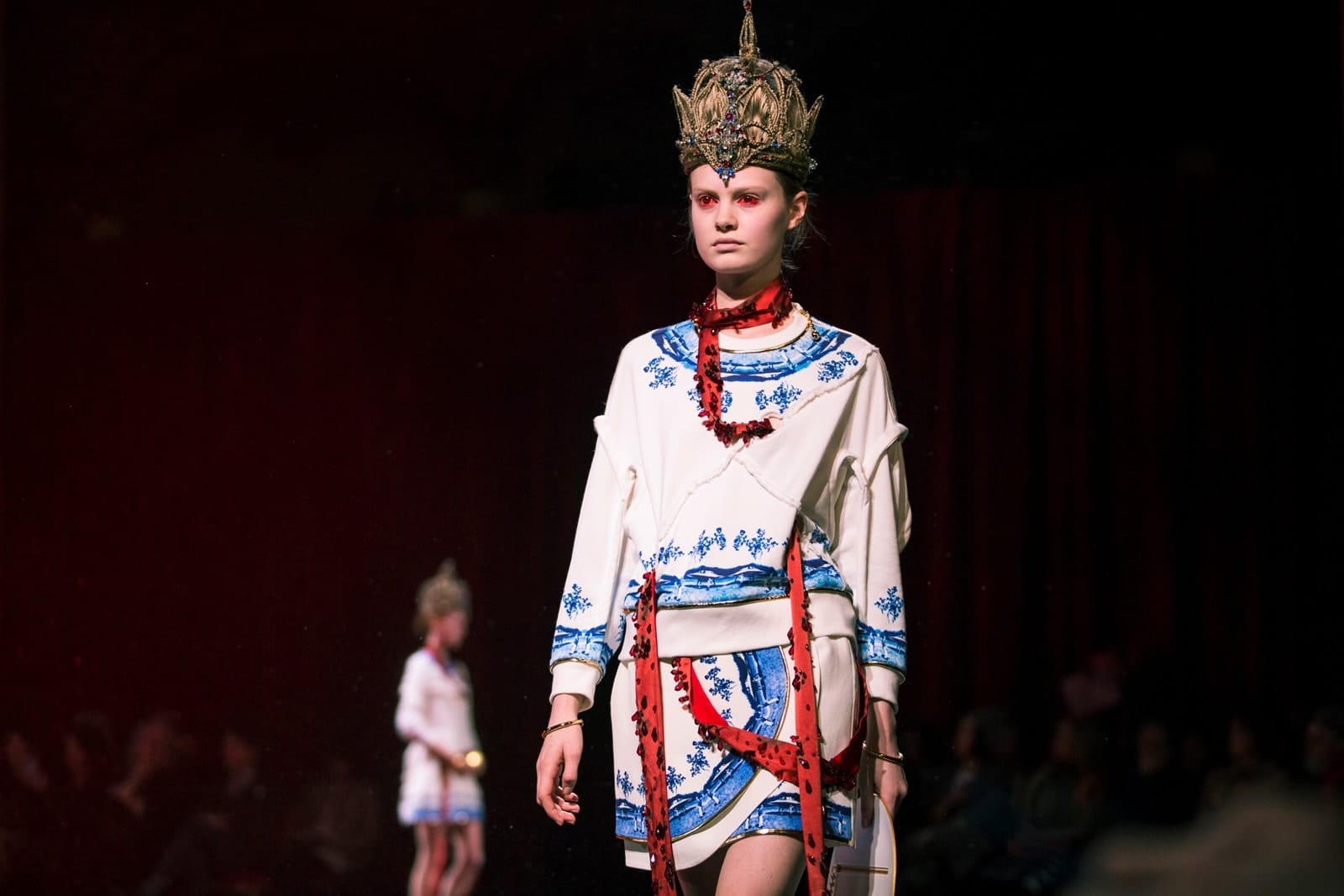
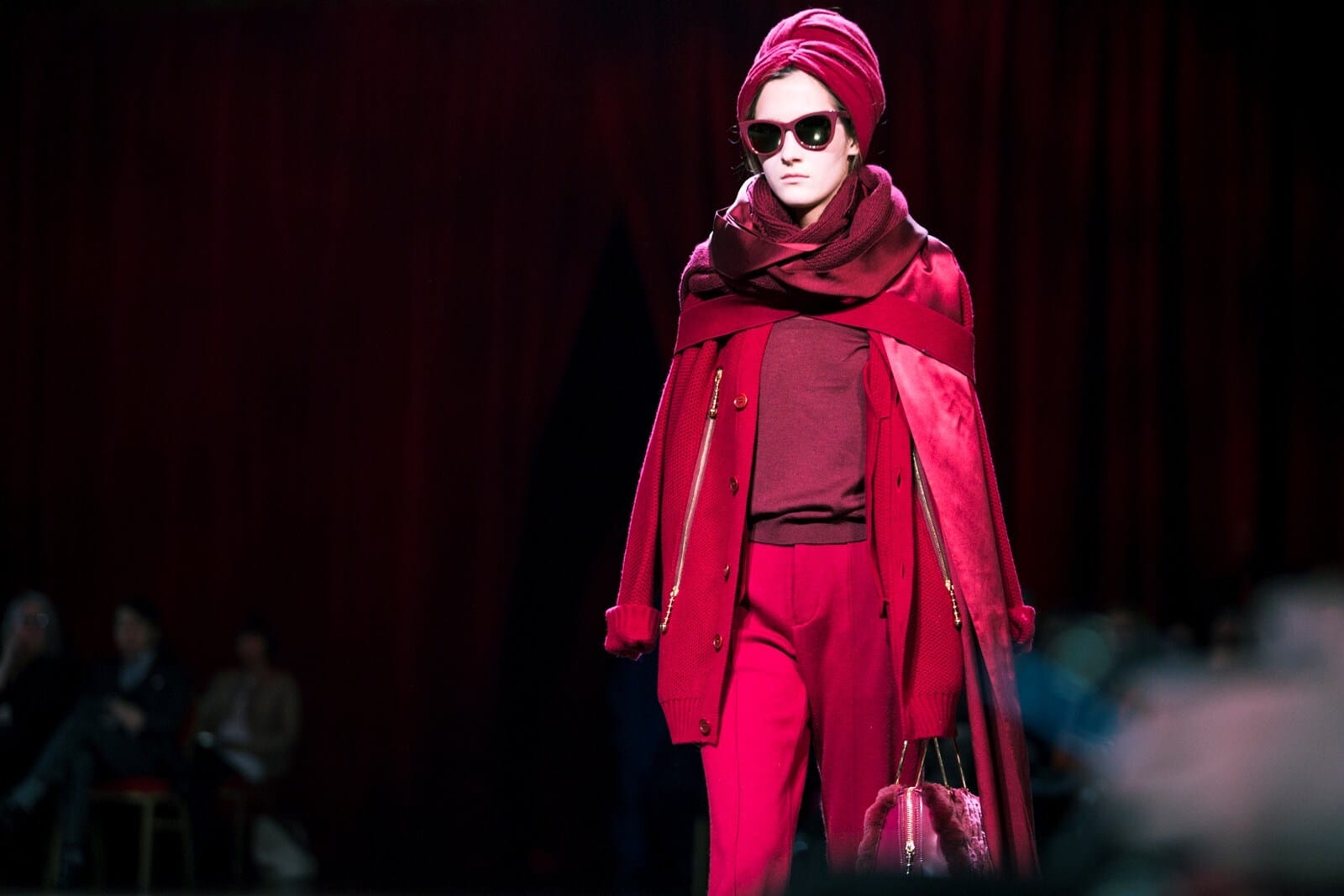
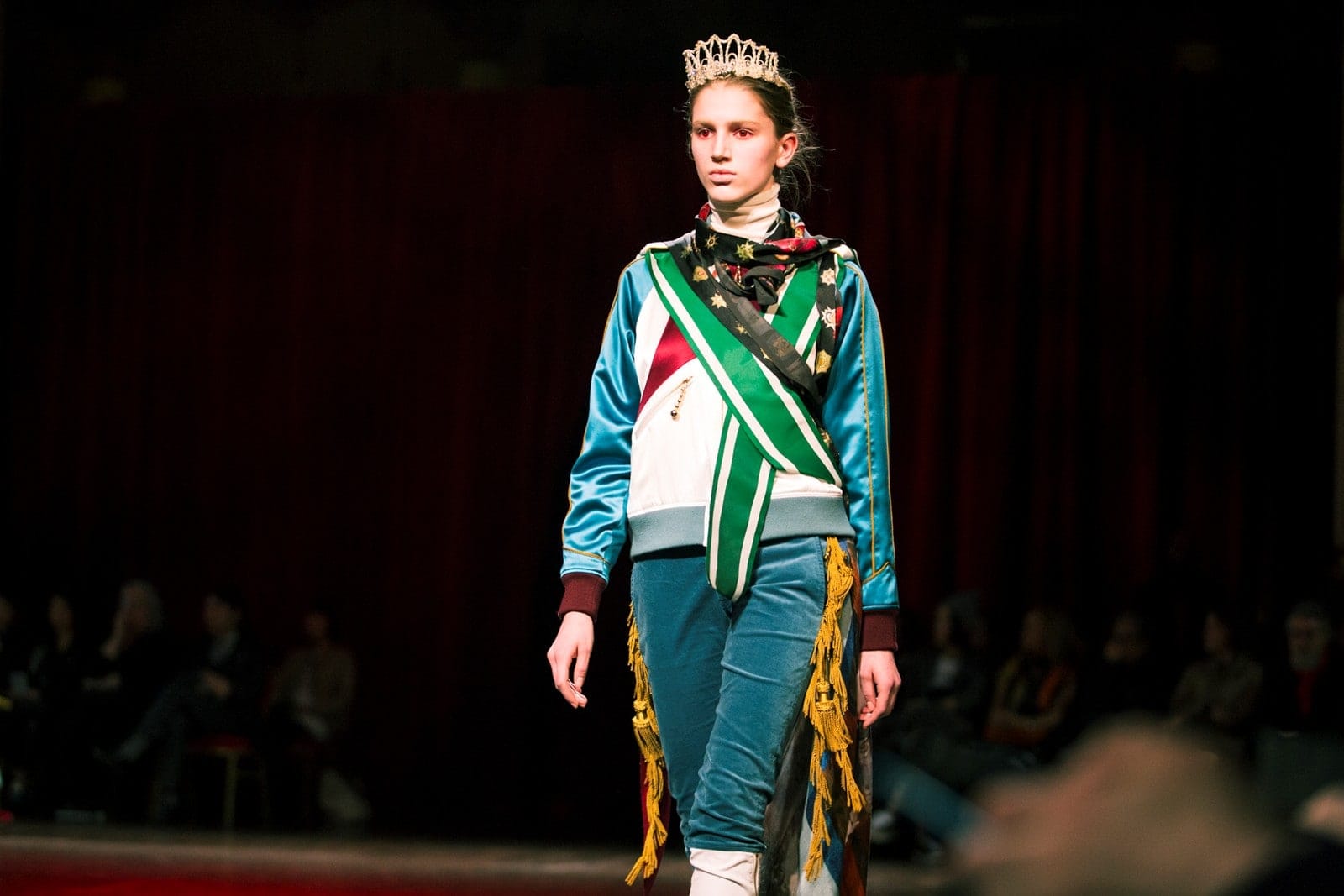
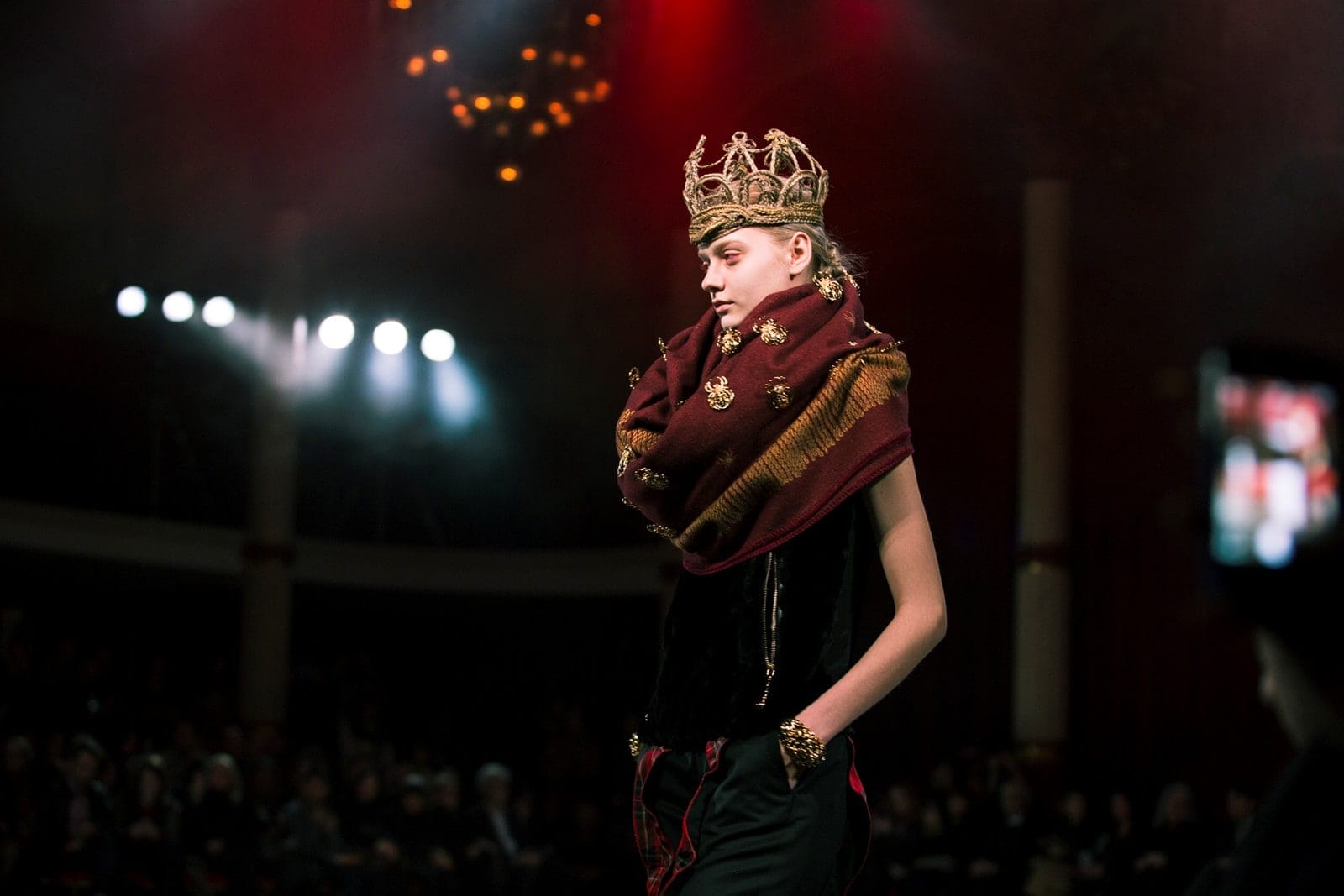
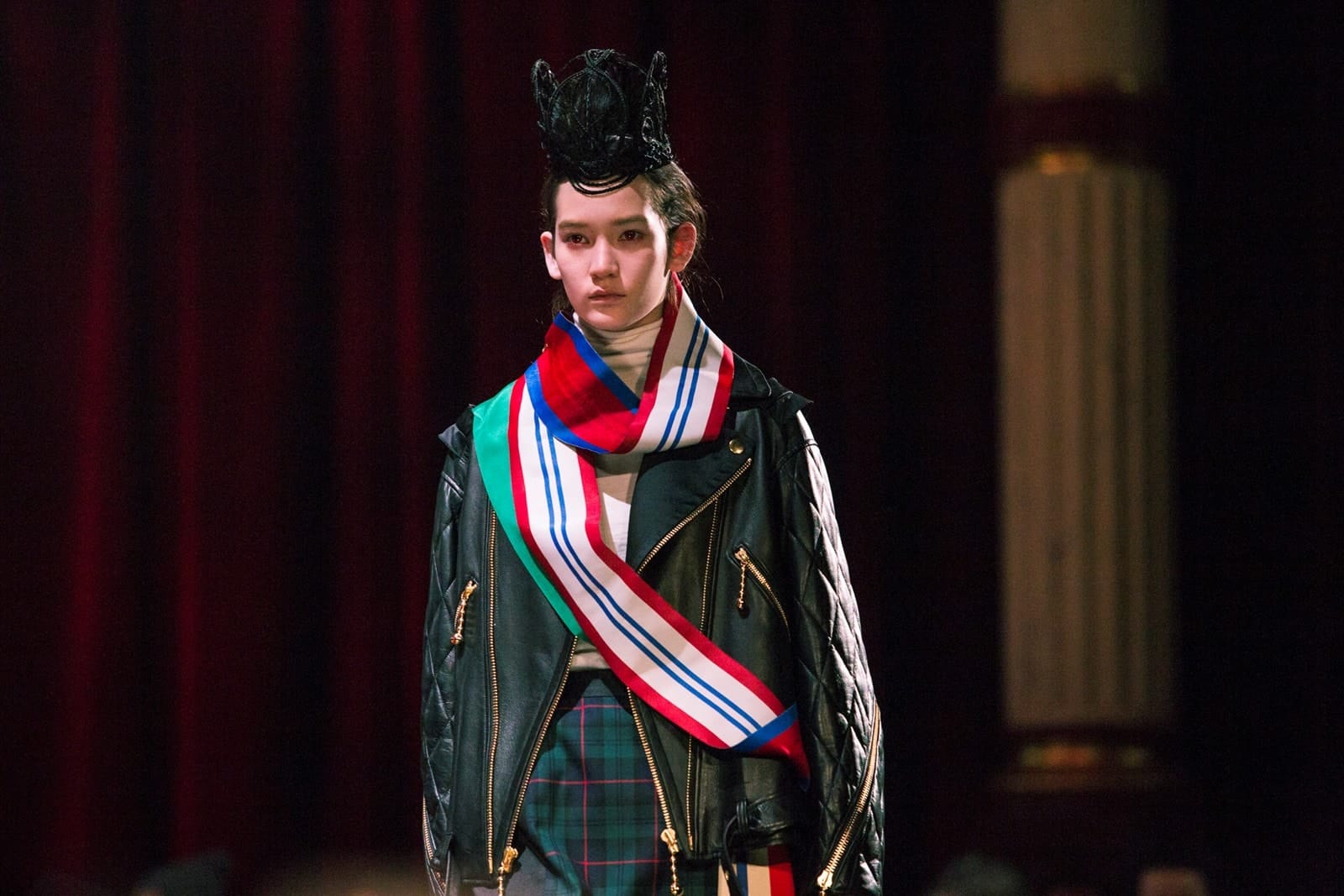
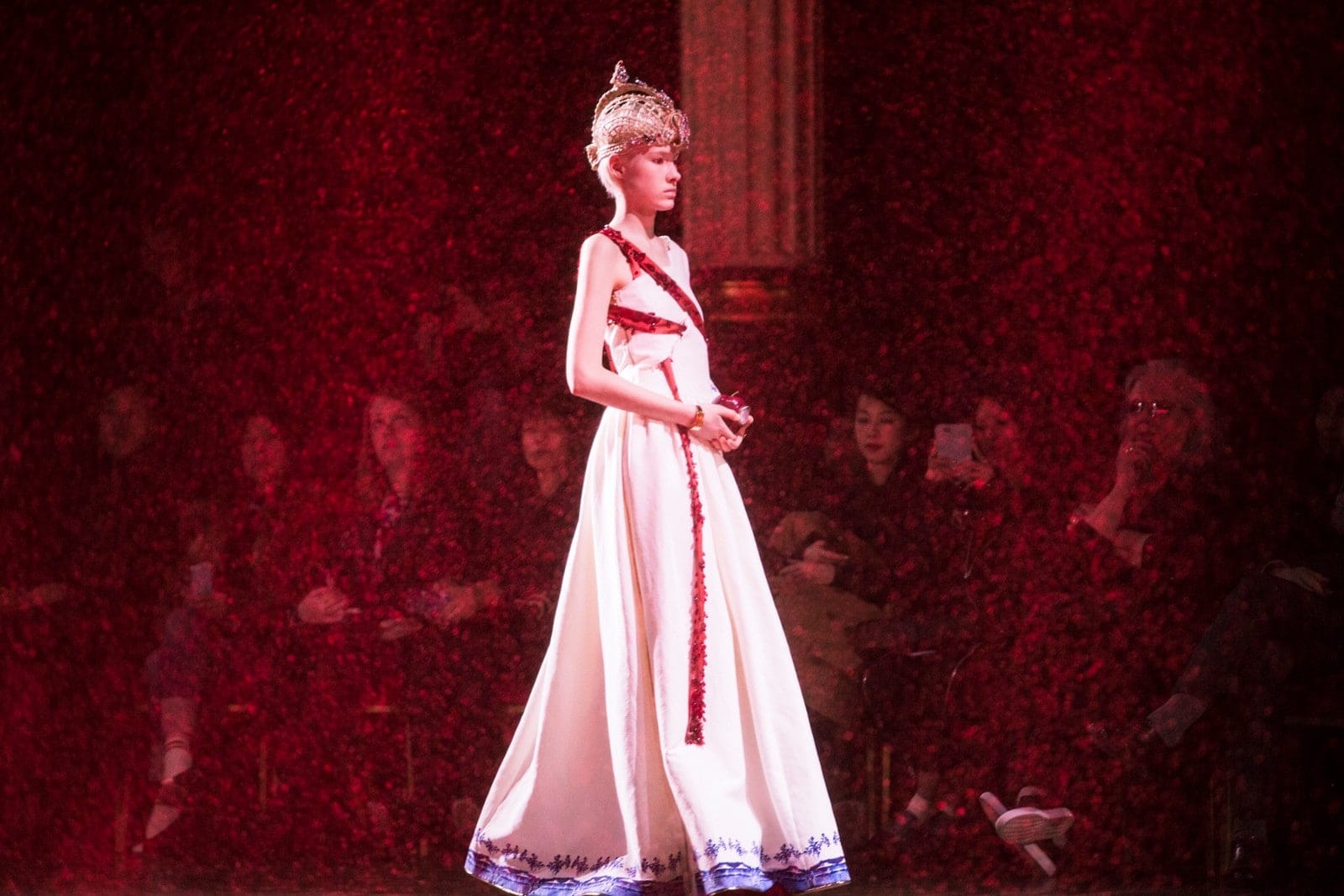
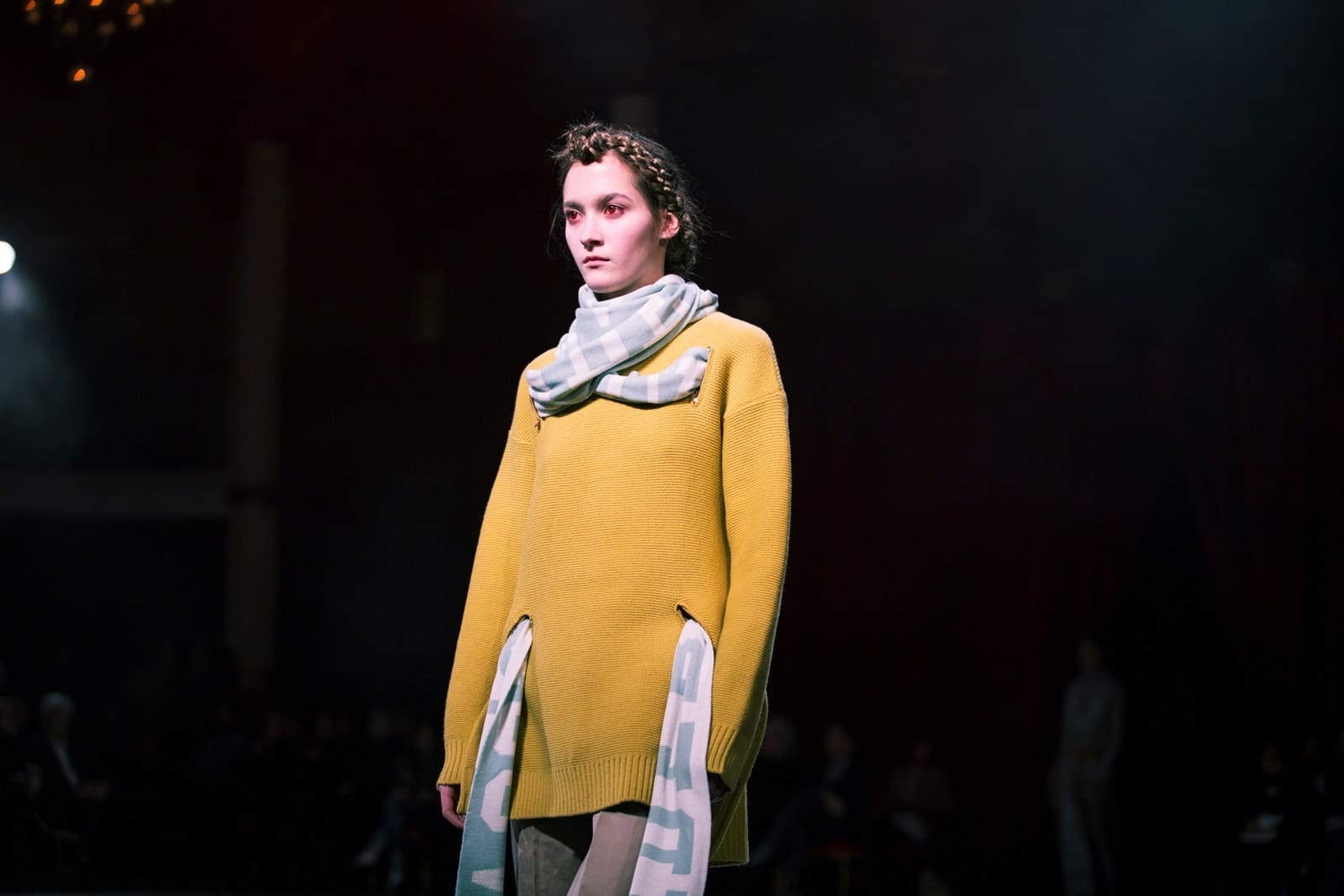
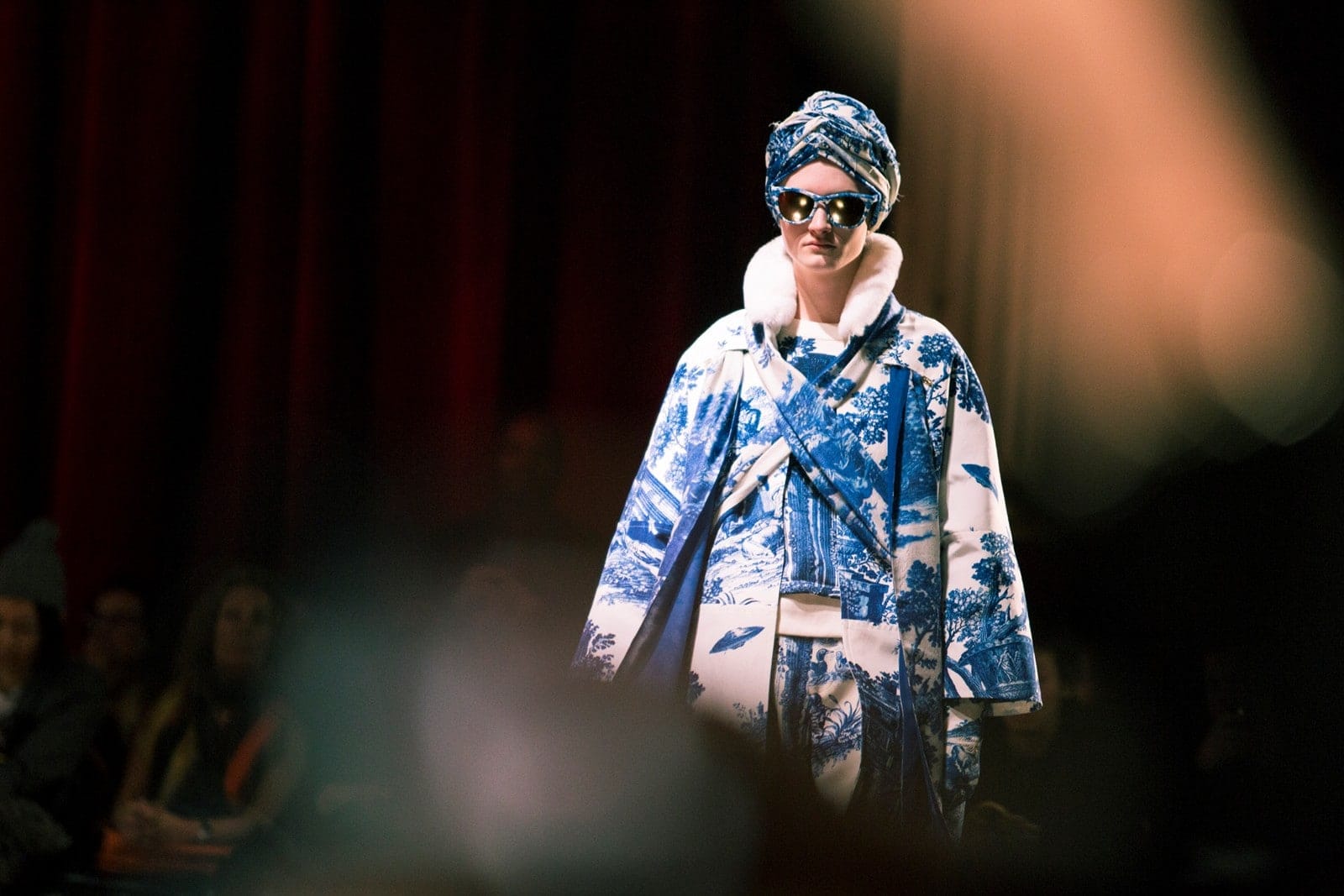
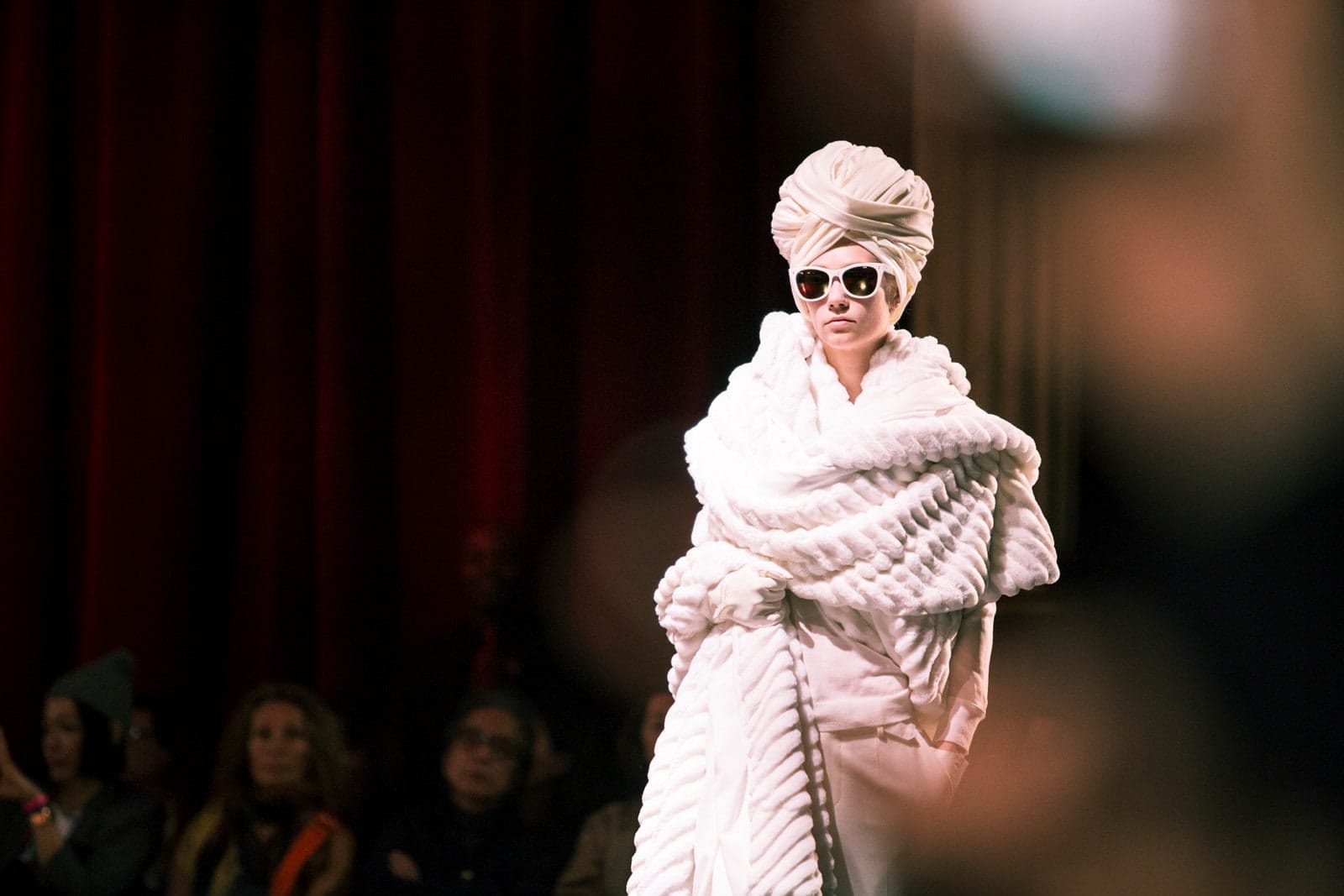
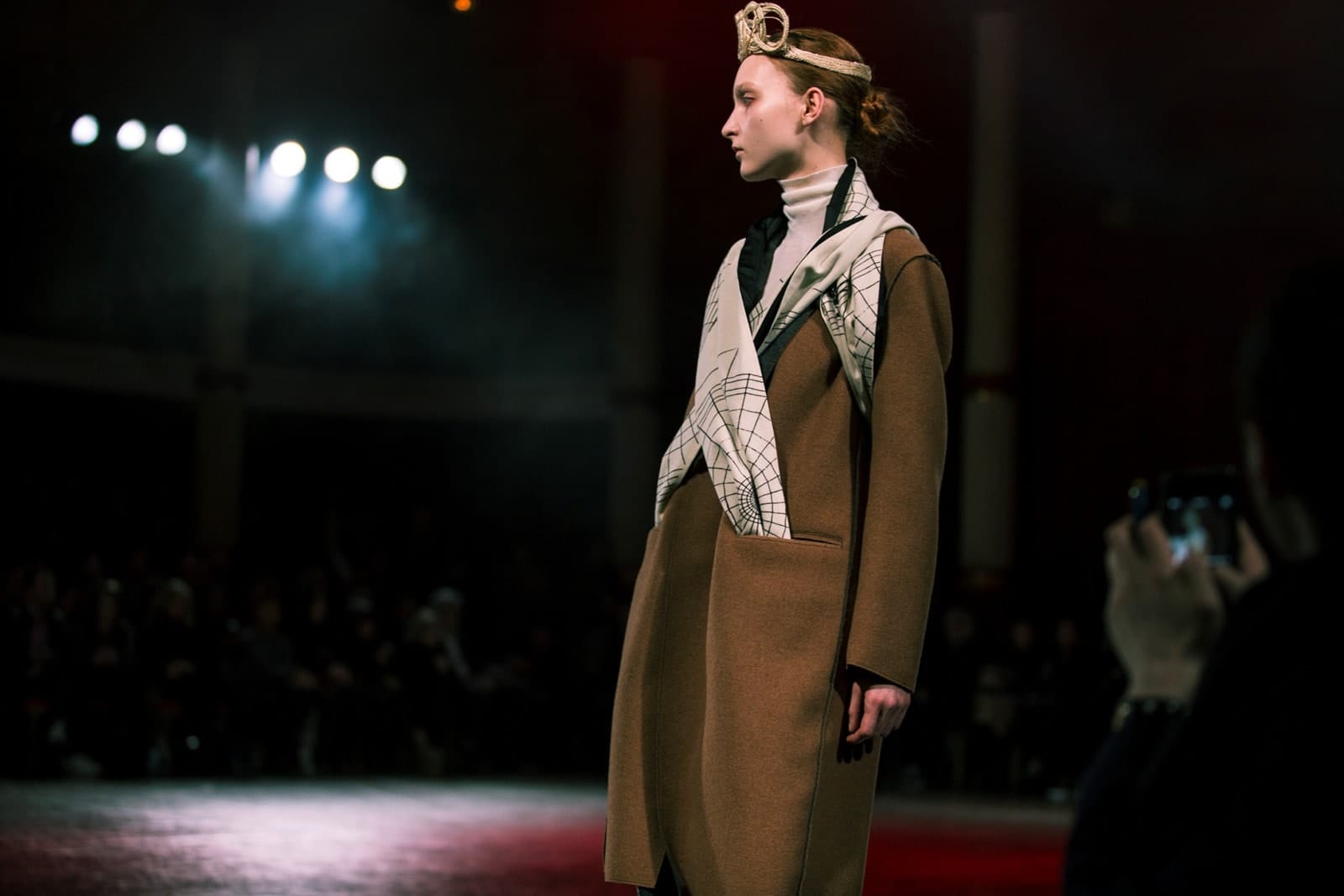
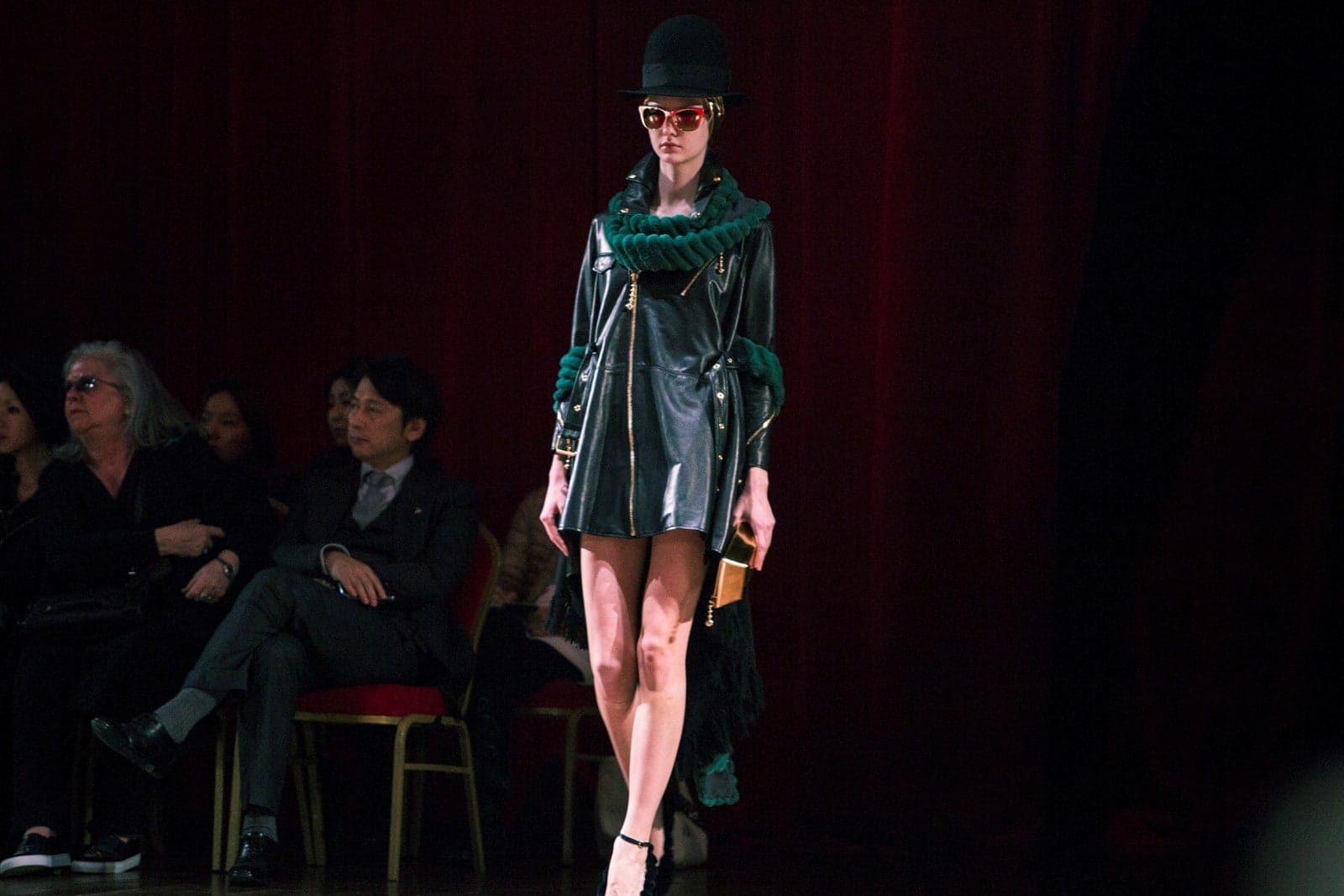
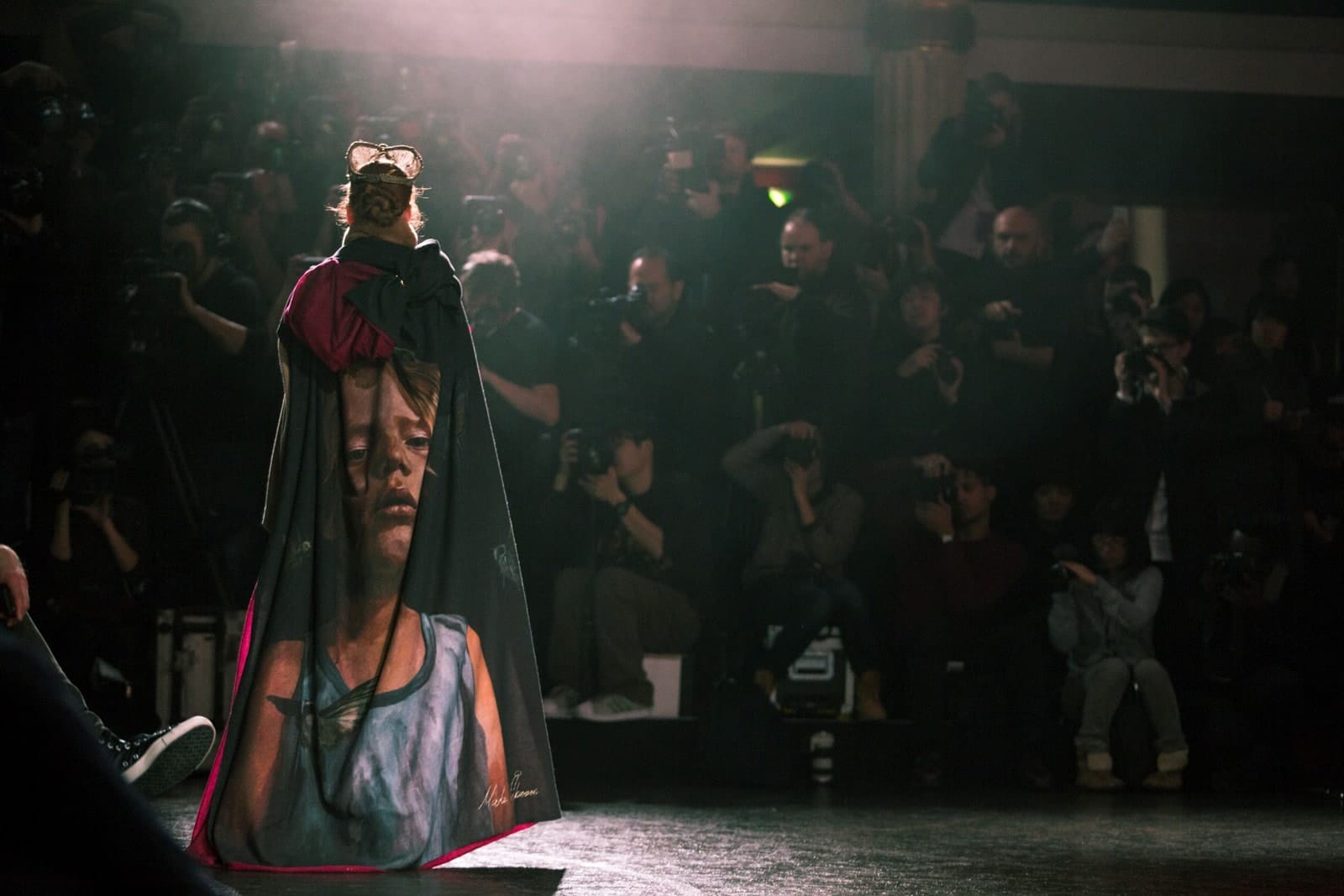
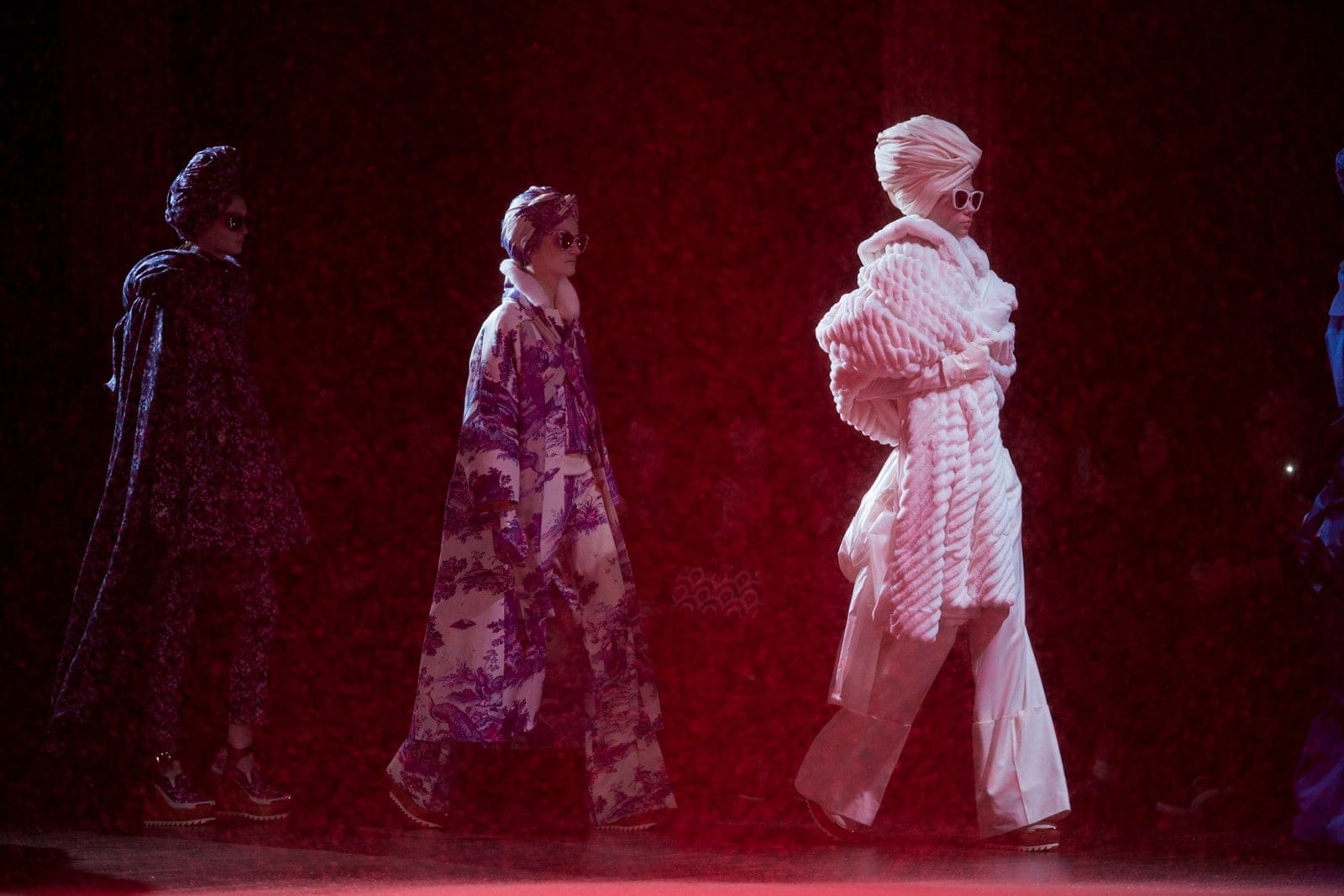
Jun Takahashi framed Undercover Autumn/Winter 2014 around fear, warmth and royalty. Braided crowns and rhinestones were offset by vamp-red contact lenses, red mascara, tartan and toile de Jouy interrupted by UFOs, turning the runway into a corrupted fairytale.
Photography by Jeff Henrikson; styling by Emma Wyman.
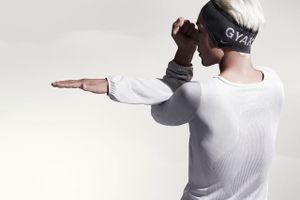
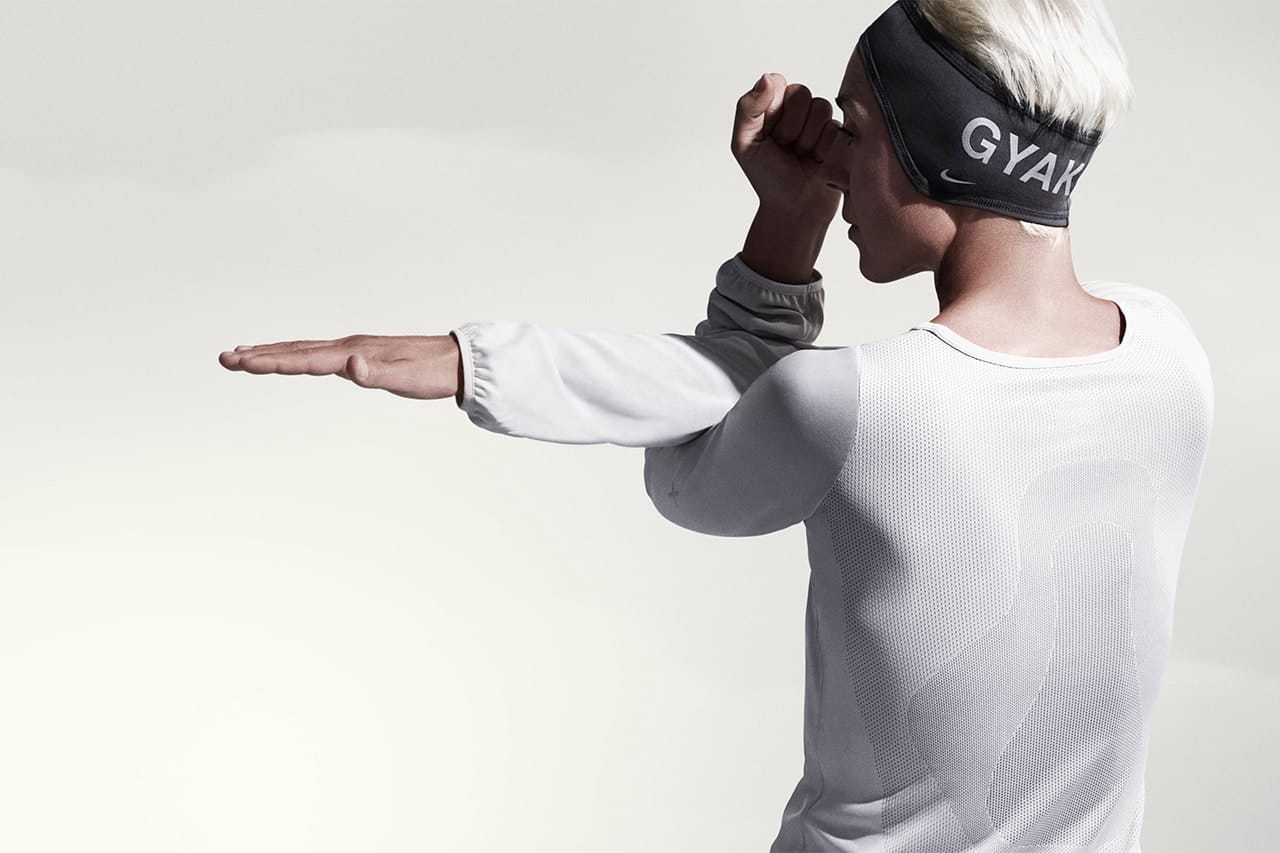
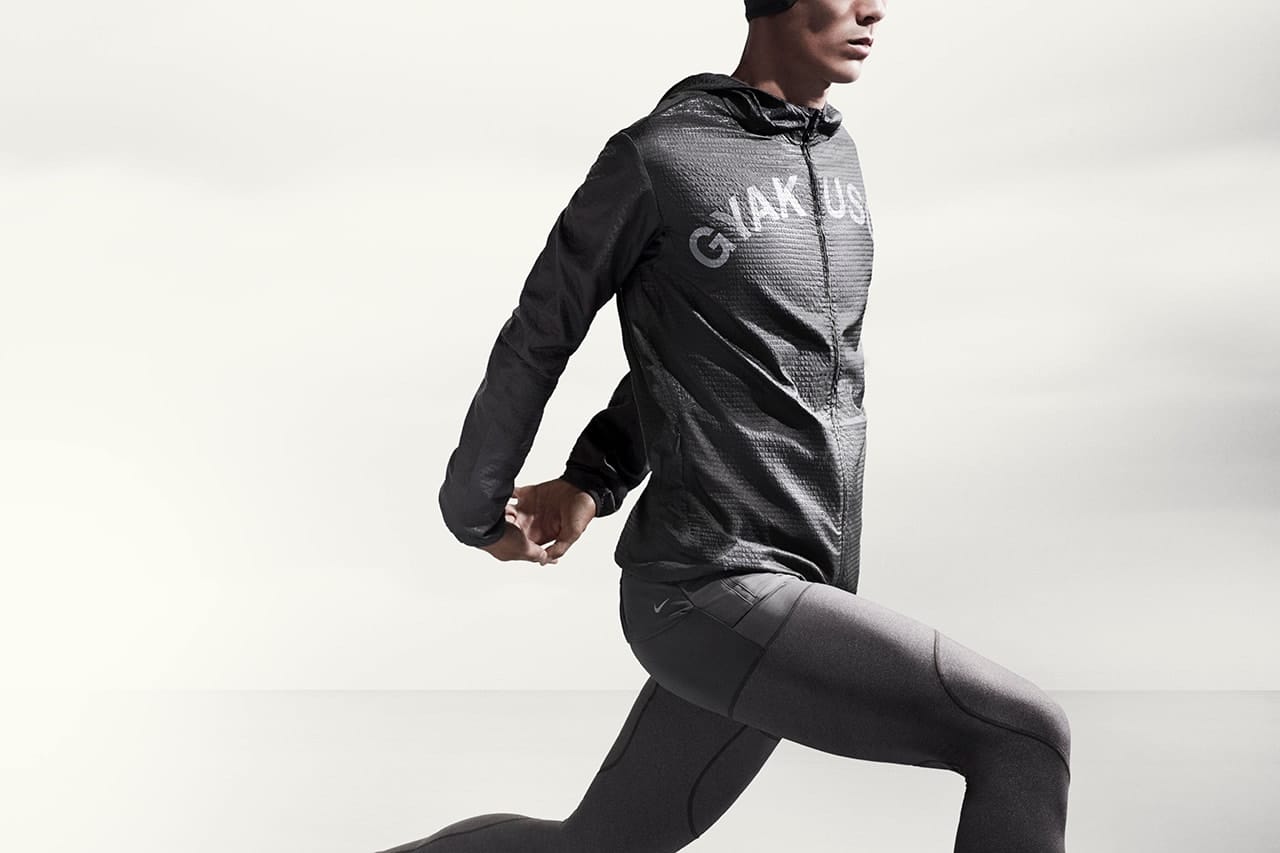
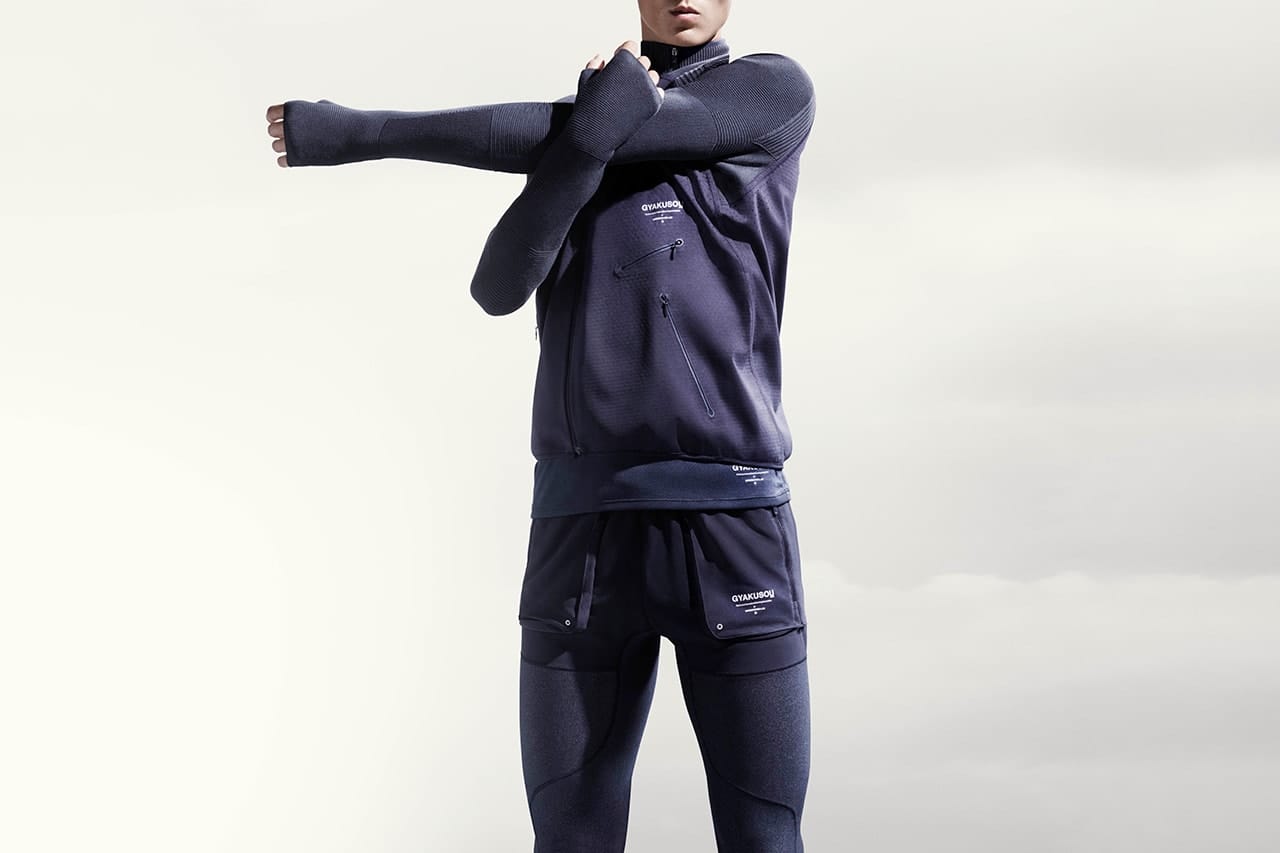
Nike x Undercover Gyakusou Holiday 2014
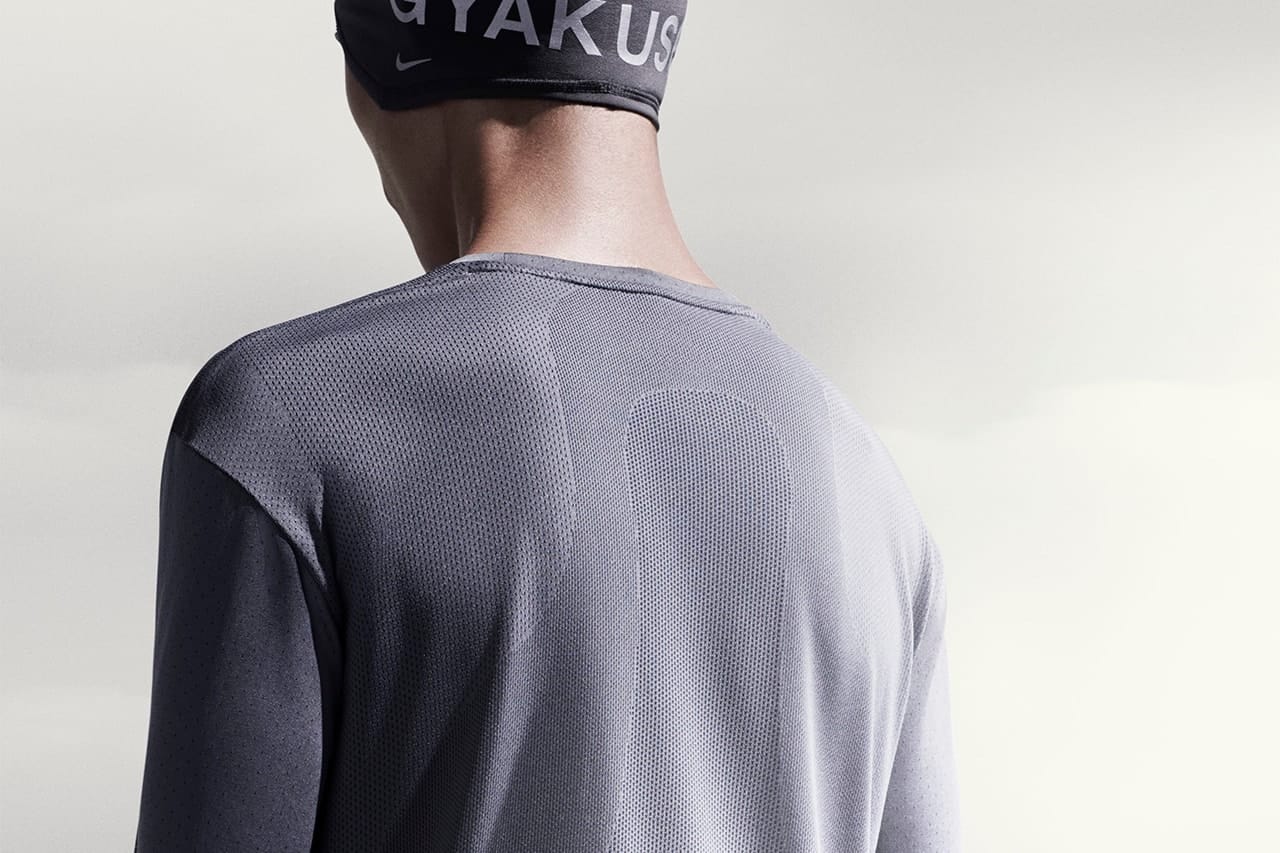
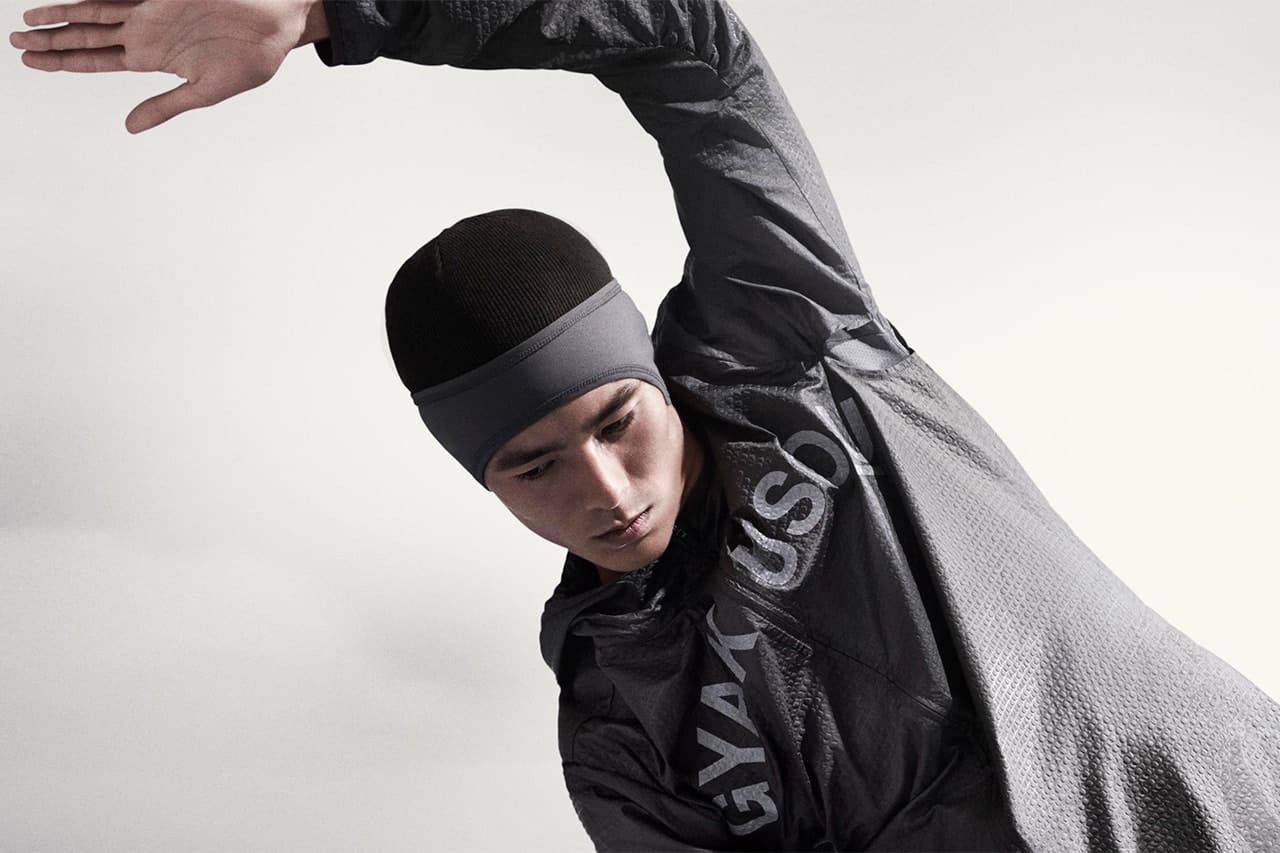
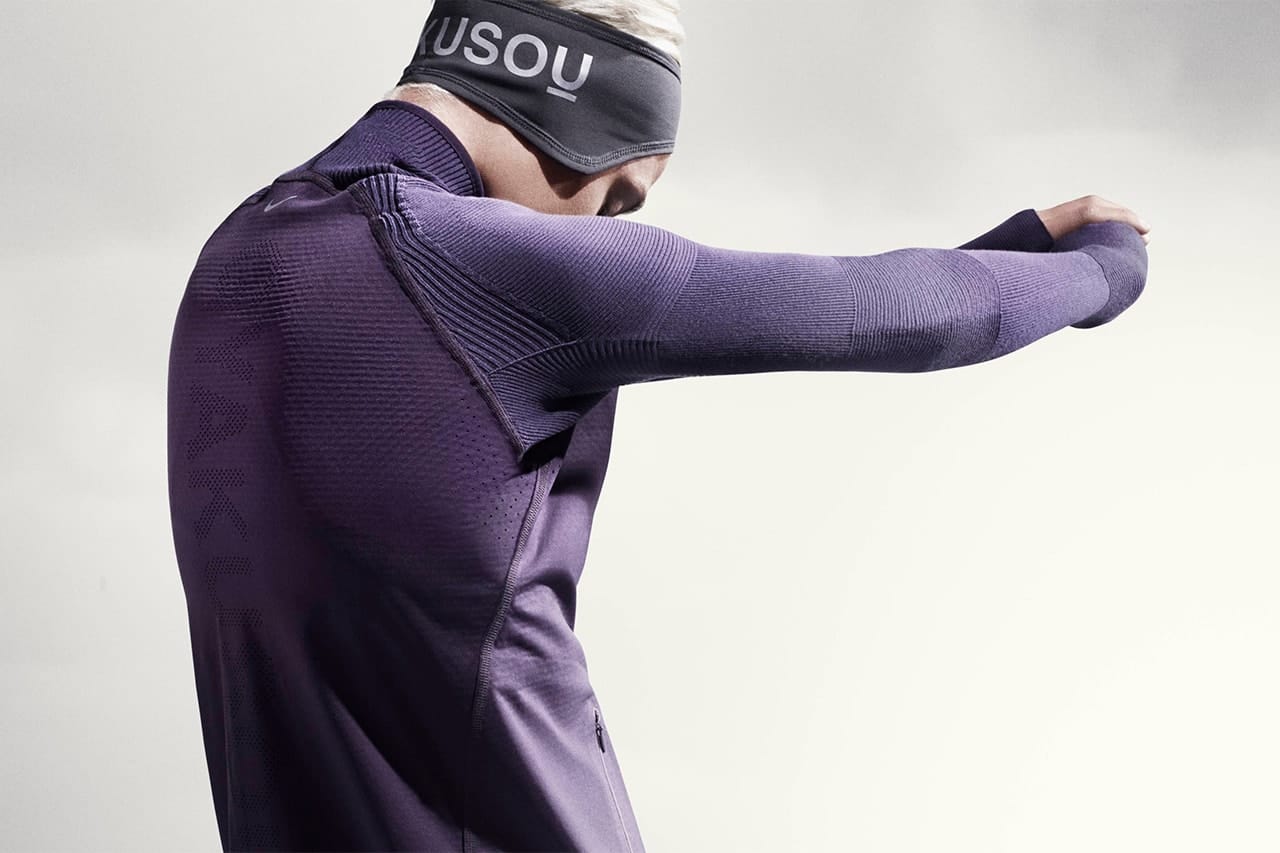
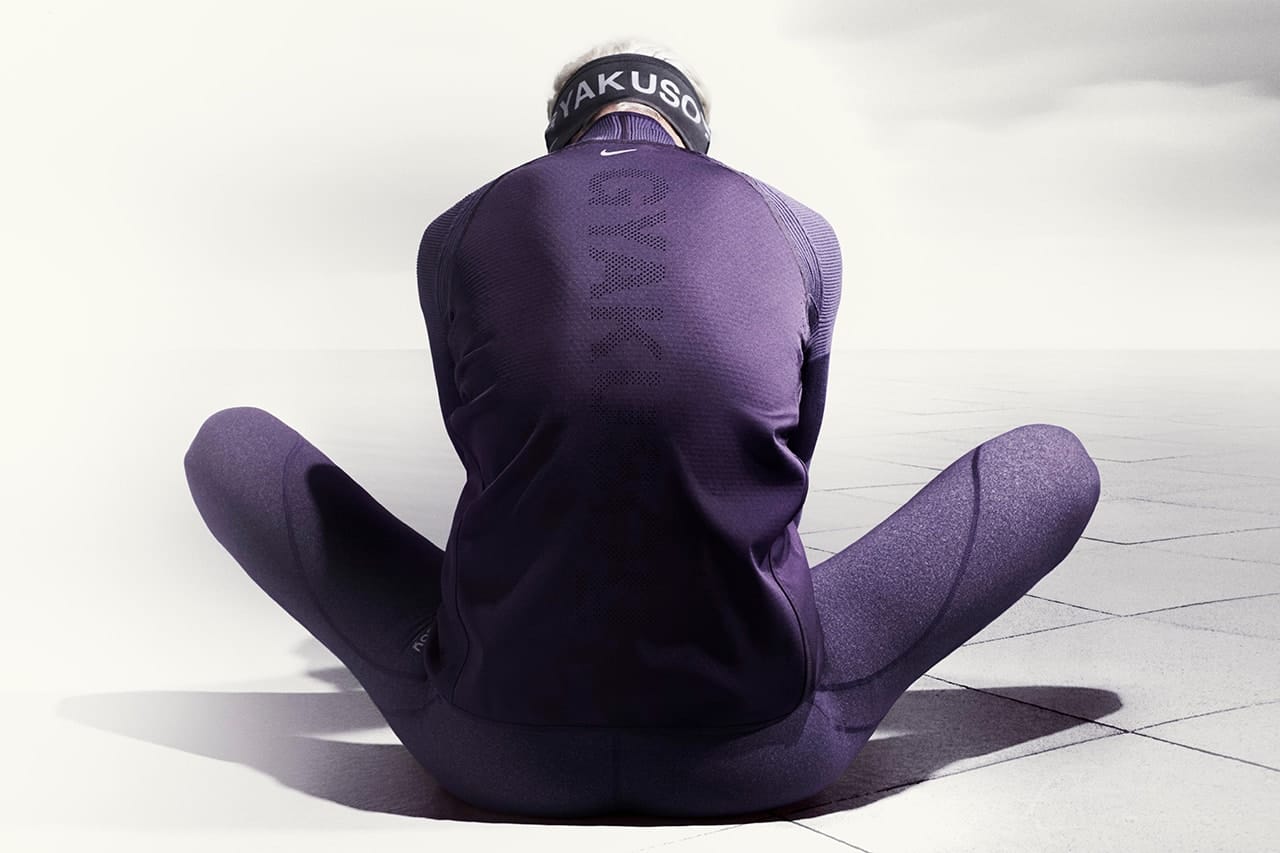
The Holiday 2014 collection is restored as the original seven-image studio set, separating it from the Holiday 2013 forest campaign.
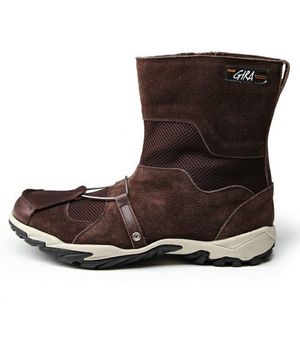
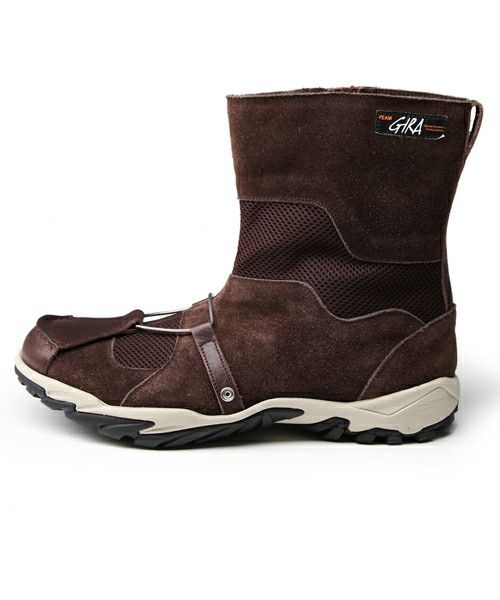
UNDERCOVER GIRA BOOT
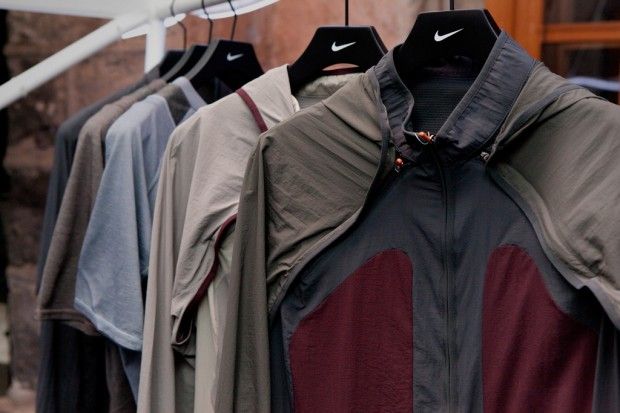
Nike x Undercover Gyakusou FW2011 Retail Display
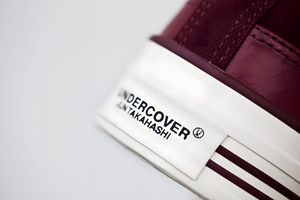
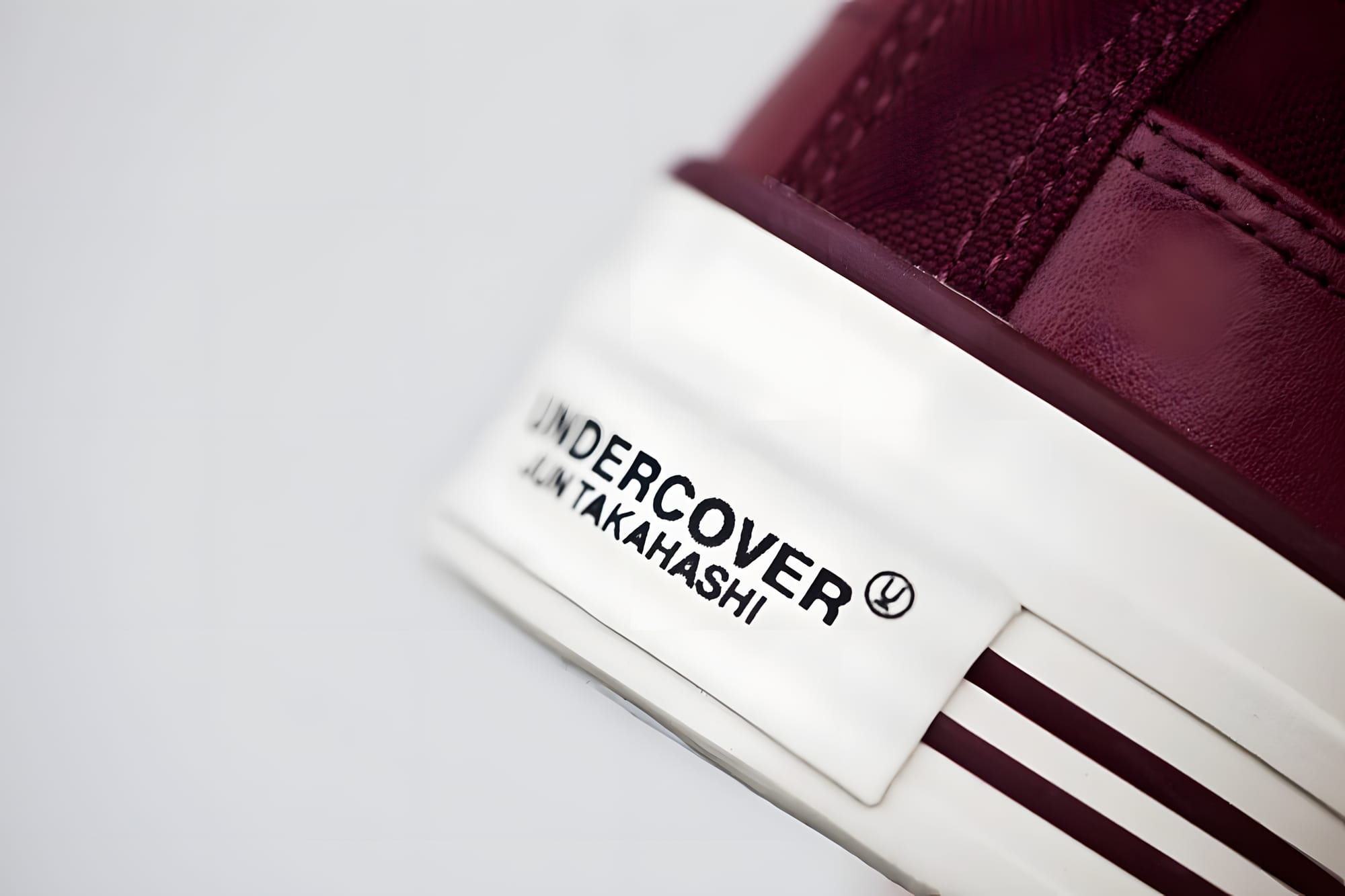
Undercover Jun Takahashi L9F01 Low-Top Sneaker in Bordeaux
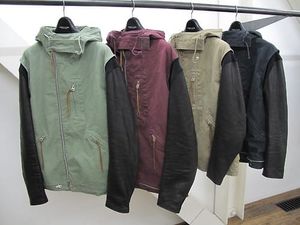
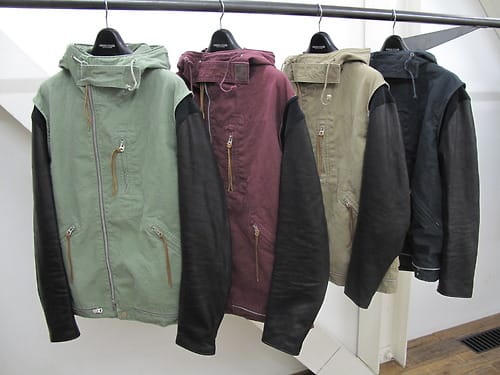
UNDERCOVER Fall/Winter 2013 Leather-Sleeve Army Jacket
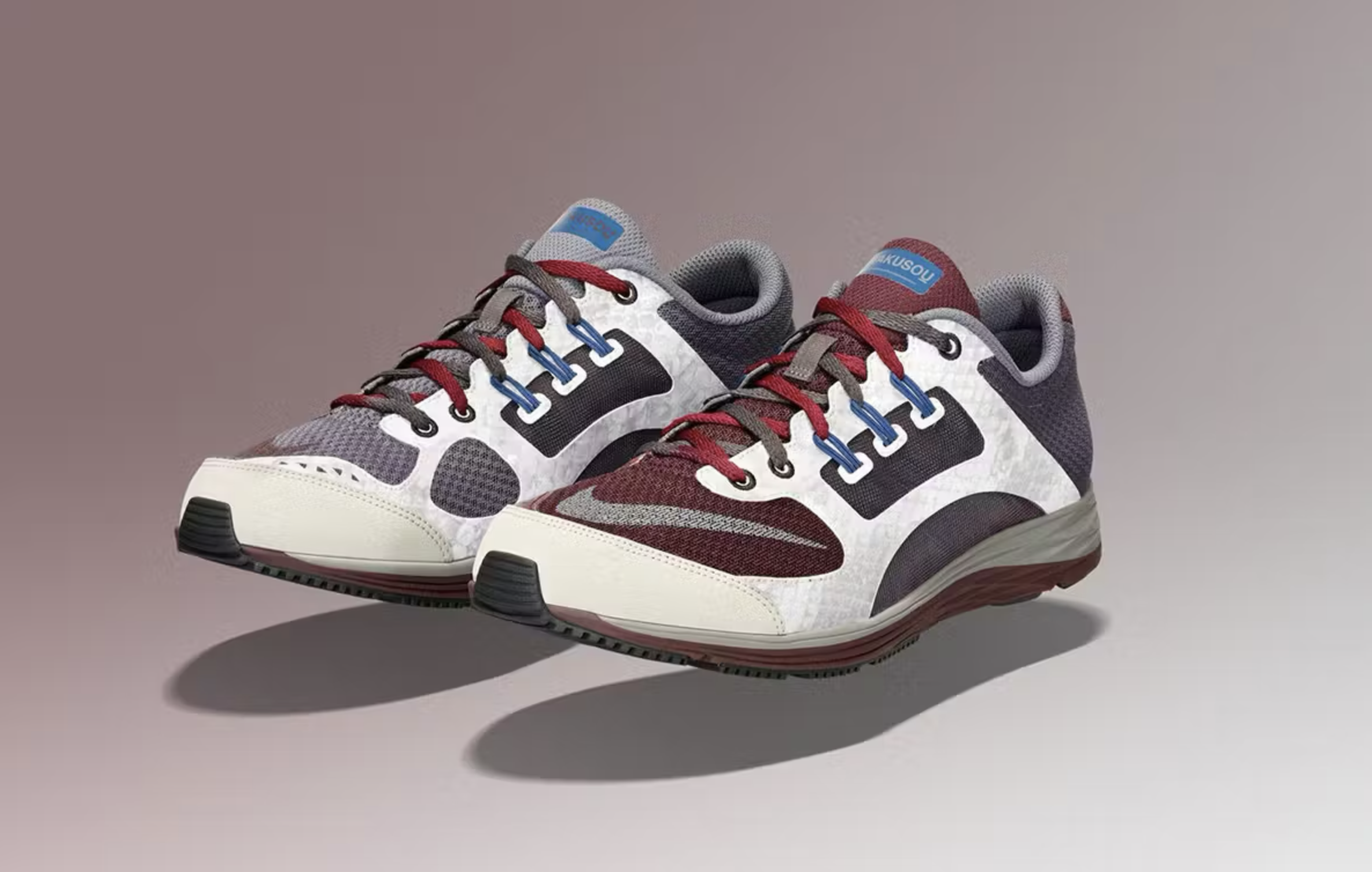
Nike x Undercover Gyakusou LunarSpeed AXL
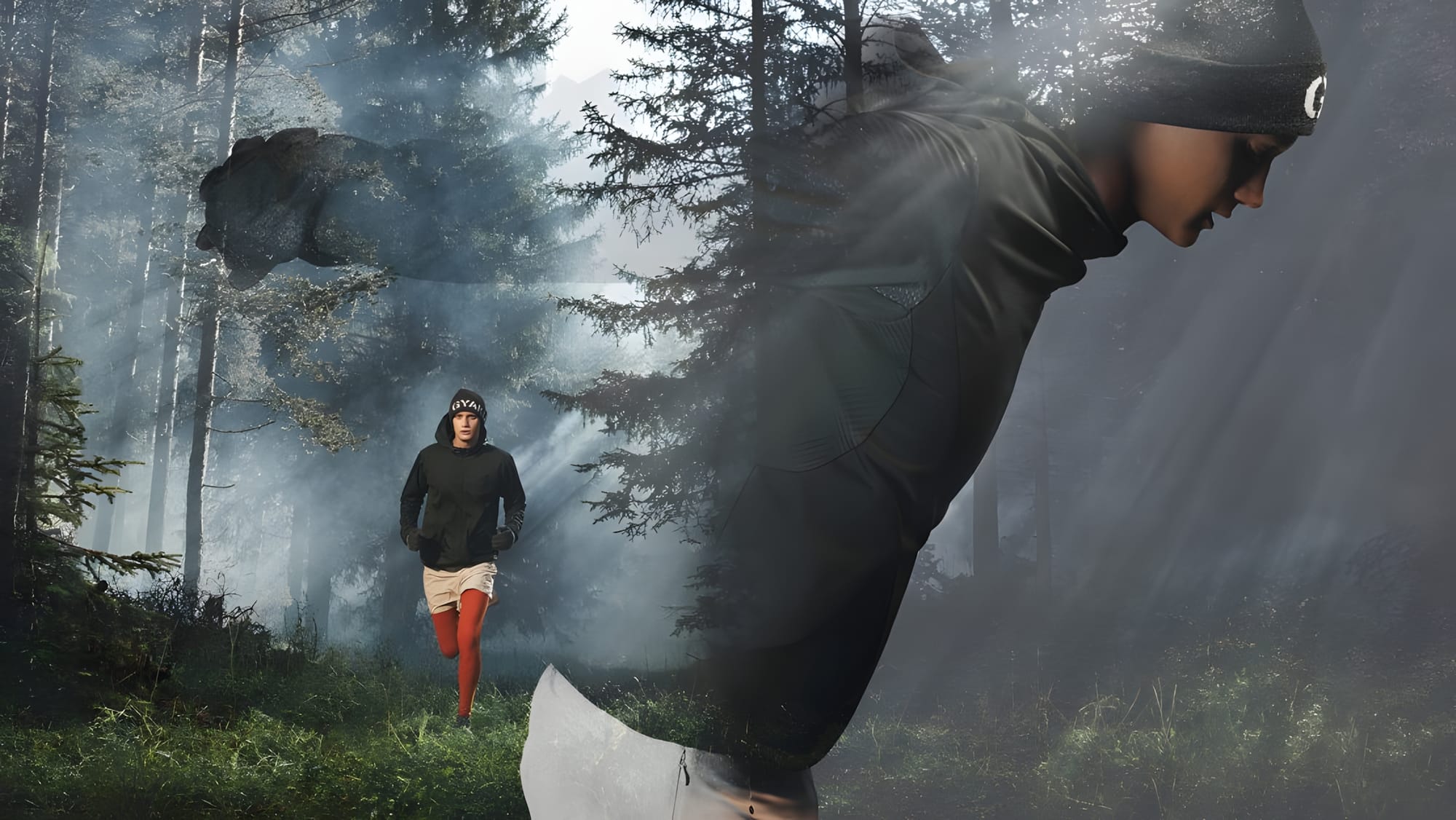
Nike x Undercover Gyakusou FW2013
Photographed by Azim Haidaryan
Produced by Panottica
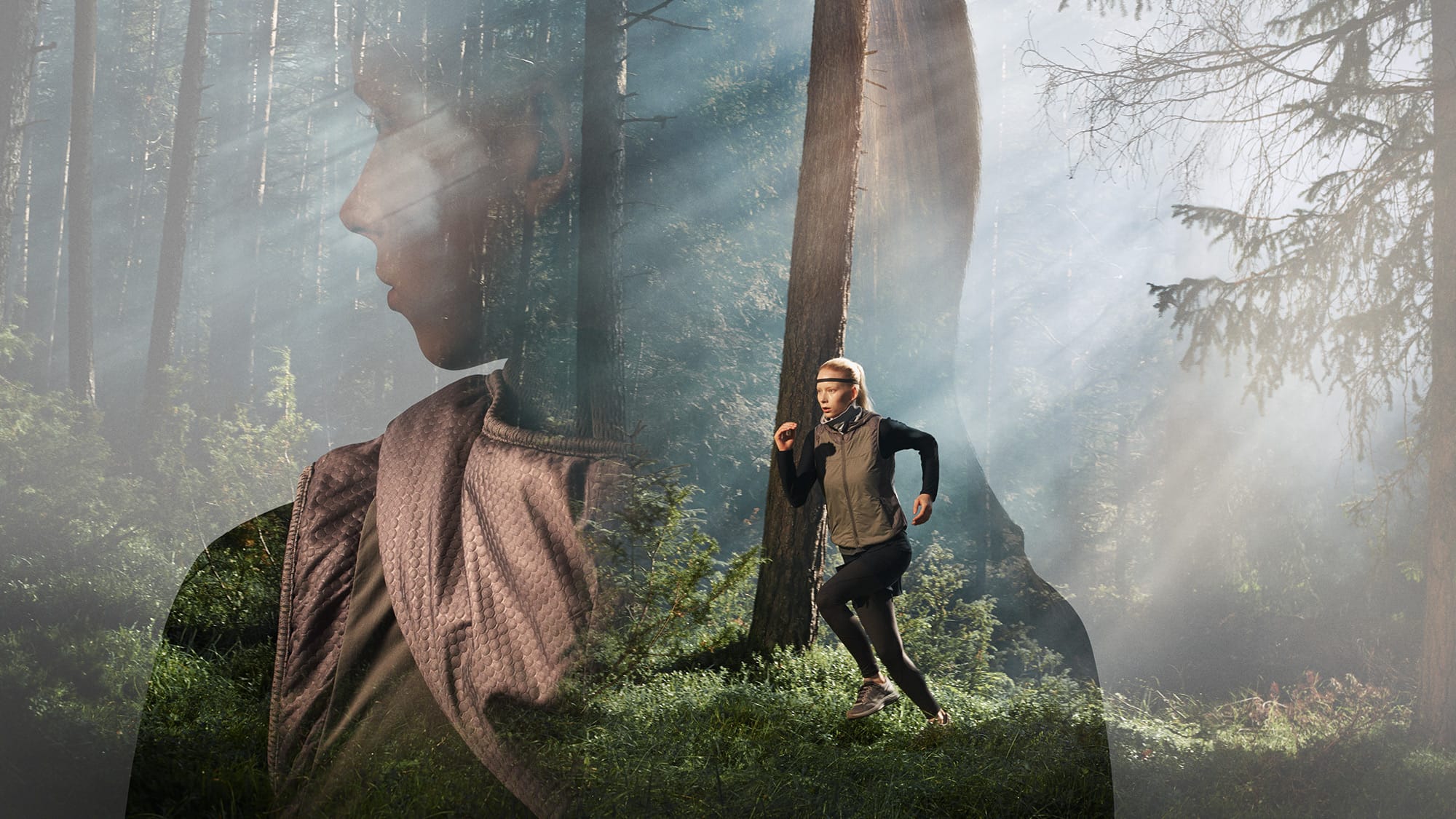
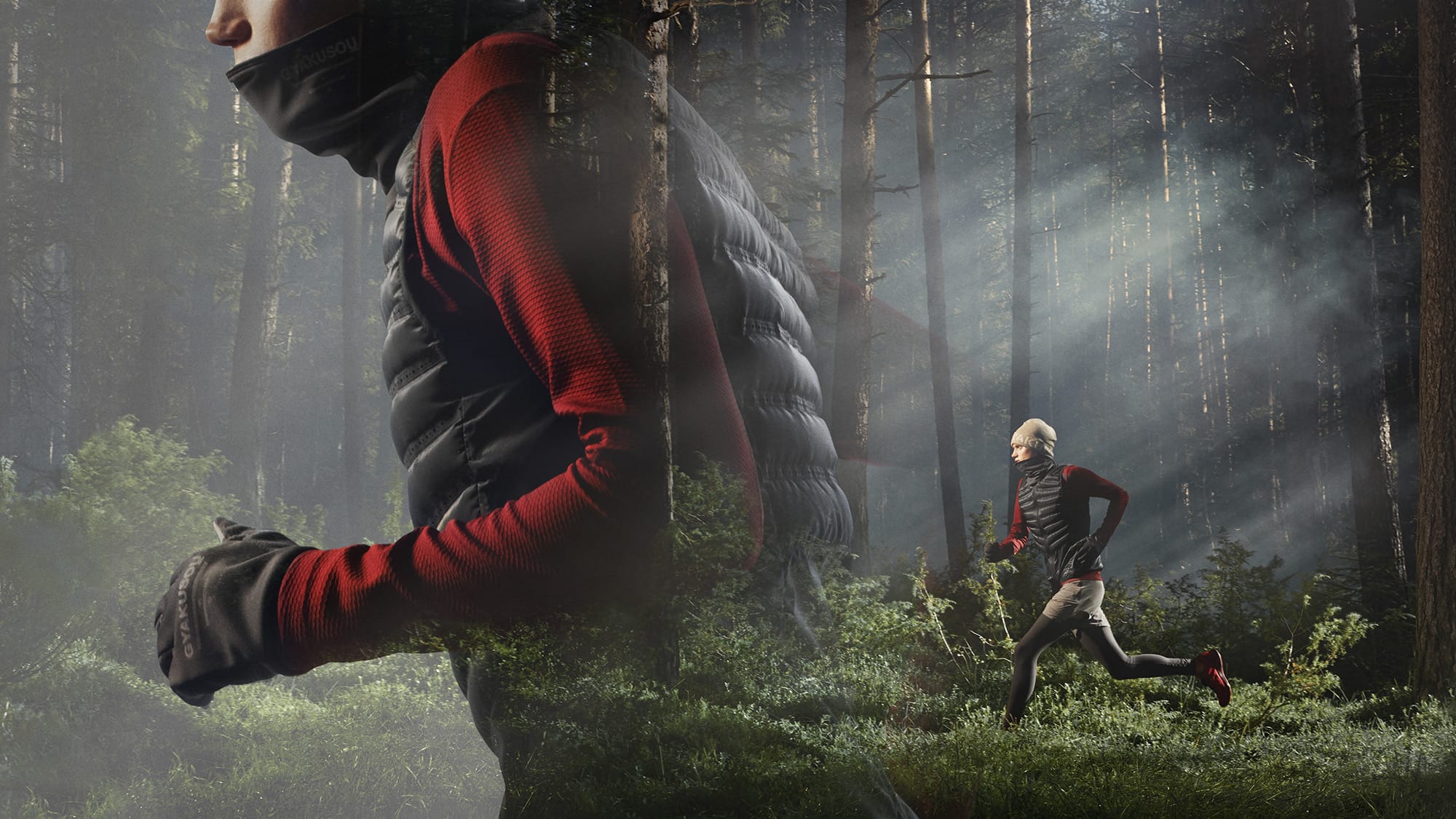
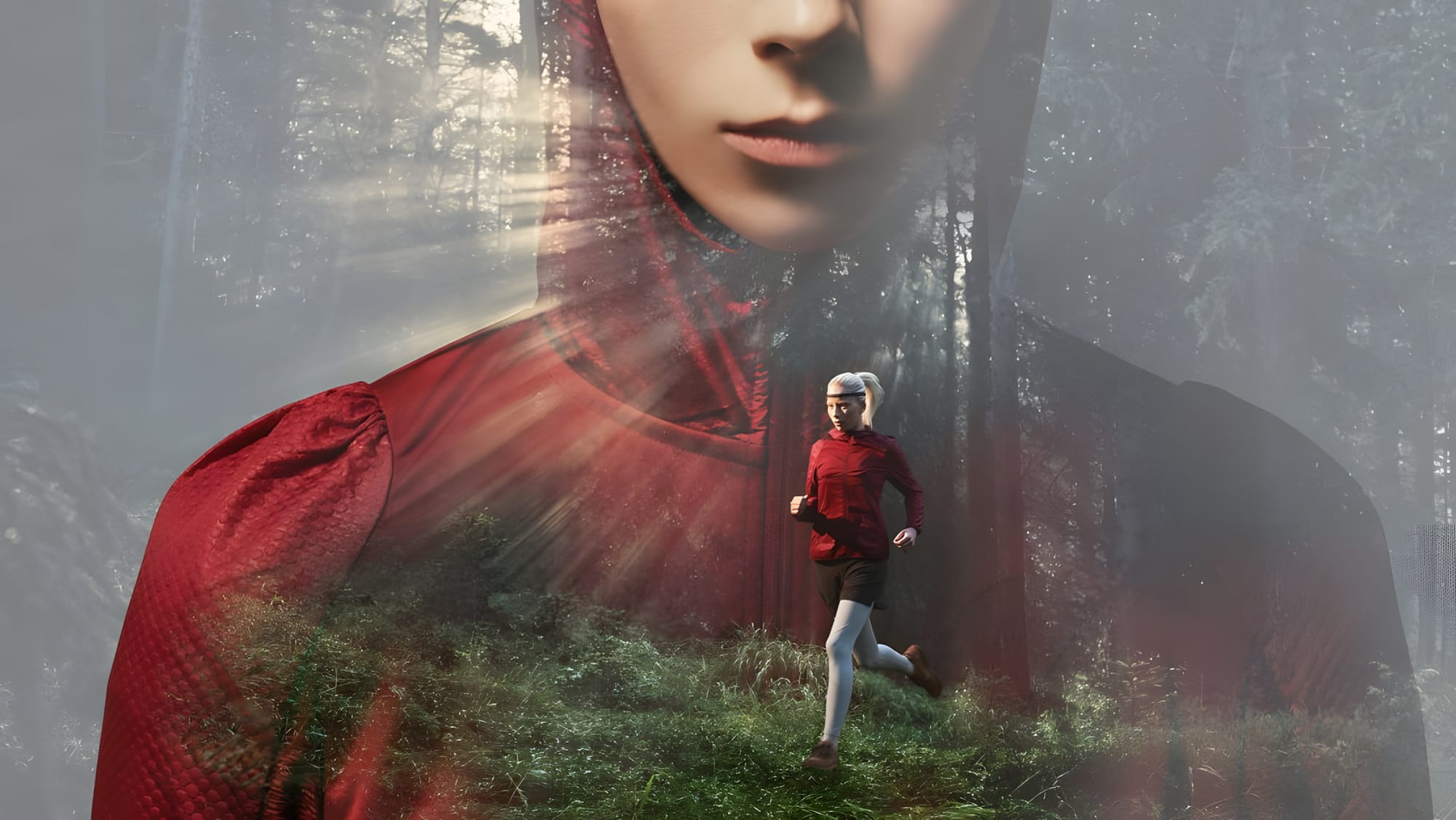
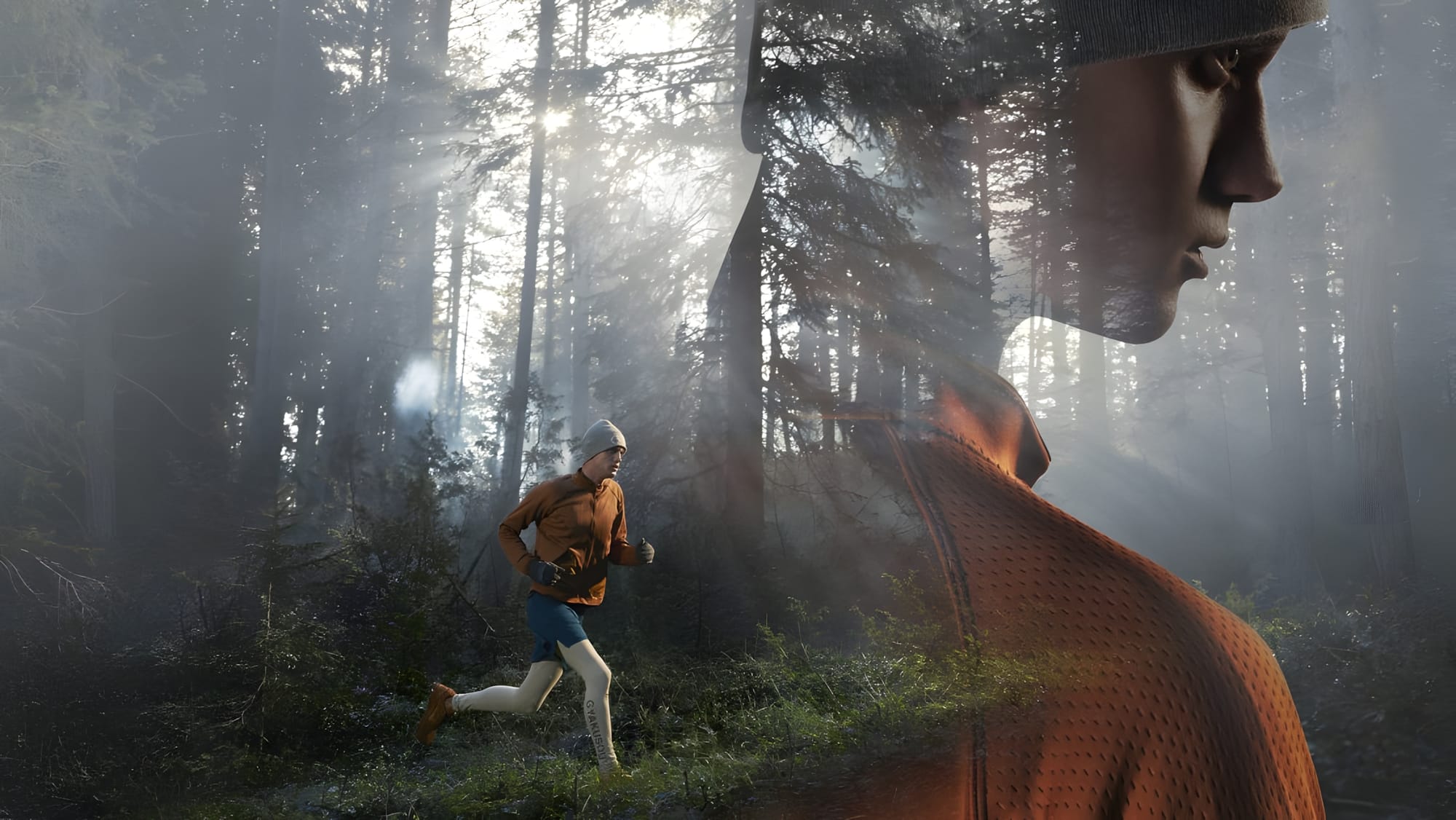
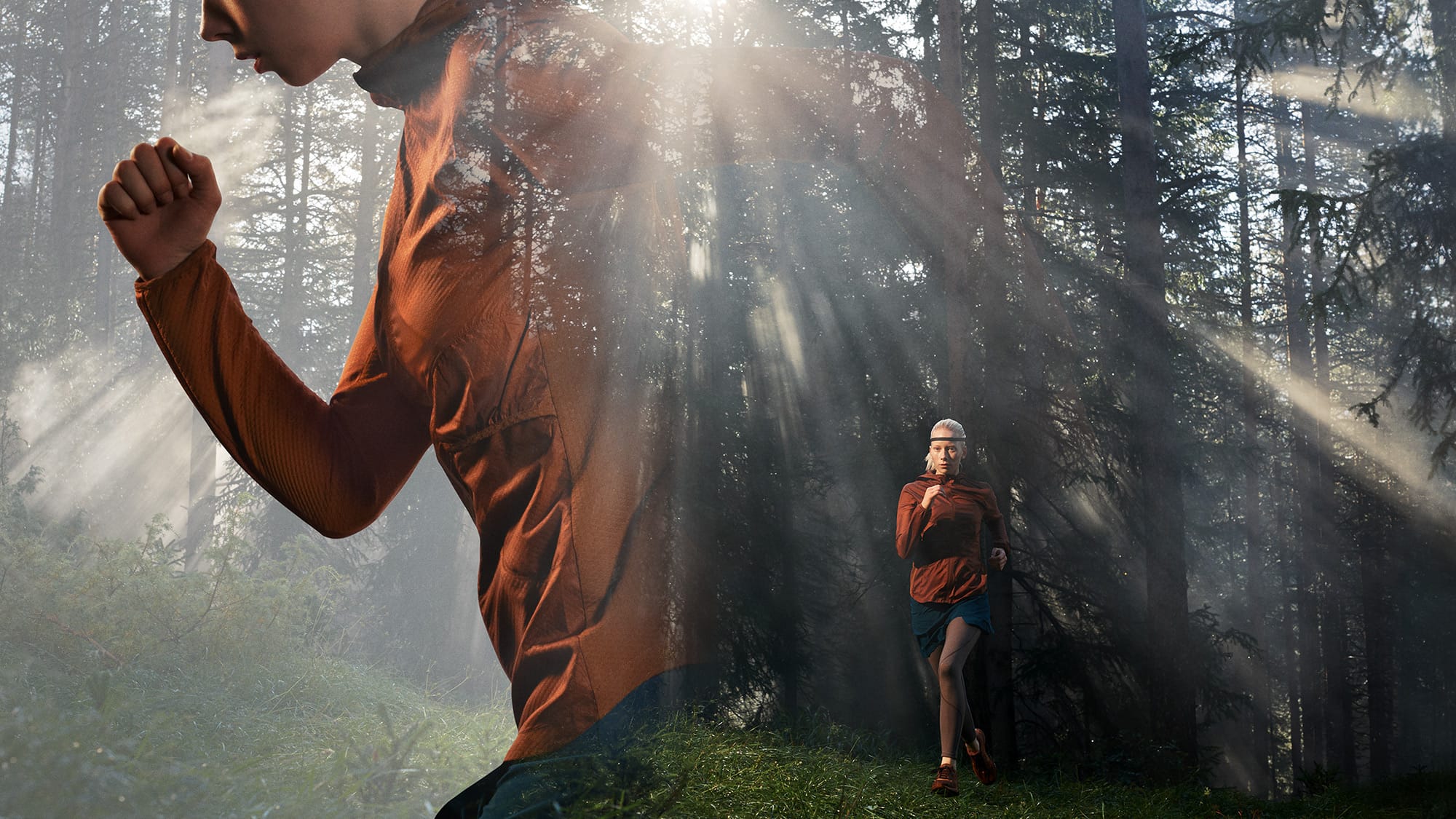
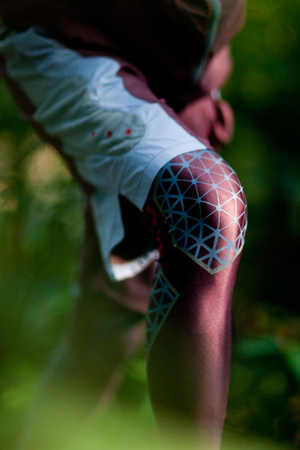
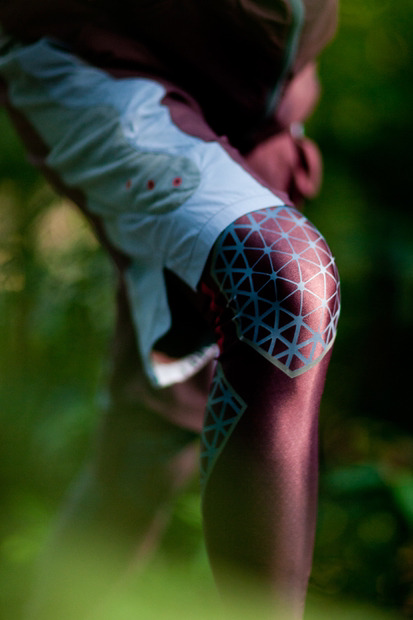
Nike x Undercover Gyakusou FW2012 Base Layers
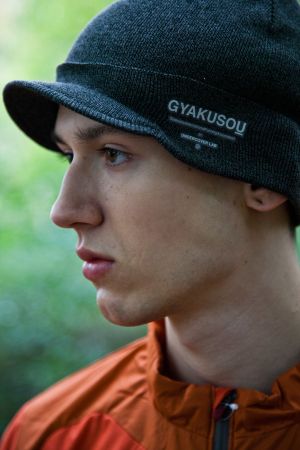
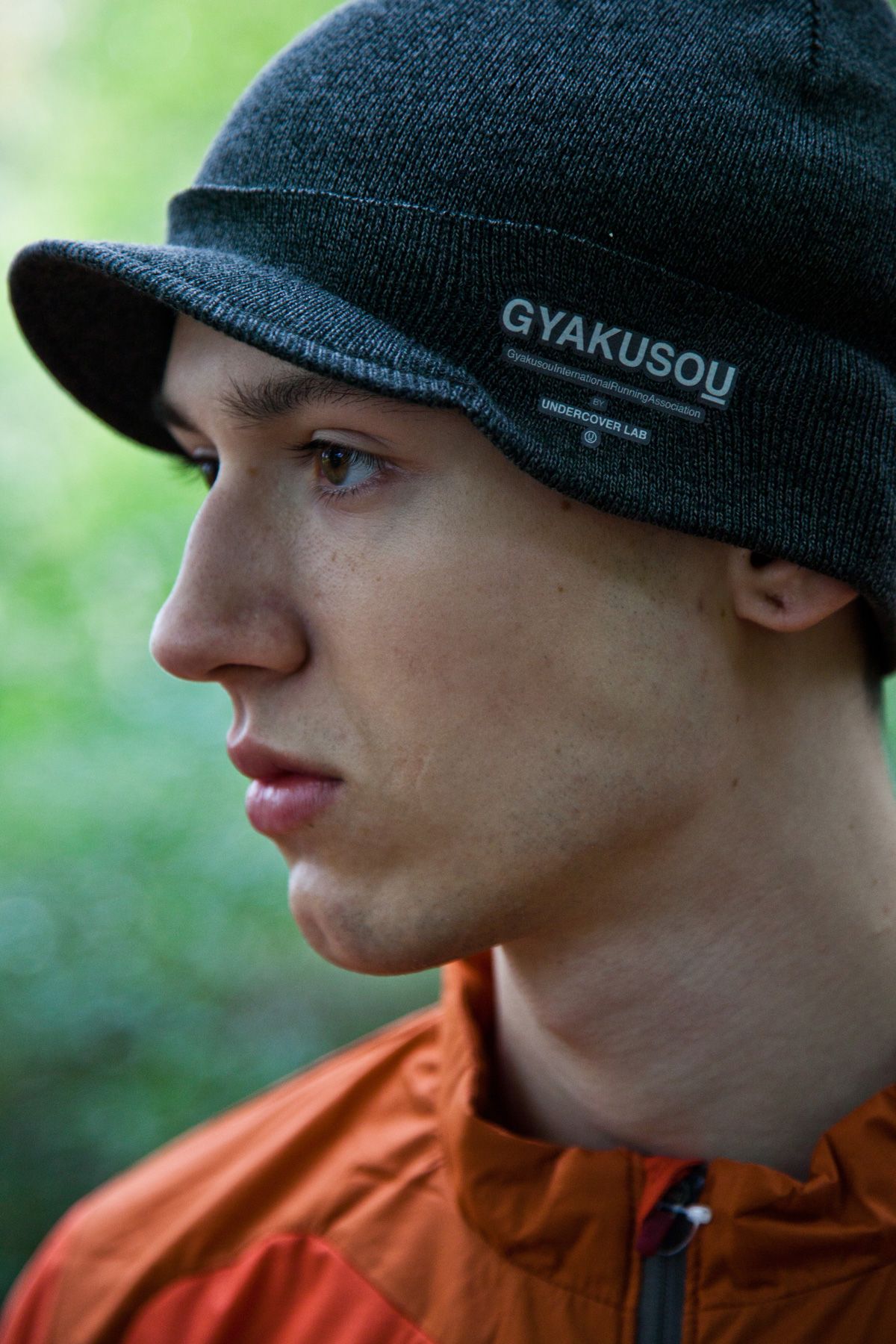
Nike x Undercover Gyakusou FW2011 Beanie
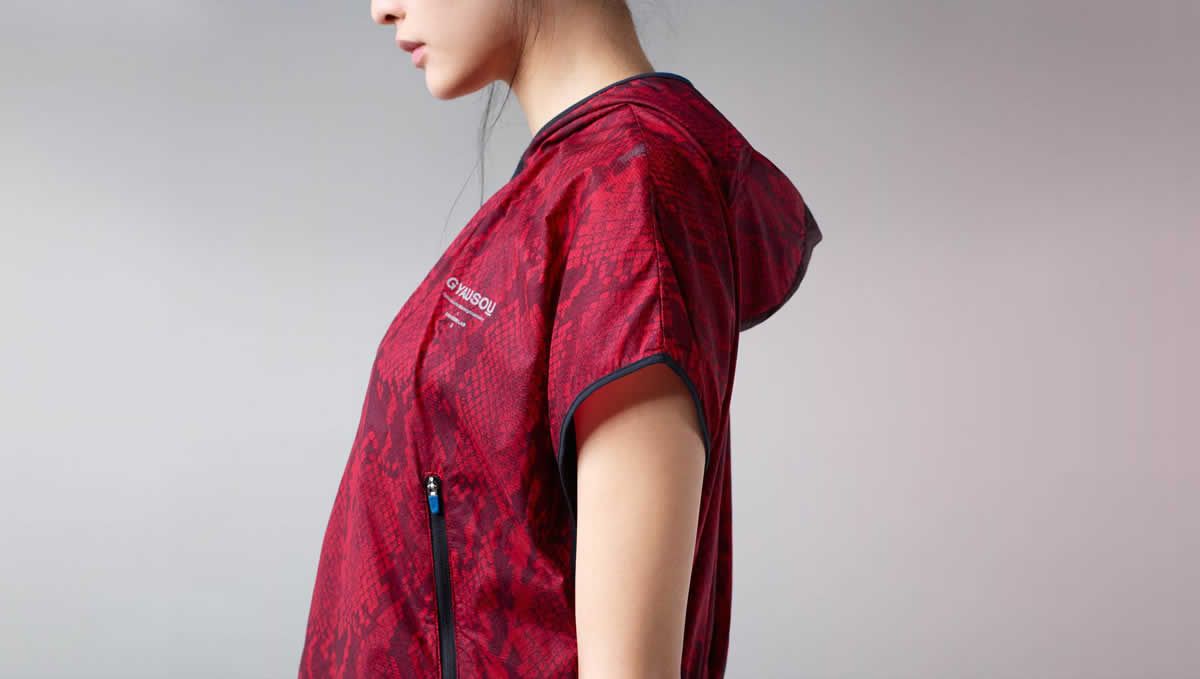
Nike x Undercover Gyakusou SS2014
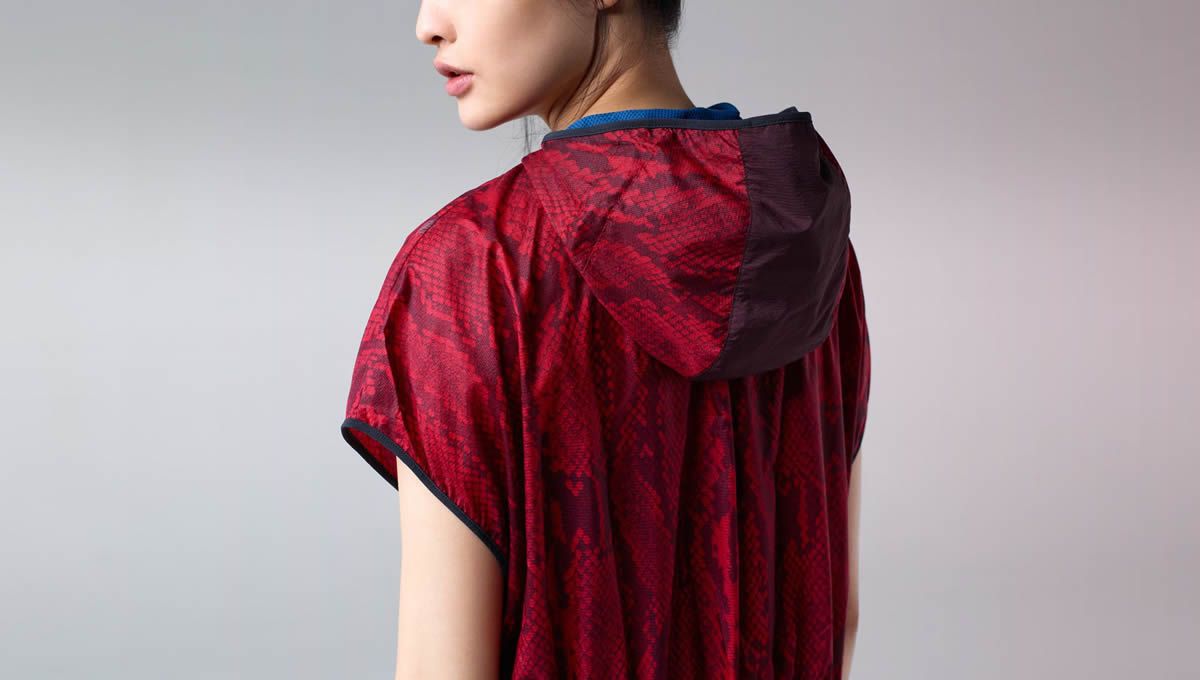
Nike x Undercover Gyakusou Holiday 2013 — Campaign
Campaign sequence from the Holiday 2013 archive set.
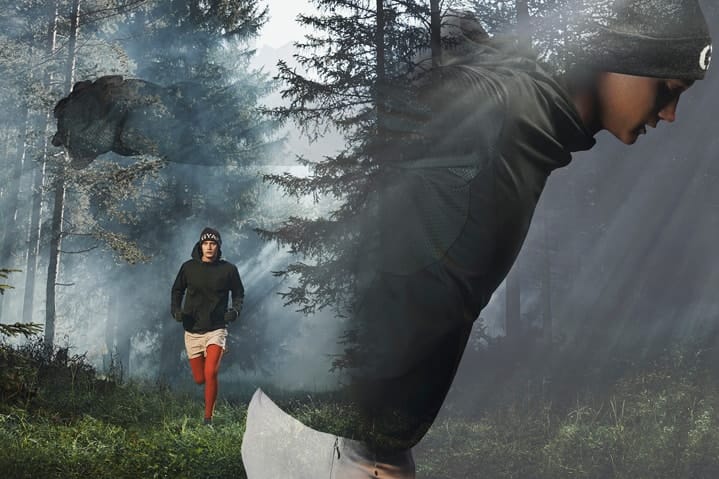
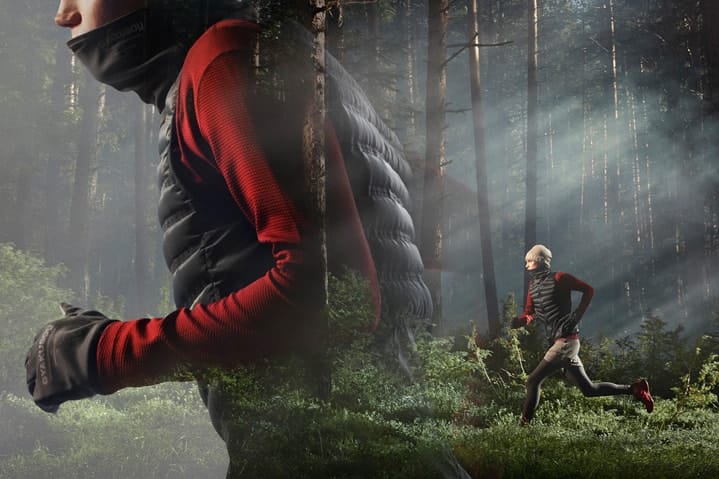
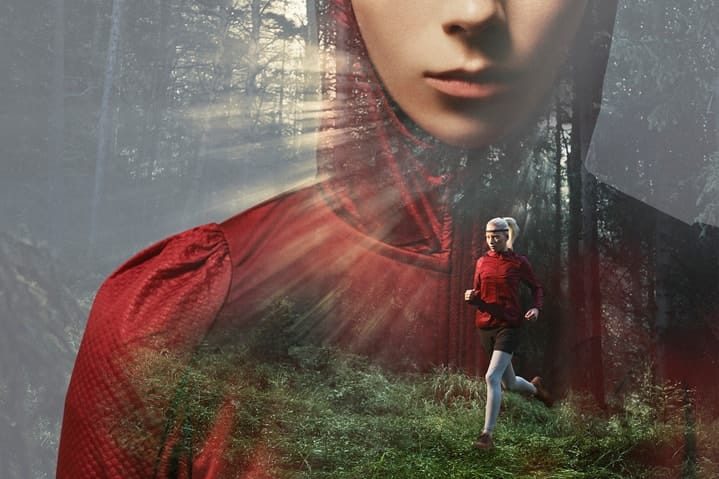
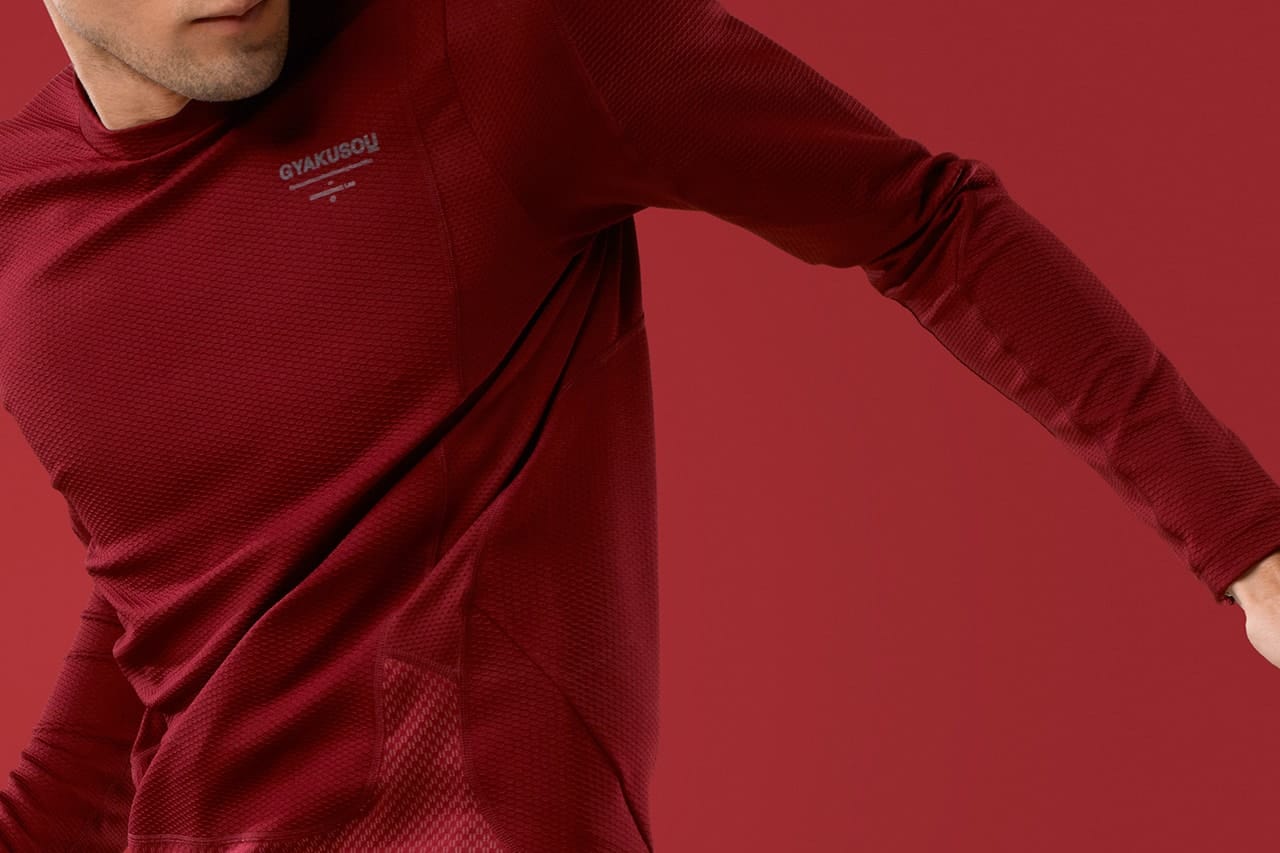
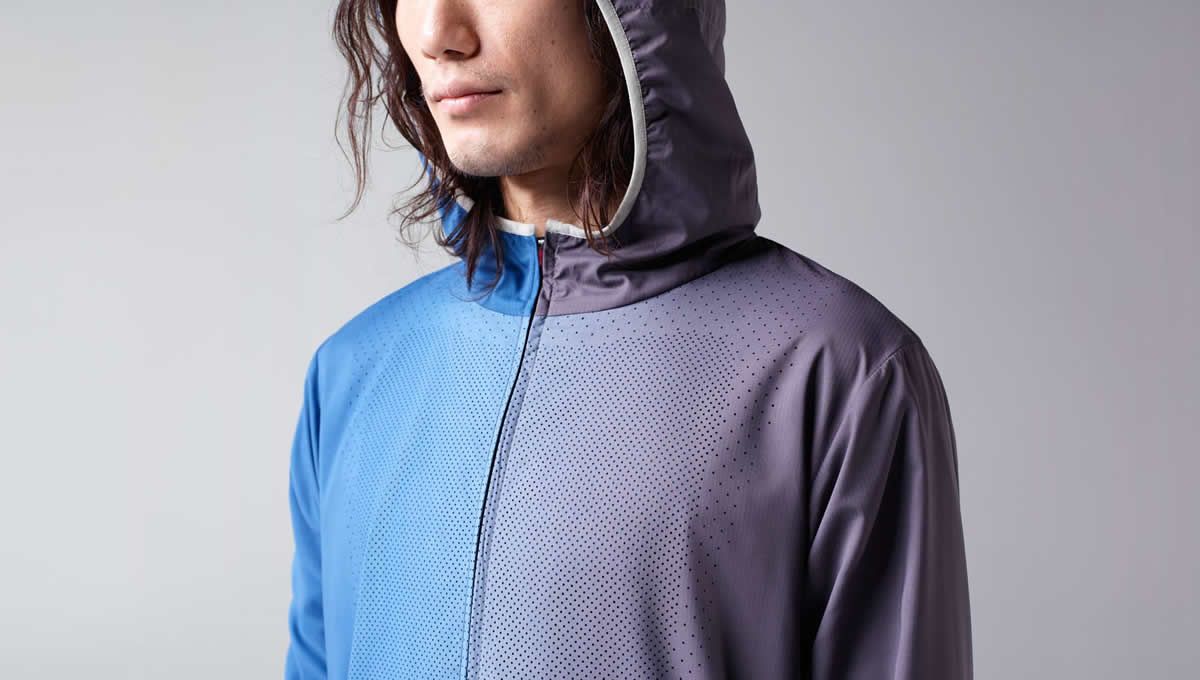
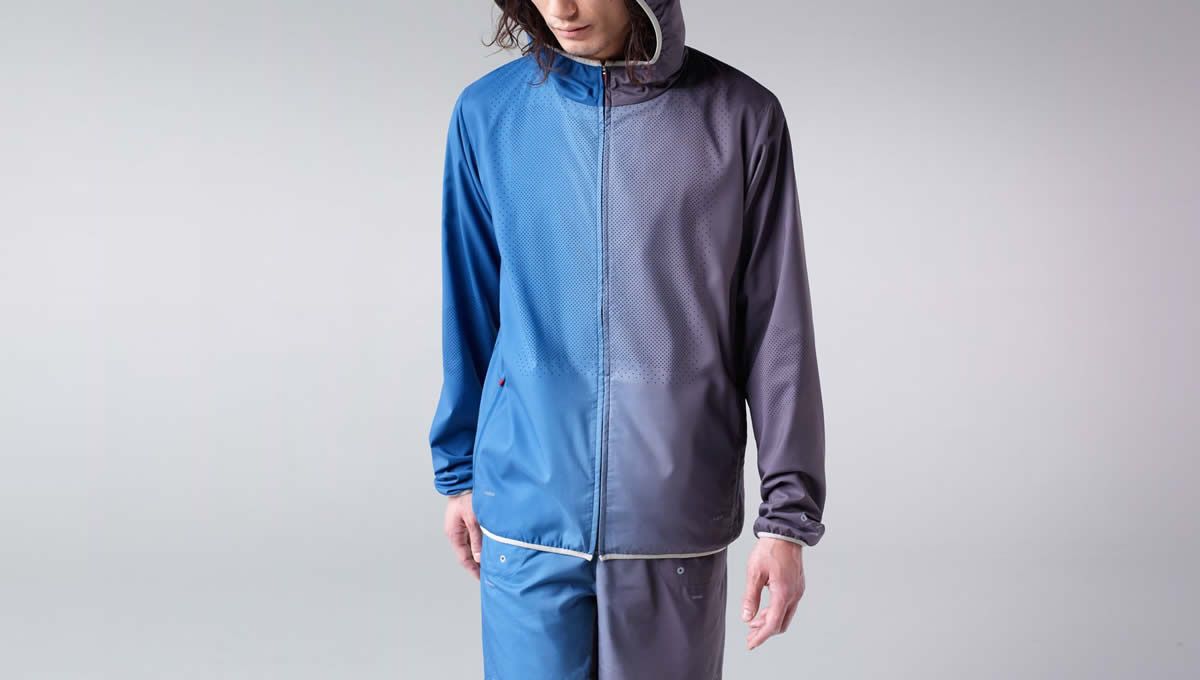
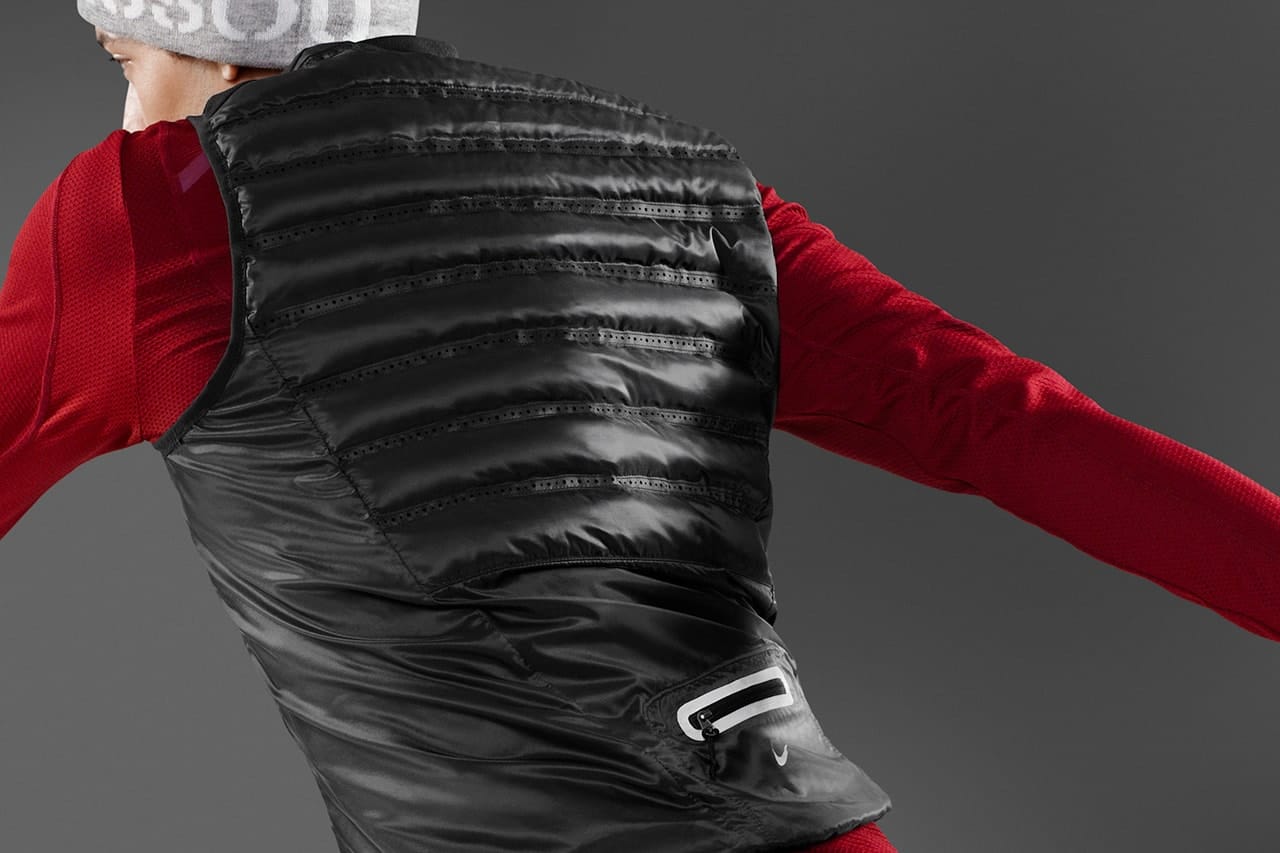
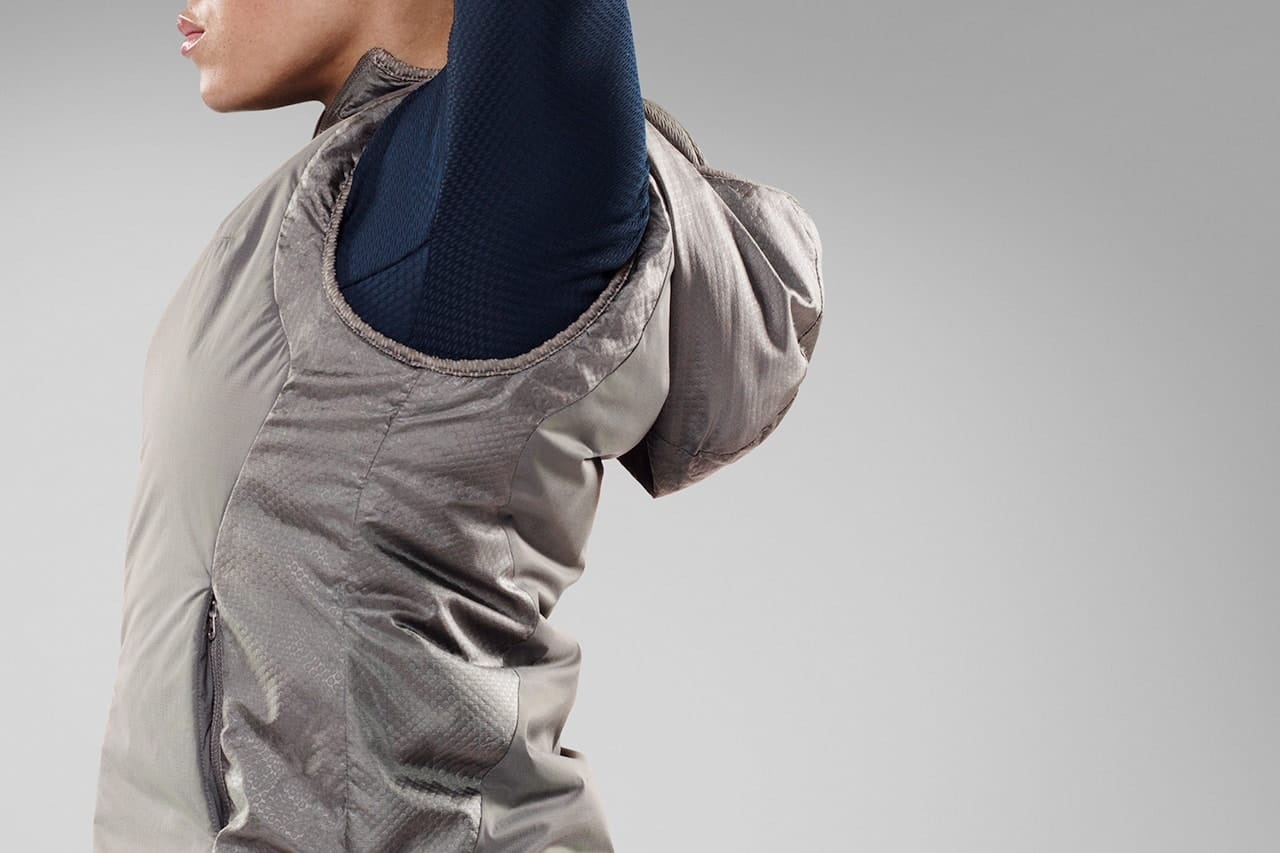
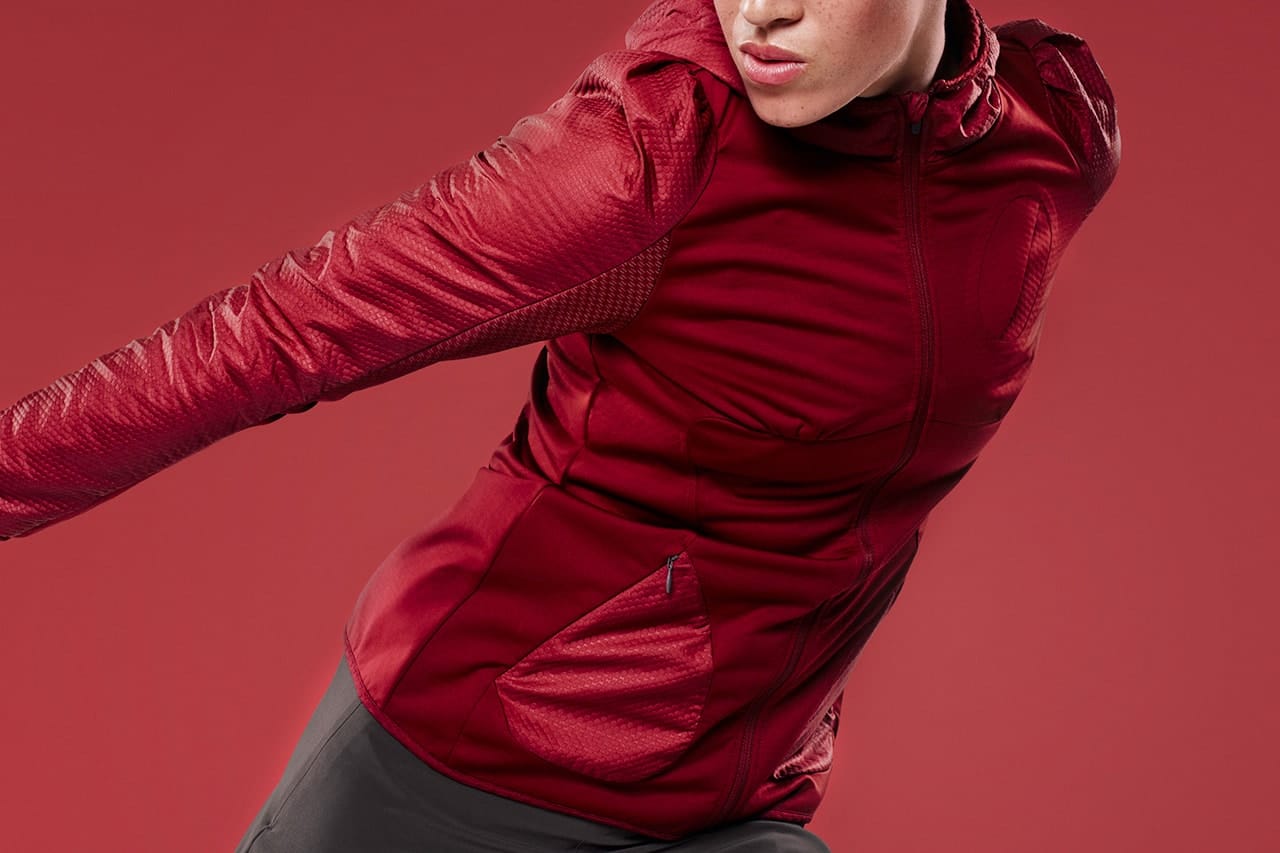
Nike x Undercover Gyakusou Holiday 2013 — Lookbook
Holiday 2013 lookbook sequence: garment systems, color fields, and repeated seams.
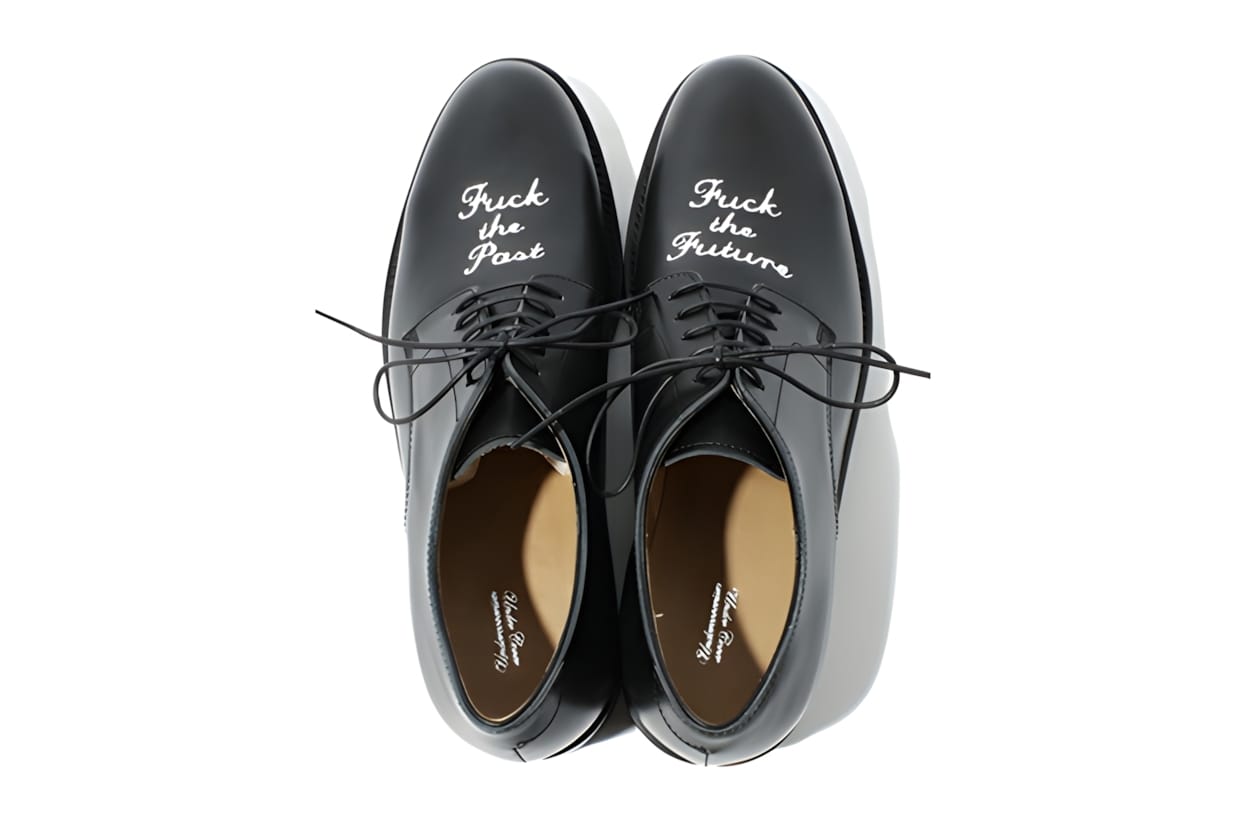
UNDERCOVER "Fuck the Past, Fuck the Future" Oxford
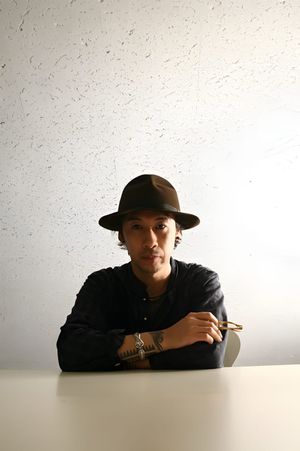
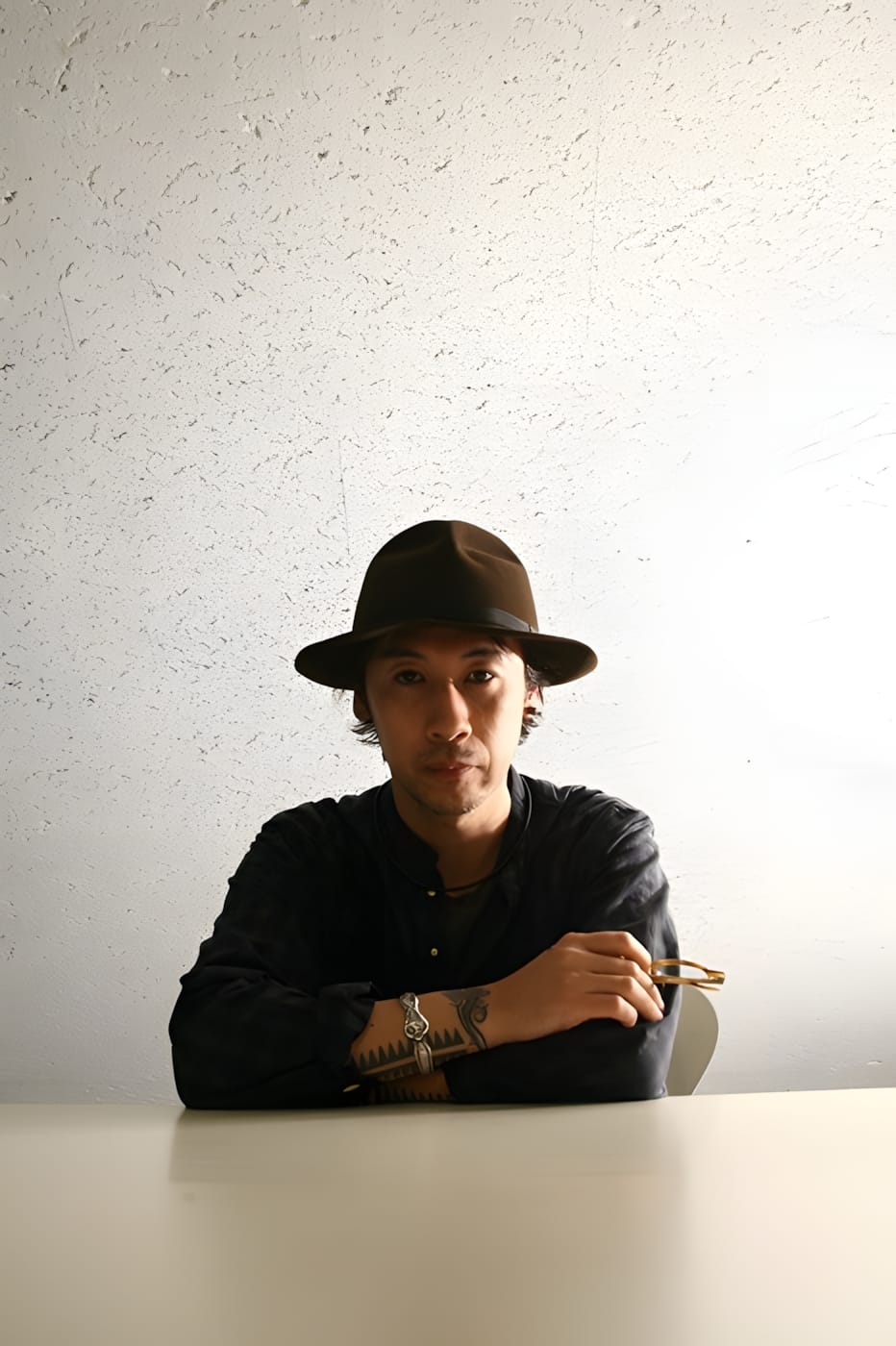
Jun Takahashi — Undercover Designer Portrait, Dazed June 2013
Interview with Jun Takahashi on Undercover AW13
Q: After two years away from the Paris catwalks, why was now the right time to show a runway collection?
A: After the earthquake disaster, we Japanese were spiritually in the worst state. It’s been two years since then and everyone is hoping to improve the present situation. I am one of them. I chose to have a runway show in Paris in order to restore myself. I thought it would work because going back to the runway was one of the things I had been hoping to do.
Q: Talking of the scar that Japan’s earthquake left on you, did it creatively affect your AW13 collection?
A: I was craving for creation, and that resulted in those one-off dresses. Two years ago, mentally and financially I wasn’t able to create such things. Those one-off pieces are my original works and made intuitively by myself. I am the only one who could make them. They are sacred works to me. I guess I like things where you can feel human warmth.
Q: Why did you call the show ‘Anatomicouture’? Was your intention to expose the inner bones of the garments?
A: It is a mentality of exposing the inner self, corresponding to my desire to reveal my creation and what’s going on in my head.
Q: Despite the skeleton and organ motifs, the collection is beautiful and seductive – does this come back to your interest in the contrast between ugly and beautiful?
A: Ugliness and beauty co-exist in human mentality. I always want to express those emotions.
Q: The AW13 show had the feel of punk performance art – why did you stage it like theatre?
A: Because the theme of this collection is related to human emotions, I thought my theme could be conveyed much better with such staging effects that would move people’s hearts. That’s why I used songs by Cat Power and James Blake. All the songs are great and meaningful and helped me convey what I wanted to express through the lyrics of songs too.
Q: When did your love of fashion start, and how did that lead to Undercover?
A: When I was little I loved drawing and had a twisted personality. I was so into punk during my high school years. My interest in fashion arose when I was around 15 years old and I was hoping to become a designer. At 18, I entered Bunka Fashion College. I was questioning about learning ‘design’ from teachers who were much older than me. So I told myself that I would learn only techniques in the school, nothing else.
Q: Undercover was considered part of a new wave of Japanese designers. How did your approach differ from the likes of Rei Kawakubo and Yohji Yamamoto?
A: I am not sure if Undercover is part of a new wave and I don’t really care. But Rei influenced me a lot on things like breaking stereotypes.
Q: You and your friend Hiroshi Fujiwara collected vintage Seditionaries pieces and published a book about them, and you even appeared in a show of Vivienne Westwood’s designs in Tokyo in 1990. Can you describe the impact punk made on you and explain why it still resonates today?
A: To me, punk means a spirit that questions and abolishes conventional ideas. That is my fundamental principle. You can apply the principle to fashion design. It depends on each season, but I instil punk interpretation into my designs in many ways – for example, by fusing two contradicting elements or applying techniques that are generally considered taboo.
Q: You recently designed lines for Uniqlo and Nike – how did you enjoy those two experiences? Did they feed back into your work with Undercover?
A: The Uniqlo and Nike collaborations are totally different types of designs from that of Undercover. Therefore the collaborations didn’t really affect my work with Undercover. But for my career as a designer, both collaborations became good experiences. Working with Uniqlo gave me the opportunity to learn about the creation of mass products and newly standard items that are totally different from designing avant-garde pieces. As for the collaboration with Nike, I am very satisfied both as a designer and as a runner with the fact that I have been able to create products which integrate necessary functions for running with fashion-design aesthetics, which had often perhaps been missing in the existing sportswear.
Q: You’ve talked in the past of the difficulties with keeping up with the six-month cycle of fashion shows, and skipped showing in Paris for a couple of seasons – how are you currently finding working within the fashion calendar?
A: Right now, I’ve come to the conclusion that the six-month cycle is appropriate. Themes of each Undercover collection vary by season. If we could spend more than six months on a collection, and if we continue to work with the same theme for a year, it would be difficult to keep up the tension towards the theme and I am afraid that the freshness would be lost.
Q: AW13 got a great response. Will we be seeing you back on the runway next season?
A: I could strongly feel that a lot of people were waiting for Undercover and I was very thankful about it. I will be back on the runway next season.
Q: Next year will mark the 20th since you began showing as Undercover. How do you feel you’ve evolved in that time?
A: I went through many phases and experienced many things. There was a time we faced various troubles, or we jumped into things just by force of circumstances. But nothing was wasted. I am responsible for all success and failure of Undercover. I will go forward without being ashamed of the paths I’ve chosen.