architecture
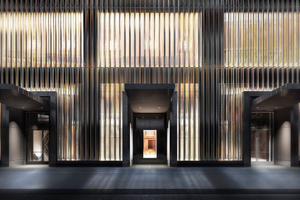
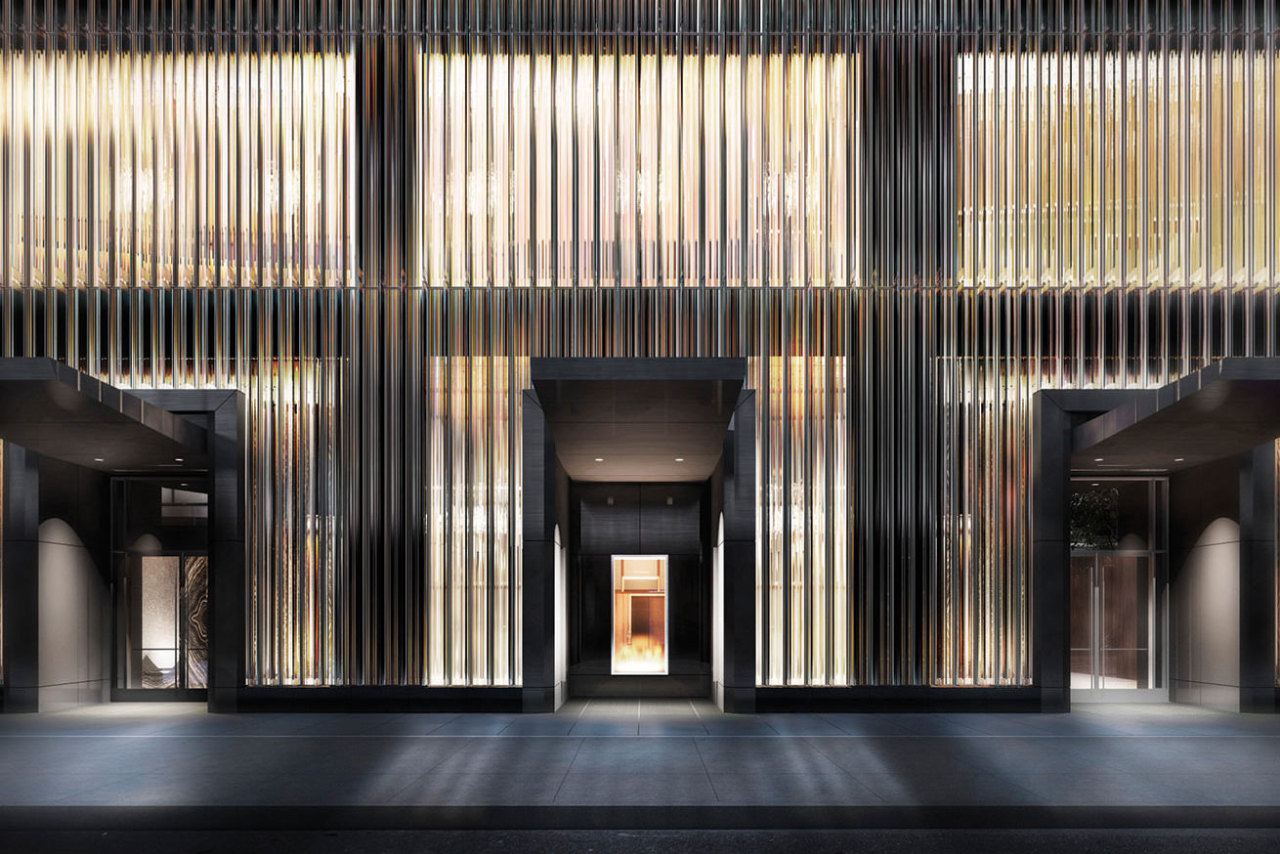
Baccarat New York
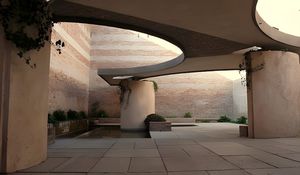
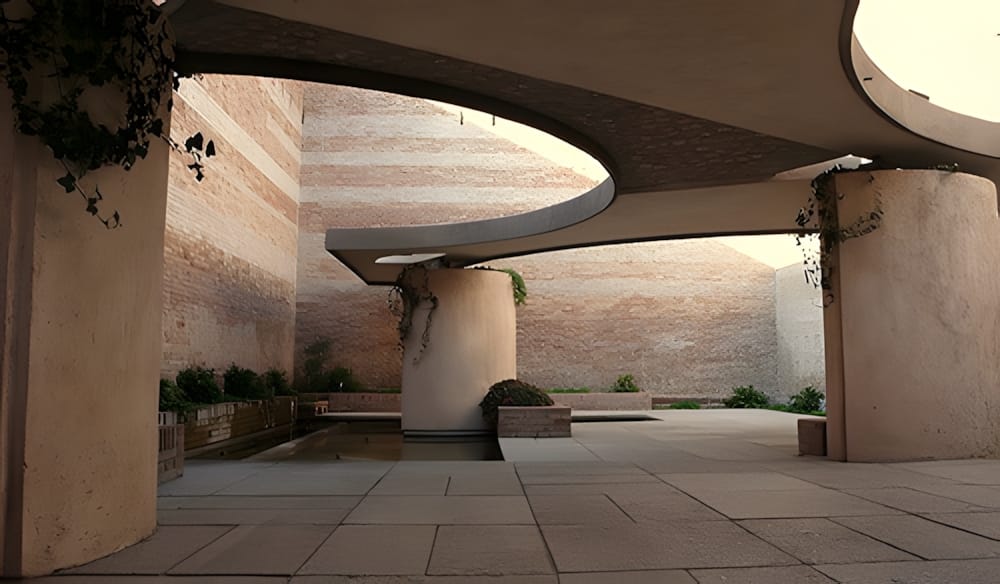
Carlo Scarpa — Fondazione Querini Stampalia Garden, Venice
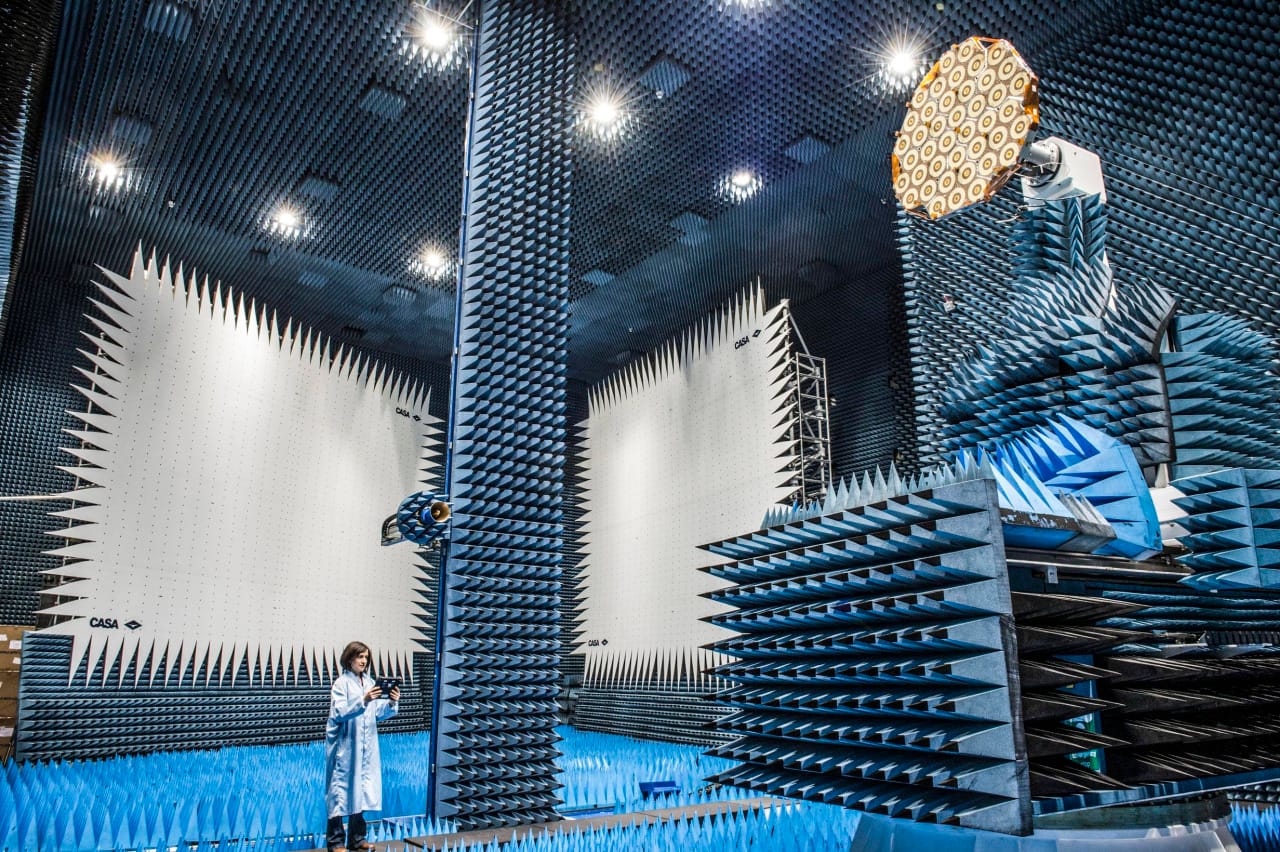
ESA HERTZ Anechoic Chamber — Antenna Test Facility at ESTEC
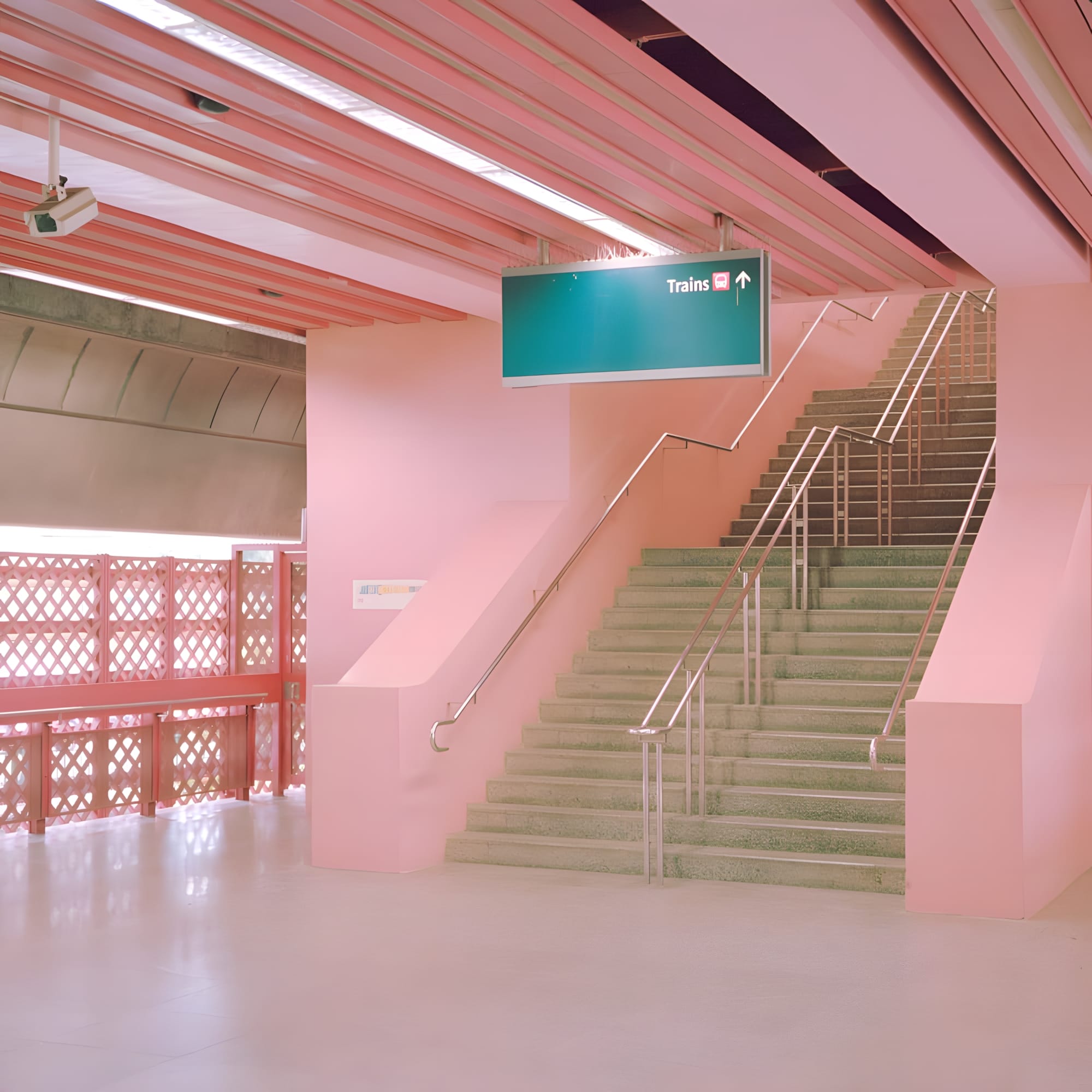
Redhill MRT Station — Singapore
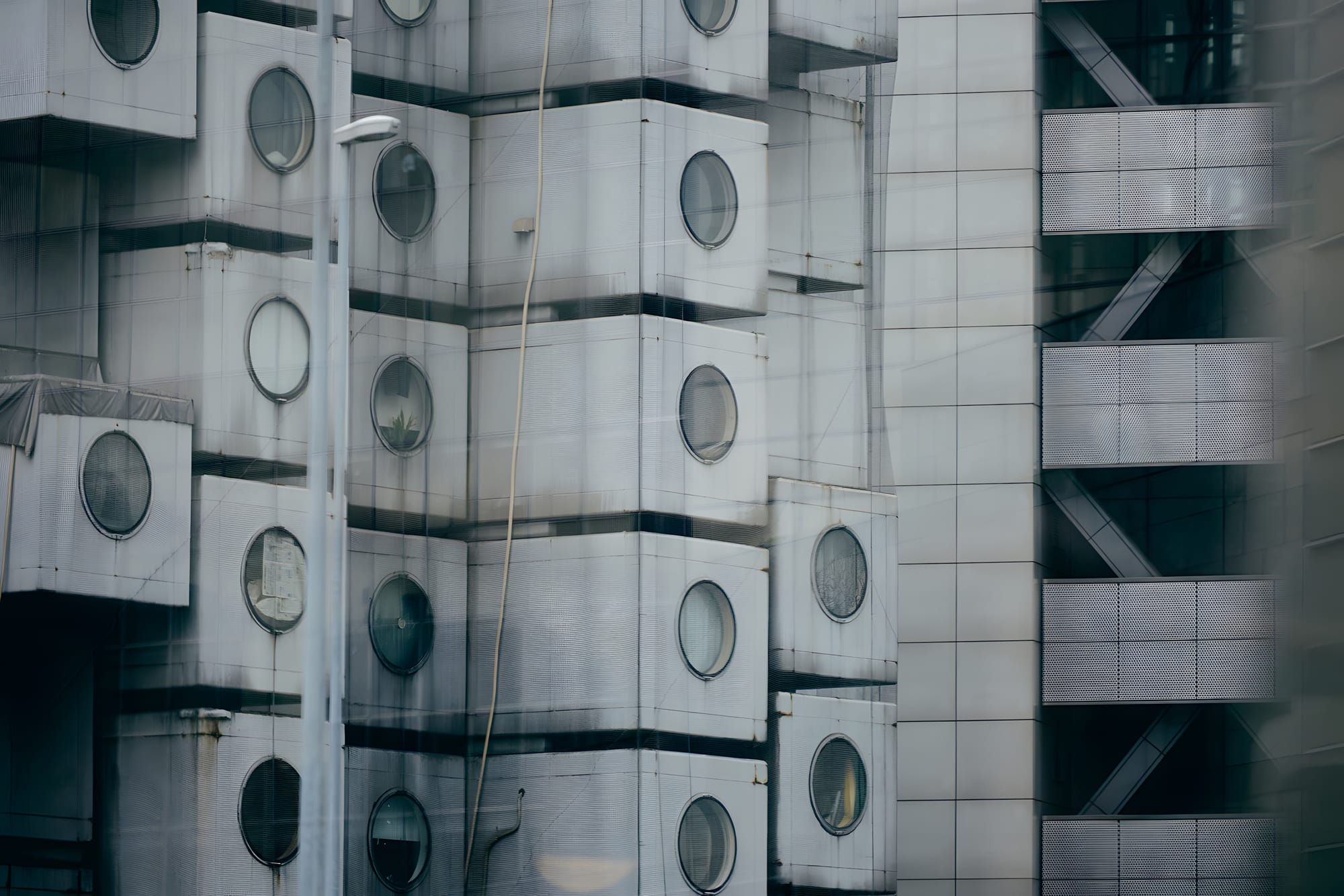
Nakagin Capsule Tower — Exterior Detail, Tokyo 2016
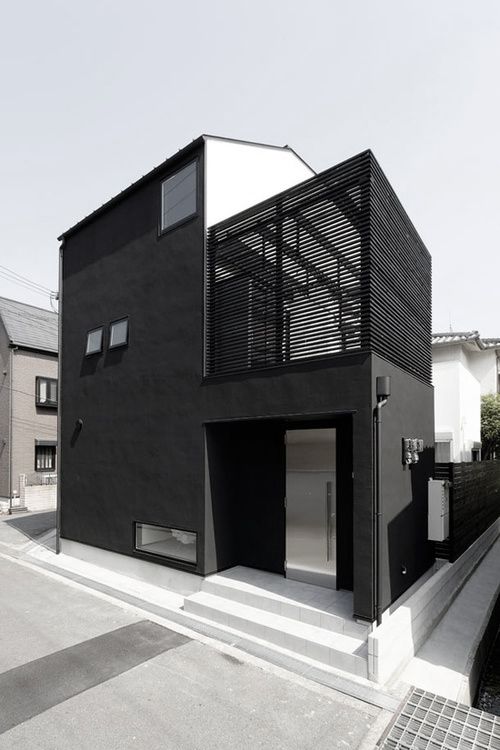
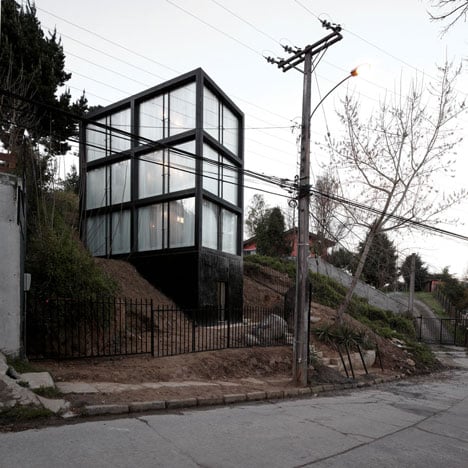
black house with stainless steel door
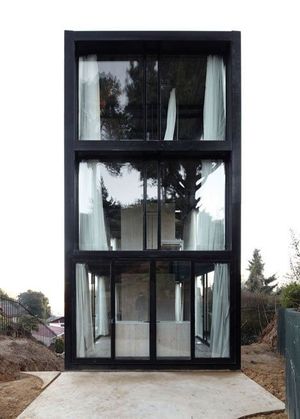
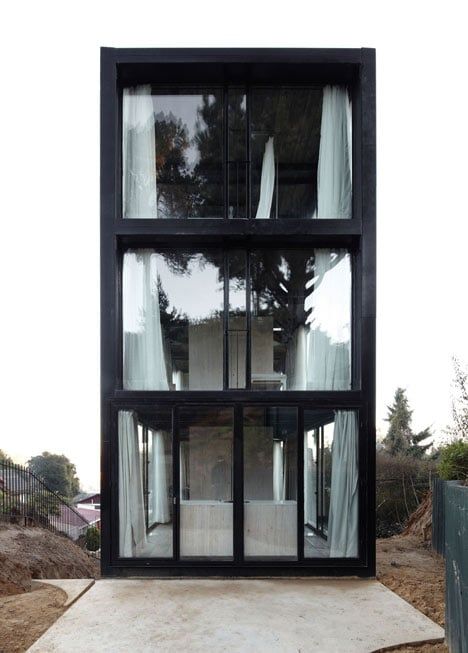
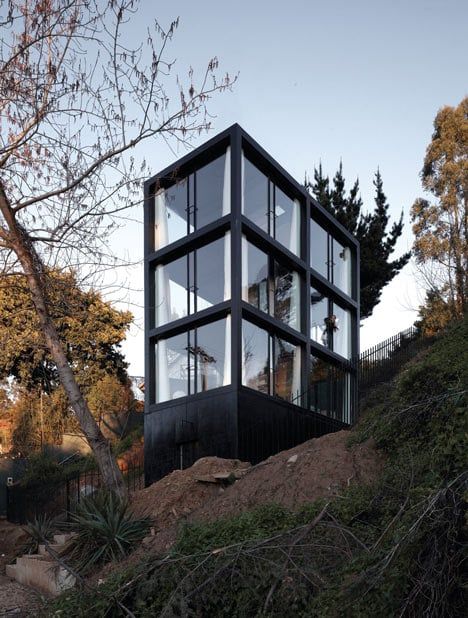
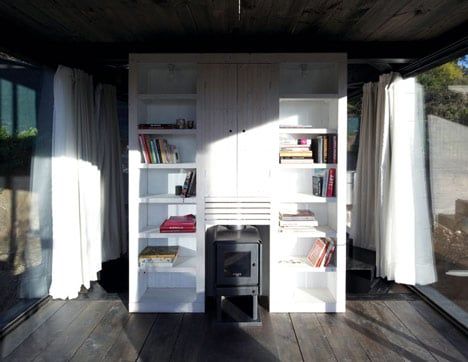
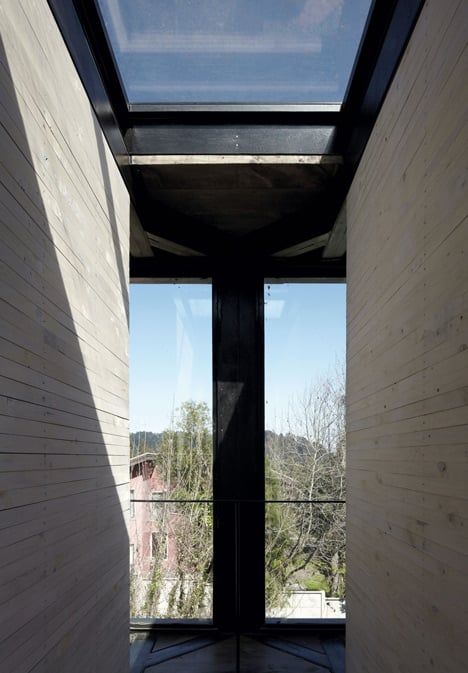
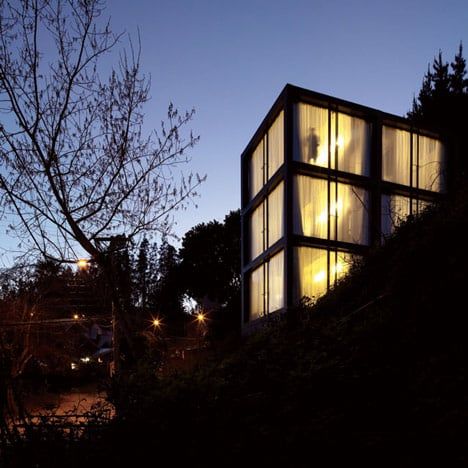
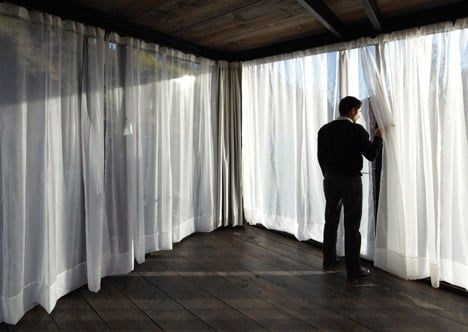
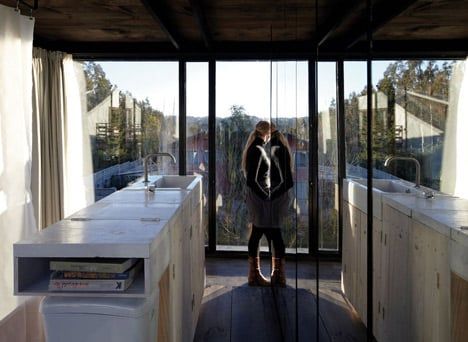
Earthquake-proof house on a hillside in western Chile by architects Pezo von Ellrichshausen
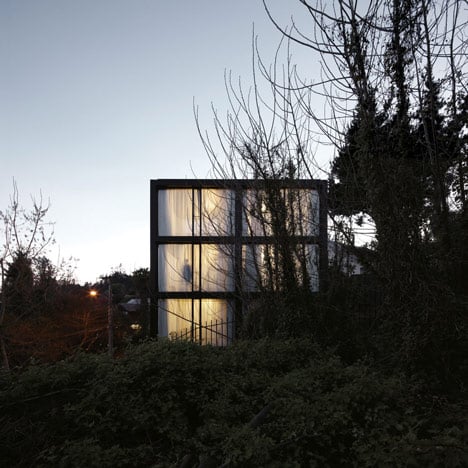
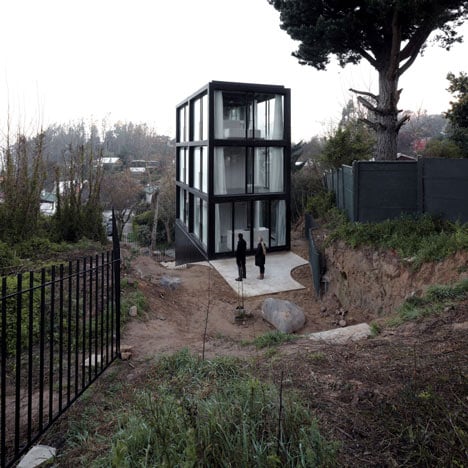
This earthquake-proof house on a hillside in western Chile by architects Pezo von Ellrichshausen has six rooms with glass walls (+ photos by Cristobal Palma).
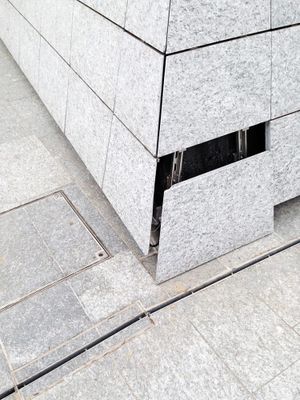
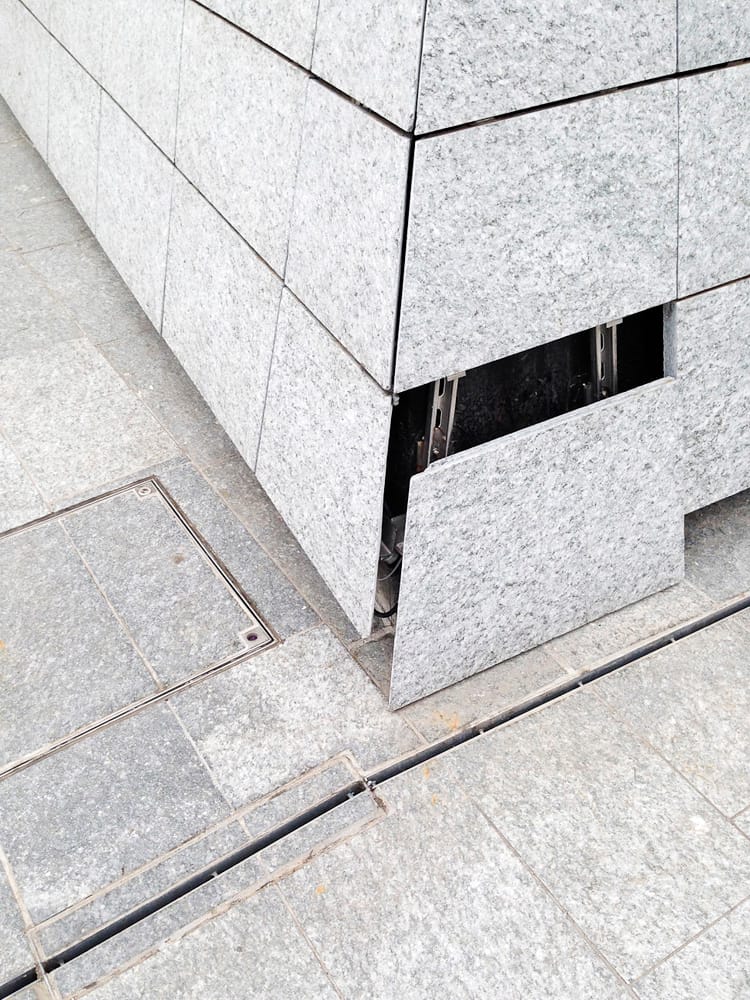
Anti-Skateboarding Deterrents — Granite Architecture Detail
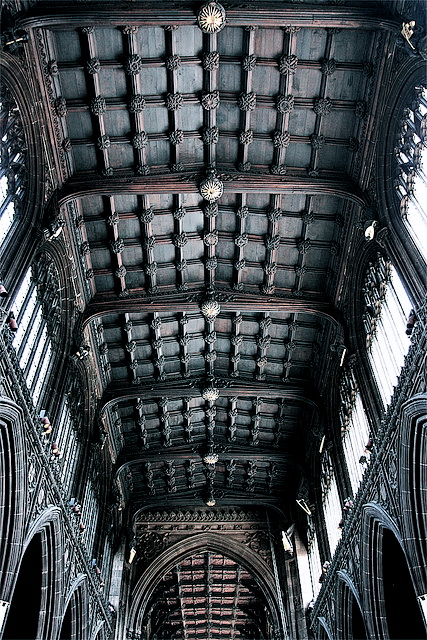
Manchester Cathedral Wooden ceiling
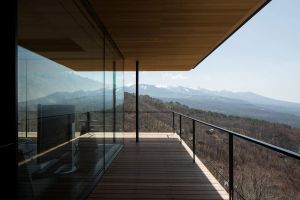
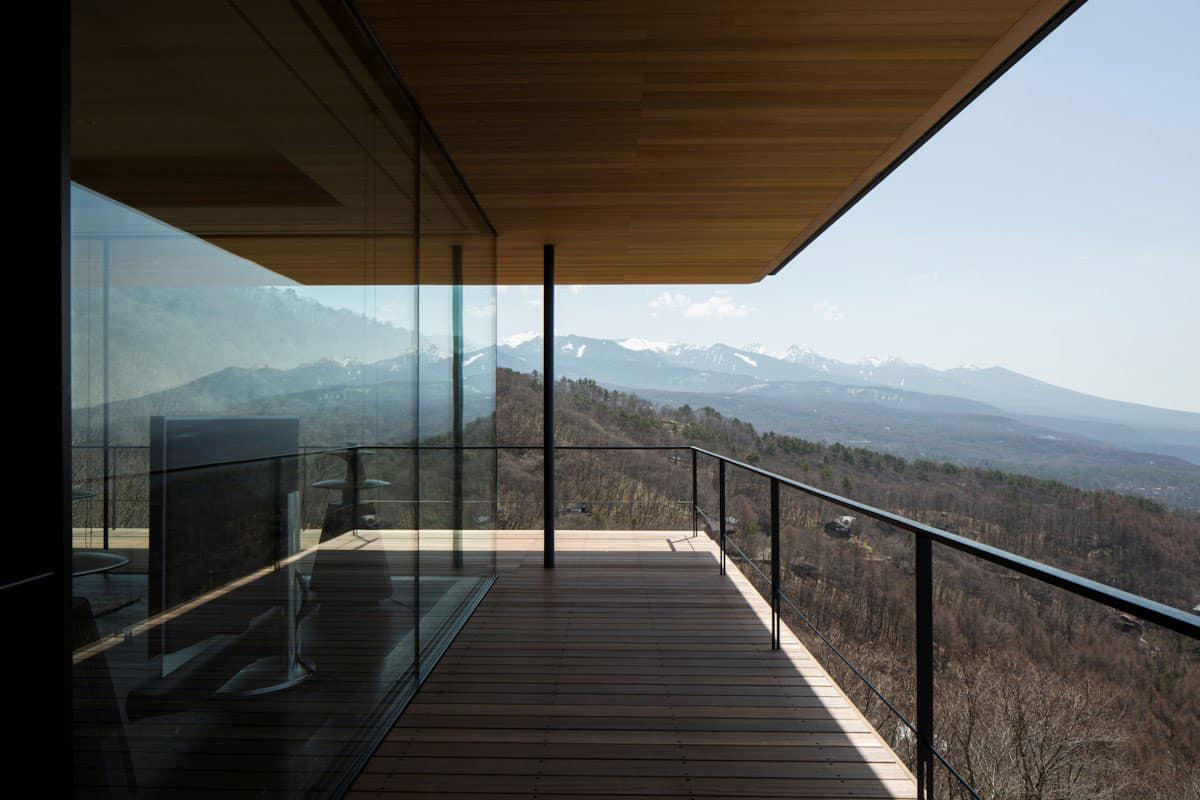
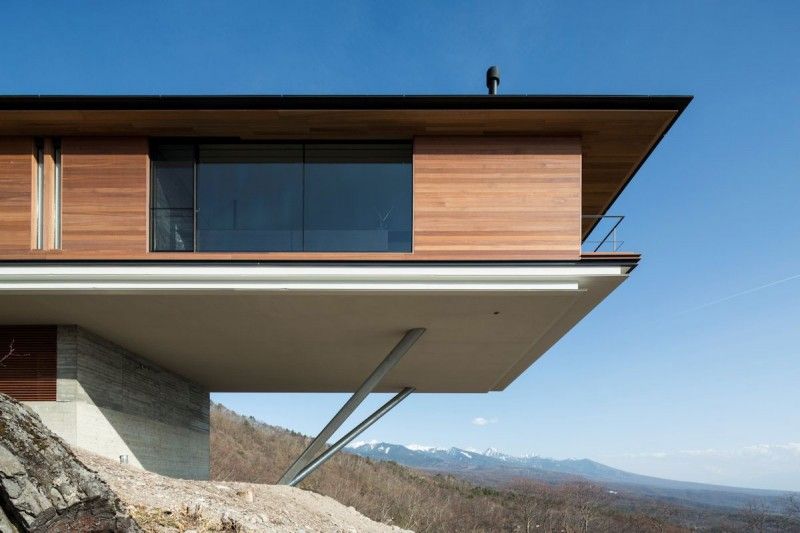
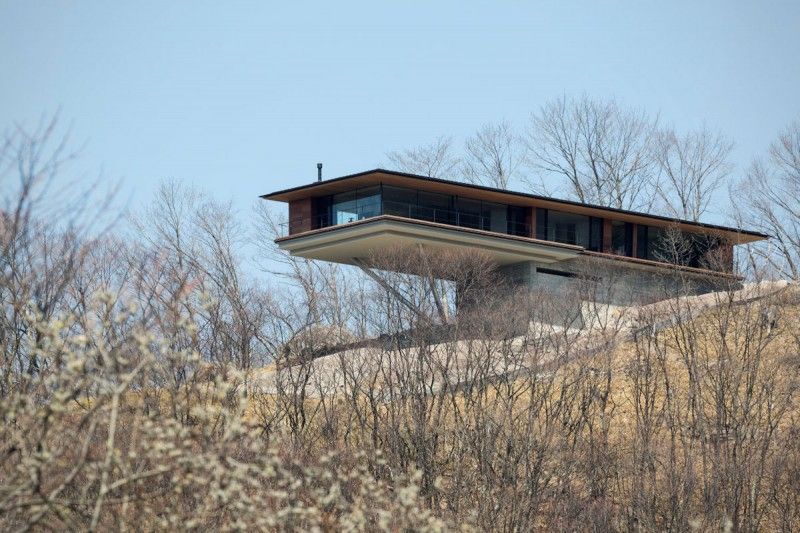
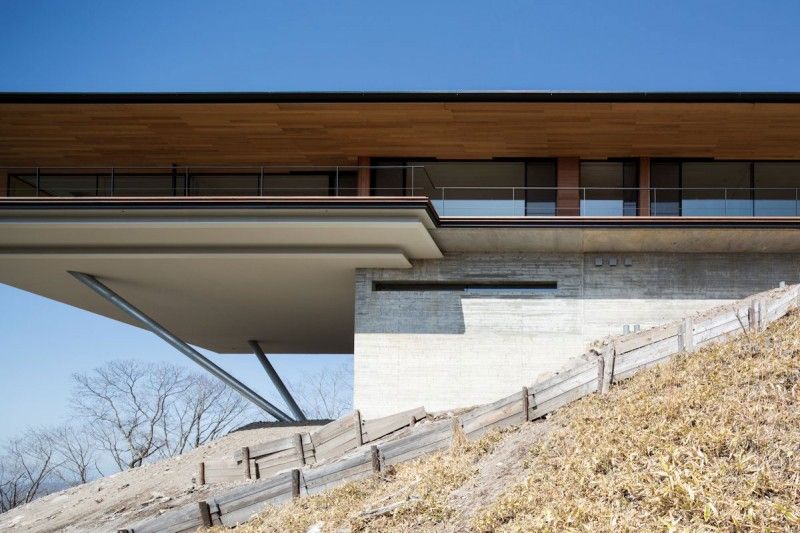
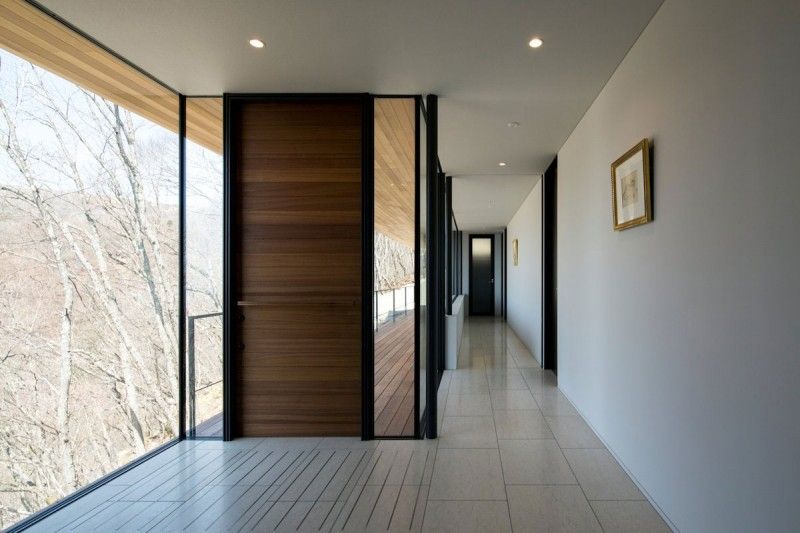
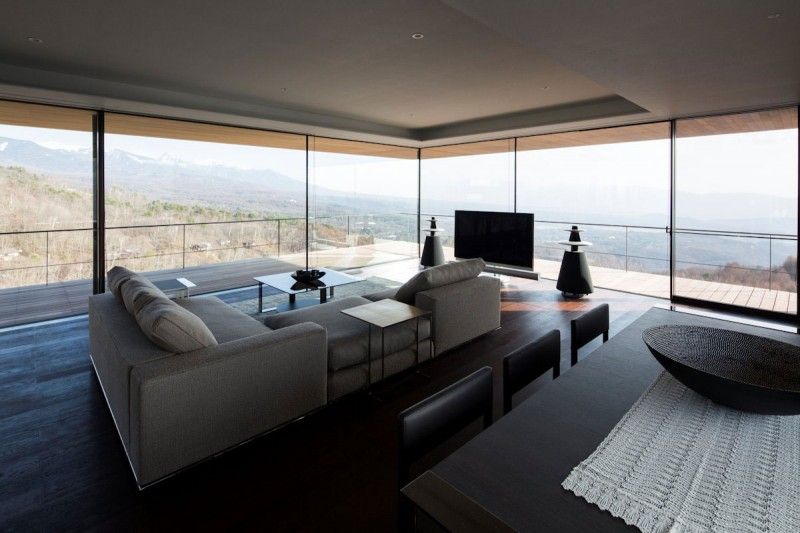
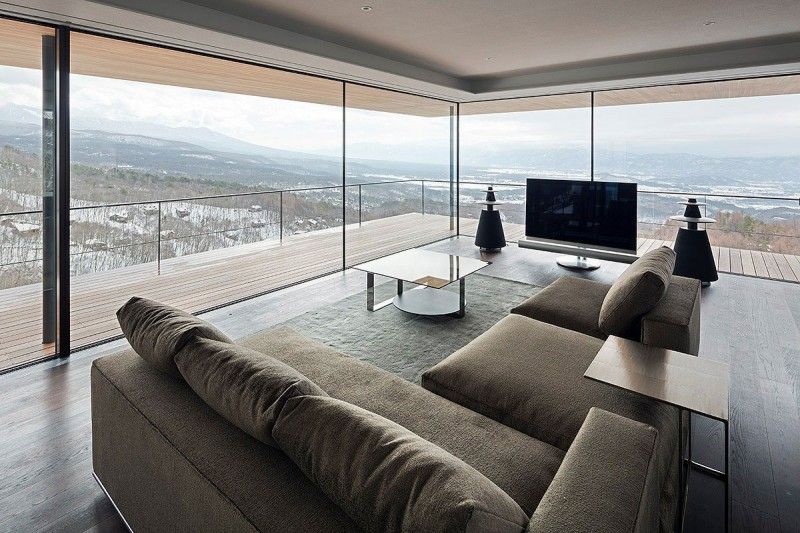
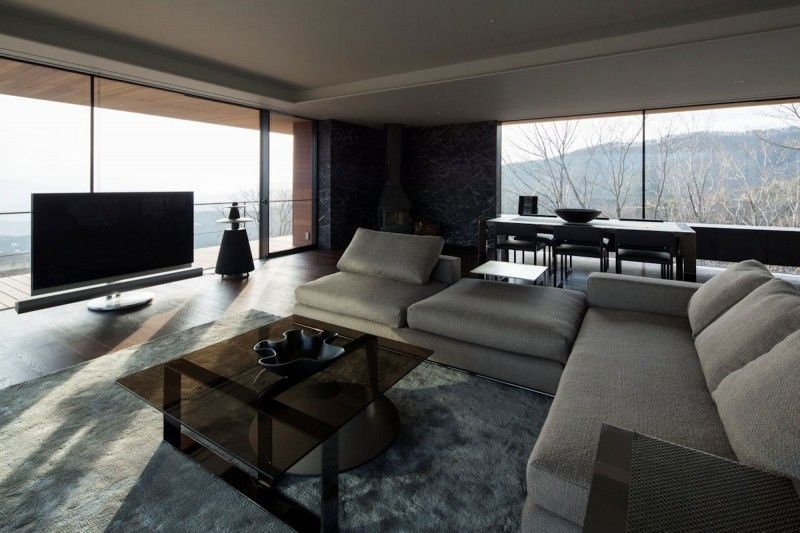
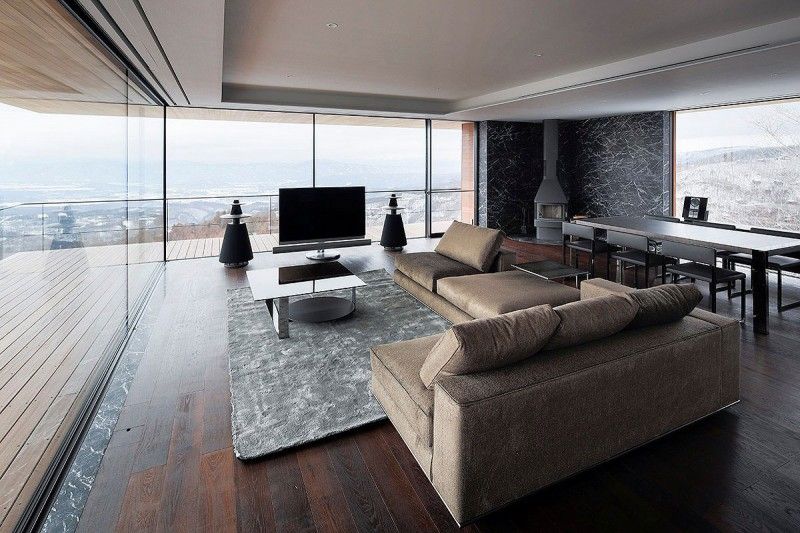
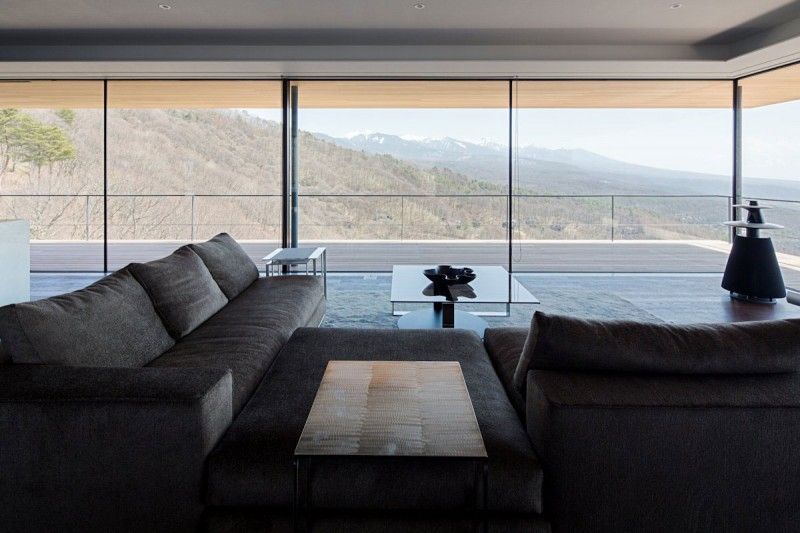
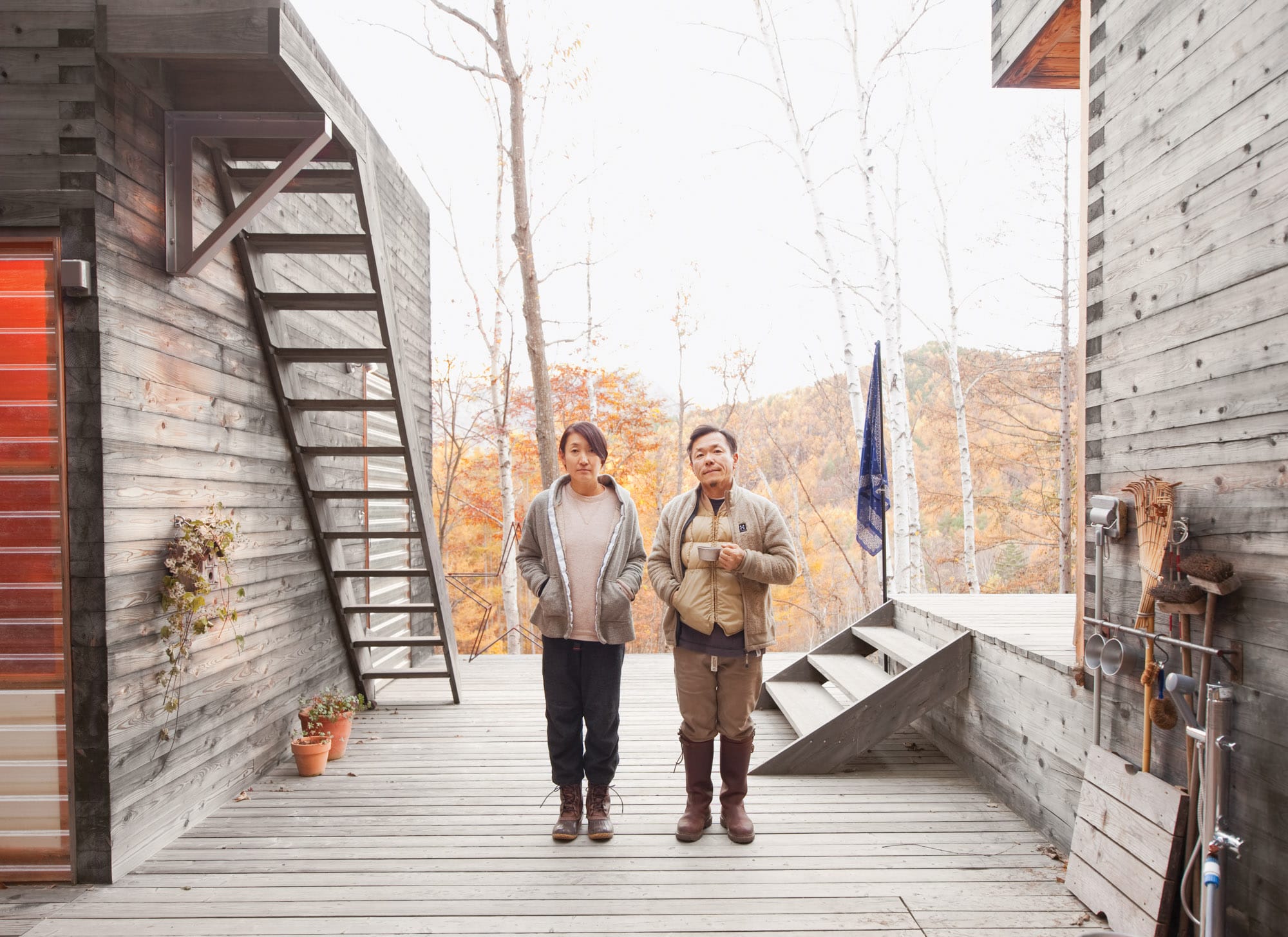
House in Yatsugatake by Kidosaki Architects Studio
This private residence was designed by Kidosaki Architects Studio. It is located on the edge of the Yatsugatake Mountains in Nagano, Japan.
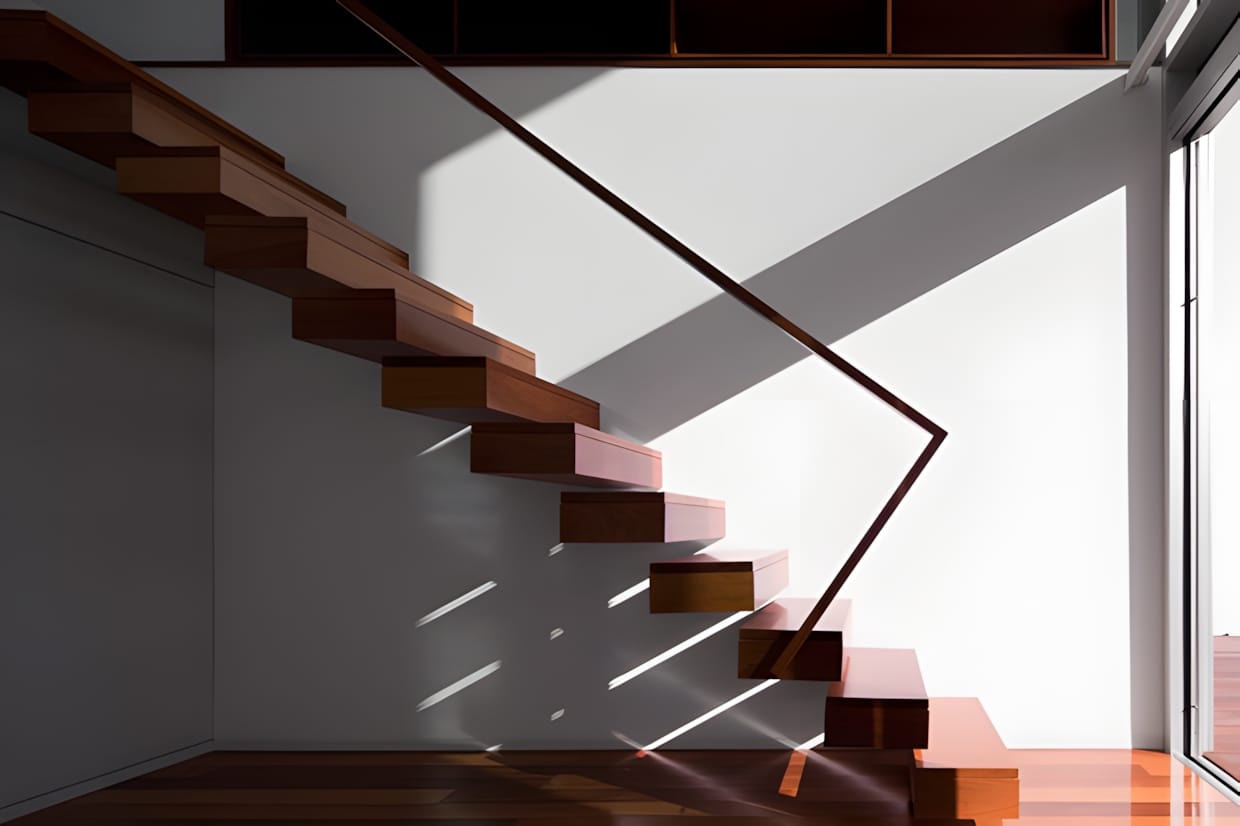
Floating Timber Staircase with Angular Steel Rail
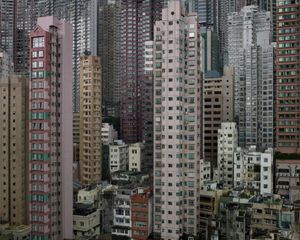
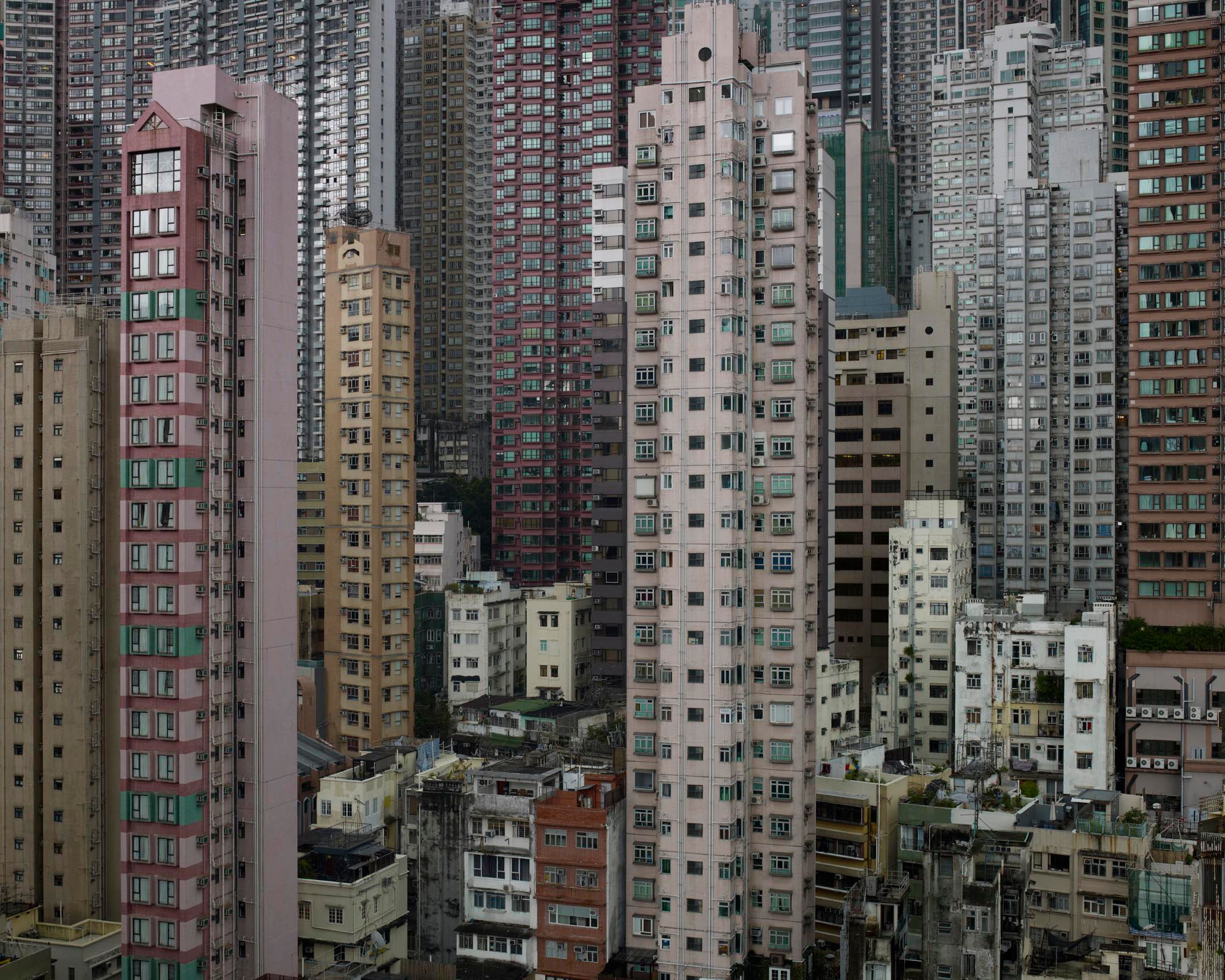
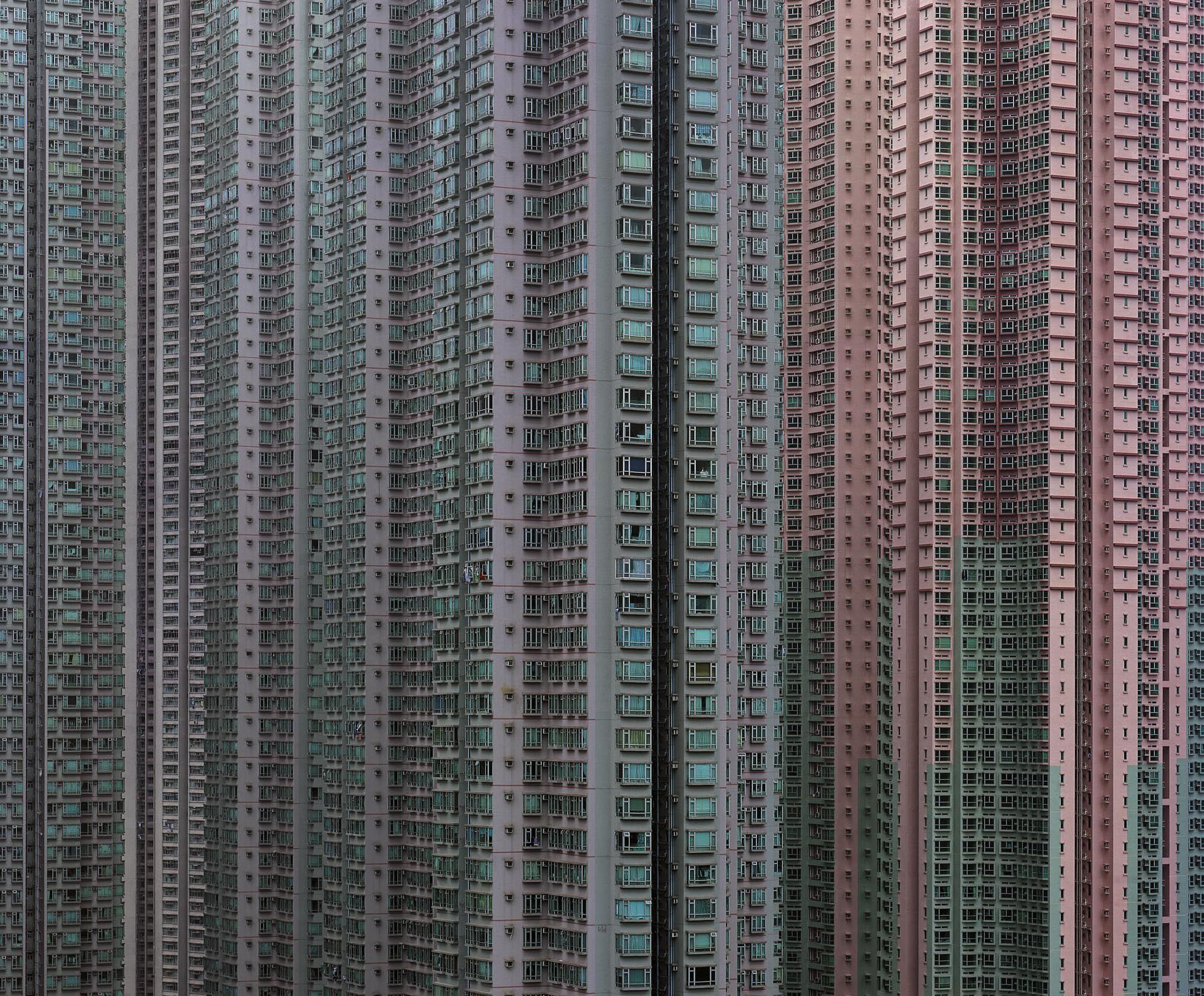
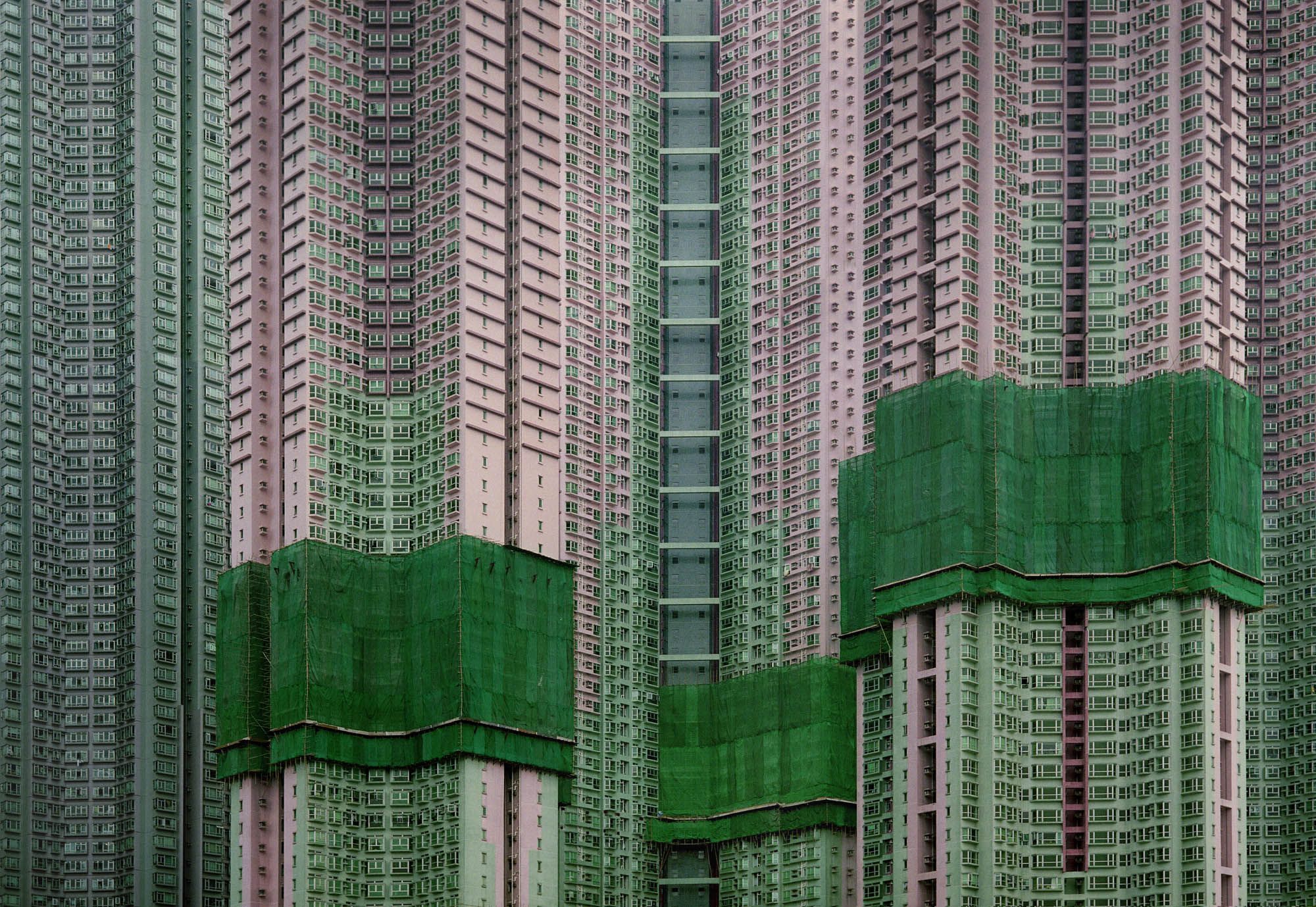
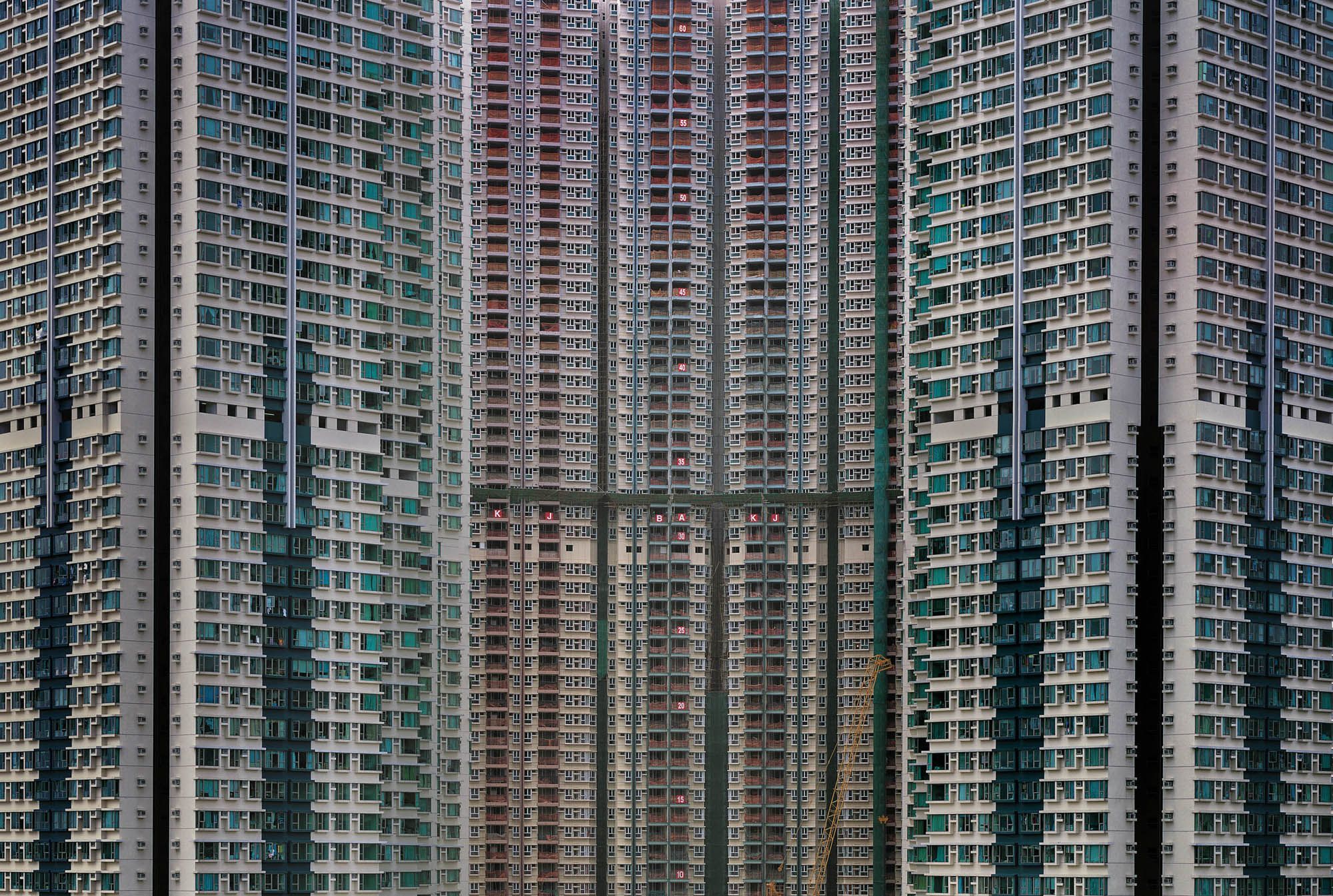
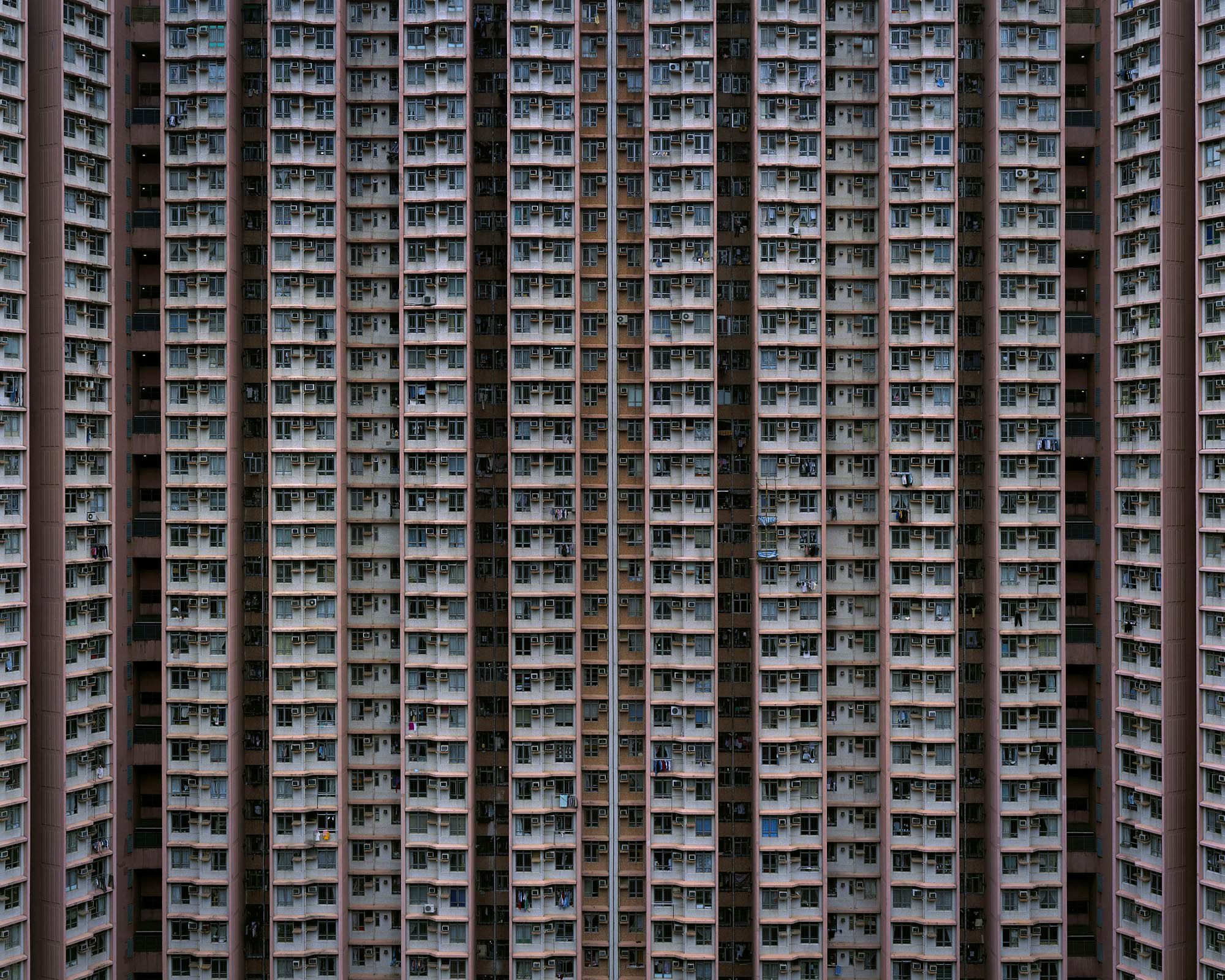
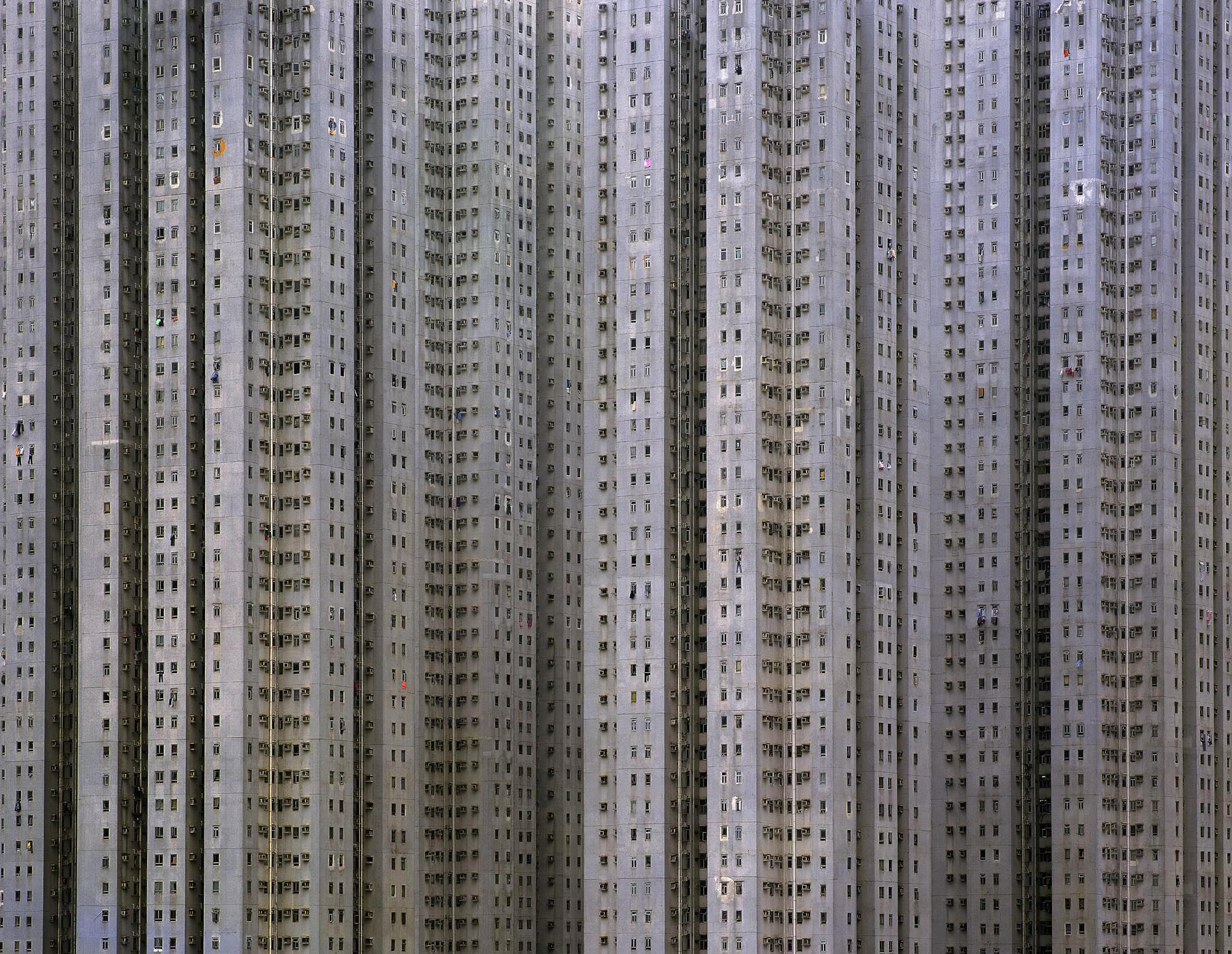
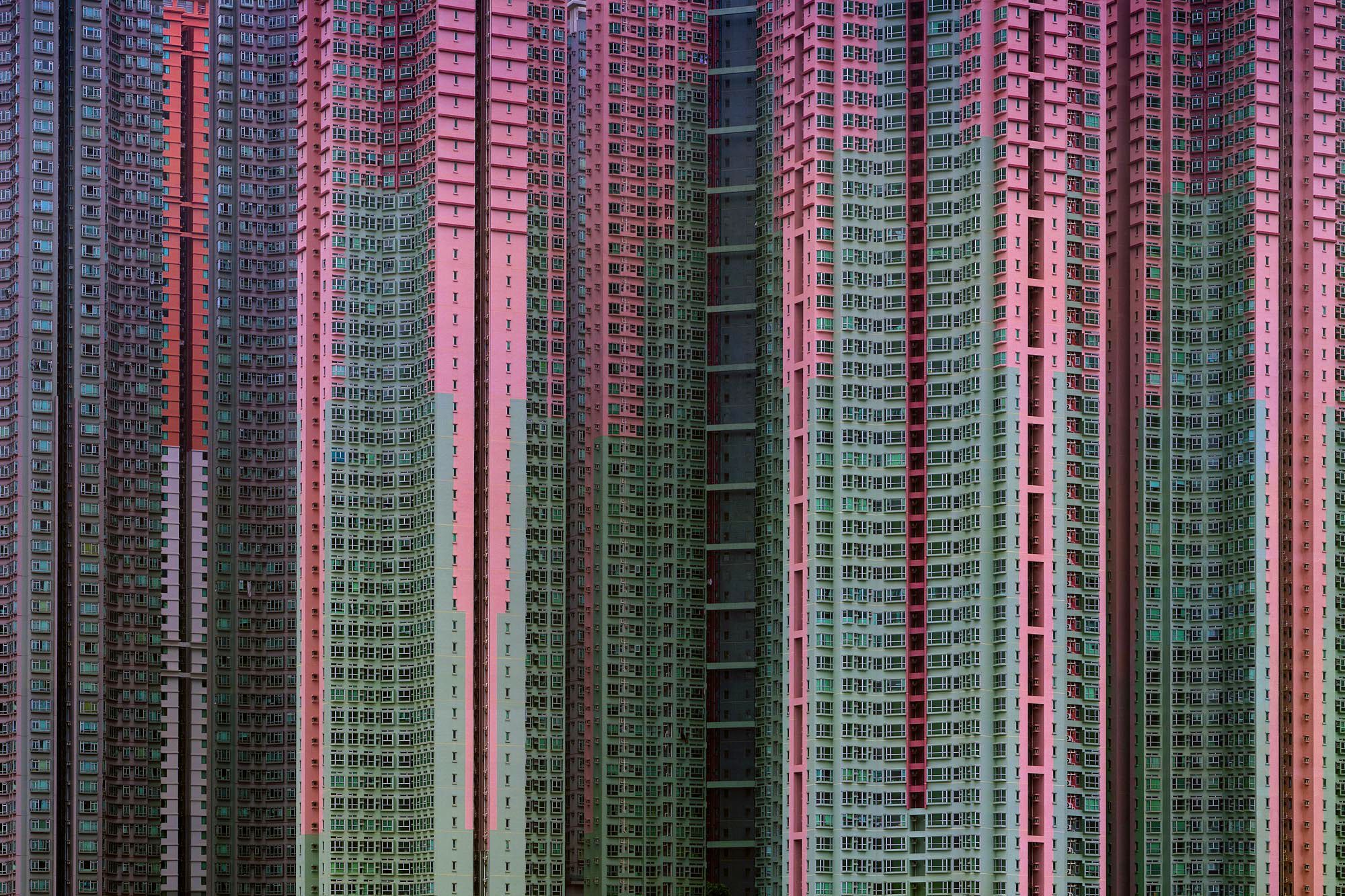
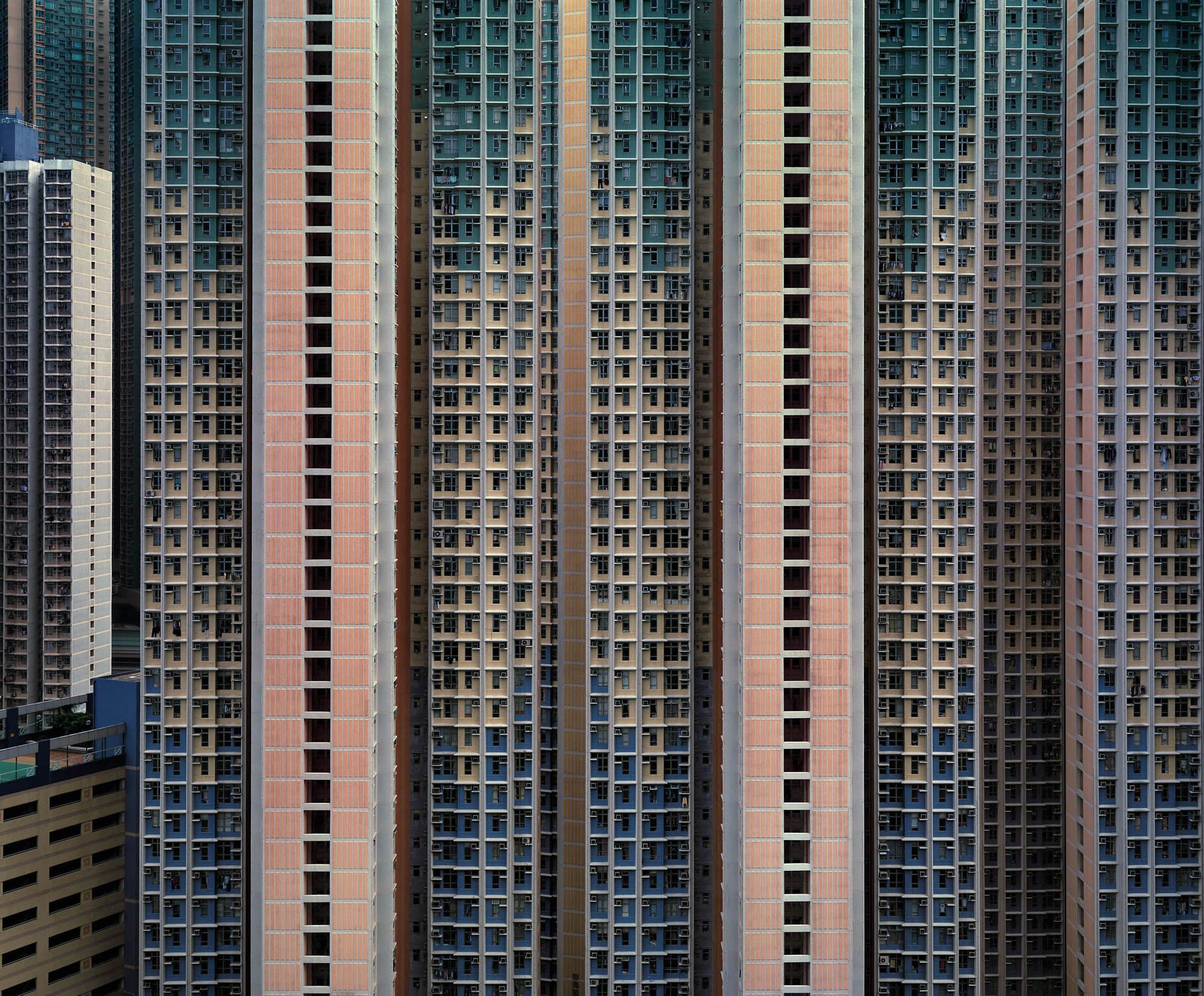
Michael Wolf Architecture of Density
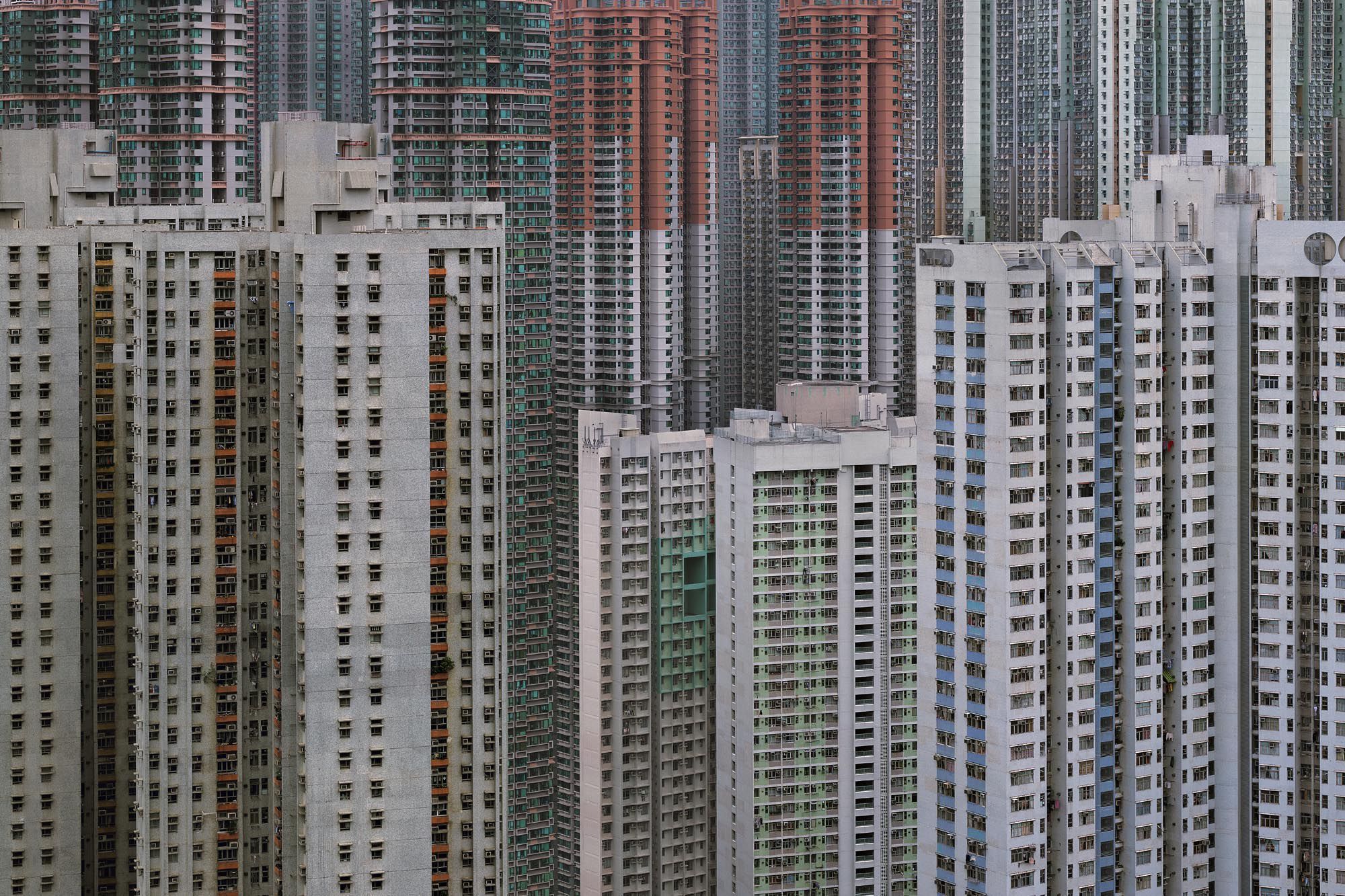
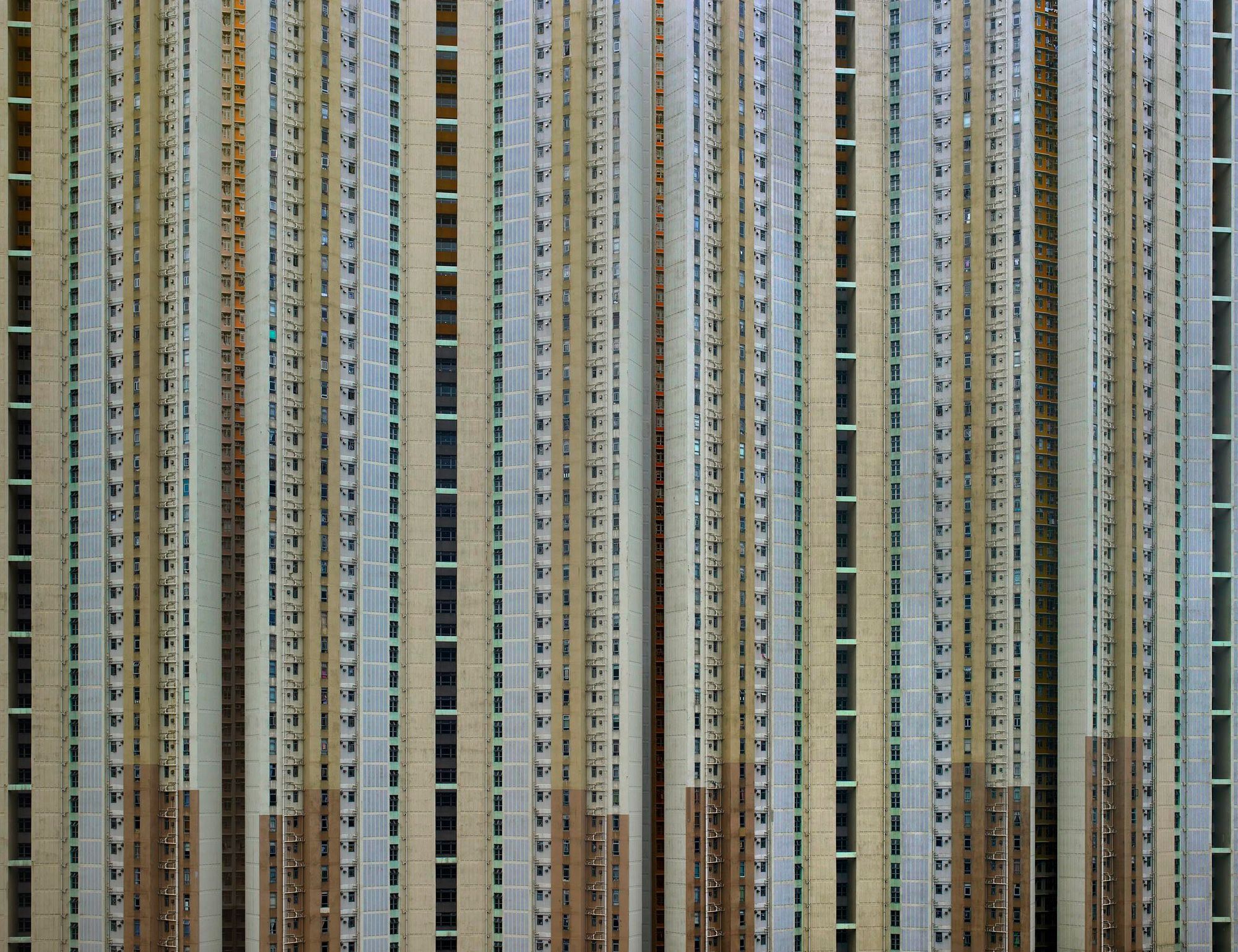
One of the most densely populated metropolitan areas in the world, Hong Kong has an overall density of nearly 6,700 people per square kilometer. The majority of its citizens live in flats in high-rise buildings, whose units can house as many as 10,000 people.
In Architecture of Density, Michael investigates these enormous city blocks, finding a mesmerizing abstraction in the buildings’ facades. The structures in the series are photographed without reference to the context of sky or ground, and many buildings are seen in a state of repair or construction: their walls covered with a grid of scaffolding or the soft coloured curtains that protect the streets below from falling debris. From a distance, such elements become a part of an intricate design. Upon closer inspection of each photograph, the anonymous public face of the city is full of rewarding detail – public space is private space, large swatches of colour give way to smaller pieces of people’s lives. The trappings of the people are still visible here: their days inform the detail of these buildings. Bits of laundry and hanging plants pepper the tiny rectangles of windows- the only irregularities in this orderly design. The images of Architecture of Density give one an inkling of what our cities could look like if grown continues unchecked.
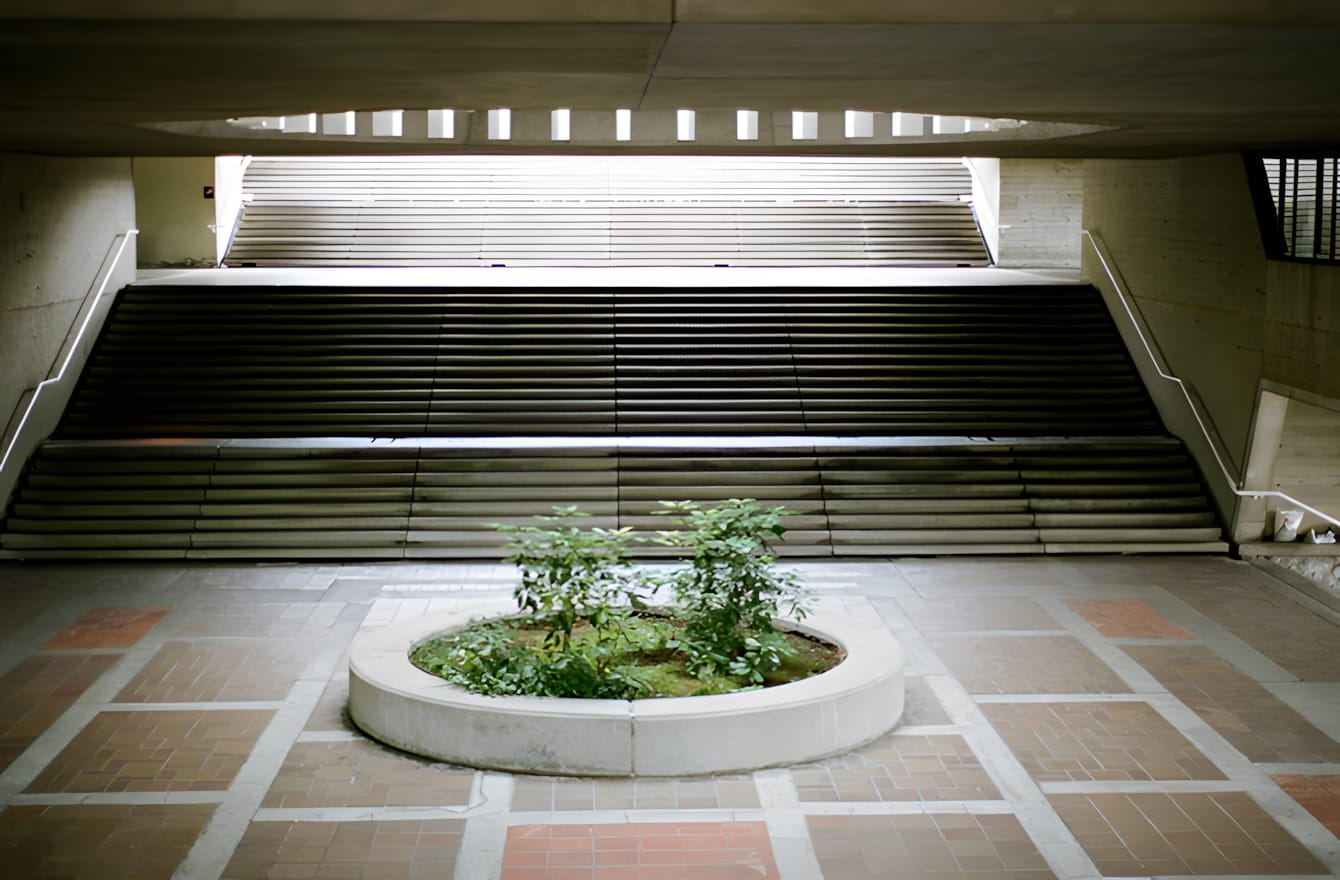
Urbastyle Bench Paris 1 — La Défense
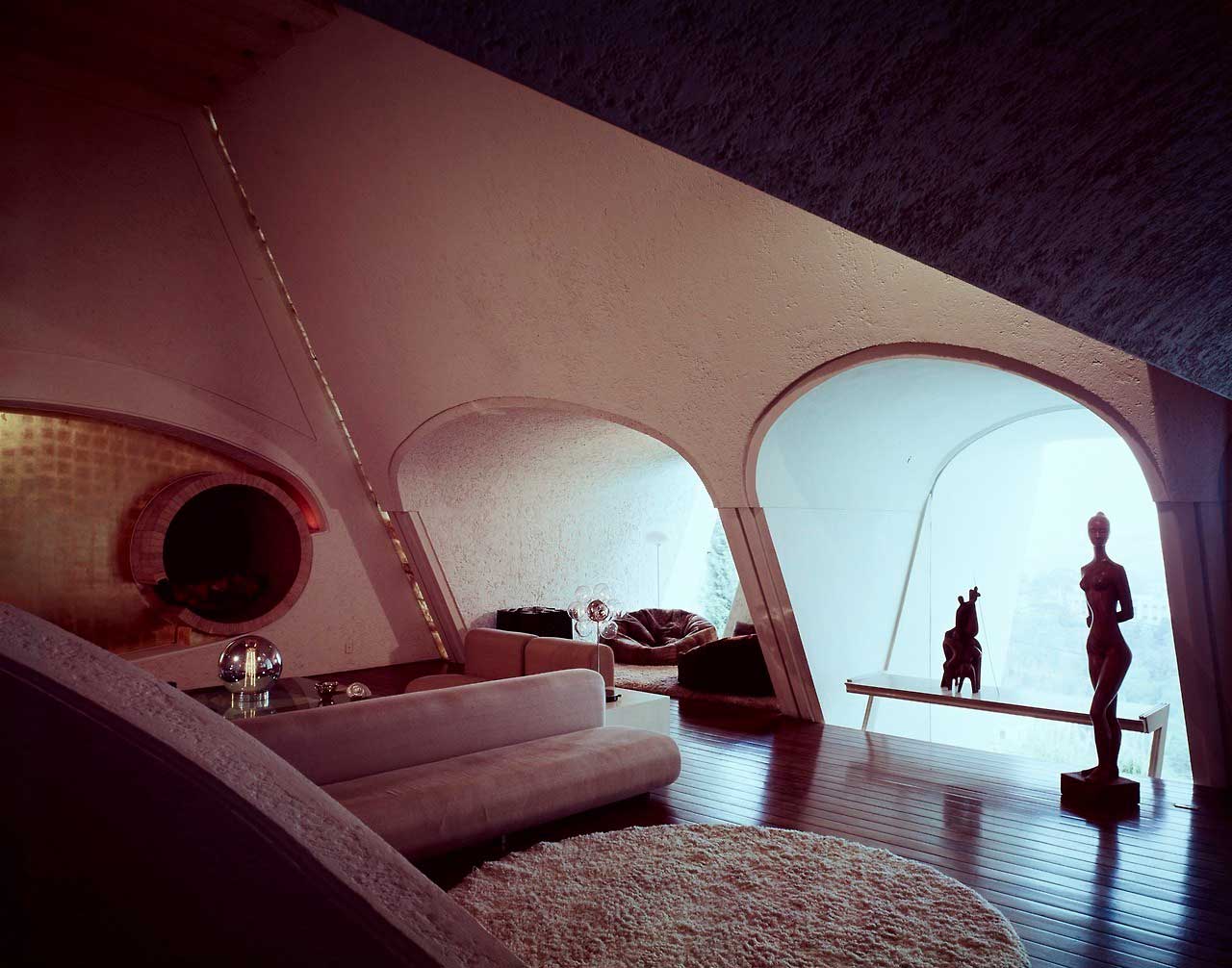
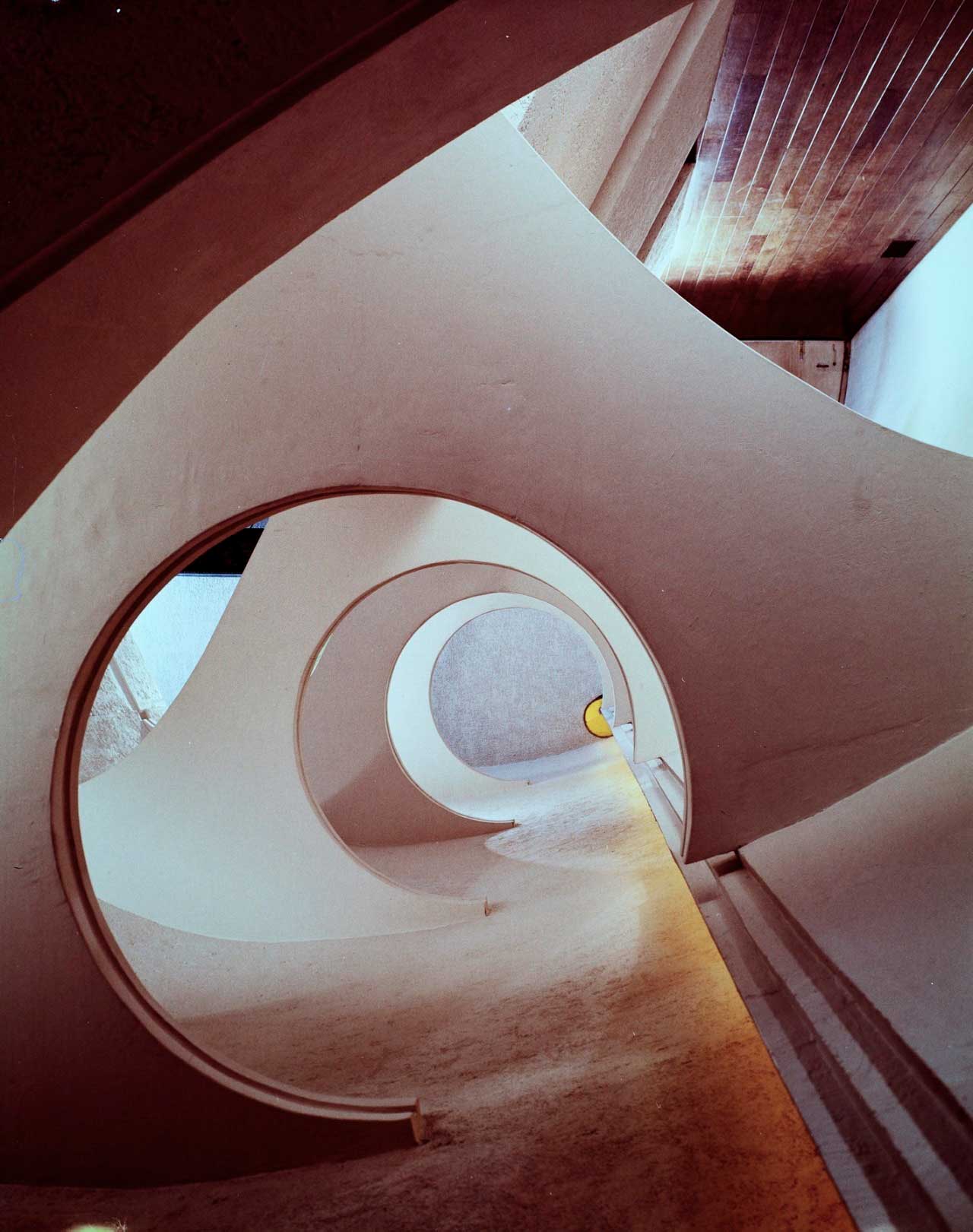
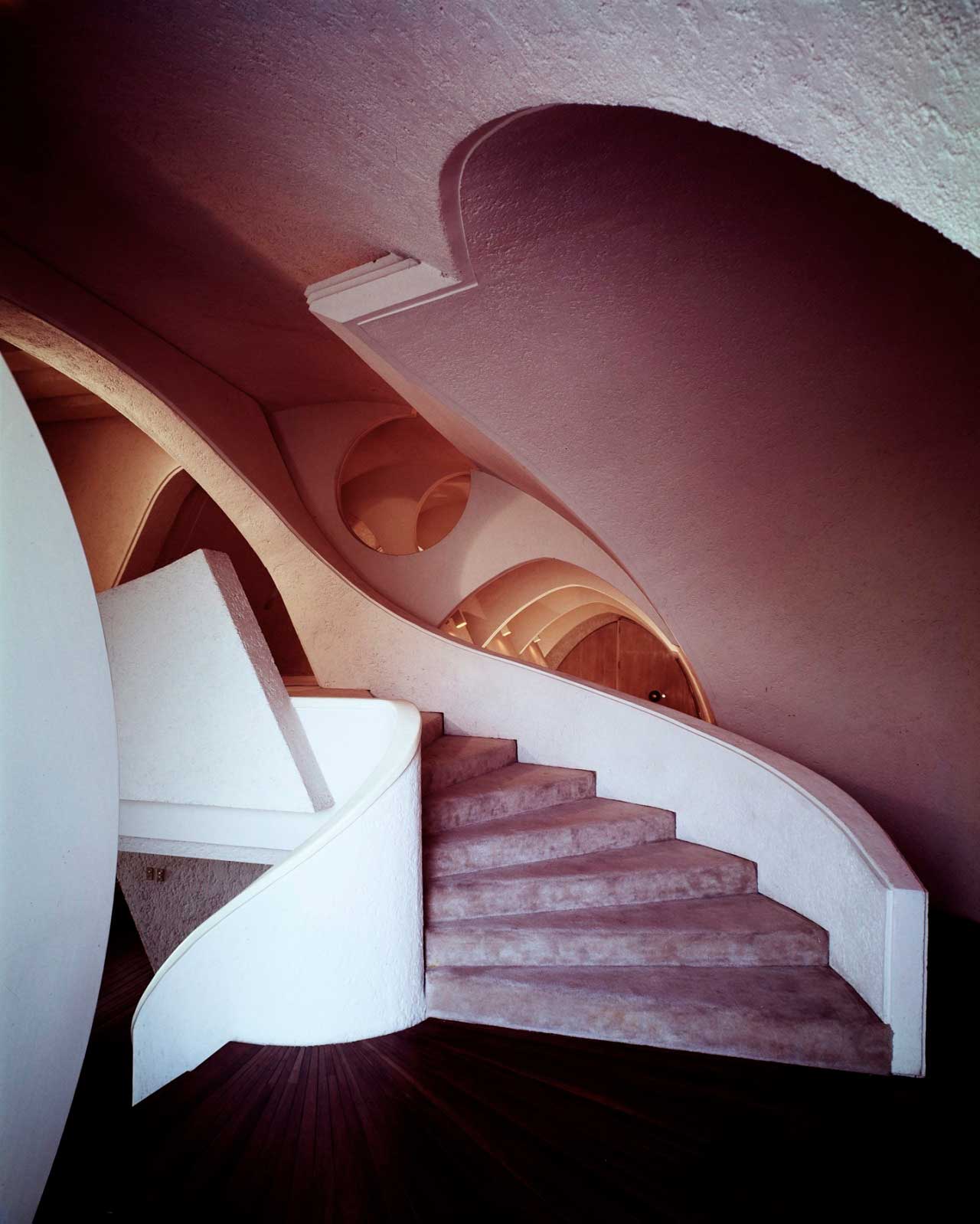
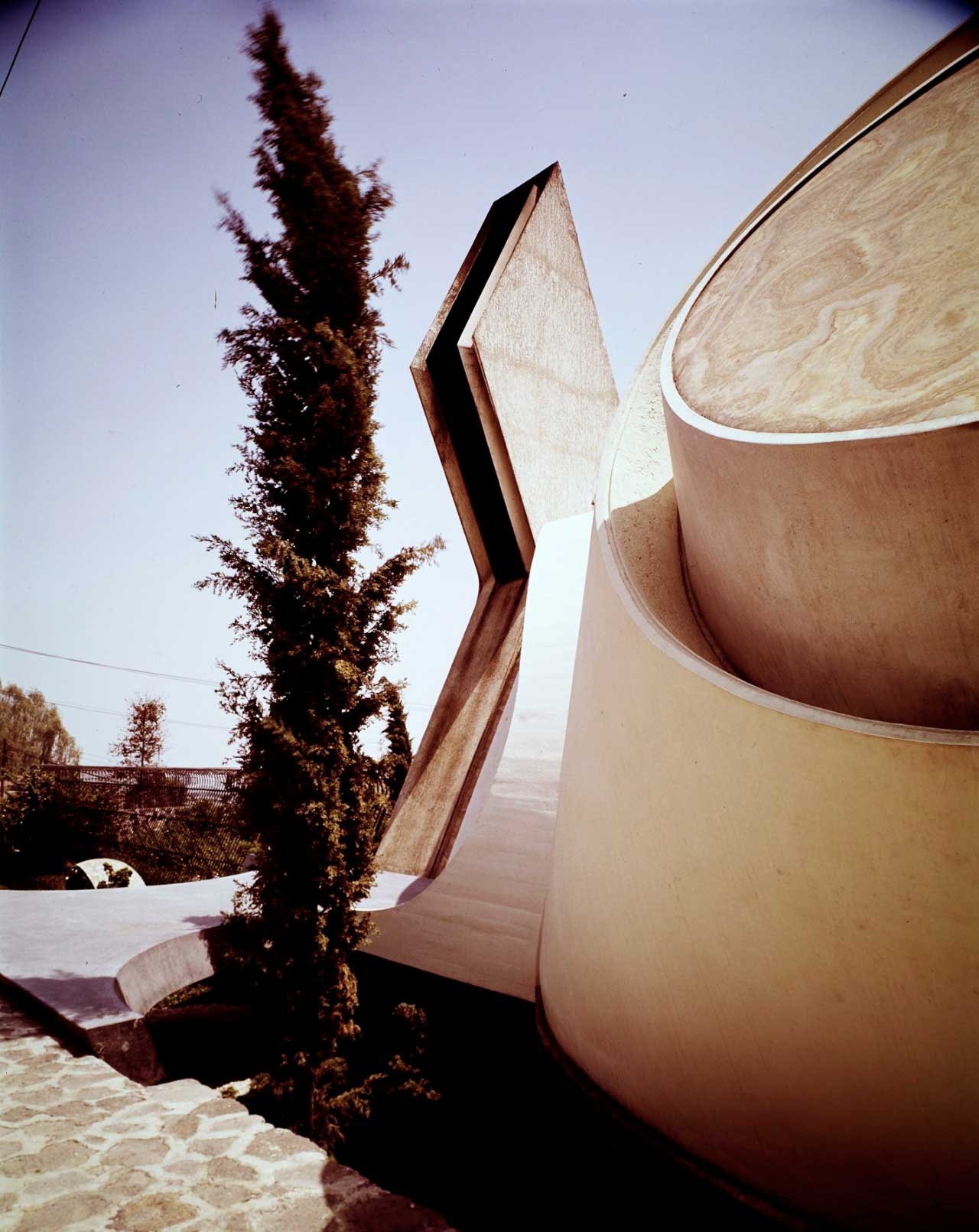
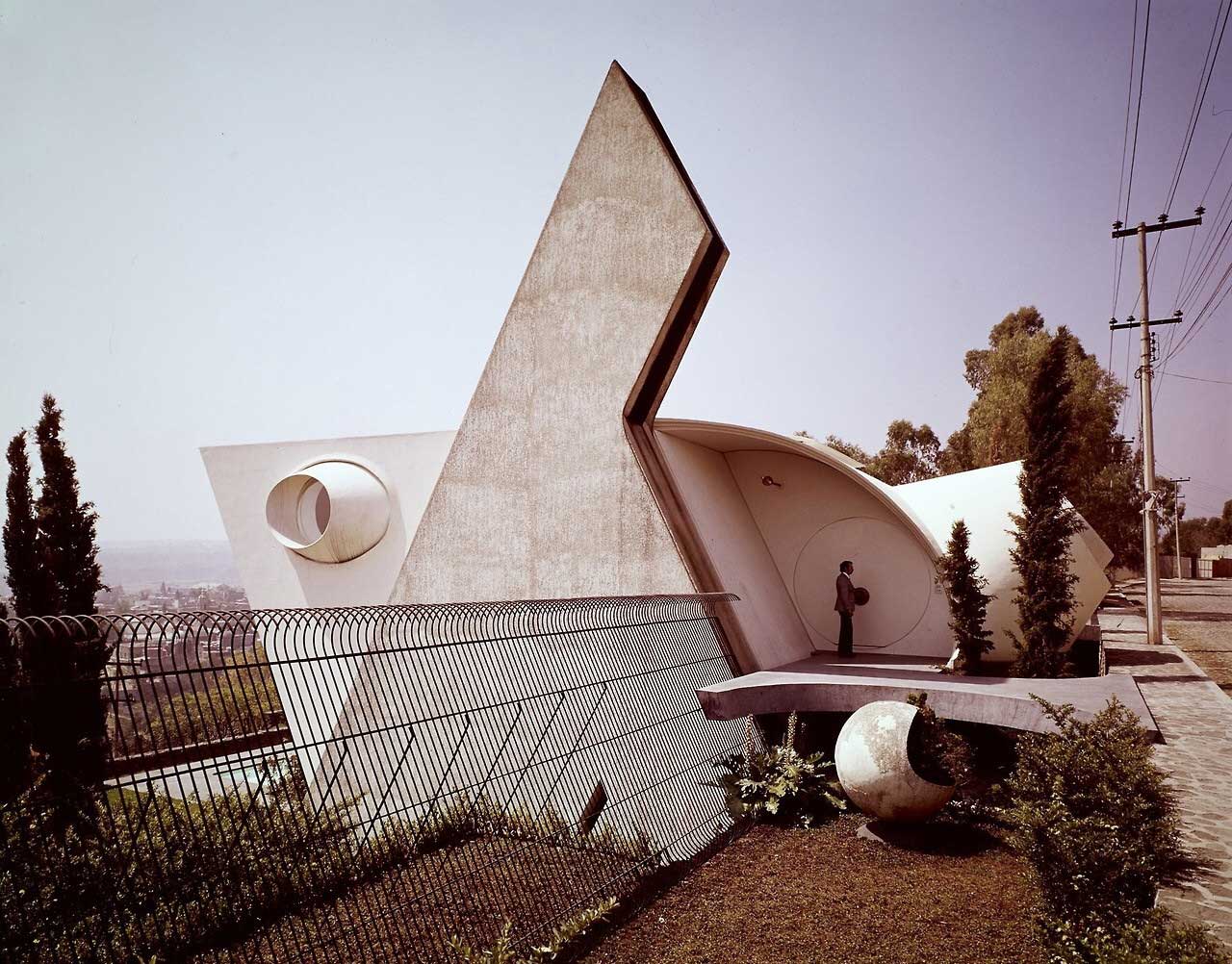
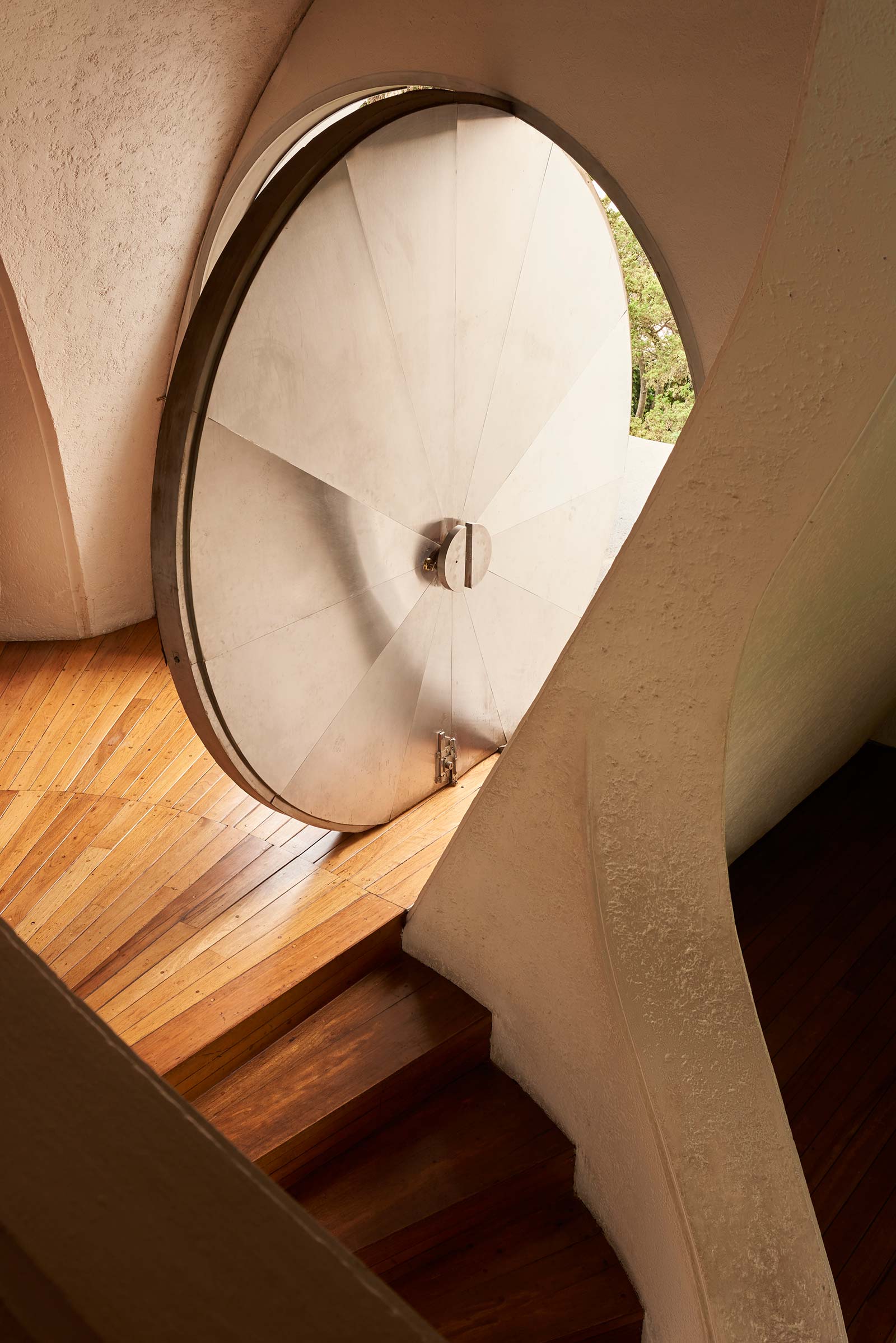
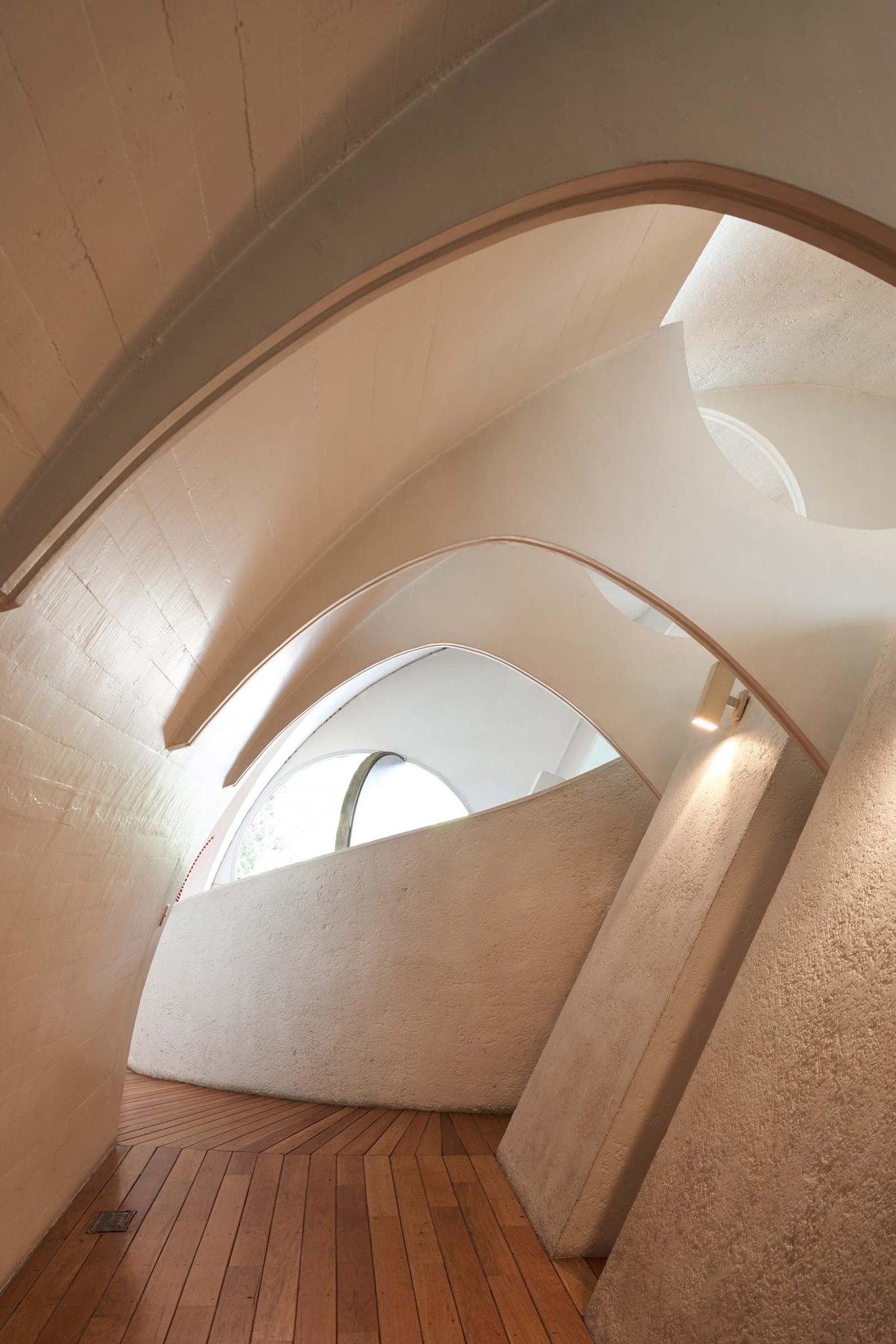
Amalia Hernández House / Agustín Hernández Navarro
Agustín Hernández Navarro is a Mexican sculptor and architect born in Mexico City. He is the son of politician Lamberto Hernández and Amalia Navarro and studied at the National Autonomous University of Mexico. Leading exponent of “emotional” architecture in his country, Hernandez has fused elements from Mexico’s Pre-columbian past in his contemporary architecture. He usually starts by designing the vertical elements of a building, such as the stairs, as he feels these are of much importance. As organic nature, his architecture unites structure, form, and function.
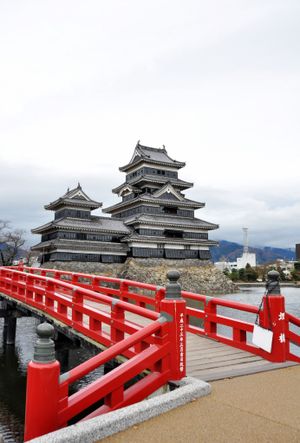
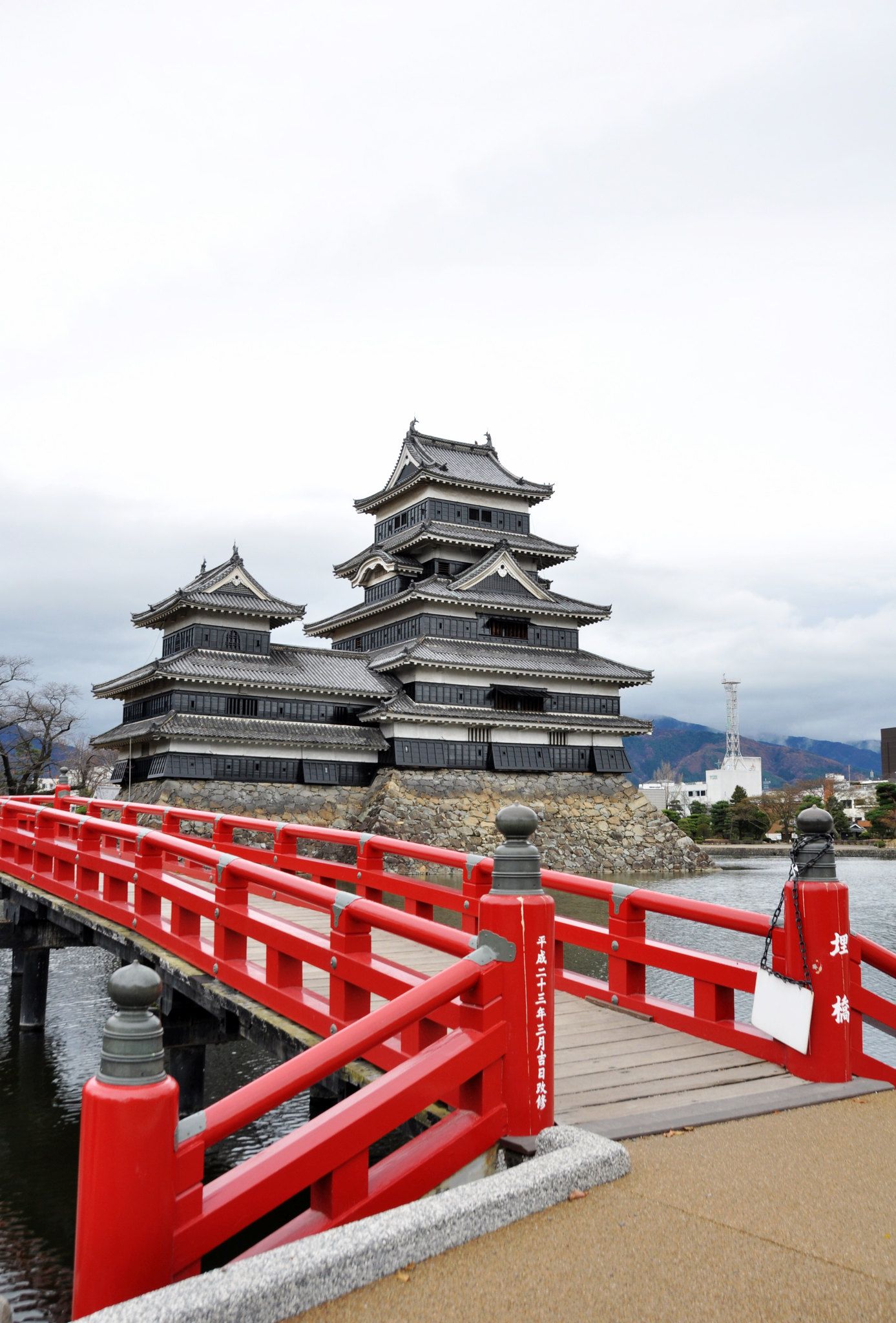
Matsumoto Castle, Nagano Prefecture
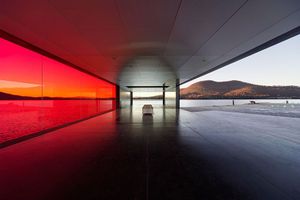
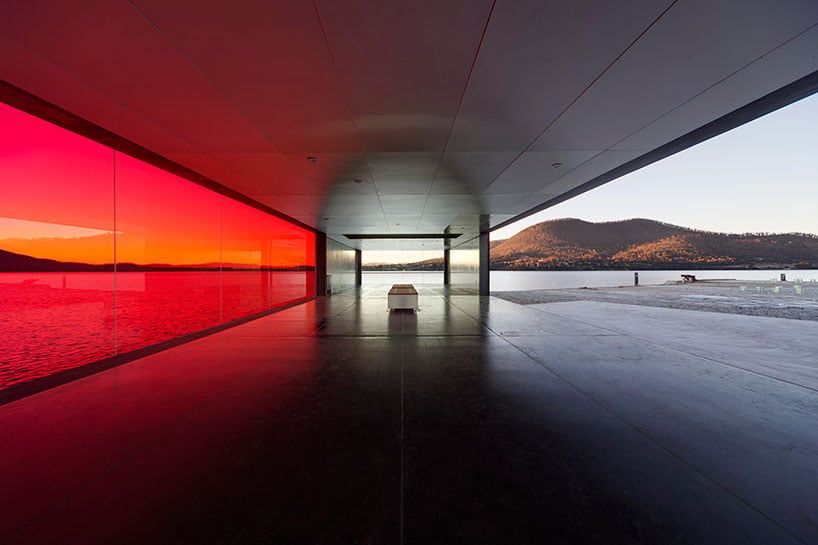
the grove pavillion
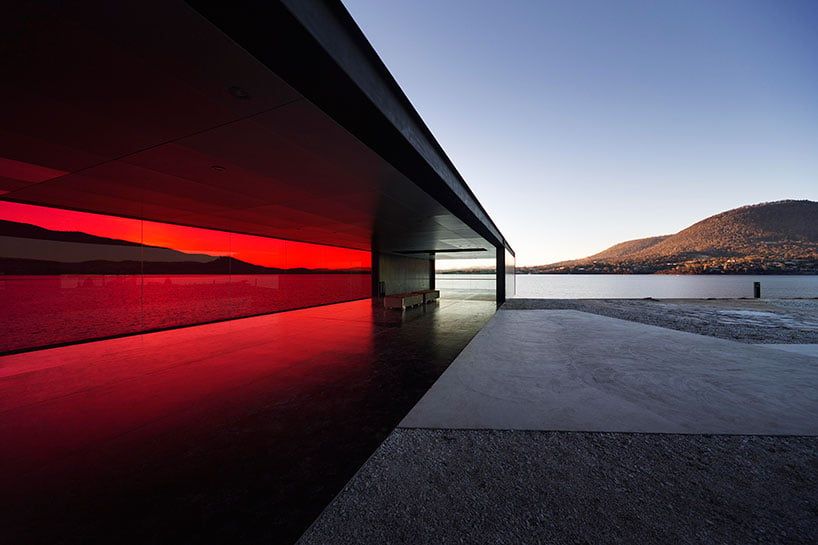
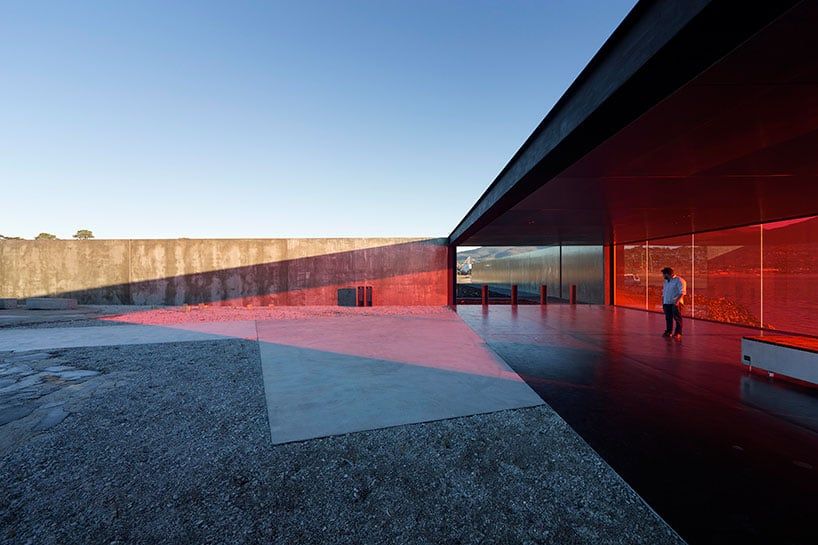
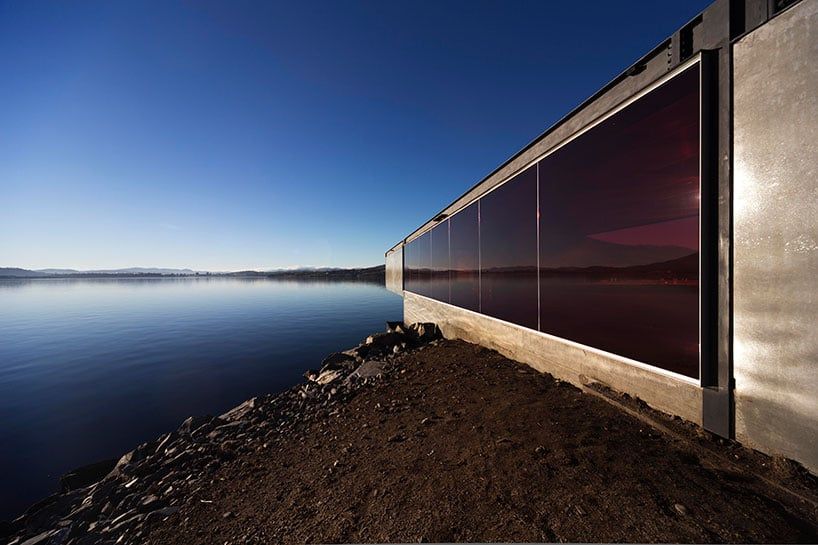
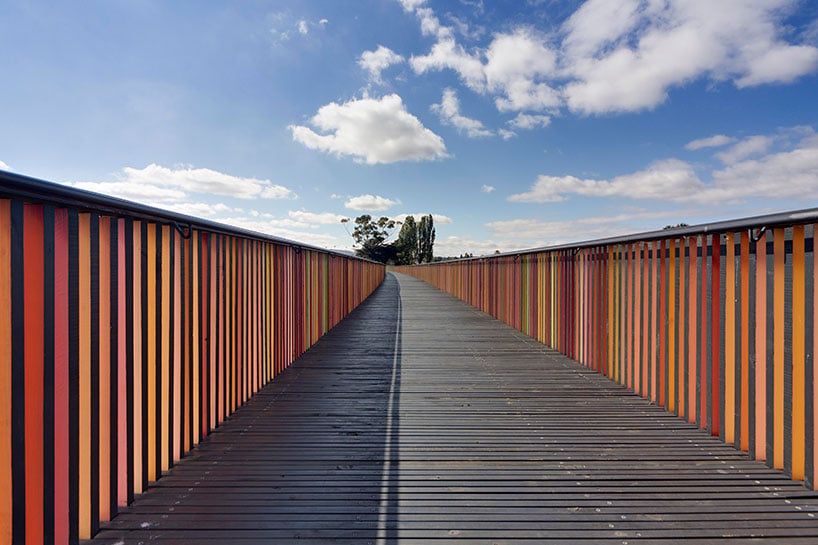
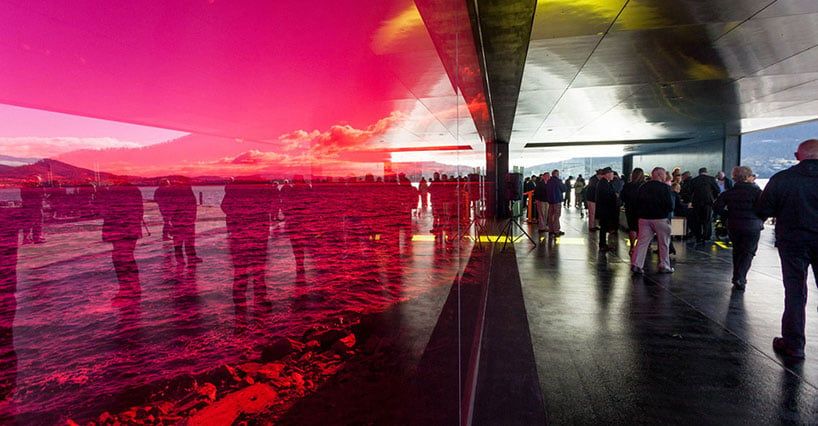
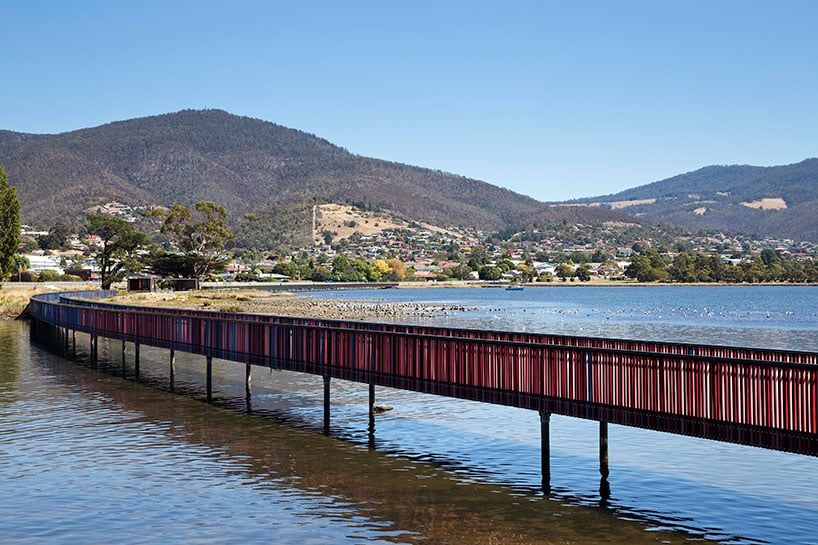
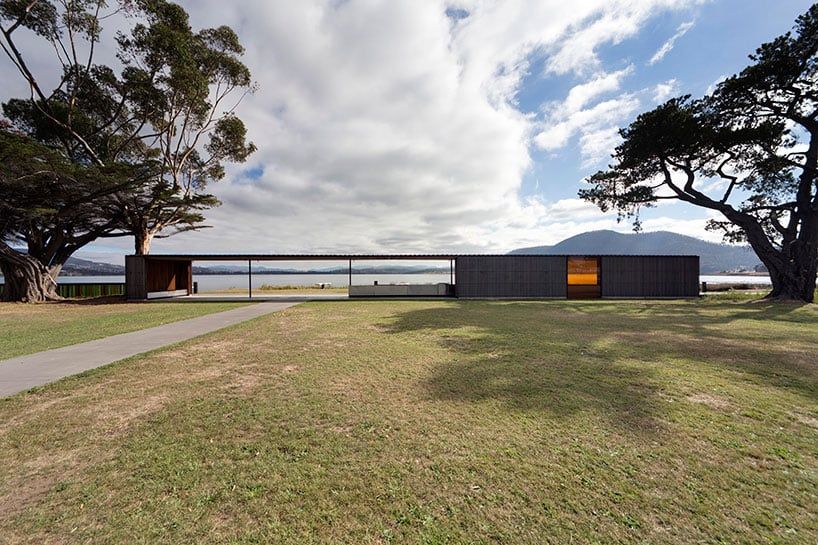
the grove pavilion is located at the center of the arced walkway where it briefly touches upon land, between the constantly texture of the water and matured trees. barbeques and public space provide recreational services to visitors within a subdued black structure that frames the colorful surrounding landscape. continuing eastward down the walkway leads to the wilkinson’s point pavilion born from an existing concrete pad built in the mid 20th century as the foundation for an unrealized bridge. the pavilion, a series of intersecting planes exhibiting various degrees of transparency and filtering of views and colors, cantilevers out over the water framing the site and a large open-air pad capable of hosting large scale events. massive concrete walls support a floating canopy containing an expansive red glass wall and a yellow skylight towards the cantilevered portion. the architecture adopts a simple form, poetic and restrained in the landscape, an experience heightened by its relative isolation from any other man-made developments.
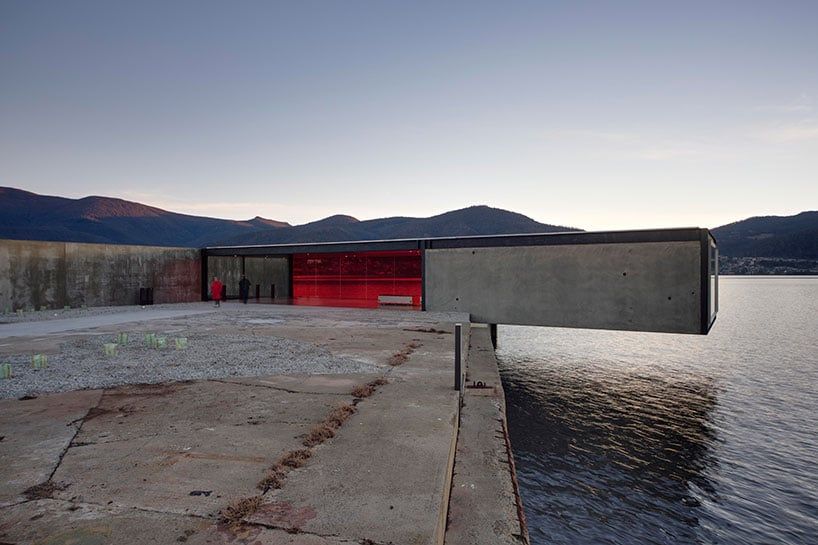
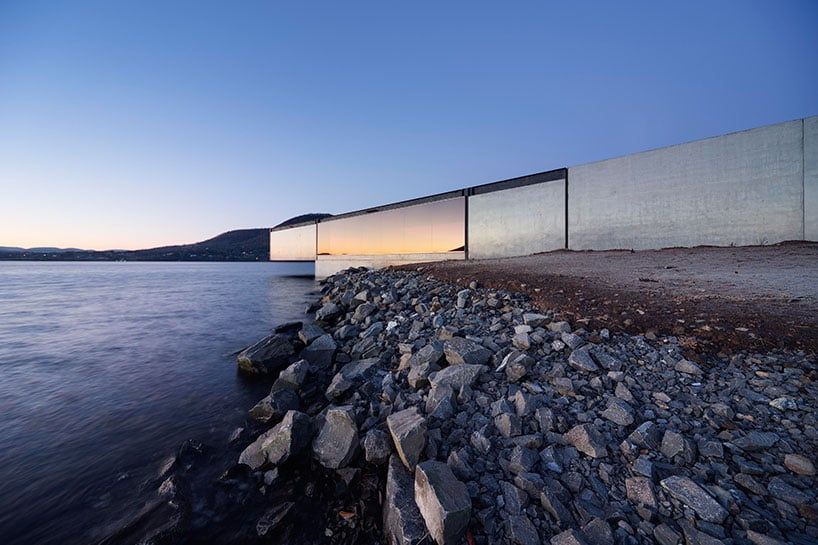
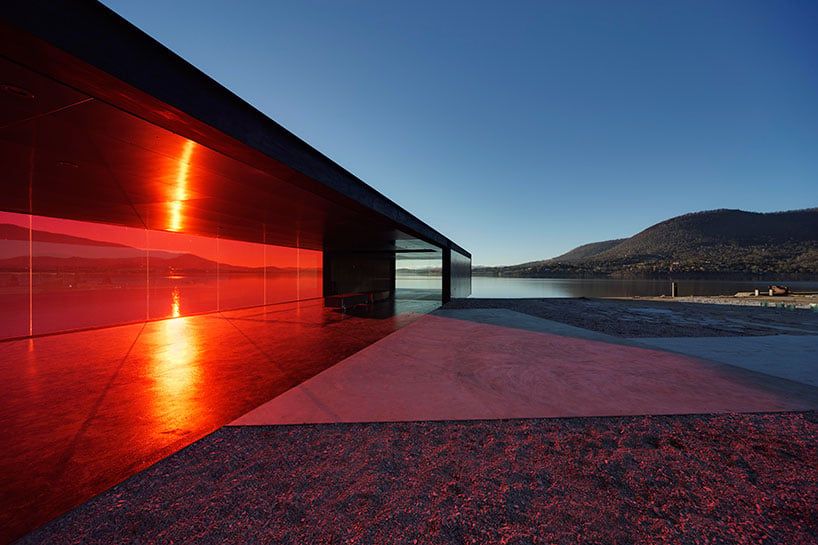
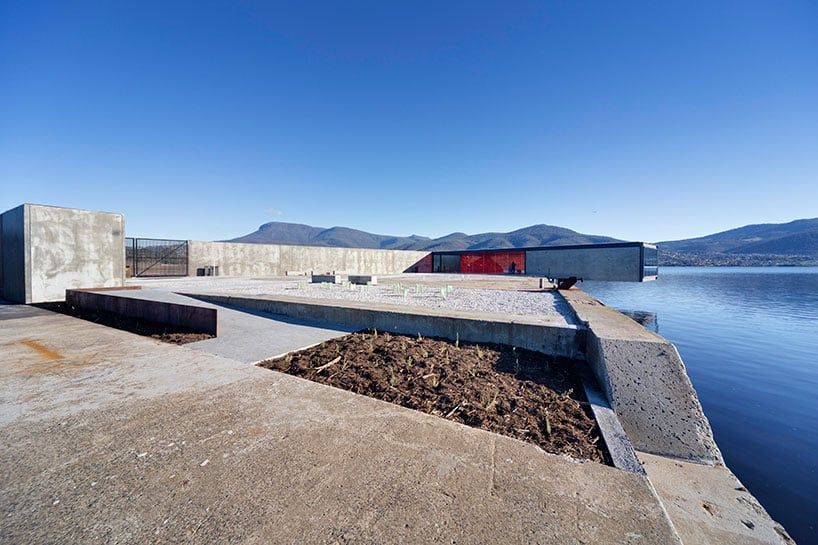
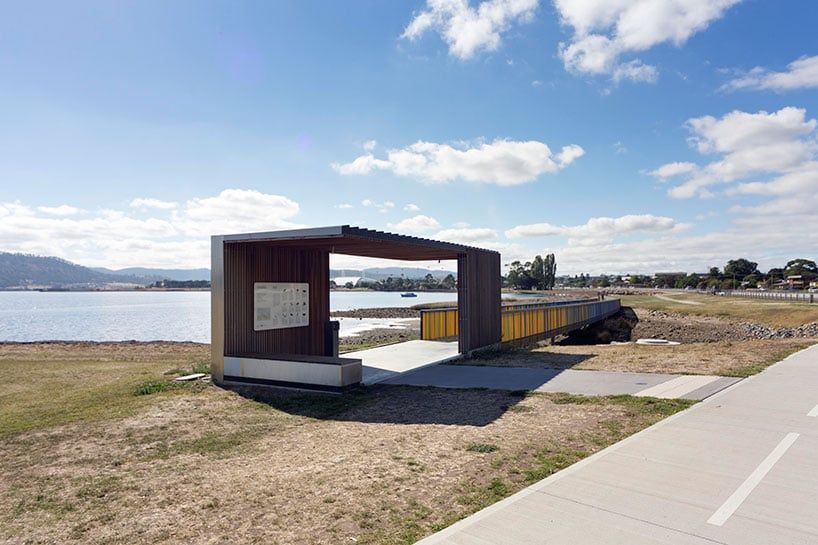
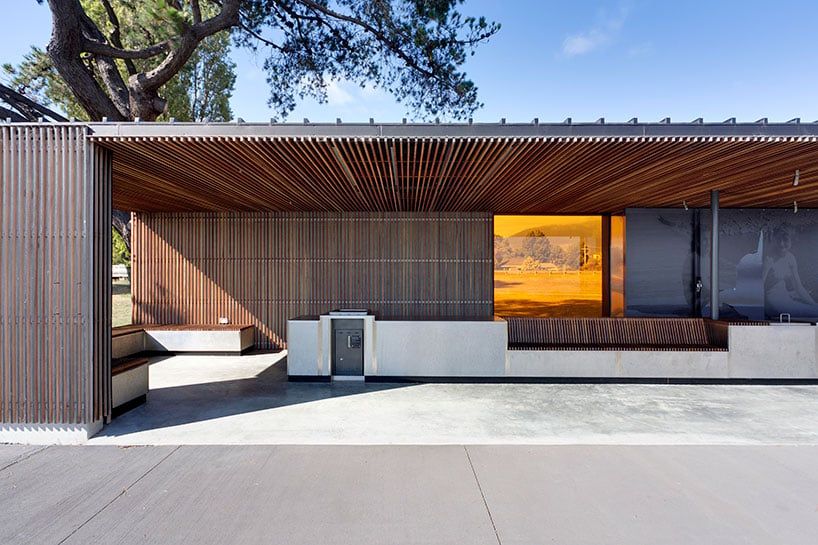
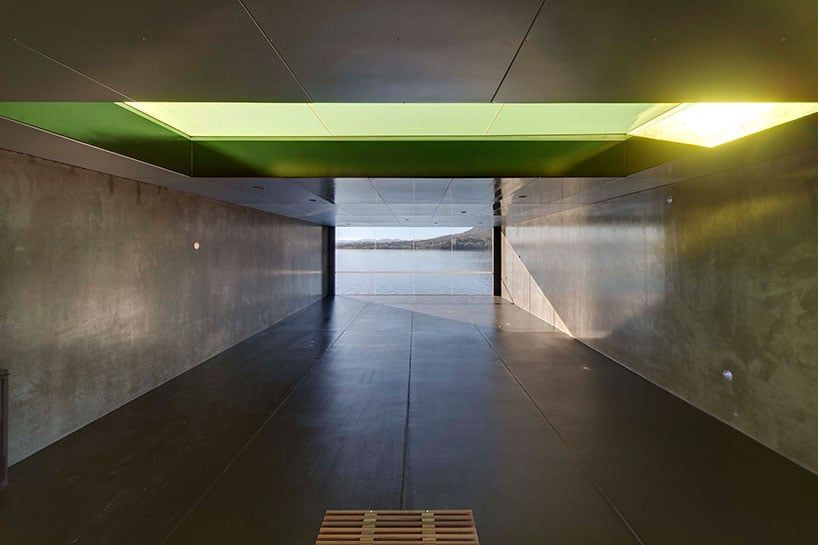
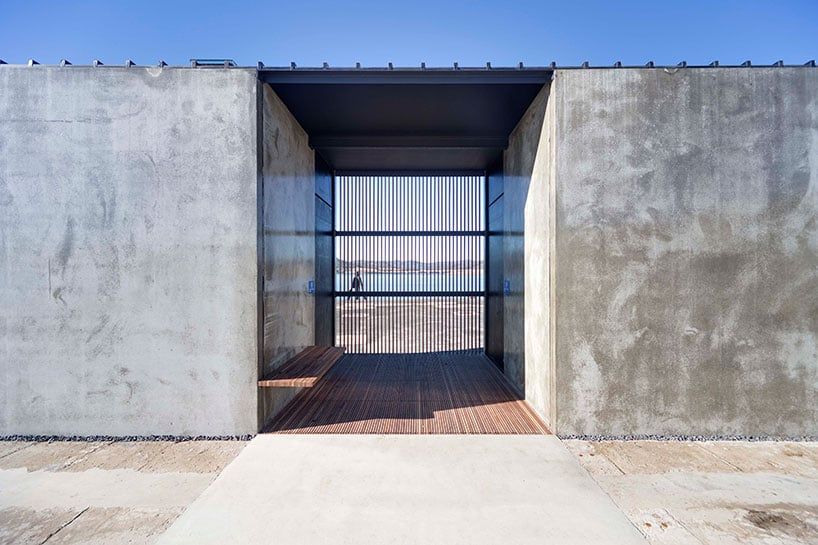
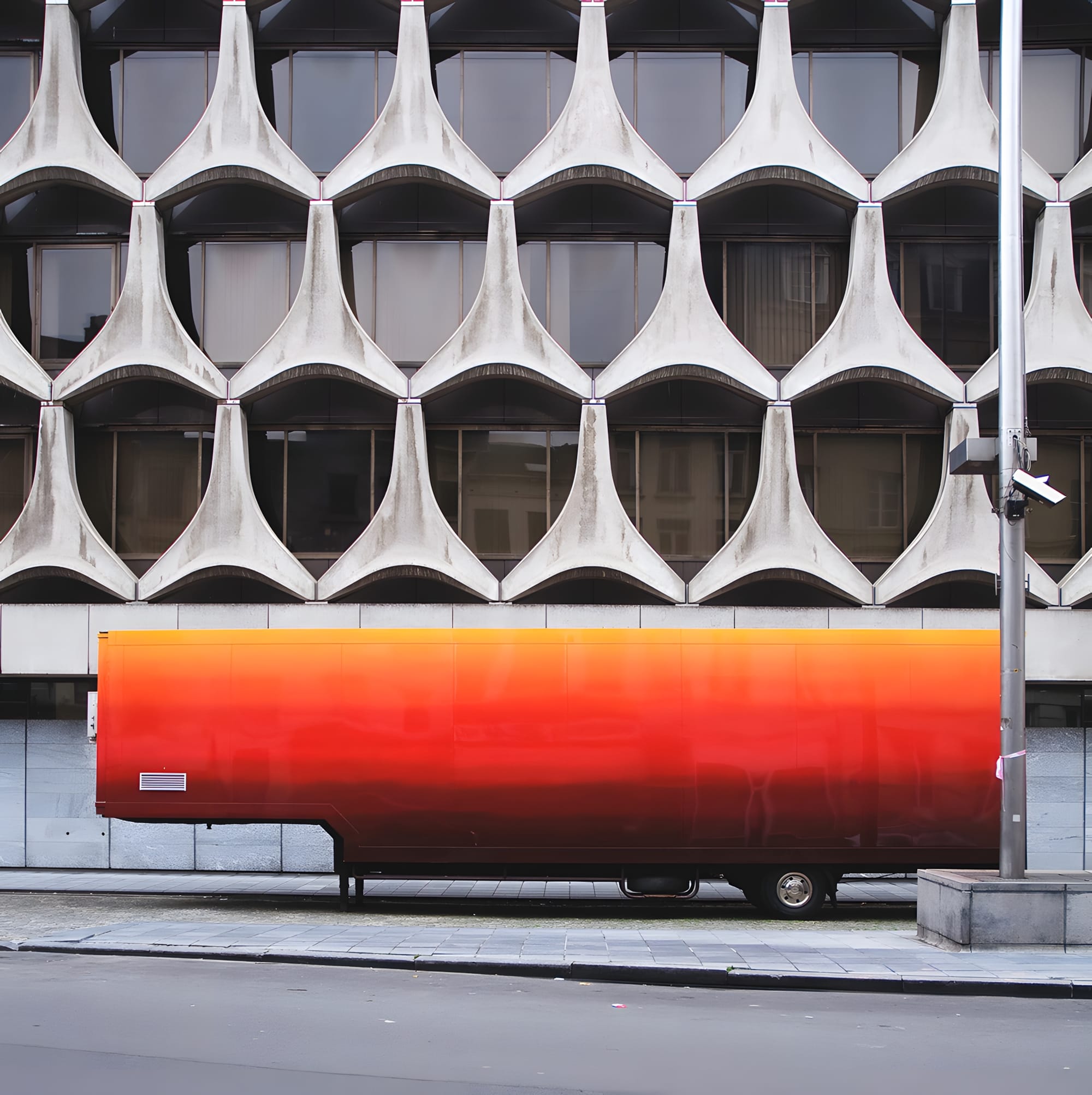
Former CGER-ASLK Building, Brussels — Marcel Lambrichs
GENERAL RESEARCH OFF-SITE
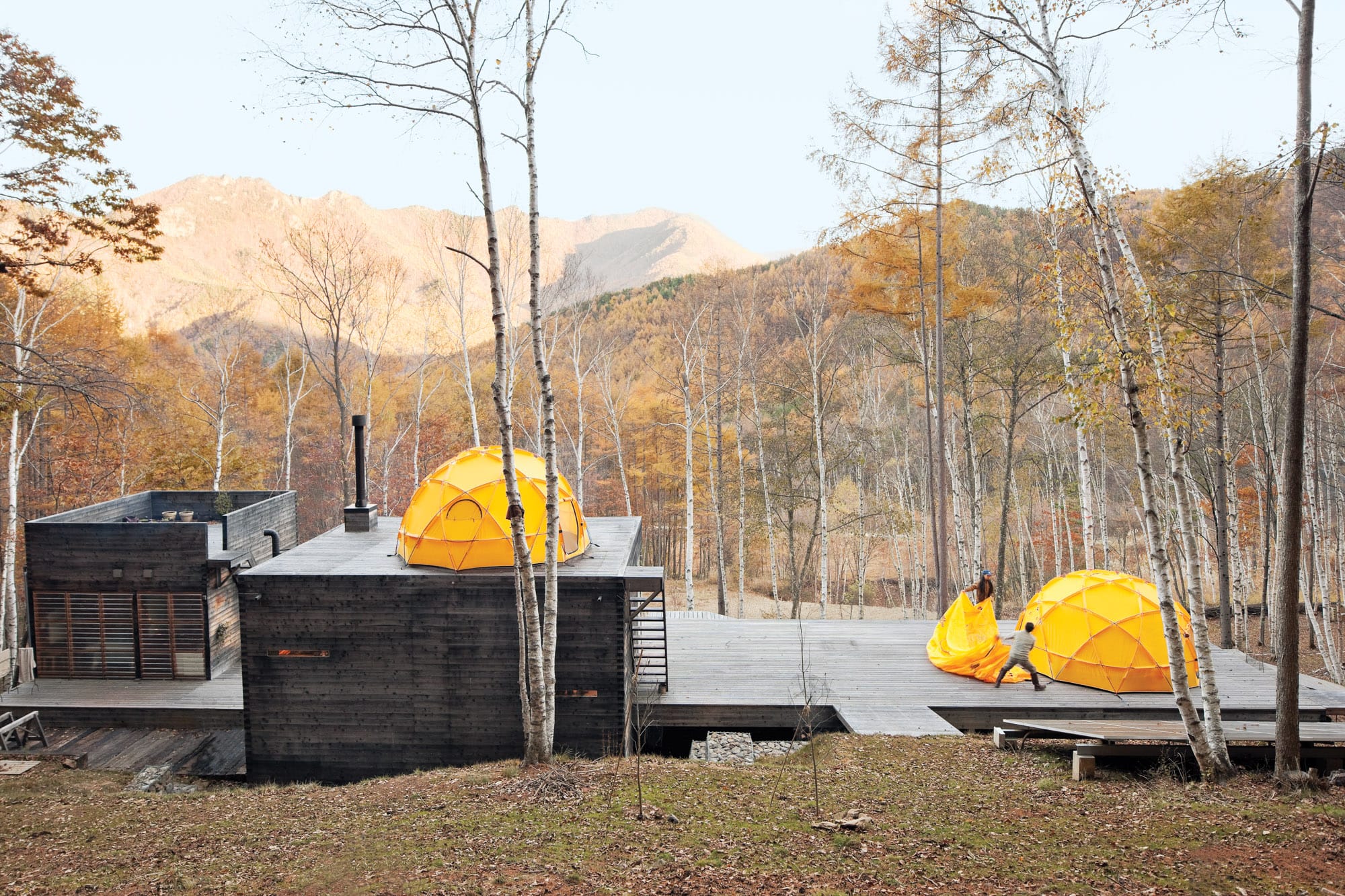
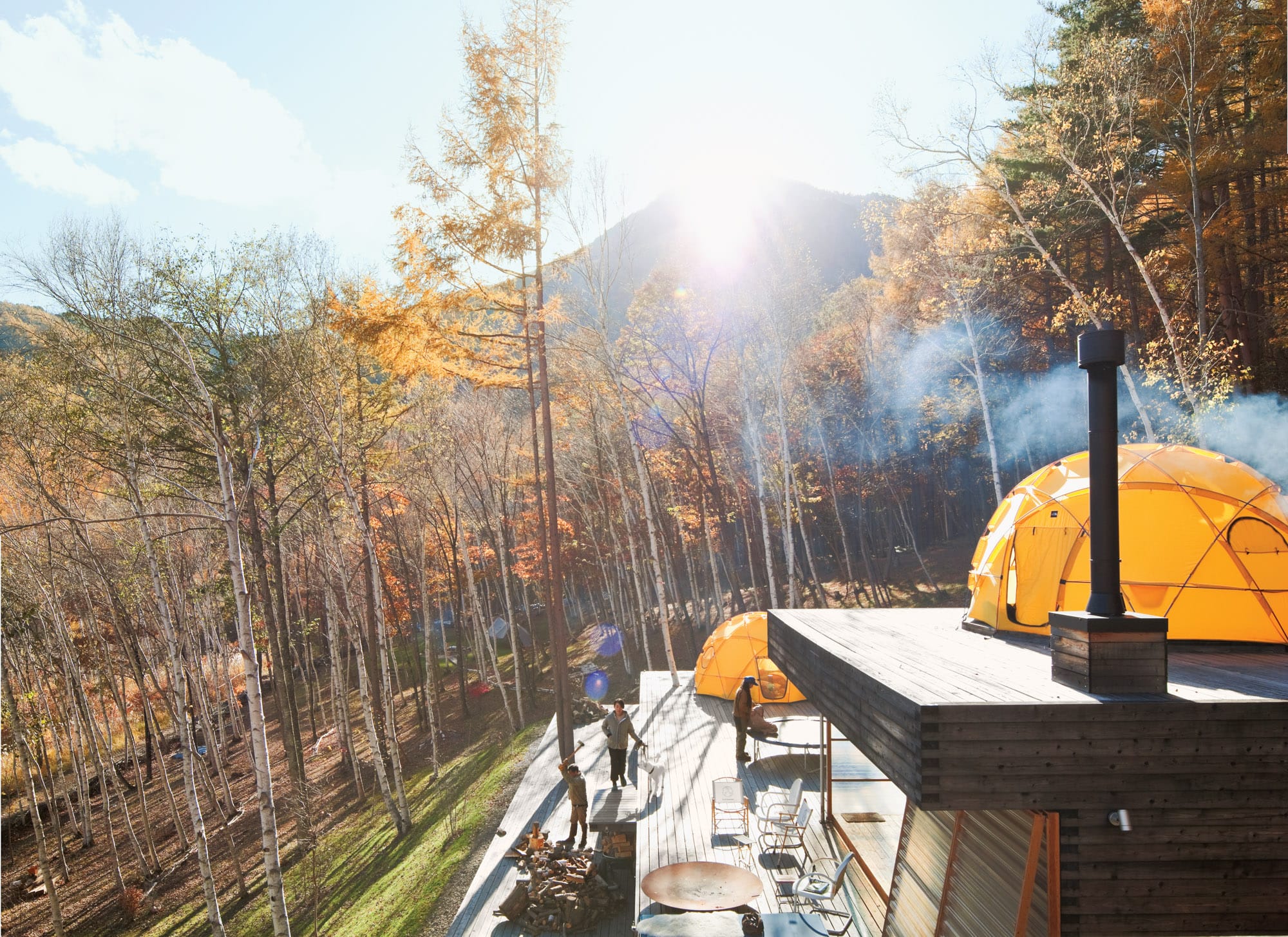
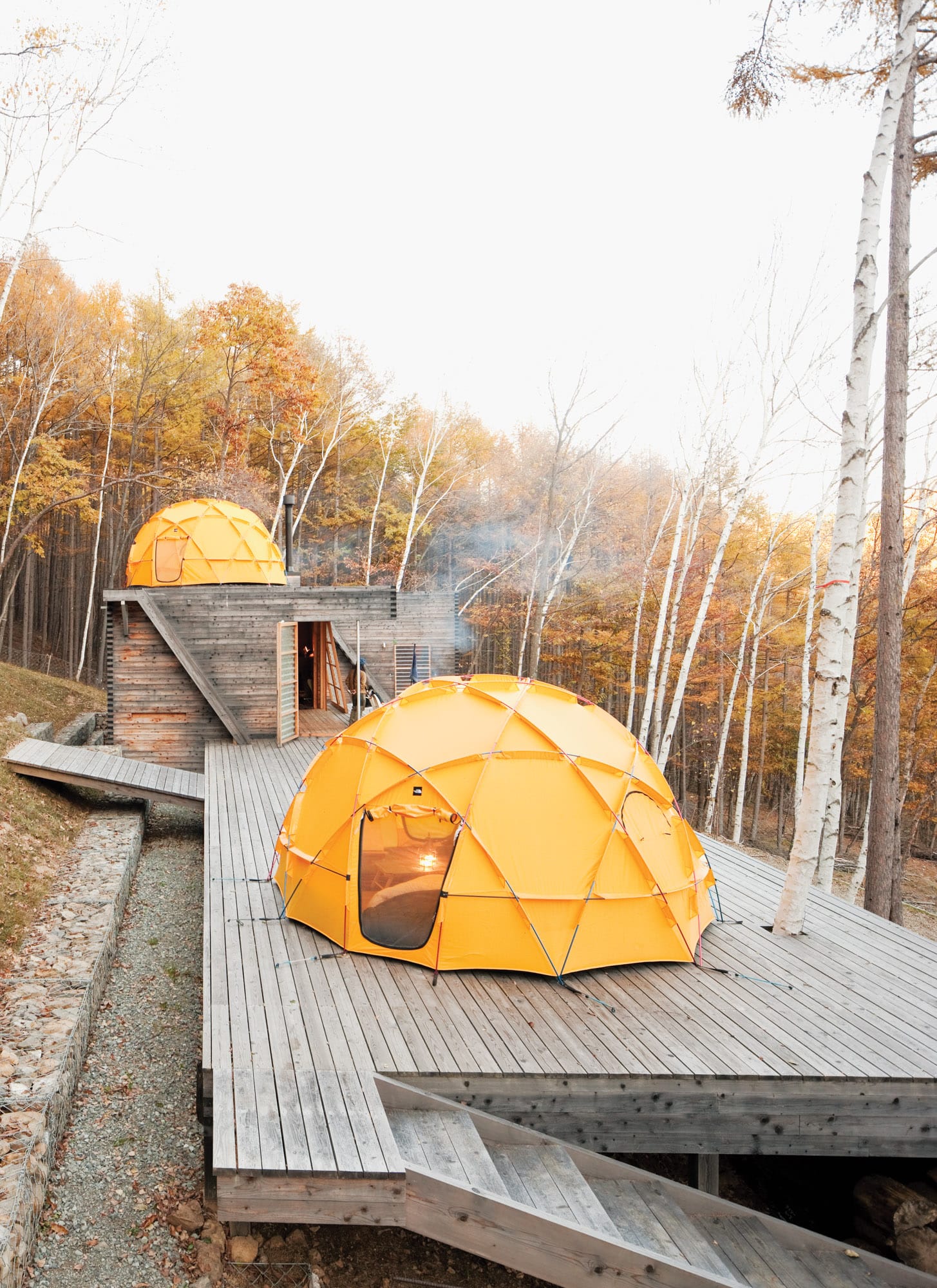
Designed by architect Shin Ohori of General Design for Setsumasa and Mami Kobayashi, founders of General Research. Located in the Chichibu mountain range northwest of Tokyo, the site serves as both a personal weekend shelter and a field-testing ground for product development.
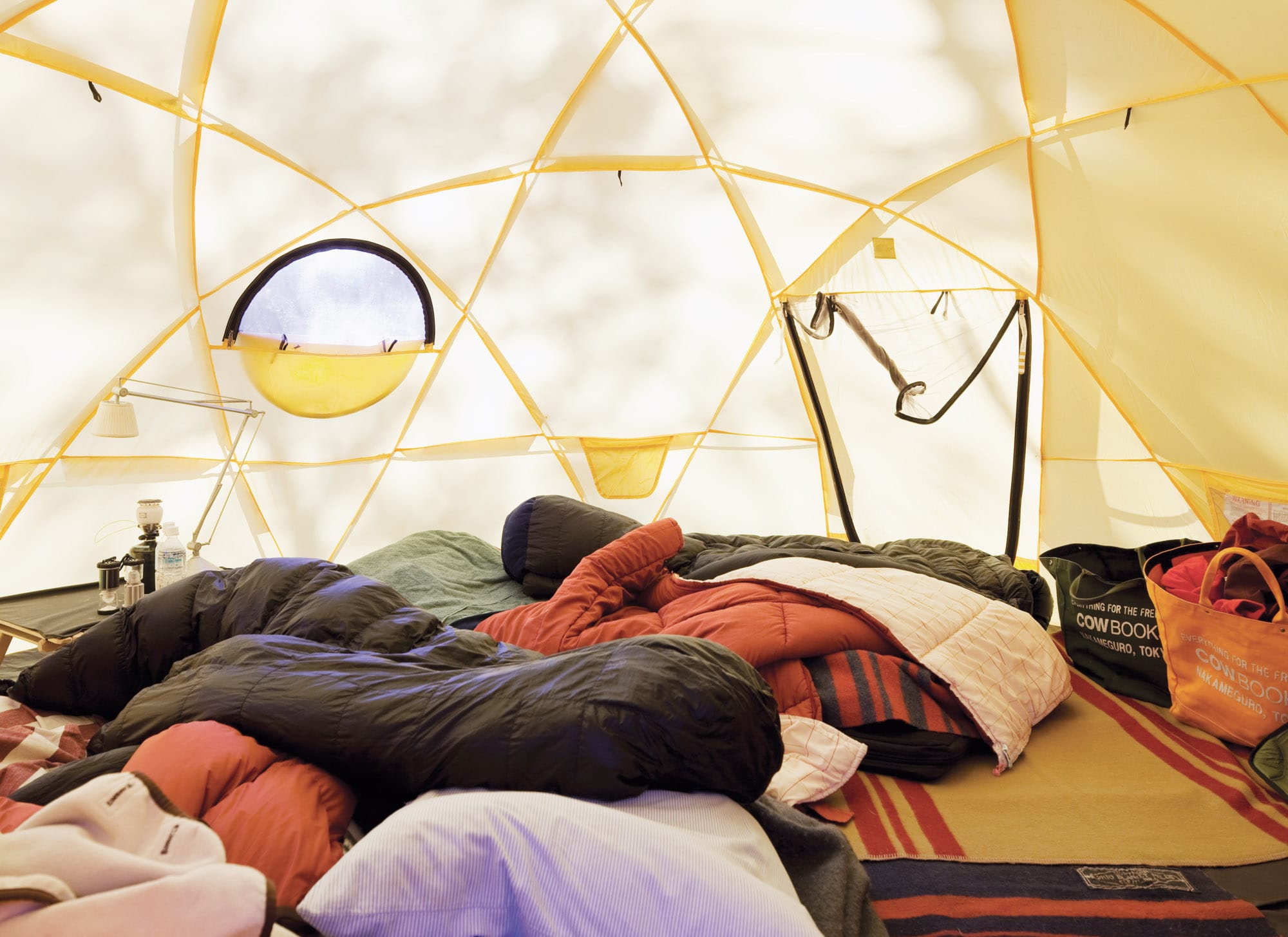
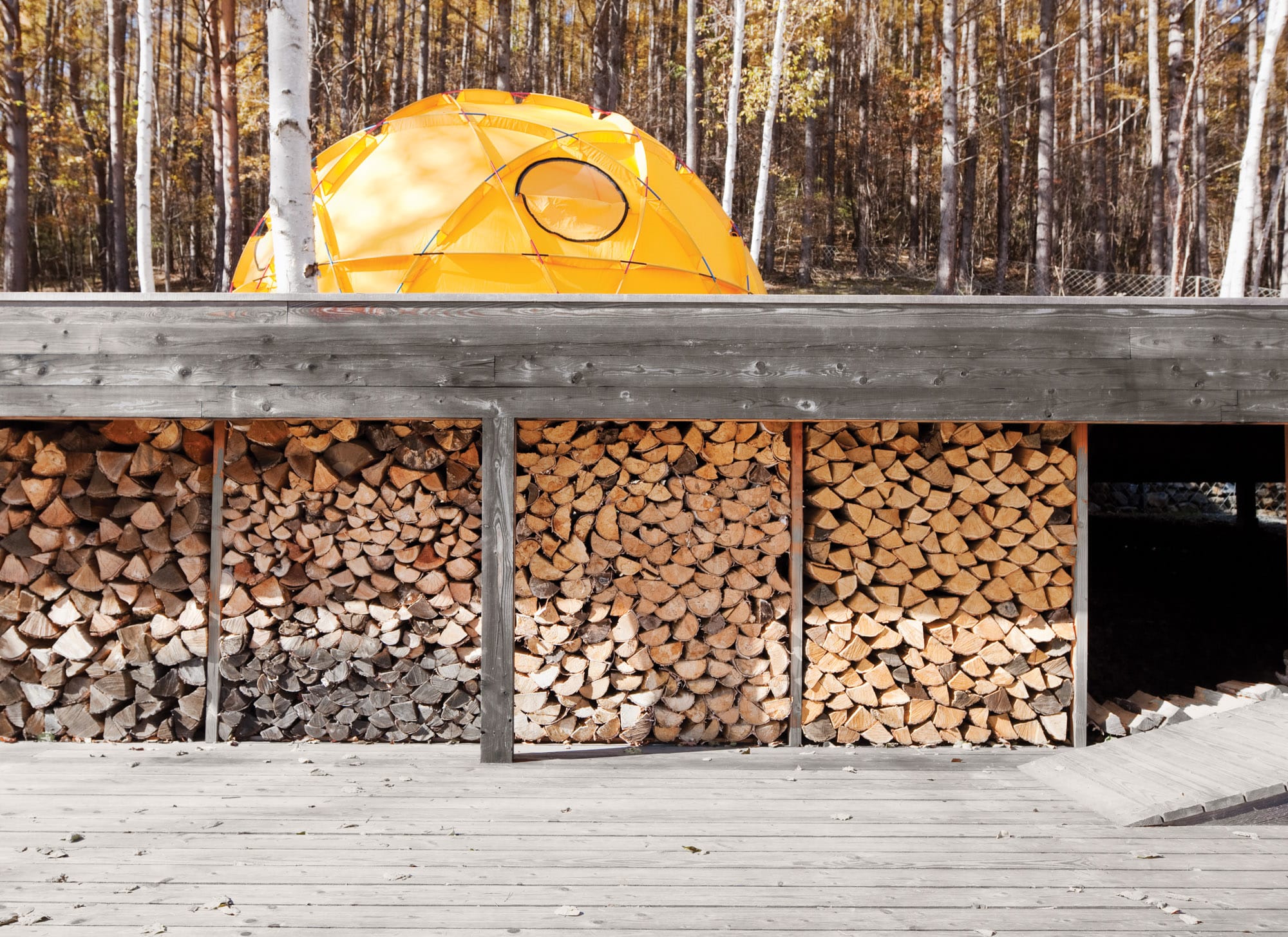
The structure is built on an elevated platform using locally harvested larch wood and features removable walls made from fiber-reinforced plastic. It includes two yellow dome tents used as permanent sleeping areas—one placed on a secondary deck and the other on the roof of the main volume. The central enclosed space houses a kitchen and dining area.
The shelter is equipped with electricity, hot water, internet access, and basic amenities, including a clawfoot bathtub. The location is remote but accessible, allowing the Kobayashis to engage in maintenance tasks and outdoor work while still performing professional duties remotely. The architecture is intentionally simple and functional, emphasizing modularity, environmental responsiveness, and a hybrid of modernist design with primitive outdoor living elements.
The project operates as a live-in testing platform for lifestyle and gear integration in a real-world setting, merging domestic space with performance wear prototyping. It represents an approach to architecture and living that prioritizes adaptability, utility, and a direct relationship with the natural environment.
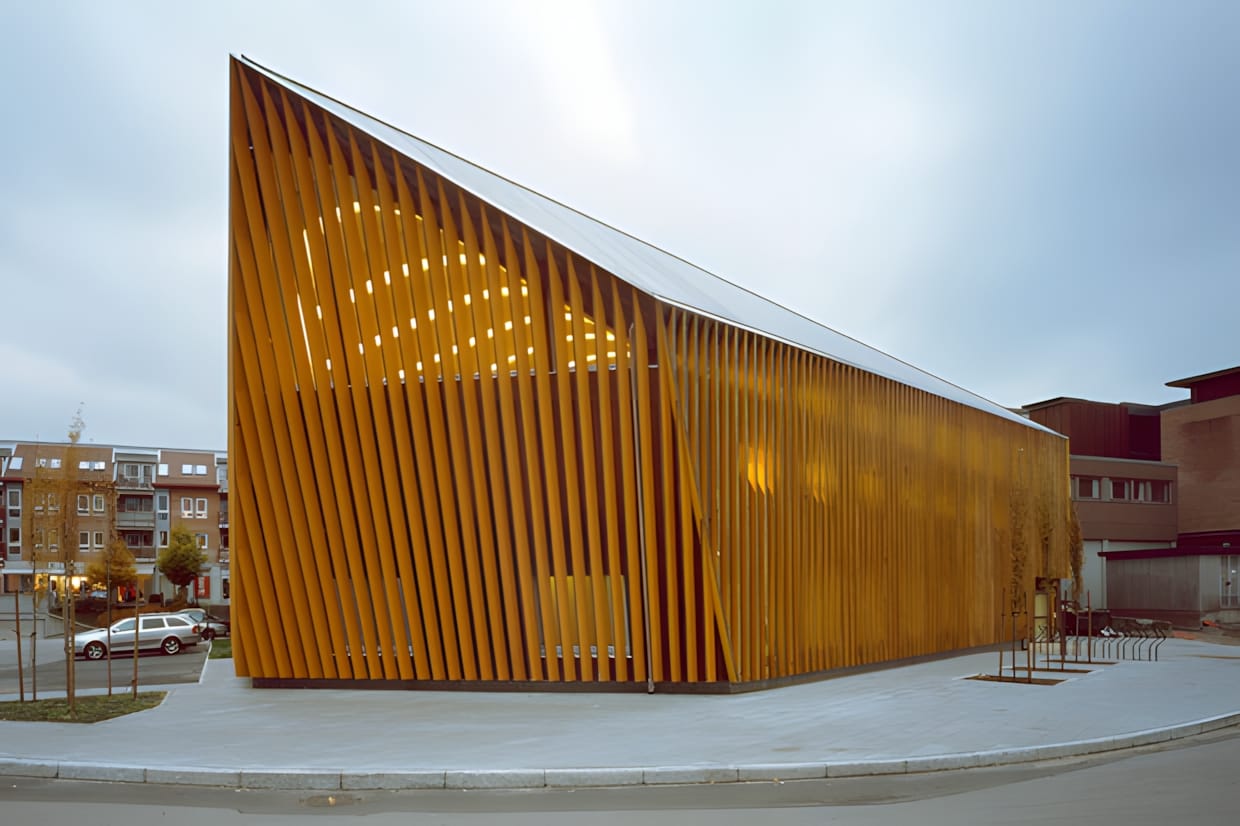
Vennesla Library and Culture House by Helen & Hard
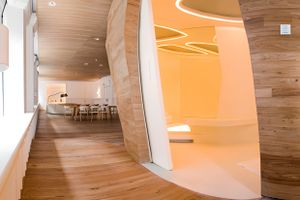
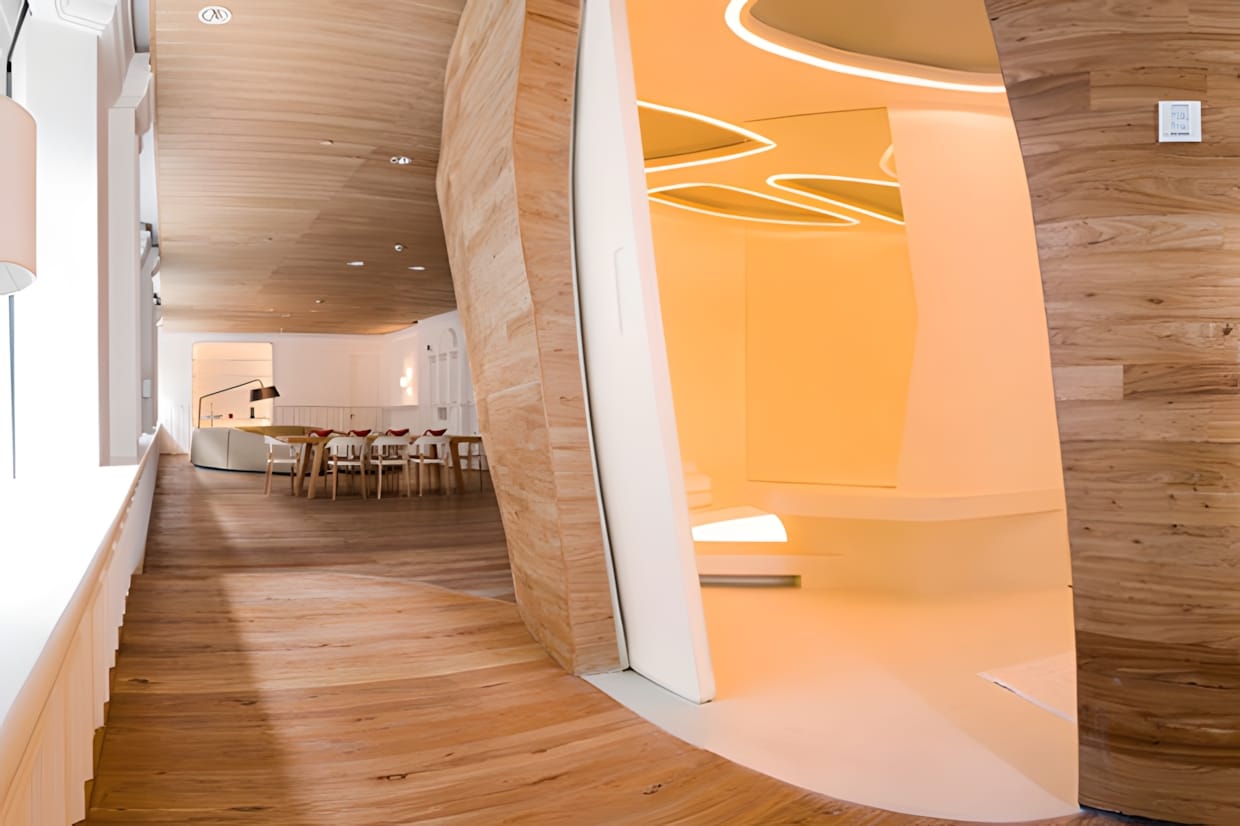
Swatch Art Peace Hotel Shanghai Interior by Jouin Manku
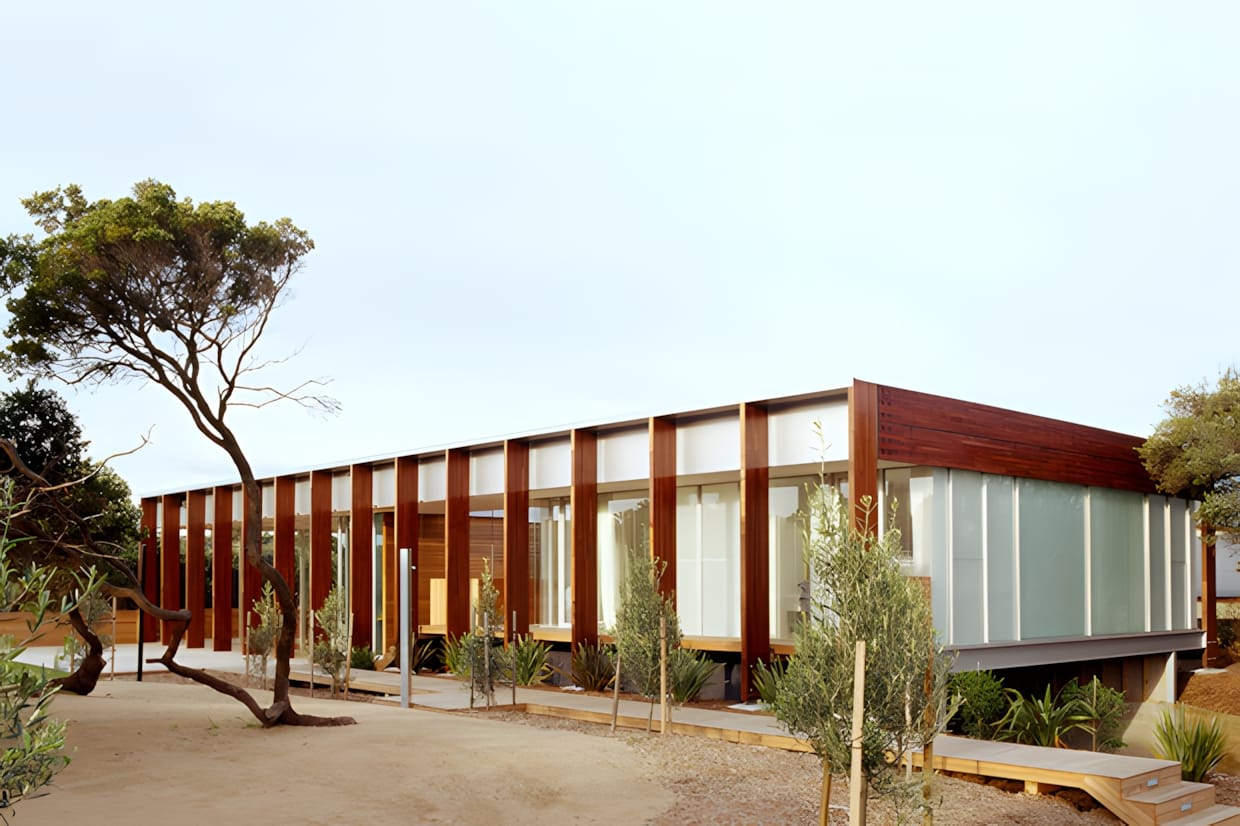
Peninsula House by Watson Architecture + Design
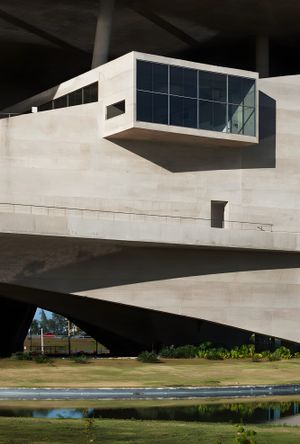
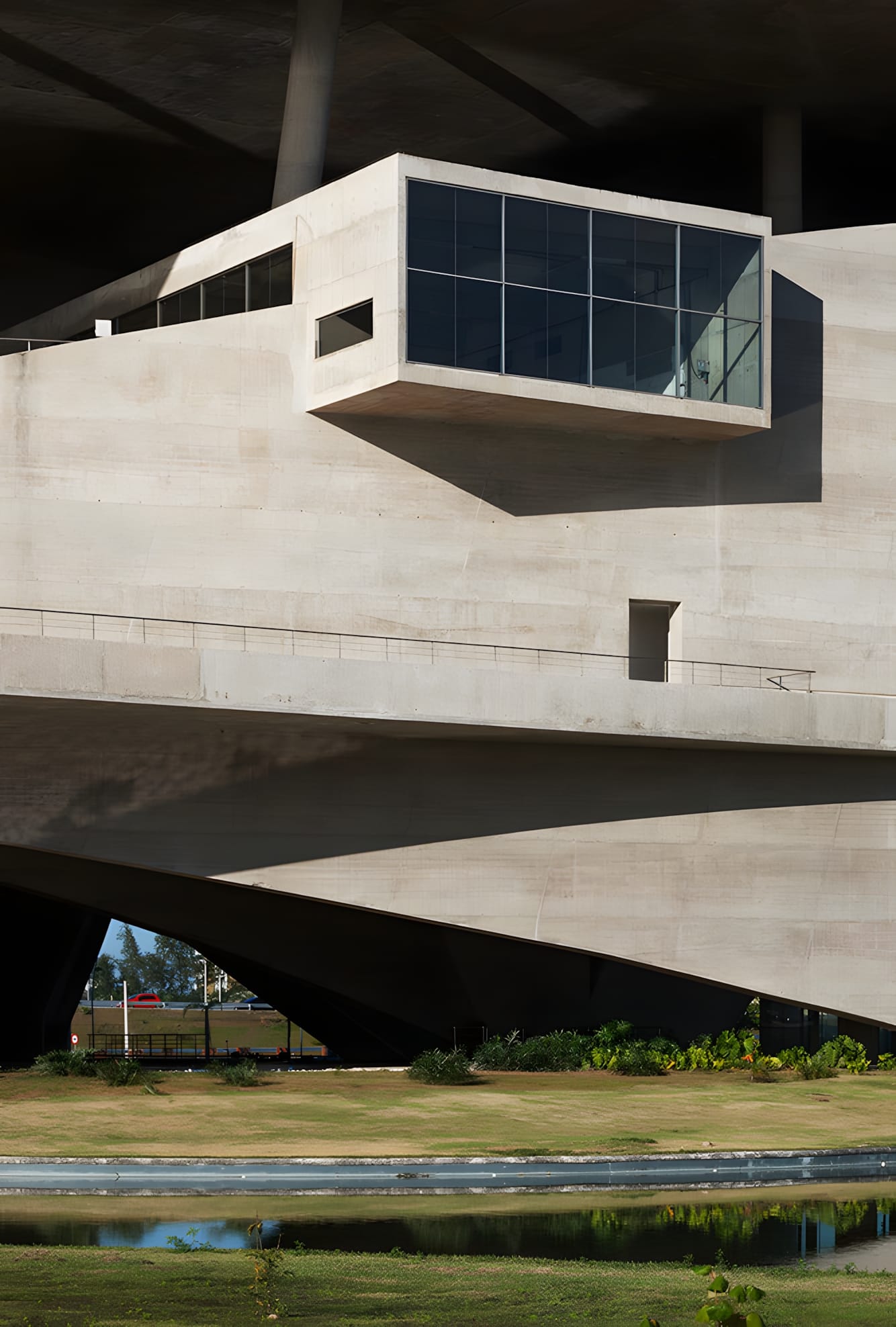
Cidade das Artes — Christian de Portzamparc, Rio de Janeiro
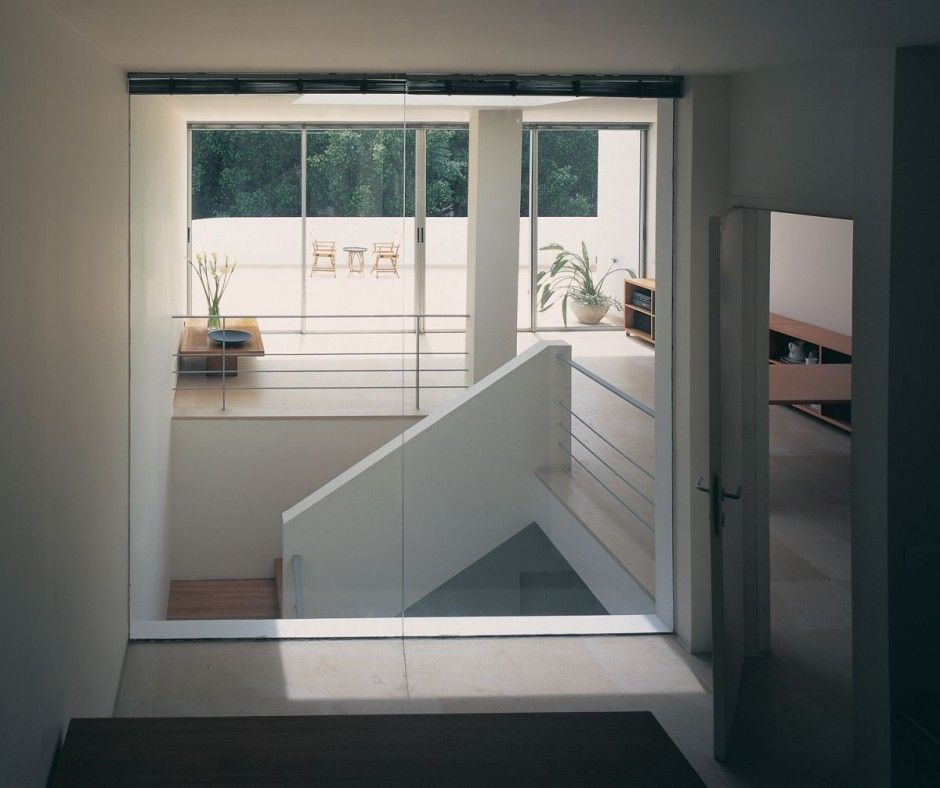
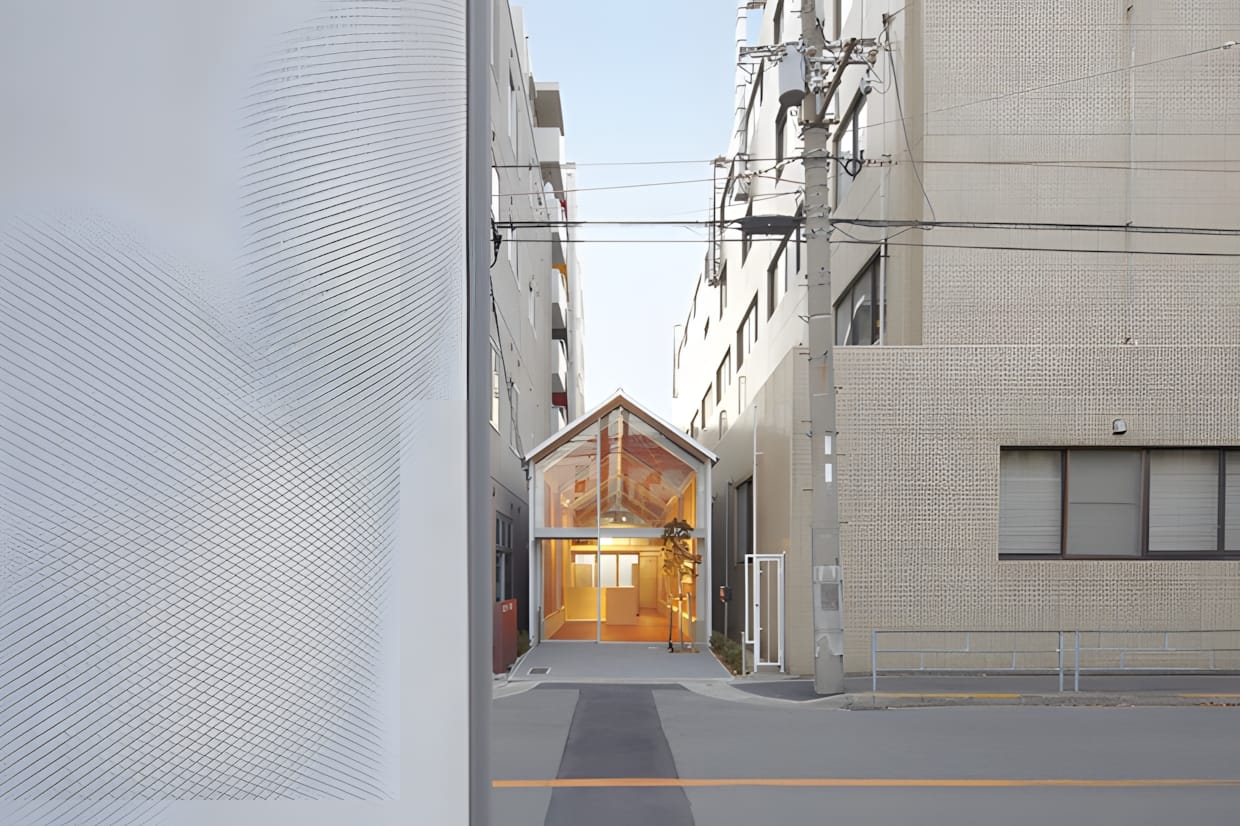
Tel Aviv Residence by Chyutin Architects
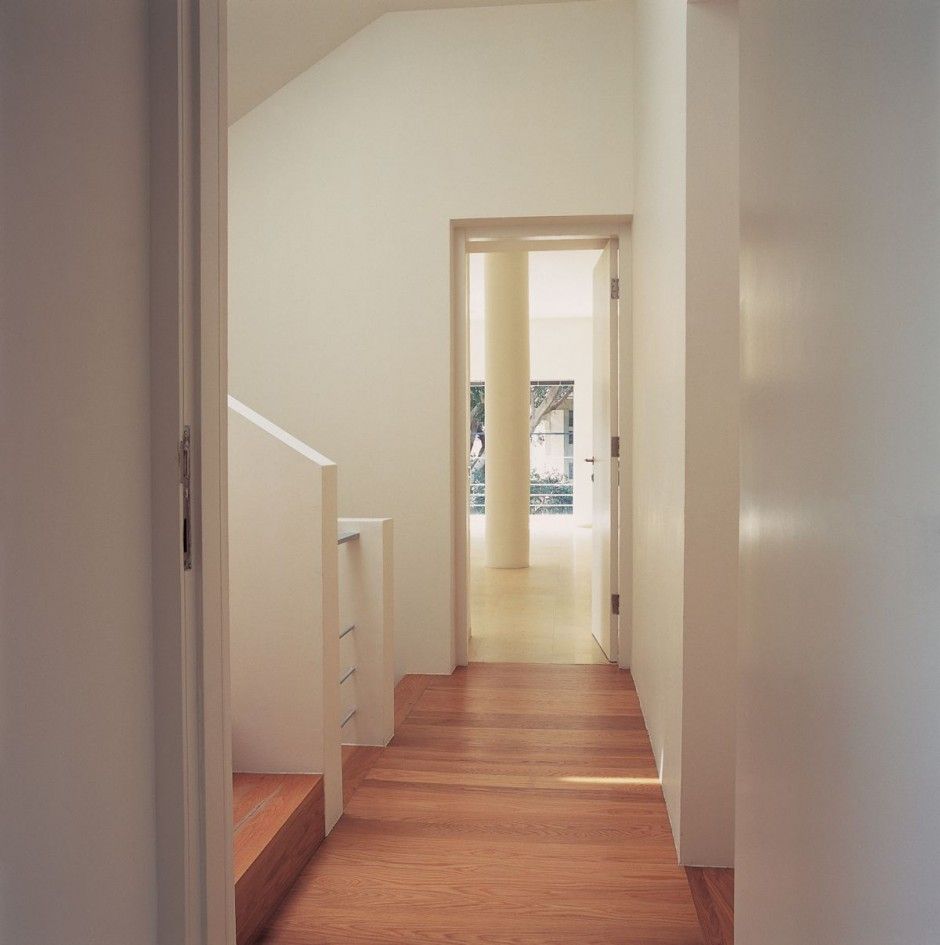
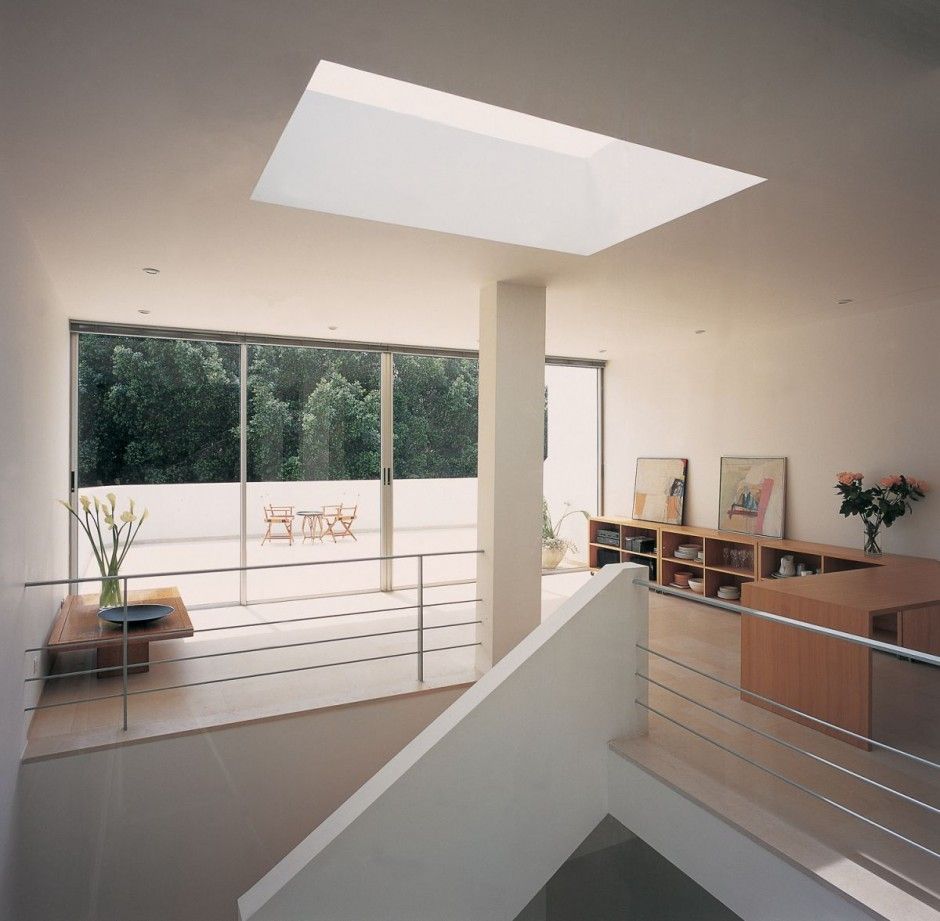
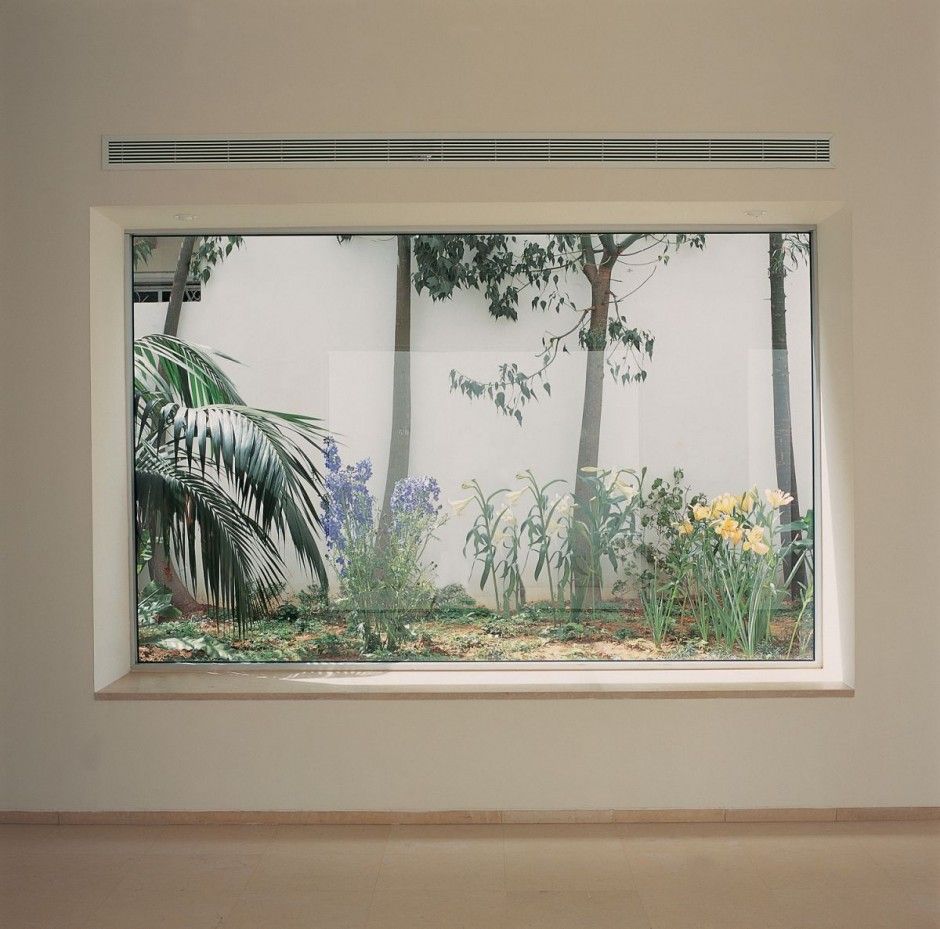
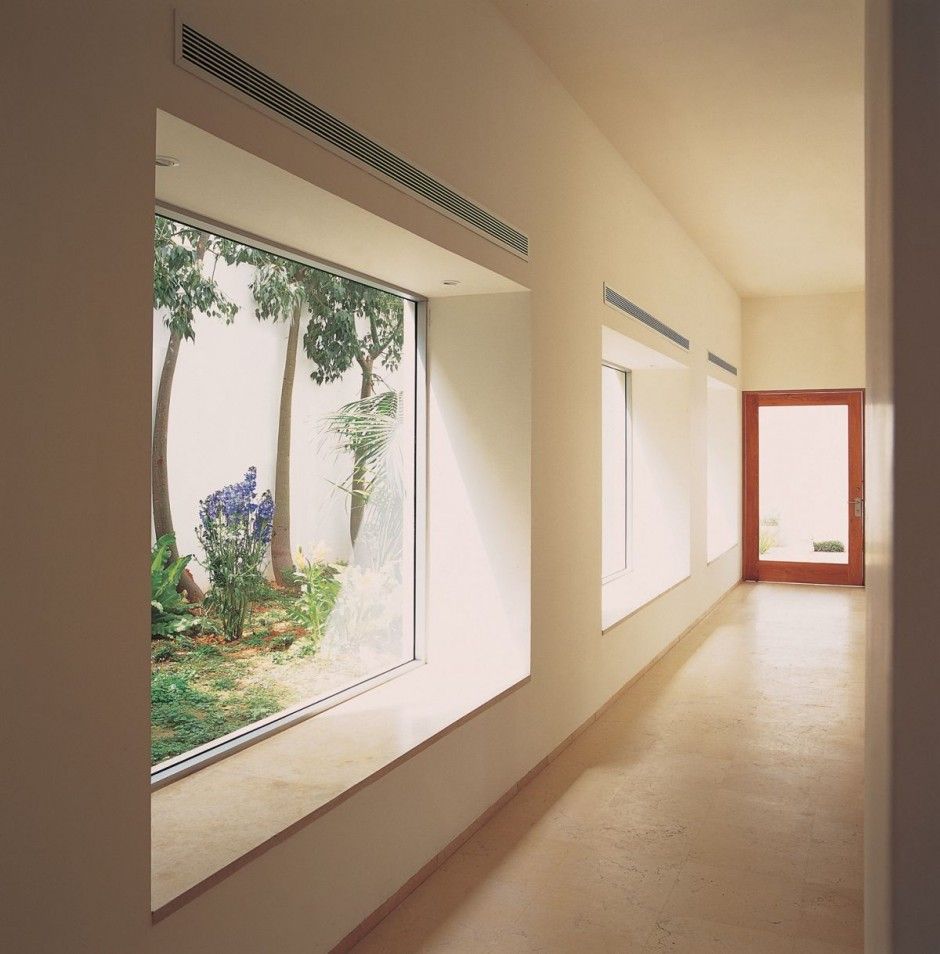
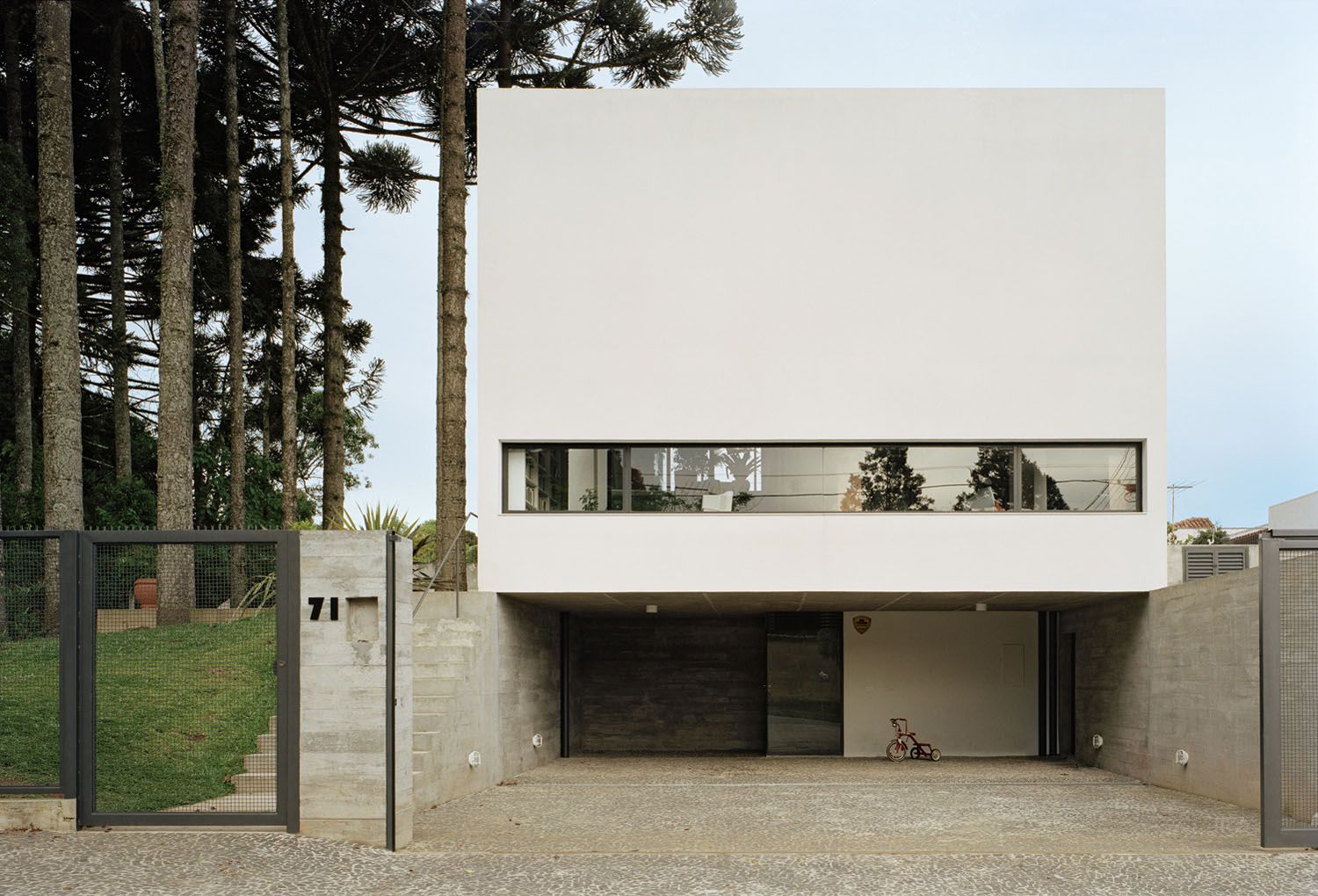
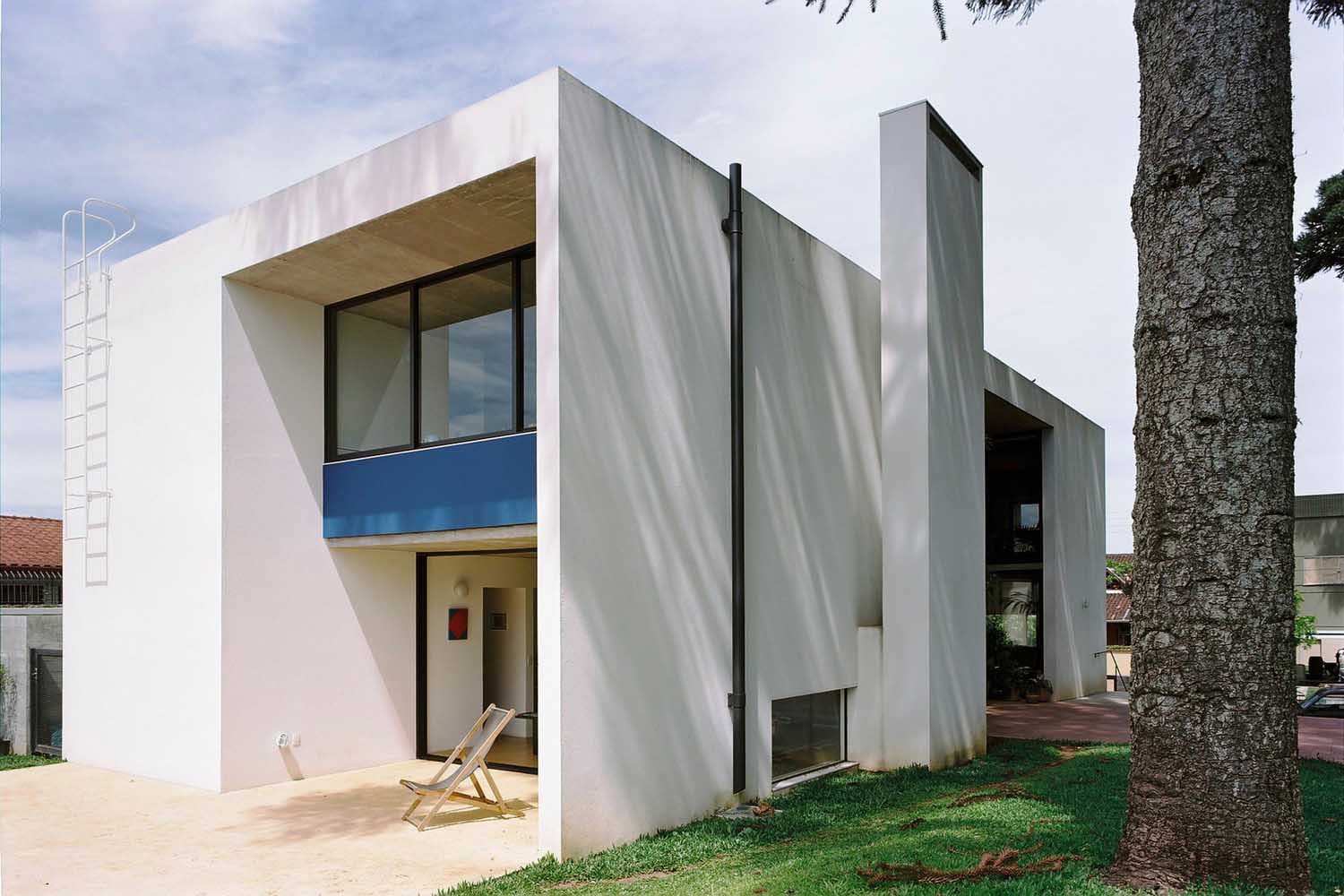
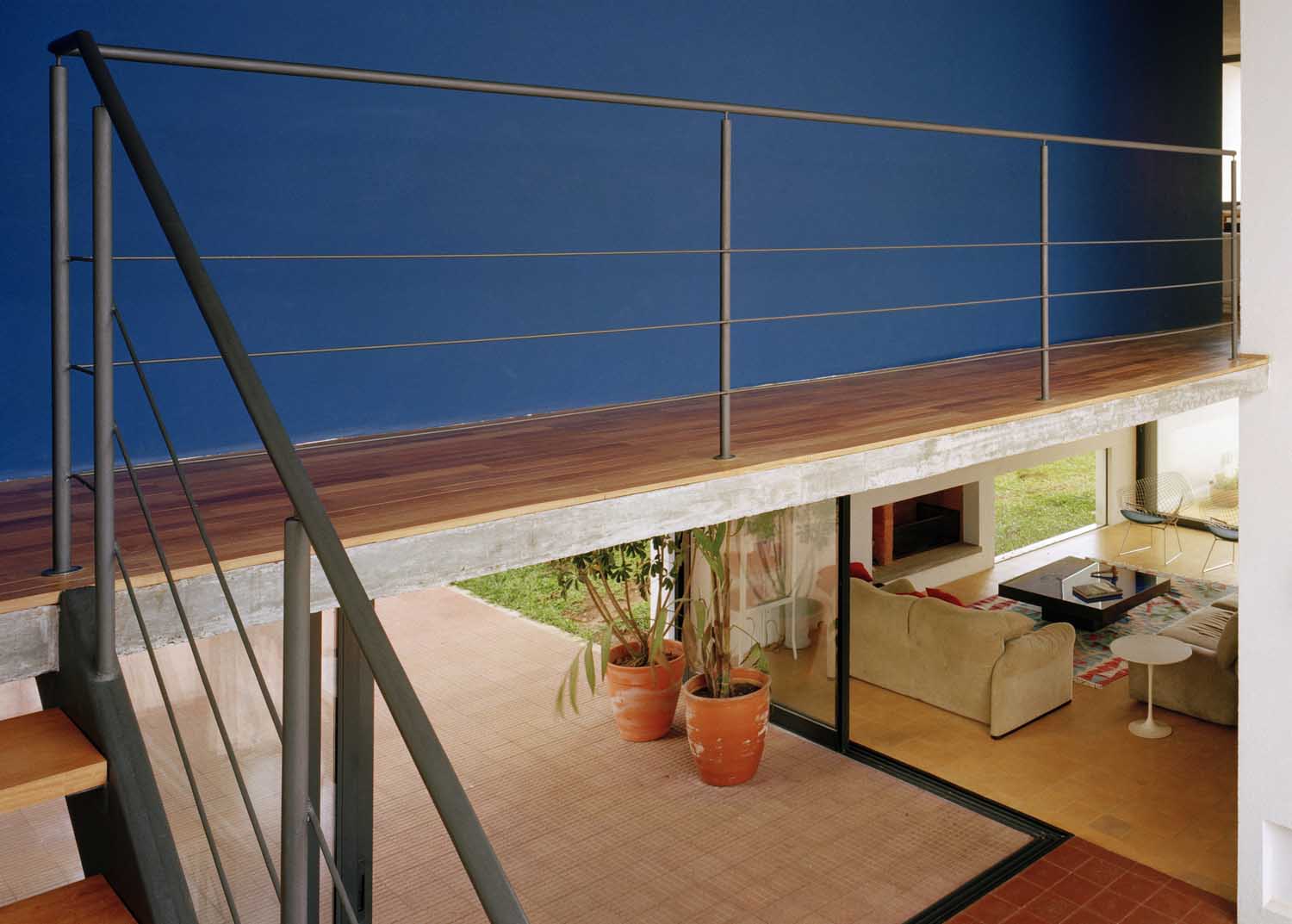
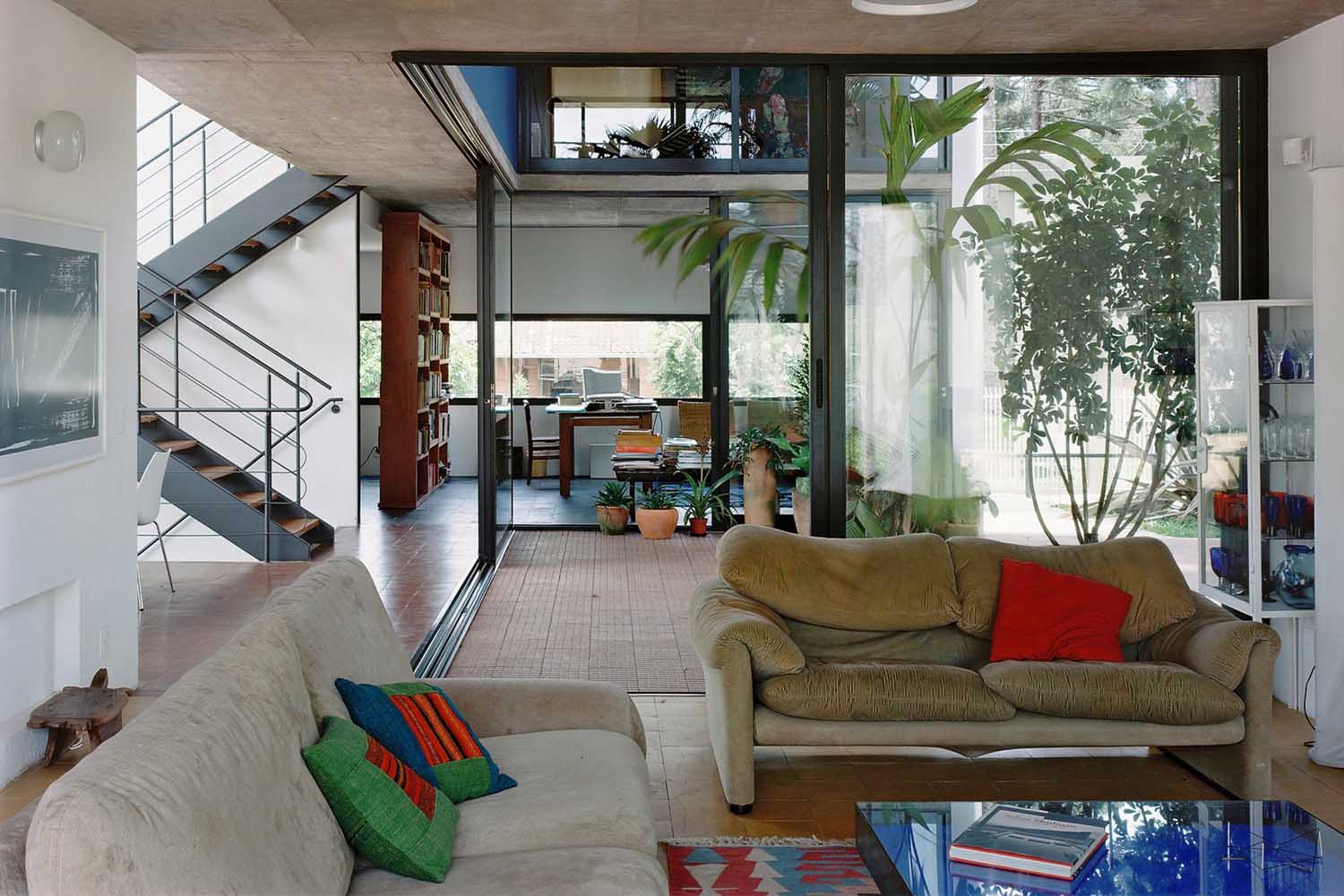
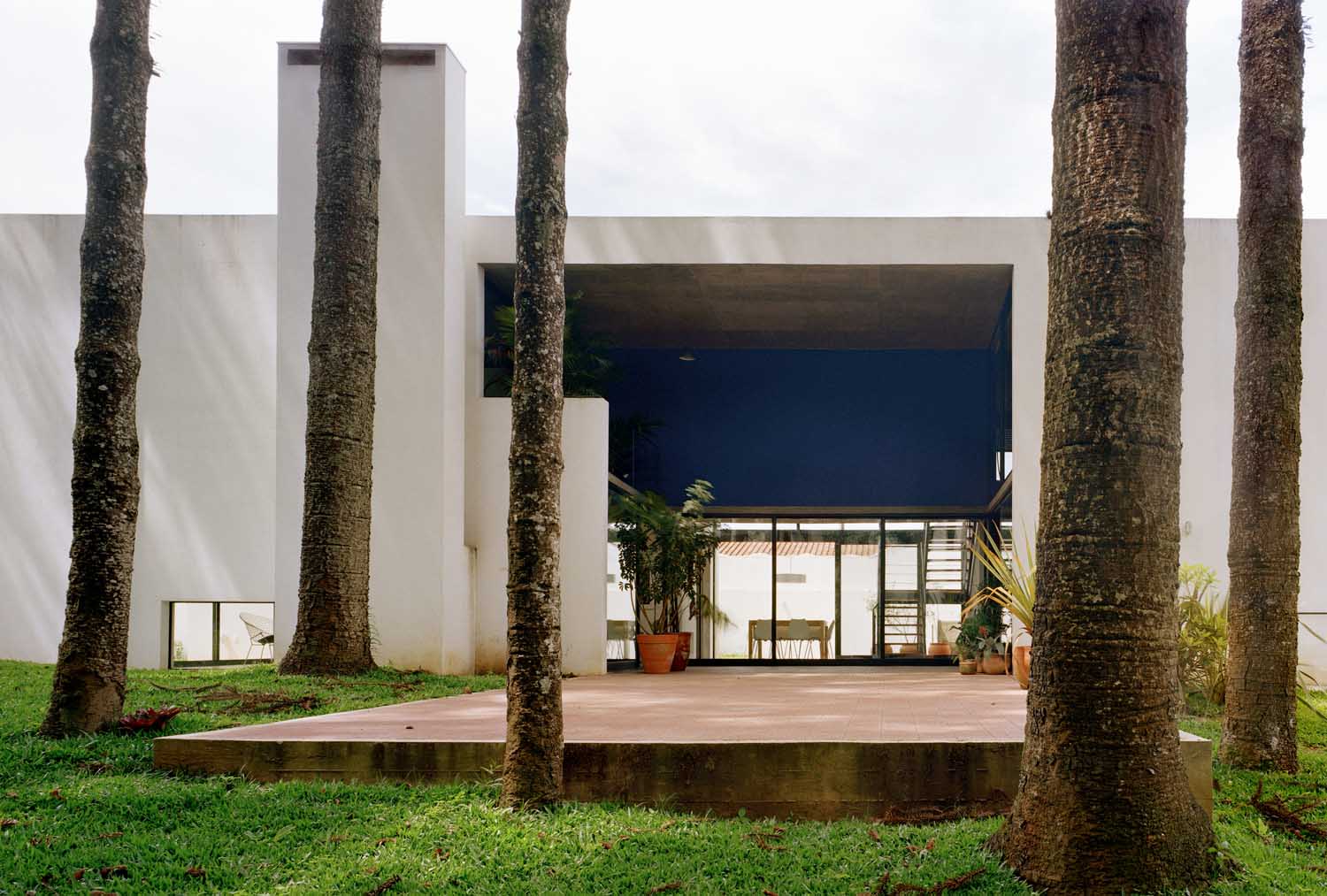
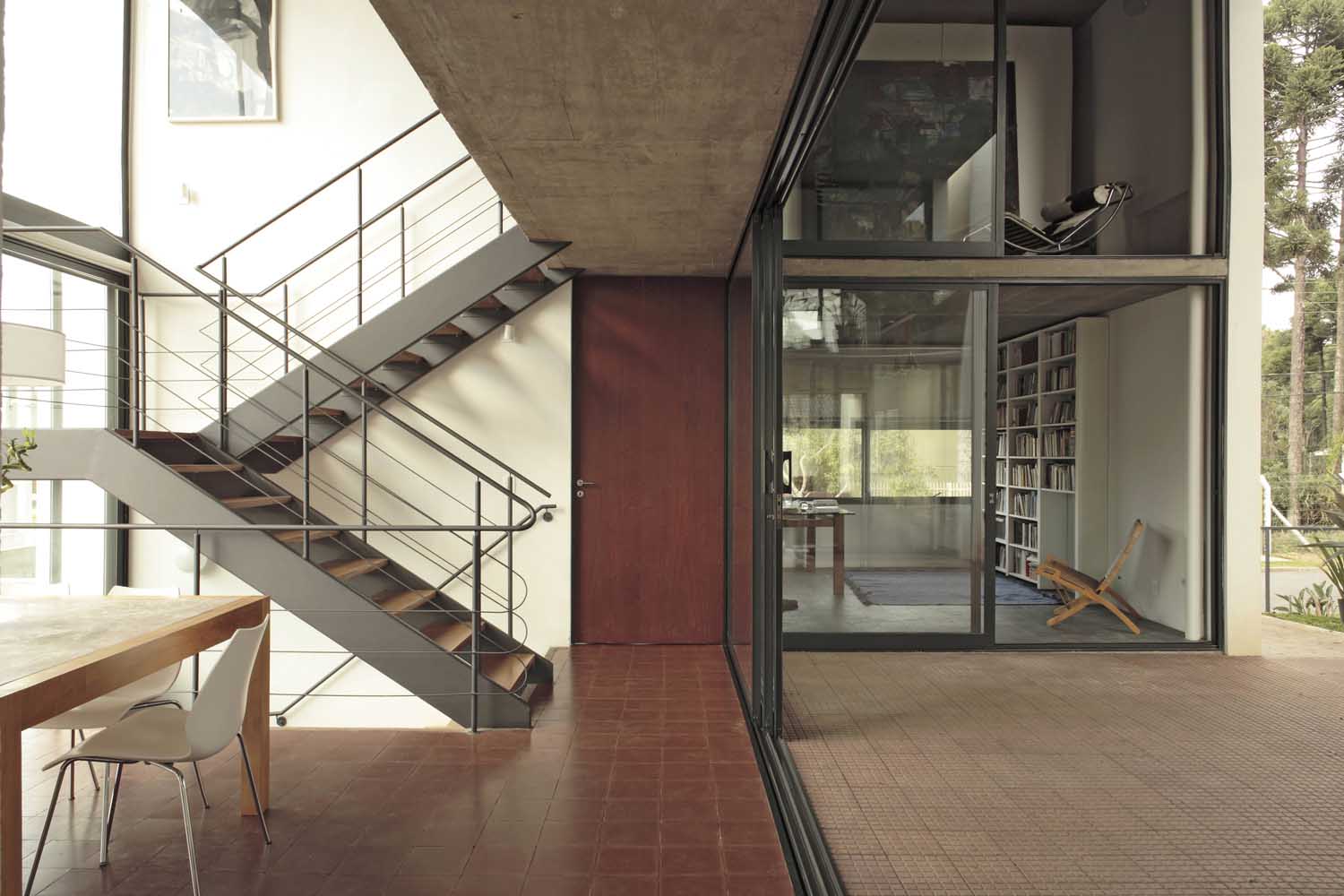
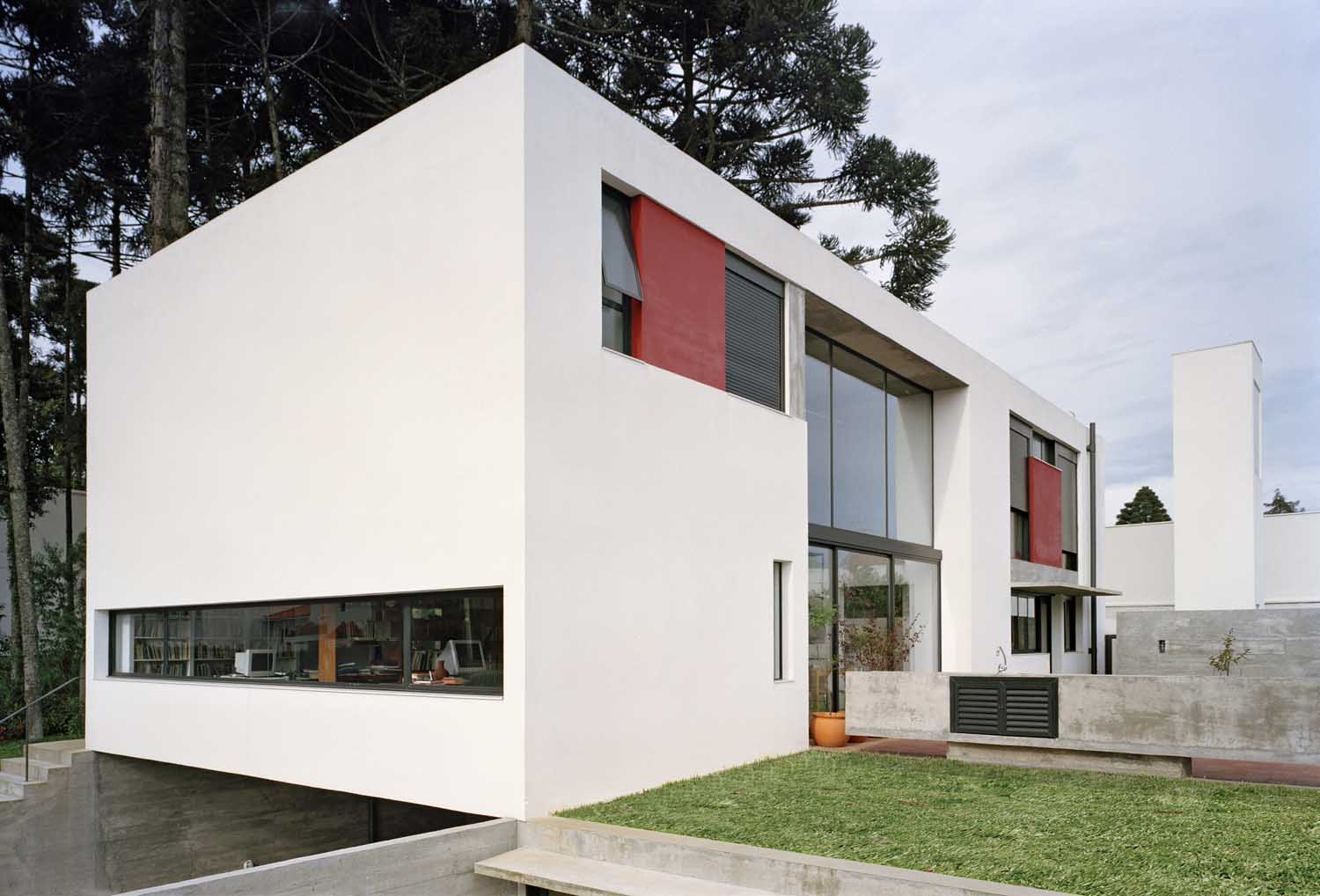
House in Curitiba