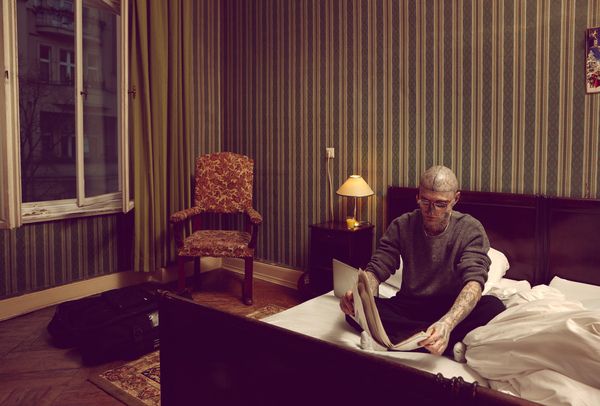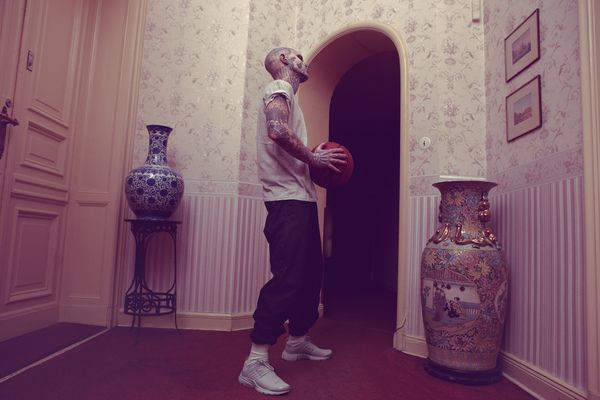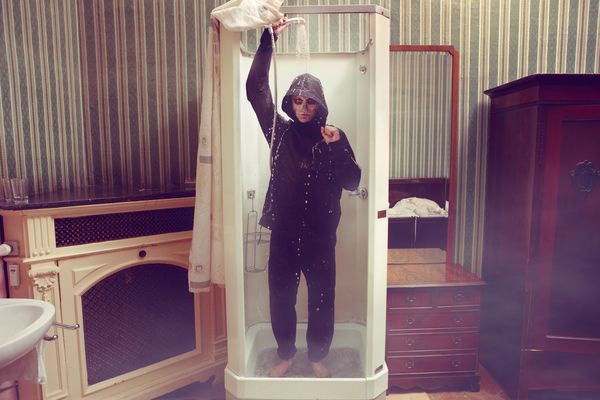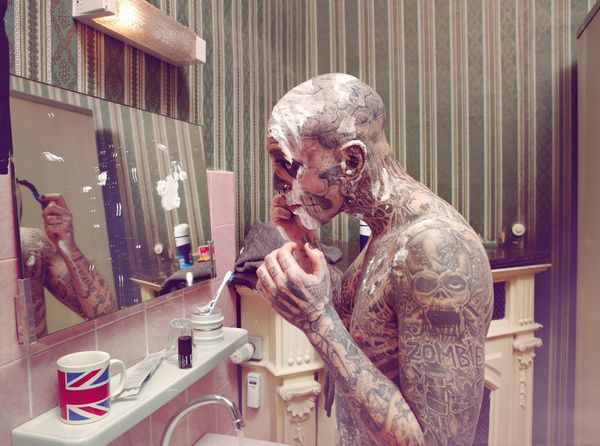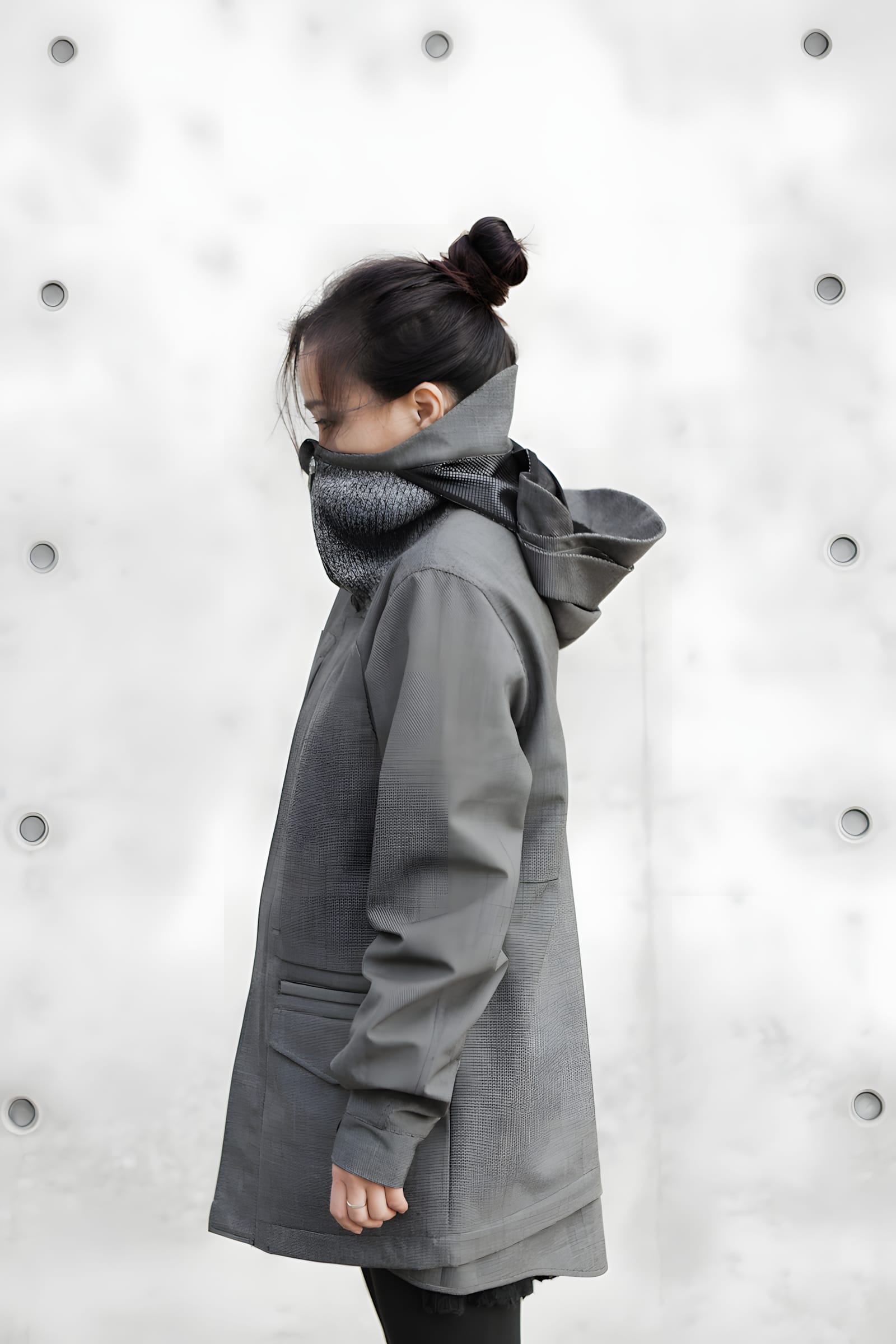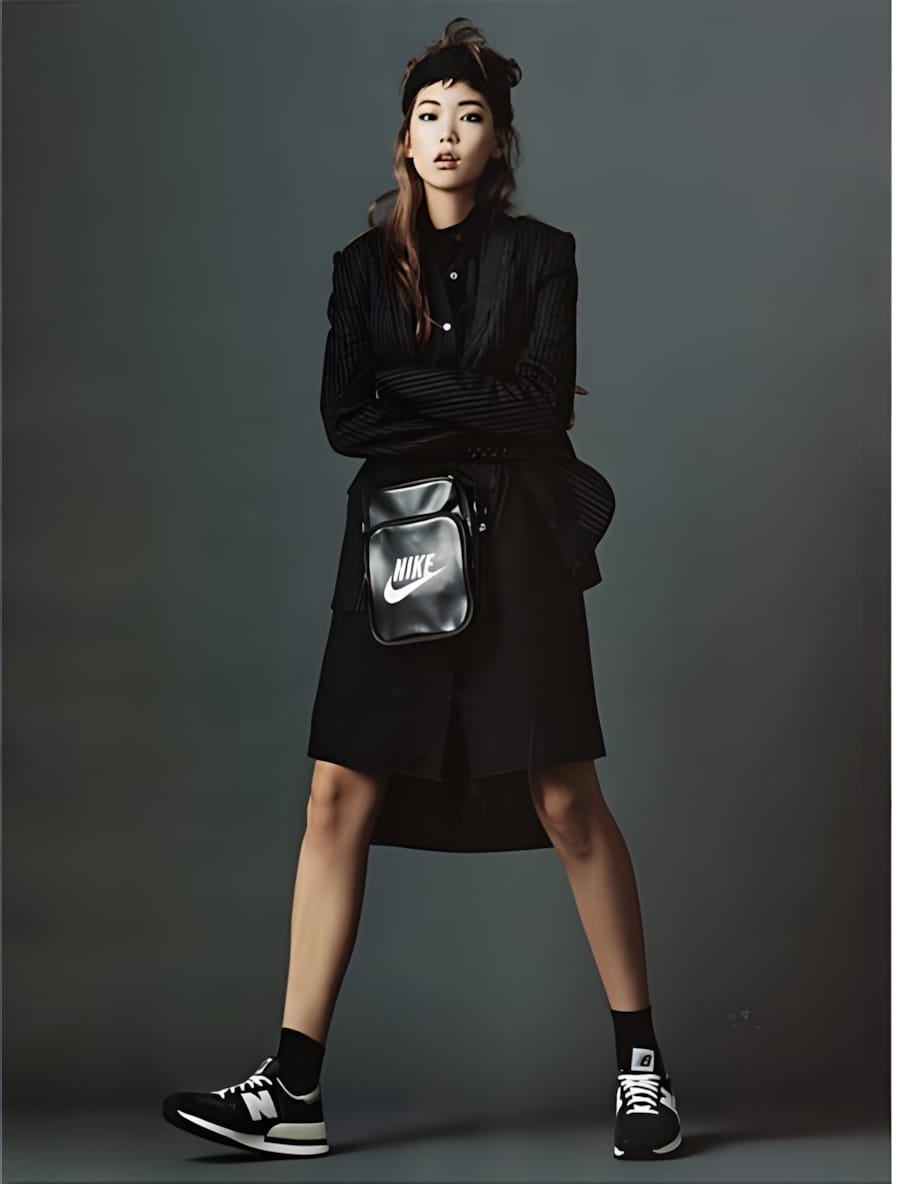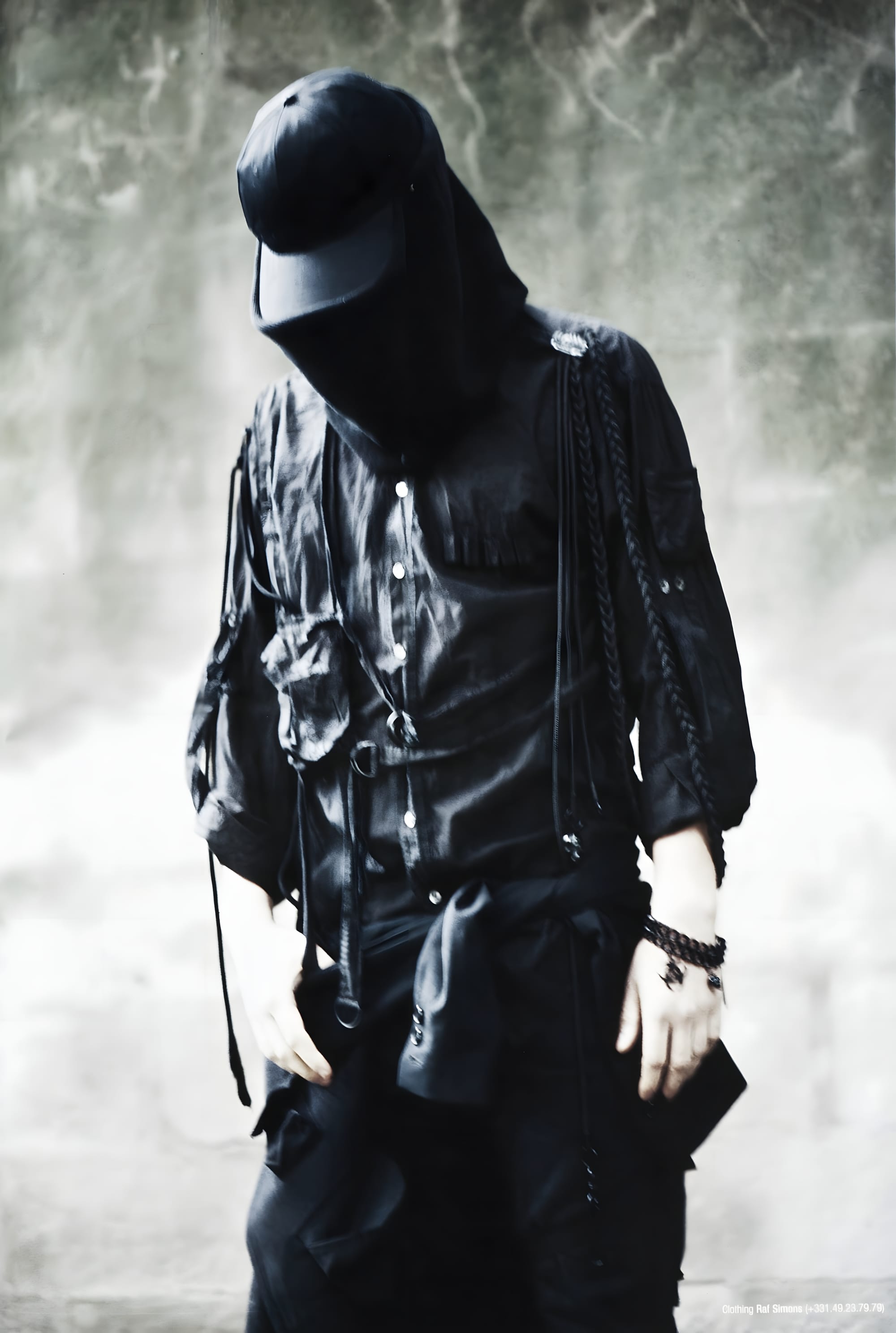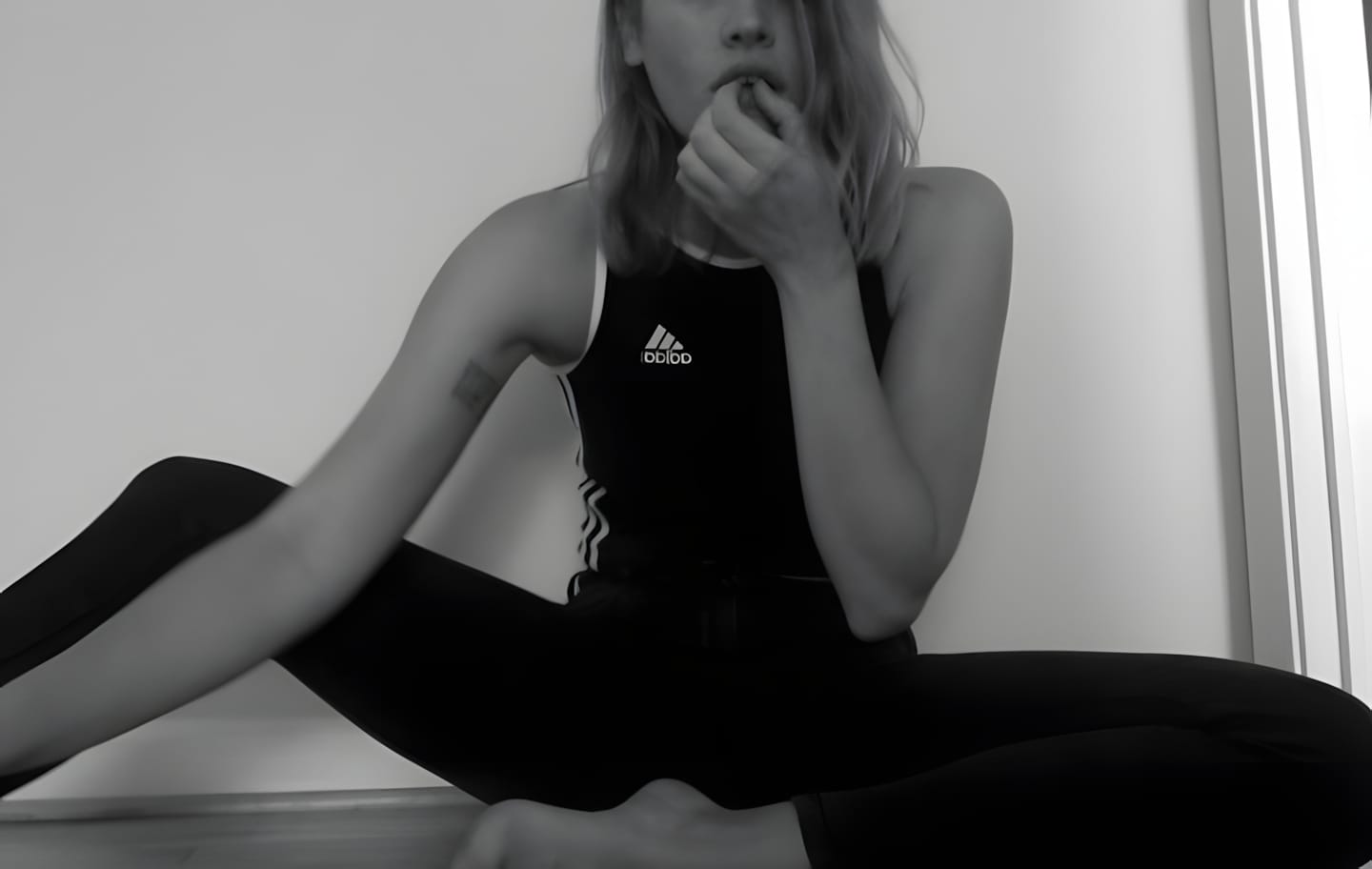
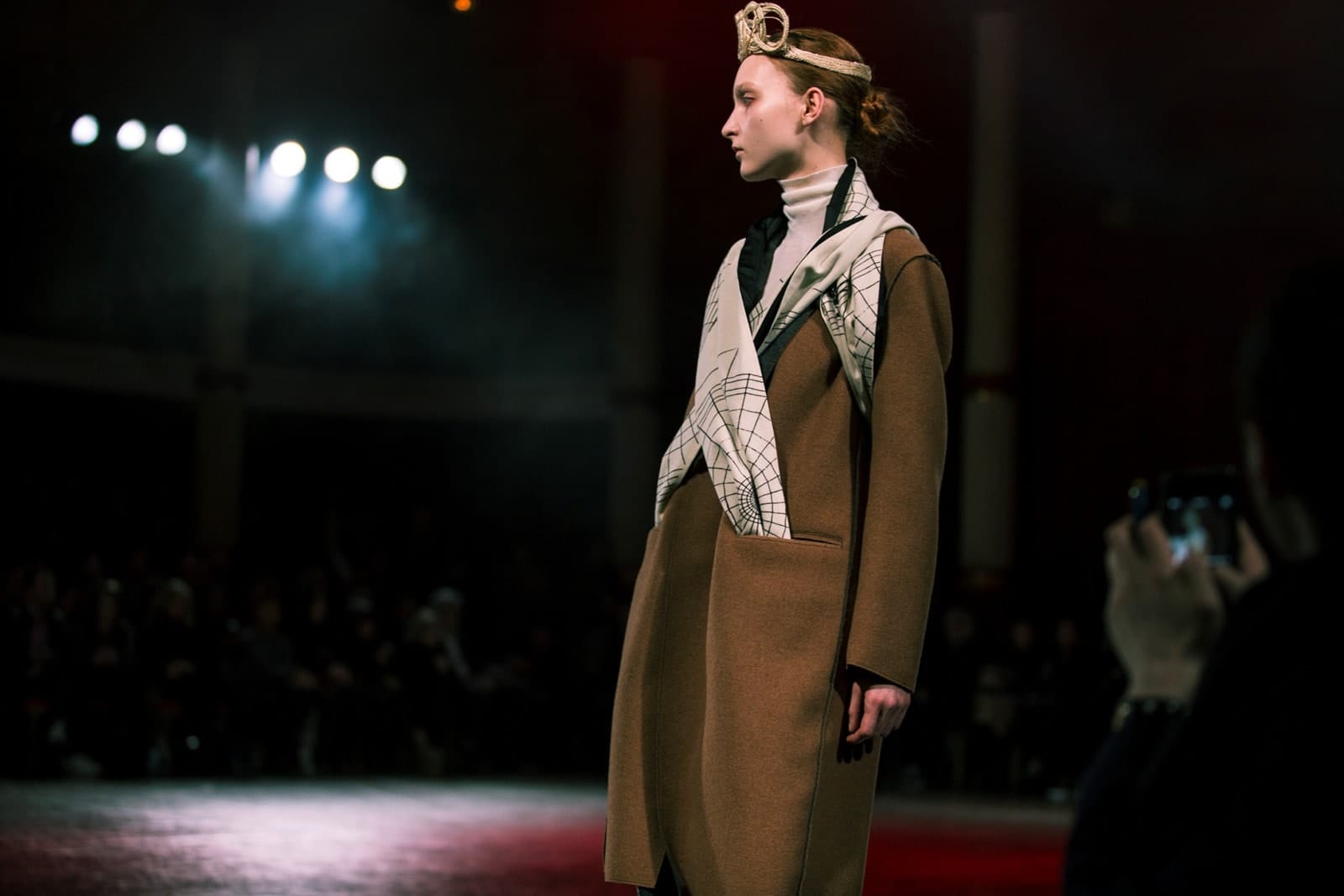
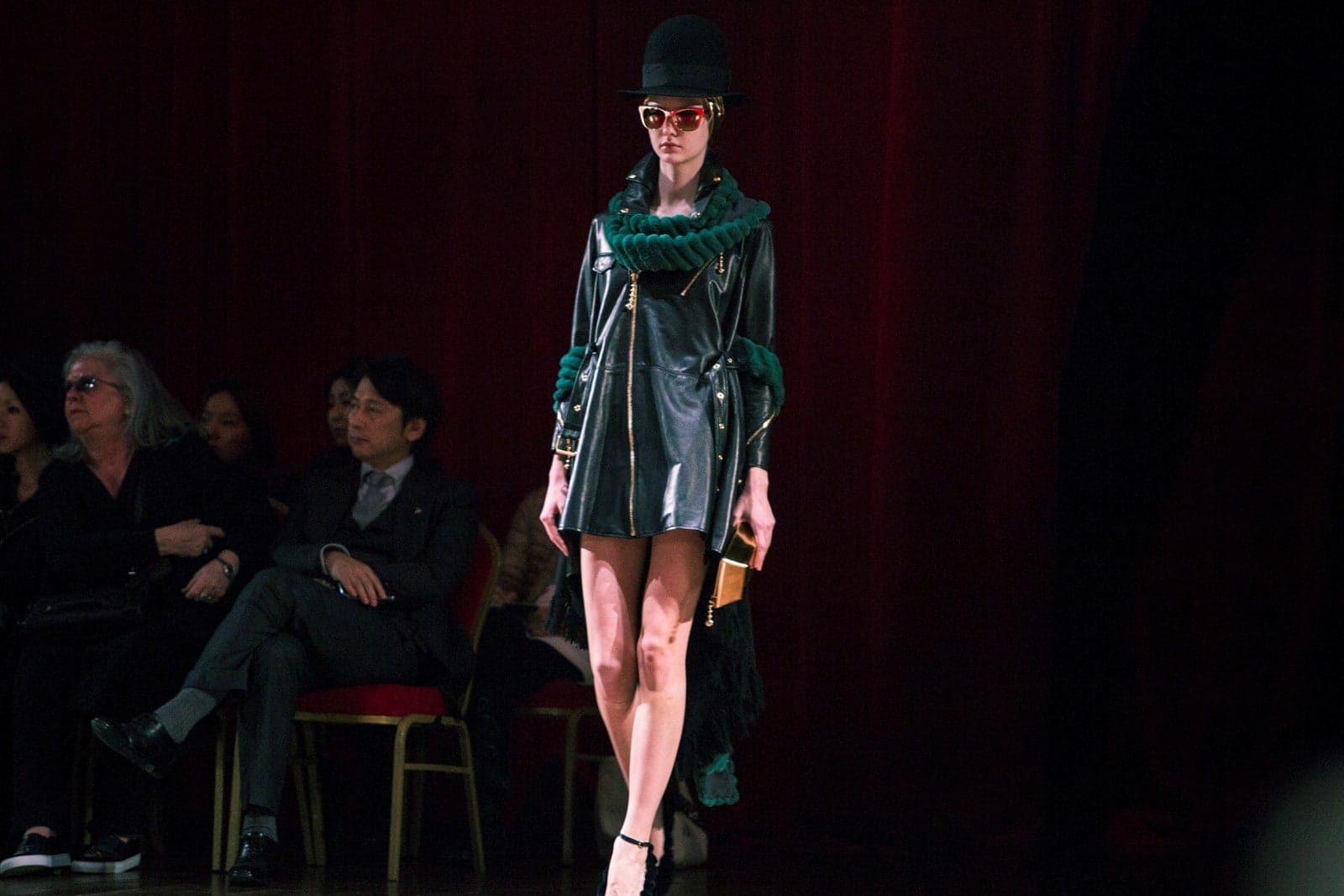
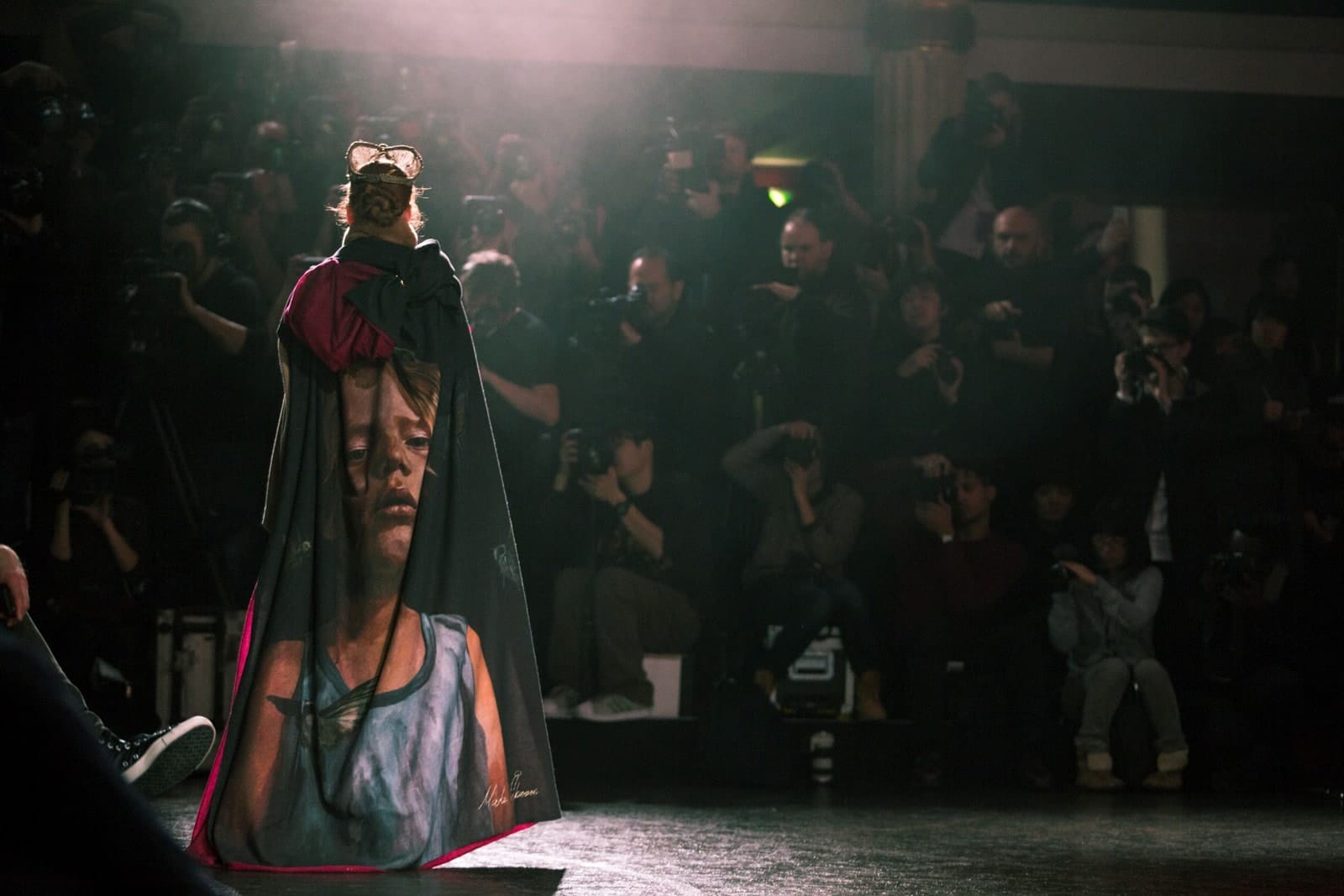
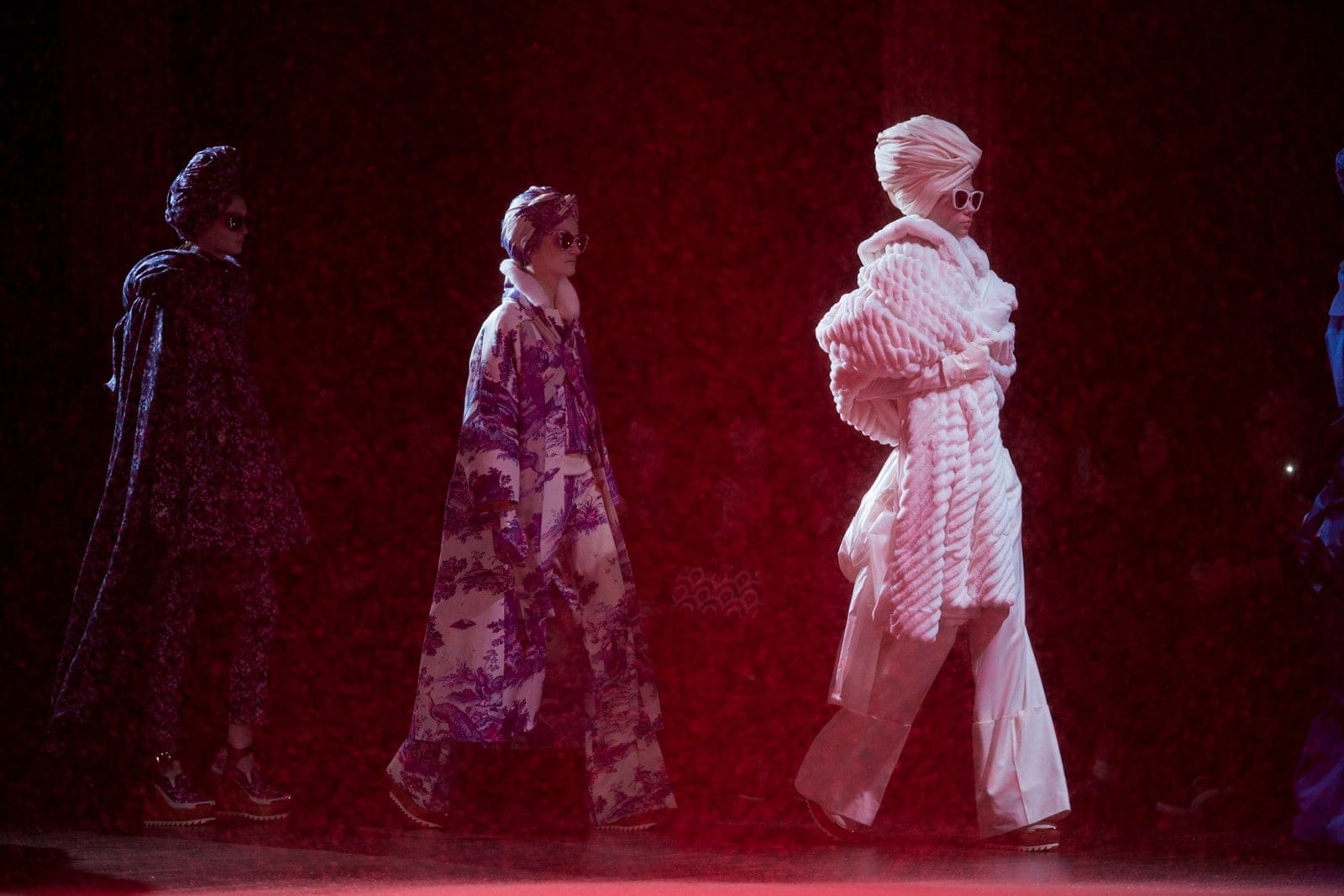
JohnUNDERCOVER fw2013
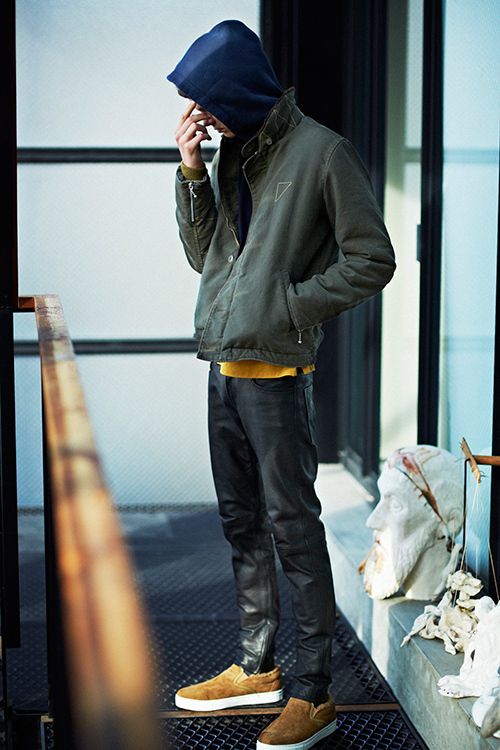
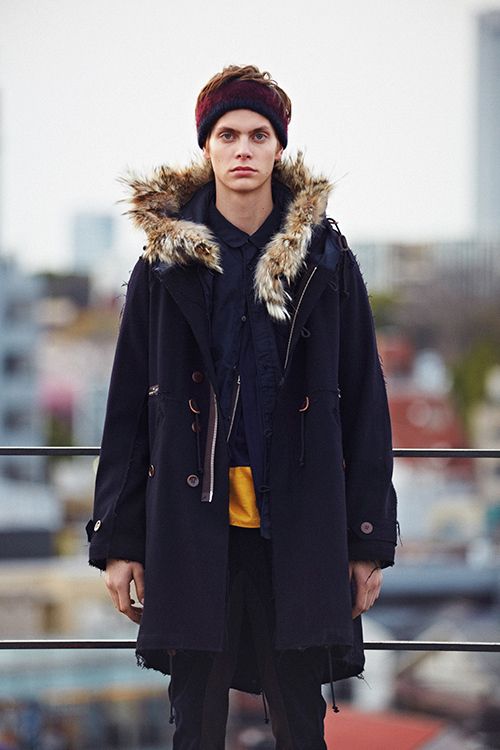
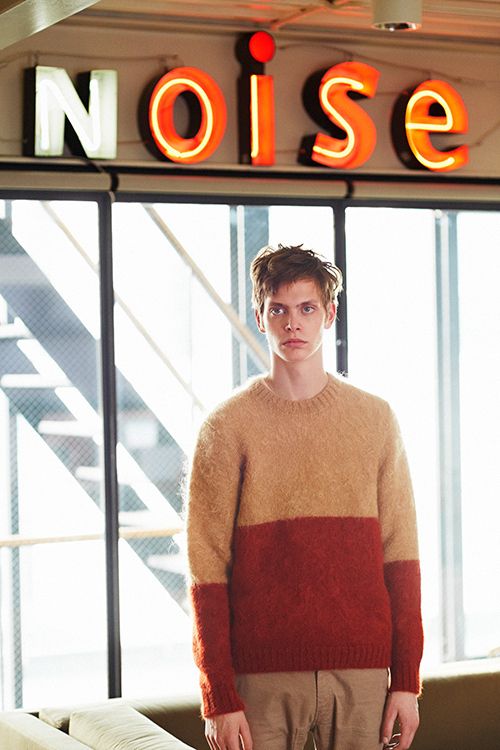
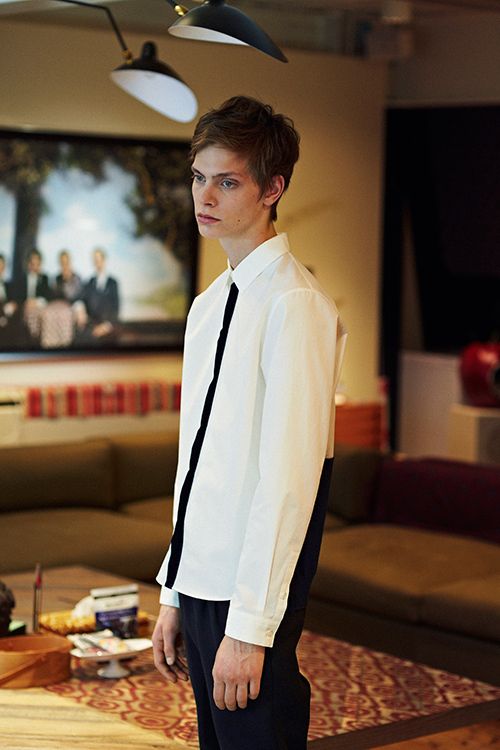
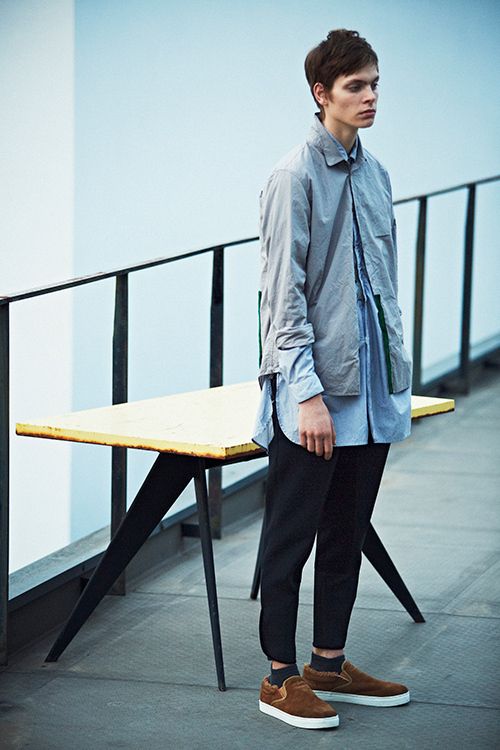
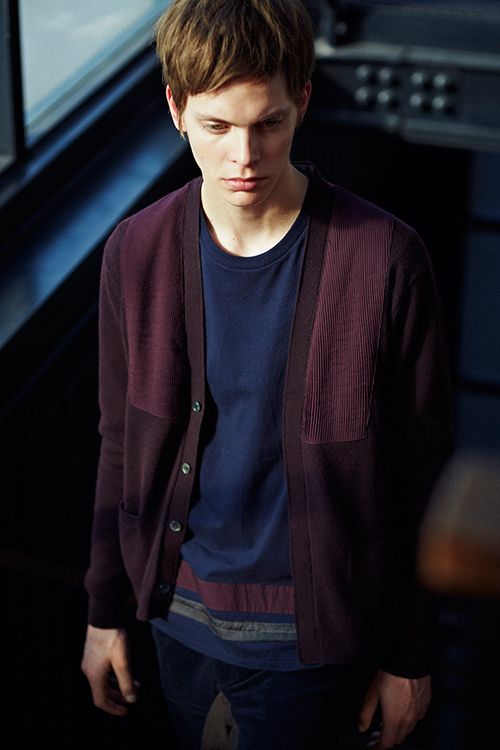
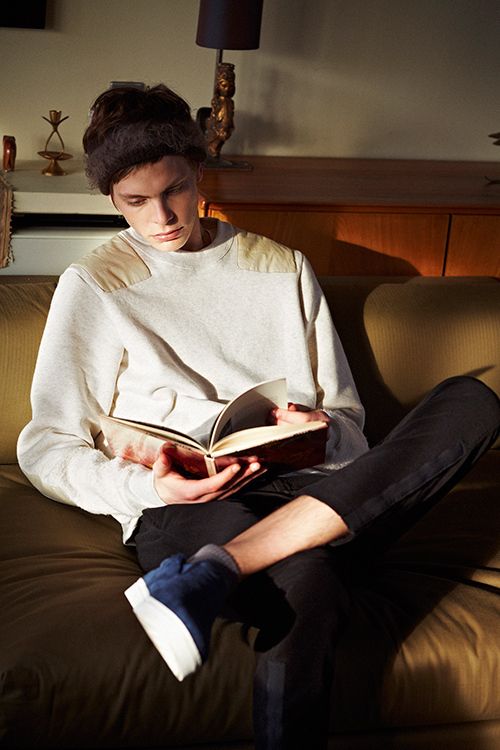
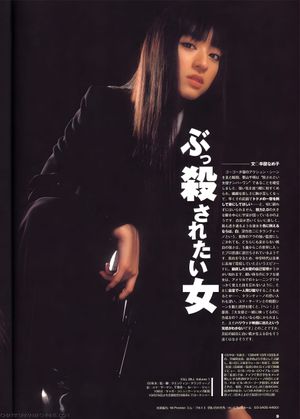
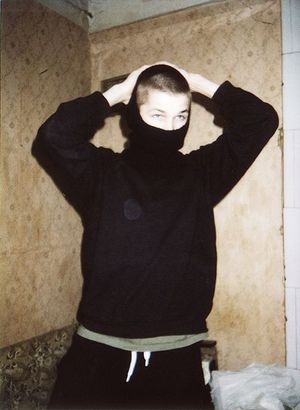
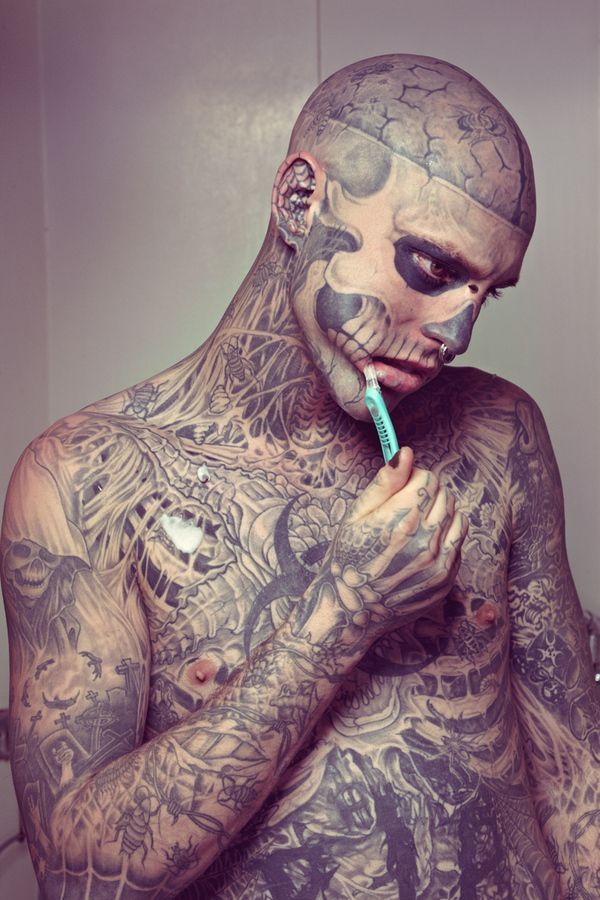
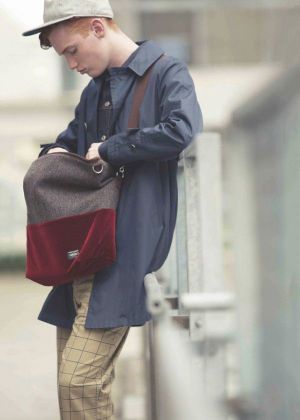
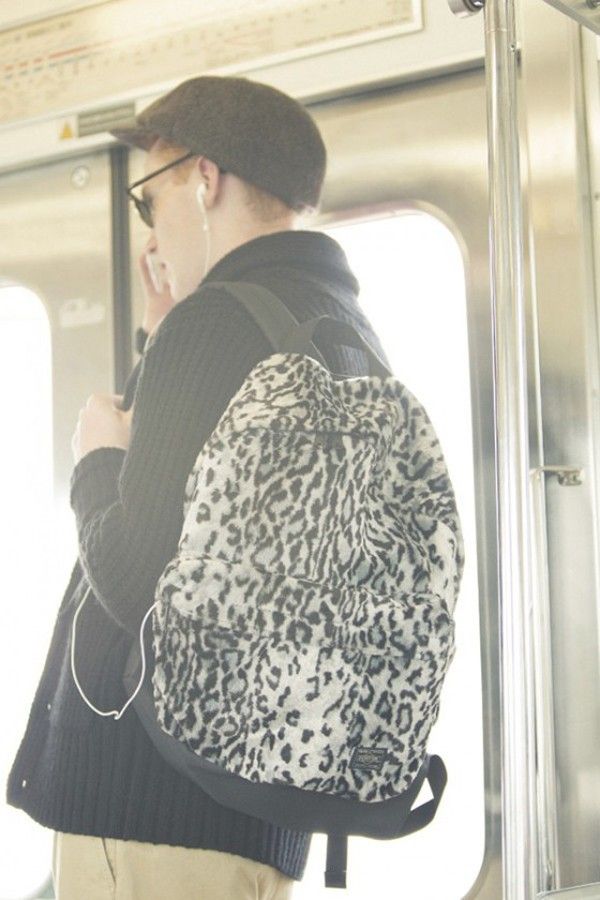
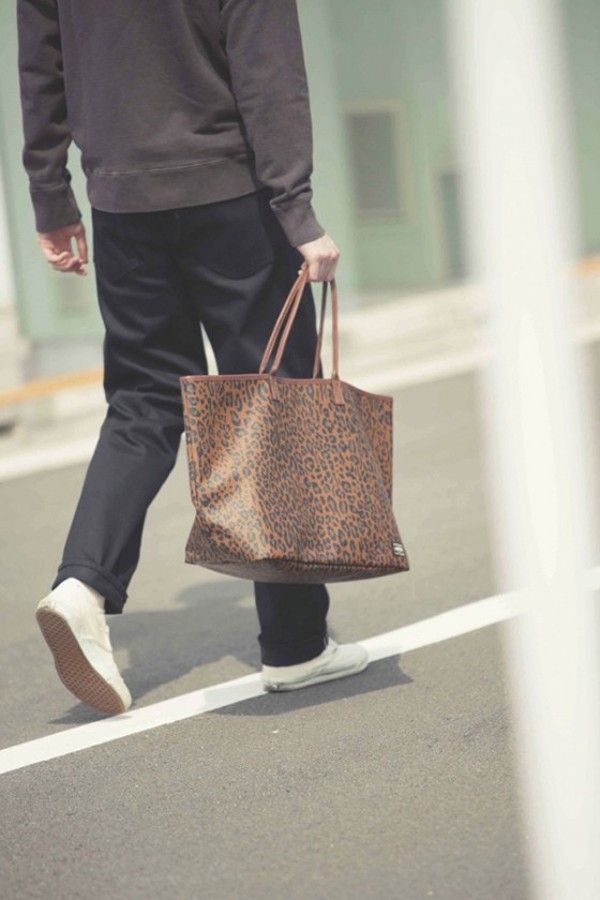
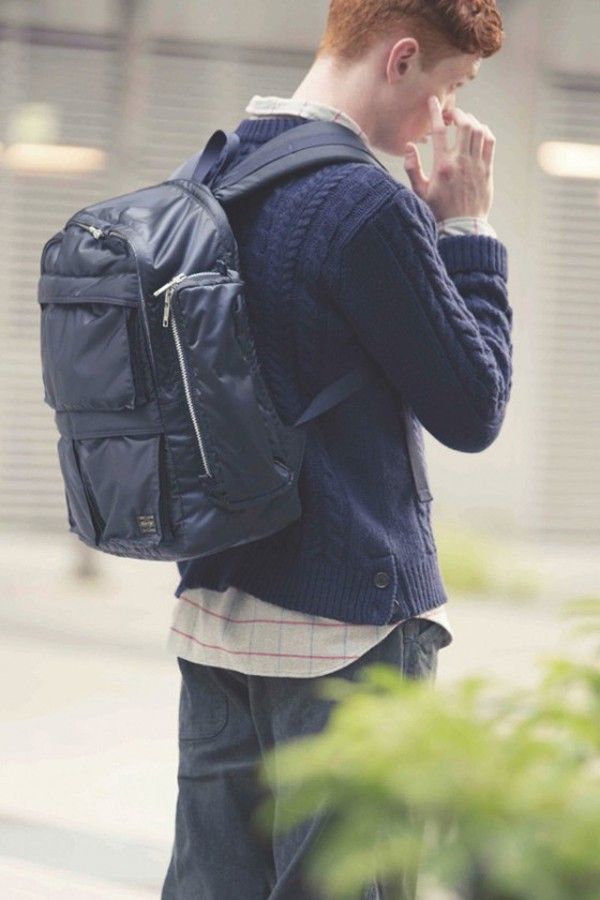
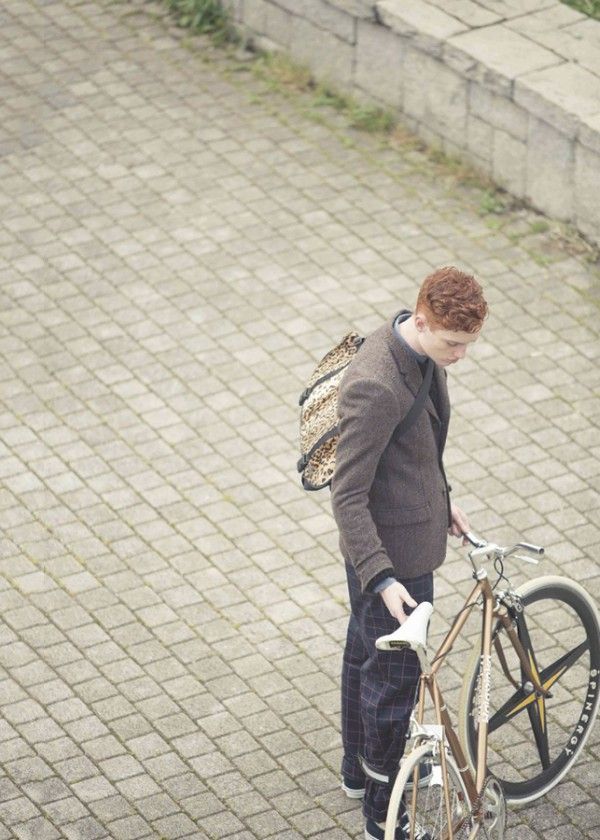
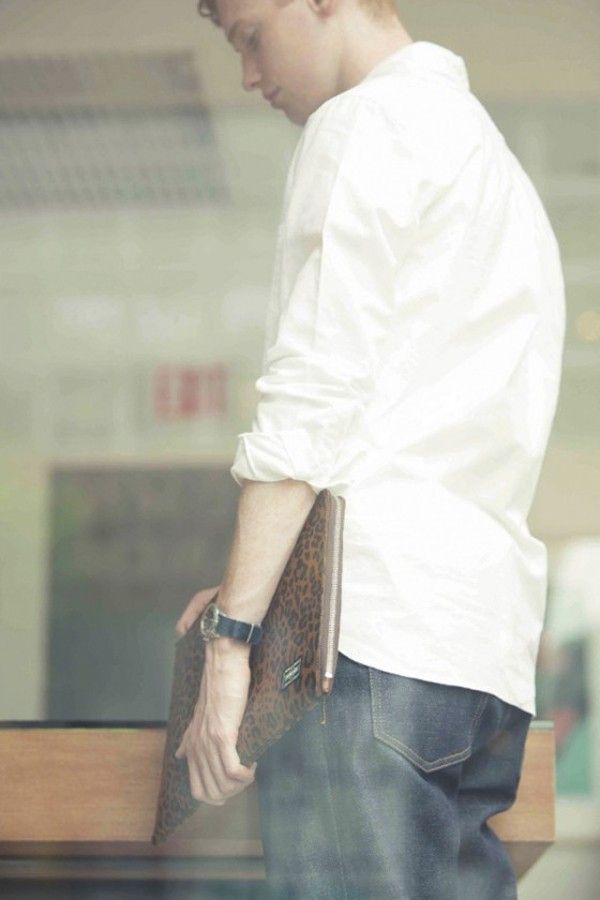
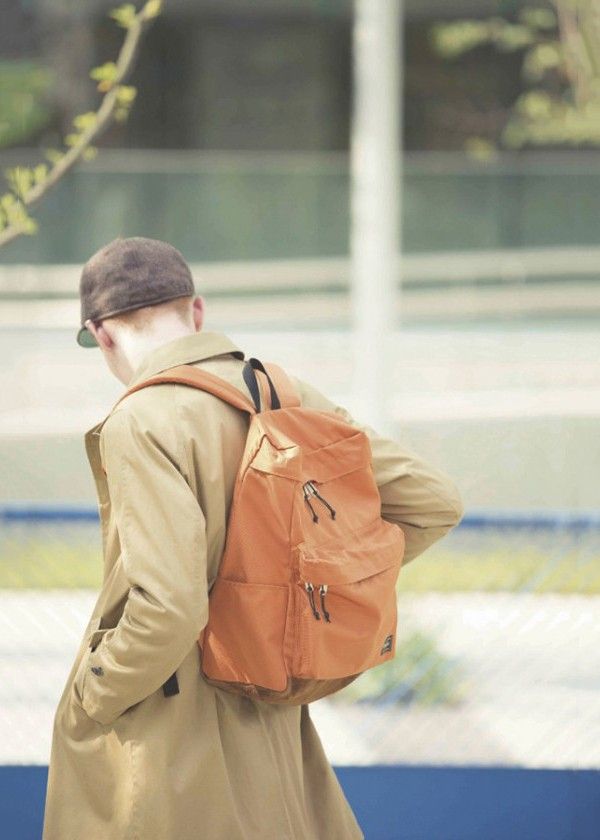
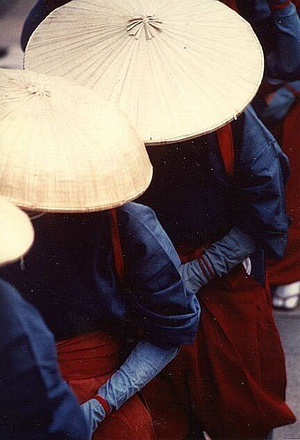
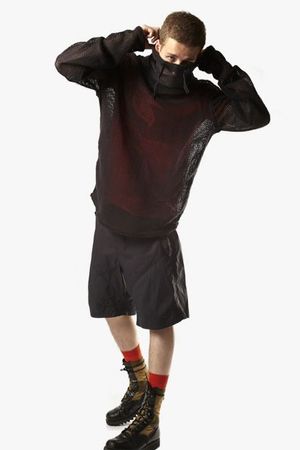
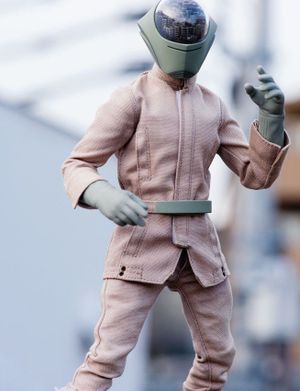
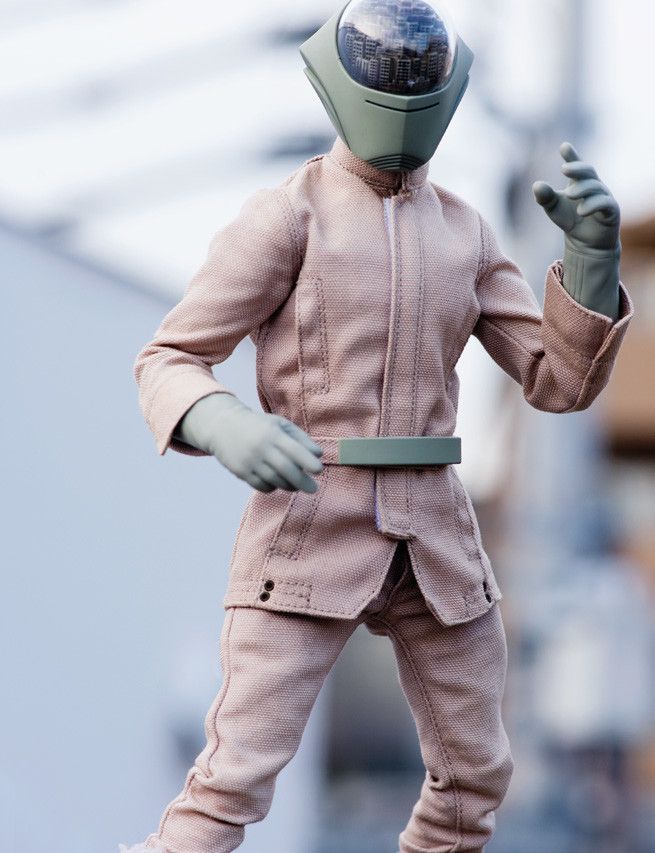
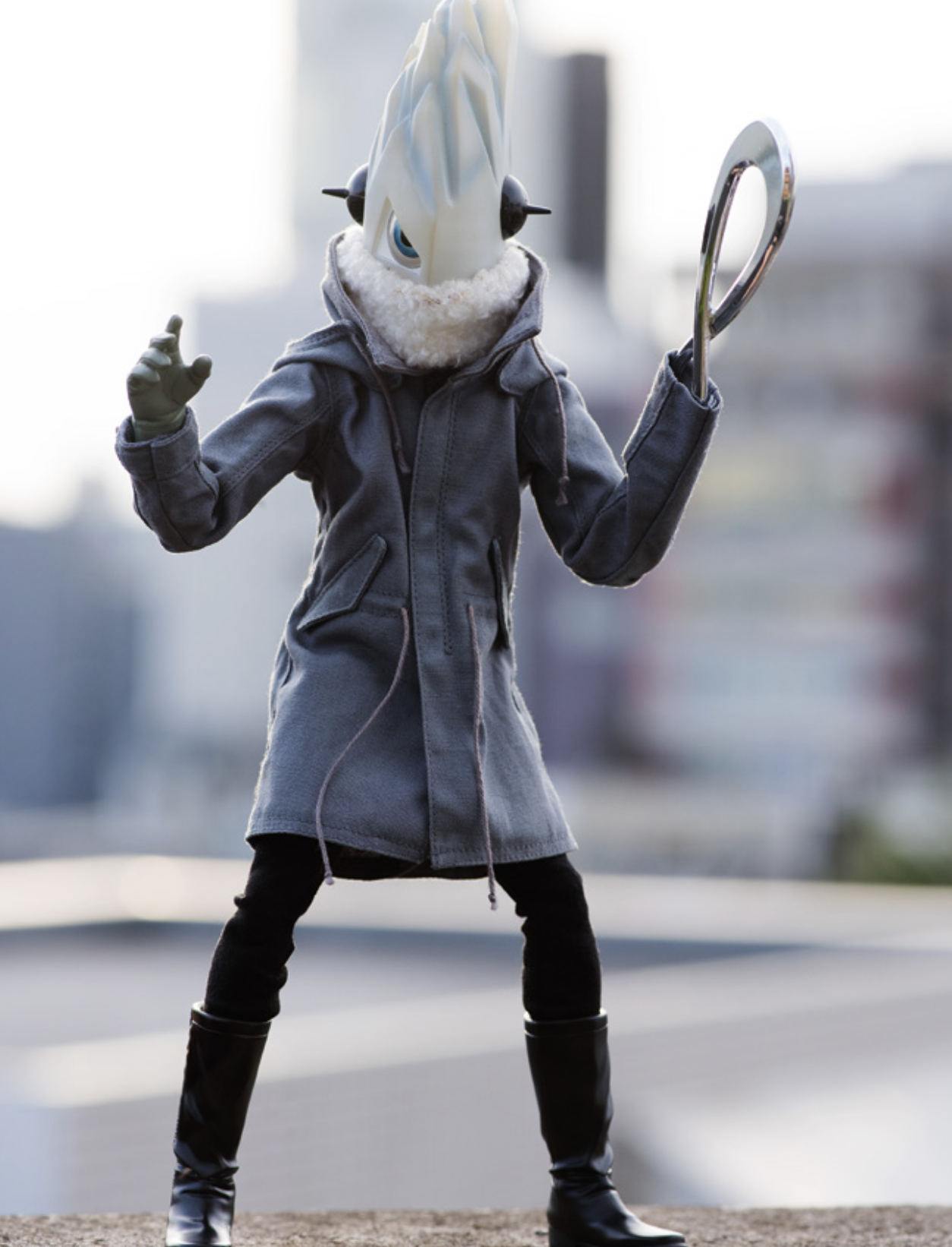
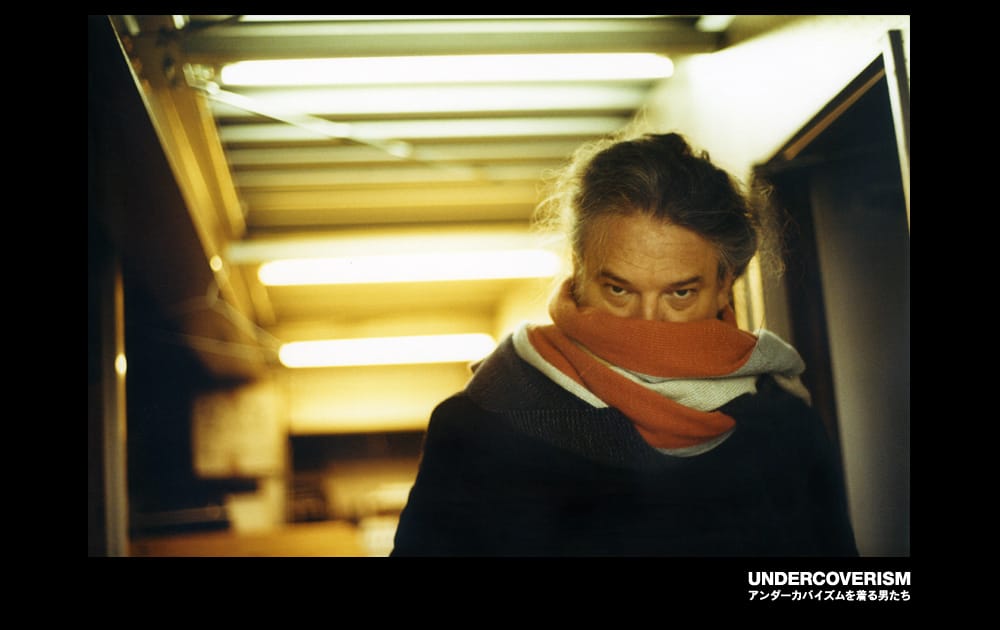
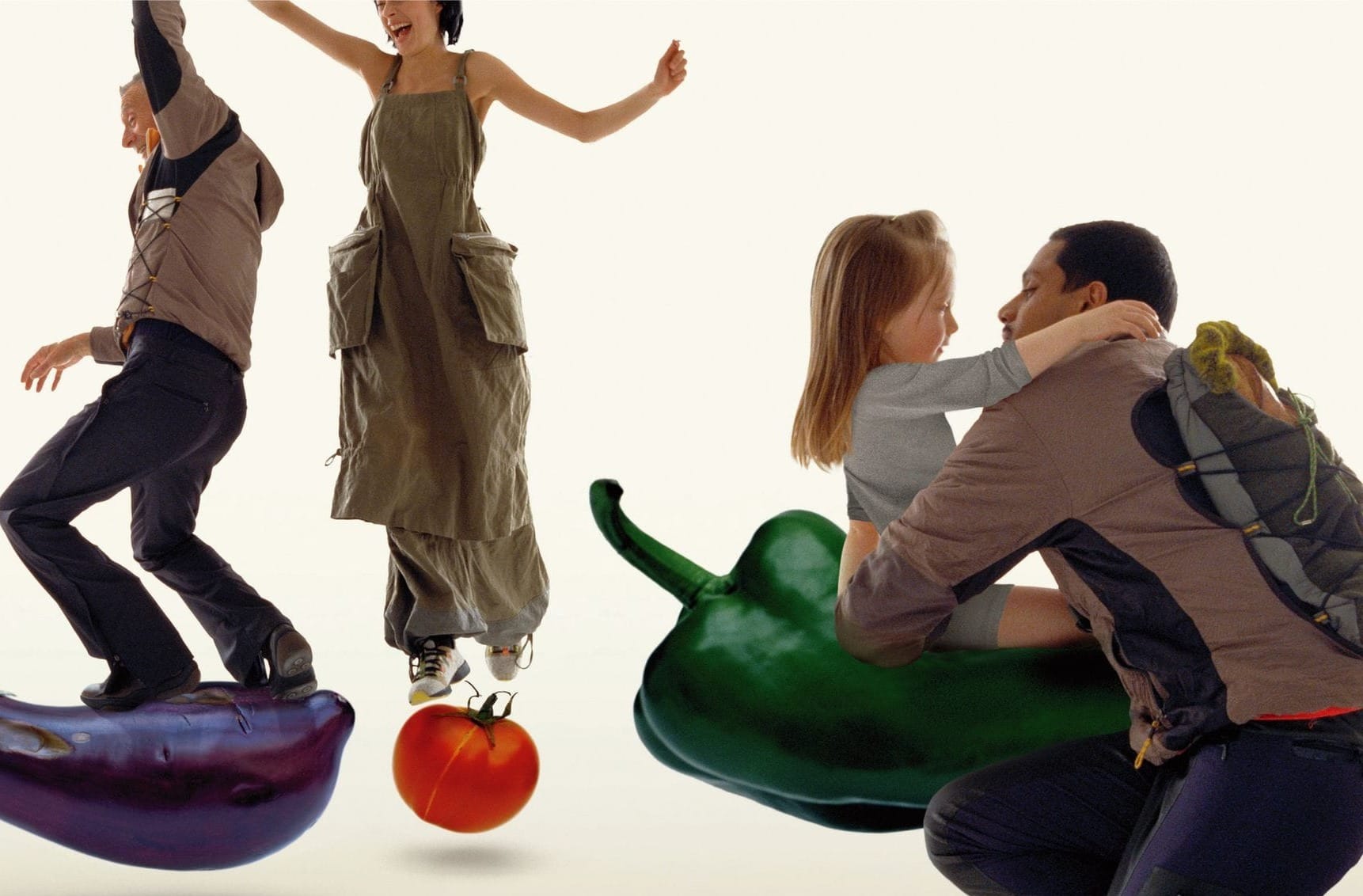
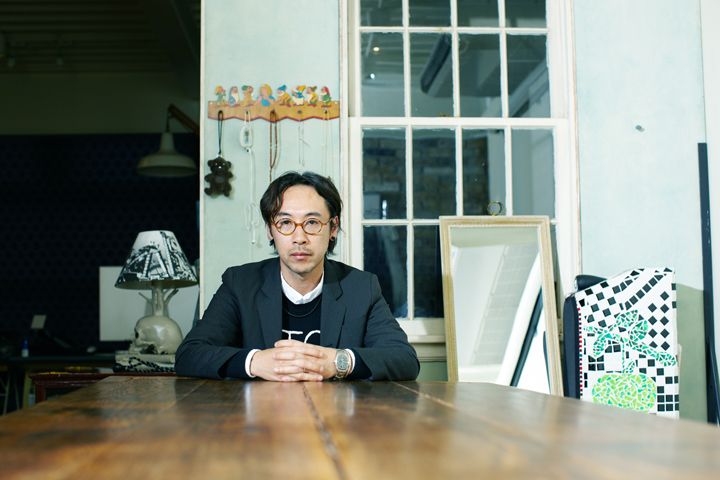
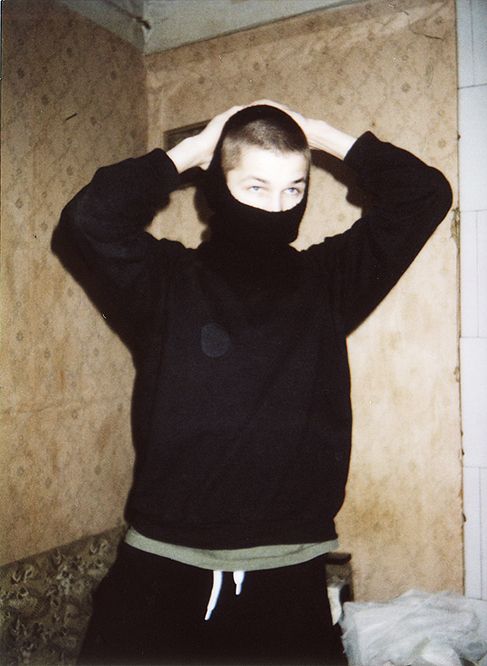
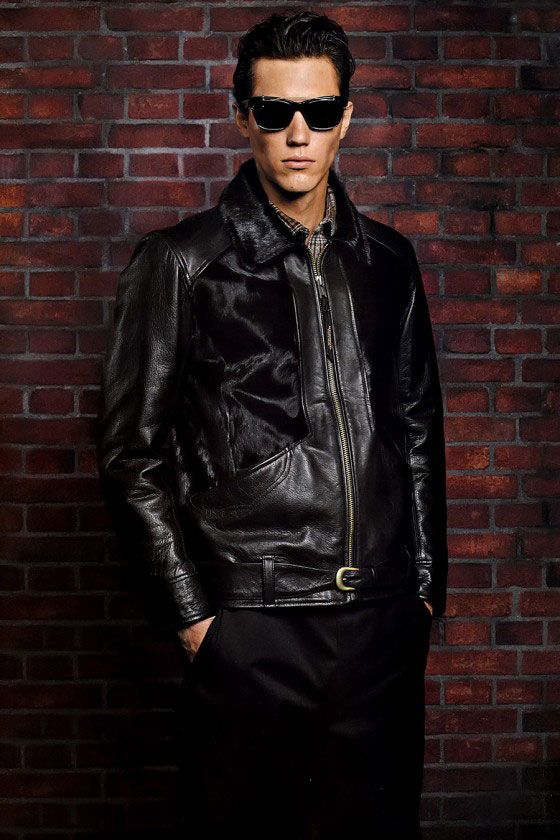
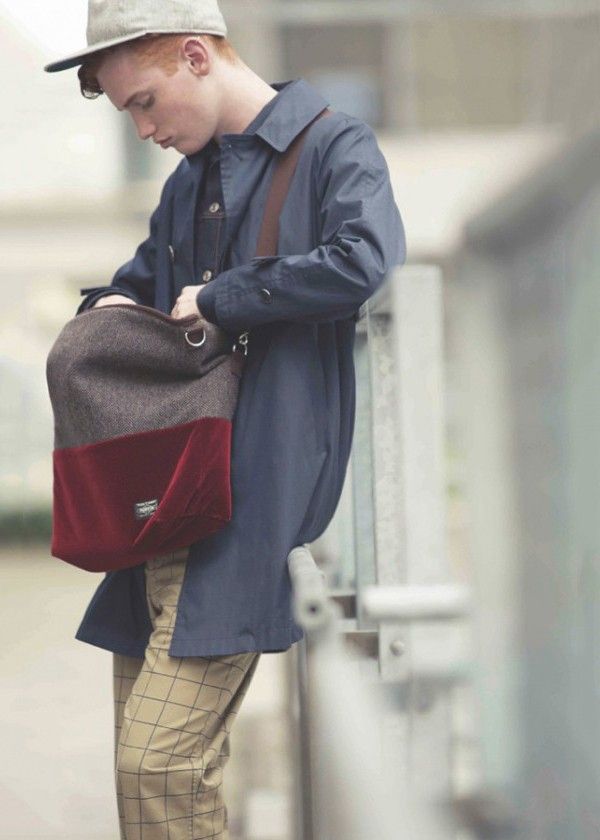
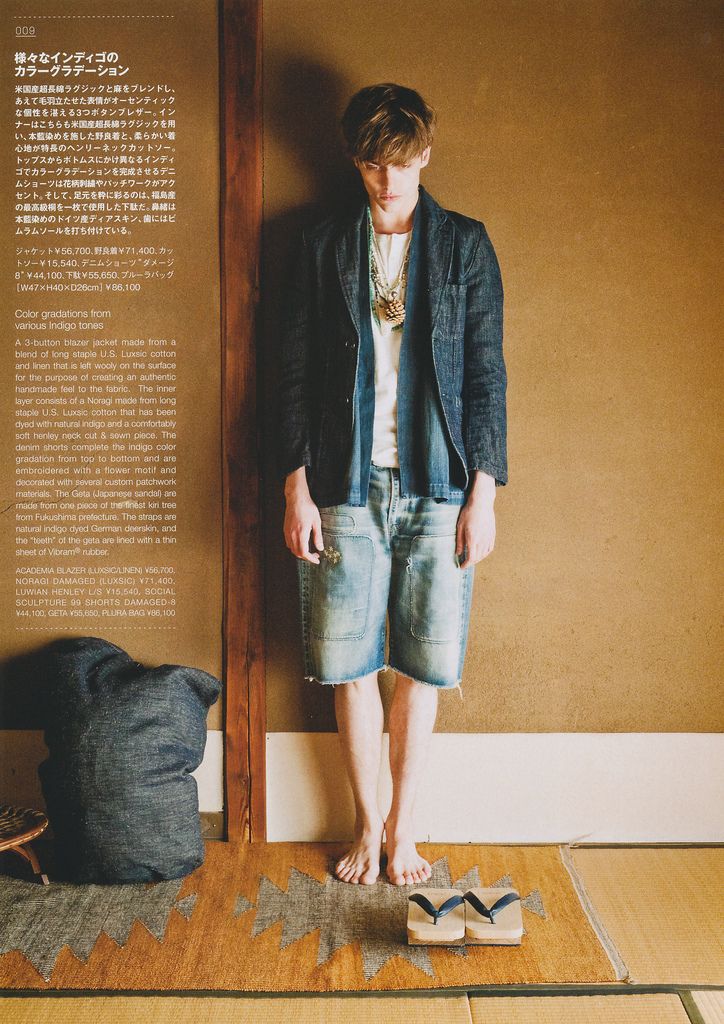
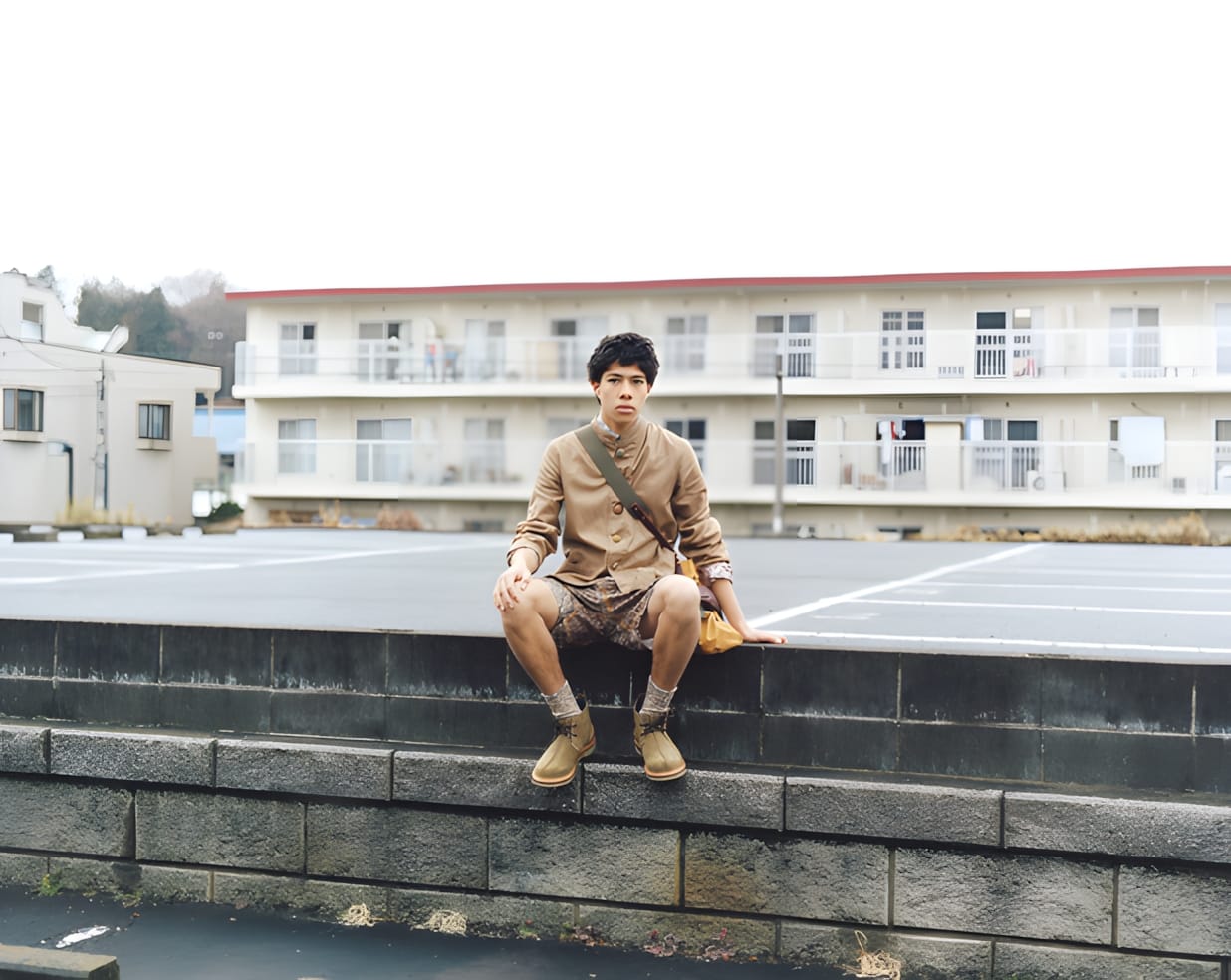
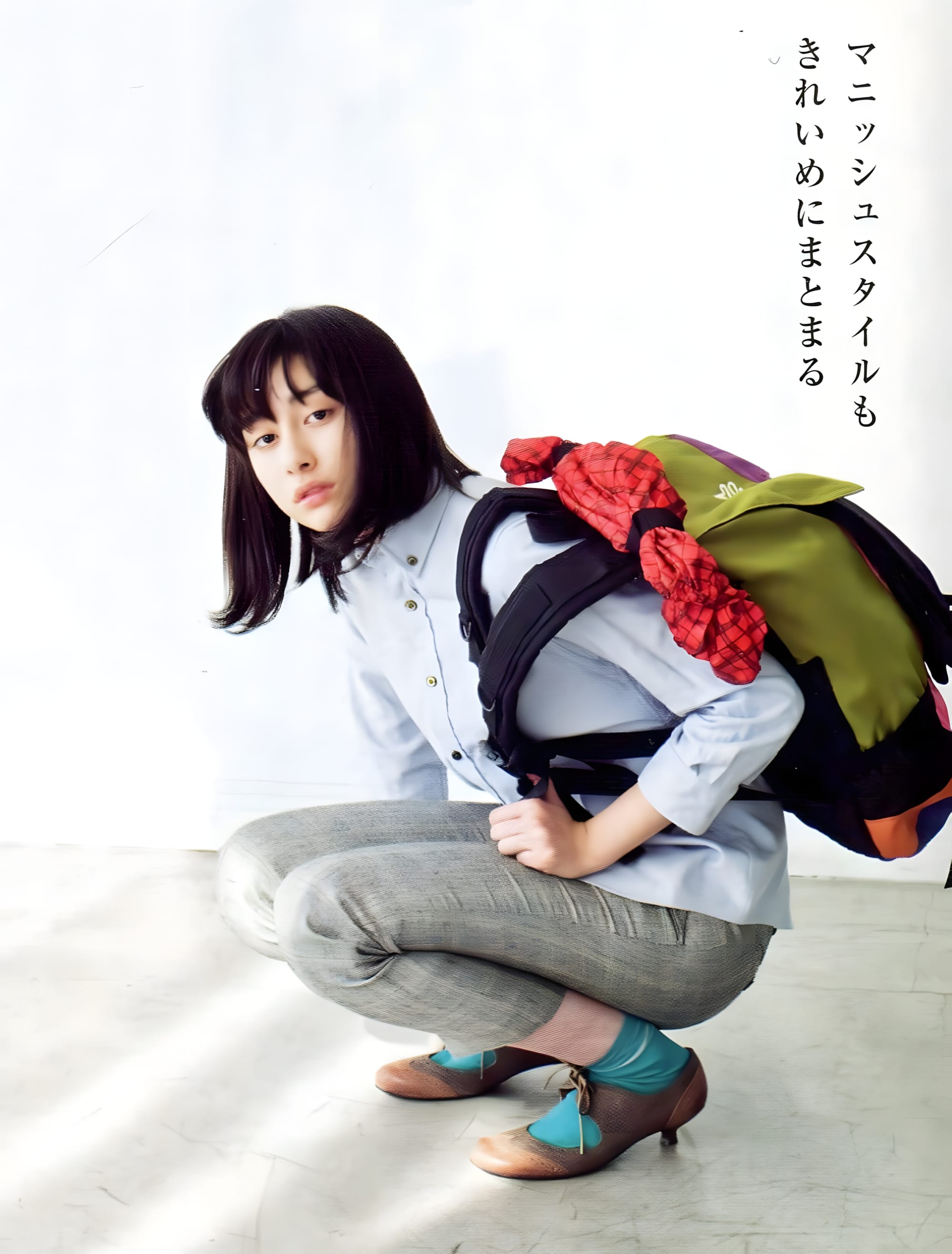
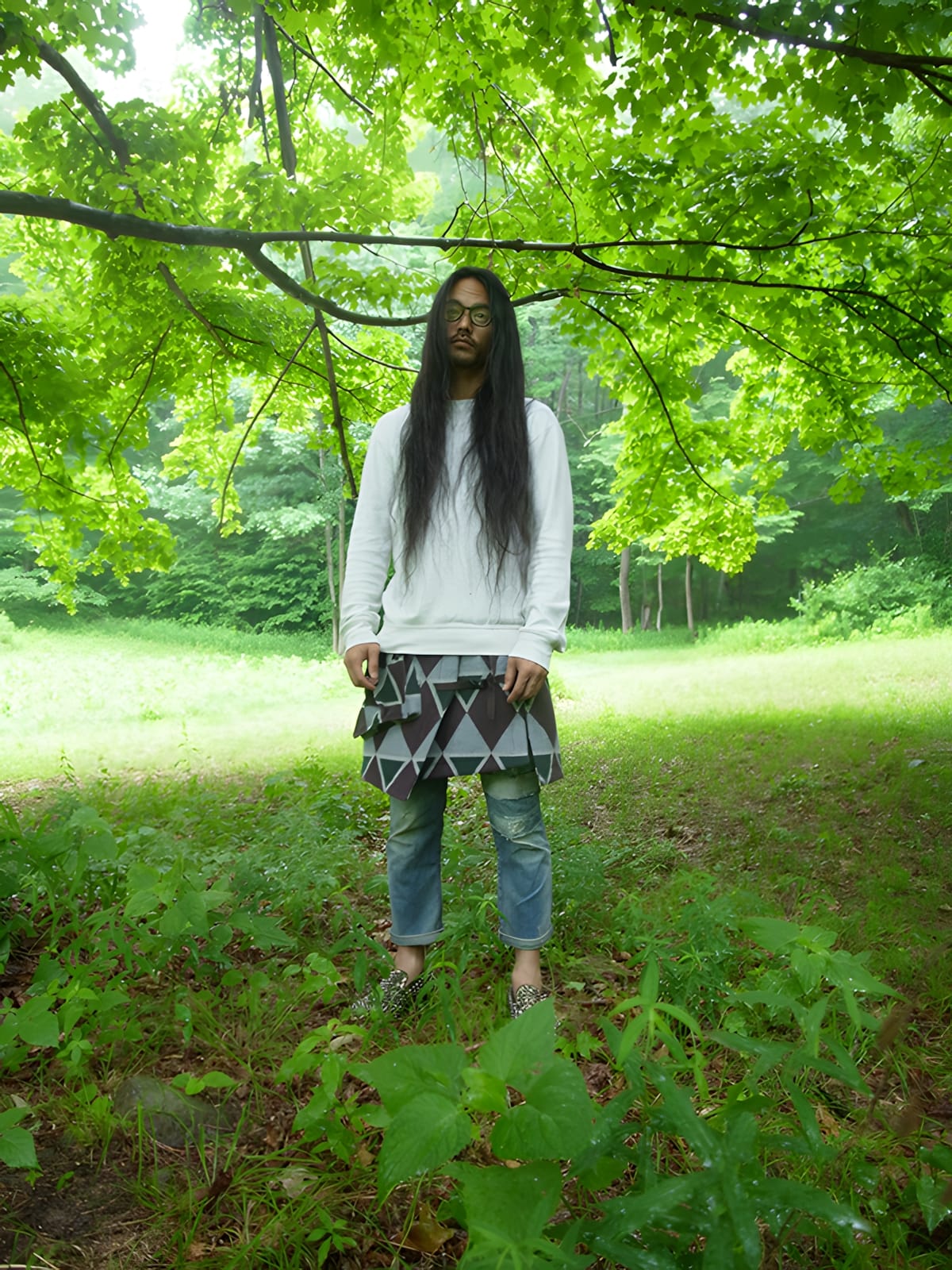
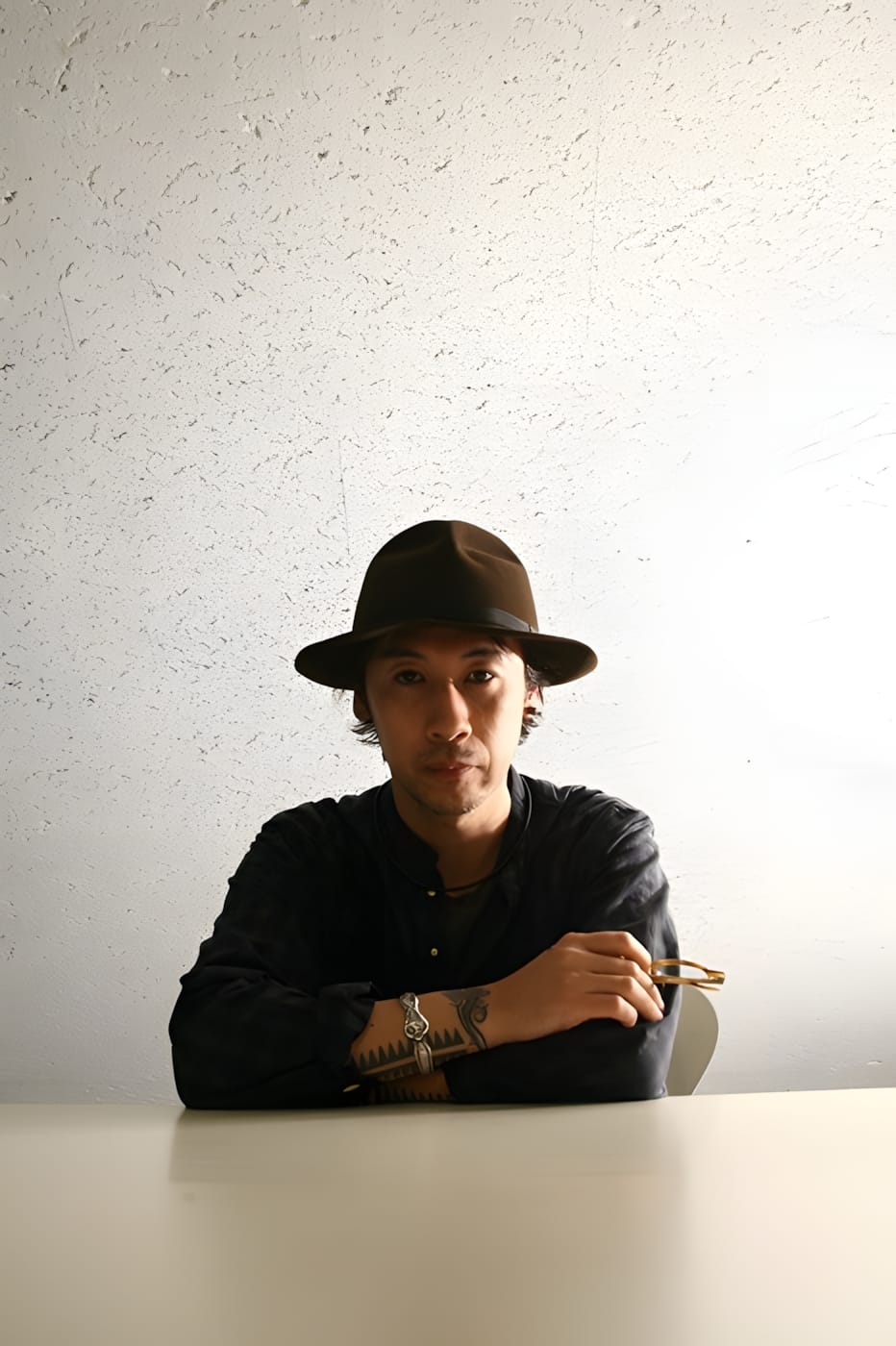
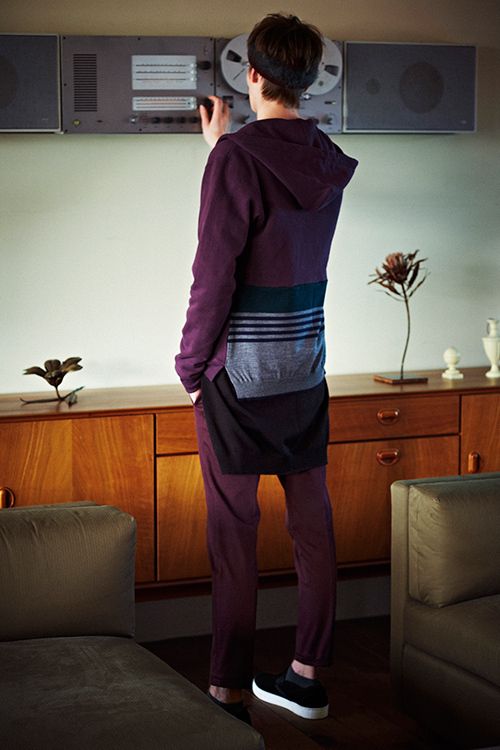
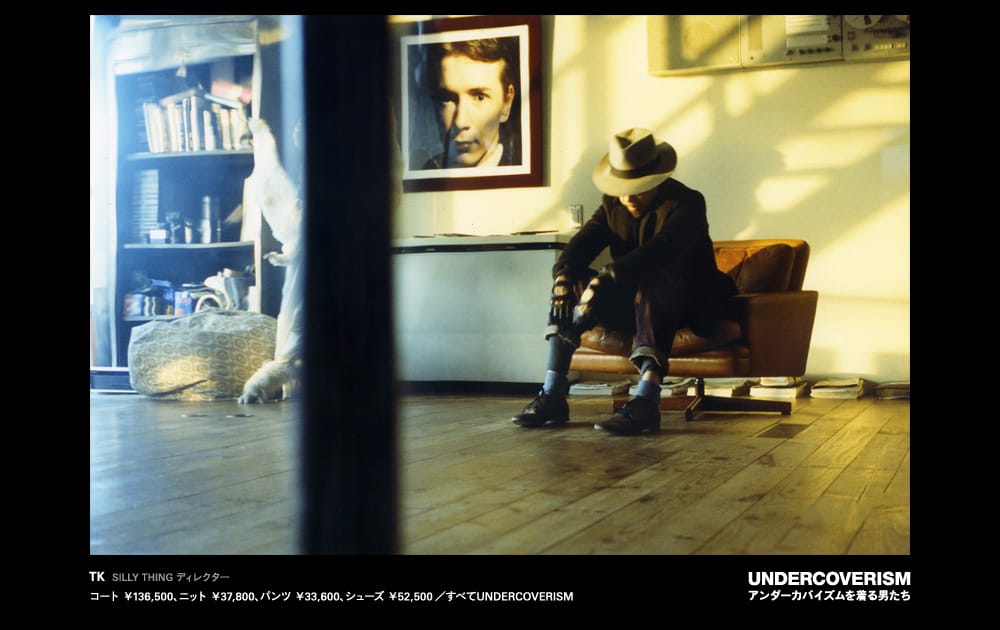
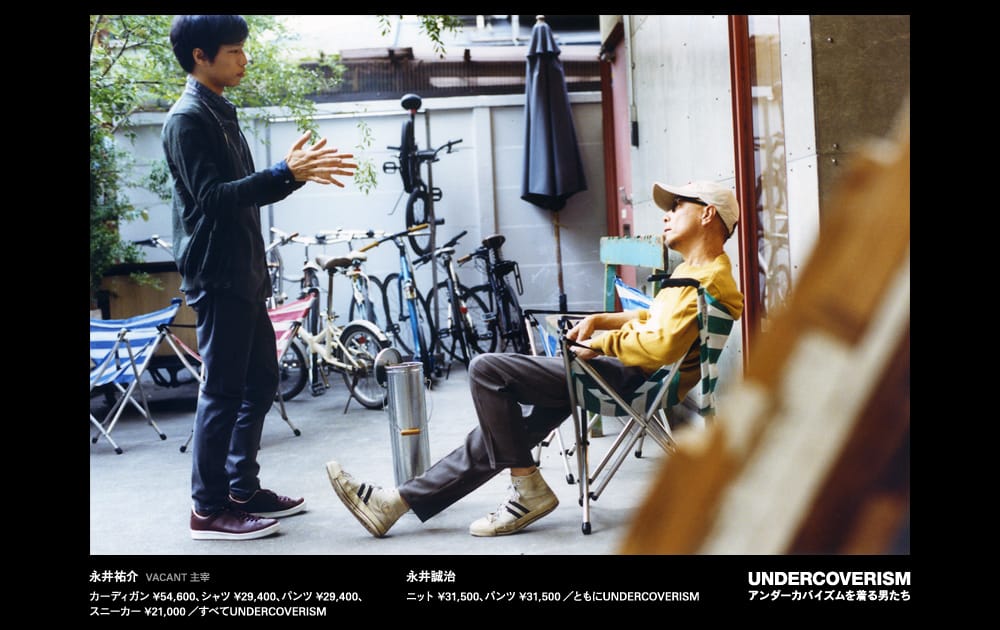
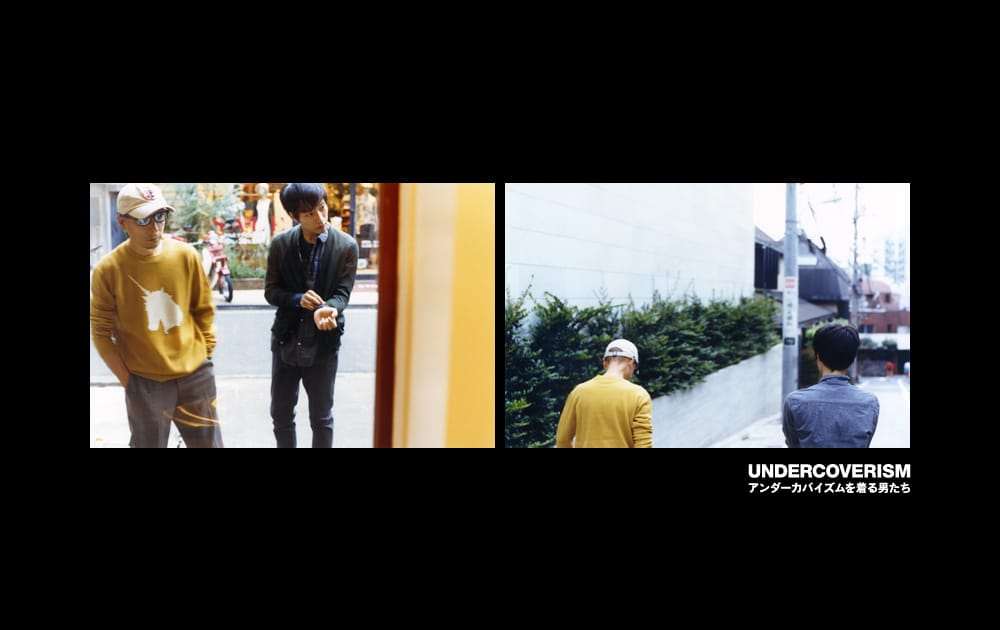
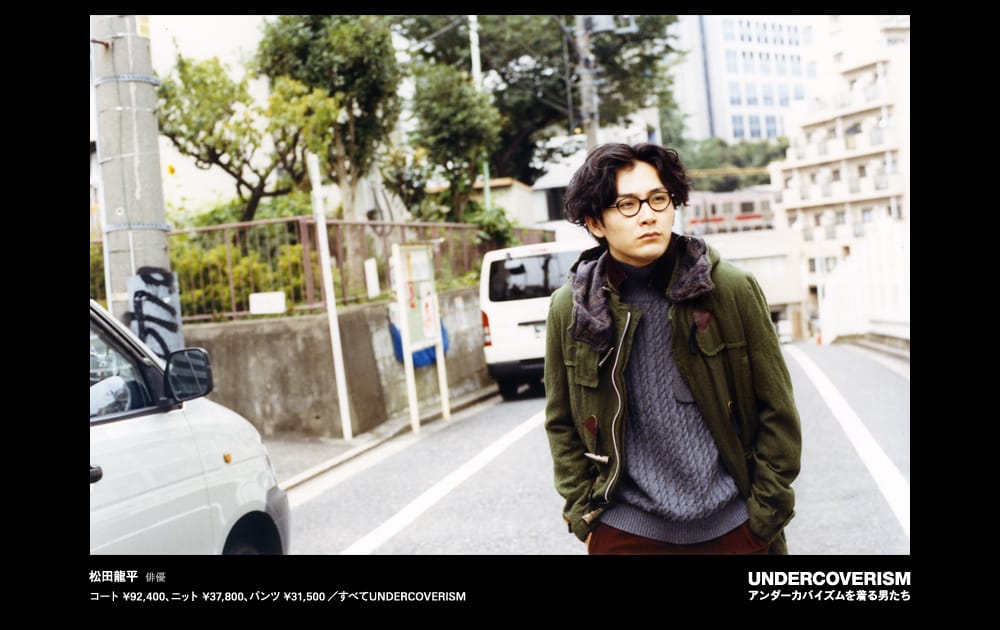
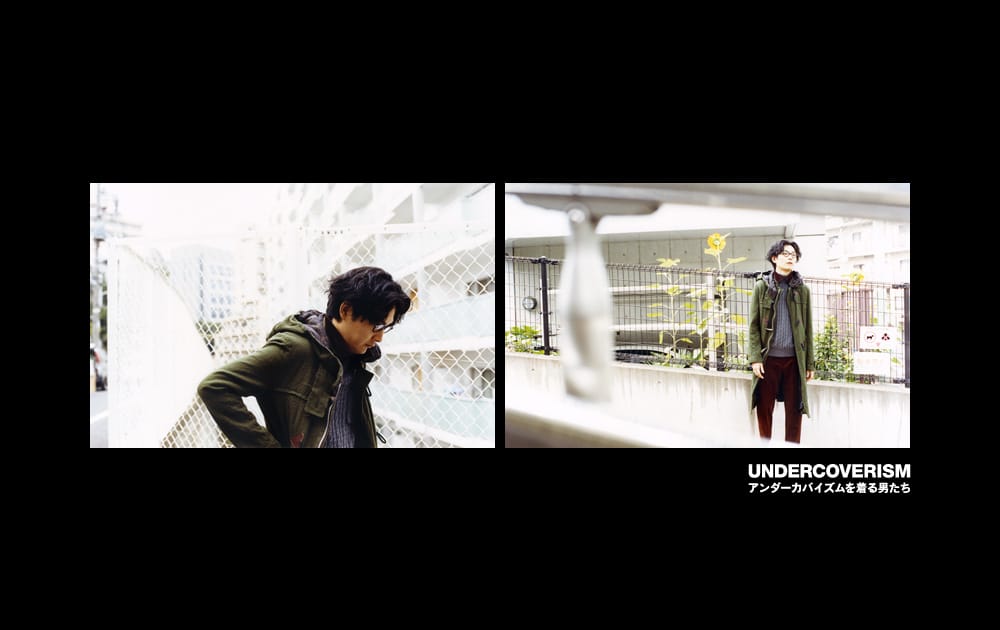
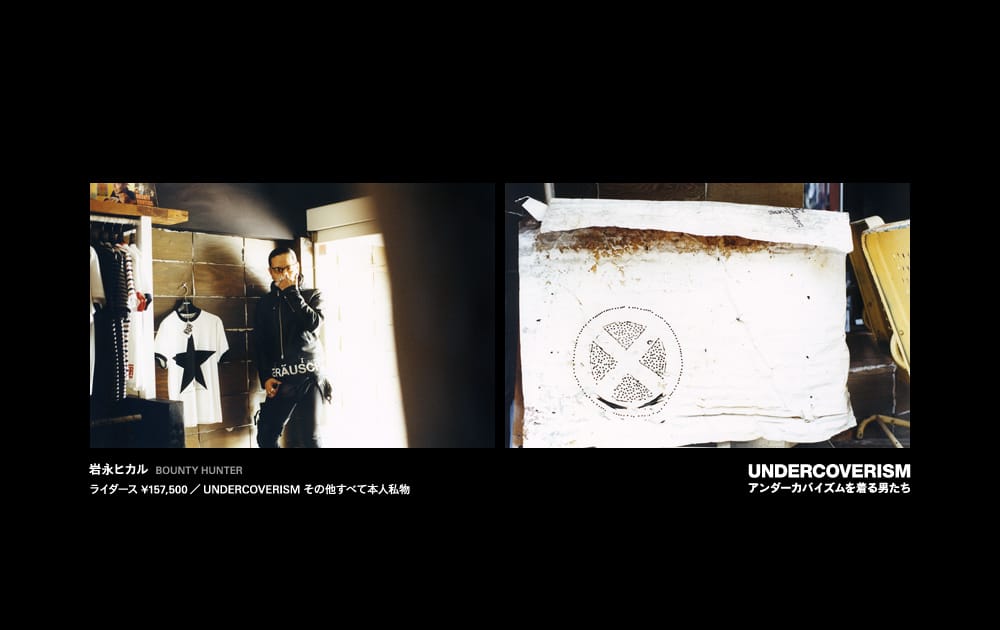
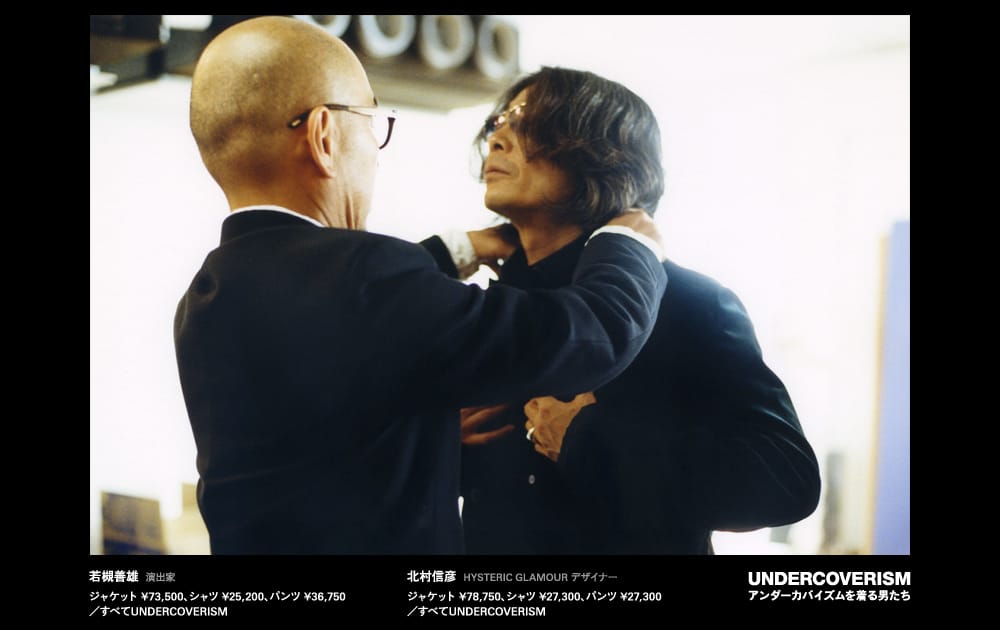
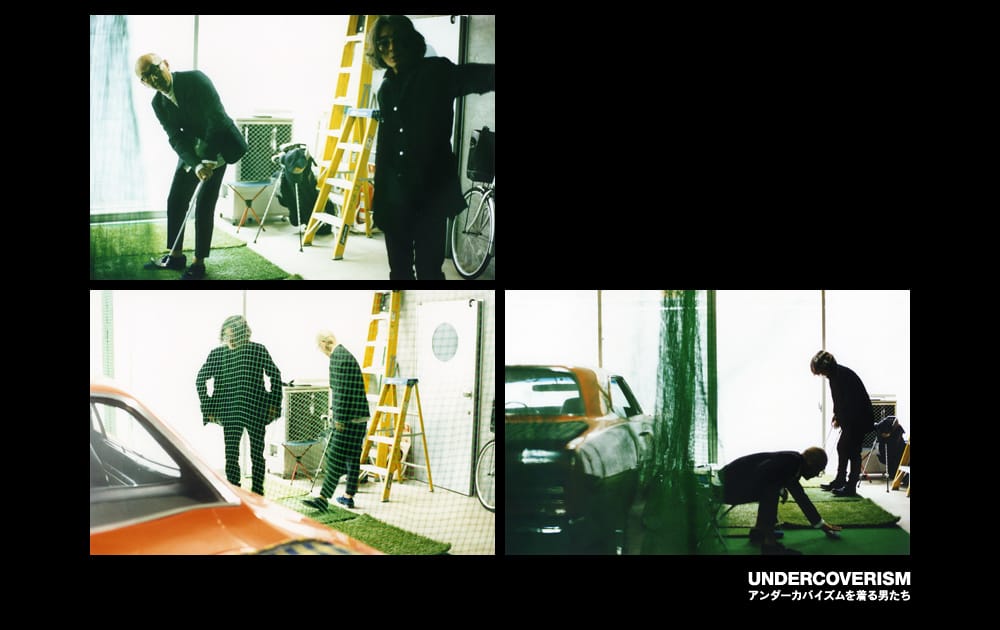
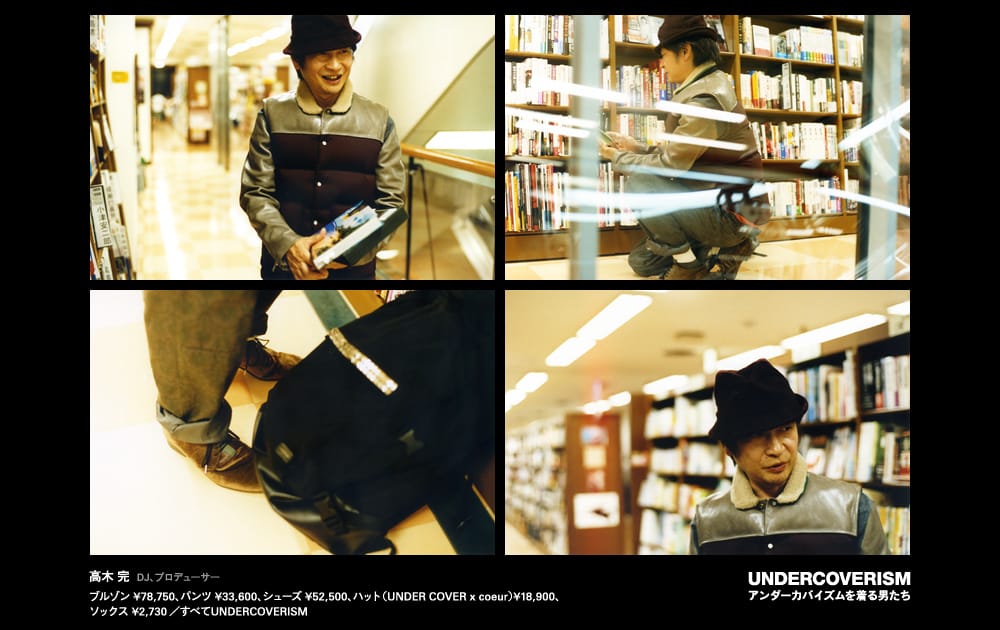
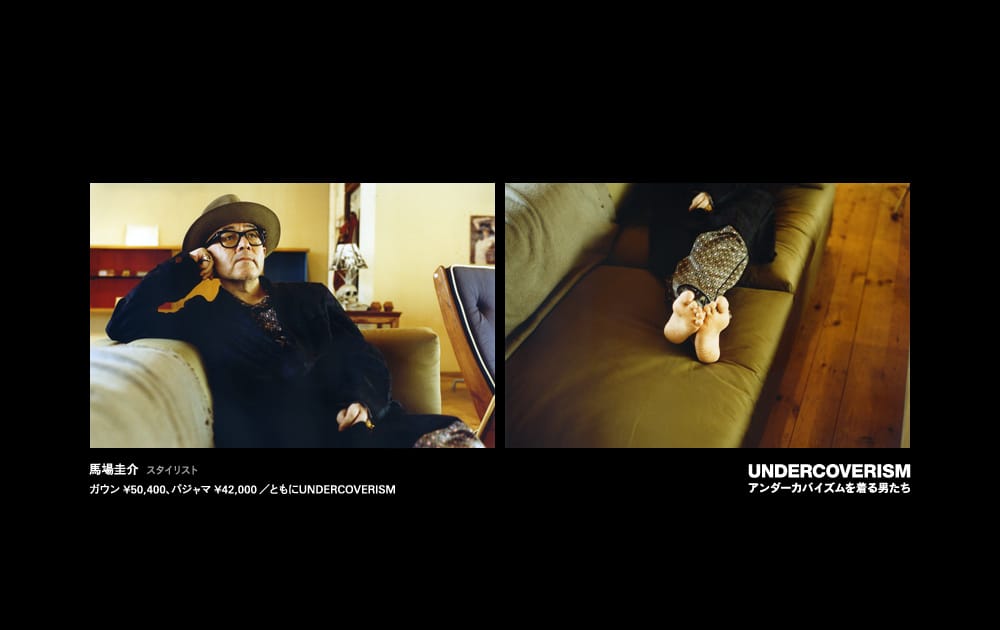
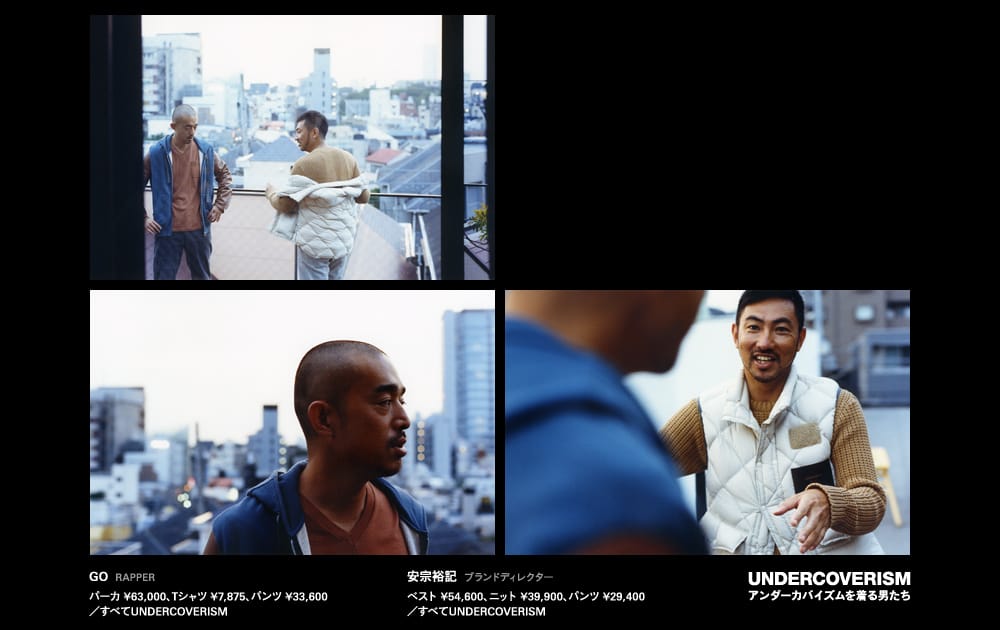
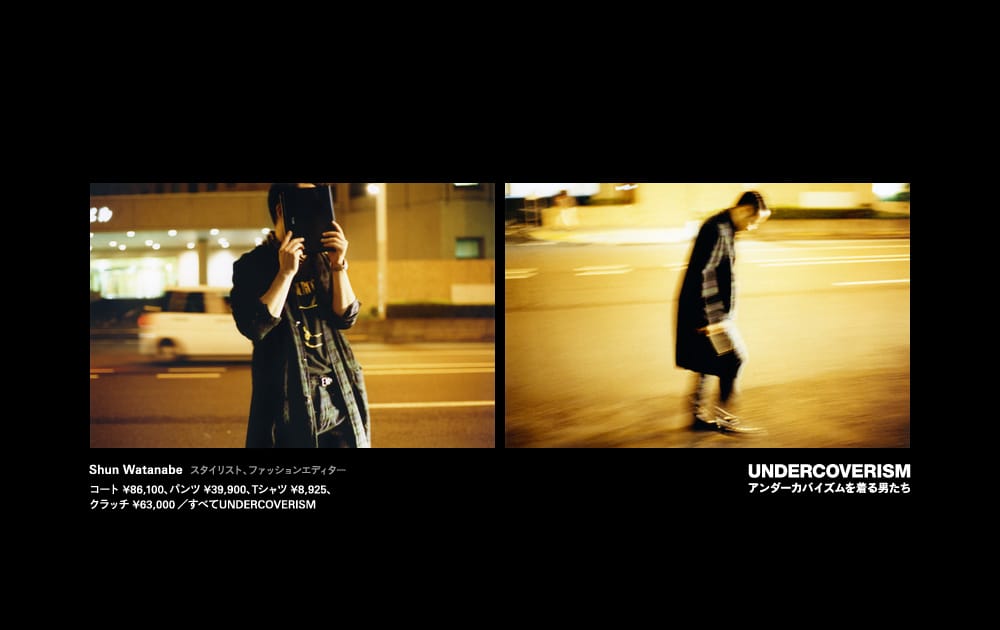
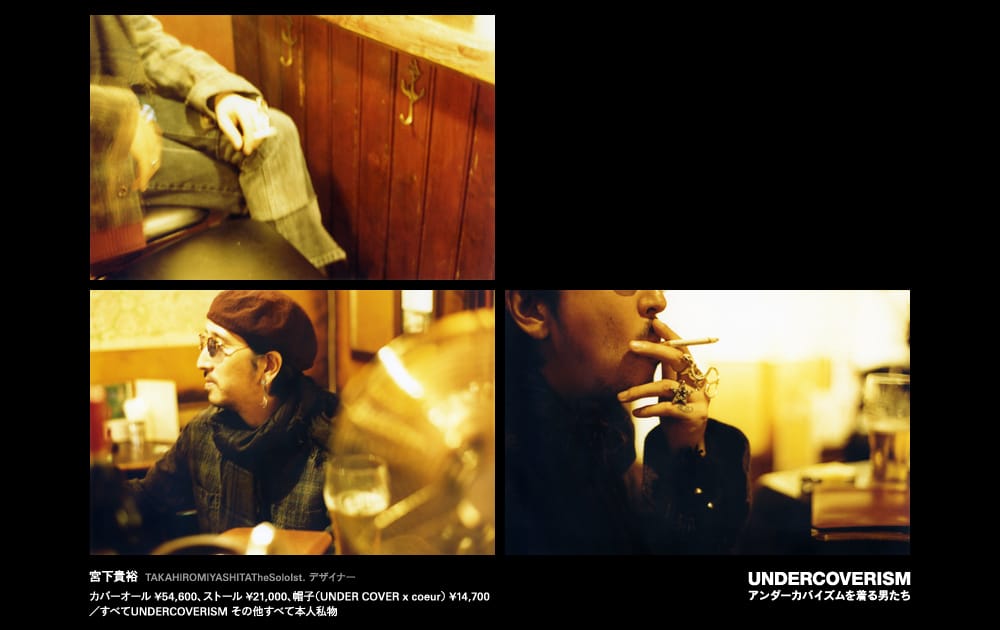
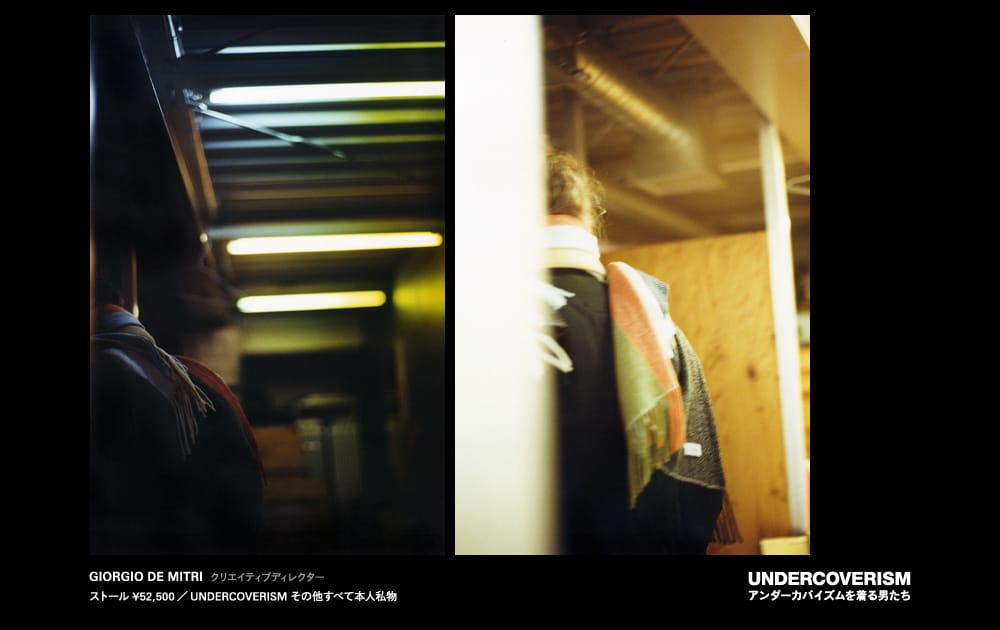
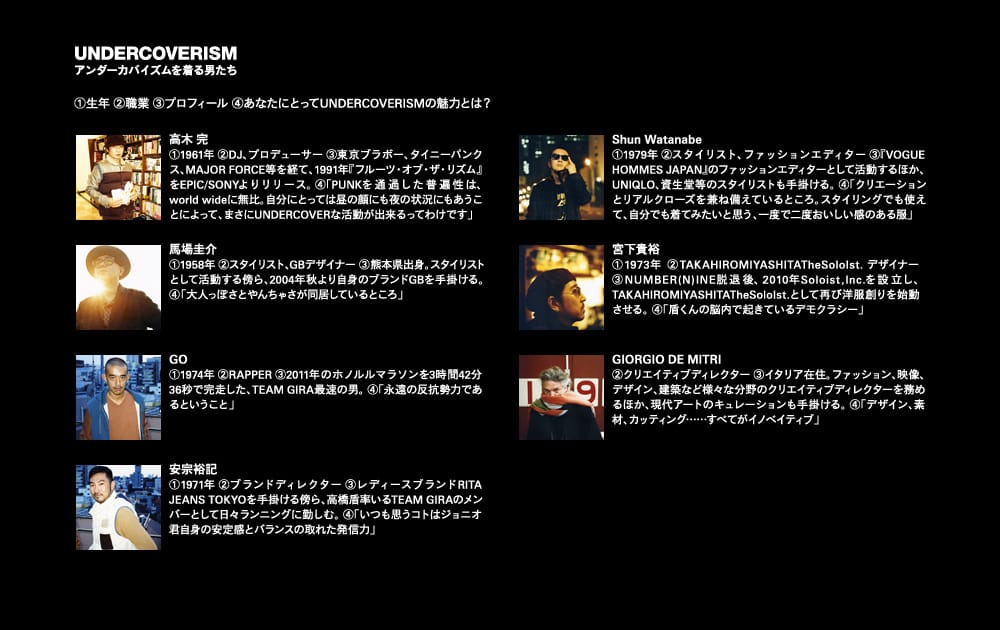
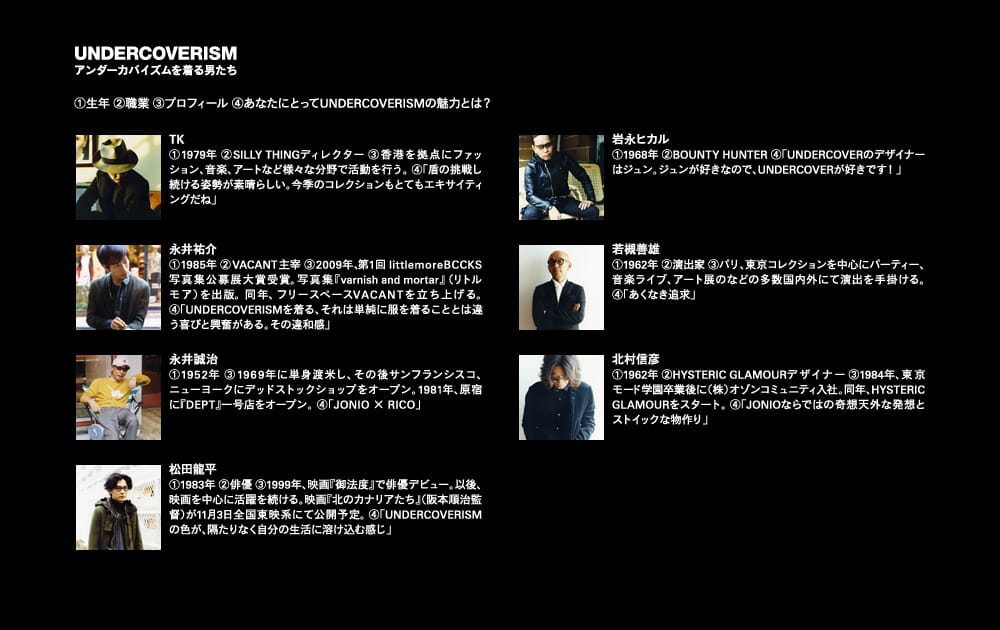
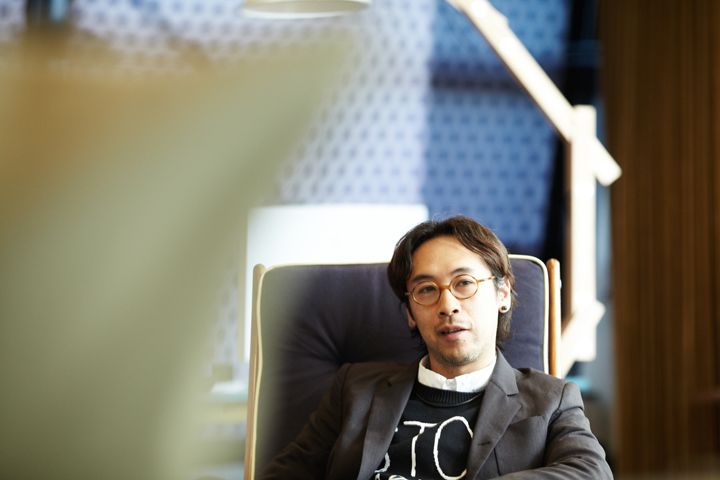
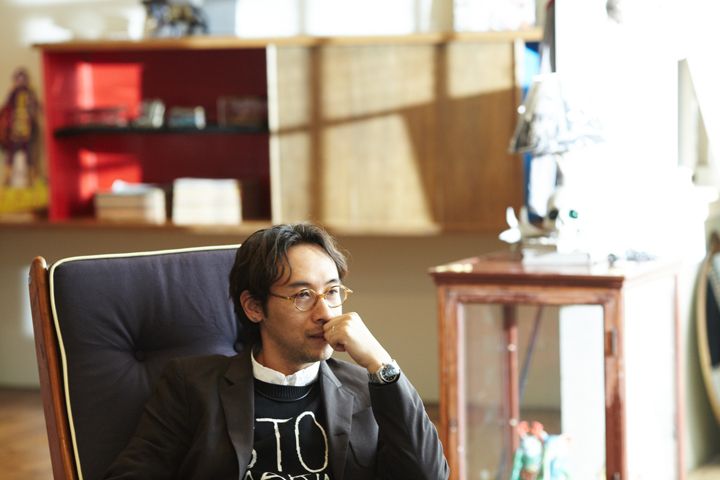
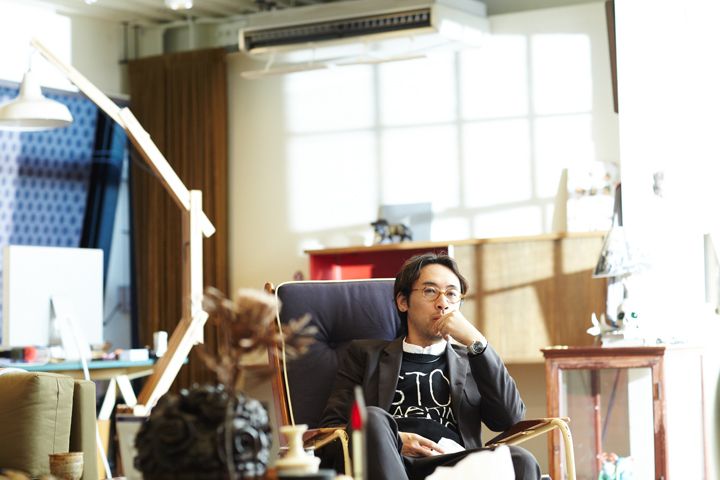
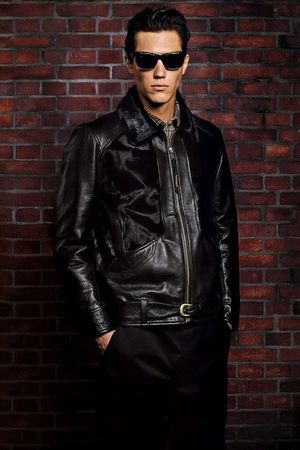
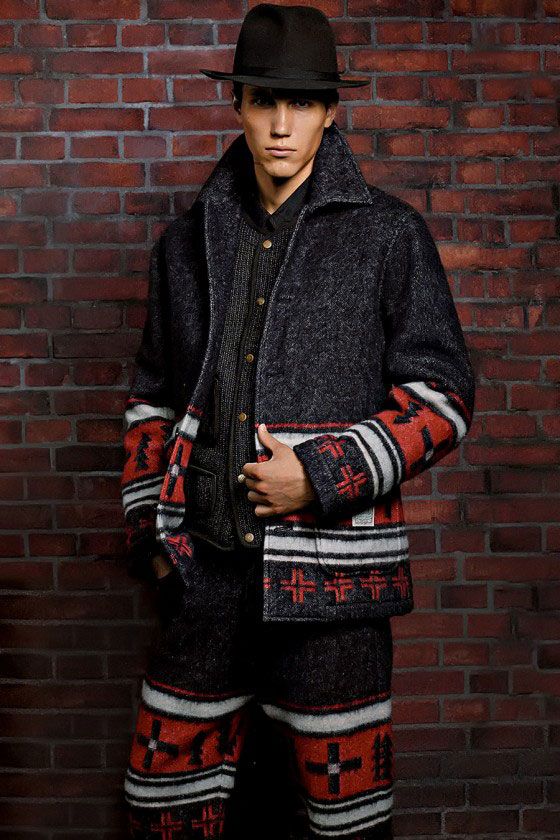
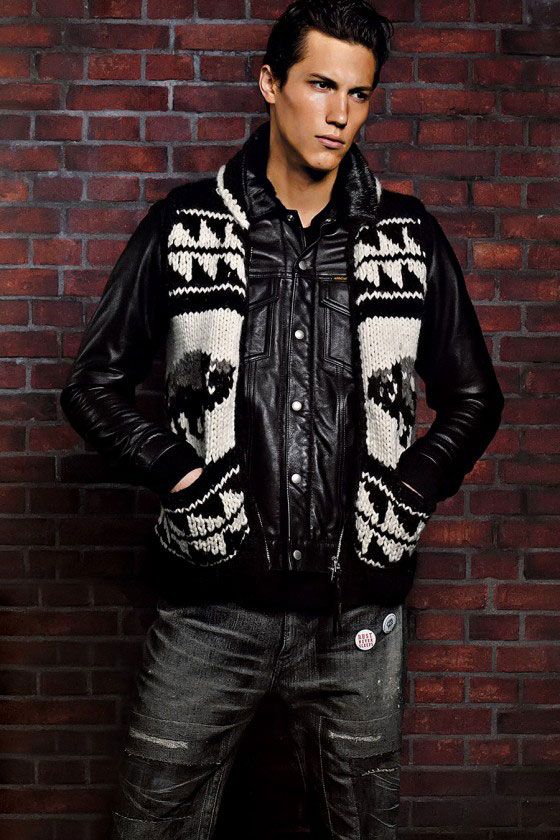
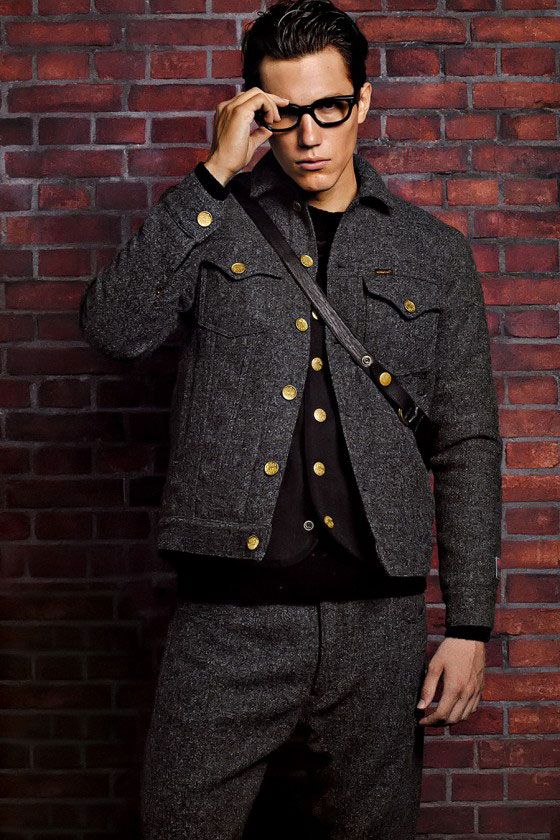
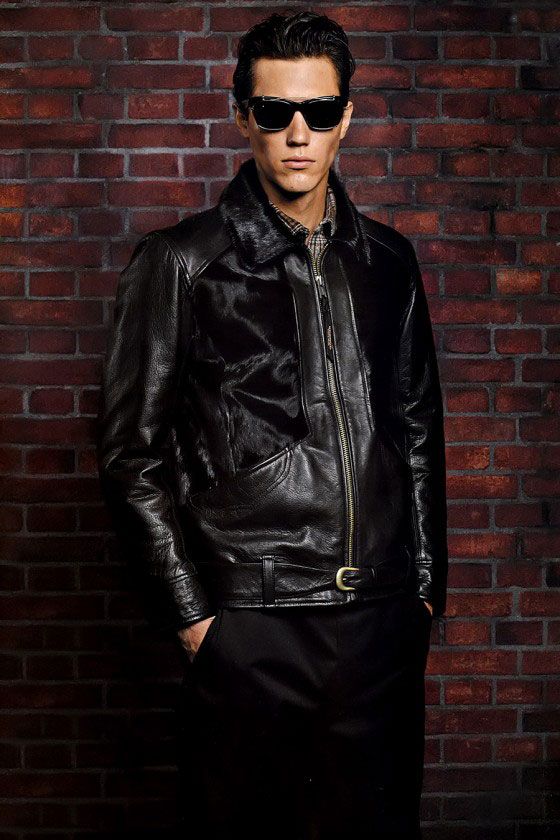
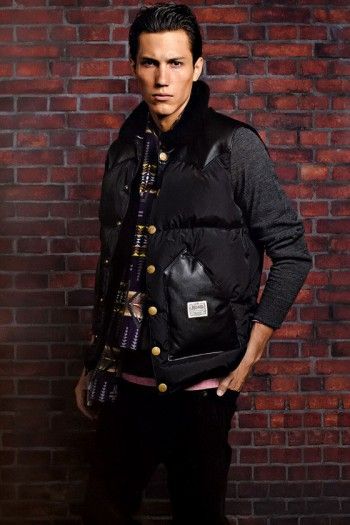
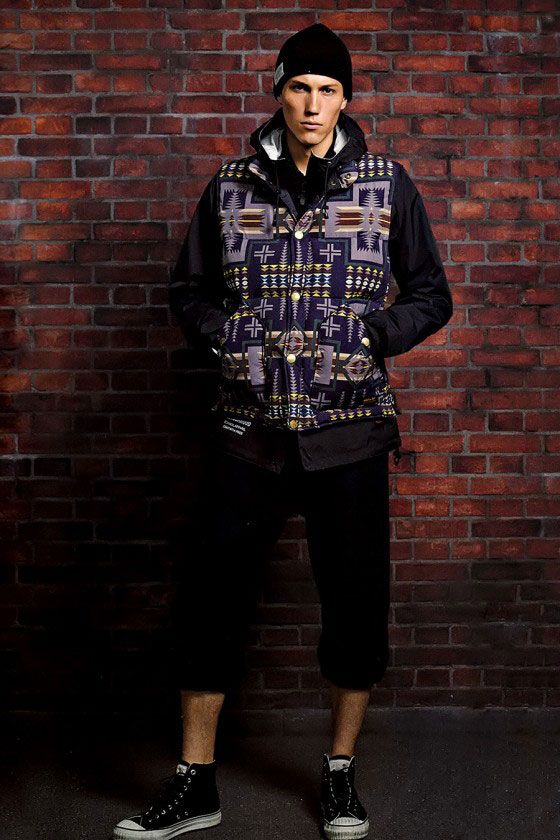
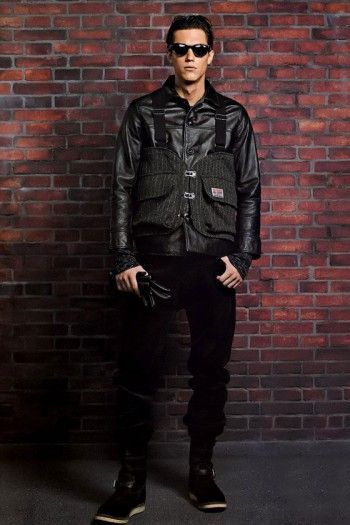
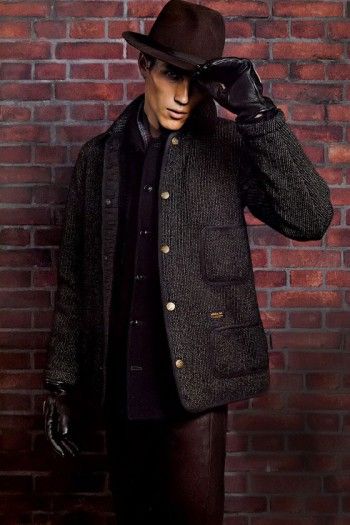
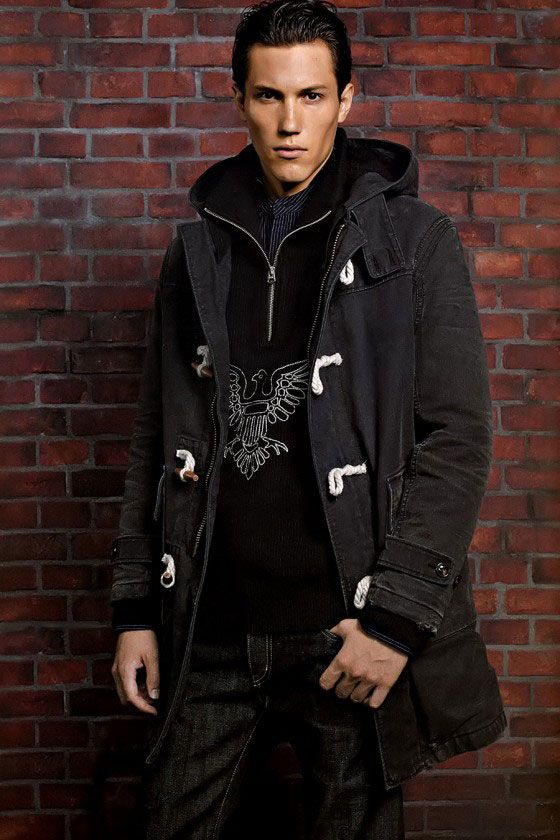
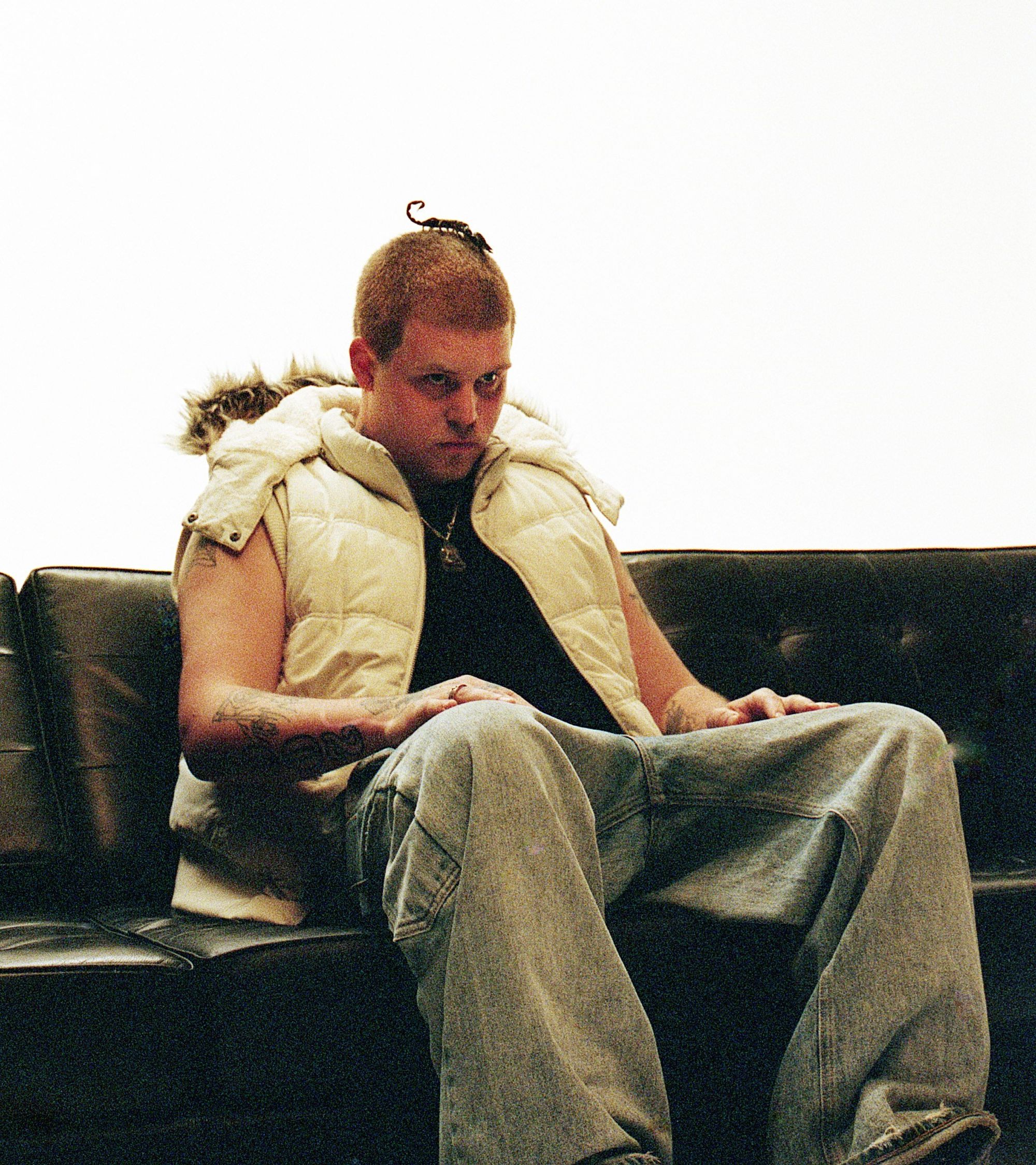
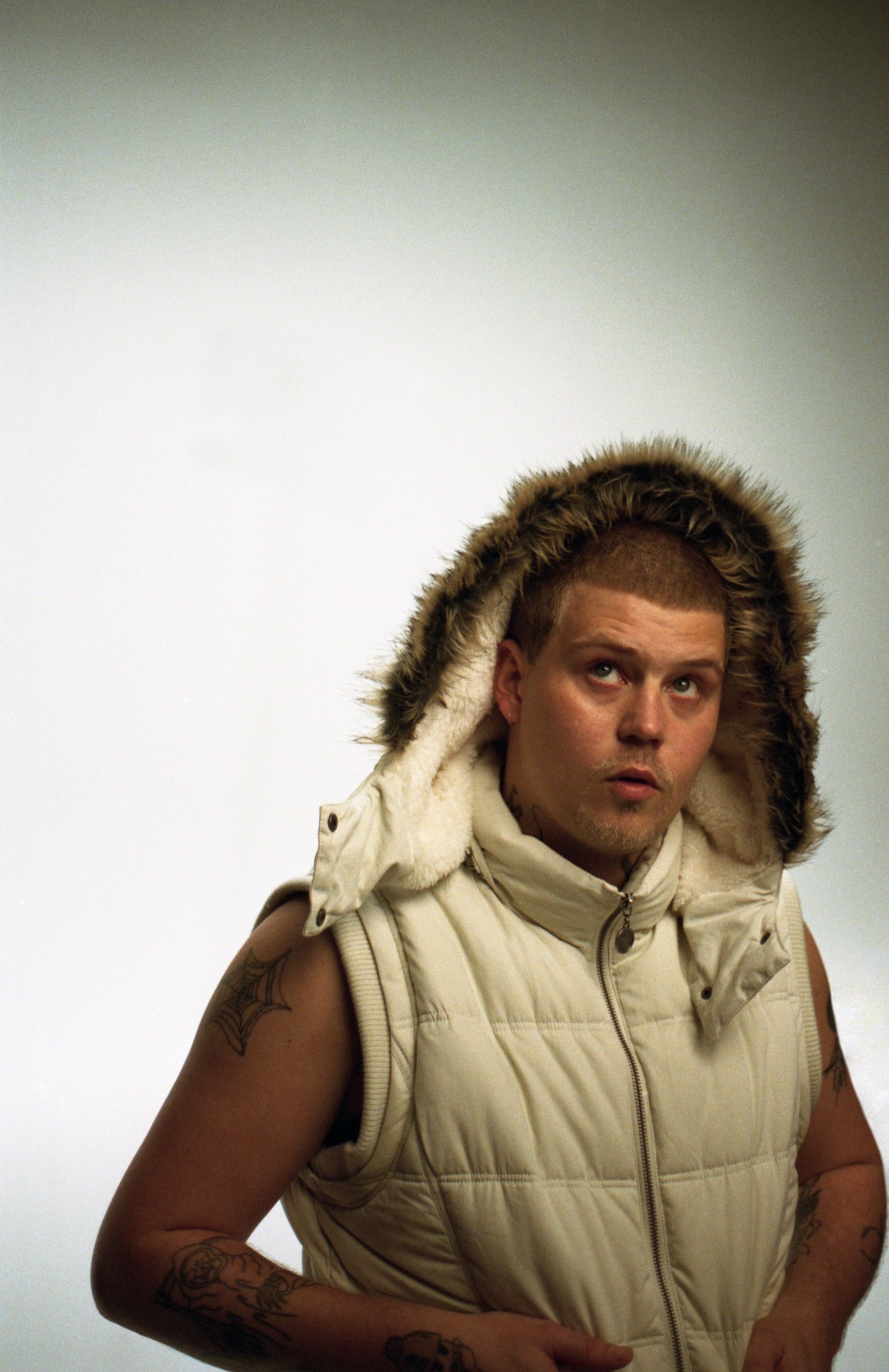
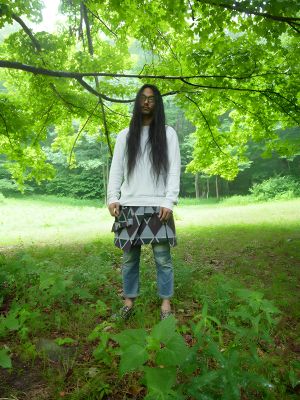
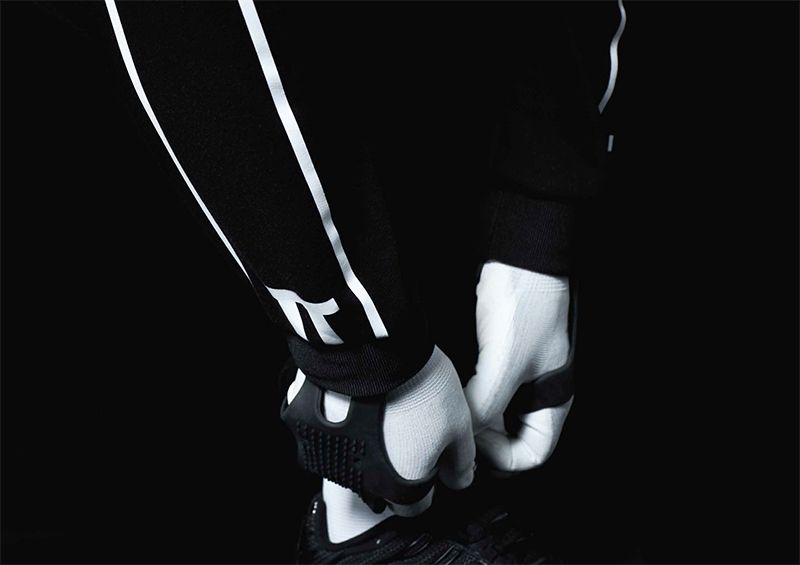
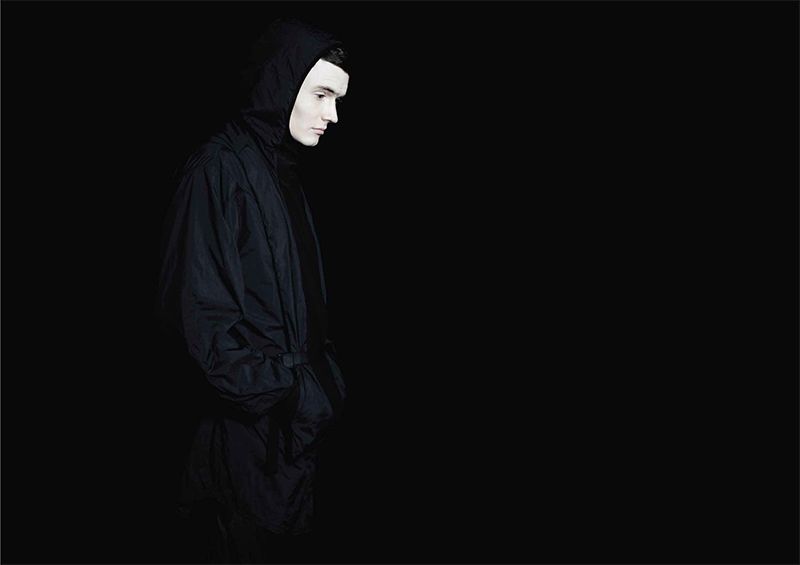
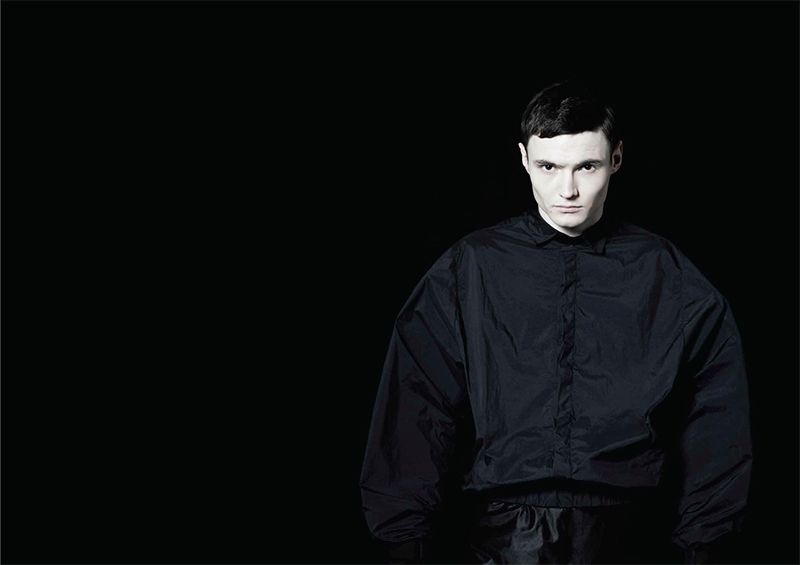
UNDERCOVERISM 2012–13 Fall/Winter portrait feature The Men Who Wear Undercoverism, photographed by Taro Mizutani with text by Issey Enomoto.


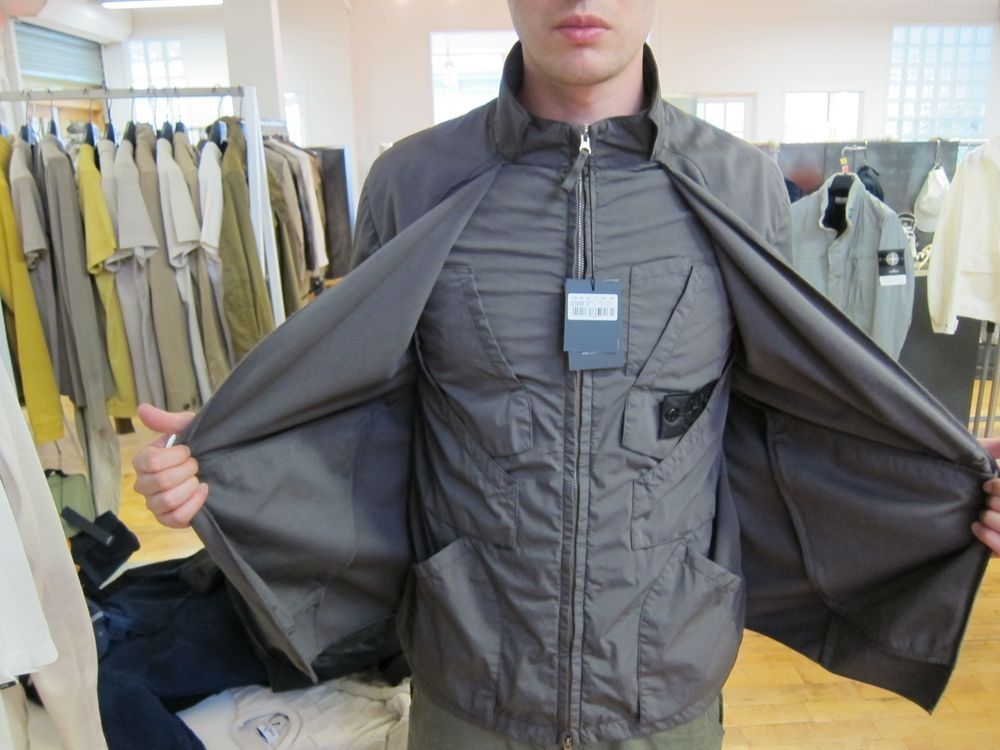
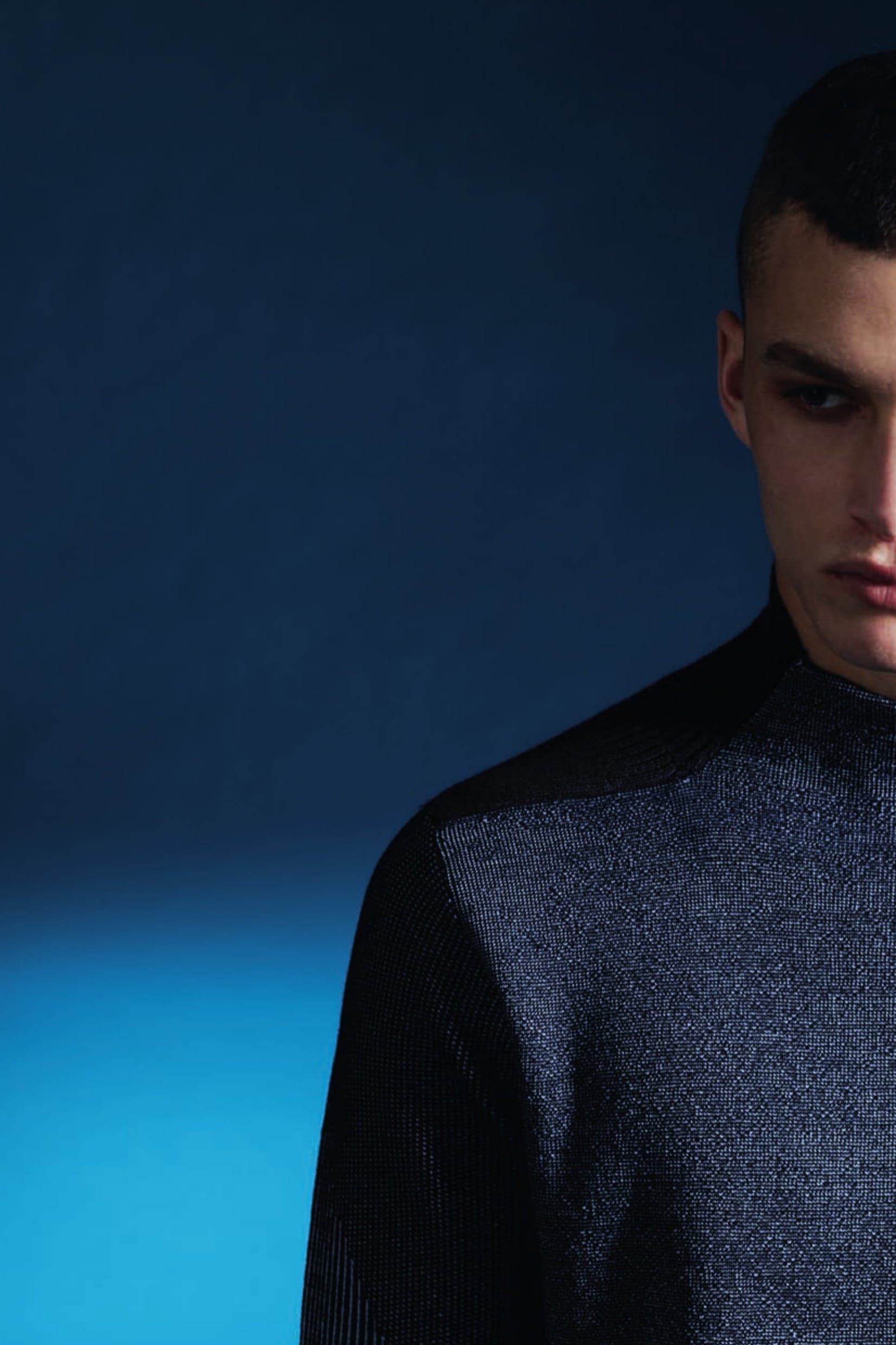
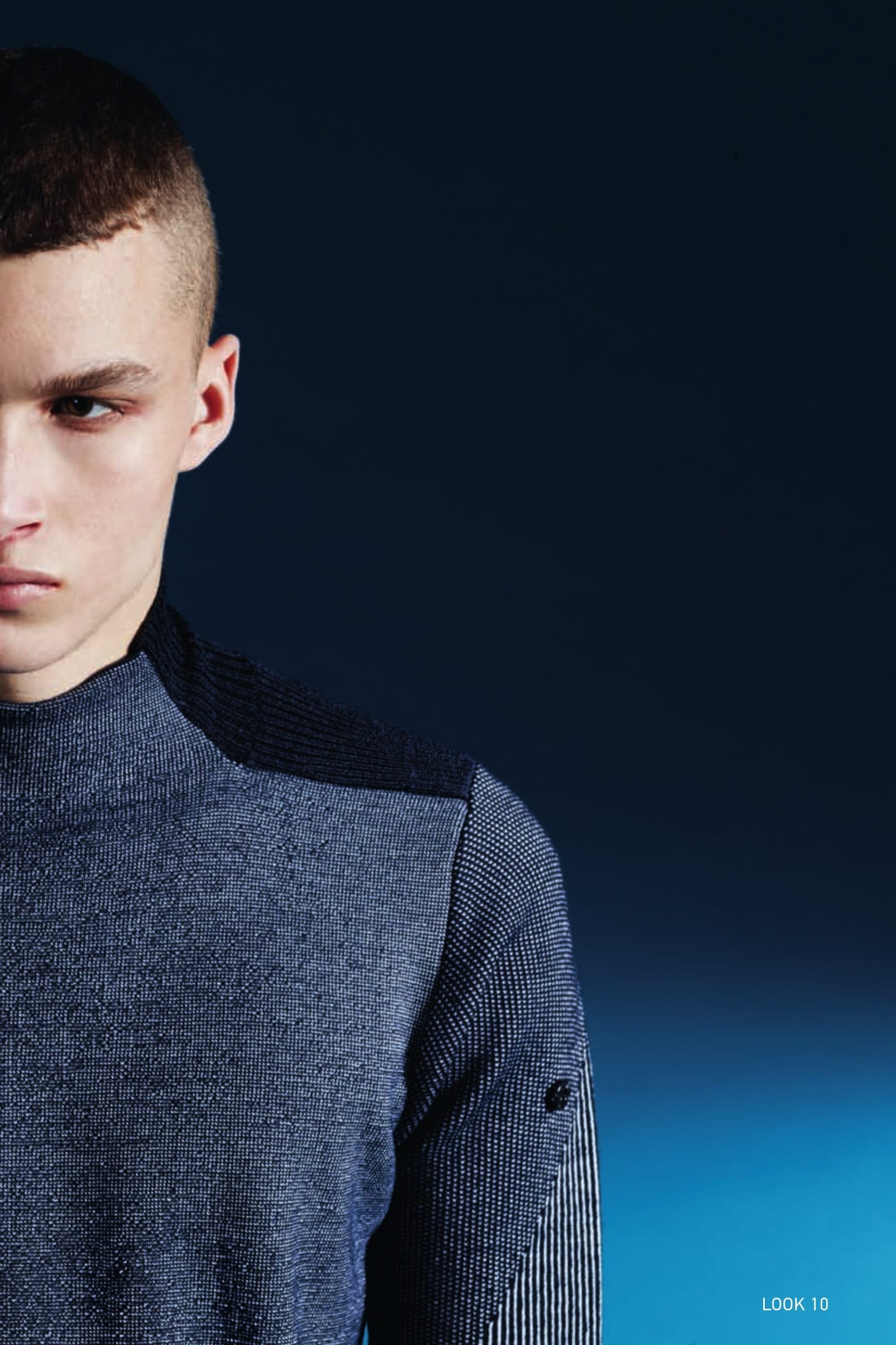
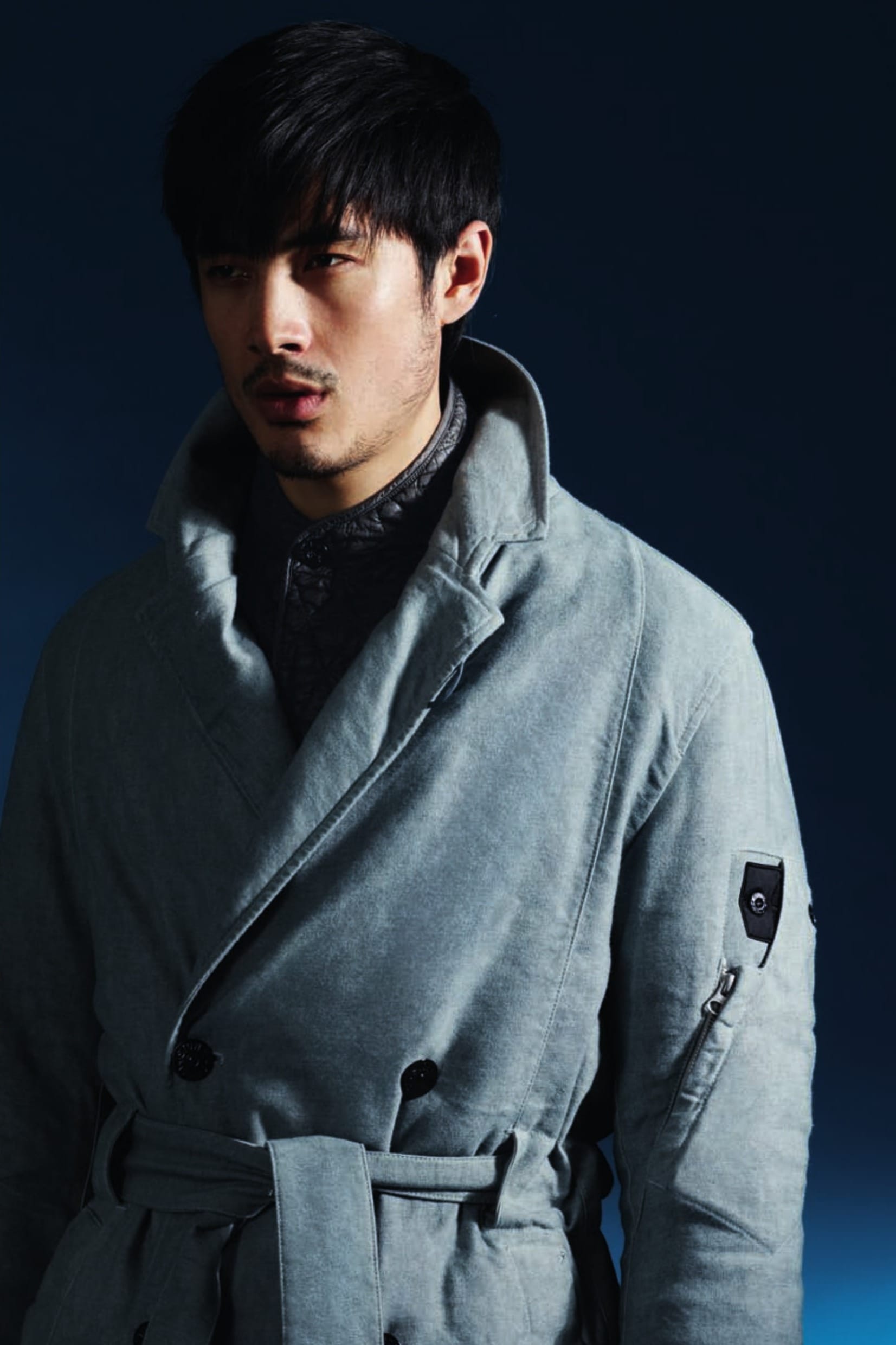
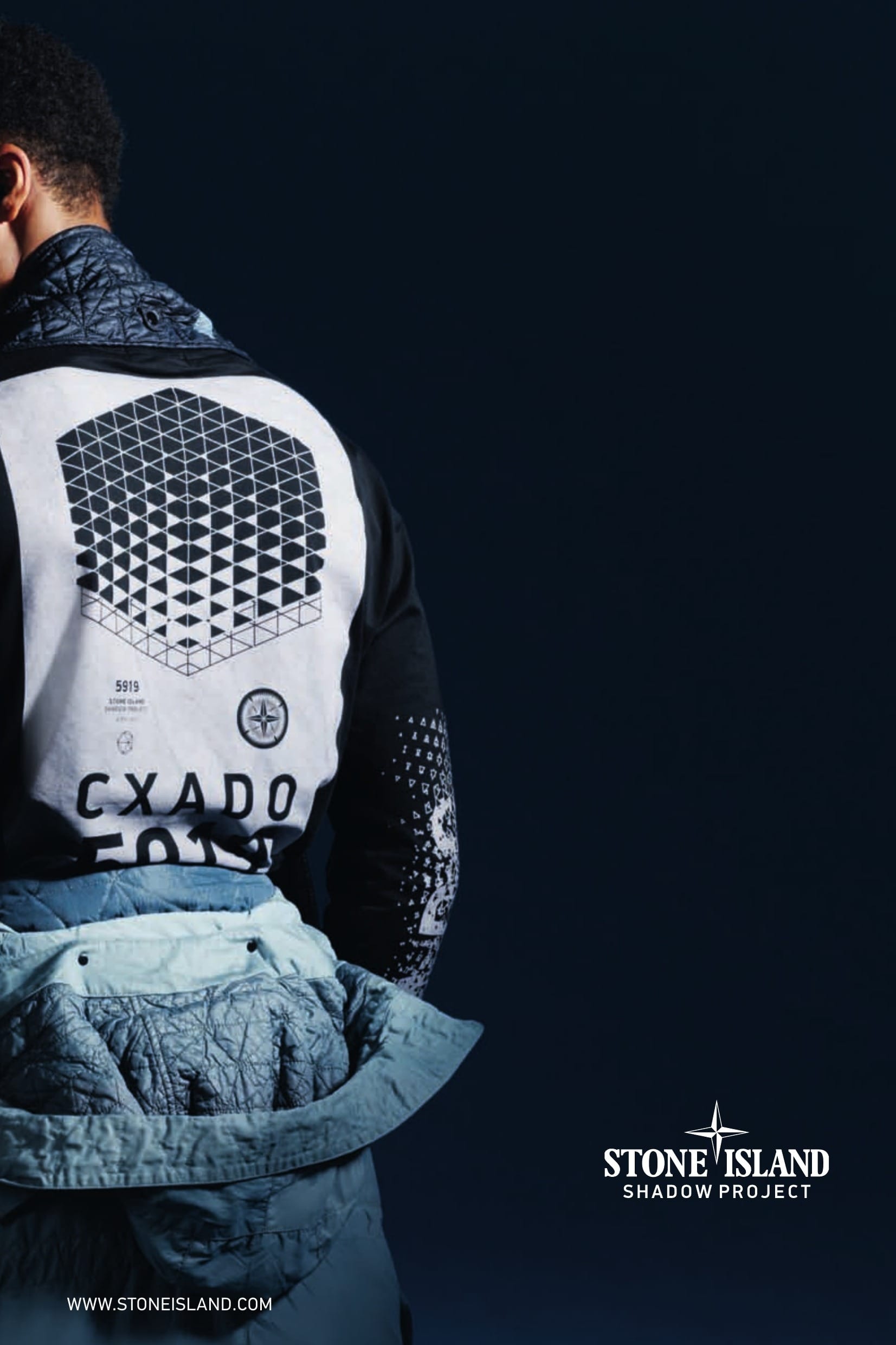
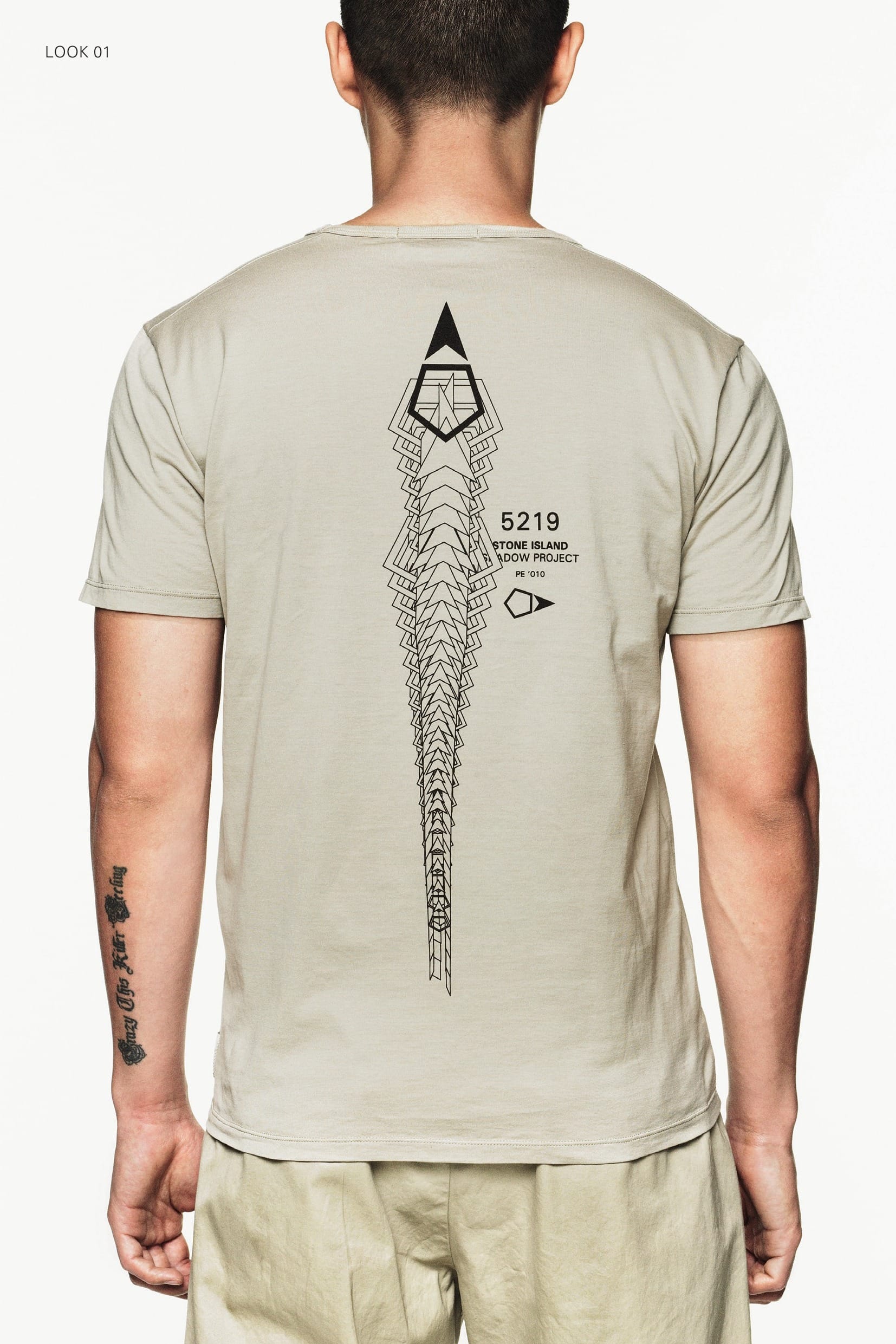
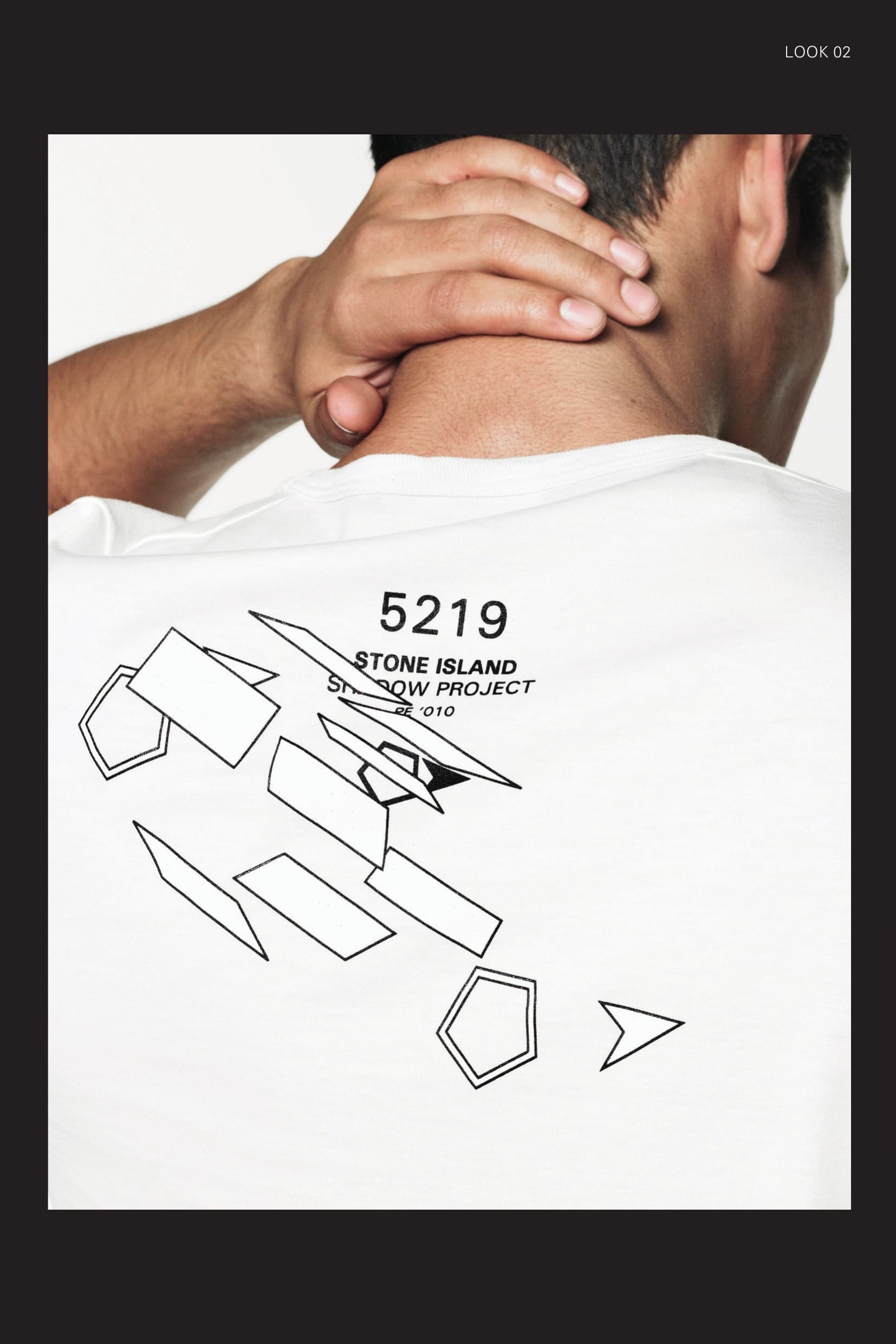
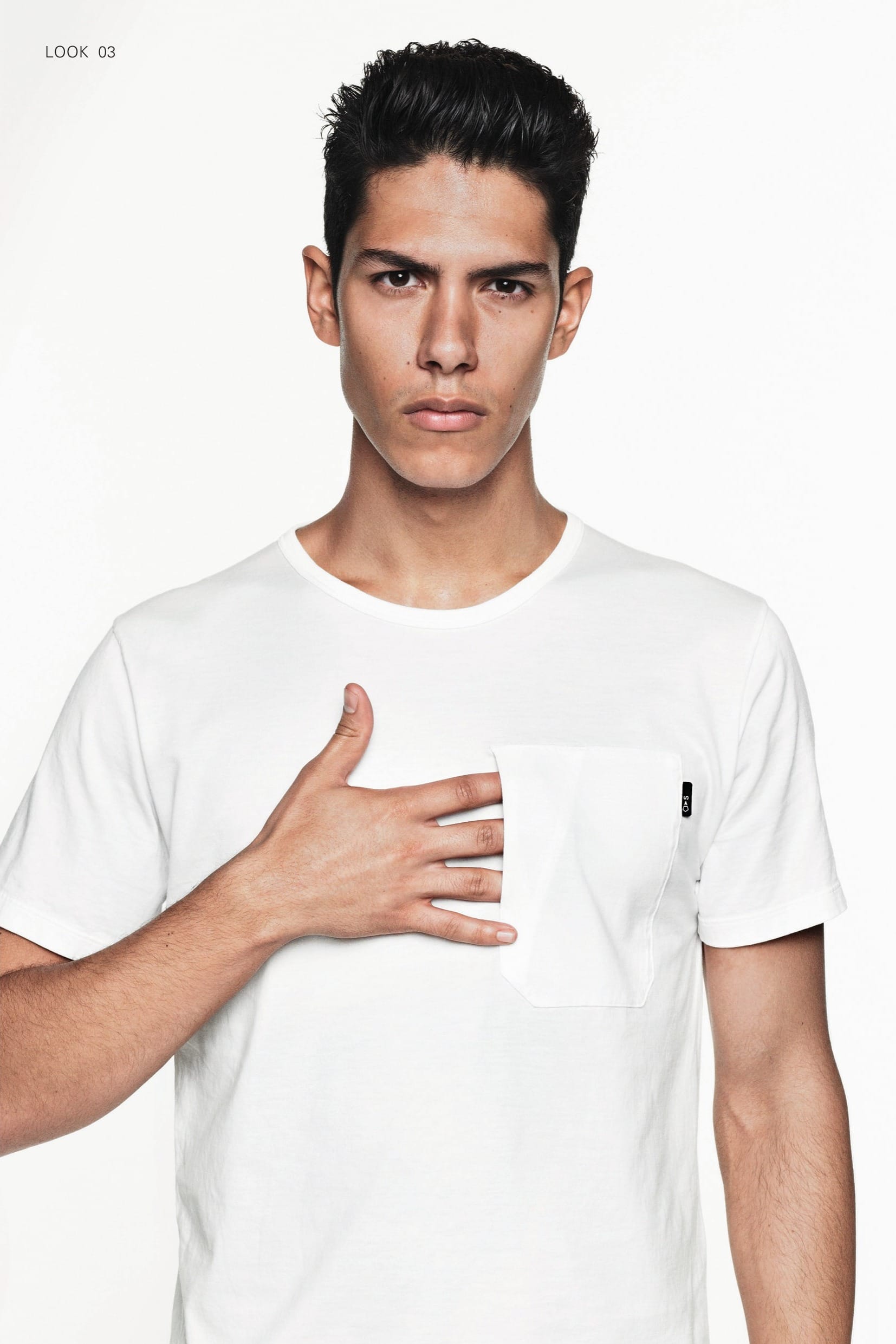
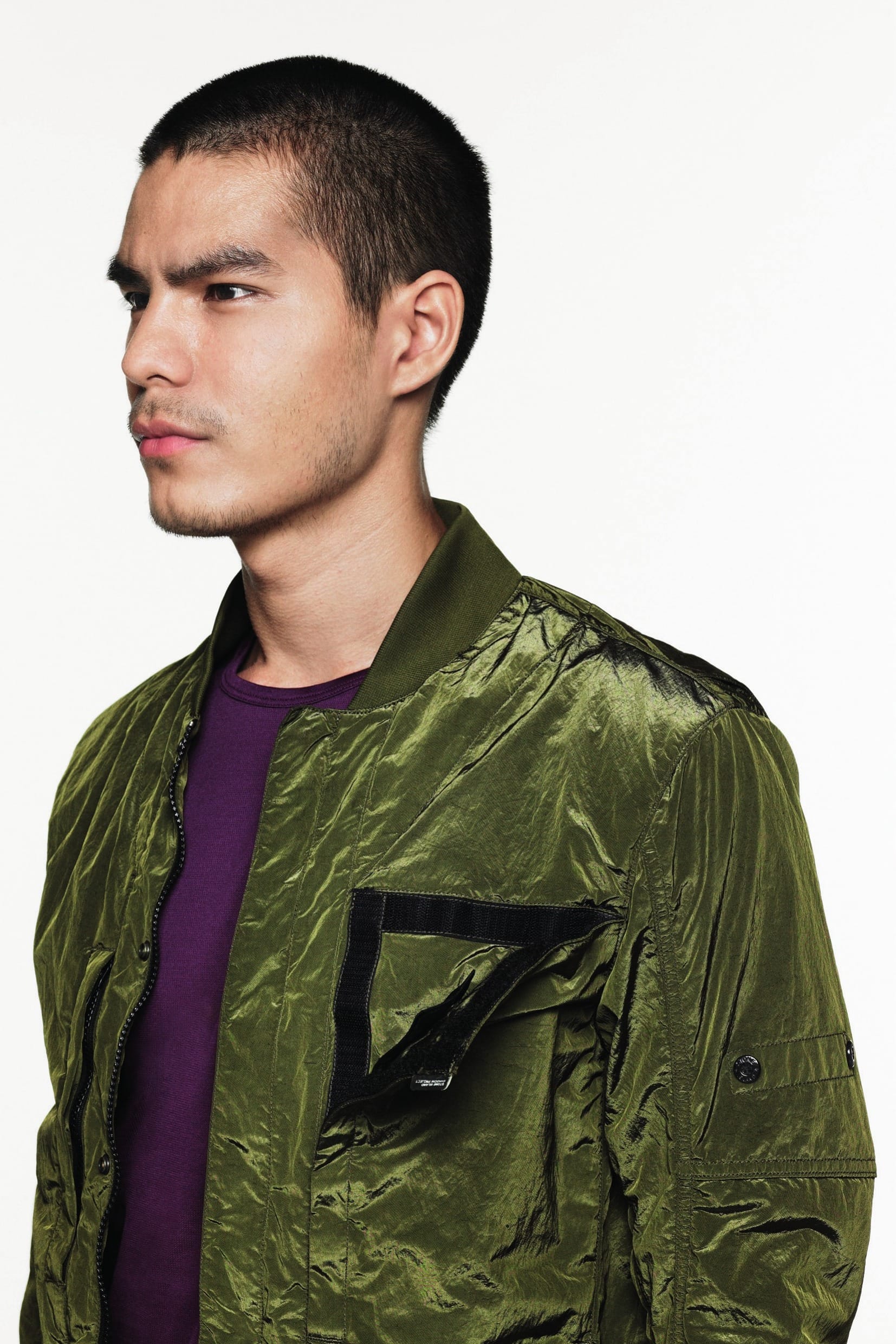
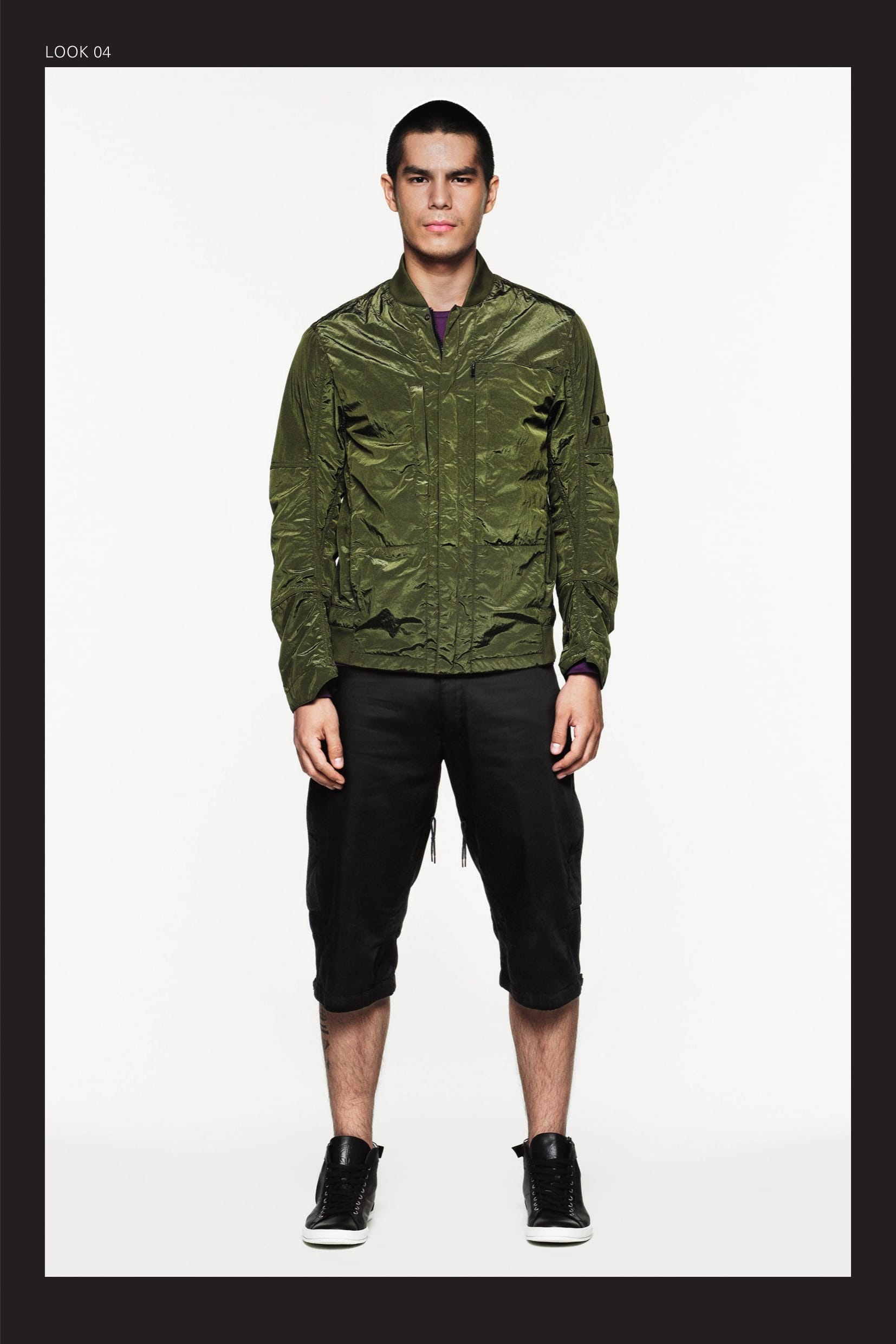
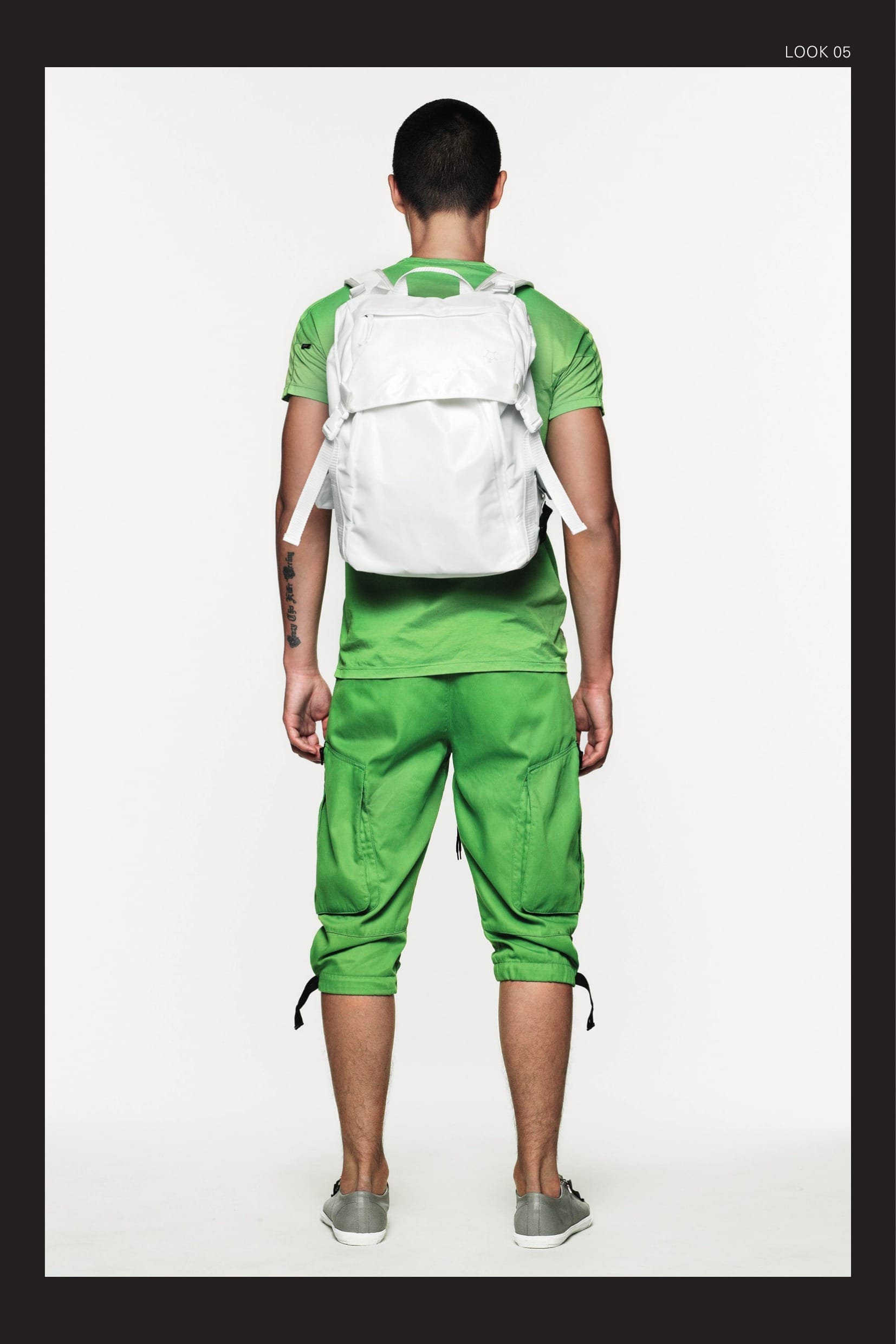
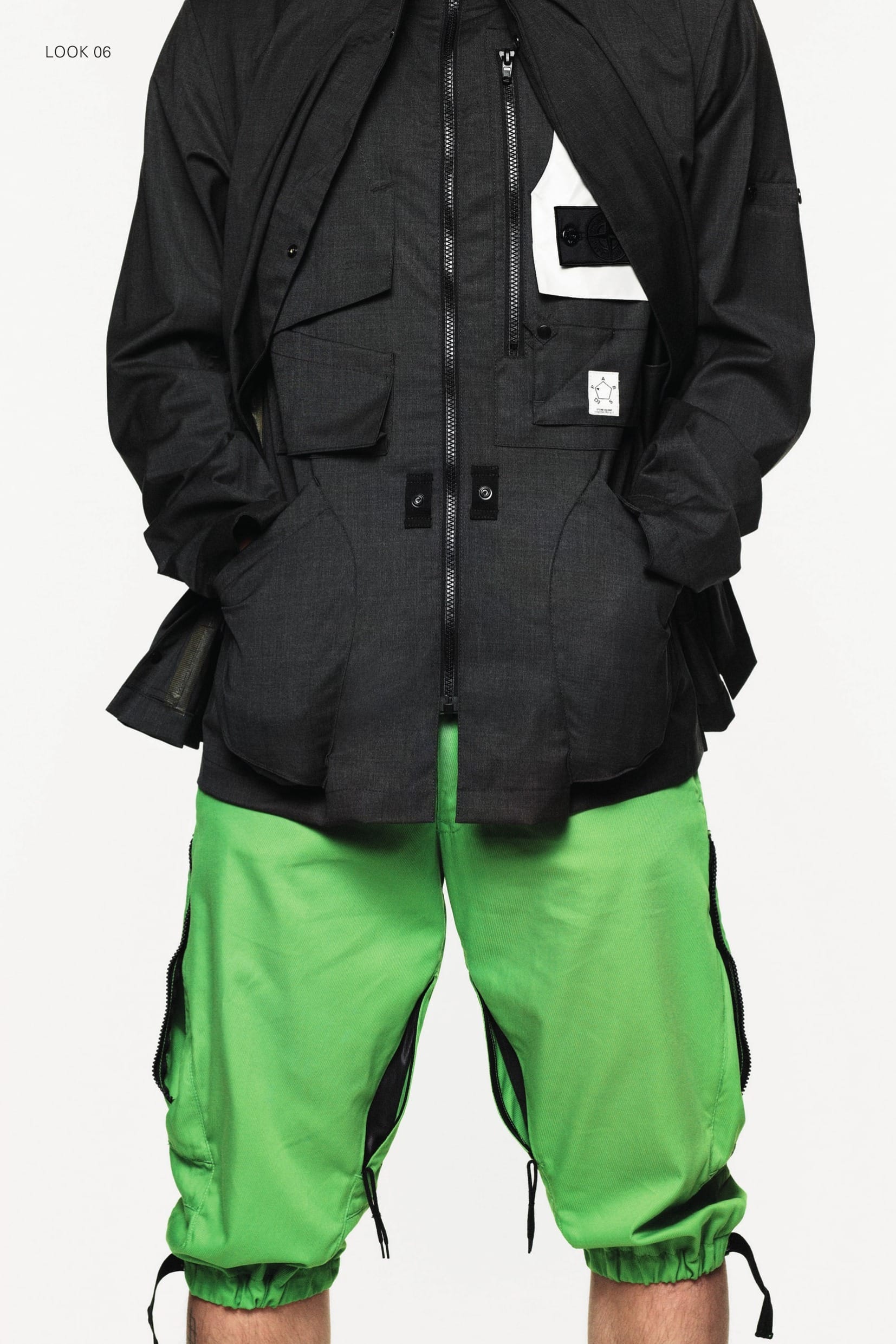
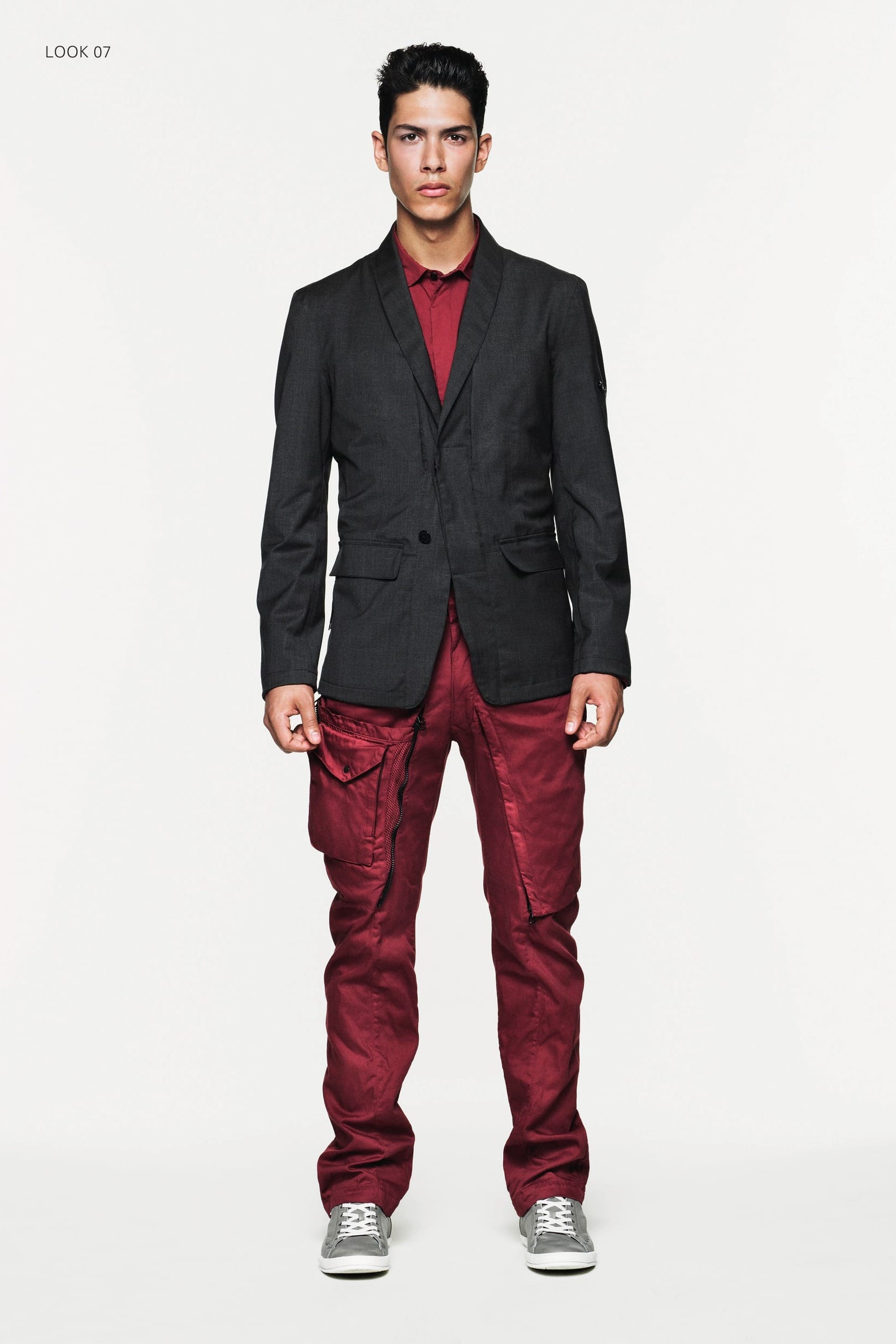
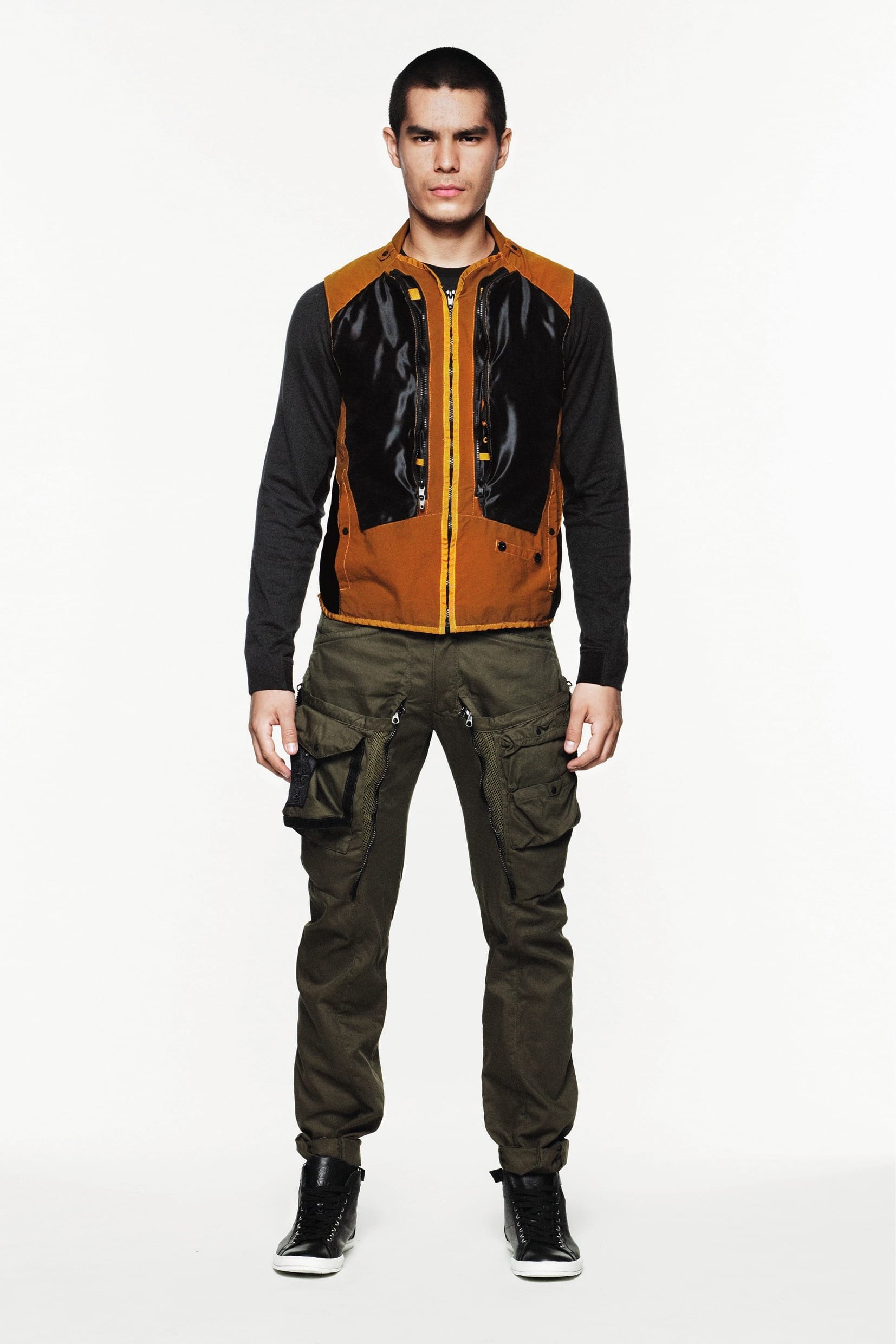
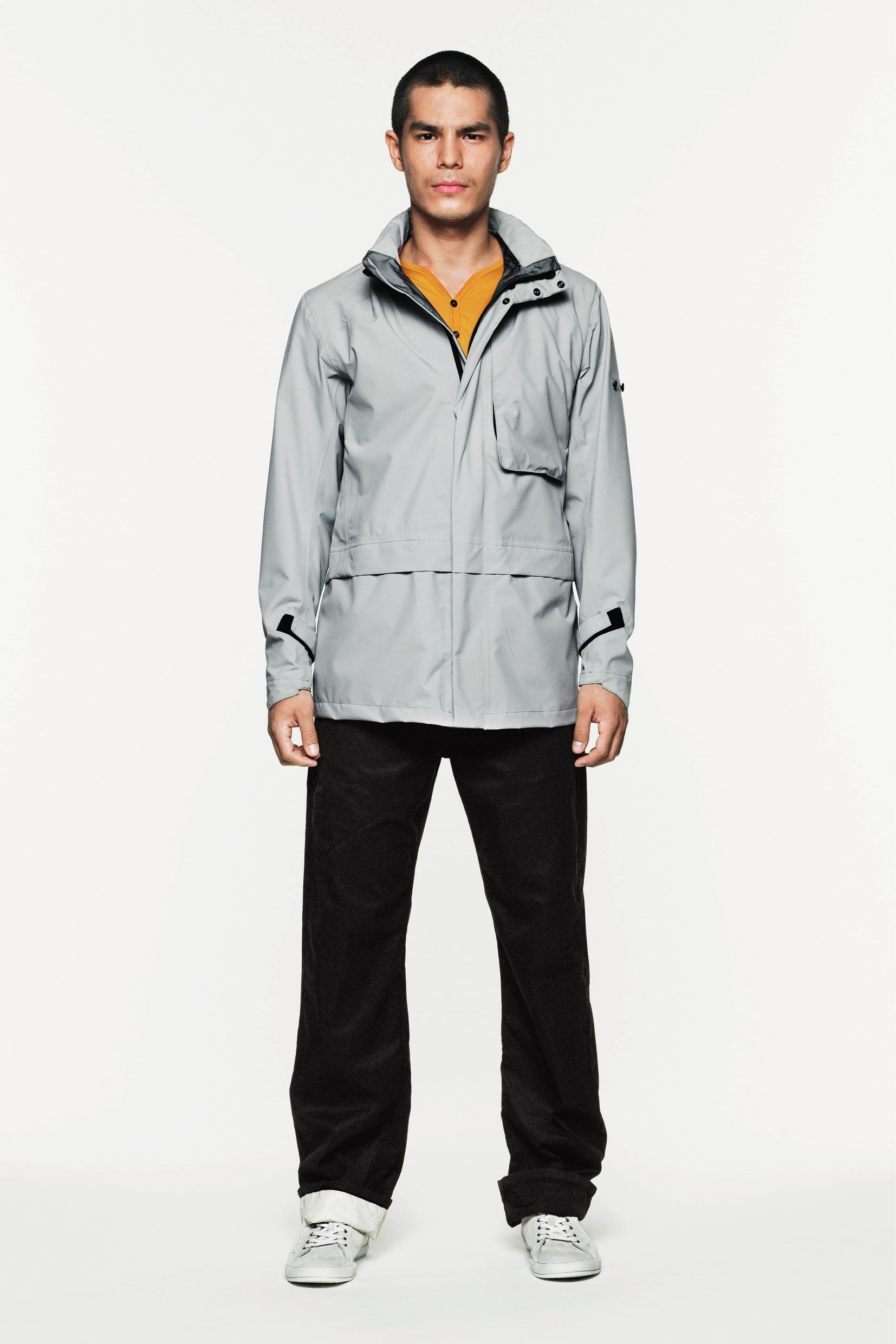
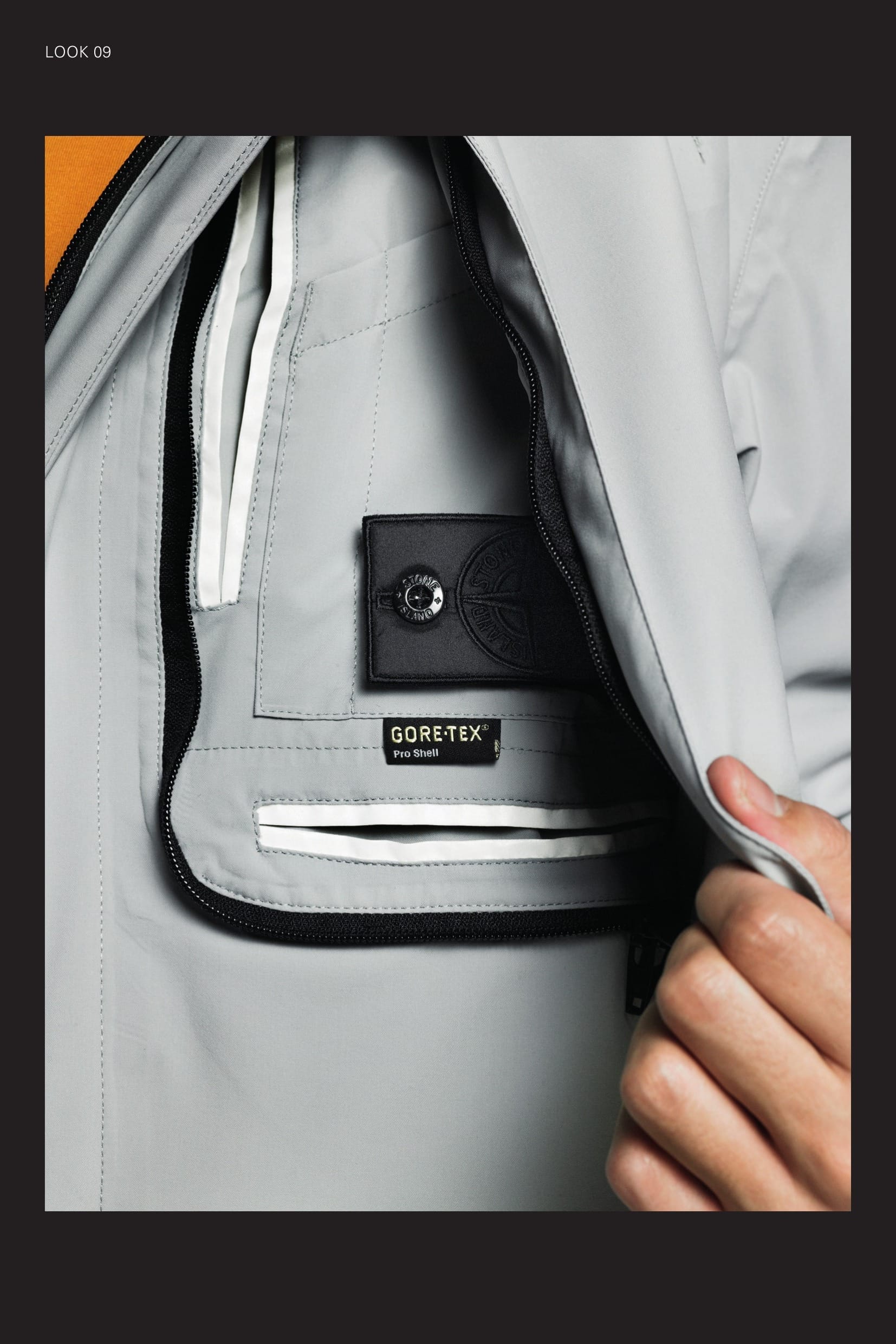
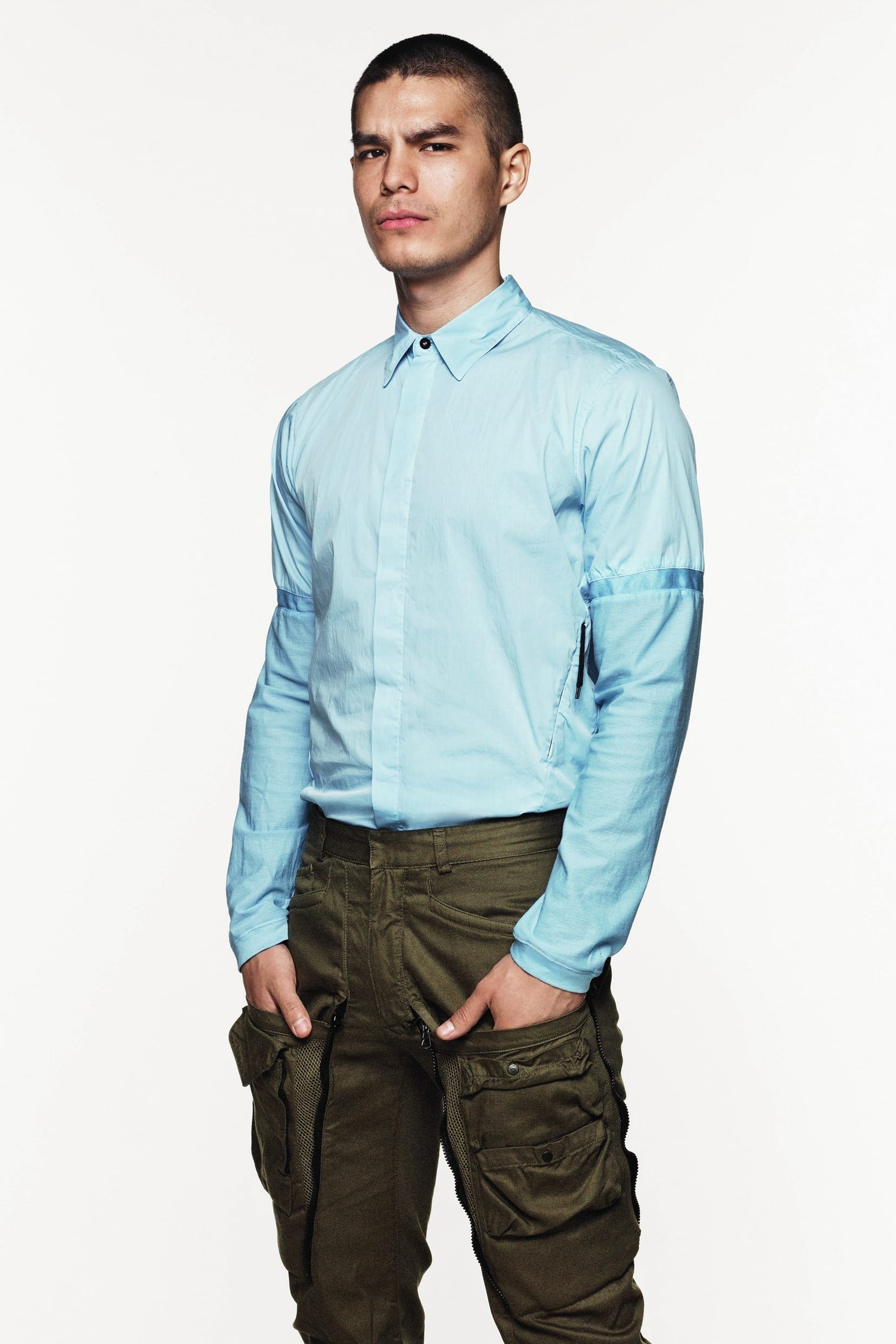
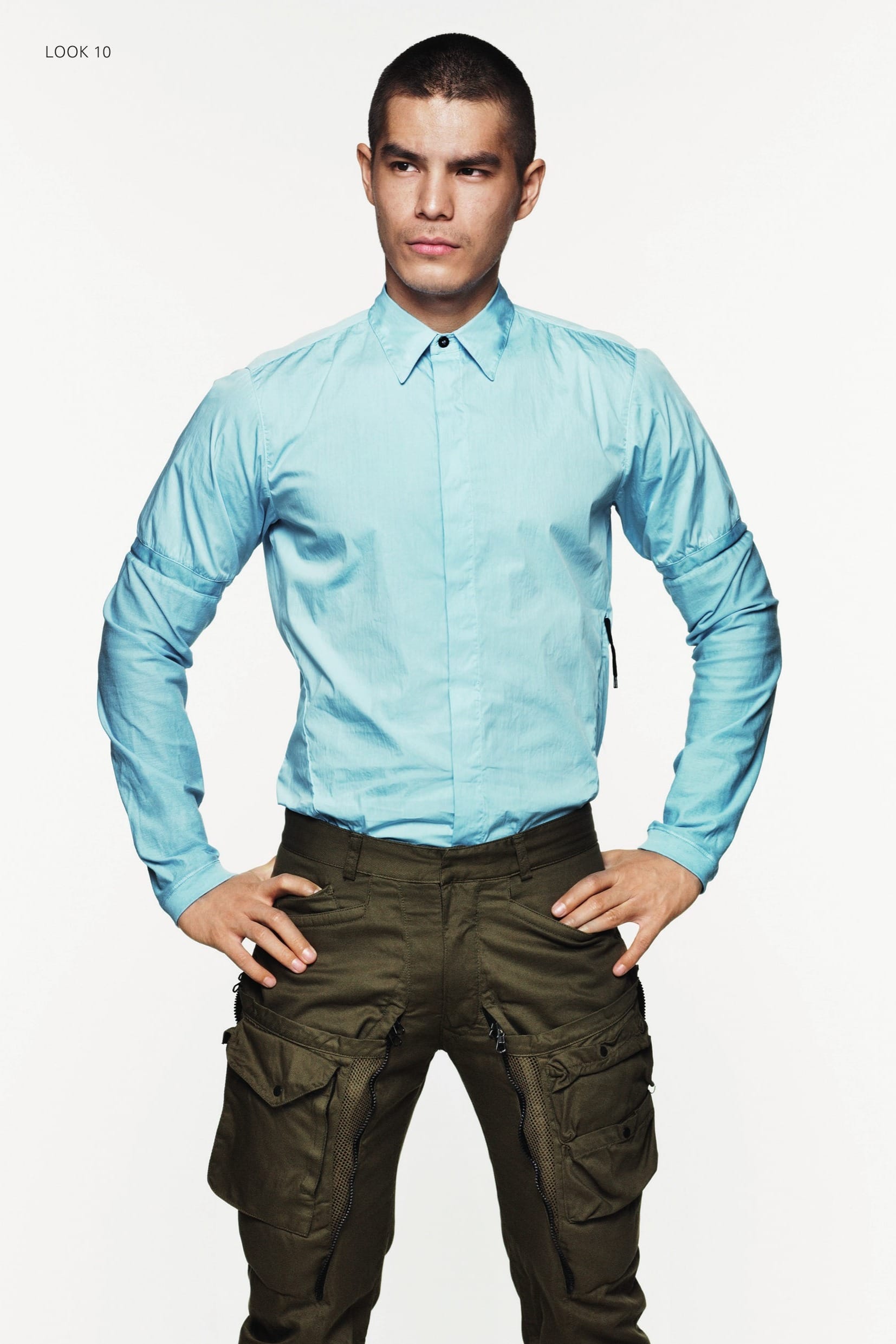
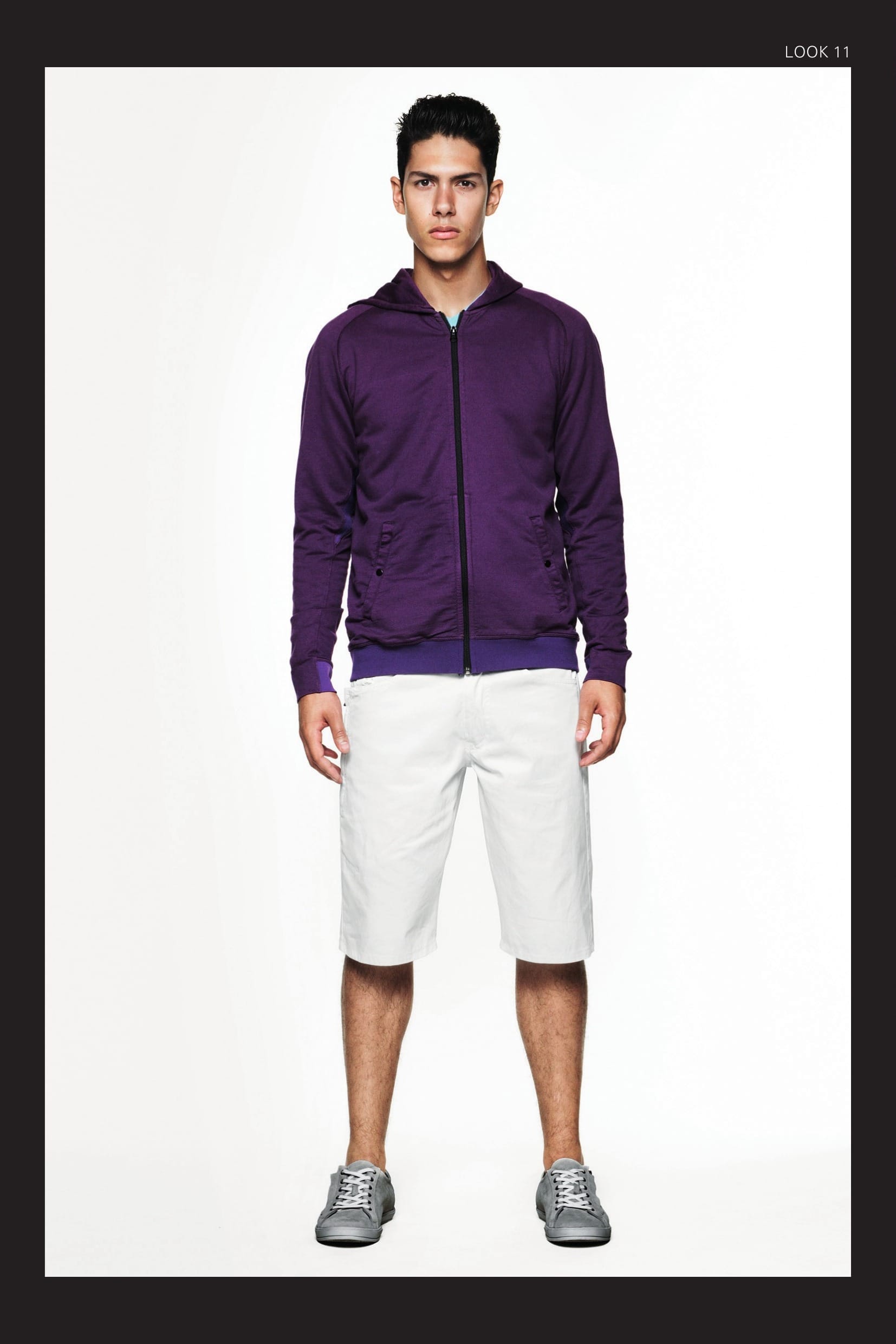
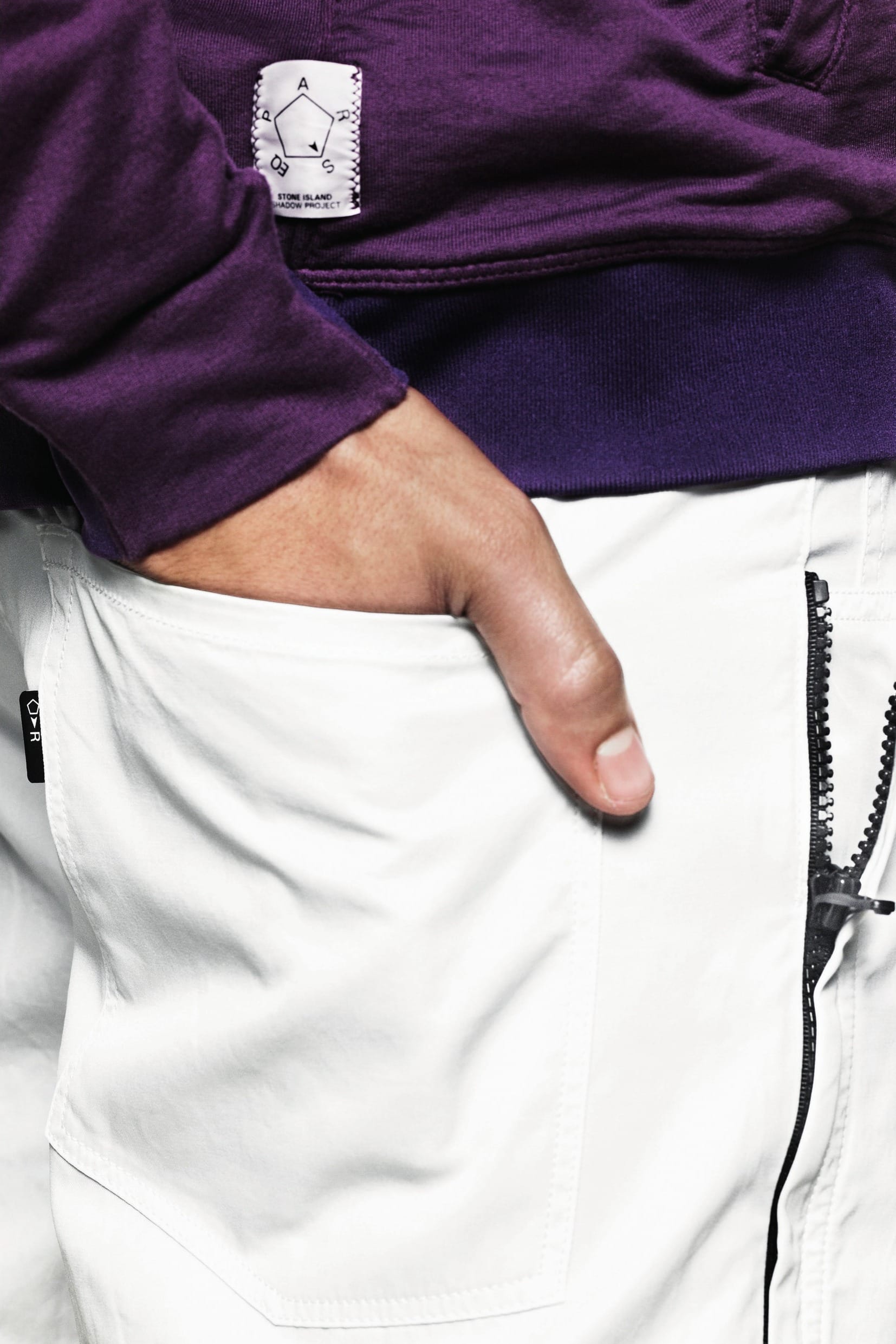
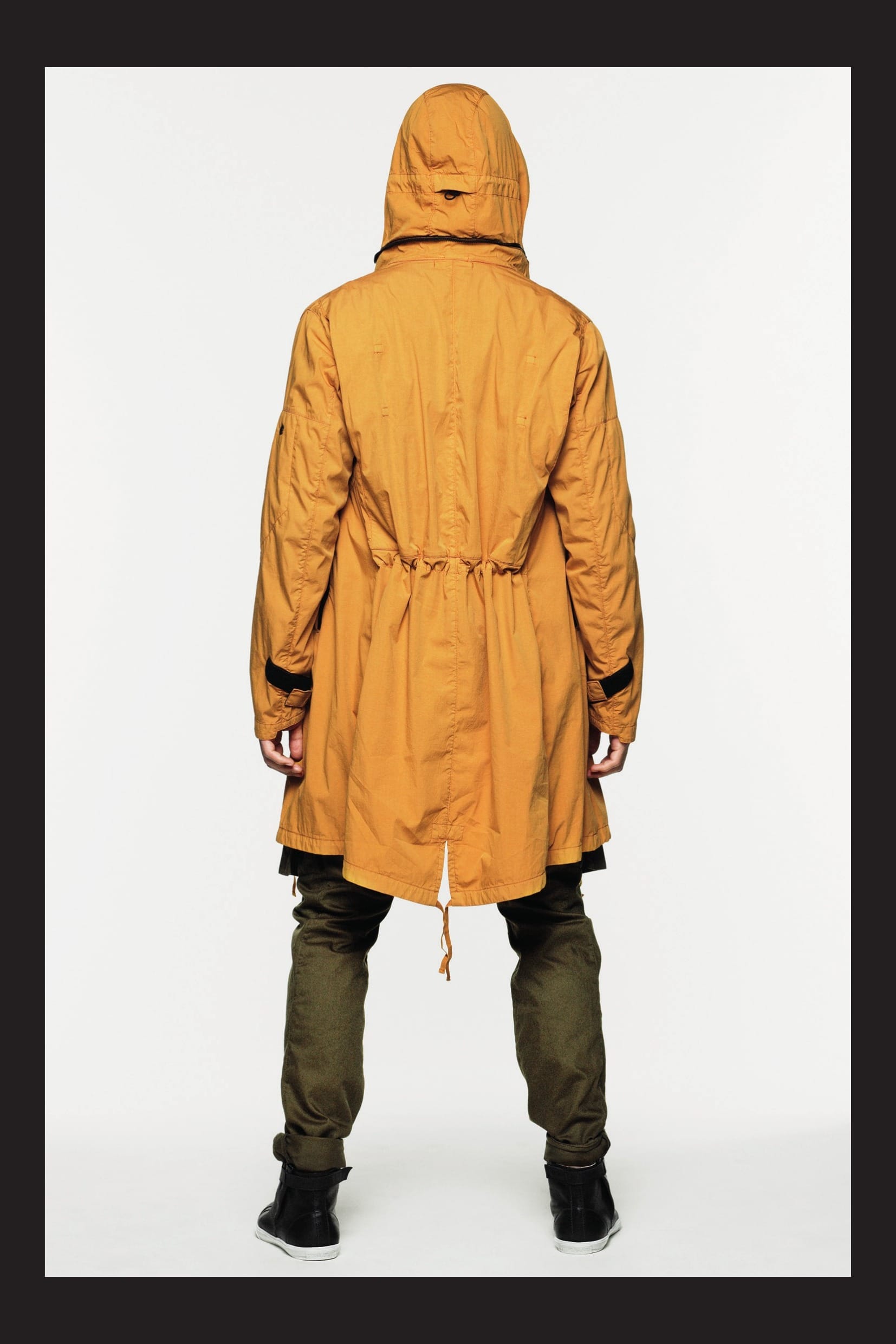
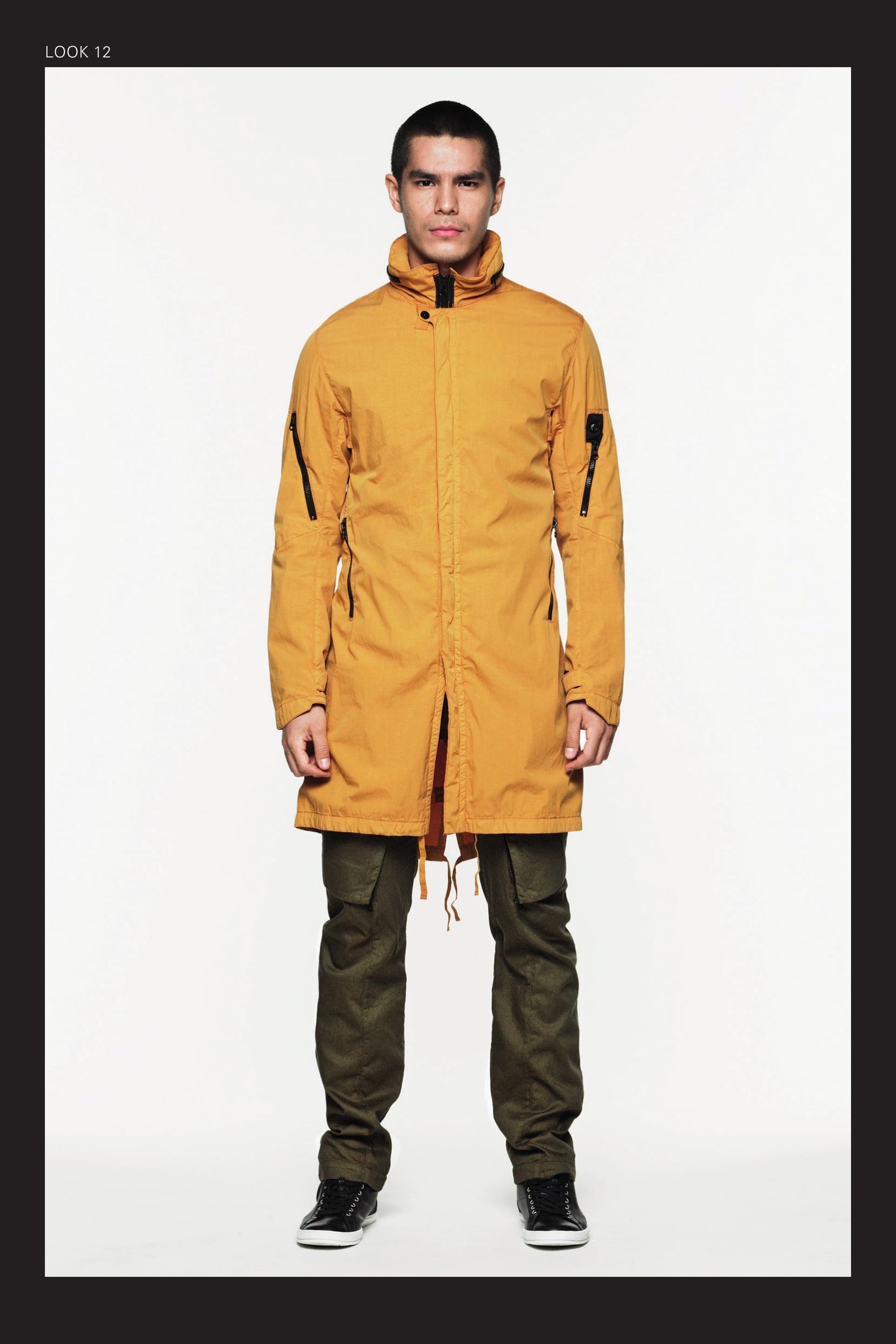
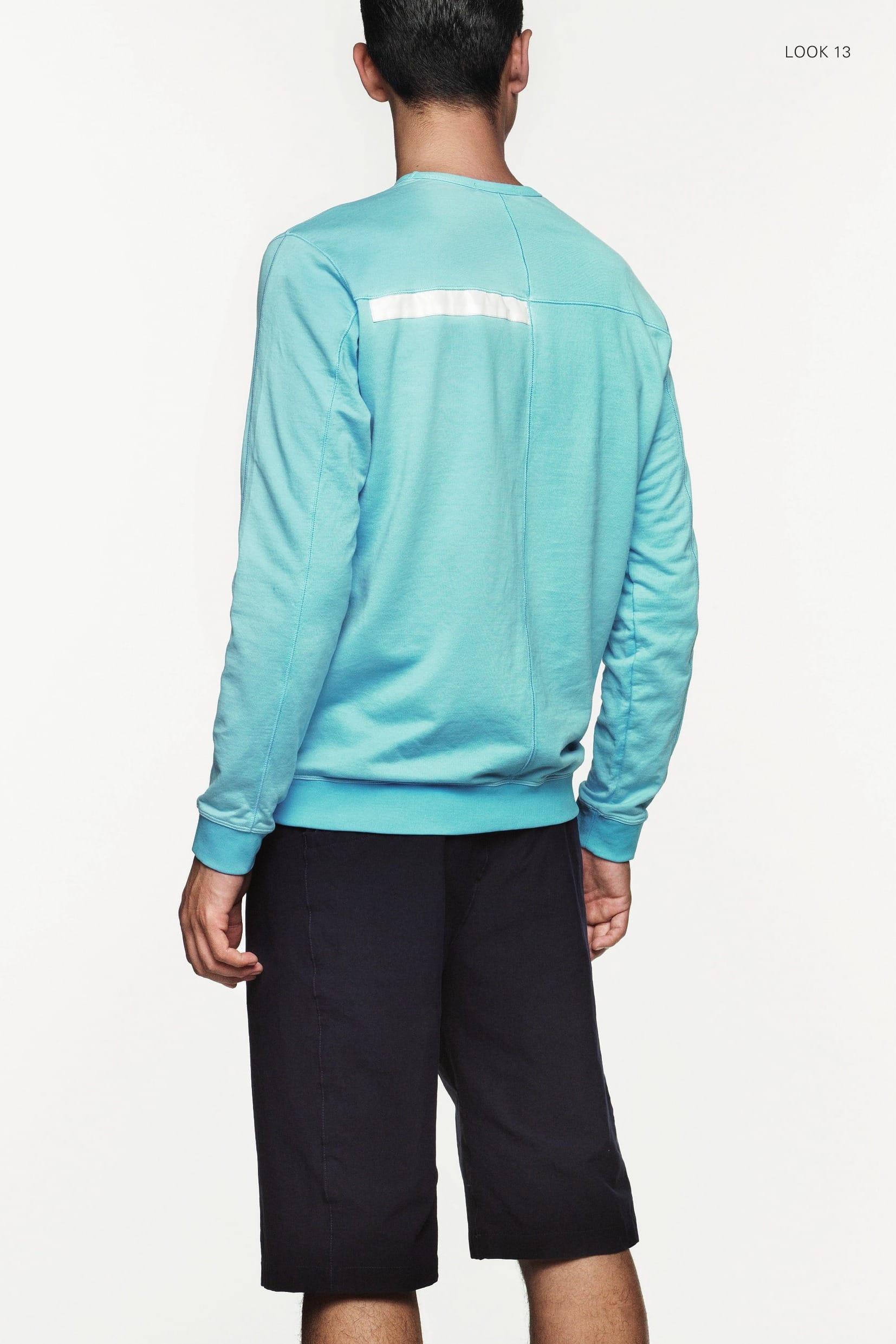
A statement of quiet aggression against the background of chaos and turbulence that is today, the eleventh Stone Island Shadow Project steps in and leans forward. The collection is built on classic menswear archetypes honed to an edge just shy of the subversive. Atemporal and eminently wearable, the 5919 collection is built for those who make moves that turn obstacles into opportunities. Details and designs are informed by equal parts sartorial tradition and subcultural edge. Fabrics are high speed and low drag; unfussy and technical to the degree that they are practical. Colors balance credibility with flashes of energy and high-fidelity saturation. Pattern and graphic infusions complete a package made possible only through the engineering and expertise that is Stone Island.
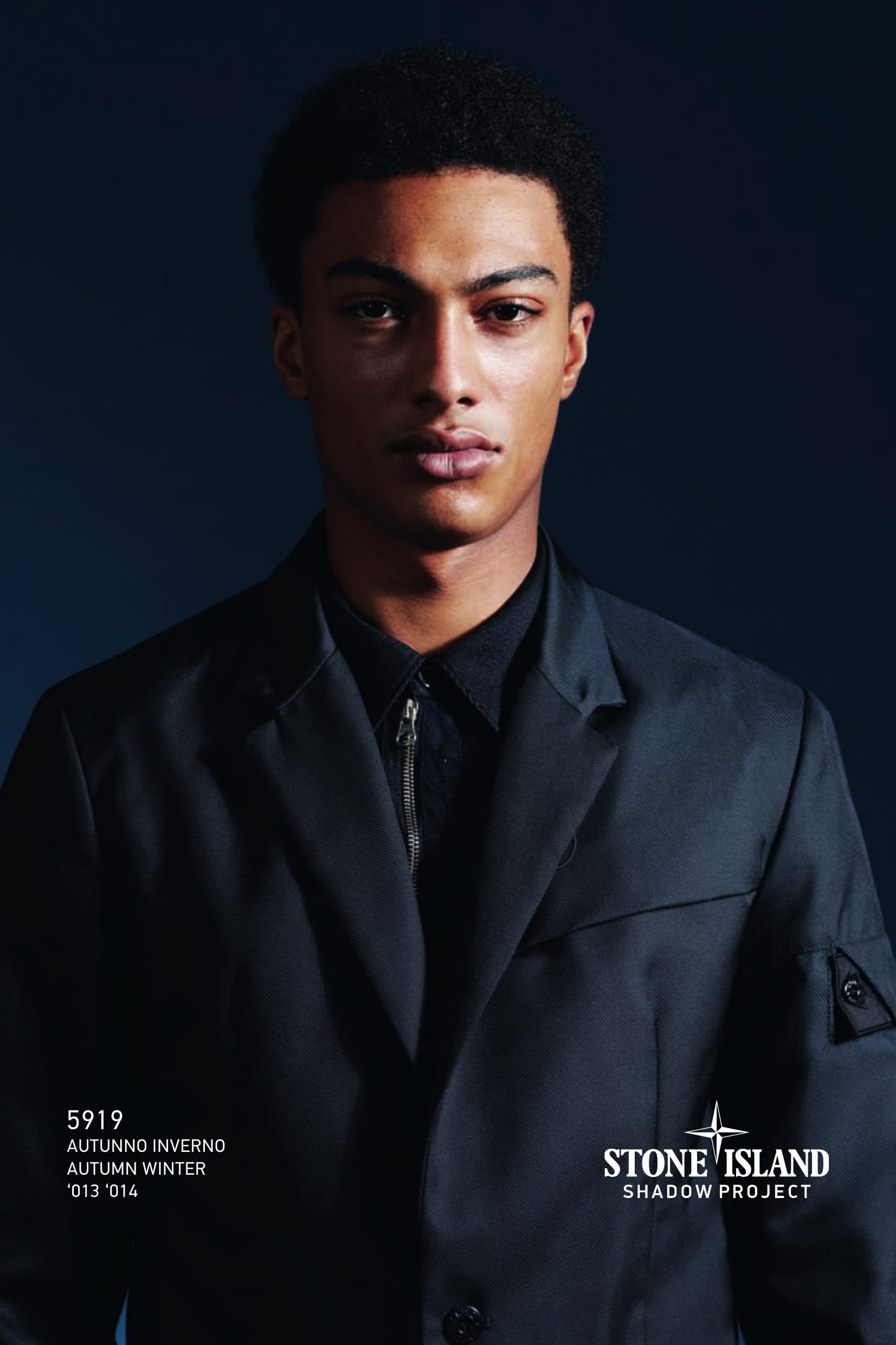
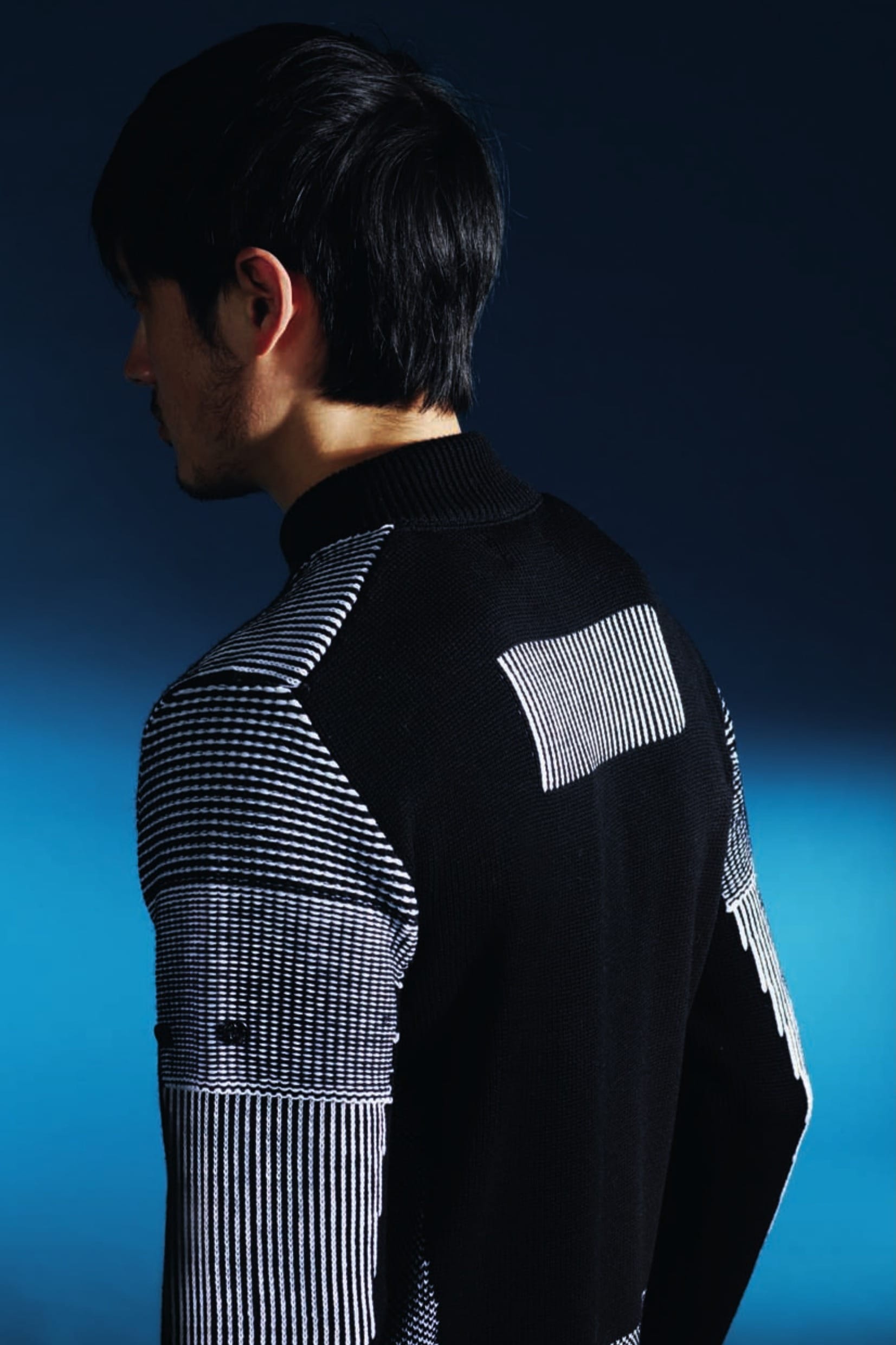
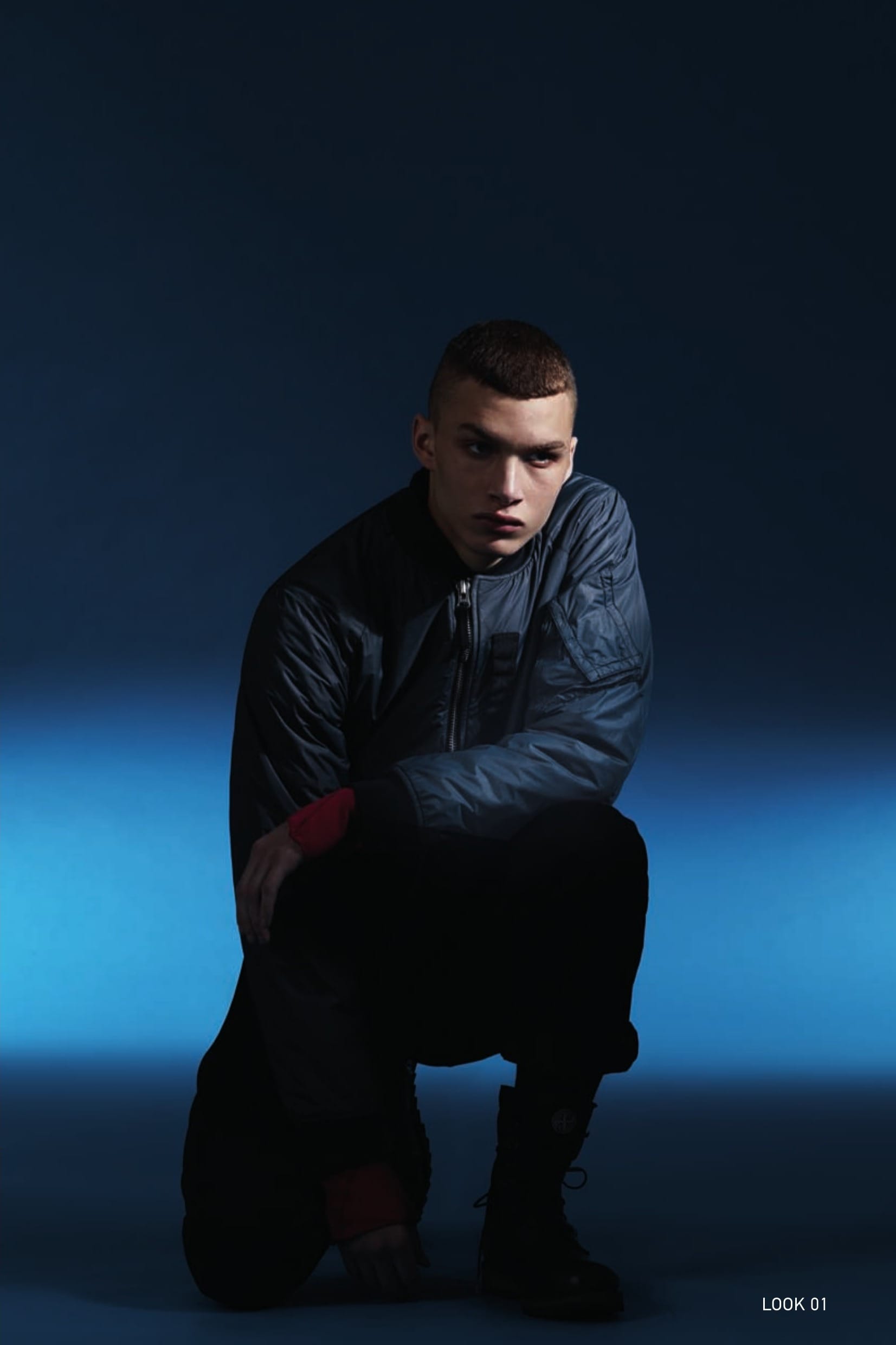
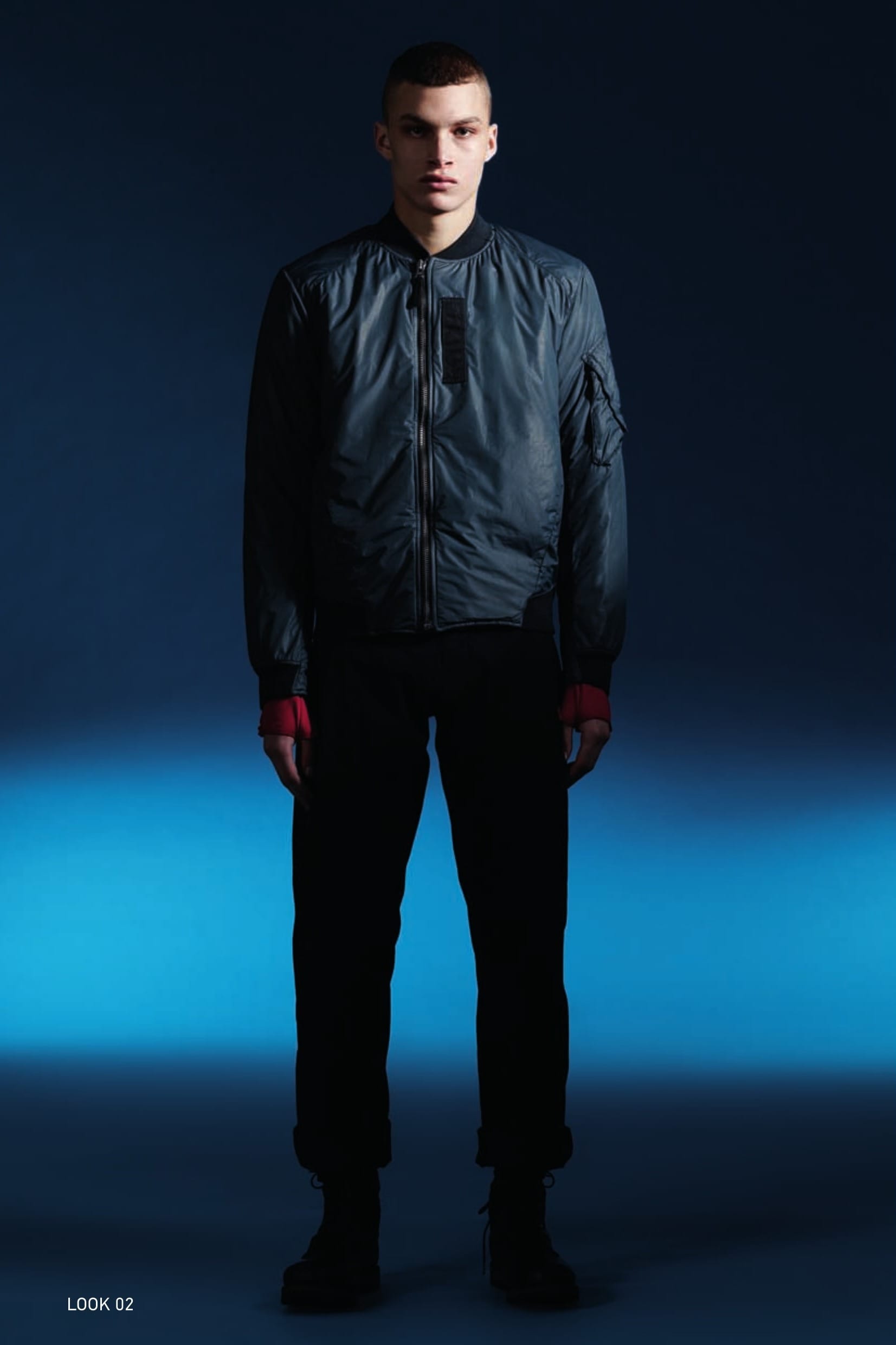
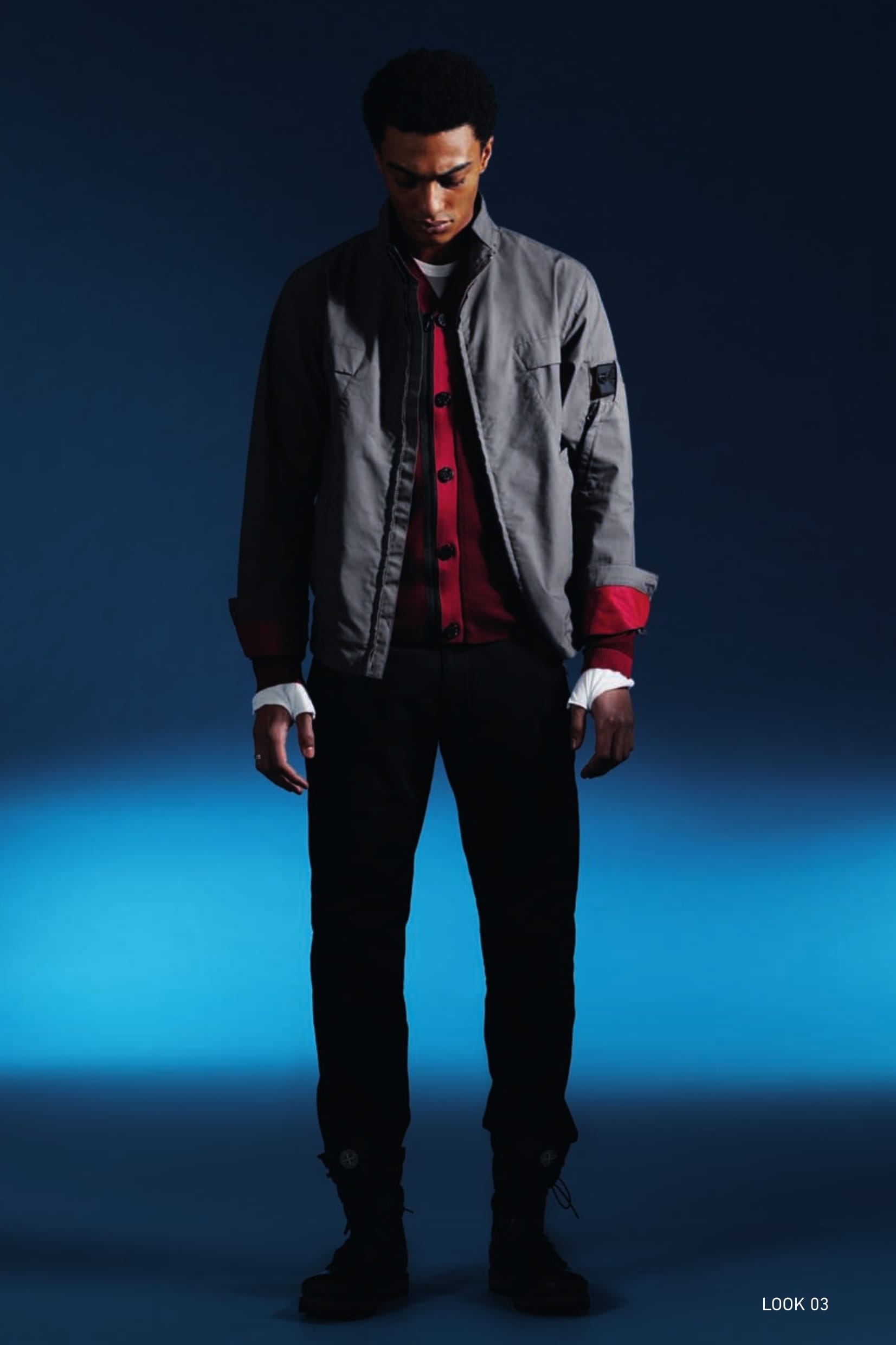
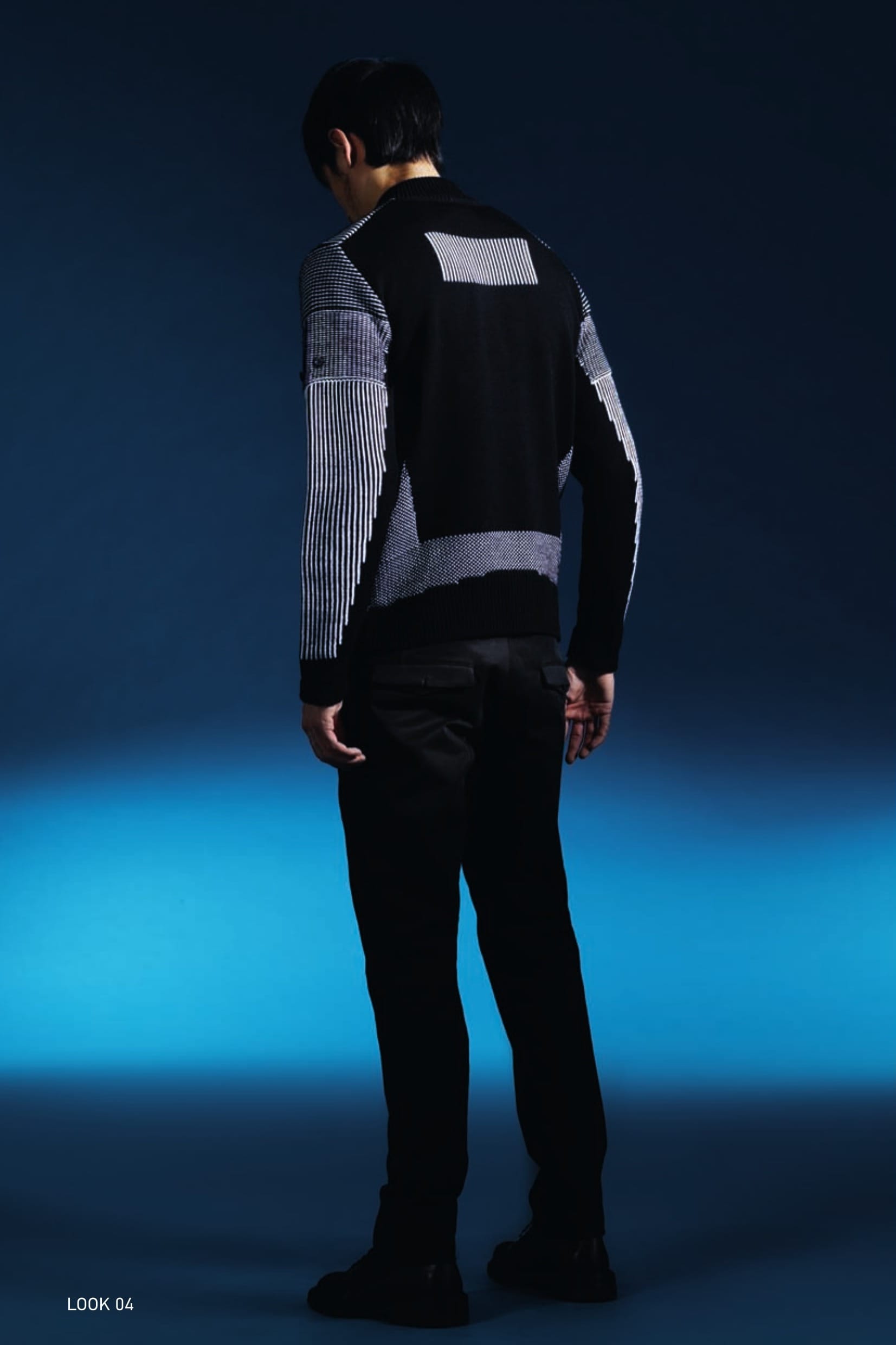
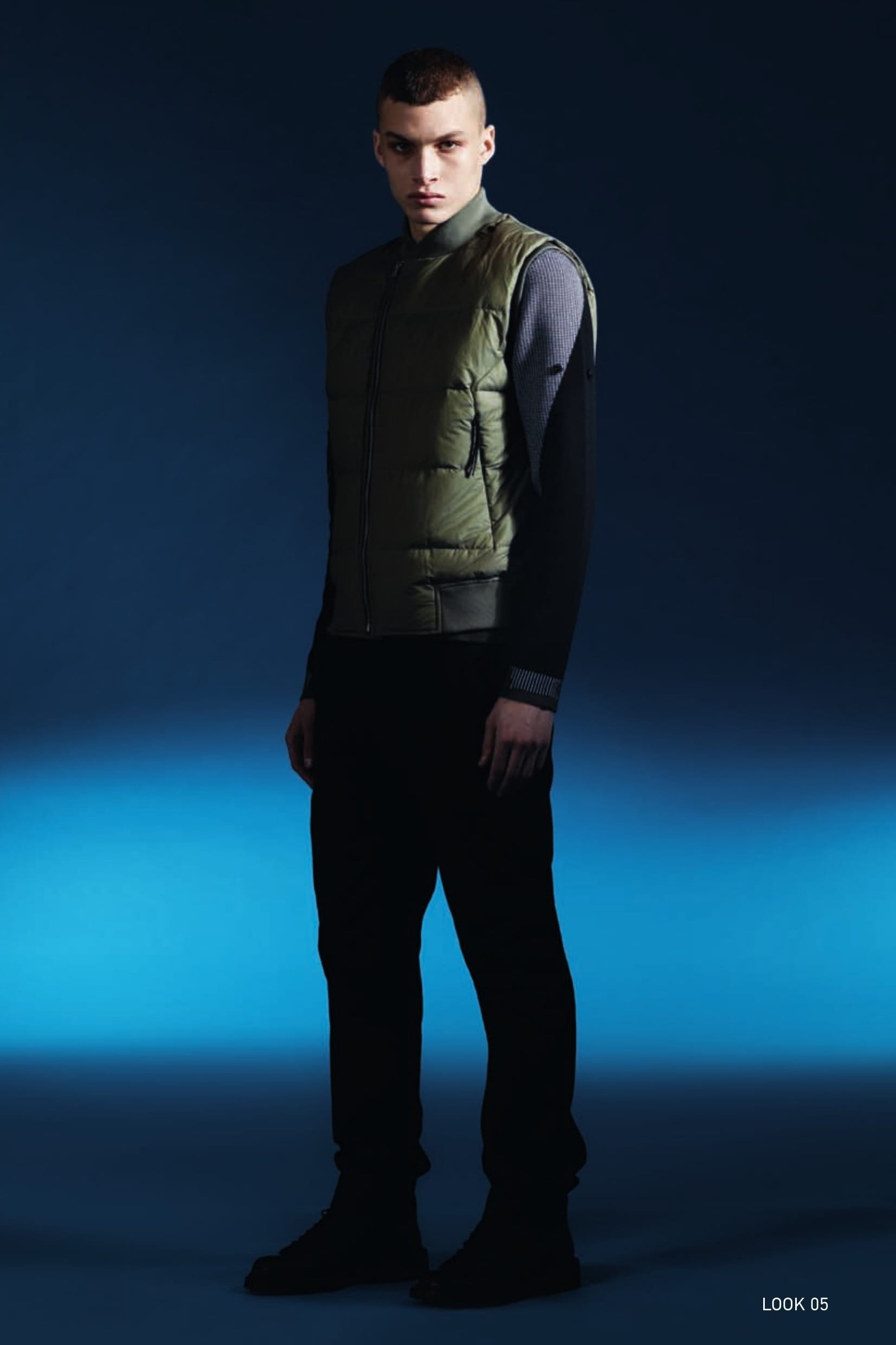
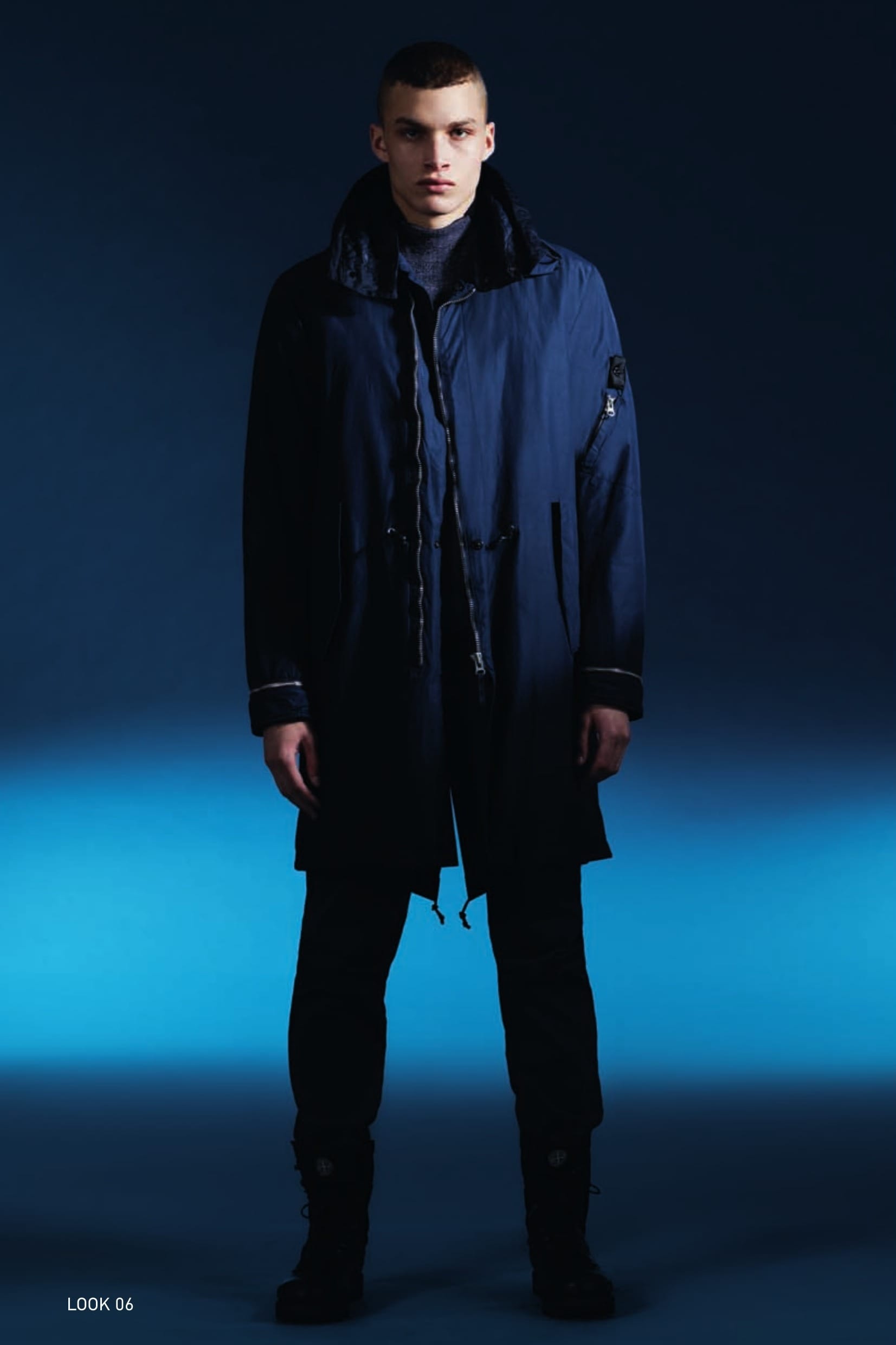
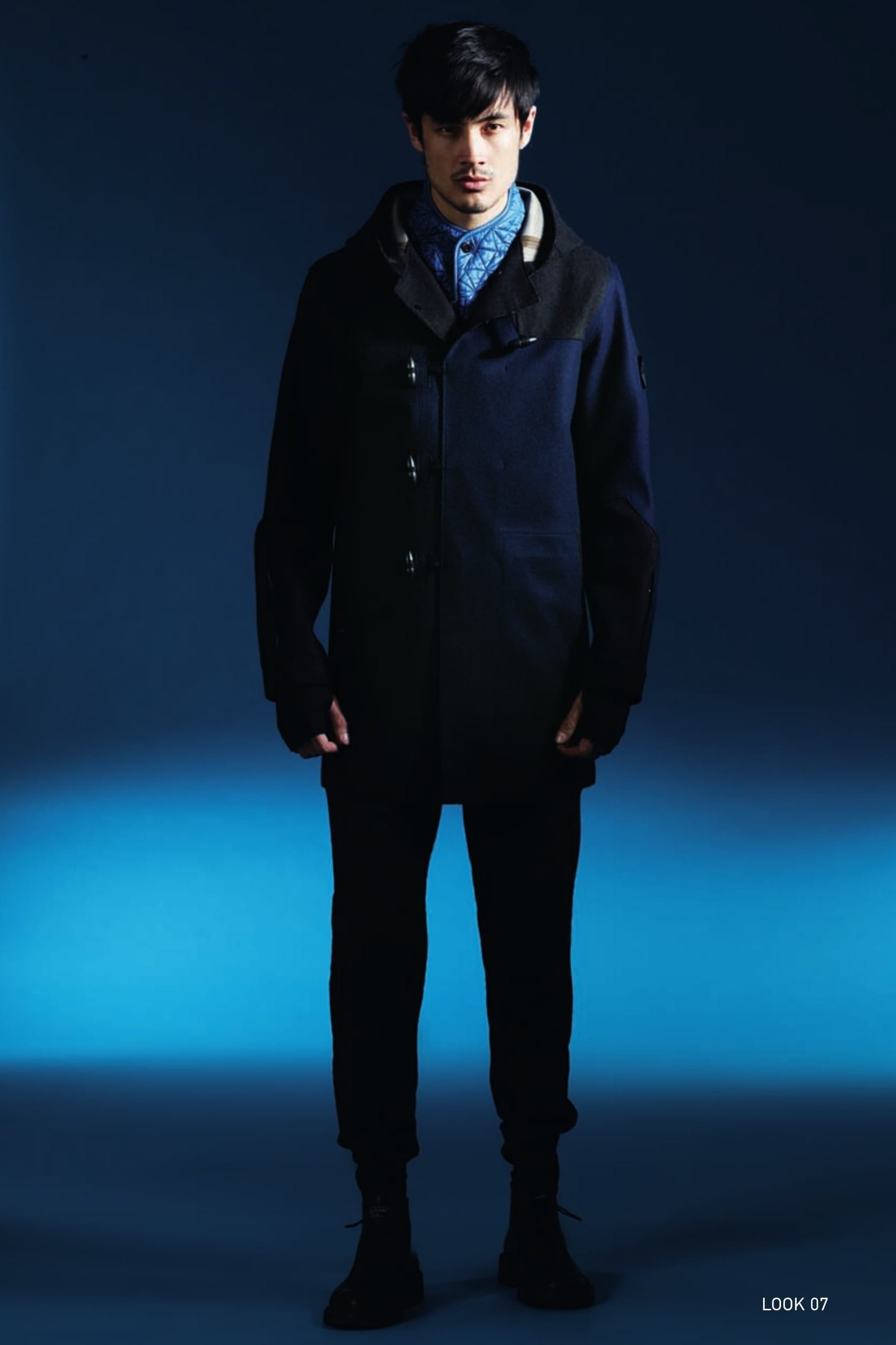
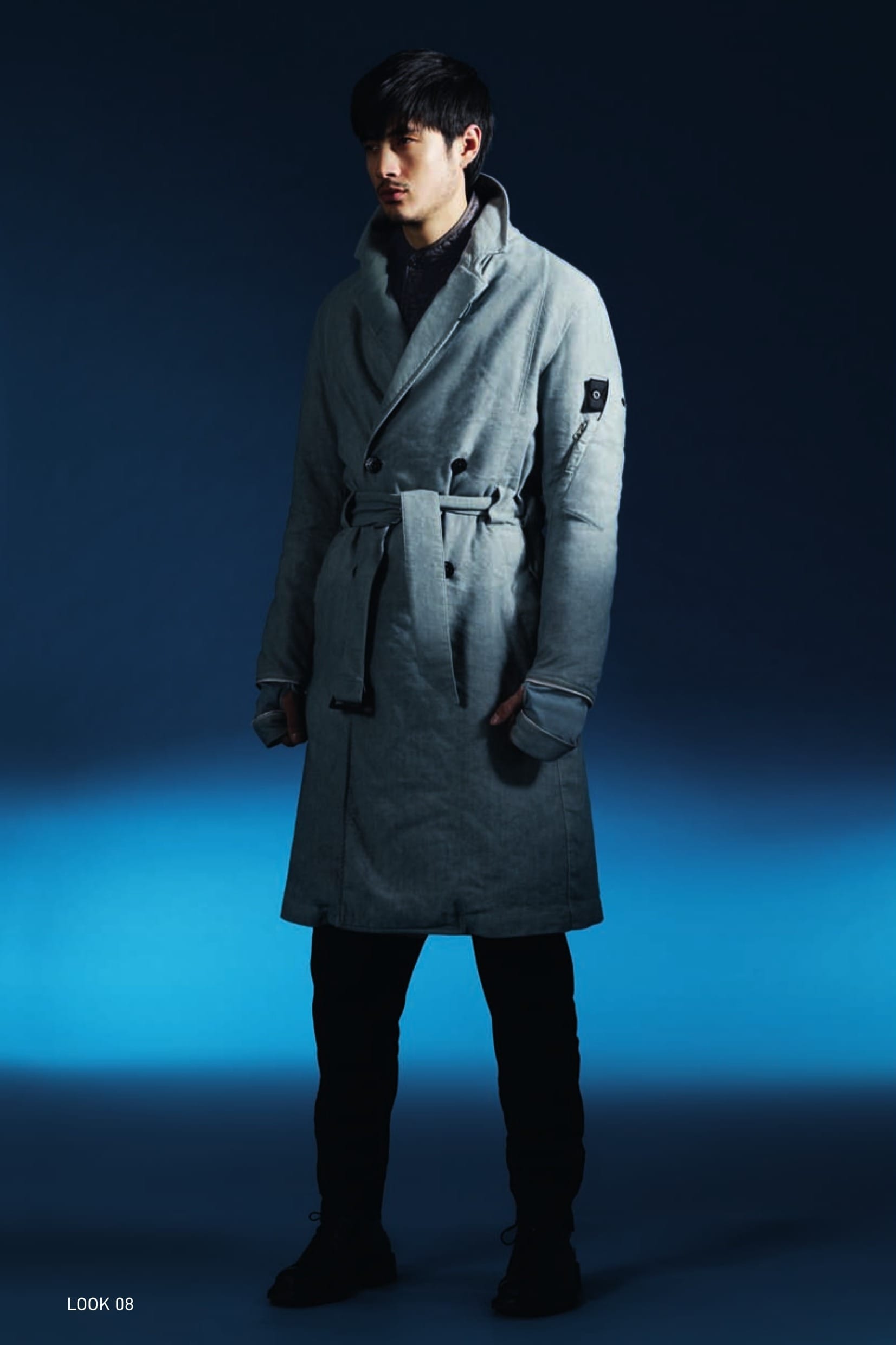
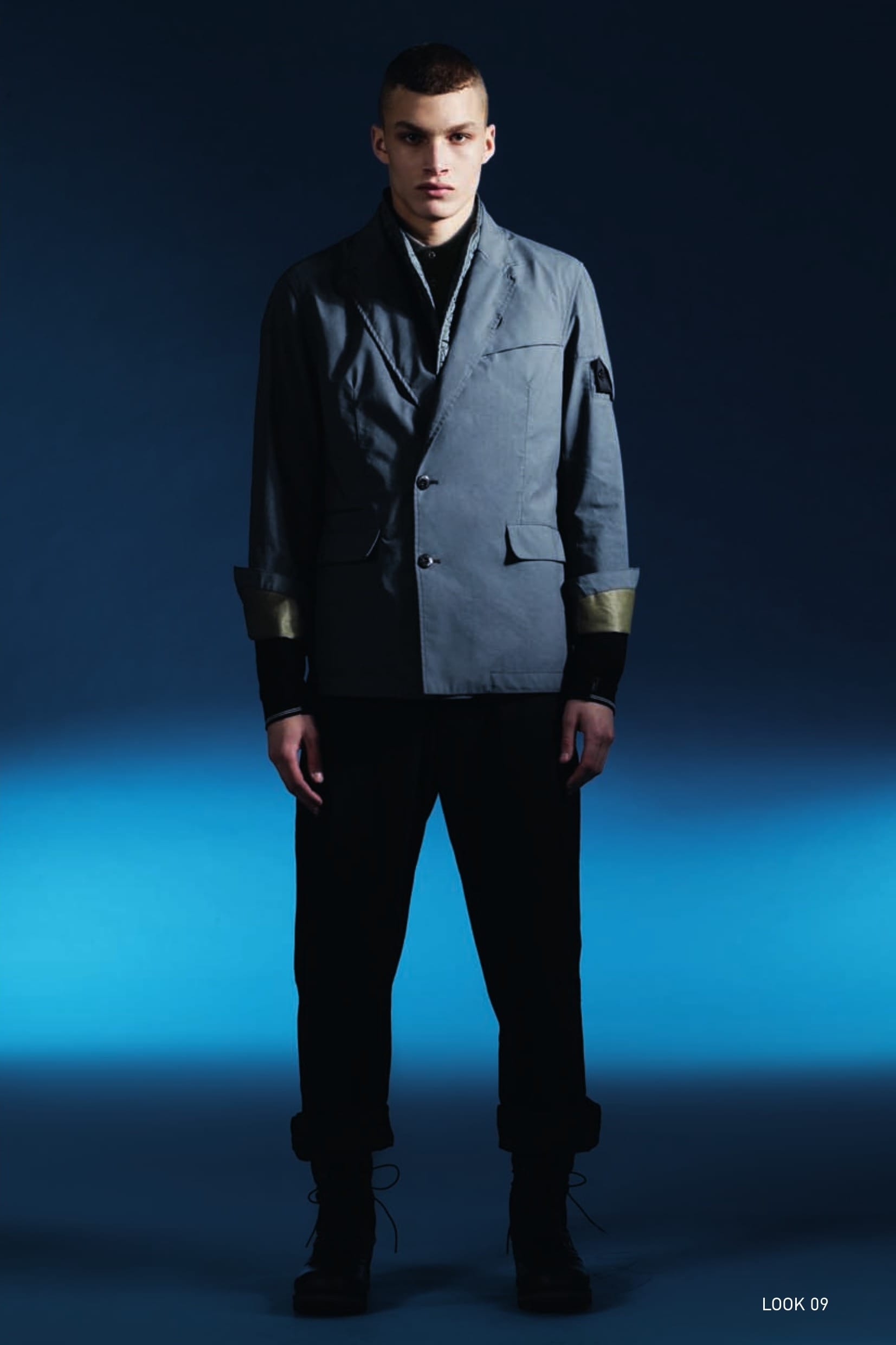
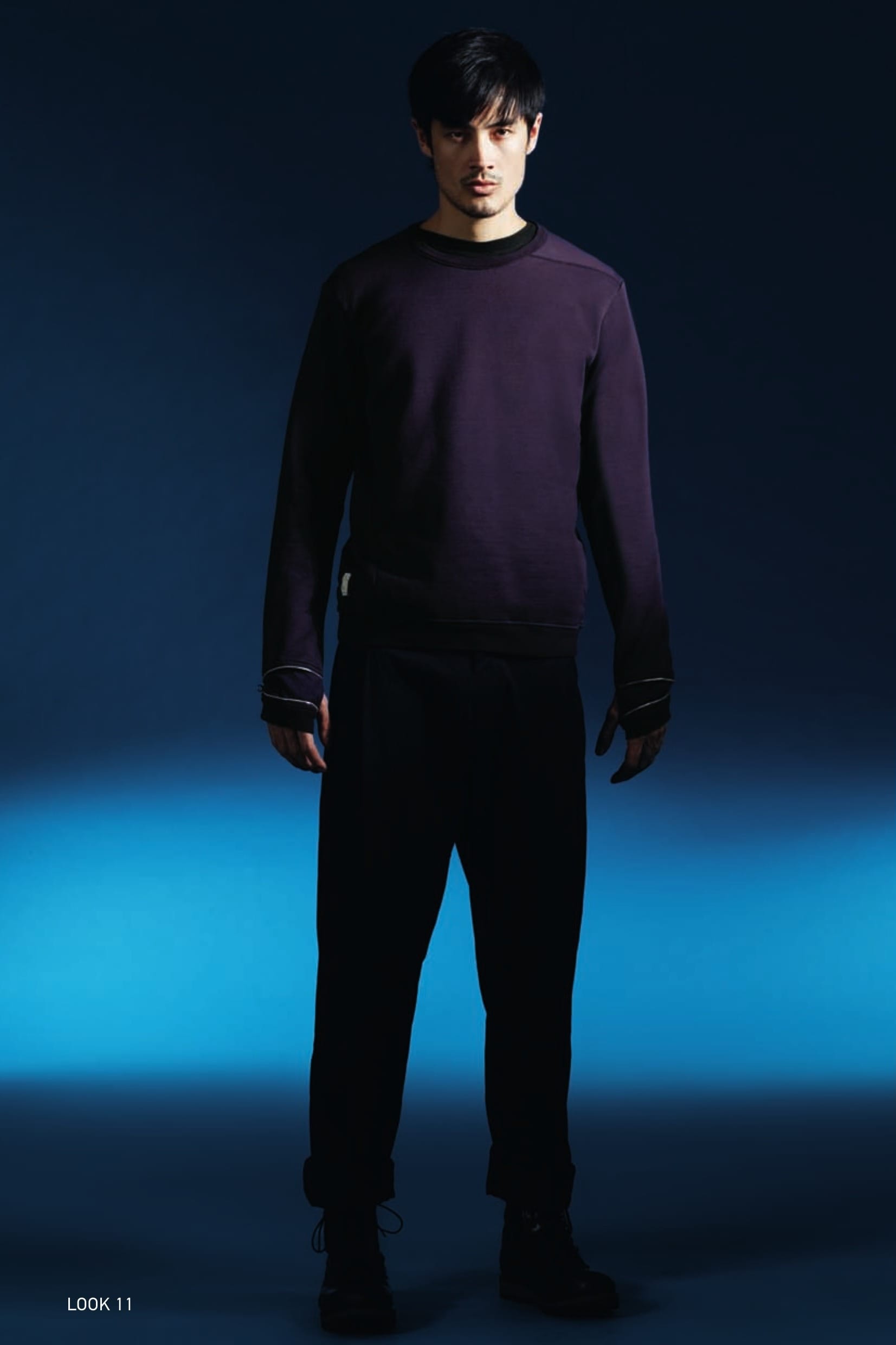
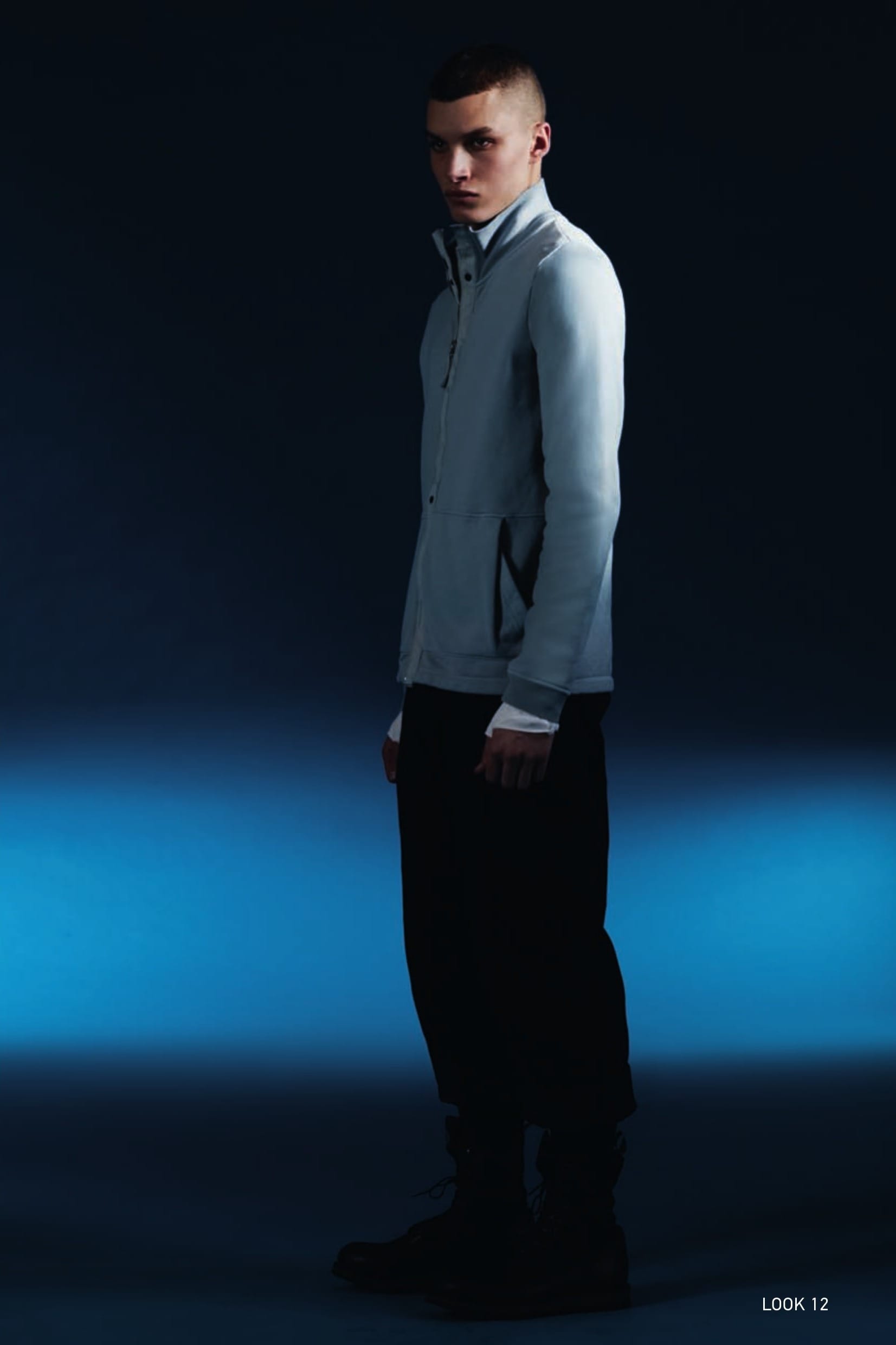
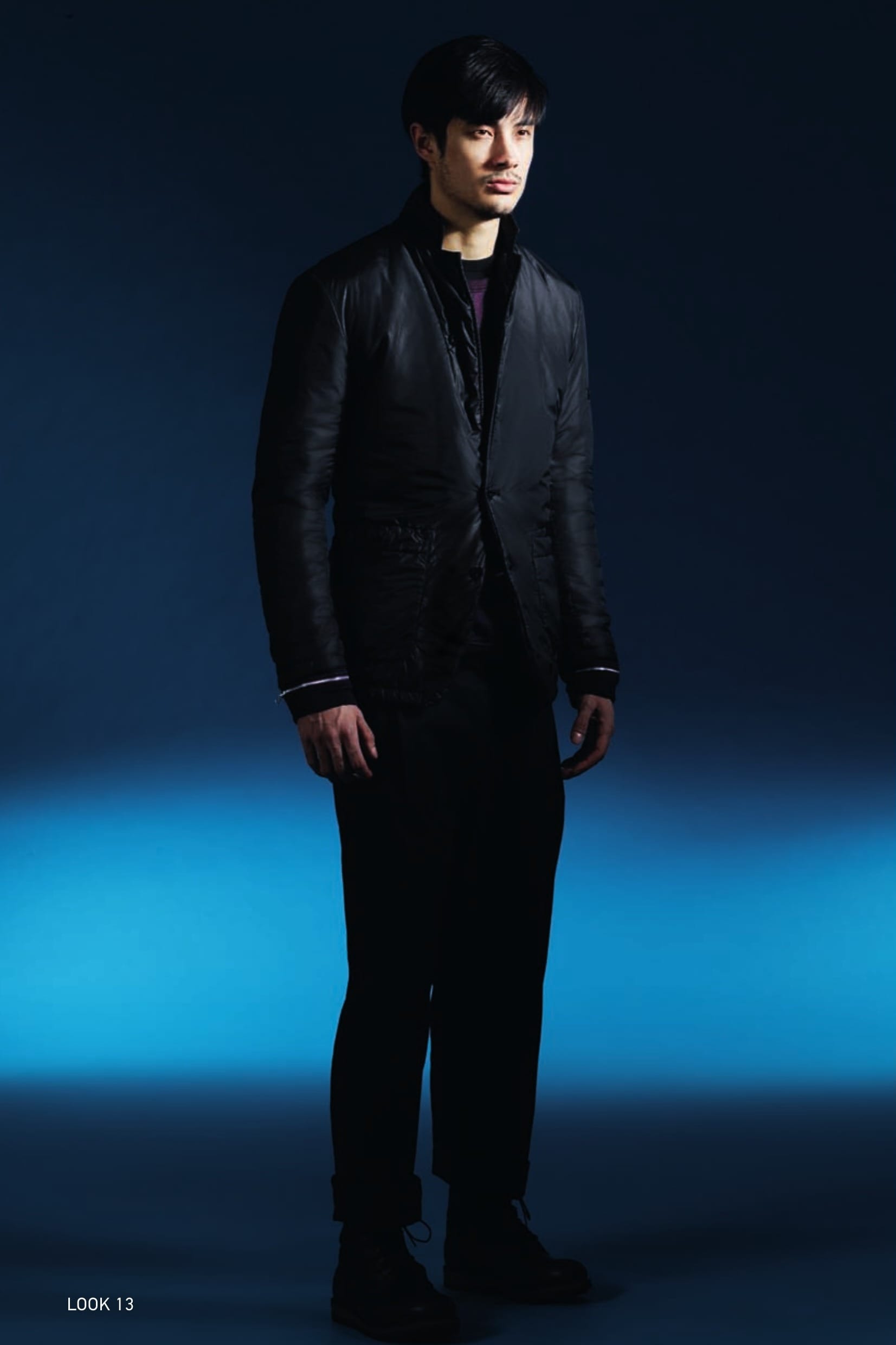
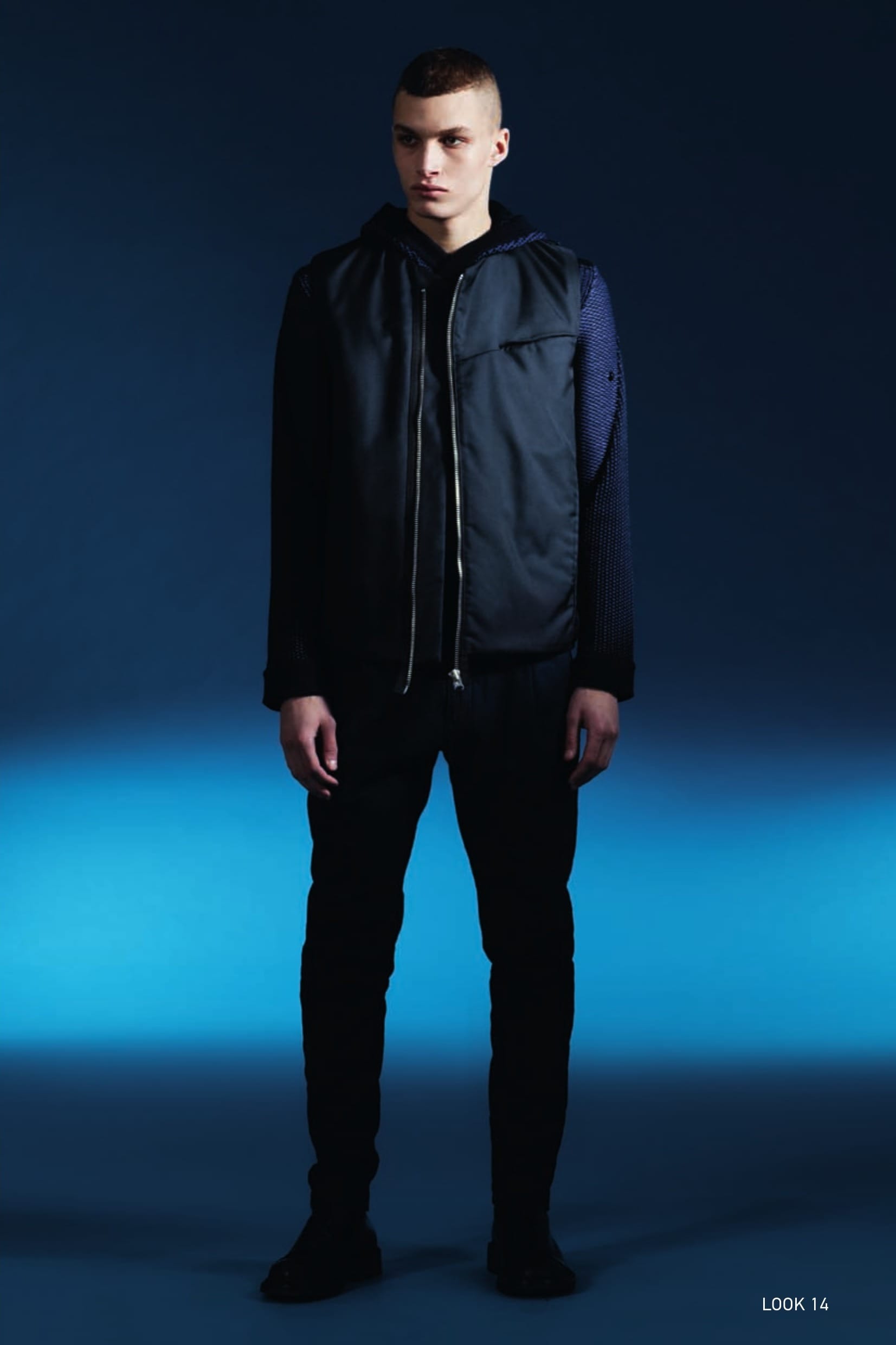
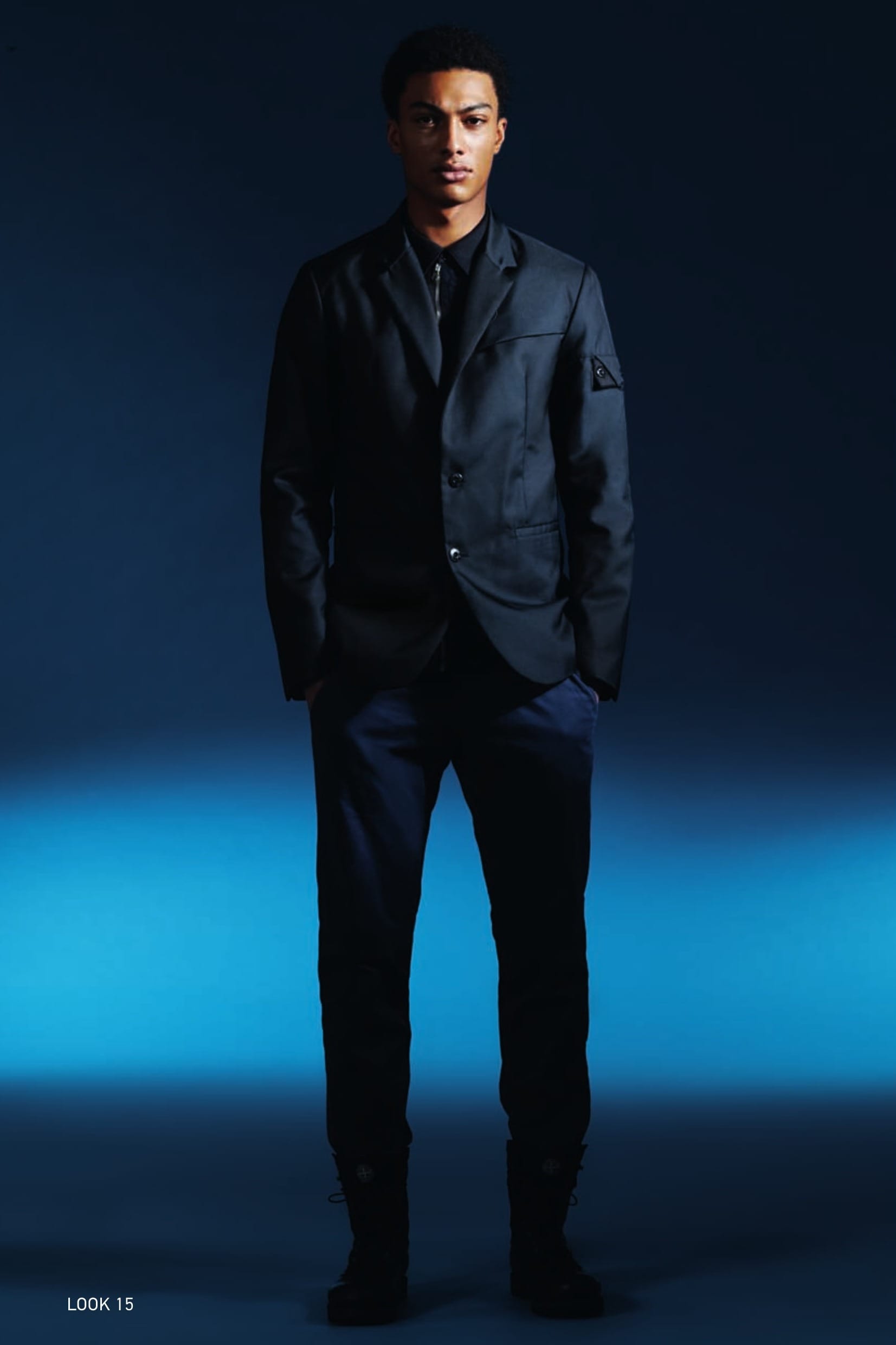
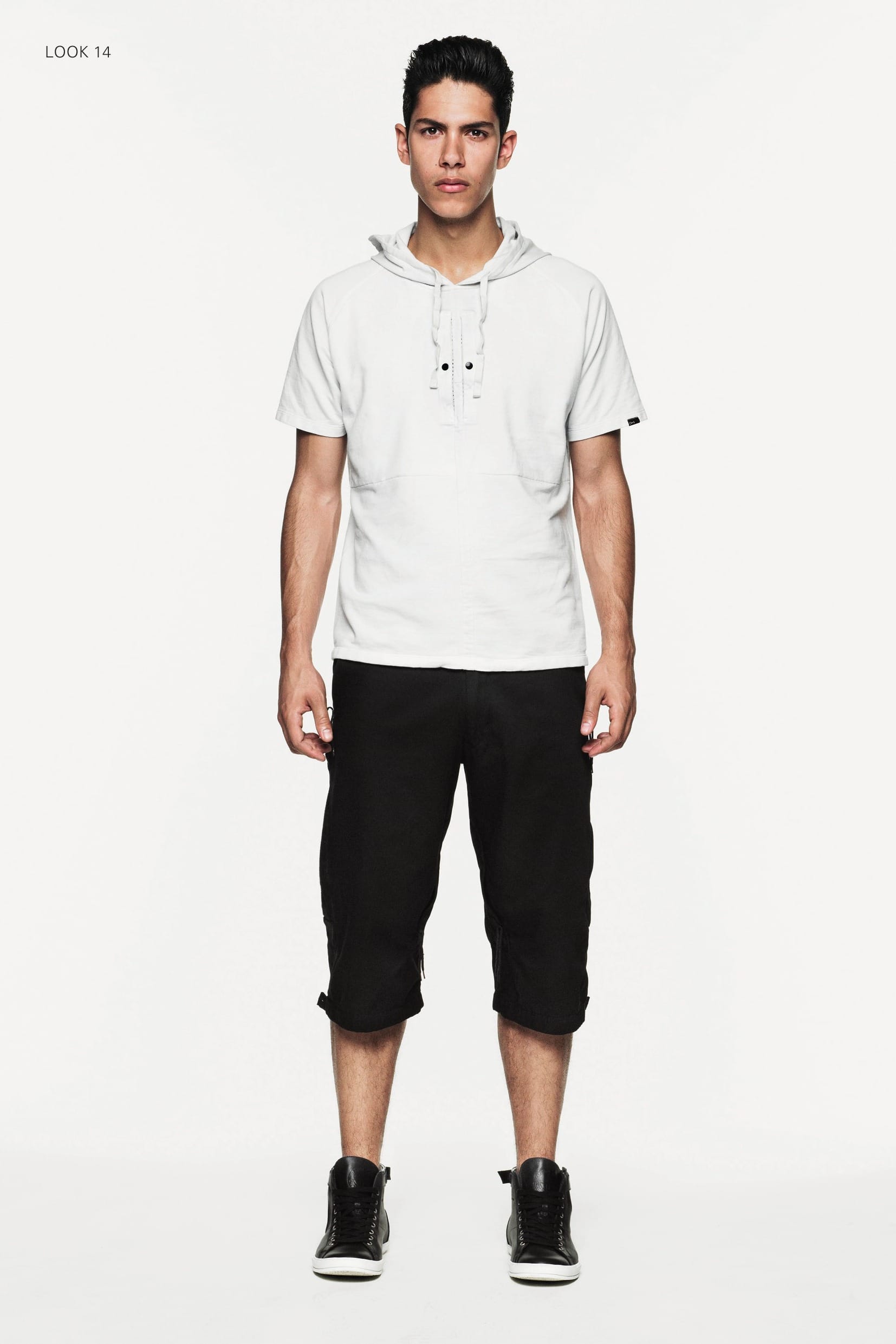
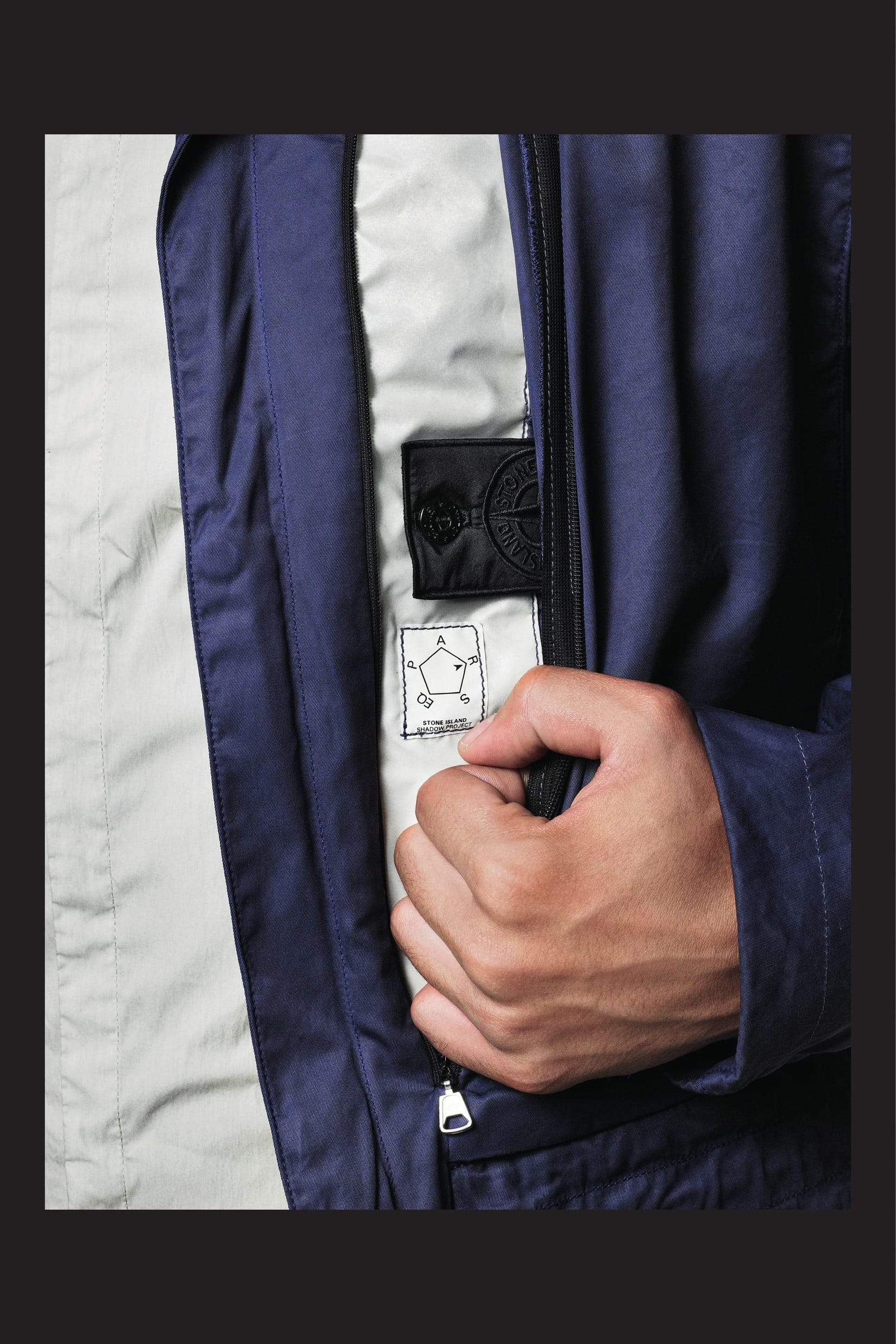
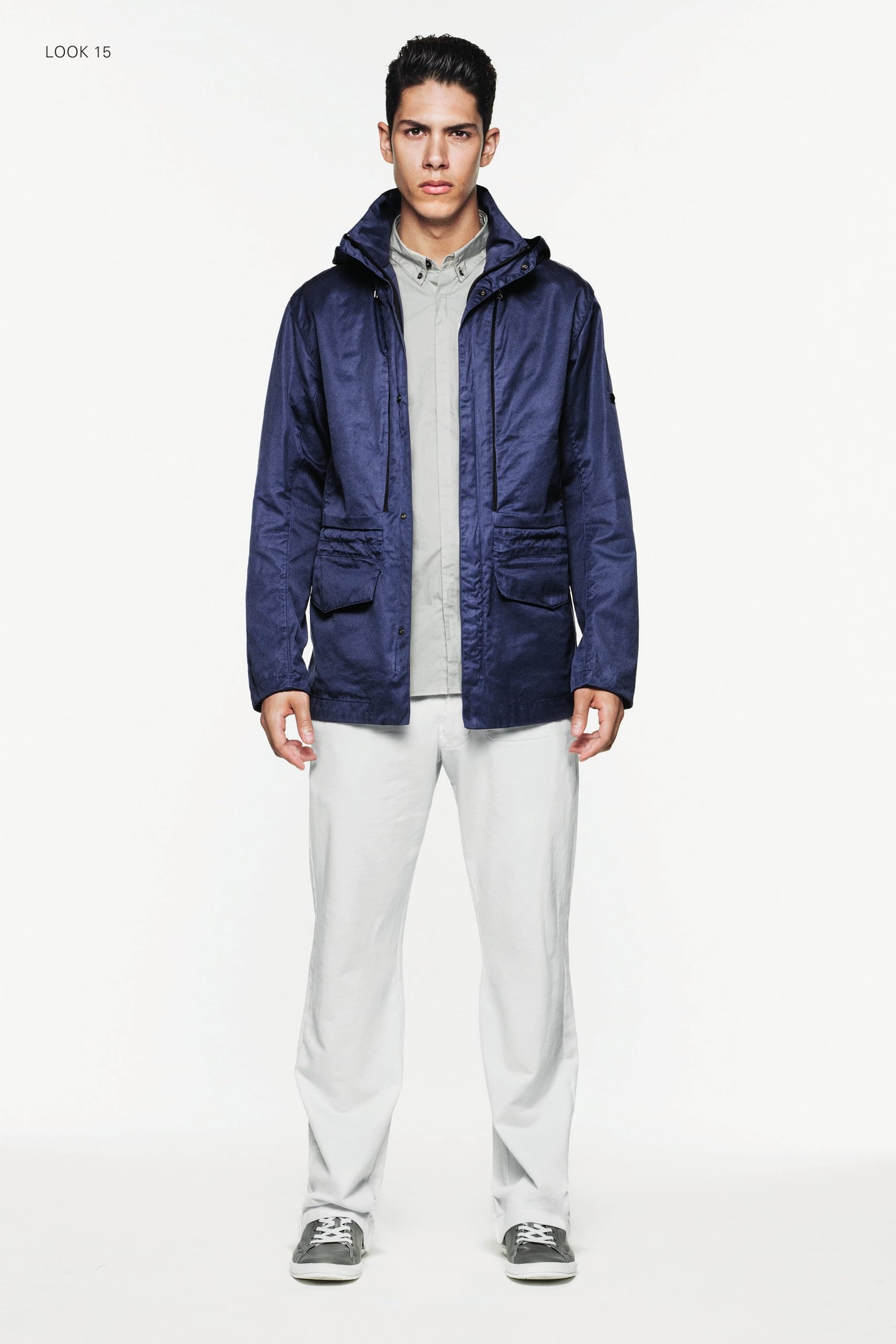
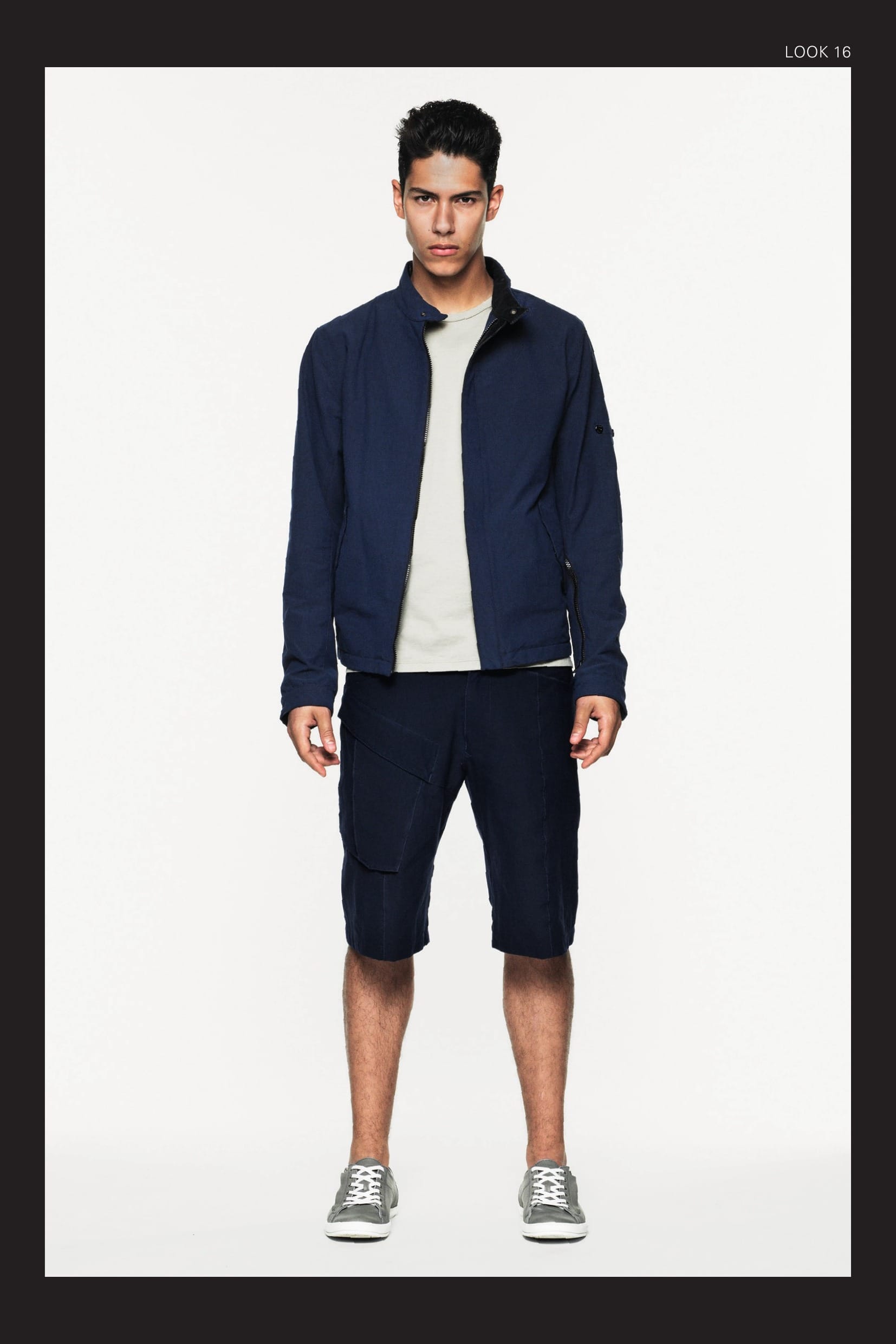
![40303 INSULATING REMOVABLE LINER [IRIDESCENT NYLON QUILTING] OF THE CROP JACKET_PW3 TECH WOOL Long-sleeve detachable lining of the Crop Jacket in PW3 Tech Wool, in a lightweight iridescent nylon quilted with a star-pattern to a padding substrate. The lining is fixed to the garment with ties and a snap fastener. These tapes and the button at the cuffs allow the lining to be integrated in Stone Island Shadow Project shoulder pieces, both from this season and past and future seasons. Metal zip fastening. 30110 WIDE PLEATED PANT_CO DIAGONAL Trousers with single dart in diagonal weave comfort cotton. Garment dyed. Wide fit. Diagonal side pockets. Two flat pockets on the back. Zip fly and button at the waist.](https://storage.ghost.io/c/14/ee/14eef3be-ca5a-434b-8324-fa1f874026f1/content/images/2026/06/stone-island-shadow-project-aw2013-2014-lookbook-31.jpg)
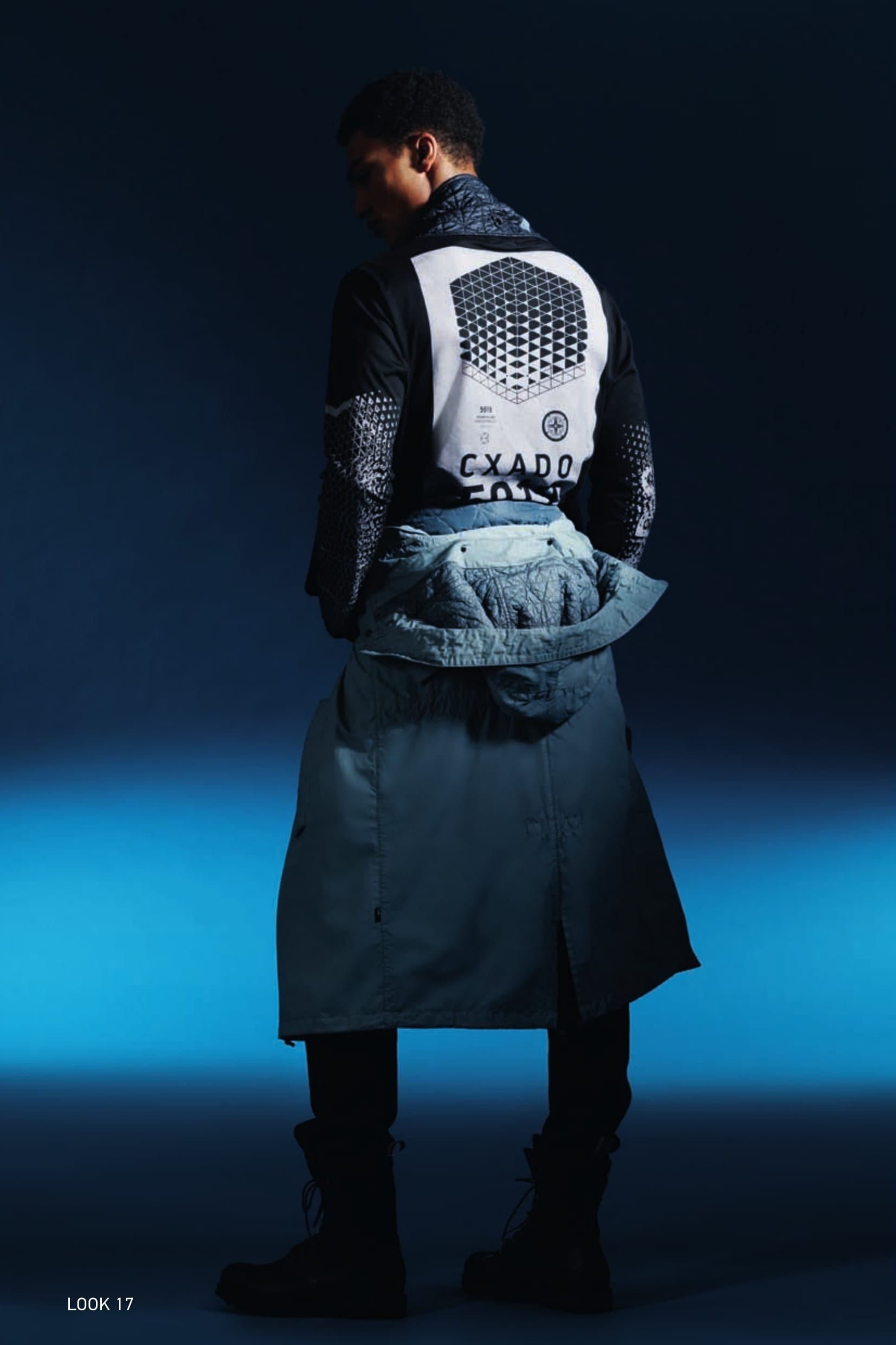
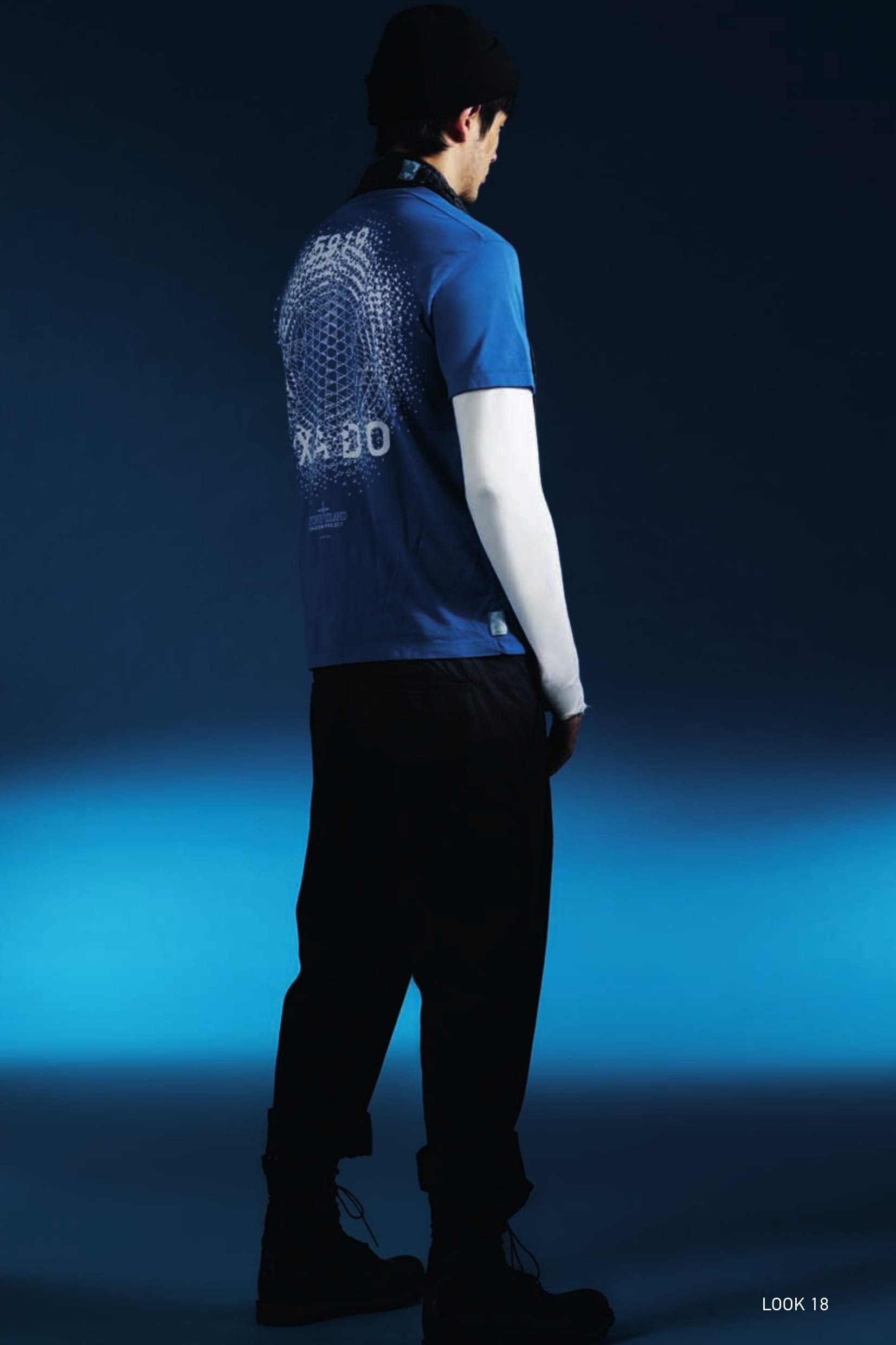
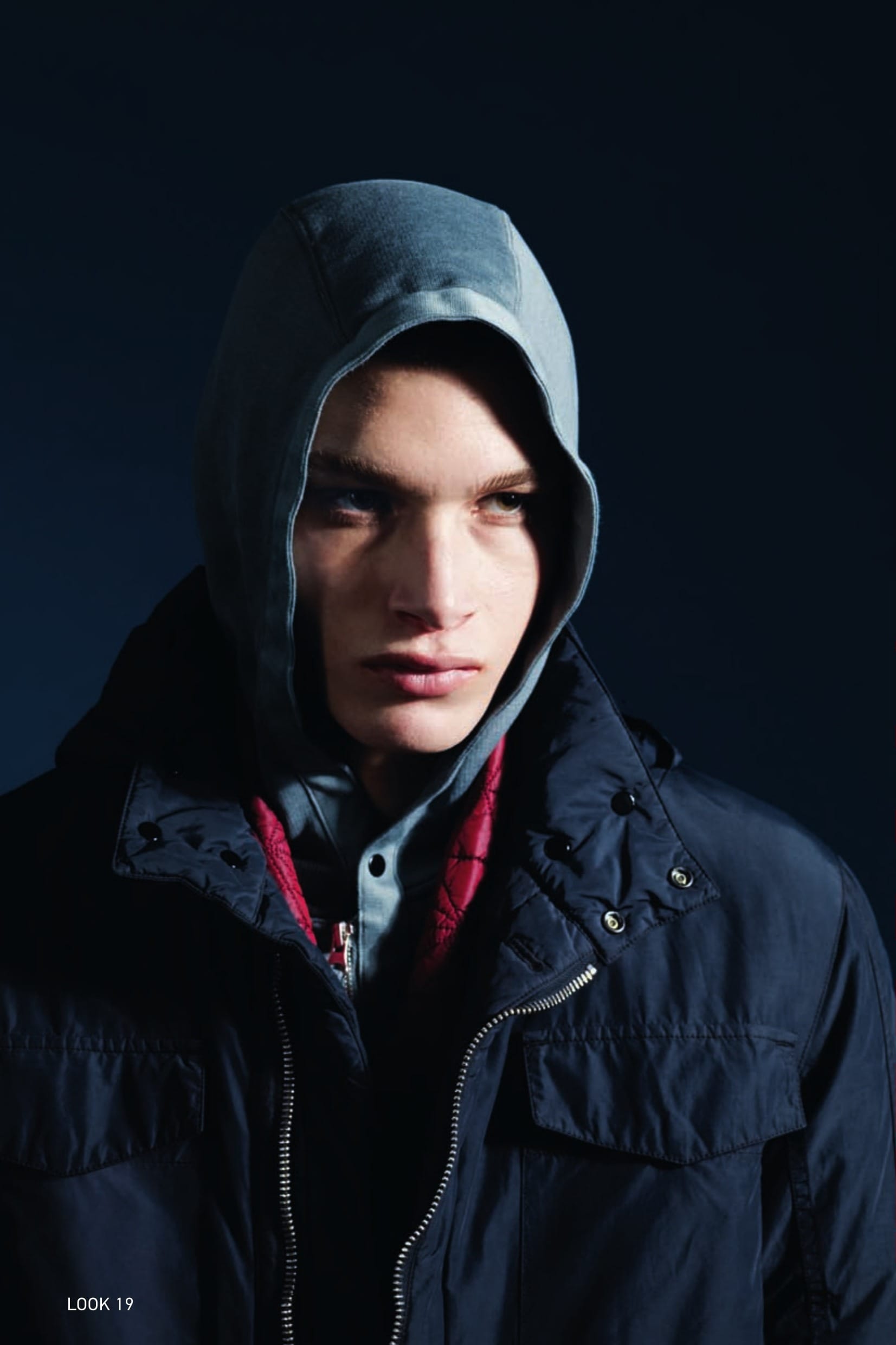
The Stone Island Shadow vector continues with the project's fourth seasonal capsule collection. Fueled by new reactions within the project's original conceptual core, fresh manifestations of fabric, style, detail, and interface emerge as the lightest, yet most comprehensive, offering thus far.
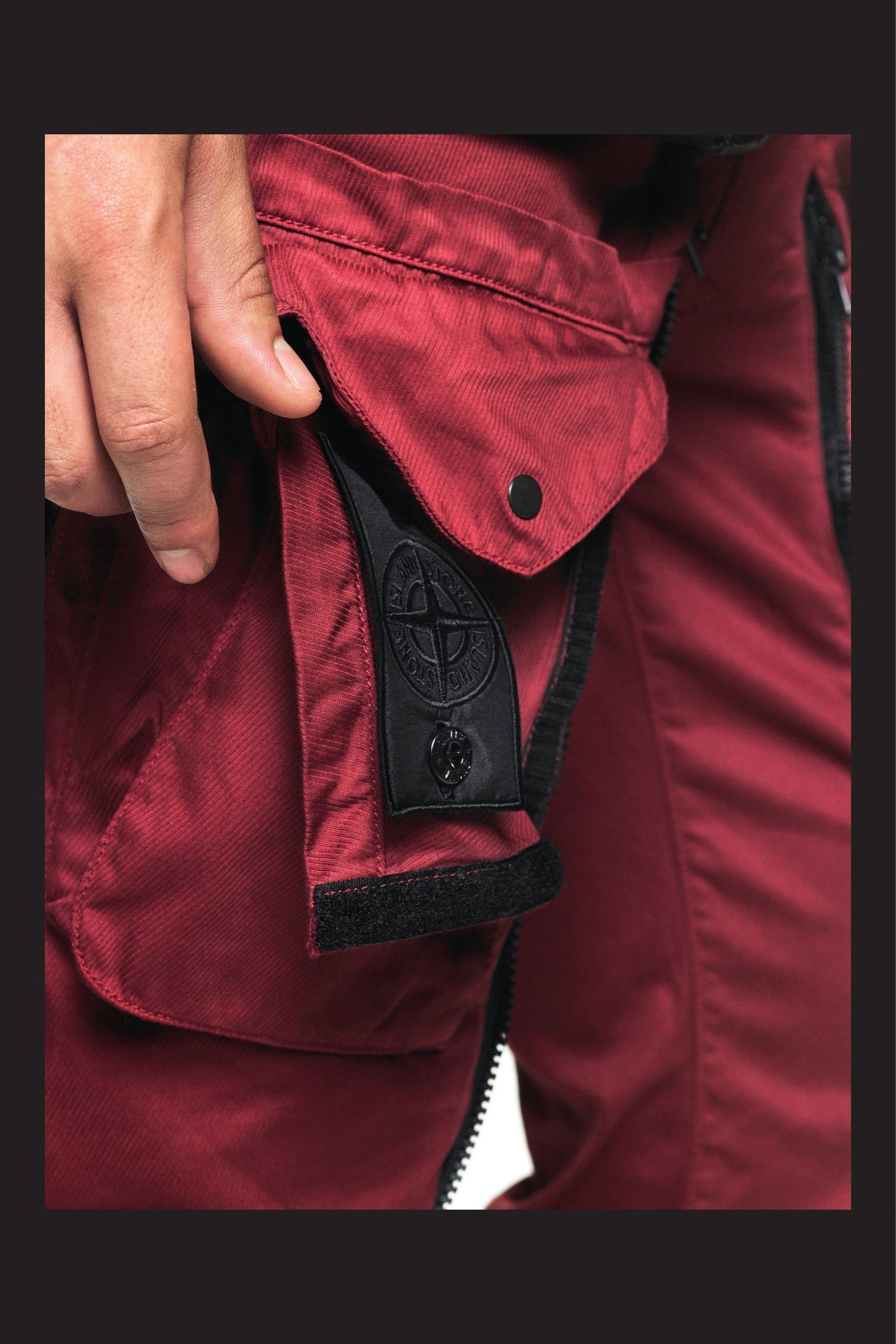
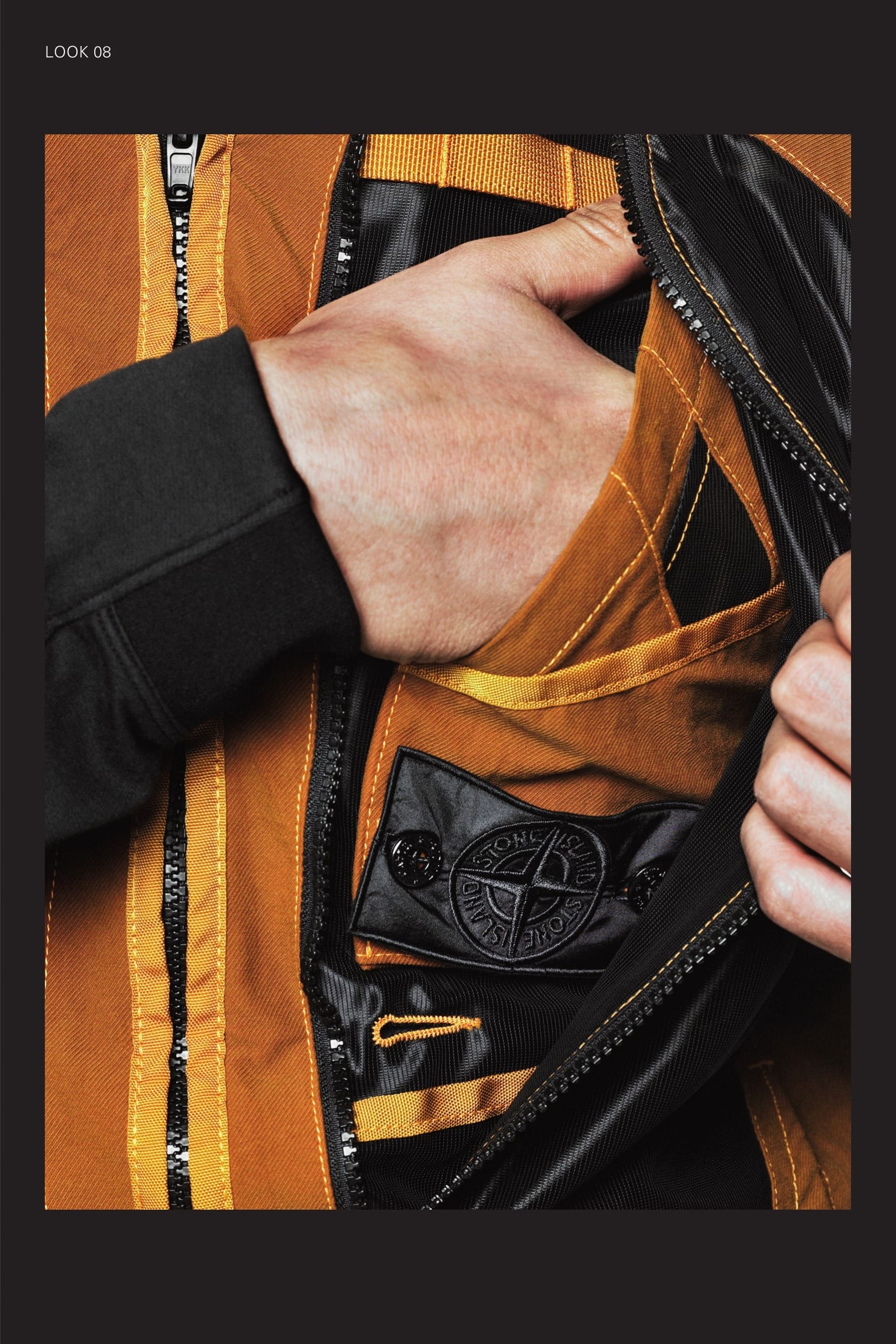
This unique trajectory begins, of course, at a unique point of origin — the inimitable constellation of research and development that is STONE ISLAND. Hidden detail and potential action lies at the heart of each and every Stone Island Shadow style.
Enfolding this in a simpler, softer way, a new focus can be brought to bear on both resolution of shape and fidelity of color. The goal is vibrancy and directness; stripping away the superfluous without sacrificing capability, and the lightness that can only be found by moving through one's environment with zero resistance.
Modular Performance Grid, PARSEQ is the organizational framework upon which the idea is built: PROOF, AUGMENT, RESIST, SKIN and EQUIP. All Shadow fabrics work together as part of the grid — breathable, moisture managing, skin-friendly and maintainable — chosen for their balance of performance technology and the aesthetic treatments for which Stone Island has been known since its inception.


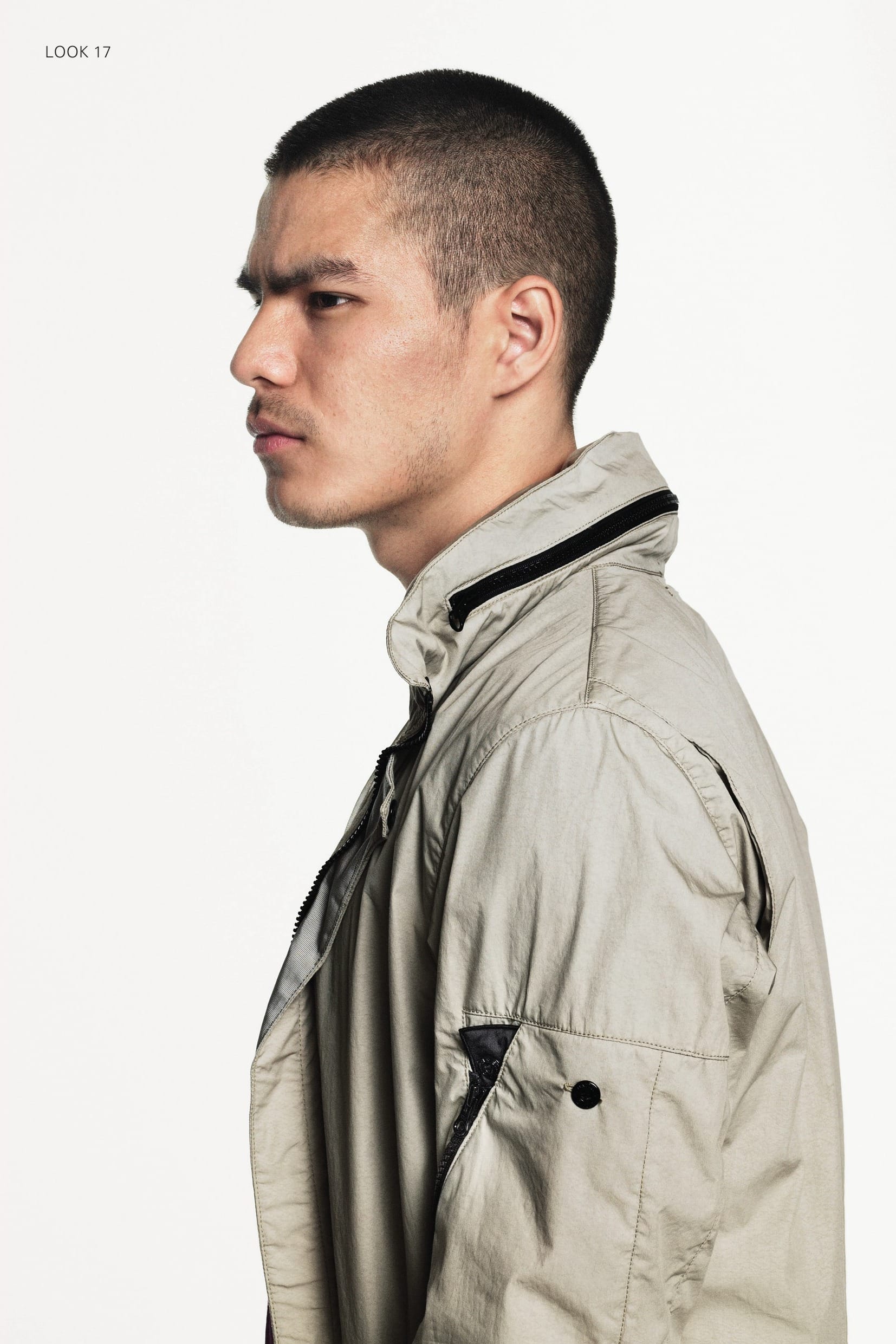
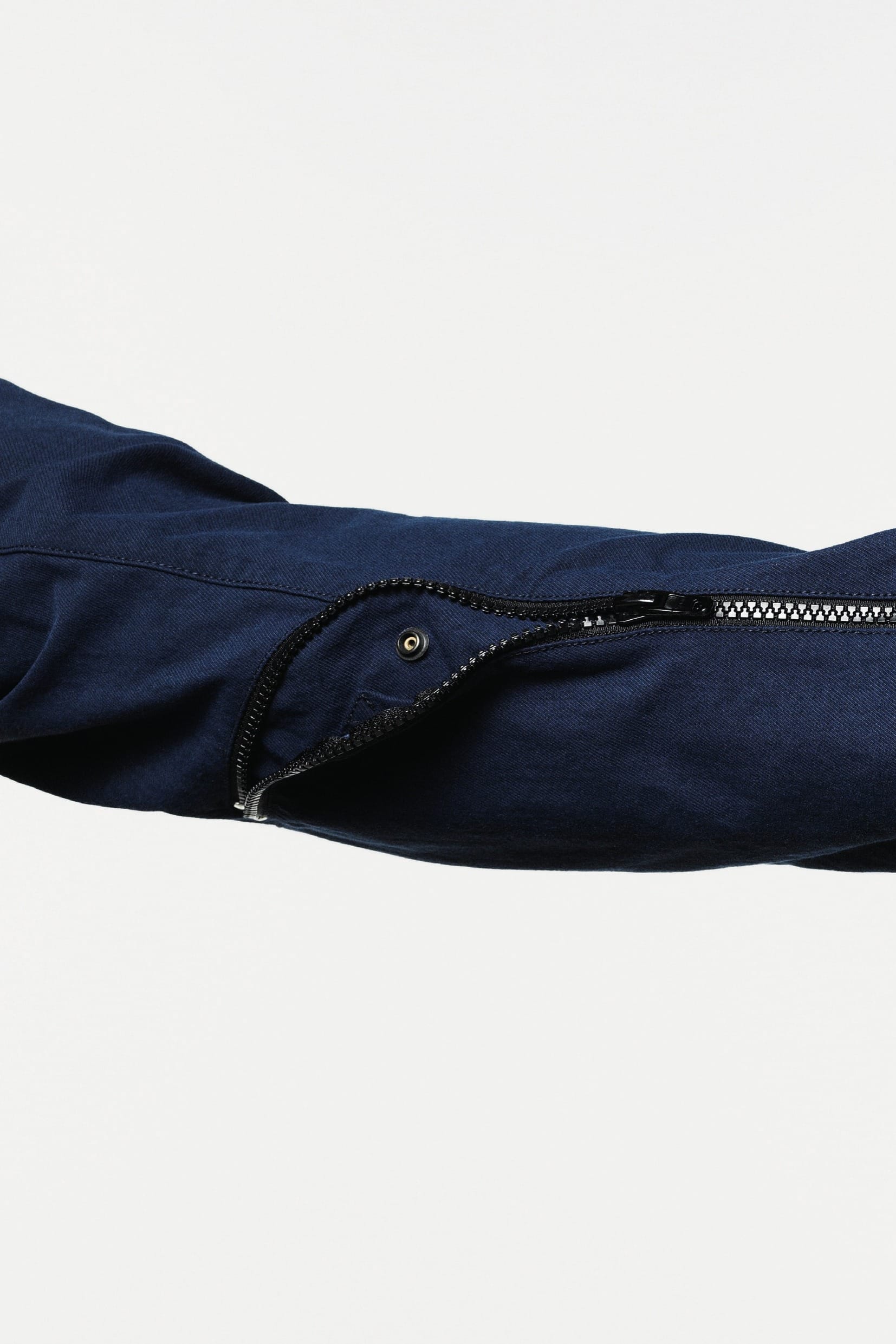
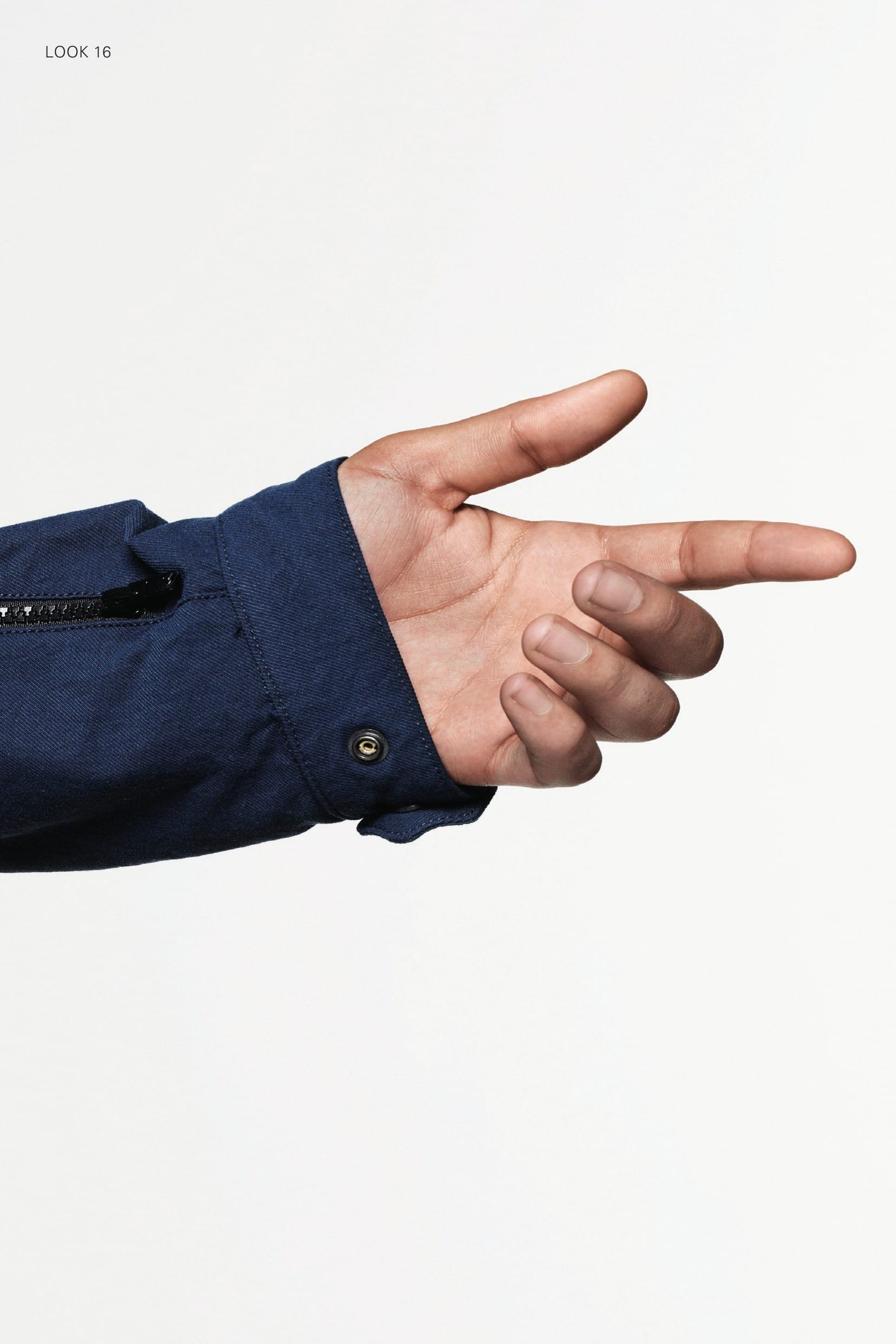

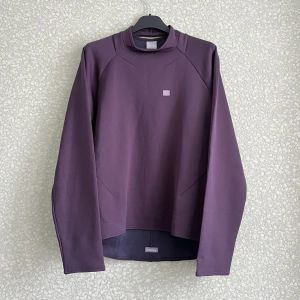
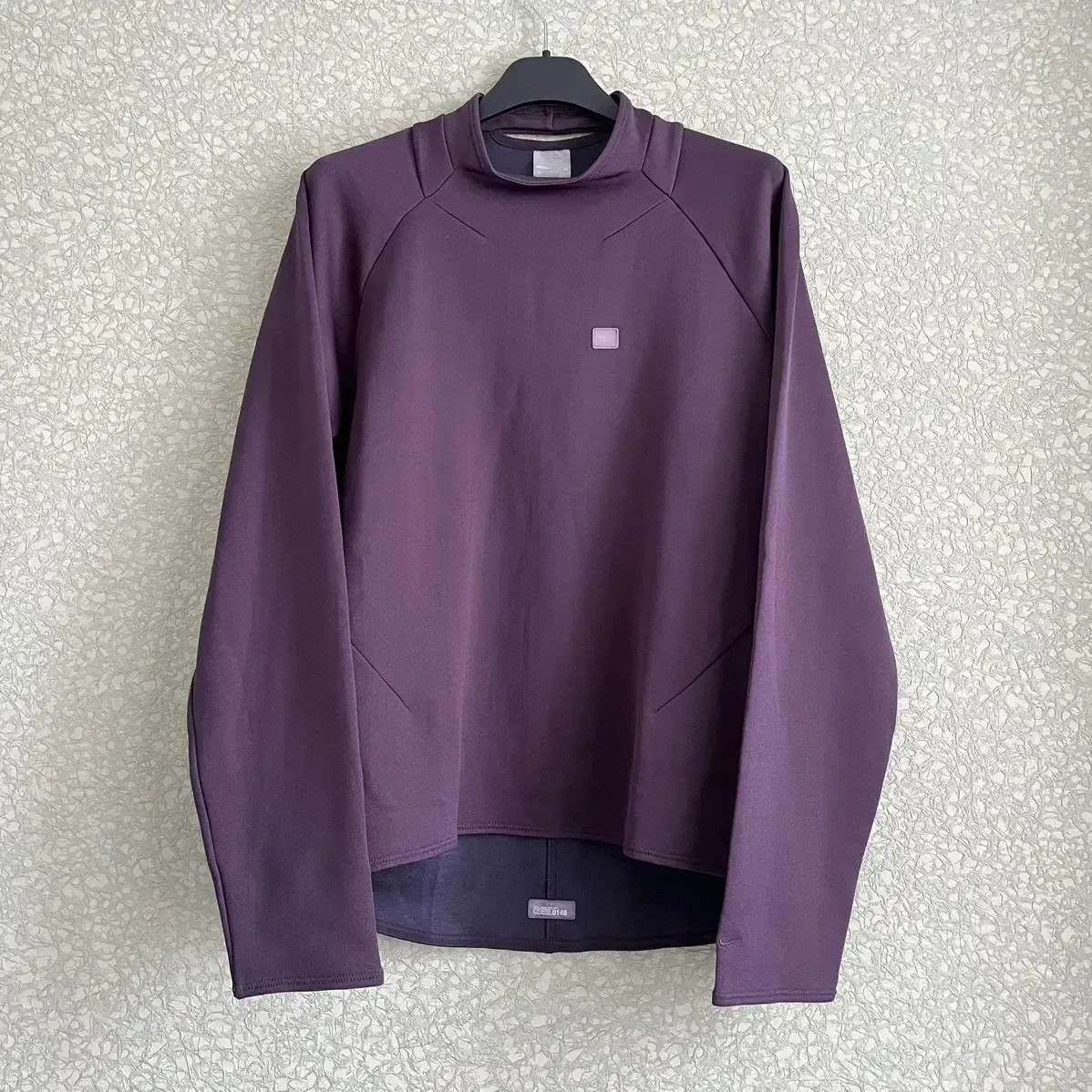
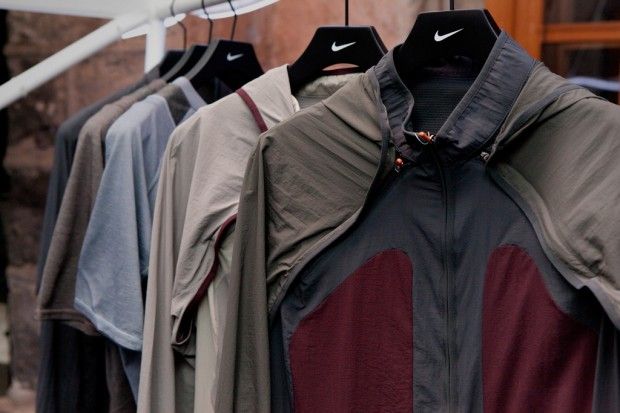
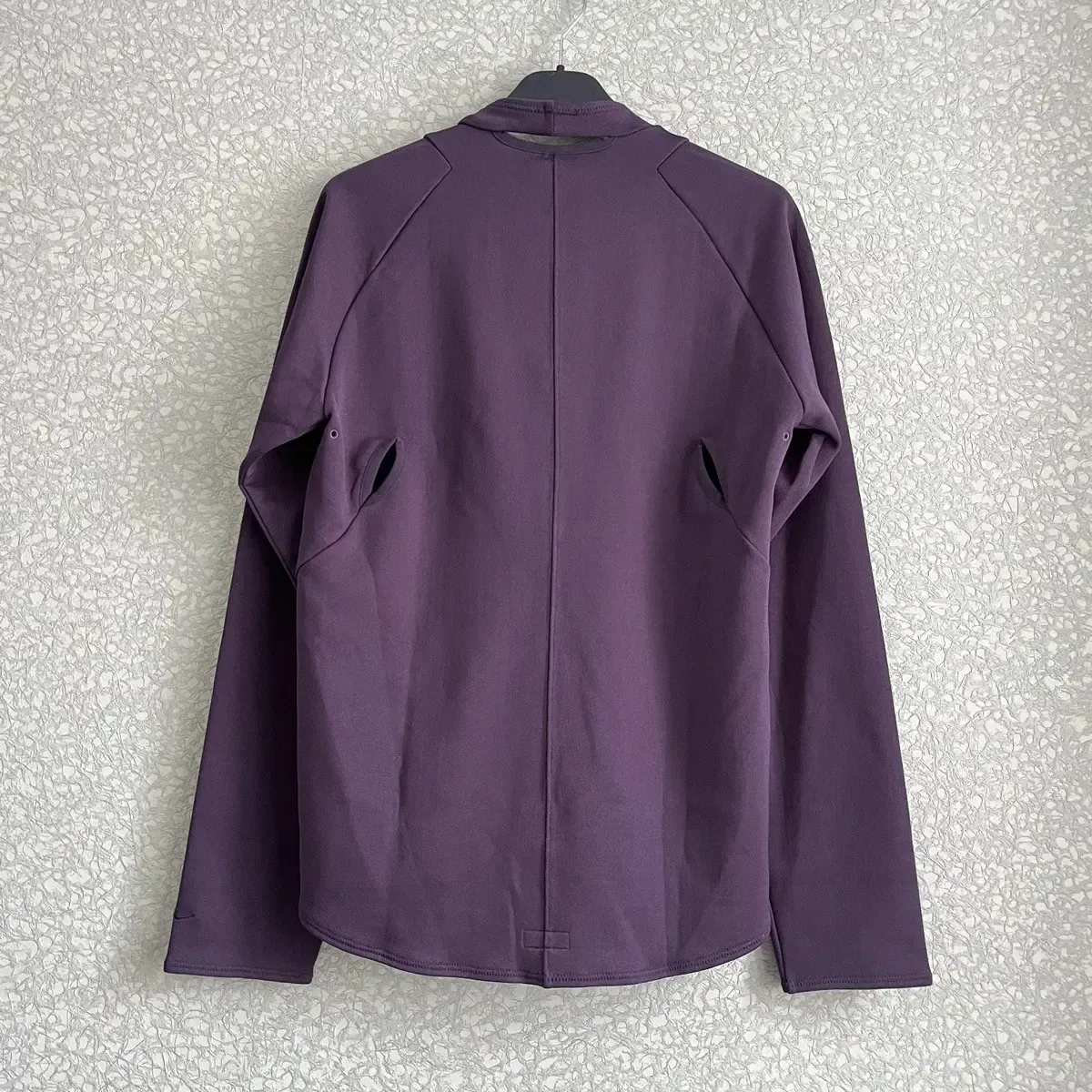
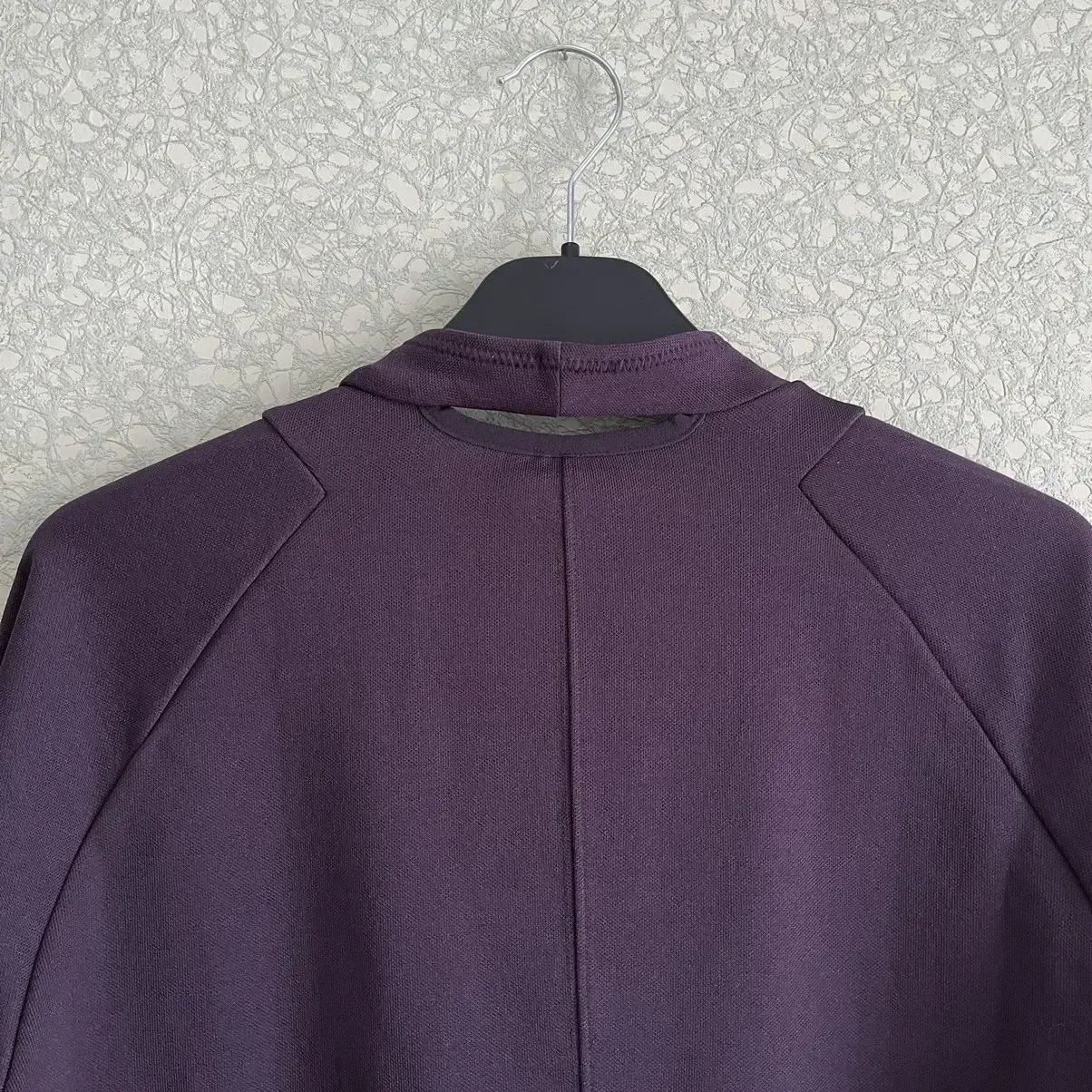
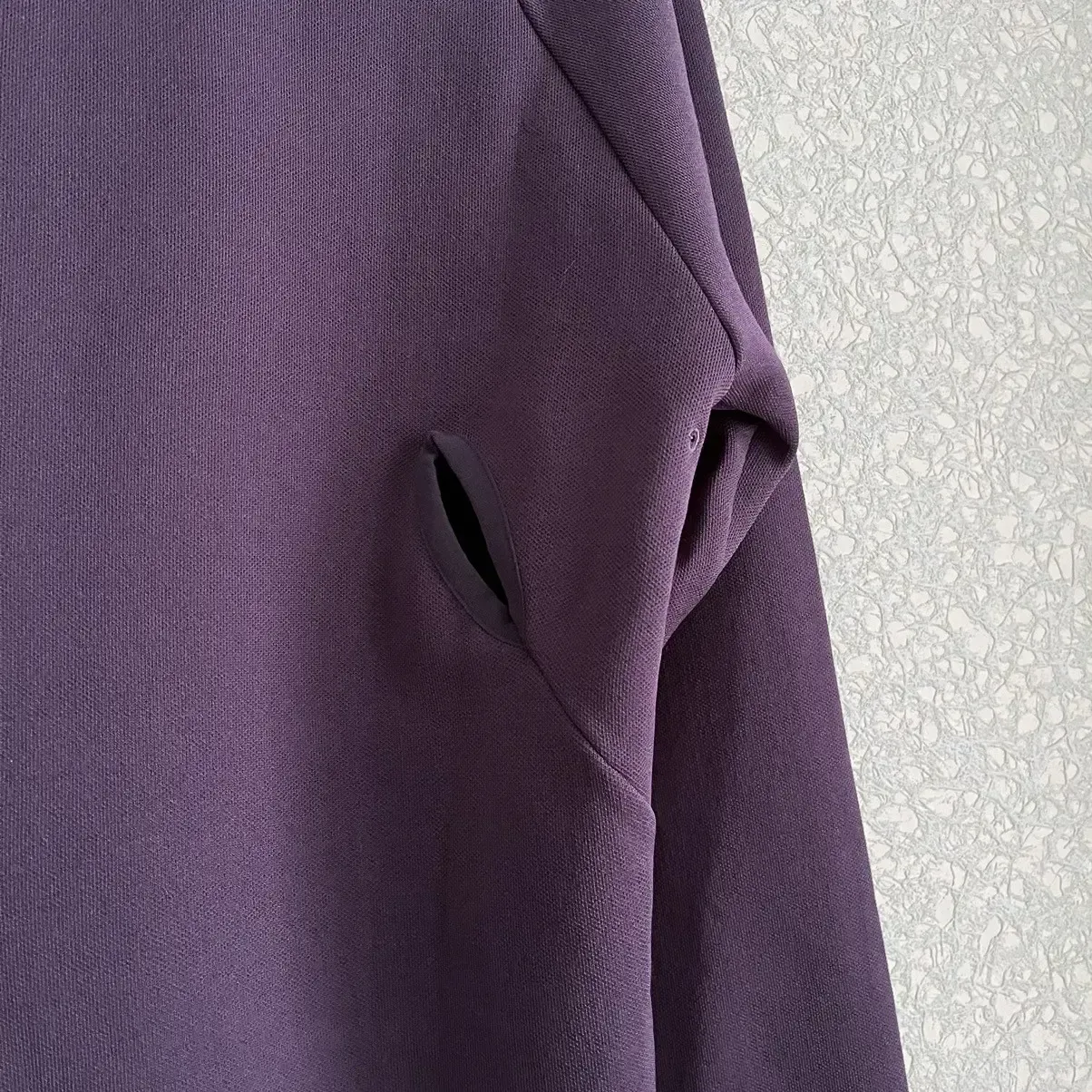
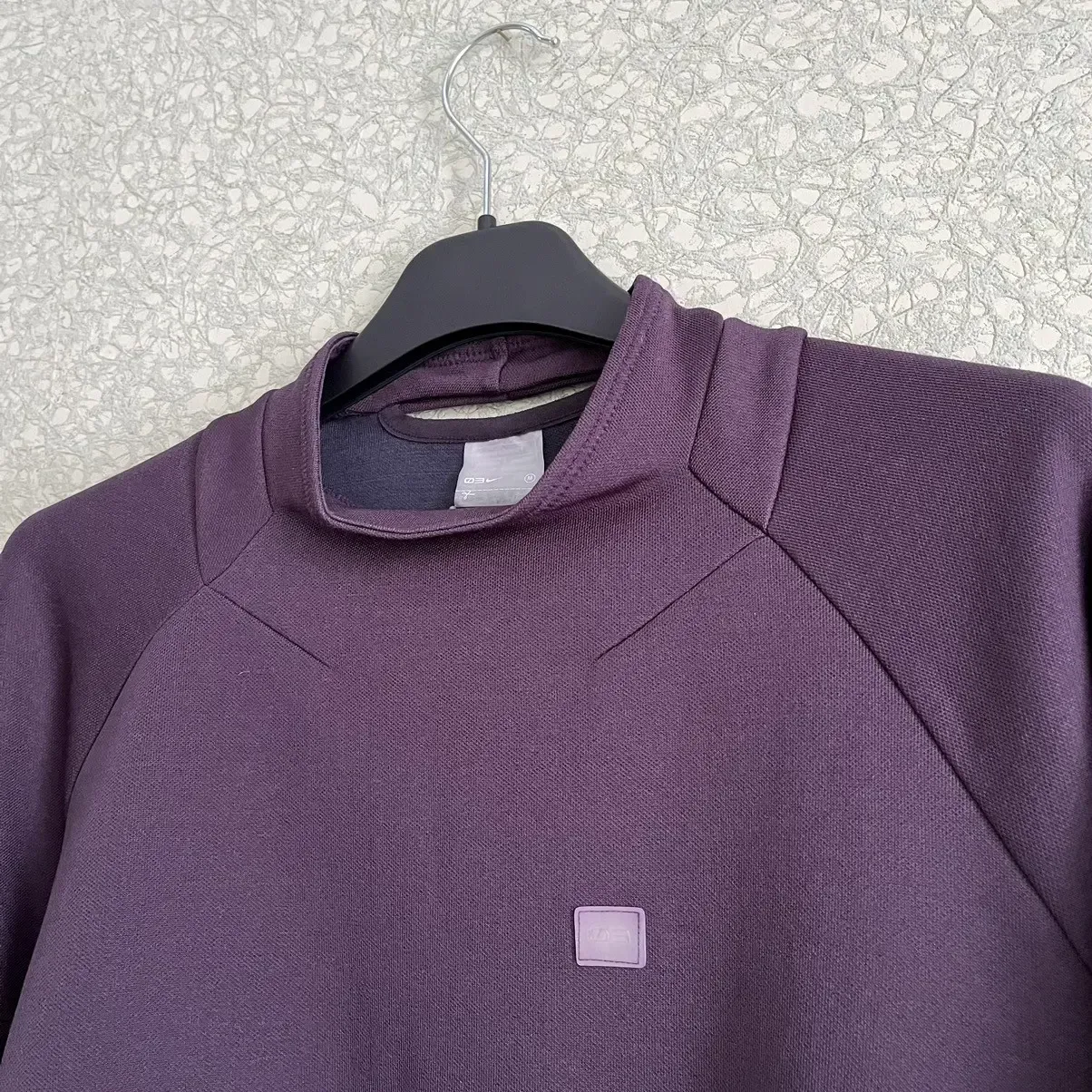
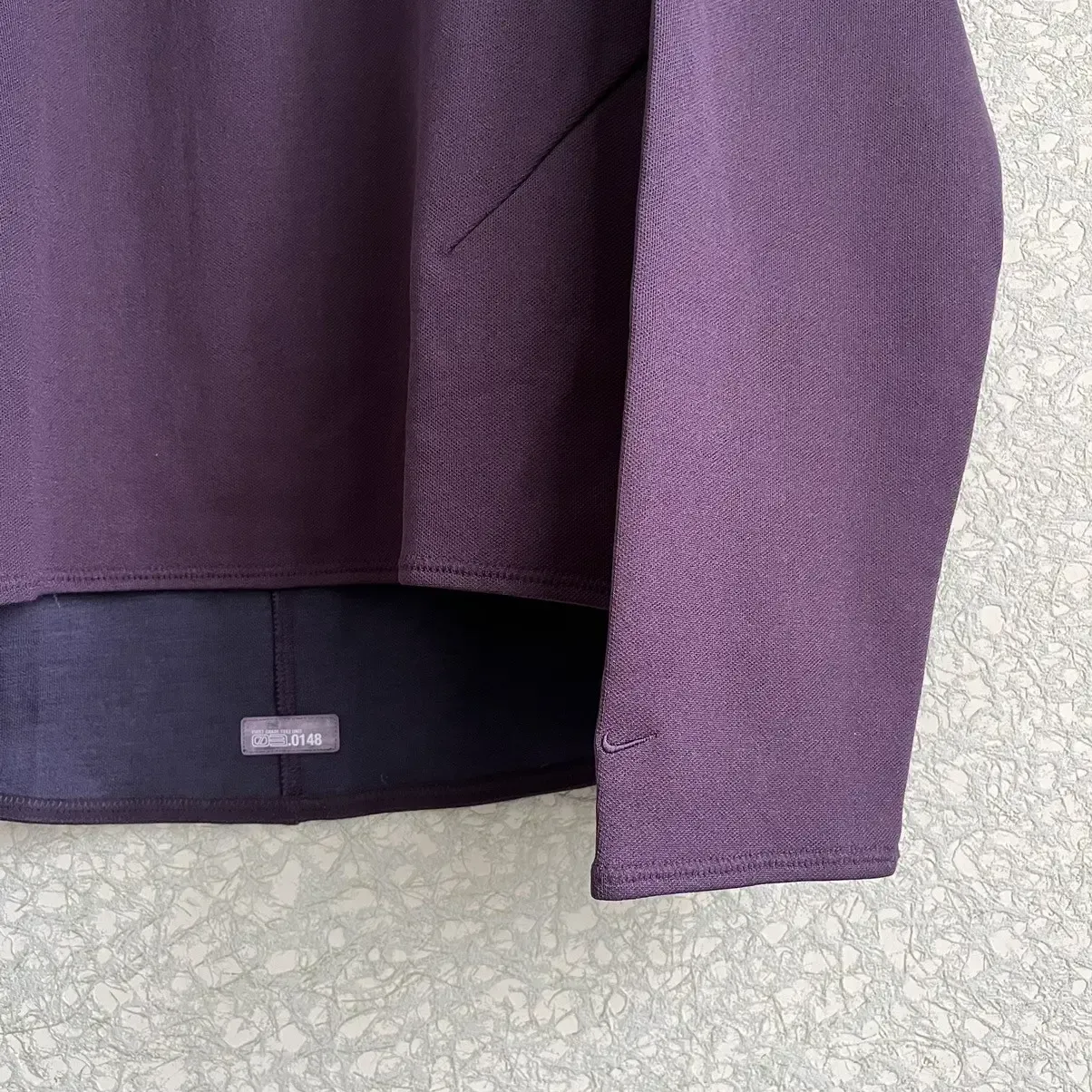
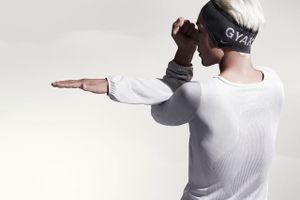
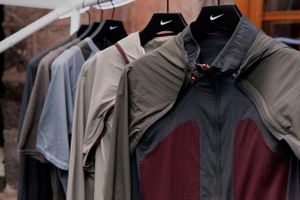
Longsleeve from the third season of the Tony Spackman–designed Code collection. Each Nike Code piece was produced in a series of 1,000 numbered units. This style is titled “First Grade Tee2 Unit” and is made from a wool-blend fabric with a uniquely shaped structured collar. Functional details include reinforced ventilation eyelets at the back and underarms, lower front darts, and a tonal Swoosh on the sleeve. Branding elements consist of a rubber “03” patch on the chest, along with rubberized hang tag and brand label.

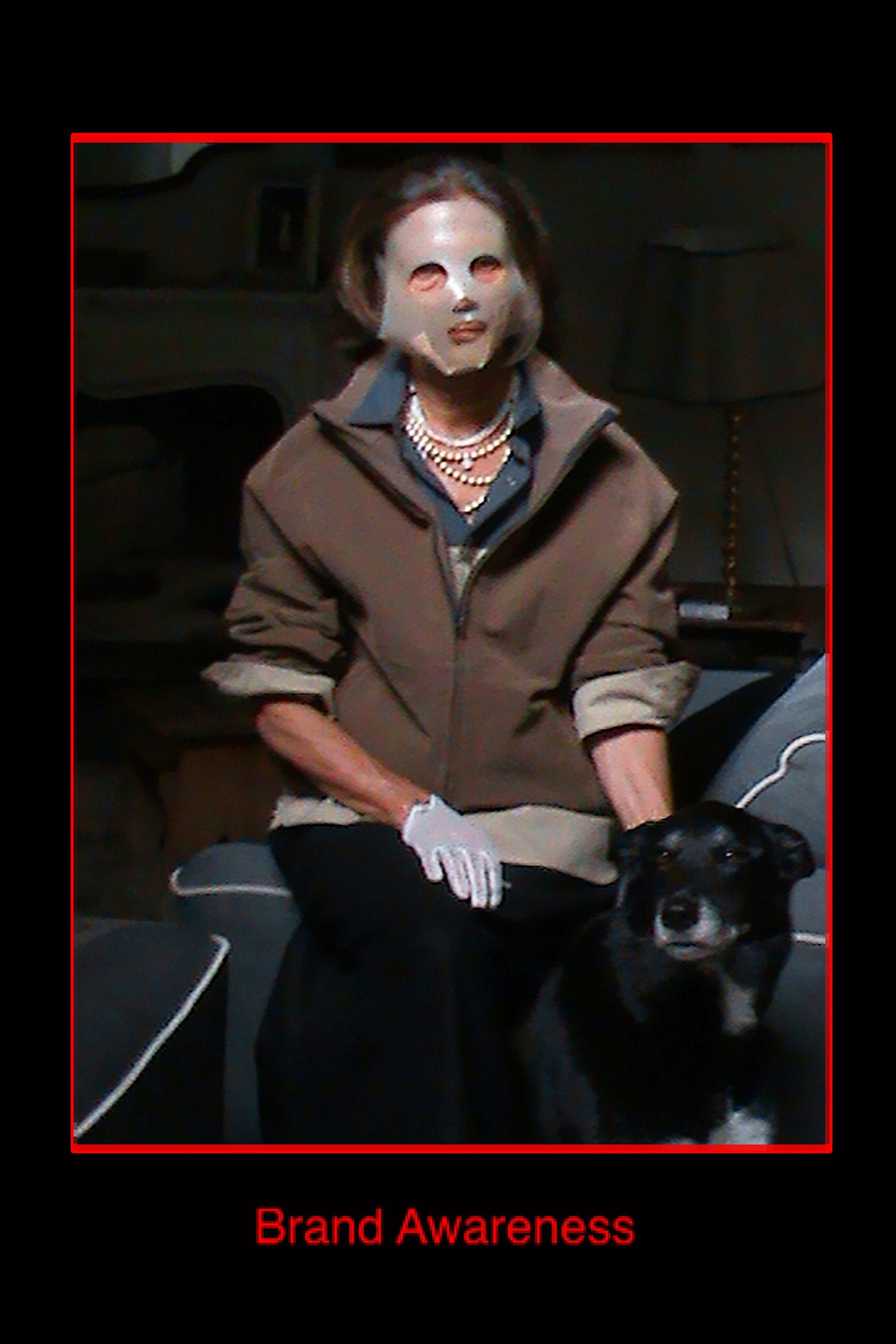
GR10K "Incognito" Fall 2024 Ad Campaign

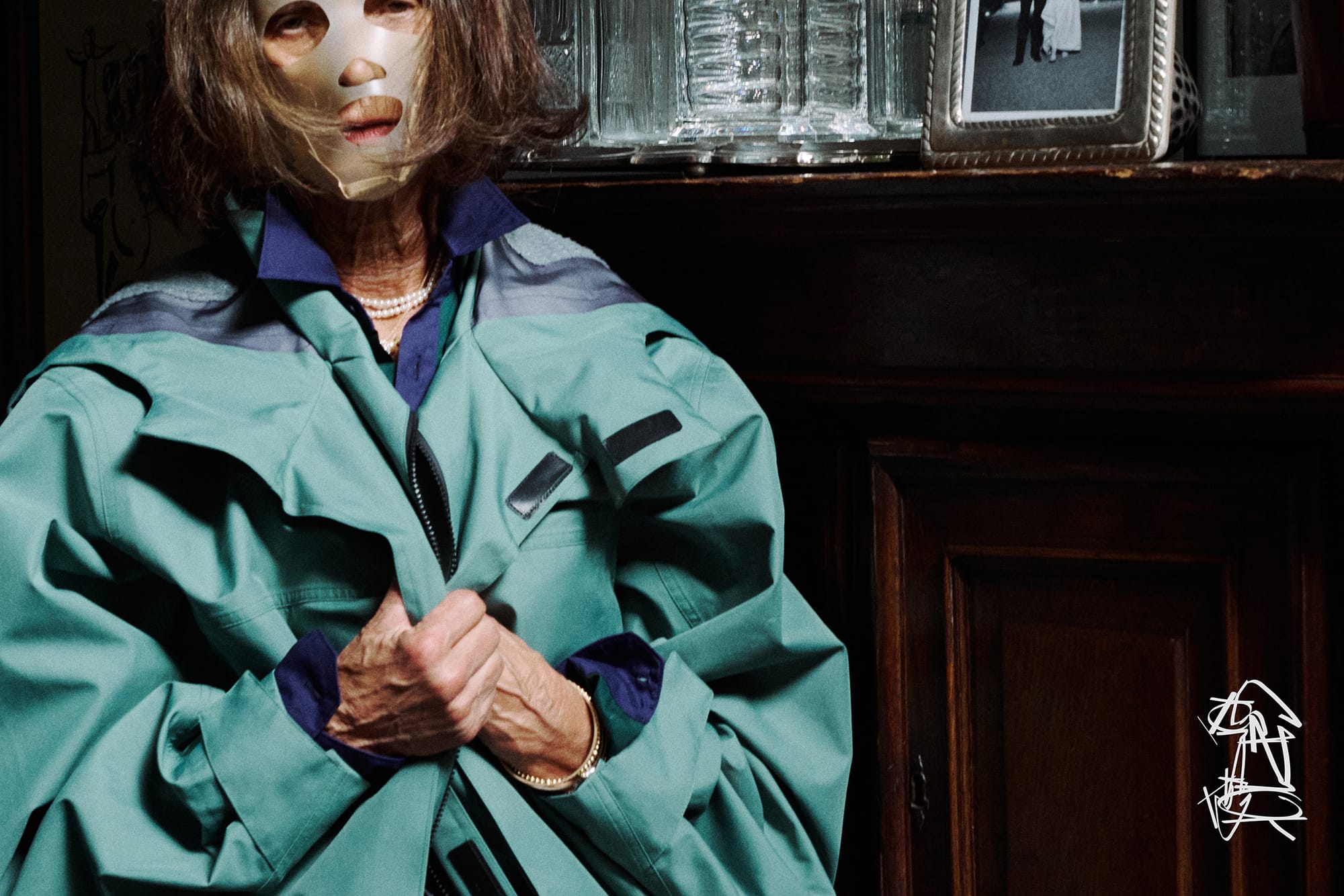
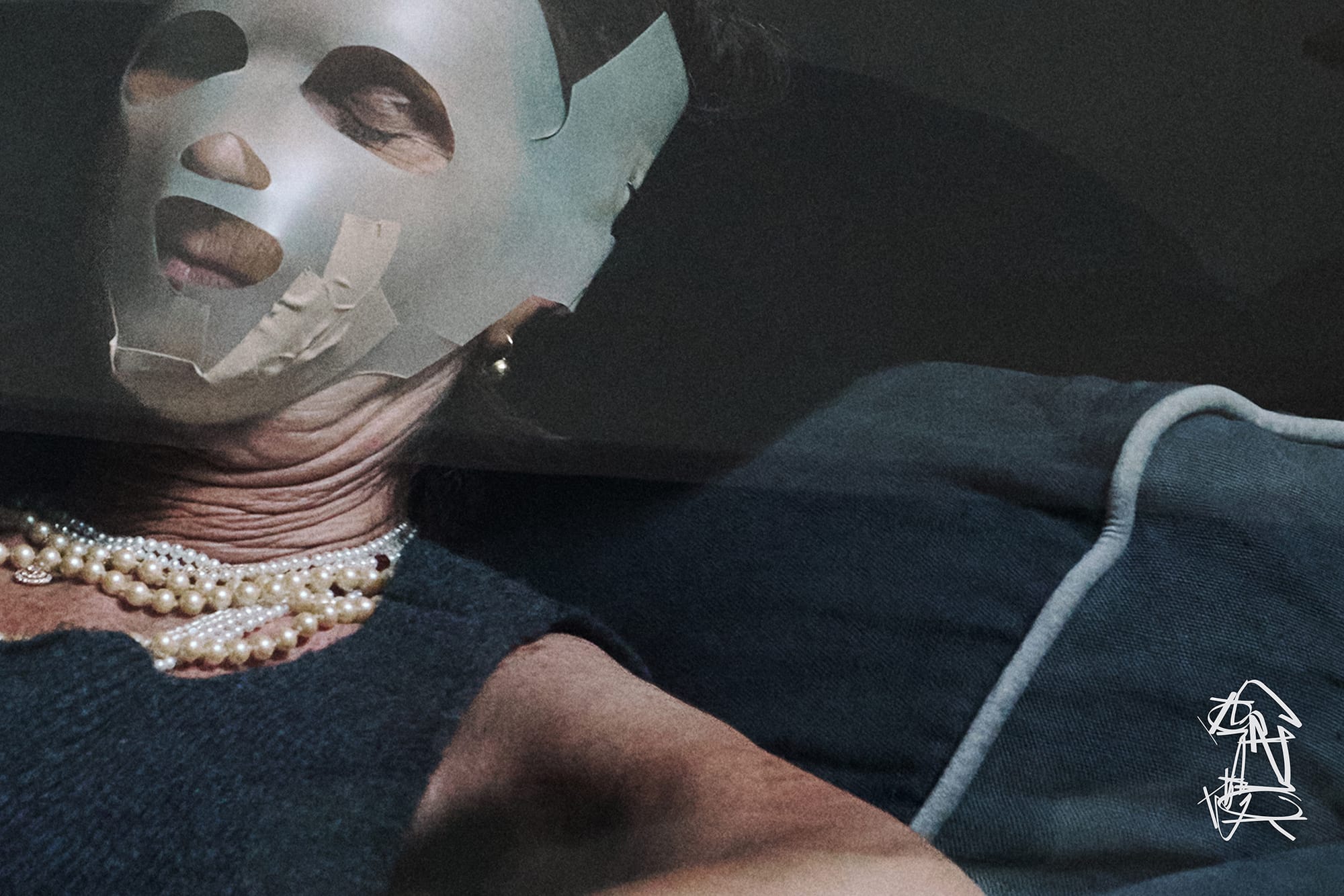
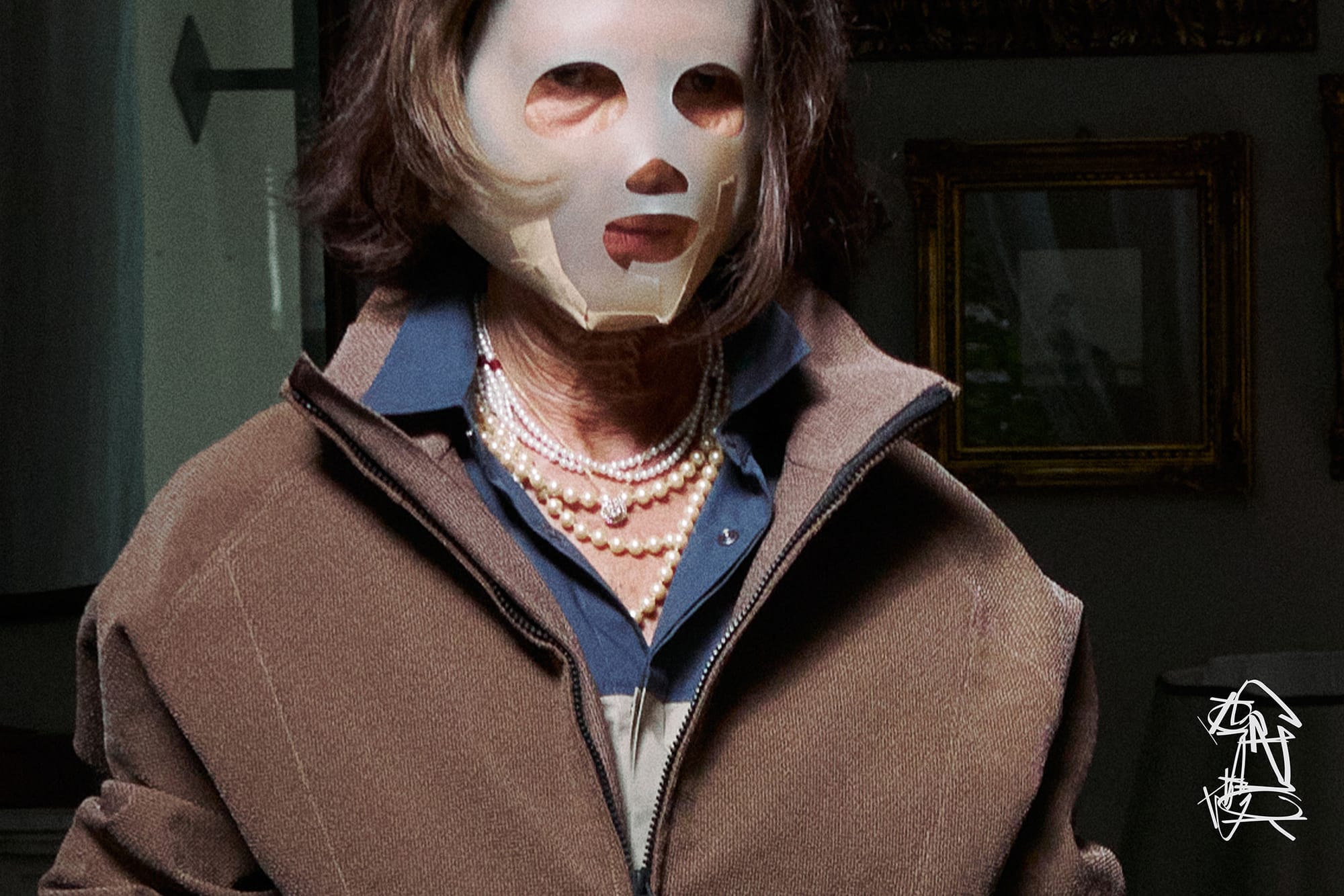
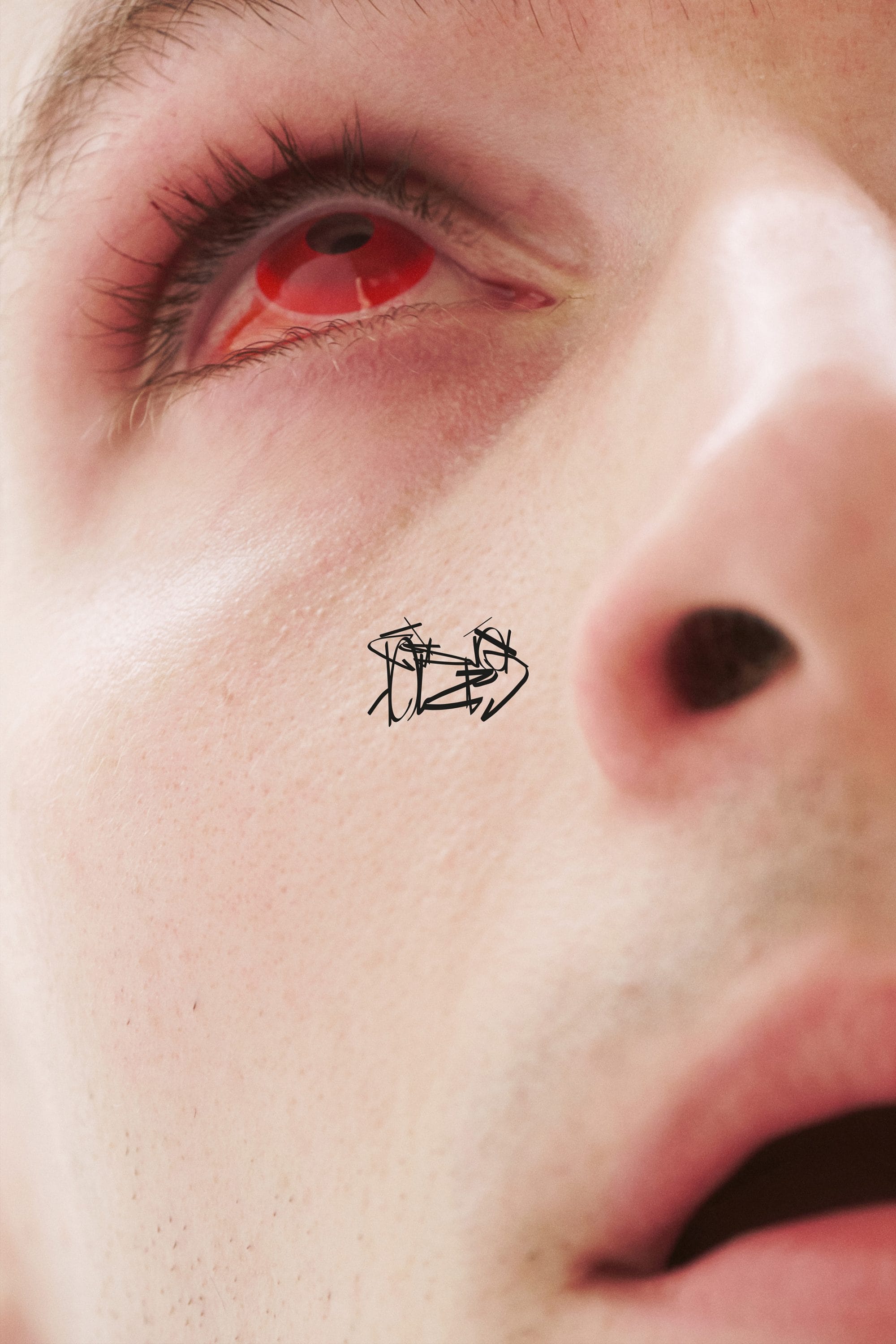
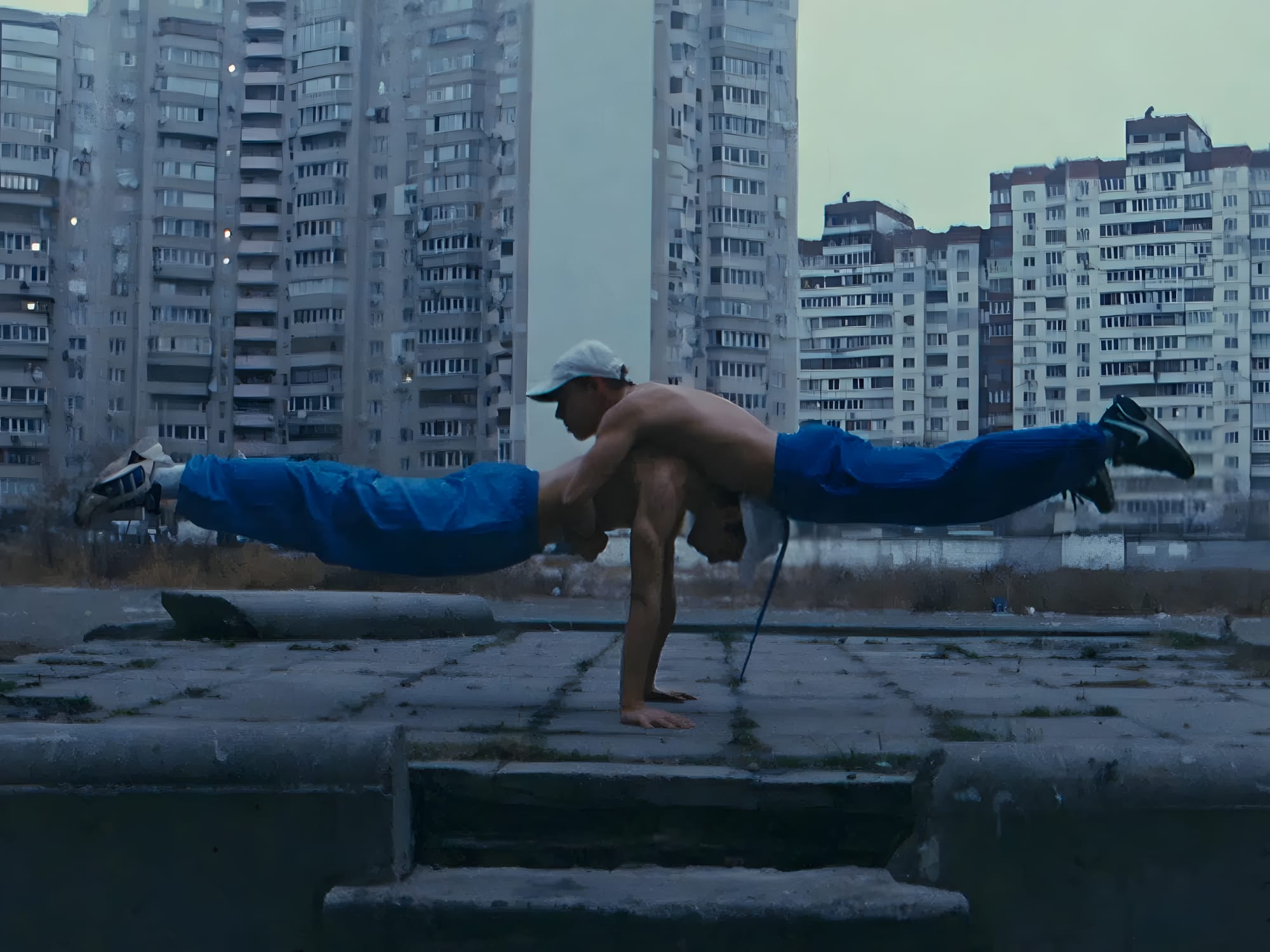
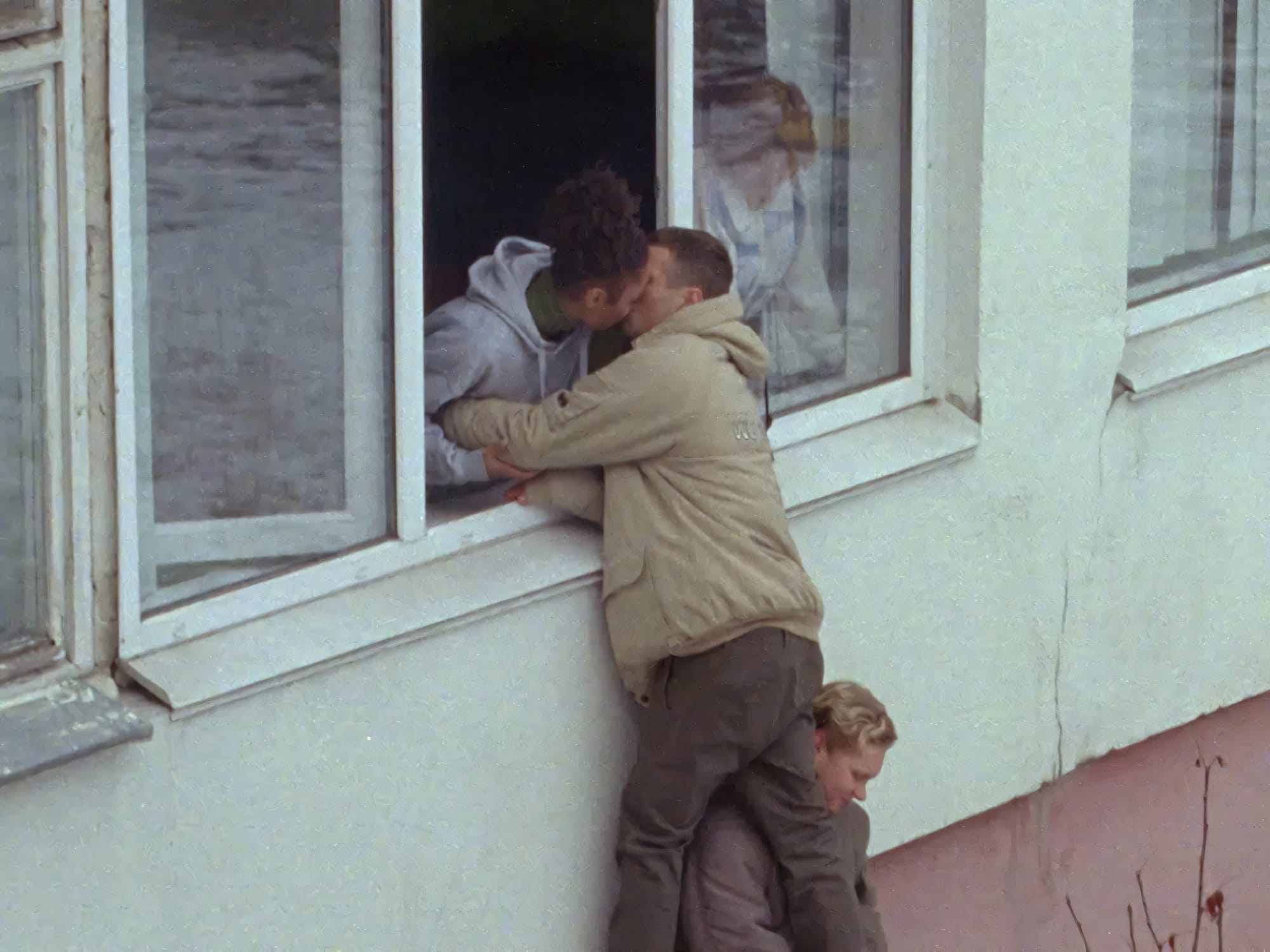
Gordon von Steiner’s “Troya” is a visually striking short film set in the Troieshchyna neighborhood of Kyiv, known for its stark Soviet-era architecture. The film explores themes of urban isolation and resilience through a series of compelling and gritty vignettes. Von Steiner’s direction captures the raw and unembellished aesthetics of Troieshchyna, highlighting its dense clusters of monotonous apartment buildings and the lives of its residents. The film juxtaposes the area’s bleak physical environment with moments of unexpected beauty and humanity, creating a powerful narrative that resonates with the viewer .
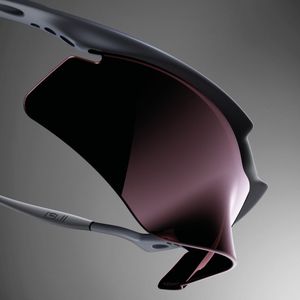
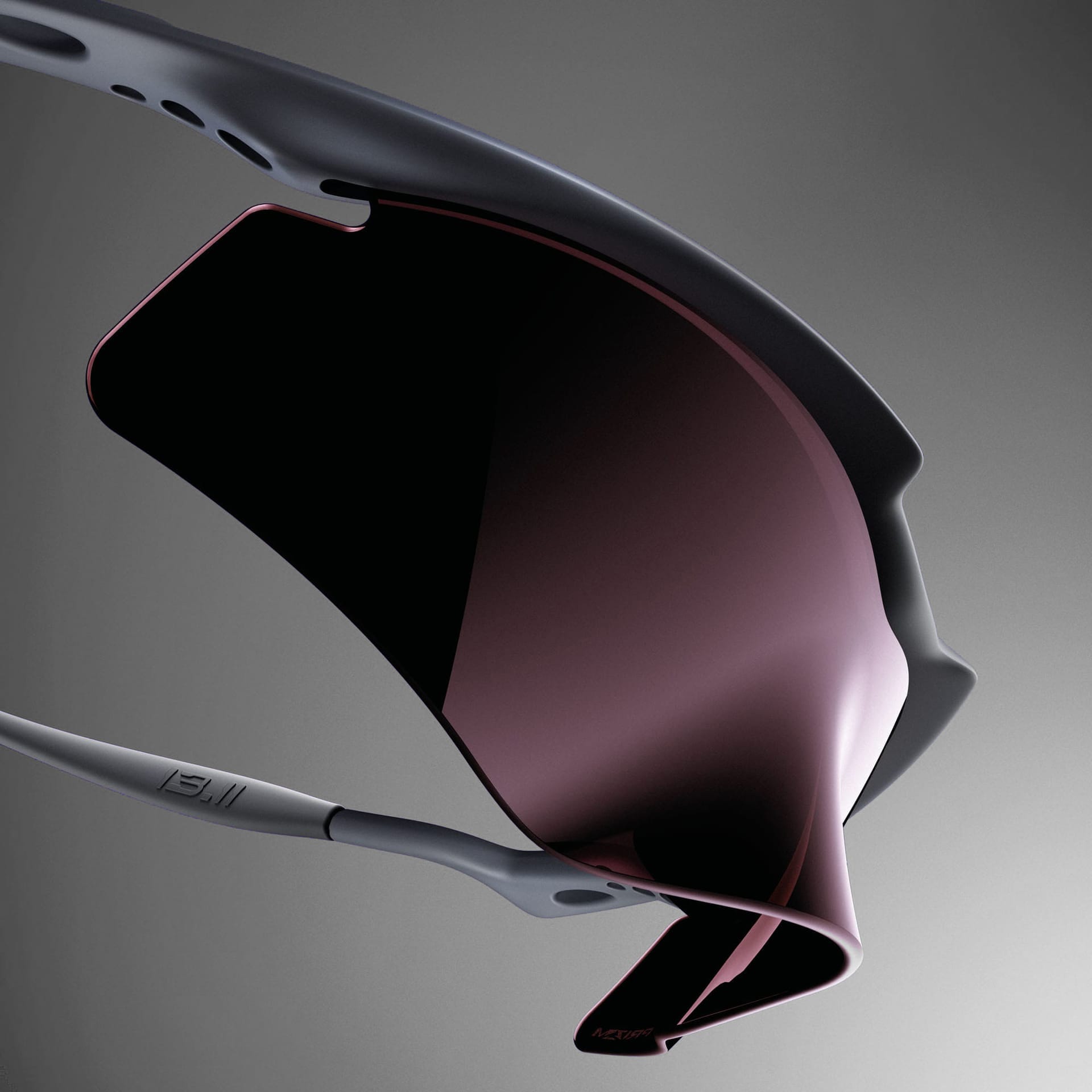
OAKLEY 13.11 MATTE FOG W/ PRIZM ROAD BLACK SUNGLASSES
The Oakley Pro M-Frame®, a revered icon of its era, has transformed, culminating in the emergence of the Oakley 13.11 - a fusion of heritage and neo-tech. The reimagined design features an advanced reconfigured brow and incorporates Oakley's Prizm Technology within the Kato wrap lens.

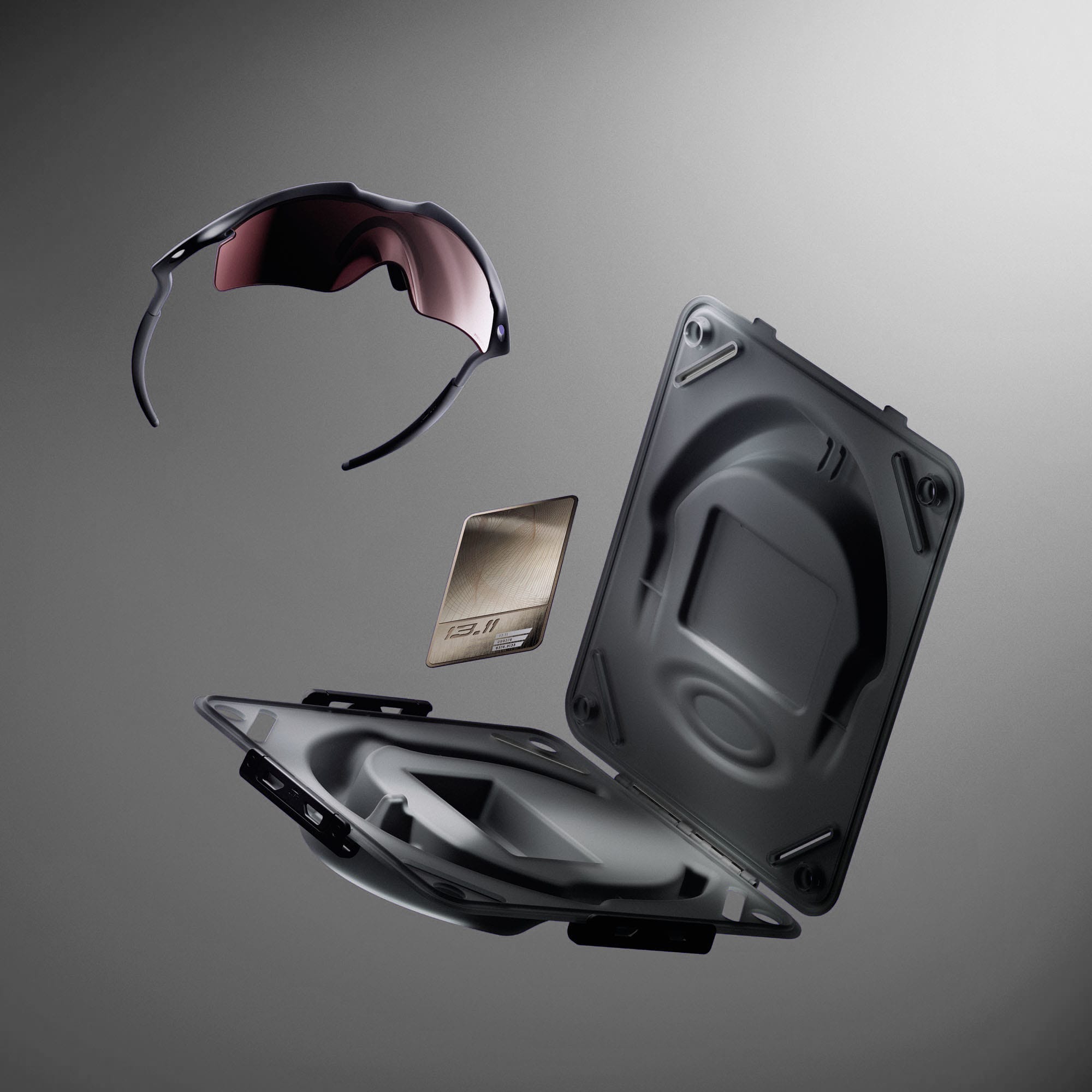
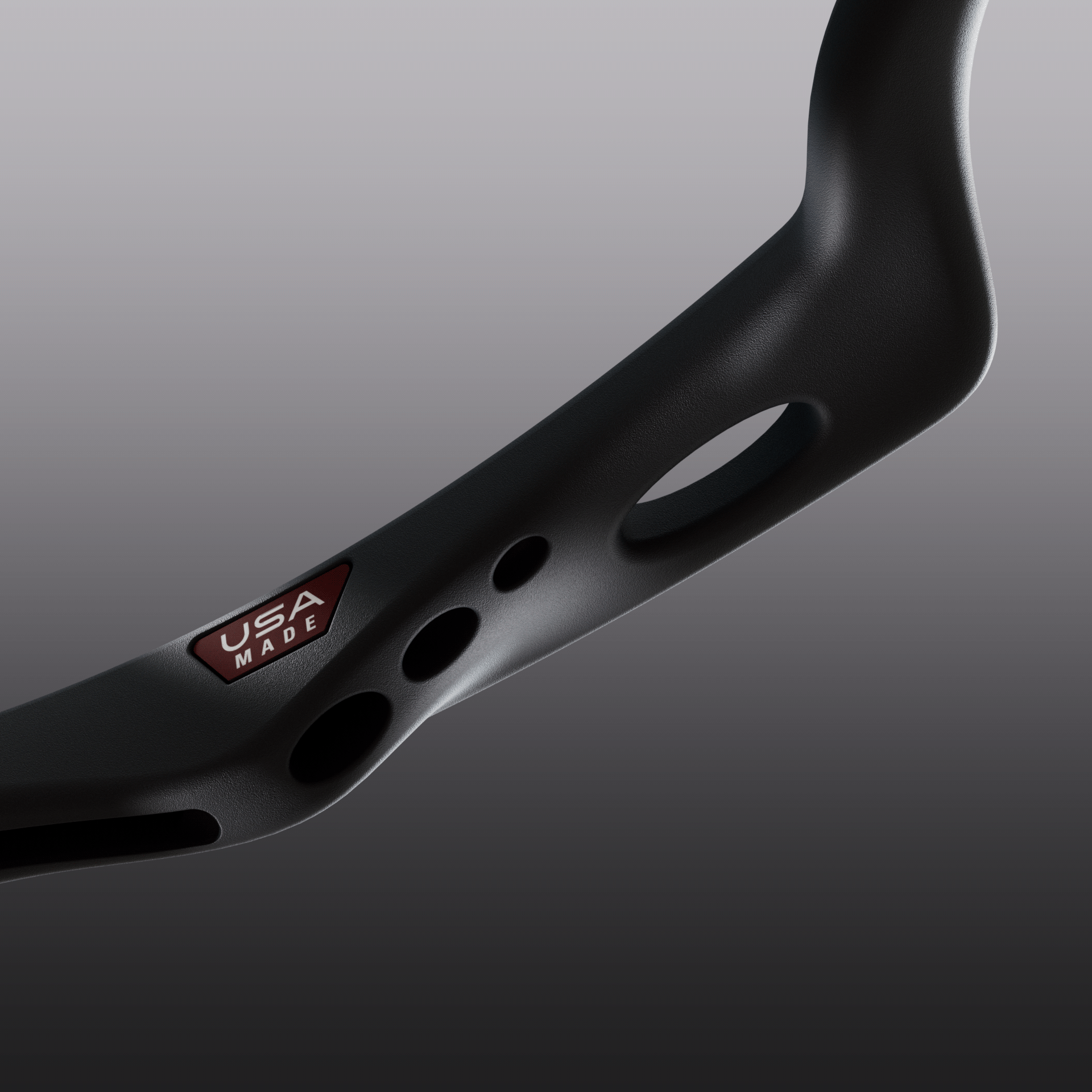
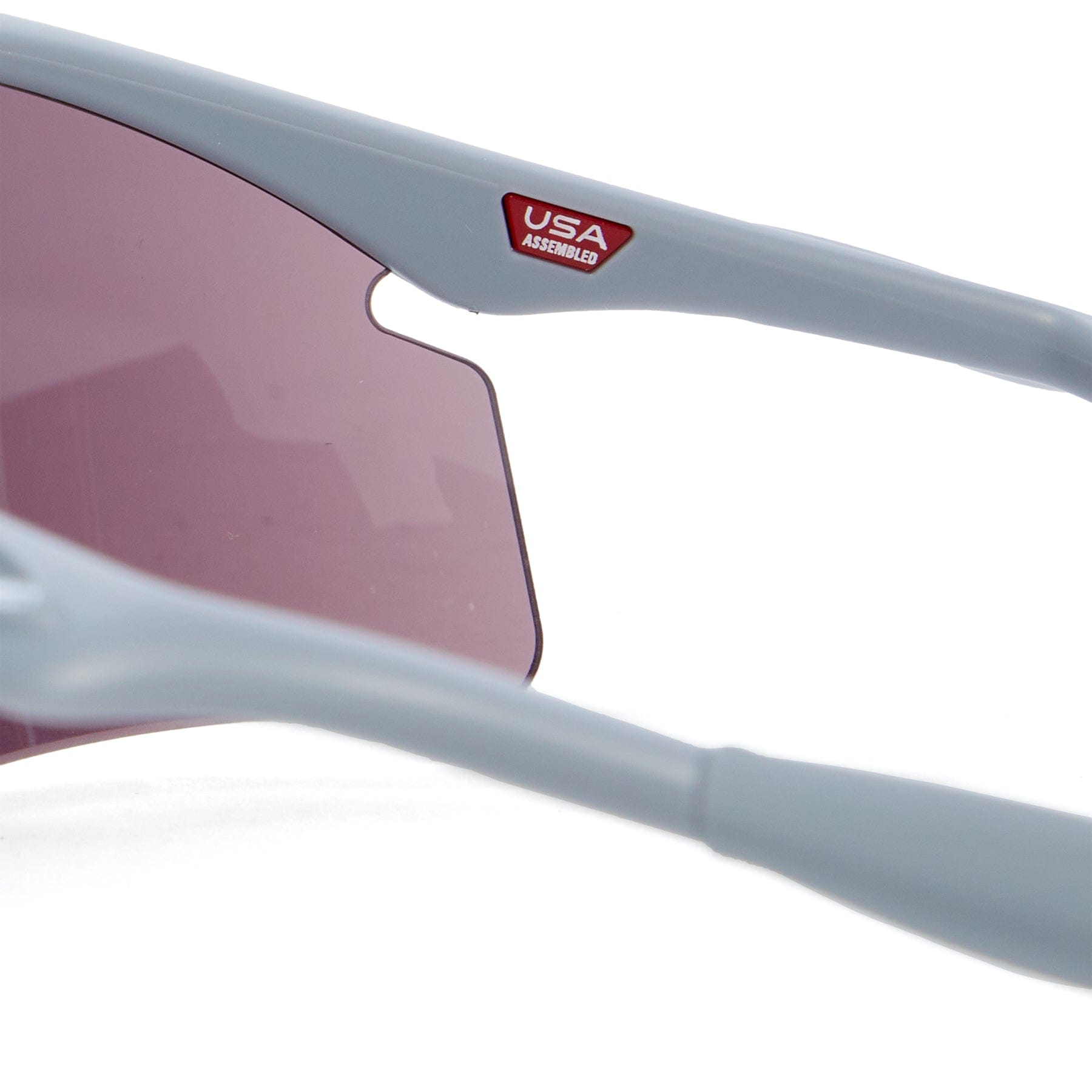
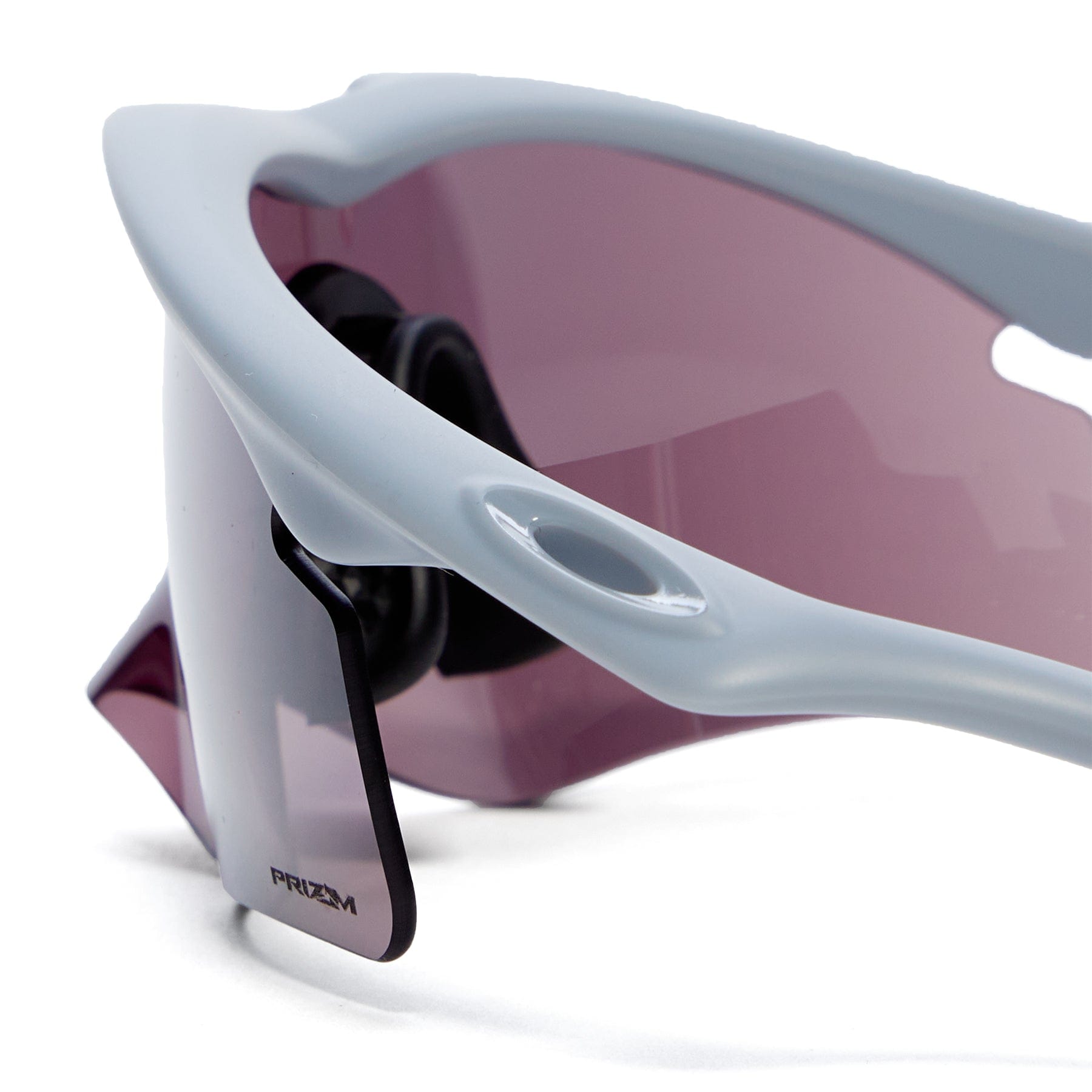
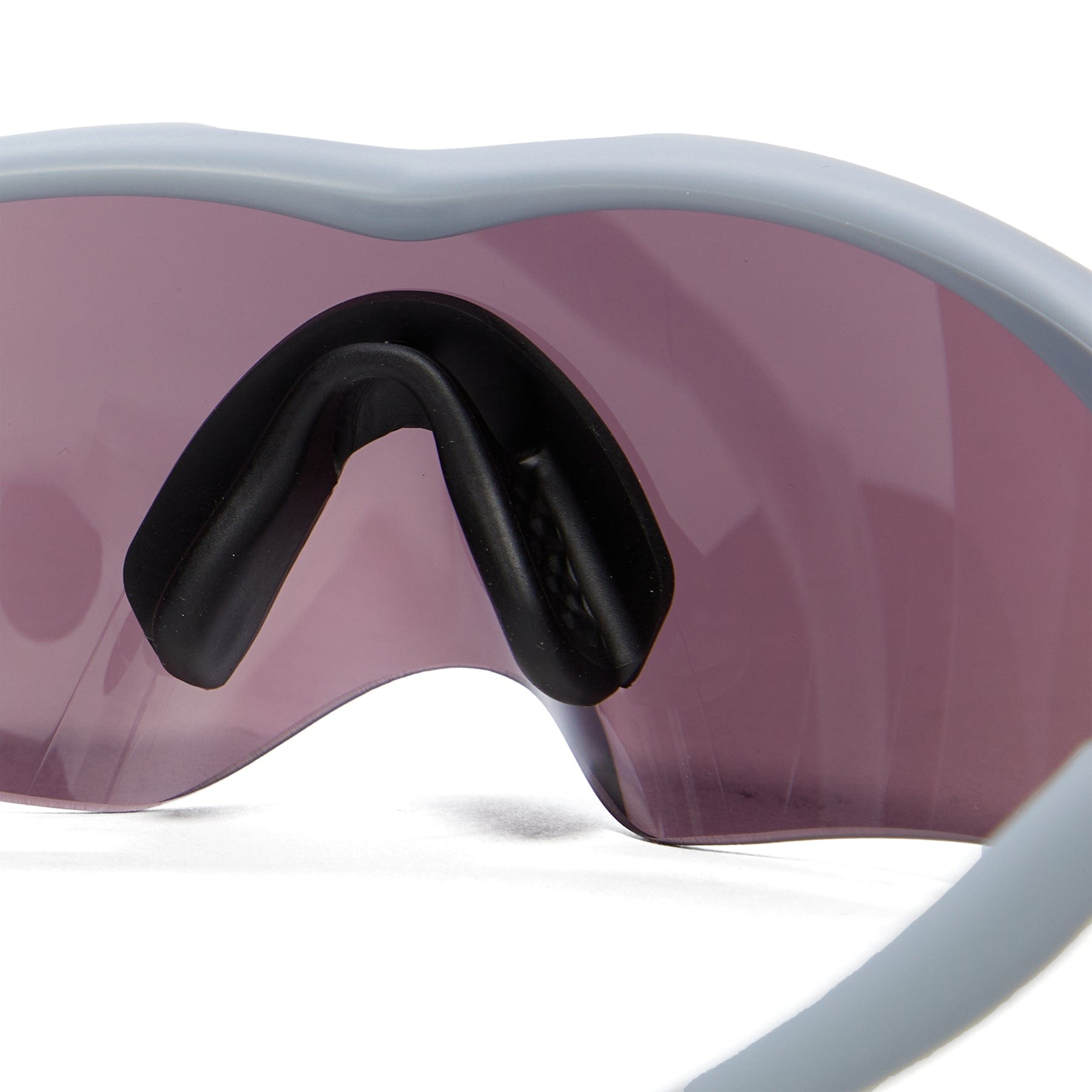
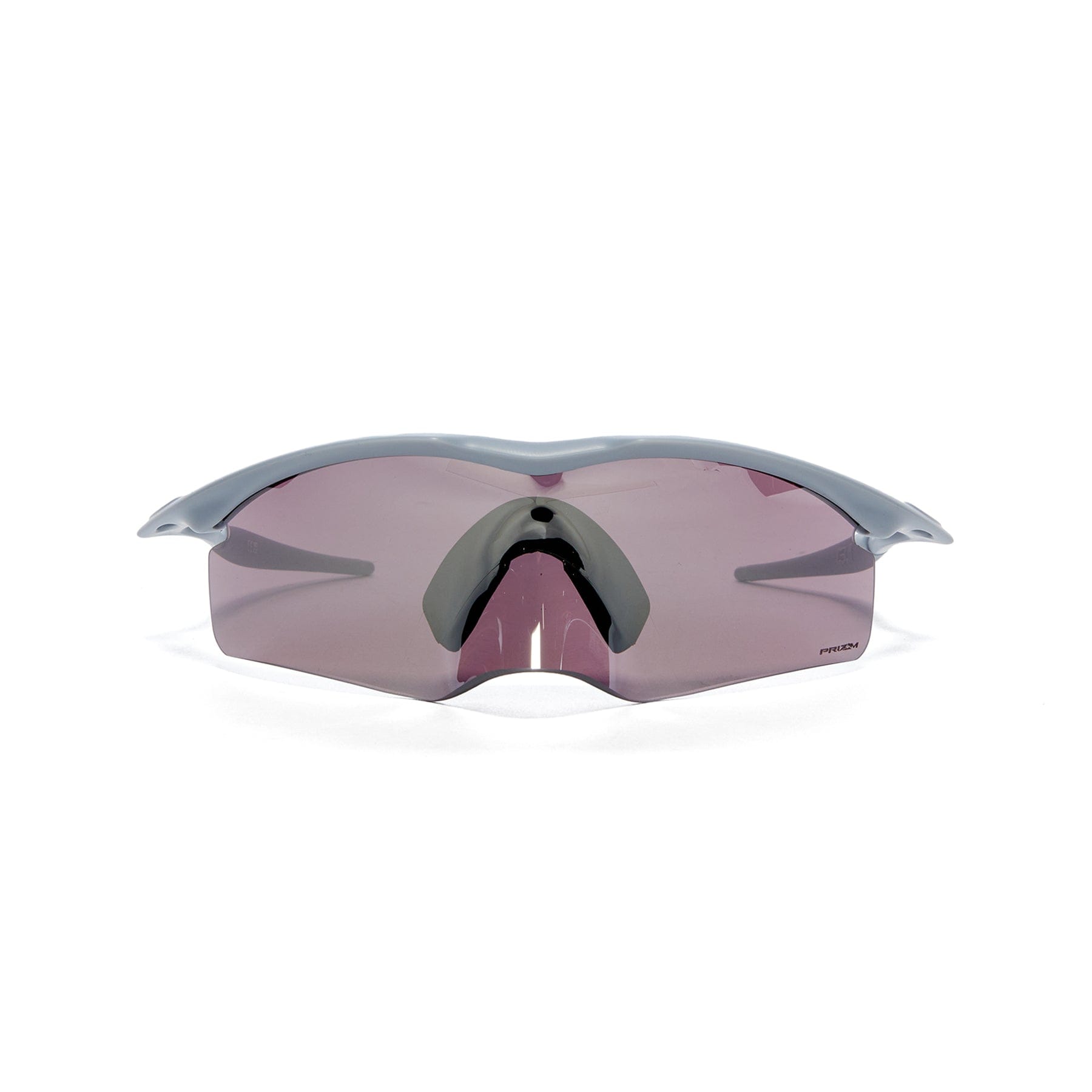
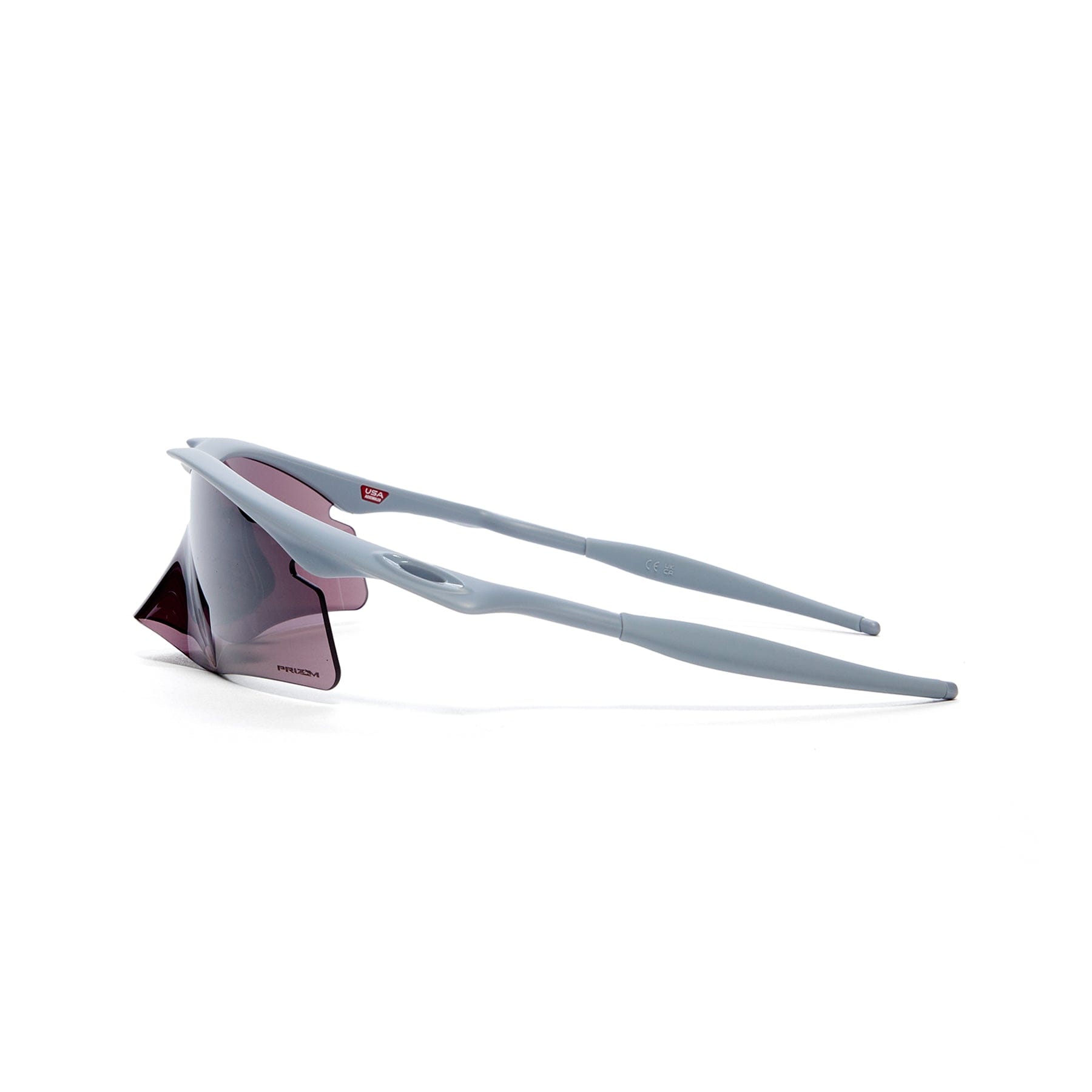
OAKLEY 13.11 Prizm Road Black Lenses w/ Matte Fog Frame
![Stone Island Navigation Series [shedding light] by Liam Macrae](https://storage.ghost.io/c/14/ee/14eef3be-ca5a-434b-8324-fa1f874026f1/content/images/size/w300/2023/09/F5WkecNXQAA78GB.jpeg)
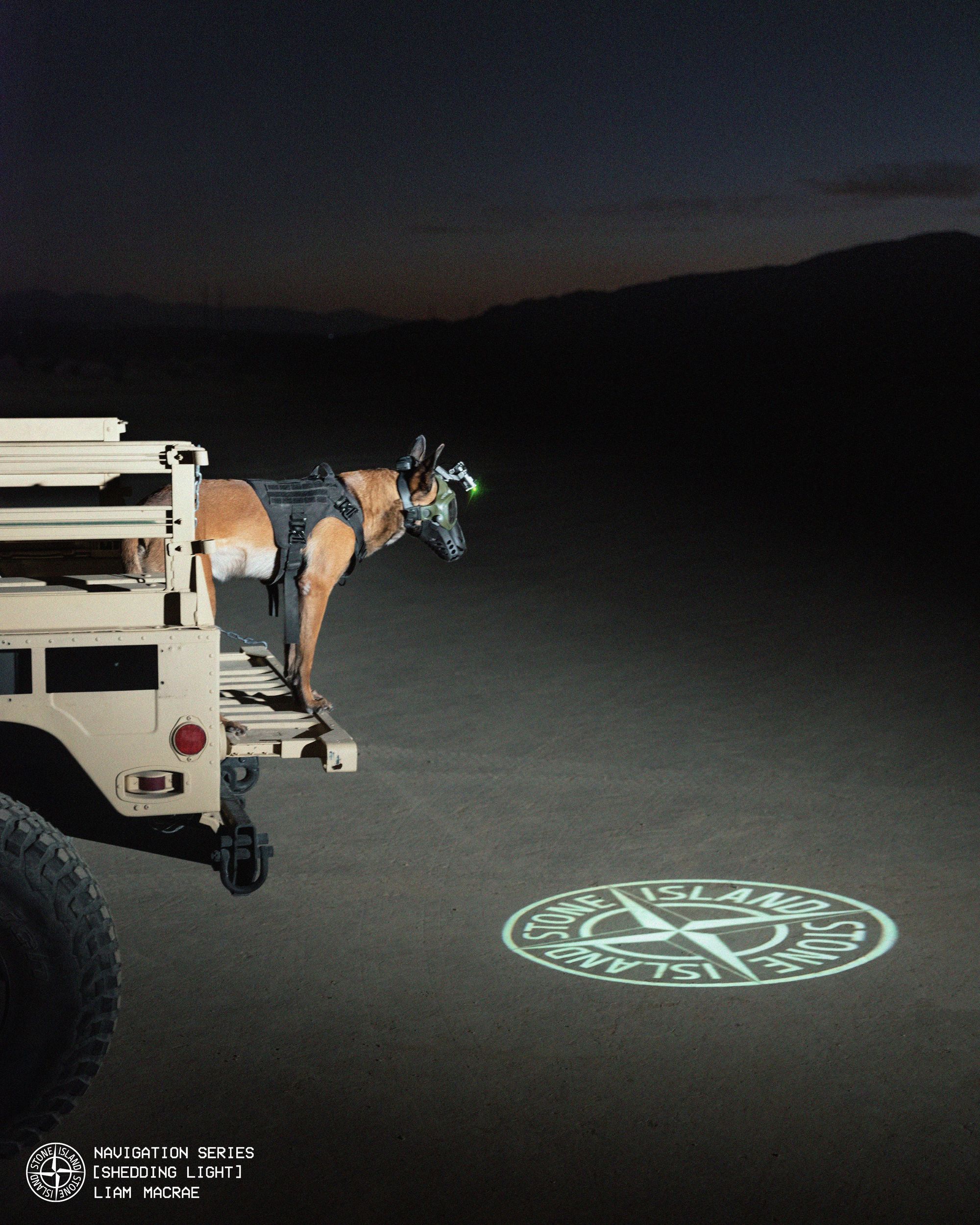
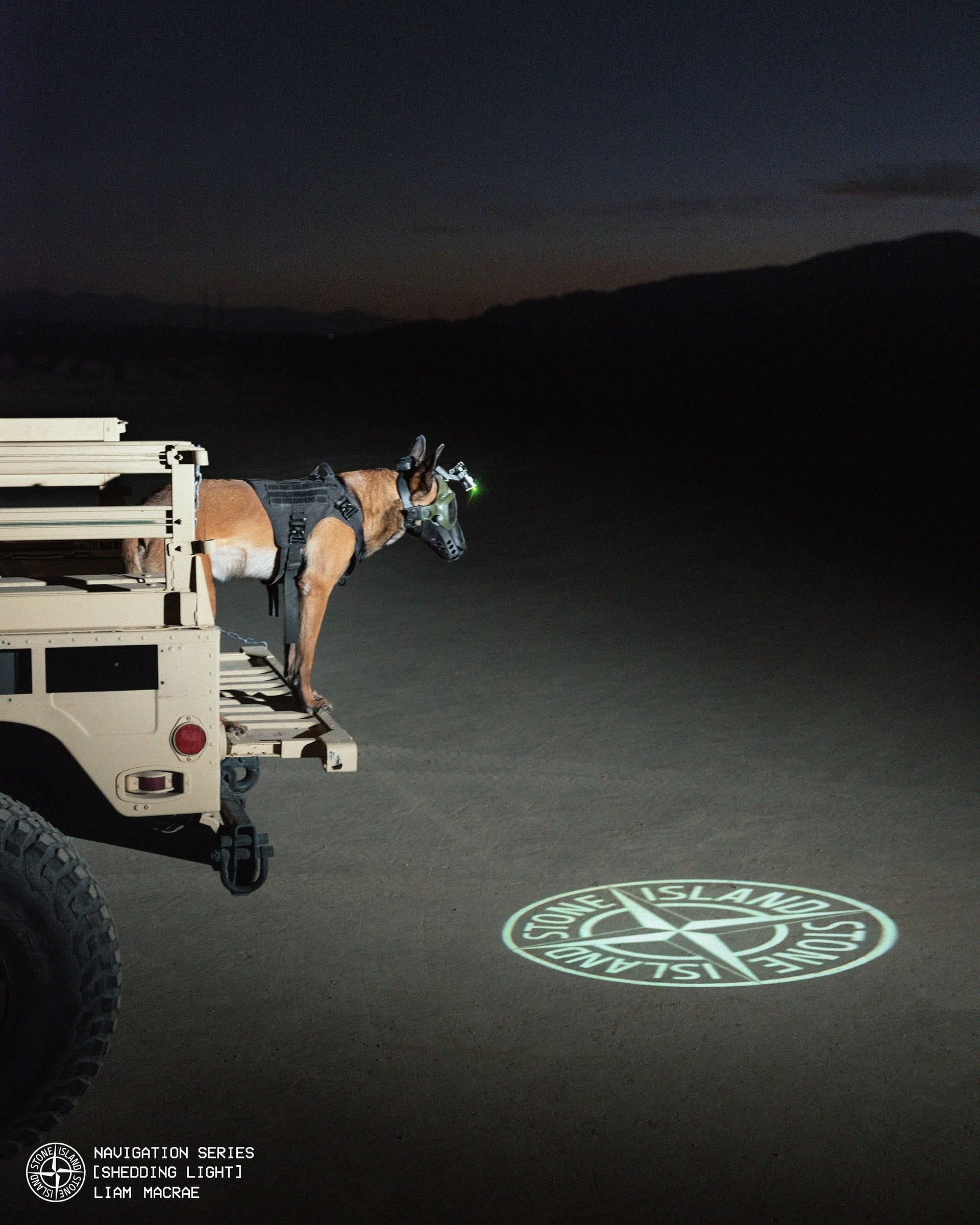
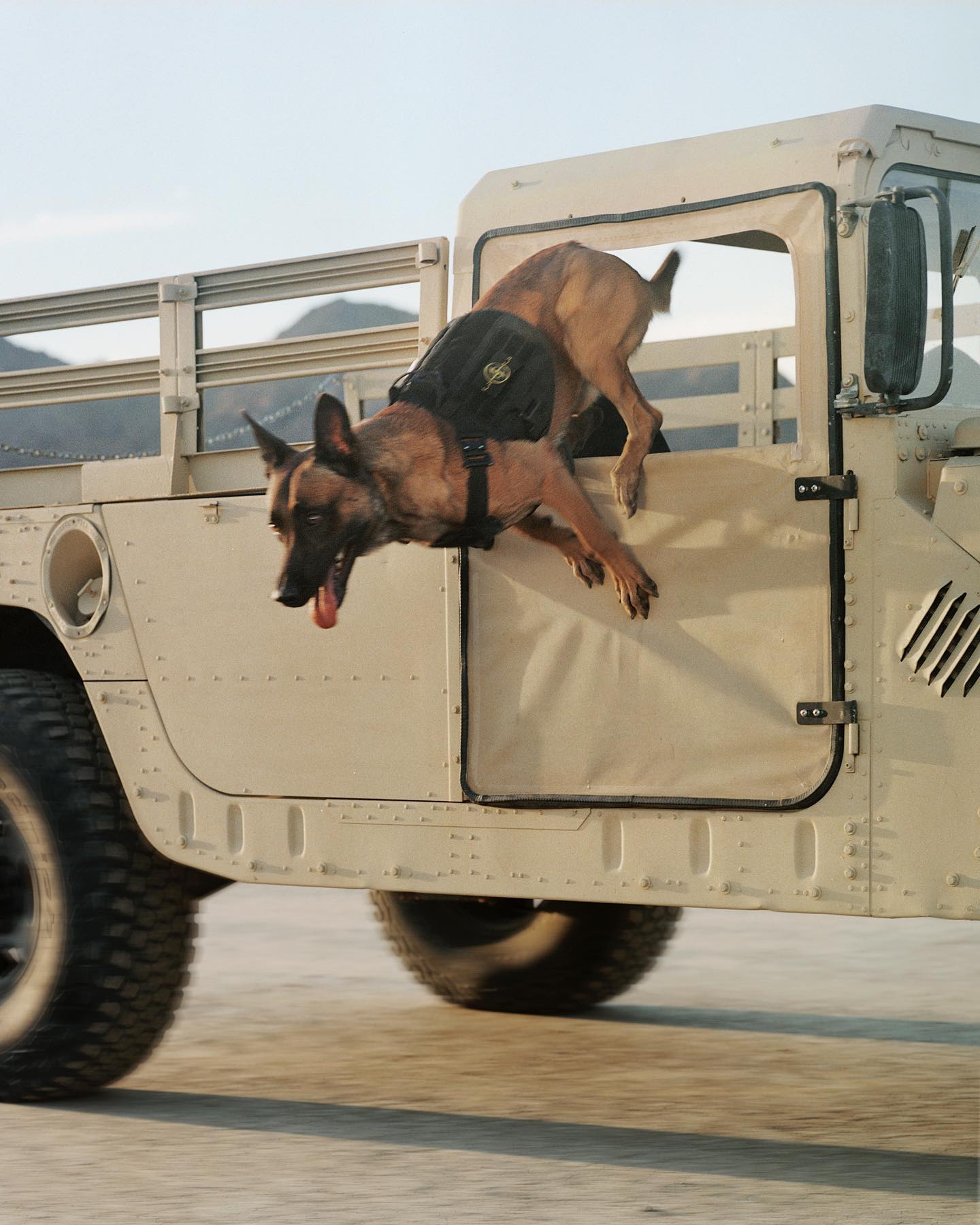
Stone Island Navigation Series: Shedding Light by Liam MacRae deploys a canine unit as both subject and sensor. The sequence examines tracking protocols, movement signatures, and light scatter in terrain navigation. Objective: assess animal-assisted pursuit as a guidance vector. Visual narrative captures the moment of release—unleashing the chase to test instinctive tracking against controlled illumination parameters.
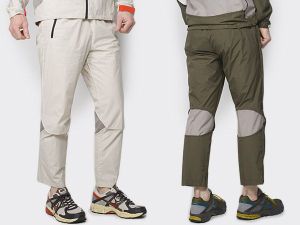
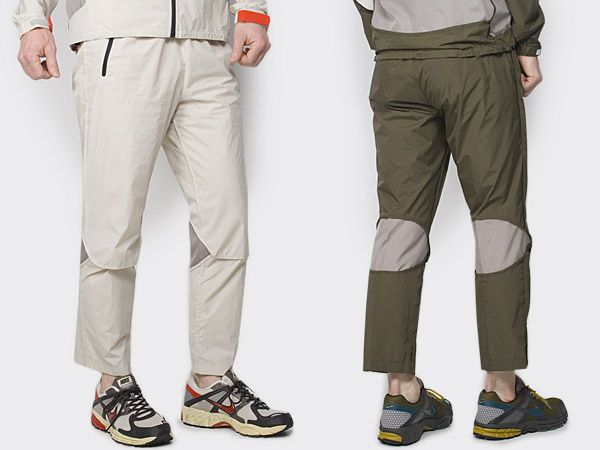
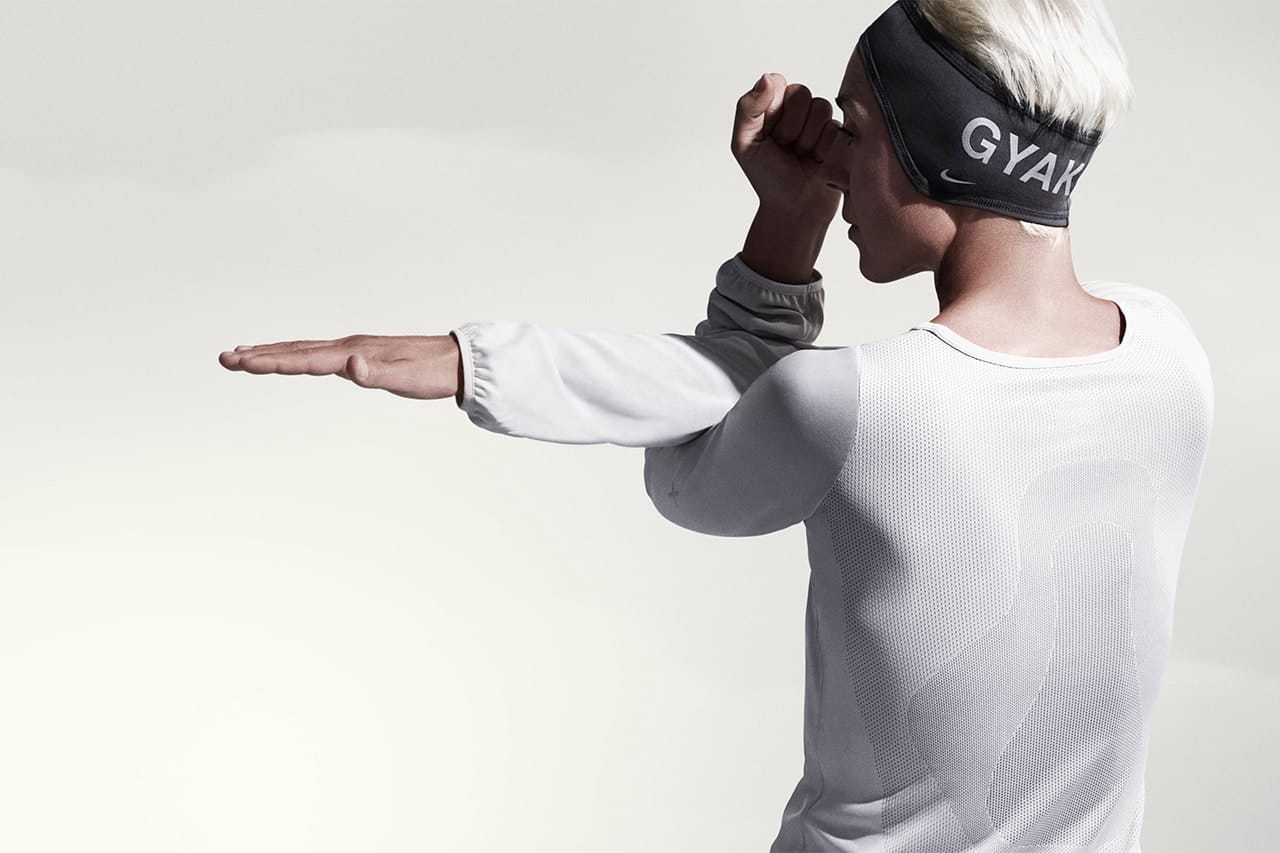
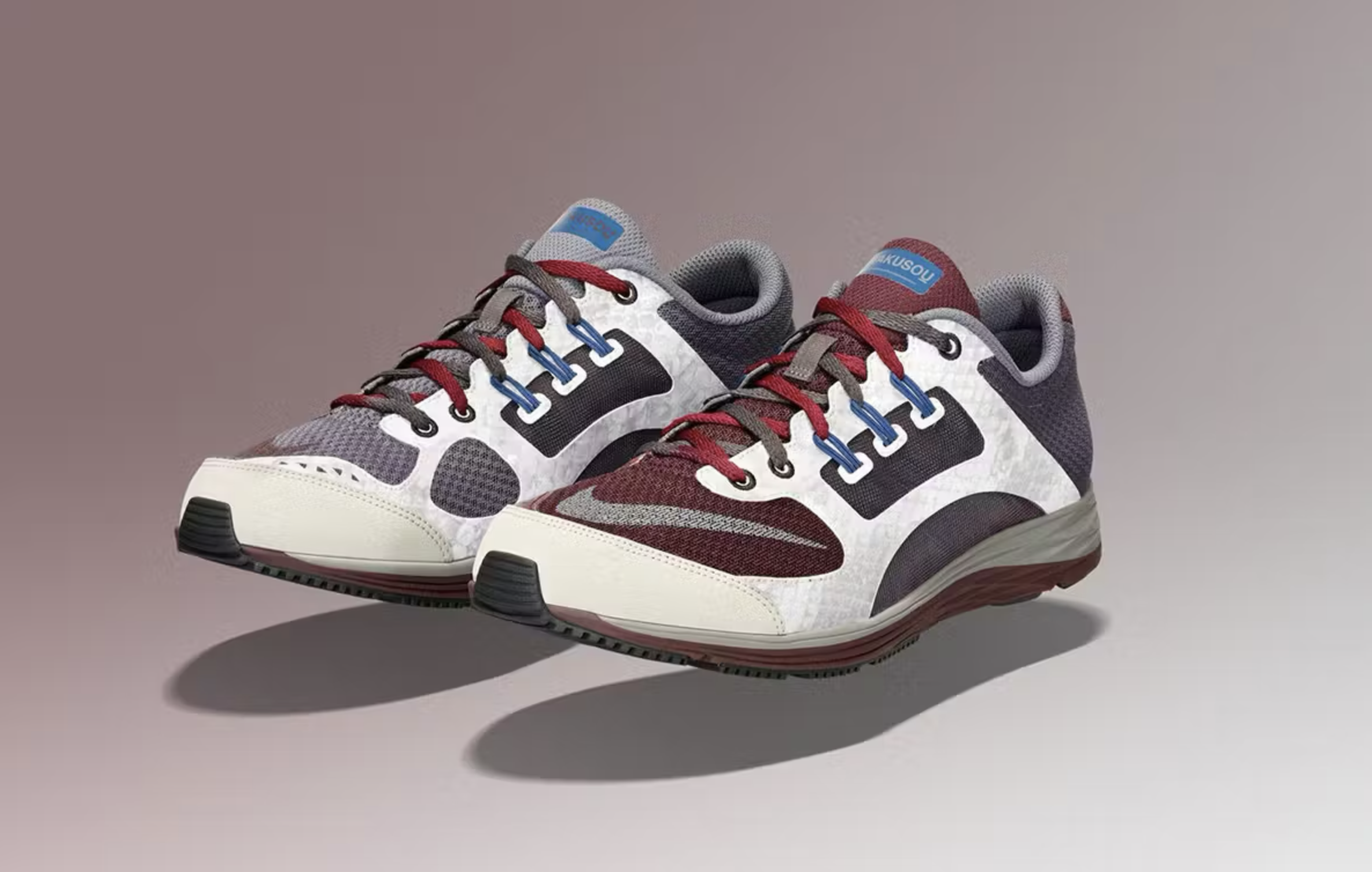
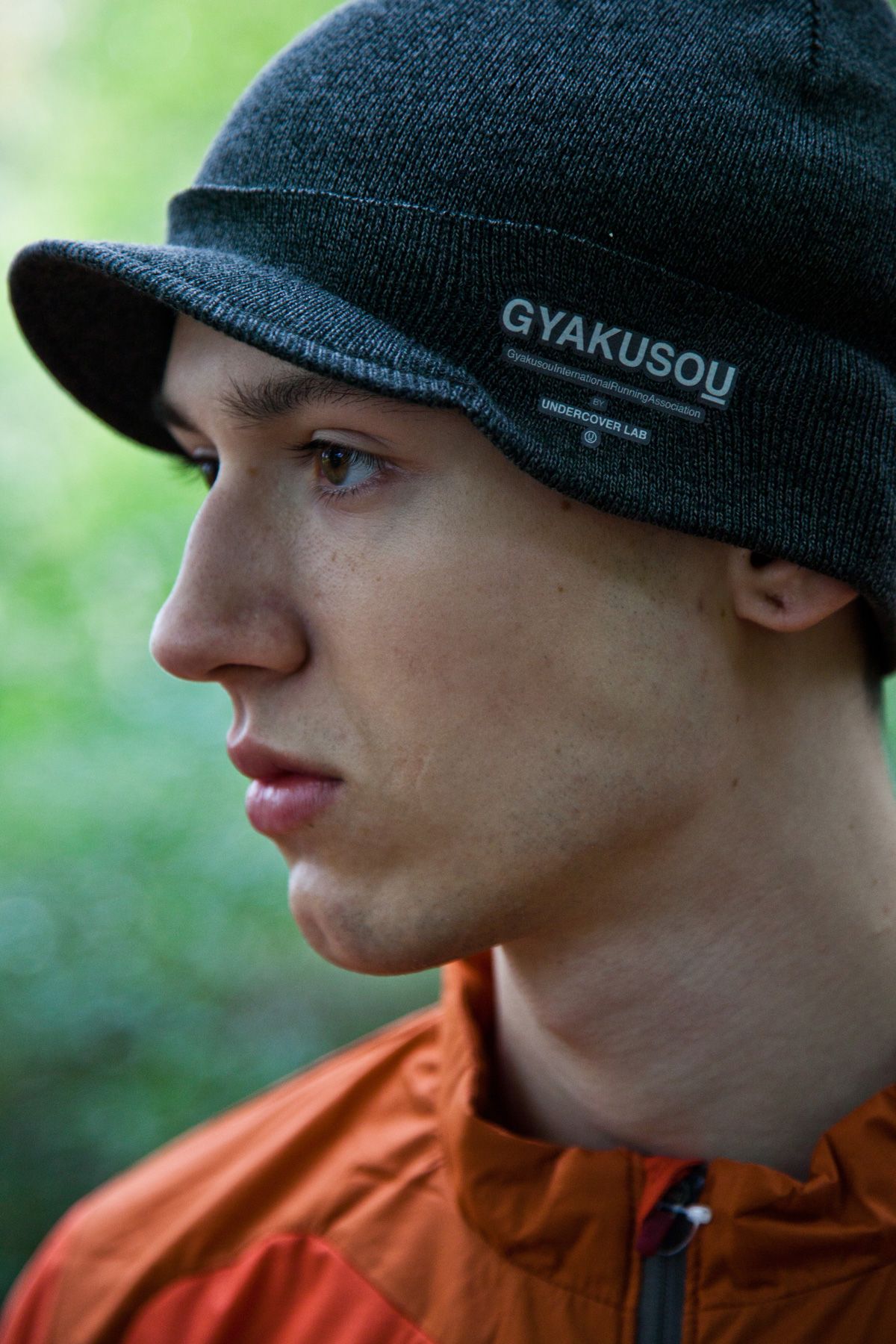
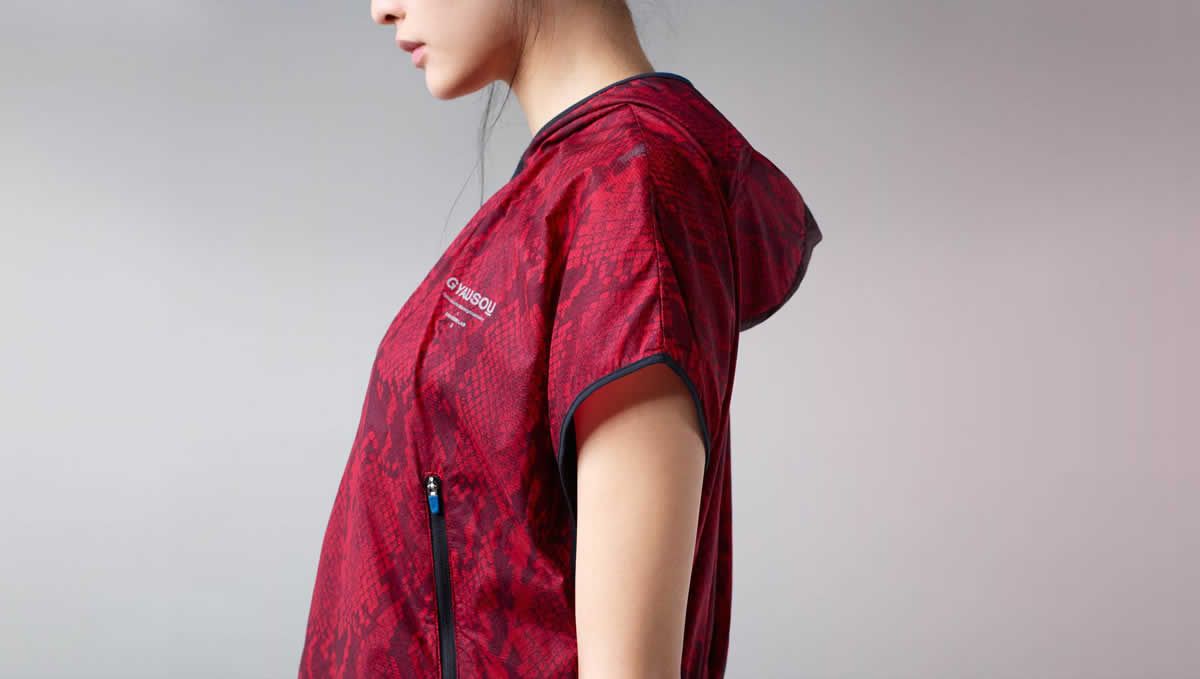
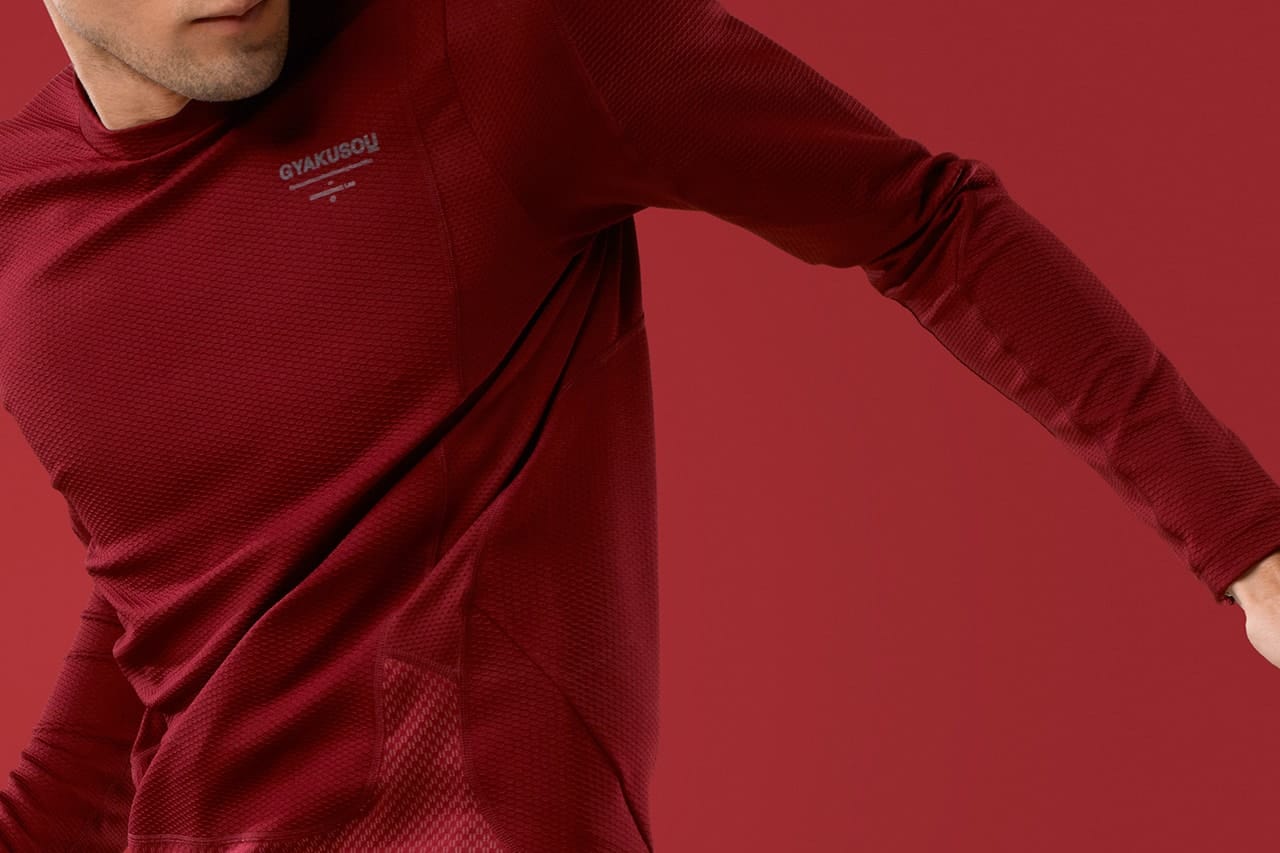
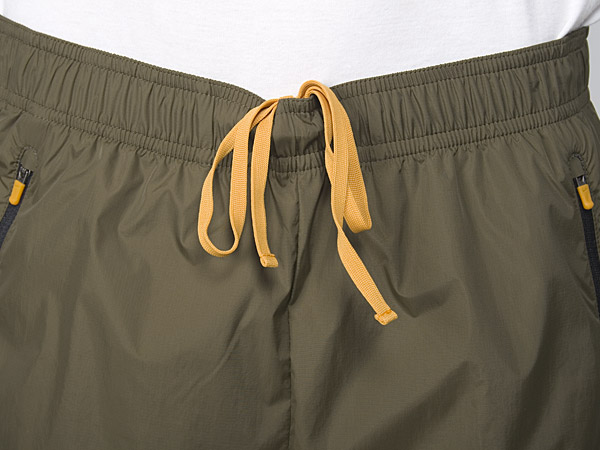
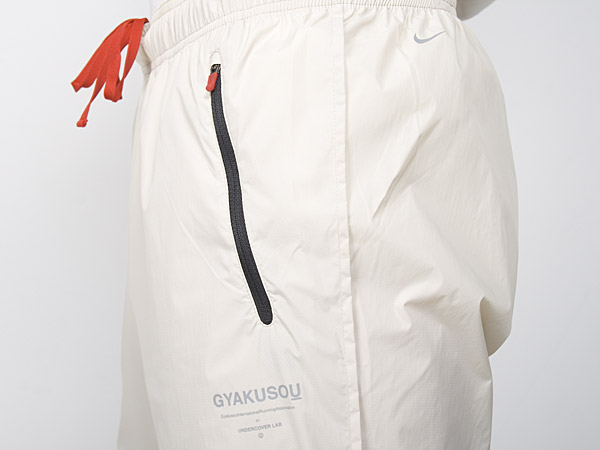
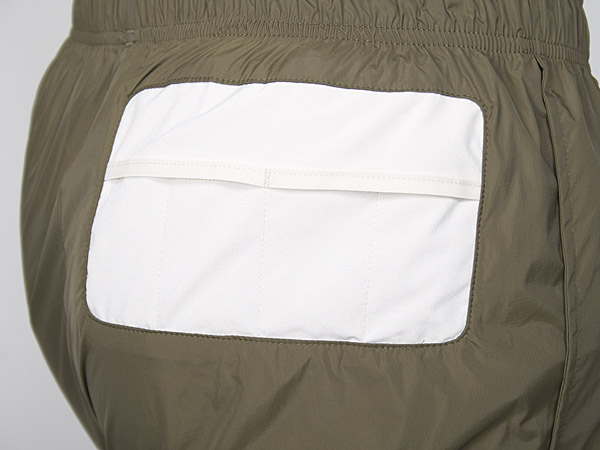
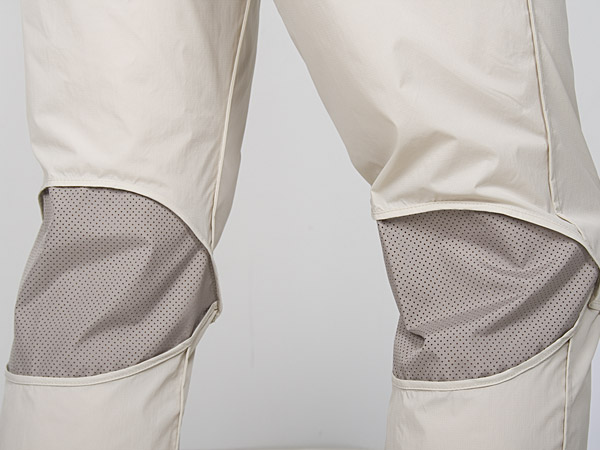
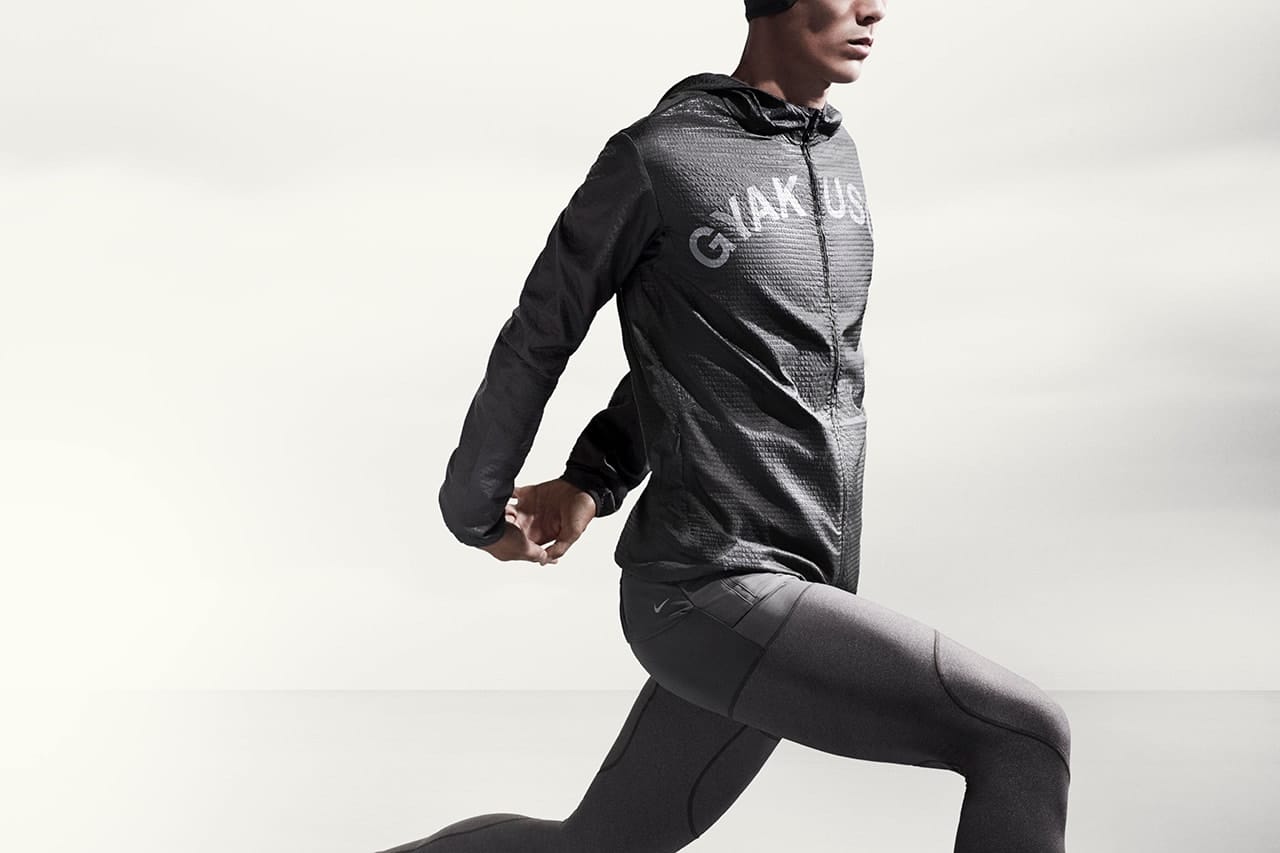
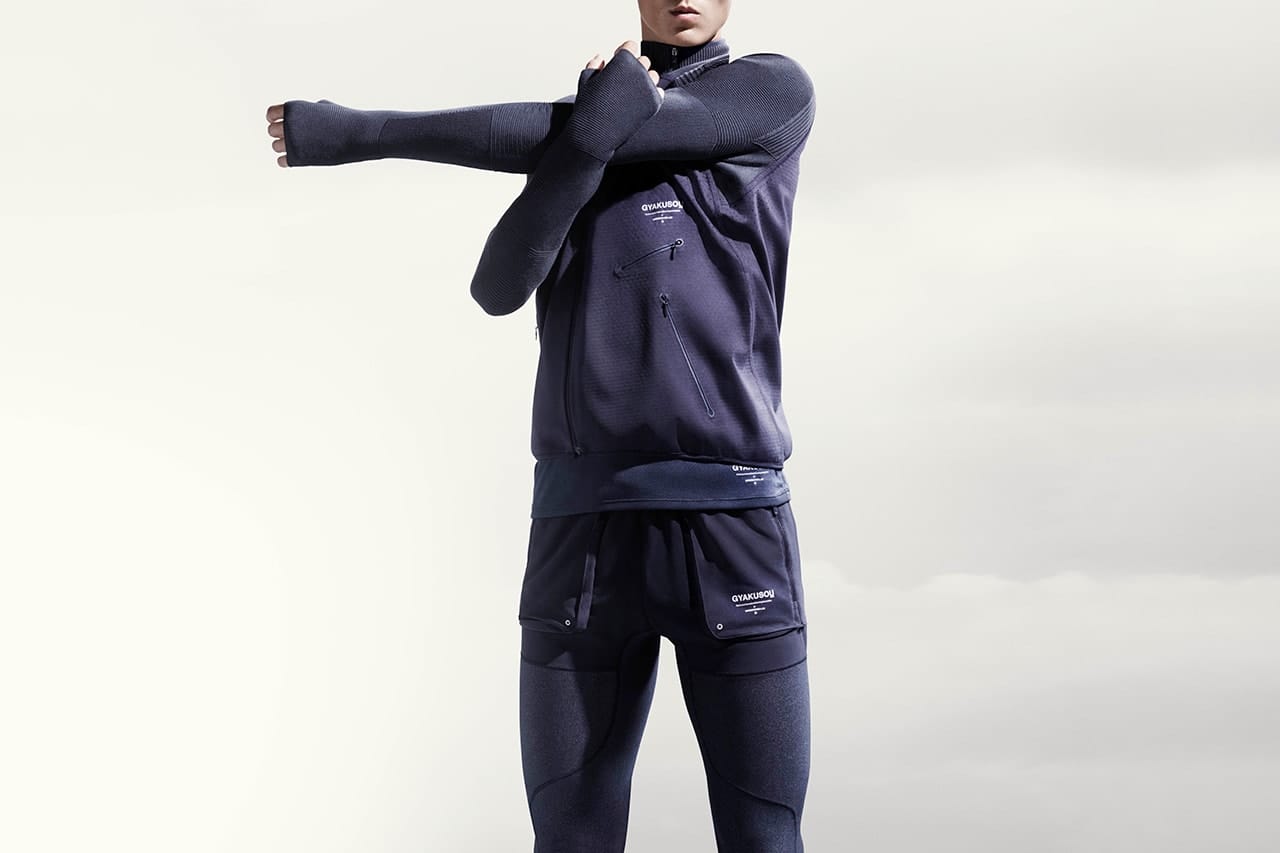
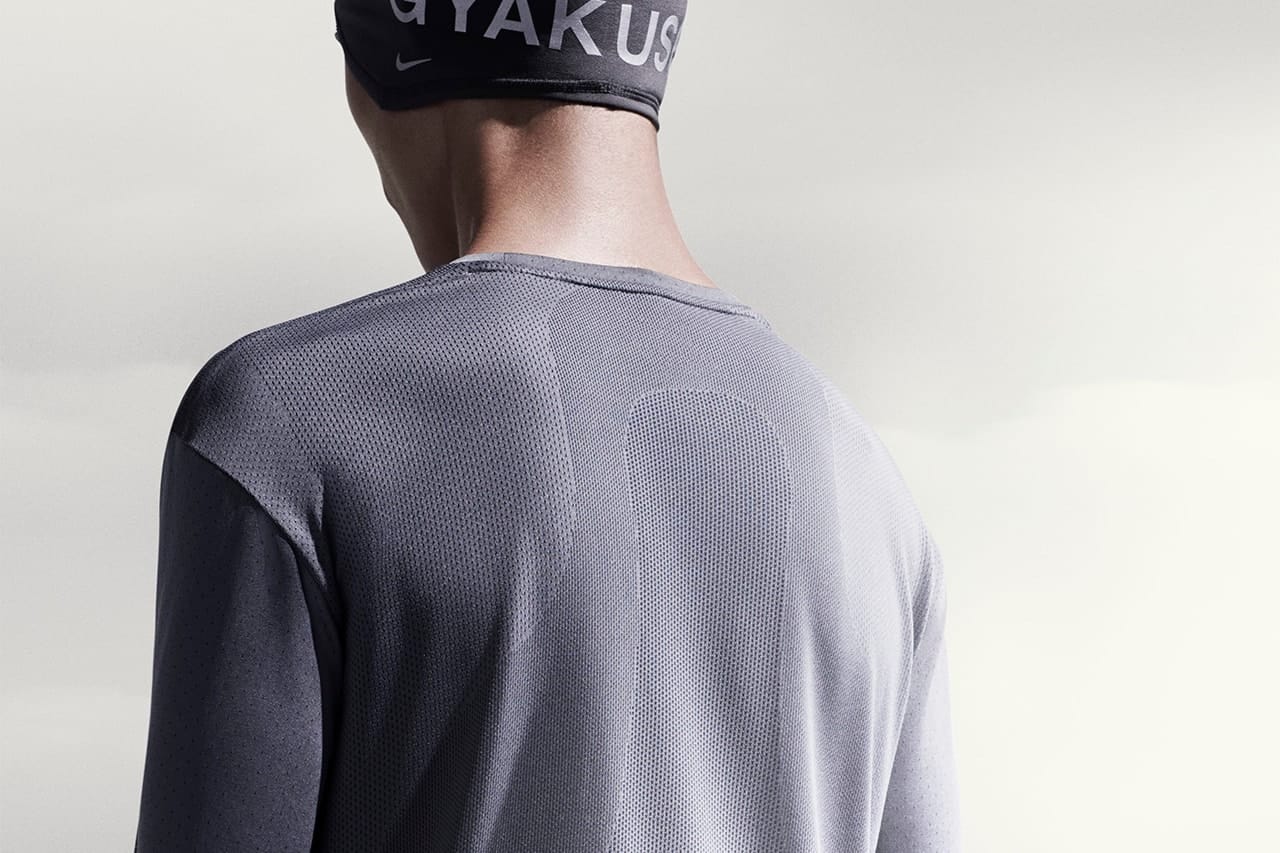
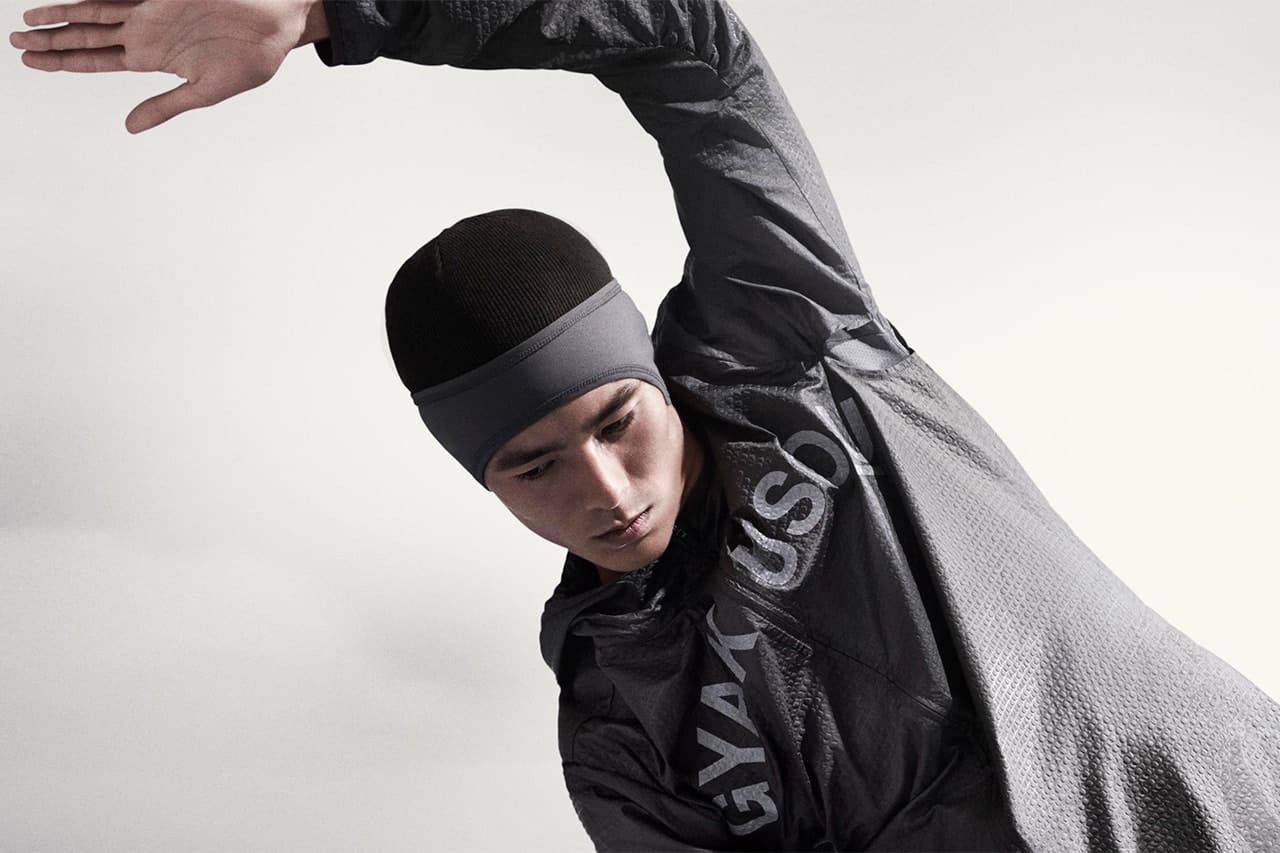
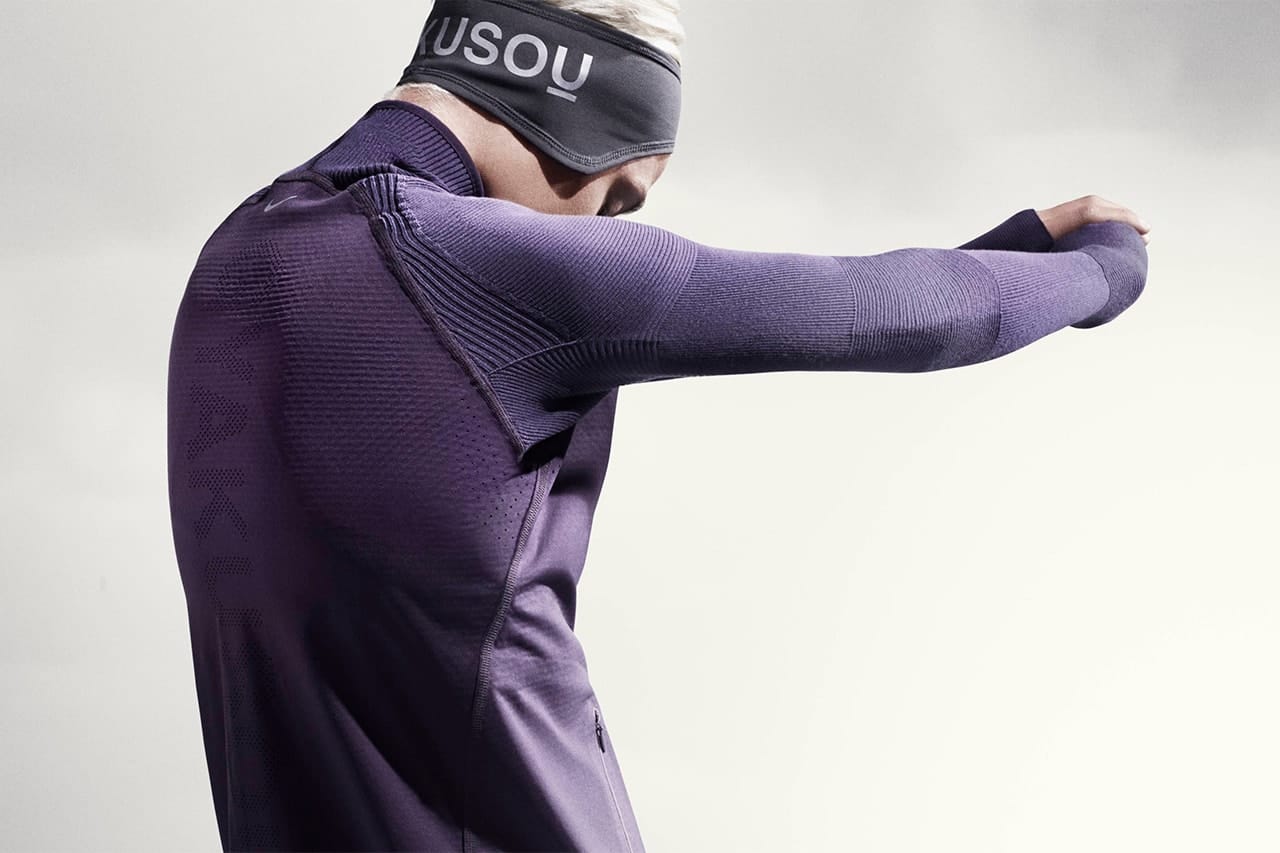
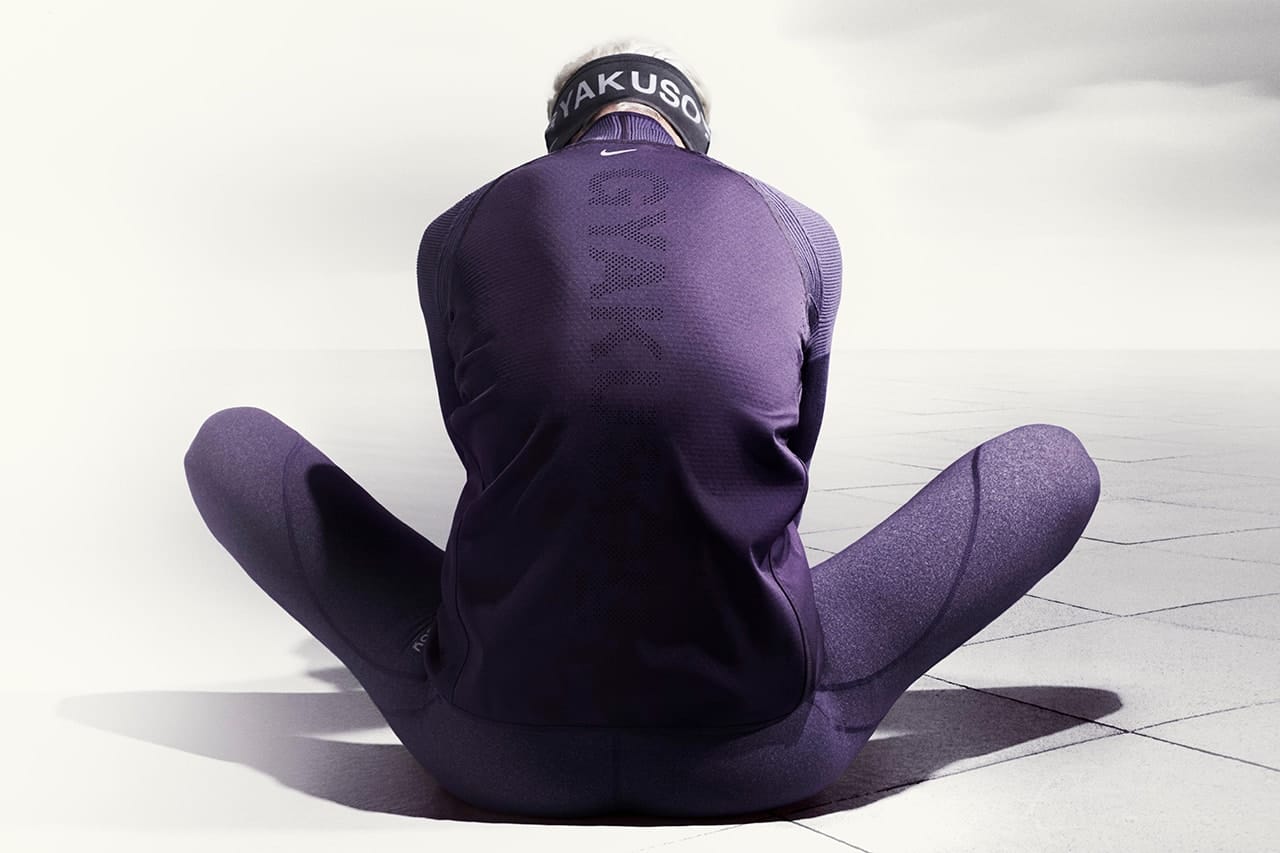
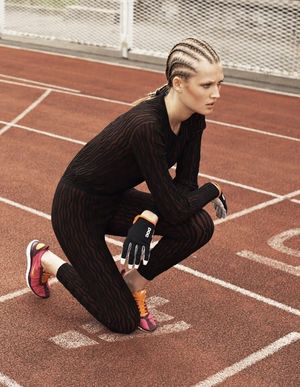
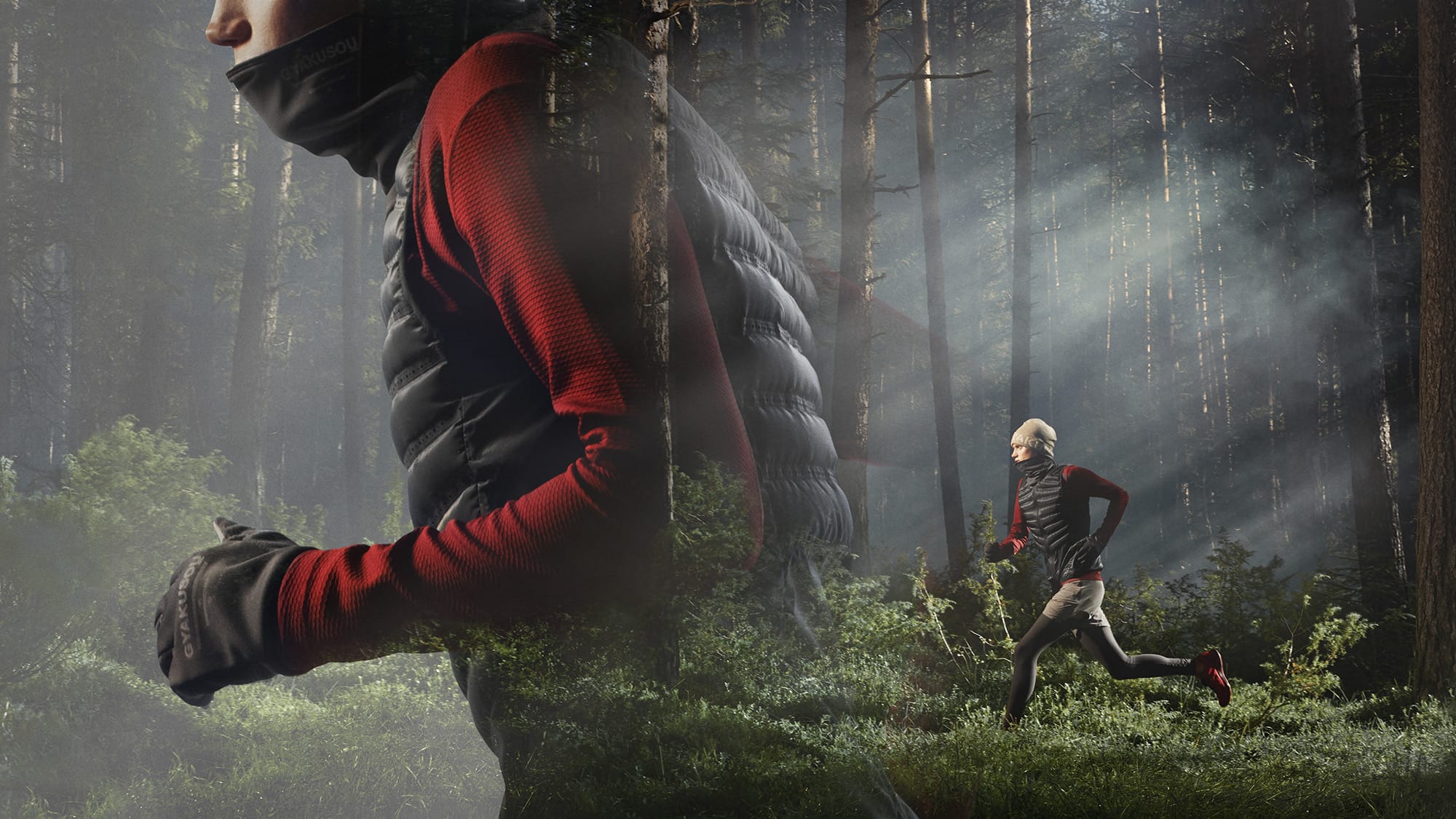
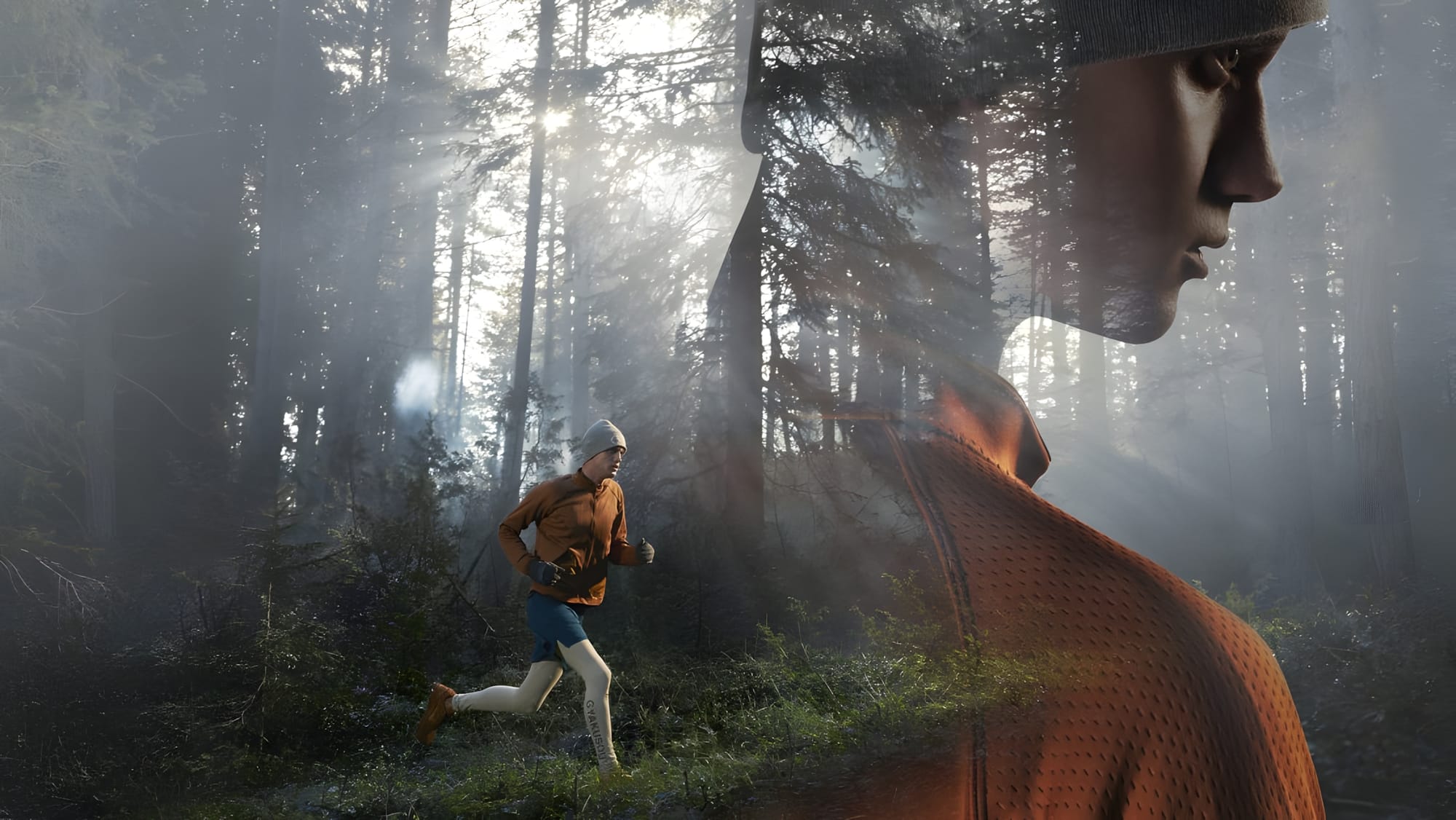
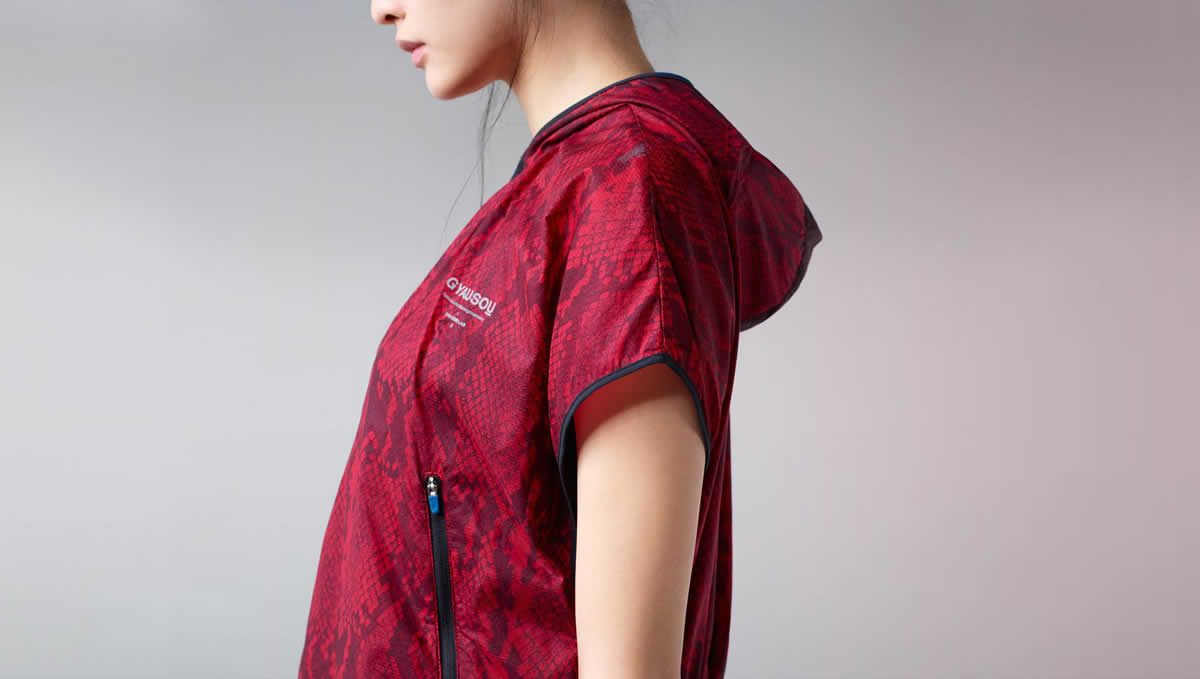
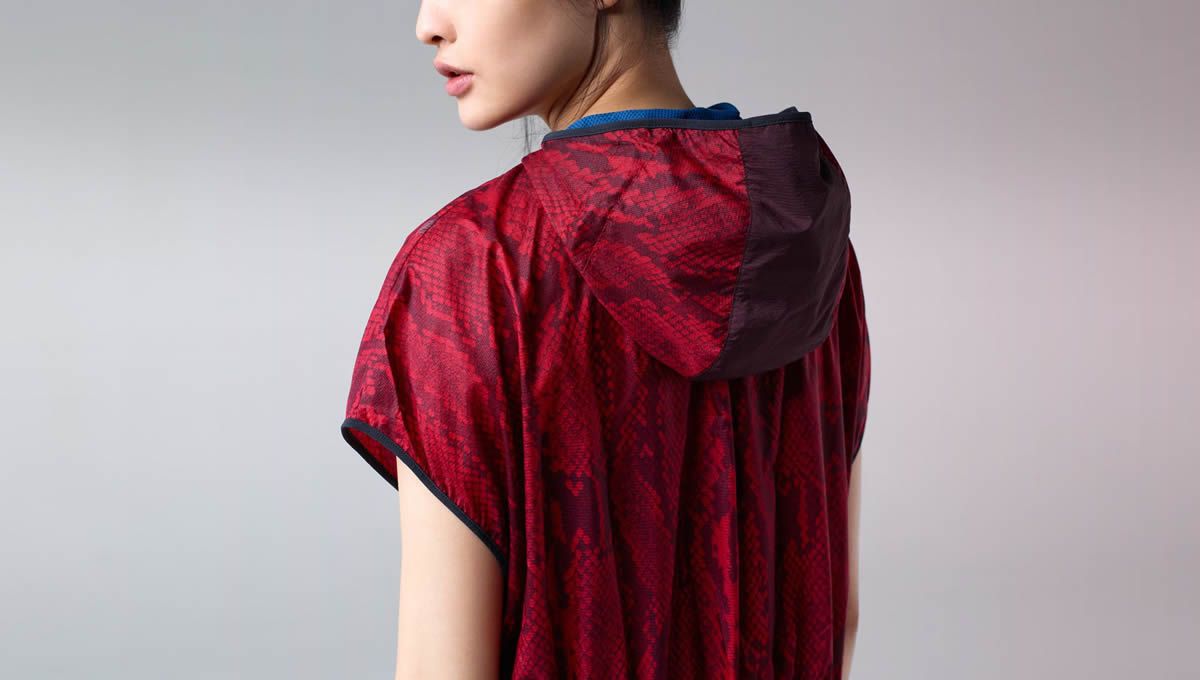
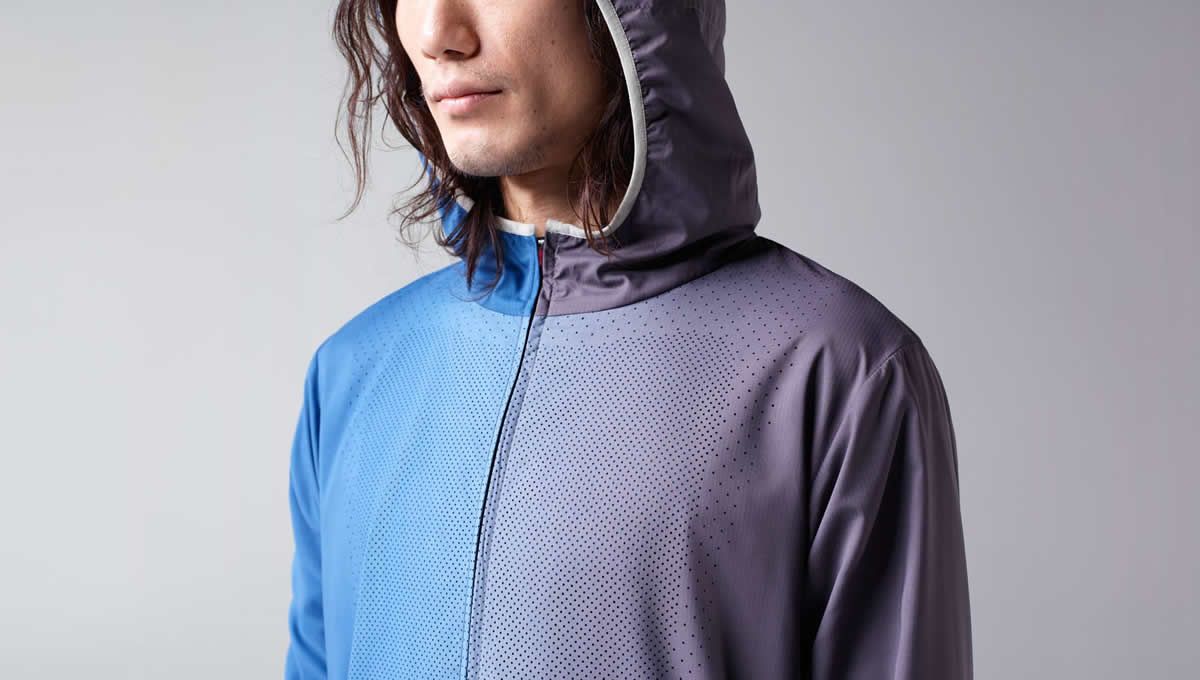
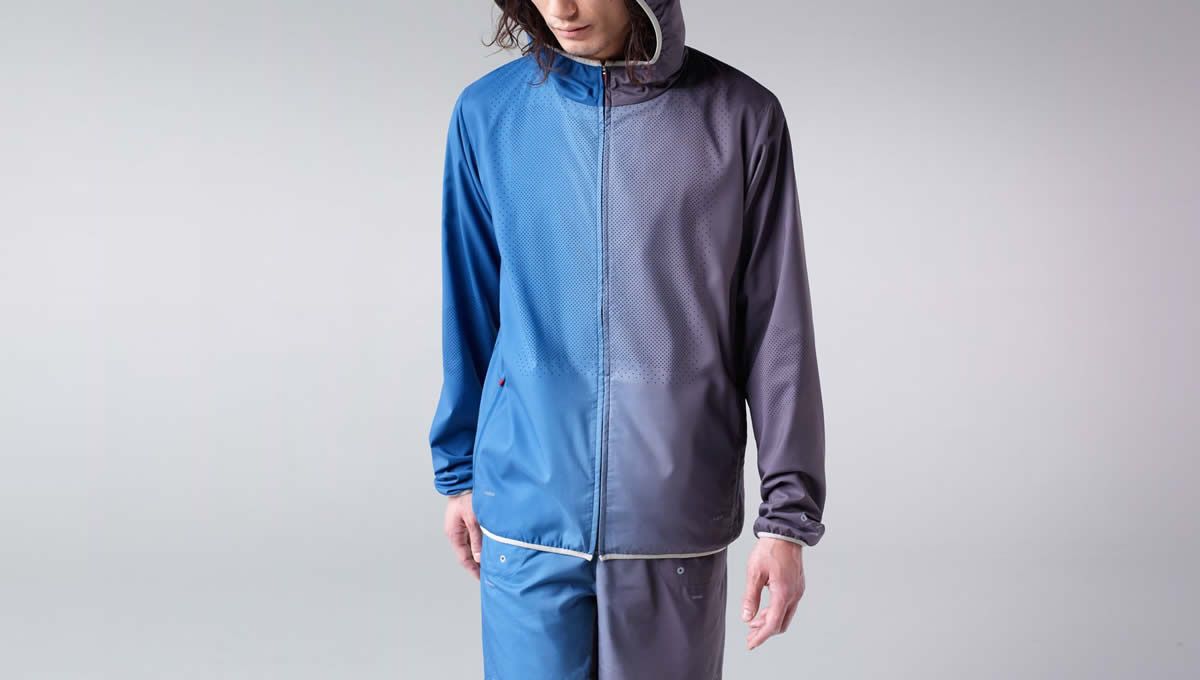
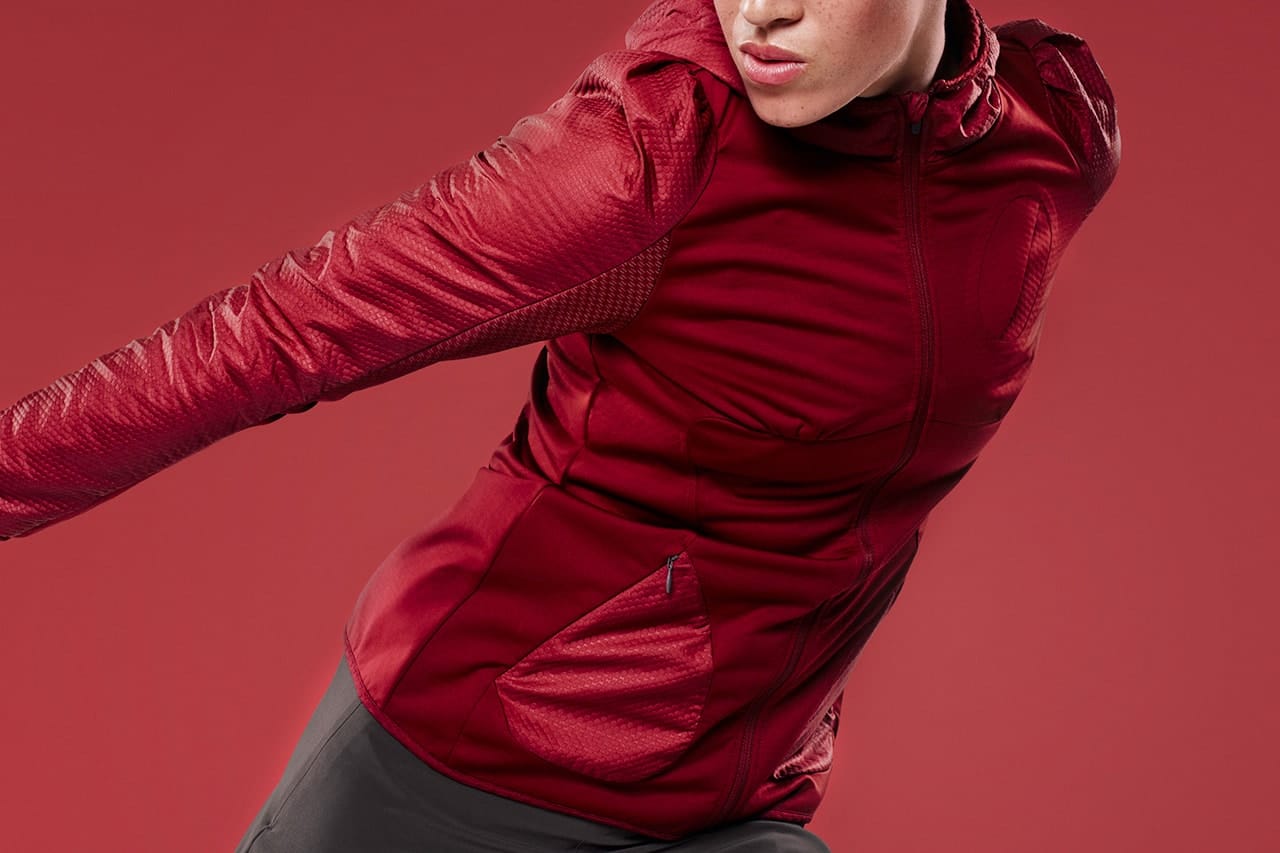
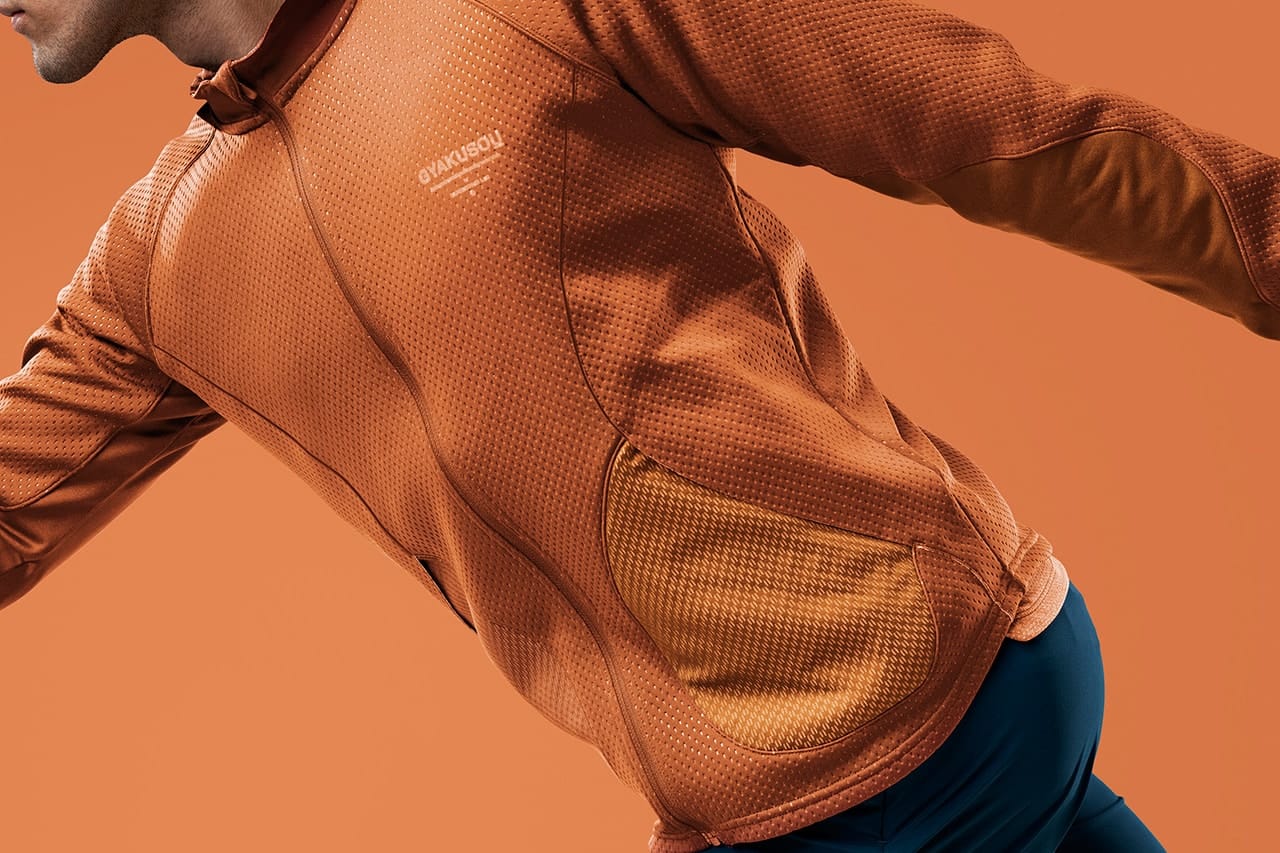
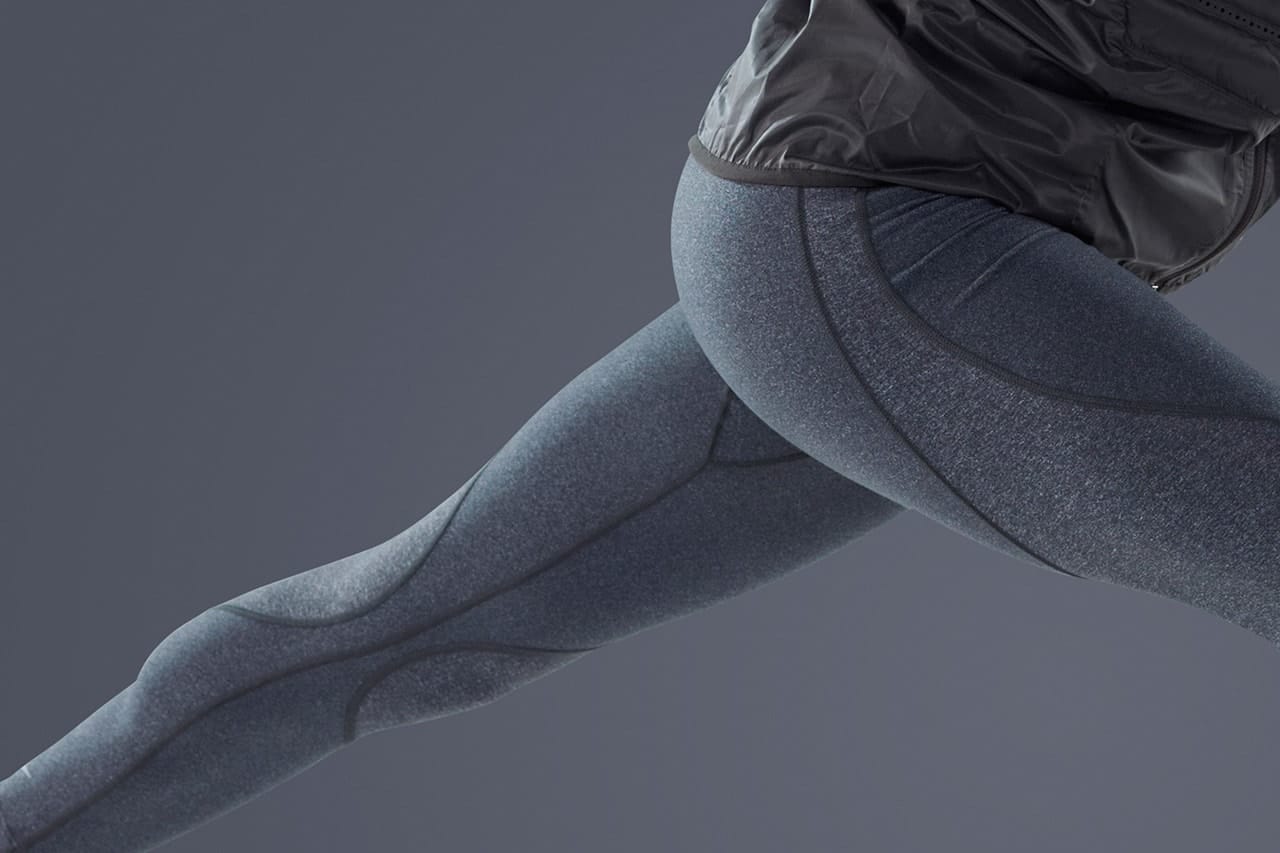
These pants a cut slightly shorter for better running comfort. Great for slightly harsher weather conditions. Insideout construction for seamless fit inside. From the Nike Running Gyakusou collection. Made in Japan.
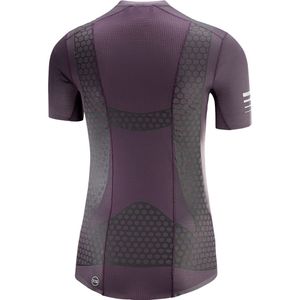
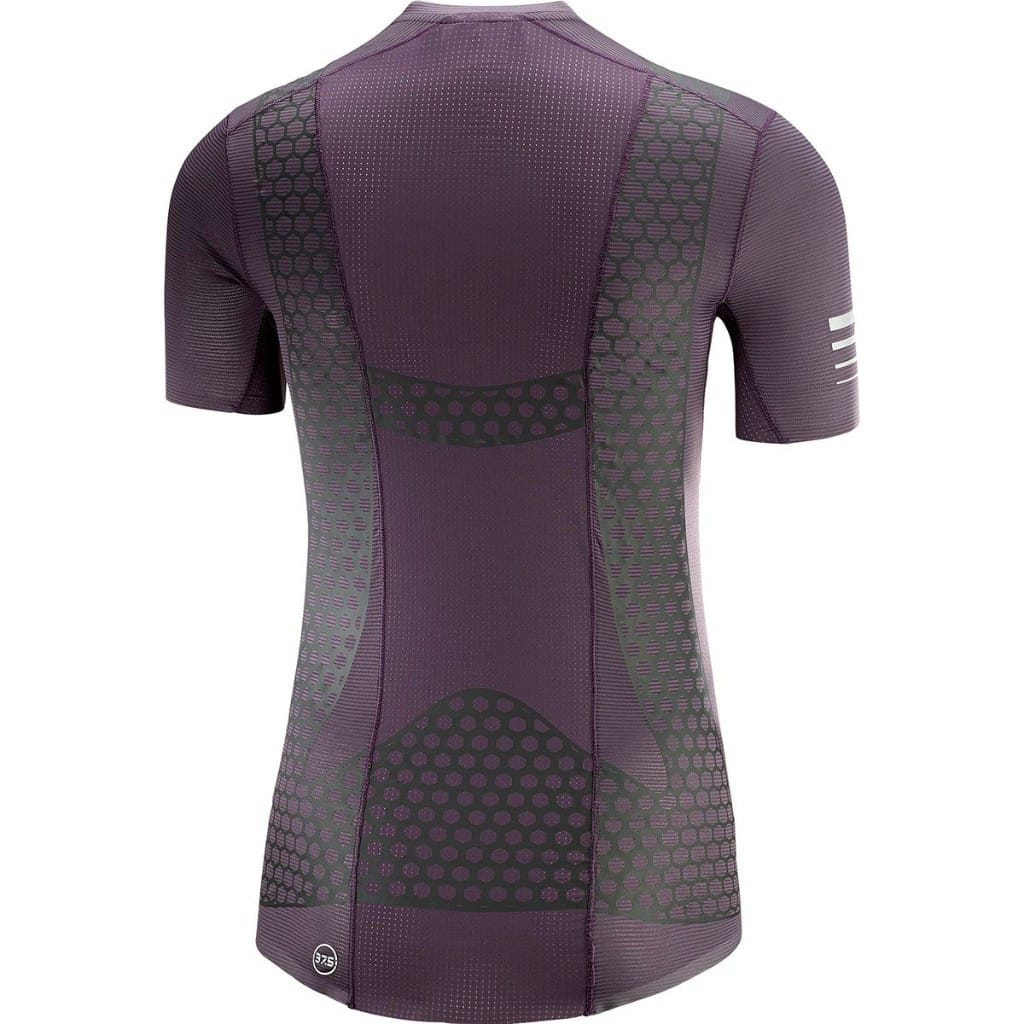
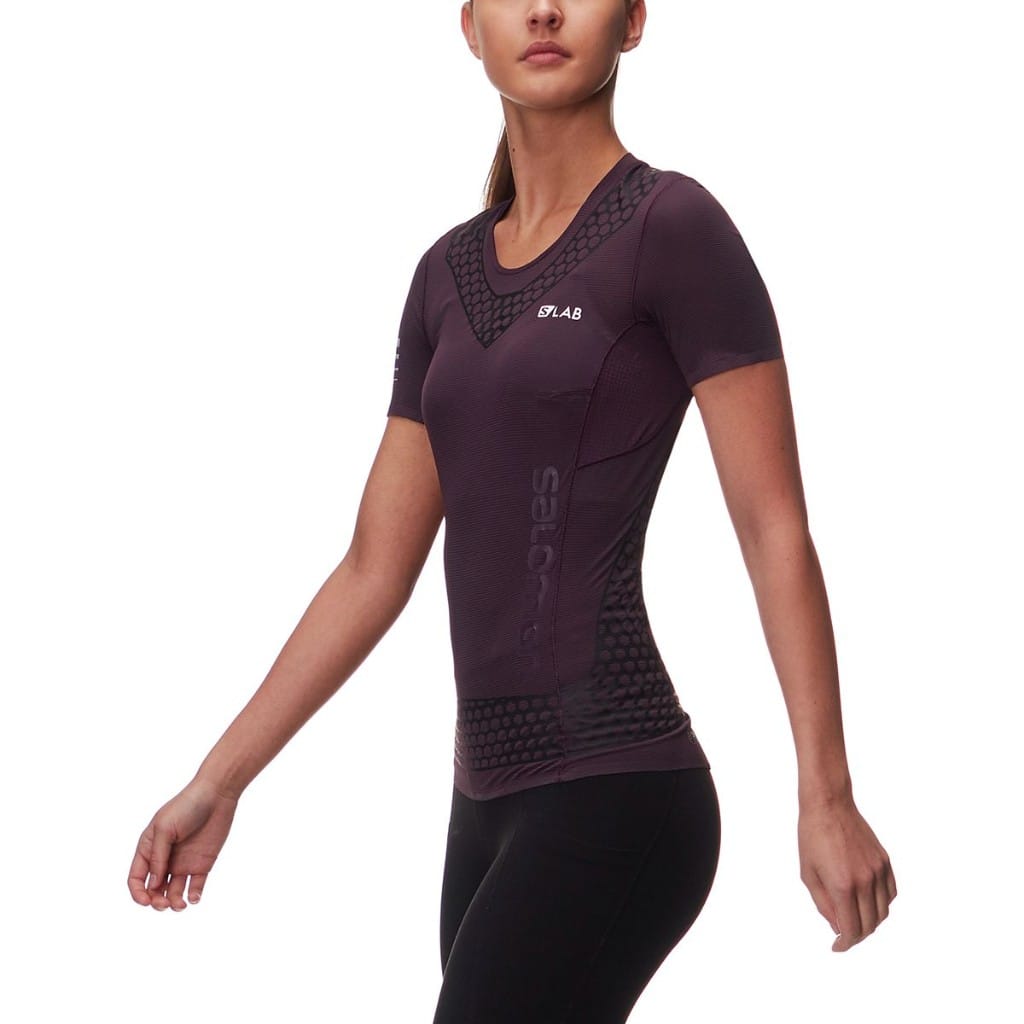
This mauve S/LAB EXO T-Shirt carries Salomon’s body-mapped support structure across the shoulders, spine and lower torso. The open-knit 37.5 fabric manages heat and moisture, while the skin-fit cut keeps the postural panels close to the body without the weight of a conventional compression shell.
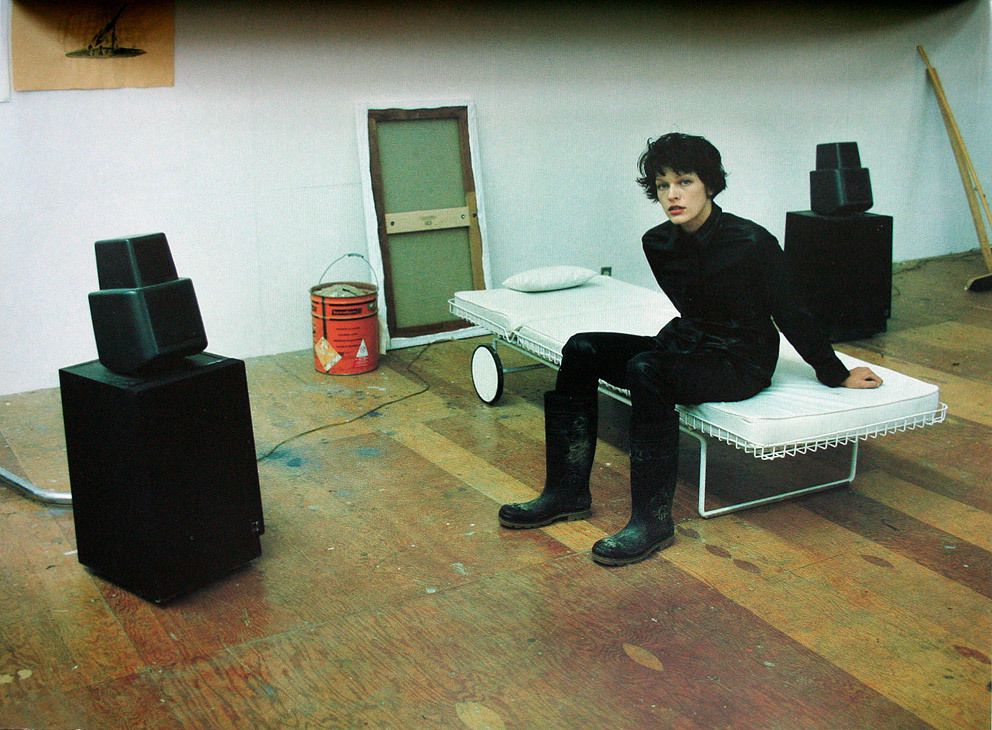
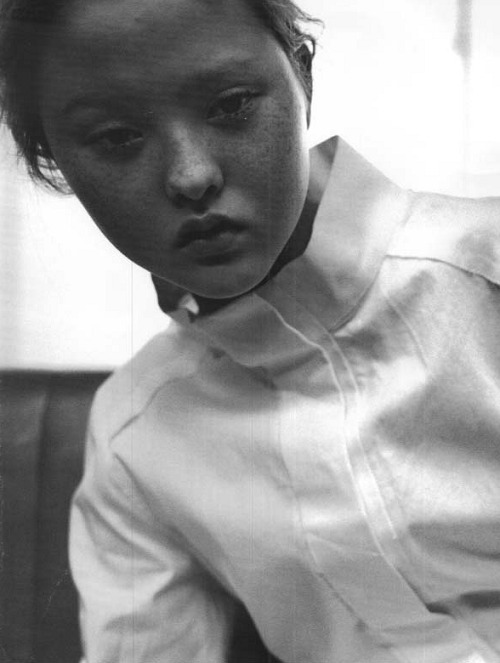
MIlla Jovovich by Juergen Teller for Strenesse fw97
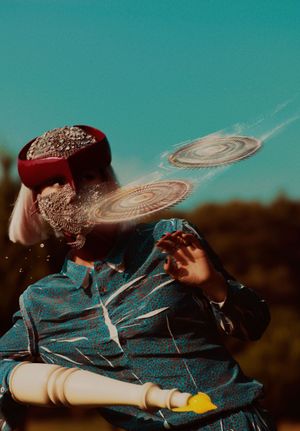

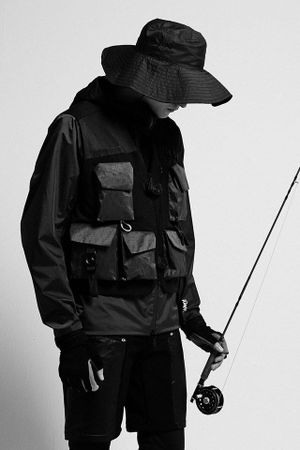
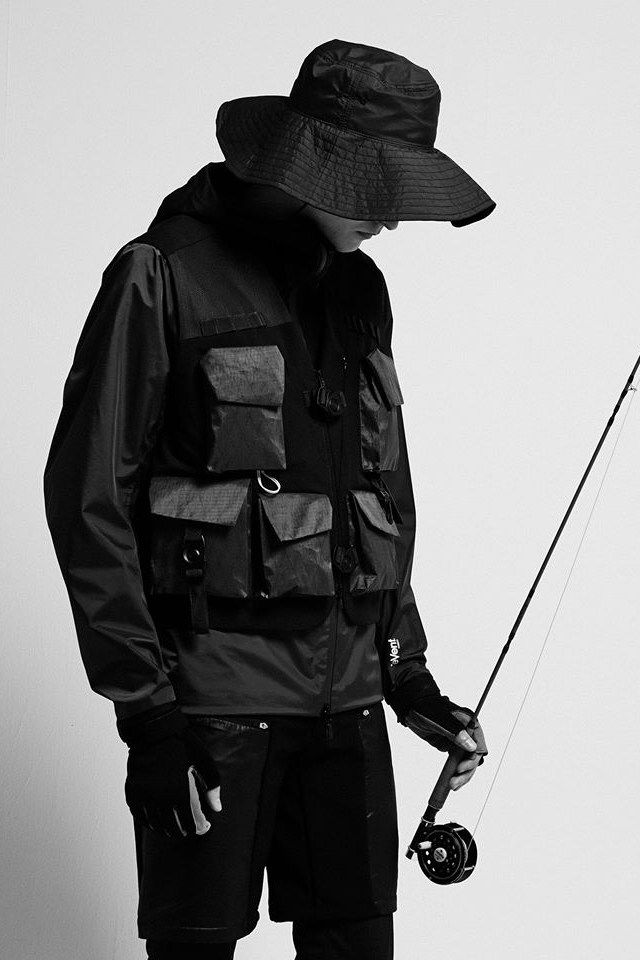
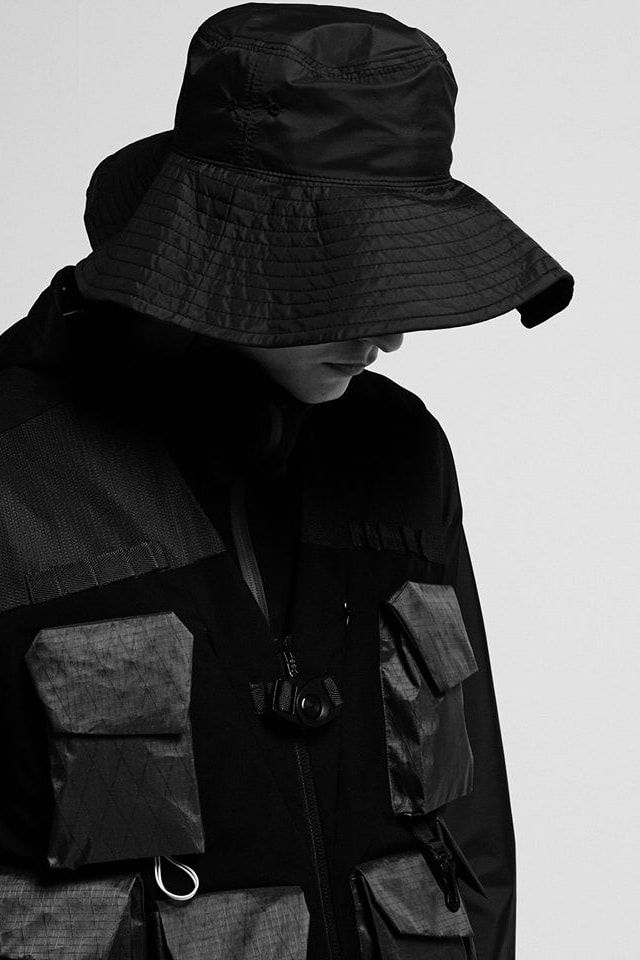
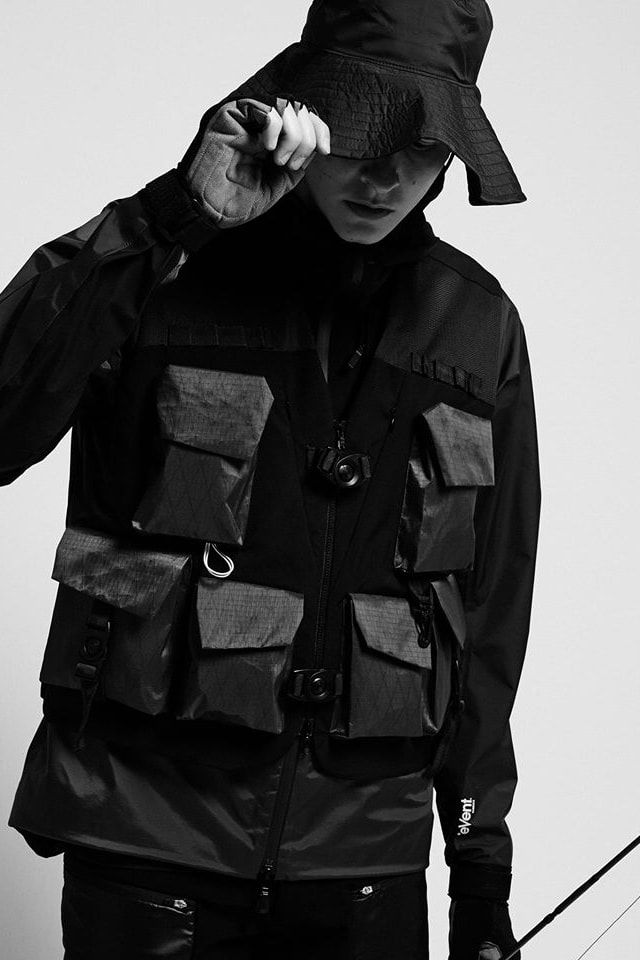
Utilitarian-inspired Japanese fashion brand Man of Moods presents a selection of shots exhibiting a 2016 spring/summer collection titled “Mountain of Moods.” Featuring the brand’s usual blend of sleek lines and practical engineering, “Mountain of Moods” will be unveiled at House Gallery Space in Tokyo on September 15. With photography from Teppei Hoshida and styling by Tomoyuki Sasaki.
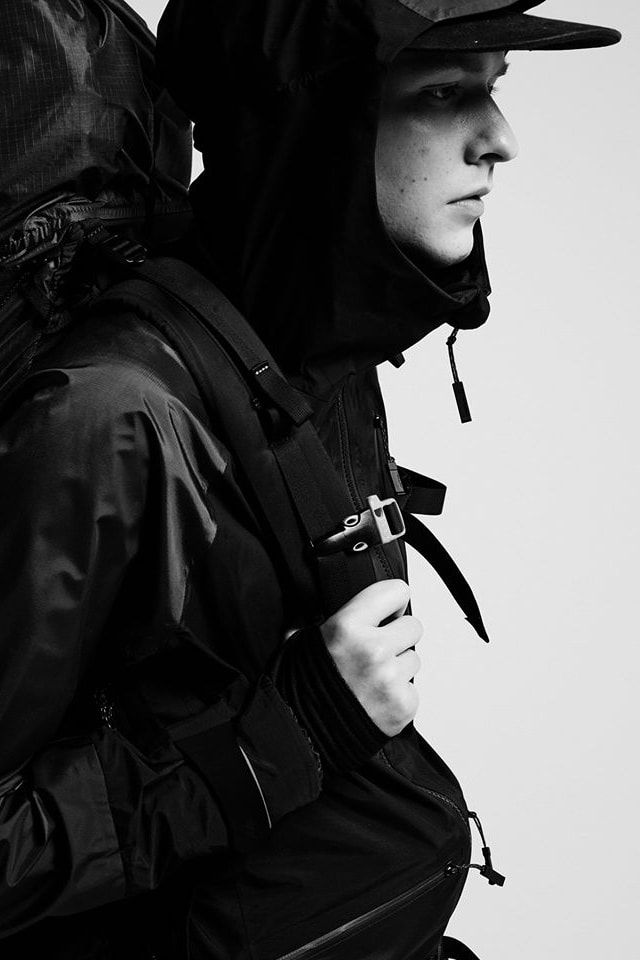
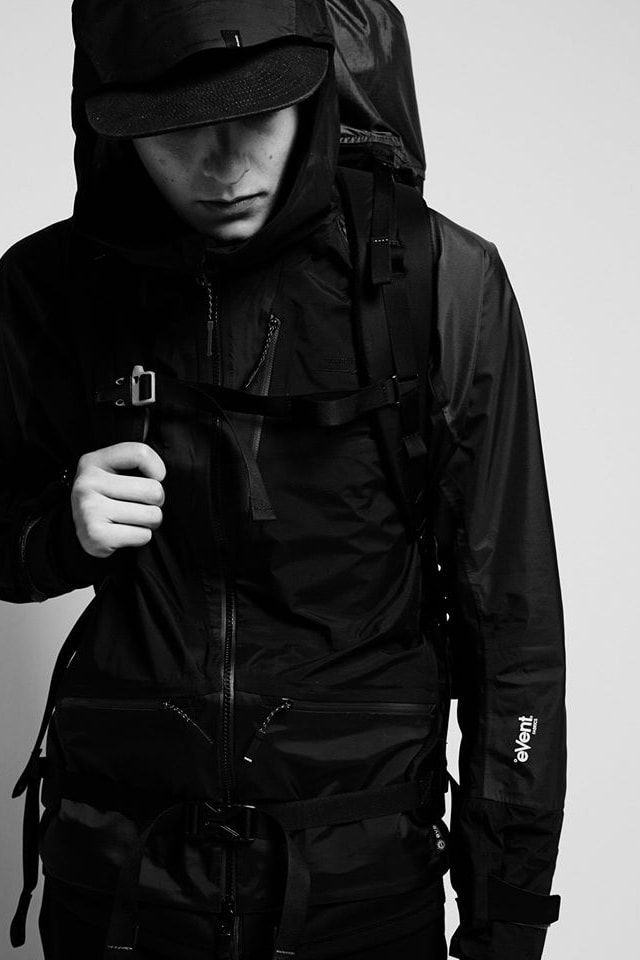
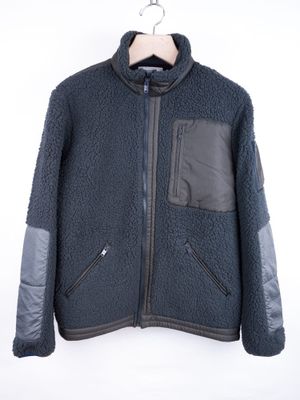
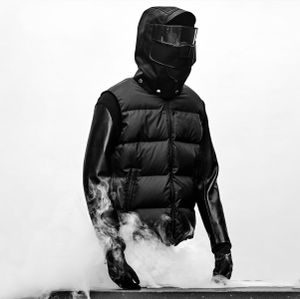
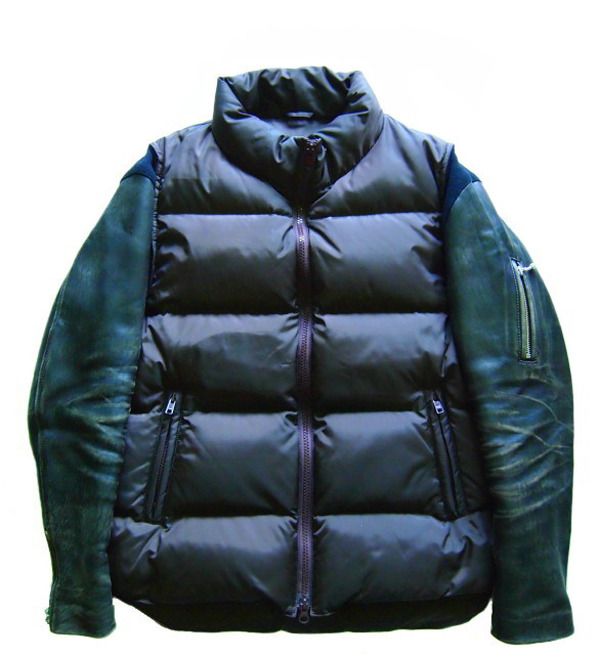
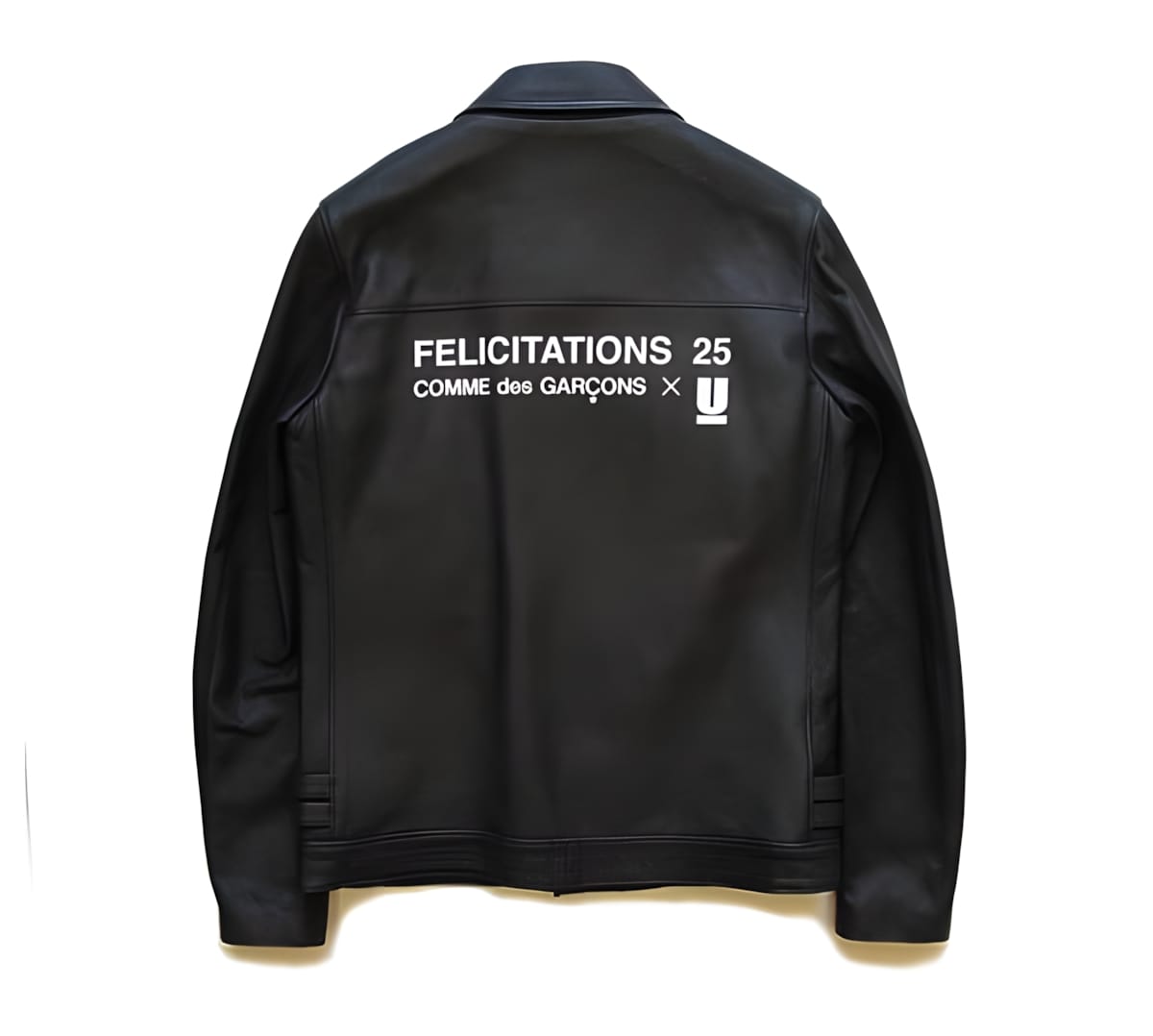
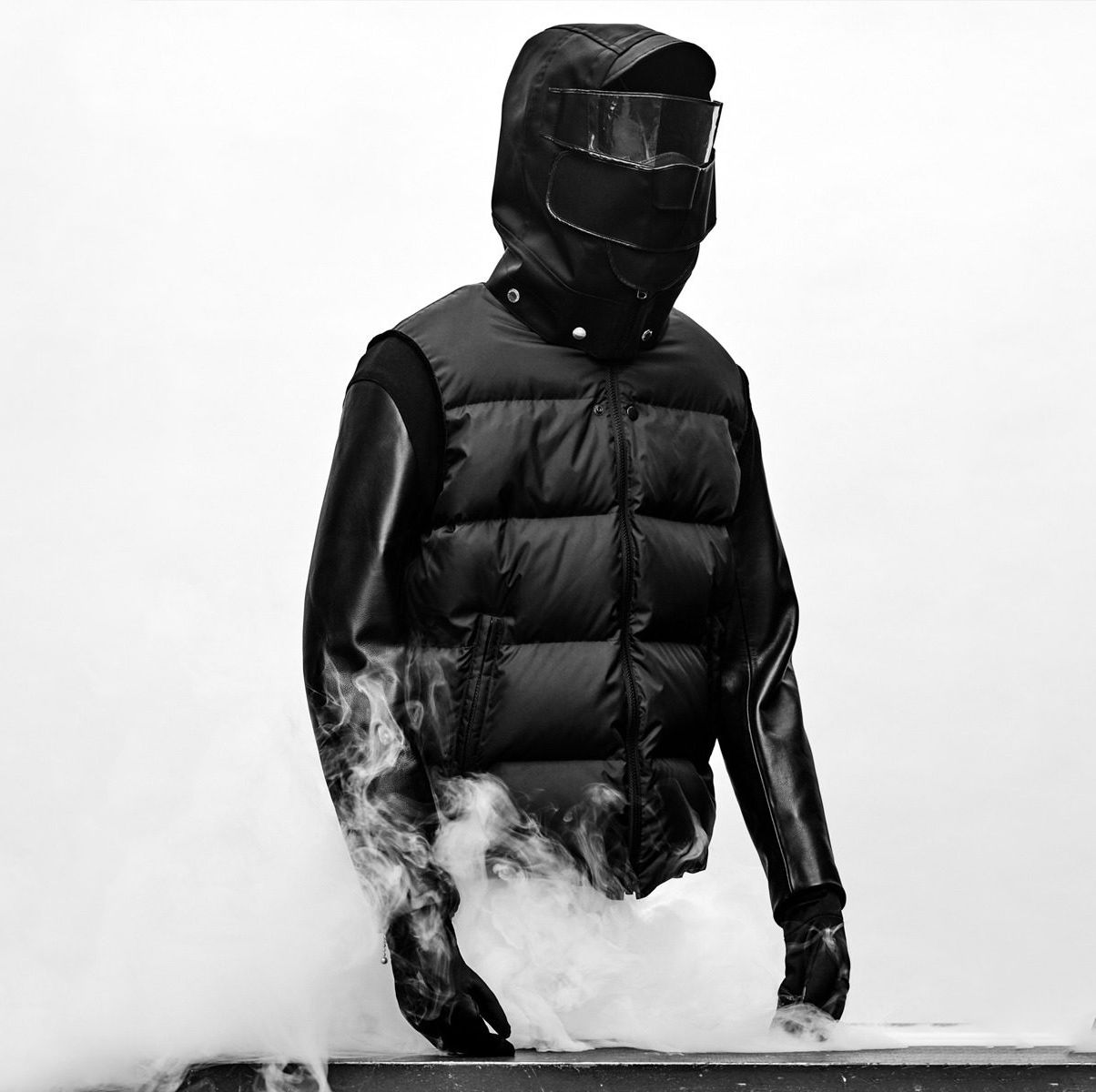
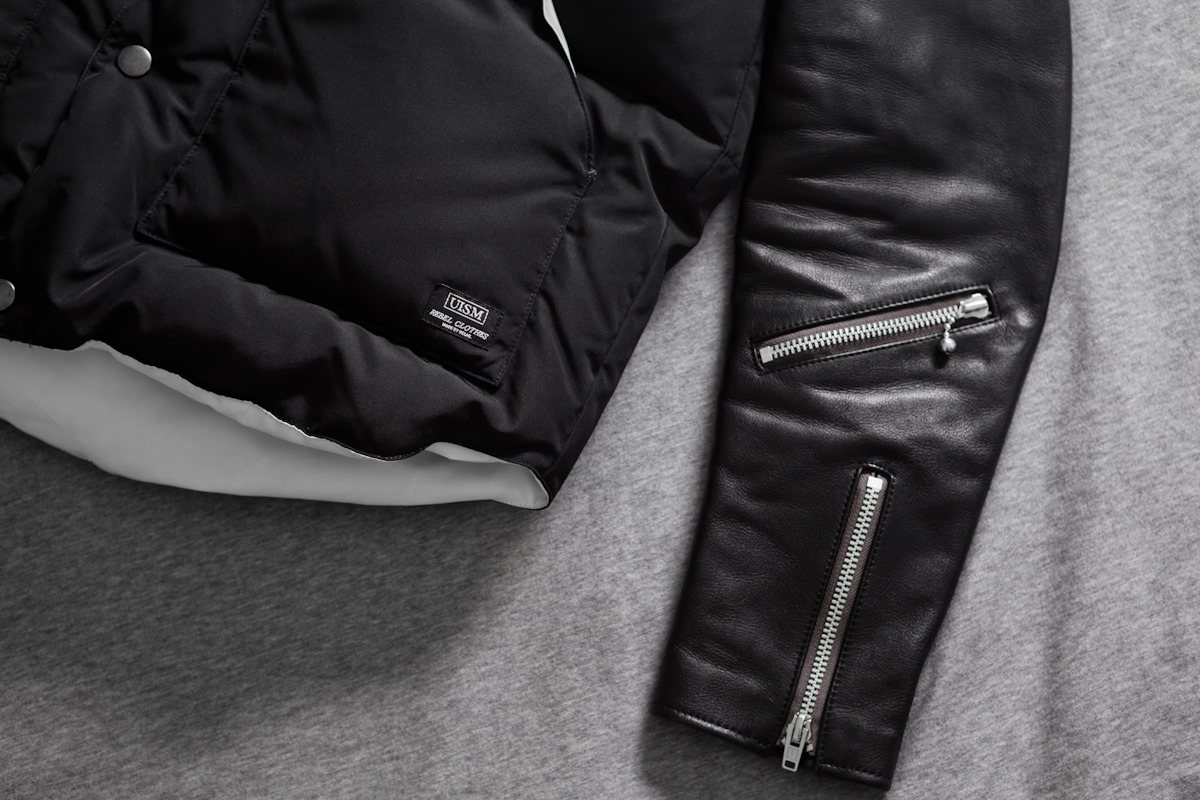
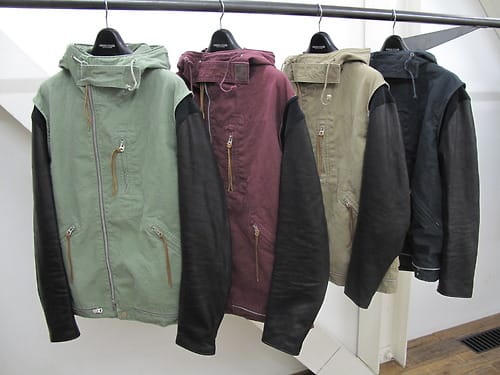
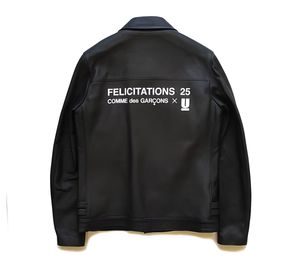
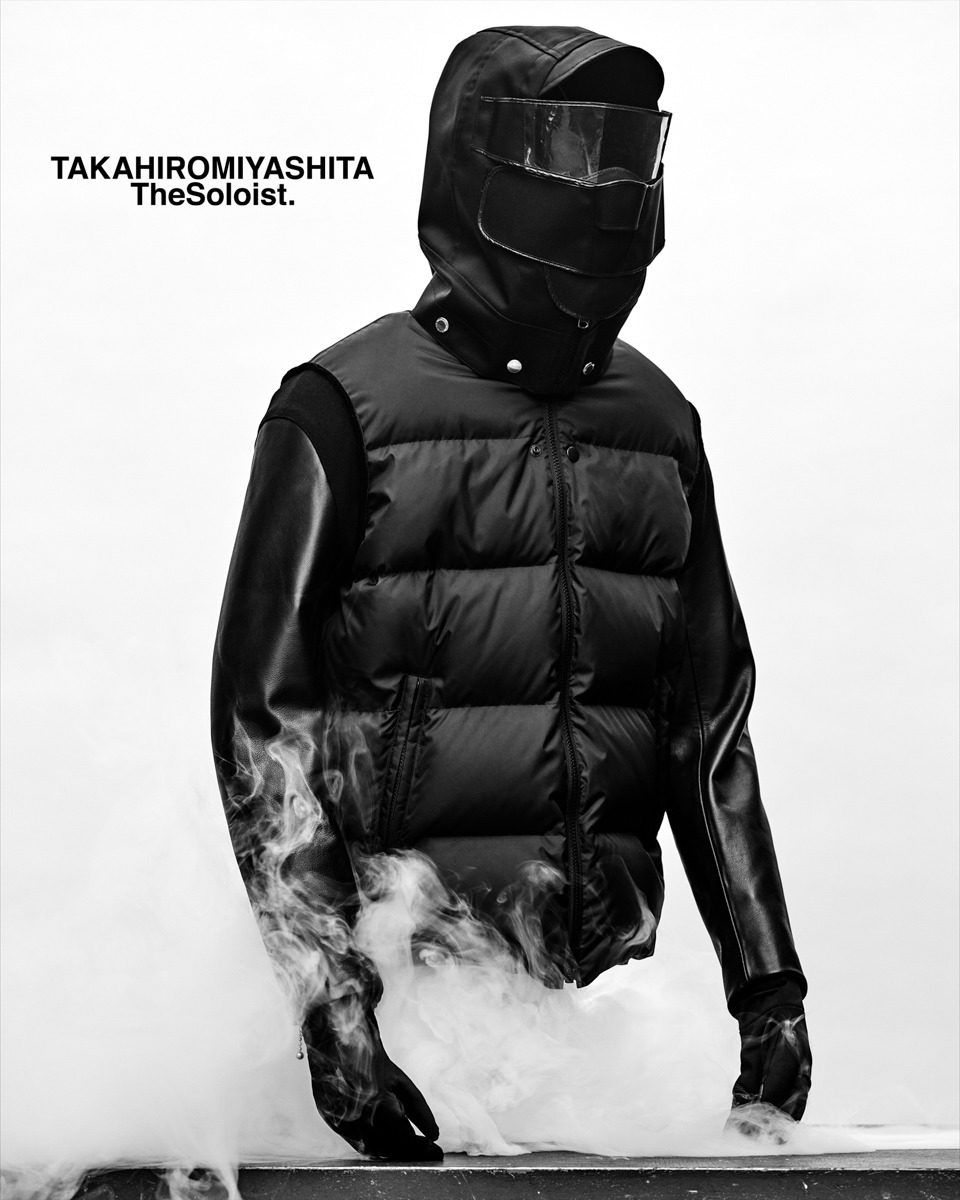
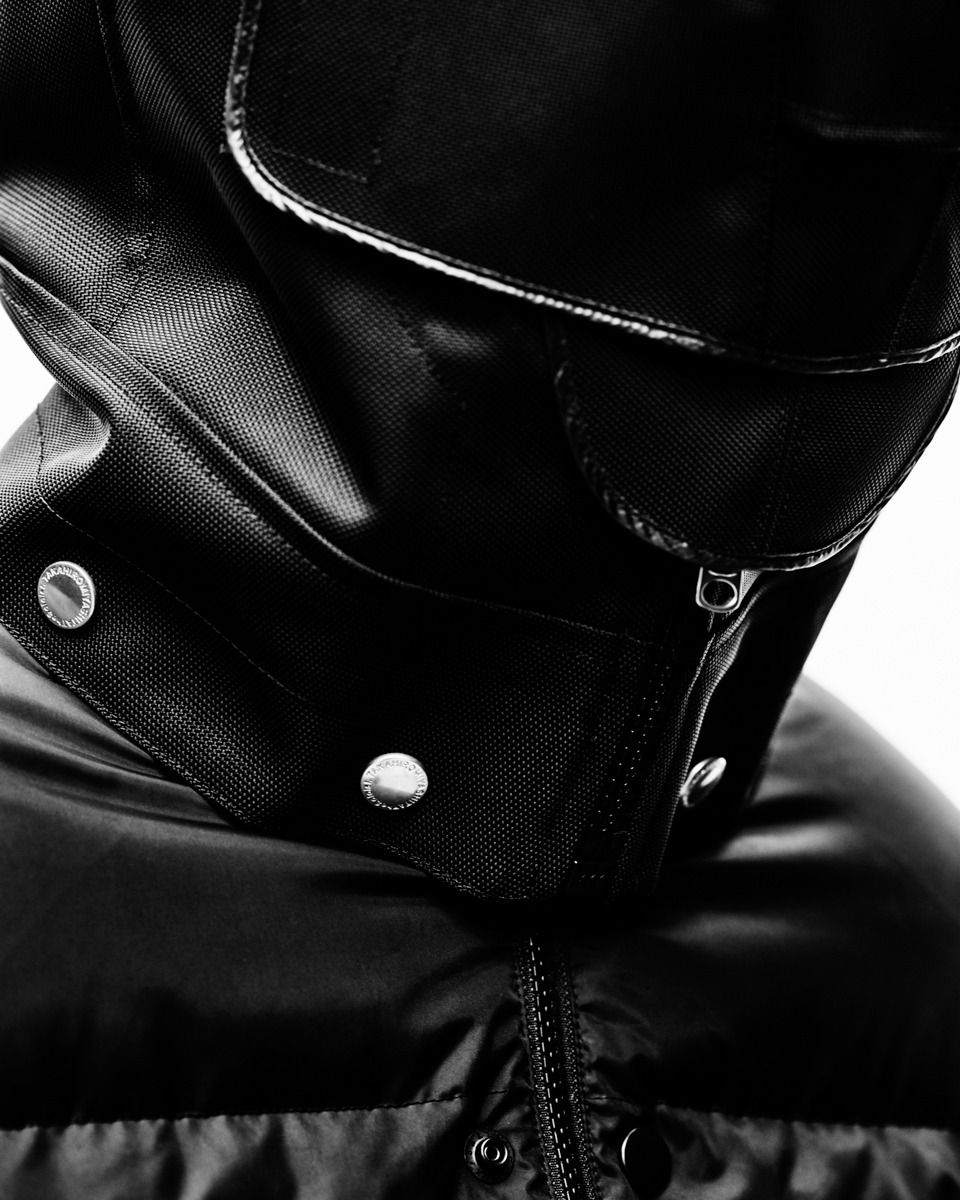
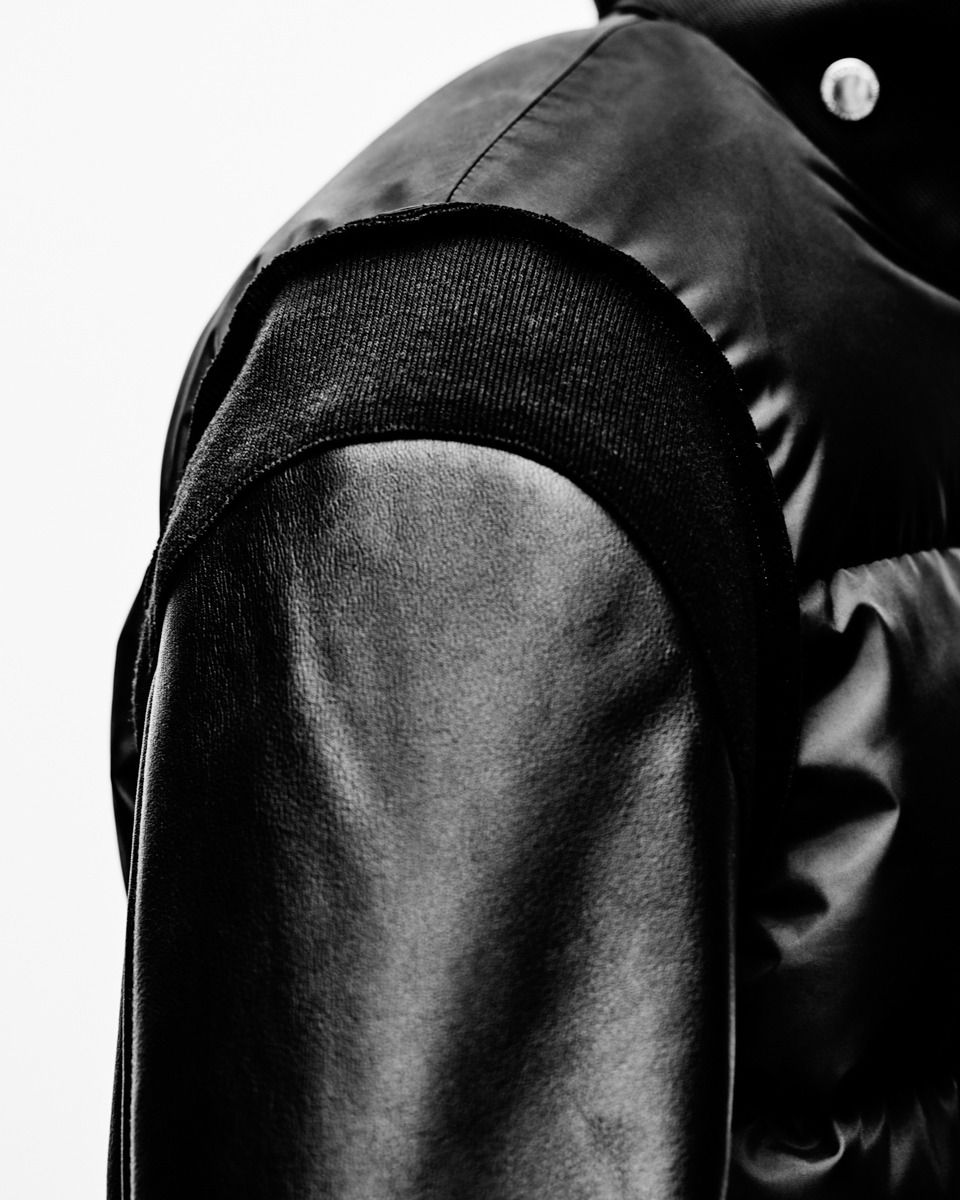
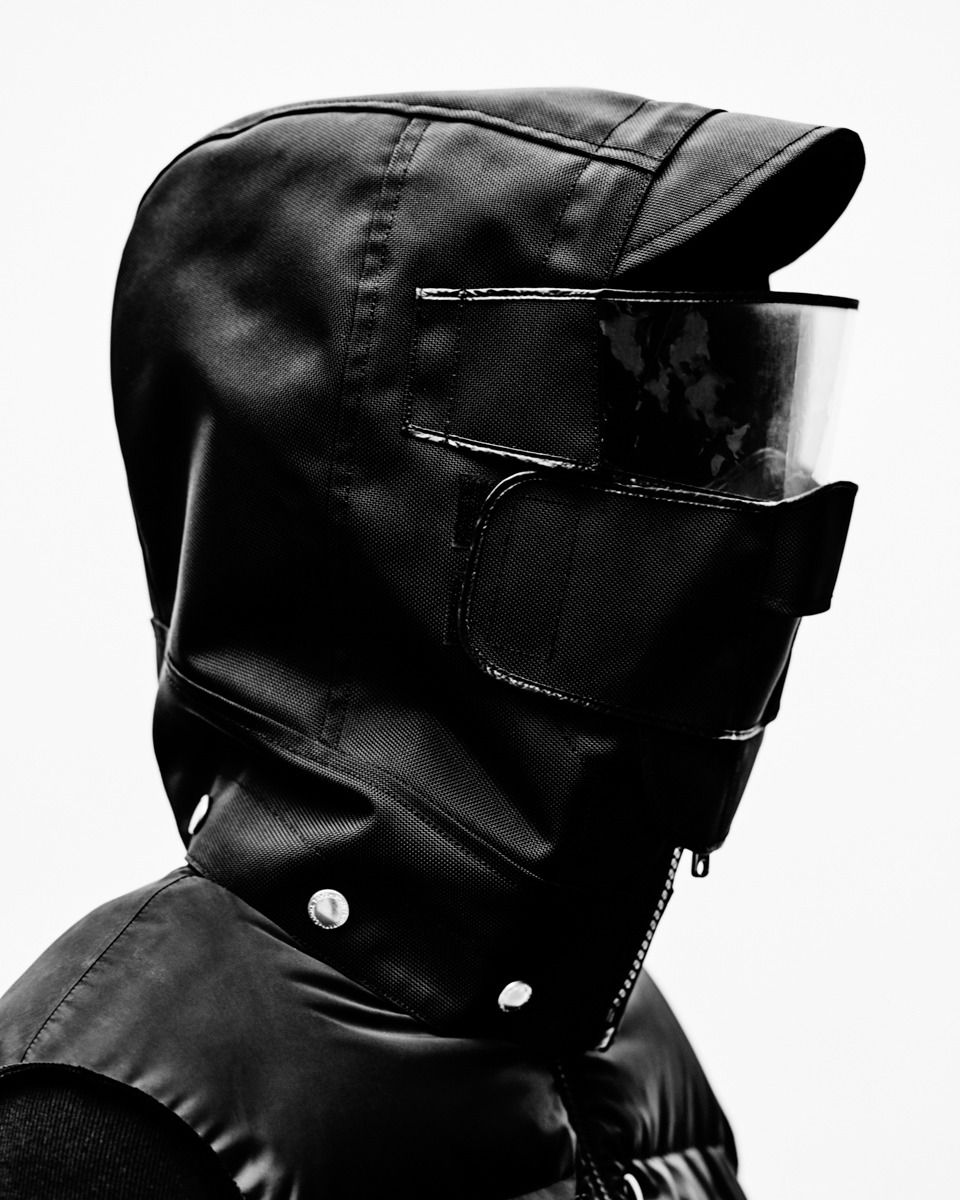
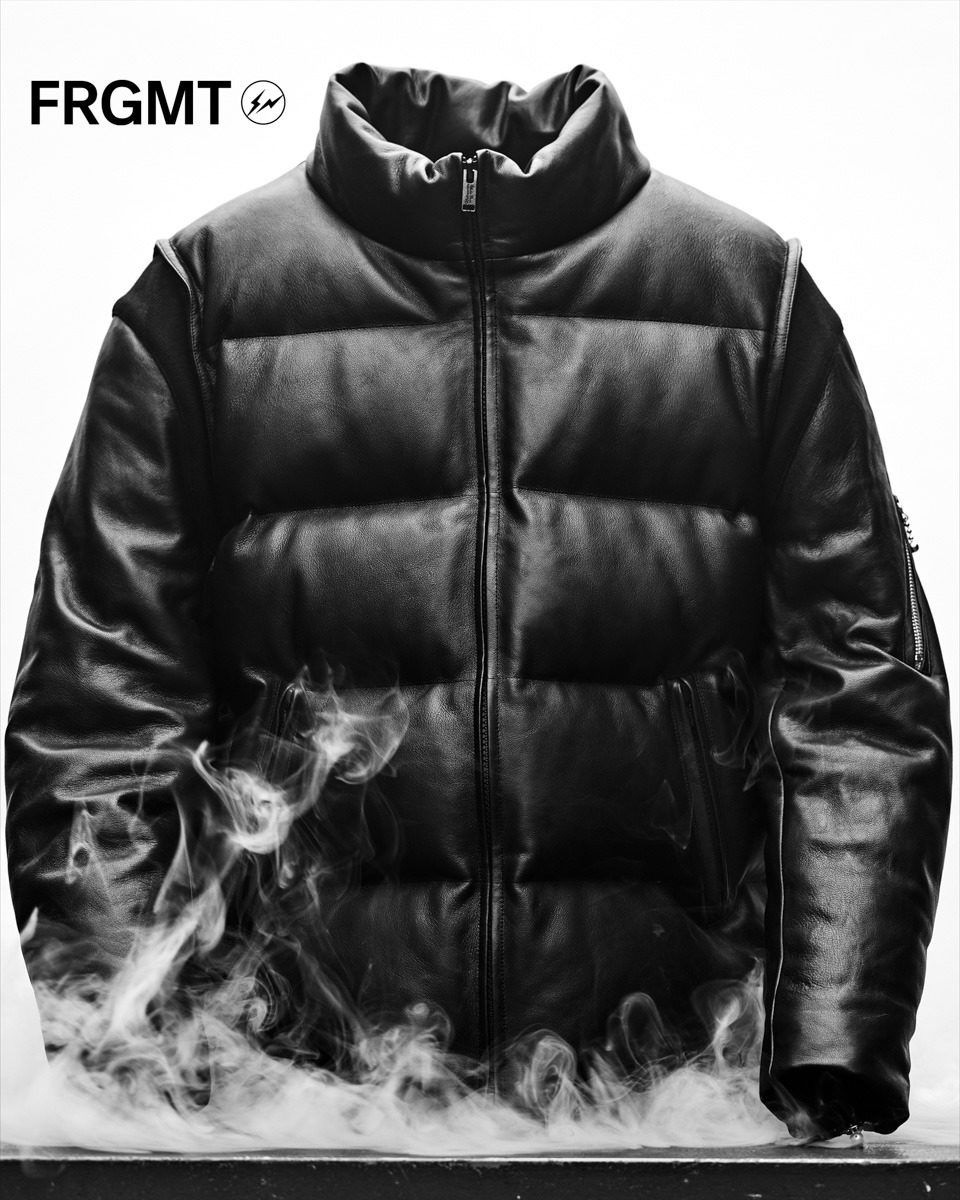
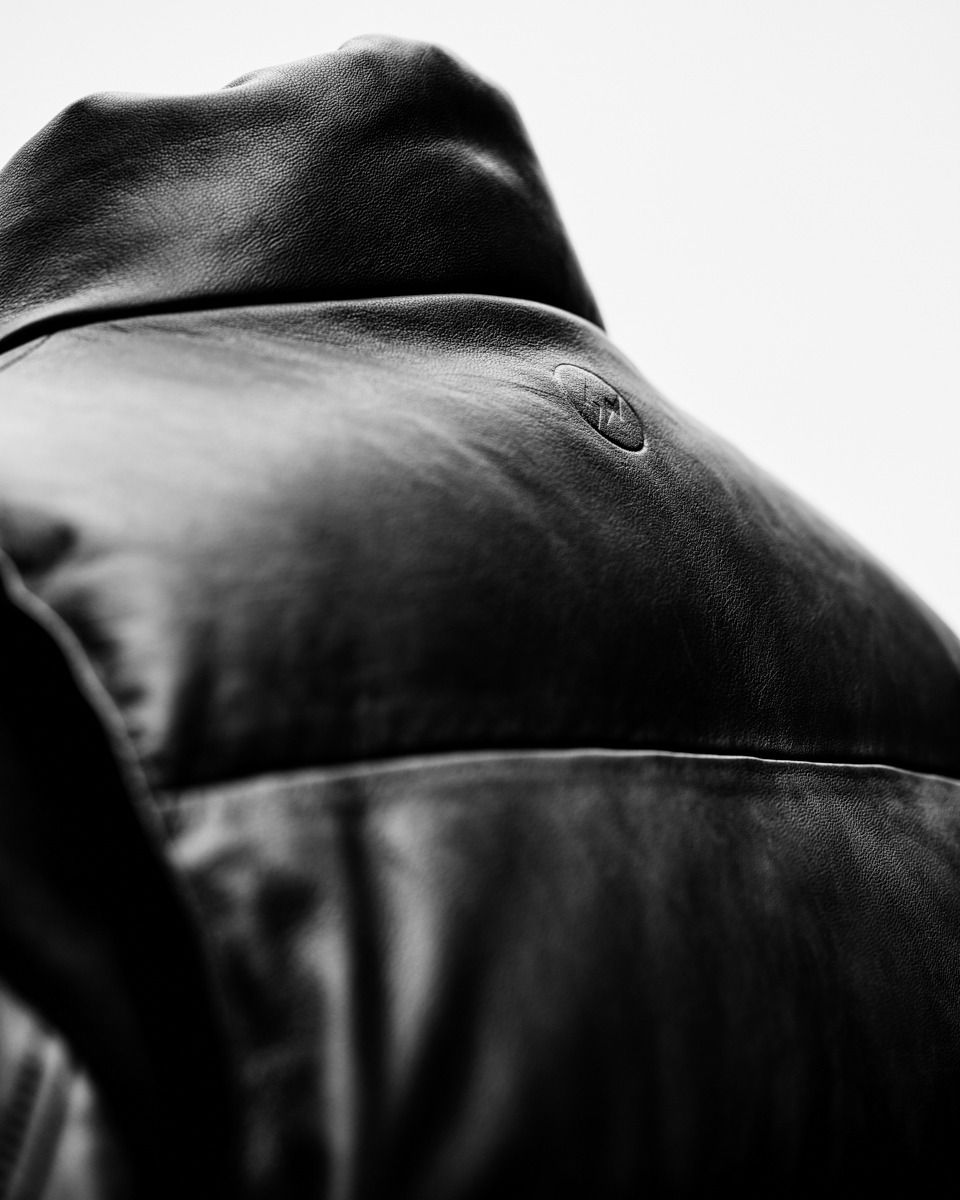
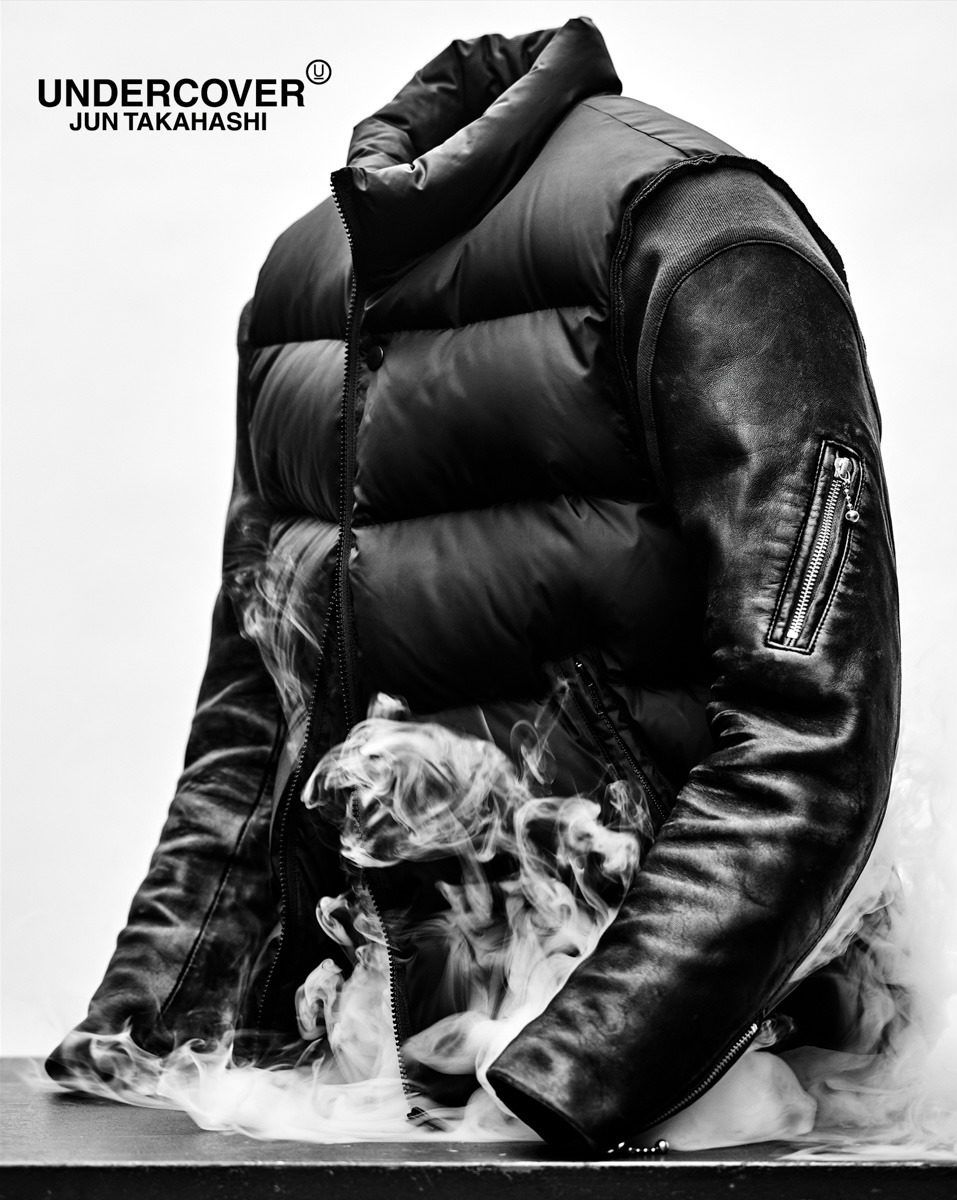
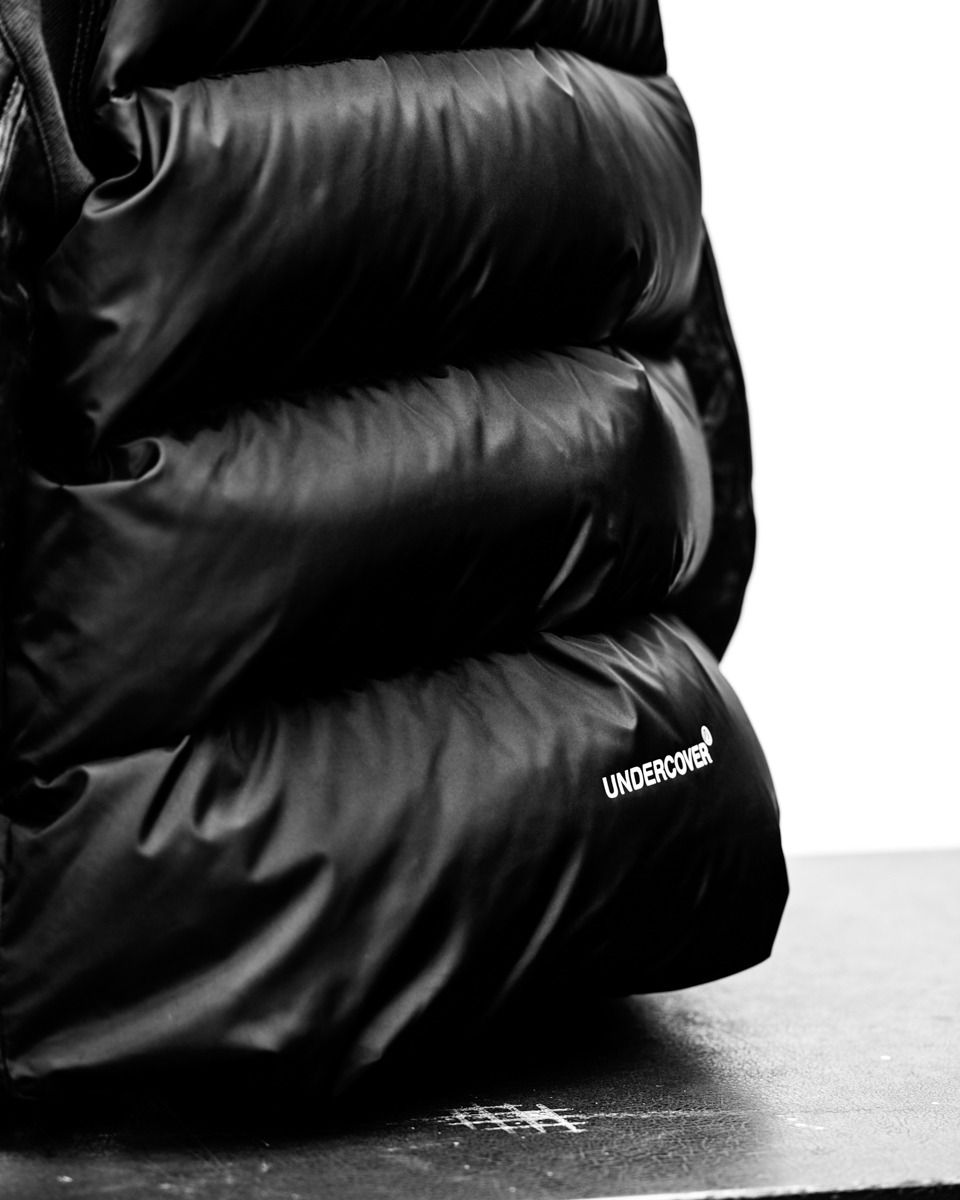
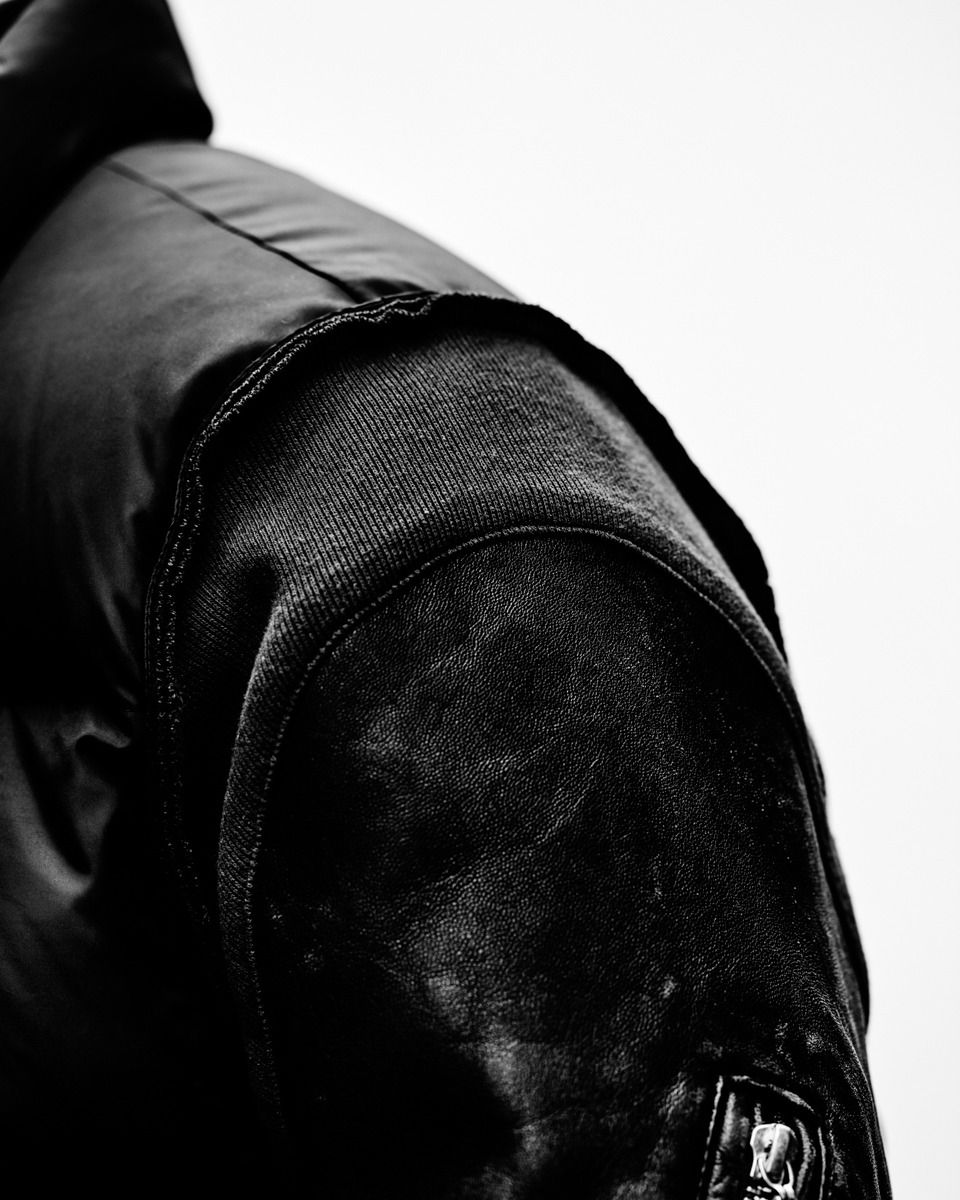
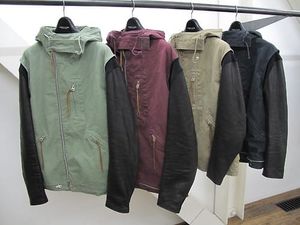
In 2021 designer Jun Takahashi has turned to some of his long-time friends in the Tokyo fashion scene to offer their take on UC’s signature hybrid style with a series of leather sleeve down jackets with various mixed materials and detailing. Created in partnership with peers sacai, Kolor, Fragment design, TheSoloist and N.Hoolywood. The jackets all take a different tact to exploring the same style of garment.
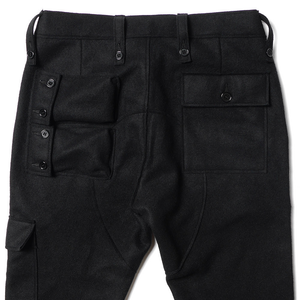
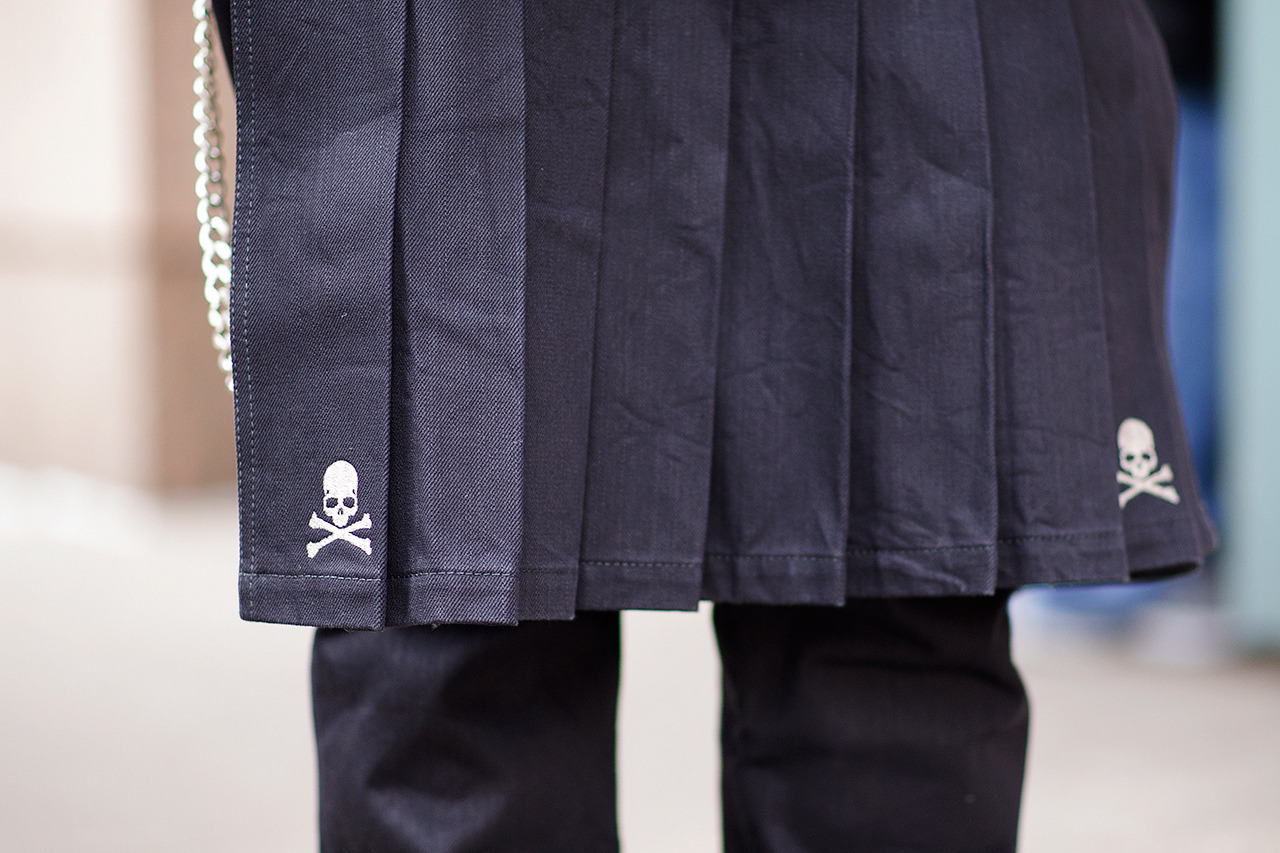
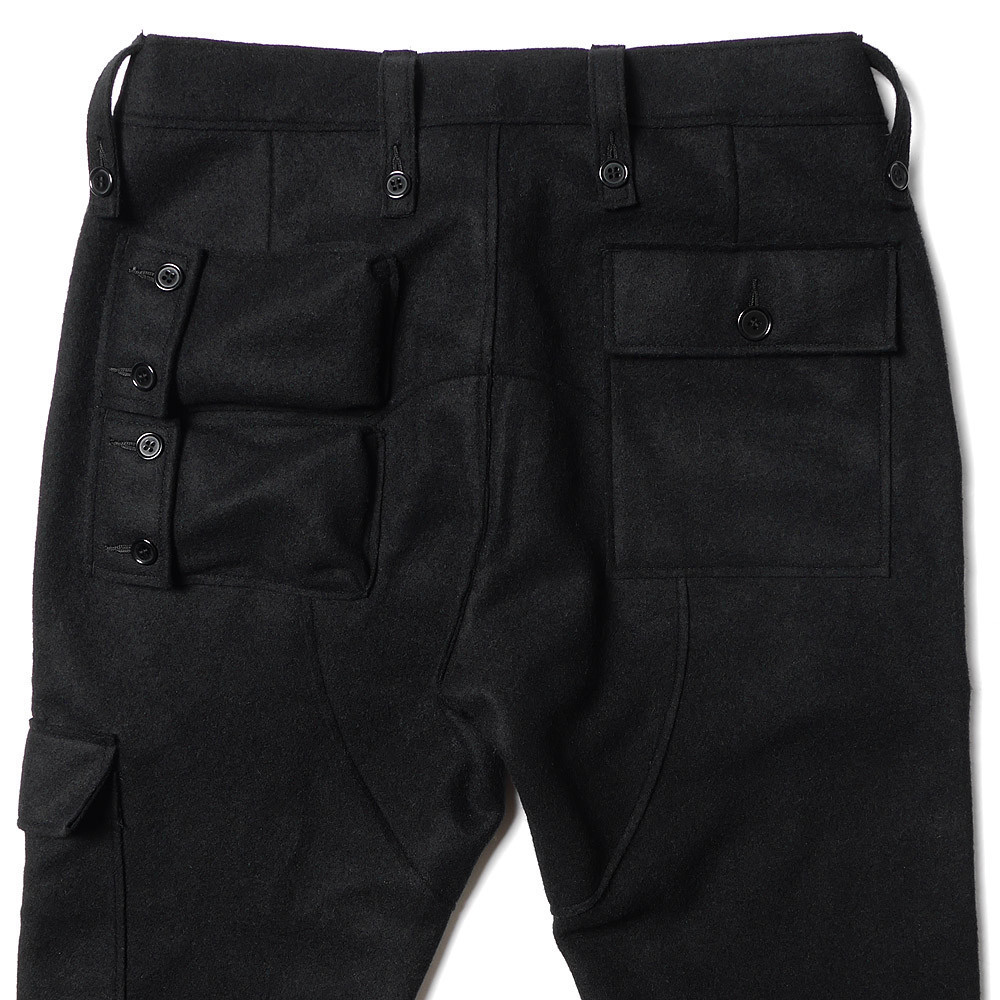
Back detail from the 4503 pant from JOHNUNDERCOVER's "Cold Blood" Collection.
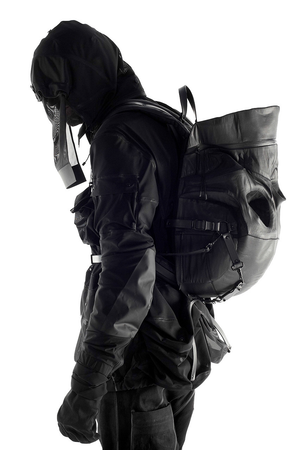
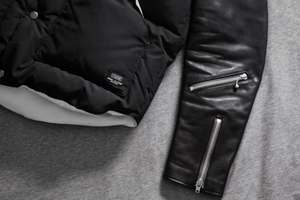
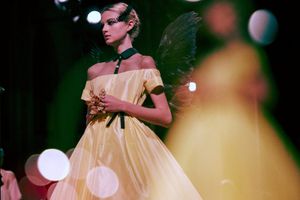
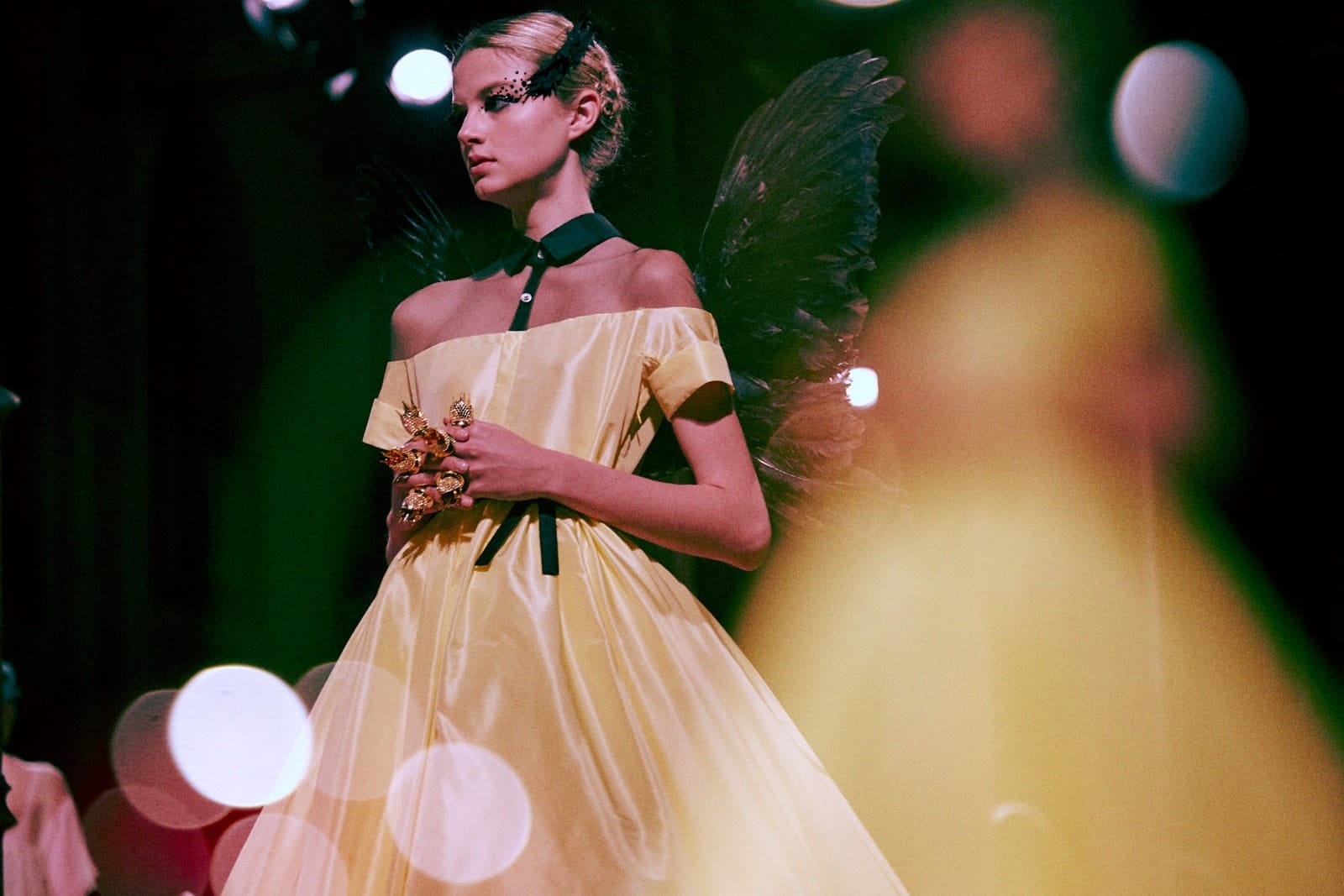
Undercover Spring/Summer 2015 carried Takahashi's twisted fairytale into a more digital setting, with LED screens integrated into garments and bags.
Photography by Jeff Henrikson; styling by Emma Wyman.
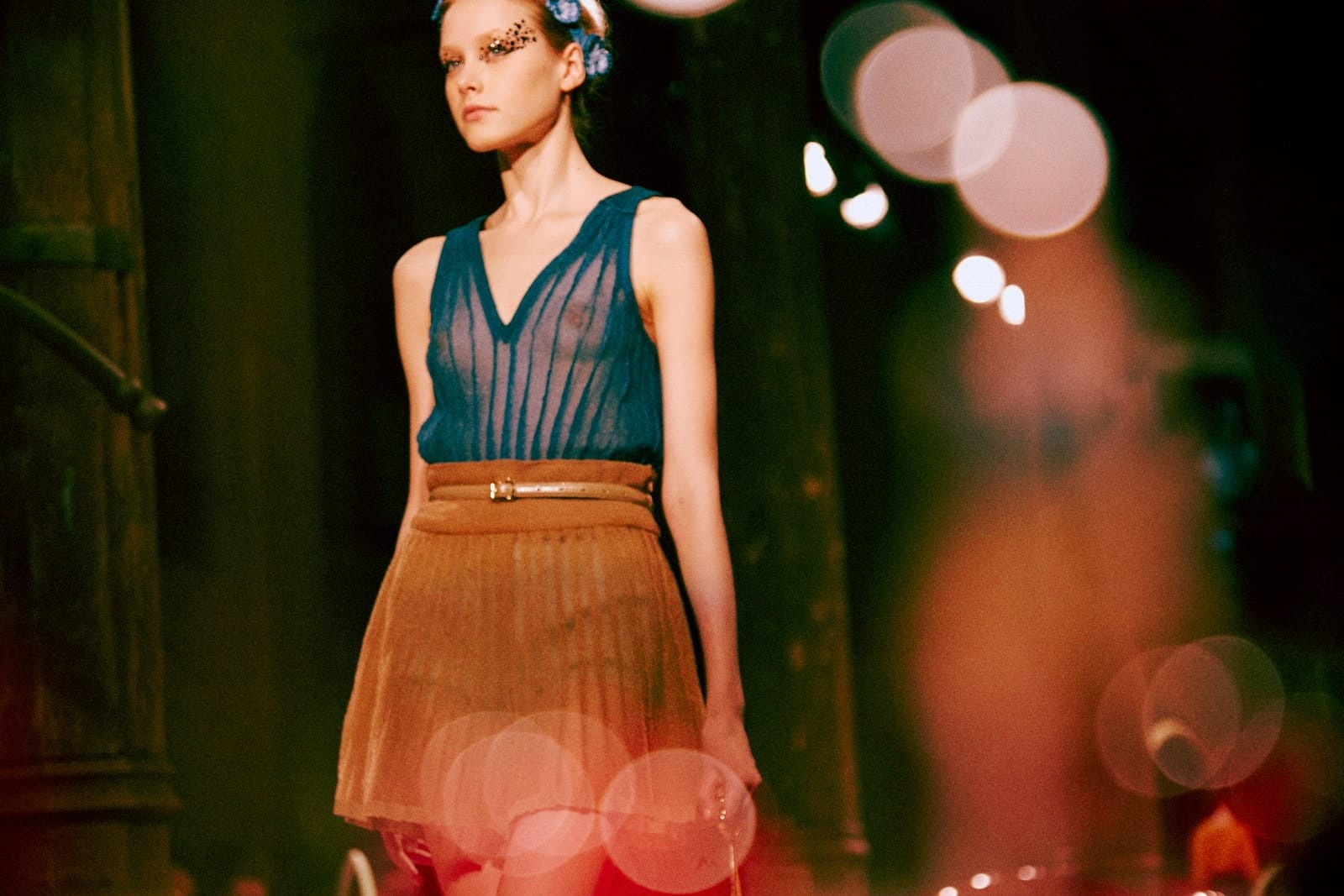
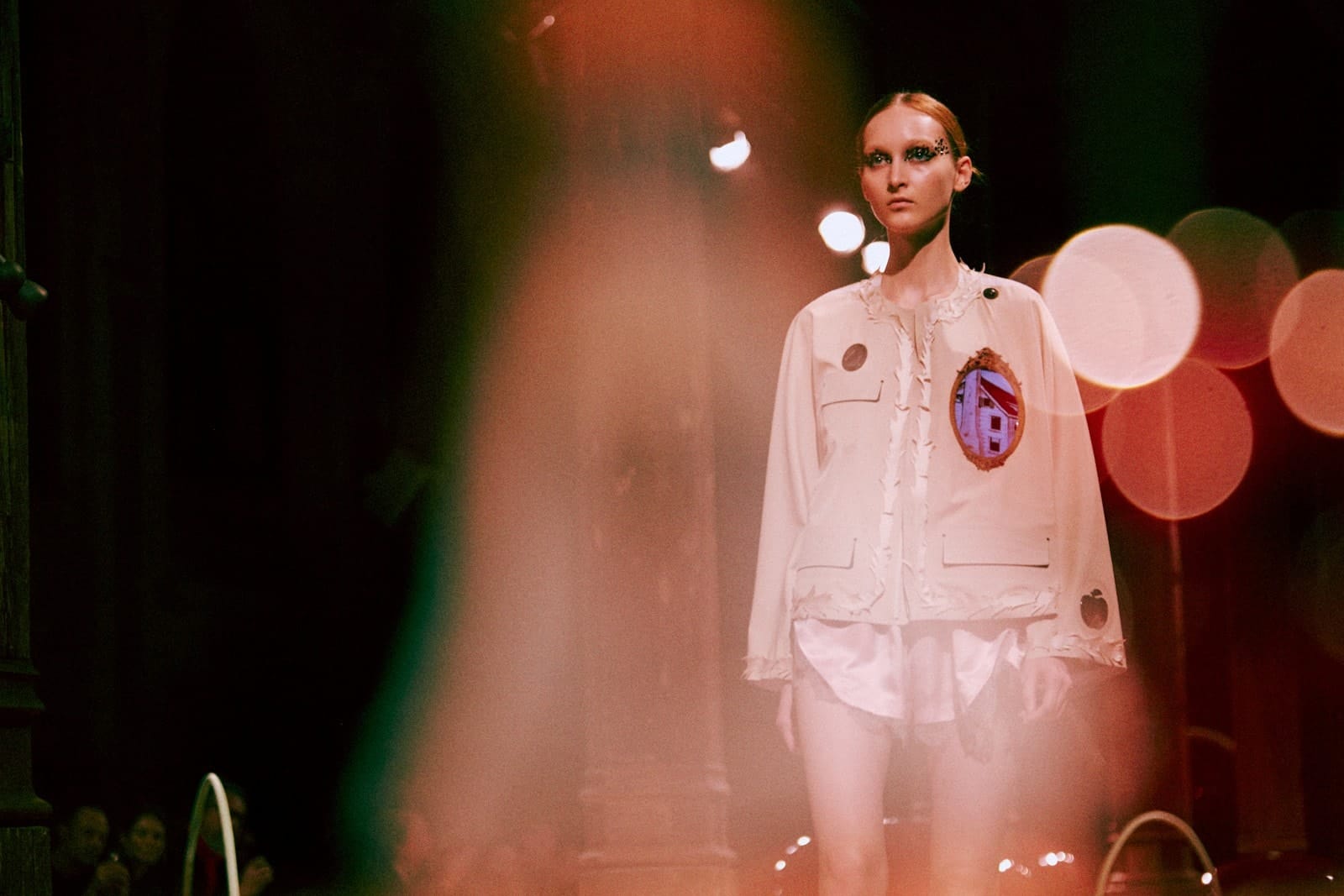
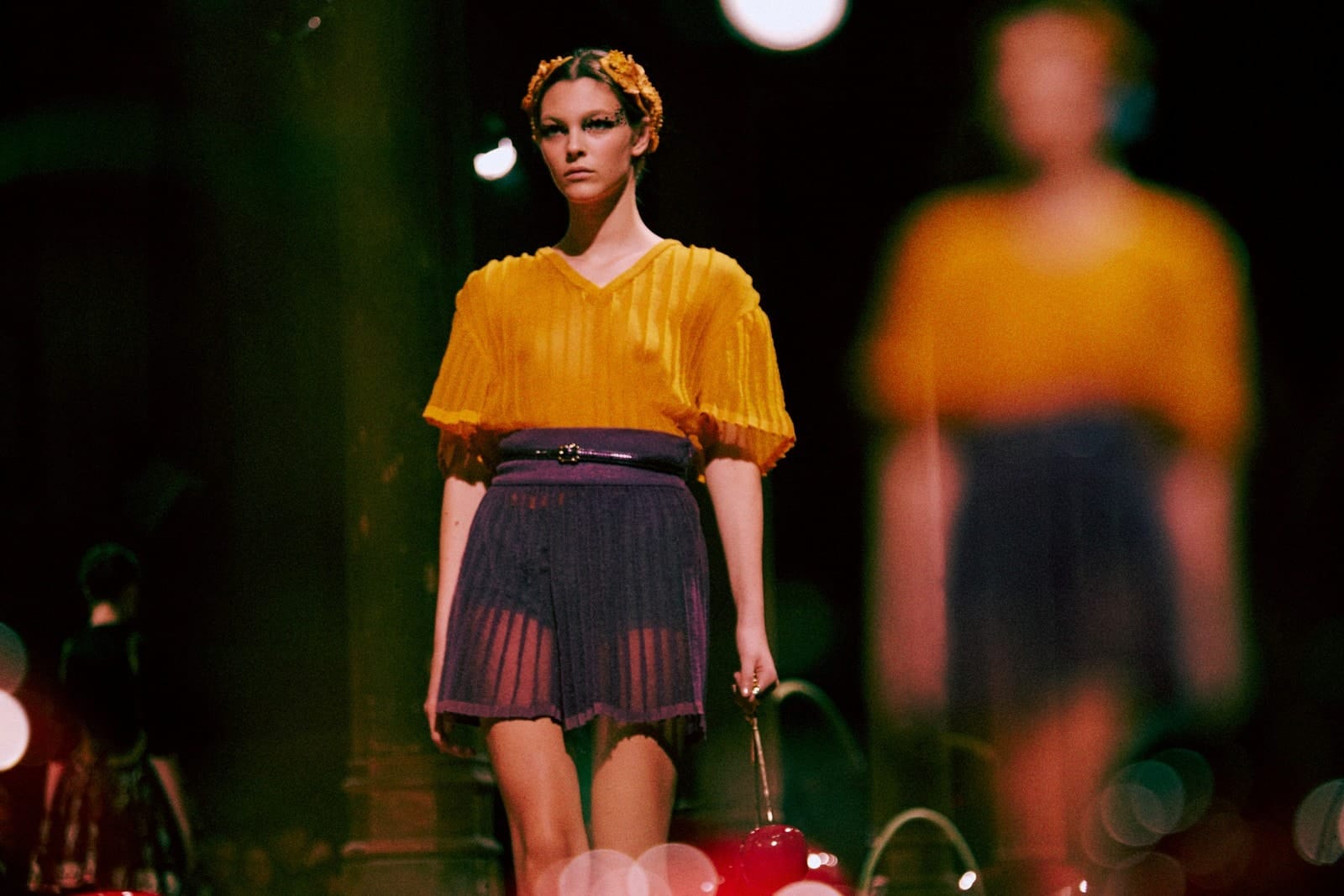
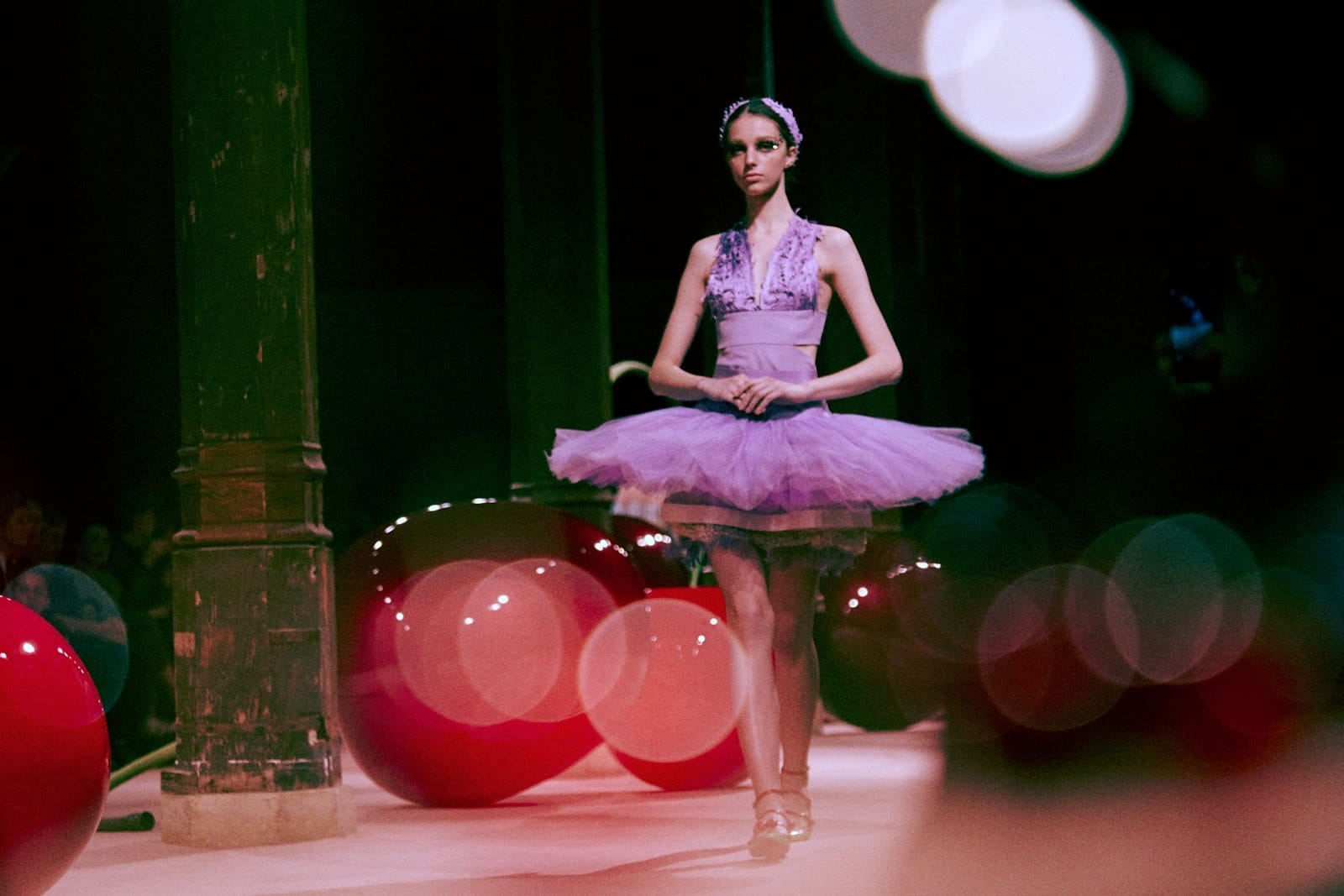
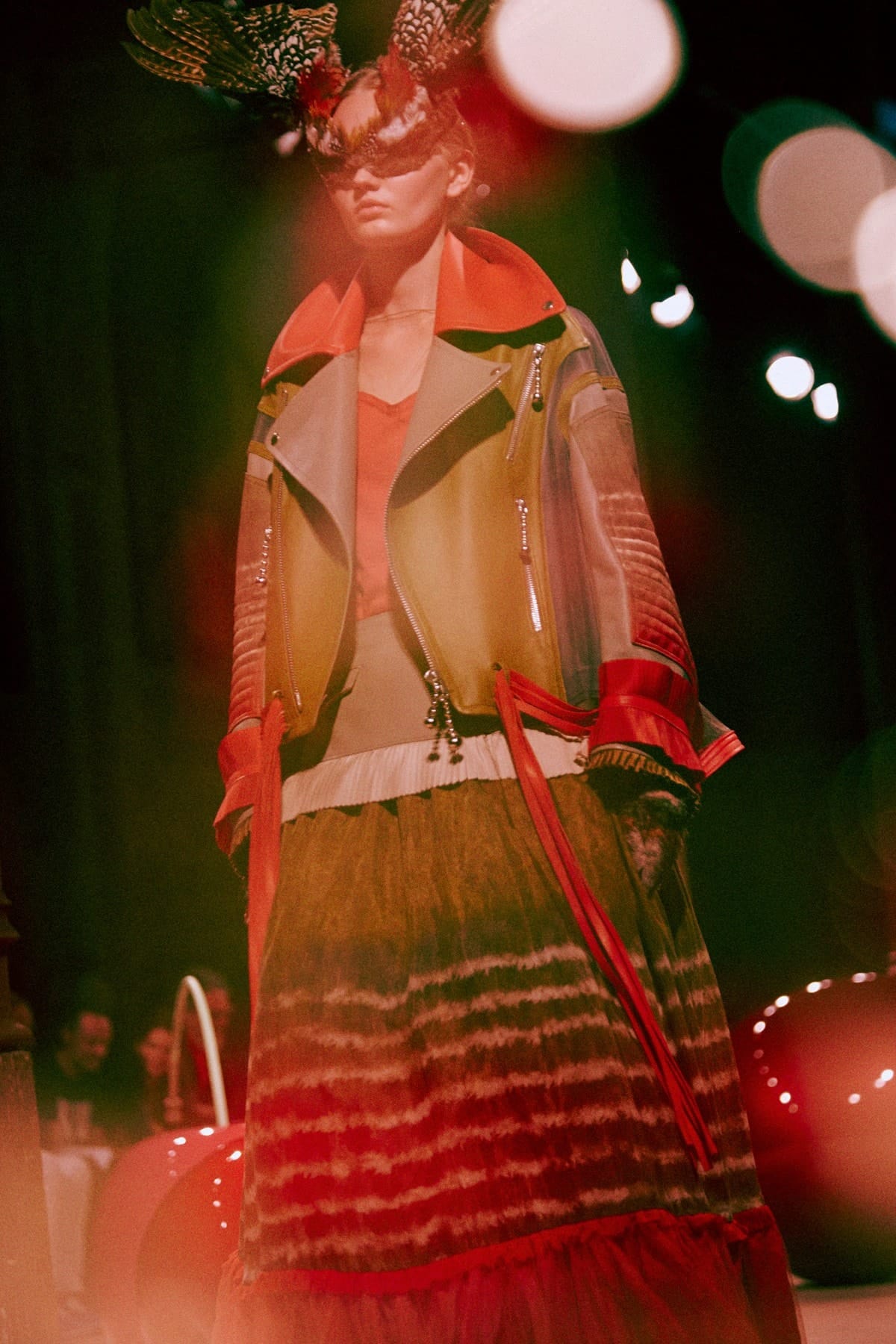
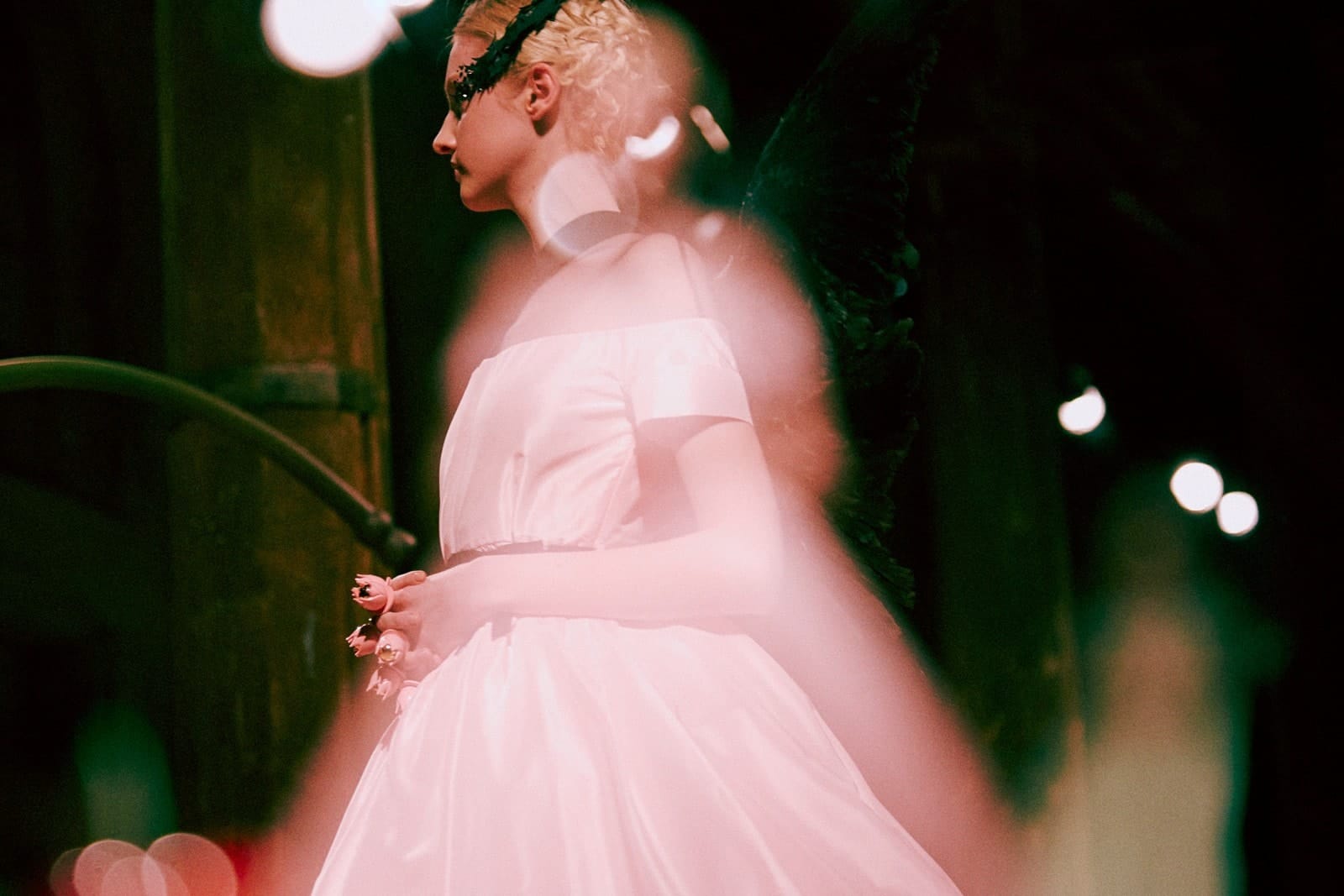
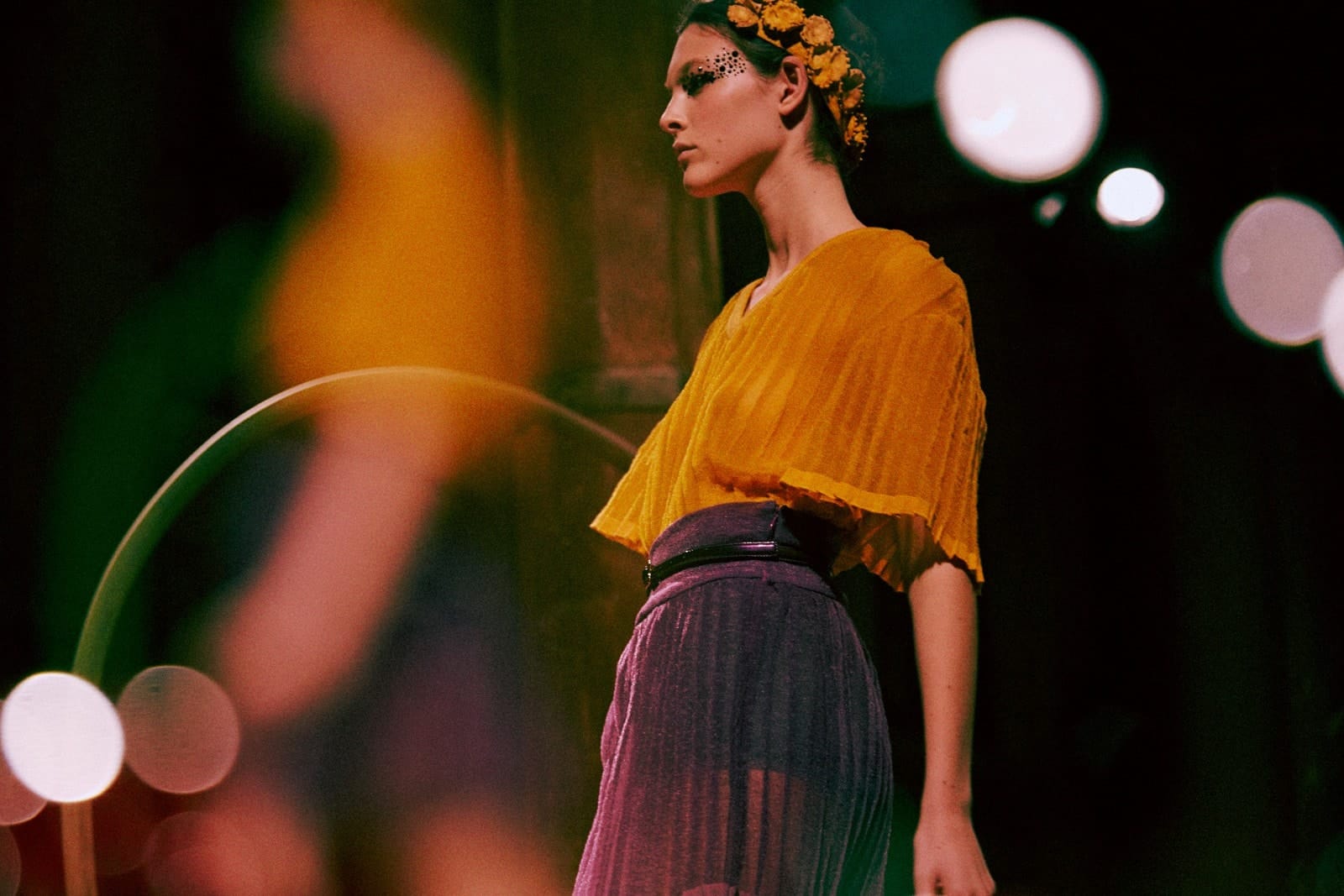
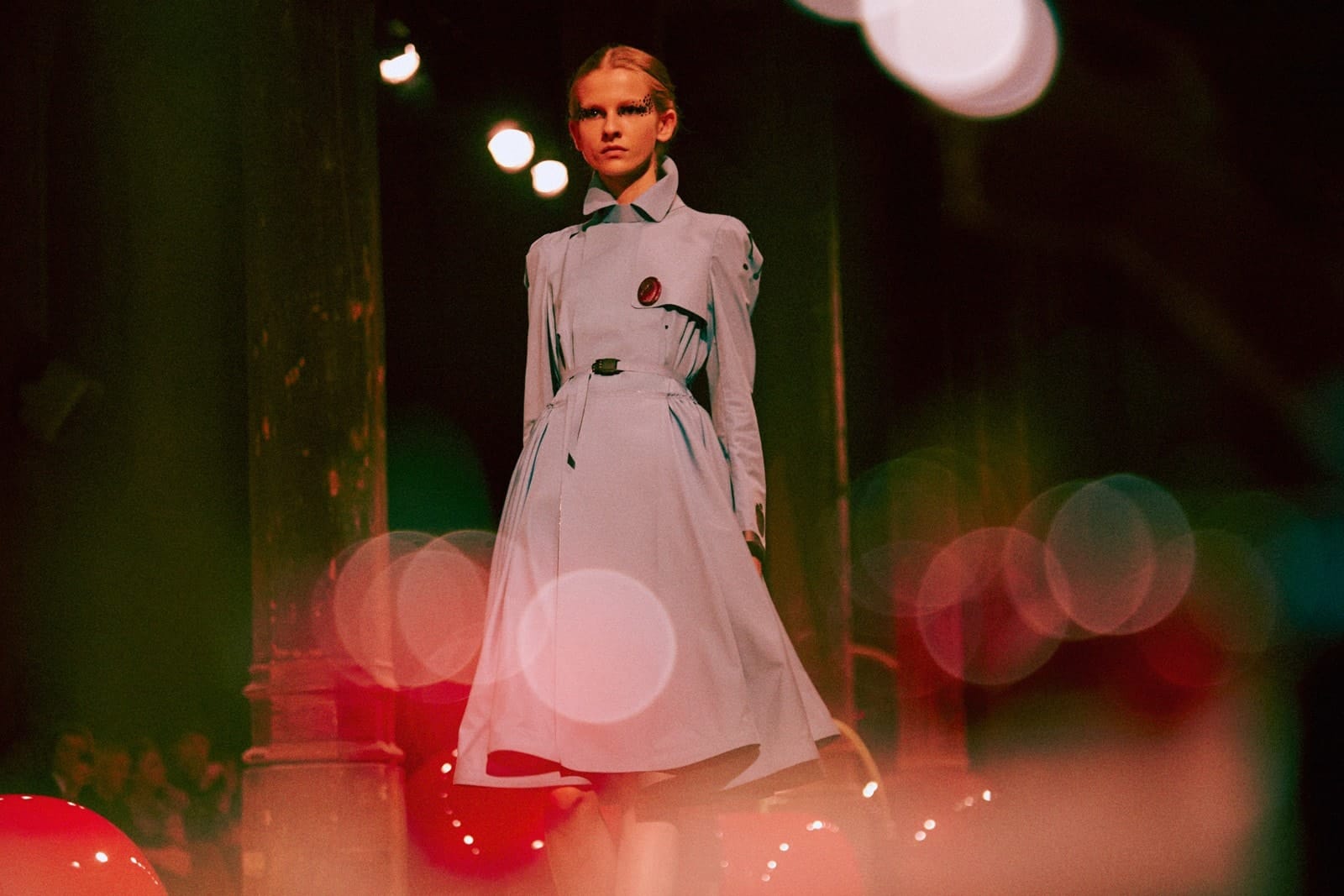
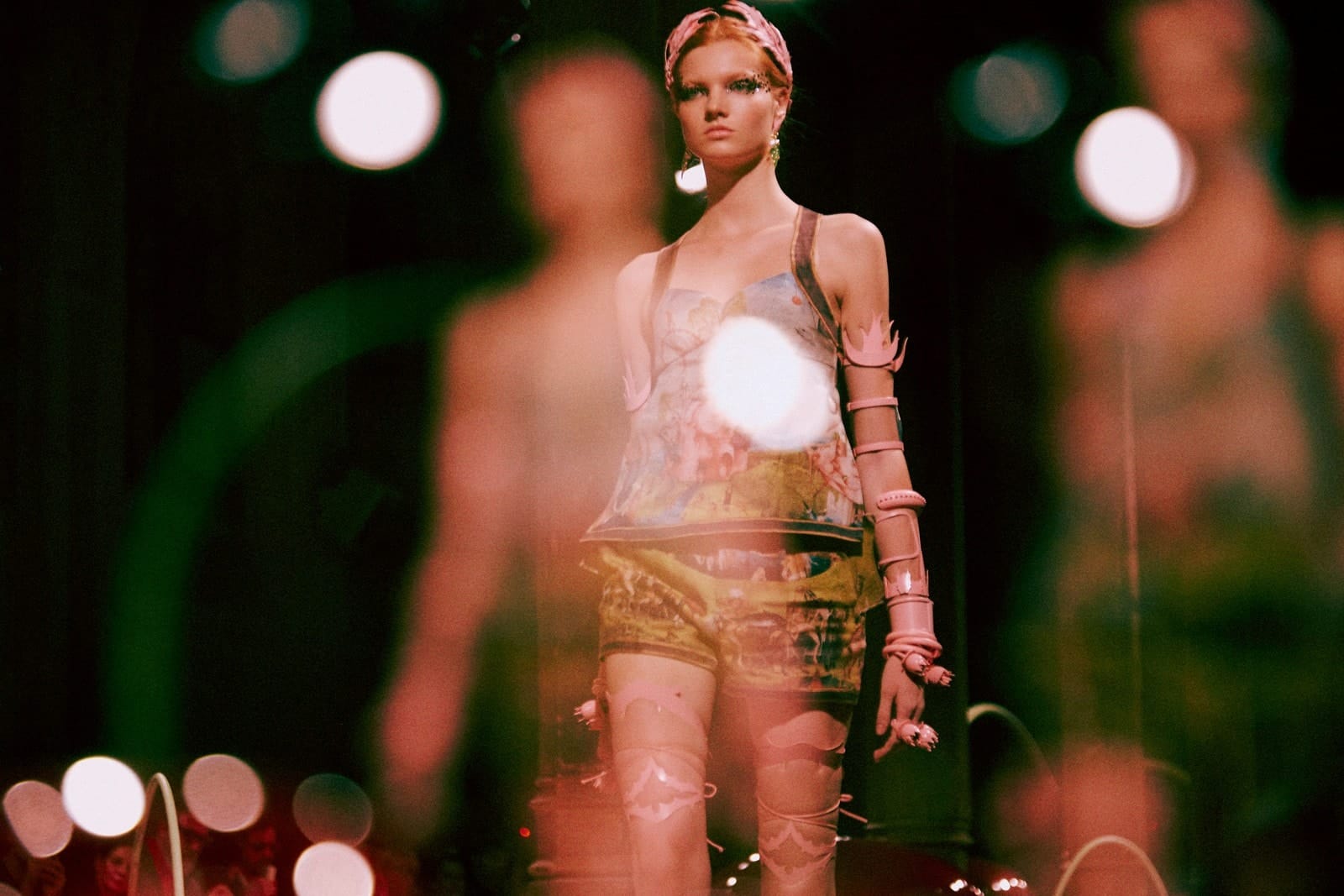
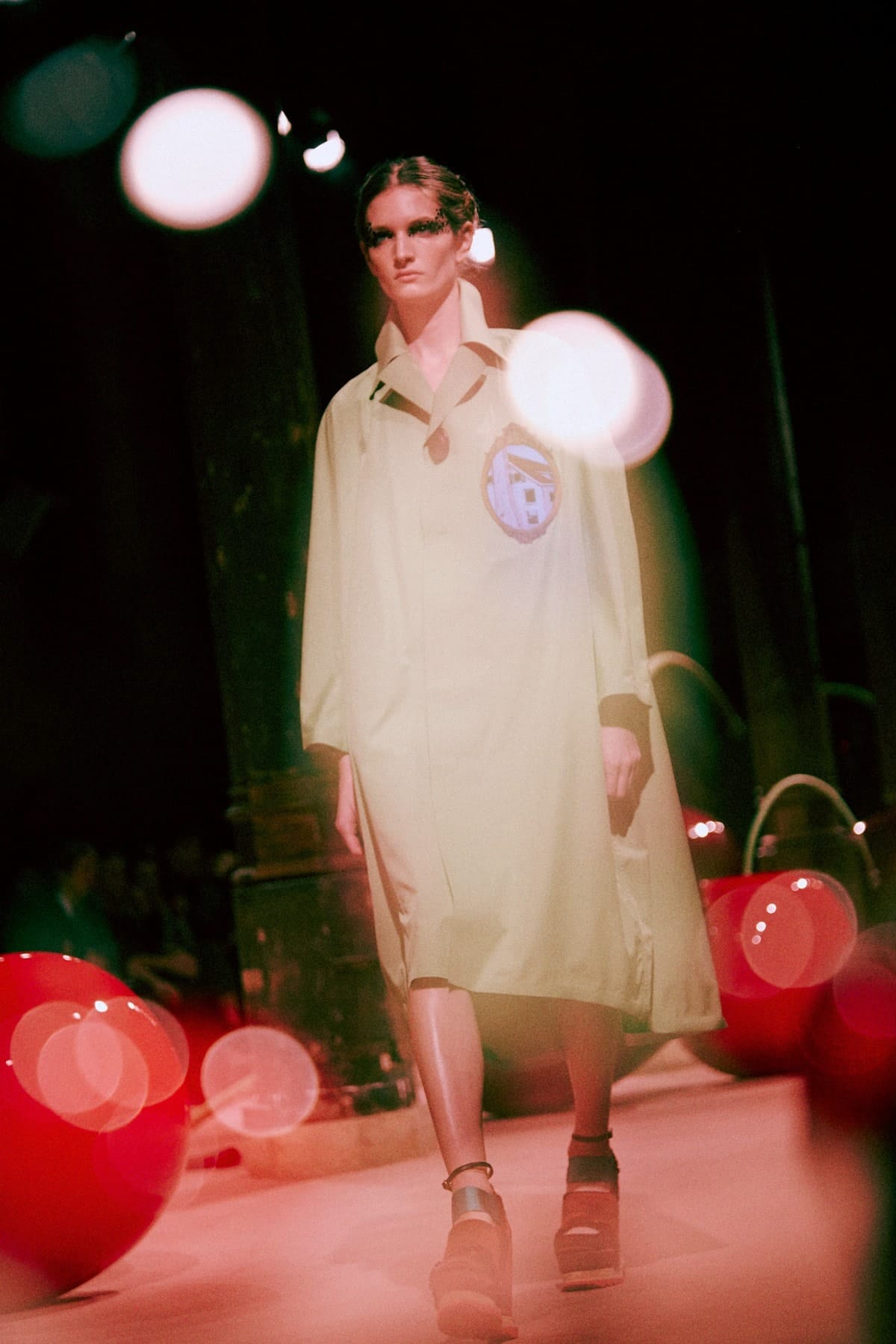
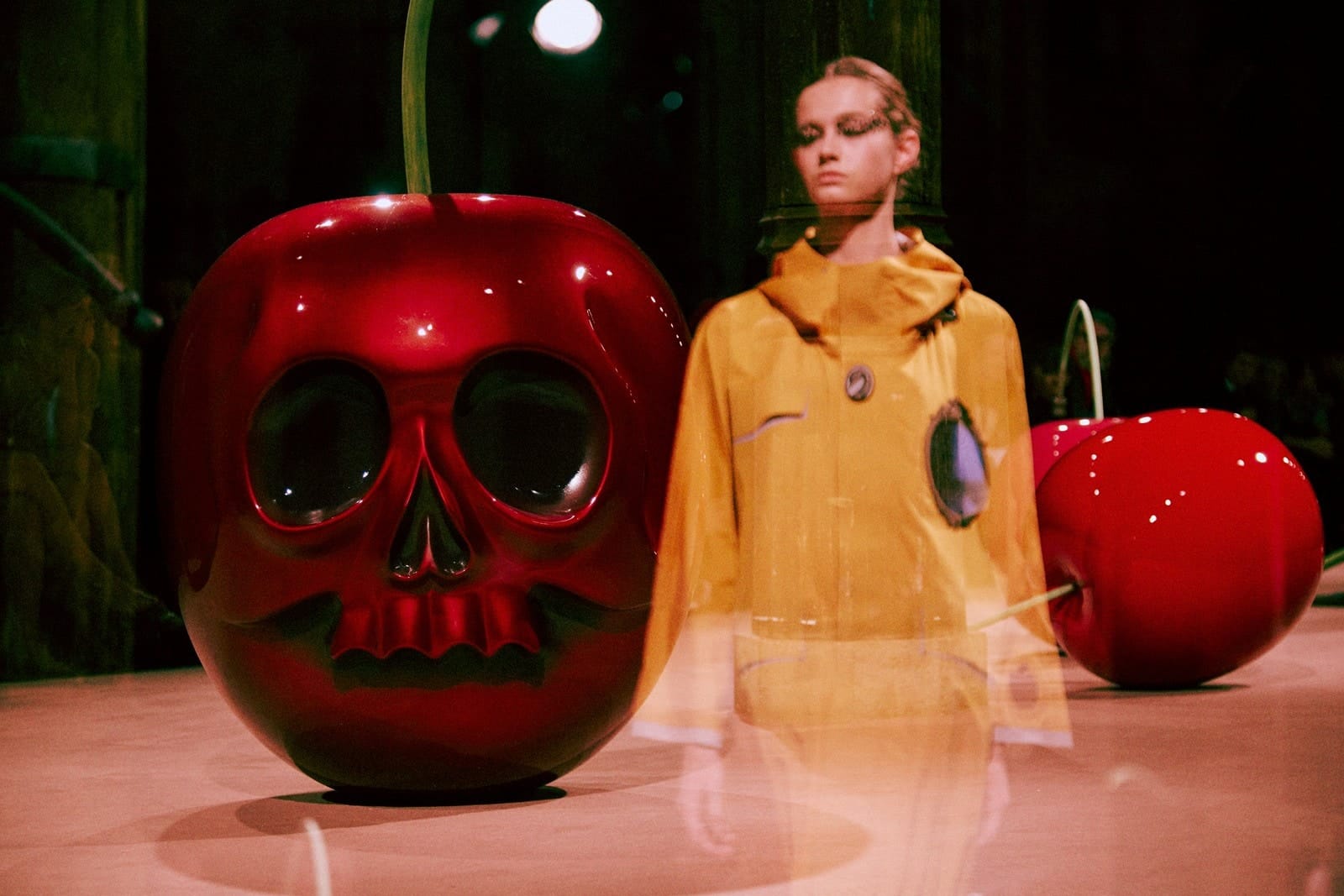
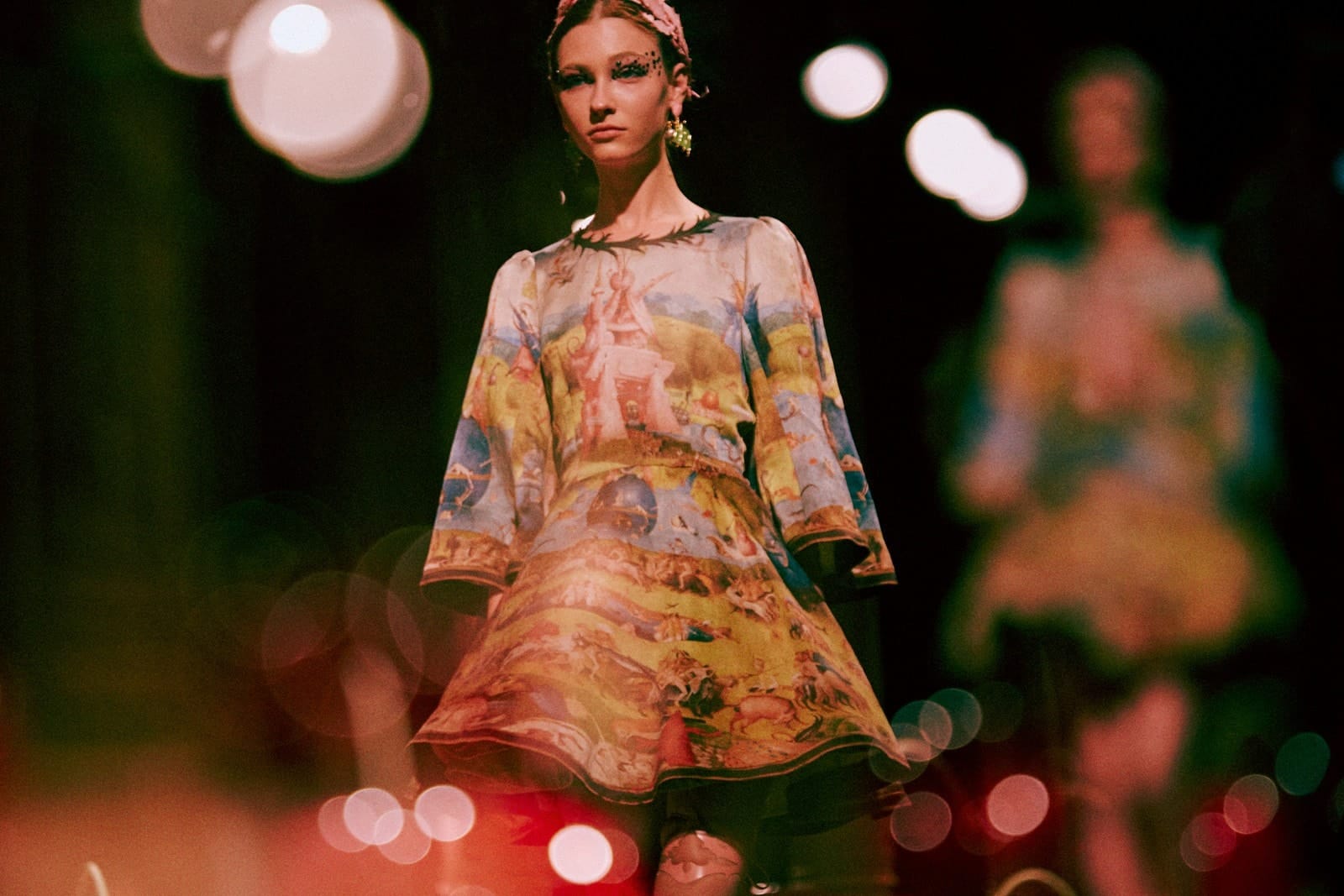
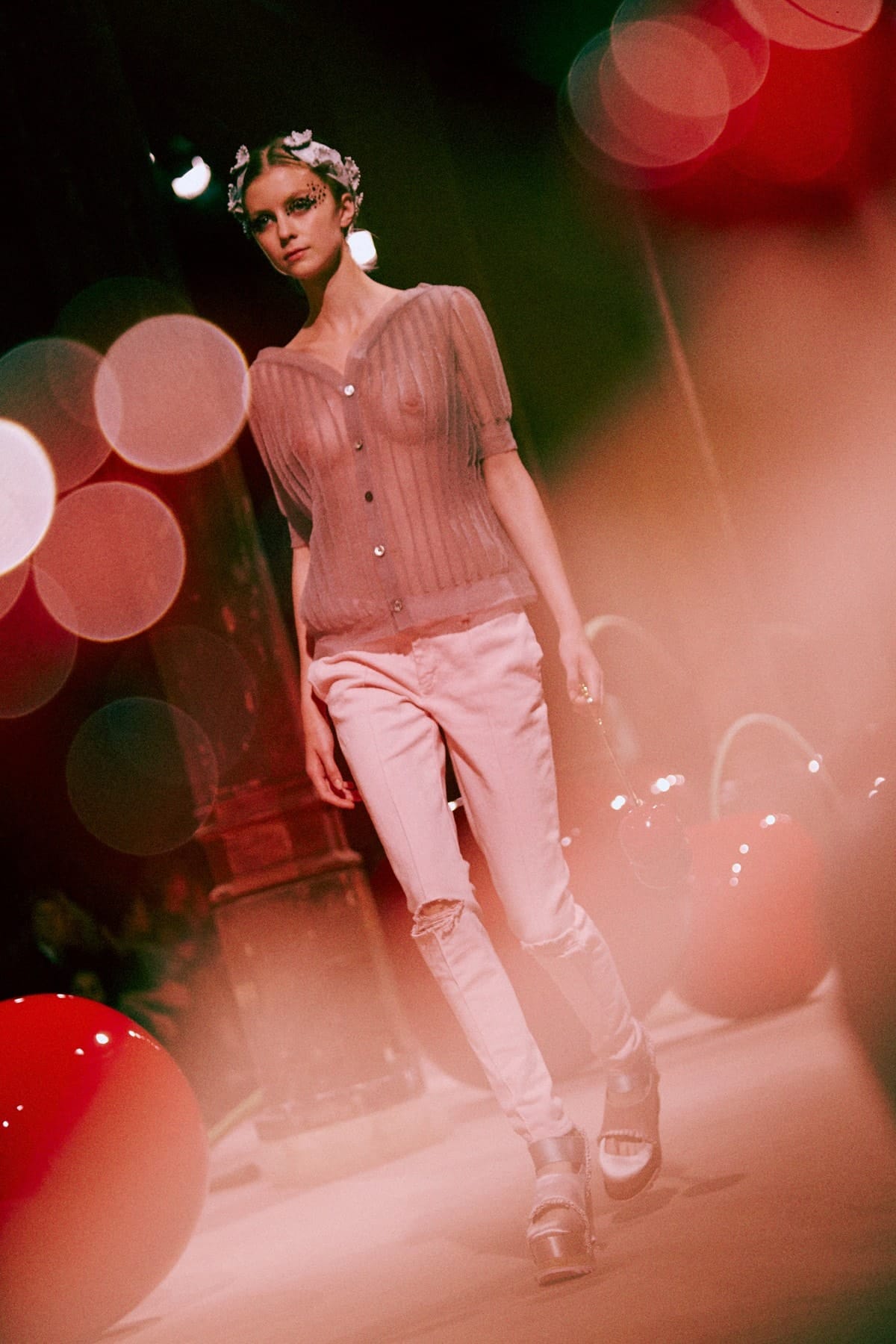
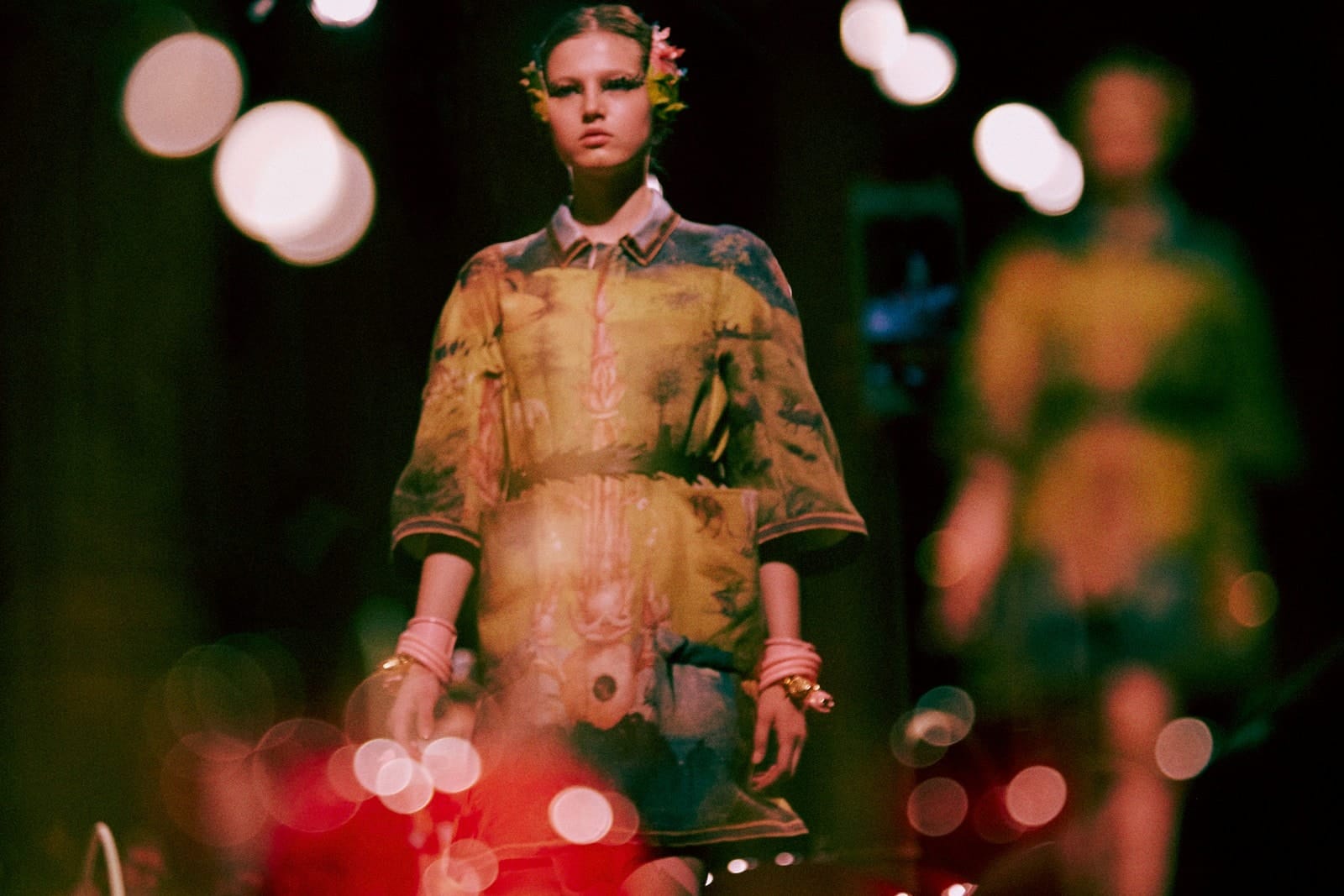
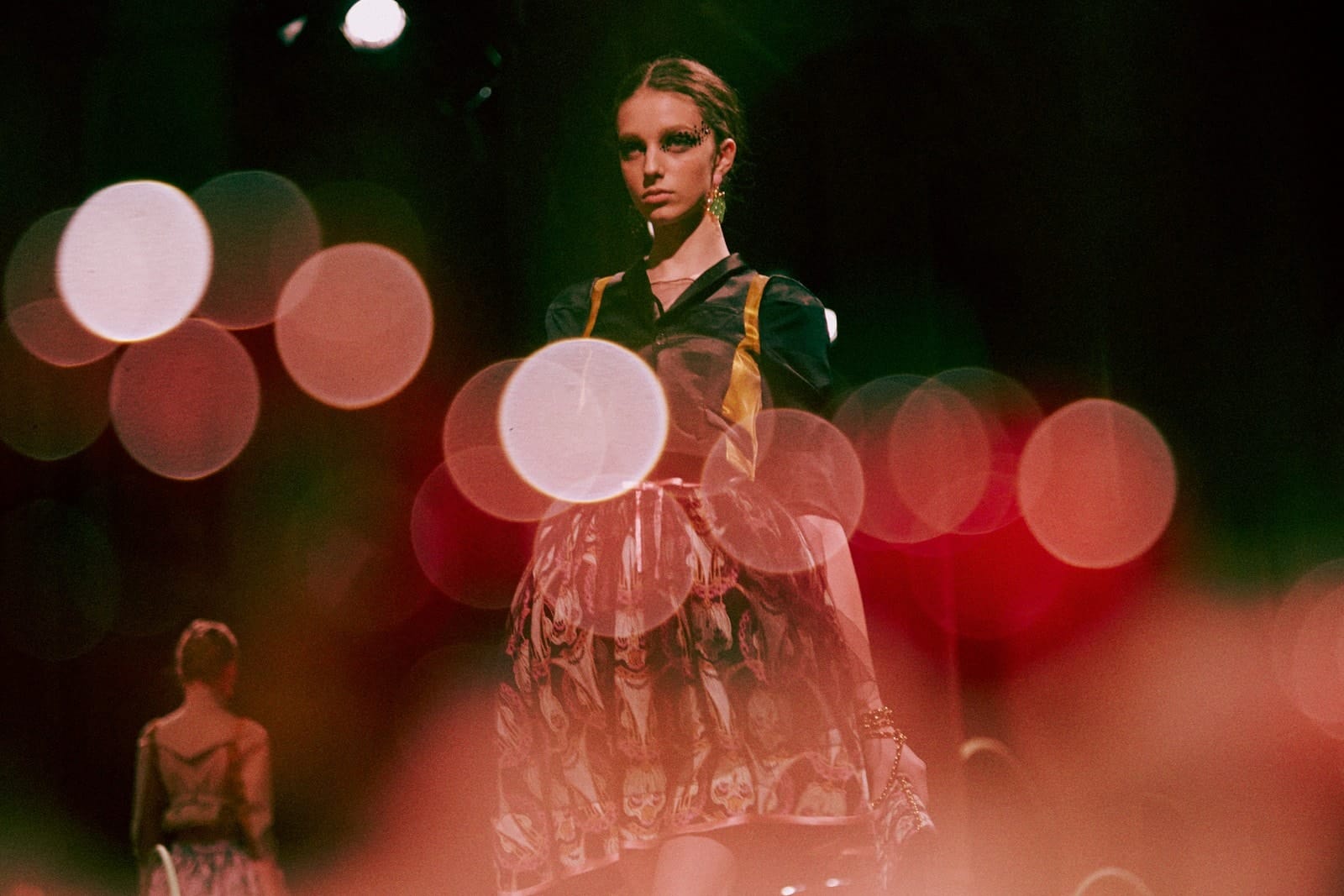
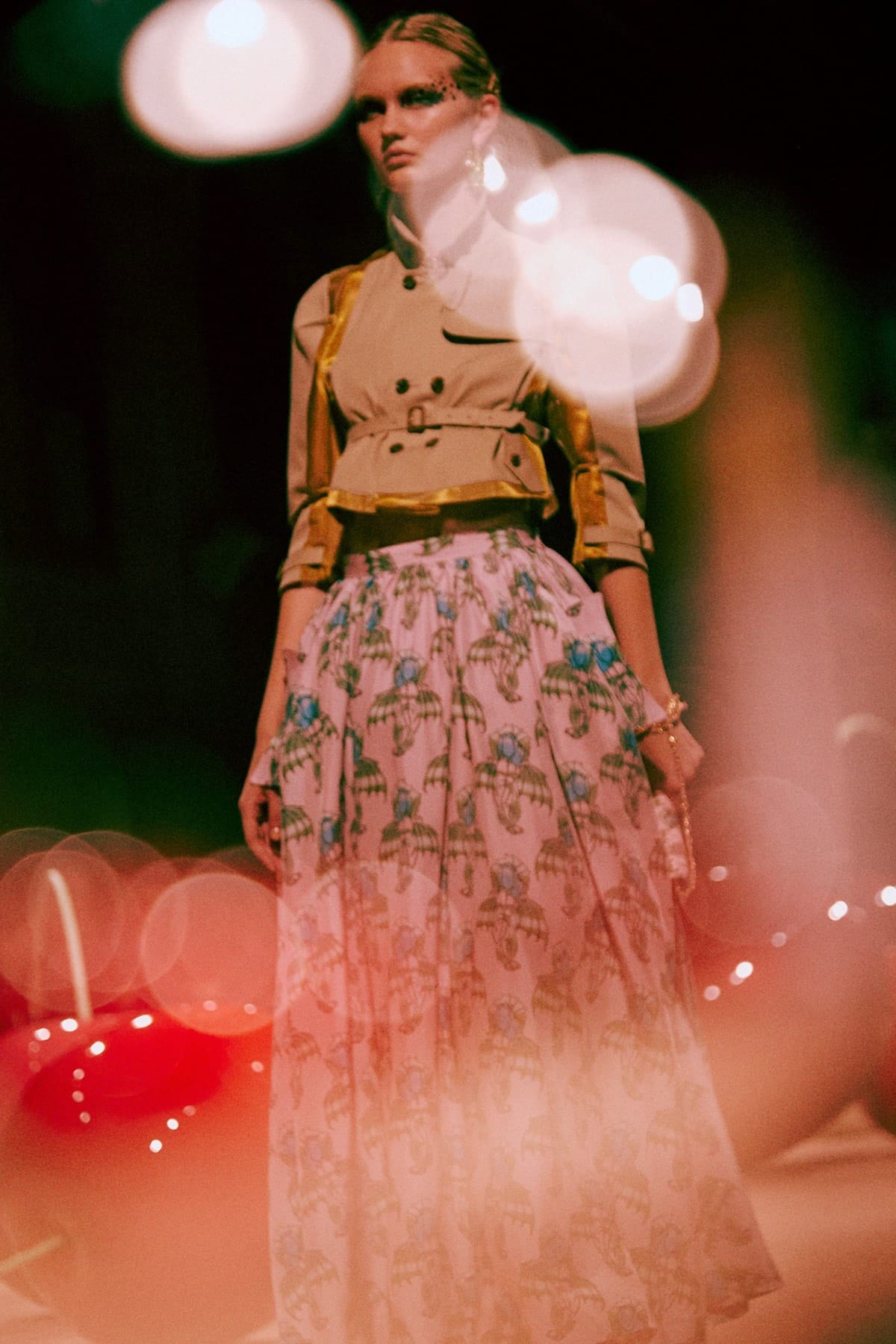
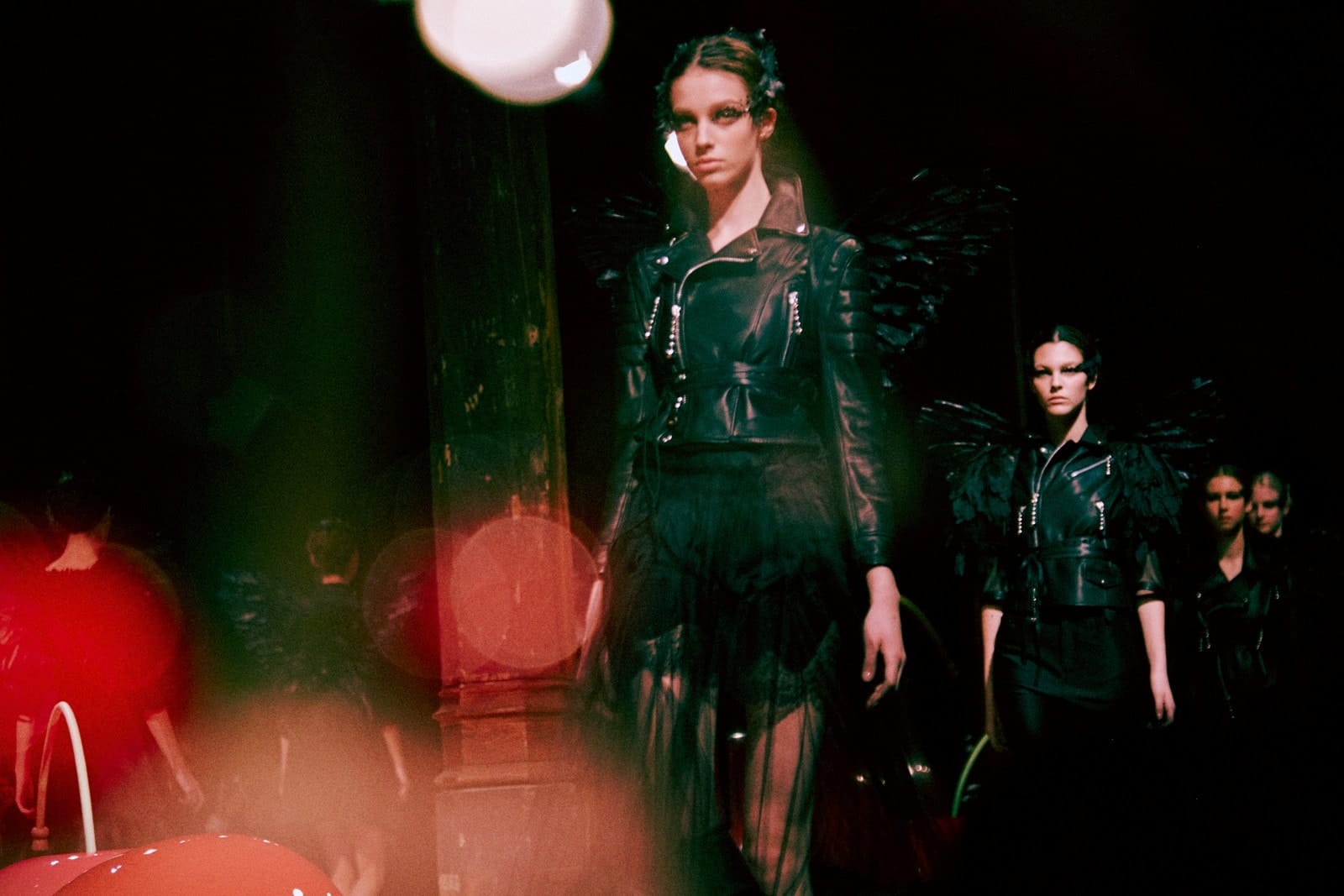
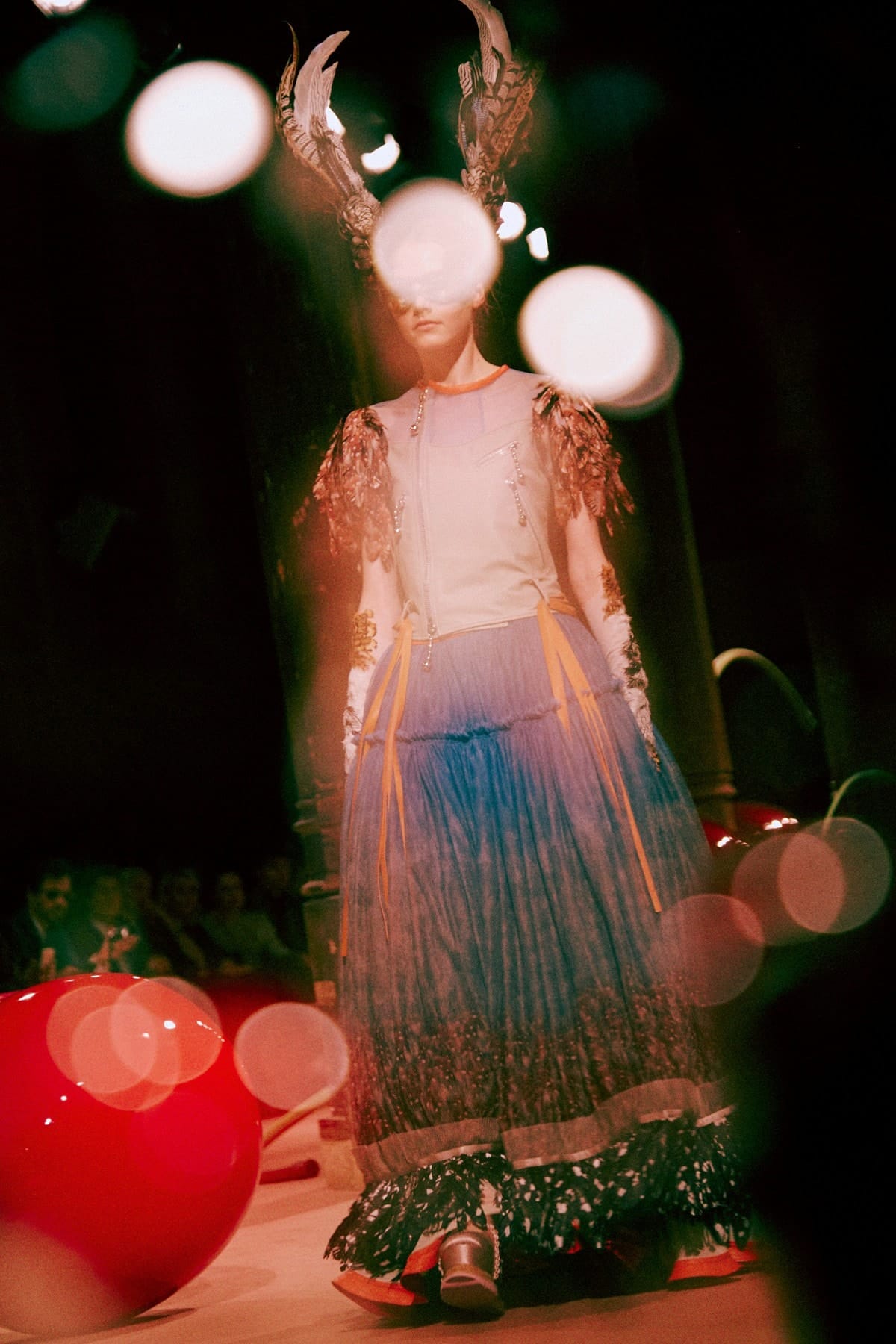
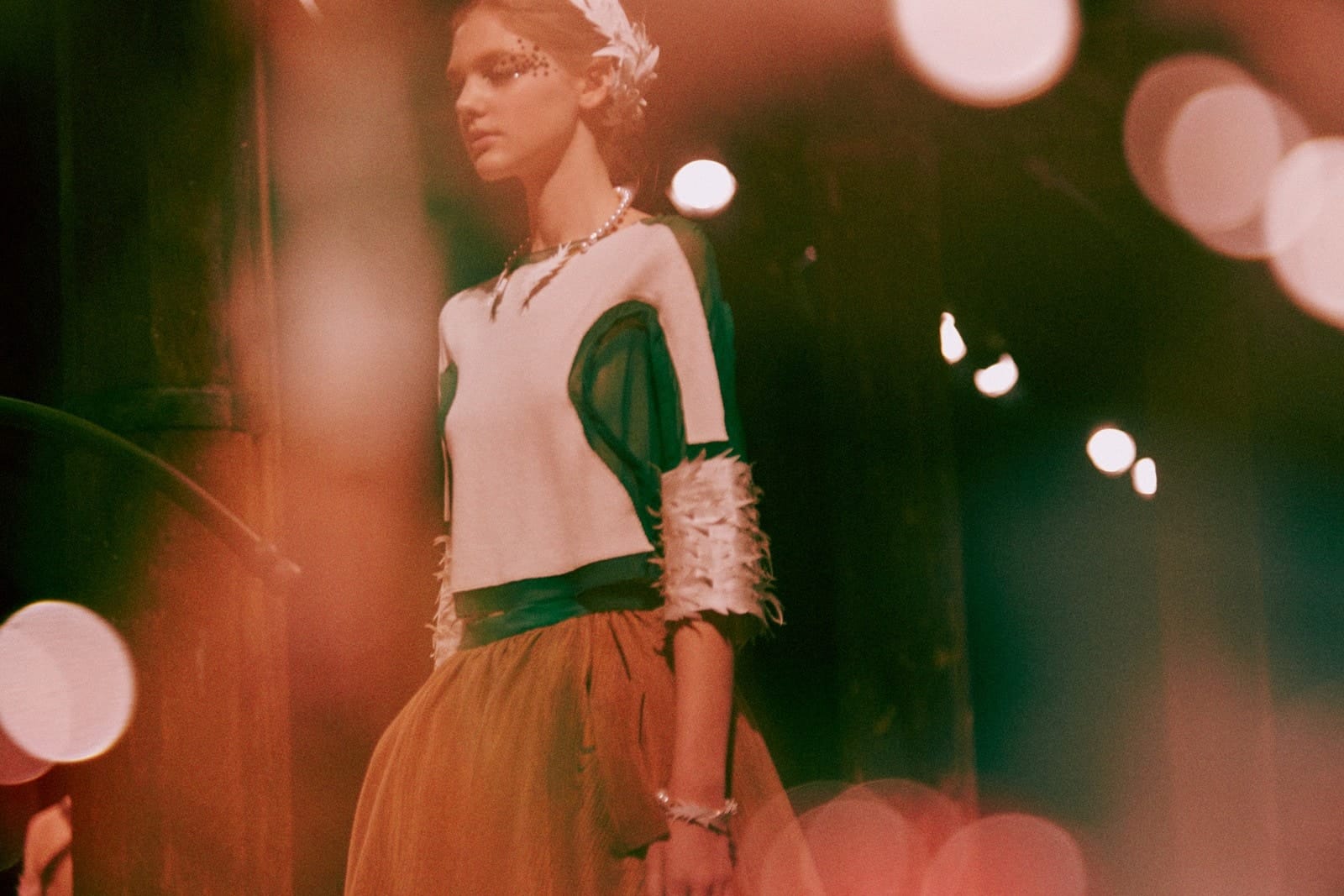
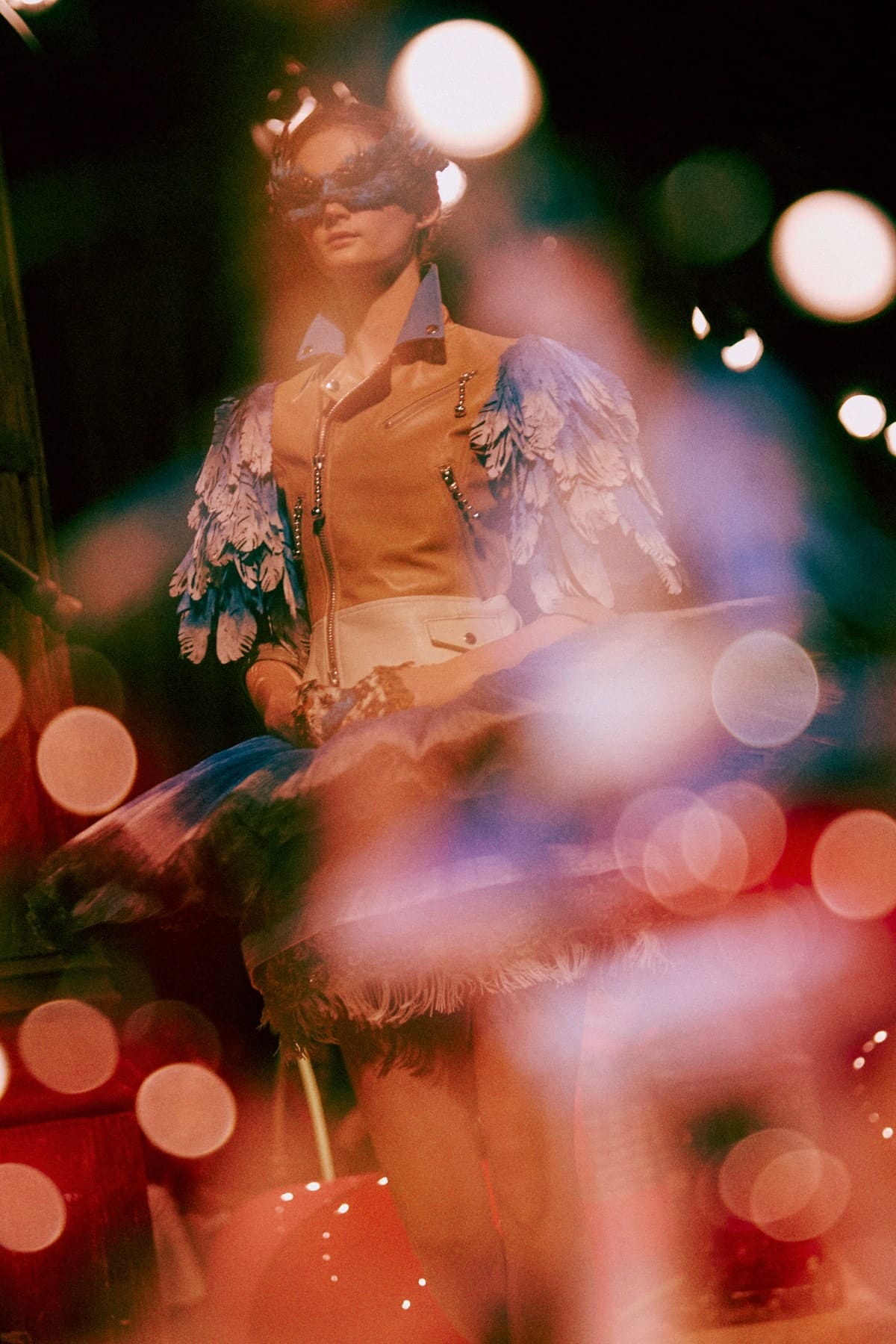
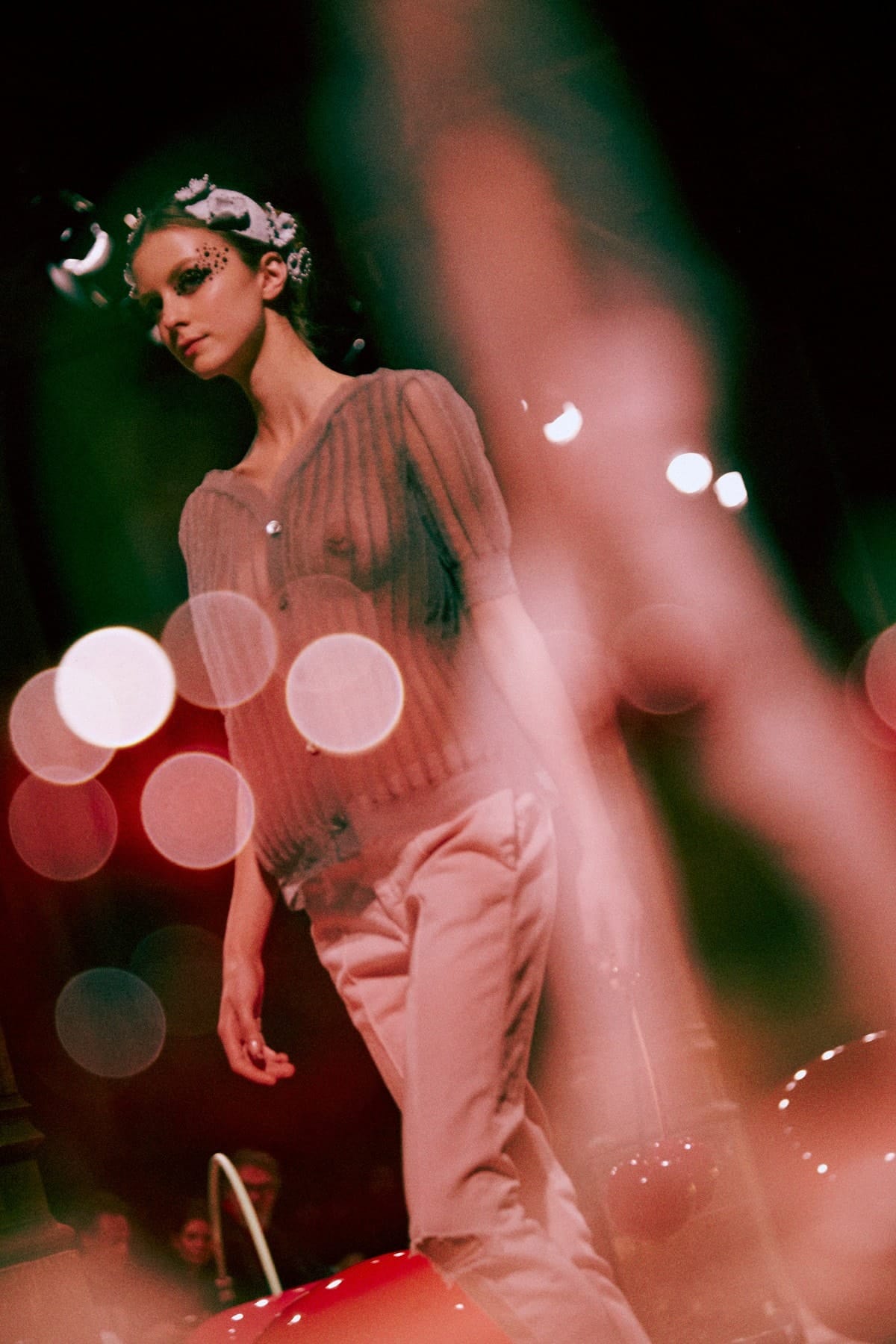
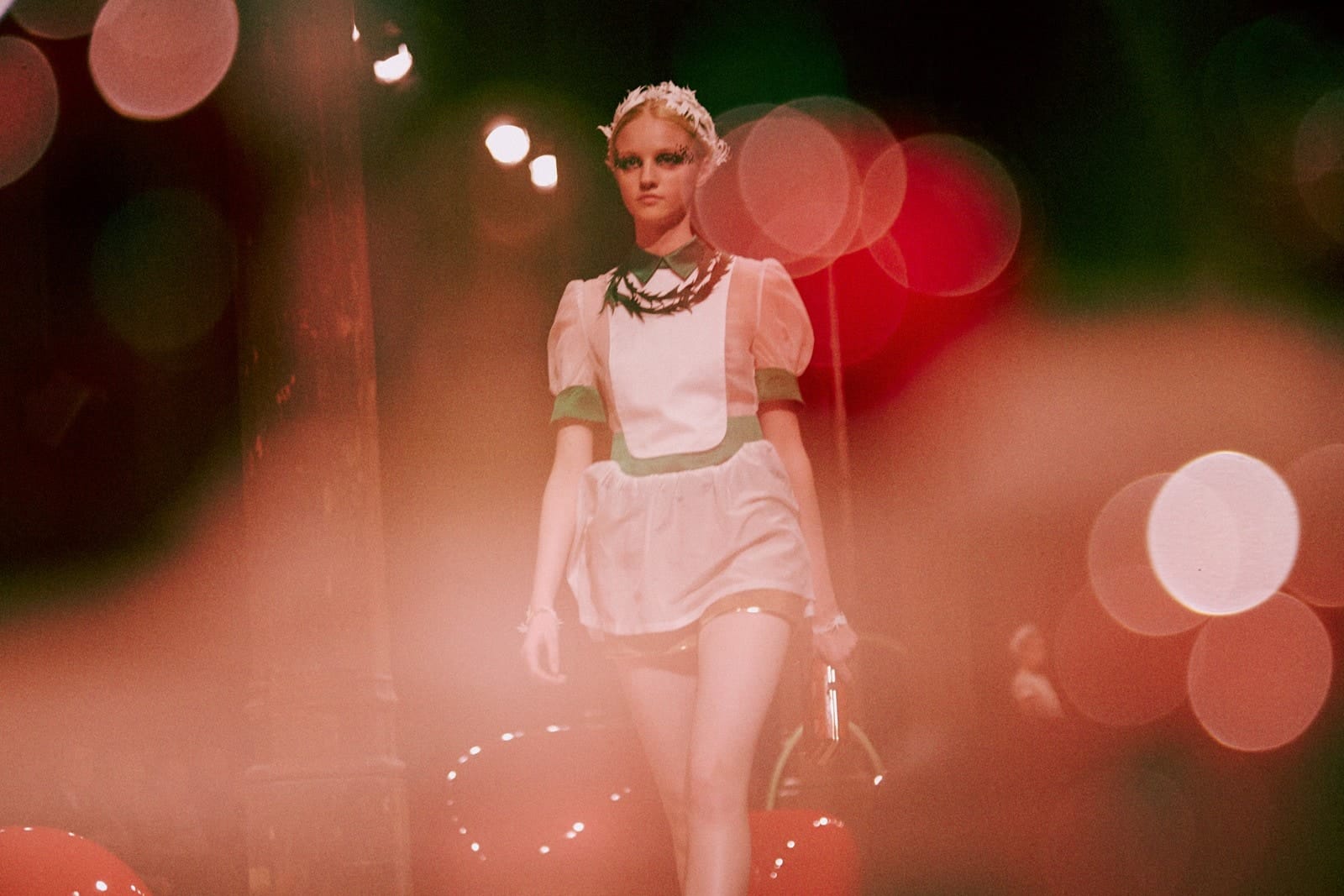
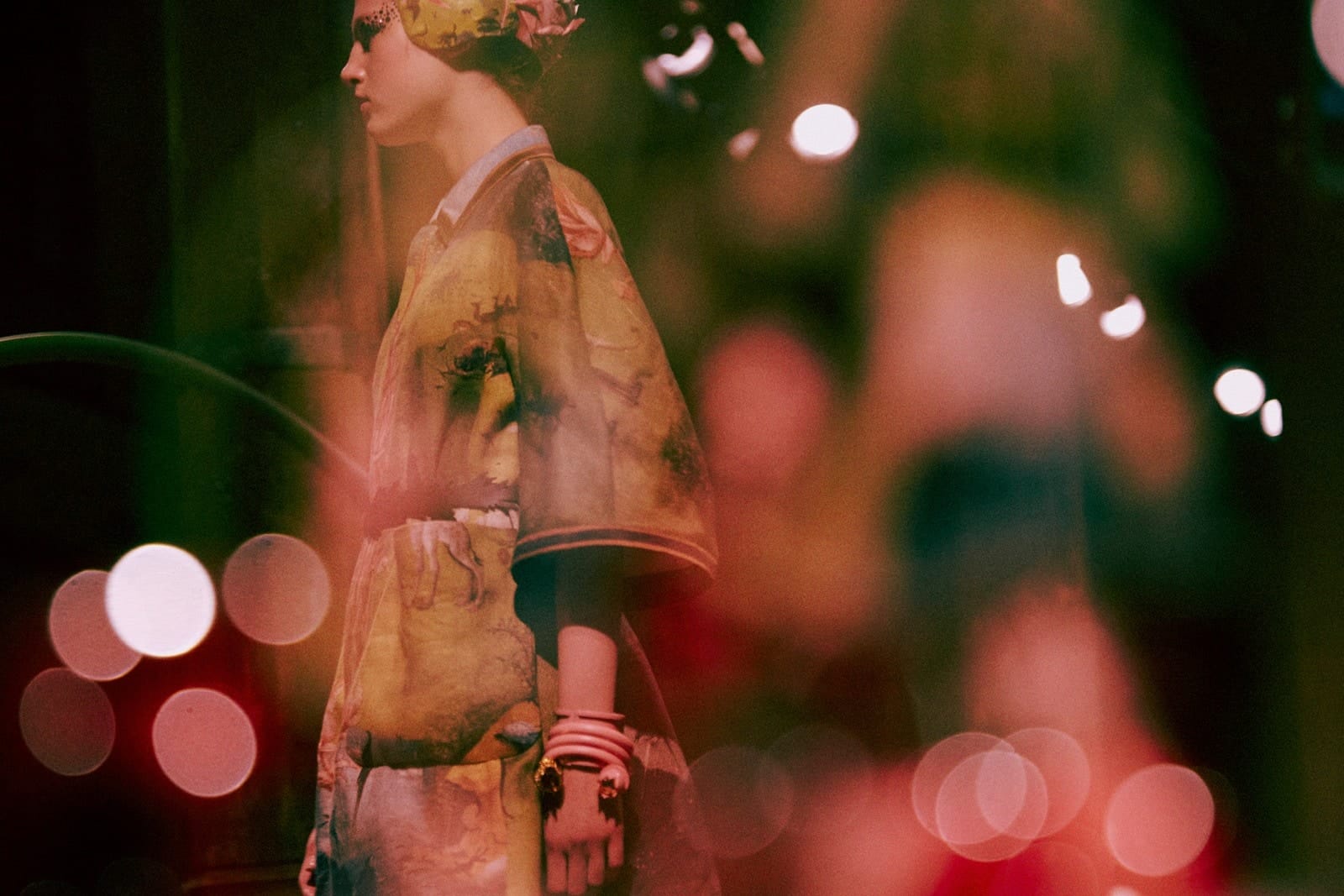
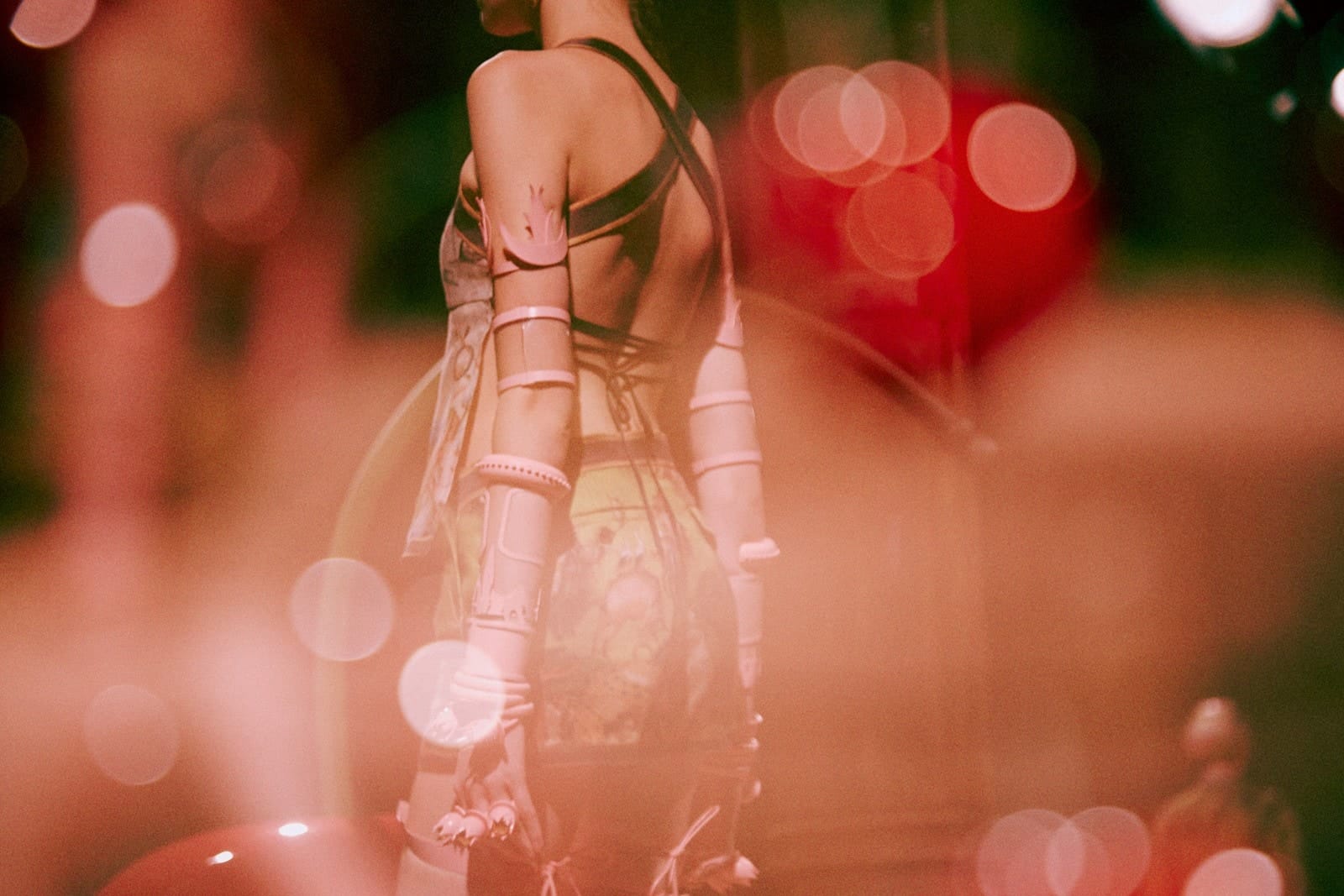
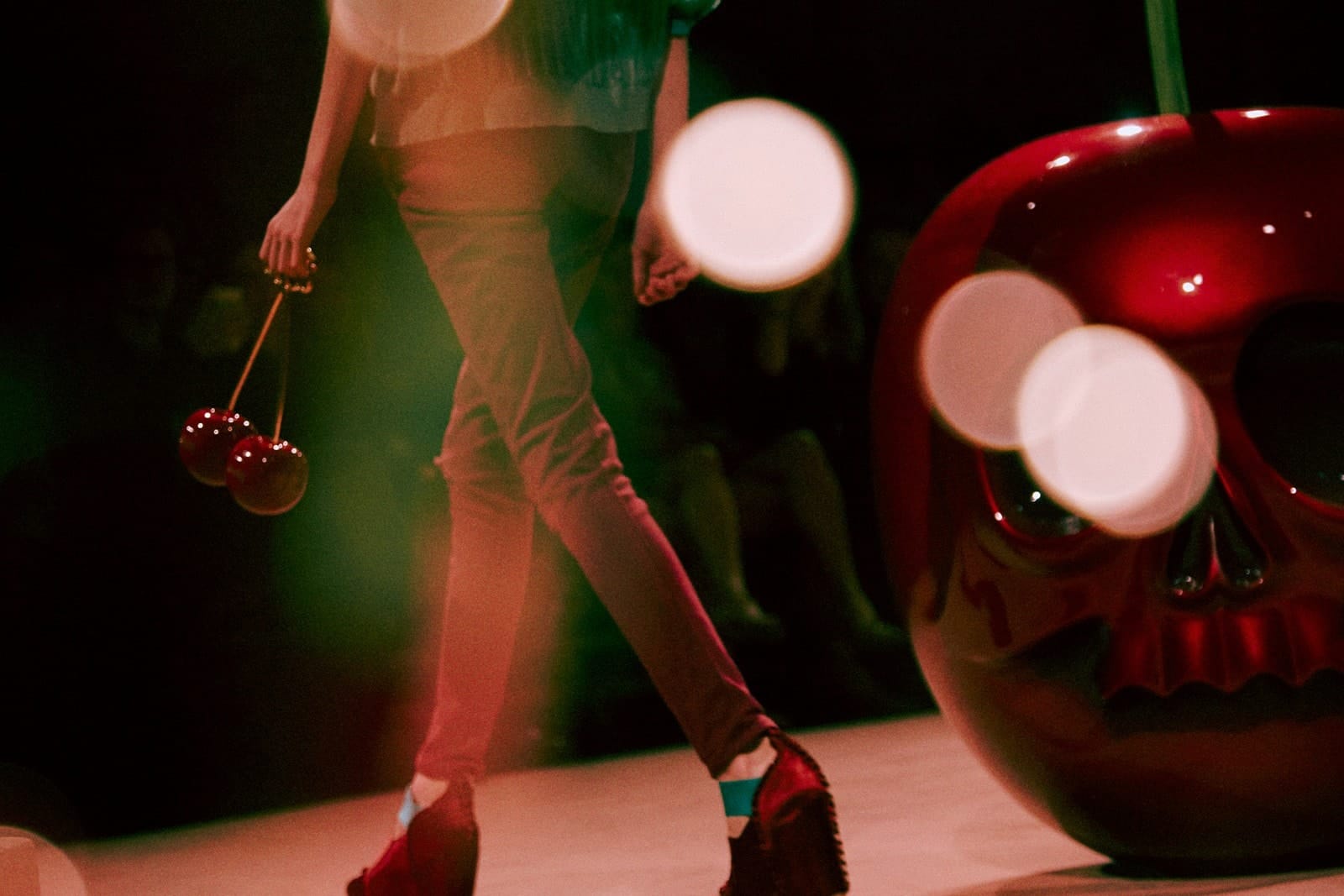
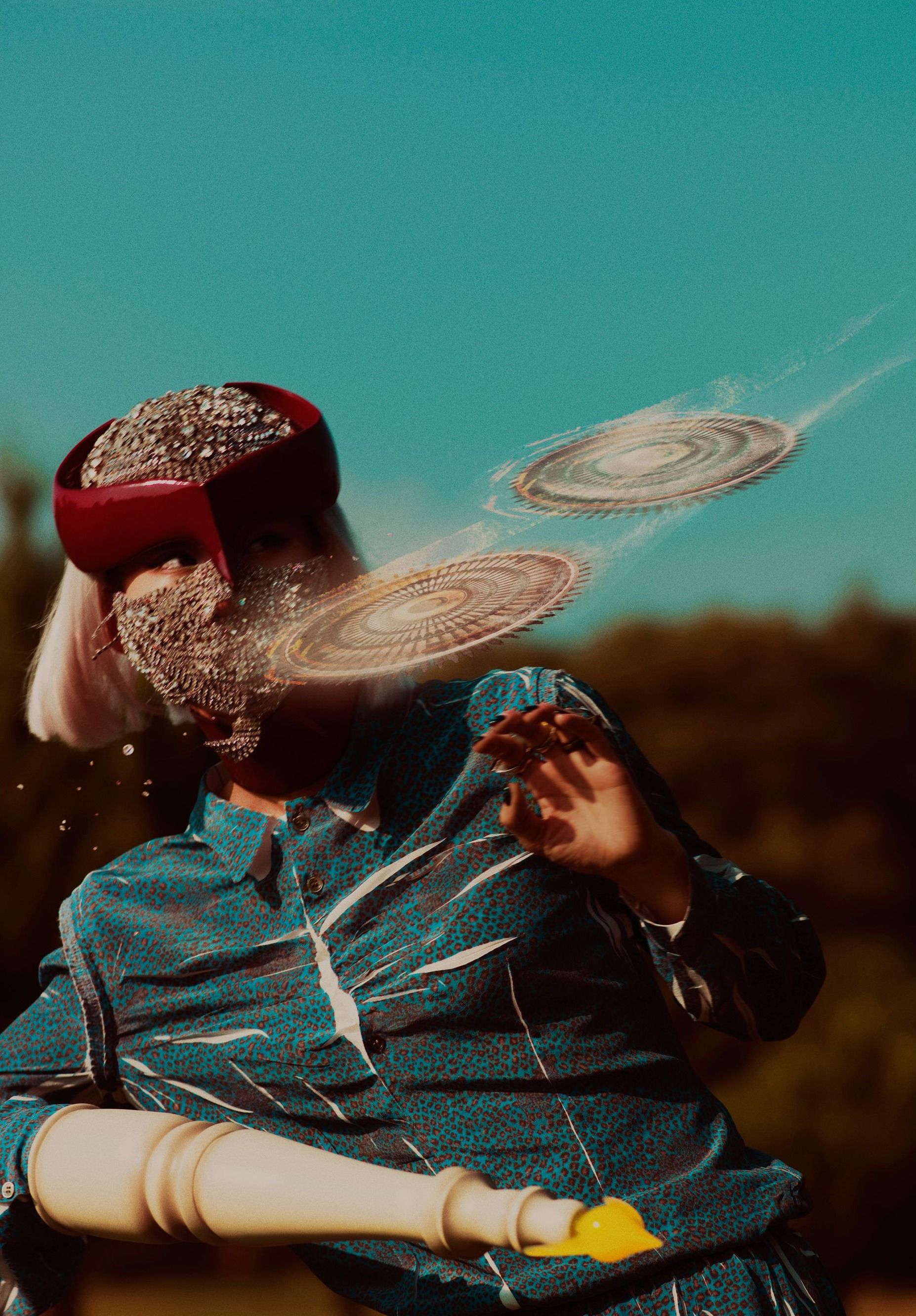
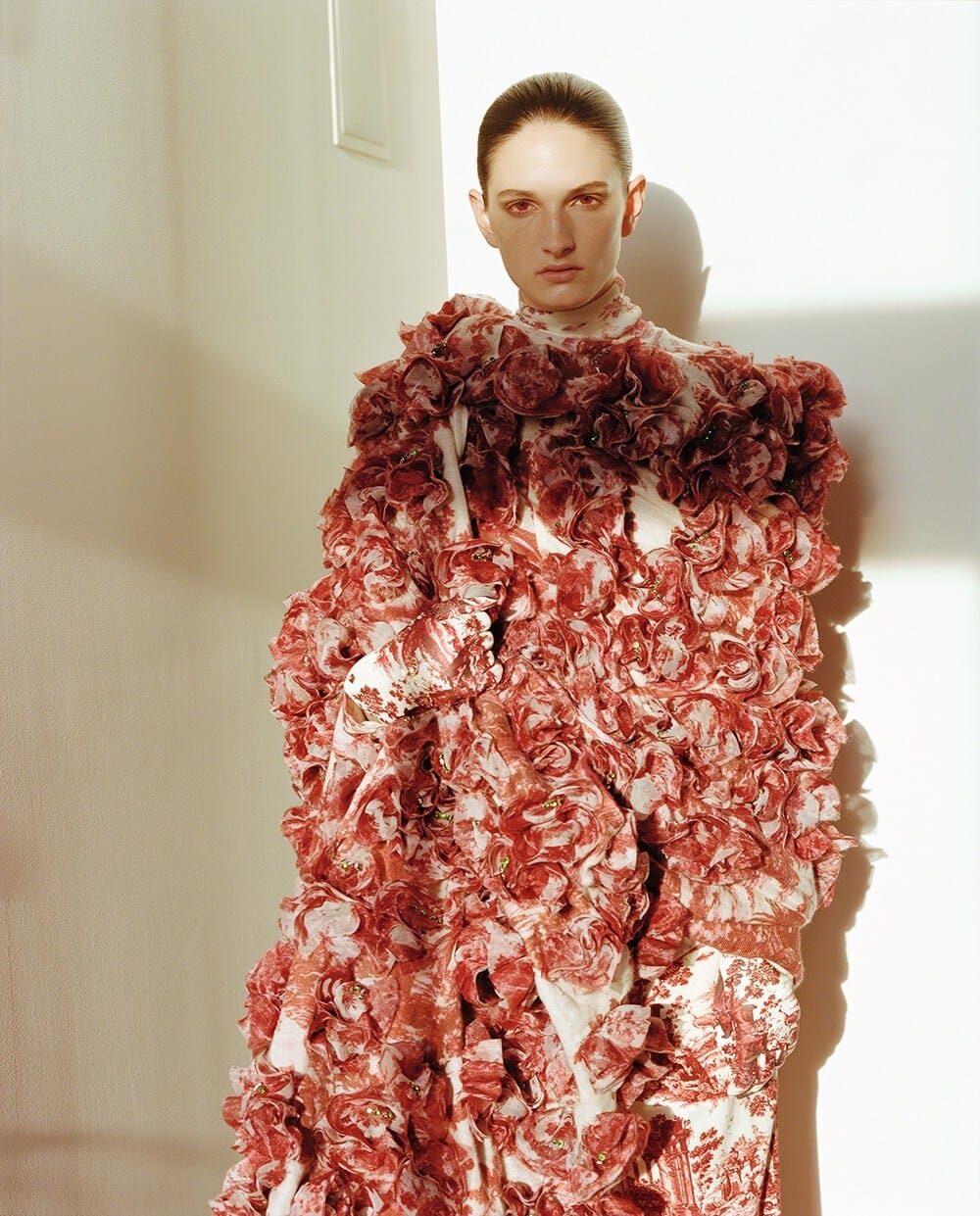
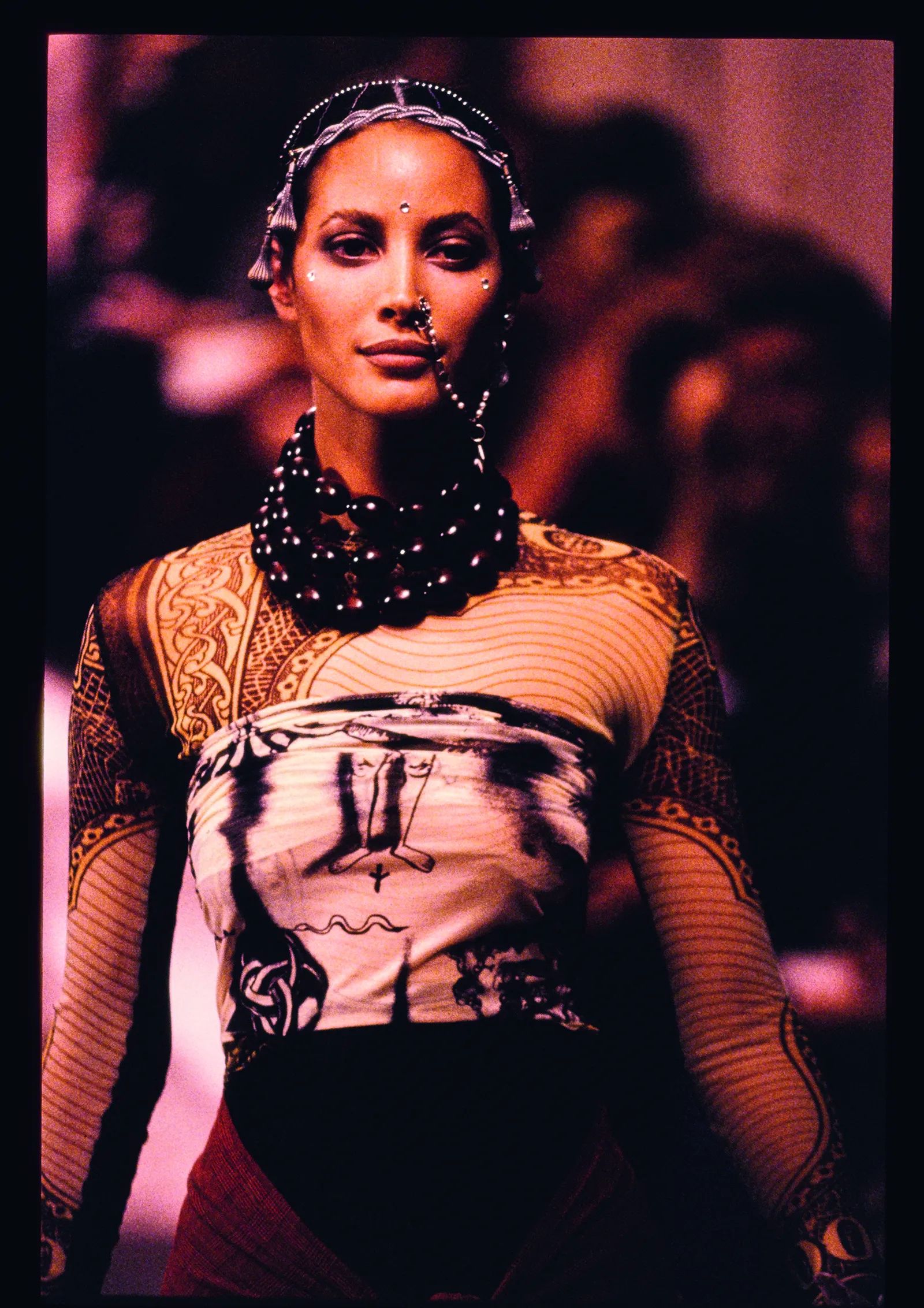
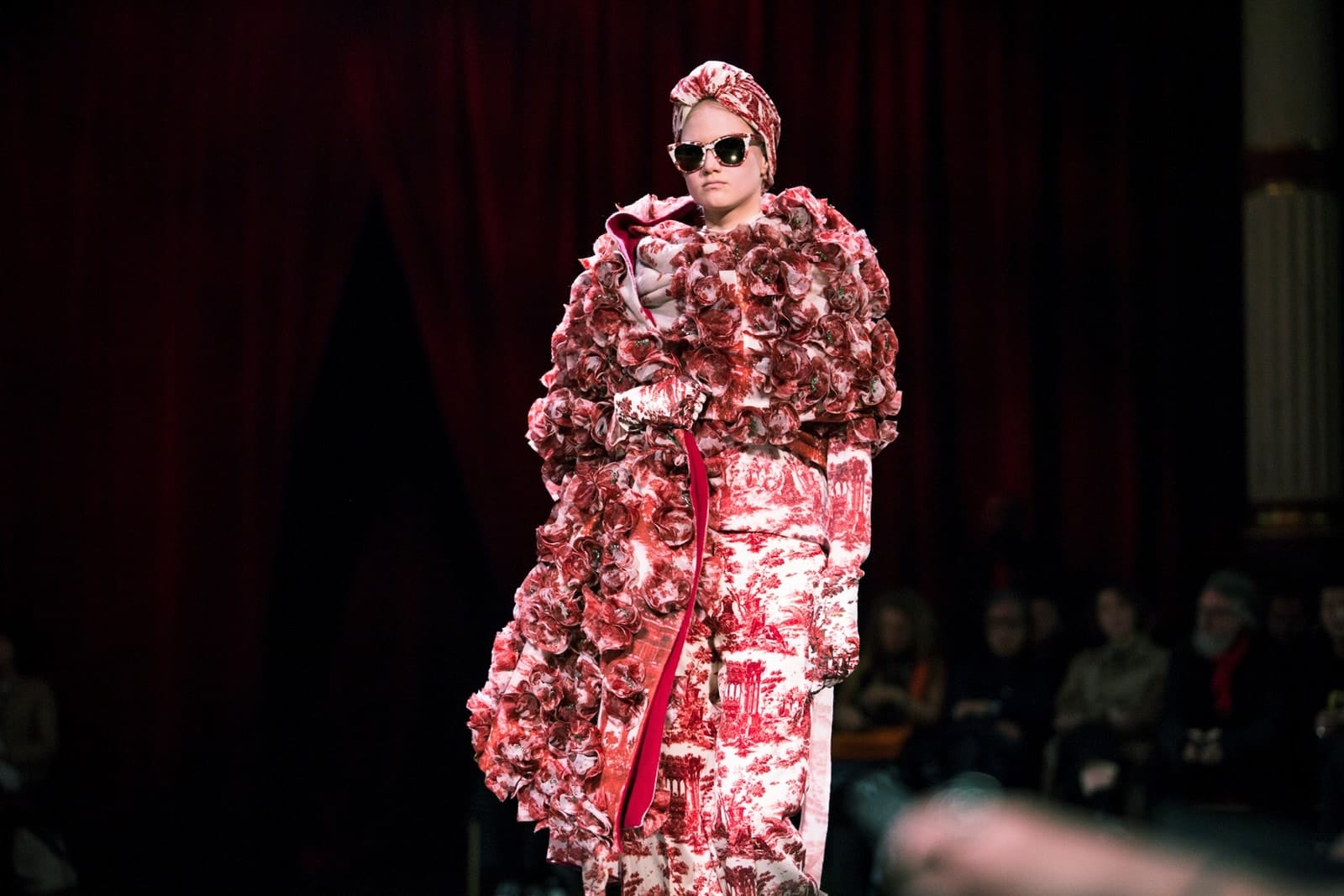
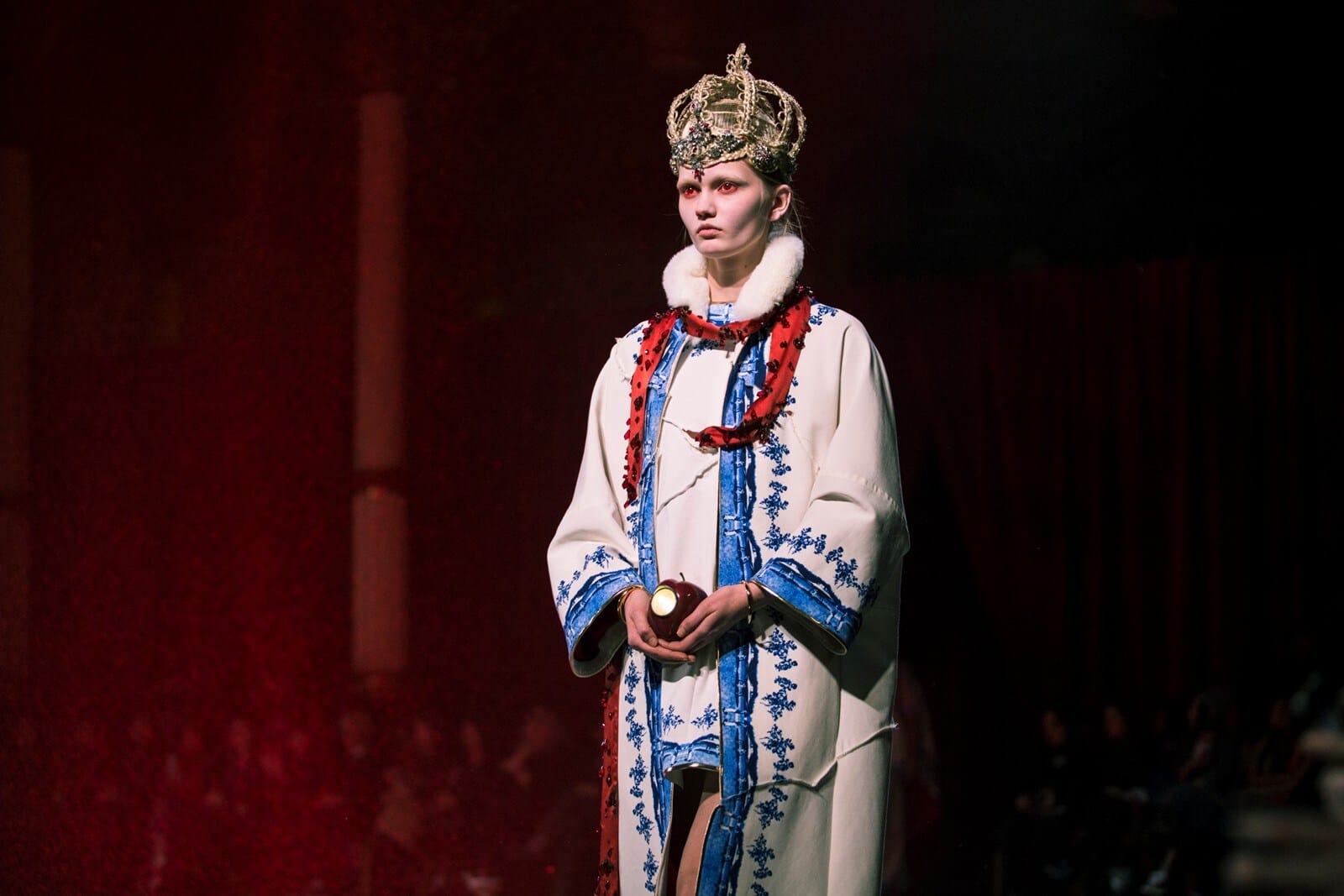
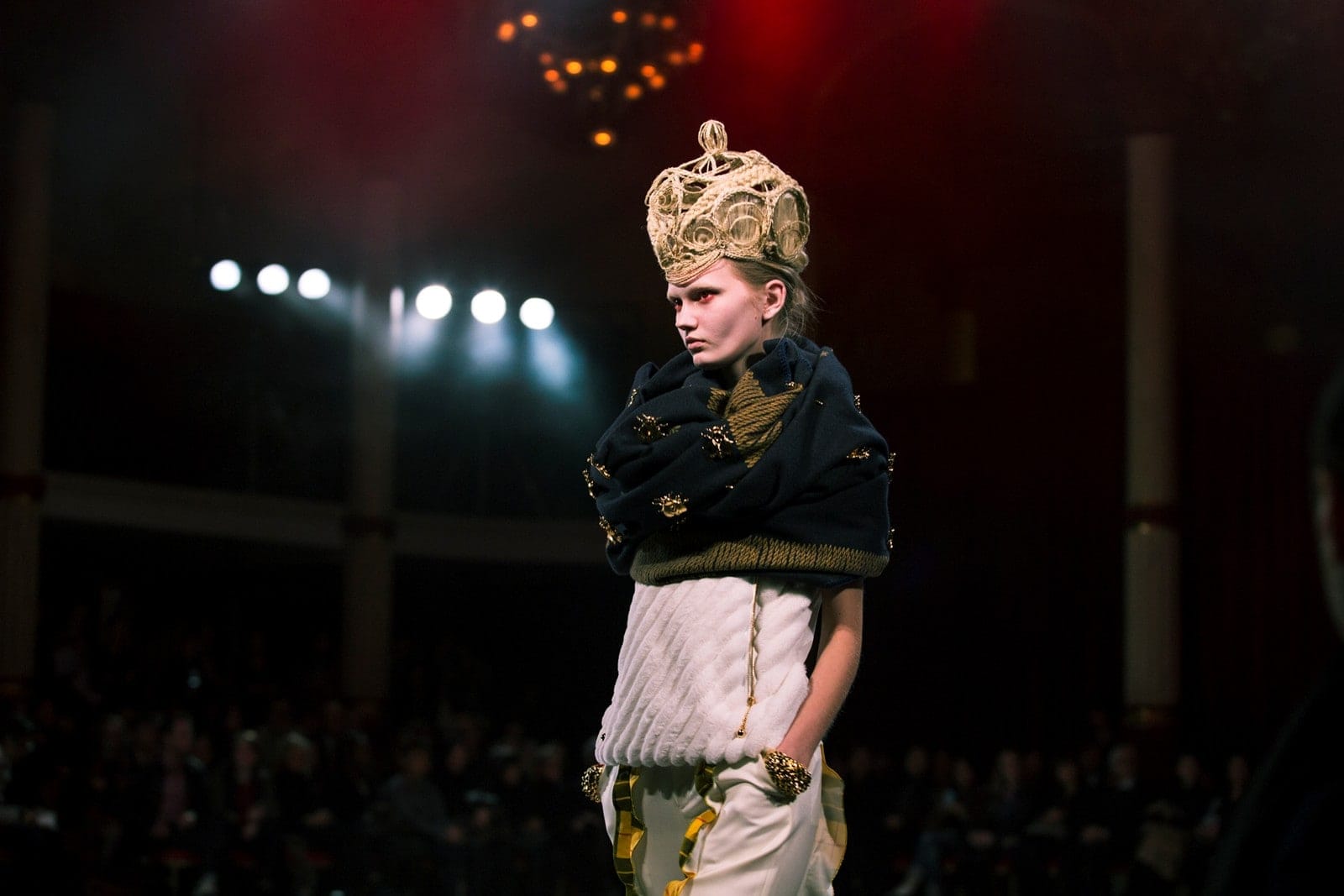
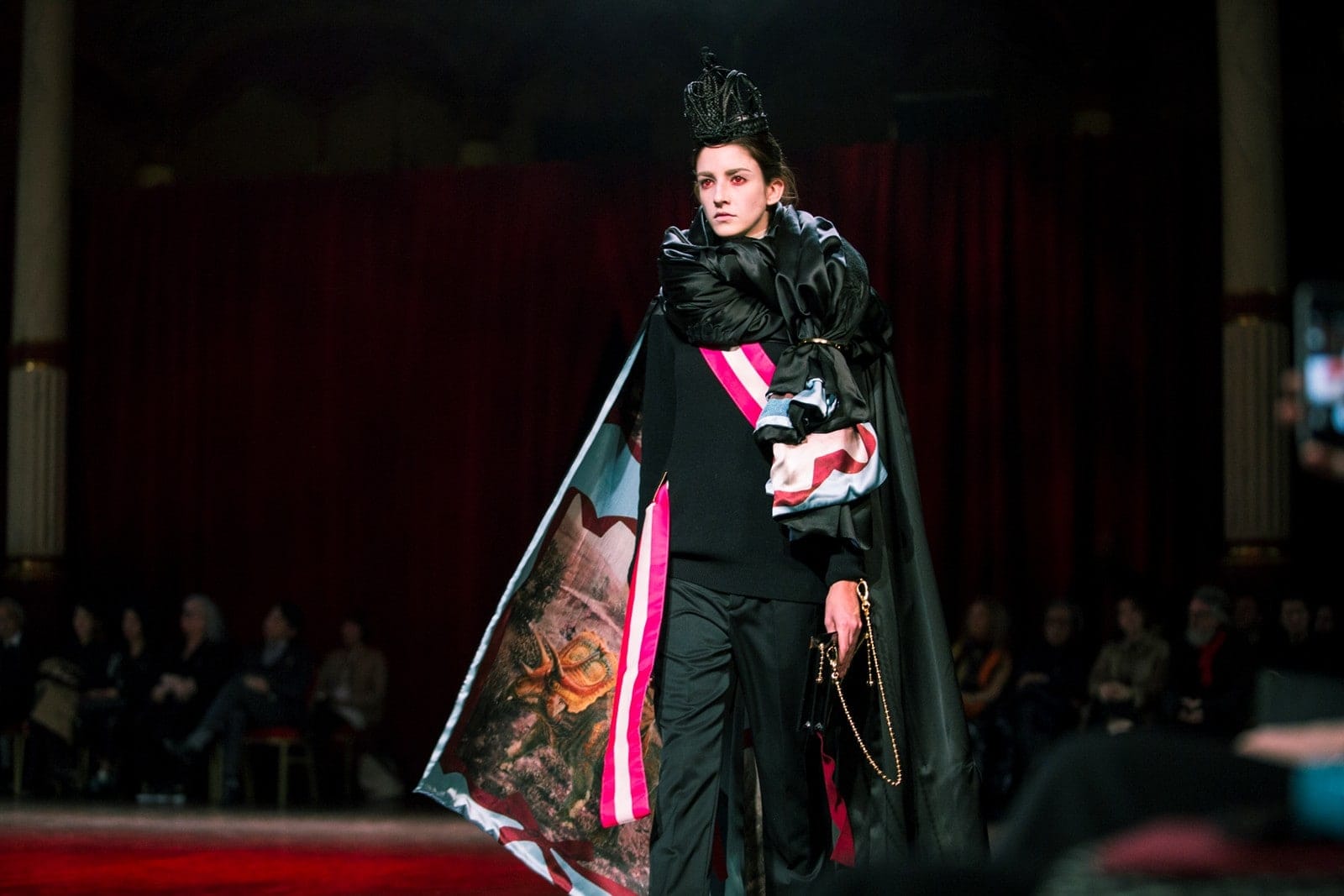
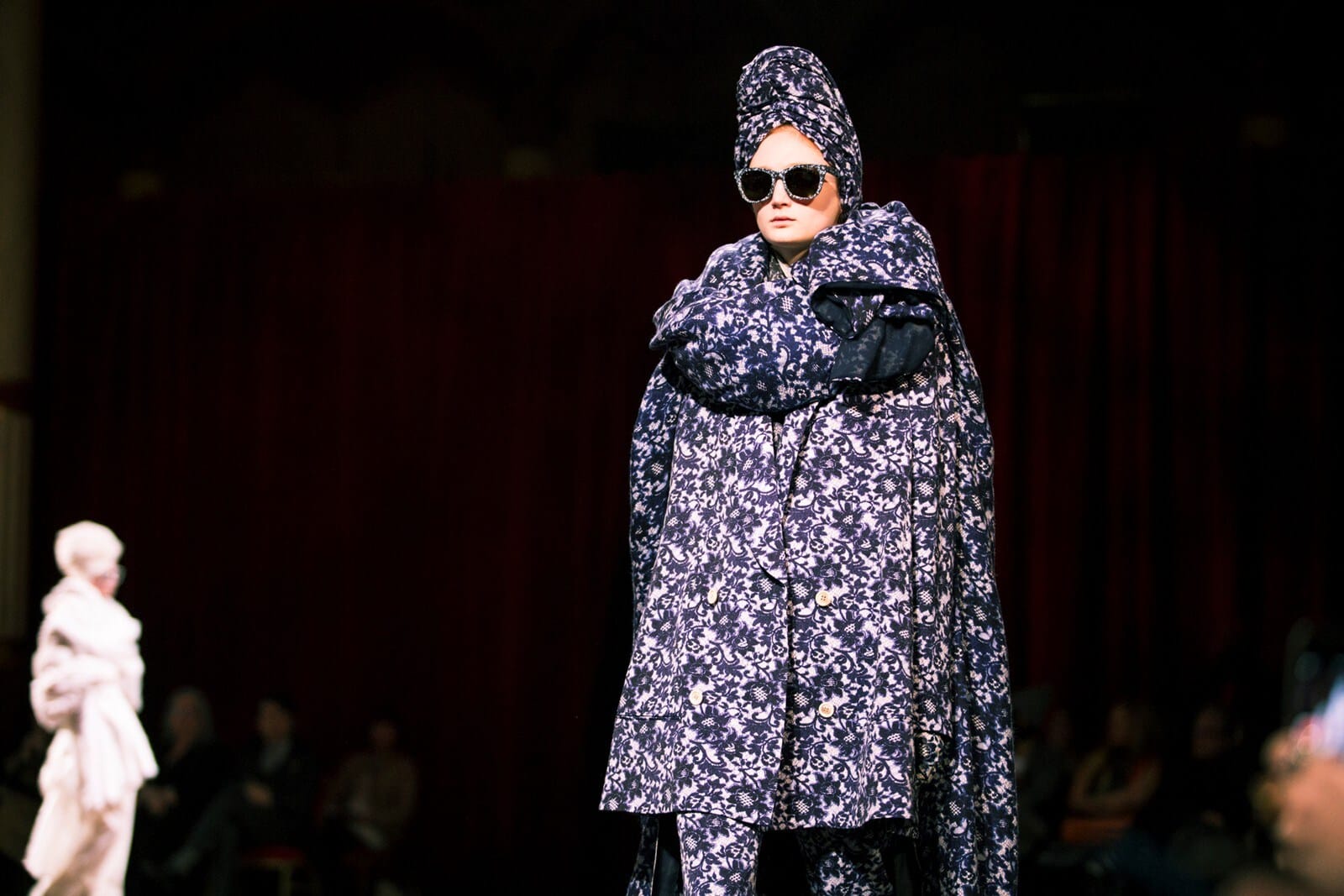
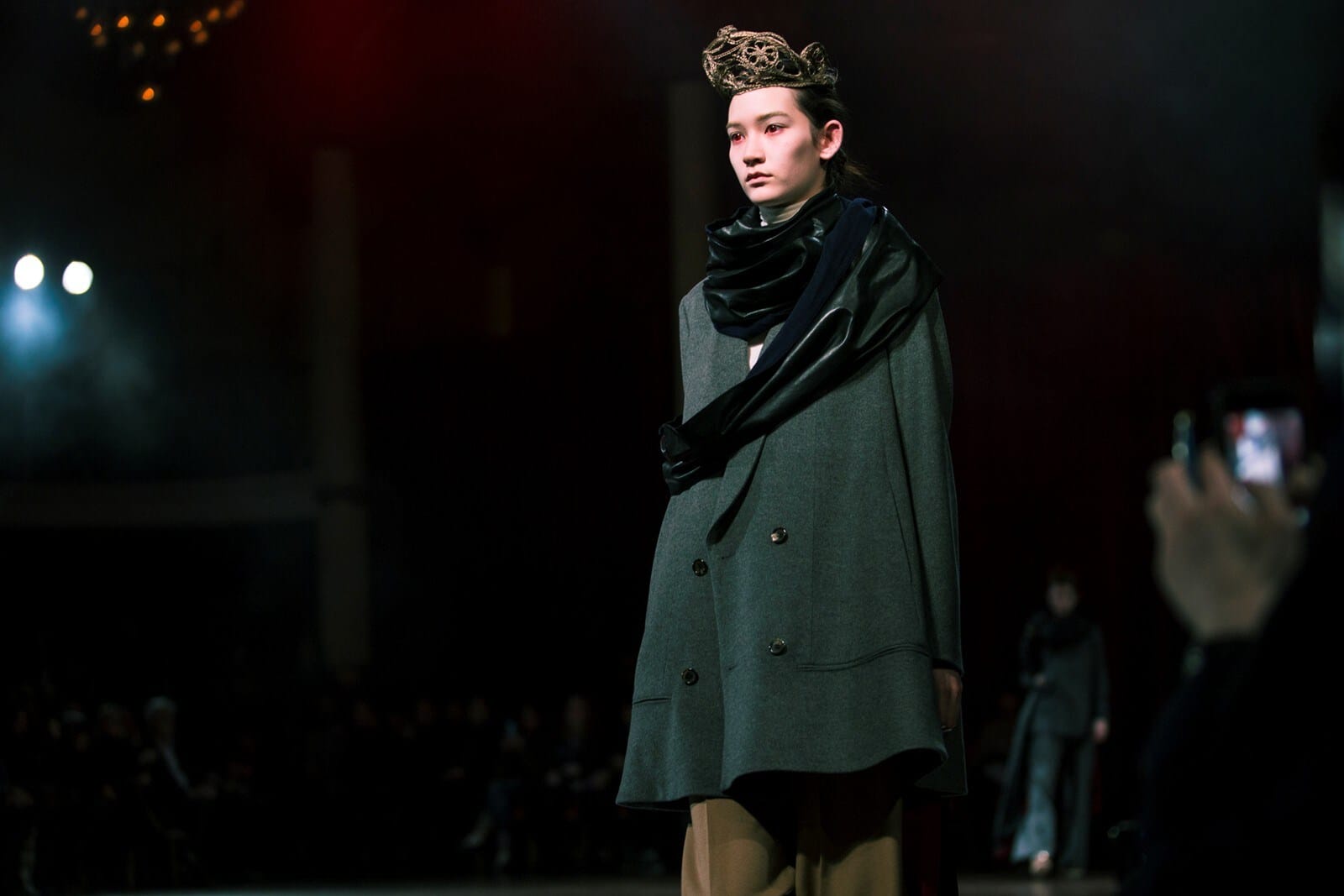
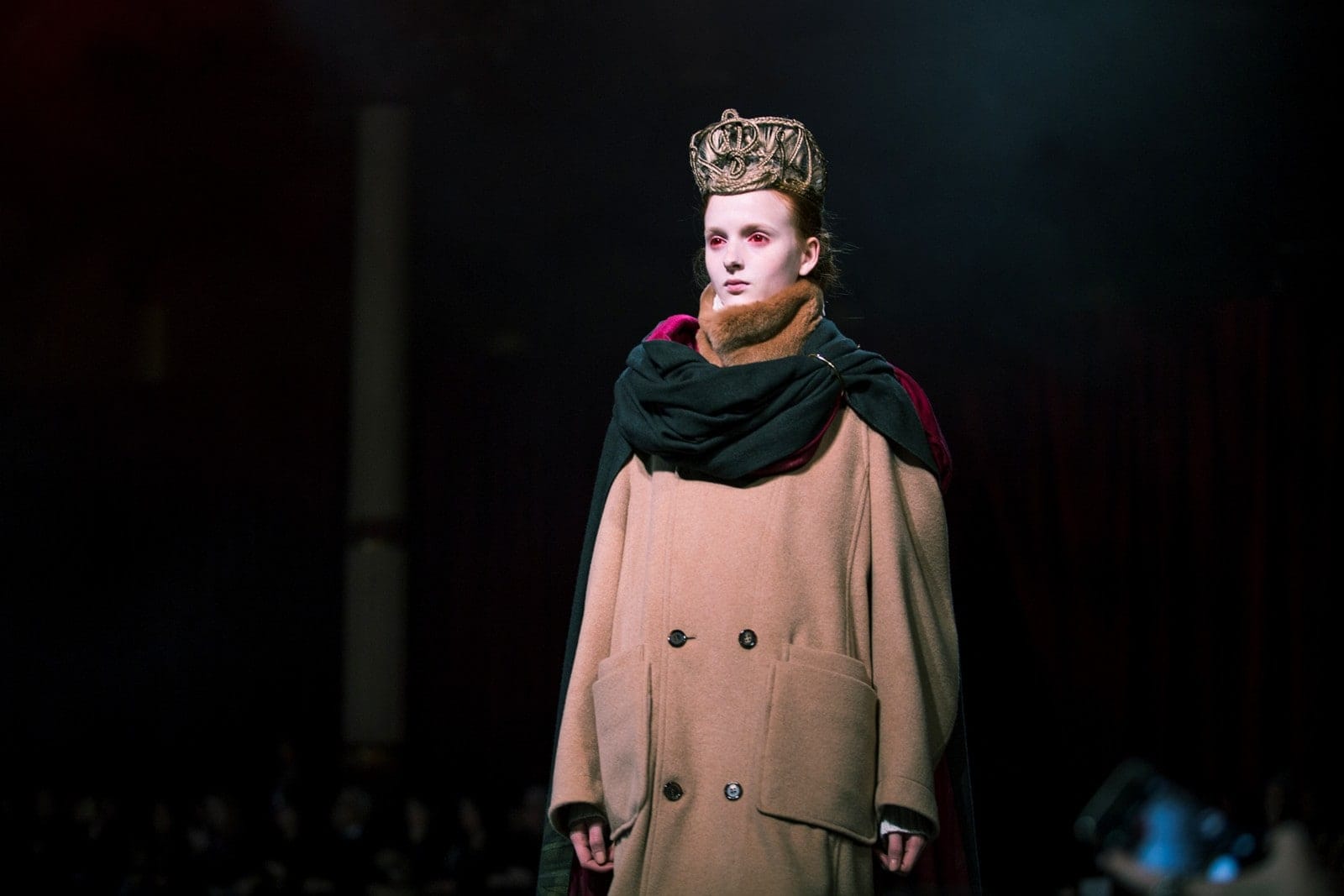
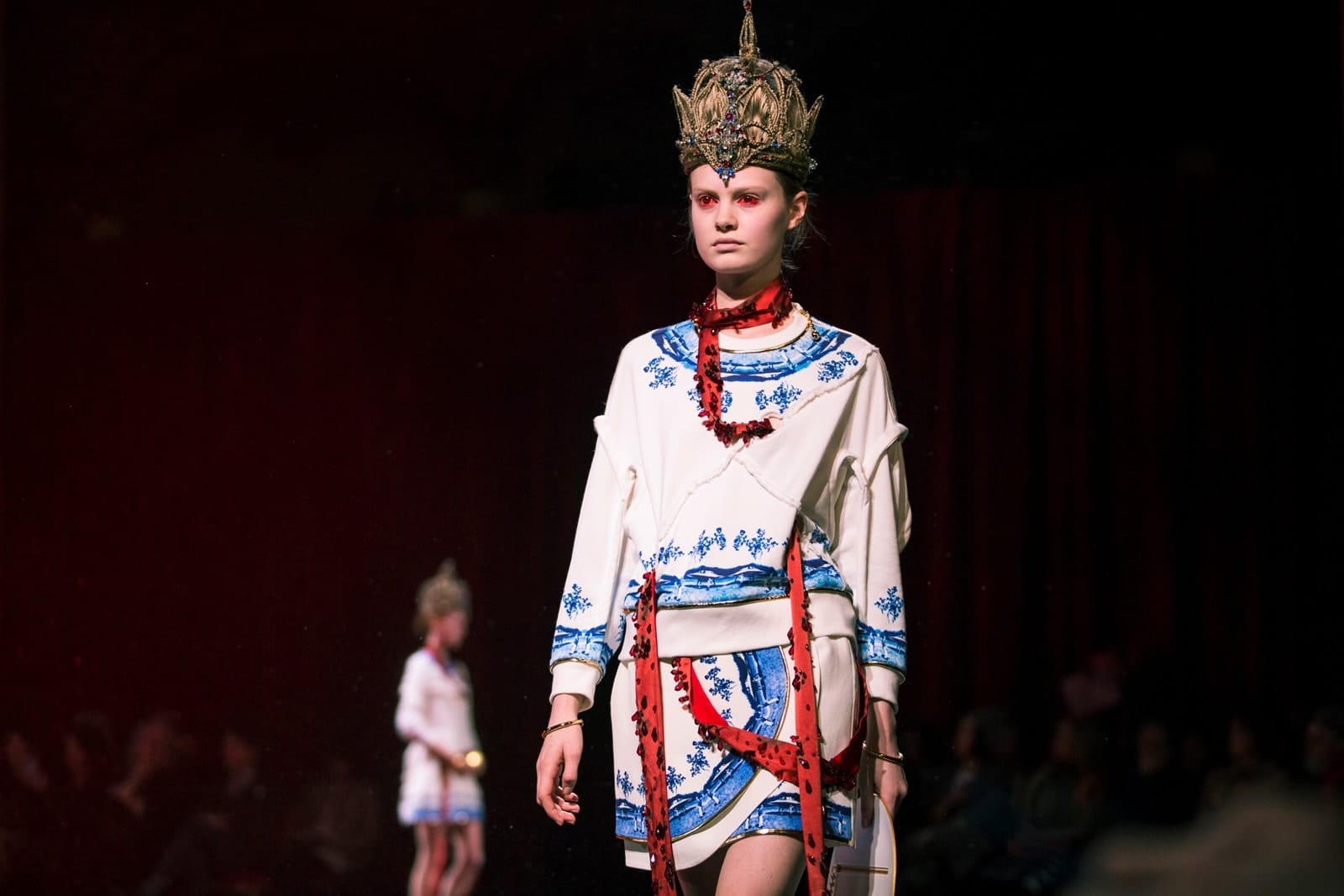
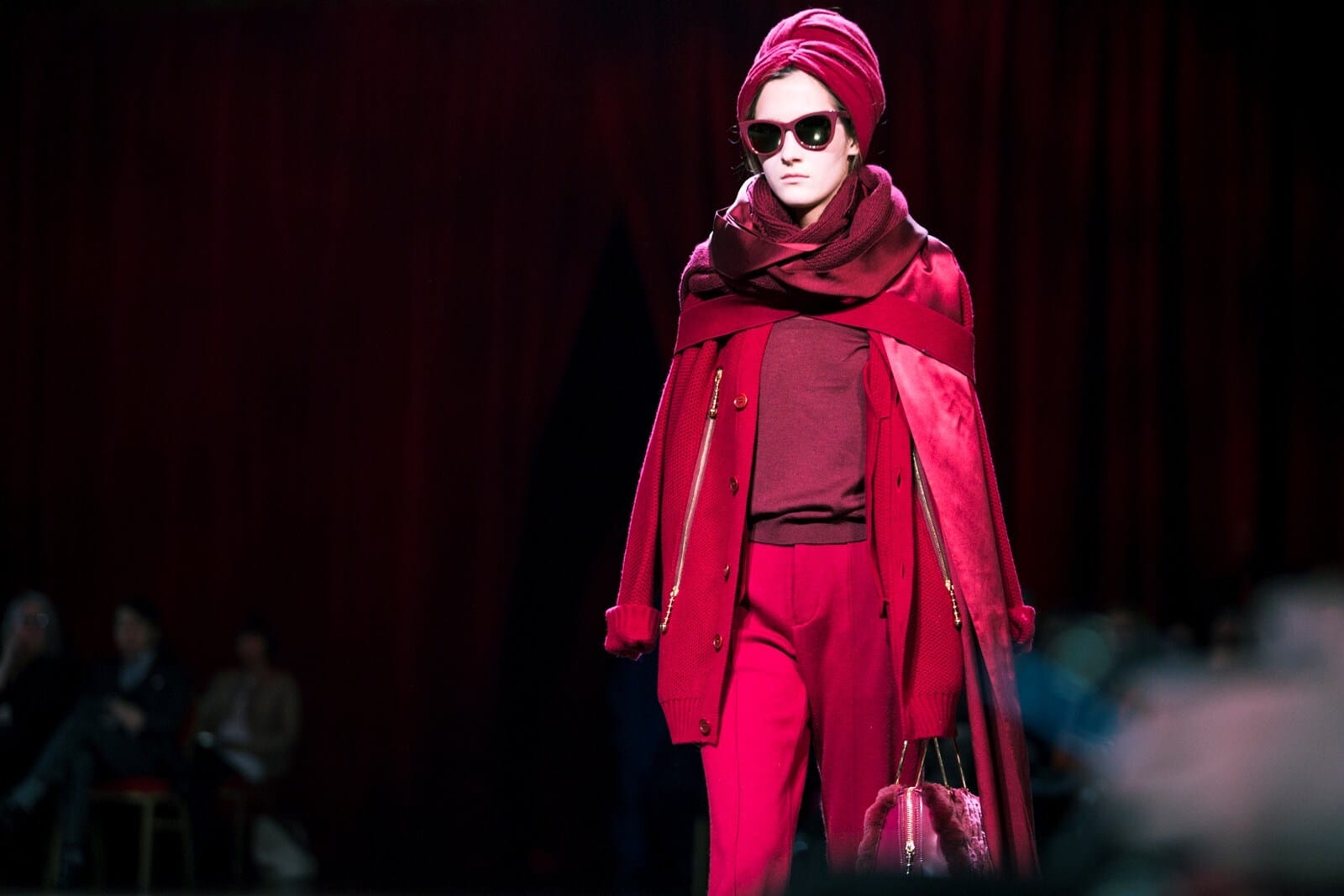
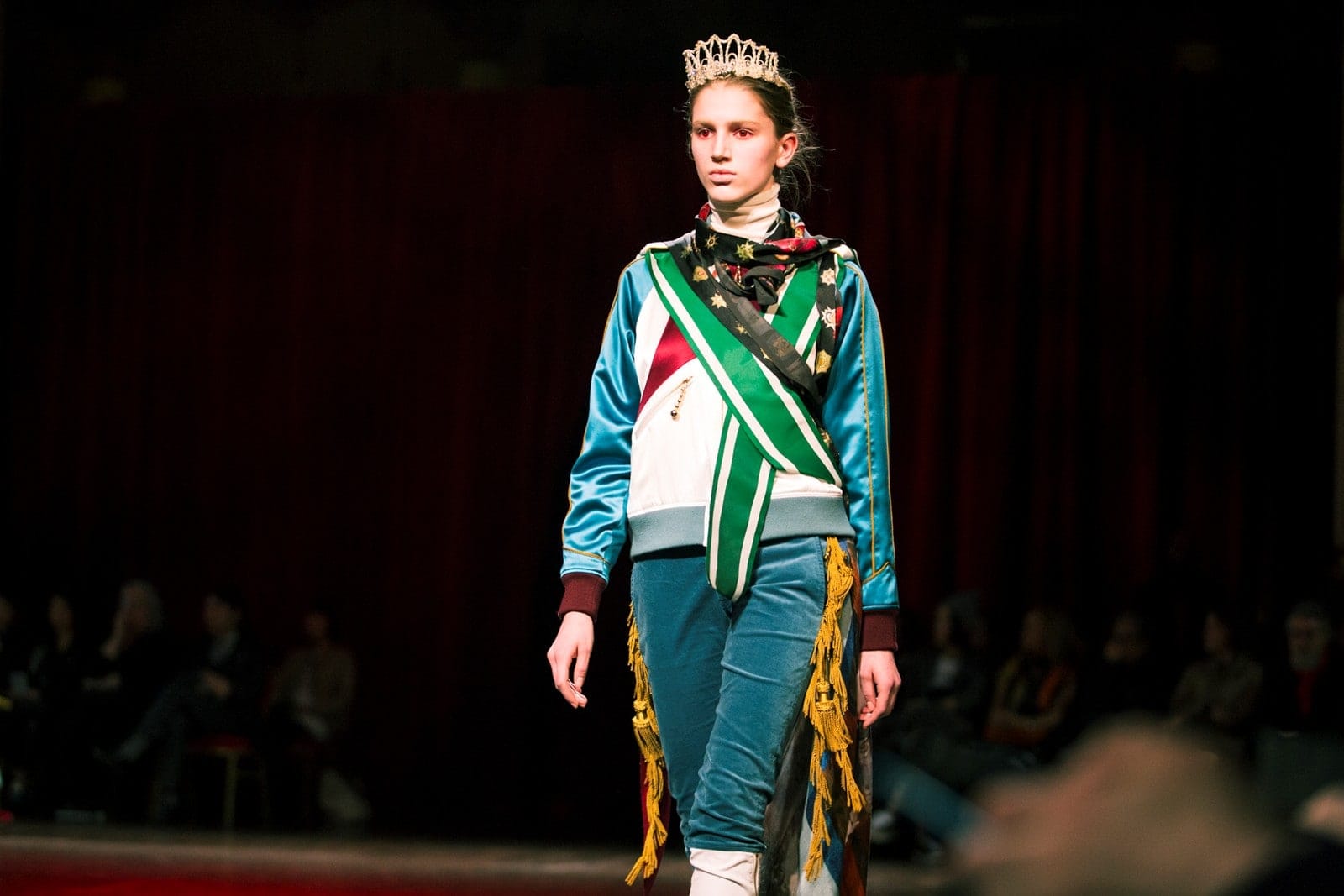
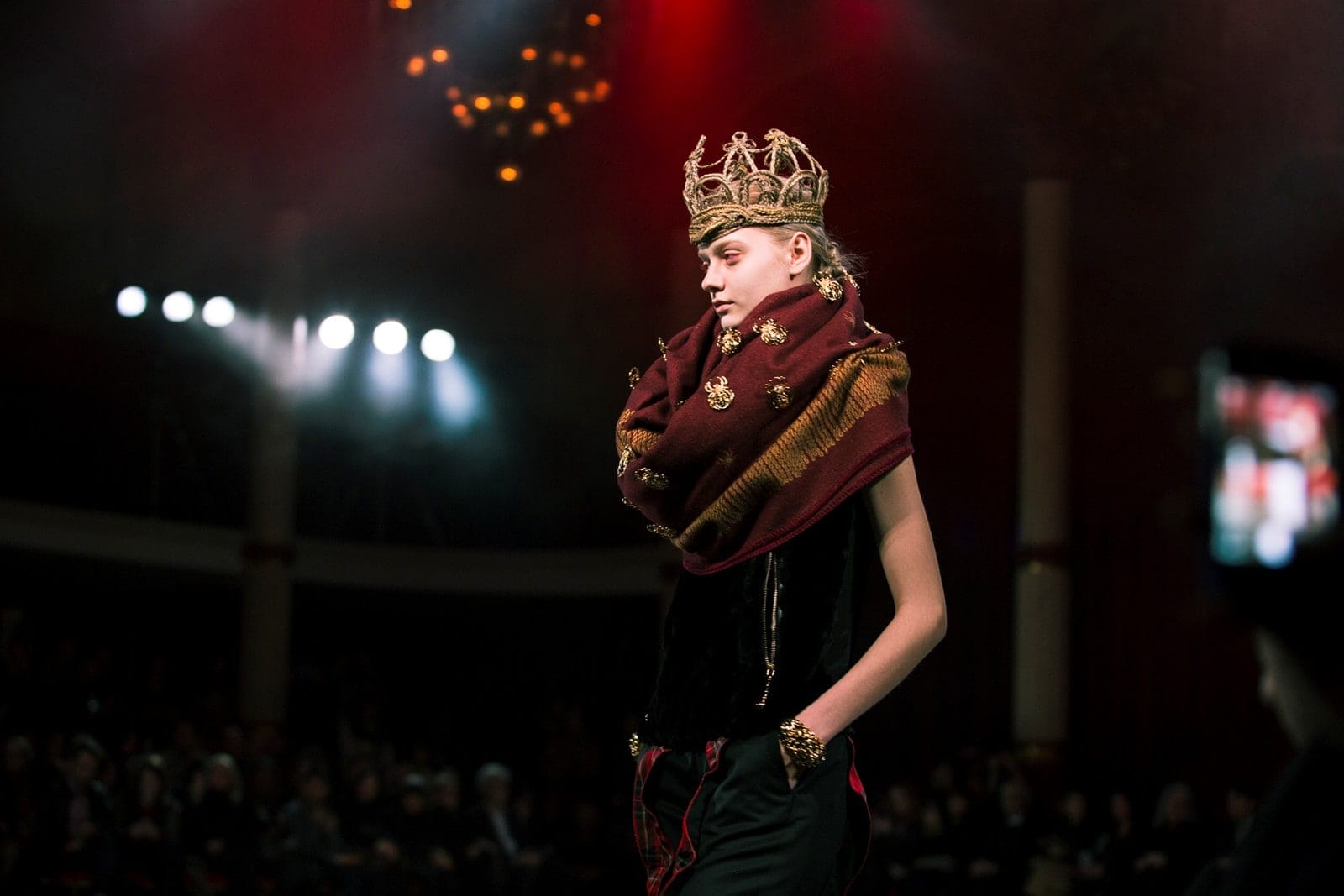
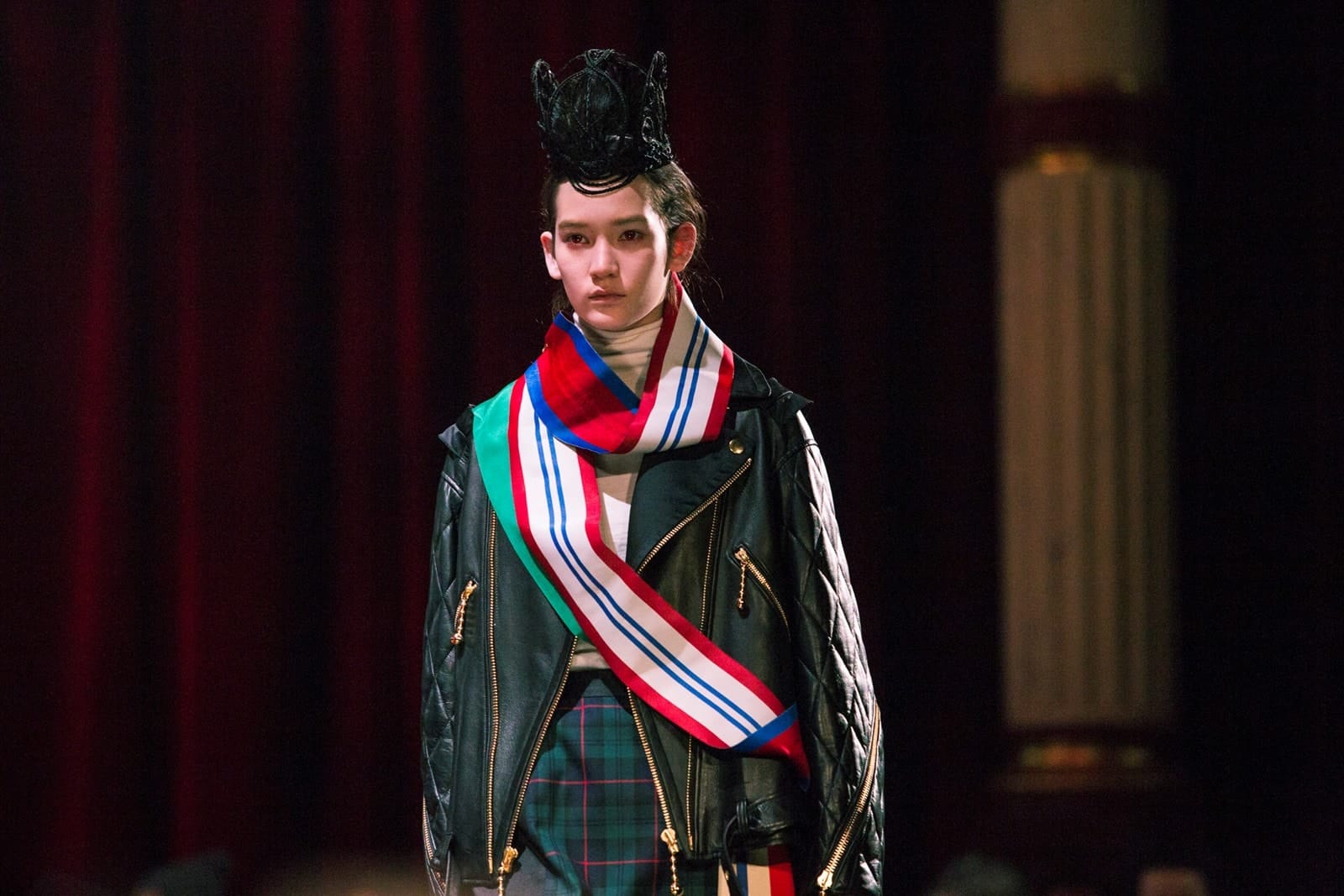
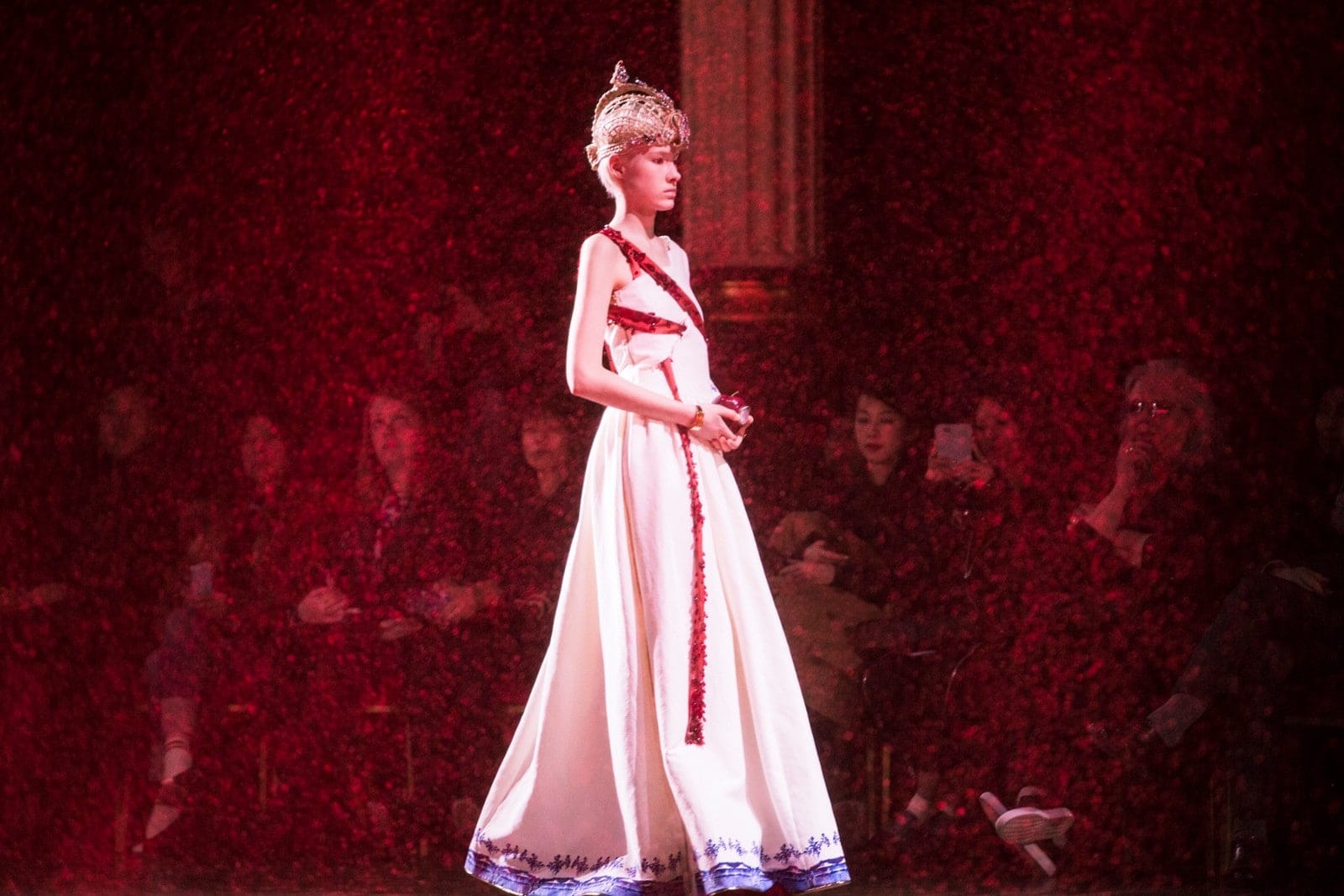
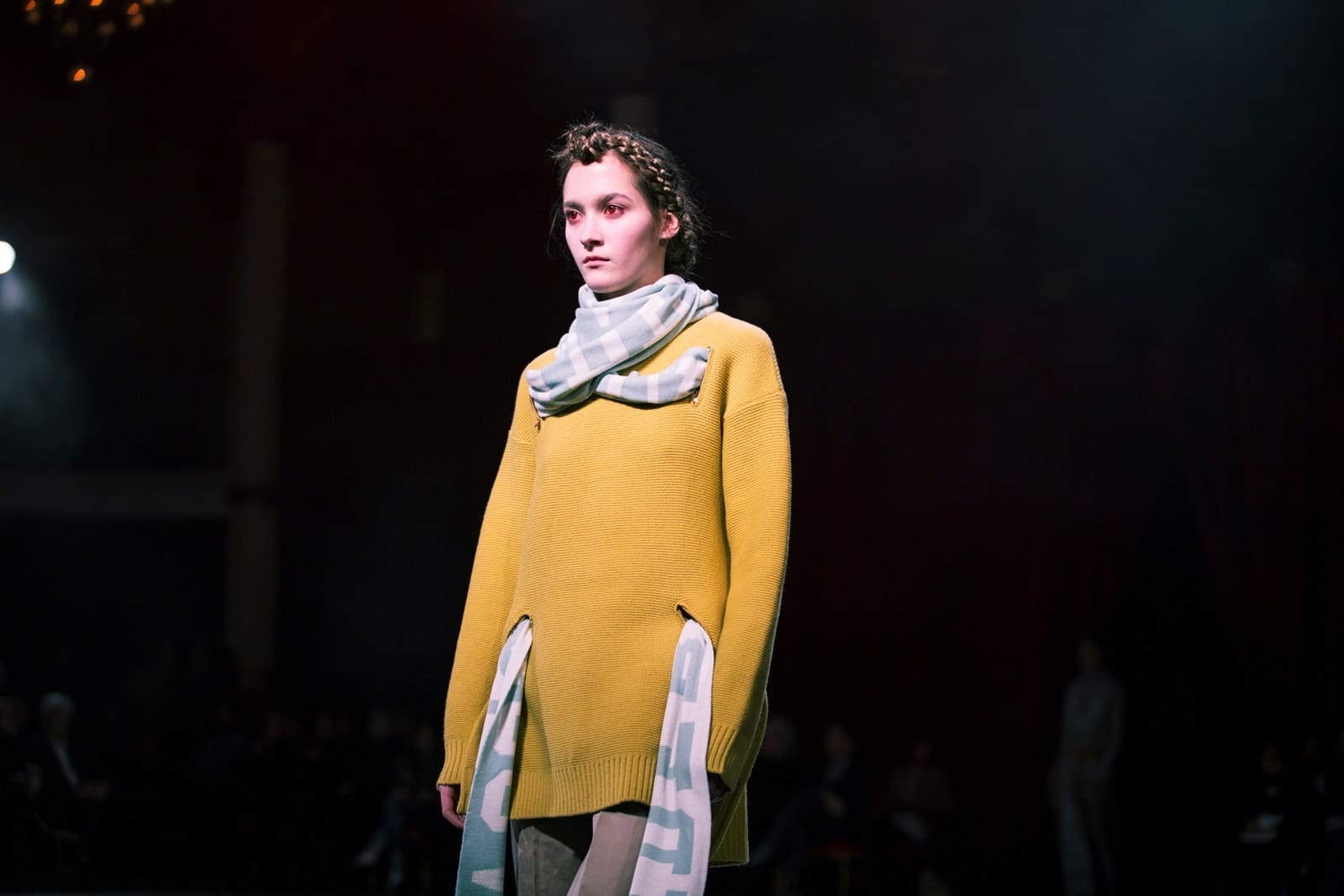
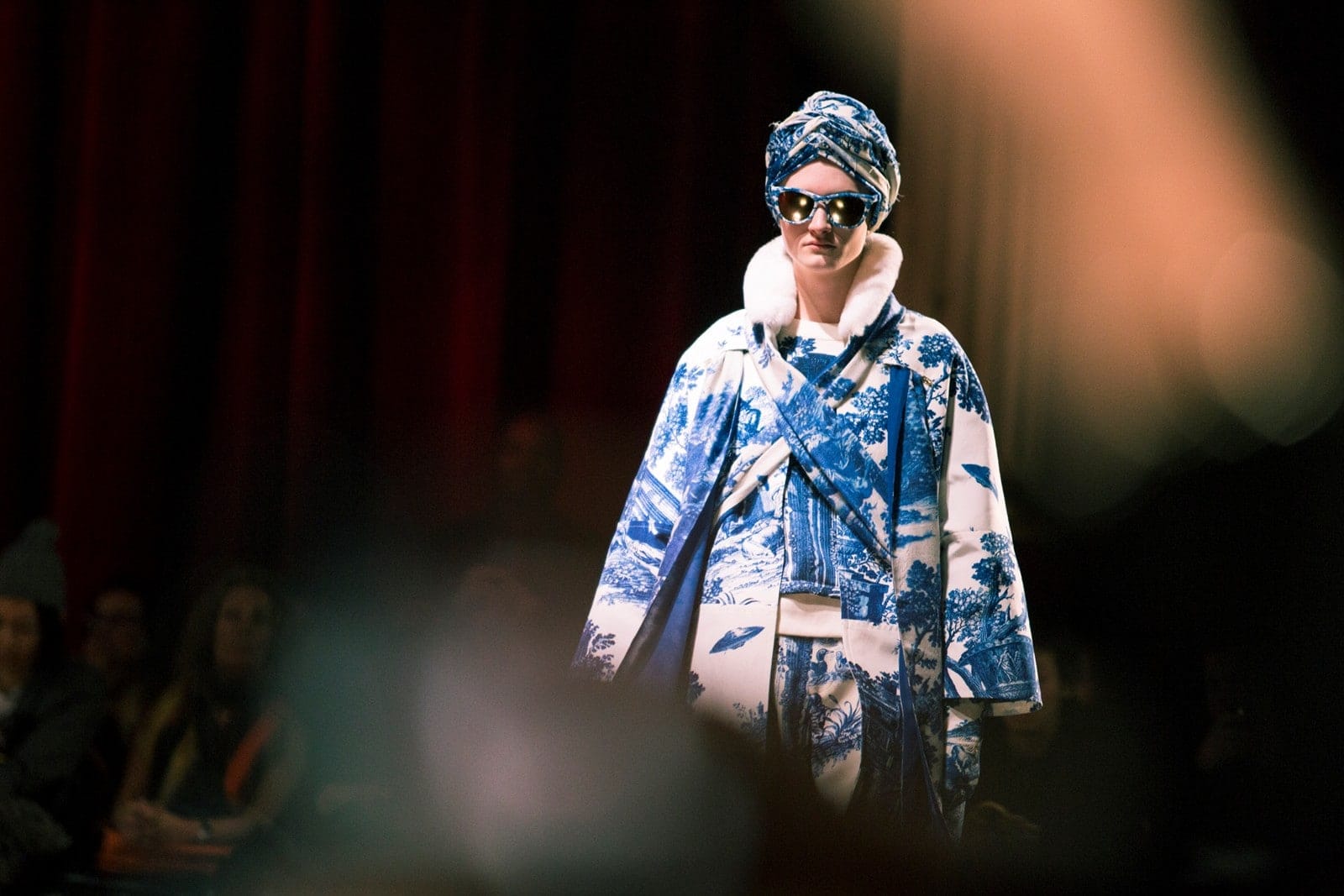
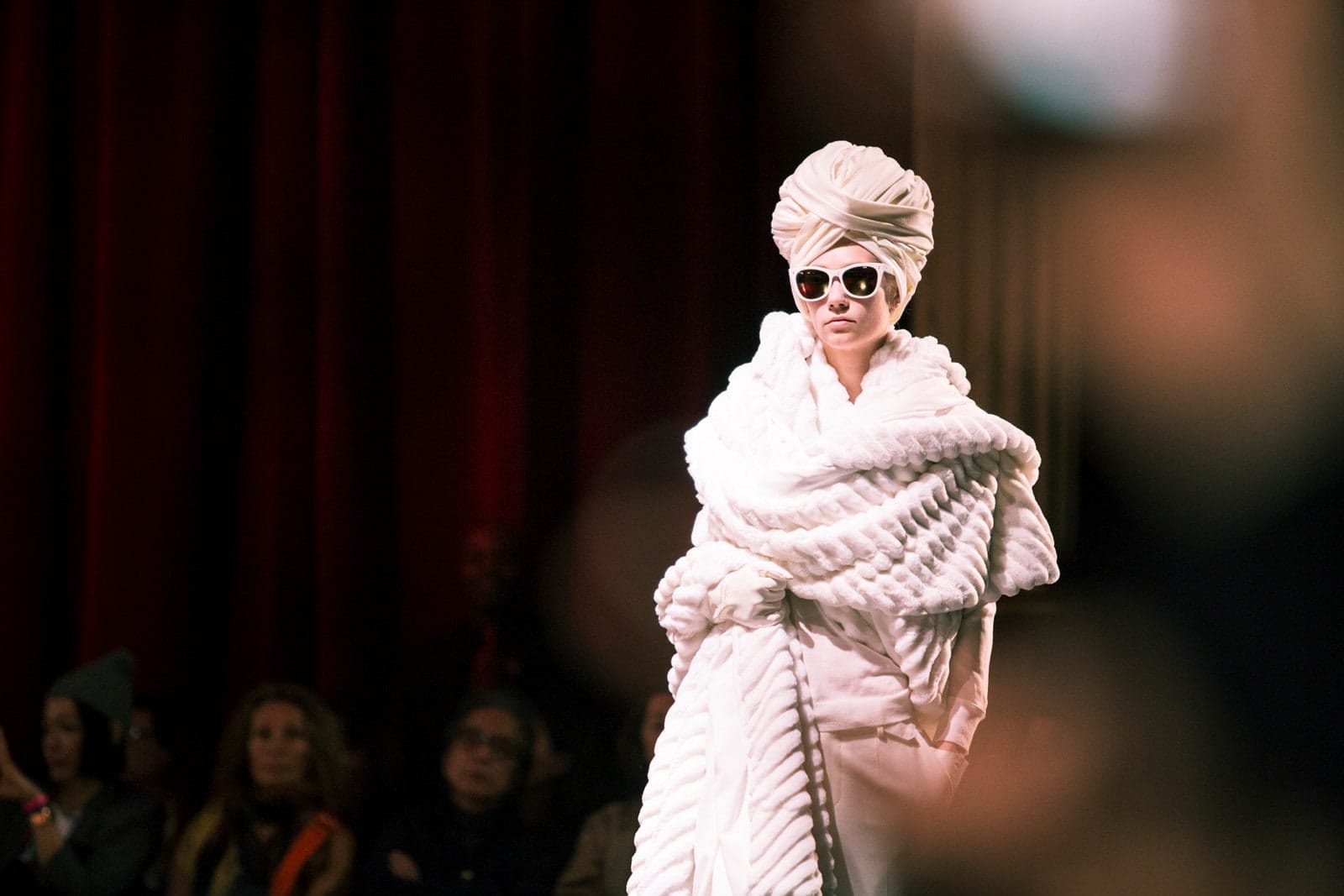
Jun Takahashi framed Undercover Autumn/Winter 2014 around fear, warmth and royalty. Braided crowns and rhinestones were offset by vamp-red contact lenses, red mascara, tartan and toile de Jouy interrupted by UFOs, turning the runway into a corrupted fairytale.
Photography by Jeff Henrikson; styling by Emma Wyman.
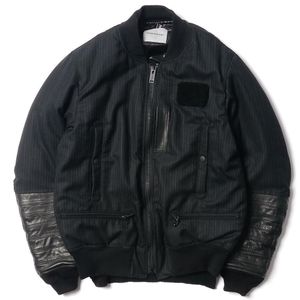
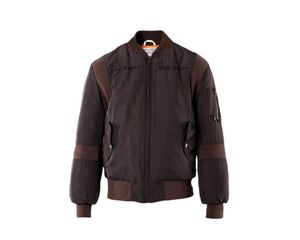
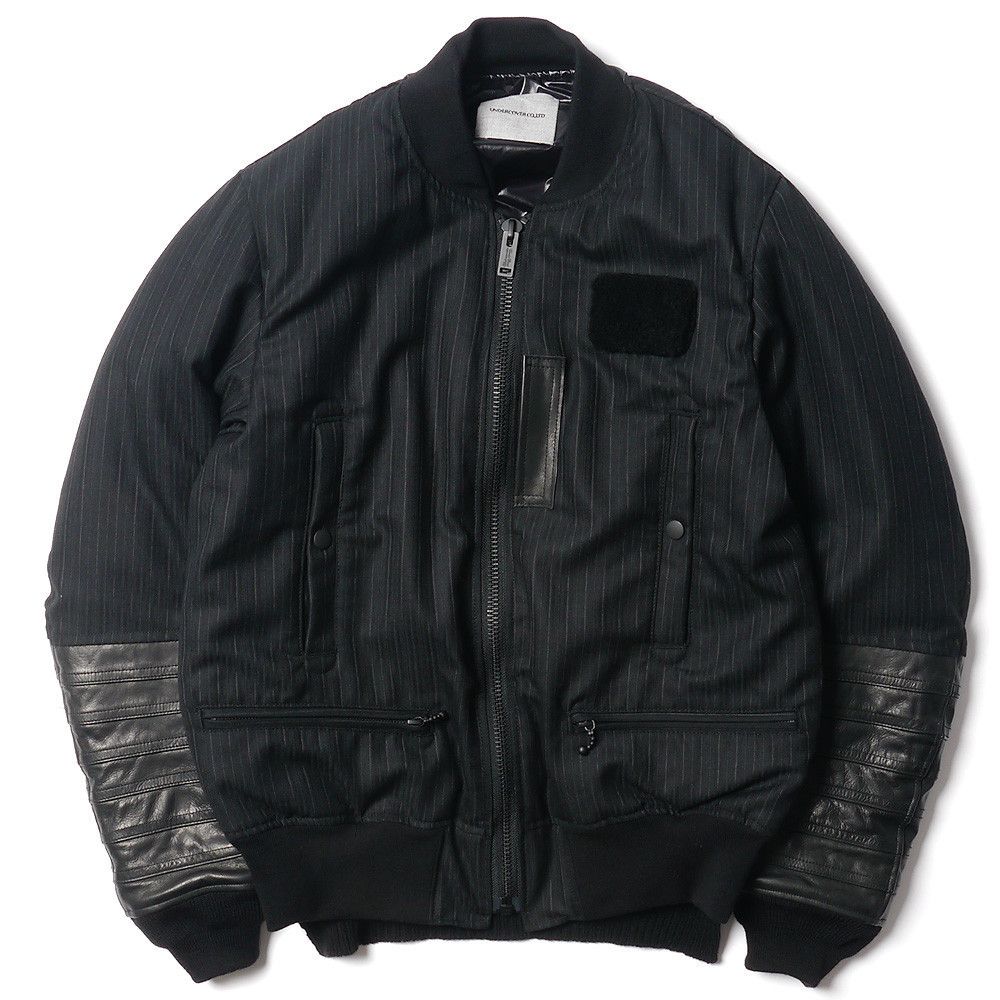
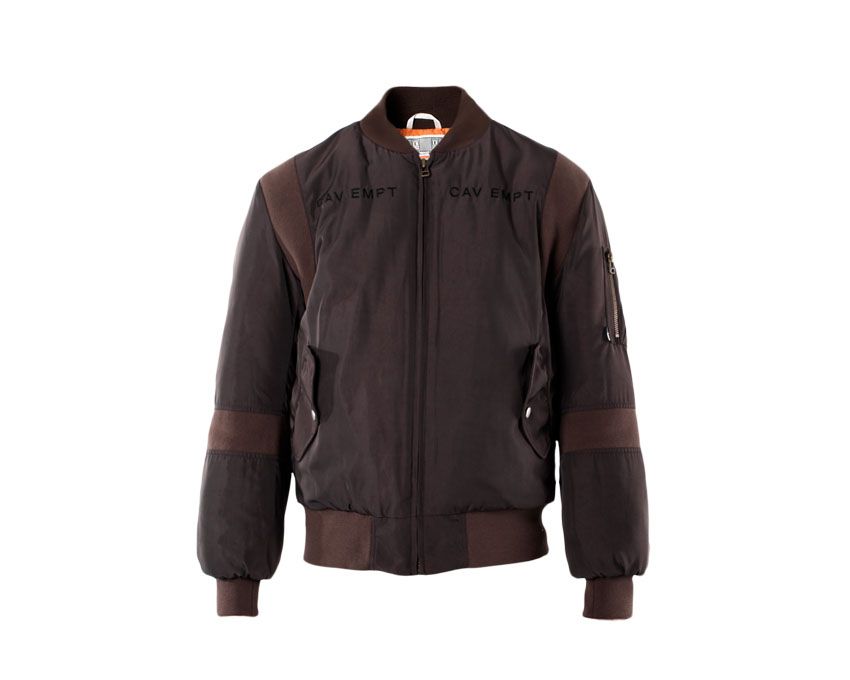
Putting his signature punk inspired twist to classic silhouettes- Jun Takahashi releases the L4203-3 Blouson as part of the brand's "anatomicouture" autumn/winter collection. Based on a bomber jacket the piece retains the rounded shape of the jacket along with ribbed collar, cuffs, and bottom hem. Pinstripe is utilized as the piece's majority giving it a more sophisticated aesthetic; UNDERCOVER's signature mixed material construction is also showcased in leather sleeve sections, and knitted sweater tail rear section. Functional components come in they way of snap button chest pockets, interior snap button pocket, and waist zip pockets. Made in Japan. Mixed material construction. Leather sleeve sections. Knitted sweater tail rear section. Snap button chest pockets. Interior snap button pocket. Waist zip pockets.
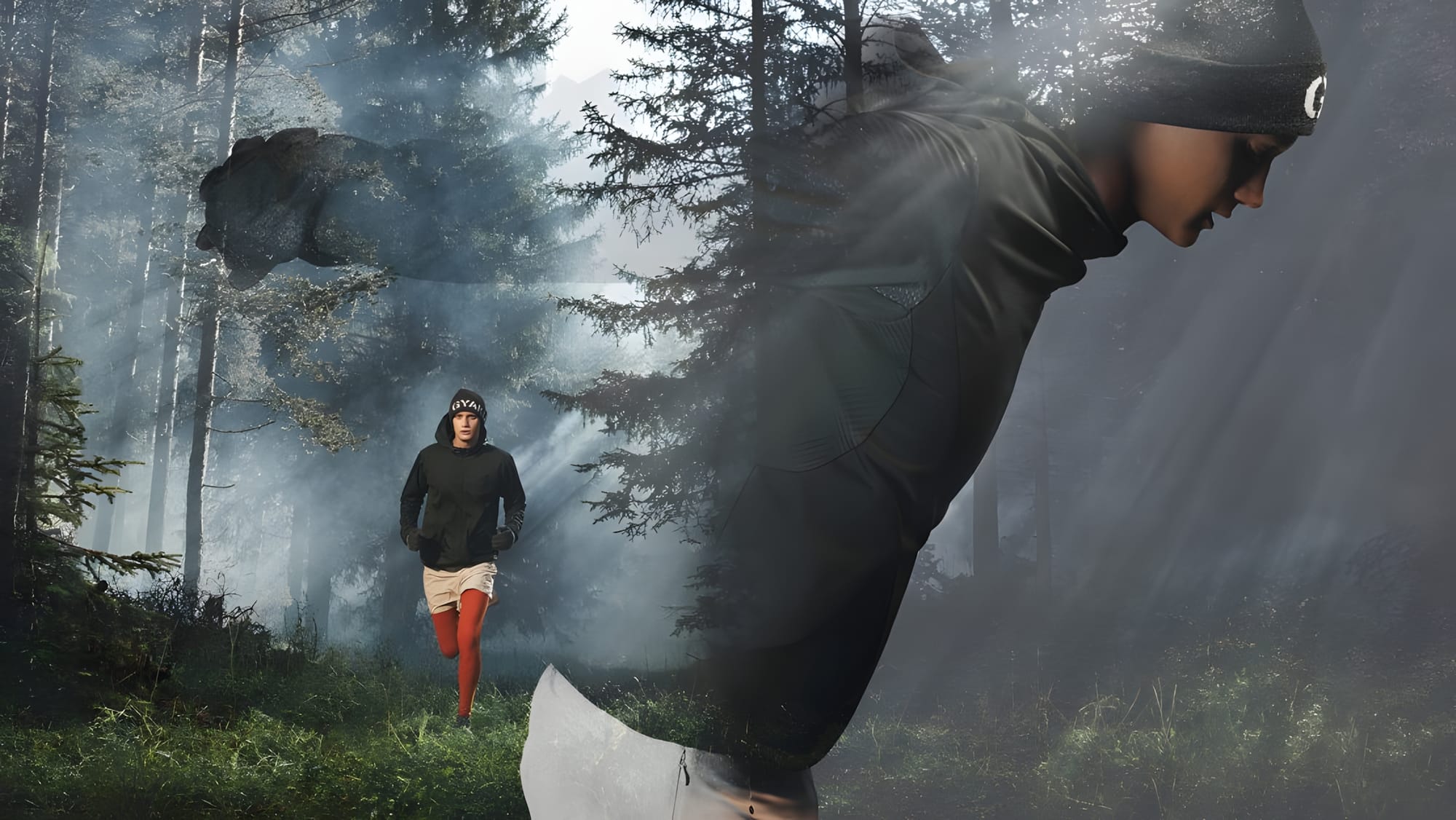
The Holiday 2014 collection is restored as the original seven-image studio set, separating it from the Holiday 2013 forest campaign.

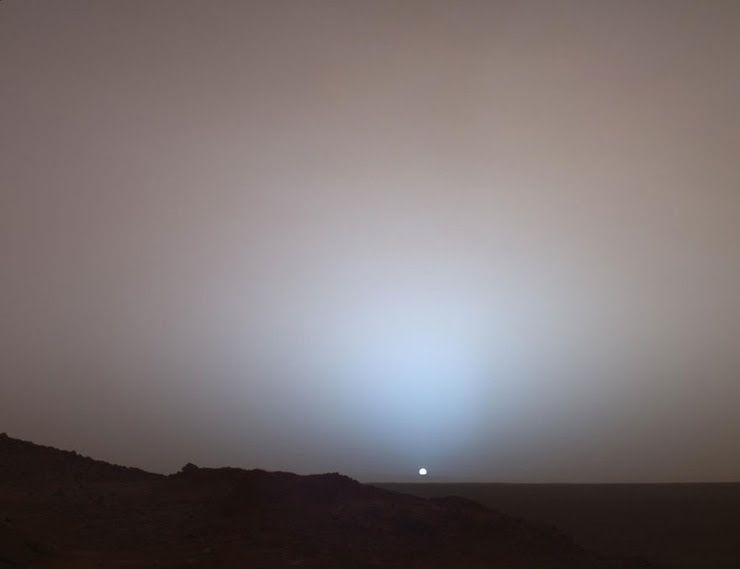
On May 19, 2005, NASA's Mars Exploration Rover Spirit captured this stunning view as the Sun sank below the rim of Gusev crater on Mars. This Panoramic Camera mosaic was taken around 6:07 in the evening of the rover's 489th Martian day, or sol.
Sunset and twilight images are occasionally acquired by the science team to determine how high into the atmosphere the Martian dust extends, and to look for dust or ice clouds. Other images have shown that the twilight glow remains visible, but increasingly fainter, for up to two hours before sunrise or after sunset. The long Martian twilight (compared to Earth's) is caused by sunlight scattered around to the night side of the planet by abundant high altitude dust. Similar long twilights or extra-colorful sunrises and sunsets sometimes occur on Earth when tiny dust grains that are erupted from powerful volcanoes scatter light high in the atmosphere.
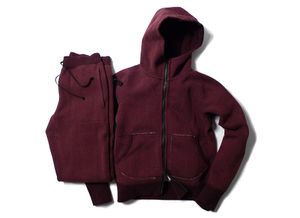
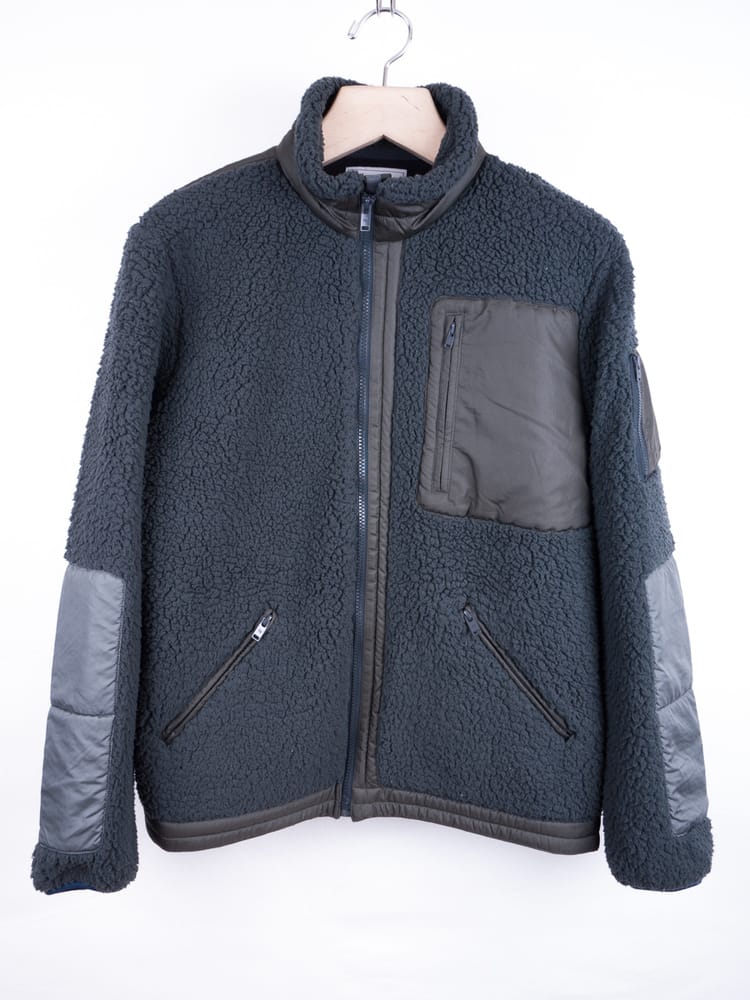
Tiger Fleece + Waterproof two-way zipper
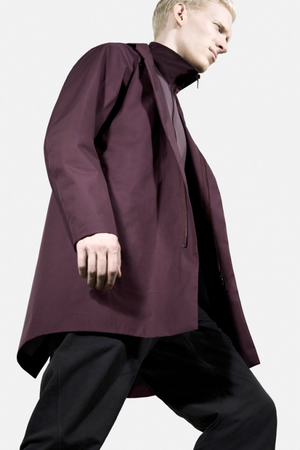
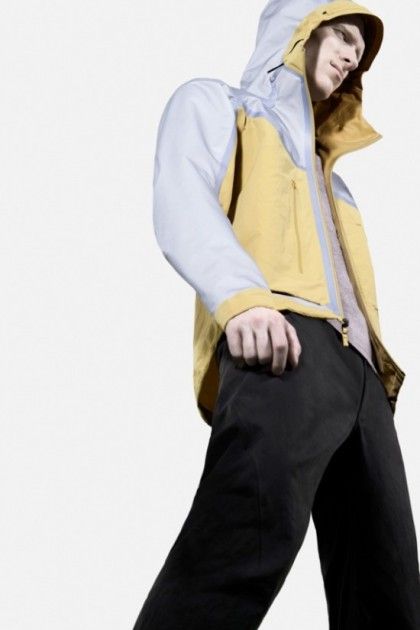
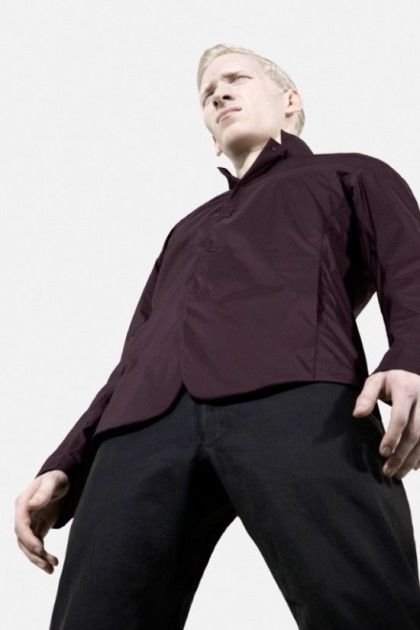
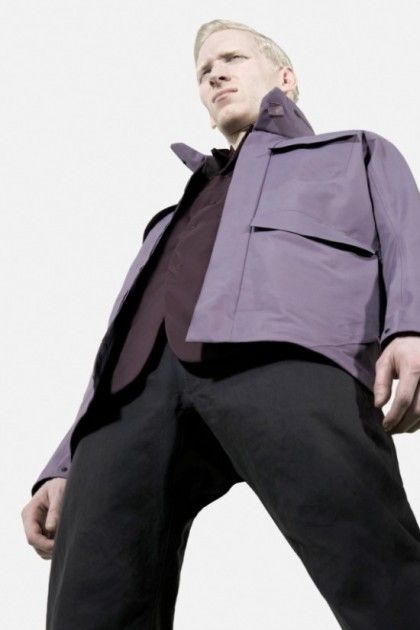
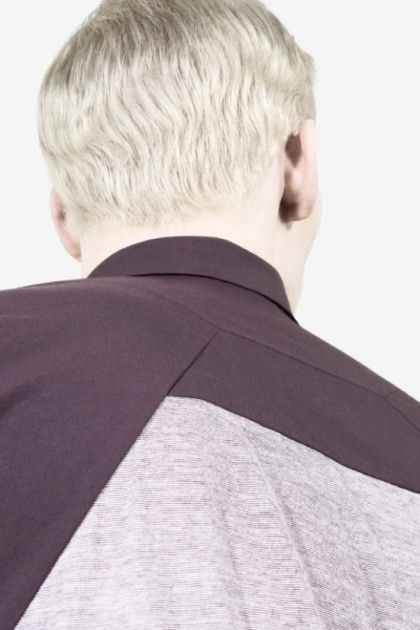
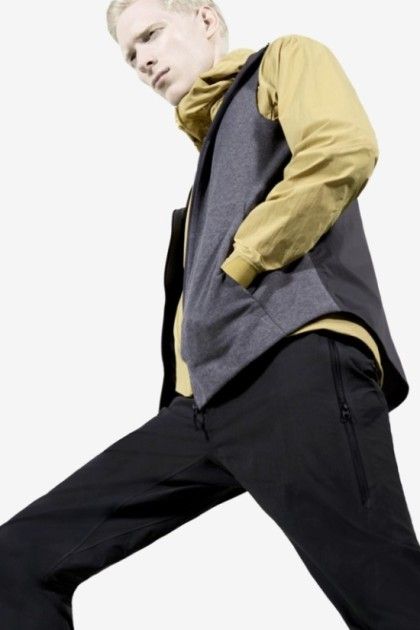
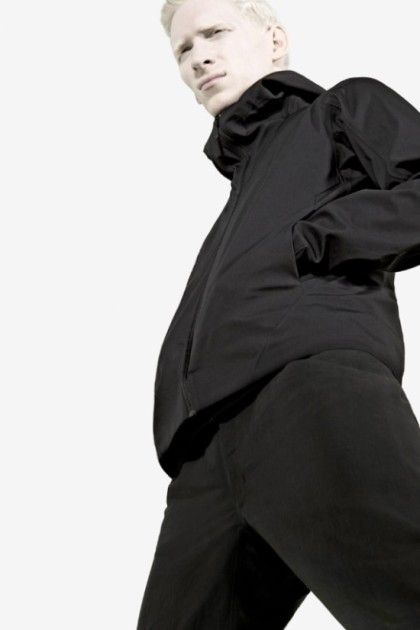
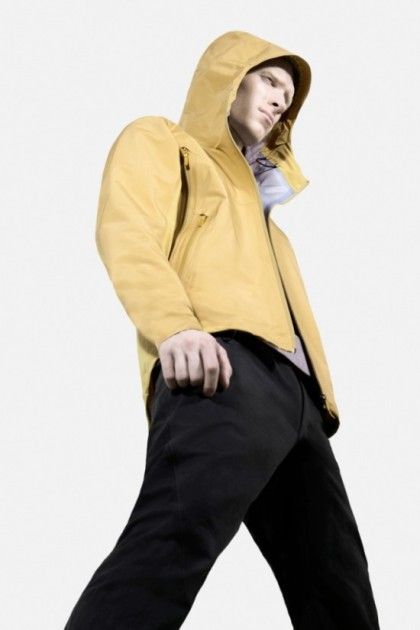
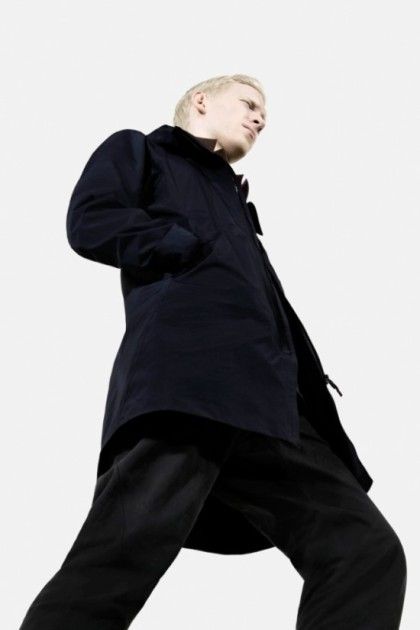
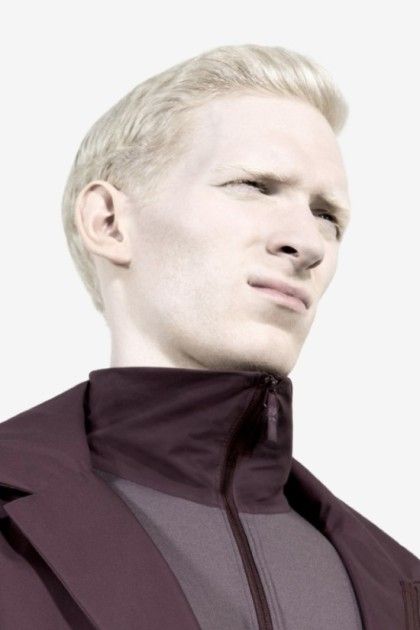
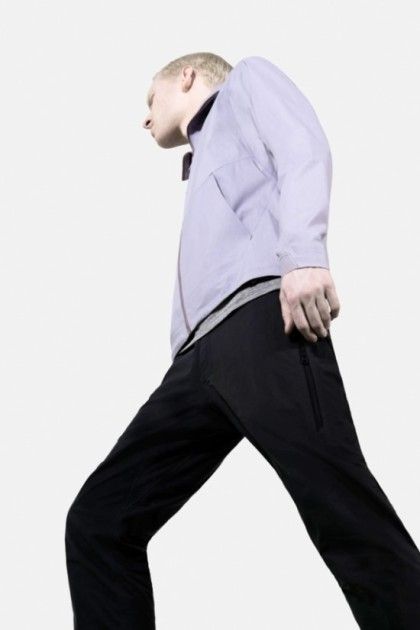
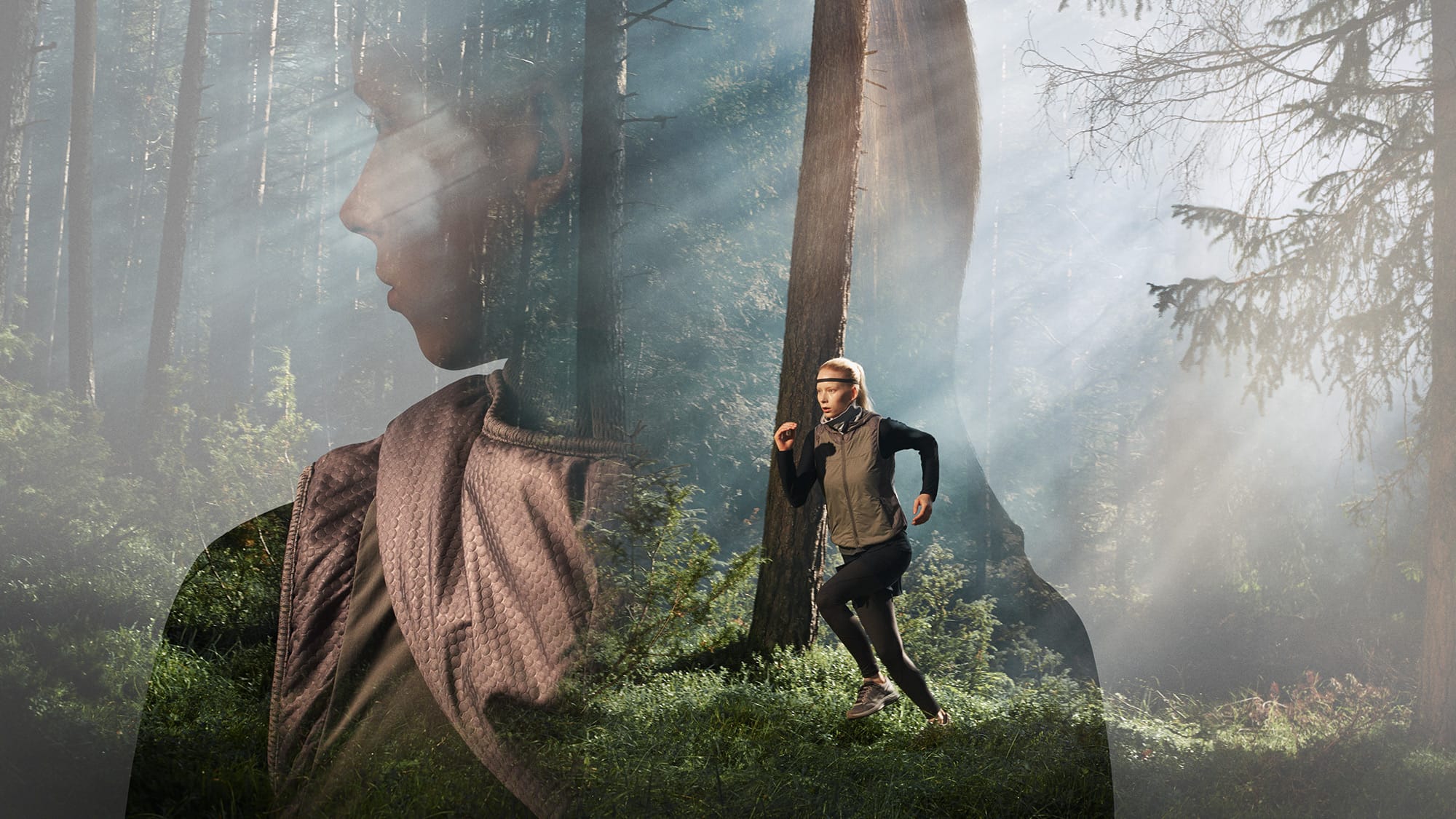
Photographed by Azim Haidaryan
Produced by Panottica


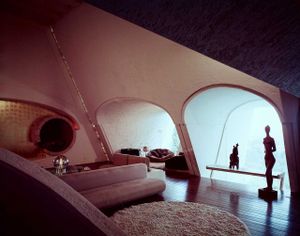
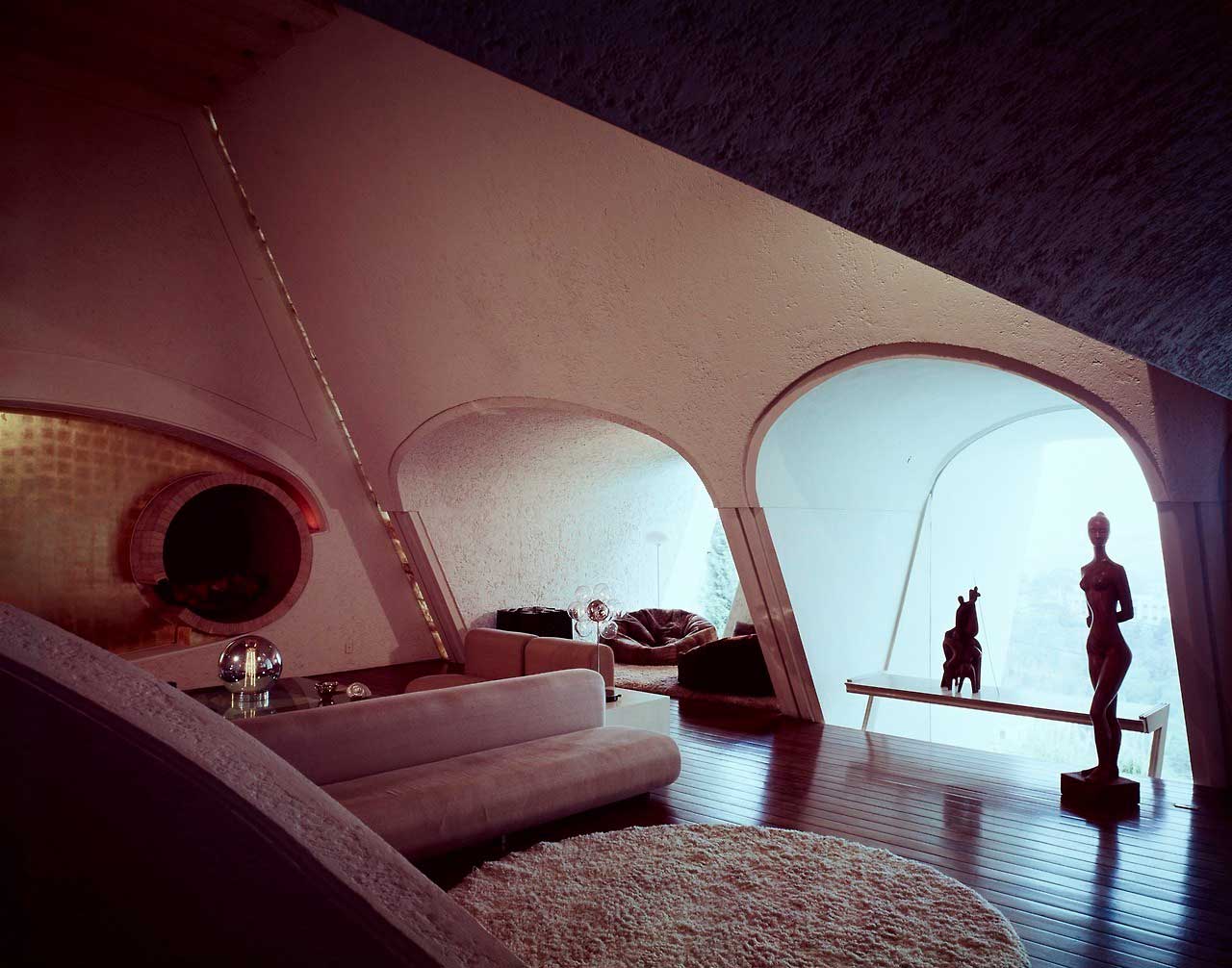
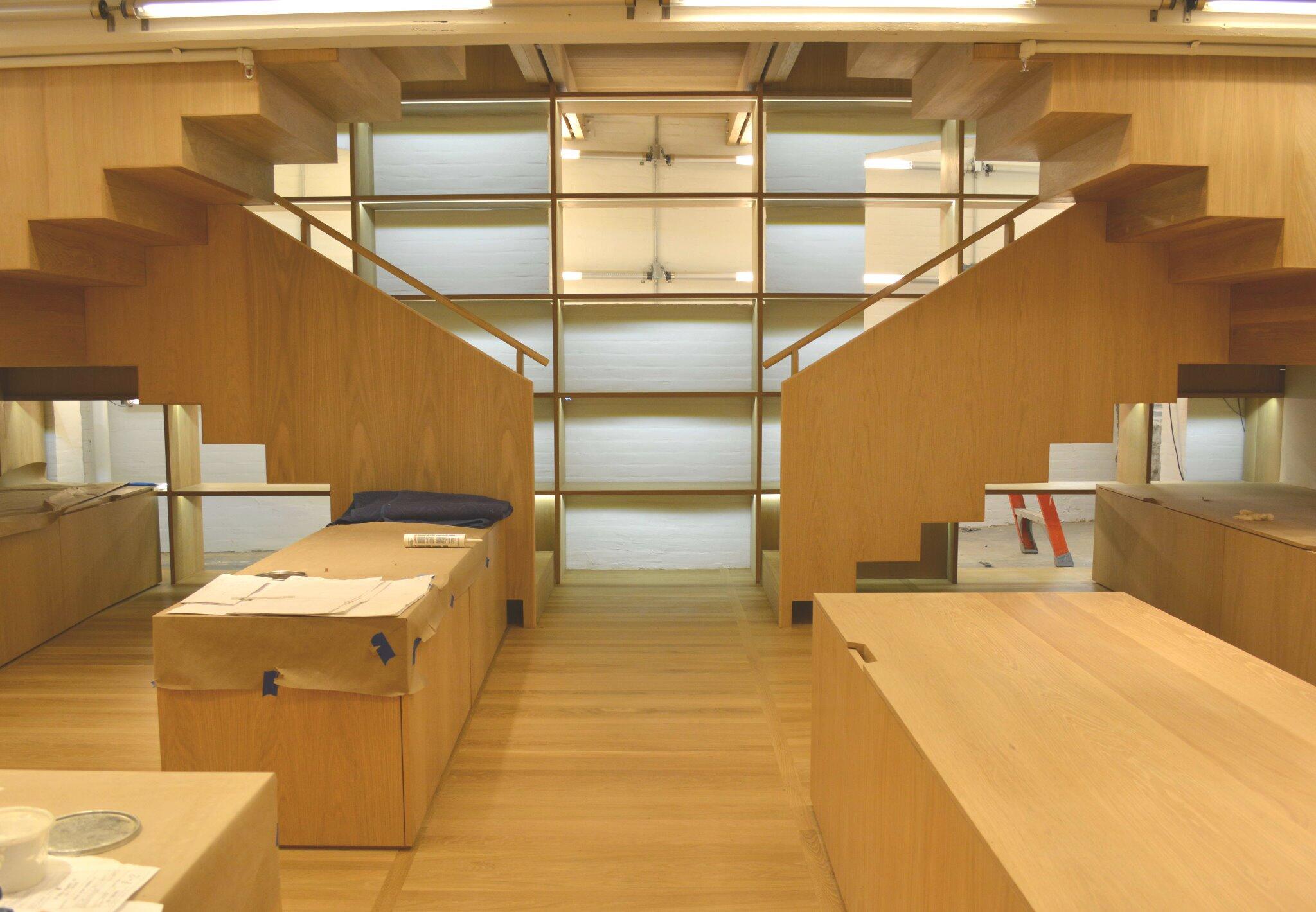
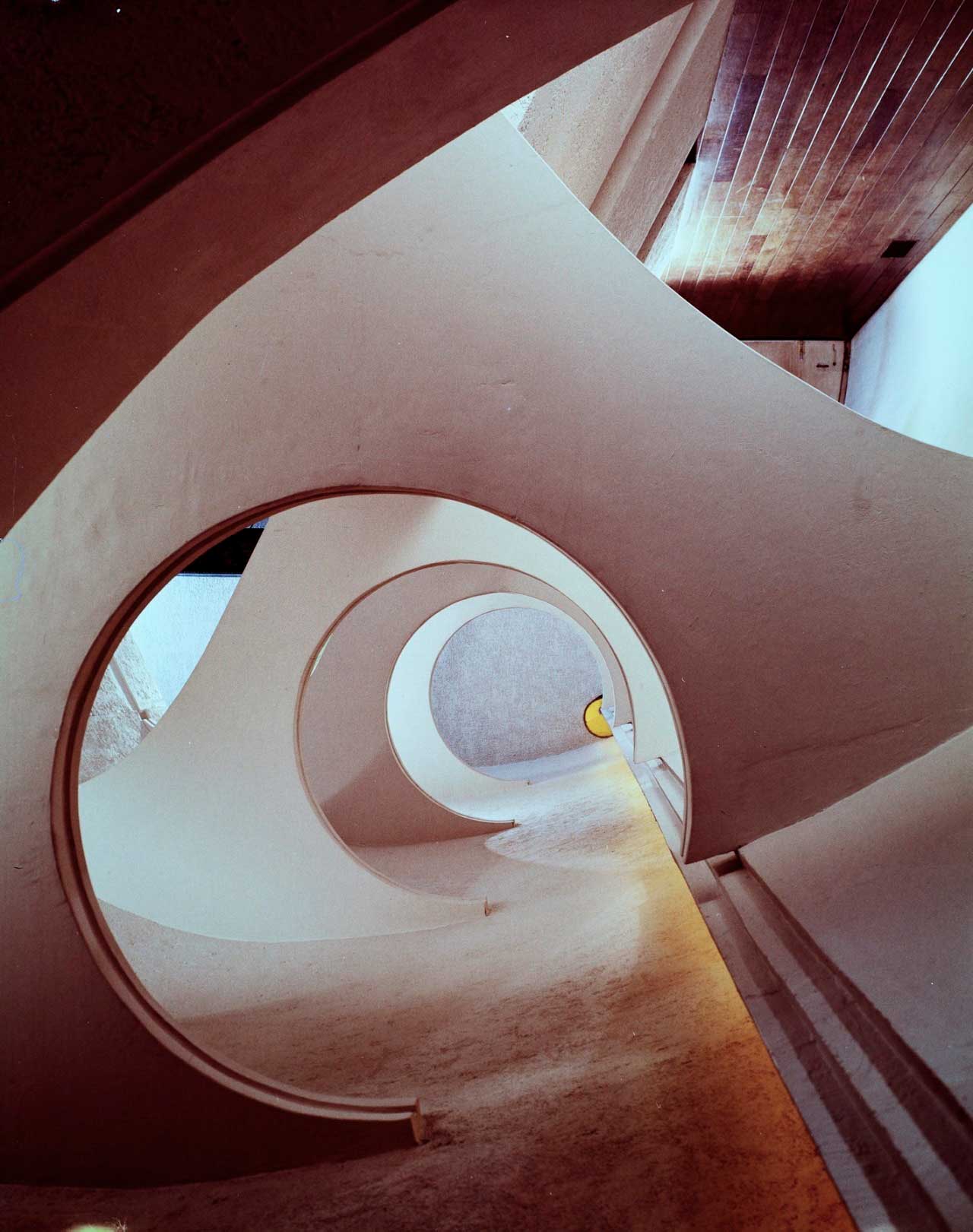
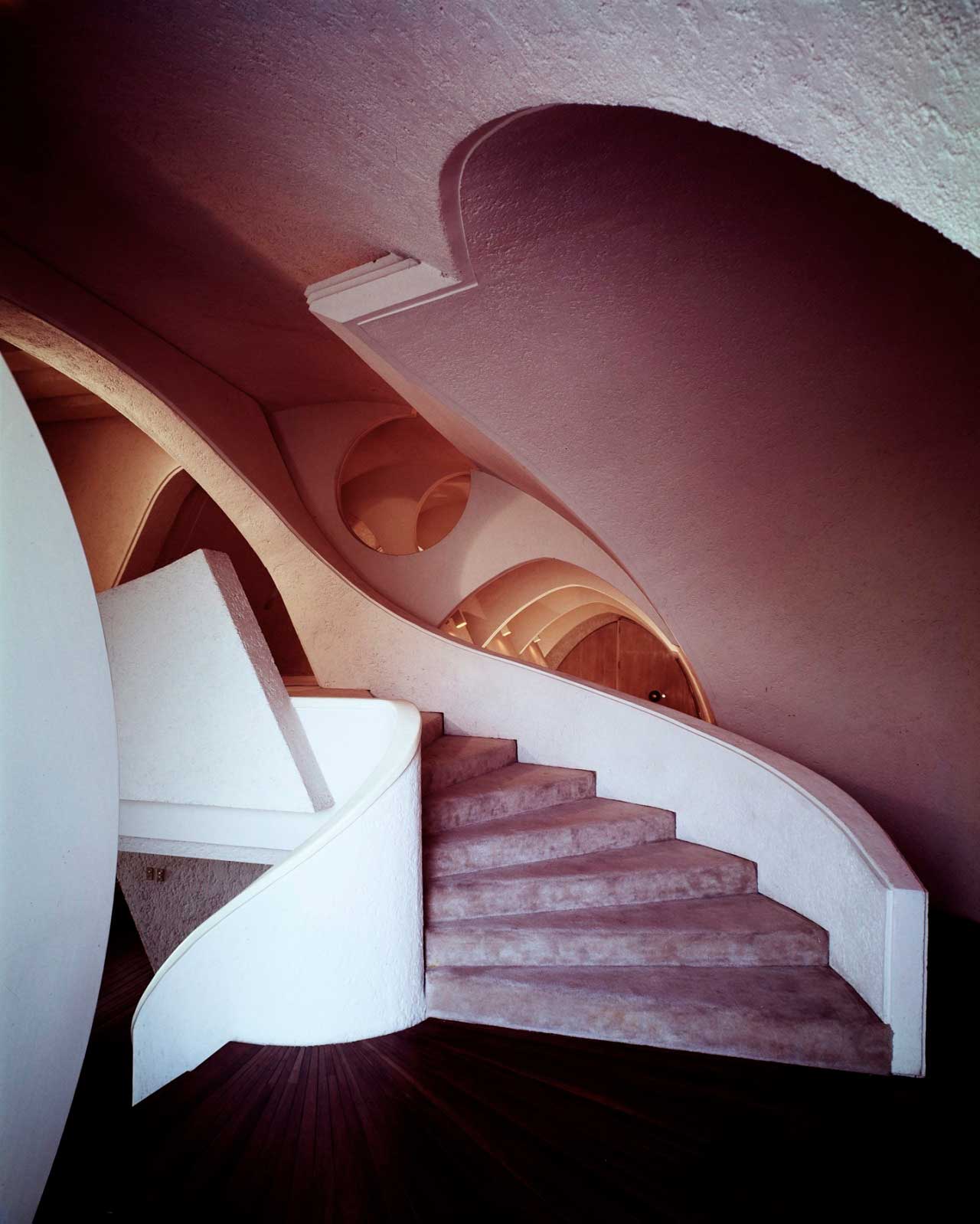
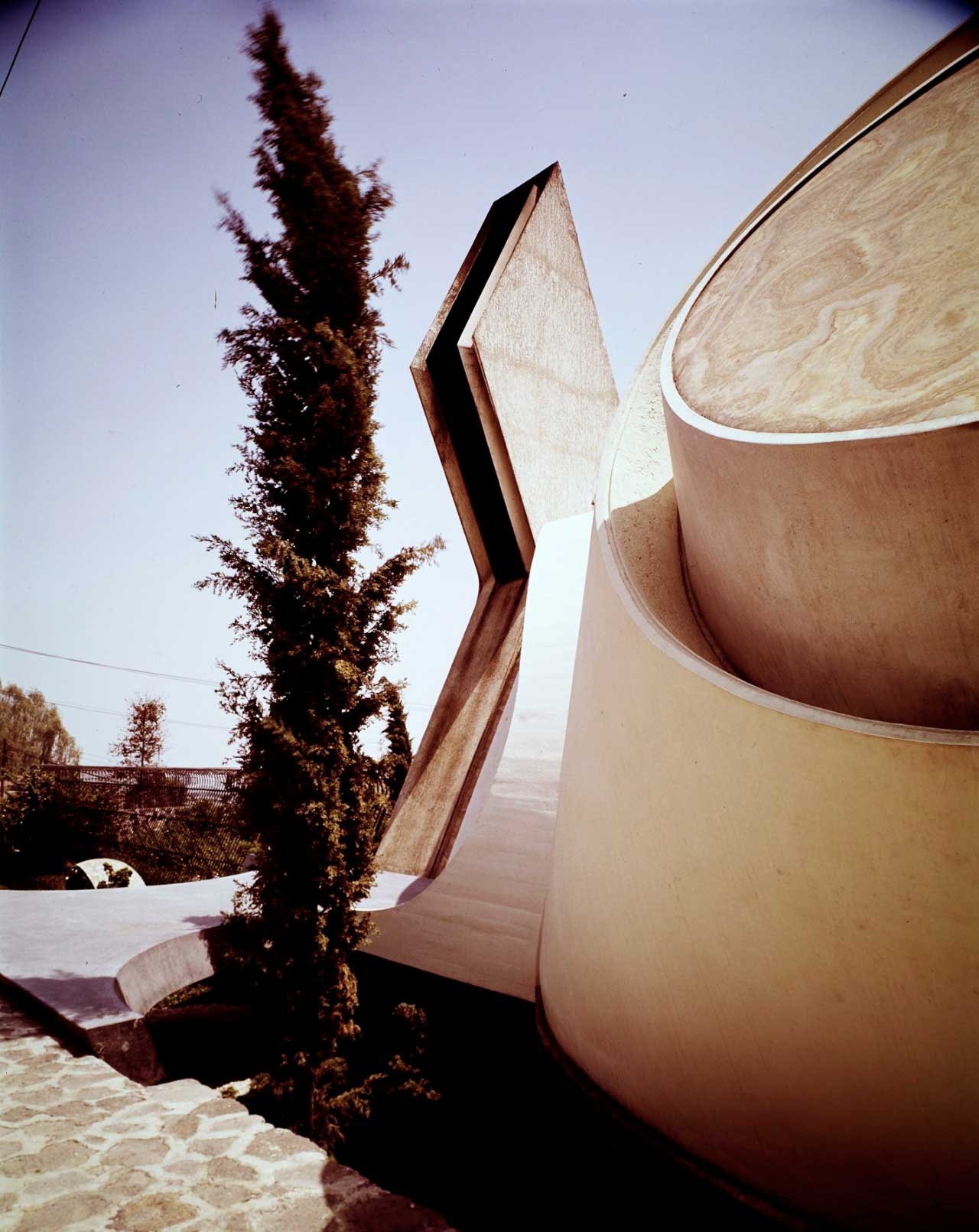
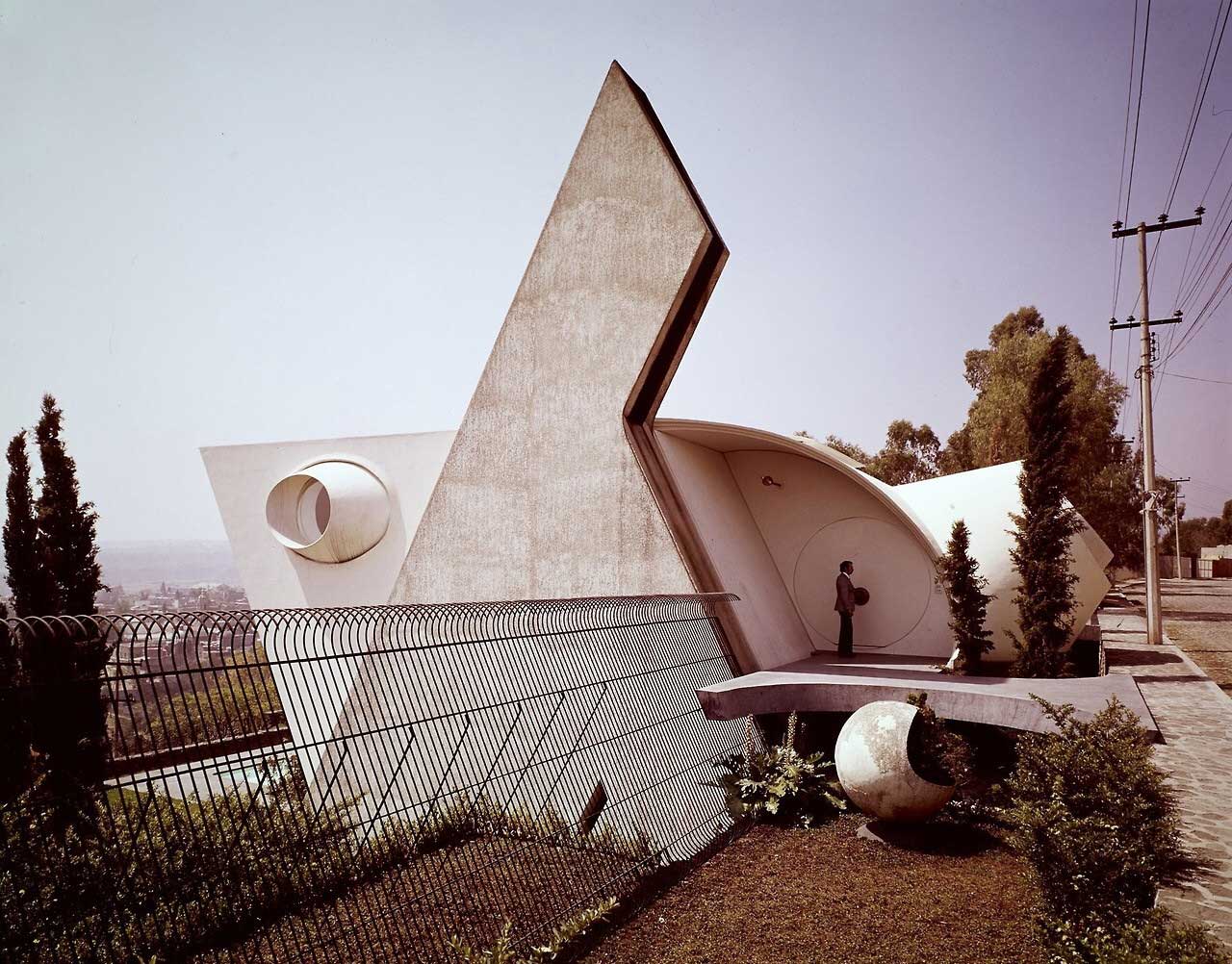
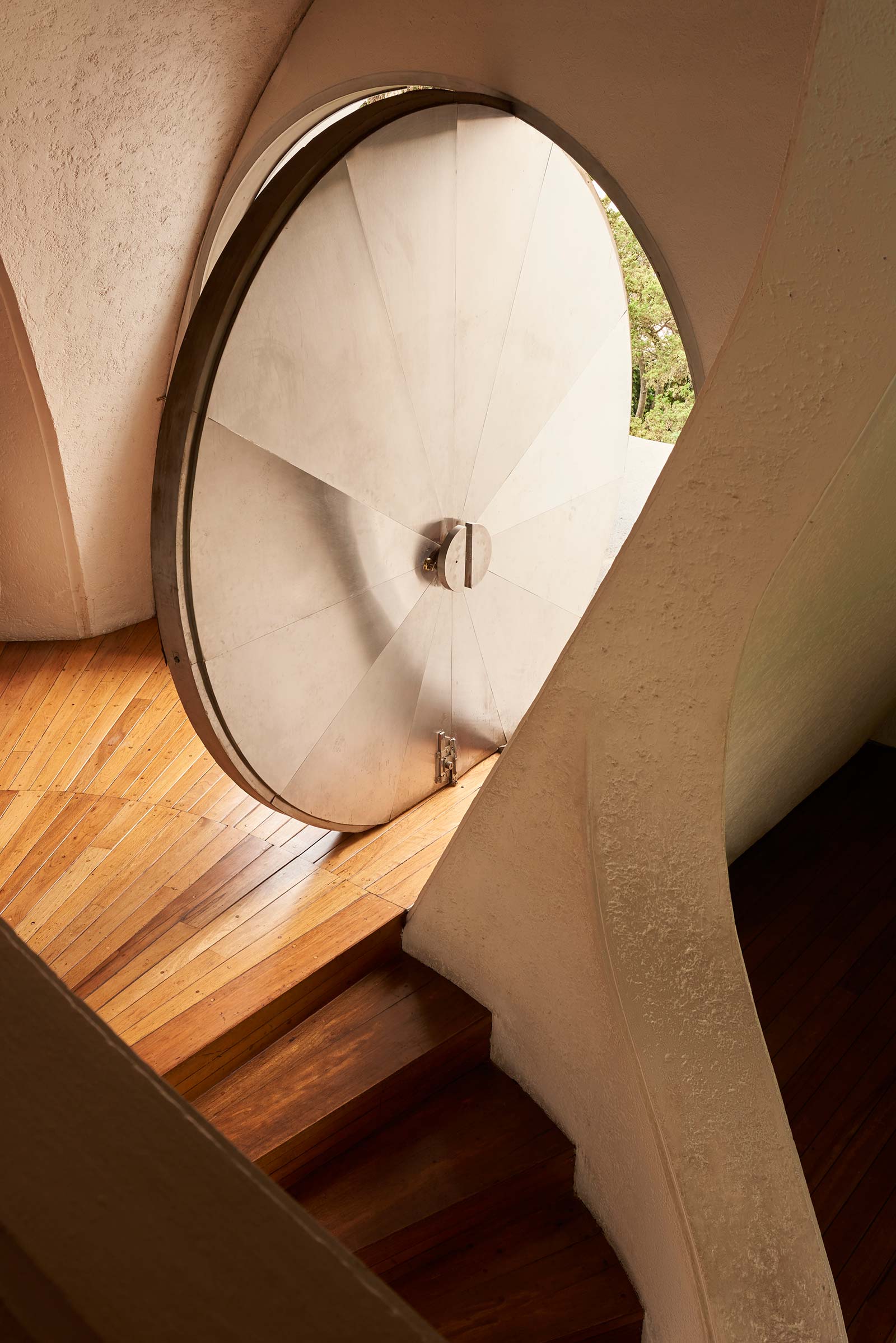
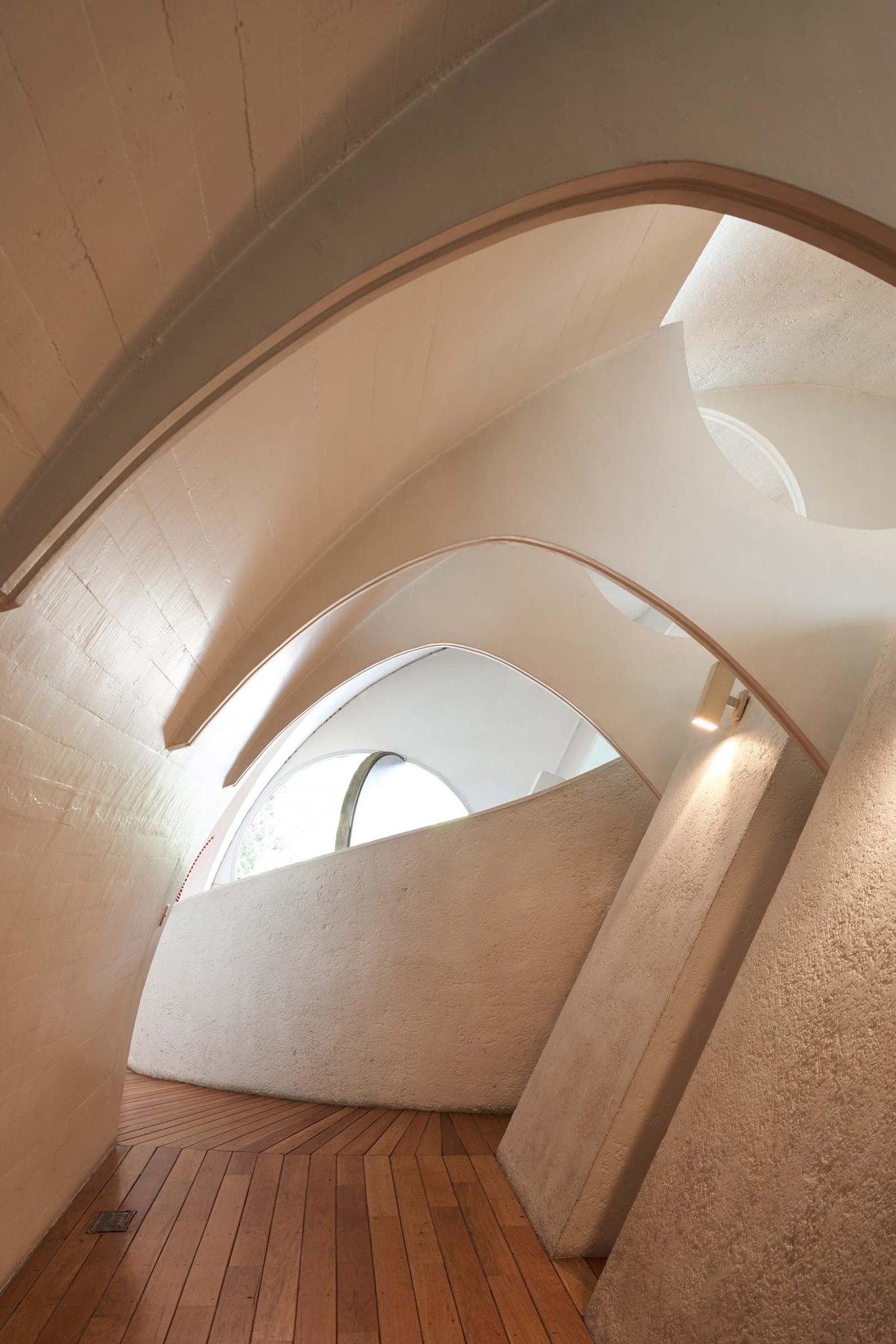
Agustín Hernández Navarro is a Mexican sculptor and architect born in Mexico City. He is the son of politician Lamberto Hernández and Amalia Navarro and studied at the National Autonomous University of Mexico. Leading exponent of “emotional” architecture in his country, Hernandez has fused elements from Mexico’s Pre-columbian past in his contemporary architecture. He usually starts by designing the vertical elements of a building, such as the stairs, as he feels these are of much importance. As organic nature, his architecture unites structure, form, and function.
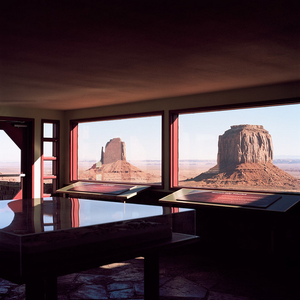
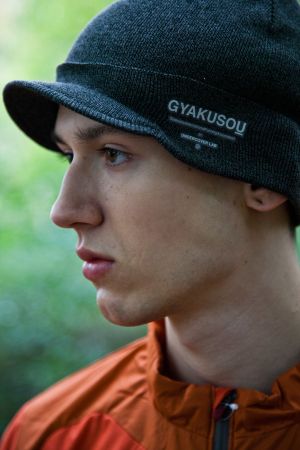
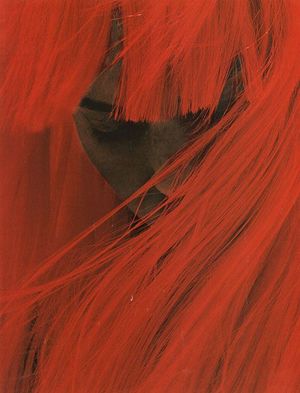
Angela Lindvall POP (F/W 2002) ph. Mert & Marcus
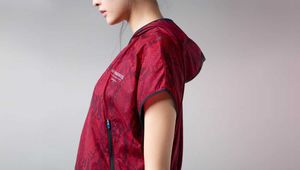
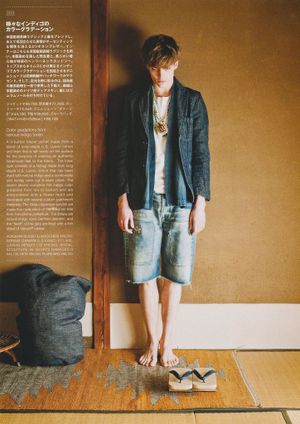
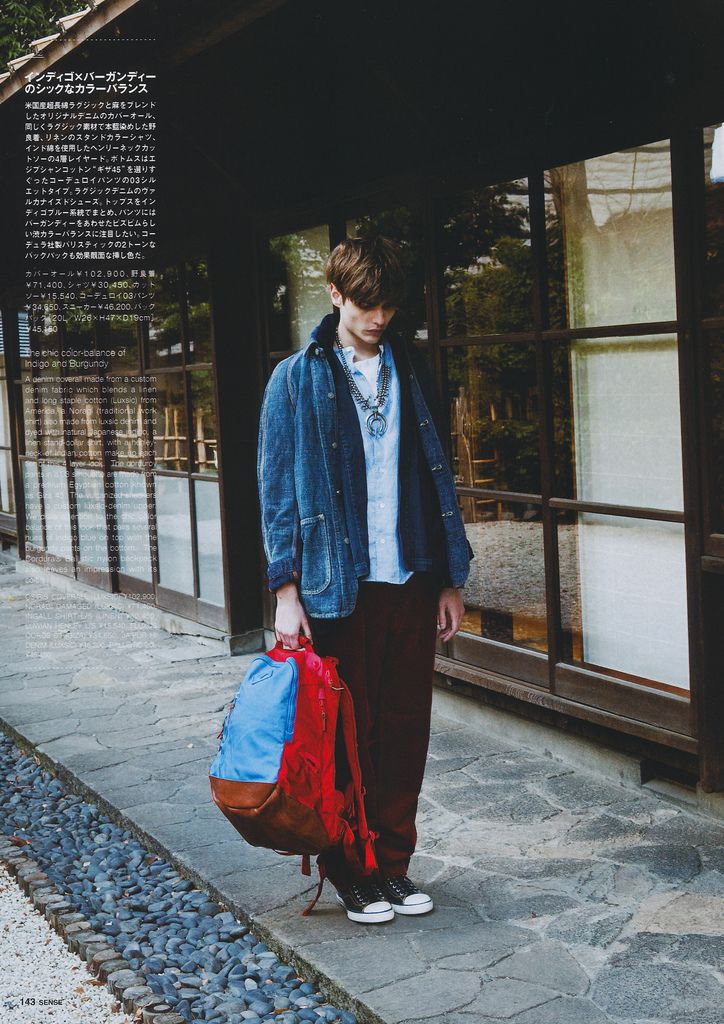
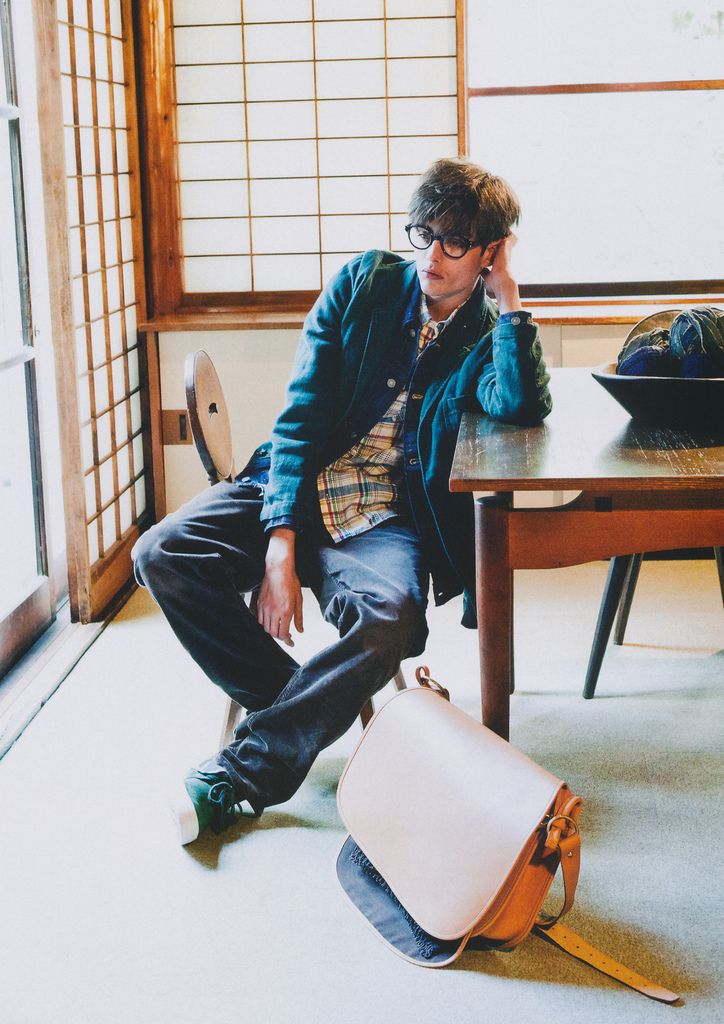
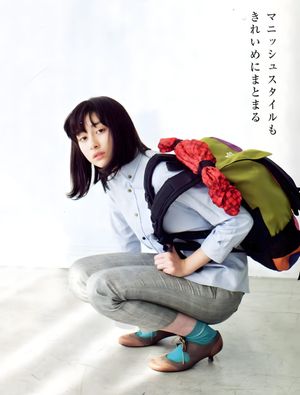
A page from 'TEXT in visvim', the visvim Spring/Summer 2012 feature in Japan's SENSE Magazine (March 2012). Naturally dyed, hand-constructed pieces from Hiroki Nakamura.
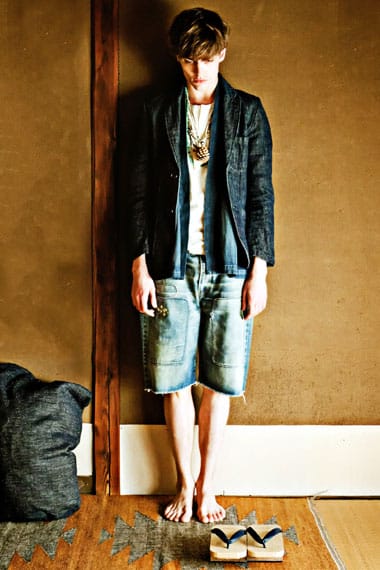
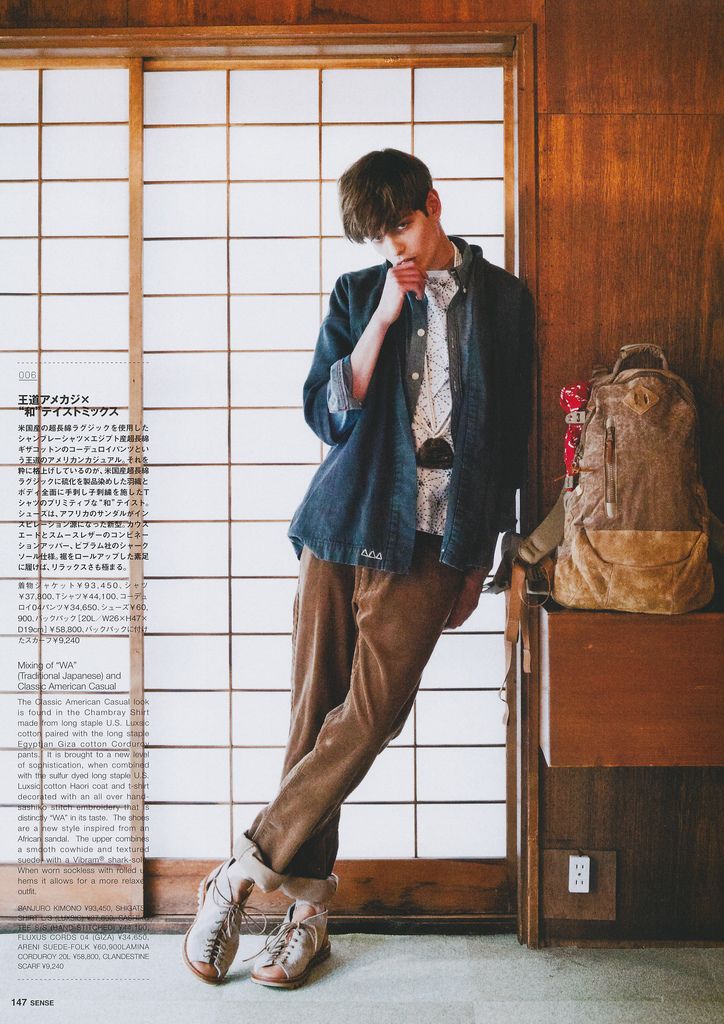
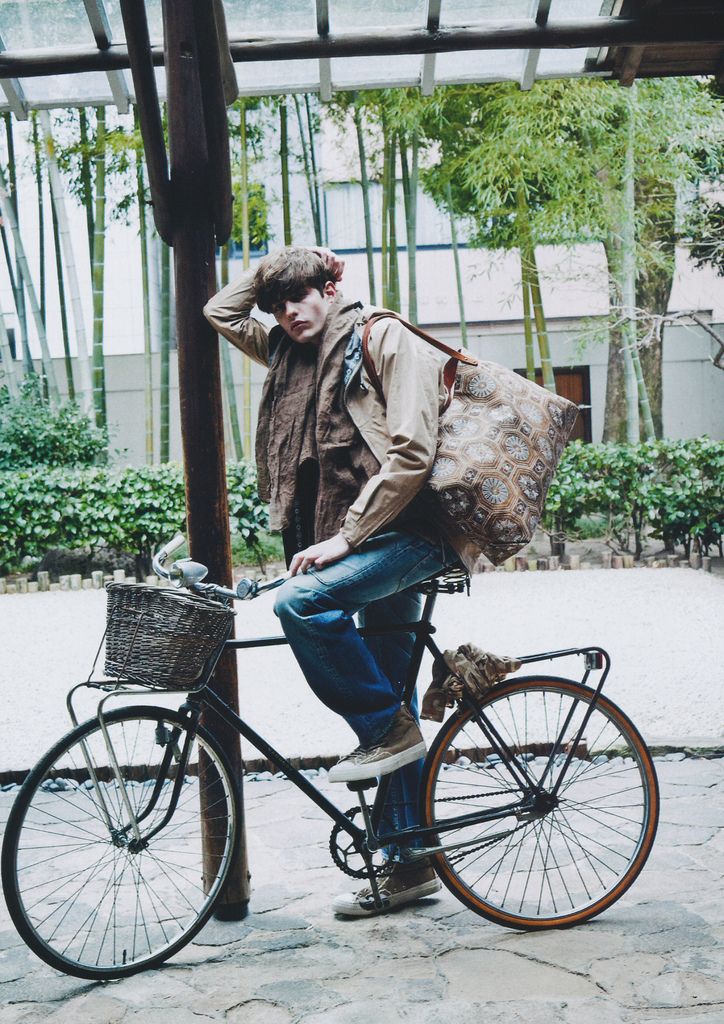
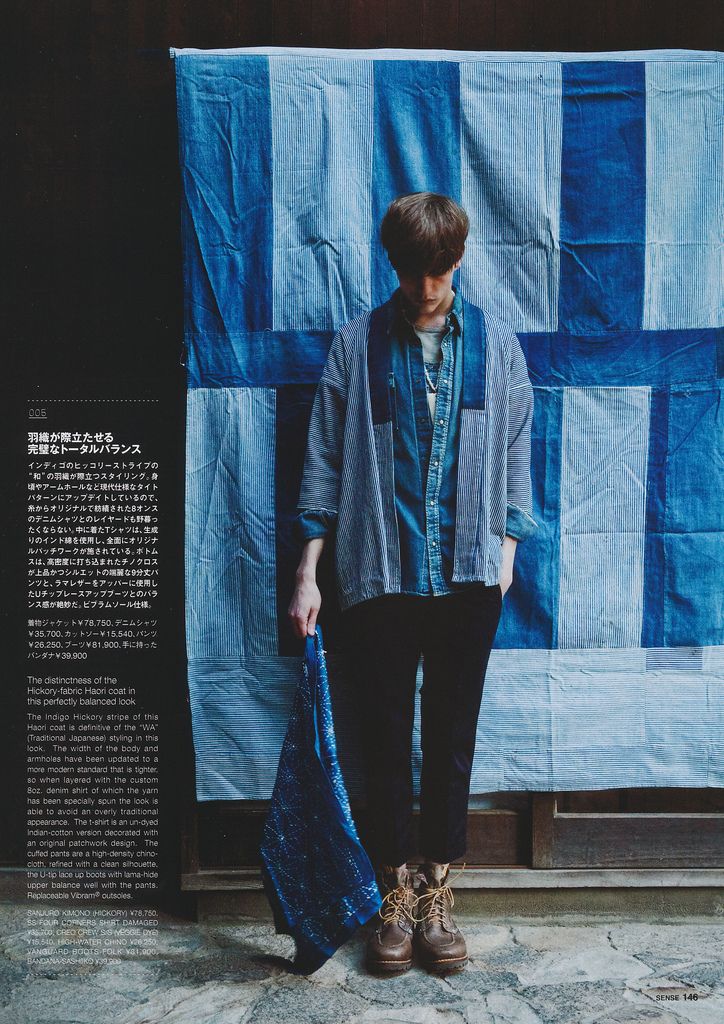
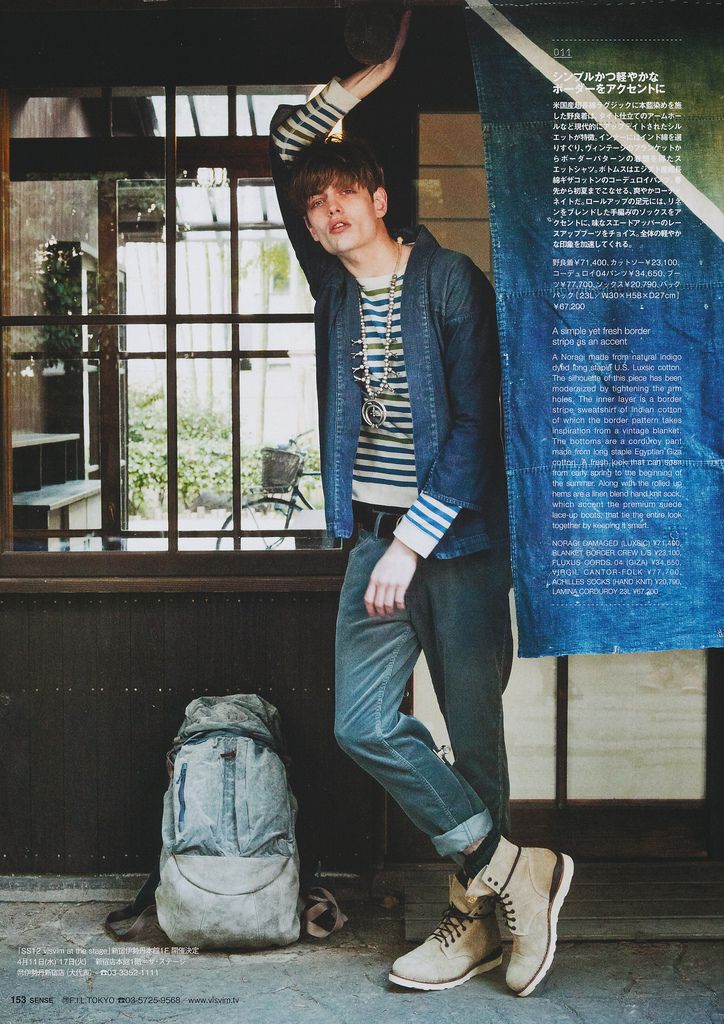
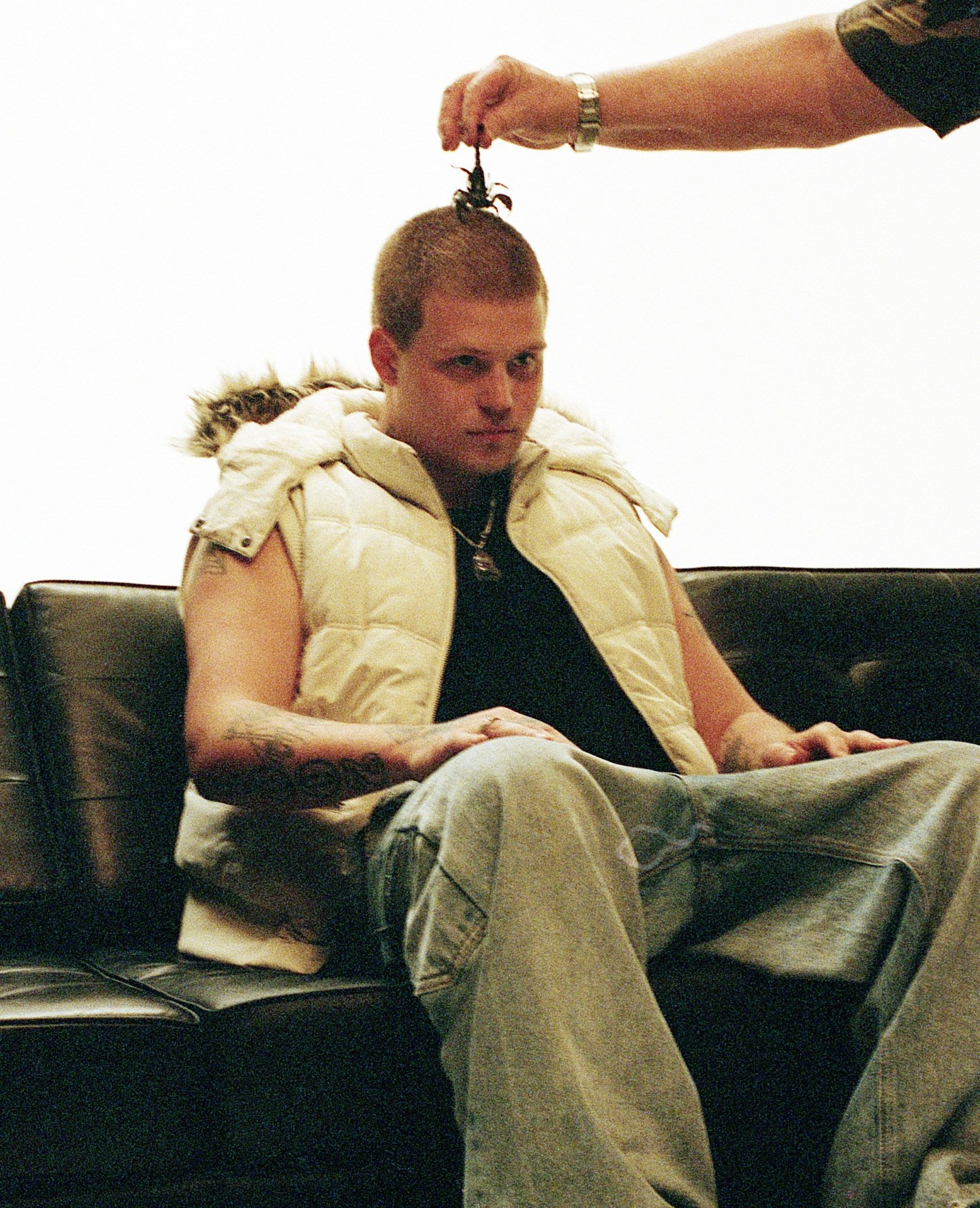
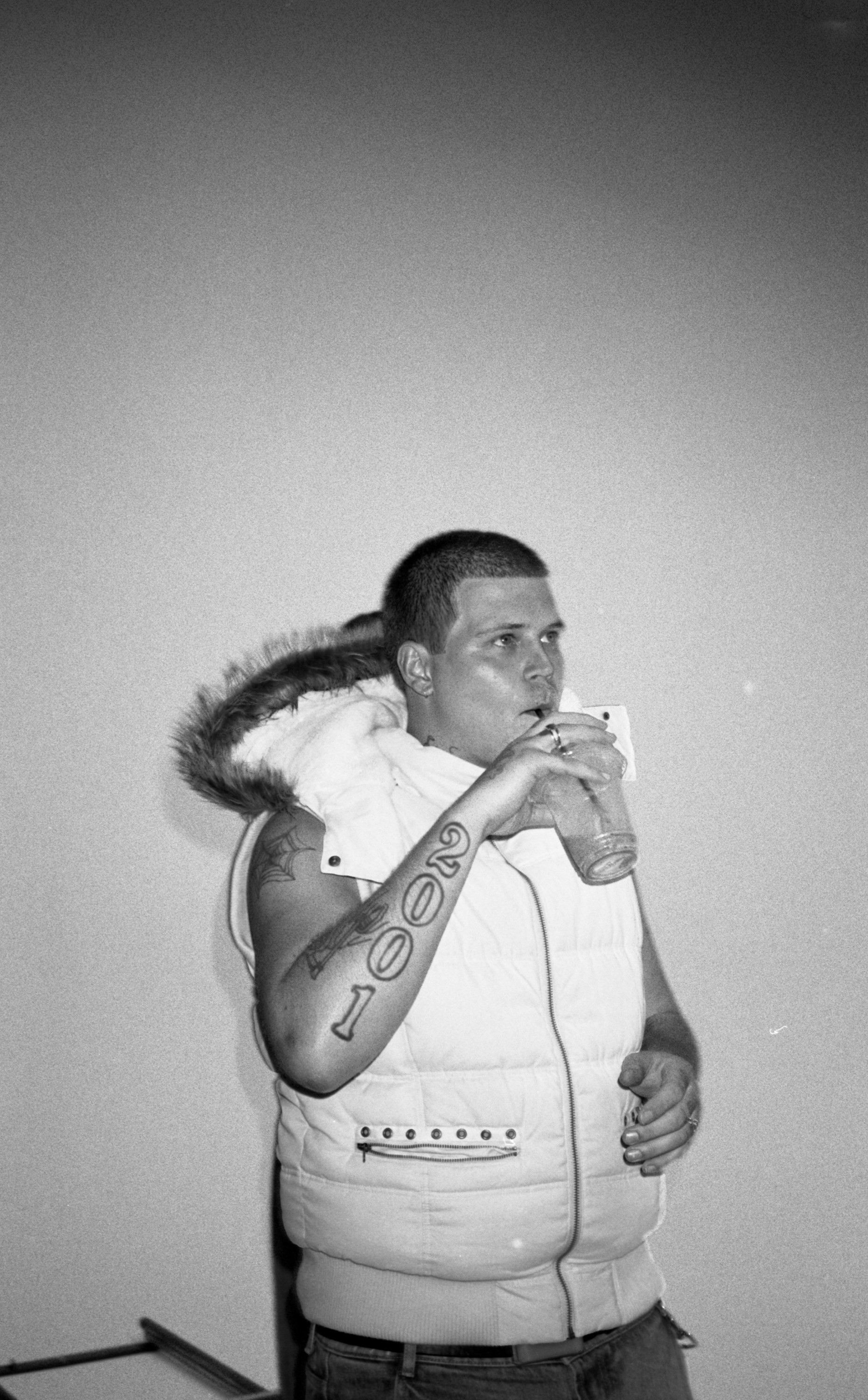
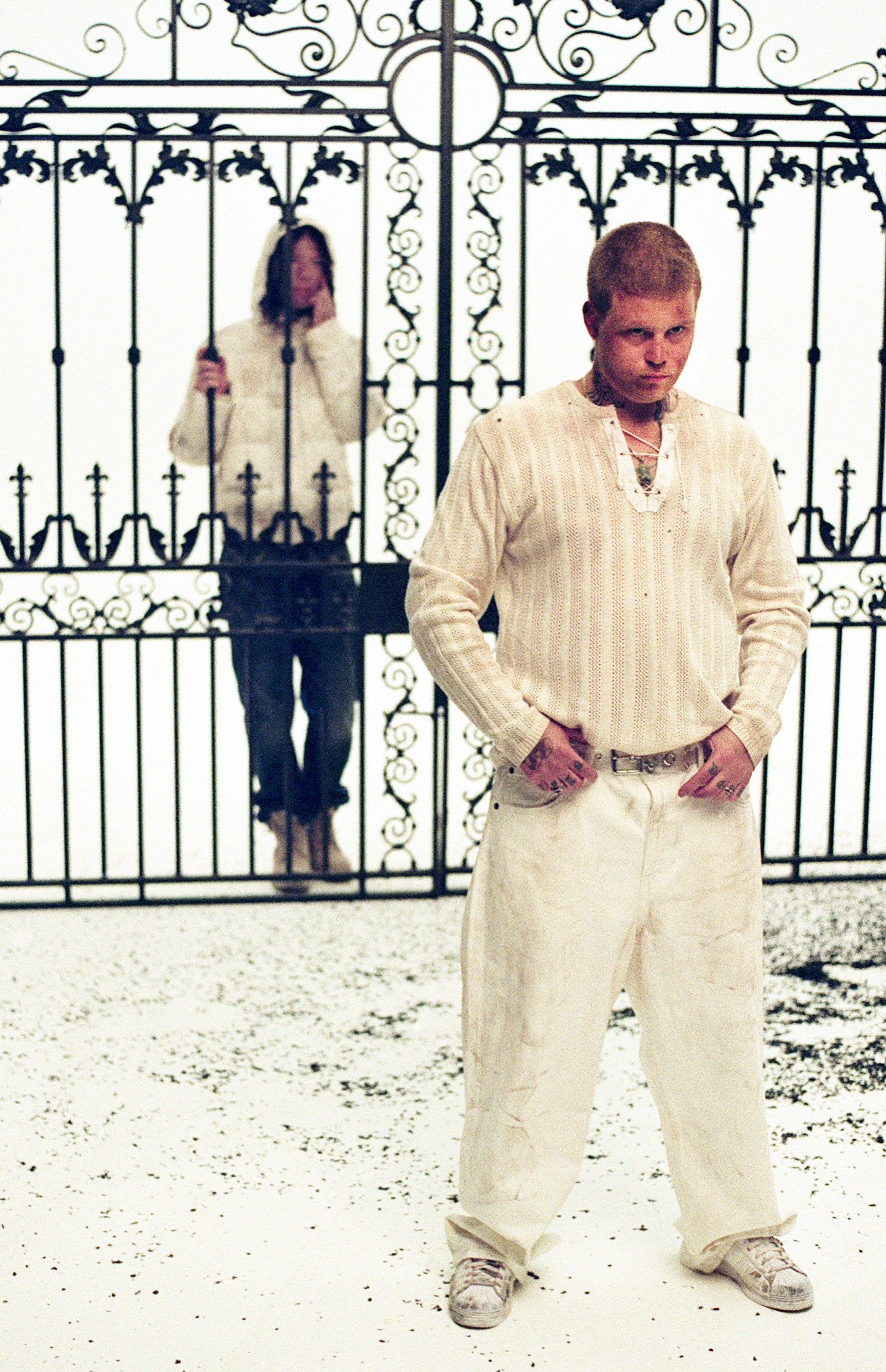
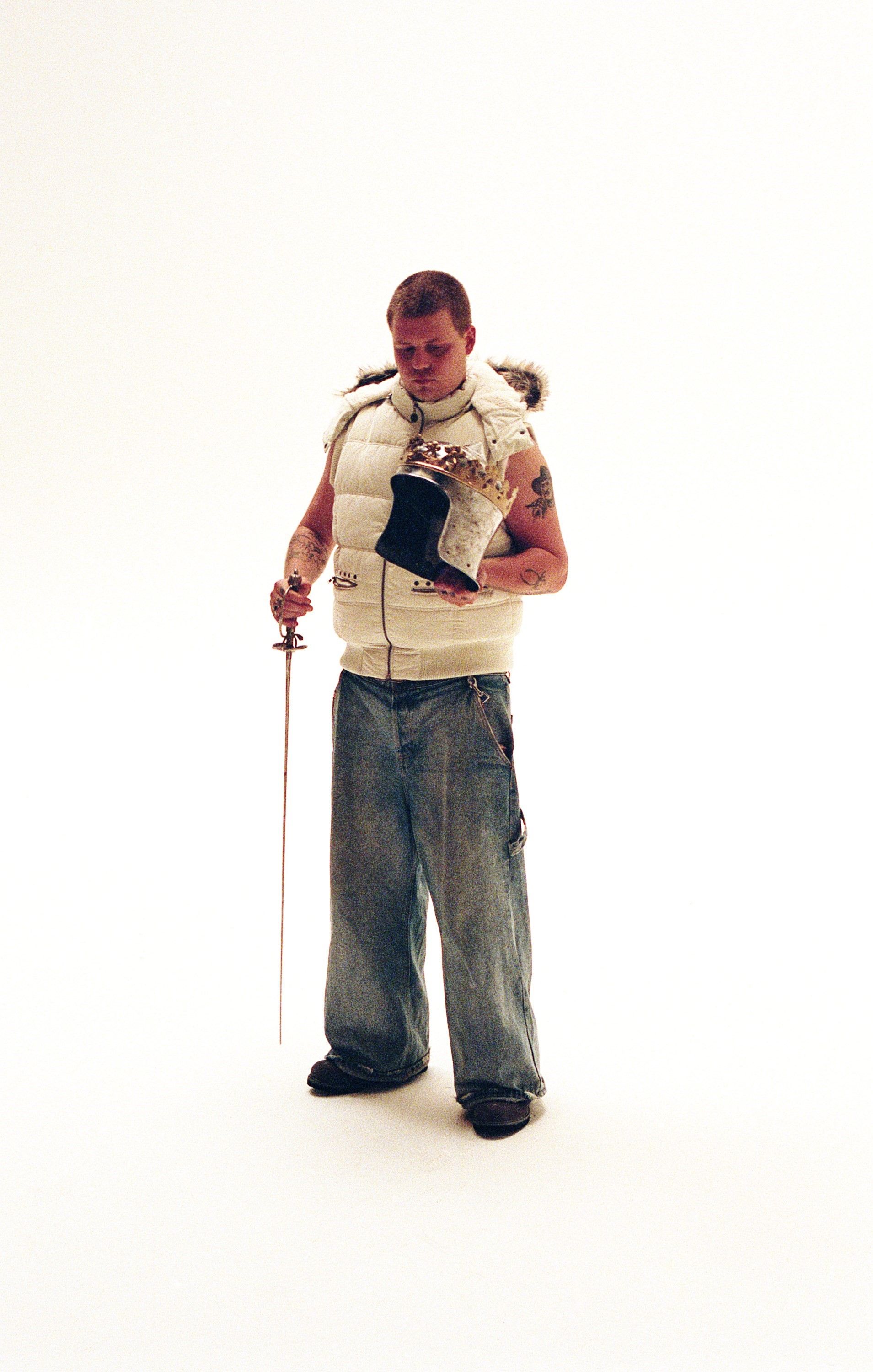
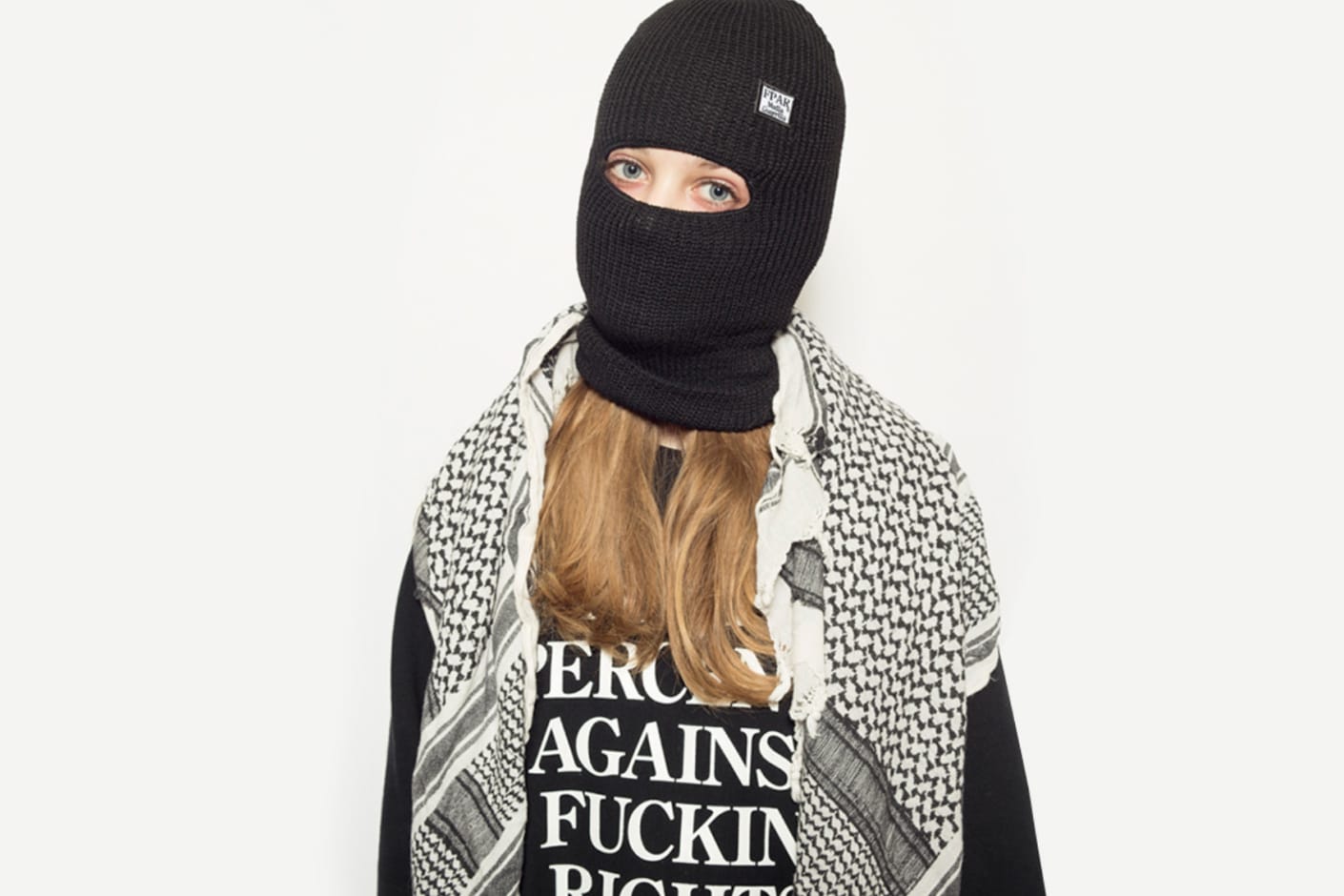
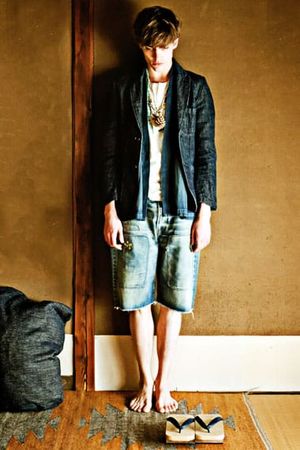
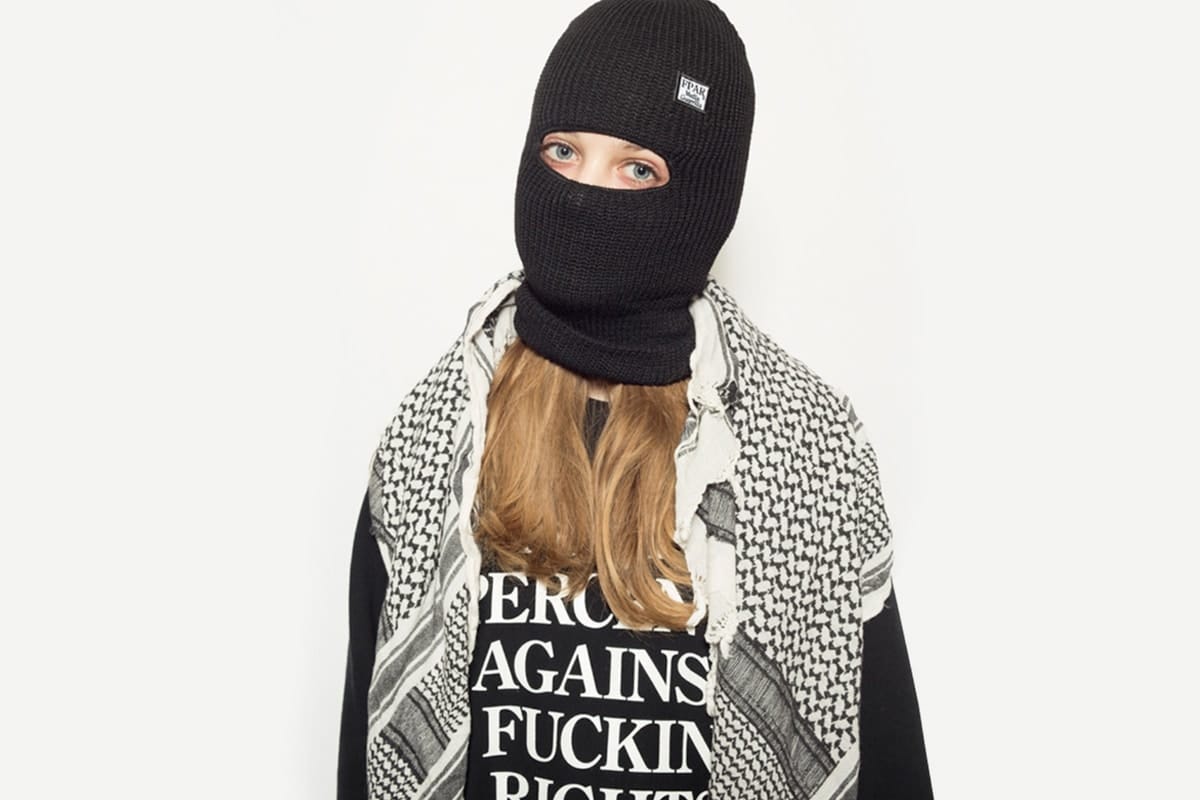
FORTY PERCENTS AGAINST RIGHTS (FPAR), a Japanese label by Tetsu Nishiyama, who also runs WTAPS and ran the 1990s FPAR. Message-based graphics with military- and workwear-derived cuts; it opened its own online store in 2013.
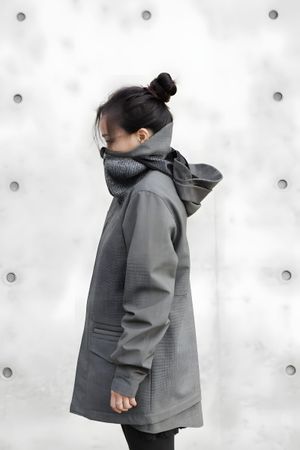
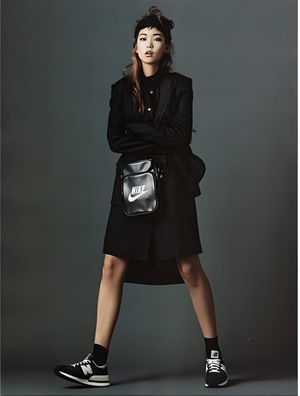
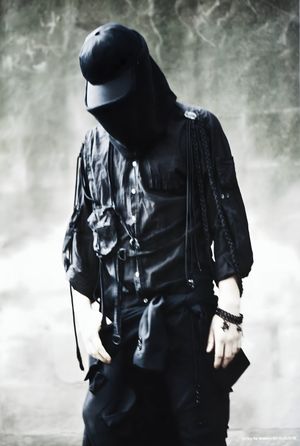
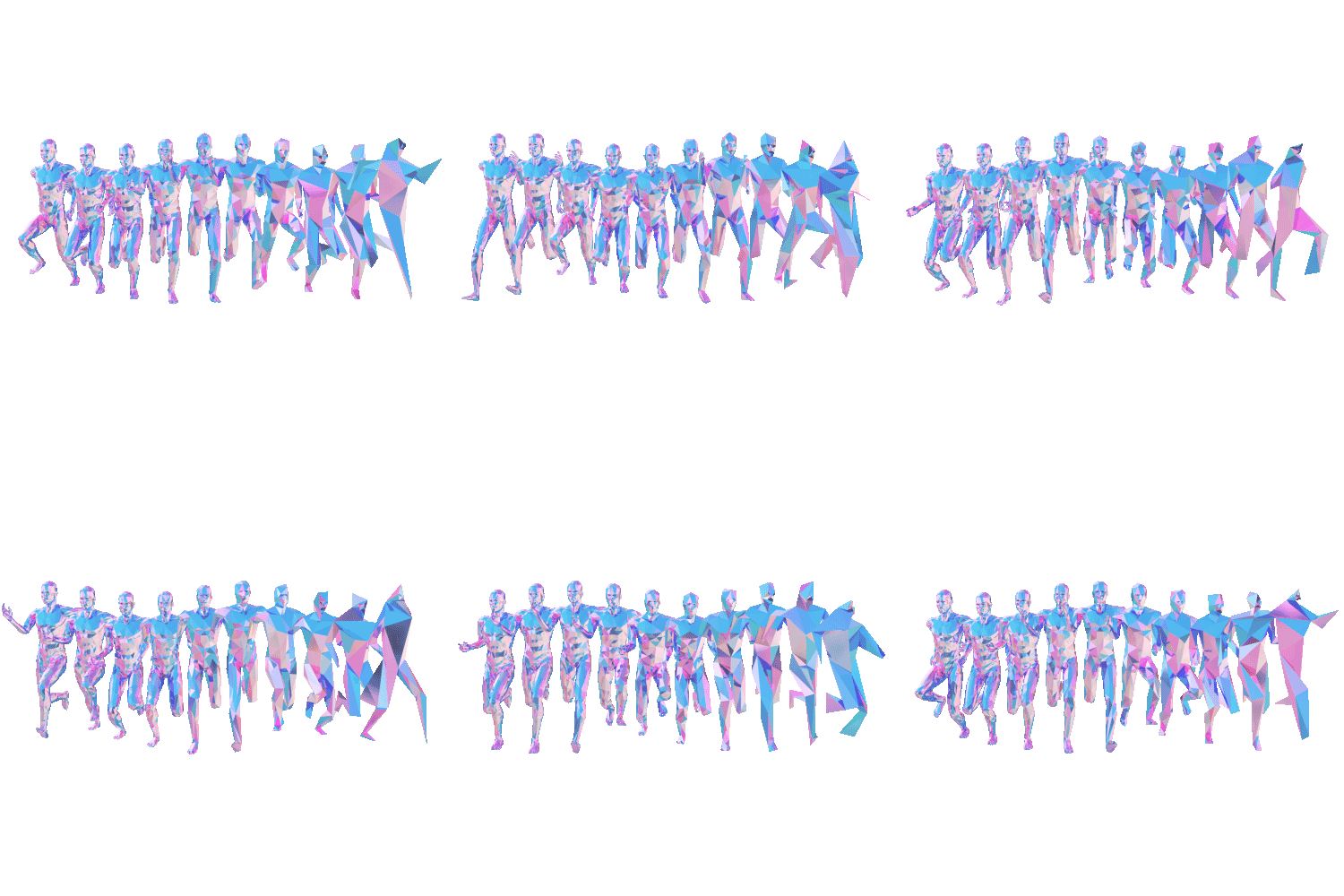
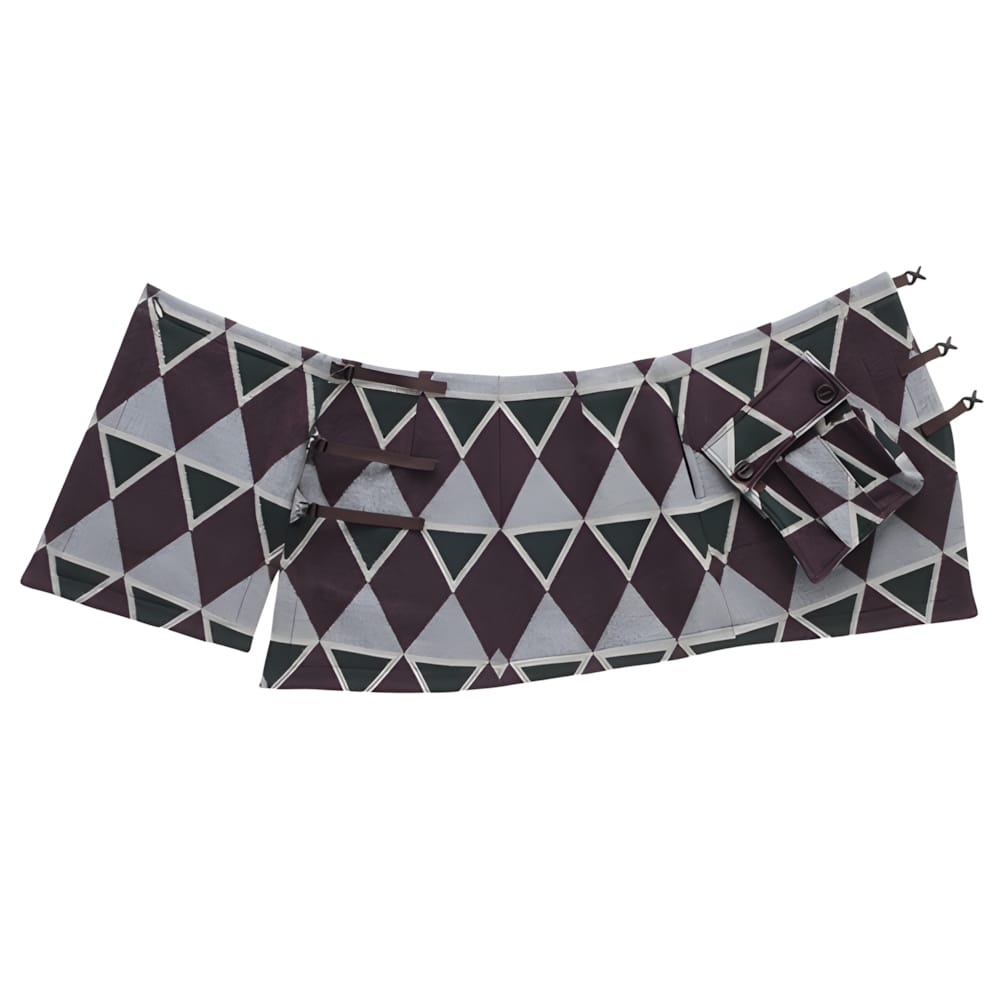
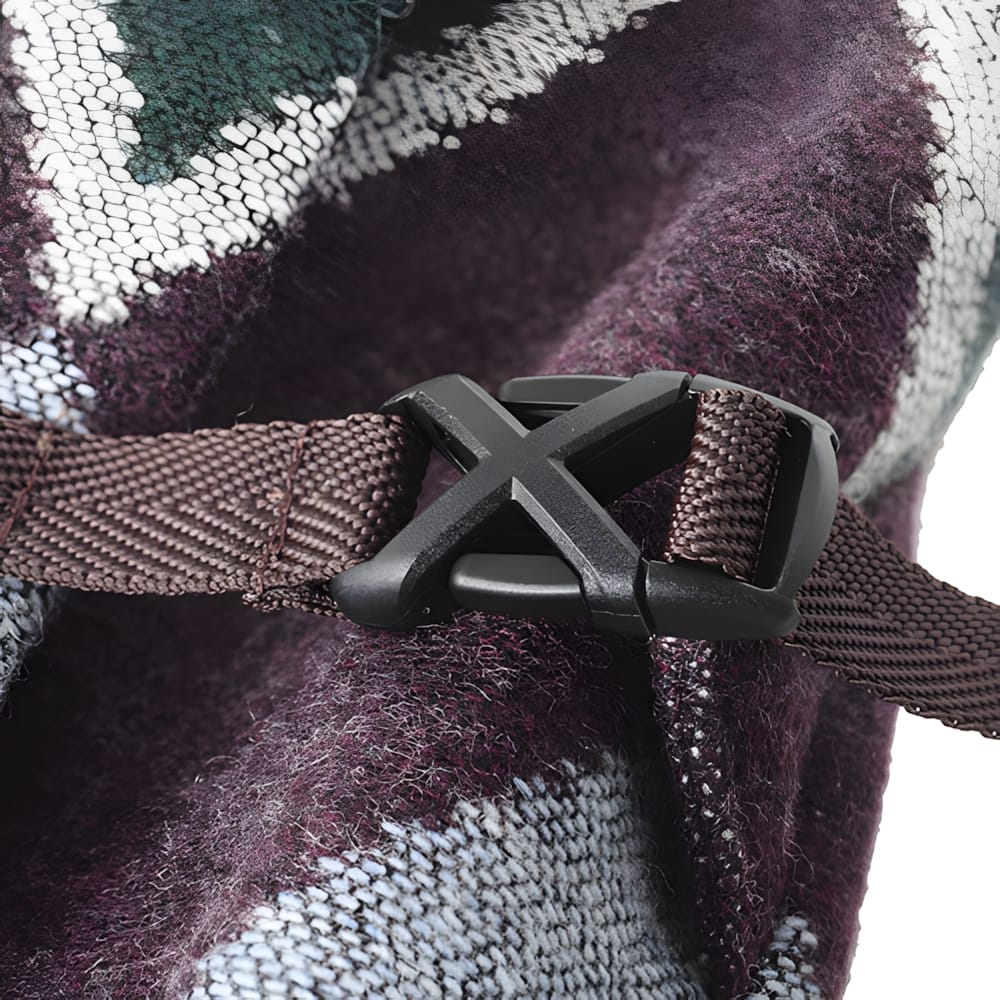
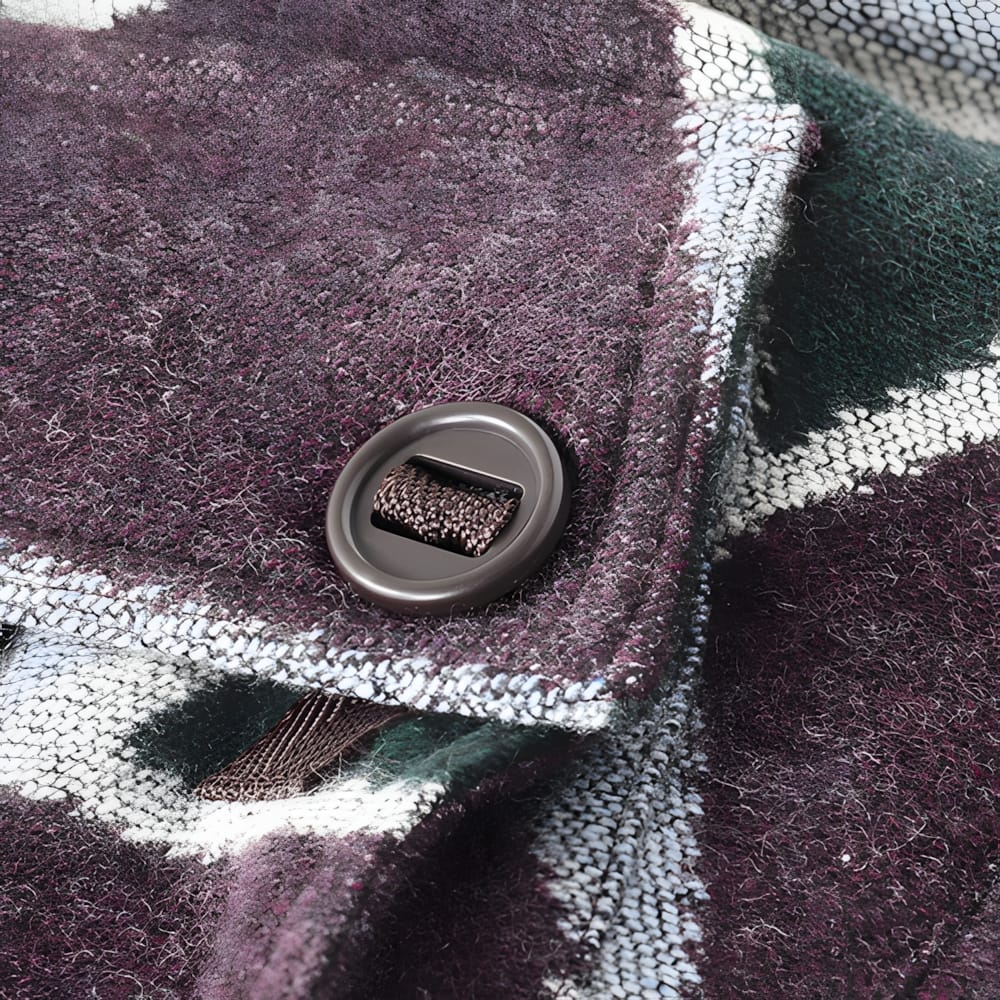
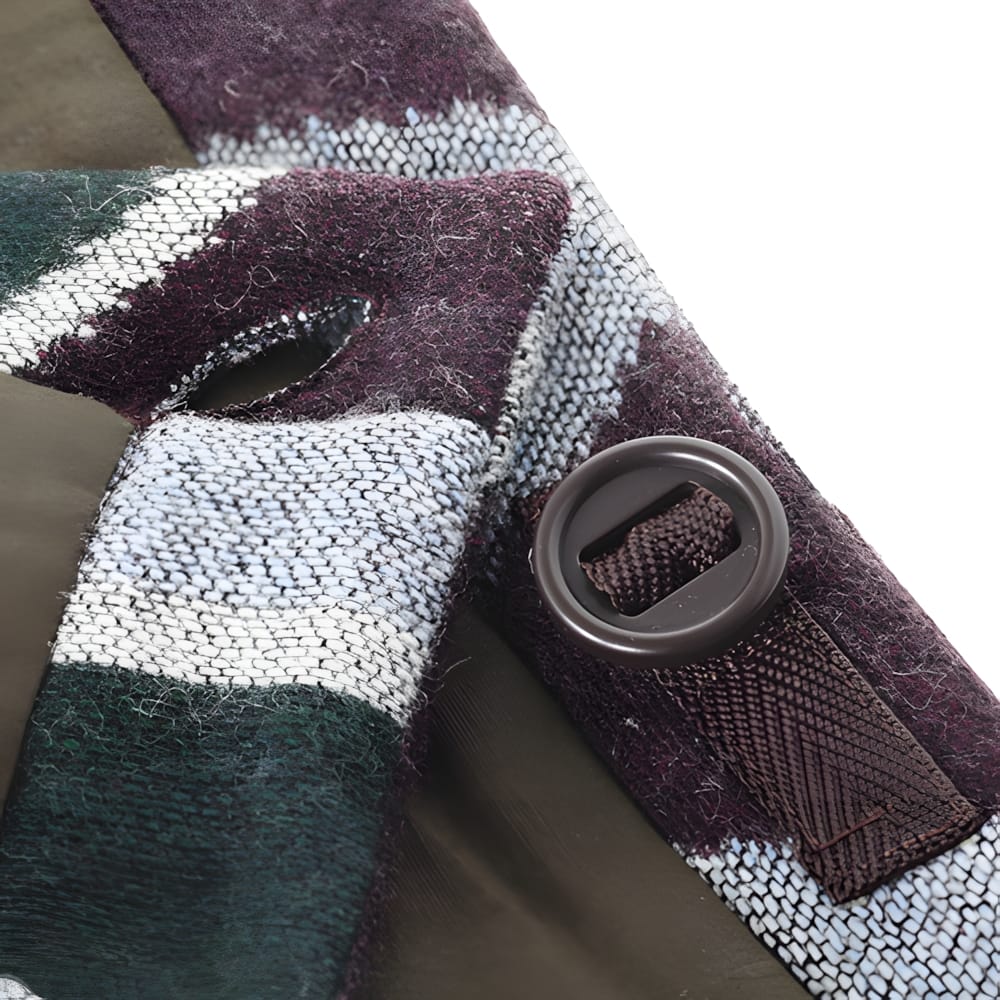
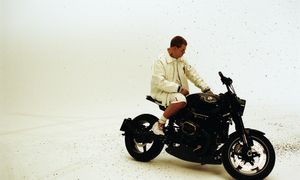
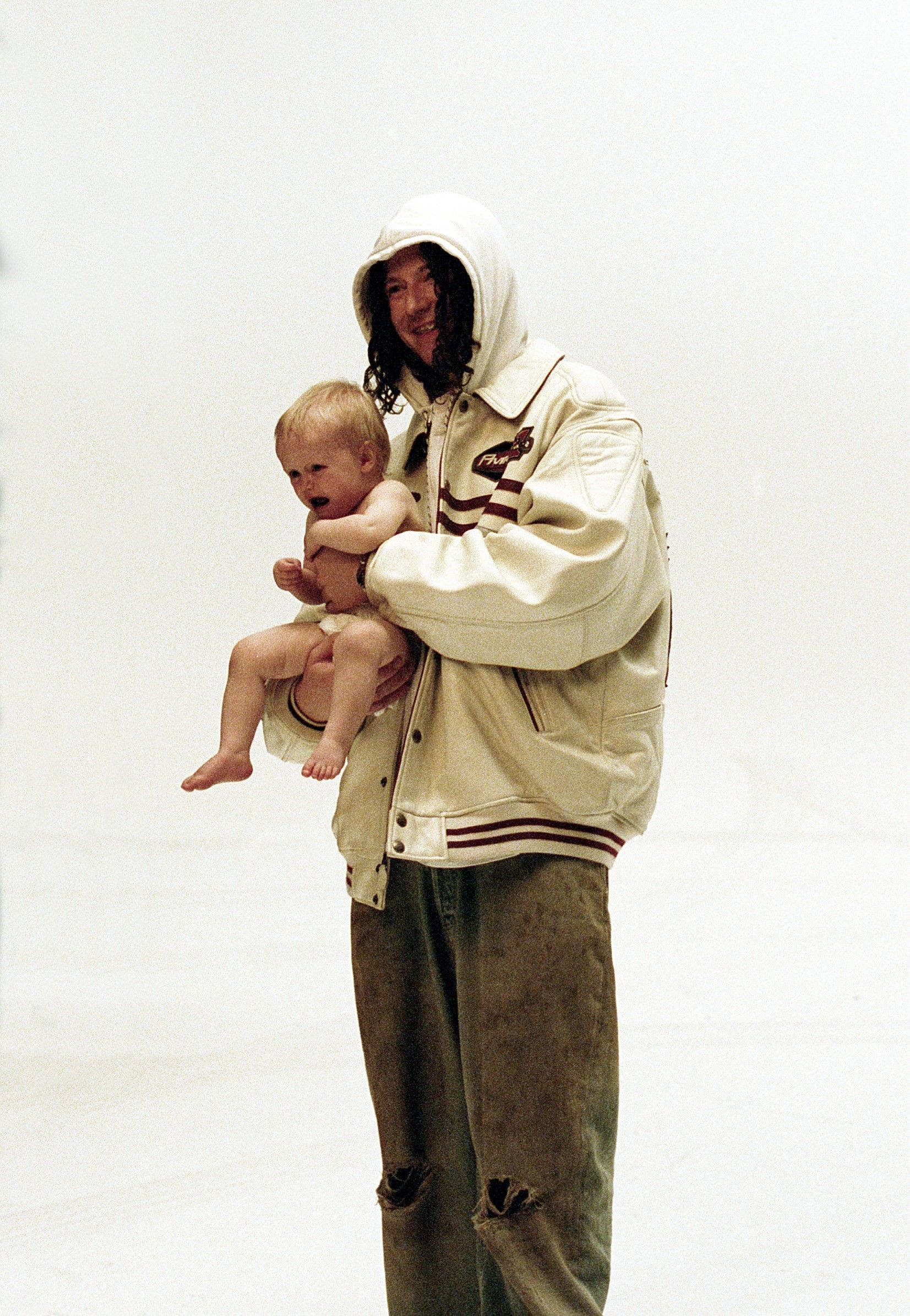
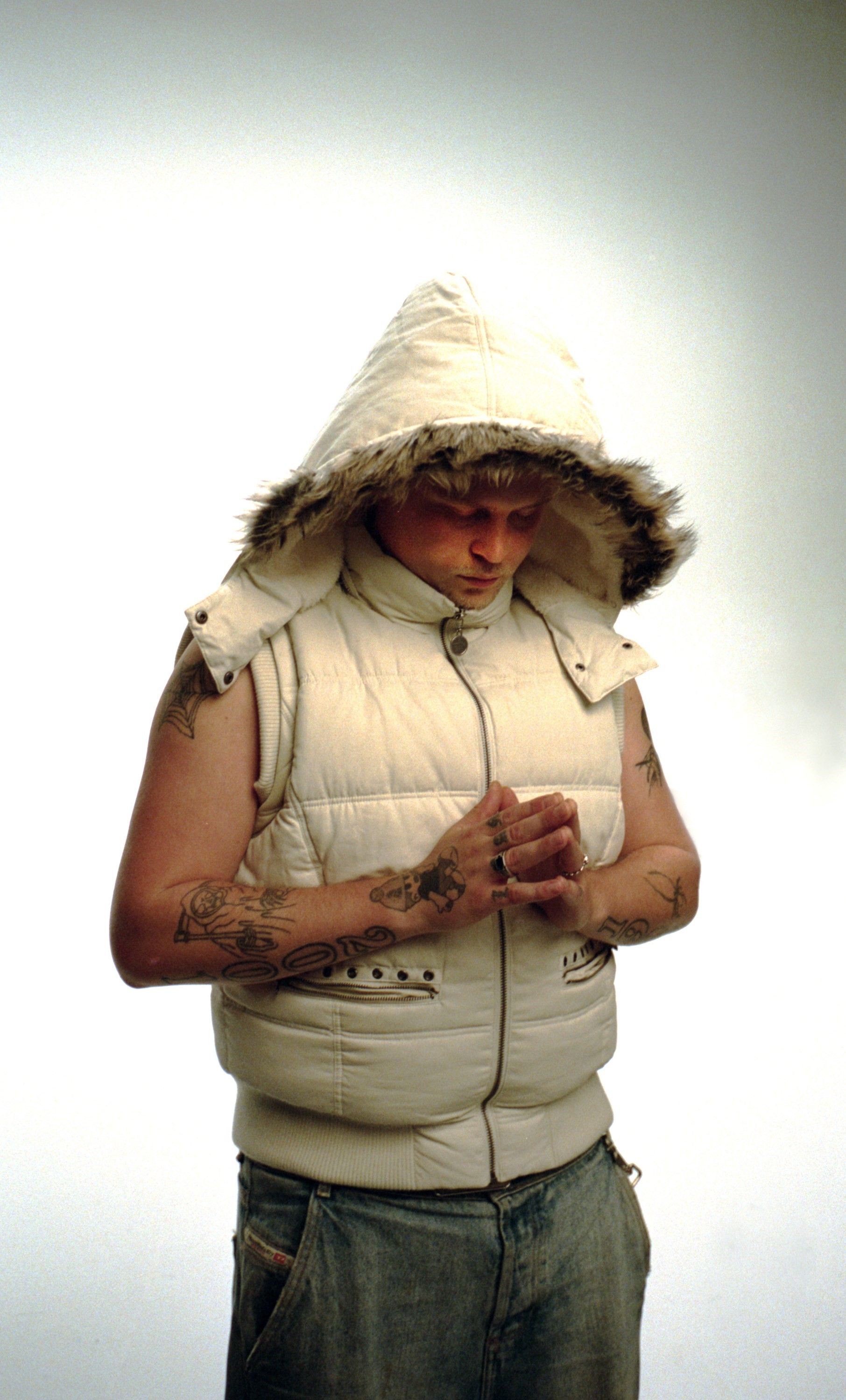
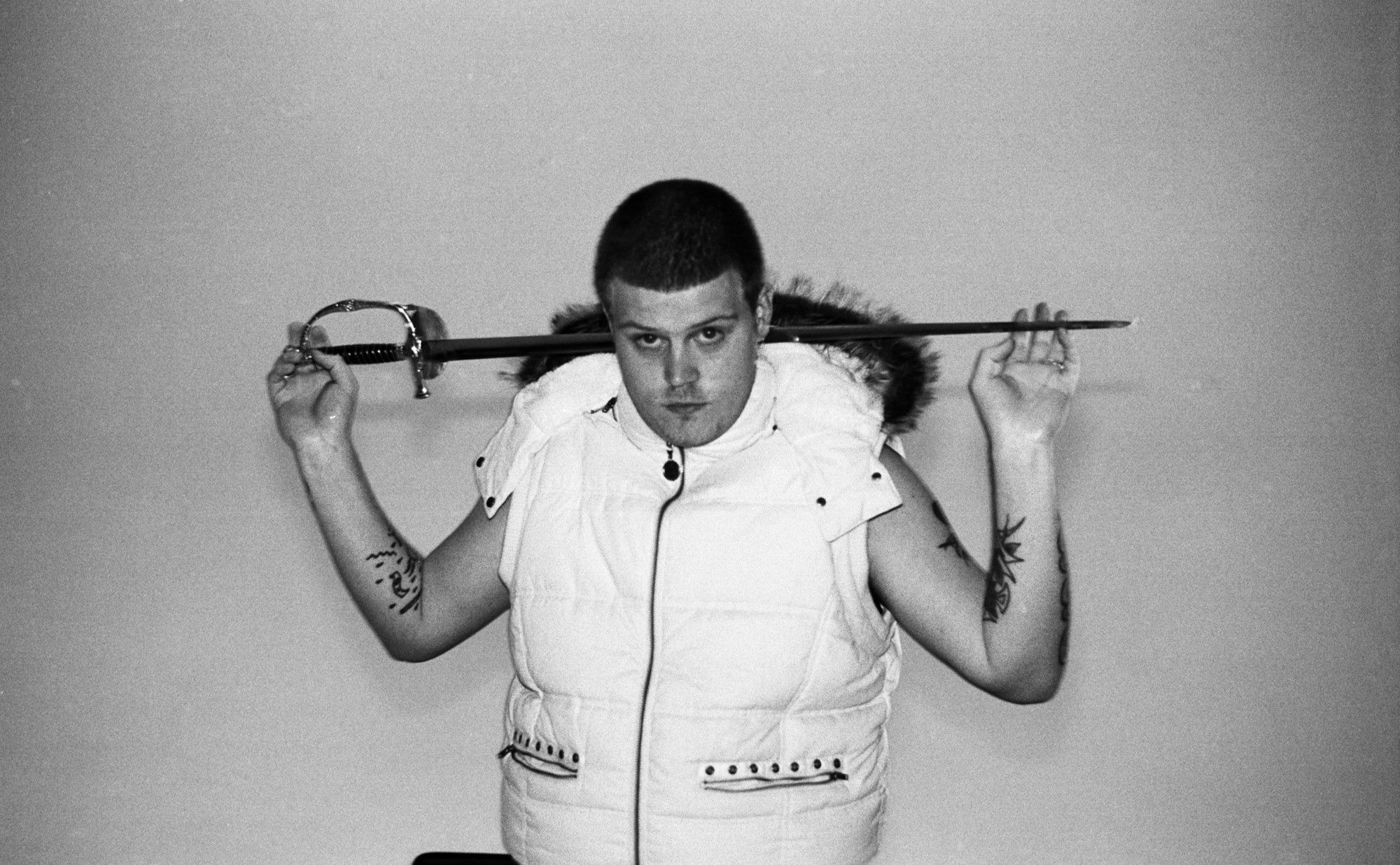
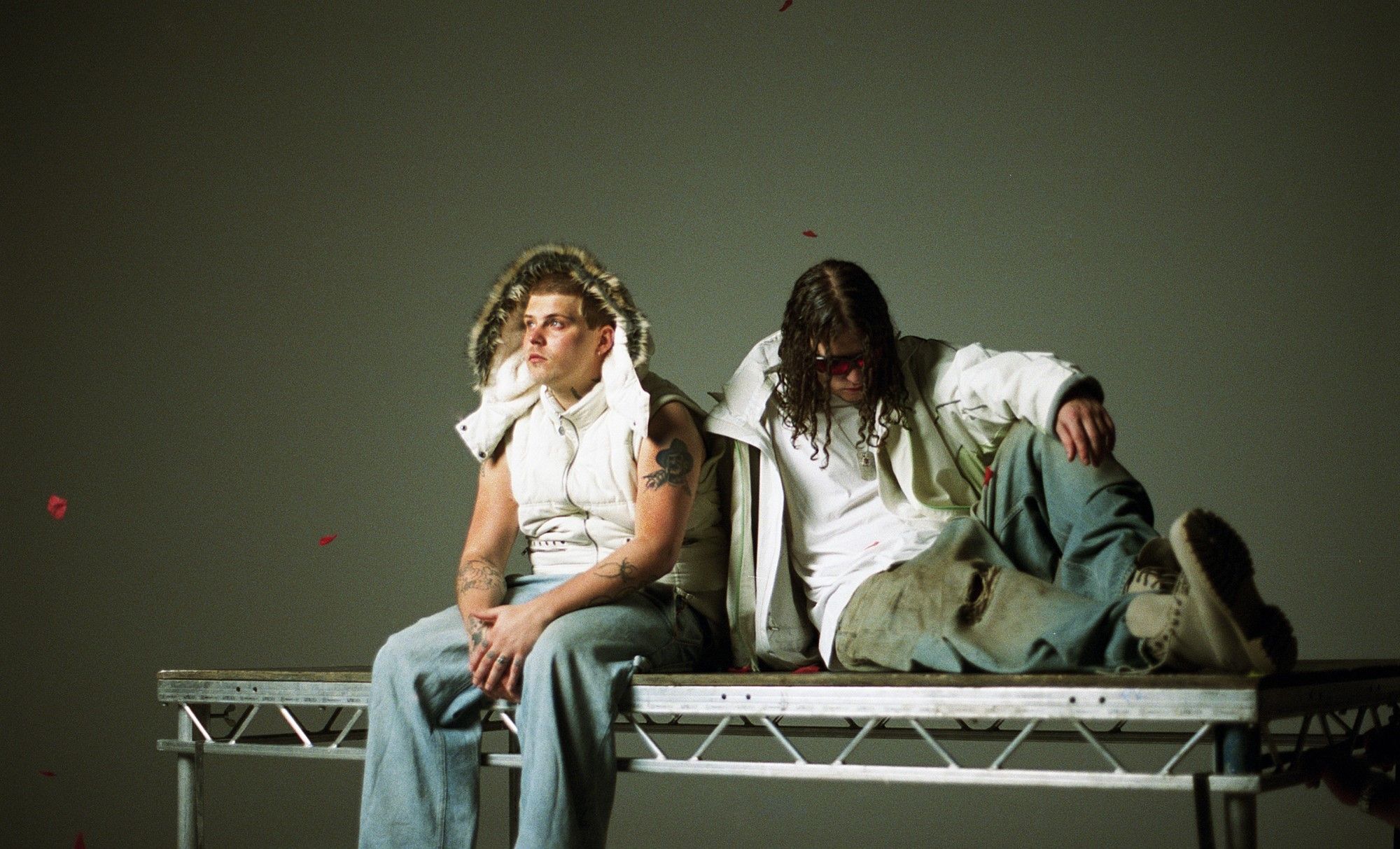
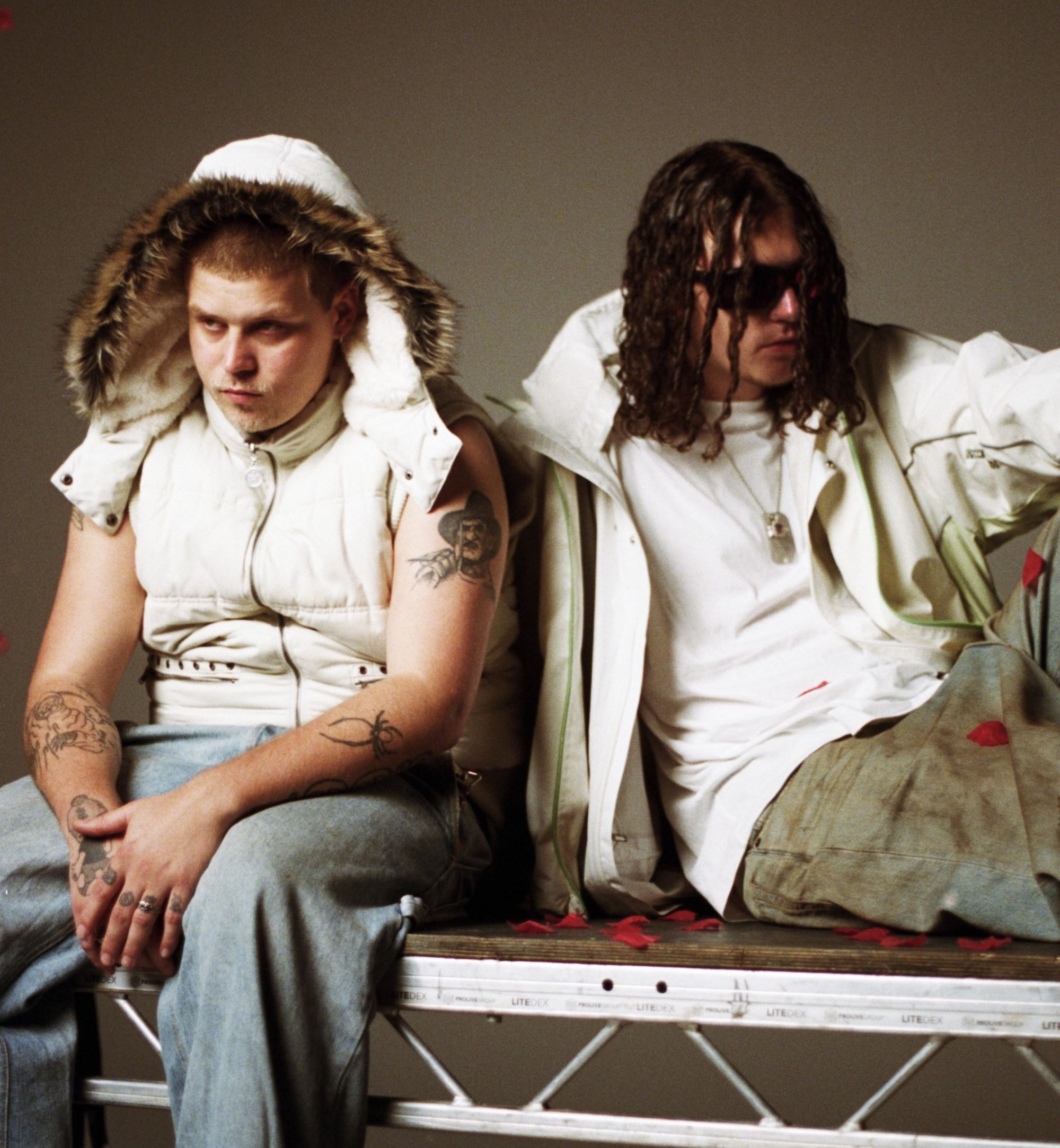
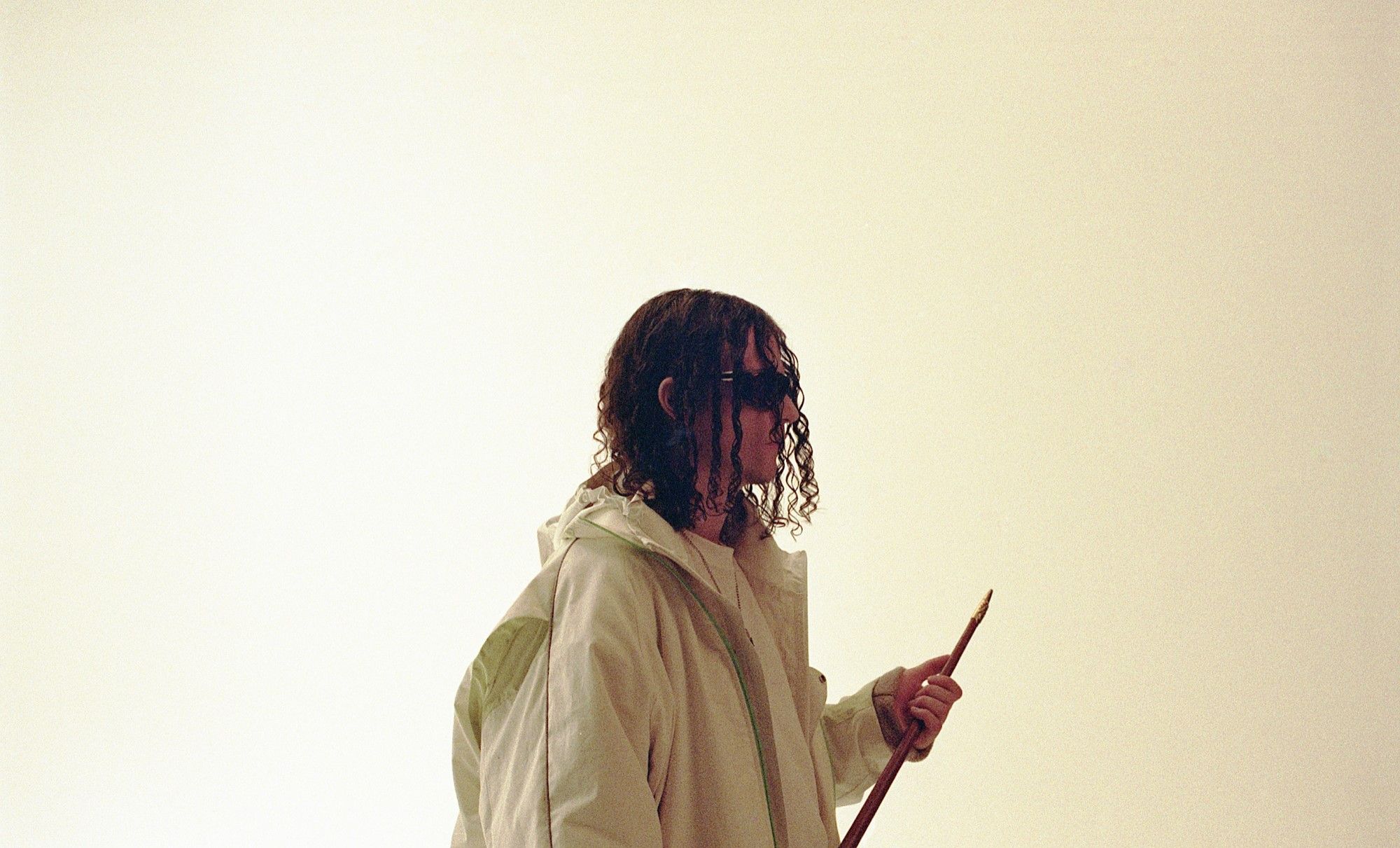
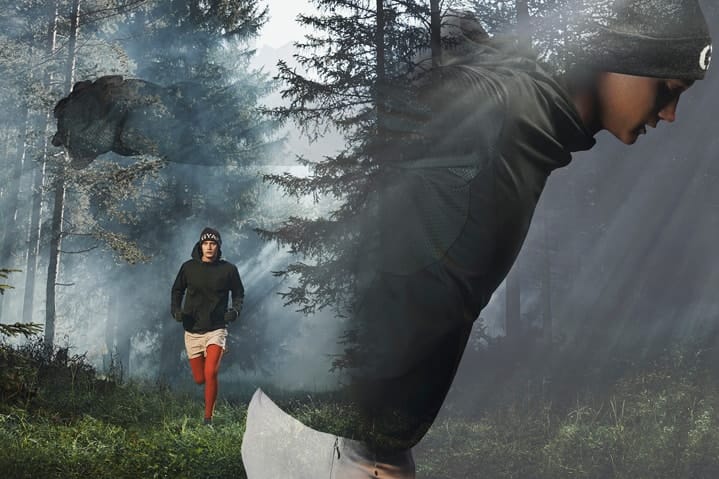
Campaign sequence from the Holiday 2013 archive set.
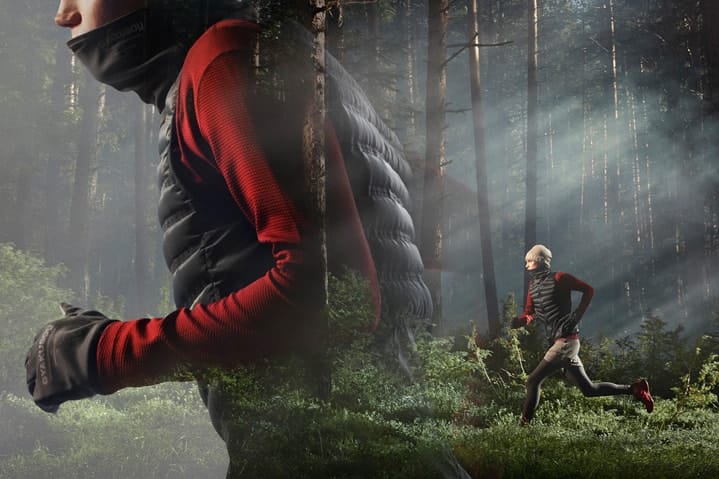
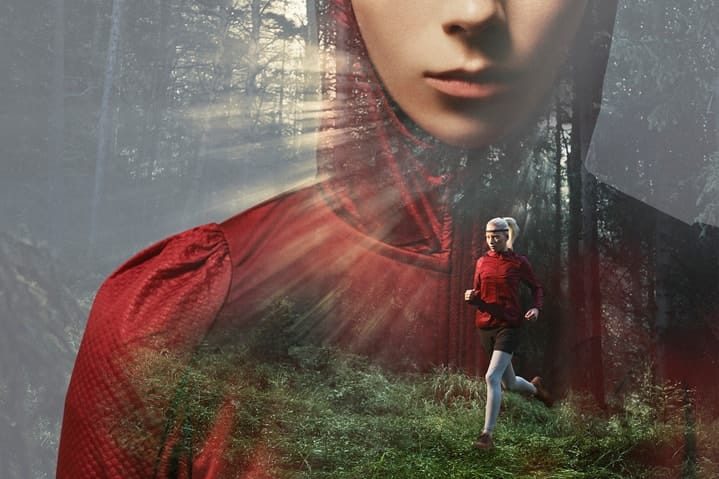
Holiday 2013 lookbook sequence: garment systems, color fields, and repeated seams.
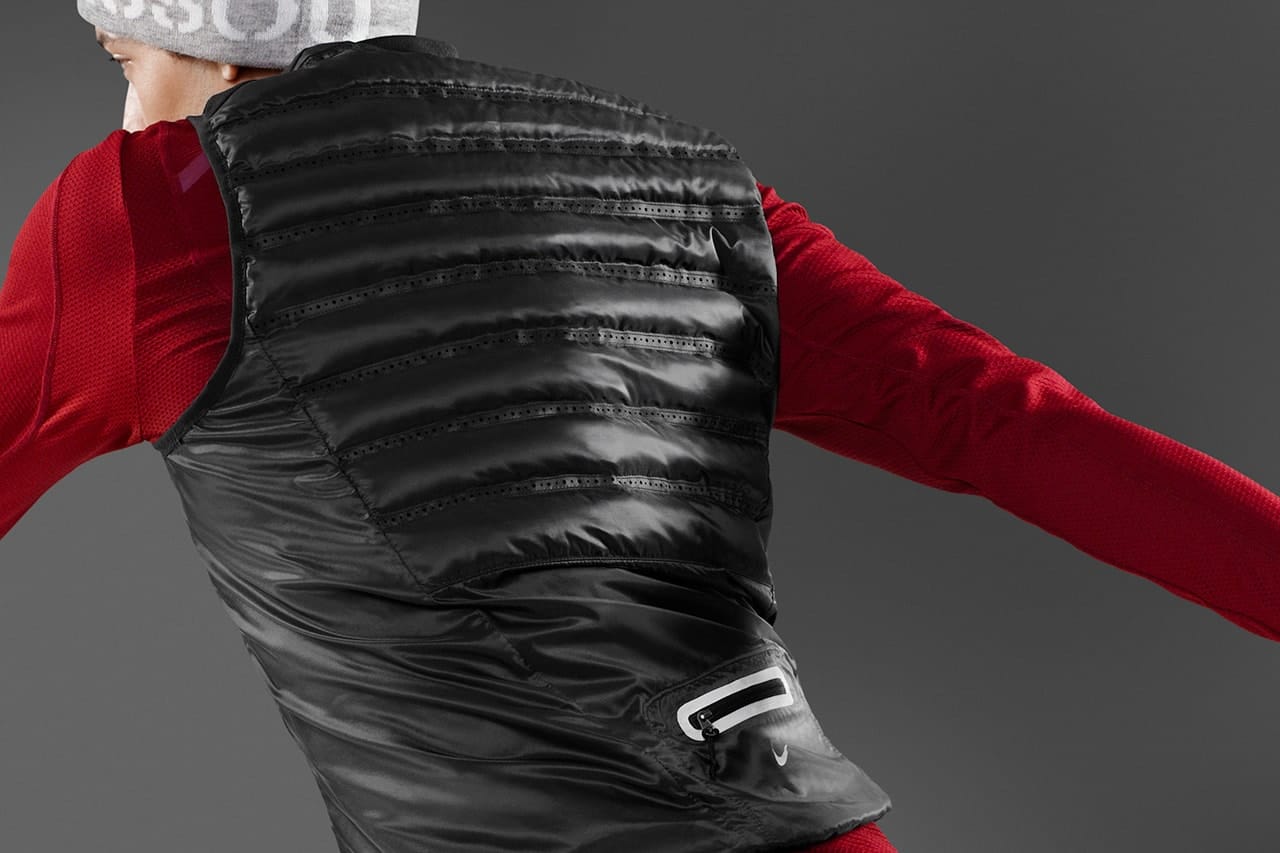
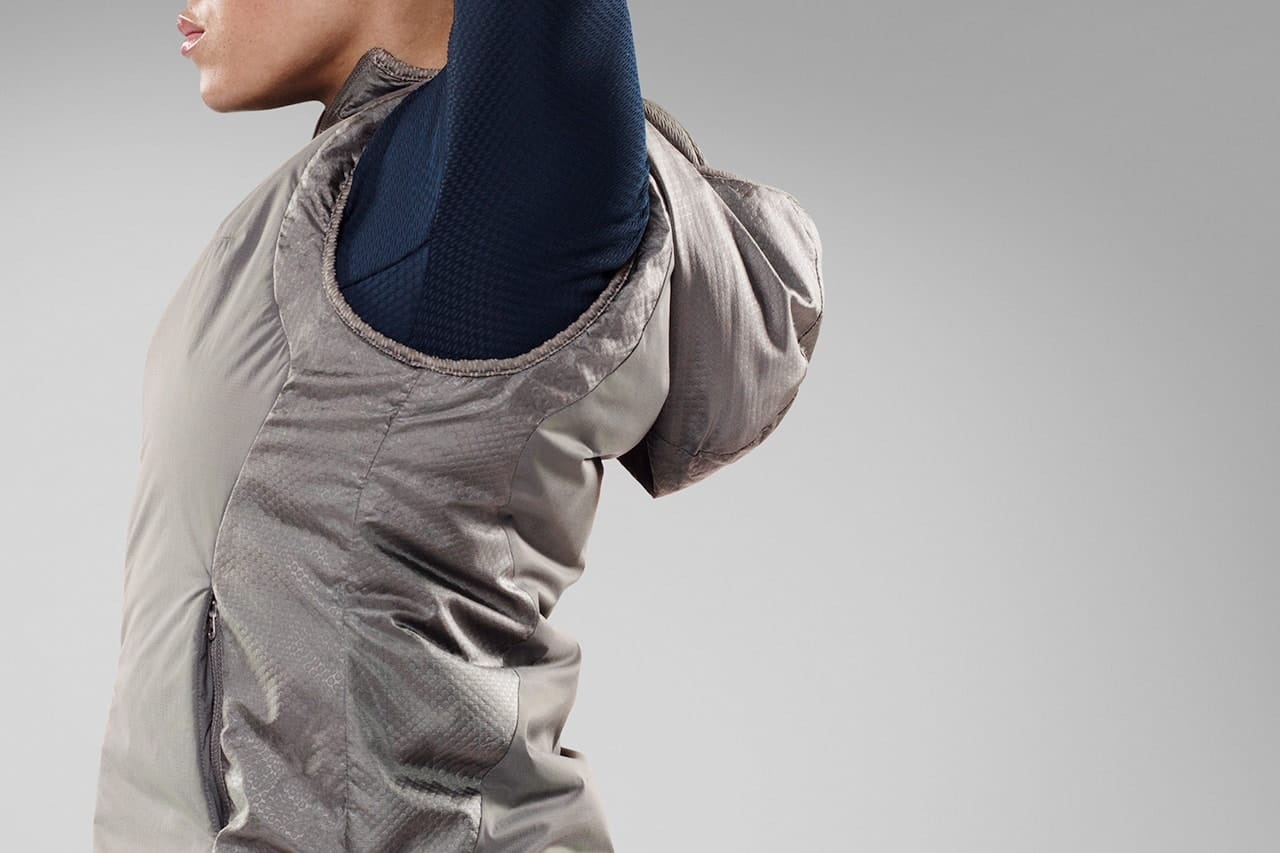
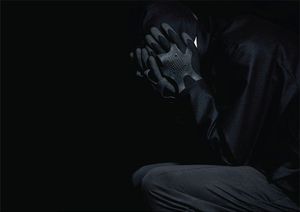
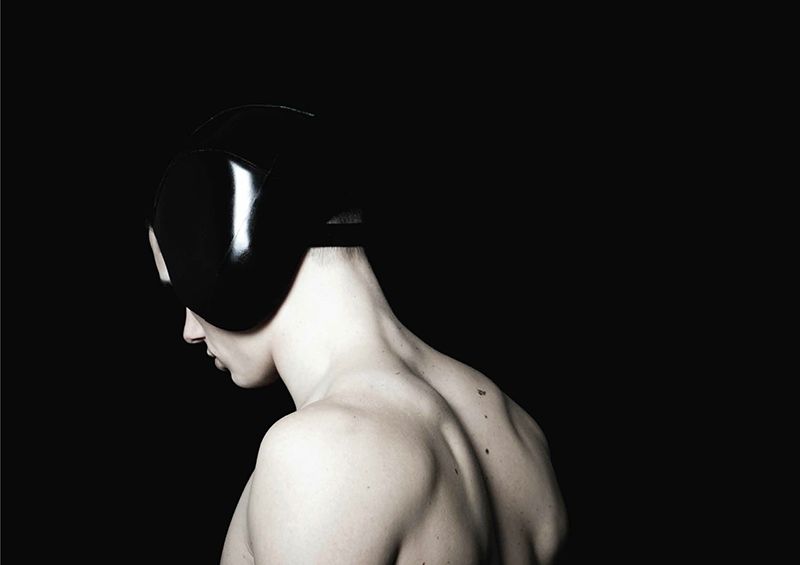
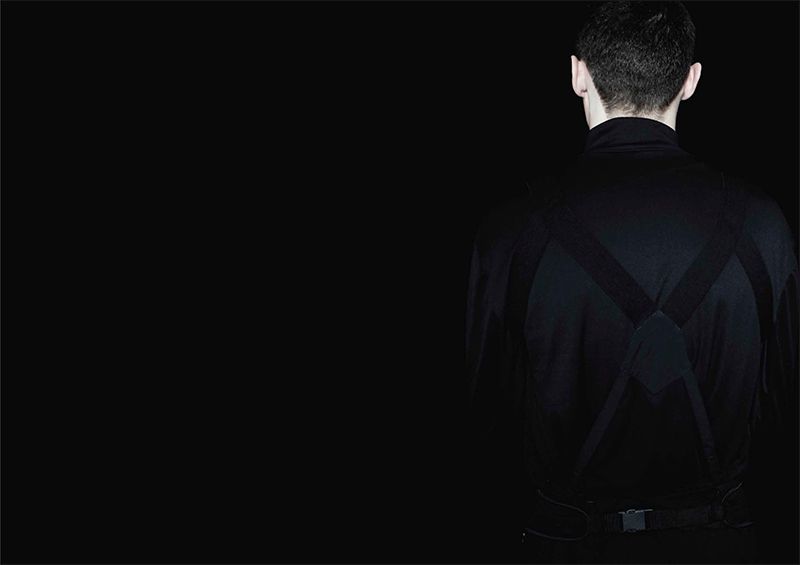
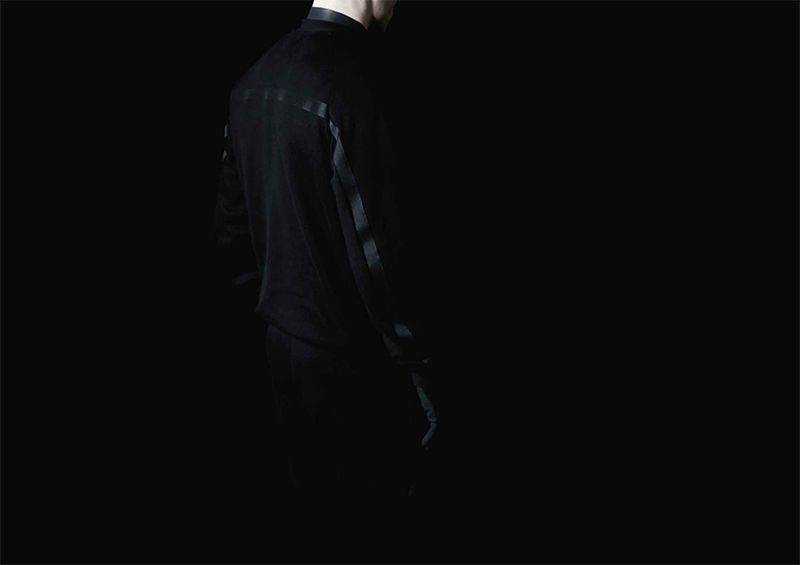
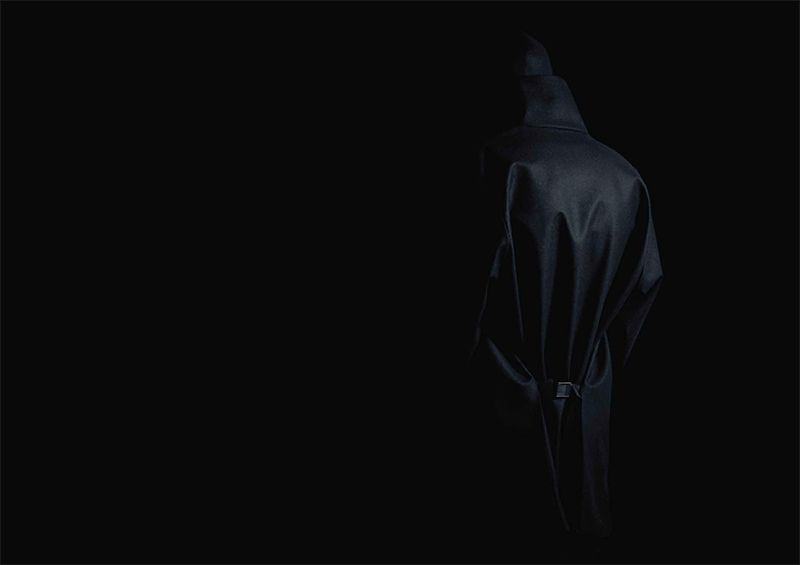
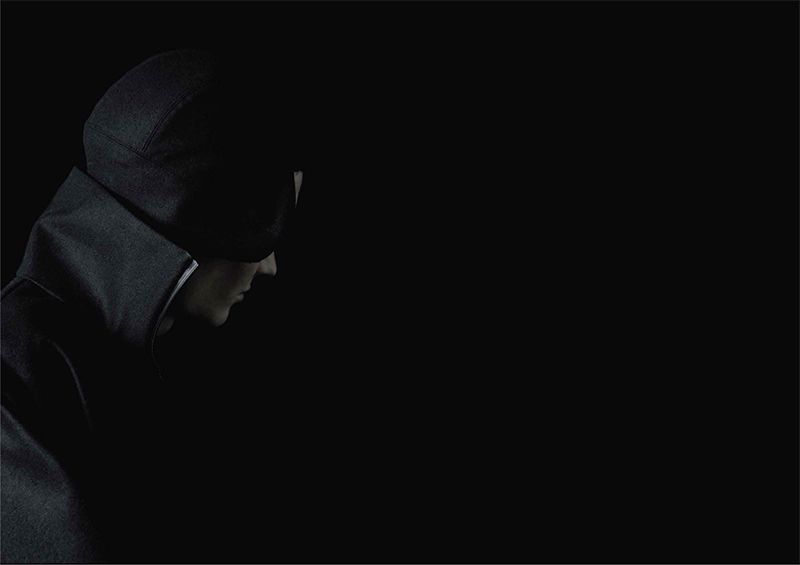
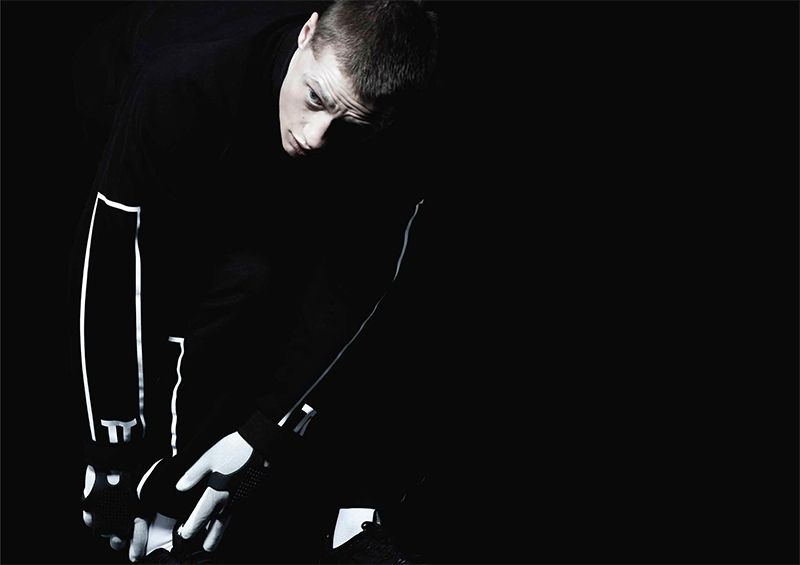
Credits:
Photography: Aline &Jacqueline Tappia Reynaud
Stylist: Lorenzo Posocco
Models: Charlie & Robin
Hair: Sophie Harris
Make-up: Jasmin Laura Rosso
Assistant: James Rg Neville
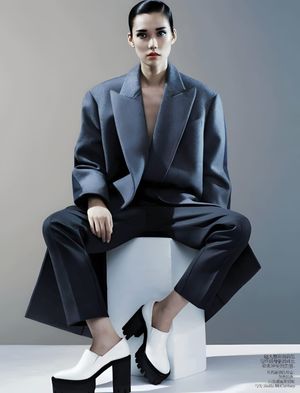
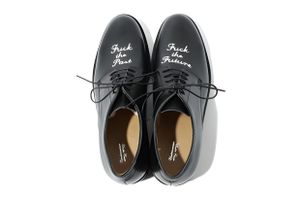
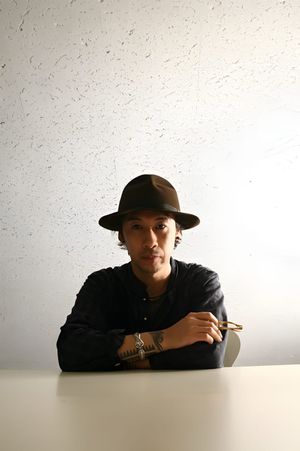
Interview with Jun Takahashi on Undercover AW13
Q: After two years away from the Paris catwalks, why was now the right time to show a runway collection?
A: After the earthquake disaster, we Japanese were spiritually in the worst state. It’s been two years since then and everyone is hoping to improve the present situation. I am one of them. I chose to have a runway show in Paris in order to restore myself. I thought it would work because going back to the runway was one of the things I had been hoping to do.
Q: Talking of the scar that Japan’s earthquake left on you, did it creatively affect your AW13 collection?
A: I was craving for creation, and that resulted in those one-off dresses. Two years ago, mentally and financially I wasn’t able to create such things. Those one-off pieces are my original works and made intuitively by myself. I am the only one who could make them. They are sacred works to me. I guess I like things where you can feel human warmth.
Q: Why did you call the show ‘Anatomicouture’? Was your intention to expose the inner bones of the garments?
A: It is a mentality of exposing the inner self, corresponding to my desire to reveal my creation and what’s going on in my head.
Q: Despite the skeleton and organ motifs, the collection is beautiful and seductive – does this come back to your interest in the contrast between ugly and beautiful?
A: Ugliness and beauty co-exist in human mentality. I always want to express those emotions.
Q: The AW13 show had the feel of punk performance art – why did you stage it like theatre?
A: Because the theme of this collection is related to human emotions, I thought my theme could be conveyed much better with such staging effects that would move people’s hearts. That’s why I used songs by Cat Power and James Blake. All the songs are great and meaningful and helped me convey what I wanted to express through the lyrics of songs too.
Q: When did your love of fashion start, and how did that lead to Undercover?
A: When I was little I loved drawing and had a twisted personality. I was so into punk during my high school years. My interest in fashion arose when I was around 15 years old and I was hoping to become a designer. At 18, I entered Bunka Fashion College. I was questioning about learning ‘design’ from teachers who were much older than me. So I told myself that I would learn only techniques in the school, nothing else.
Q: Undercover was considered part of a new wave of Japanese designers. How did your approach differ from the likes of Rei Kawakubo and Yohji Yamamoto?
A: I am not sure if Undercover is part of a new wave and I don’t really care. But Rei influenced me a lot on things like breaking stereotypes.
Q: You and your friend Hiroshi Fujiwara collected vintage Seditionaries pieces and published a book about them, and you even appeared in a show of Vivienne Westwood’s designs in Tokyo in 1990. Can you describe the impact punk made on you and explain why it still resonates today?
A: To me, punk means a spirit that questions and abolishes conventional ideas. That is my fundamental principle. You can apply the principle to fashion design. It depends on each season, but I instil punk interpretation into my designs in many ways – for example, by fusing two contradicting elements or applying techniques that are generally considered taboo.
Q: You recently designed lines for Uniqlo and Nike – how did you enjoy those two experiences? Did they feed back into your work with Undercover?
A: The Uniqlo and Nike collaborations are totally different types of designs from that of Undercover. Therefore the collaborations didn’t really affect my work with Undercover. But for my career as a designer, both collaborations became good experiences. Working with Uniqlo gave me the opportunity to learn about the creation of mass products and newly standard items that are totally different from designing avant-garde pieces. As for the collaboration with Nike, I am very satisfied both as a designer and as a runner with the fact that I have been able to create products which integrate necessary functions for running with fashion-design aesthetics, which had often perhaps been missing in the existing sportswear.
Q: You’ve talked in the past of the difficulties with keeping up with the six-month cycle of fashion shows, and skipped showing in Paris for a couple of seasons – how are you currently finding working within the fashion calendar?
A: Right now, I’ve come to the conclusion that the six-month cycle is appropriate. Themes of each Undercover collection vary by season. If we could spend more than six months on a collection, and if we continue to work with the same theme for a year, it would be difficult to keep up the tension towards the theme and I am afraid that the freshness would be lost.
Q: AW13 got a great response. Will we be seeing you back on the runway next season?
A: I could strongly feel that a lot of people were waiting for Undercover and I was very thankful about it. I will be back on the runway next season.
Q: Next year will mark the 20th since you began showing as Undercover. How do you feel you’ve evolved in that time?
A: I went through many phases and experienced many things. There was a time we faced various troubles, or we jumped into things just by force of circumstances. But nothing was wasted. I am responsible for all success and failure of Undercover. I will go forward without being ashamed of the paths I’ve chosen.