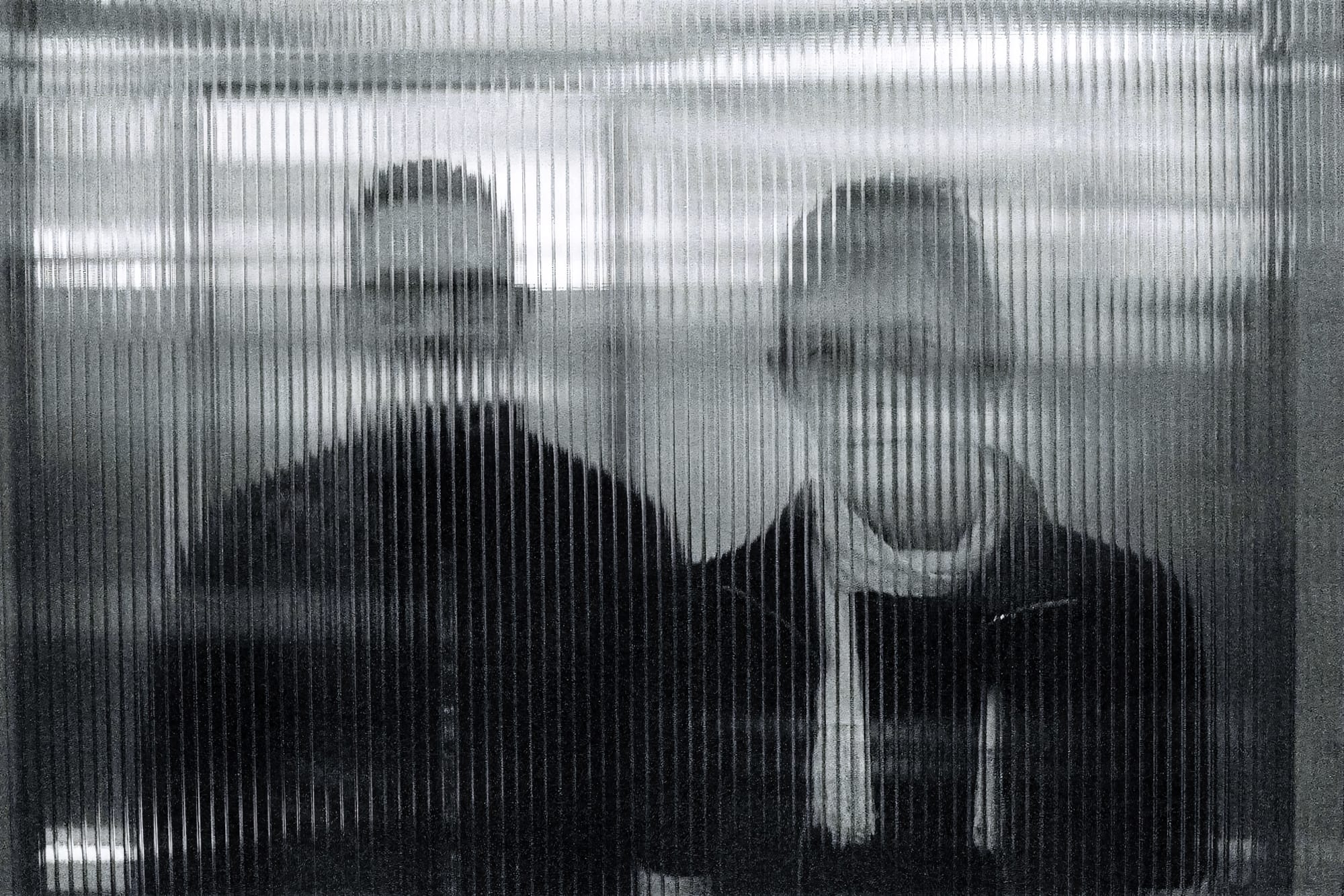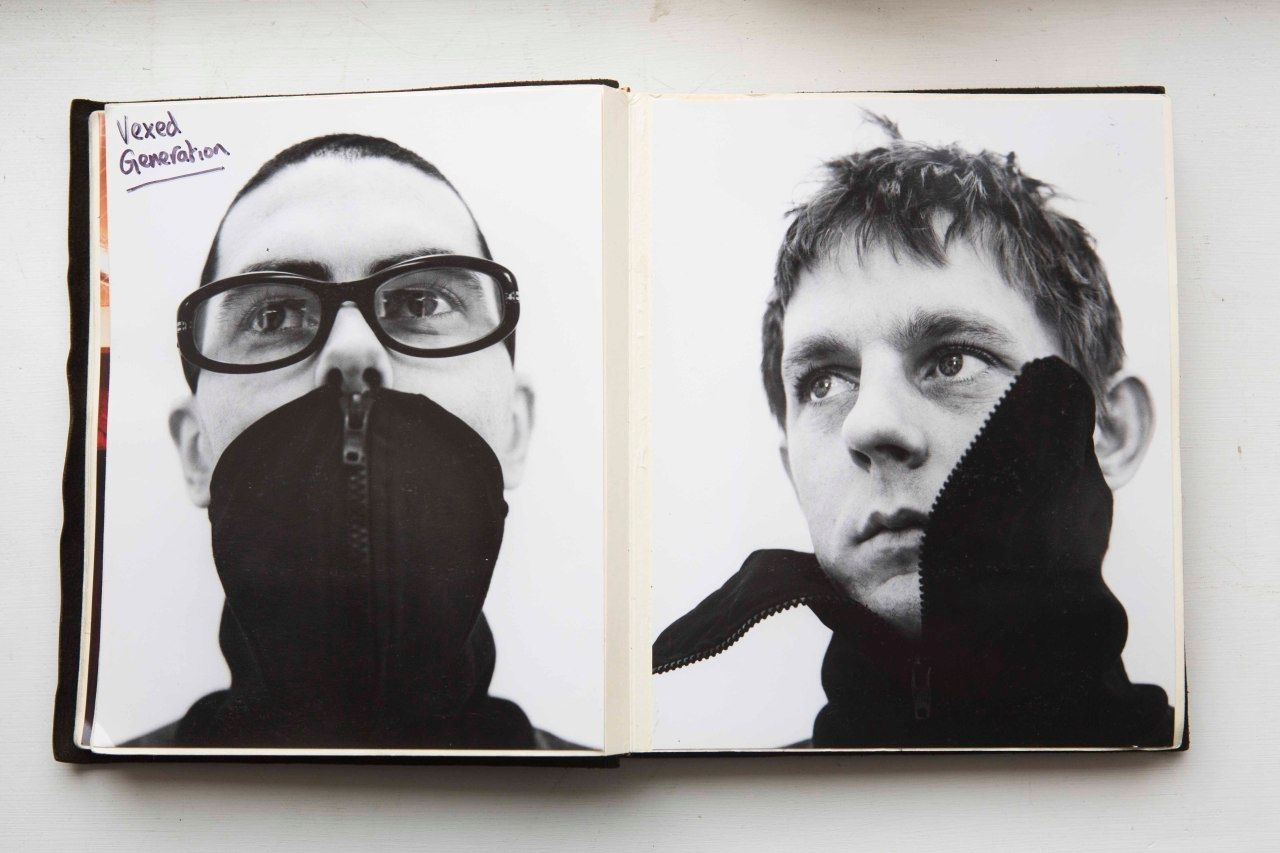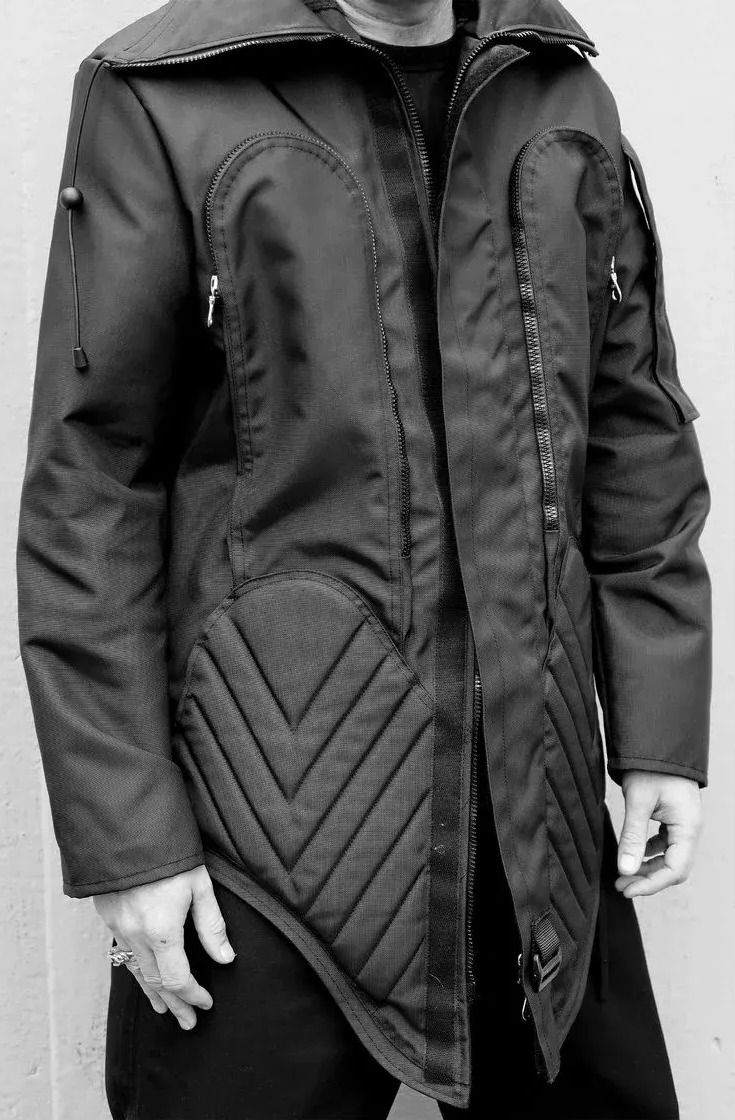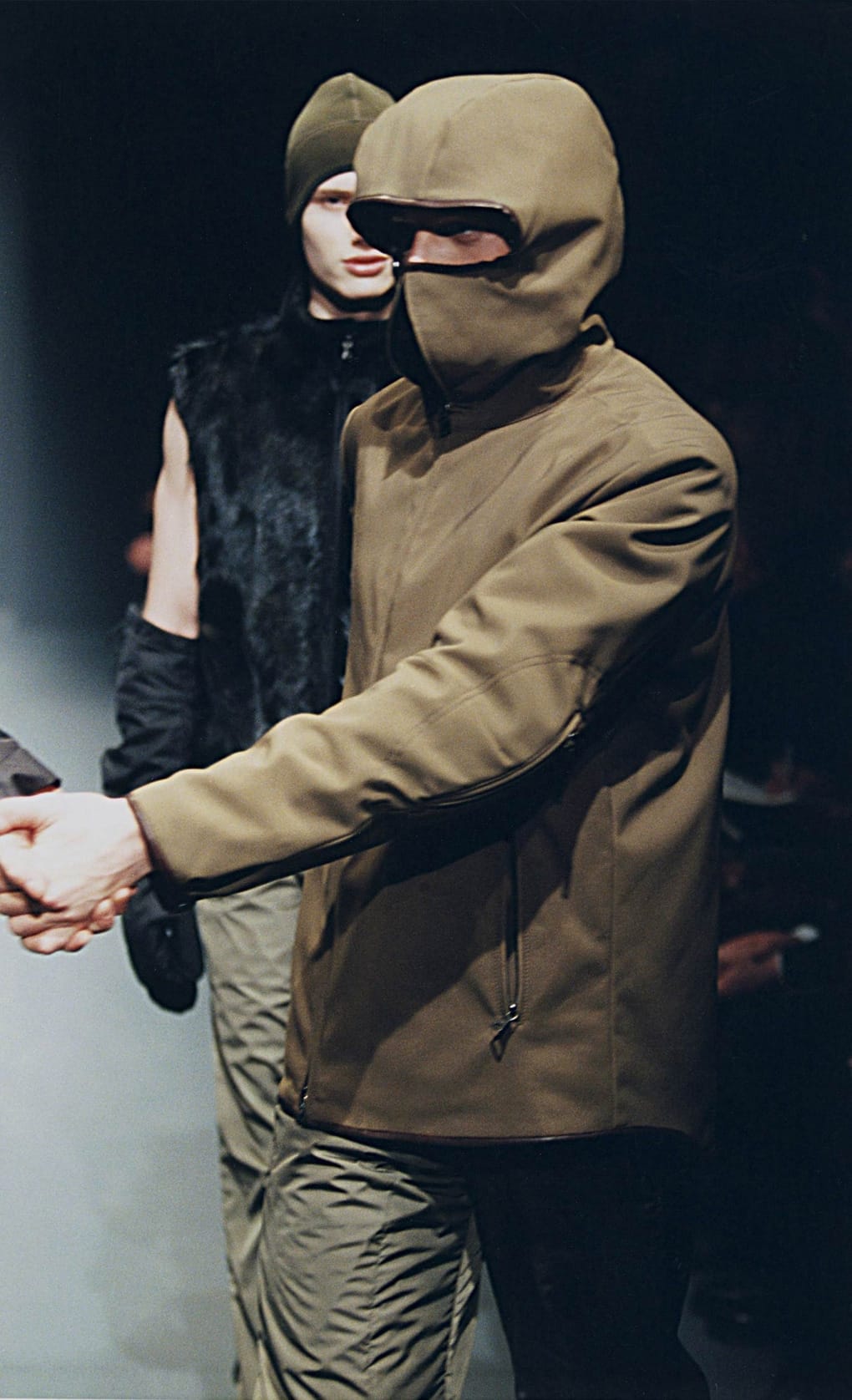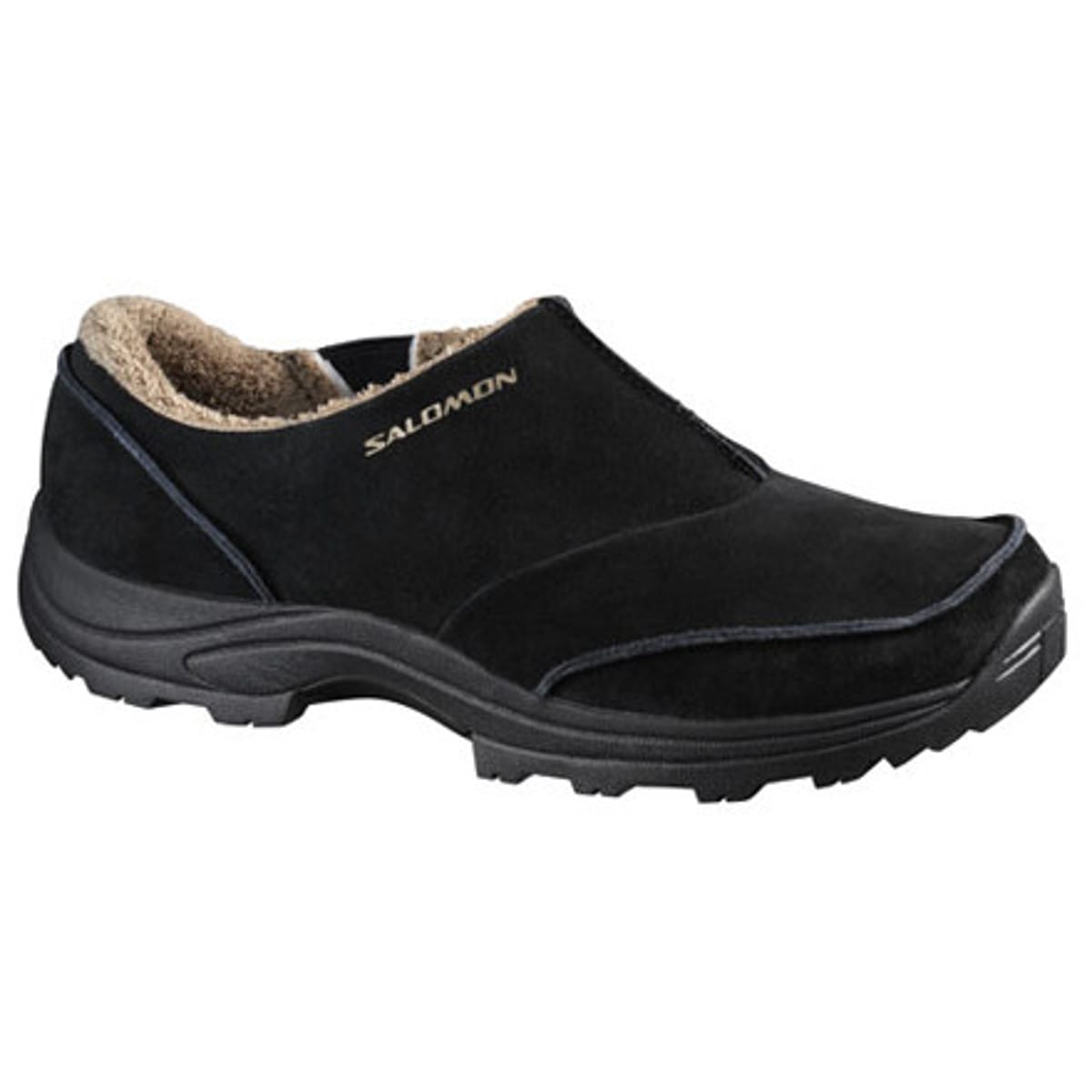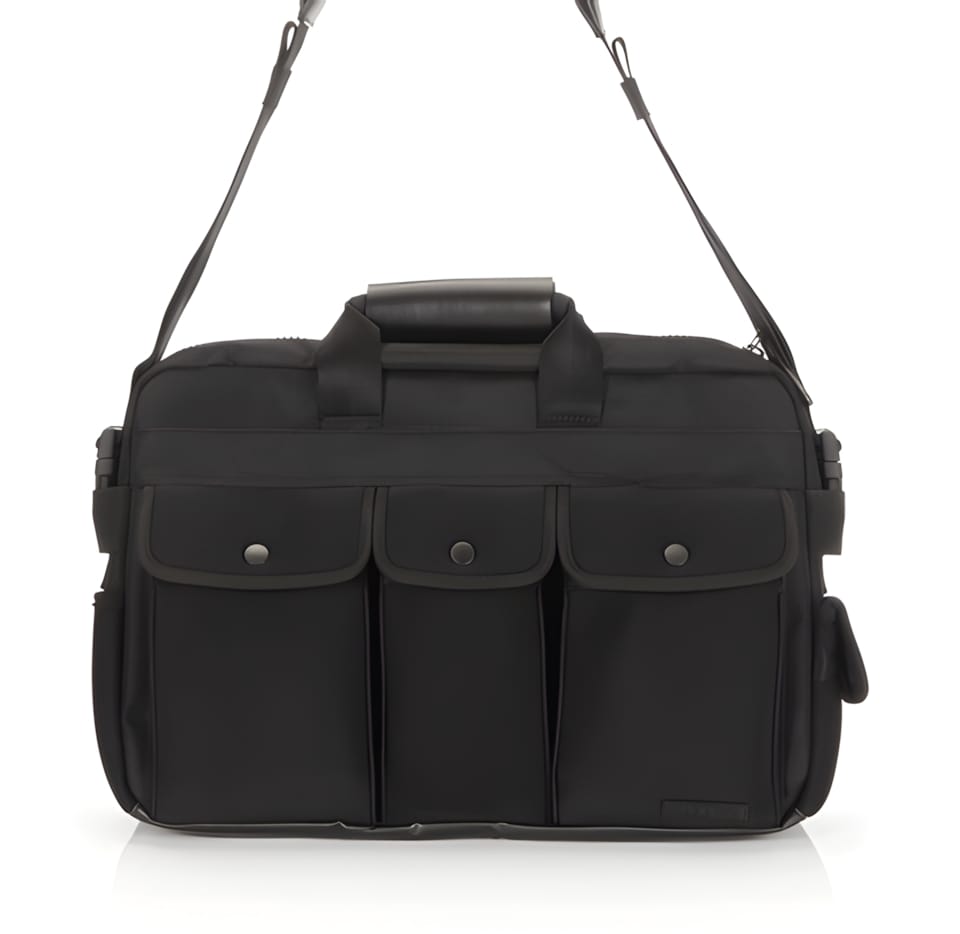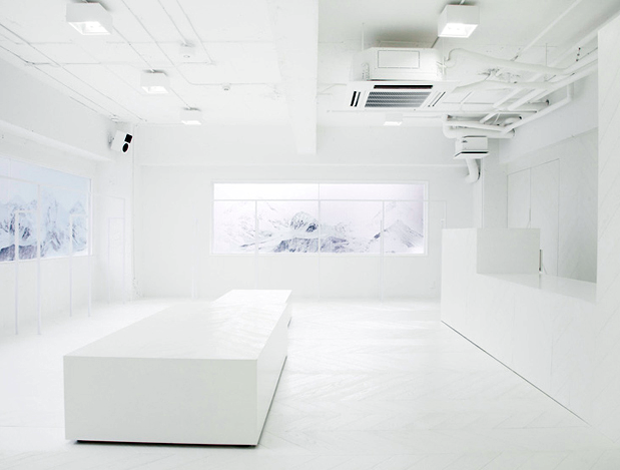
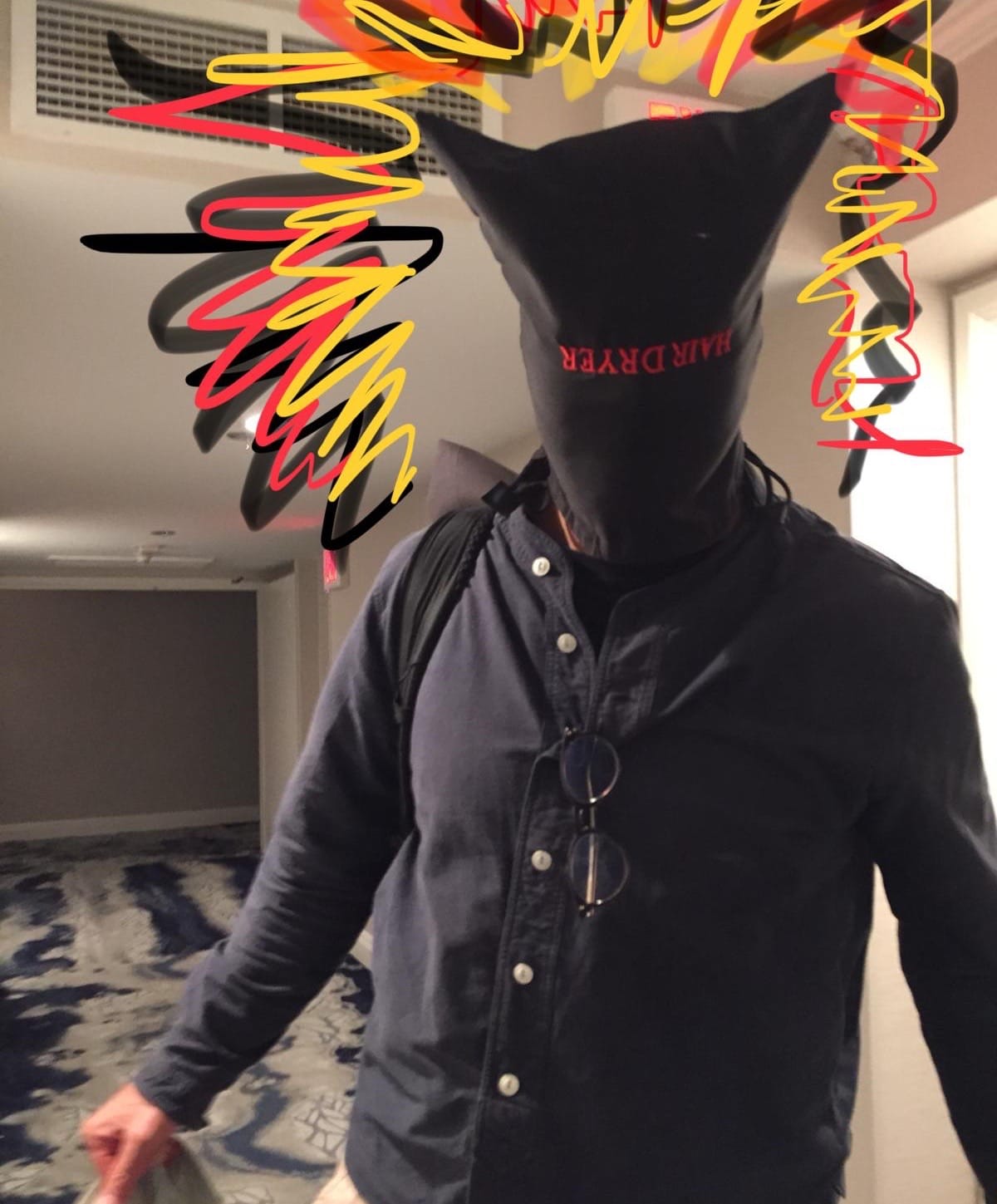
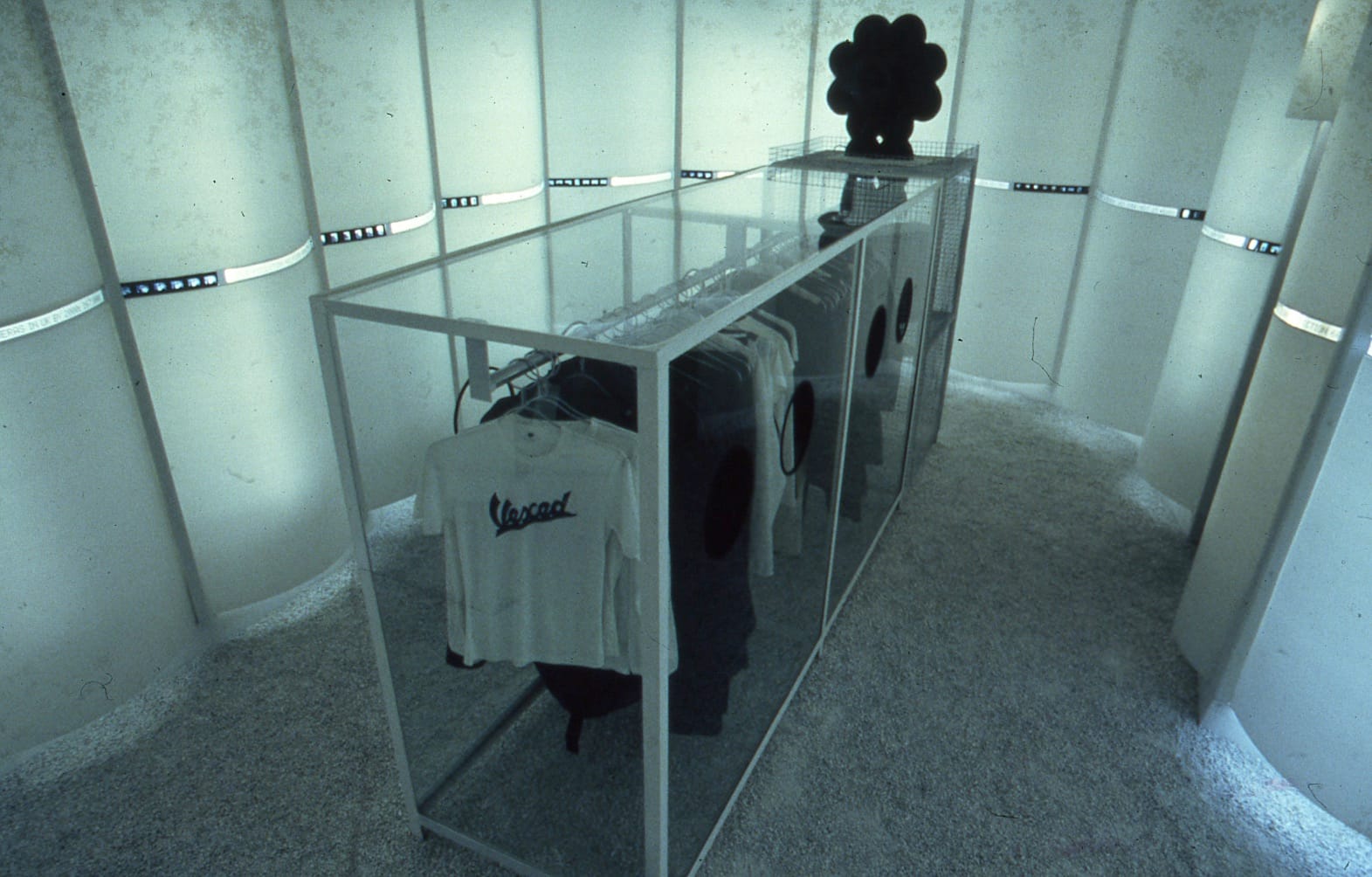
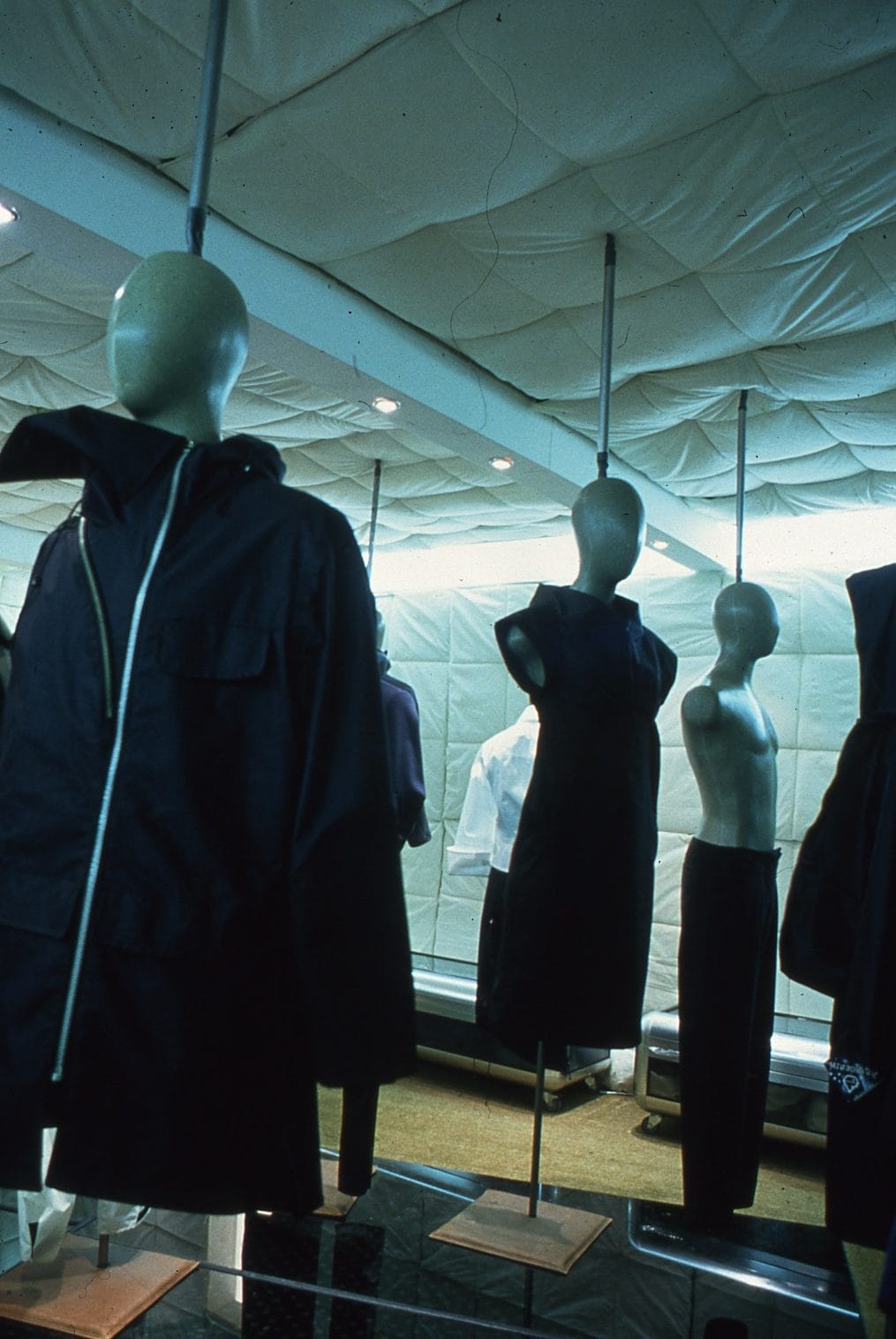
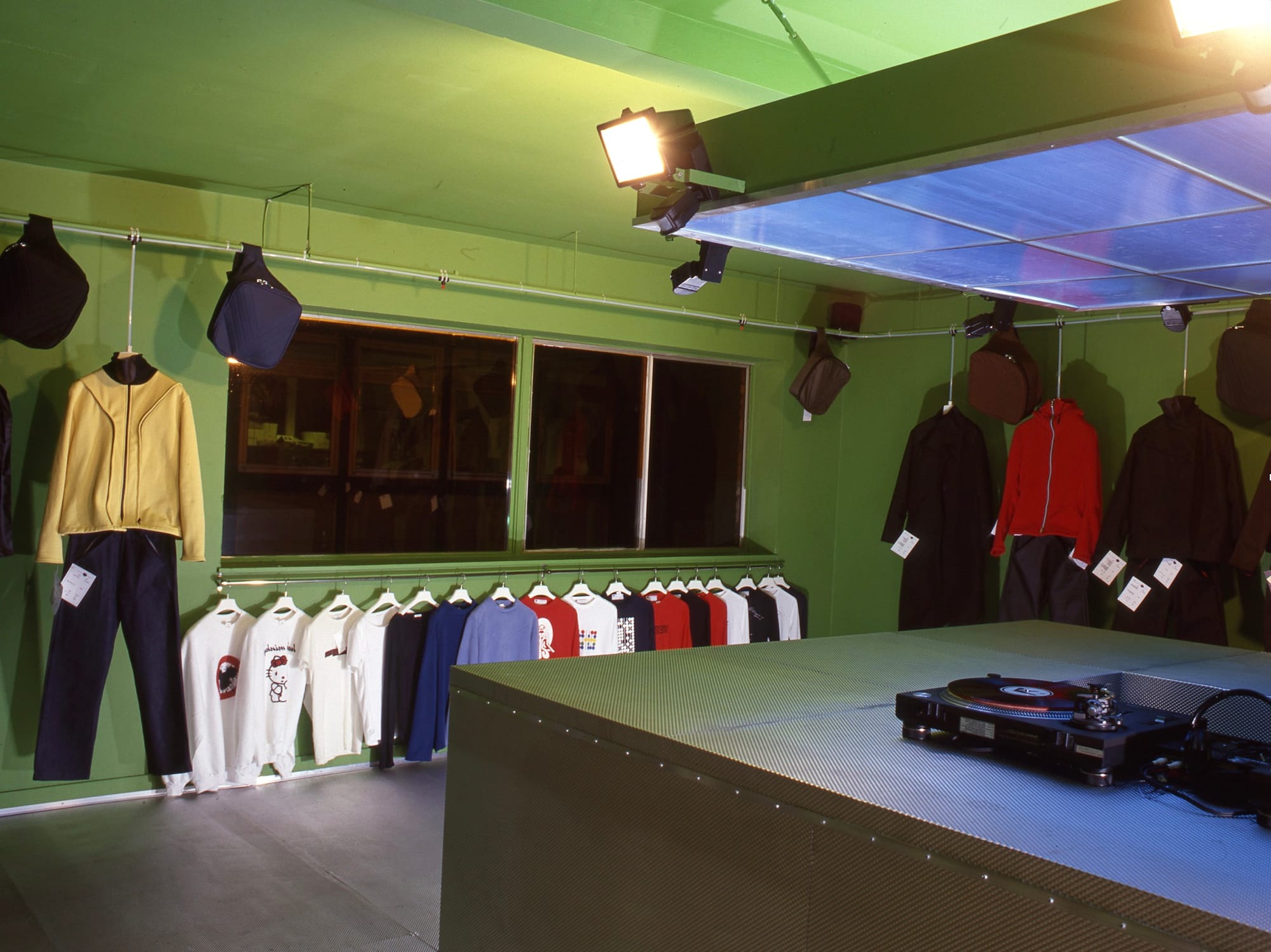
Vexed Generation — Joe Hunter and Adam Thorpe
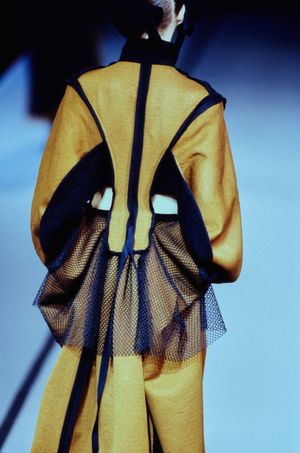
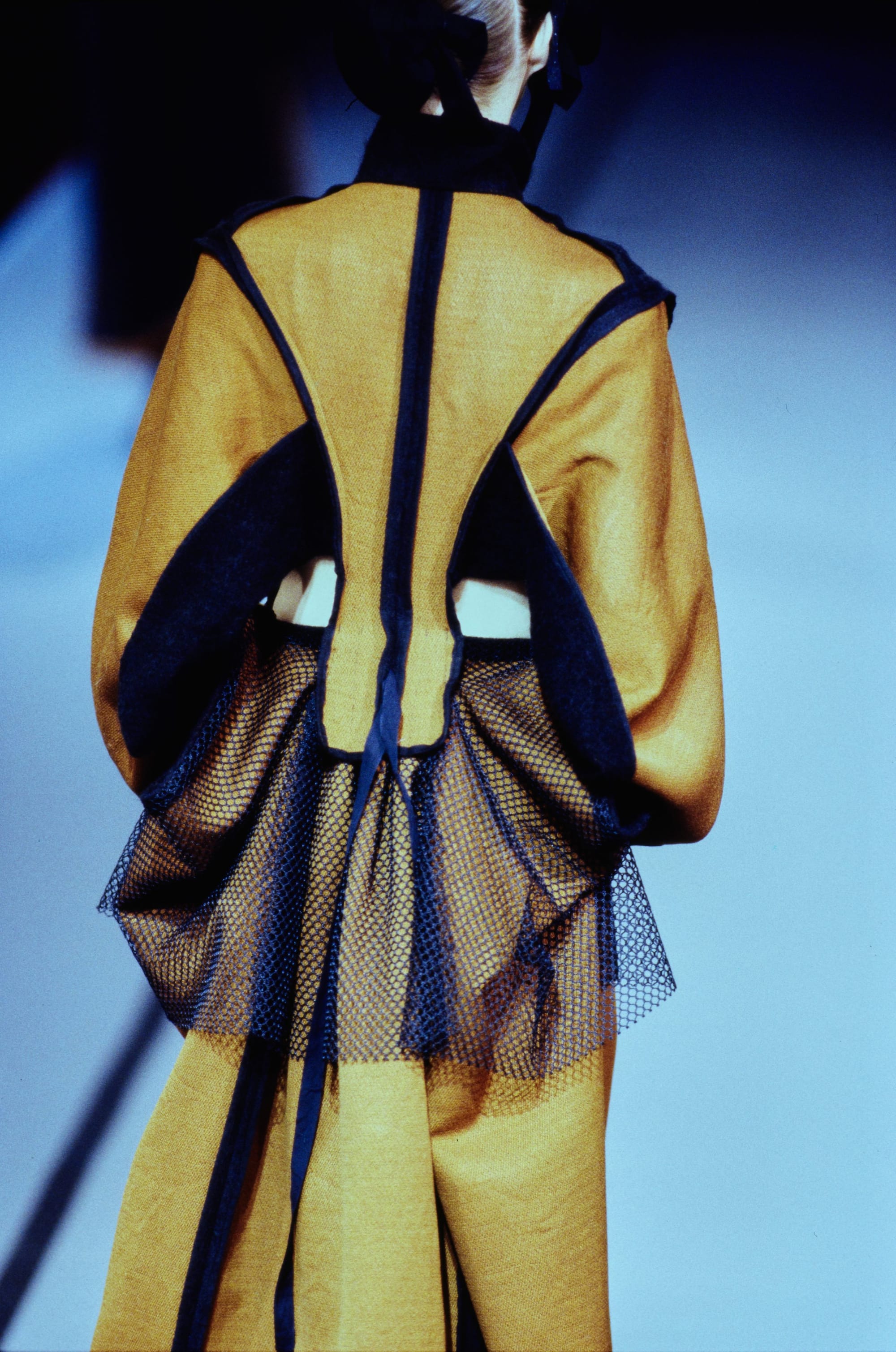
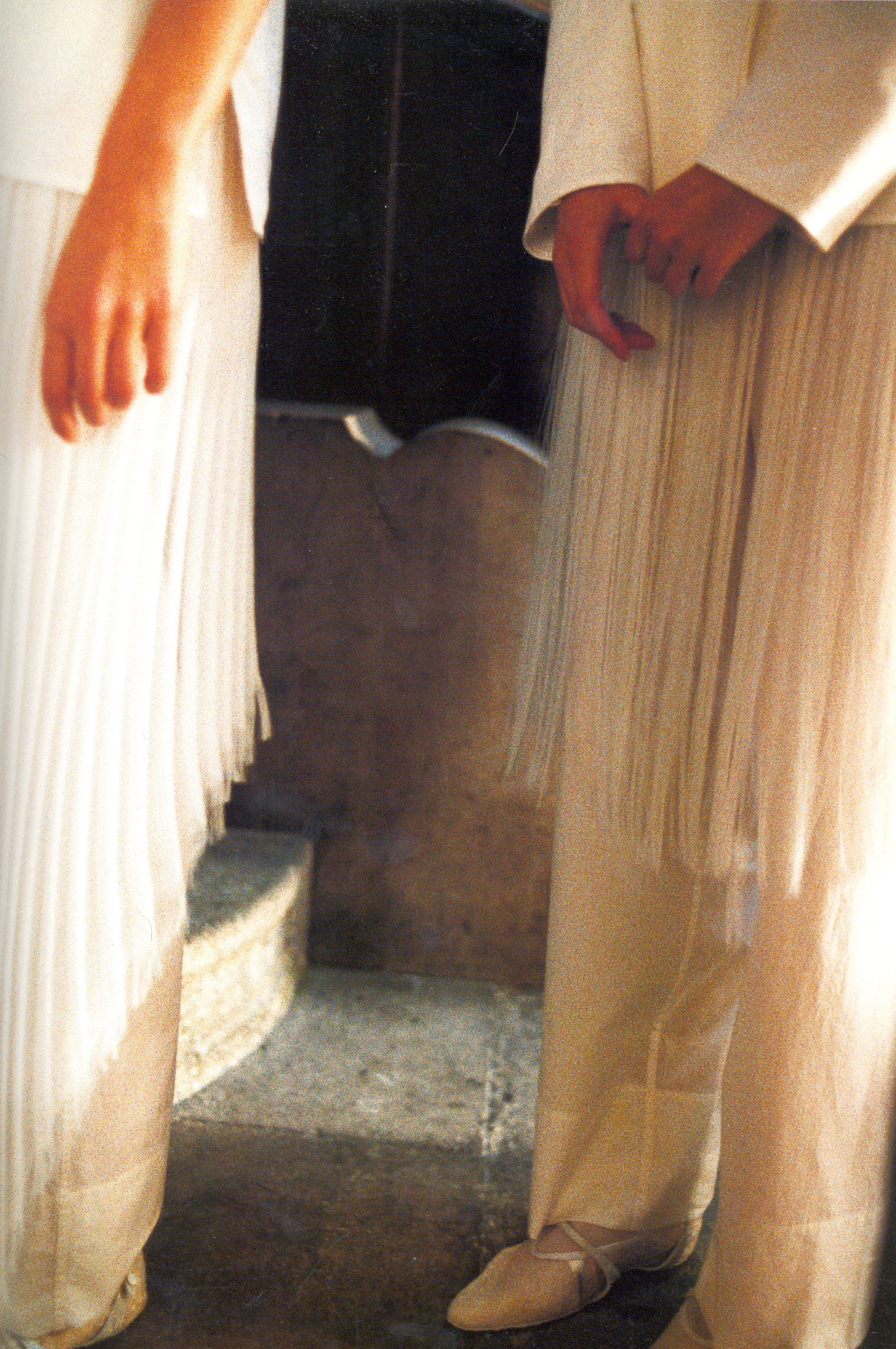
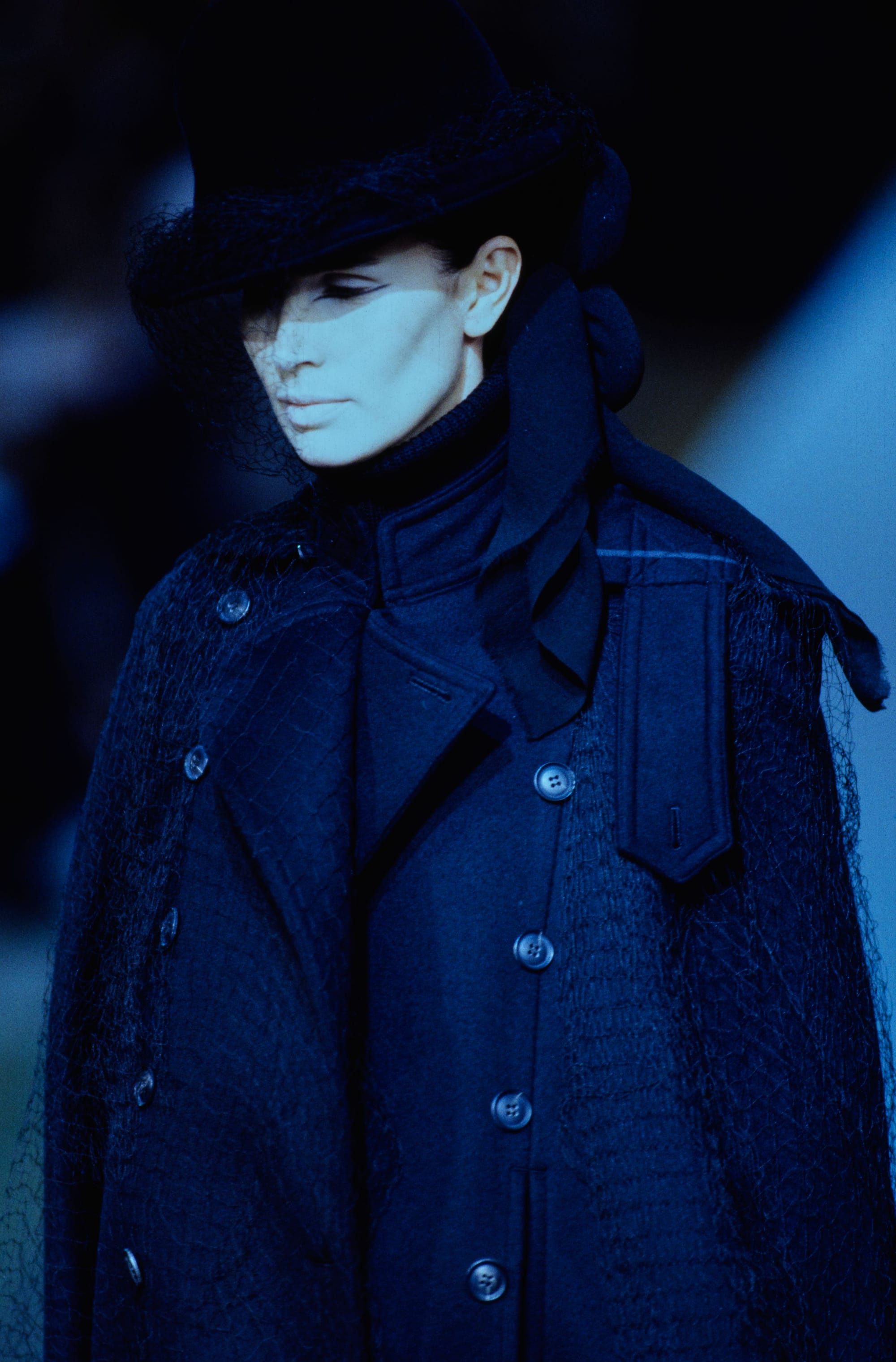
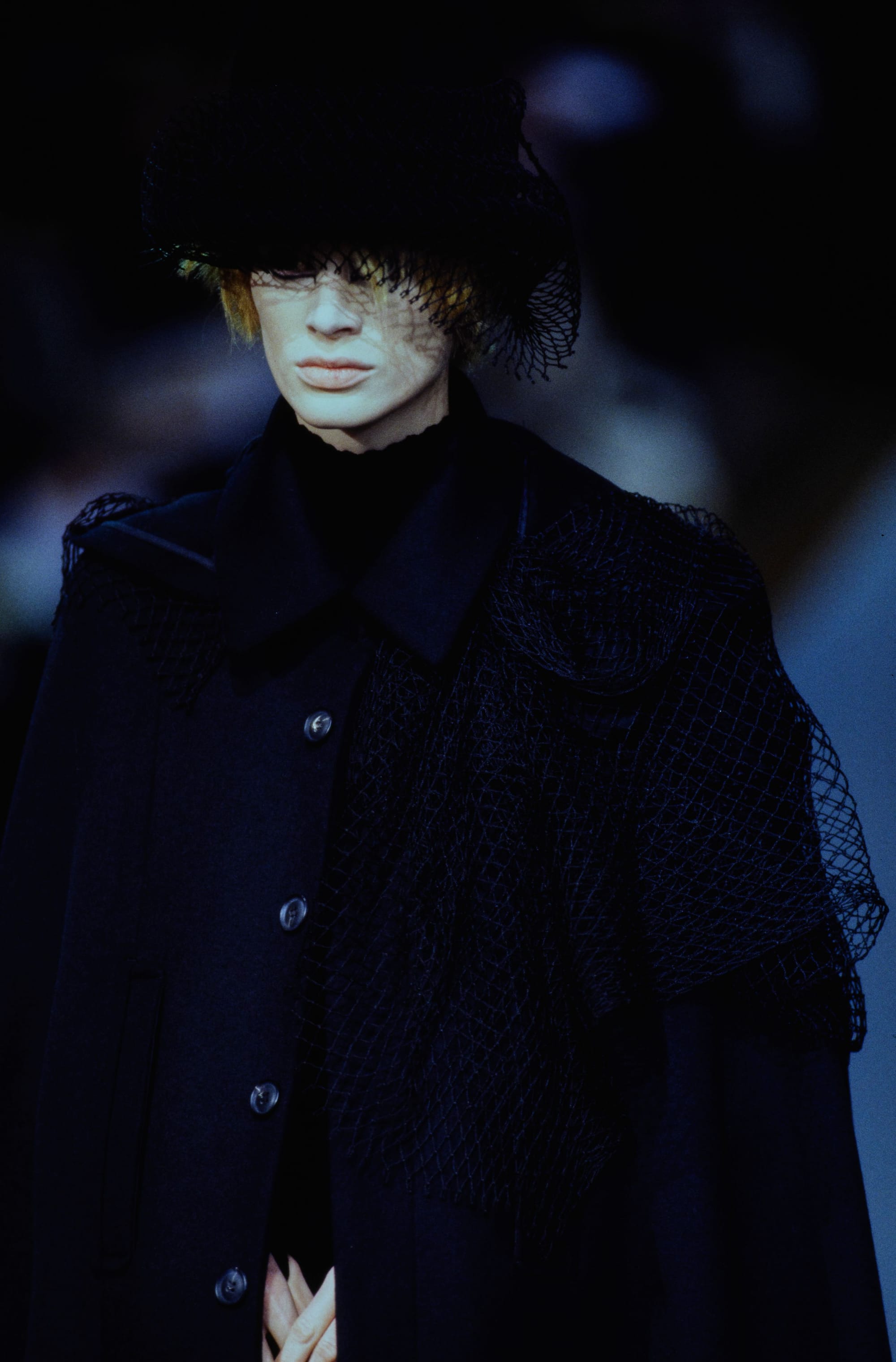
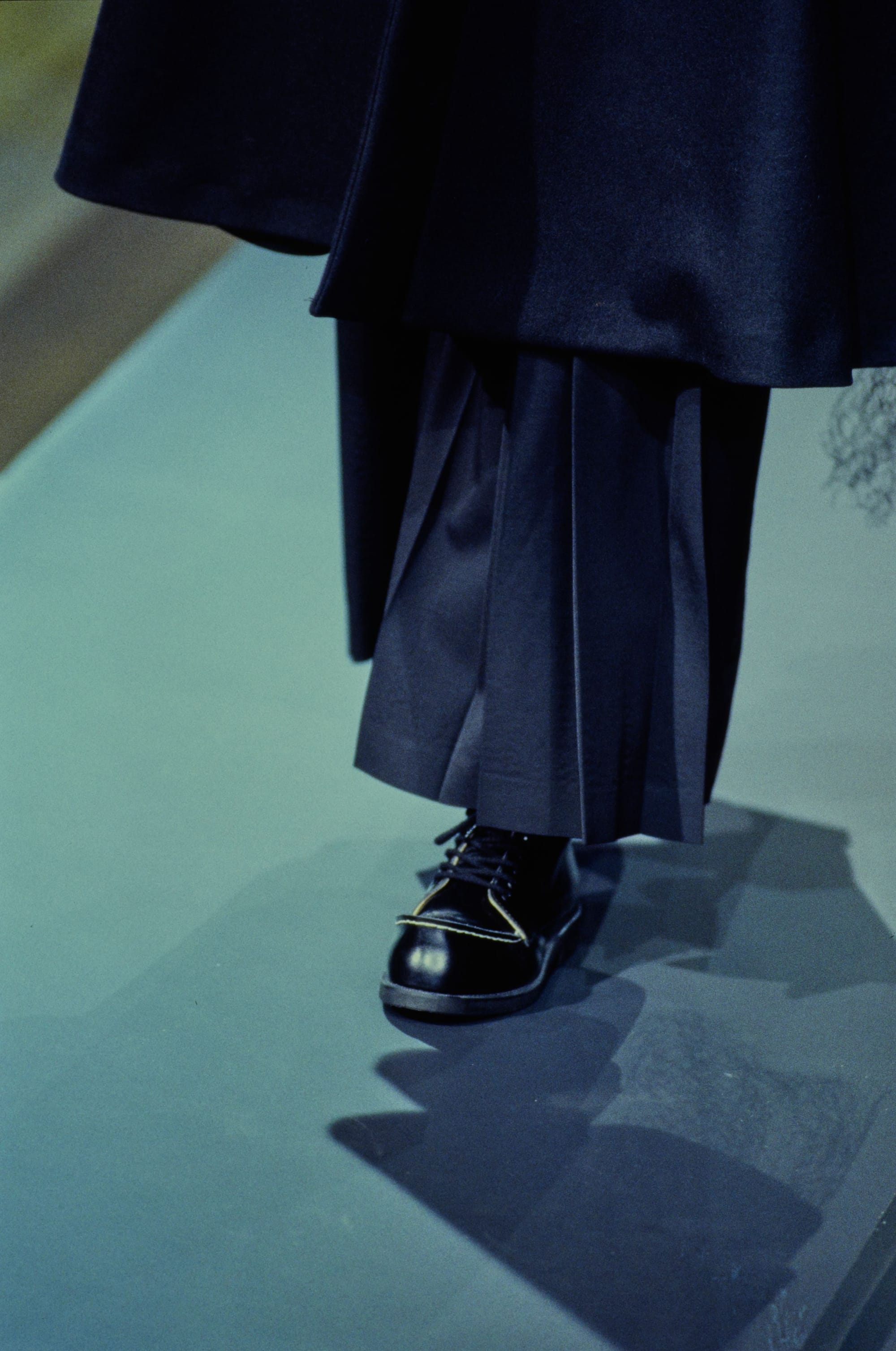
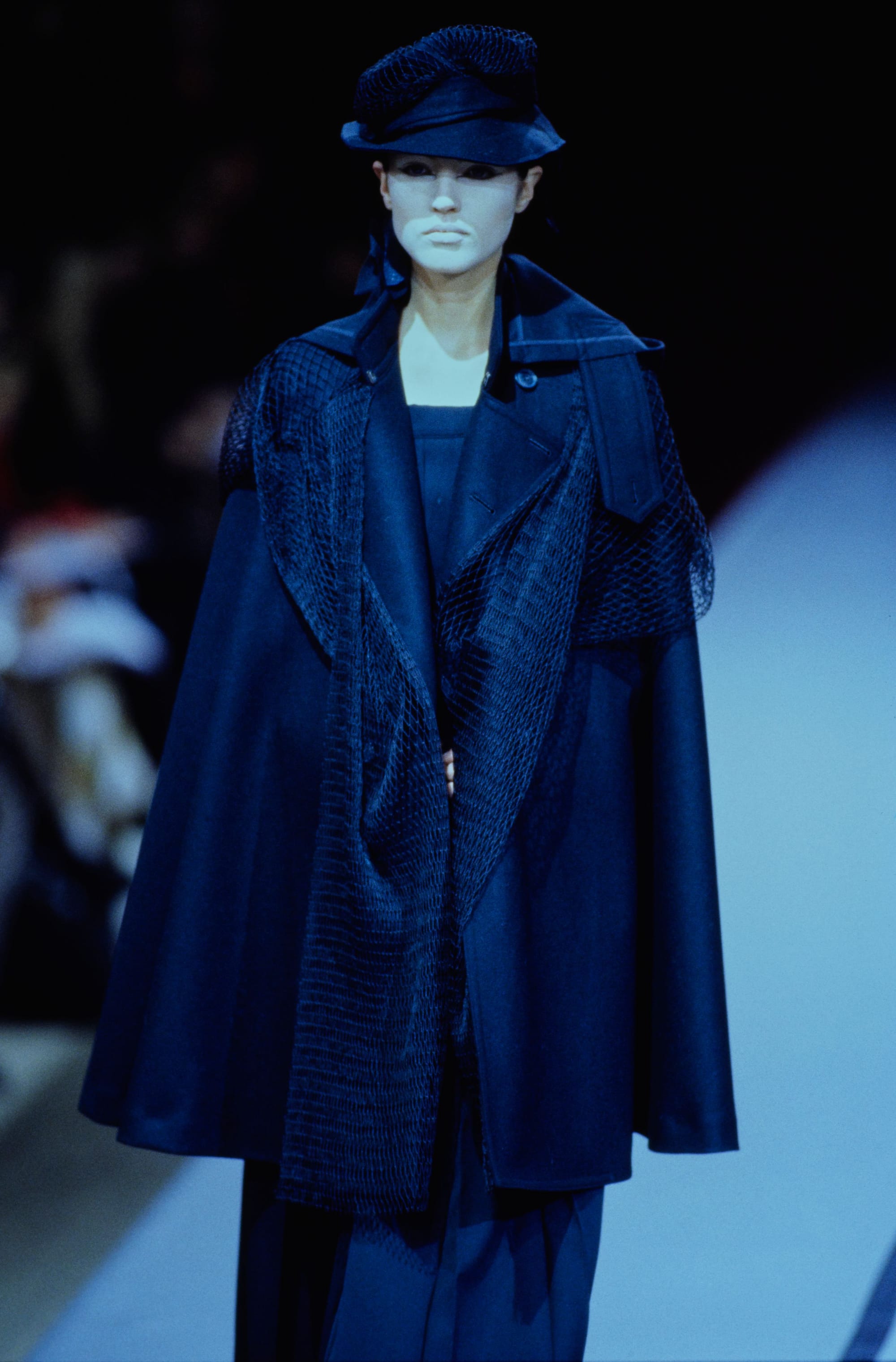
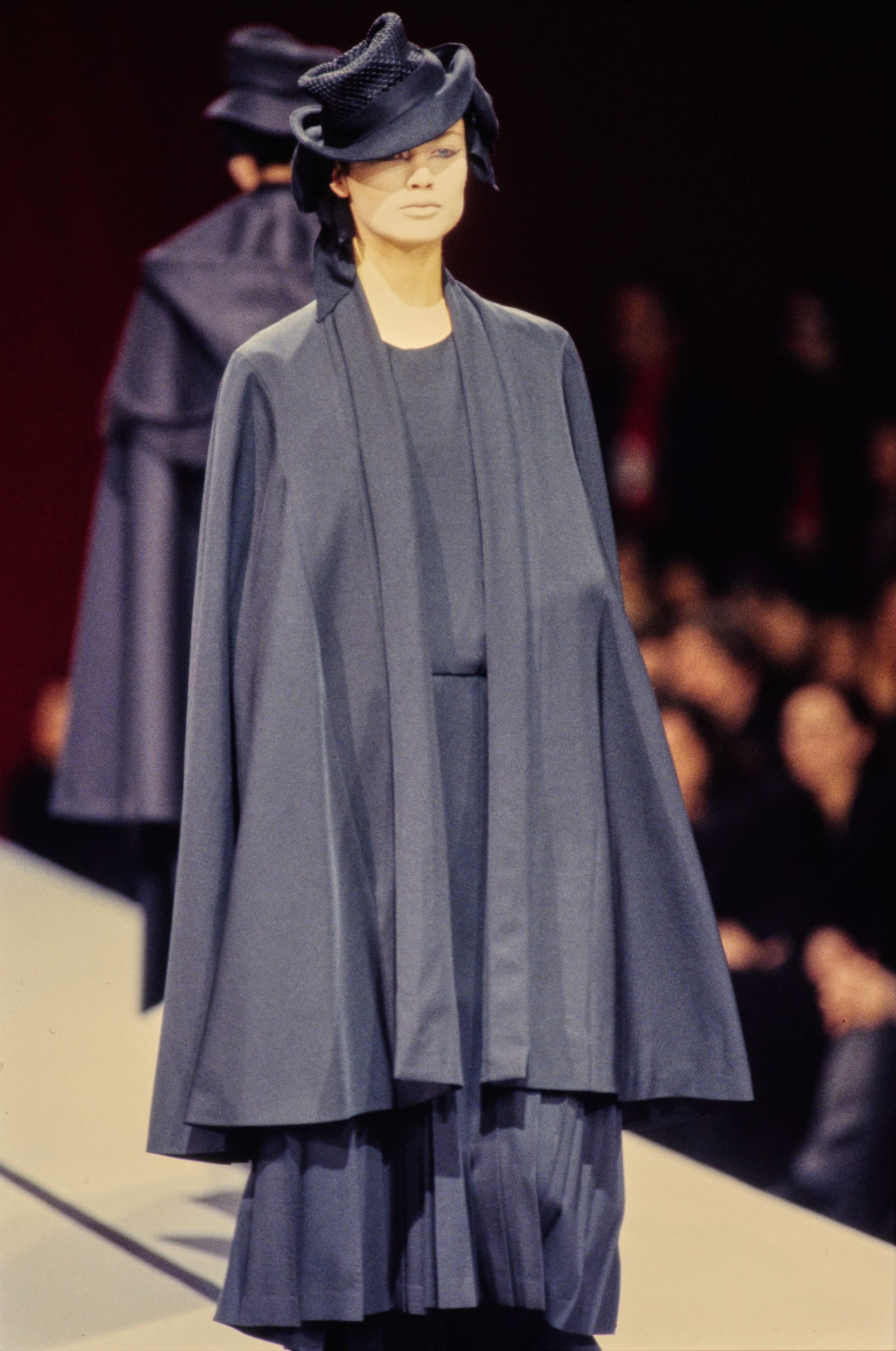
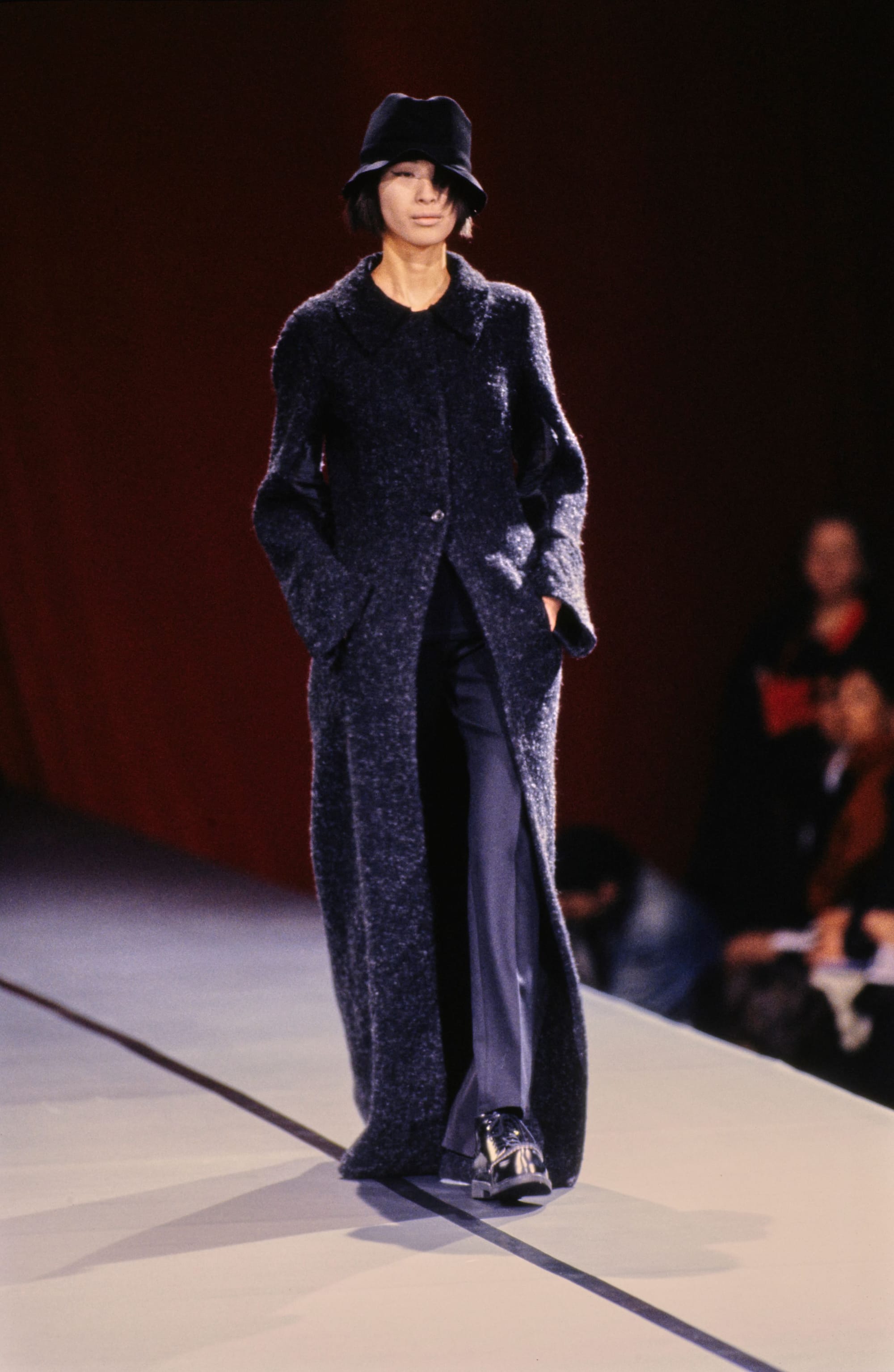
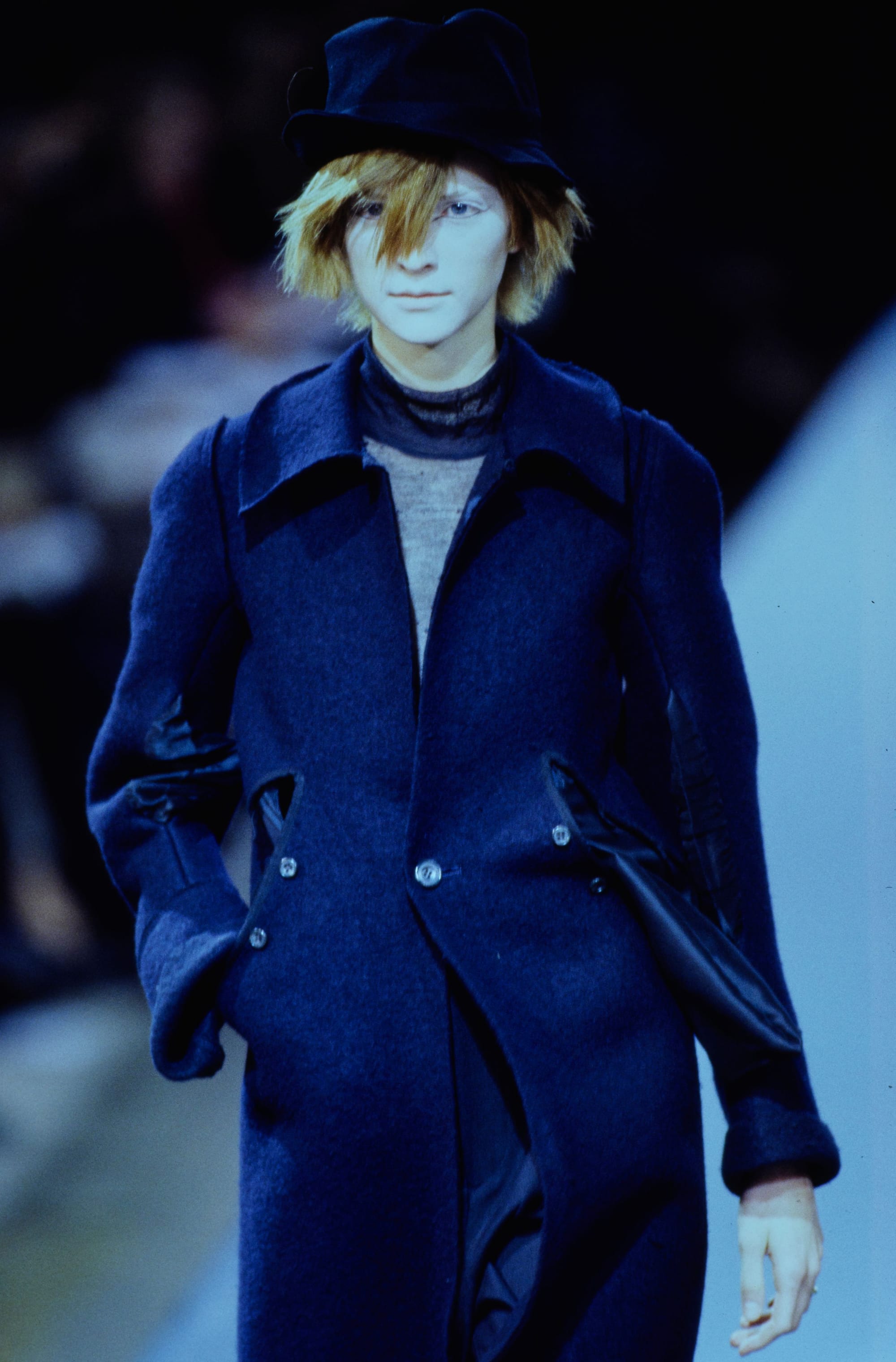
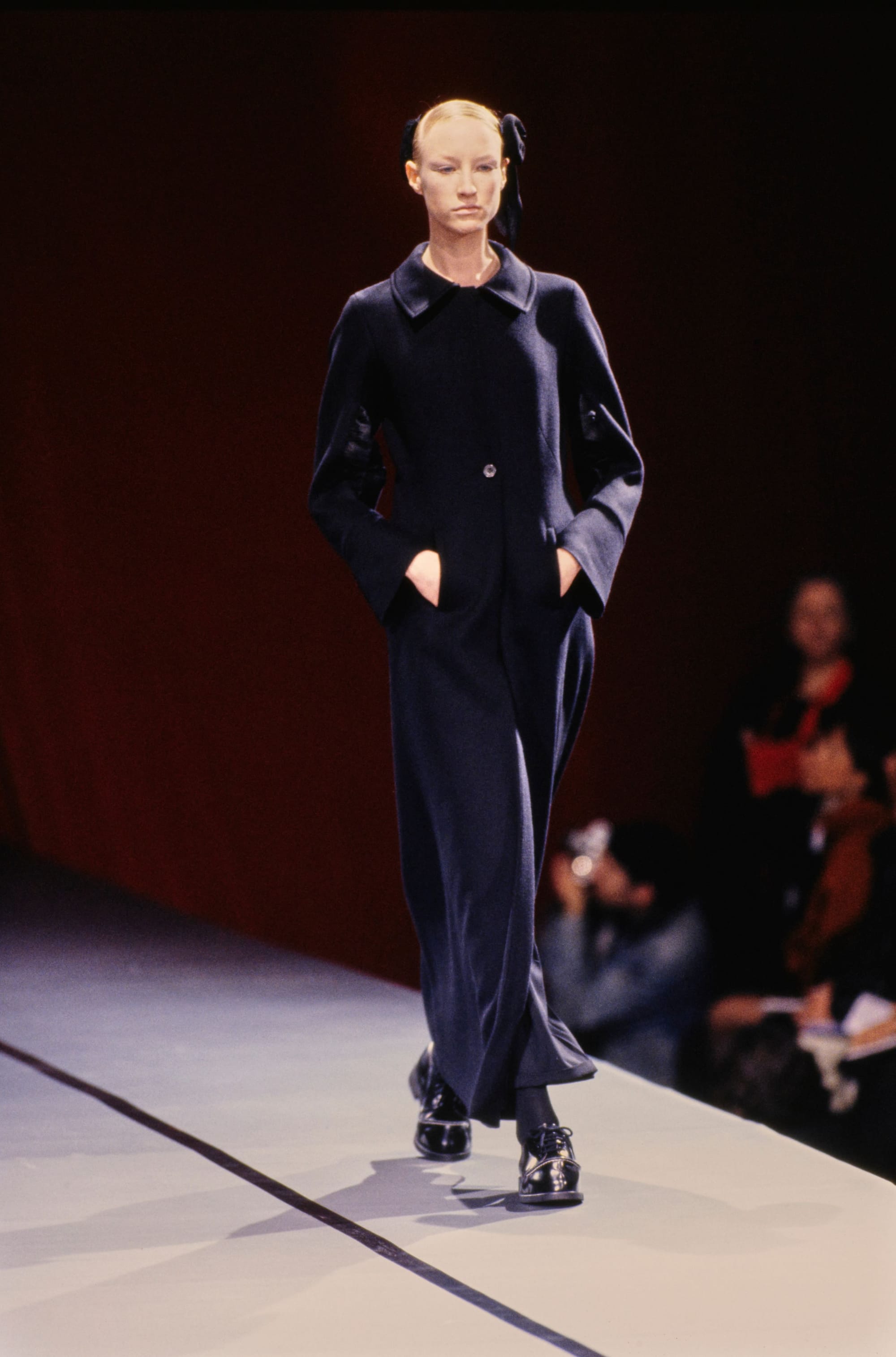
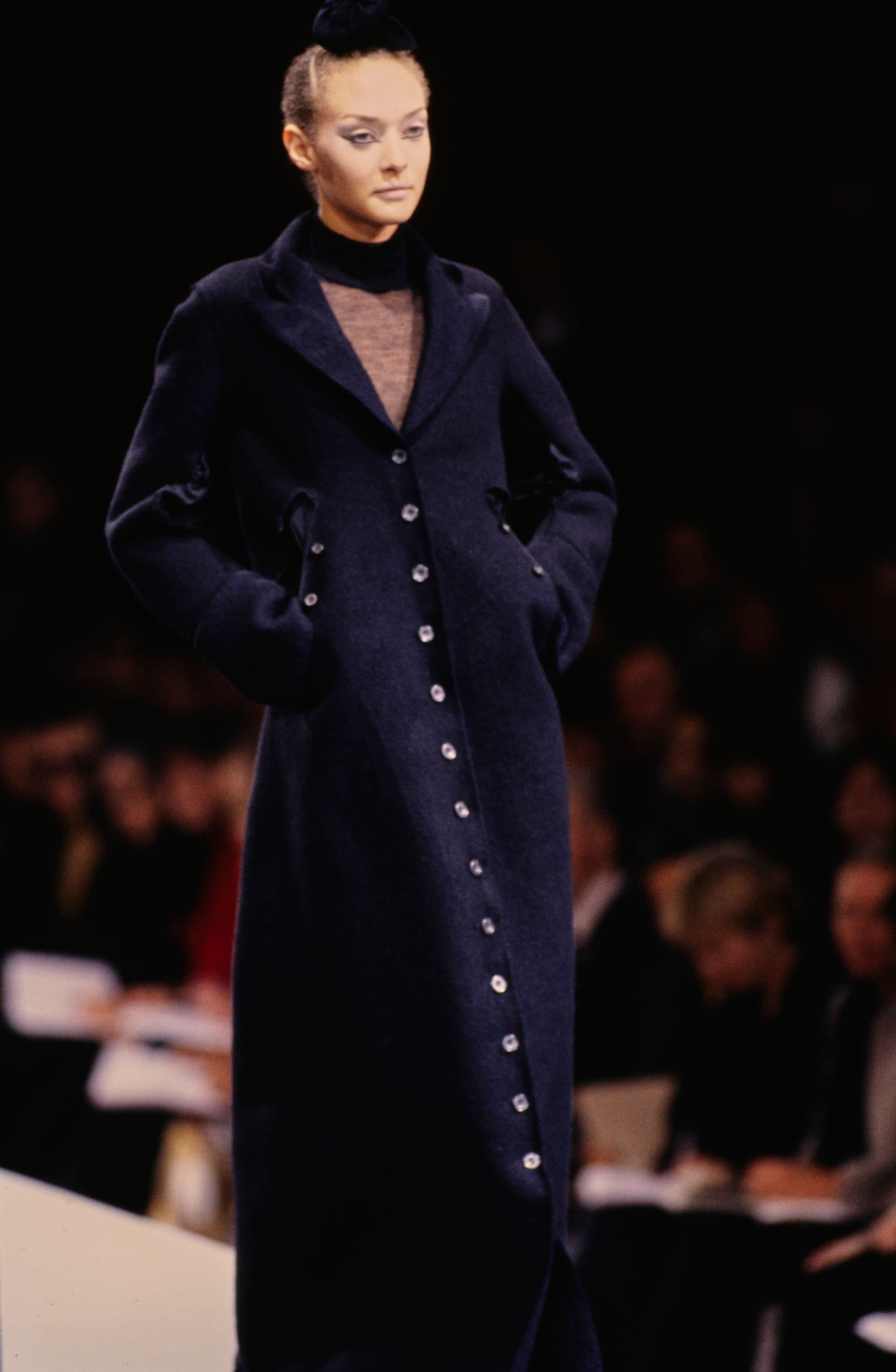
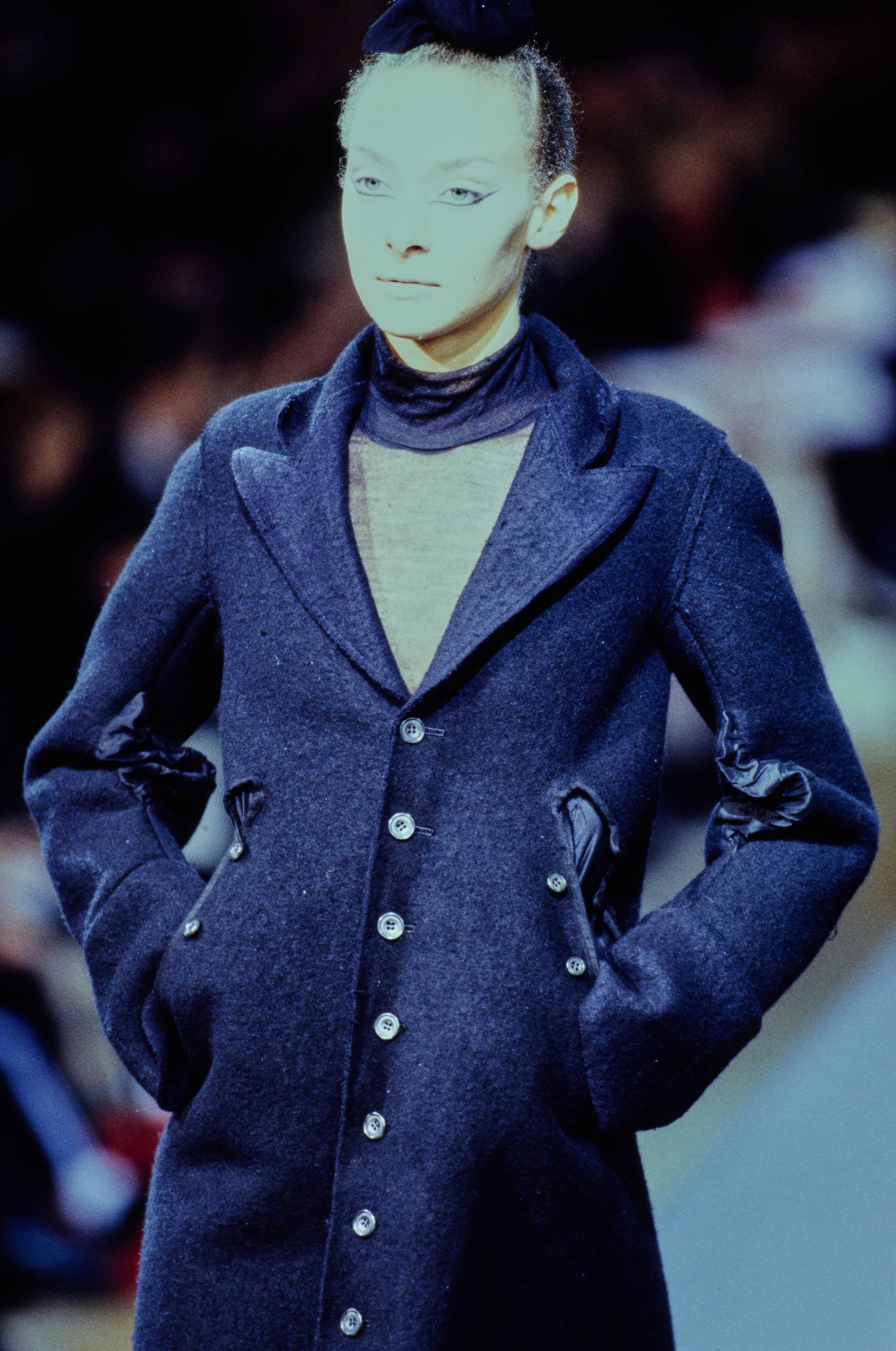
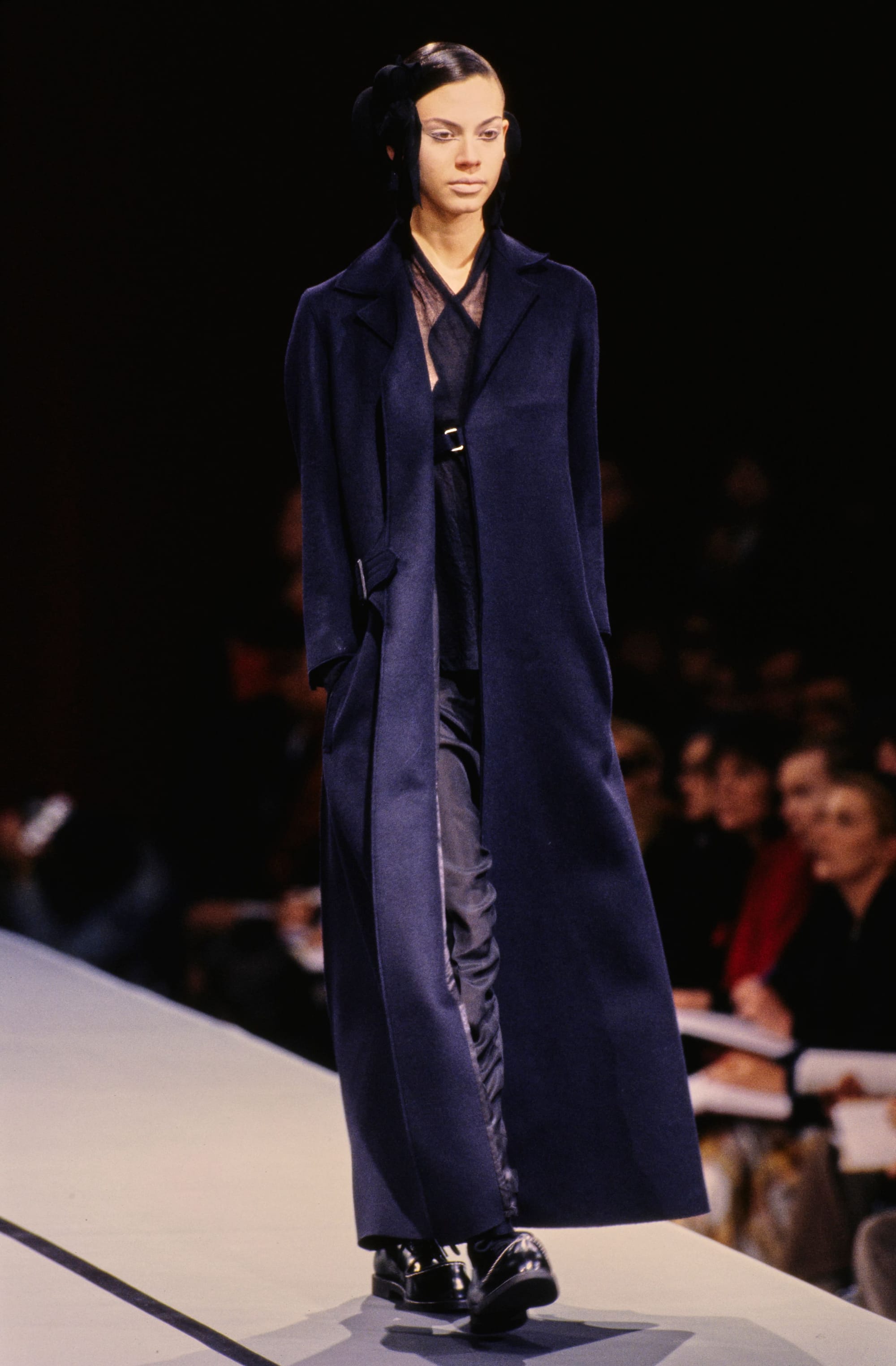
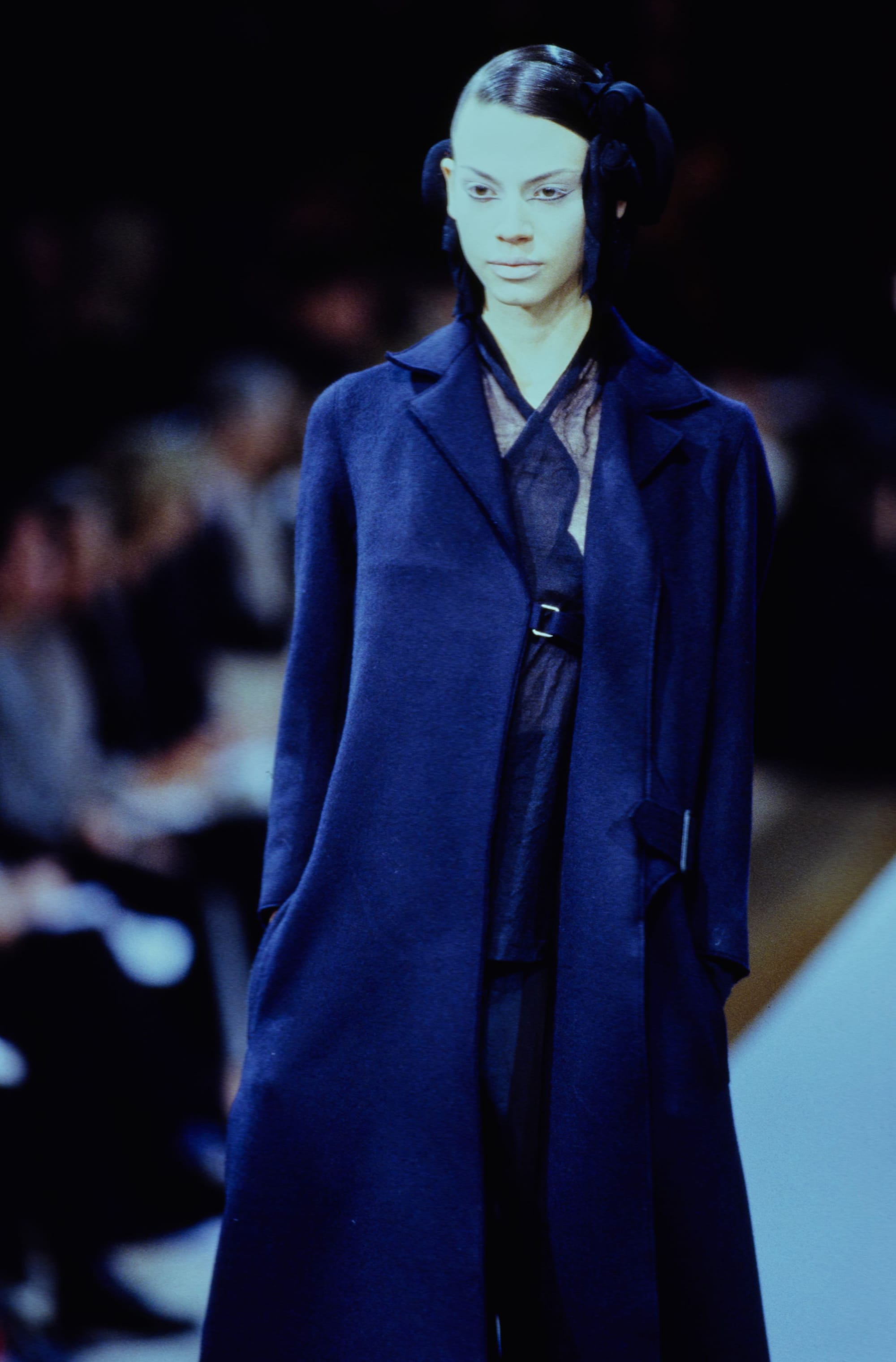
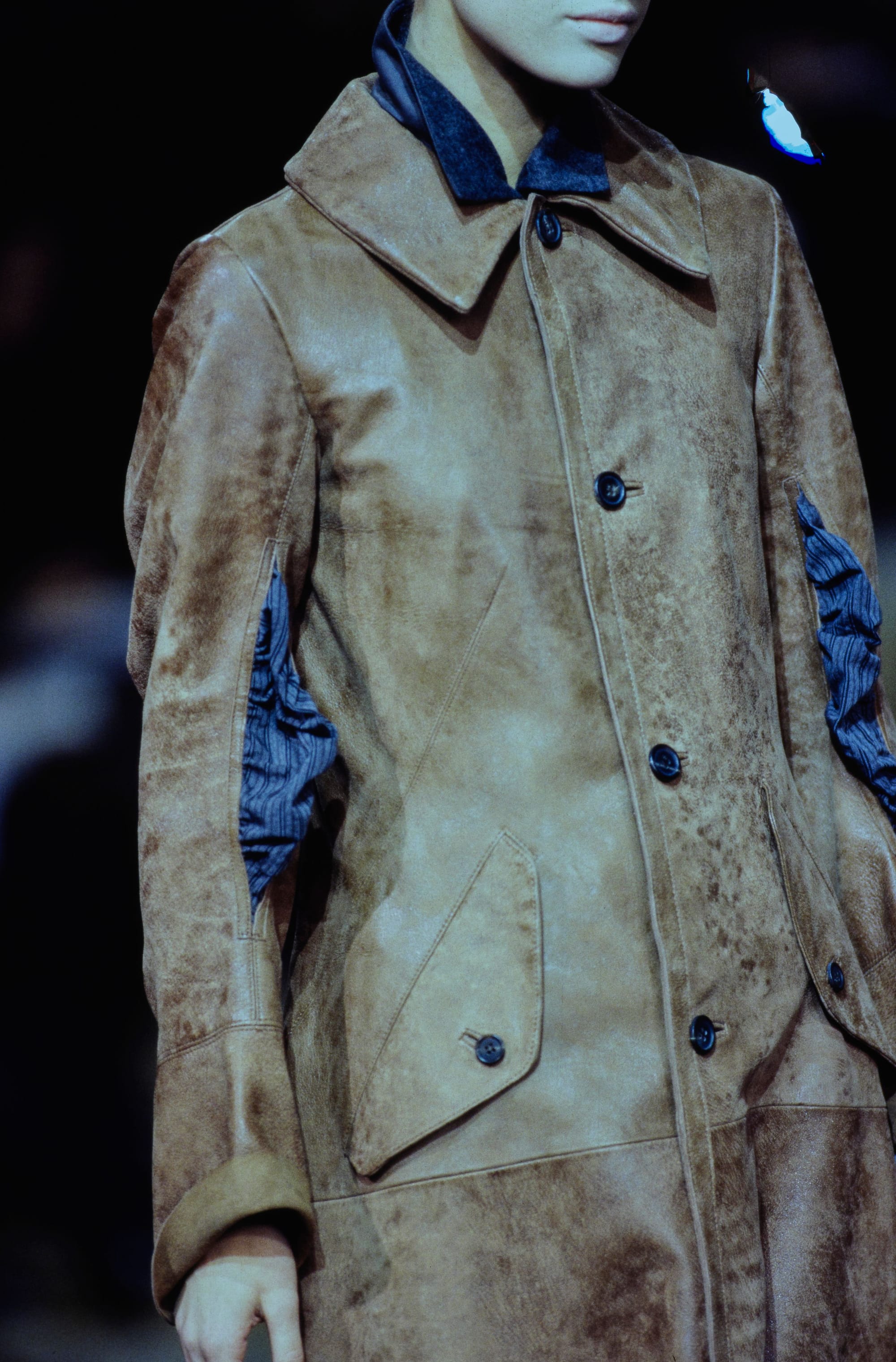
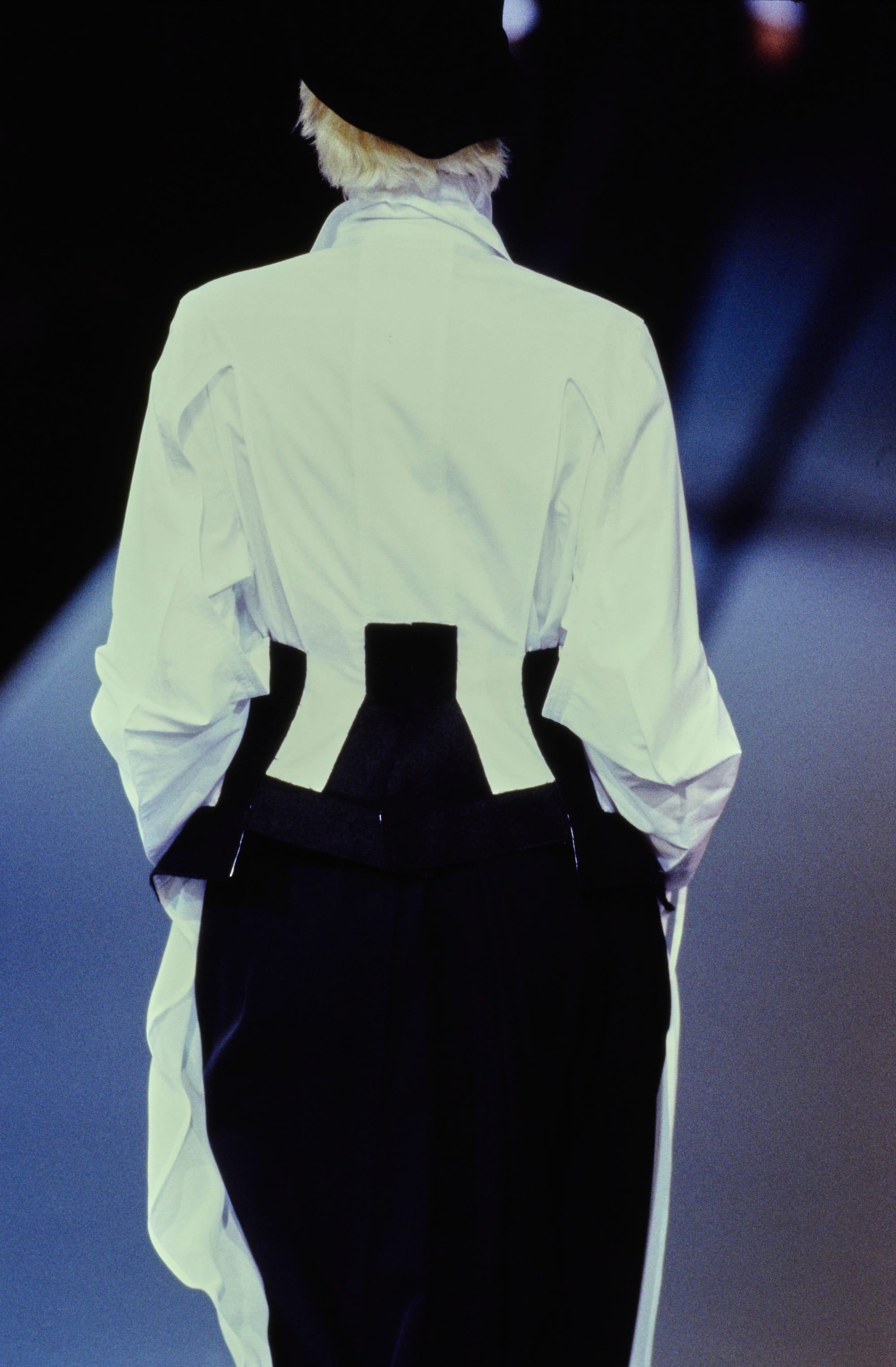
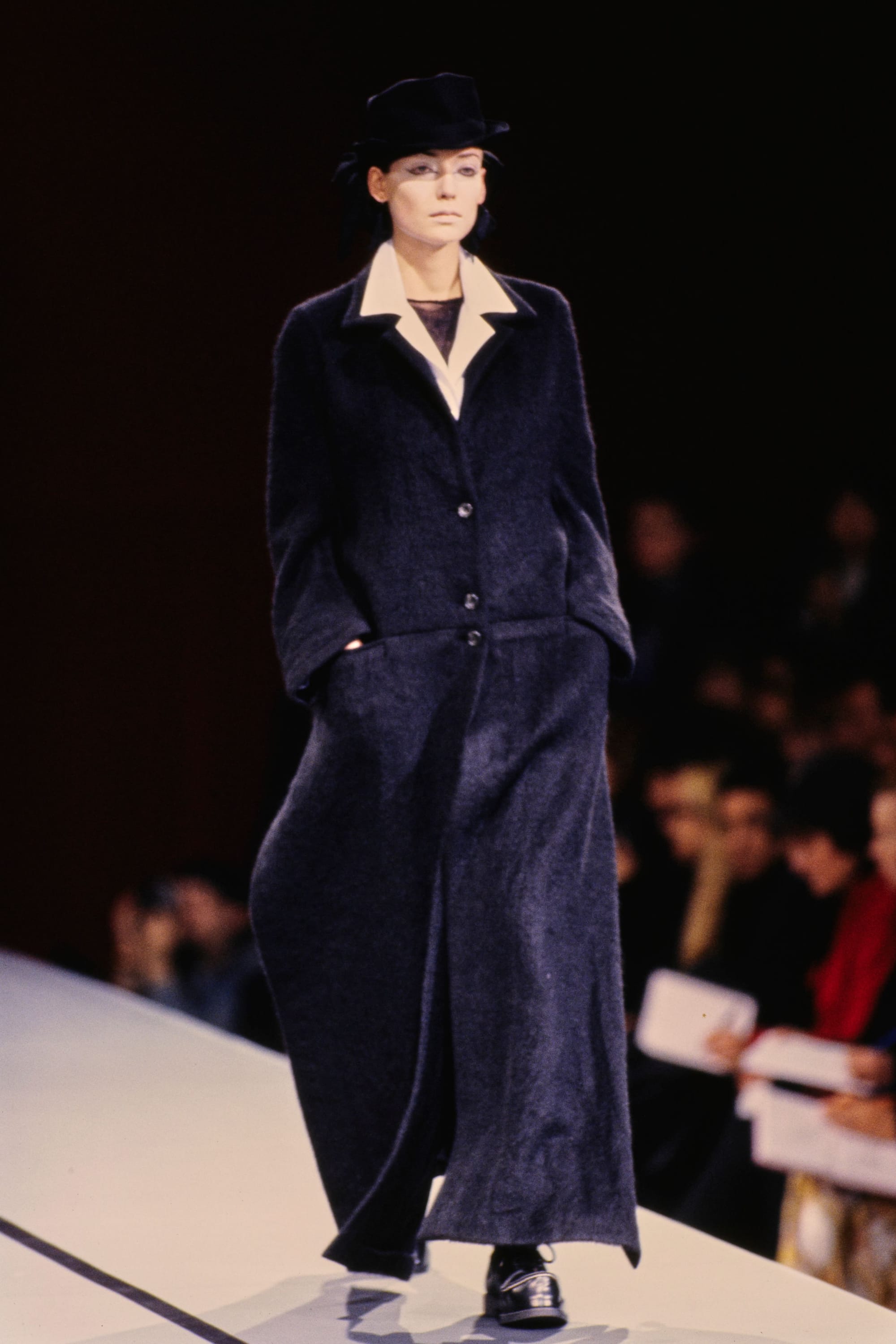
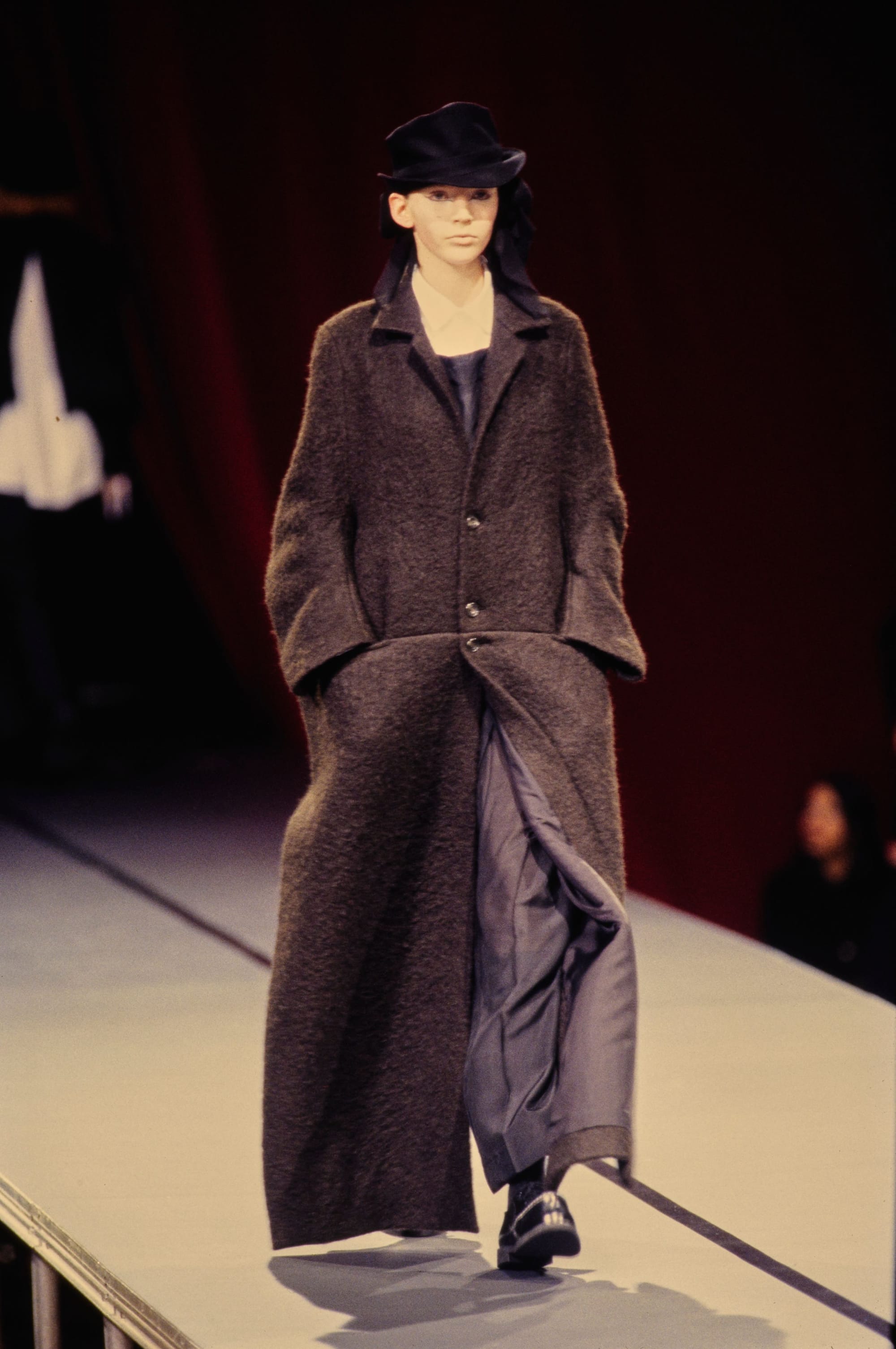
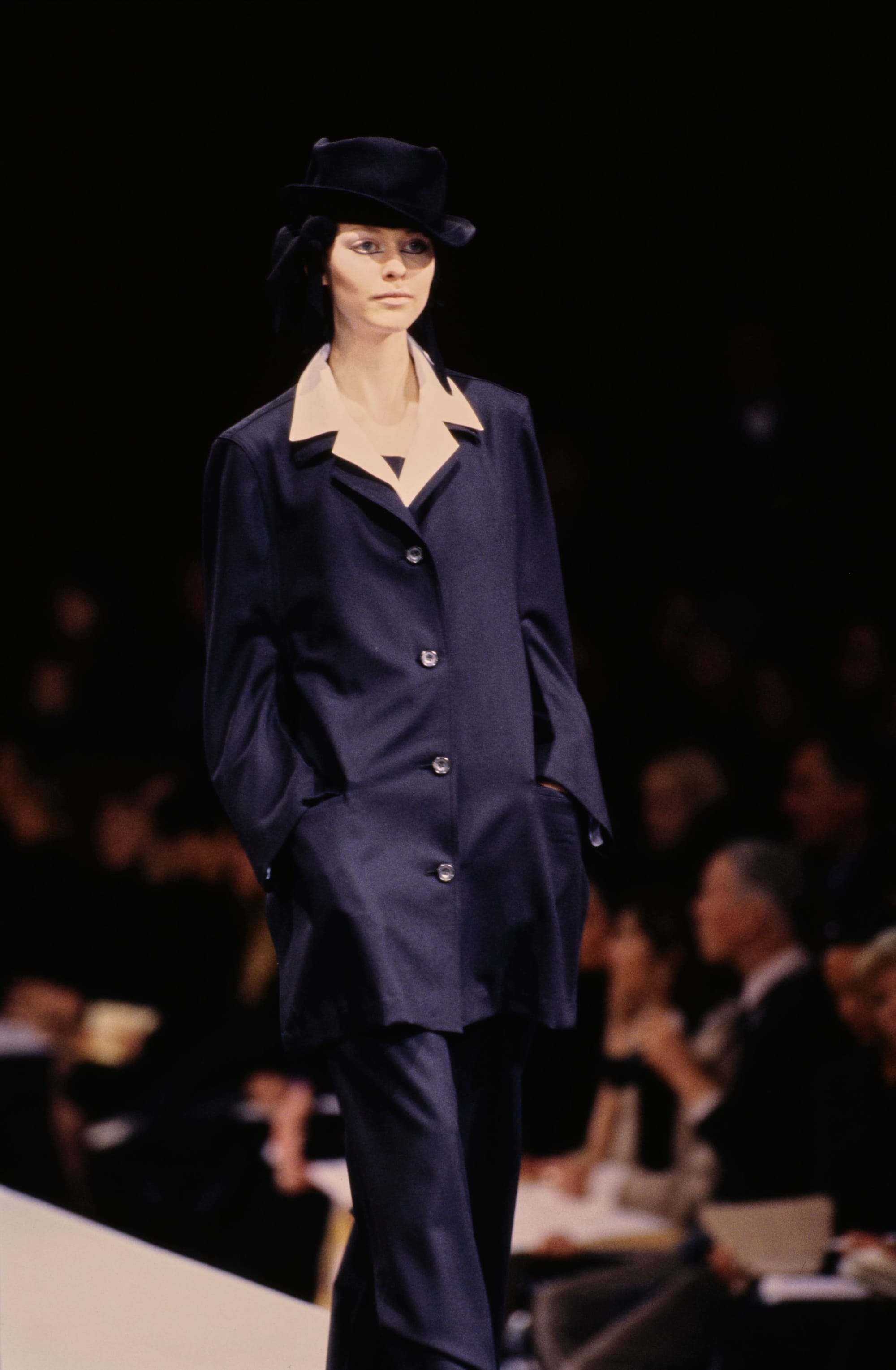
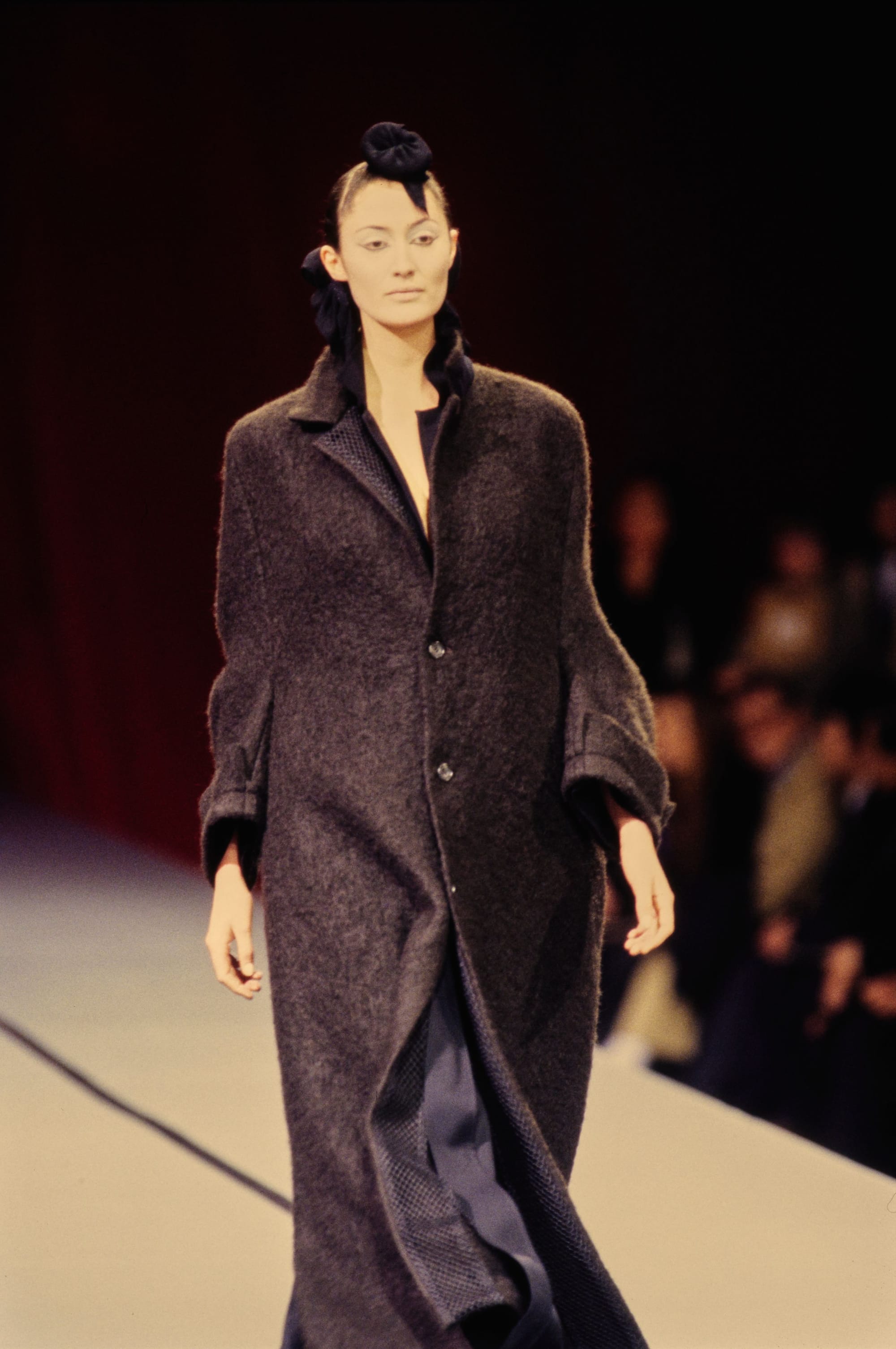
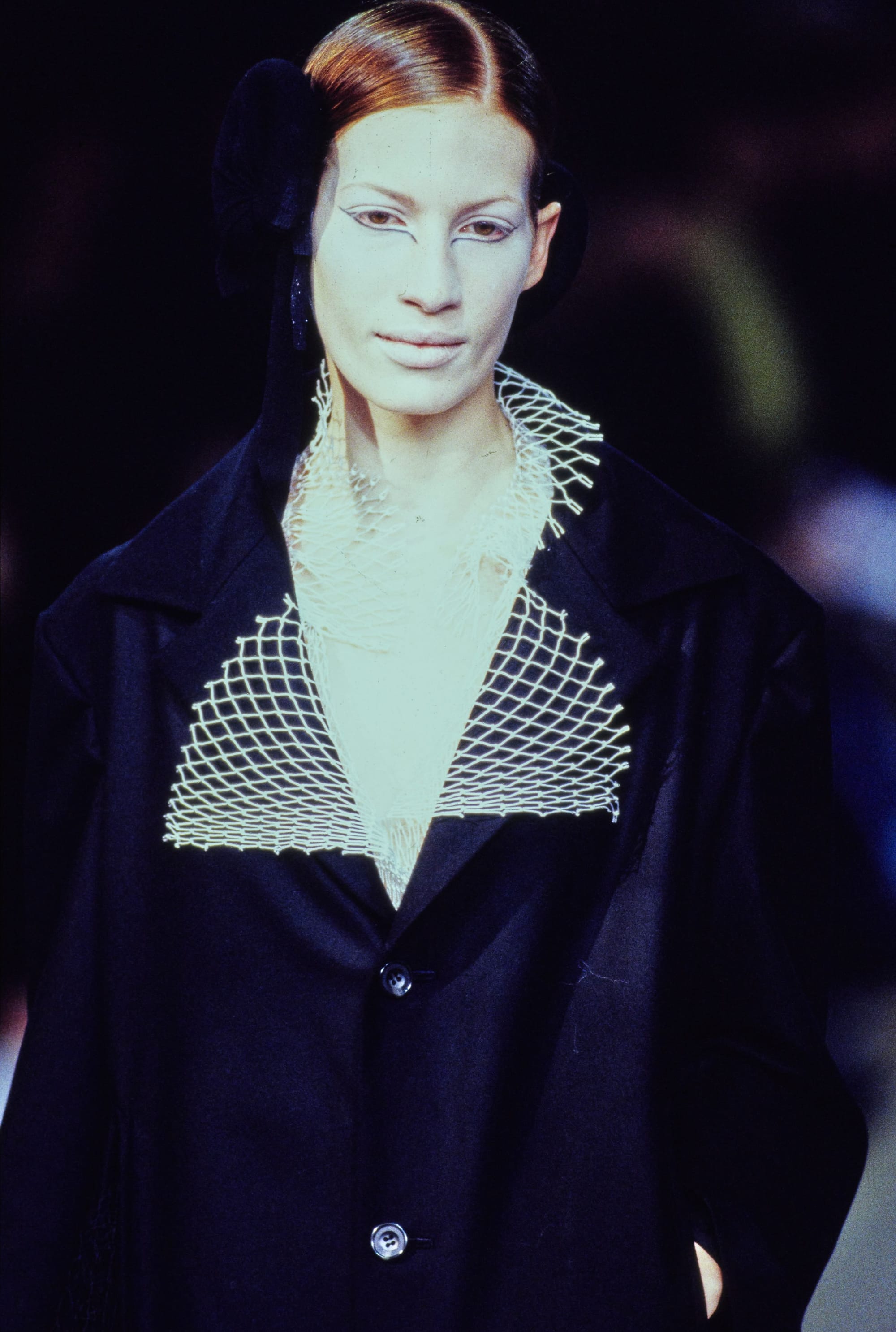
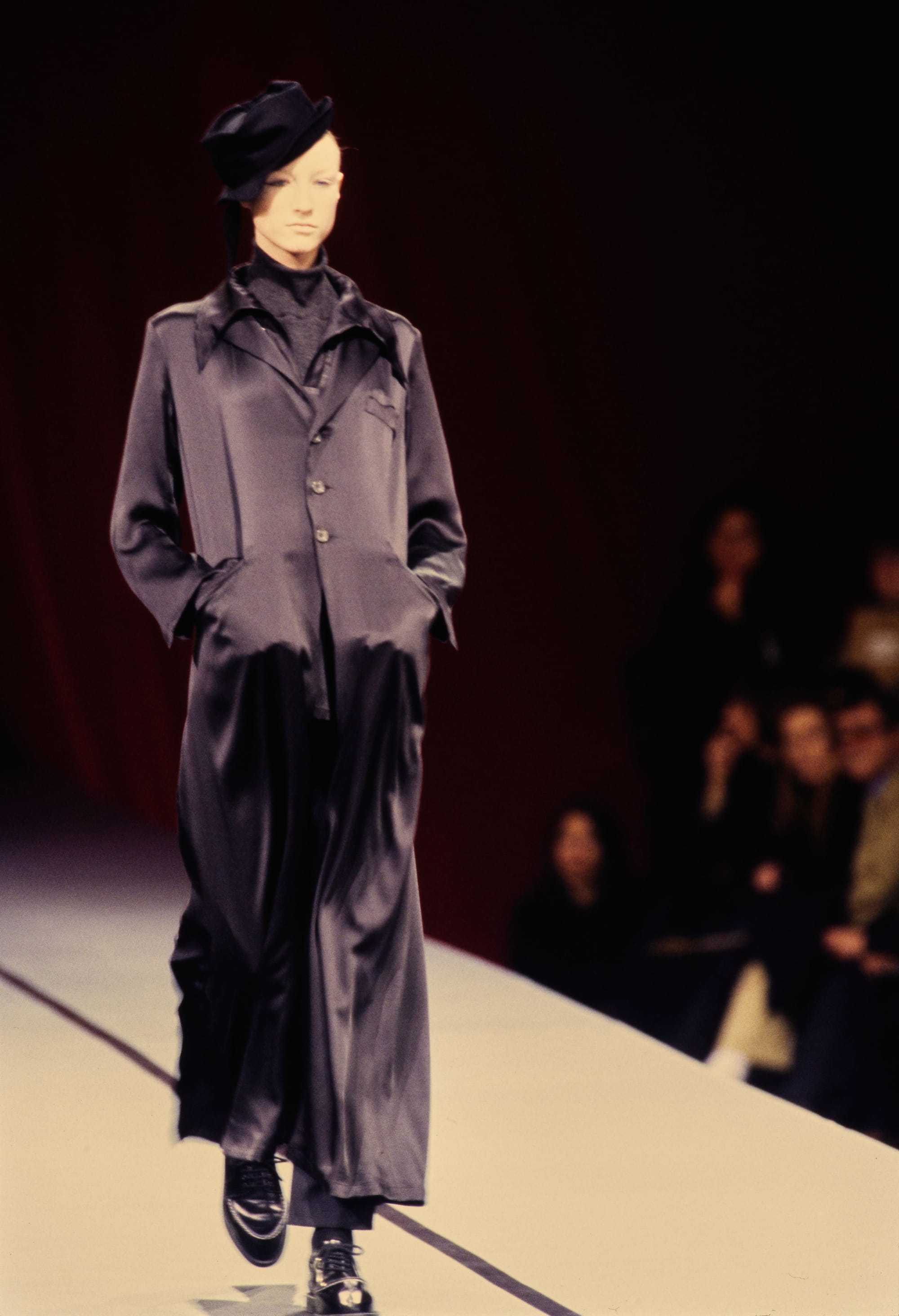
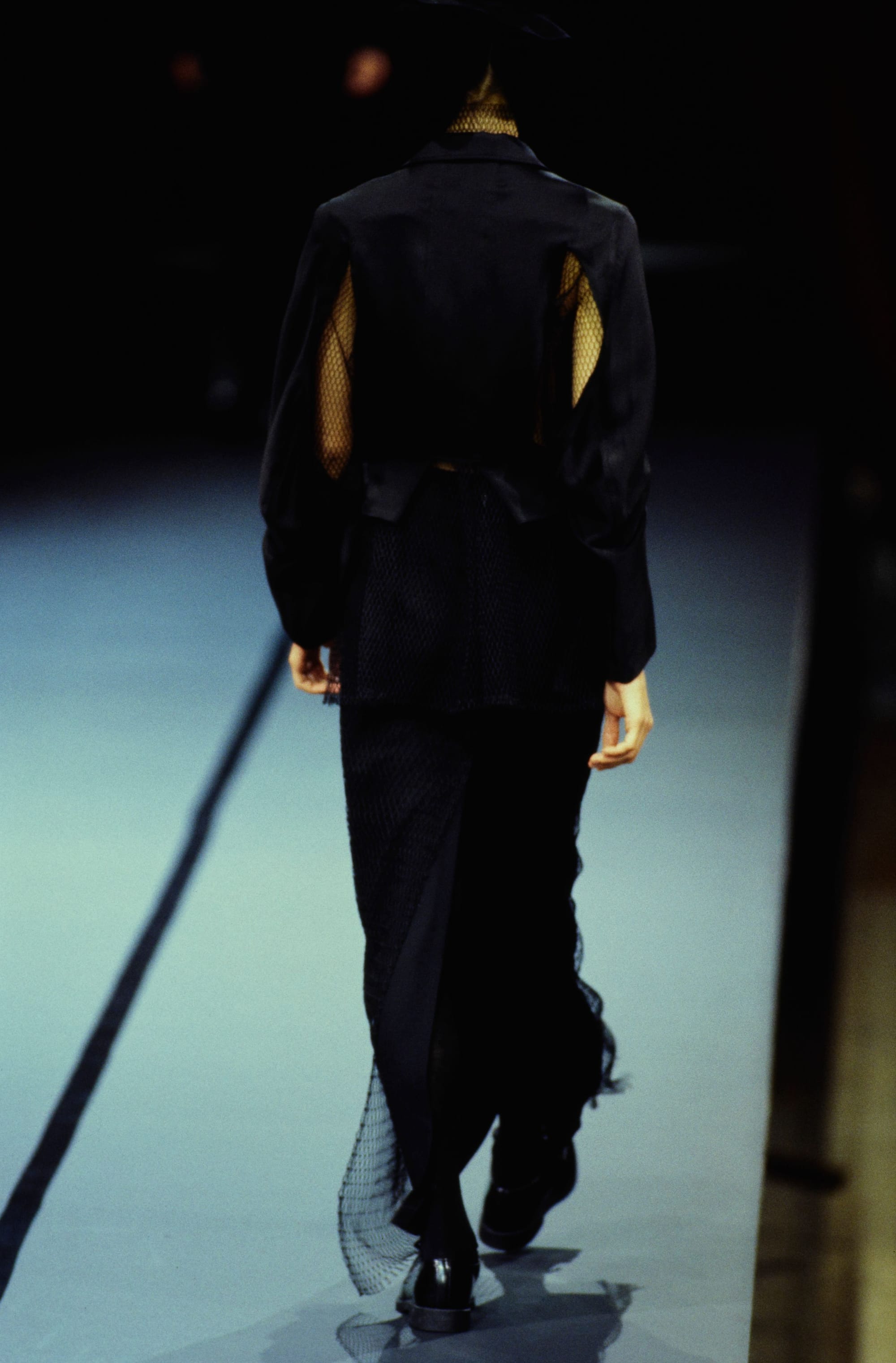
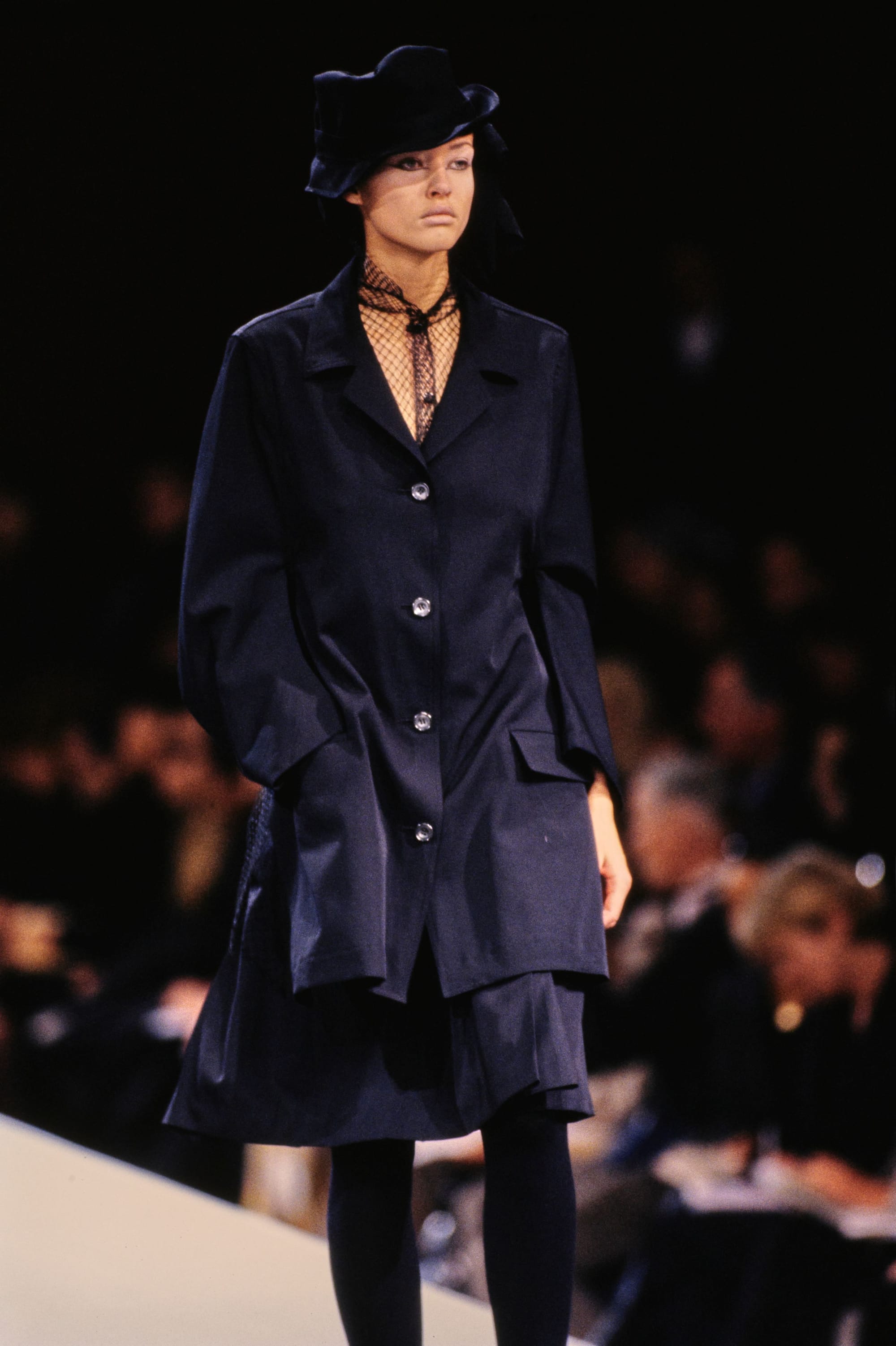
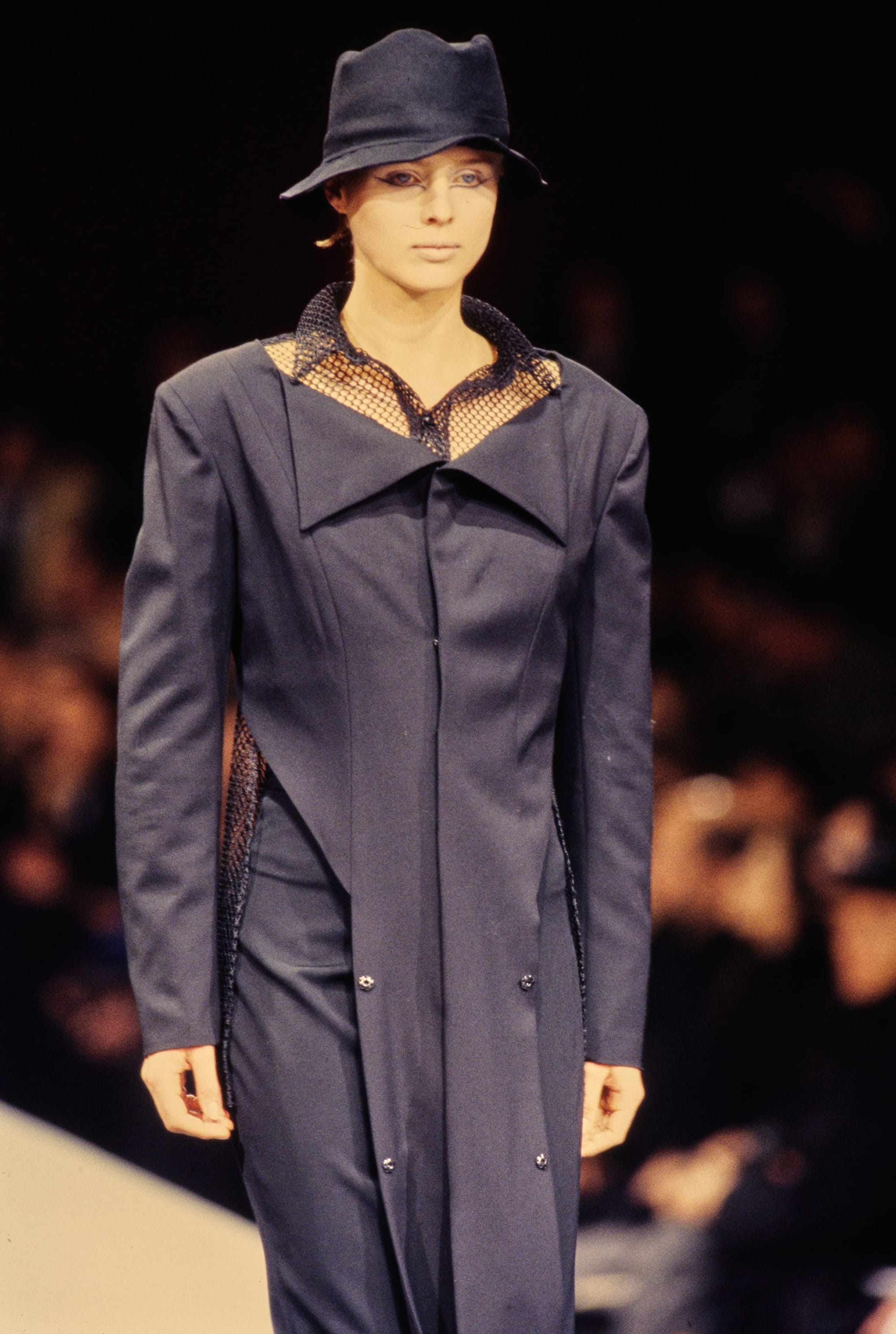
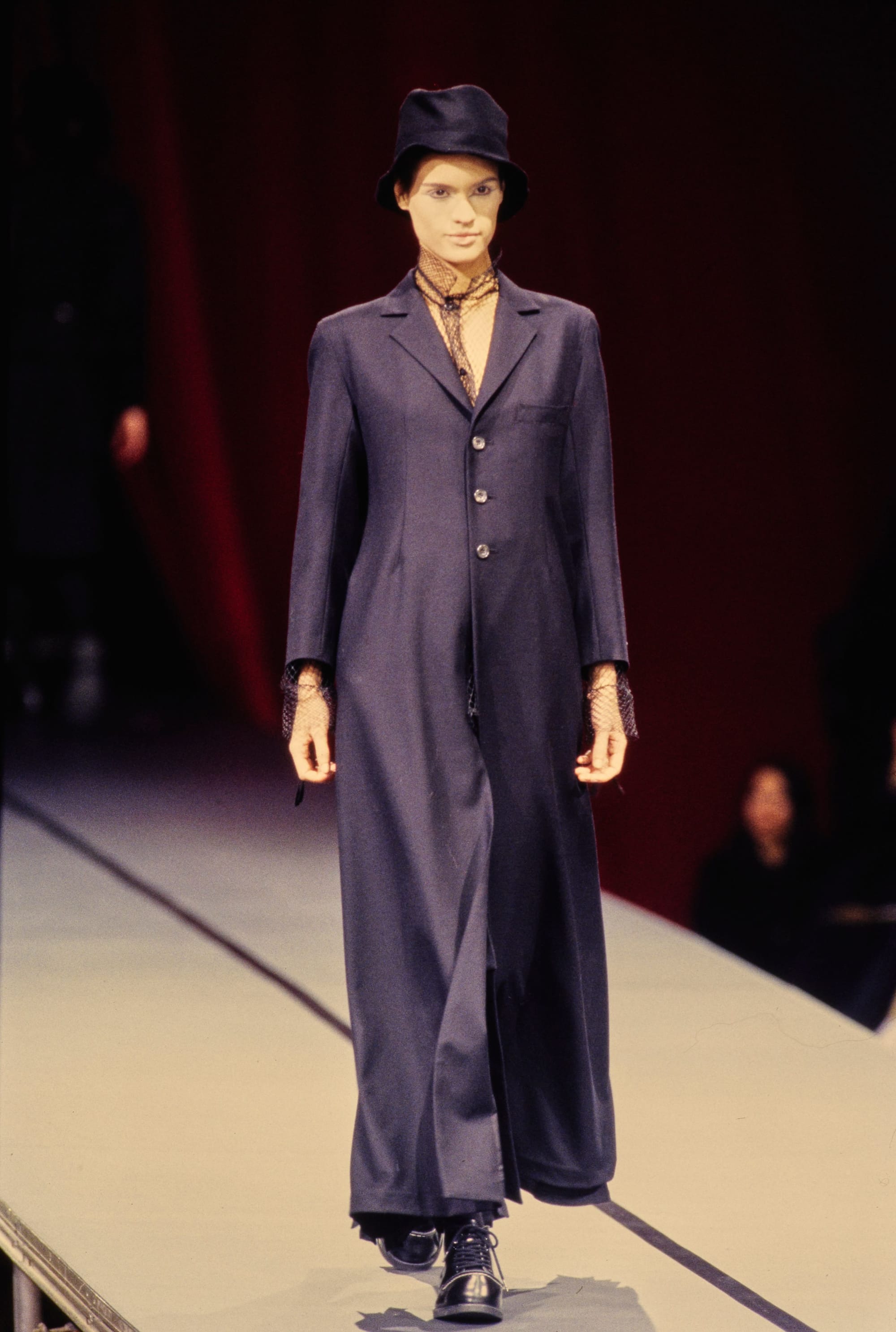
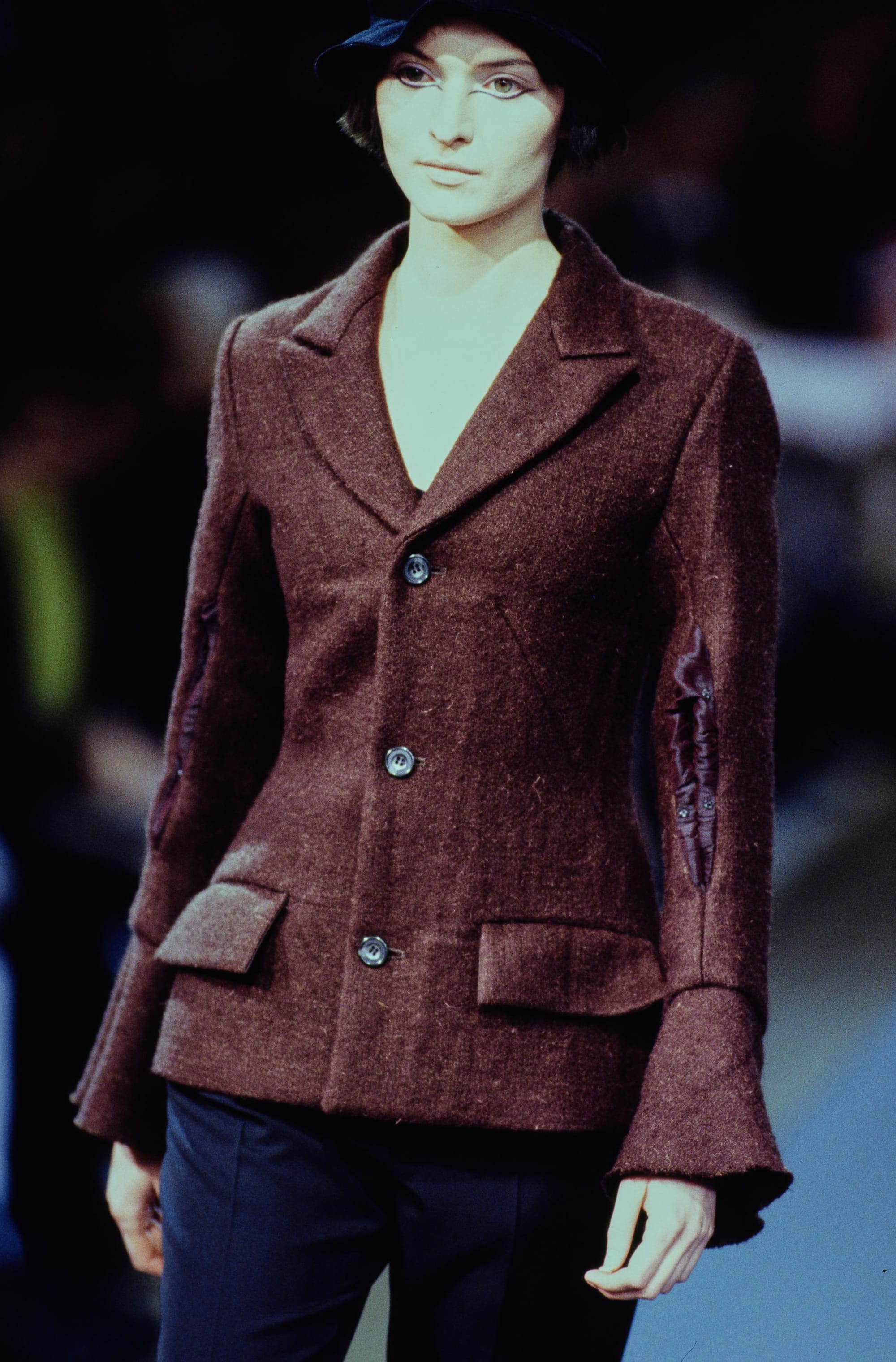
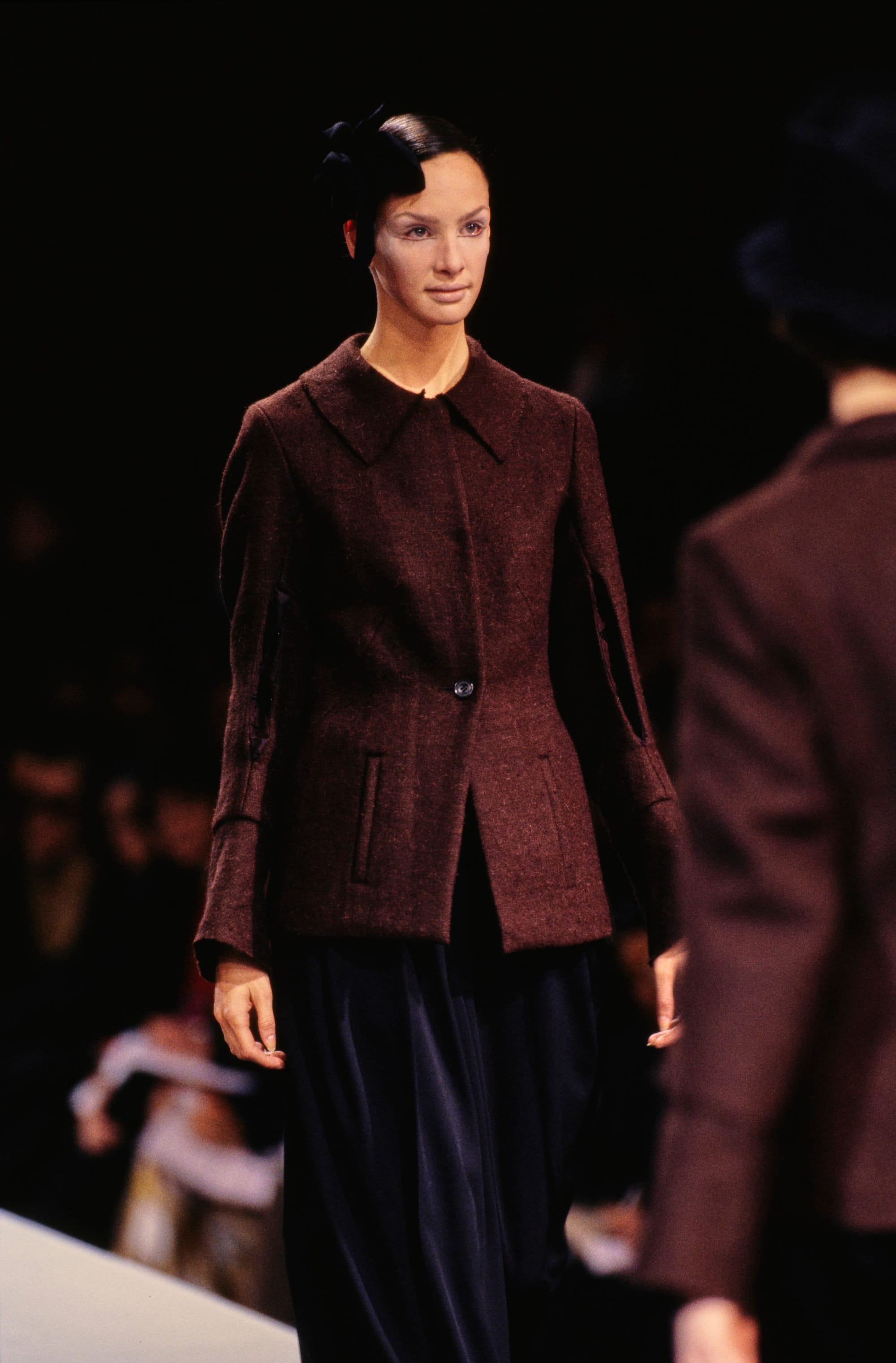
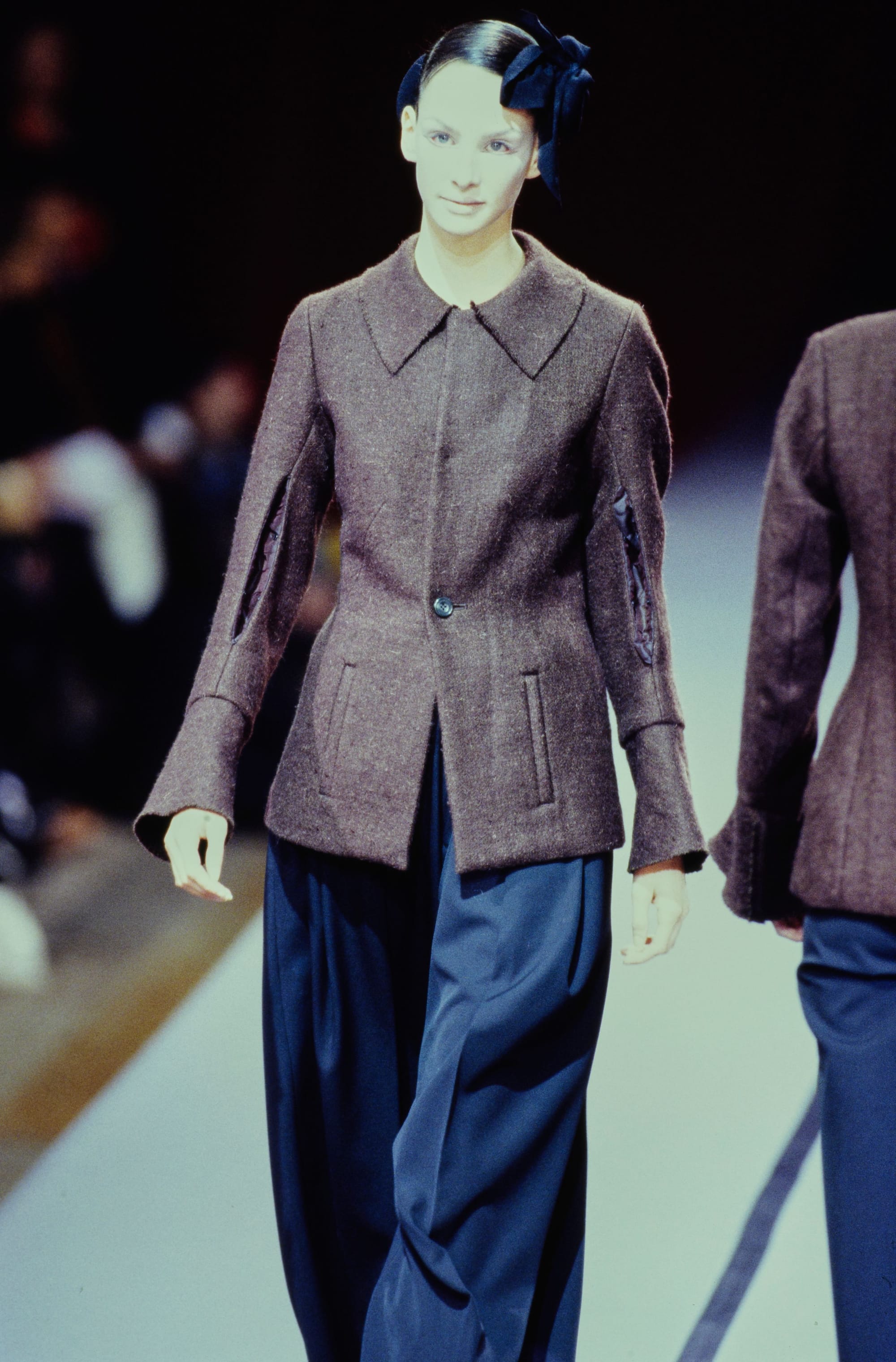
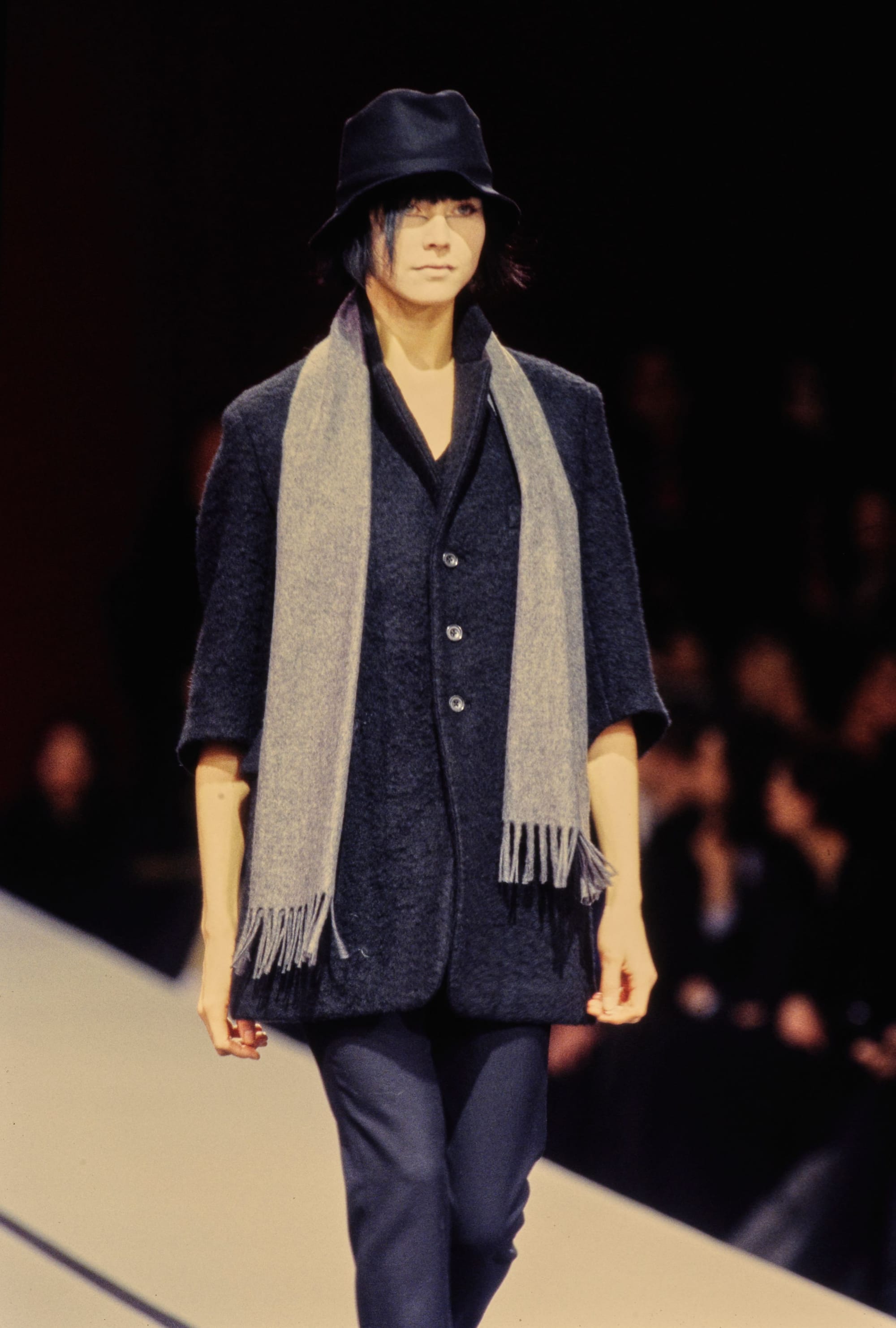
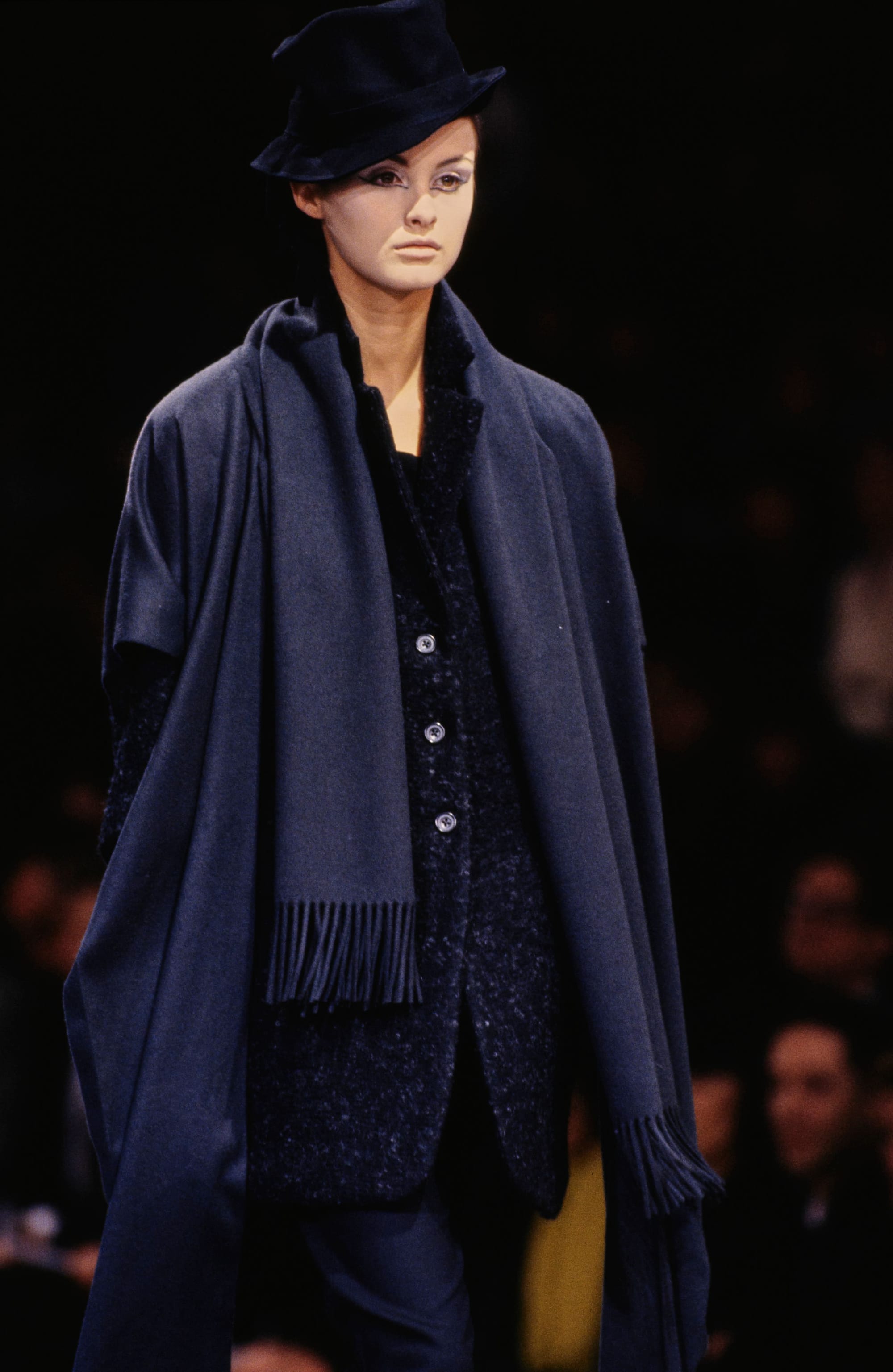
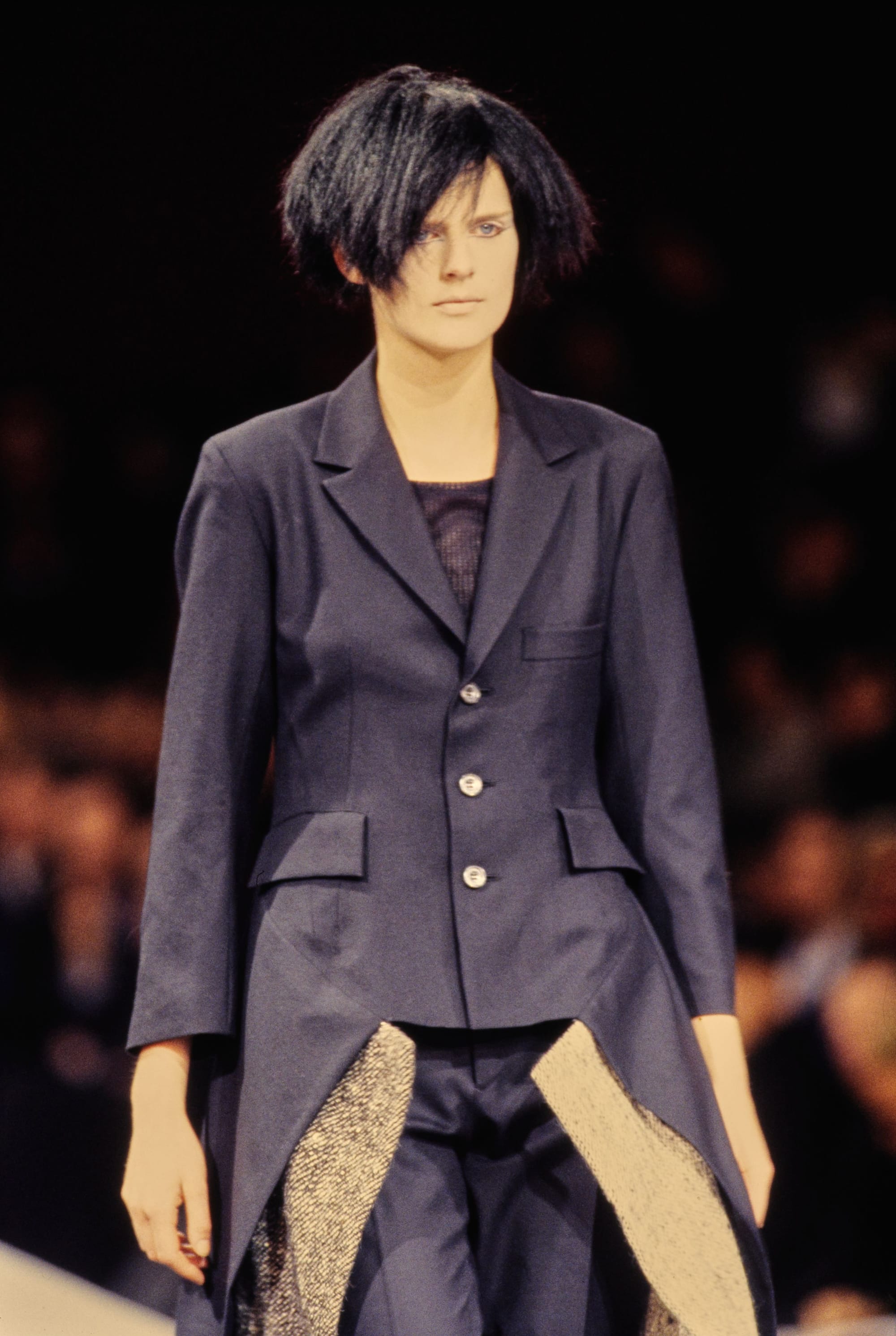
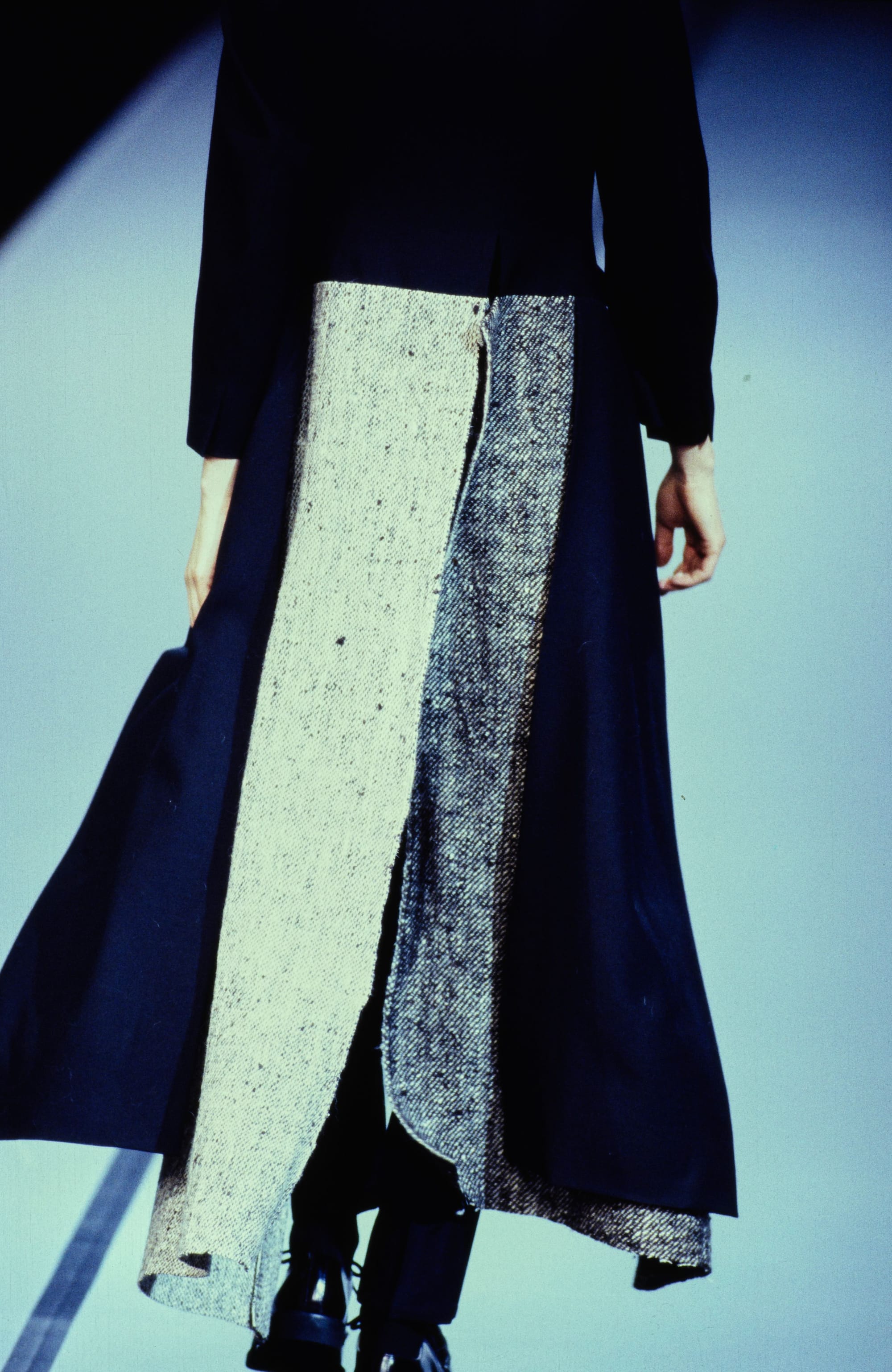
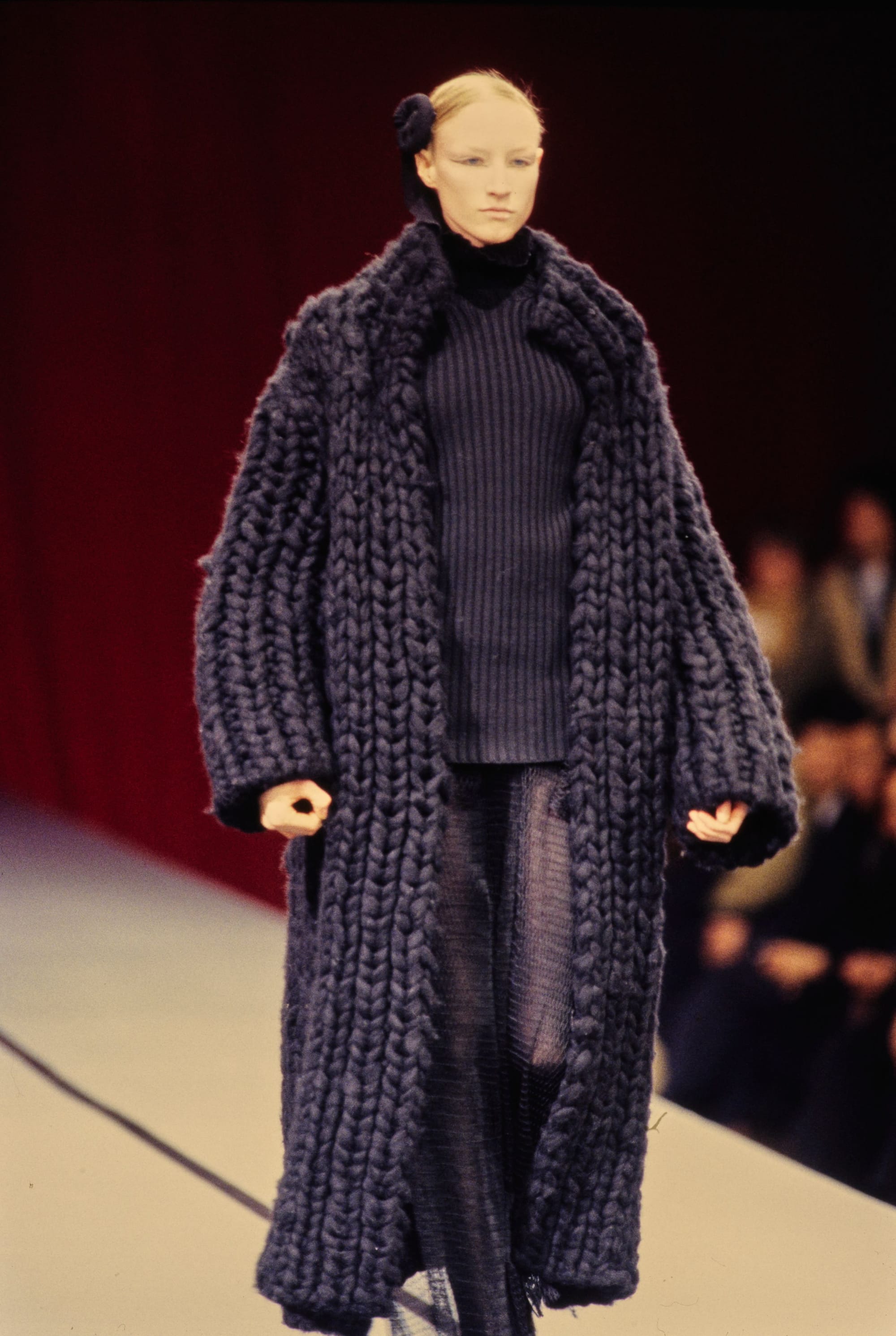
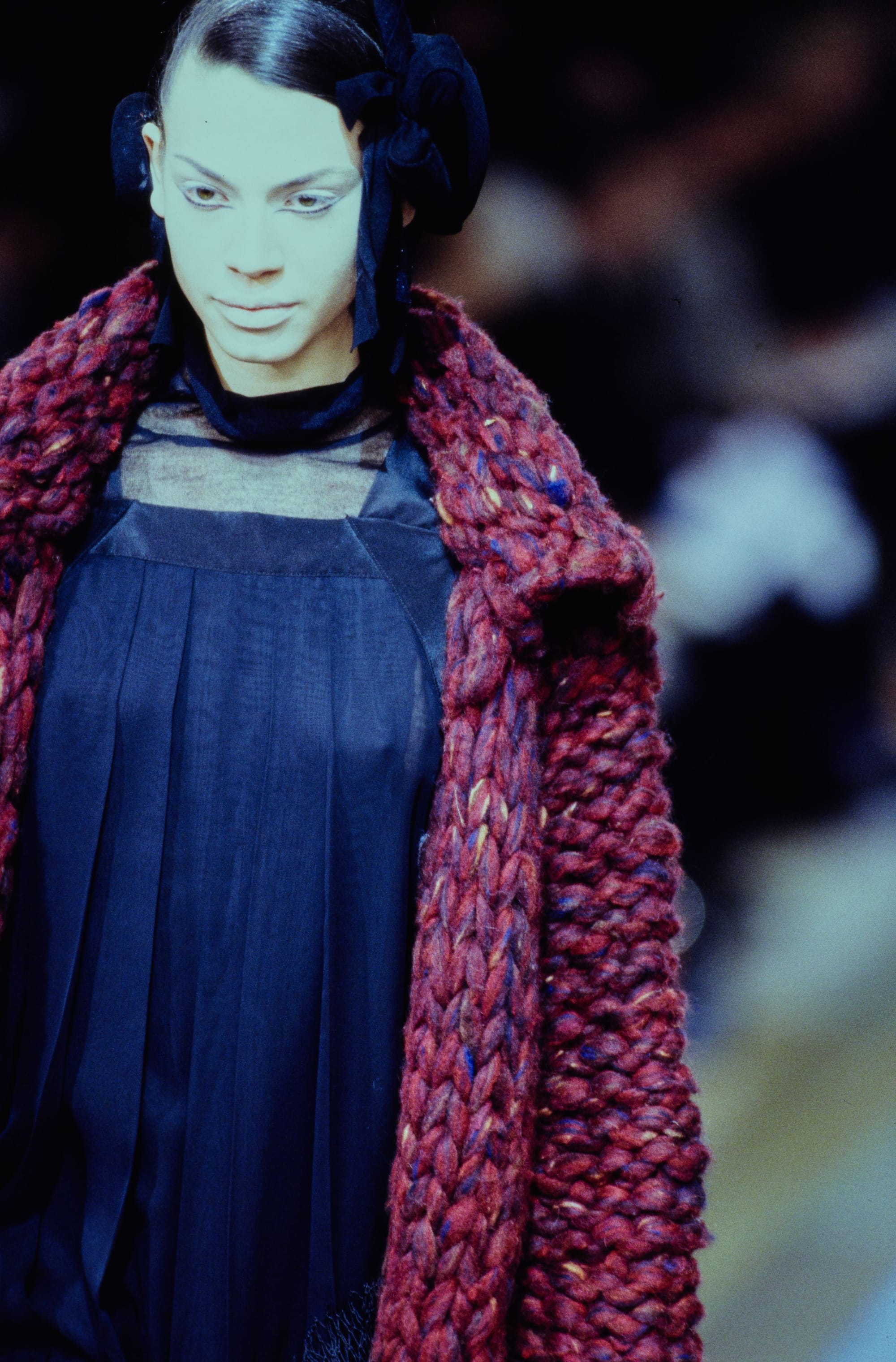
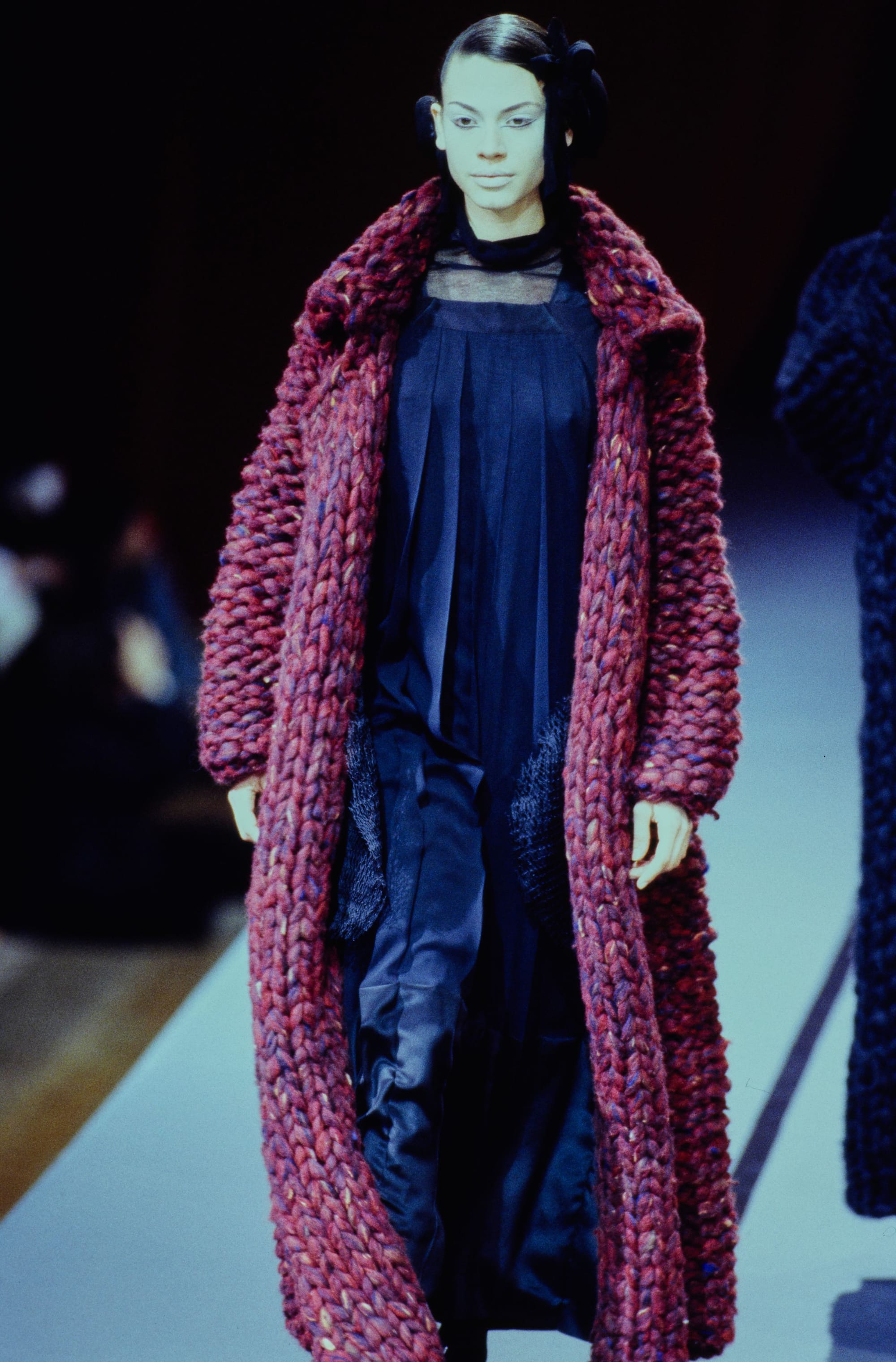
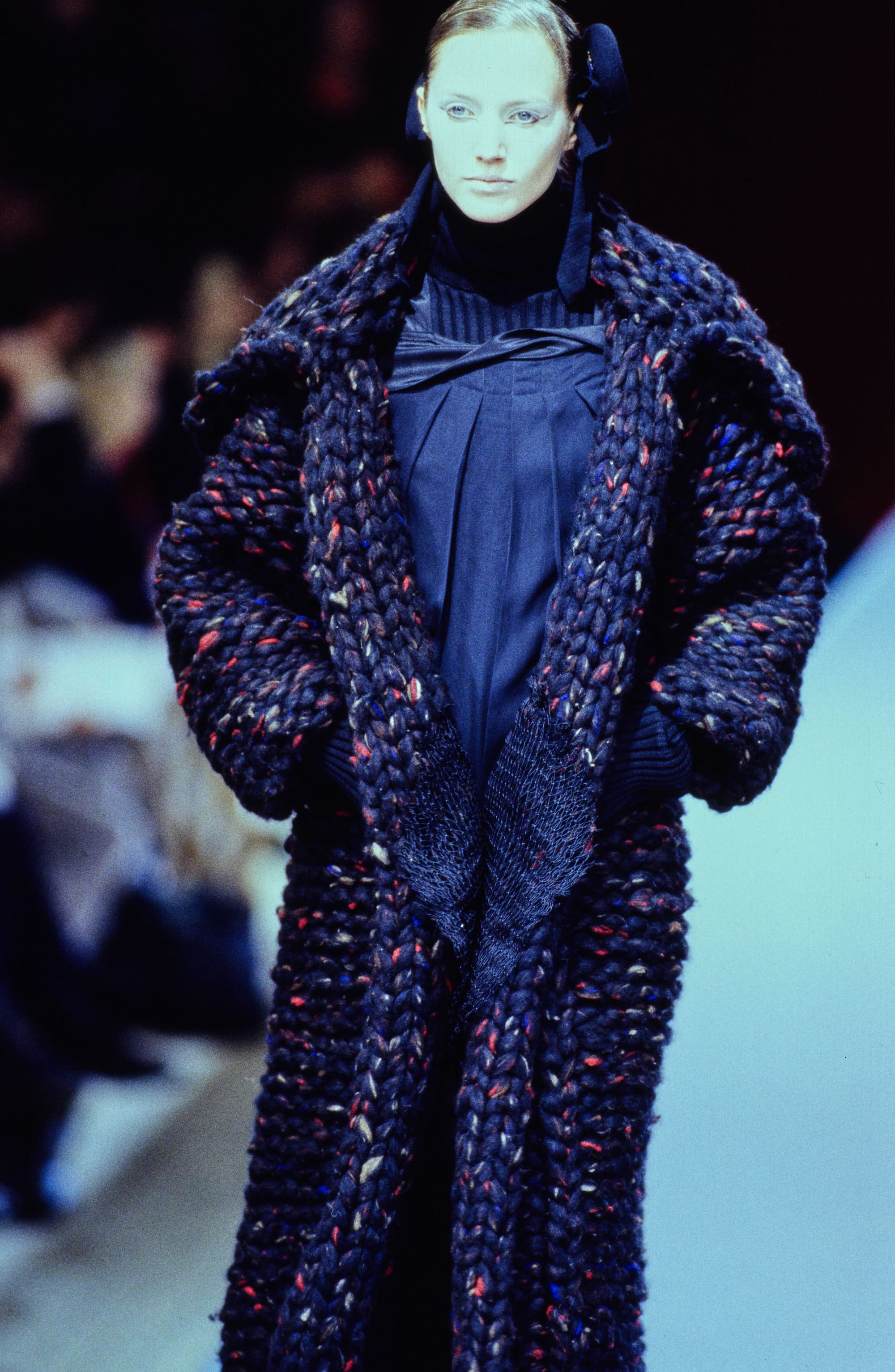
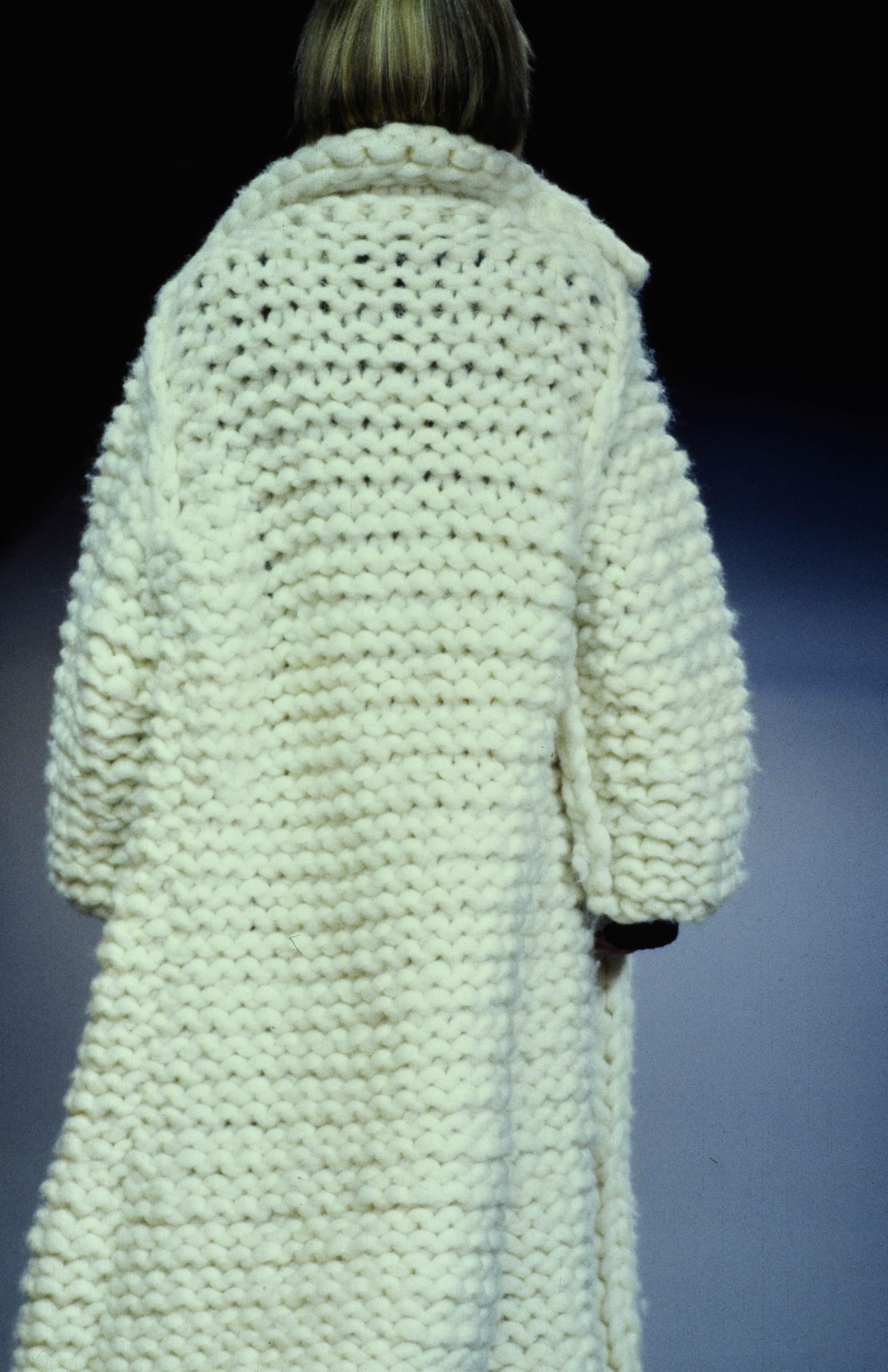
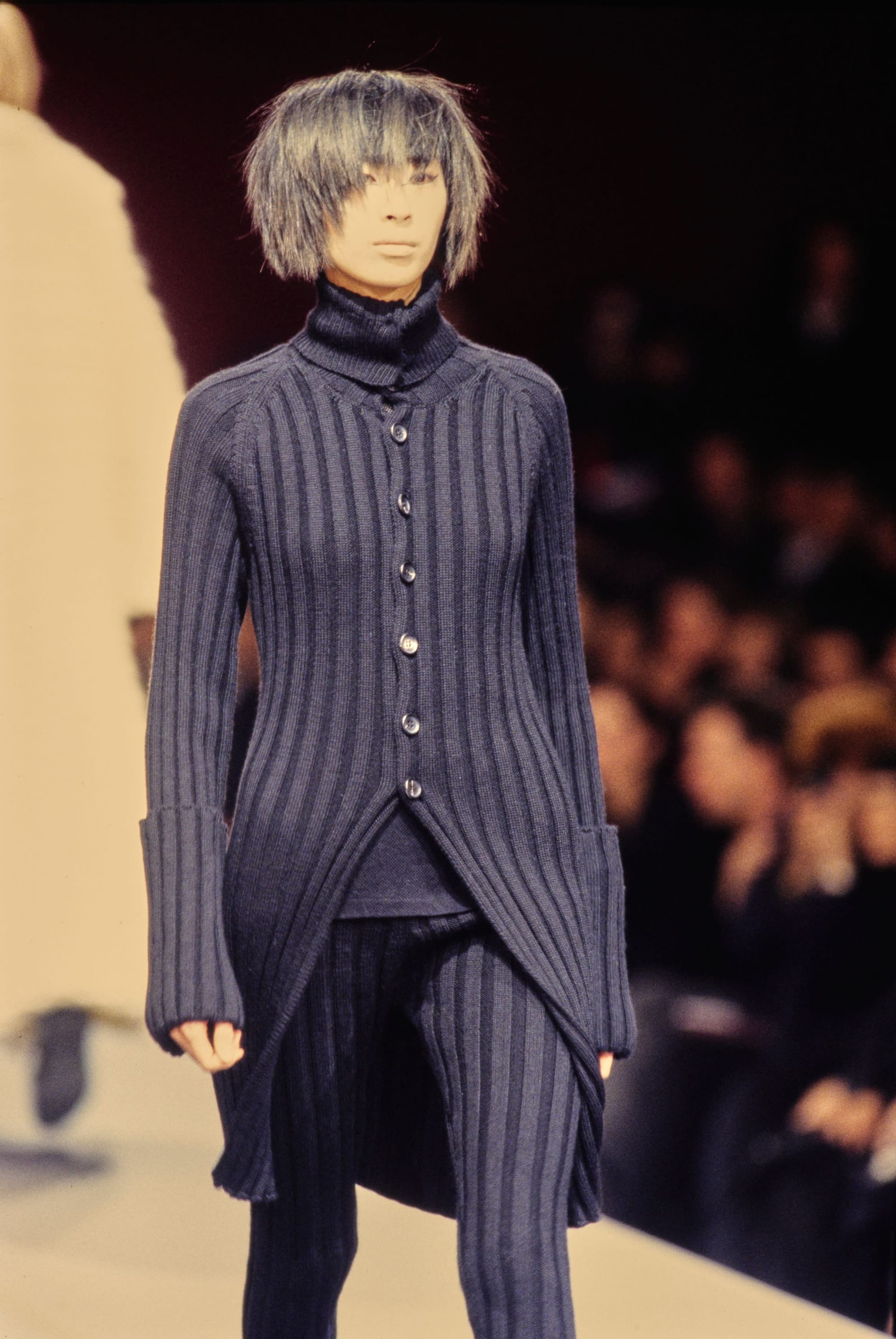
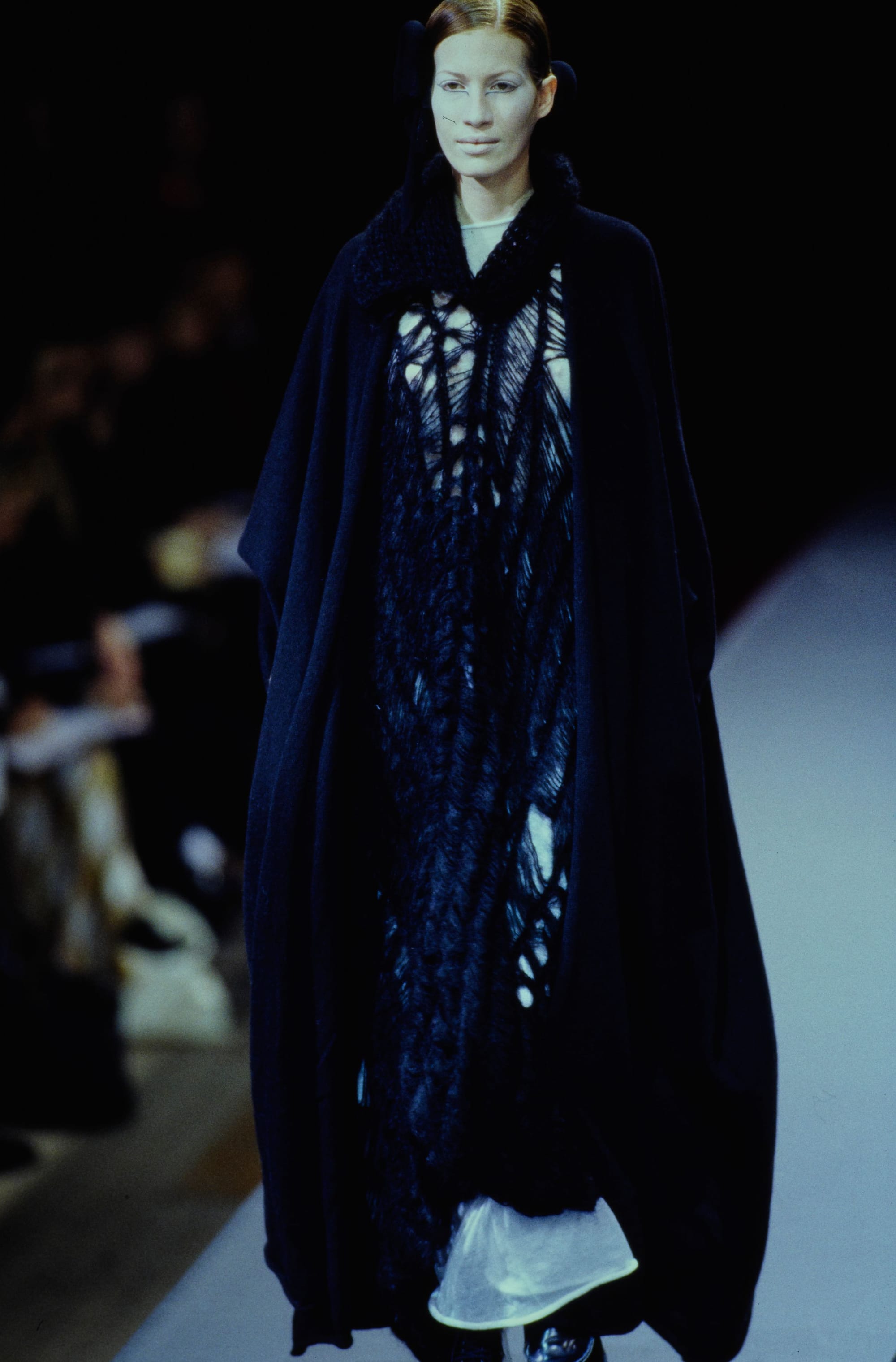
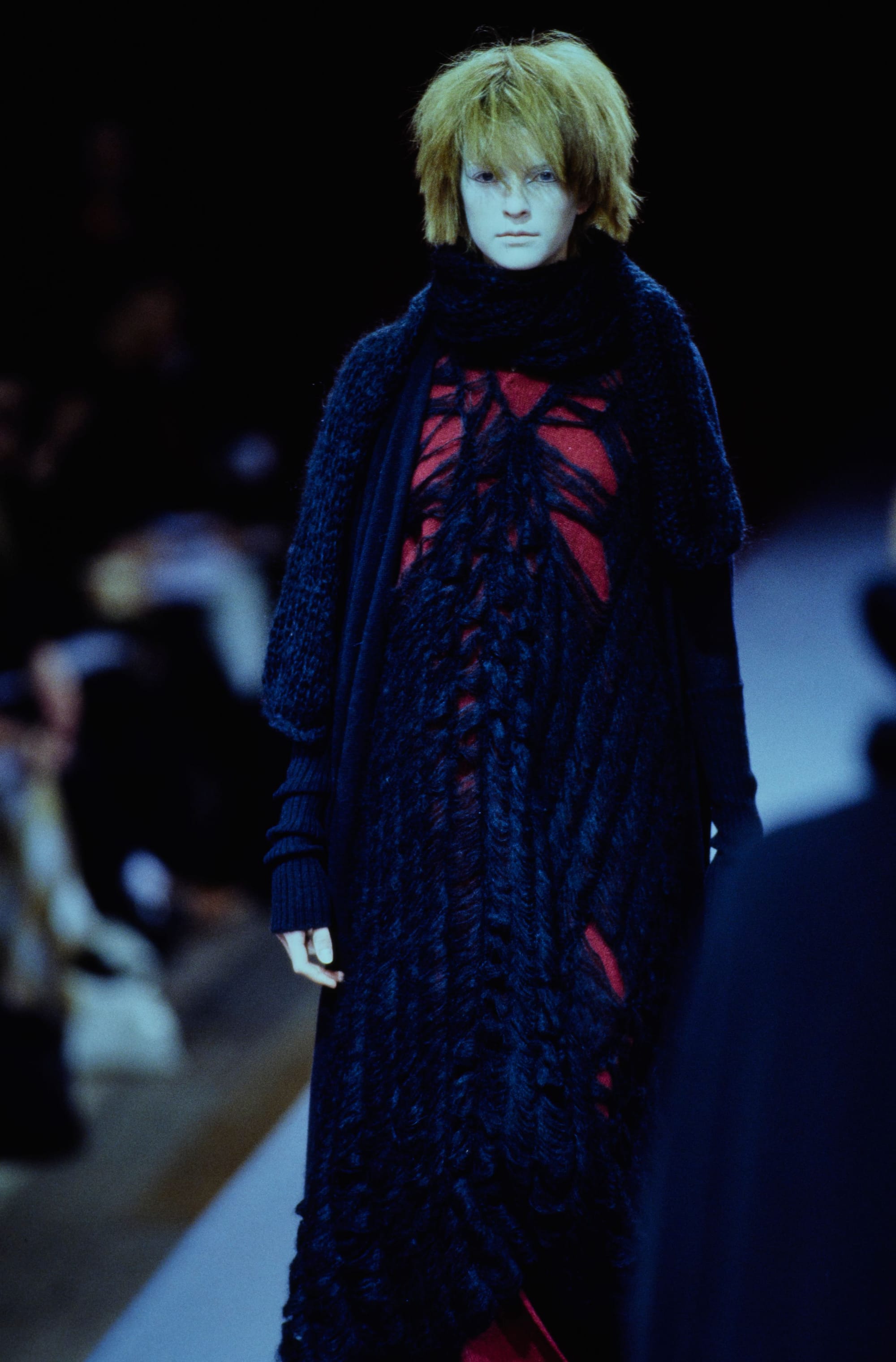
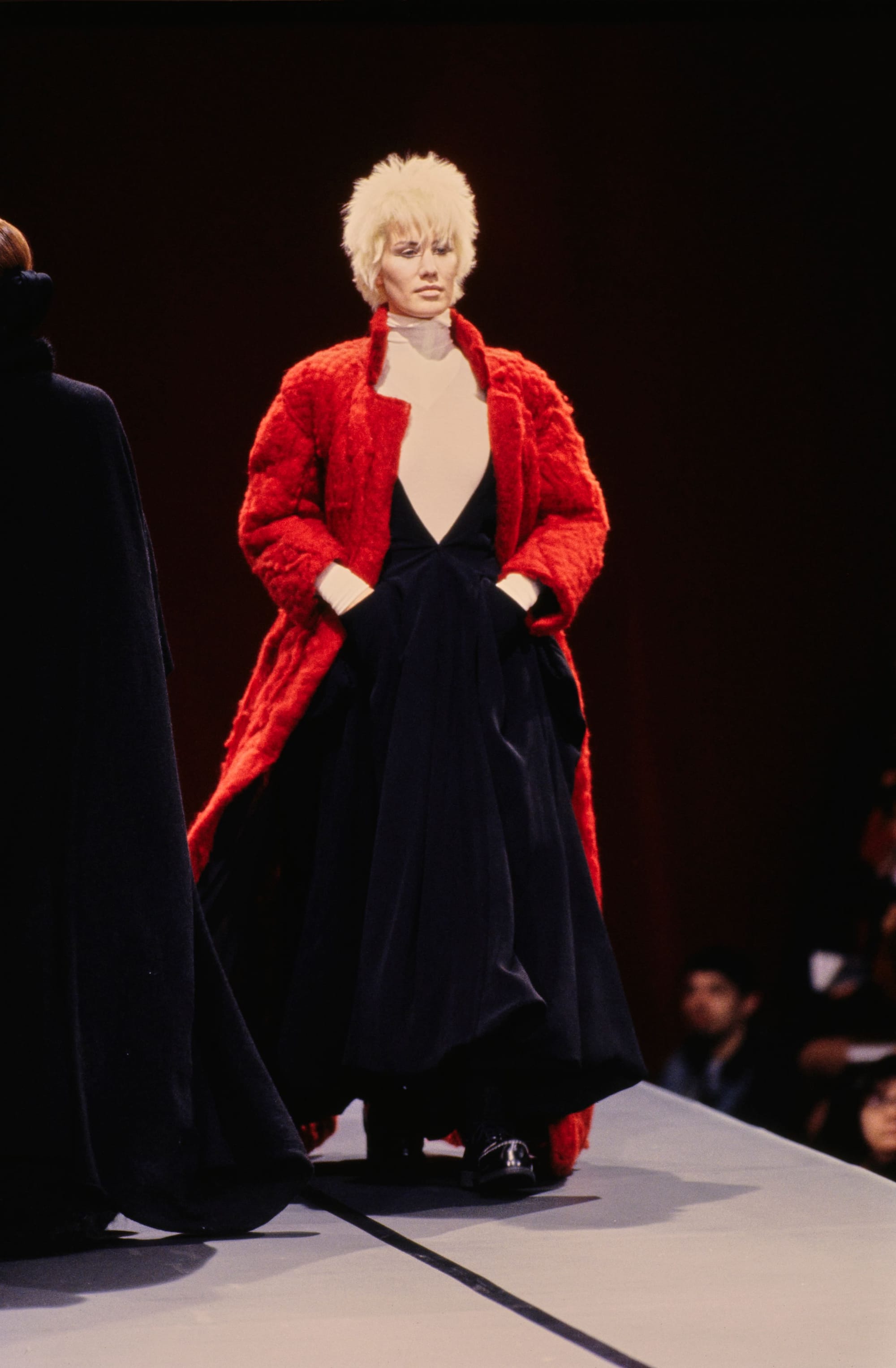
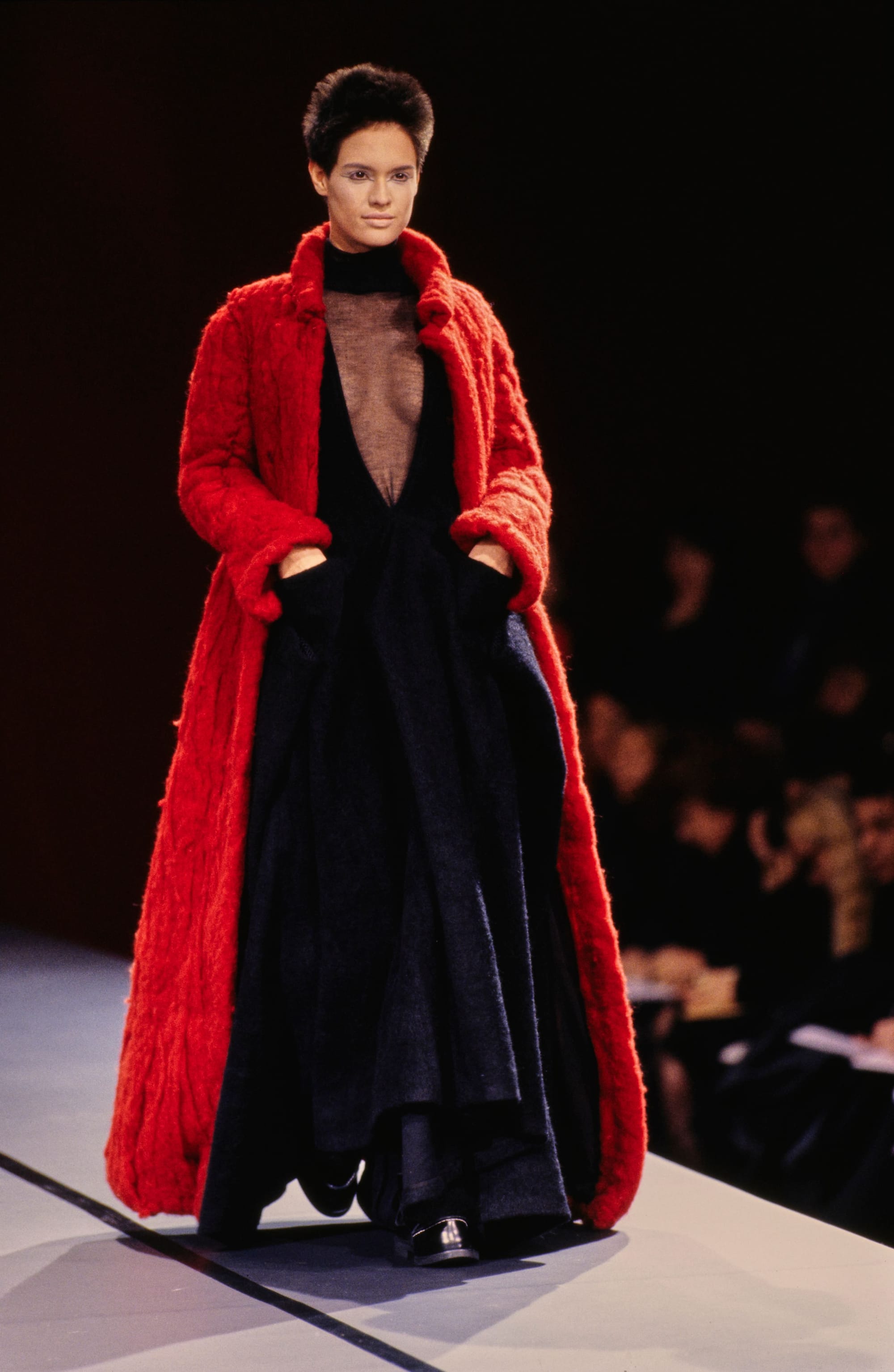
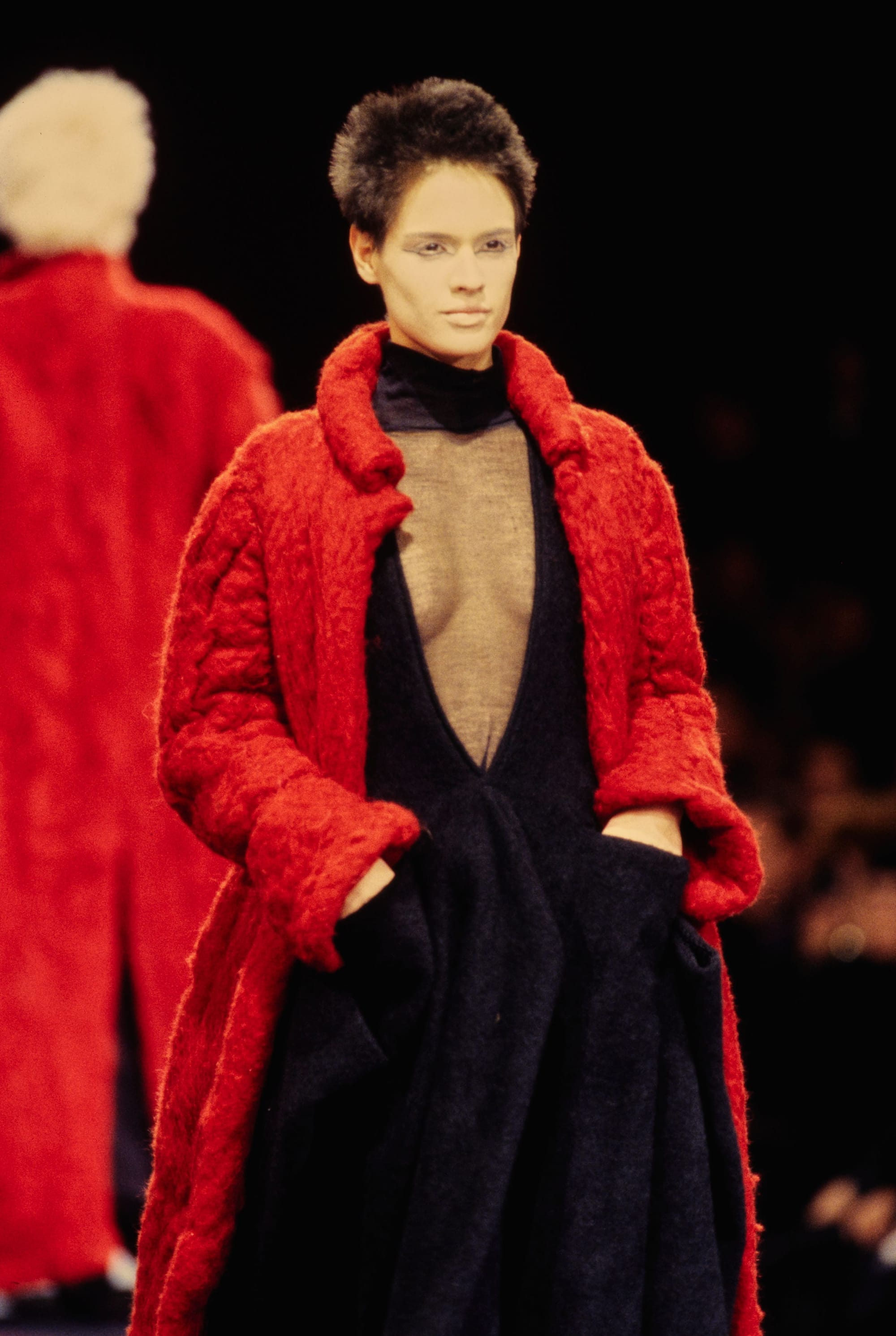
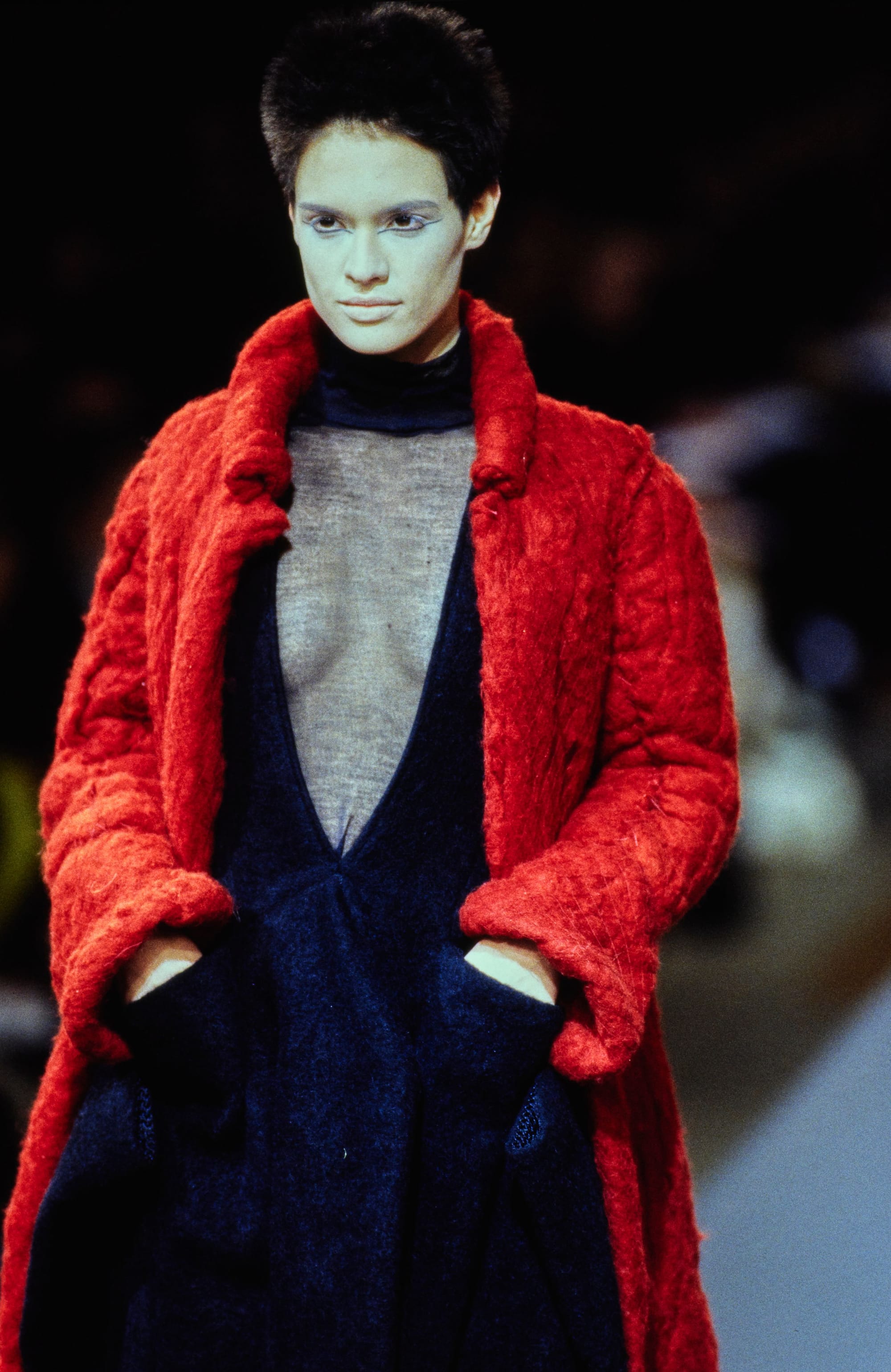
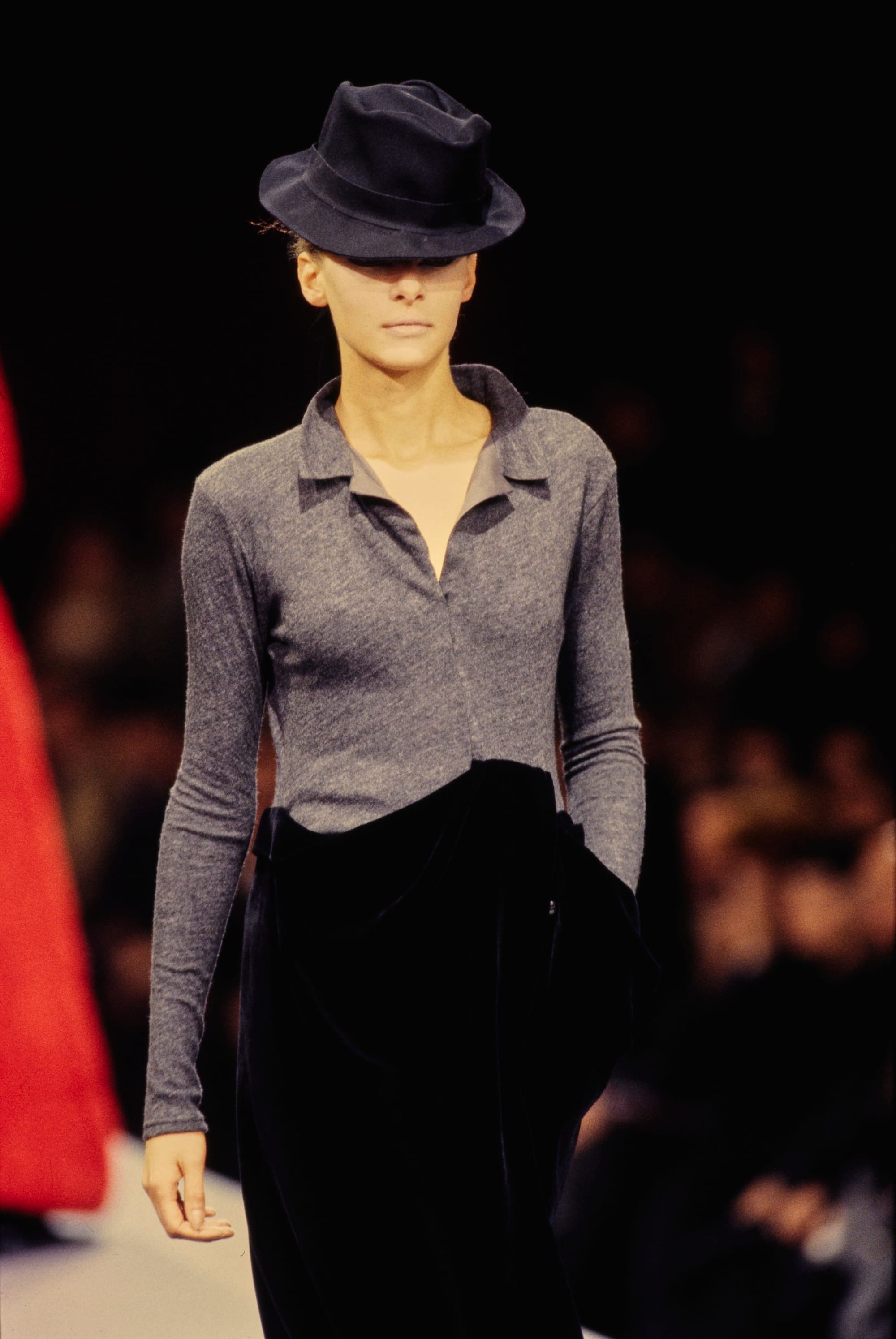
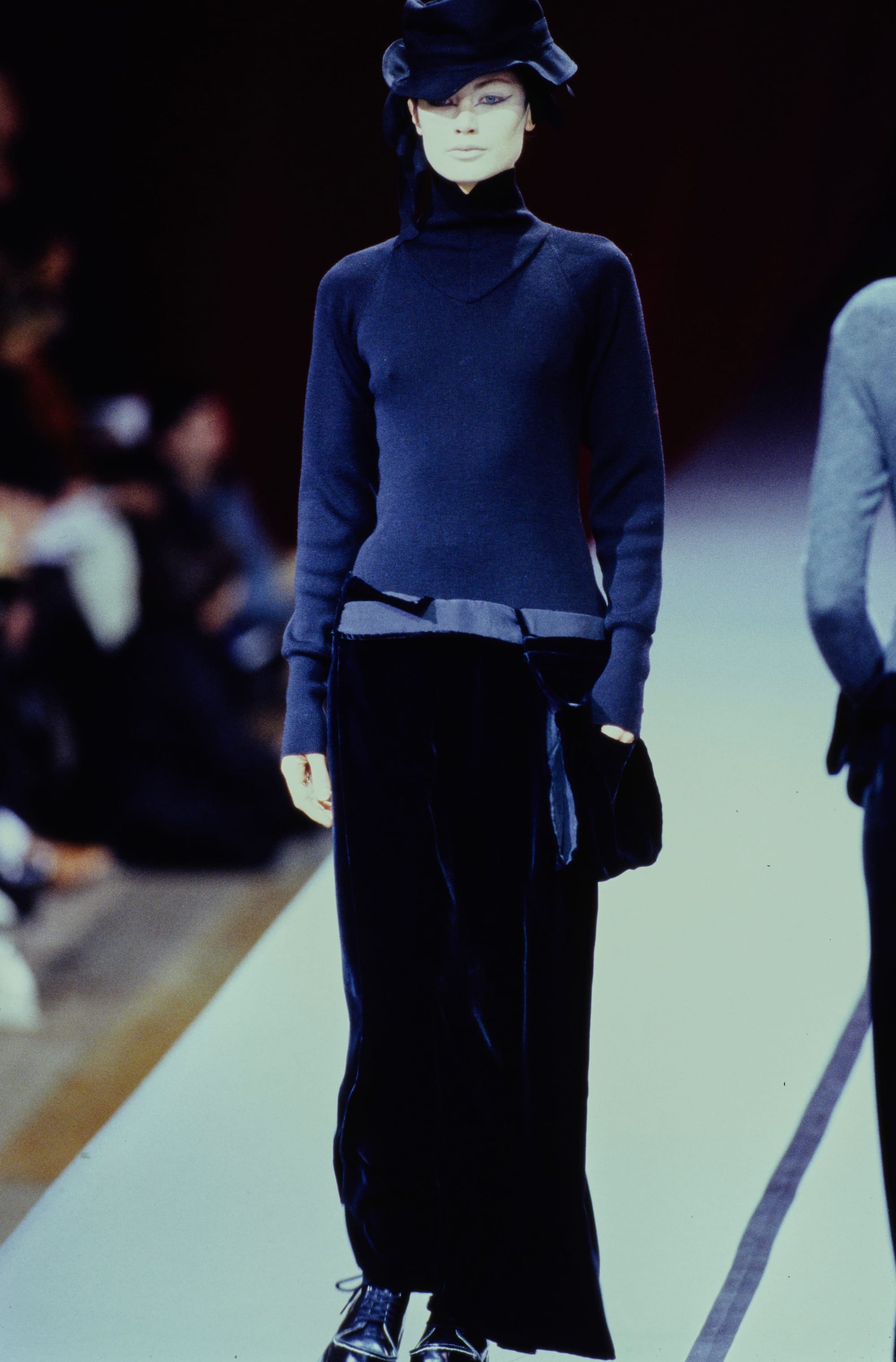
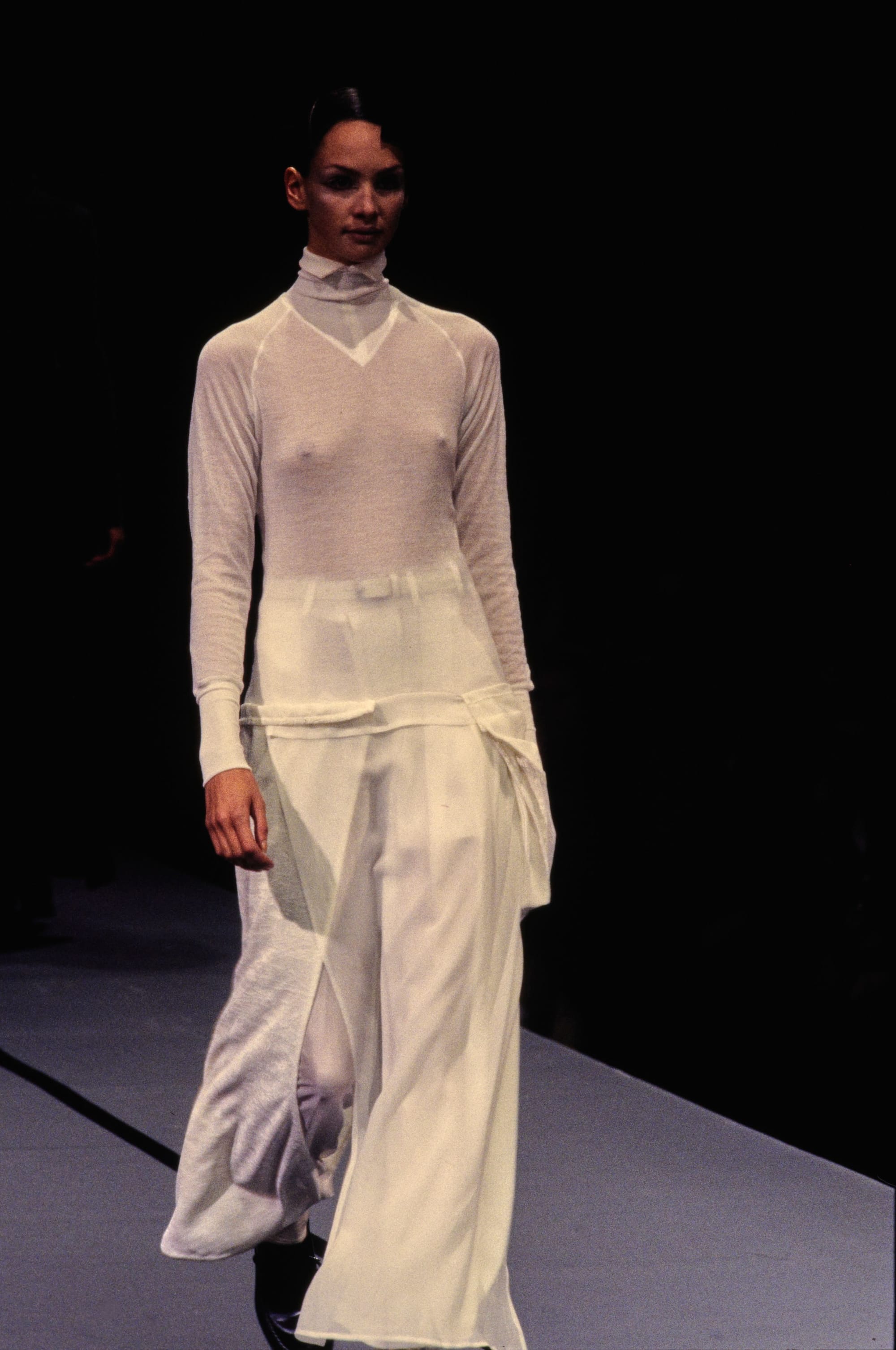
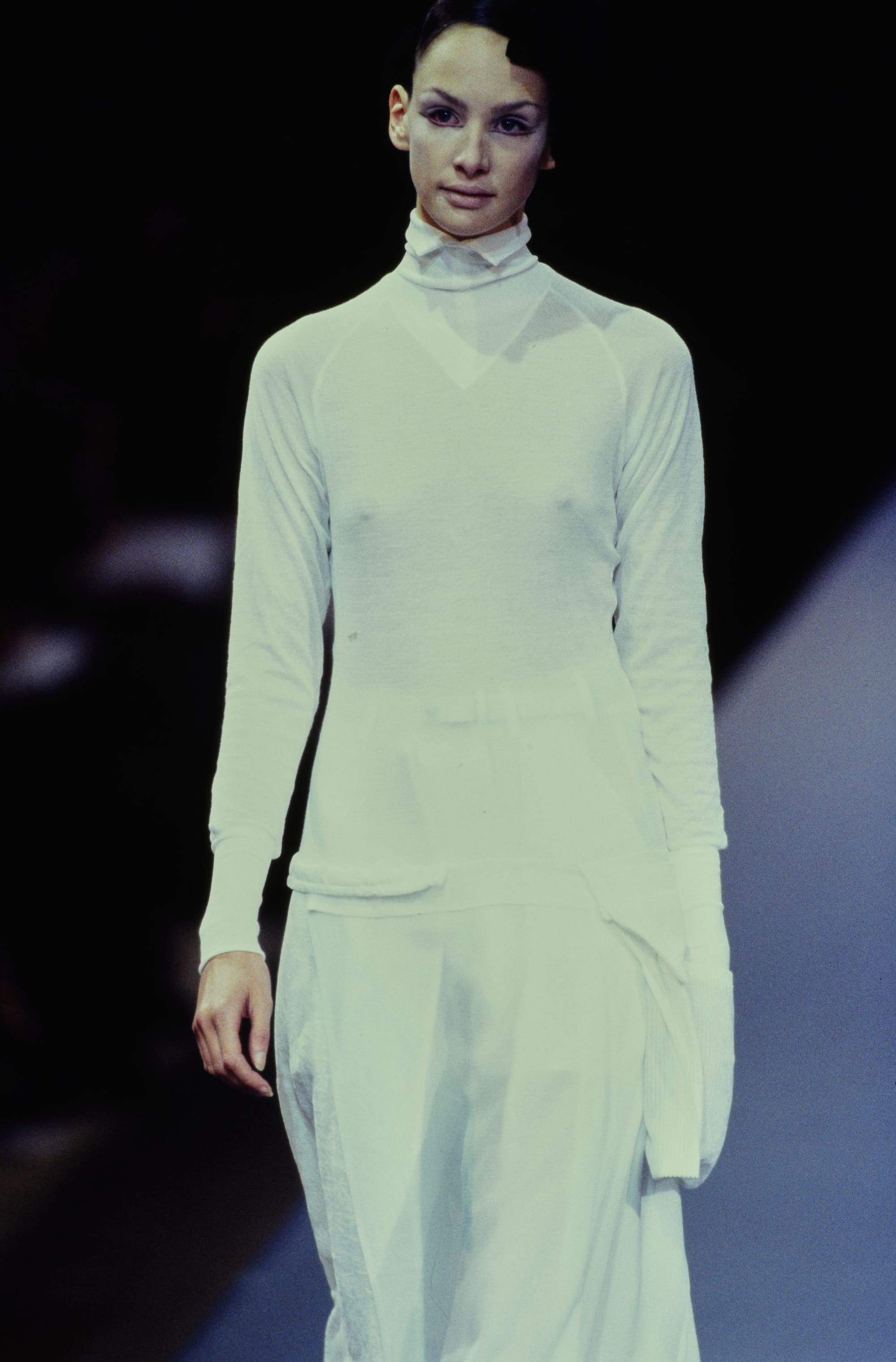
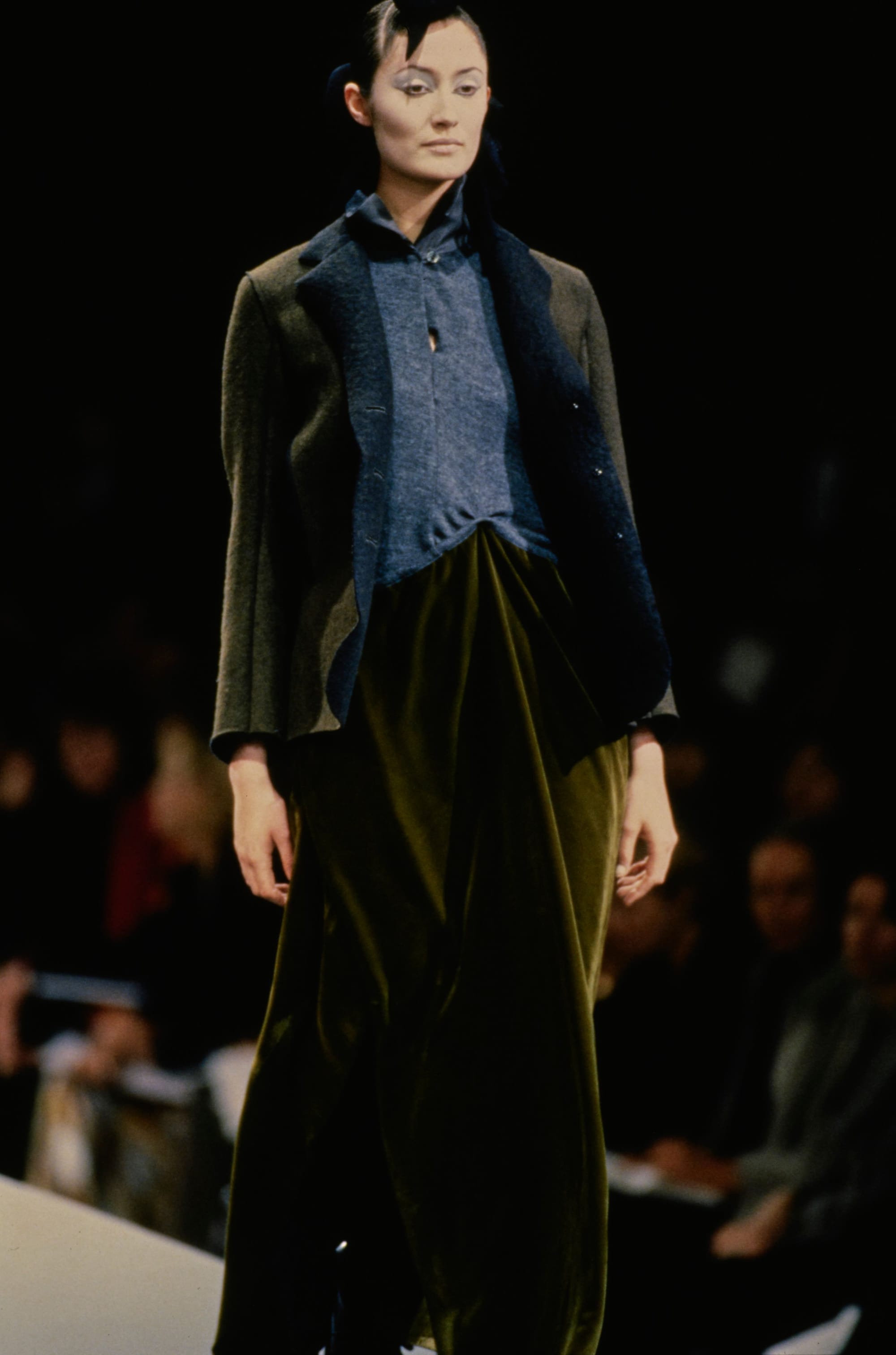
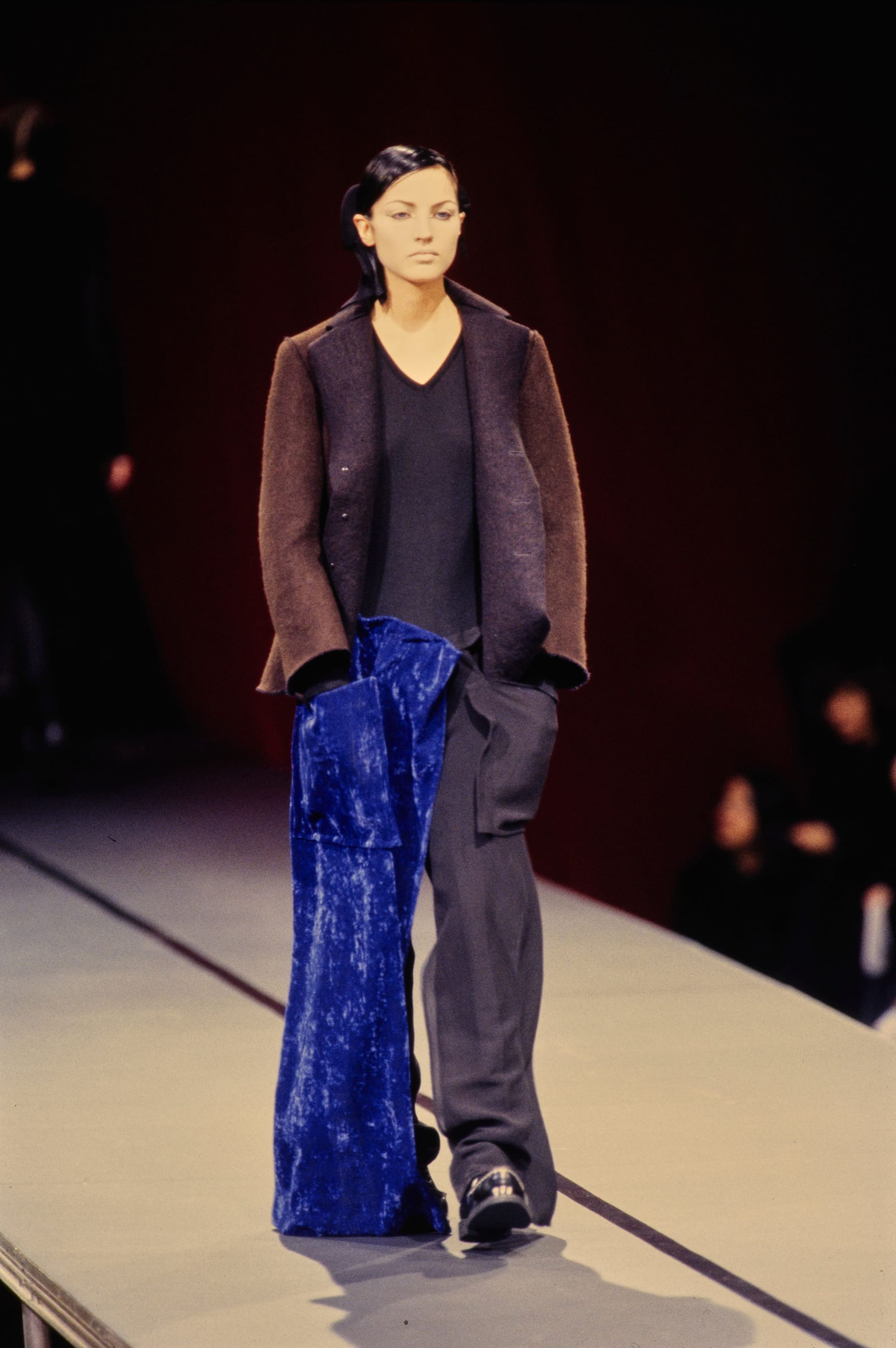
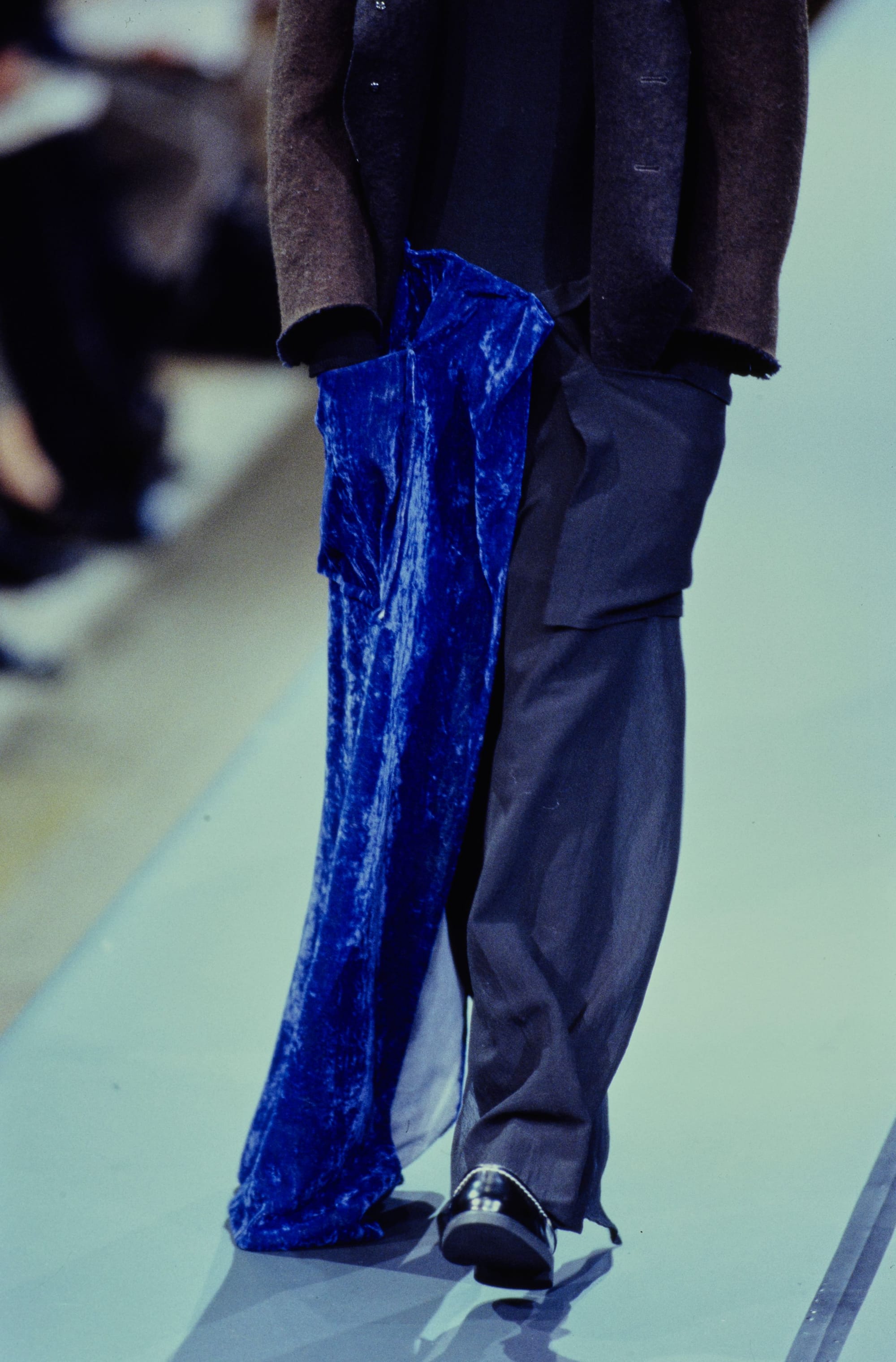
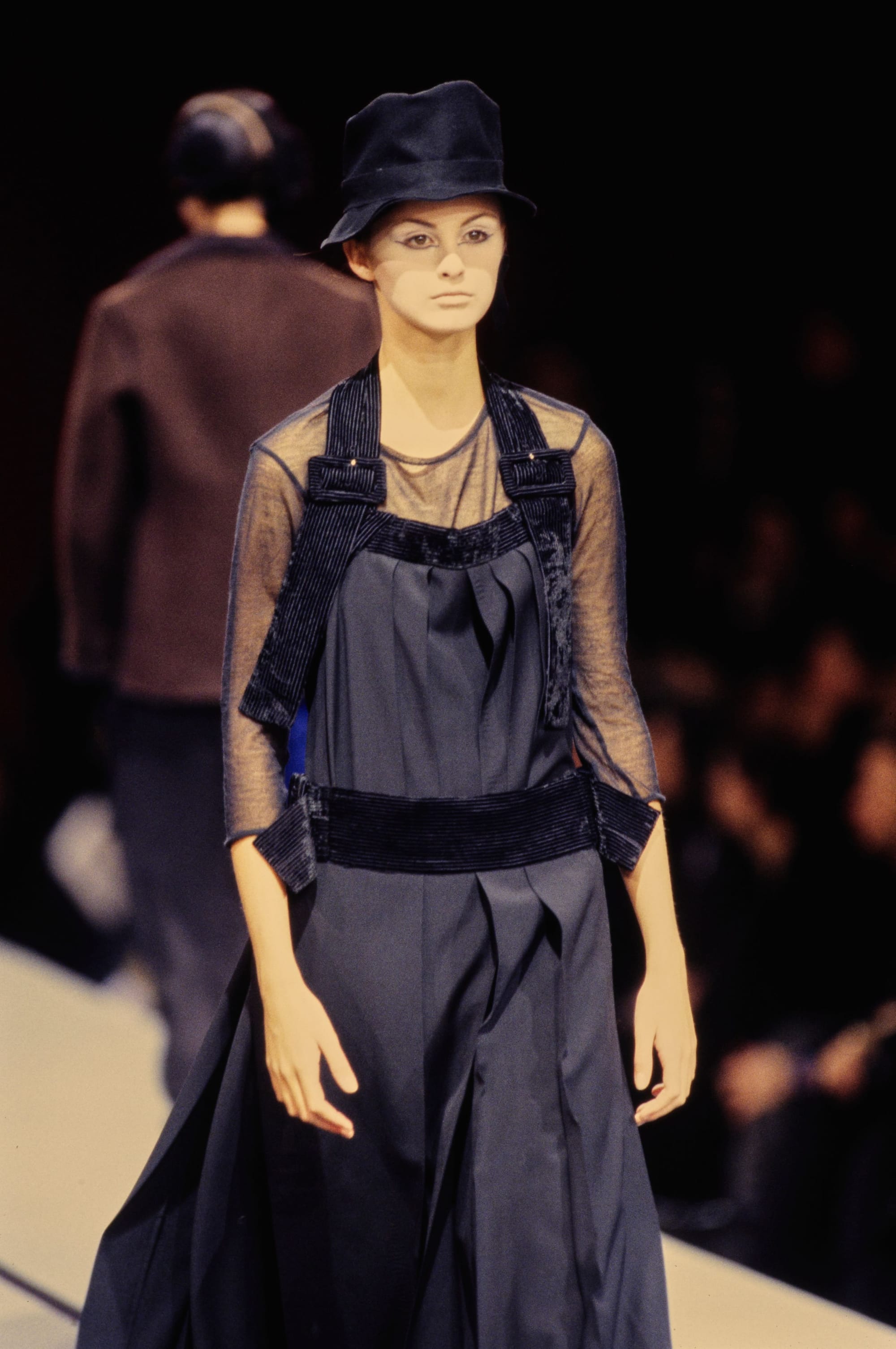
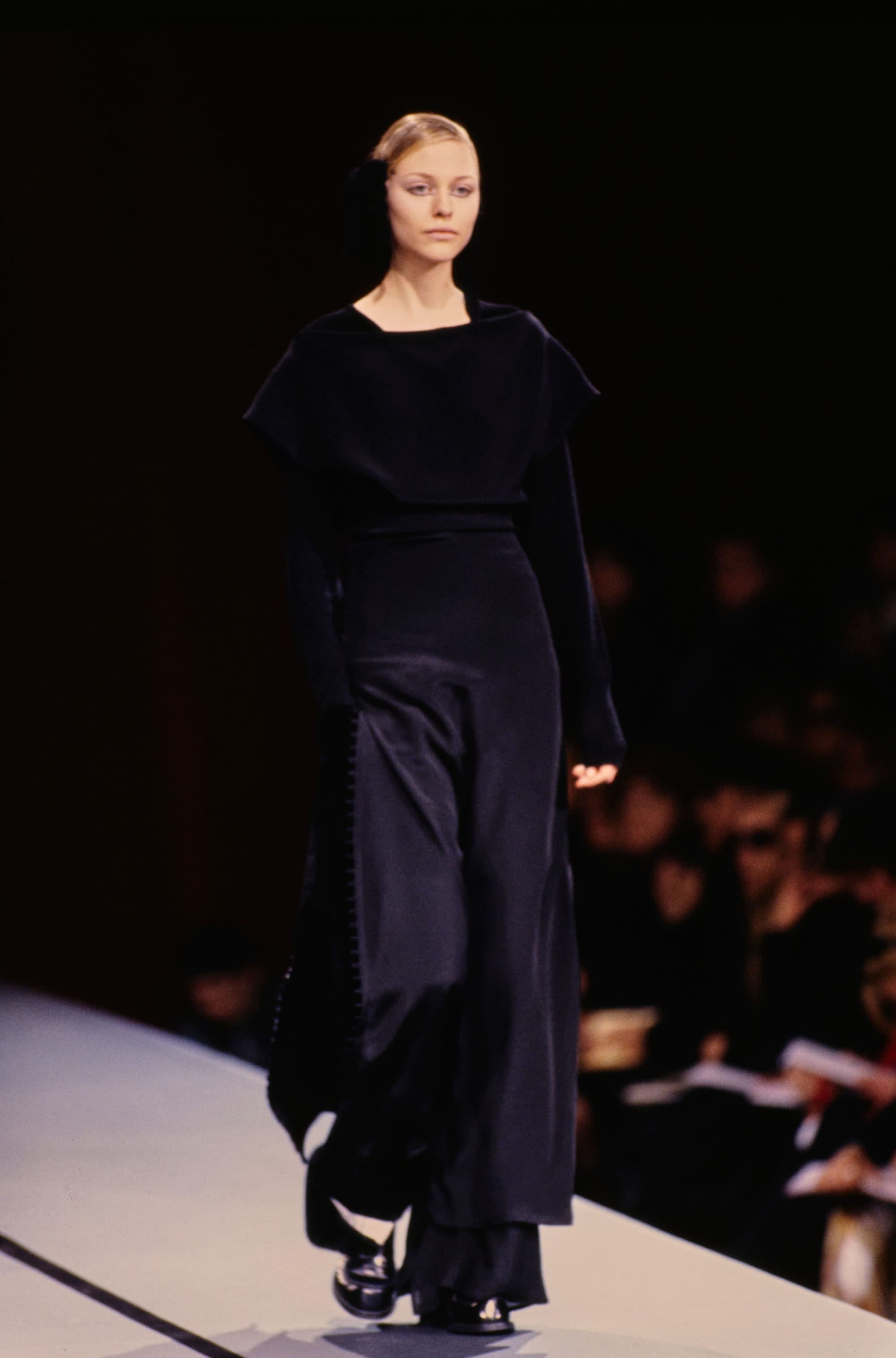
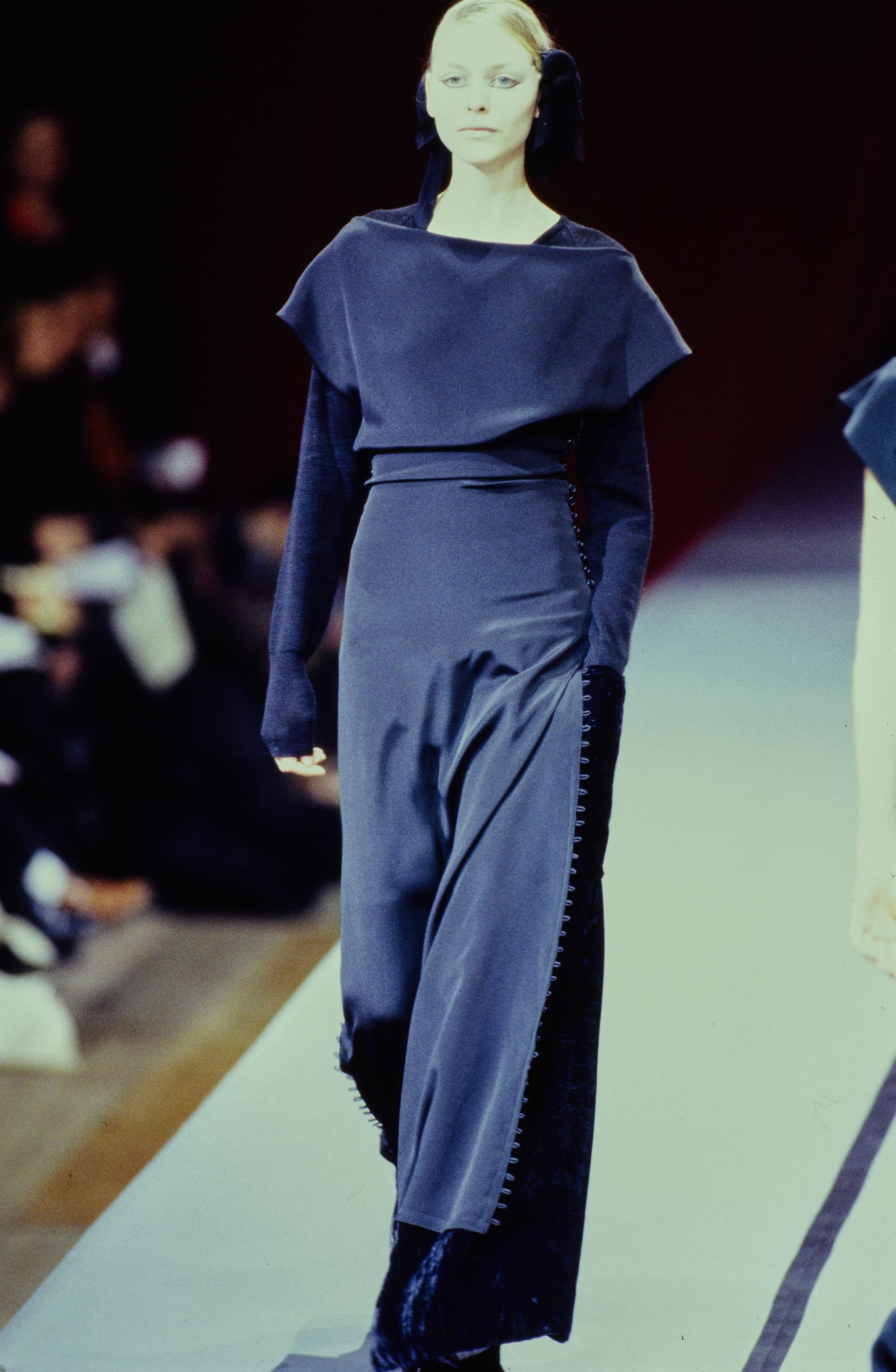
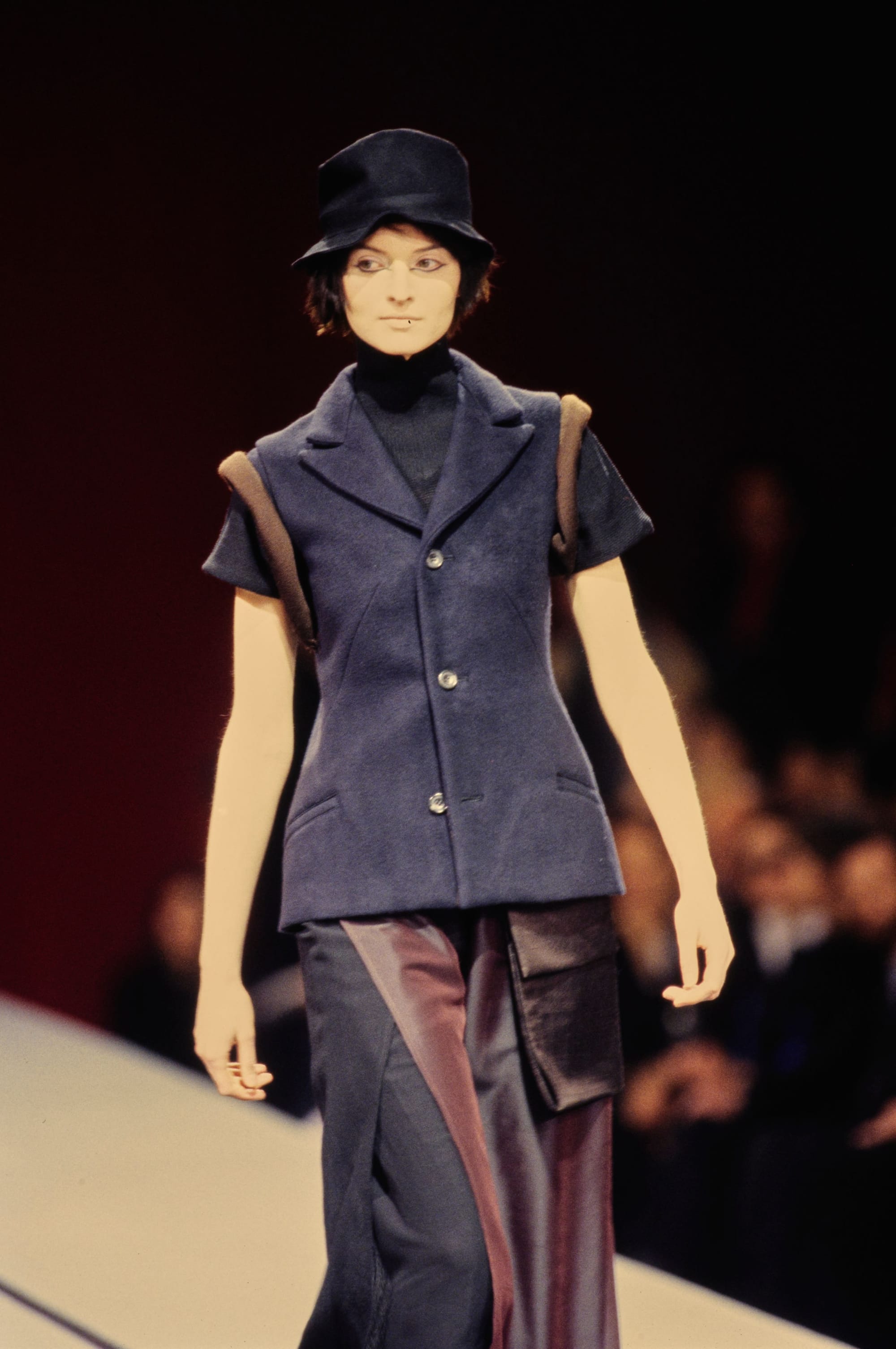
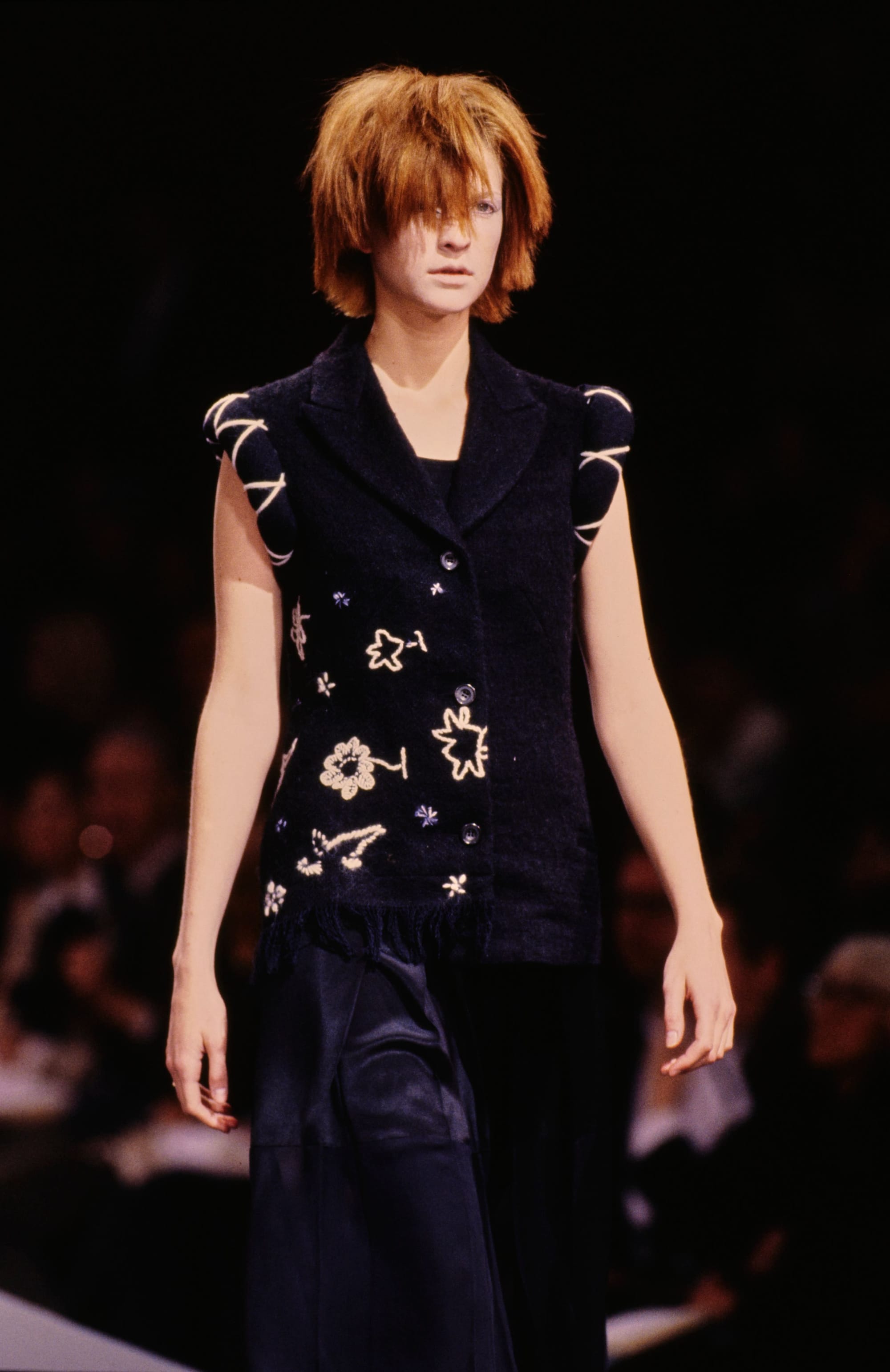
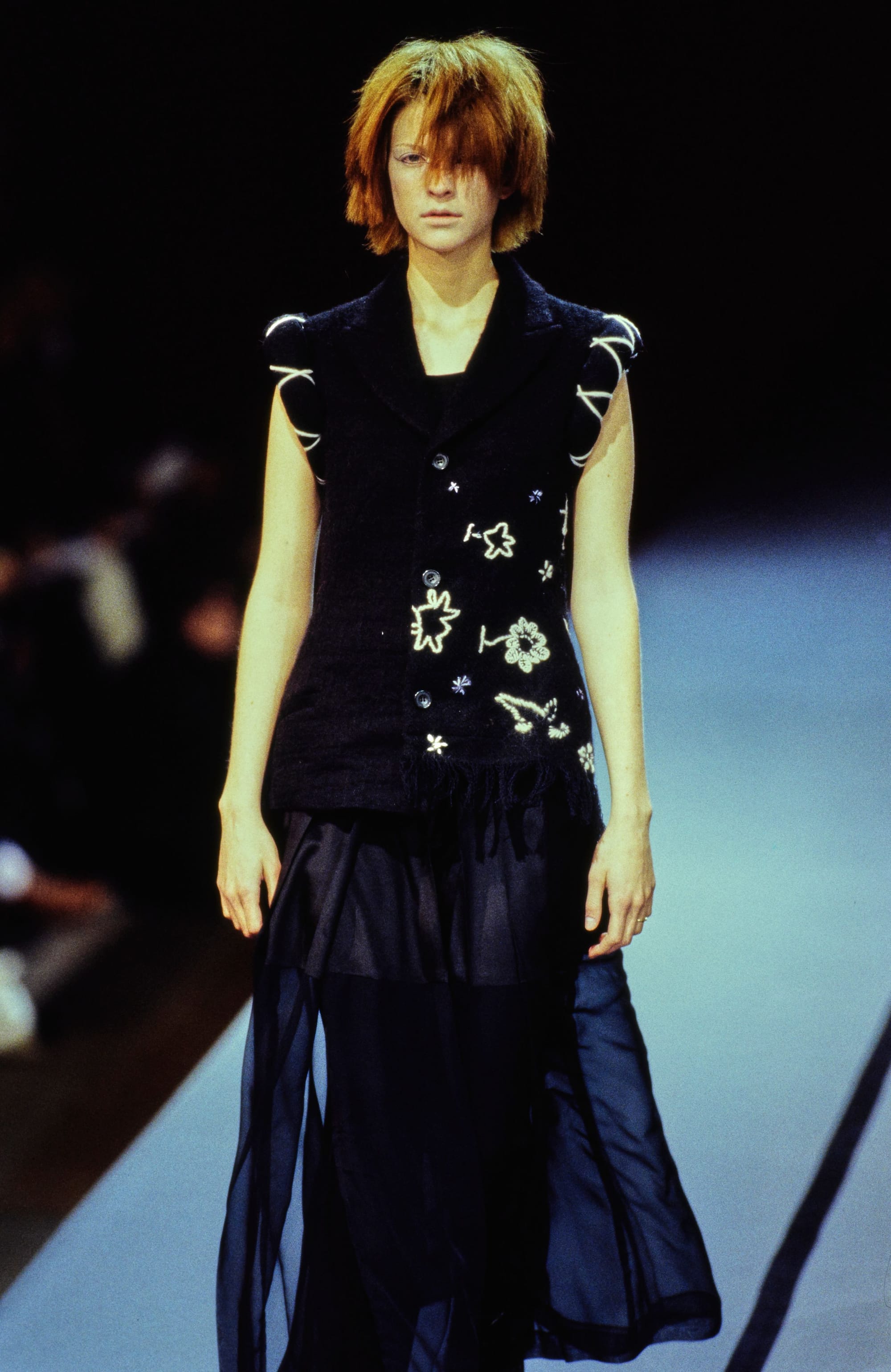
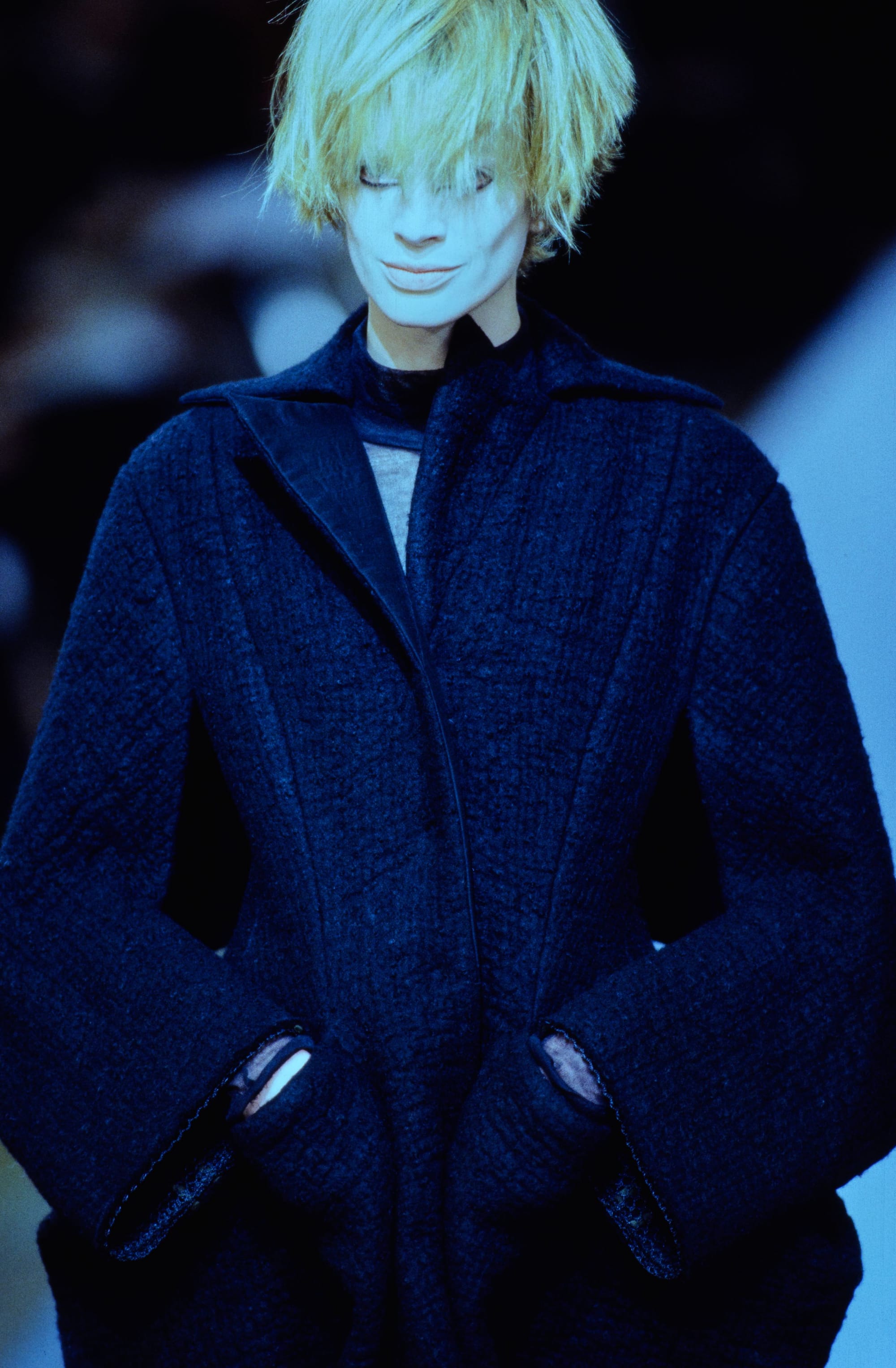
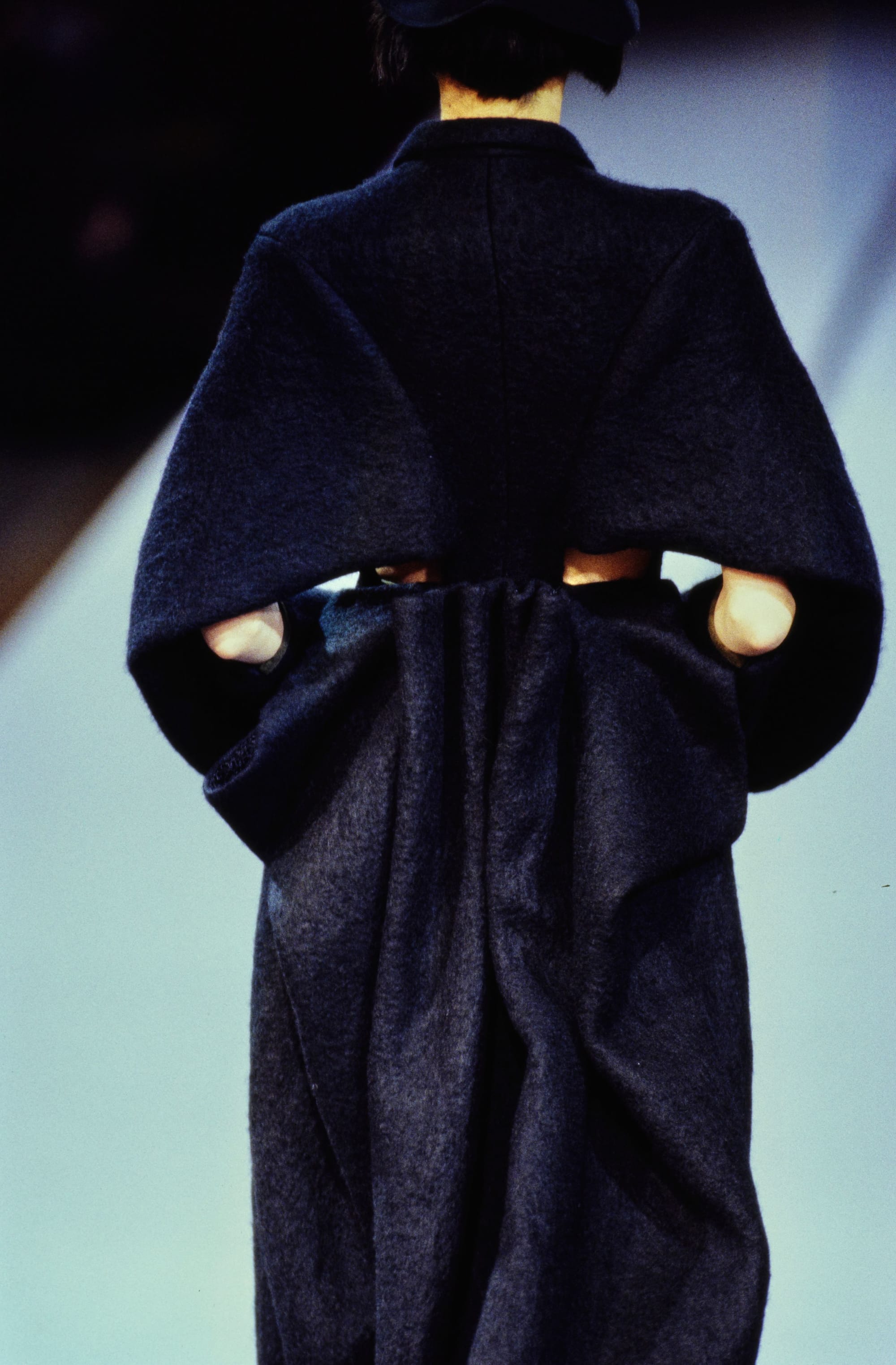
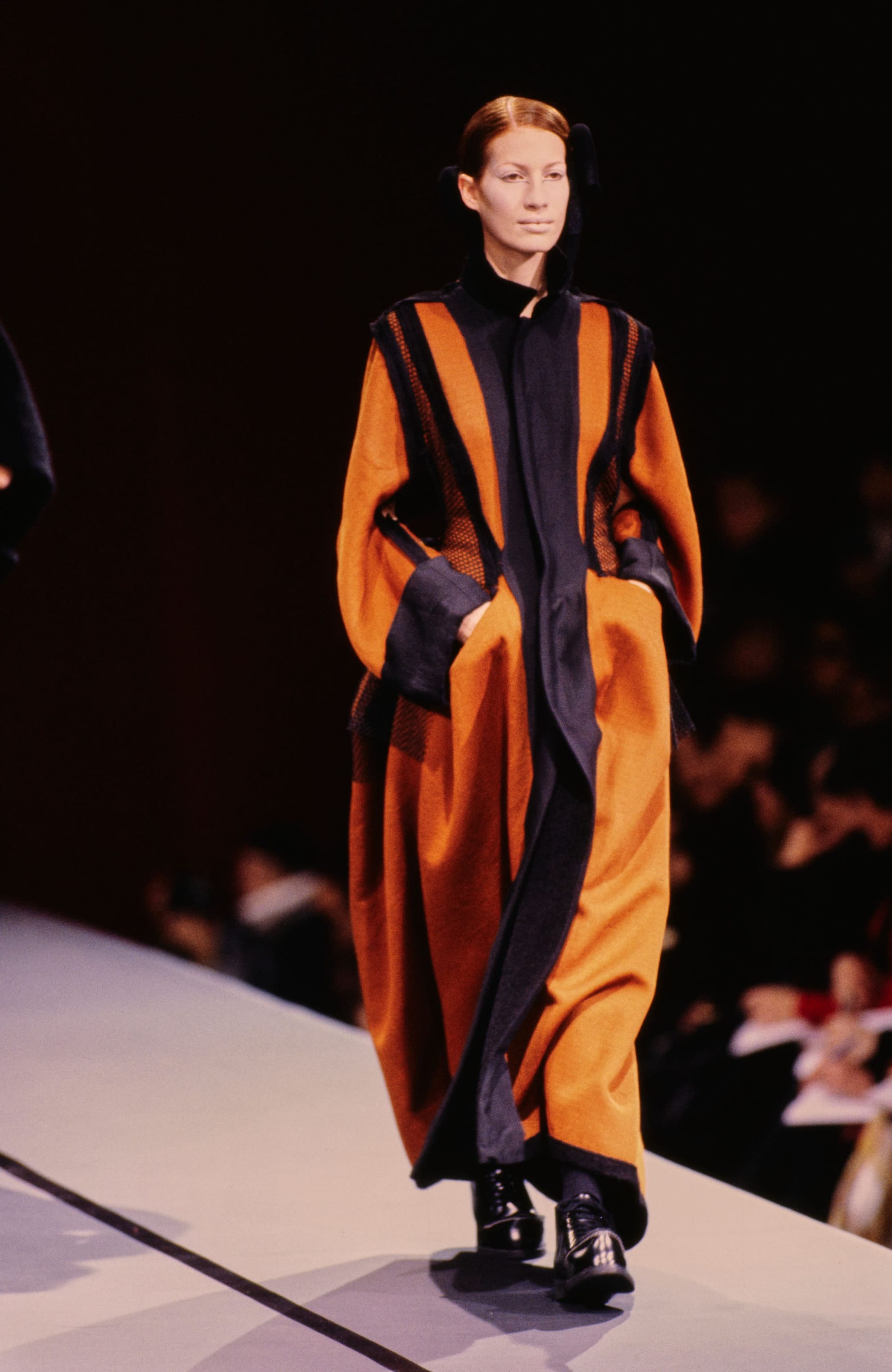
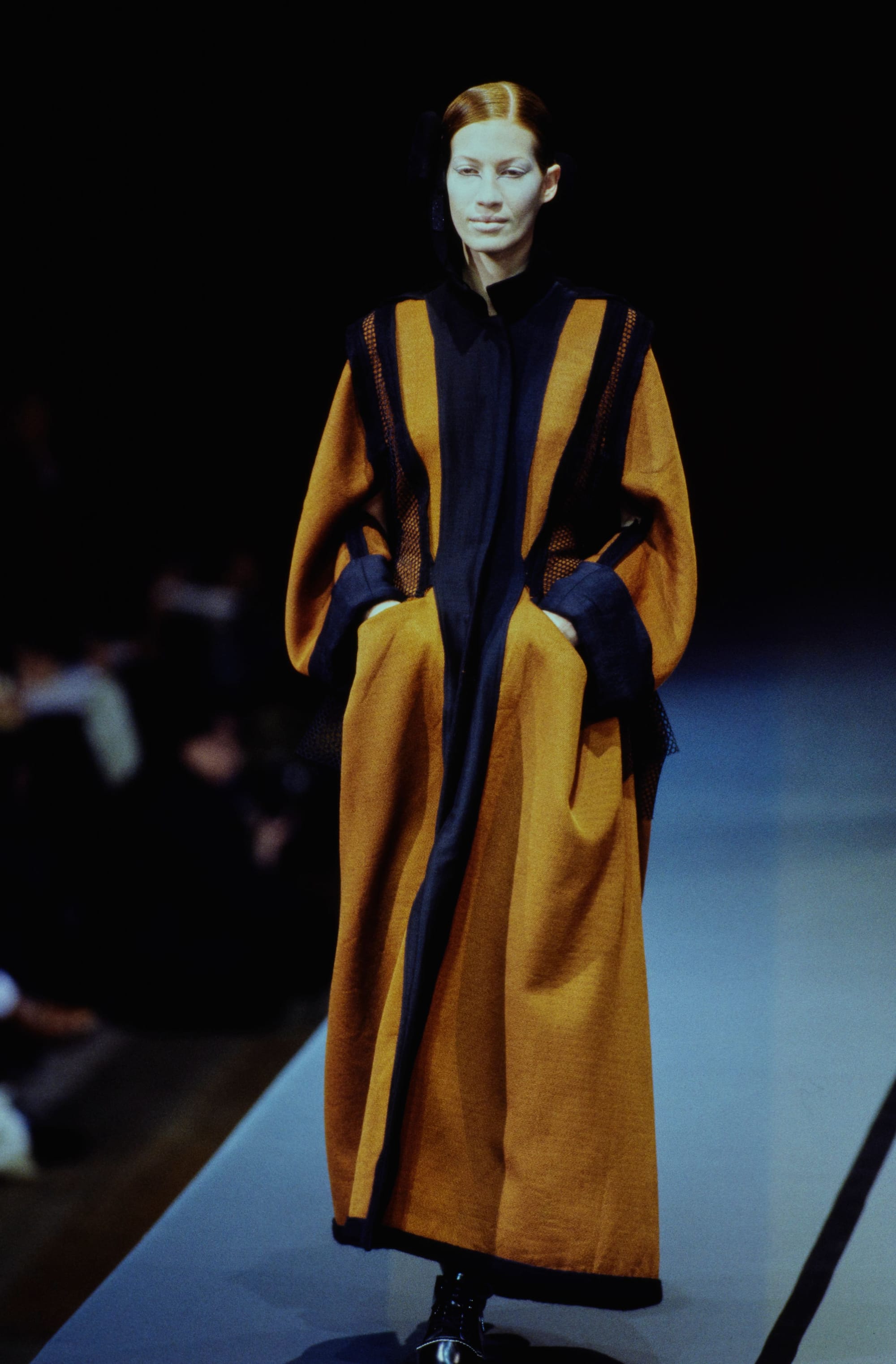
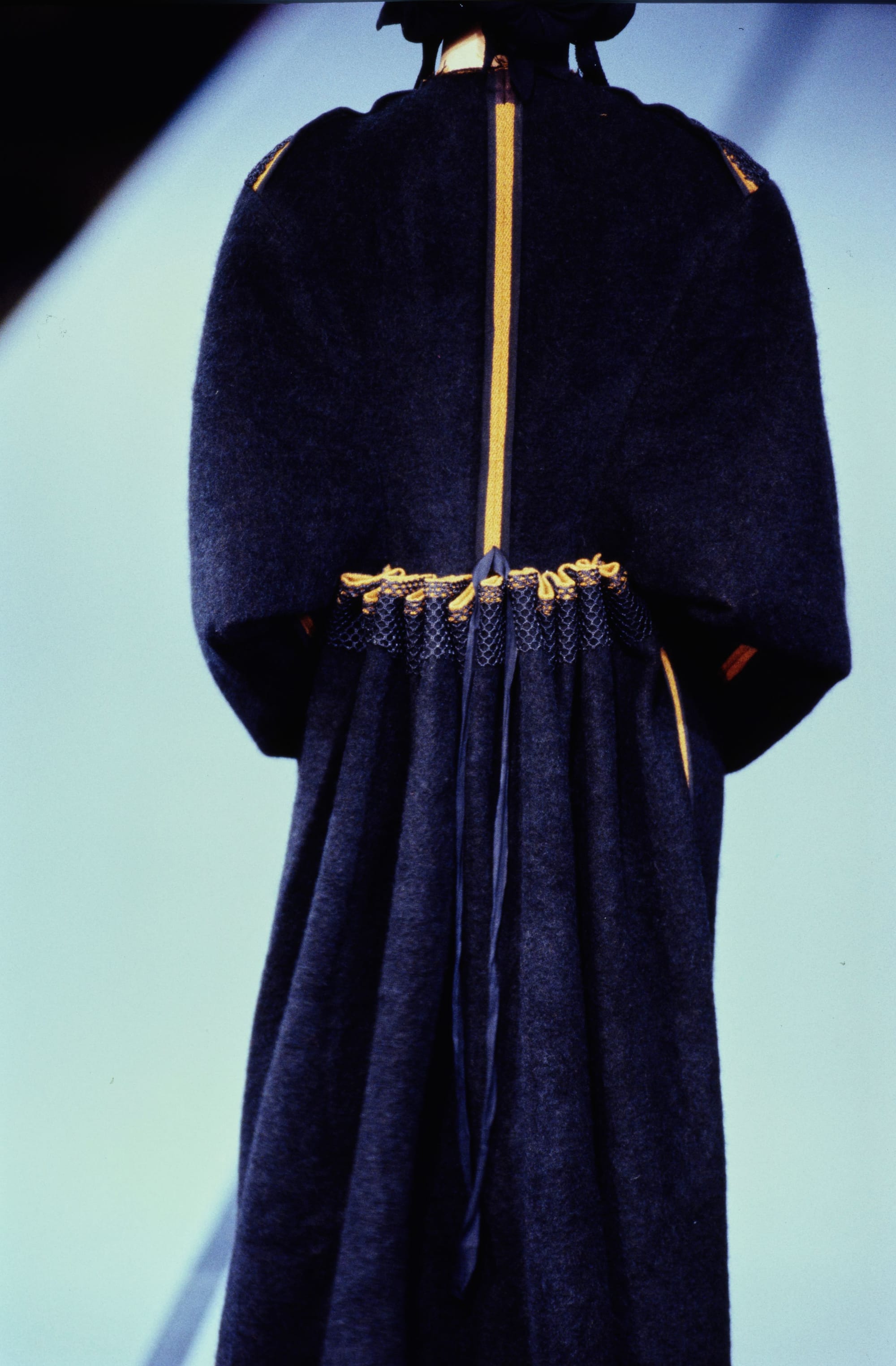
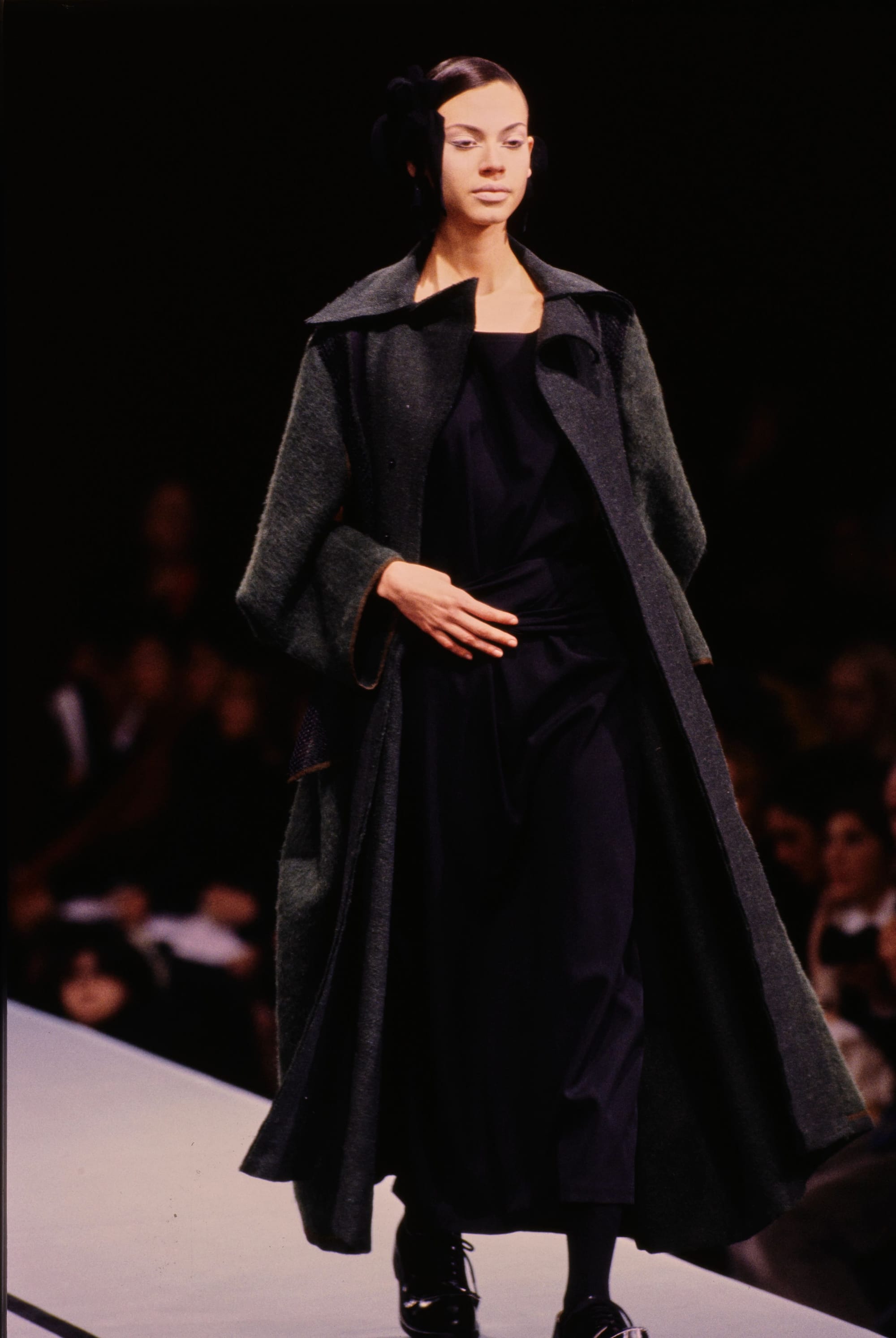
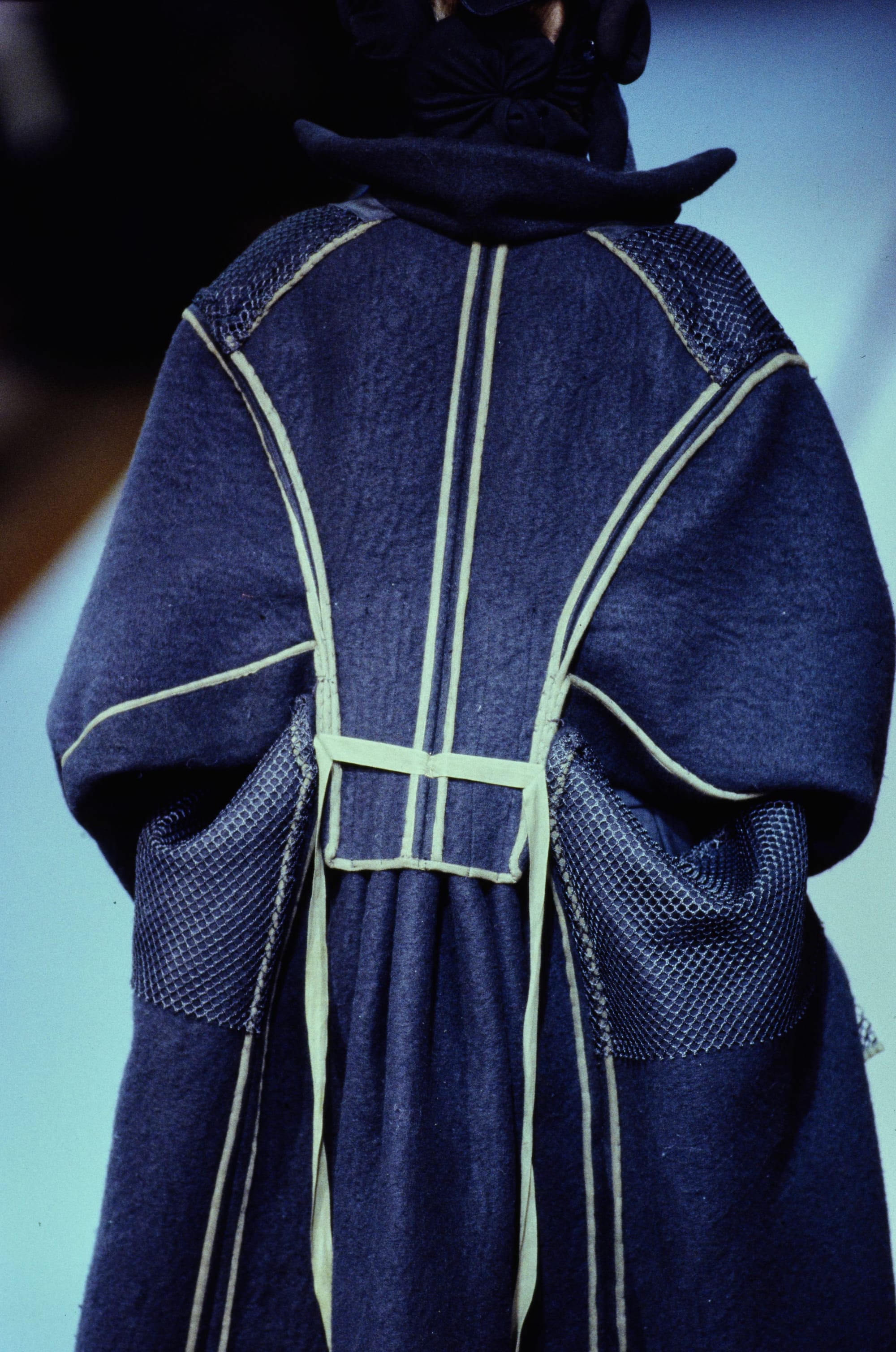
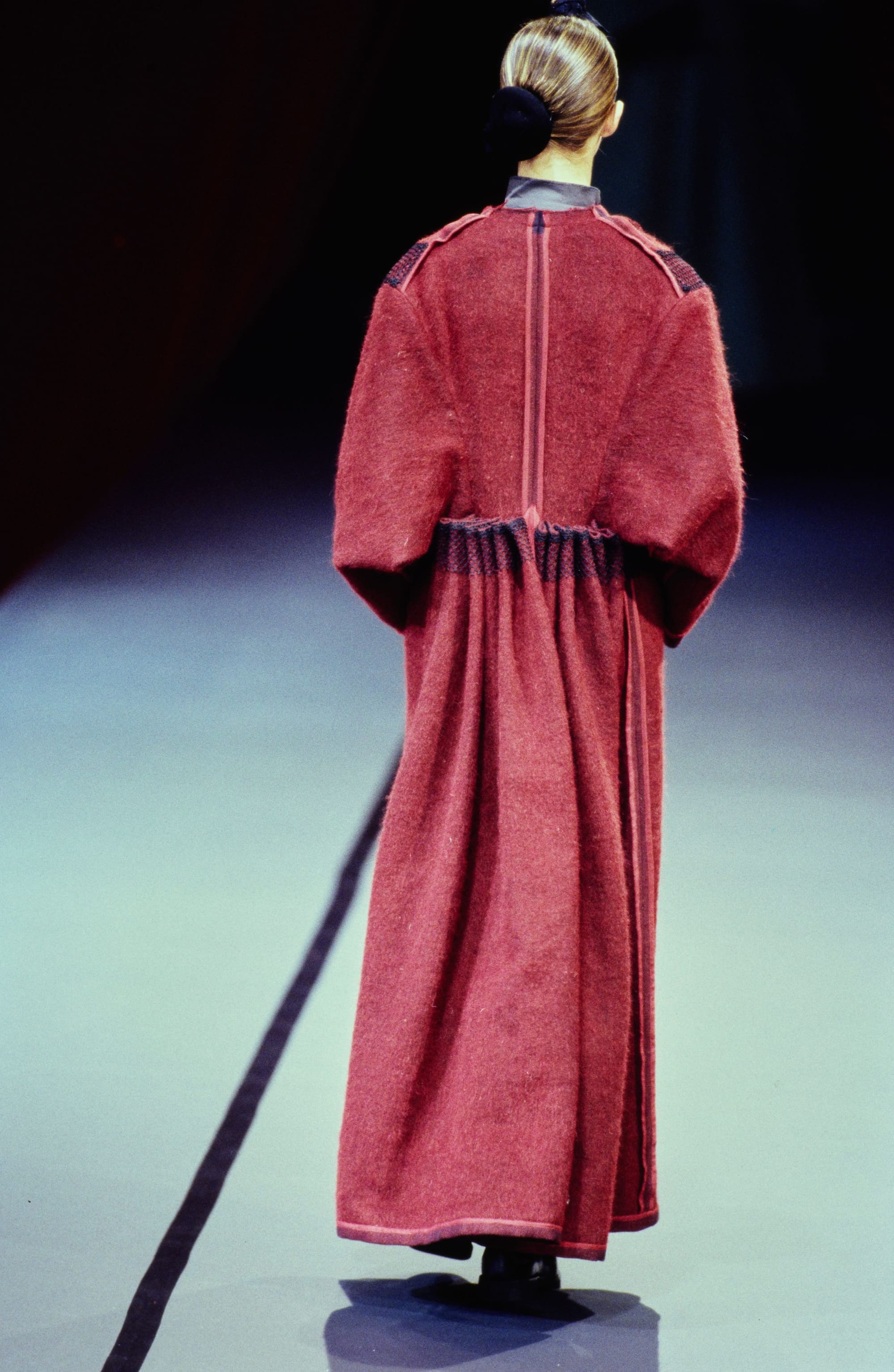
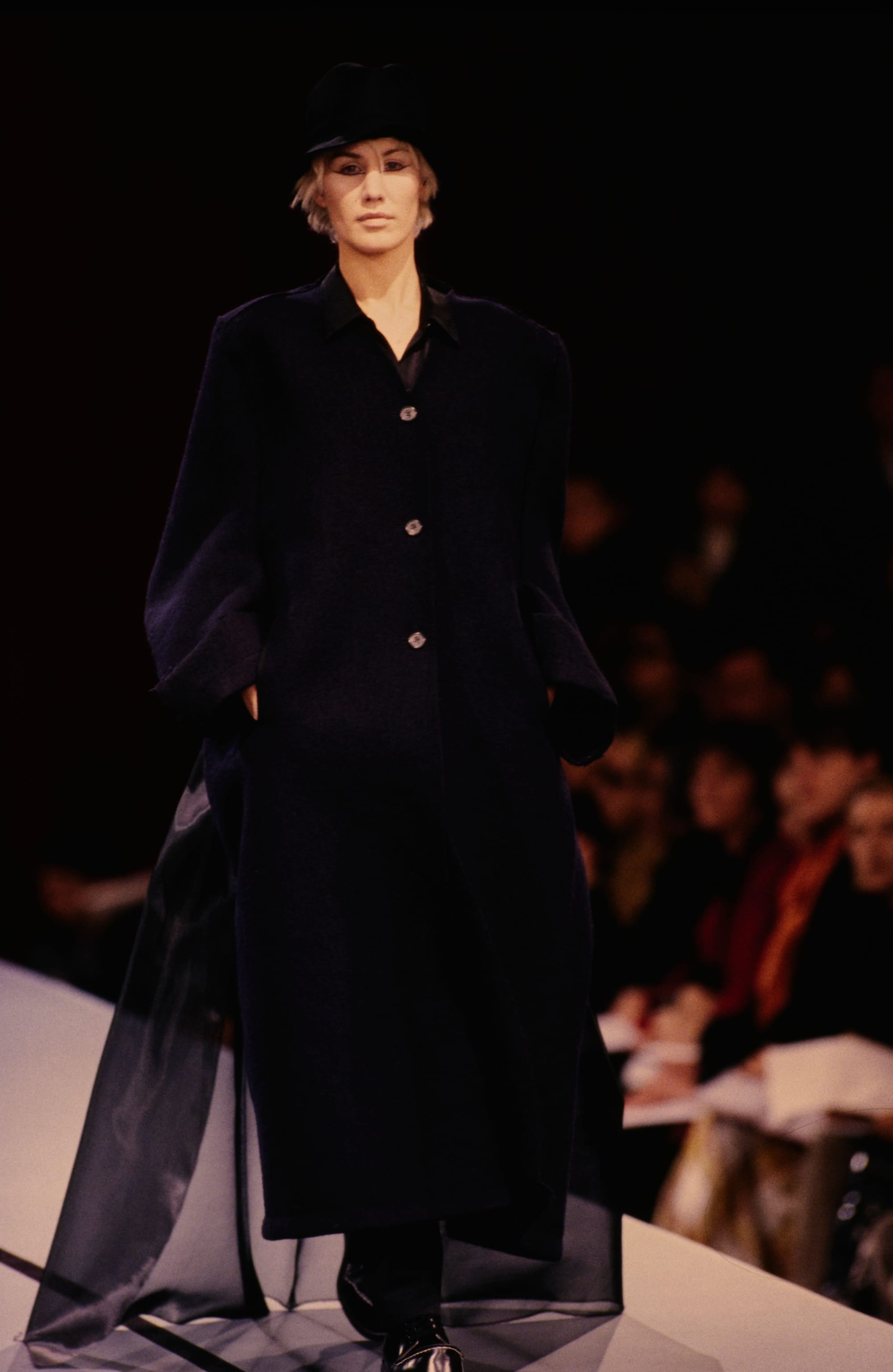
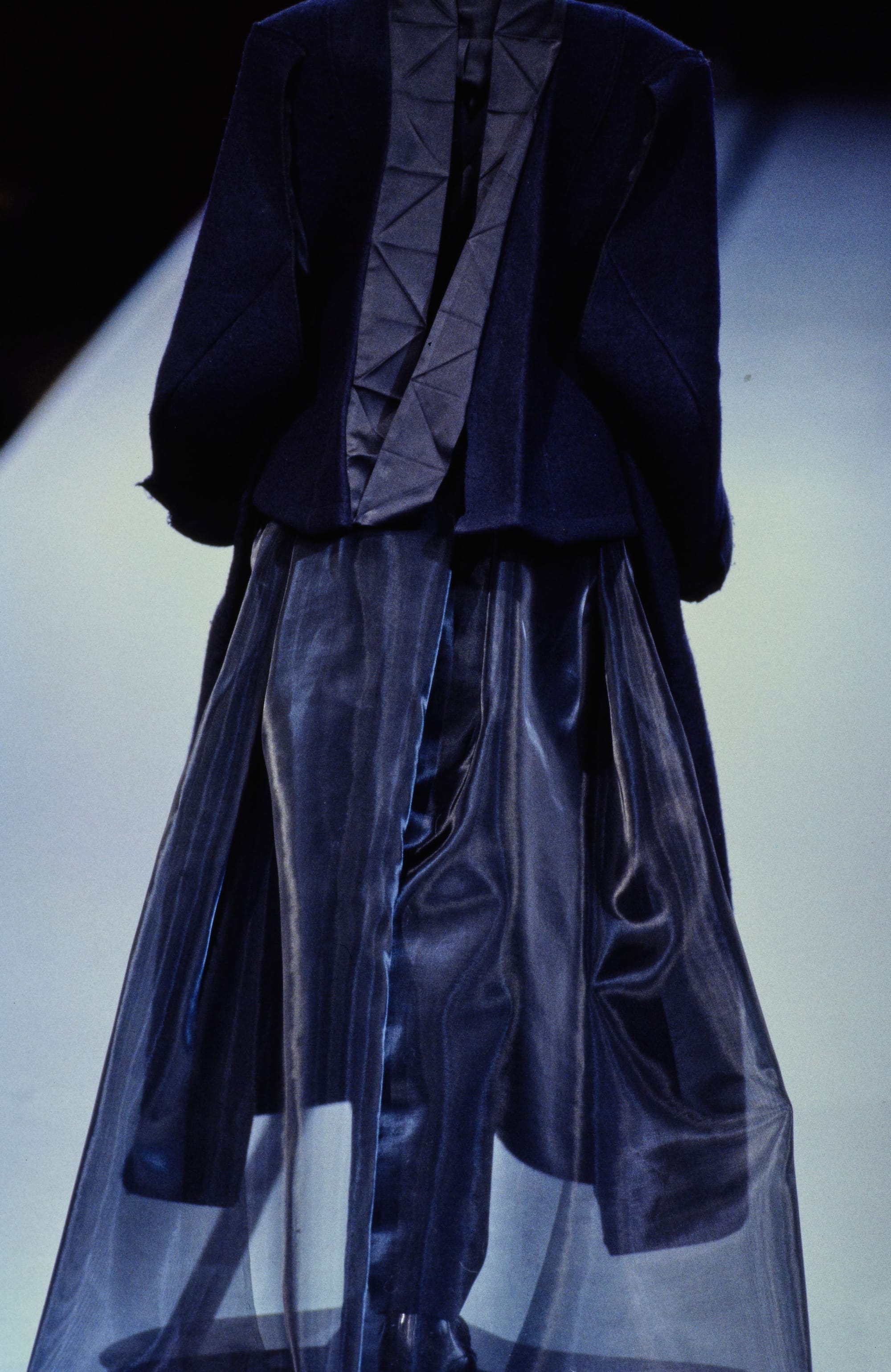
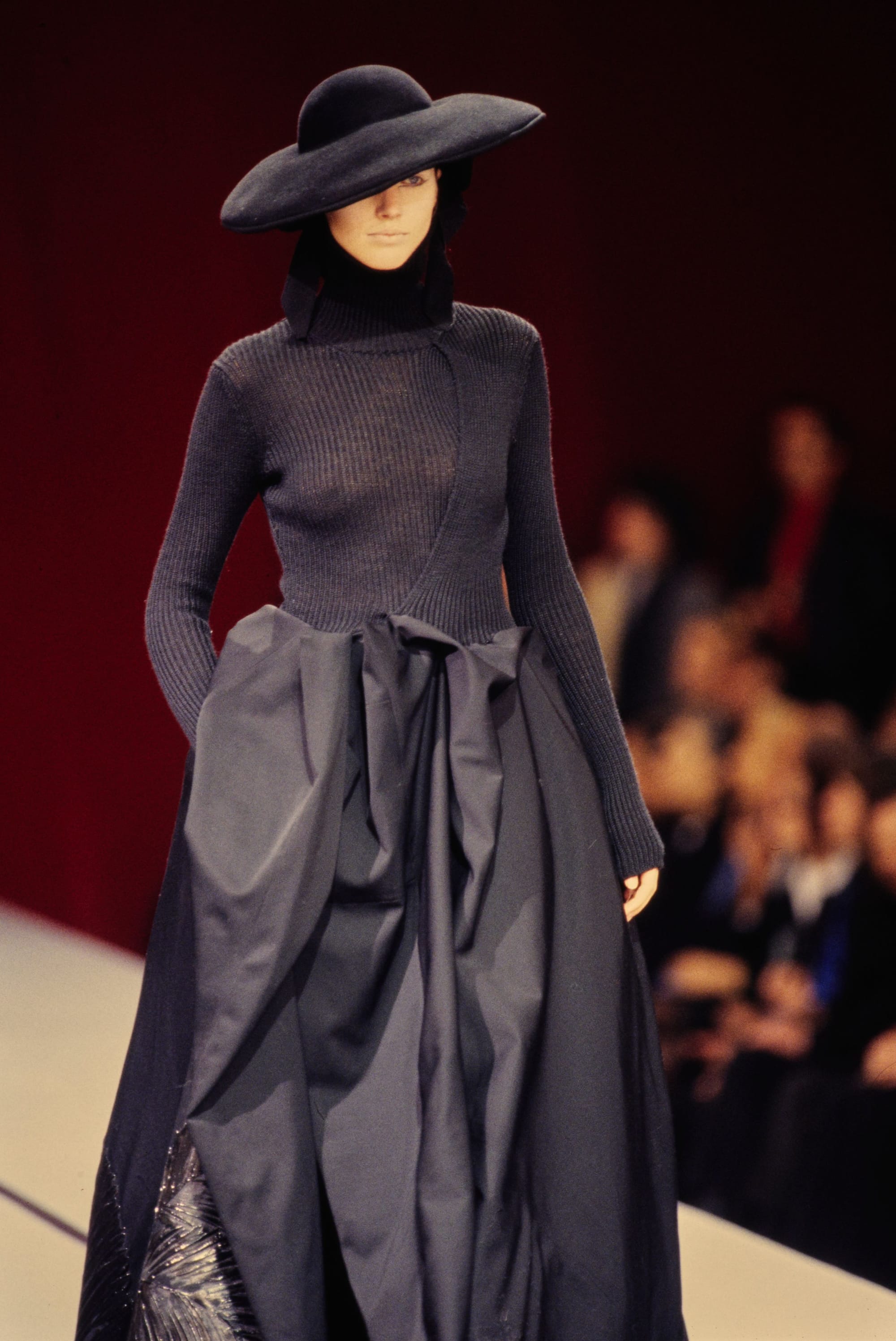
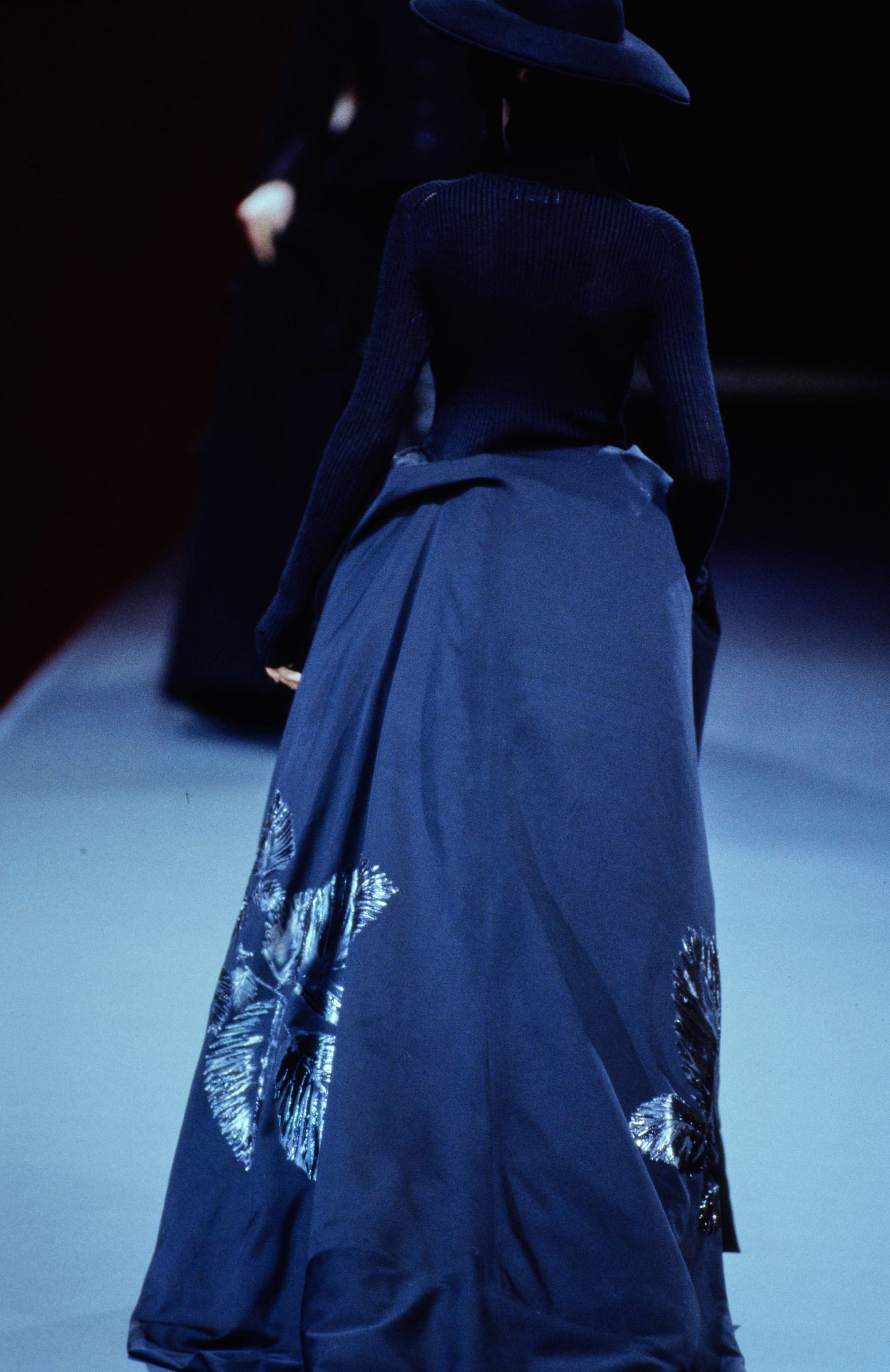
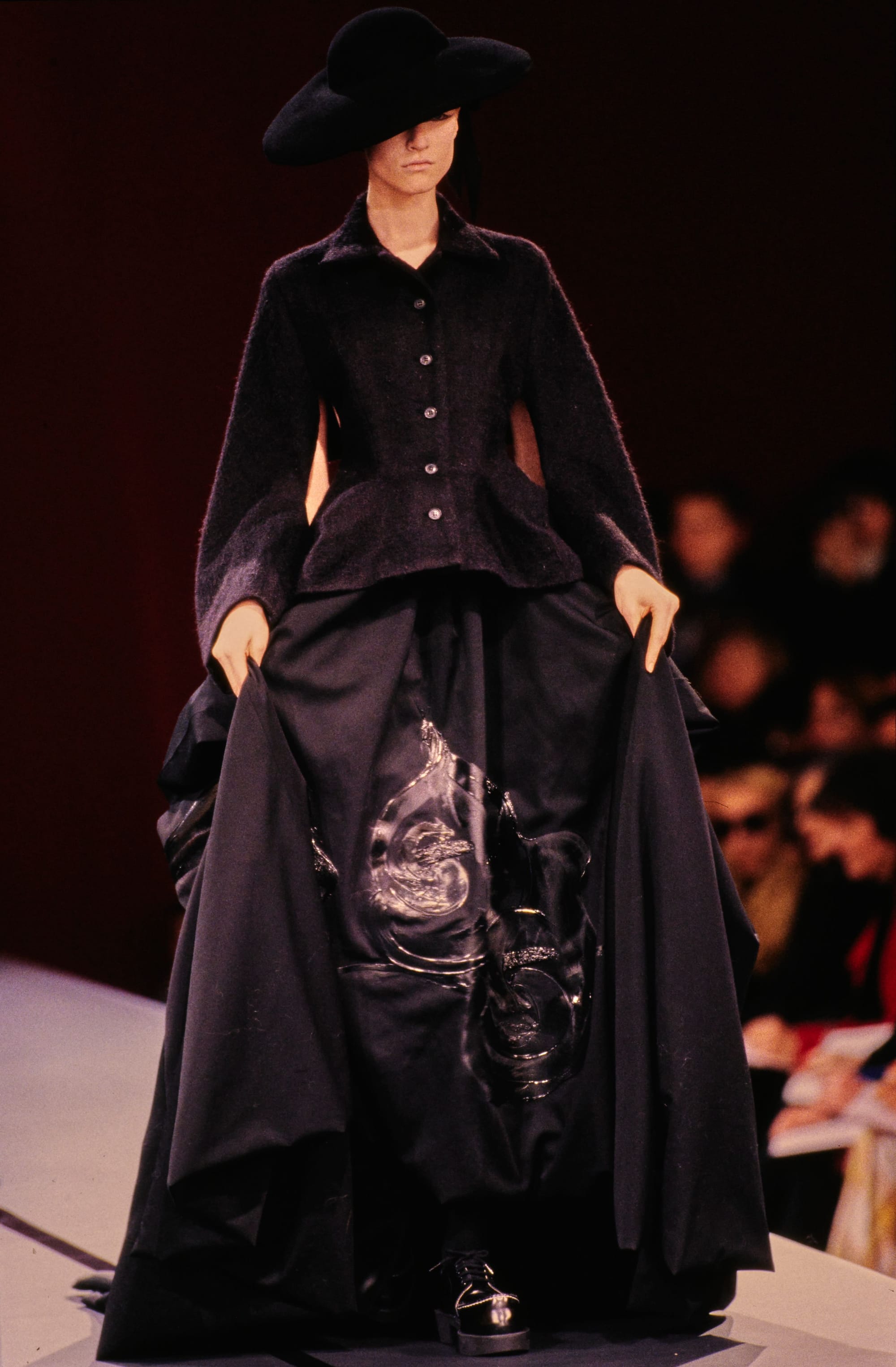
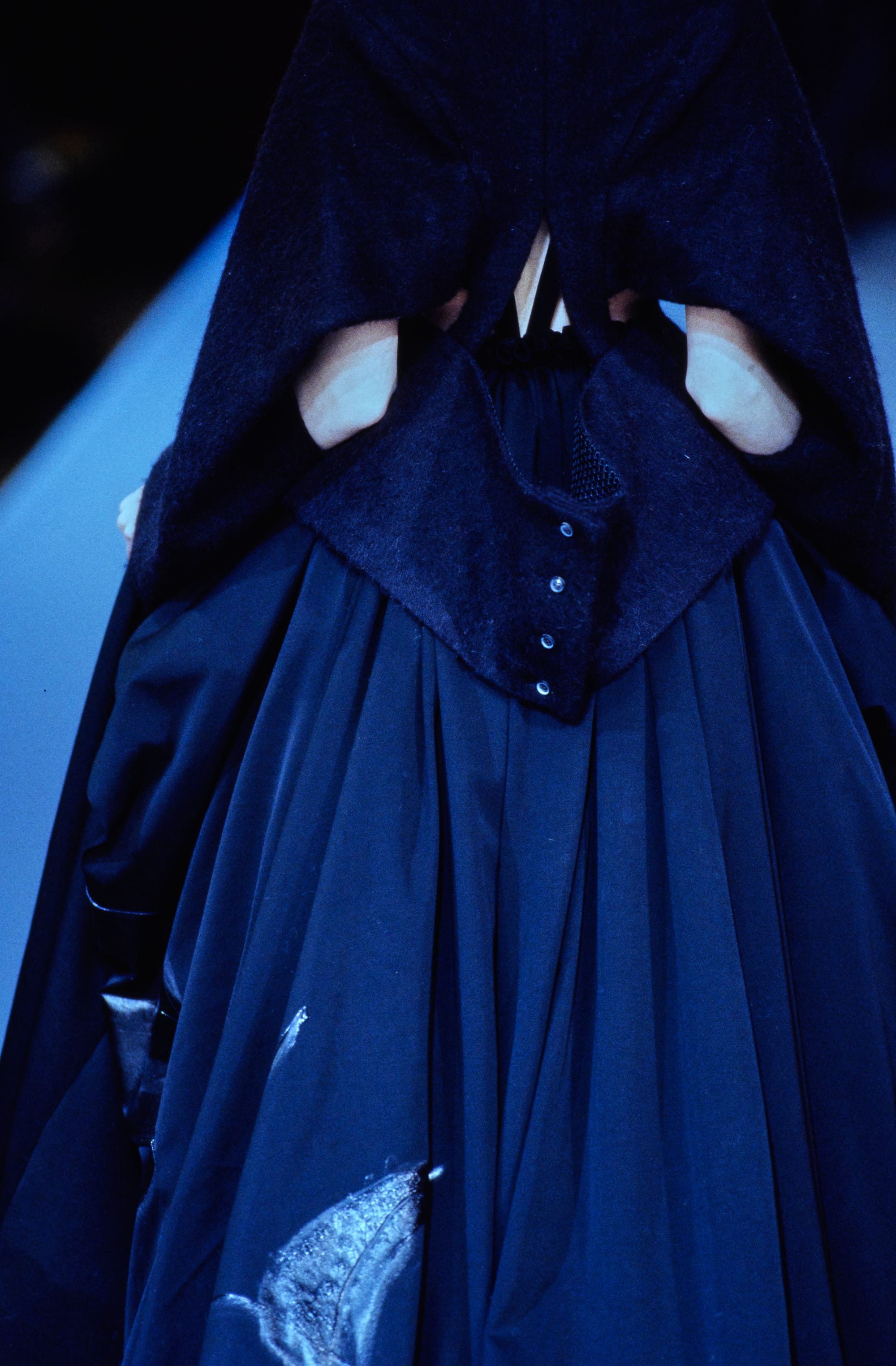
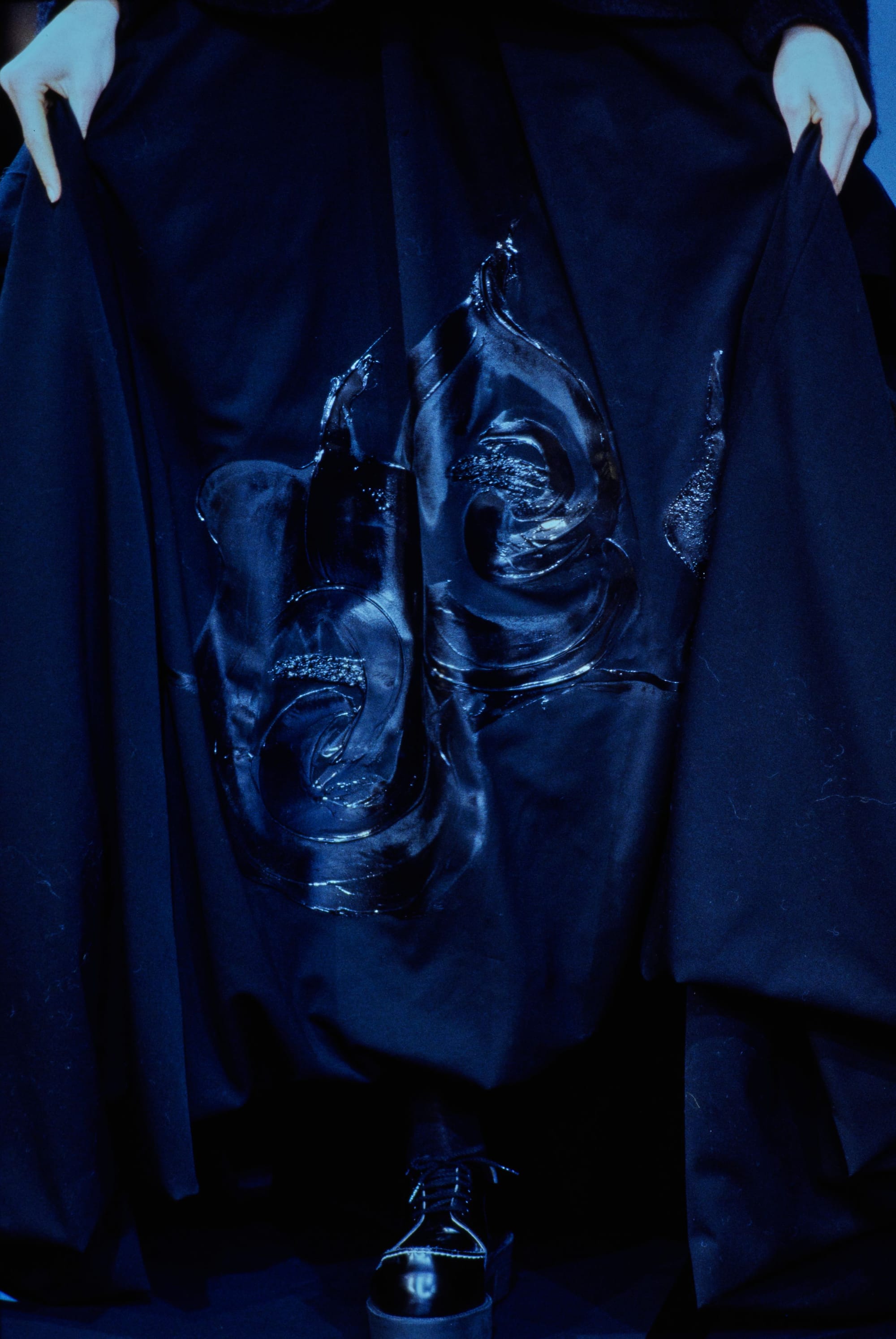
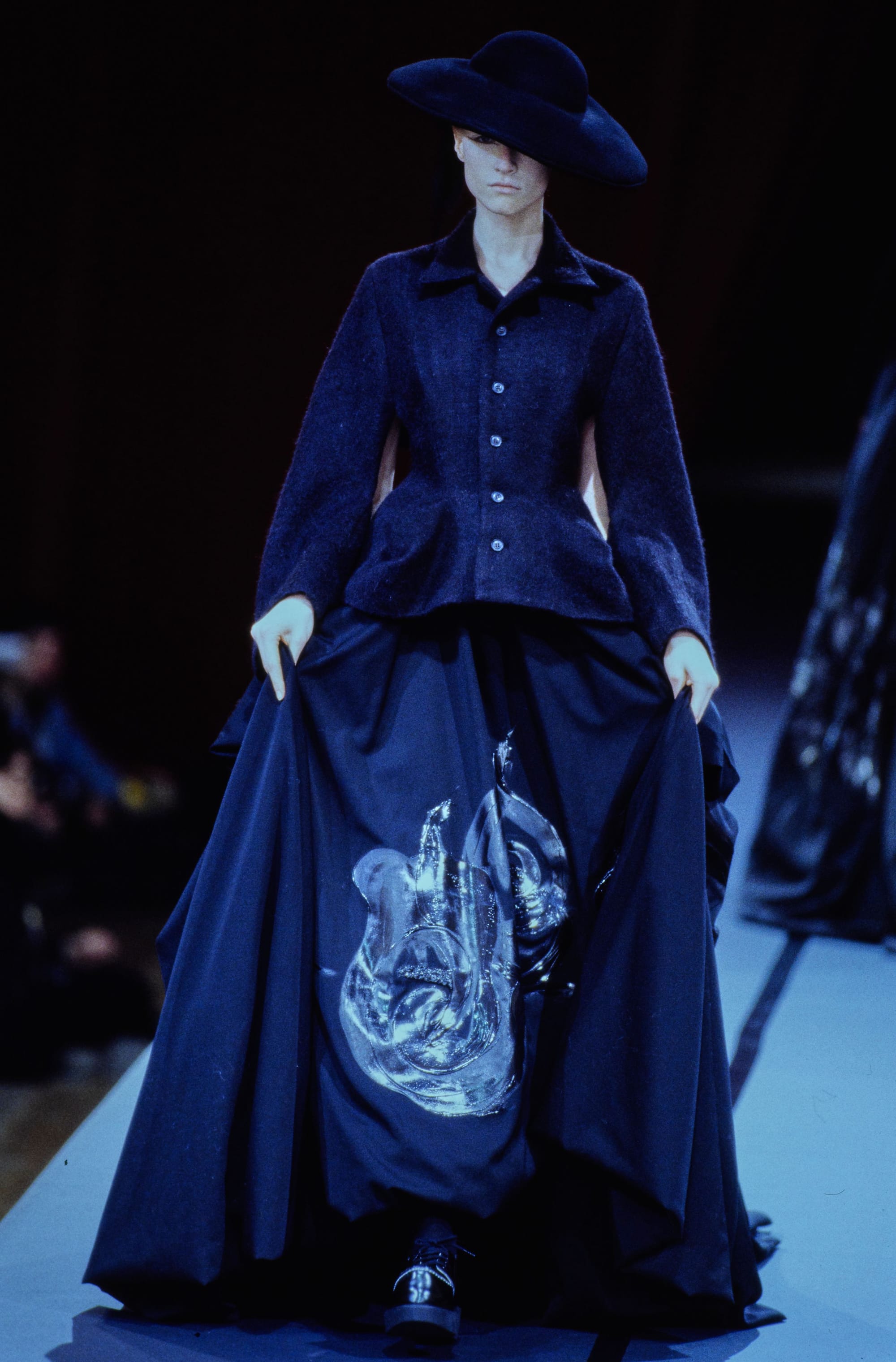
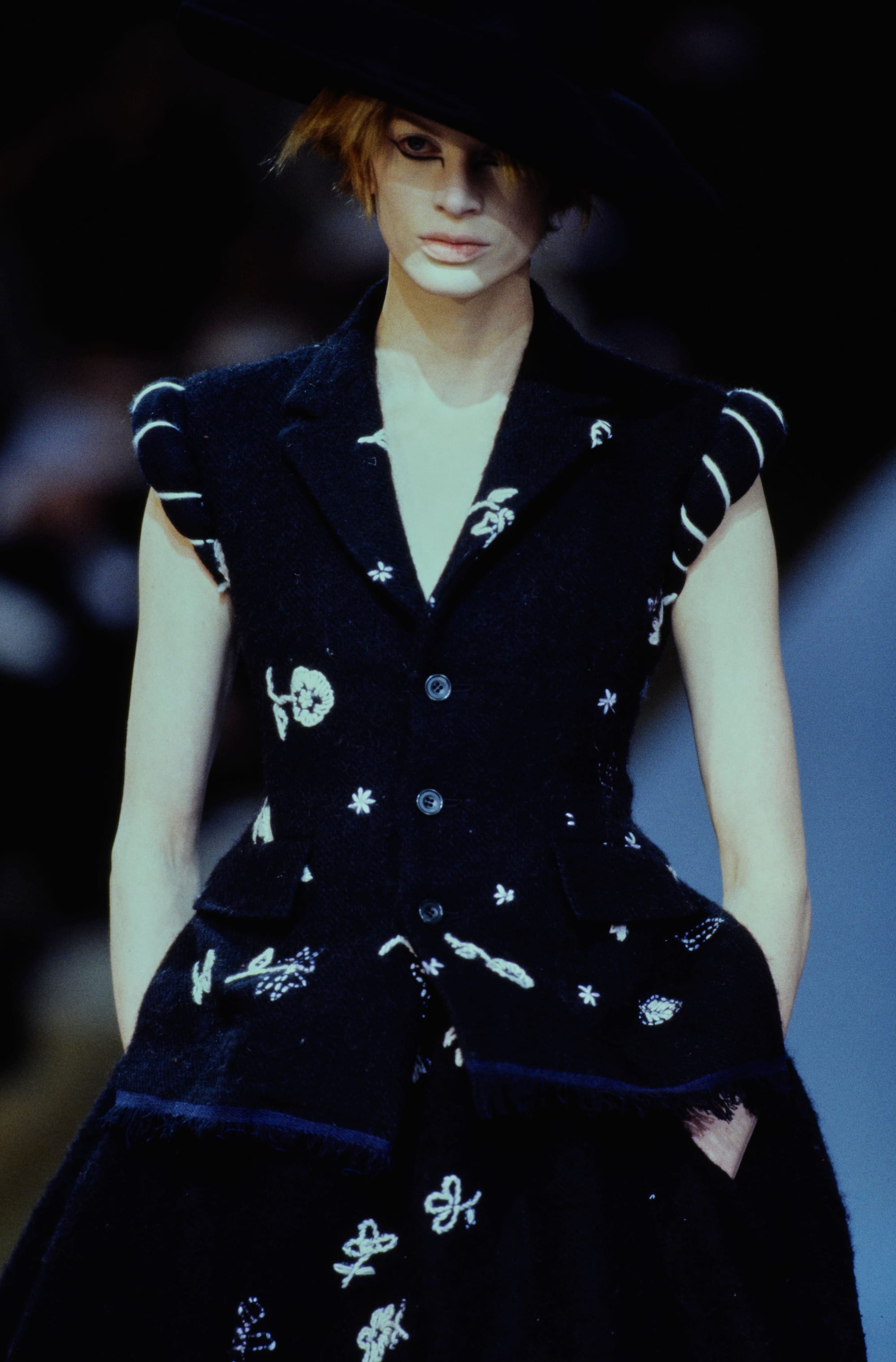
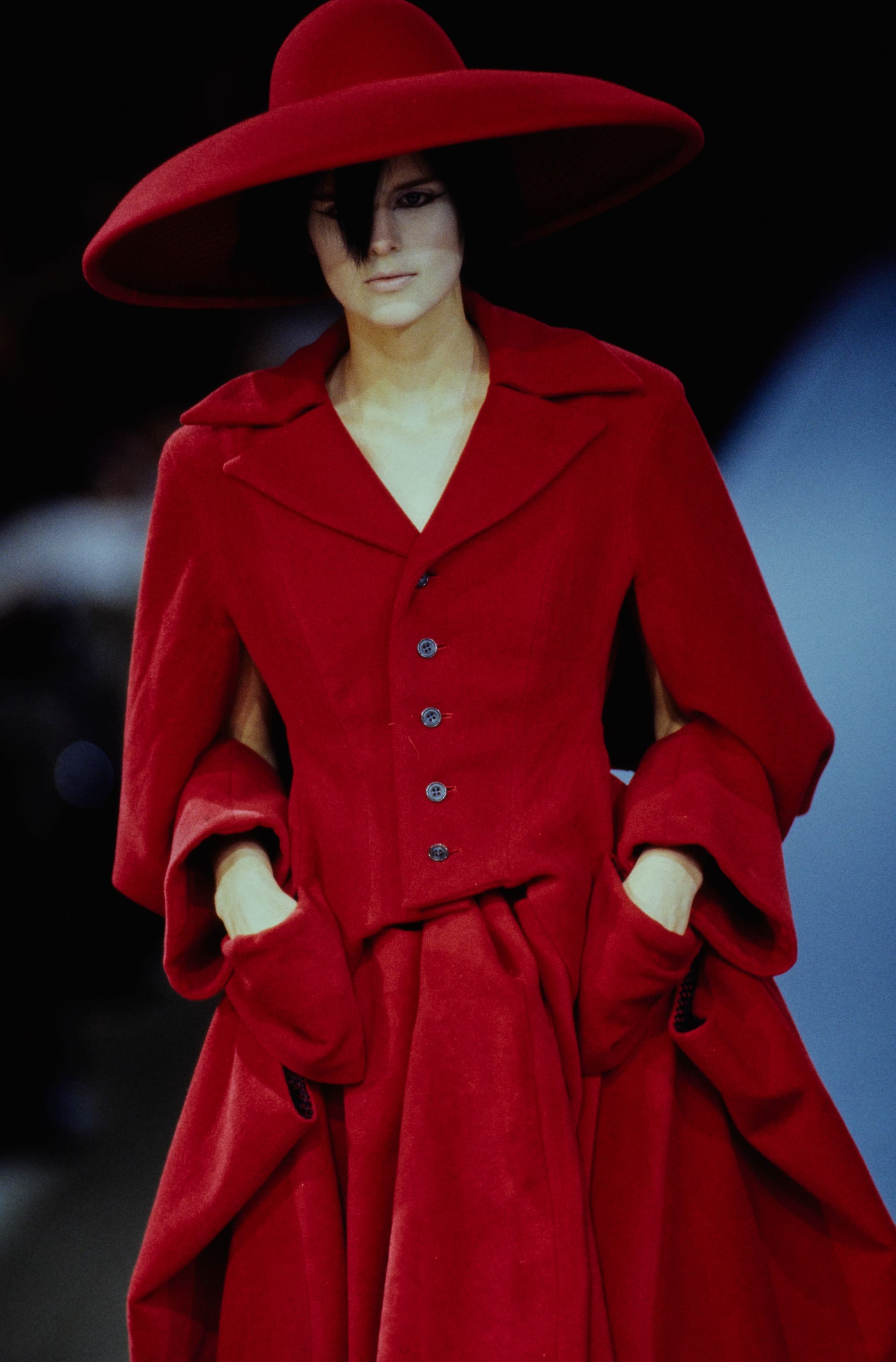
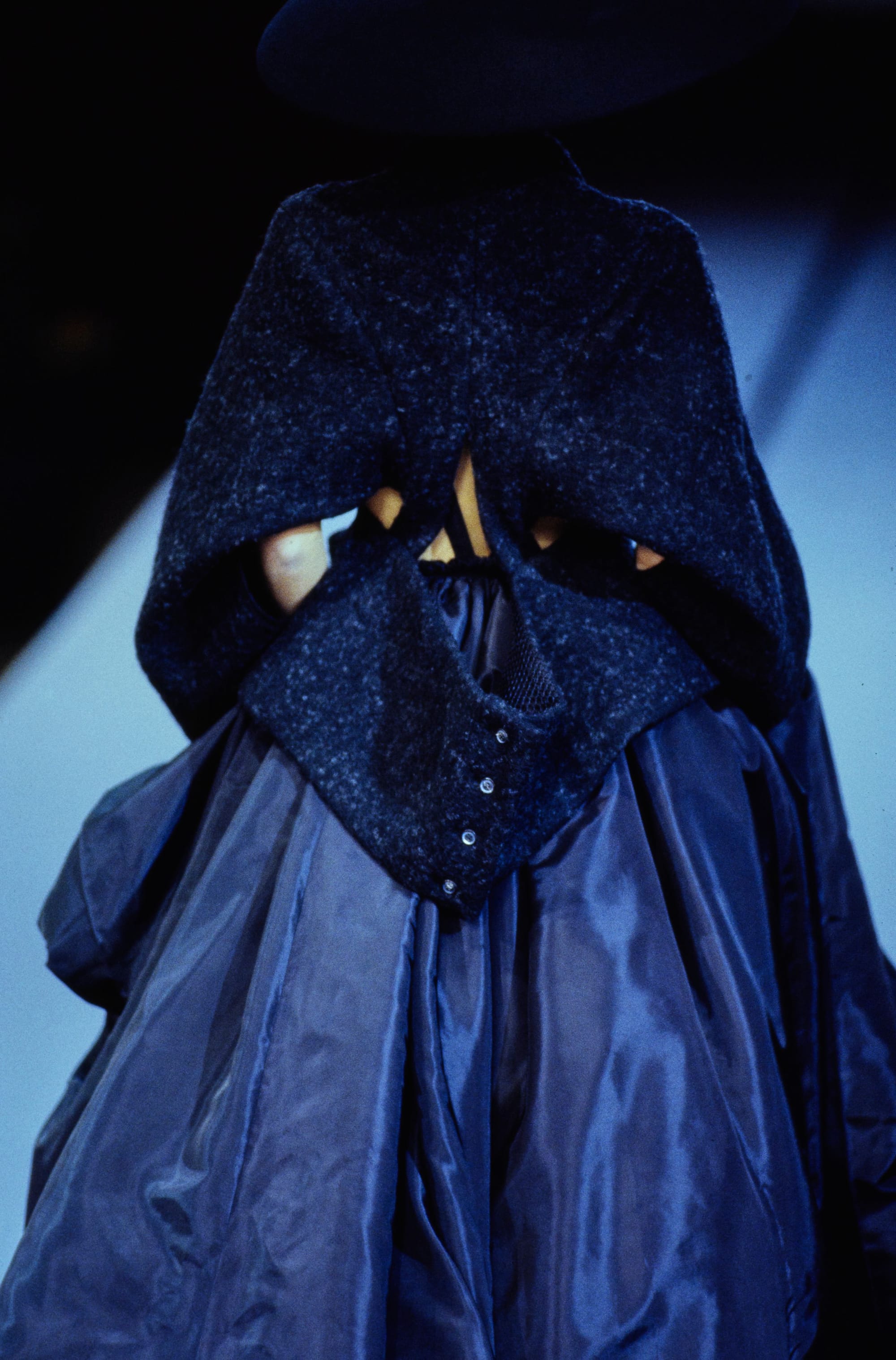
Yohji Yamamoto’s Fall 1995 ready-to-wear show was presented in Paris on March 16, 1995. The images trace layered tailoring, openwork textures, chunky knits, wide-brimmed hats, and sculptural backs.
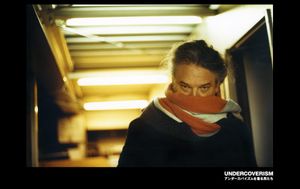
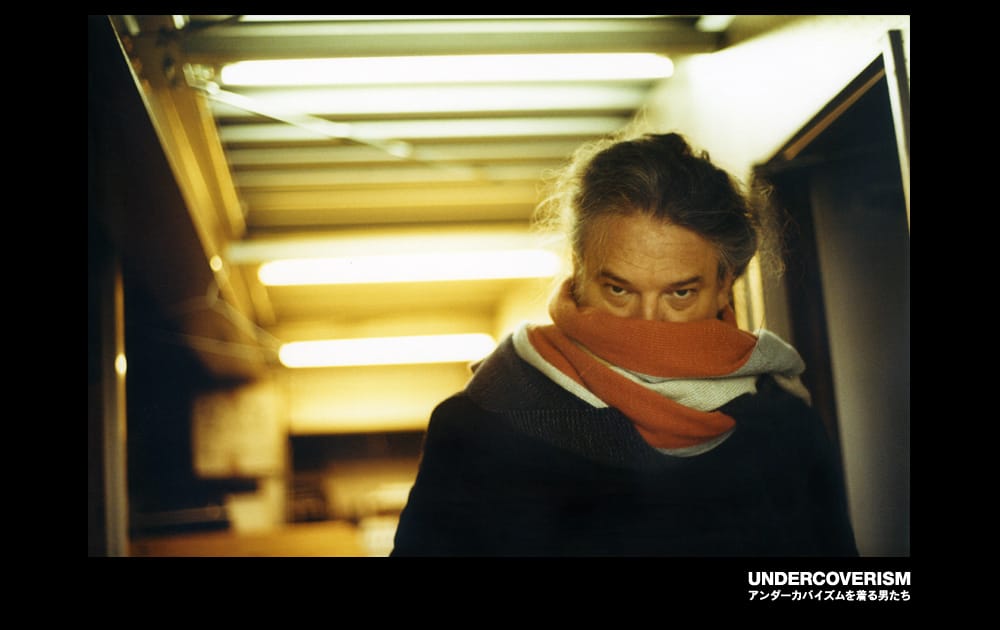
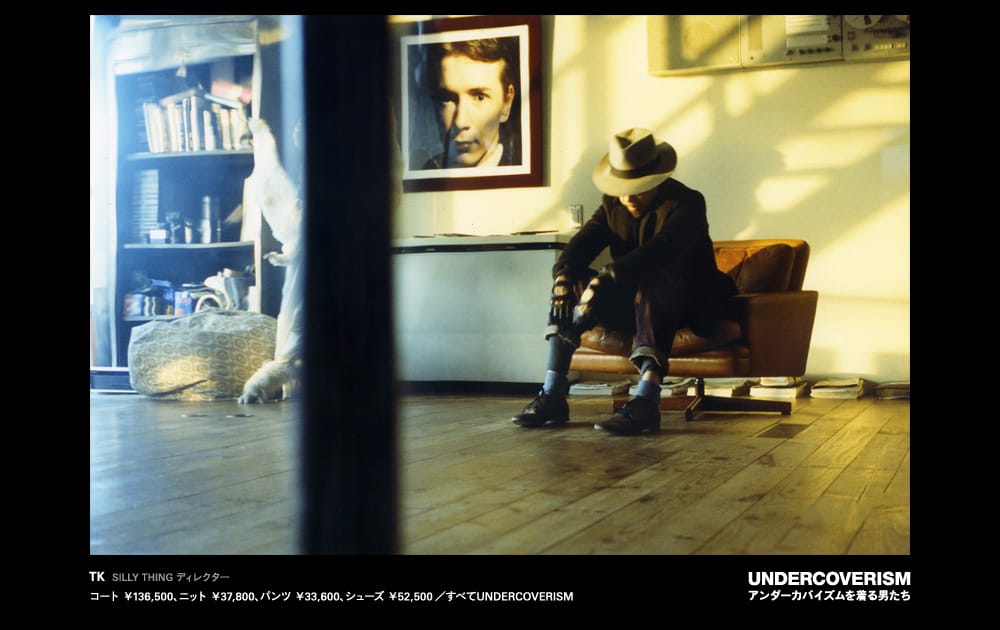
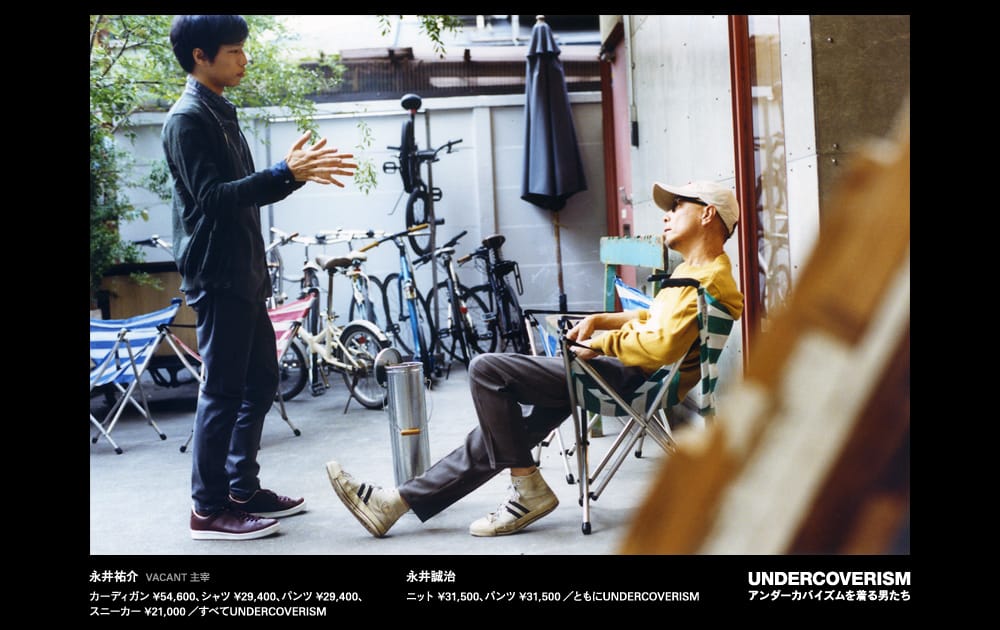
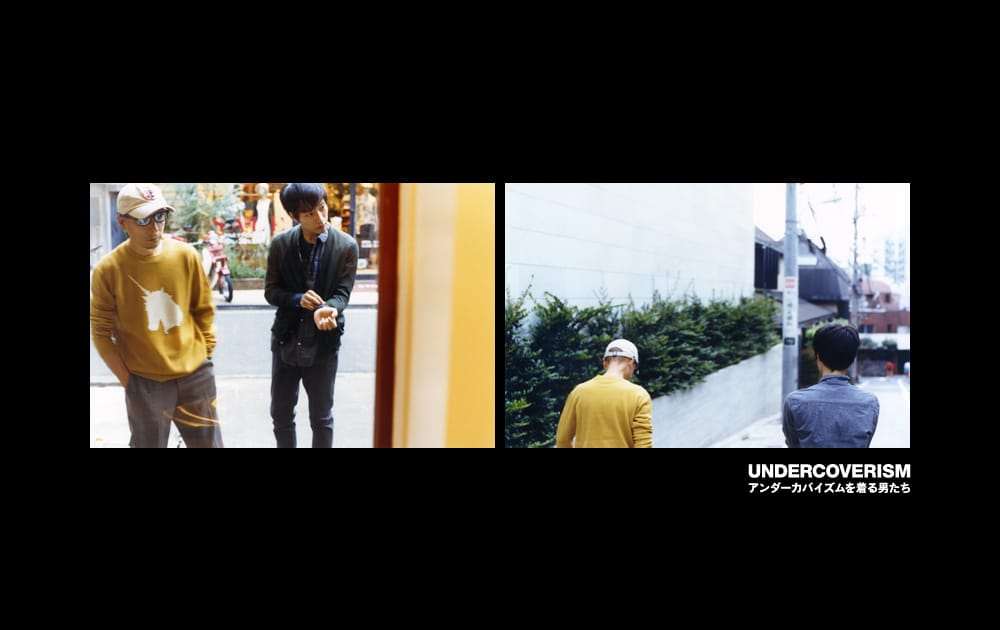
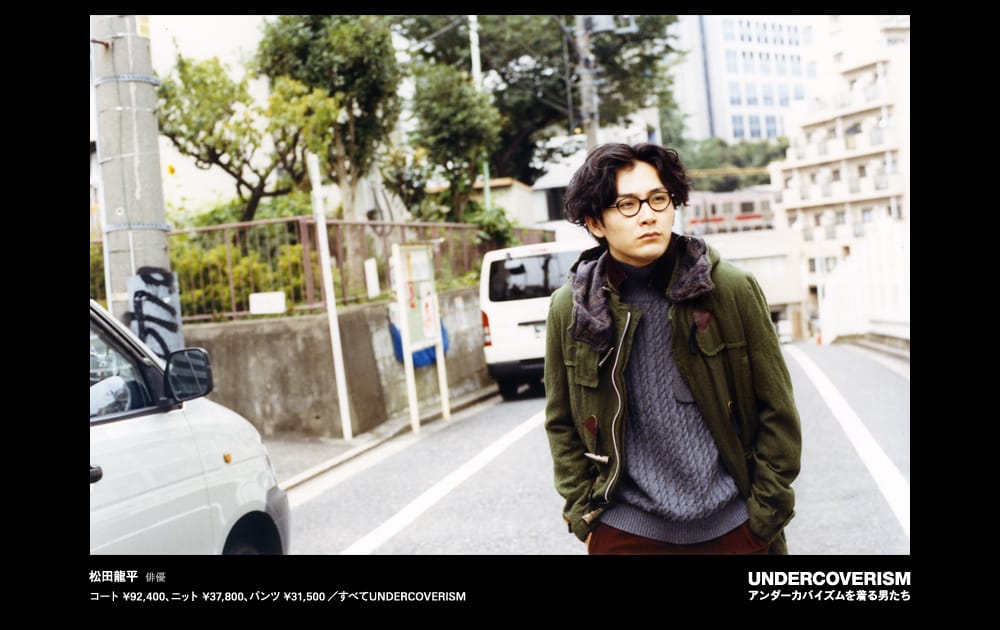
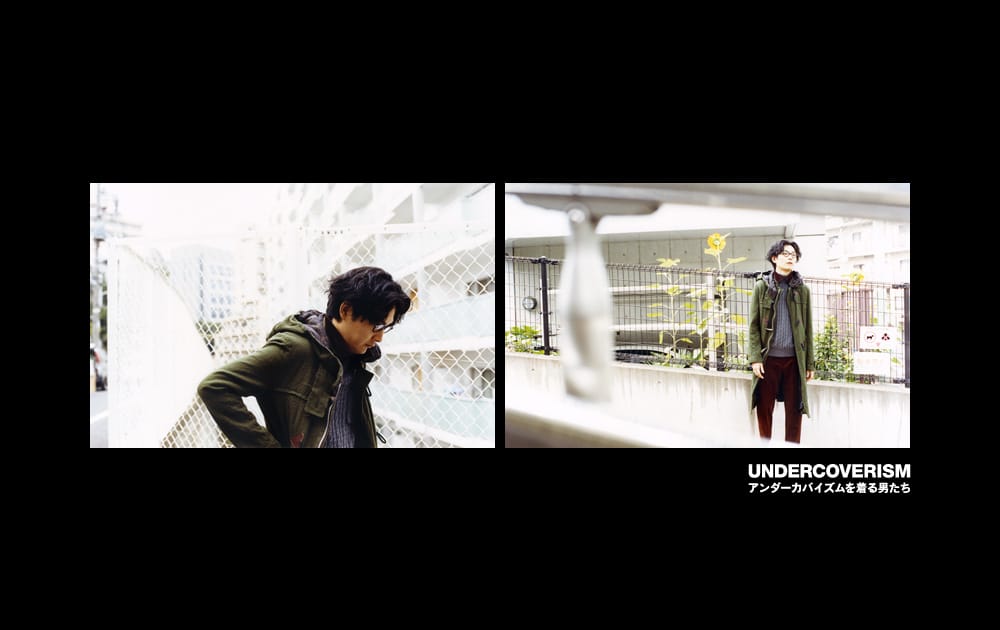
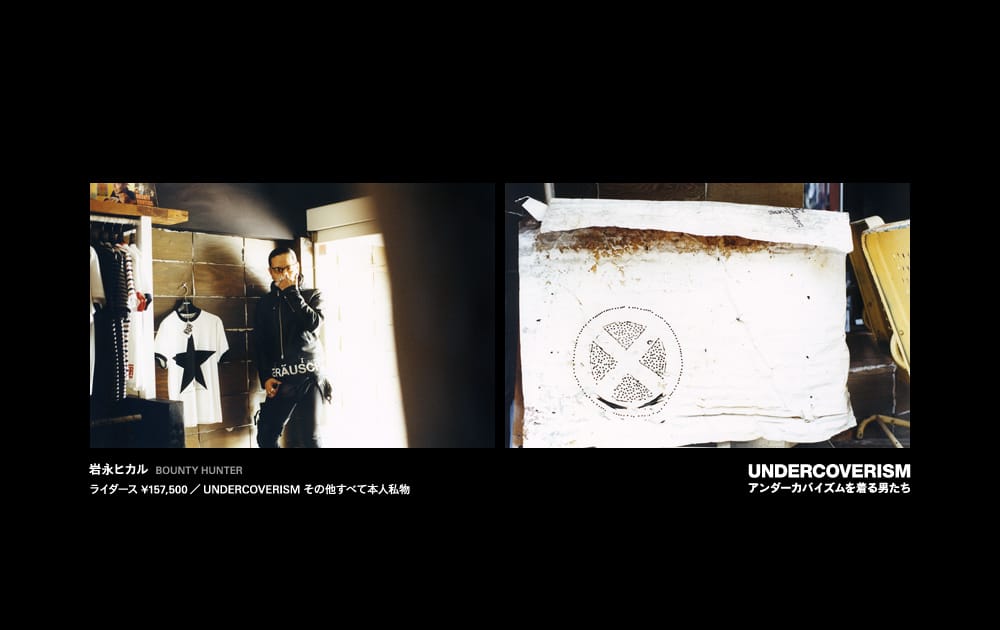
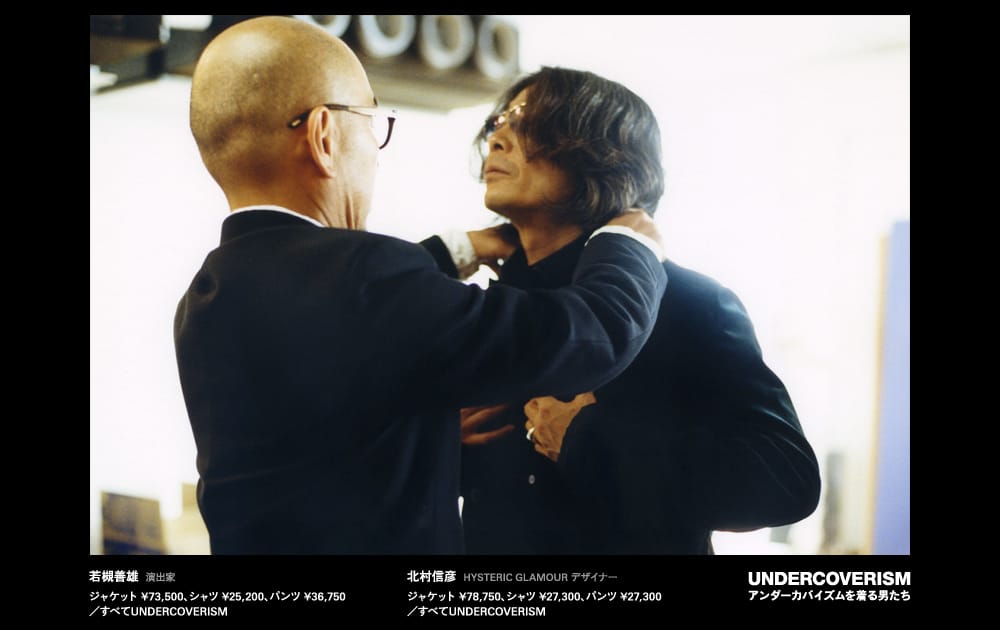
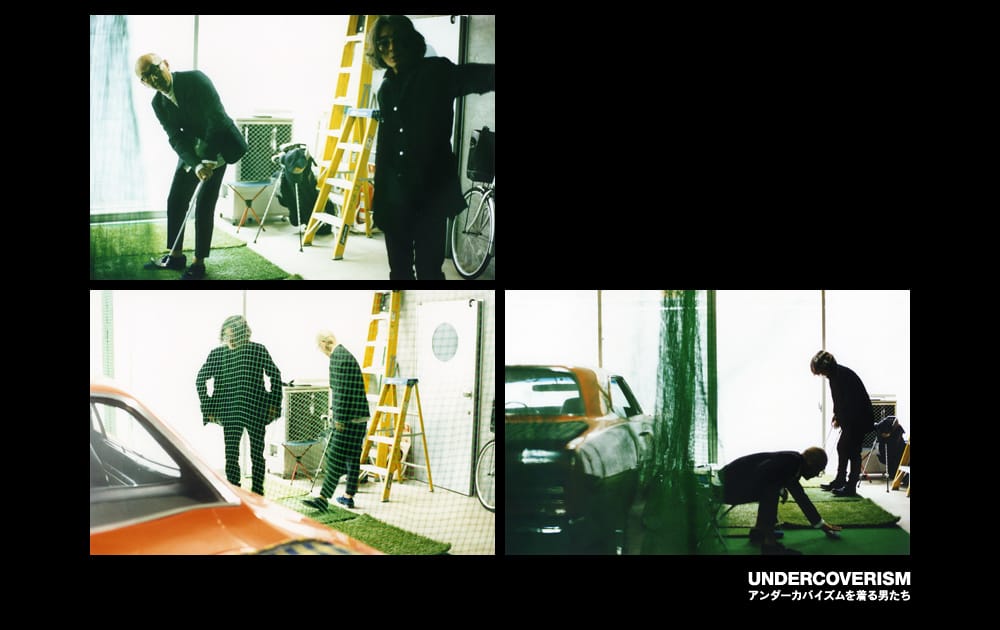
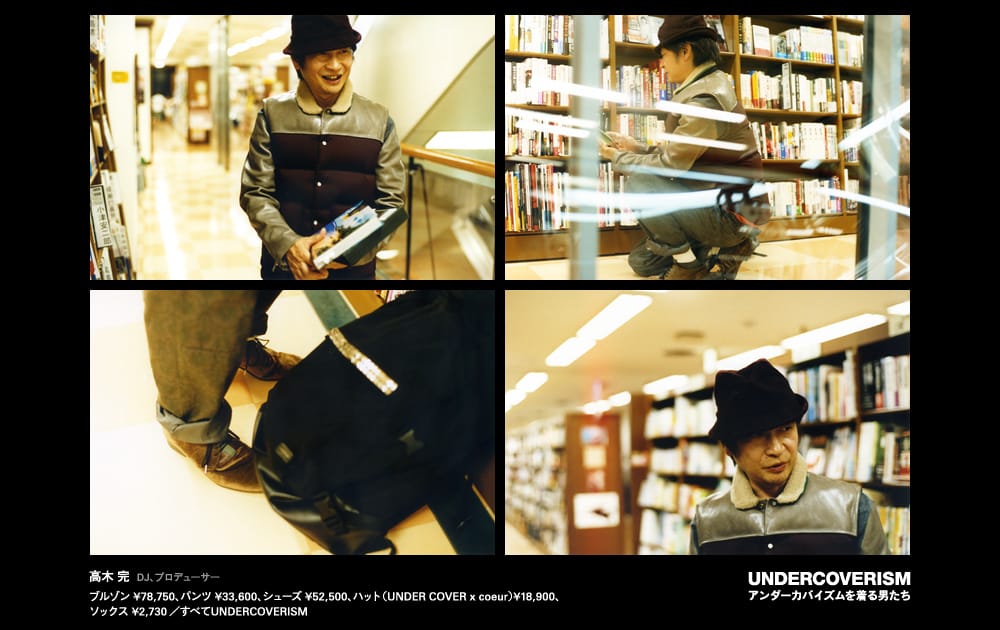
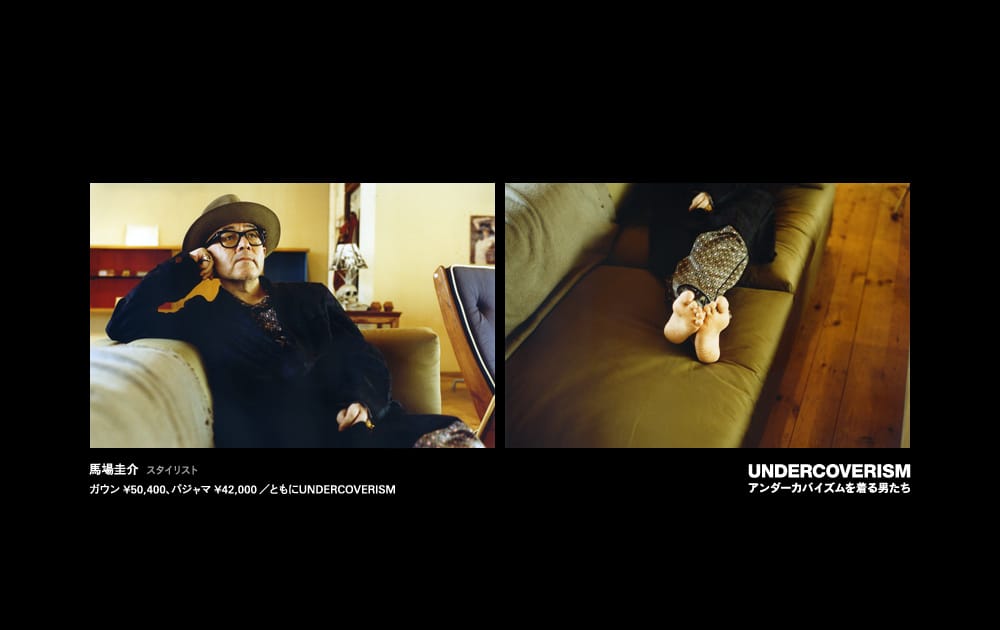
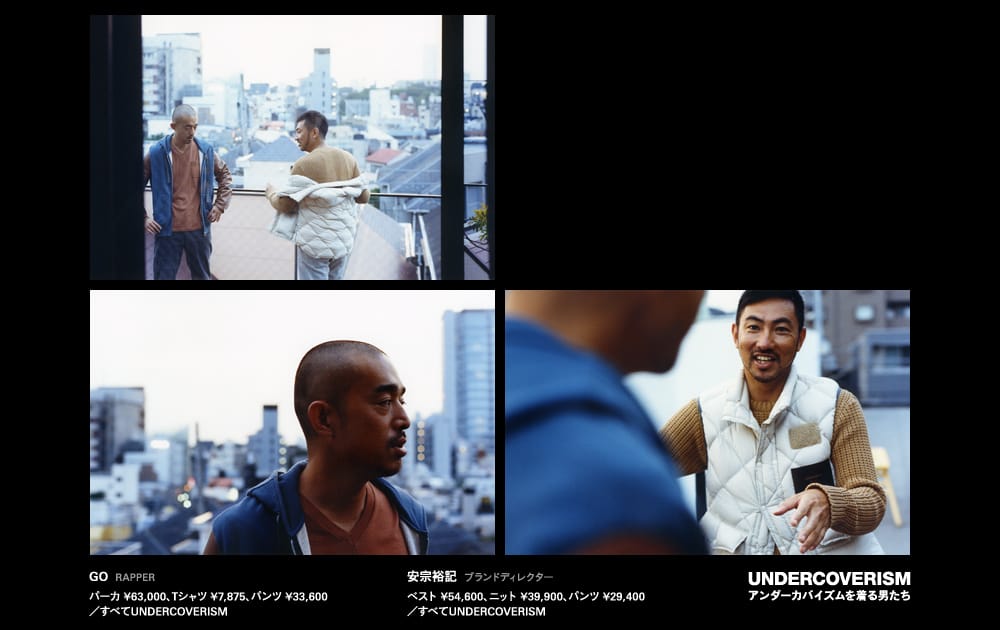
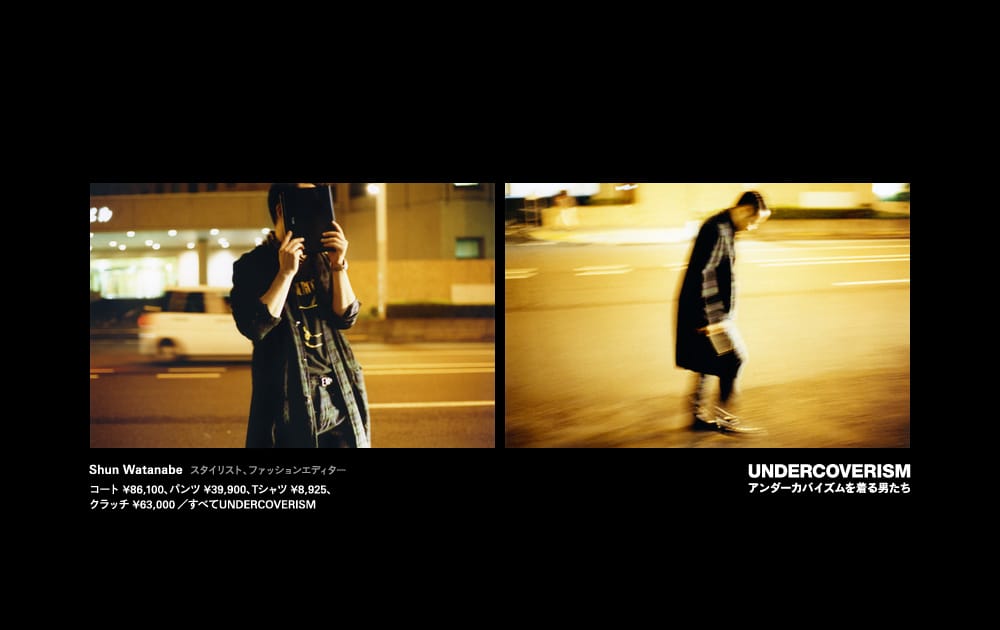
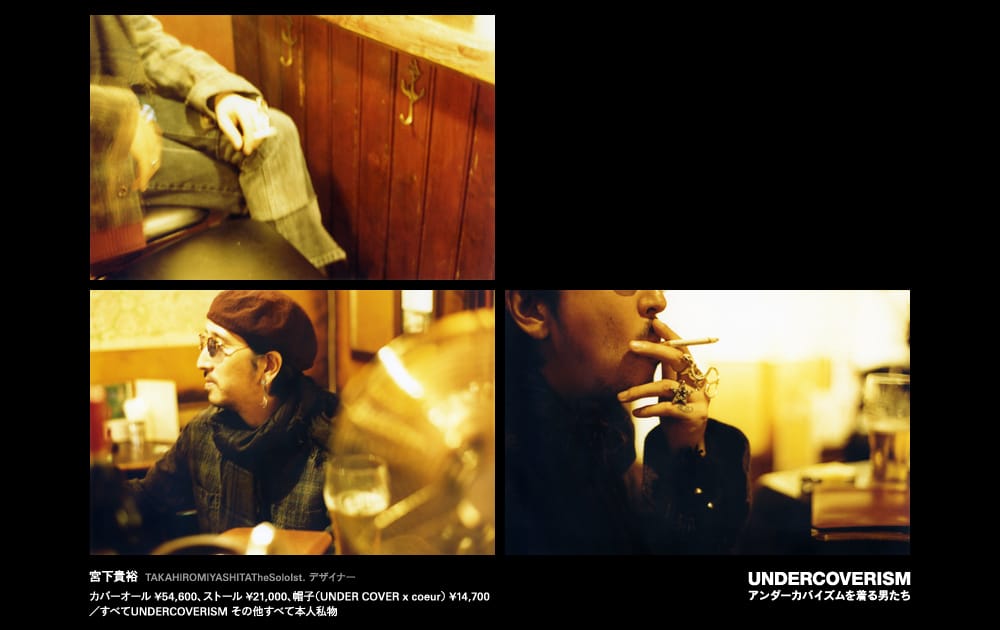
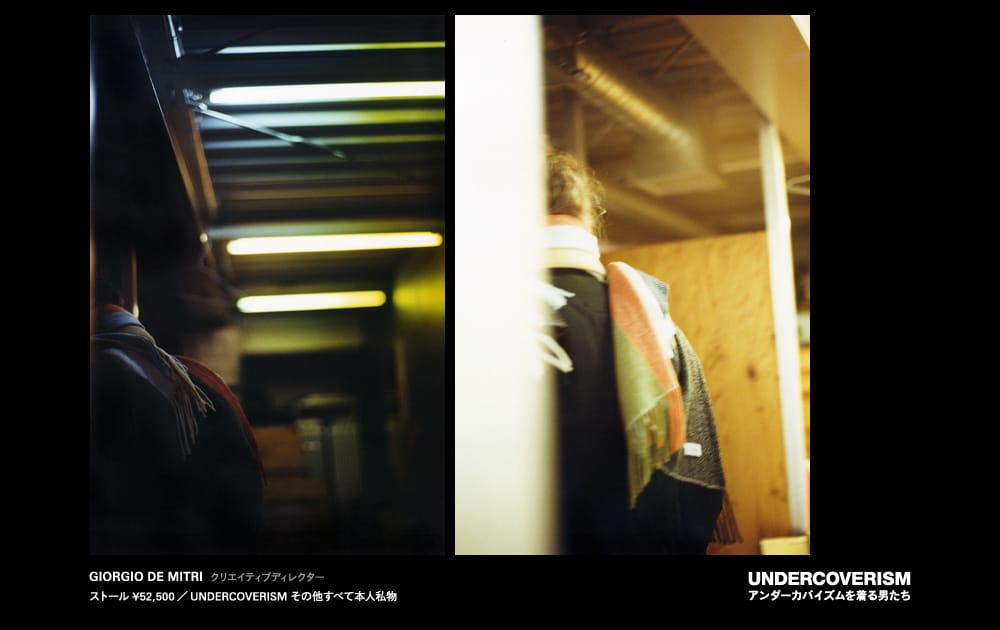
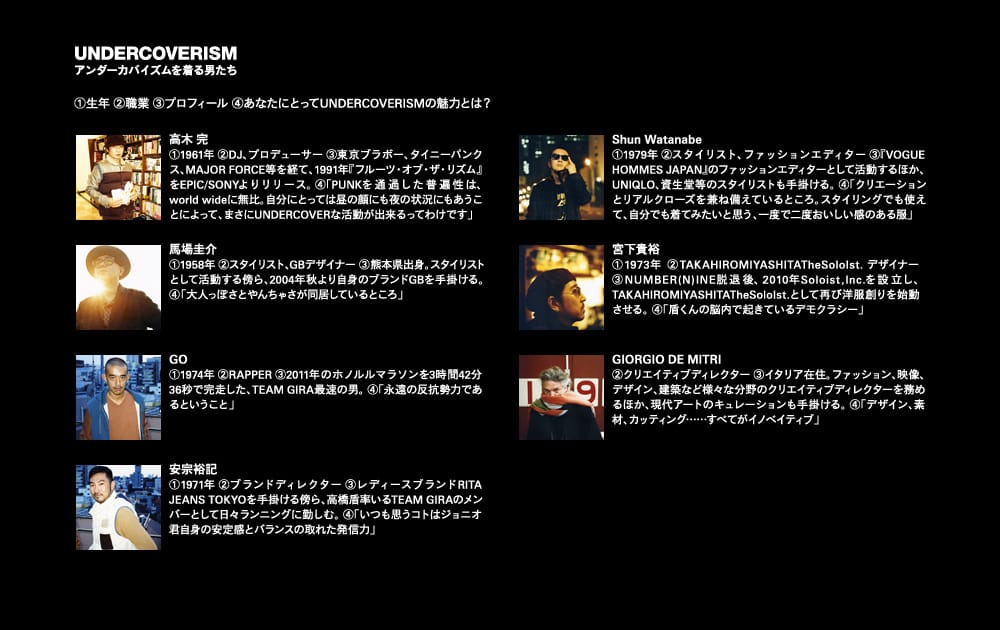
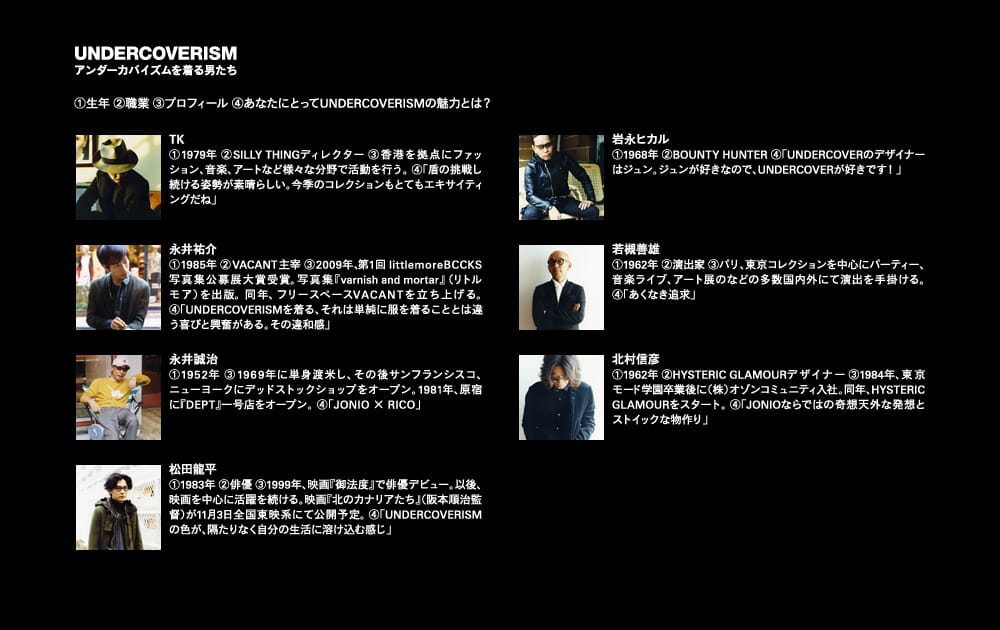
UNDERCOVERISM 2012–13 Fall/Winter portrait feature The Men Who Wear Undercoverism, photographed by Taro Mizutani with text by Issey Enomoto.
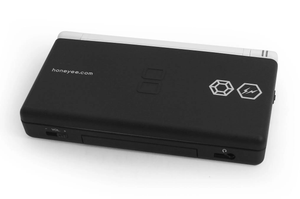
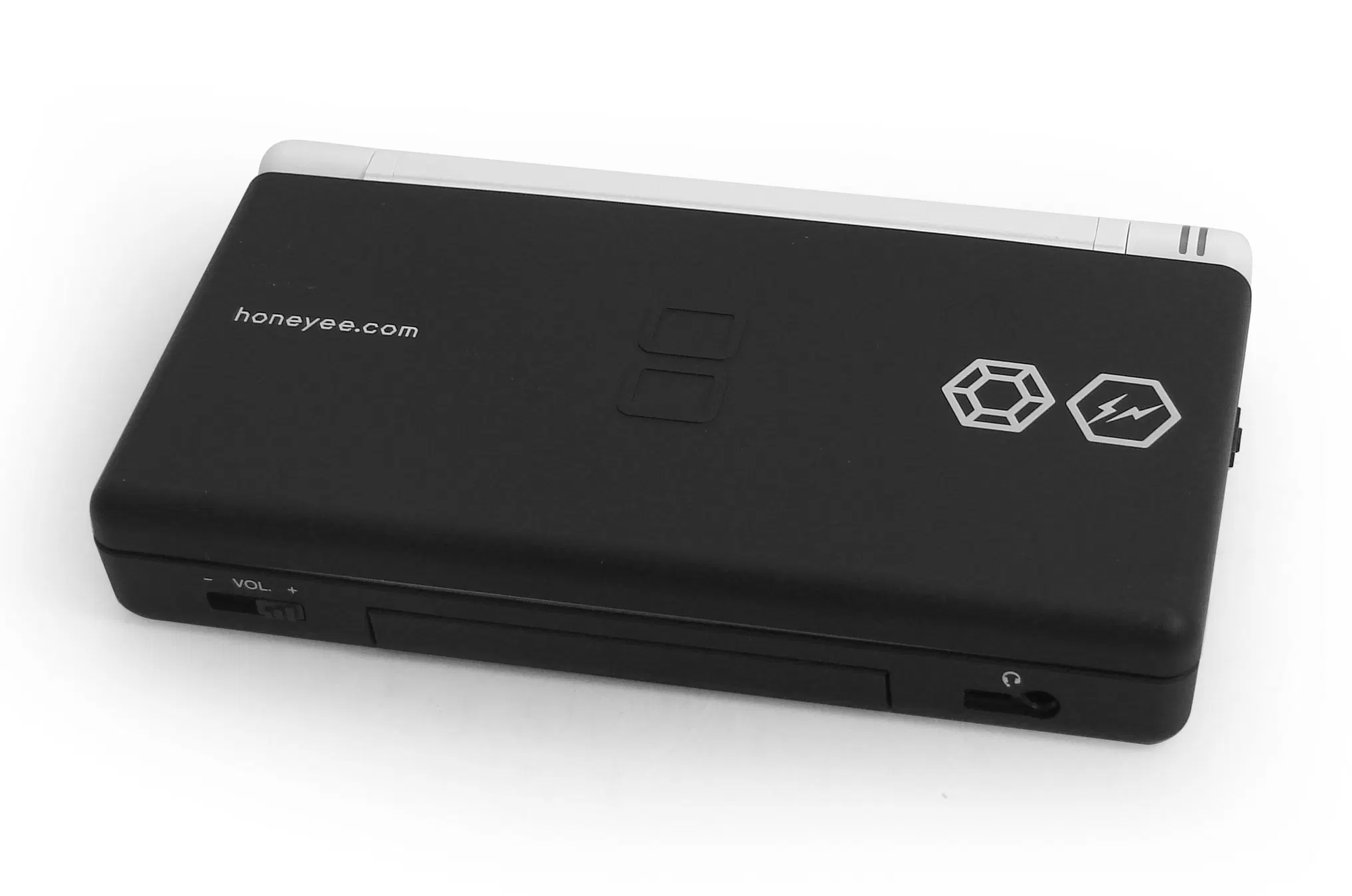
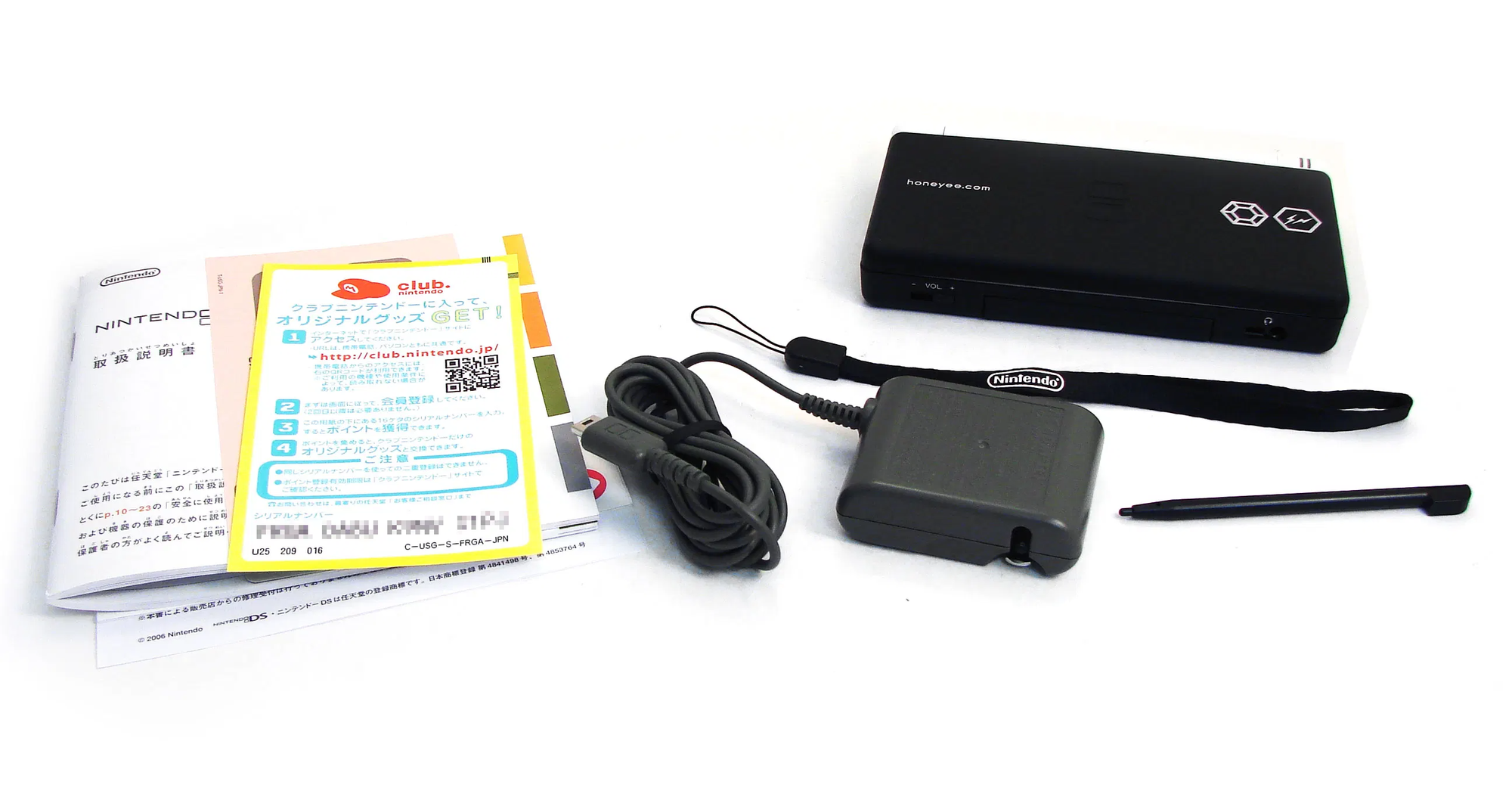
A limited-edition Nintendo DS Lite created by honeyee.com and fragment design. The matte-black exterior carries the honeyee.com wordmark and fragment's lightning-bolt insignia, while the opened console reveals a white interior.
The collaboration was announced in February 2008 and released in Japan in March 2008 under model number USG-S-FRGA(JPN).
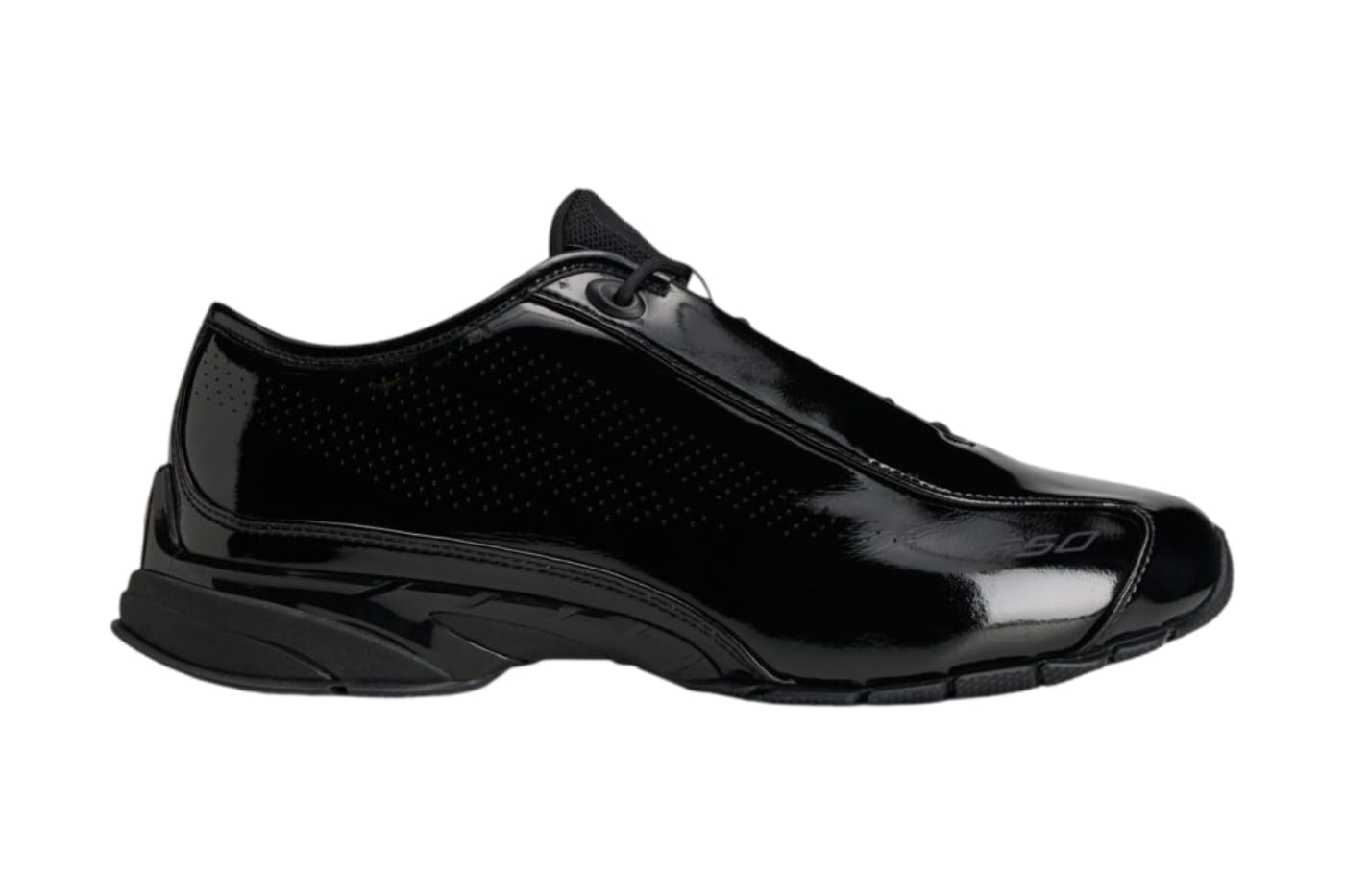
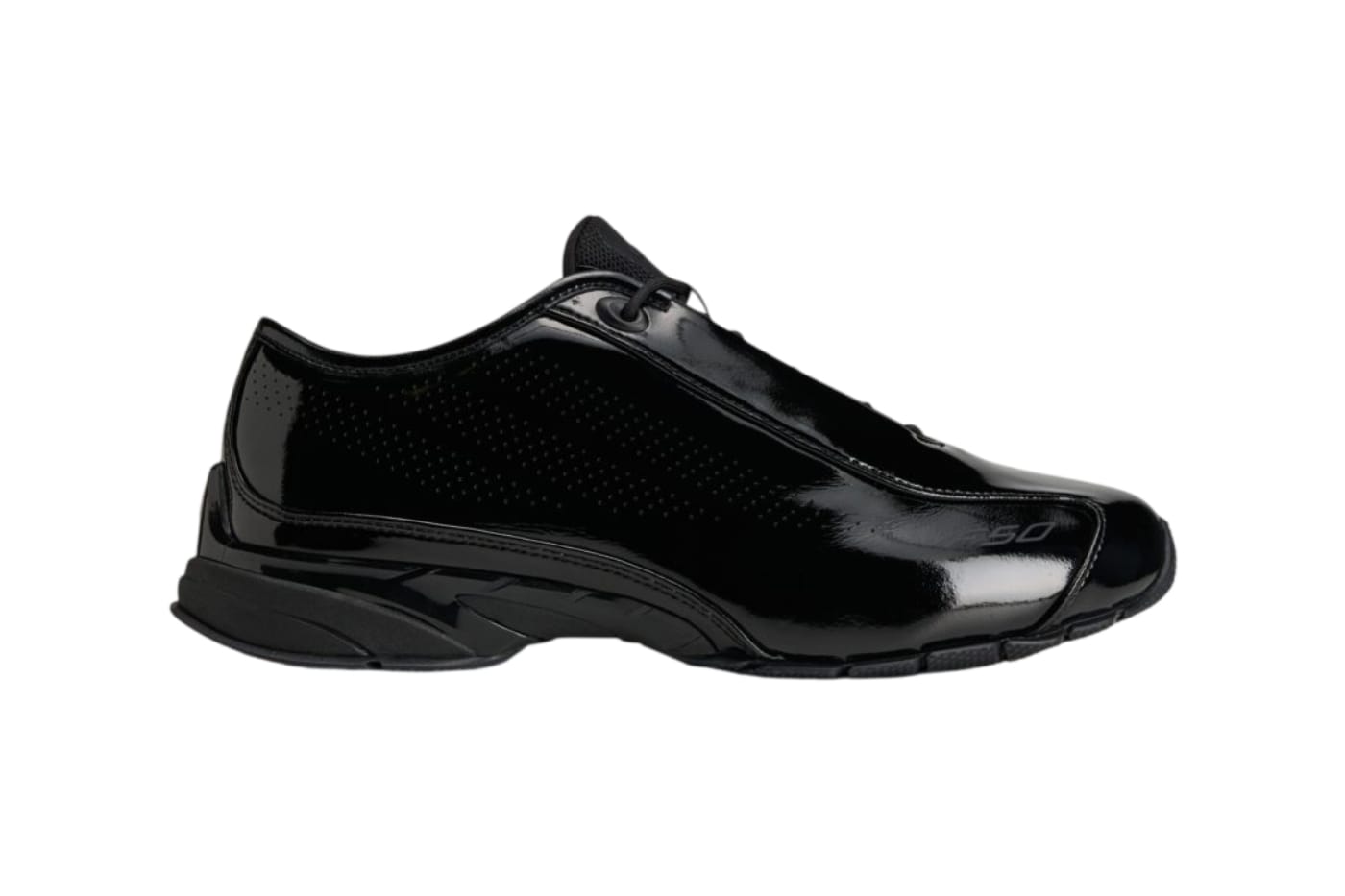
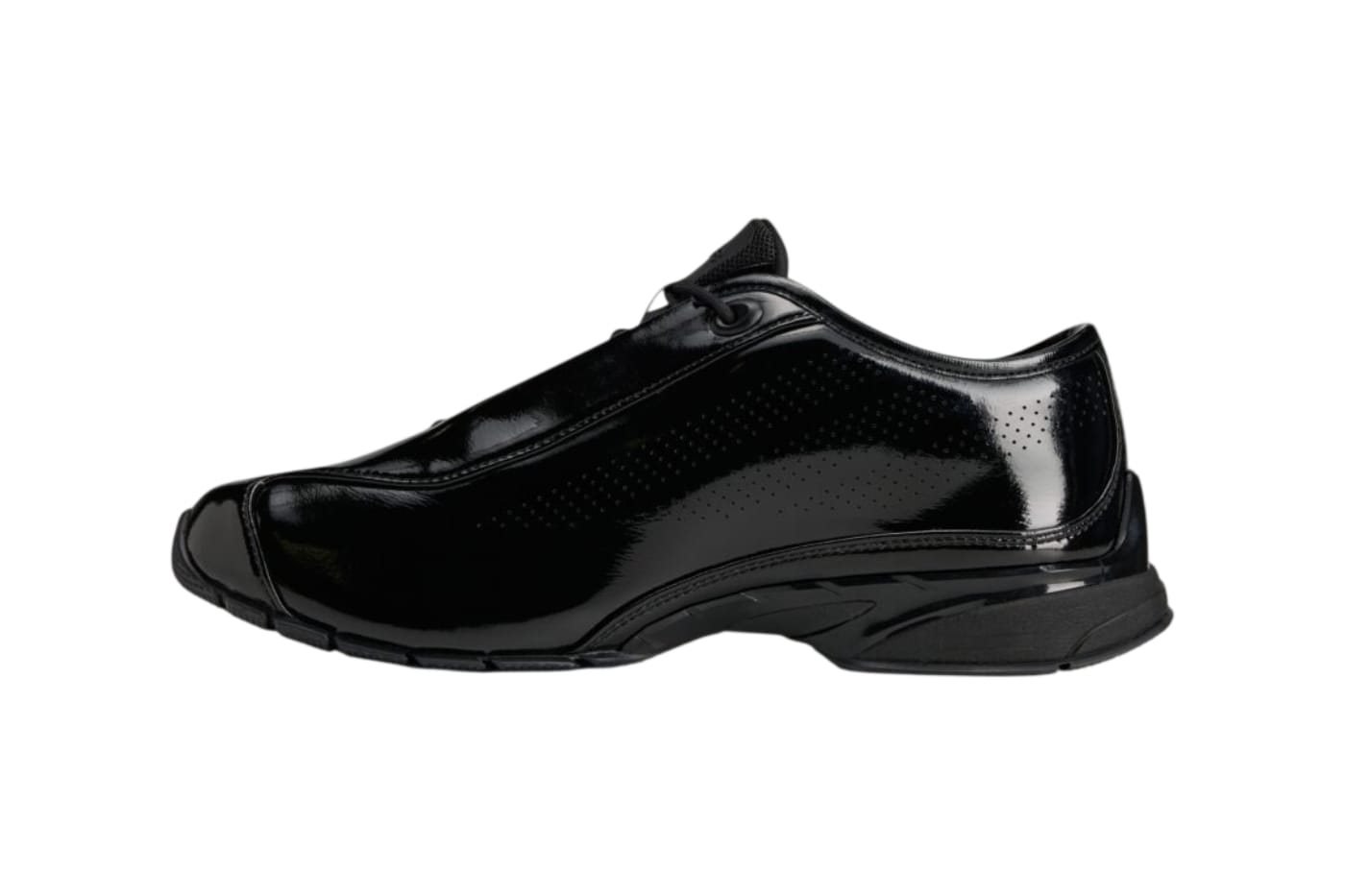
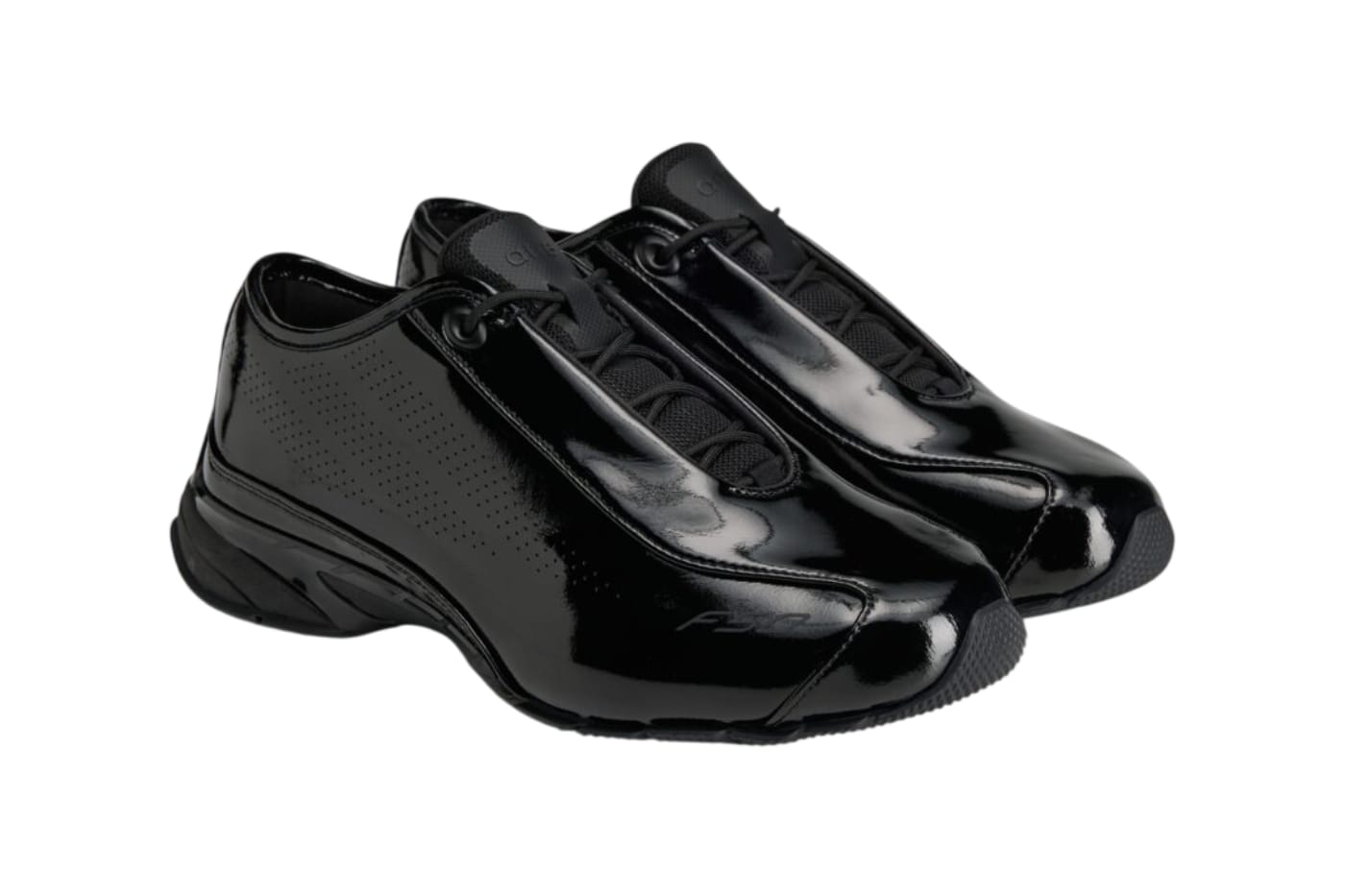
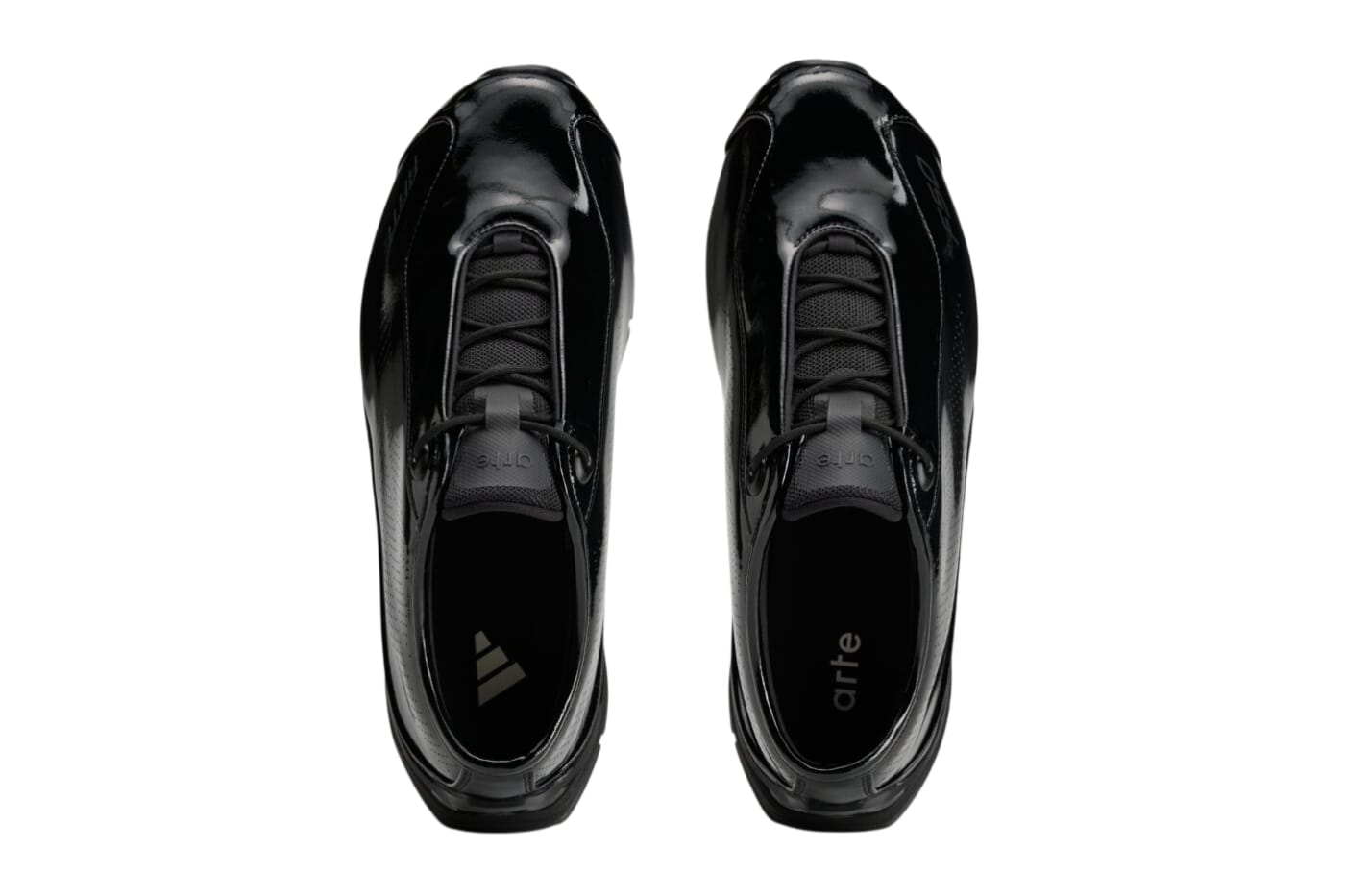
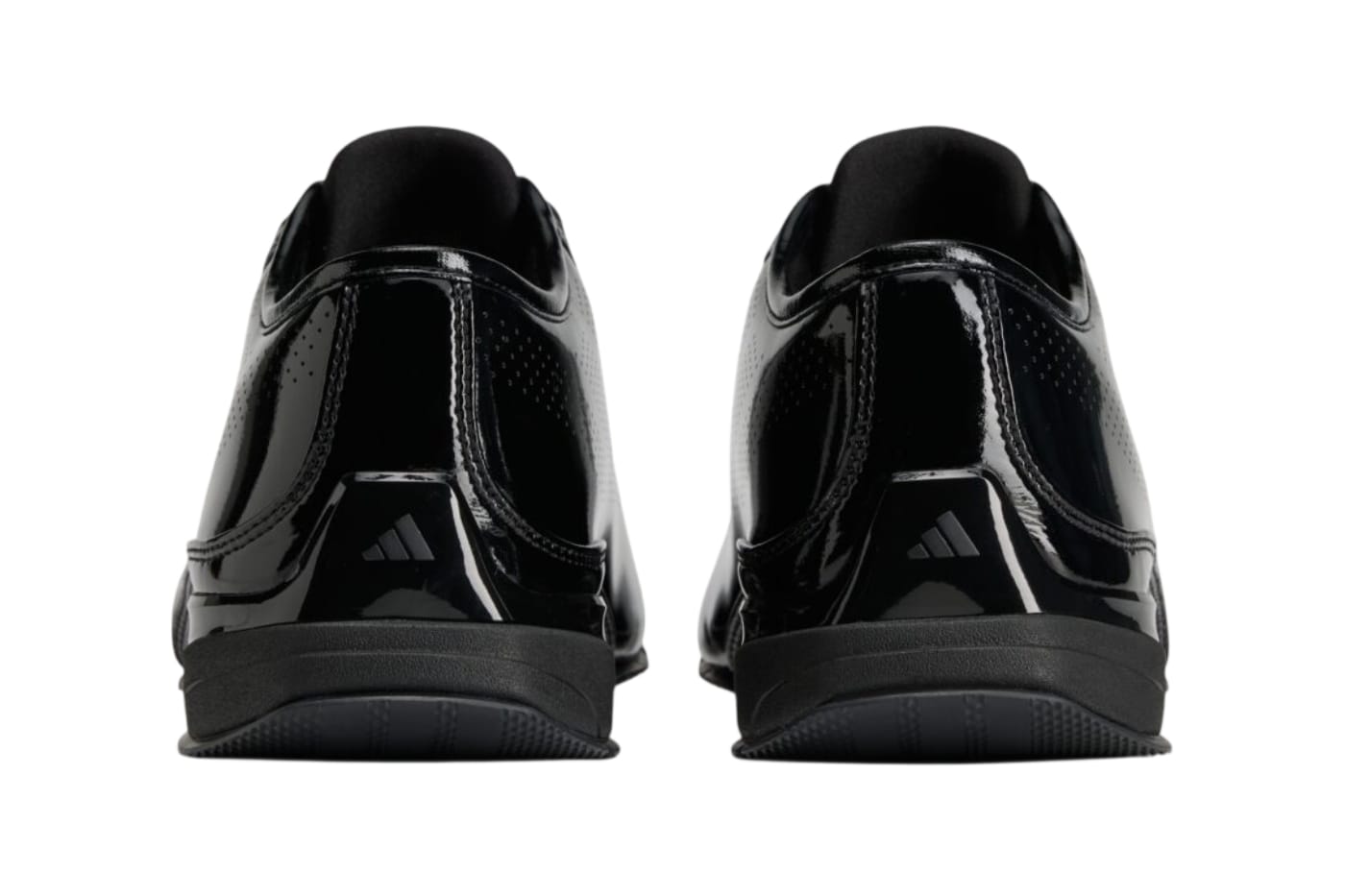
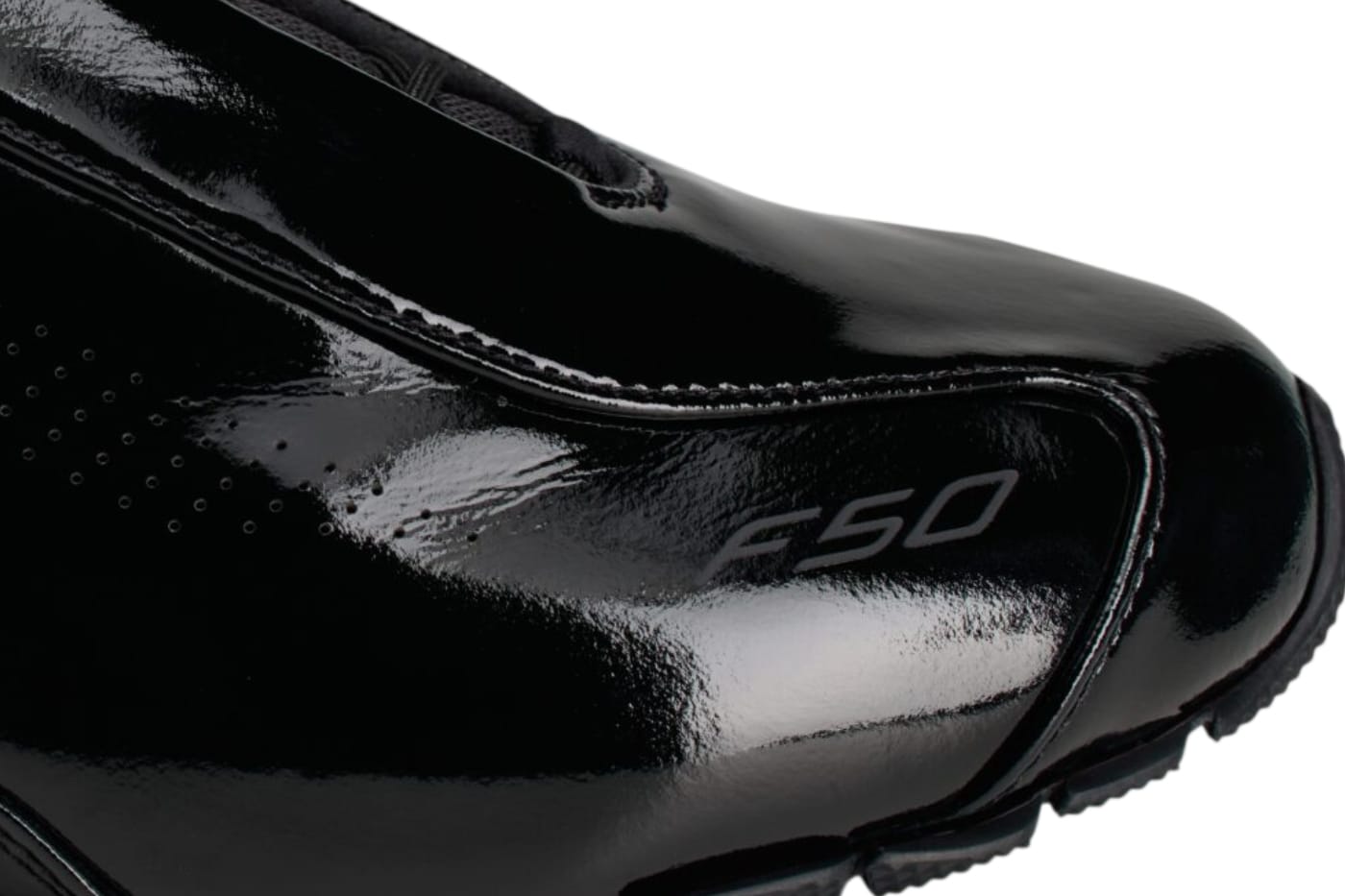
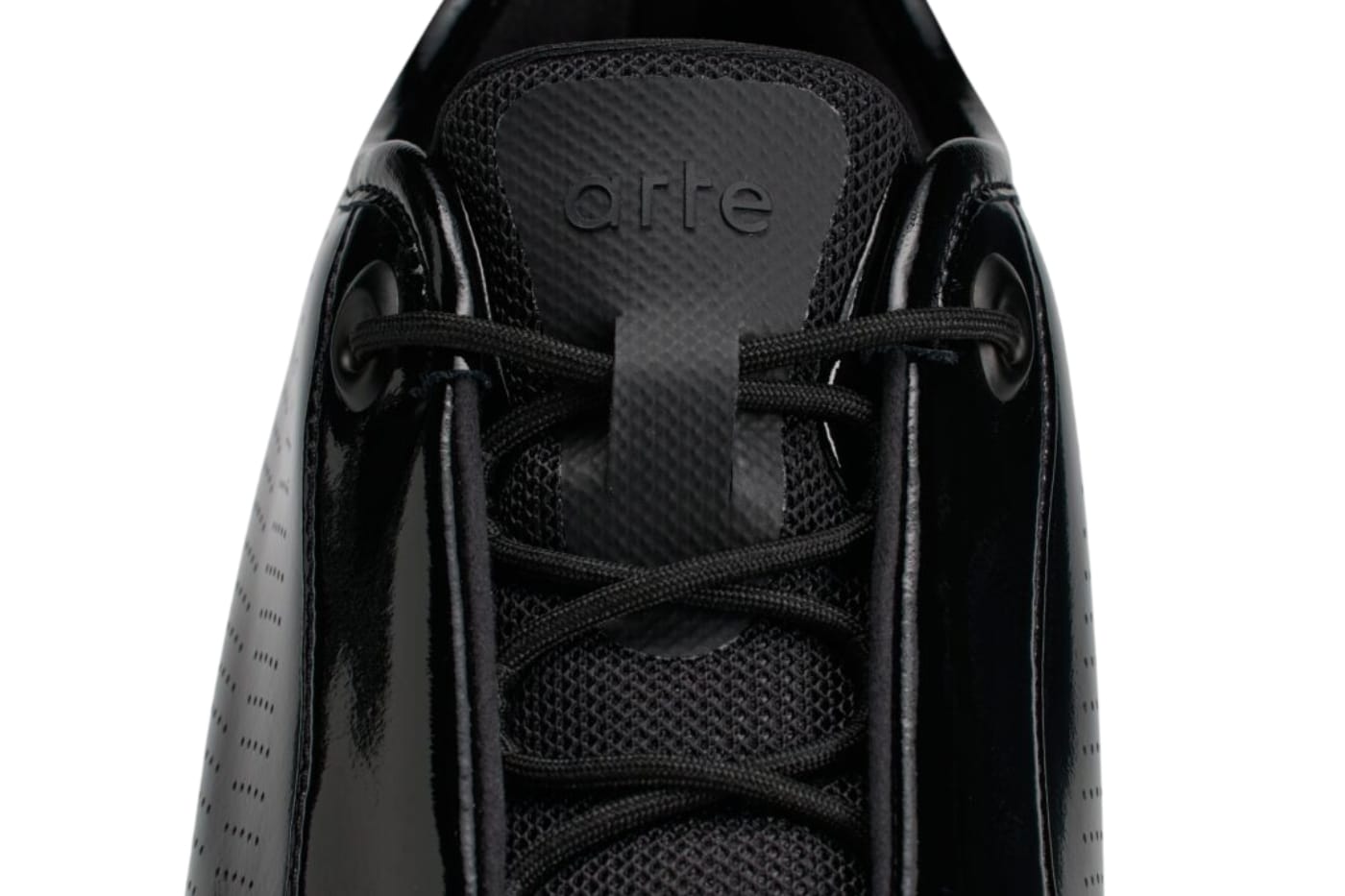
Arte Antwerp x adidas F50 “Feather Patent Leather/Black” (HQ3324) in Core Black, scheduled for release September 10 through adidas.
Glossy synthetic patent leather replaces the usual sportswear upper, with perforated quarters and a tonal black sole.
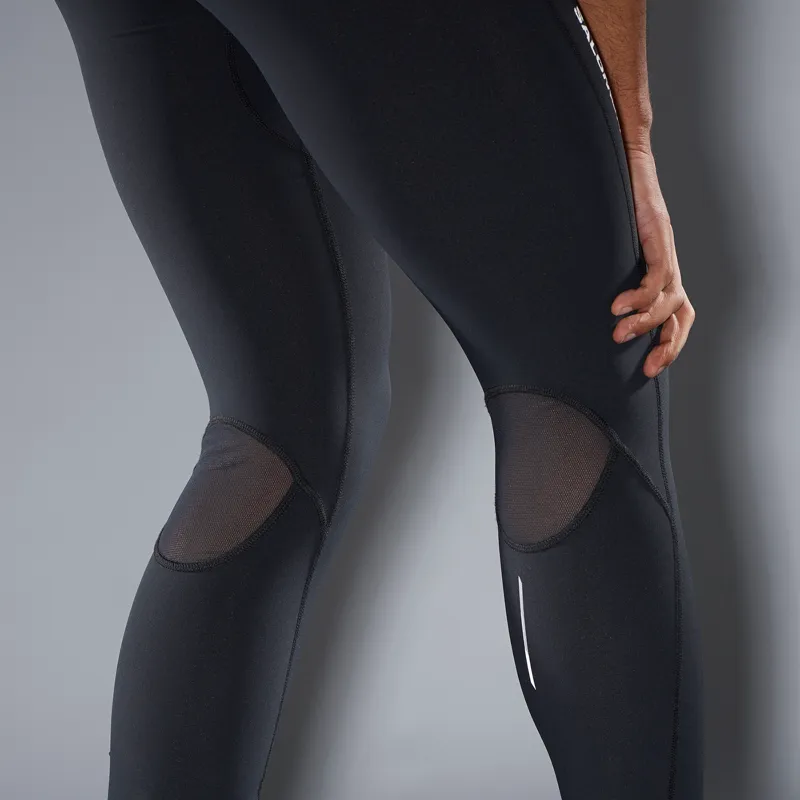
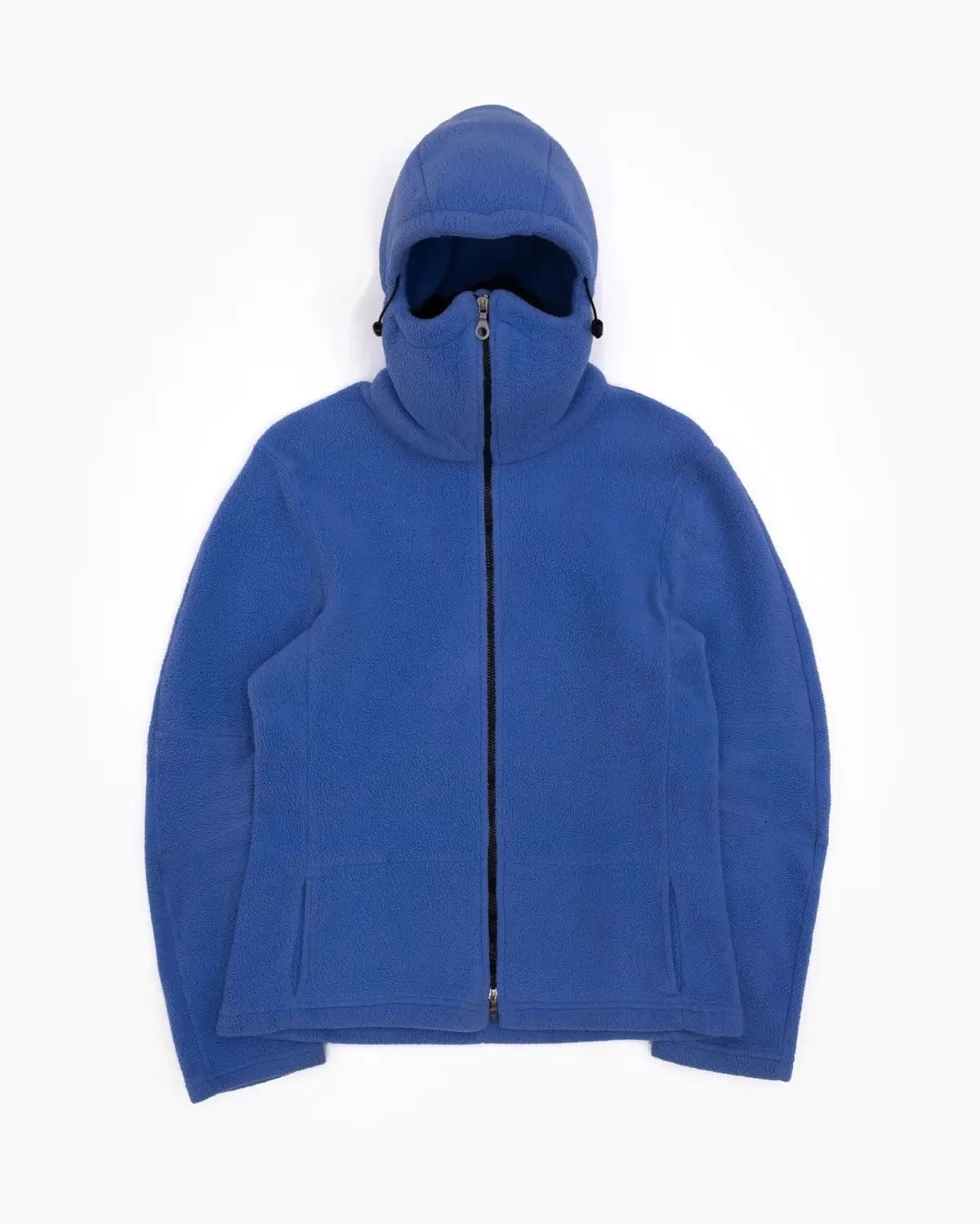
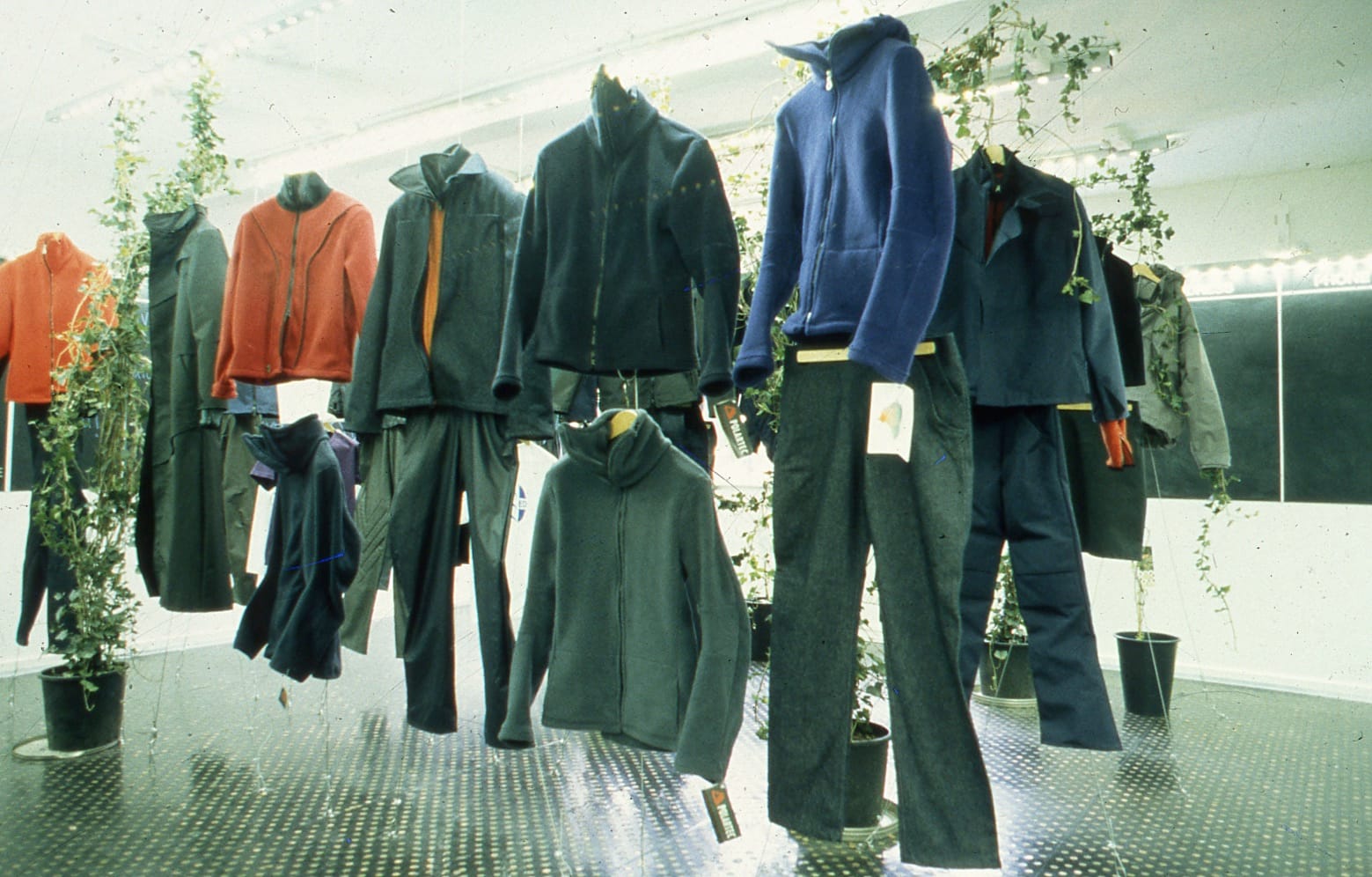
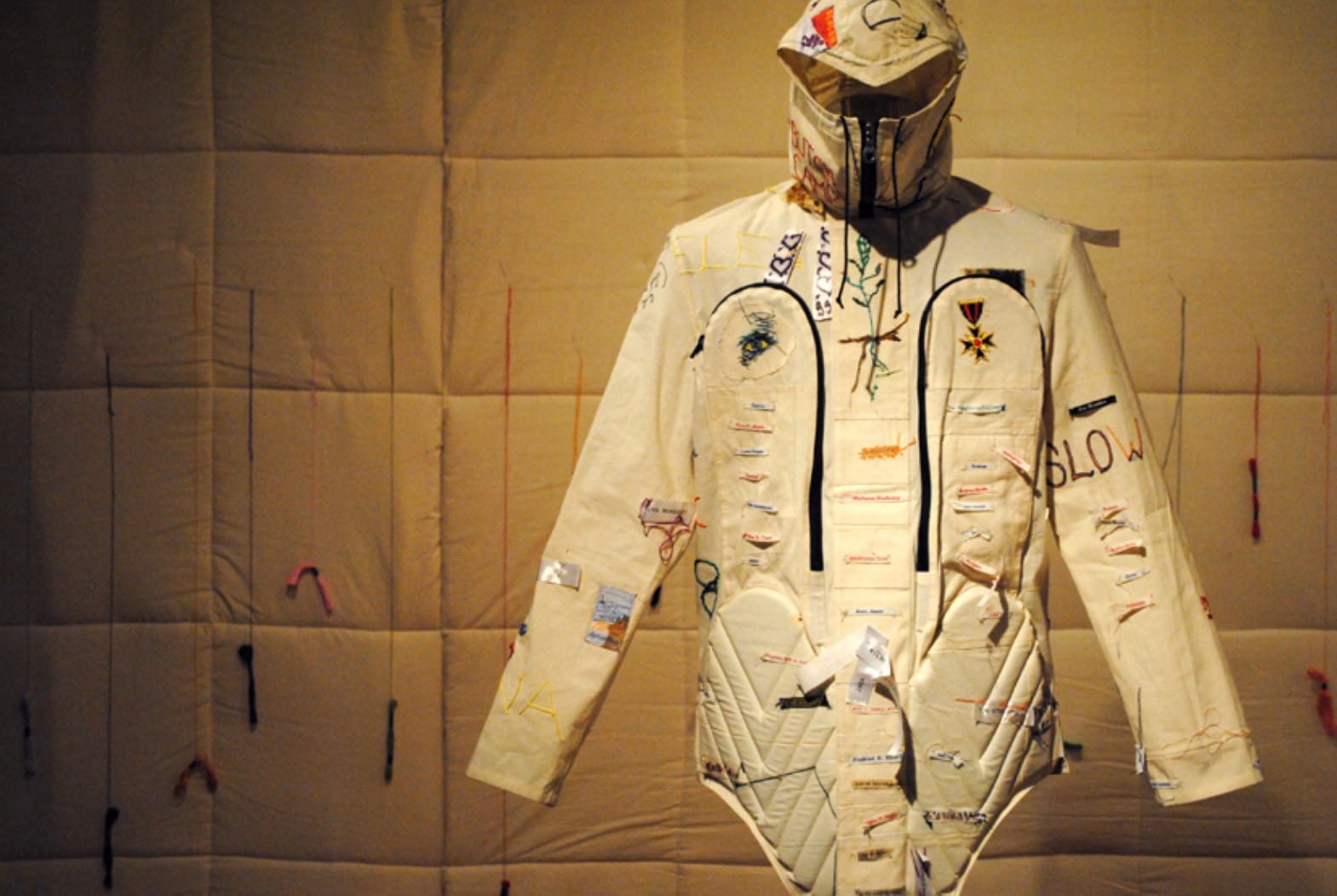
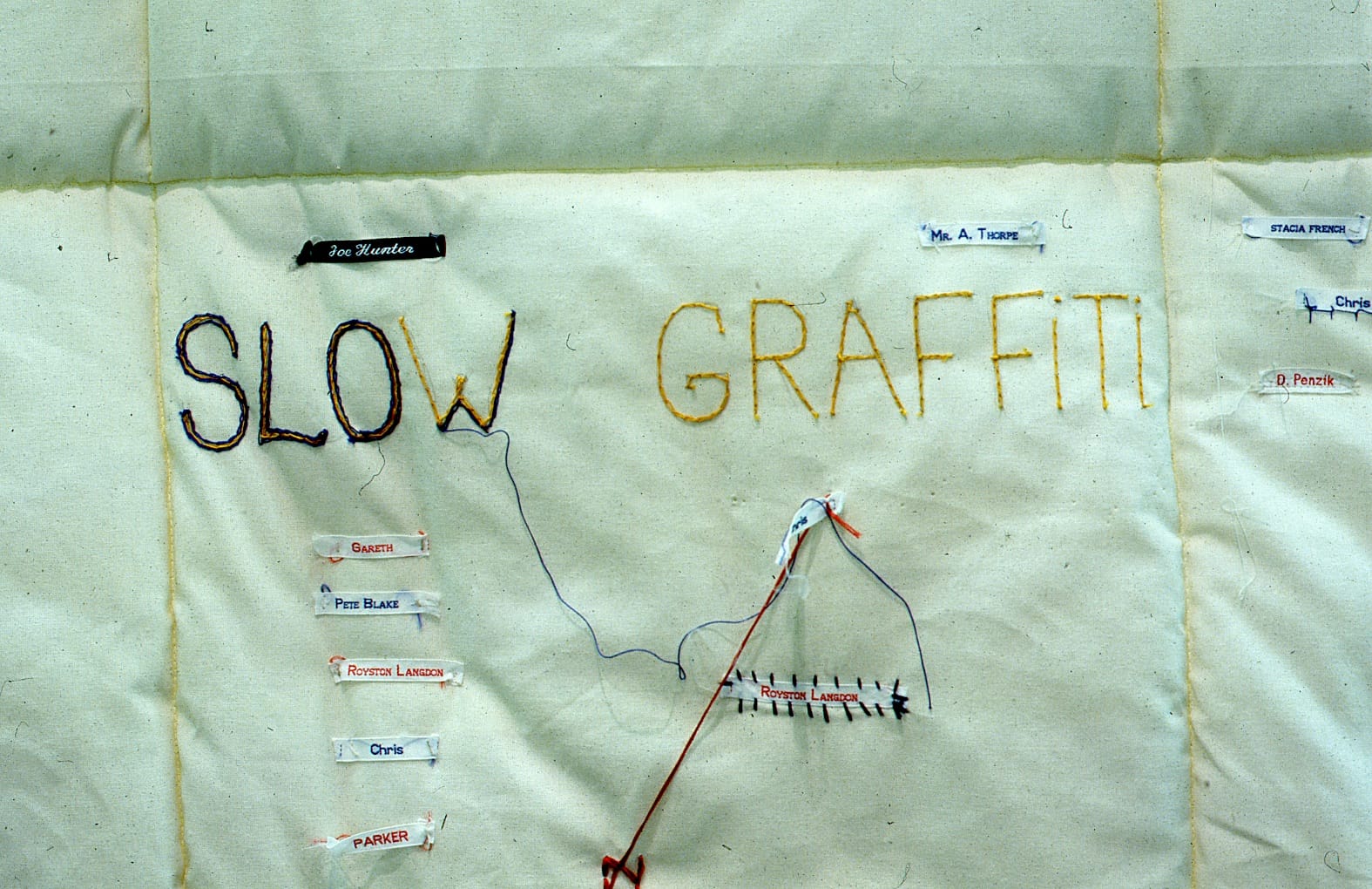
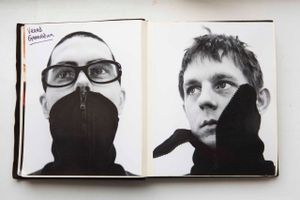
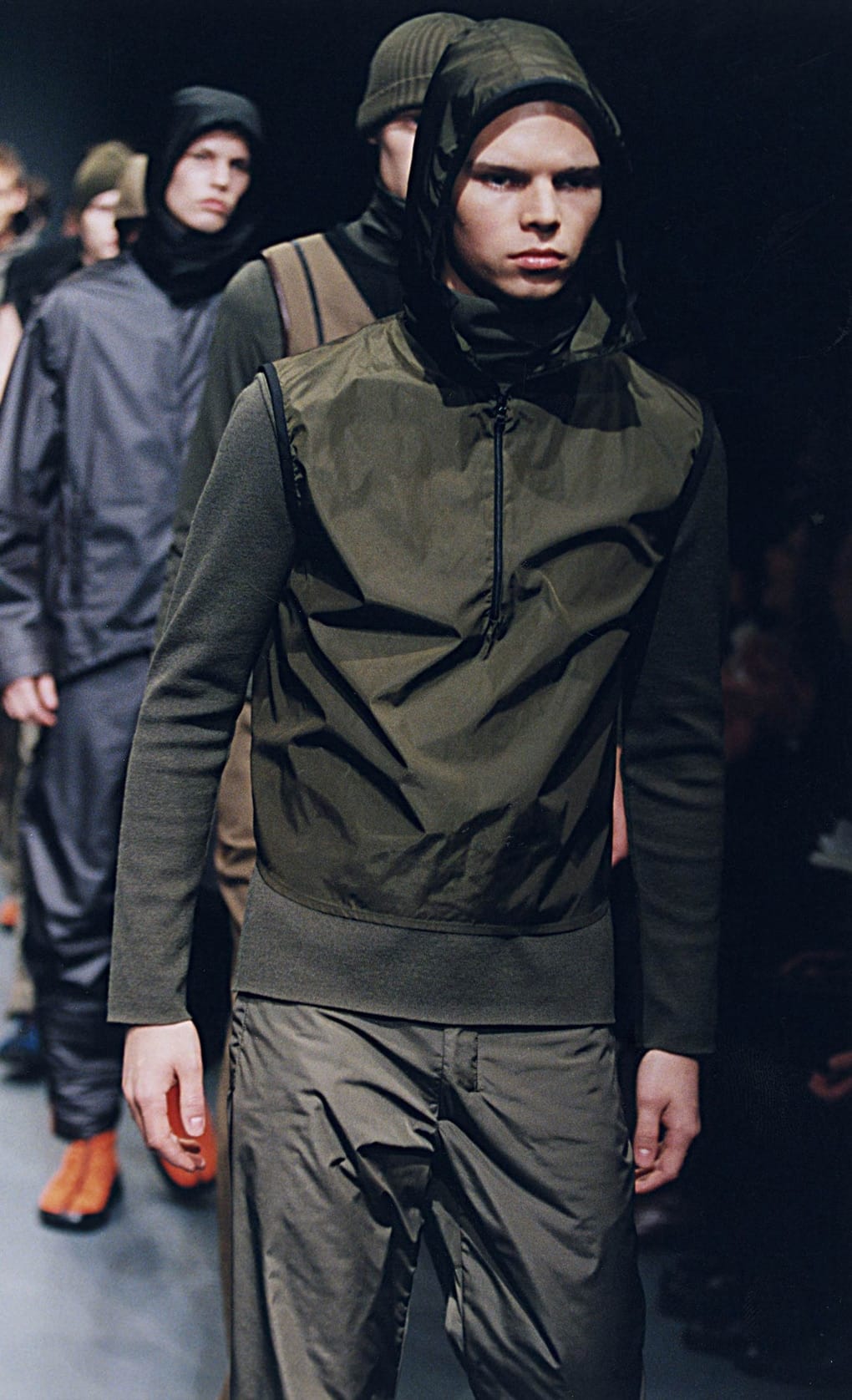
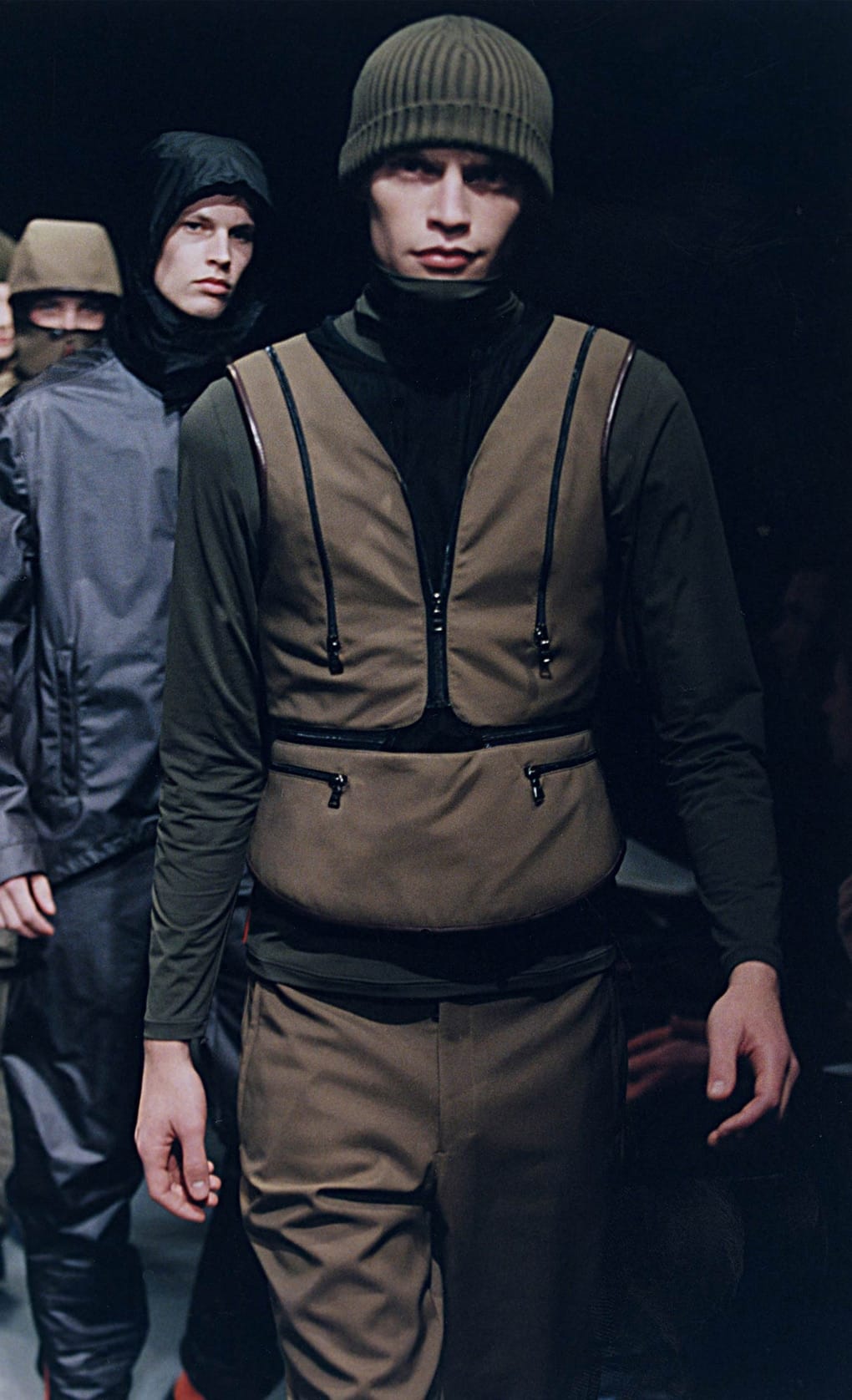
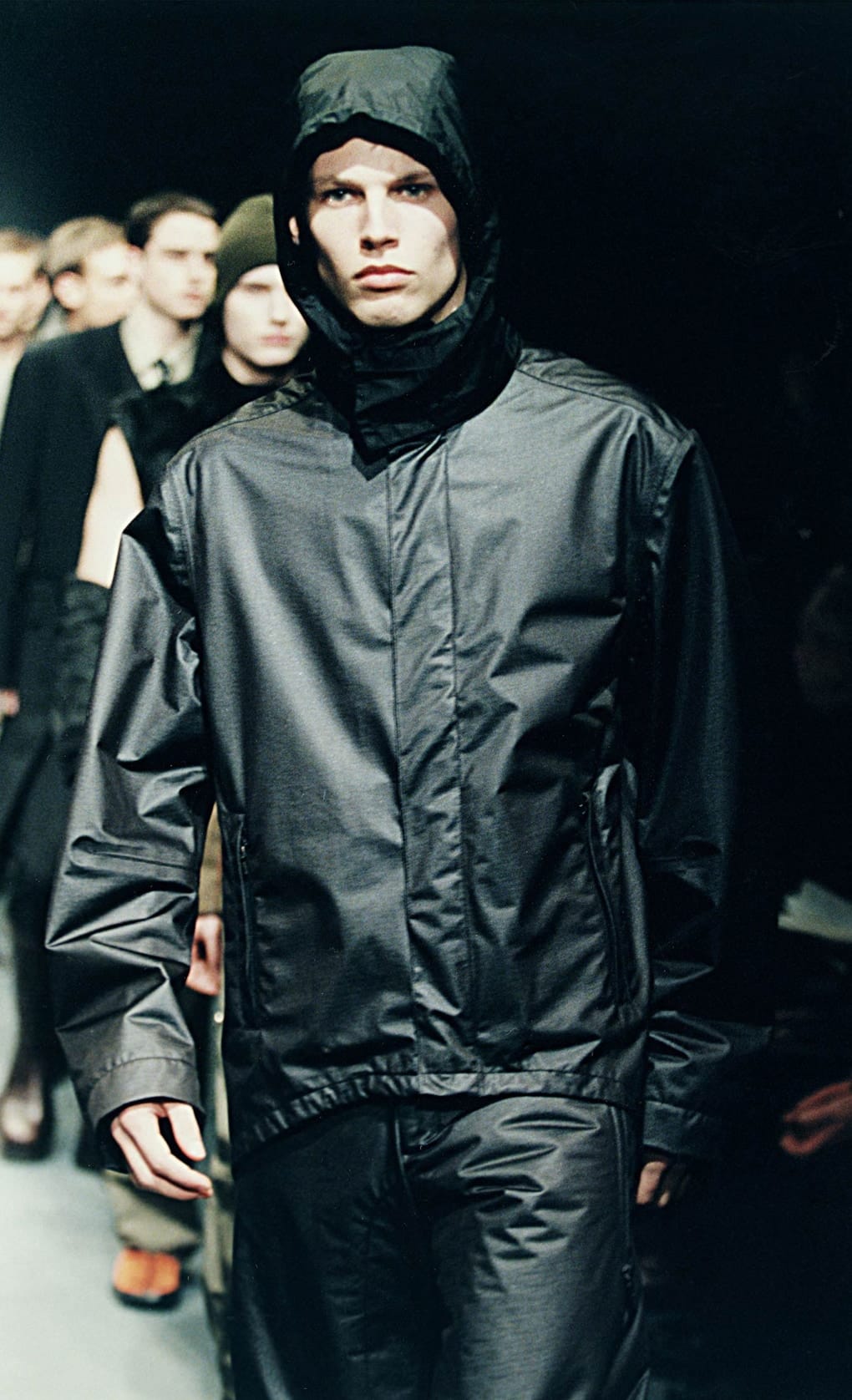
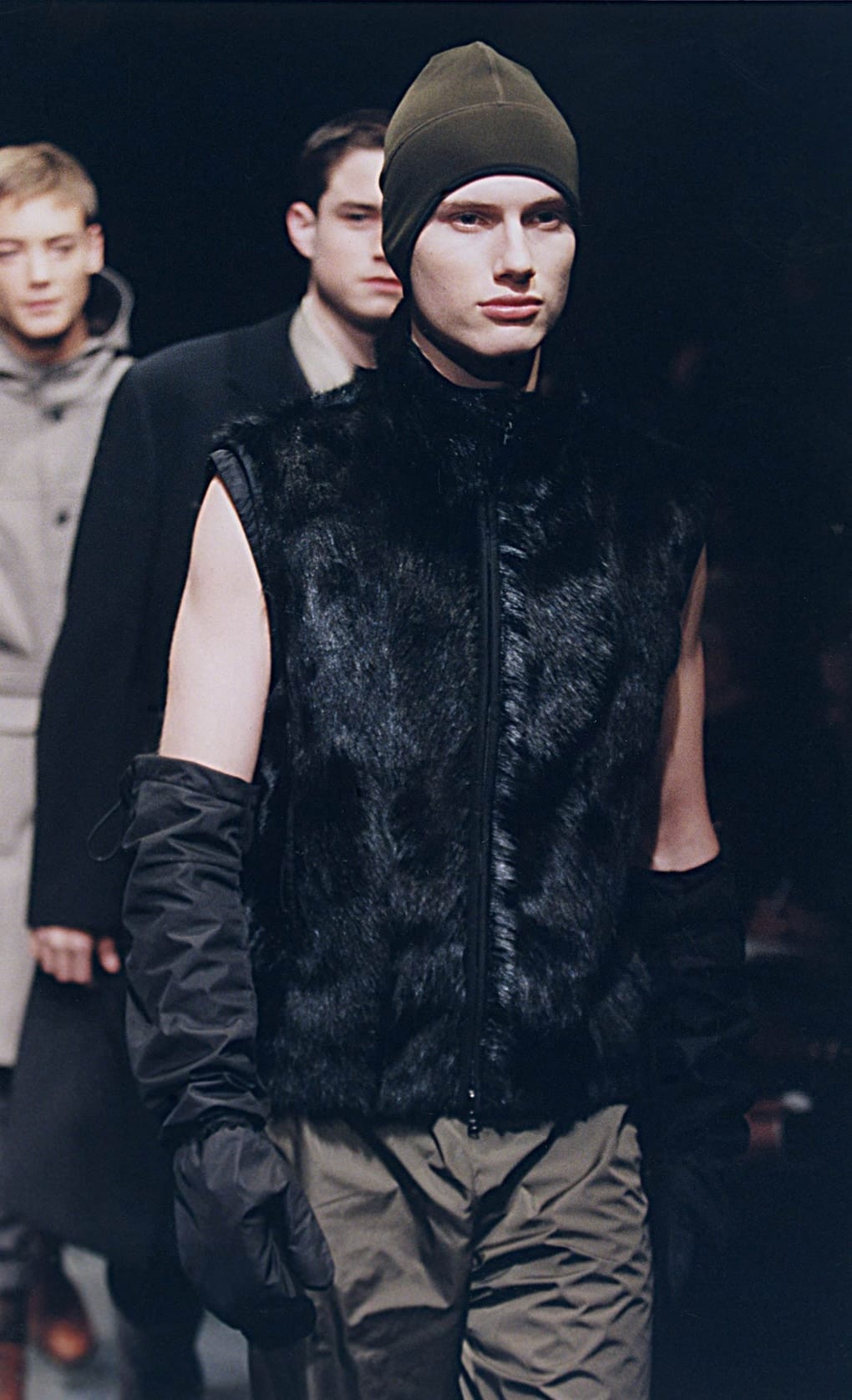
Vexed Generation emerged from concerns about London’s pollution and surveillance spending. Founders Joe Hunter and Adam Thorpe created functional streetwear as a form of social commentary, using durable and technical materials to reflect urban realities. Their project extended beyond fashion, serving as a space for collaboration among artists and musicians addressing civic and environmental issues.
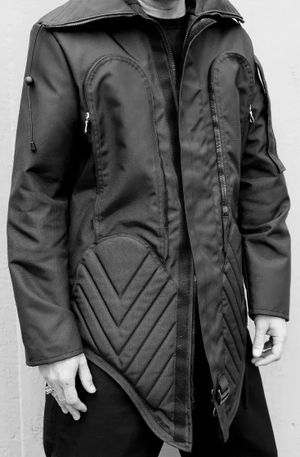
via techhunter
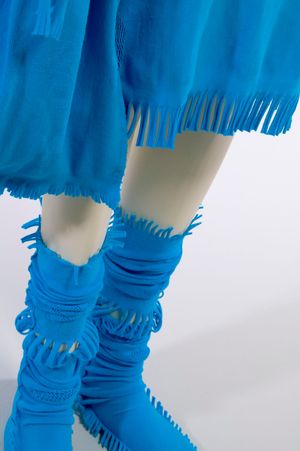
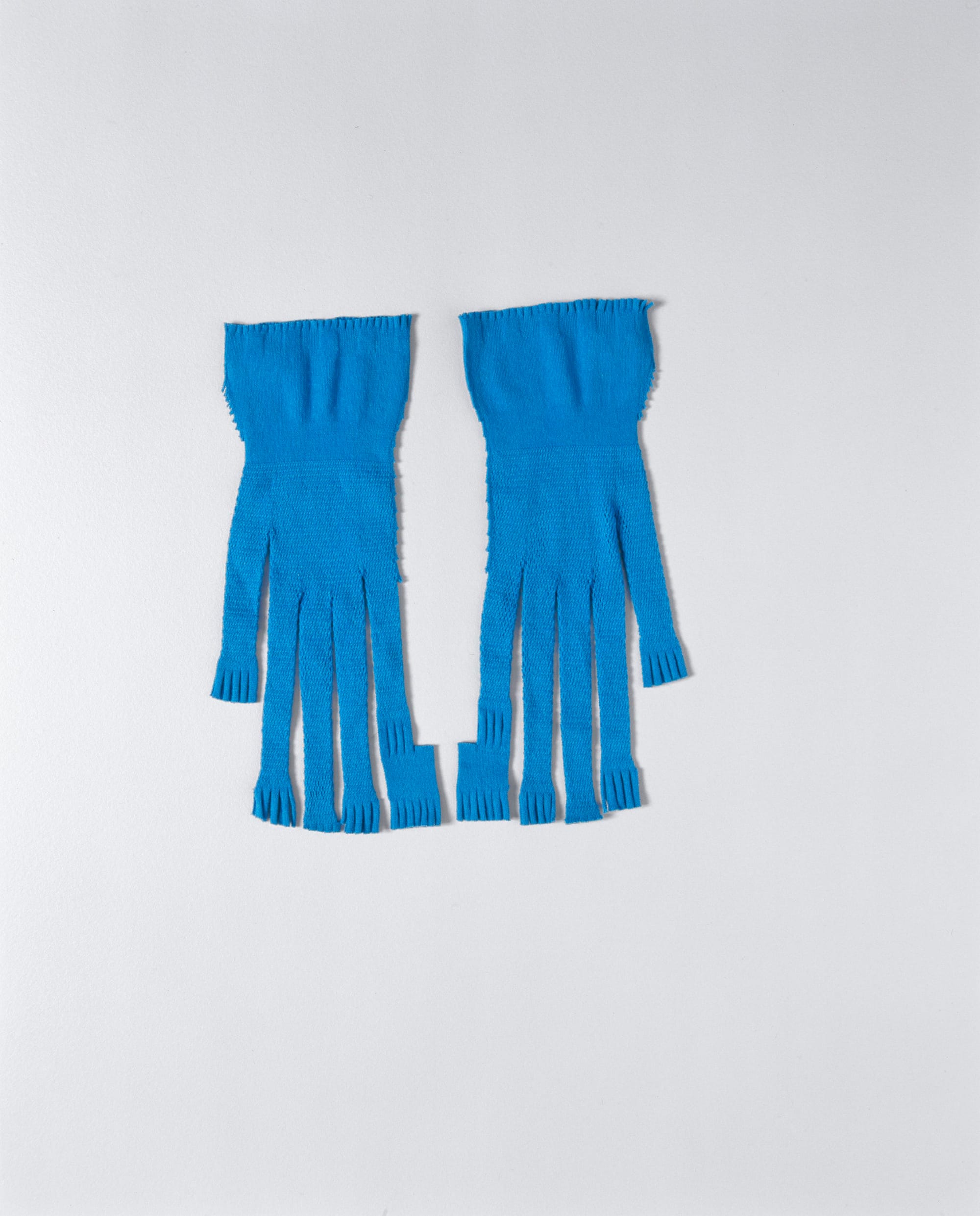
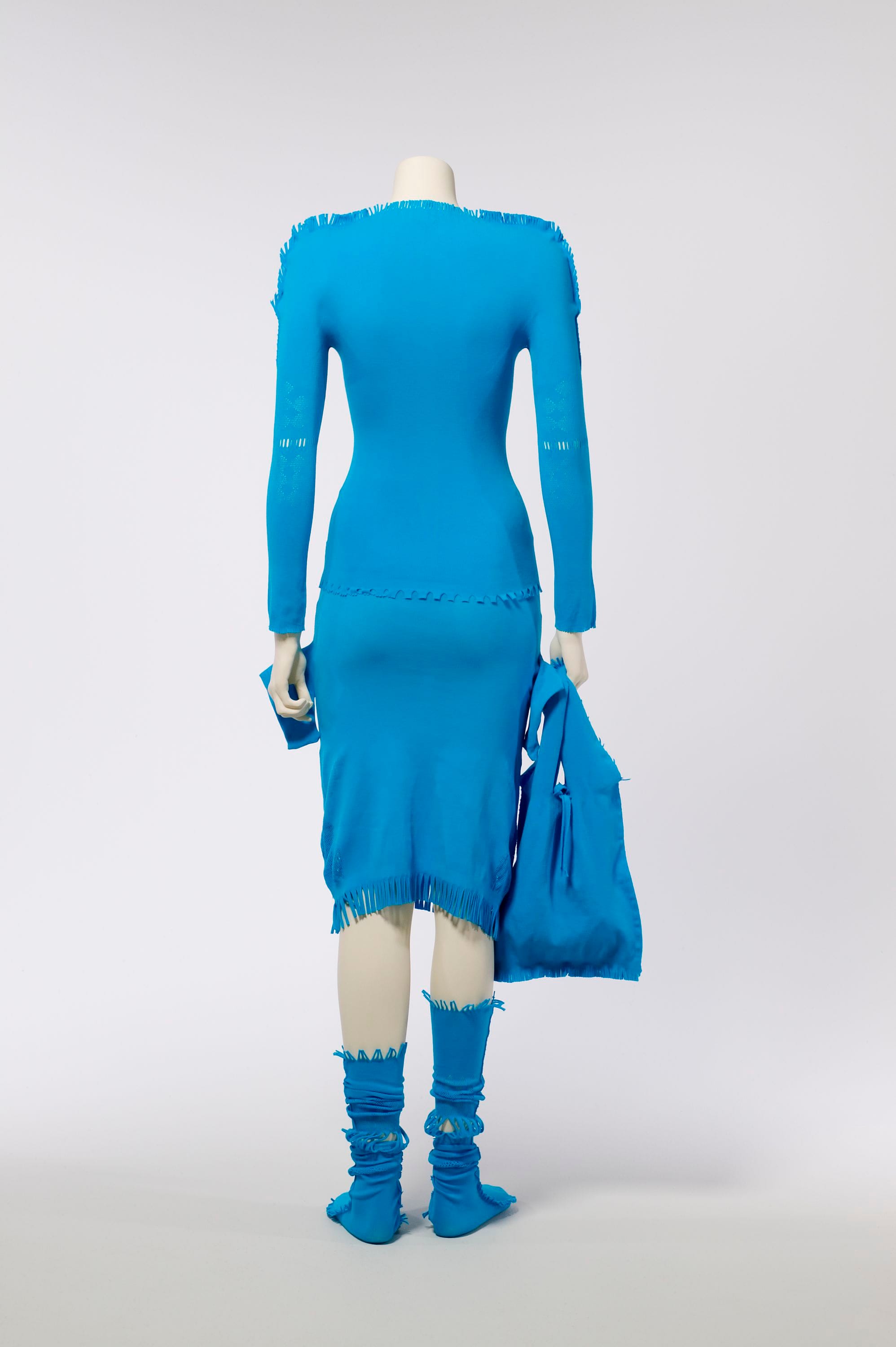
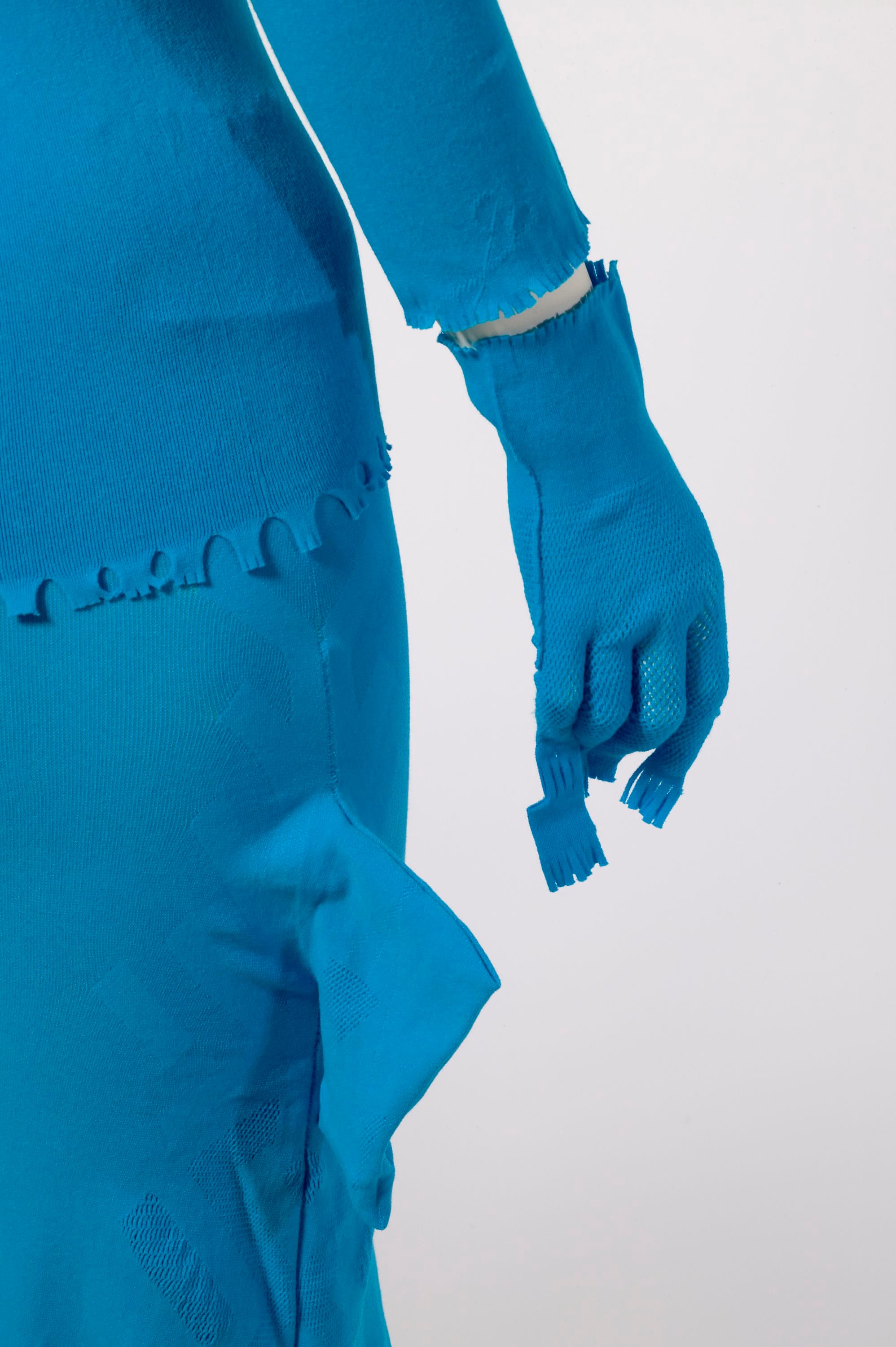
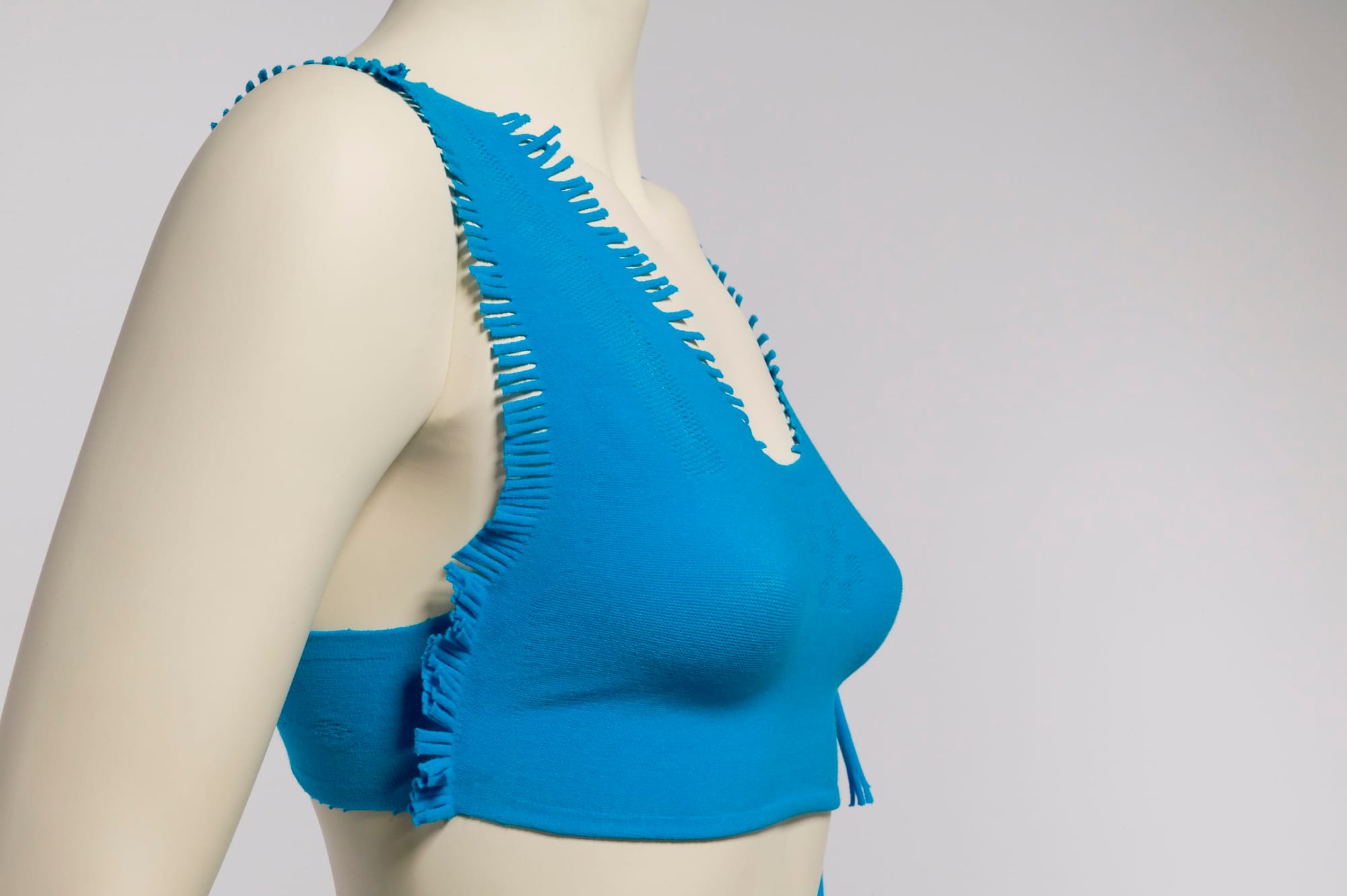
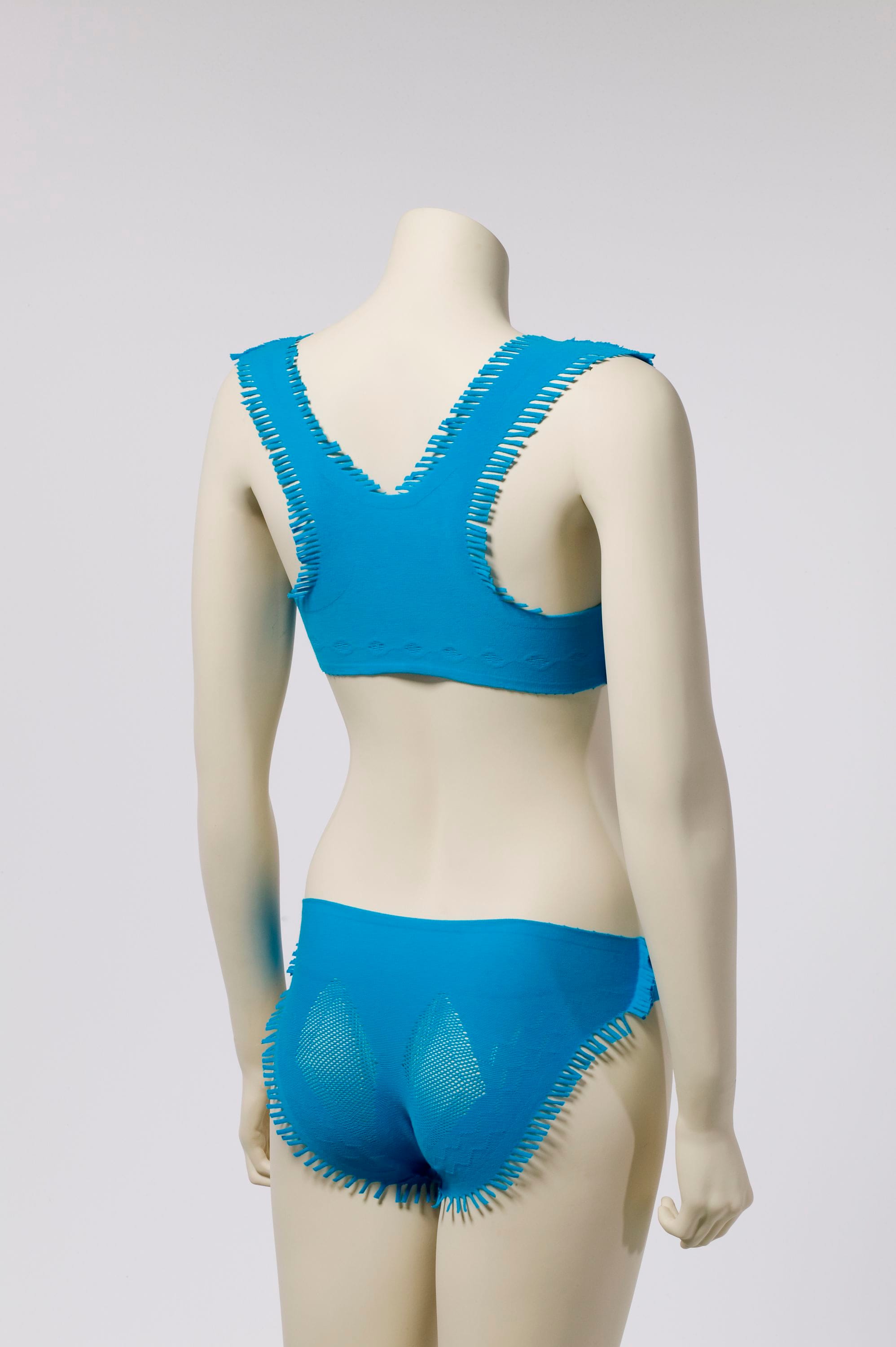
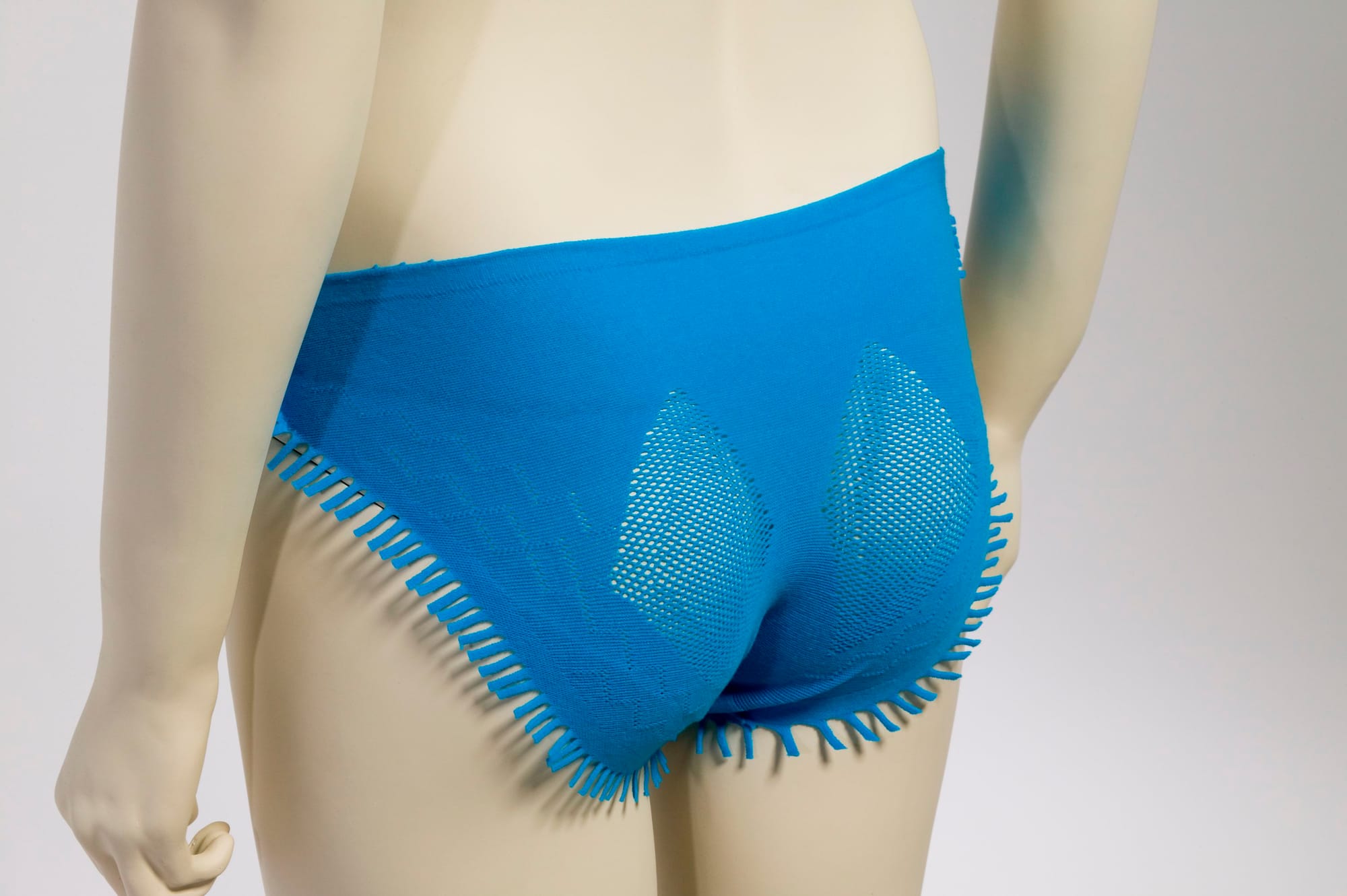
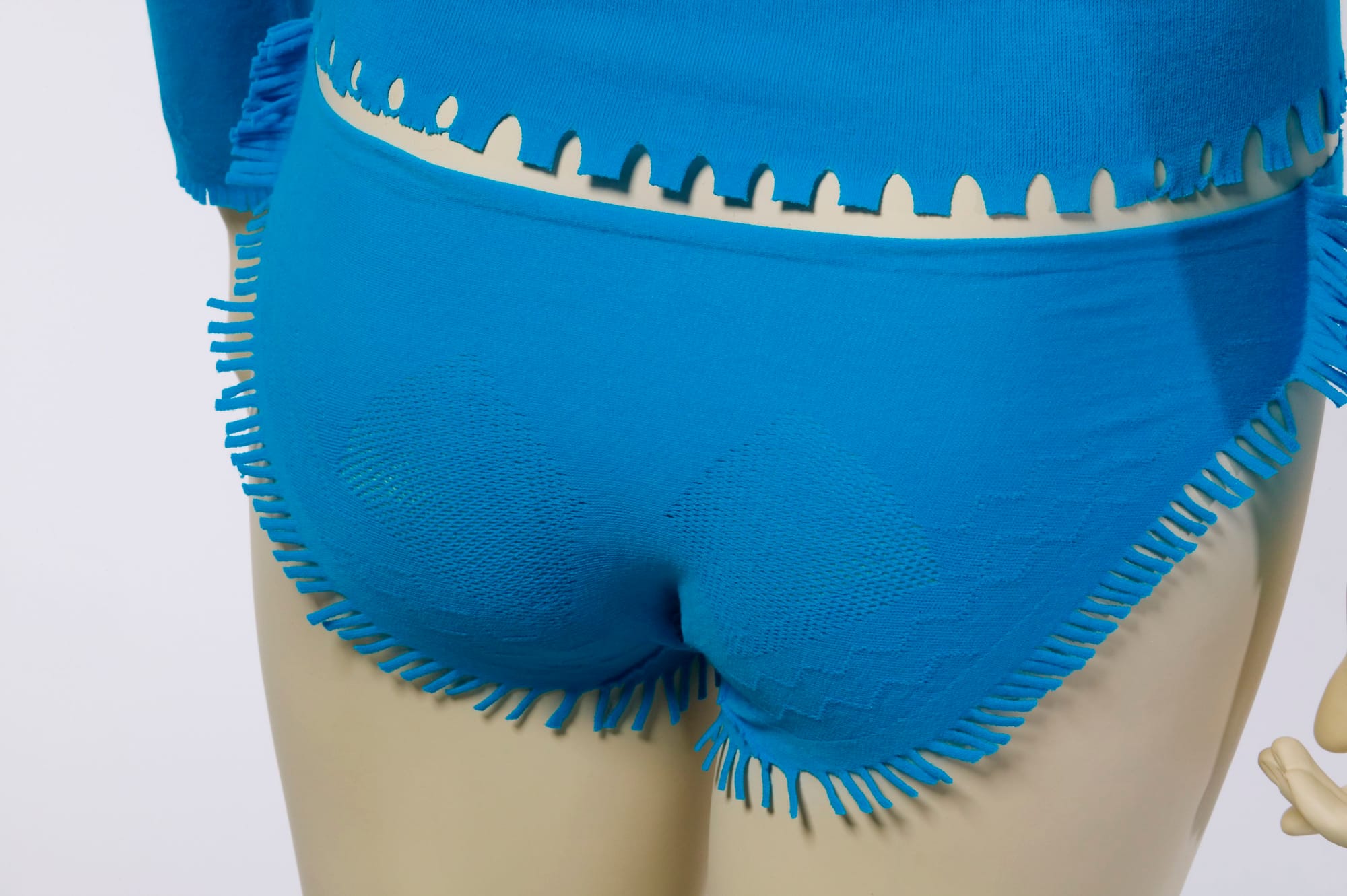
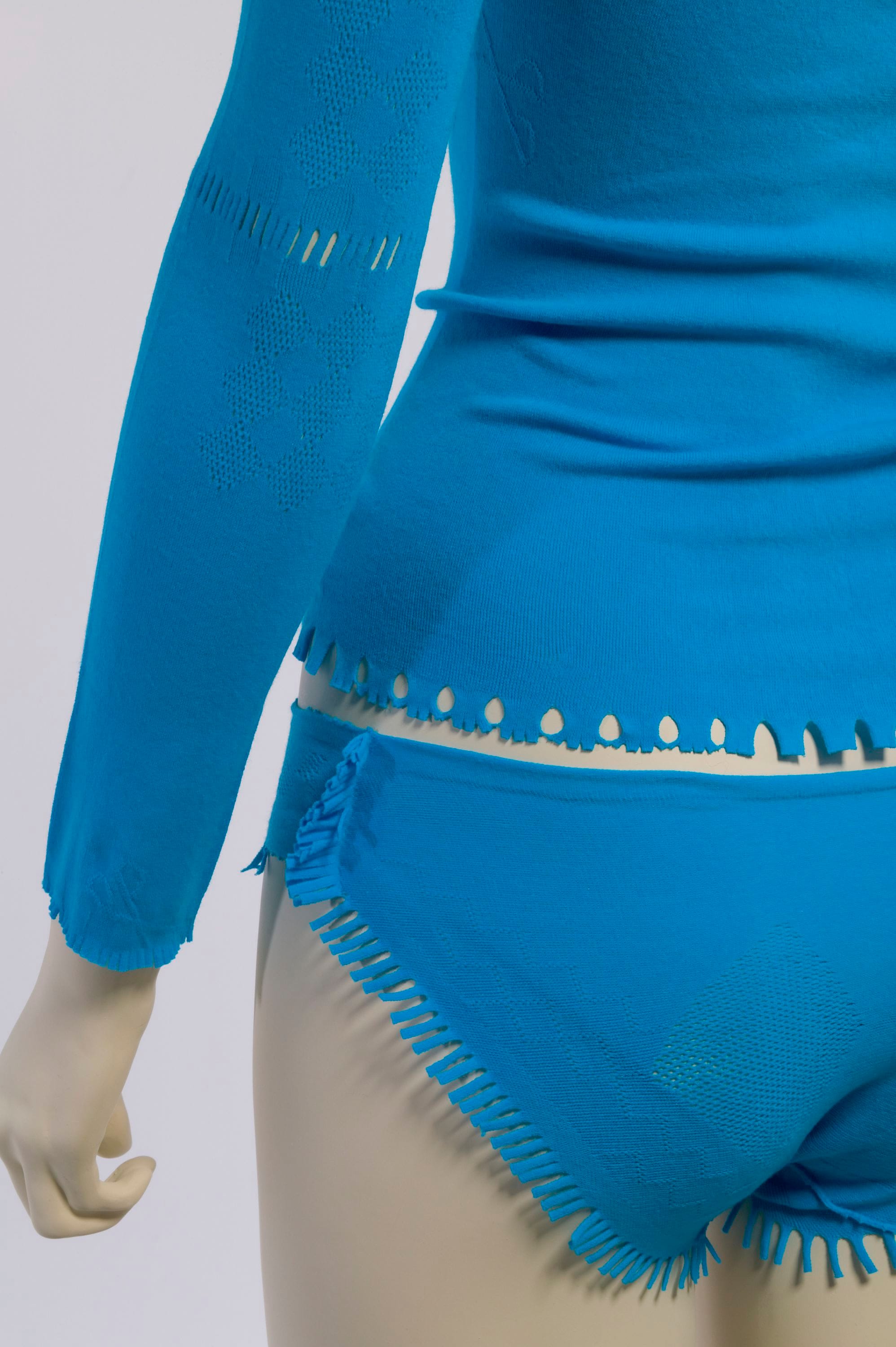
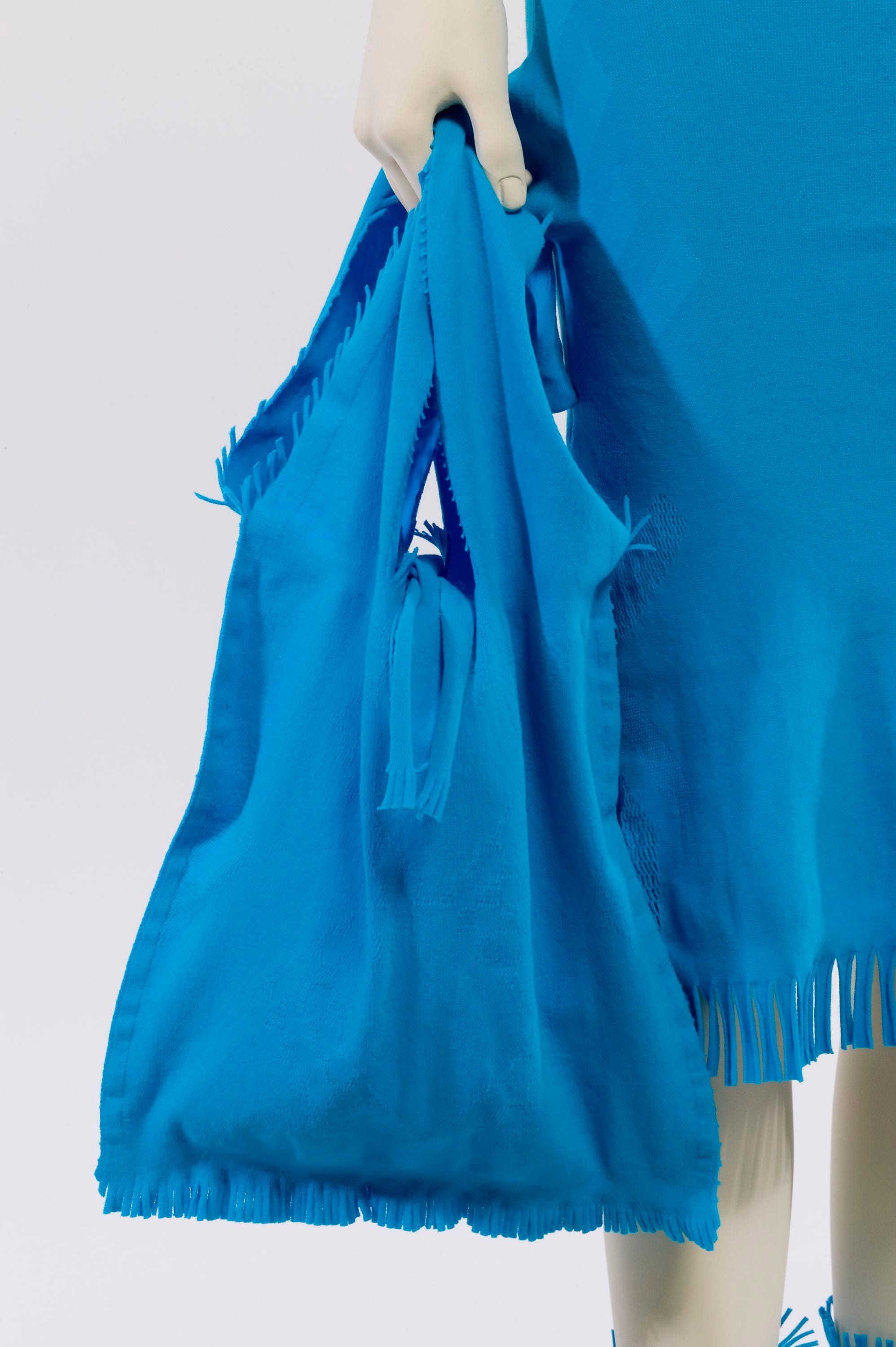
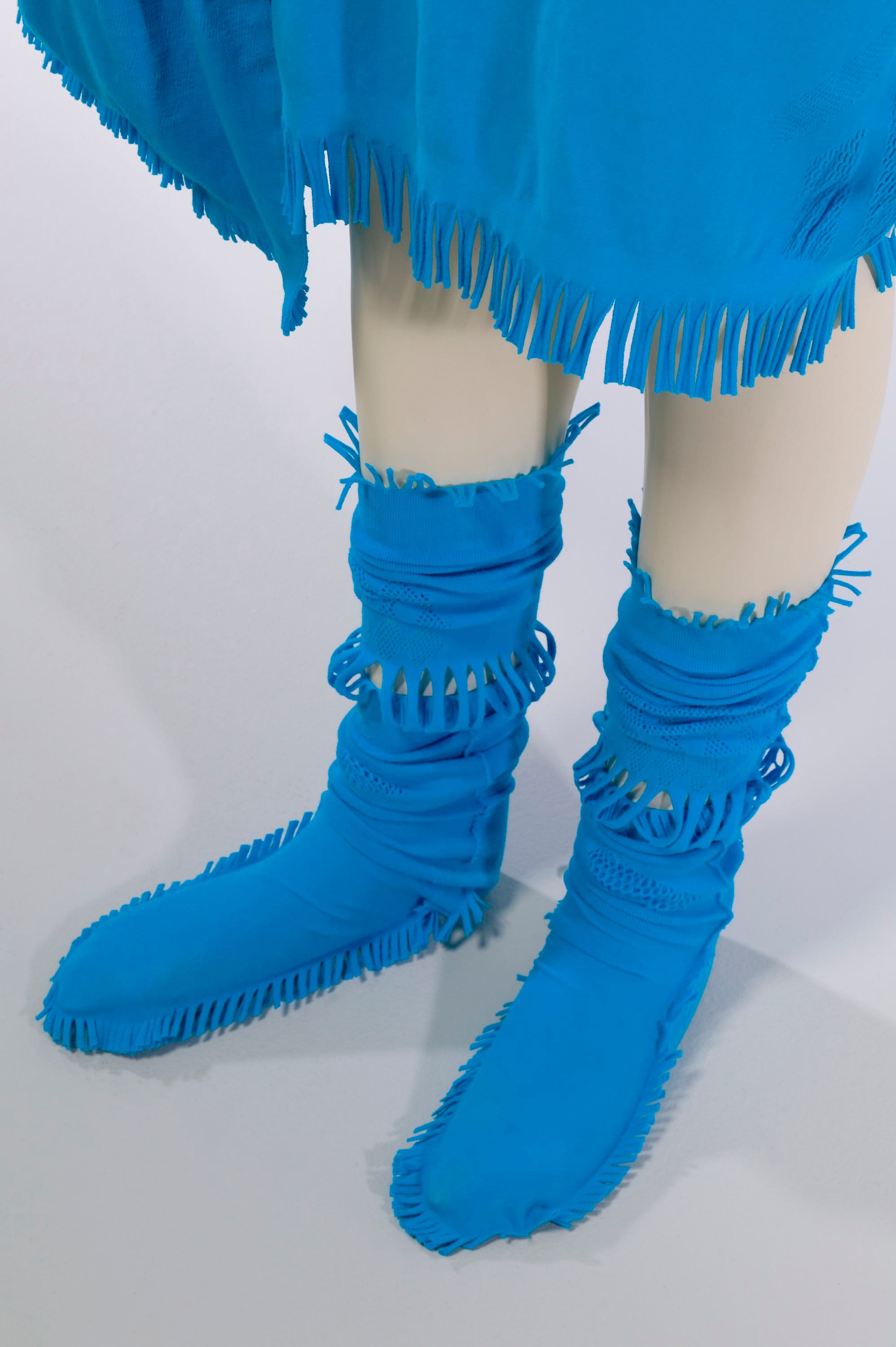
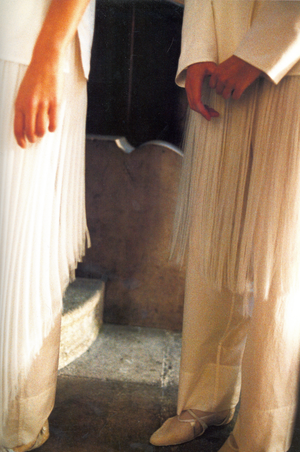
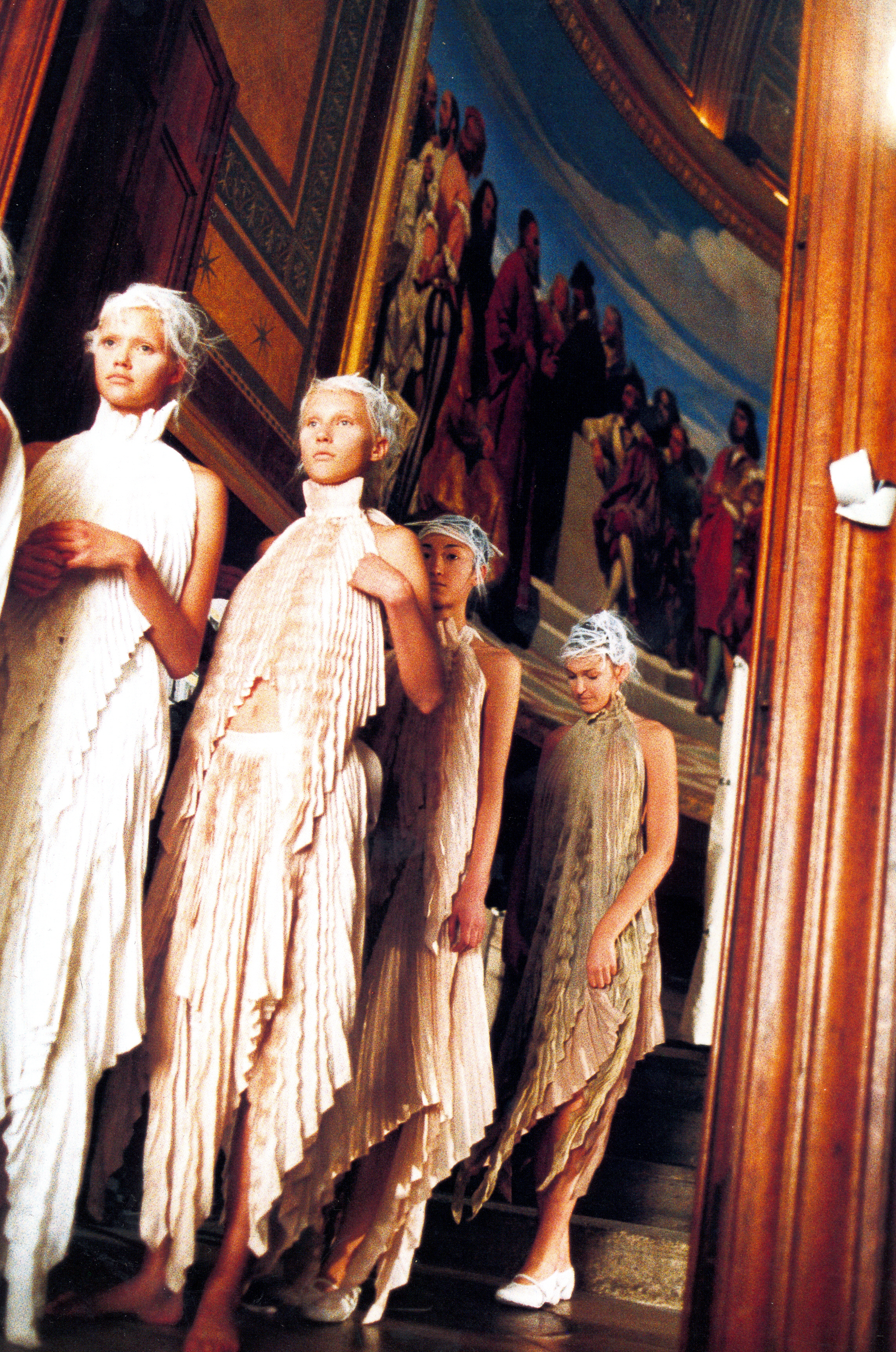
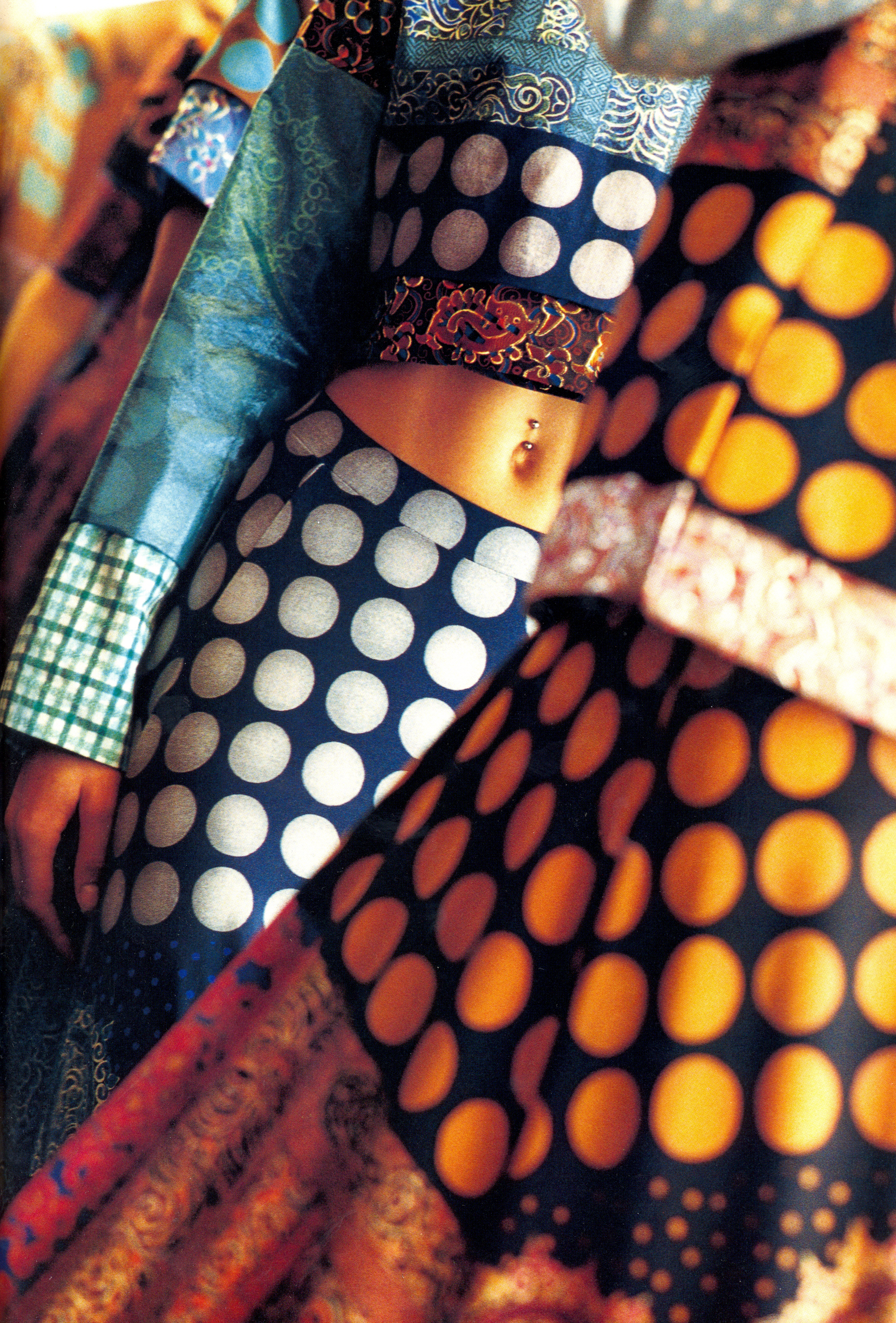
Silent Poets for Issey Miyake Spring/Summer 2001 is a hardcover lookbook photographed by Françoise Huguier. It presents imagery from Issey Miyake’s Spring/Summer 2001 collection and includes the collaboration CD Red Eyes Tribe at the back of the book. Japanese electronic duo Silent Poets produced the music for the runway show.
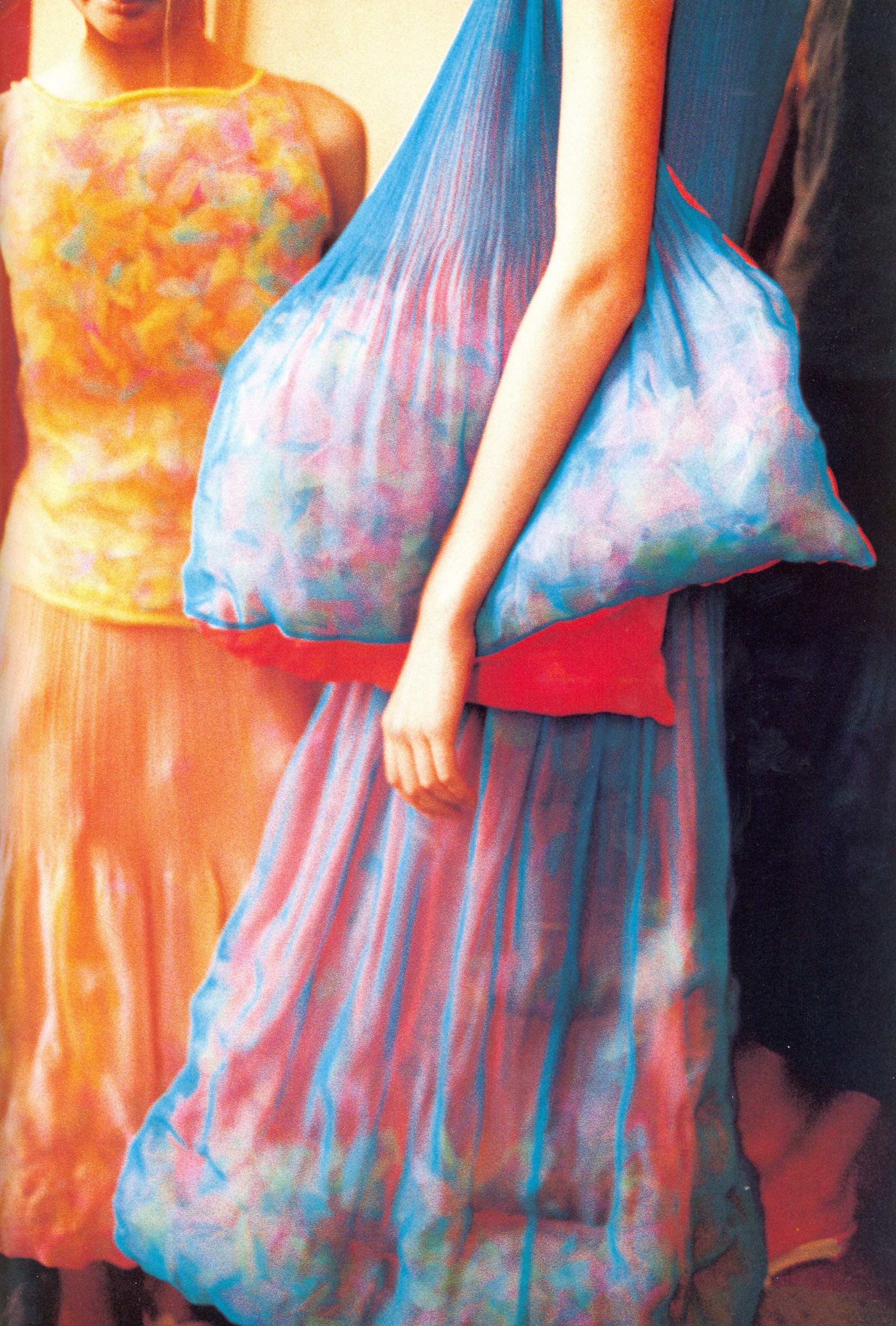
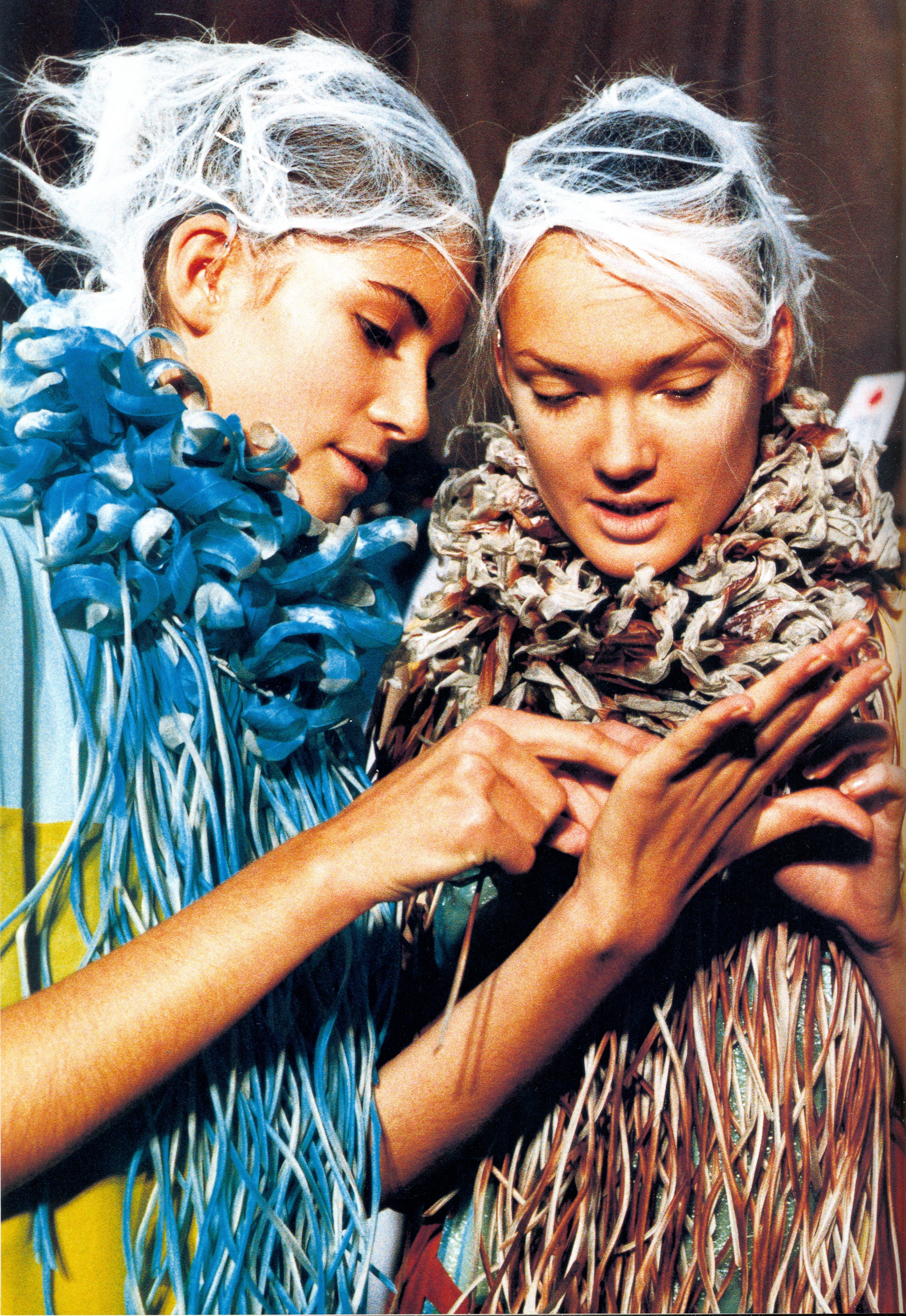
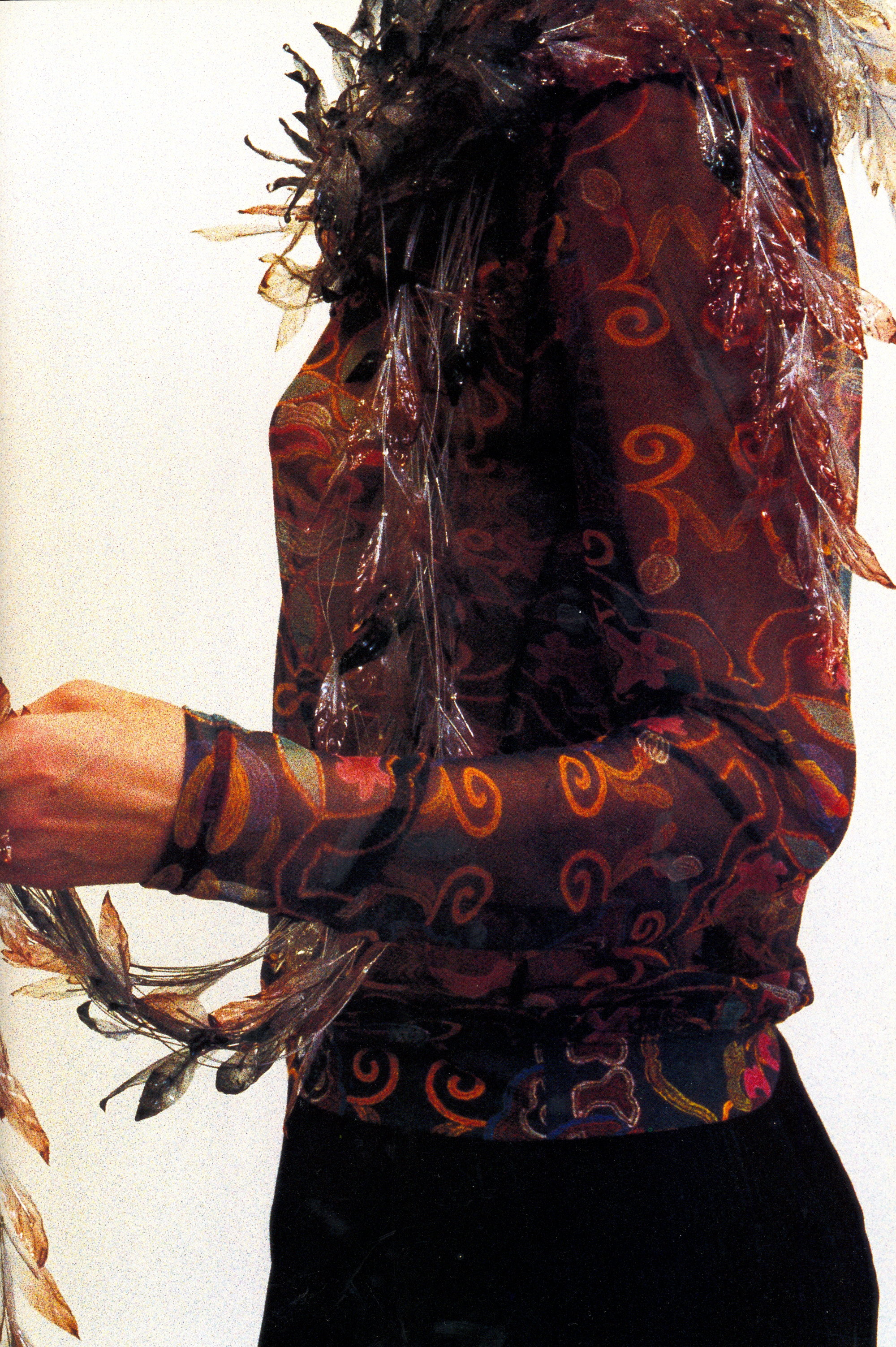
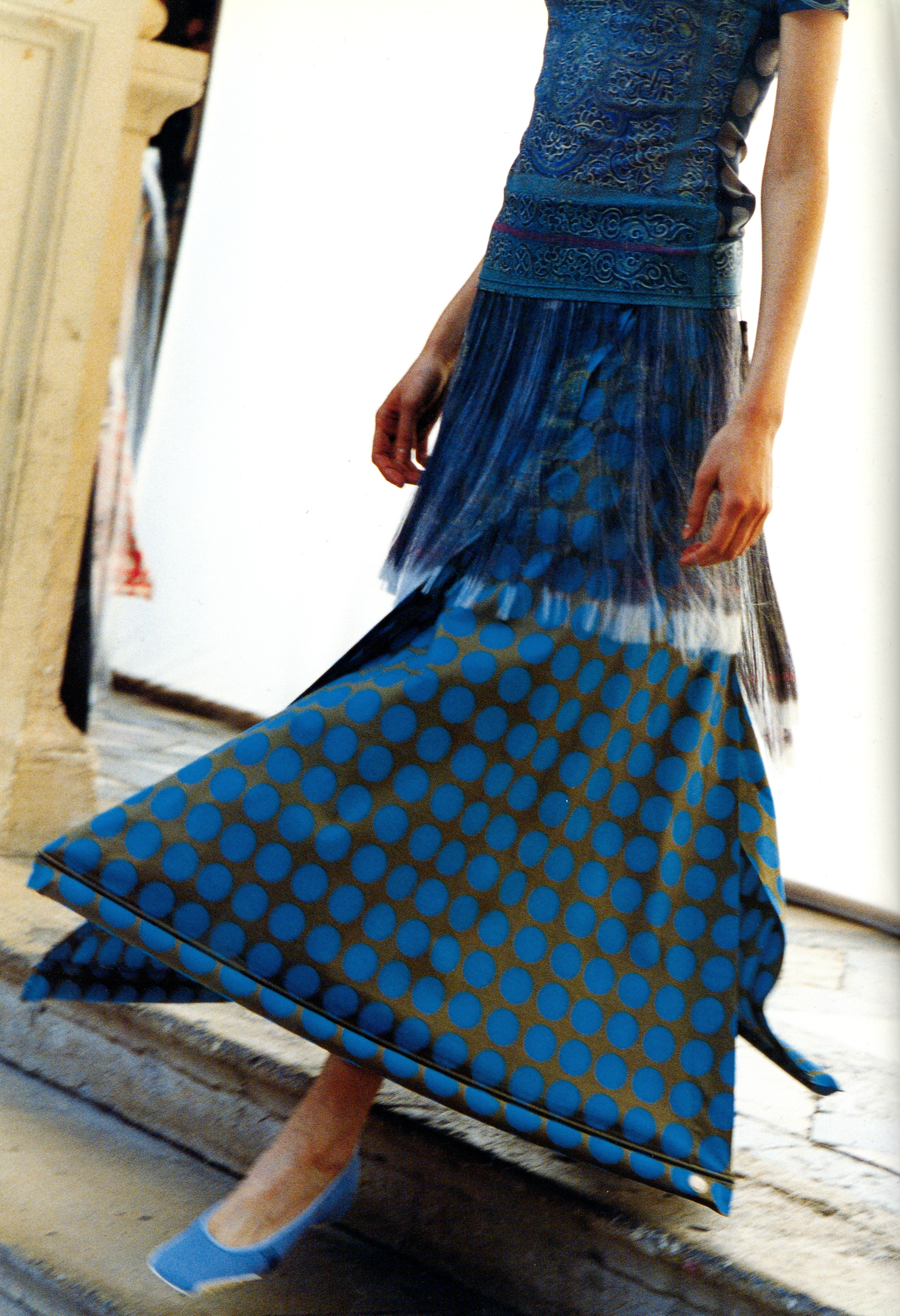
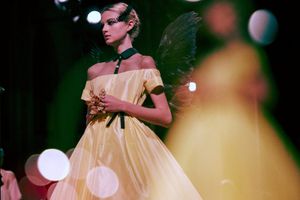
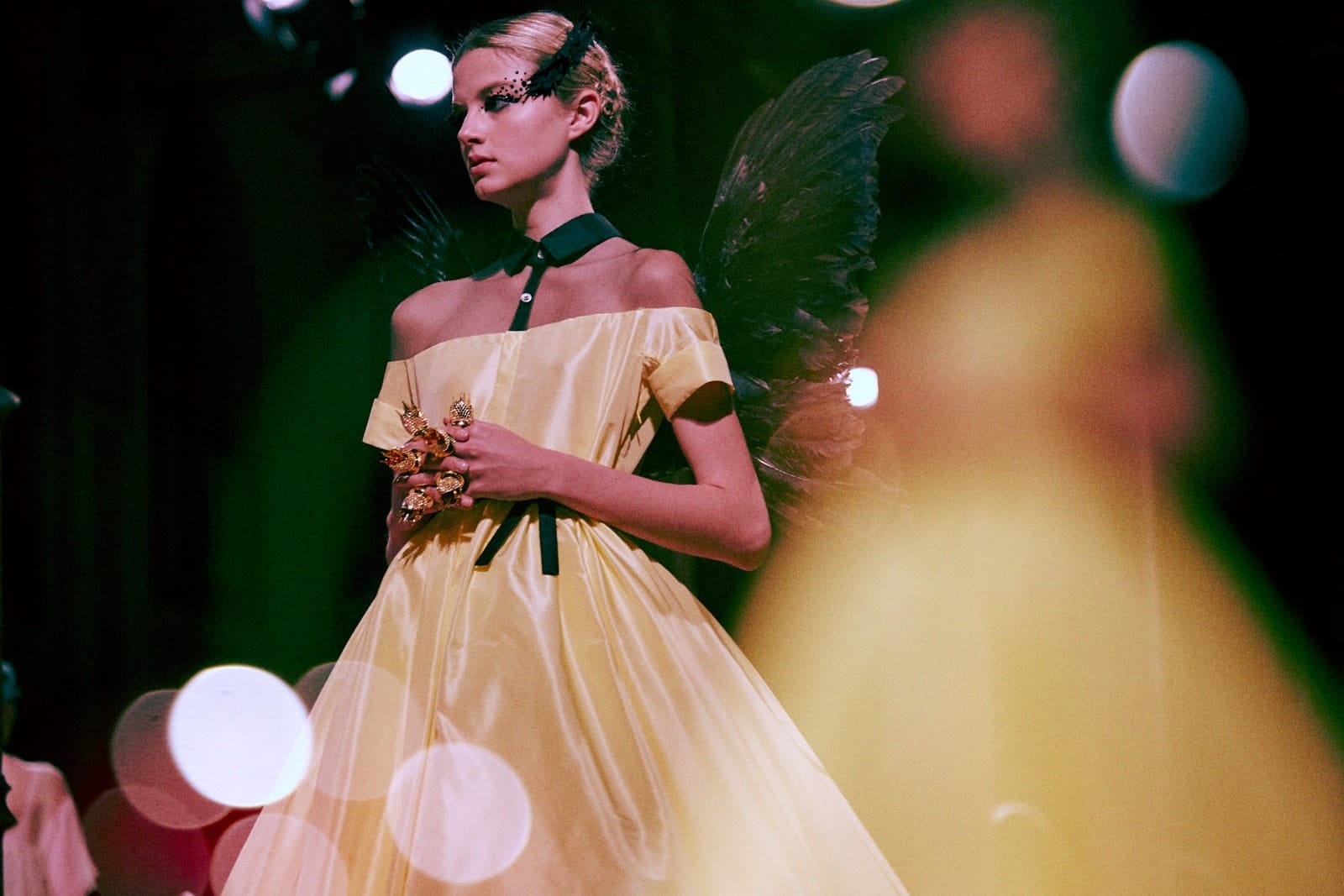
Undercover Spring/Summer 2015 carried Takahashi's twisted fairytale into a more digital setting, with LED screens integrated into garments and bags.
Photography by Jeff Henrikson; styling by Emma Wyman.
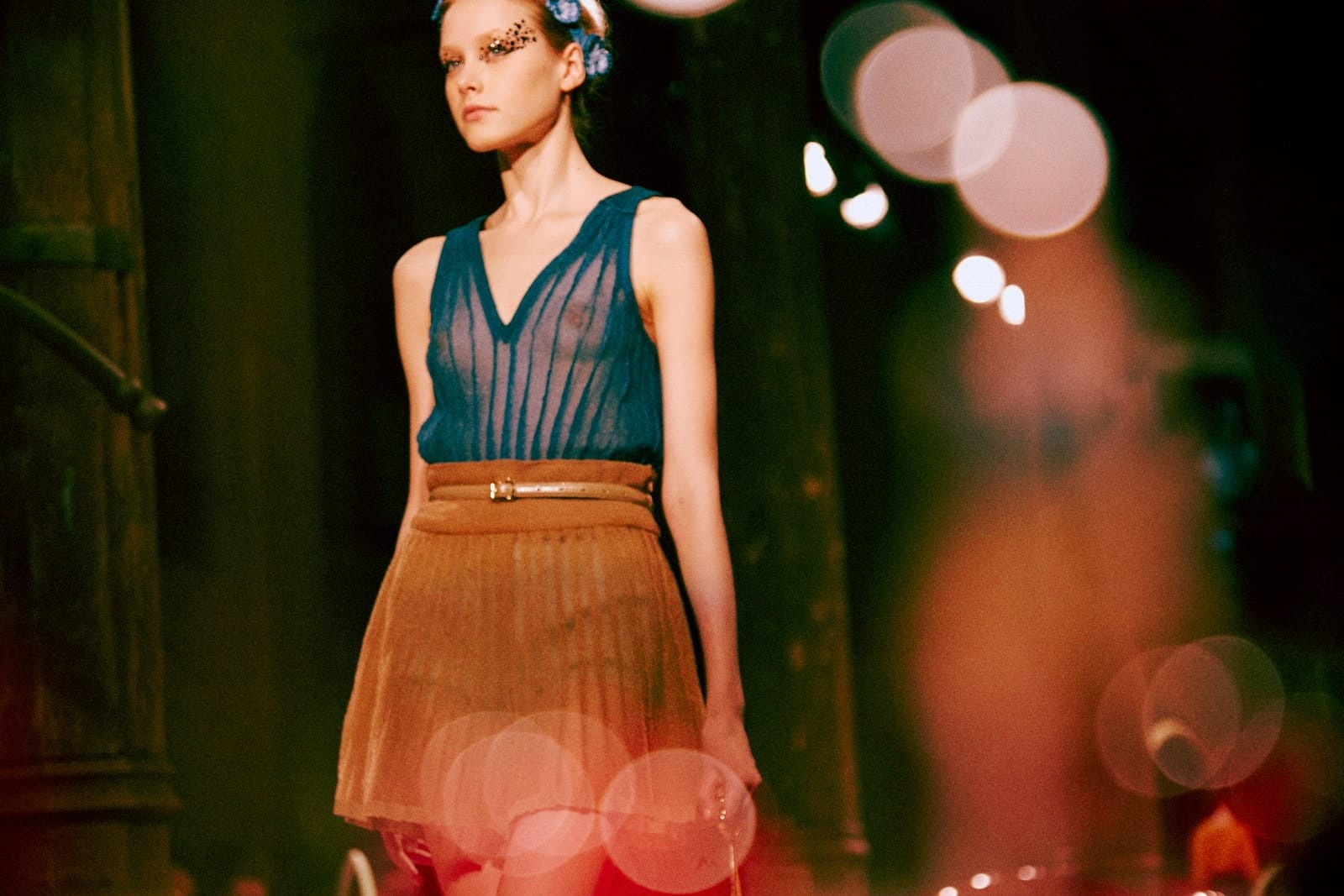
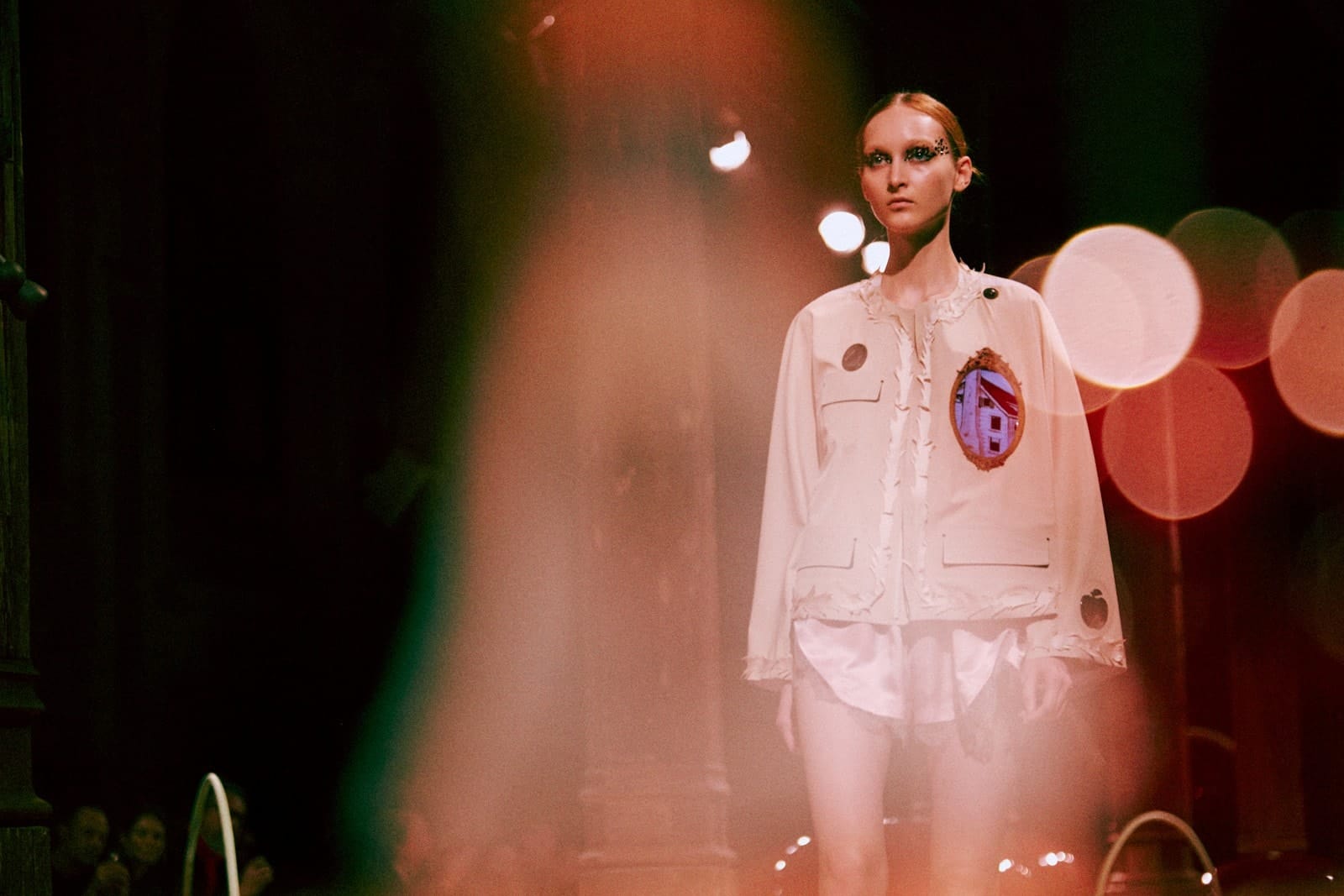
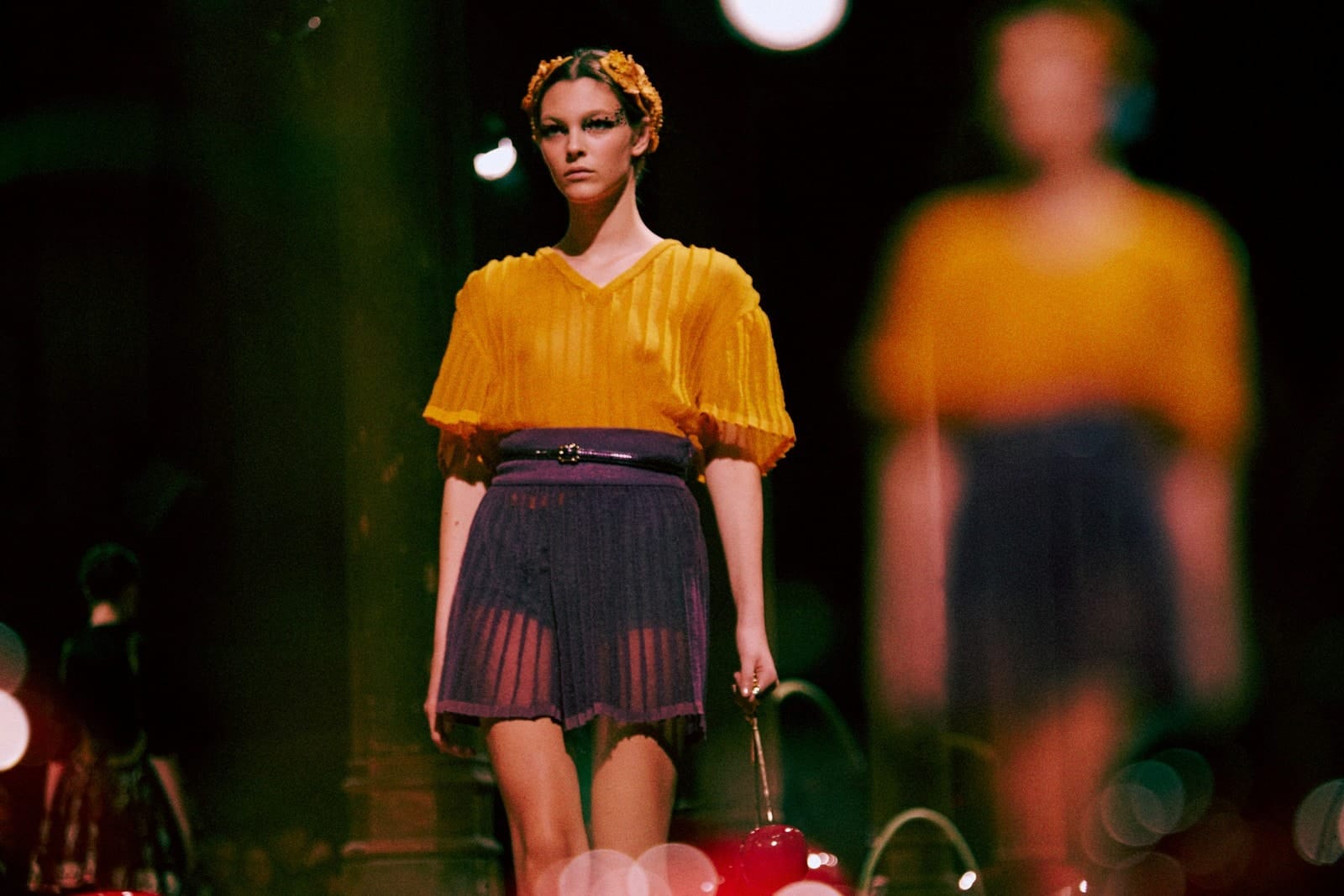
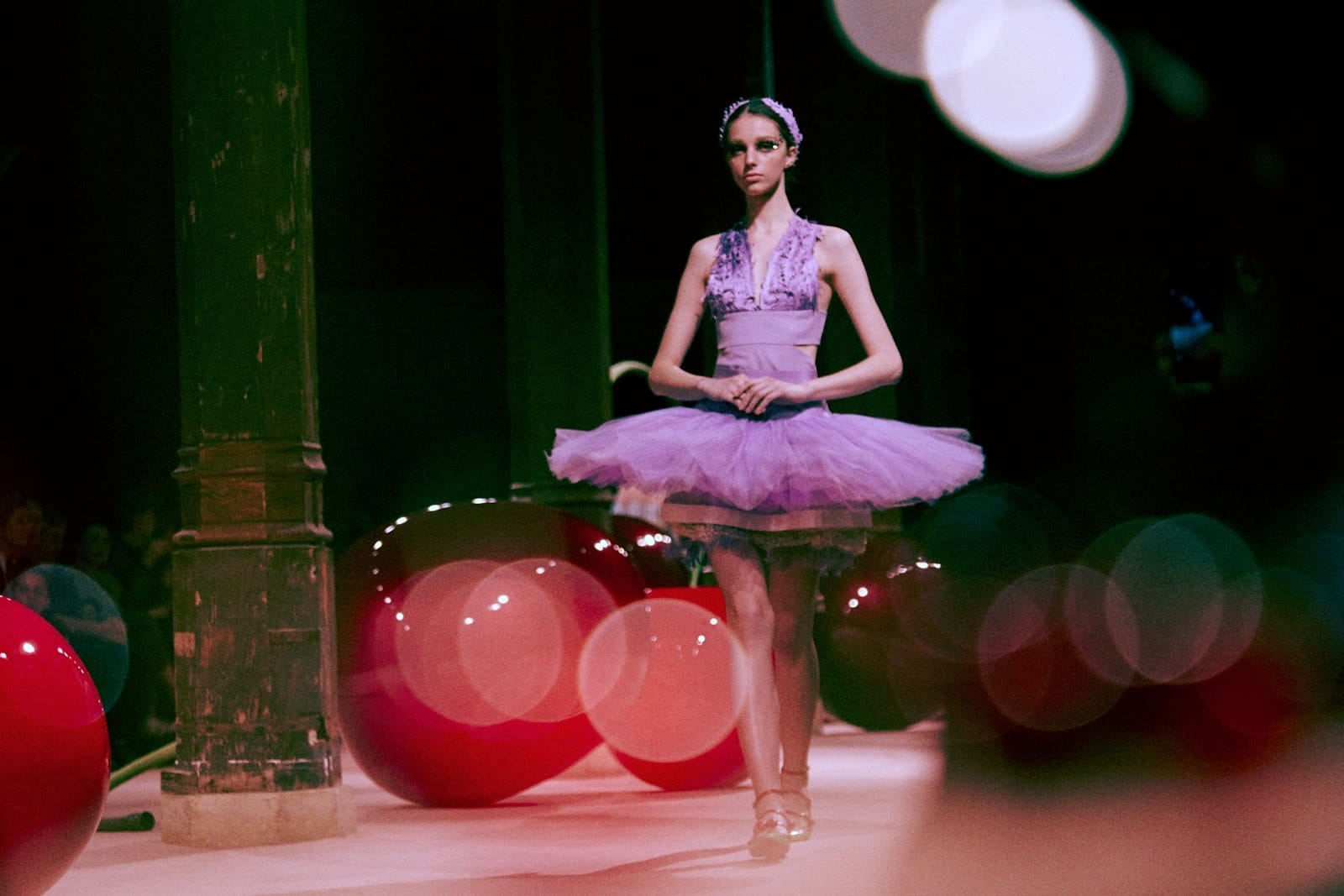
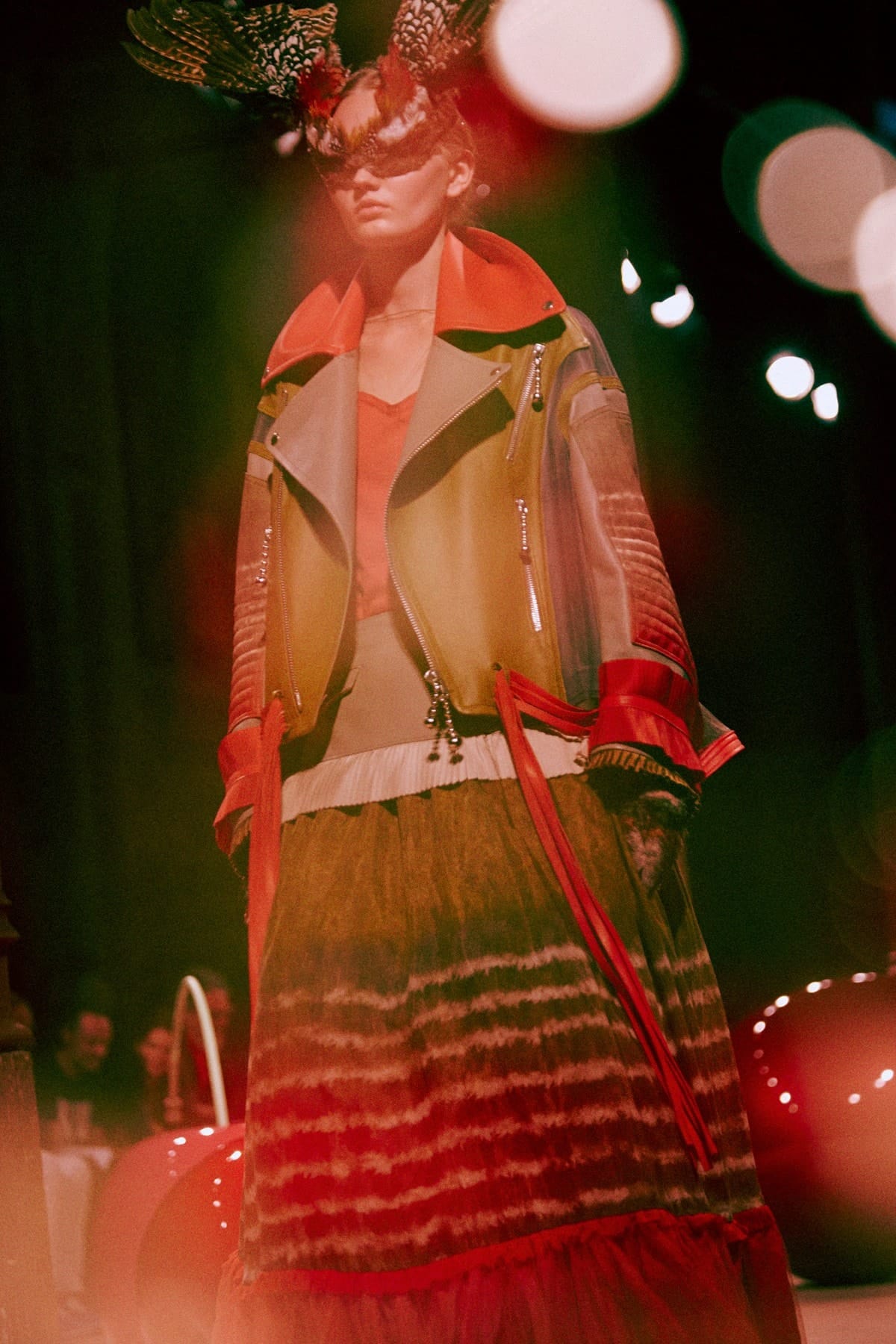
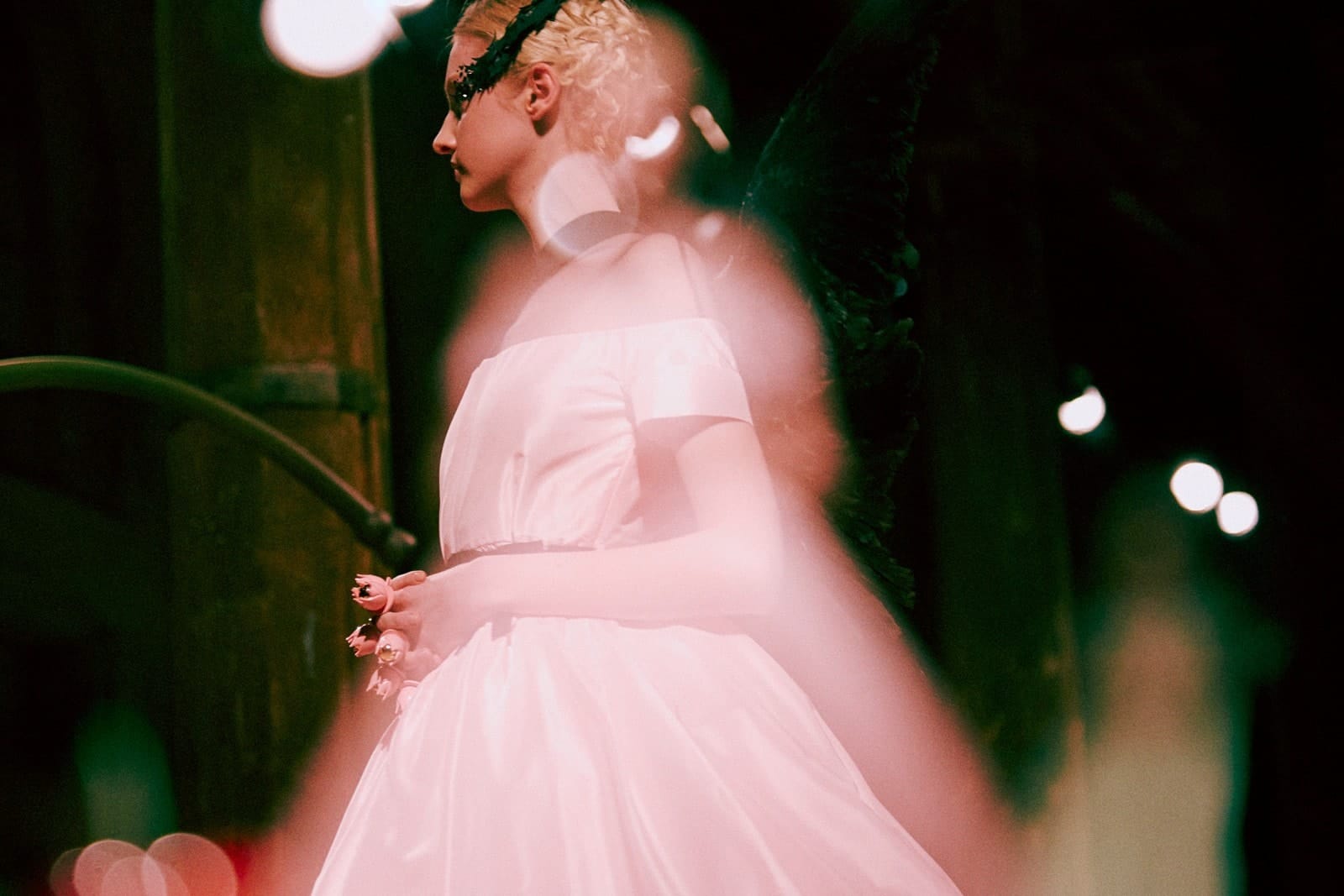
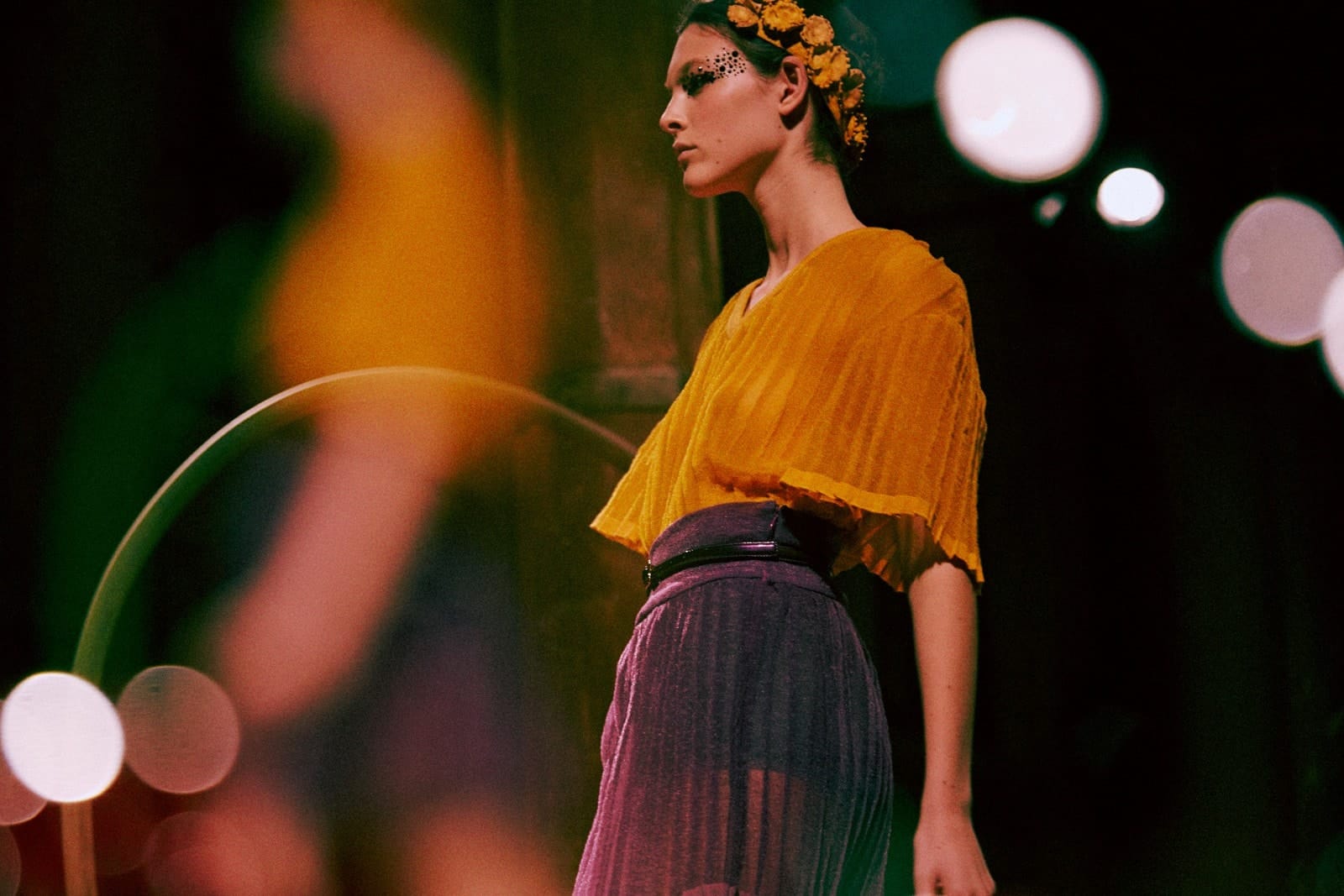
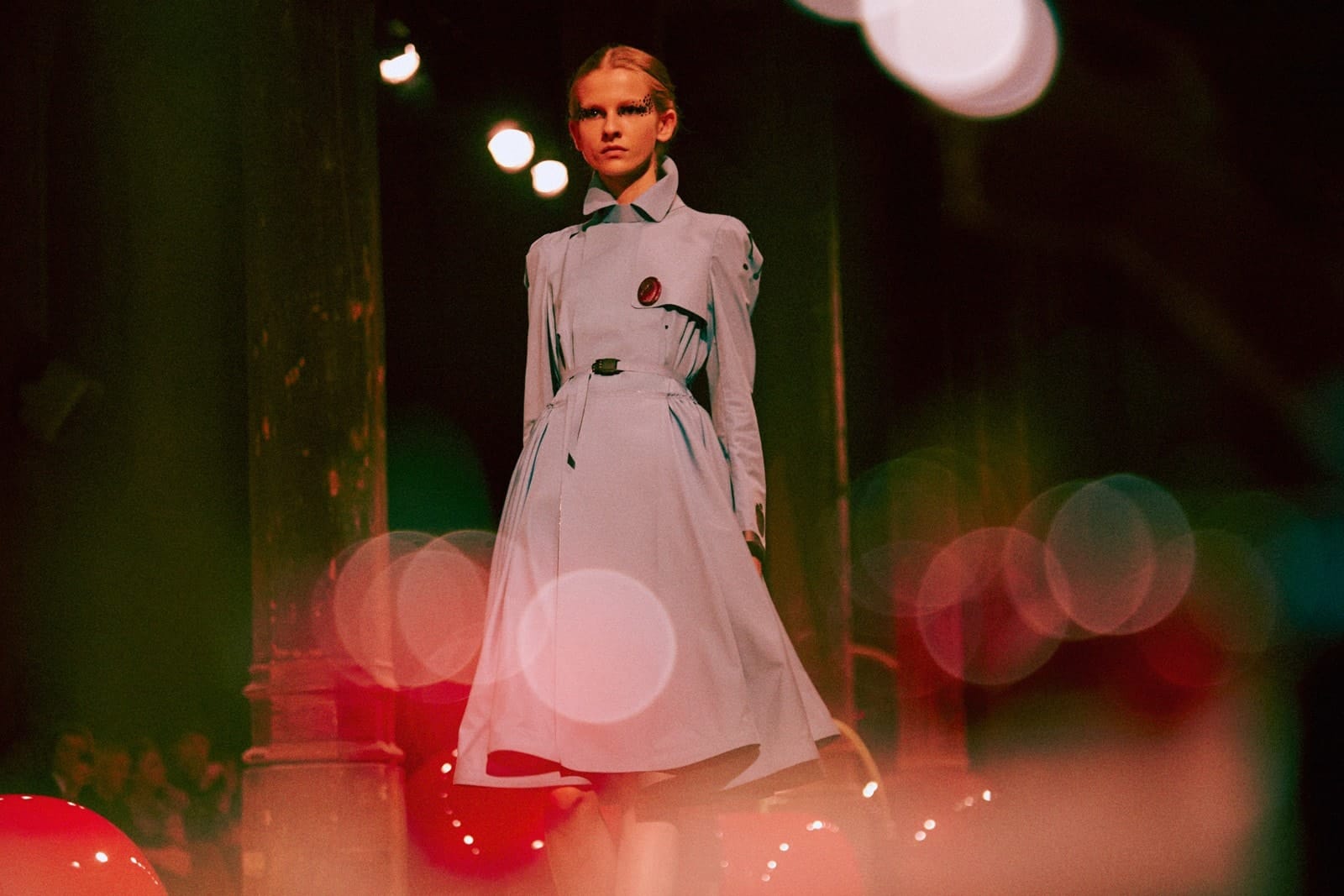
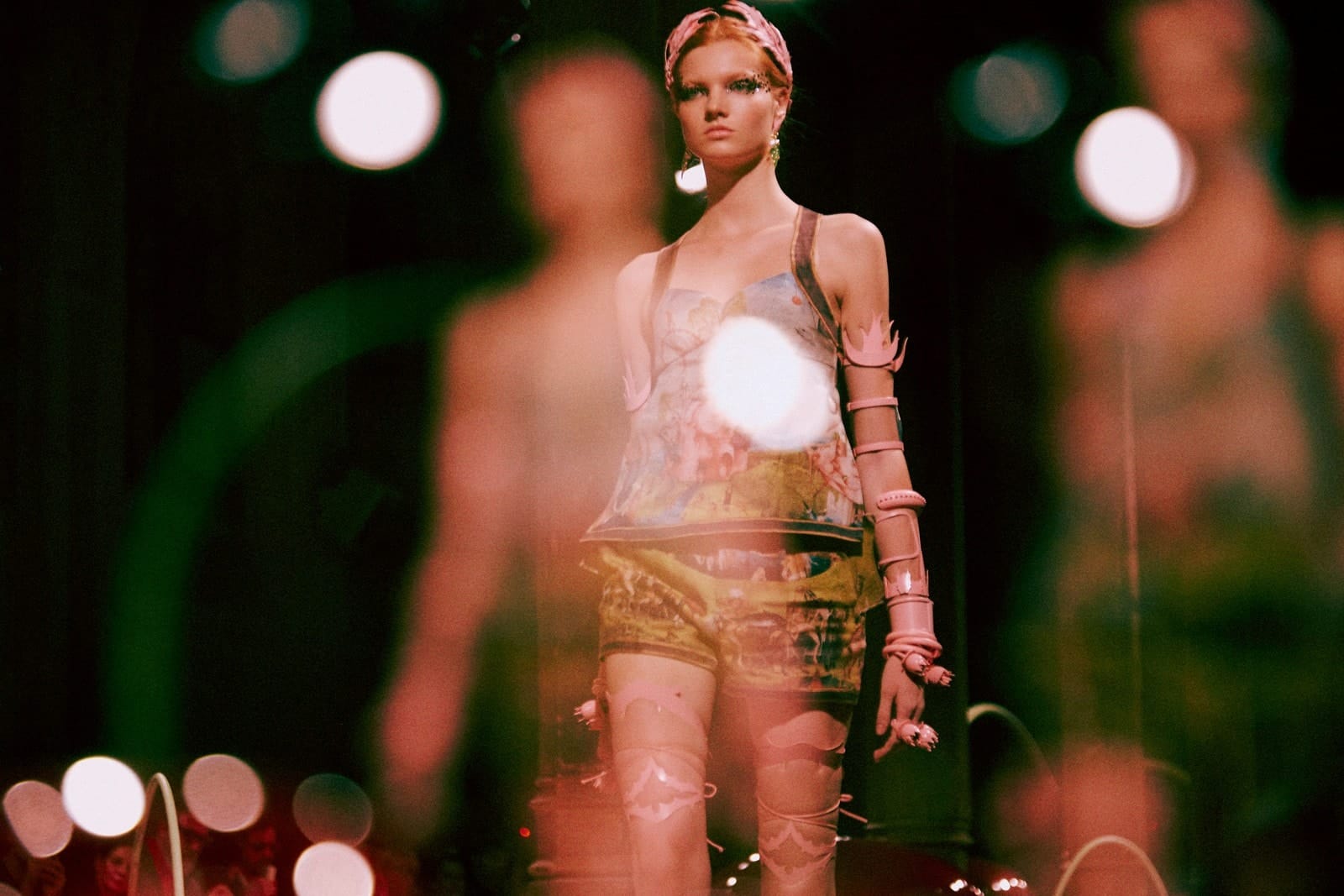
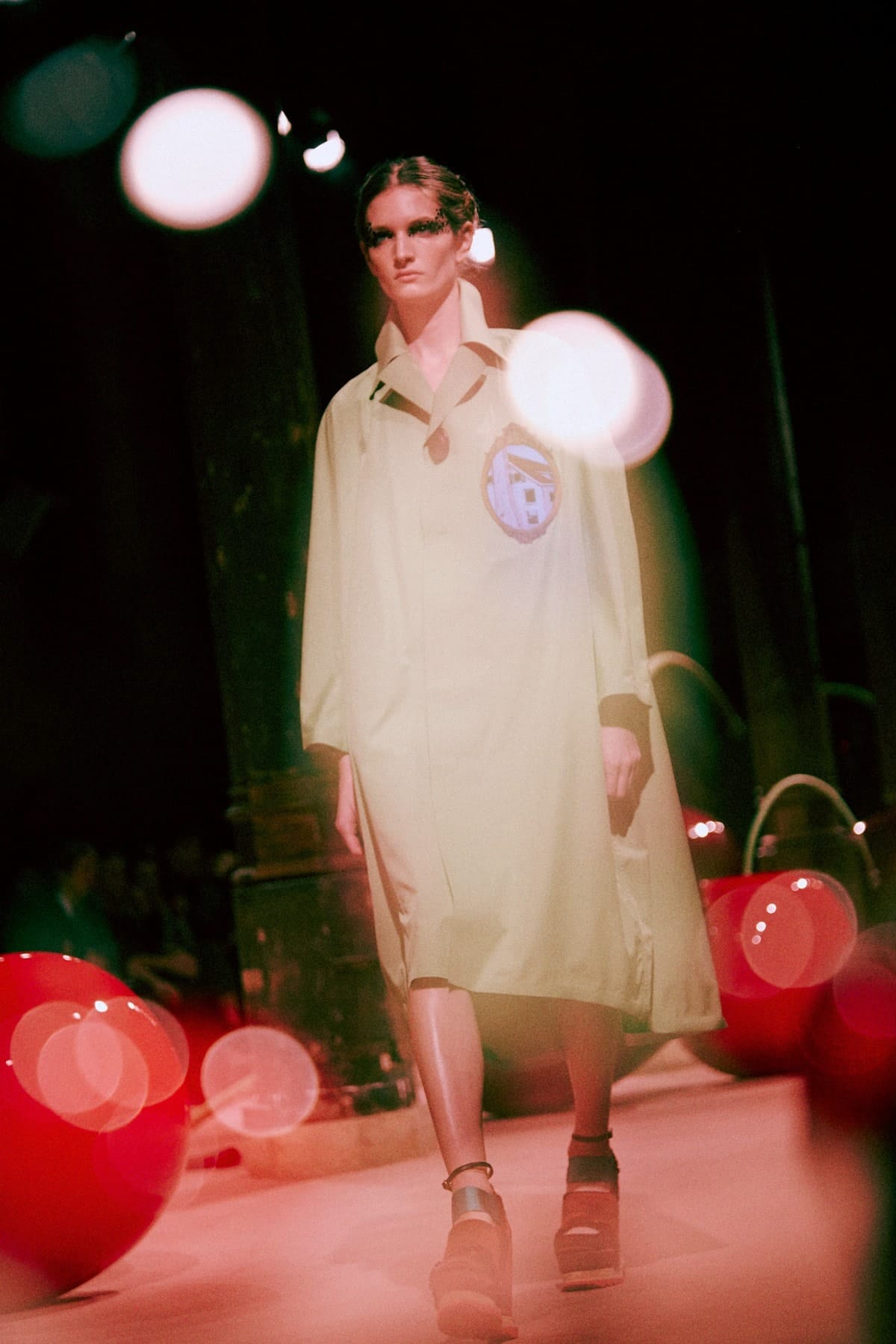
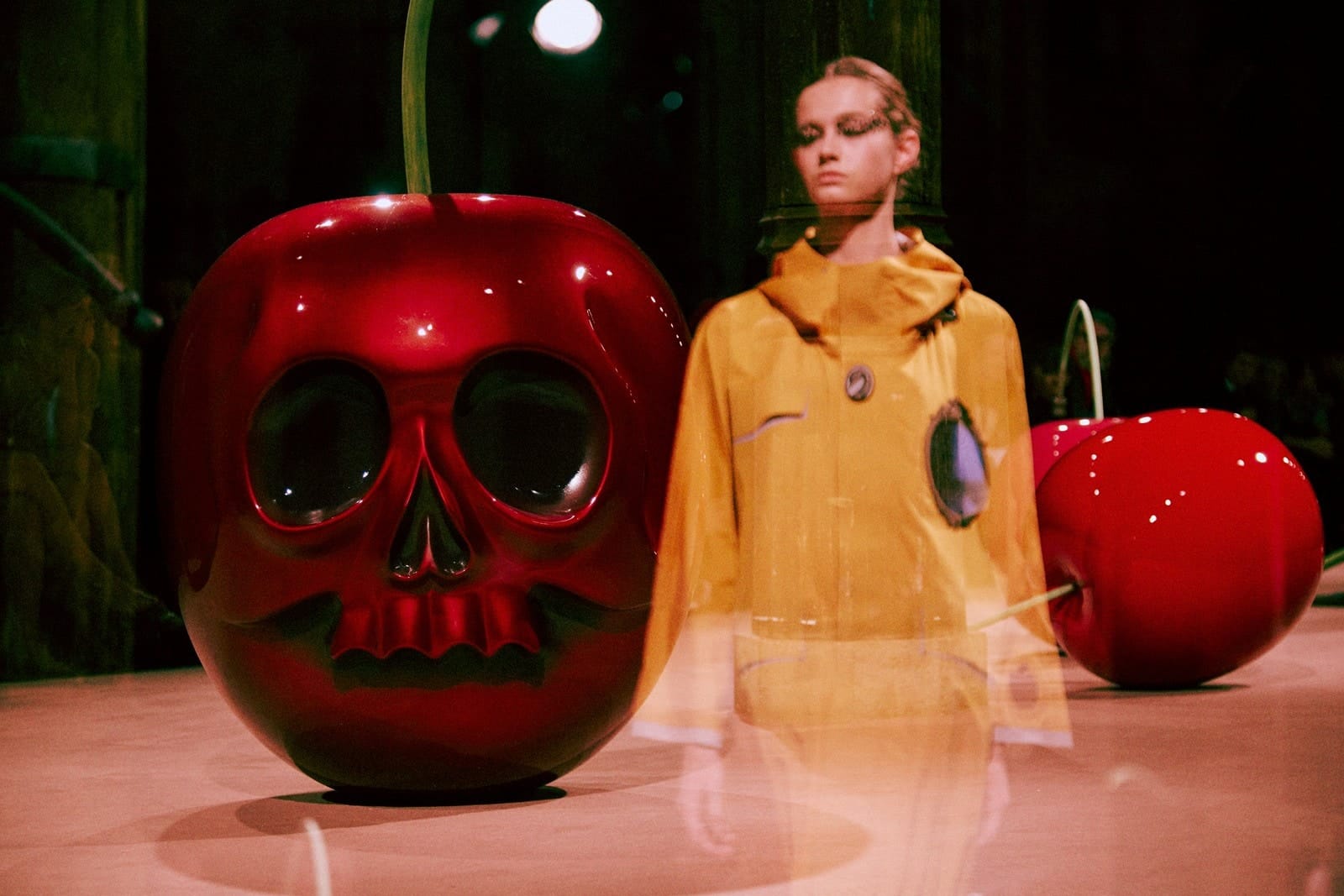
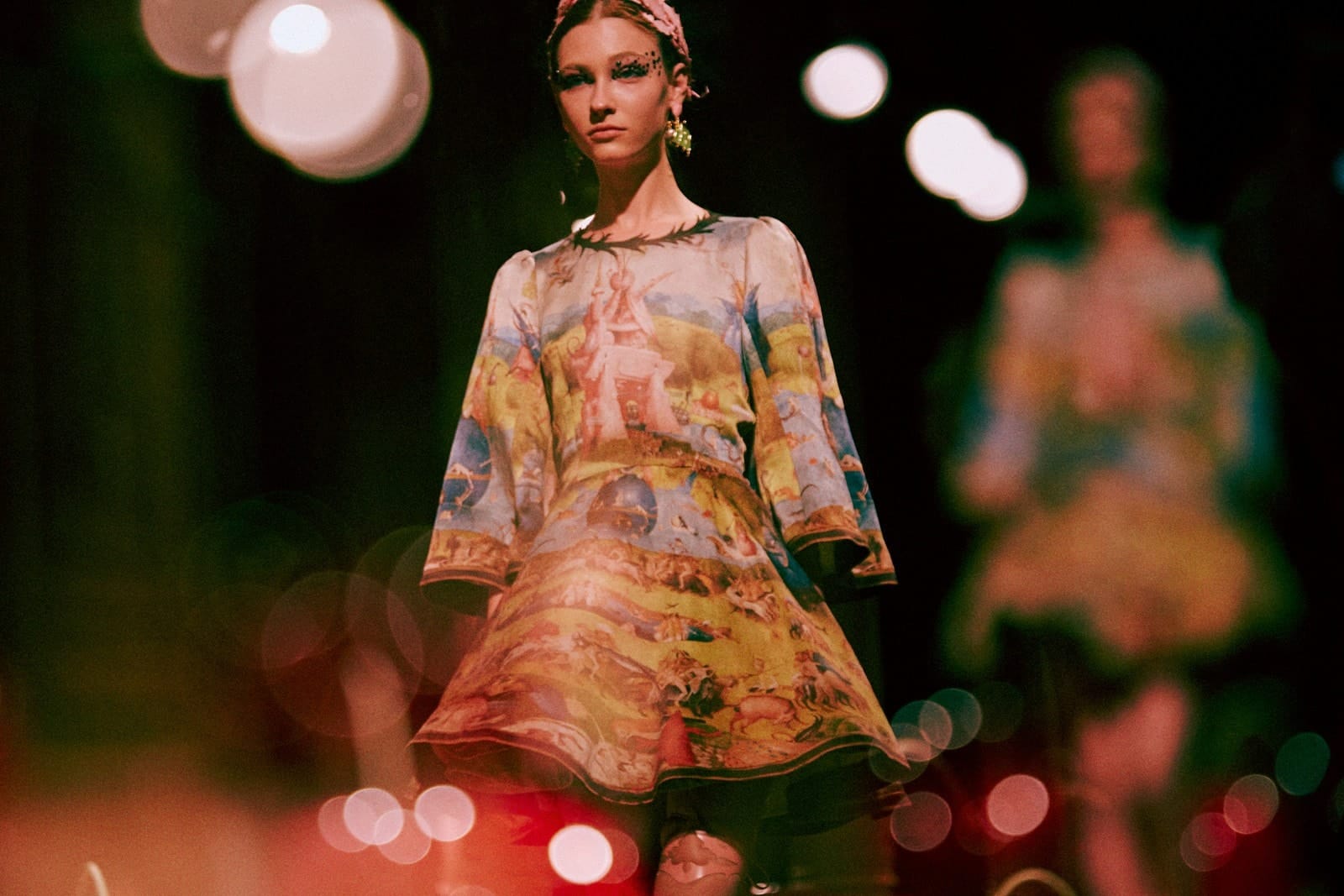
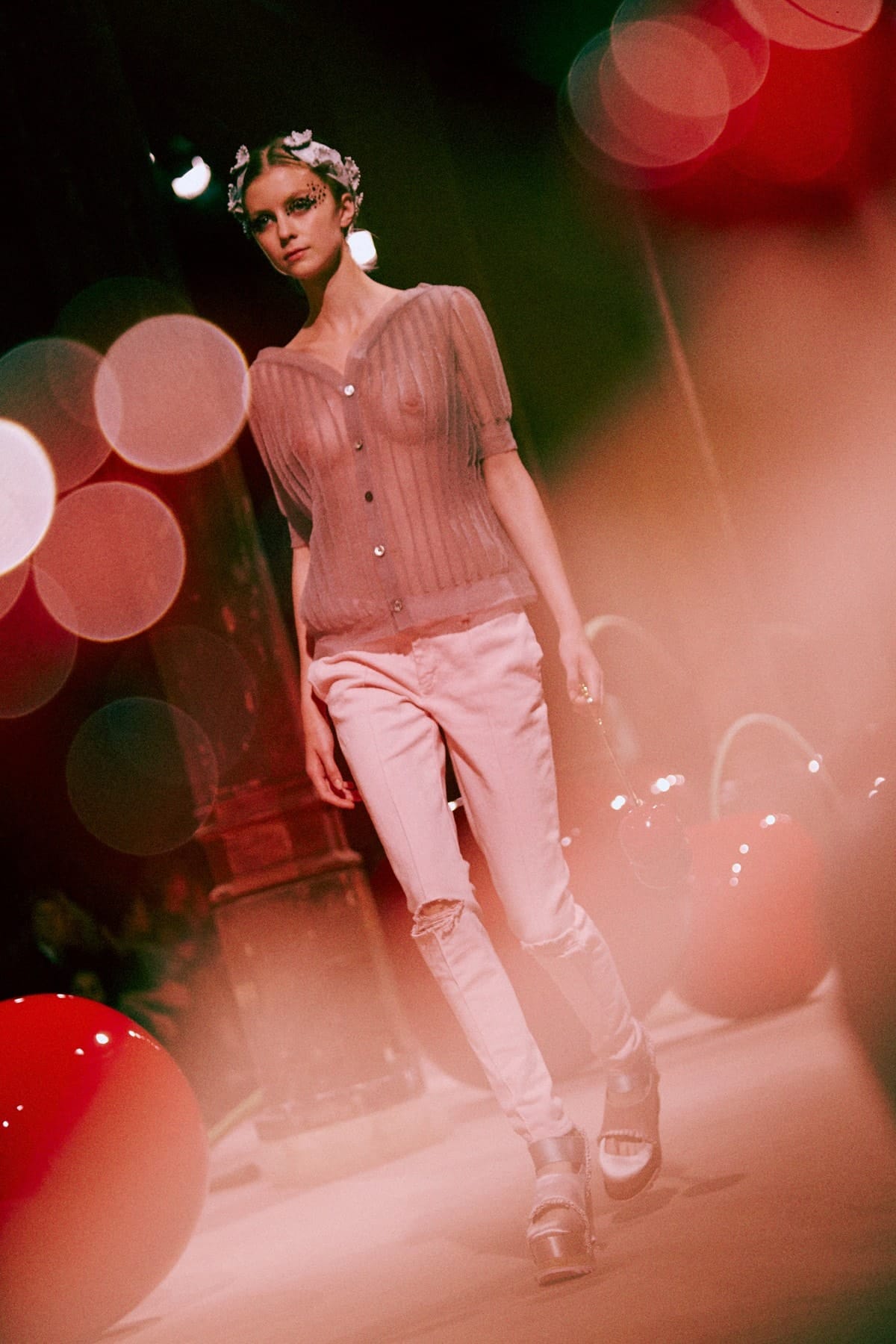
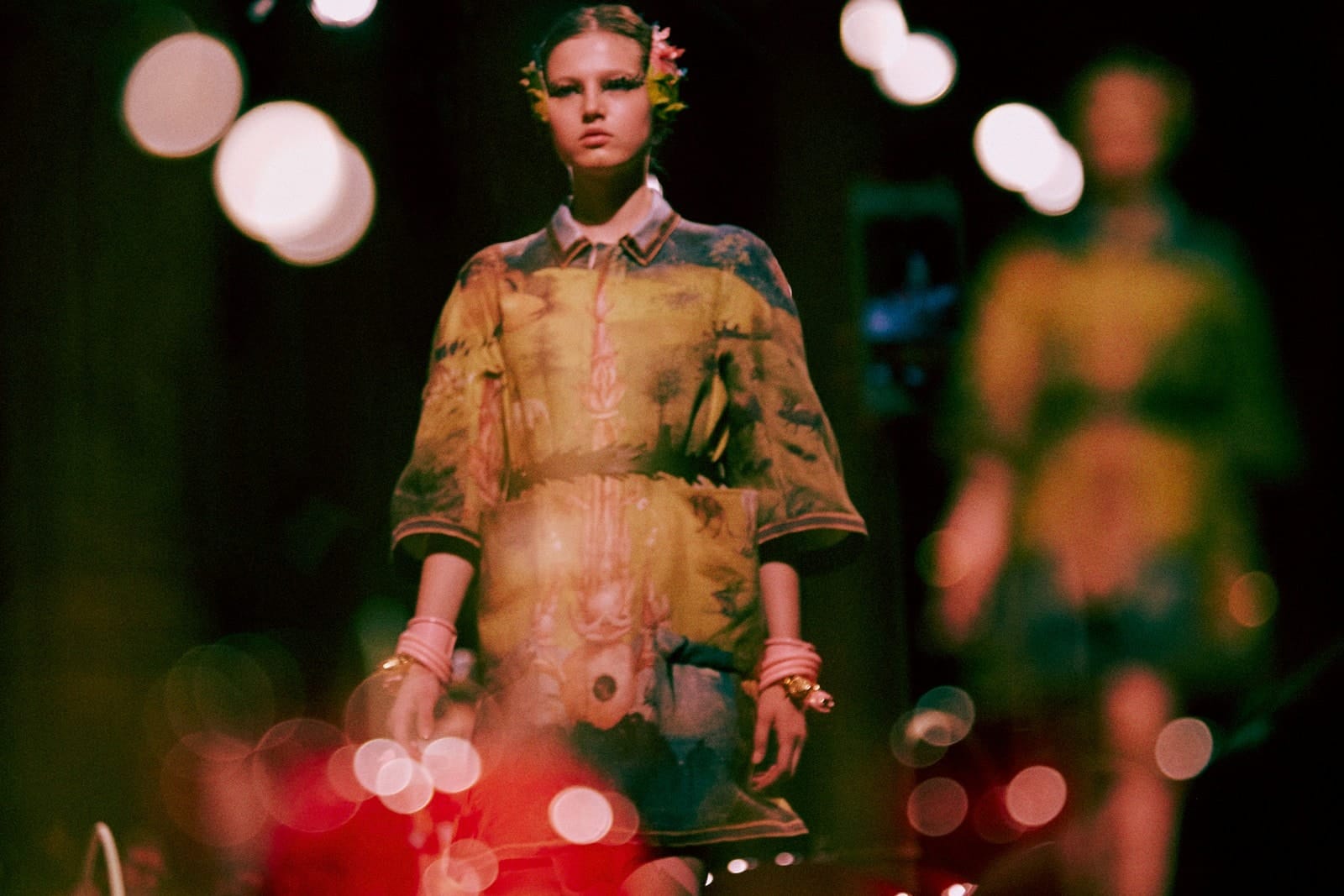
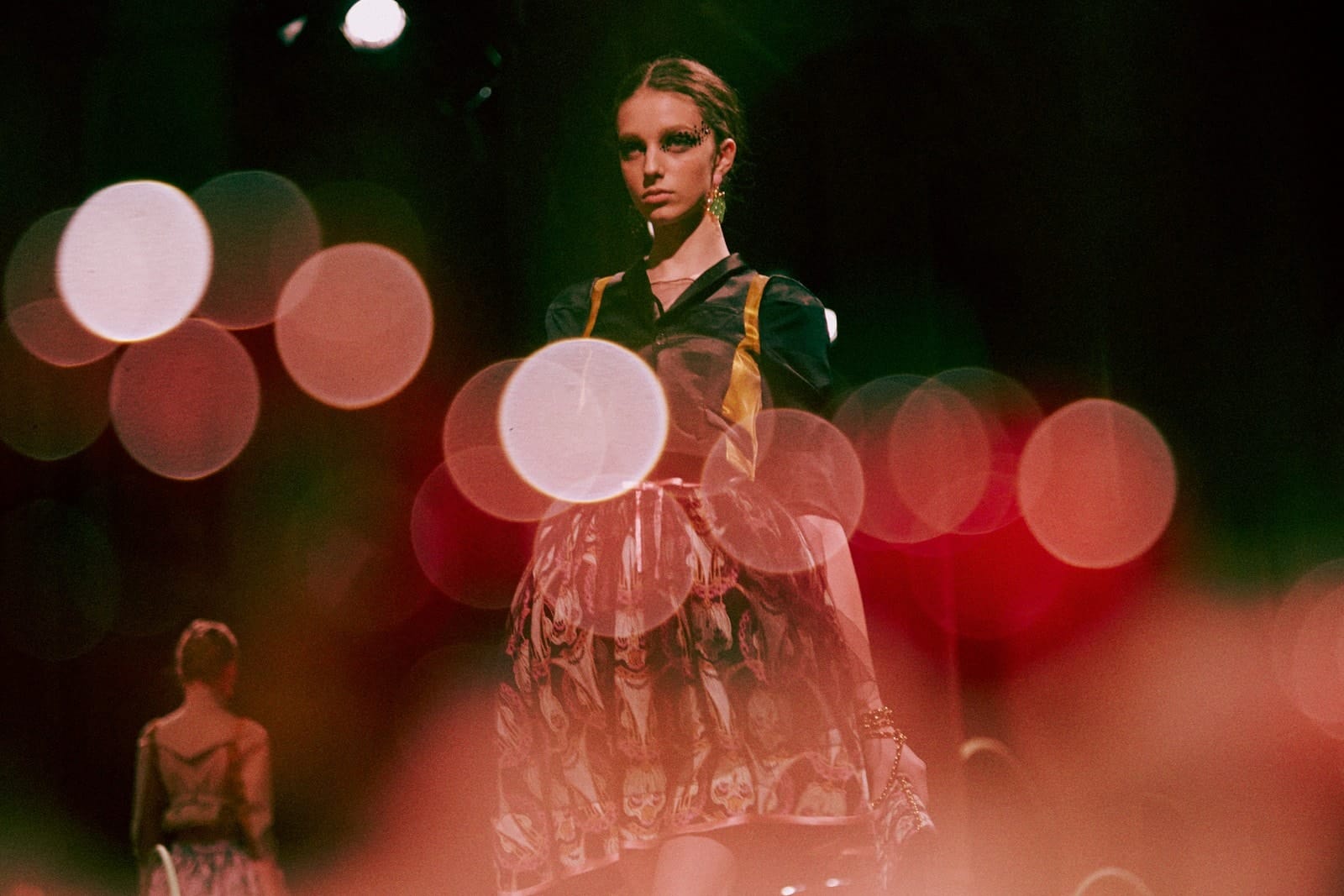
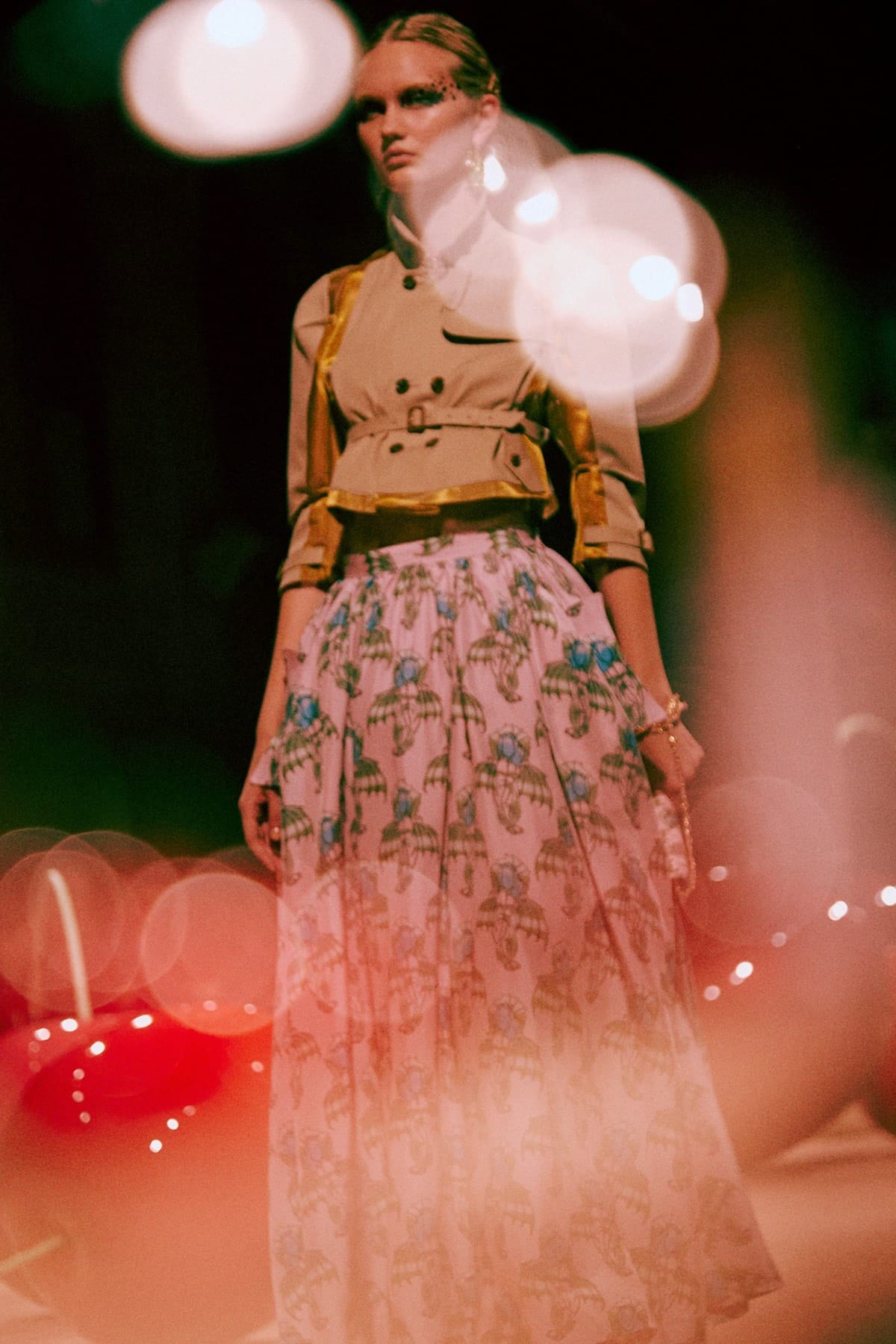
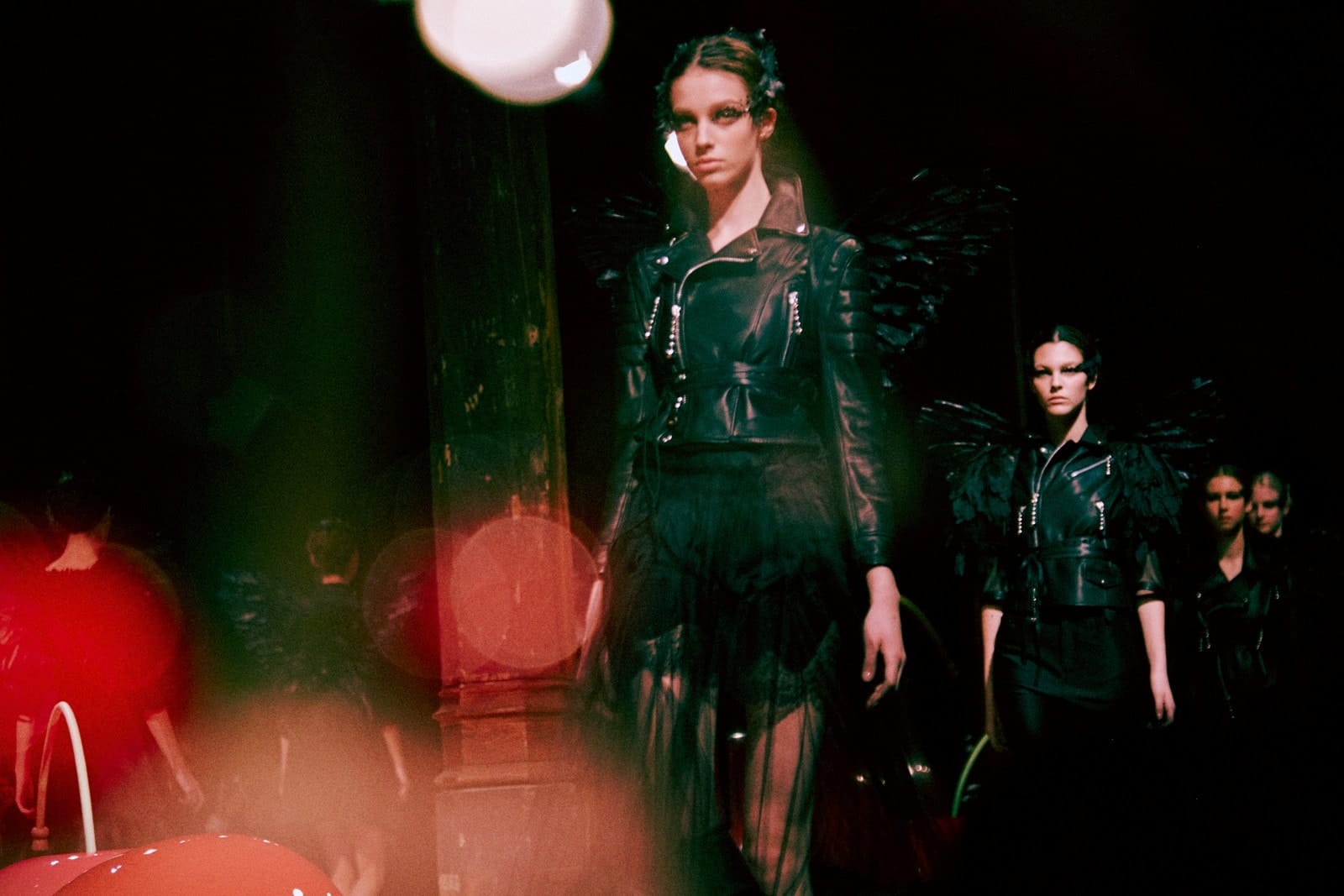
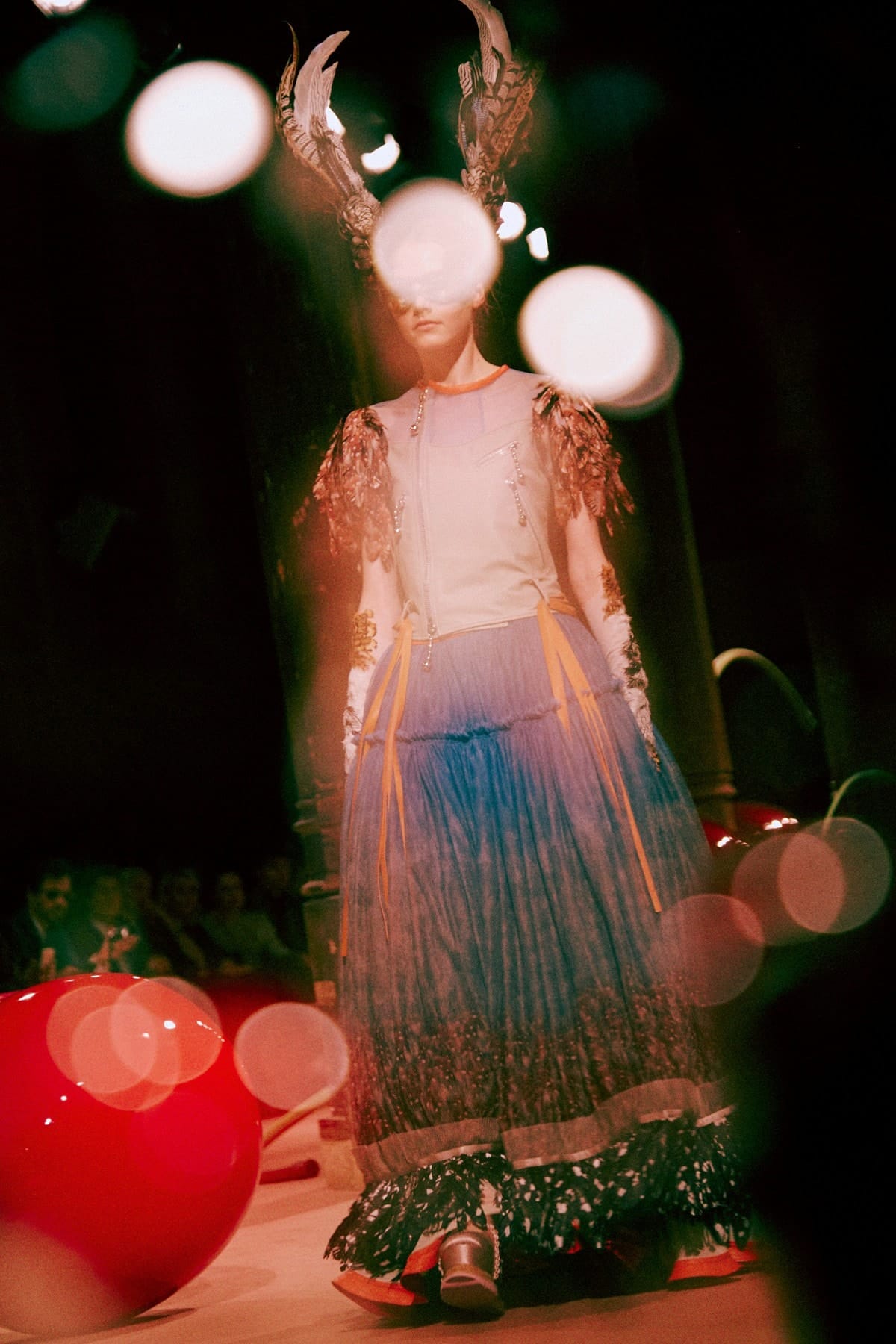
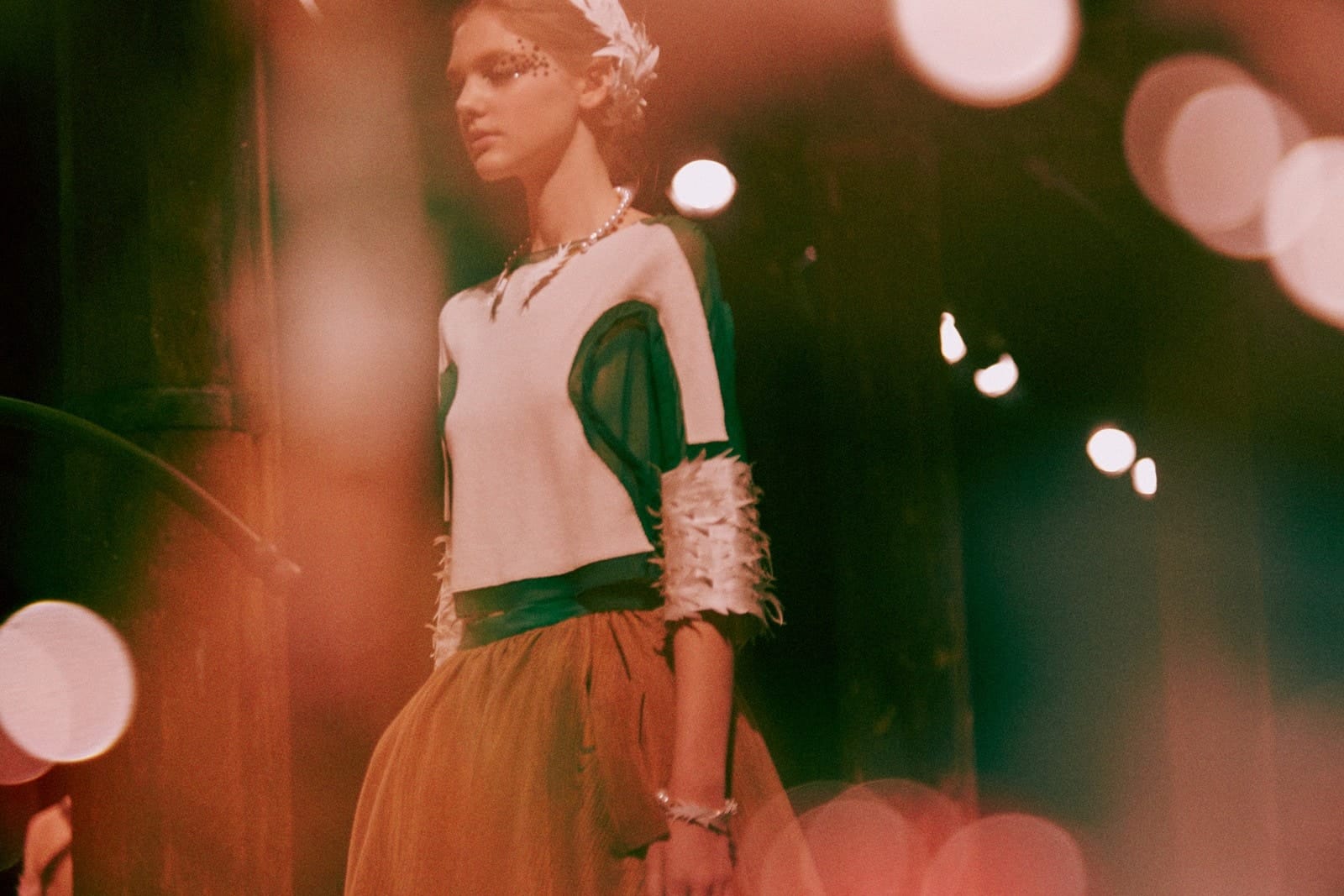
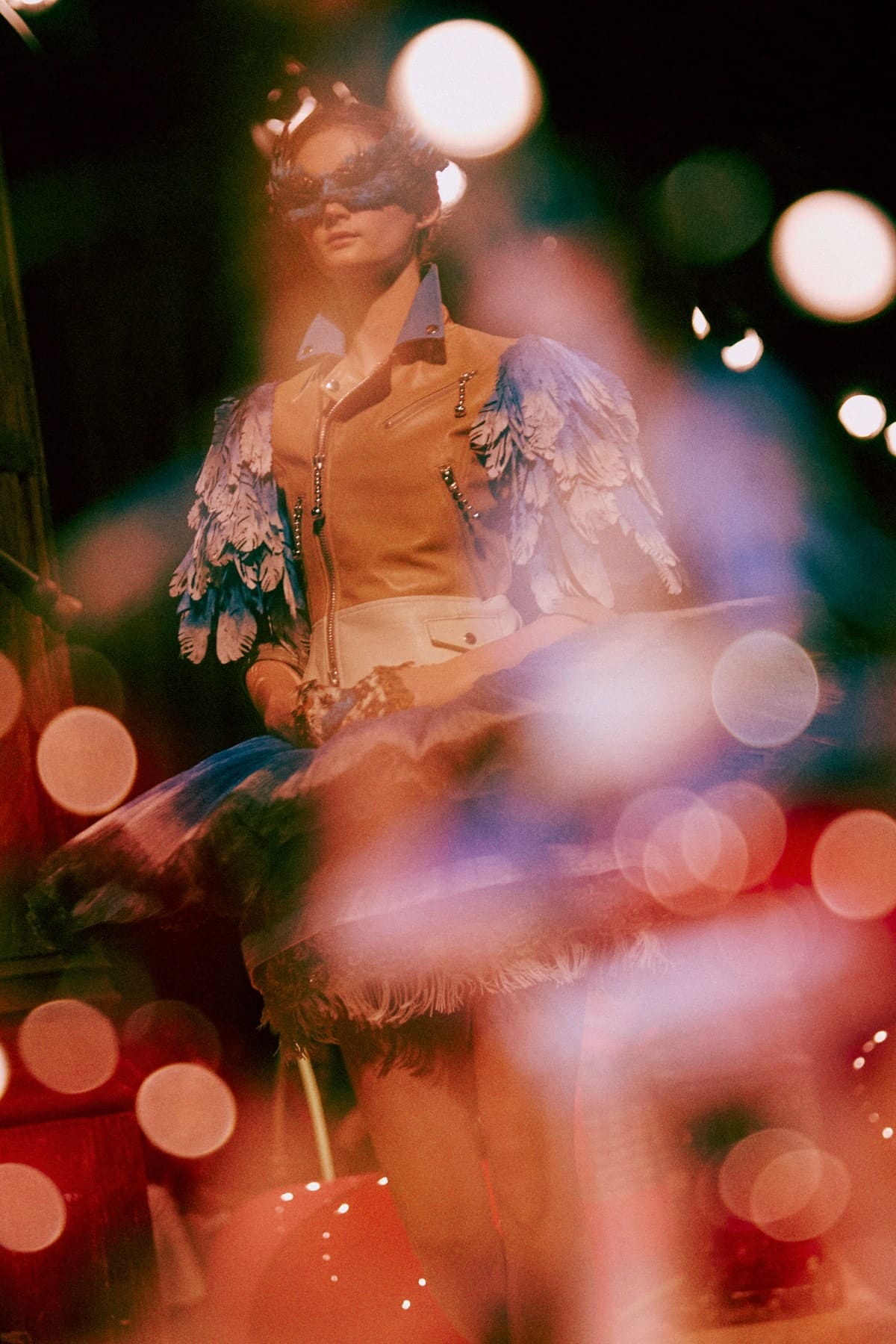
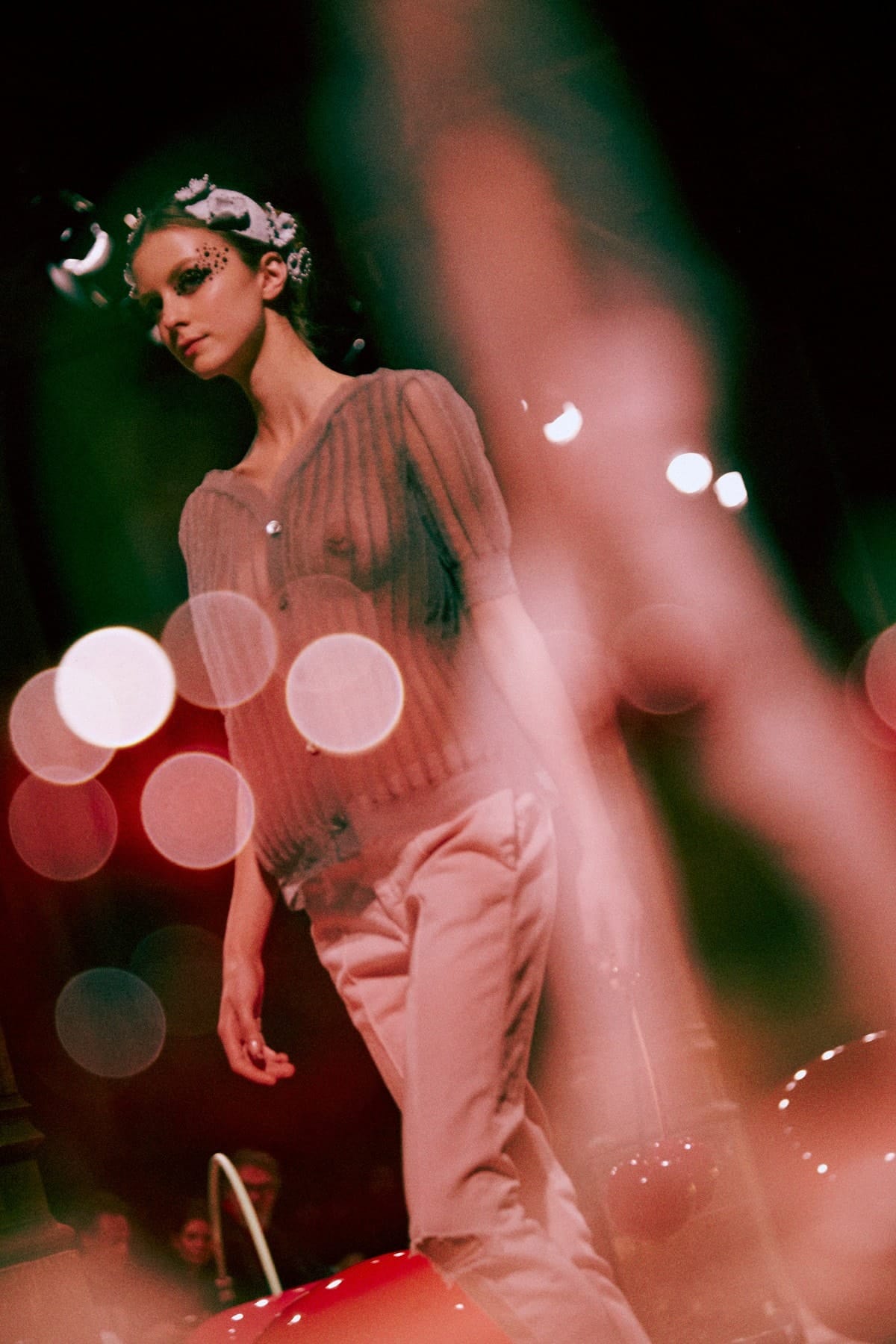
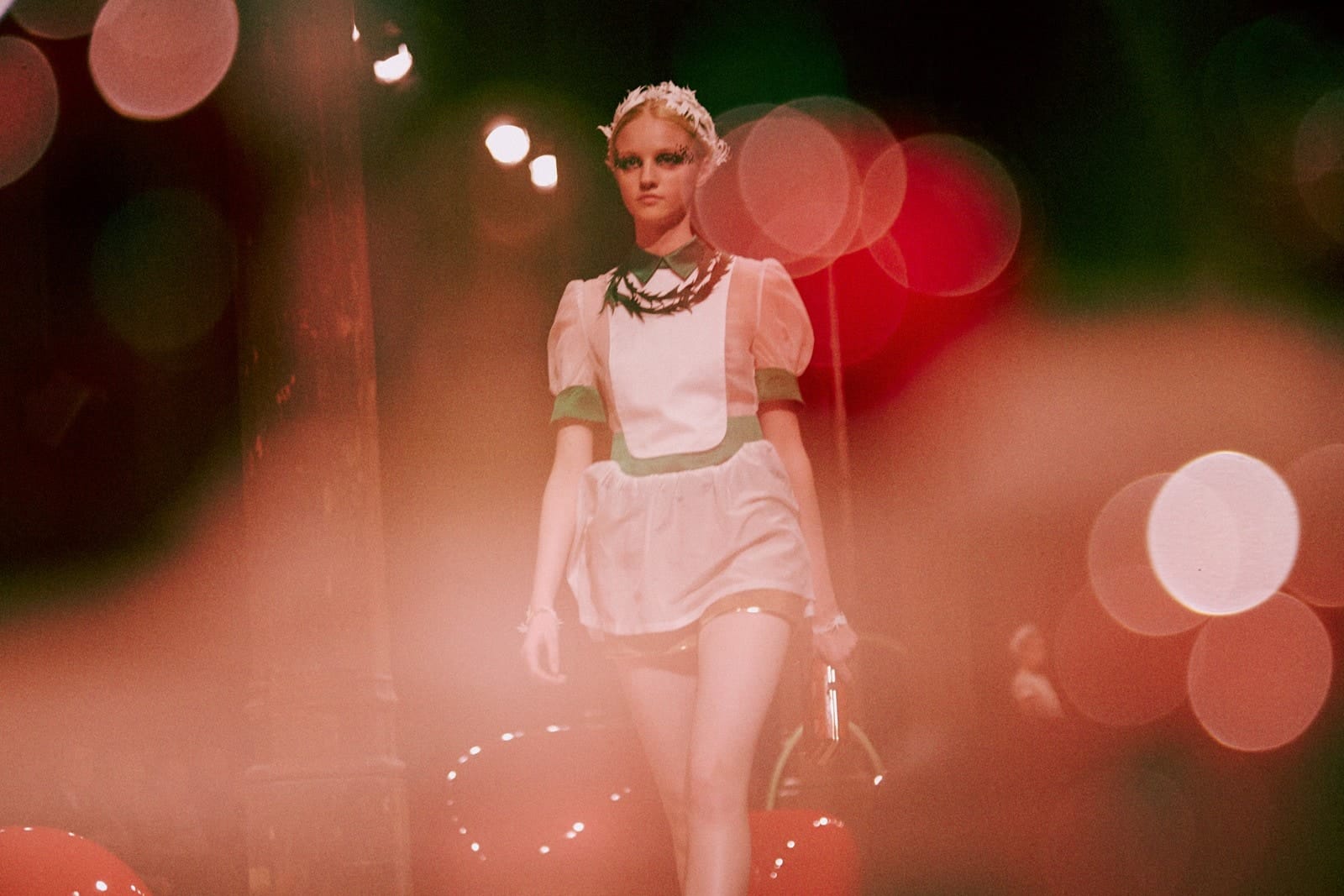
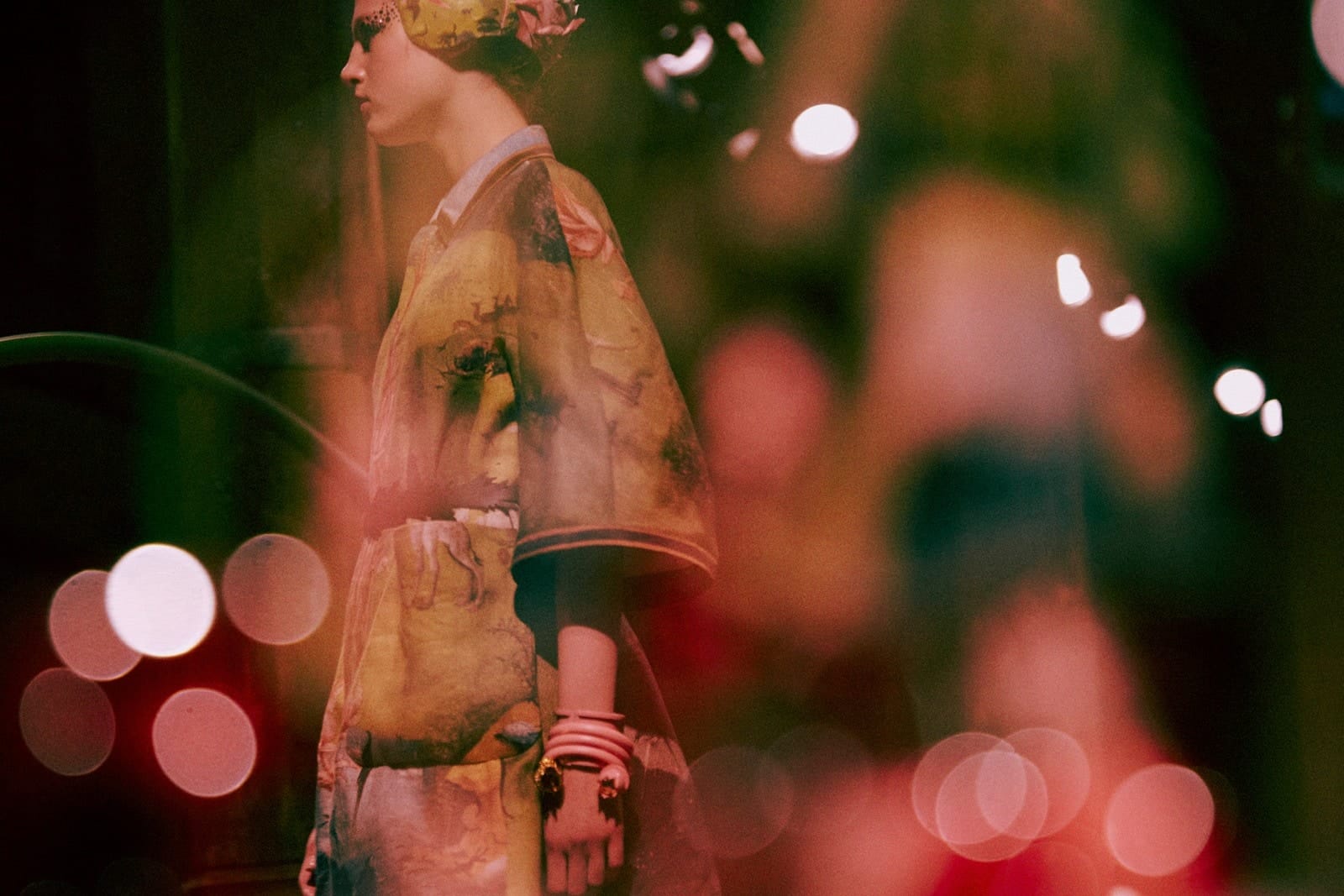
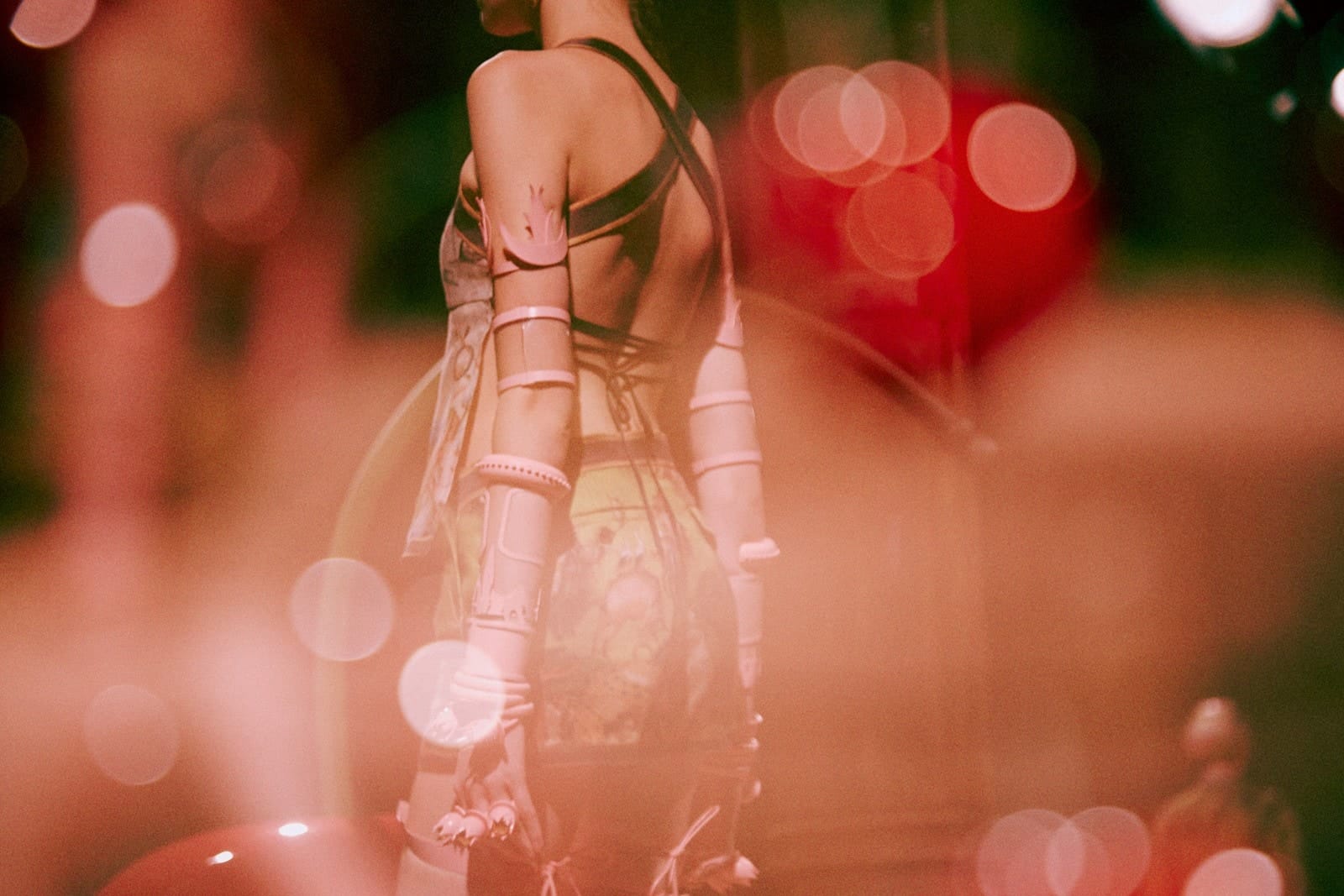
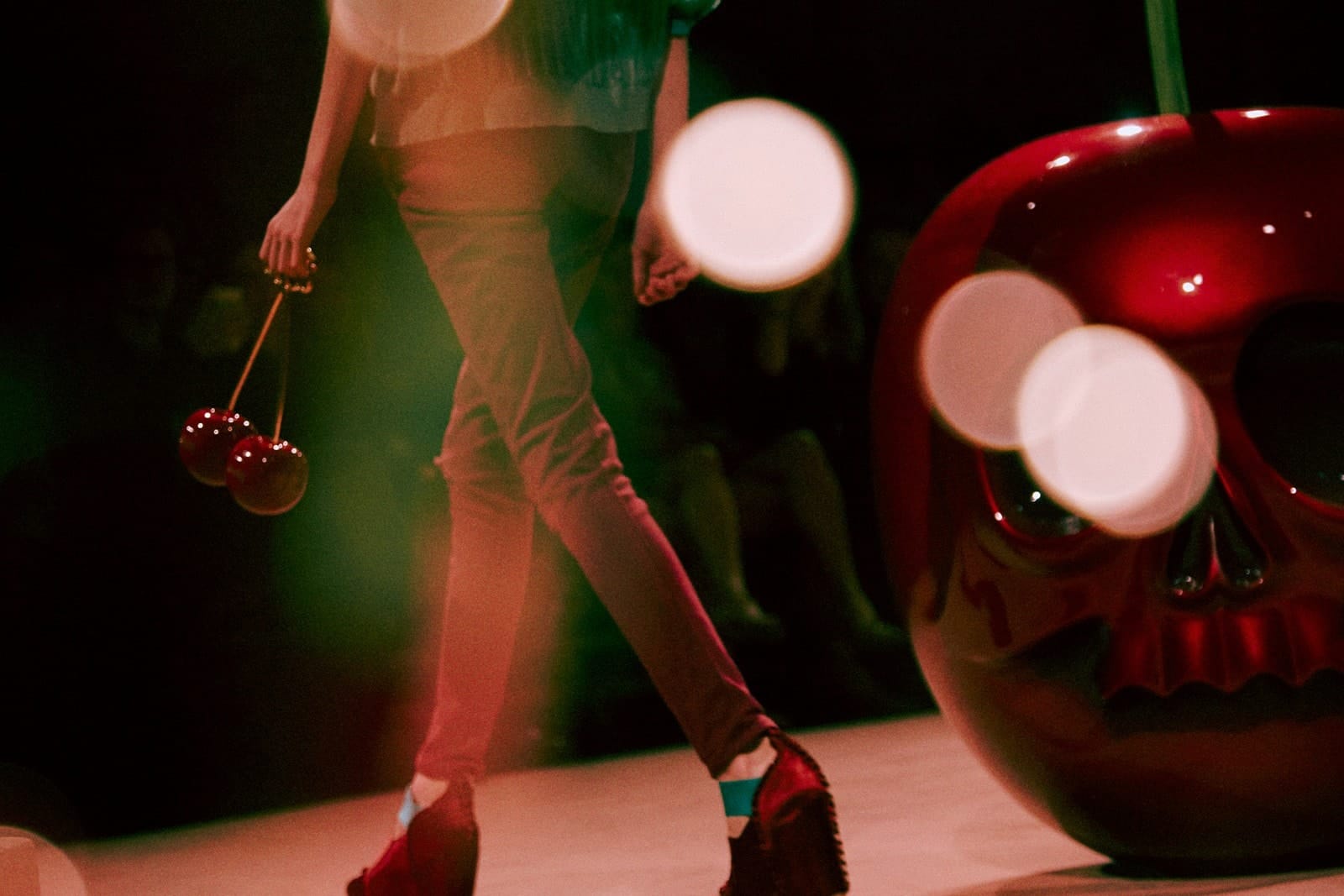
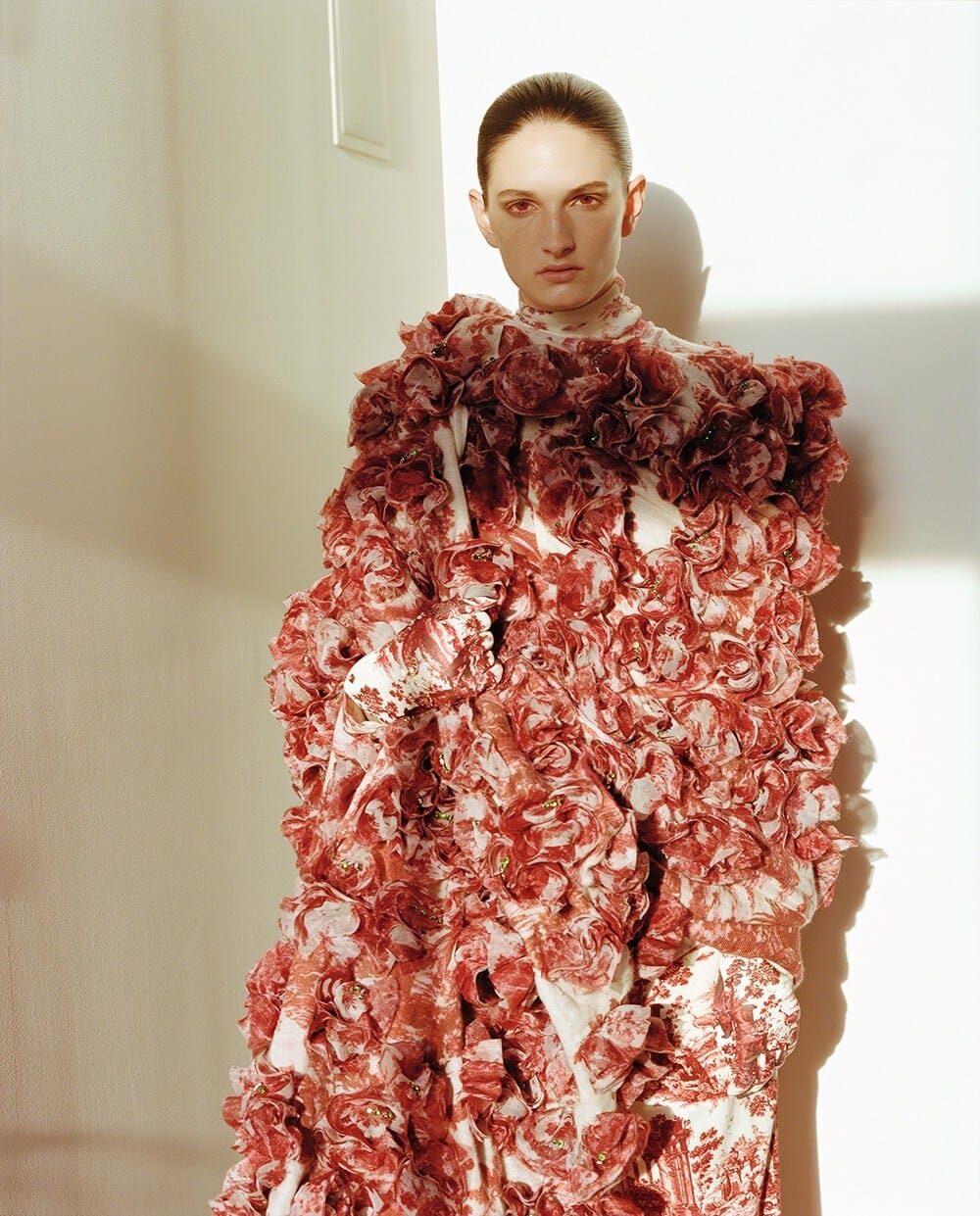
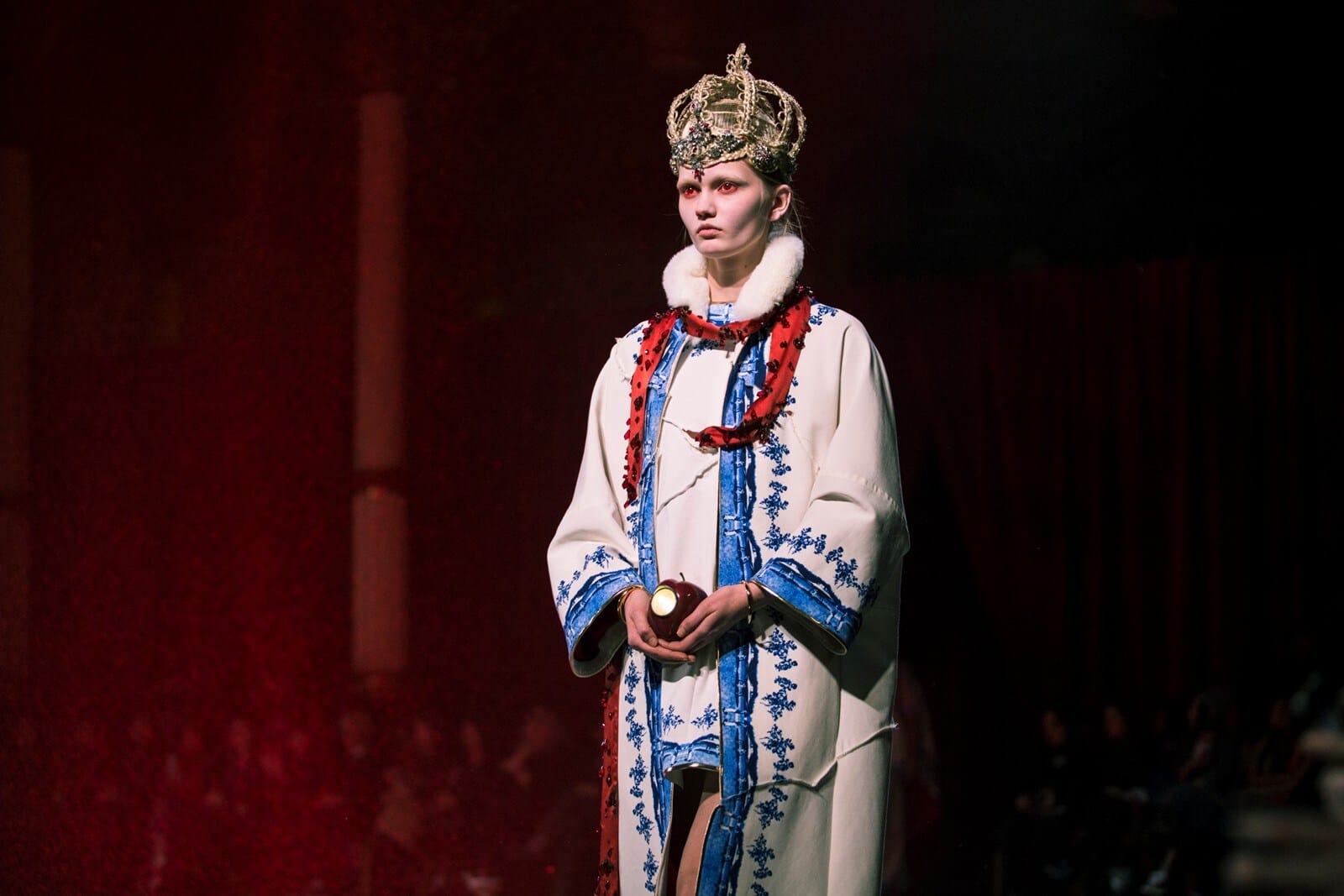
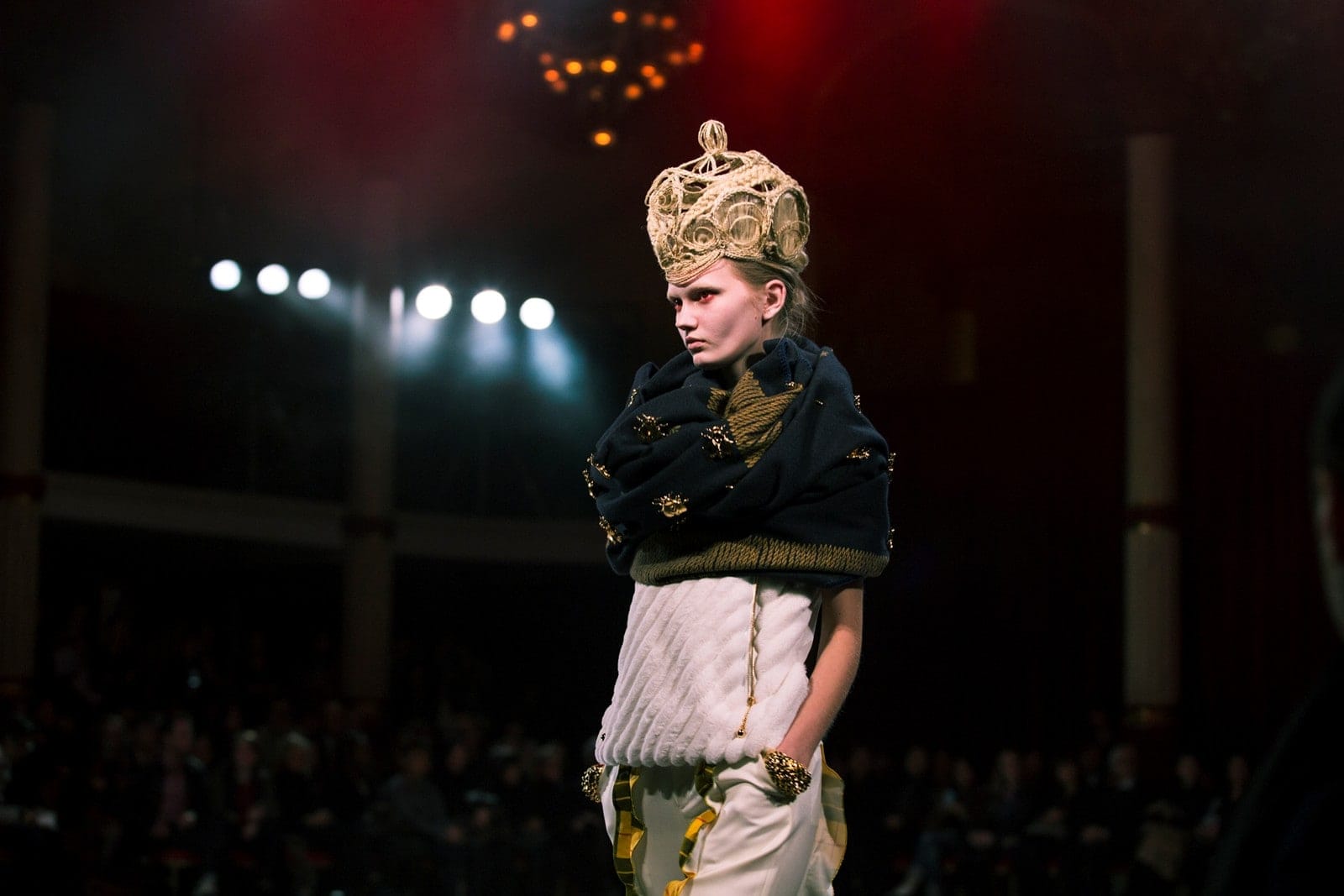
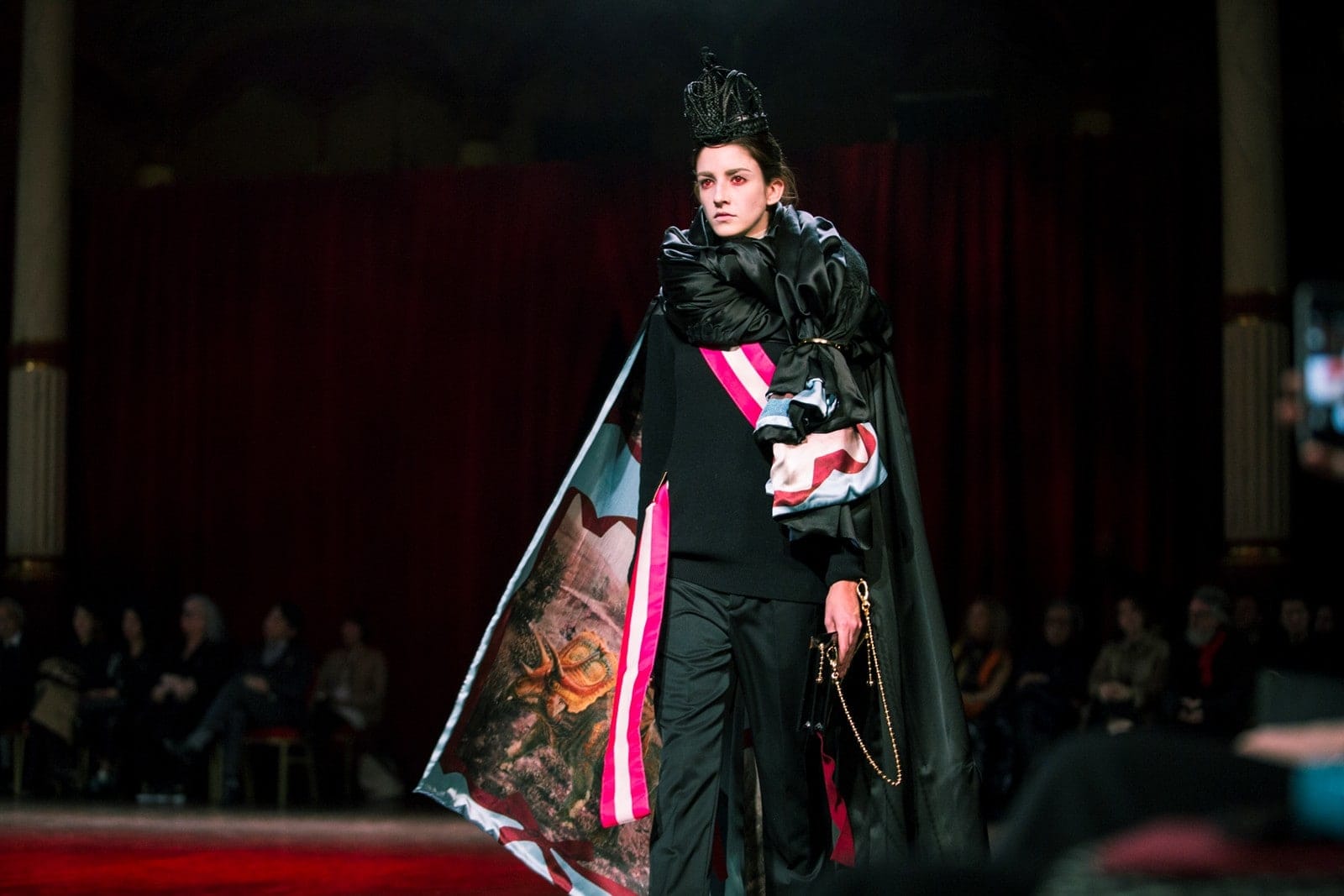
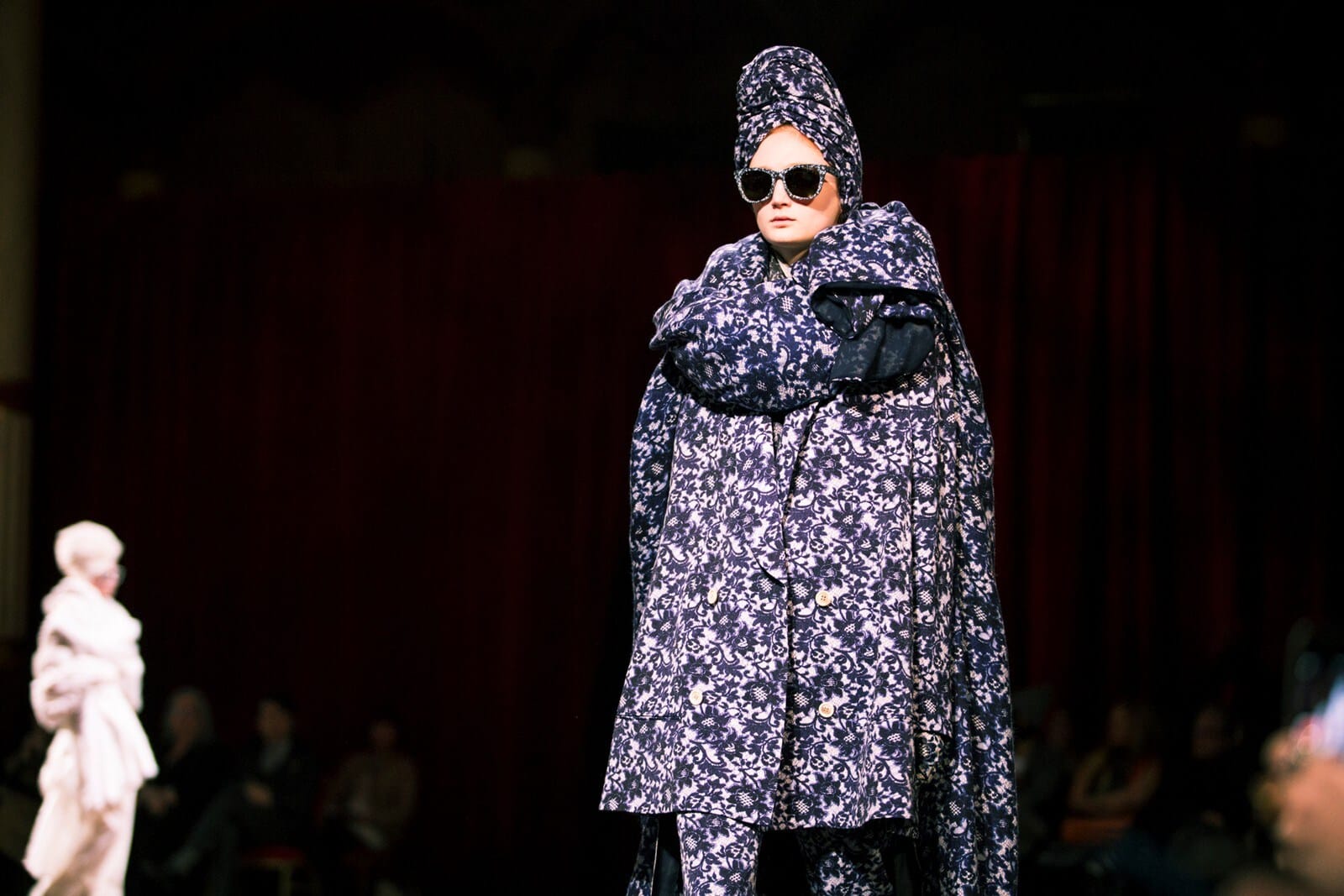
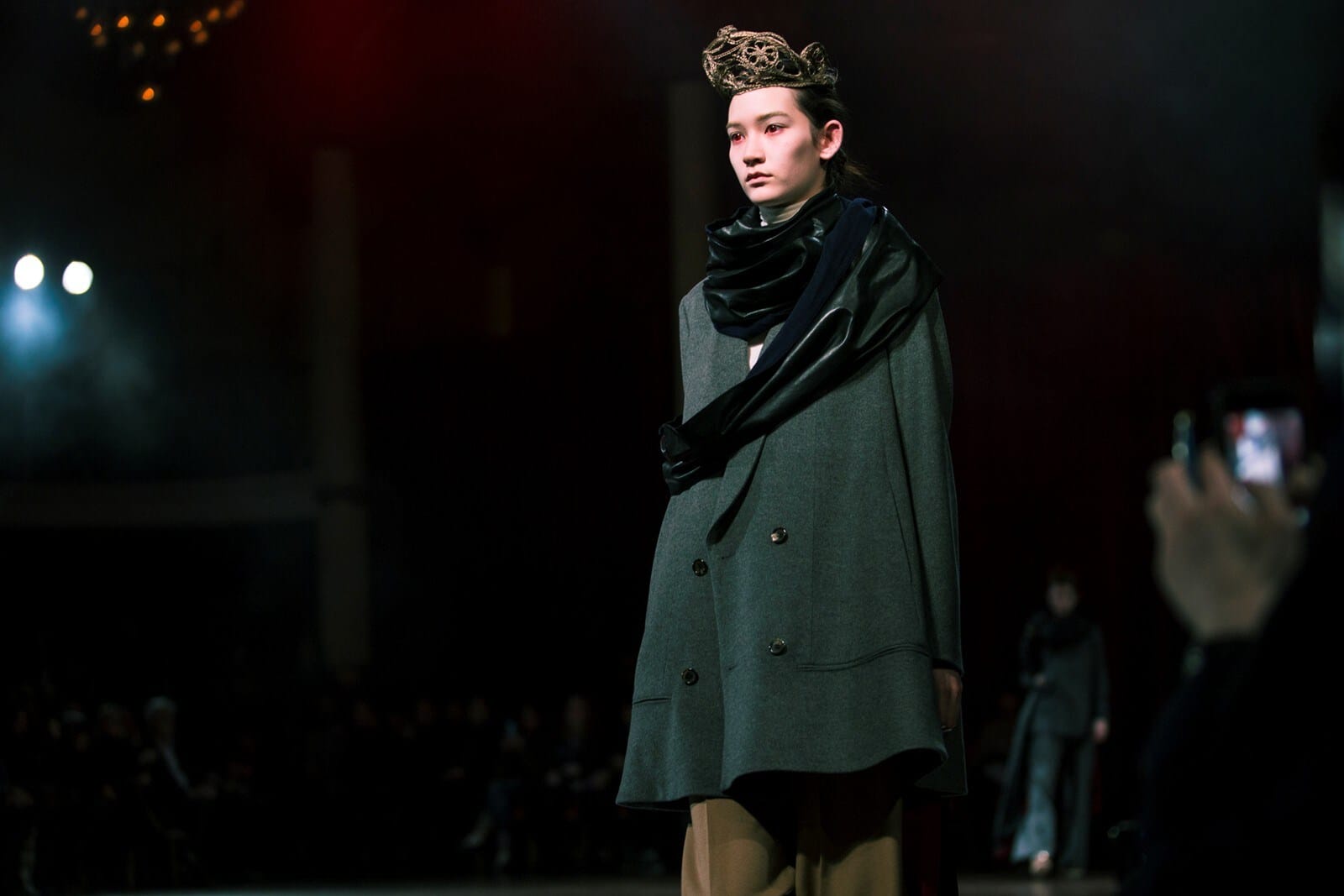
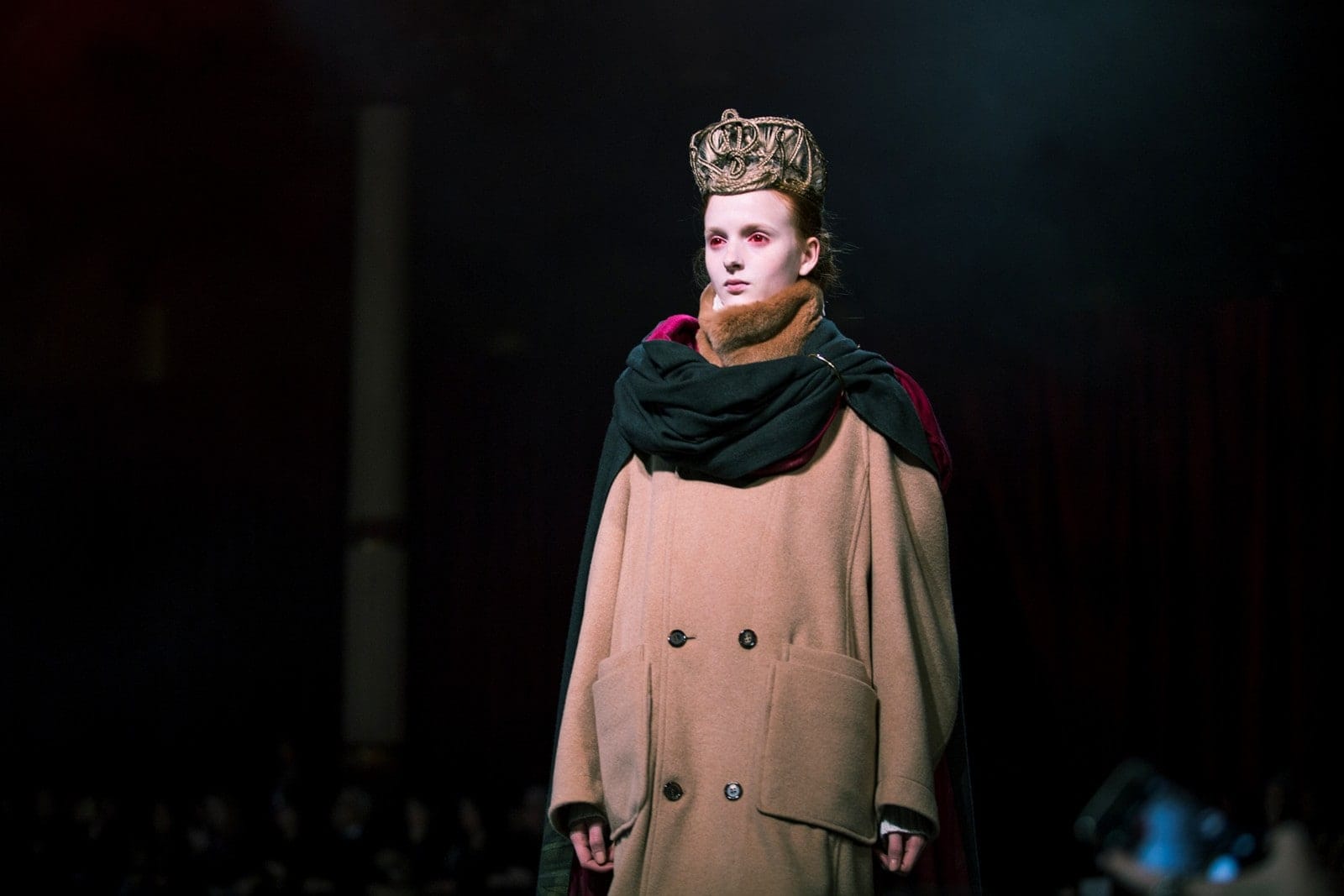
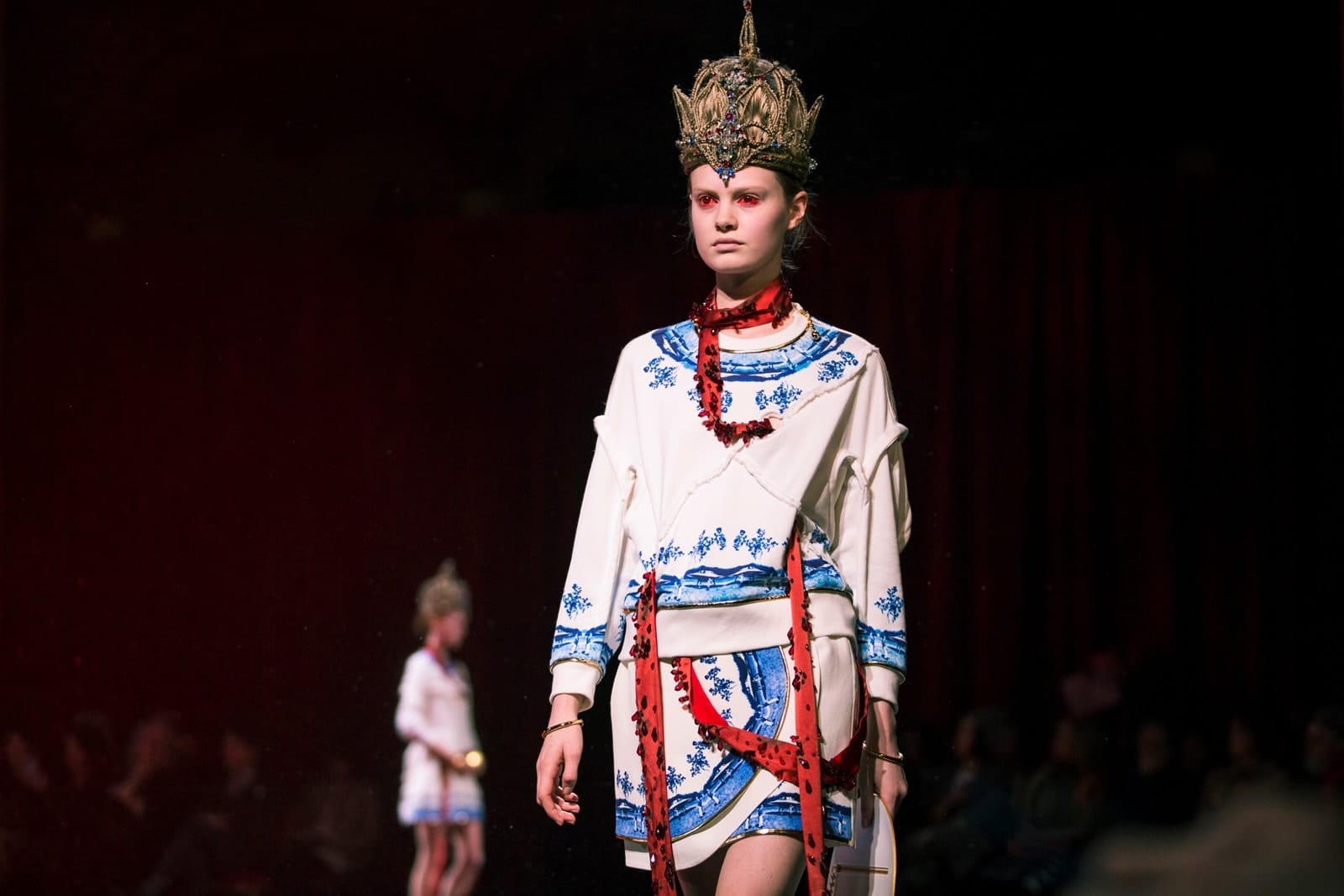
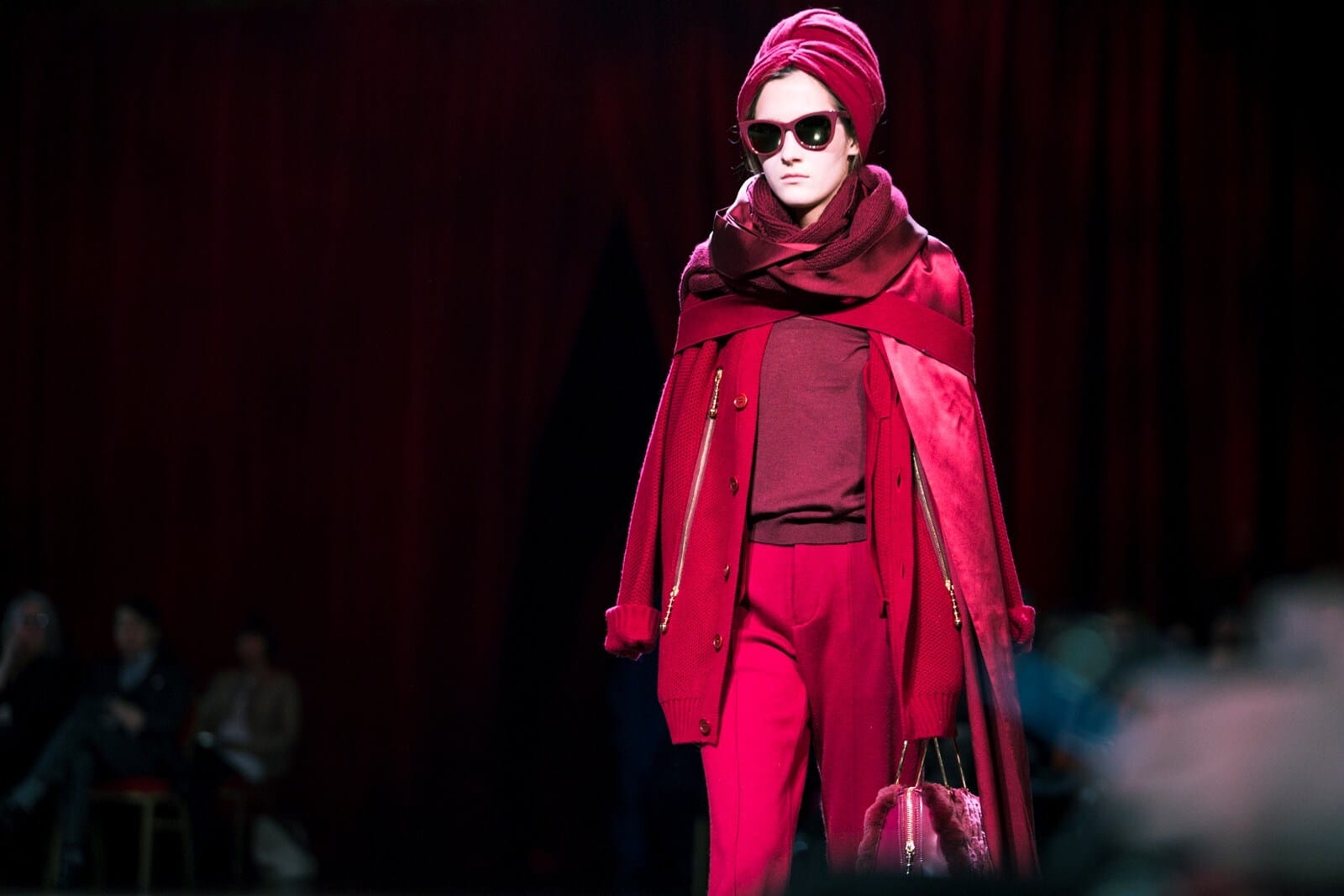
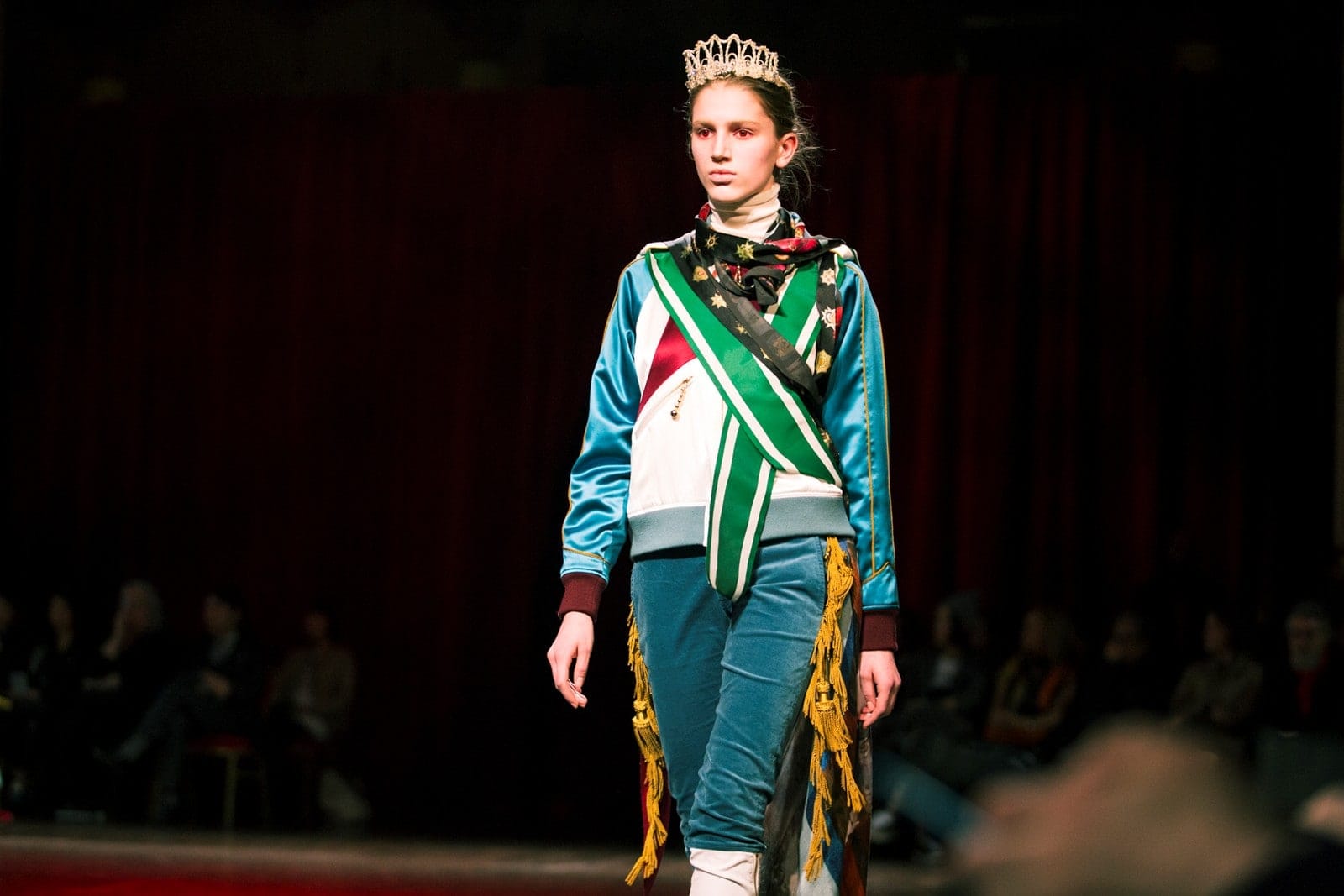
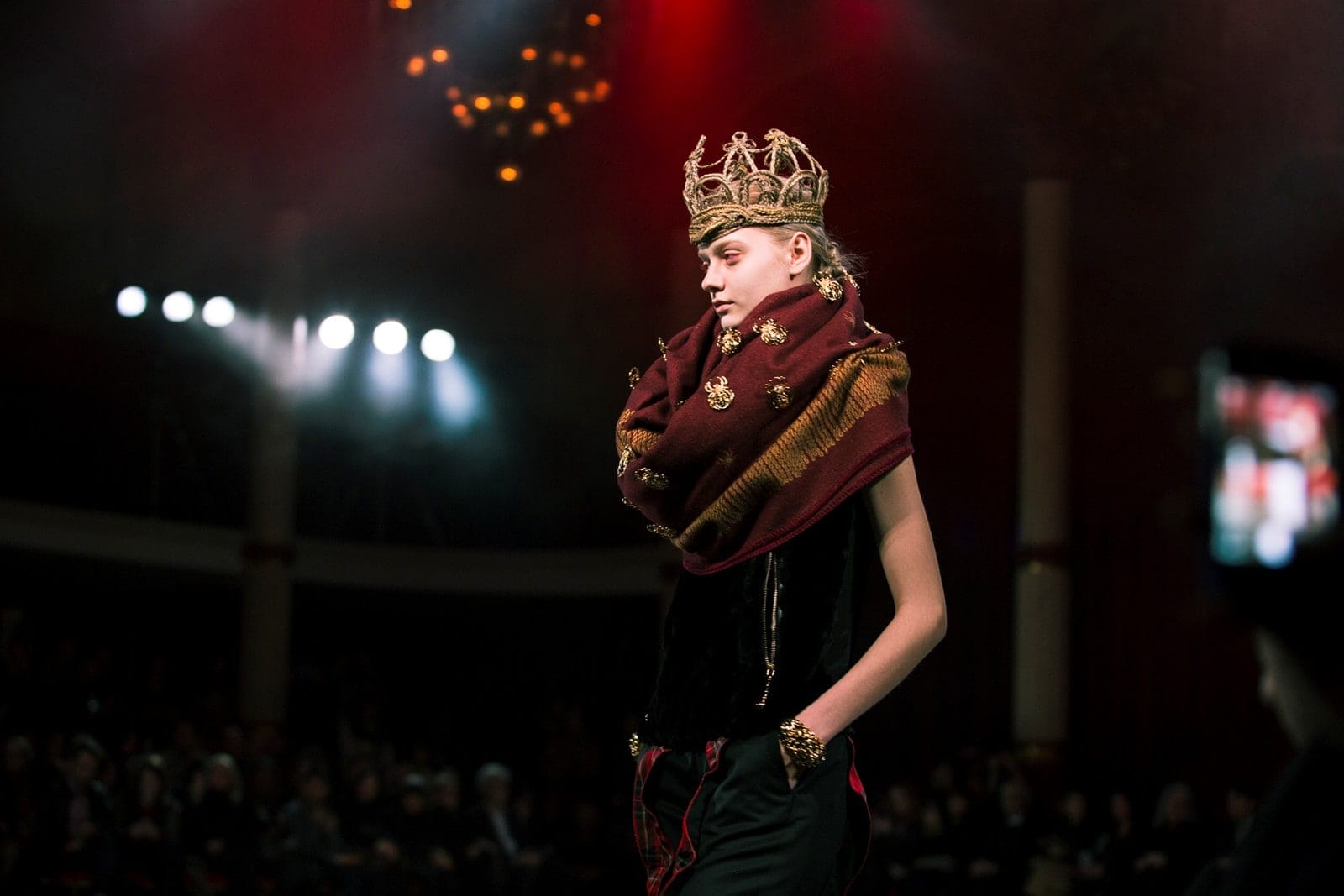
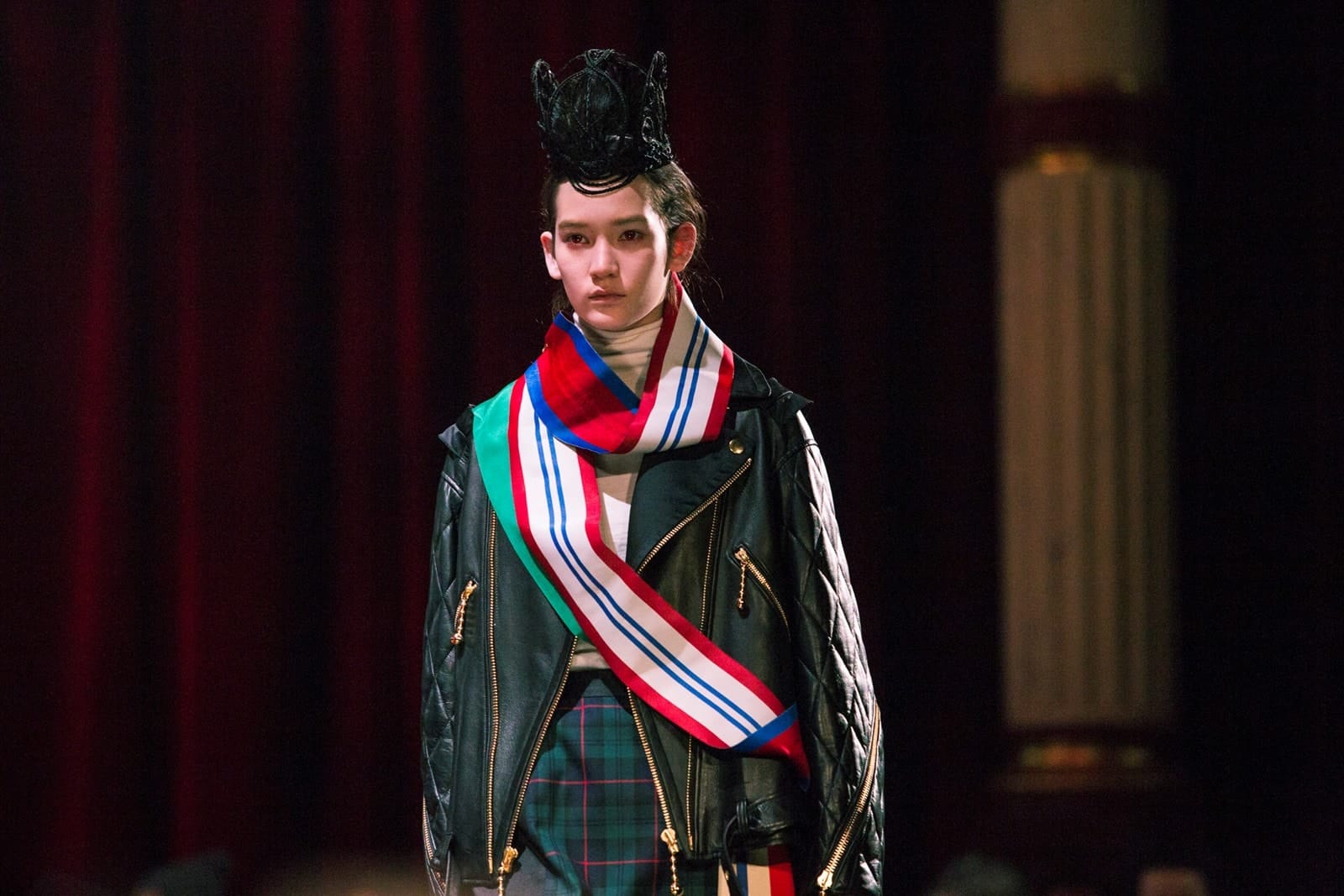
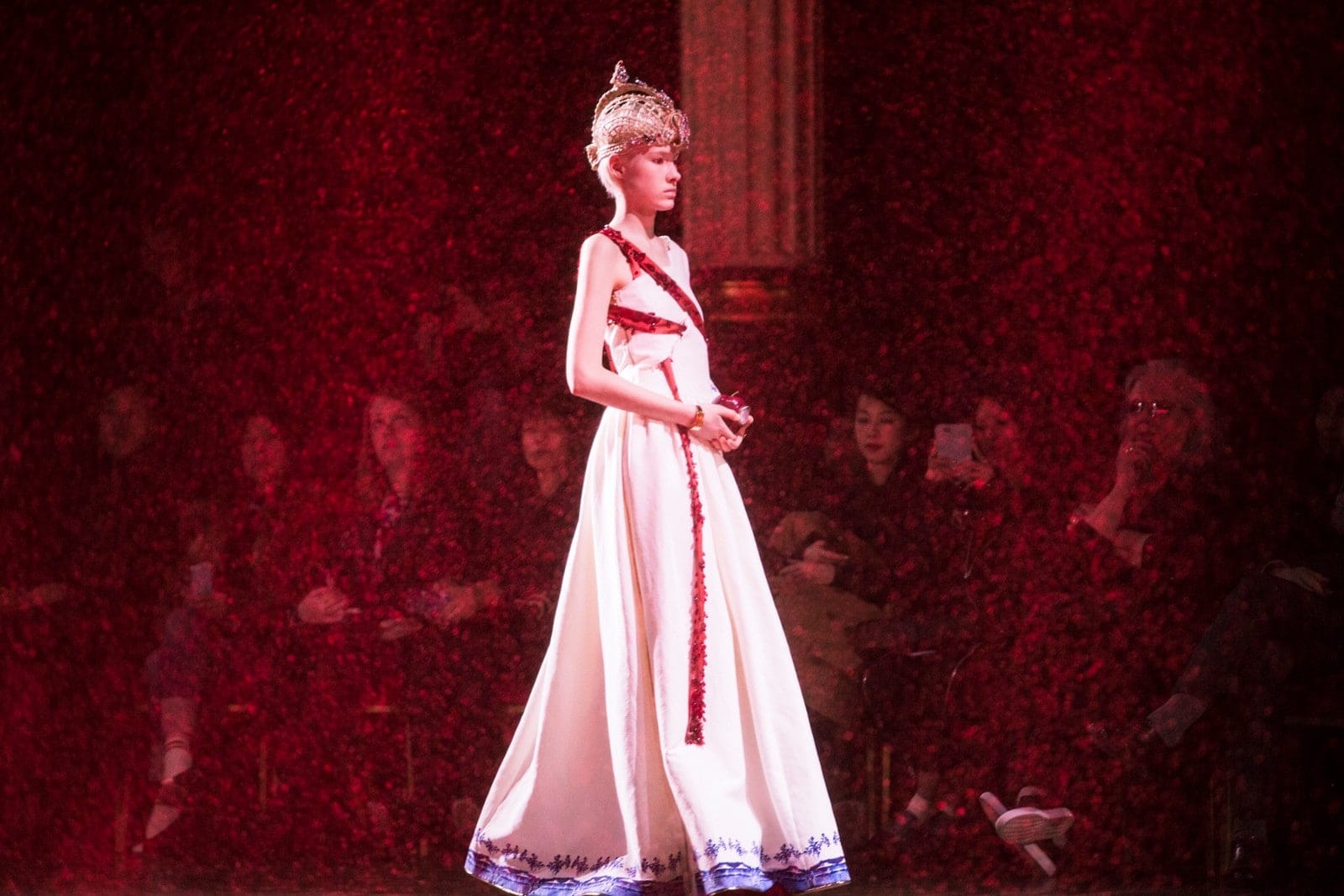
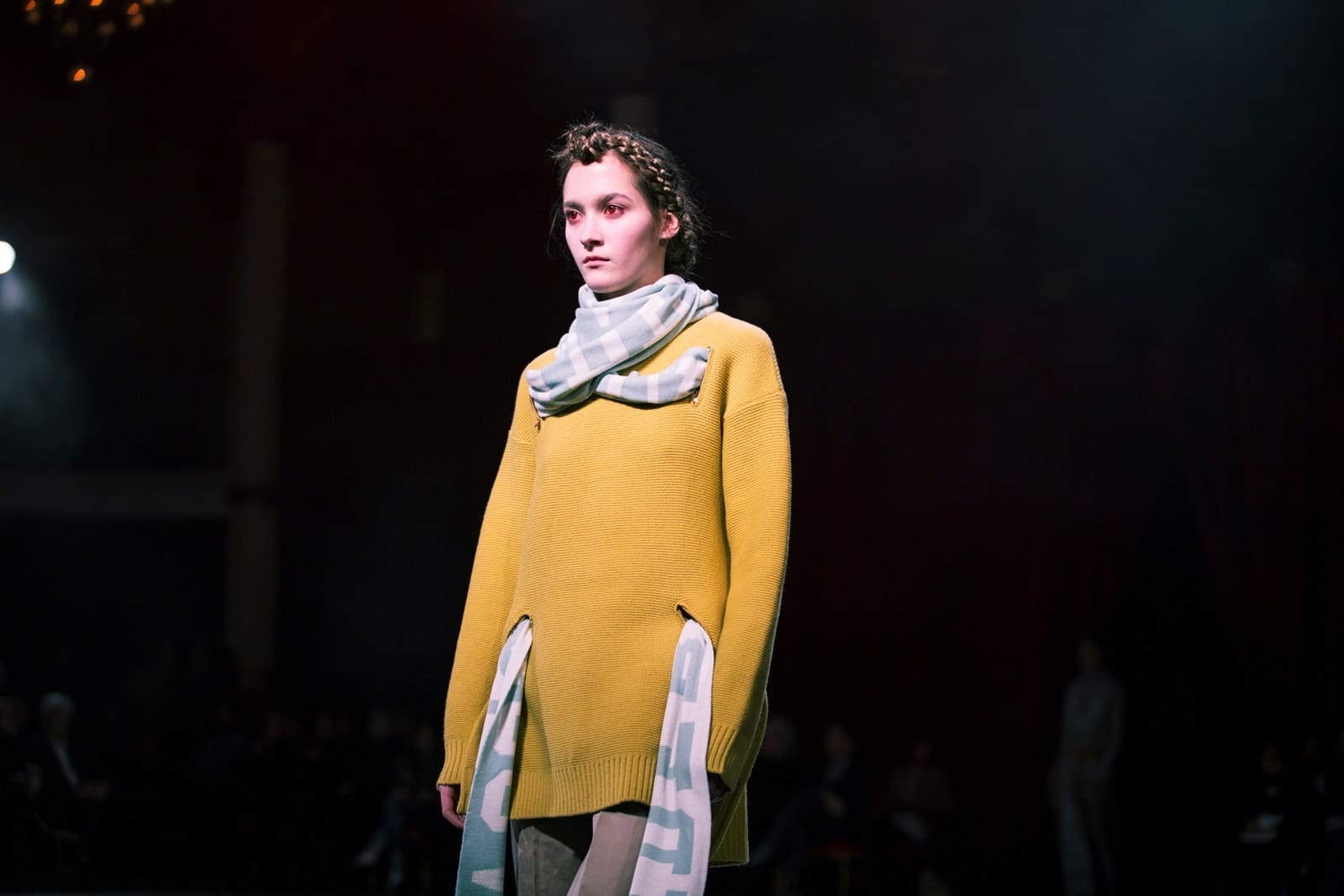
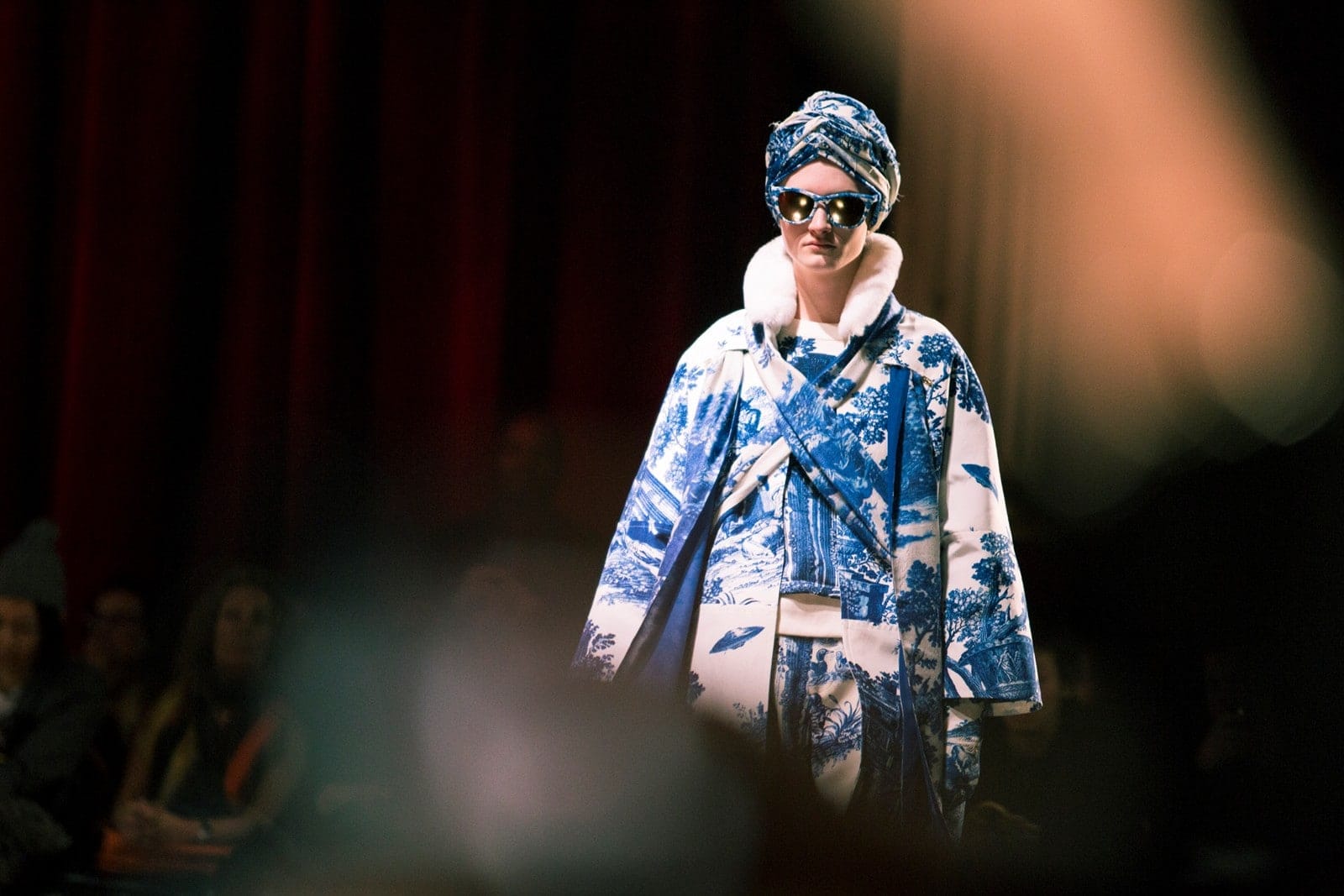
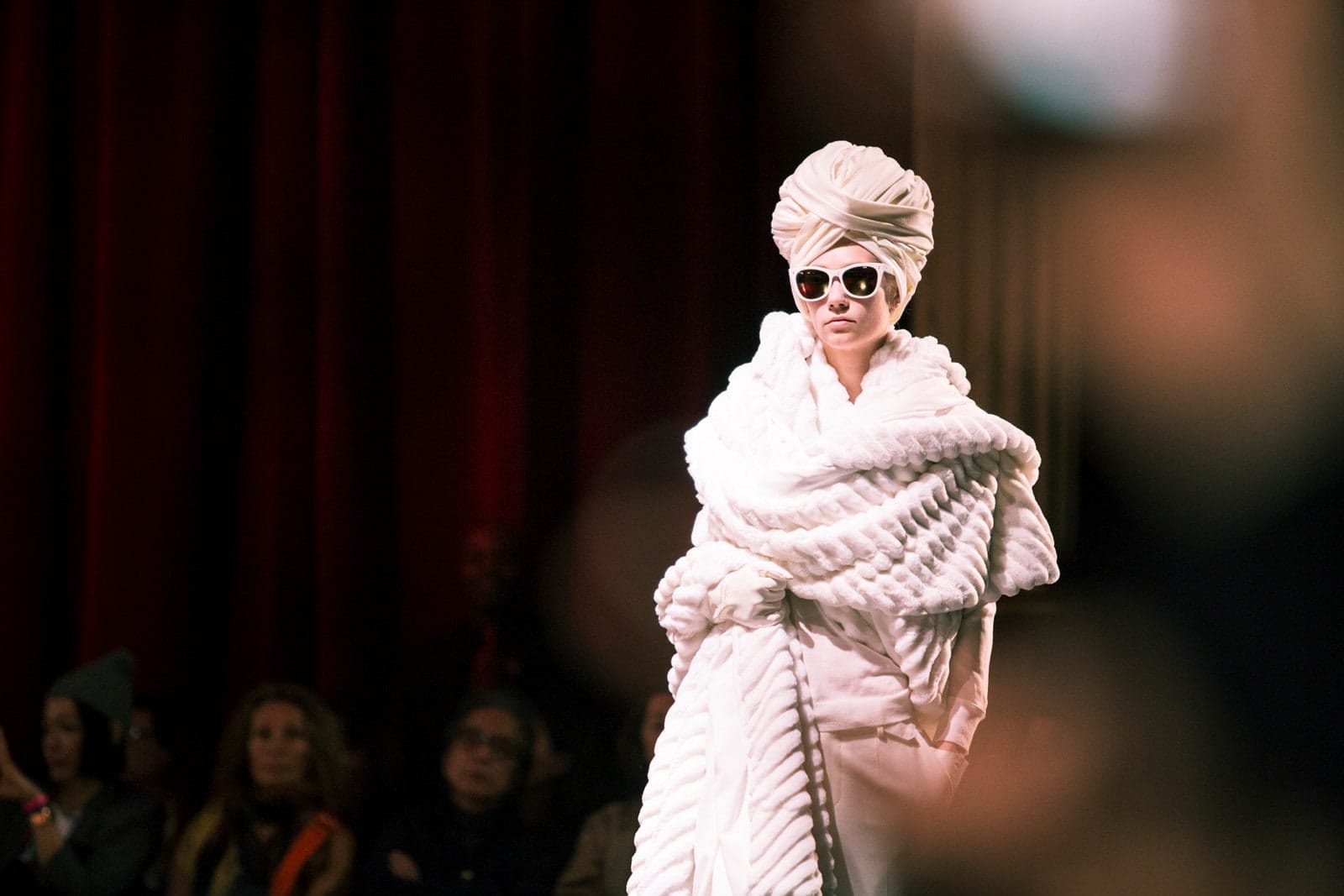
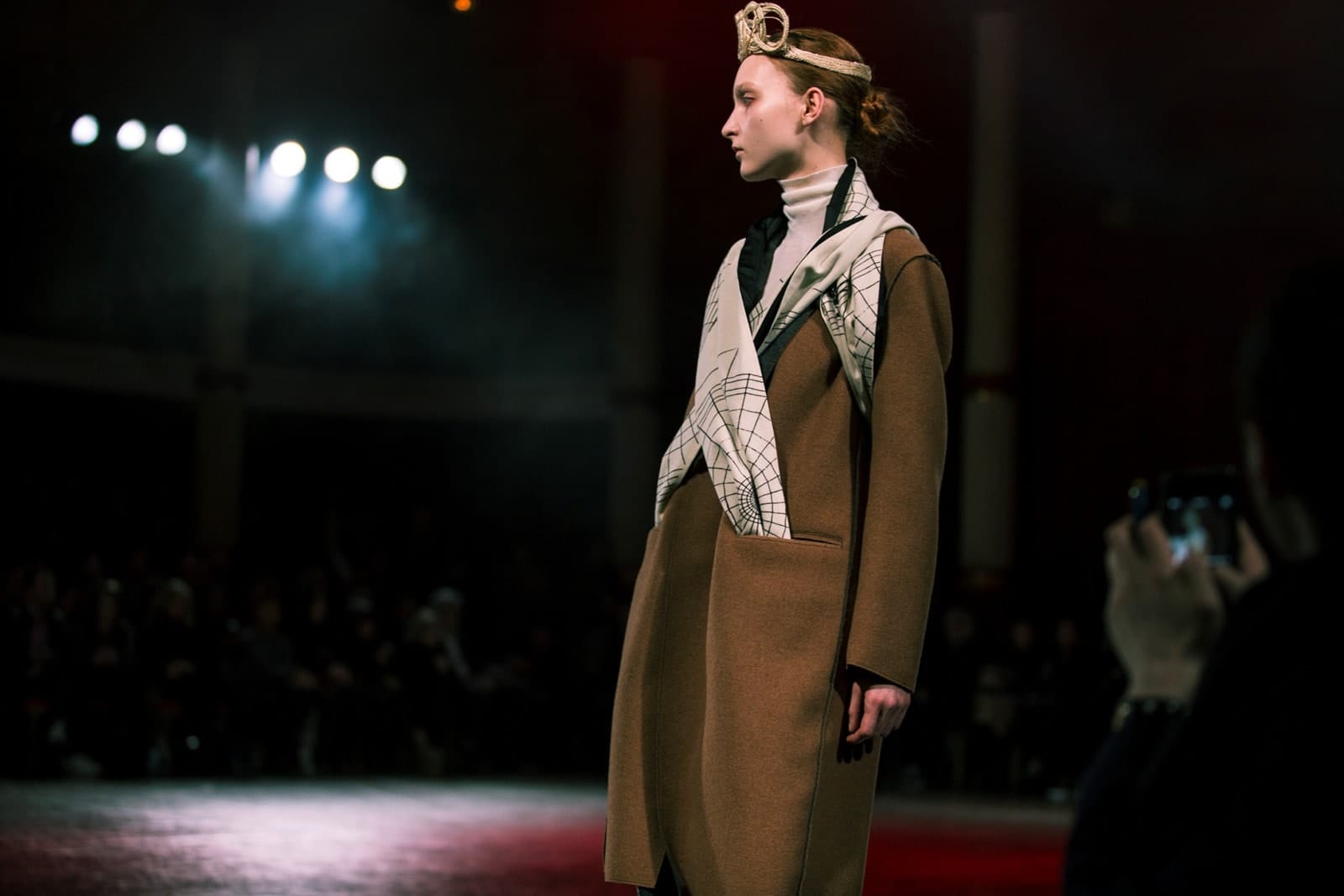
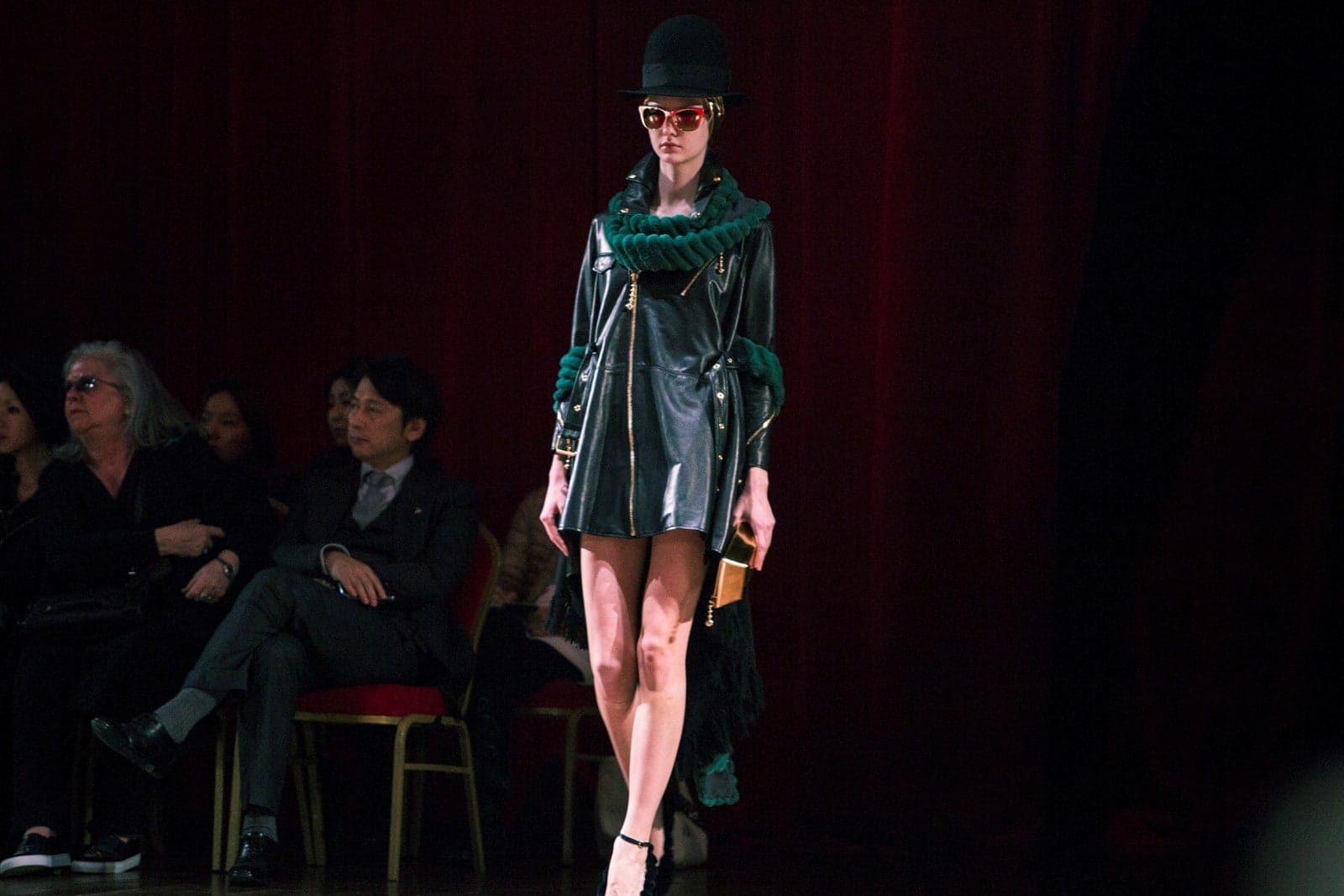
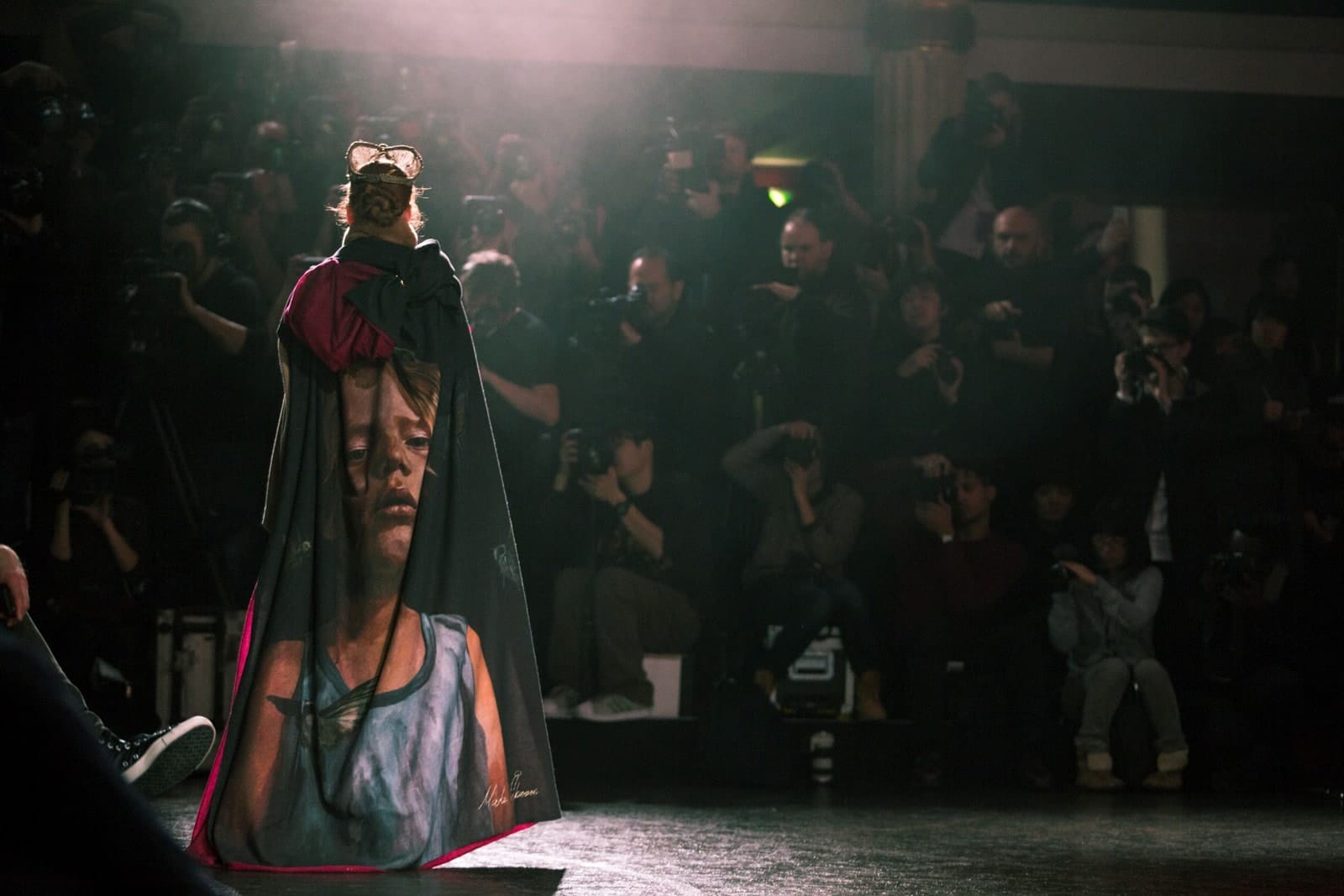
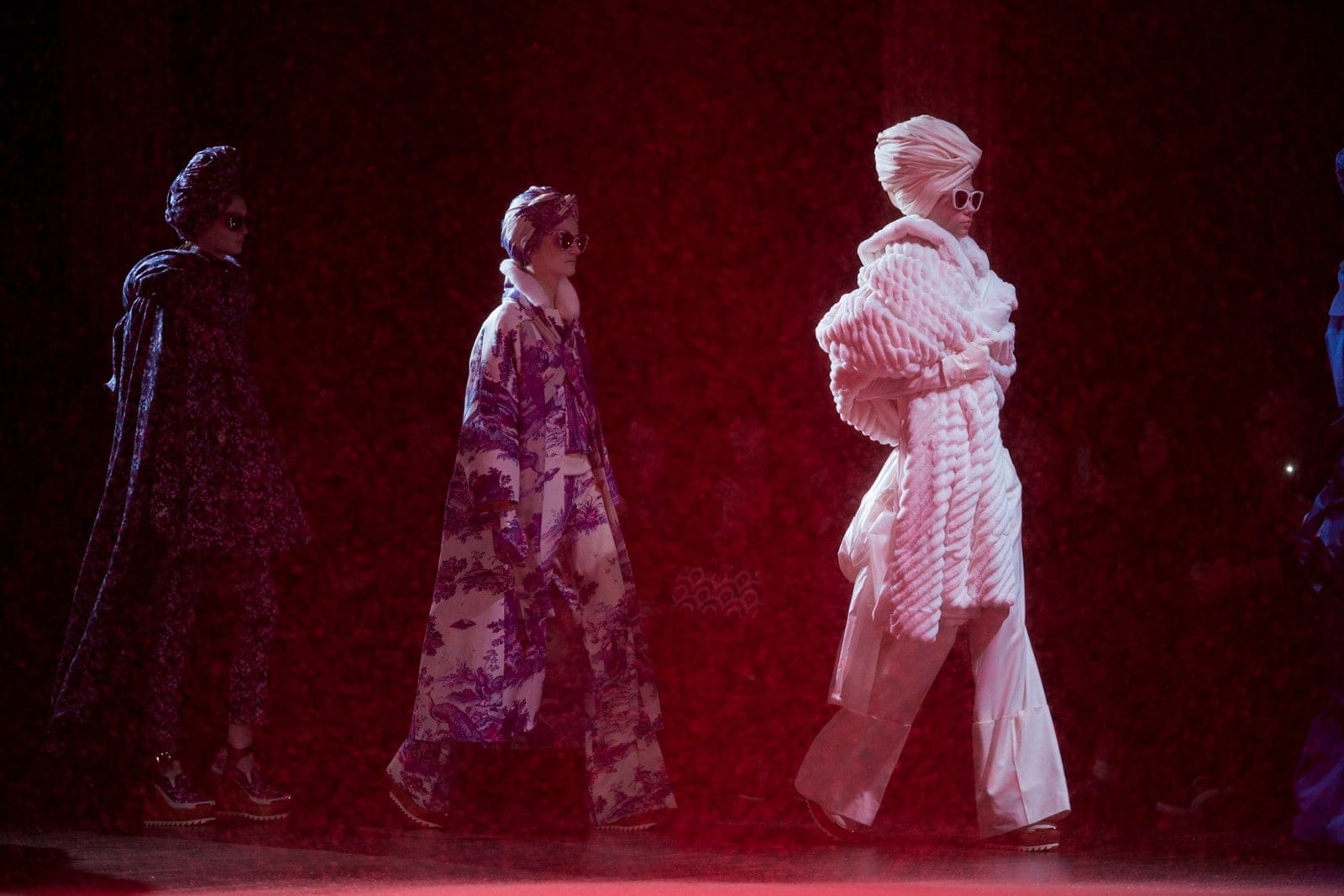
Jun Takahashi framed Undercover Autumn/Winter 2014 around fear, warmth and royalty. Braided crowns and rhinestones were offset by vamp-red contact lenses, red mascara, tartan and toile de Jouy interrupted by UFOs, turning the runway into a corrupted fairytale.
Photography by Jeff Henrikson; styling by Emma Wyman.
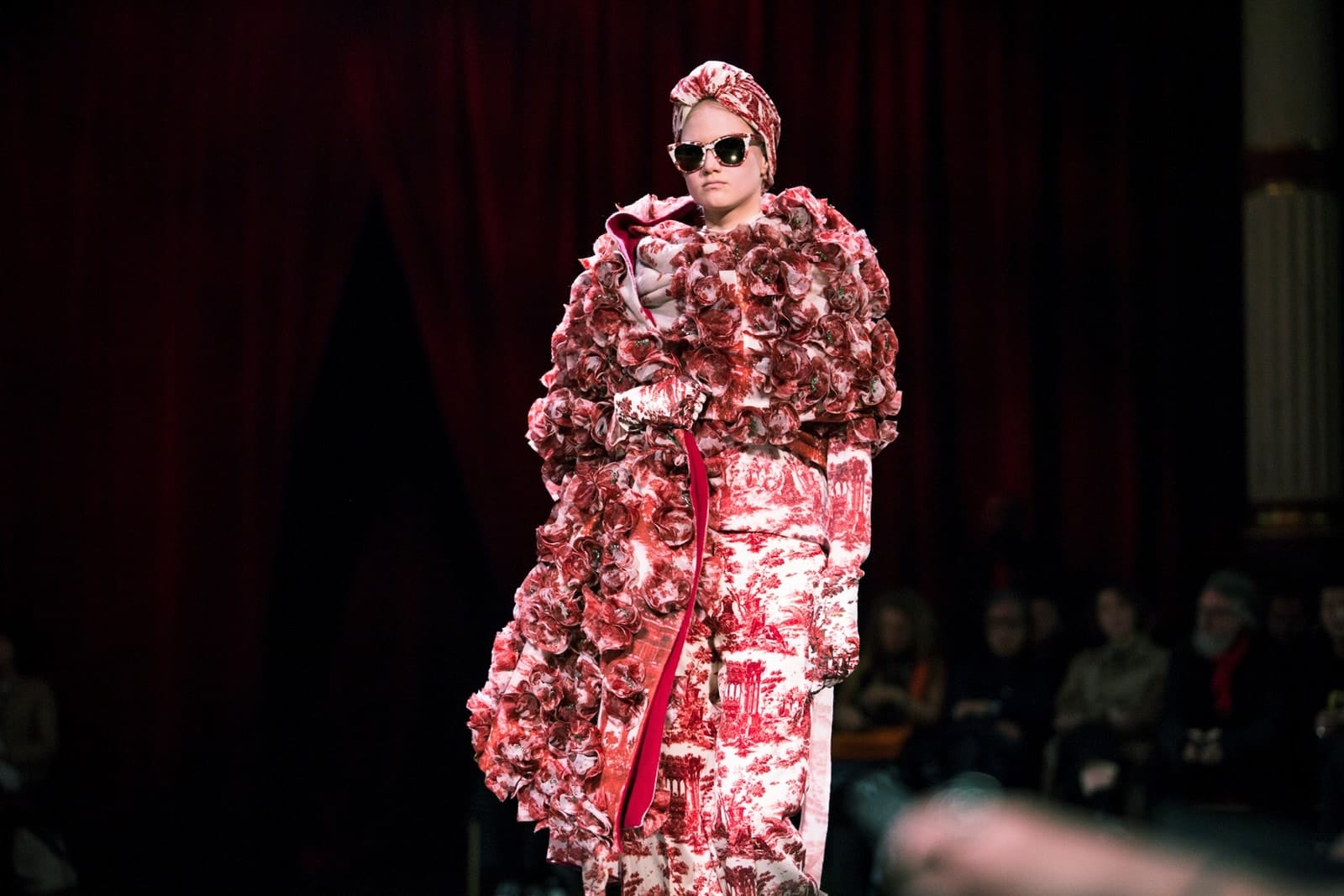

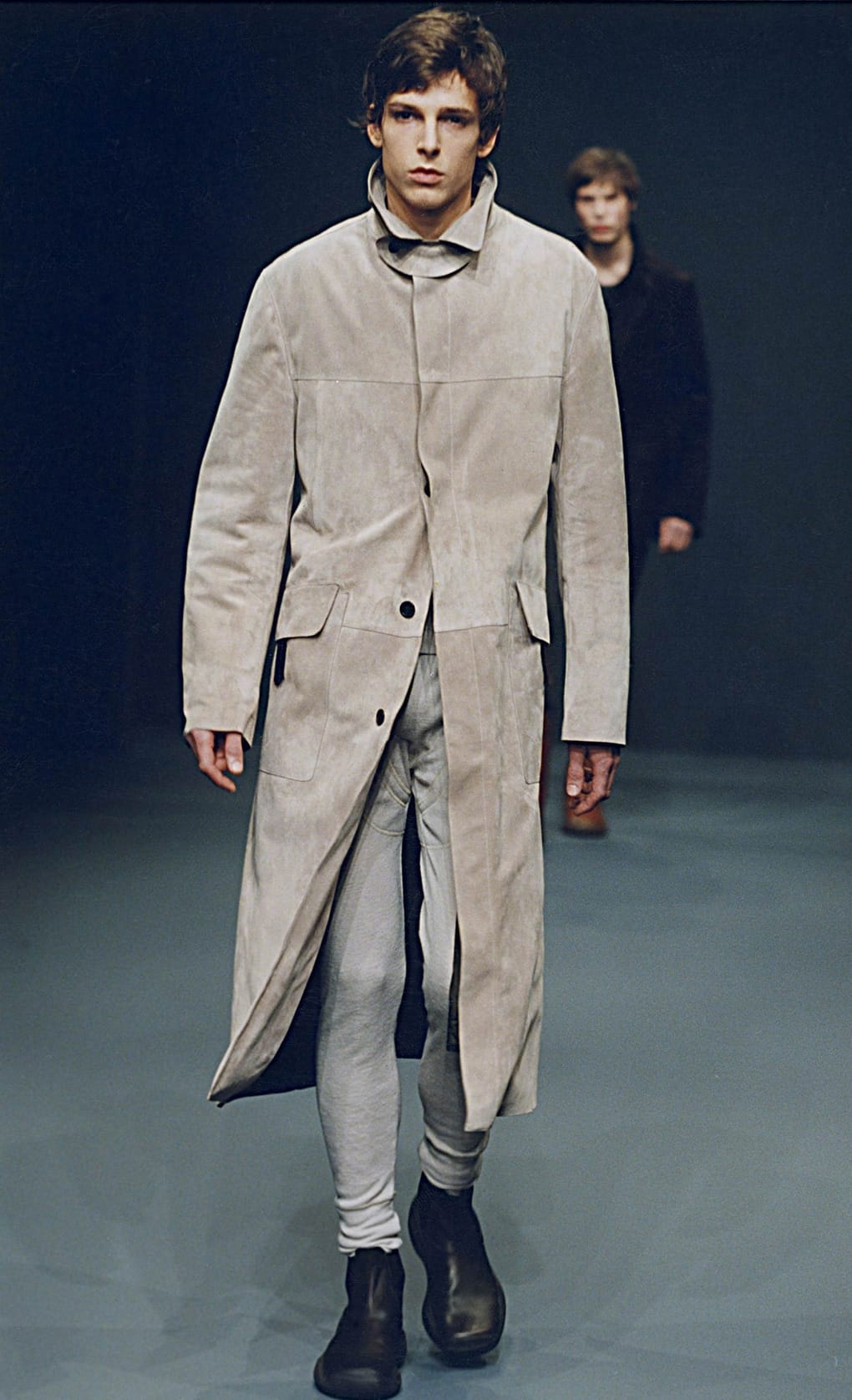
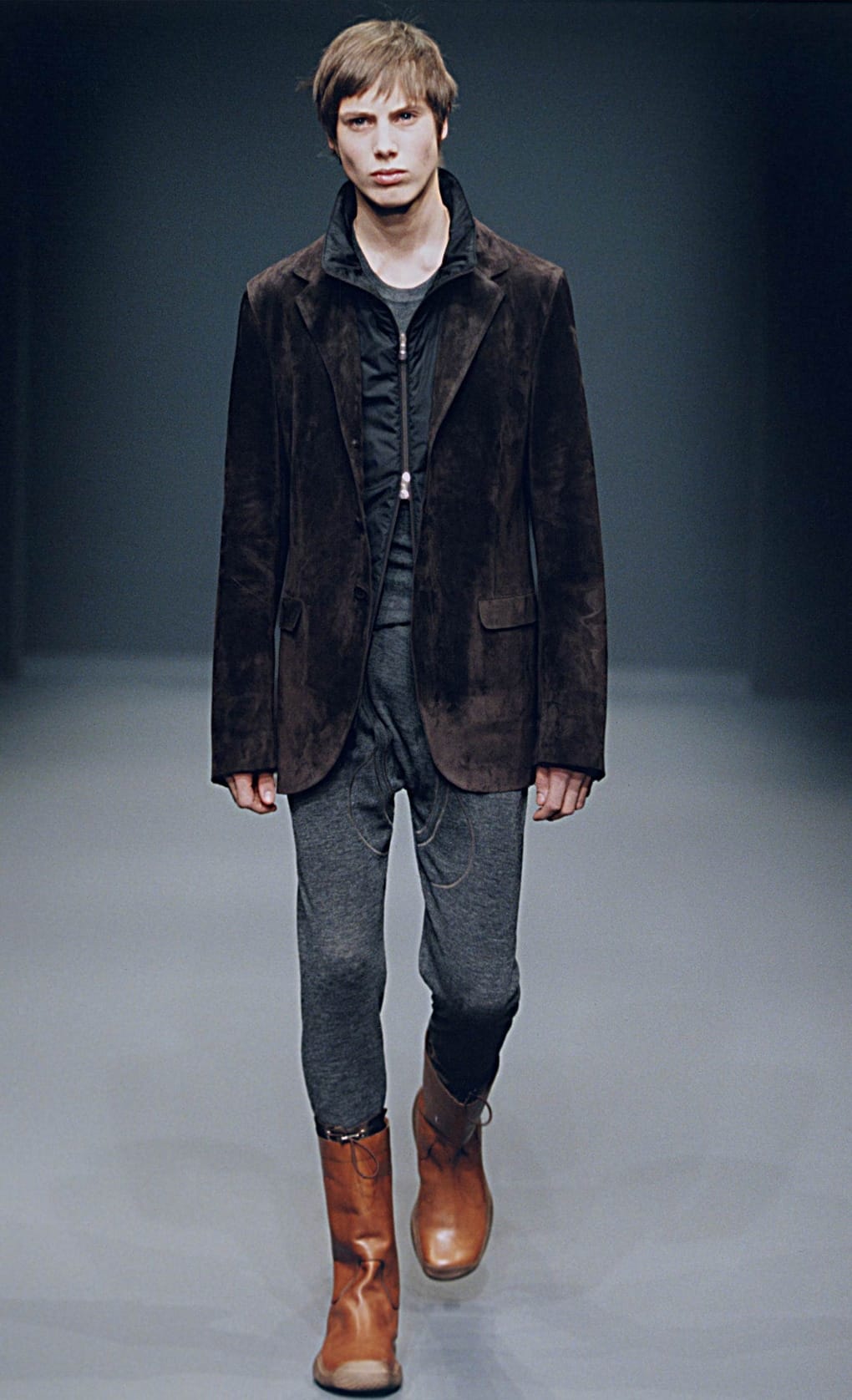
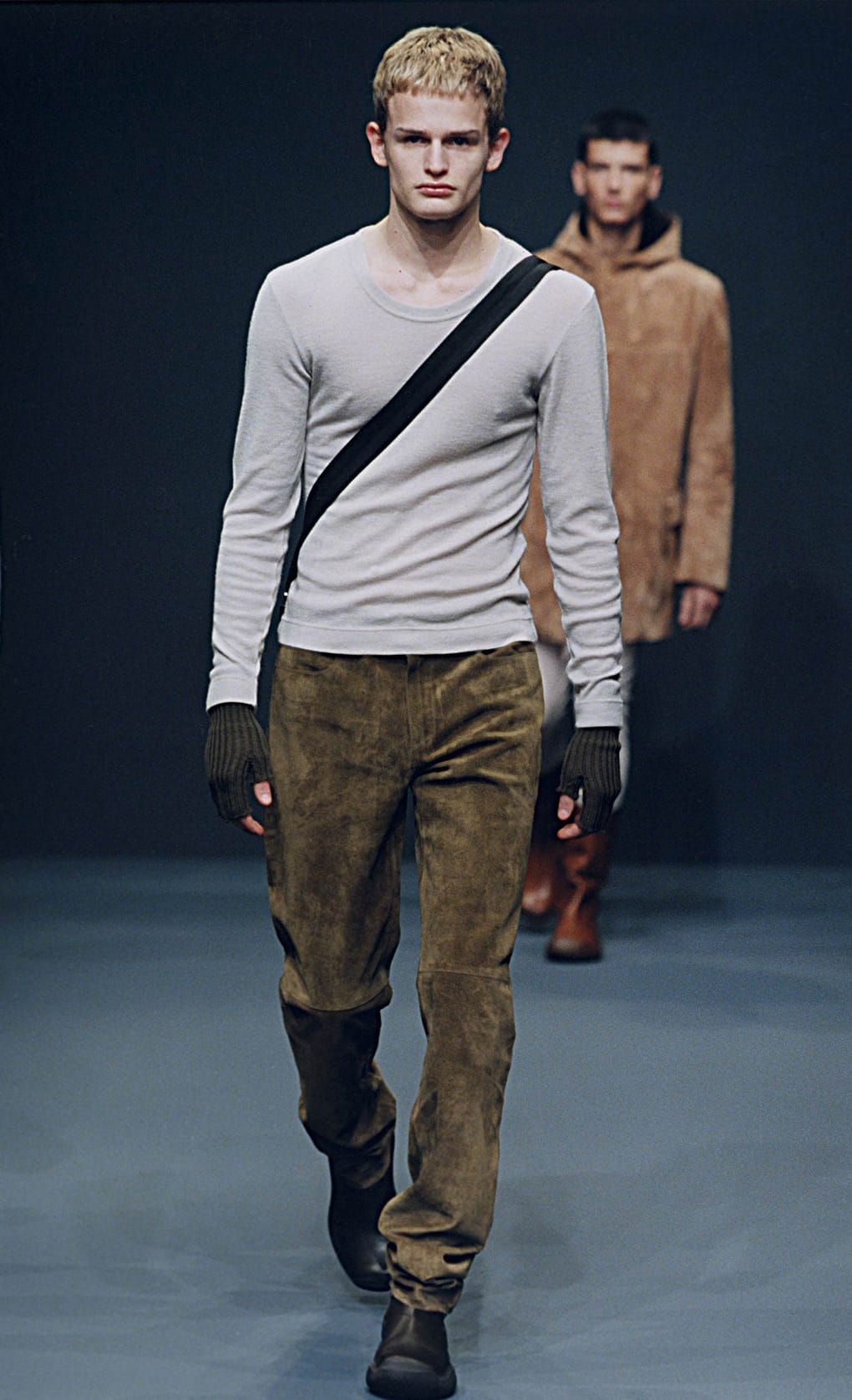
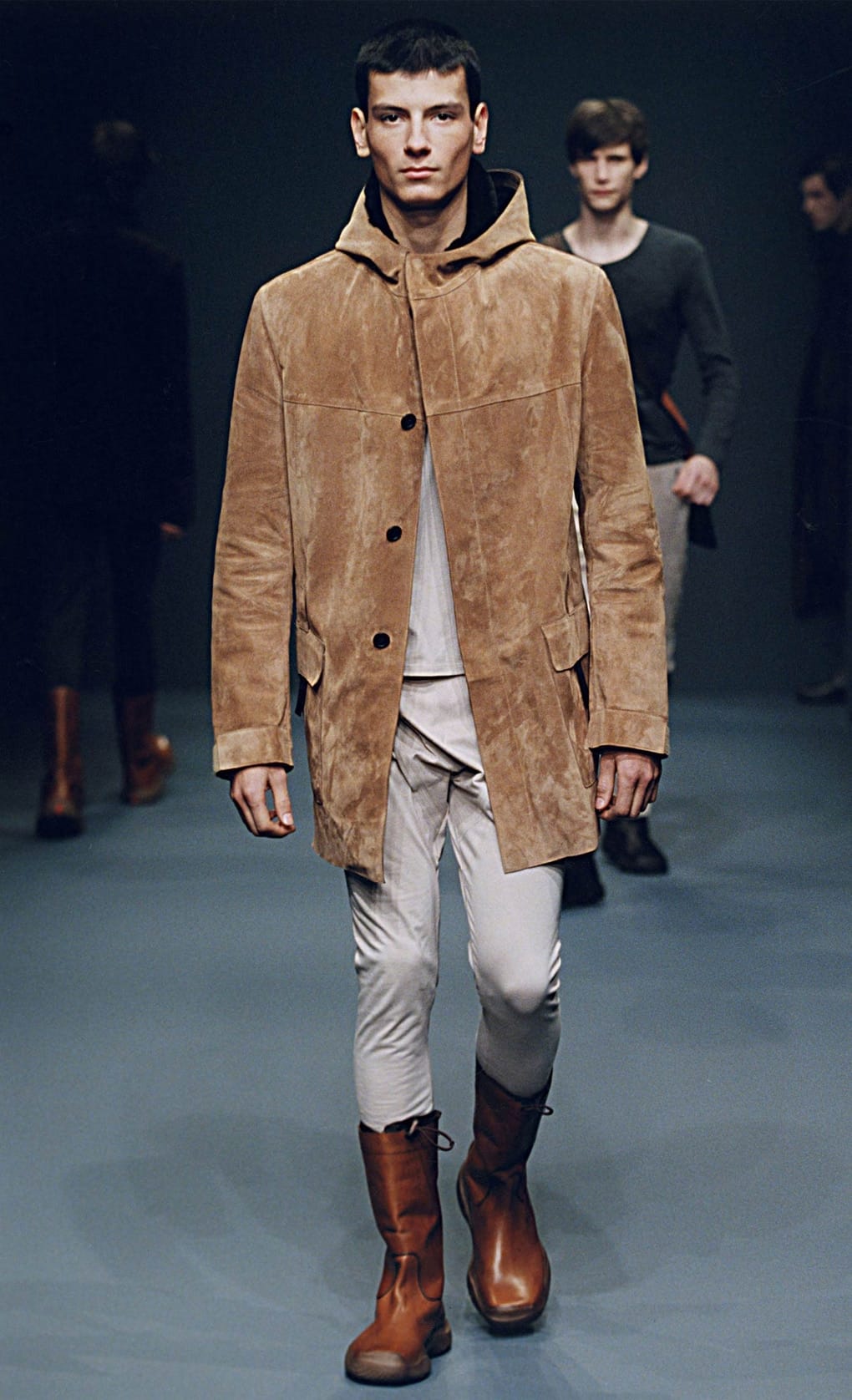
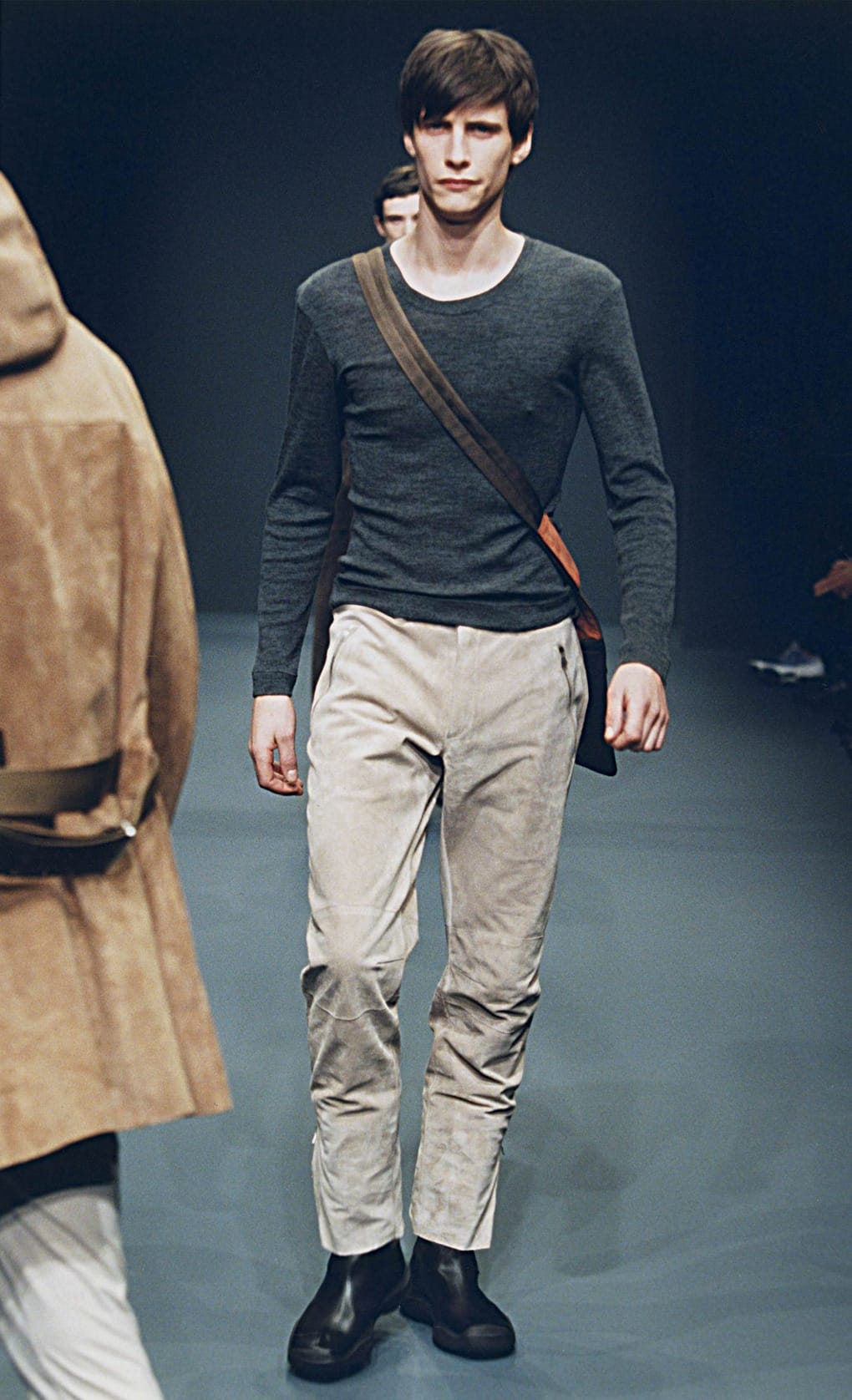
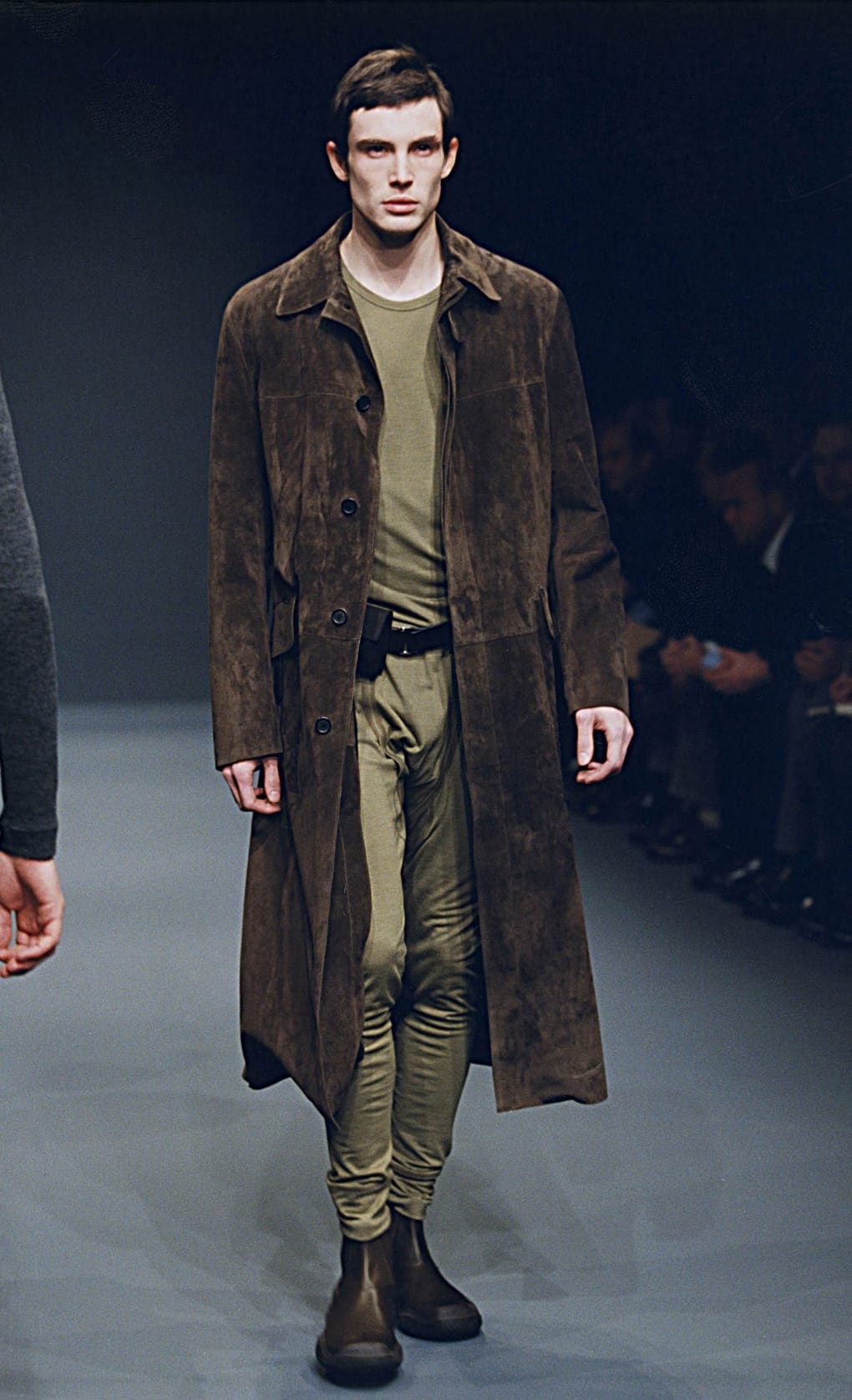
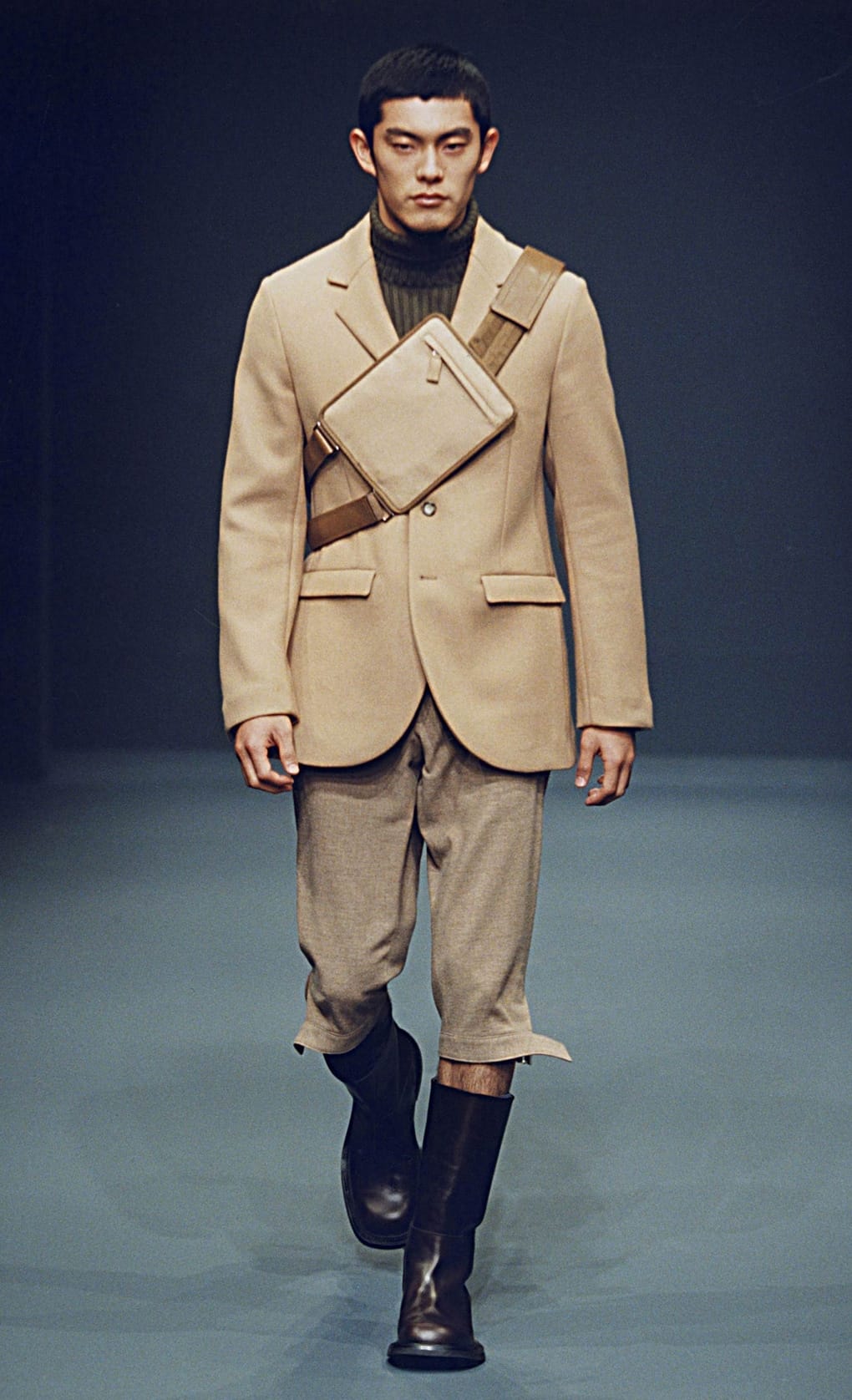
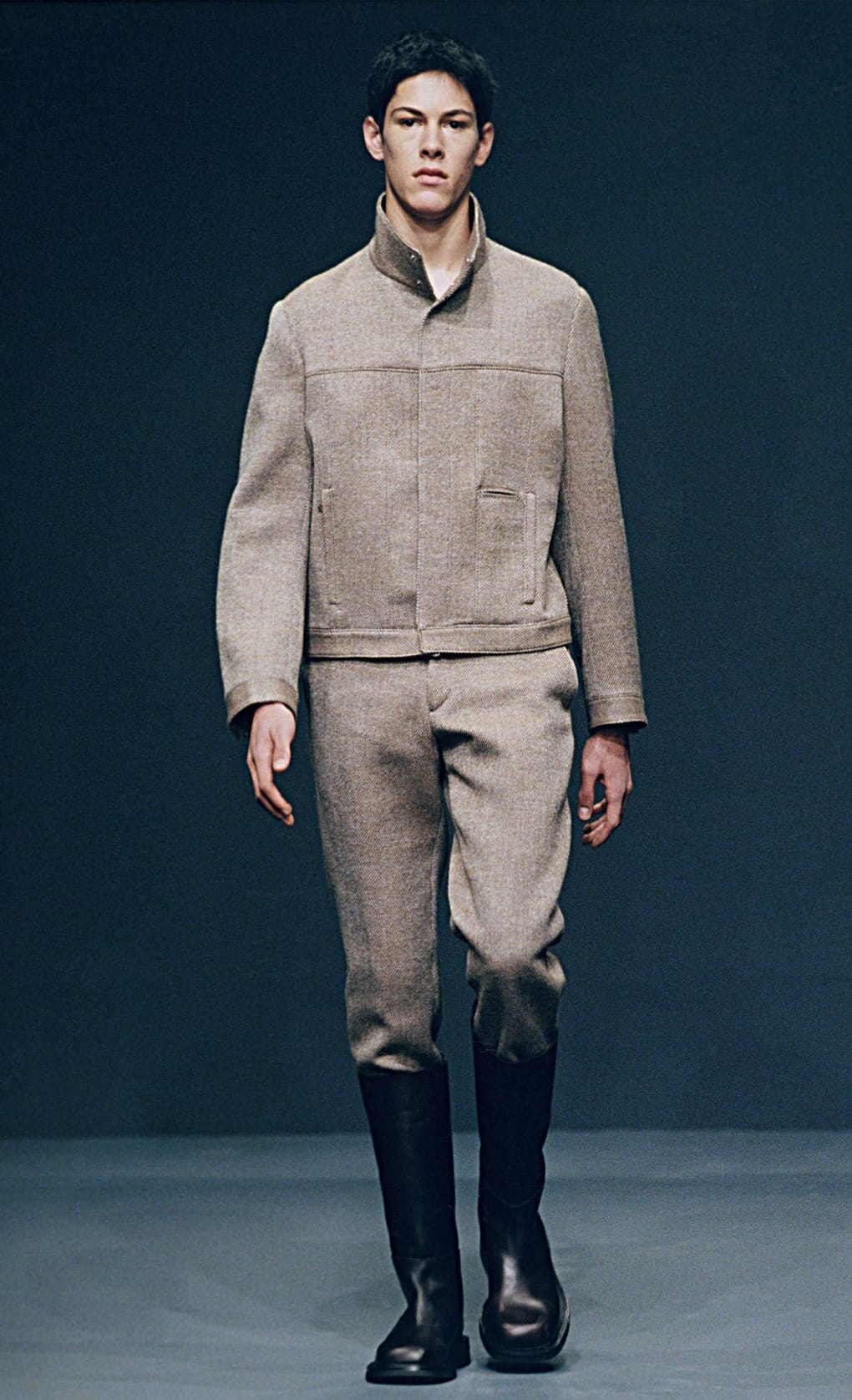
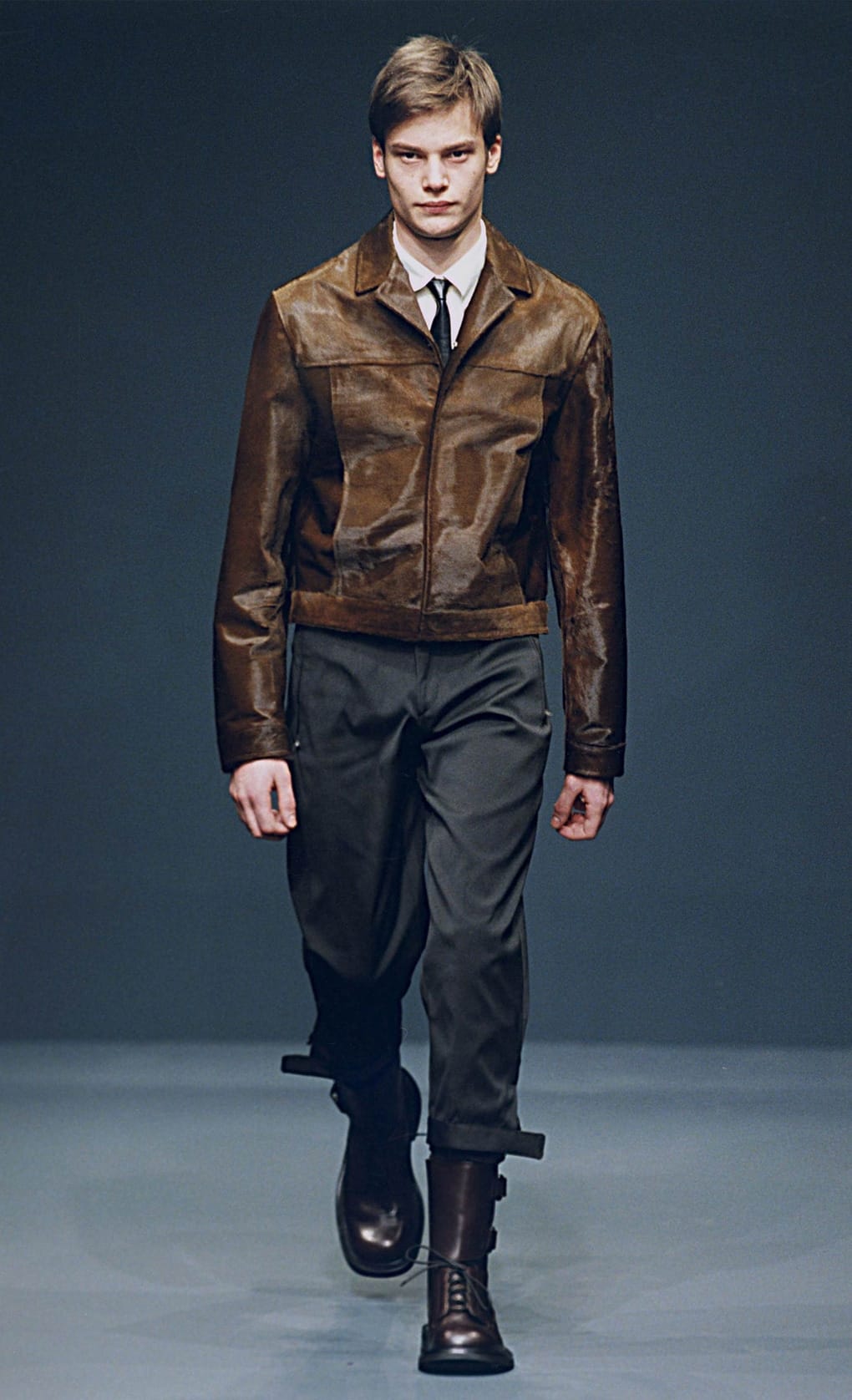
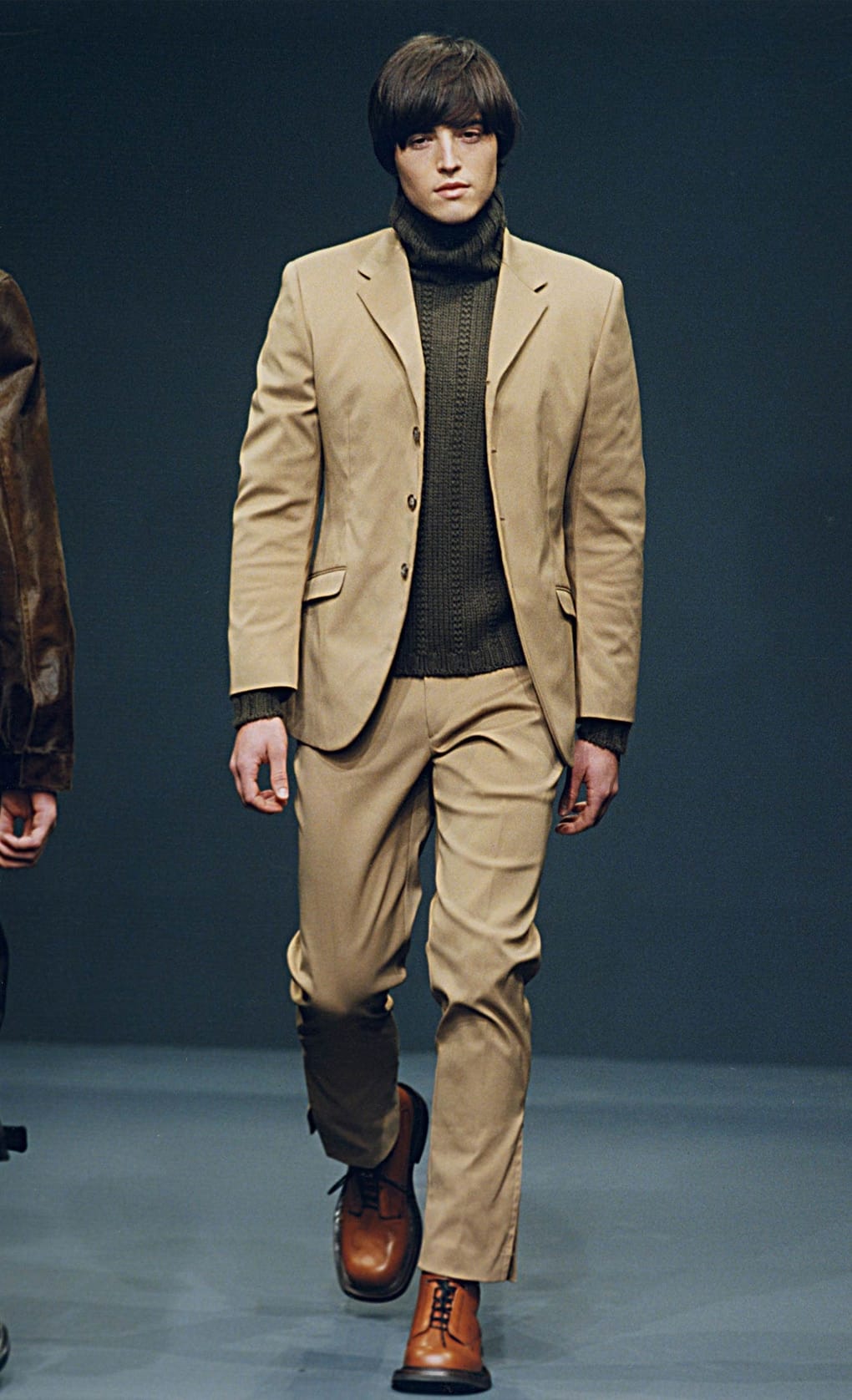
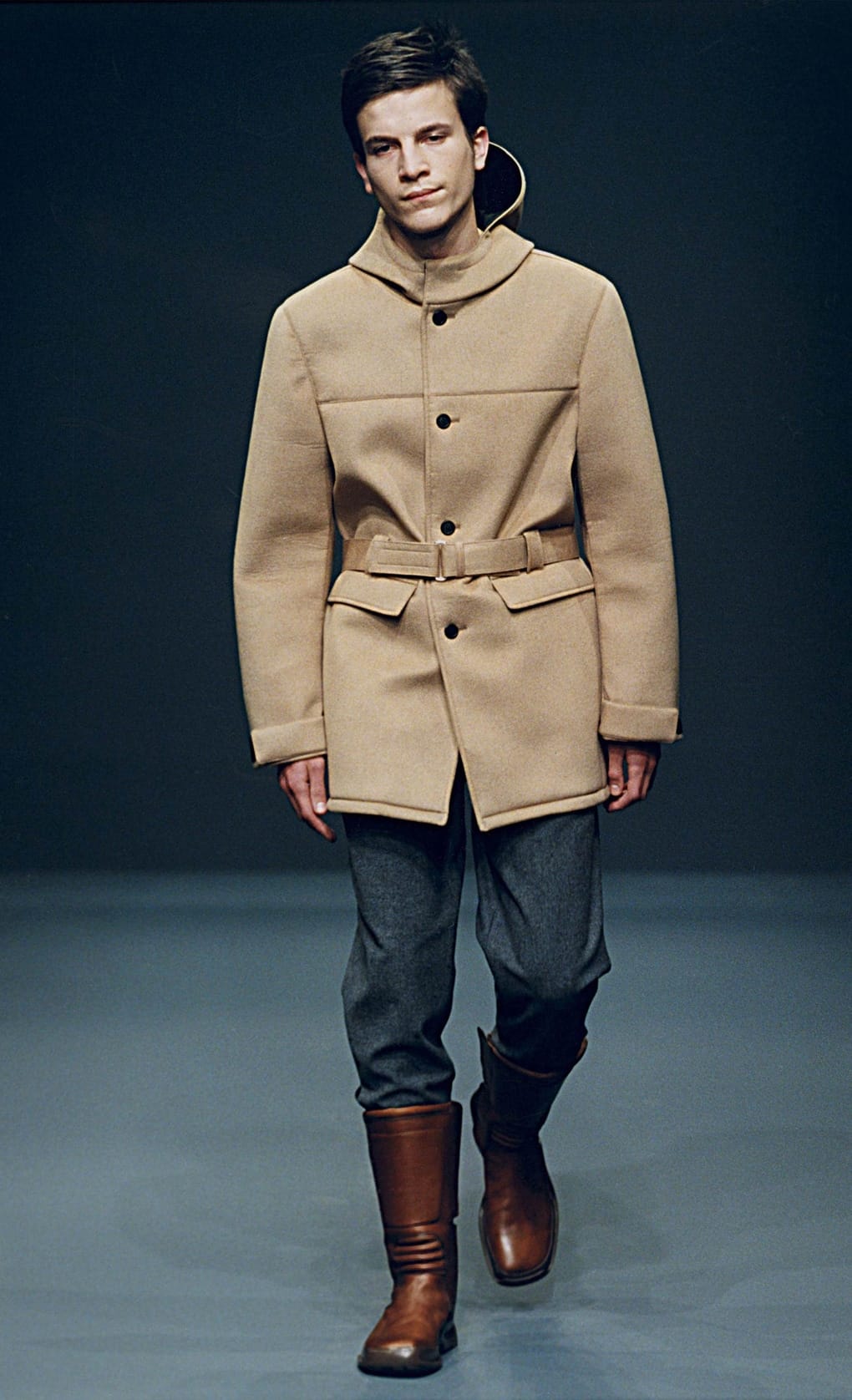
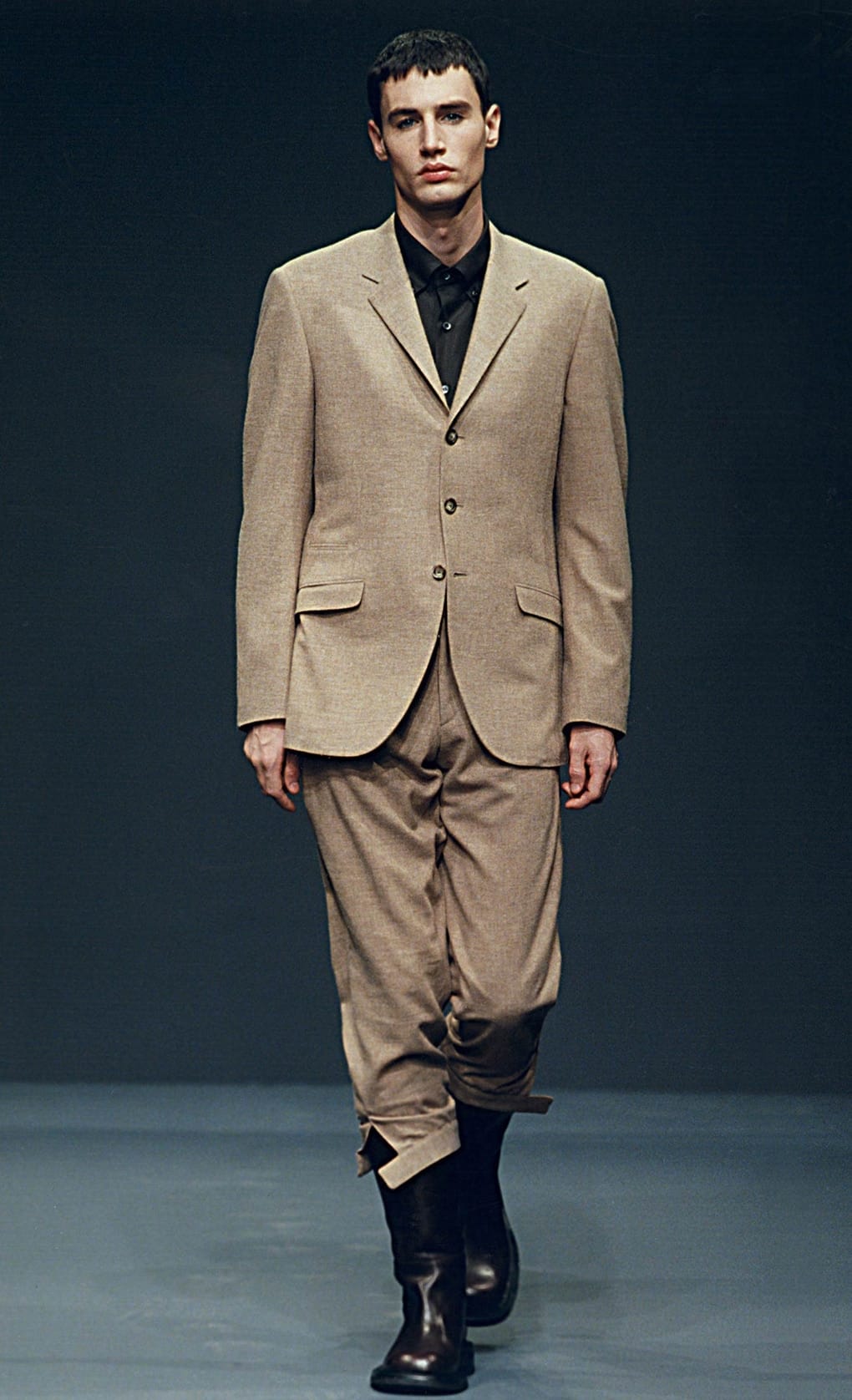
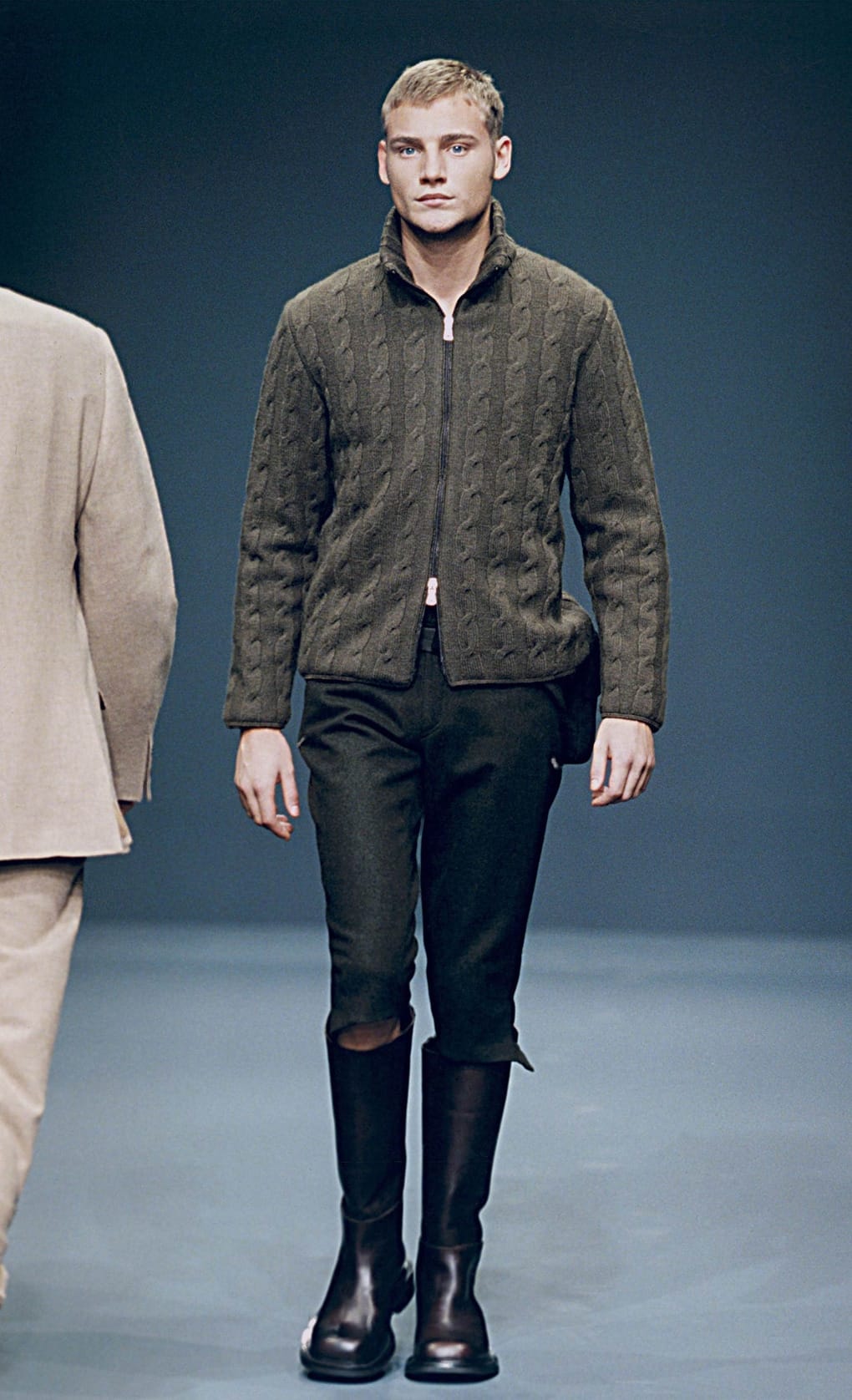
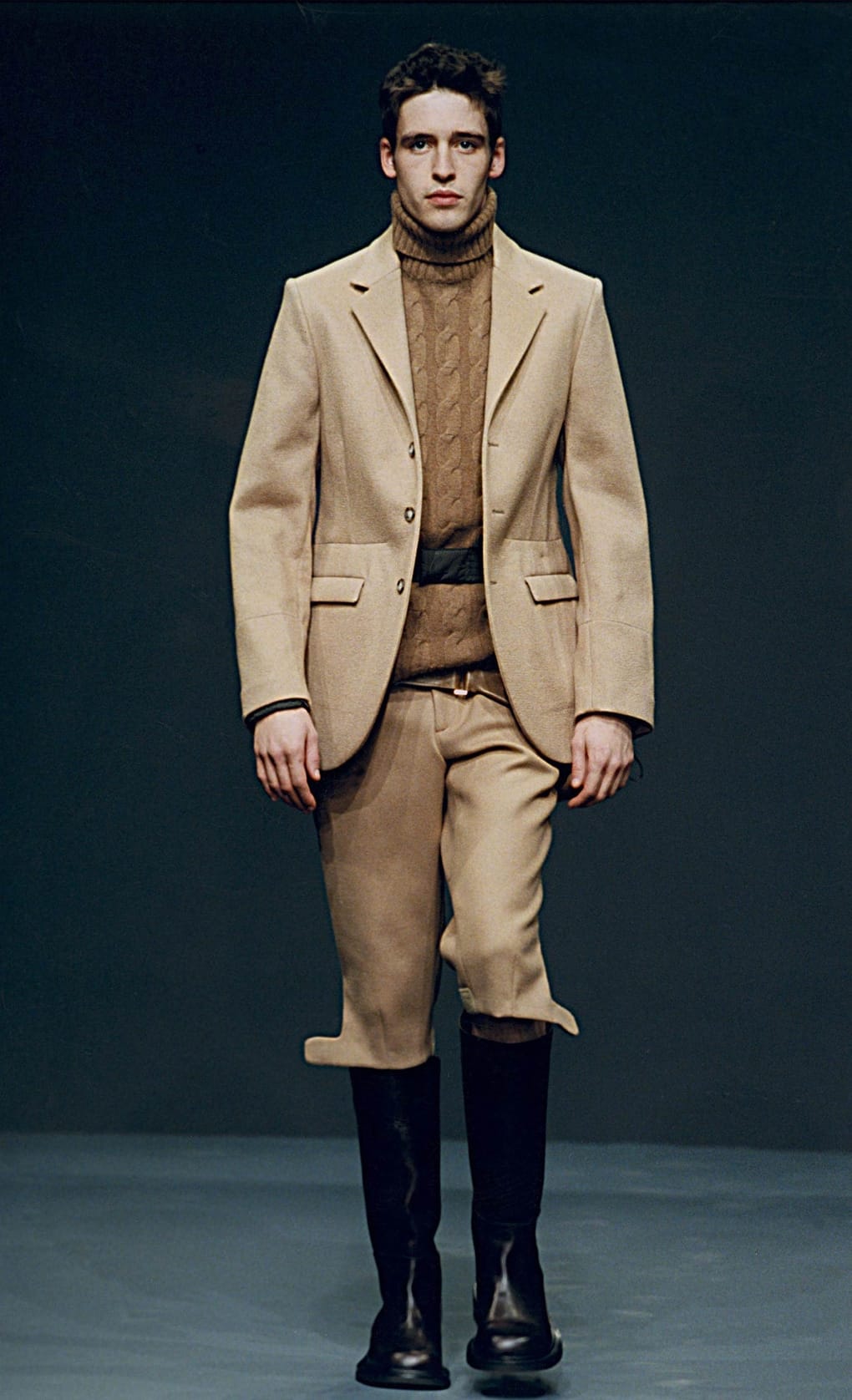
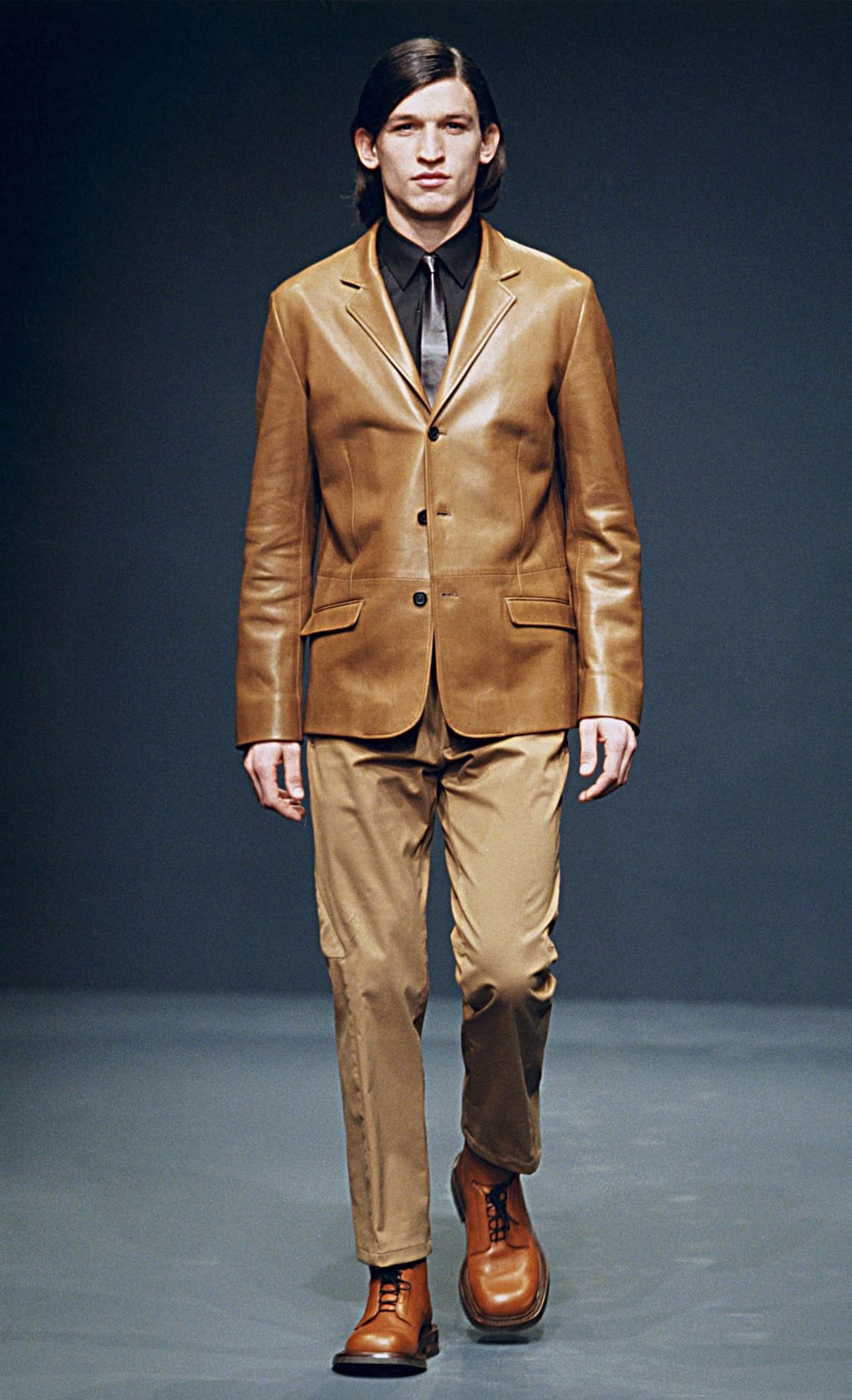
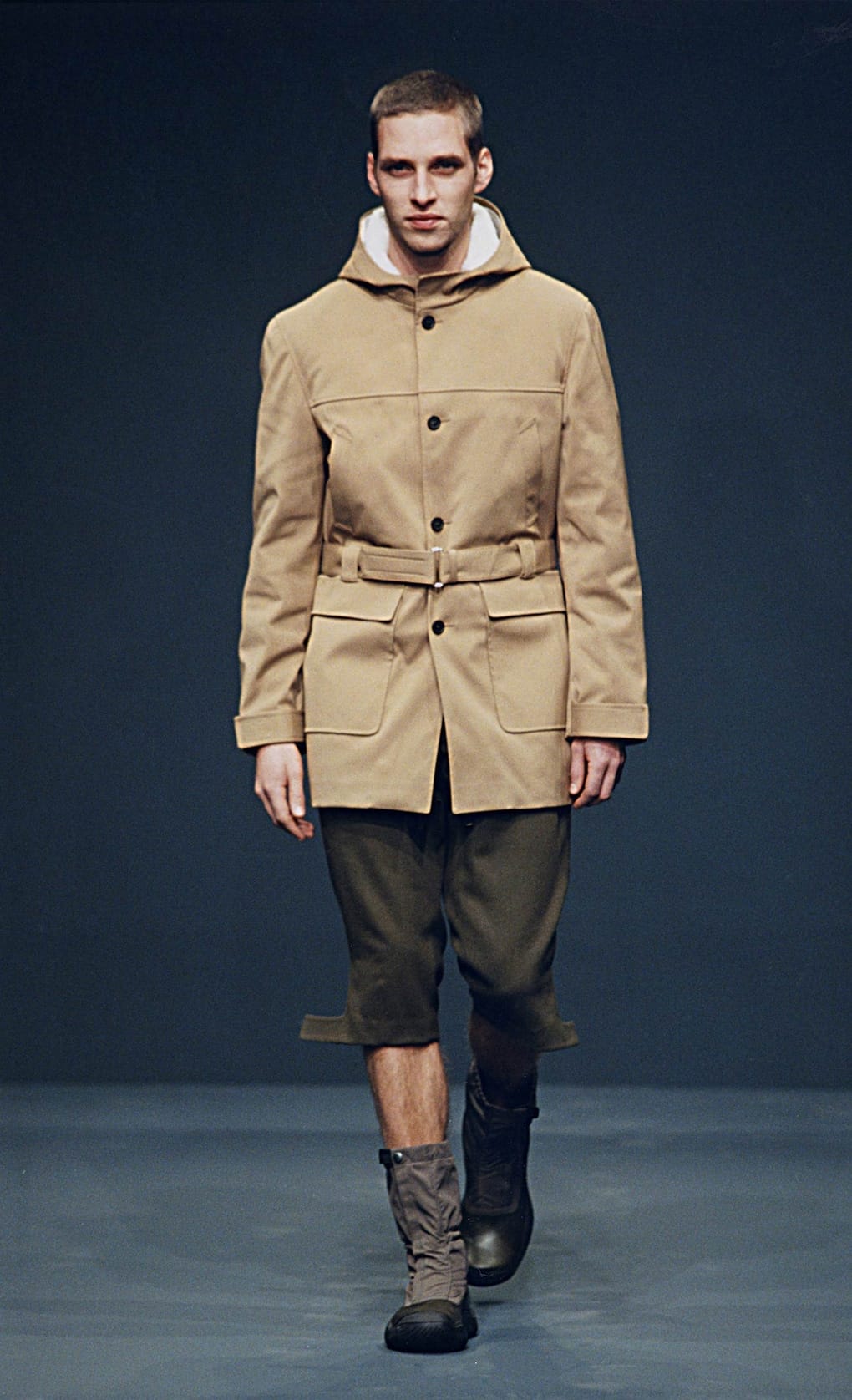
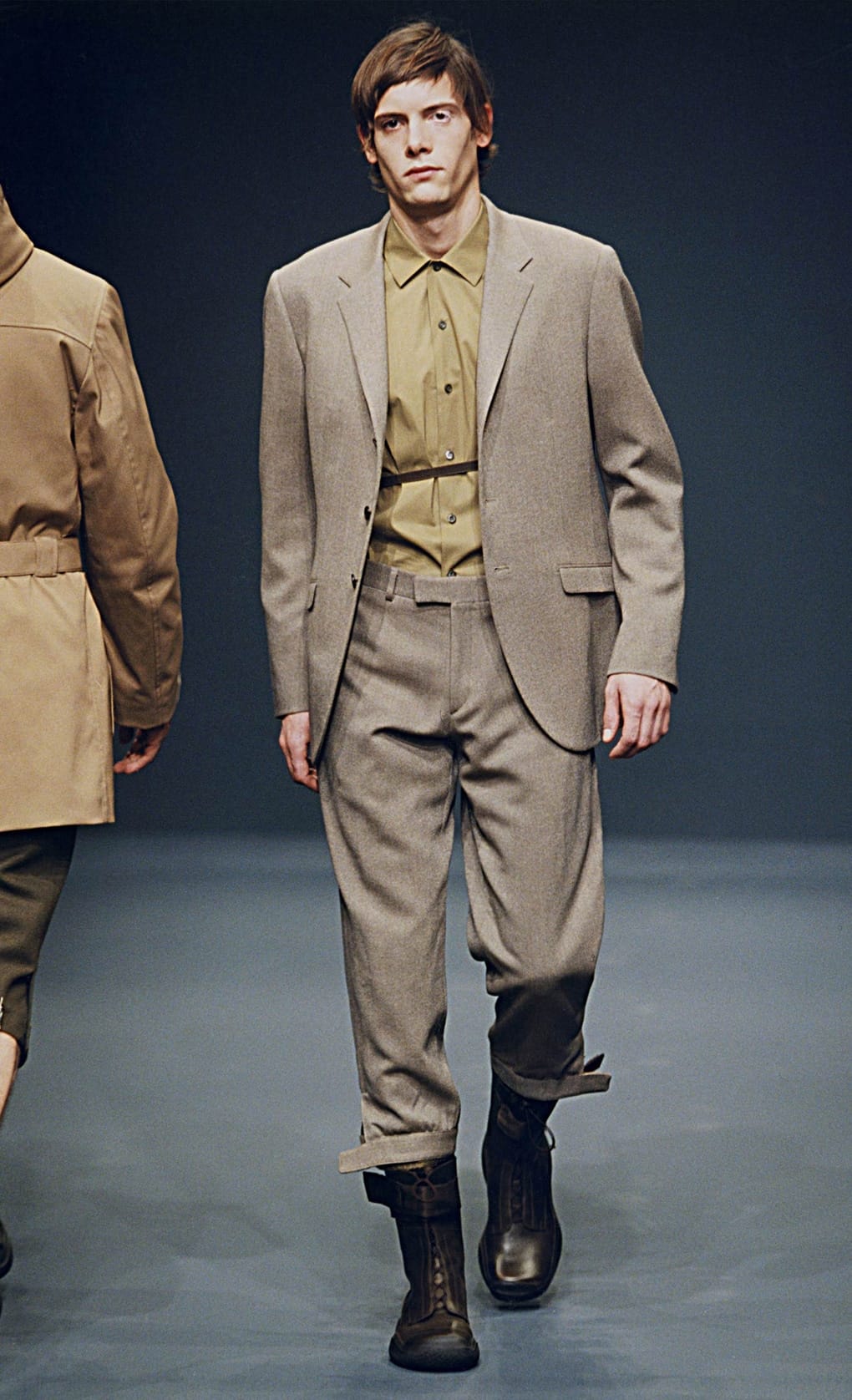
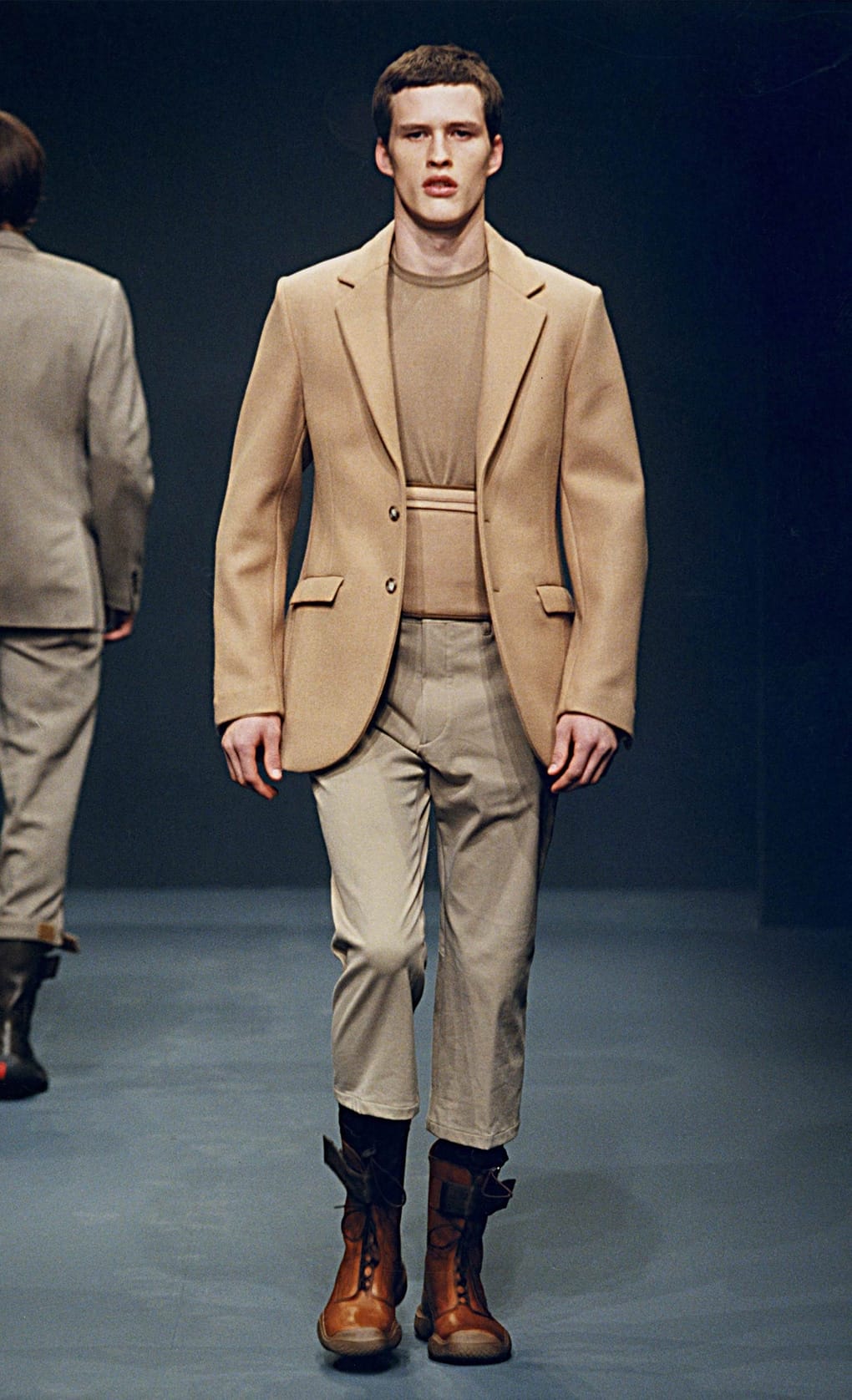
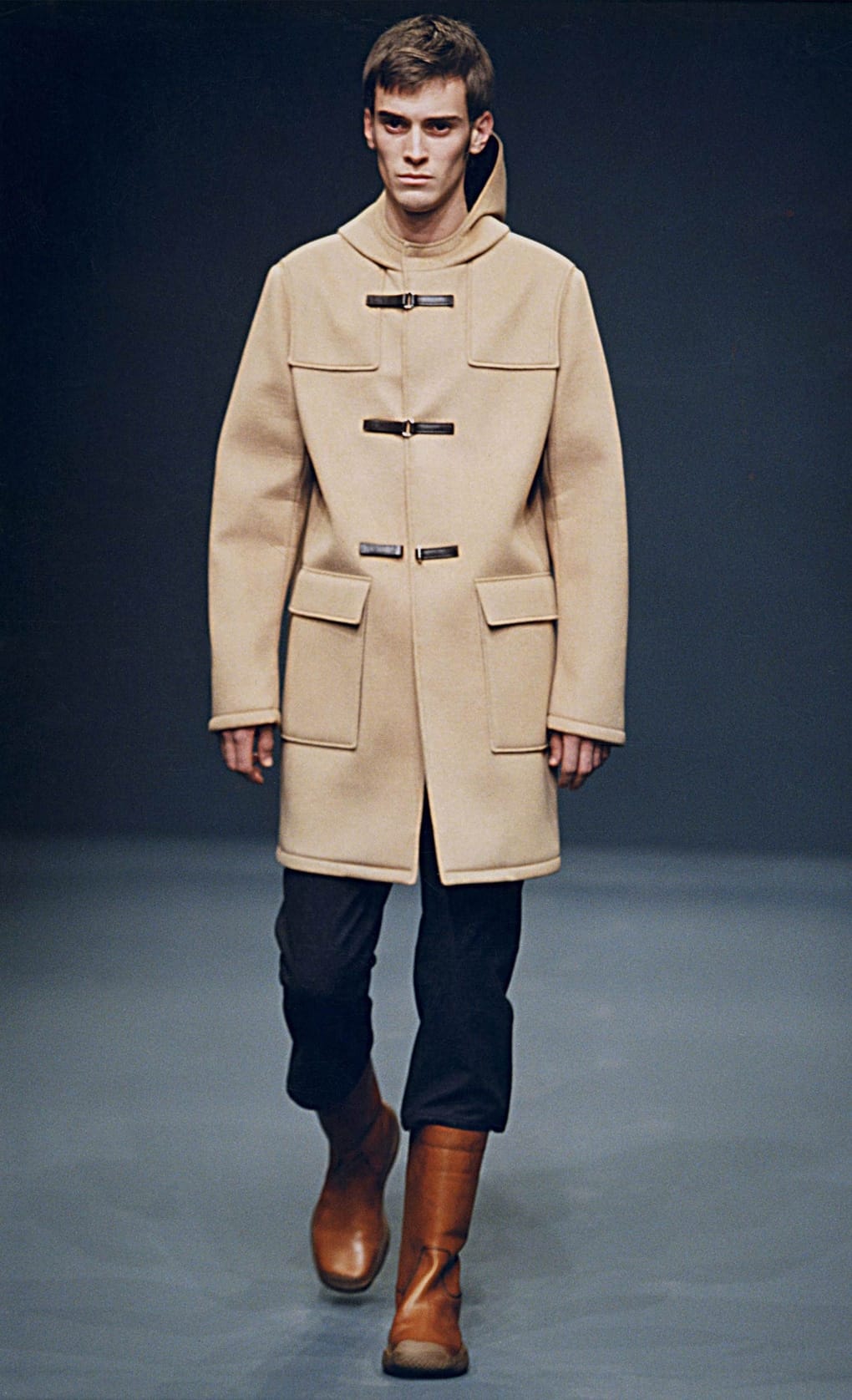
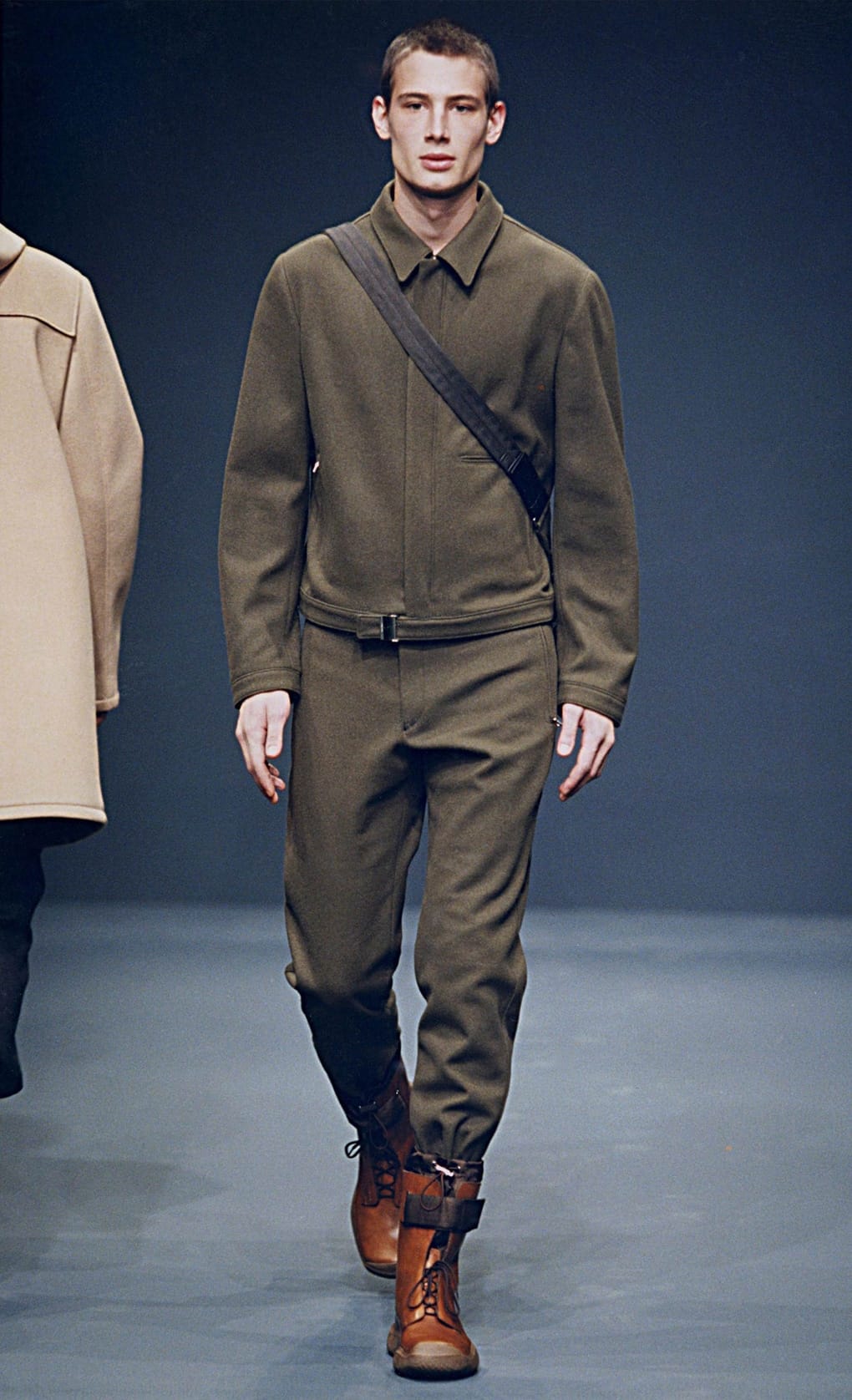
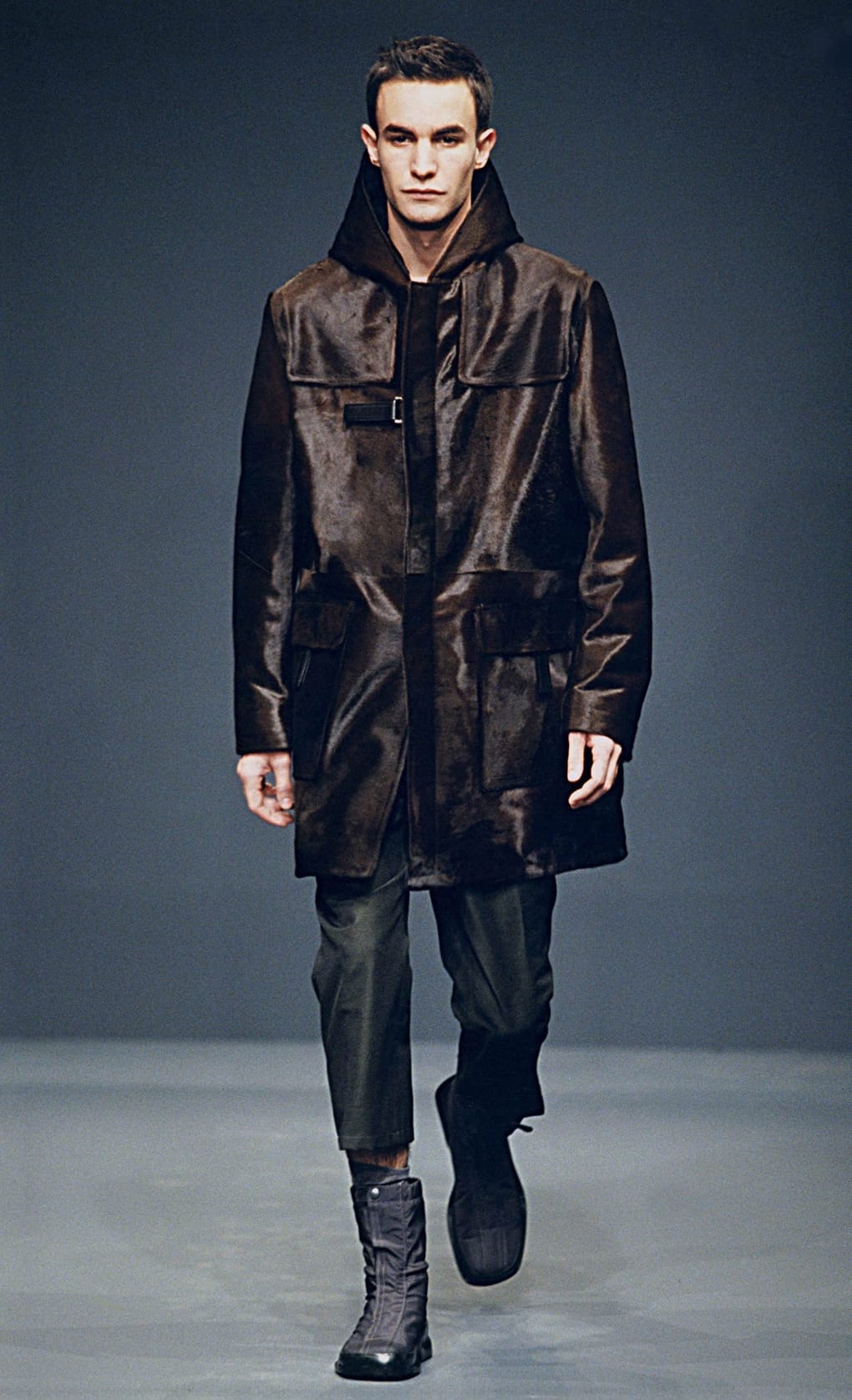
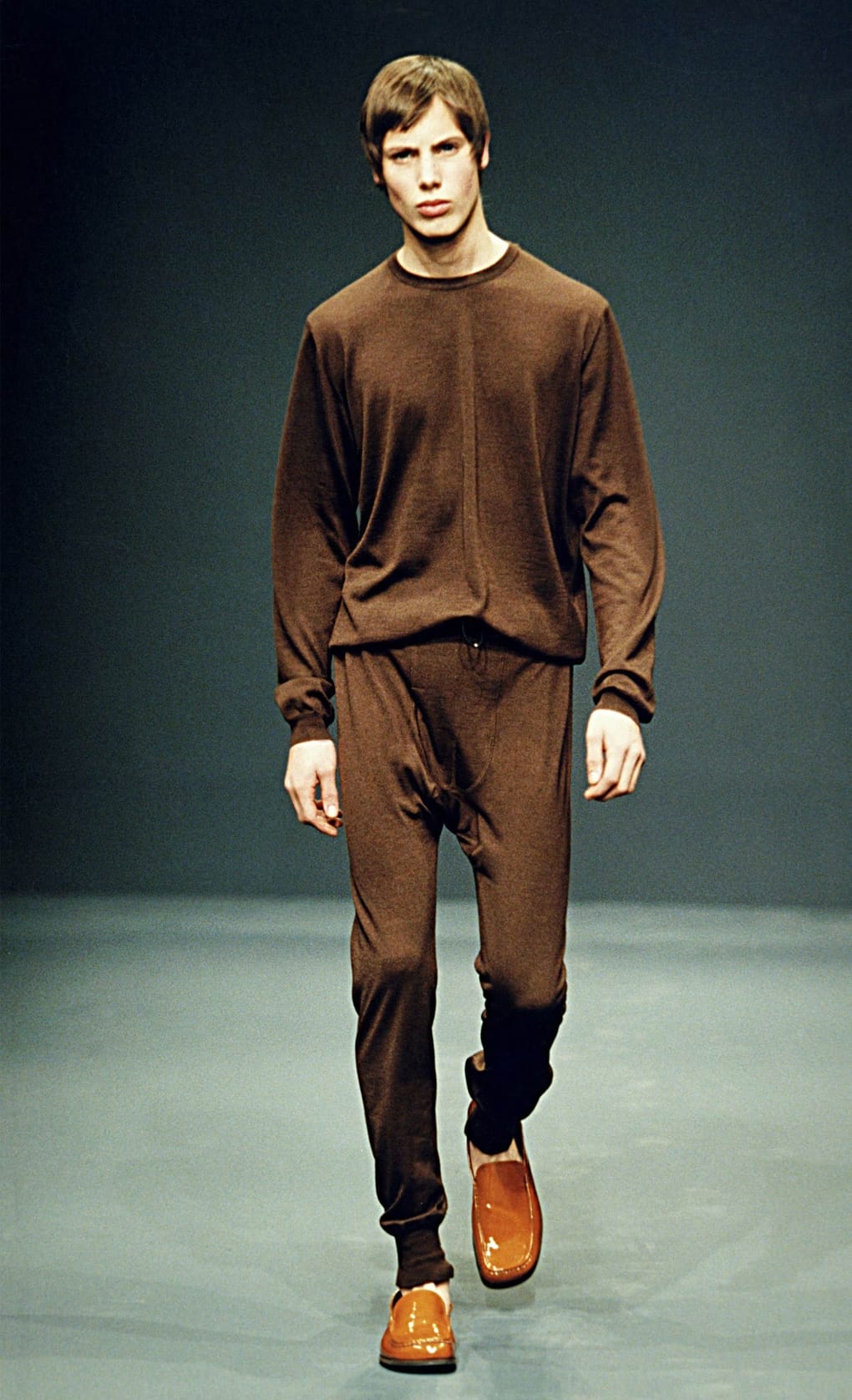
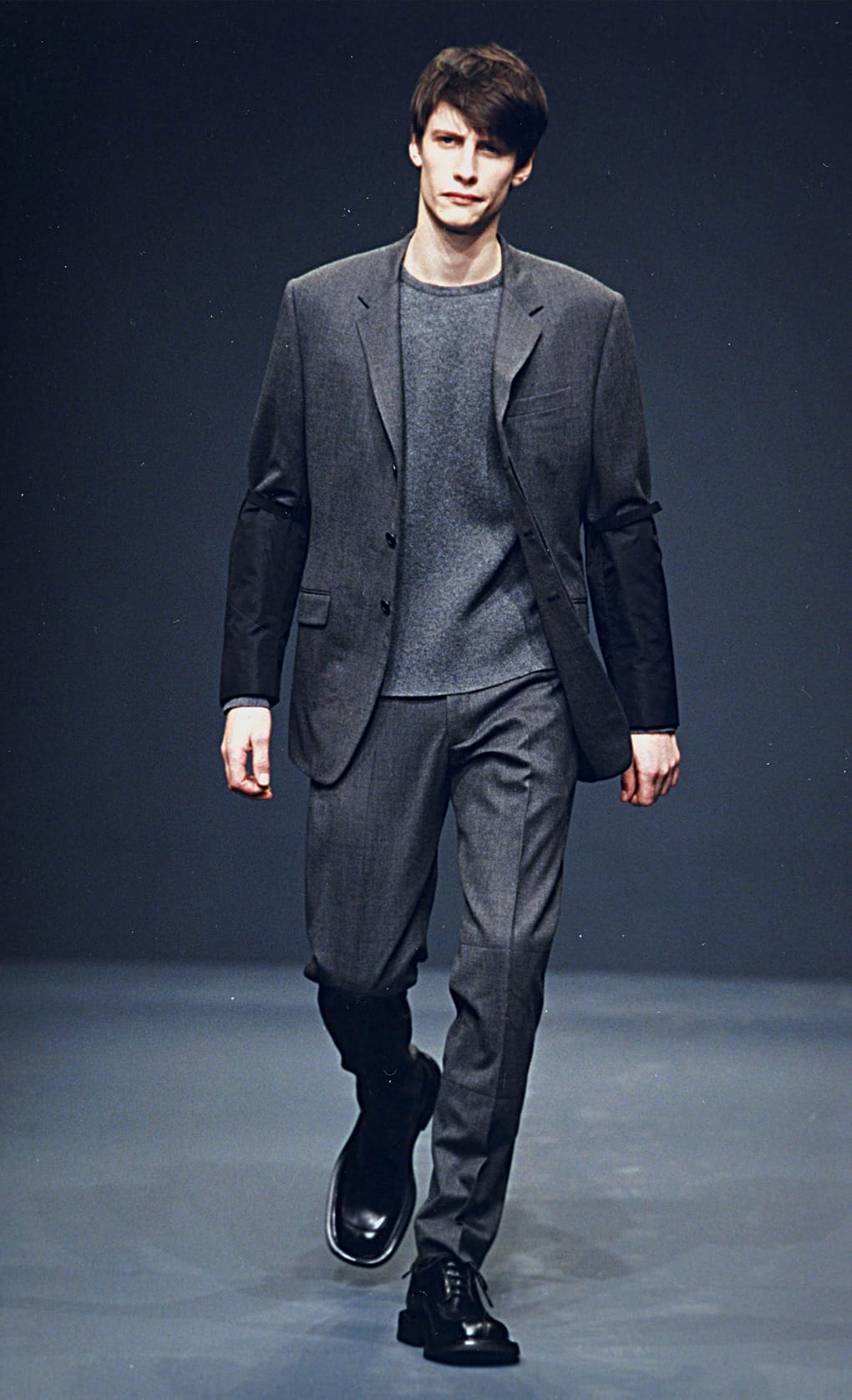
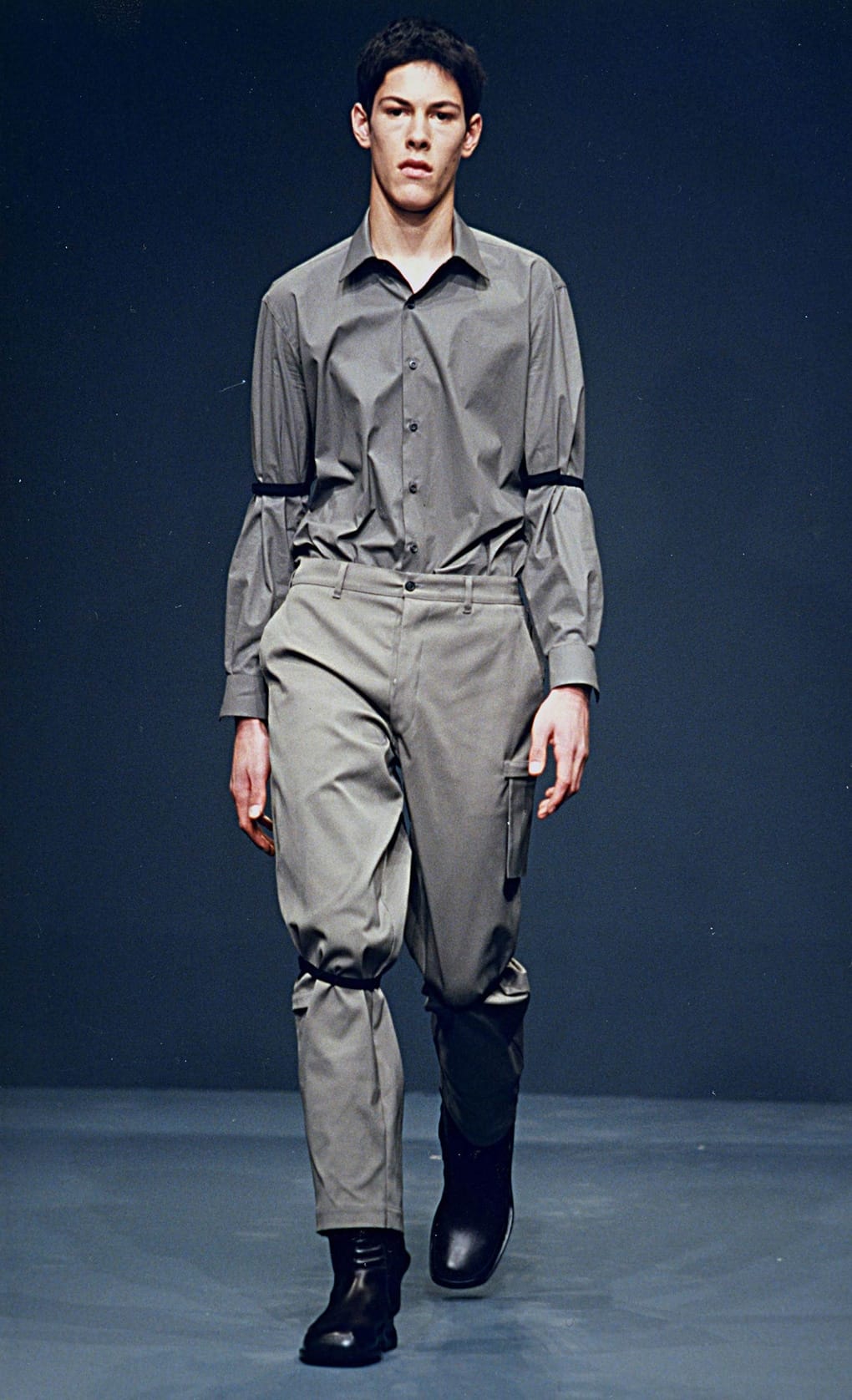
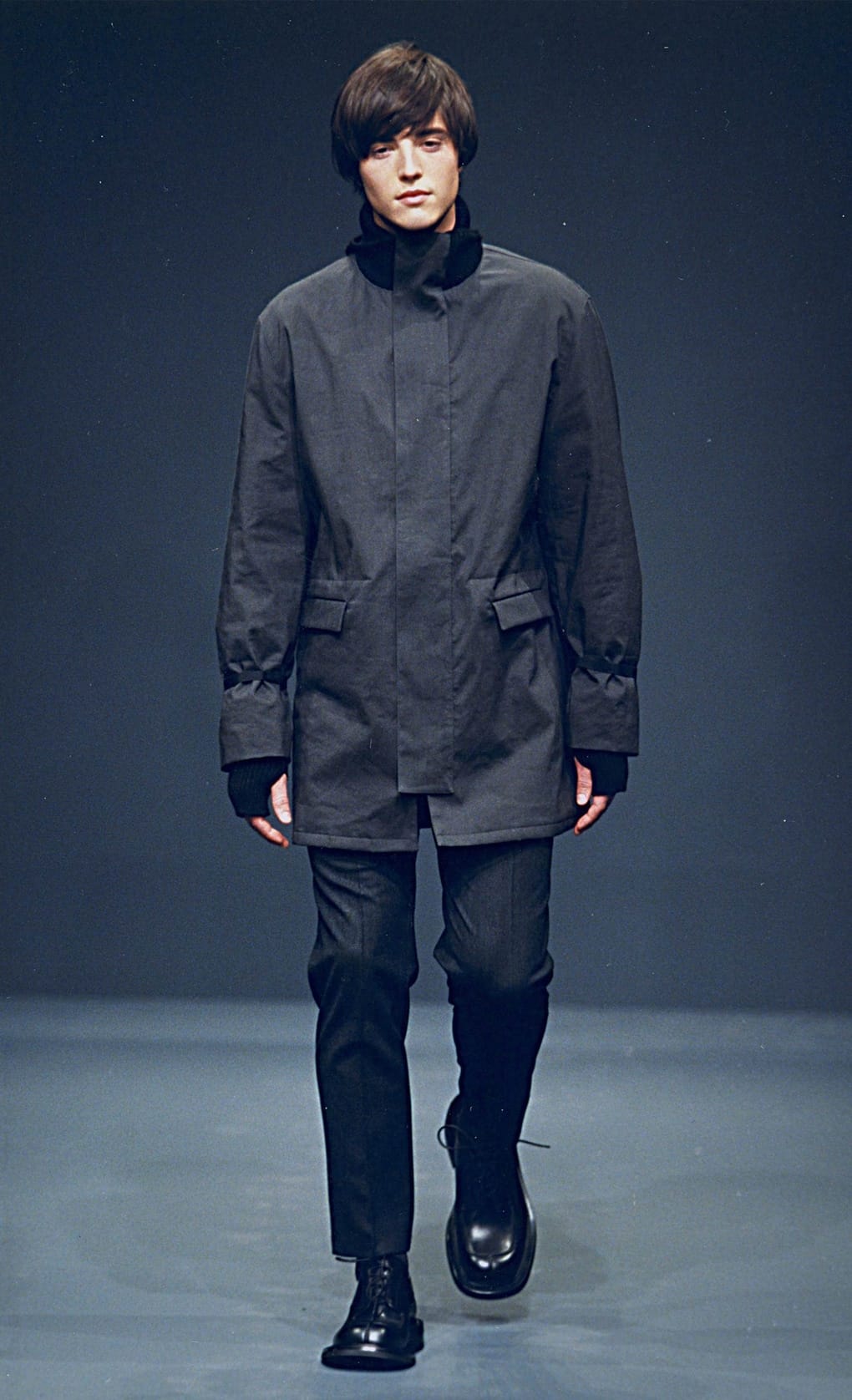
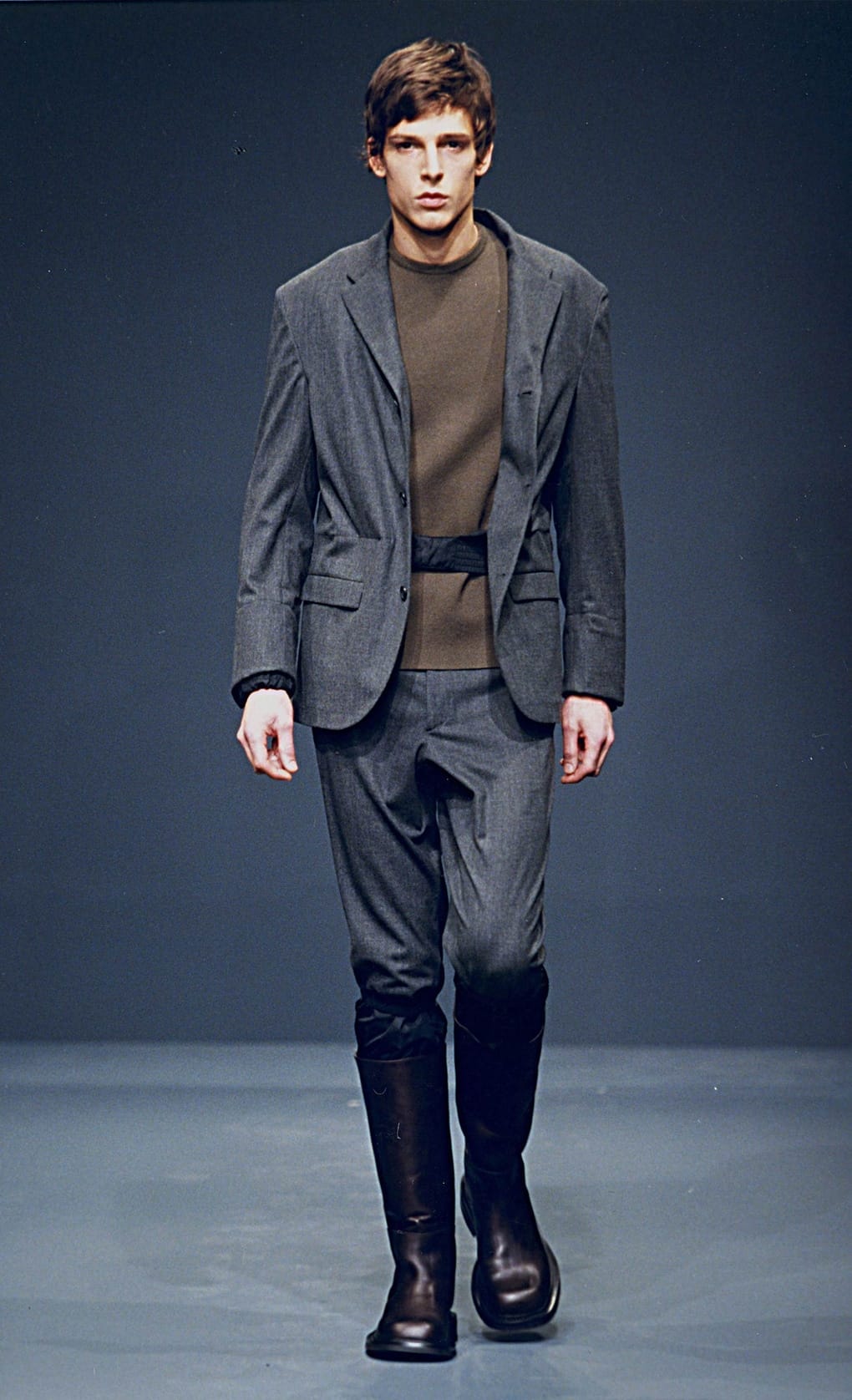
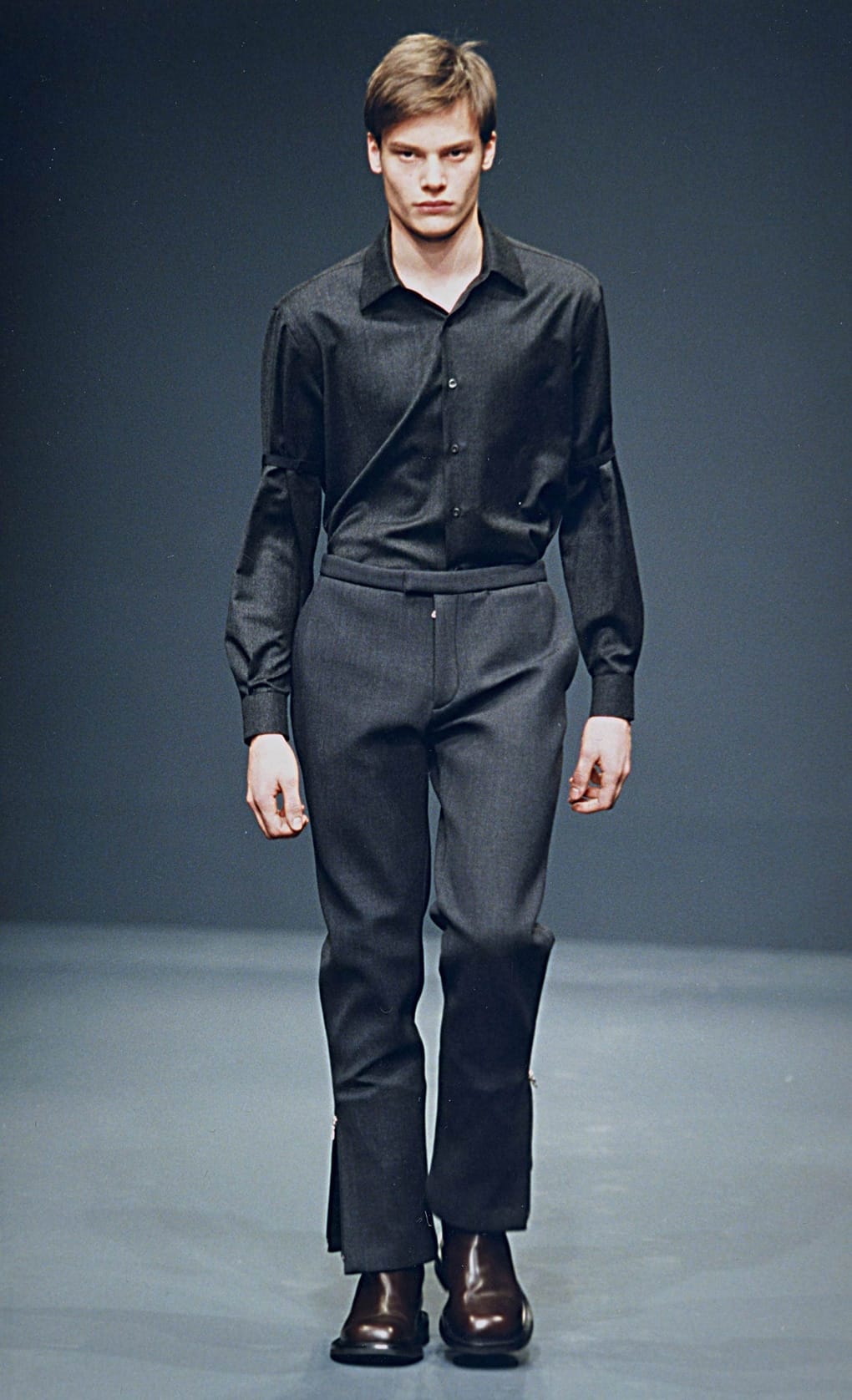
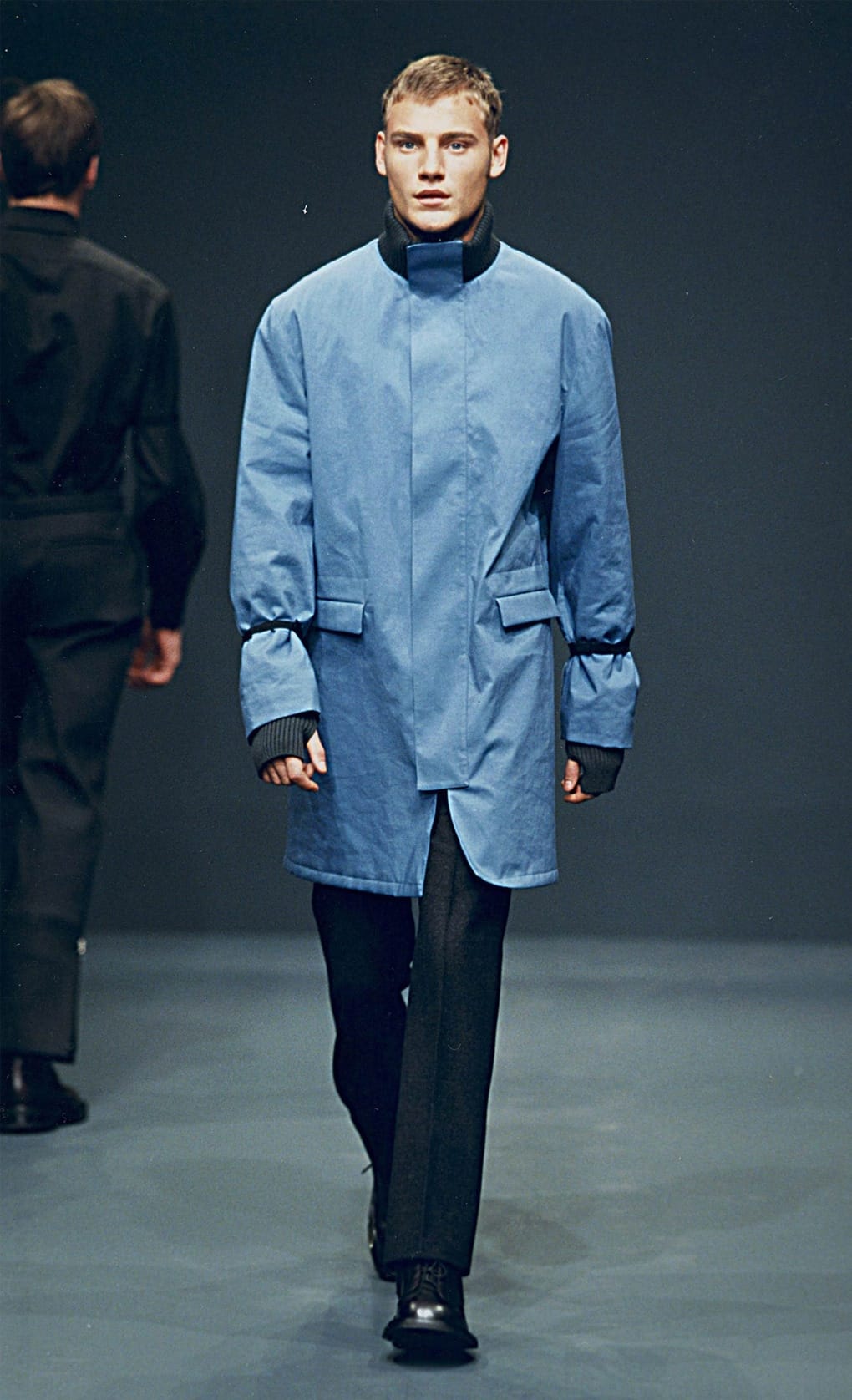
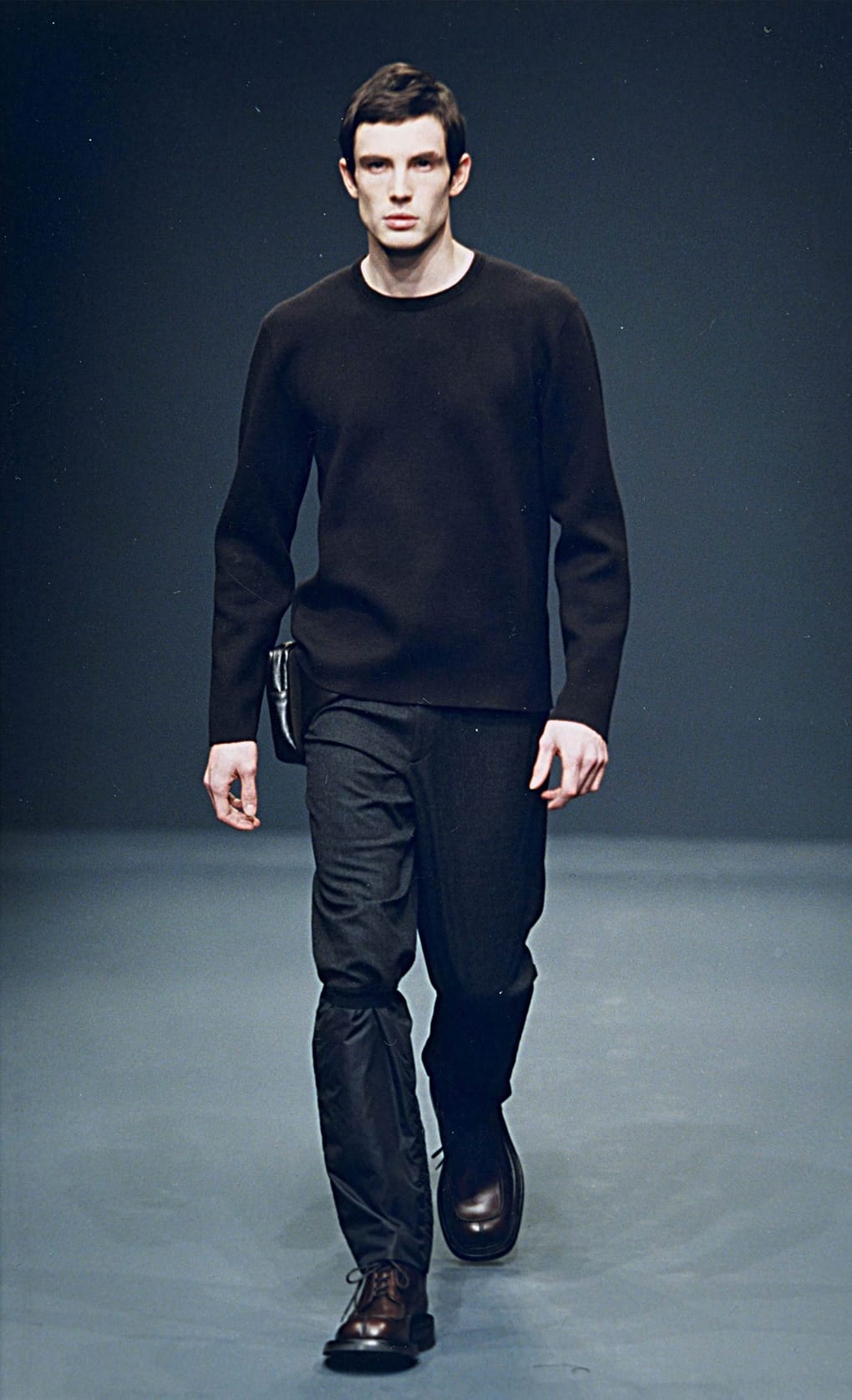
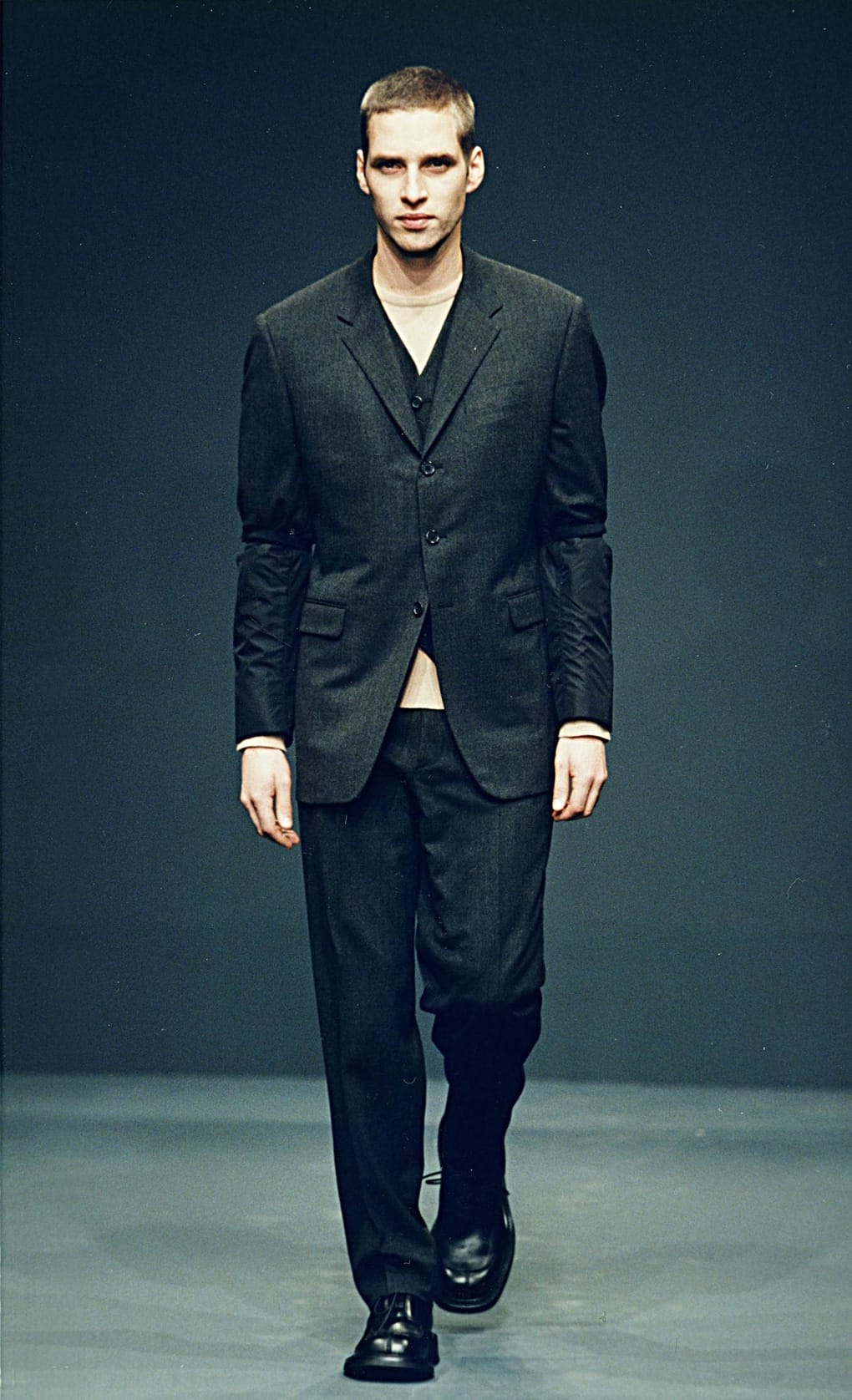
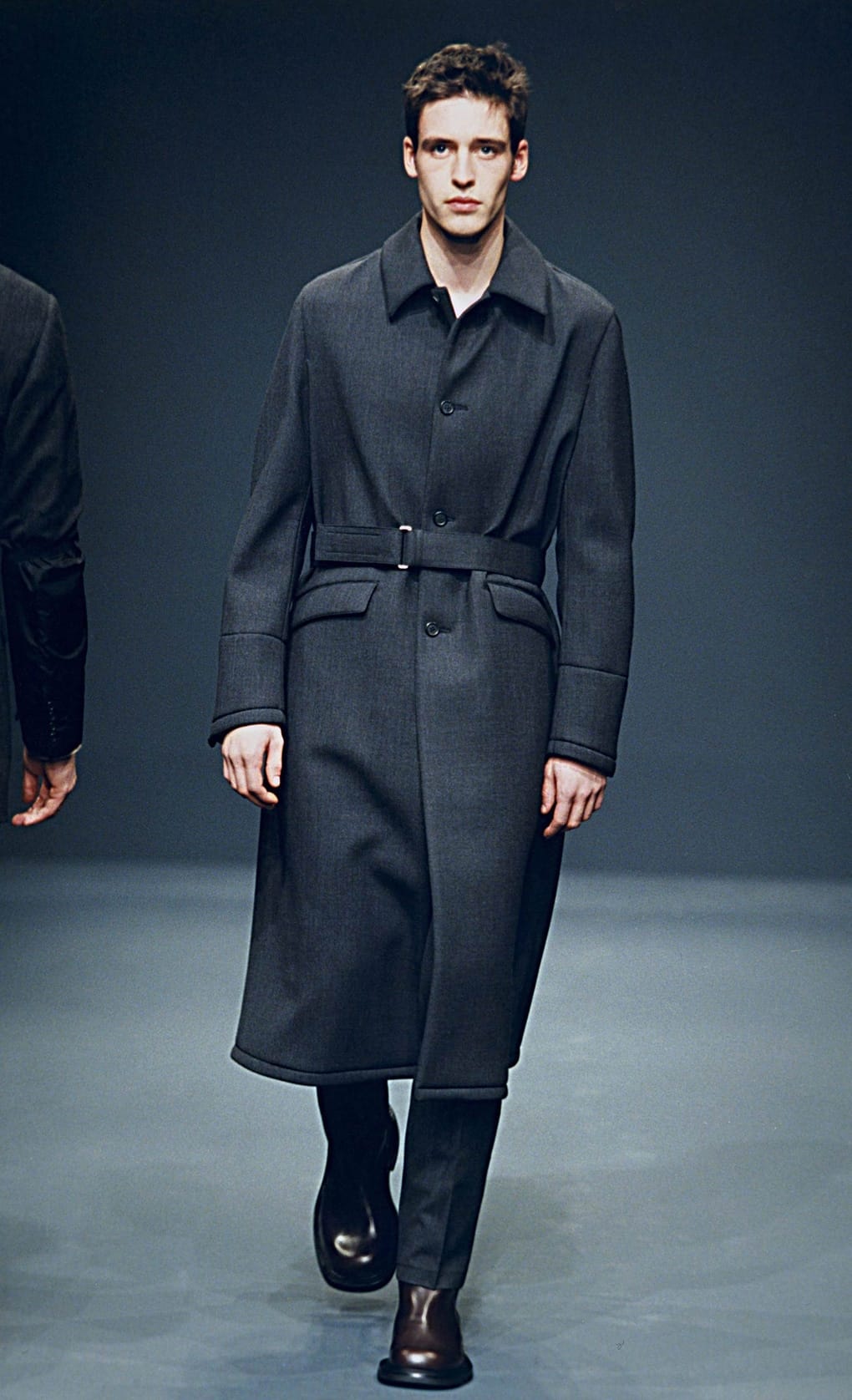
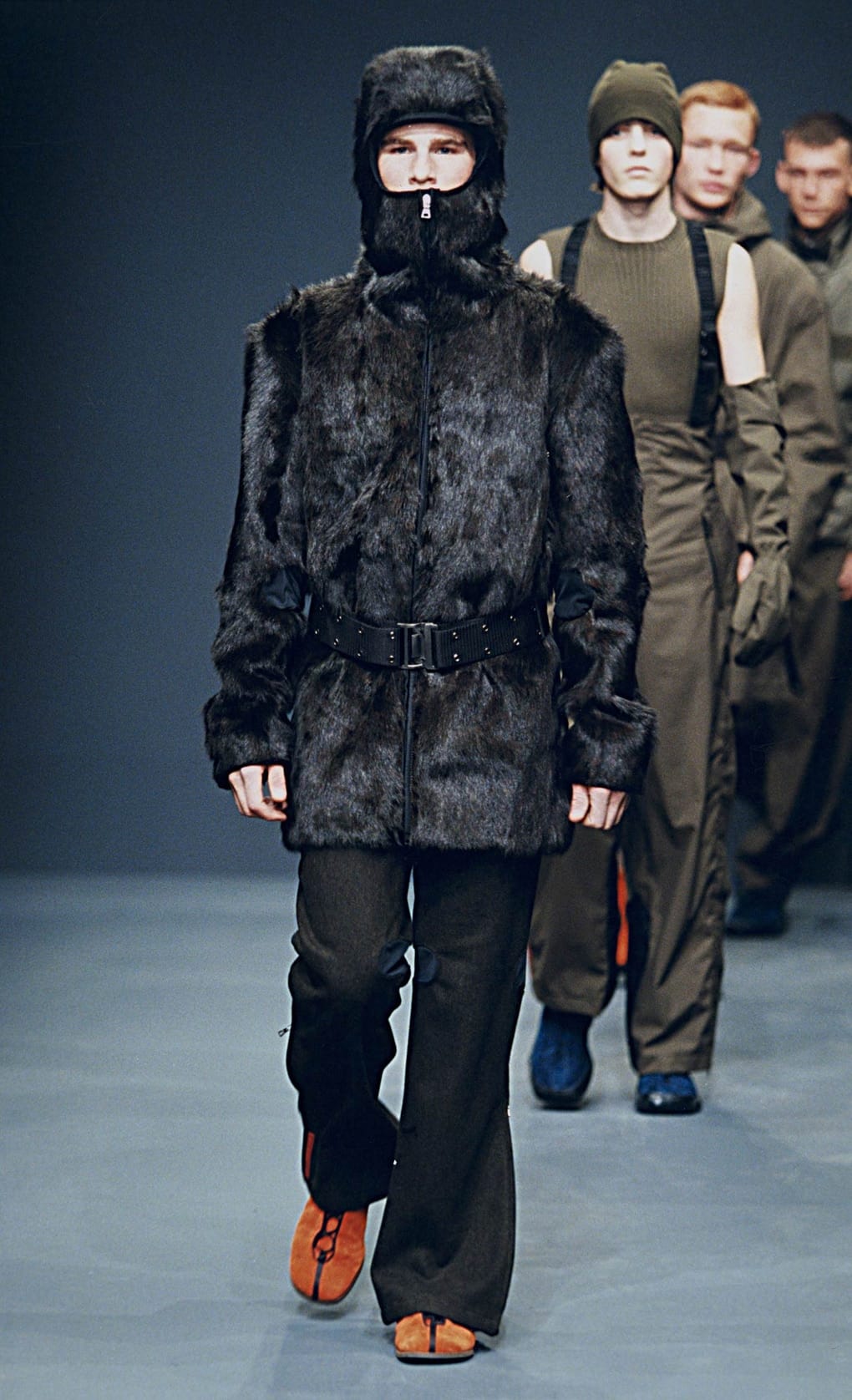
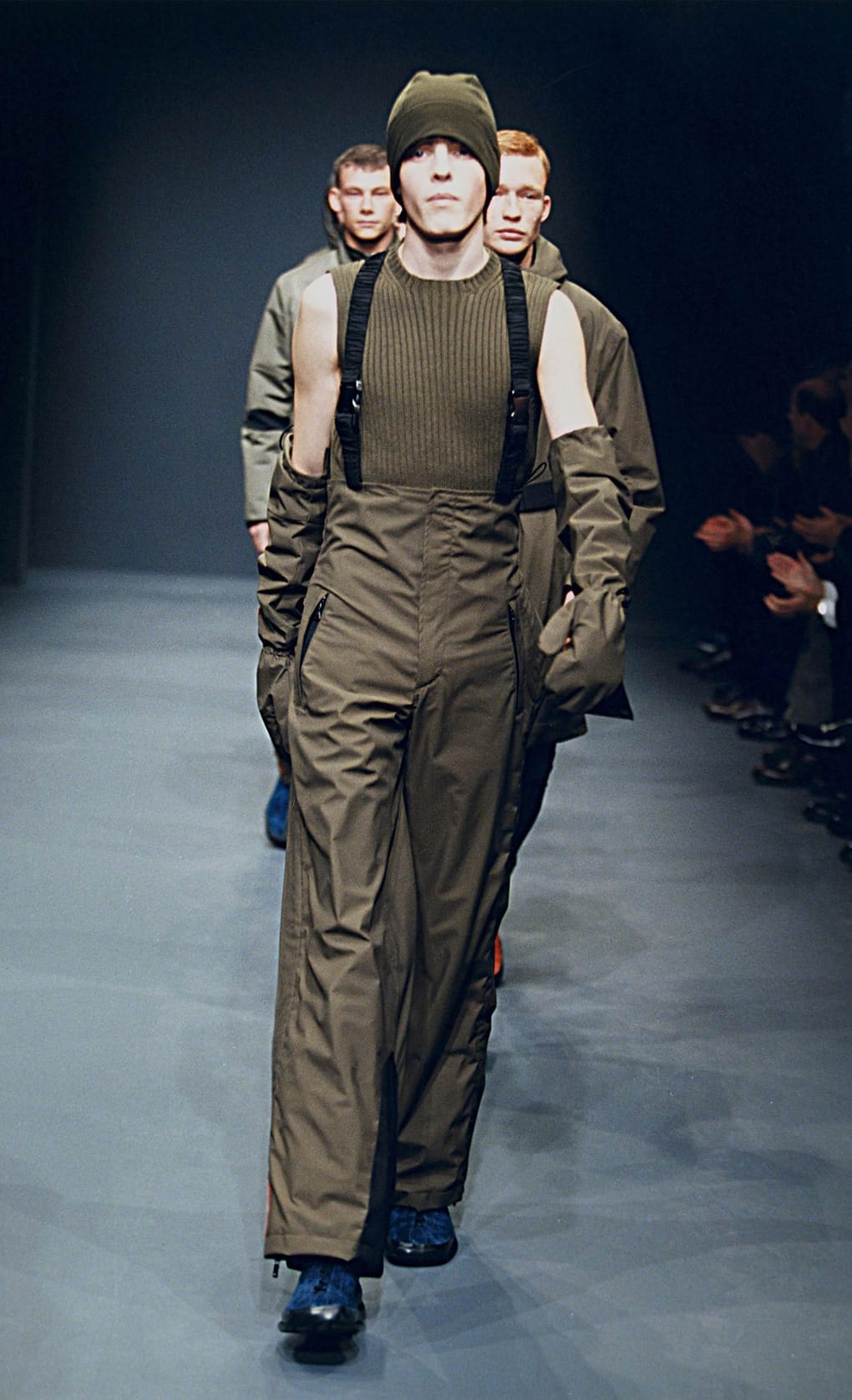
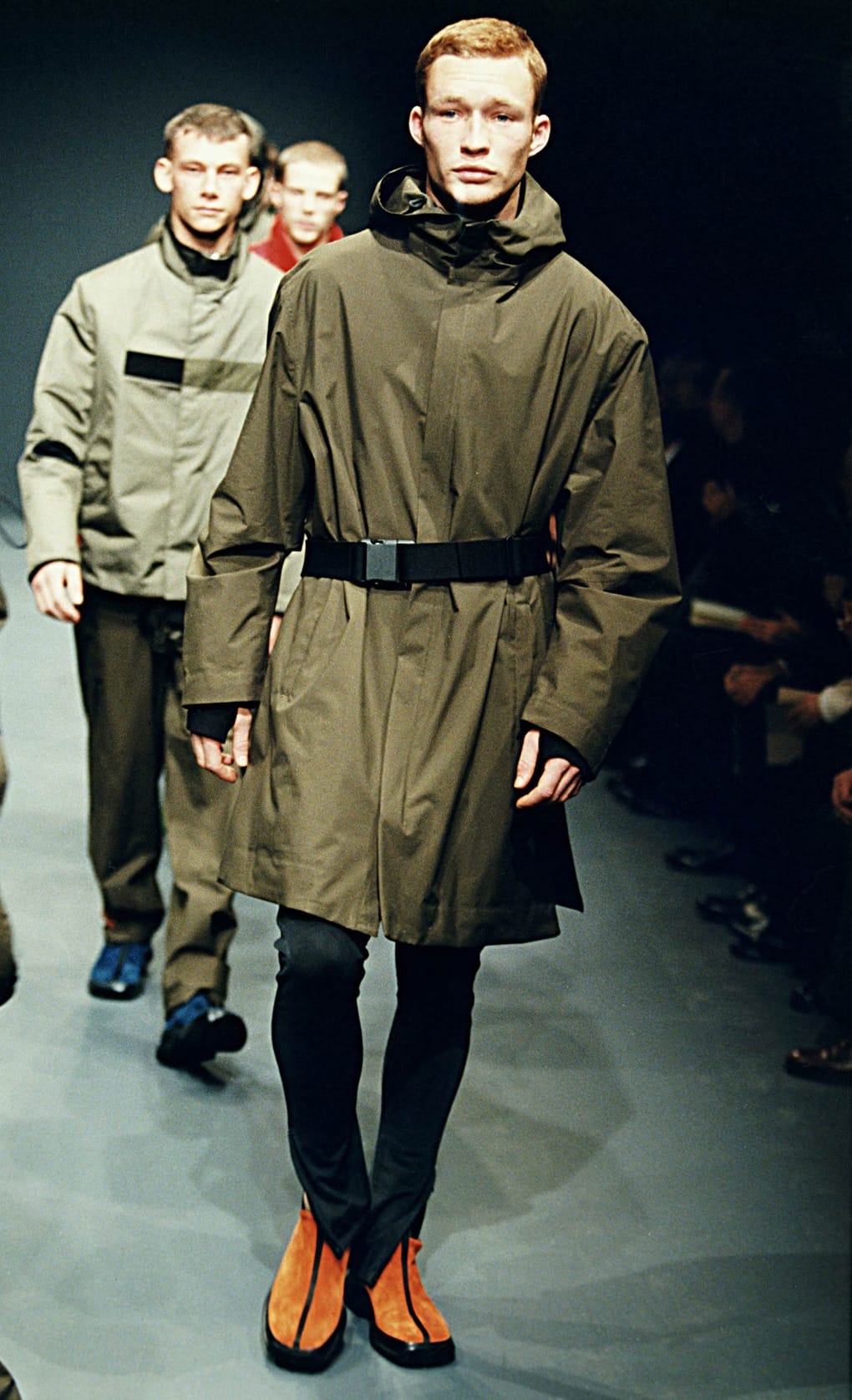
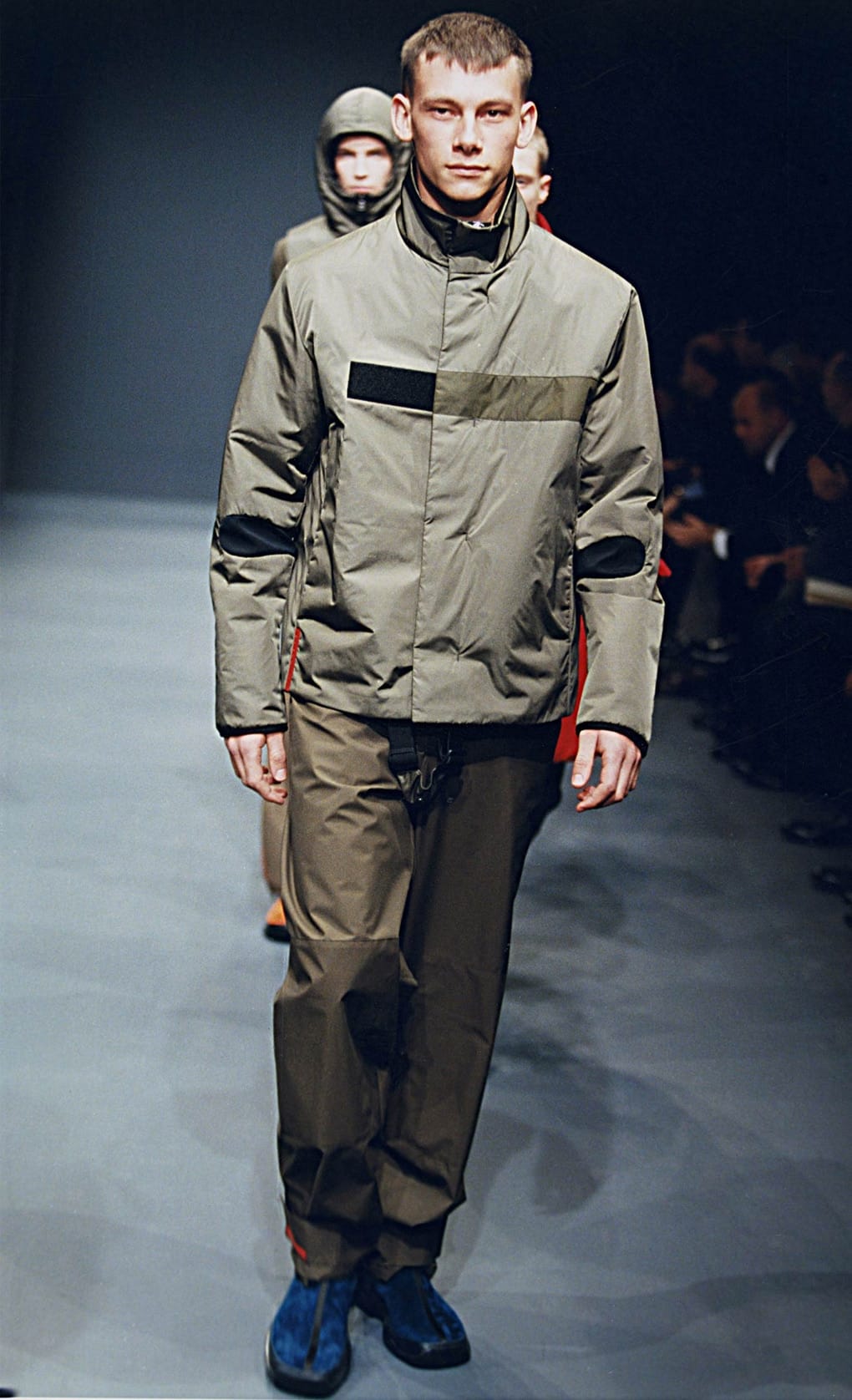
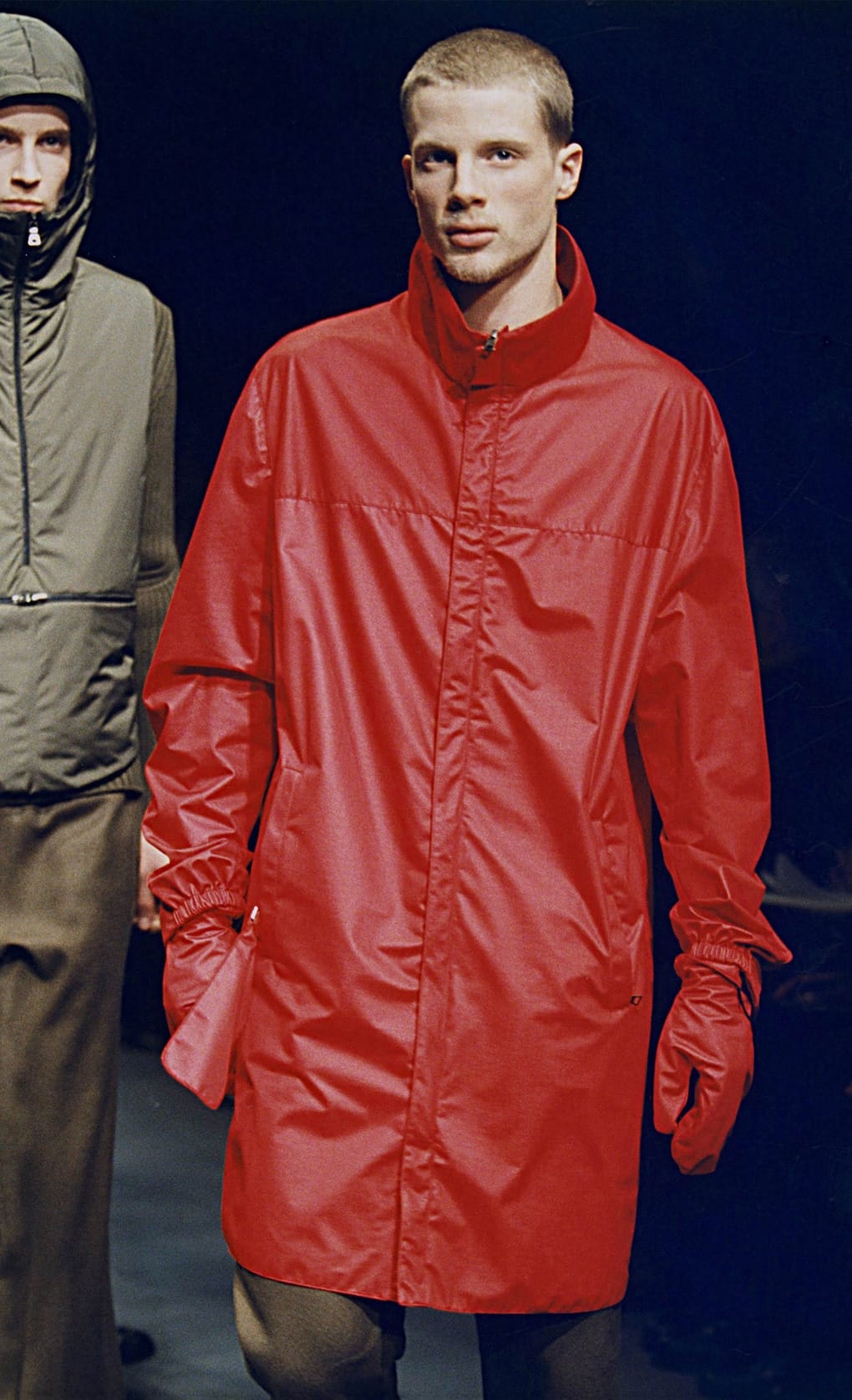
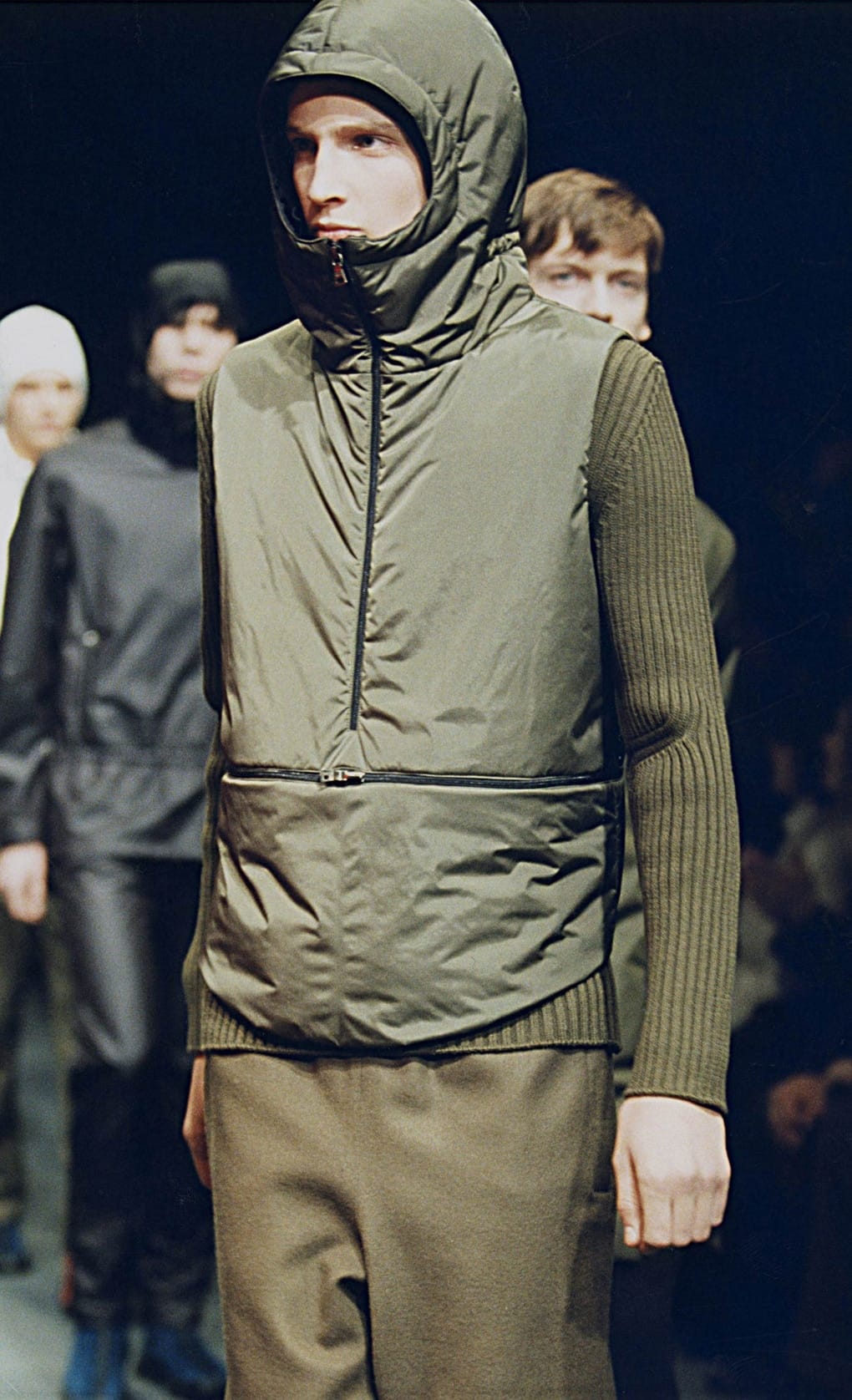
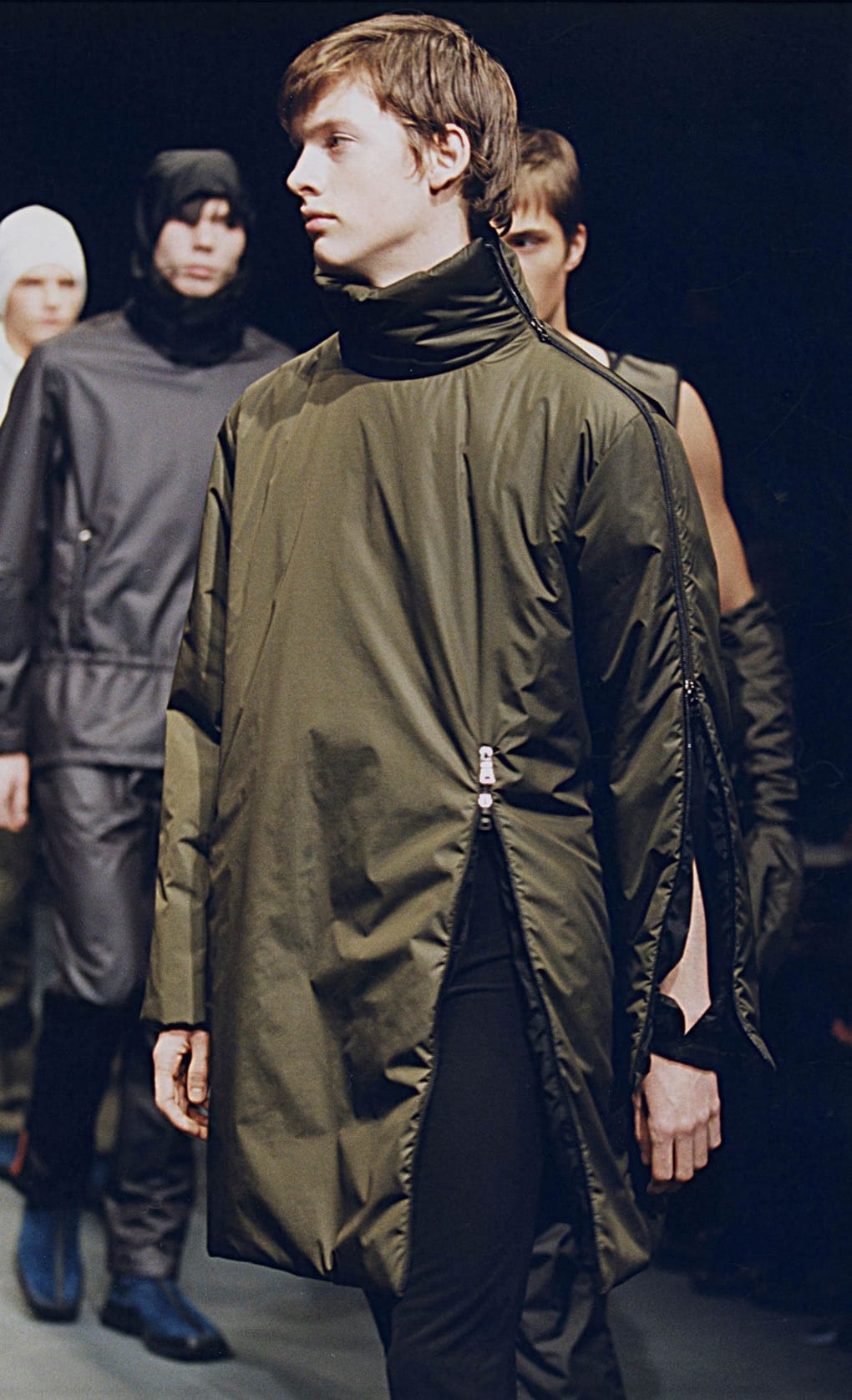
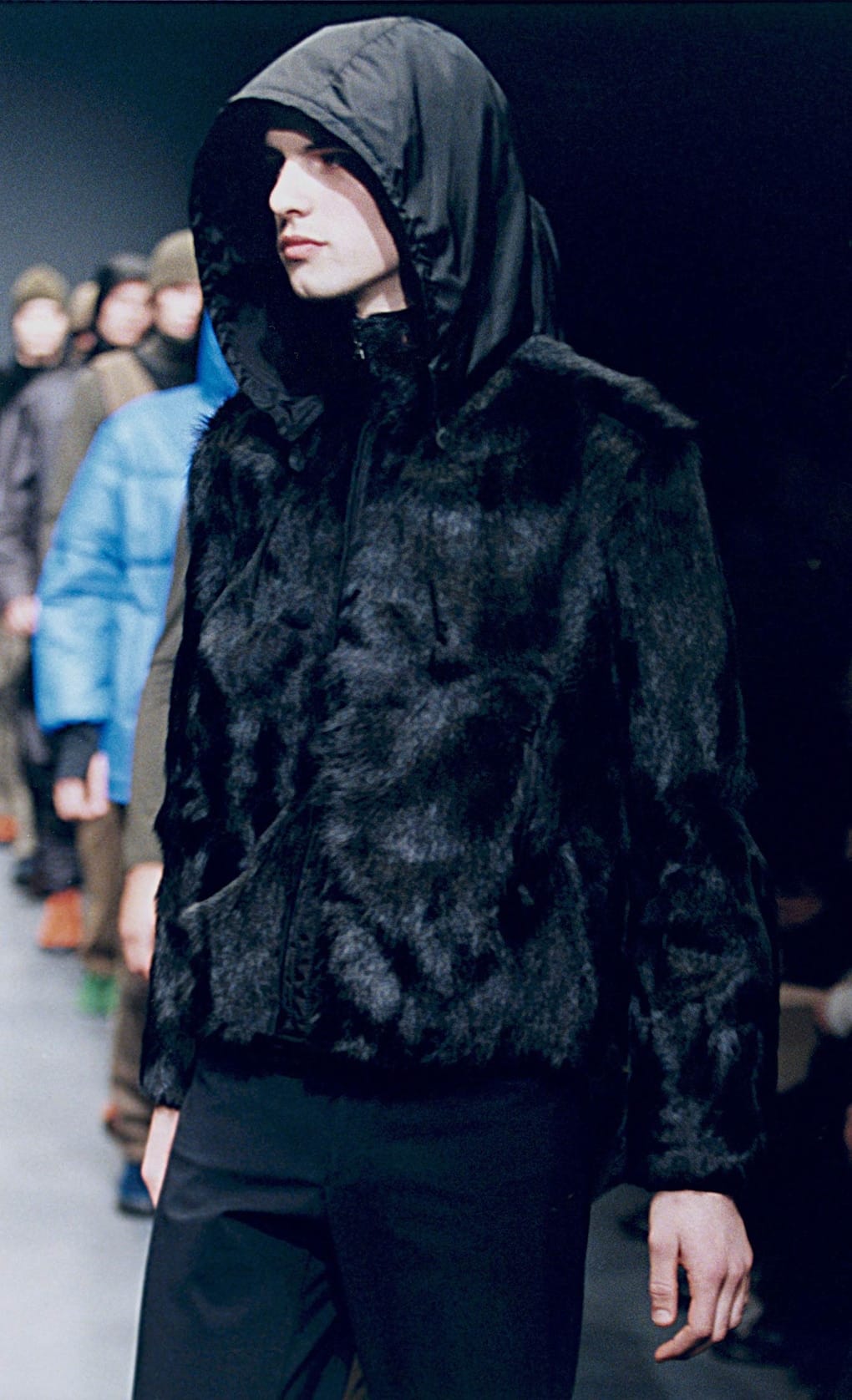
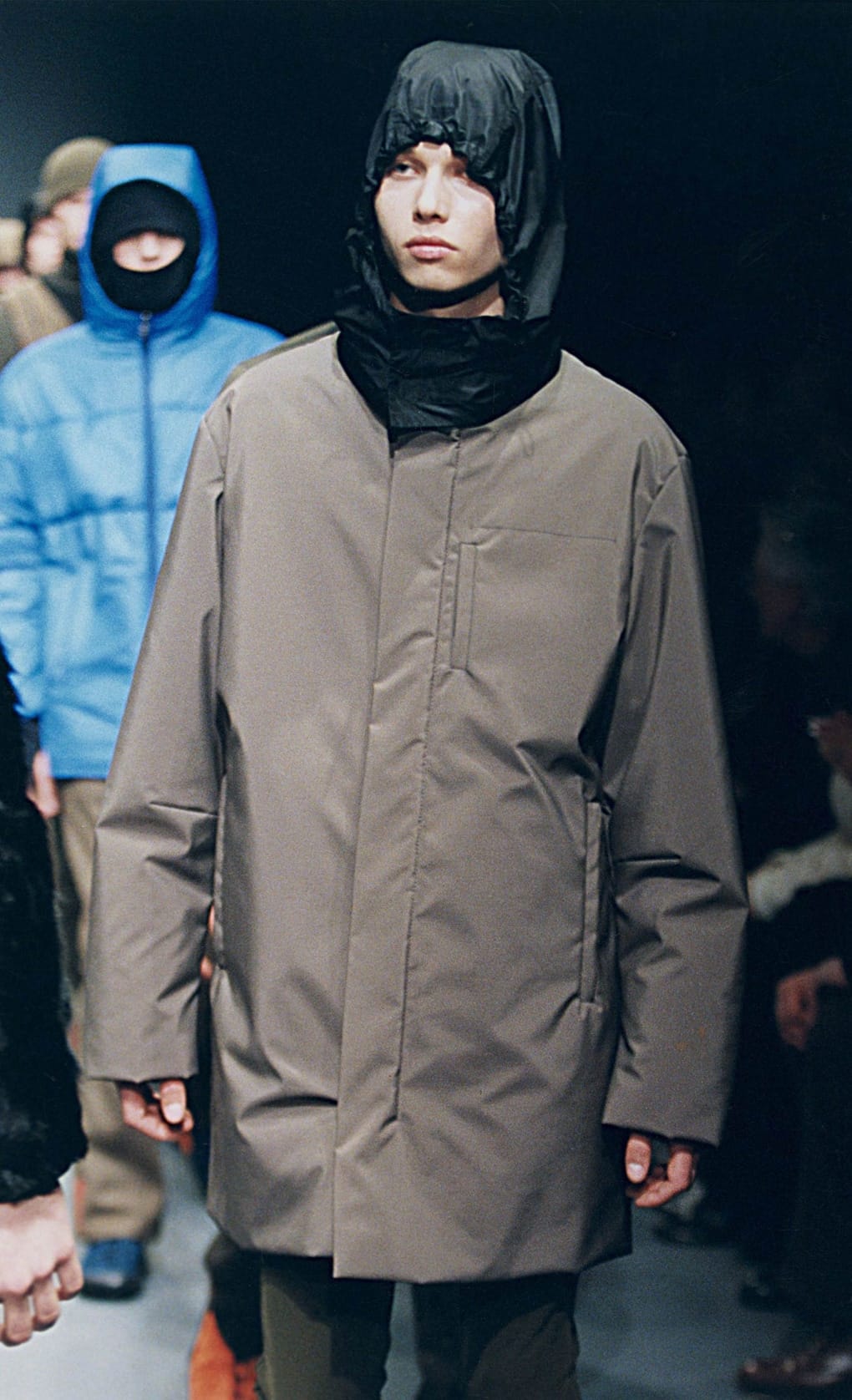
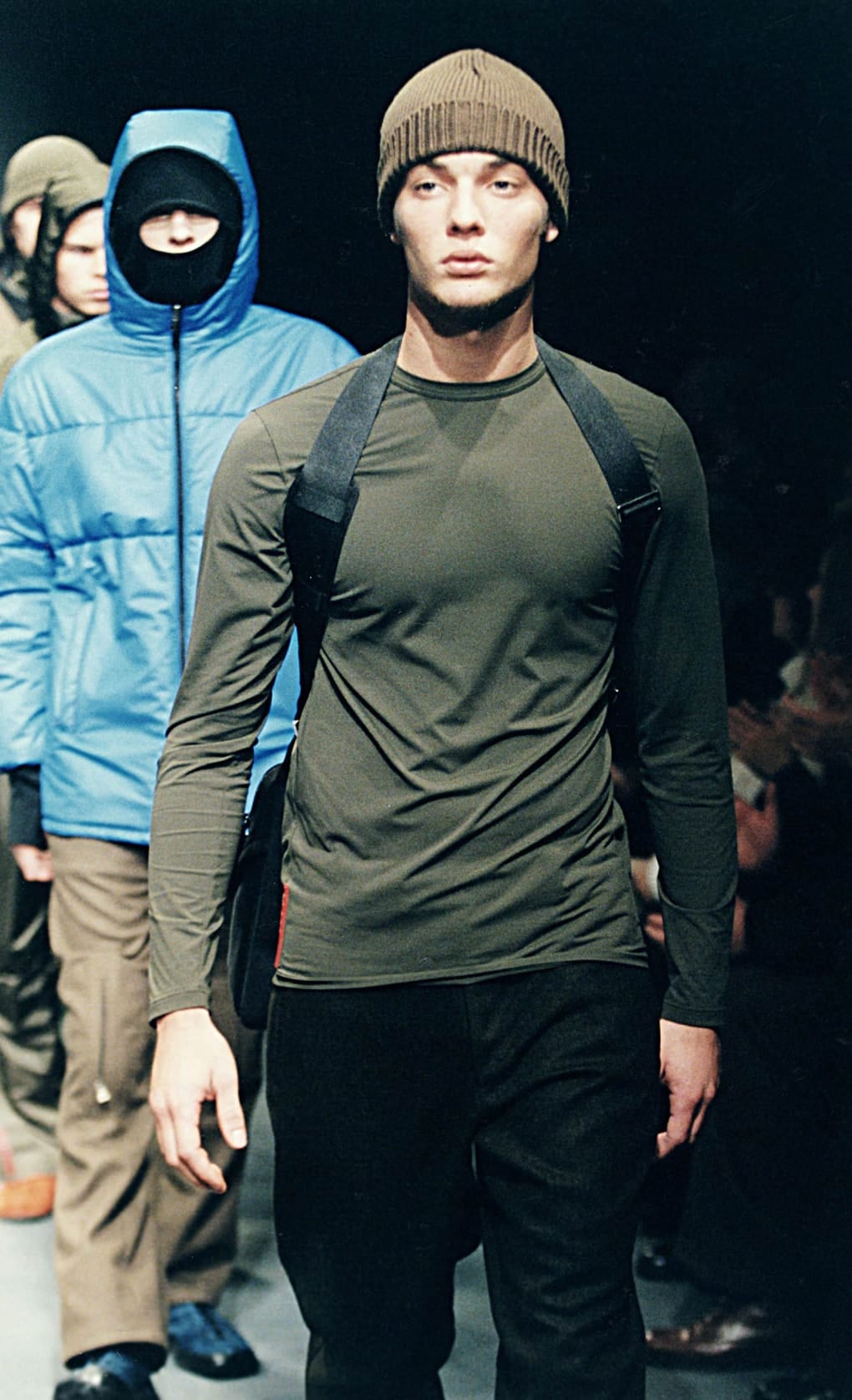
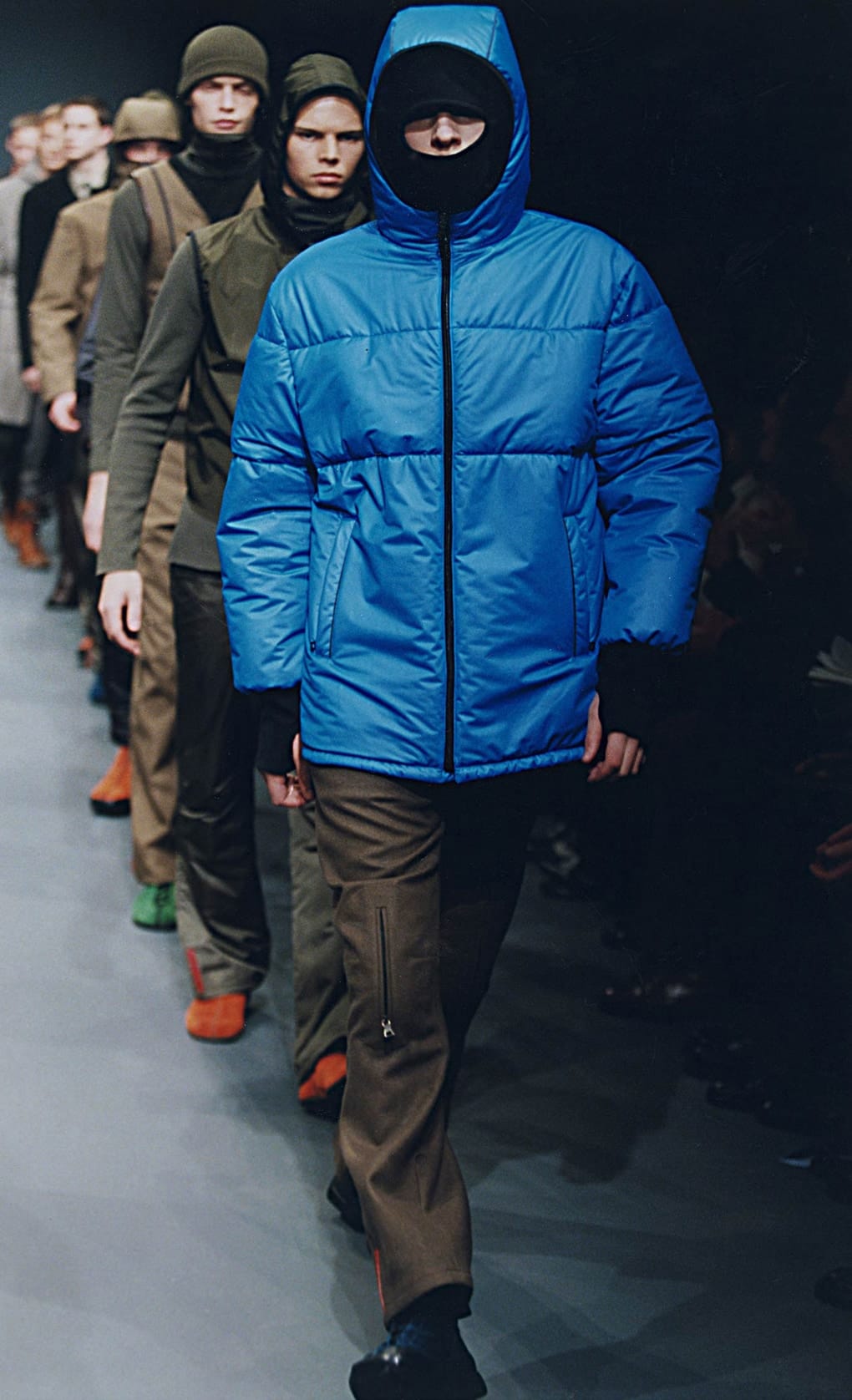
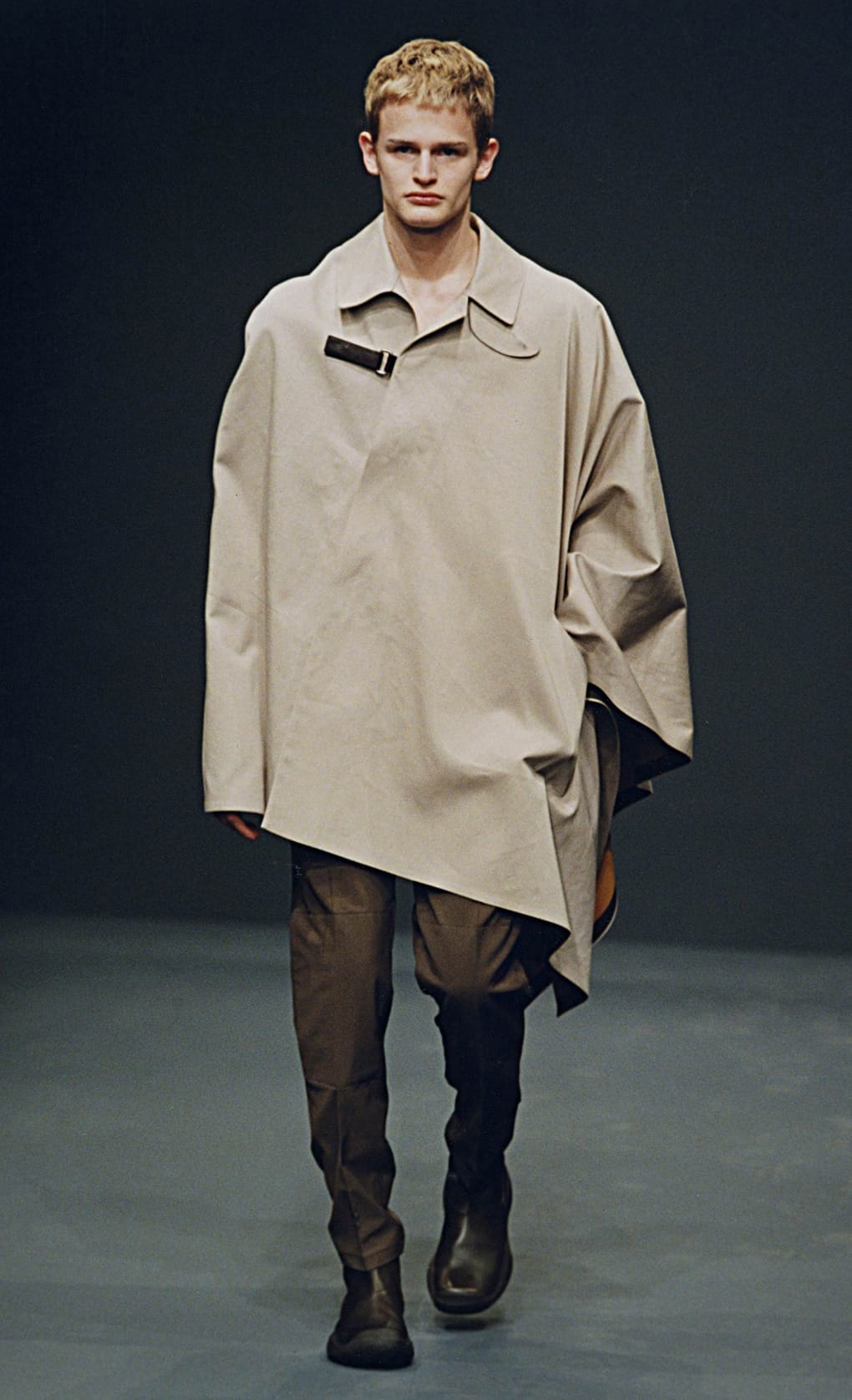
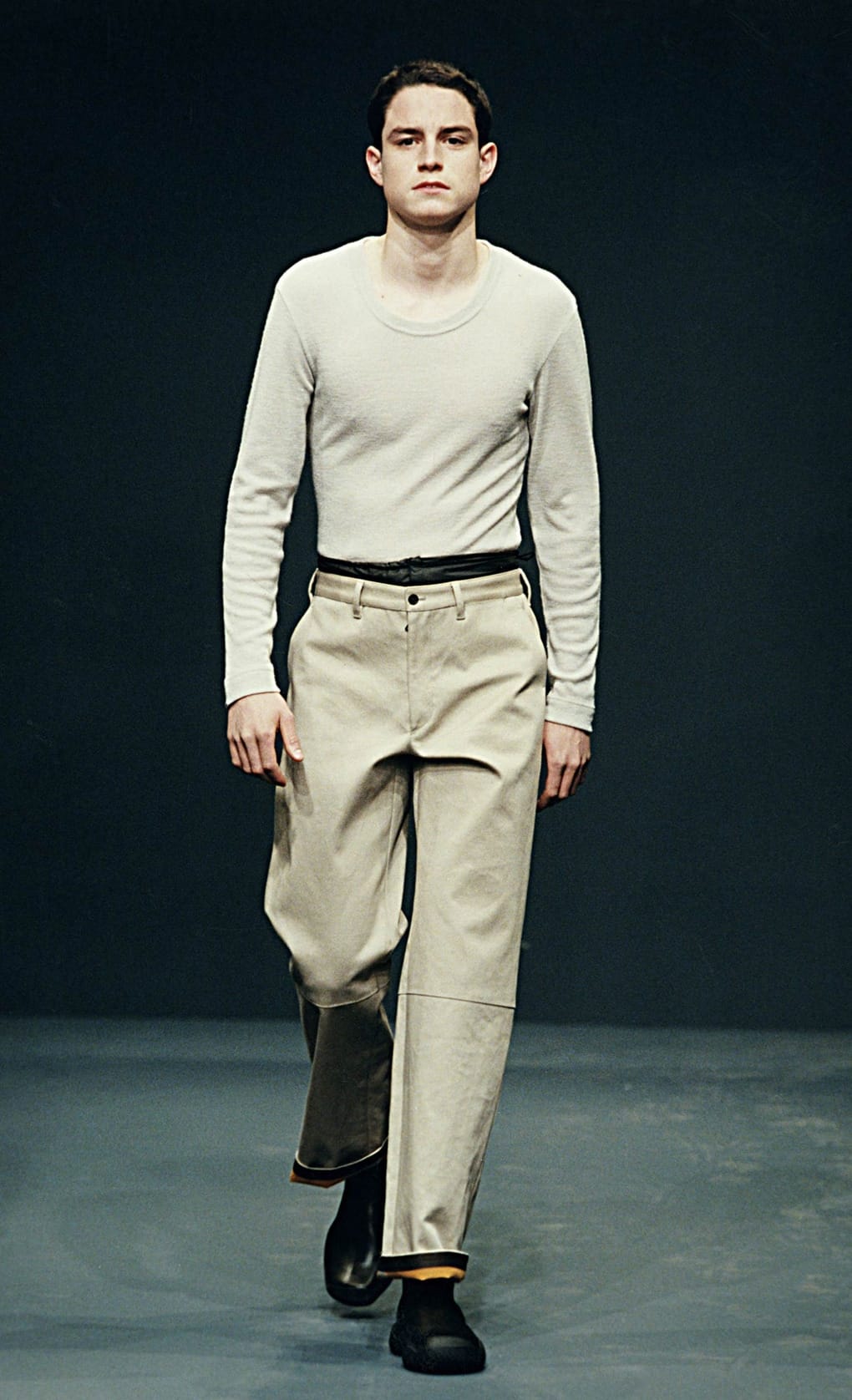
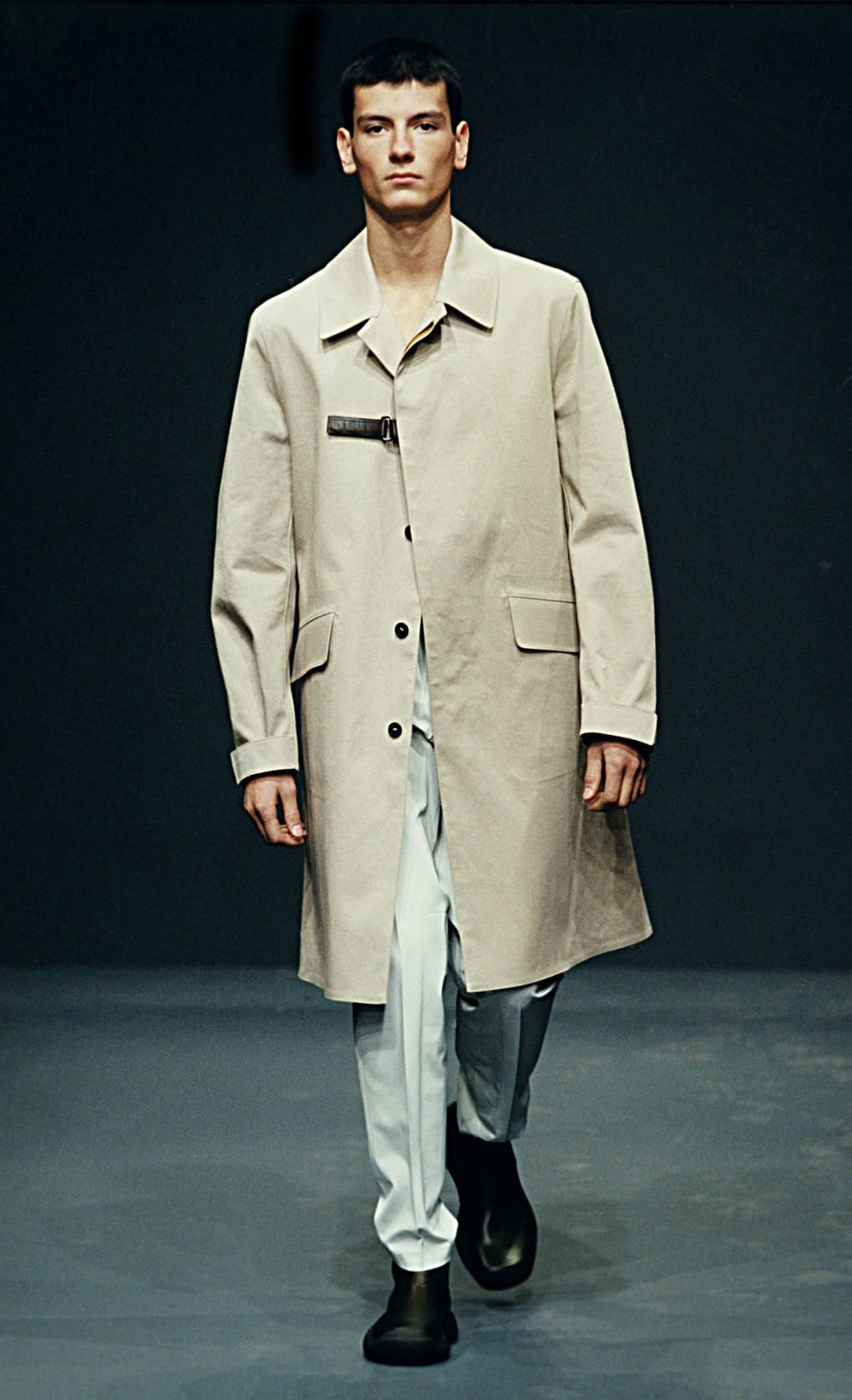
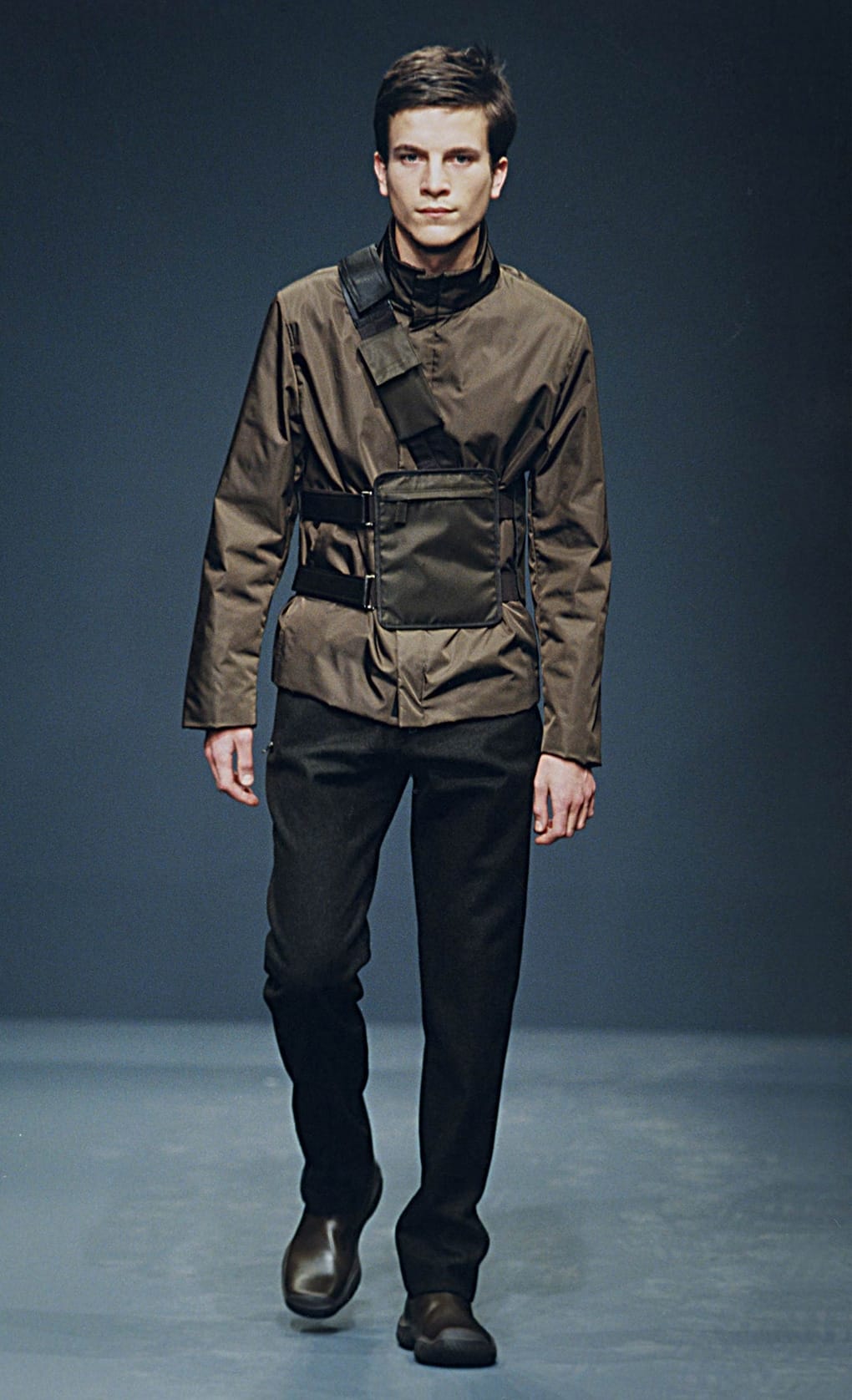
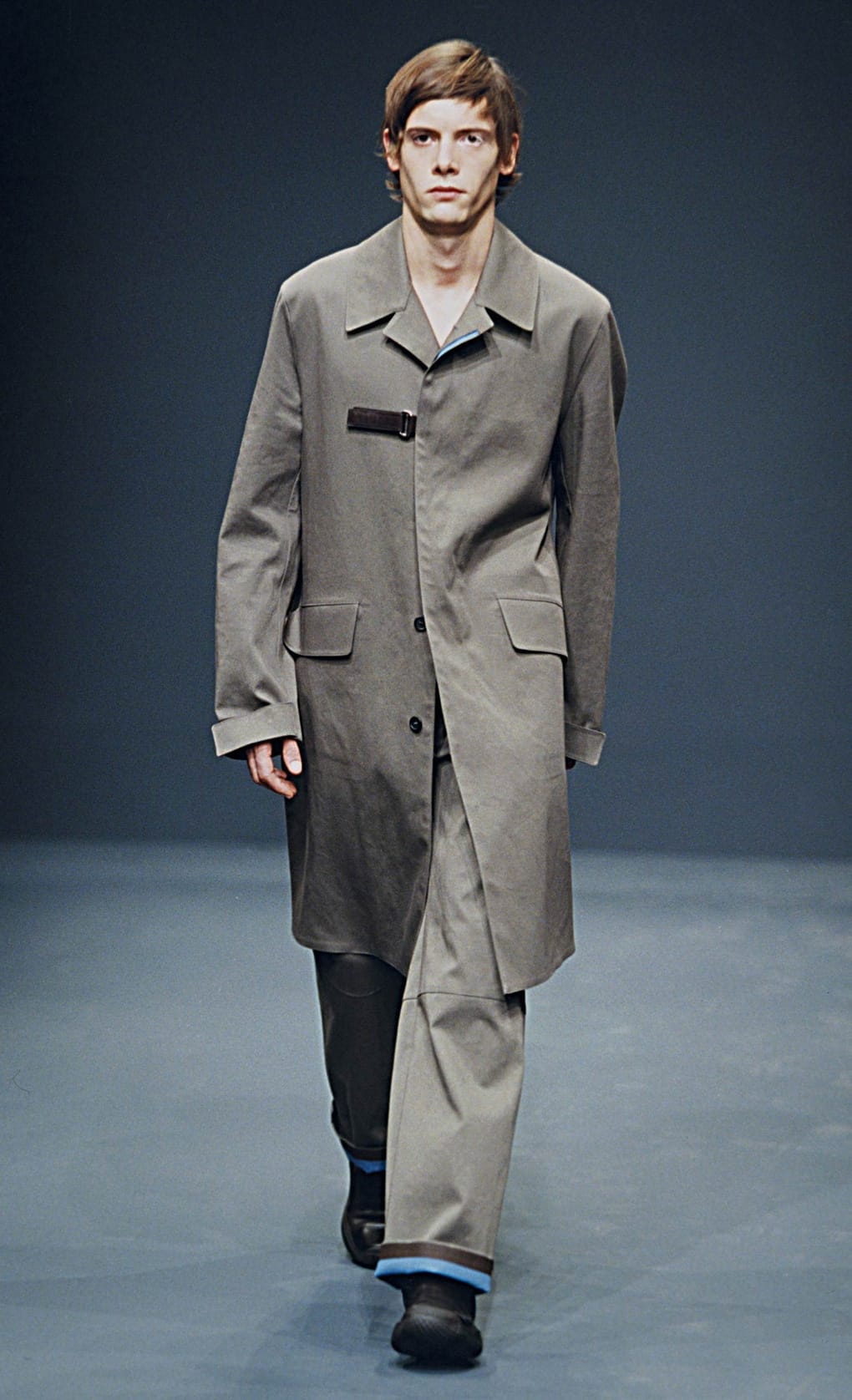
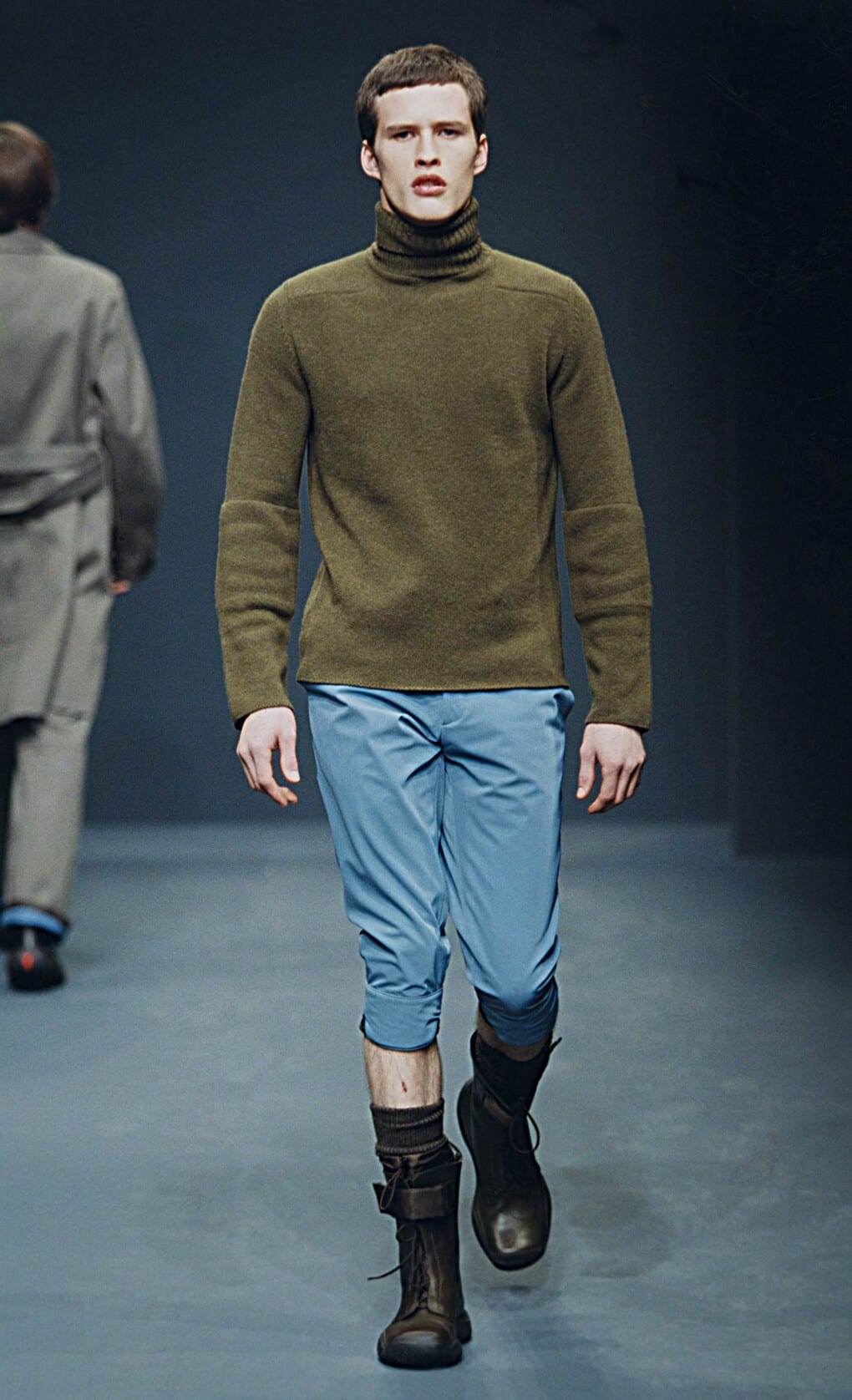
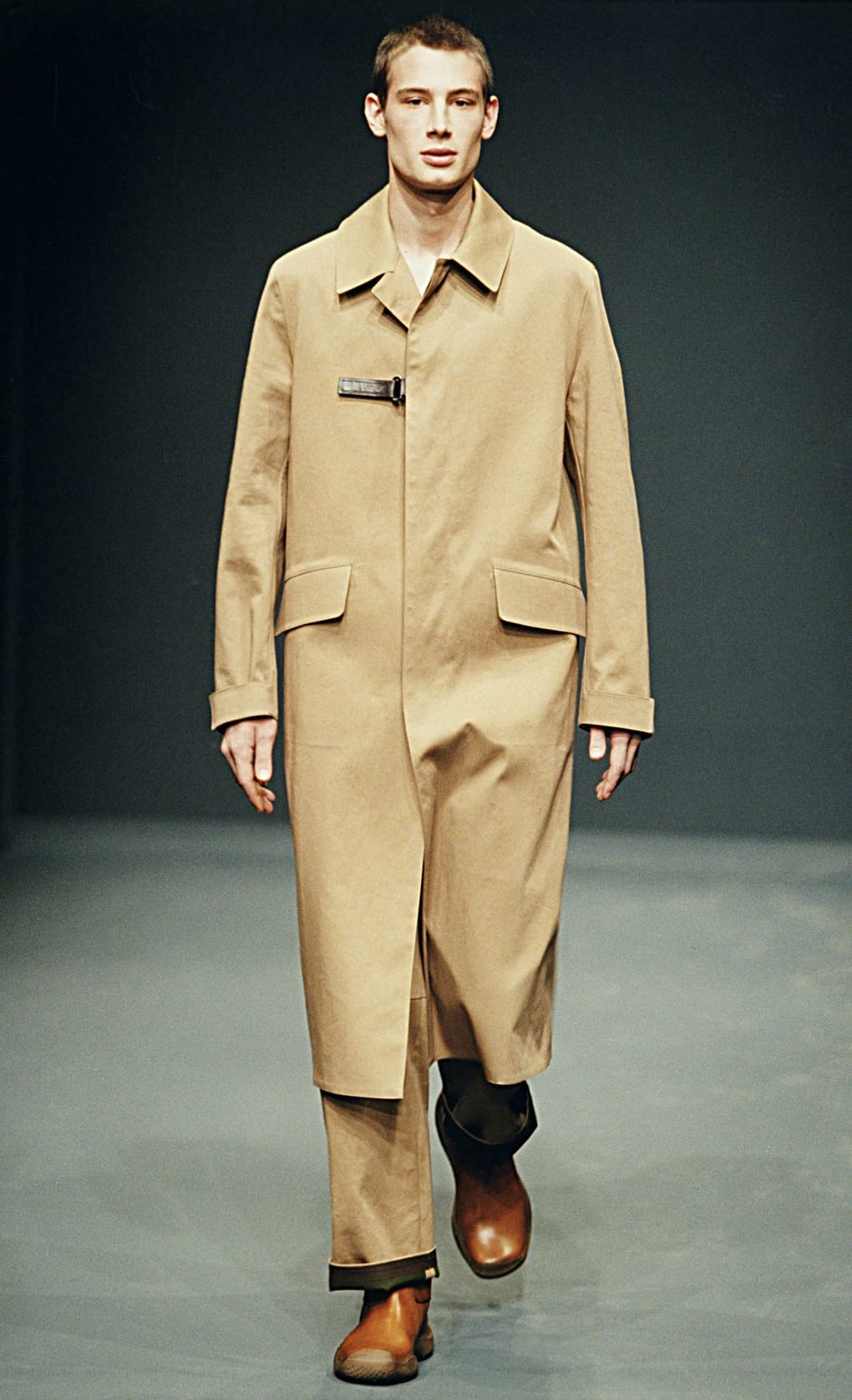
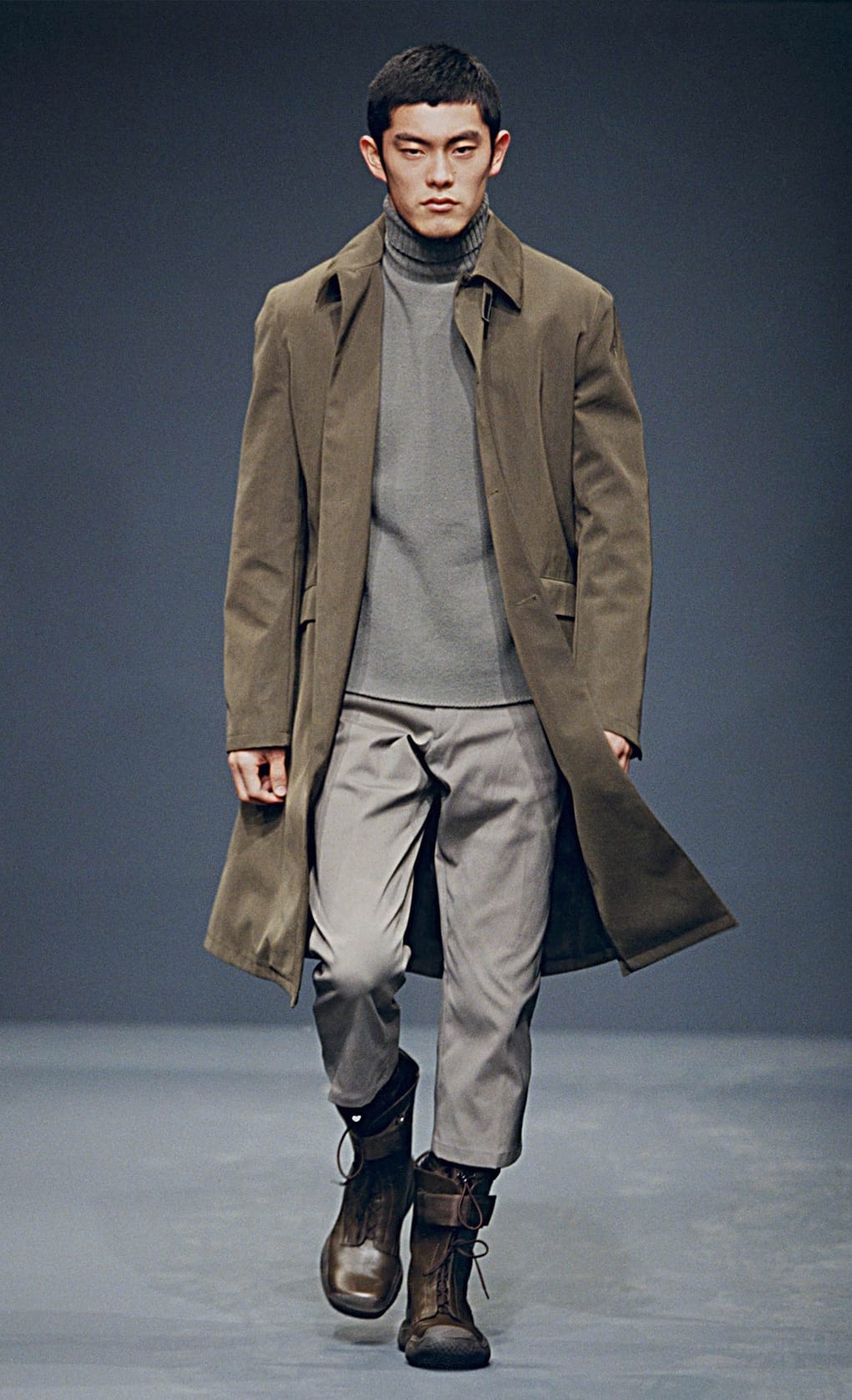
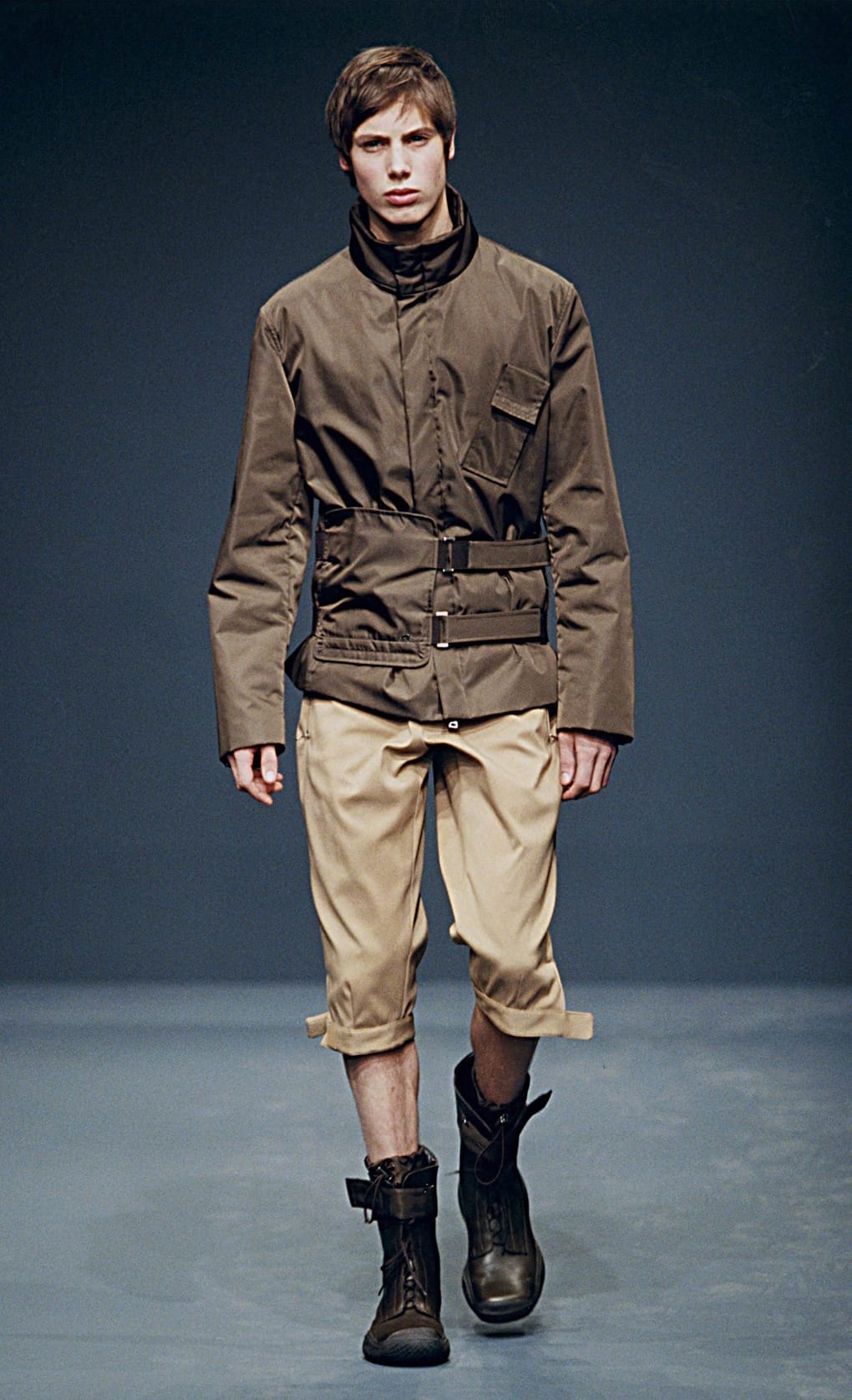
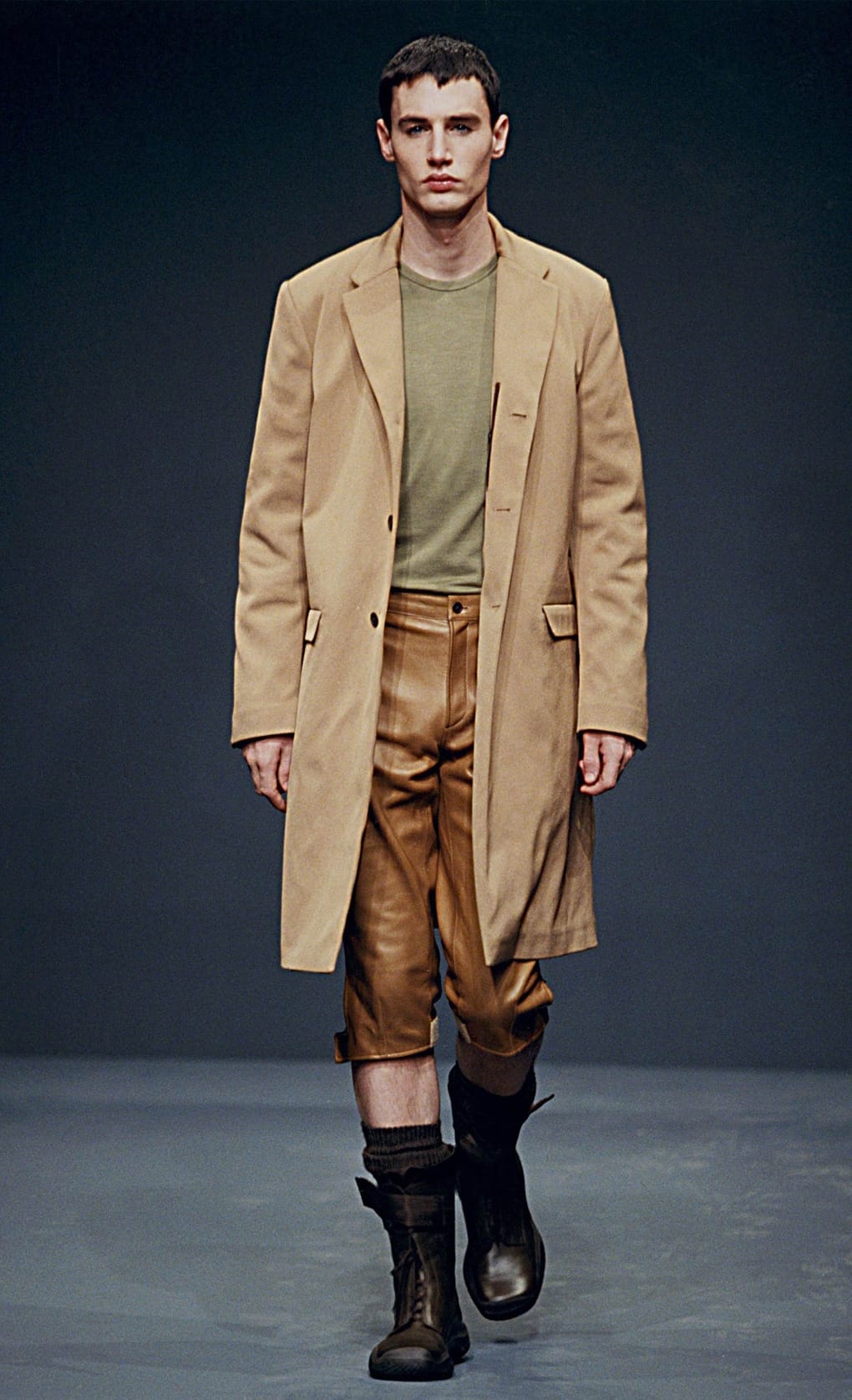
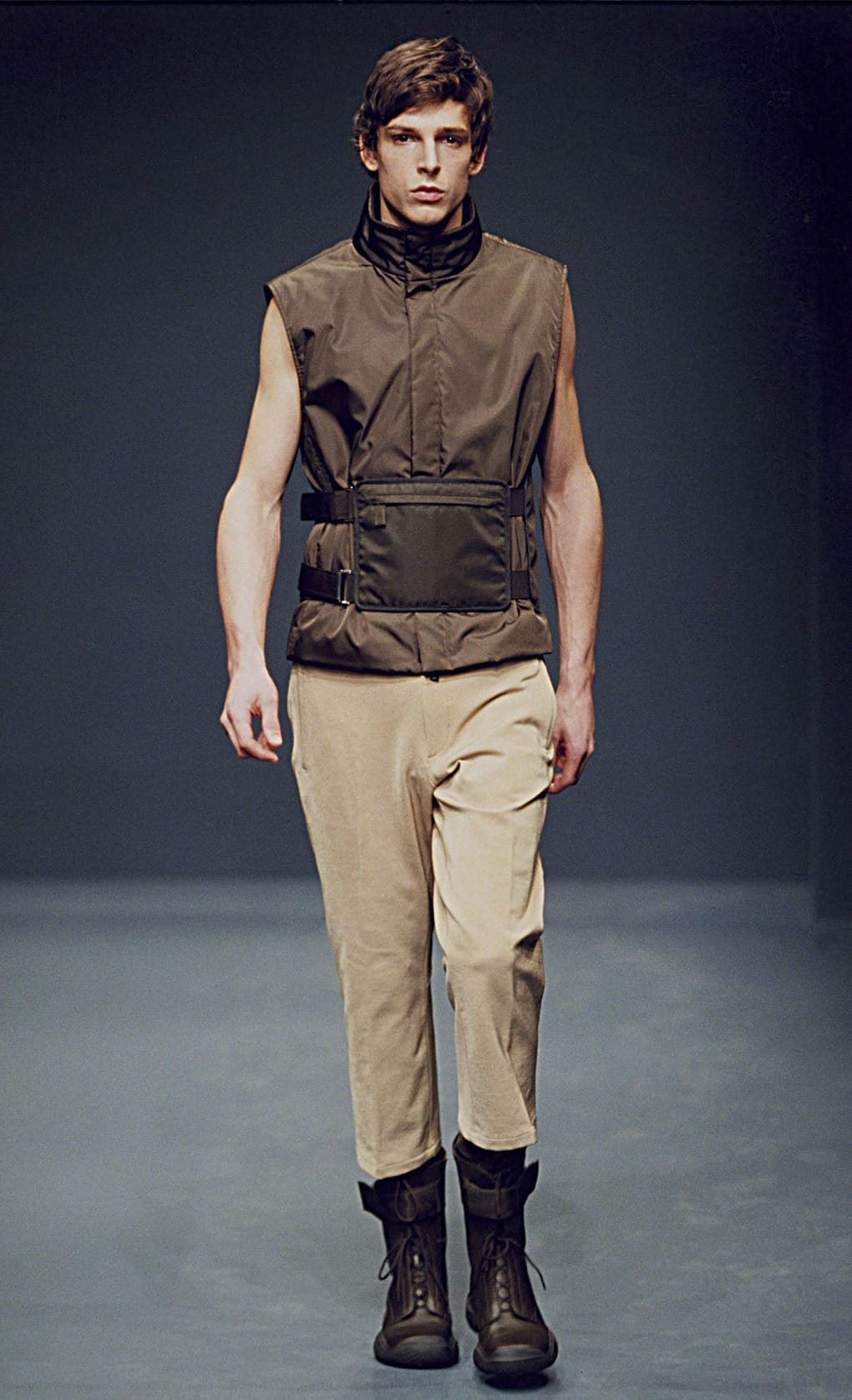
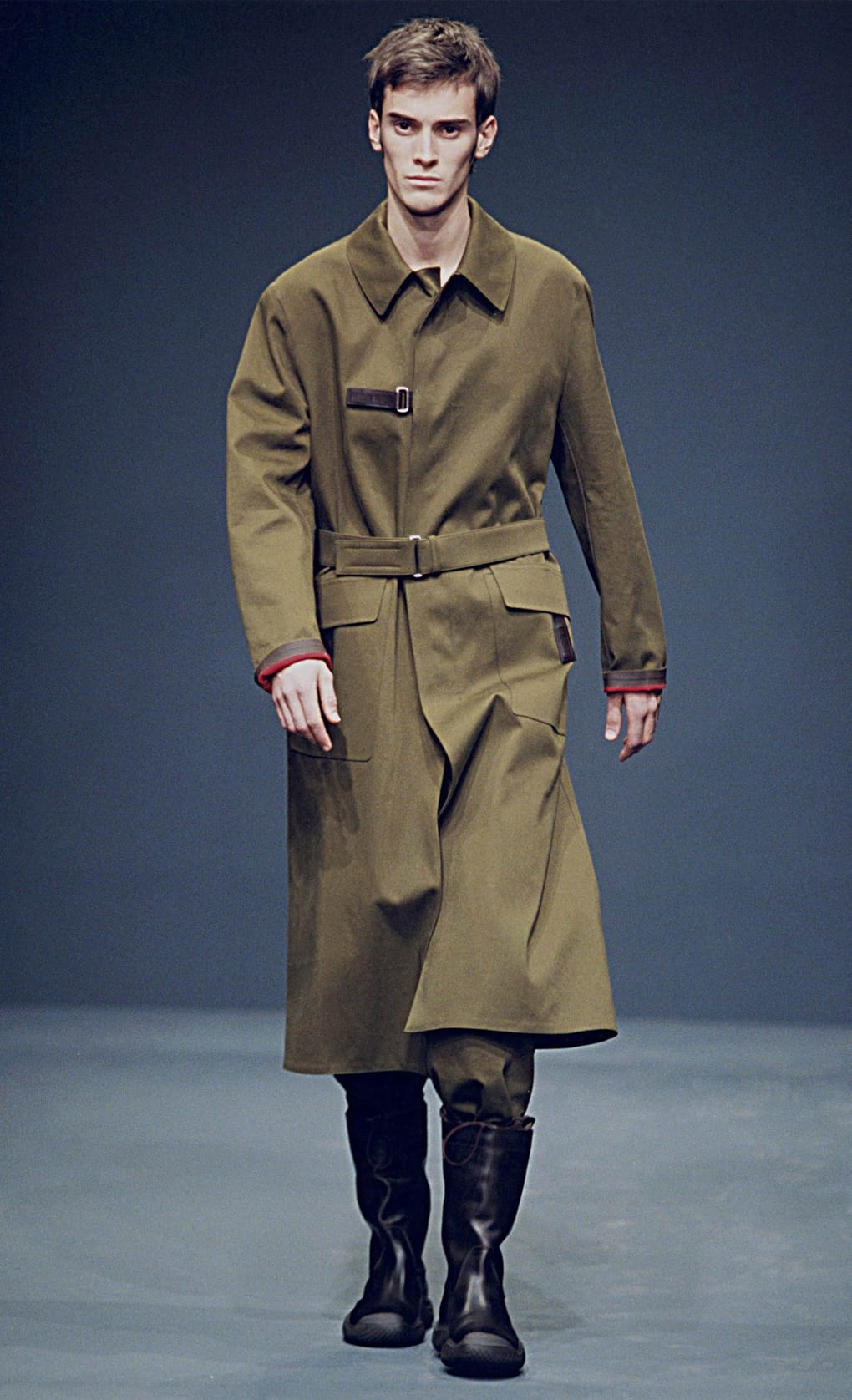
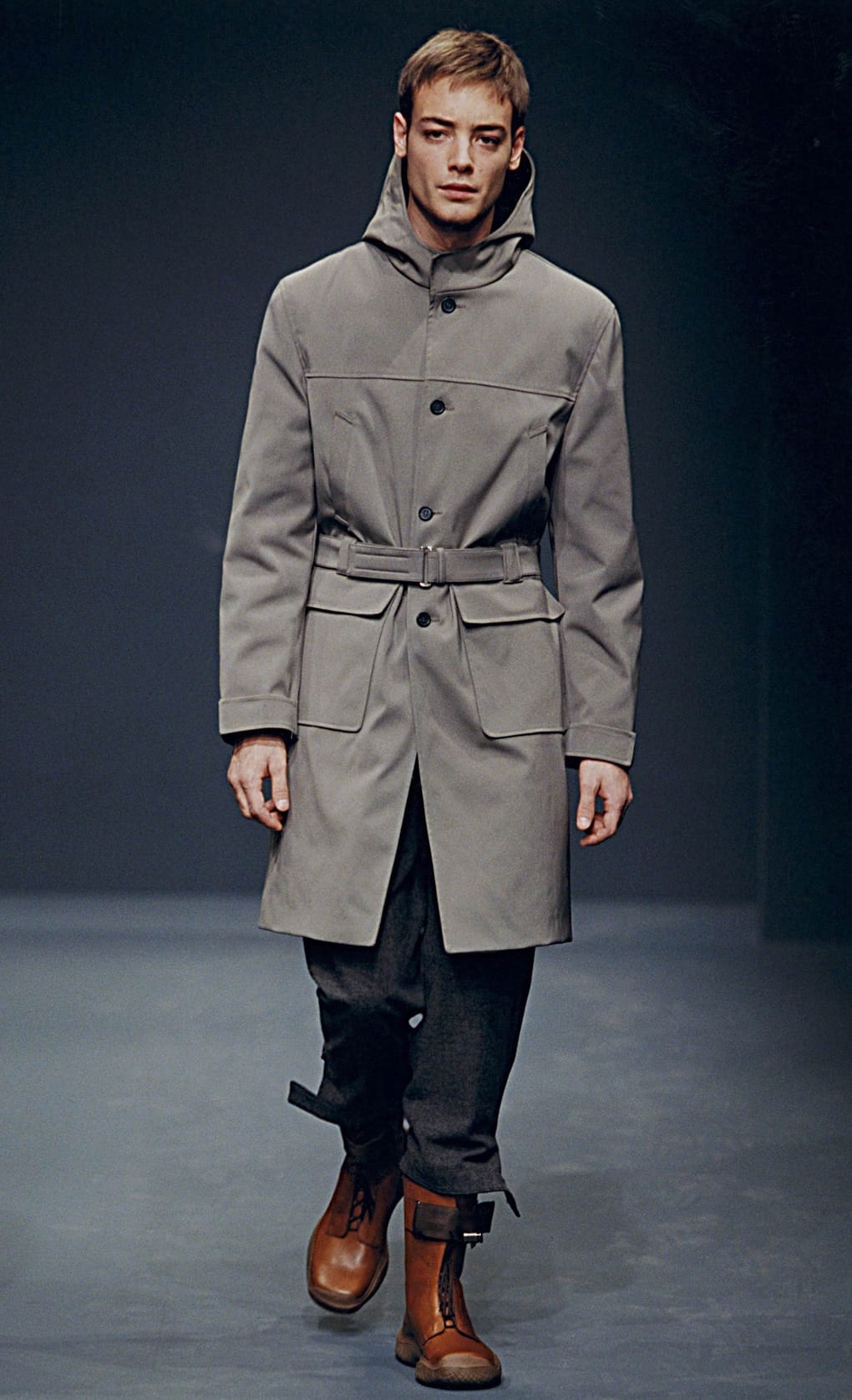
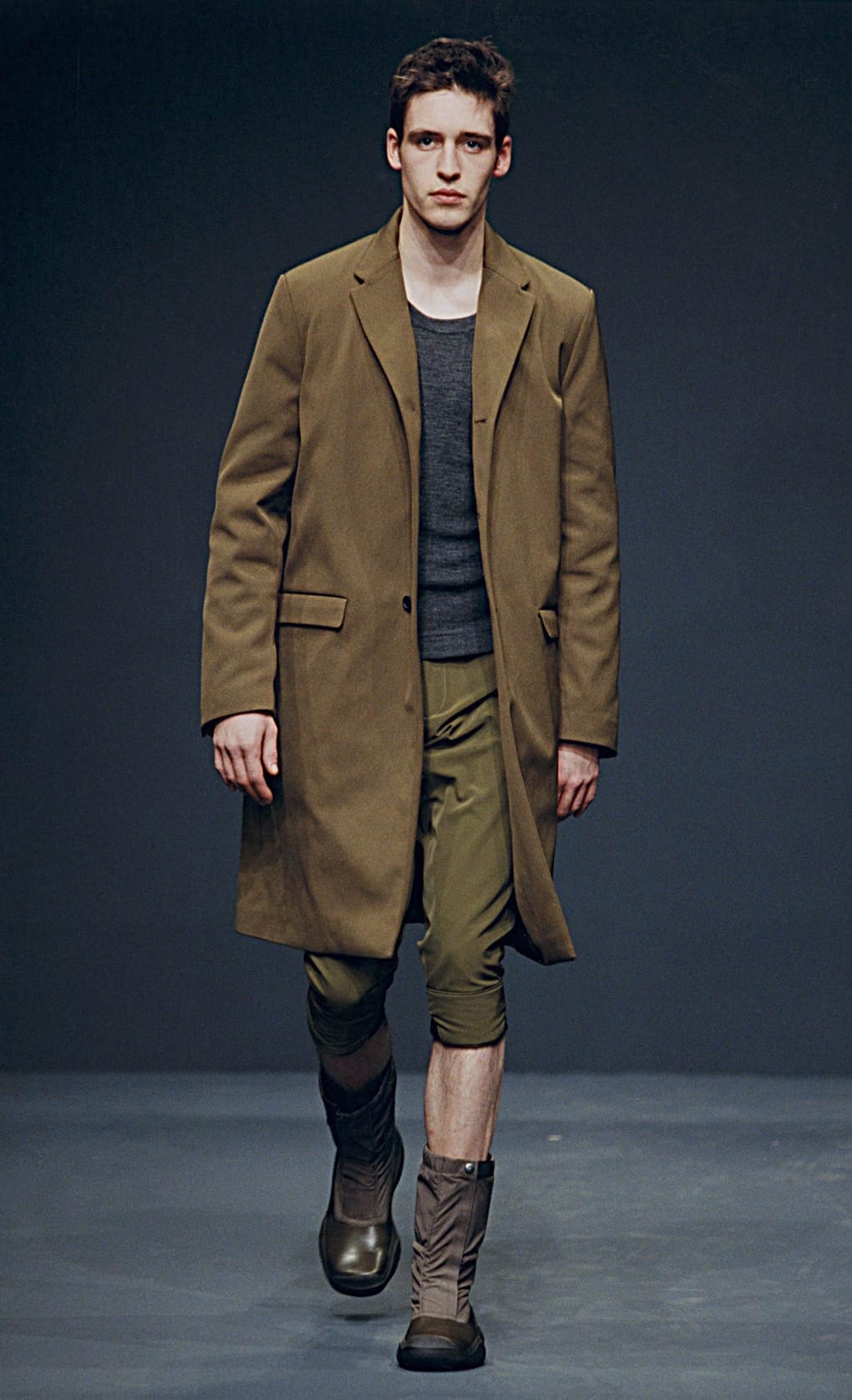
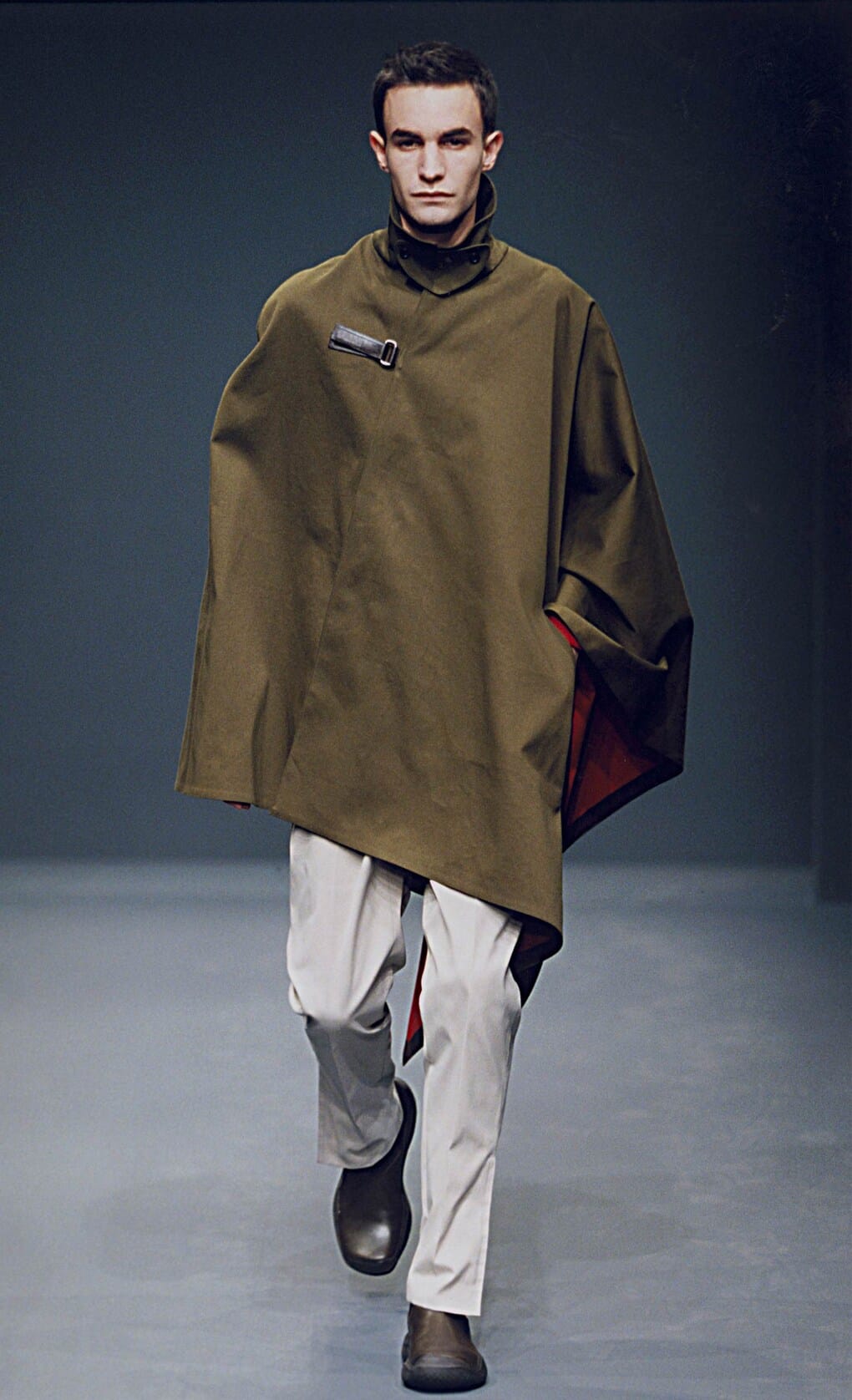
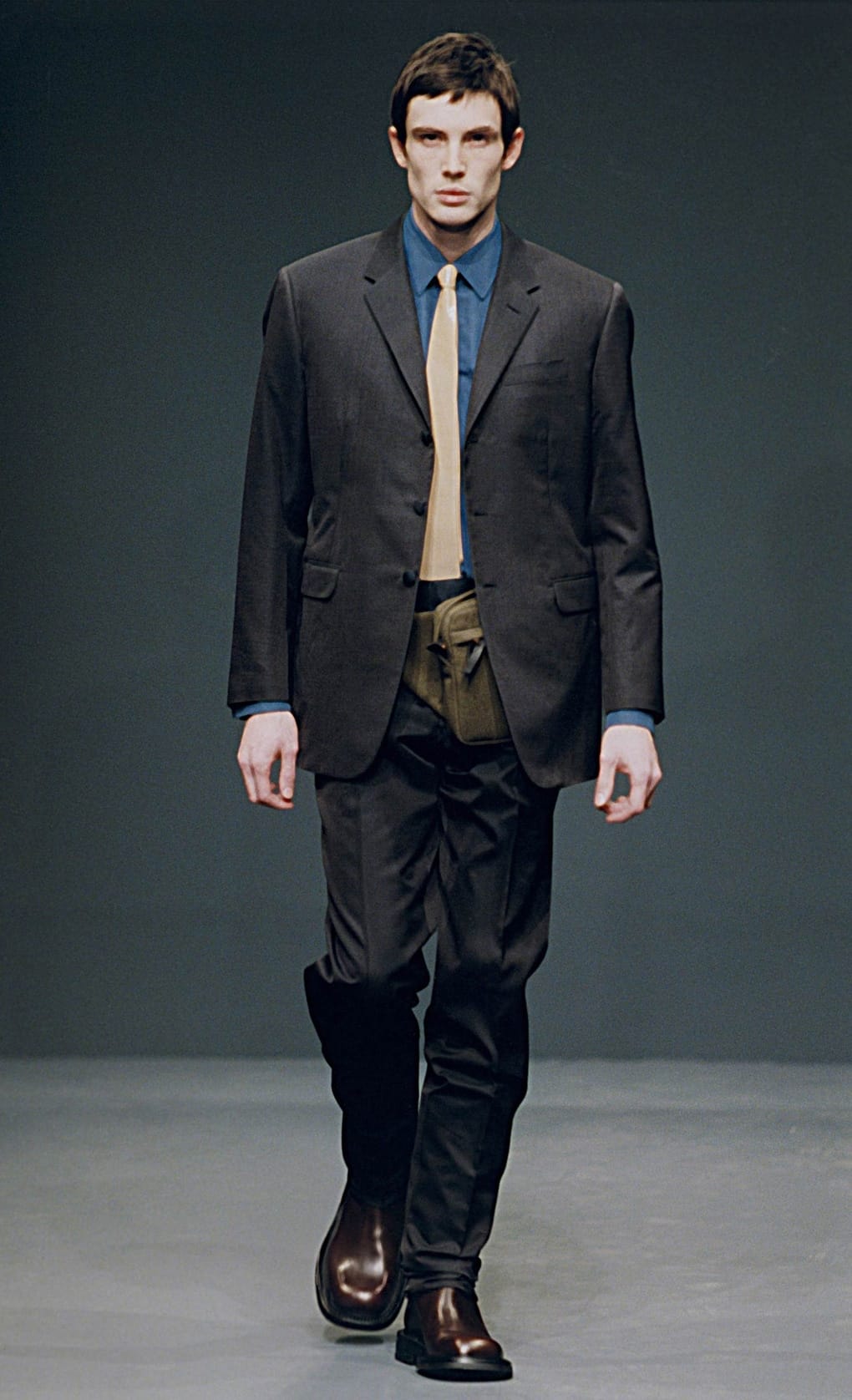
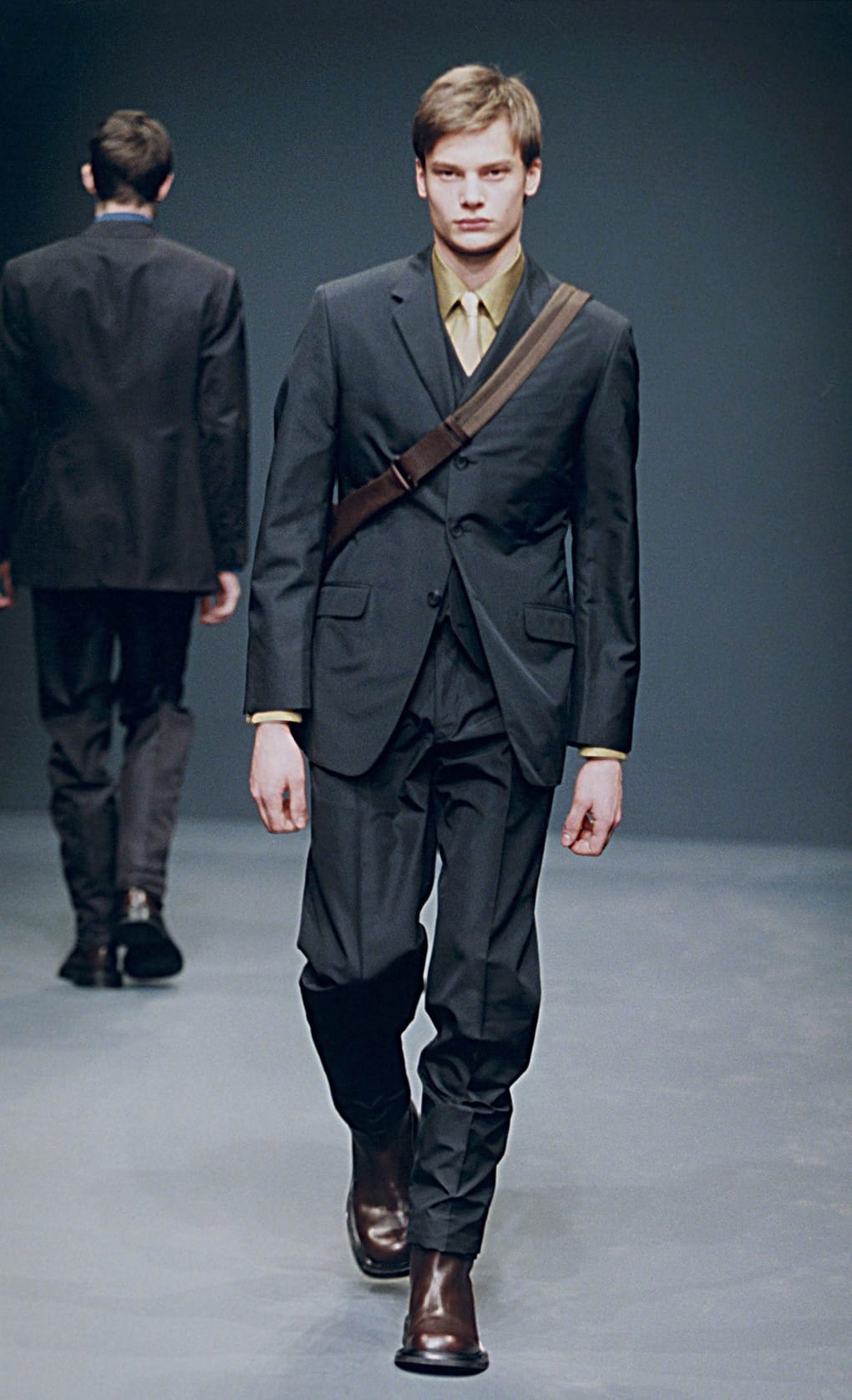
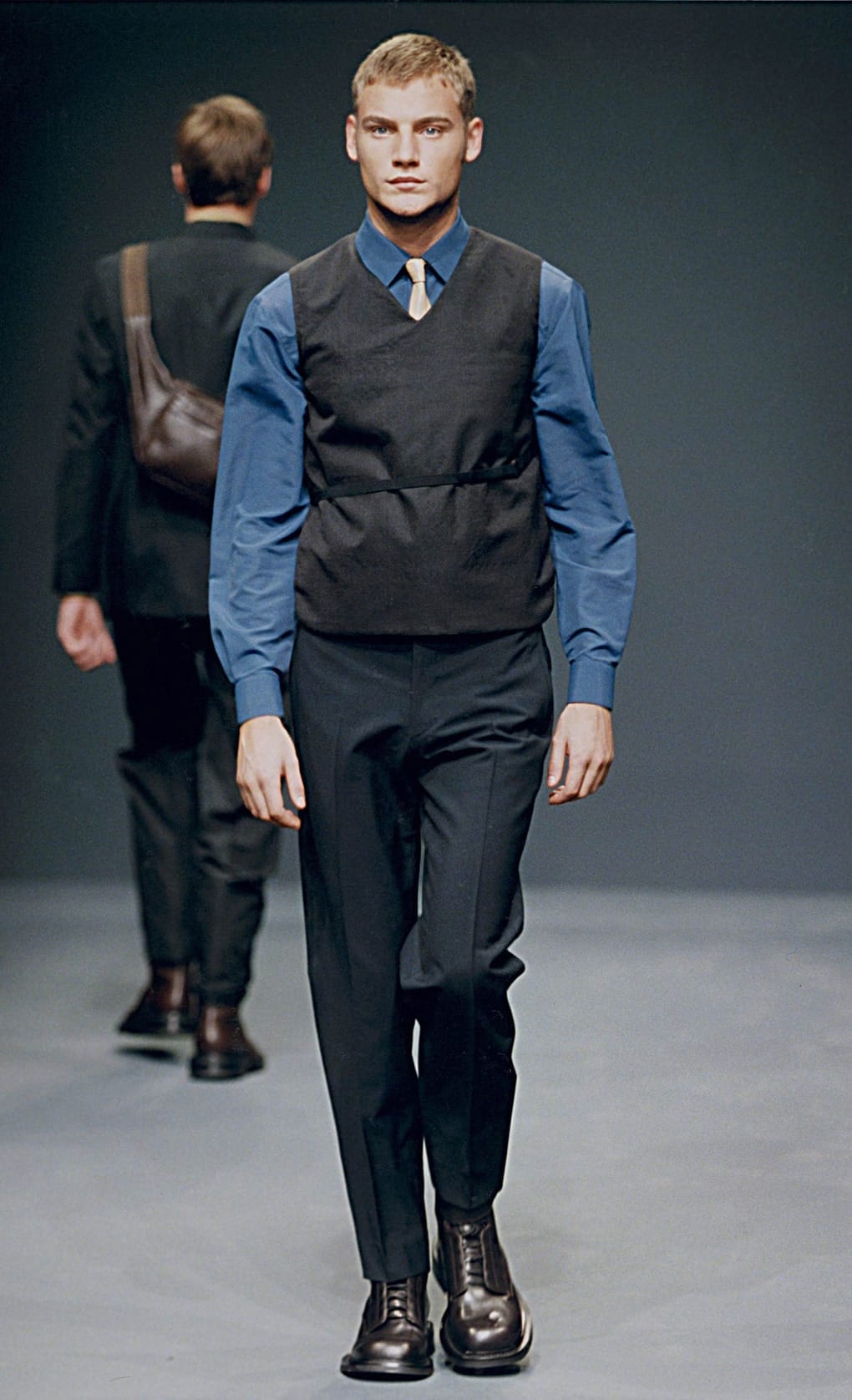
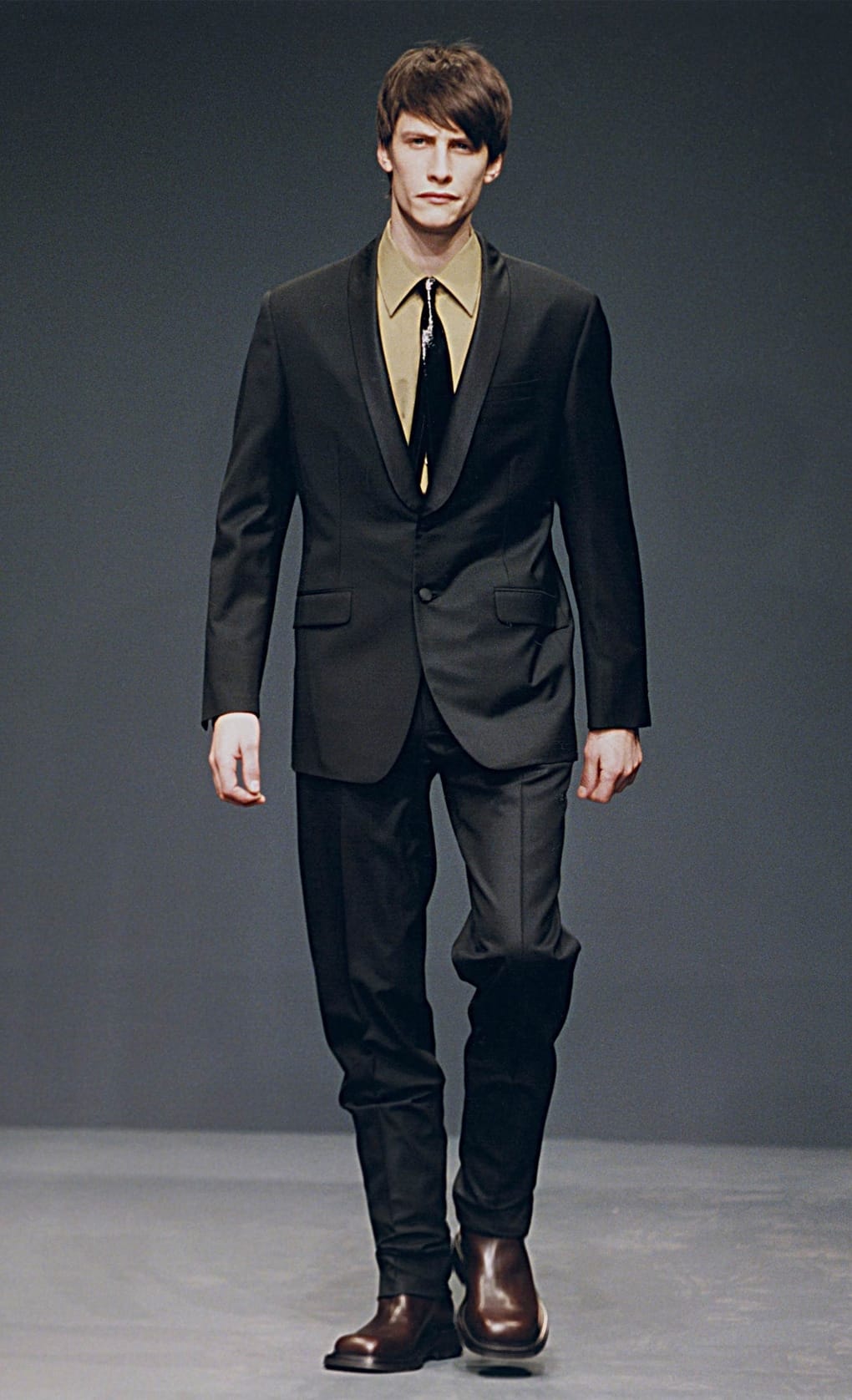
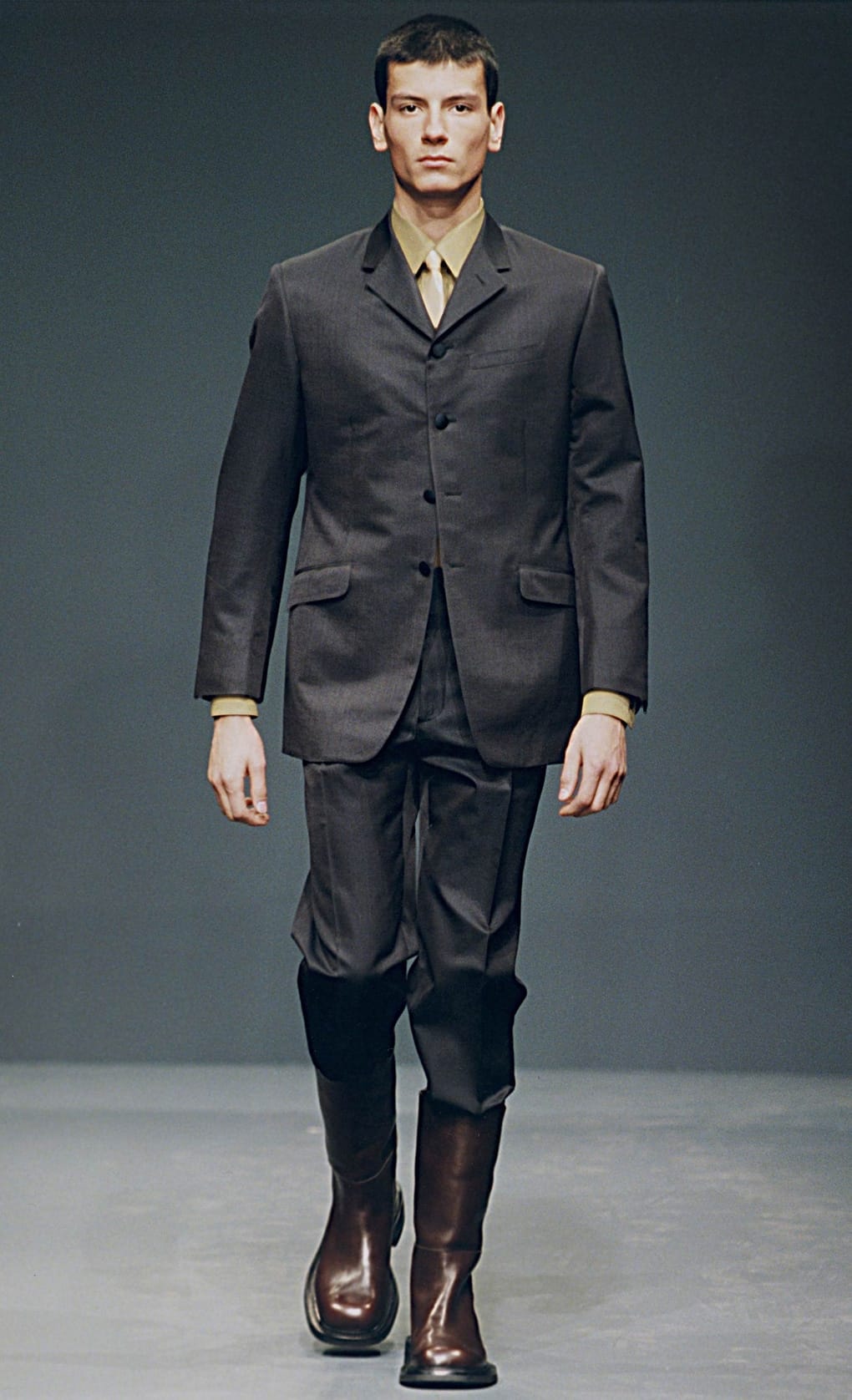
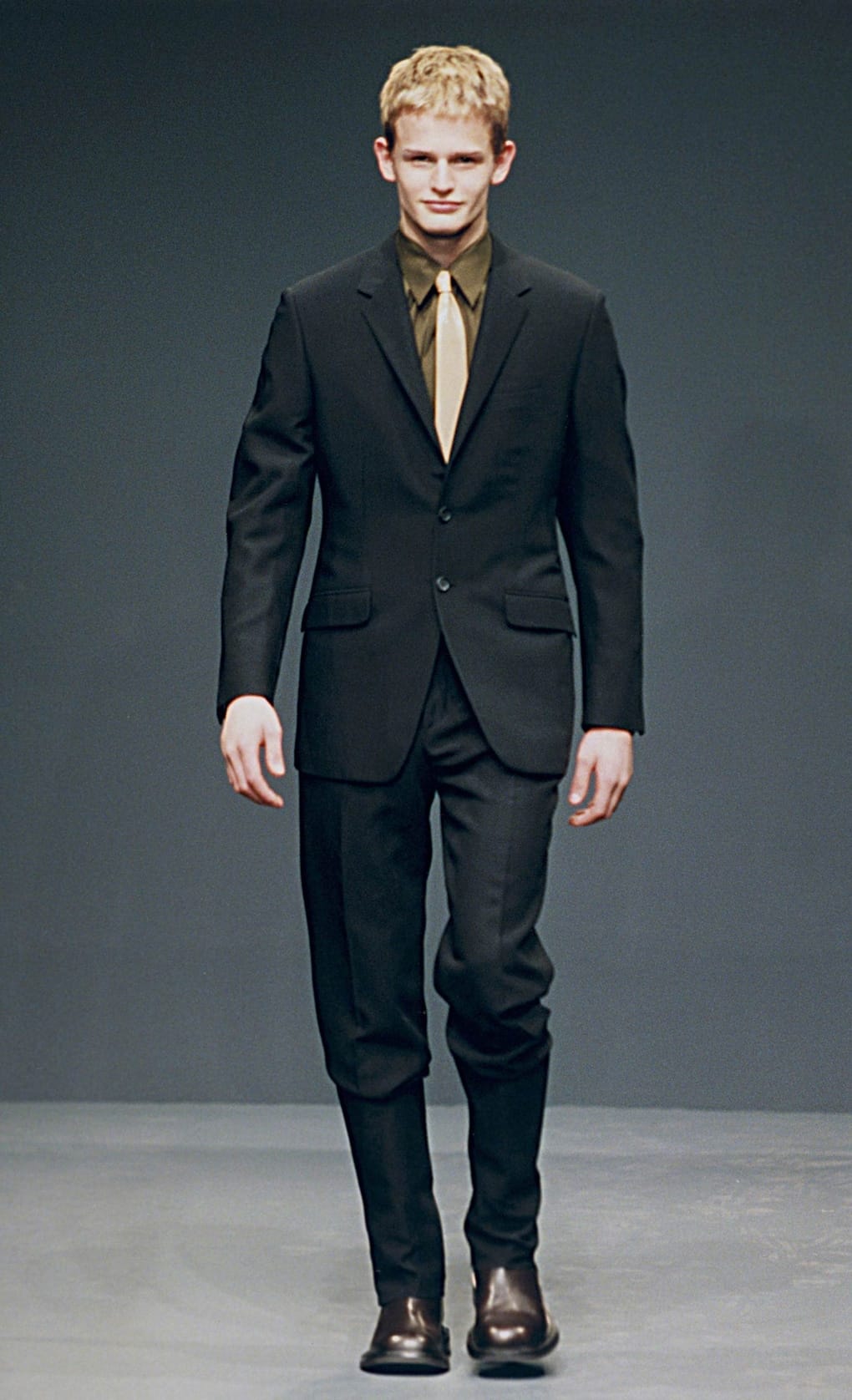
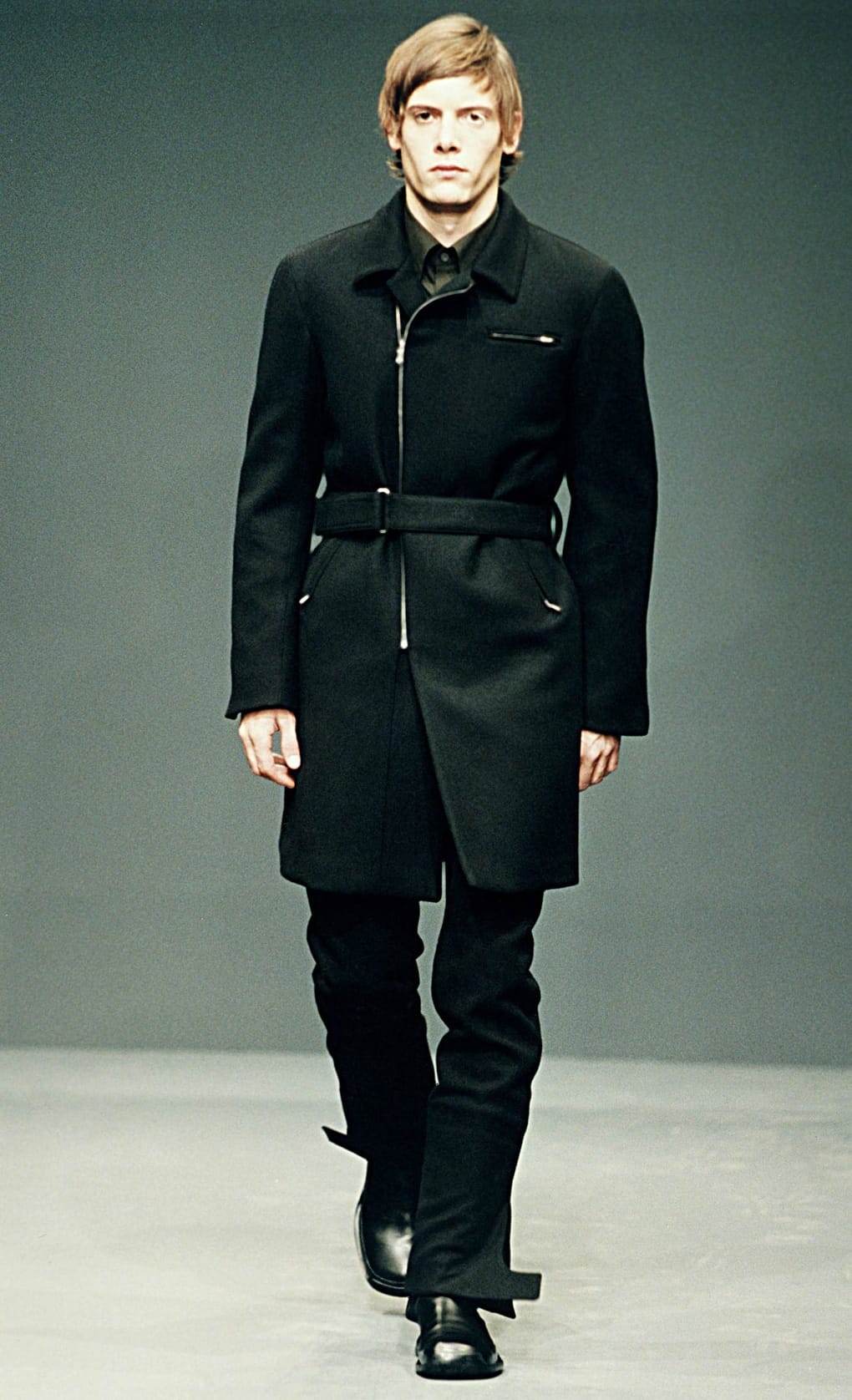
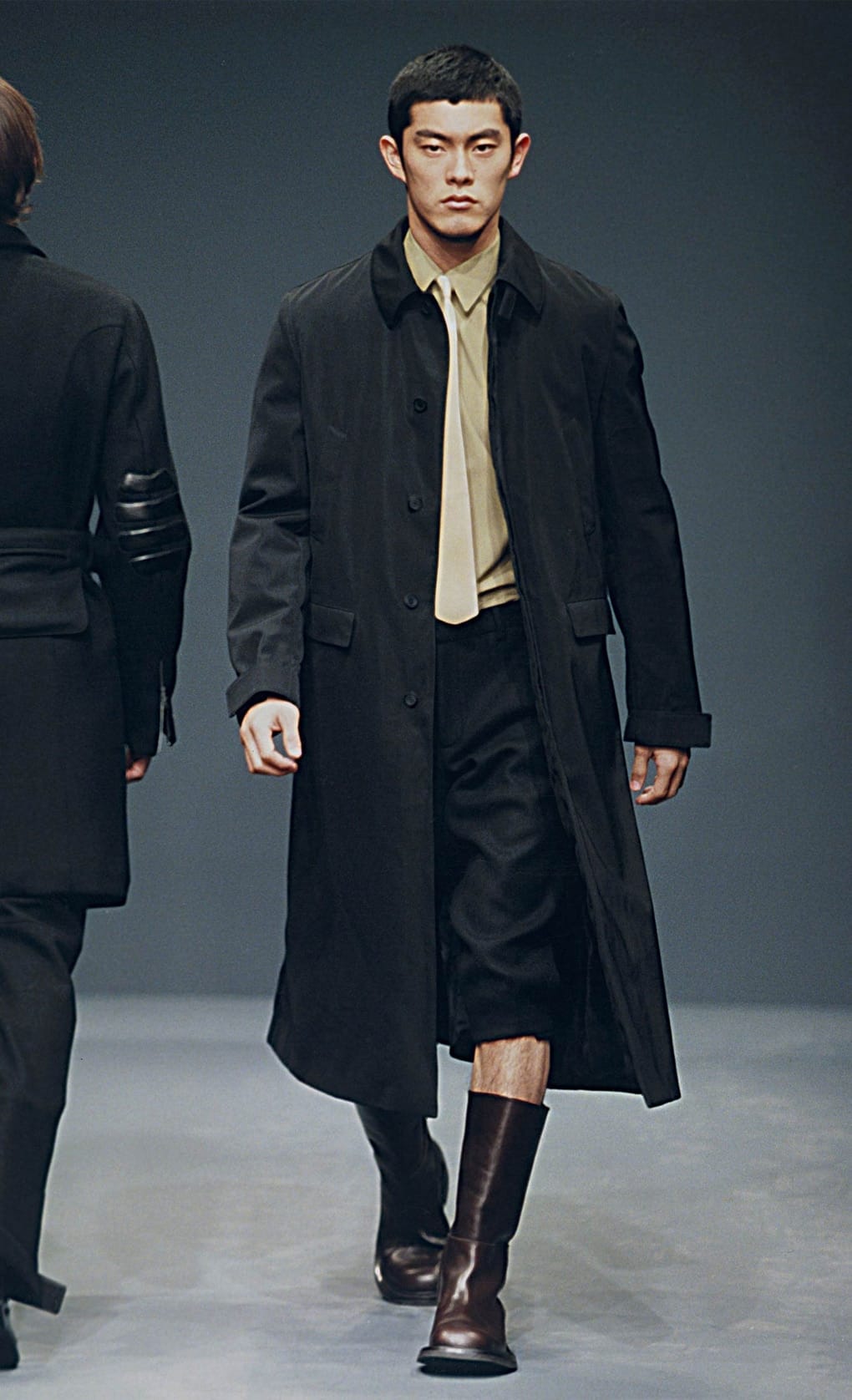
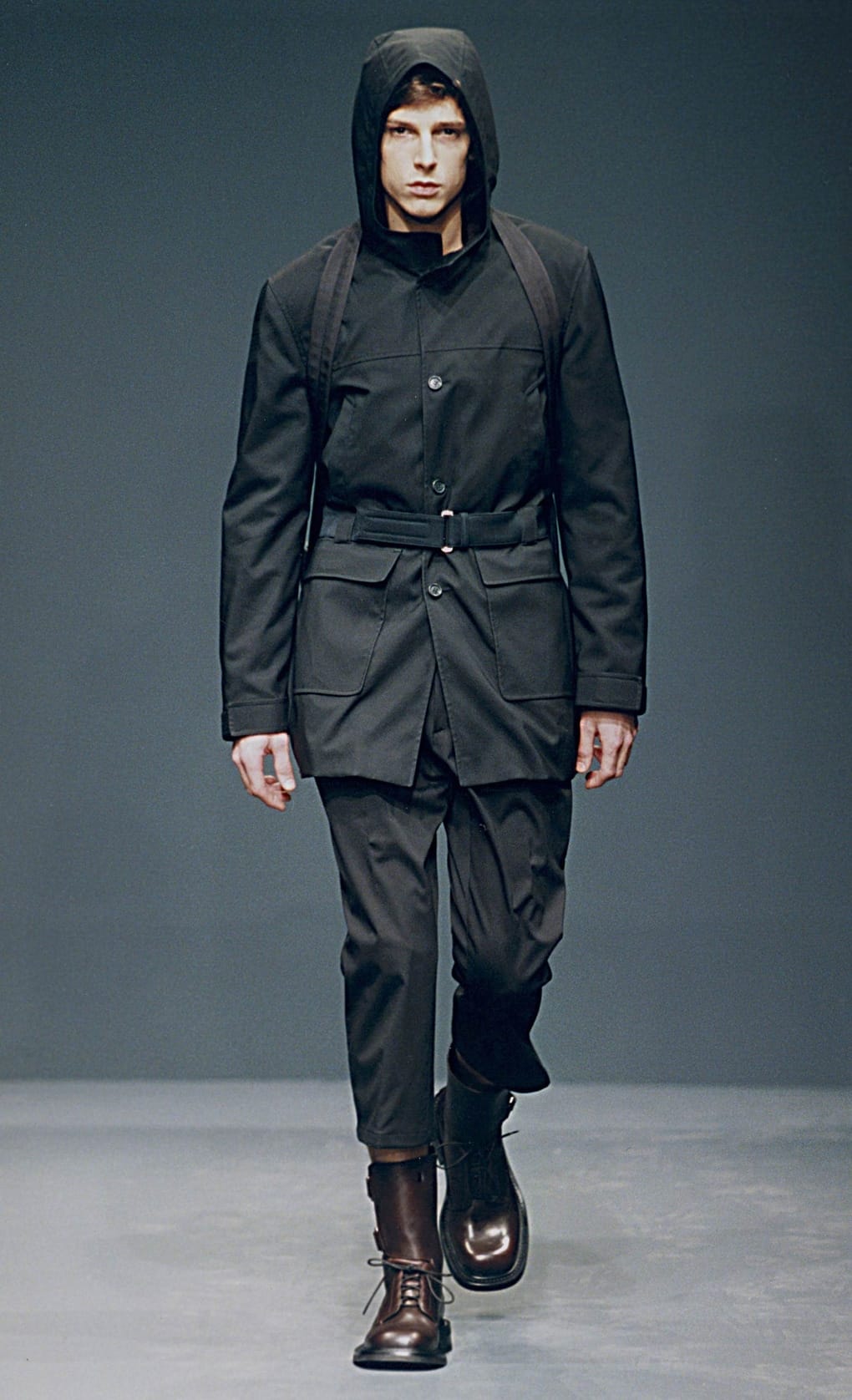
Prada's Fall/Winter 1999 menswear collection moves from muted tailoring and leather into technical outerwear, close-fitting performance layers, and a final return to dark suiting. This complete sequence preserves all 80 runway looks in the official order.
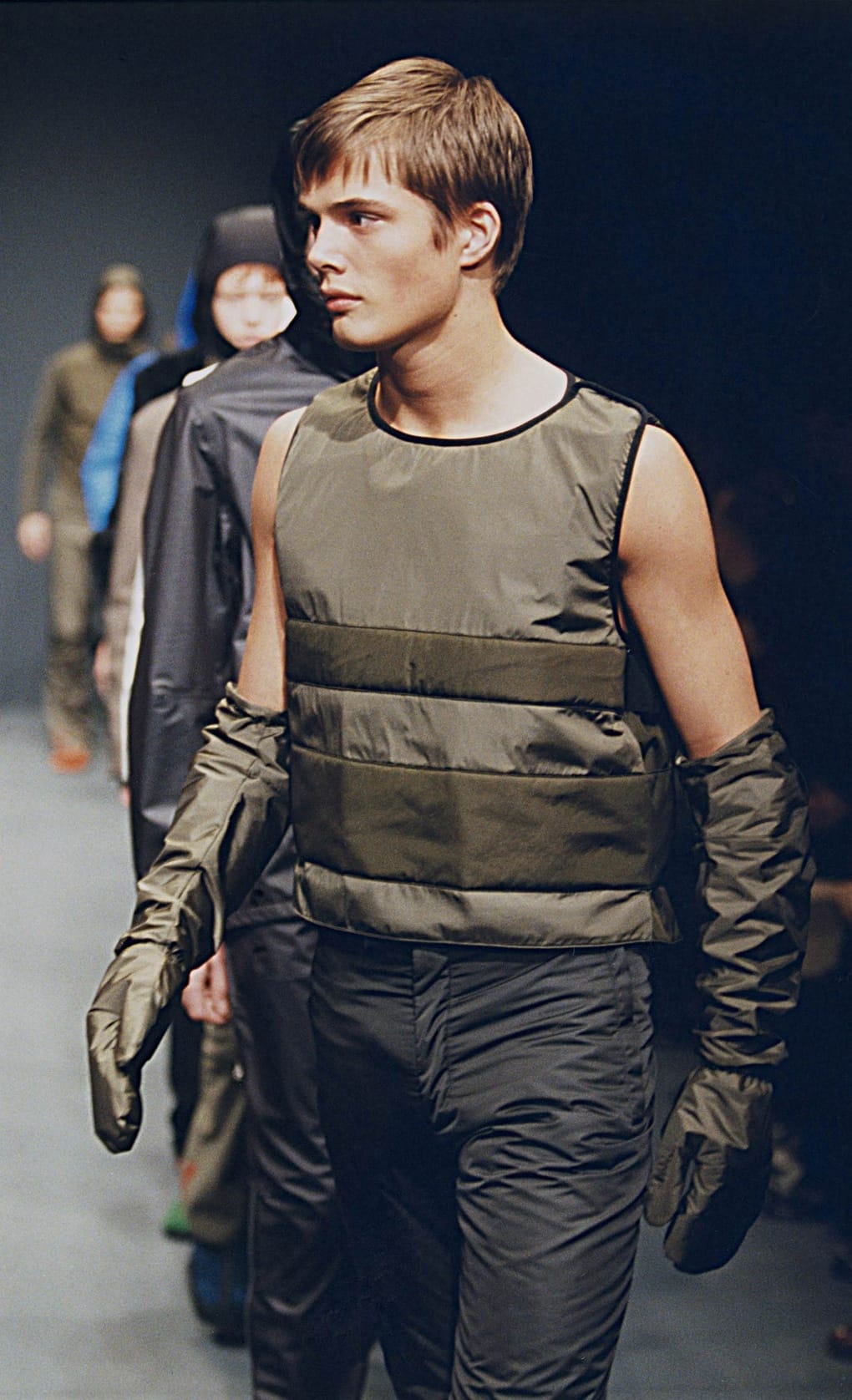
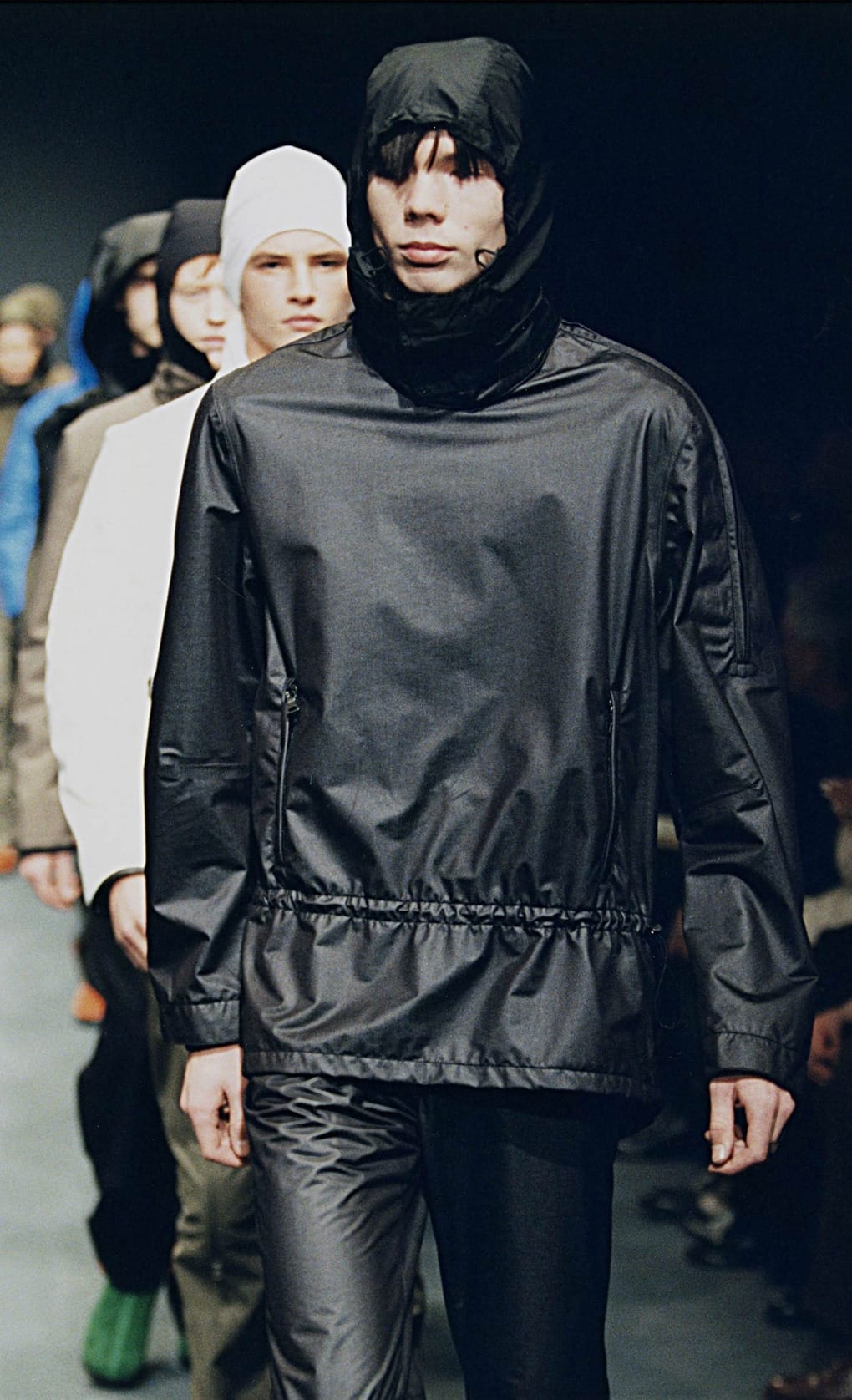
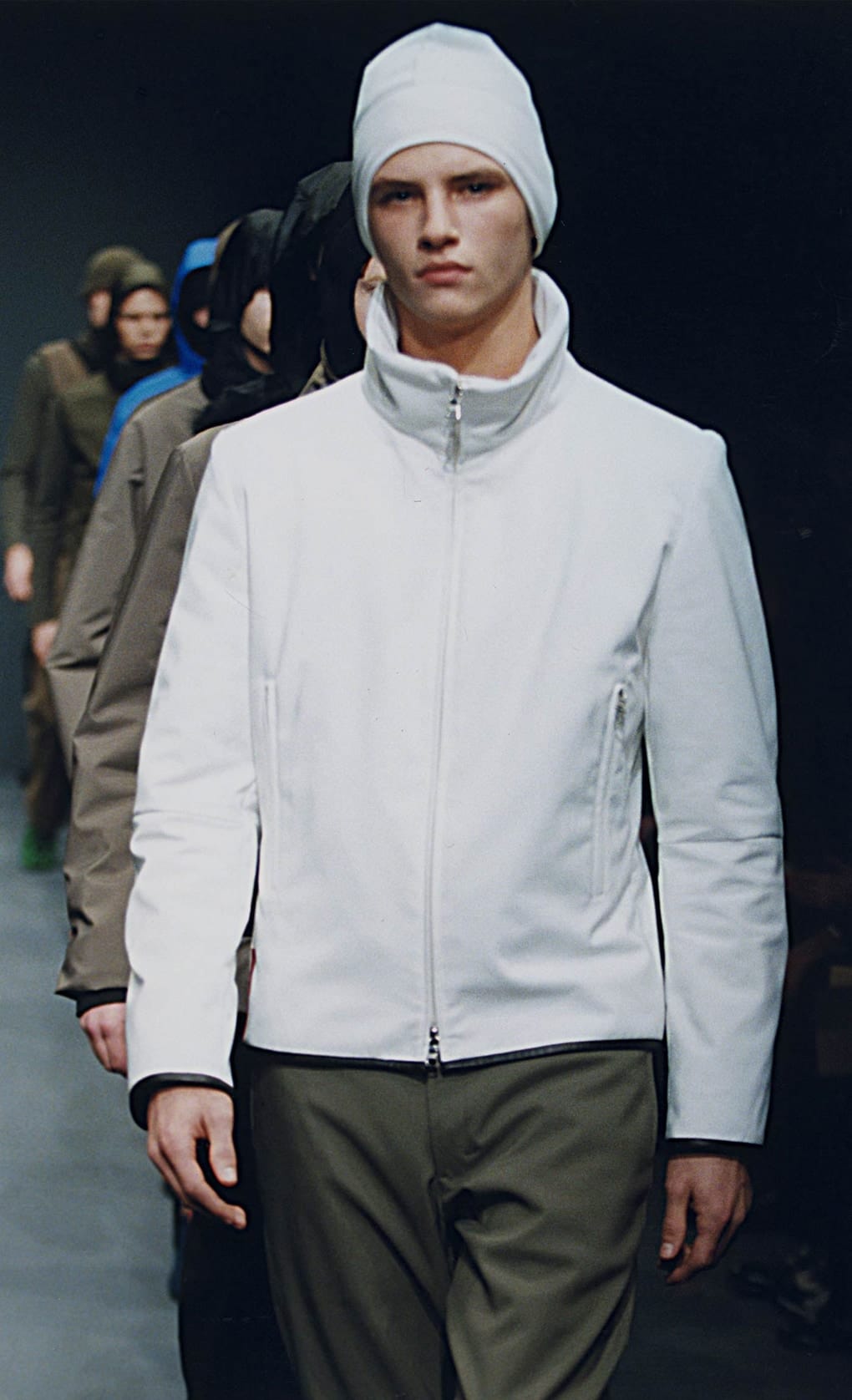
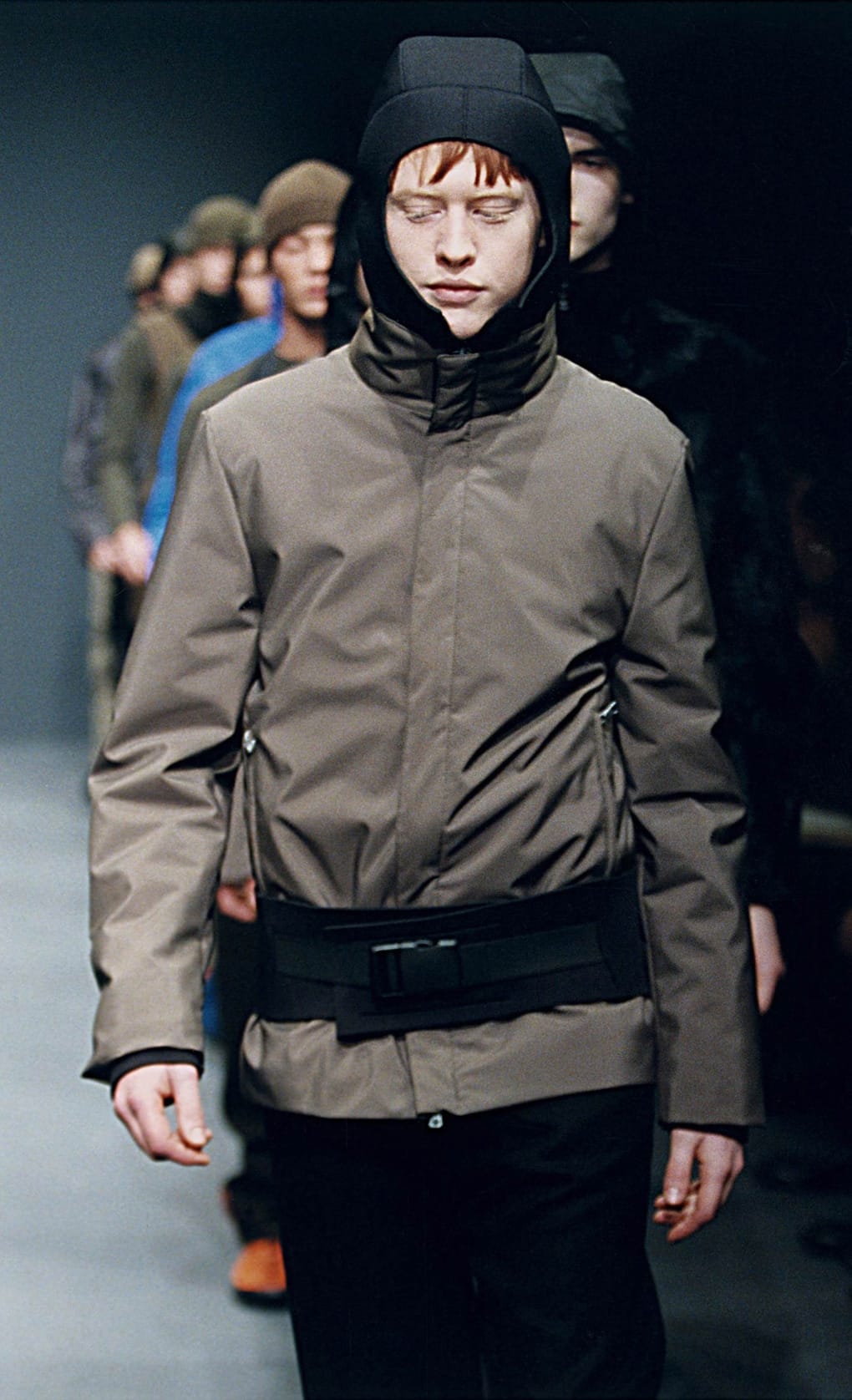
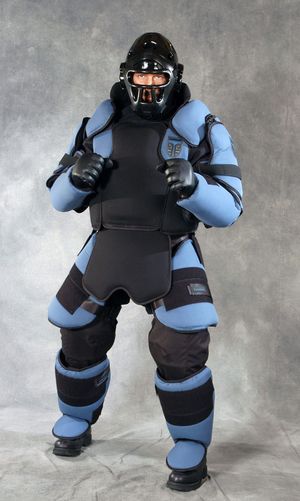
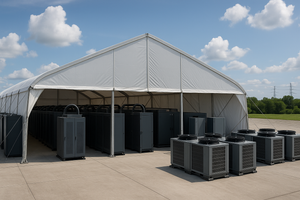
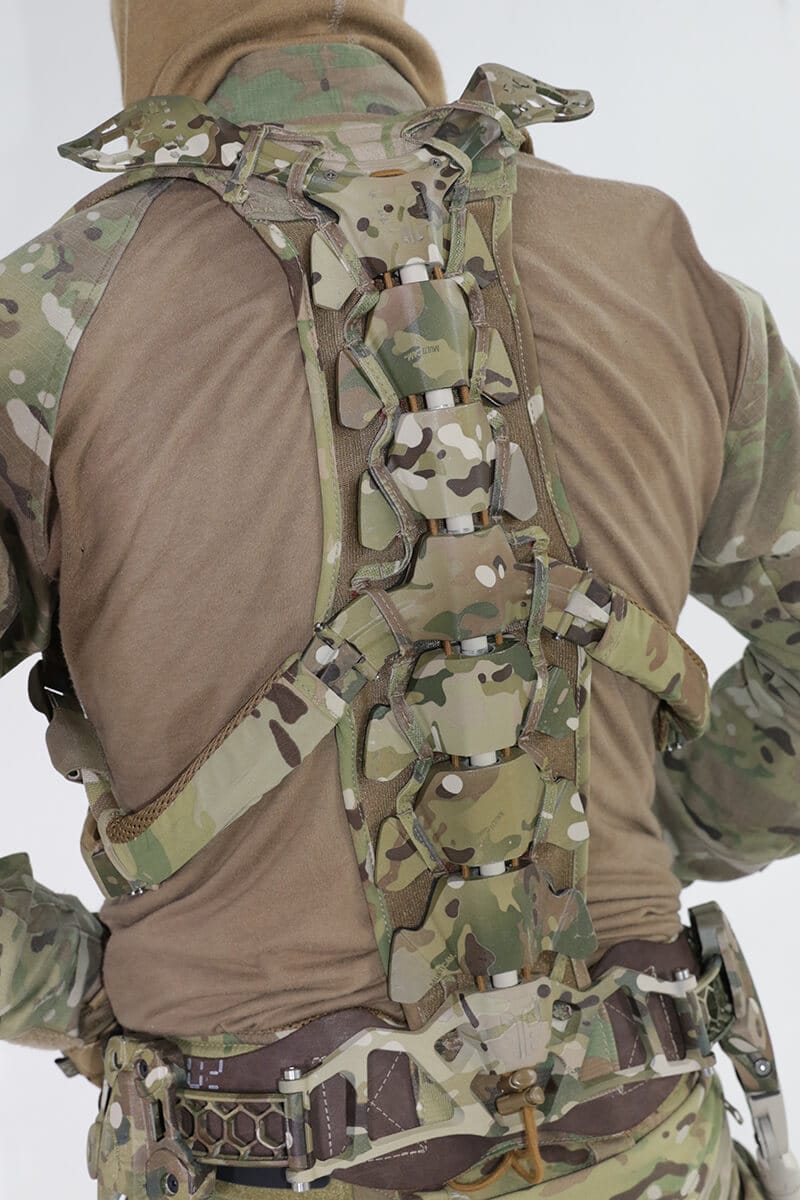
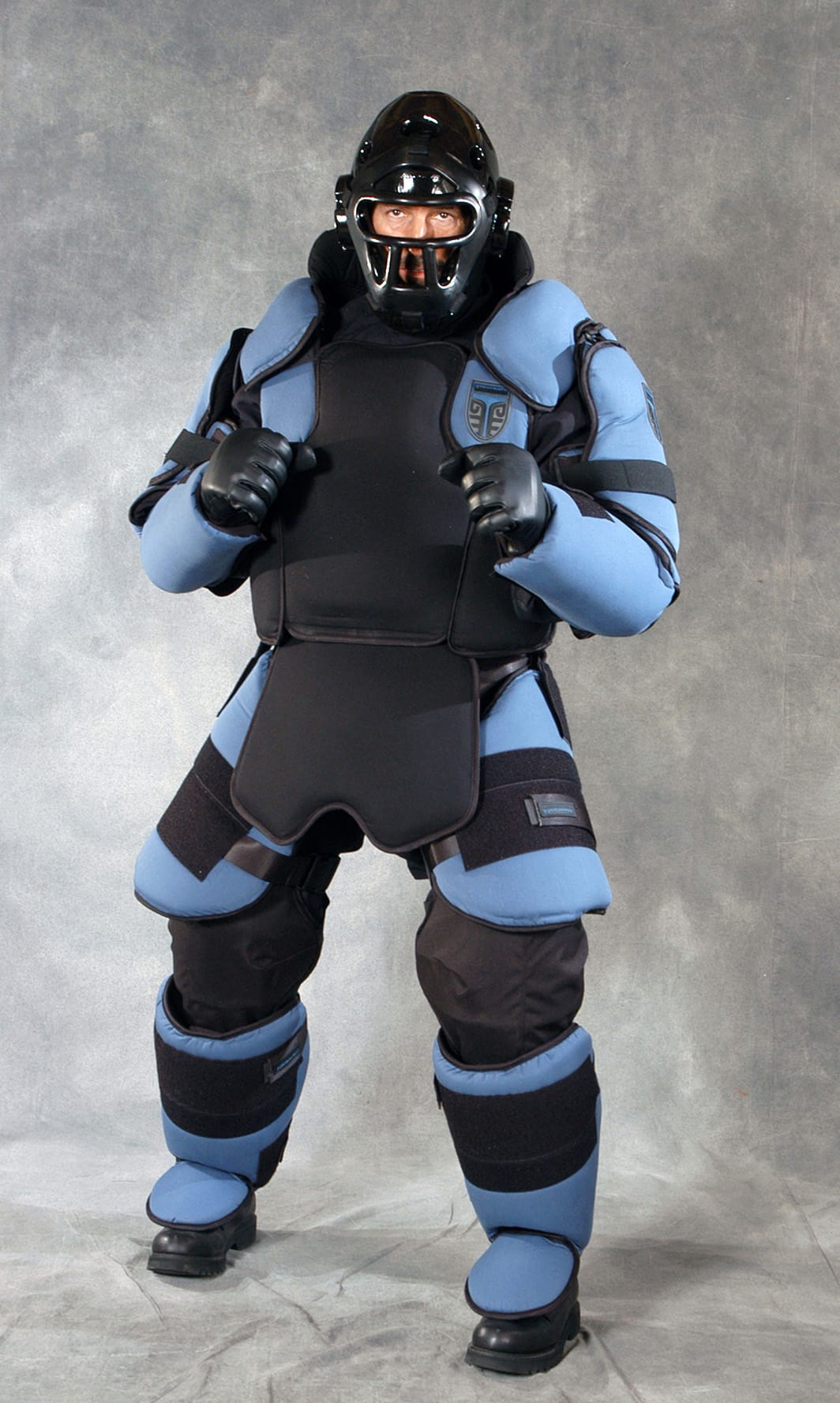
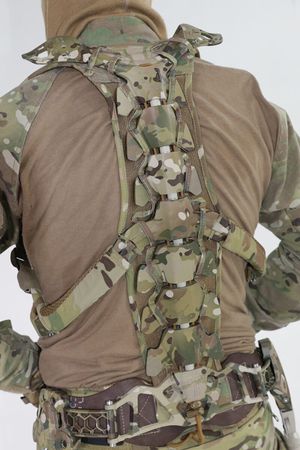
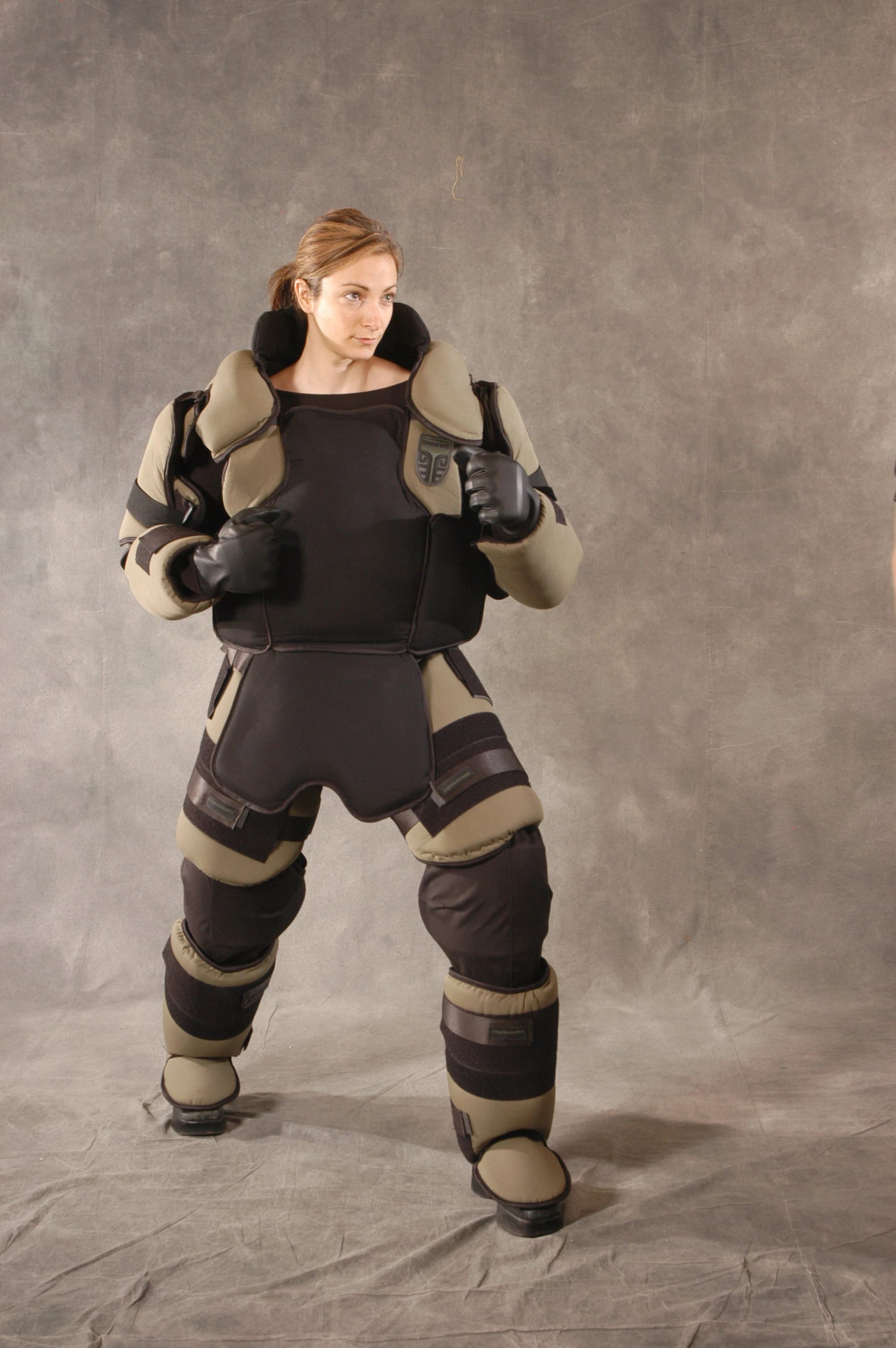
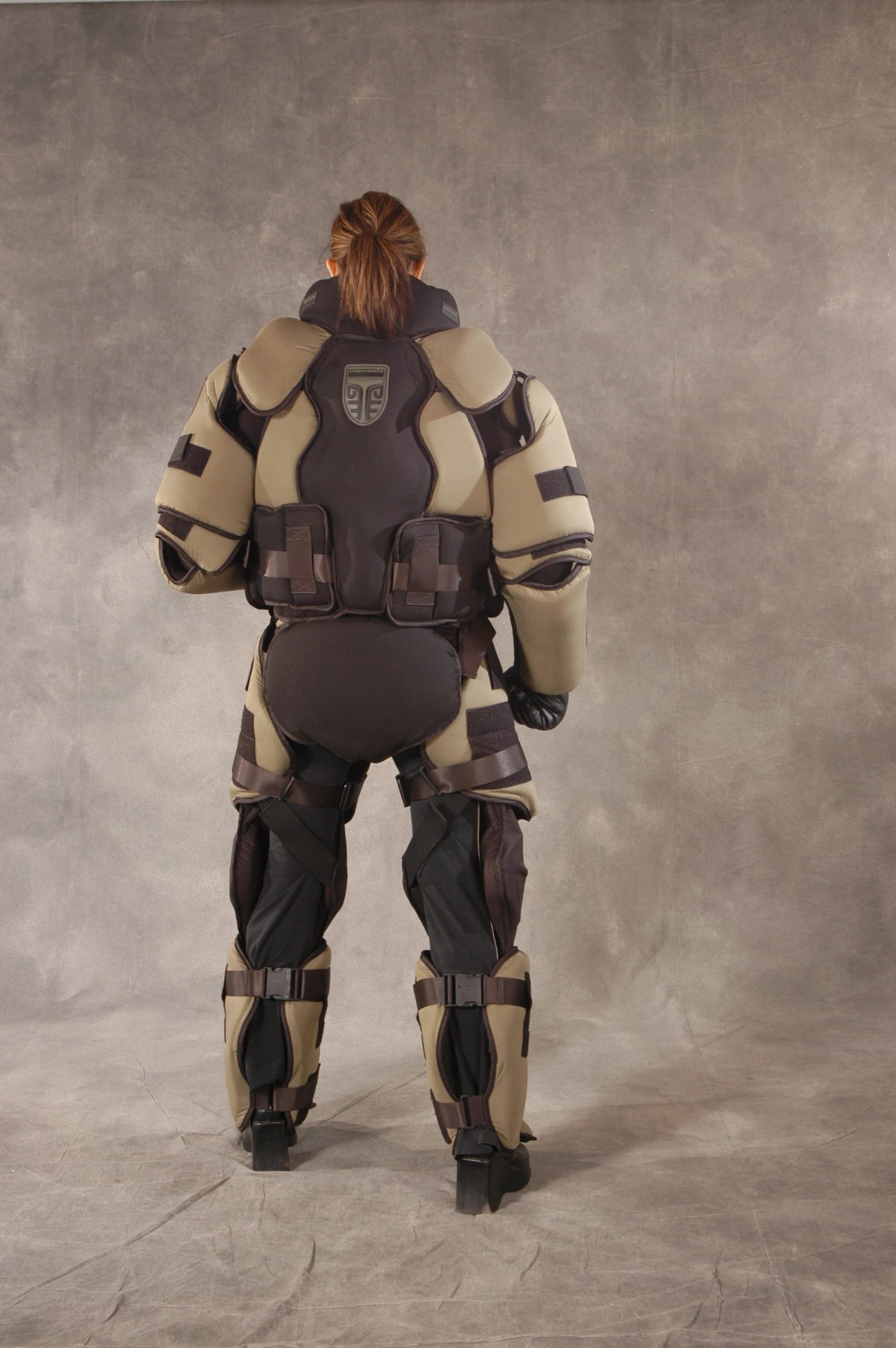
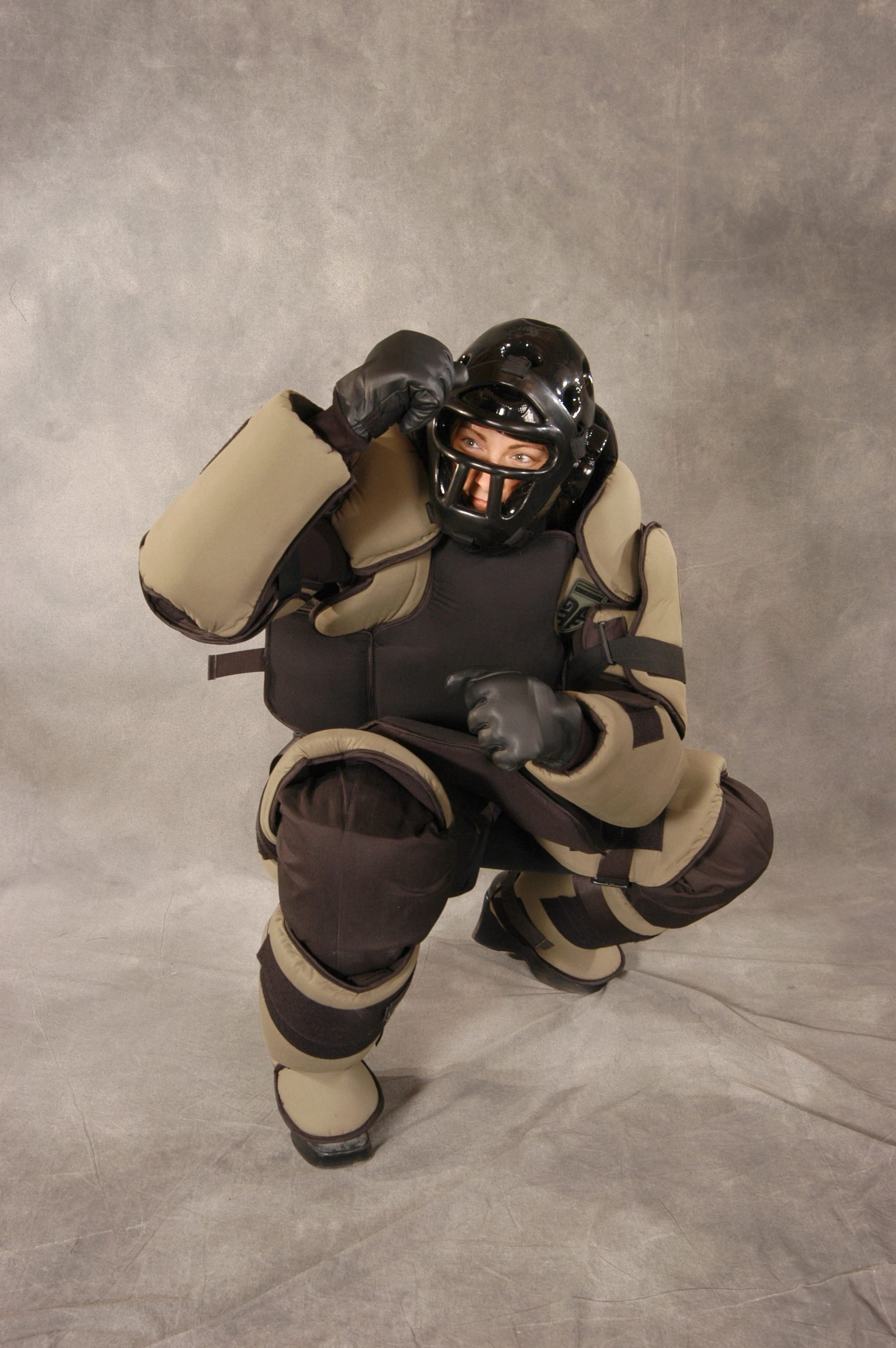
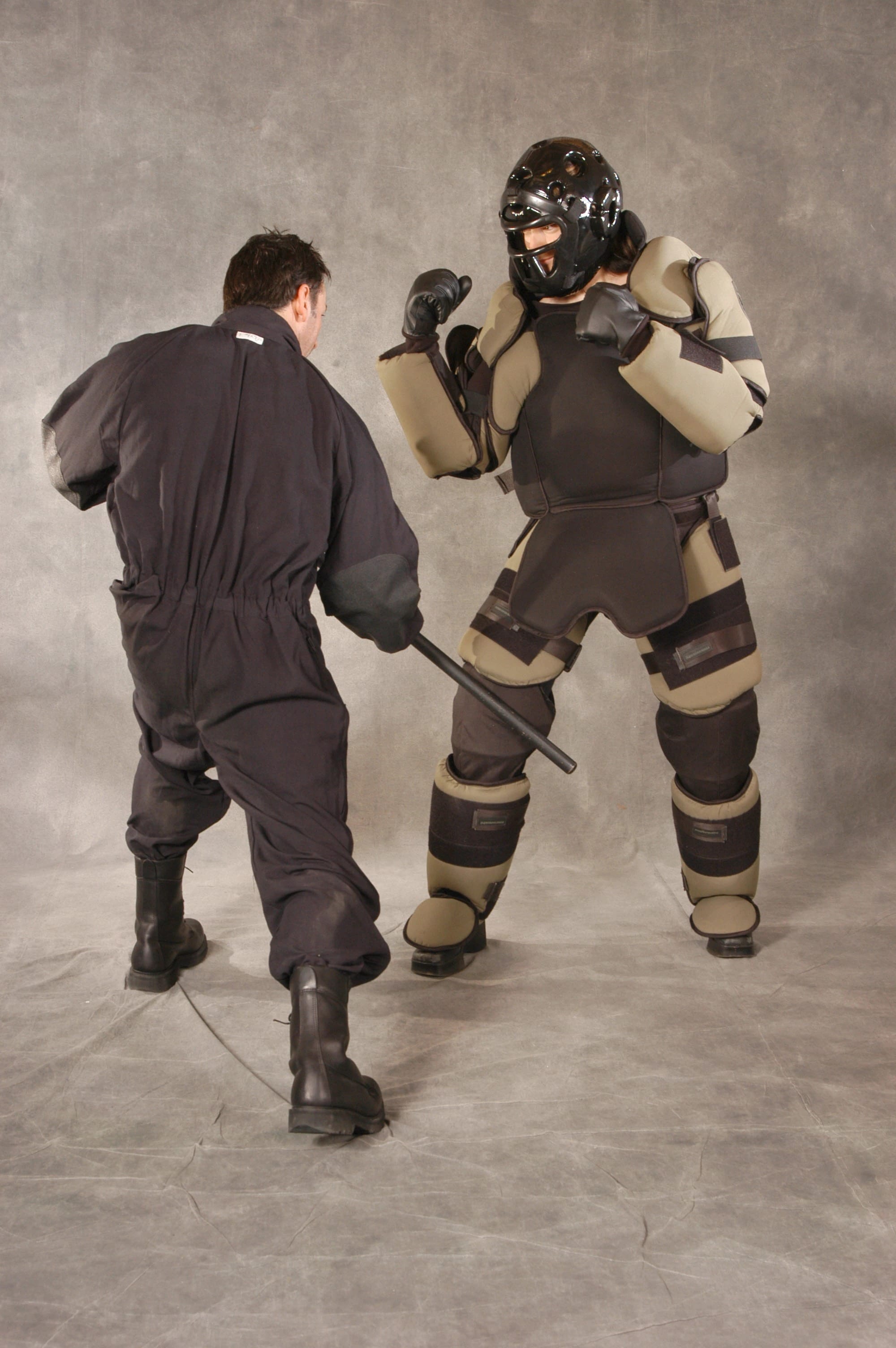
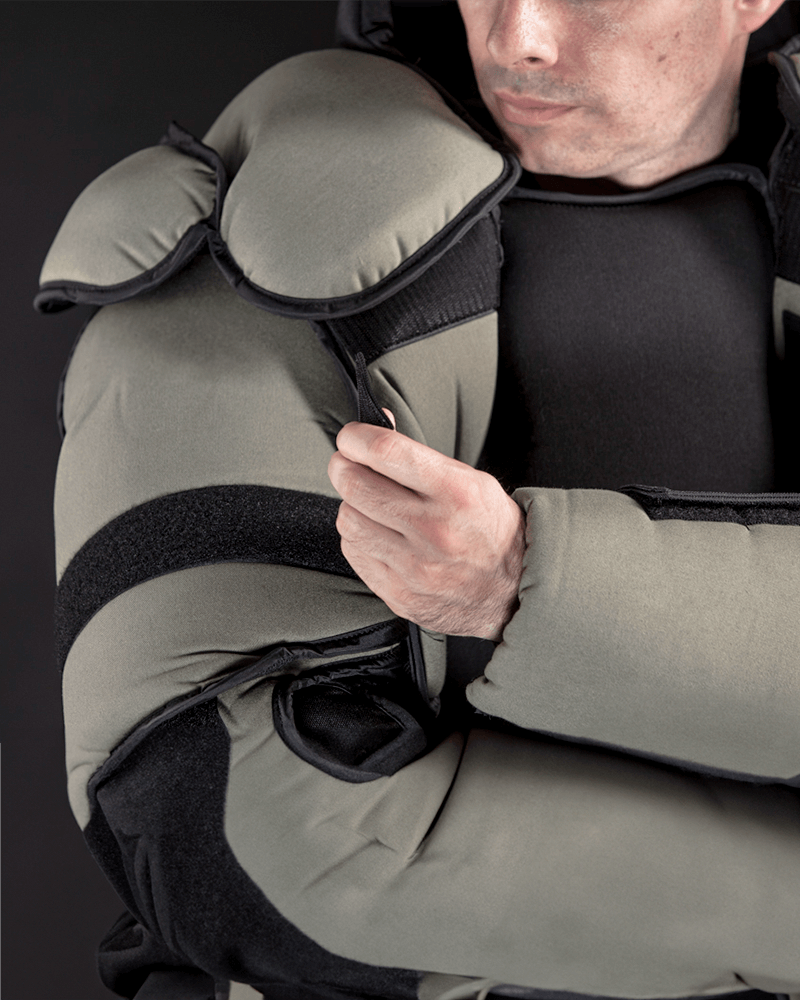
Mawashi designed the T-RED ('Tegman — Real Ergonomic Design') personal protective equipment for use-of-force training with law-enforcement, corrections, and military personnel. The body-moulded suit uses adjustable fastenings for mobility and quick removal. Its passive cooling structure reduces the contact area between the equipment and the body to improve airflow.
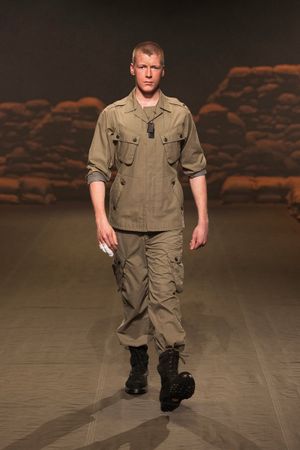
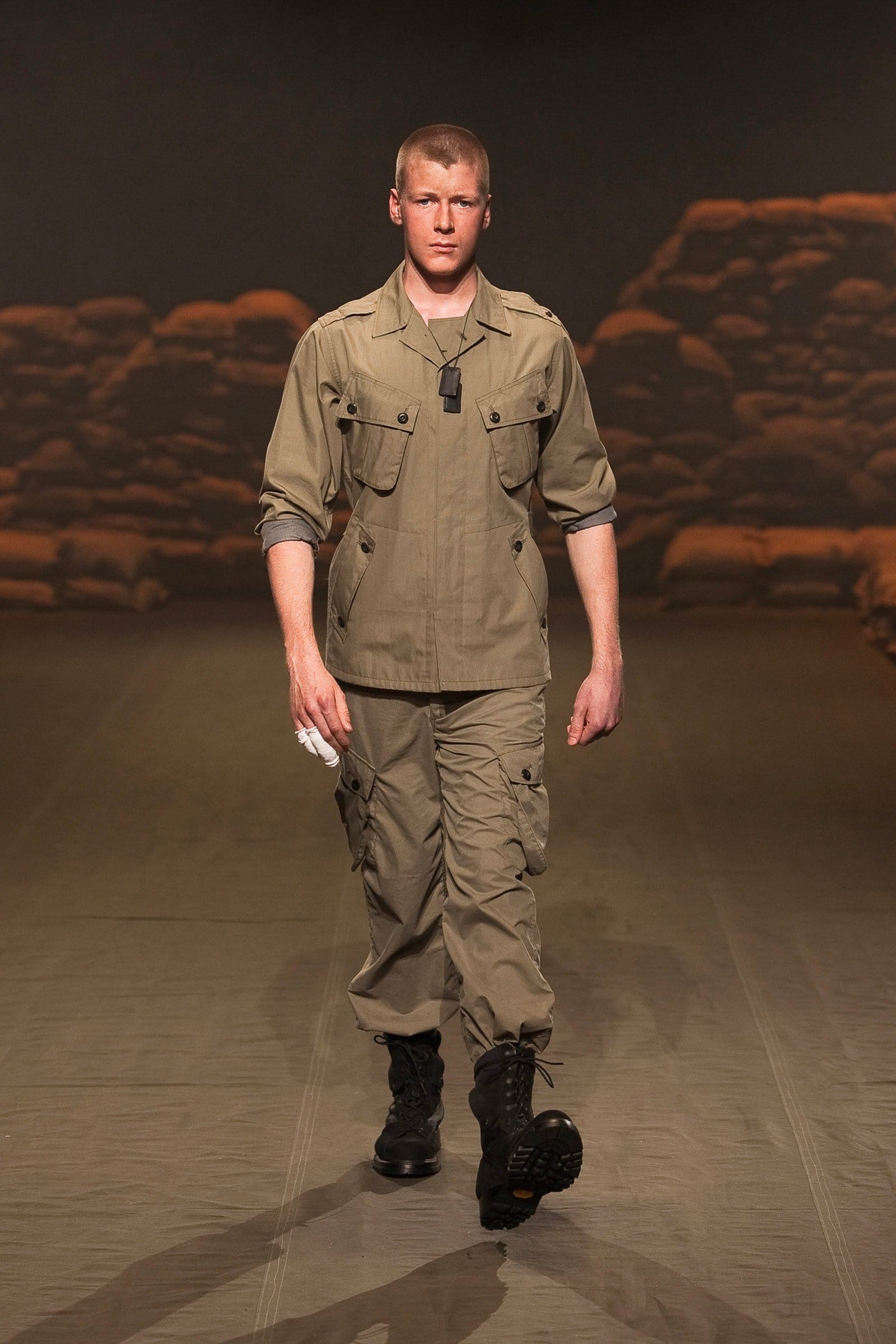
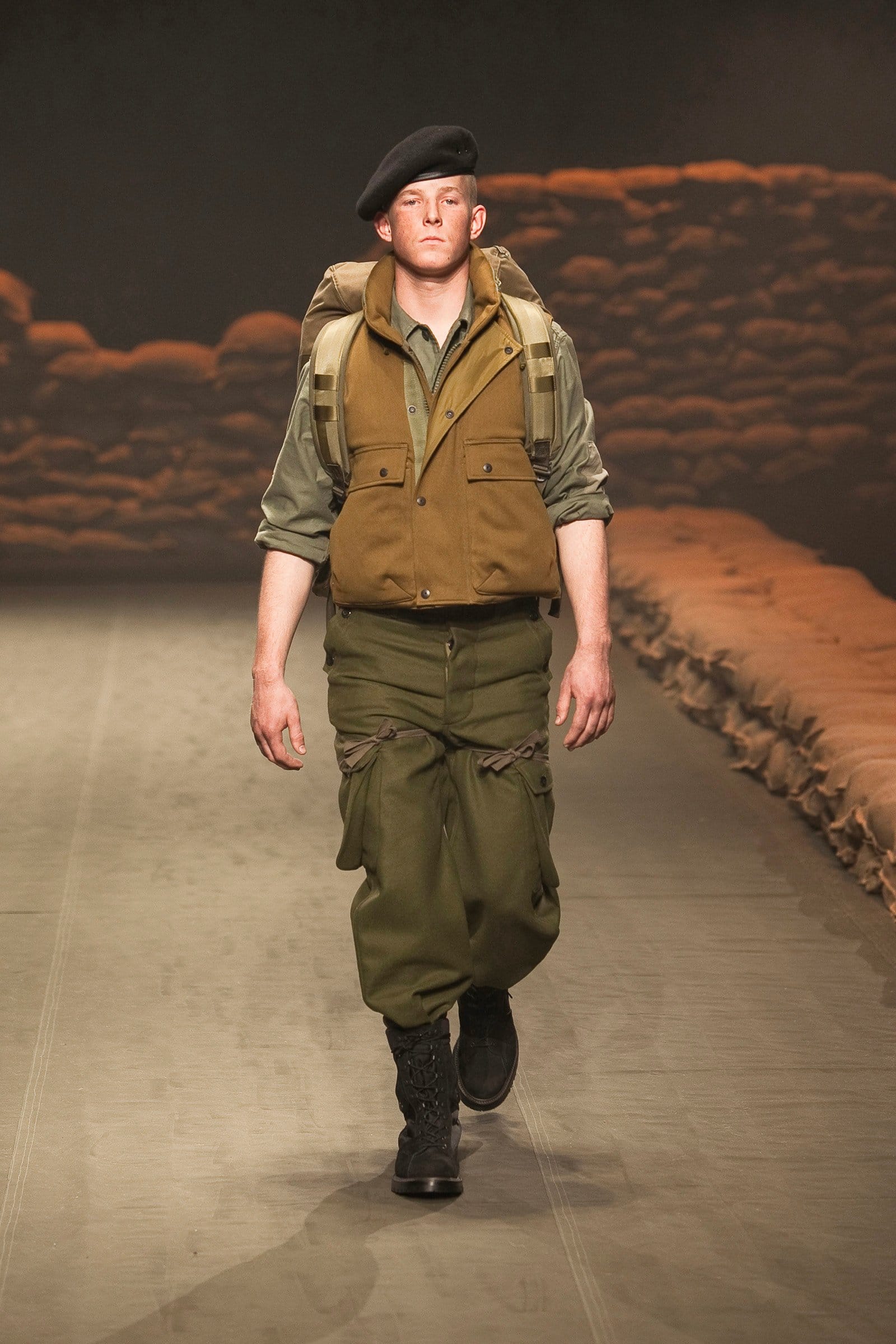
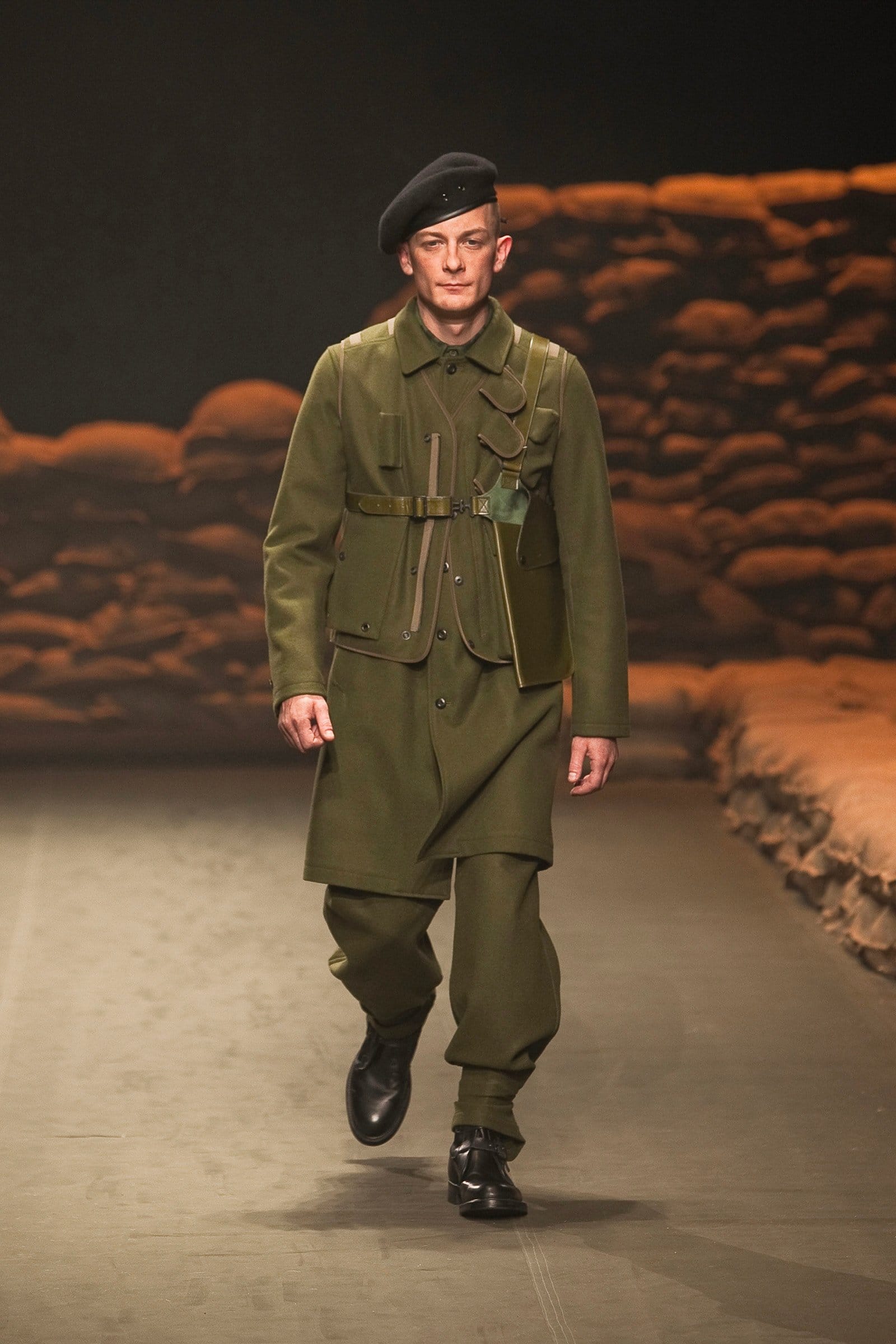
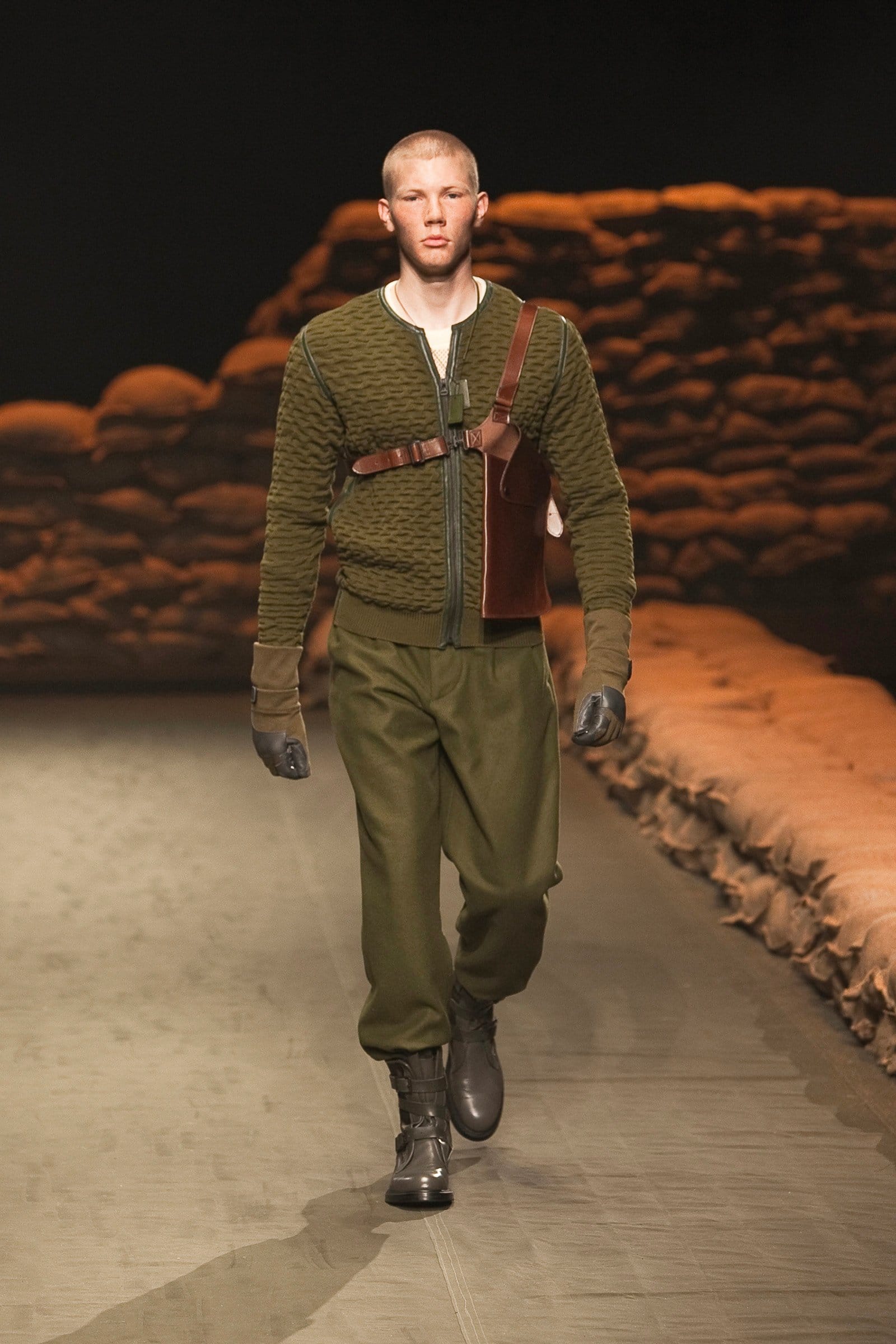
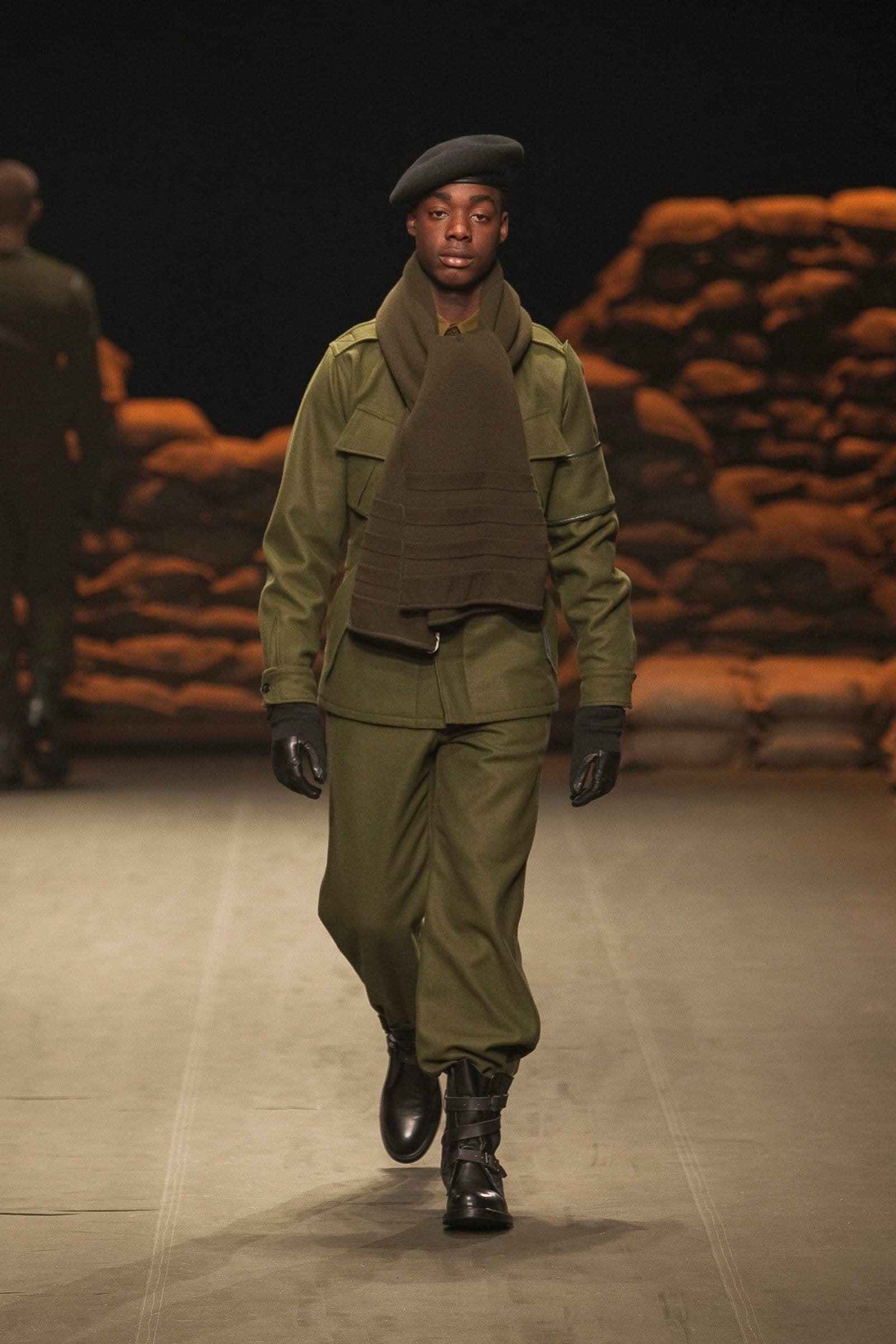
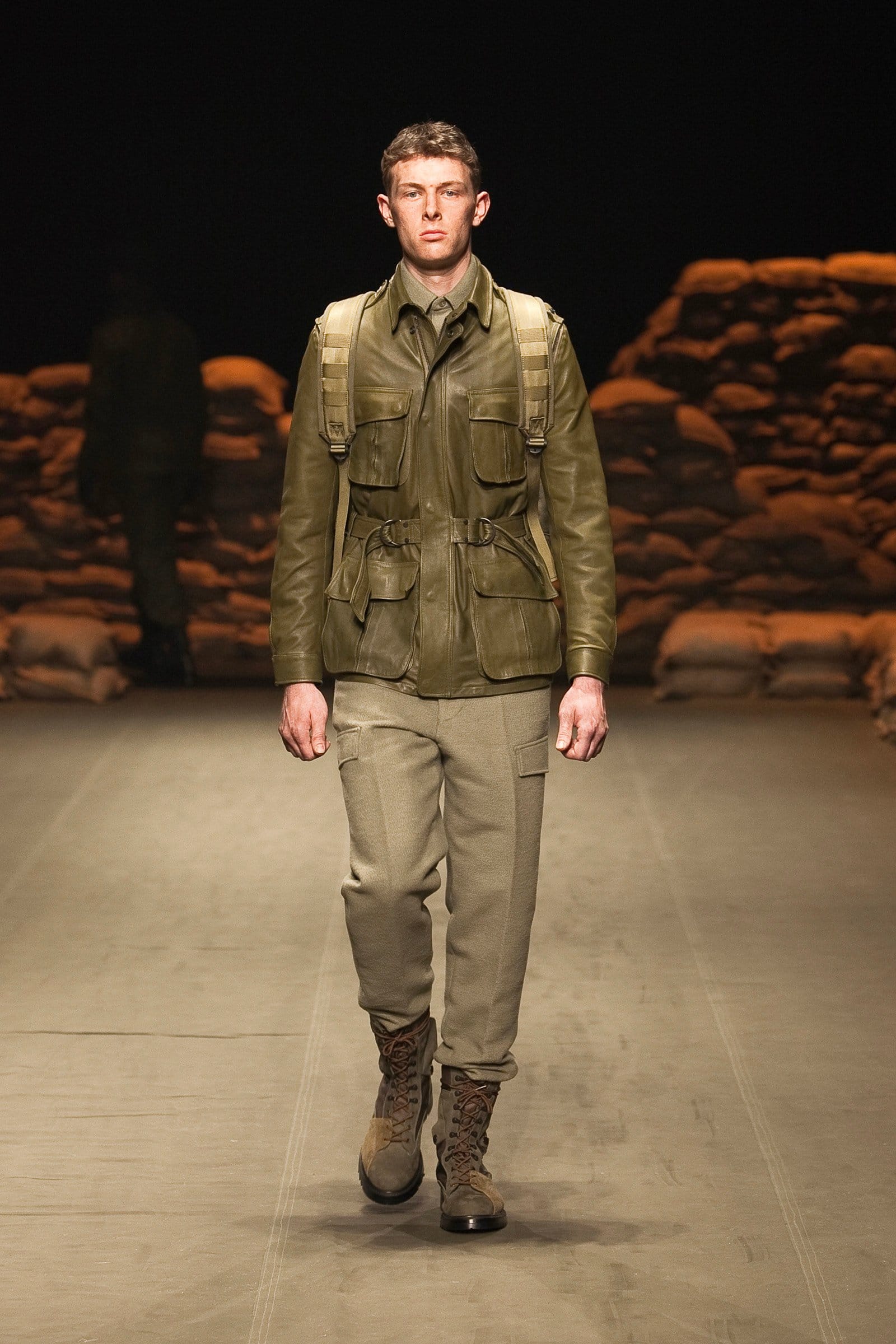
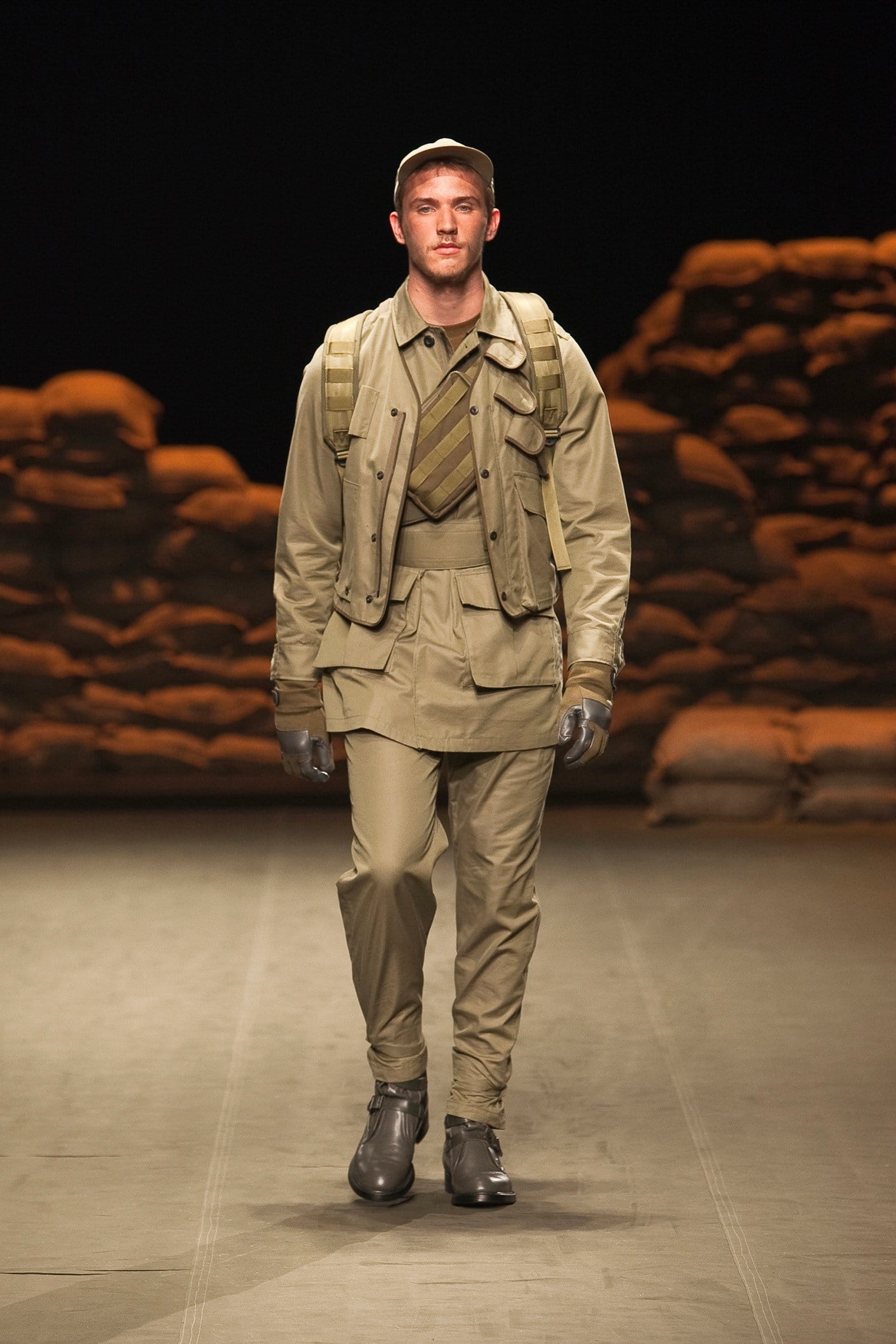
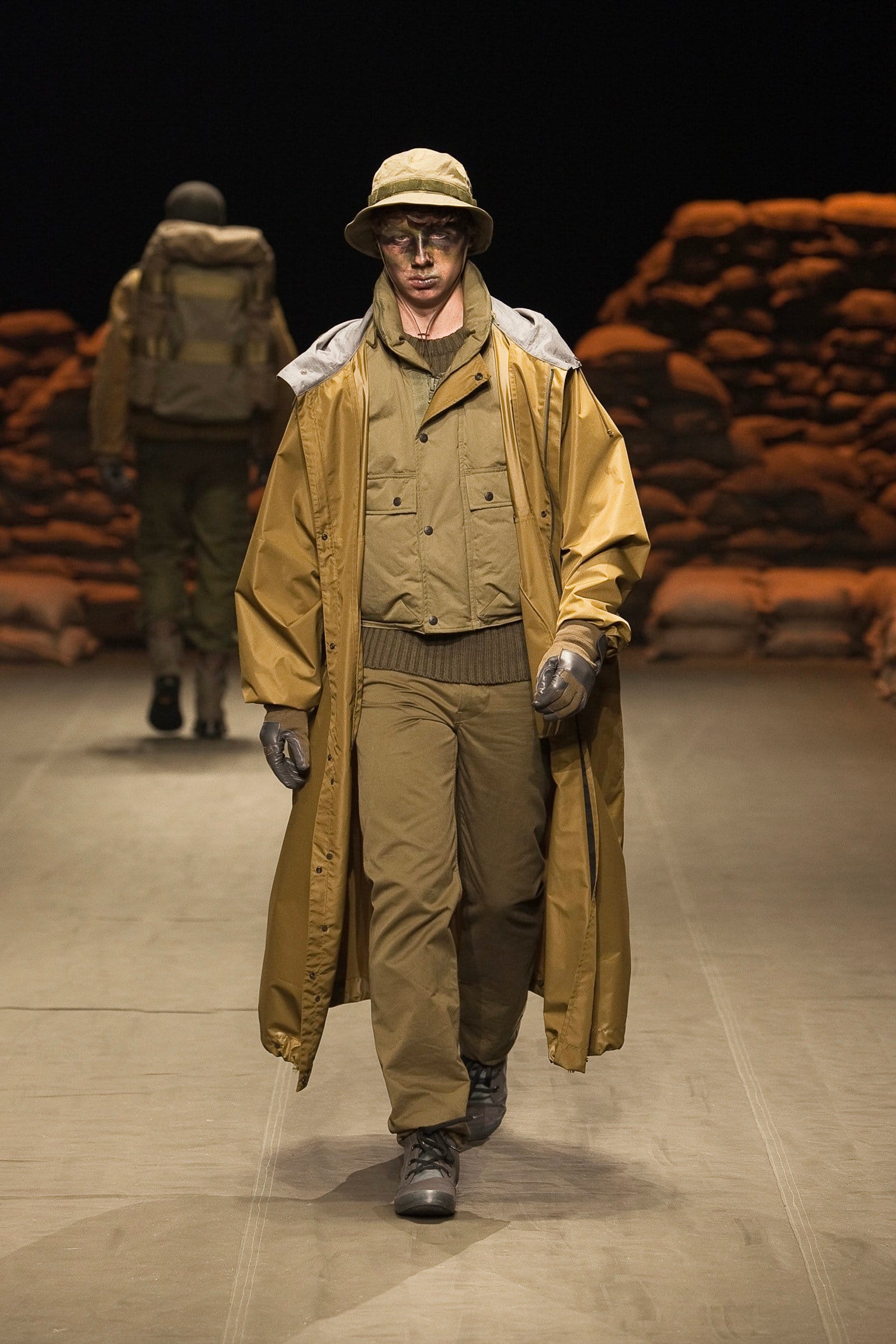
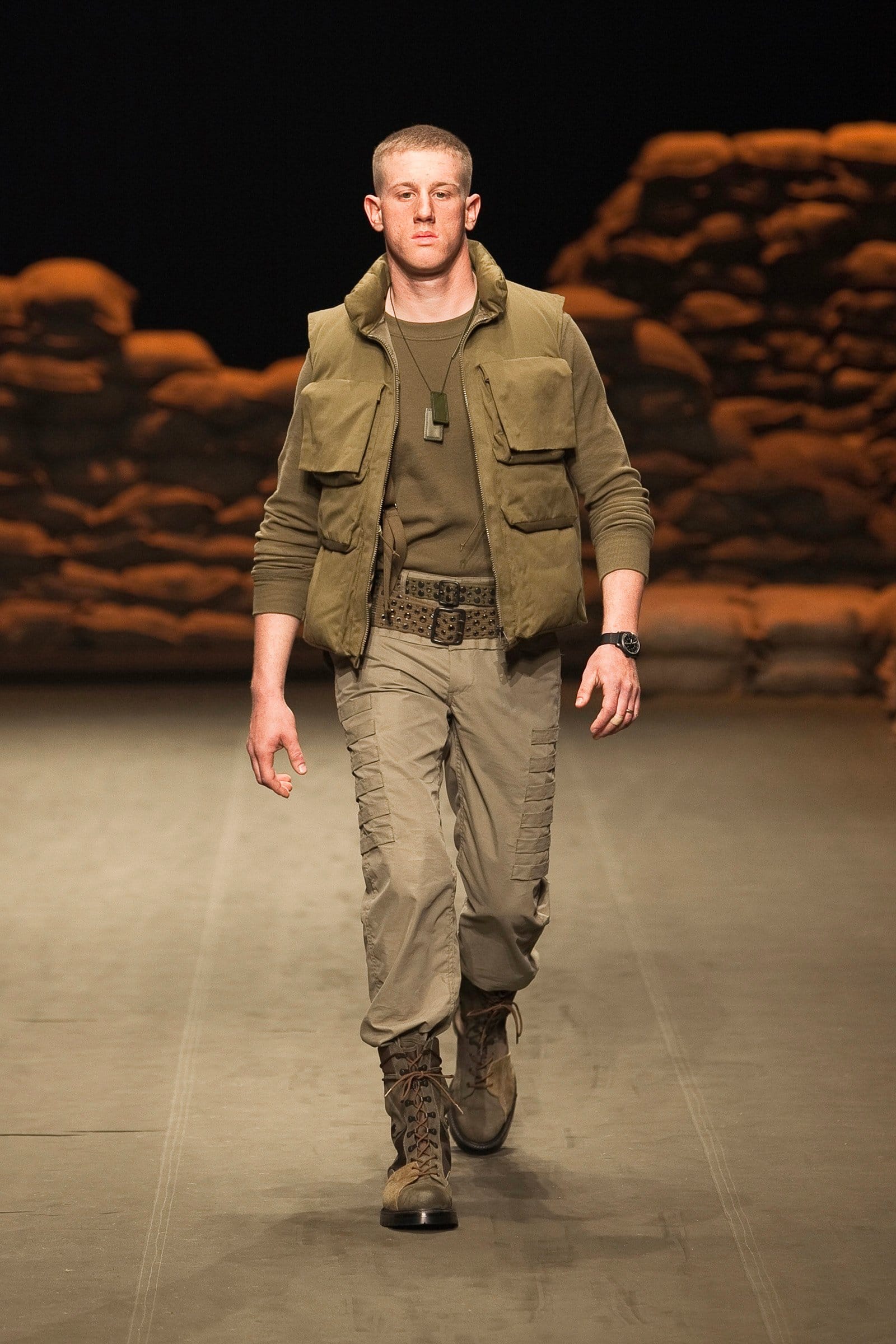
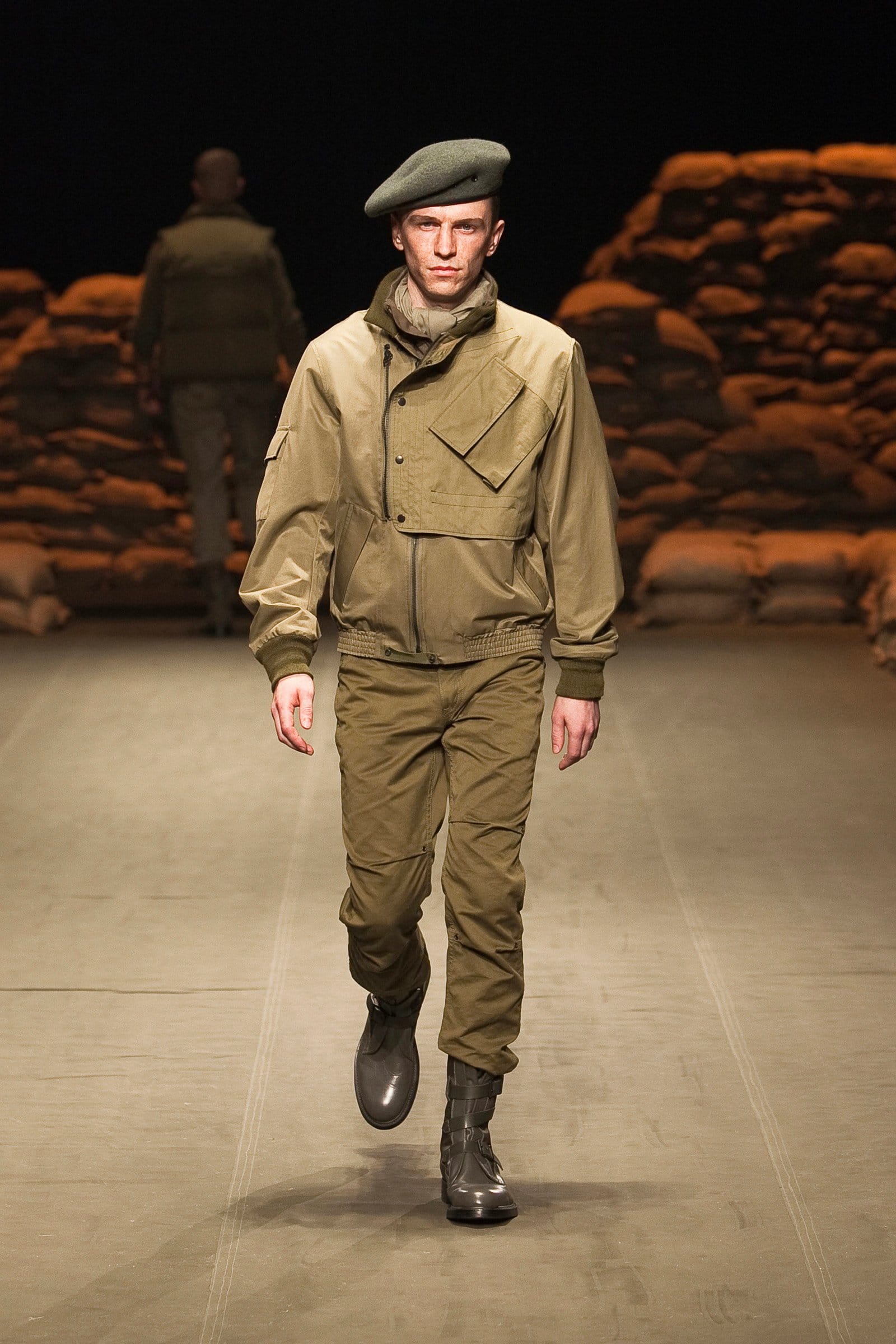
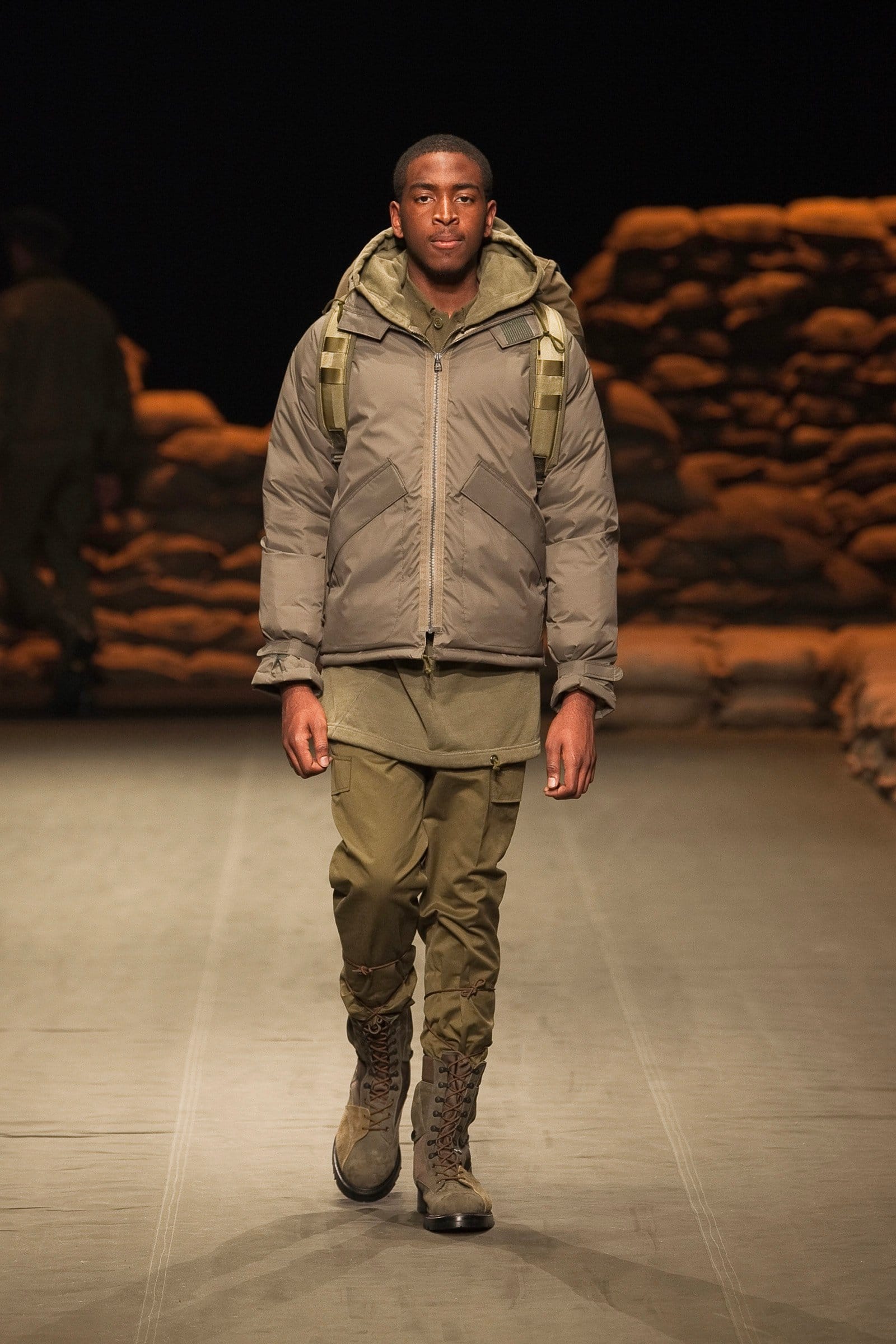
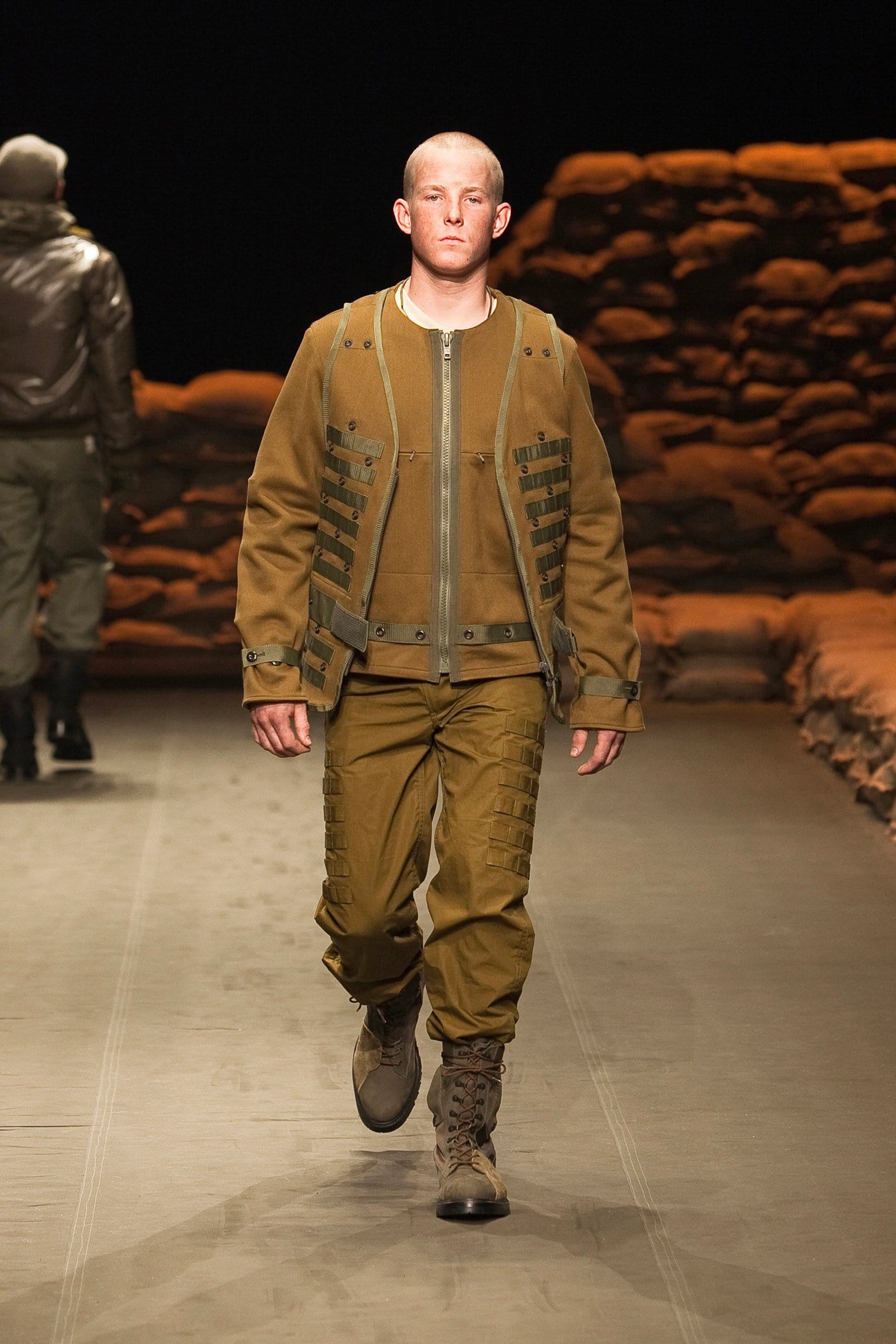
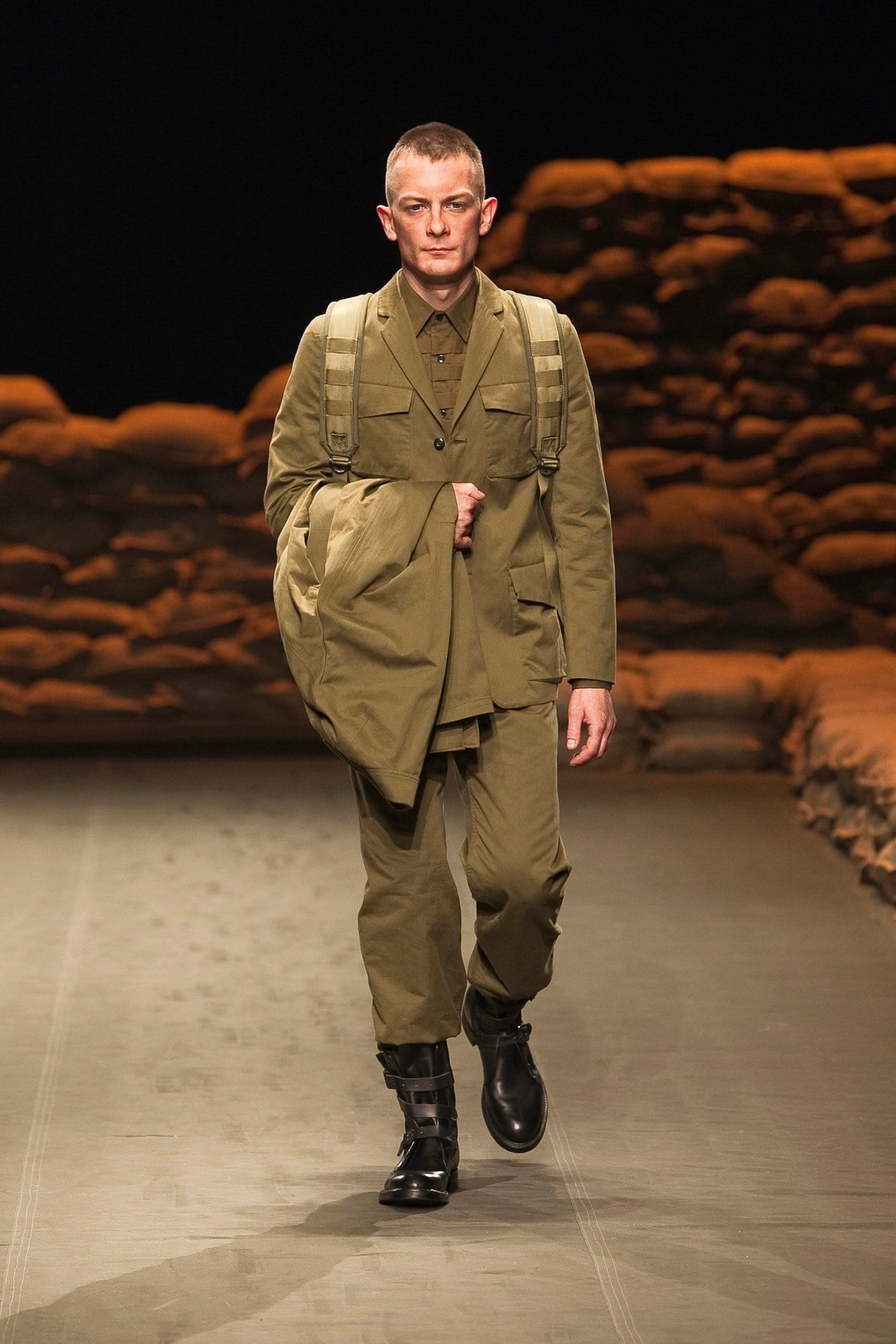
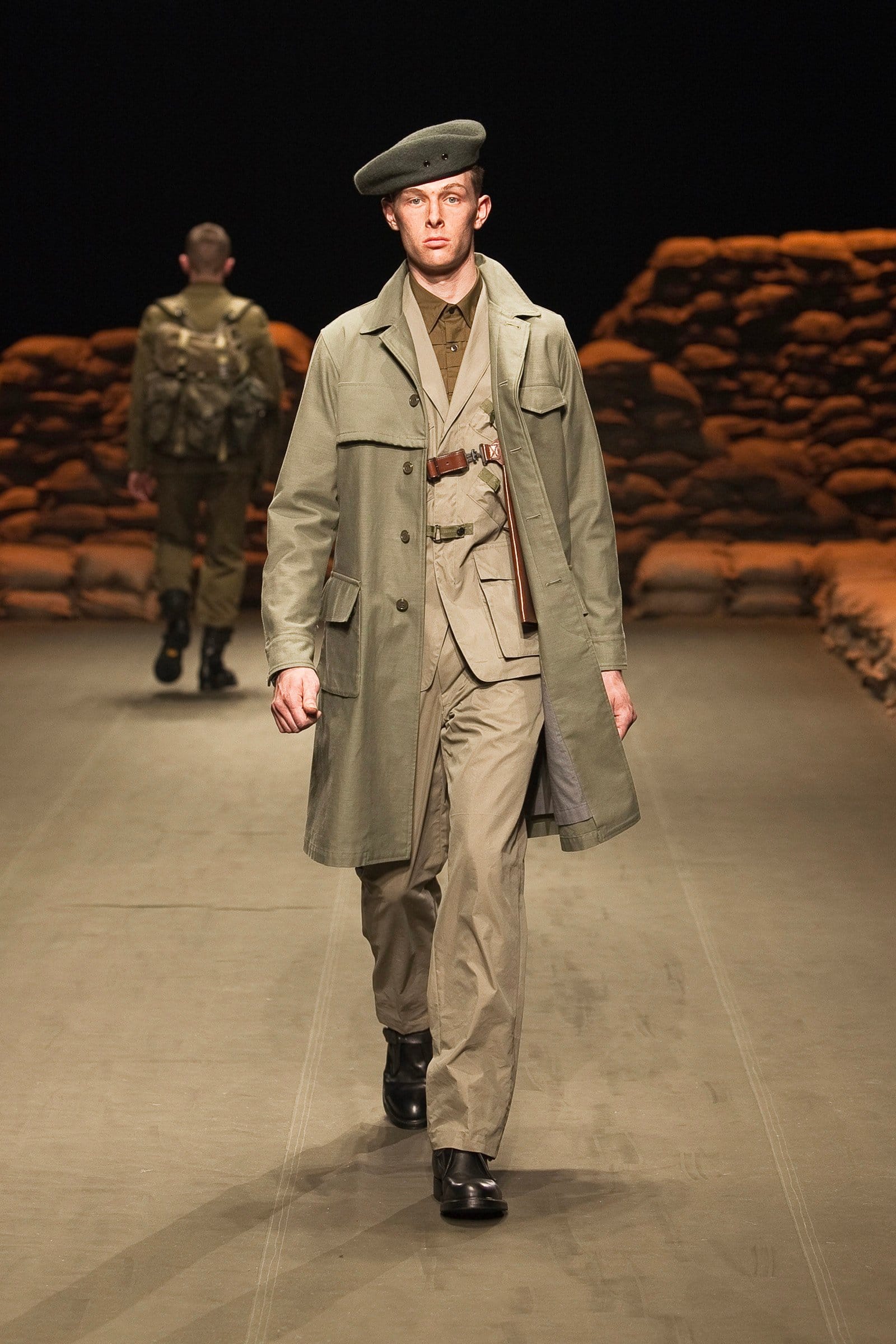
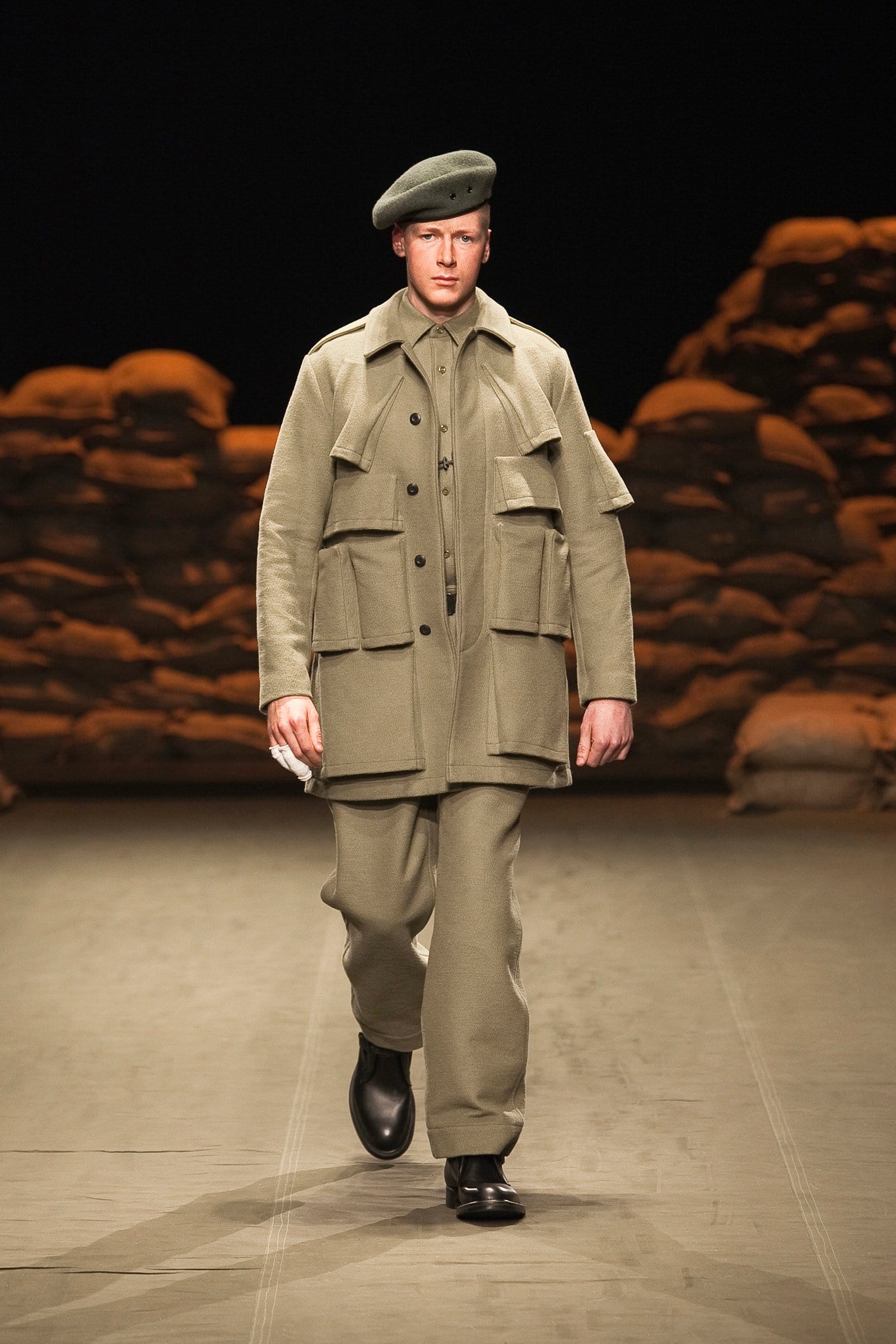
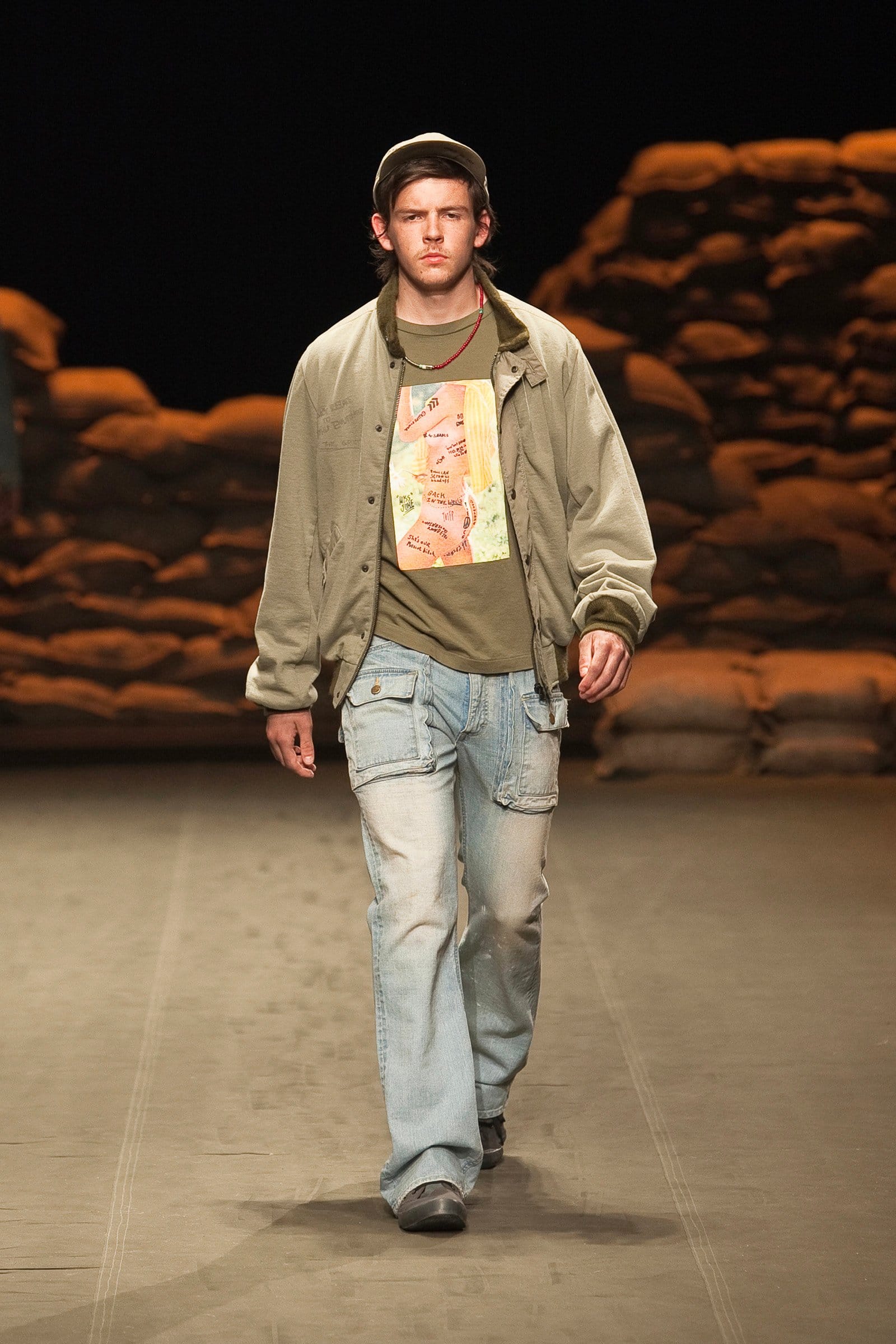
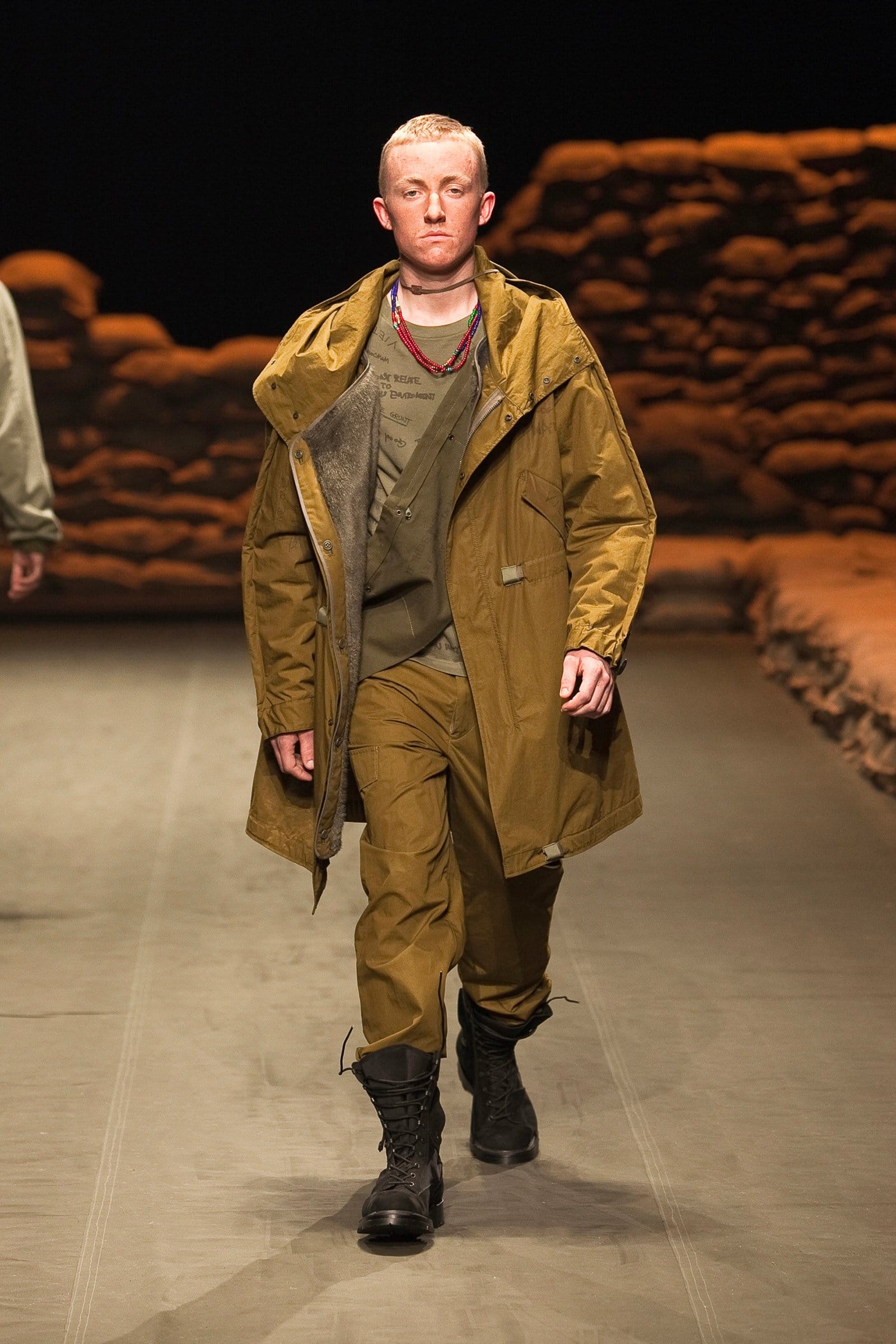
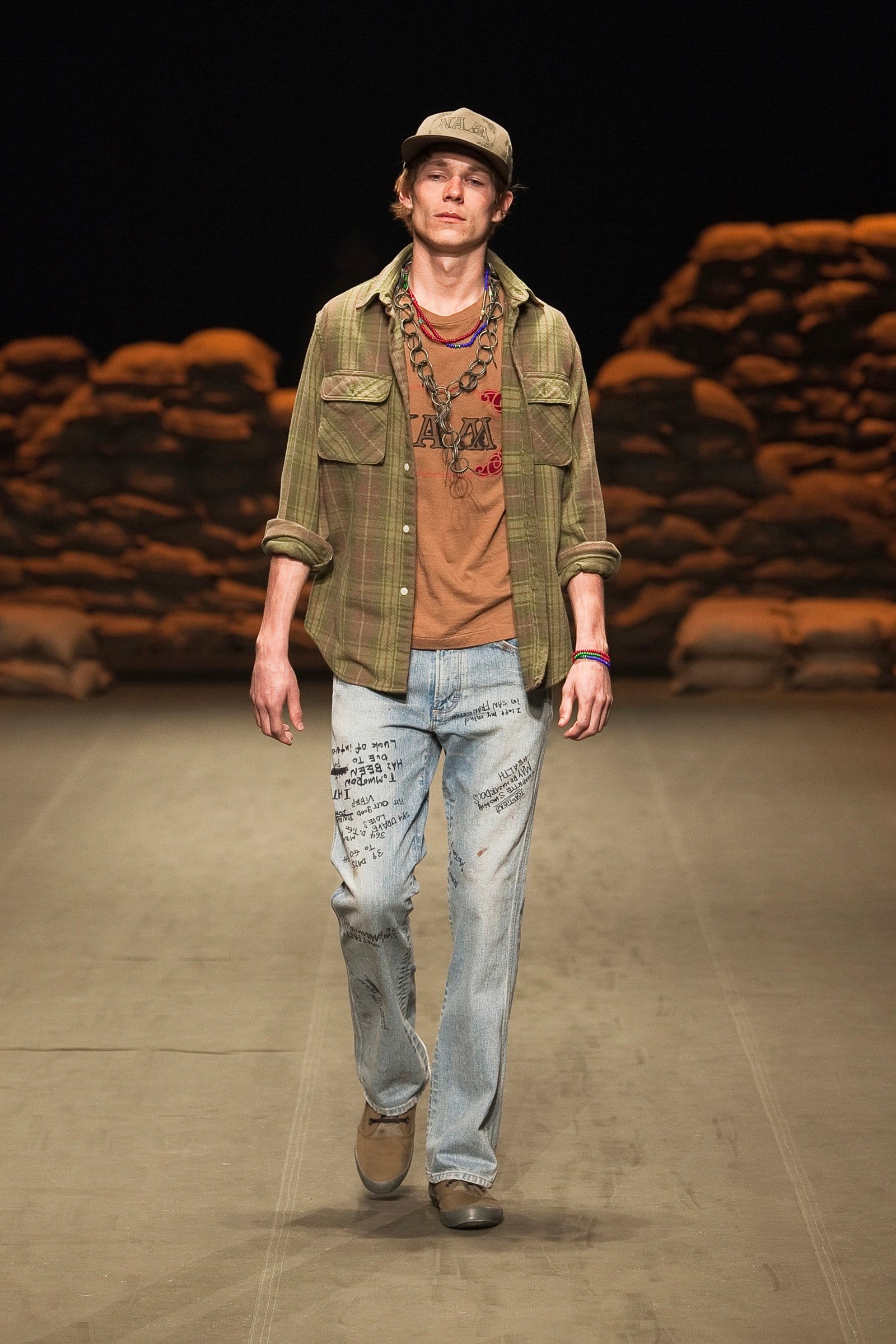
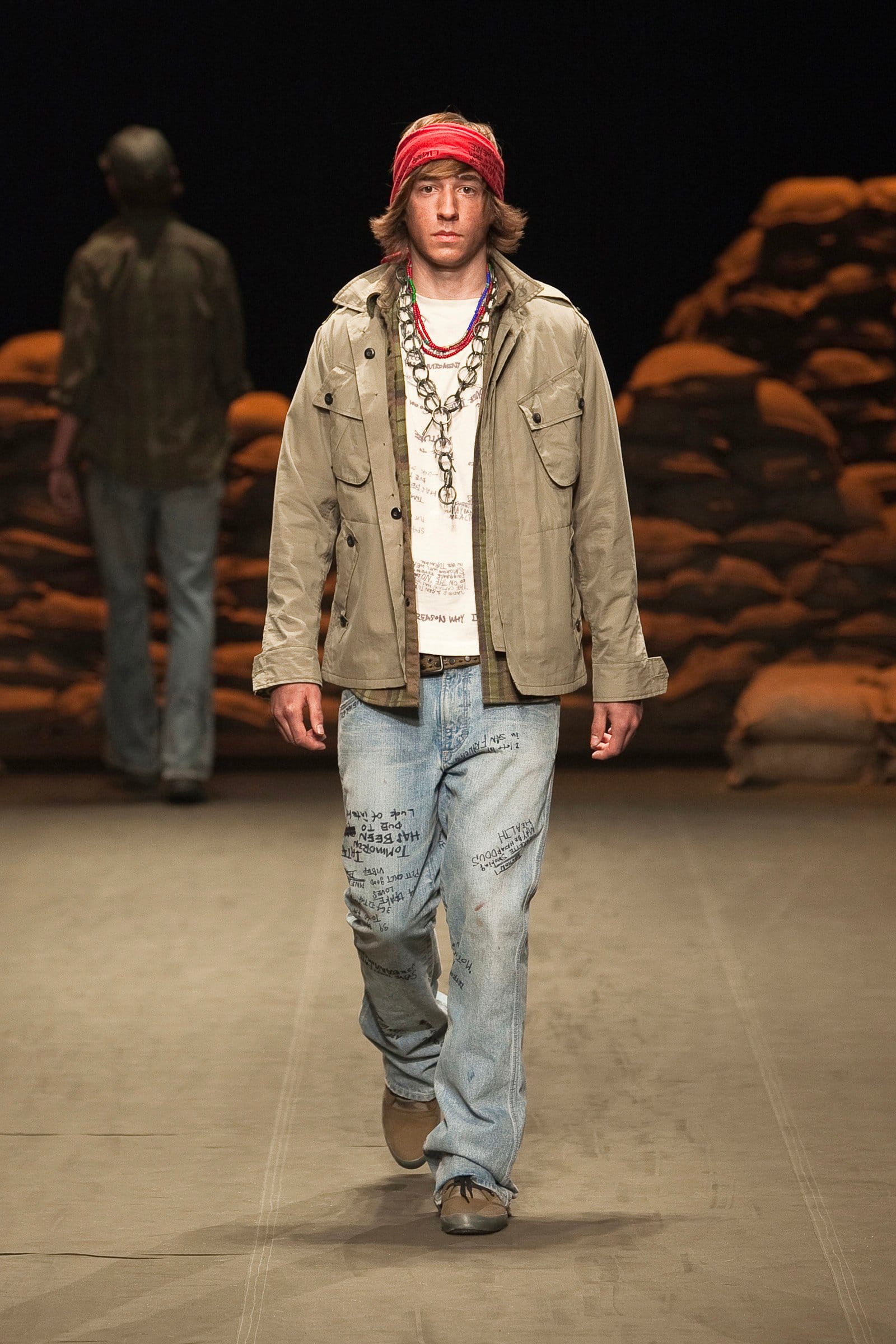
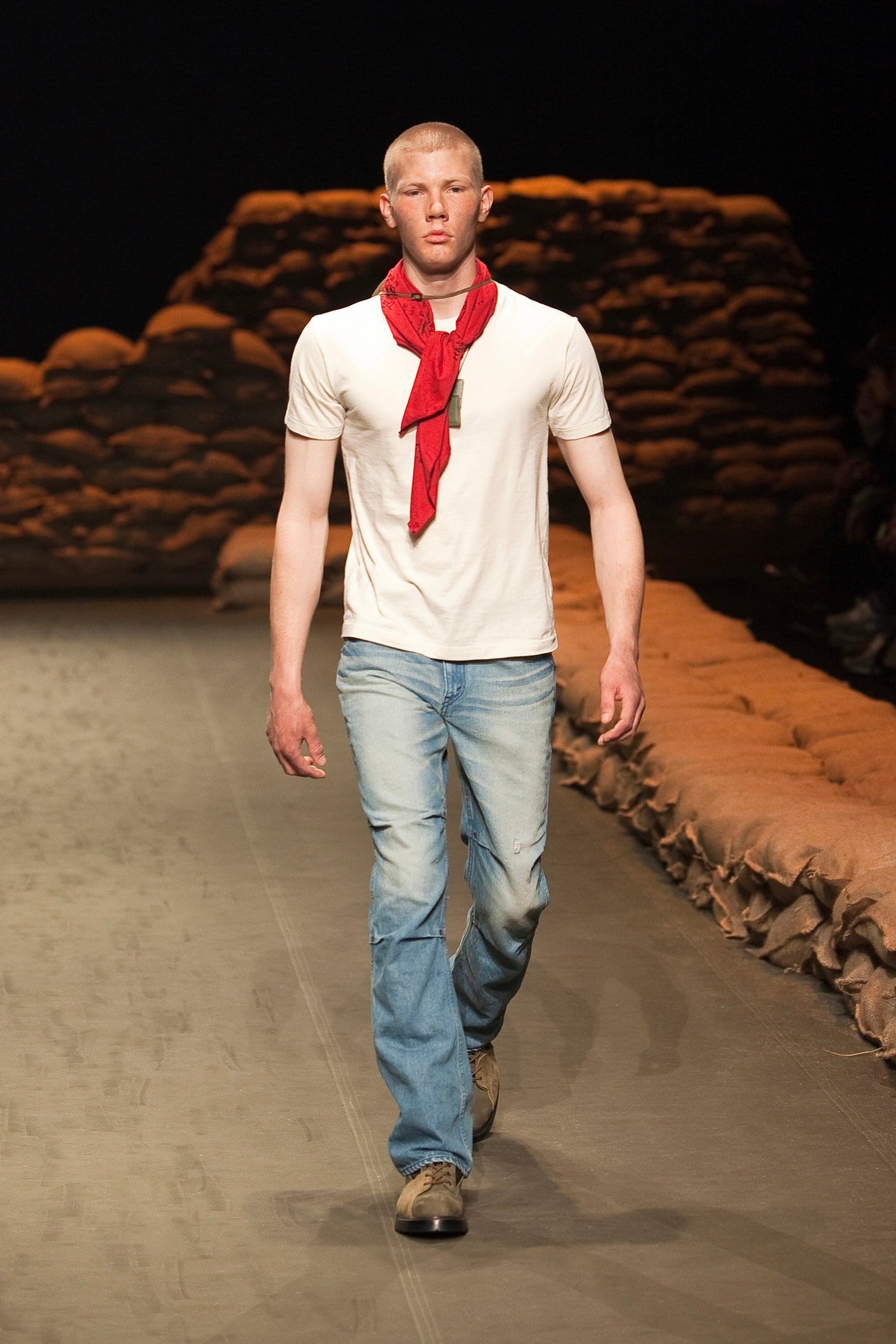
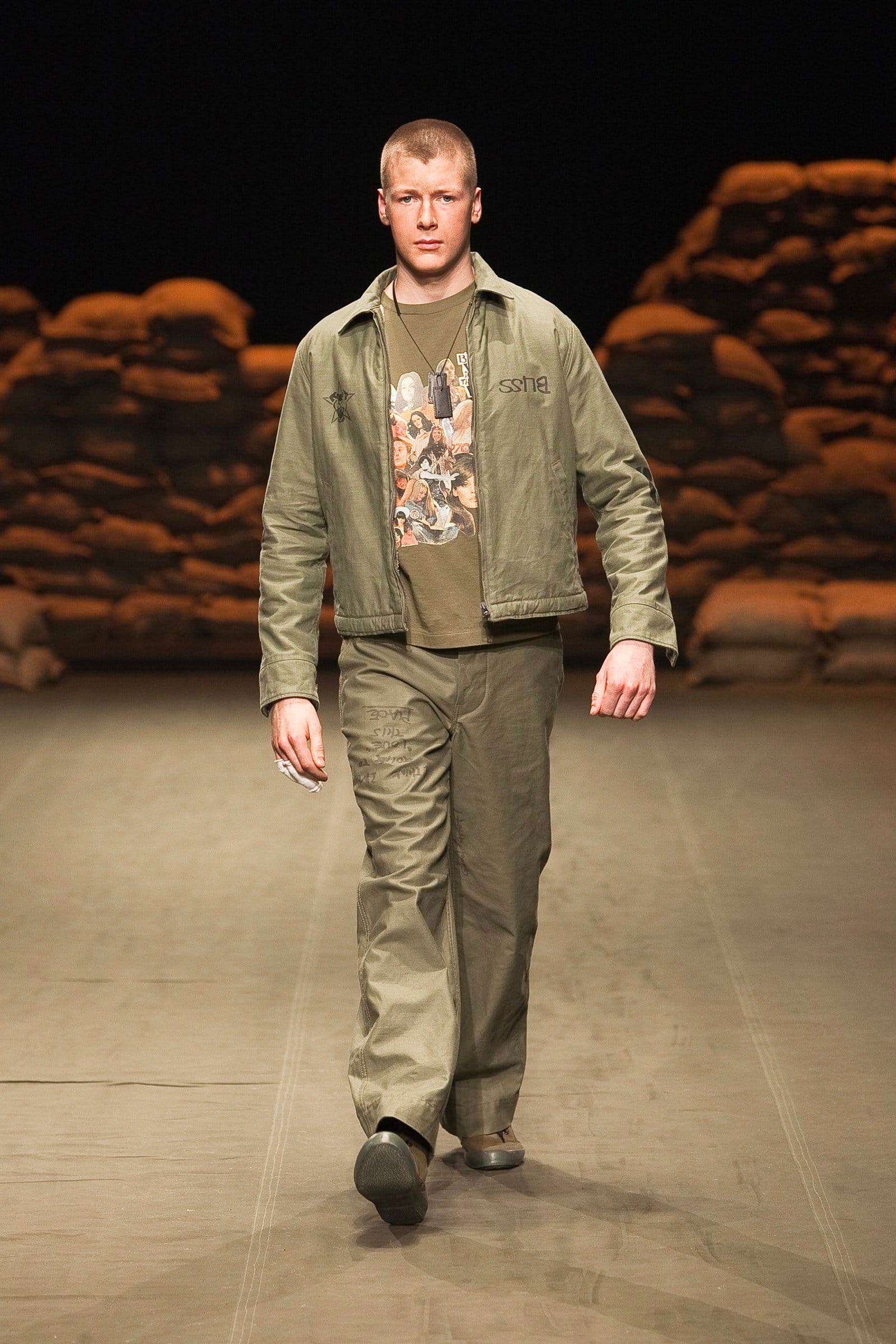
N.Hoolywood’s Autumn/Winter 2010–11 collection was Daisuke Obana’s final Tokyo presentation before moving the brand’s runway shows to New York. Built around the Vietnam War, the collection works through olive field uniforms, cargo trousers, utility vests, berets, combat boots, camouflage, padded outerwear, and oversized packs, while later looks shift toward distressed denim and countercultural styling. This Techspec edit preserves the 41 supplied runway images in their original numbered order.
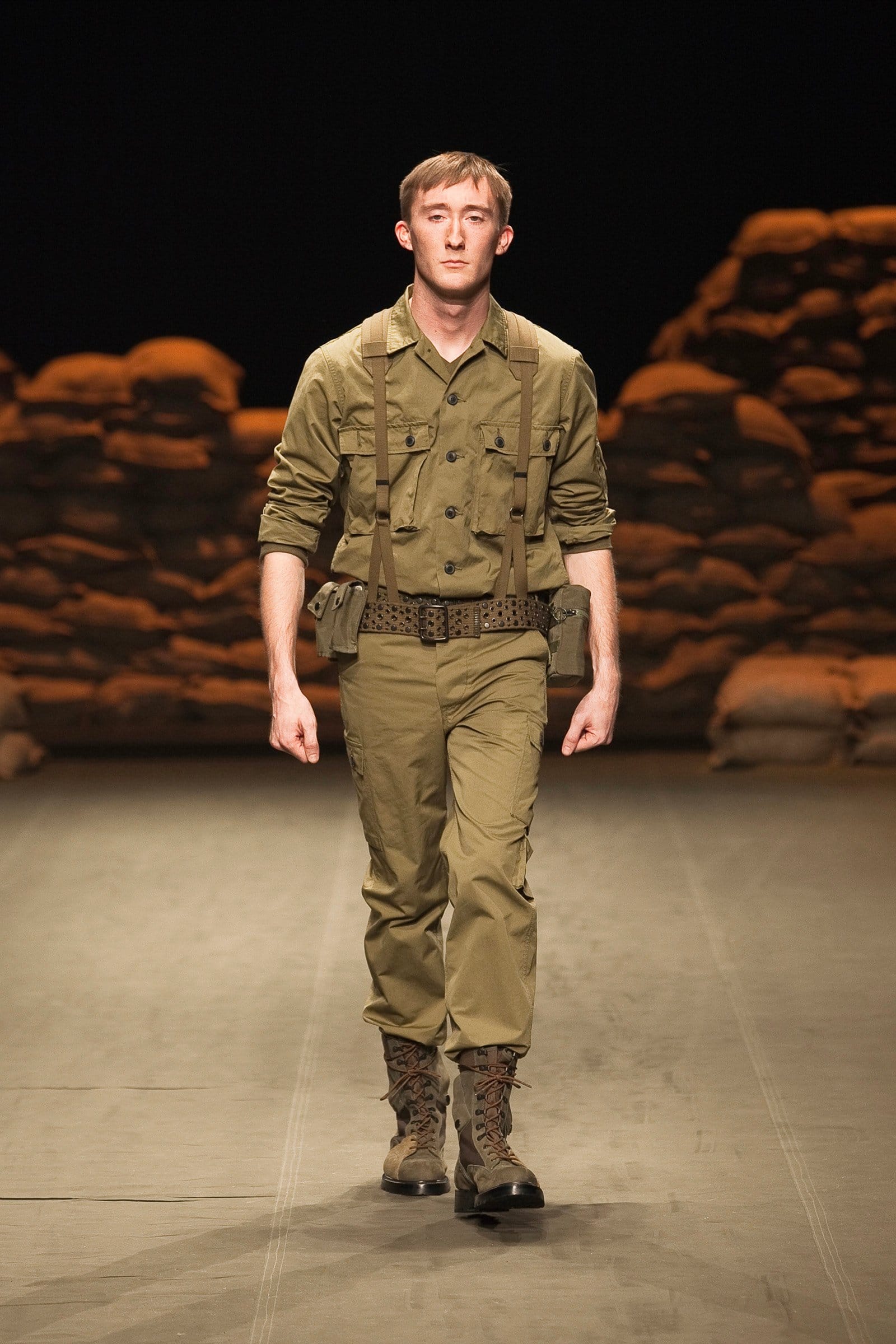
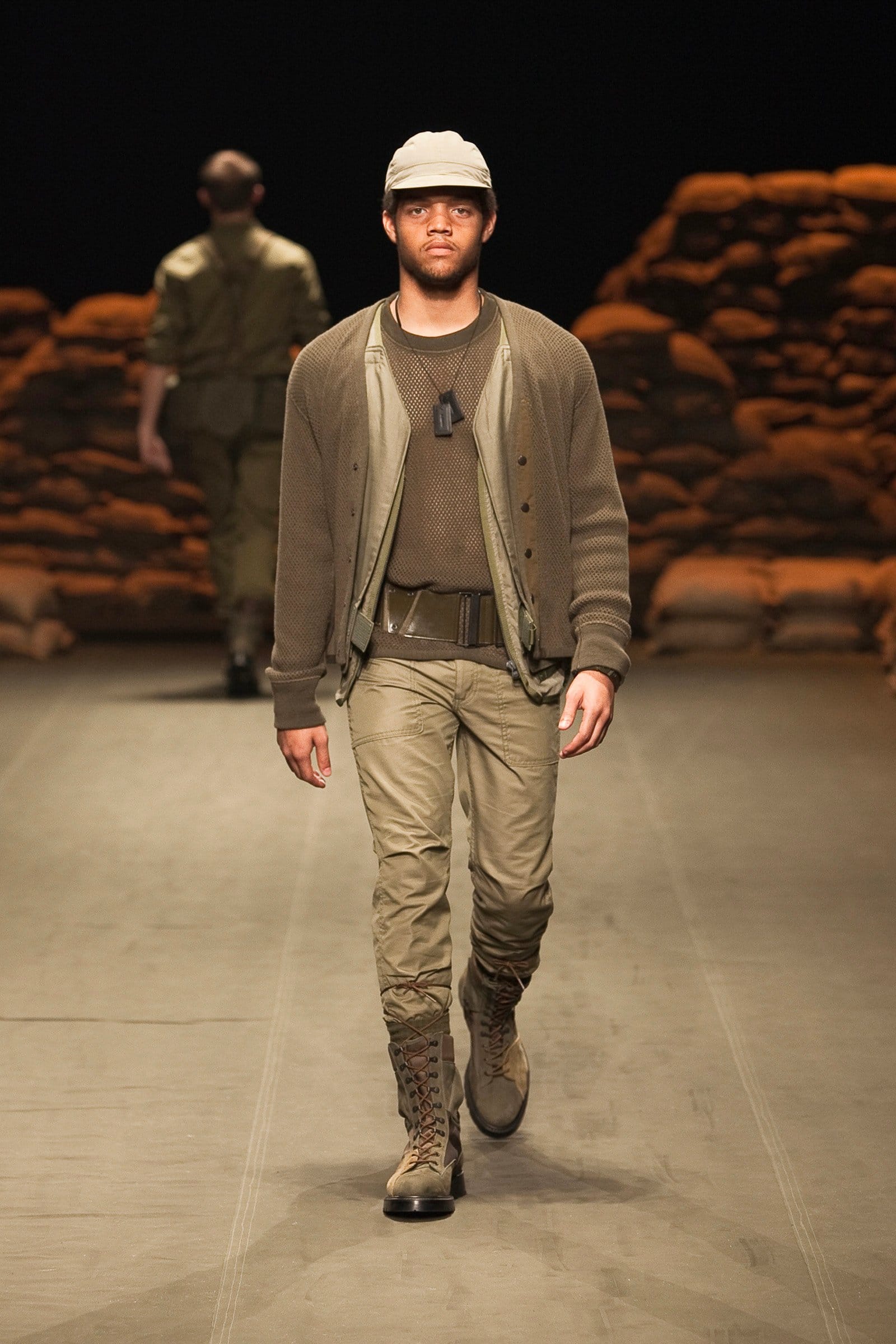
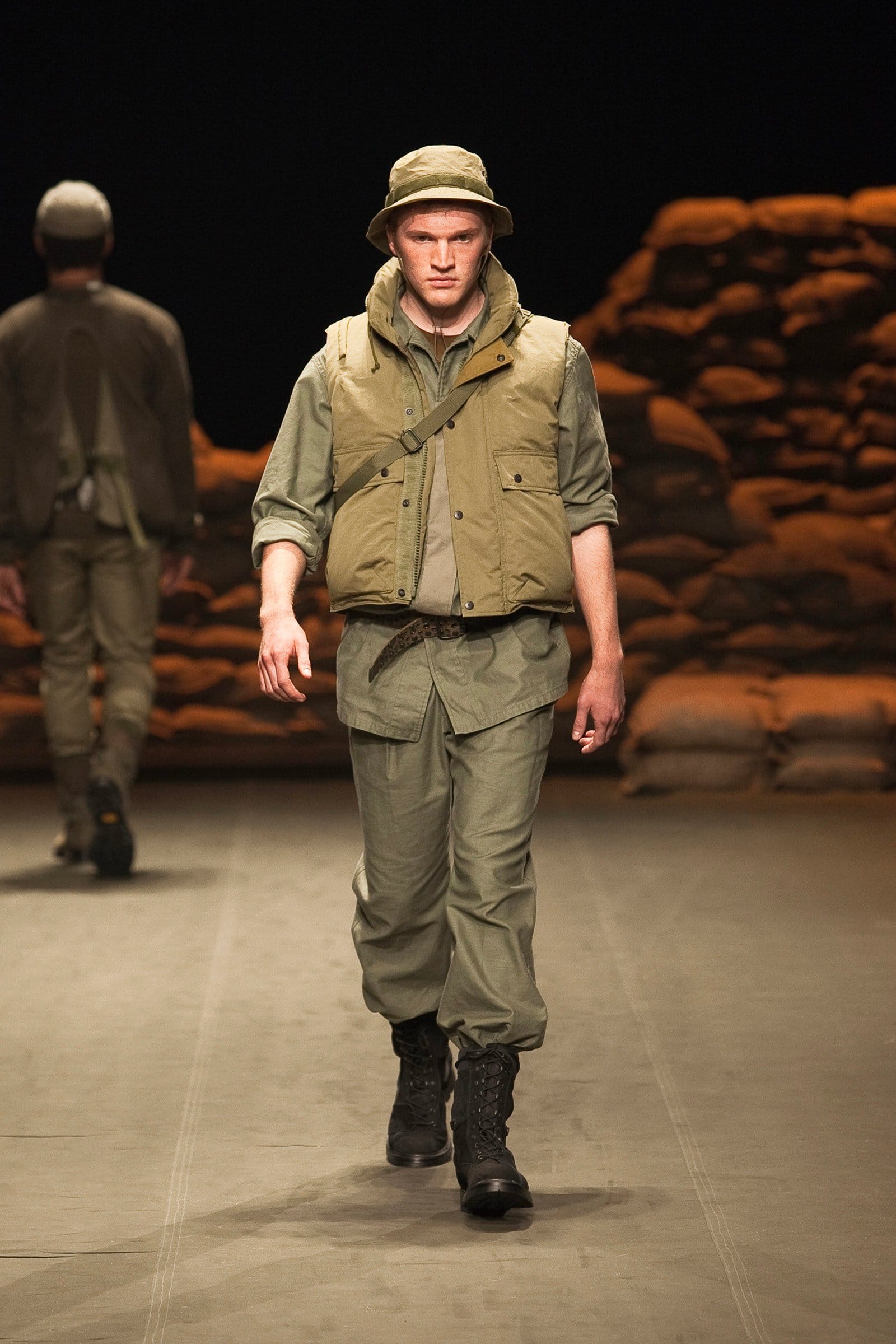
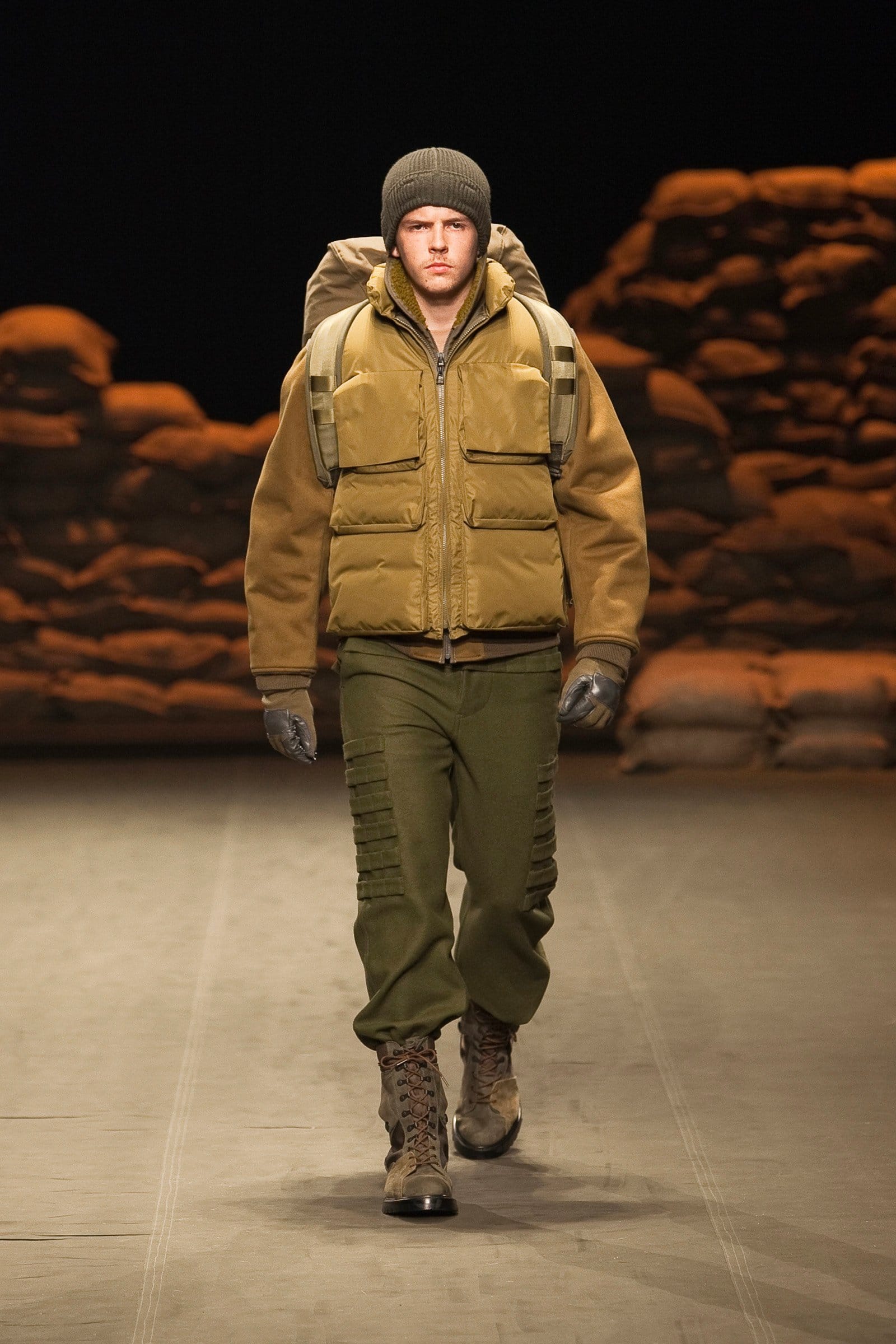
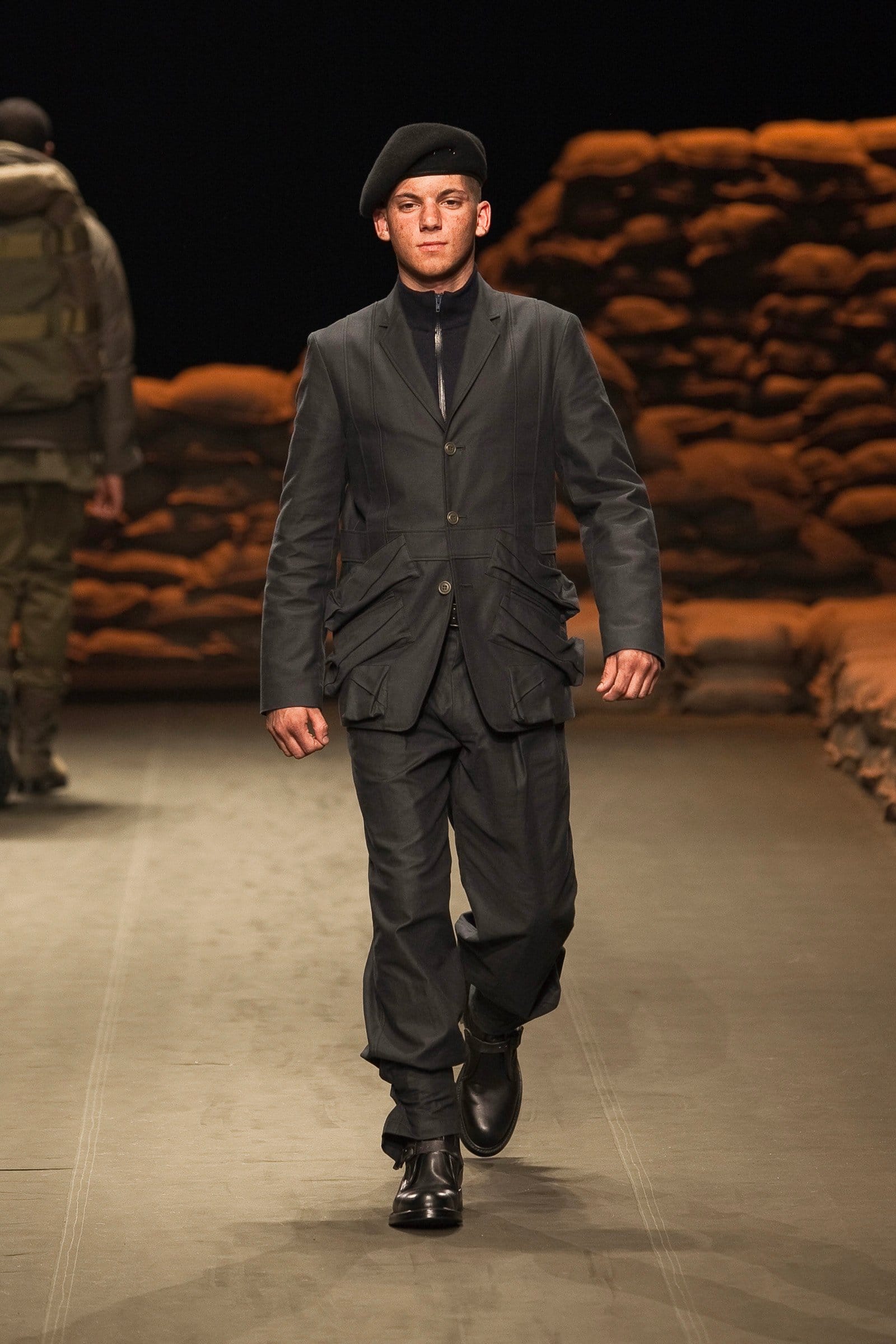
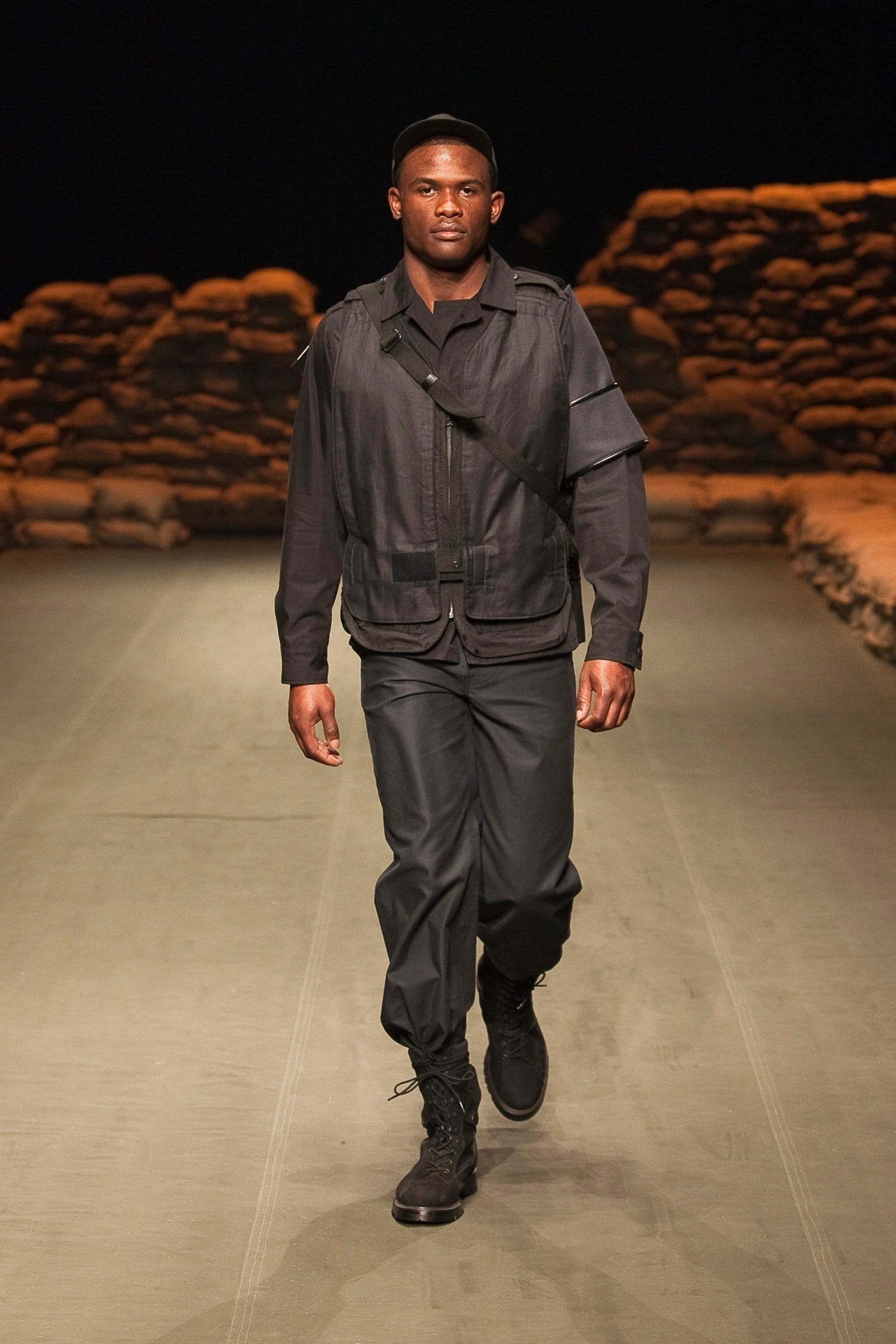
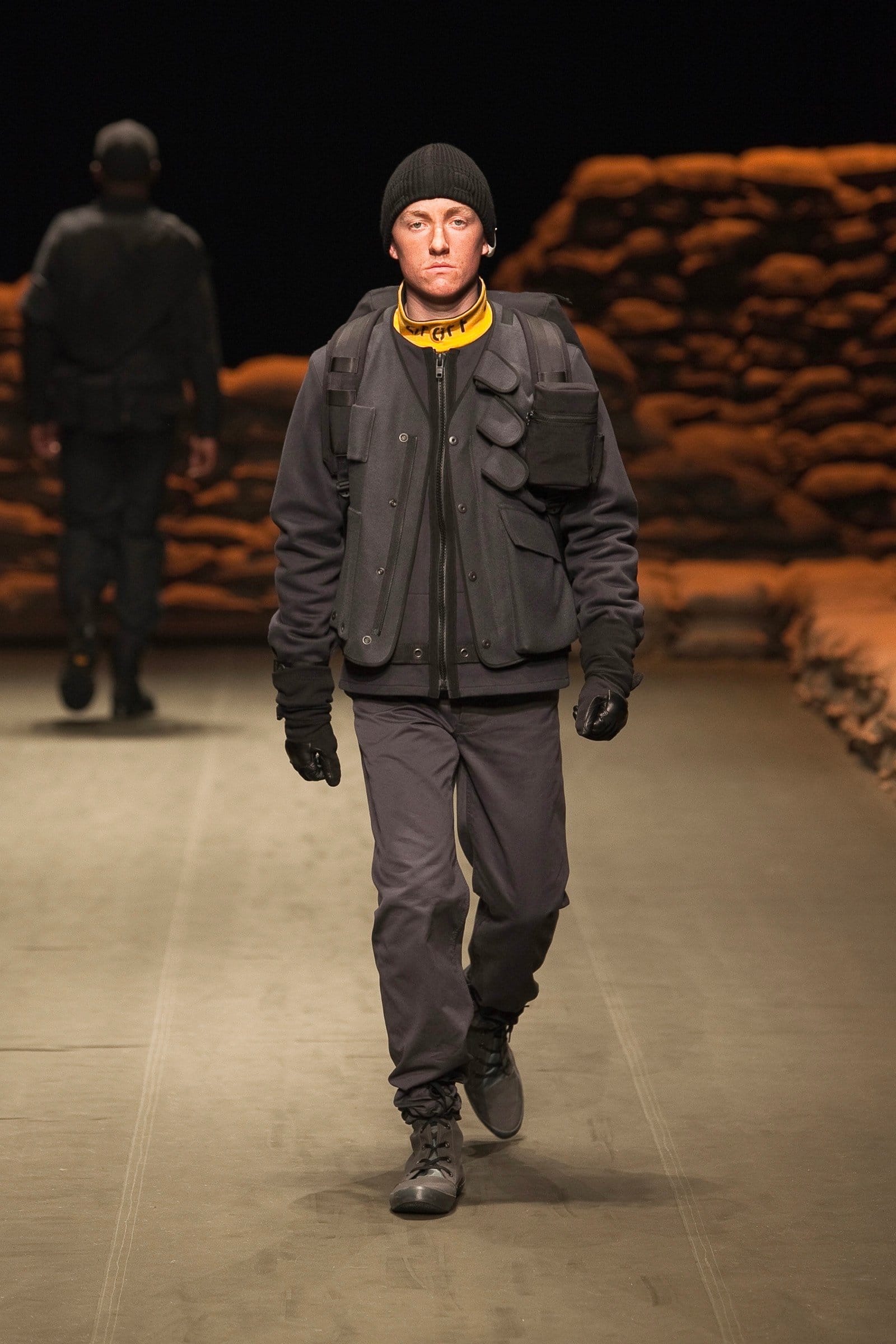
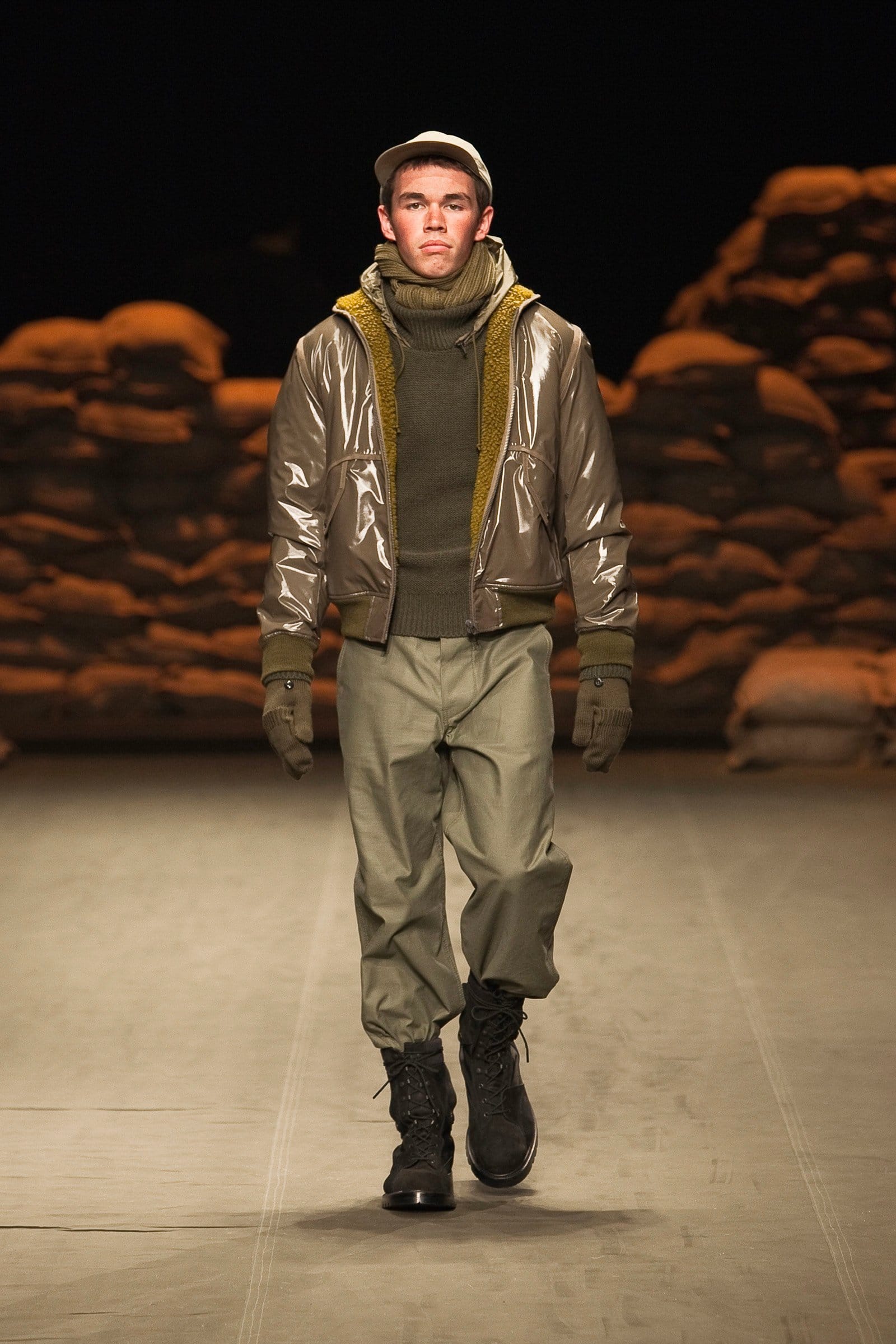
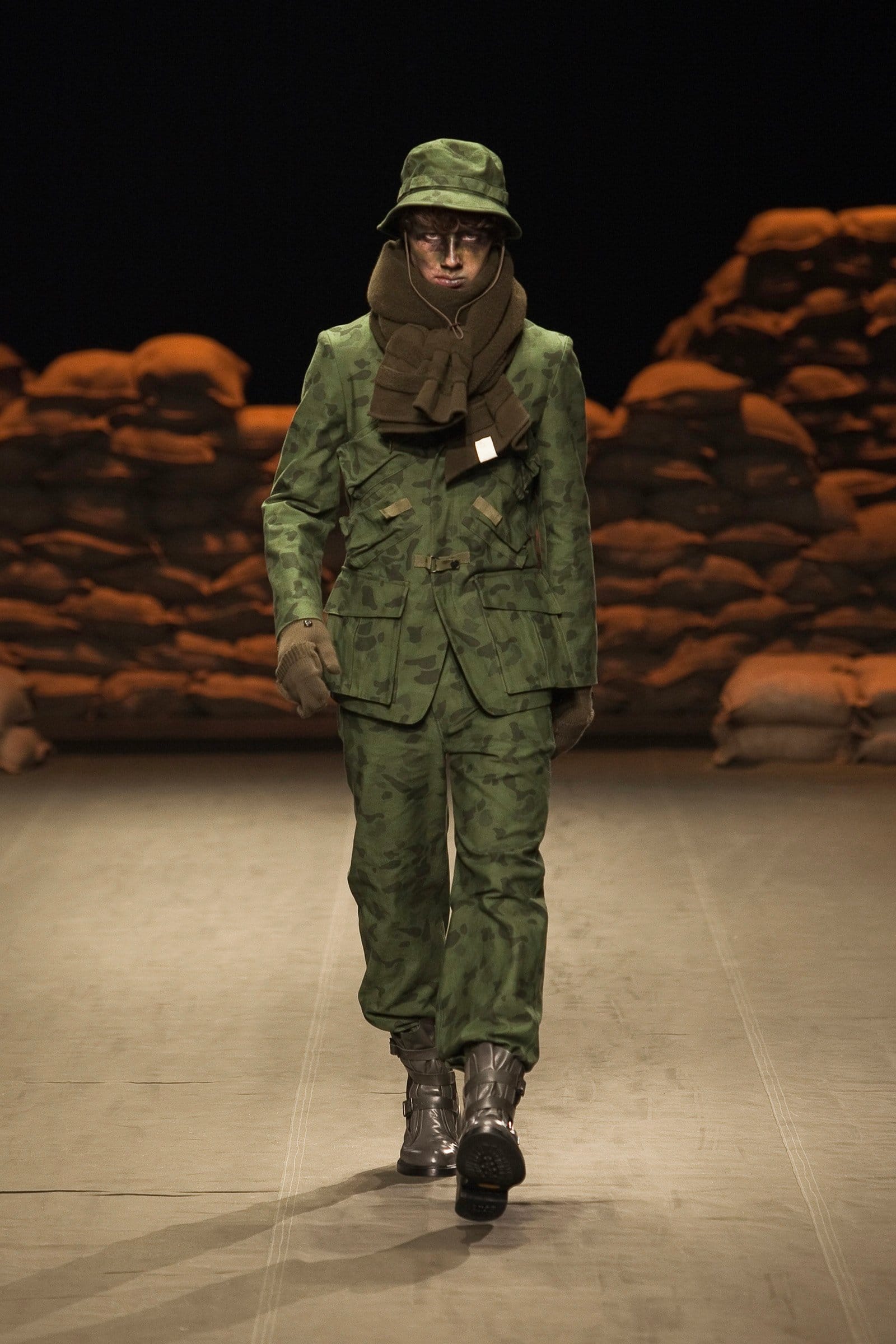
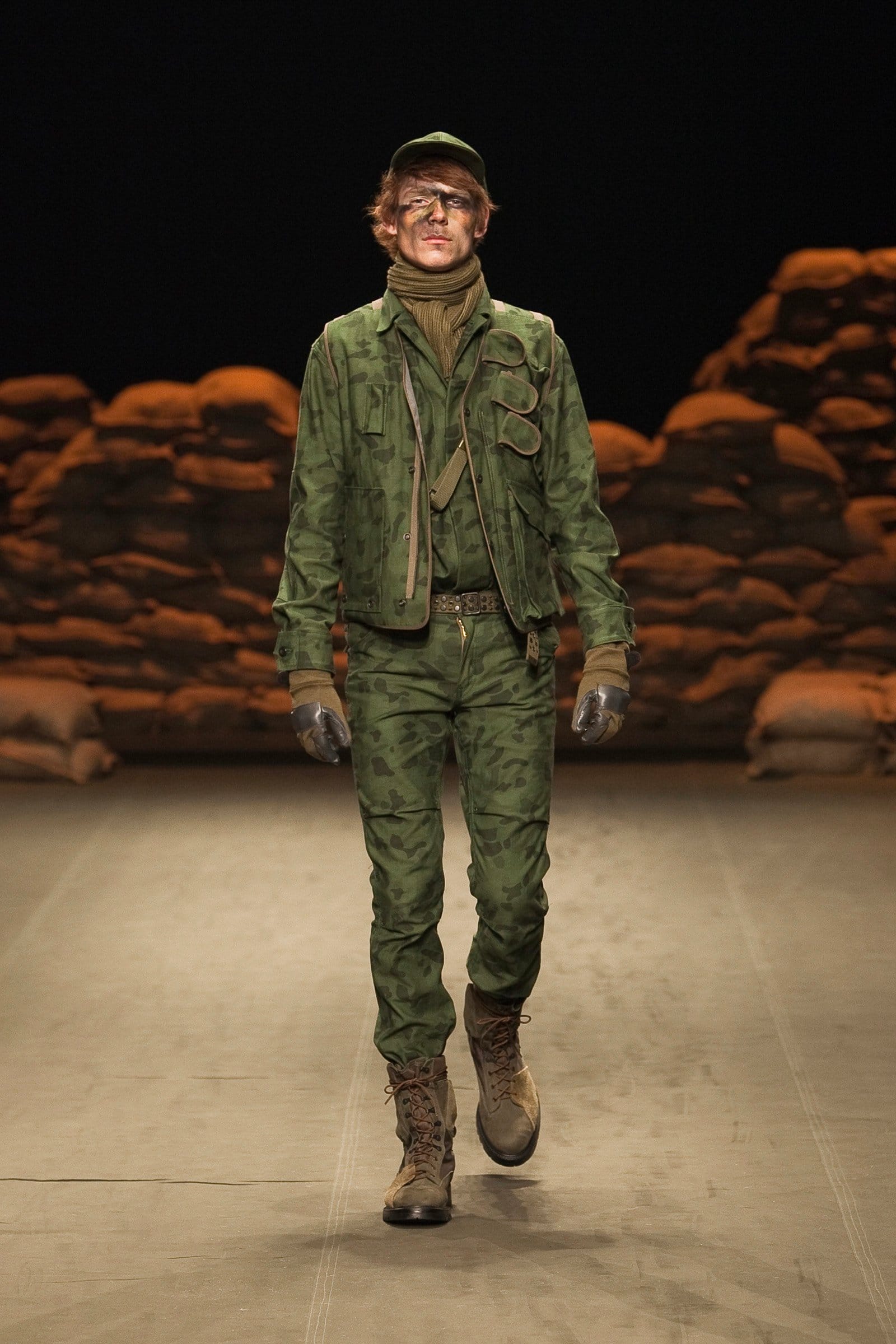
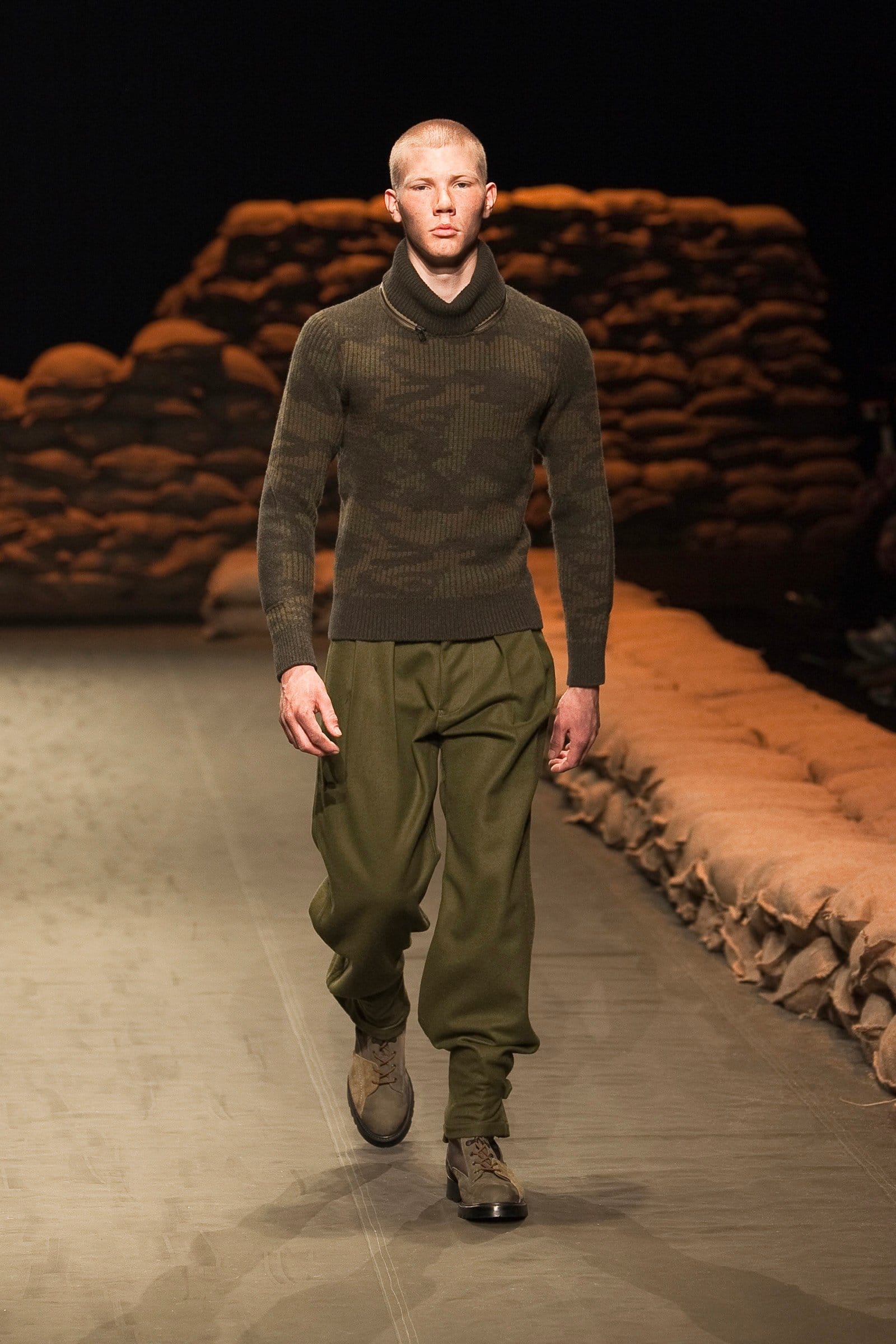
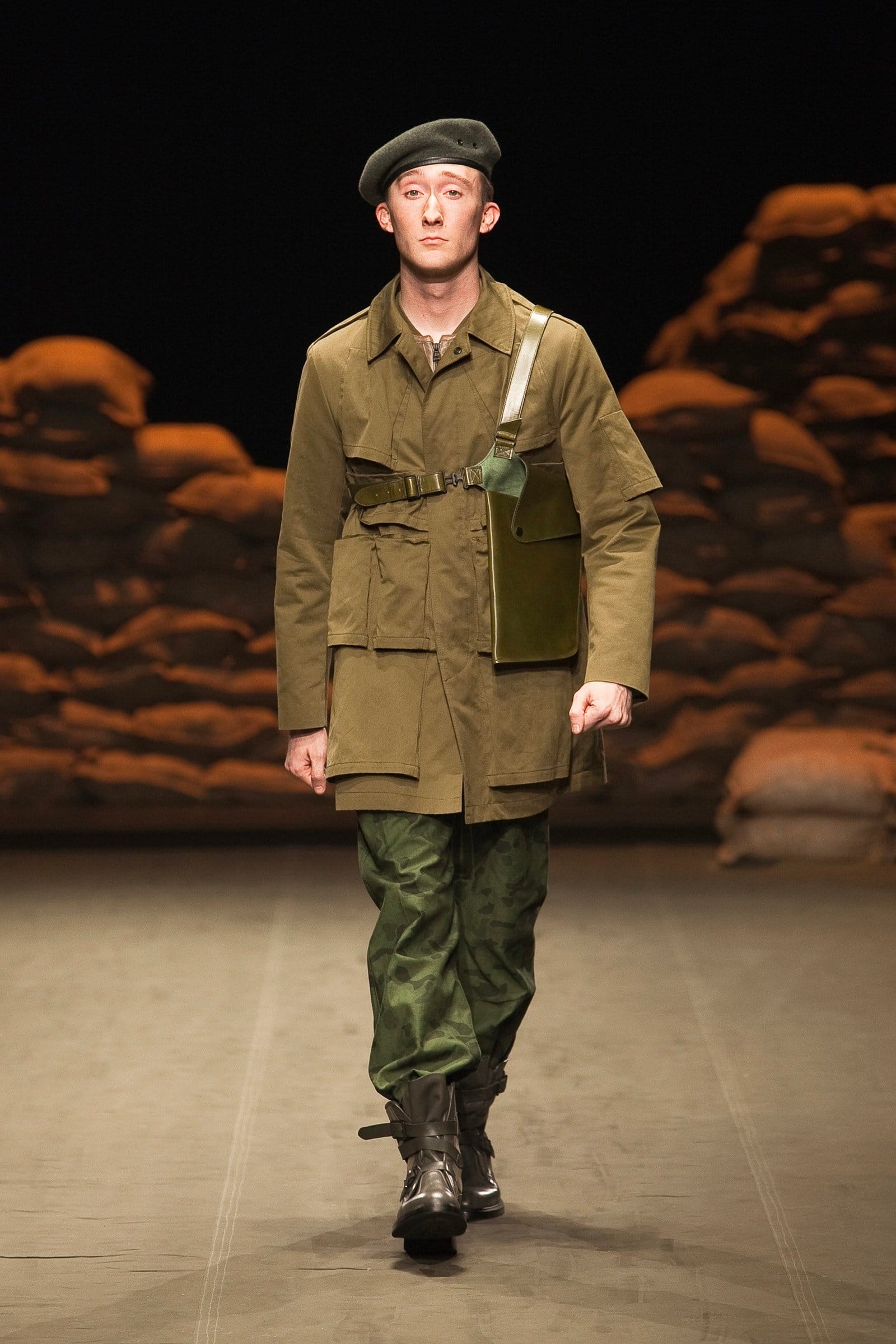
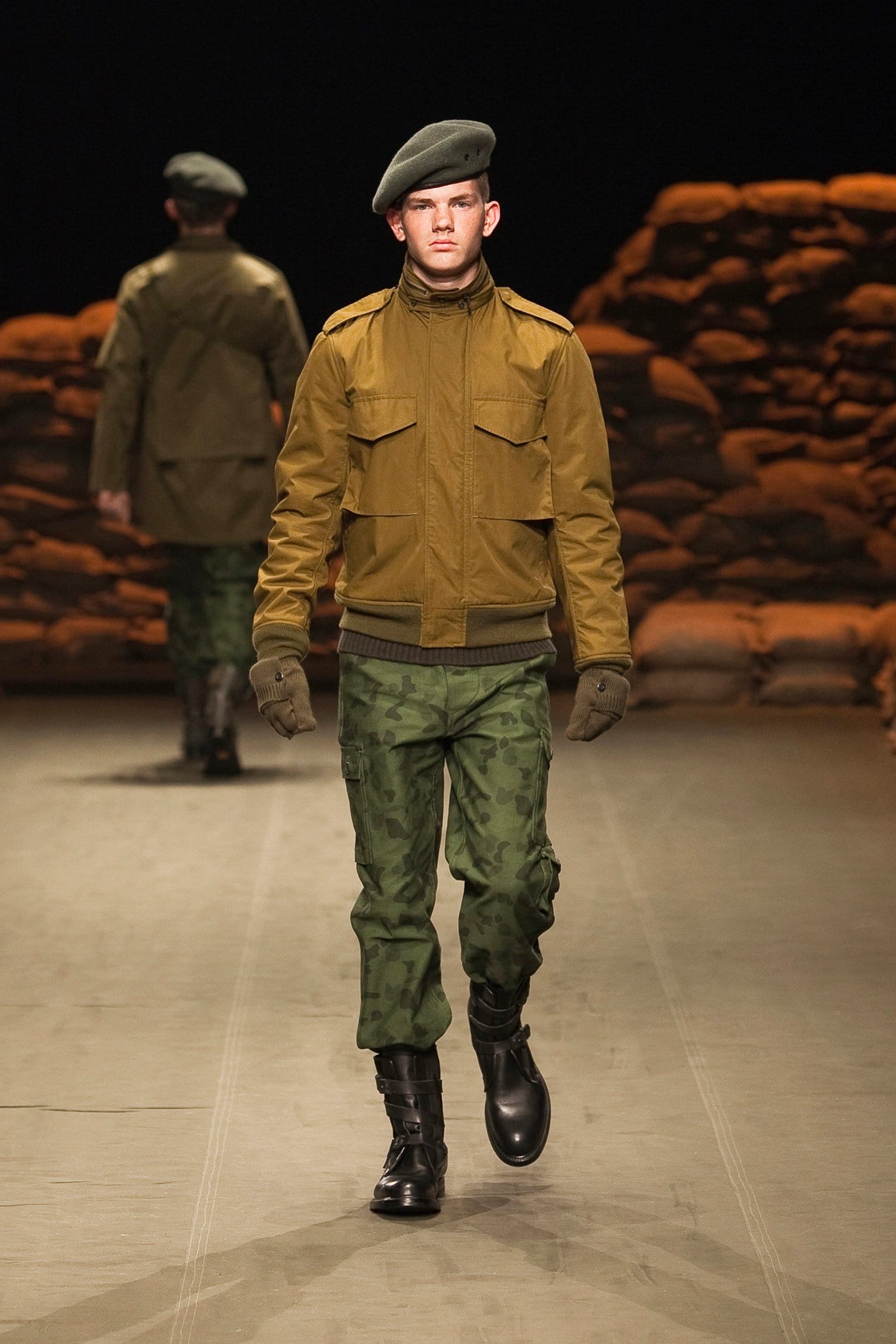
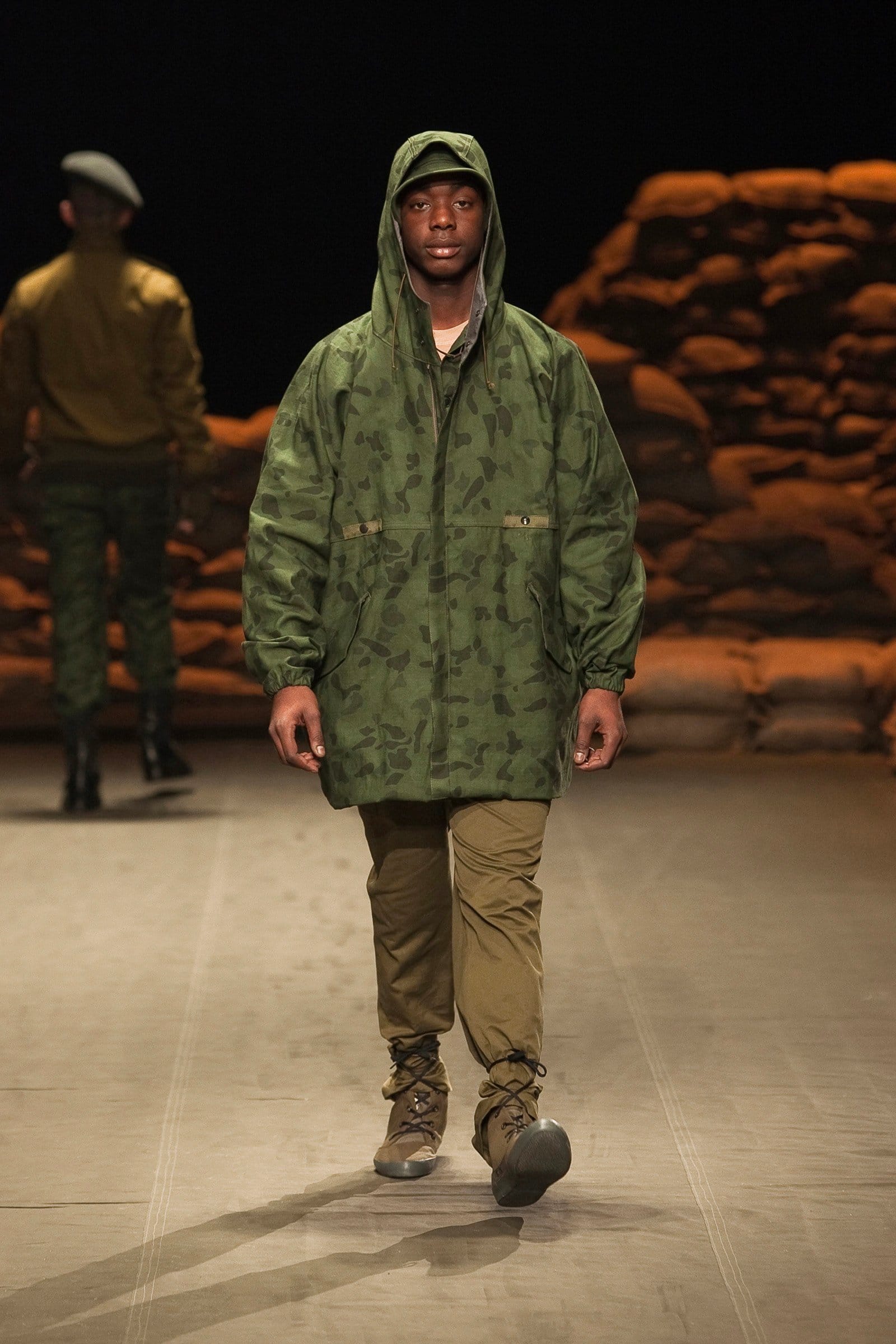
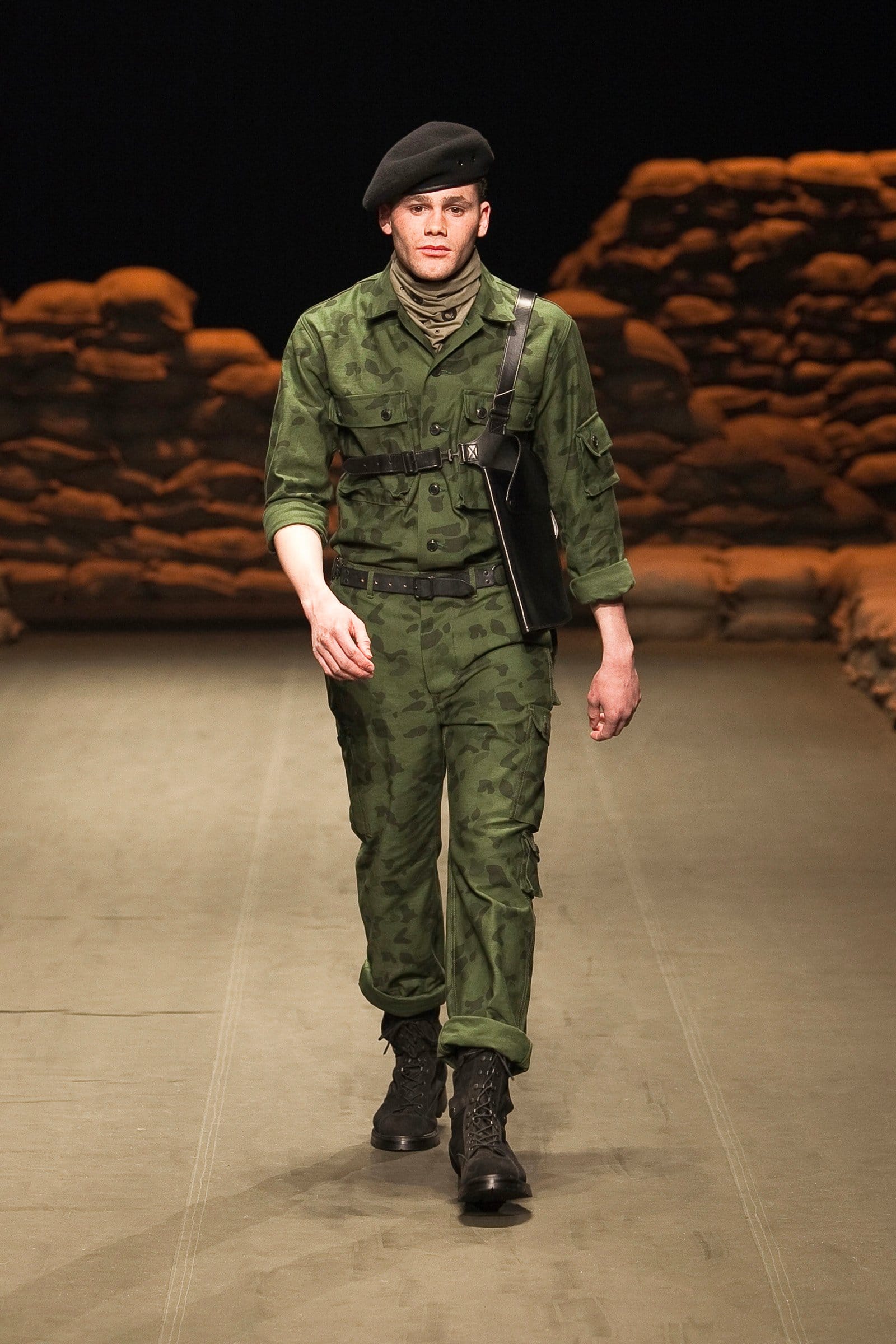
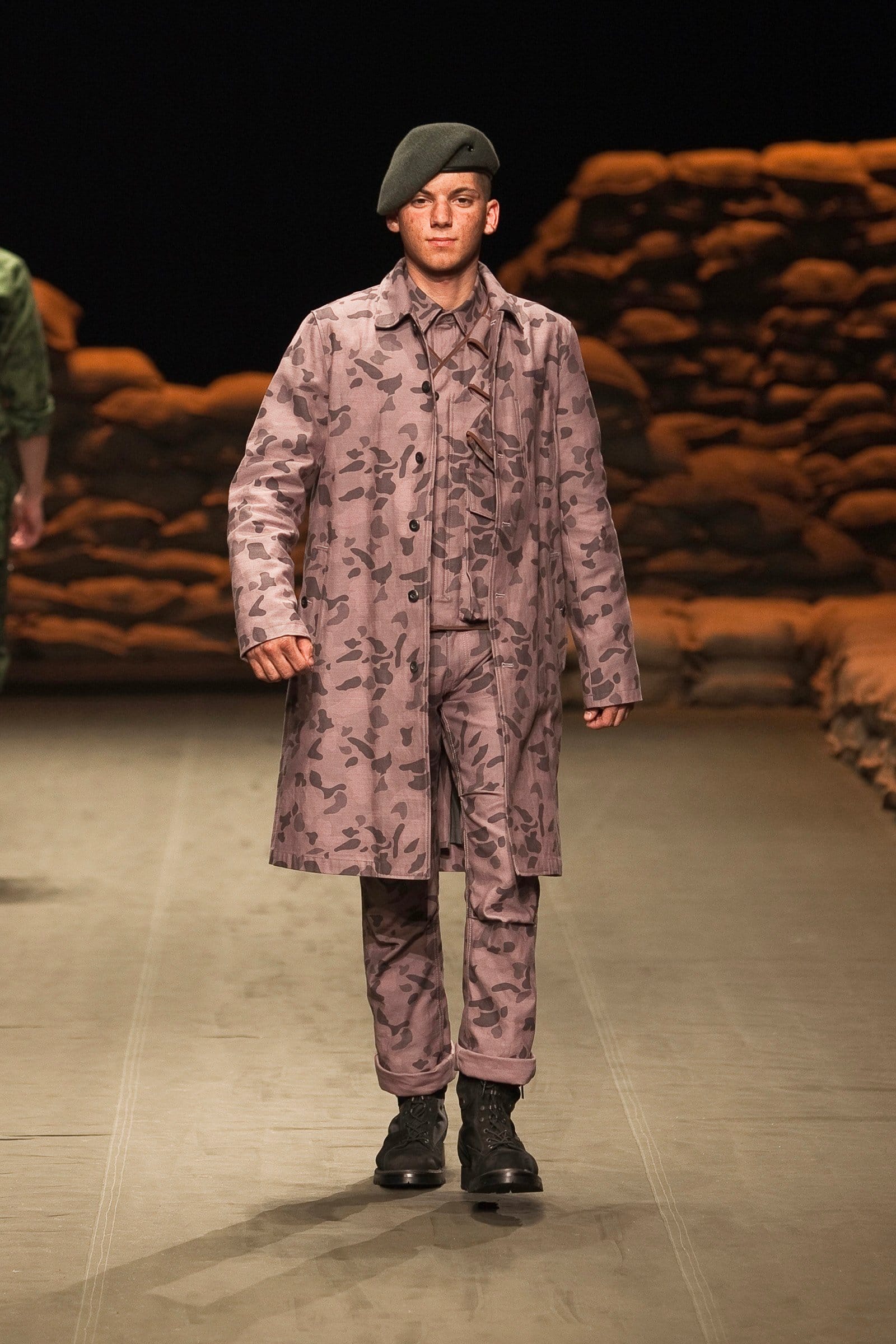
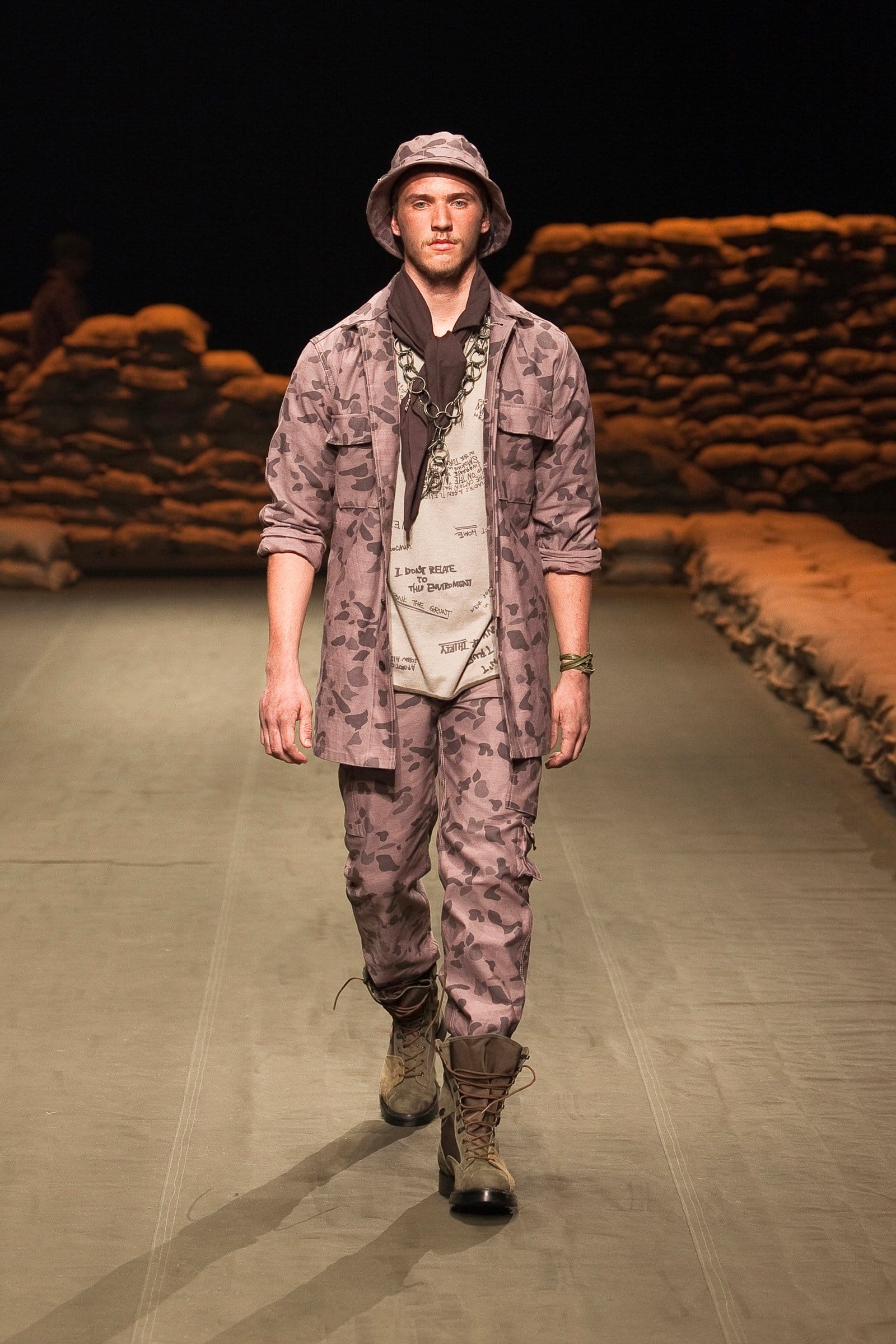
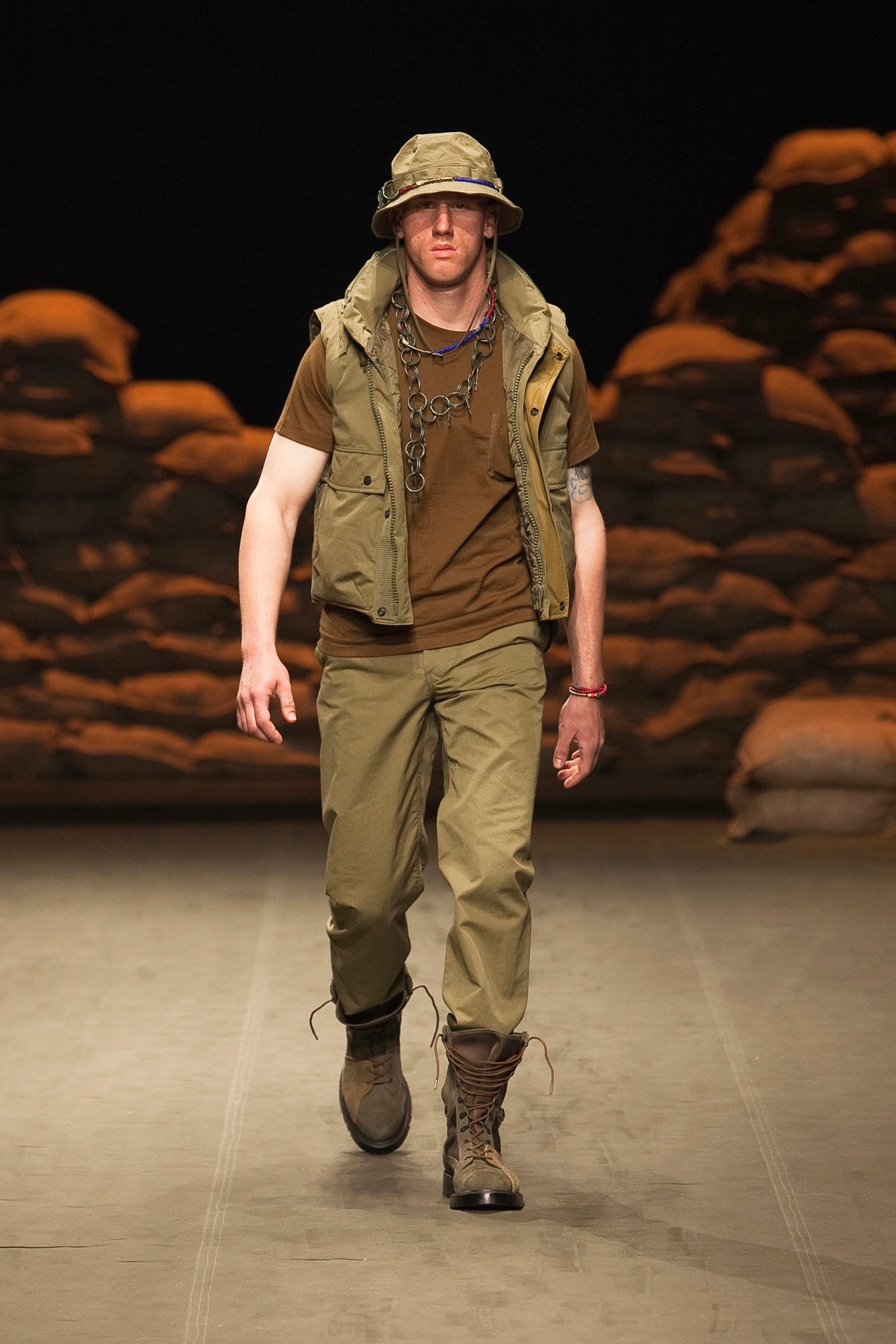
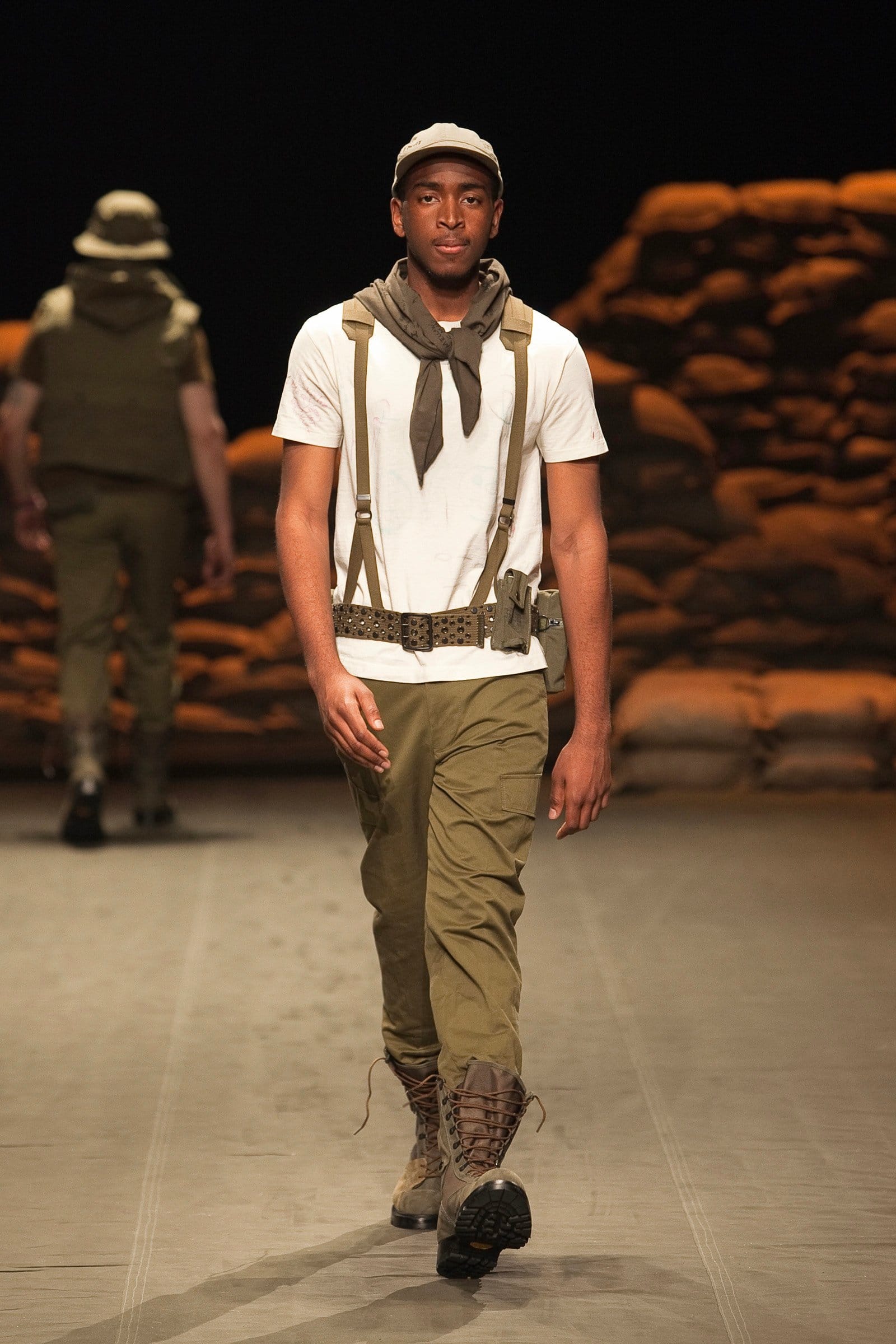
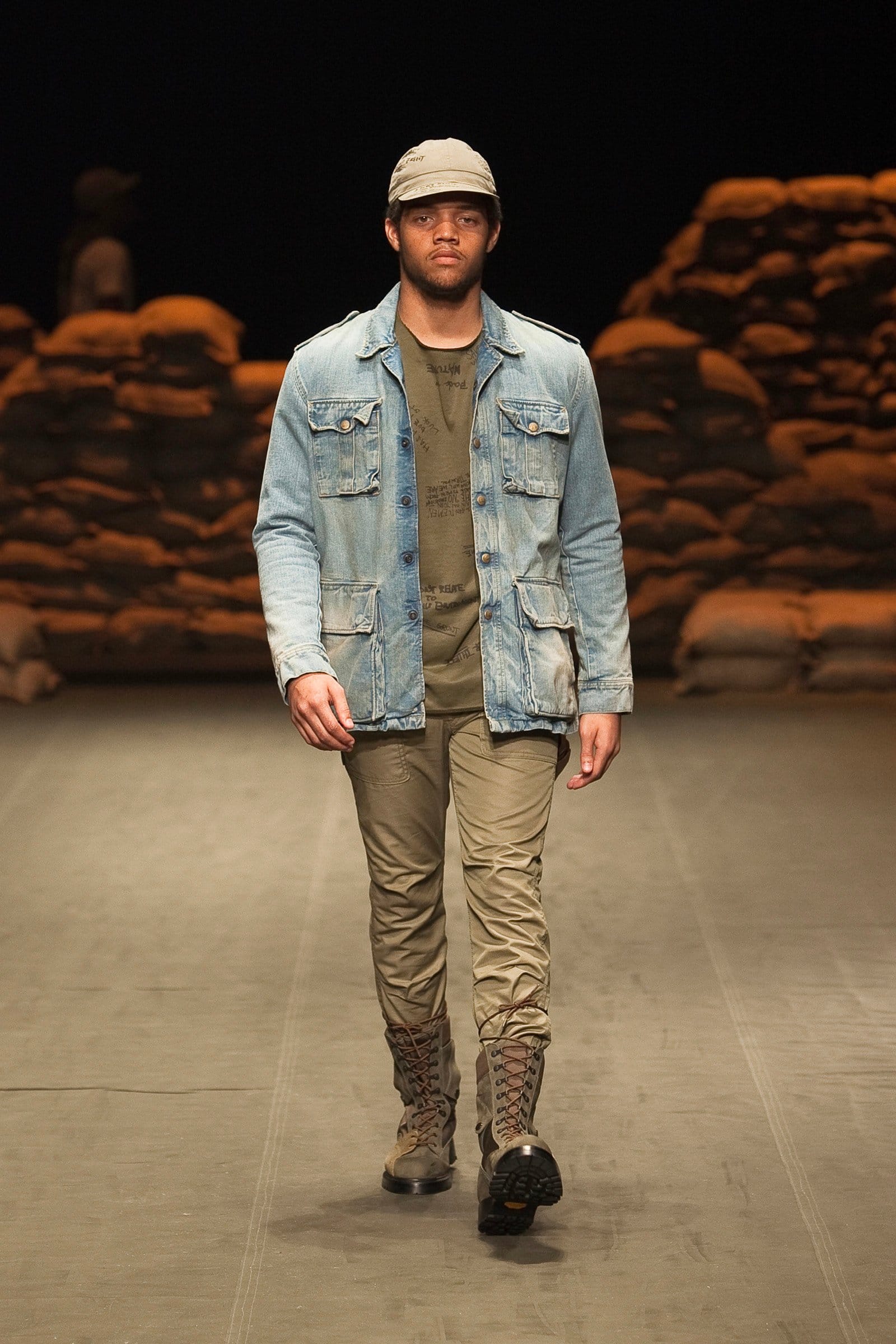
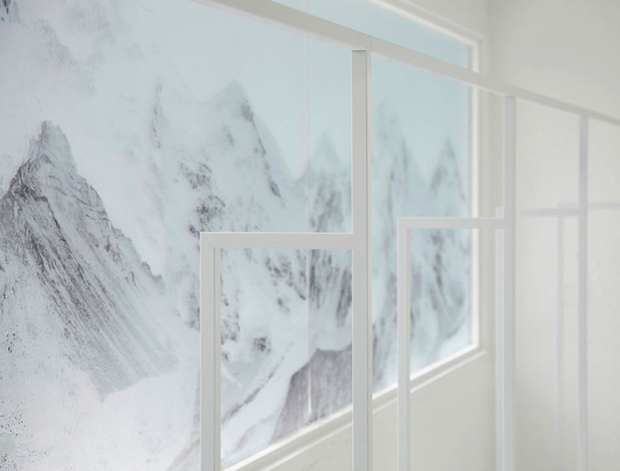
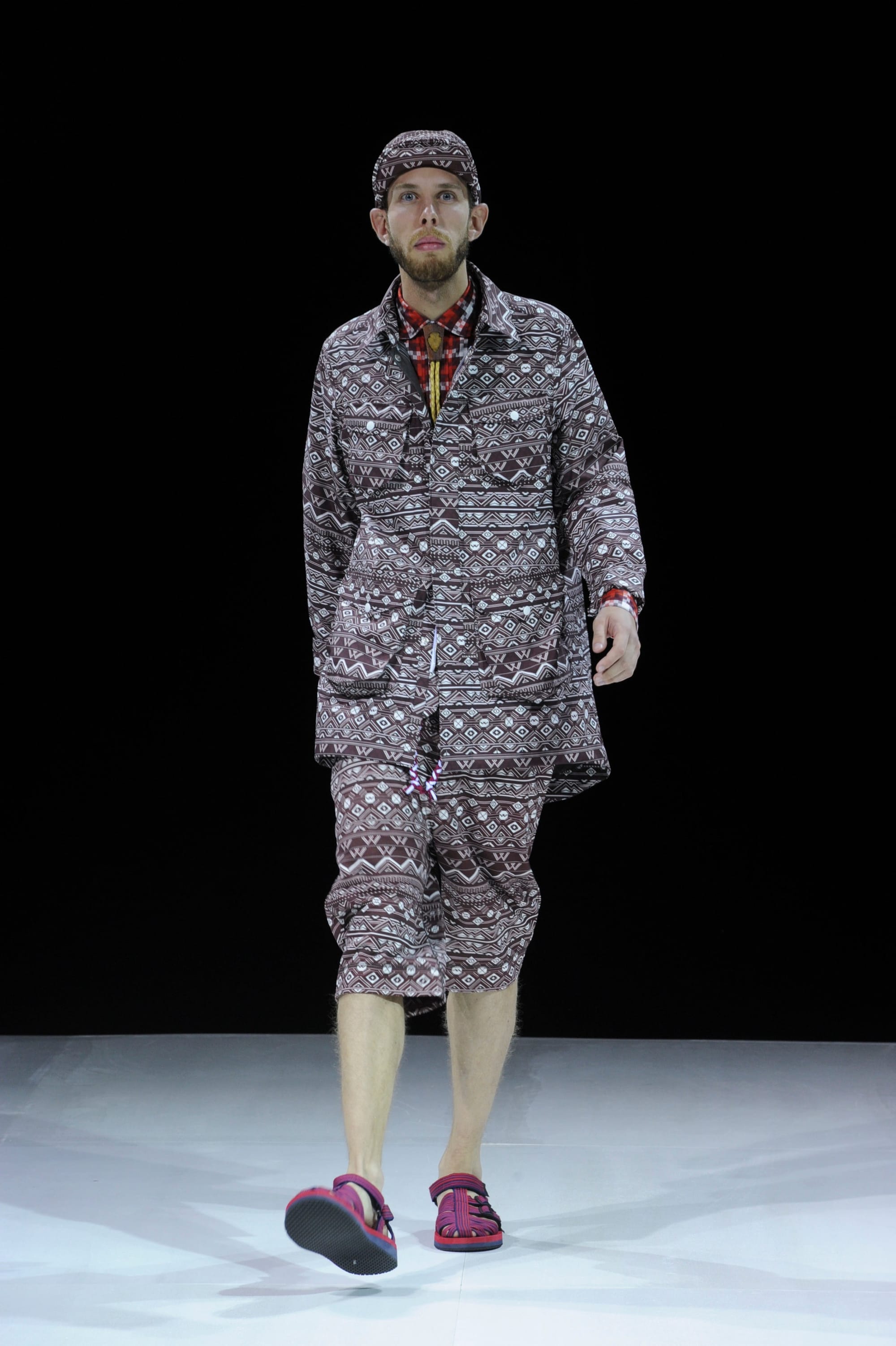
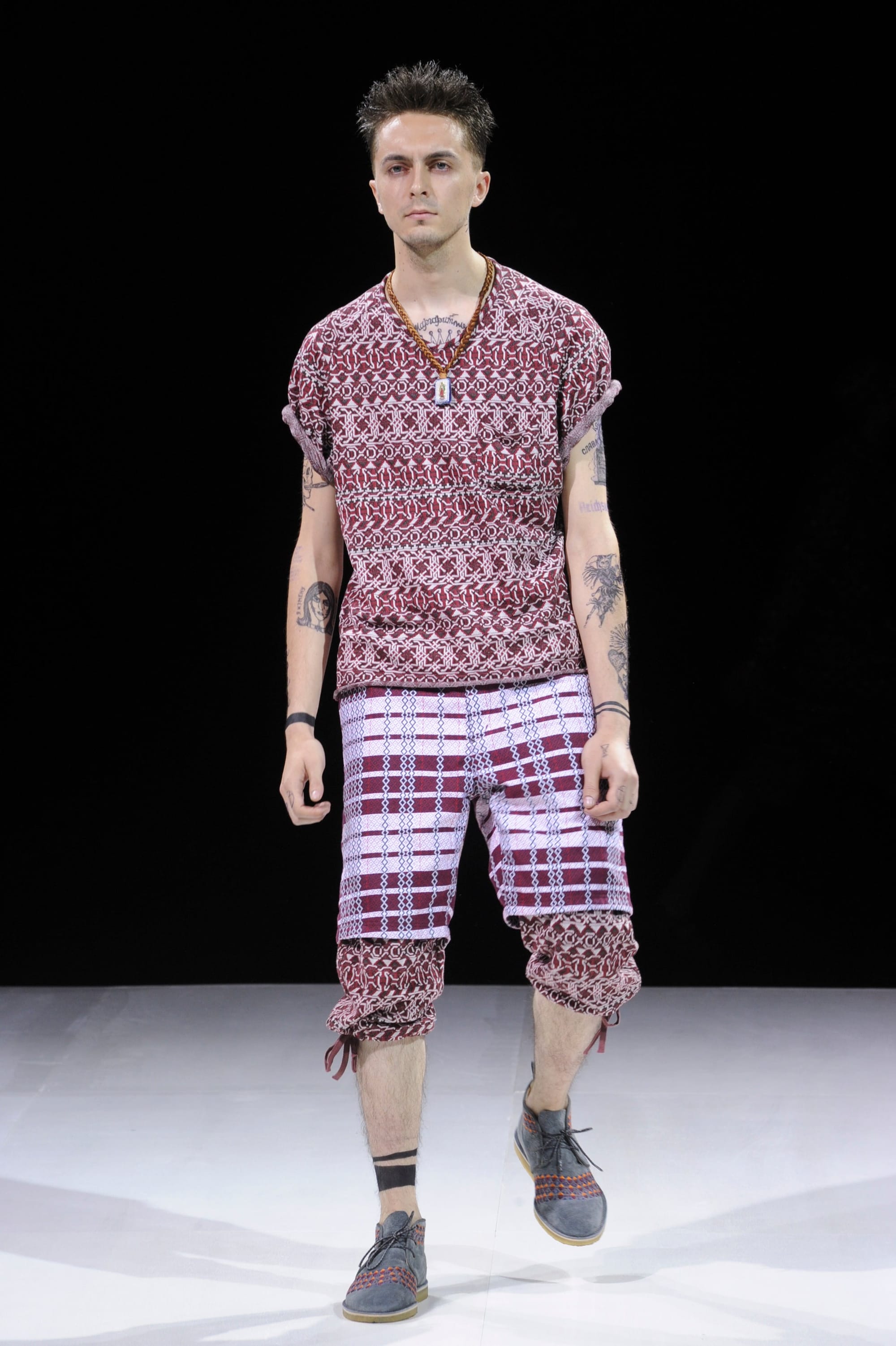
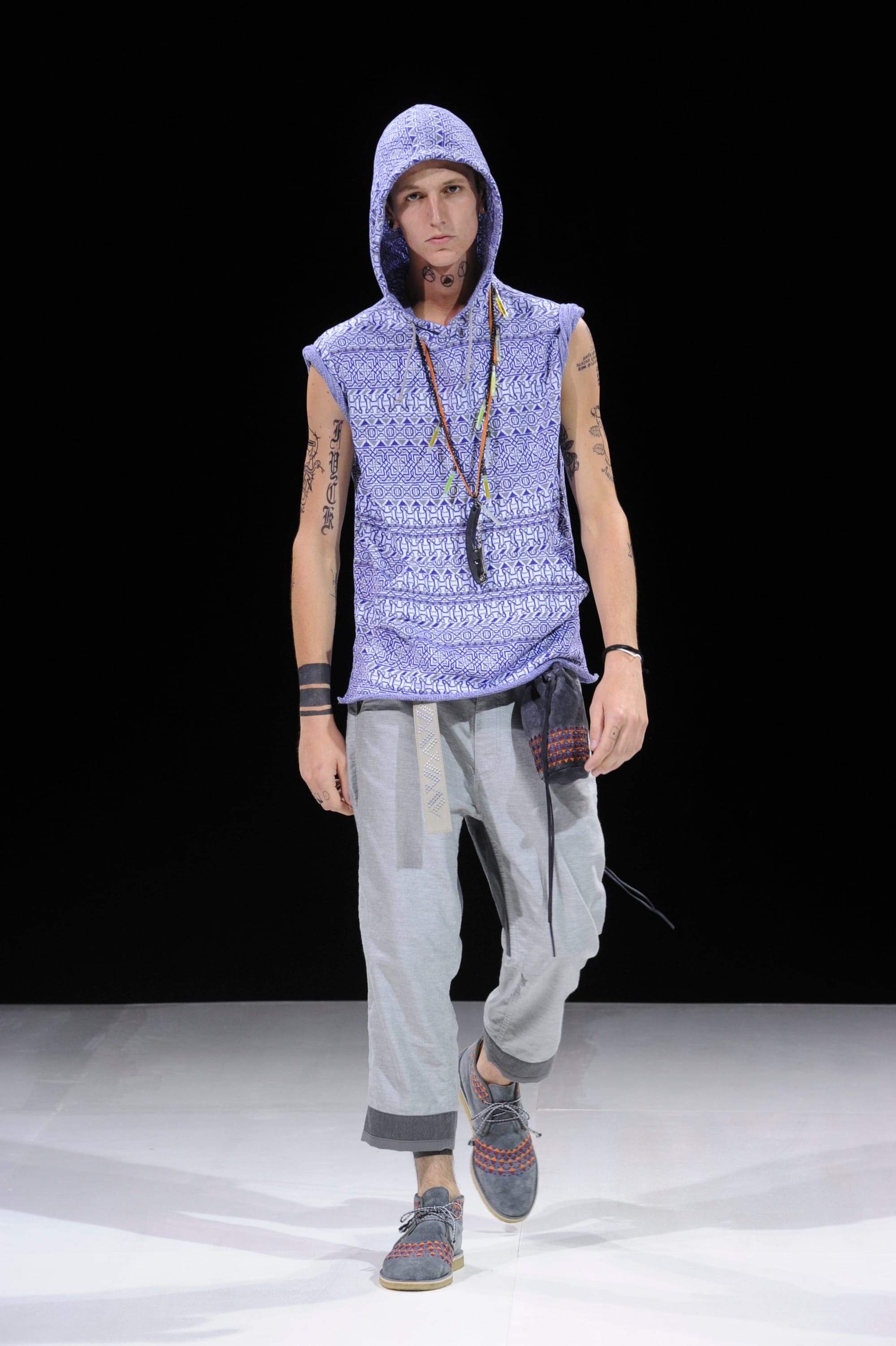
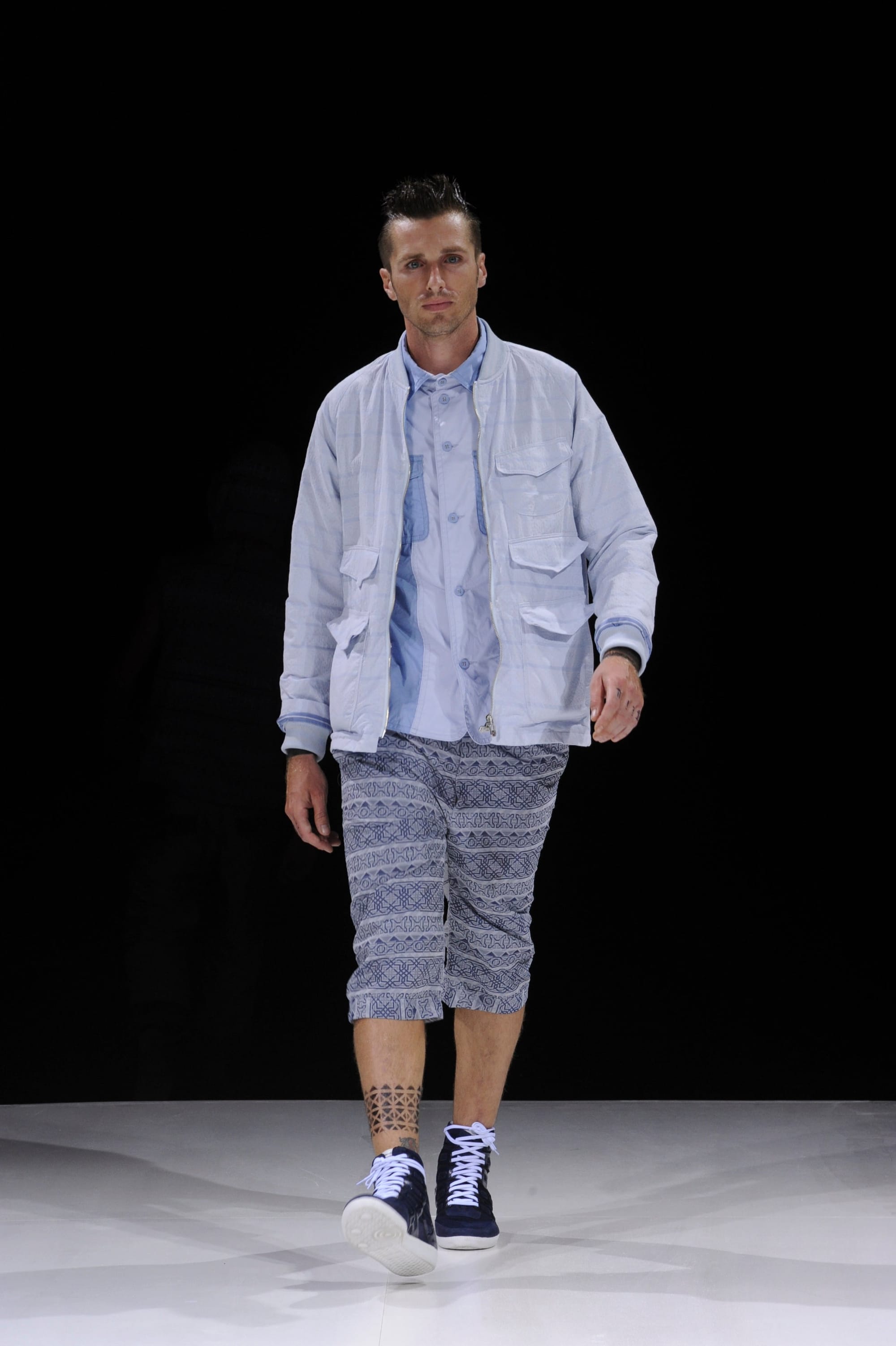
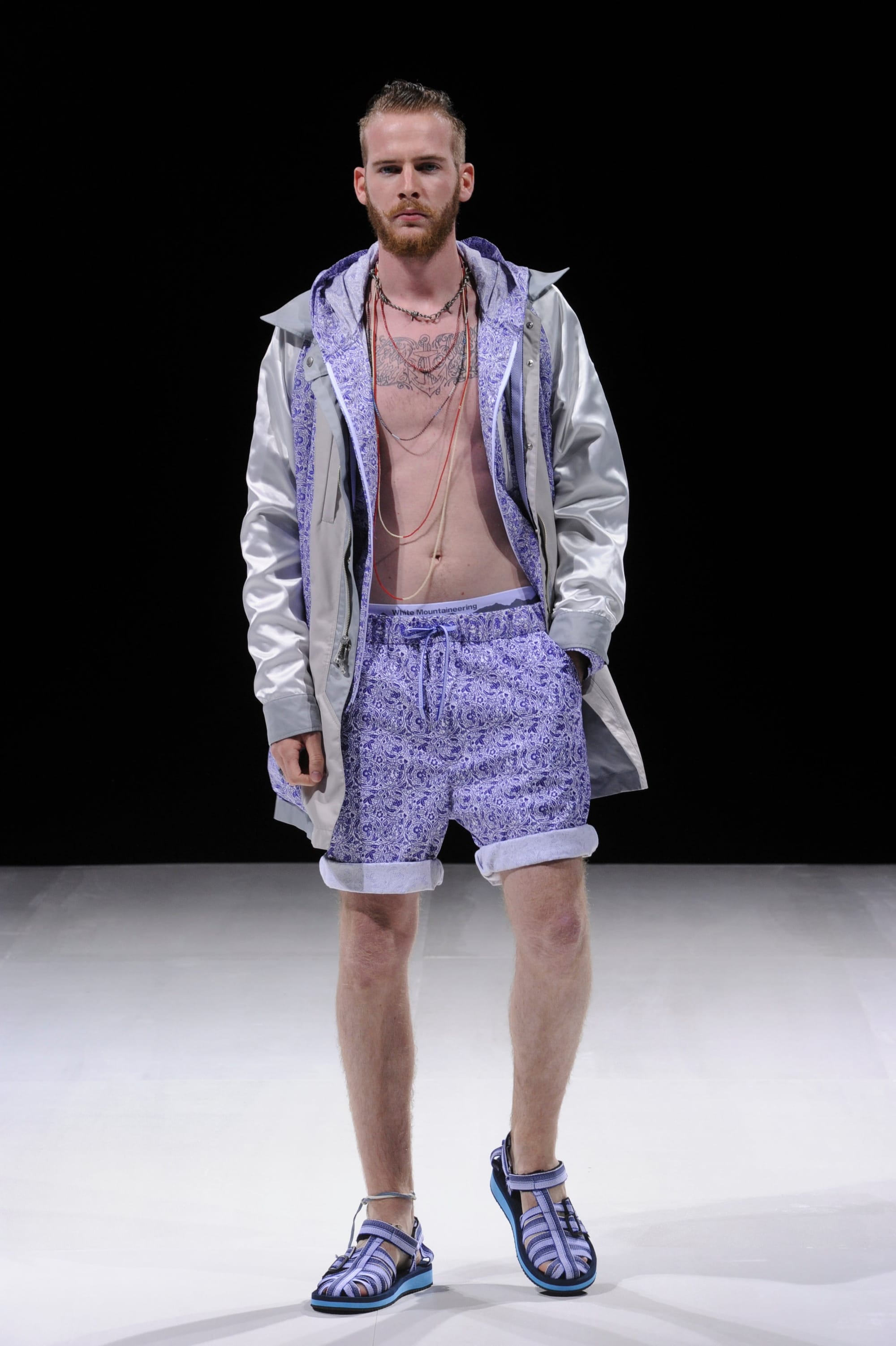
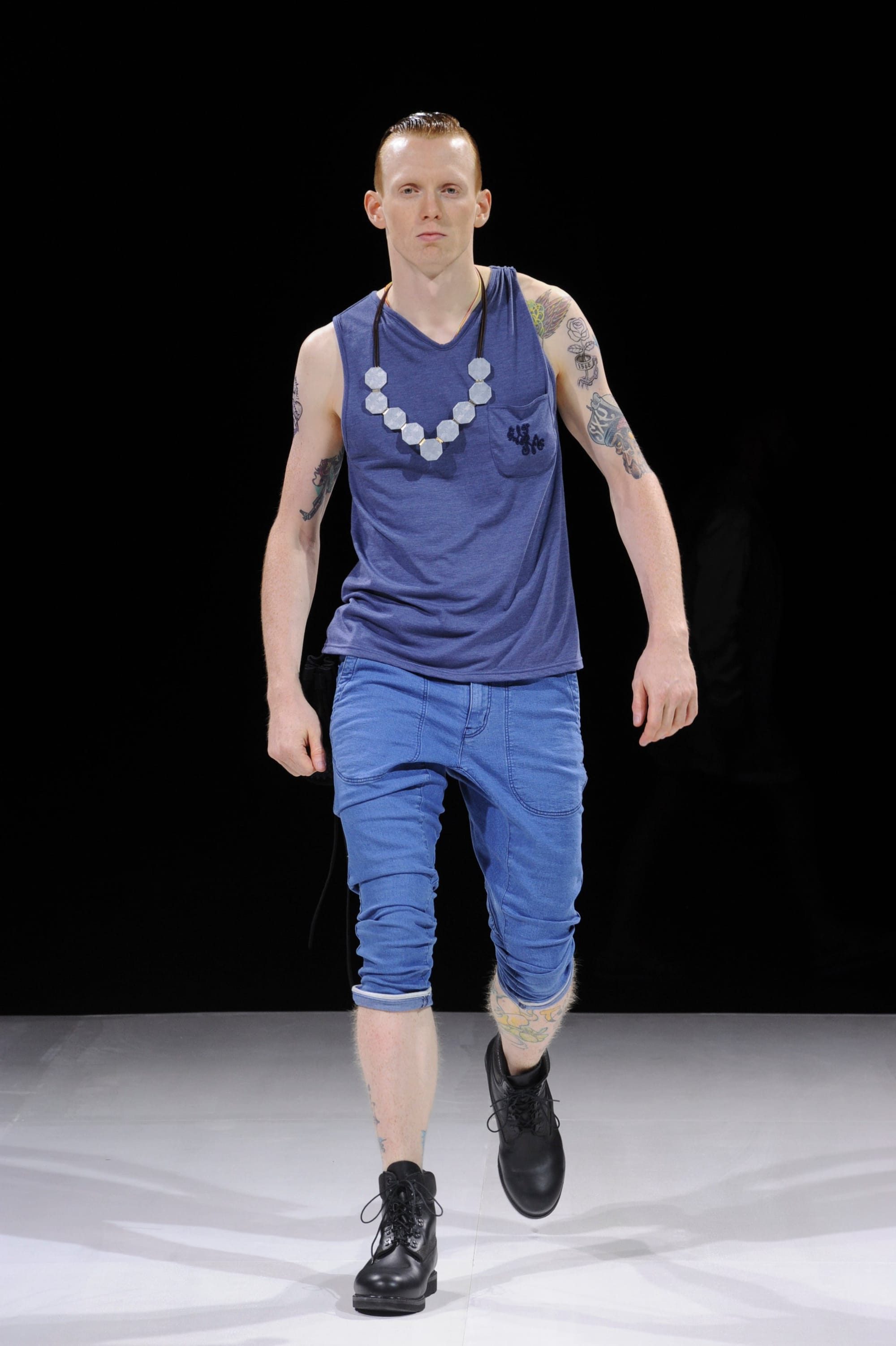
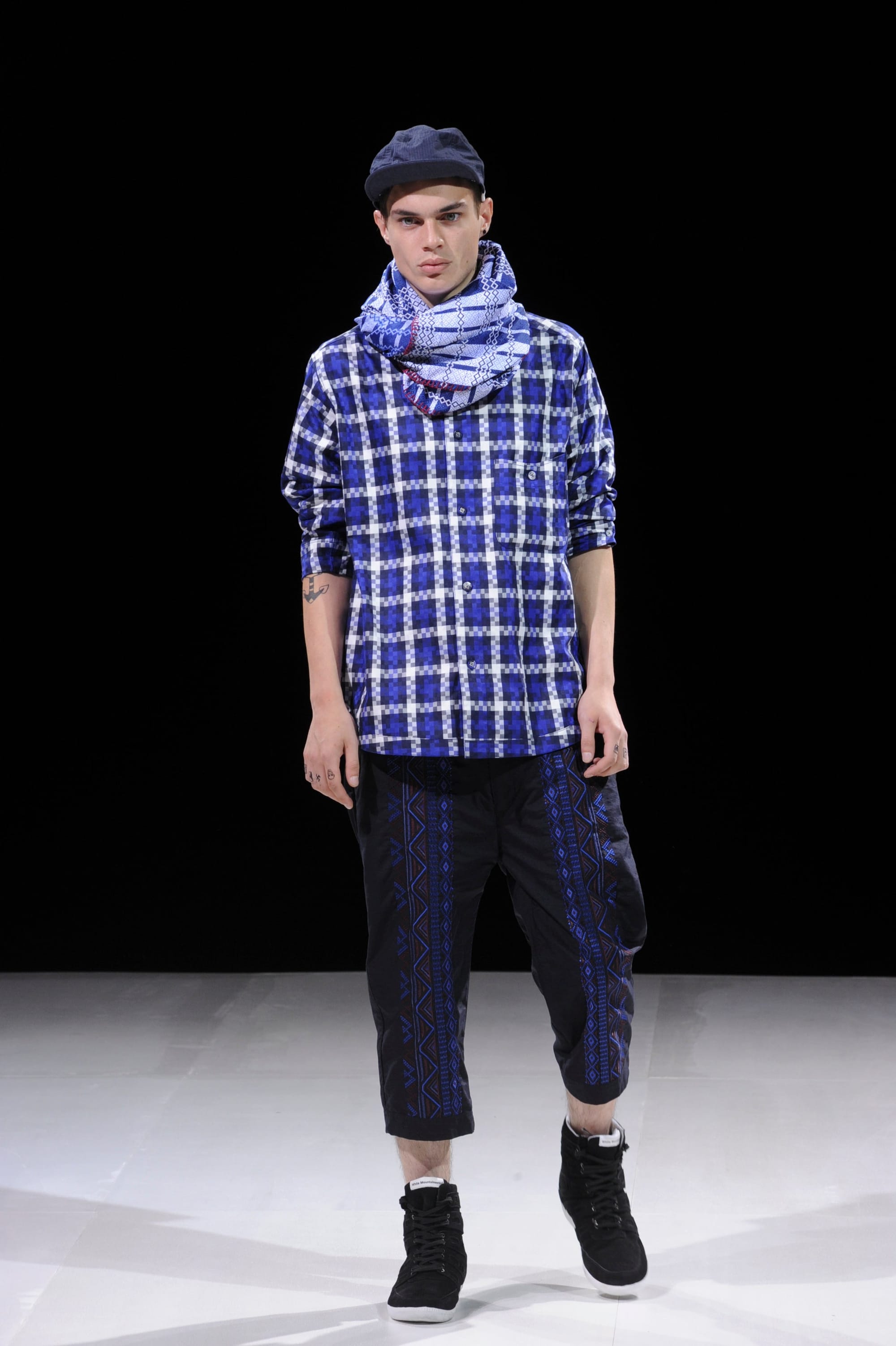
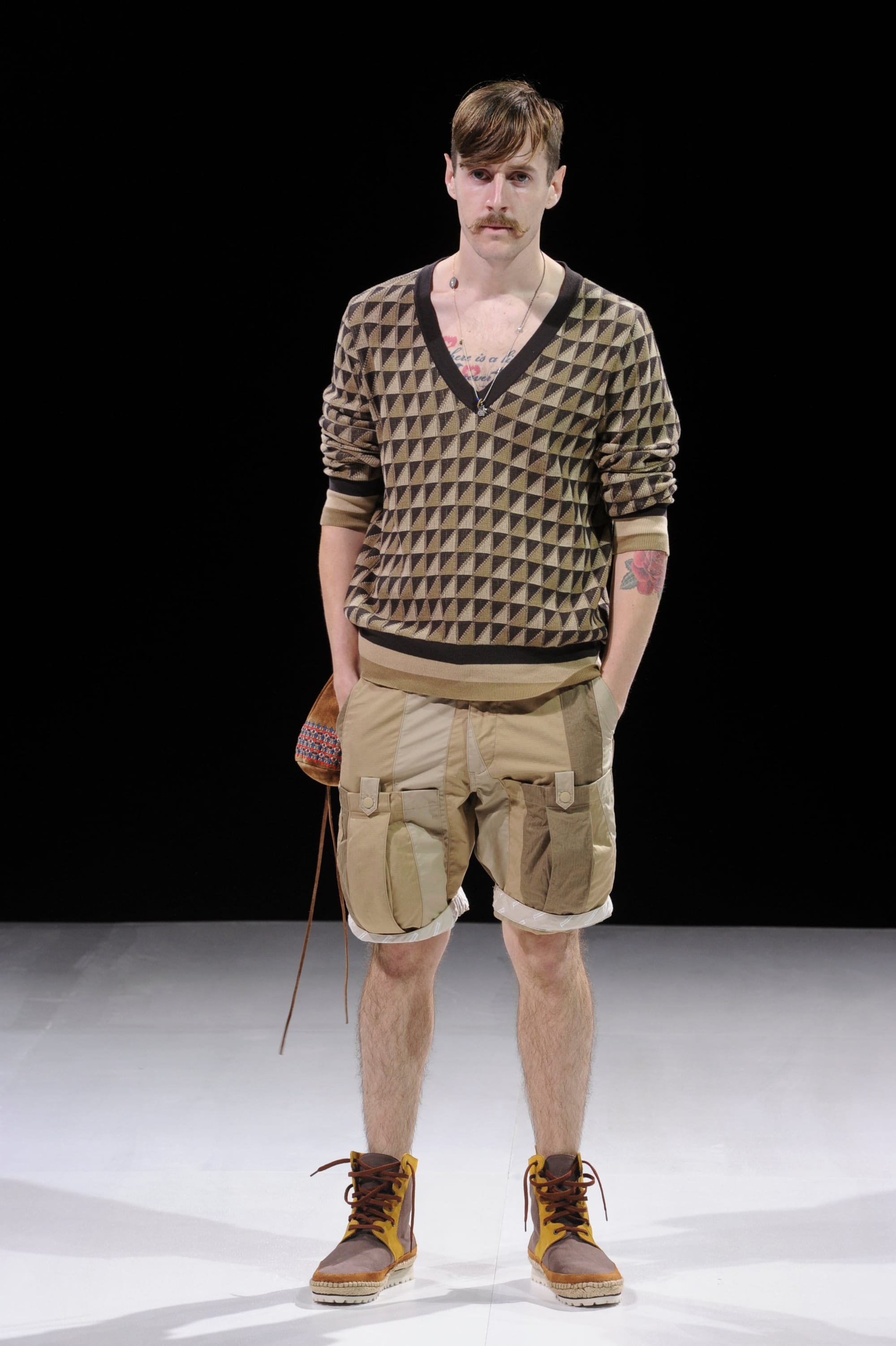
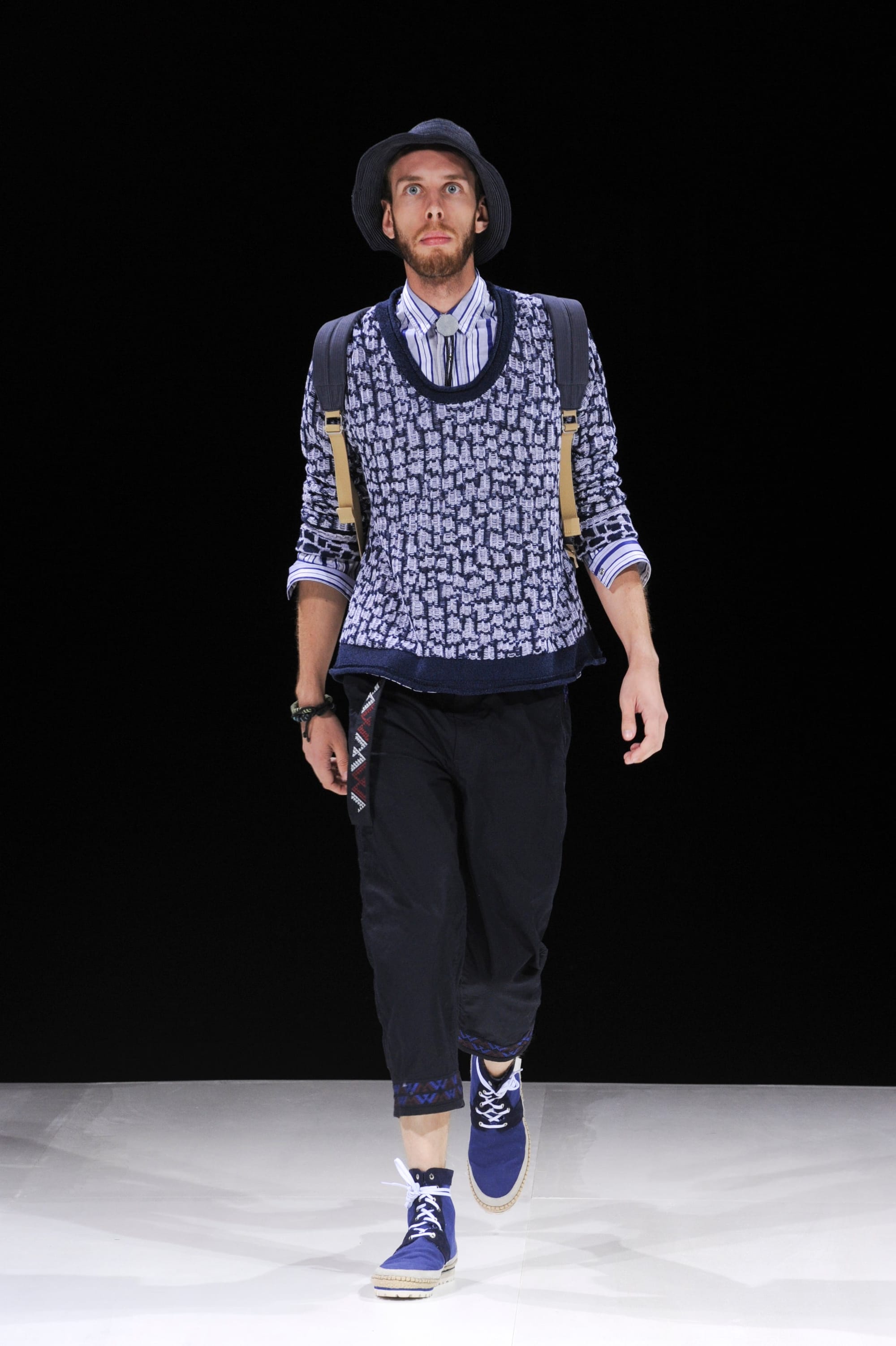
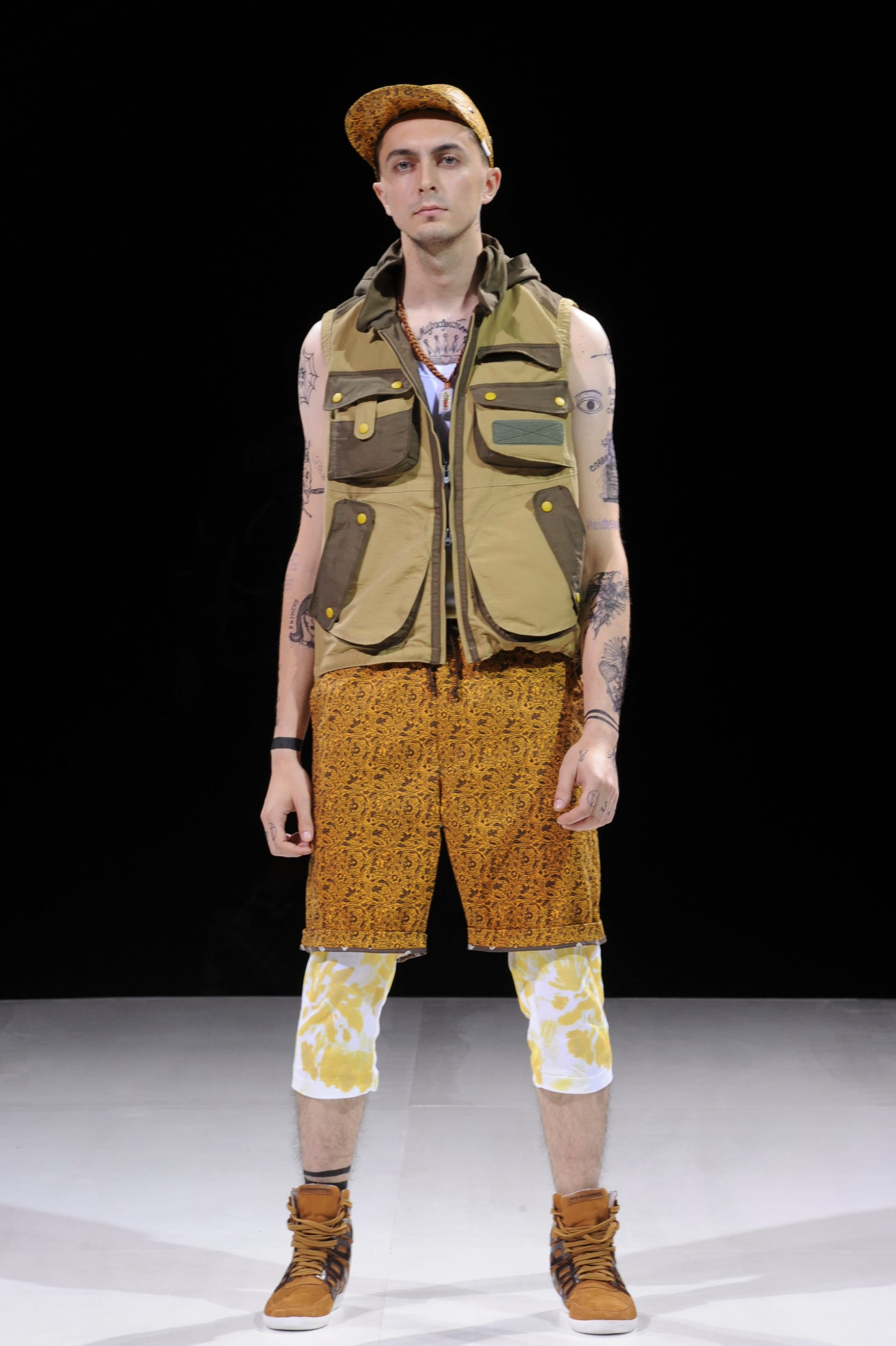
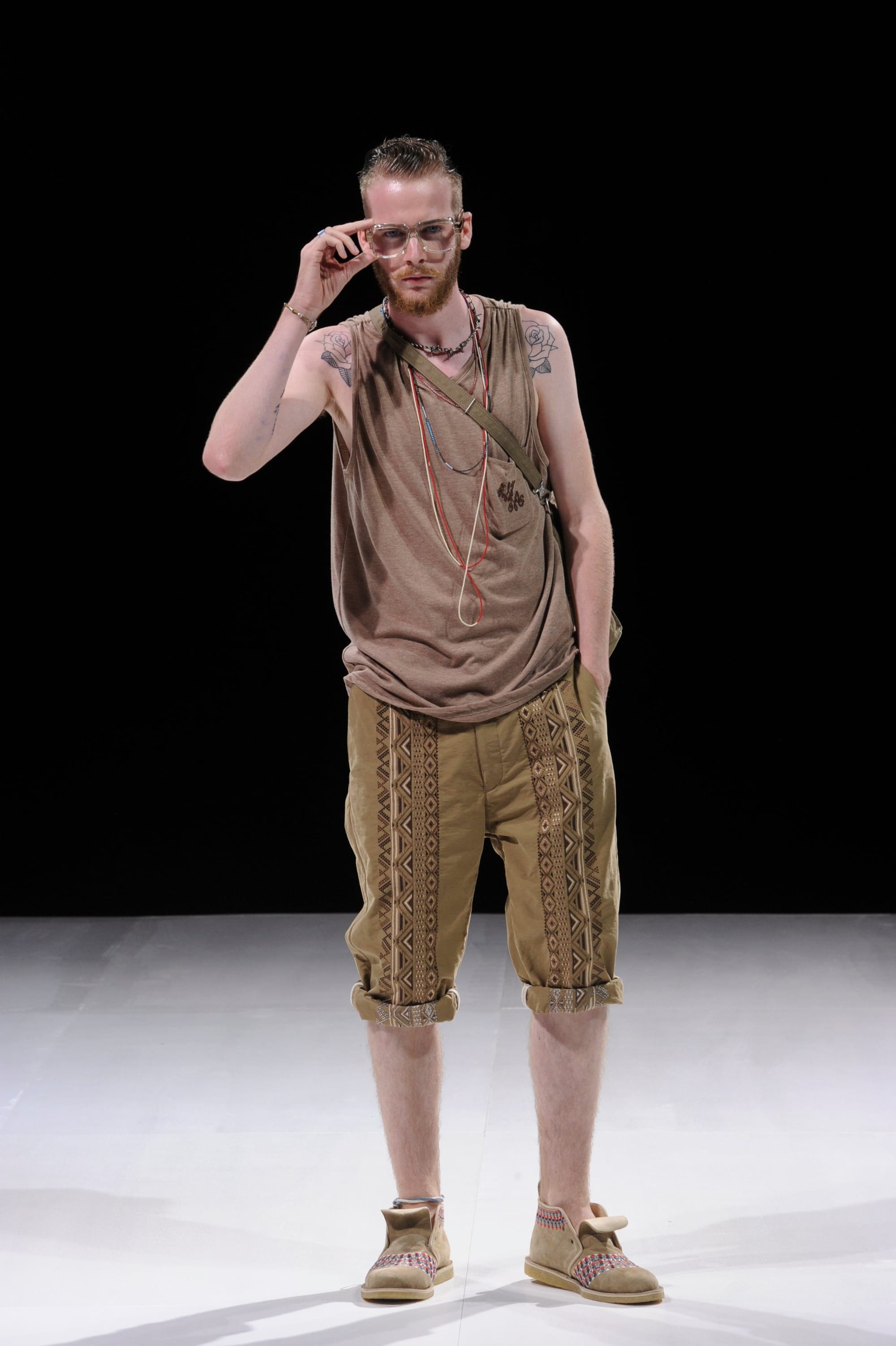
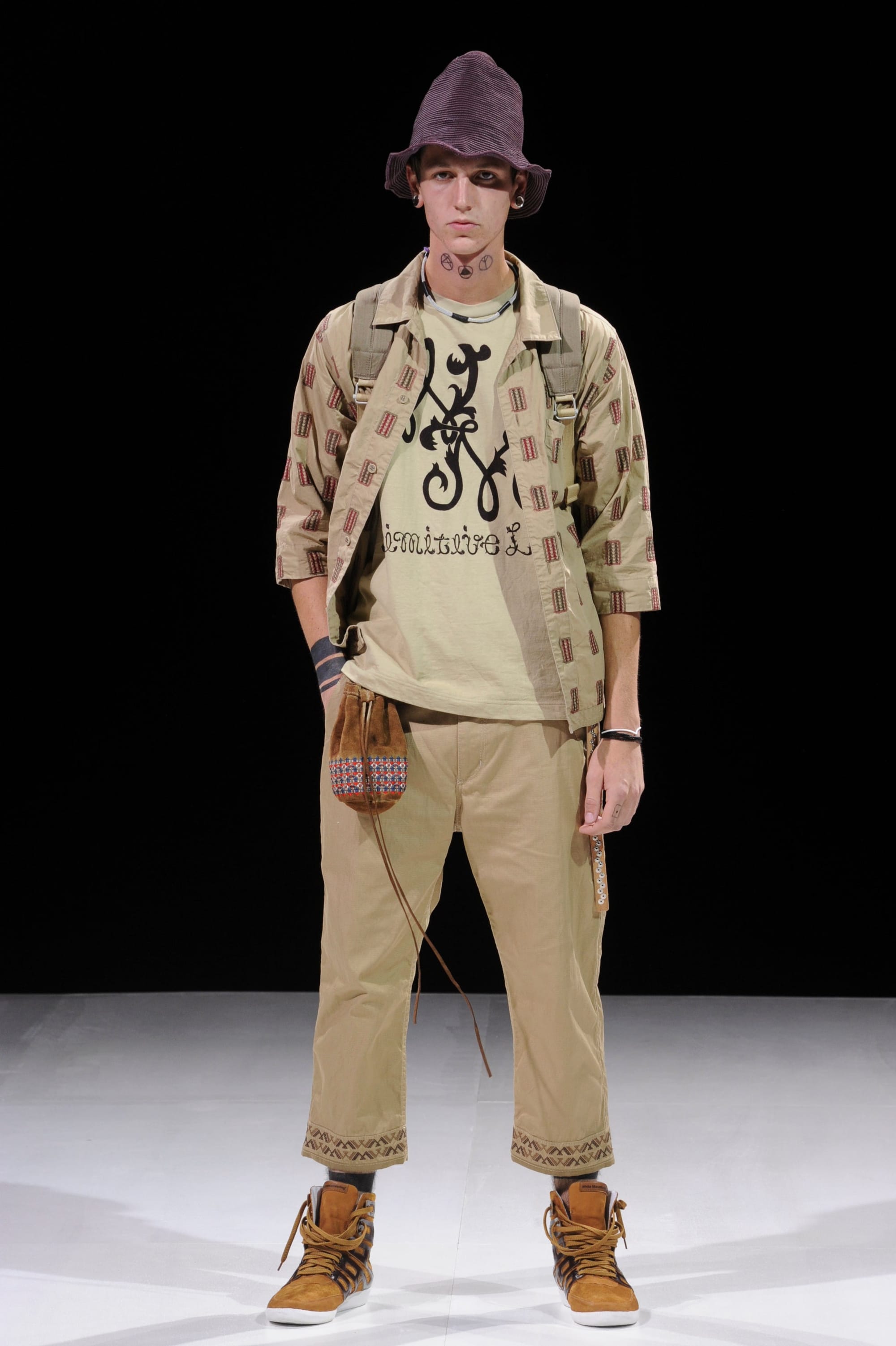
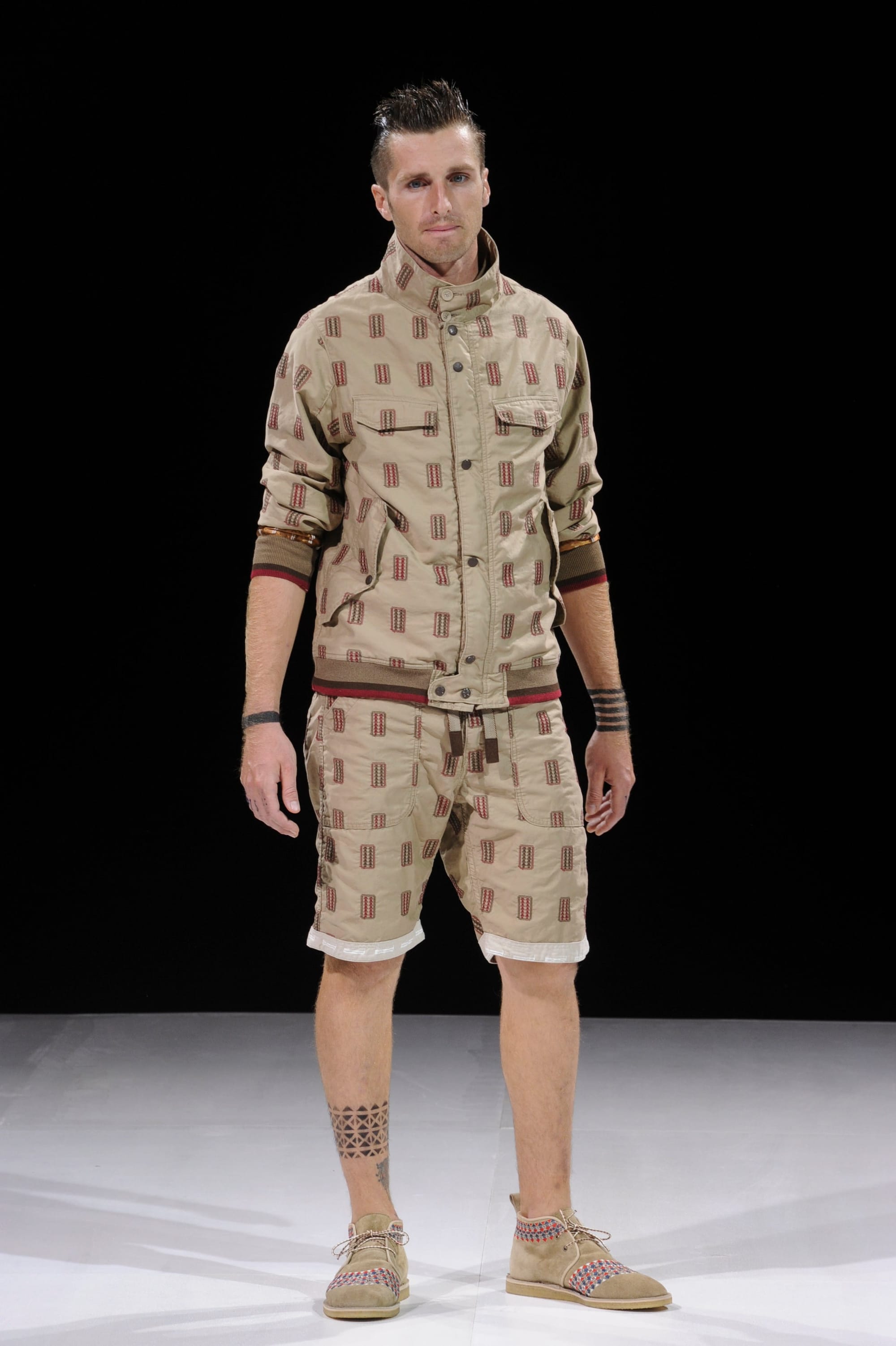
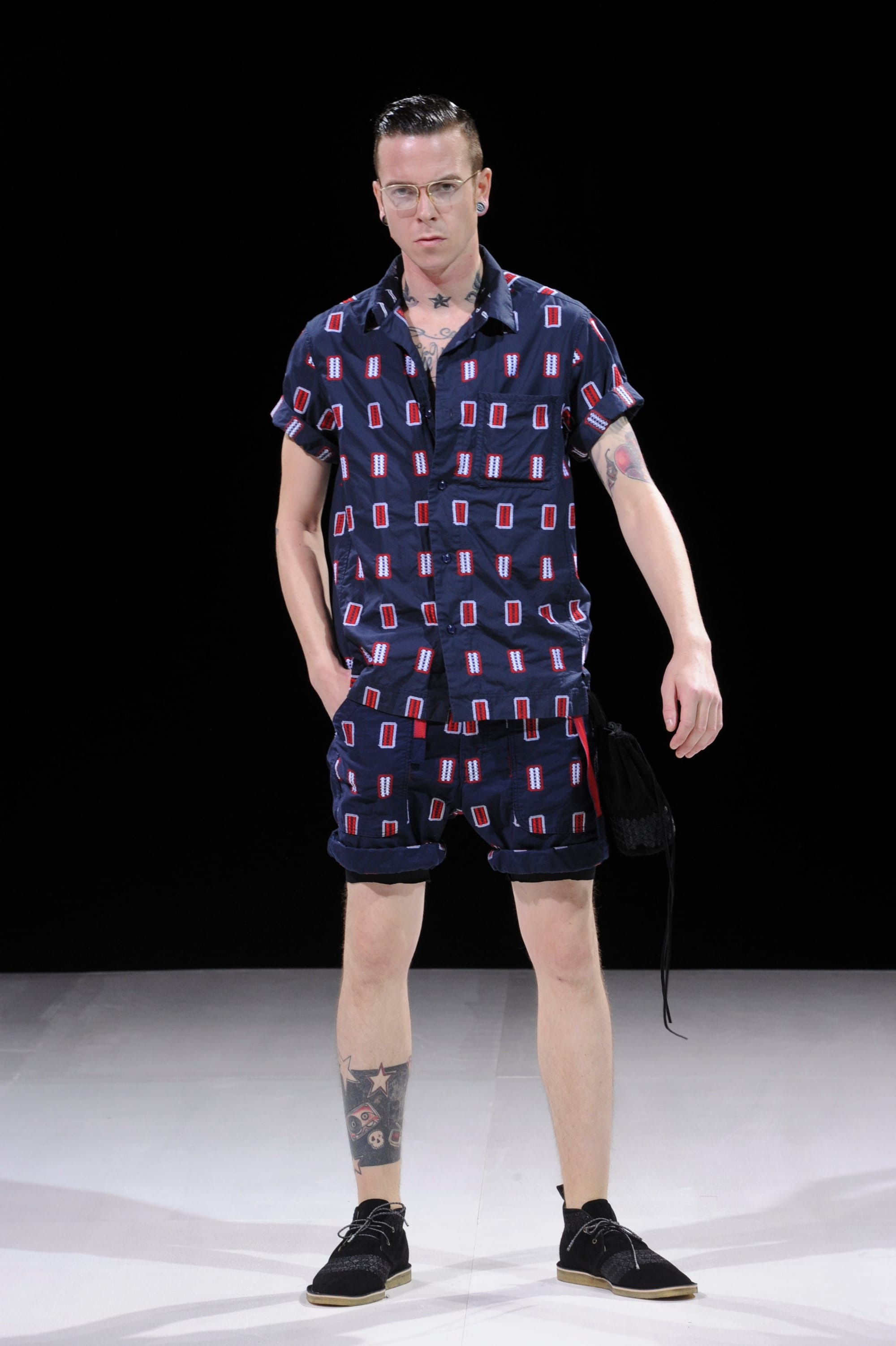
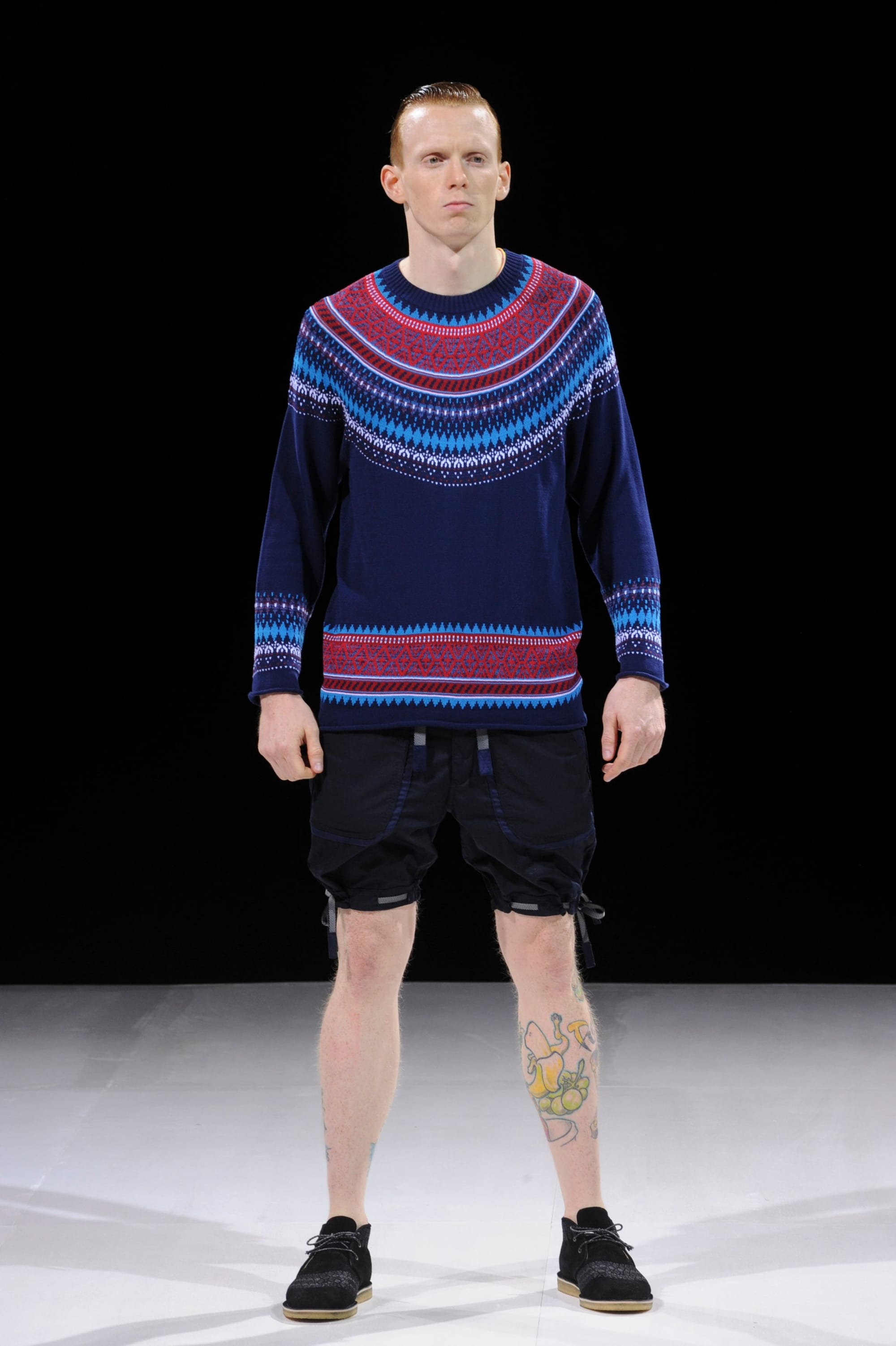
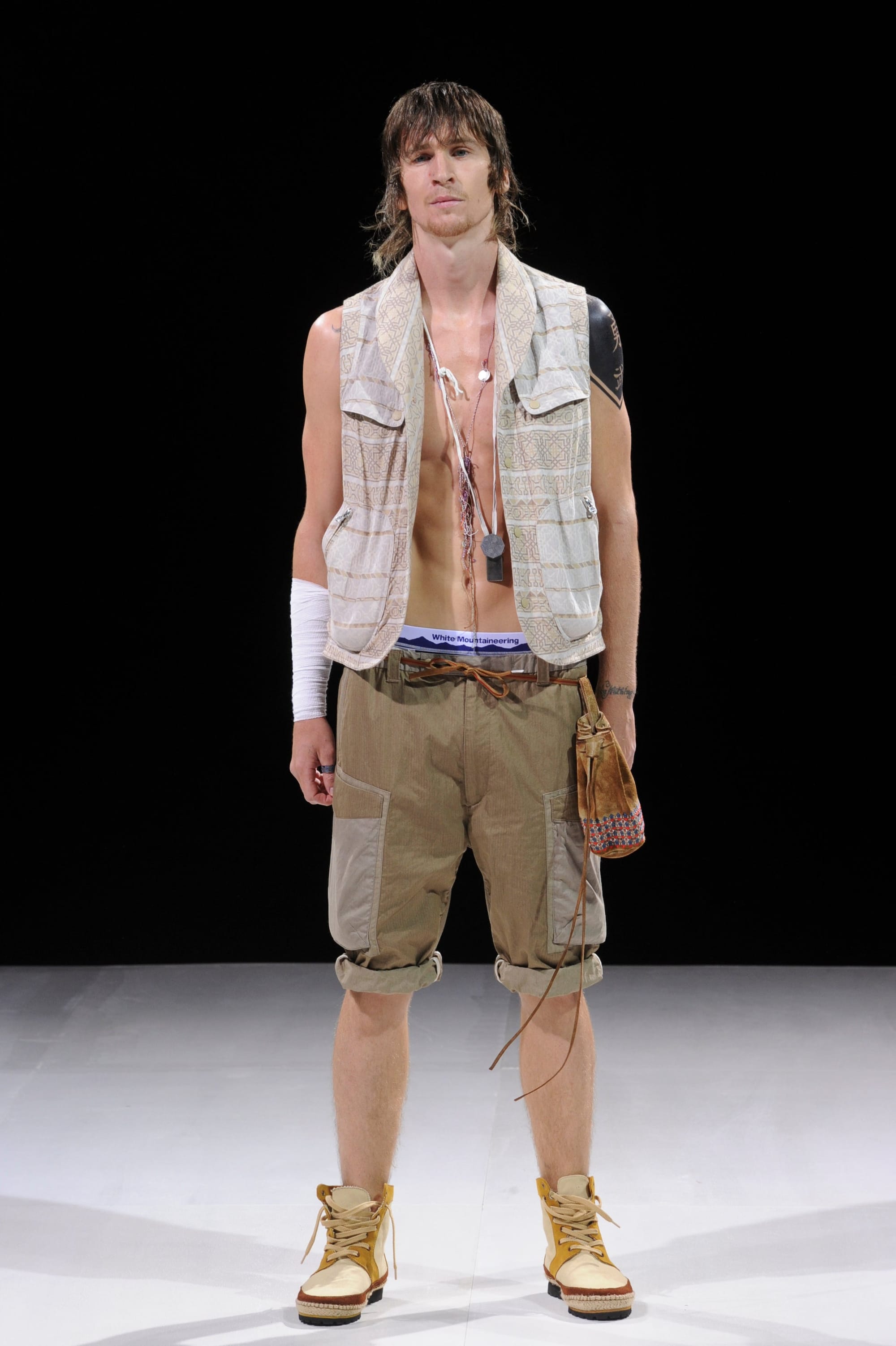
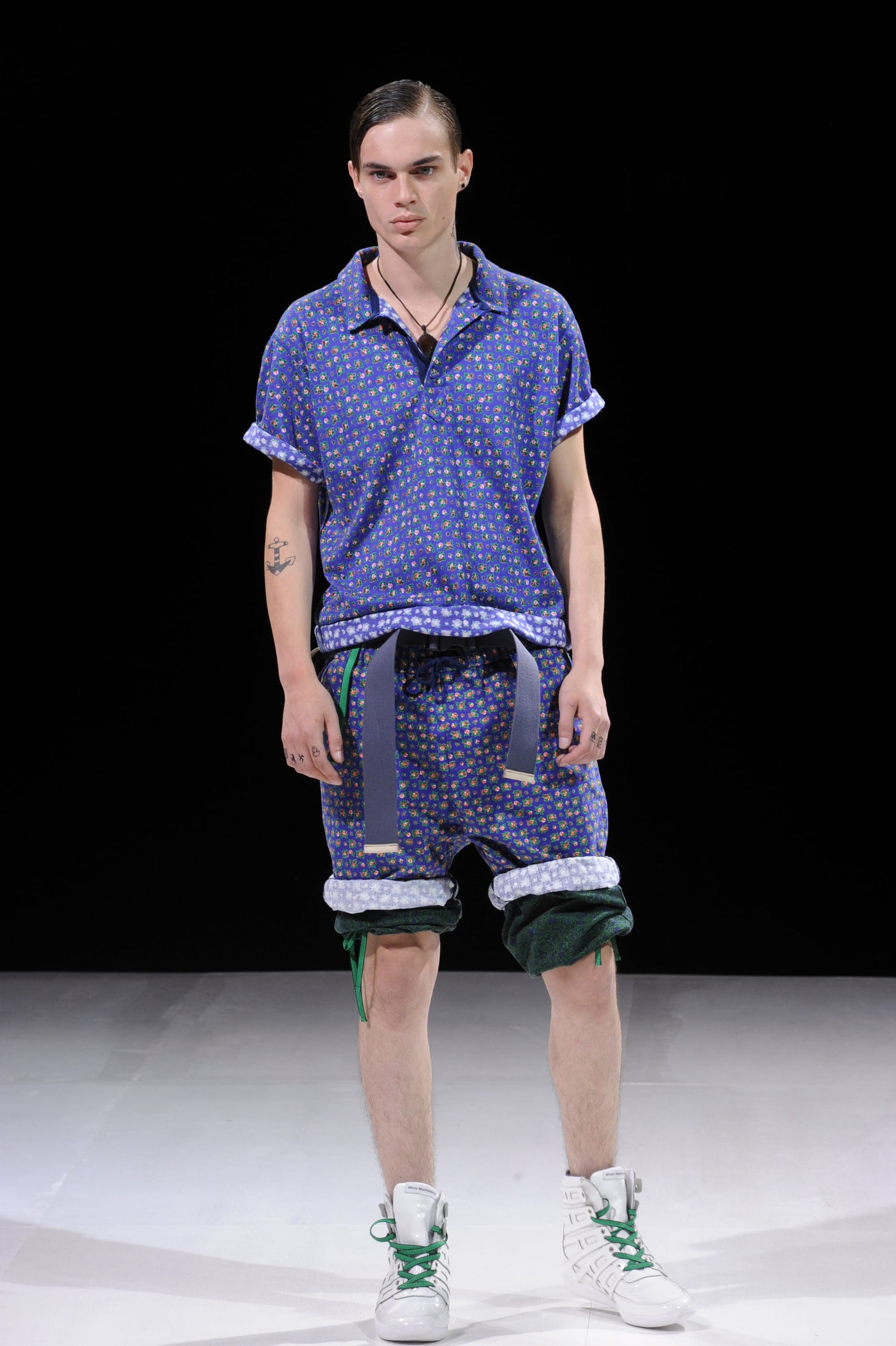
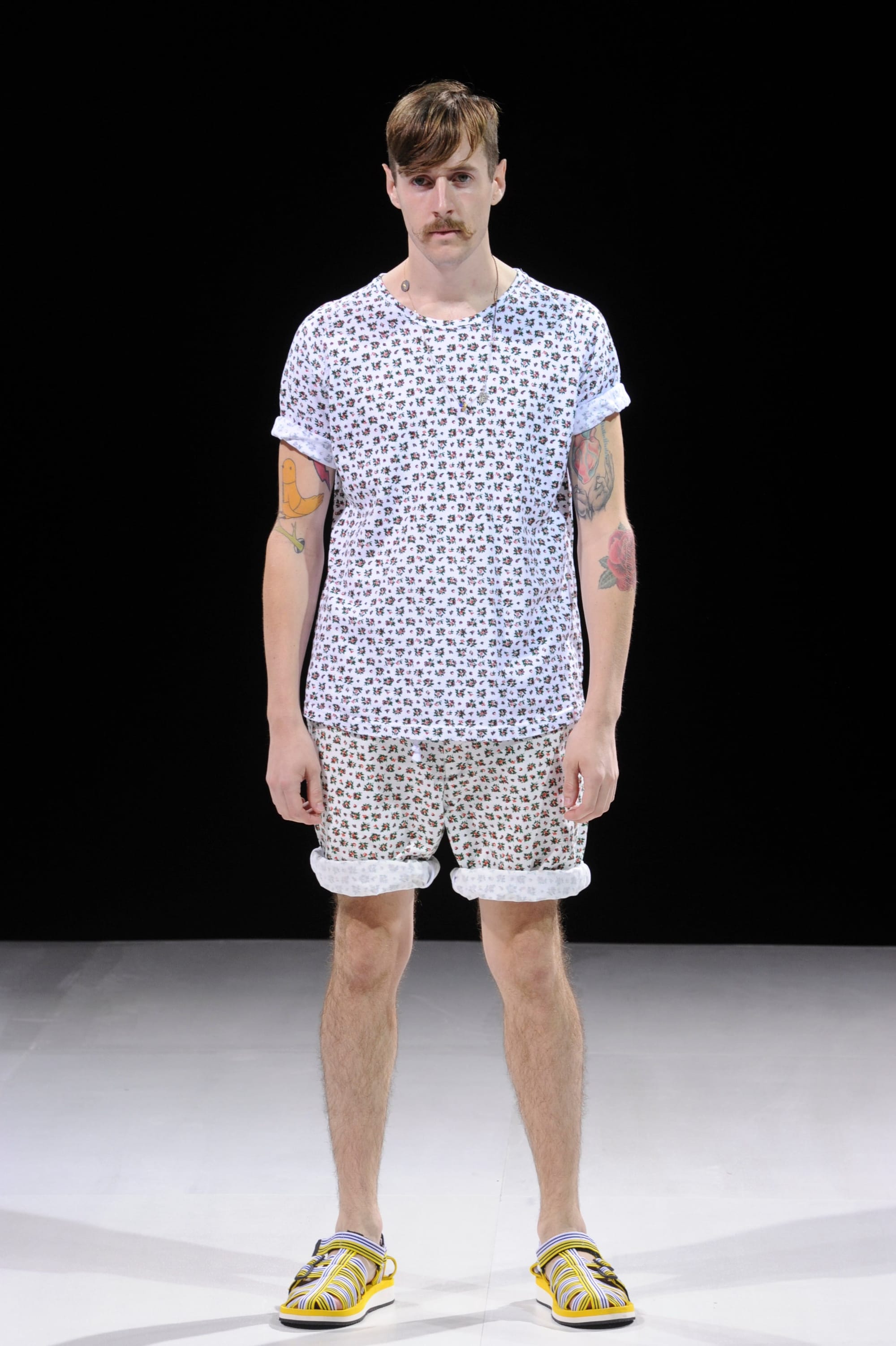
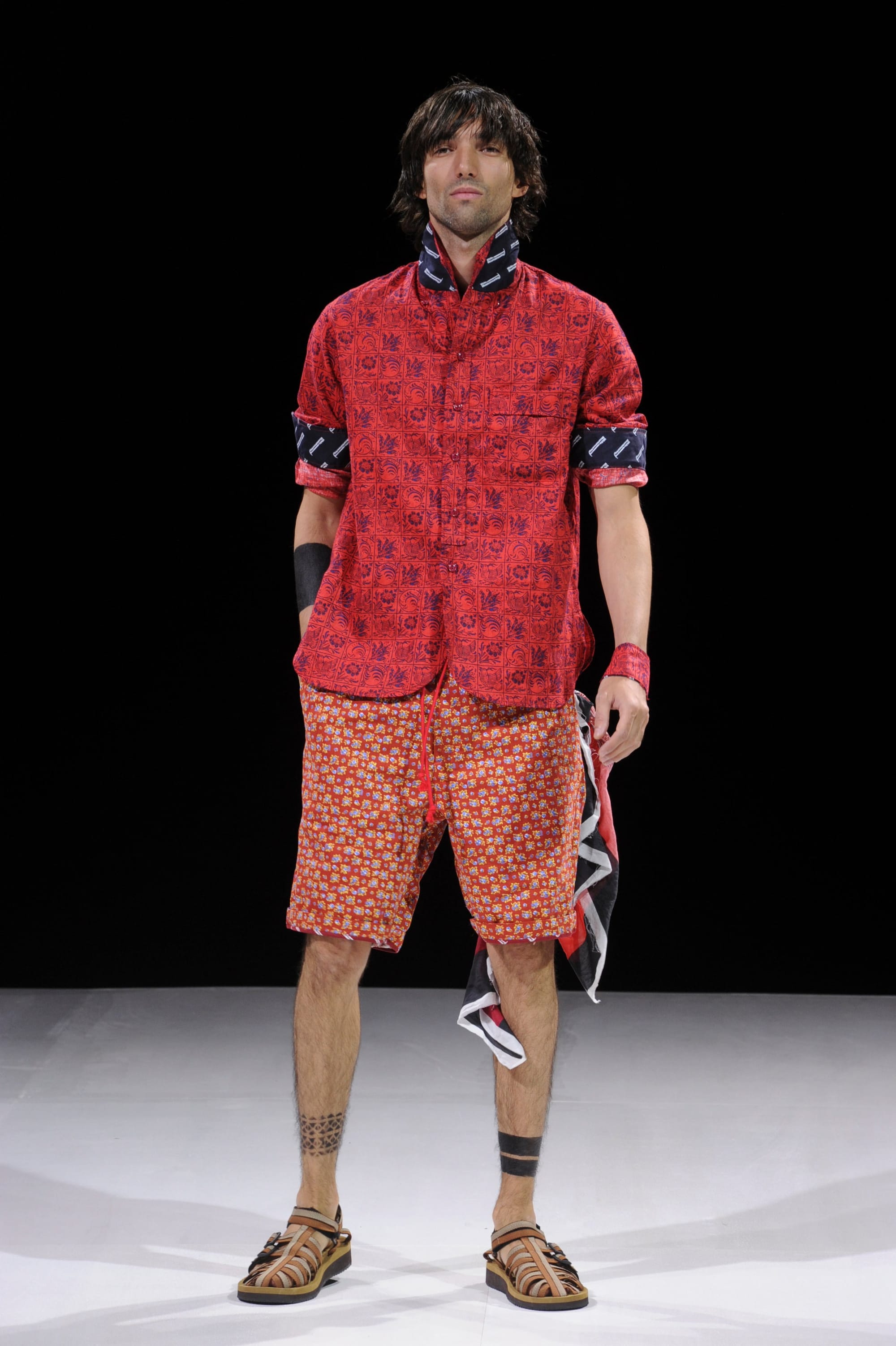
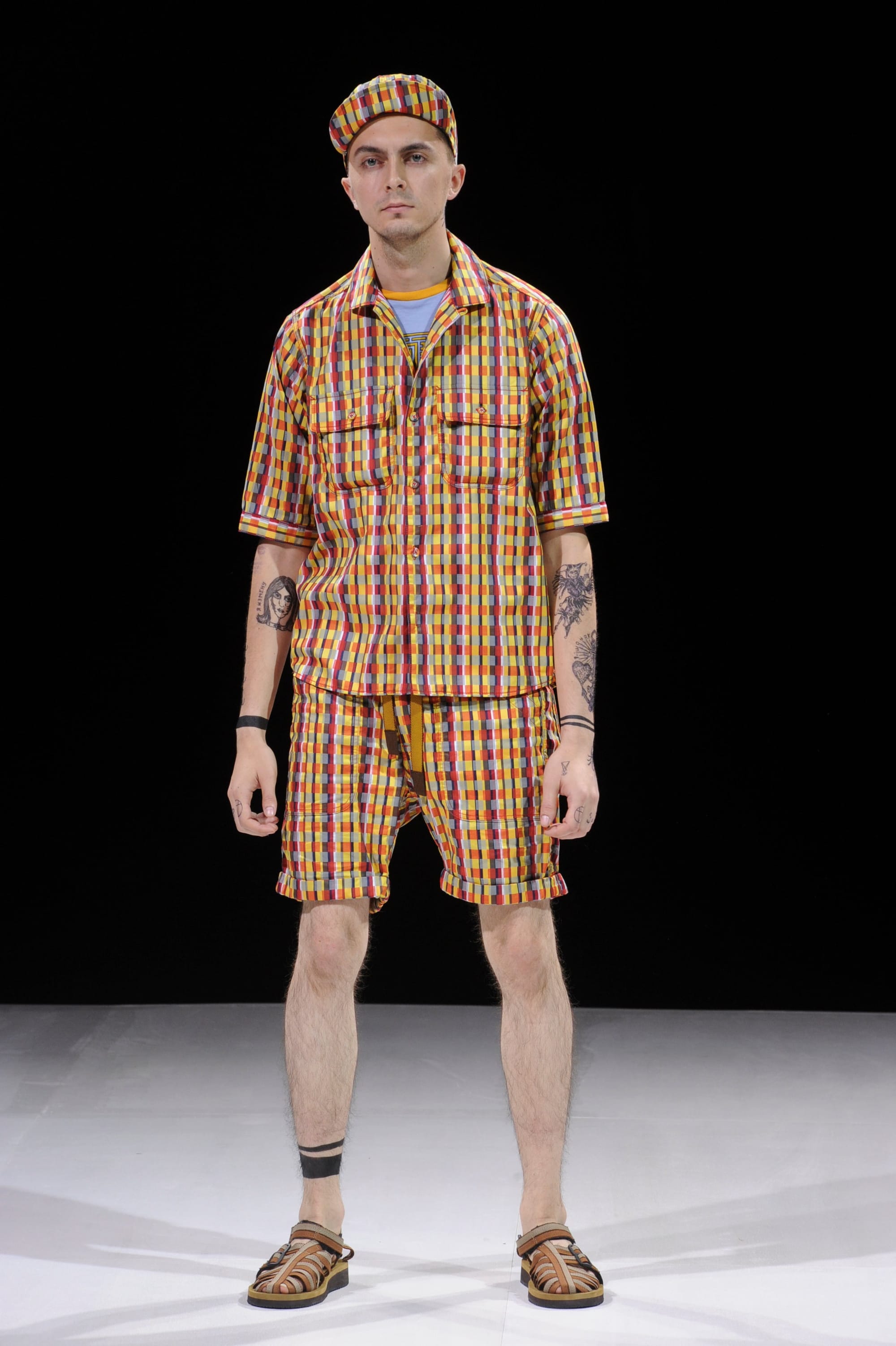
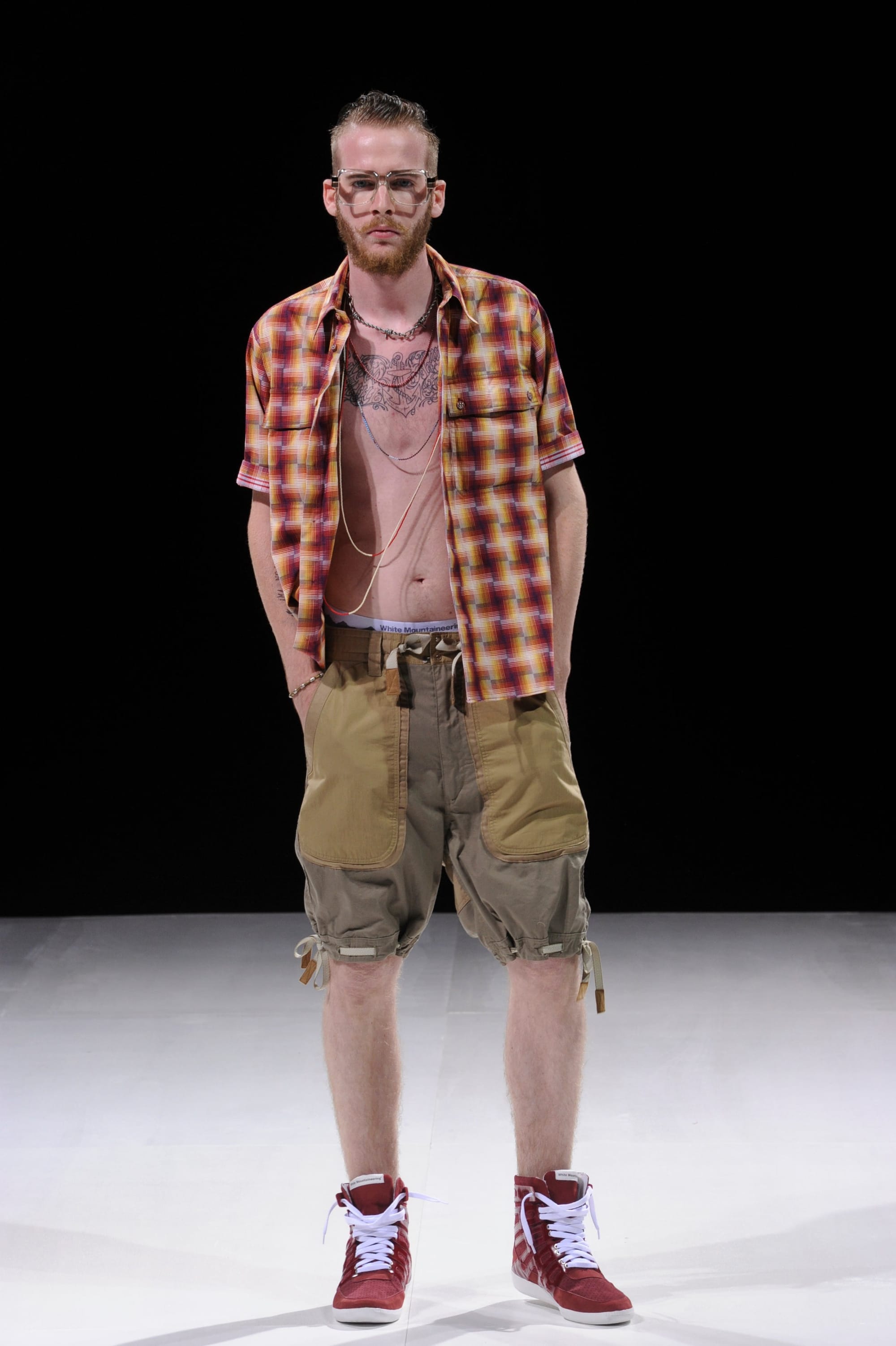
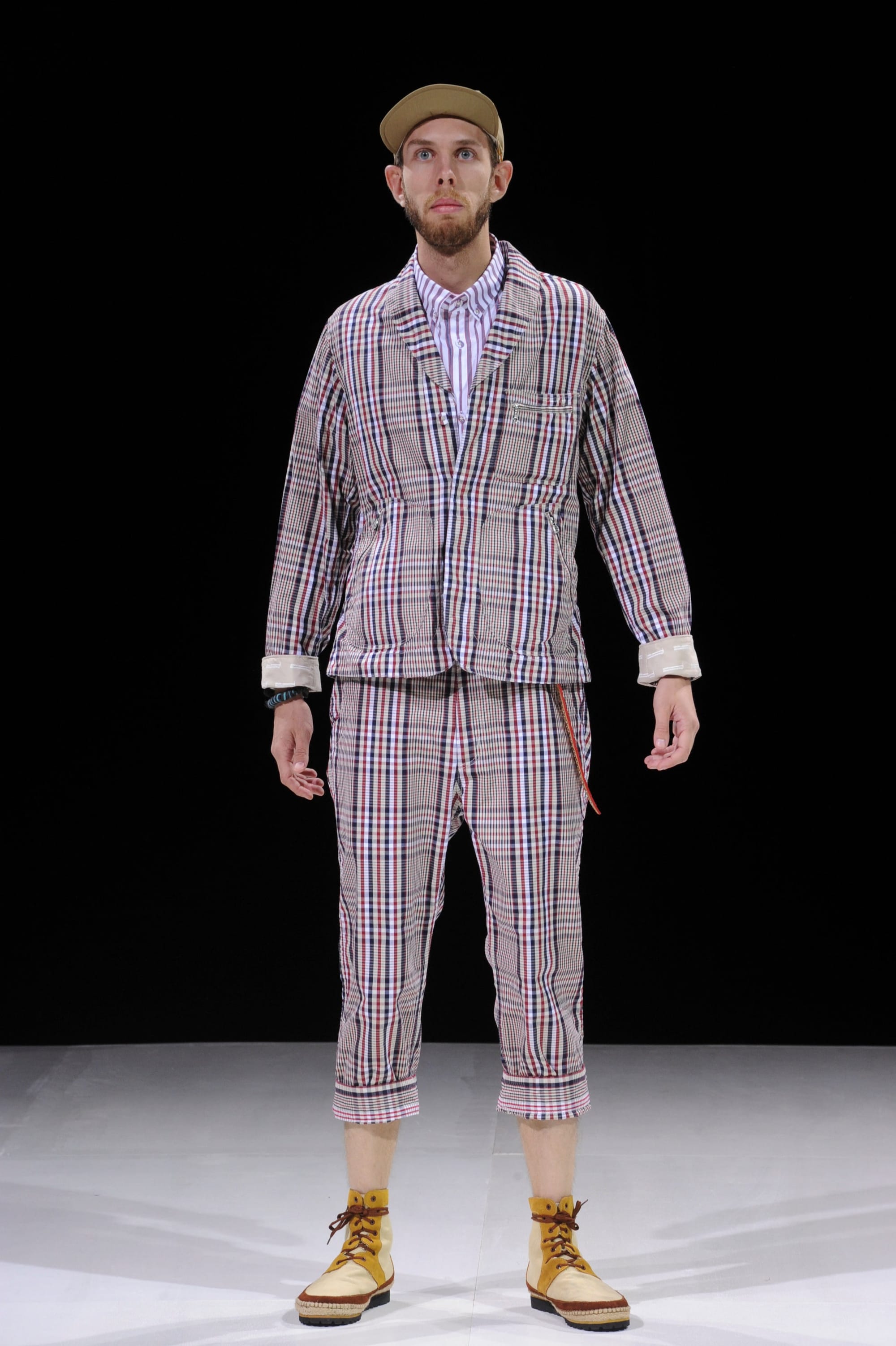
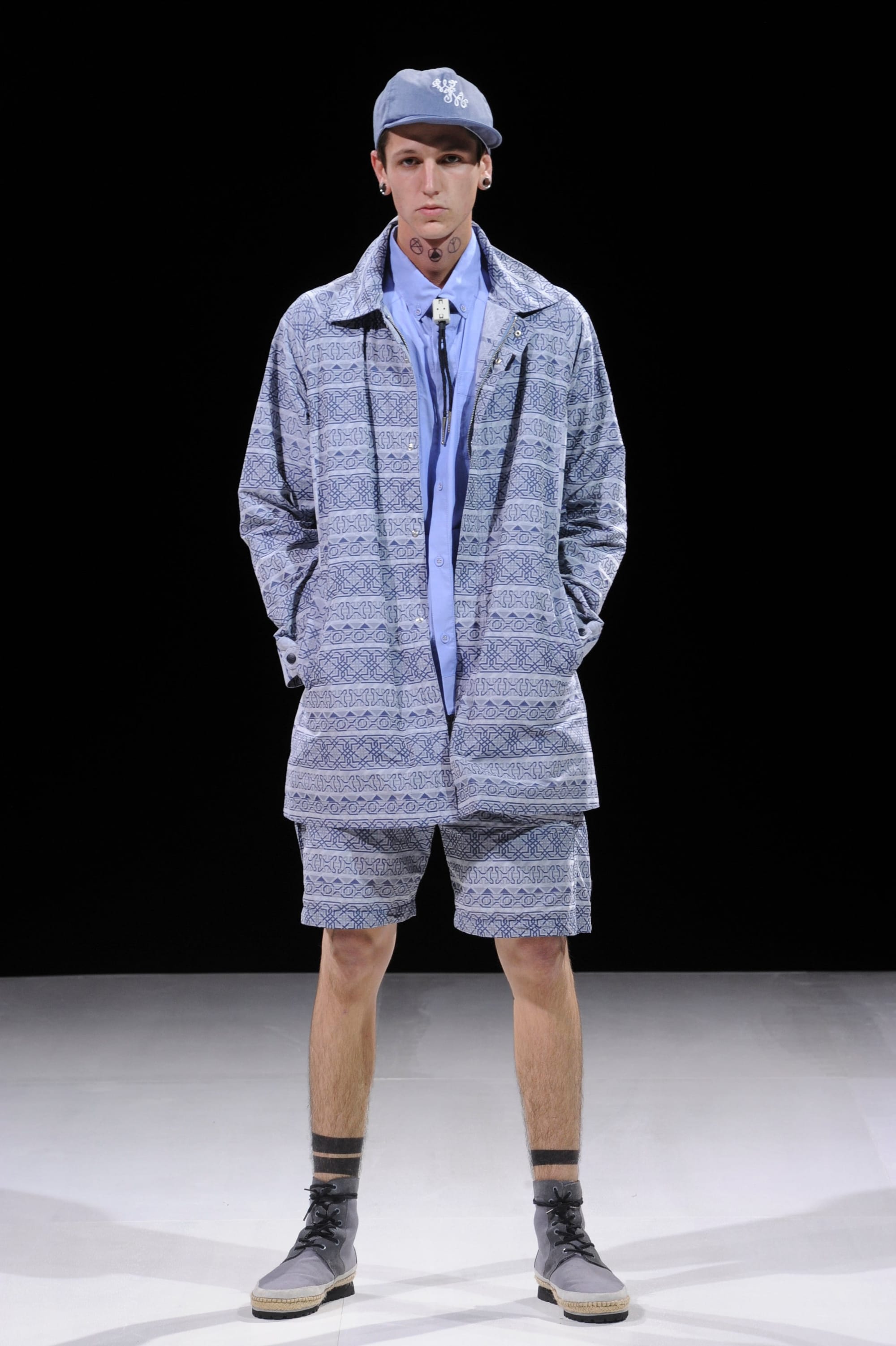
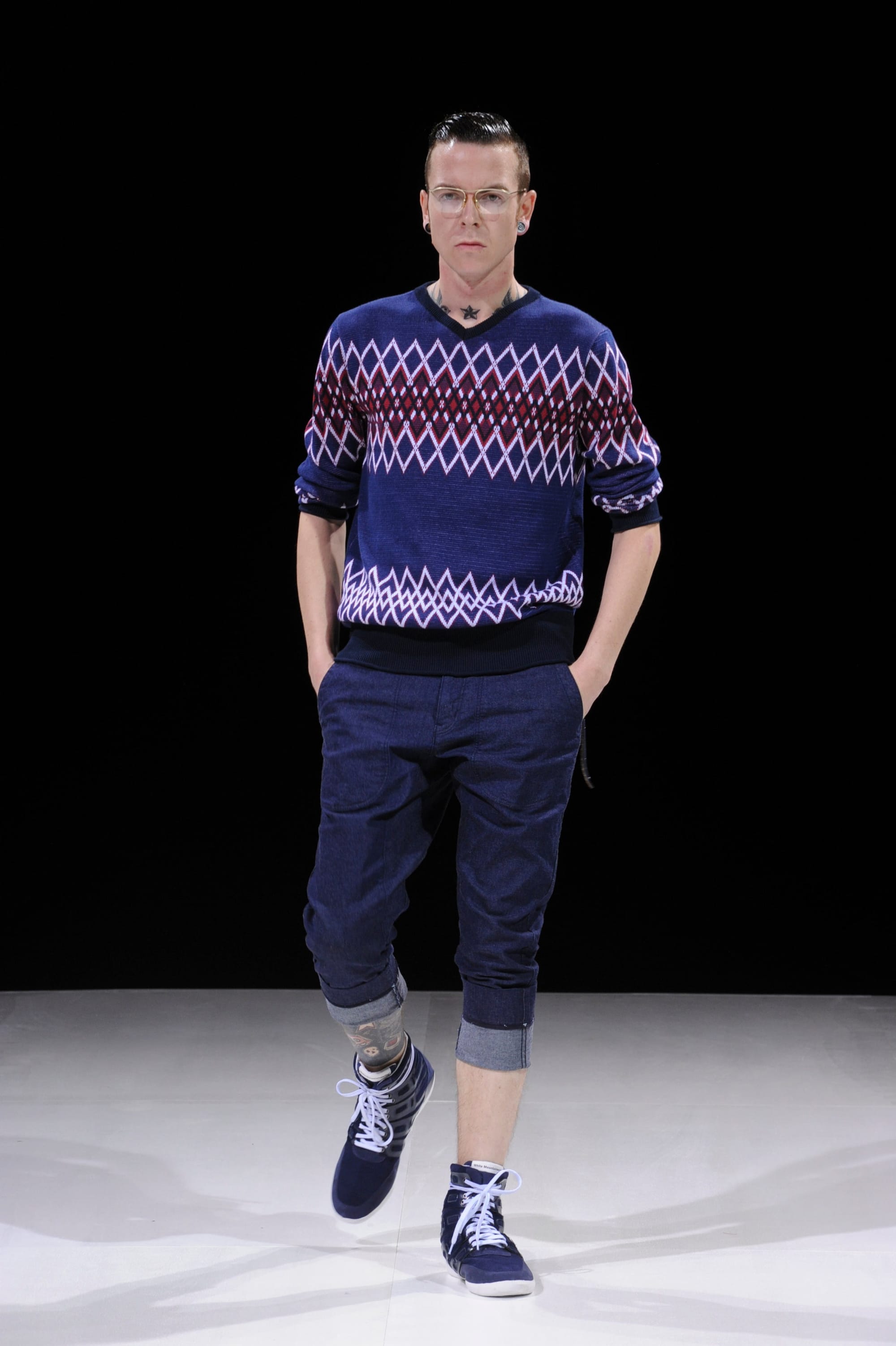
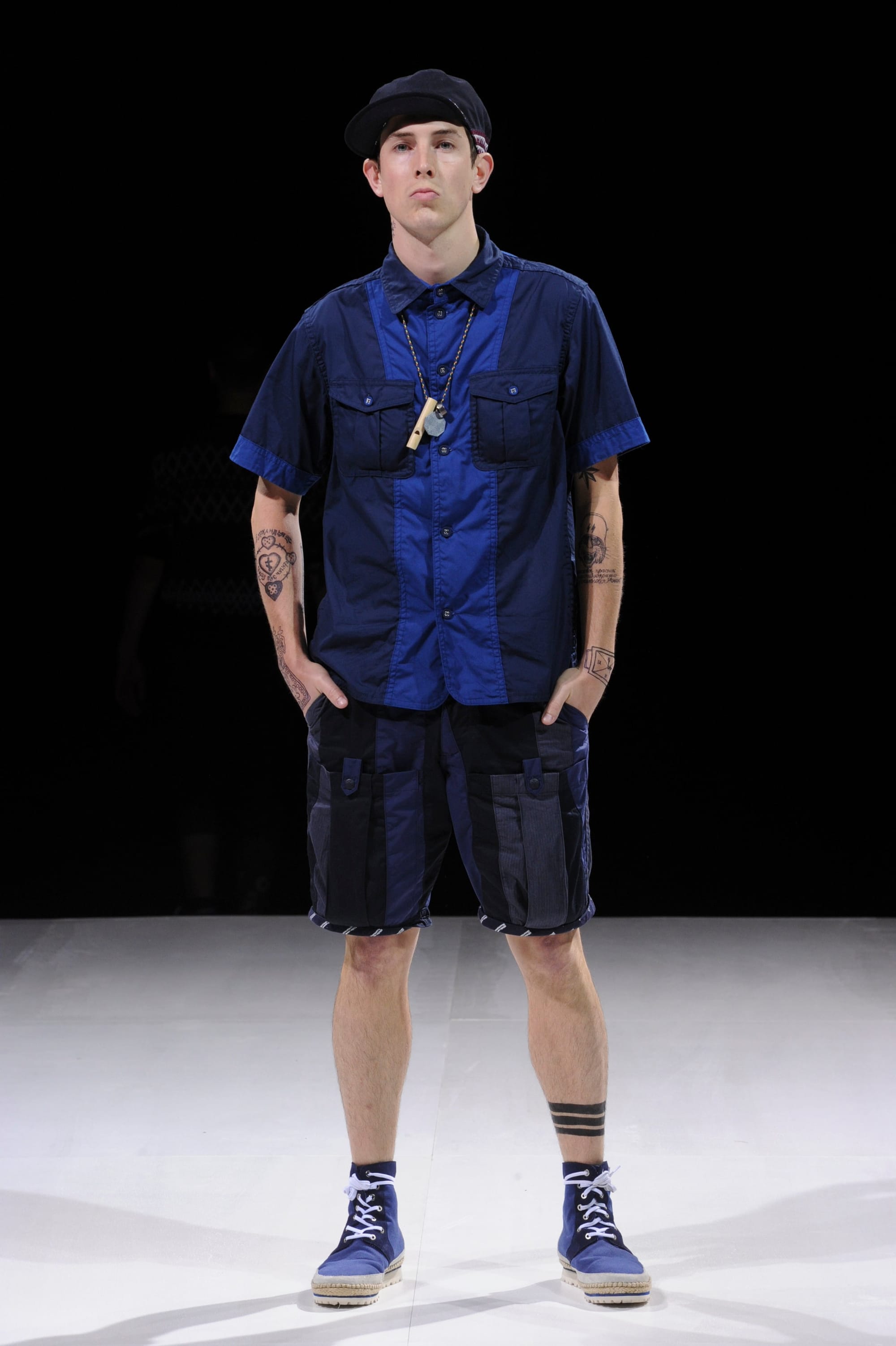
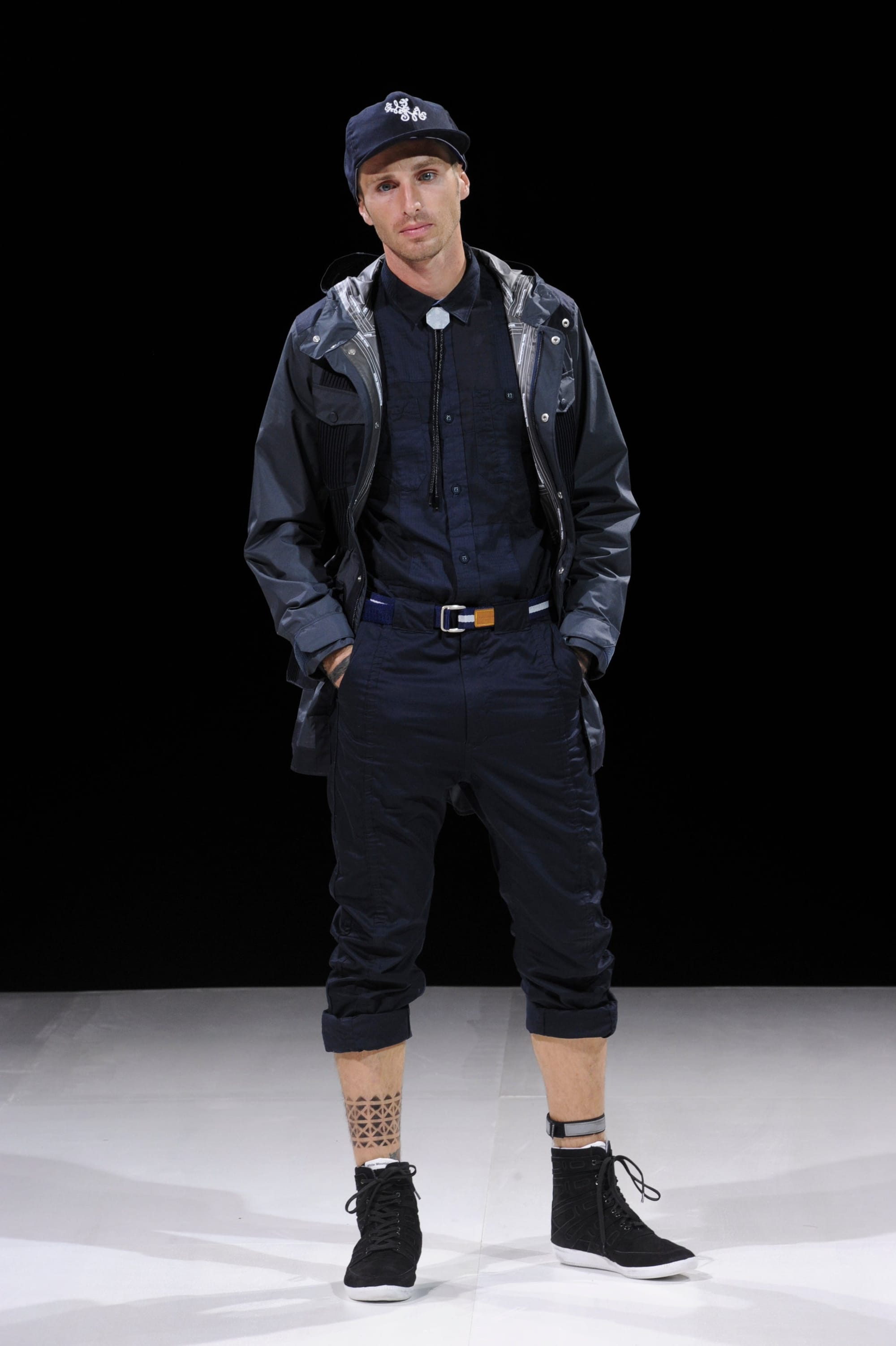
White Mountaineering's Spring/Summer 2011 collection, Primitive Line, carries ancient patterns and textiles with a primitive mood into contemporary menswear. The 33-look runway combines patterned tailoring, cropped trousers, layered utility pieces, knitwear, and technical outerwear.
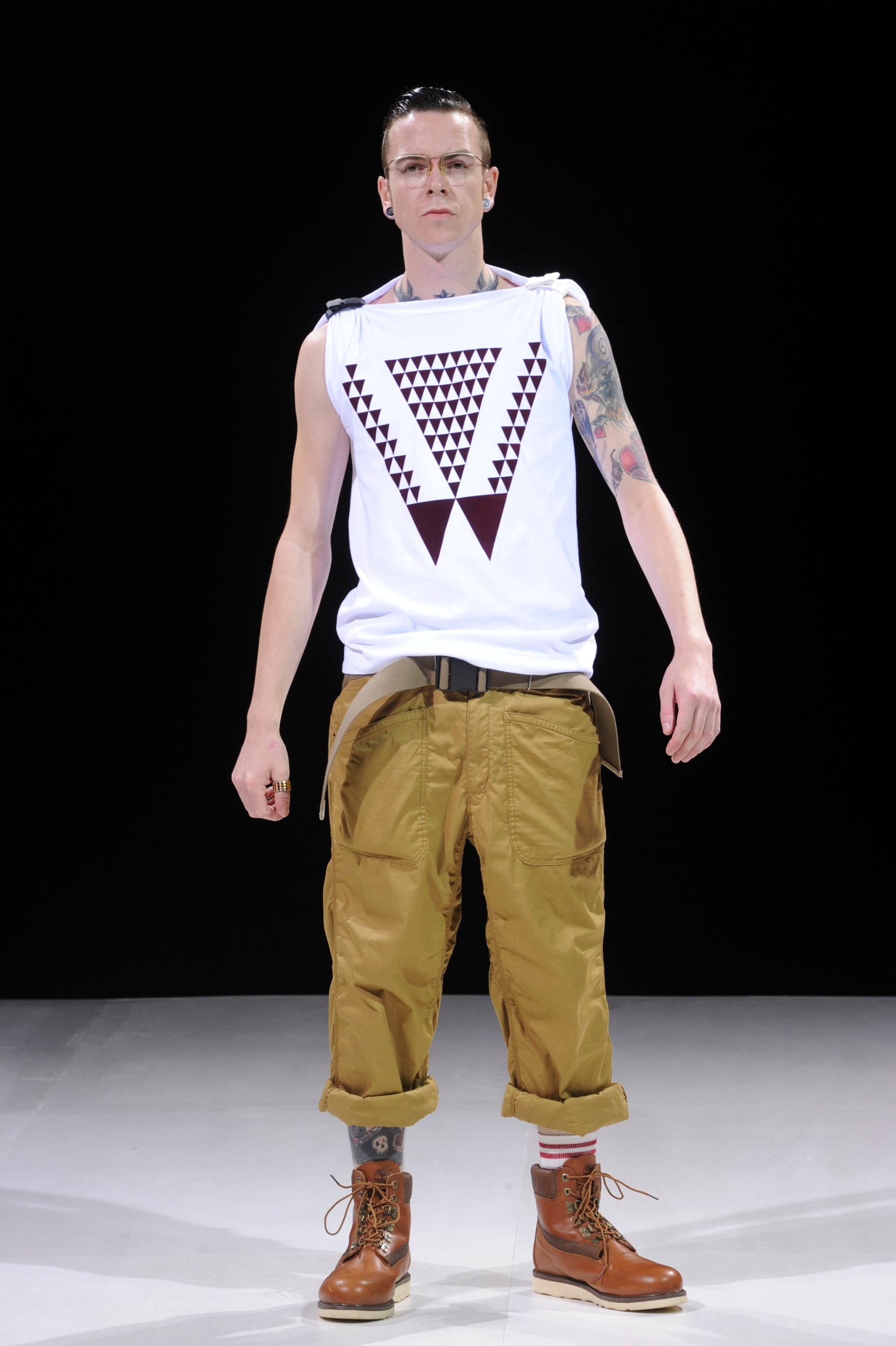
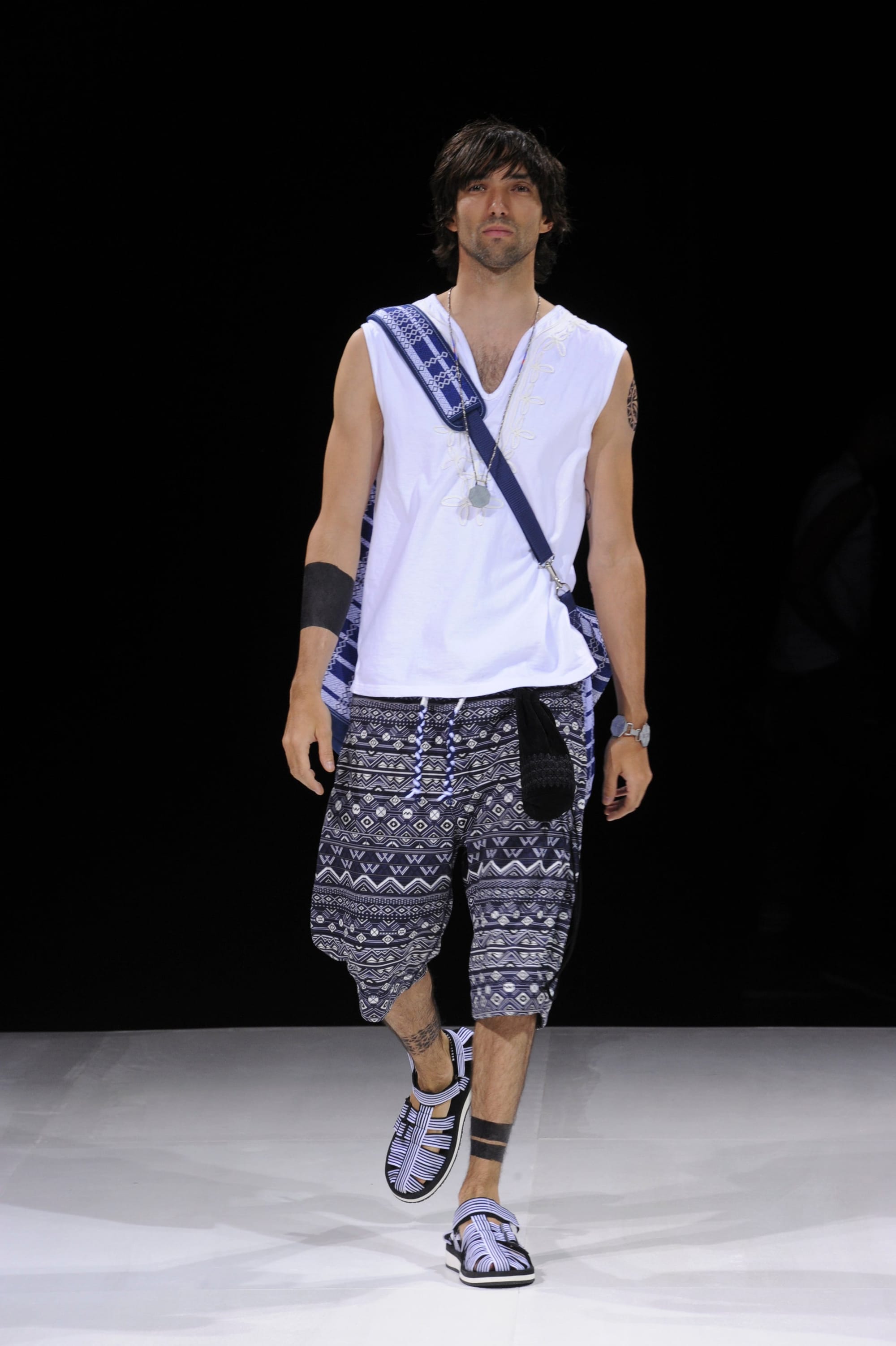
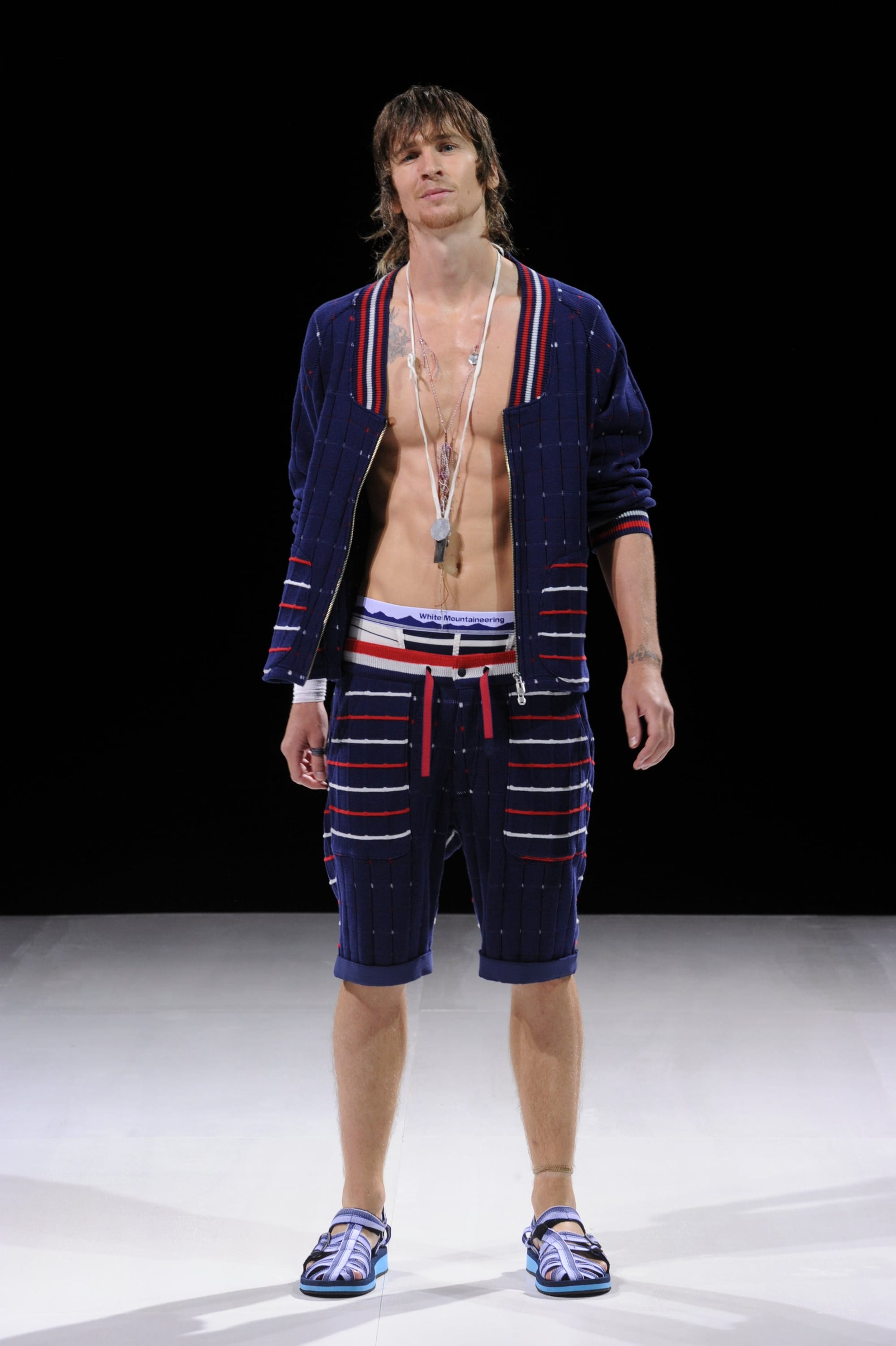
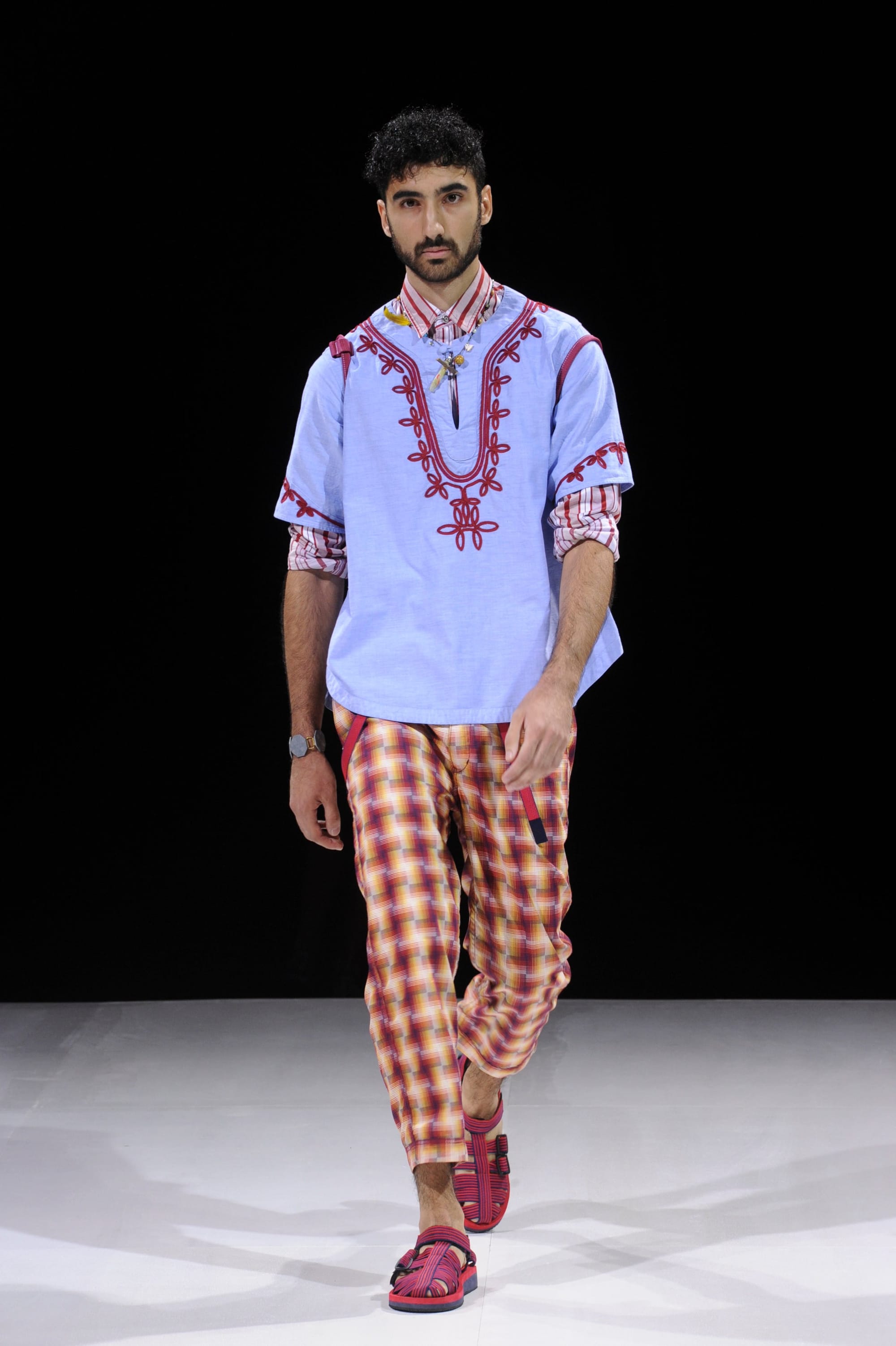
1996
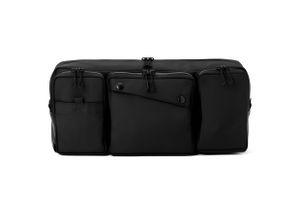
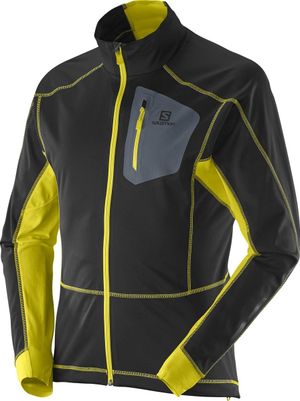
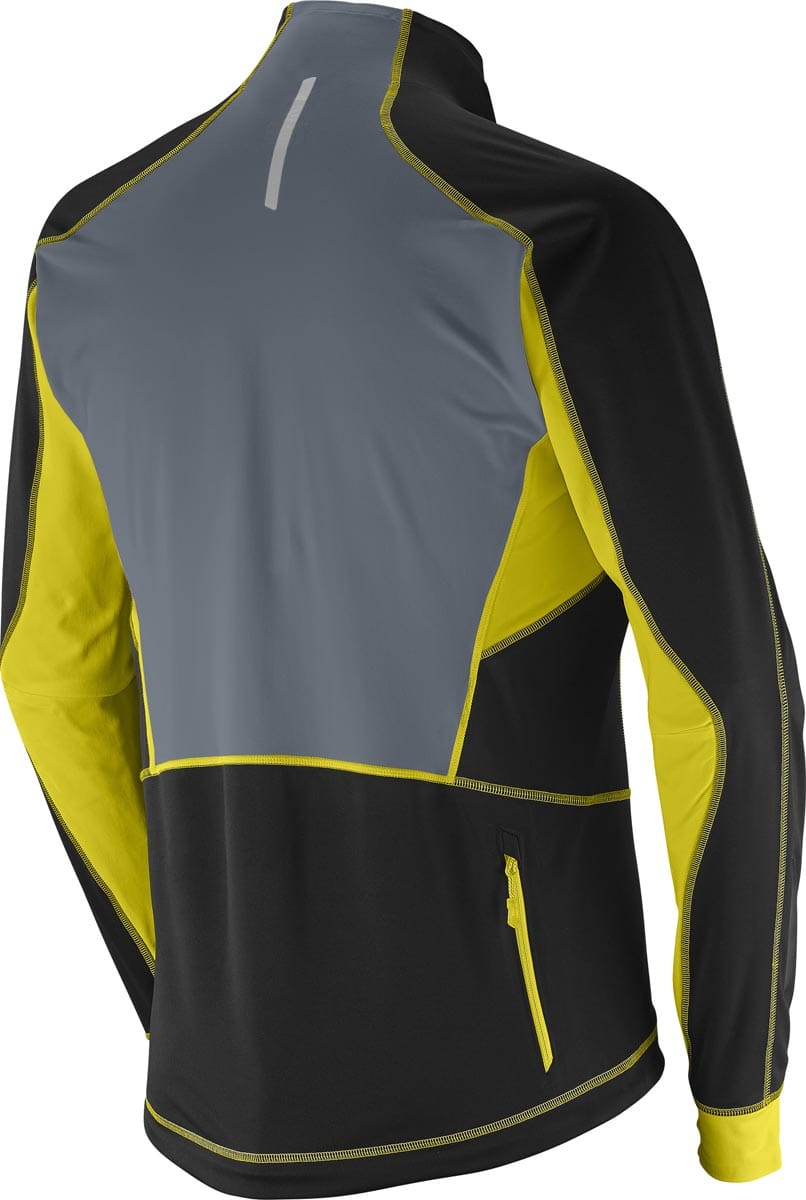
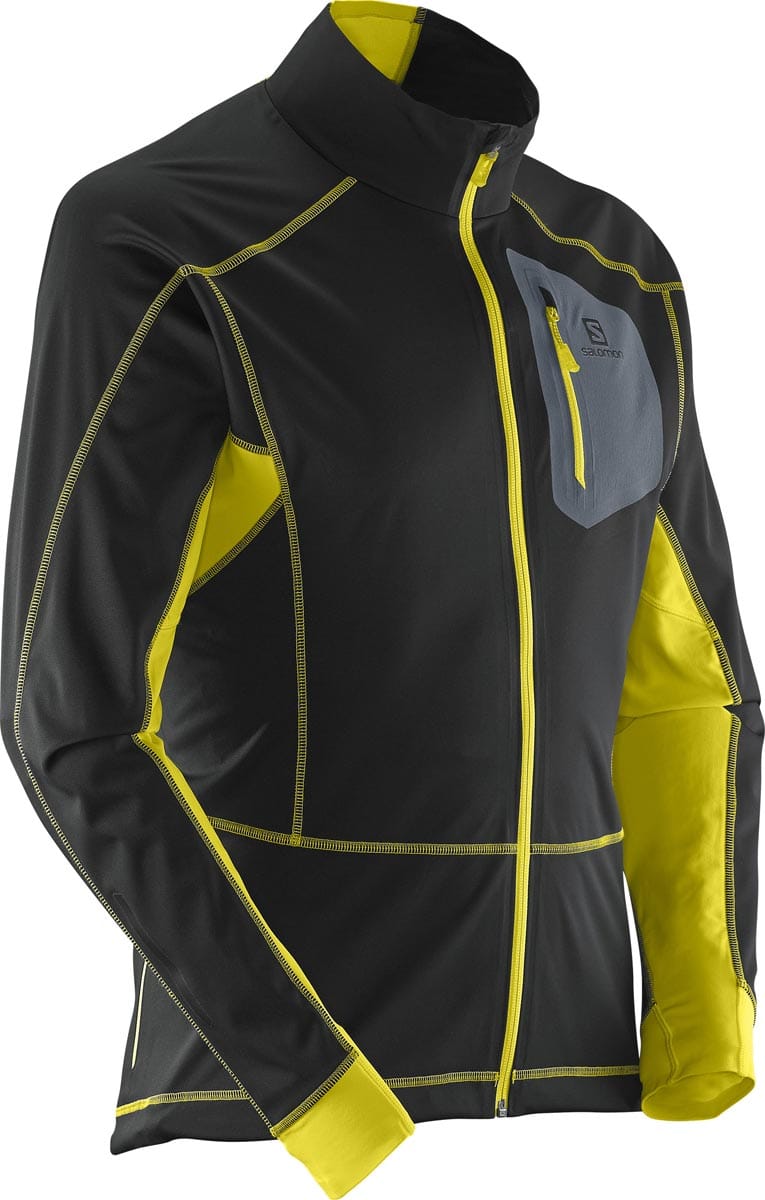
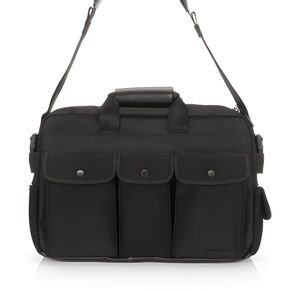

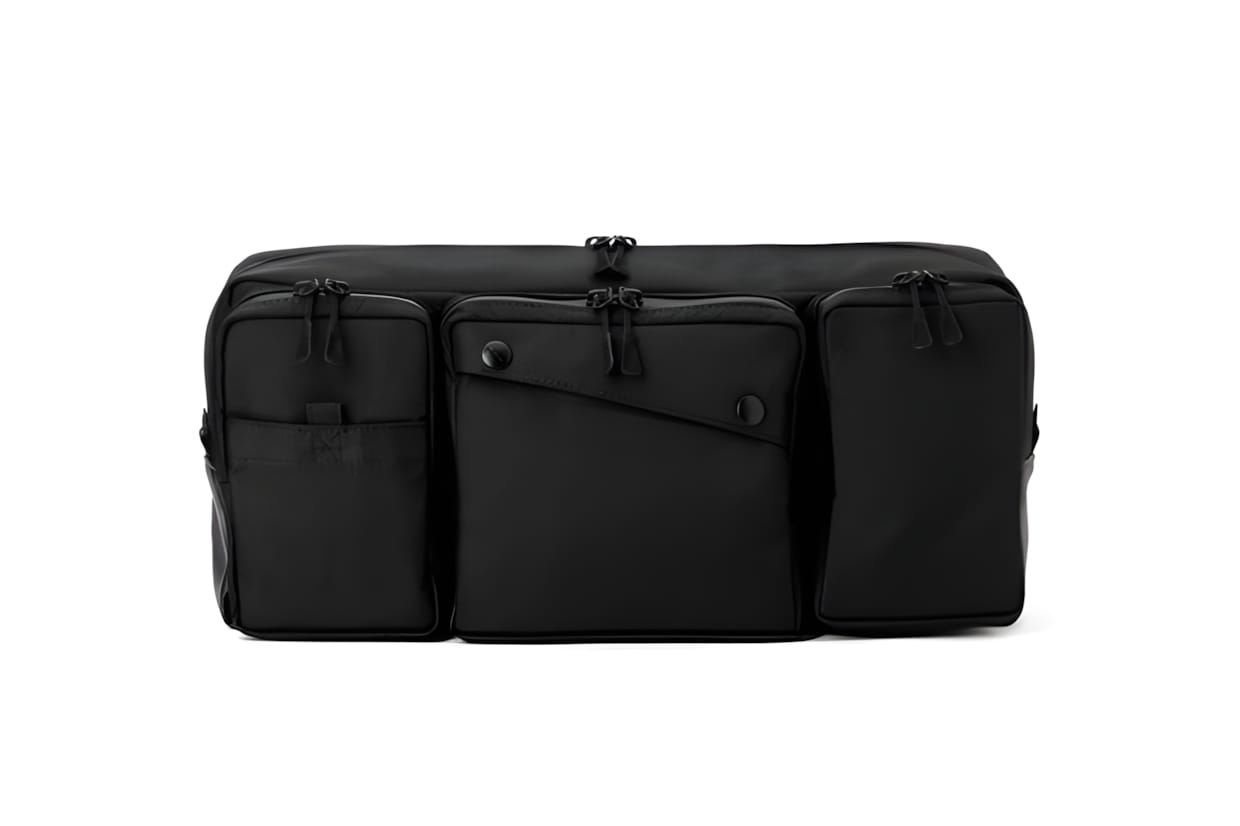
visvim's BALLISTIC CARRYALL, model VA0000340-01, combines a black ballistic-nylon body with a horsehide base. An independent surviving example measures approximately 50 × 28 × 19 cm.
Twin carry handles, a removable padded shoulder strap, a full-width front zip pocket, and side D-rings define the travel-bag design. Inside, a pastel grid pocket carries the visvim and FREE INTERNATIONAL LABORATORY / CUBISM label.