Related_
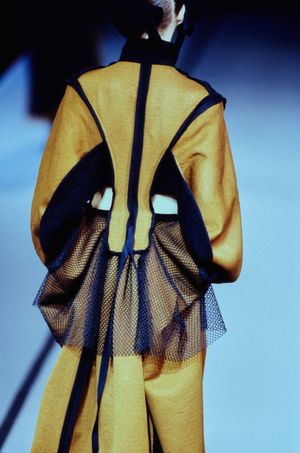
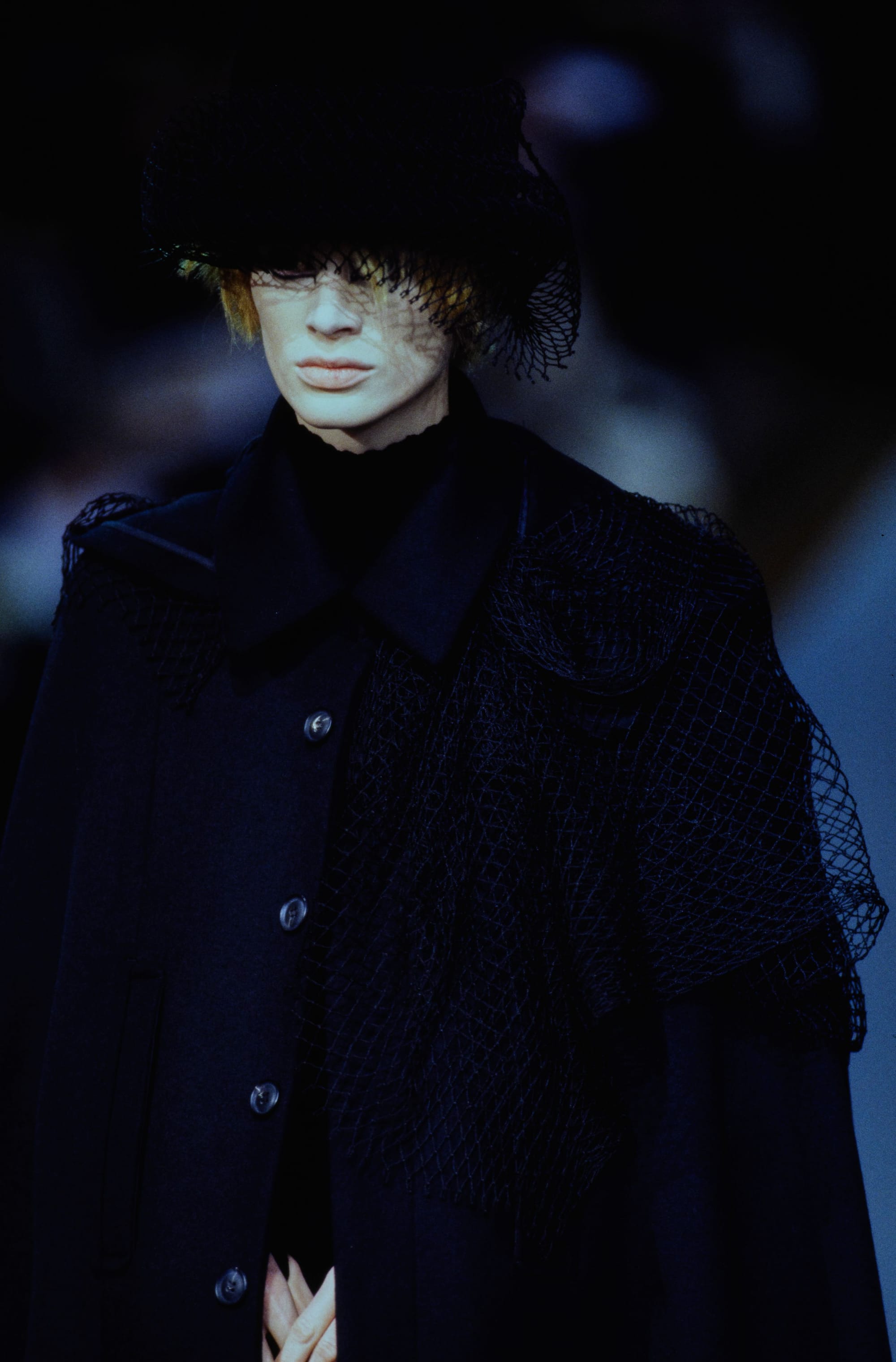
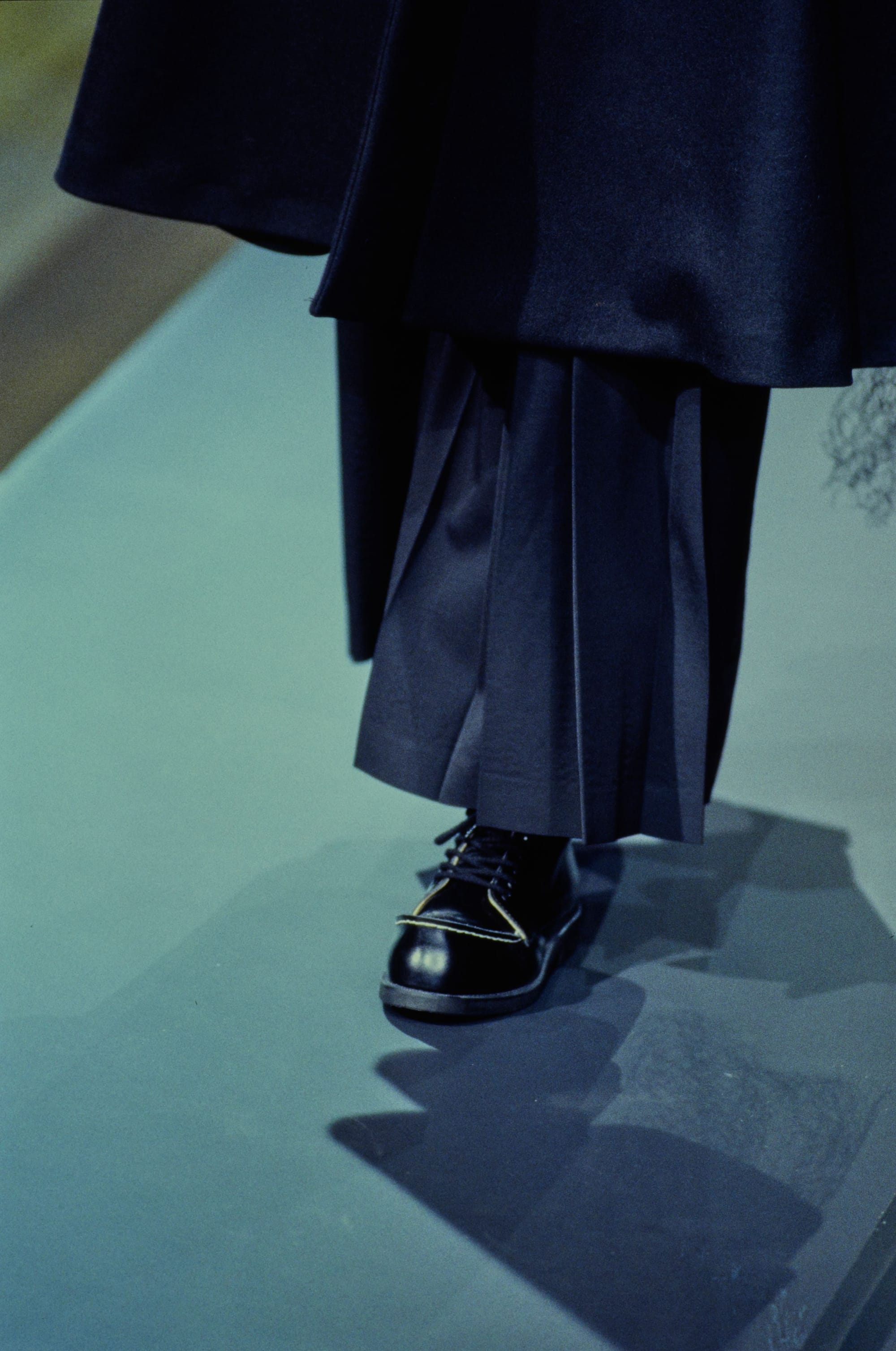
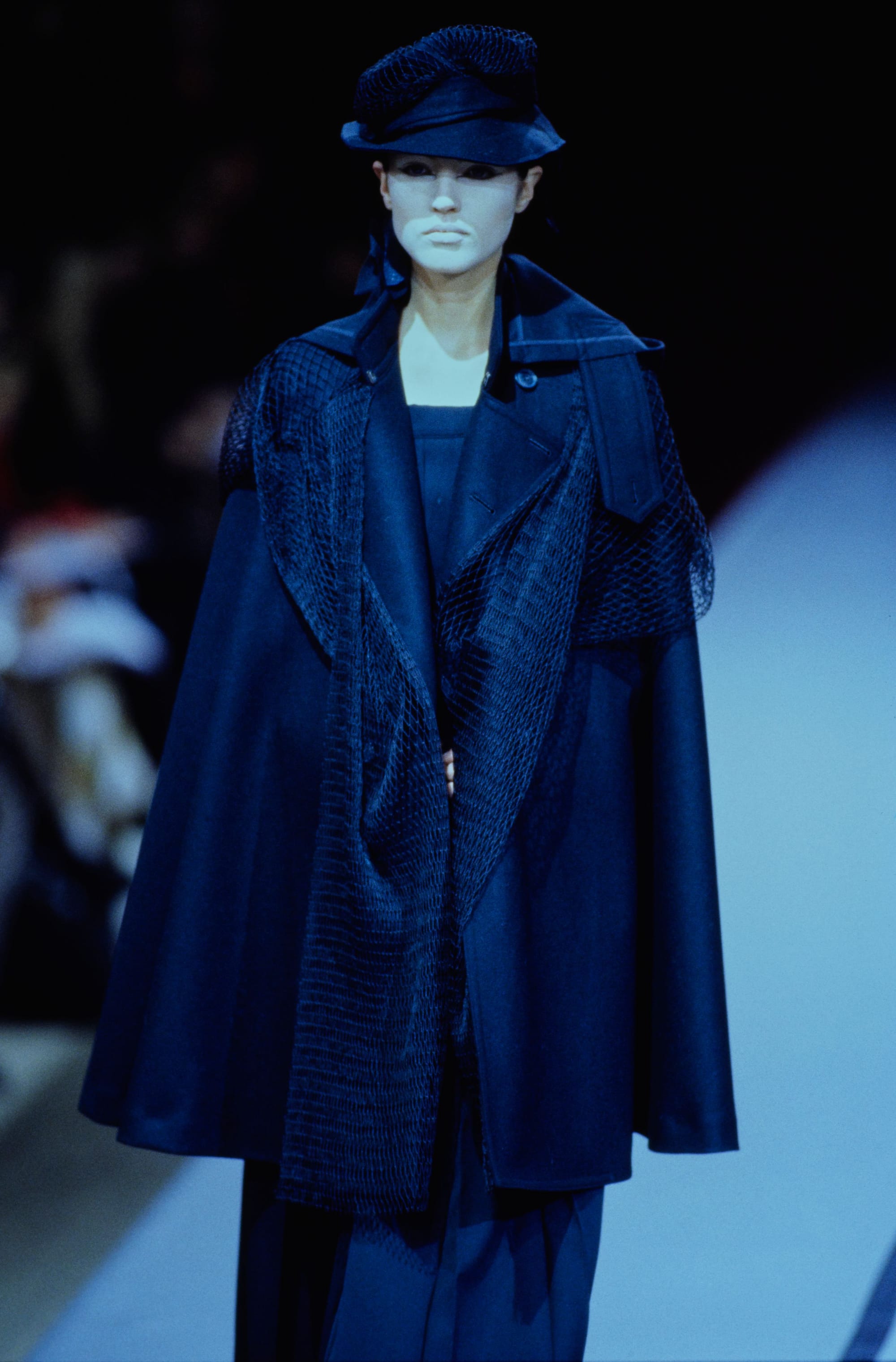
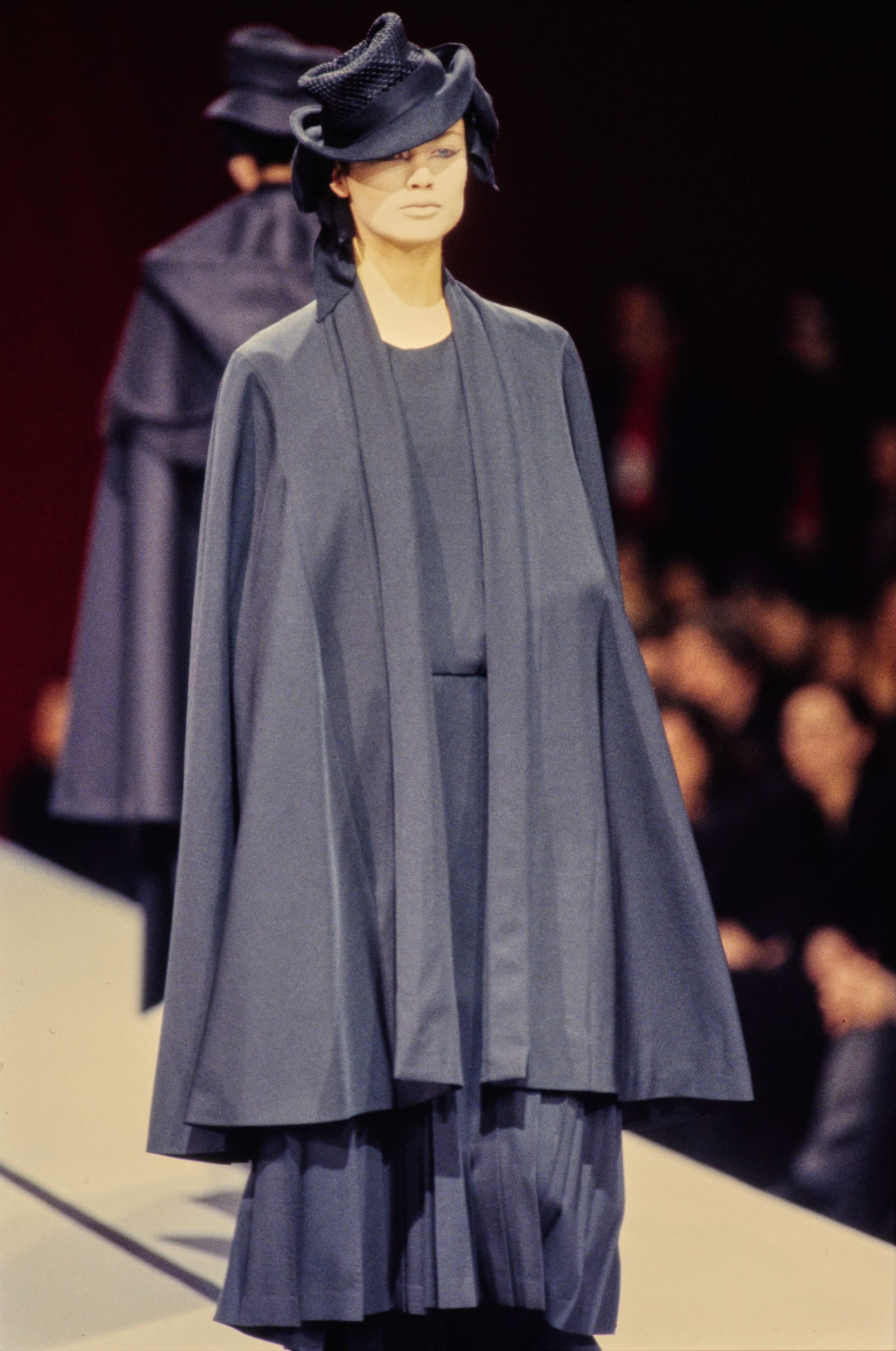
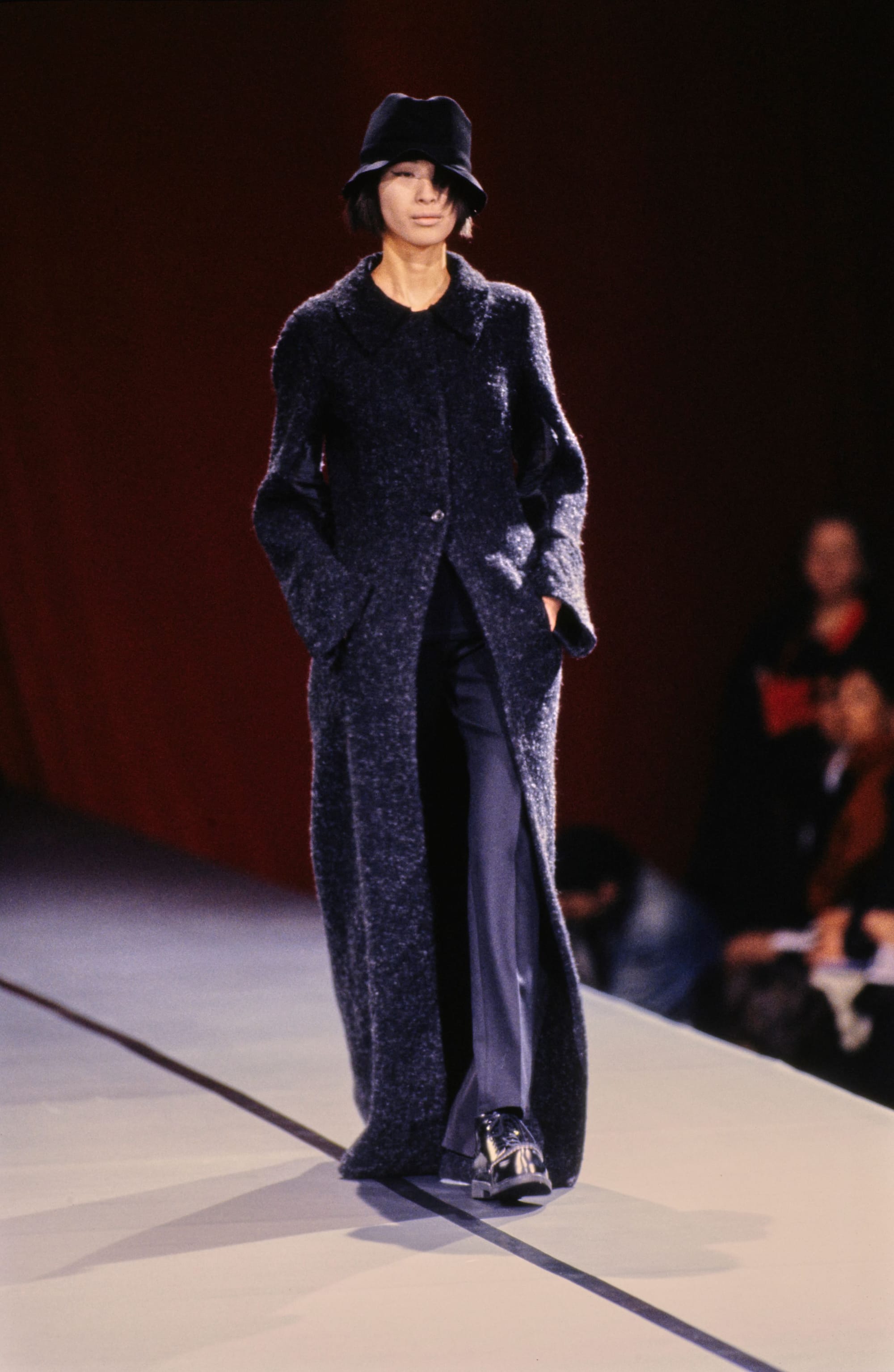
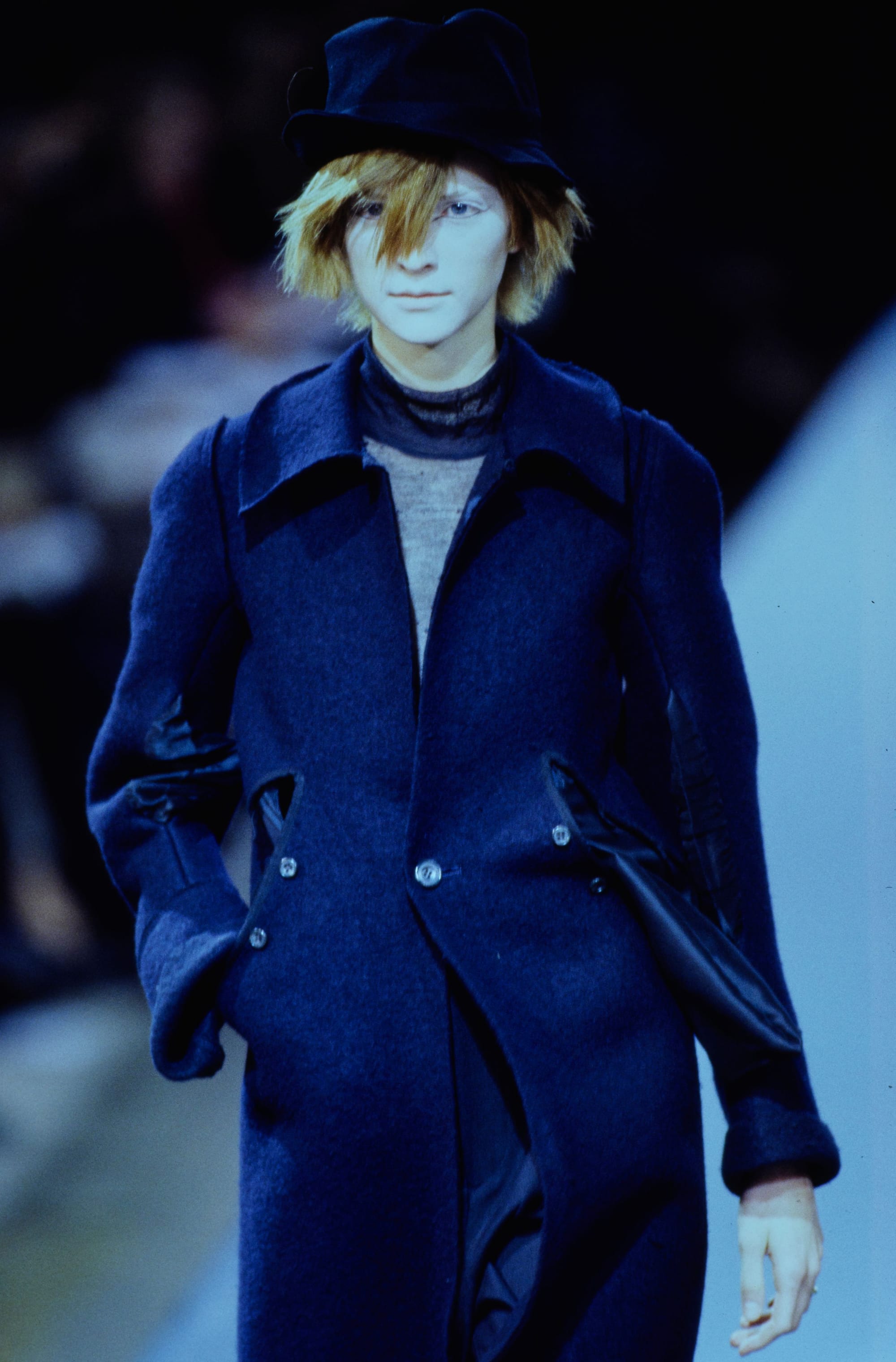
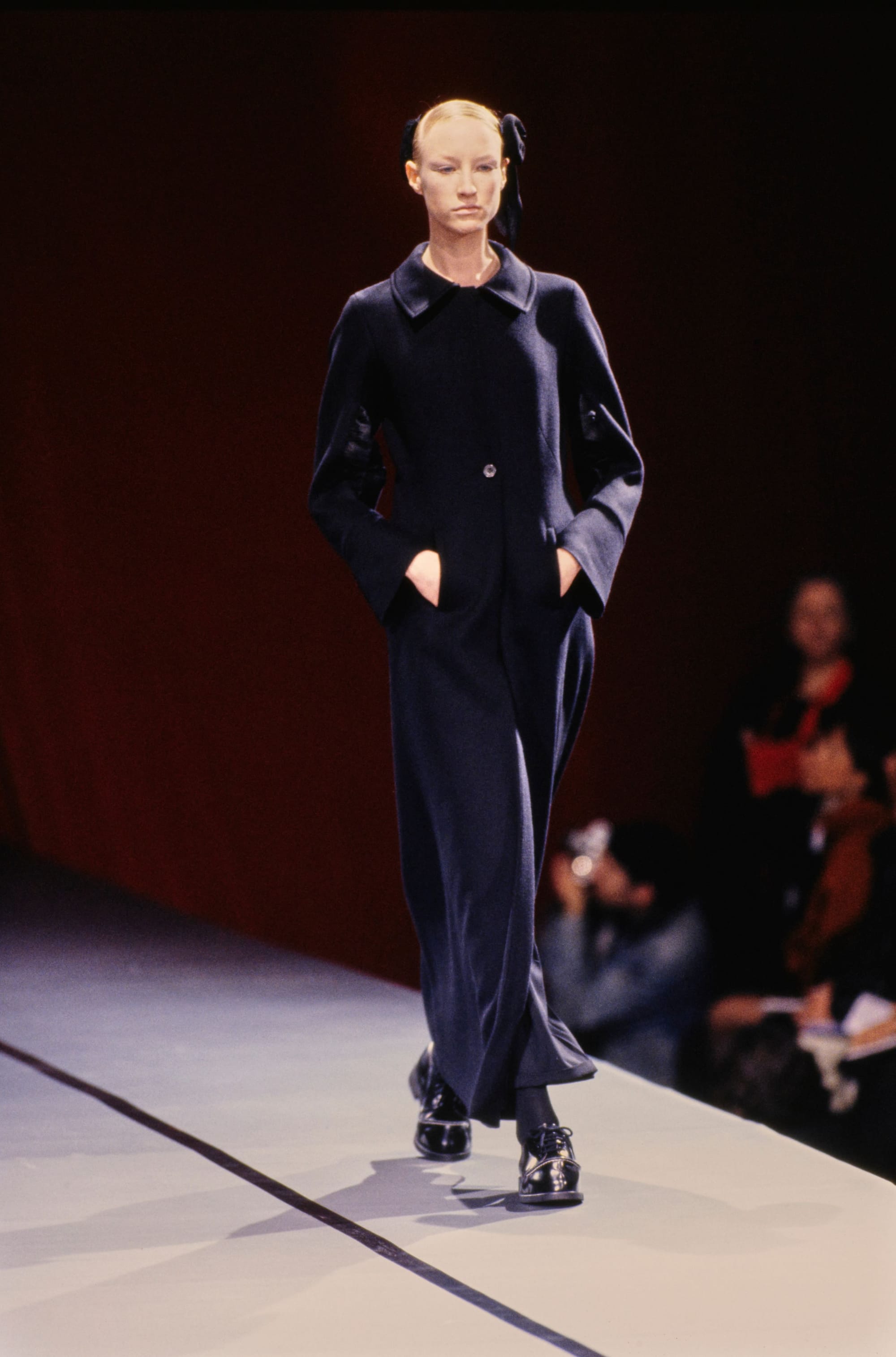
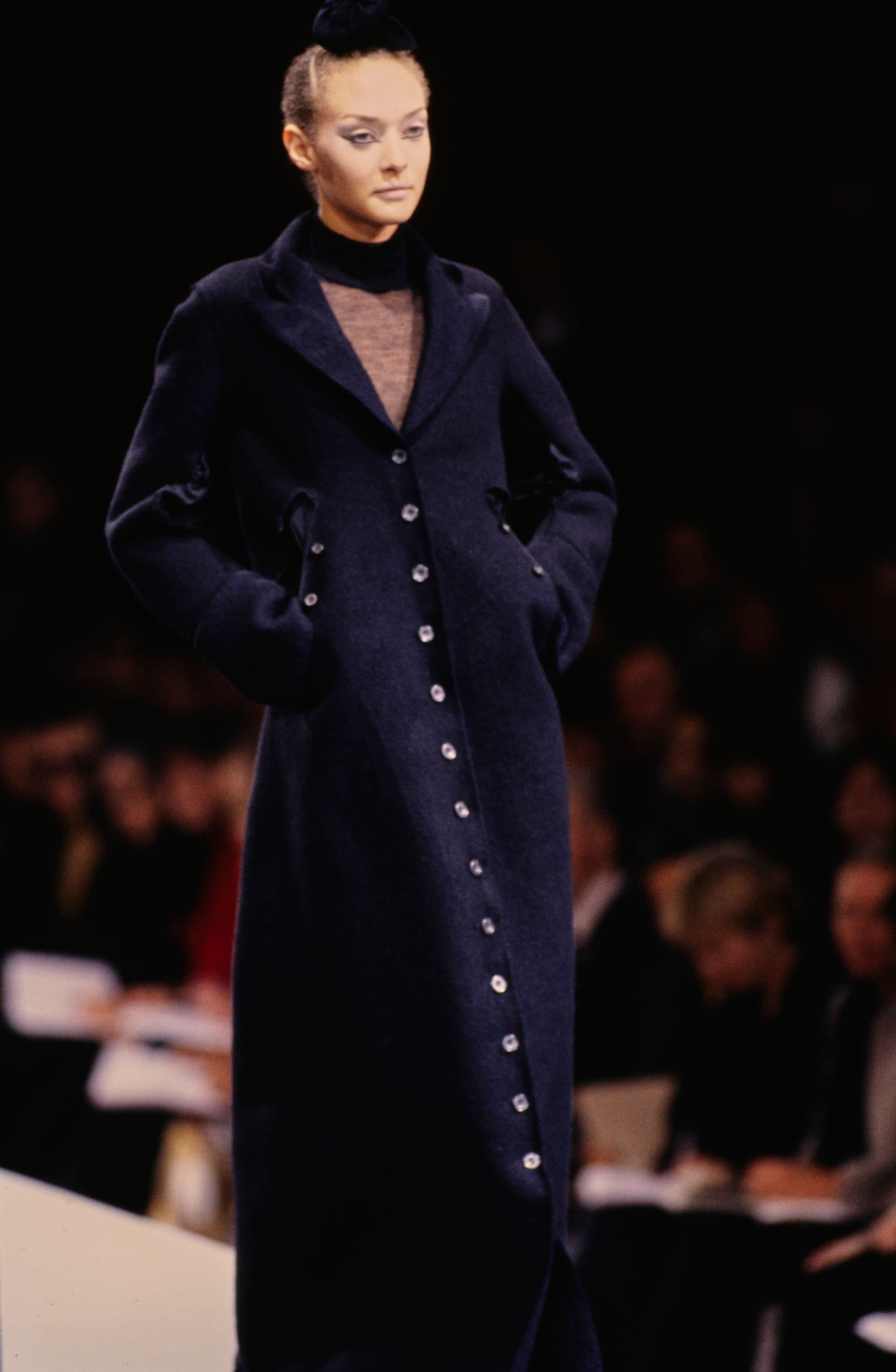
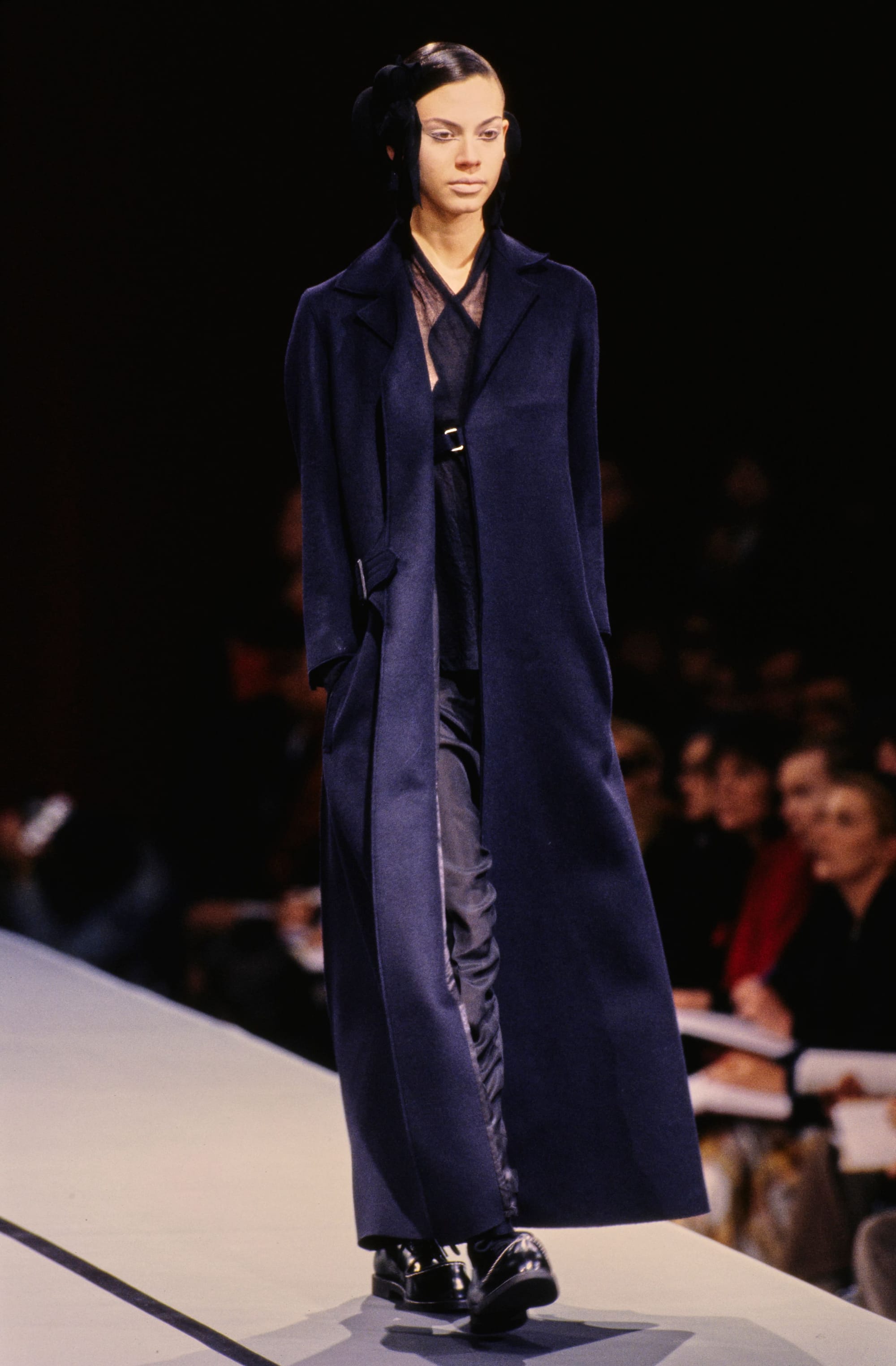
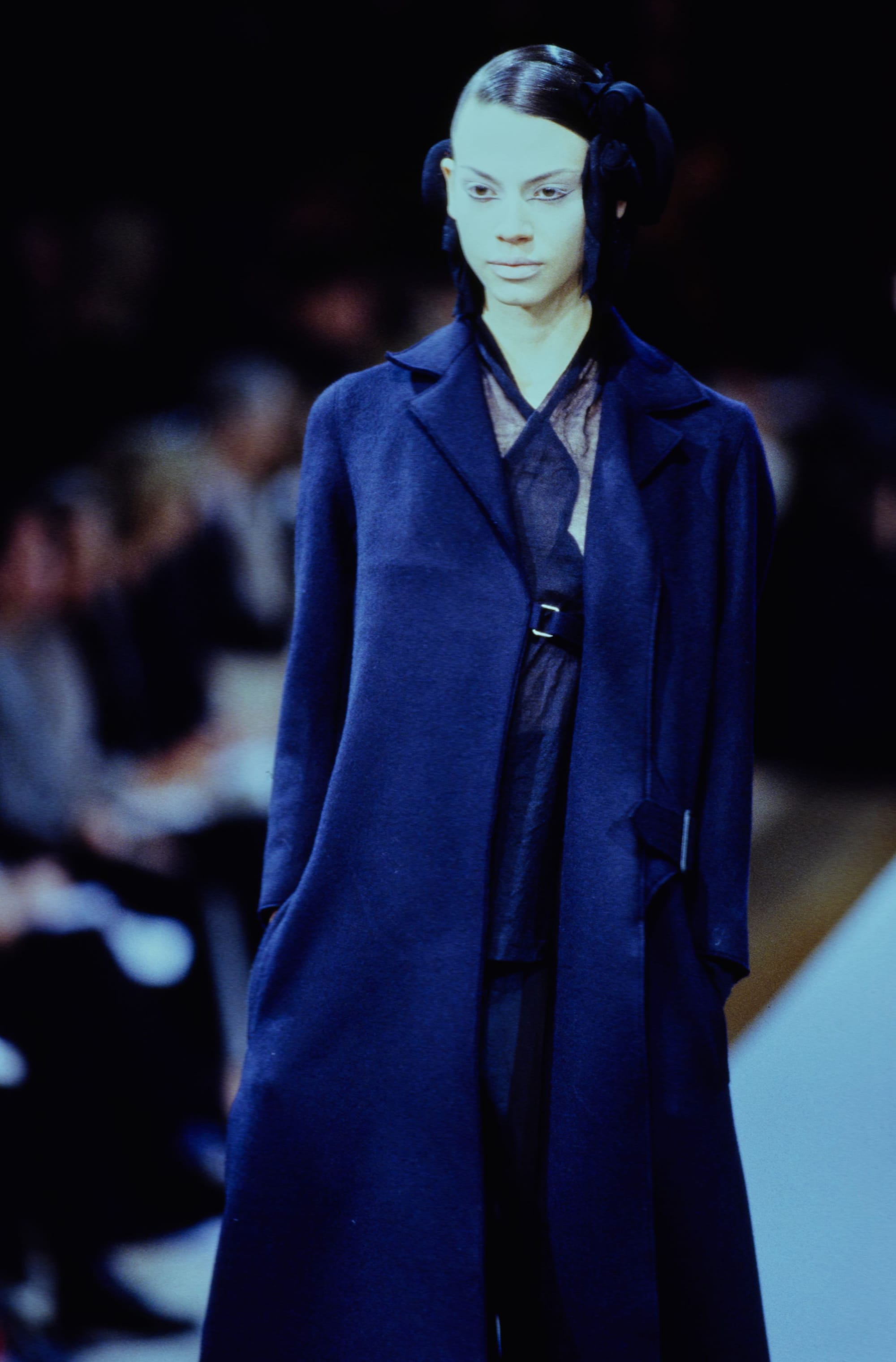
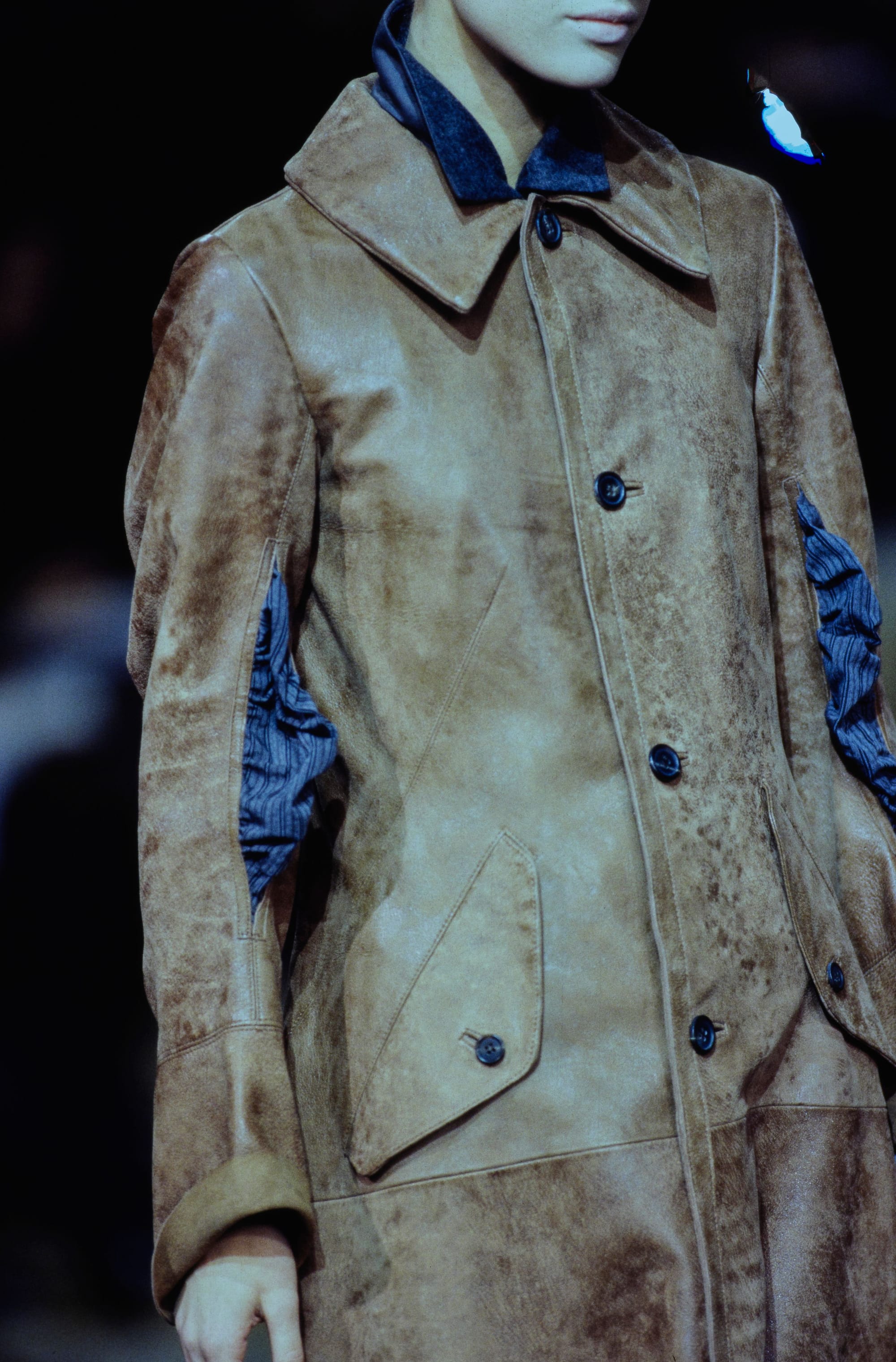
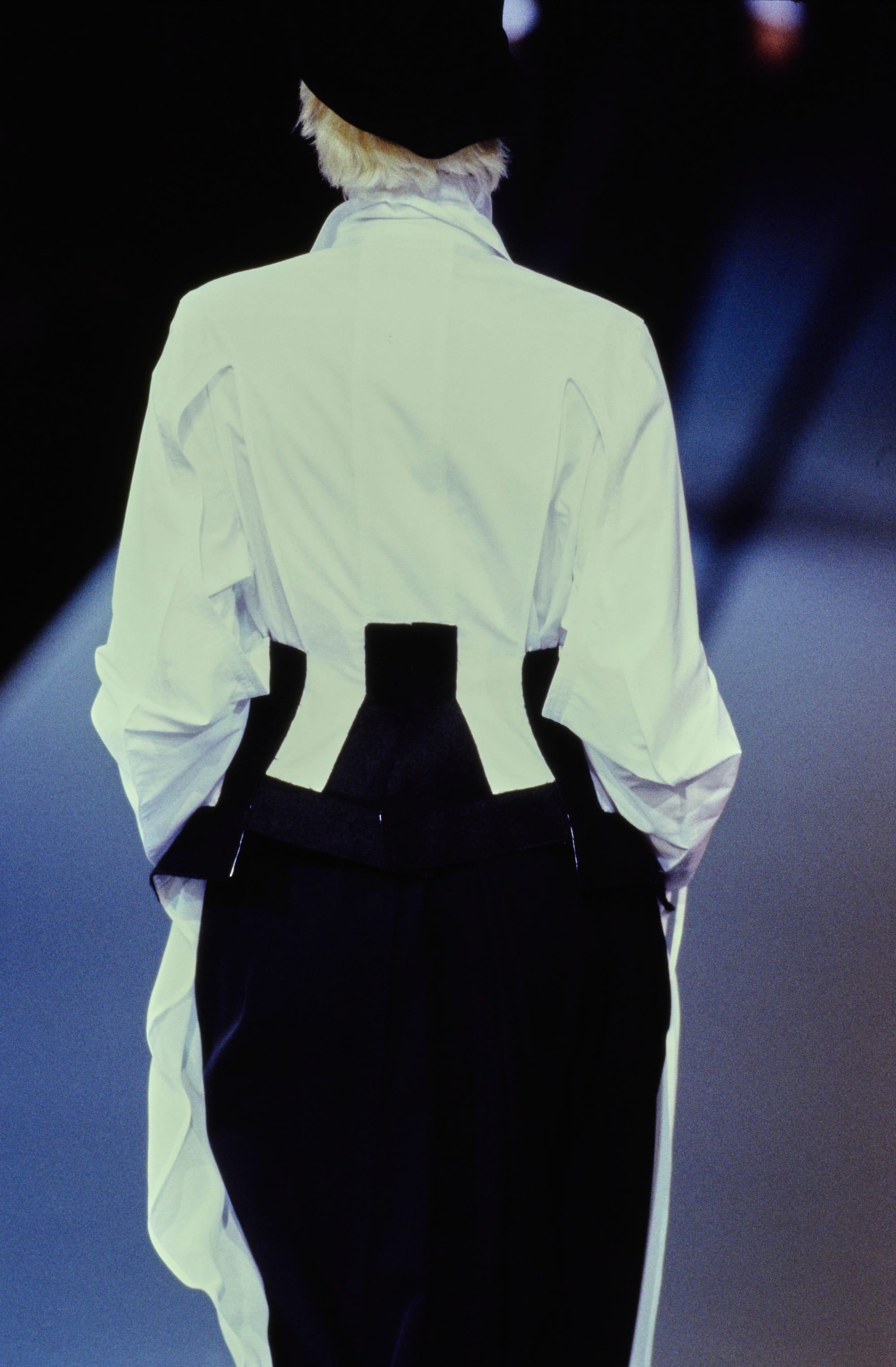
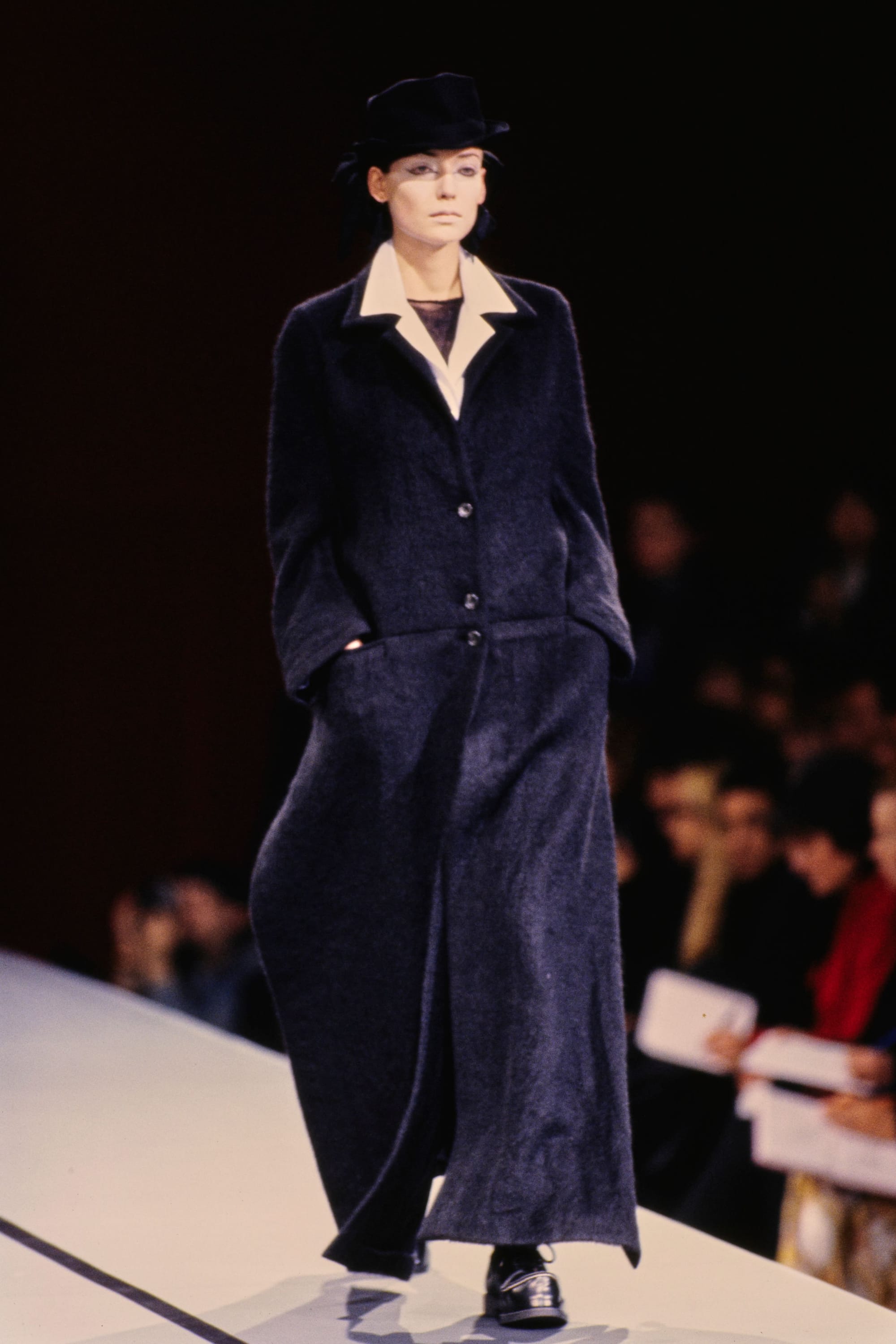
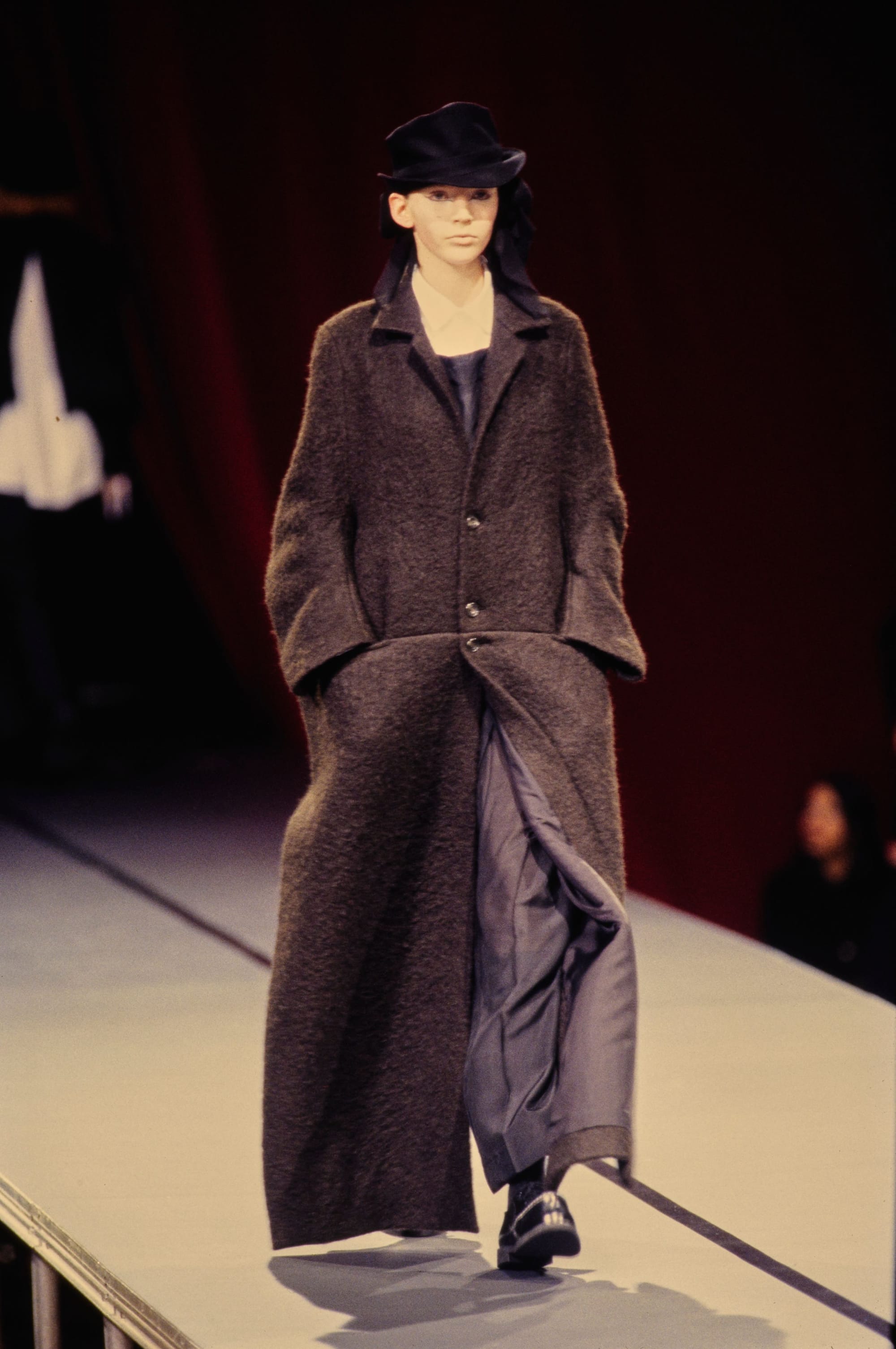
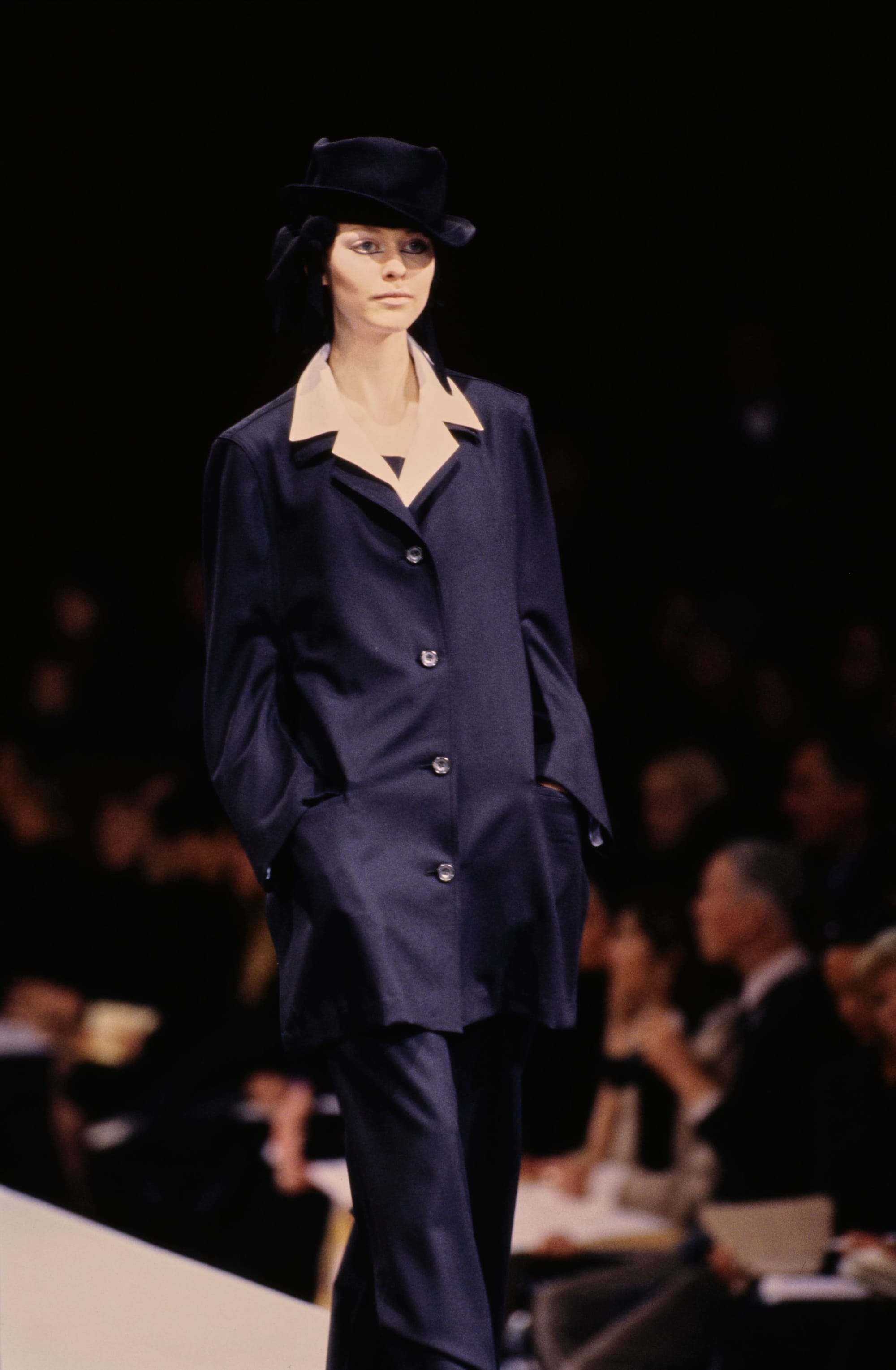
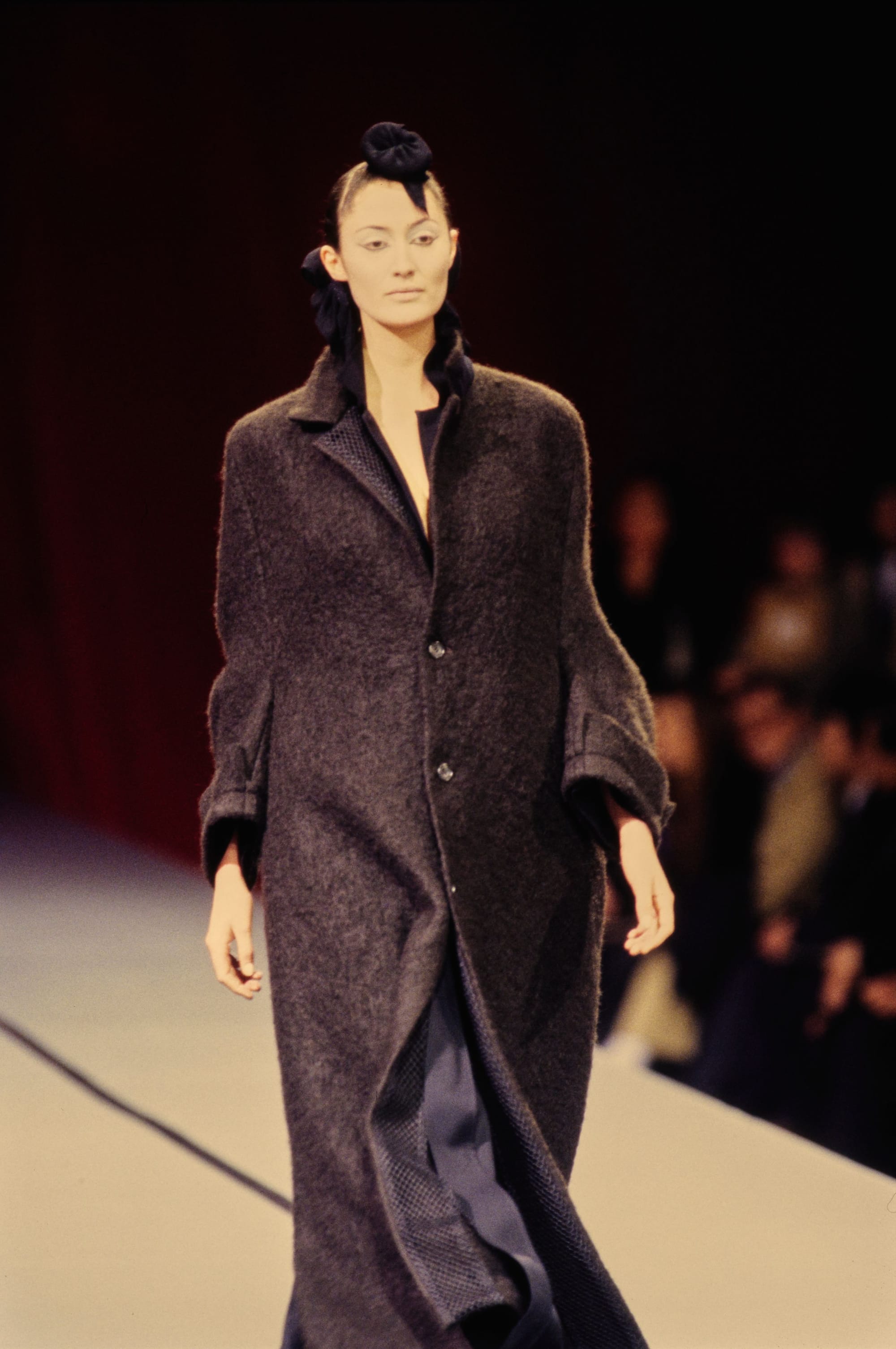
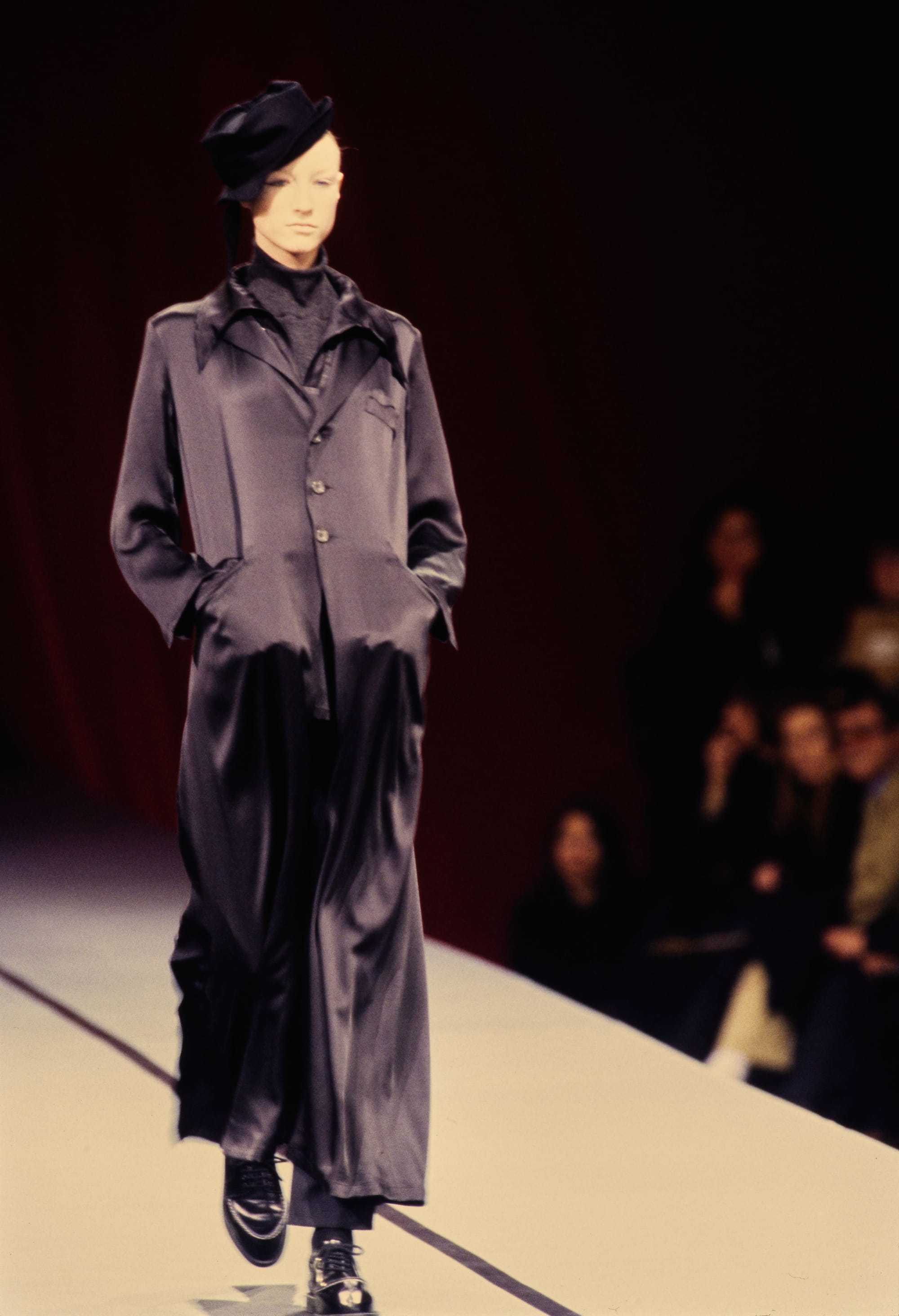
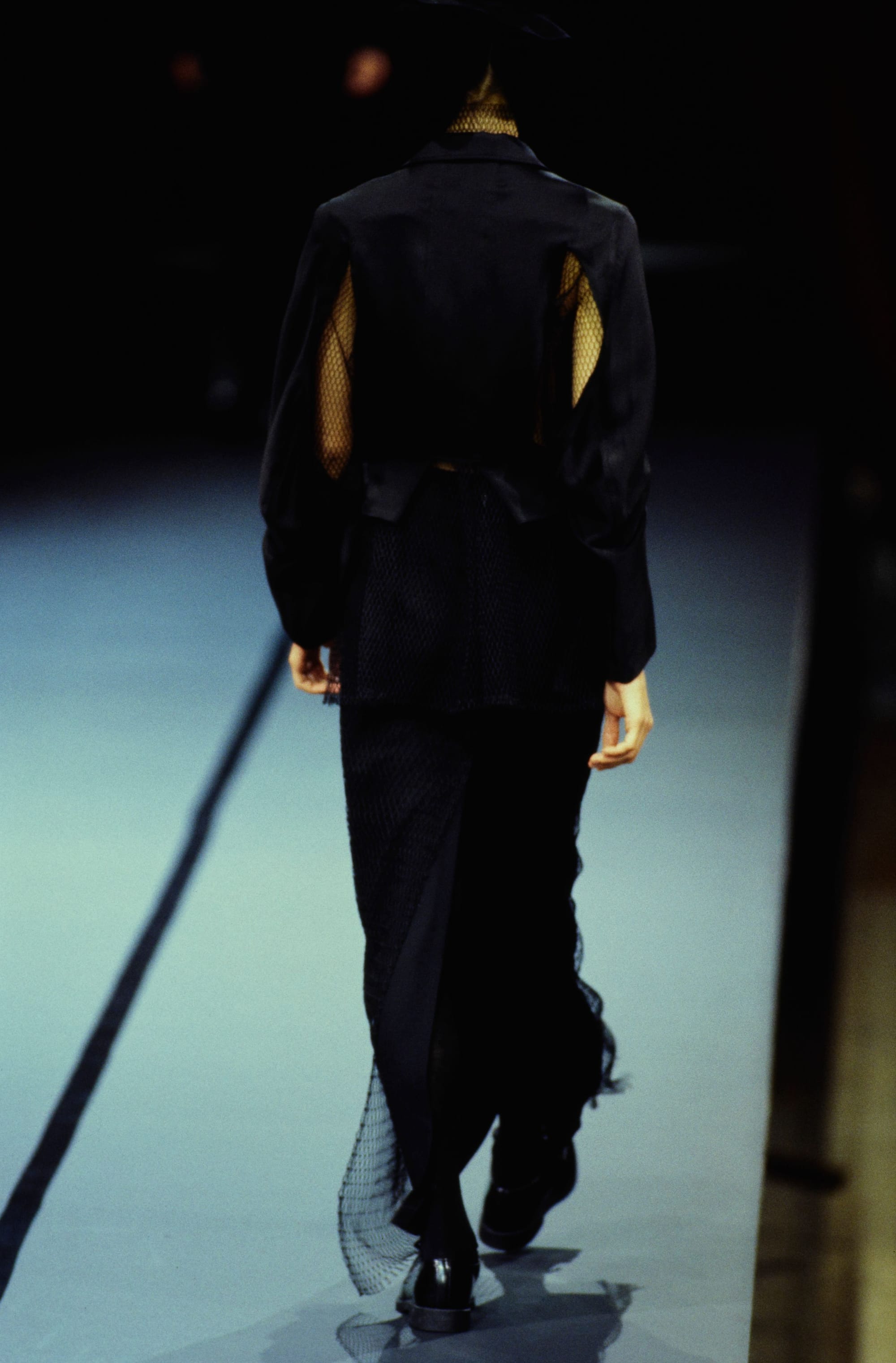
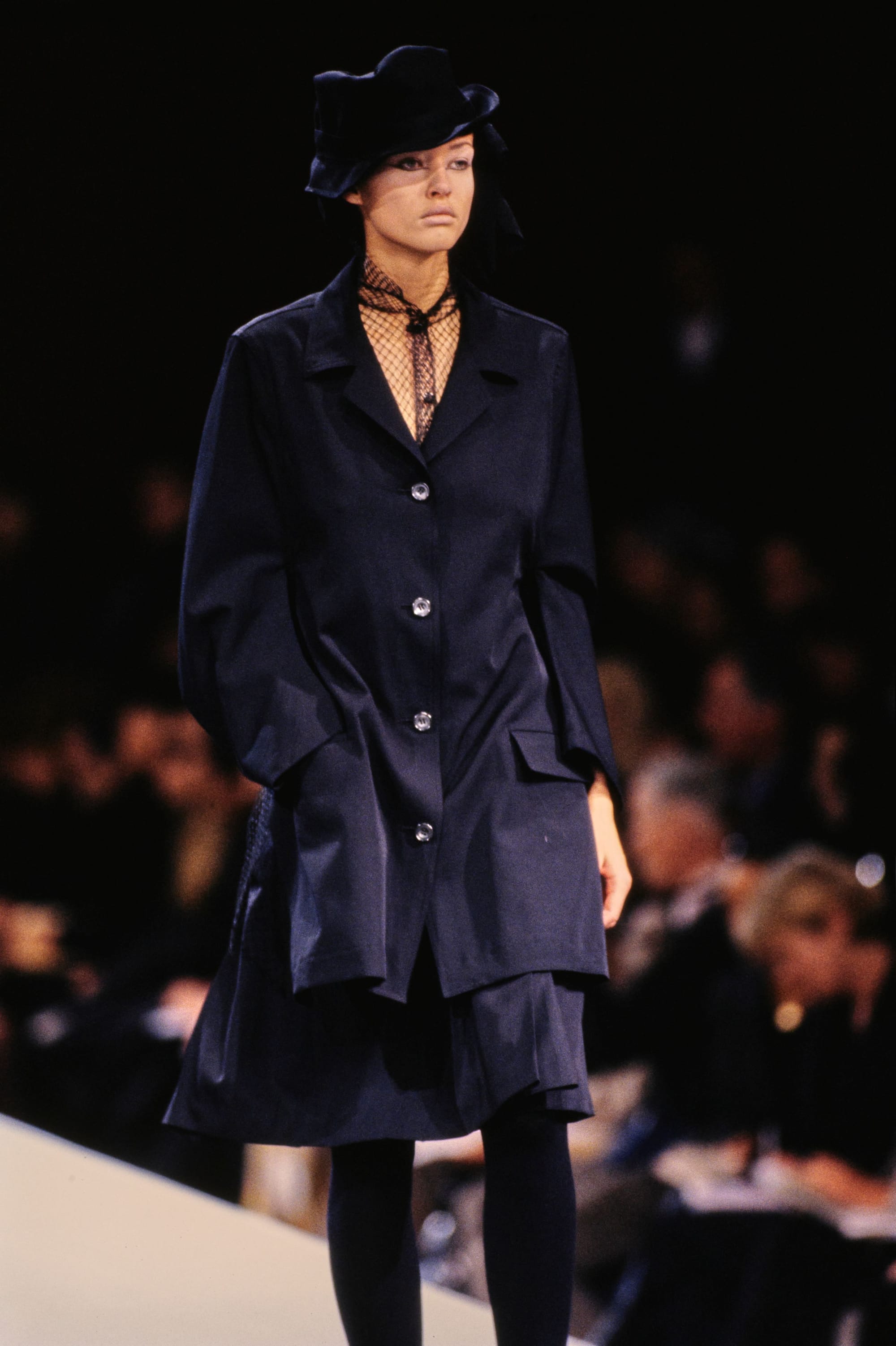
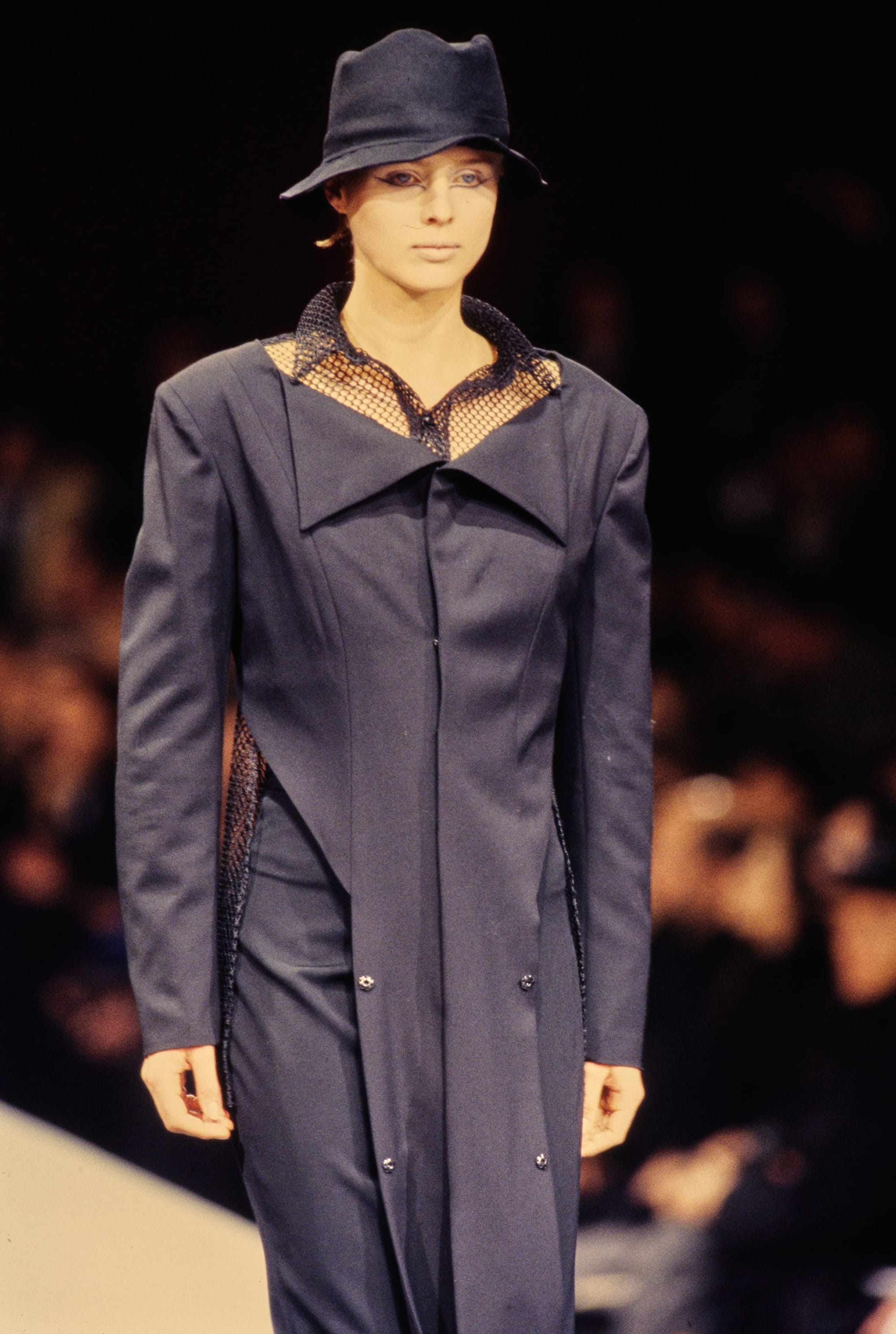
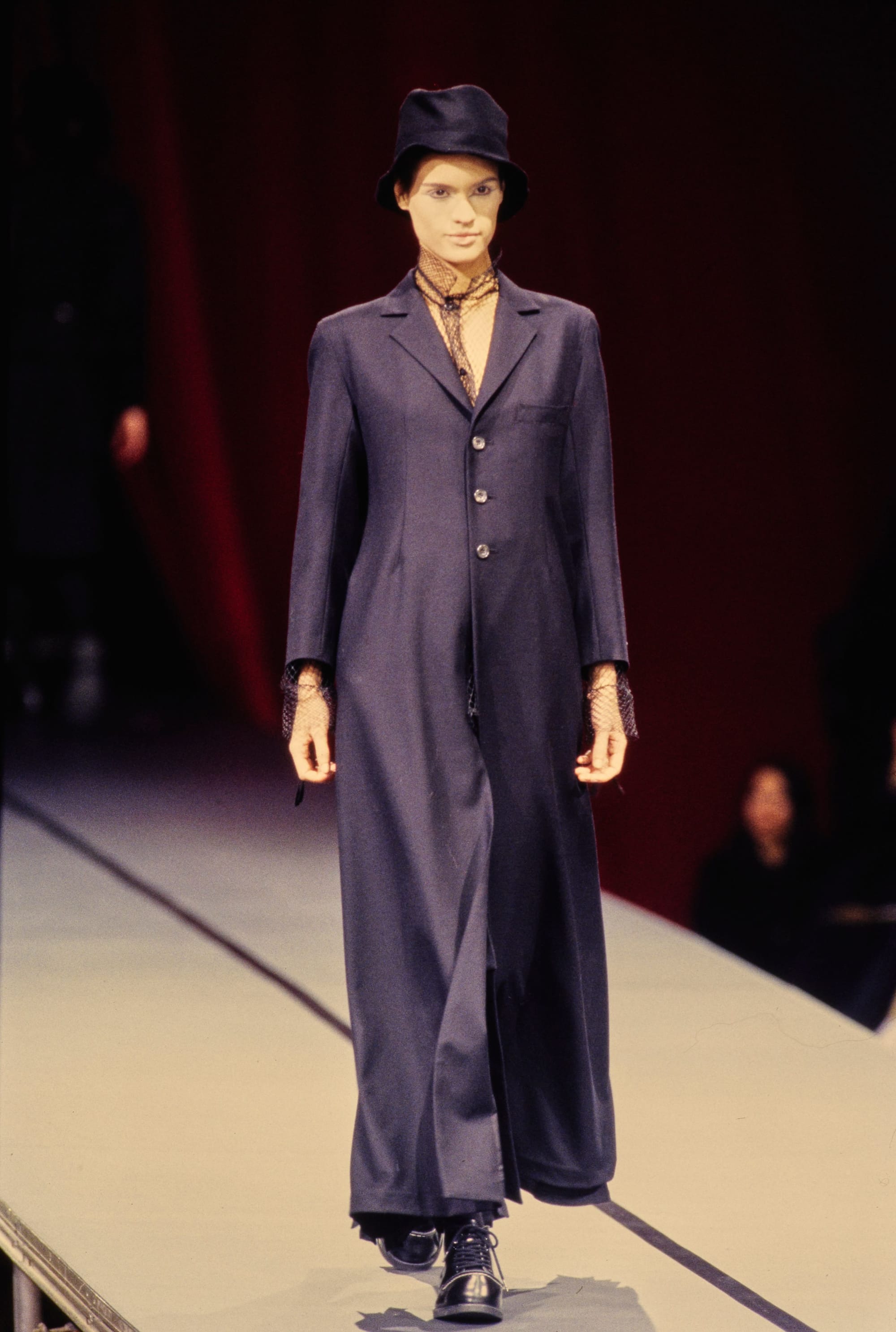
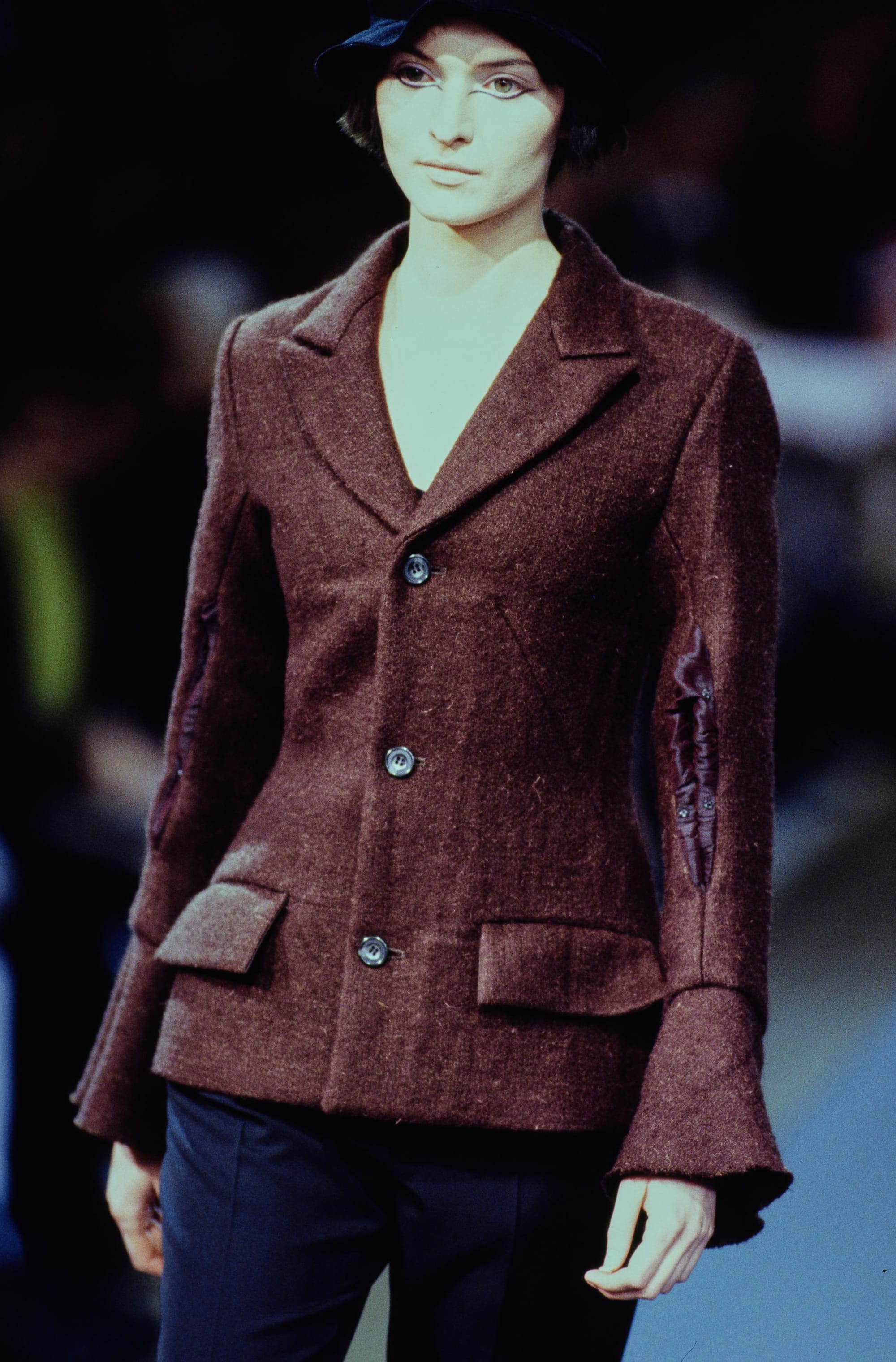
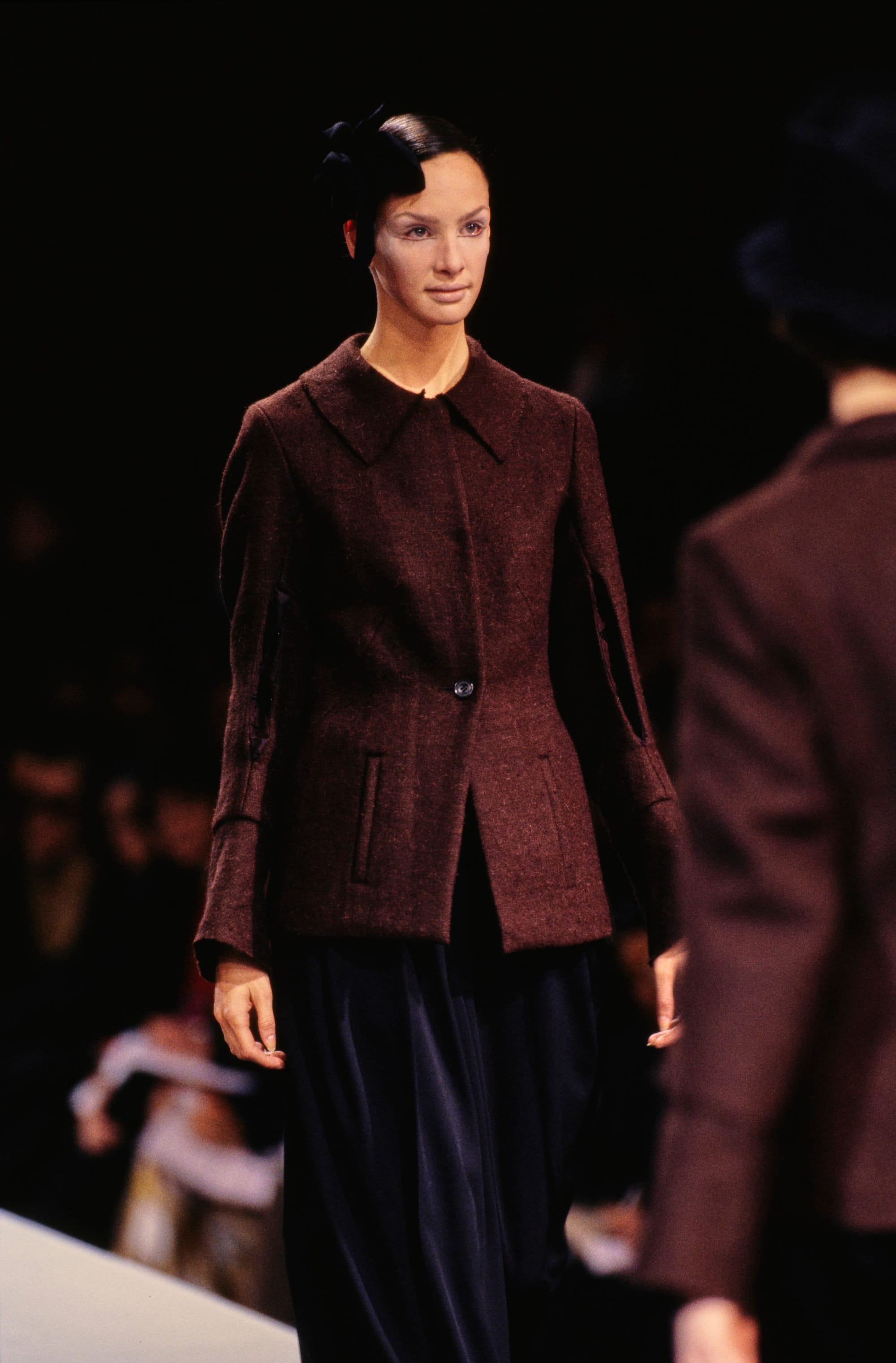
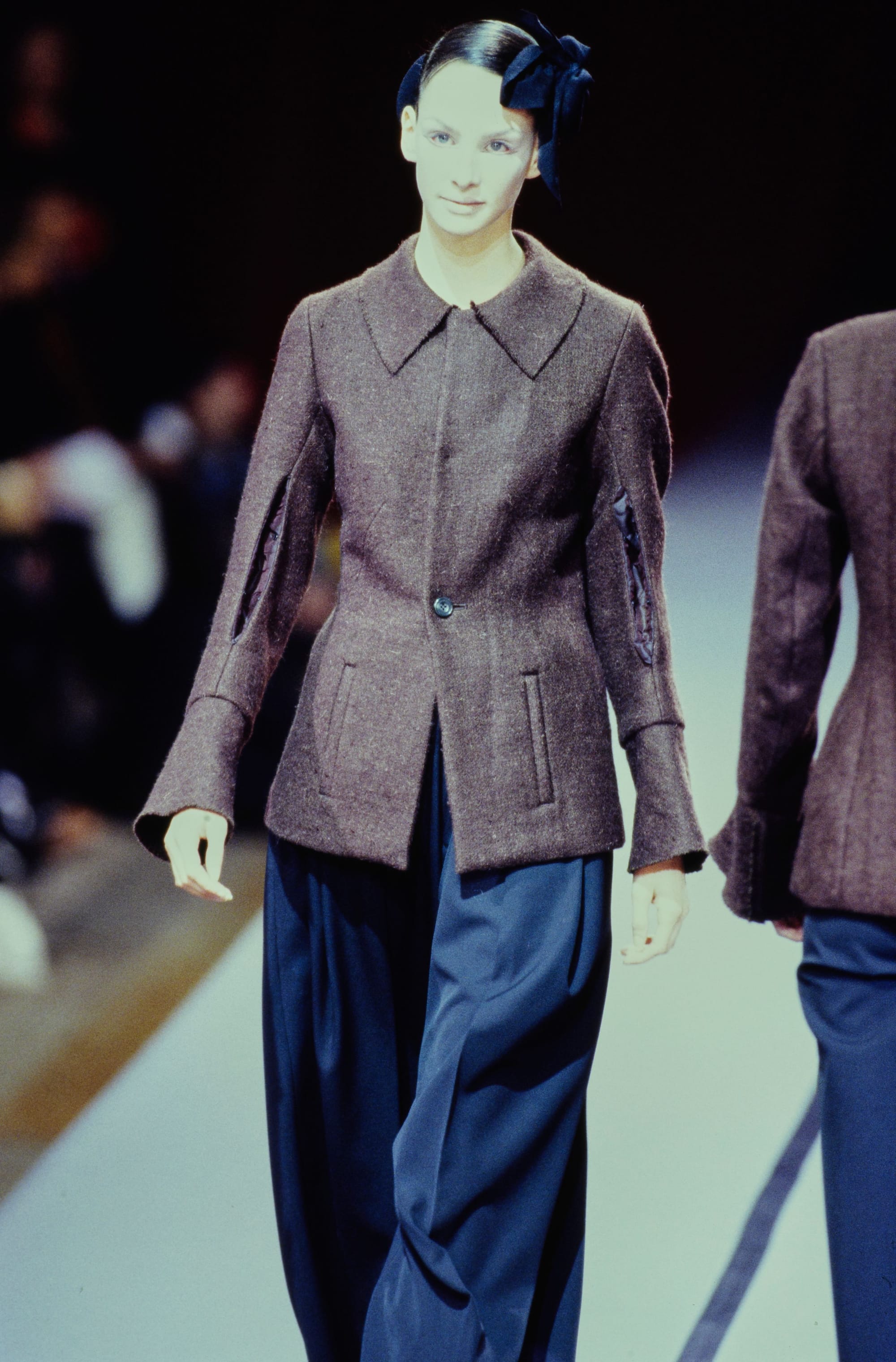
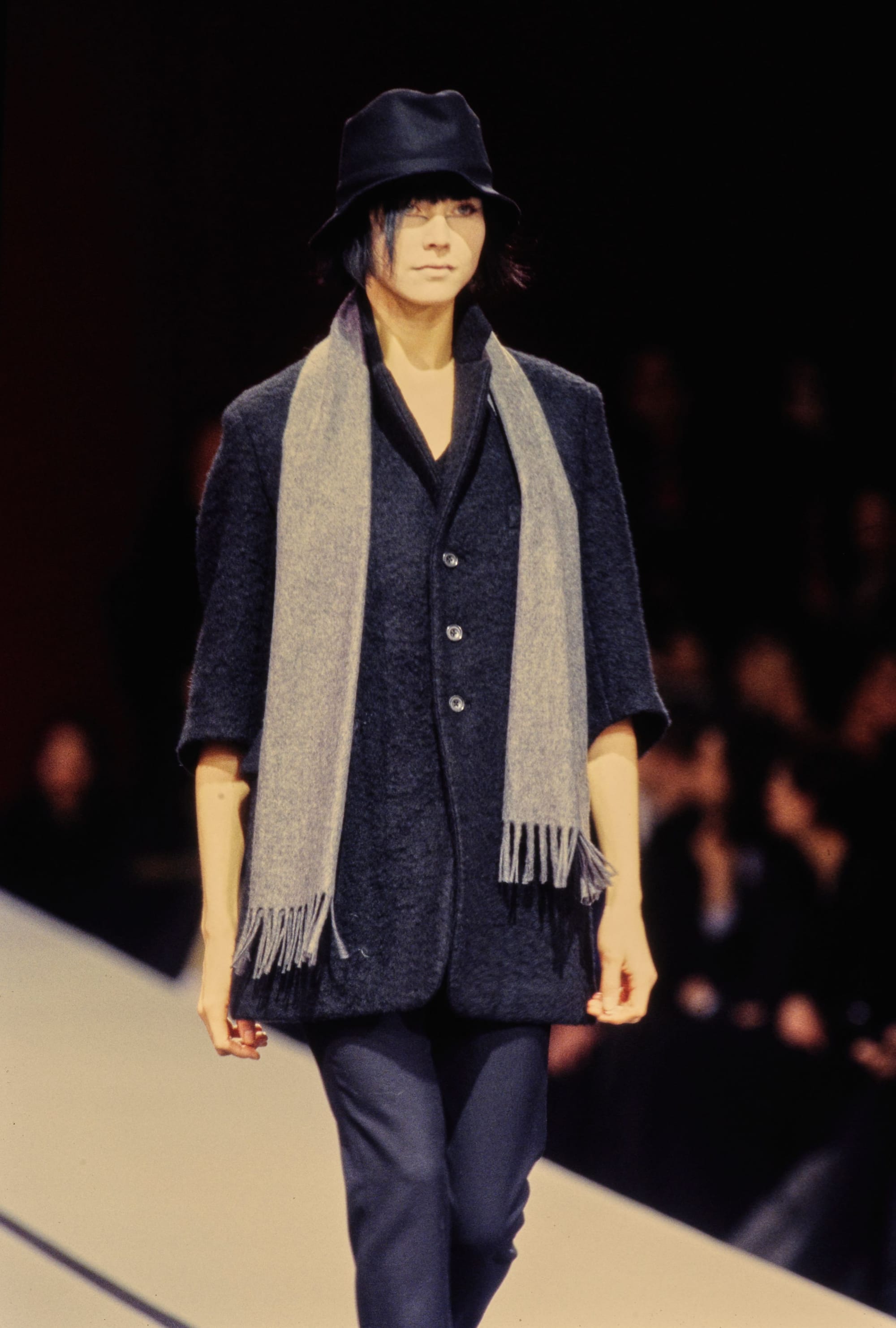
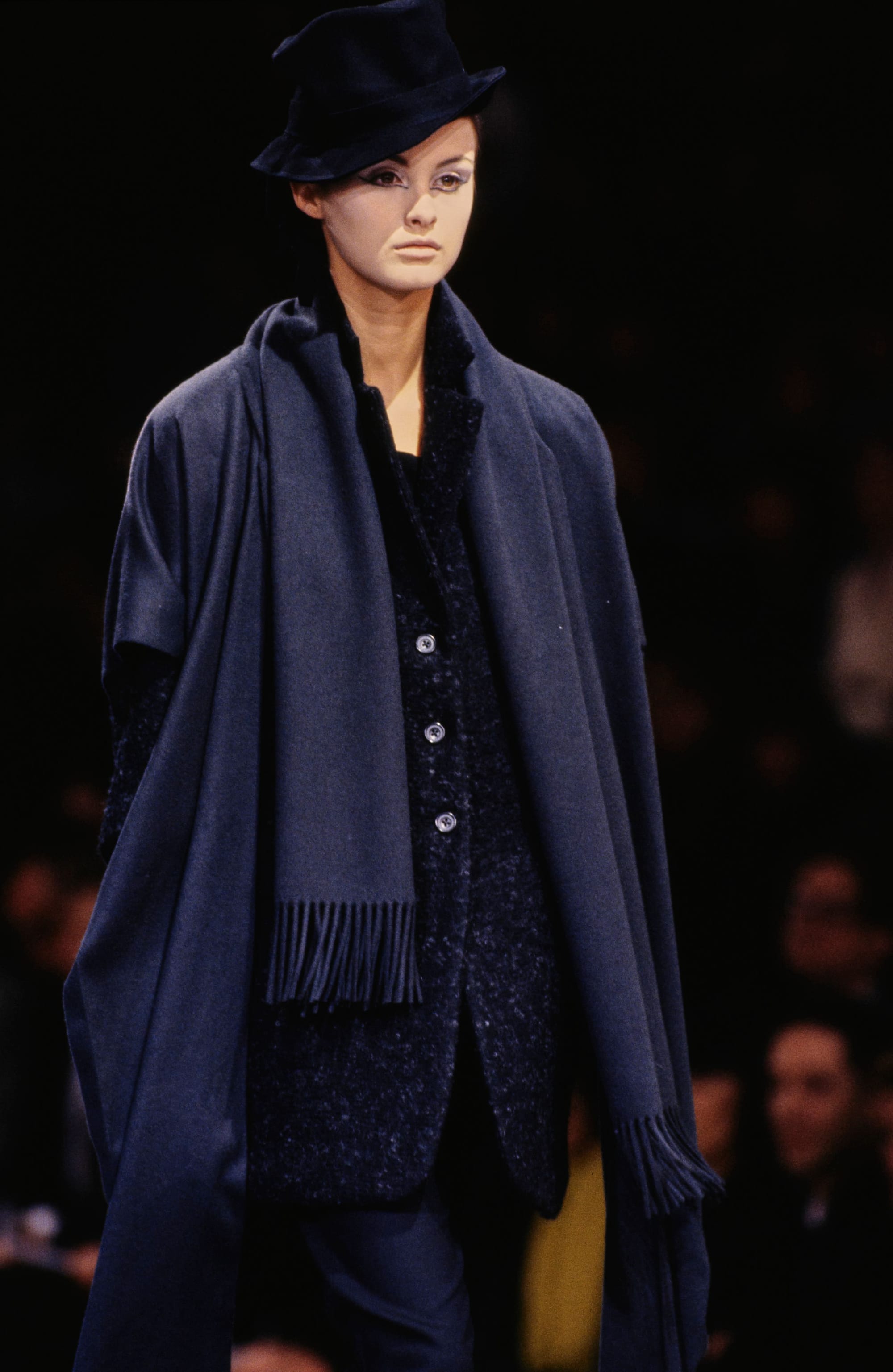
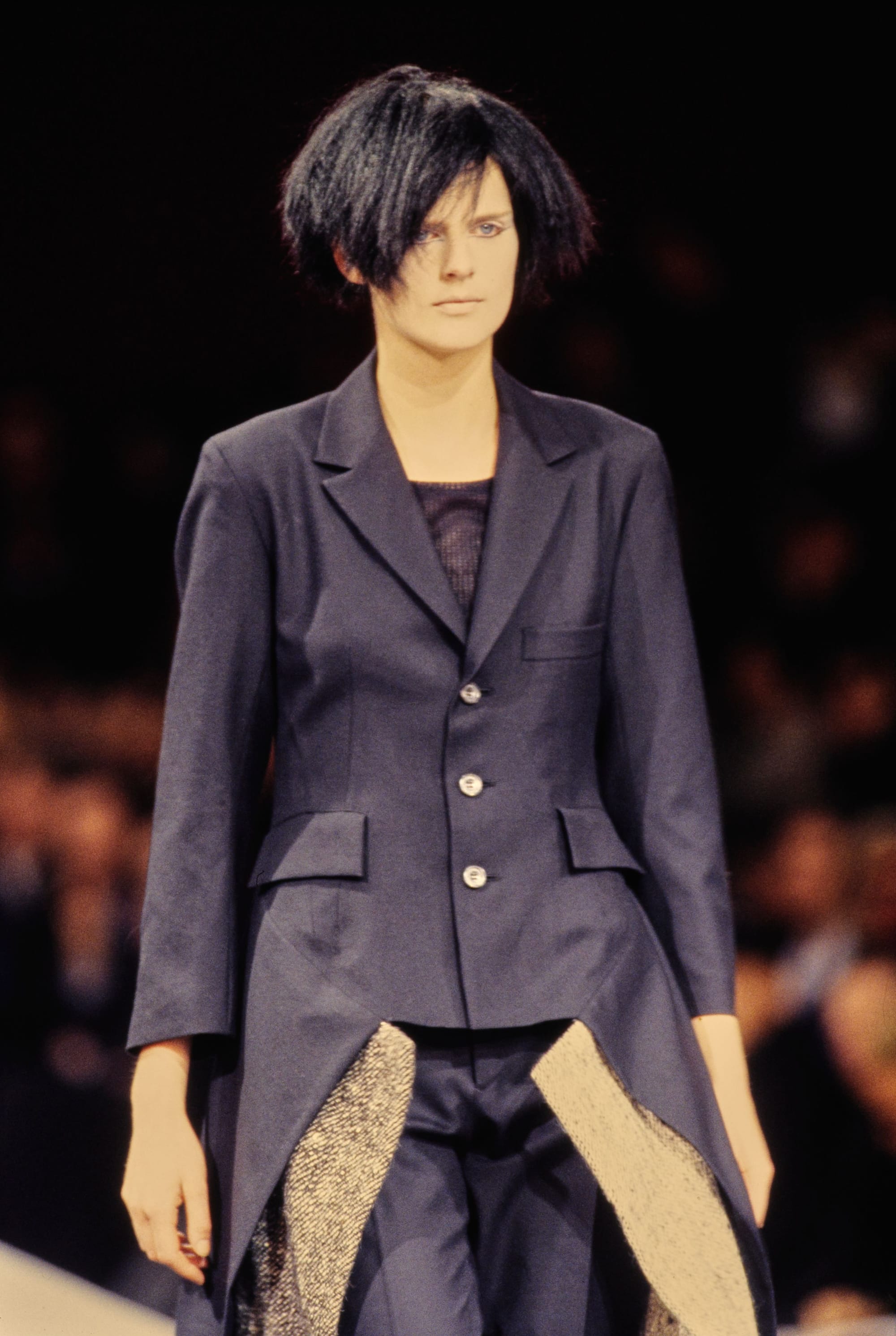
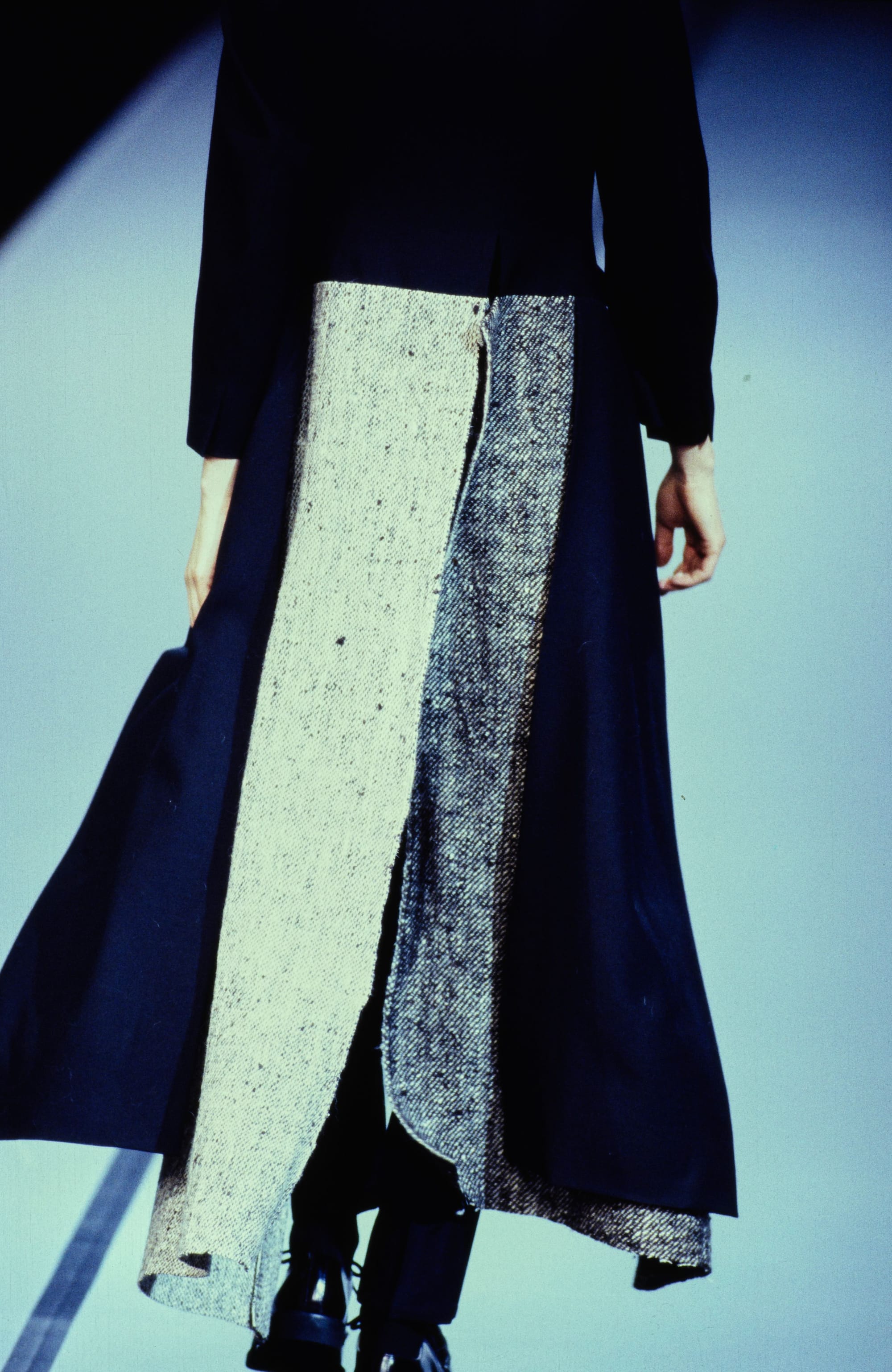
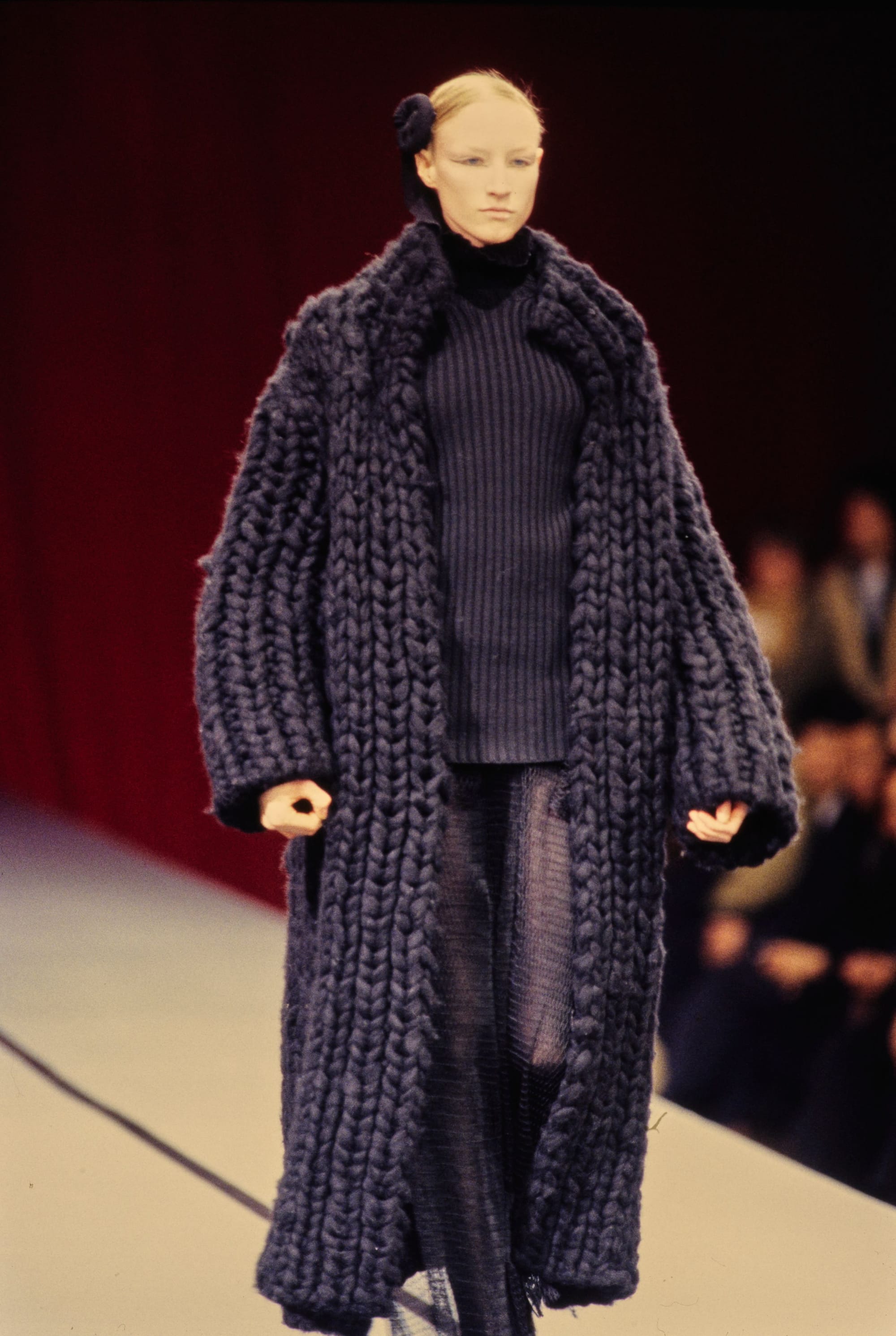
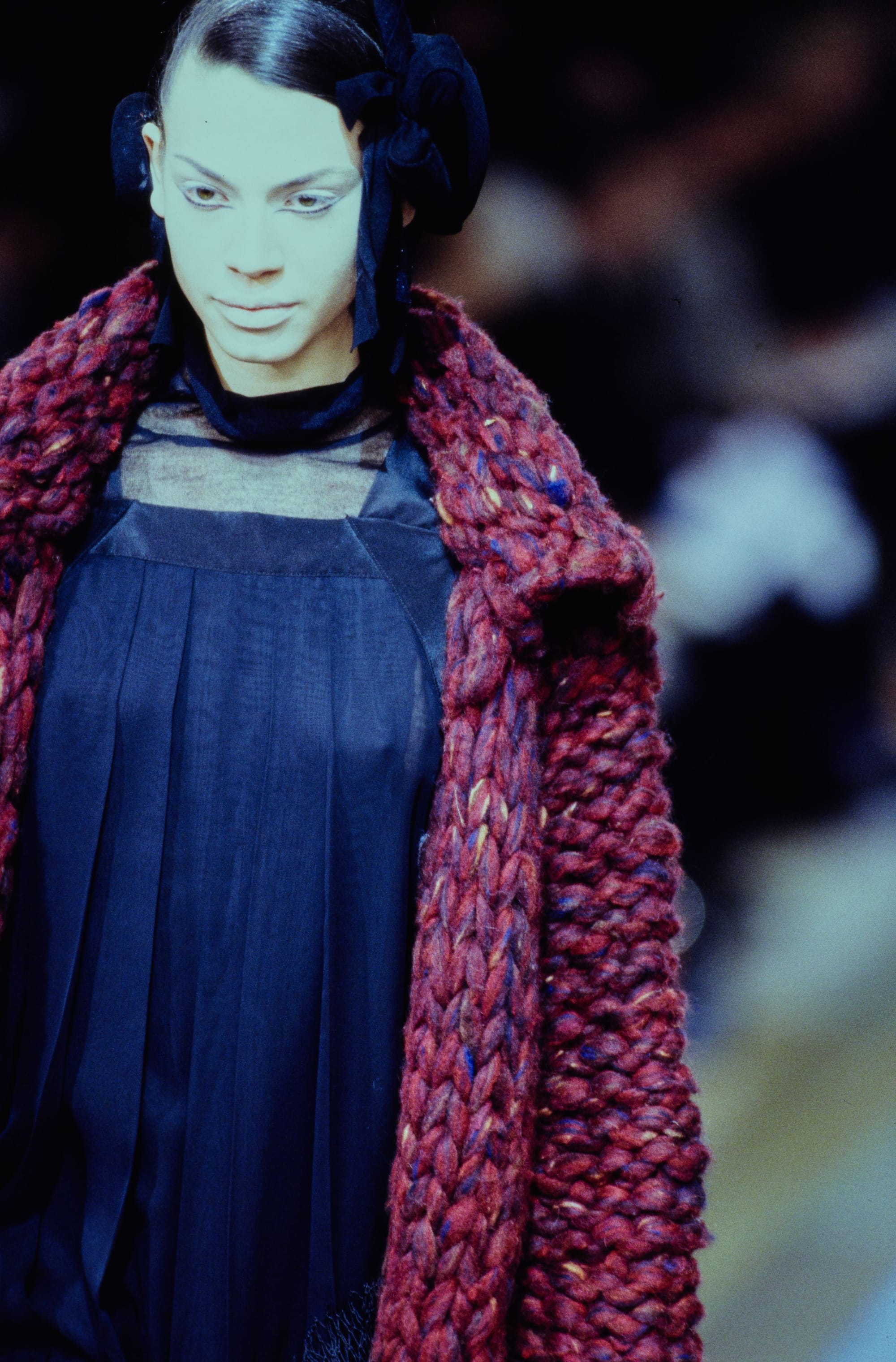
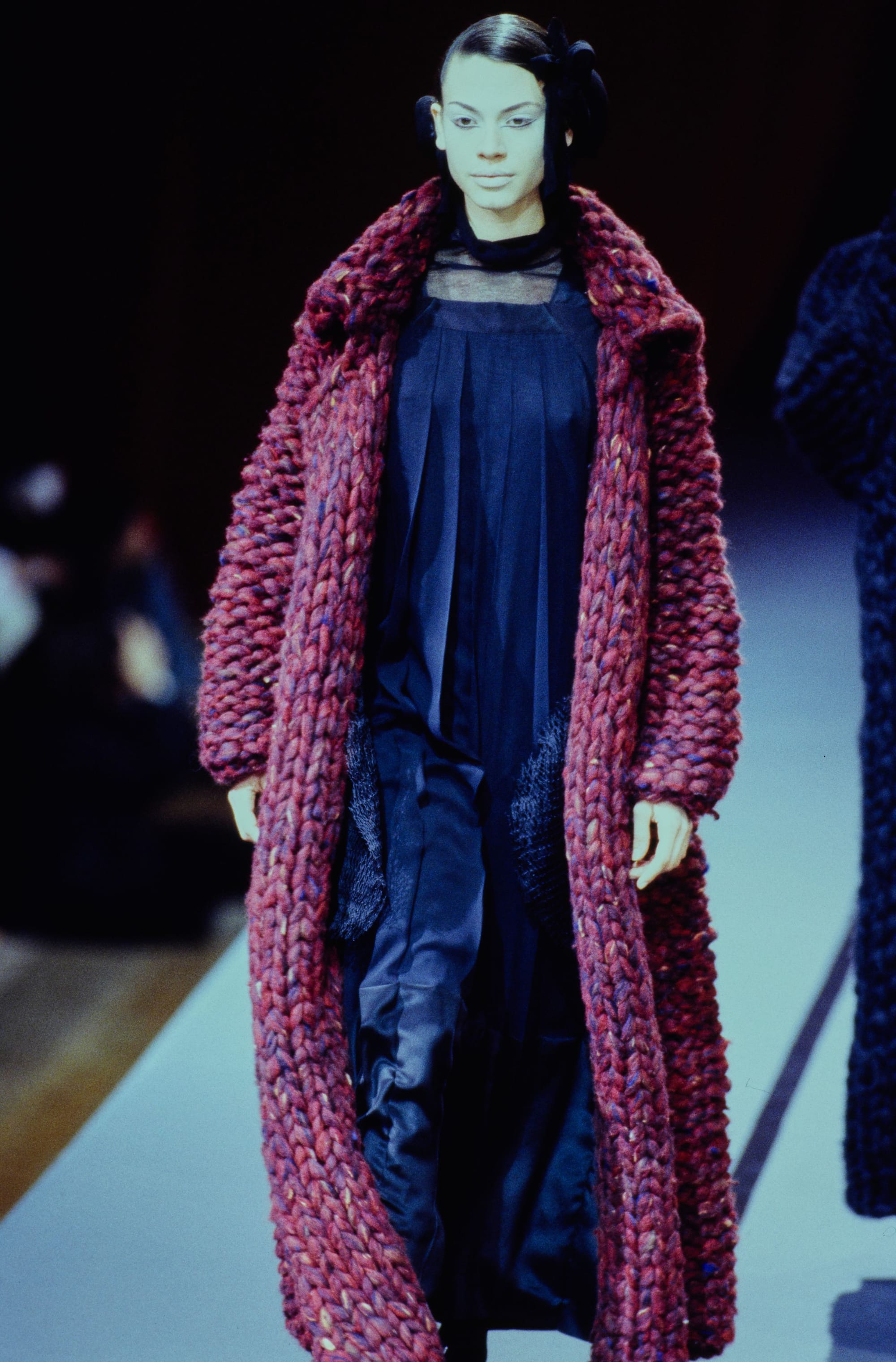
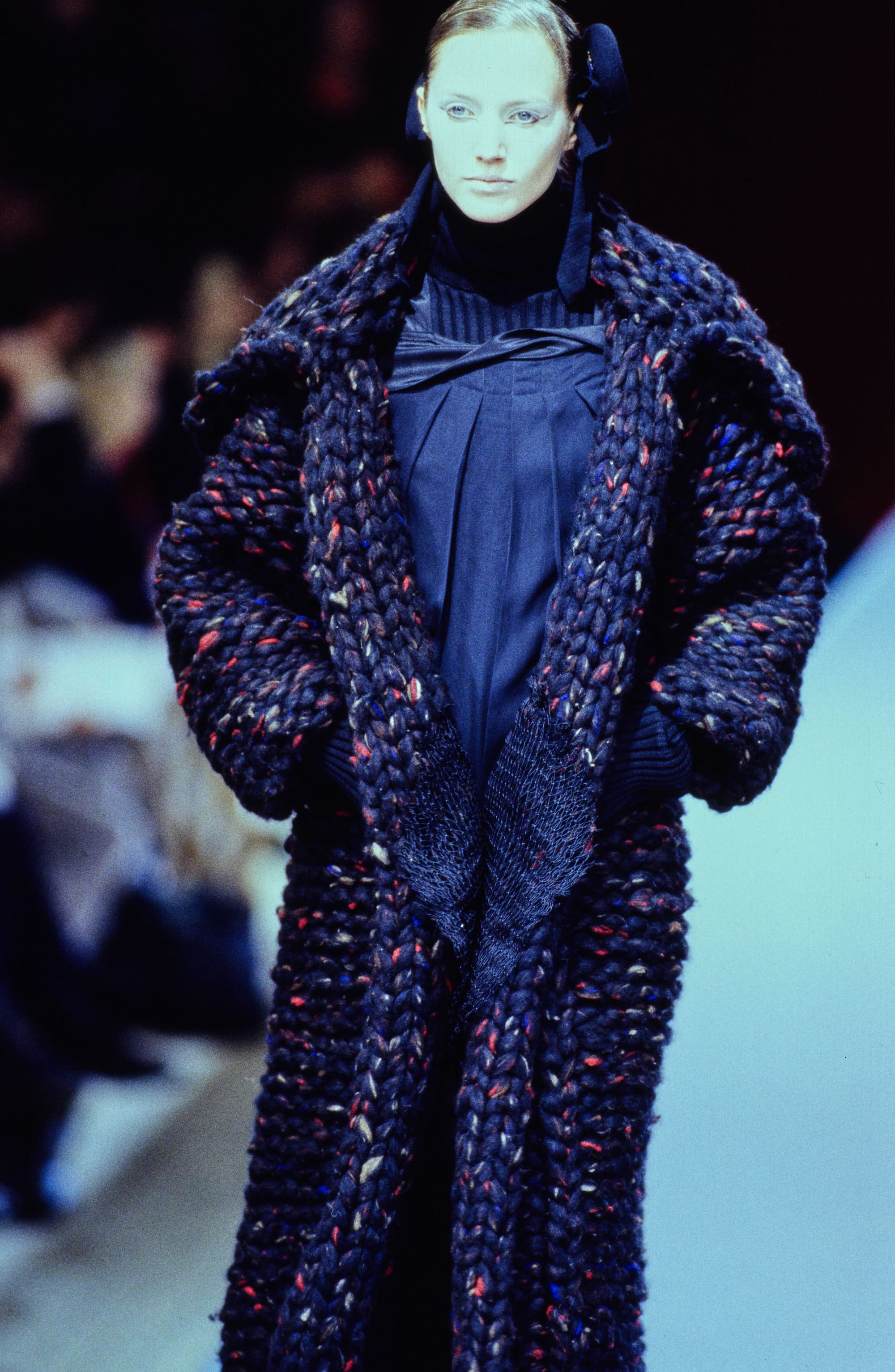
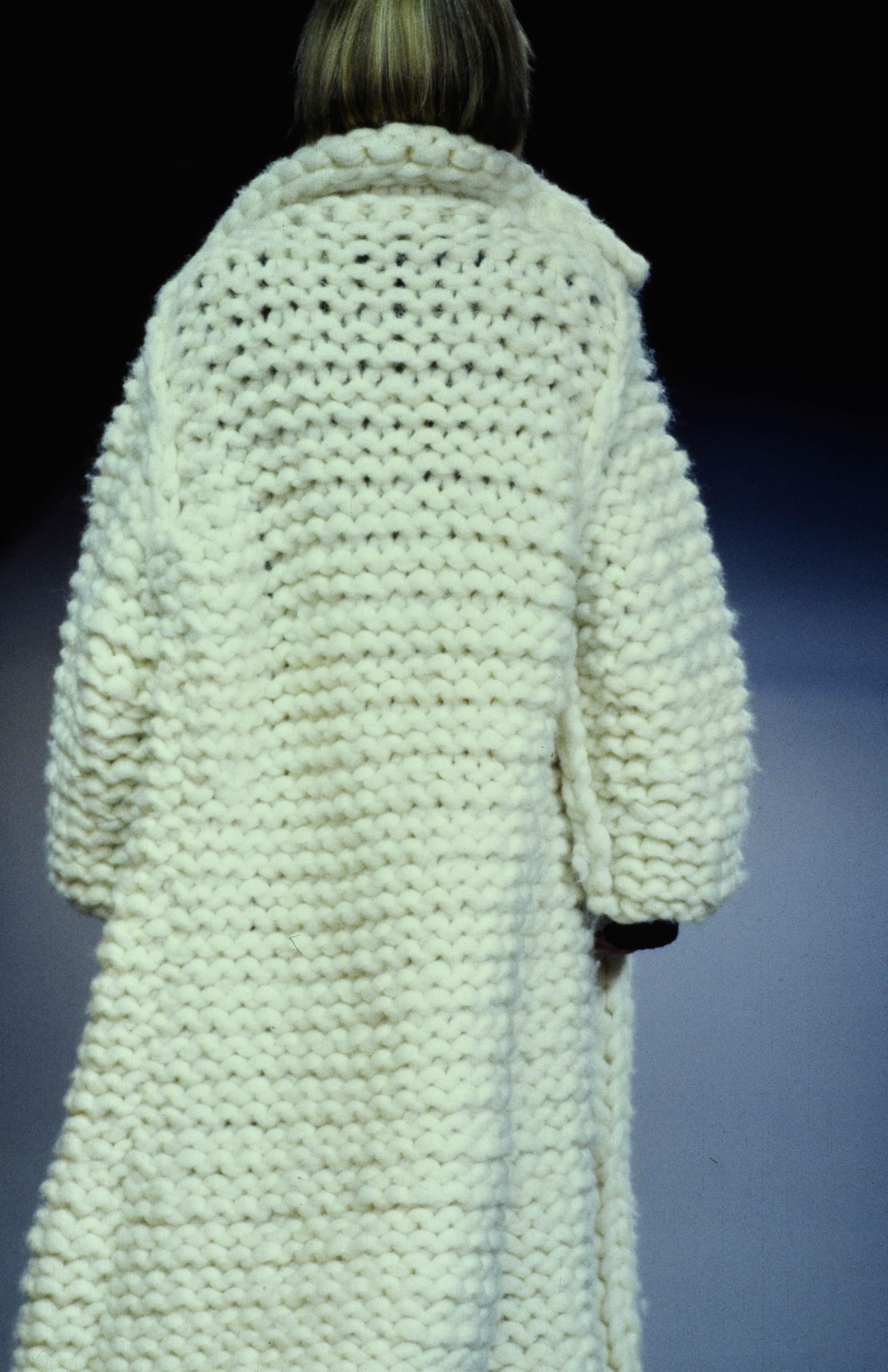
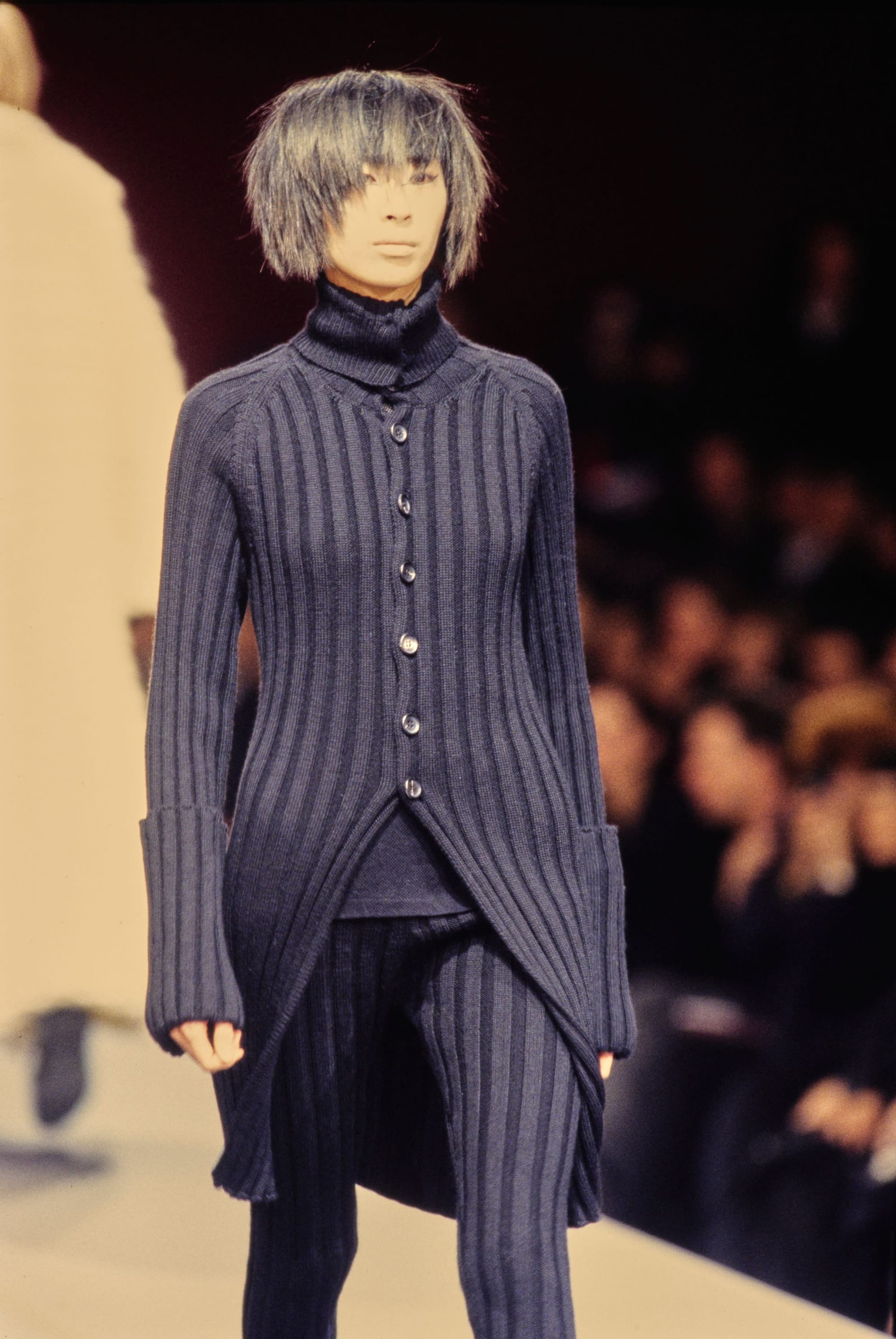
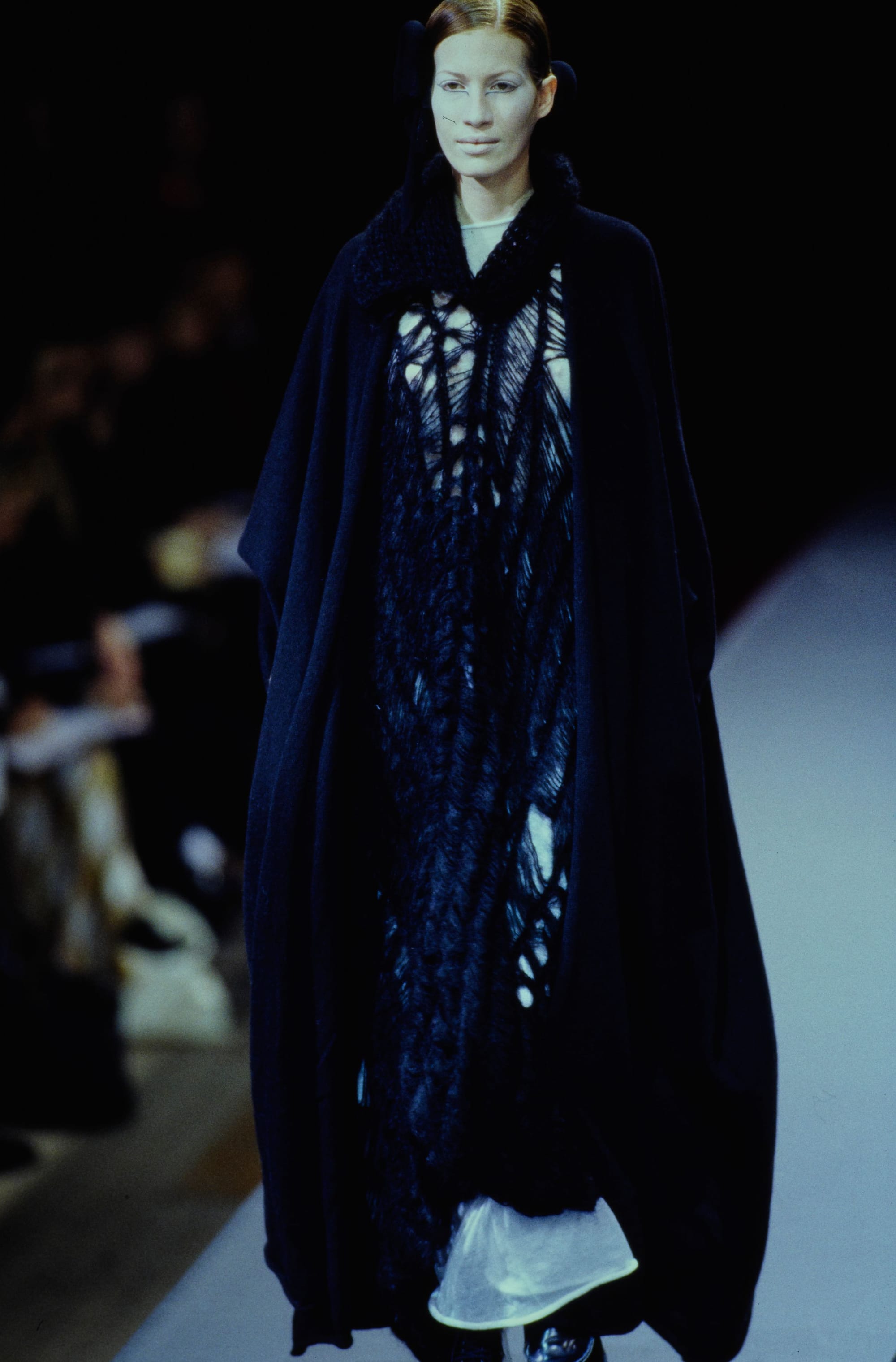
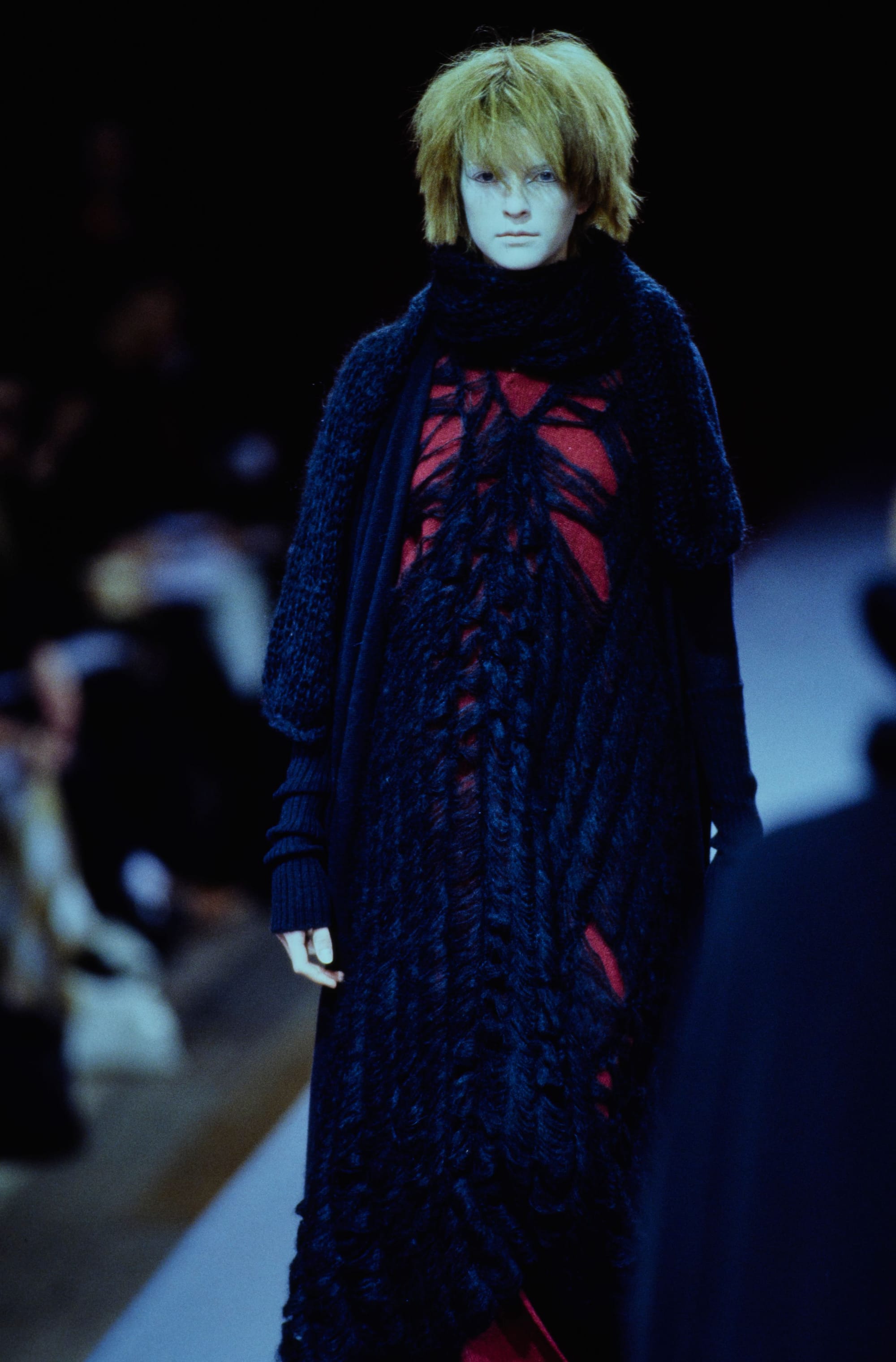
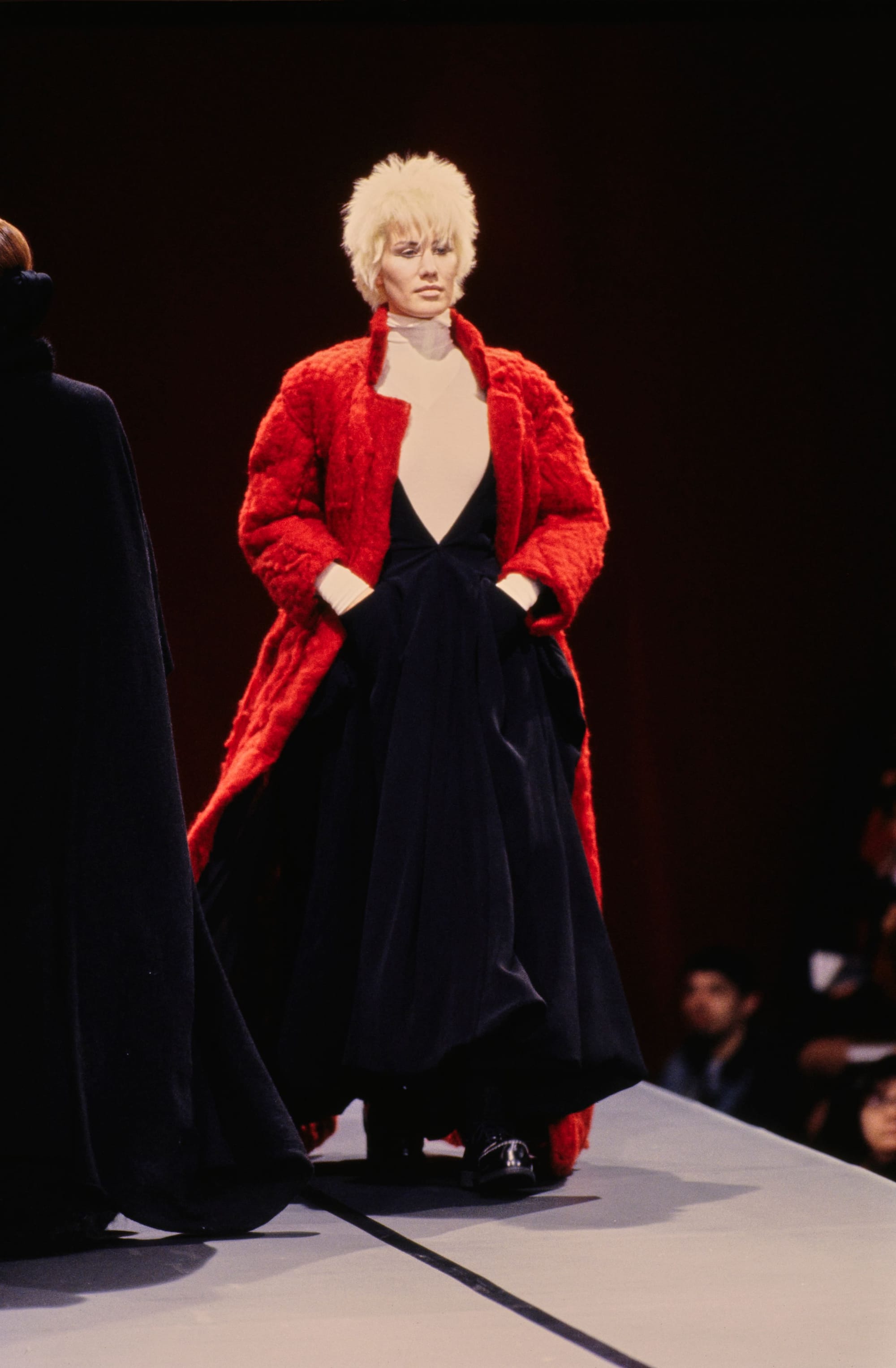
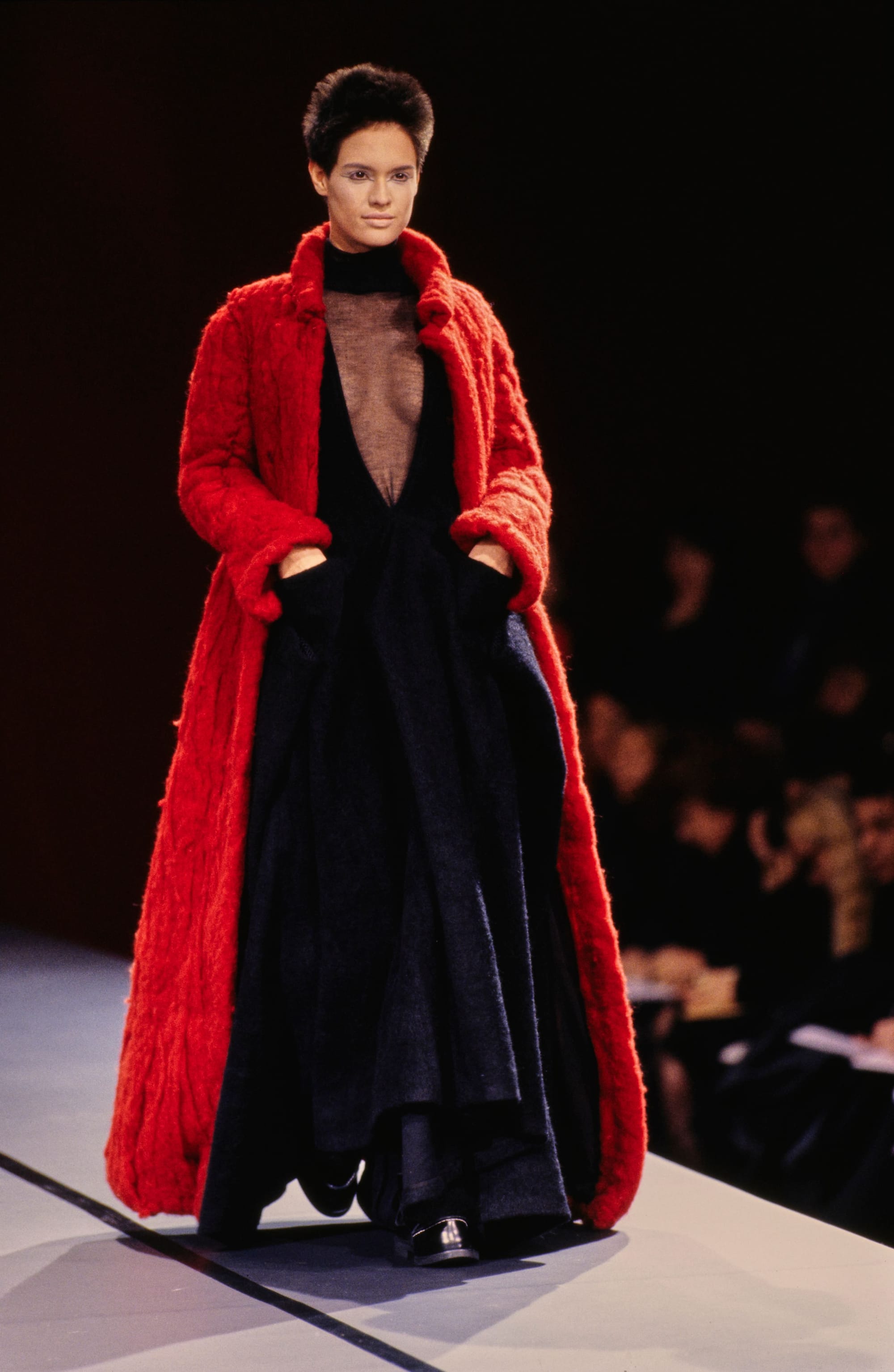
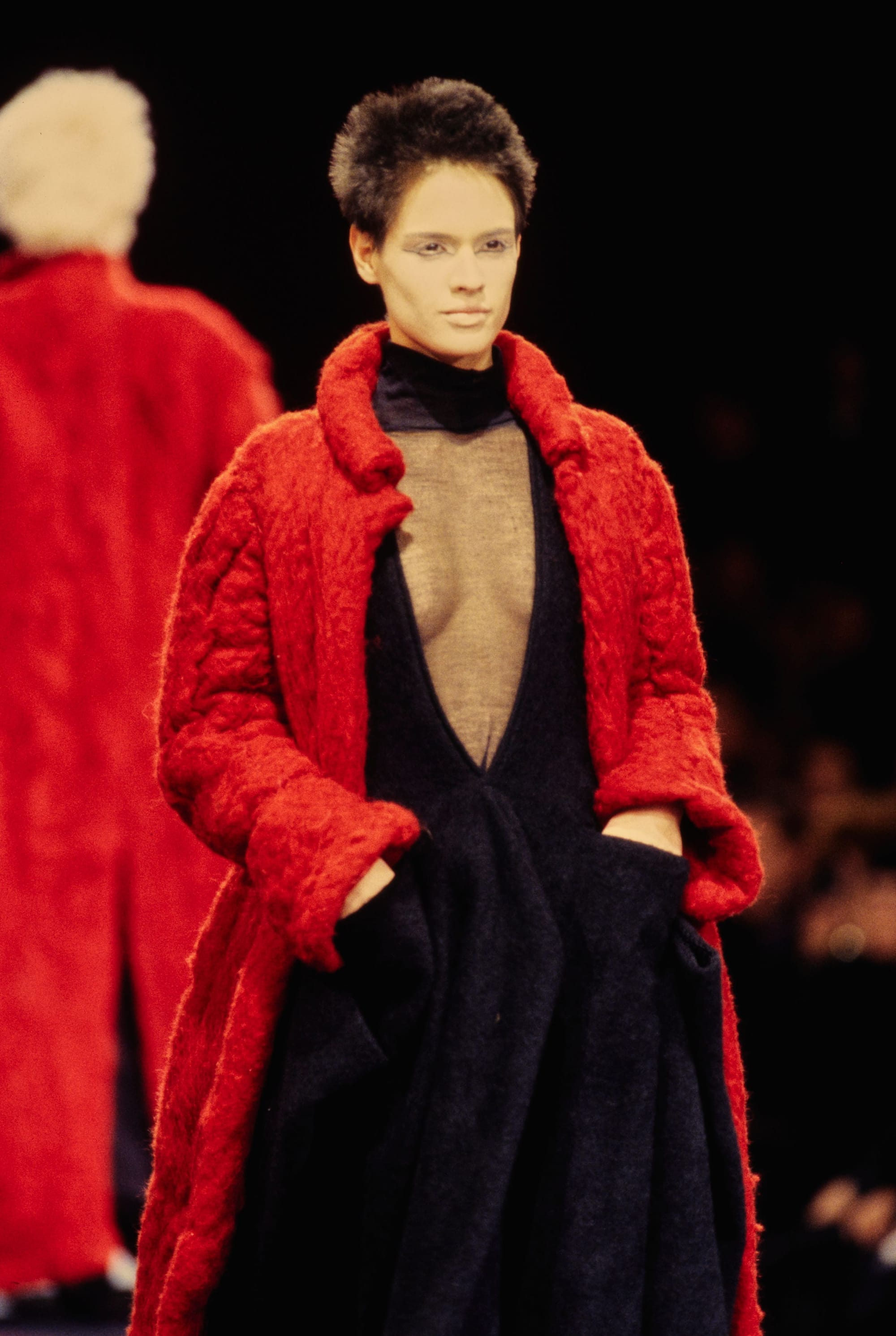
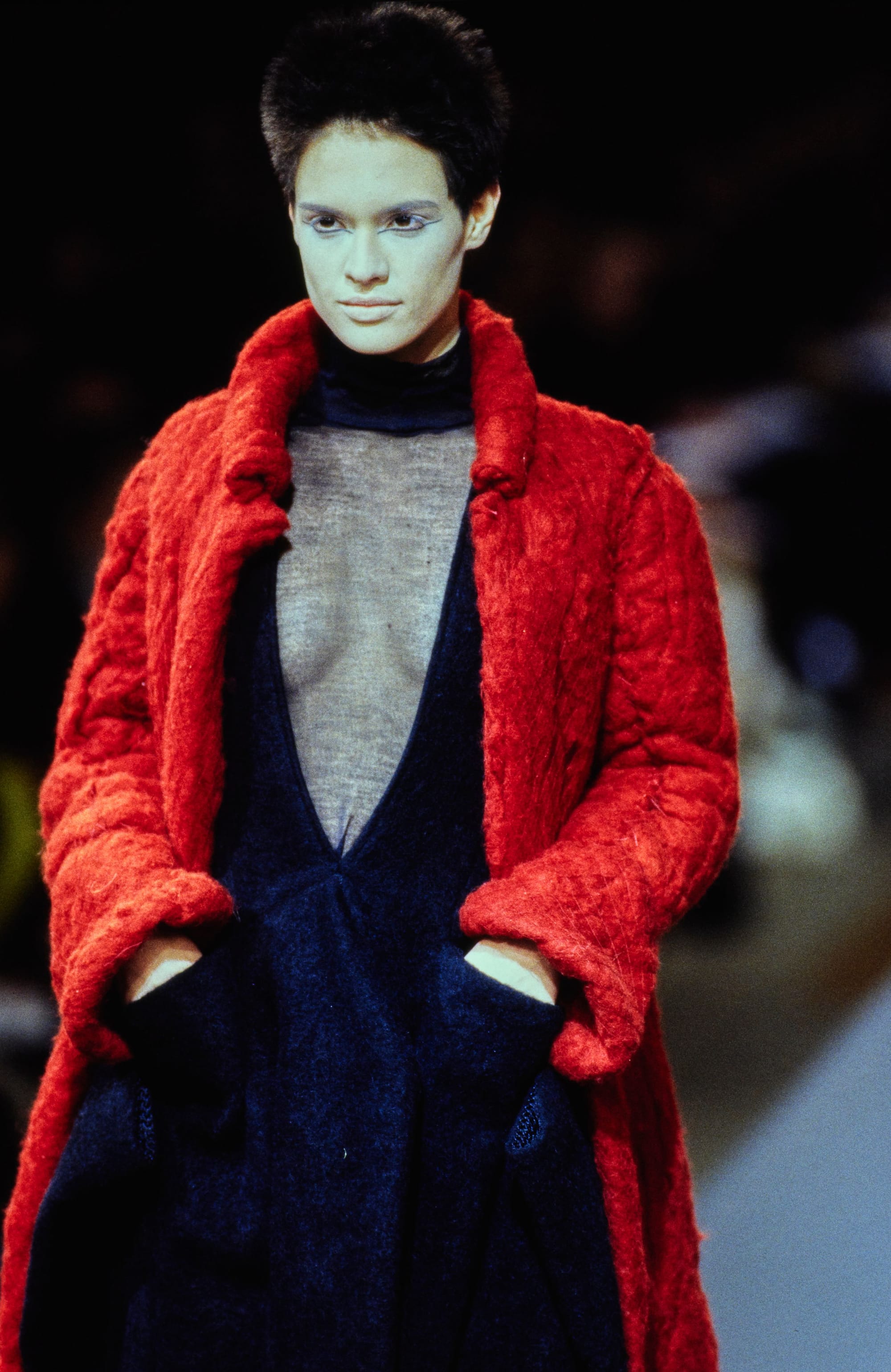
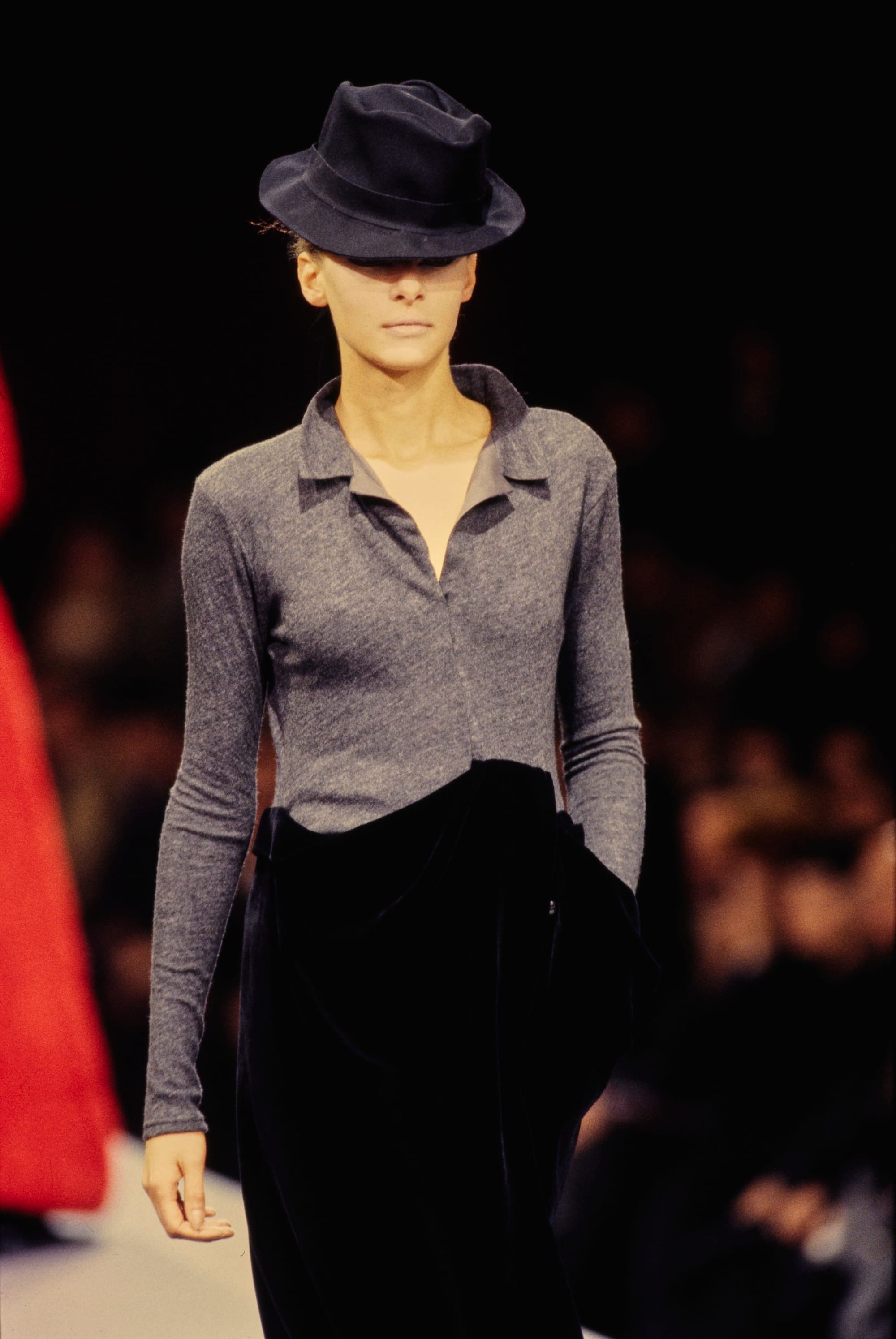
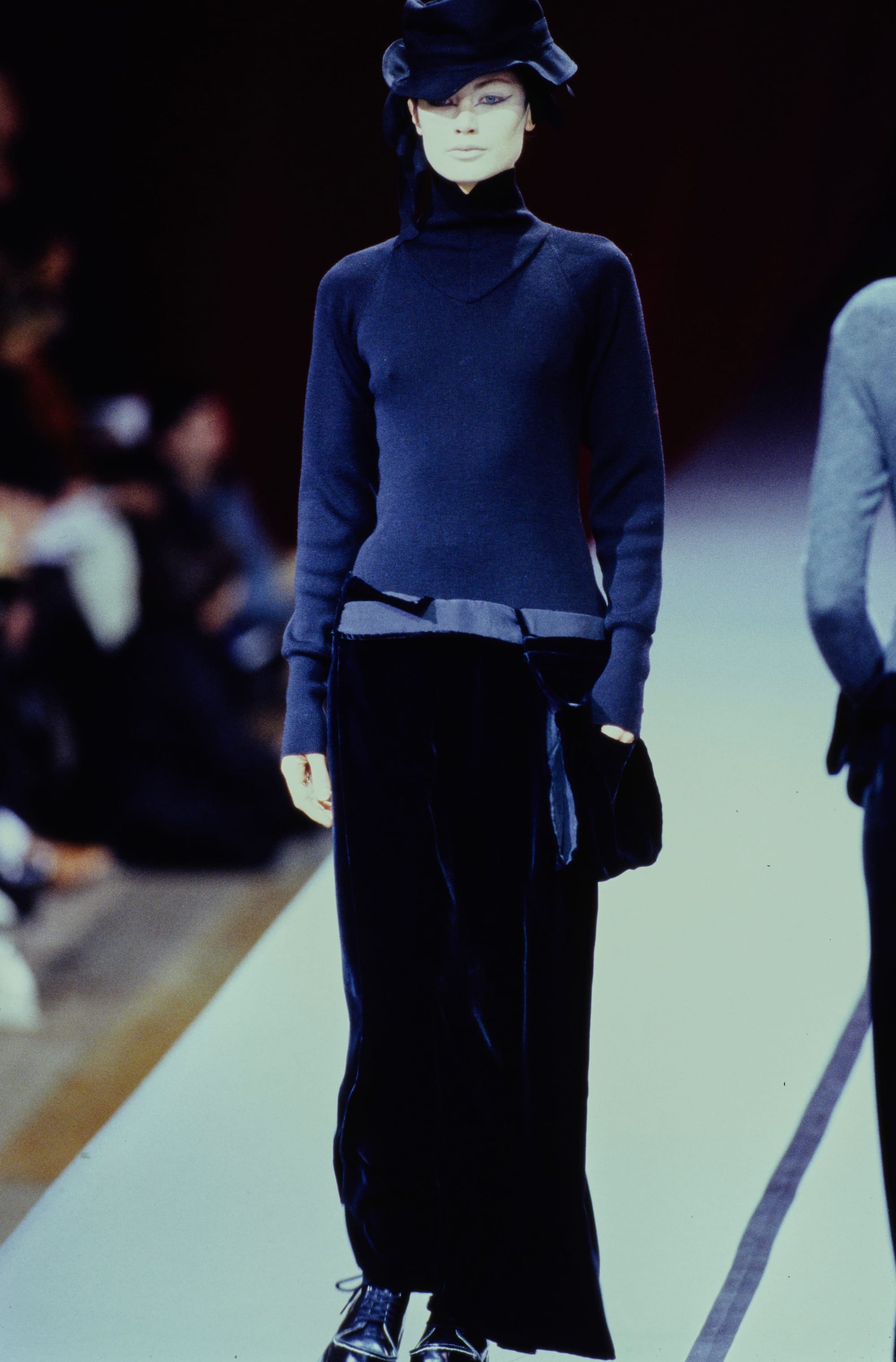
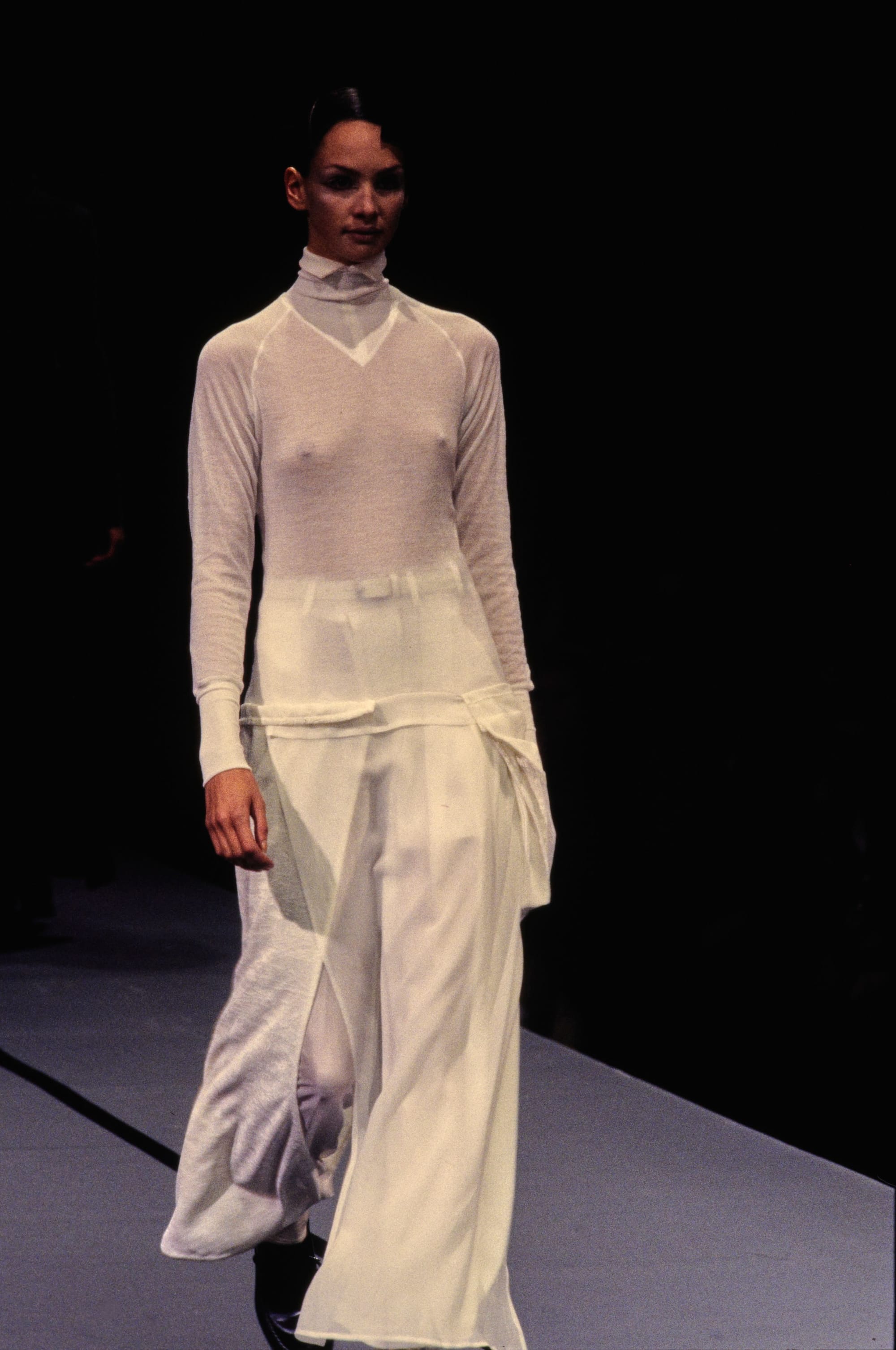
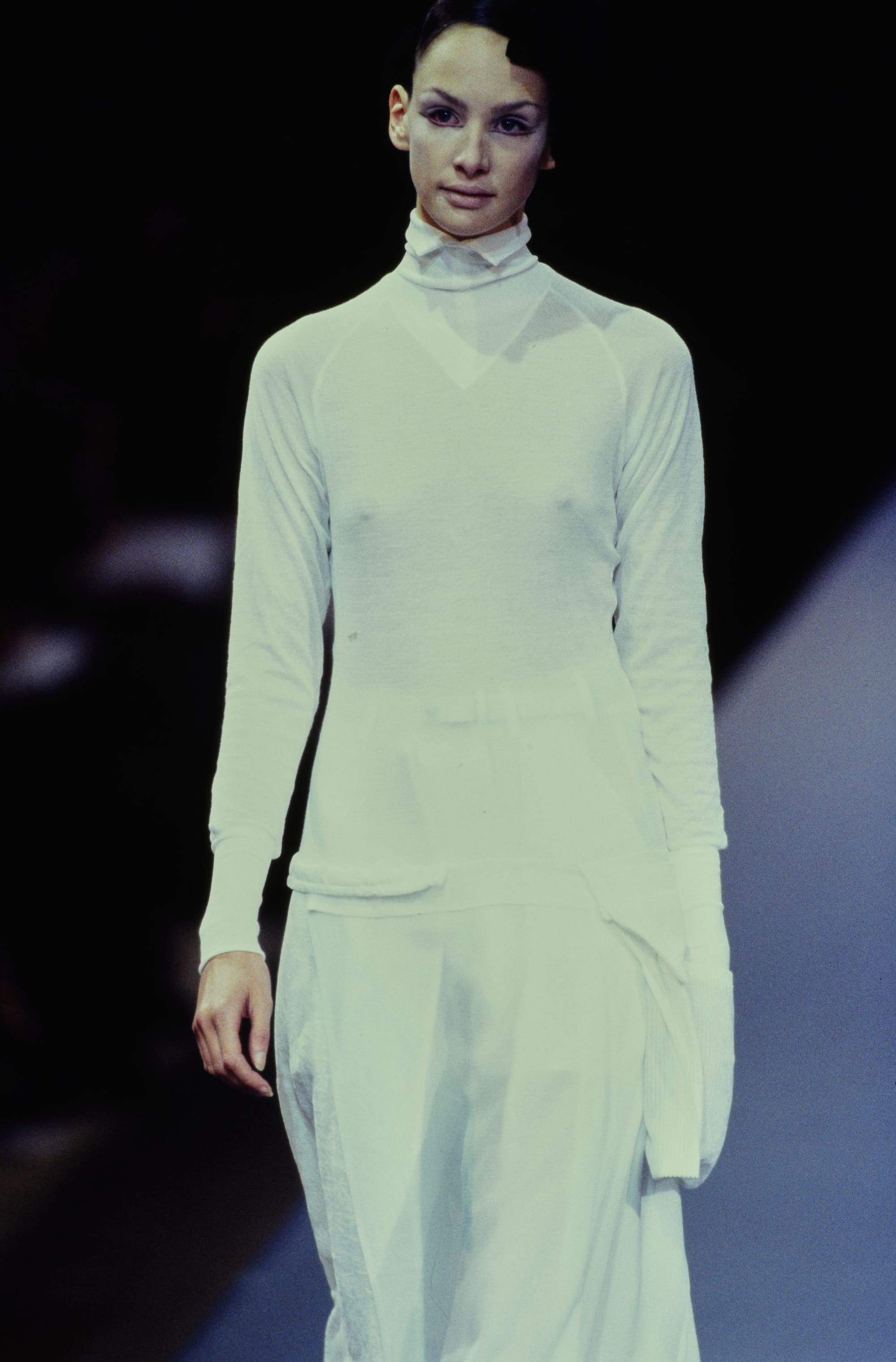
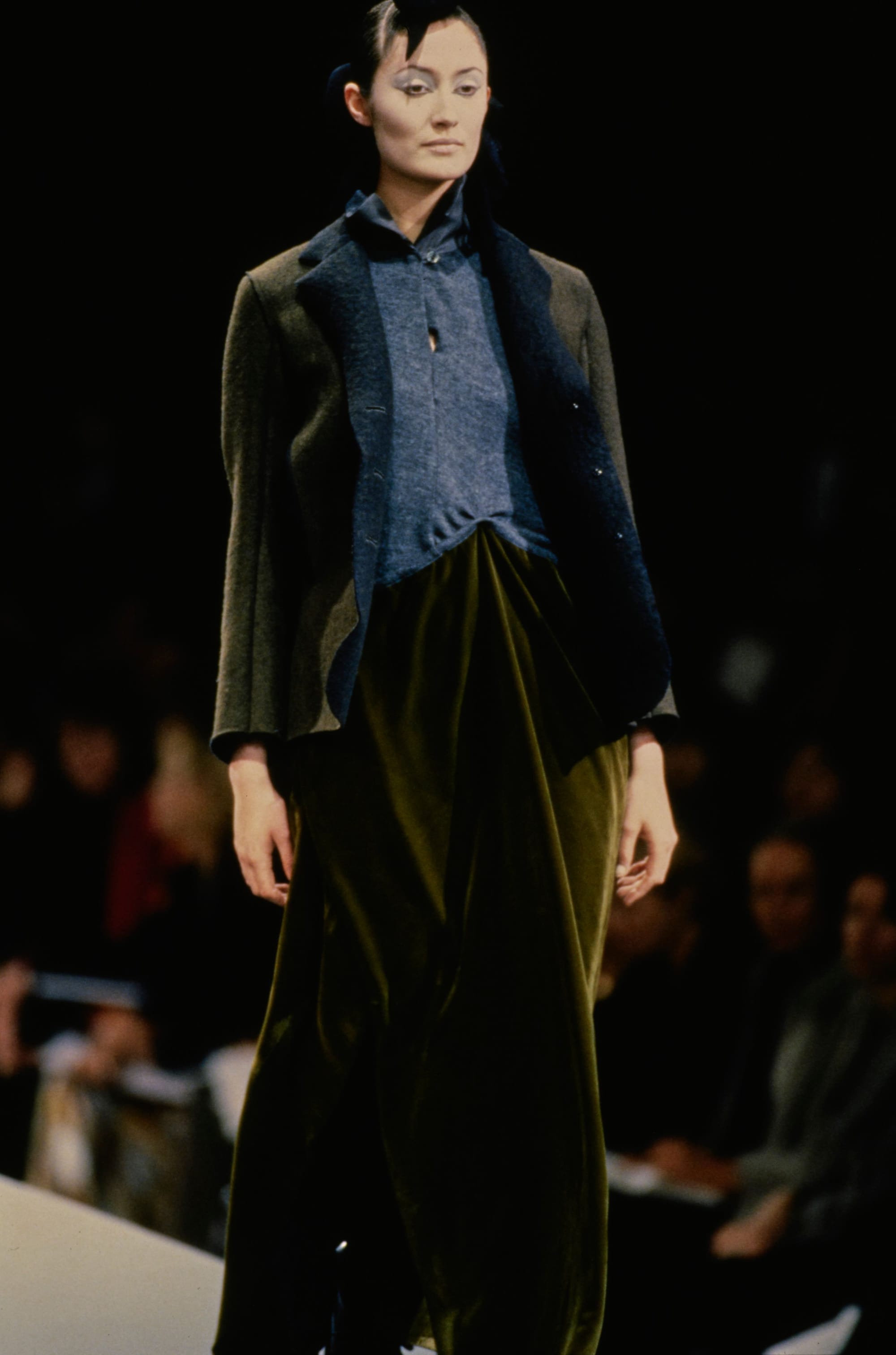
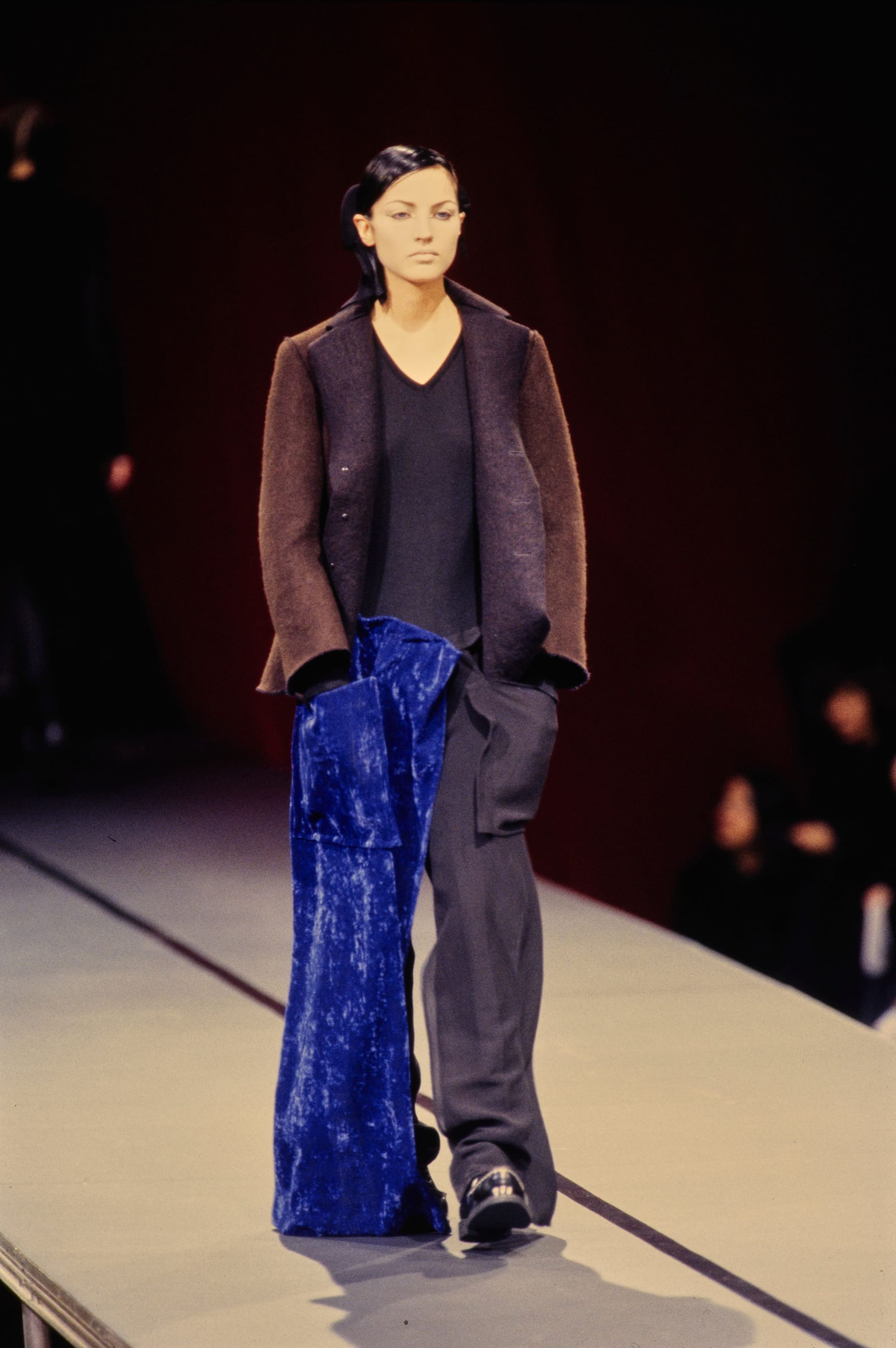
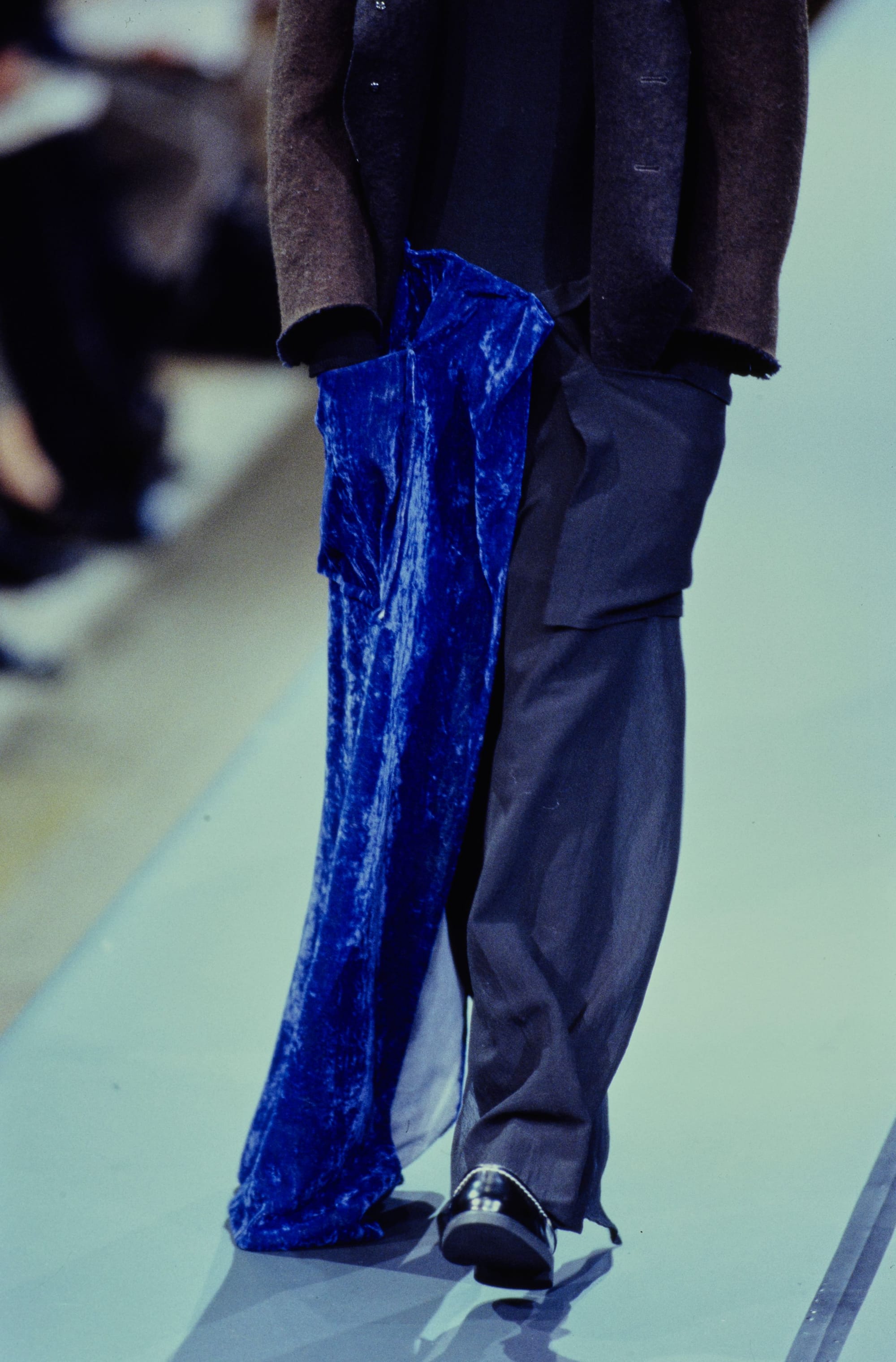
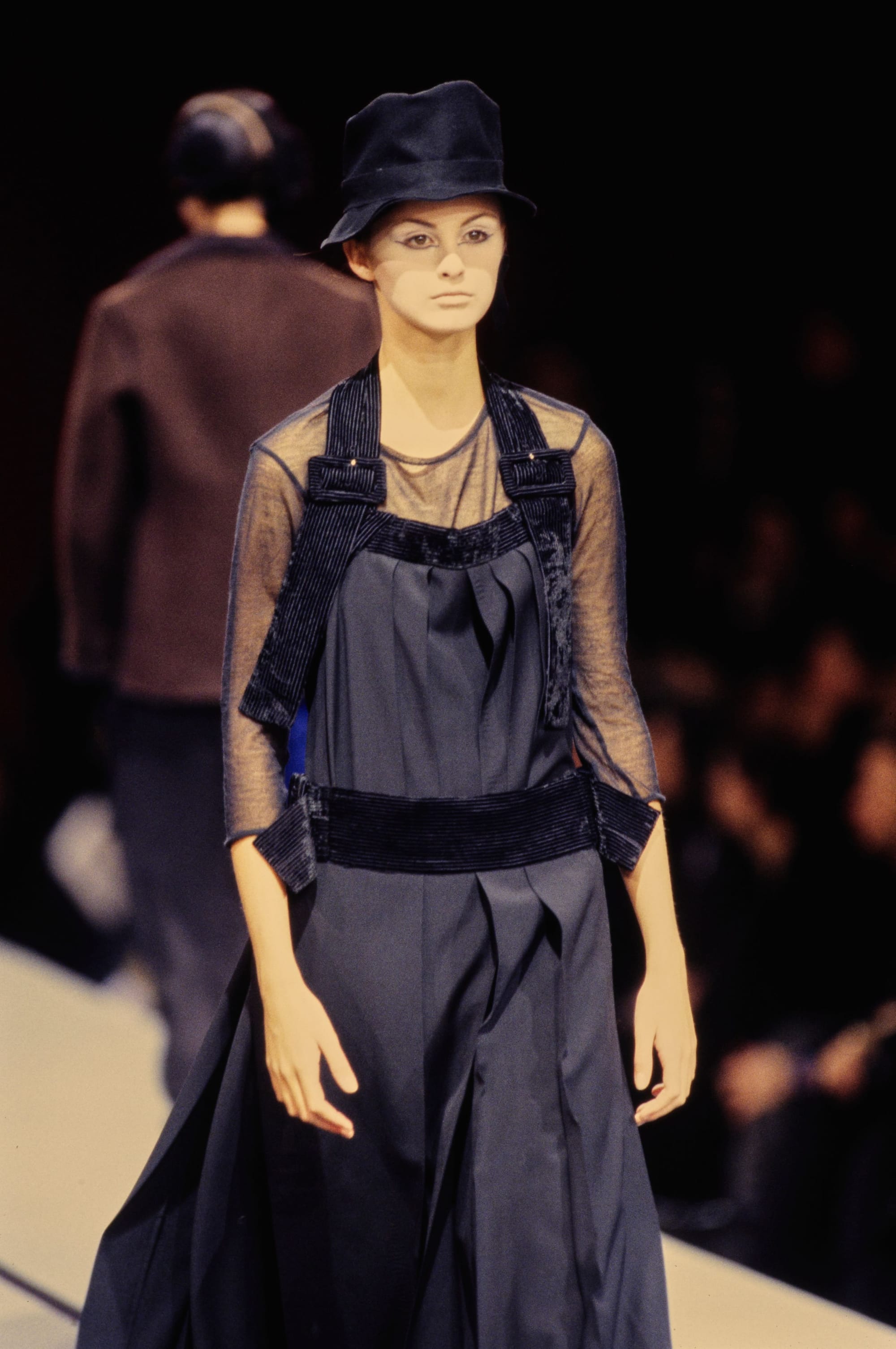
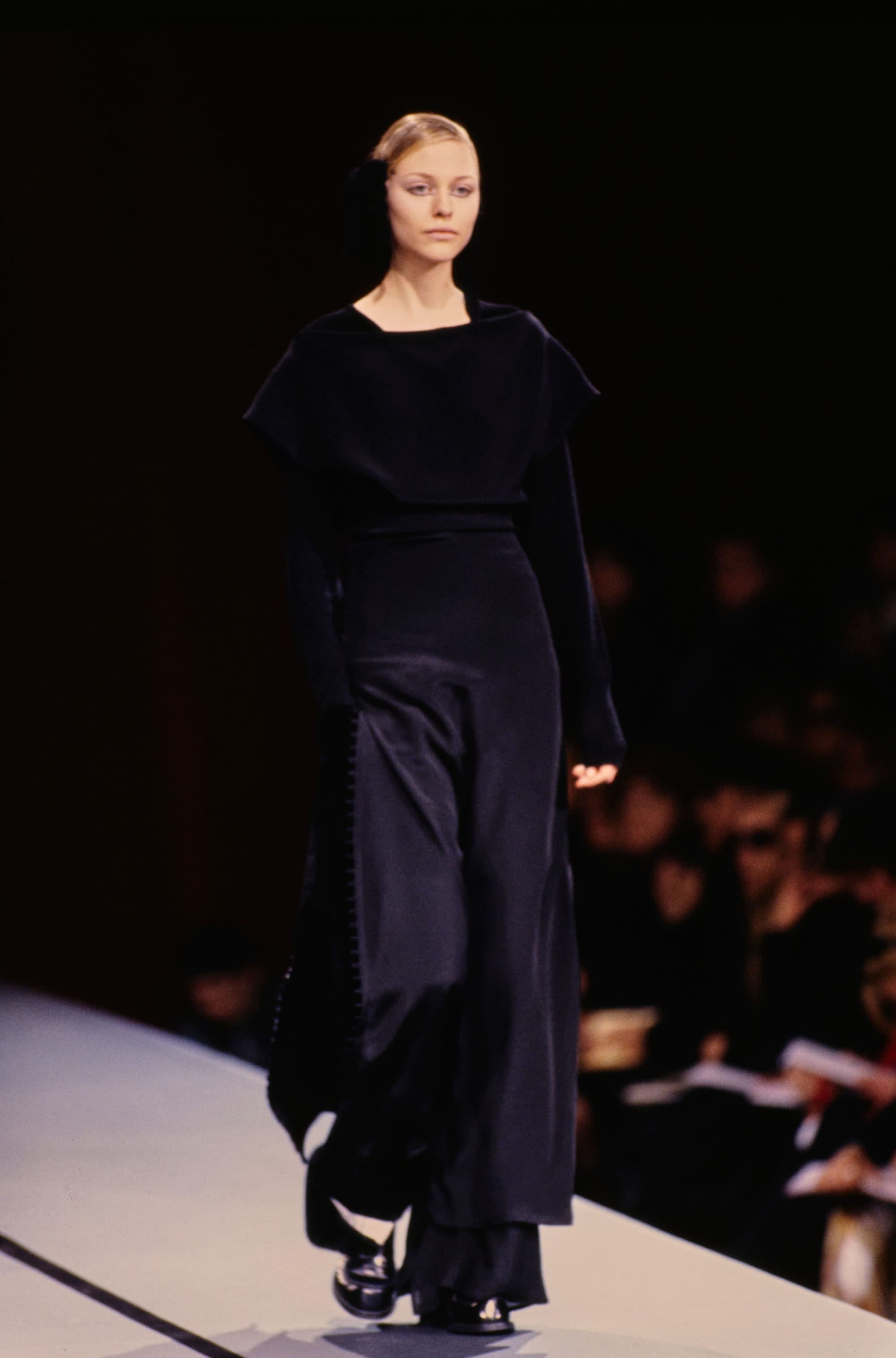
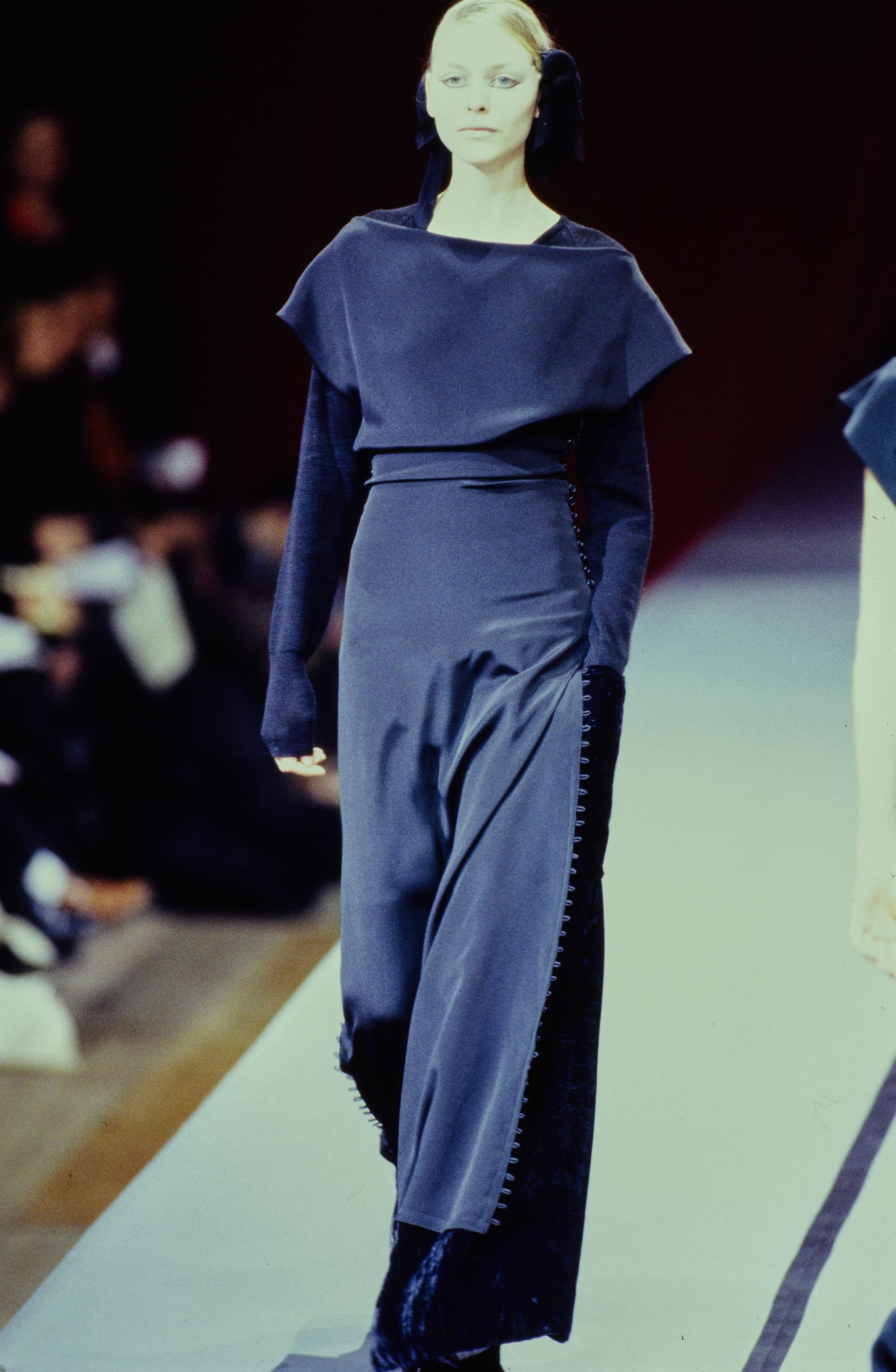
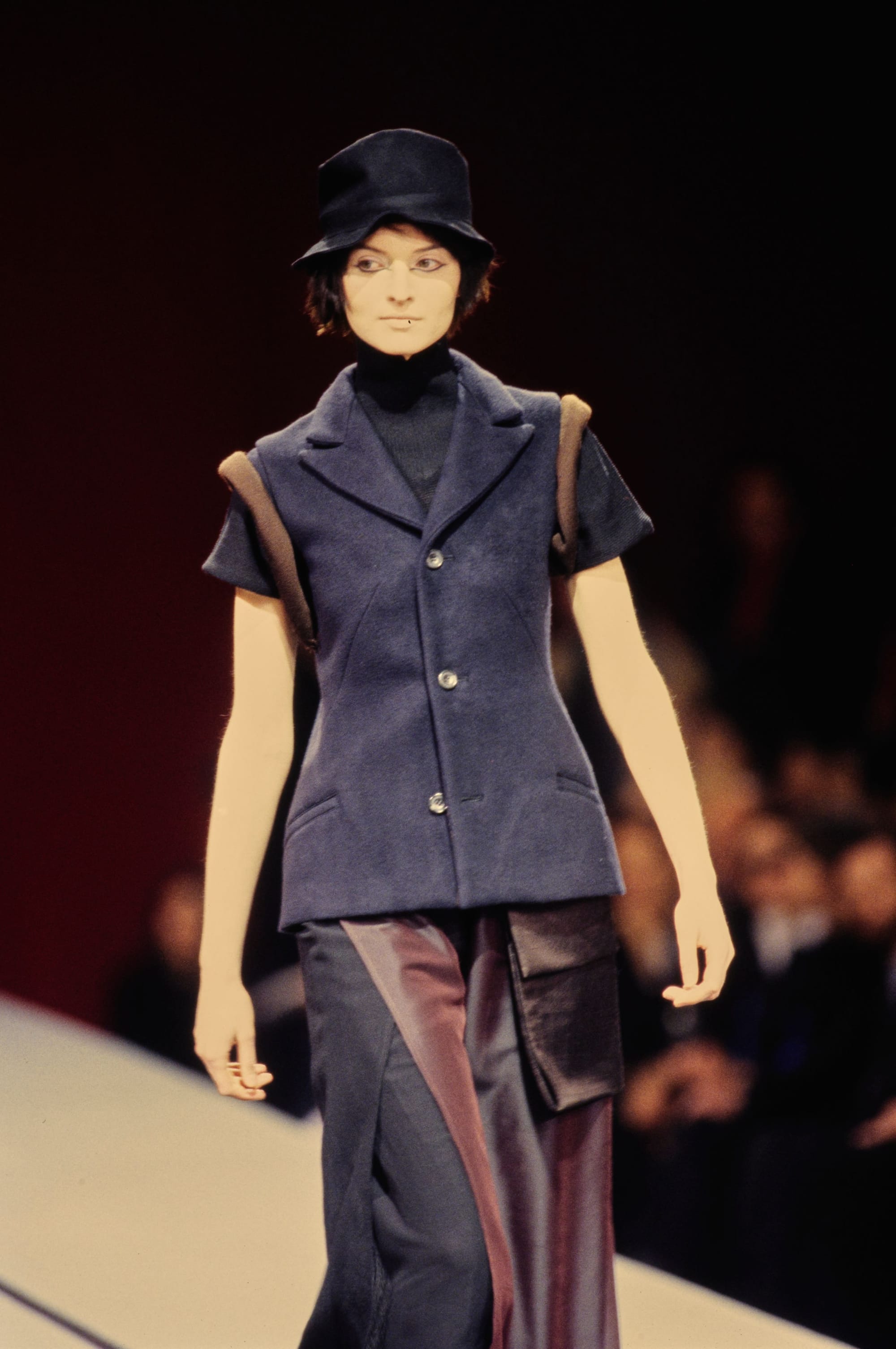
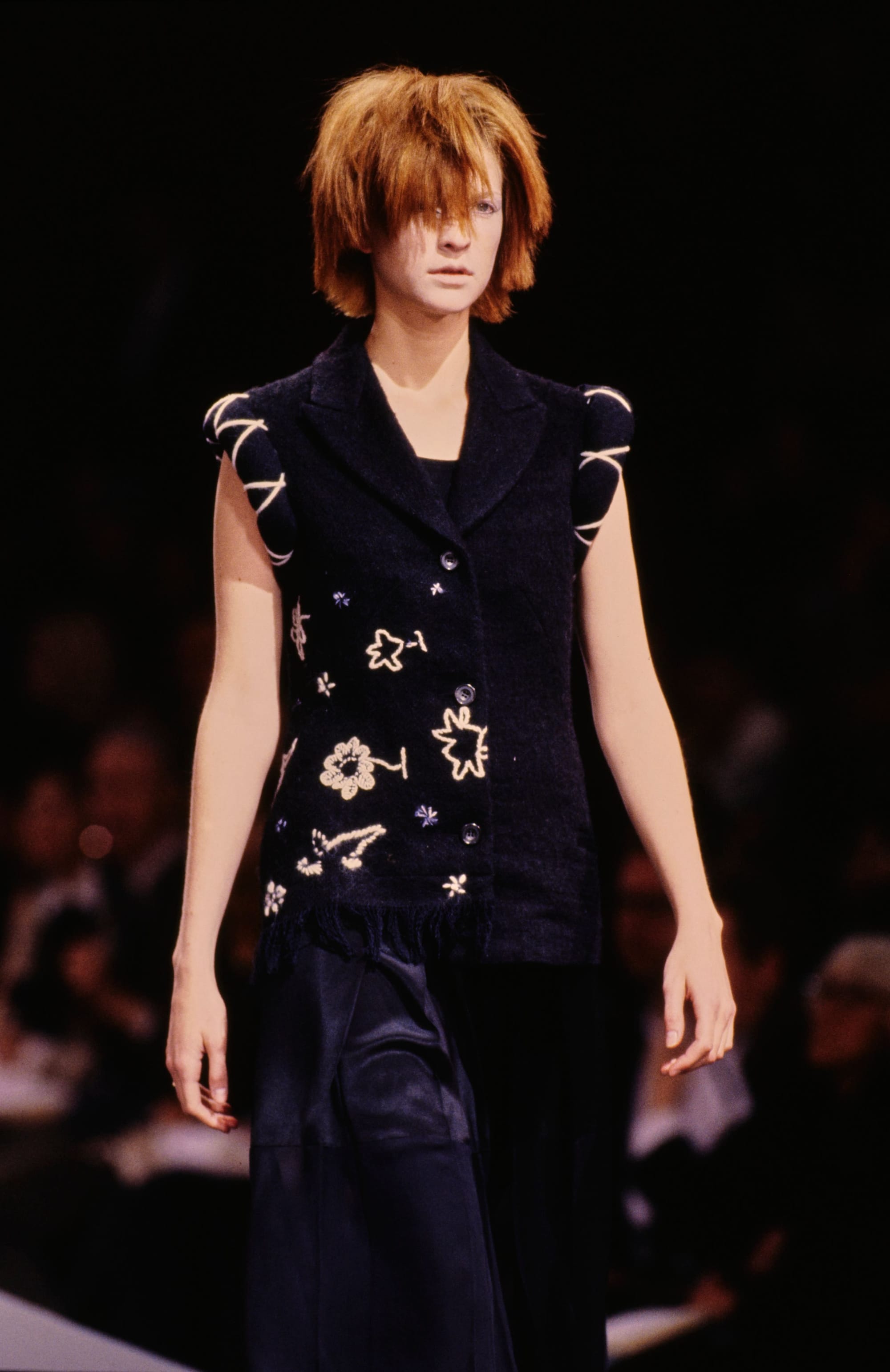
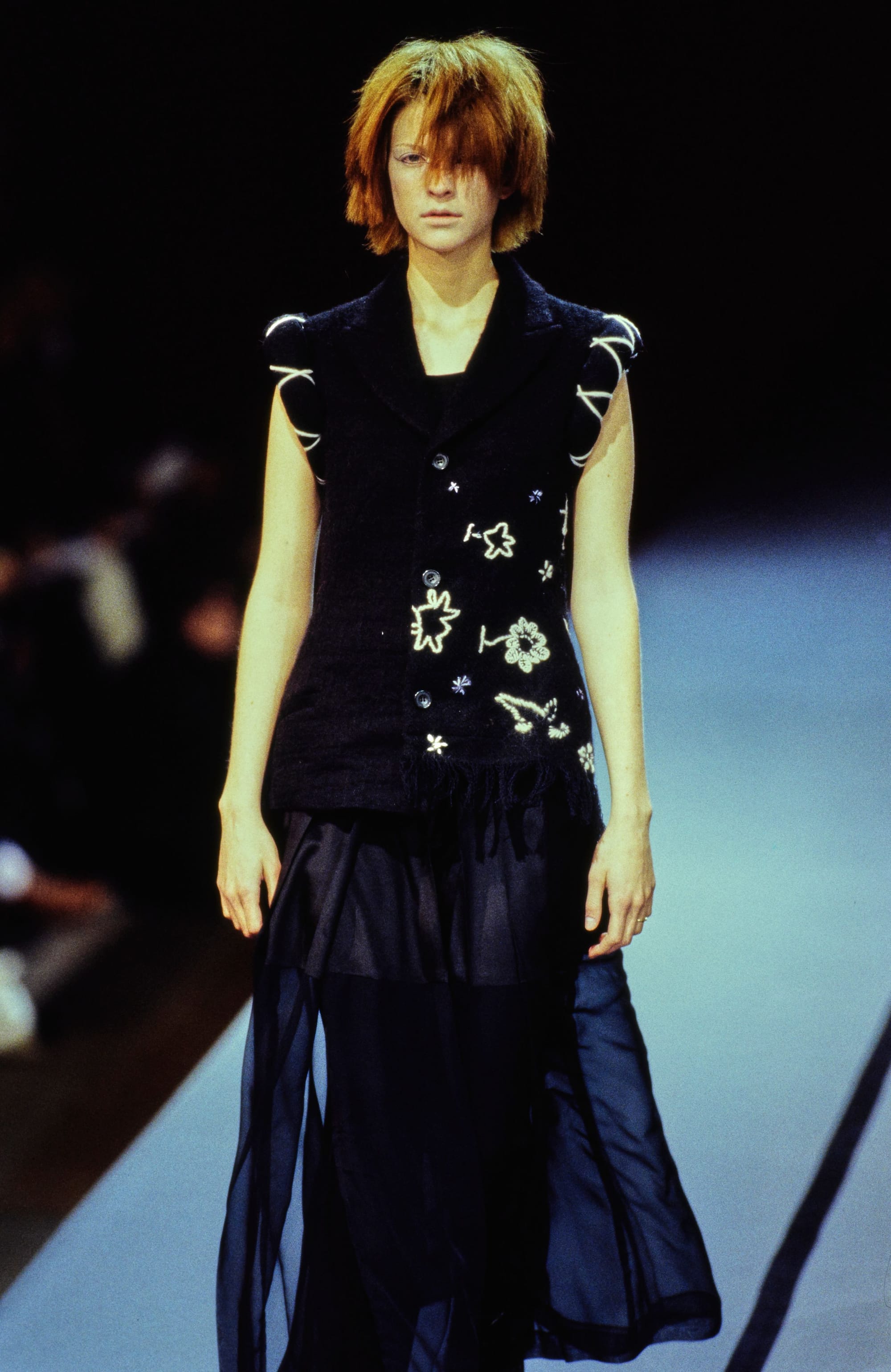
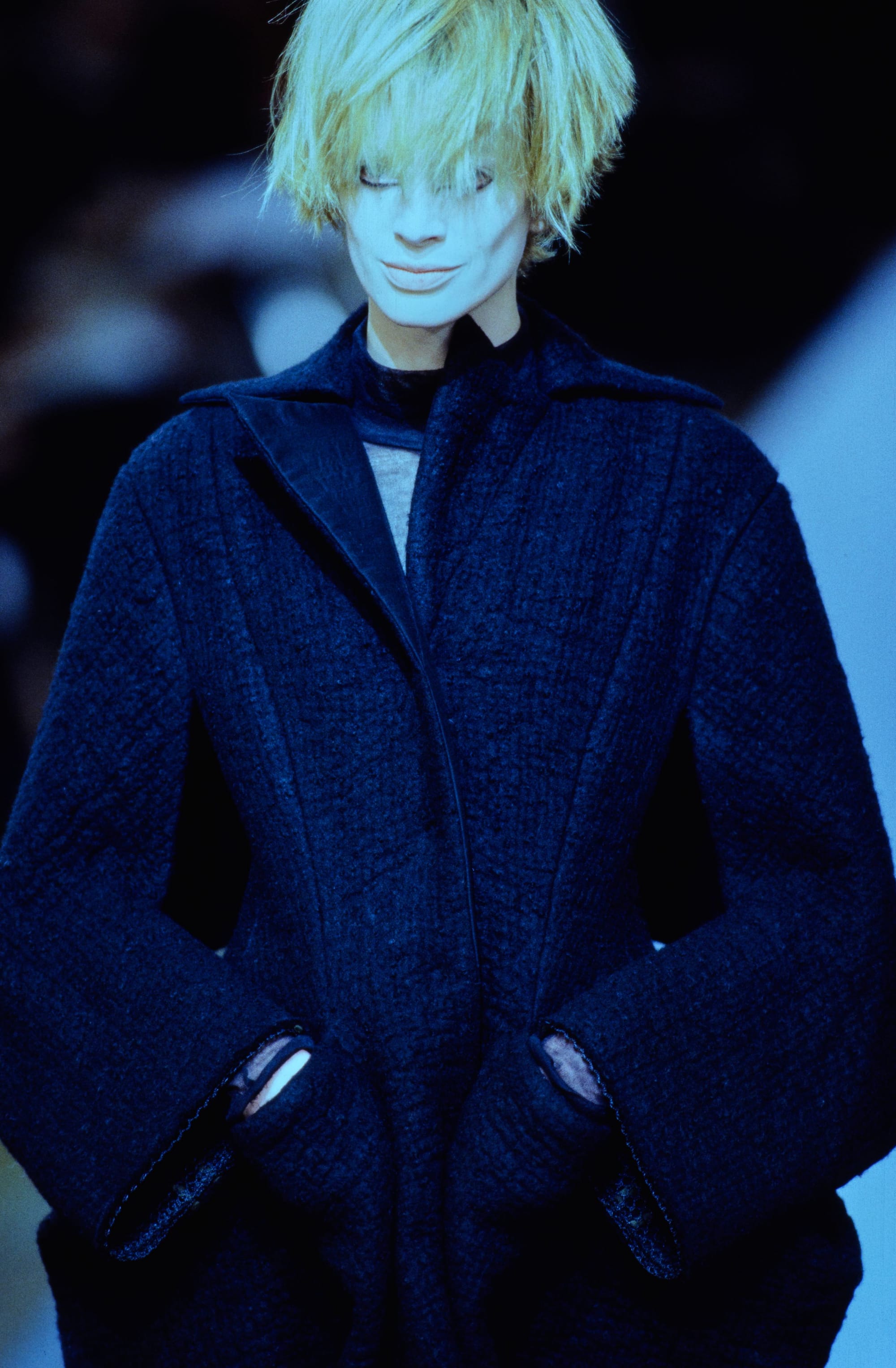
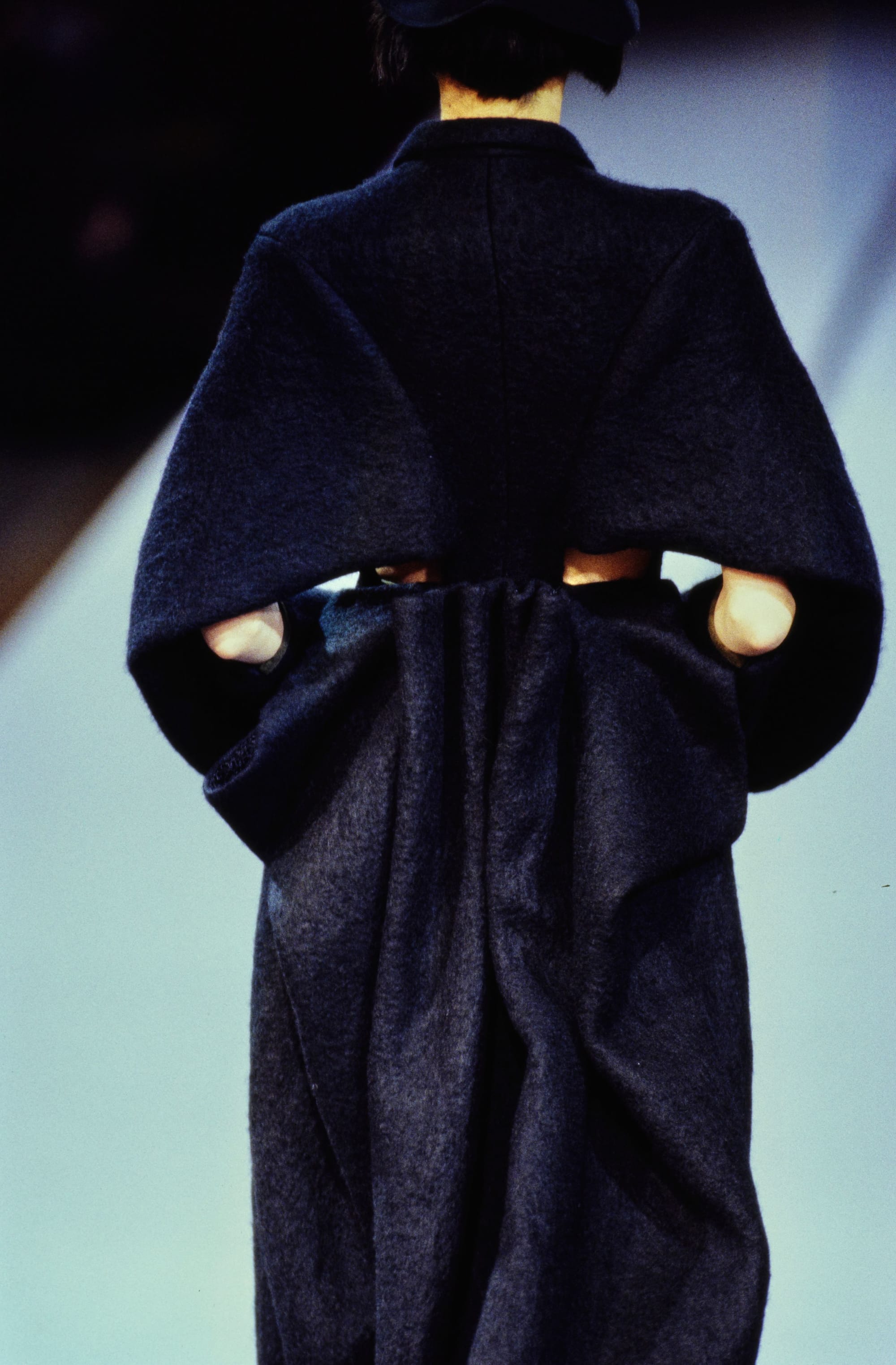
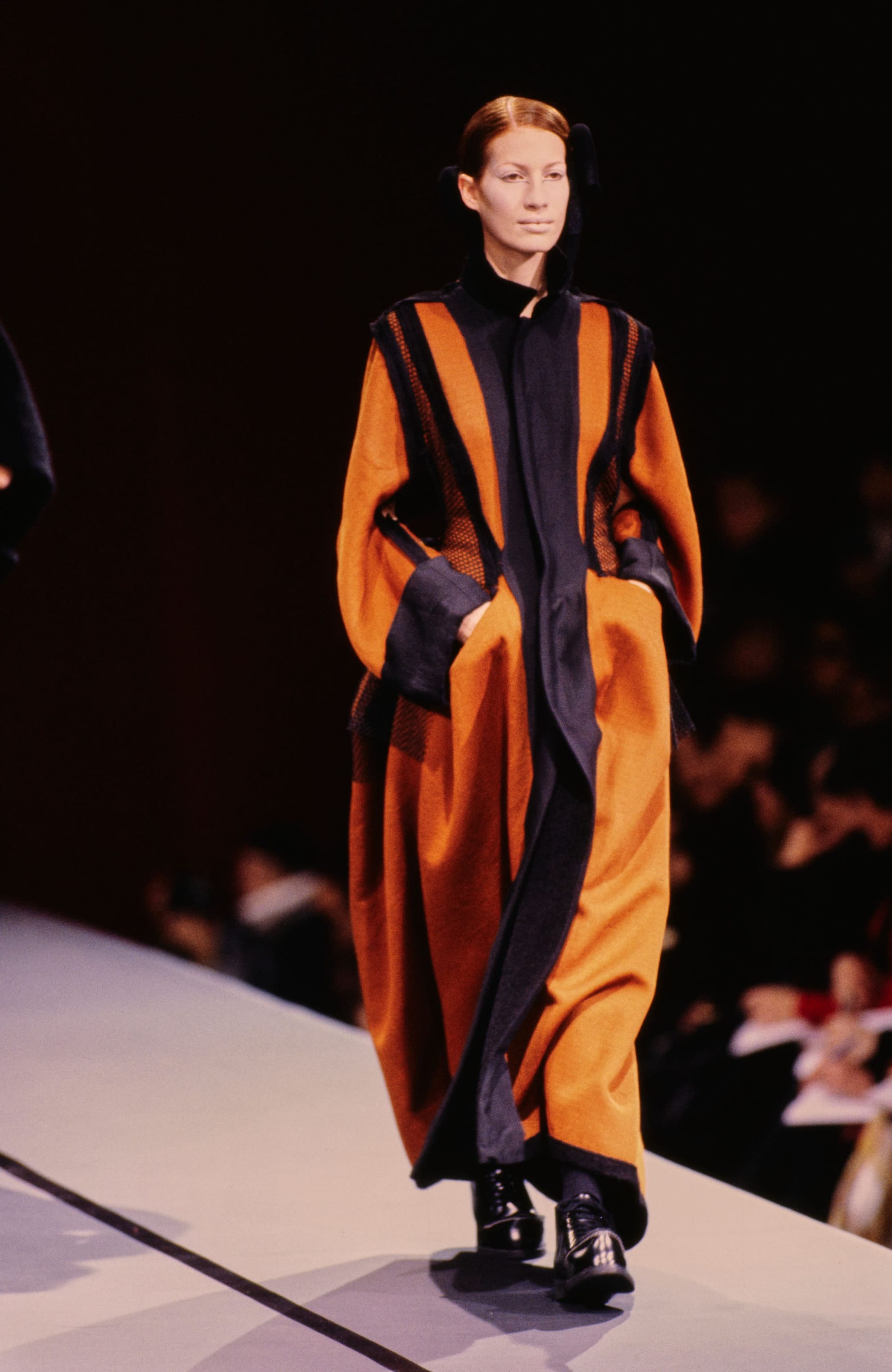
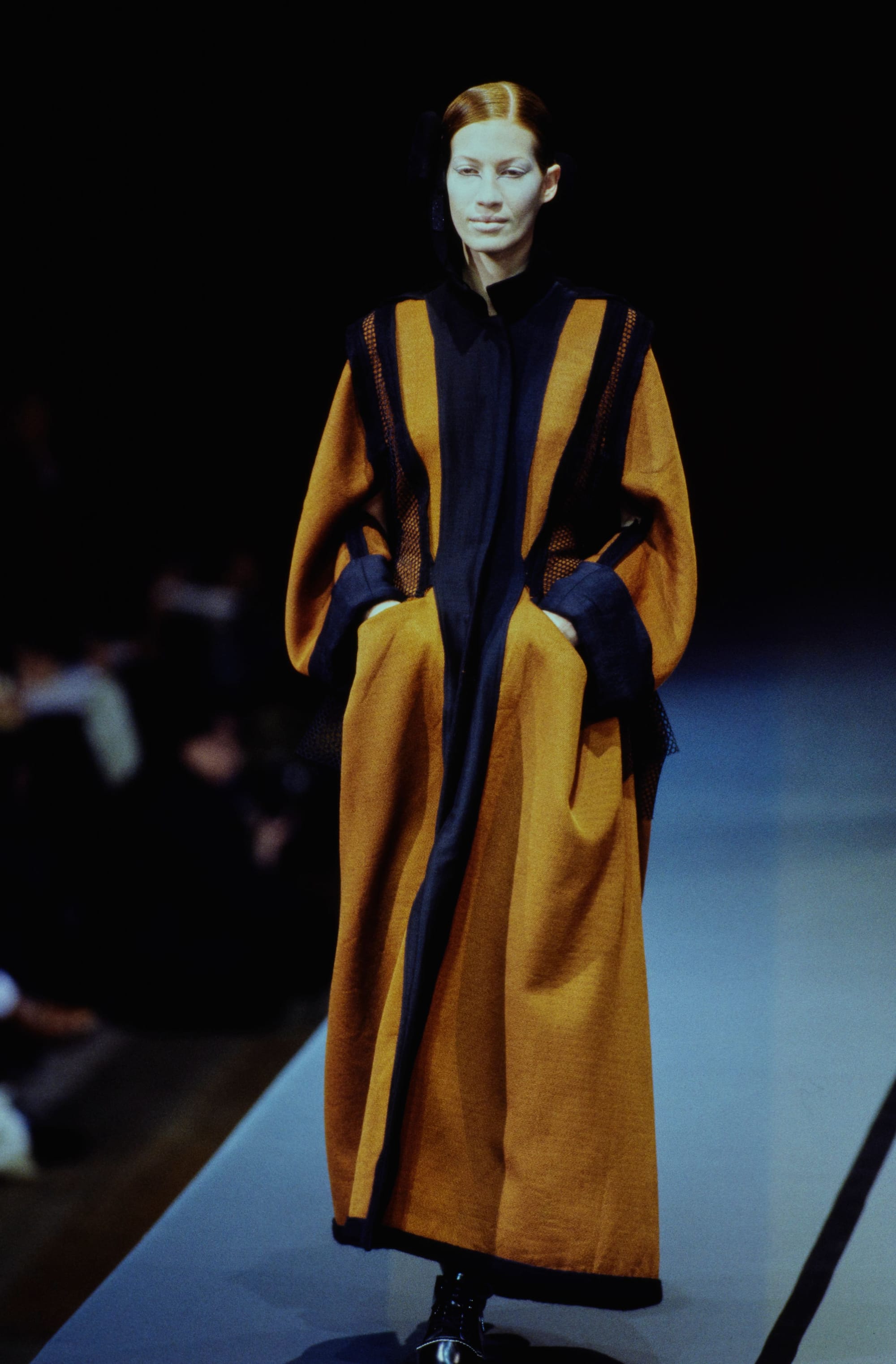
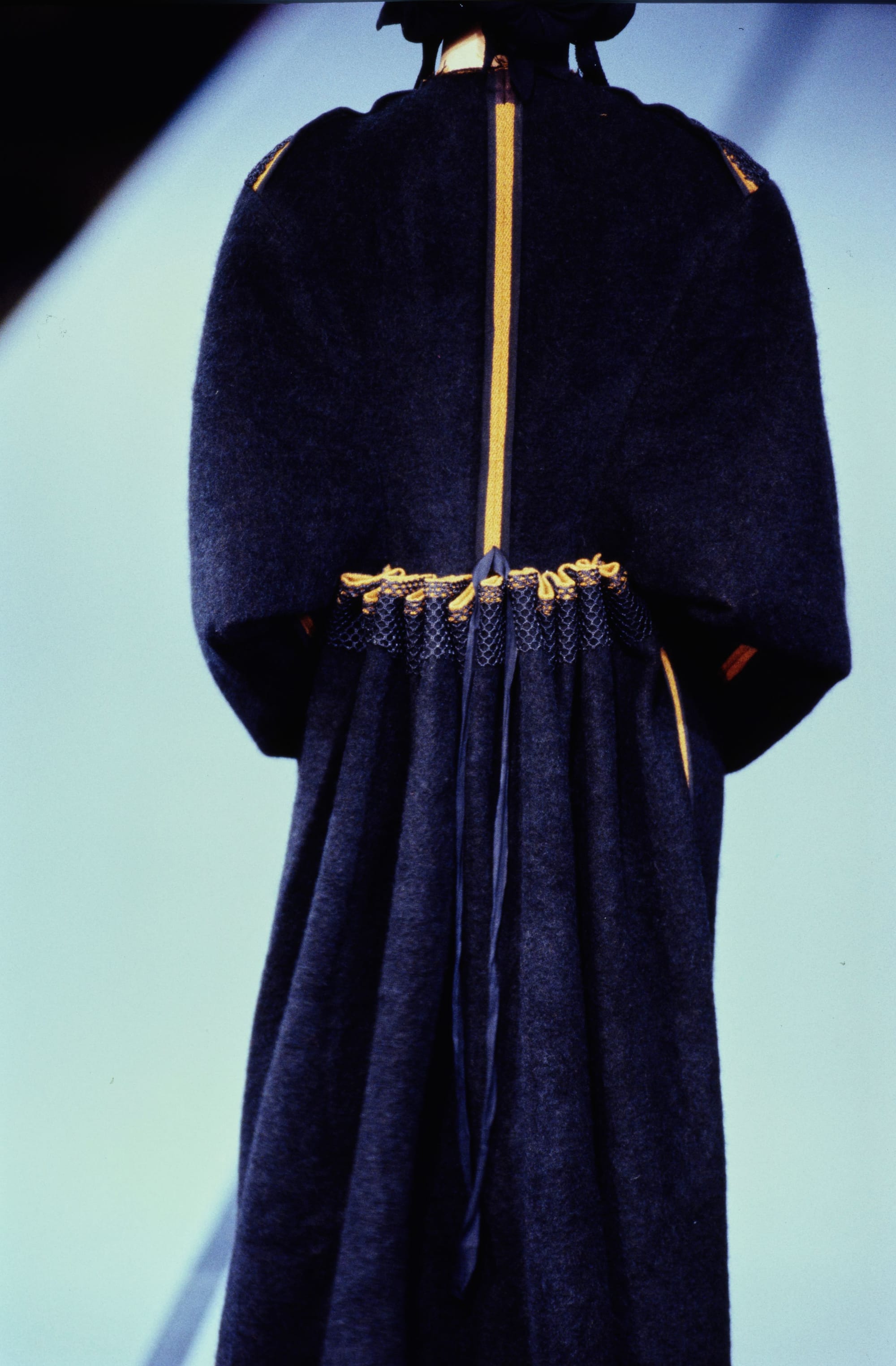
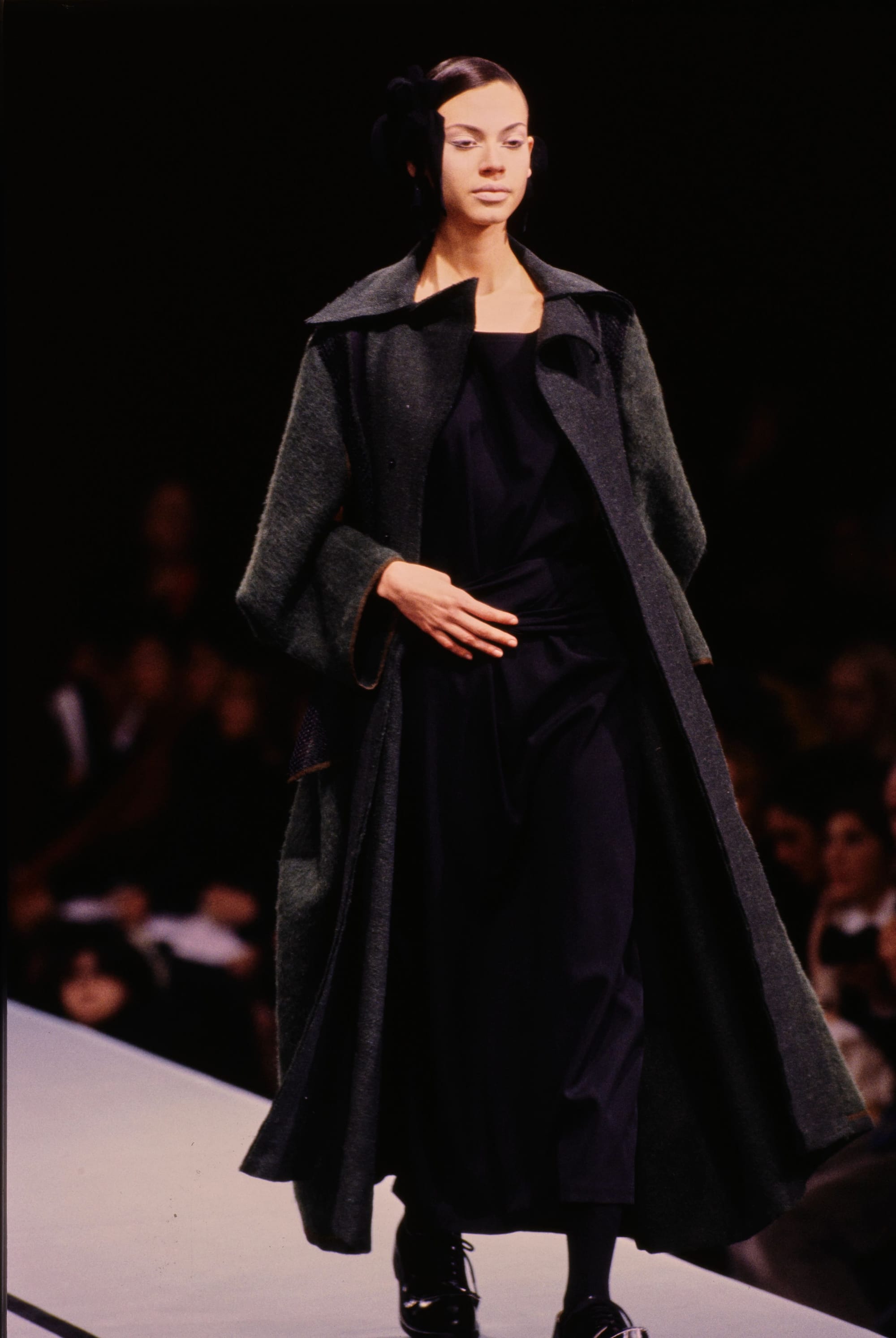
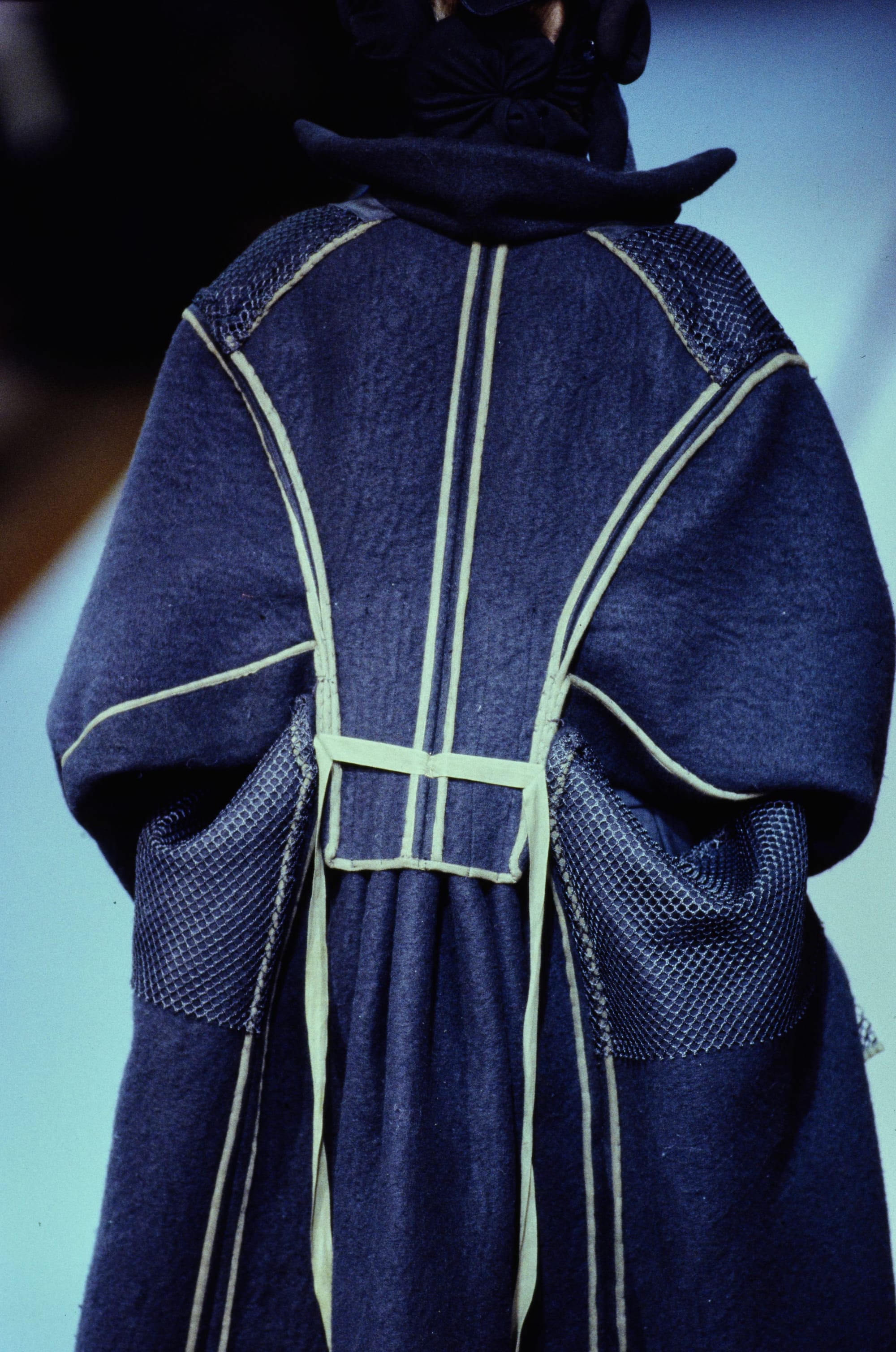
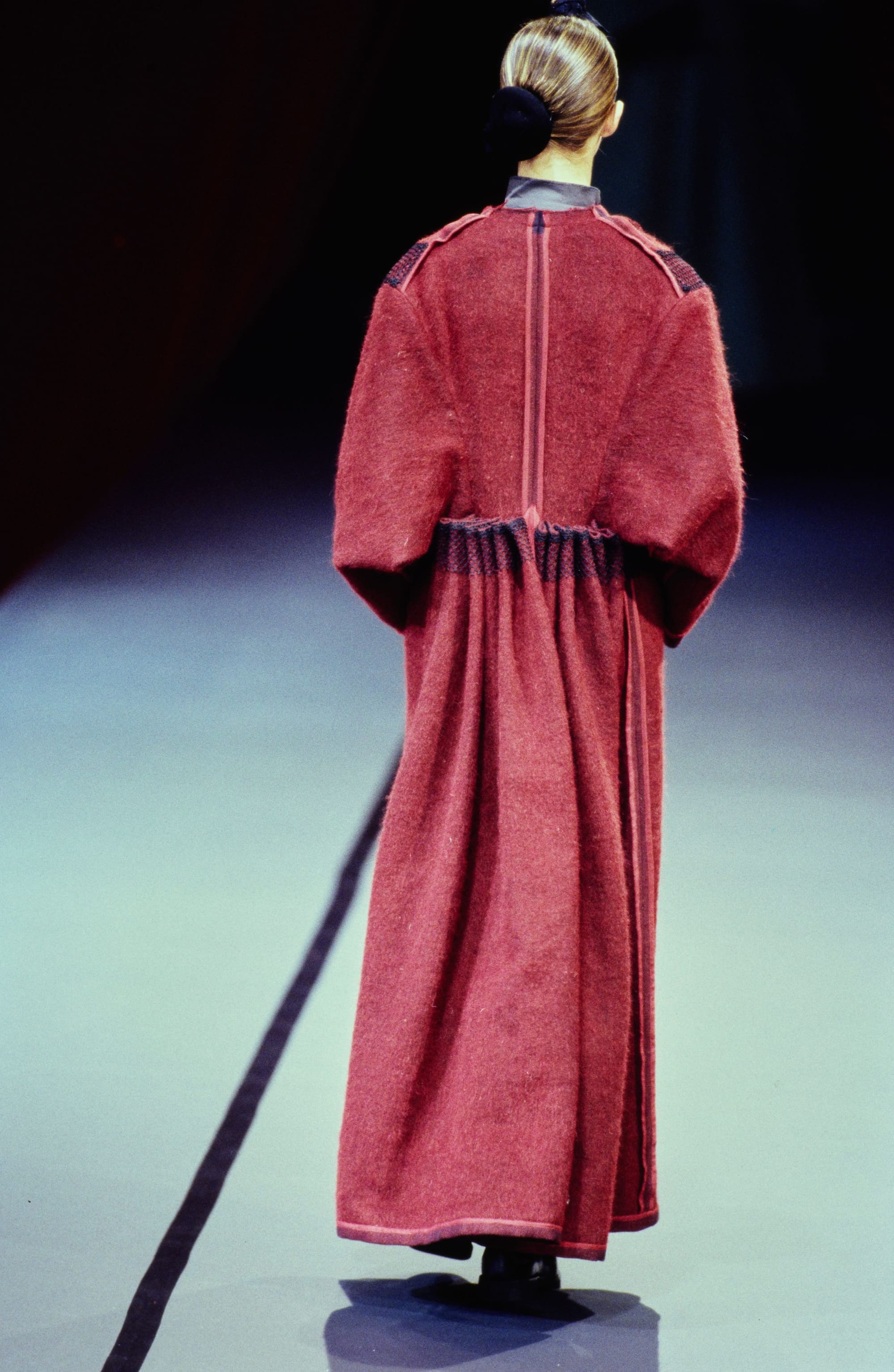
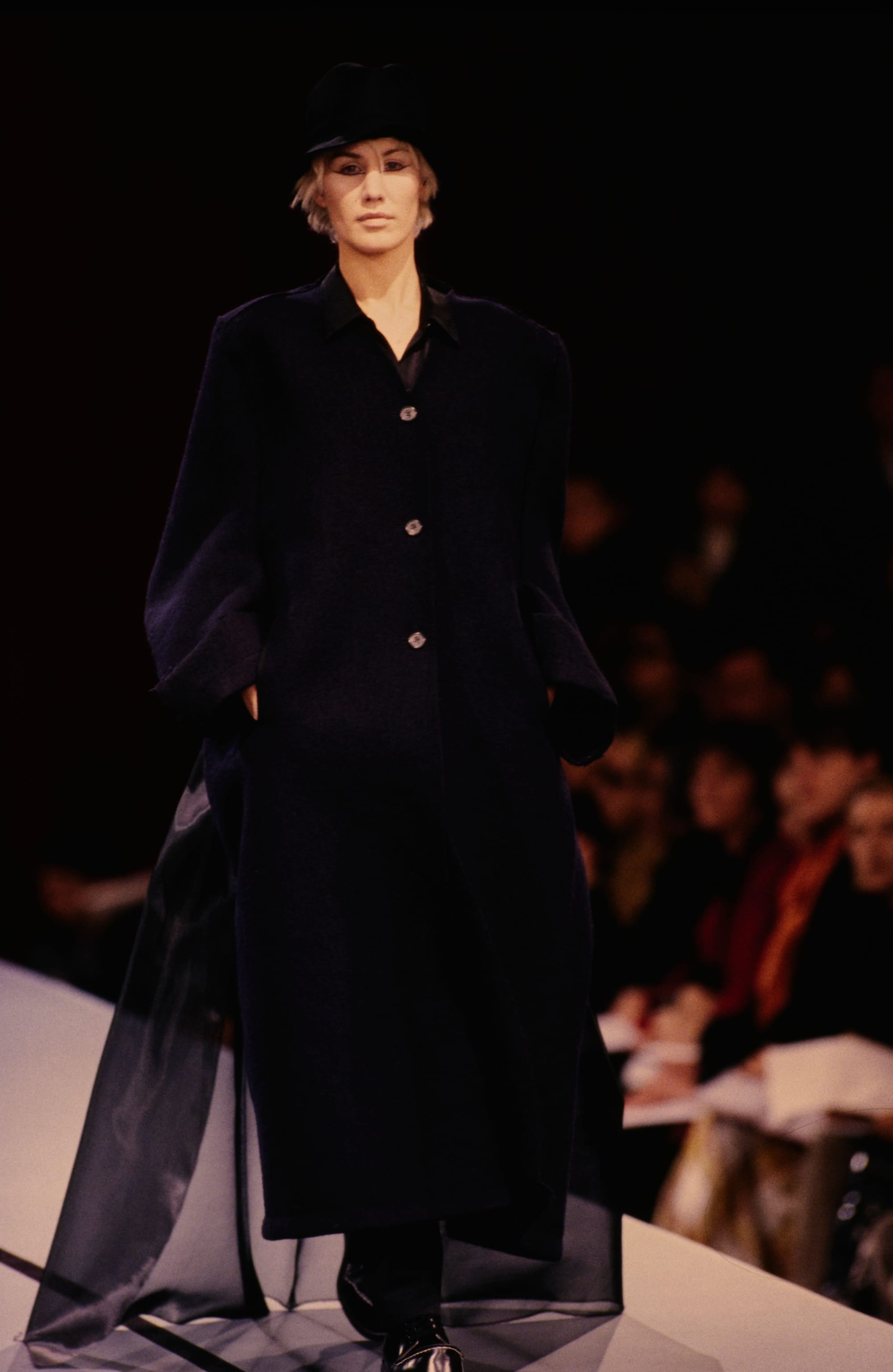
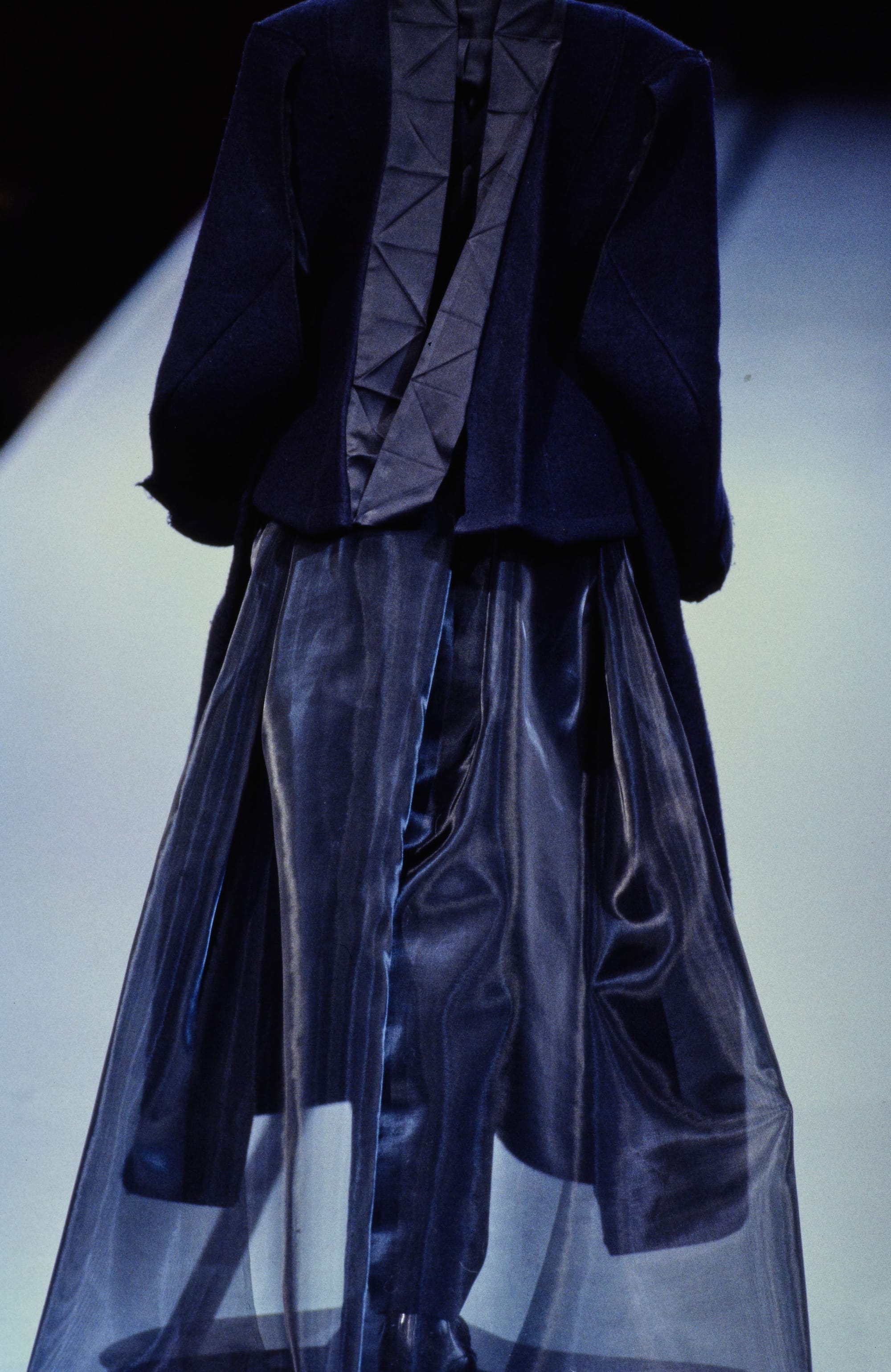
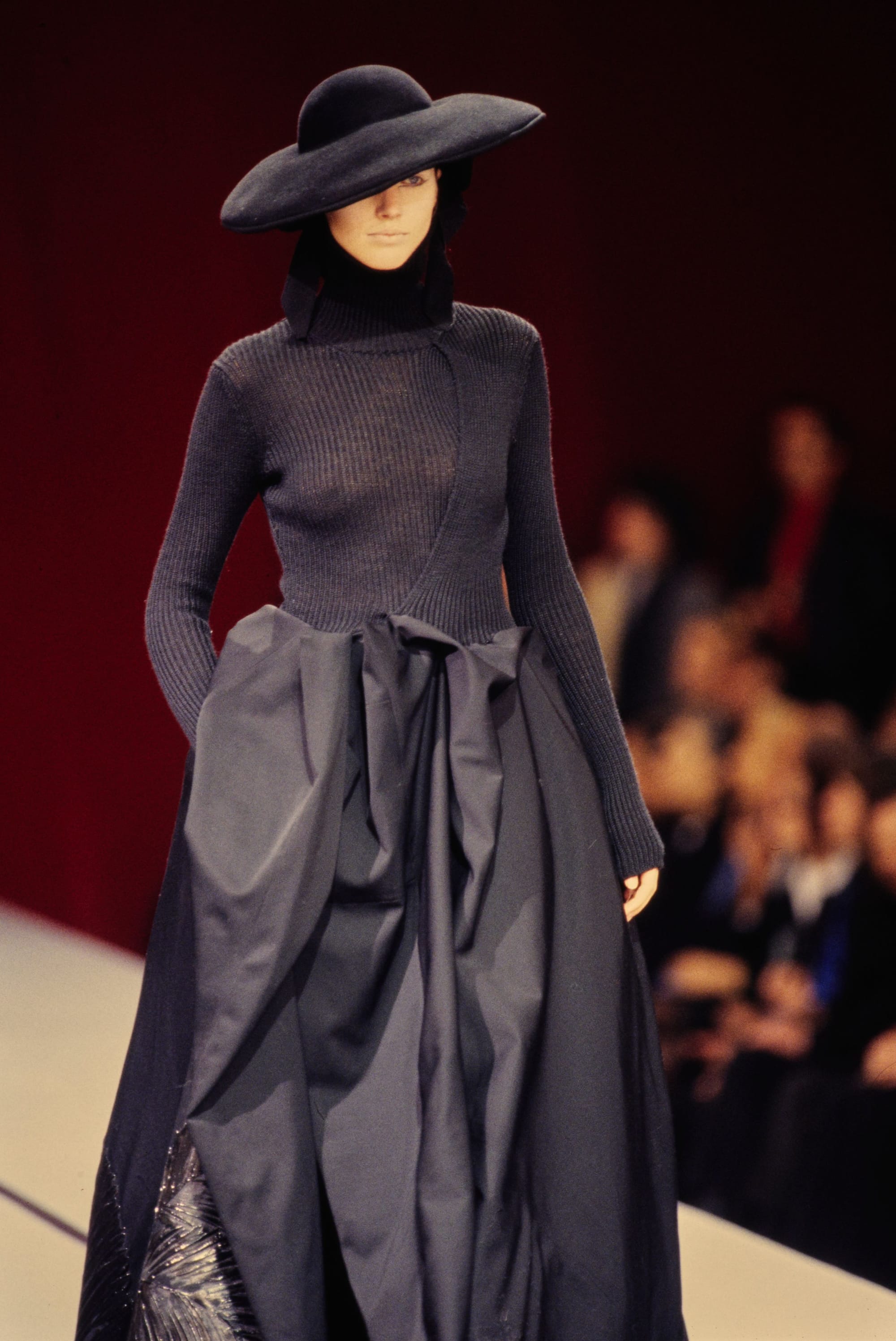
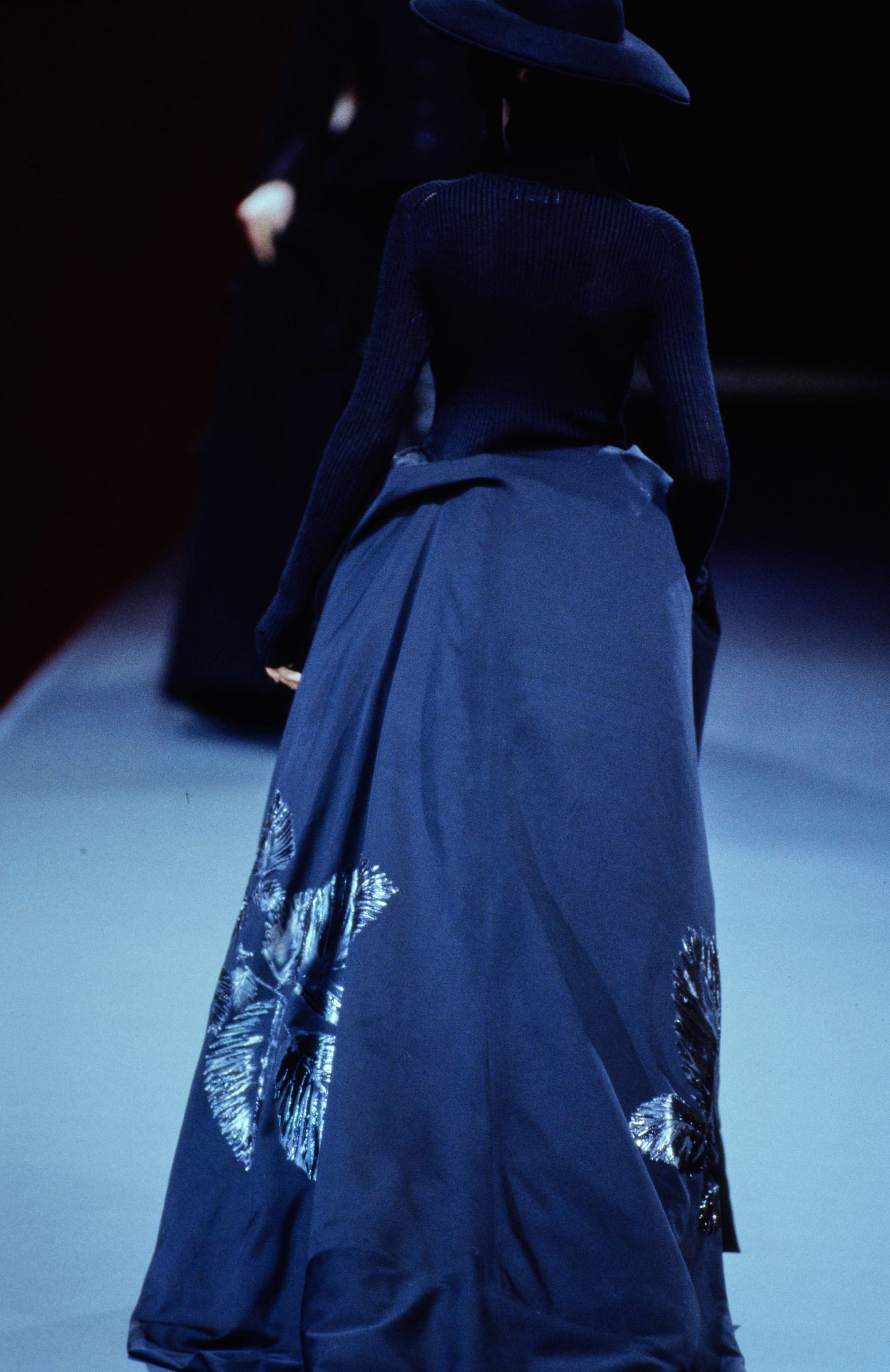
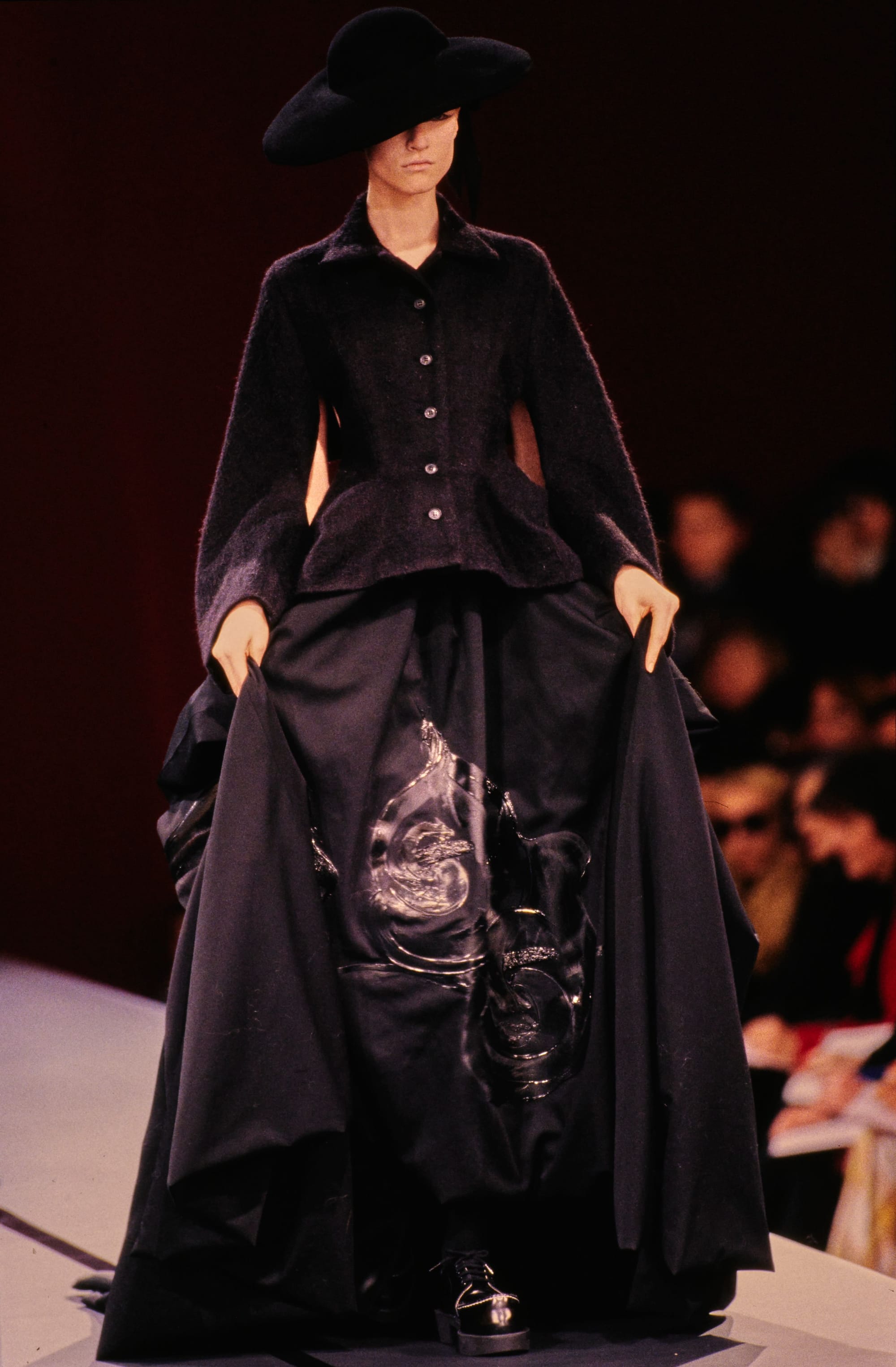
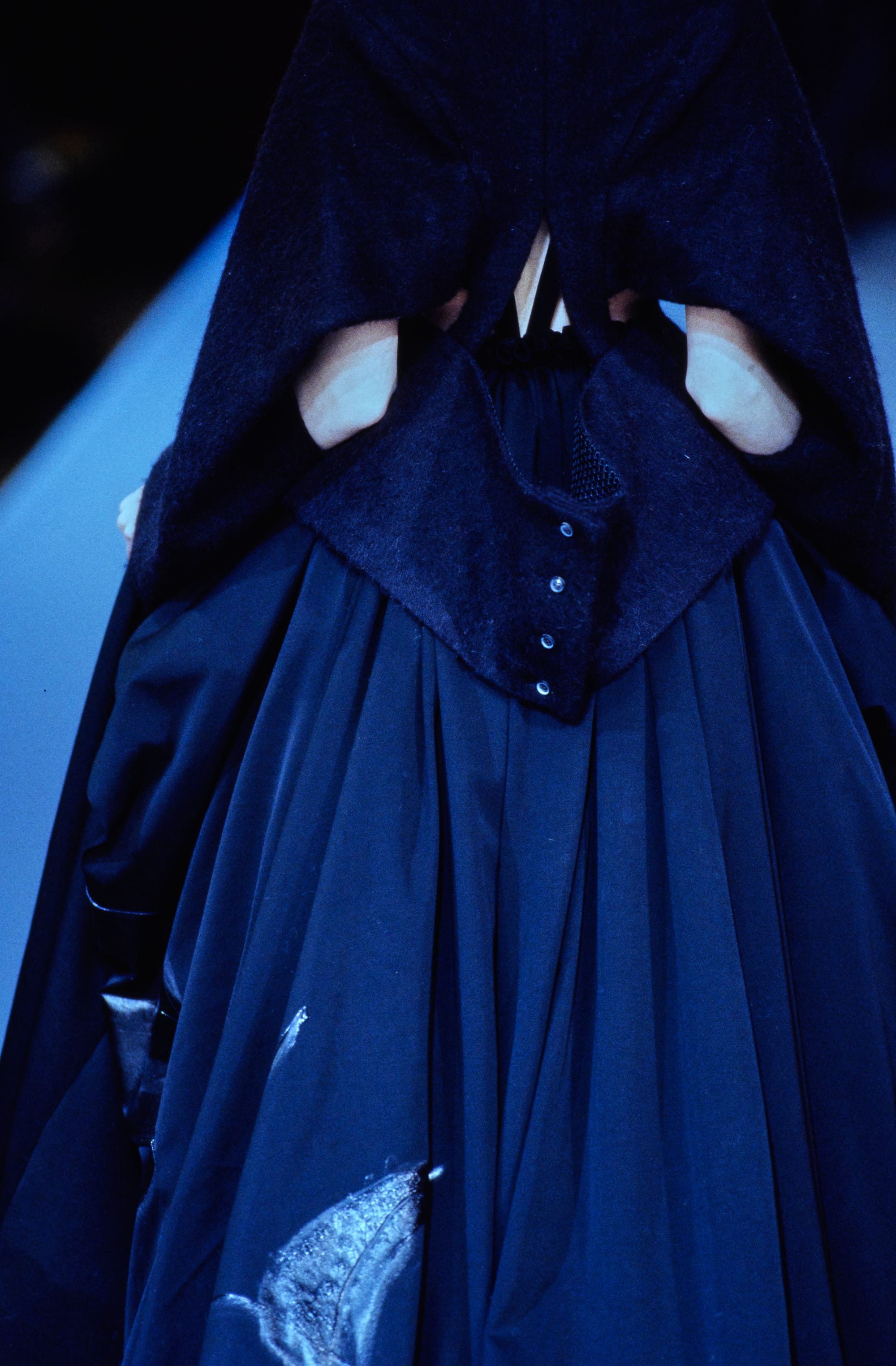
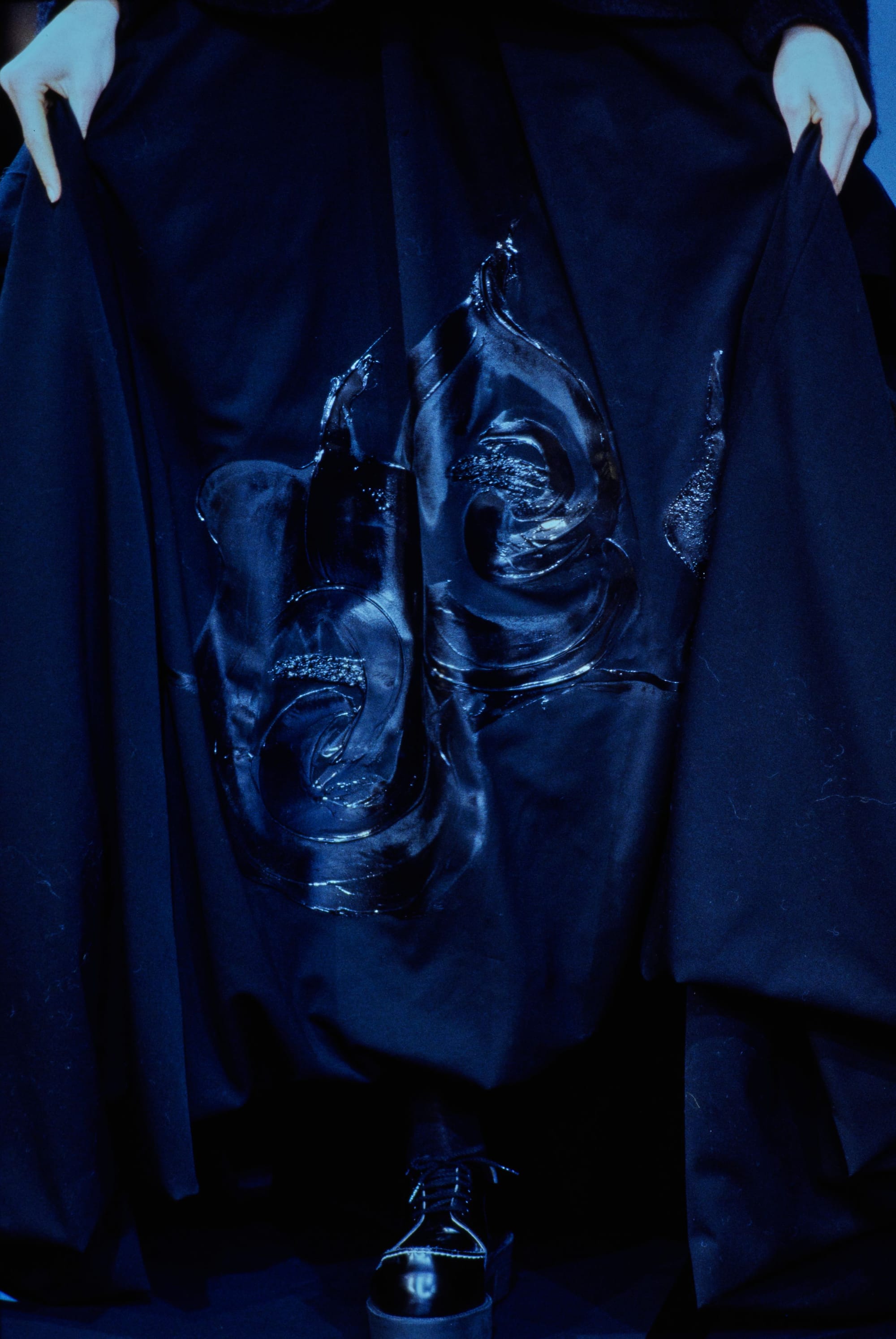
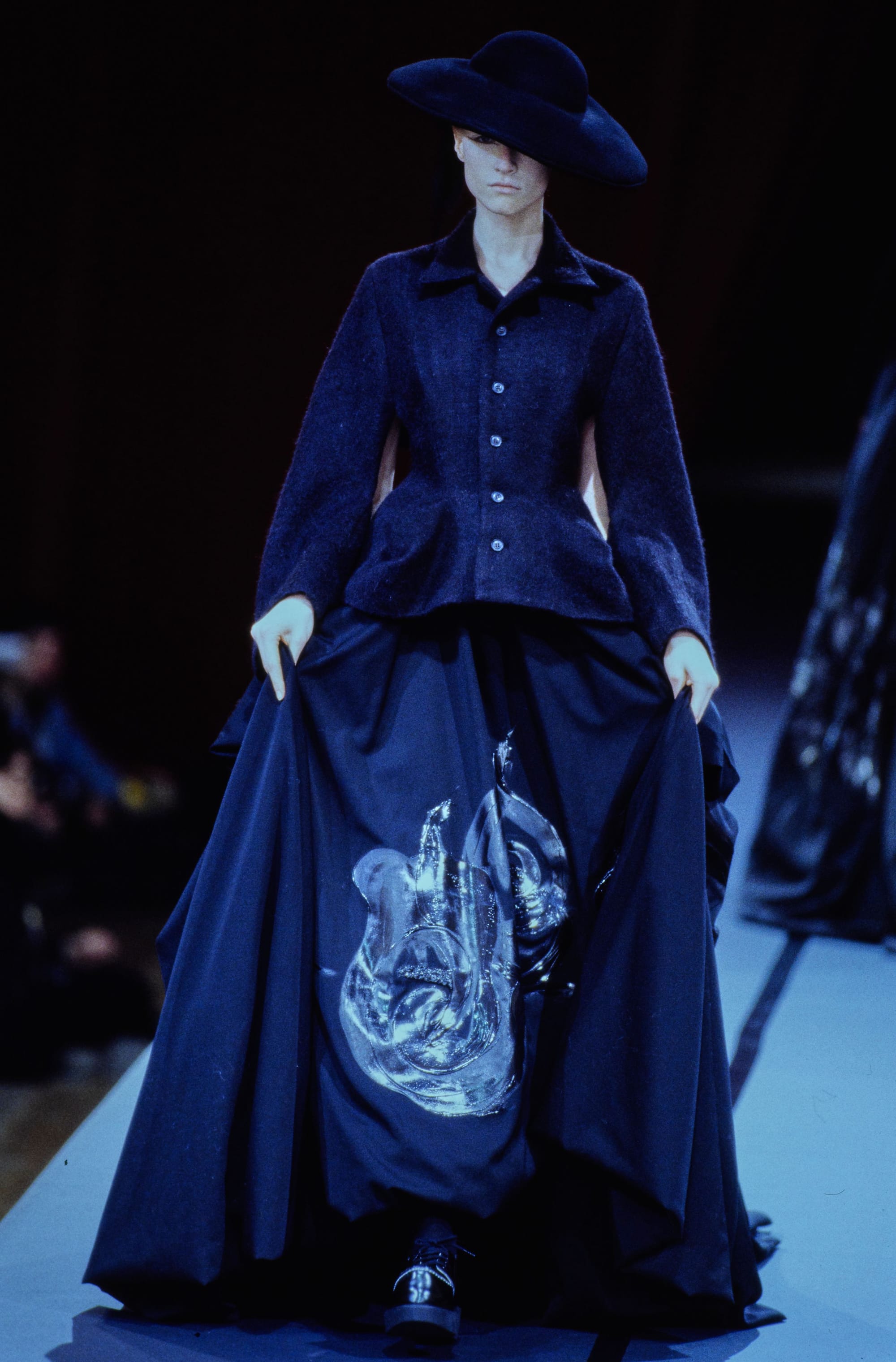
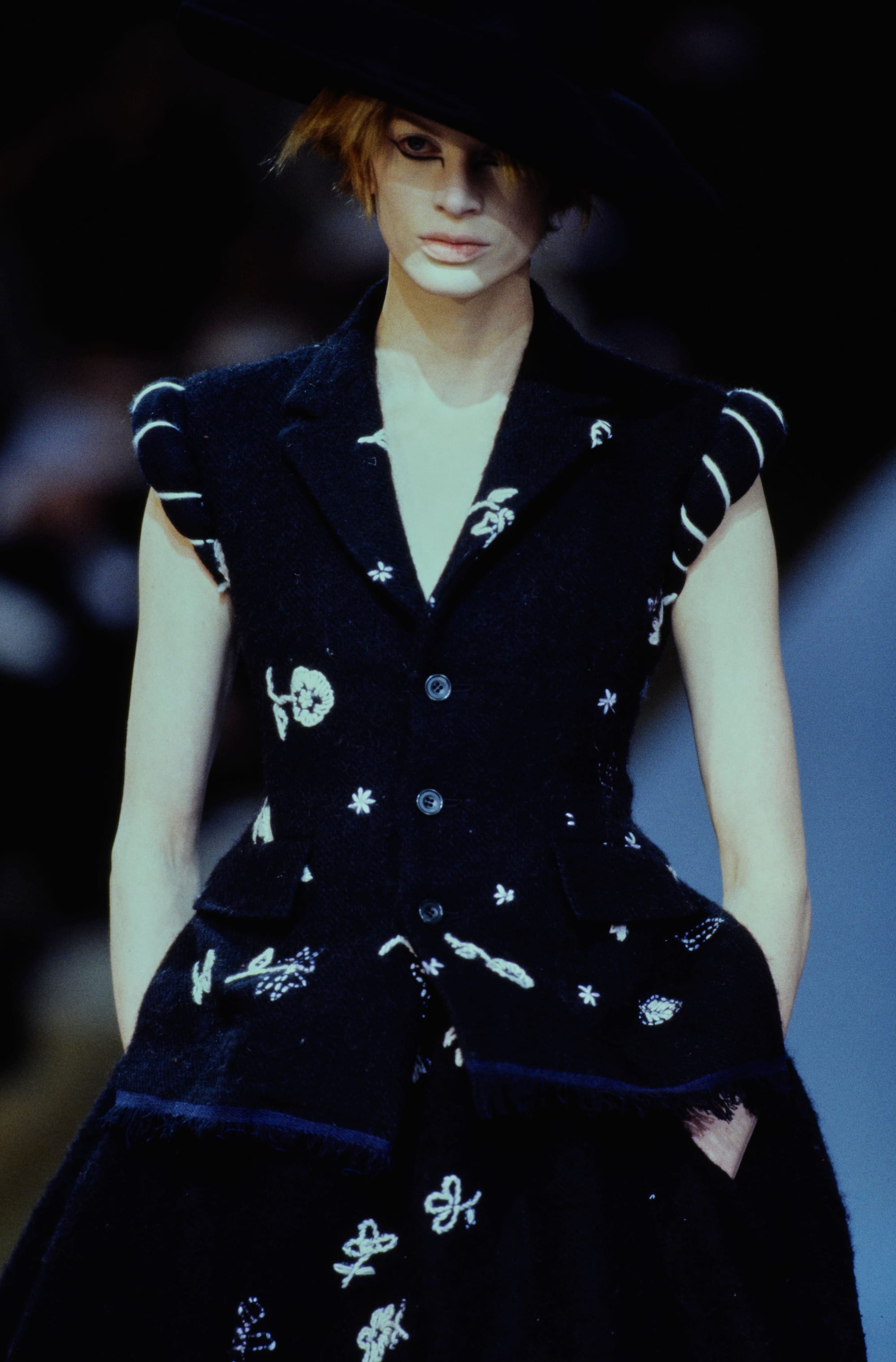
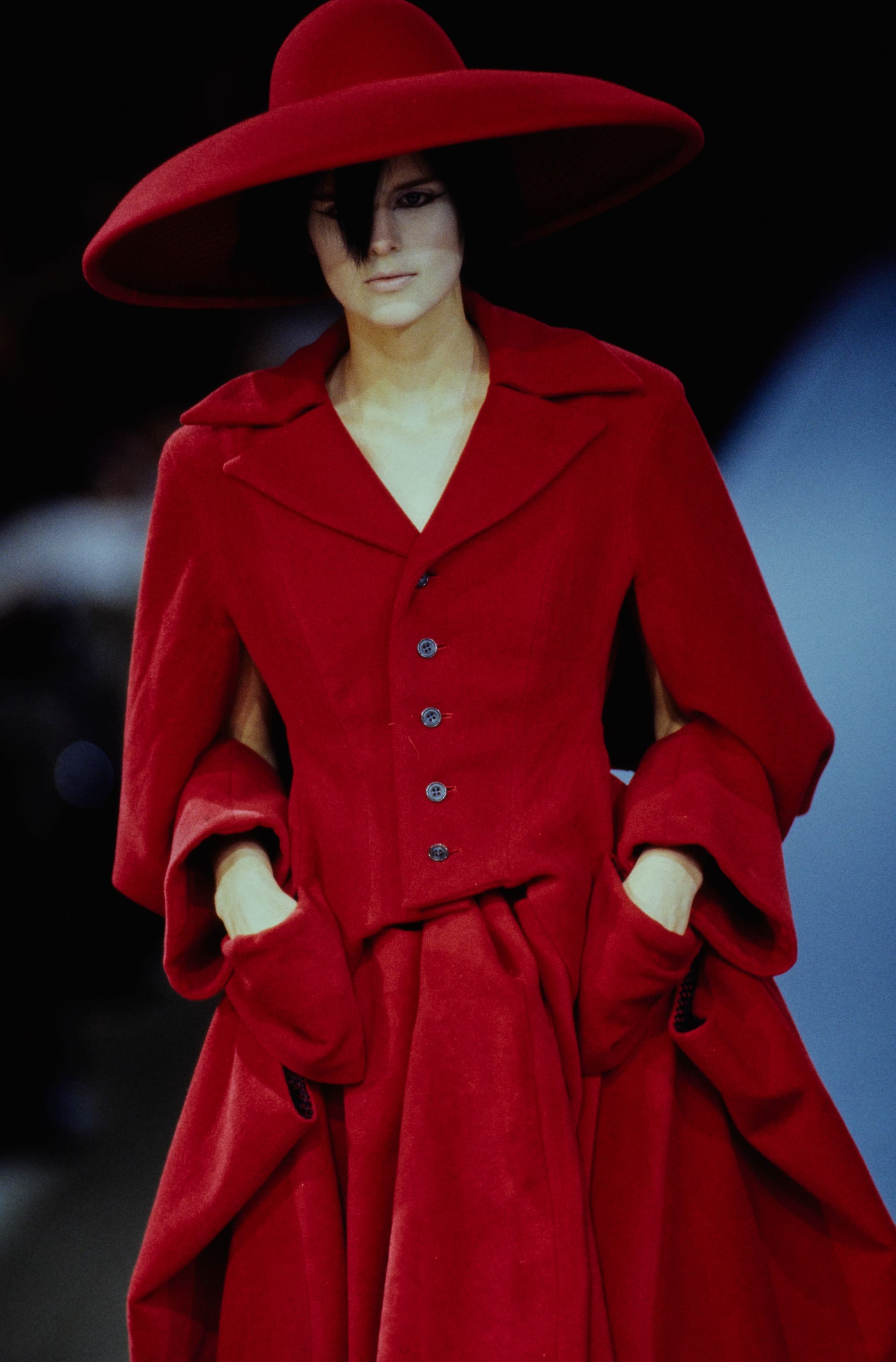
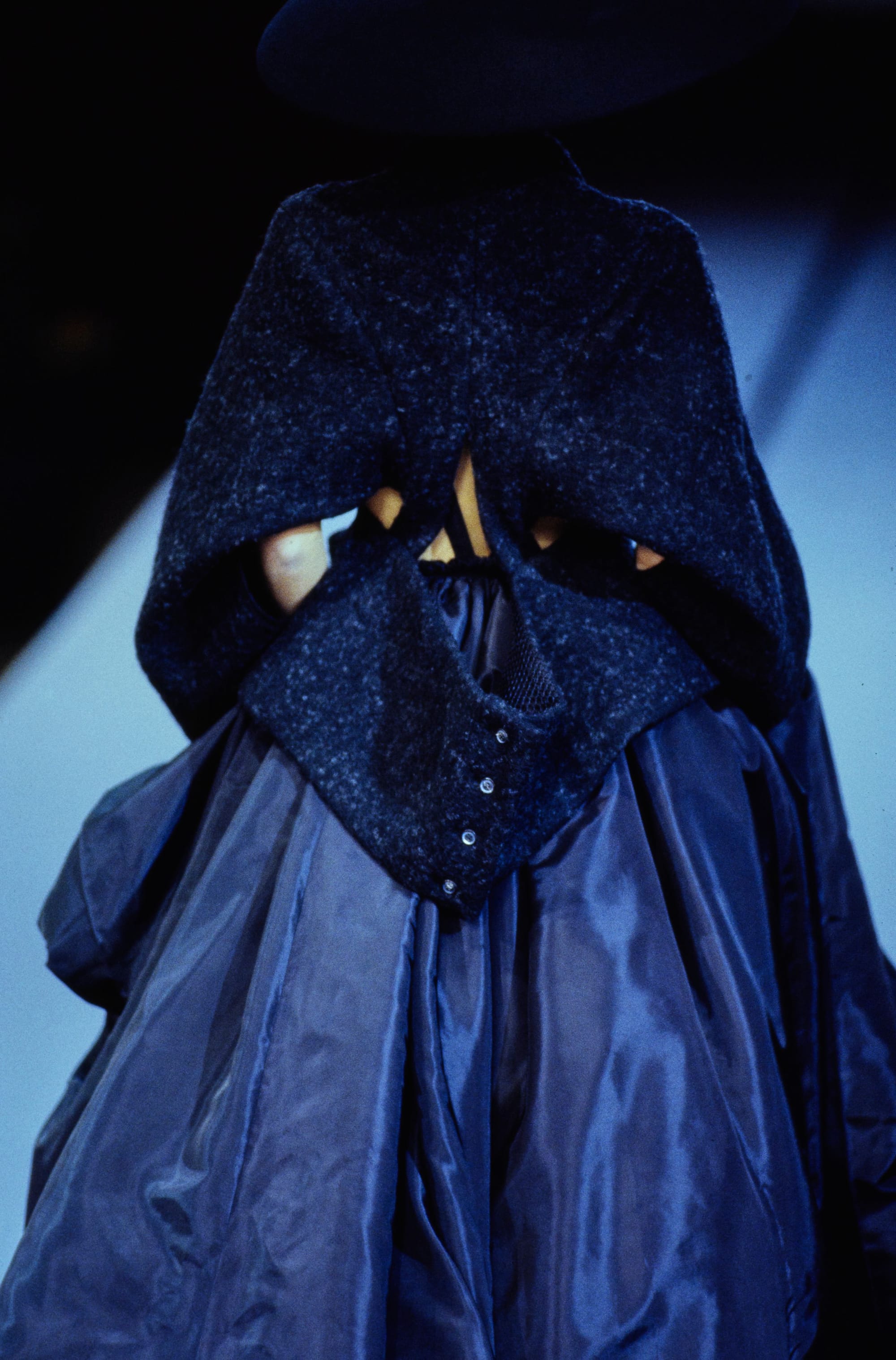
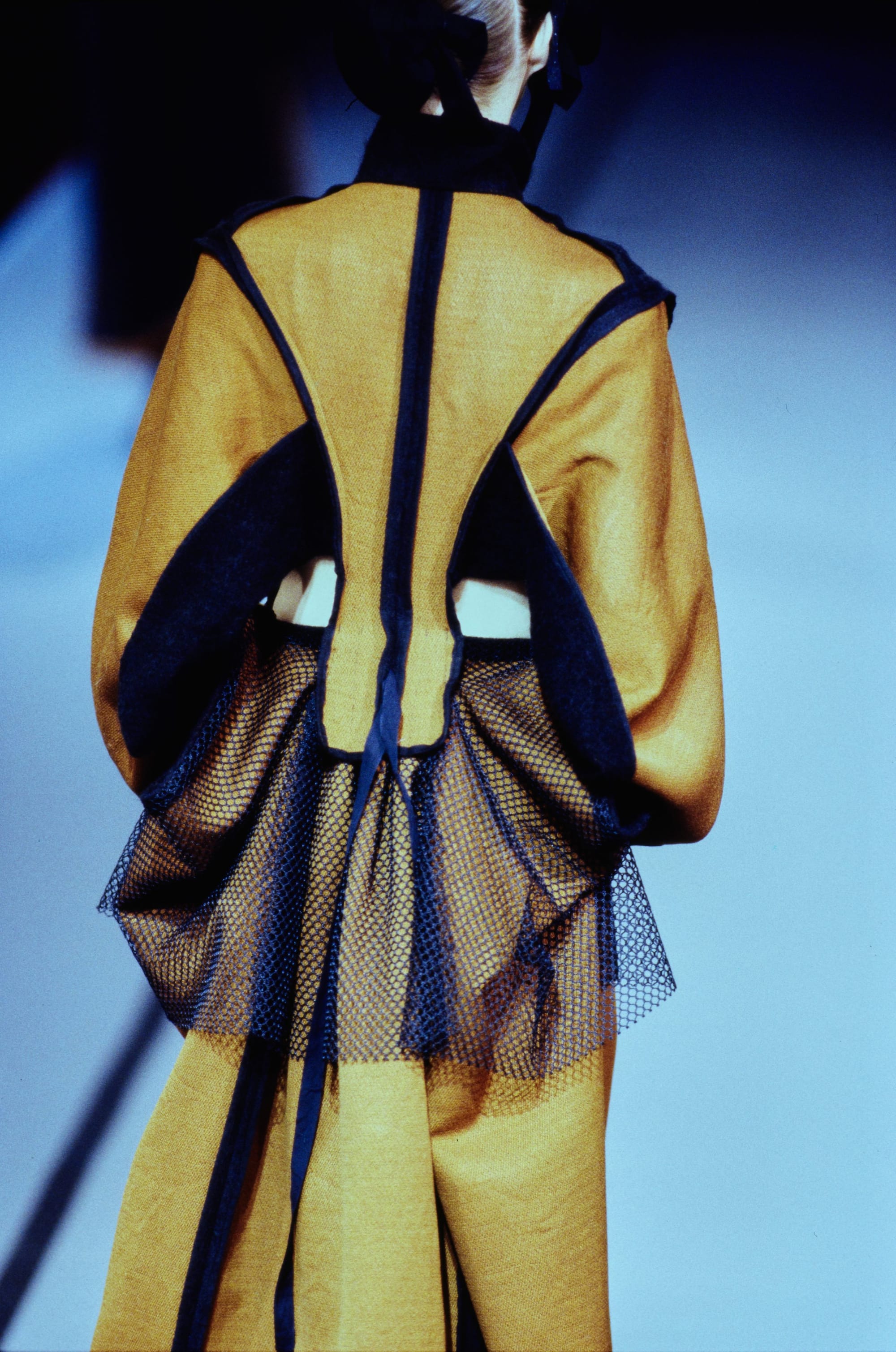
Yohji Yamamoto Fall 1995 Ready-to-Wear
Yohji Yamamoto’s Fall 1995 ready-to-wear show was presented in Paris on March 16, 1995. The images trace layered tailoring, openwork textures, chunky knits, wide-brimmed hats, and sculptural backs.



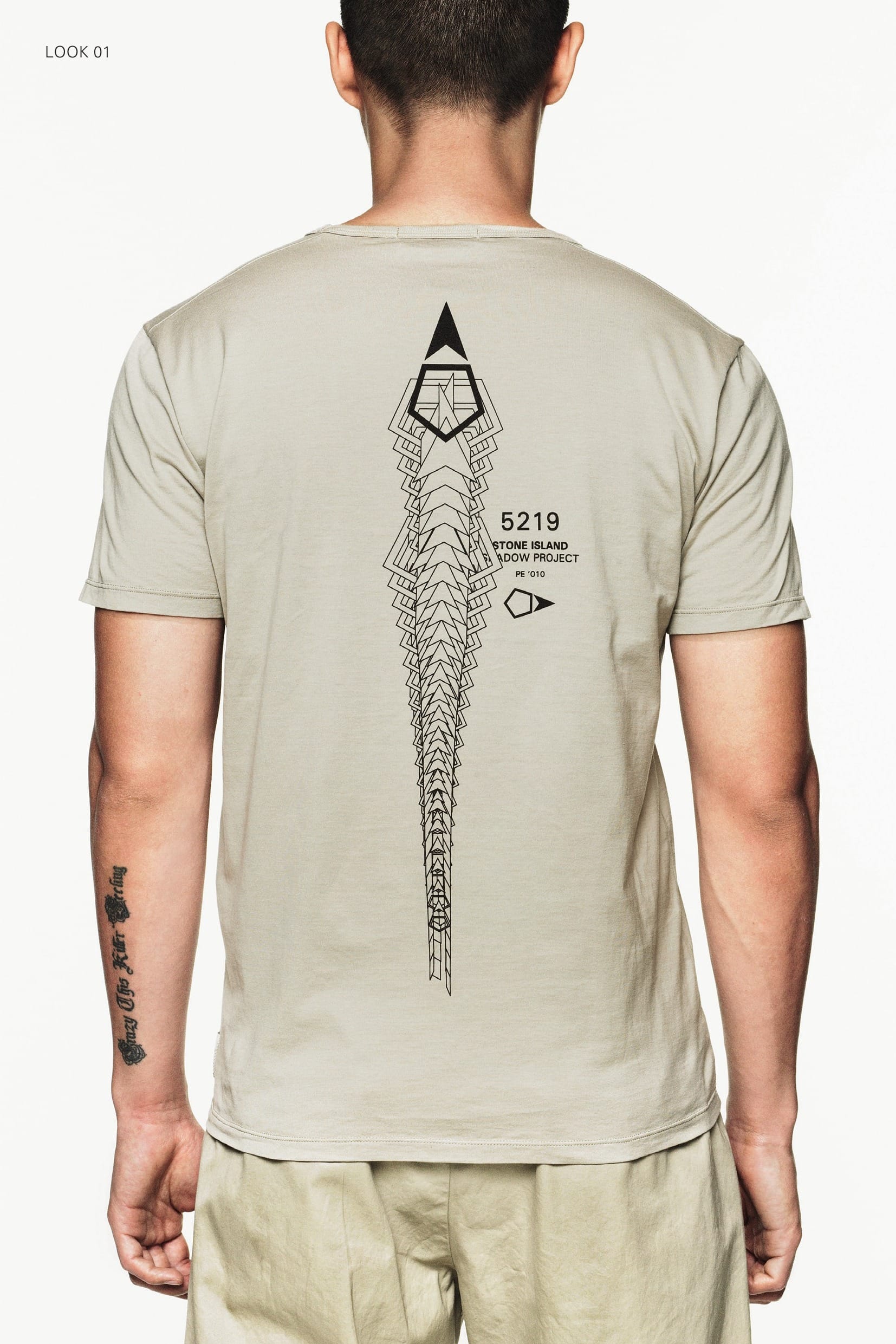
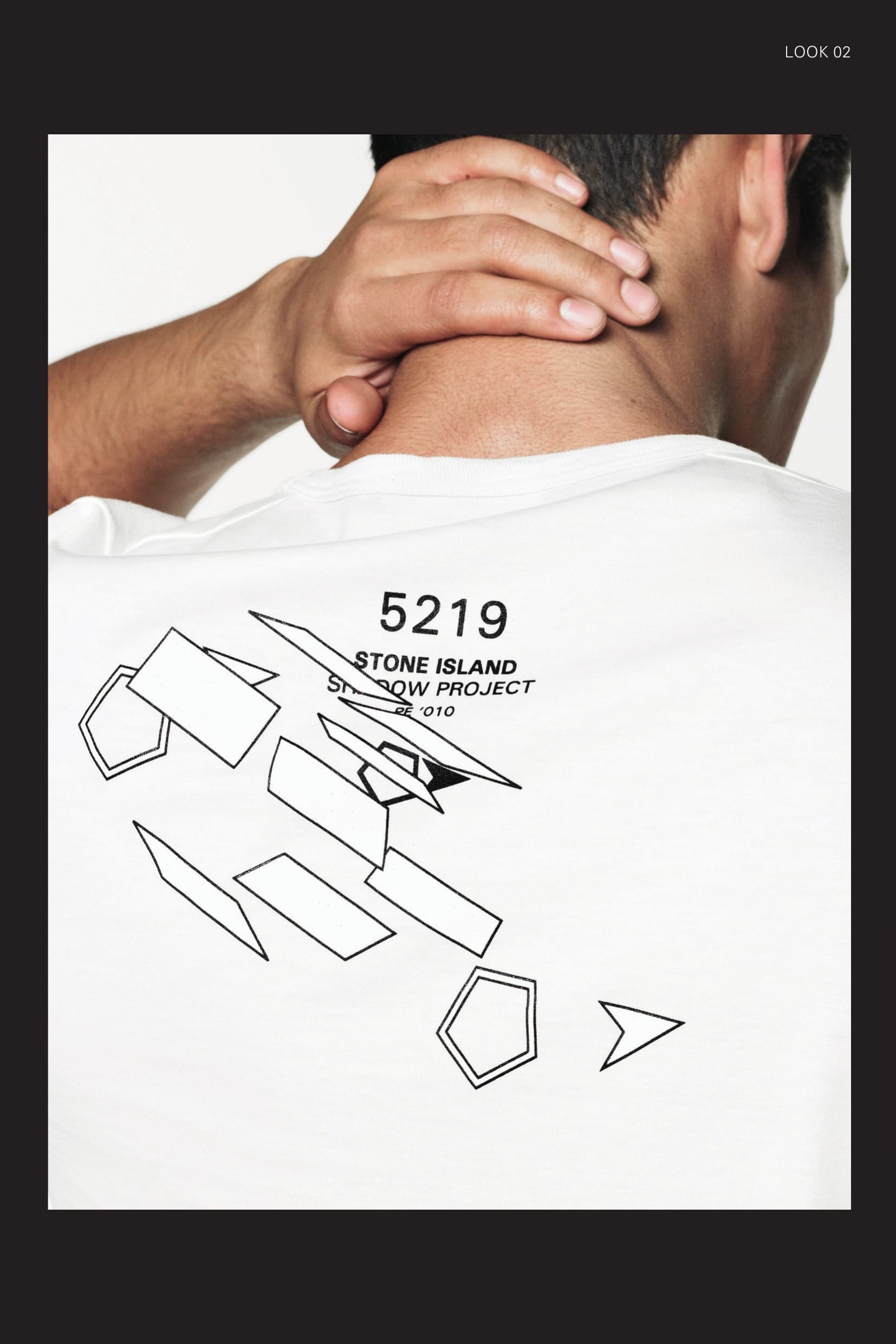
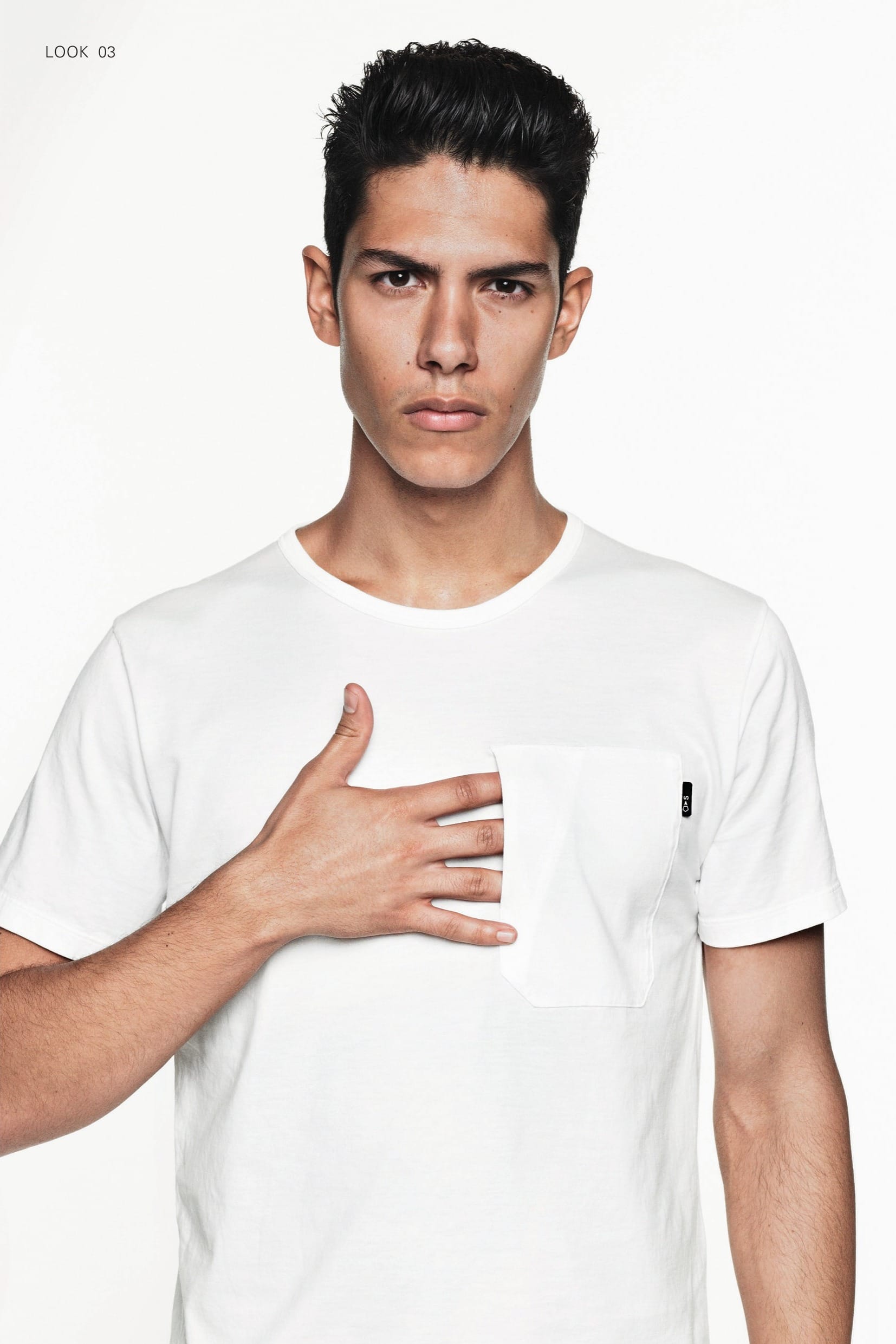
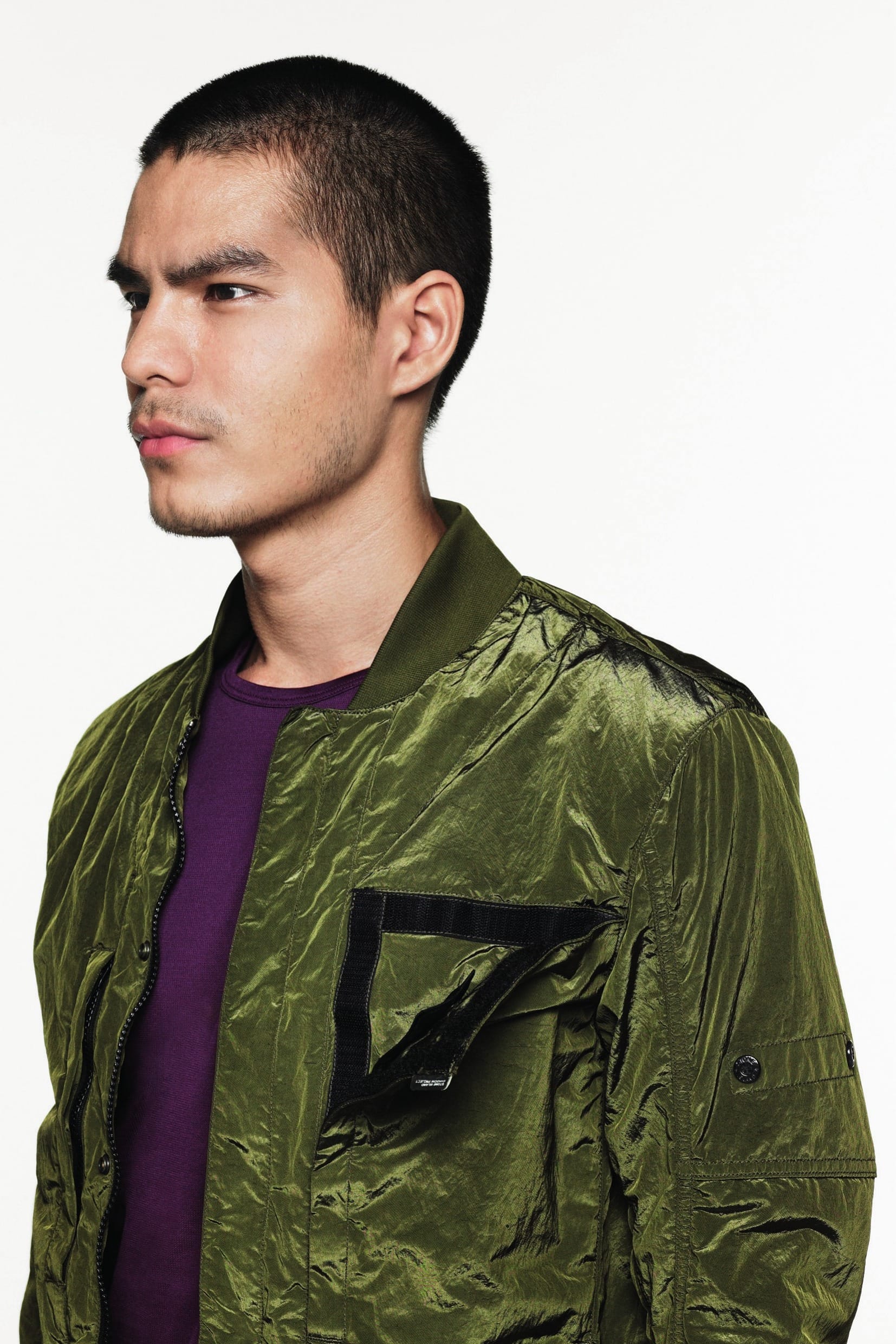
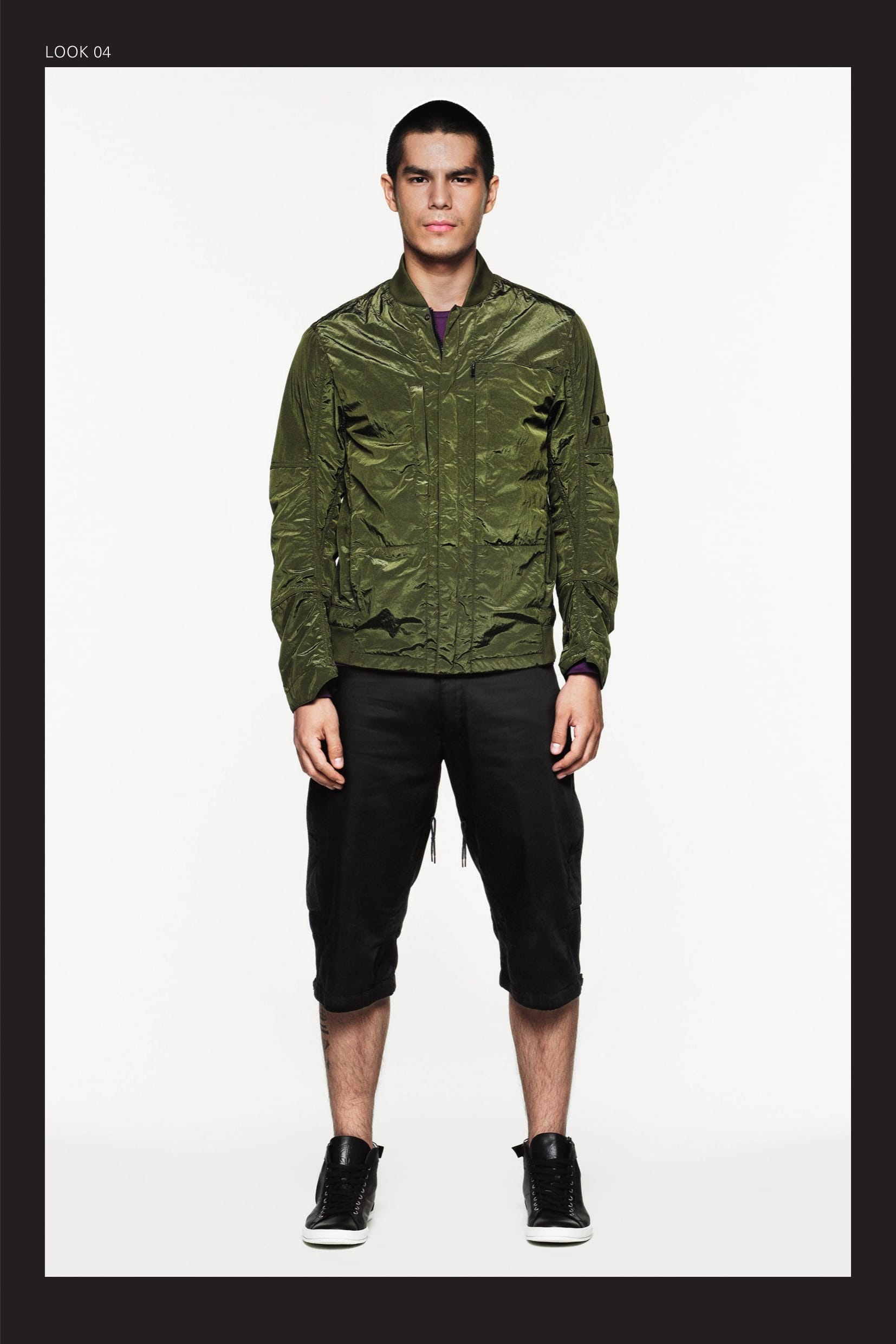
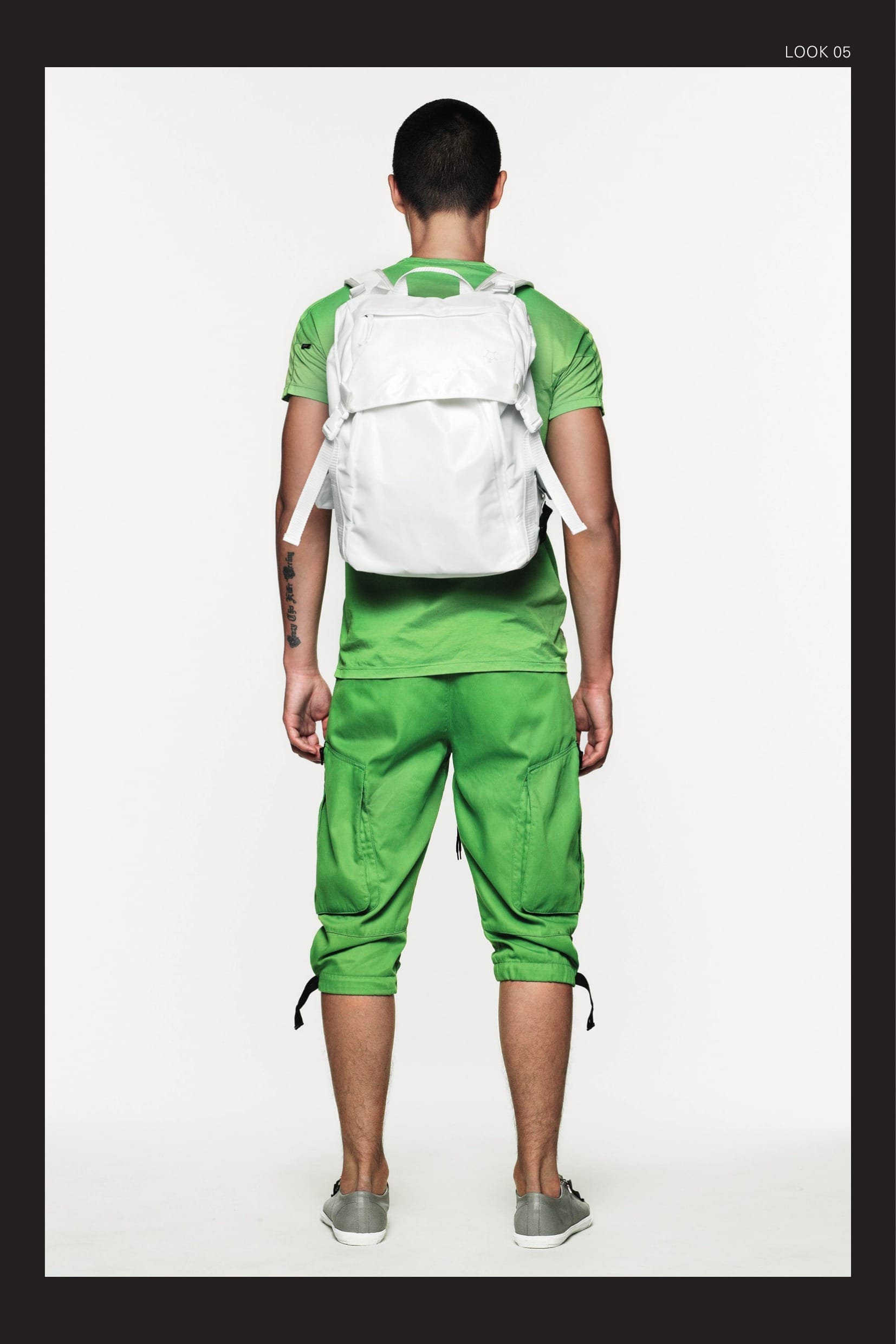
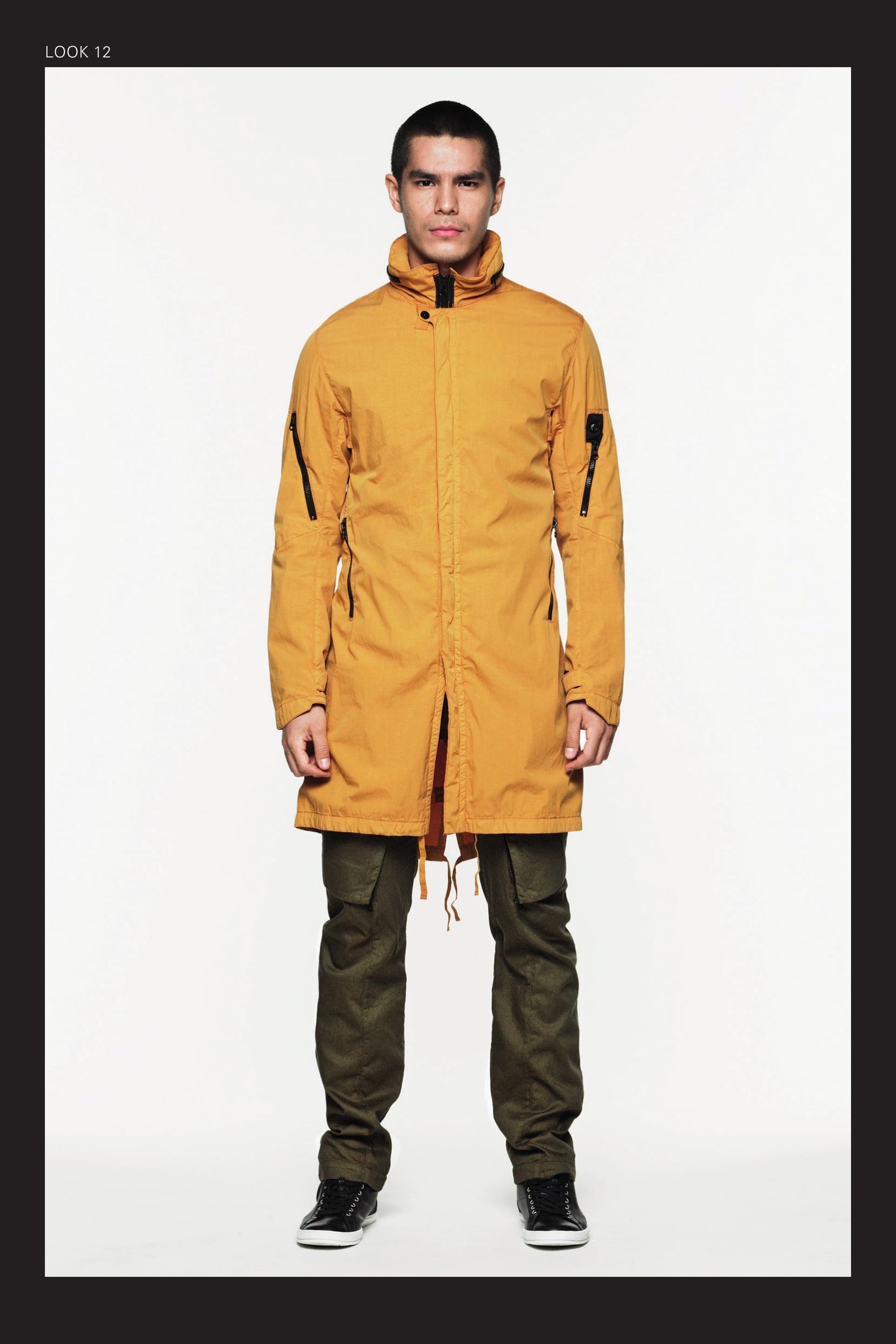
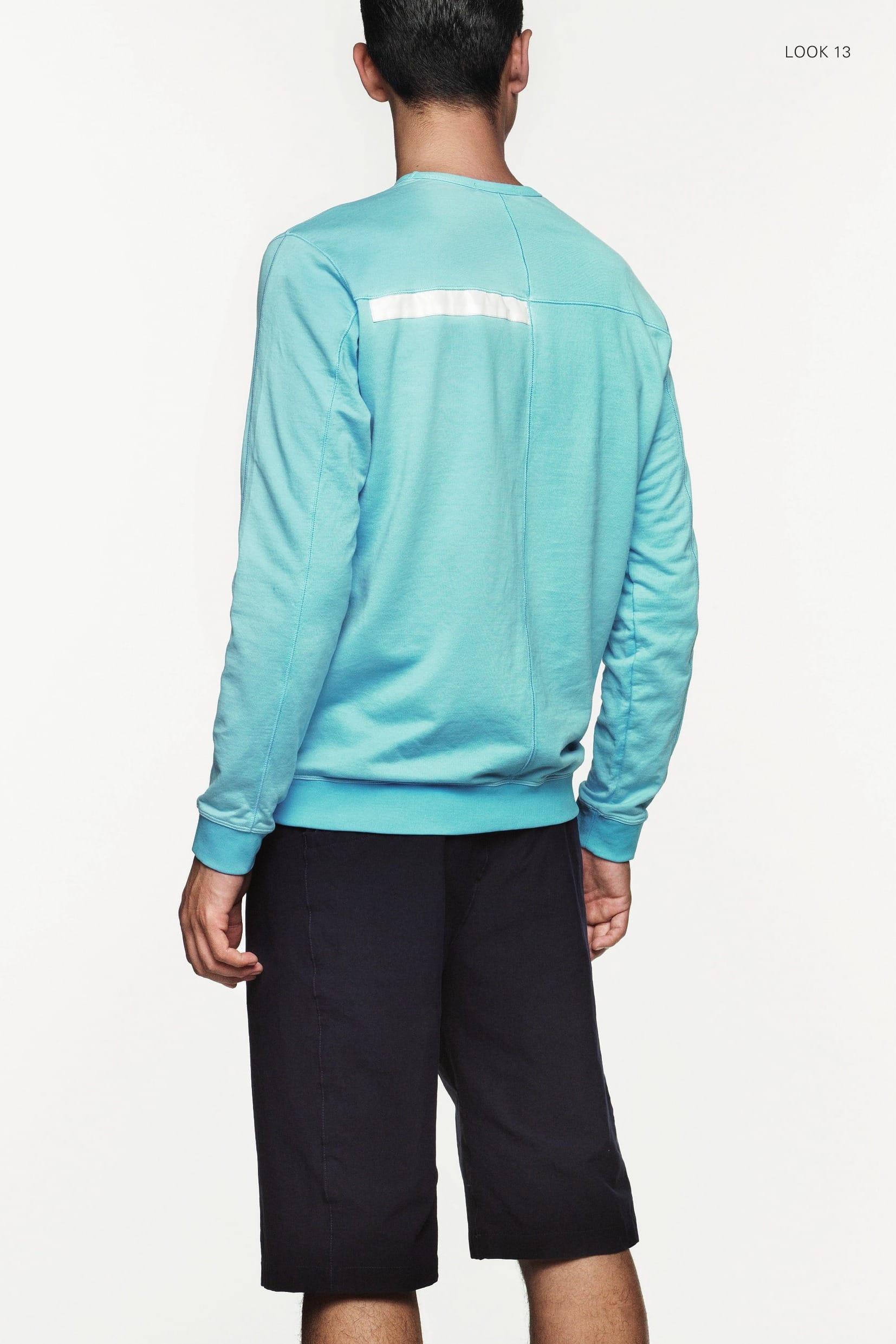
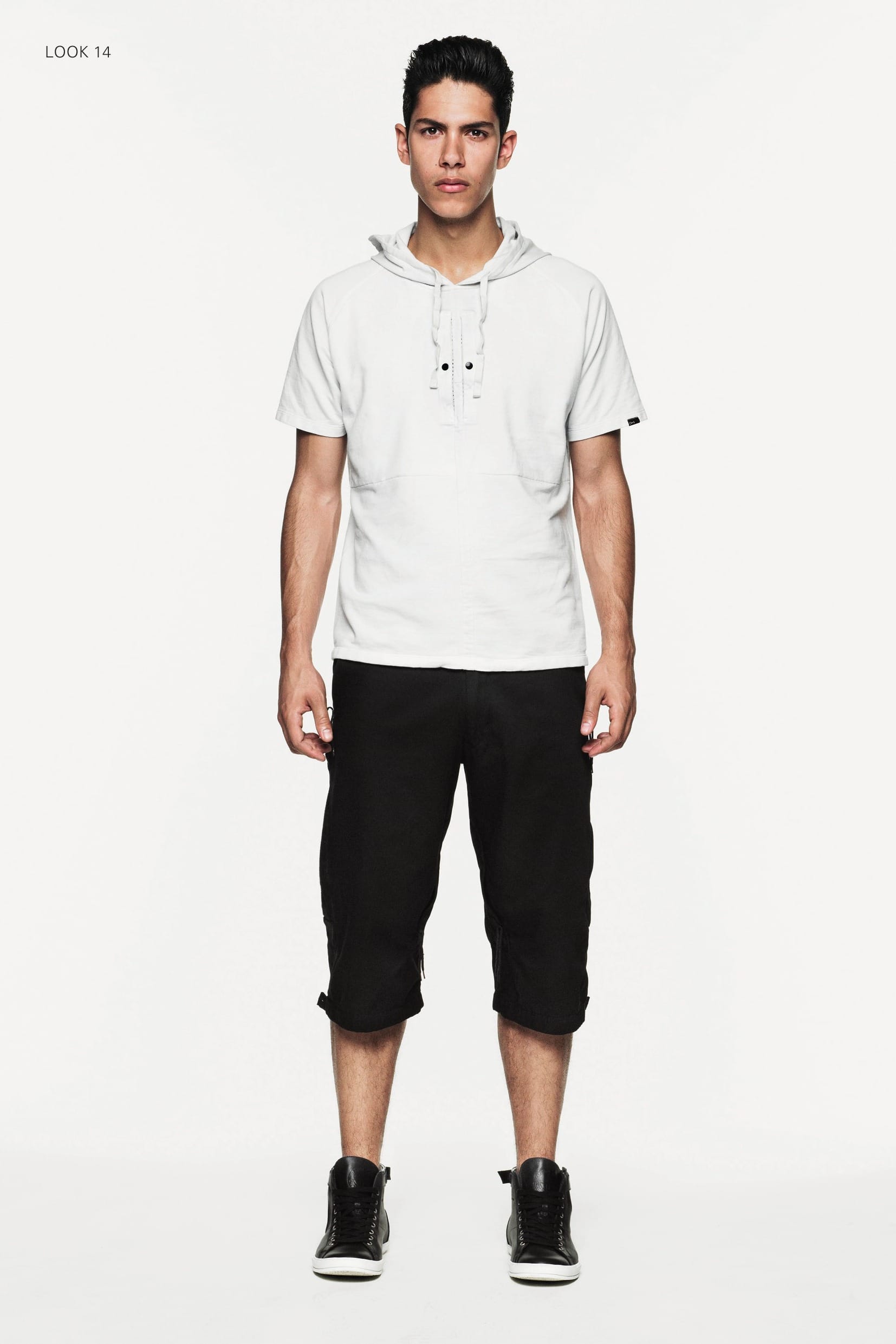
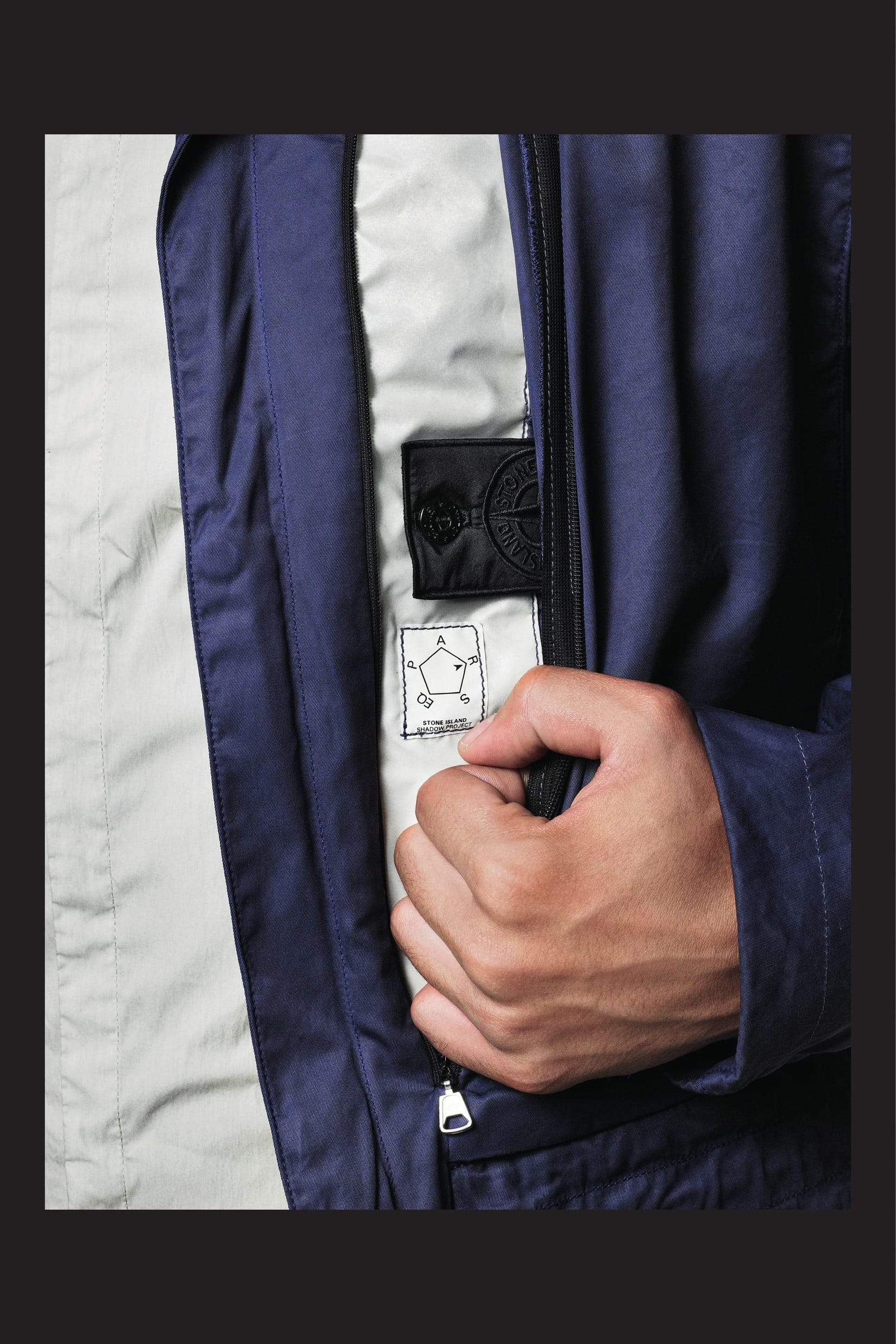
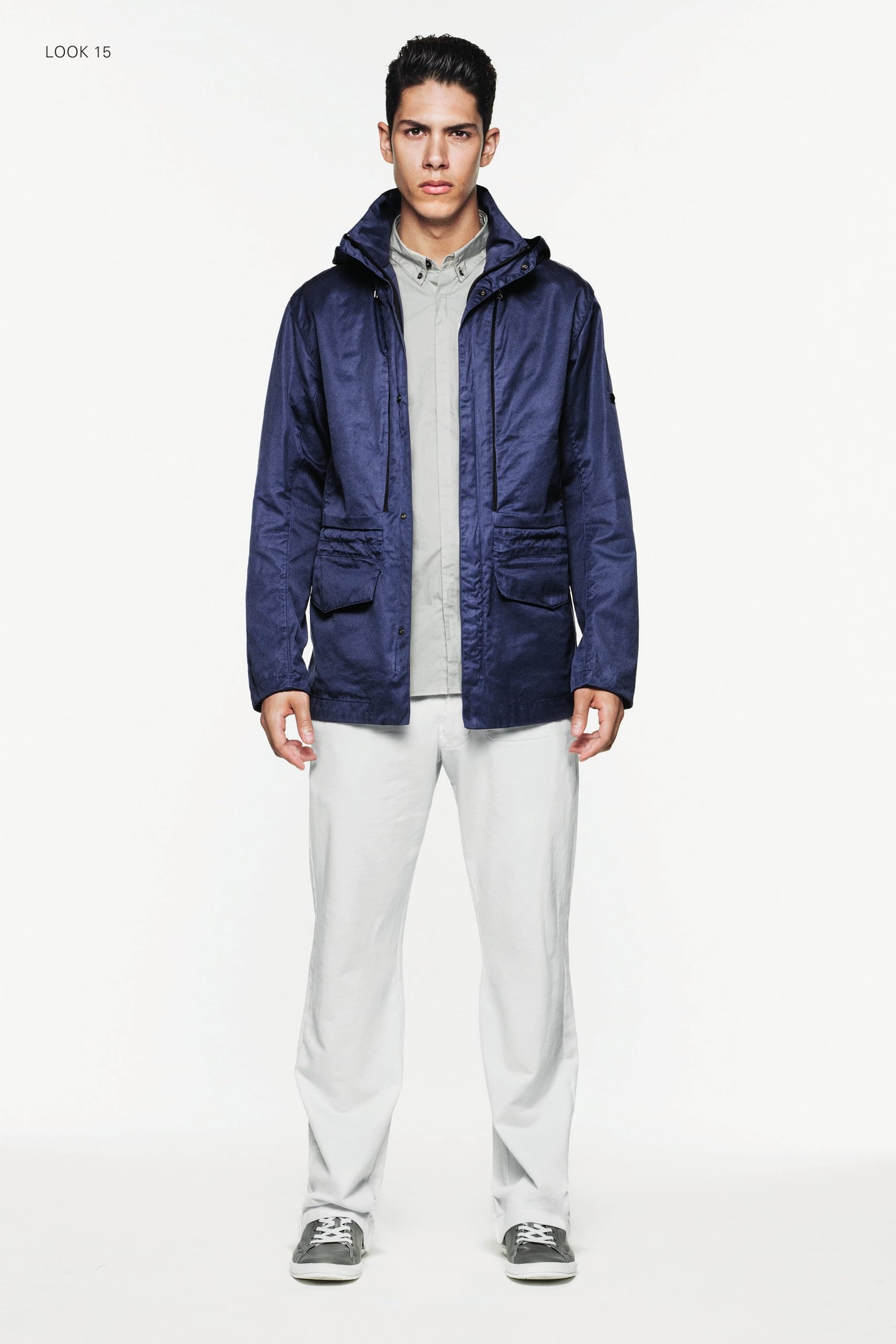
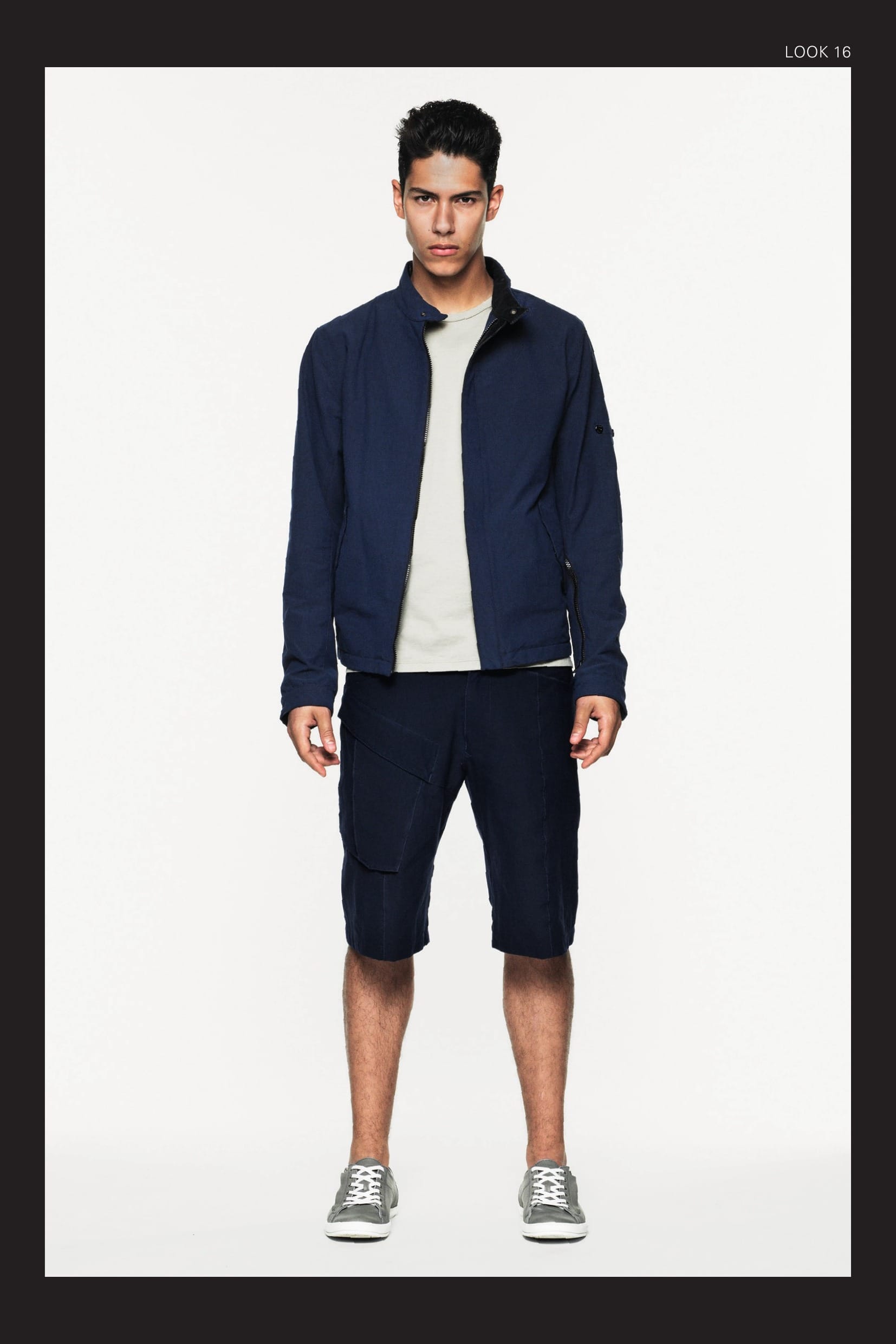
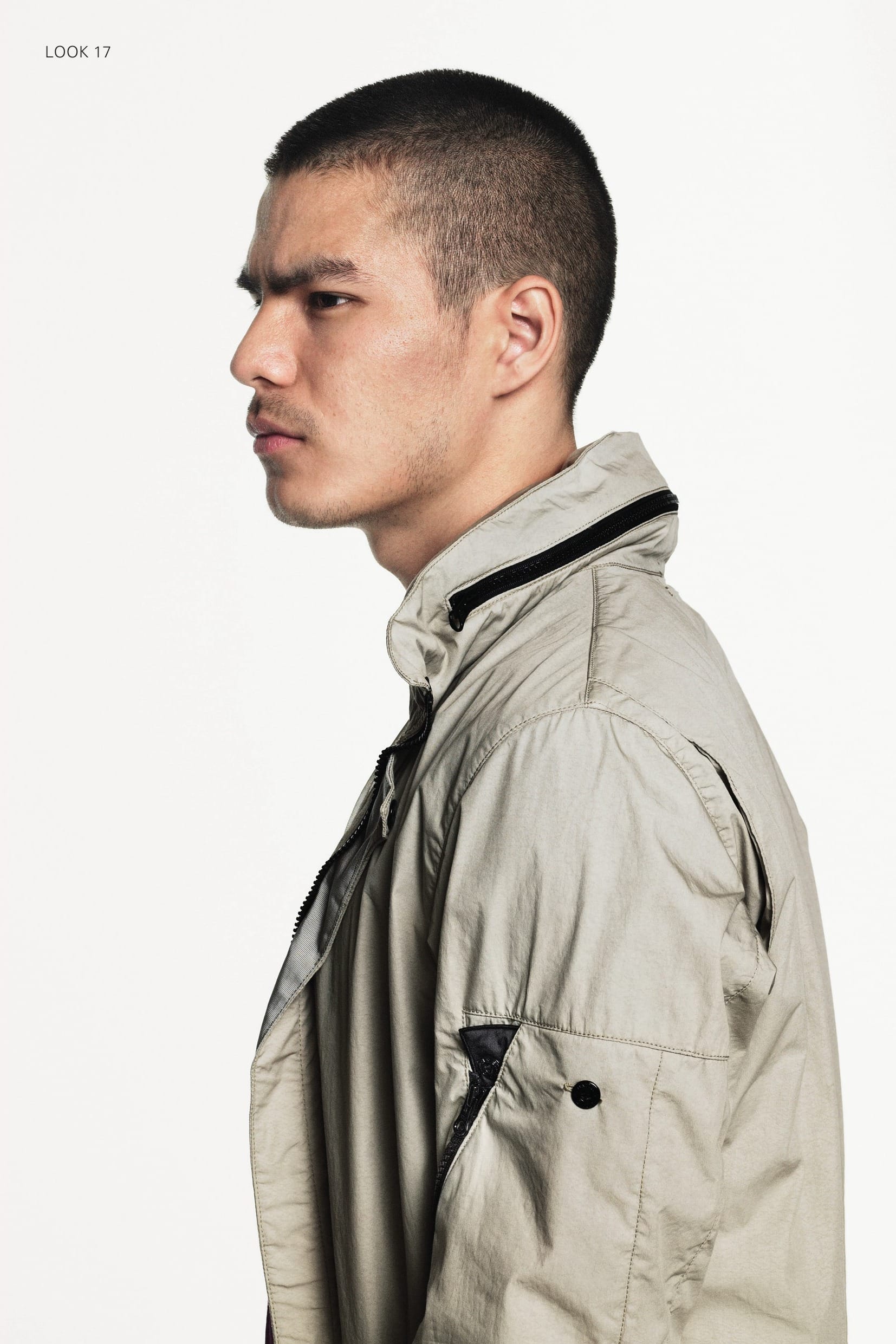
Stone Island Shadow Project SS2010 Lookbook
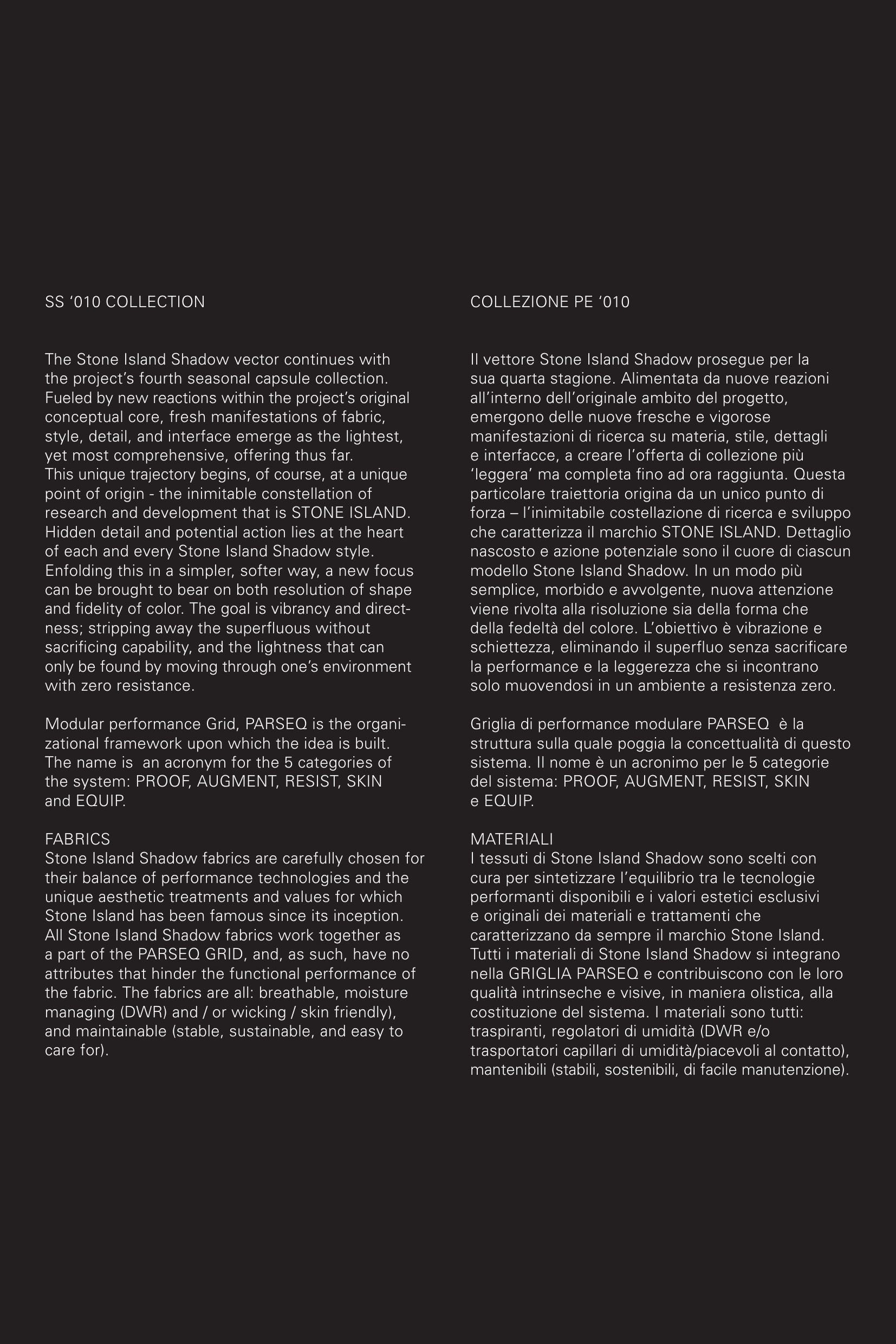
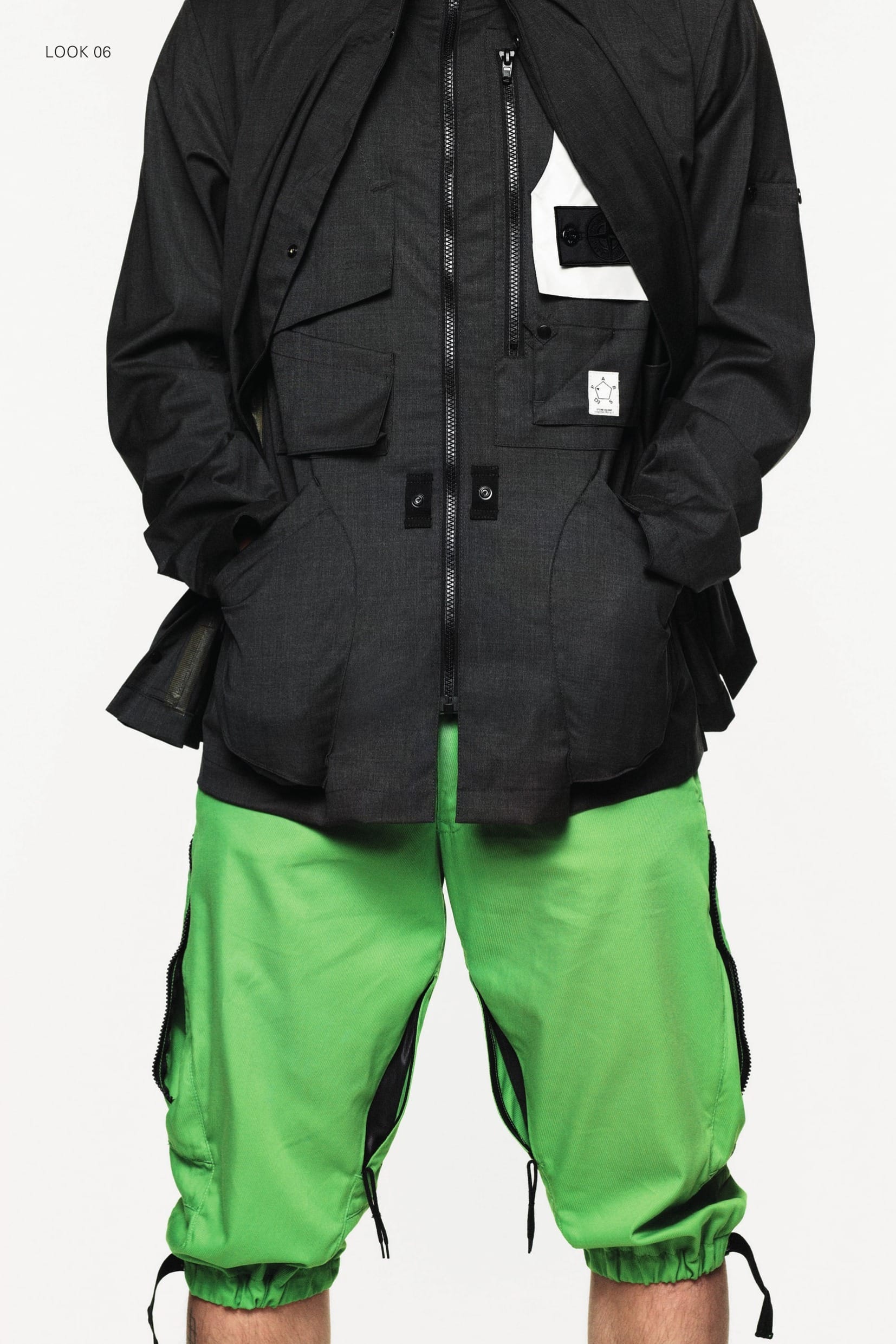
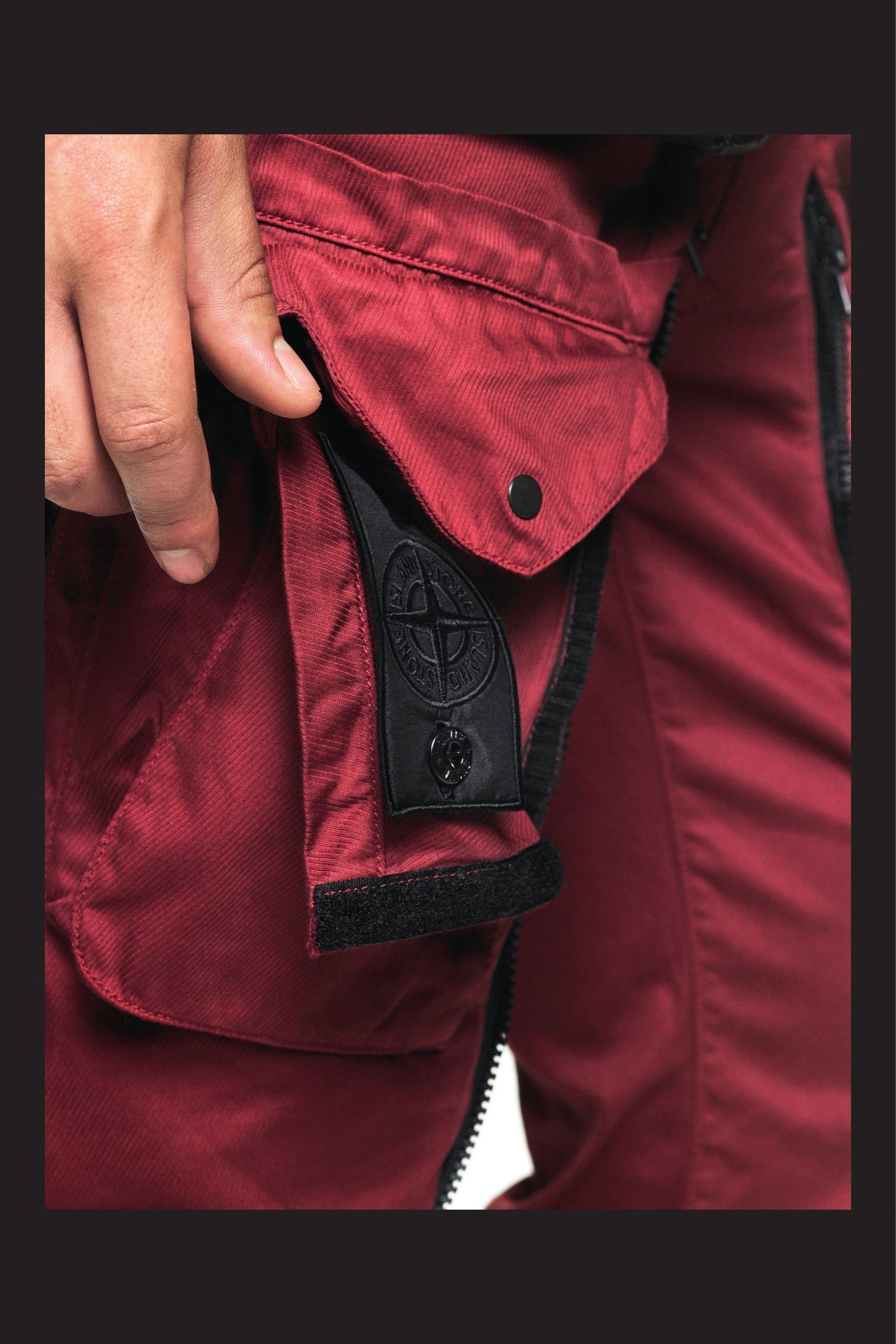
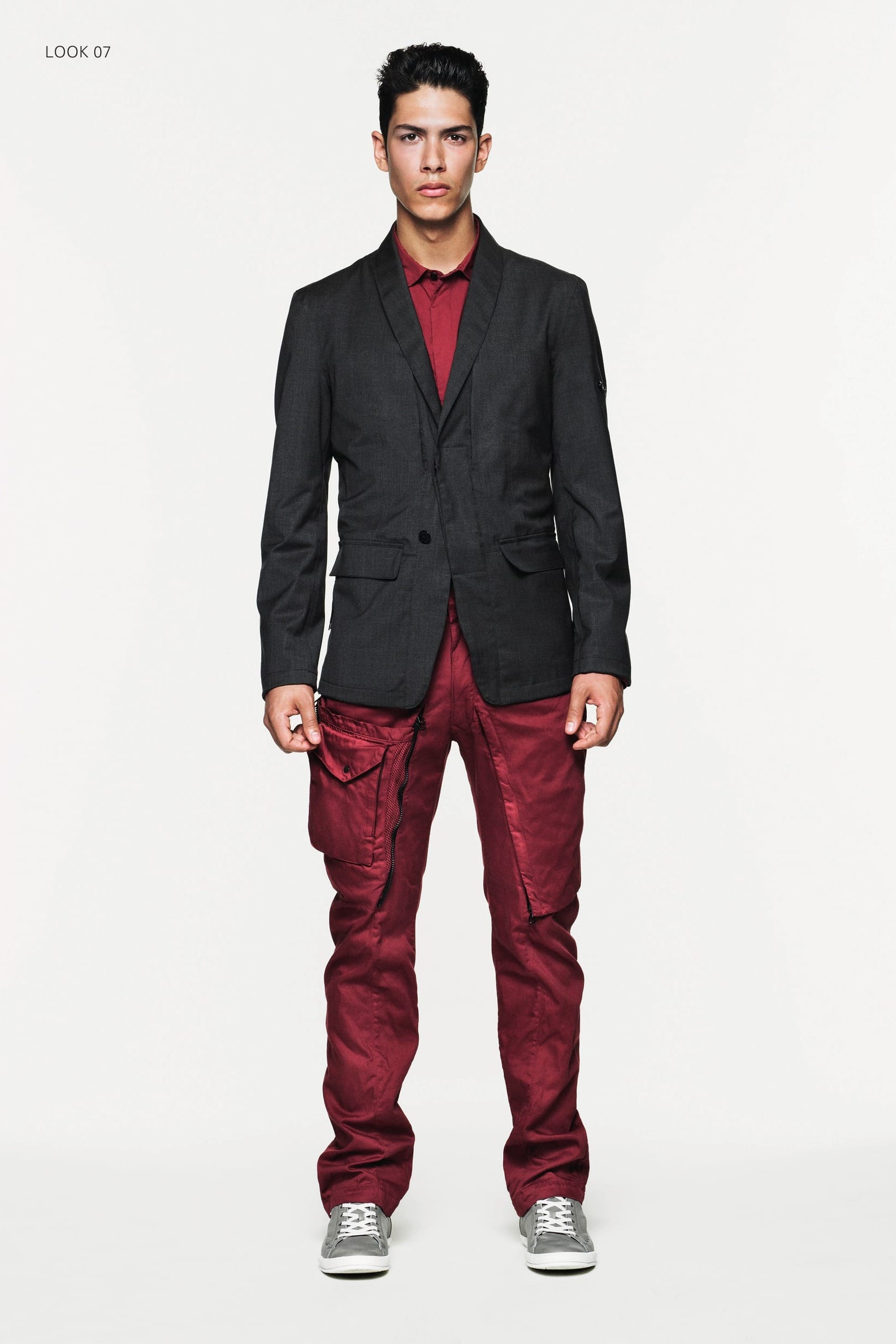
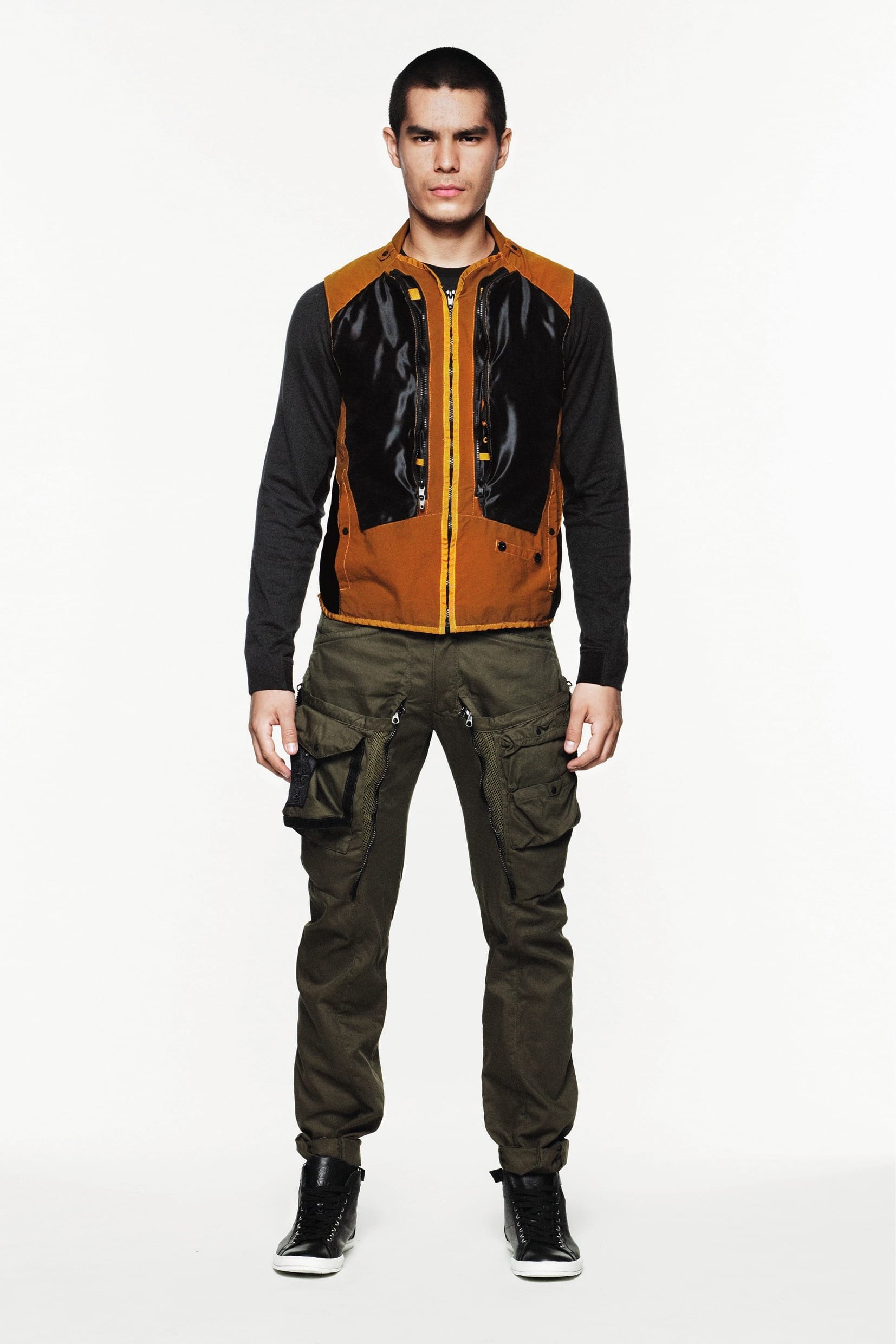
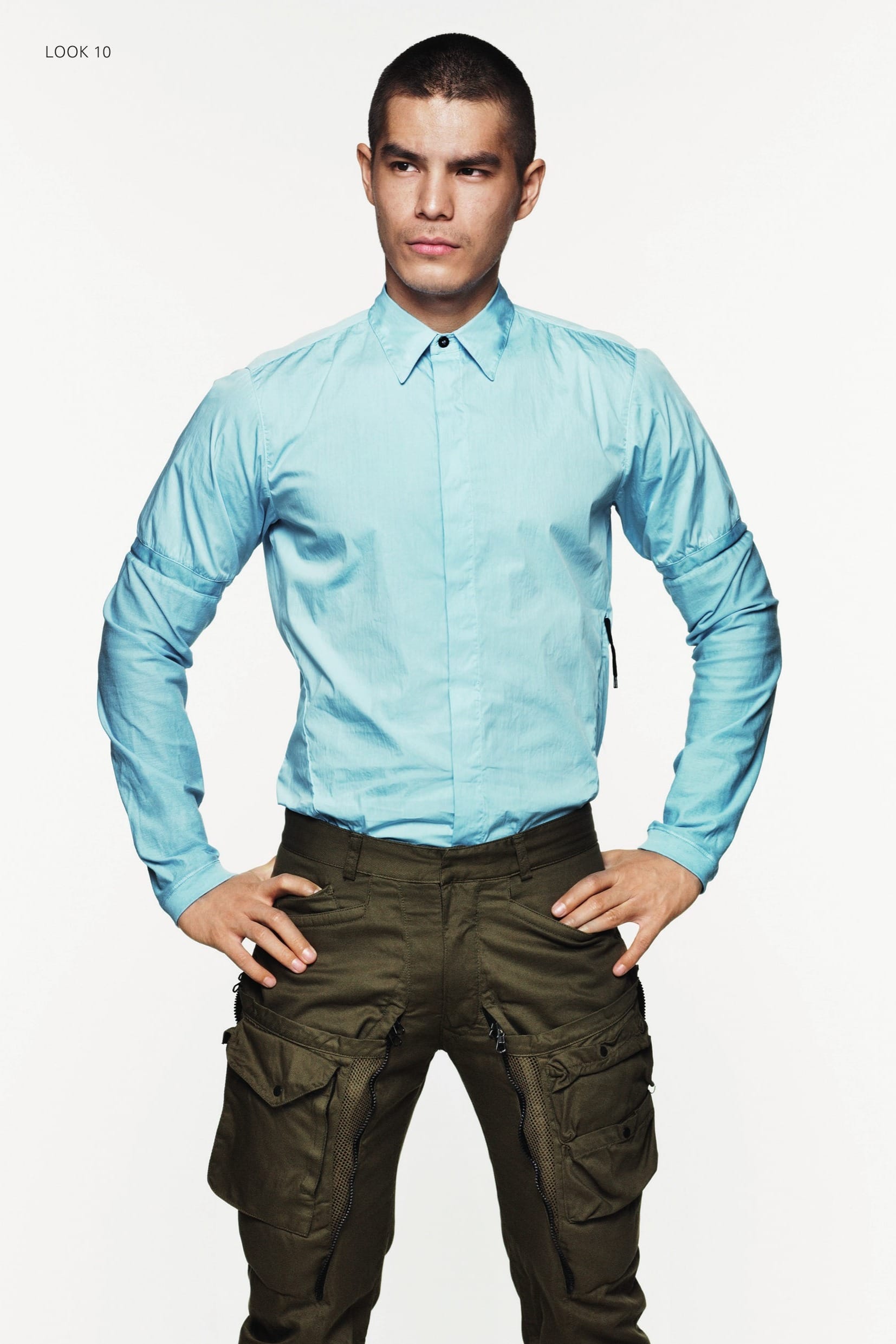
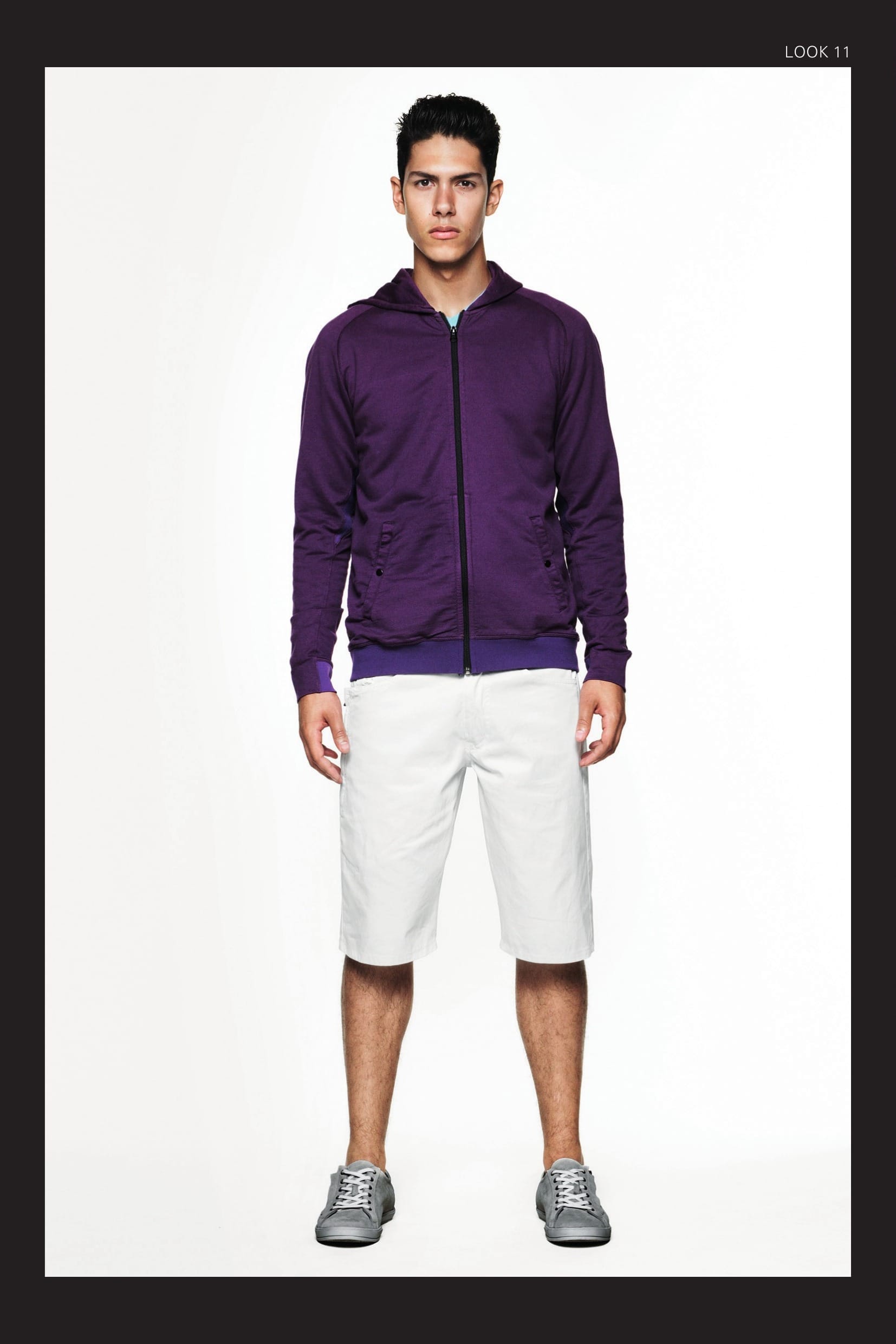
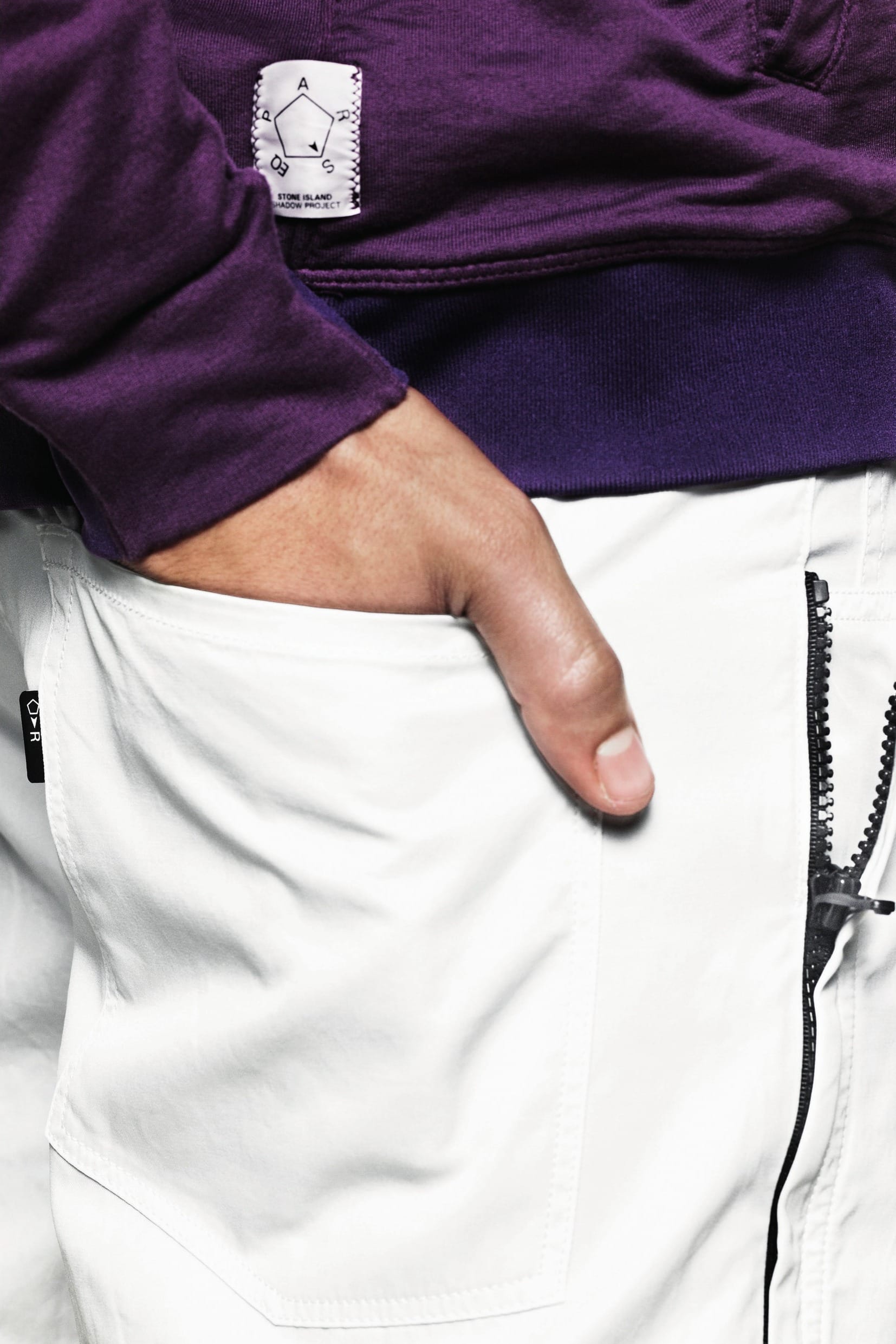
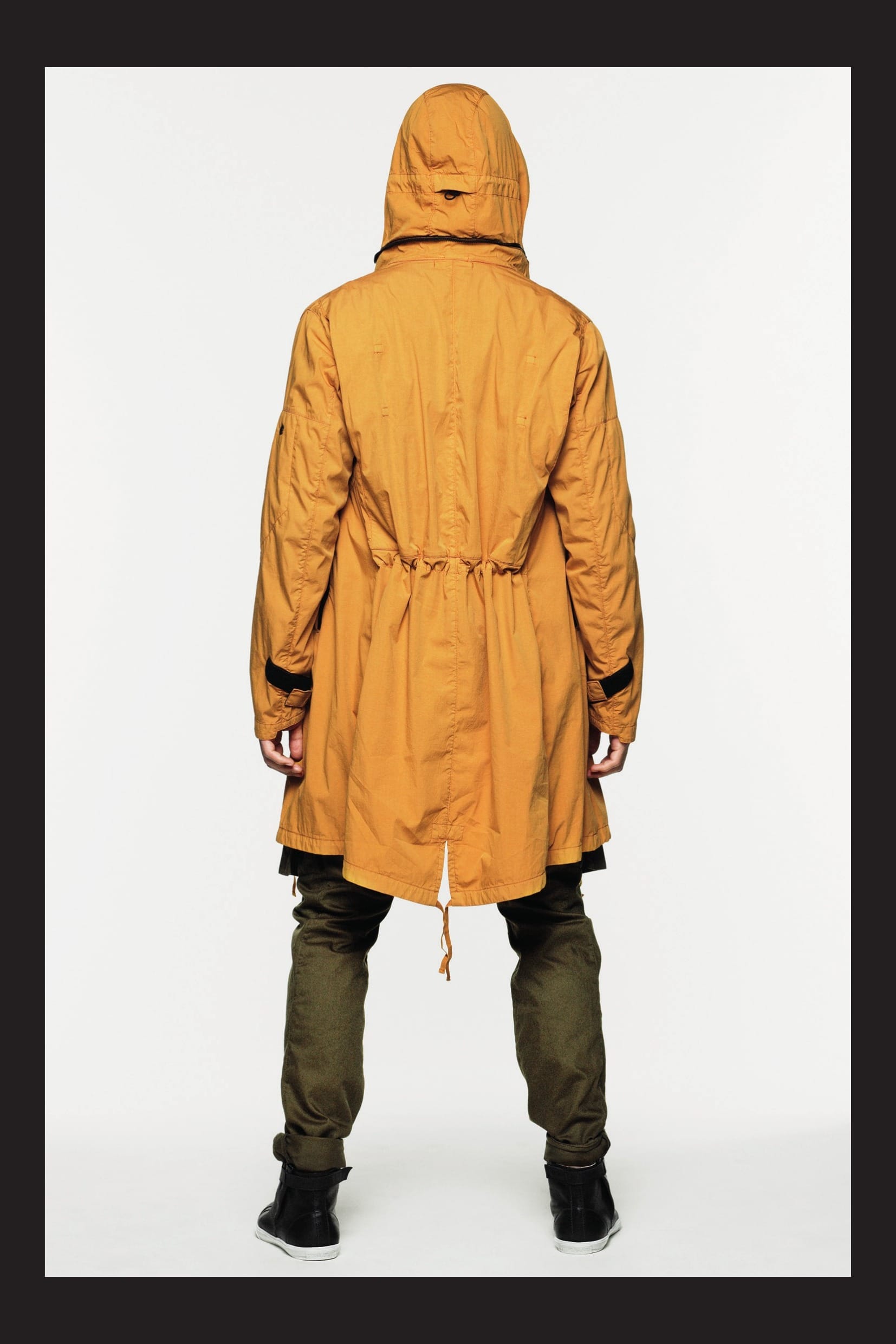
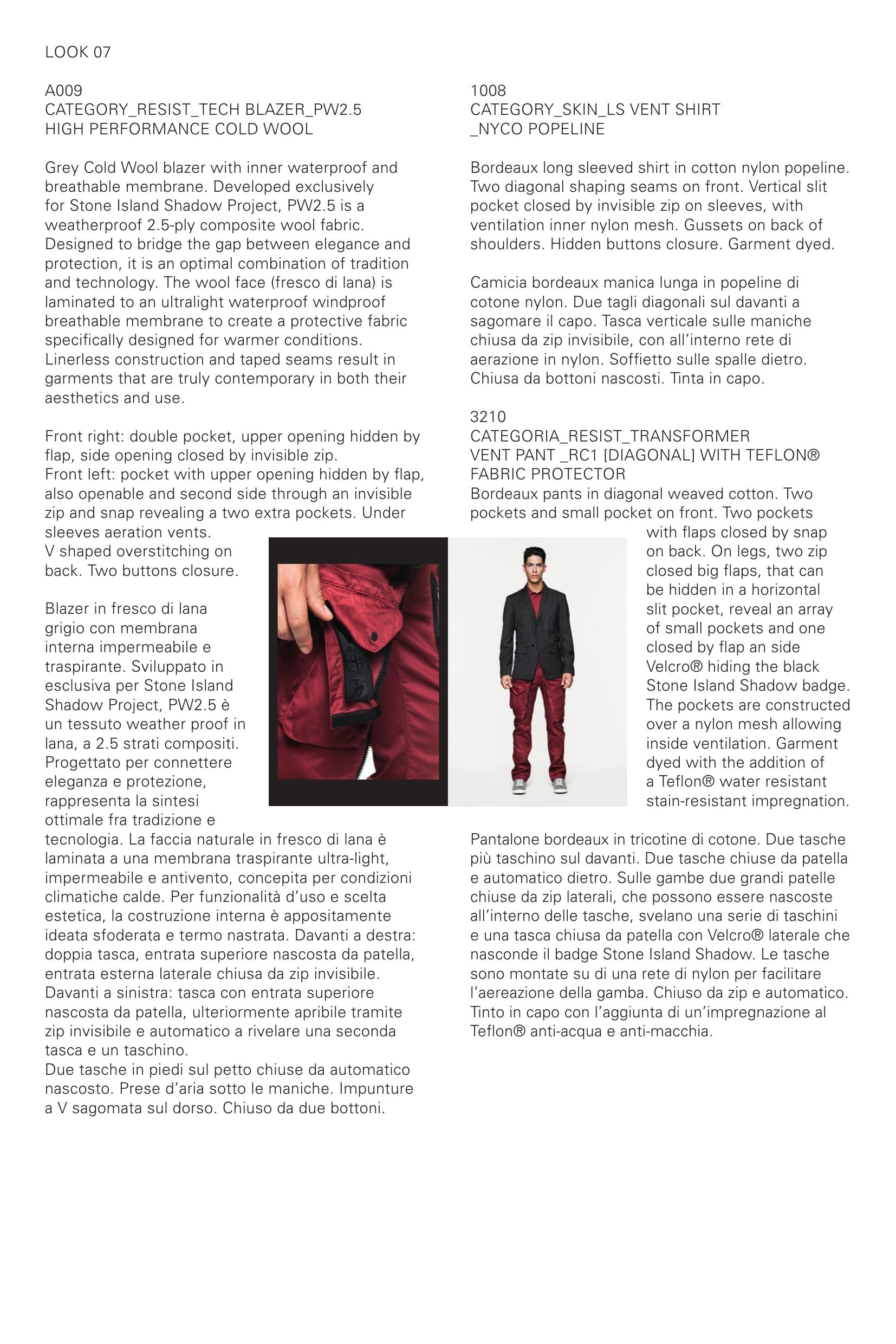
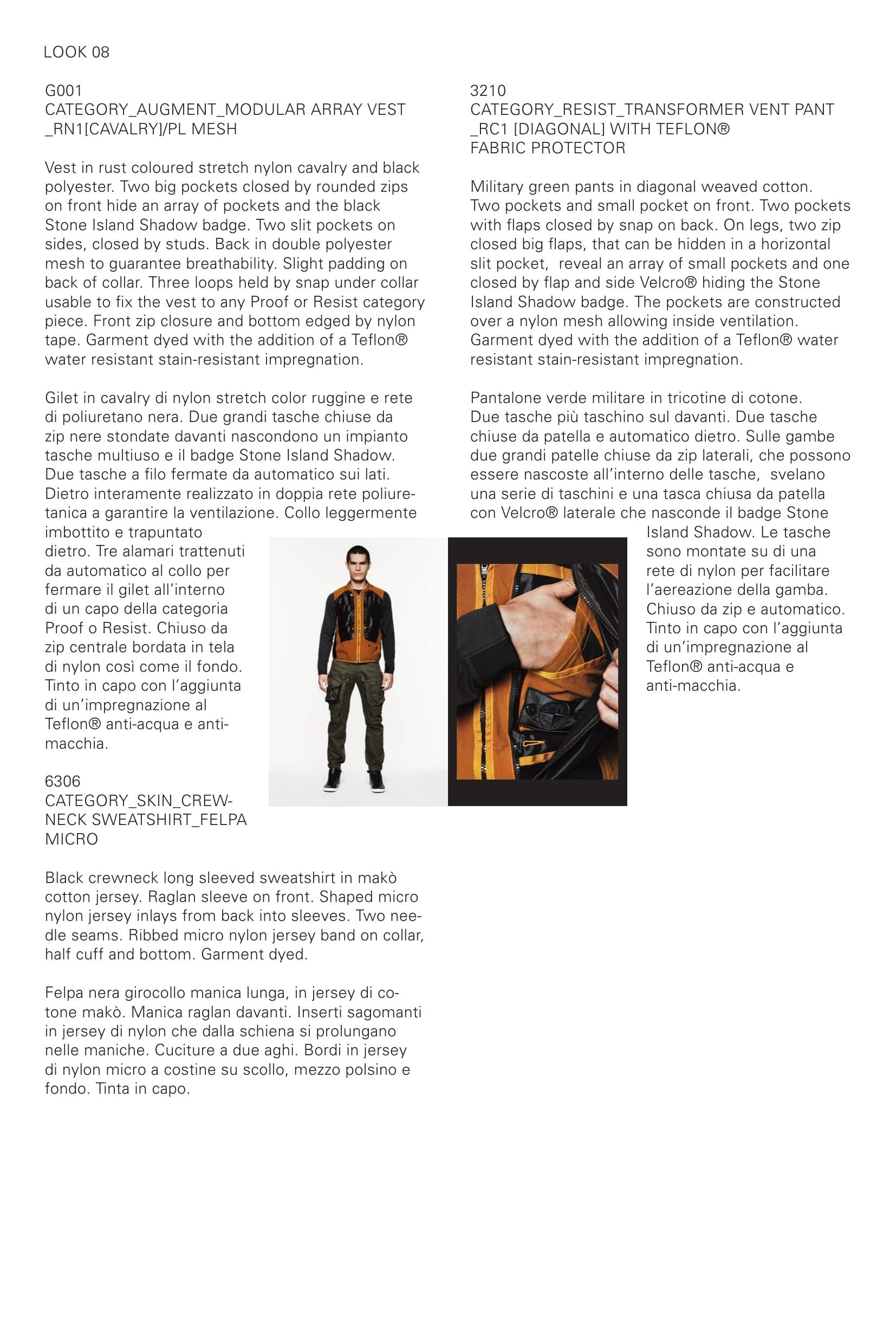
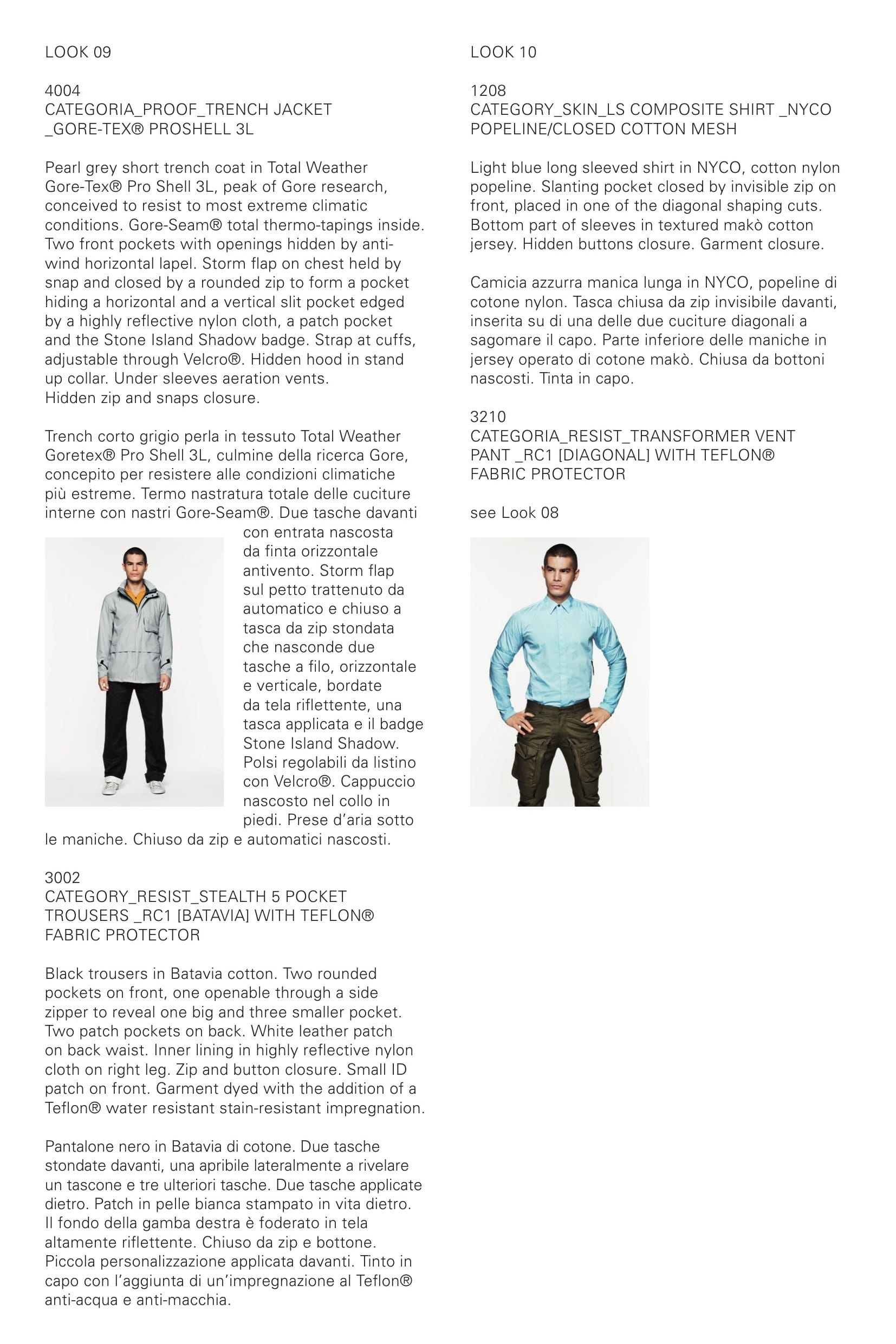
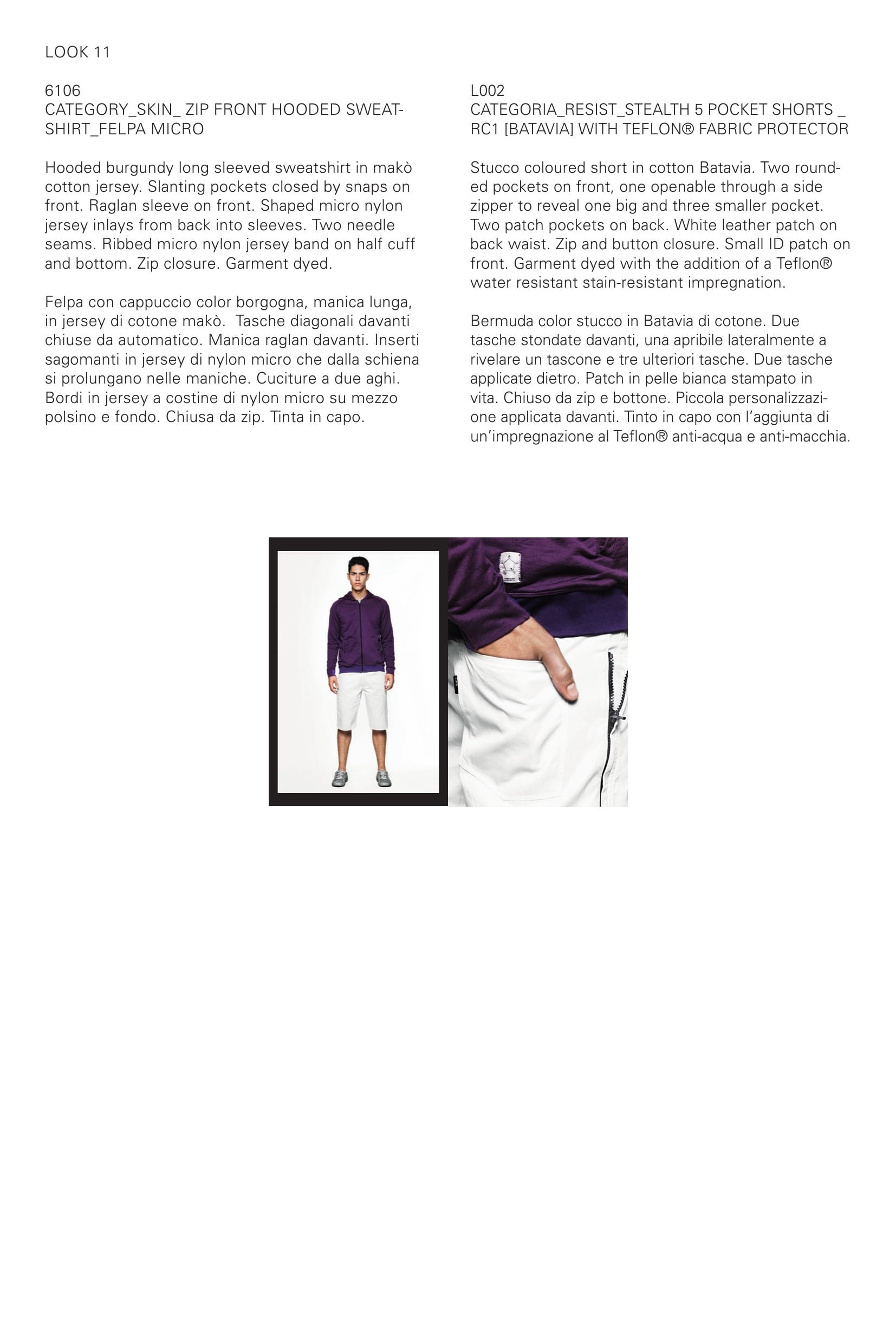
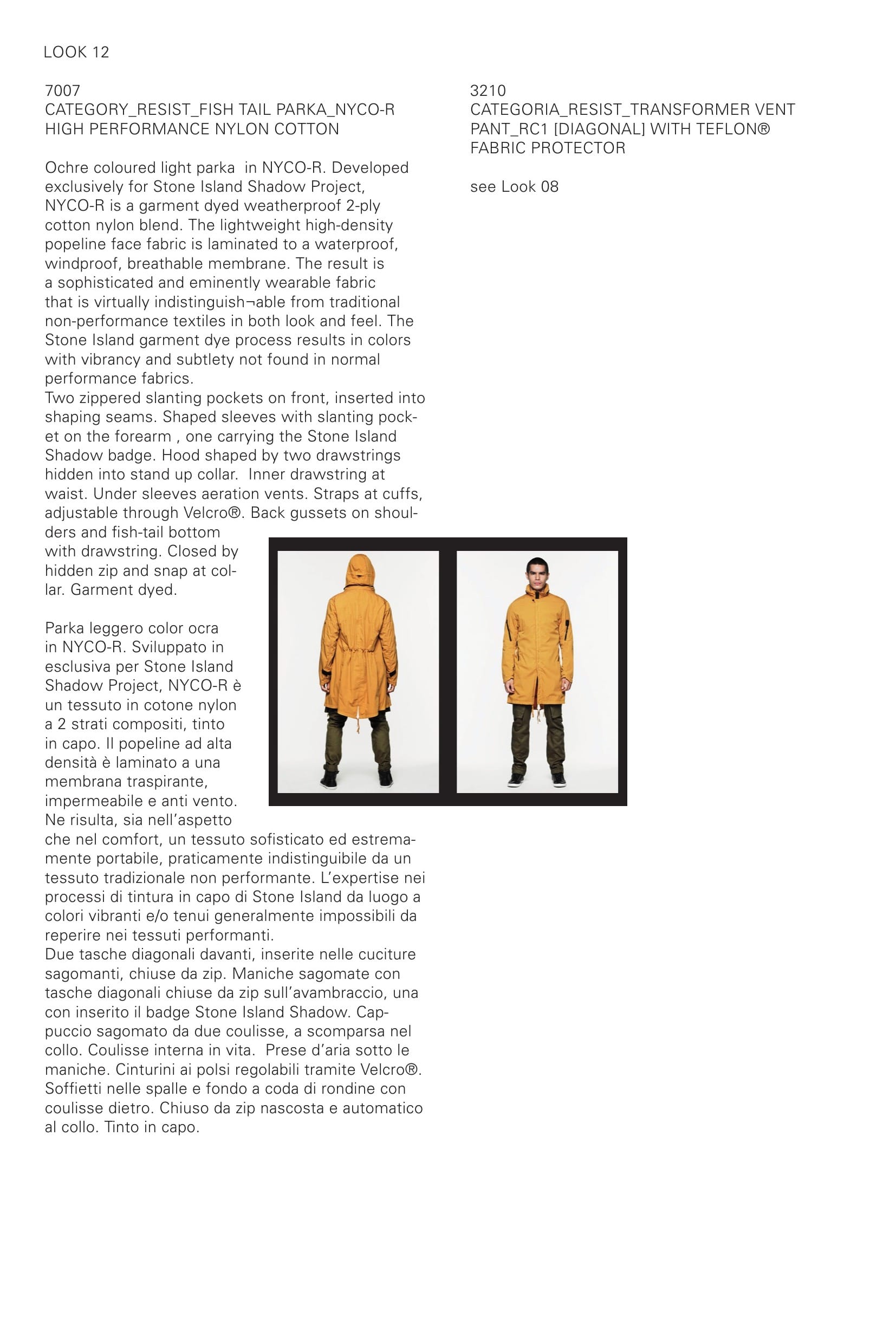
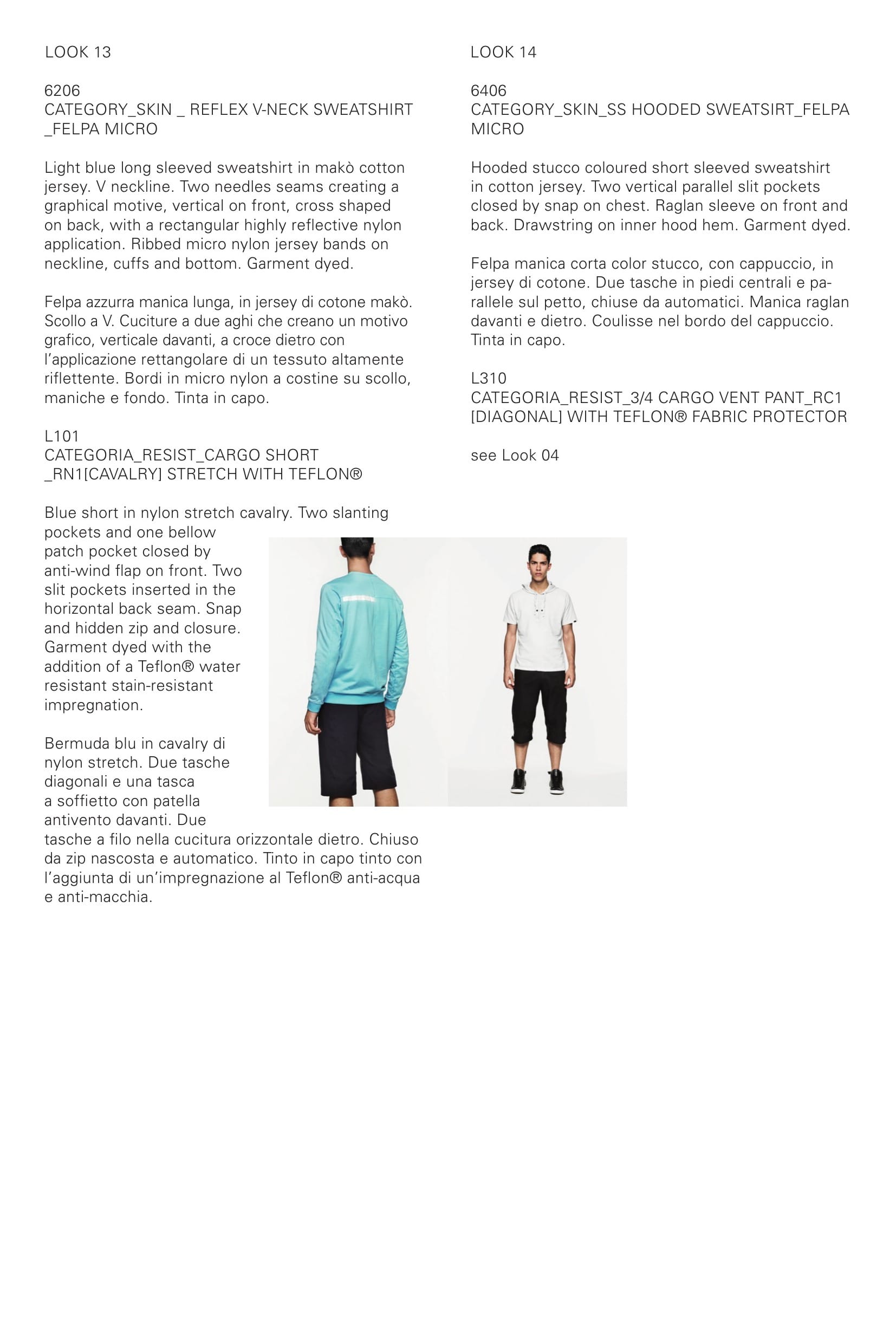
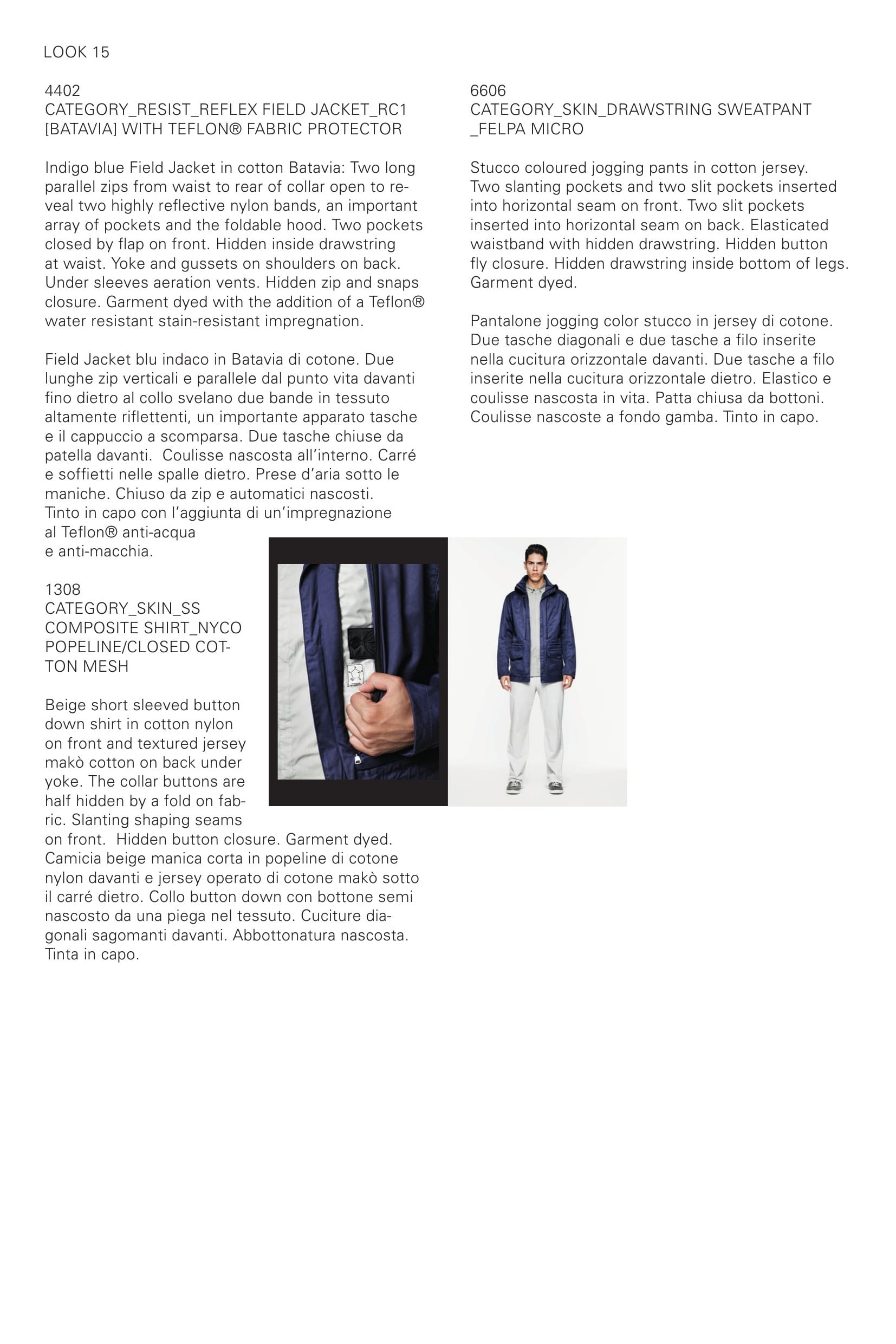
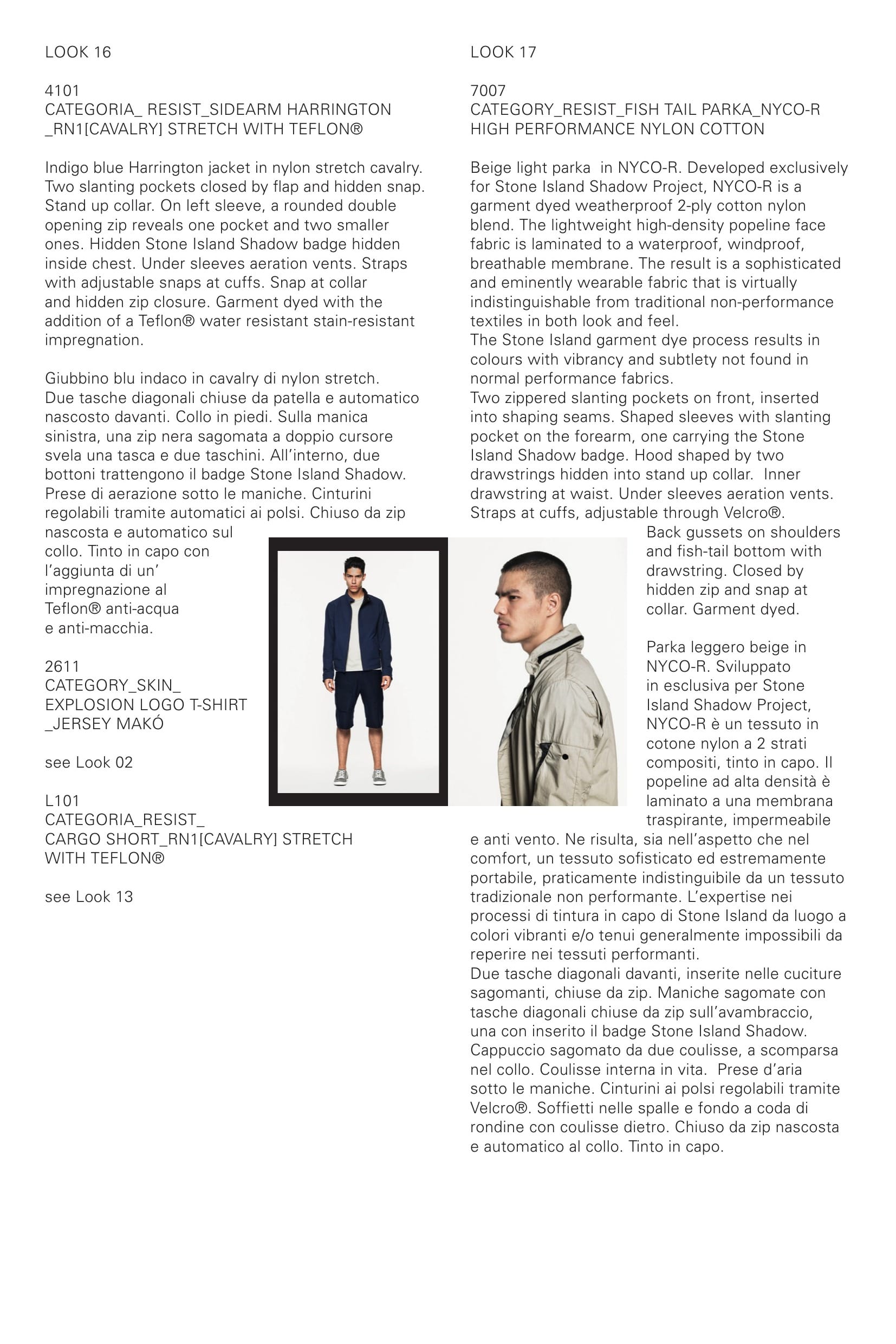
The Stone Island Shadow vector continues with the project's fourth seasonal capsule collection. Fueled by new reactions within the project's original conceptual core, fresh manifestations of fabric, style, detail, and interface emerge as the lightest, yet most comprehensive, offering thus far.
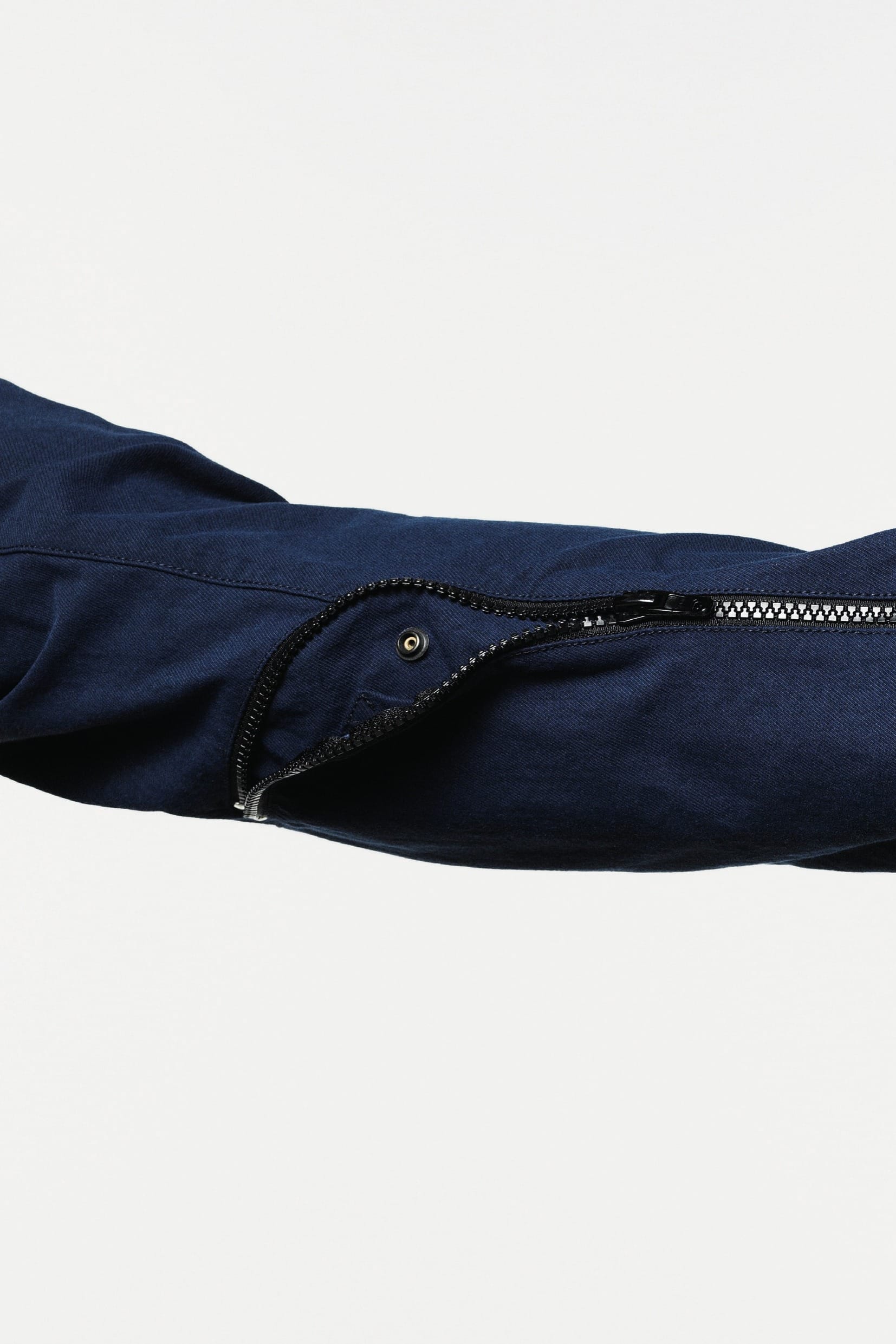
This unique trajectory begins, of course, at a unique point of origin — the inimitable constellation of research and development that is STONE ISLAND. Hidden detail and potential action lies at the heart of each and every Stone Island Shadow style.
Enfolding this in a simpler, softer way, a new focus can be brought to bear on both resolution of shape and fidelity of color. The goal is vibrancy and directness; stripping away the superfluous without sacrificing capability, and the lightness that can only be found by moving through one's environment with zero resistance.
Modular Performance Grid, PARSEQ is the organizational framework upon which the idea is built: PROOF, AUGMENT, RESIST, SKIN and EQUIP. All Shadow fabrics work together as part of the grid — breathable, moisture managing, skin-friendly and maintainable — chosen for their balance of performance technology and the aesthetic treatments for which Stone Island has been known since its inception.


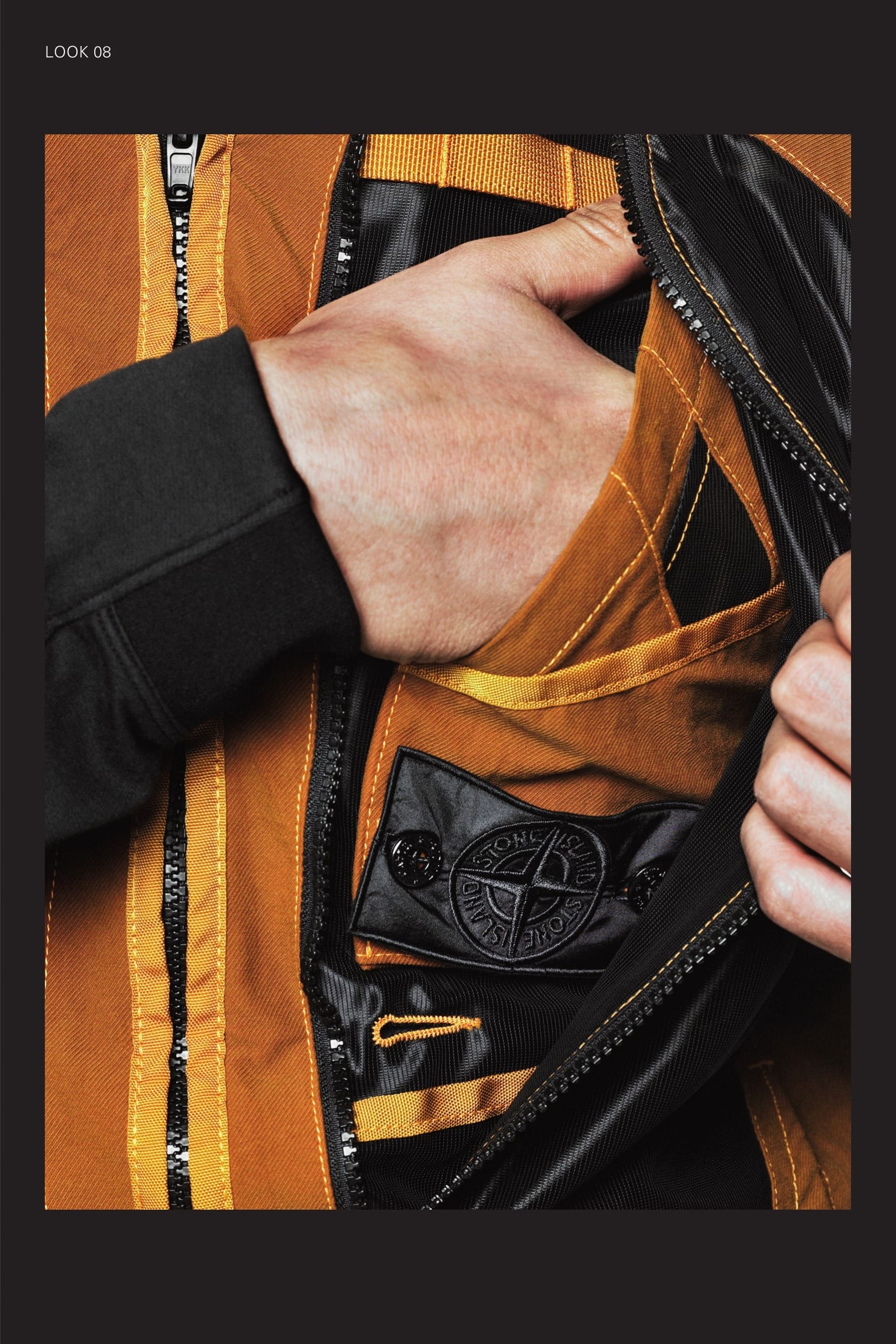
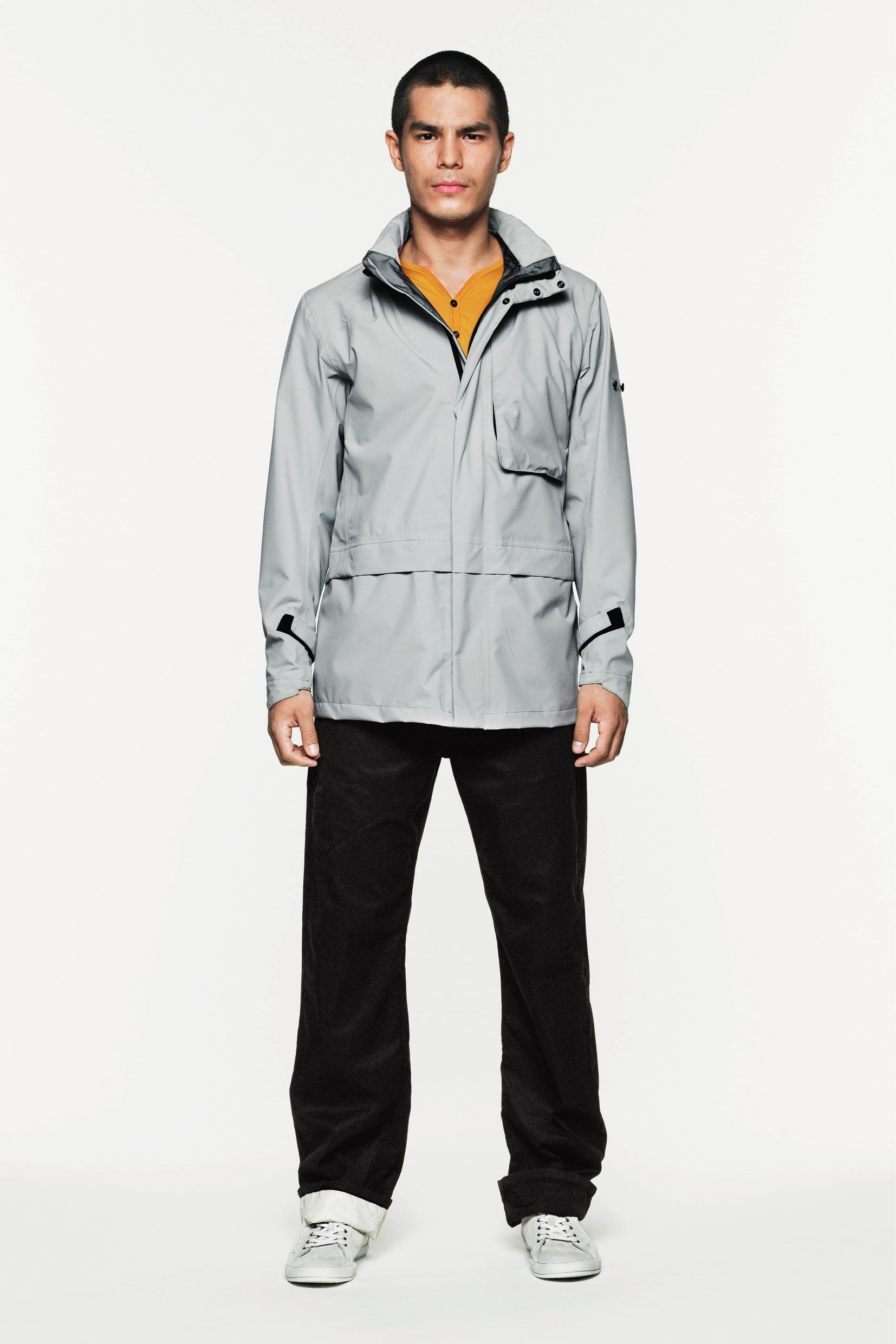
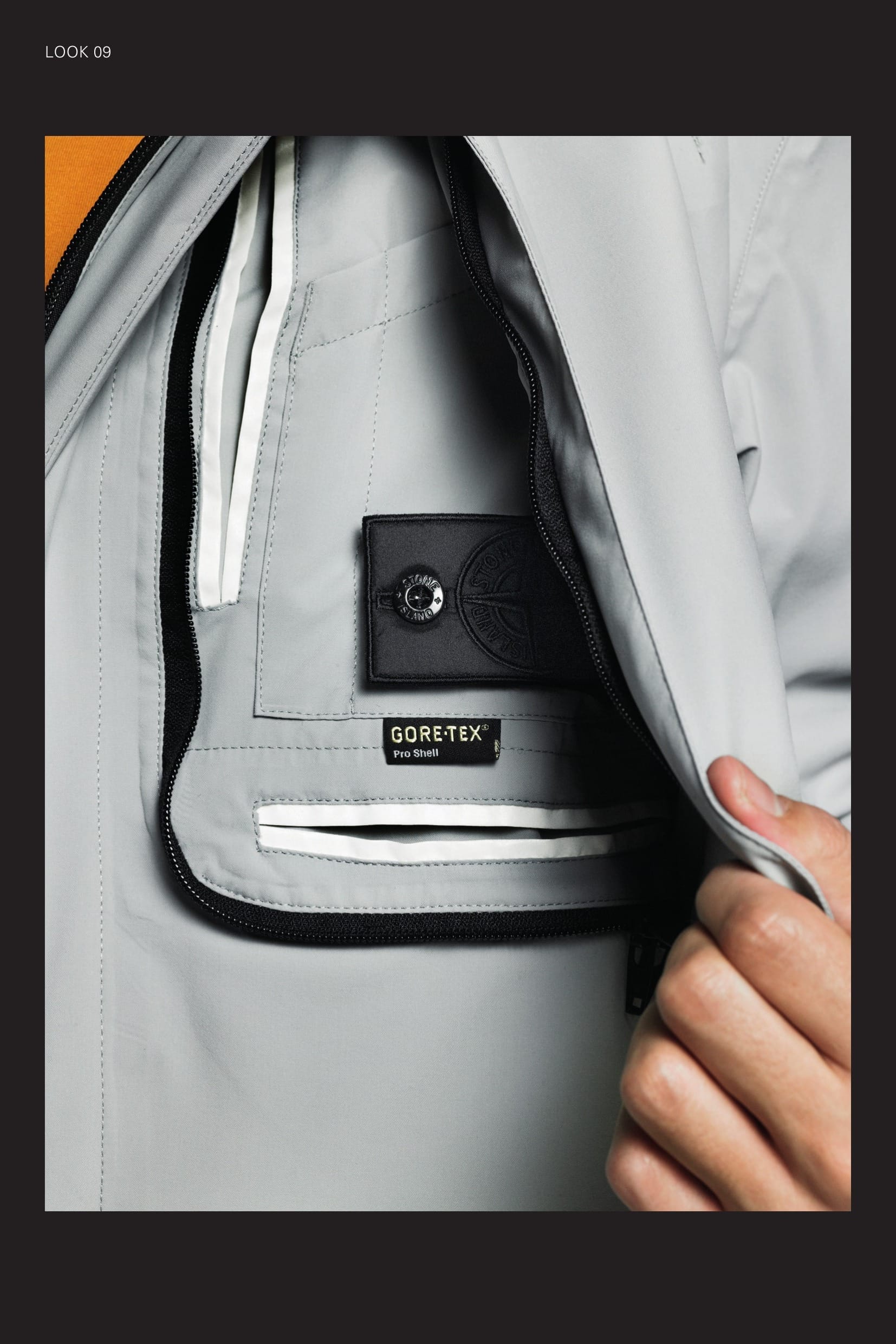
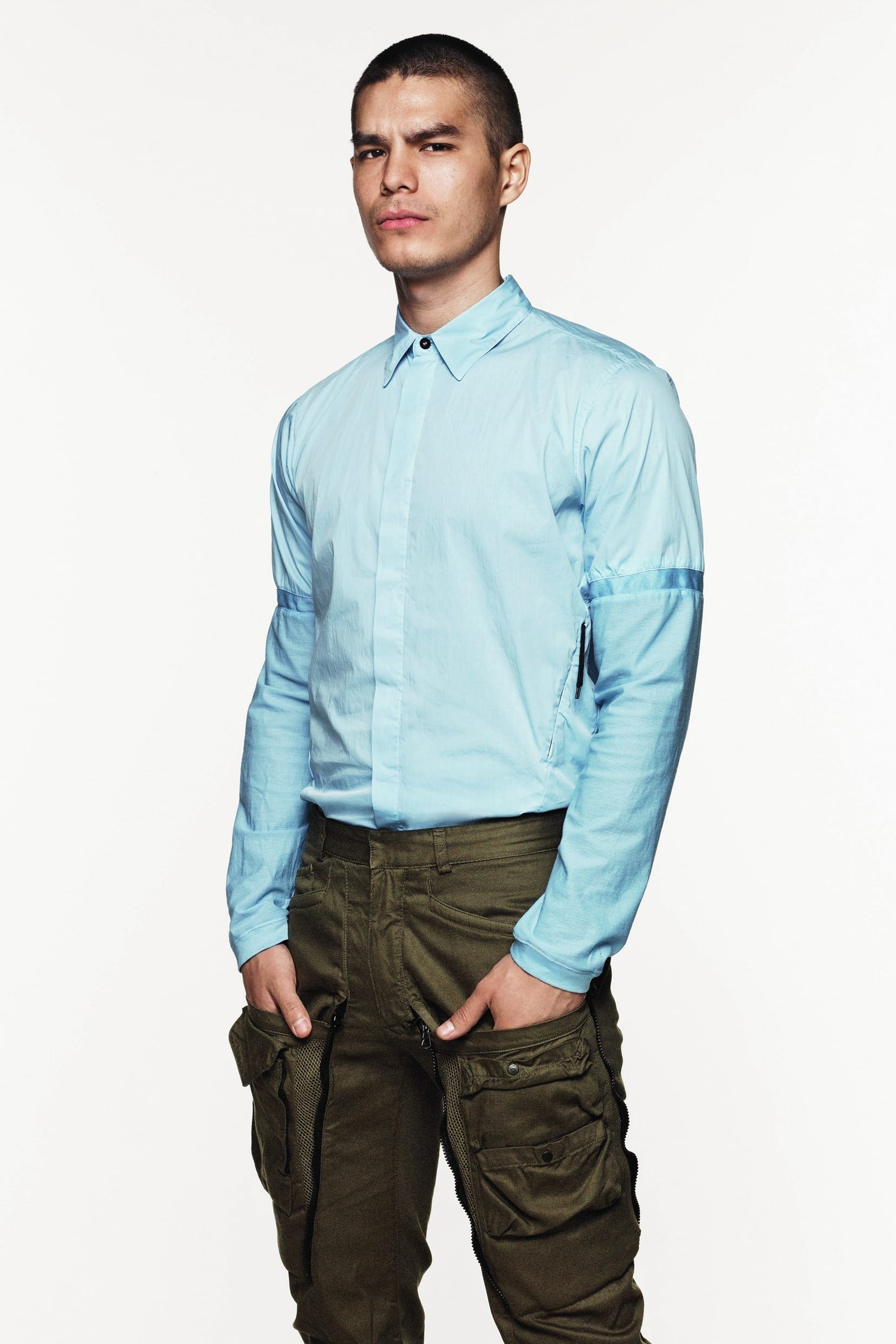
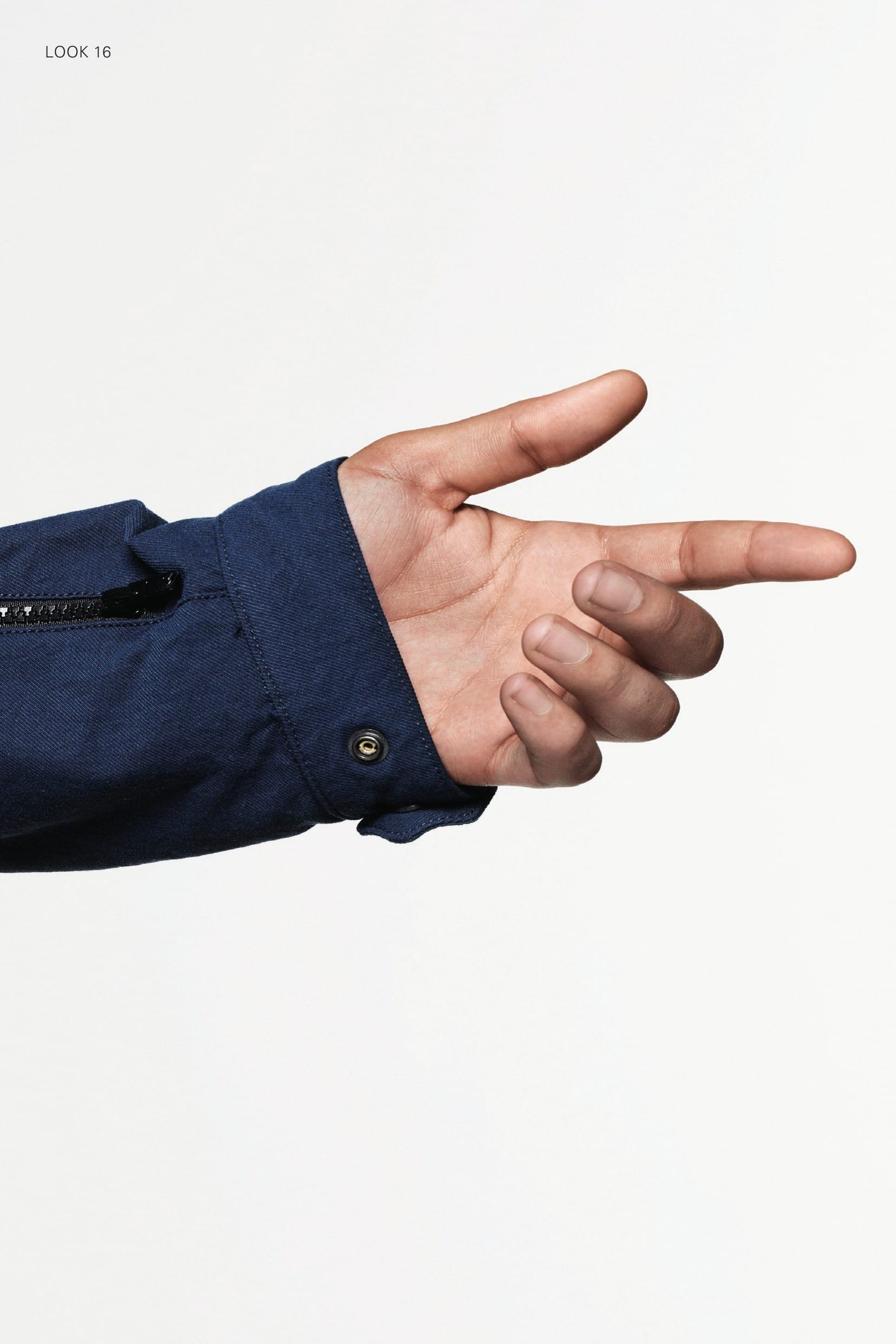
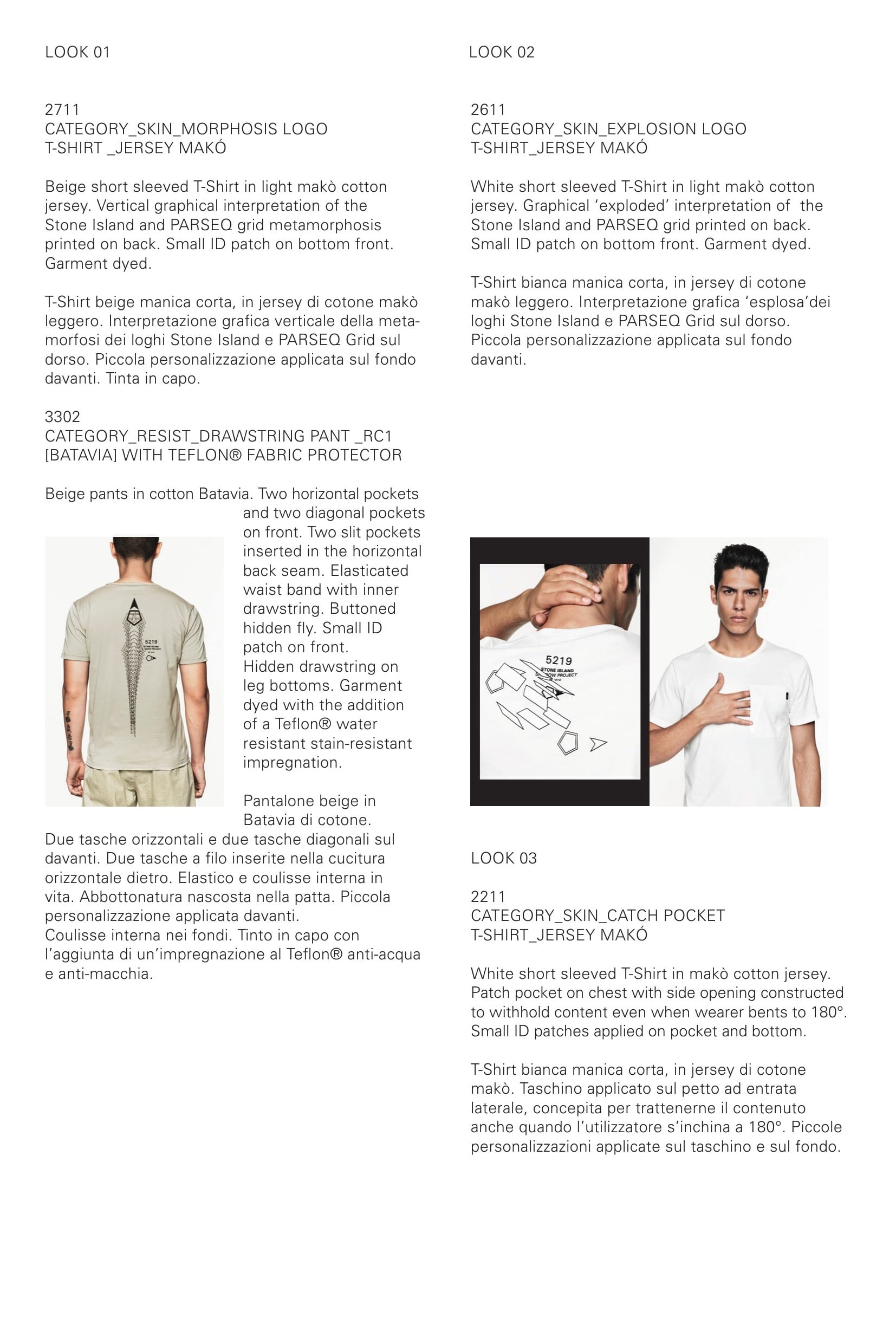
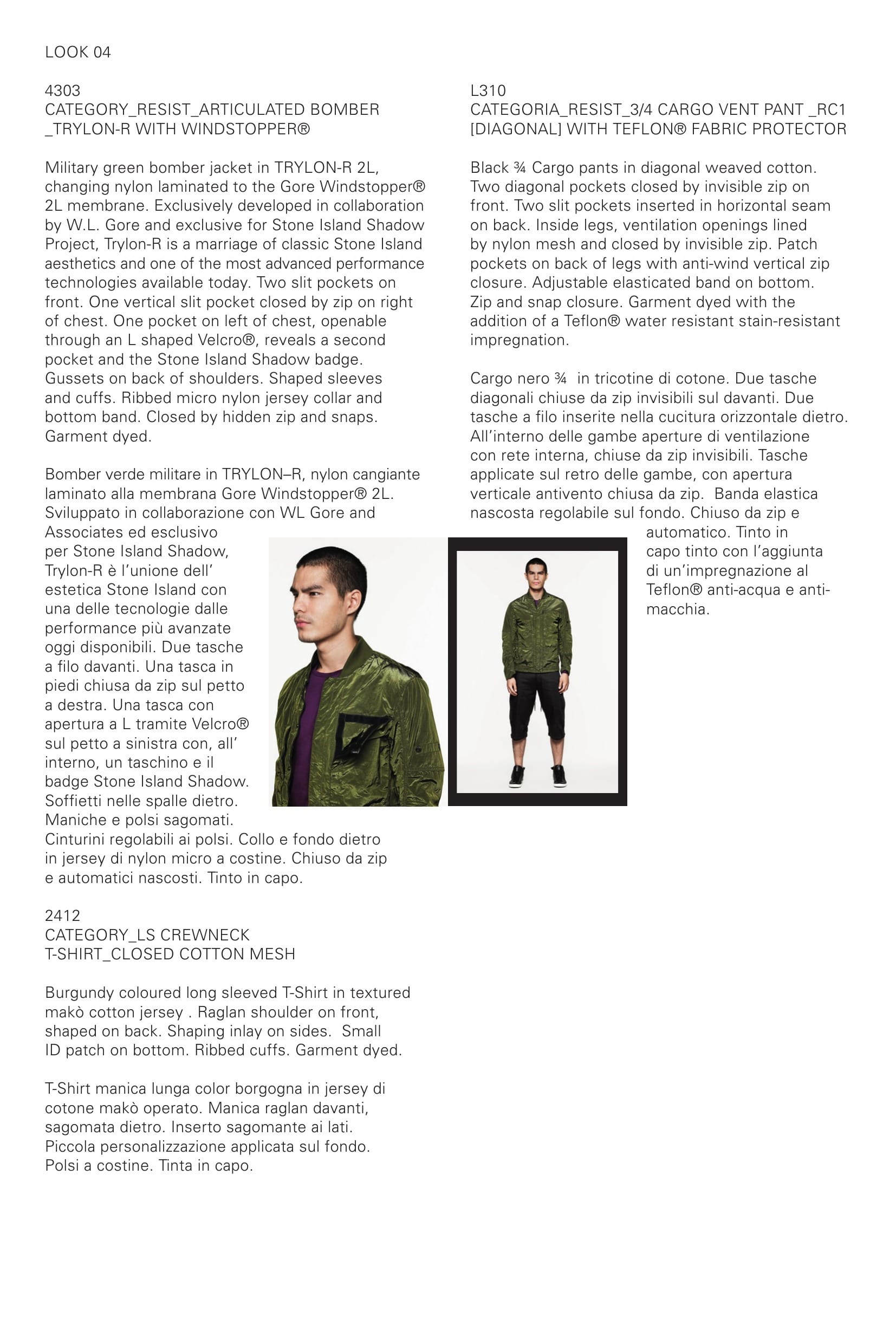
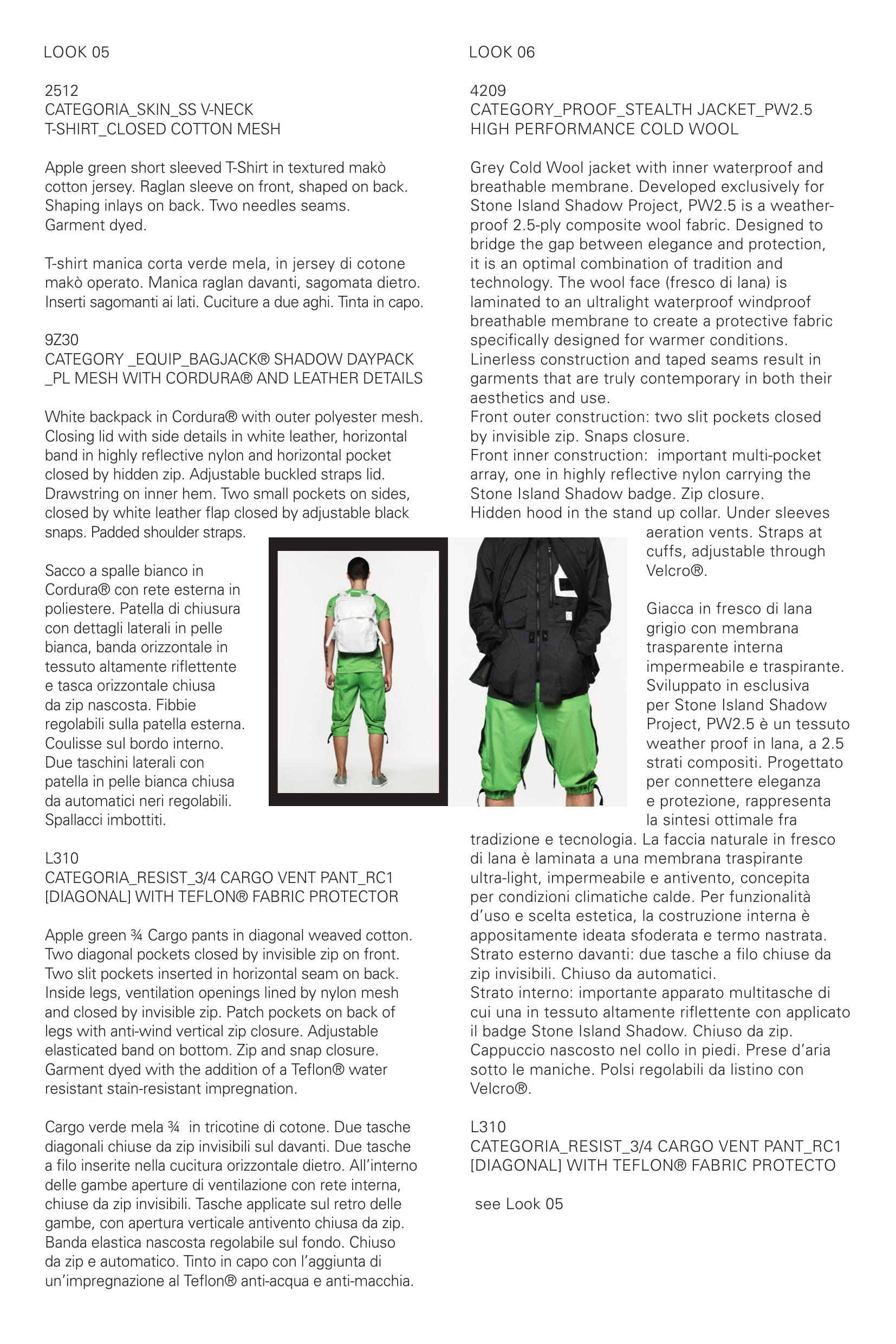

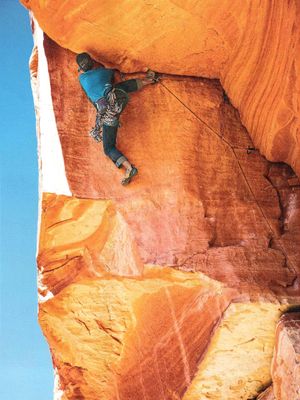
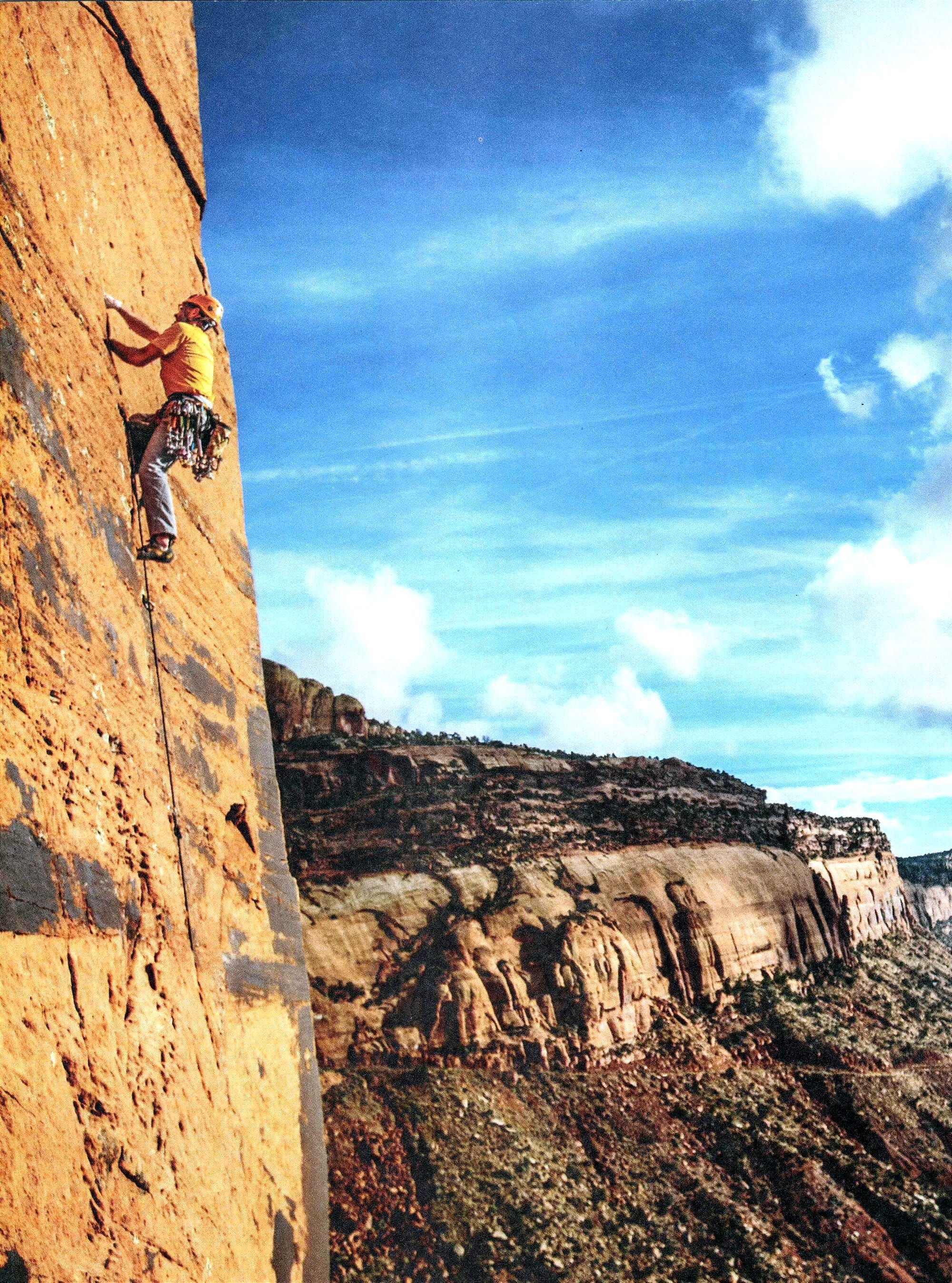
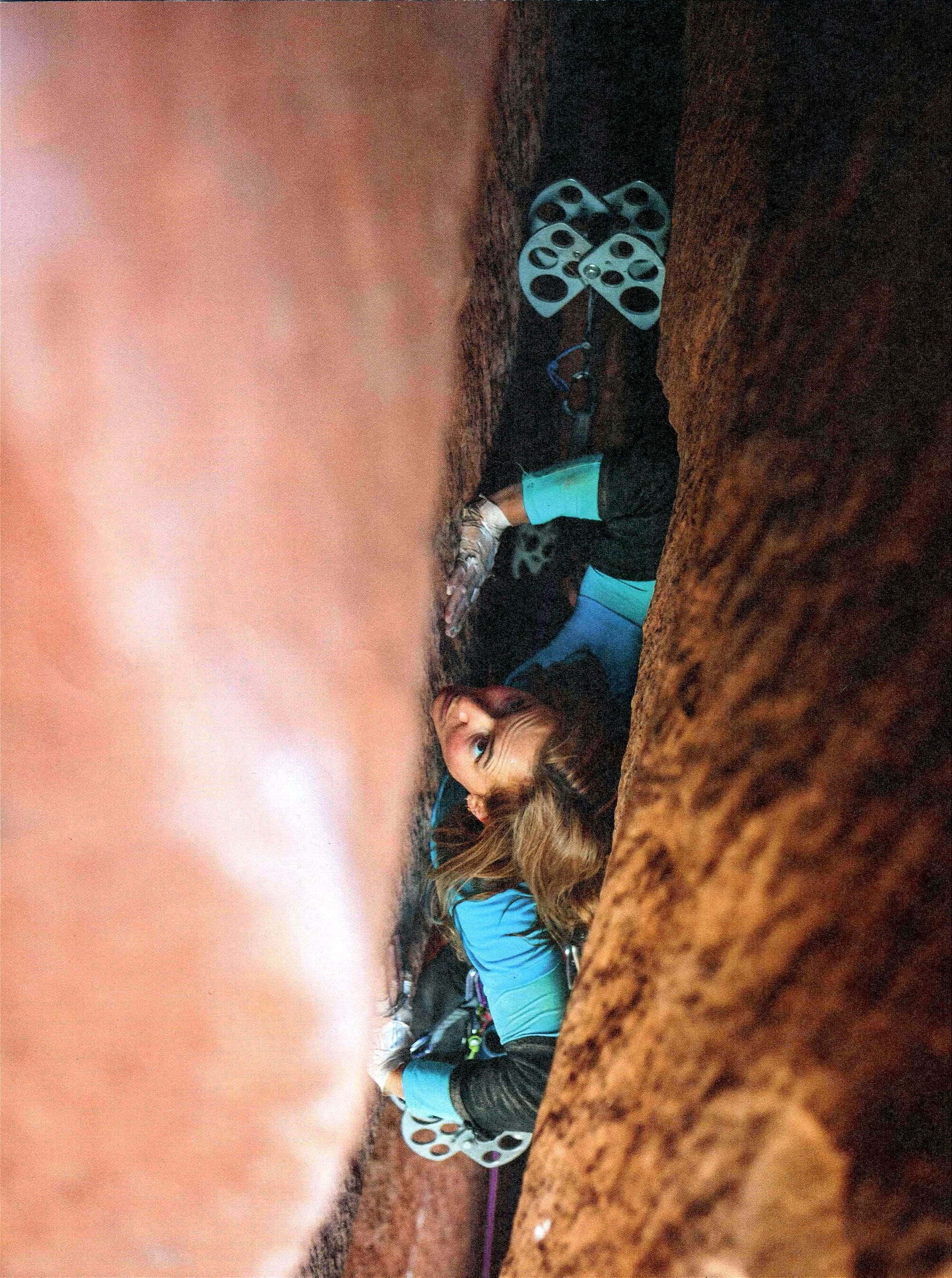
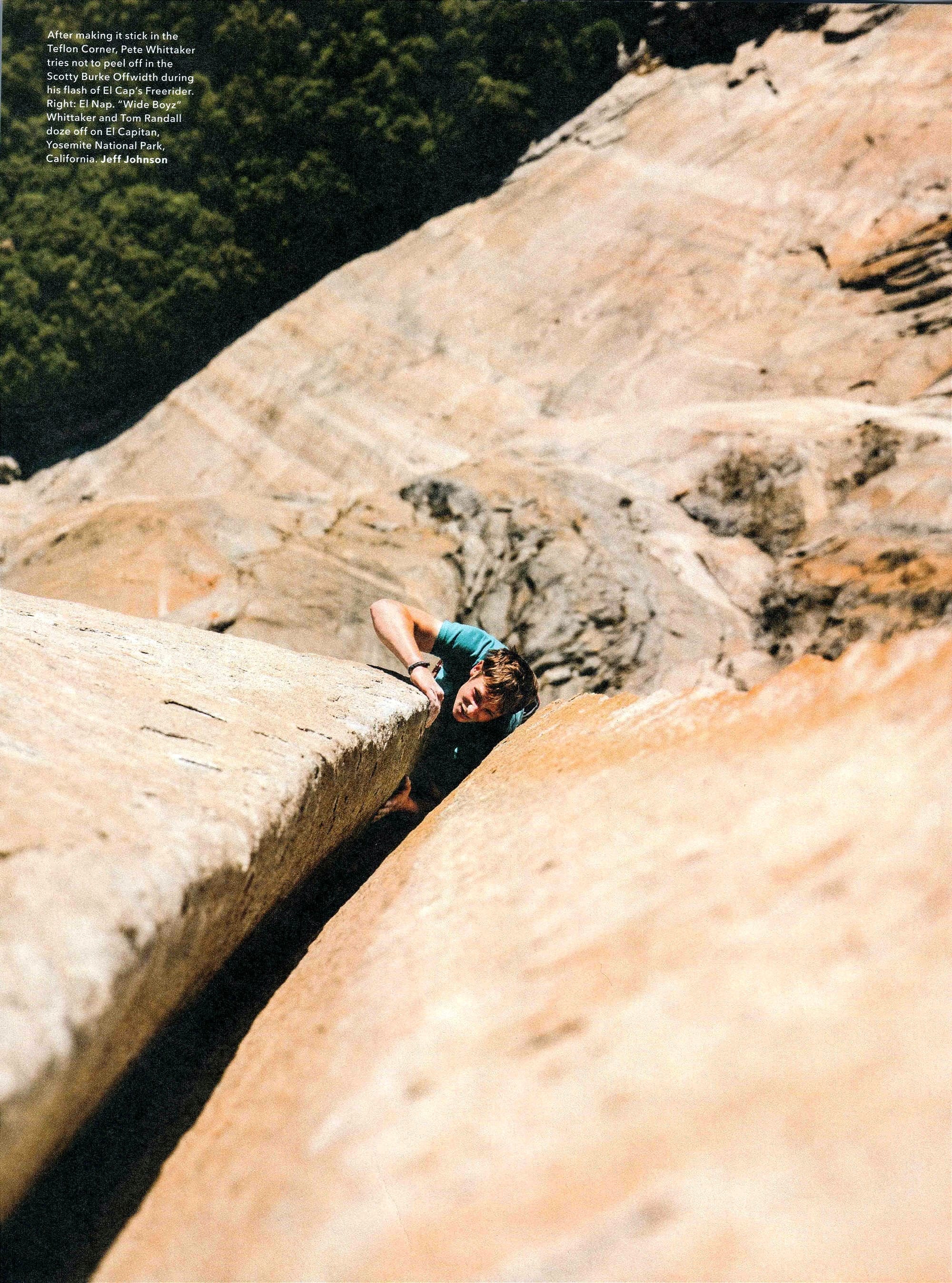
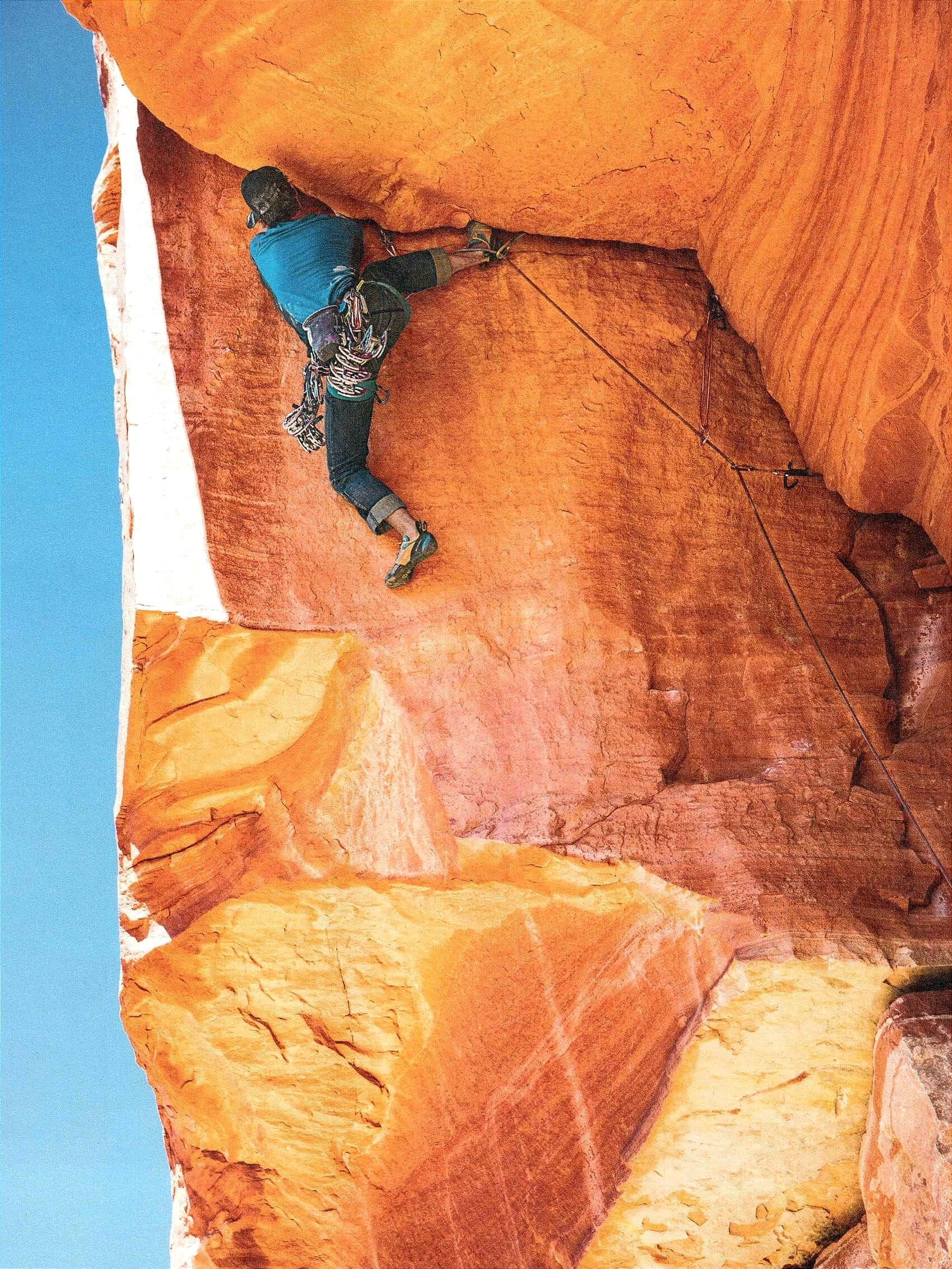
Southwest face of Arrowhead Spire. Valley of the Gods, Utah.

Troya by Gordon von Steiner
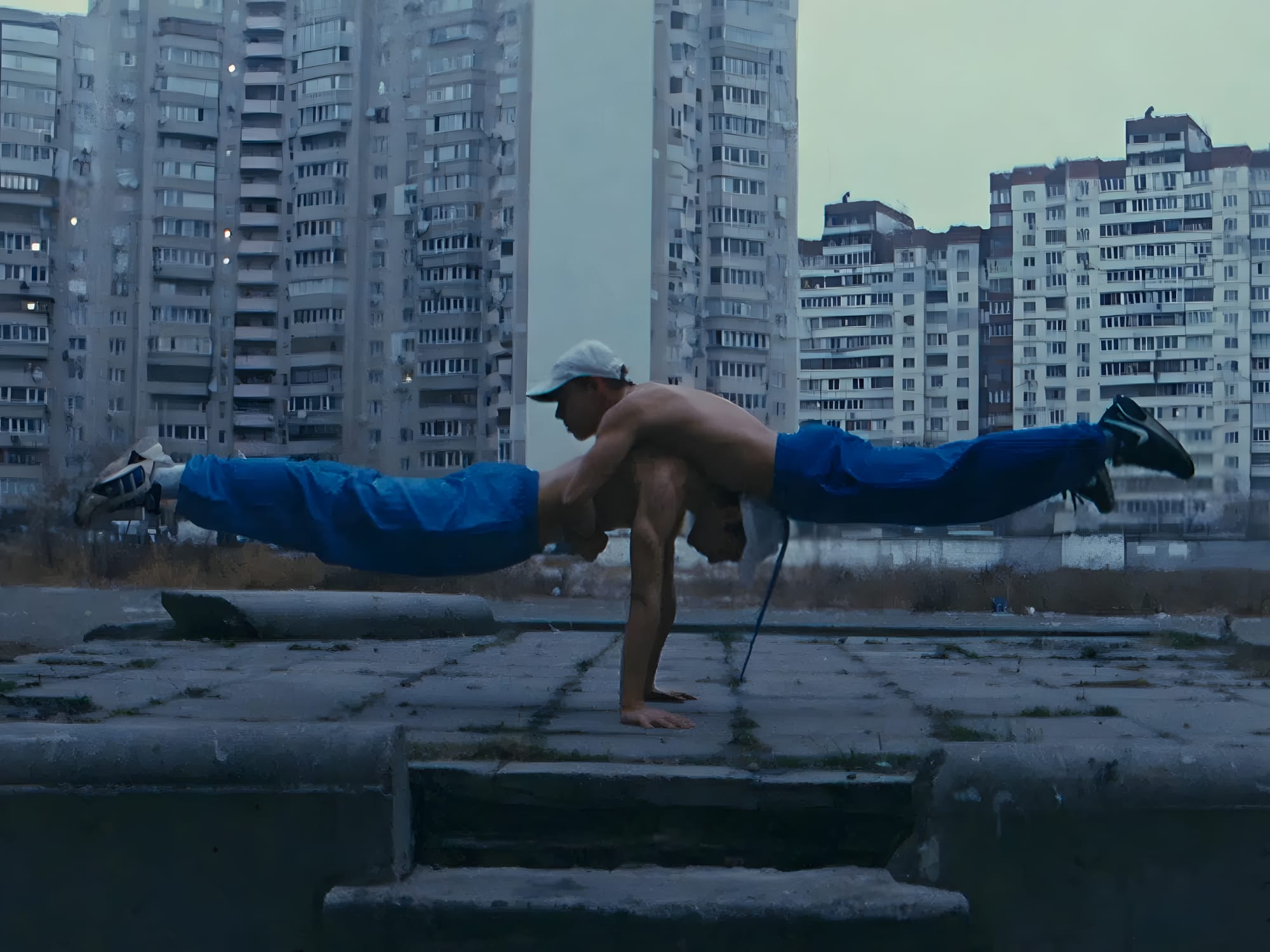
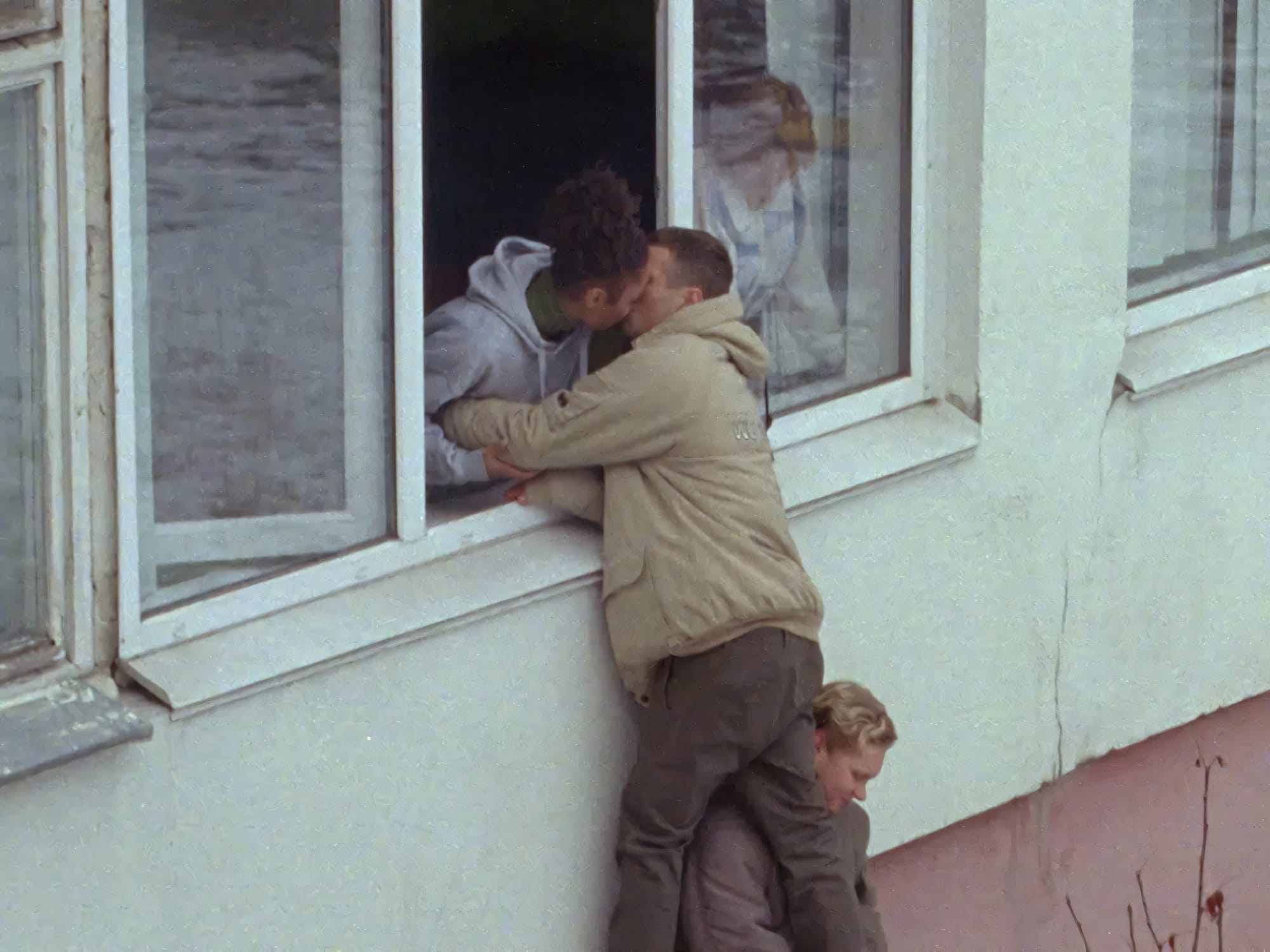
Gordon von Steiner’s “Troya” is a visually striking short film set in the Troieshchyna neighborhood of Kyiv, known for its stark Soviet-era architecture. The film explores themes of urban isolation and resilience through a series of compelling and gritty vignettes. Von Steiner’s direction captures the raw and unembellished aesthetics of Troieshchyna, highlighting its dense clusters of monotonous apartment buildings and the lives of its residents. The film juxtaposes the area’s bleak physical environment with moments of unexpected beauty and humanity, creating a powerful narrative that resonates with the viewer .
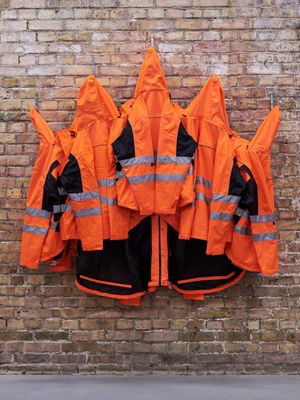
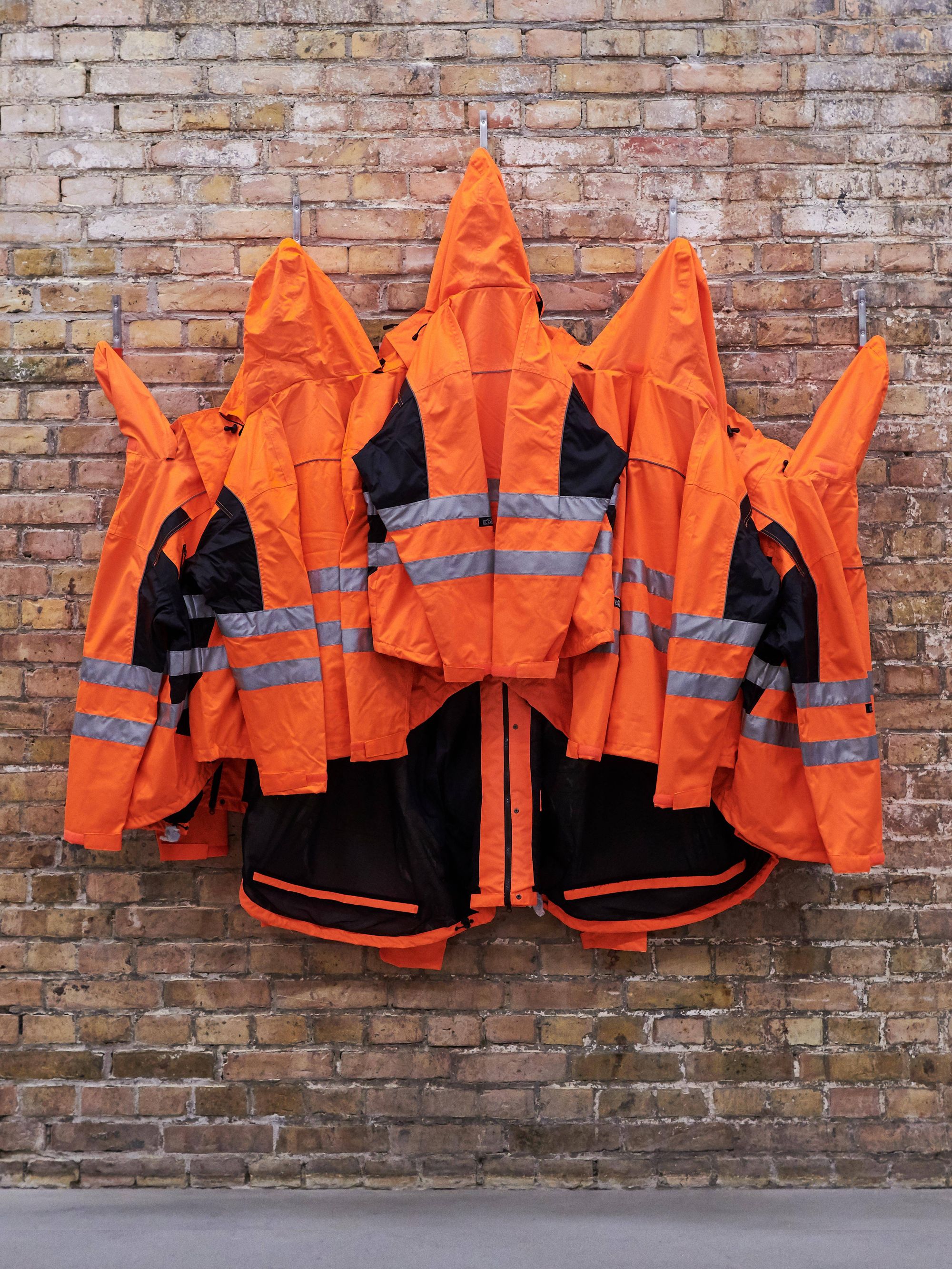
Safety Jackets Zipped the Other Way
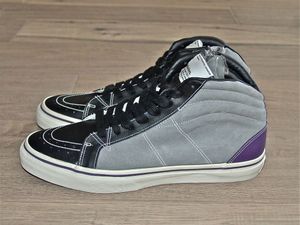
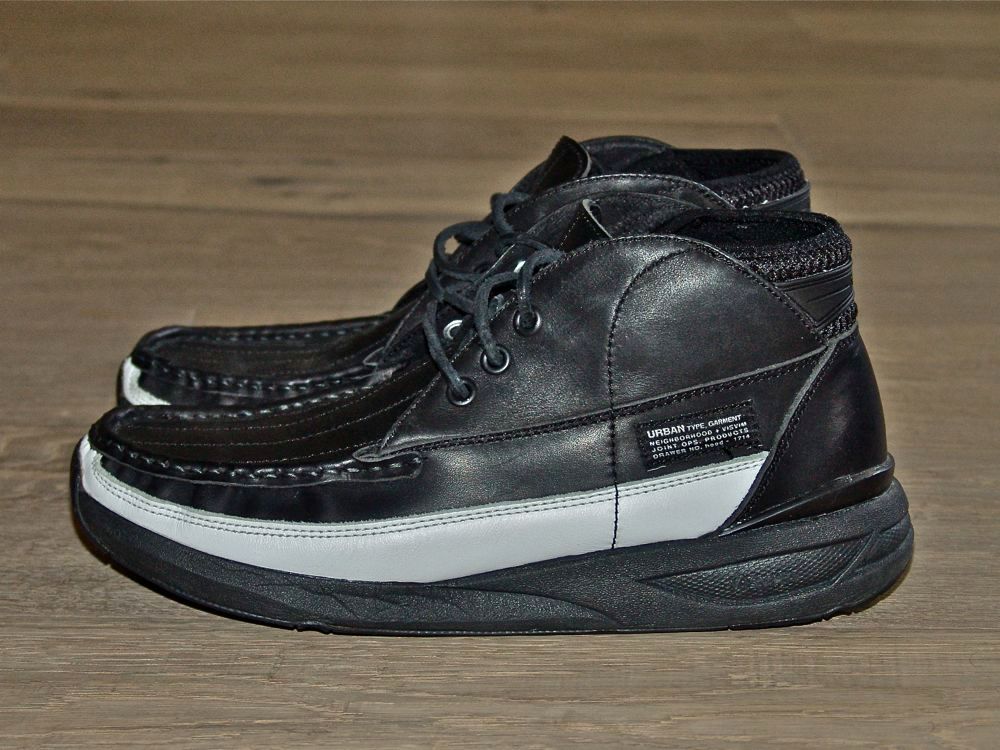
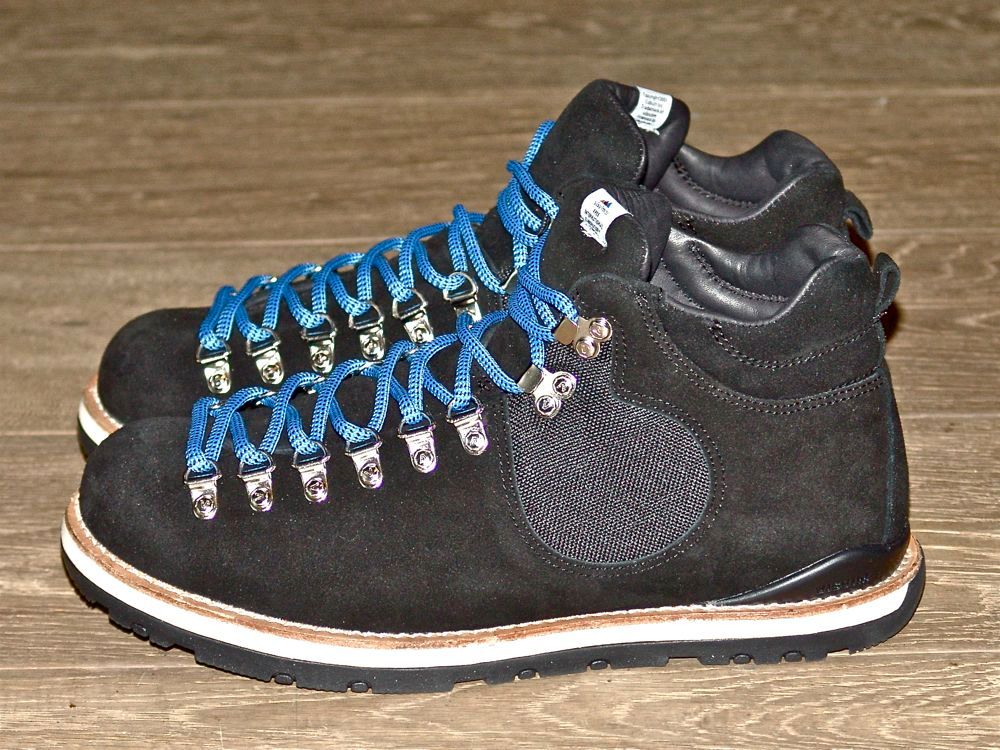
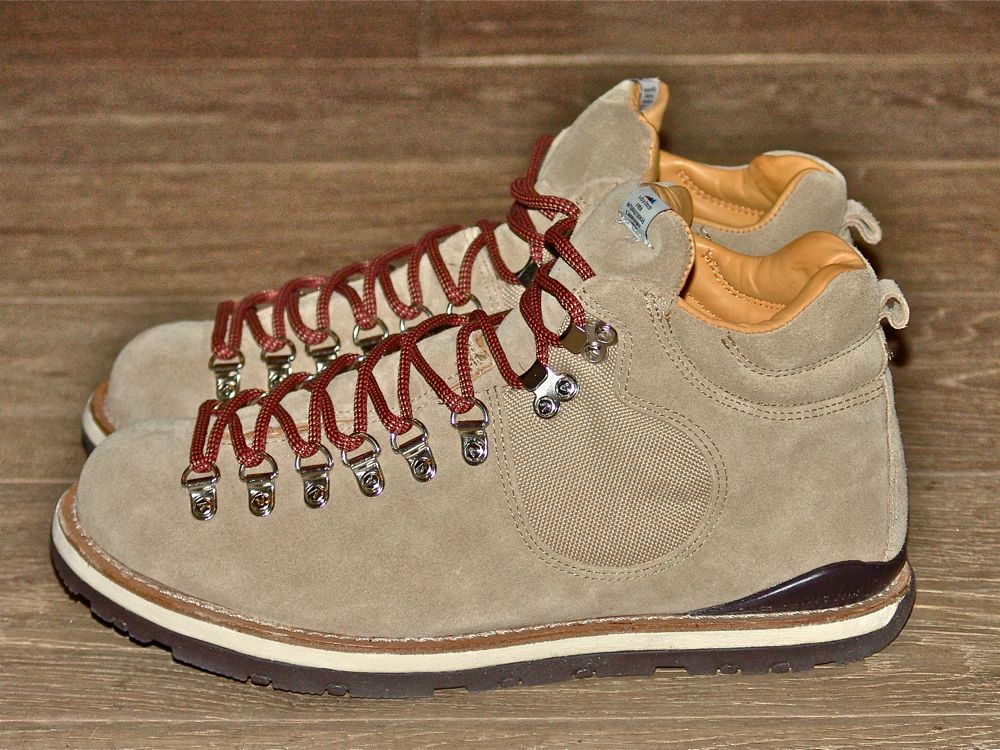
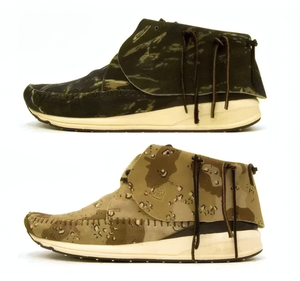
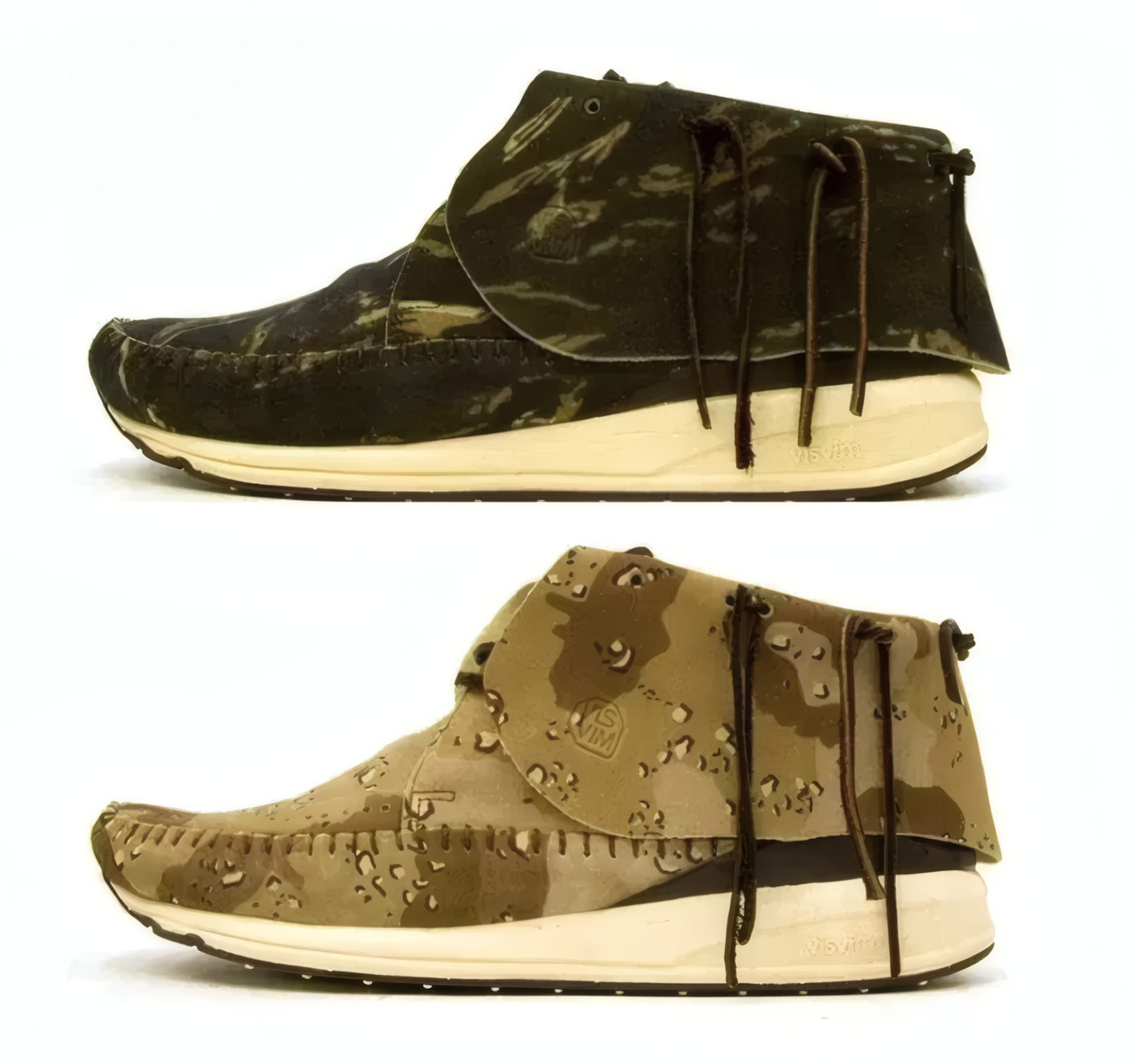
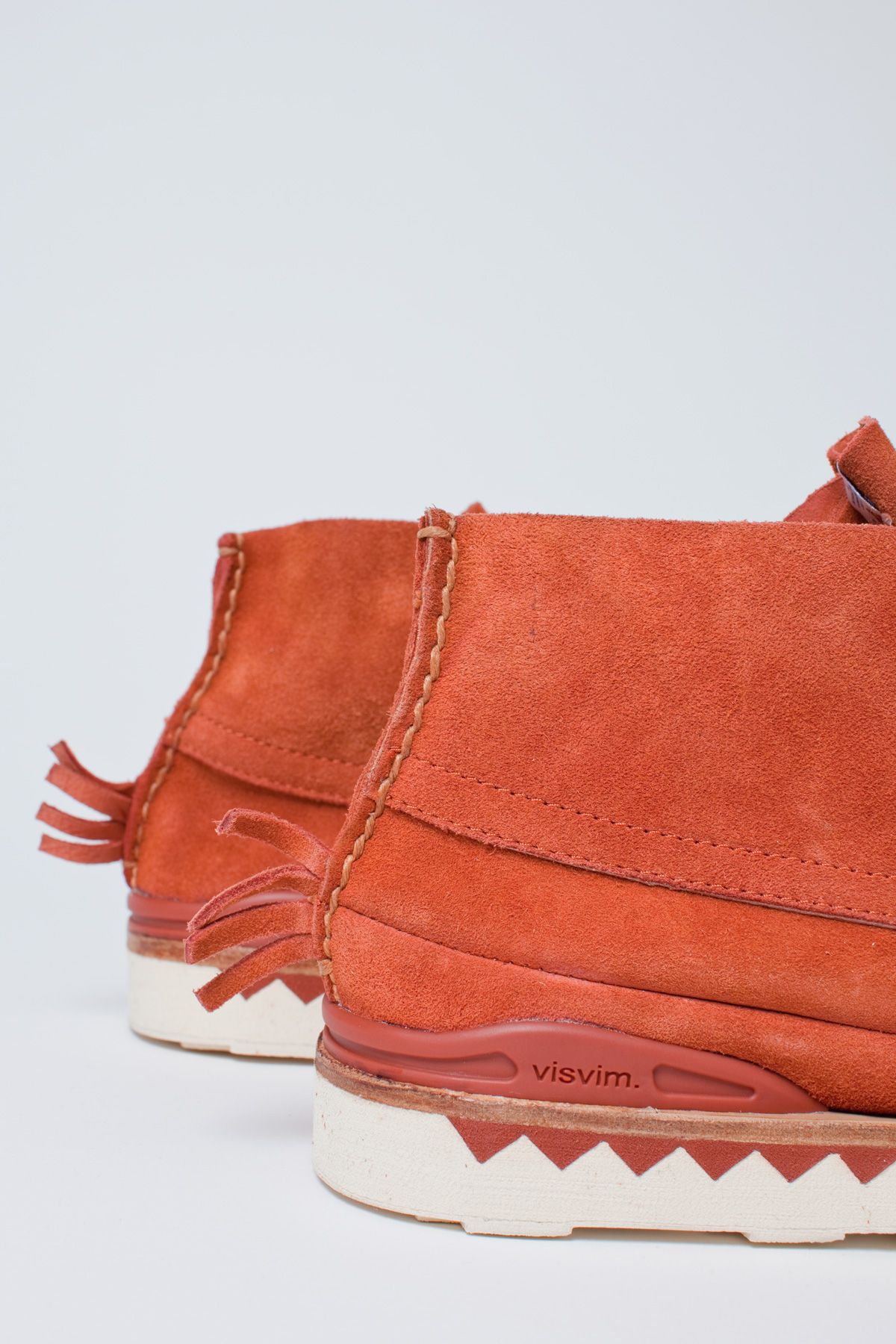
Visvim Camo G Line FBT

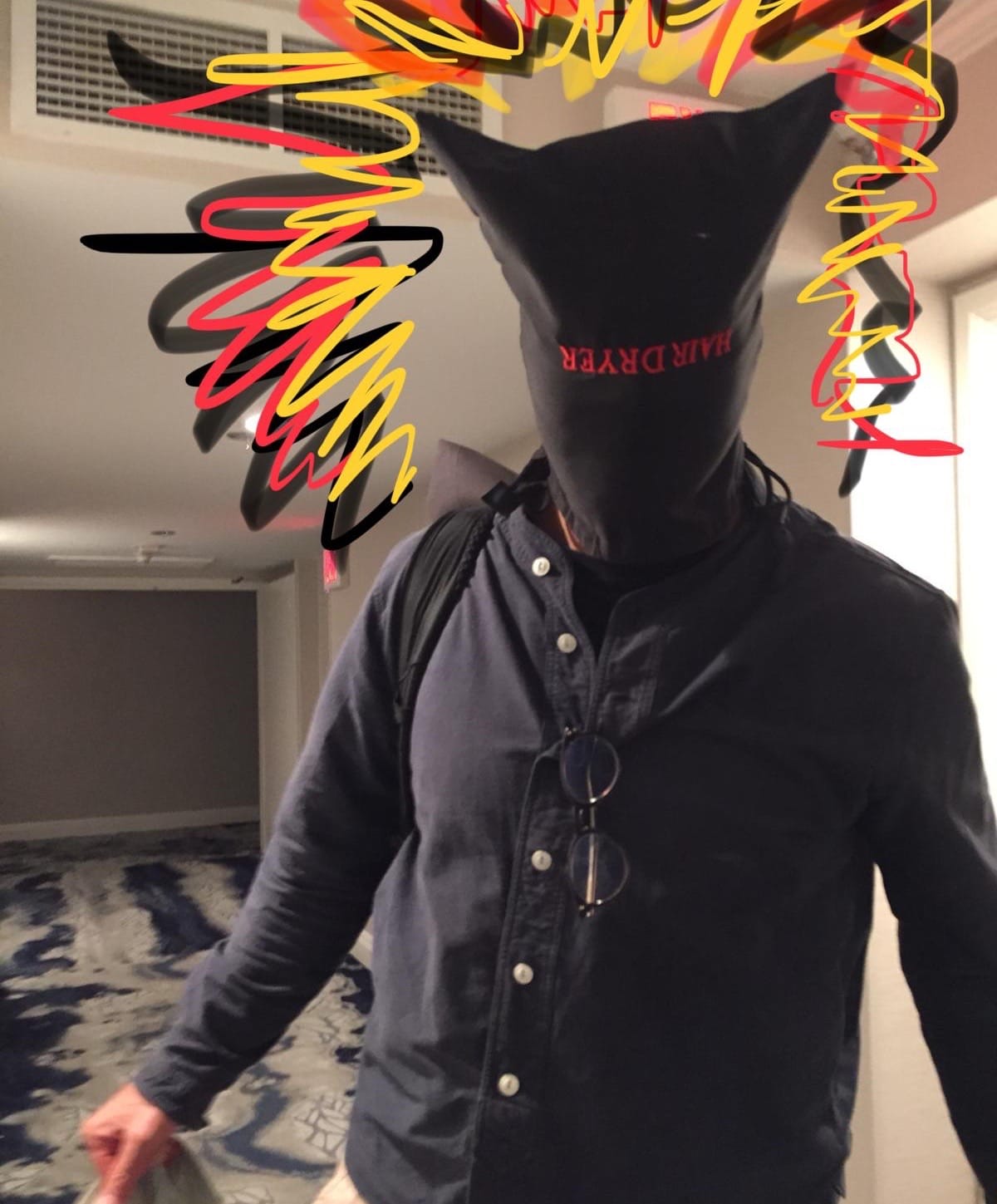
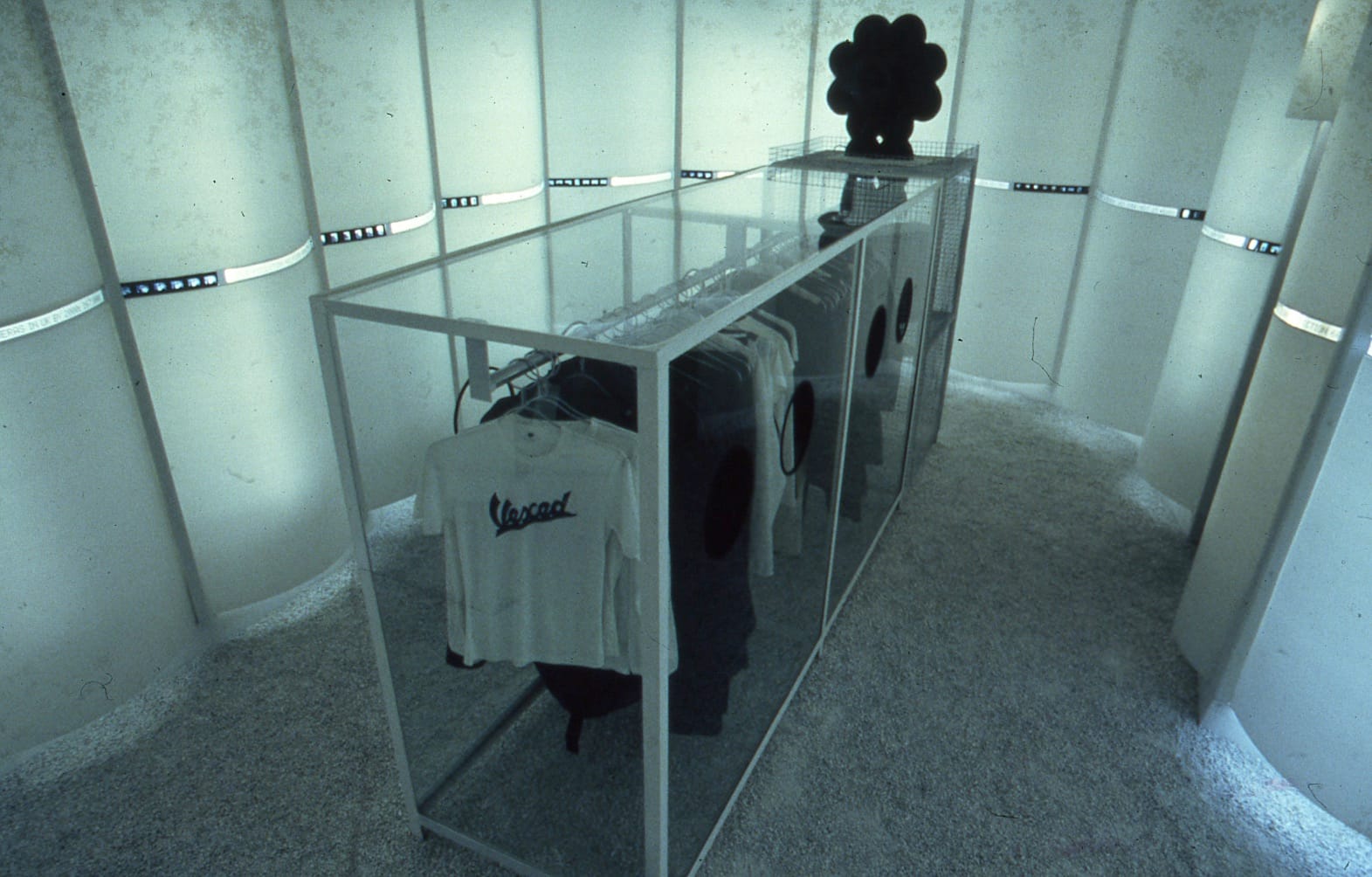
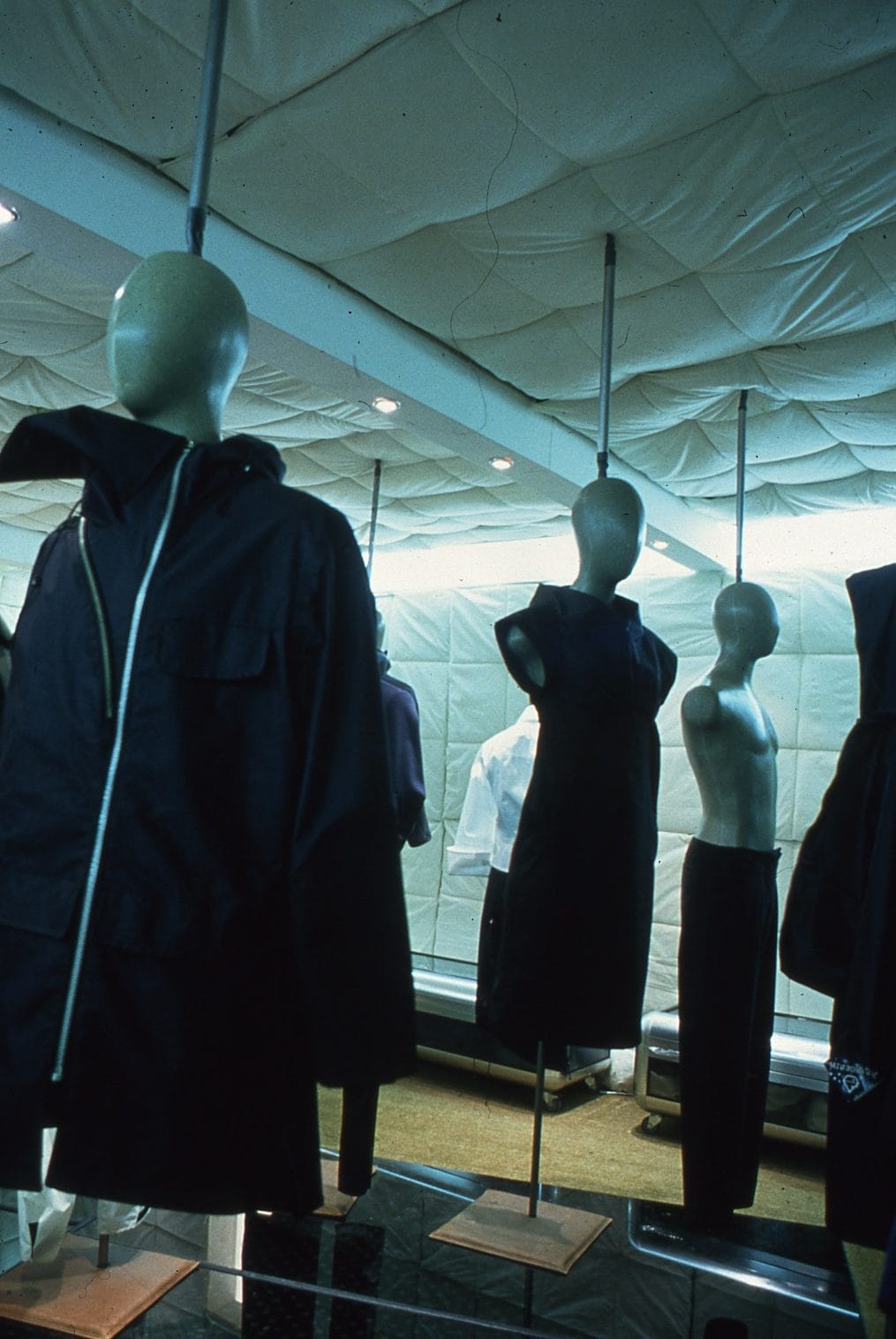
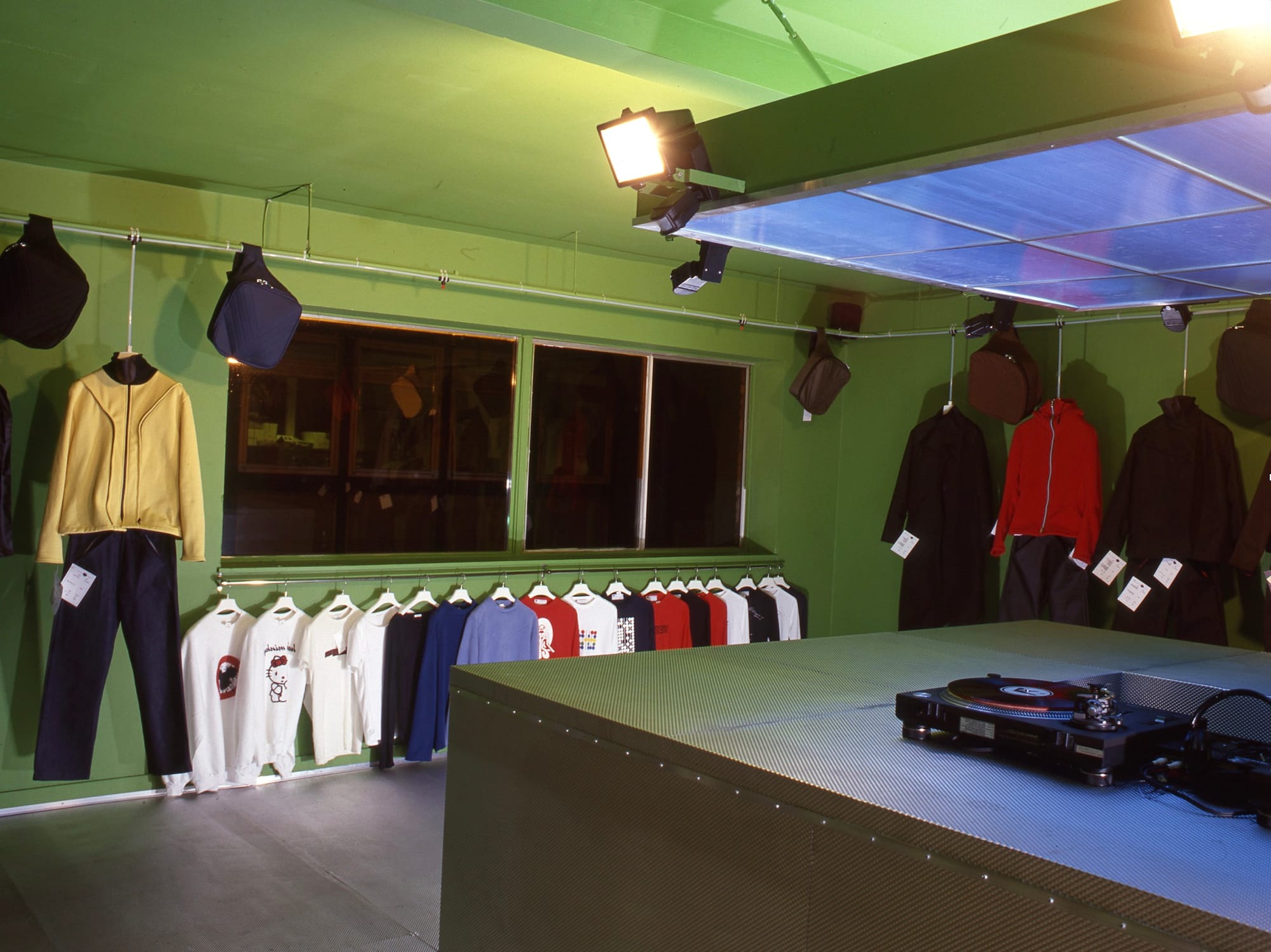
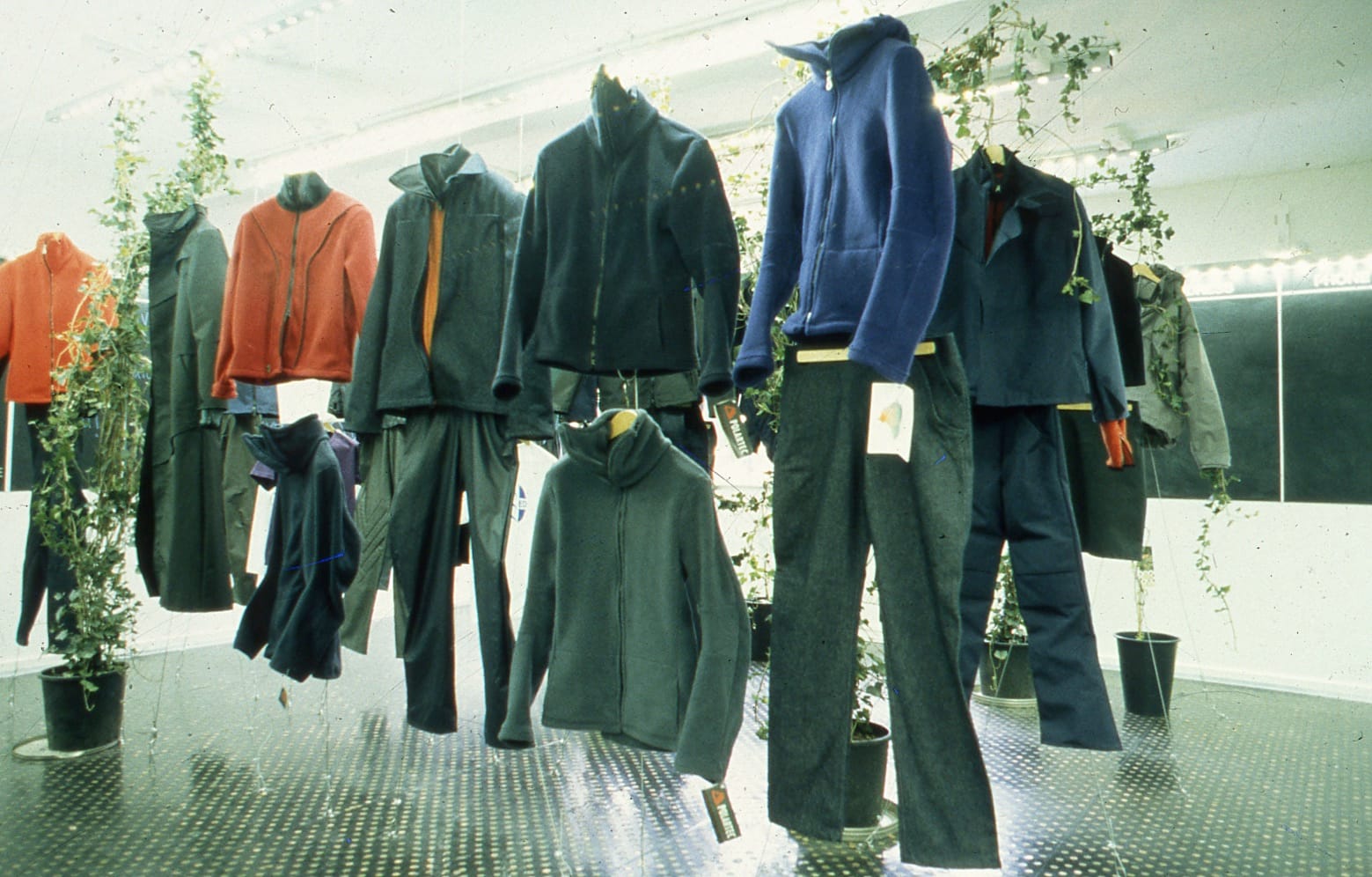
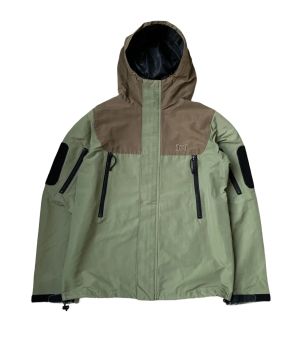
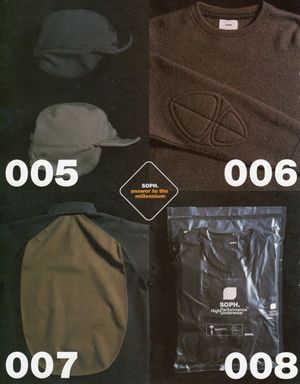
Vexed Generation — Joe Hunter and Adam Thorpe
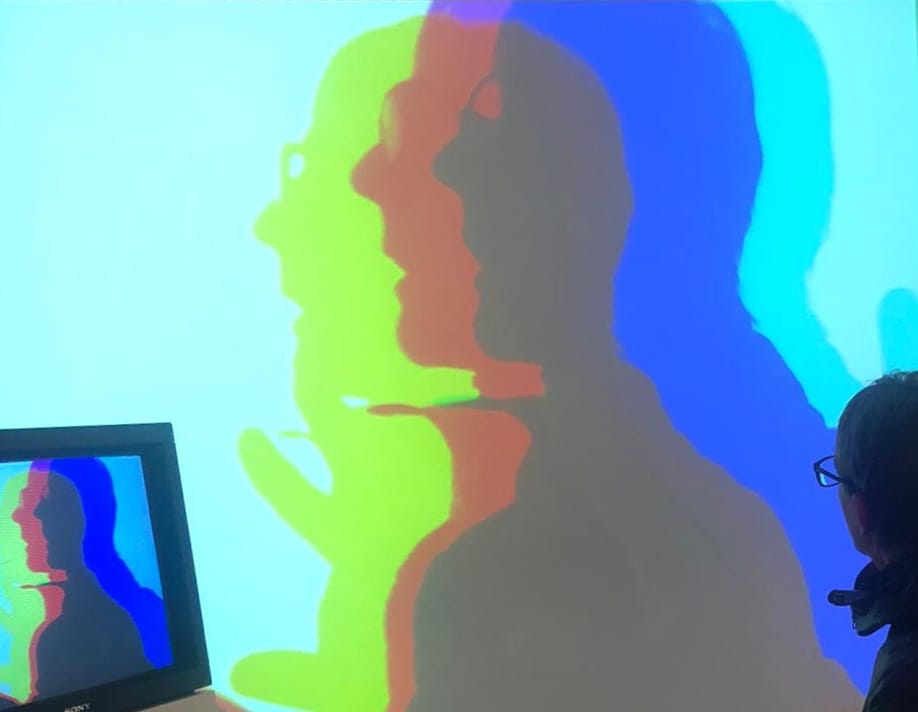
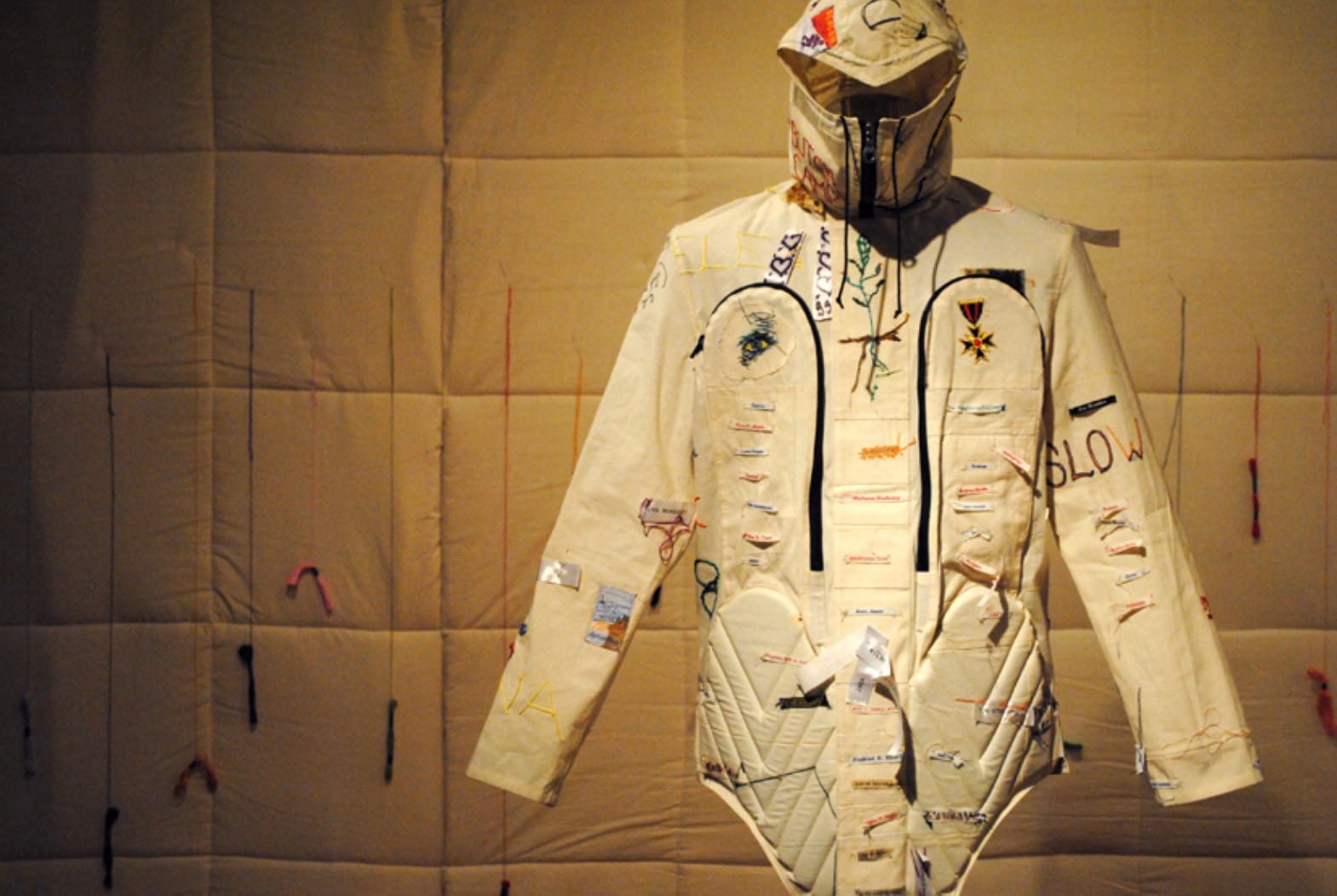
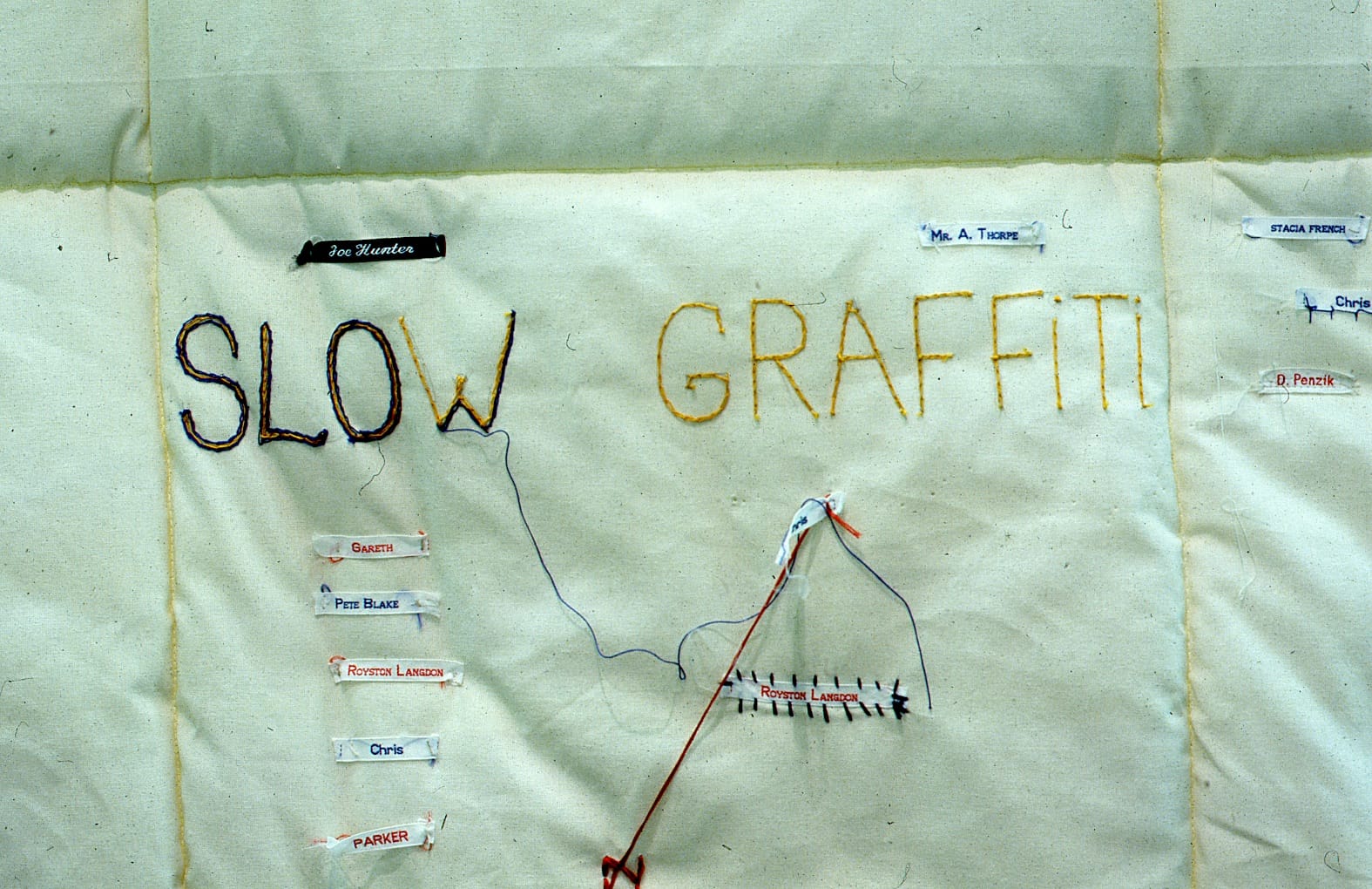
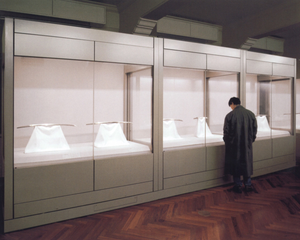
Arms 1 1999-2004 Chromogenic print Thomas Struth
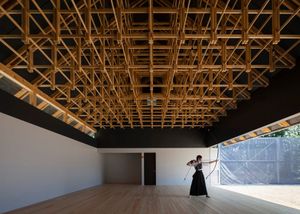
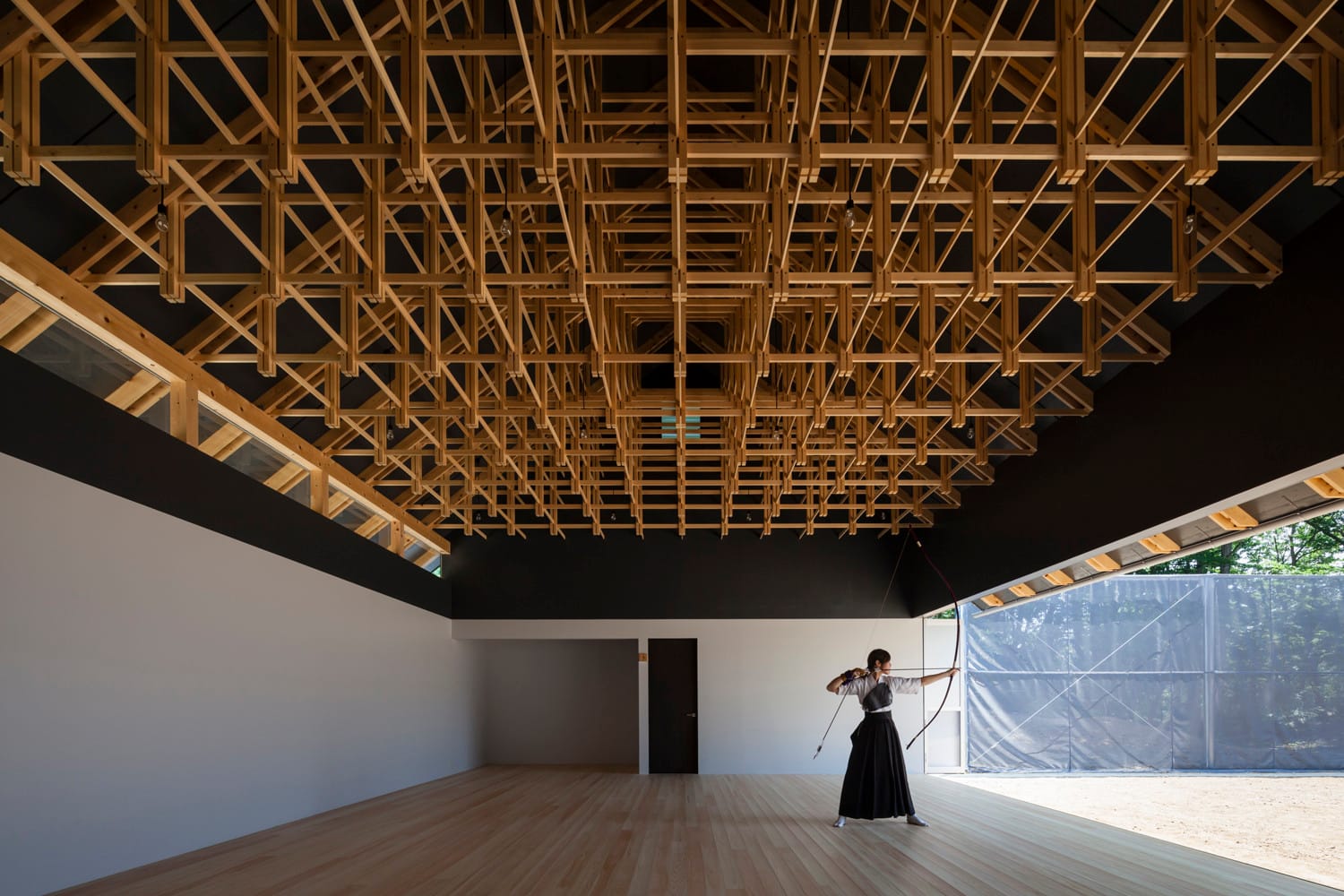
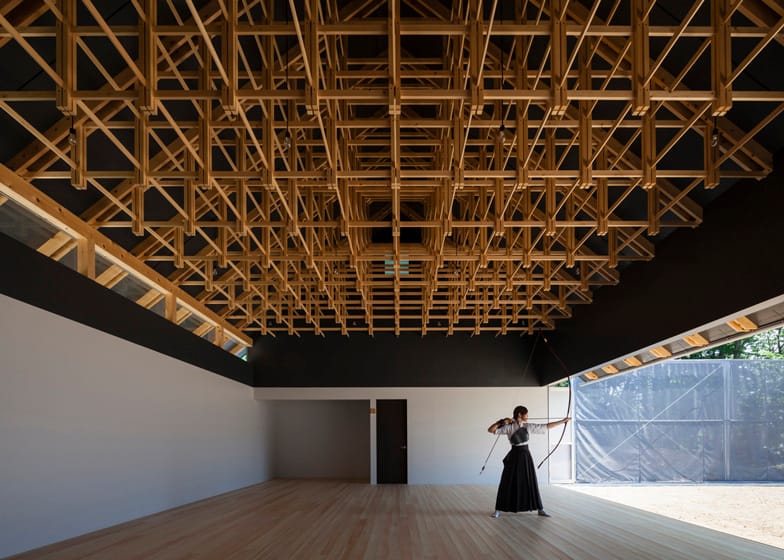
Kogakuin University Archery Hall
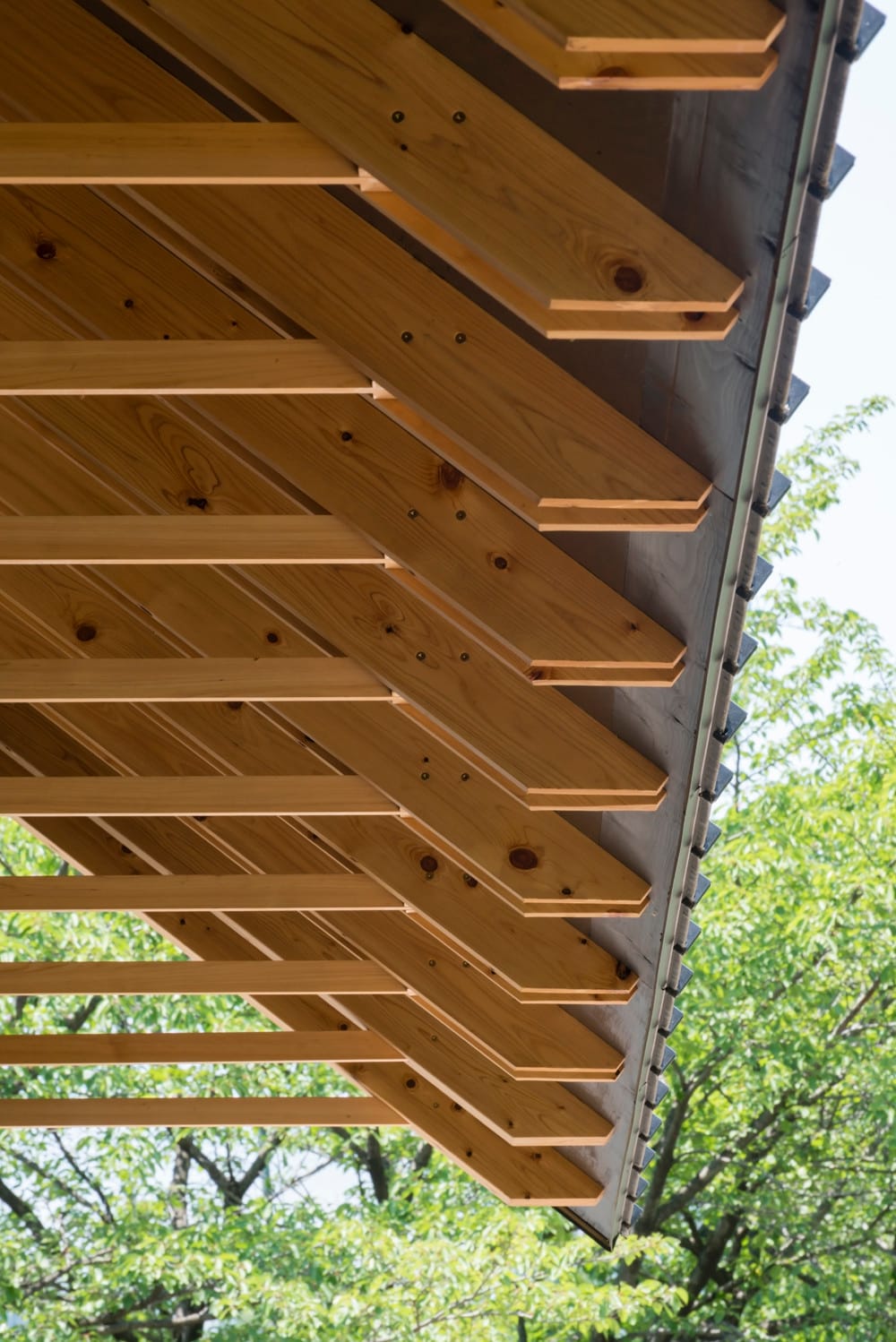
The Archery Hall, one of two sports pavilions FT Architects (Katsuya Fukushima, Hiroko Tominaga) built in 2013 at Kogakuin University, west Tokyo. Each is a column-free room of 7.2 by 10.8 m under an exposed timber roof of horizontal and vertical members, bolt-and-nut jointed. The archery hall uses small timber sections normally used for furniture. Photographs by Shigeo Ogawa.
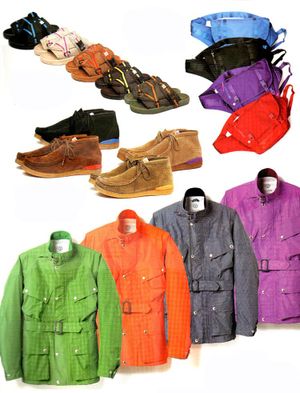




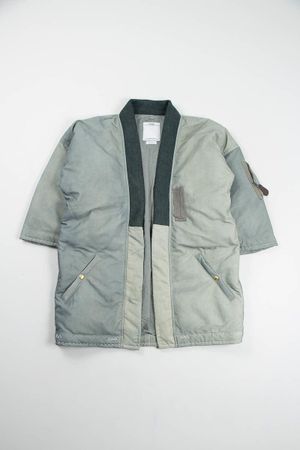
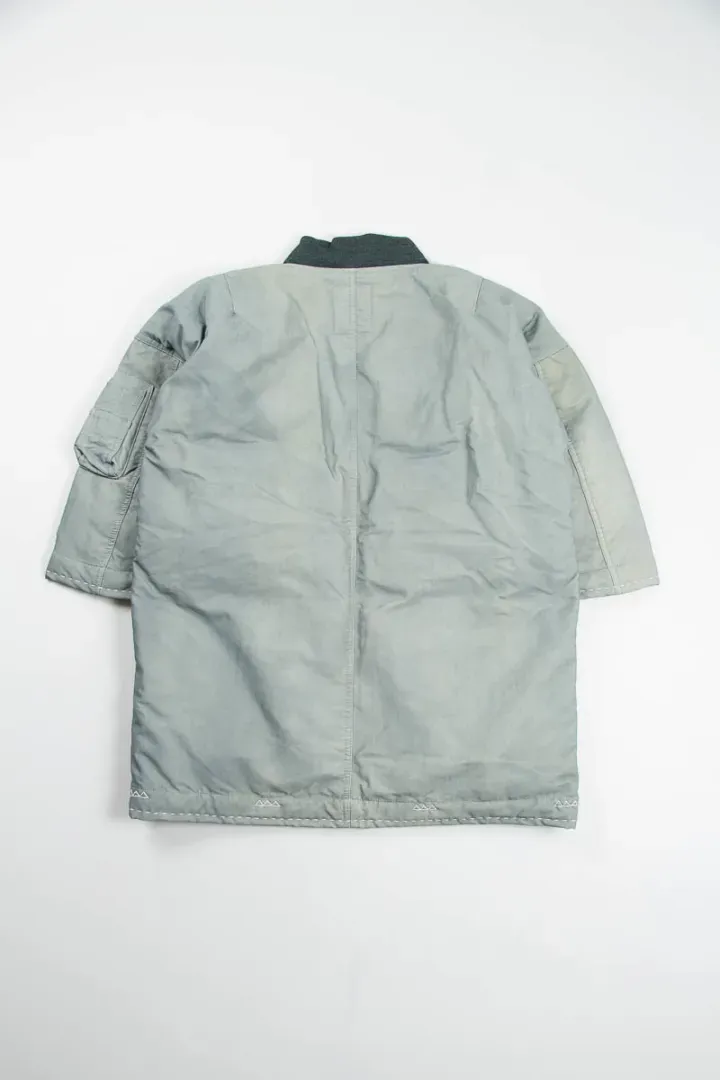
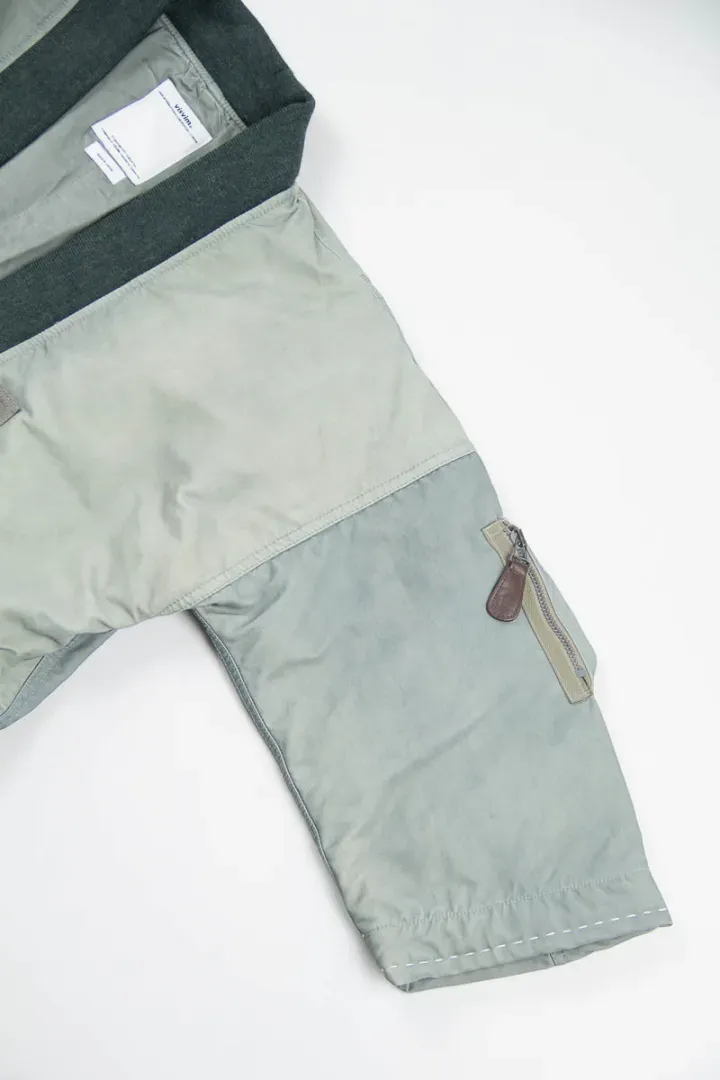
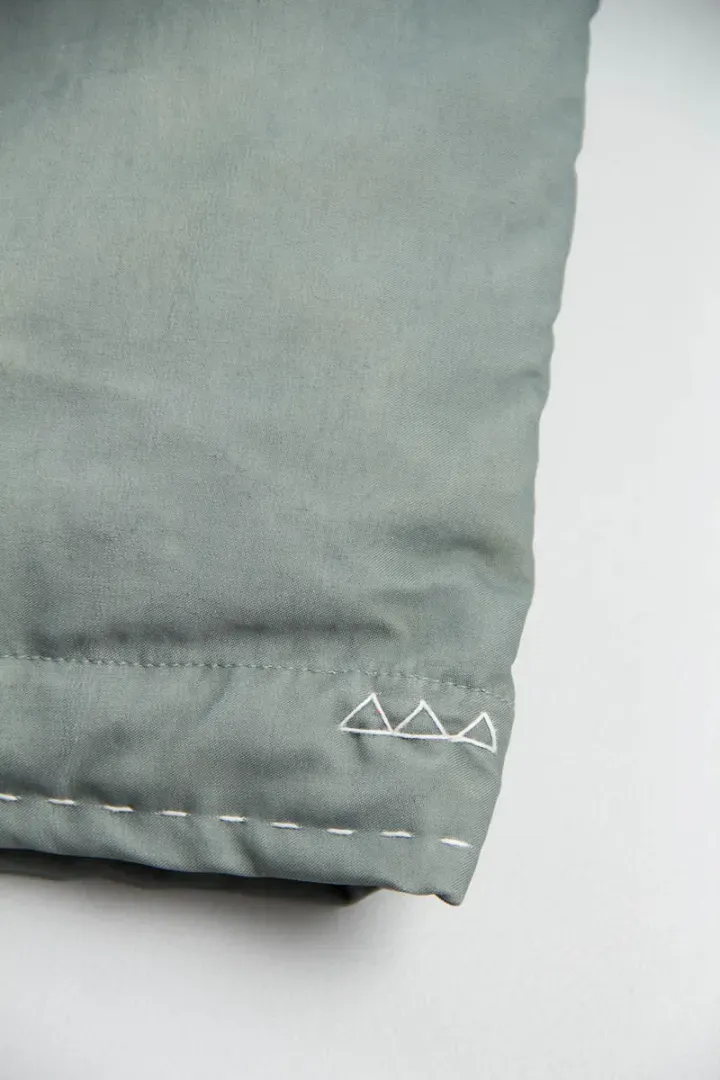
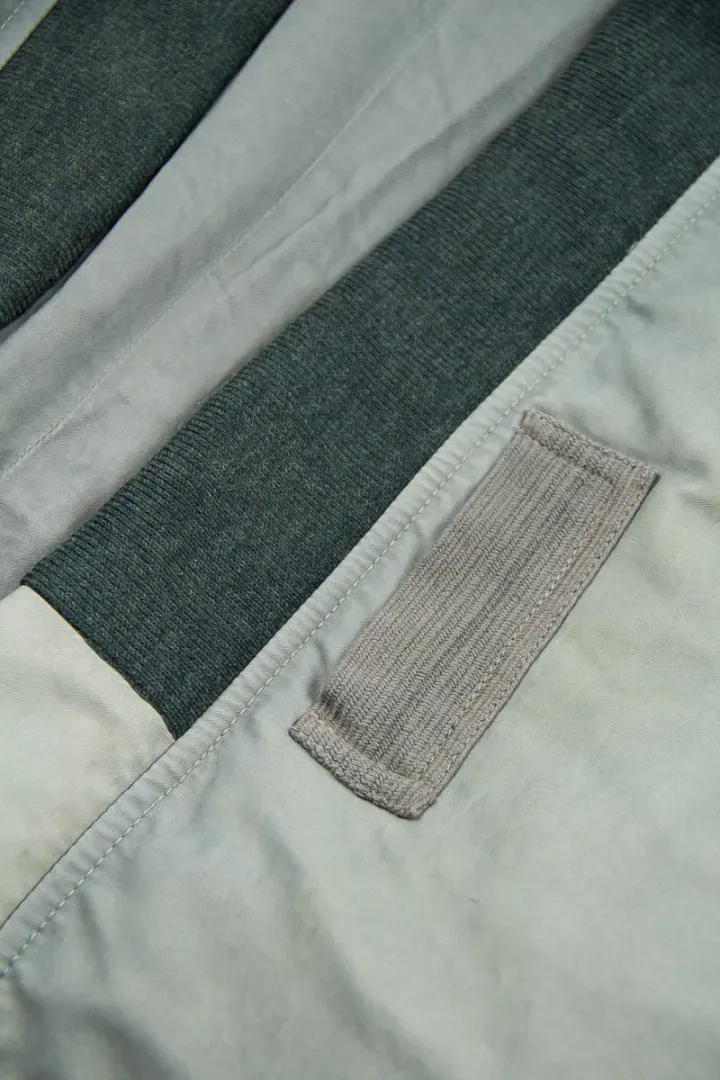
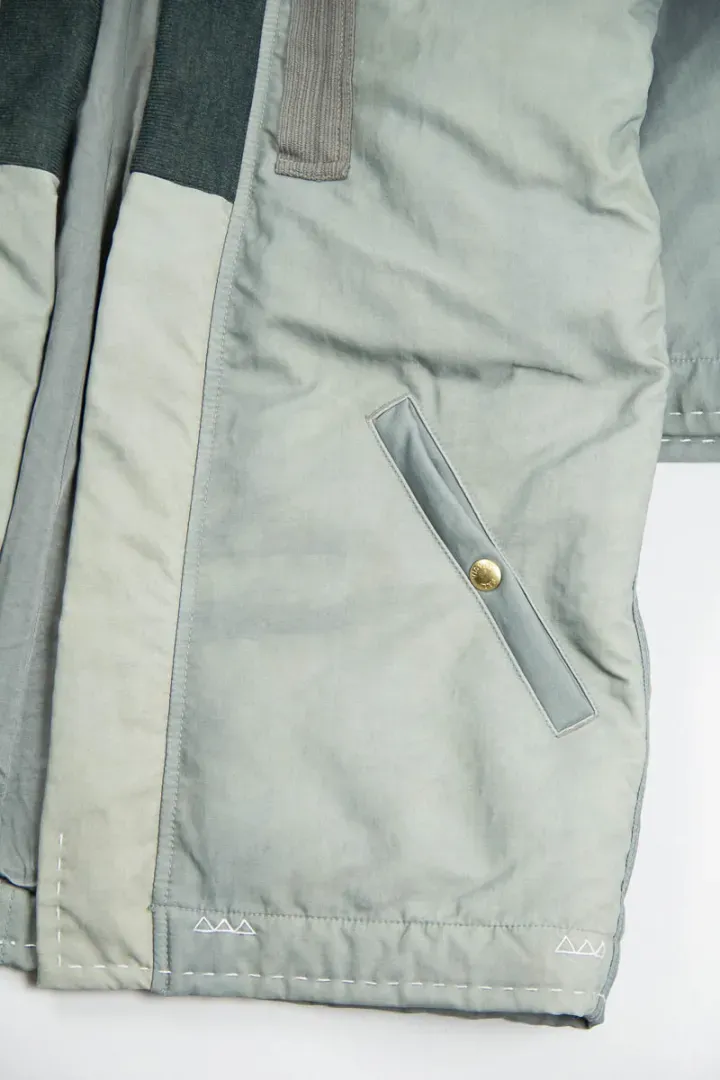
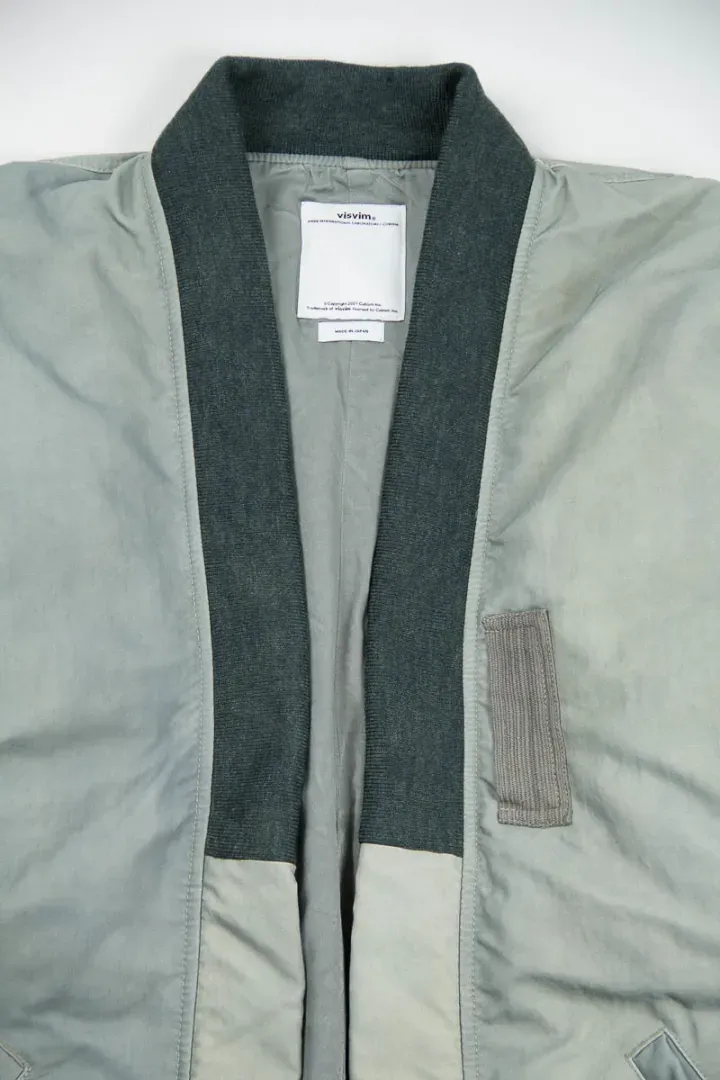
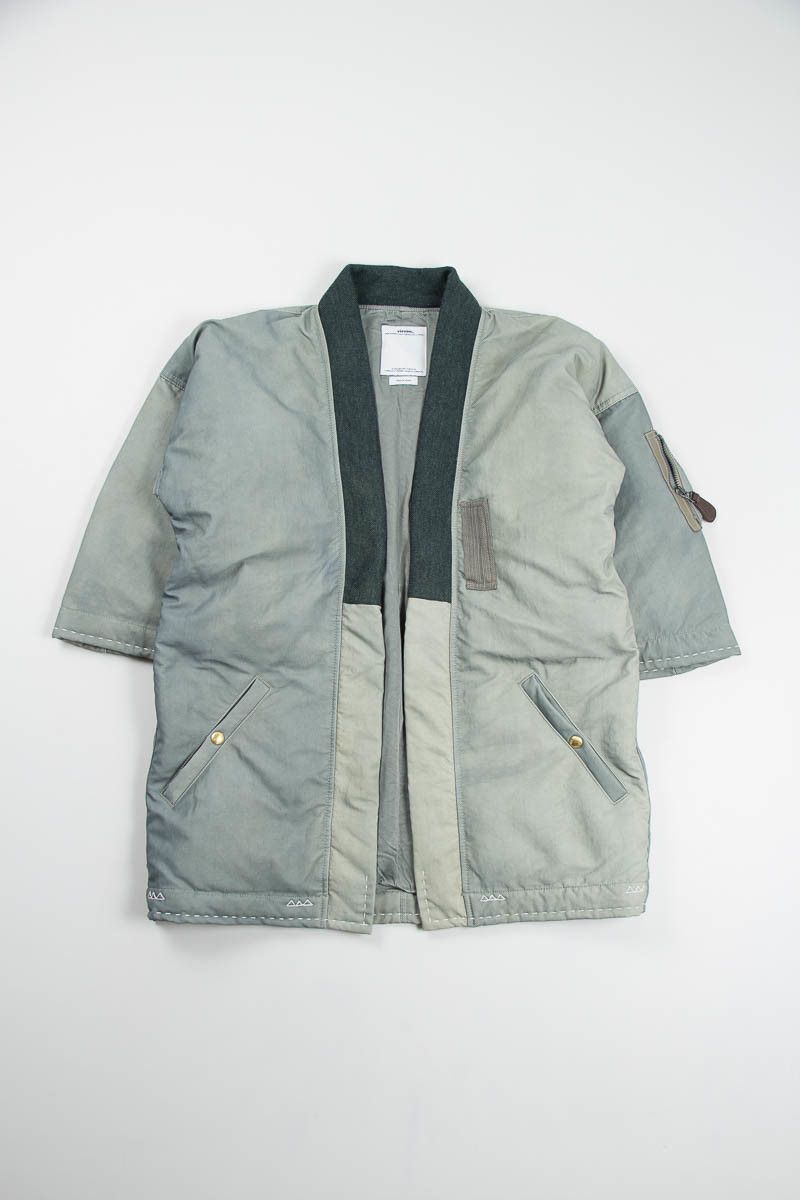
Visvim Sanjuro Kimono Down Jacket
Naturally dyed Italian nylon with a white goose down fill, ribbed collar, 2 slanted snap button pockets, Talon zippered utility pocket on one sleeve, patch detailing on the placket and hand–stitched sashiko.
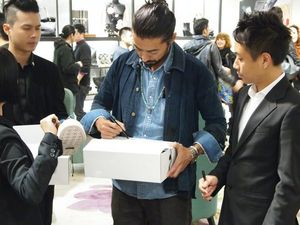
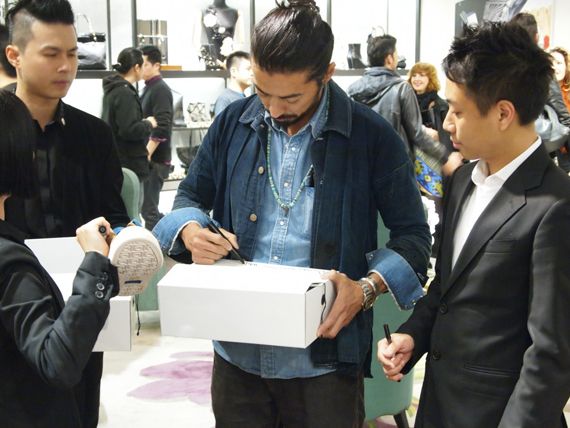
Hiroki in his Visvim Lhamo Shirt
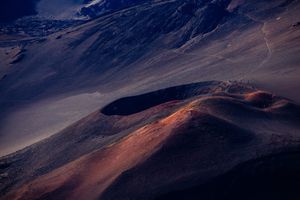
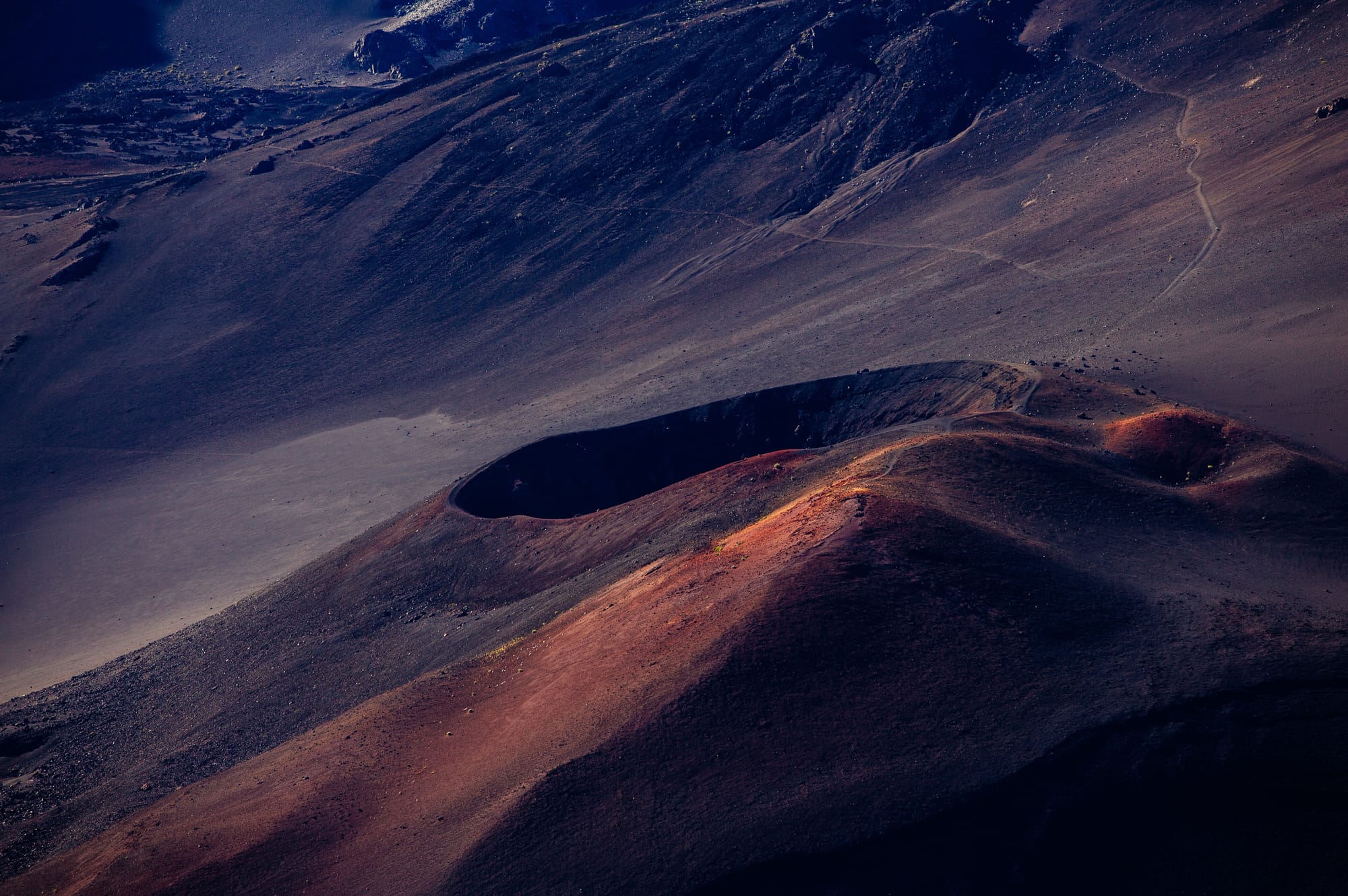
Haleakalā Crater — Volcanic Landscape, Maui

Hiroki Nakamura — Beyond the Decade
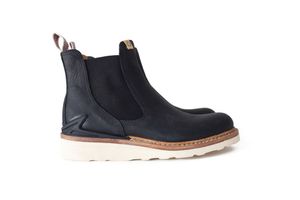
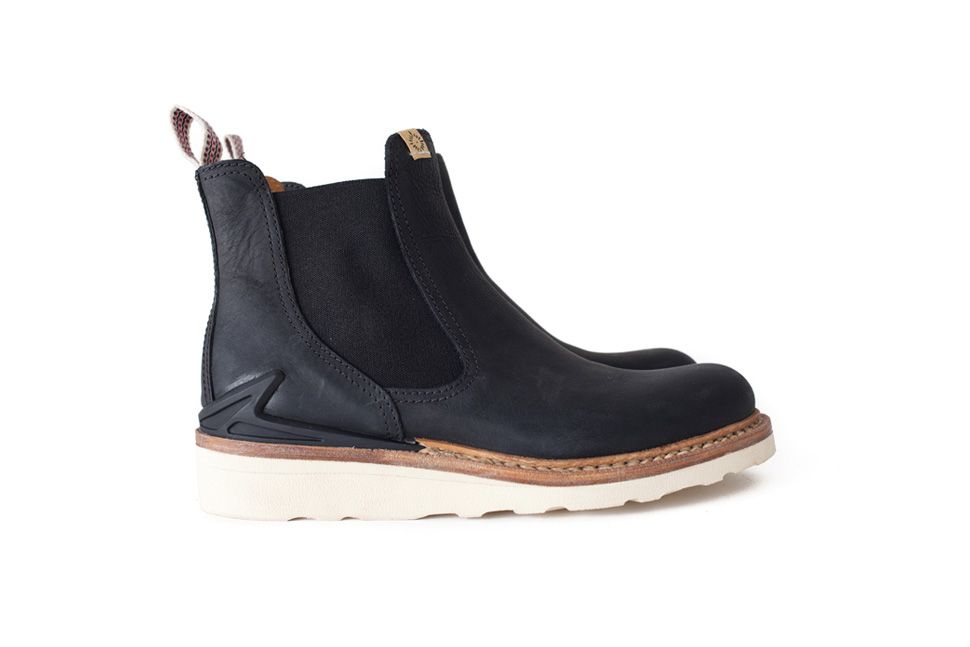
visvim gornegrat folk chelsea boot
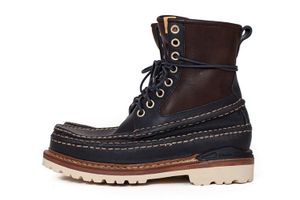
visvim 2015 Fall/Winter GRIZZLY BOOTS-FOLK


F-22A Raptor
September 20, 2008 - Maj. Paul "Max" Moga, the first F-22A Raptor Demonstration Team pilot, roars his aircraft into a high g-force turn above Naval Air Station Oceana during the 50th Anniversary celebrations of the NAS Oceana Air Show in Virginia Beach, VA.
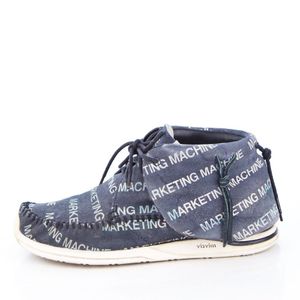
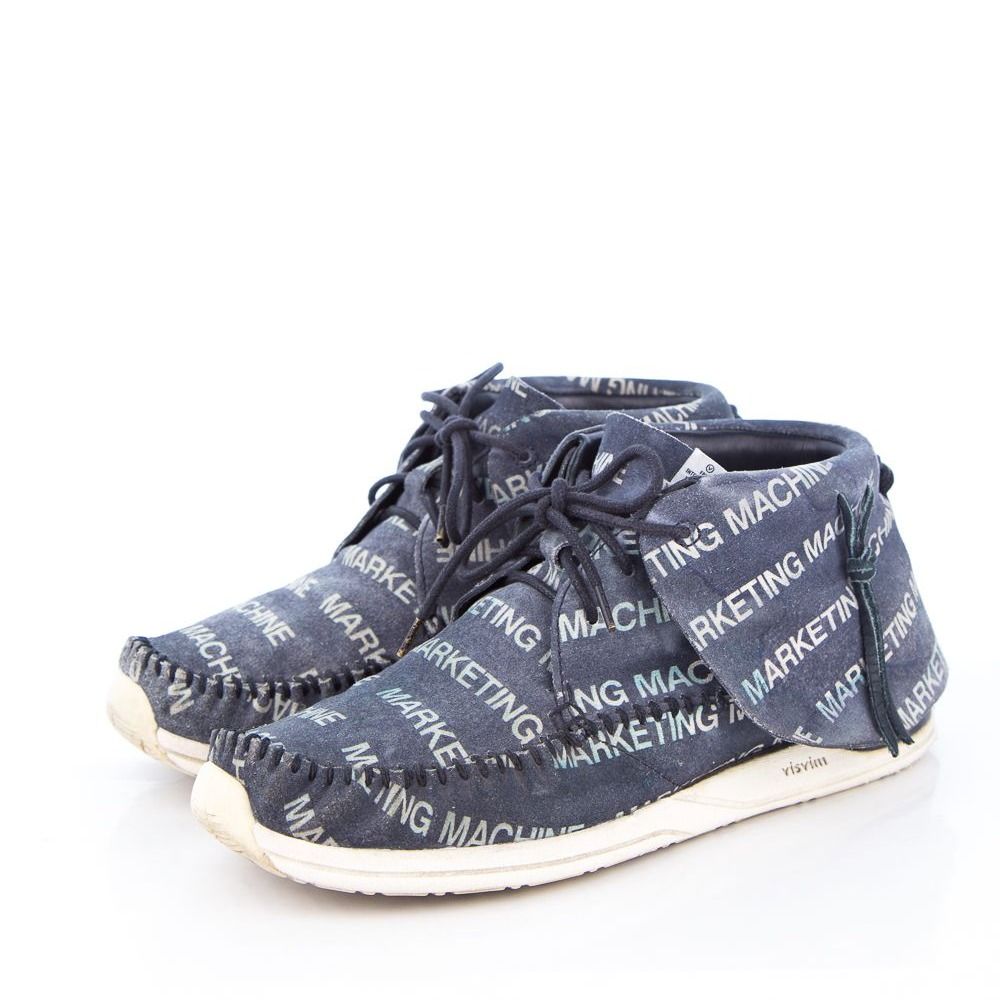

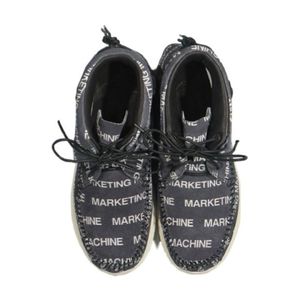
Visvim x Comme Des Garcons FBT
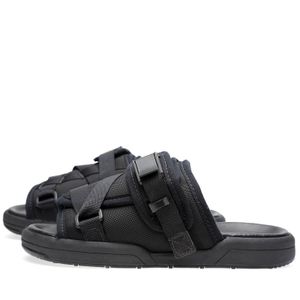
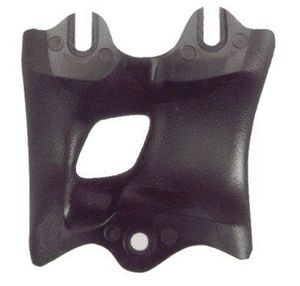
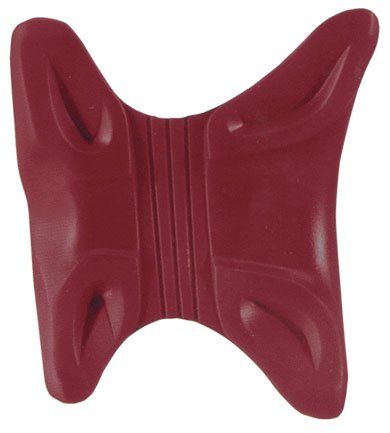
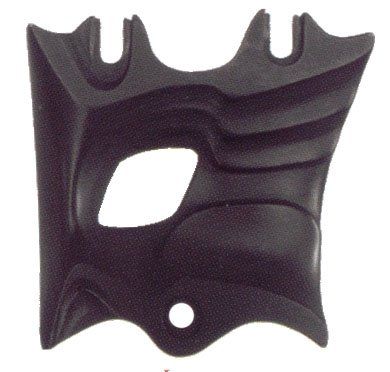
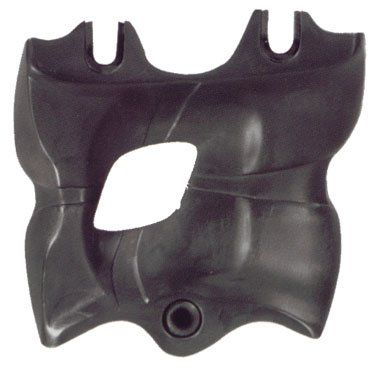
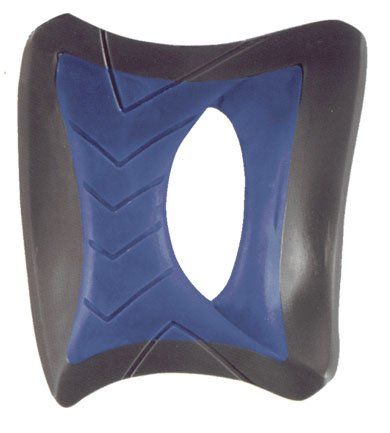
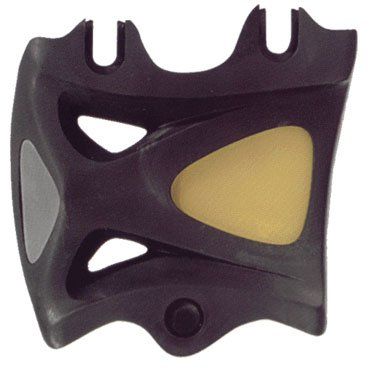
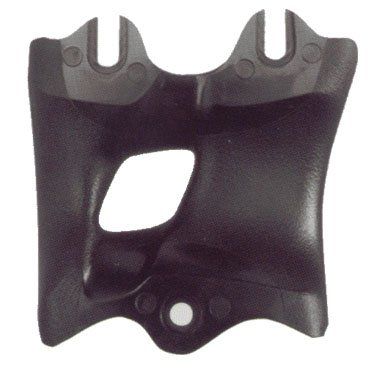
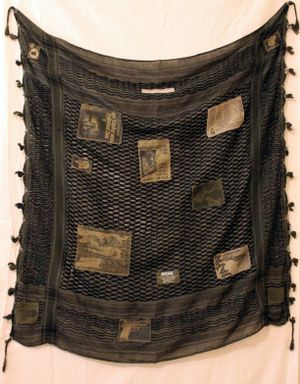
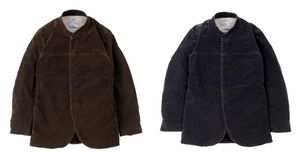
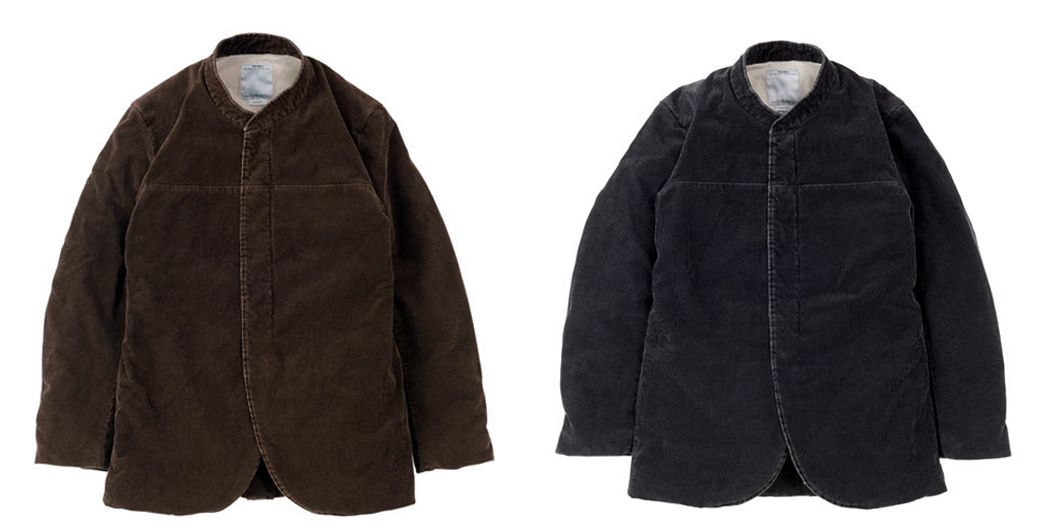
aw2012 Visvim Pawnee Corduroy Jacket
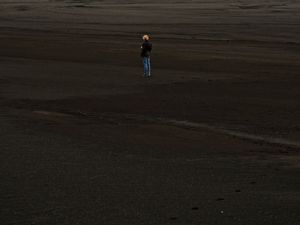

Picturing Earth: Astronaut Photography In Focus
NASA astronaut Chris Cassidy uses a 400mm lens on a digital still camera to photograph a target of opportunity on Earth, 250 miles below, on June 3, 2013. The many-windowed Cupola is the best place on the International Space Station for taking pictures. Cassidy has been aboard the orbital outpost since late March and is due to return to Earth in September.
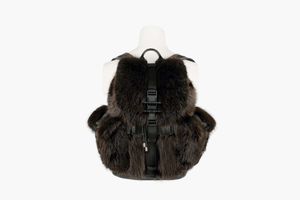
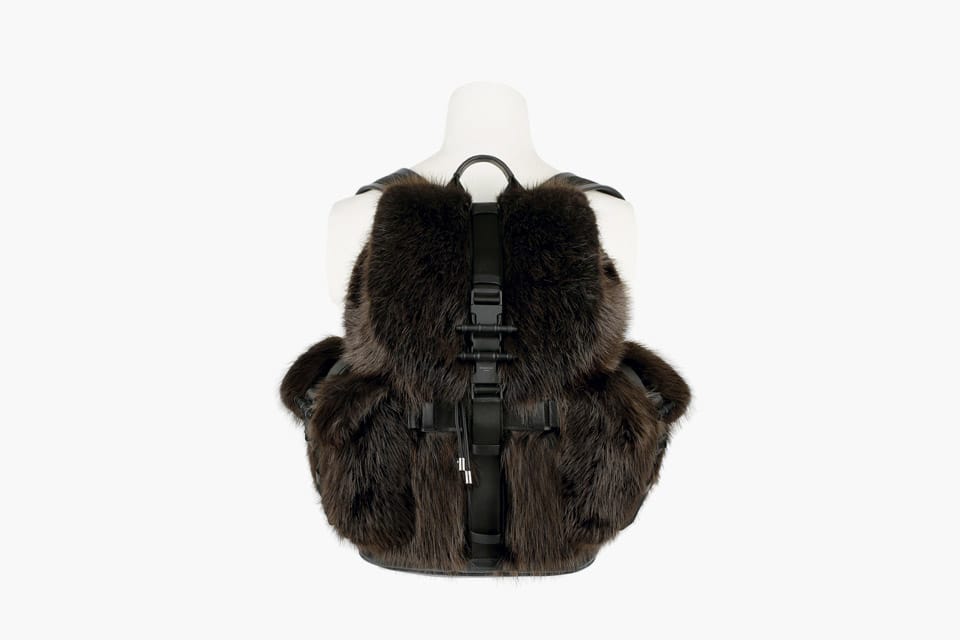
Givenchy Obsedia Backpack in Brown Beaver Fur
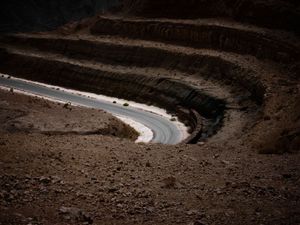
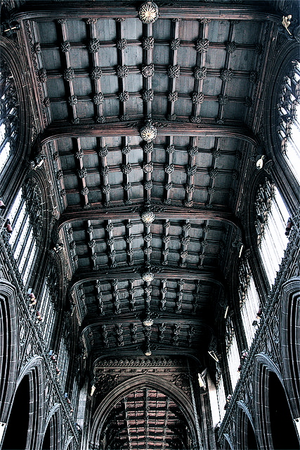
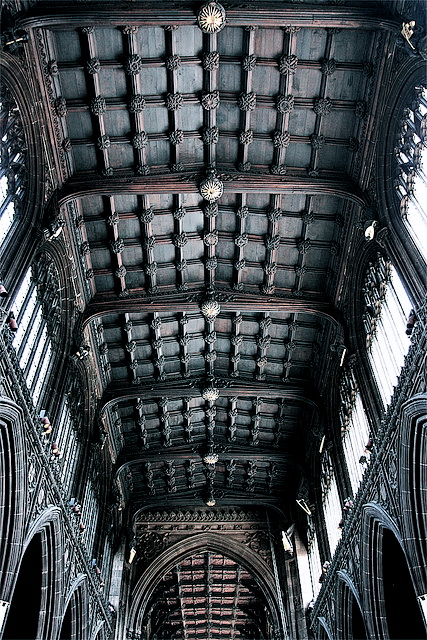
Manchester Cathedral Wooden ceiling
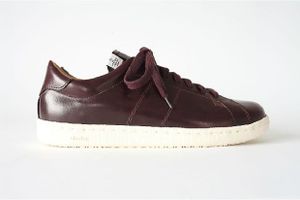

A Kikuyu tribesman dresses up for a festival in Kenya

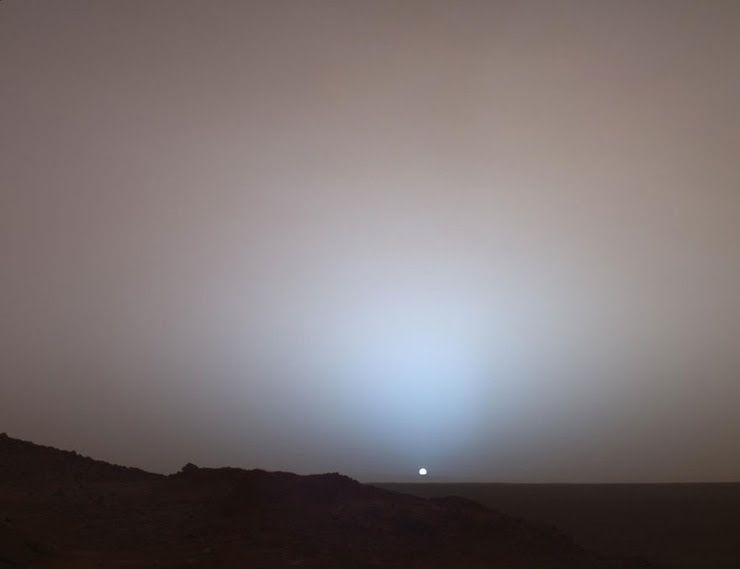
Martian Sunset
On May 19, 2005, NASA's Mars Exploration Rover Spirit captured this stunning view as the Sun sank below the rim of Gusev crater on Mars. This Panoramic Camera mosaic was taken around 6:07 in the evening of the rover's 489th Martian day, or sol.
Sunset and twilight images are occasionally acquired by the science team to determine how high into the atmosphere the Martian dust extends, and to look for dust or ice clouds. Other images have shown that the twilight glow remains visible, but increasingly fainter, for up to two hours before sunrise or after sunset. The long Martian twilight (compared to Earth's) is caused by sunlight scattered around to the night side of the planet by abundant high altitude dust. Similar long twilights or extra-colorful sunrises and sunsets sometimes occur on Earth when tiny dust grains that are erupted from powerful volcanoes scatter light high in the atmosphere.
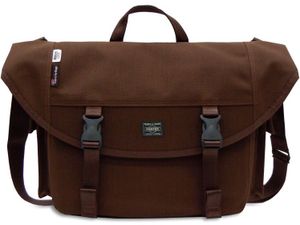
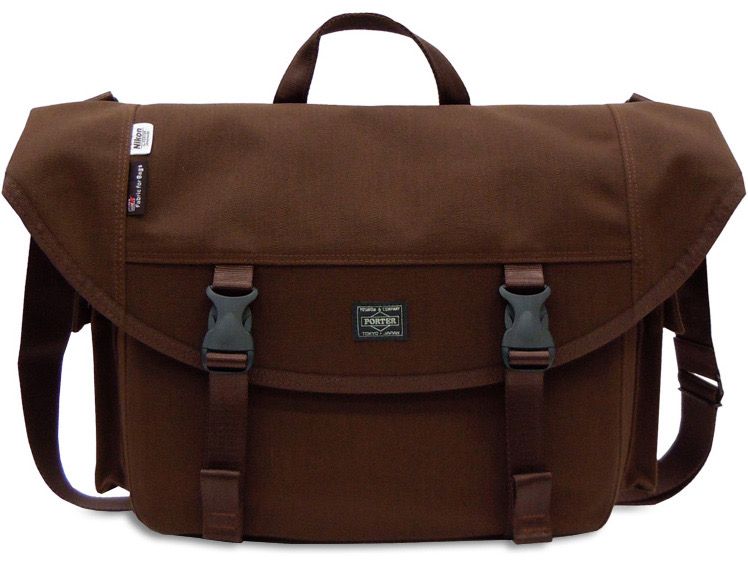
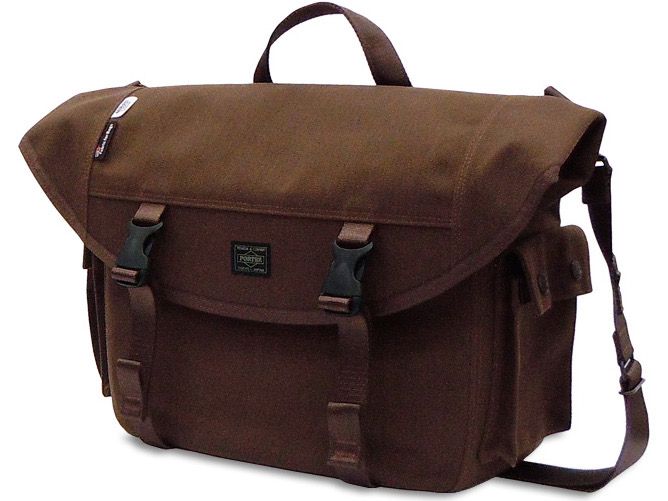
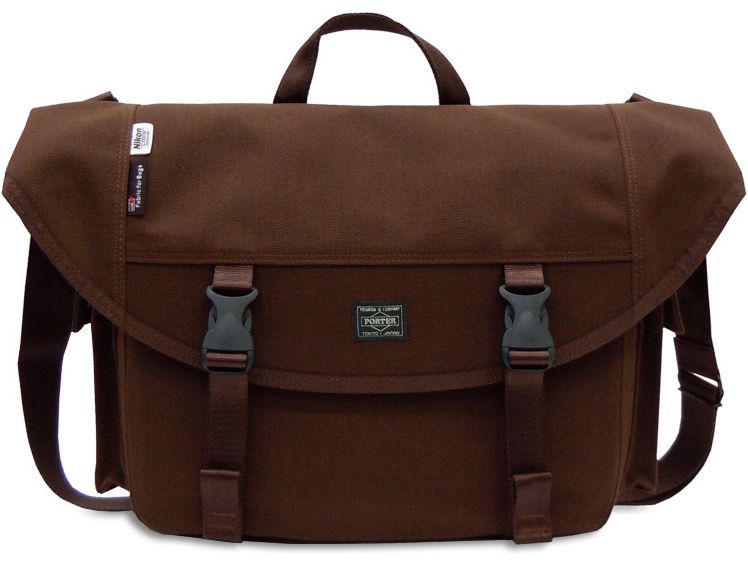
Nikon x Porter Gore-Tex Camera Bag
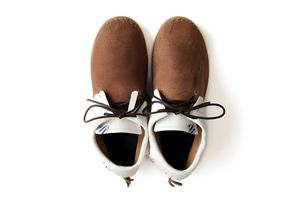
visvim FBT Lhamo-Folk
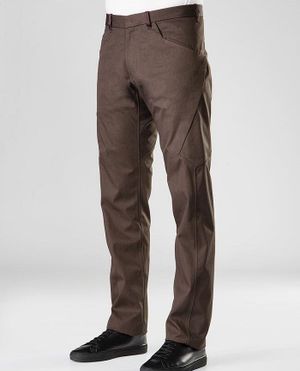
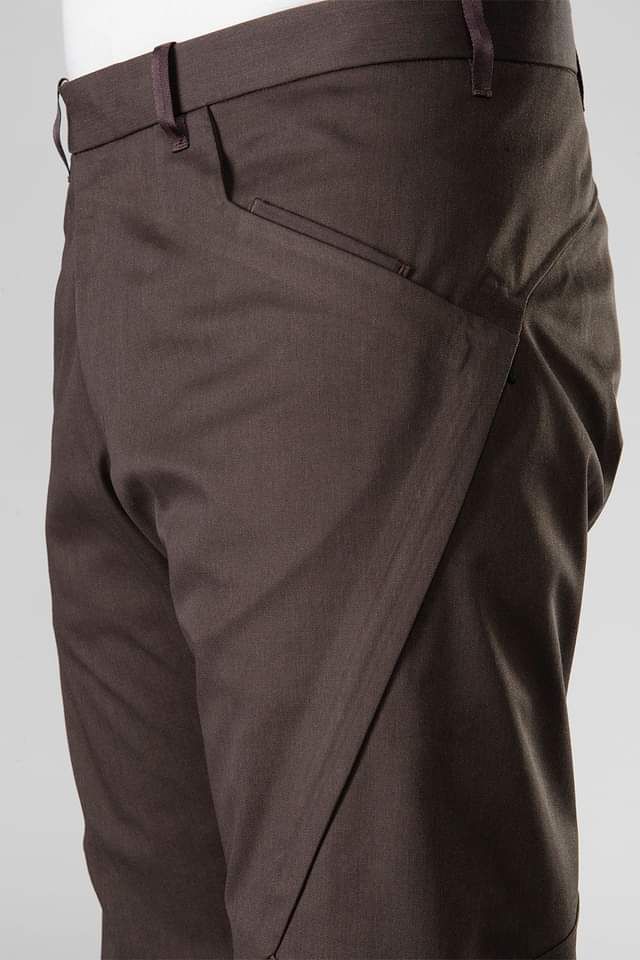
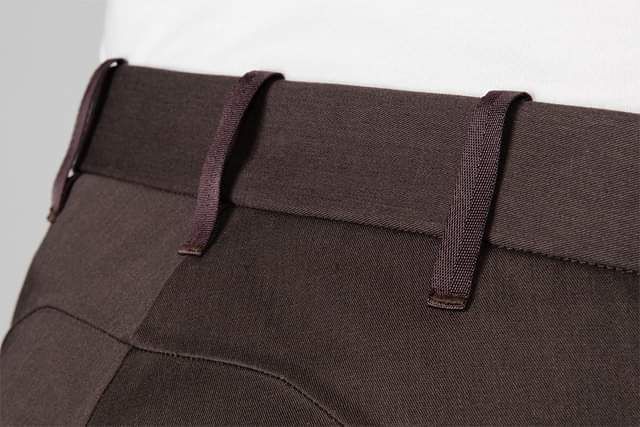
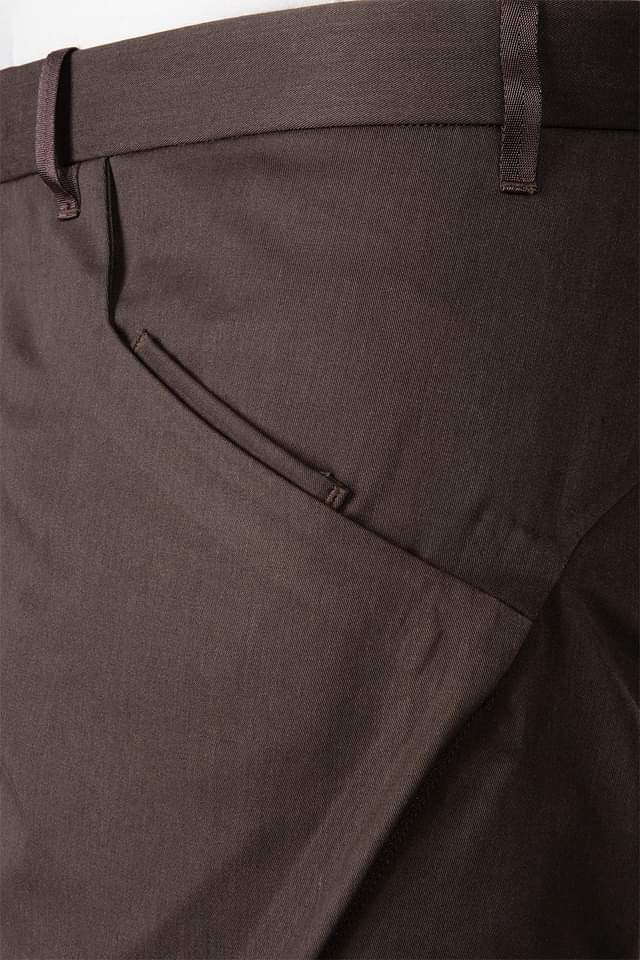
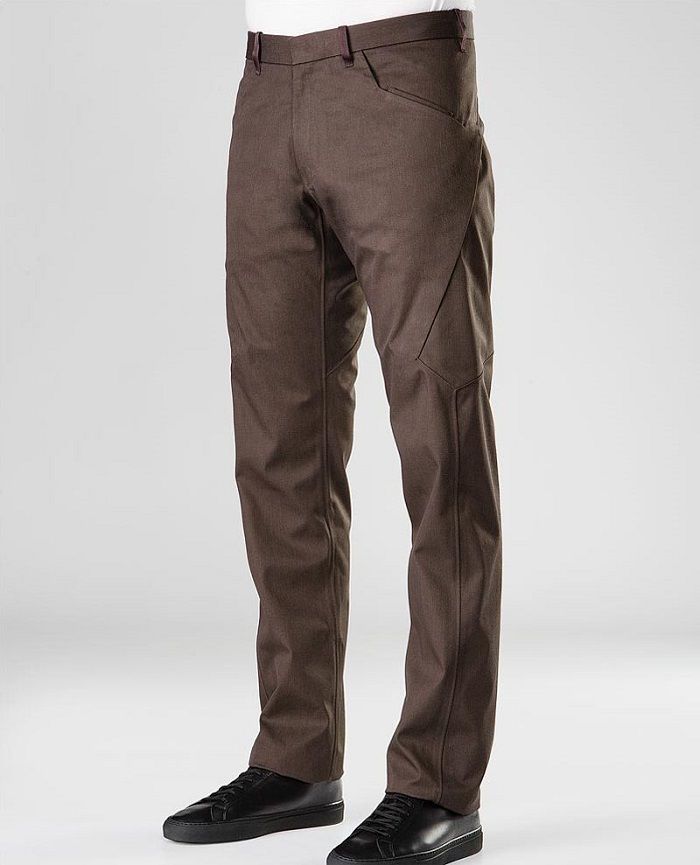
Arc’teryx Veilance Spec Pant
The Spec Pant ensures the wearer is invisibly armed for everyday wear despite their apparent tailored simplicity. This design is extremely adaptable, with a side pocket array that's easily accessible but visually concealed, while a cotton/poly twill WINDSTOPPER® fabric with a cotton/poly tricot backer offers superior protection.
Made in Canada.

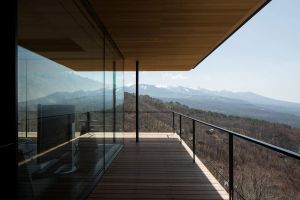
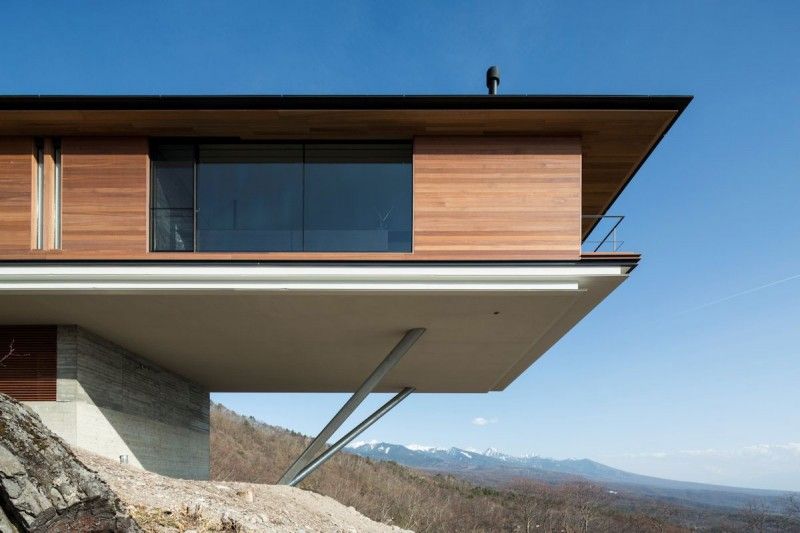
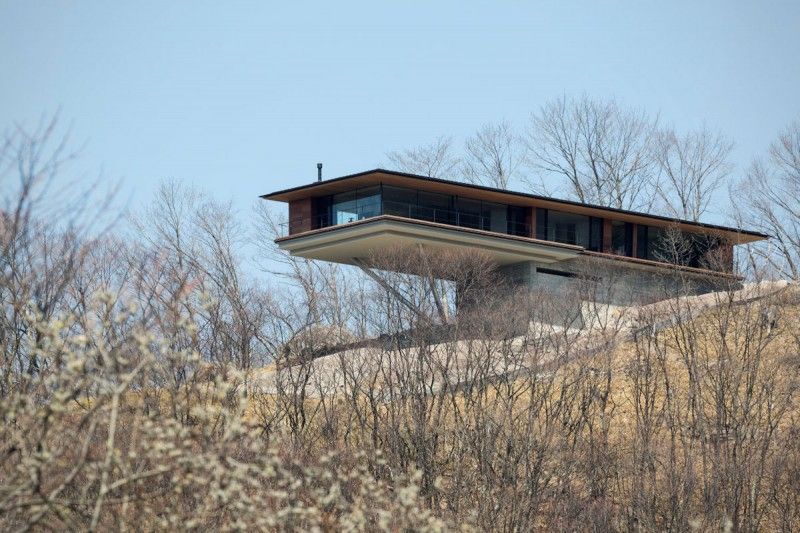
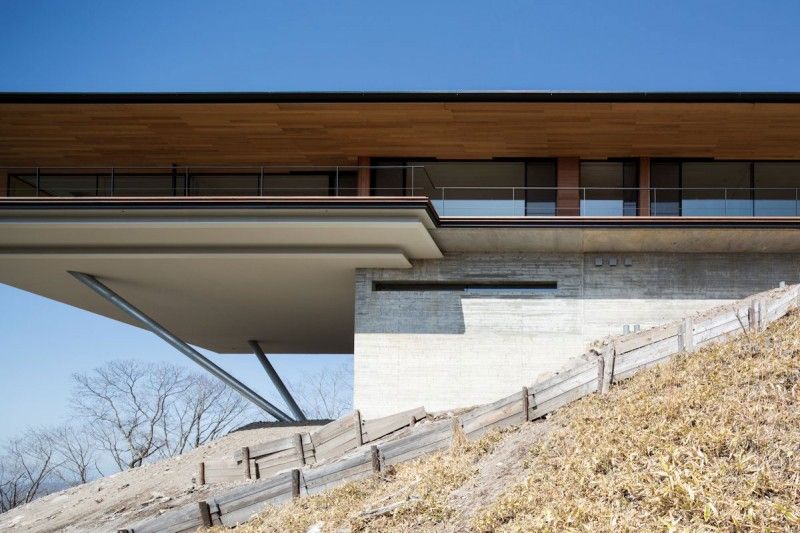
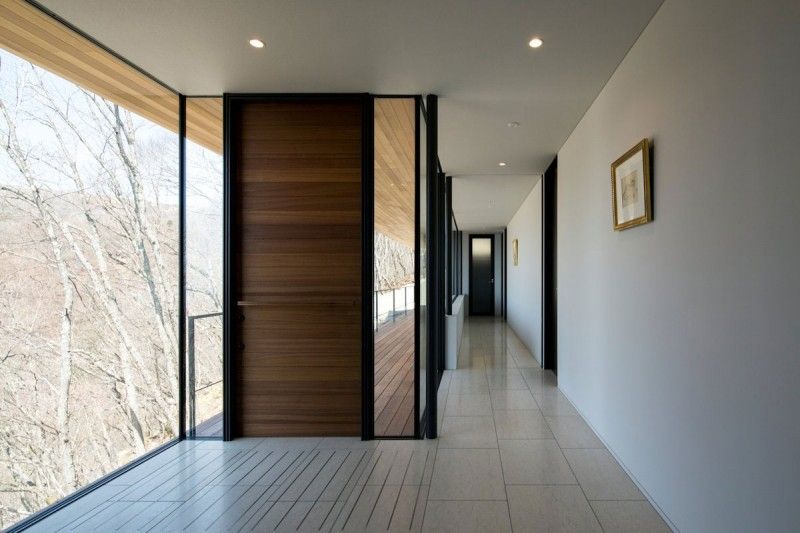
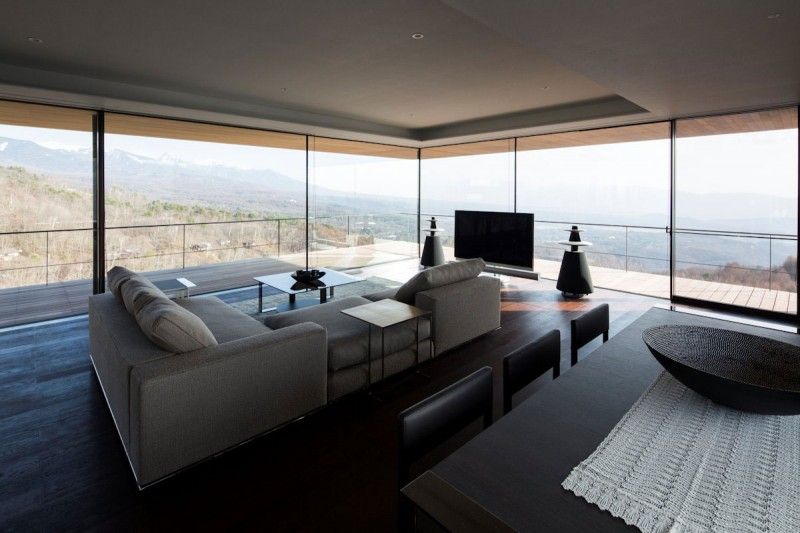
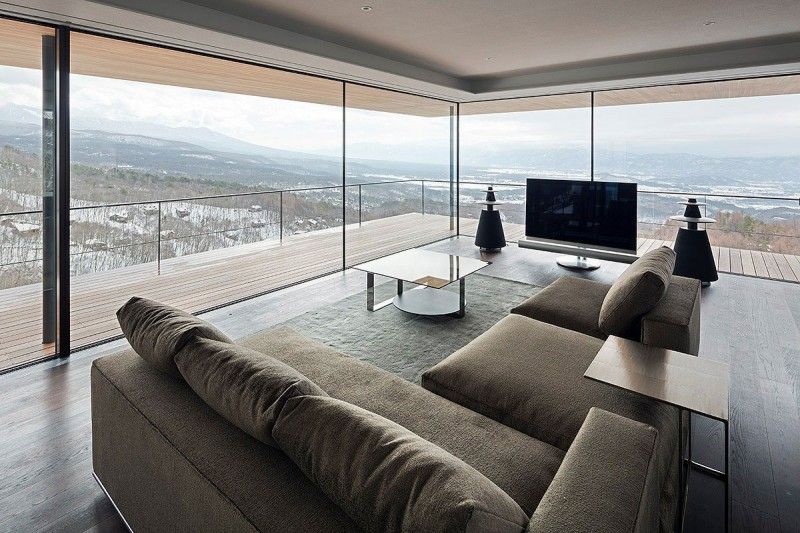
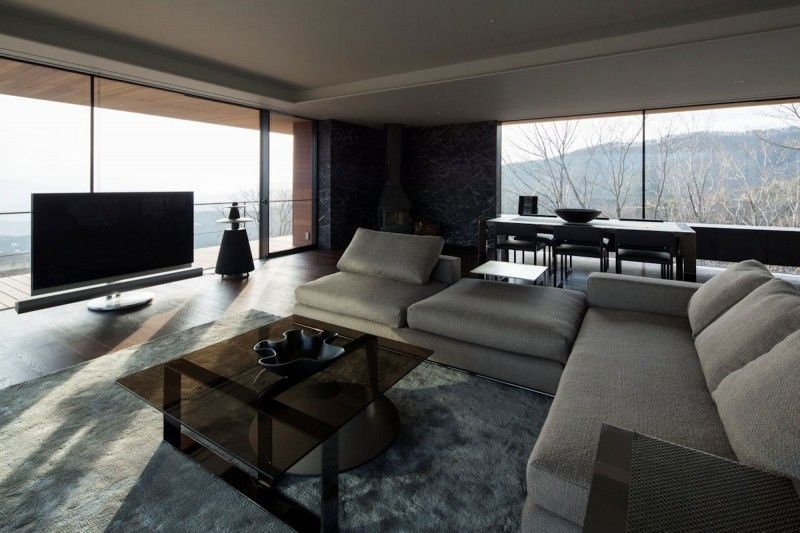
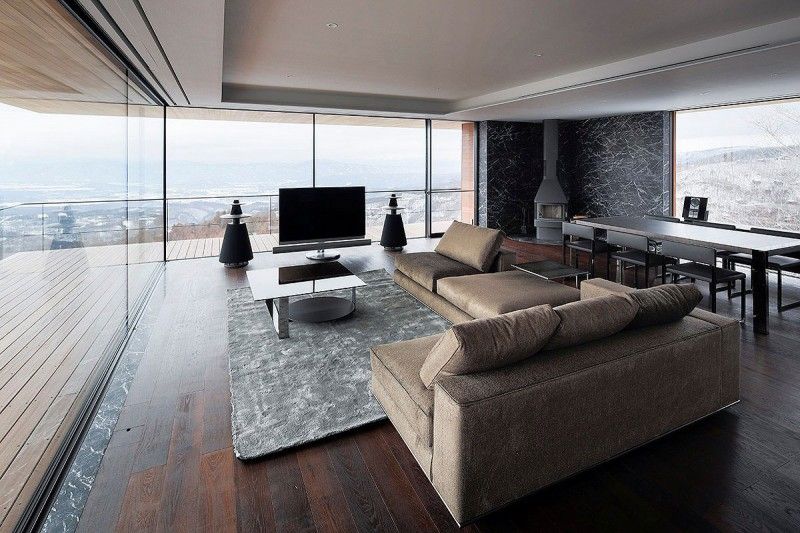
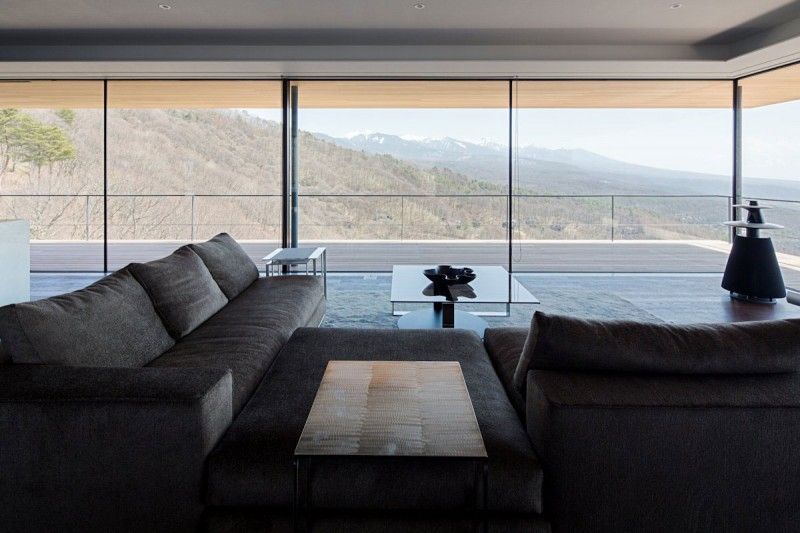
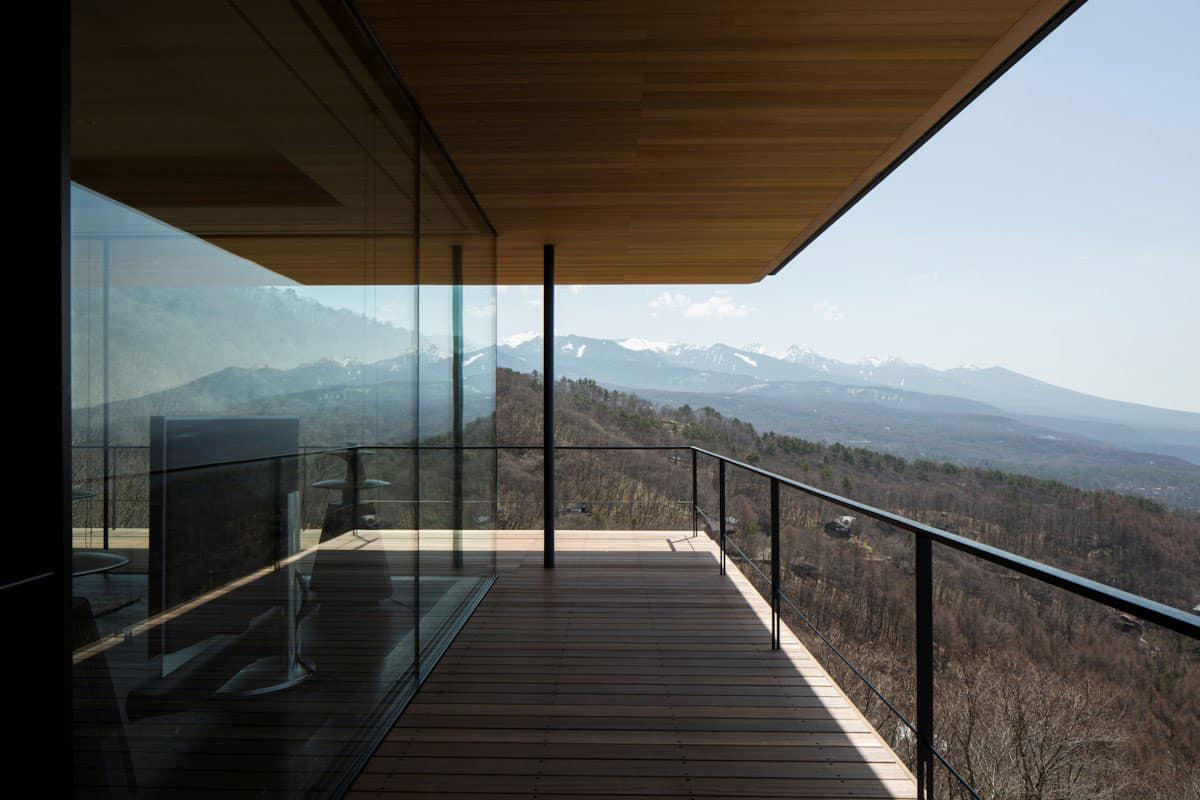
House in Yatsugatake by Kidosaki Architects Studio
This private residence was designed by Kidosaki Architects Studio. It is located on the edge of the Yatsugatake Mountains in Nagano, Japan.
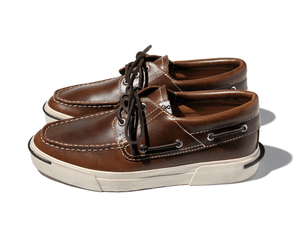
SOPHNET x visvim AMERICANA DECK VD

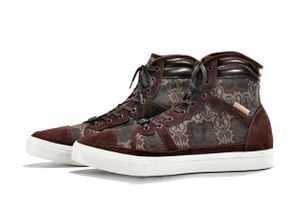
White Mountaineering ss2012 Footwear Collection
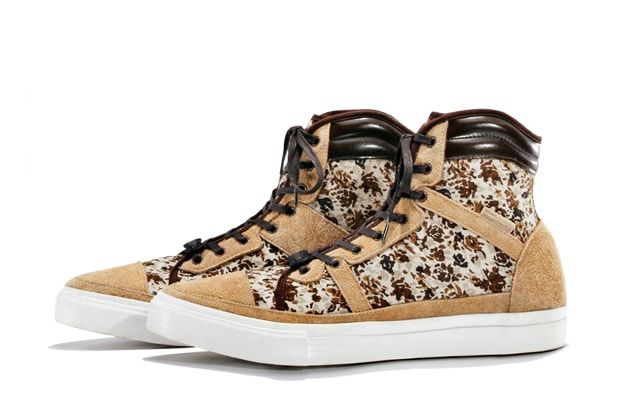
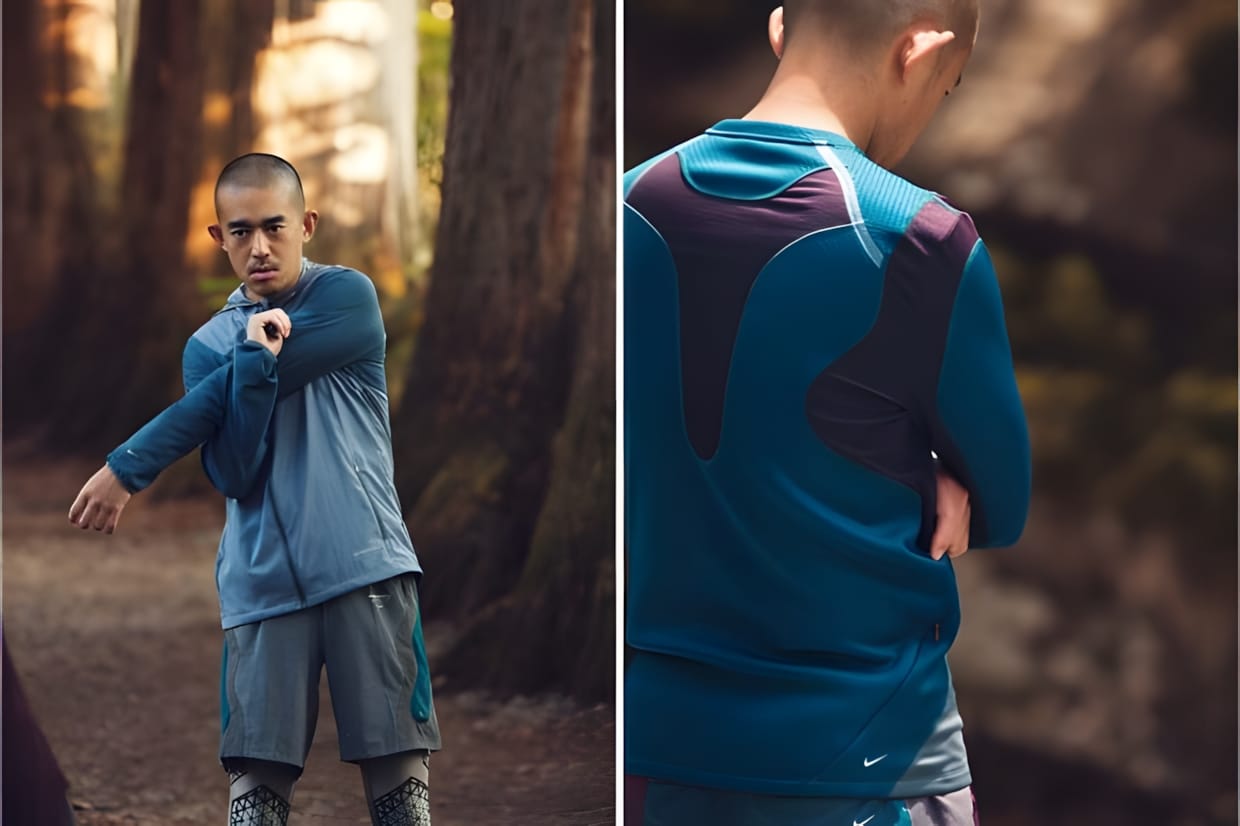
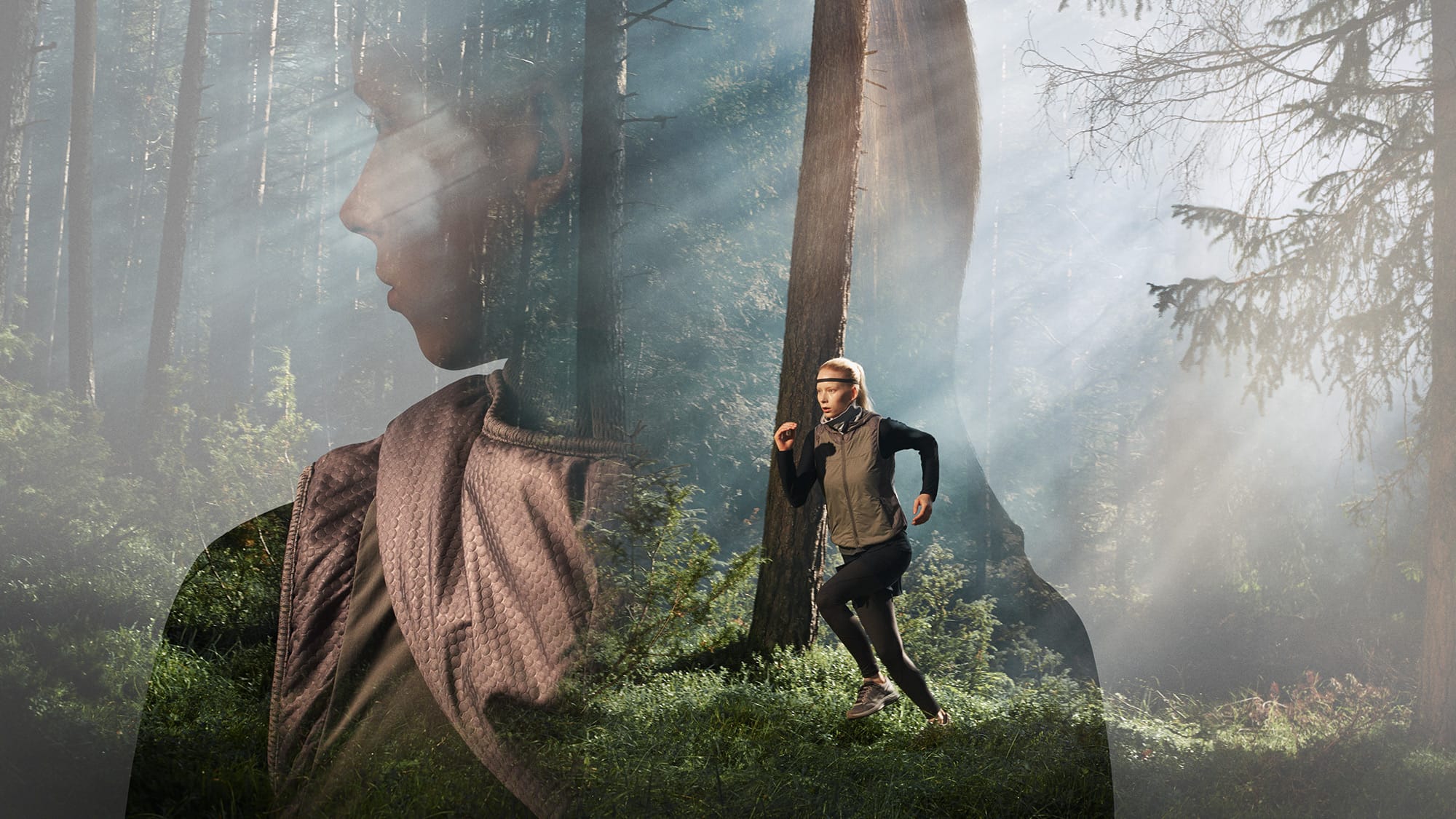
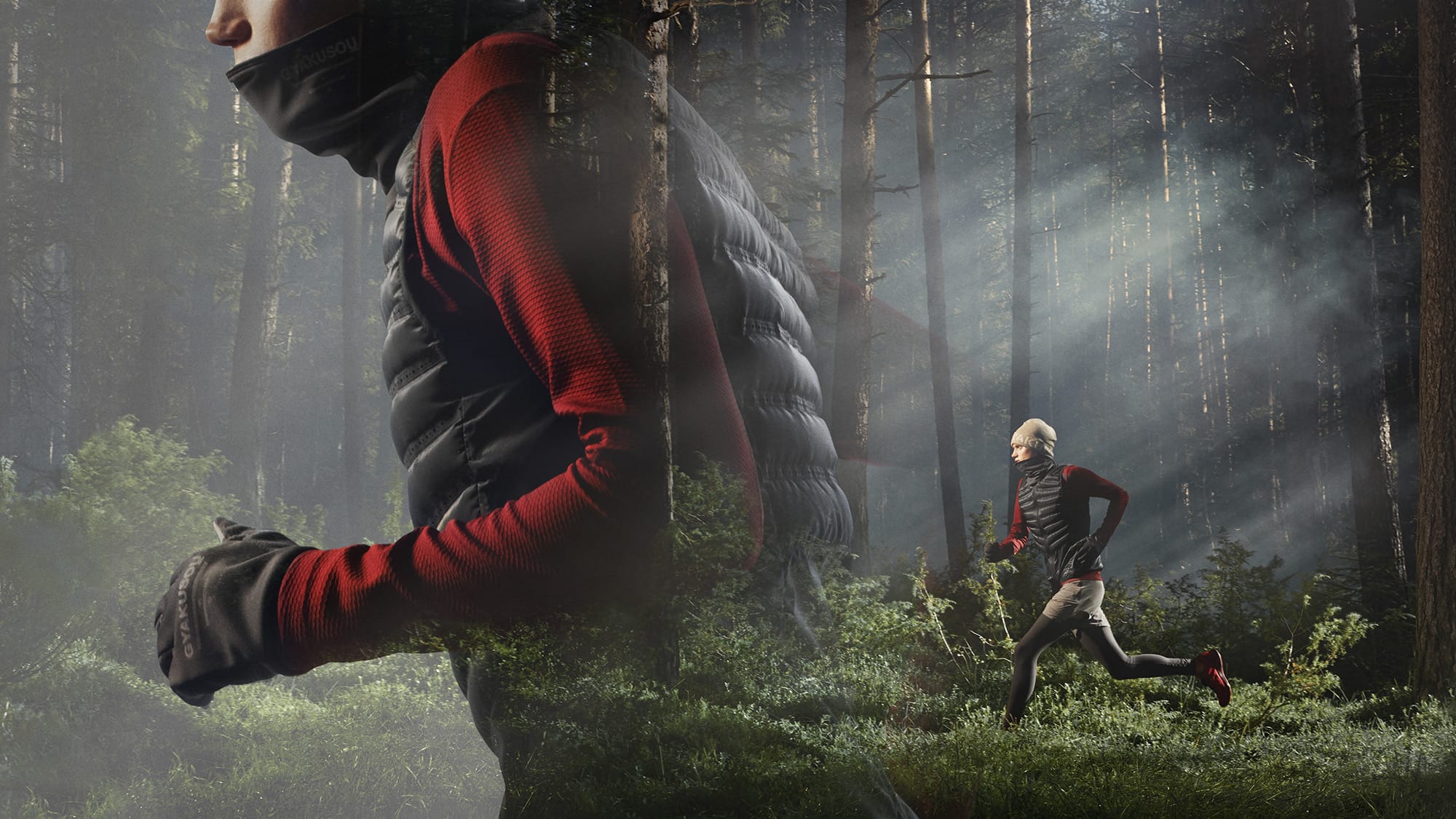
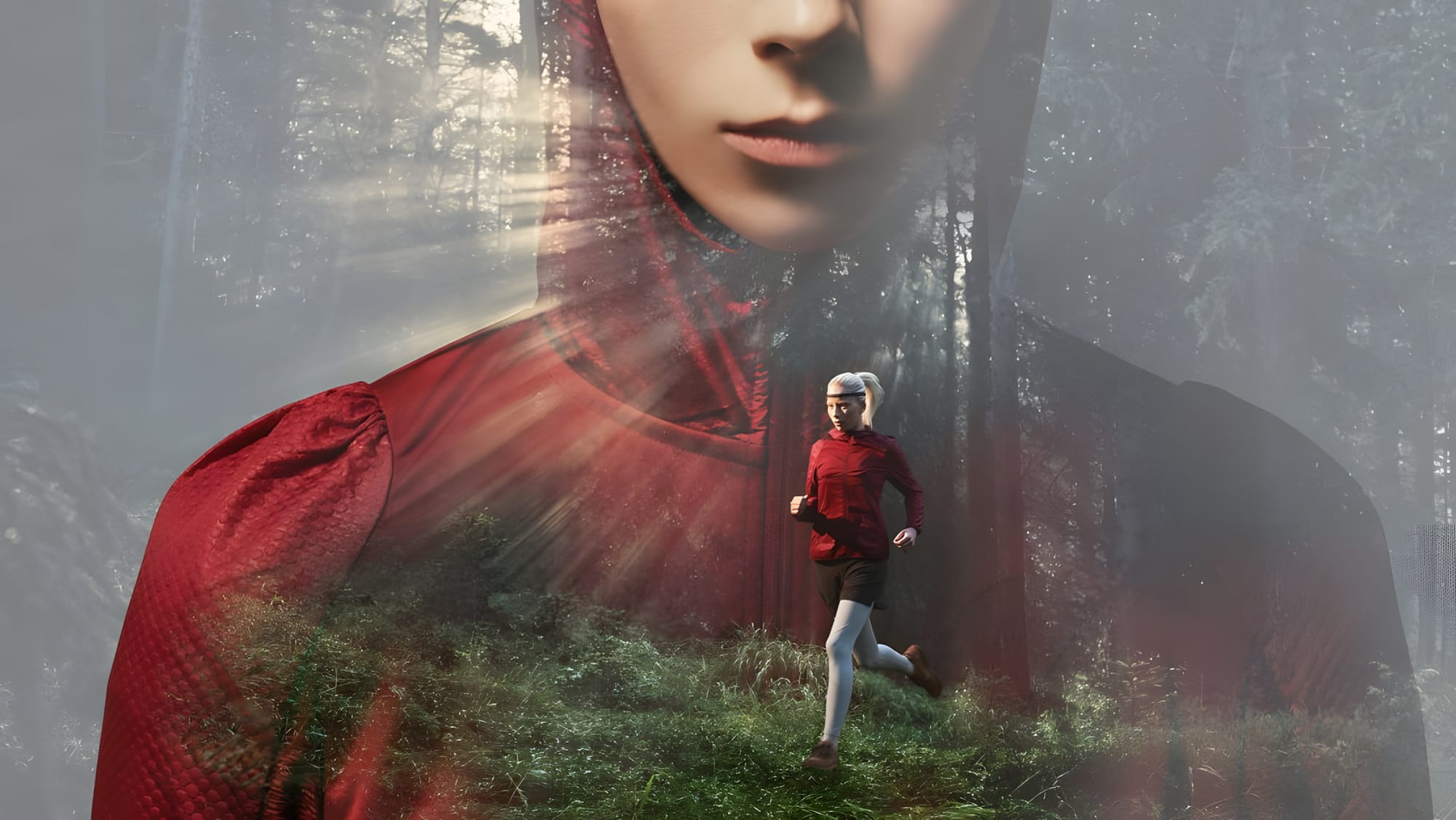
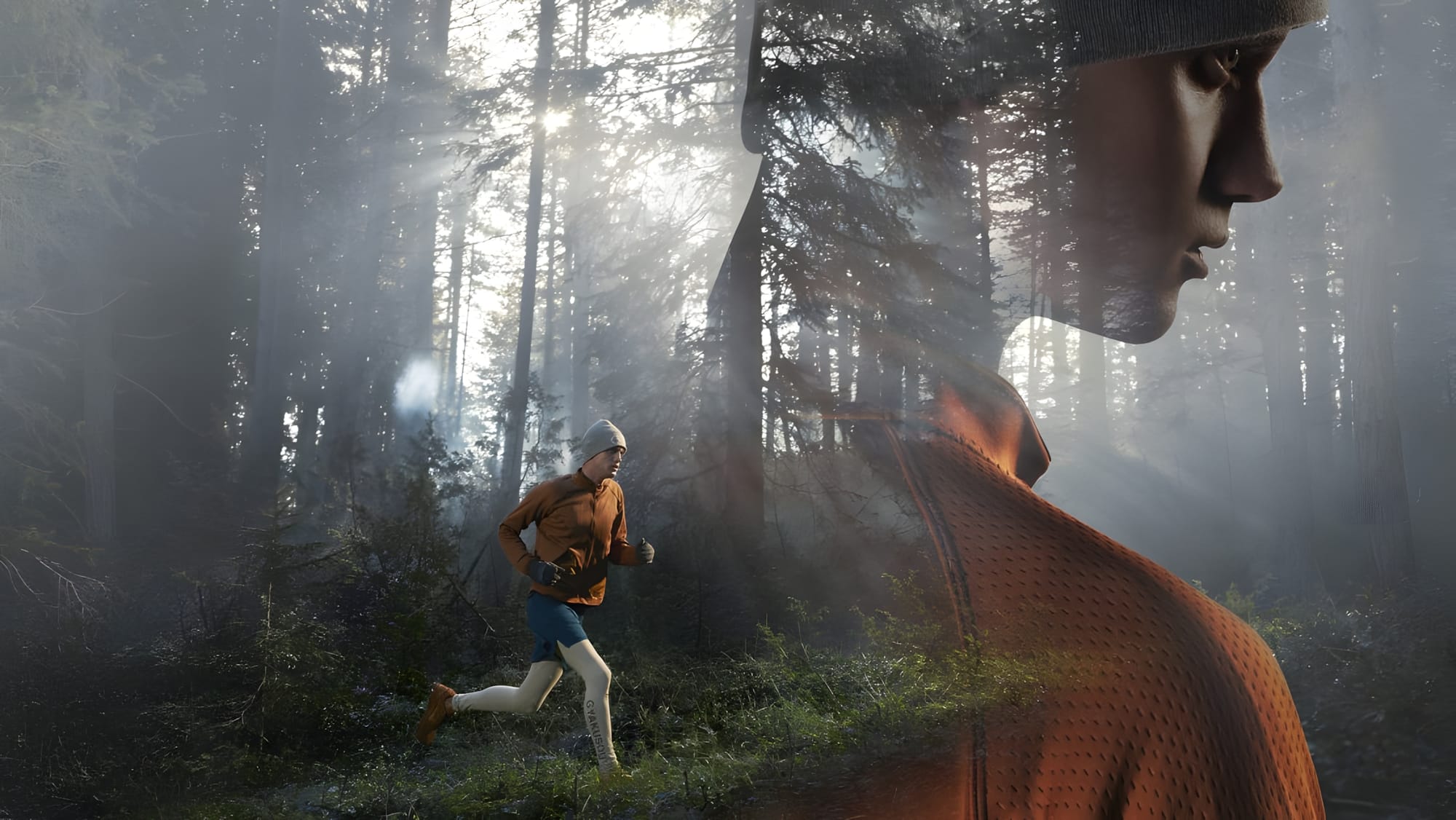
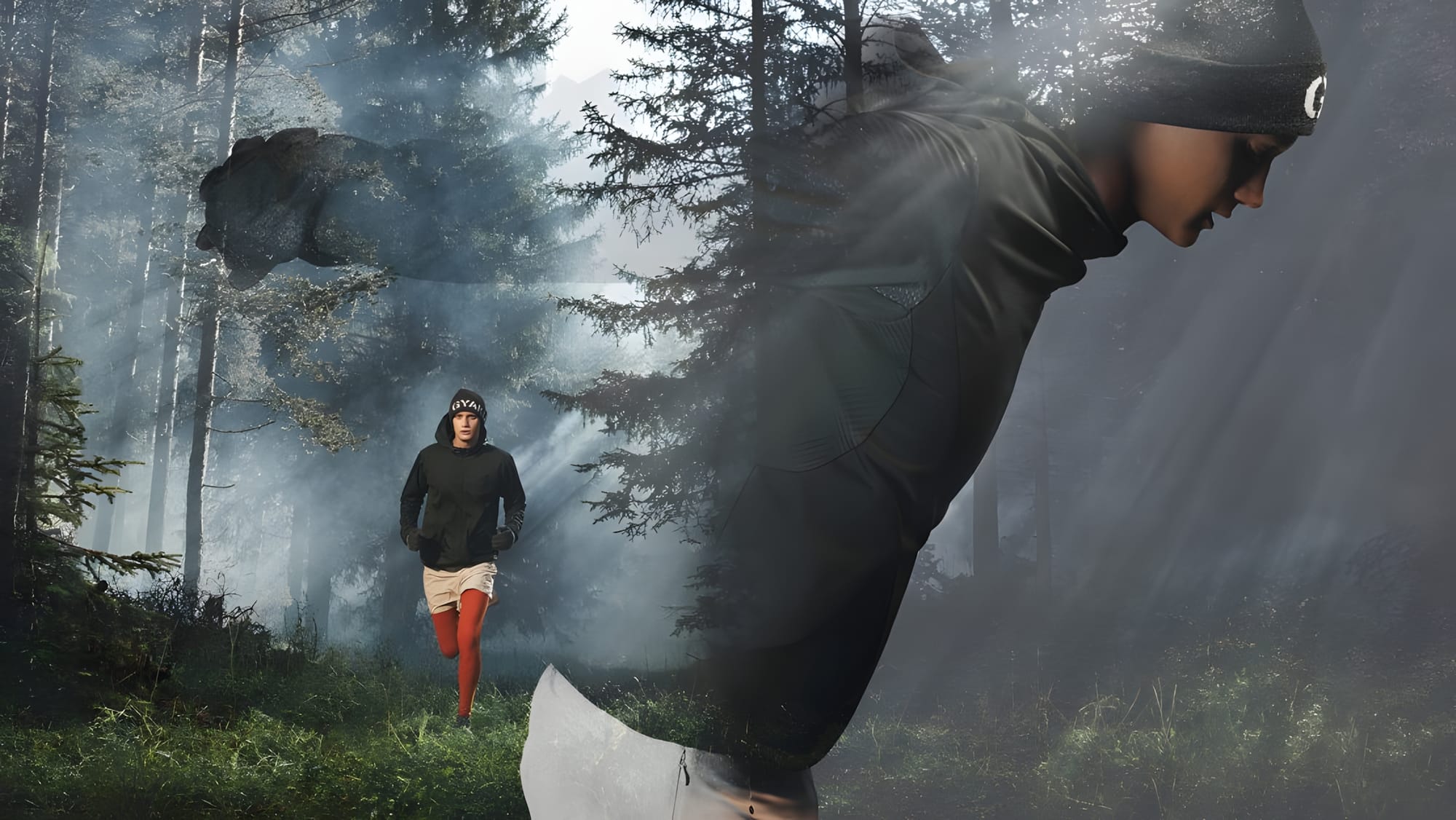
Nike x Undercover Gyakusou FW2013
Photographed by Azim Haidaryan
Produced by Panottica
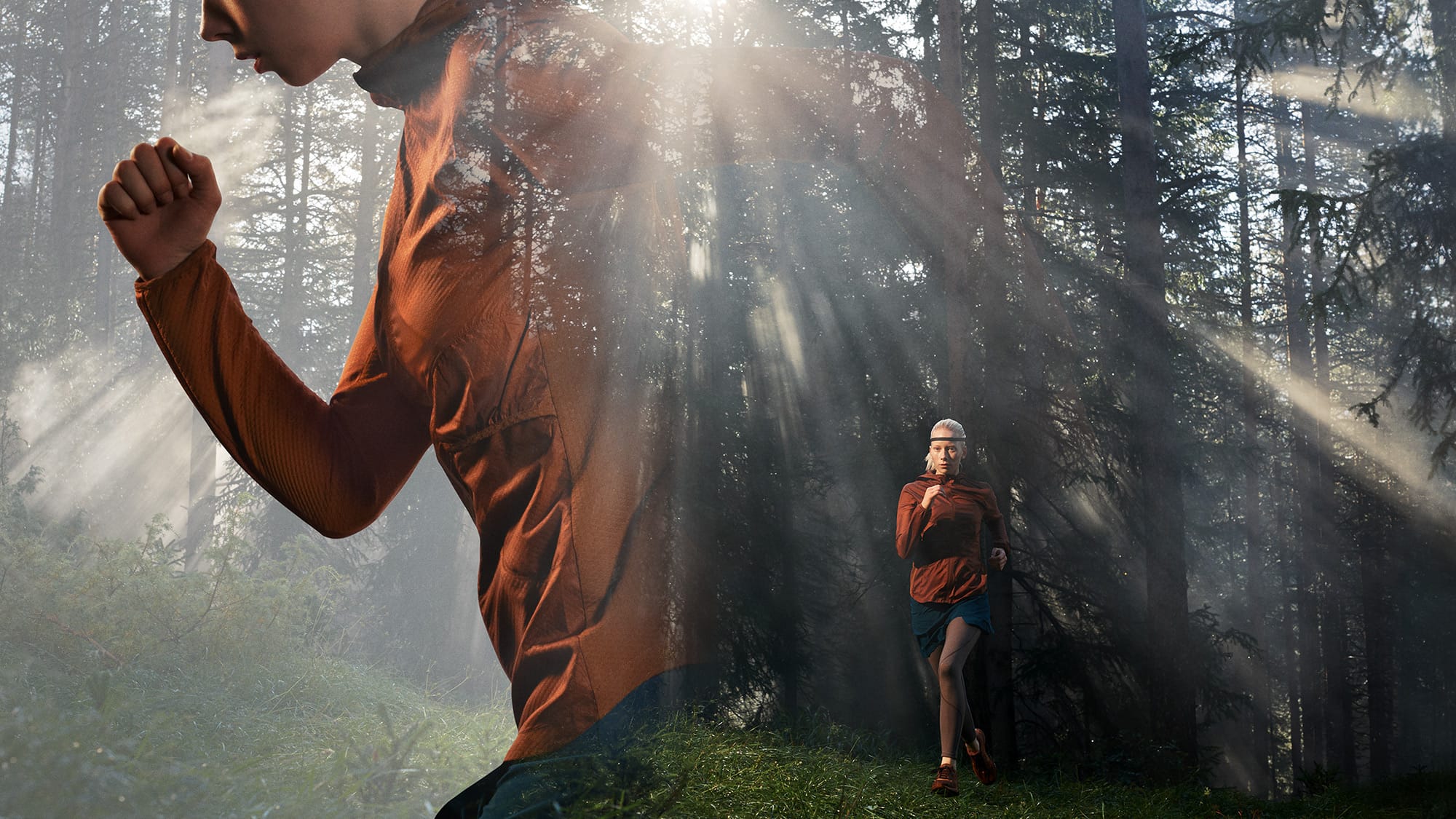
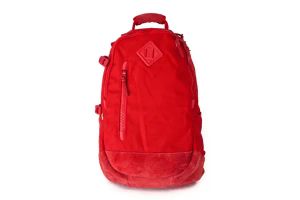
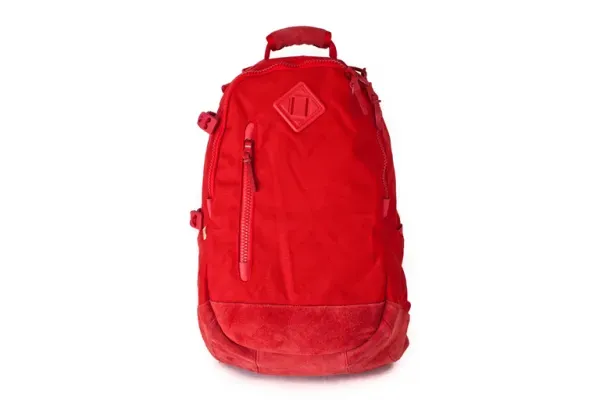
VISVIM aw2012 BALLISTIC 20L BACKPACK
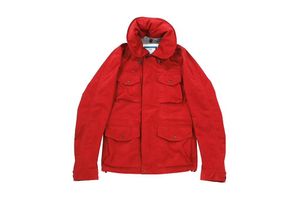
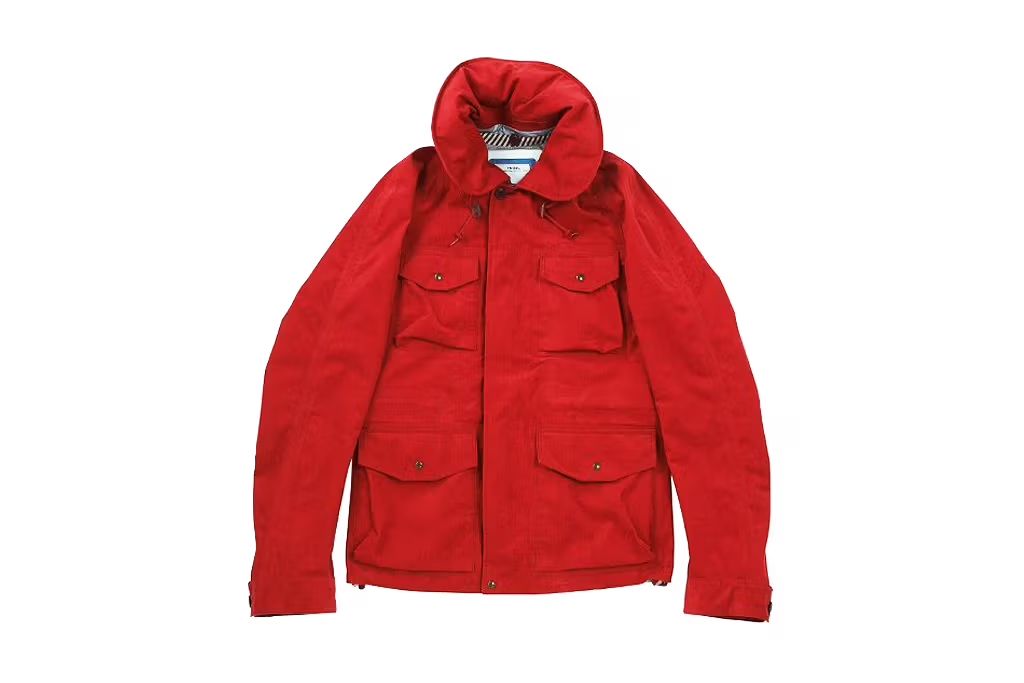
visvim PFD JKT 3L GORE-TEX
The red GORE-TEX shell takes inspiration from a classic M-65 military jacket and also features a drawstring over sized collar with a packable hood for added detail and function. Look for this jacket to be available through select visvim retailers this week as well as through F.I.L. locations in Asia.
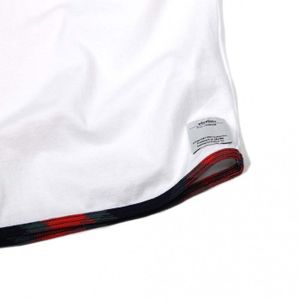
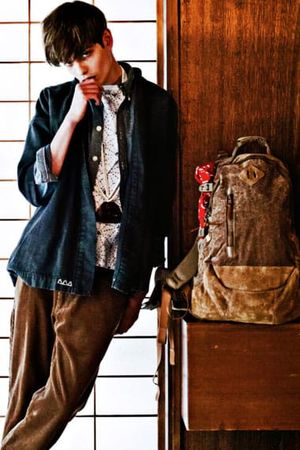
Visvim Sanjuro Kimono

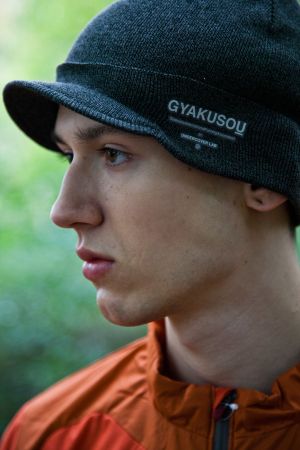
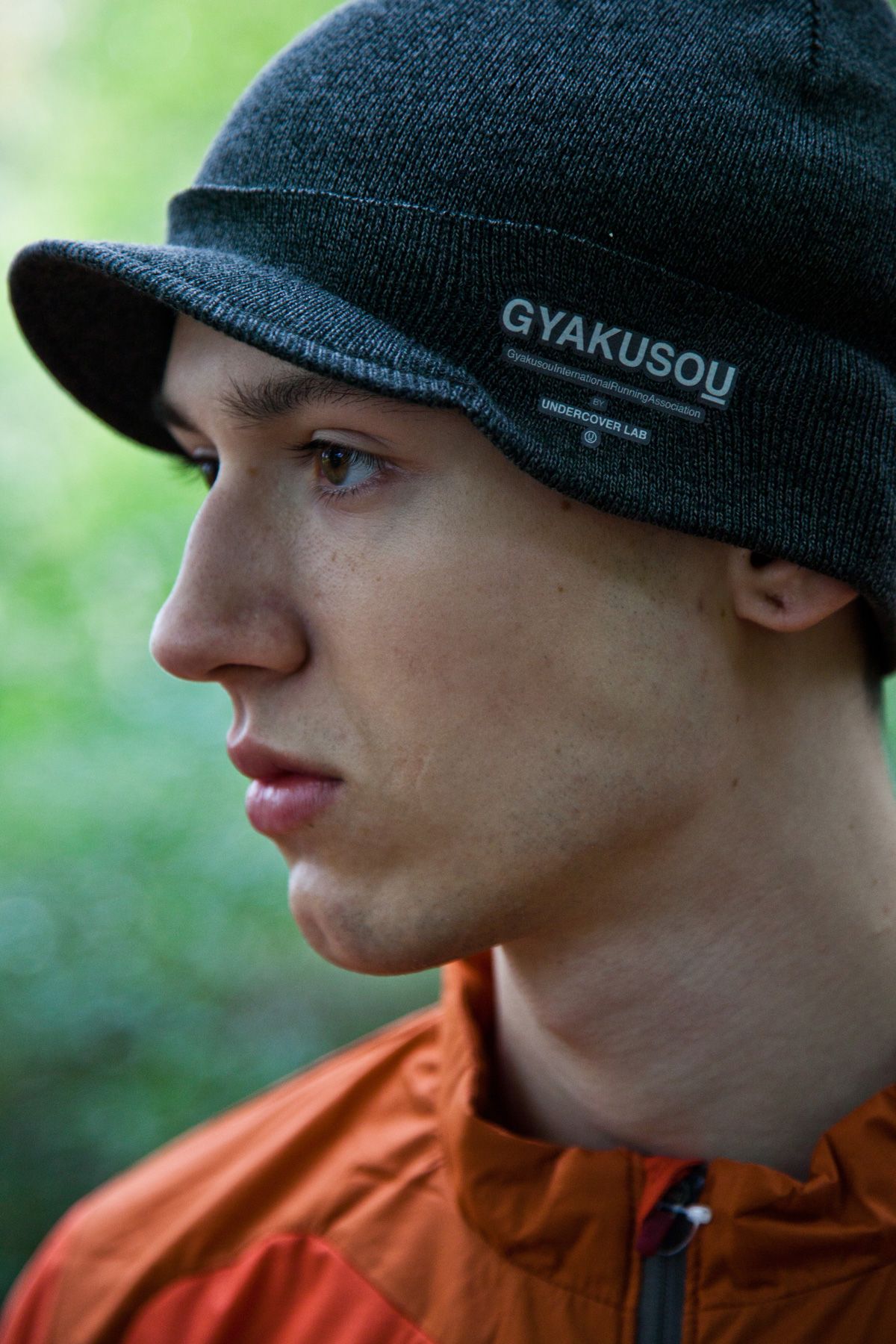
Nike x Undercover Gyakusou FW2011 Beanie
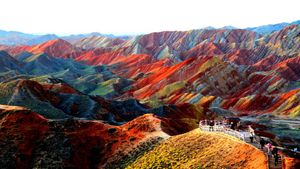
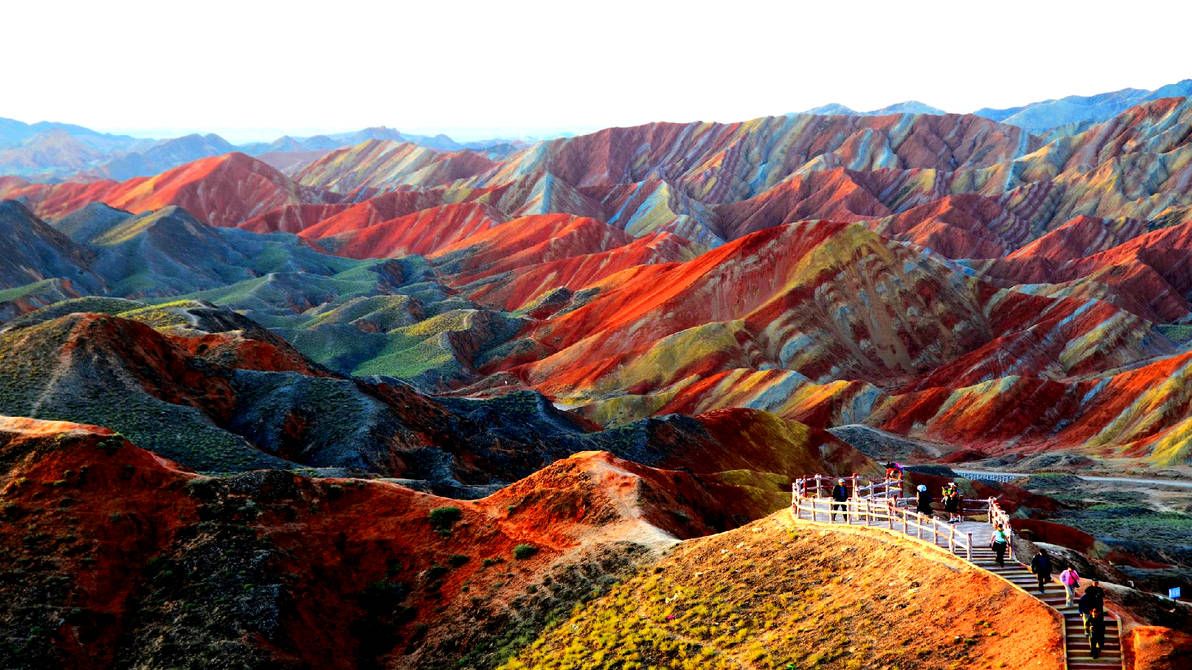
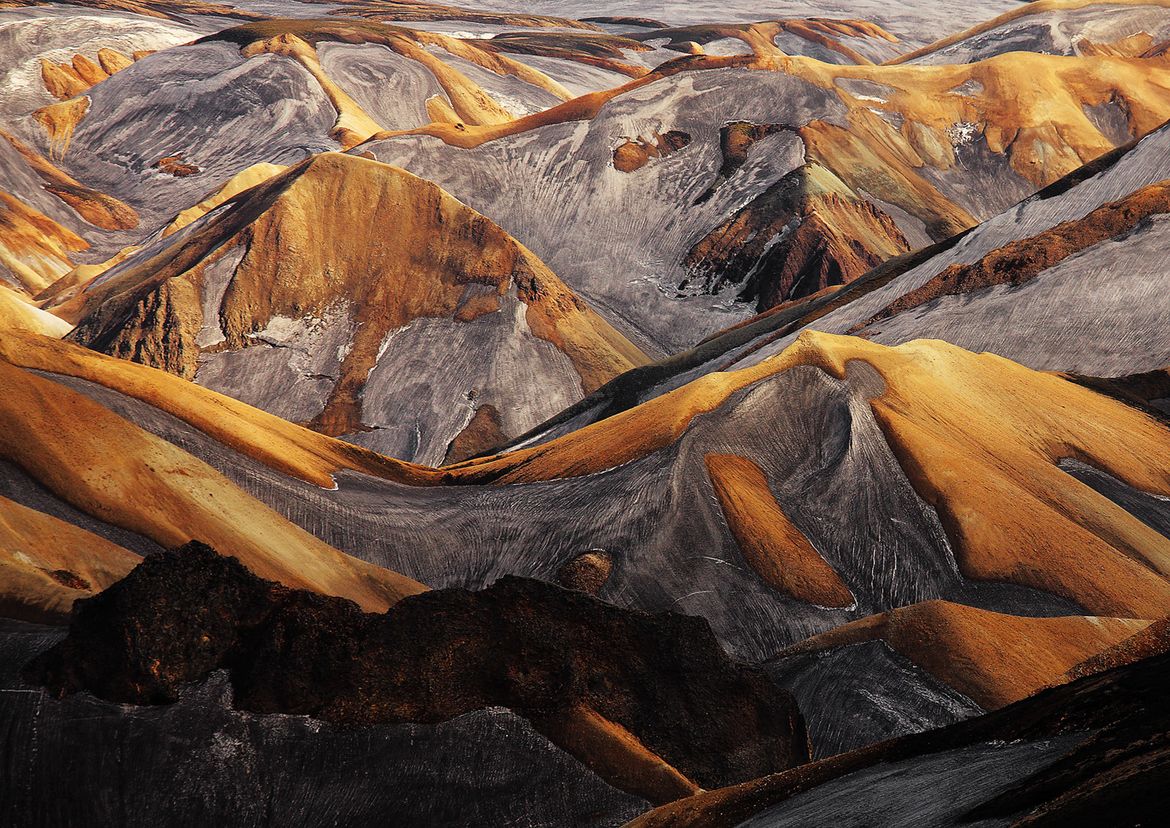
Rainbow mountains at Zhangye Danxia national geopark Gansu China
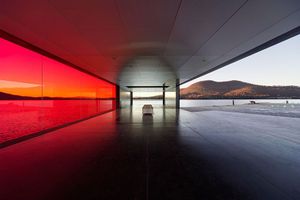
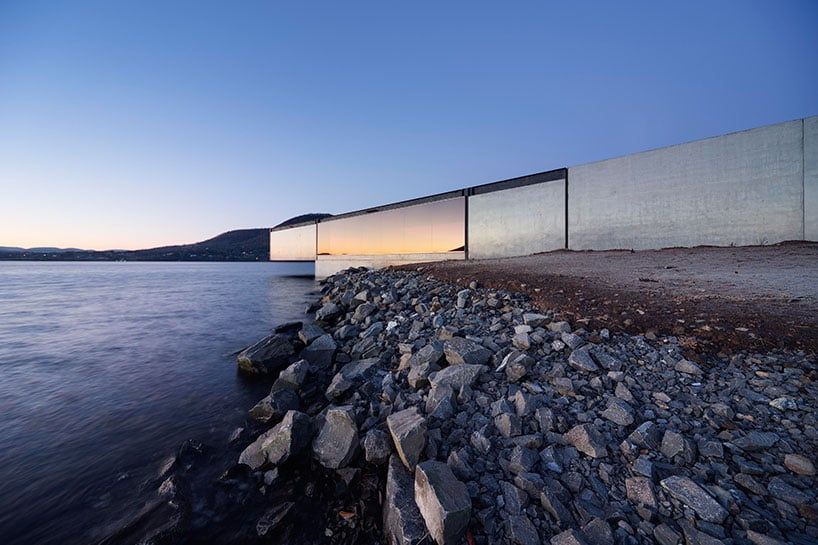
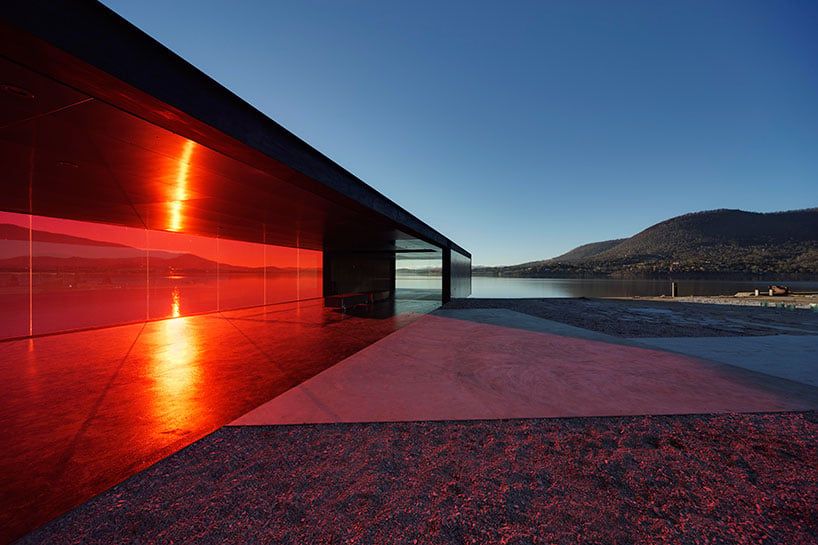
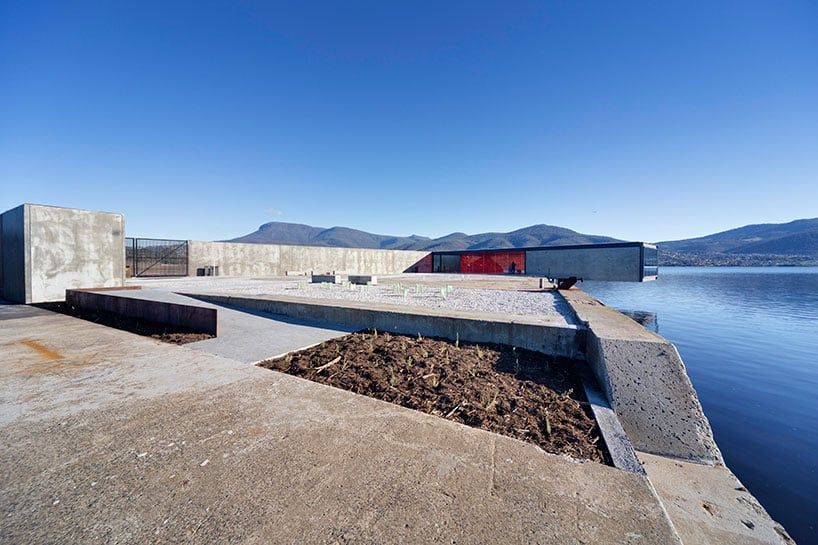
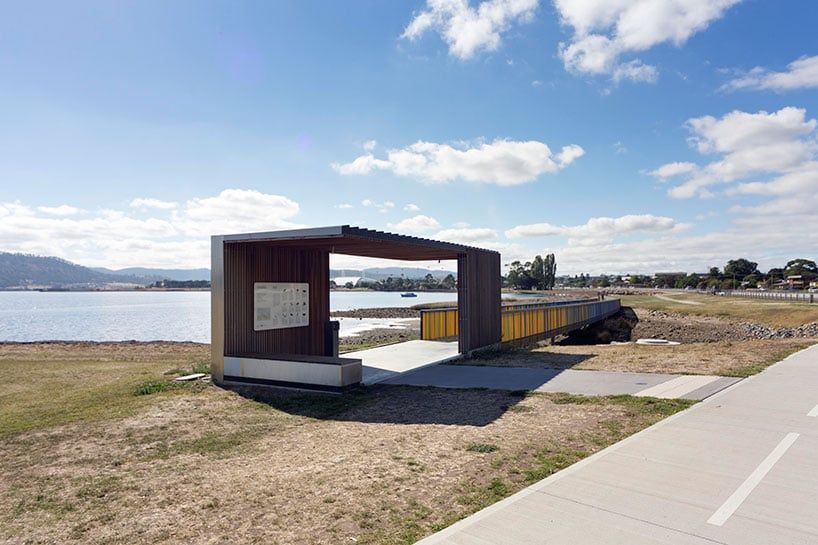
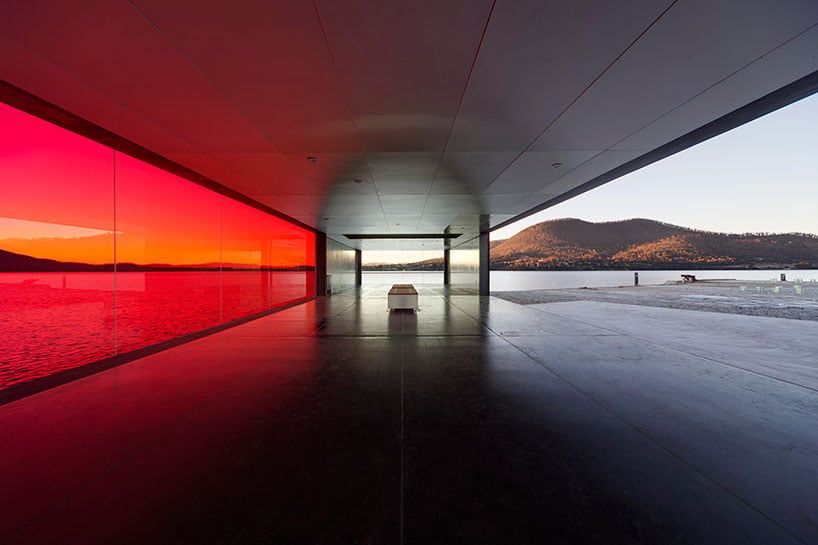
the grove pavillion
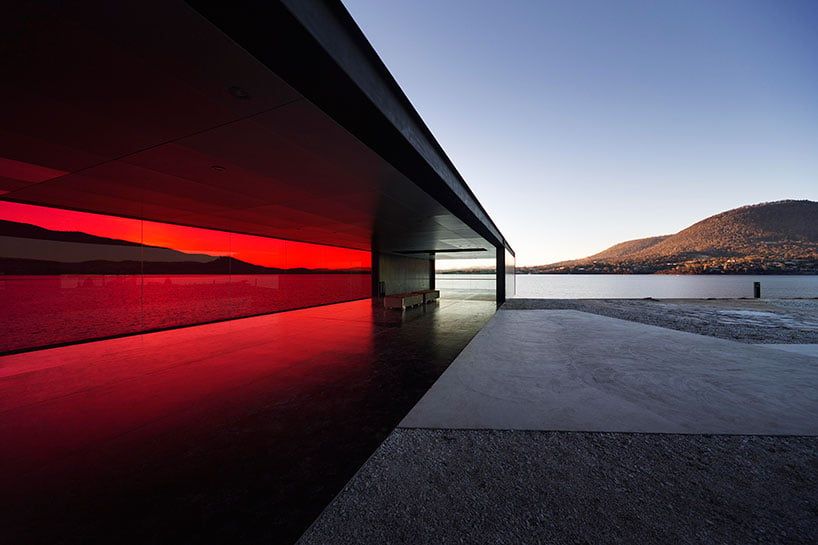
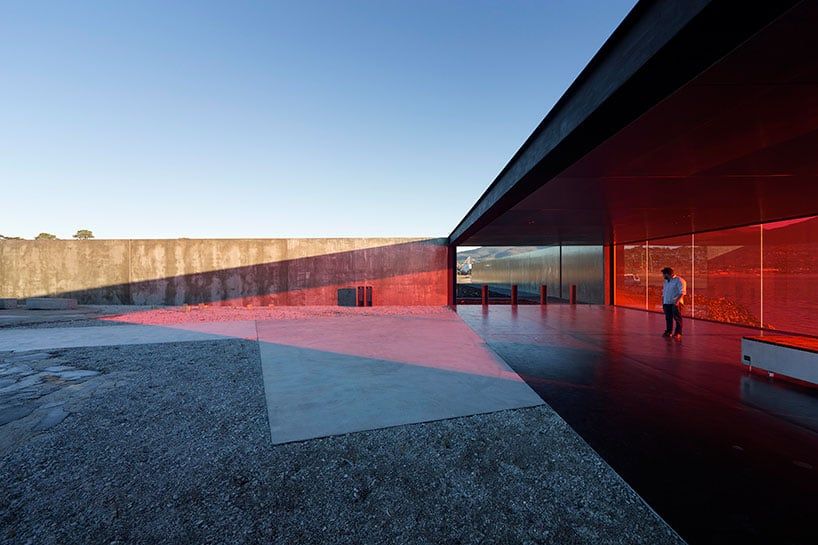
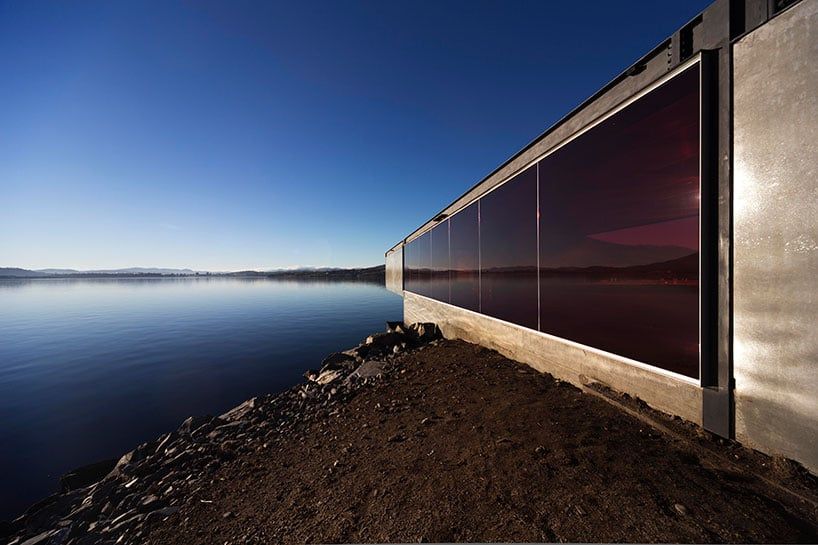
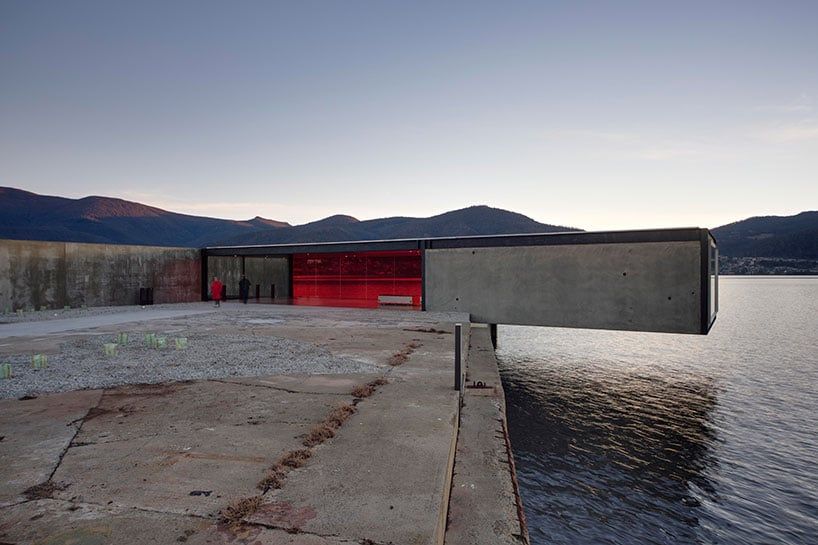
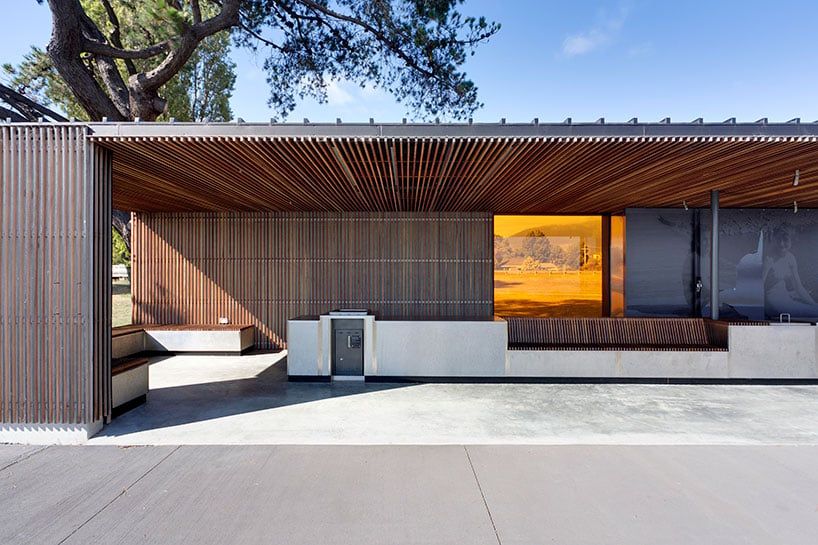
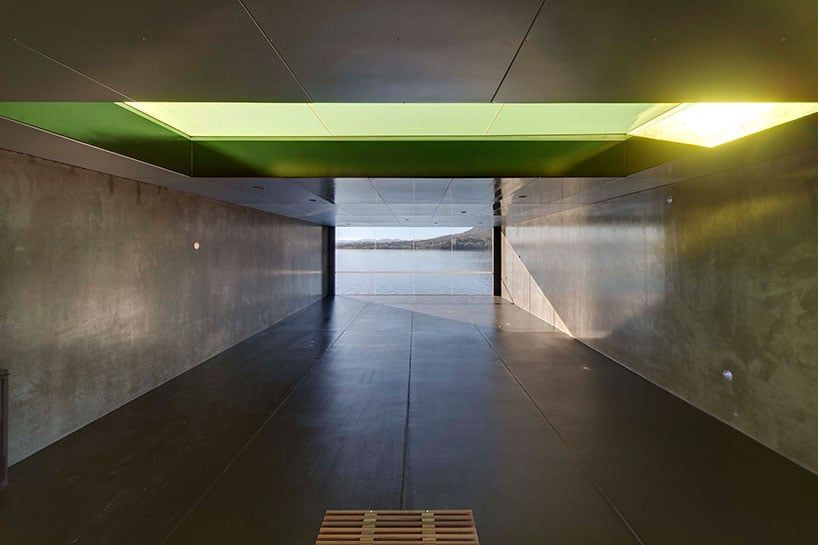
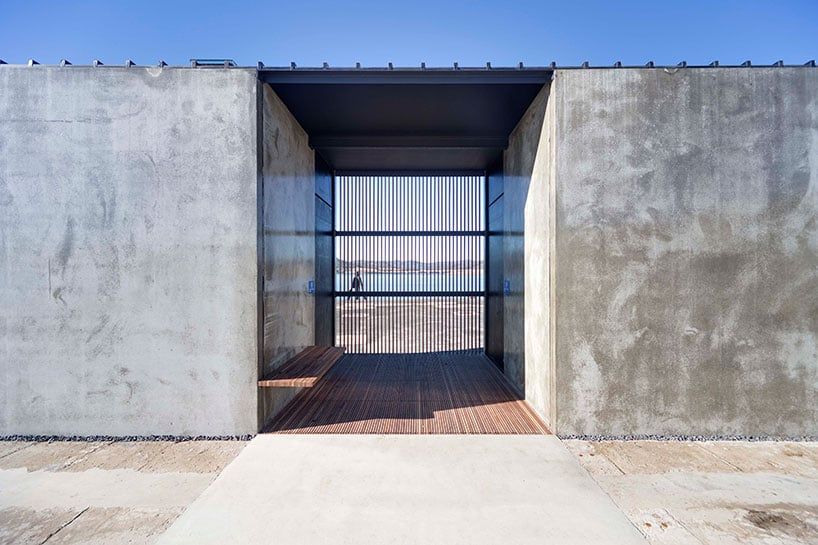
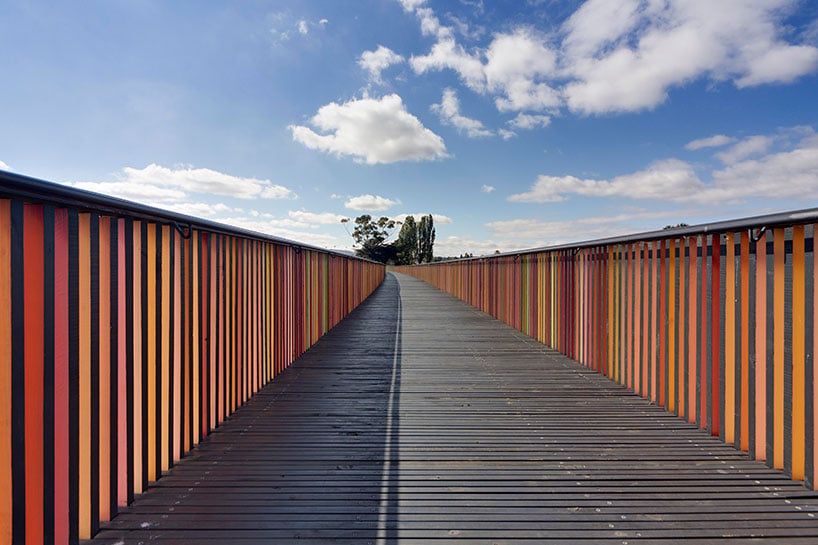
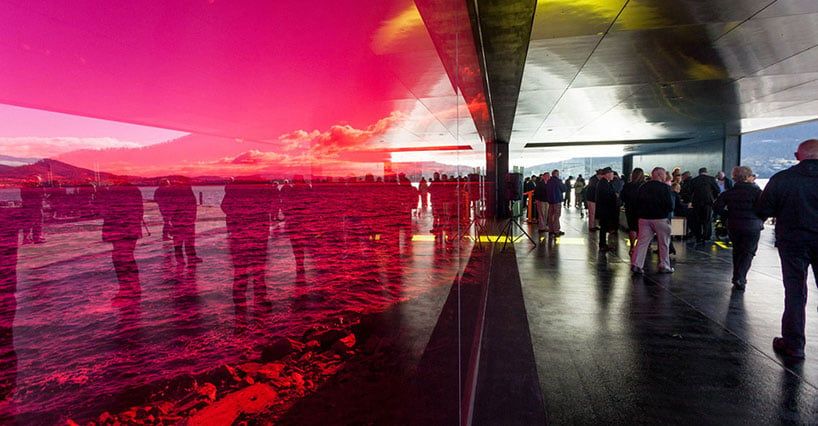
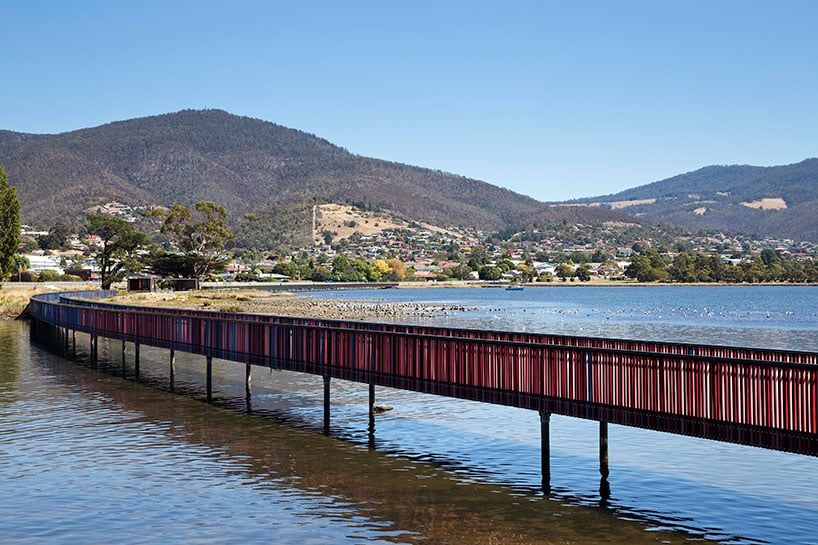
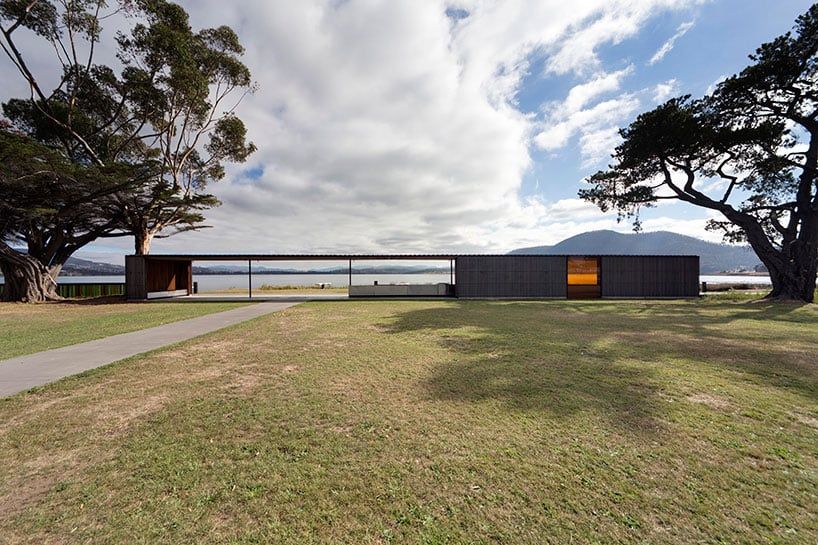
the grove pavilion is located at the center of the arced walkway where it briefly touches upon land, between the constantly texture of the water and matured trees. barbeques and public space provide recreational services to visitors within a subdued black structure that frames the colorful surrounding landscape. continuing eastward down the walkway leads to the wilkinson’s point pavilion born from an existing concrete pad built in the mid 20th century as the foundation for an unrealized bridge. the pavilion, a series of intersecting planes exhibiting various degrees of transparency and filtering of views and colors, cantilevers out over the water framing the site and a large open-air pad capable of hosting large scale events. massive concrete walls support a floating canopy containing an expansive red glass wall and a yellow skylight towards the cantilevered portion. the architecture adopts a simple form, poetic and restrained in the landscape, an experience heightened by its relative isolation from any other man-made developments.
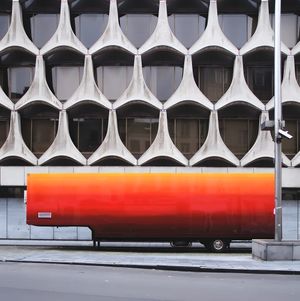
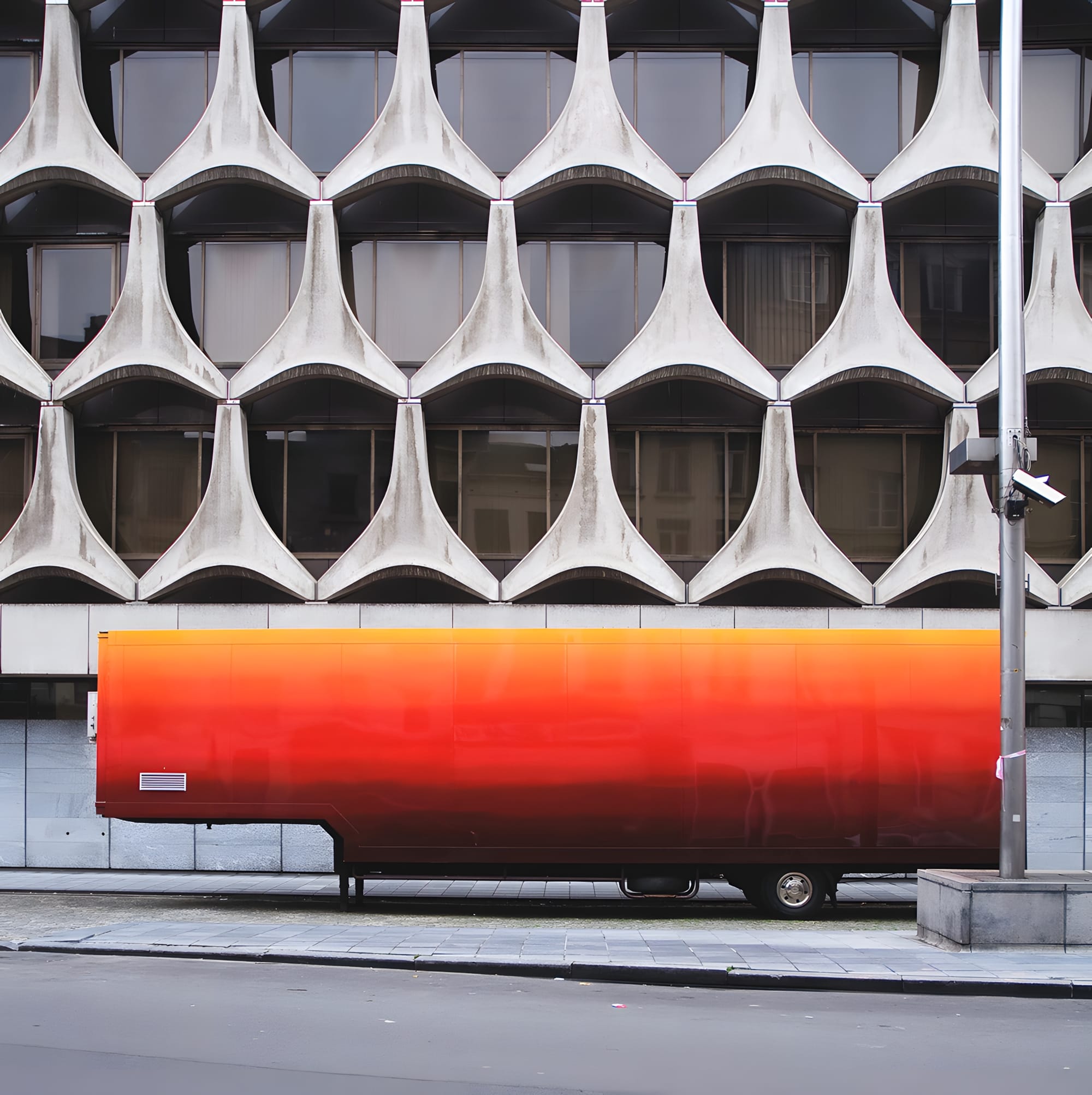
Former CGER-ASLK Building, Brussels — Marcel Lambrichs
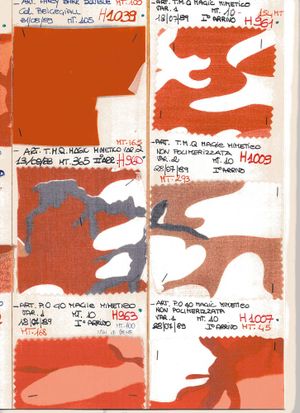
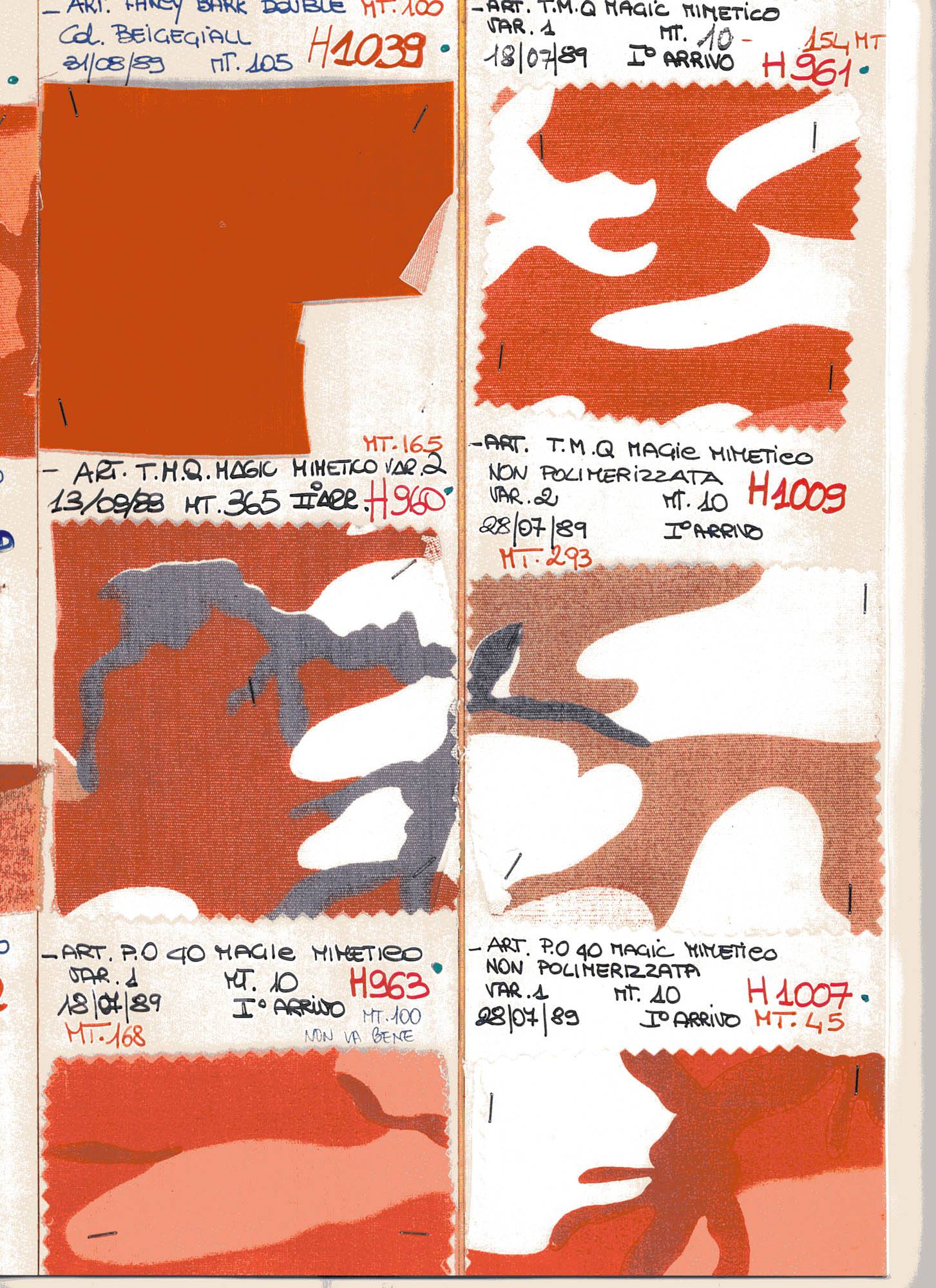
Fisarmonica with colour variants of Ice Jacket camouflage 1989
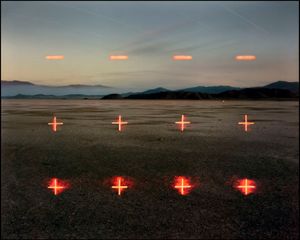
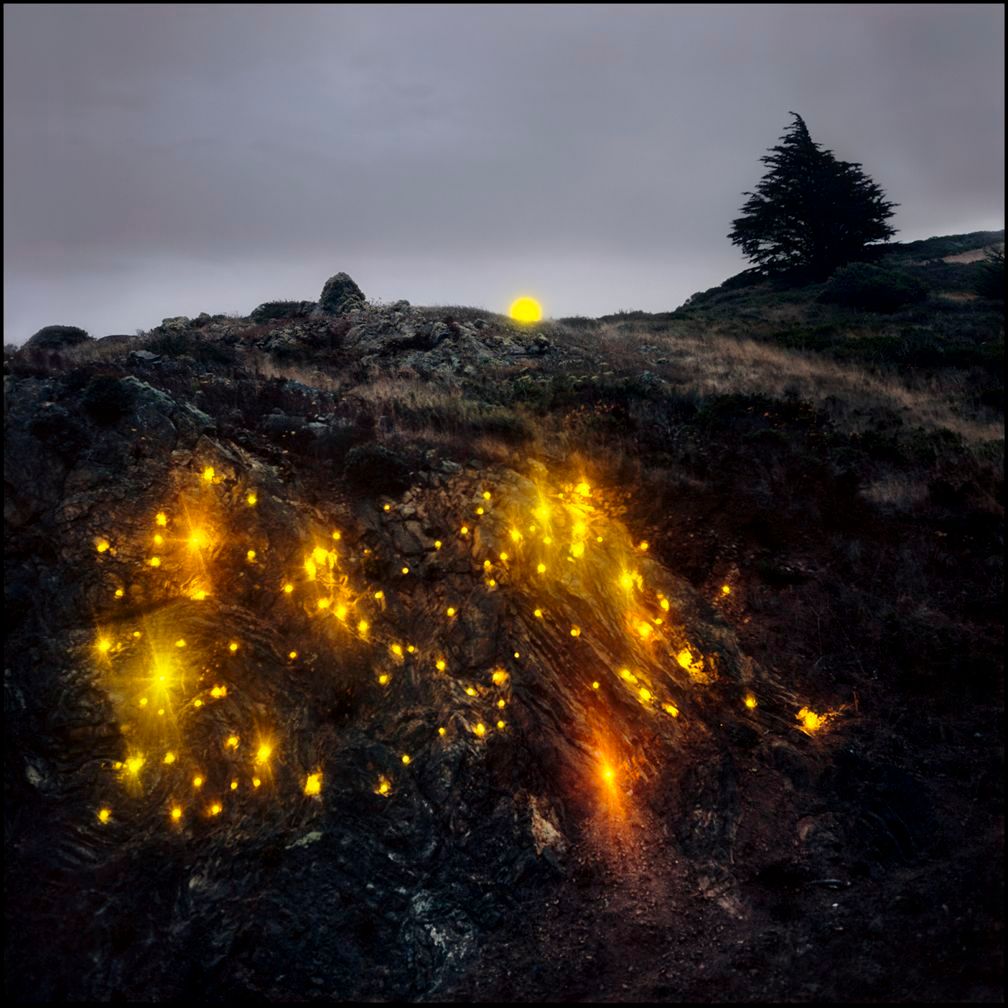
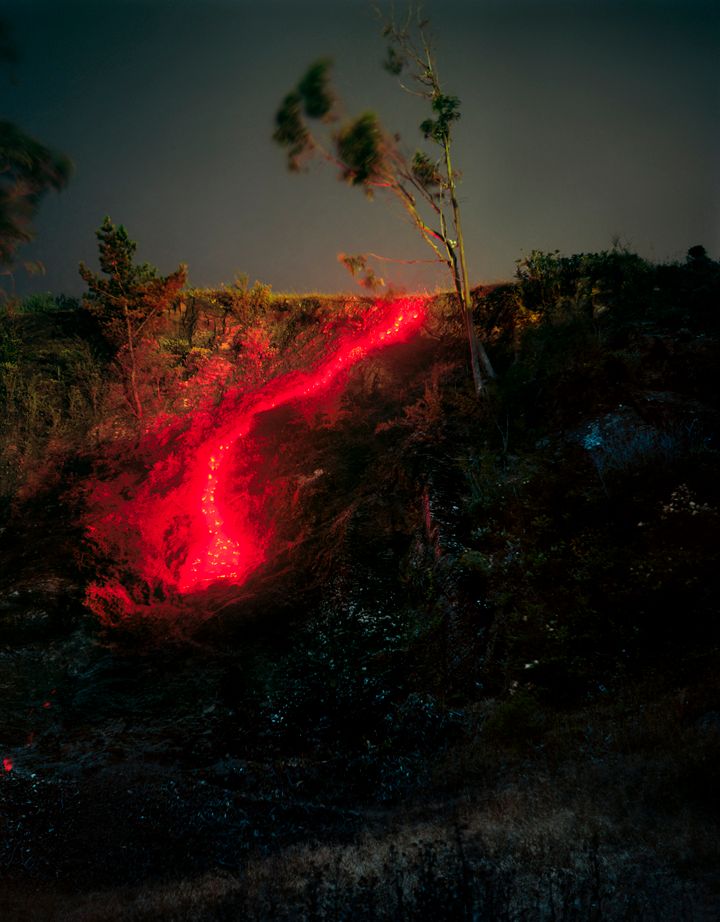
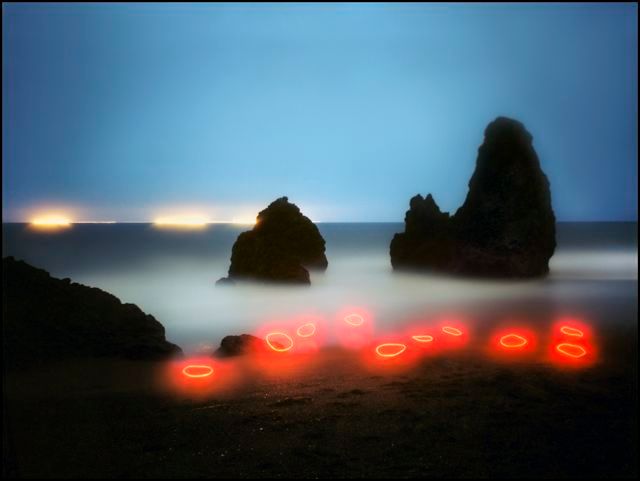
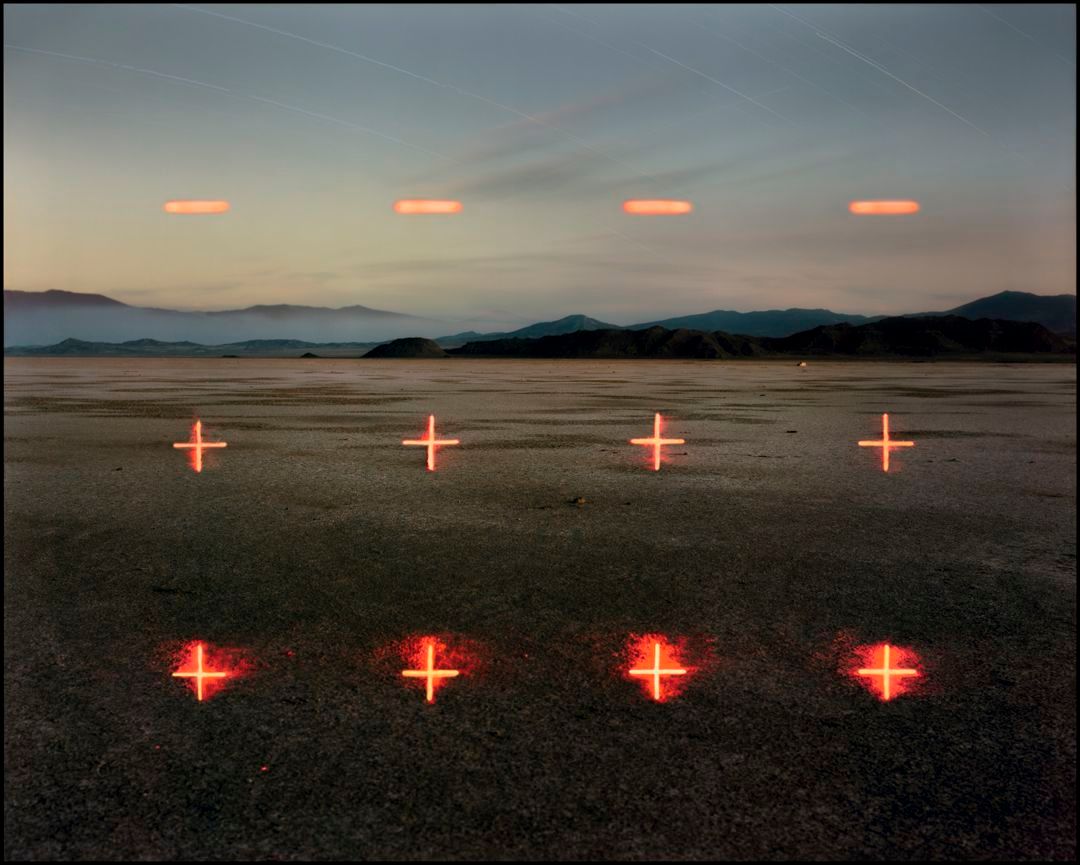
"Wendover II (For John)" by Barry Underwood

Lazy Oaf AW13 Lookbook
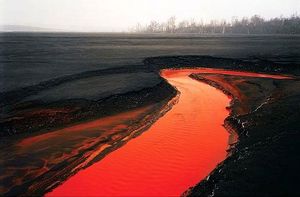
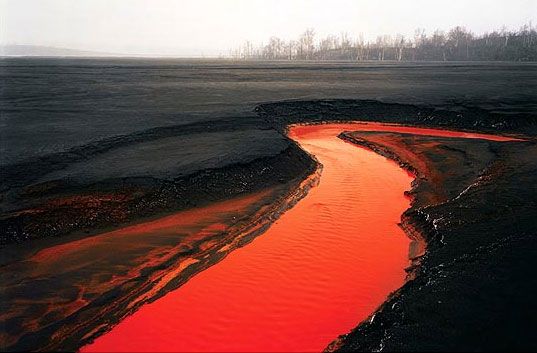
Nickel Tailings 34, Edward Burtynsky, 1996
From “Manufactured Landscapes: The Photographs of Edward Burtynsky”

Aleppo, Syria. 2013. Photograph by Moises Saman
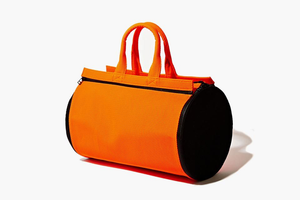
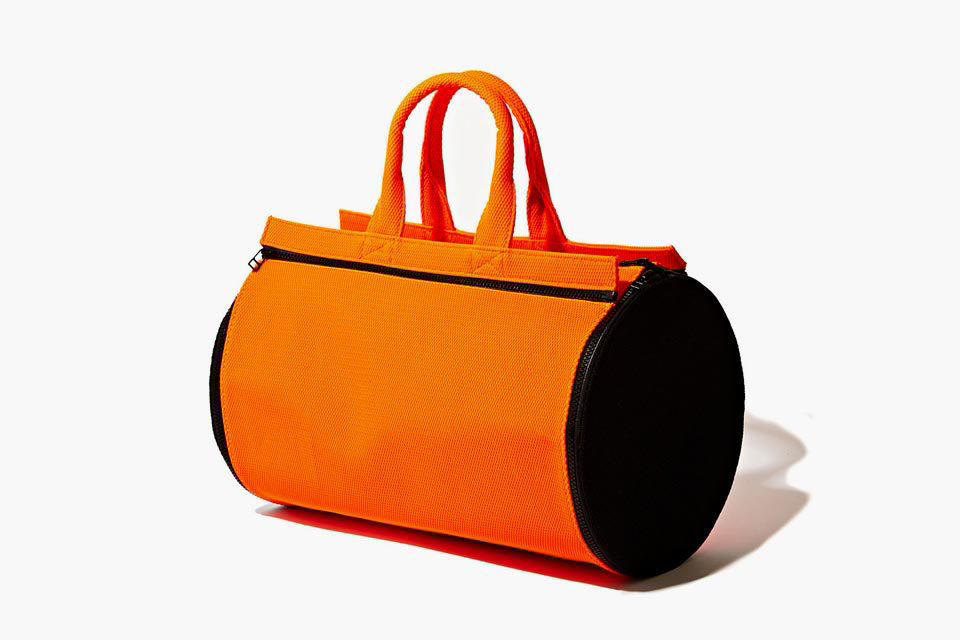
Bamin Modular Duffle Bag
Designed by Robert Cordero
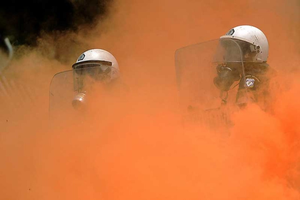
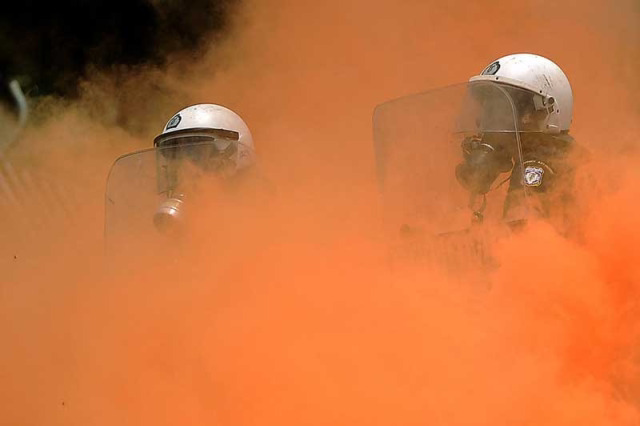
Smokescreen during a demonstration in Athens
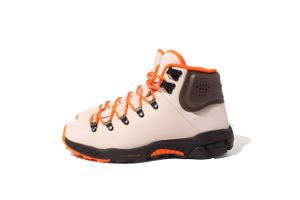
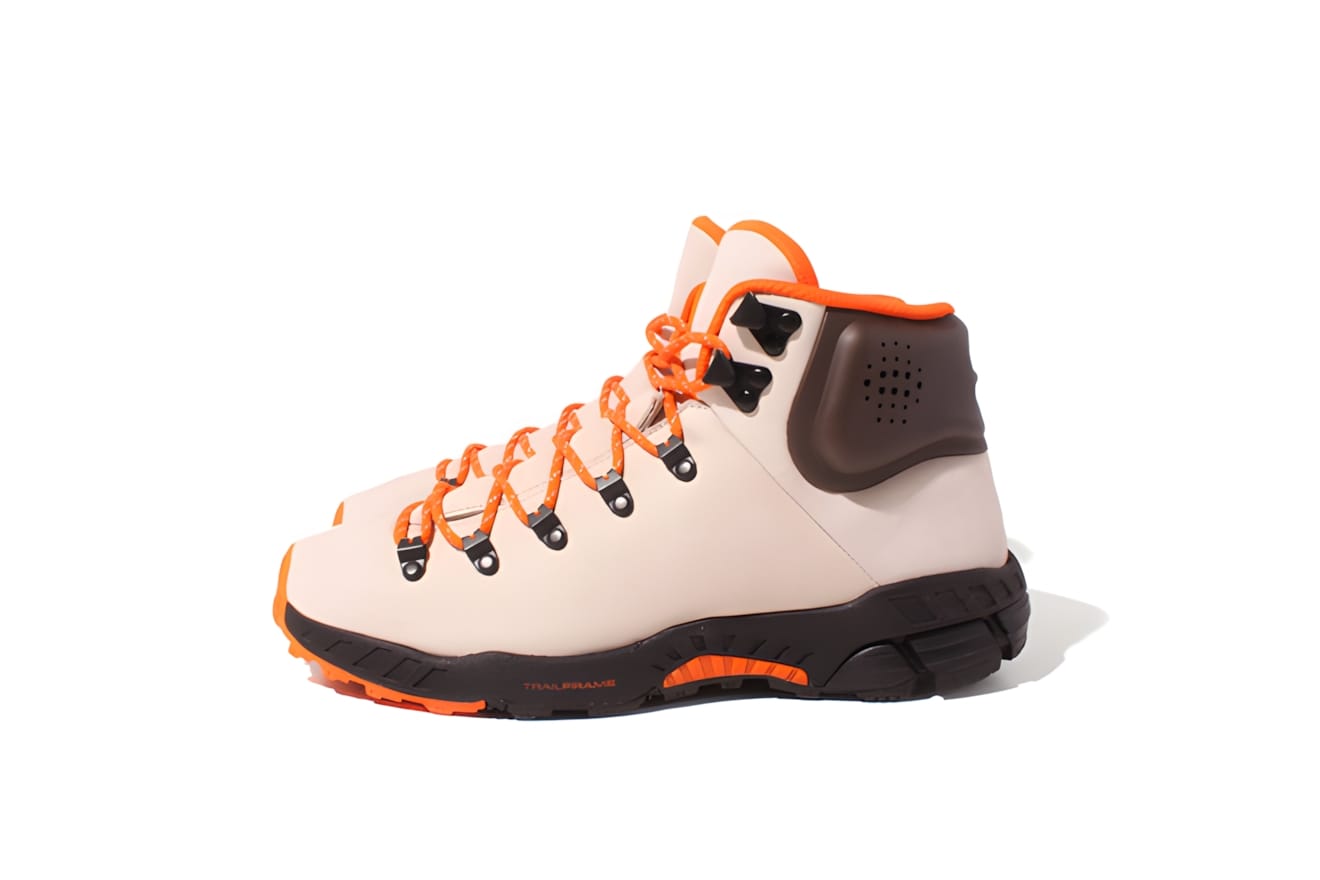
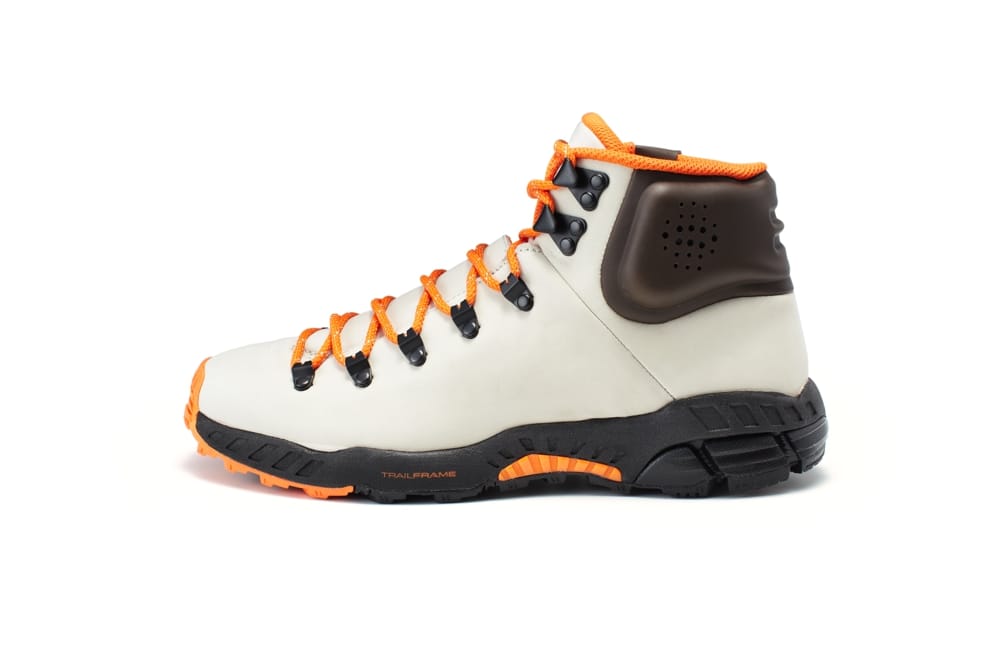
Nike ACG Zoom Meriwether — Ivory/Orange
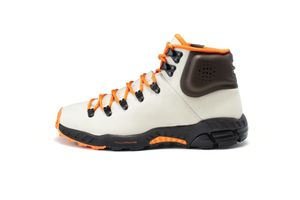
NIKE ZOOM MERIWETHER
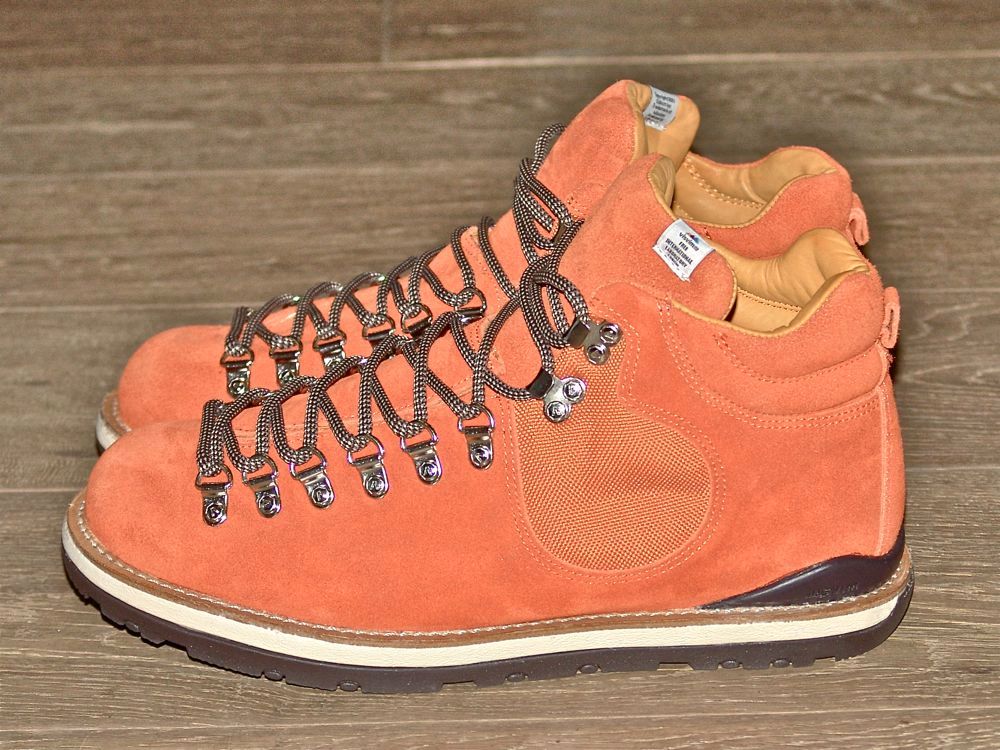
The Nike ACG Zoom Meriwether is a lightweight, weather-resistant boot built on a responsive Zoom Air platform, it offers impact protection without the bulk of traditional hiking boots. The water-resistant suede upper is paired with a medial zip for easy on-off, while the integrated lacing system keeps the fit secure without adding unnecessary weight or complexity.
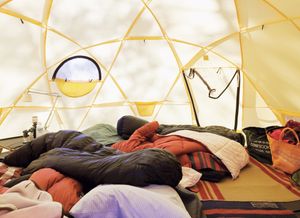
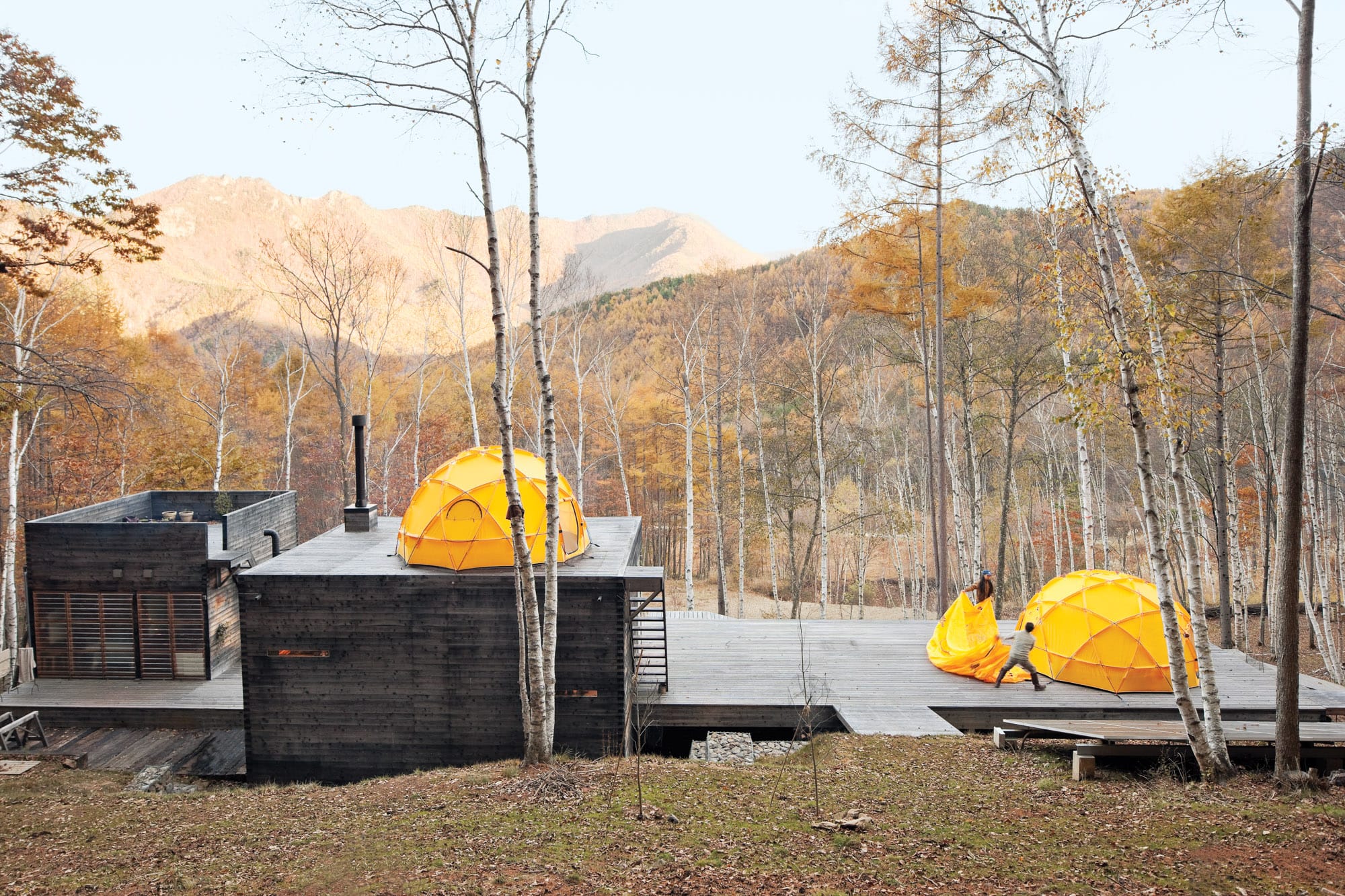
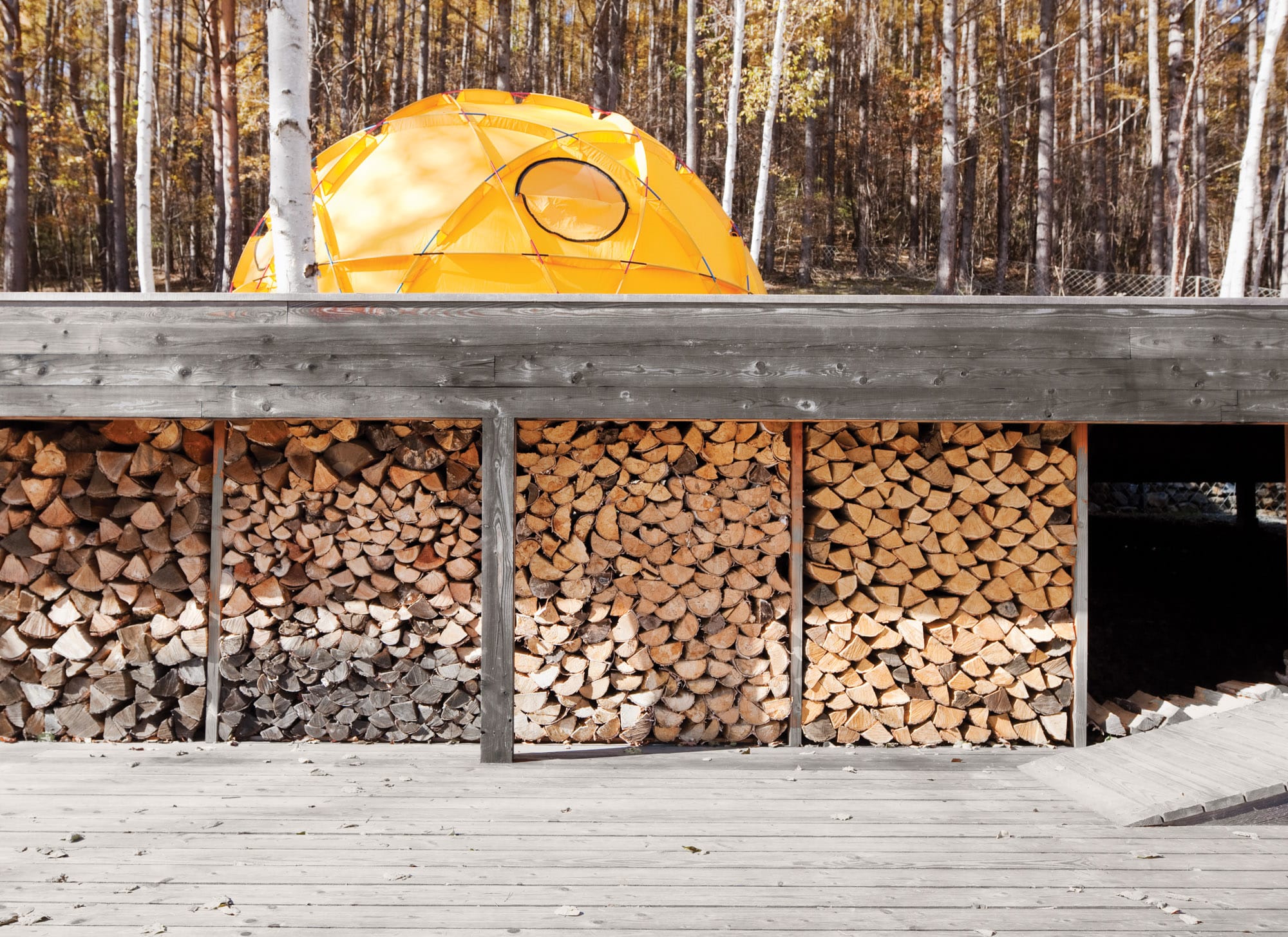
GENERAL RESEARCH OFF-SITE
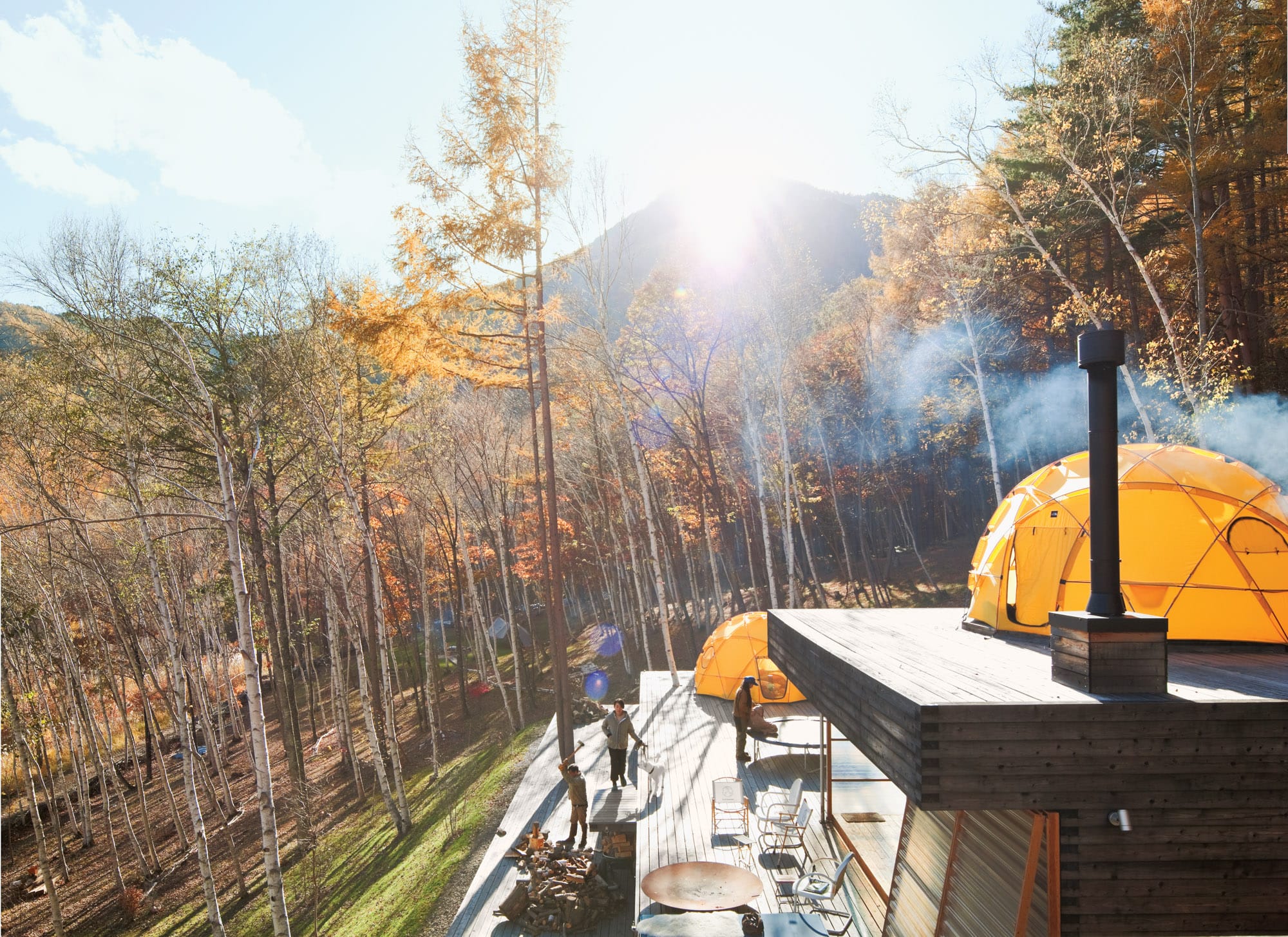
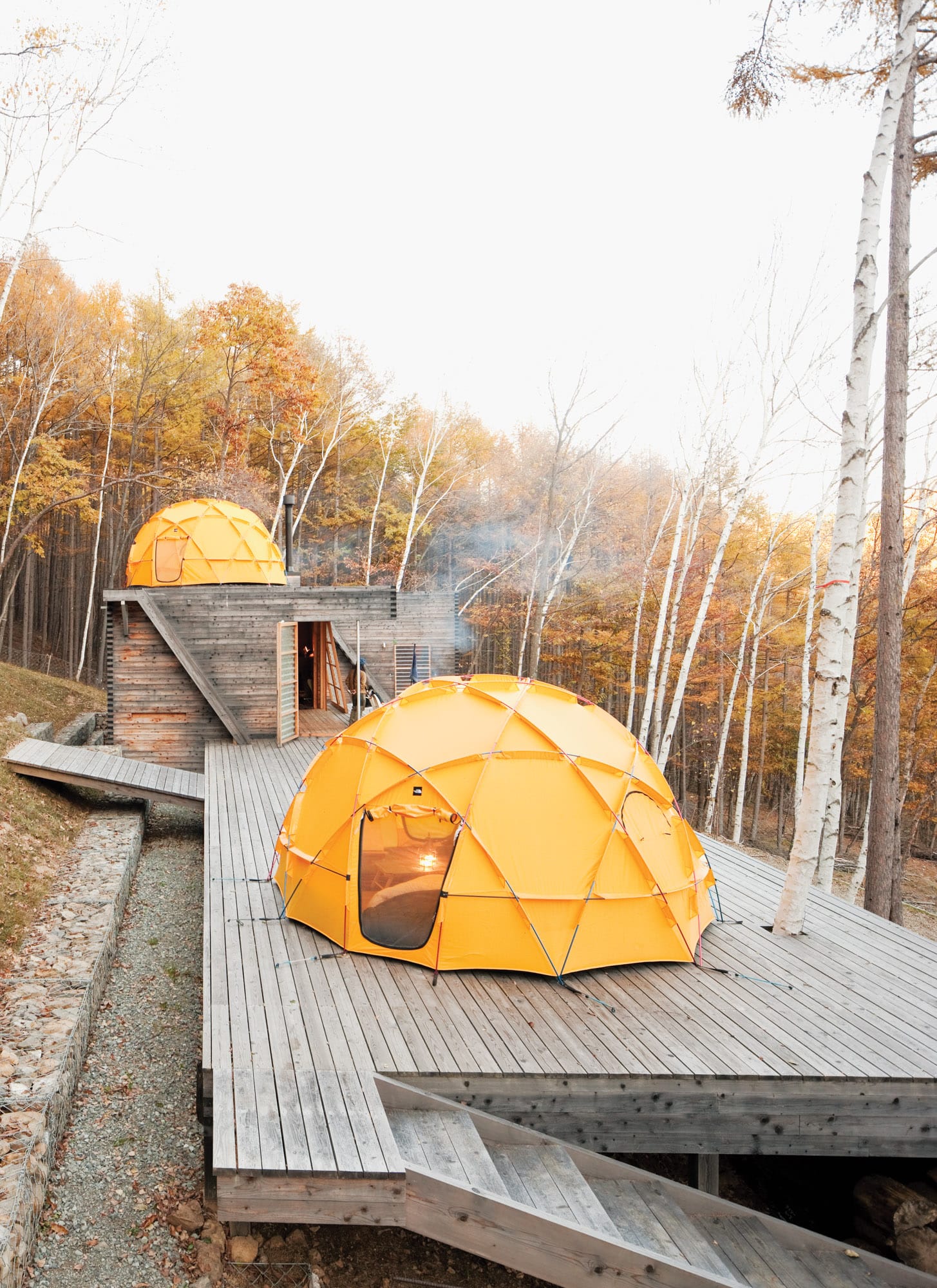
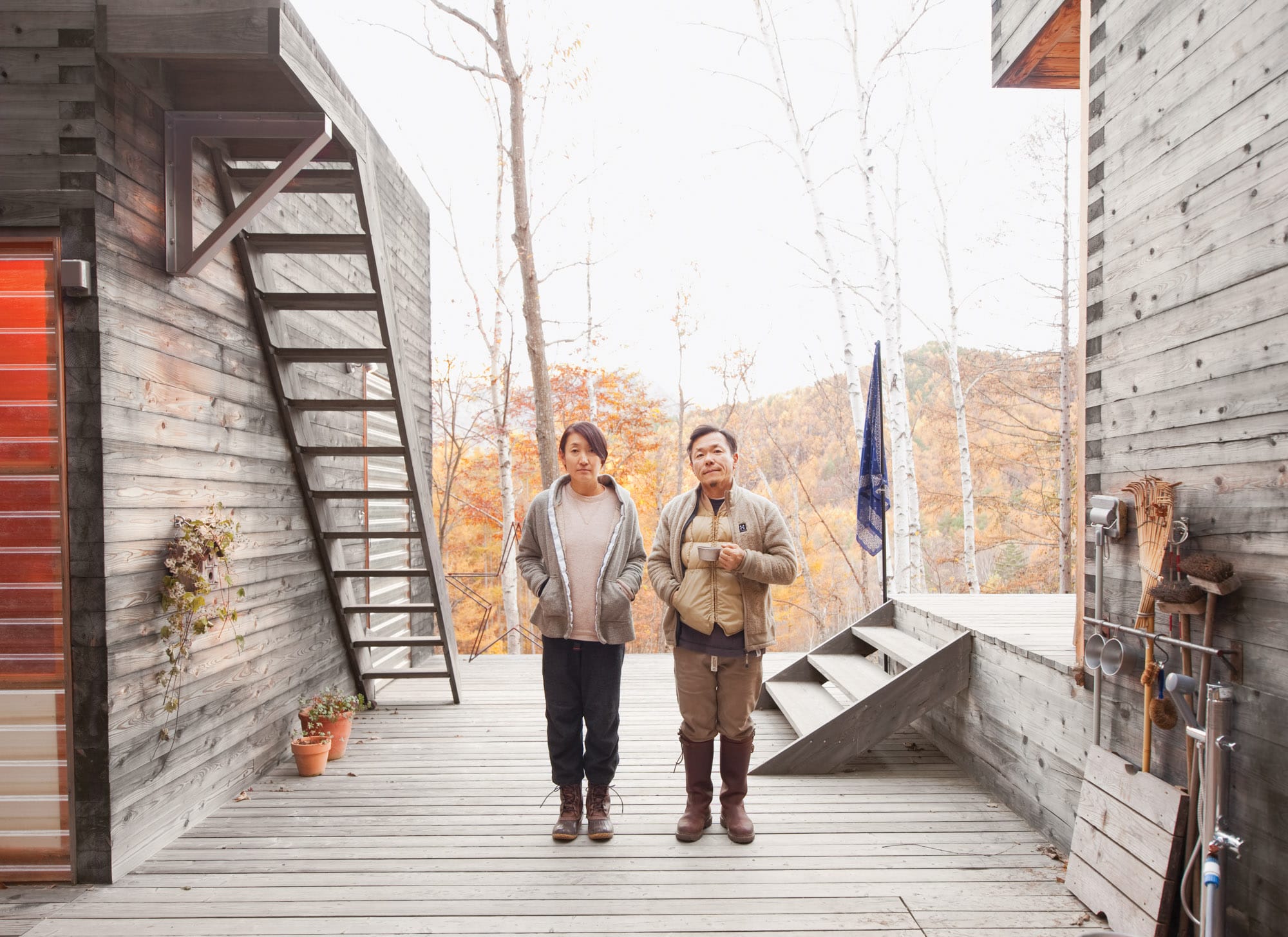
Designed by architect Shin Ohori of General Design for Setsumasa and Mami Kobayashi, founders of General Research. Located in the Chichibu mountain range northwest of Tokyo, the site serves as both a personal weekend shelter and a field-testing ground for product development.
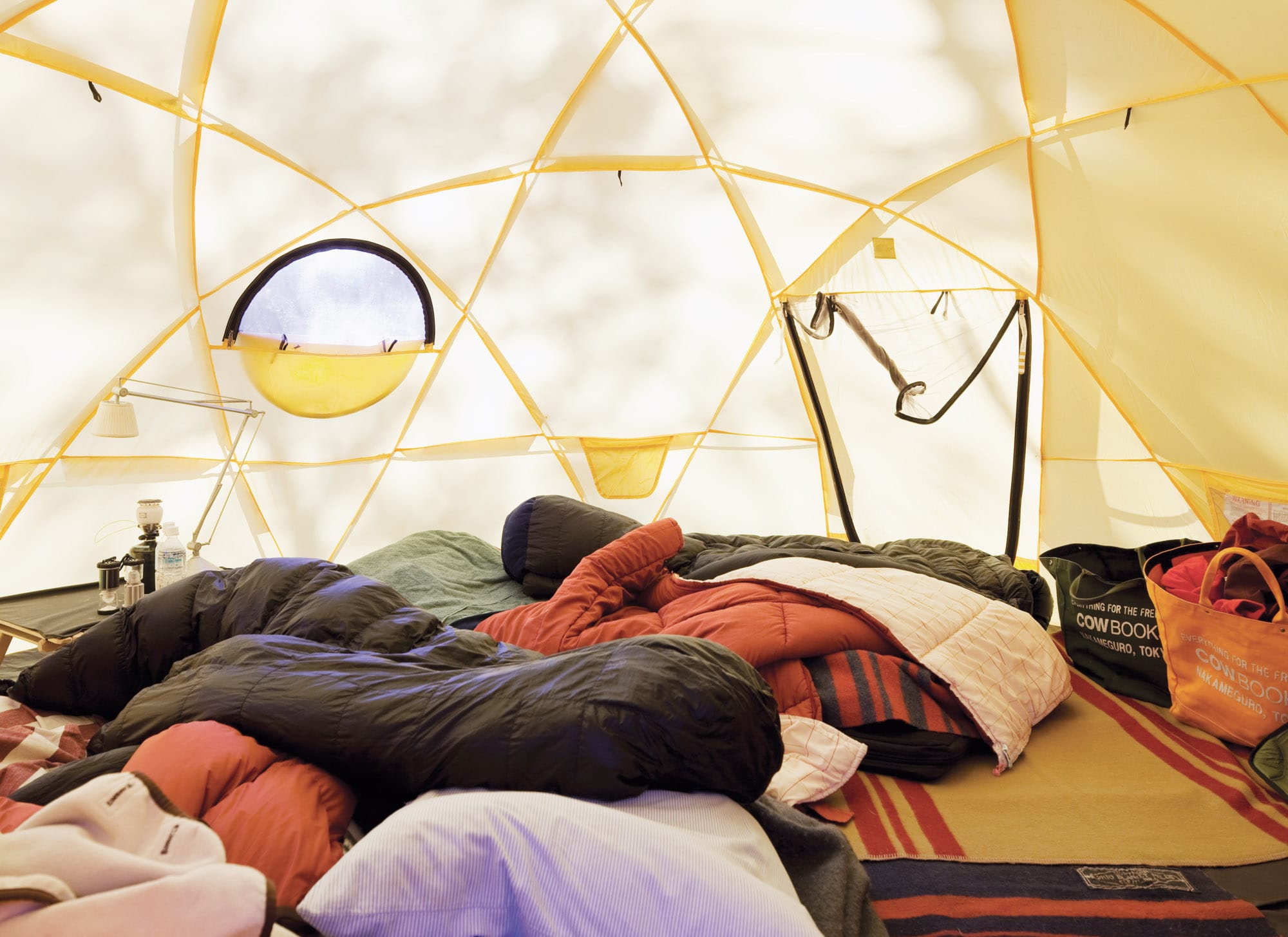
The structure is built on an elevated platform using locally harvested larch wood and features removable walls made from fiber-reinforced plastic. It includes two yellow dome tents used as permanent sleeping areas—one placed on a secondary deck and the other on the roof of the main volume. The central enclosed space houses a kitchen and dining area.
The shelter is equipped with electricity, hot water, internet access, and basic amenities, including a clawfoot bathtub. The location is remote but accessible, allowing the Kobayashis to engage in maintenance tasks and outdoor work while still performing professional duties remotely. The architecture is intentionally simple and functional, emphasizing modularity, environmental responsiveness, and a hybrid of modernist design with primitive outdoor living elements.
The project operates as a live-in testing platform for lifestyle and gear integration in a real-world setting, merging domestic space with performance wear prototyping. It represents an approach to architecture and living that prioritizes adaptability, utility, and a direct relationship with the natural environment.
Desert Mountains Aerial View 012

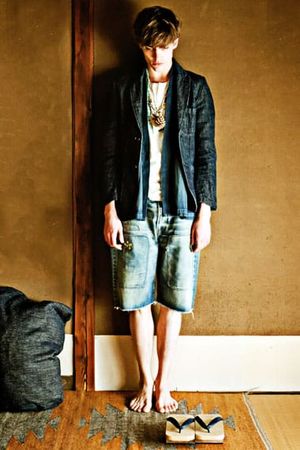
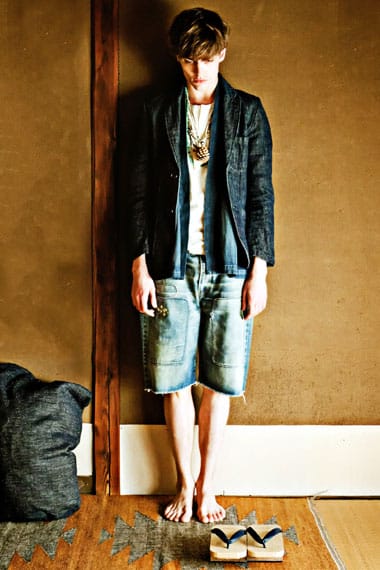
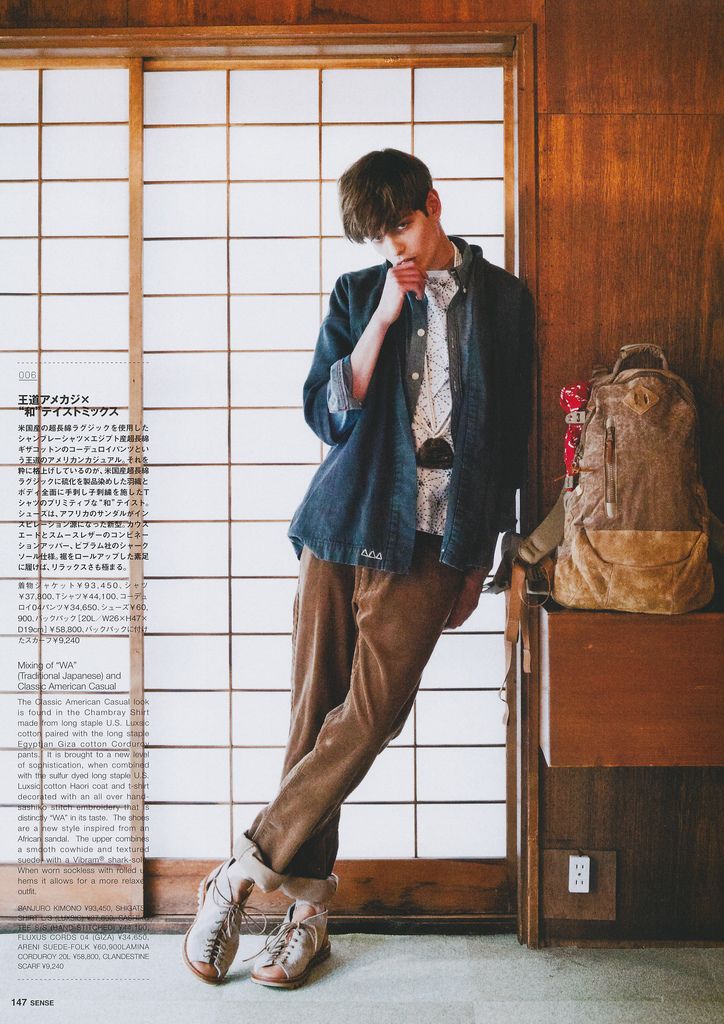
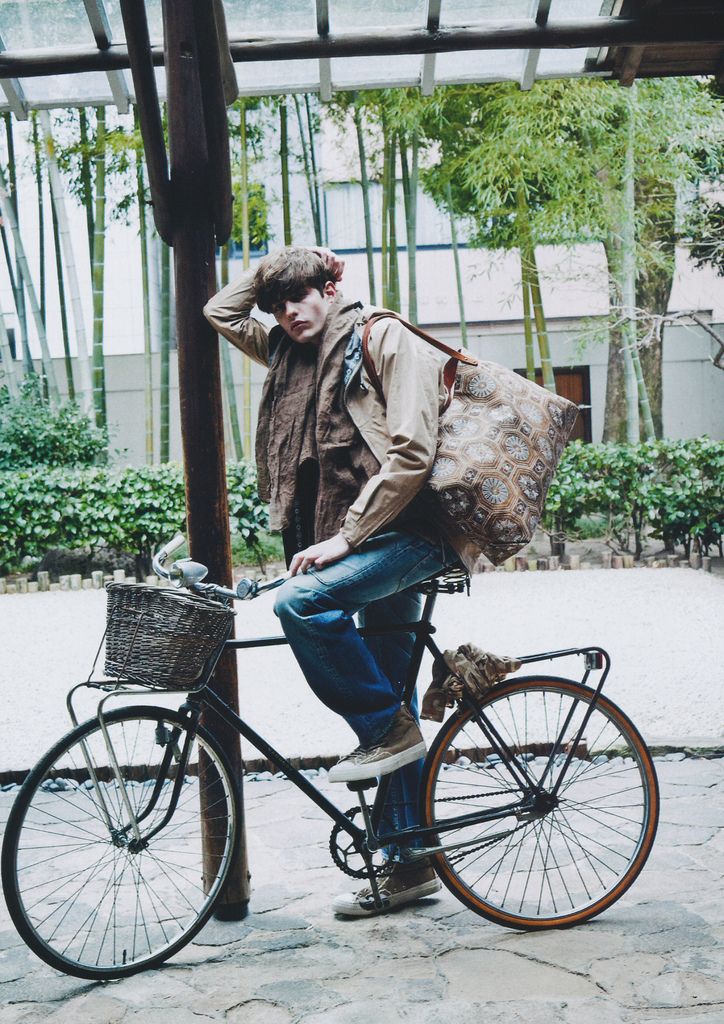
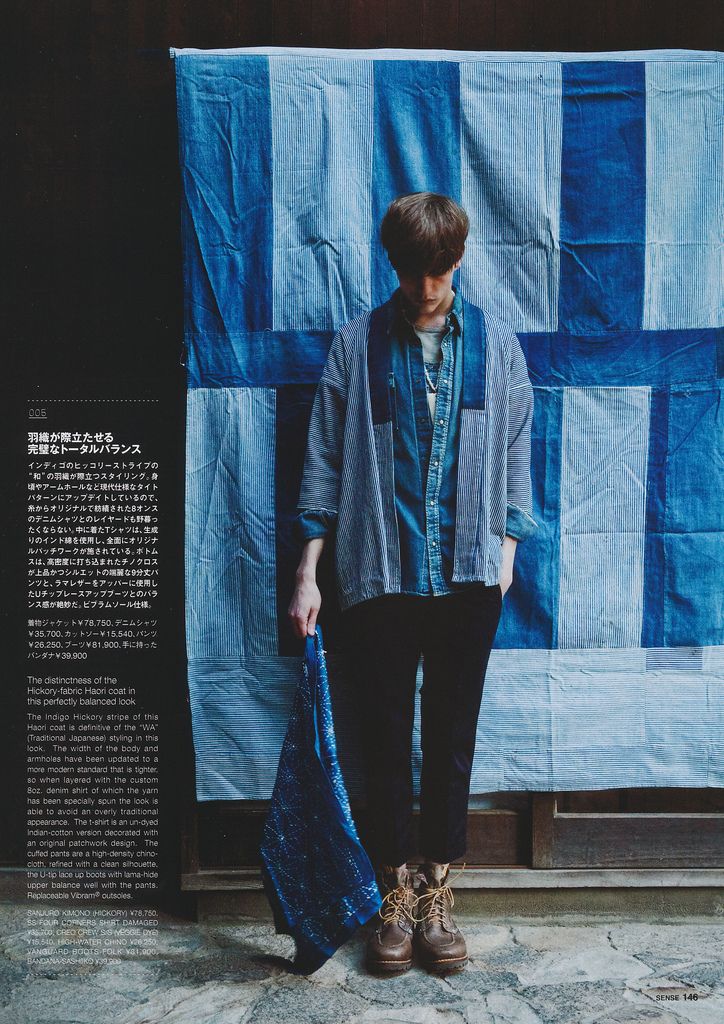
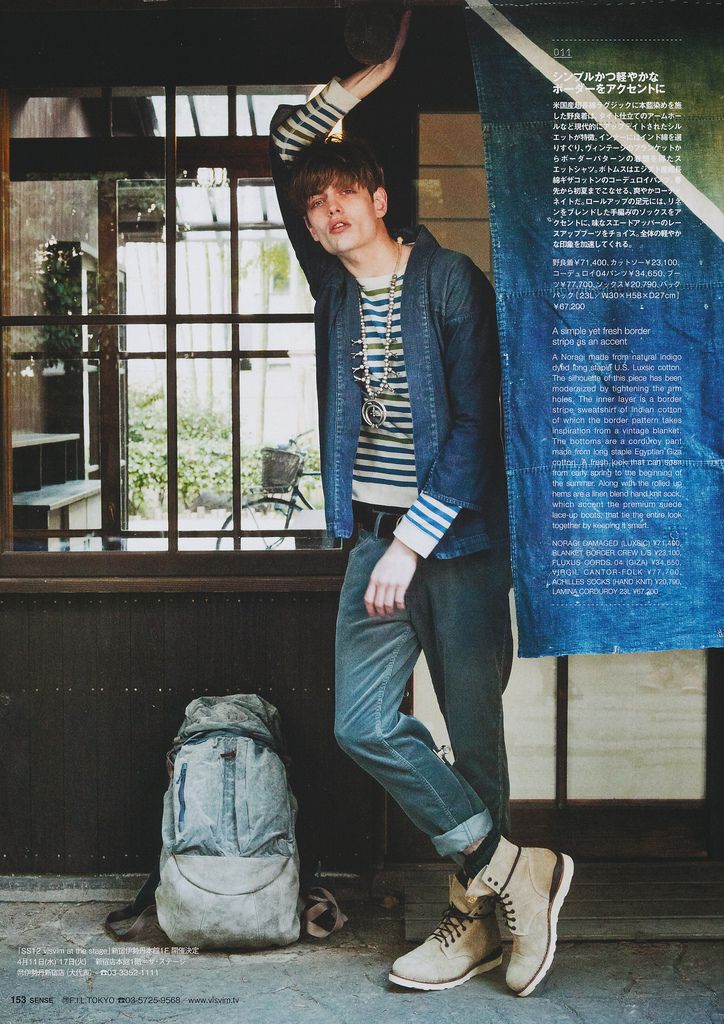
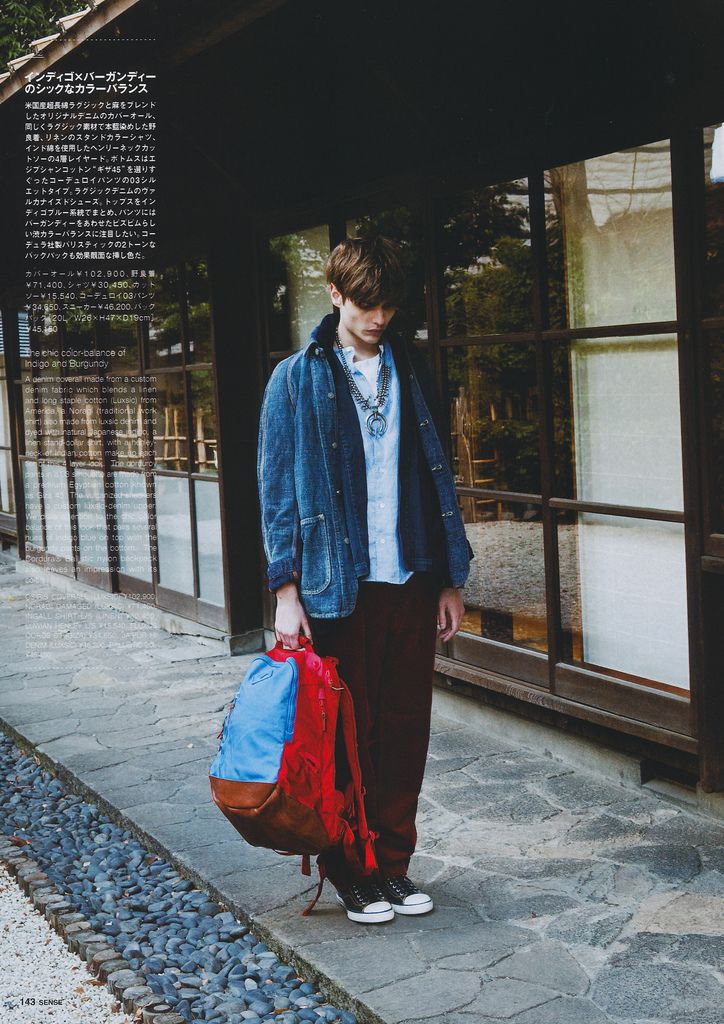
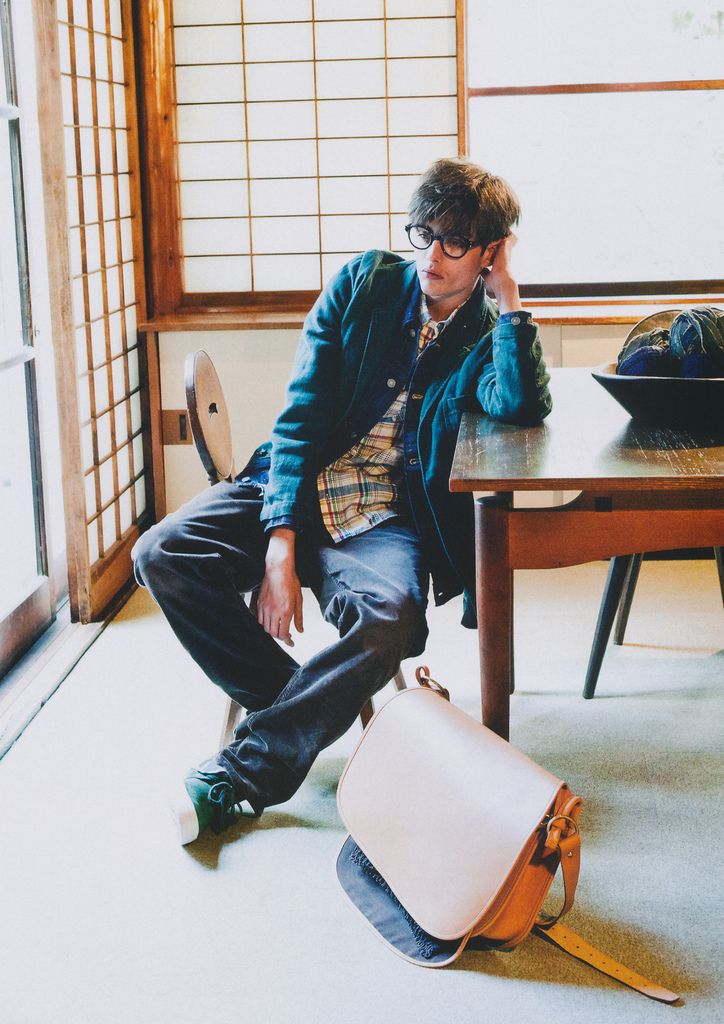
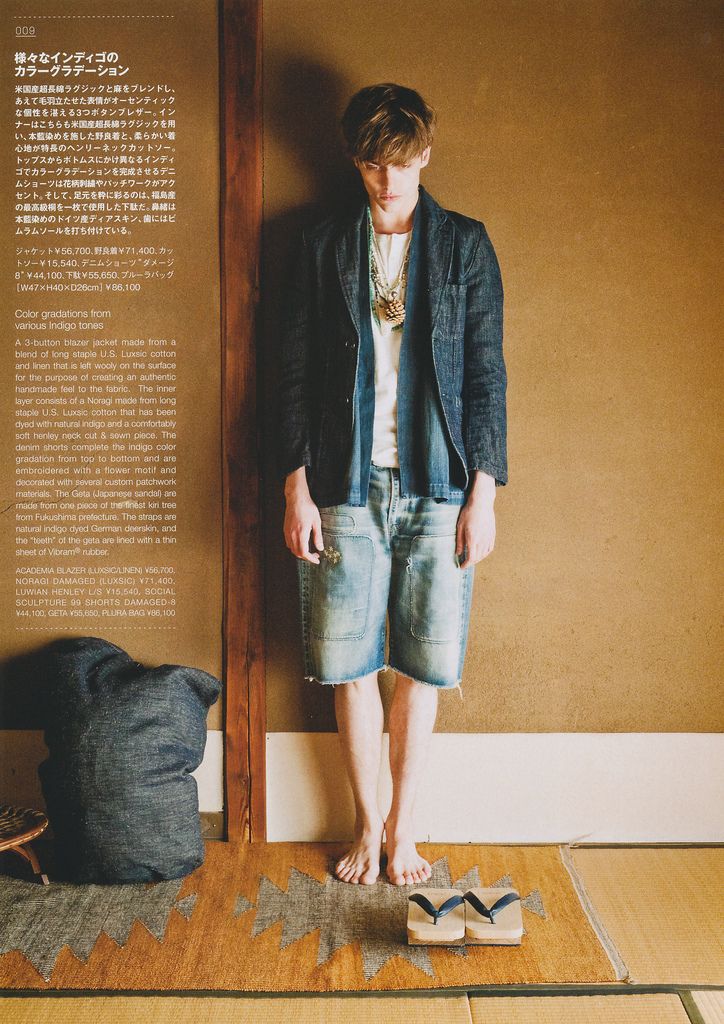
SENSE Magazine visvim Spring Summer 2012
A page from 'TEXT in visvim', the visvim Spring/Summer 2012 feature in Japan's SENSE Magazine (March 2012). Naturally dyed, hand-constructed pieces from Hiroki Nakamura.
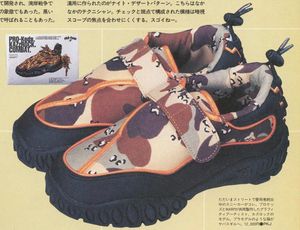
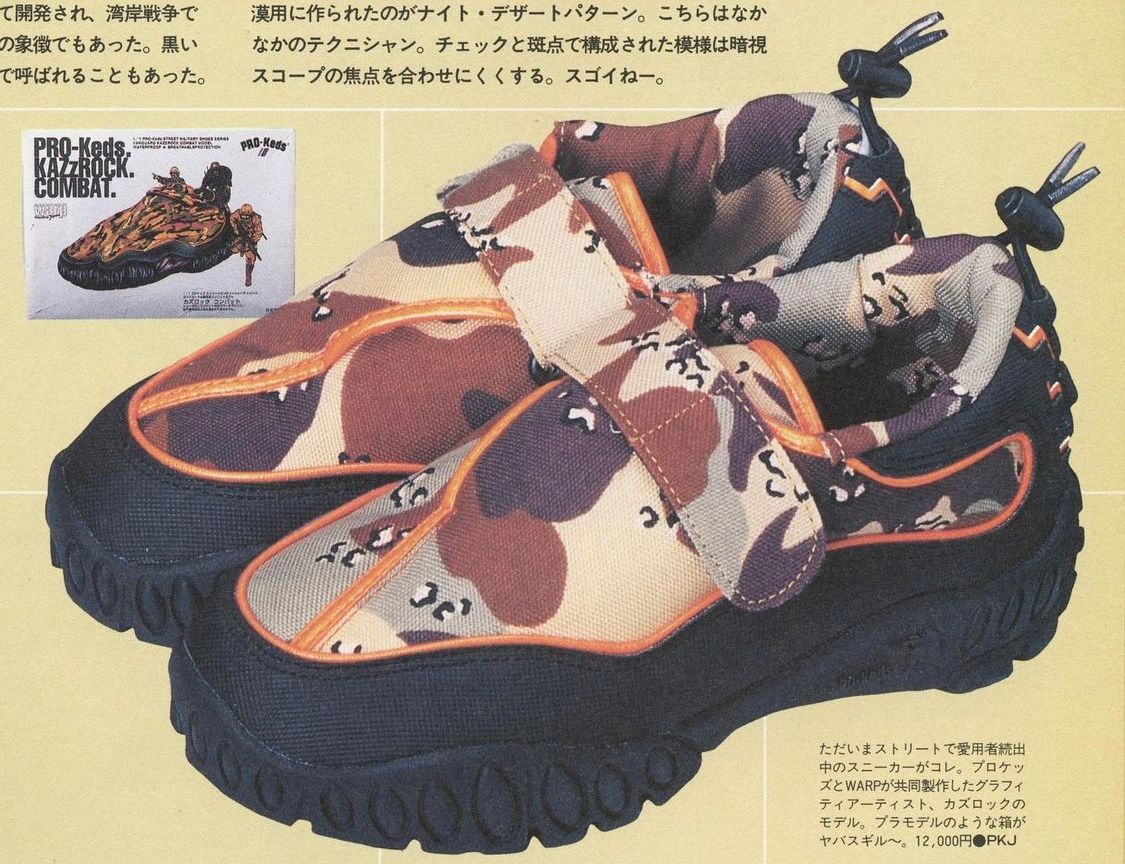
PRO-Keds KAZzROCK Combat
From their street military shoes series
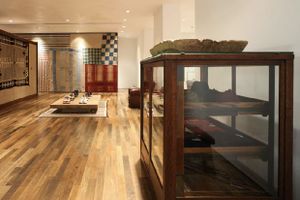
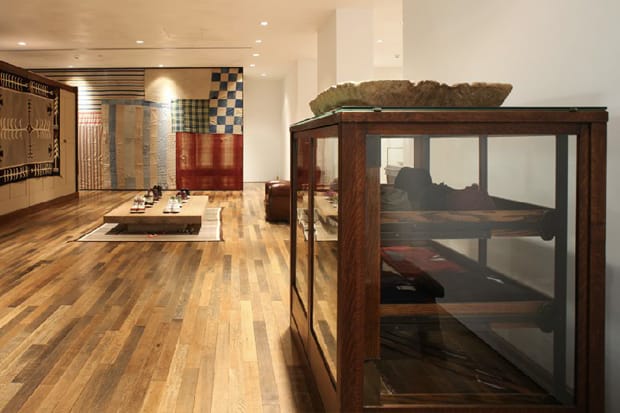
Visvim F.I.L. Sendai Store
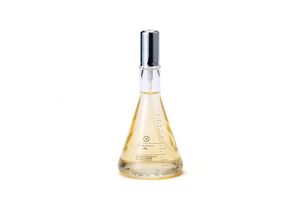
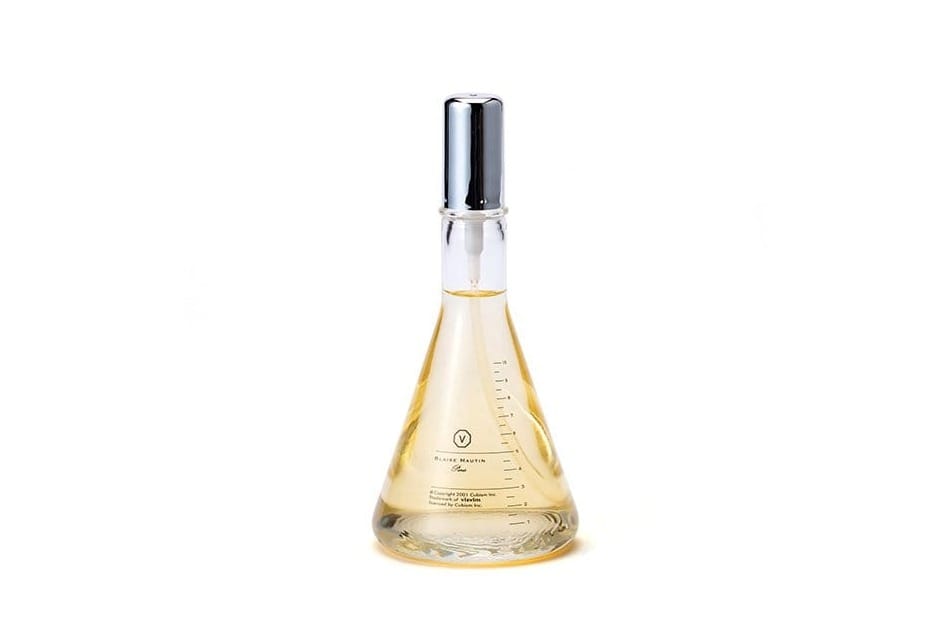
Visvim 2012 Subsection Series
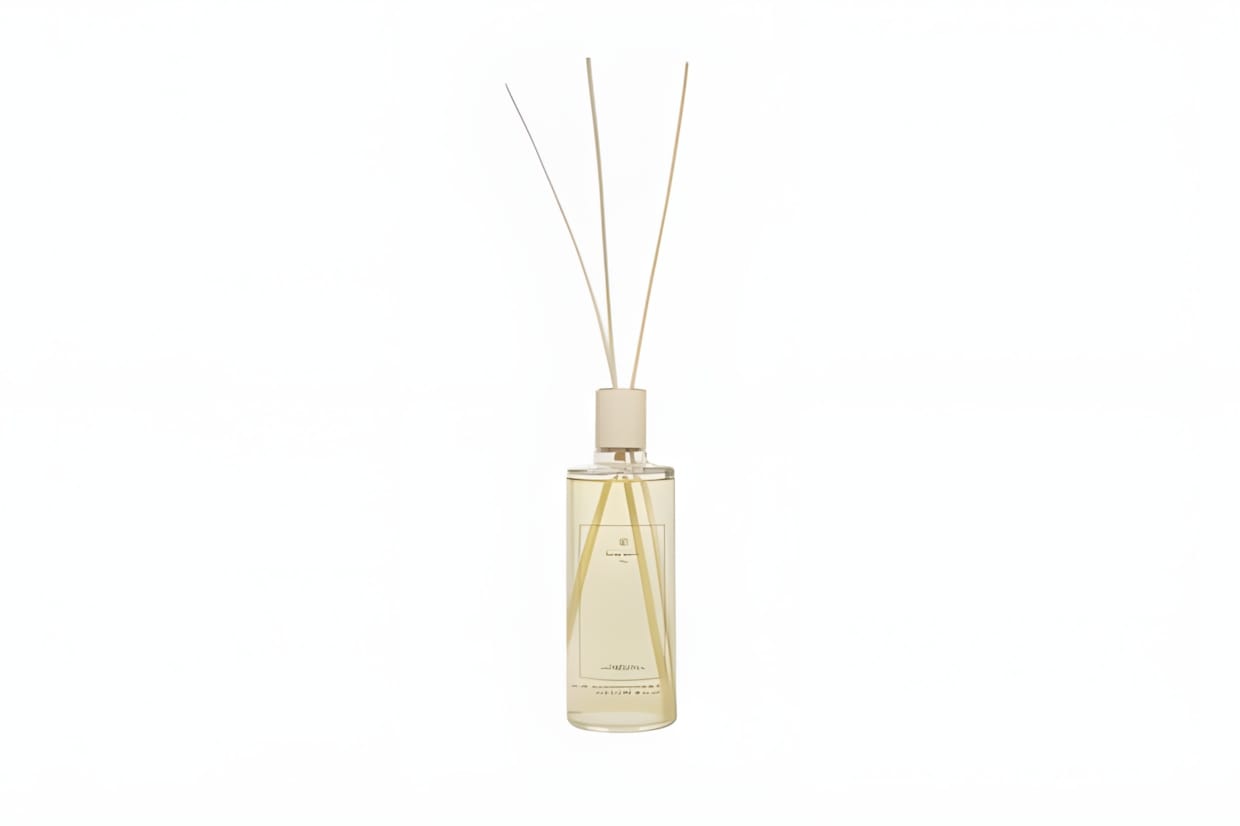
The SUBSECTION SERIES is a fragrance collection by Visvim, inspired by founder Hiroki Nakamura’s encounter with French fragrance designer Blaise Mautin over 20 years ago. The series includes candles, room sprays, and diffusers, each available in various scents. Notable fragrances are NO.1 F.I.L., a blend featuring patchouli and sandalwood, and NO.7 KYOTO, inspired by a morning visit to Kyoto’s Sanjusangendo temple.
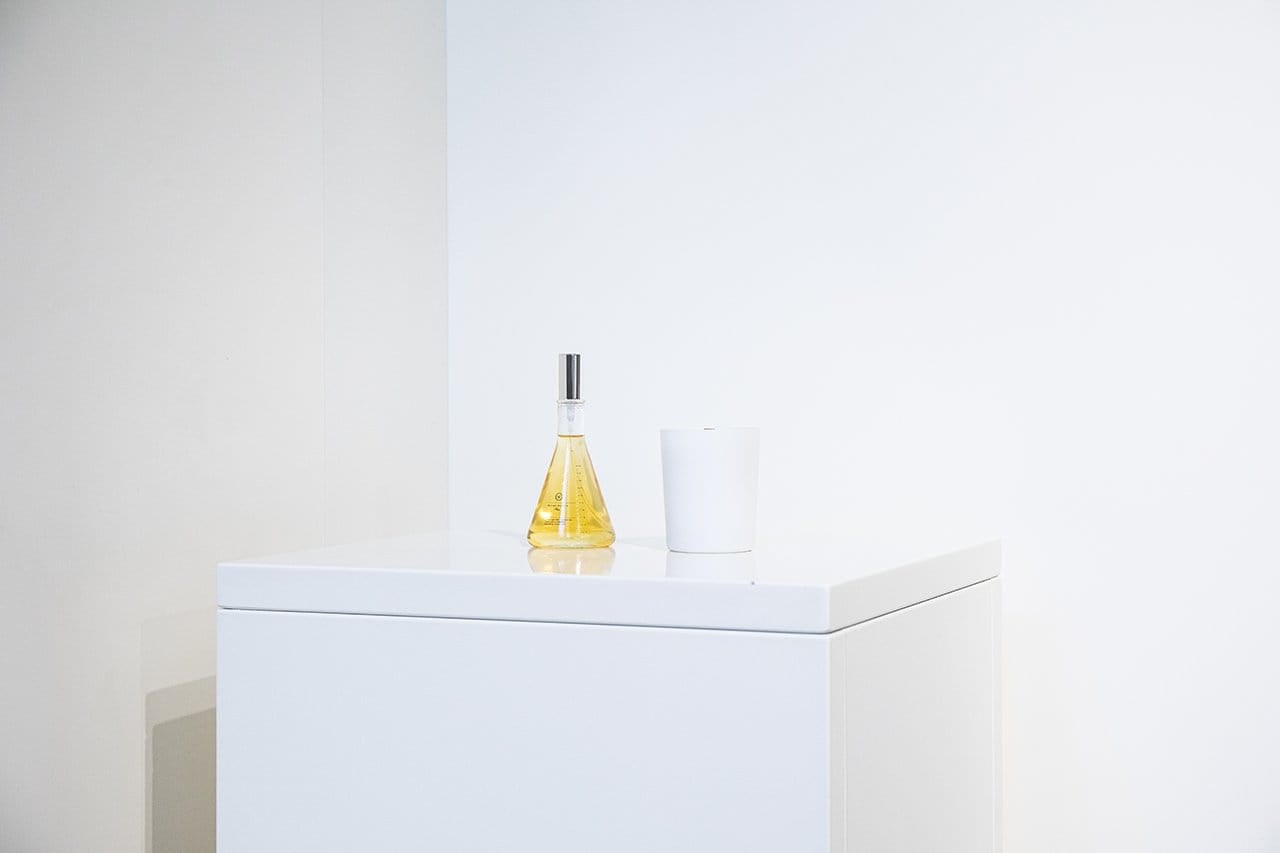
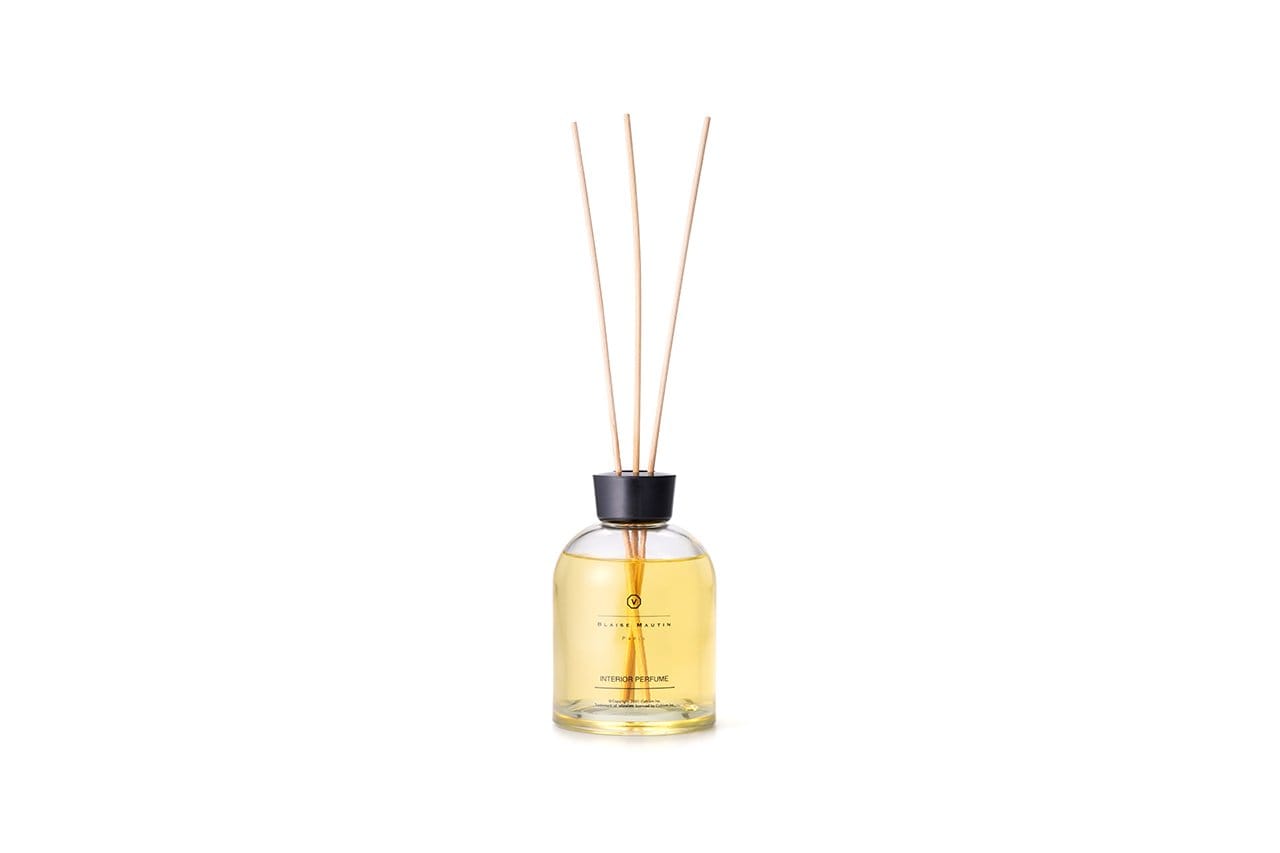
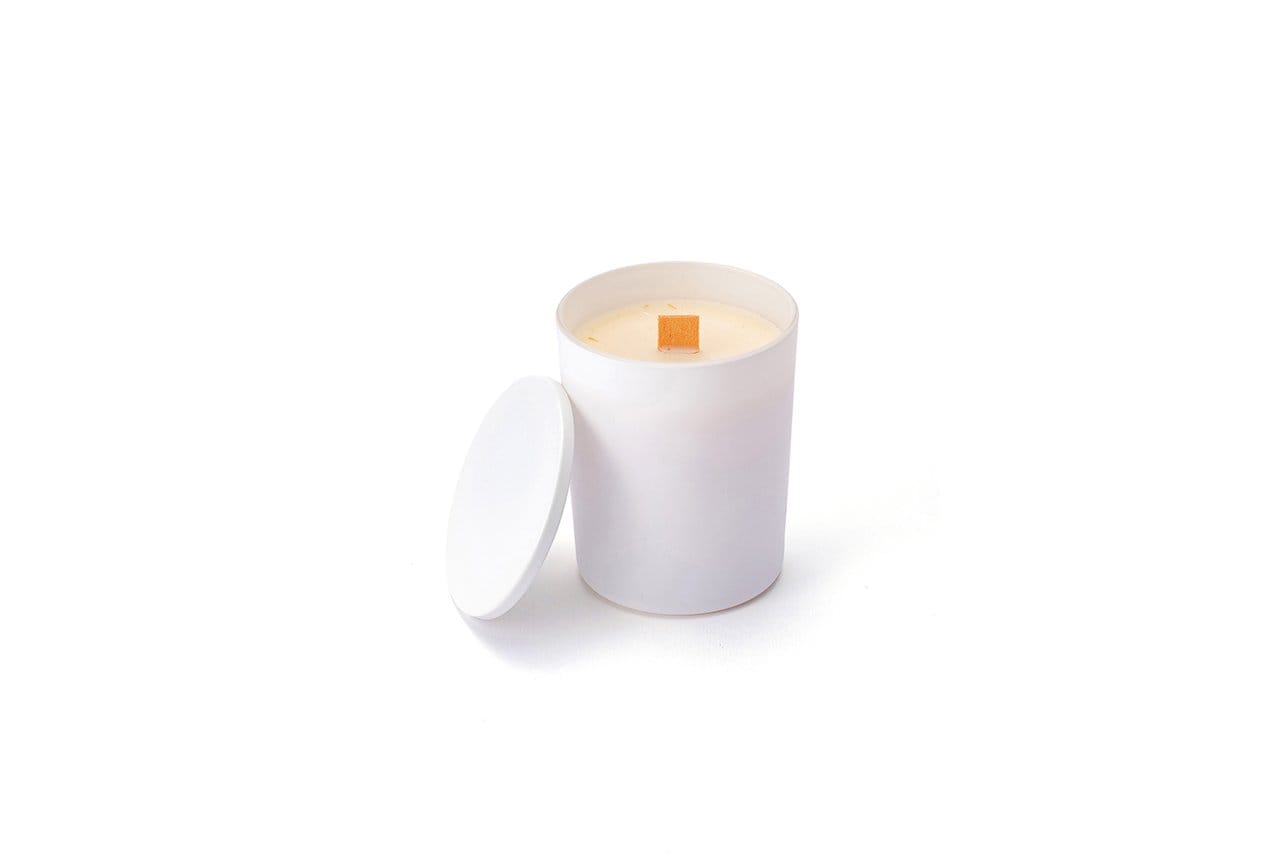

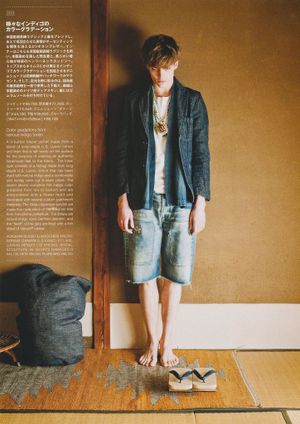
SENSE March 2012 the TEXT in VISVIM 2012 Spring Summer

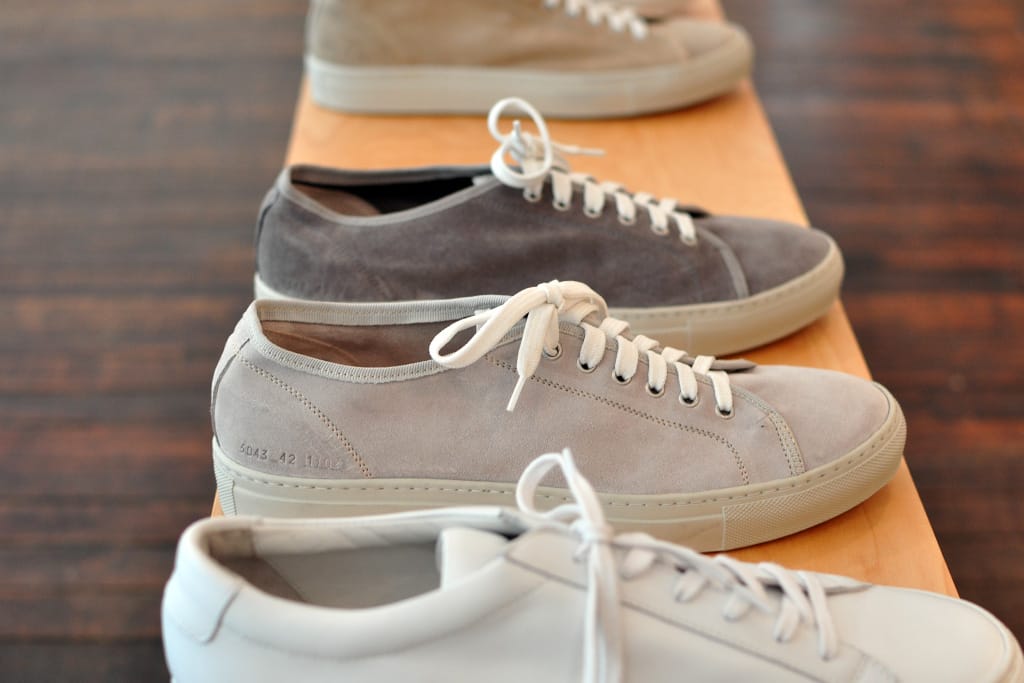
Common Projects Spring/Summer 2012 Preview



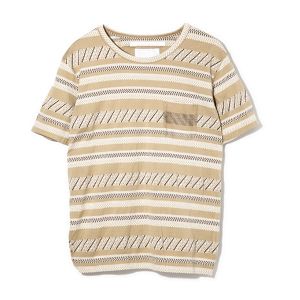
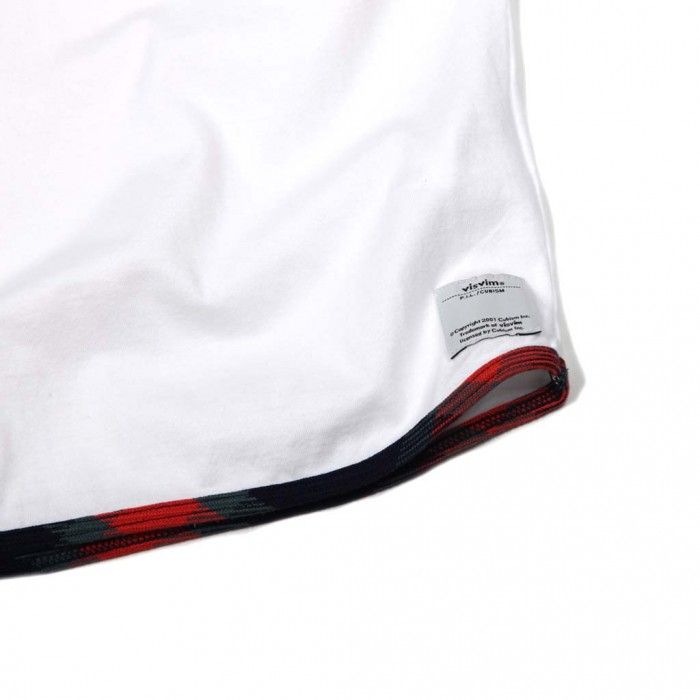
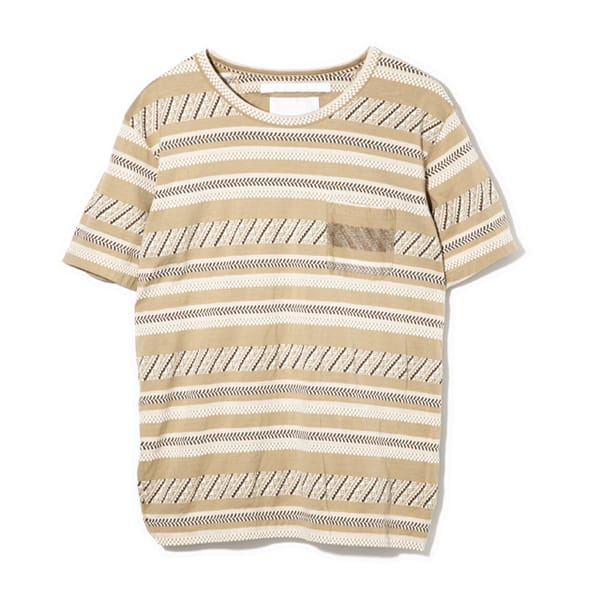
White Mountaineering Striped Pocket T-Shirt

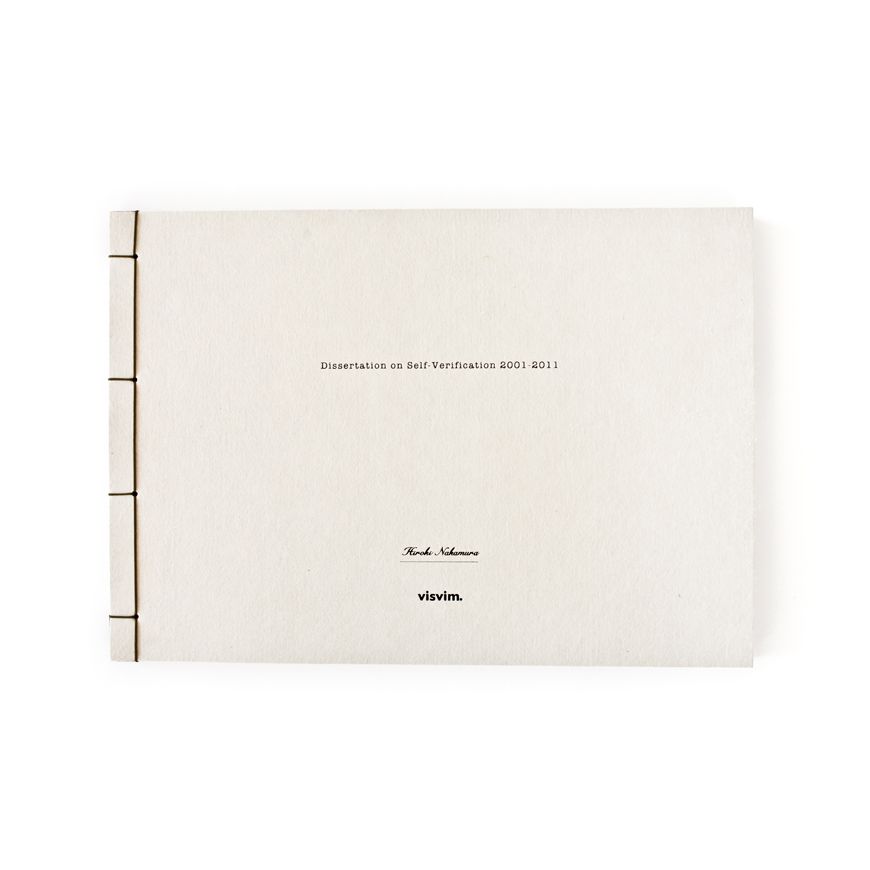
“Dissertation on Self-Verification: 2001-2011″
visvim 10th Anniversary Book "Dissertation on Self-Verification 2001-2011"
The book is hand bound and uses a washi paper made by a craftsman who sources the raw materials from Japanese trees.
Limited to 300 copies.
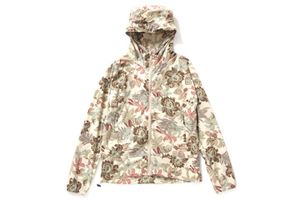
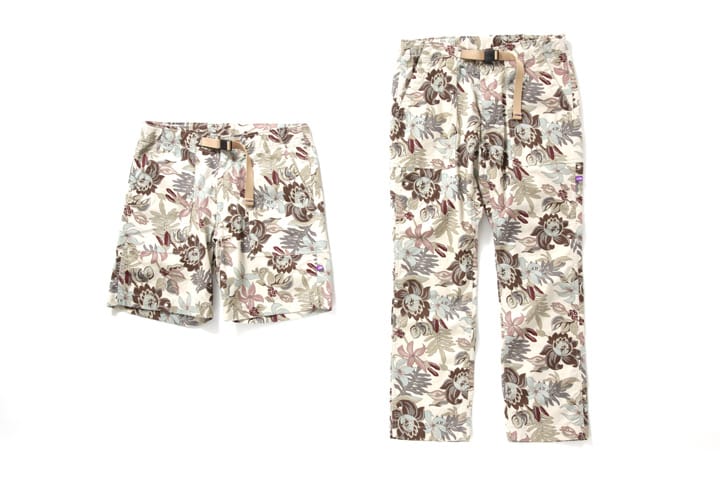
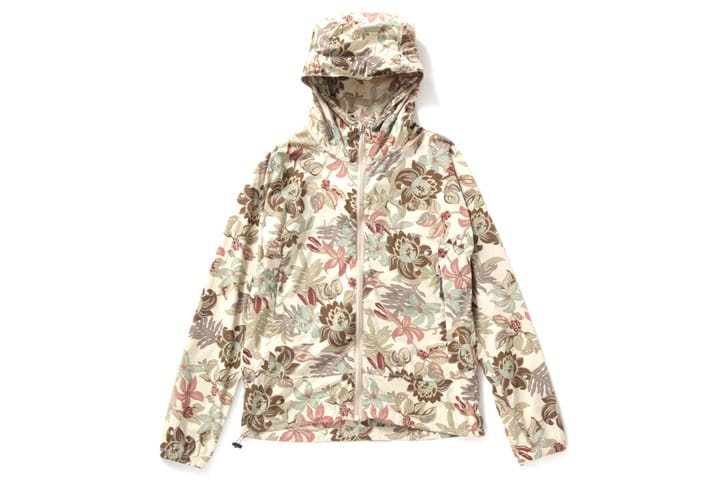
The North Face Purple Label SS2013 Vintage Nylon Taffeta Print
The North Face Purple Label's Spring/Summer 2013 Vintage Nylon Taffeta Print Collection applies a floral pattern to a cotton/nylon hooded parka, matching cargo shorts and full-length trousers.
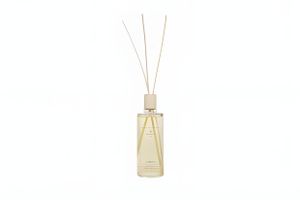
visvim Subsection Reed Fragrance Diffuser
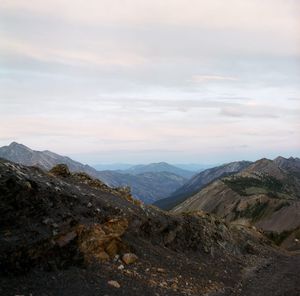
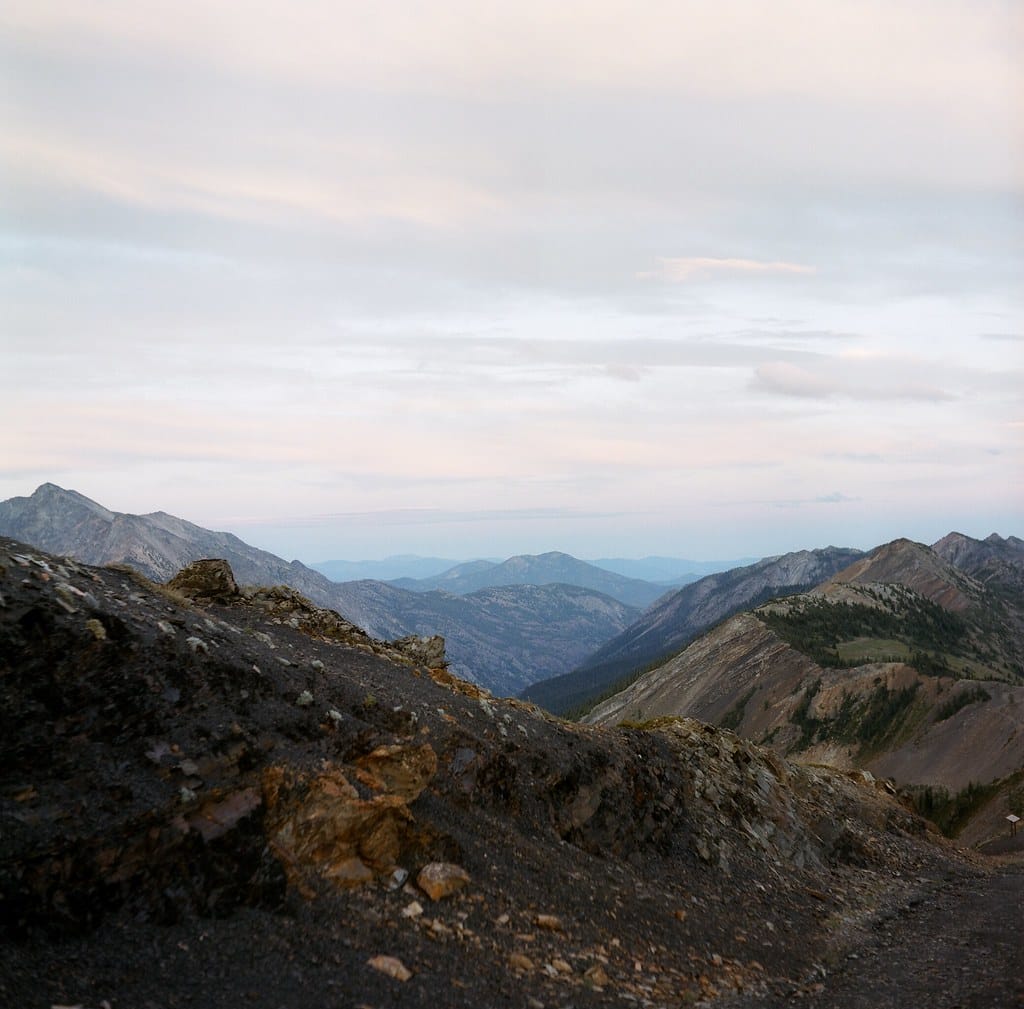
Untitled Mountain Pass — Elias and Theresa Carlson

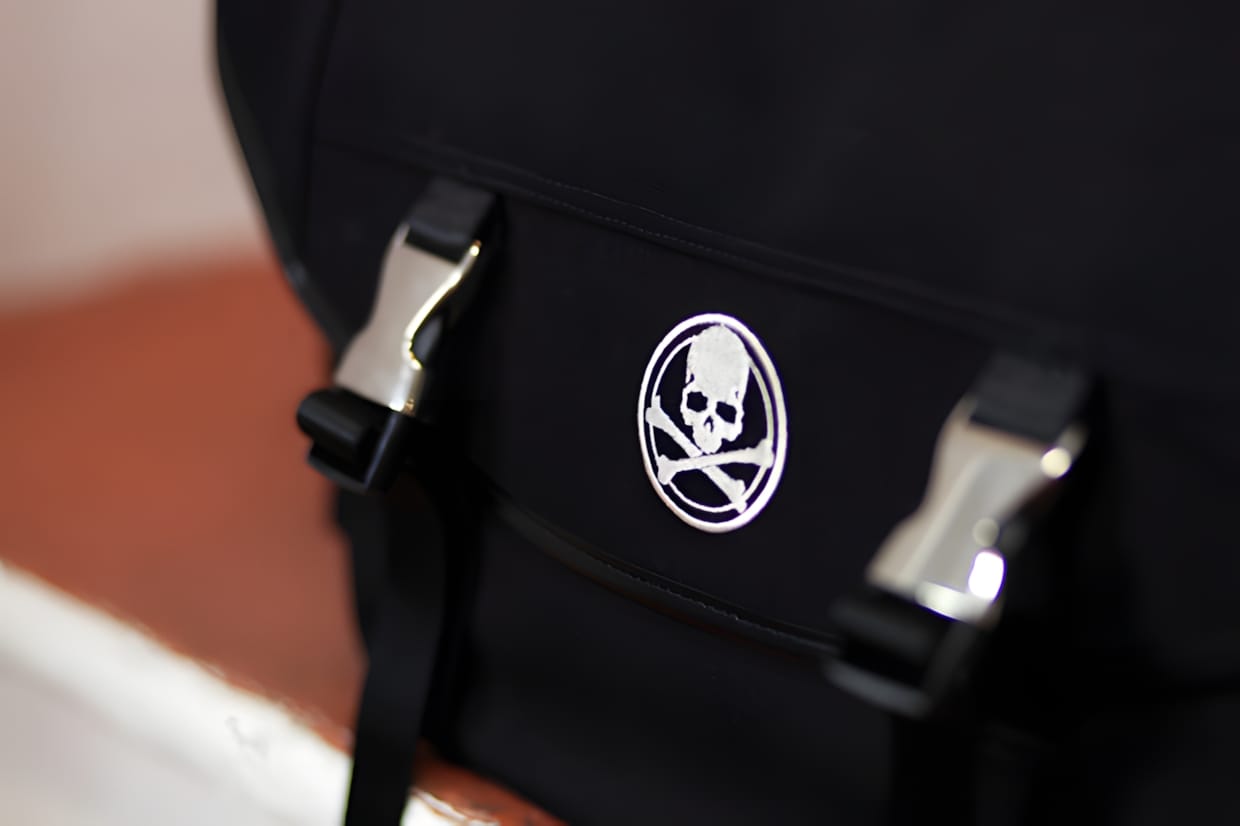
Mastermind Japan x Porter Spring/Summer 2012 Messenger Bag
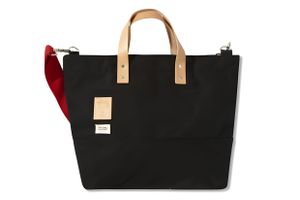
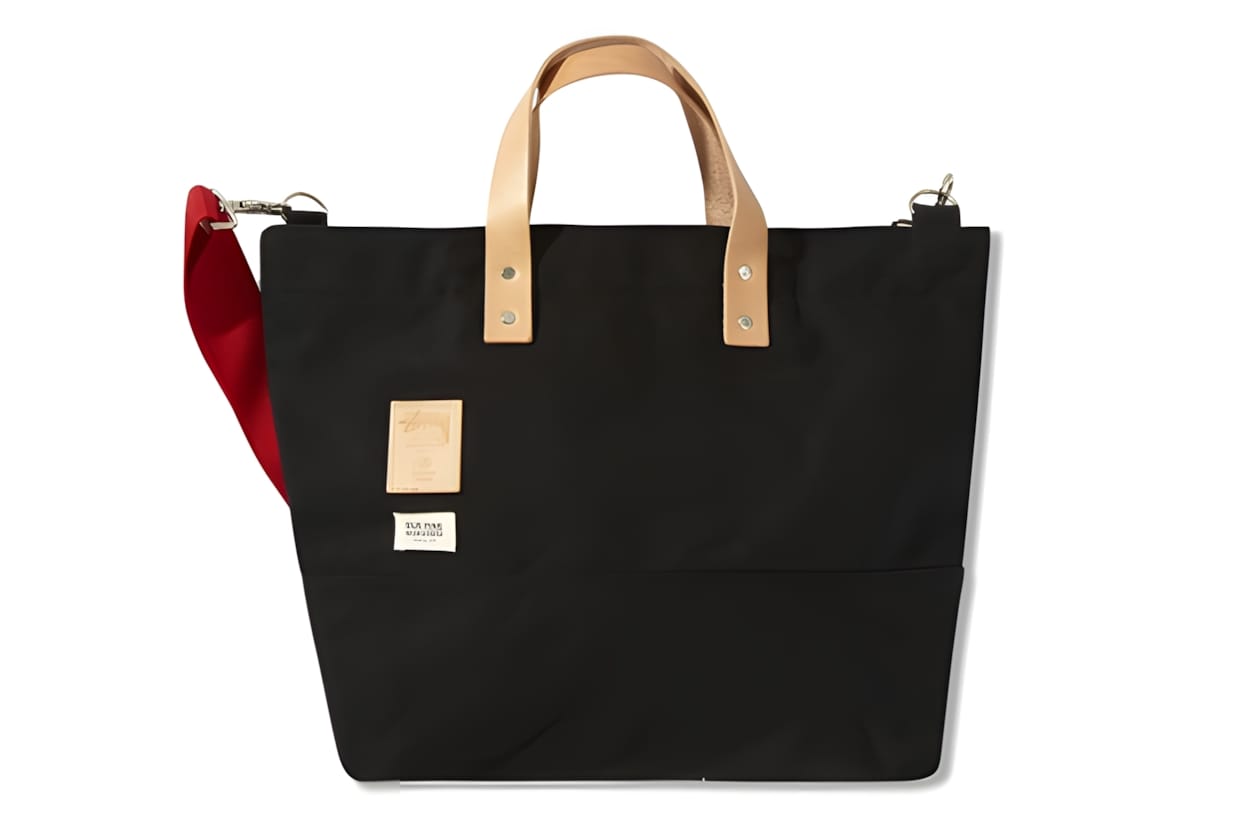
Stüssy Deluxe x BLK Pine Workshop Spring/Summer 2012 Canvas Tote Bags
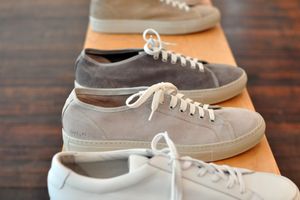
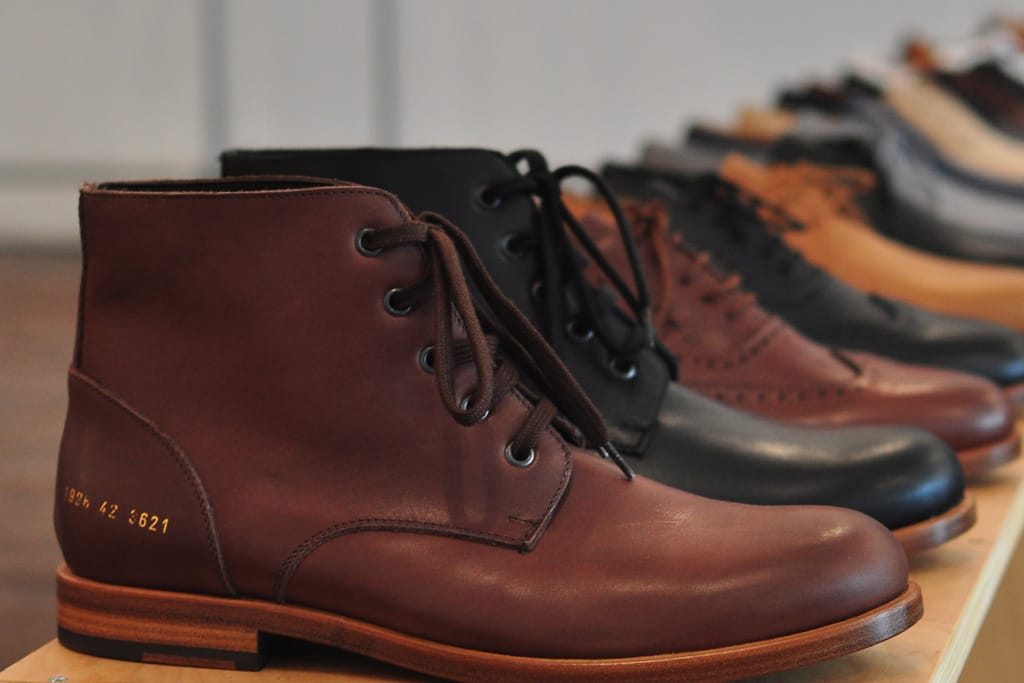
Common Projects 2012 Spring/Summer Preview
A preview of Common Projects' Spring/Summer 2012 footwear, including low-top sneakers, running silhouettes and ankle boots.
The photographs were taken during Très Bien Shop's visit to the Common Projects showroom.
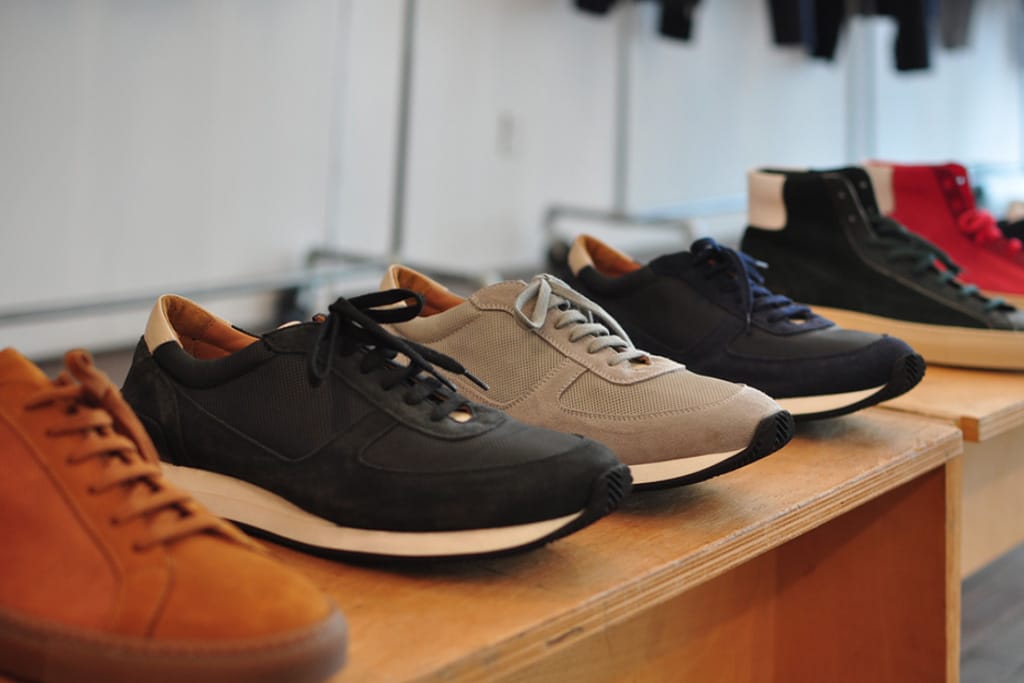
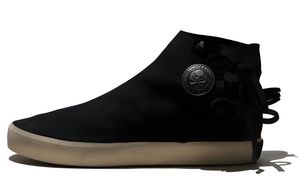
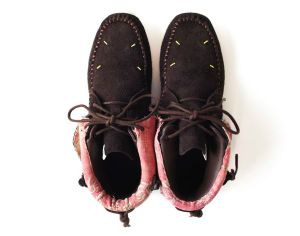
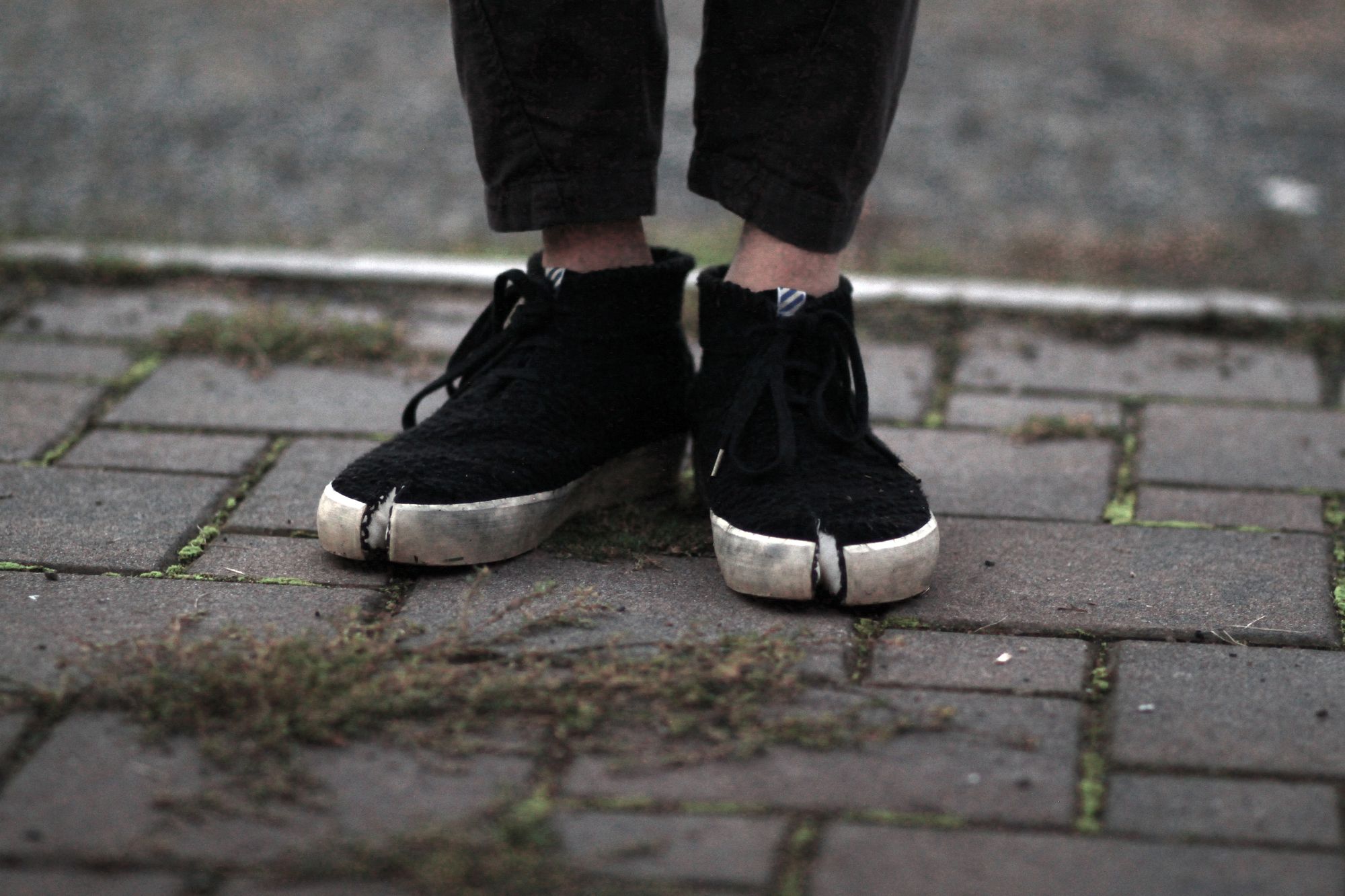
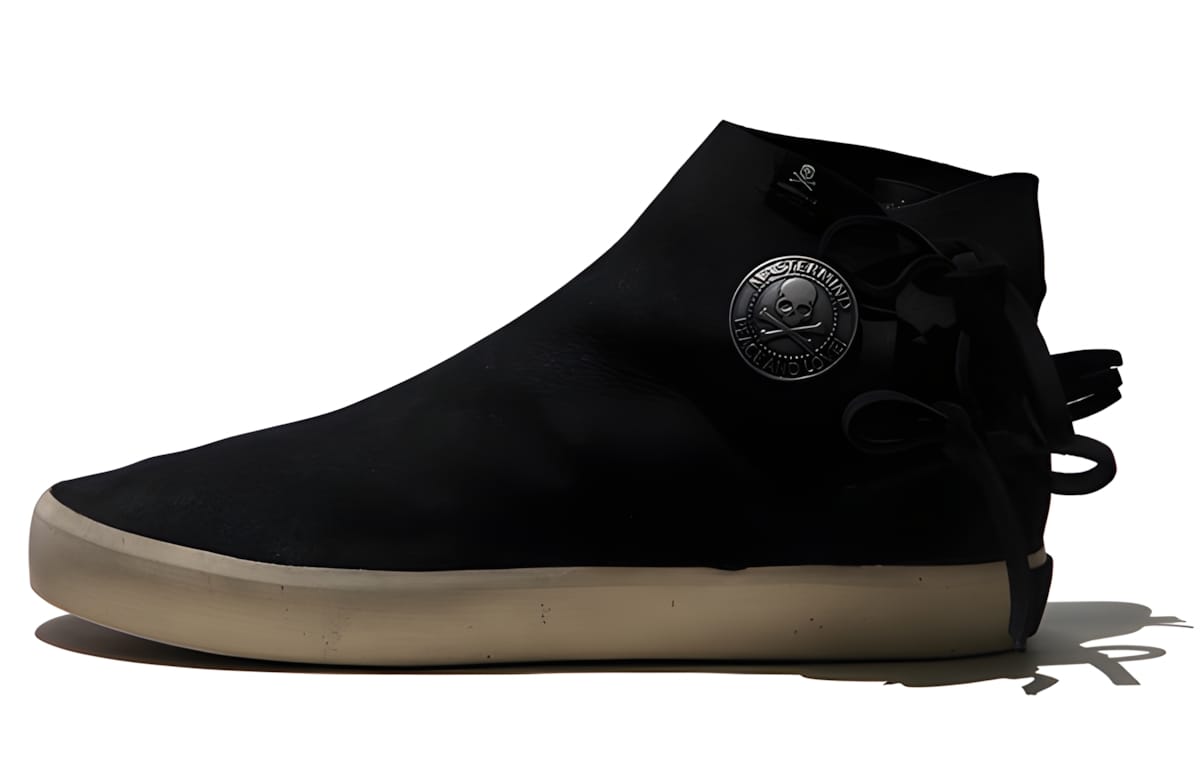
Mastermind Japan x Visvim Gila Moc Mid-Top Sneaker

Hanna Putz — Friends of Friends Portrait by Thomas Lohr
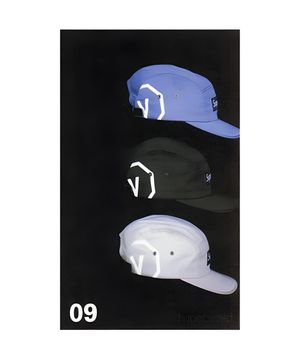
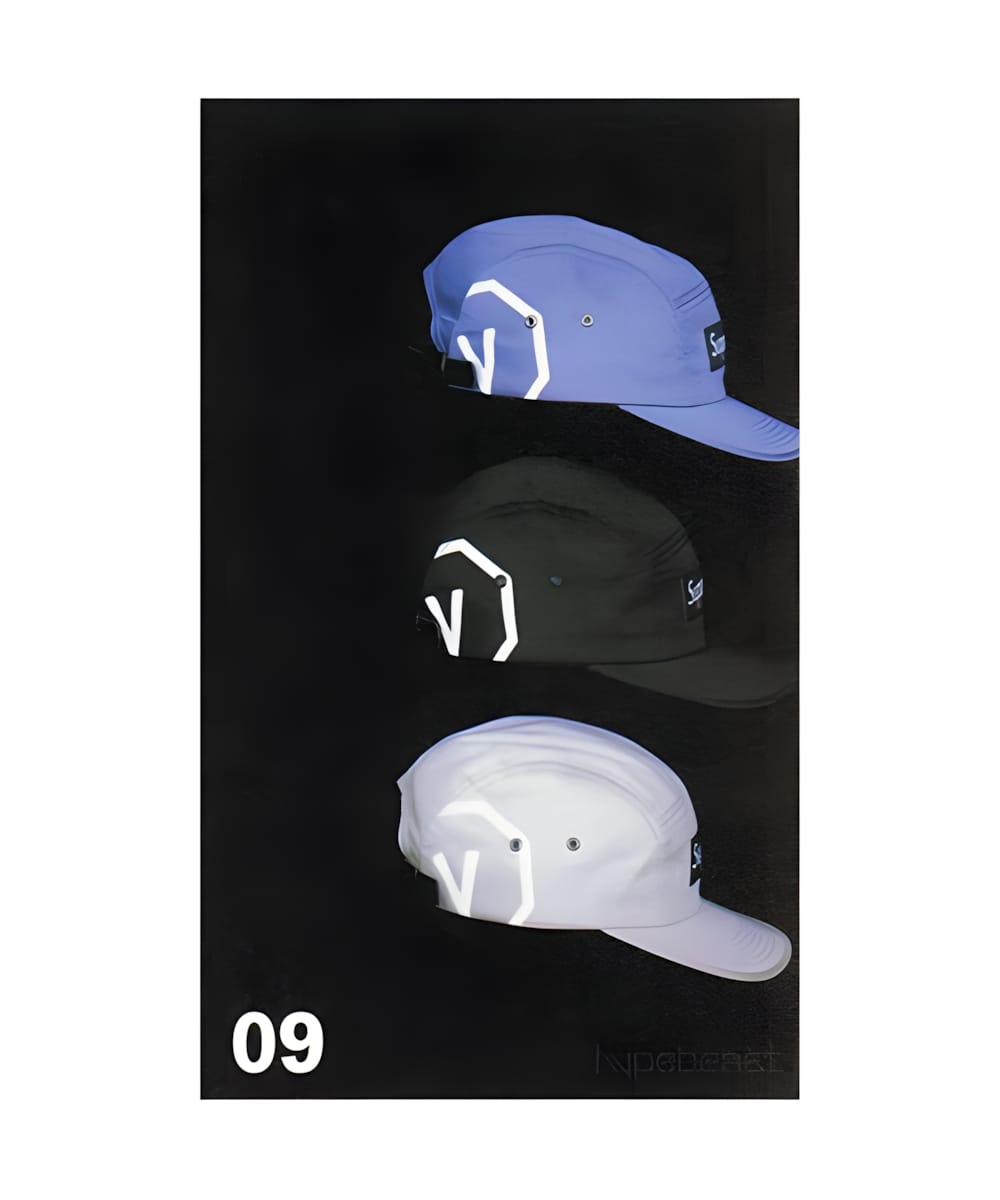
Supreme x Visvim Camp Cap FW2008

Big Boss with Cardboard Box in the Rain
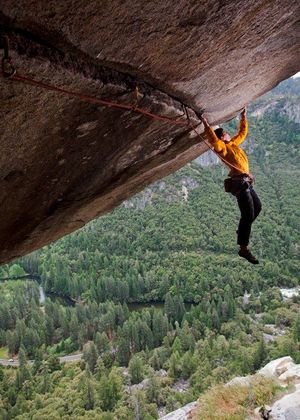
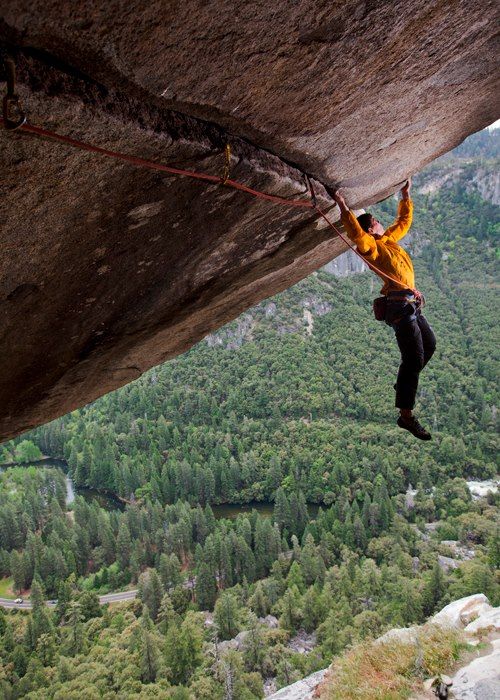
Alex Honnold climbing on Separate Reality, a difficult over hanging roof crack in Yosemite National Park, California


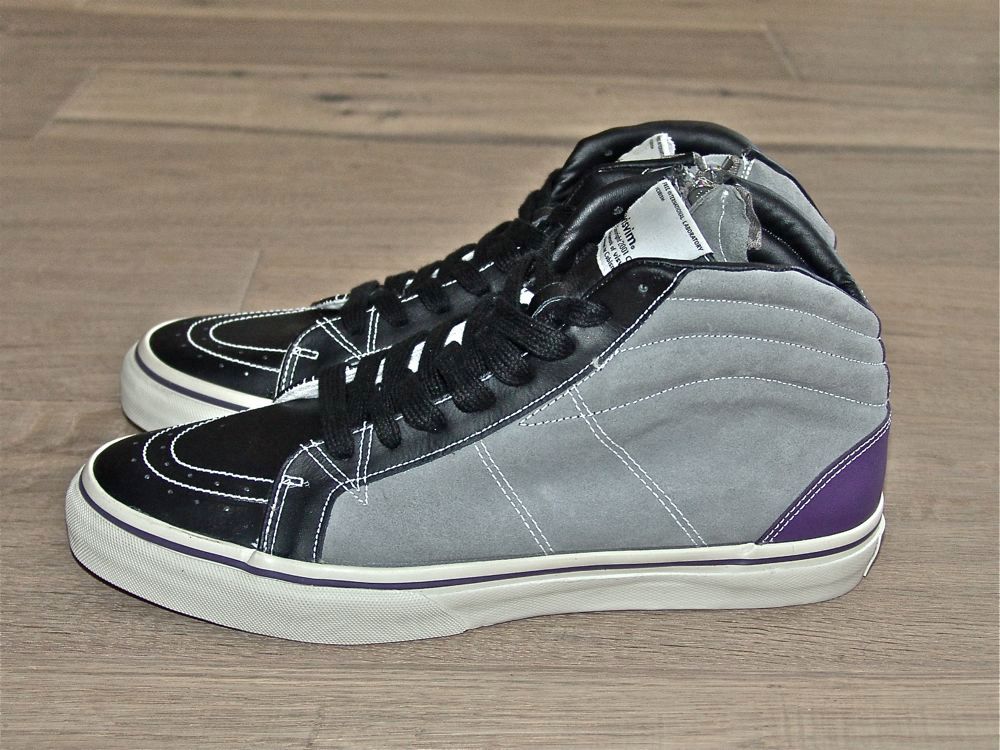

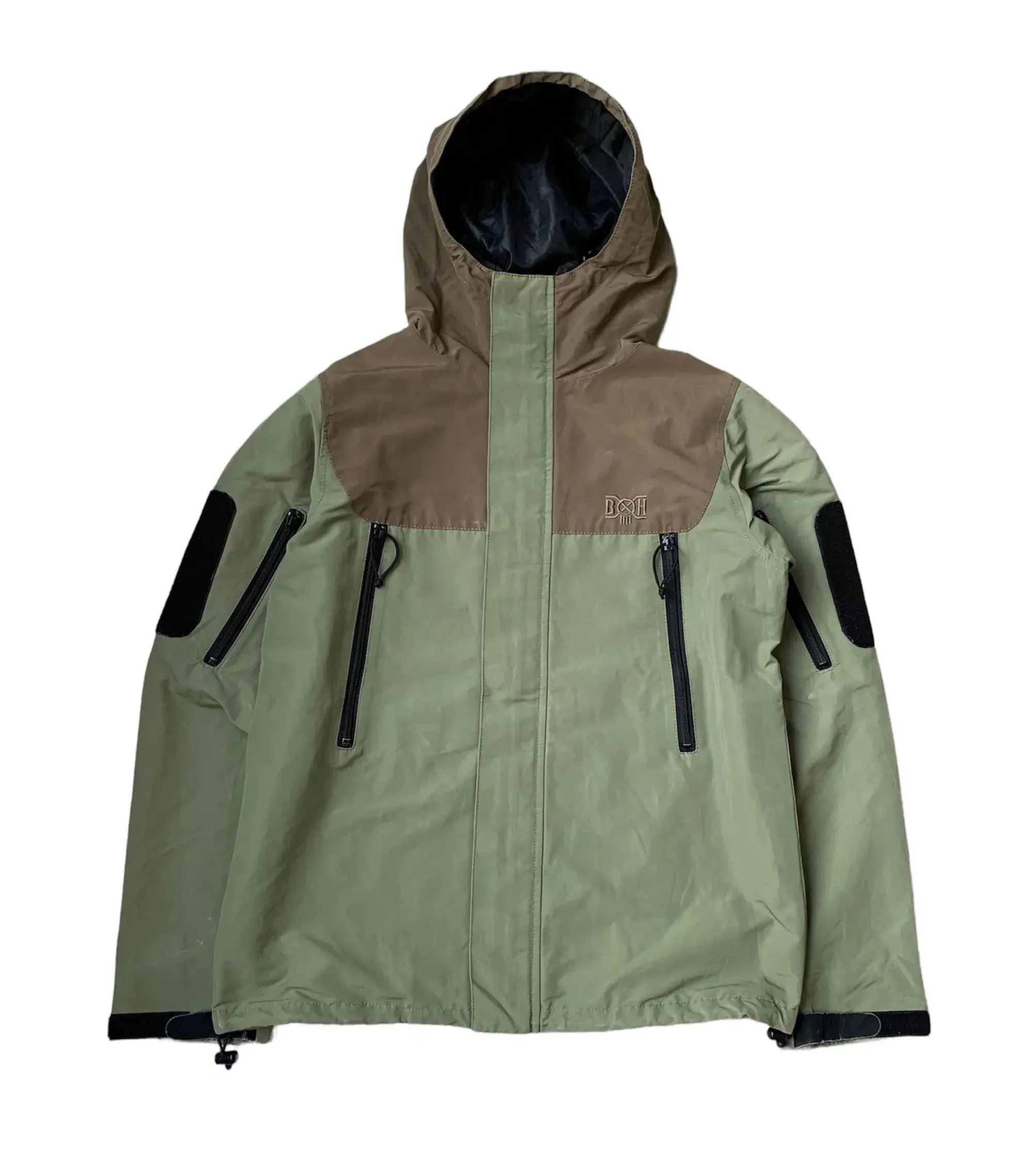
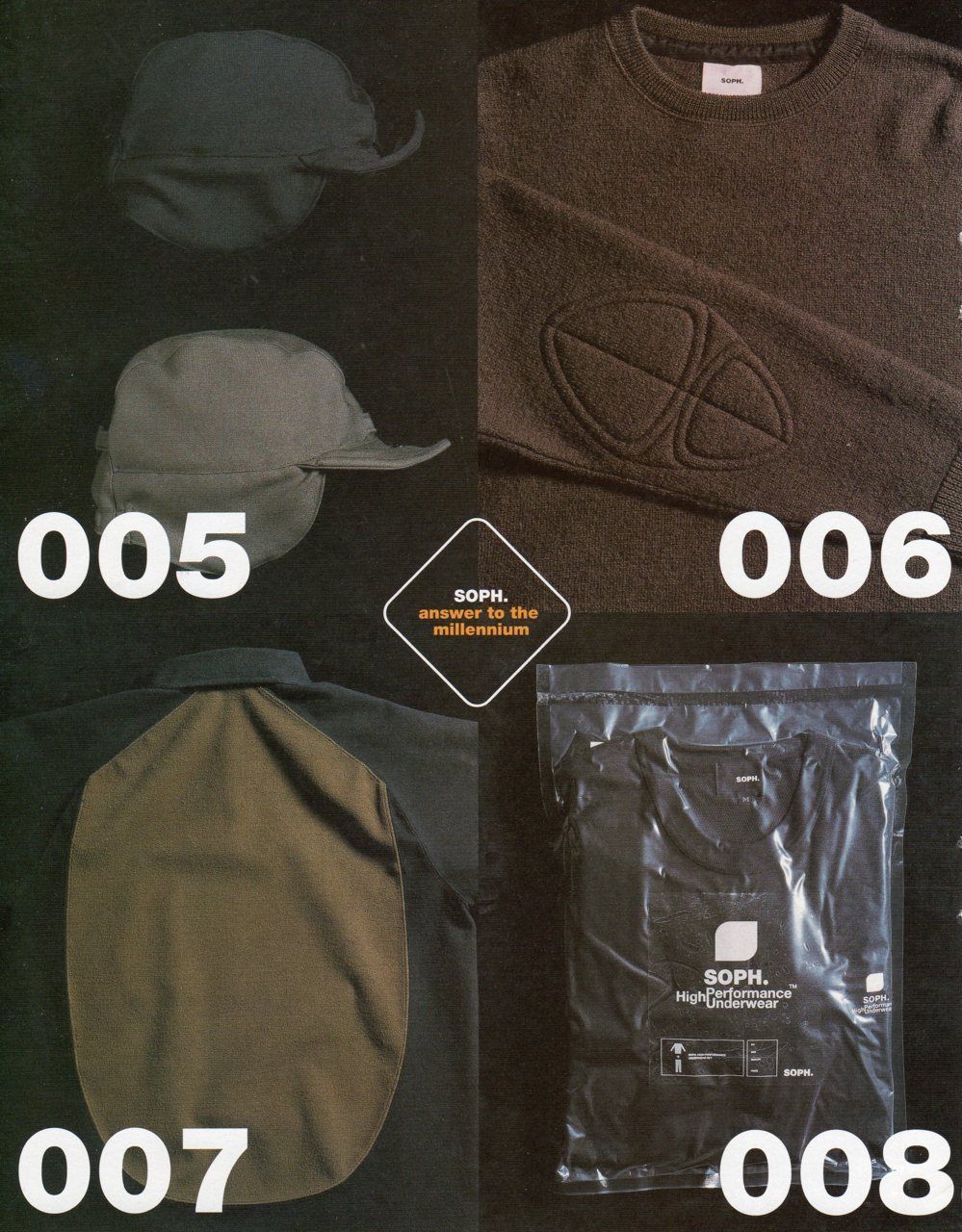


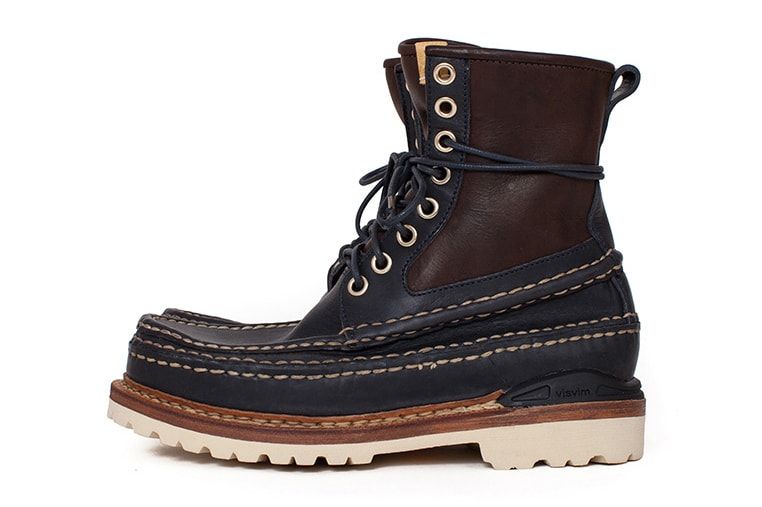


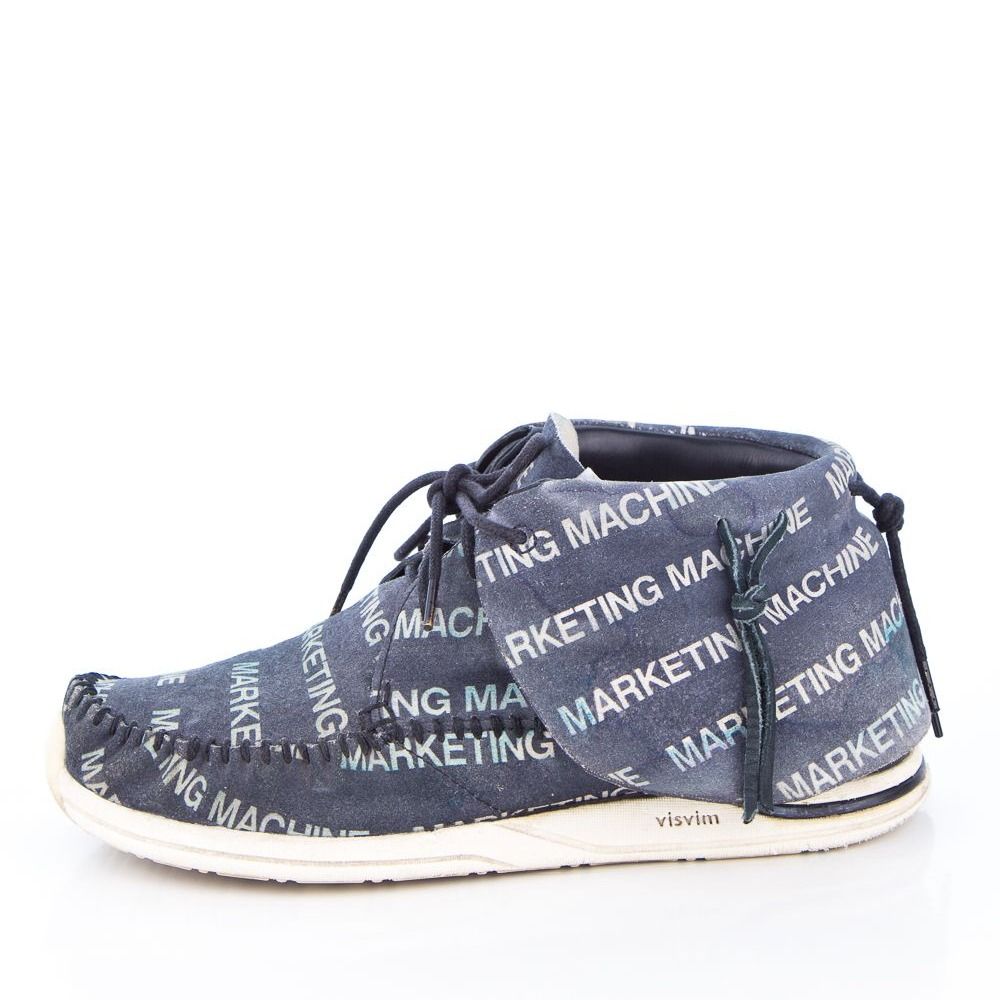
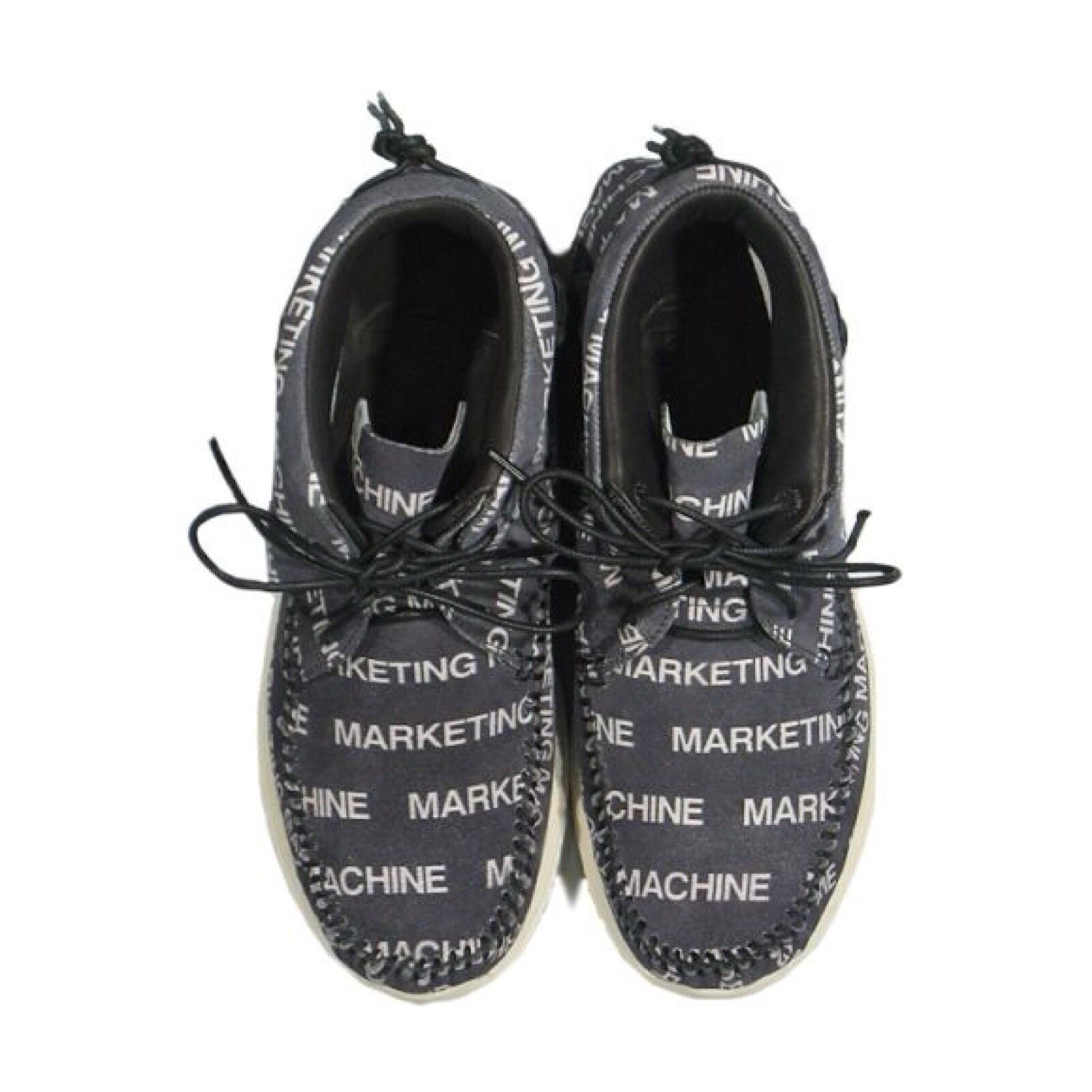
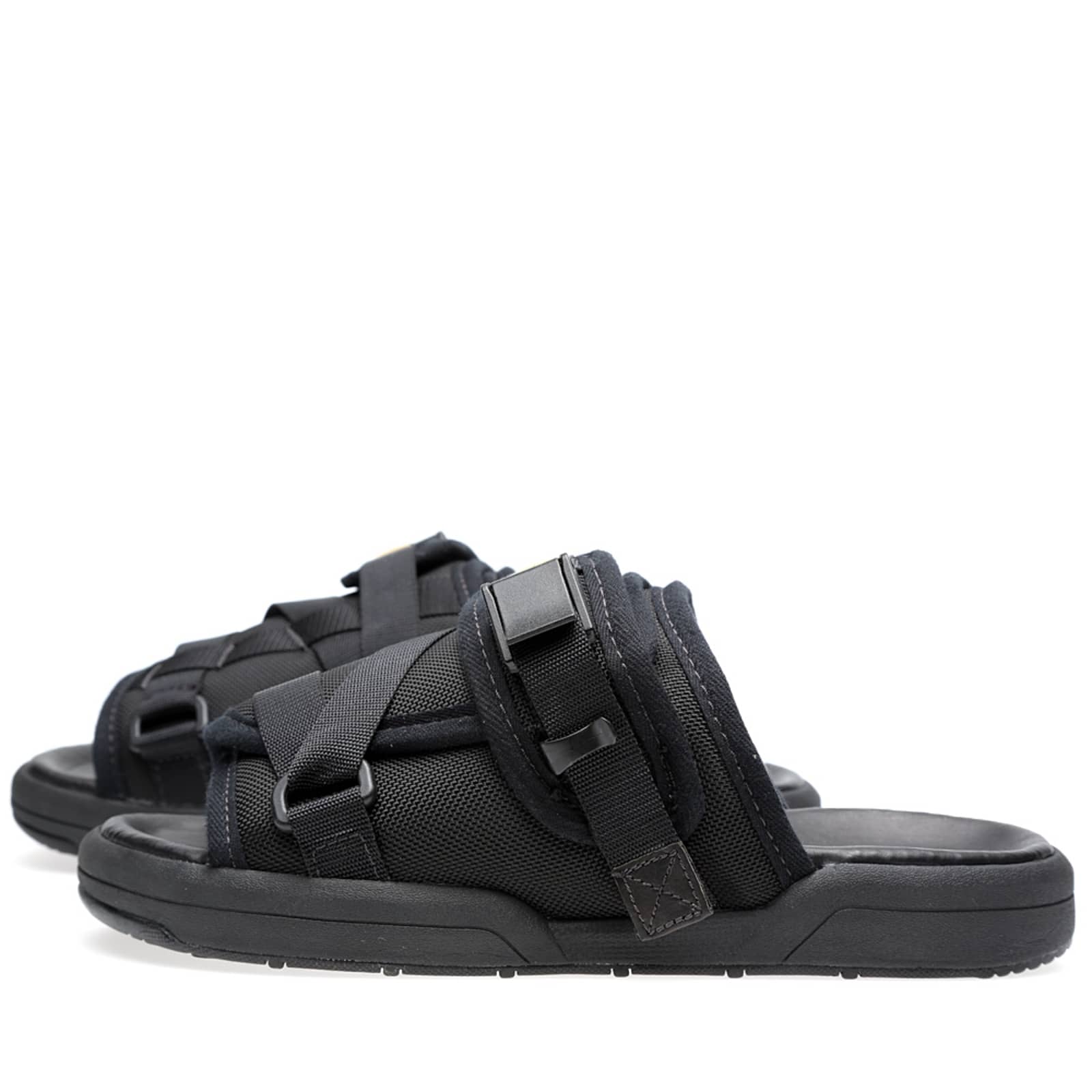

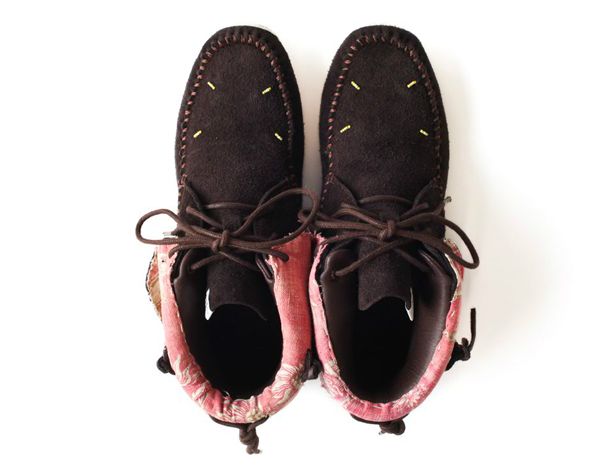
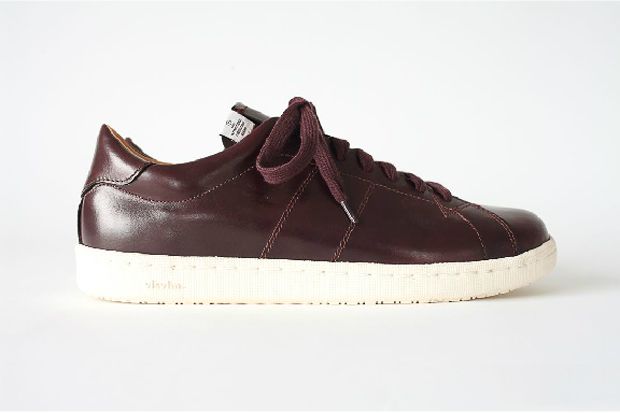

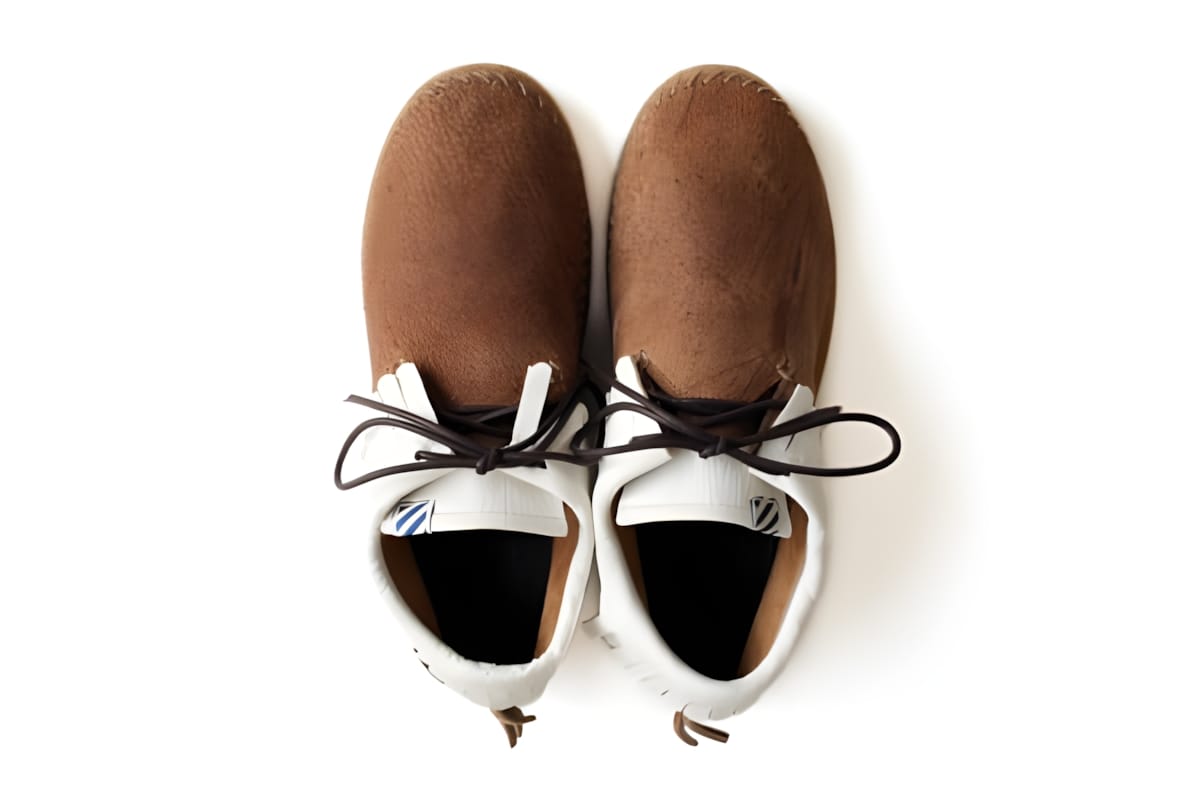
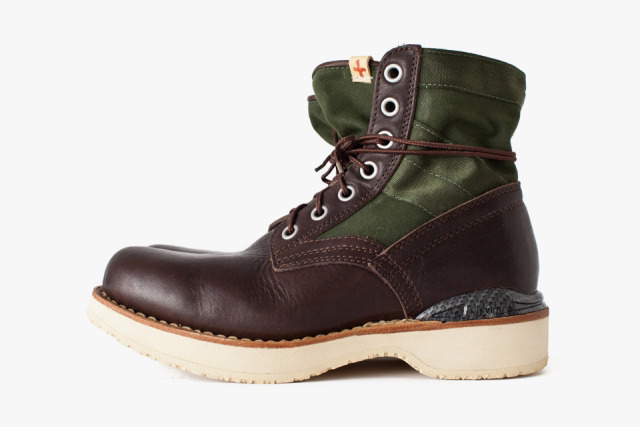
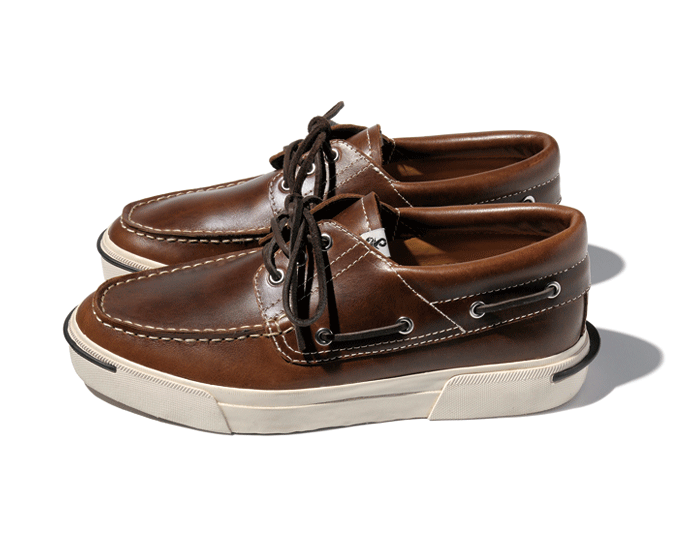

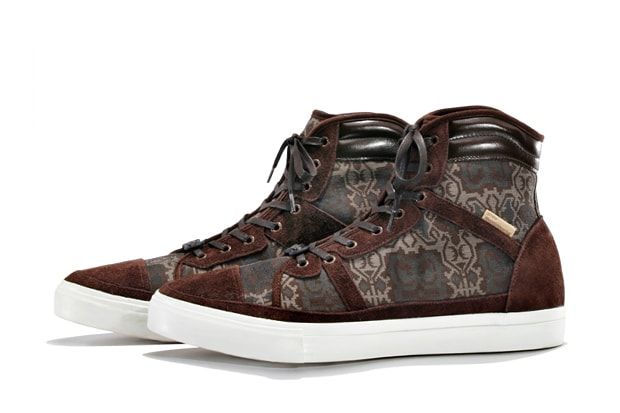
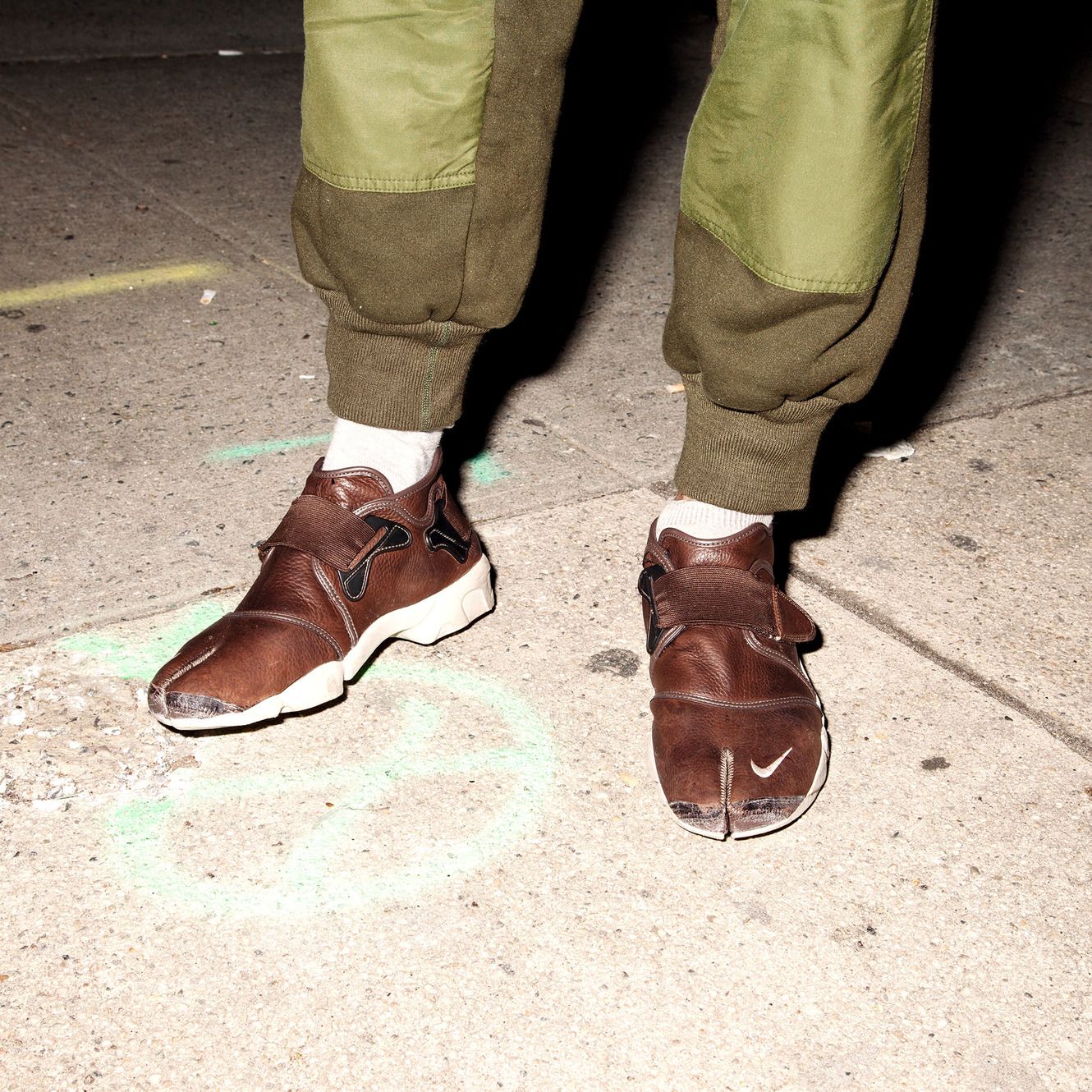







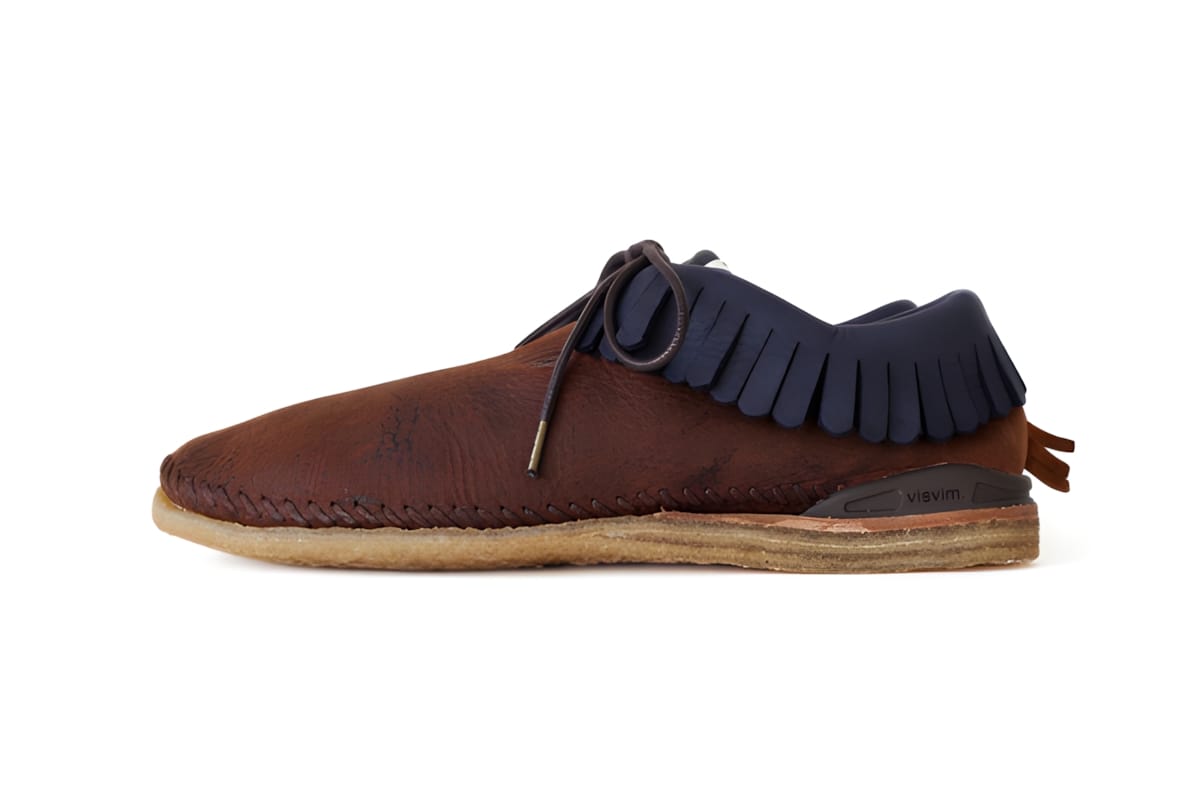
Visvim Maliseet Folk — Brown and Navy
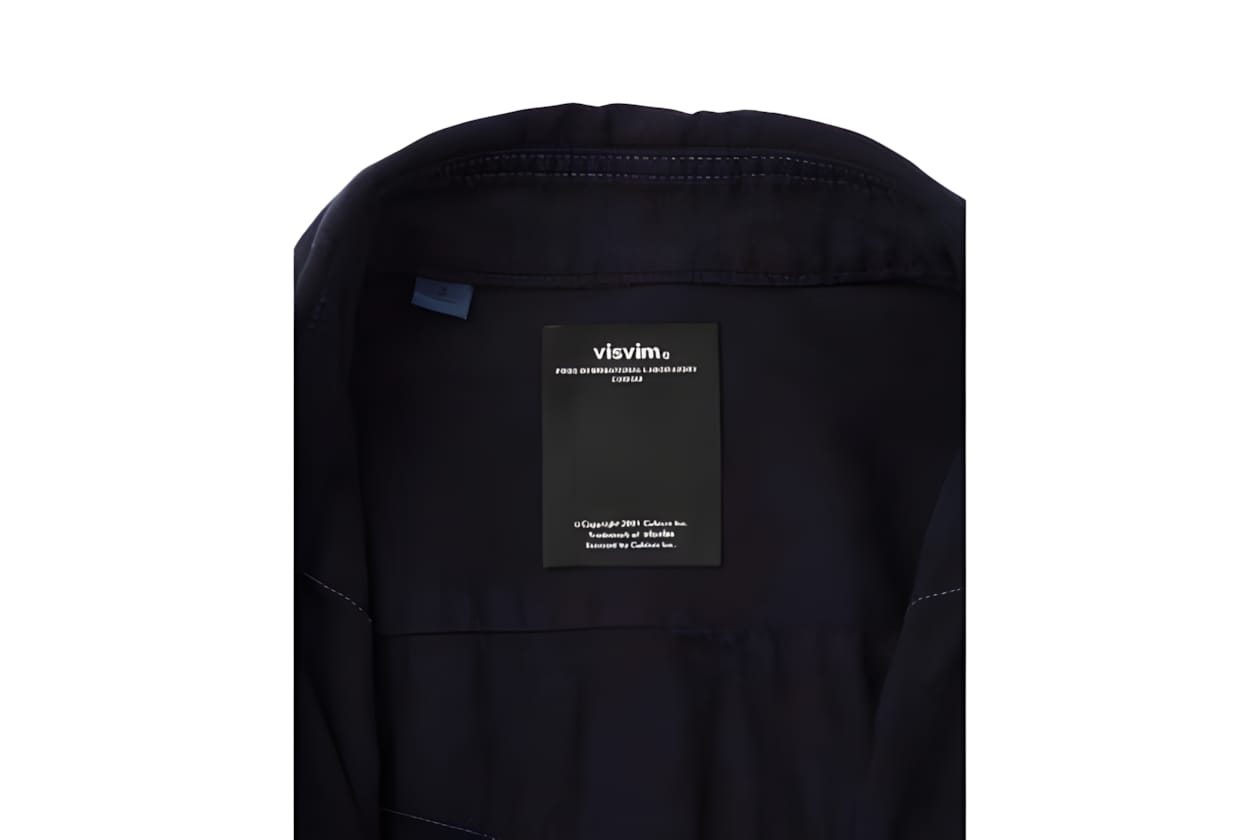
visvim × The Black Sense Market AW12
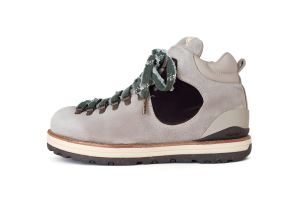
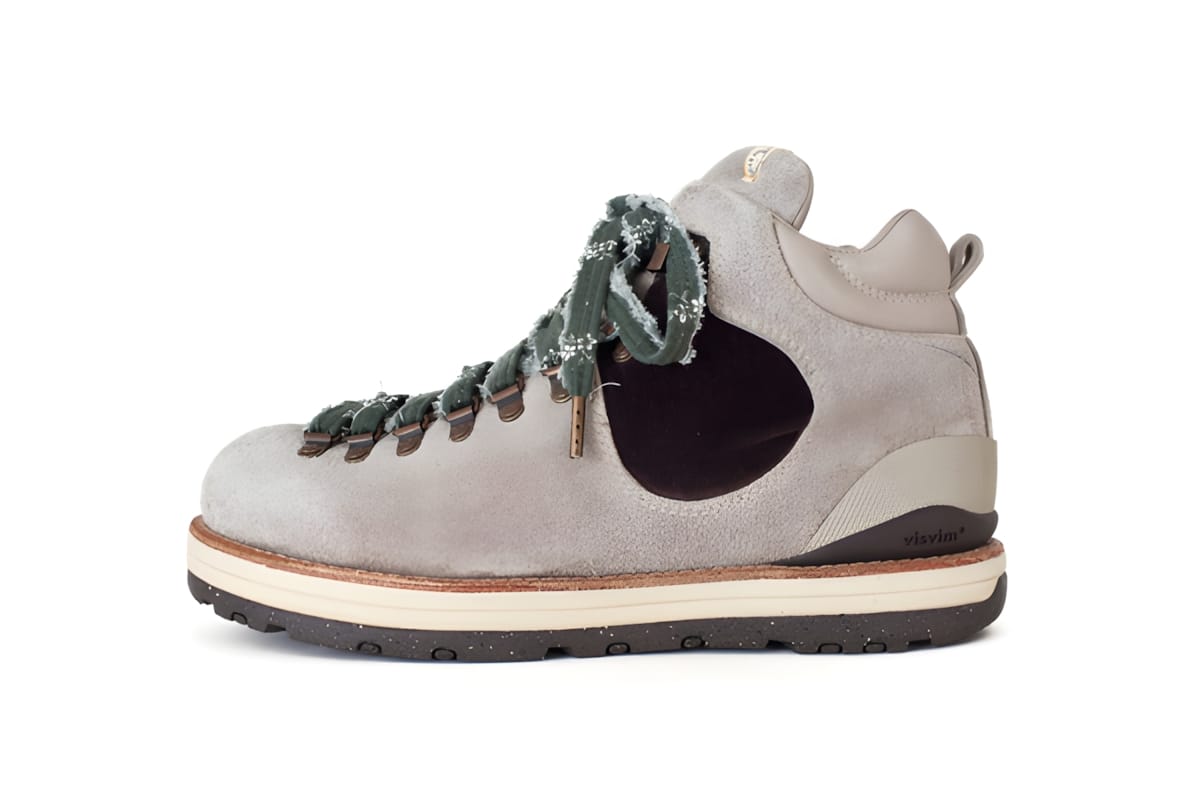
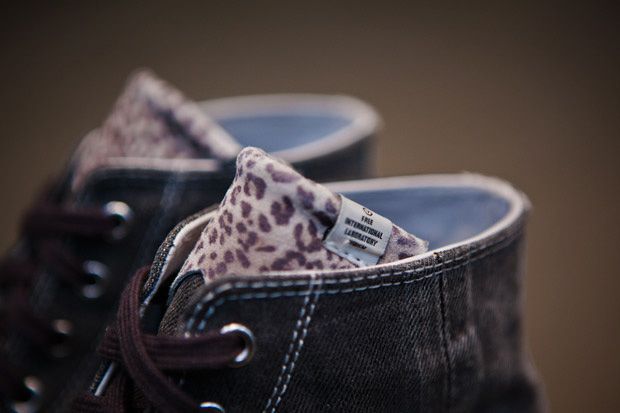
Visvim Serra Pizi Boots — Natural Grey Suede