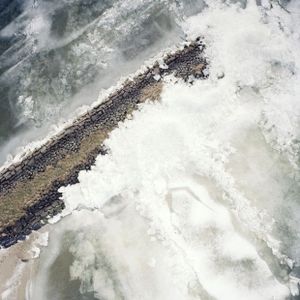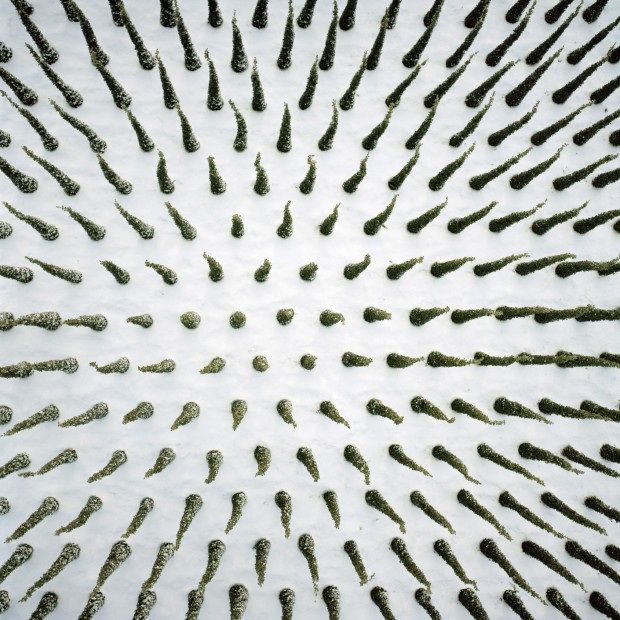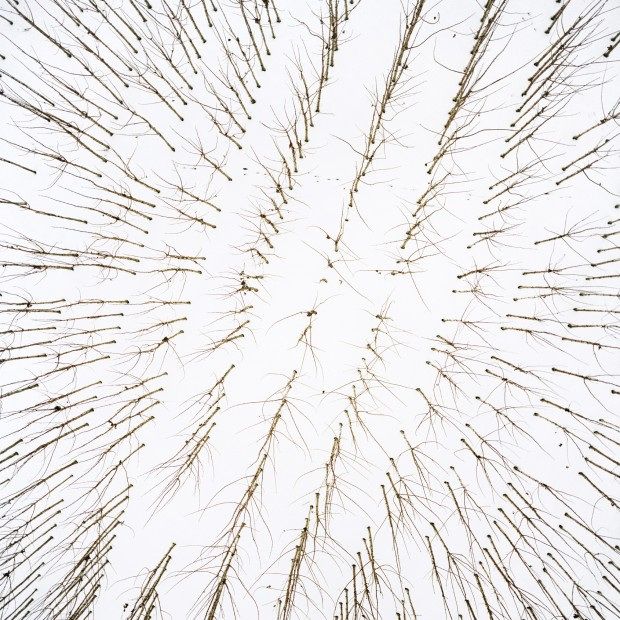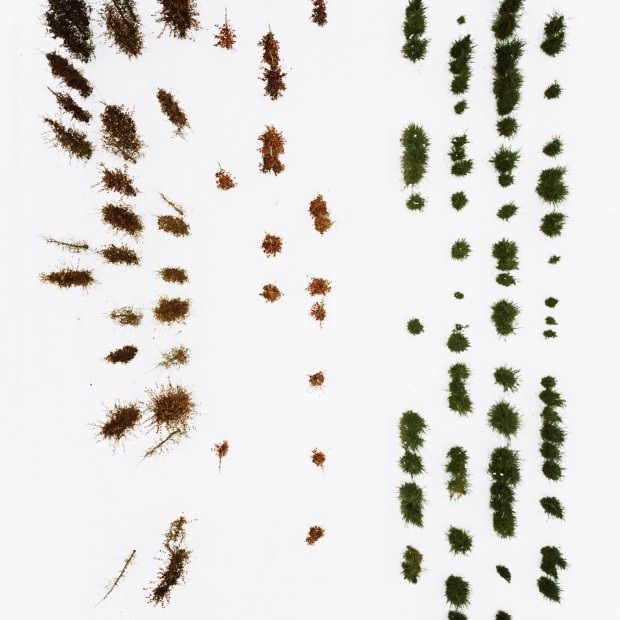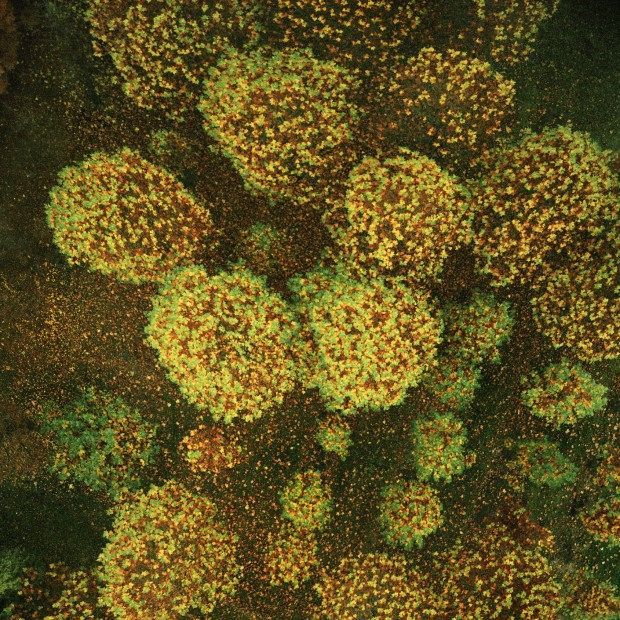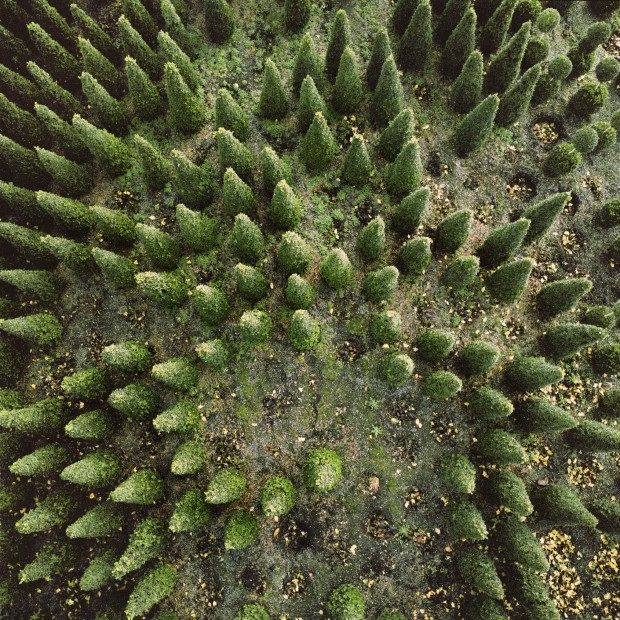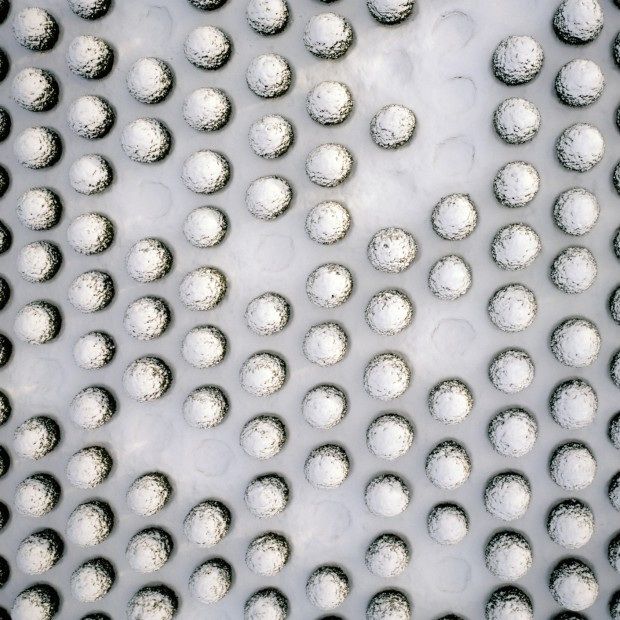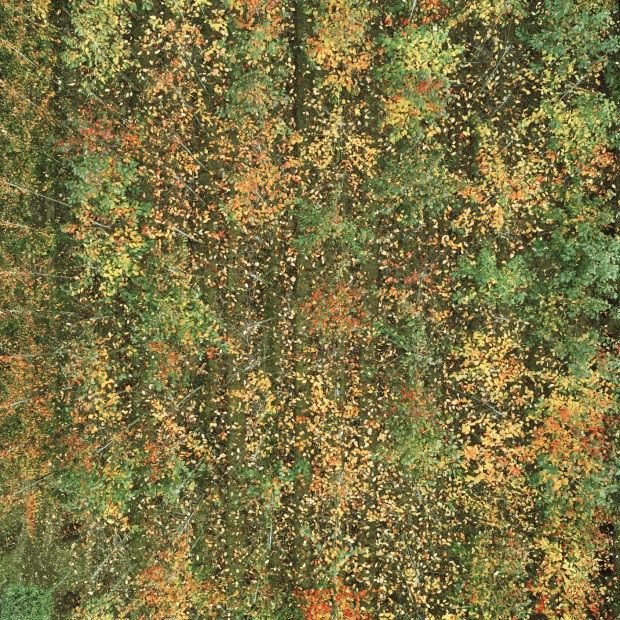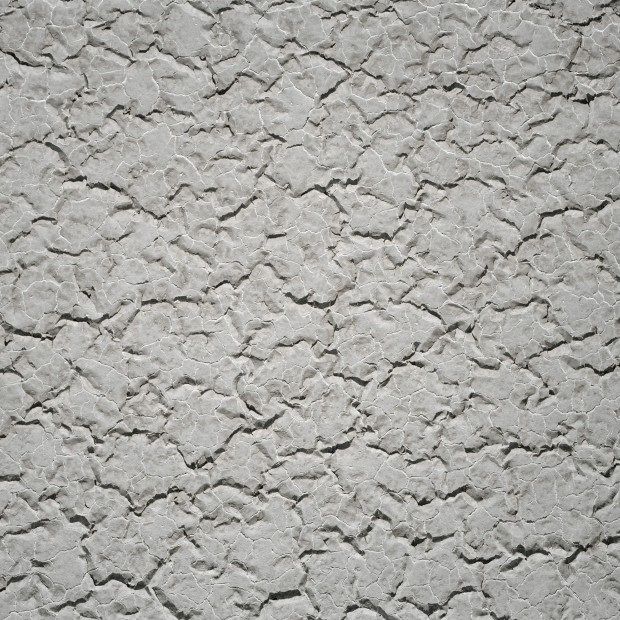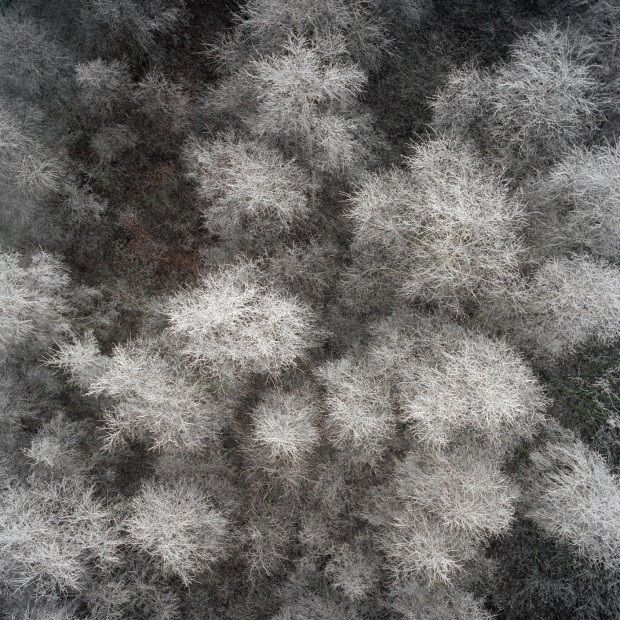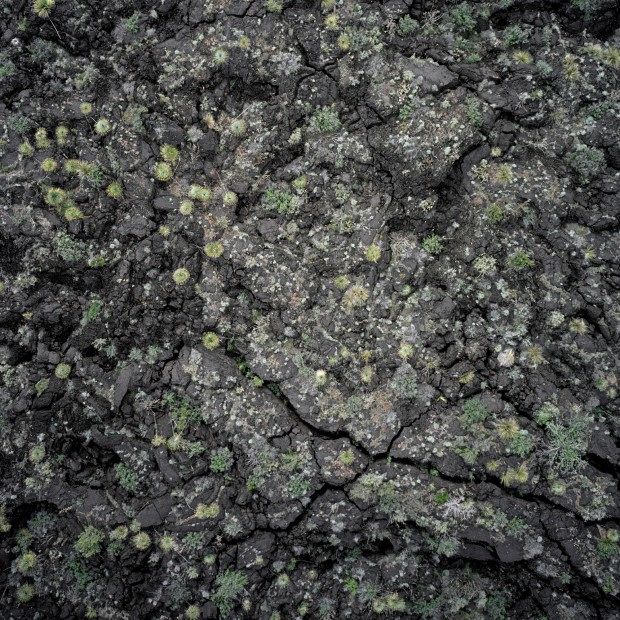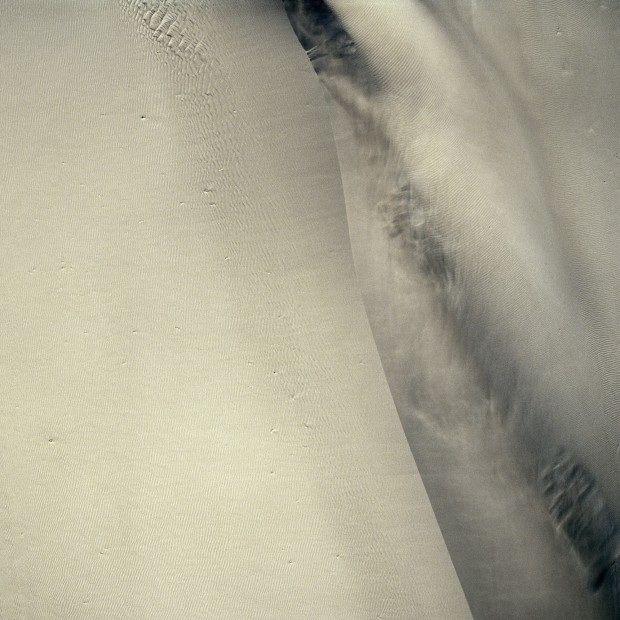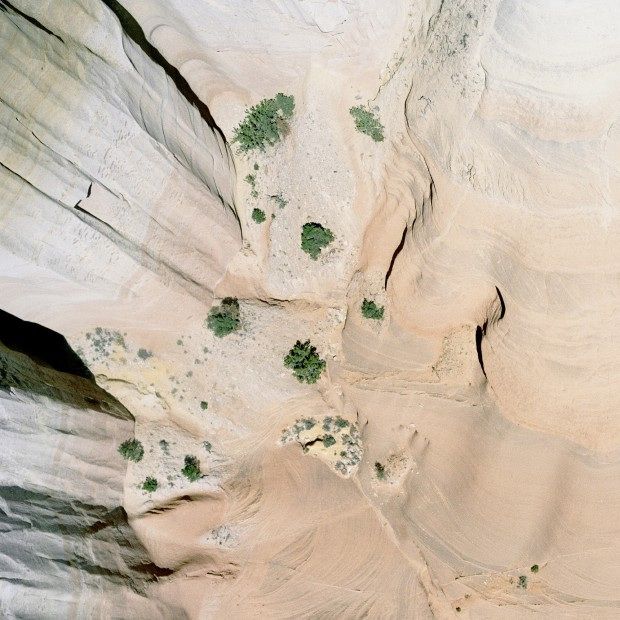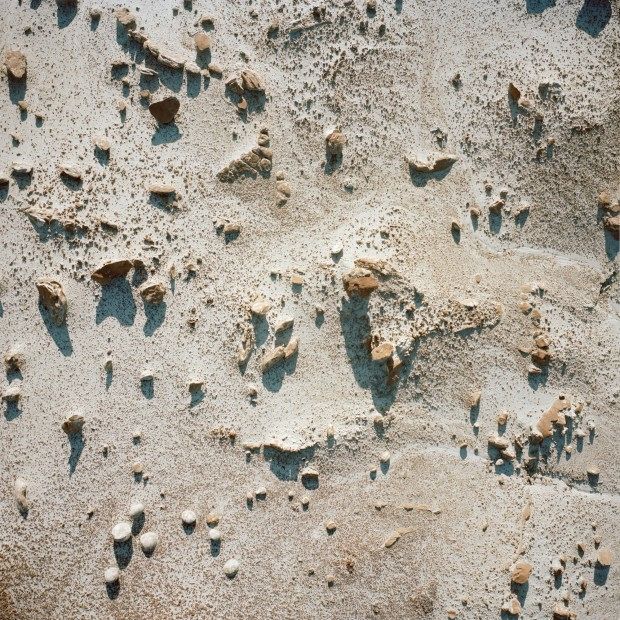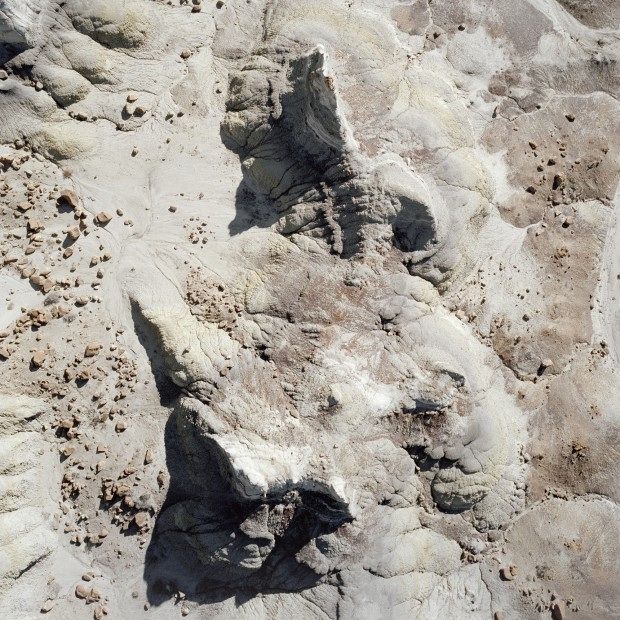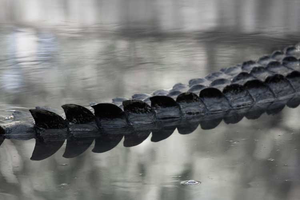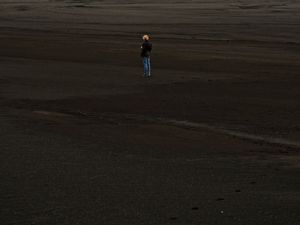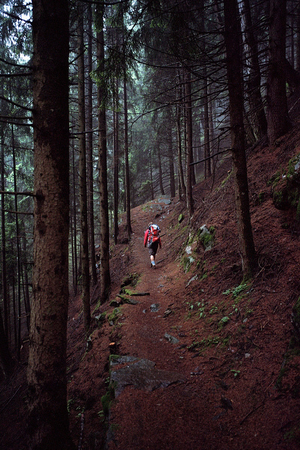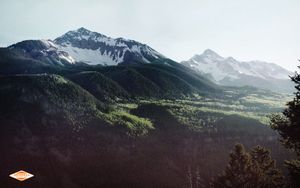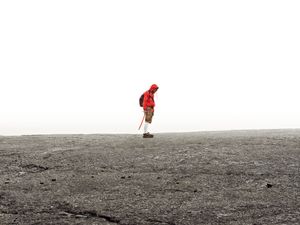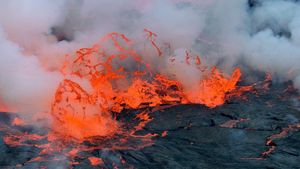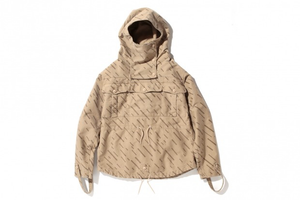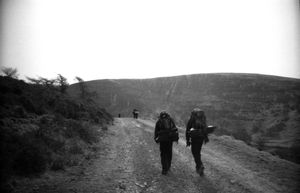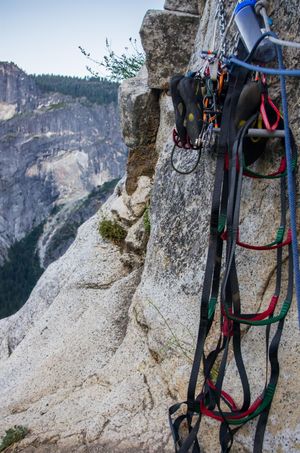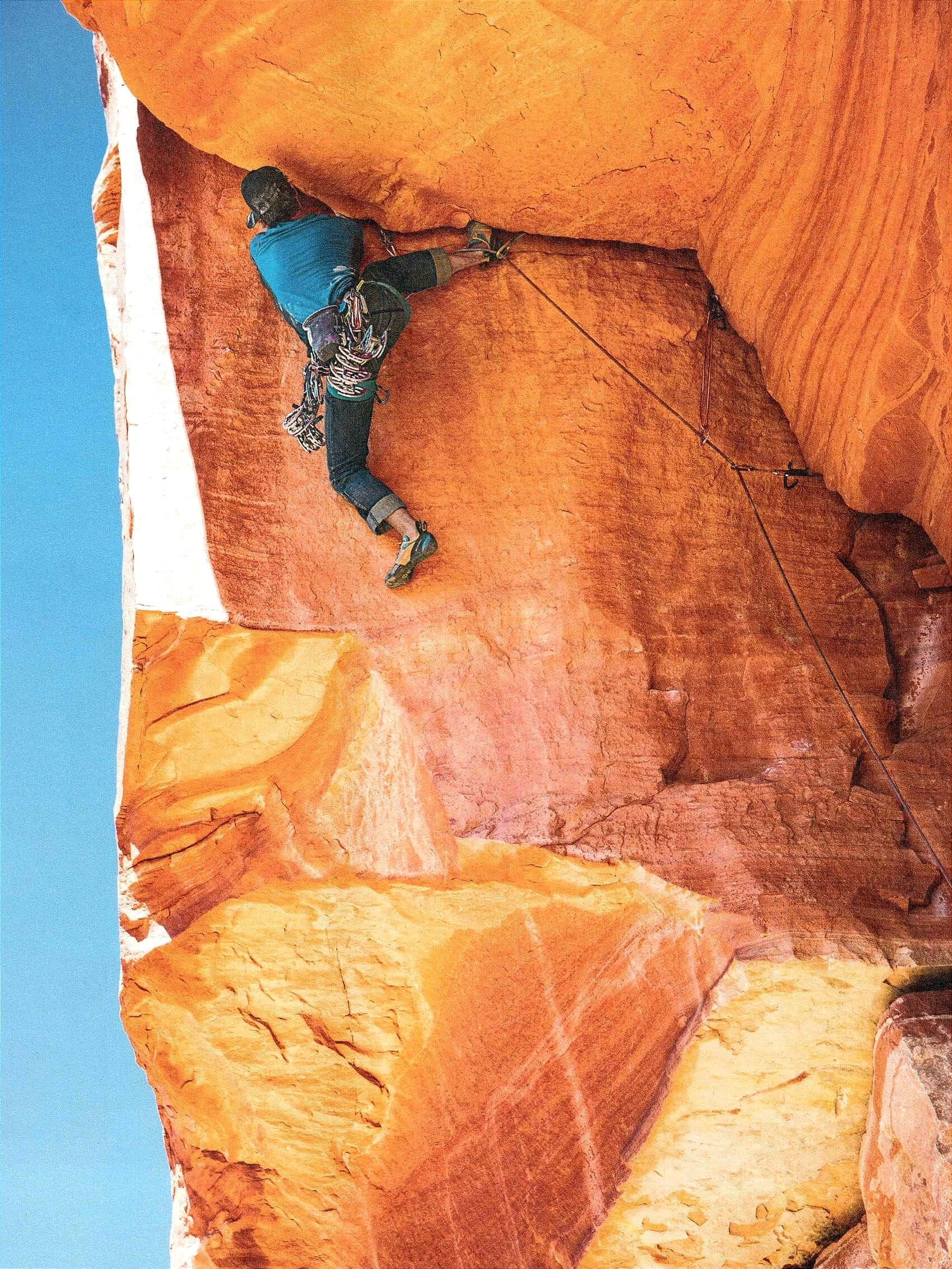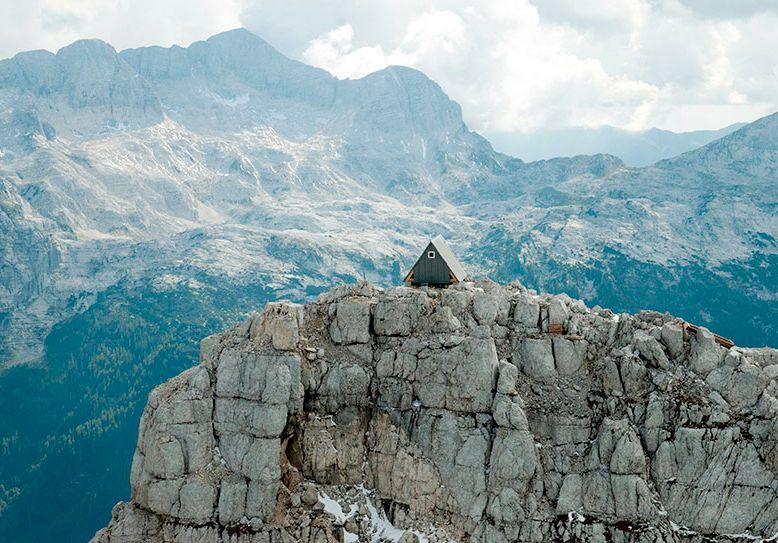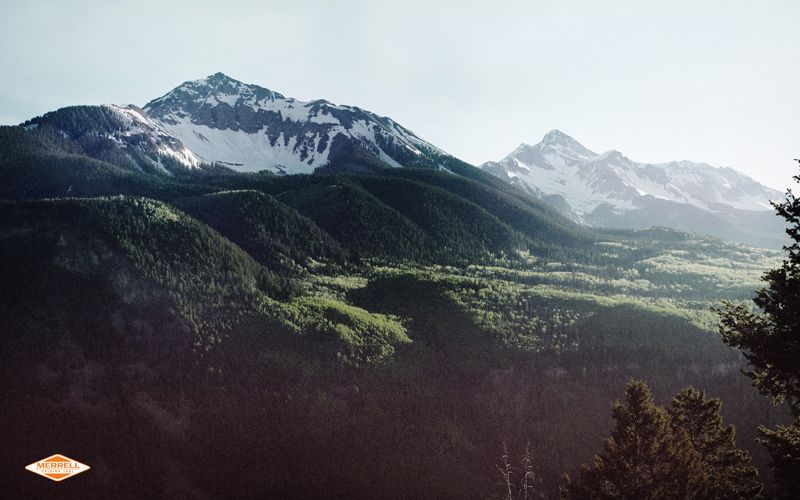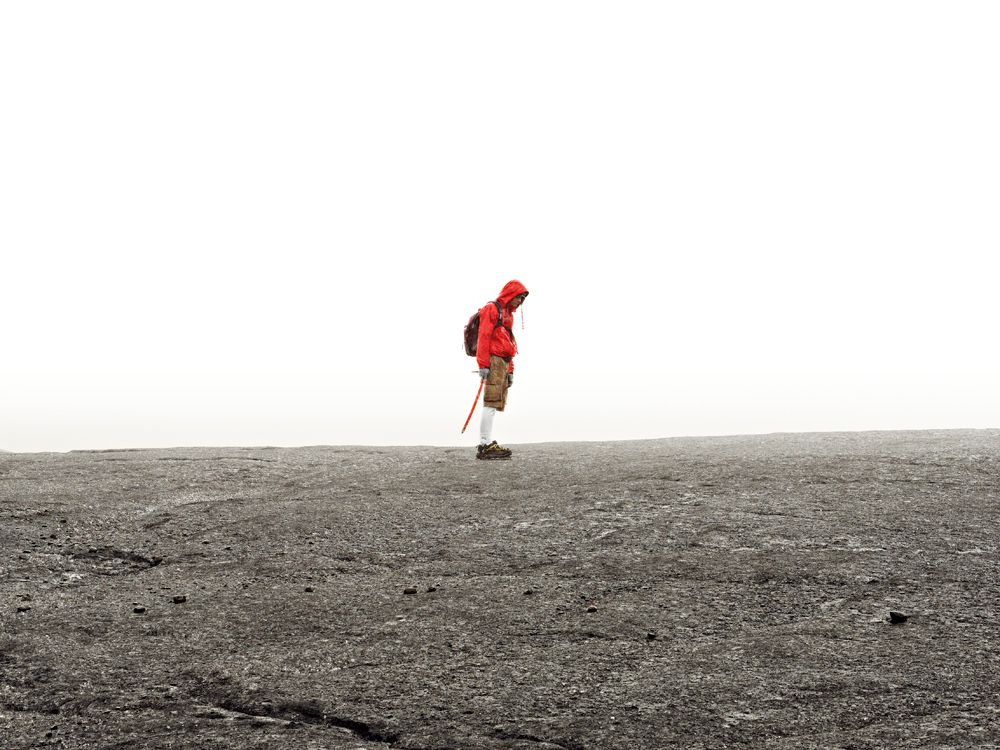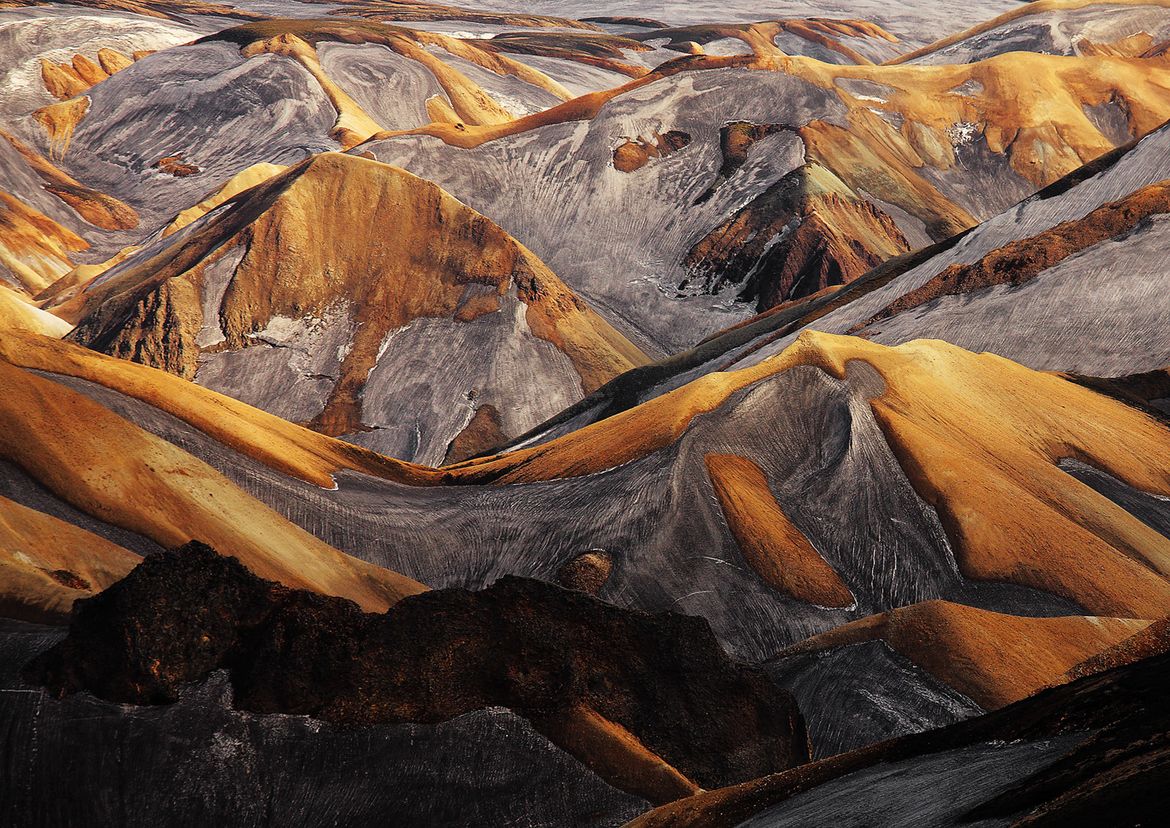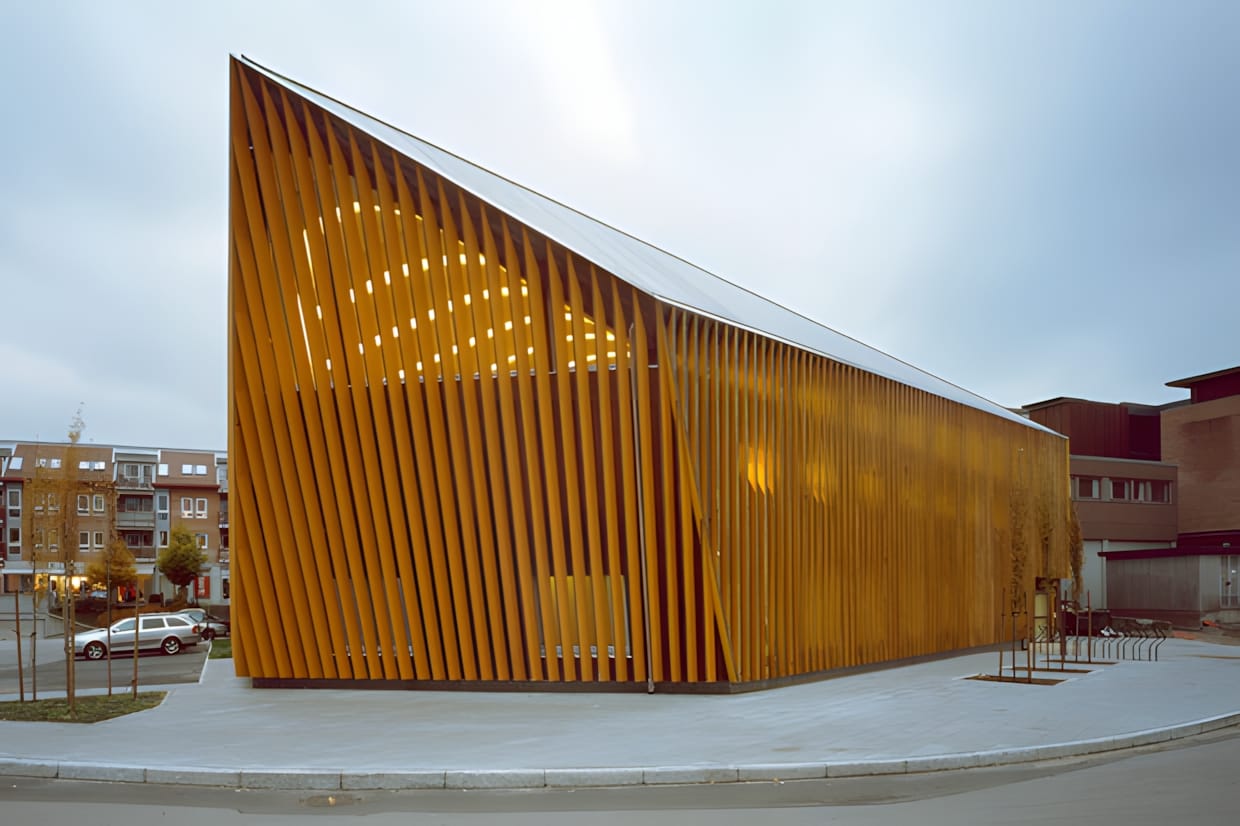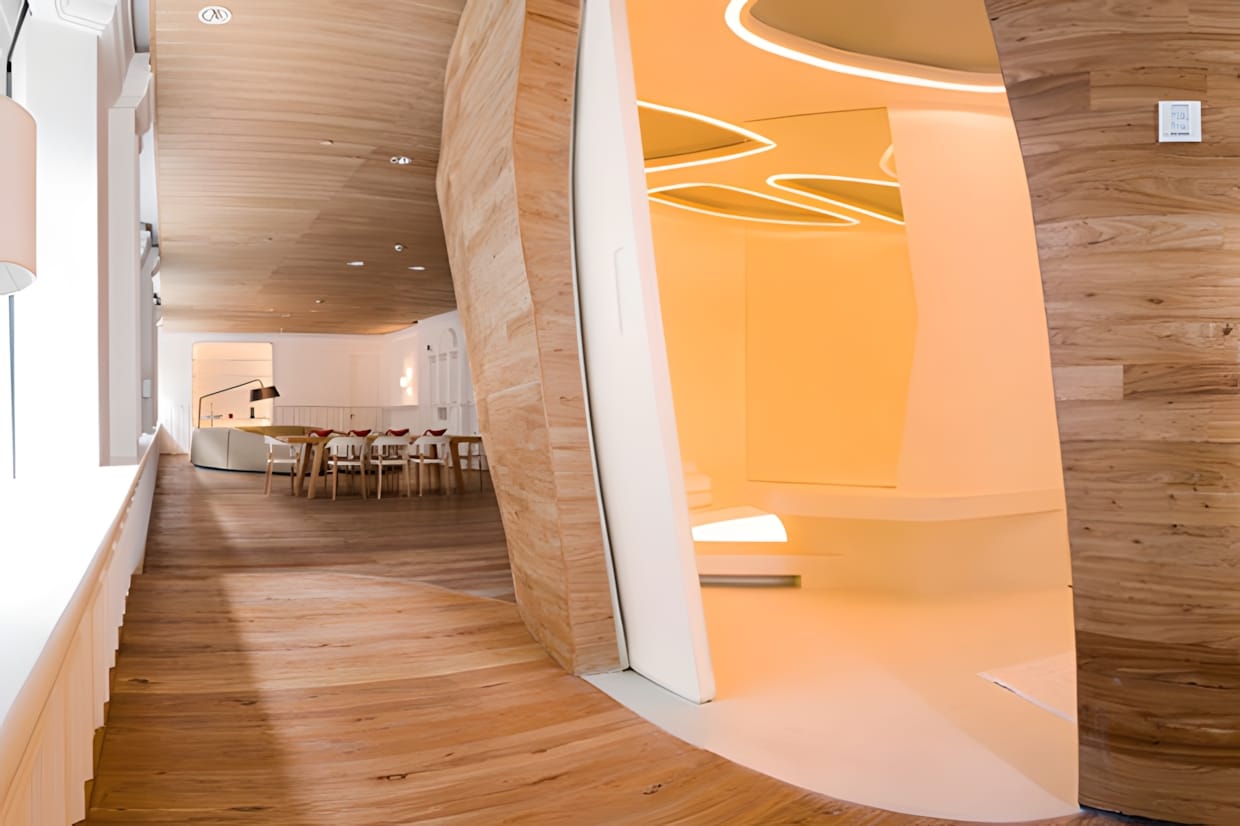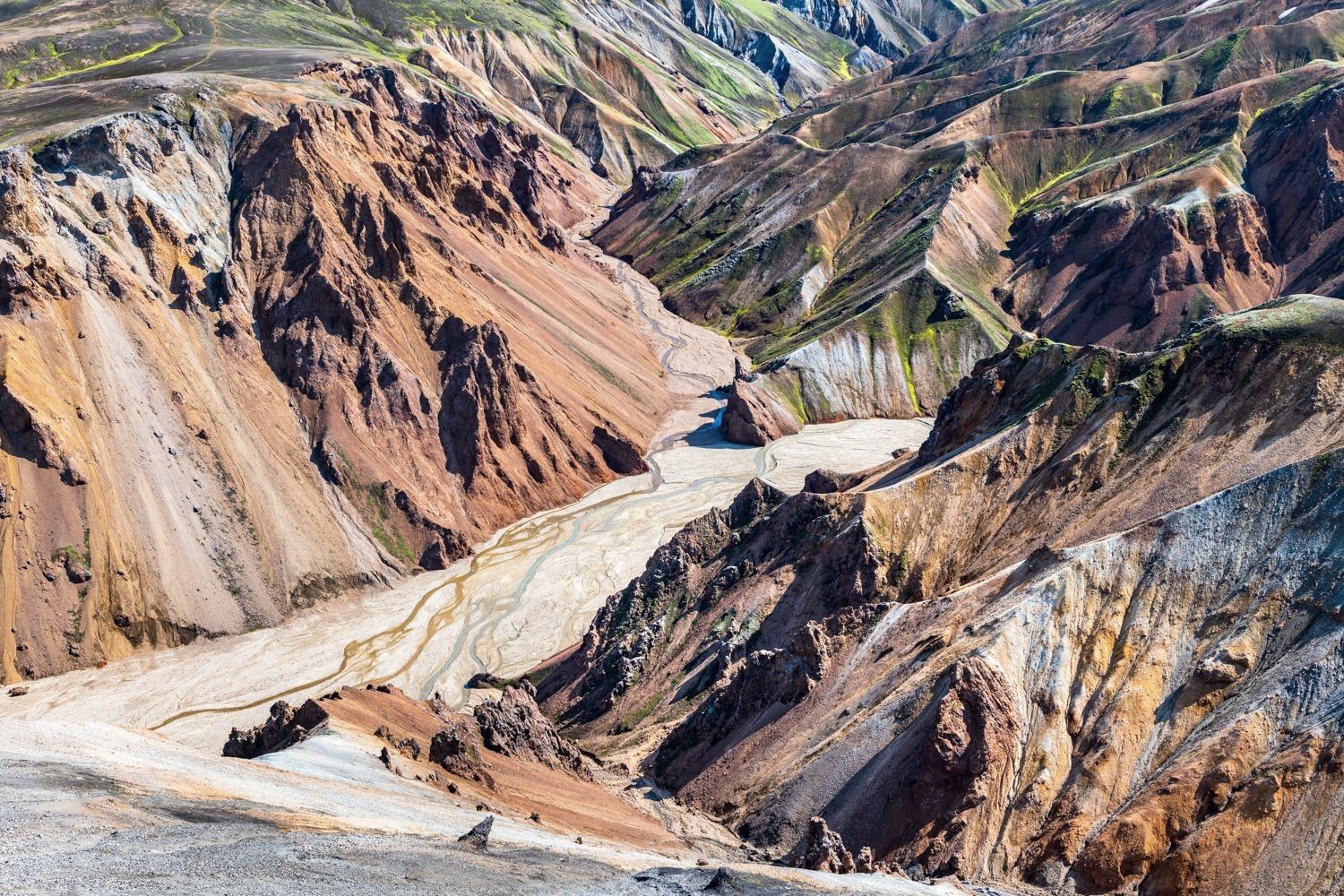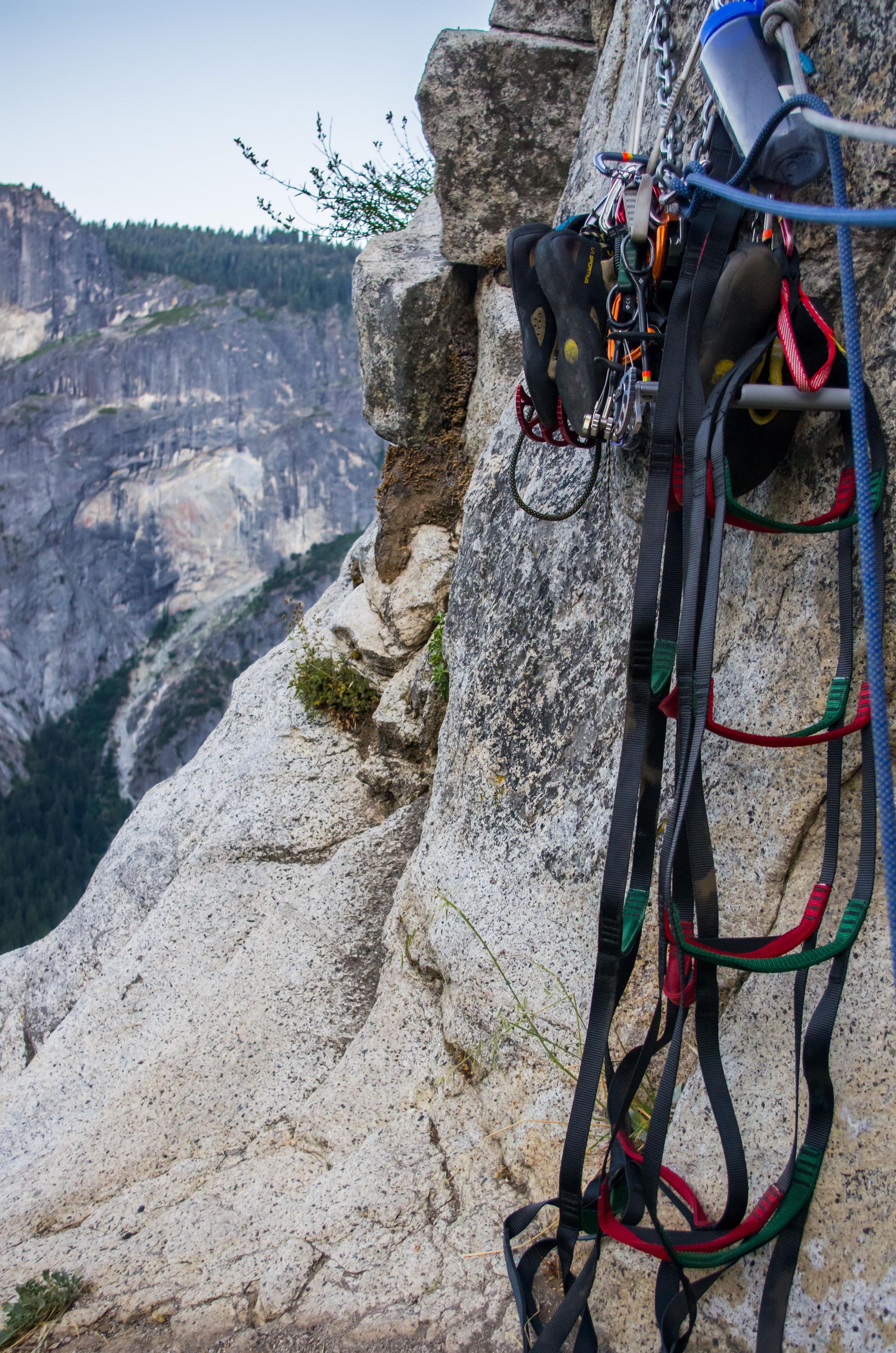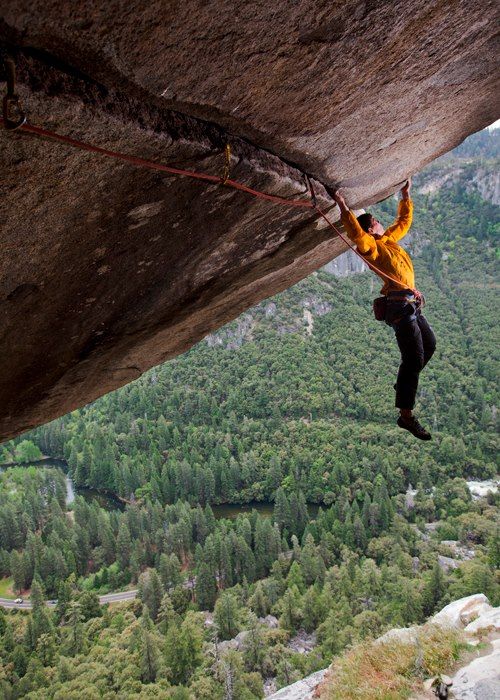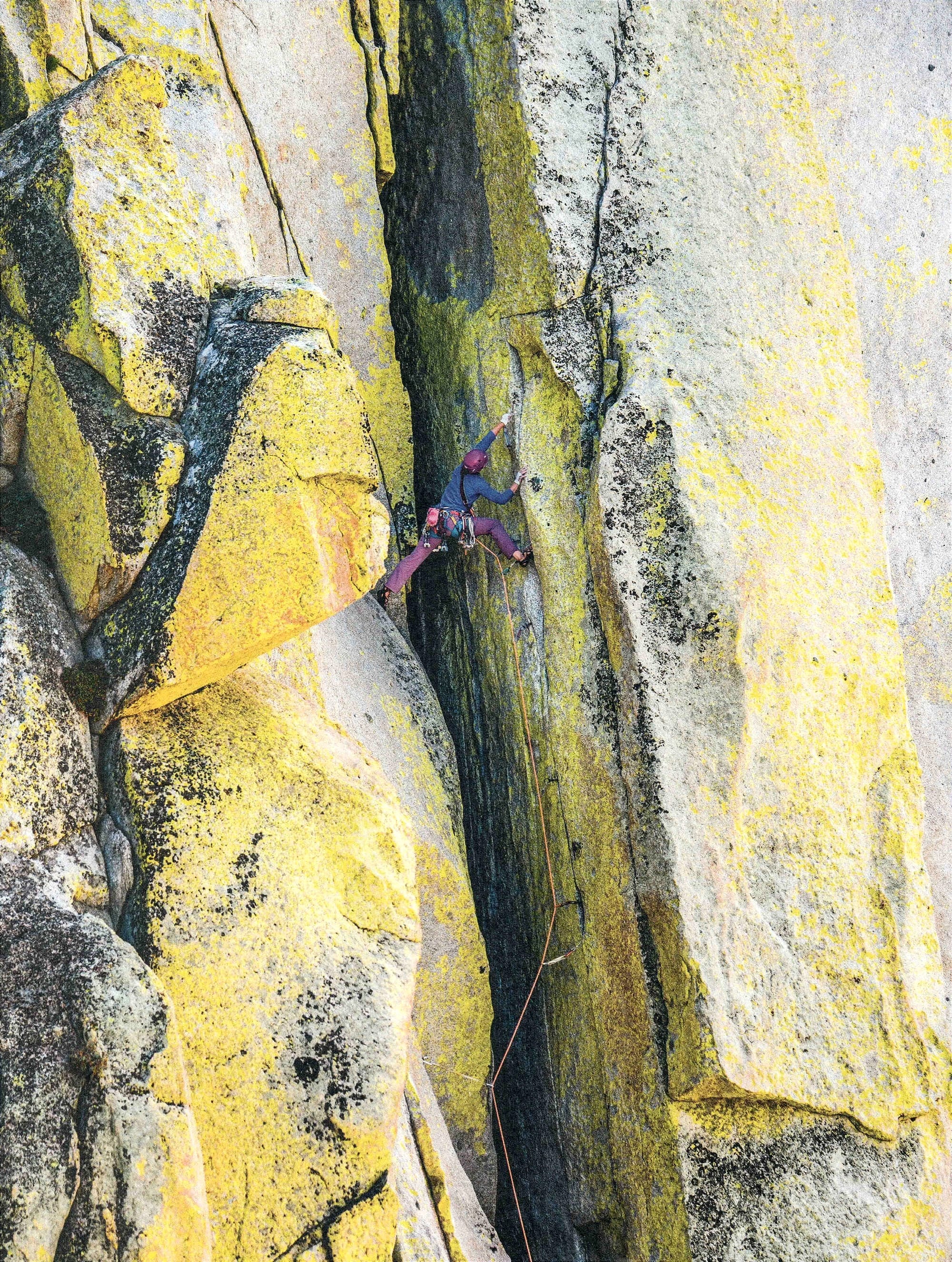
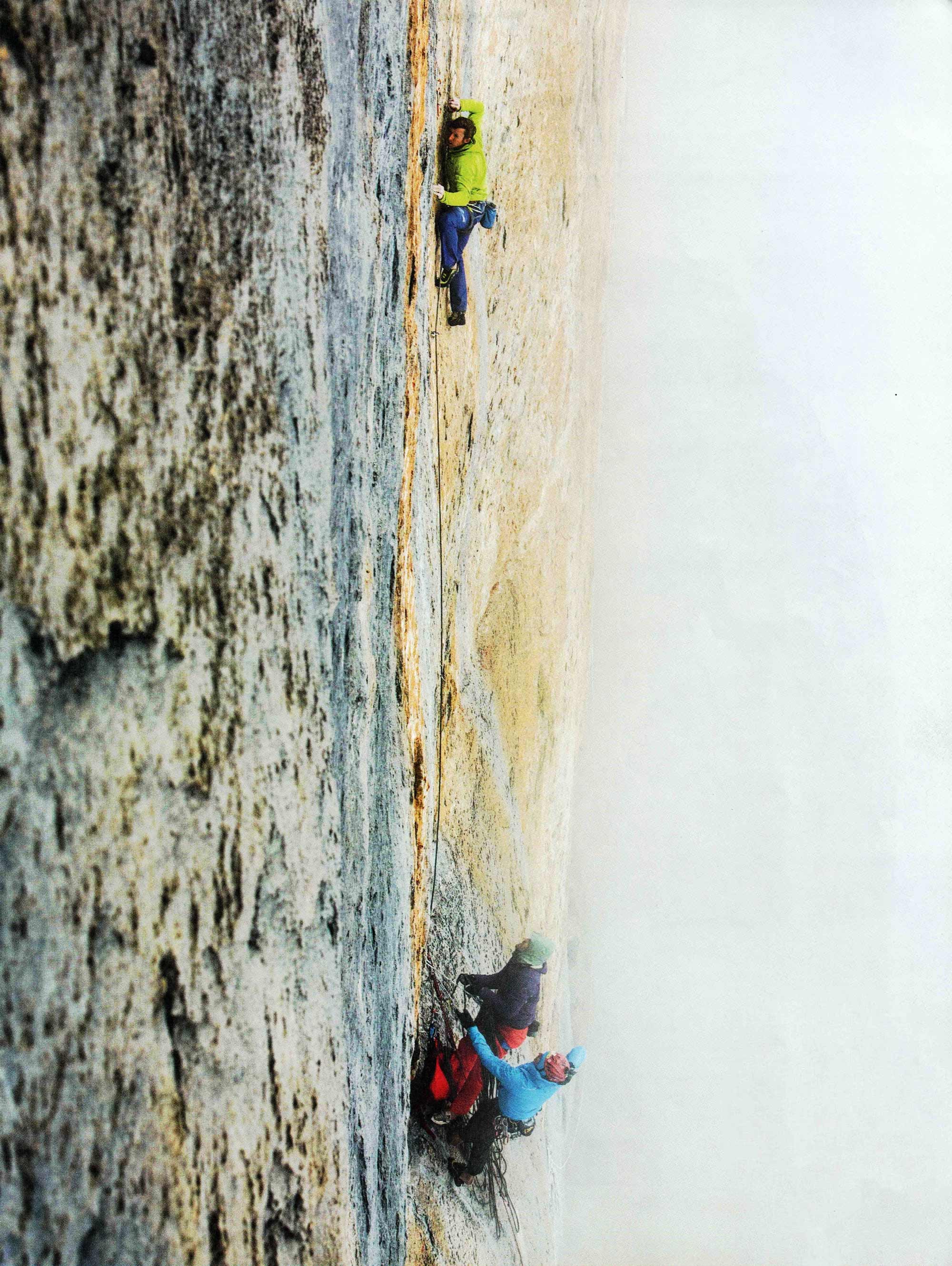
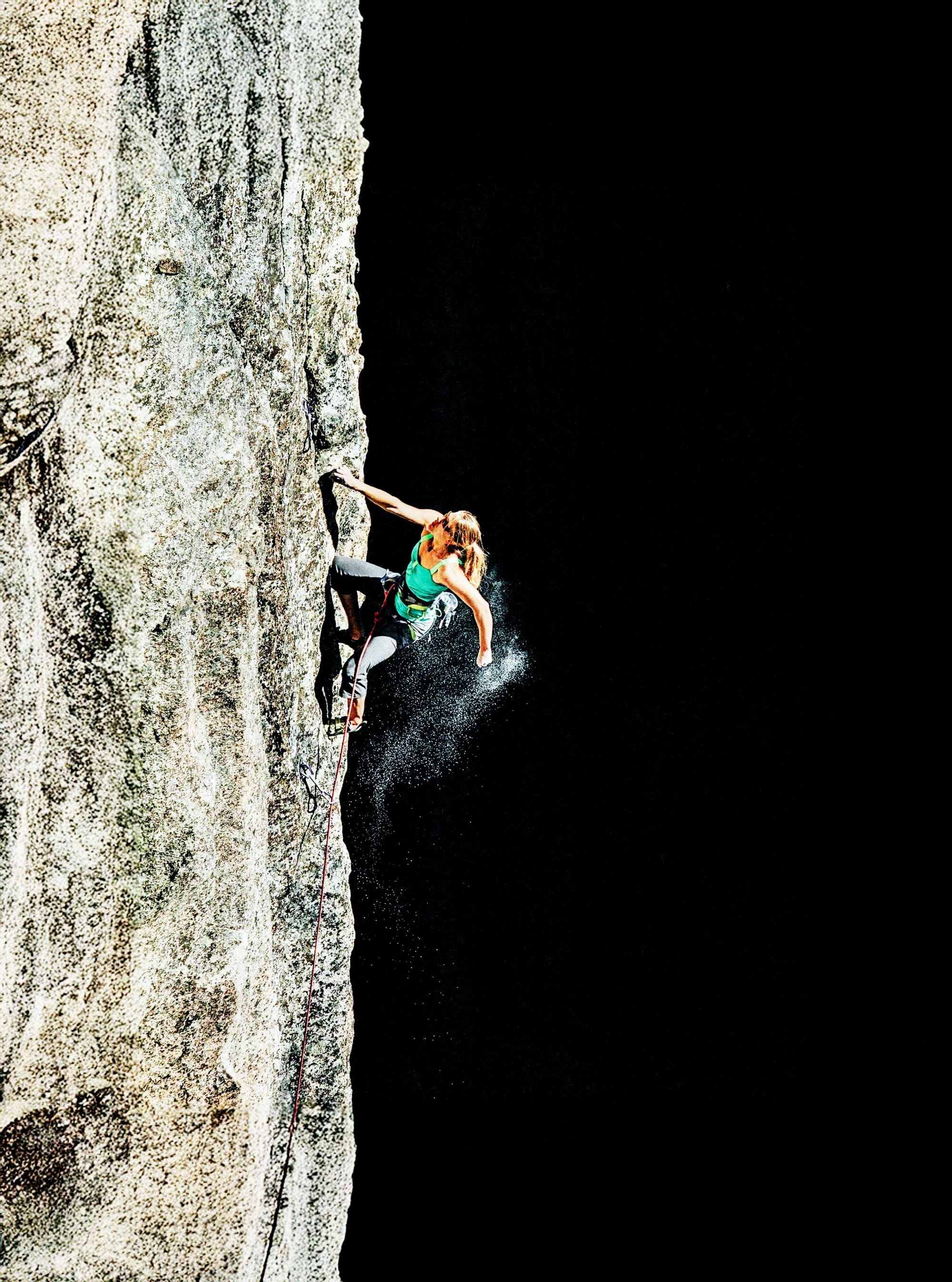
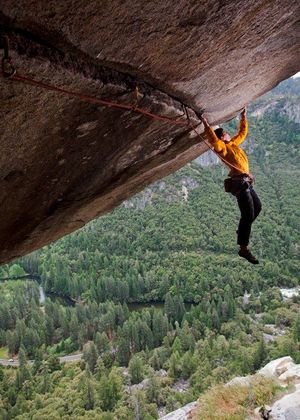
North Palisade. Sierra Nevada, California.
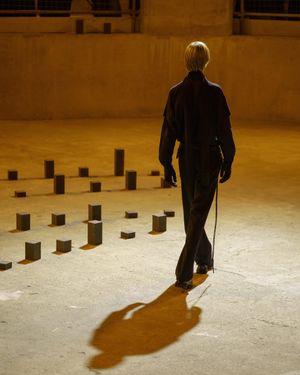
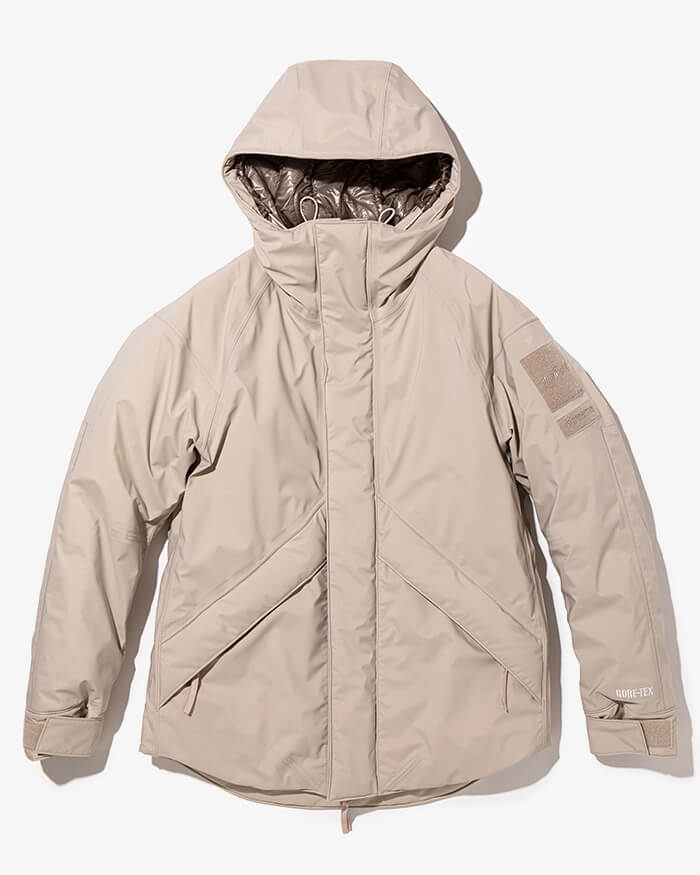
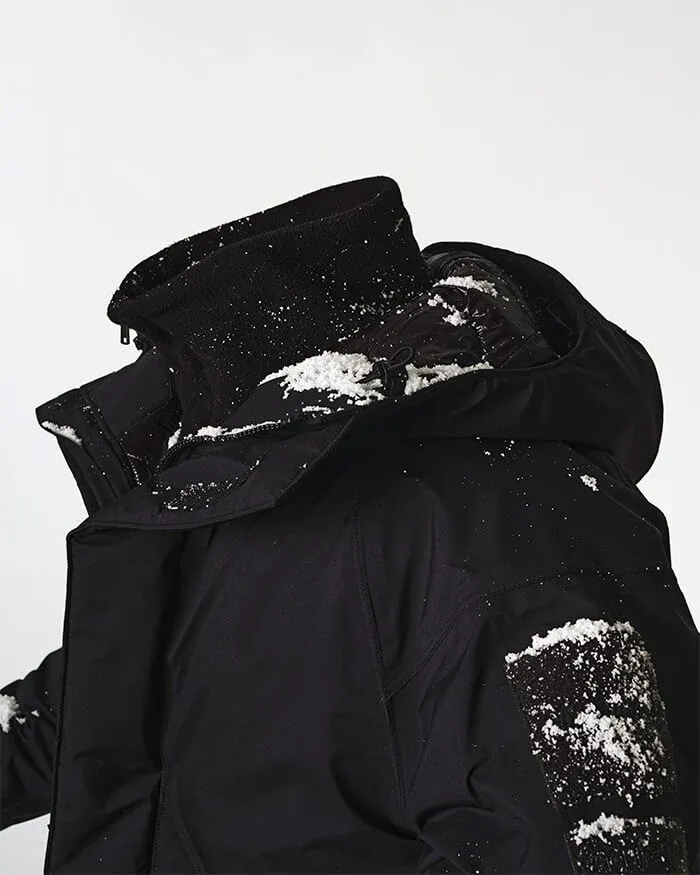
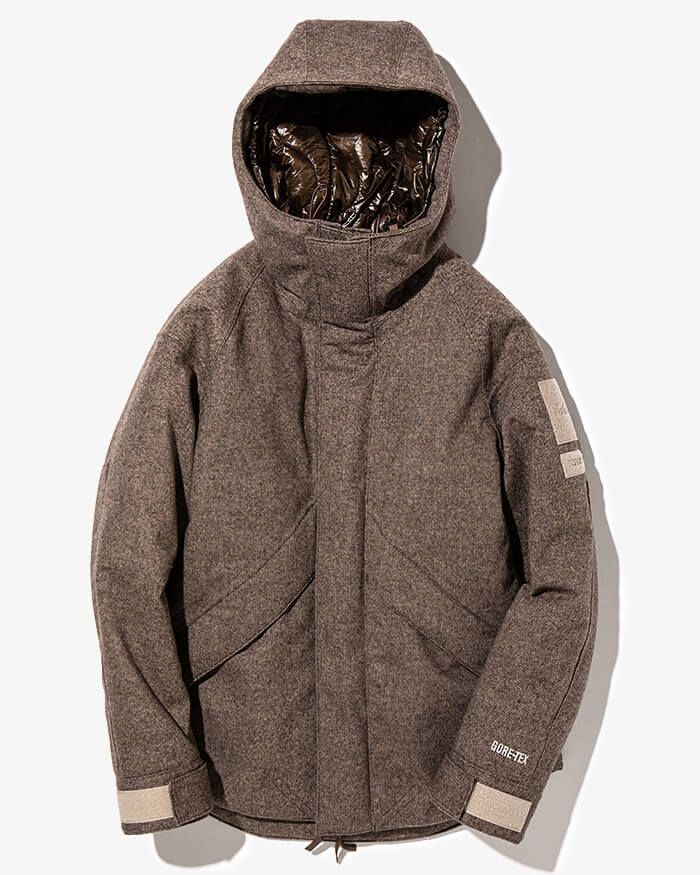
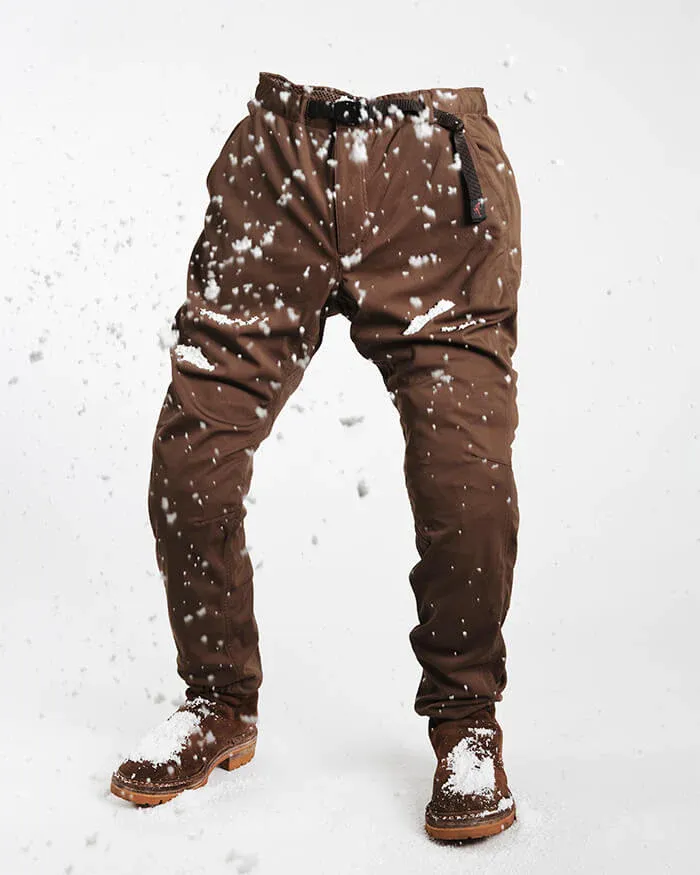
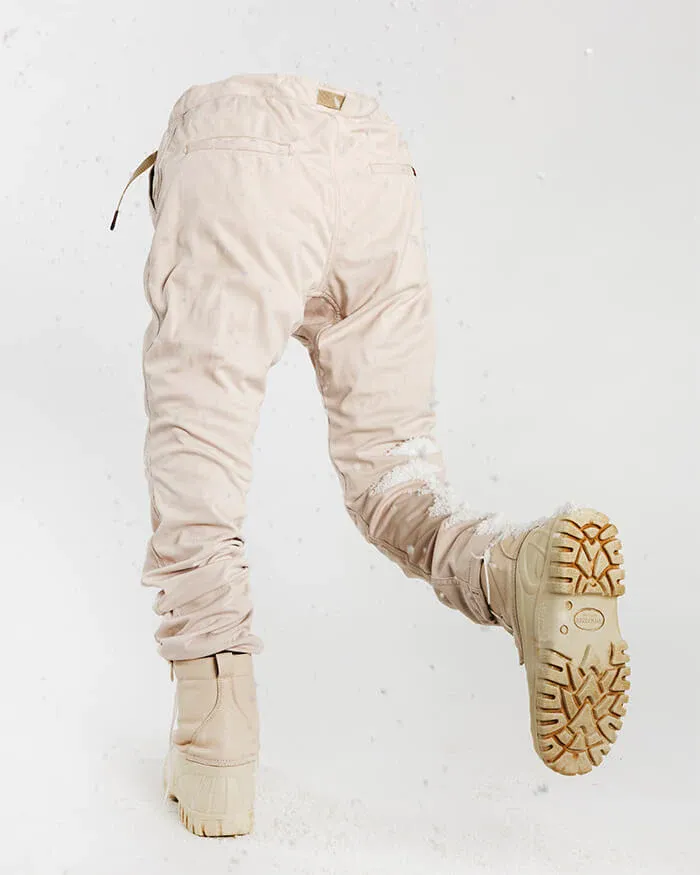
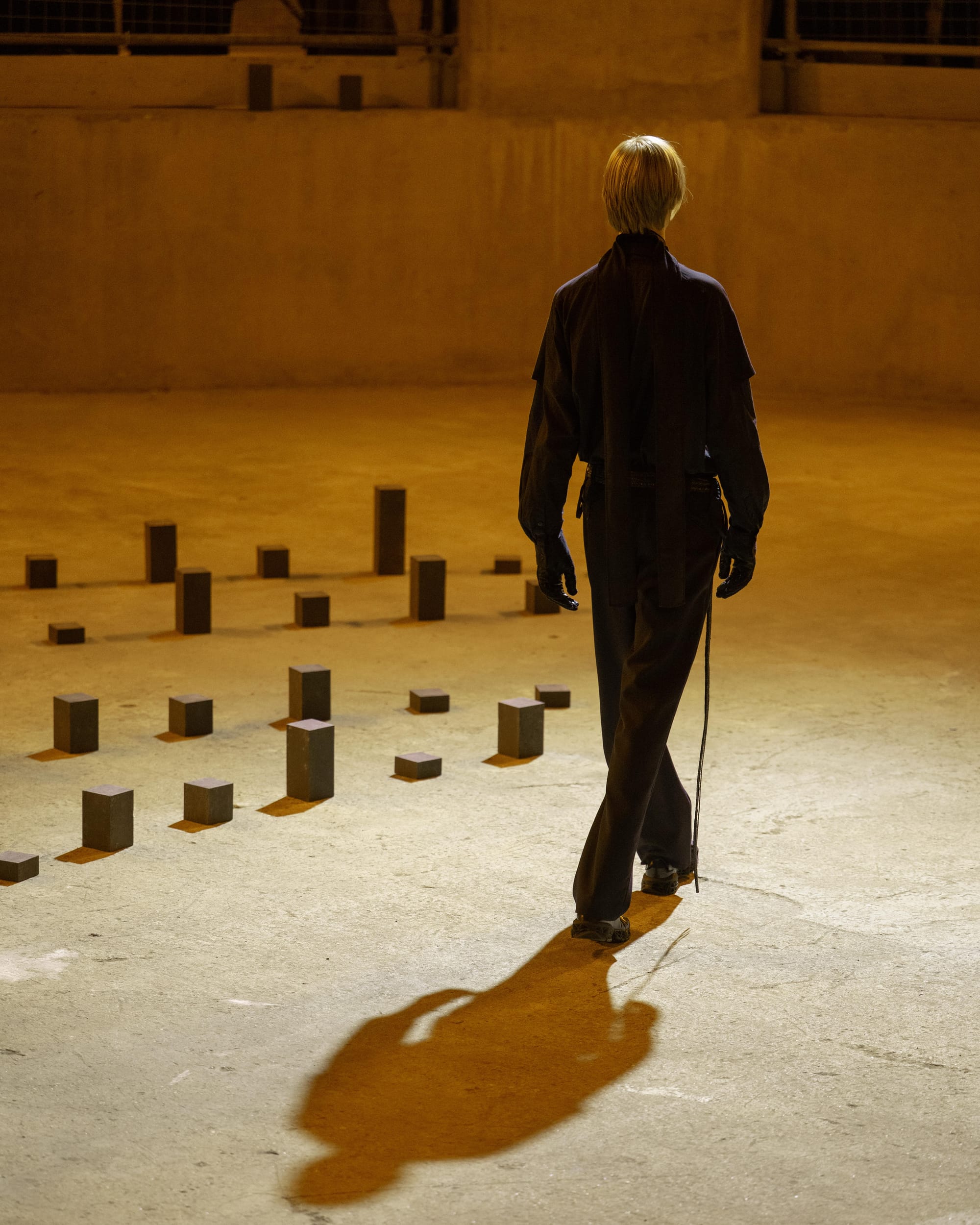
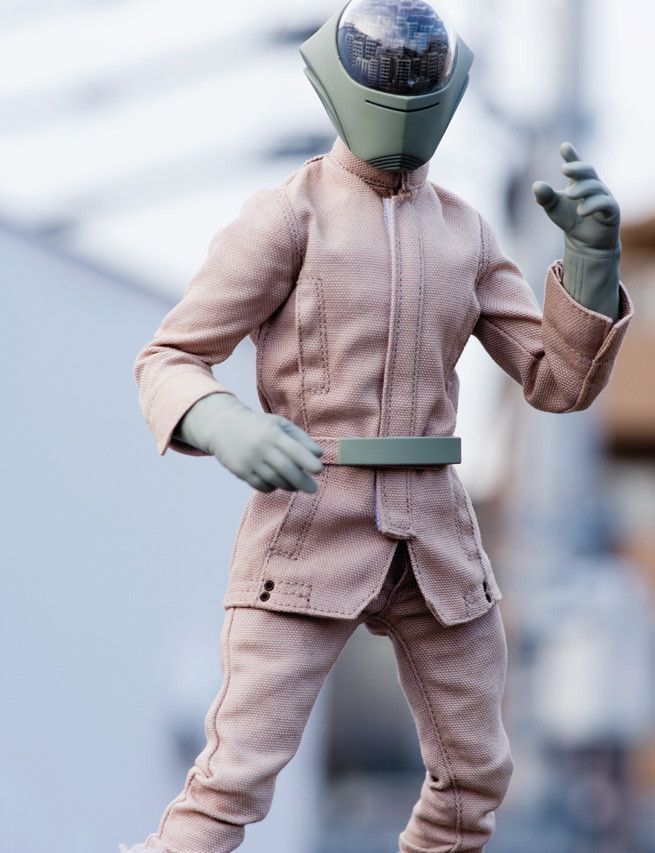
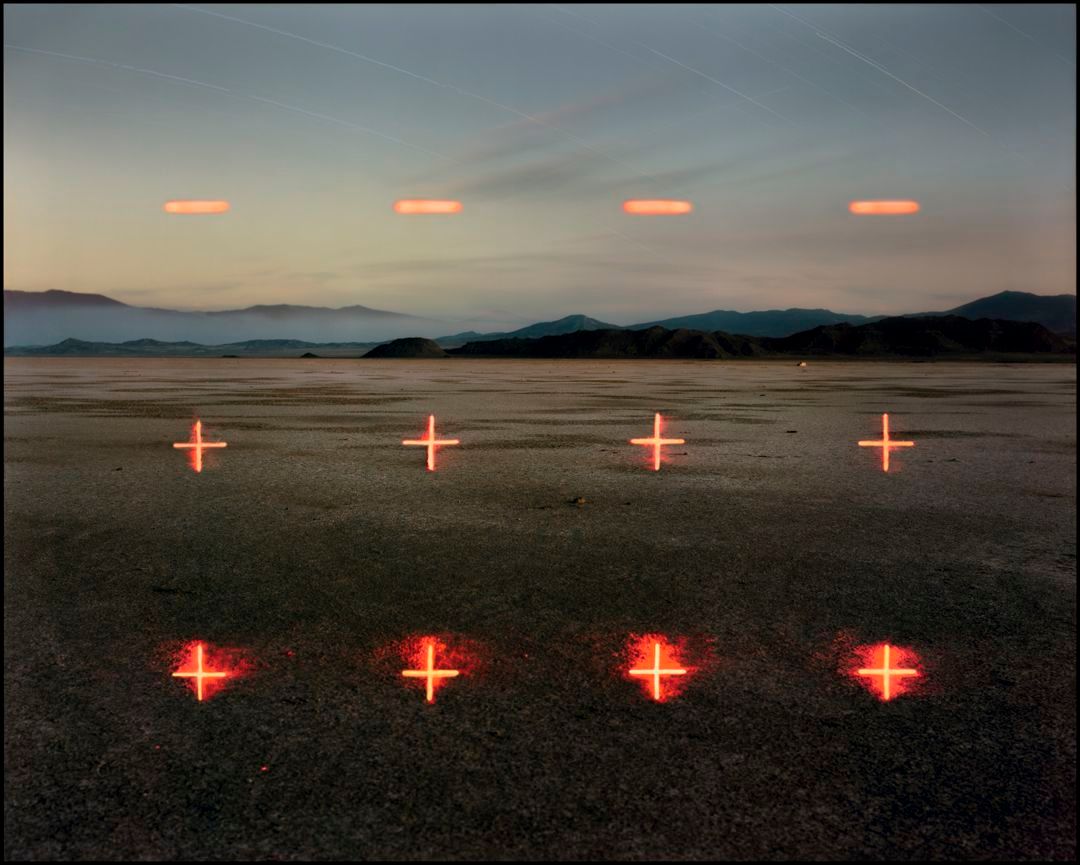
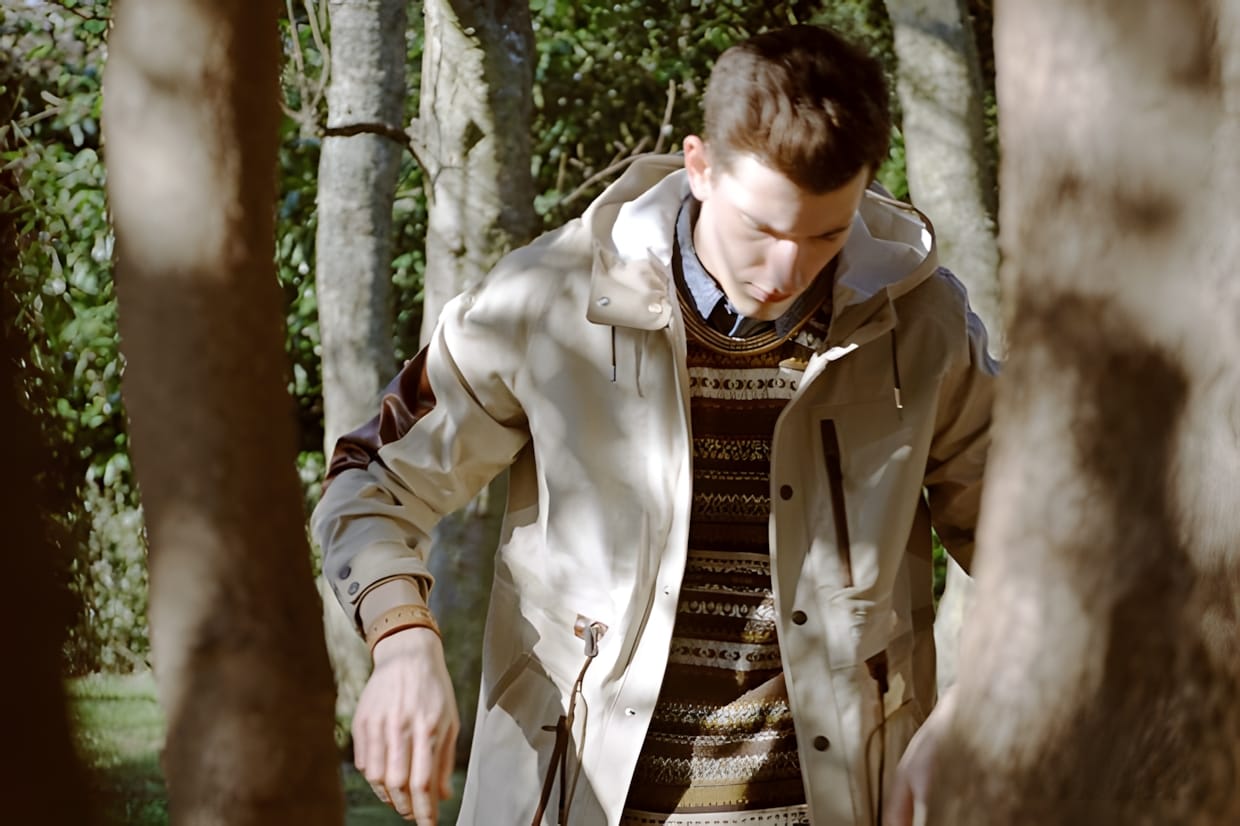
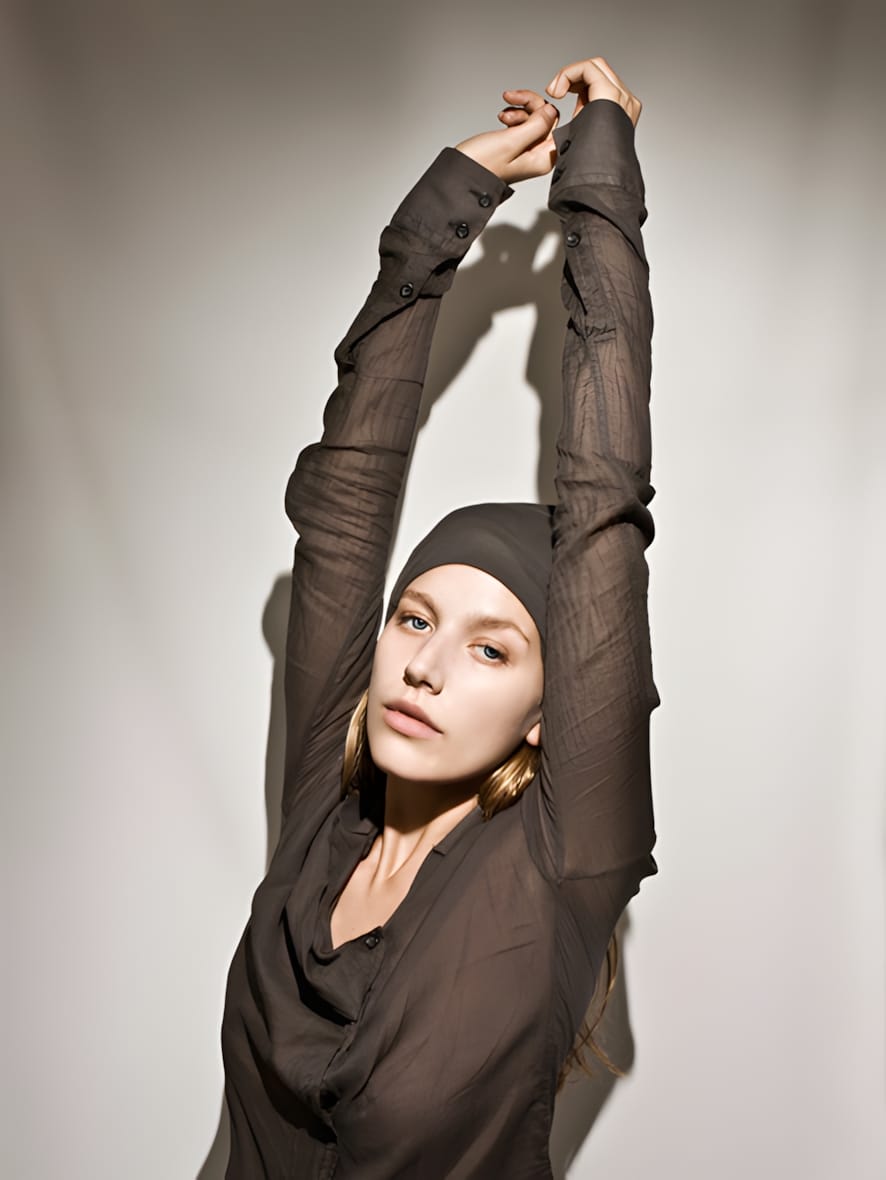
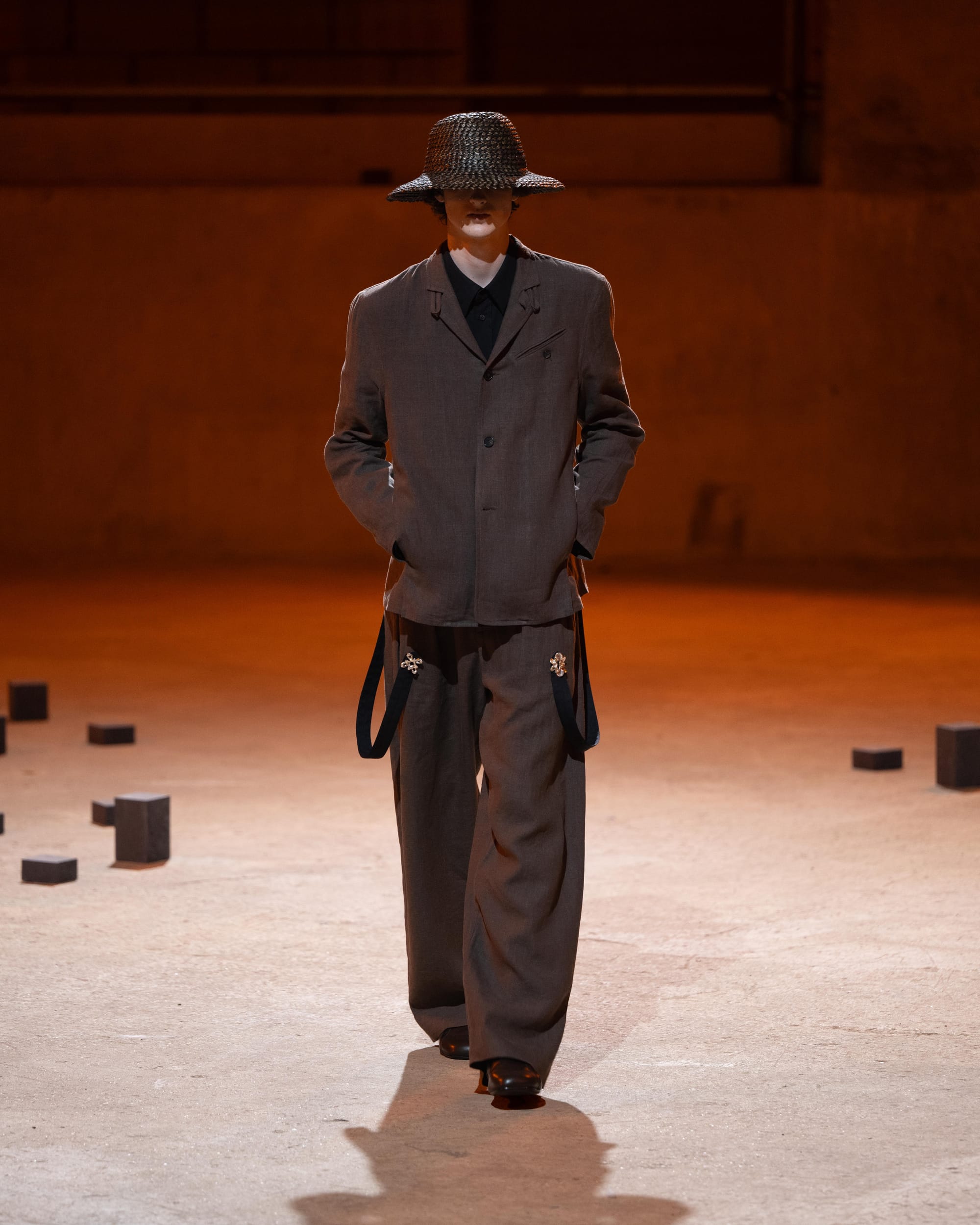
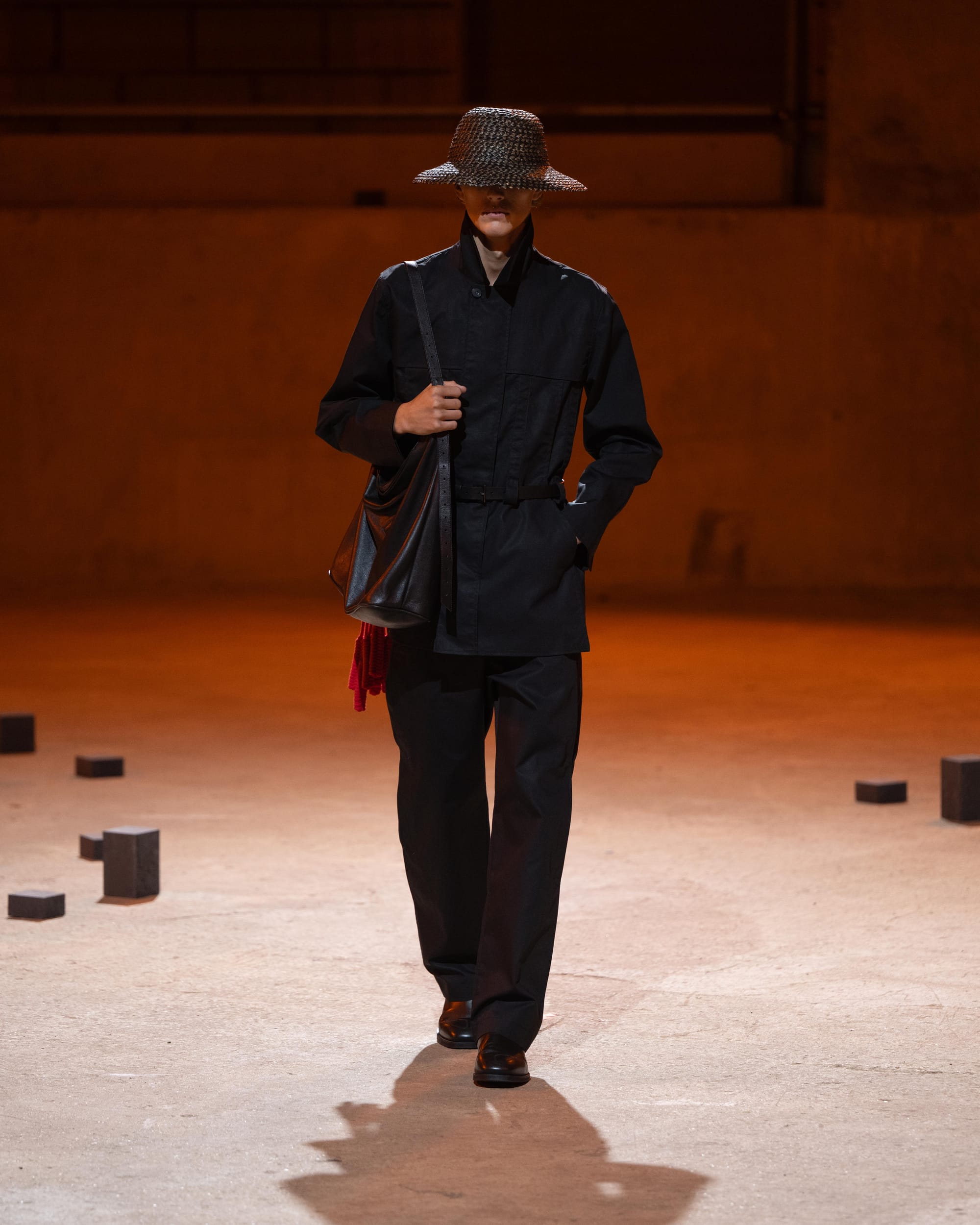
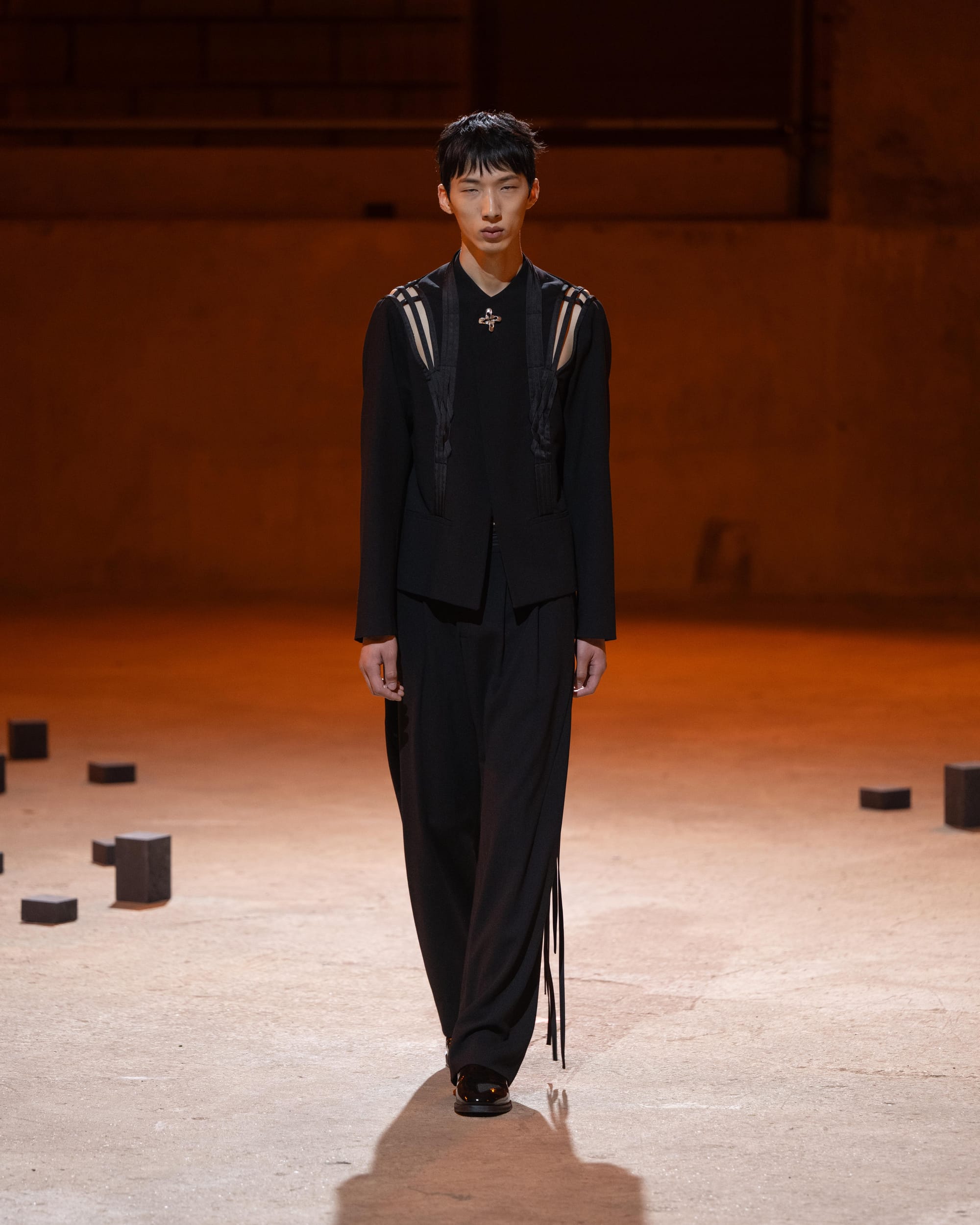
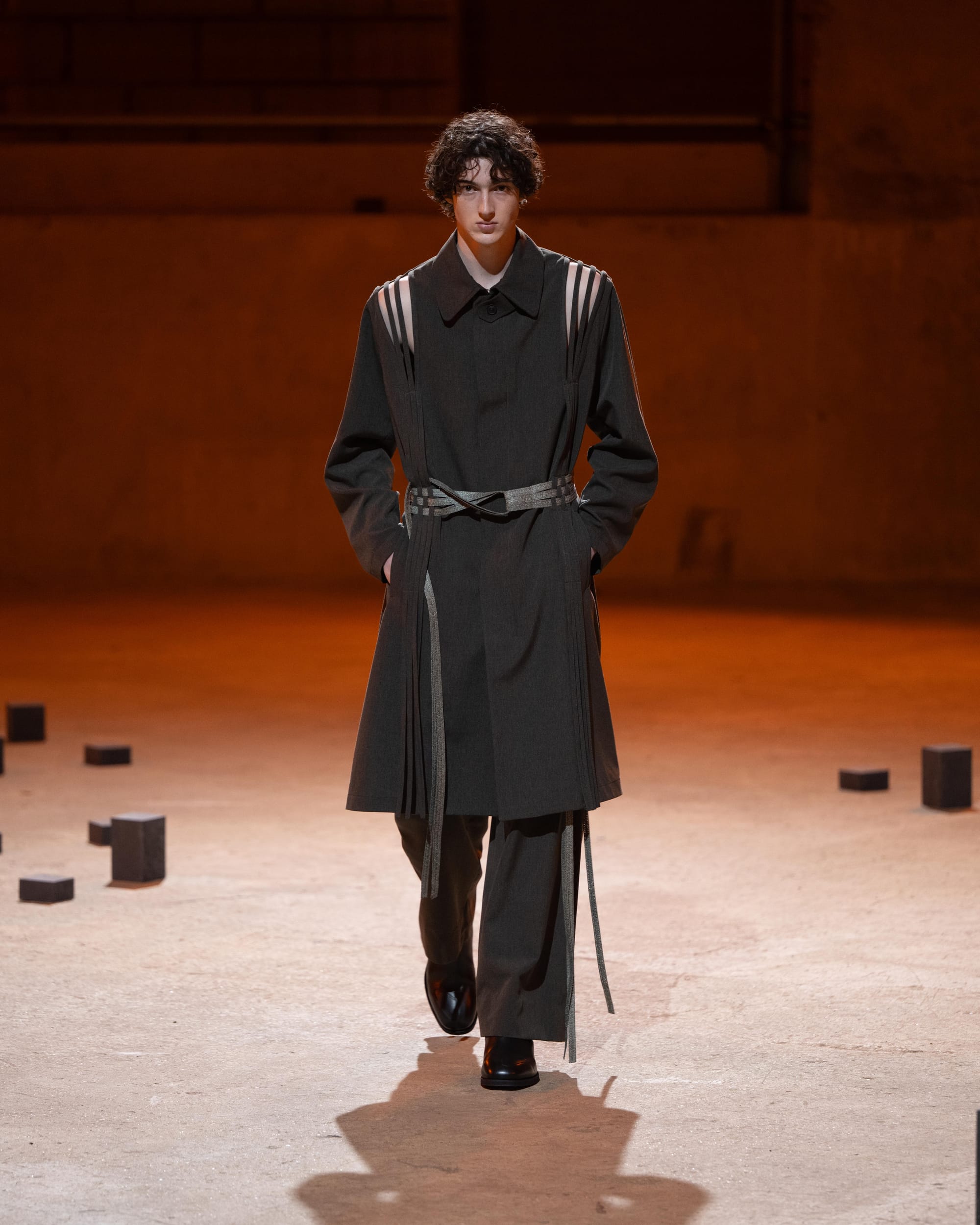
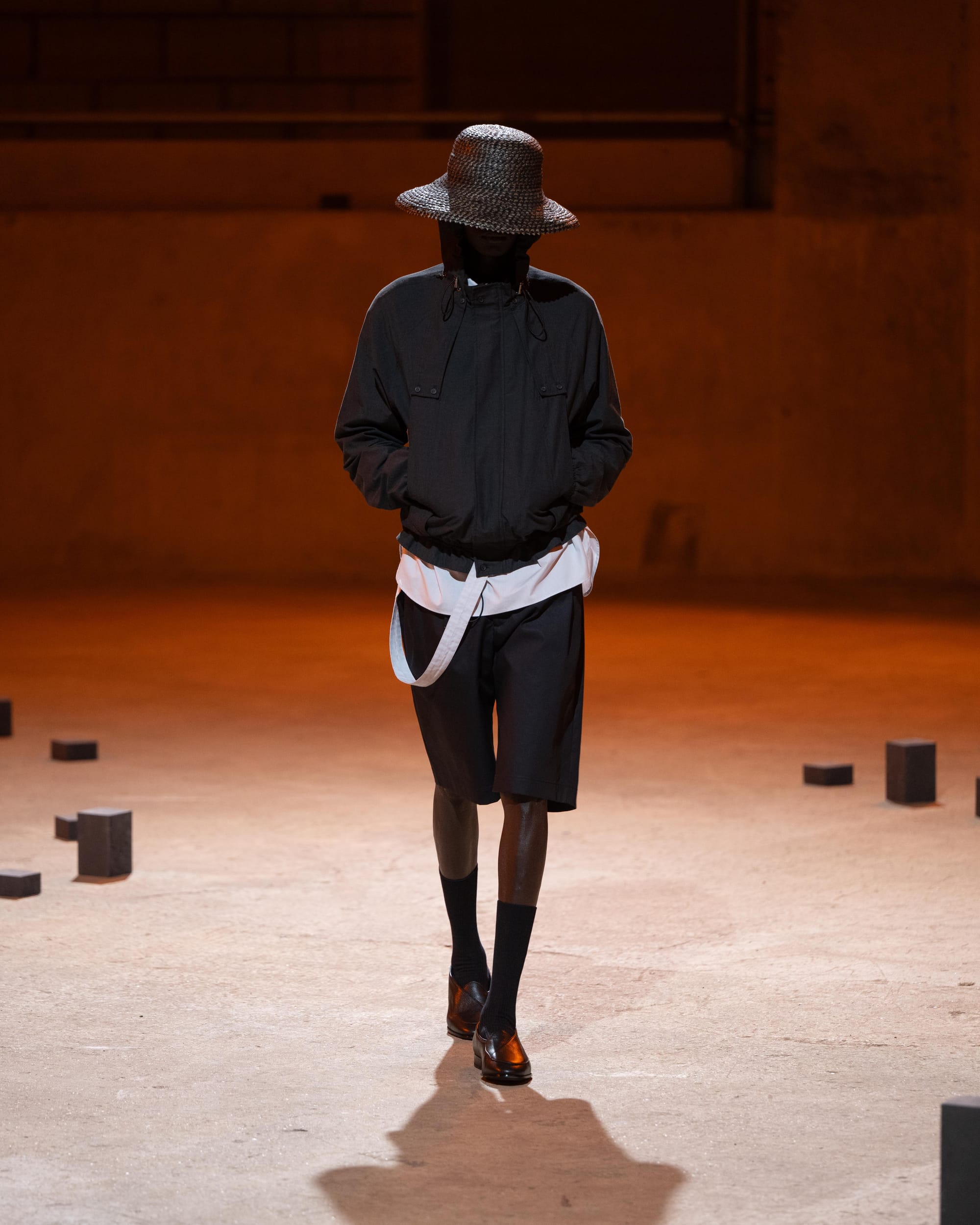
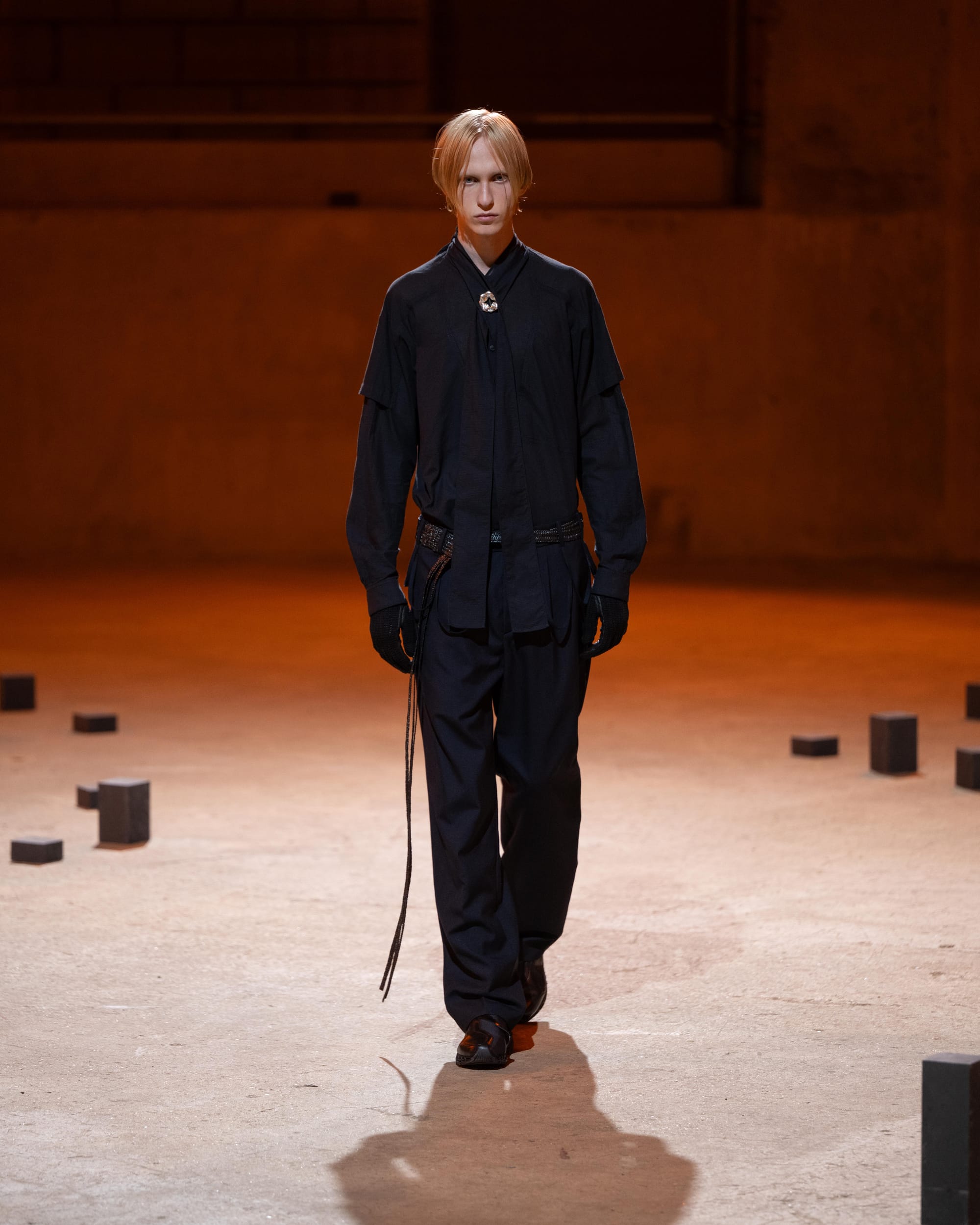
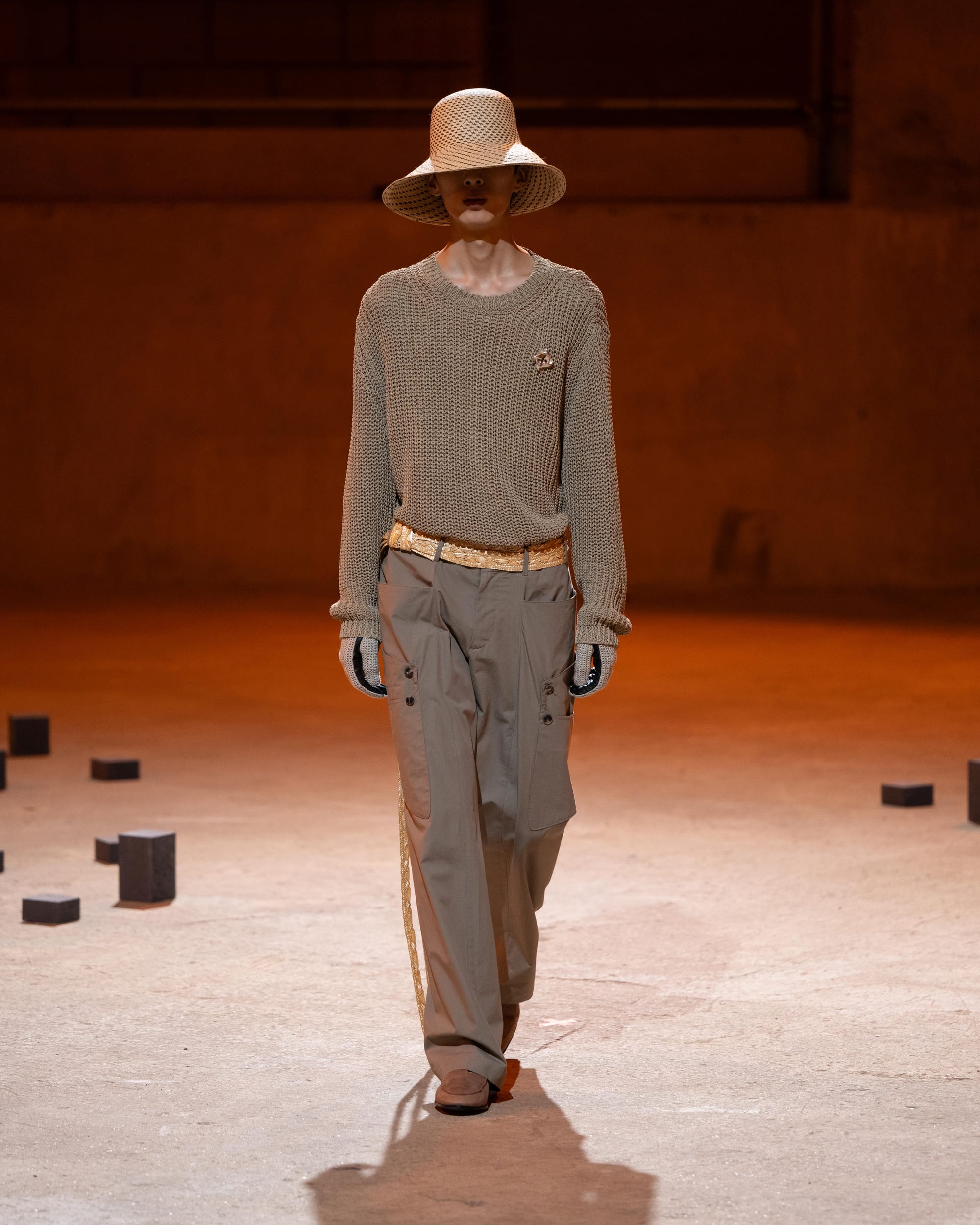
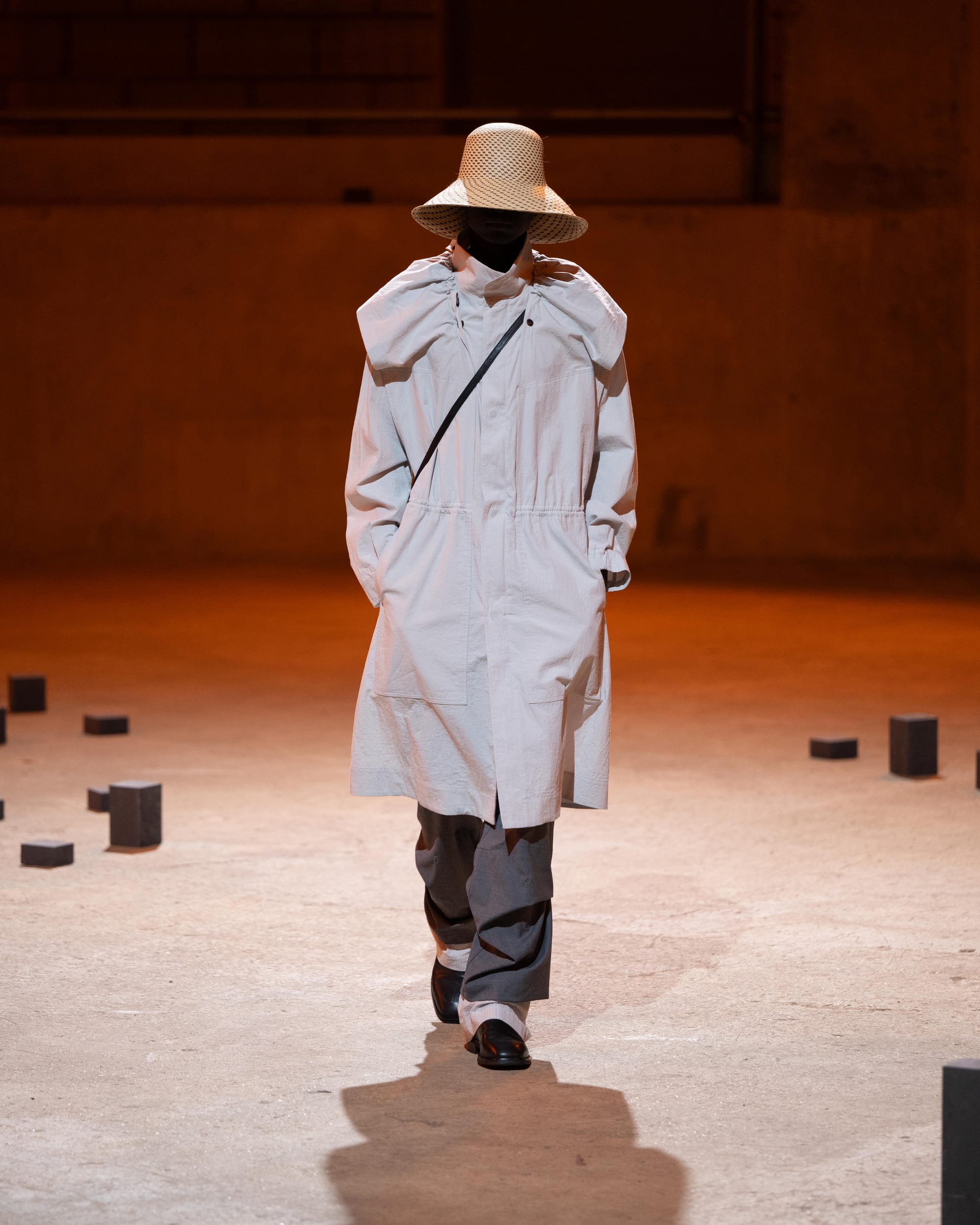
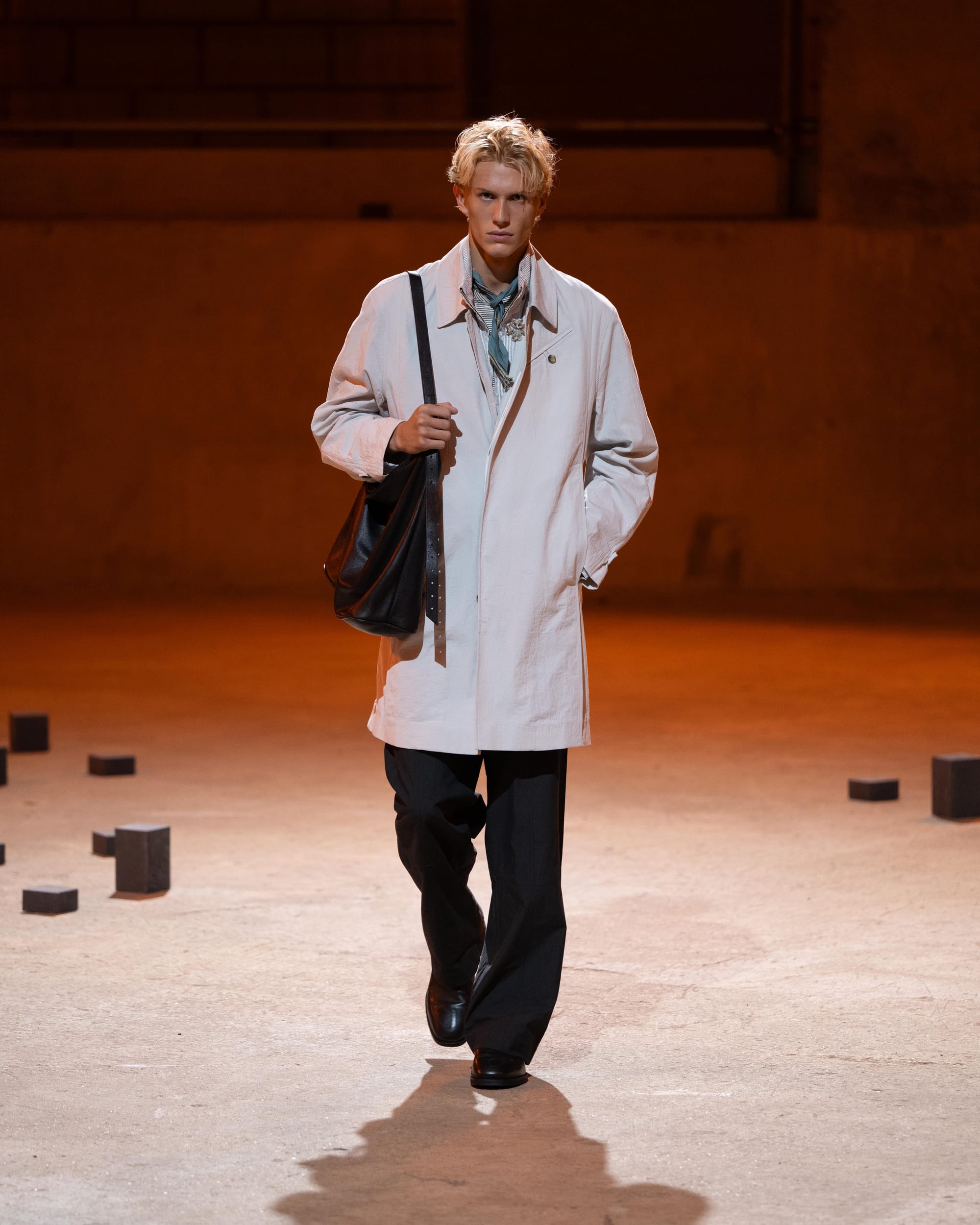
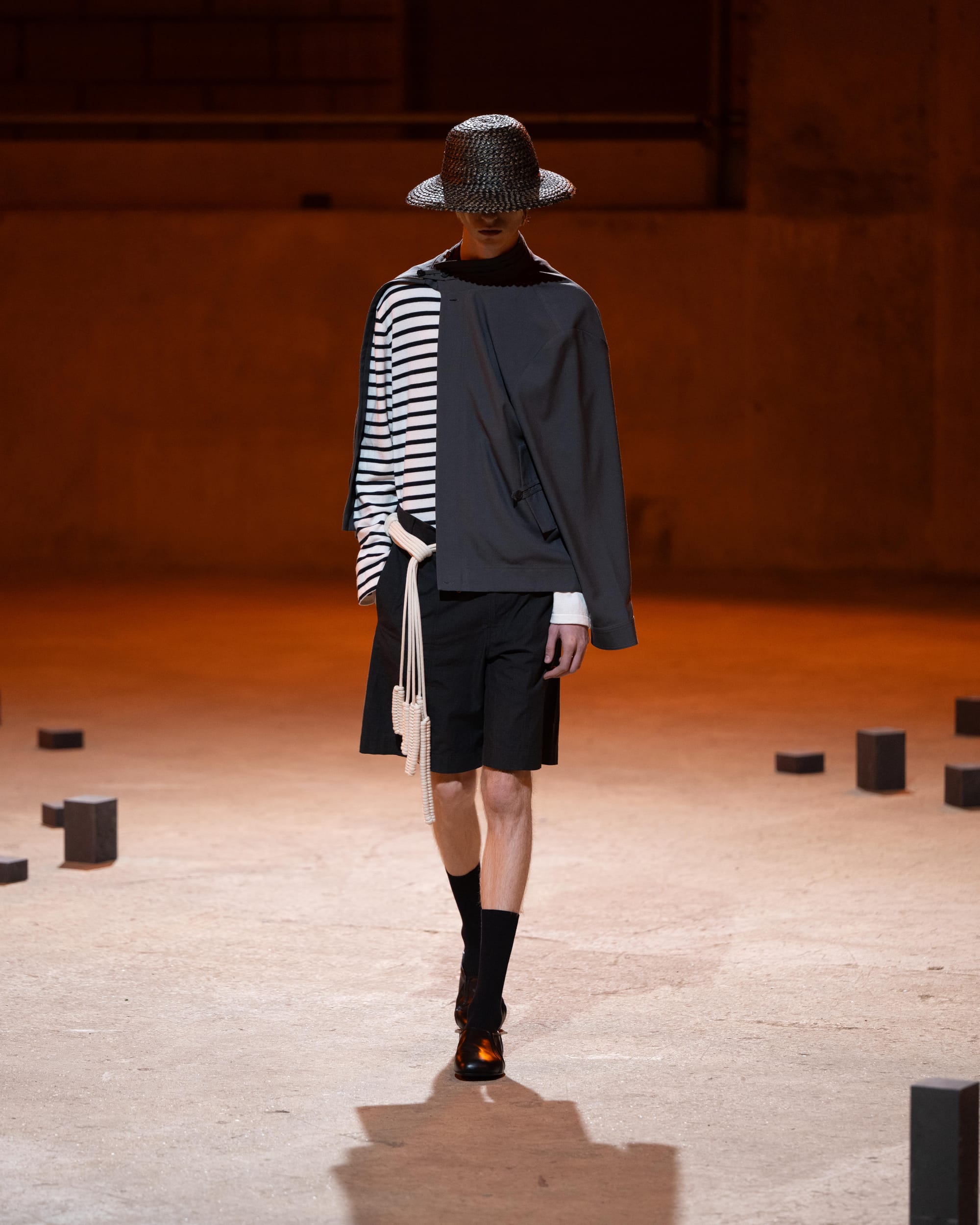
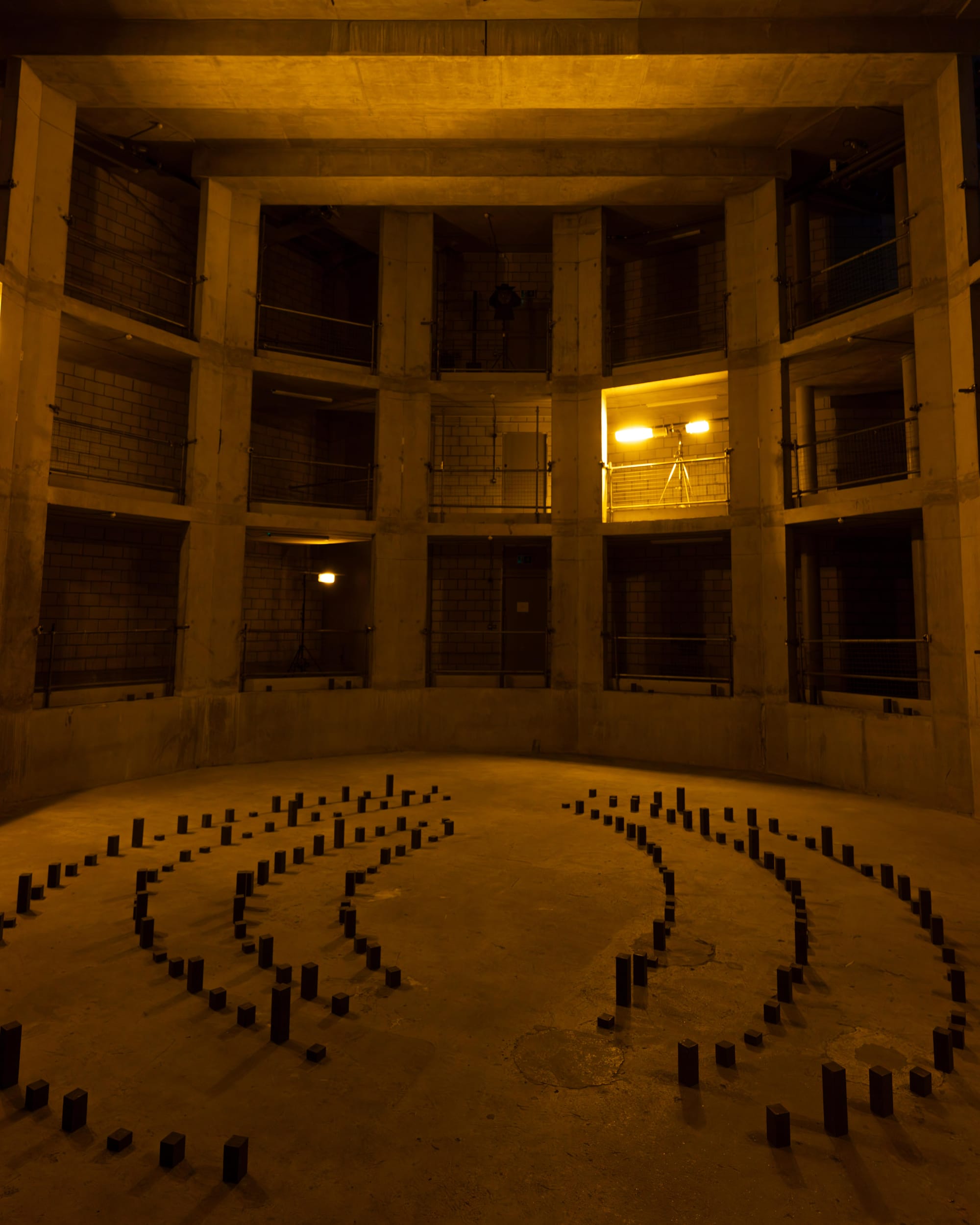
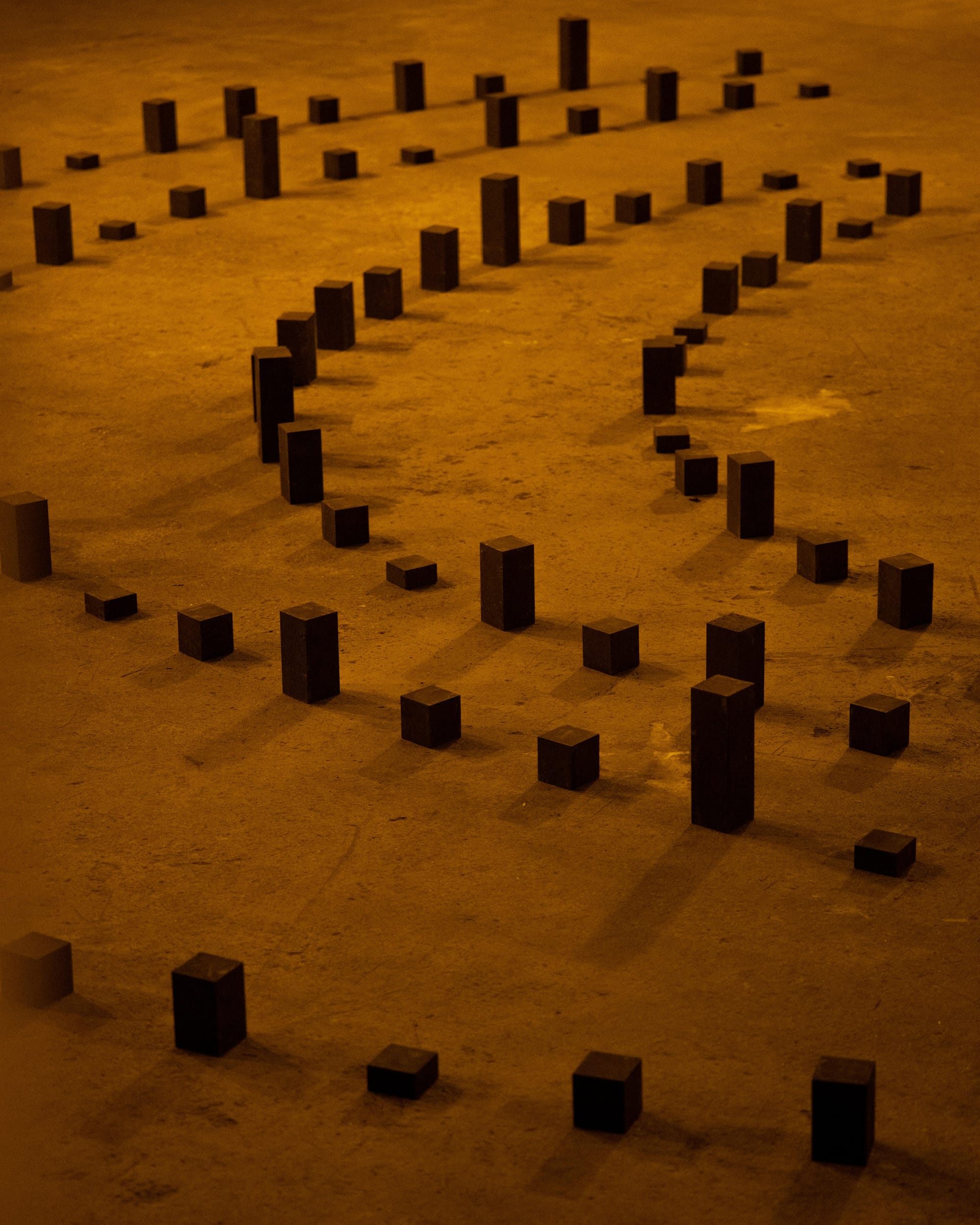
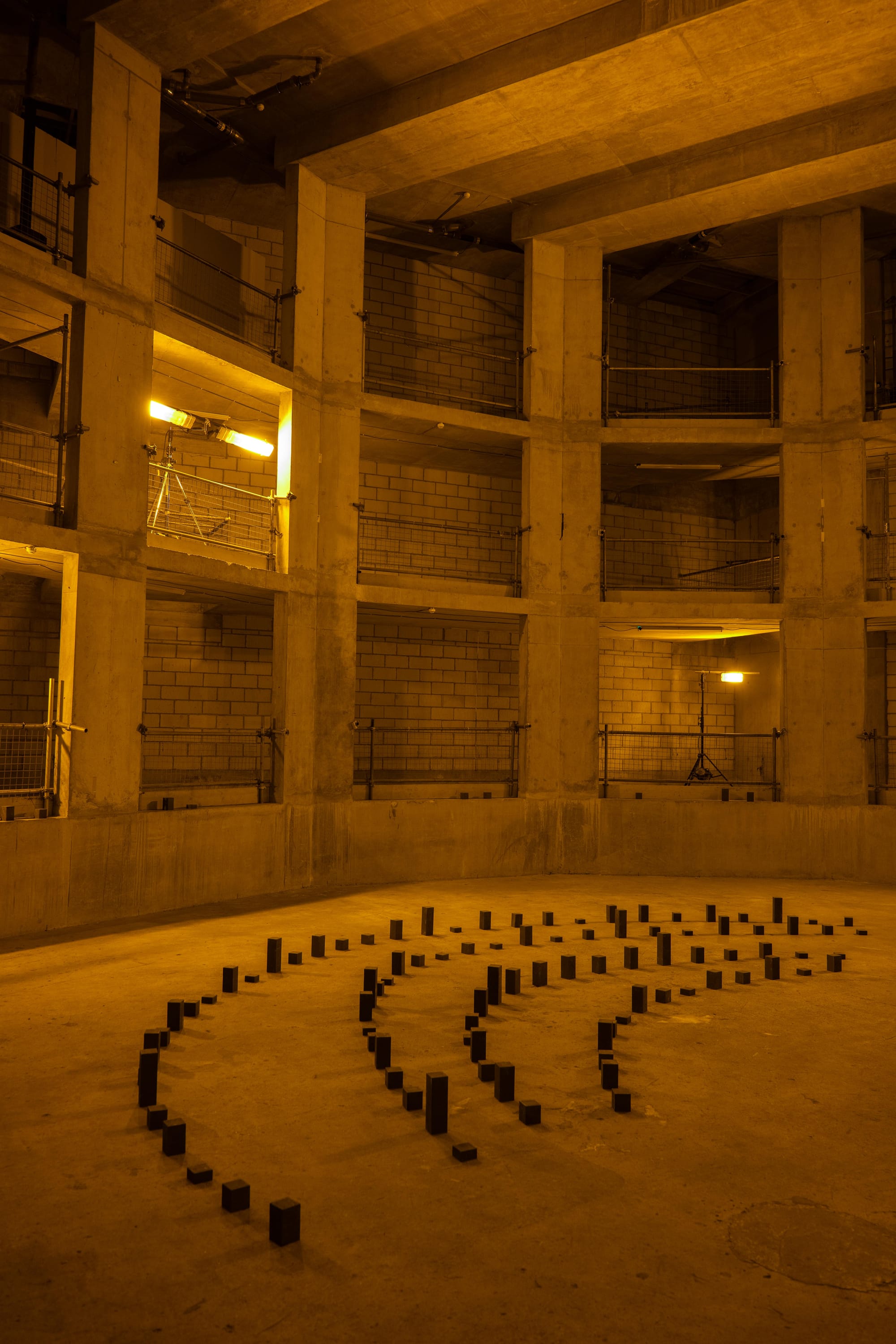
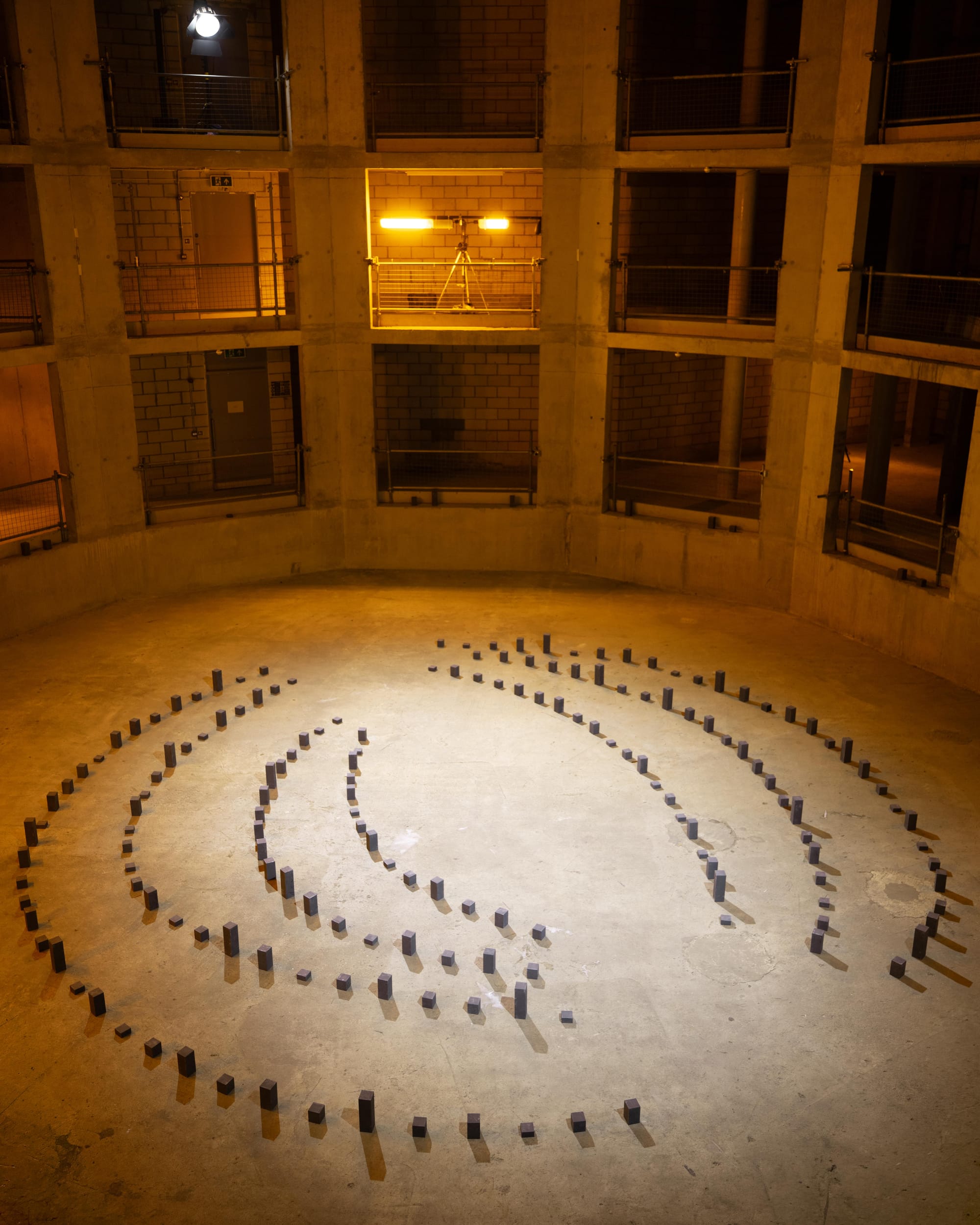
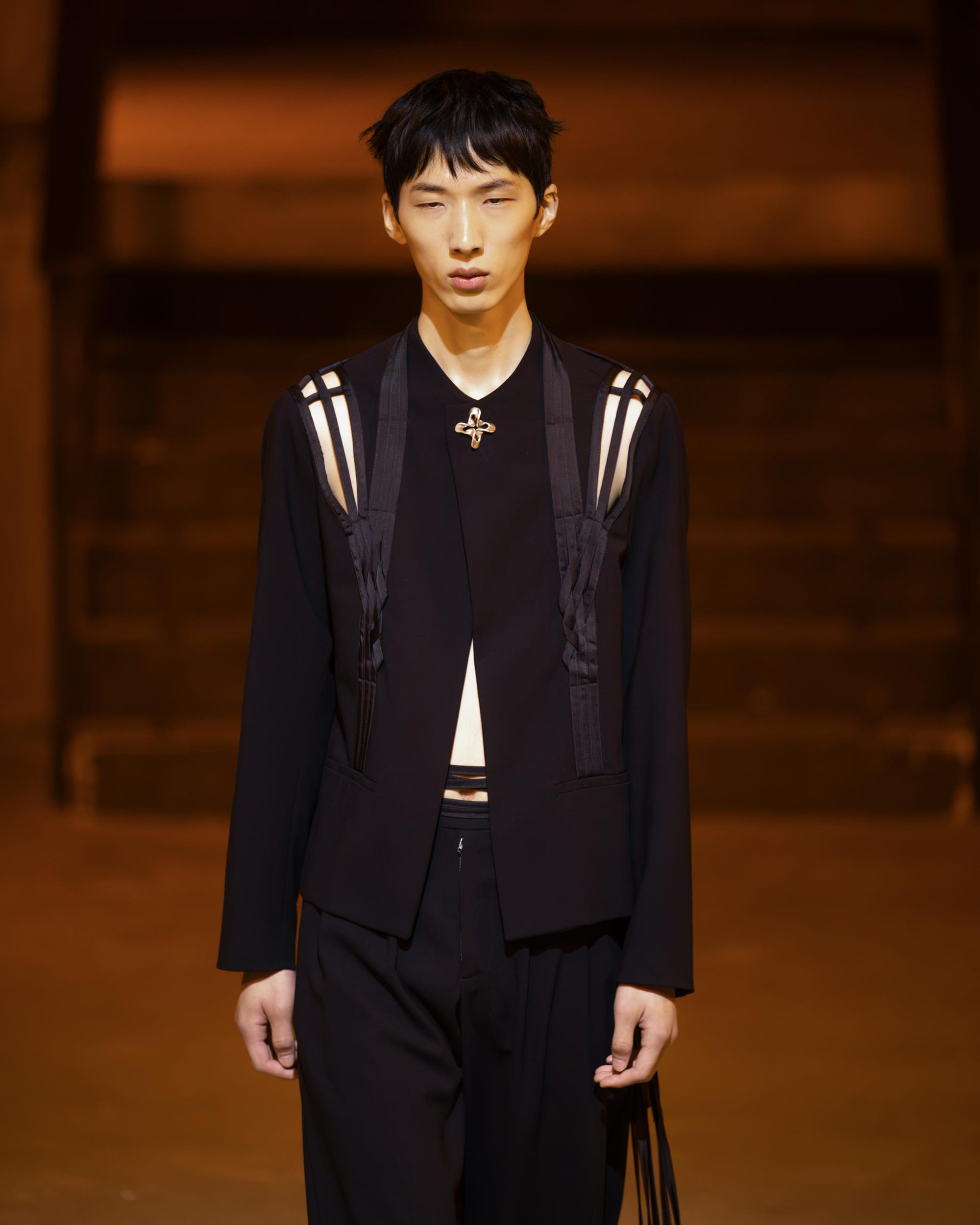
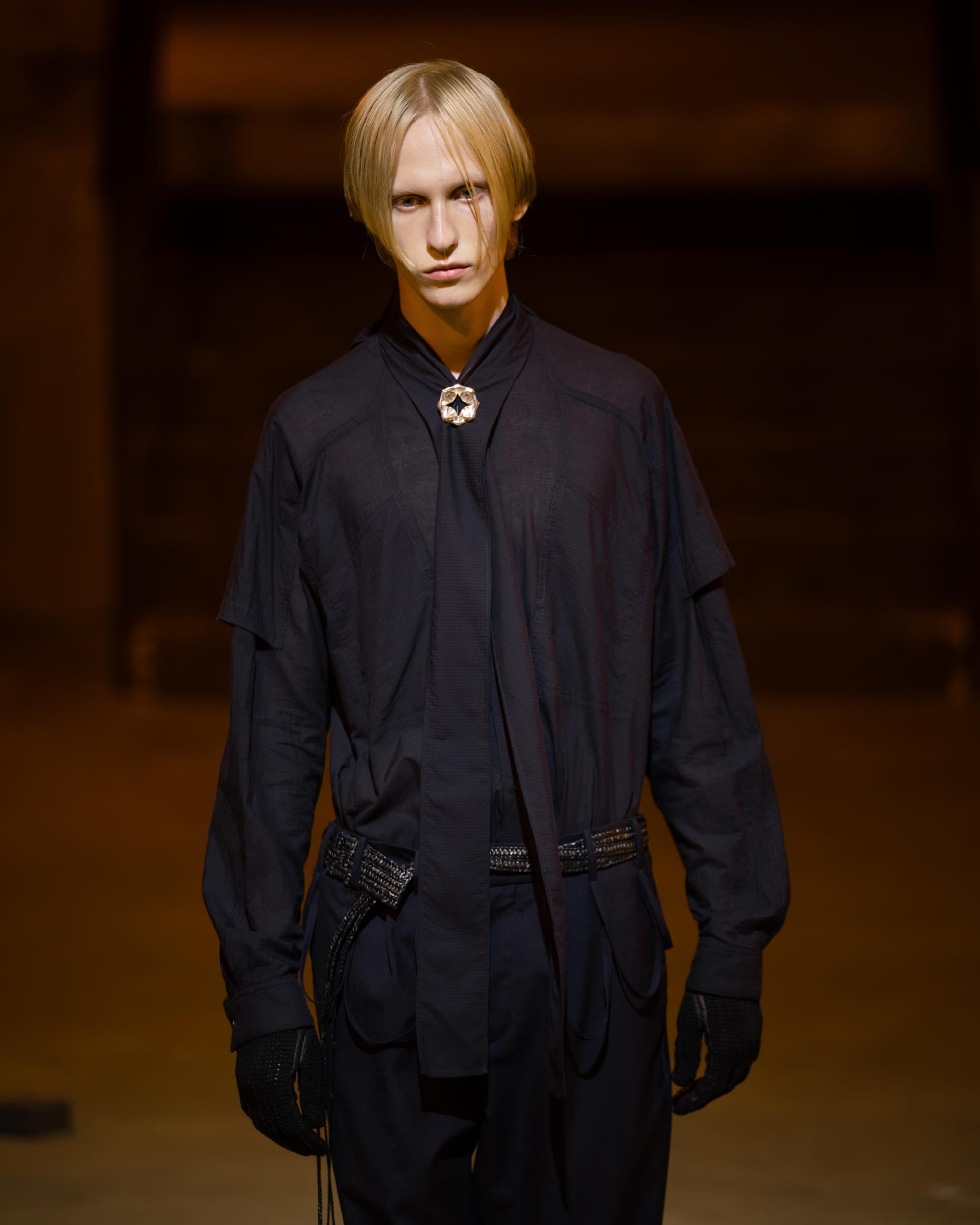
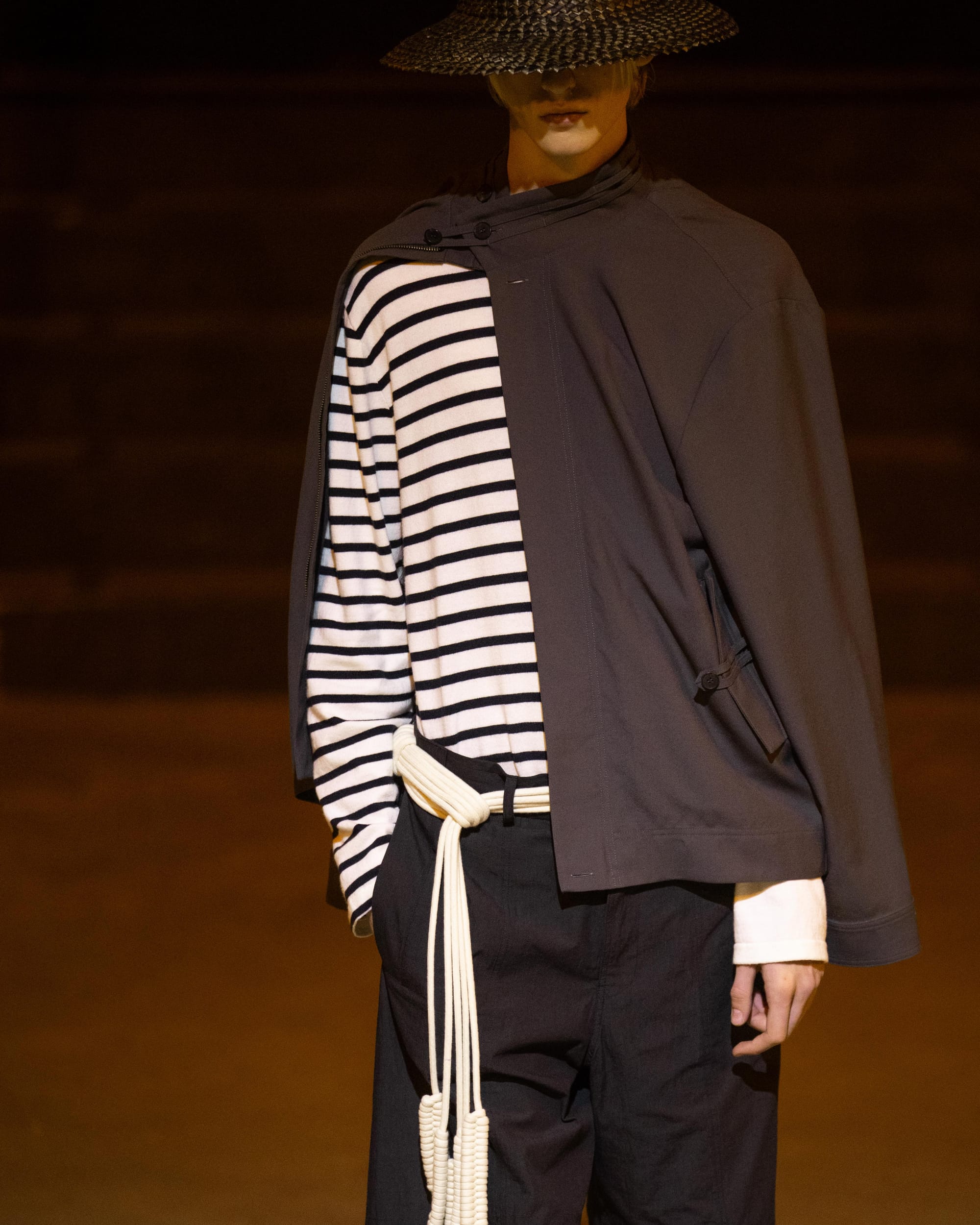
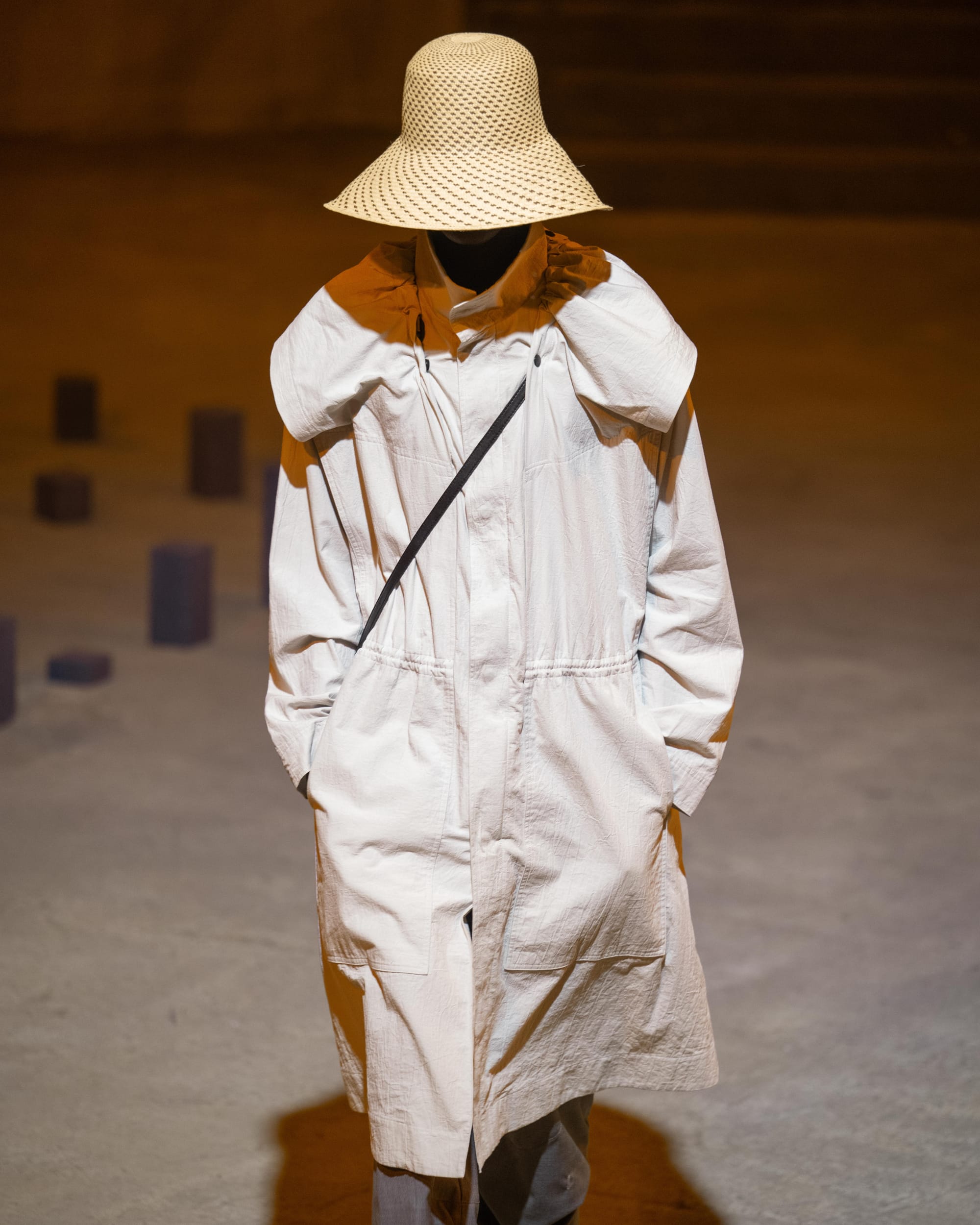
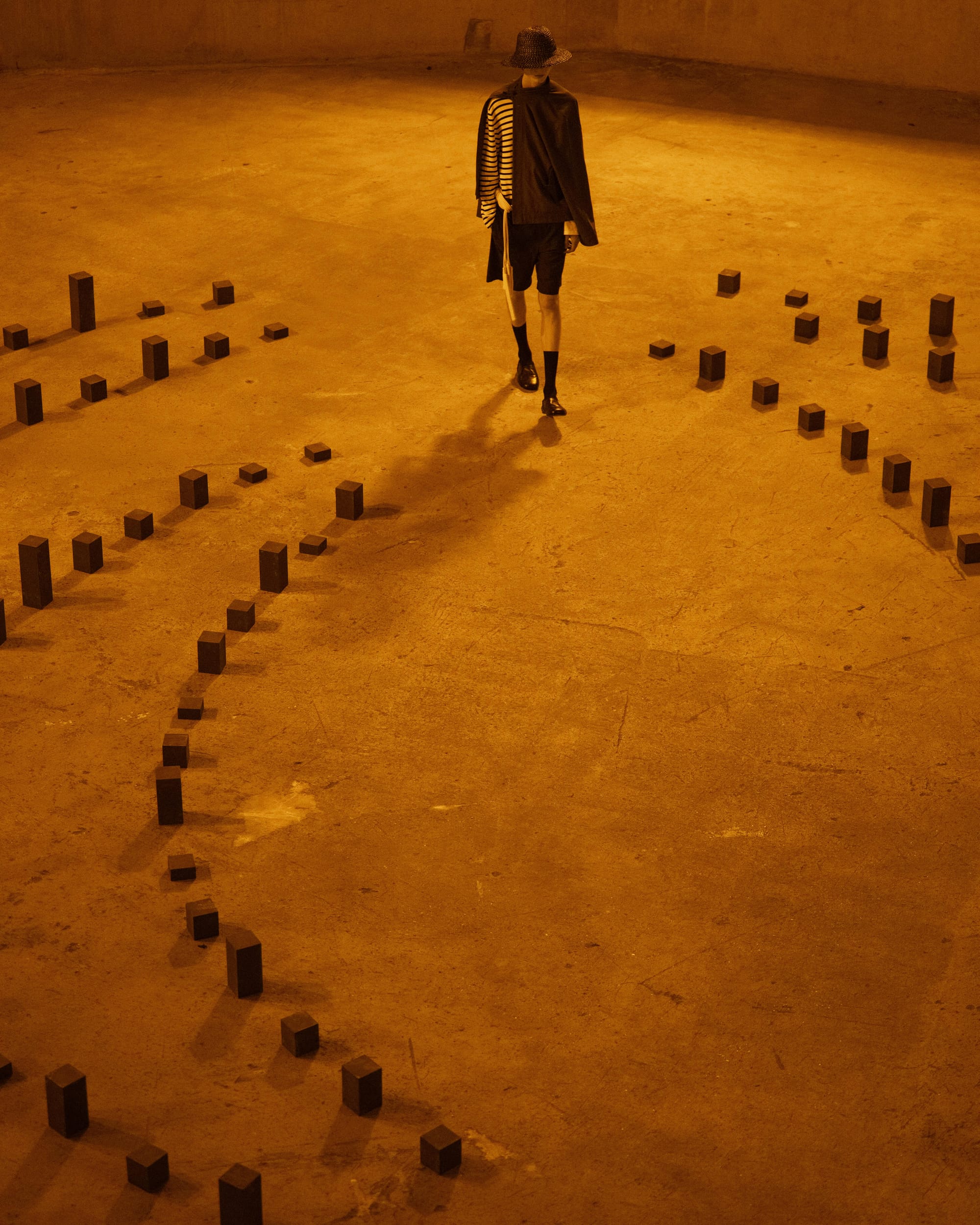
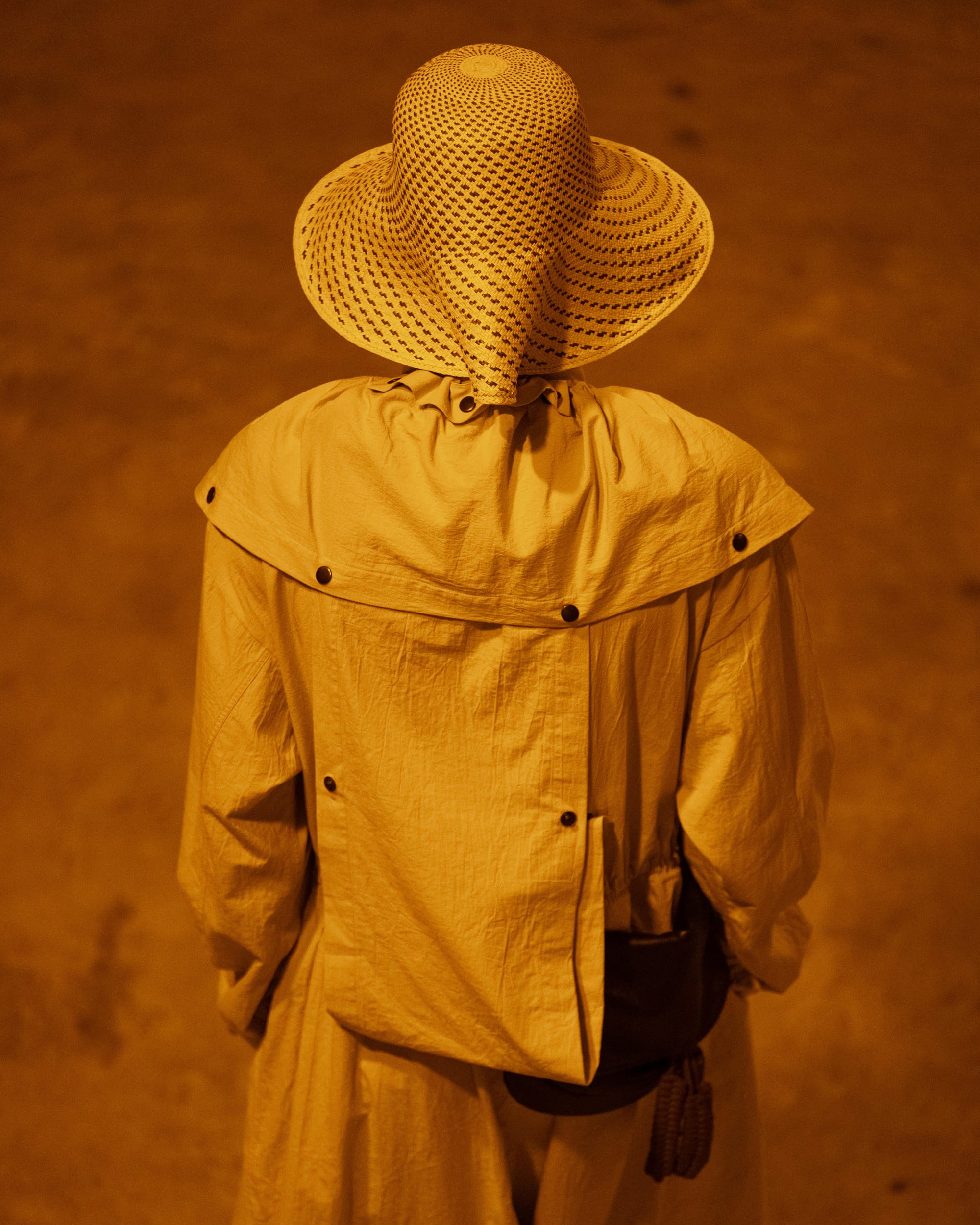
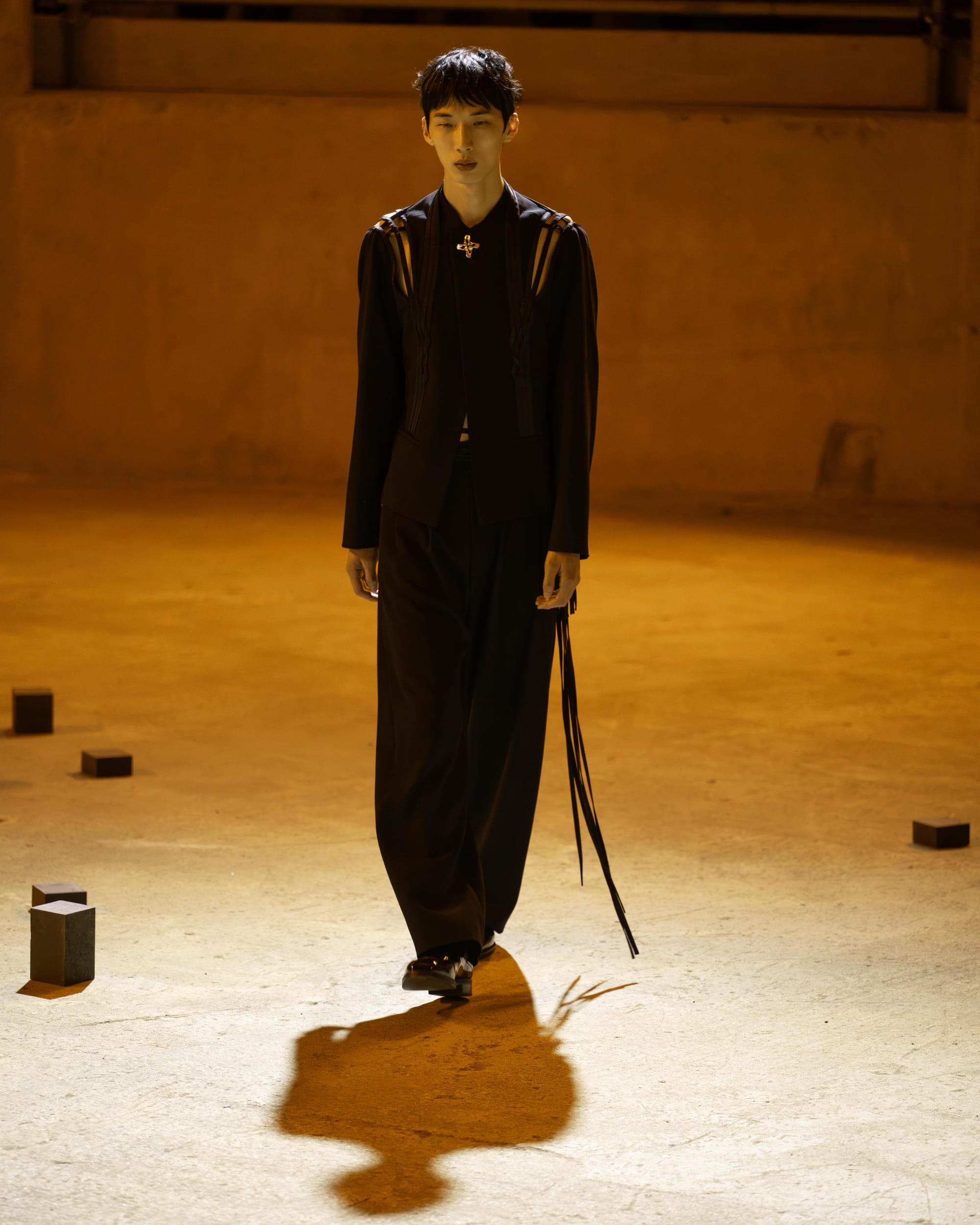
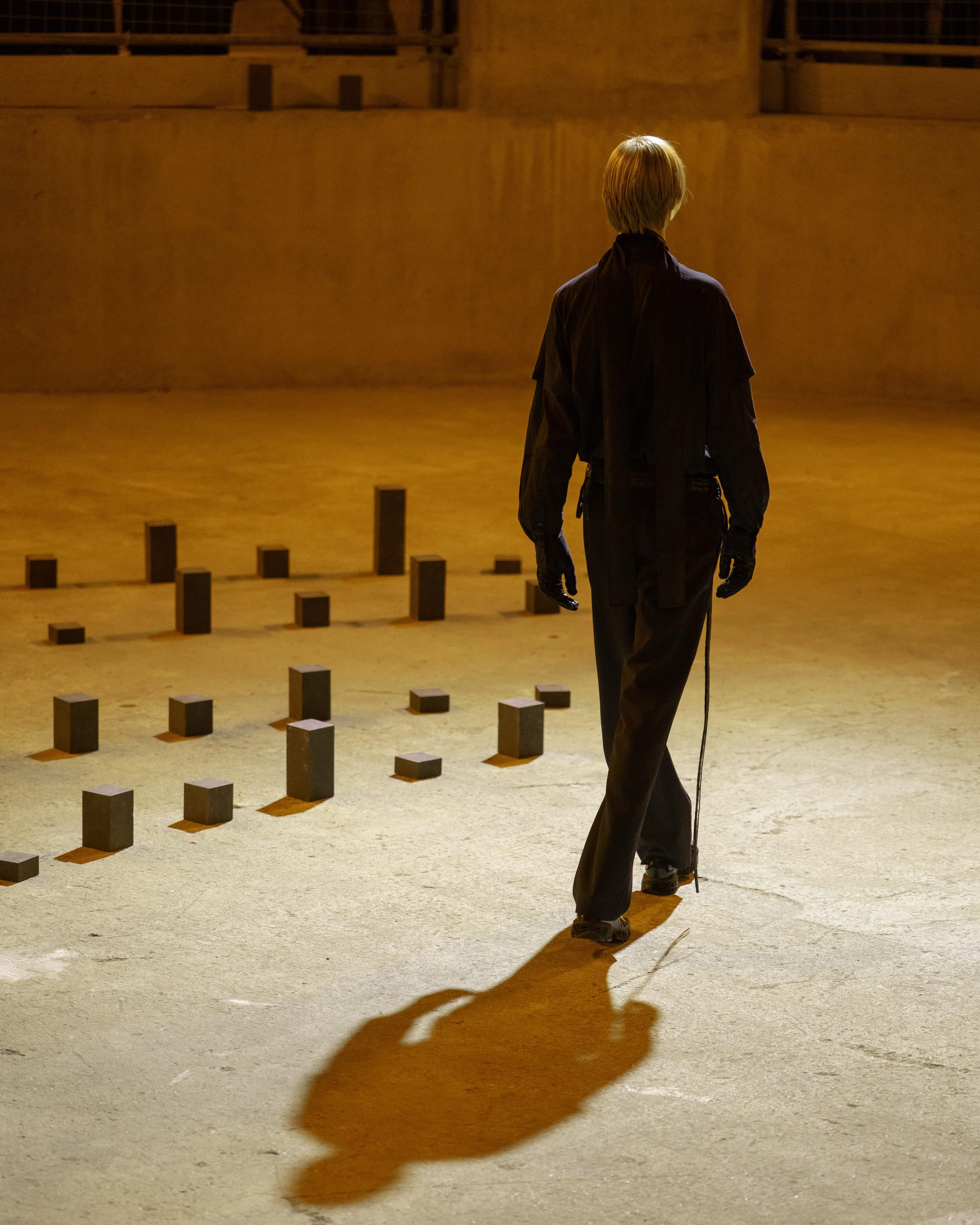
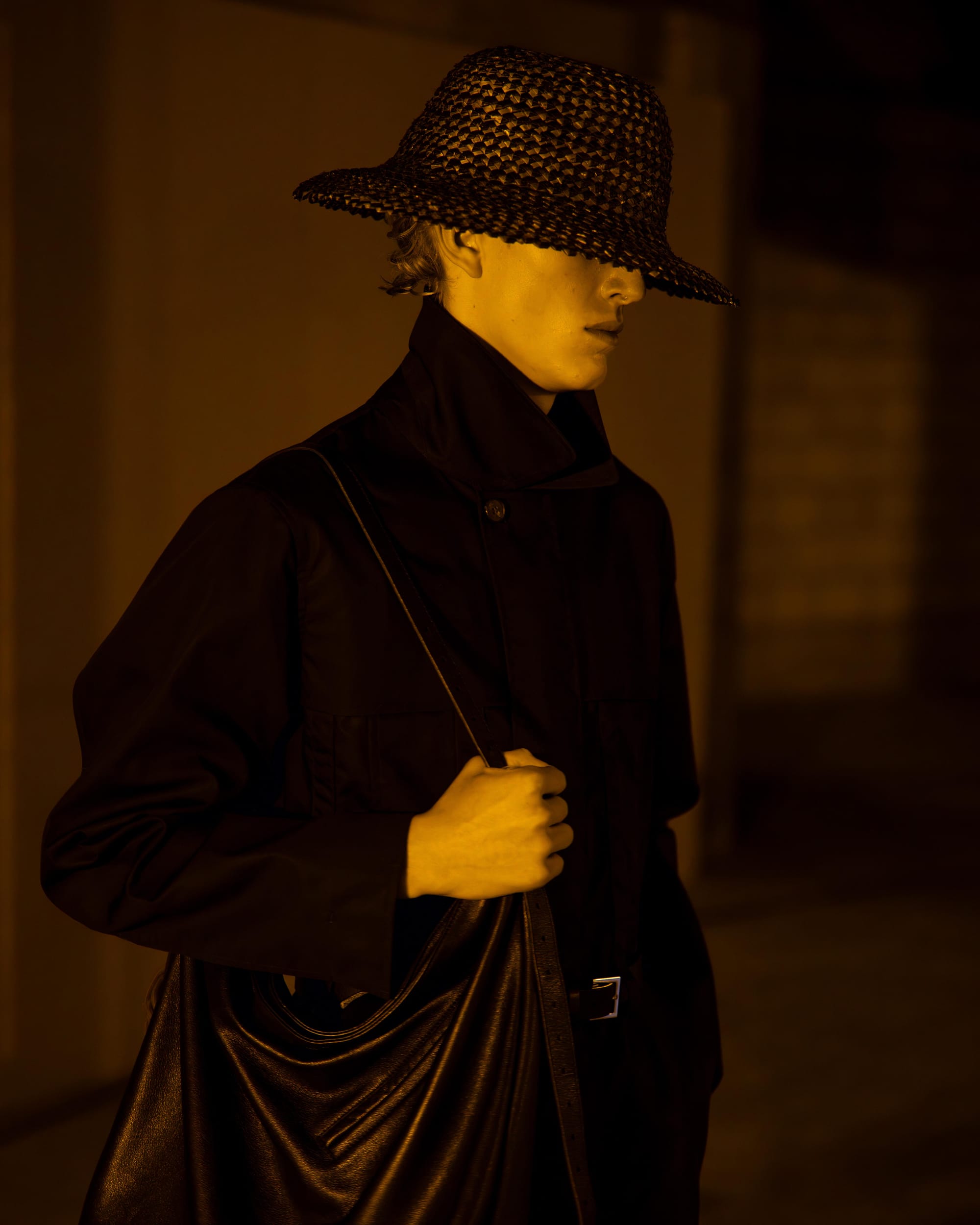
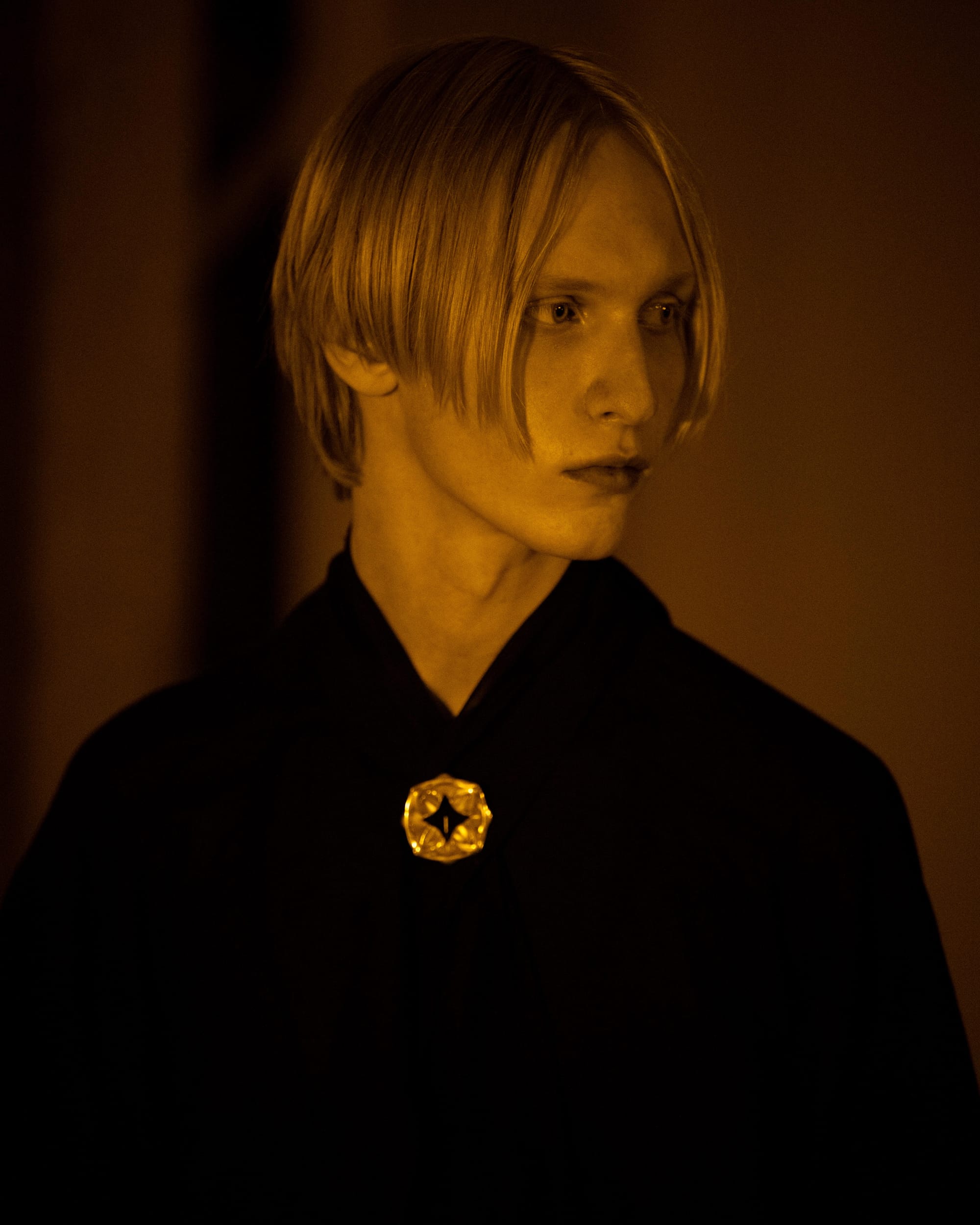
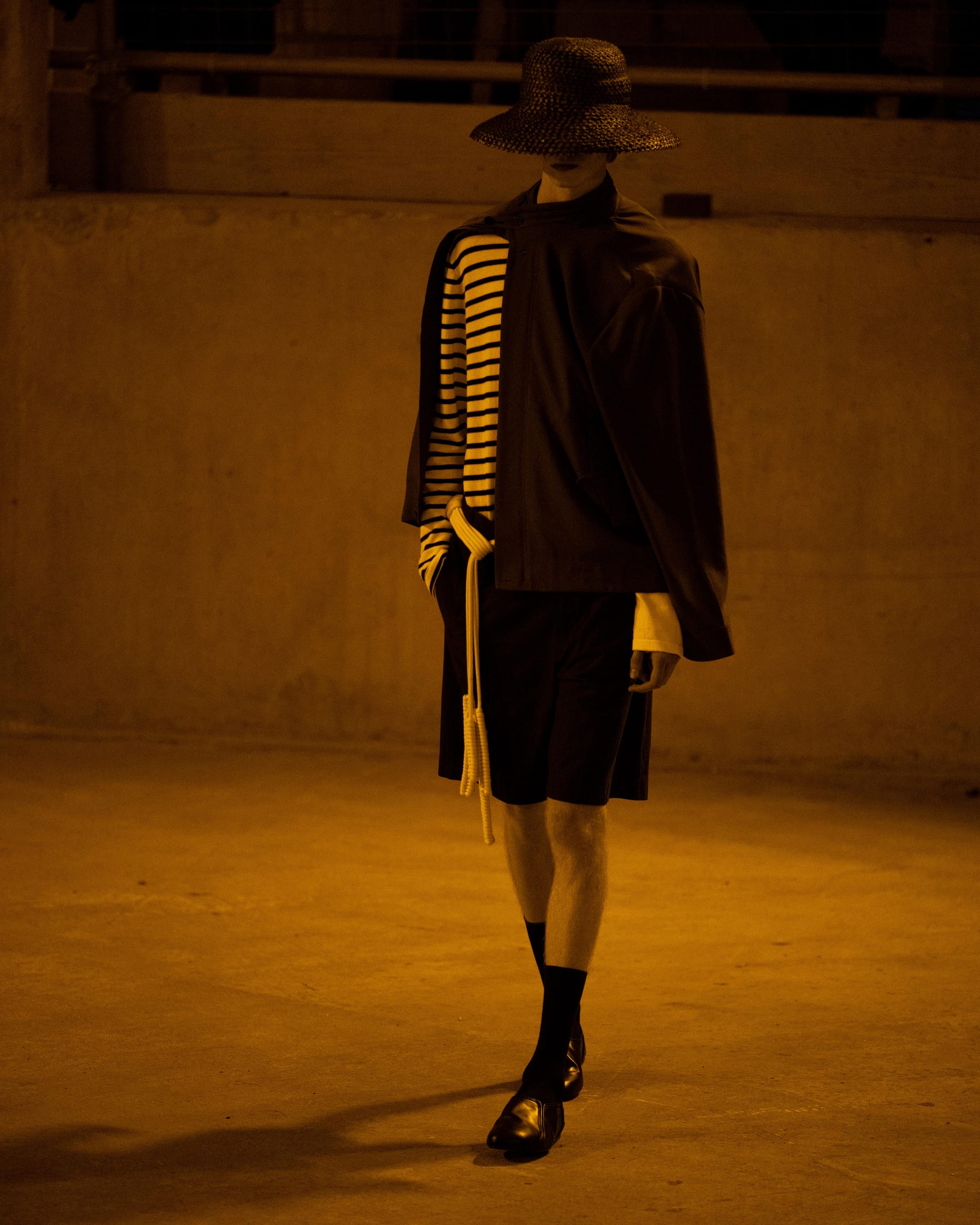
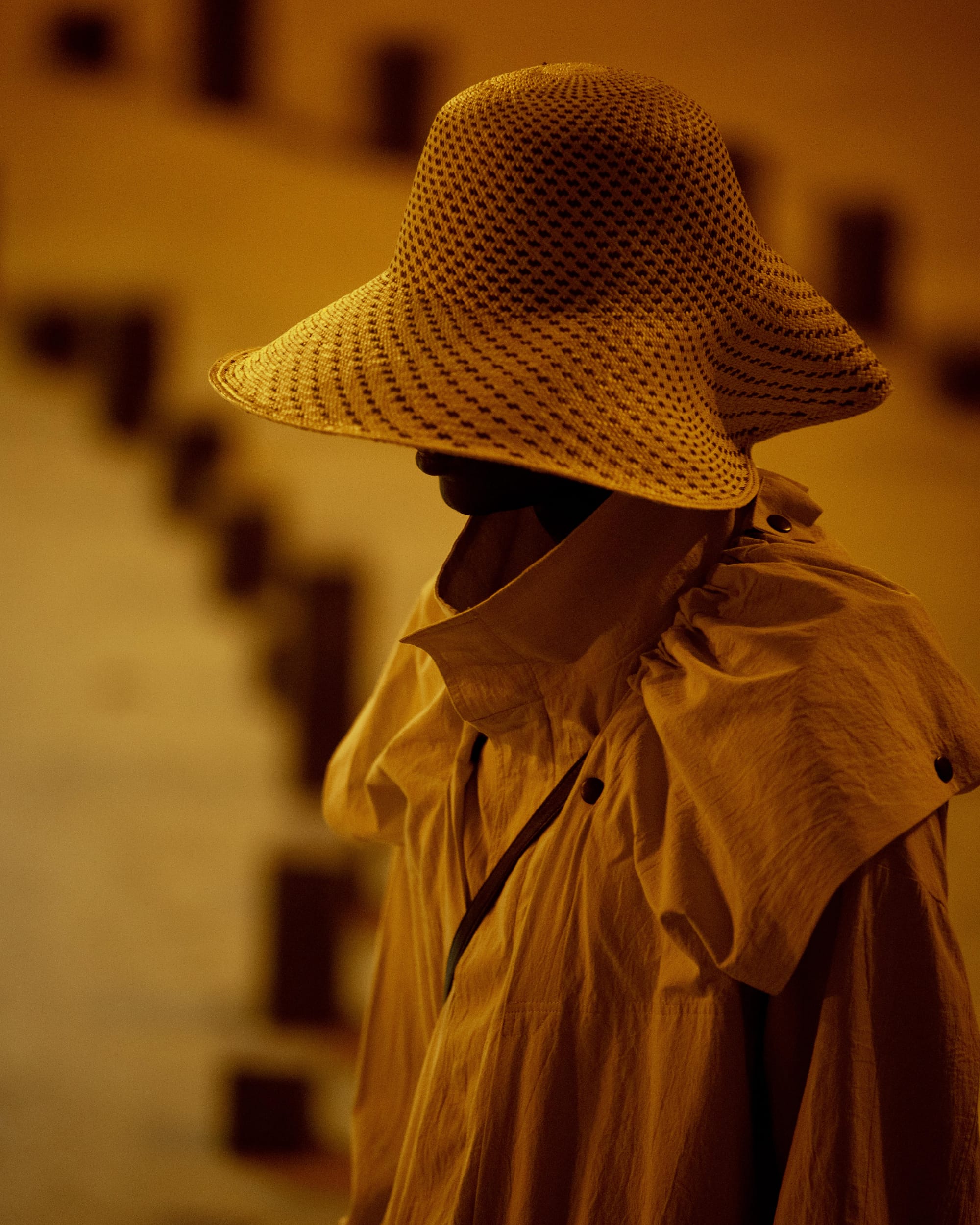
The Spring / Summer 27 collection was presented under the narrow yellow spectrum of low-pressure sodium light. Bodies and garments were engulfed in a near-monochromatic atmosphere, an interpretation of a black and white sunset. Colours became perceptible only when struck by full spectrum light, momentarily revealing their true tones. The cast travelled around a physical interpretation of a deconstructed Möbius strip. cc: J.L - A.L _ _
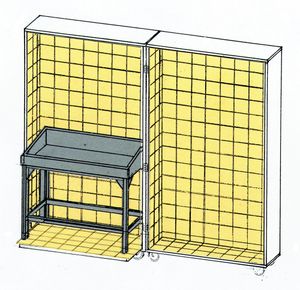
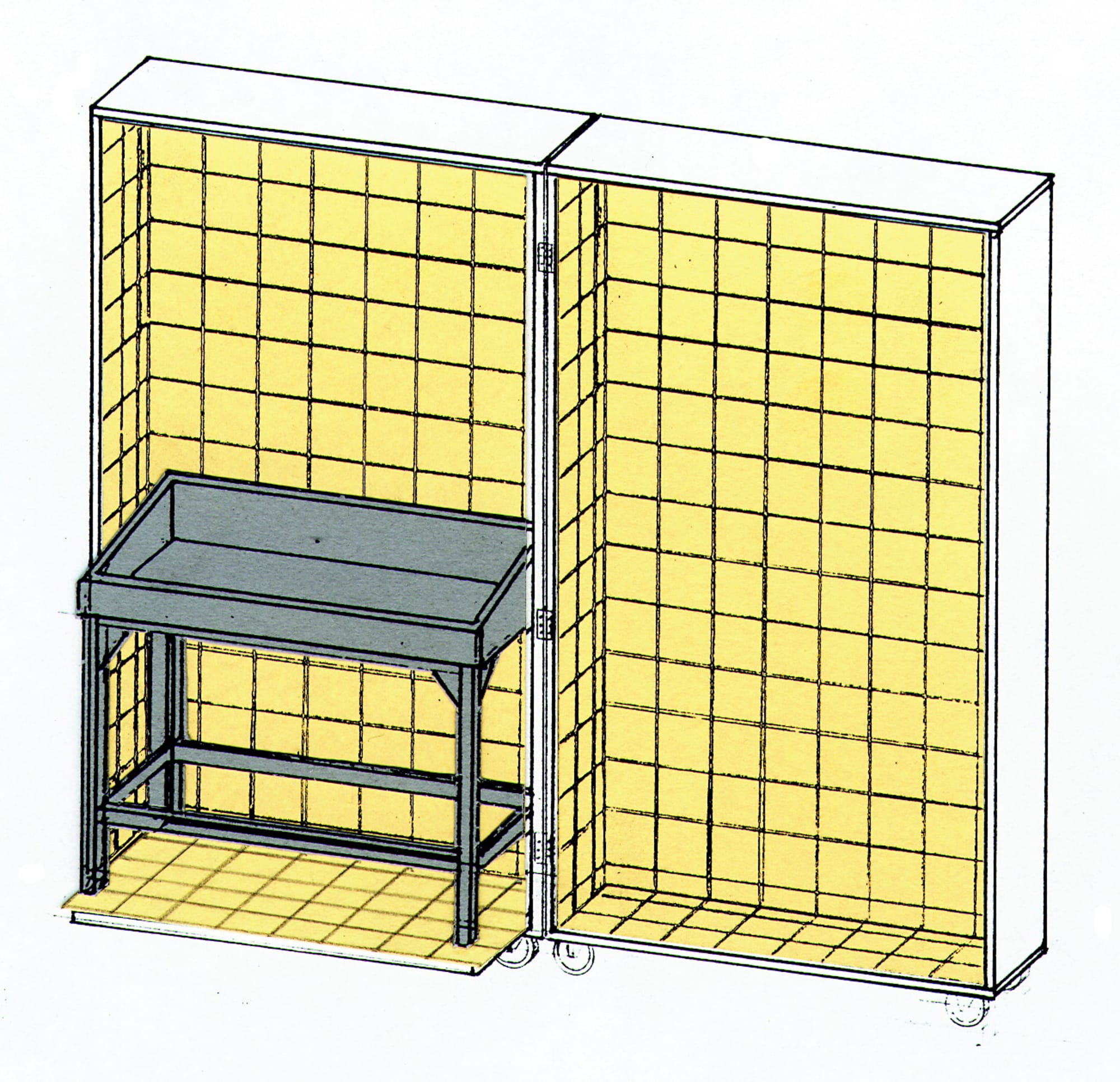
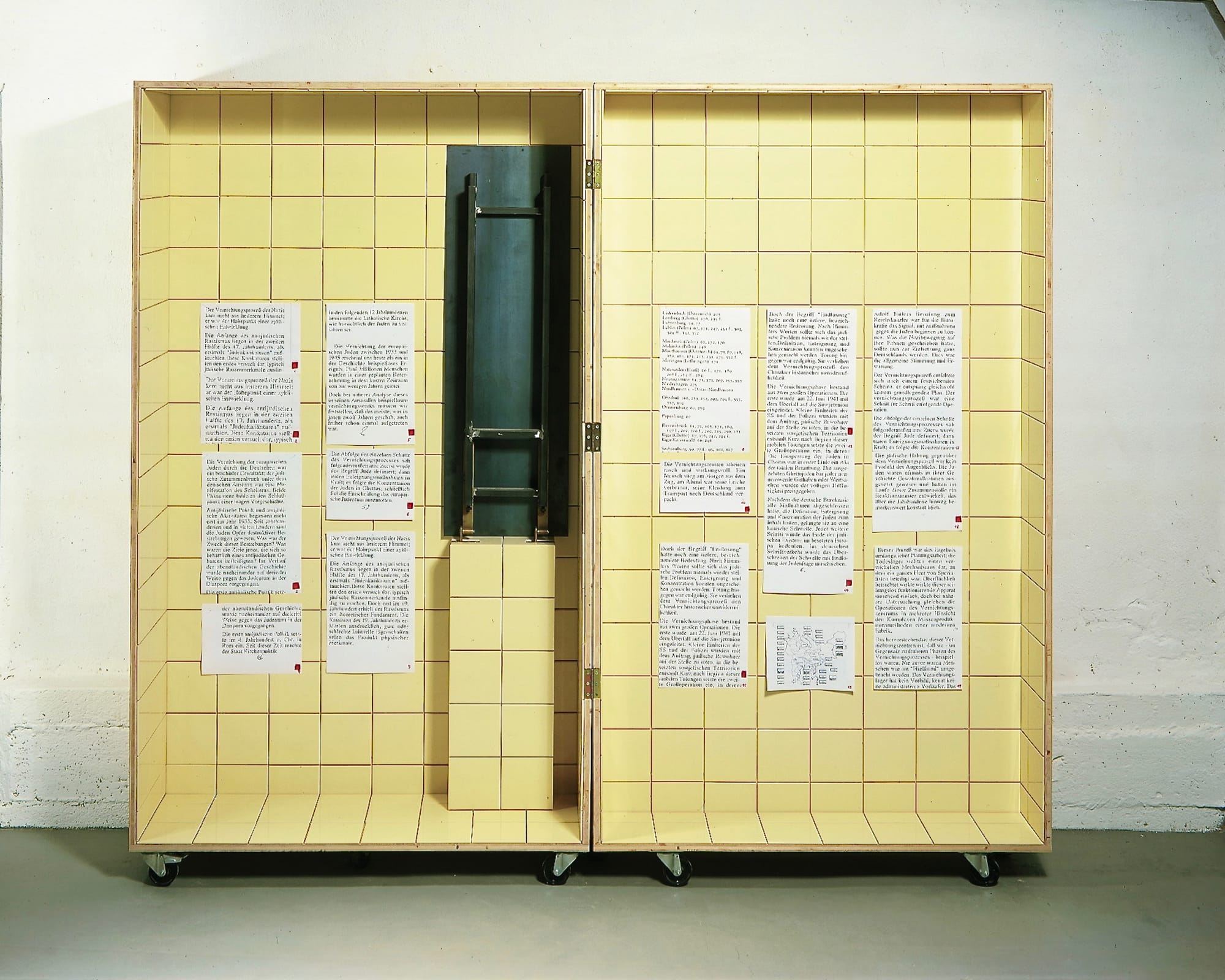
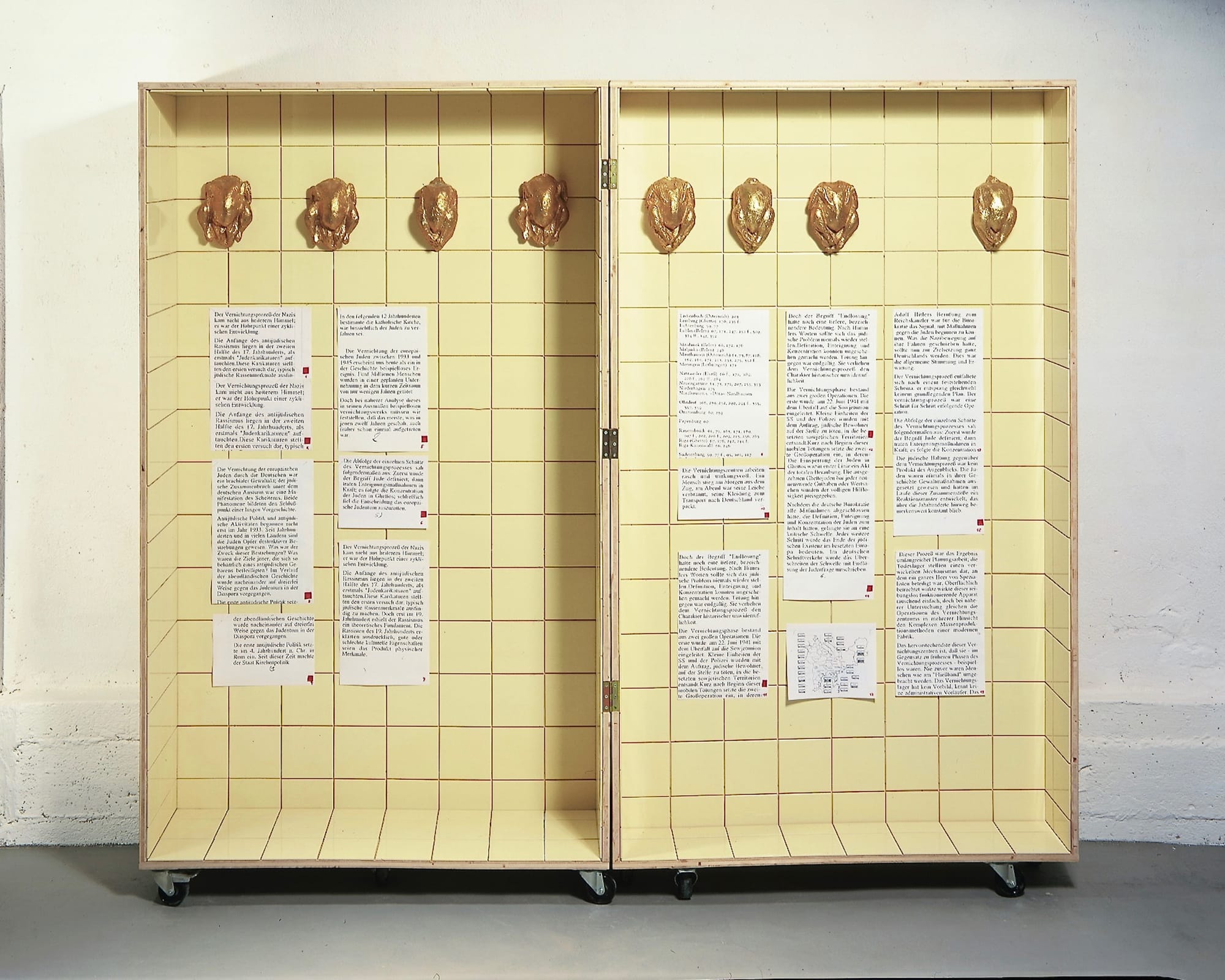
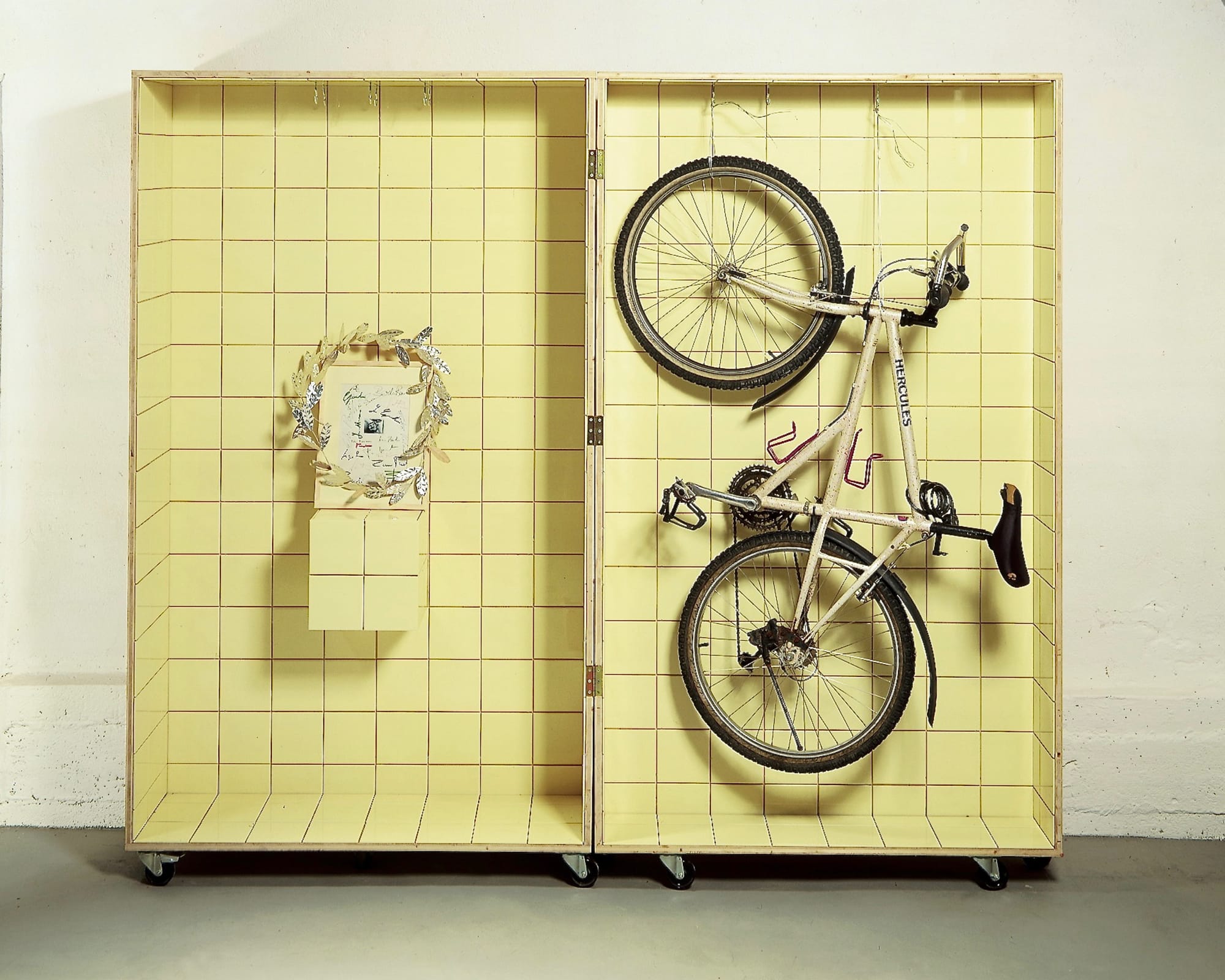
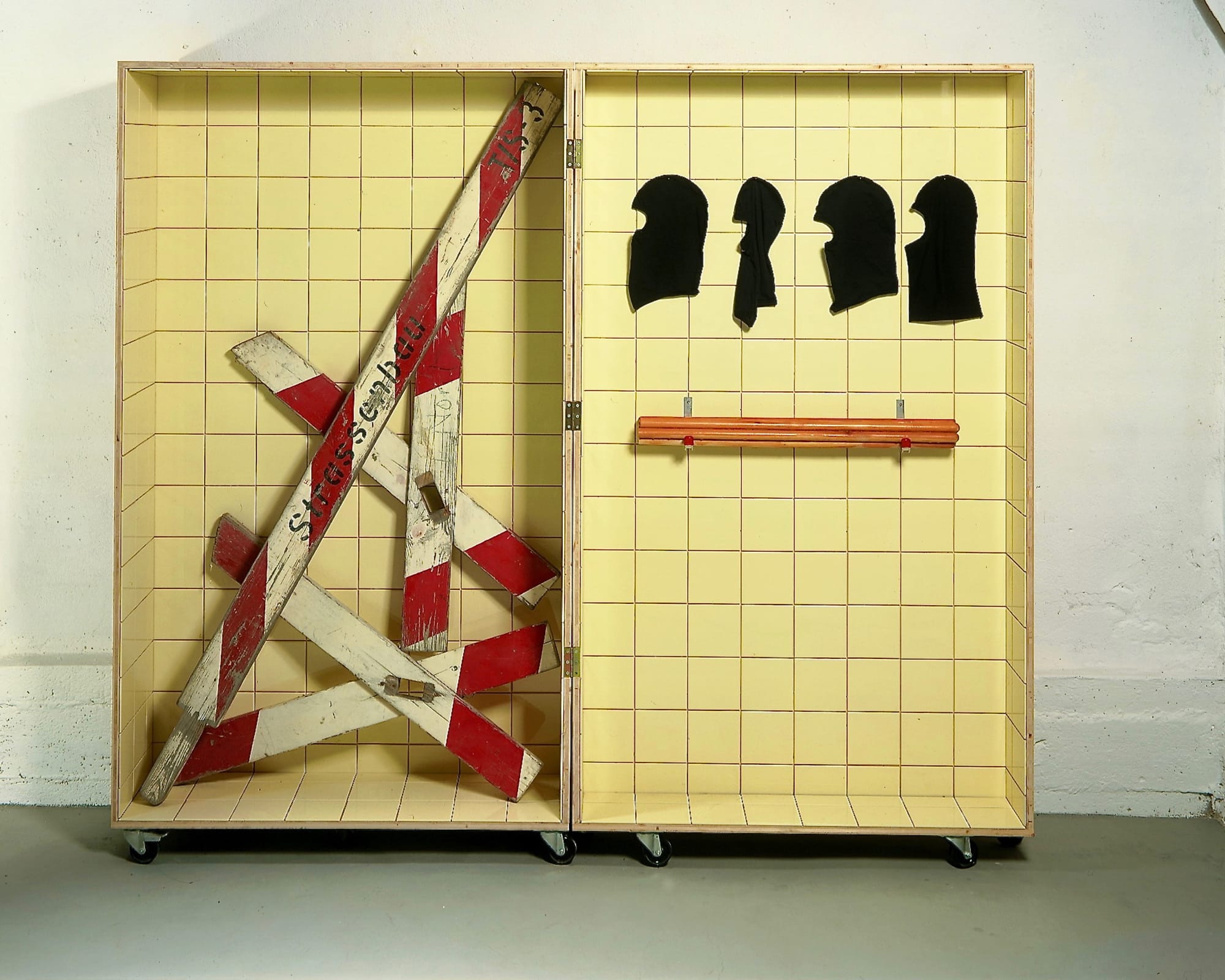
Memorials is a series by Winfried Baumann, drawn as wheeled, modular grid structures. Each is titled for a subject — among them Flucht und Vertreibung, Holocaust und Völkermord, Sport und Spiel and Ruhestörer — alongside a set of base models (Basismodelle).
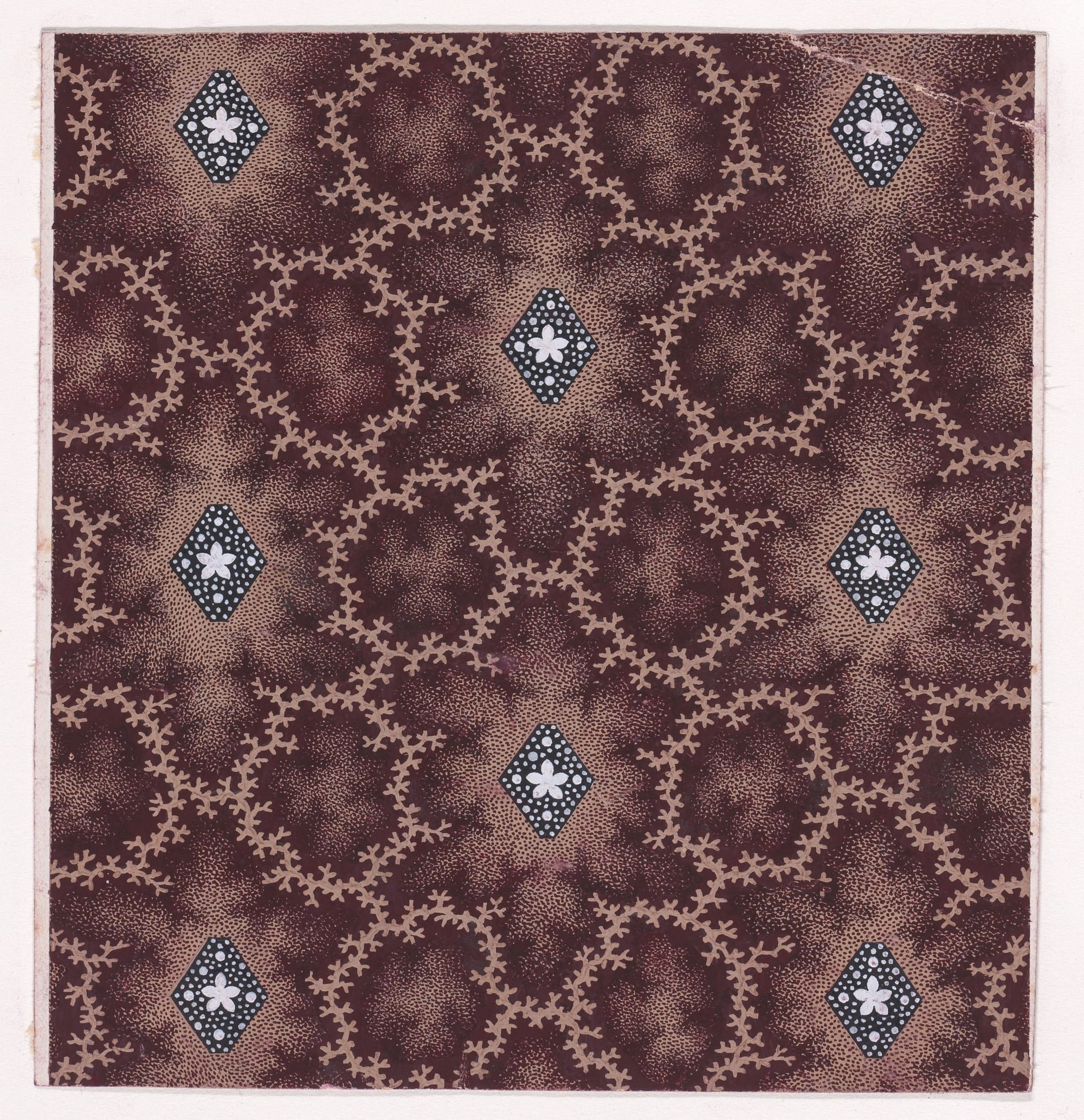
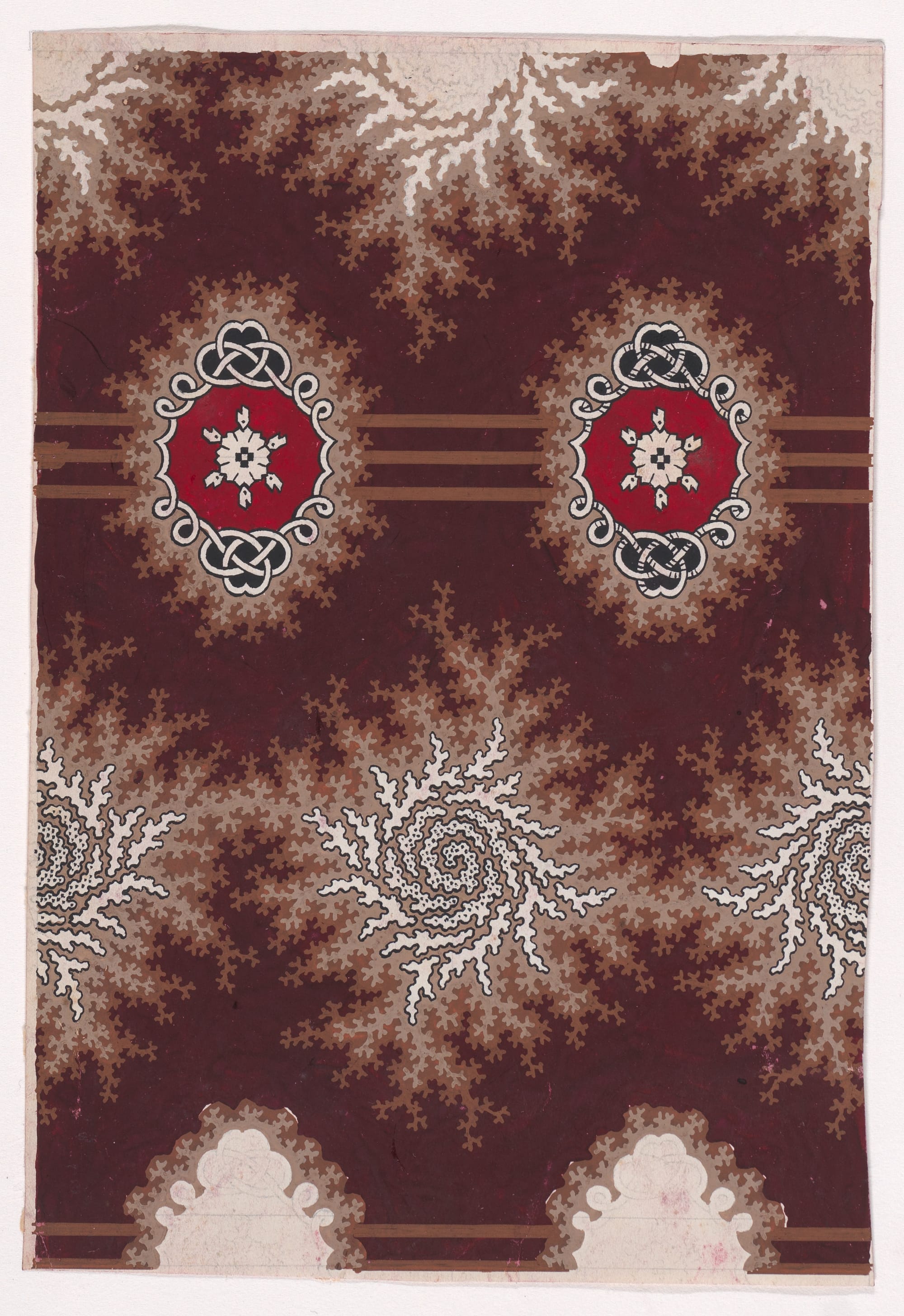
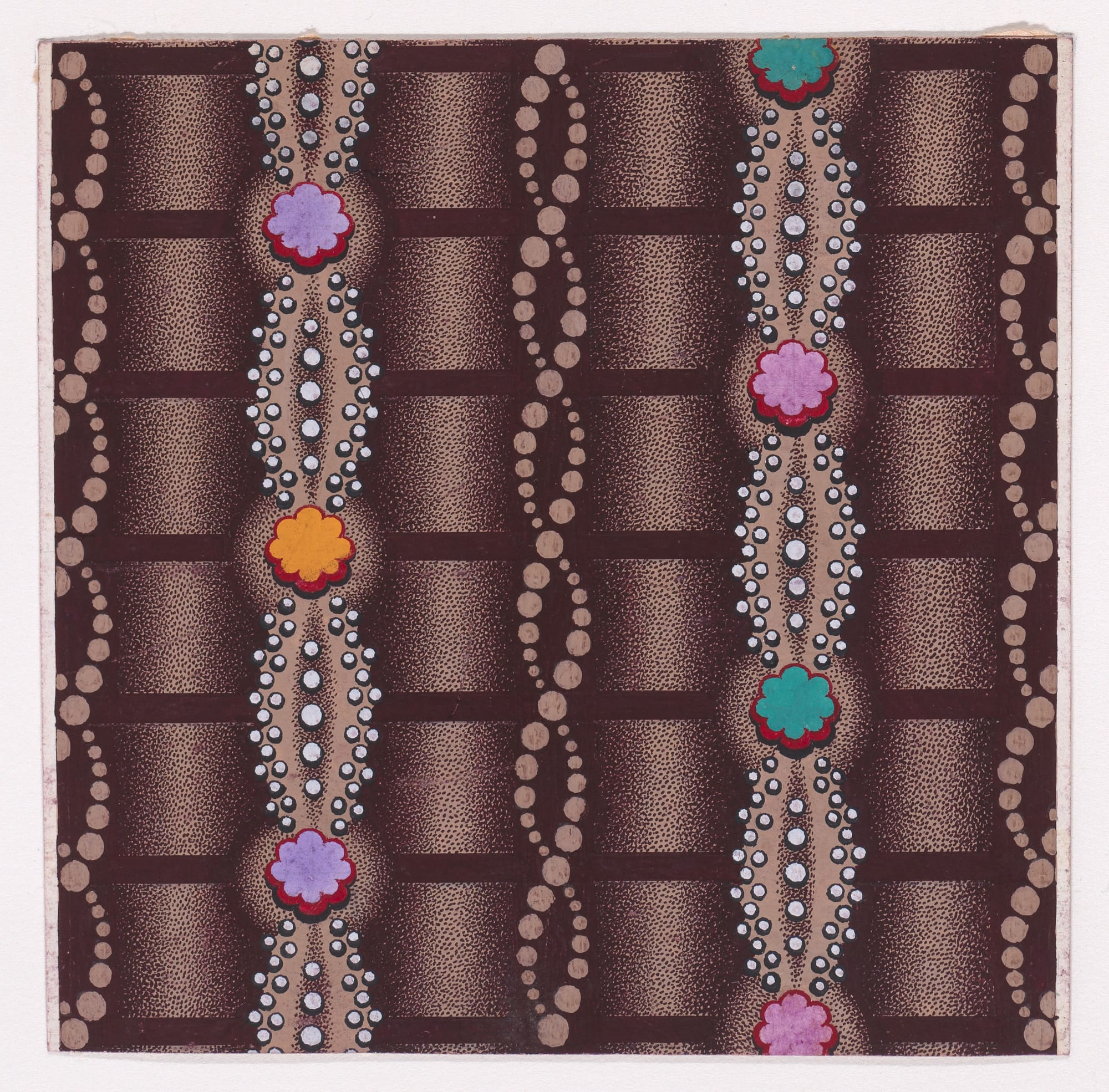
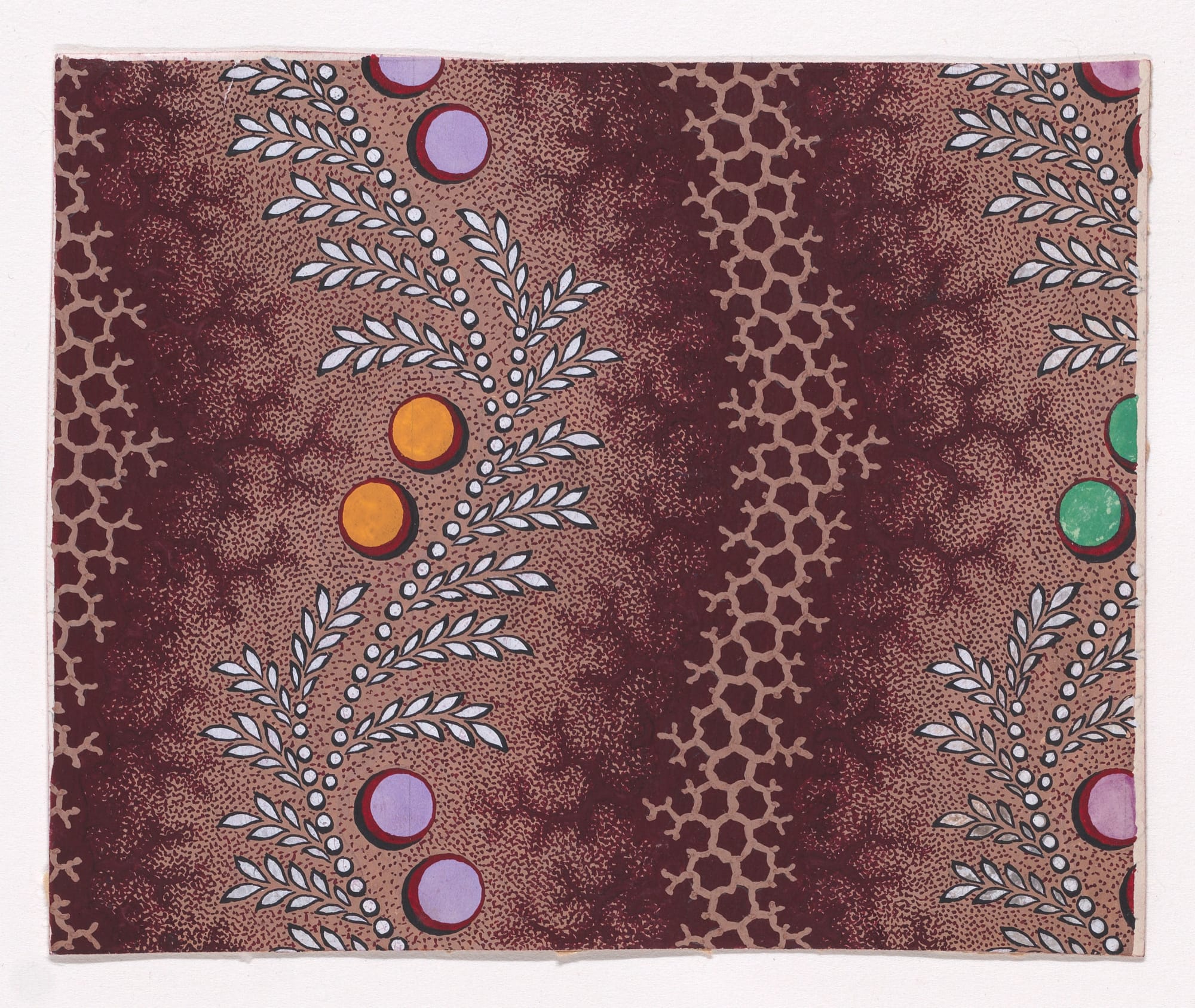
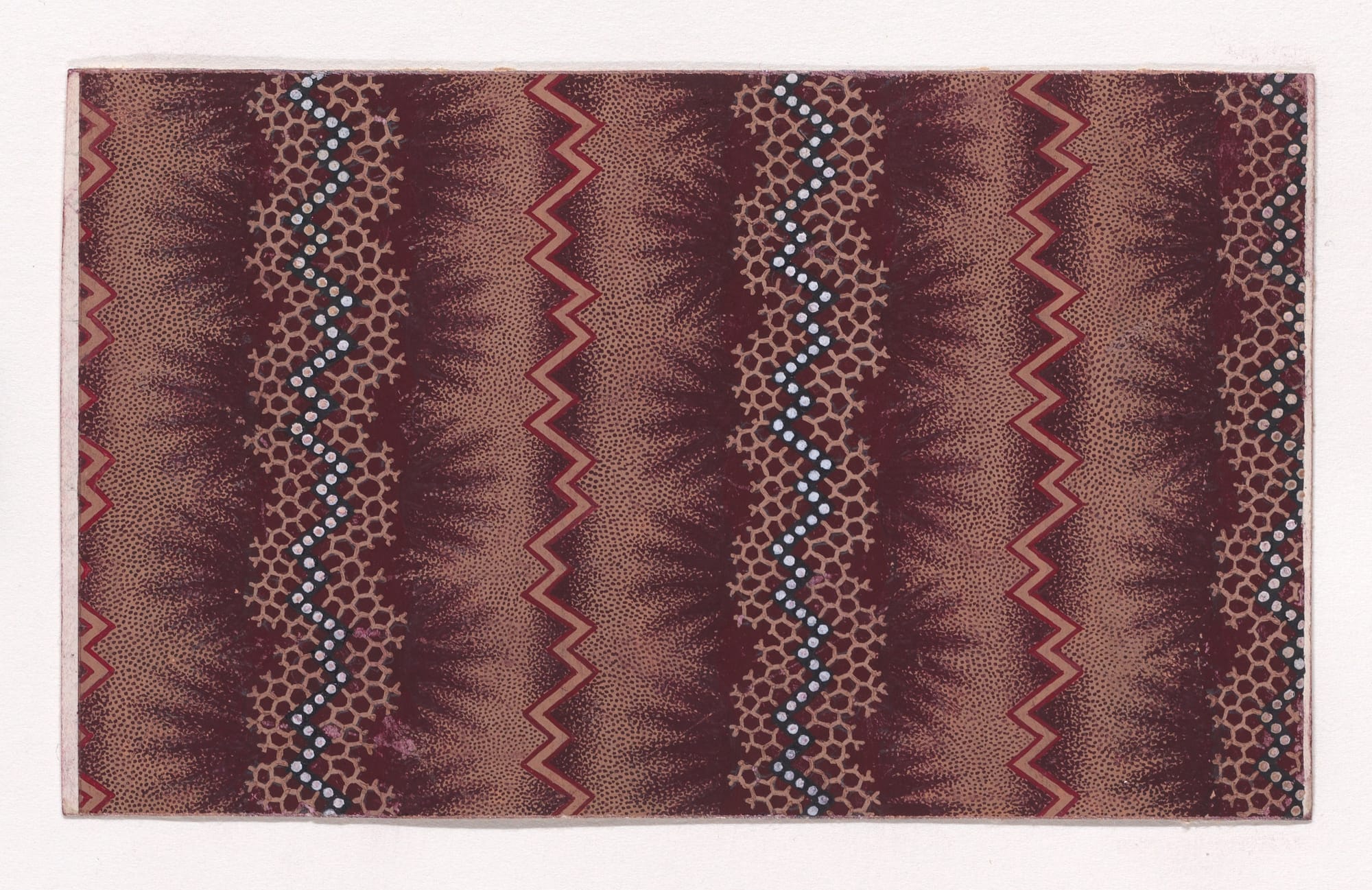
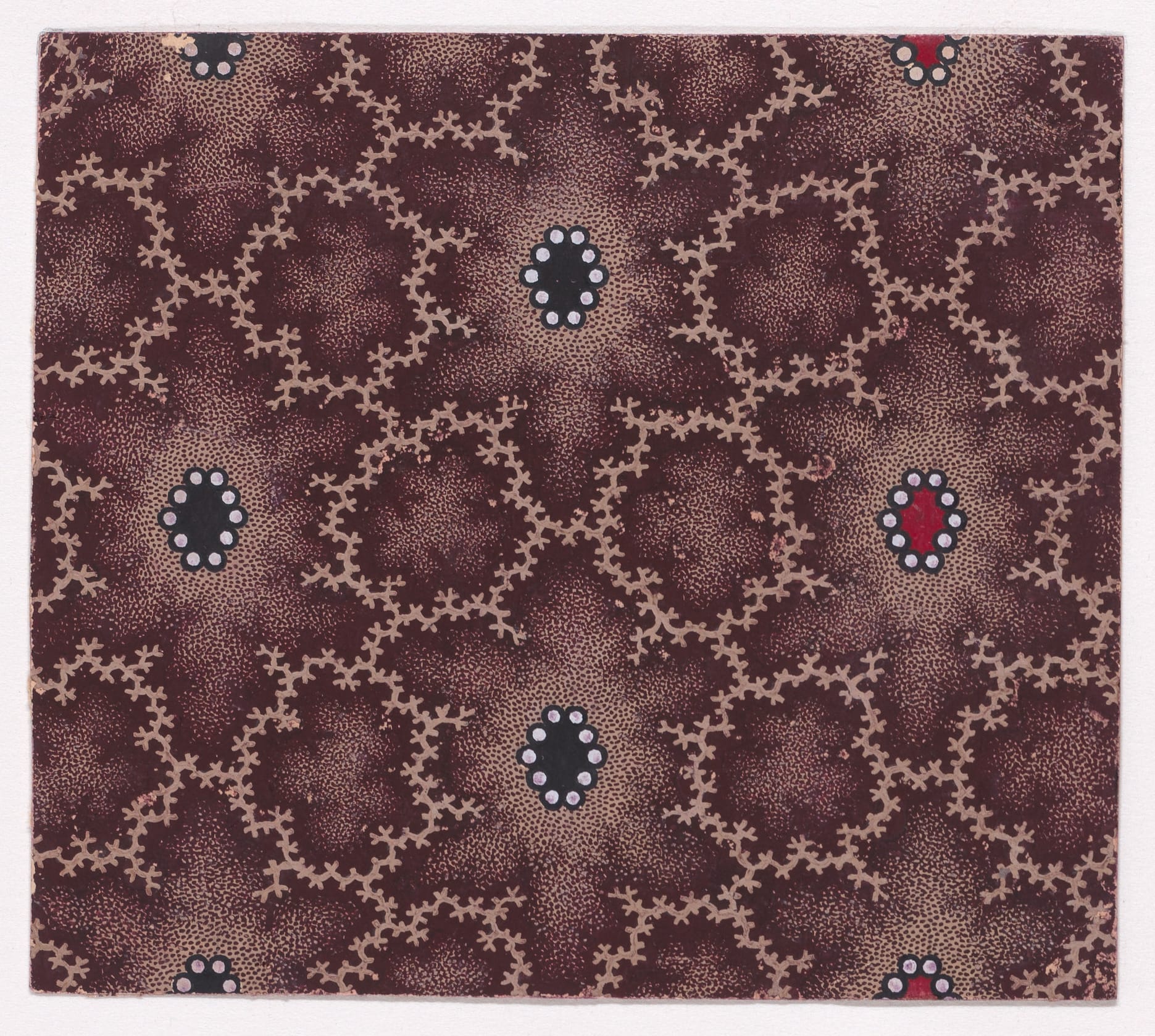
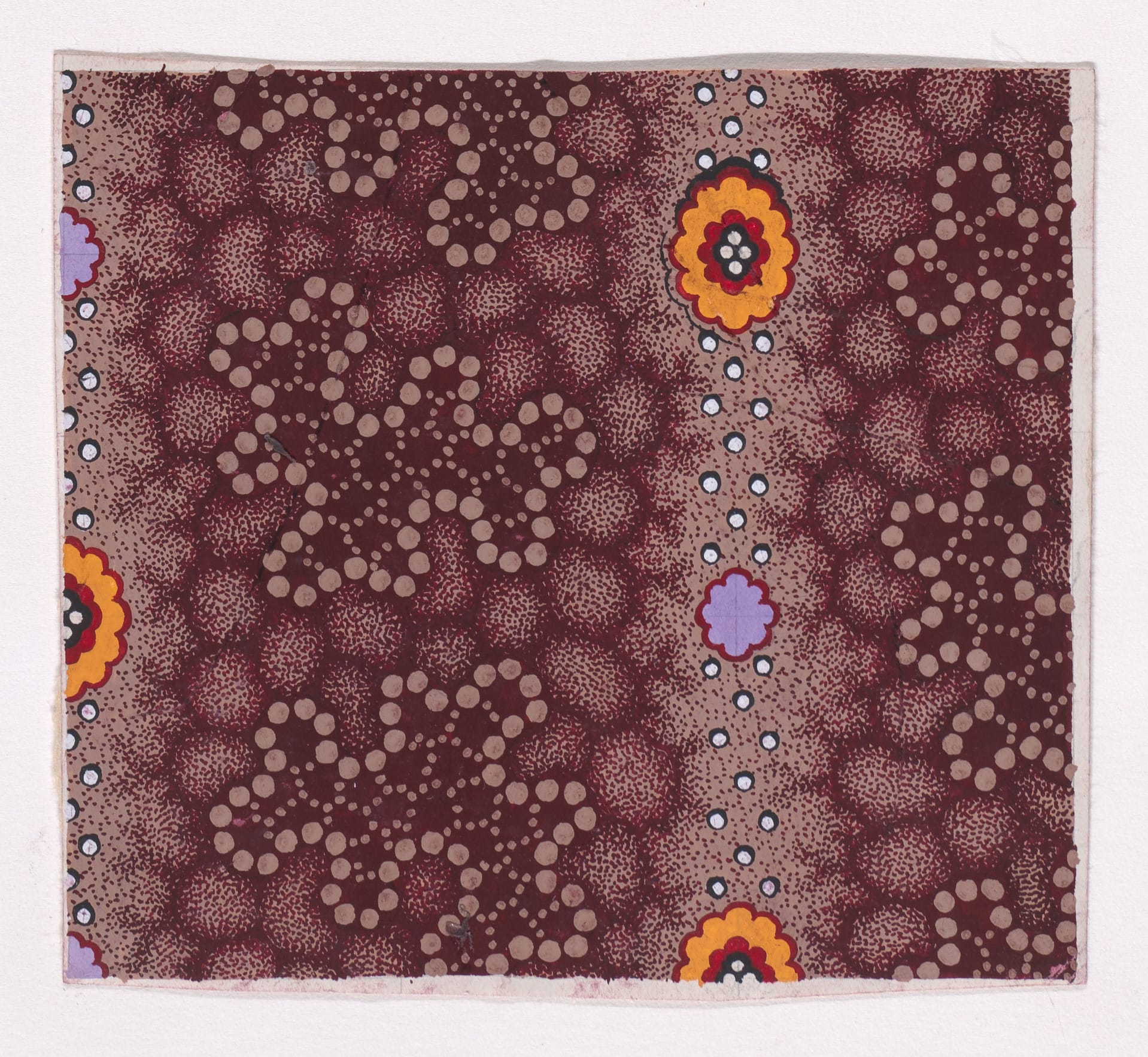
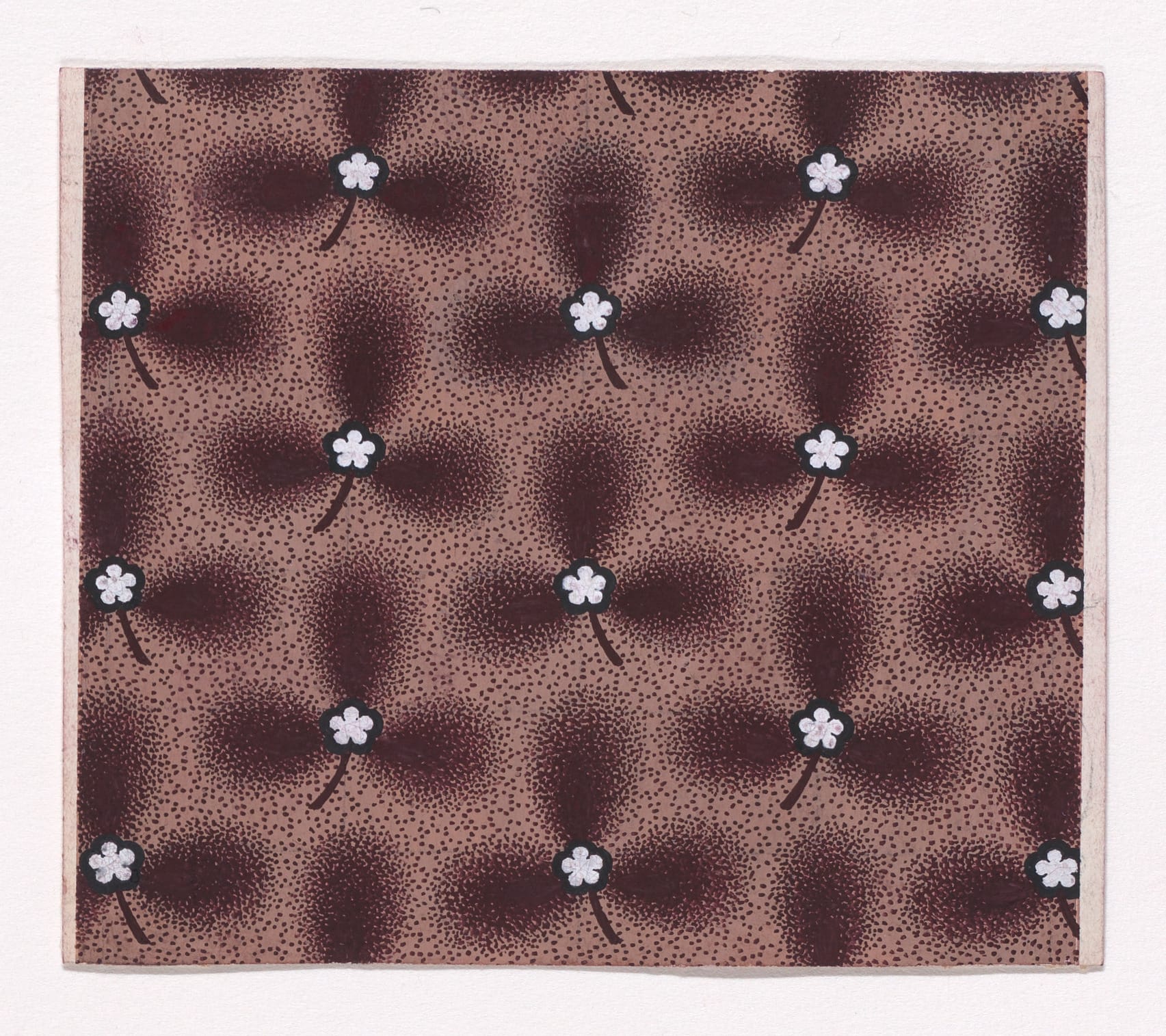
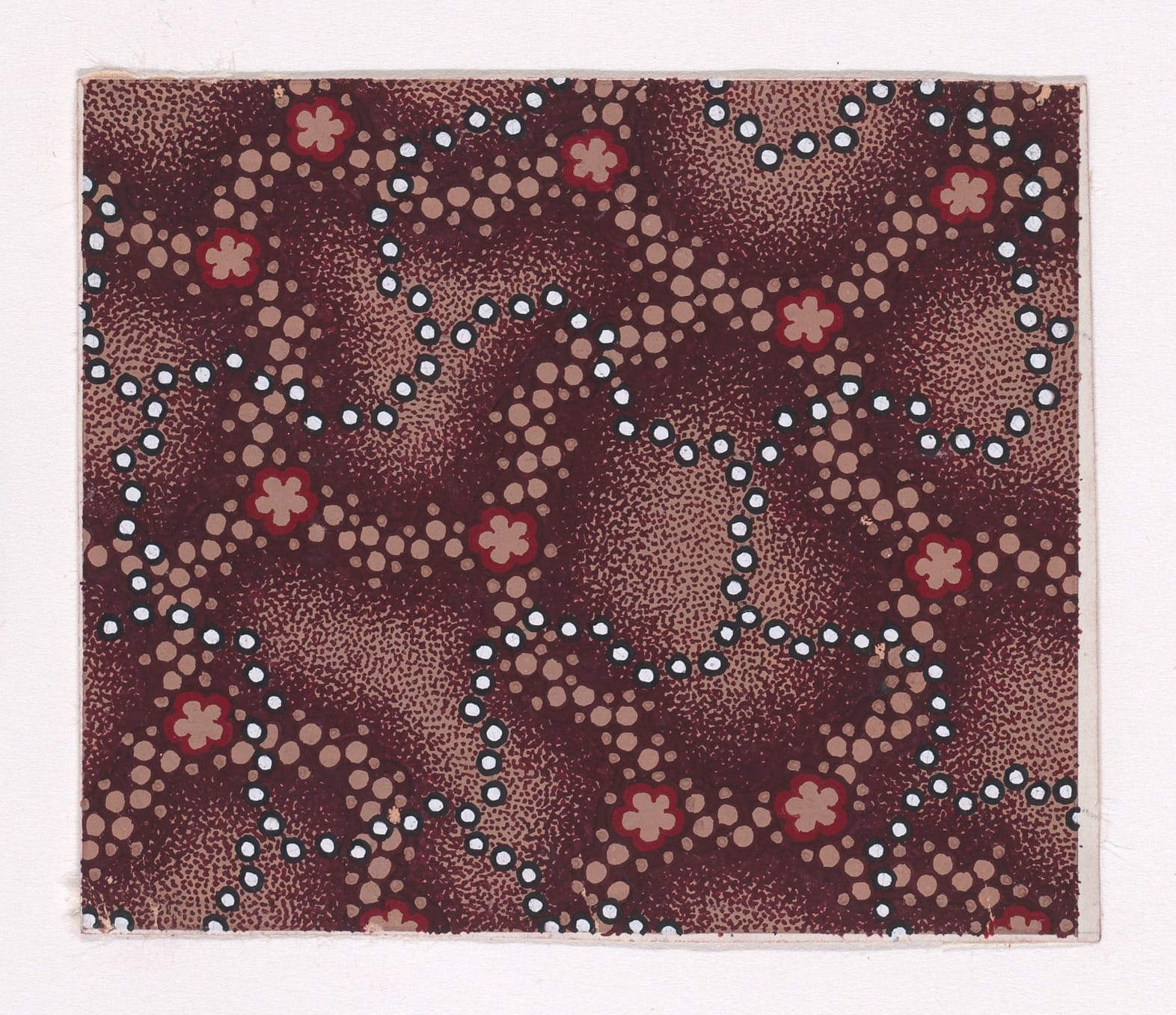
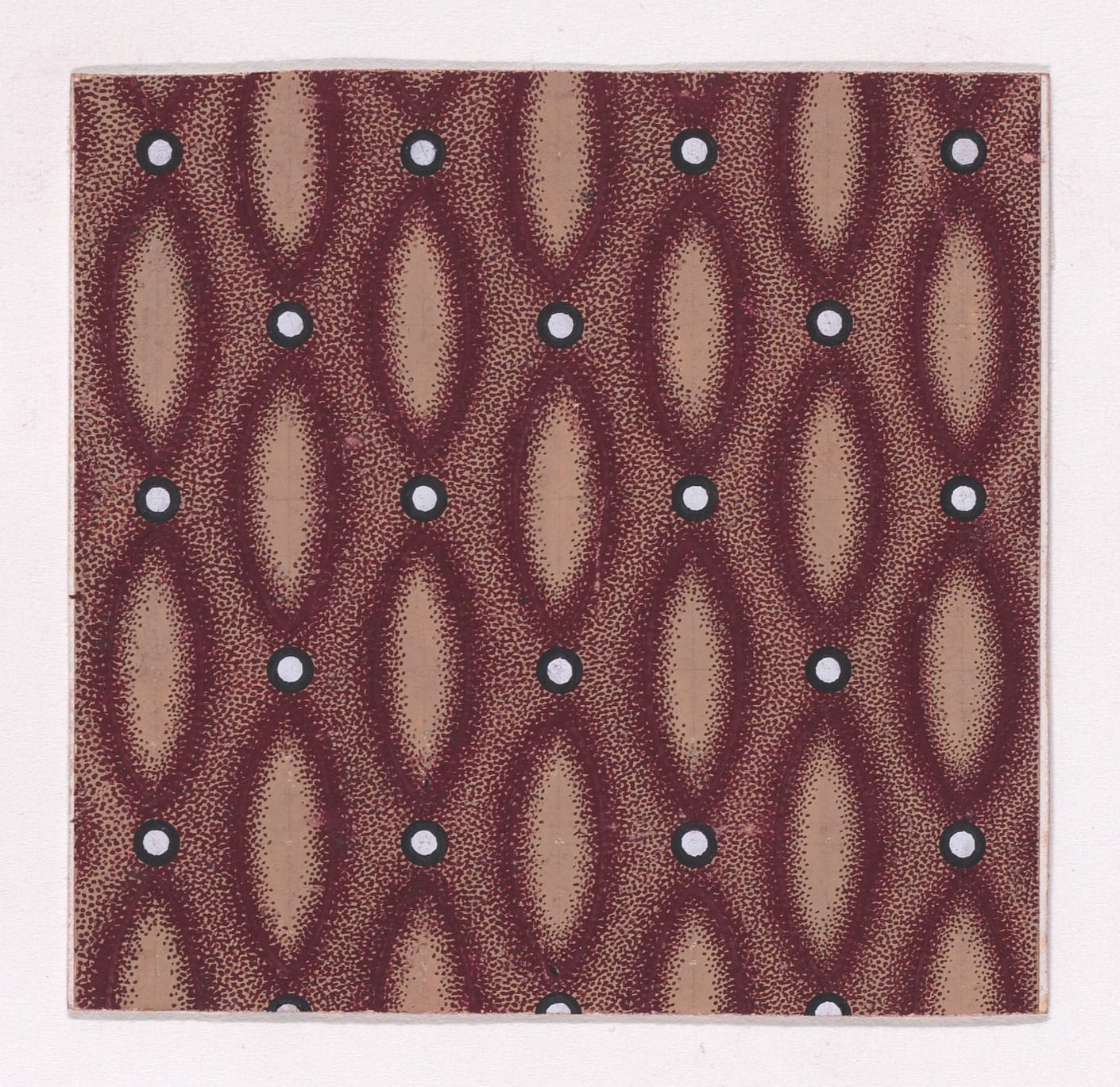
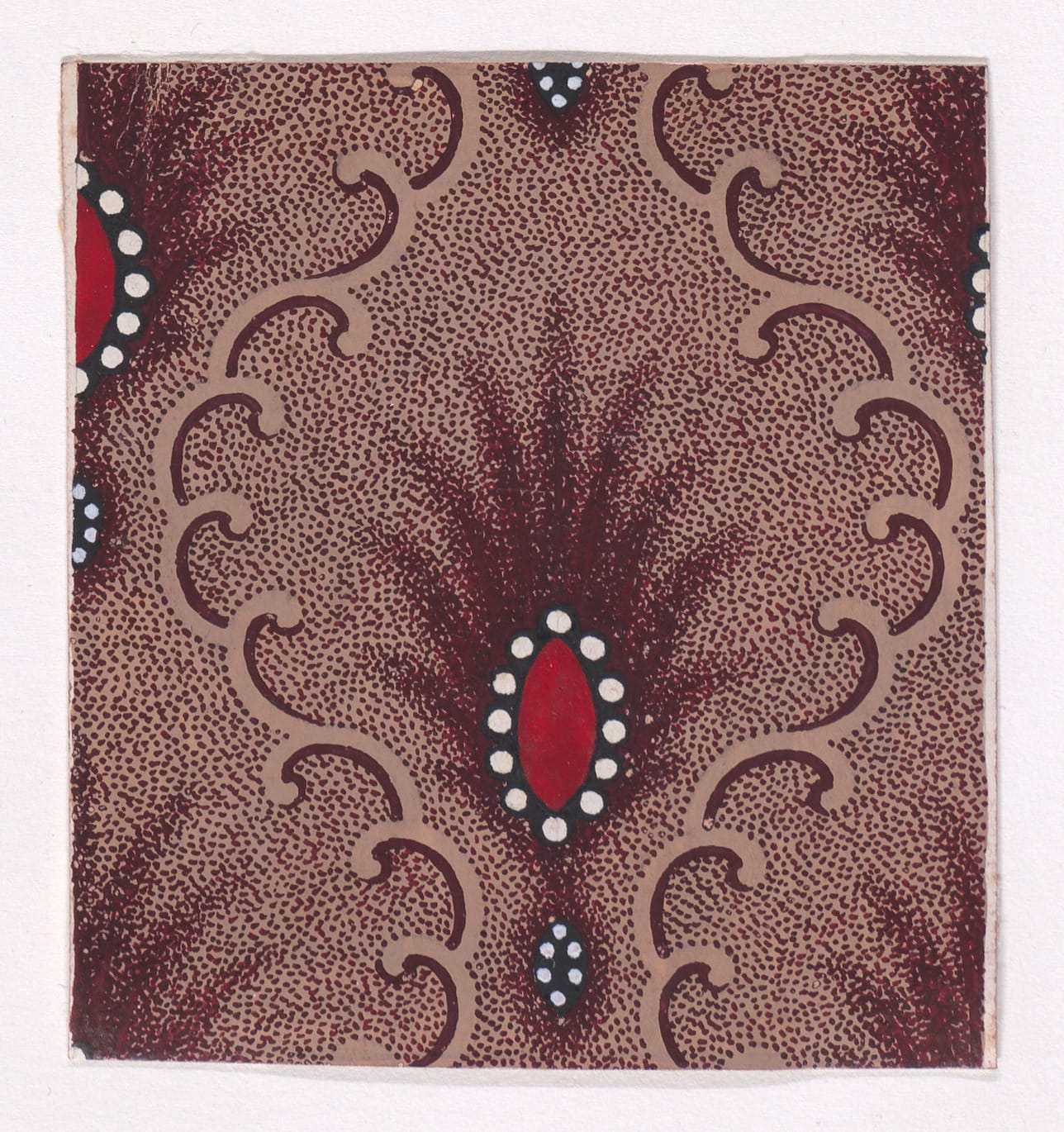
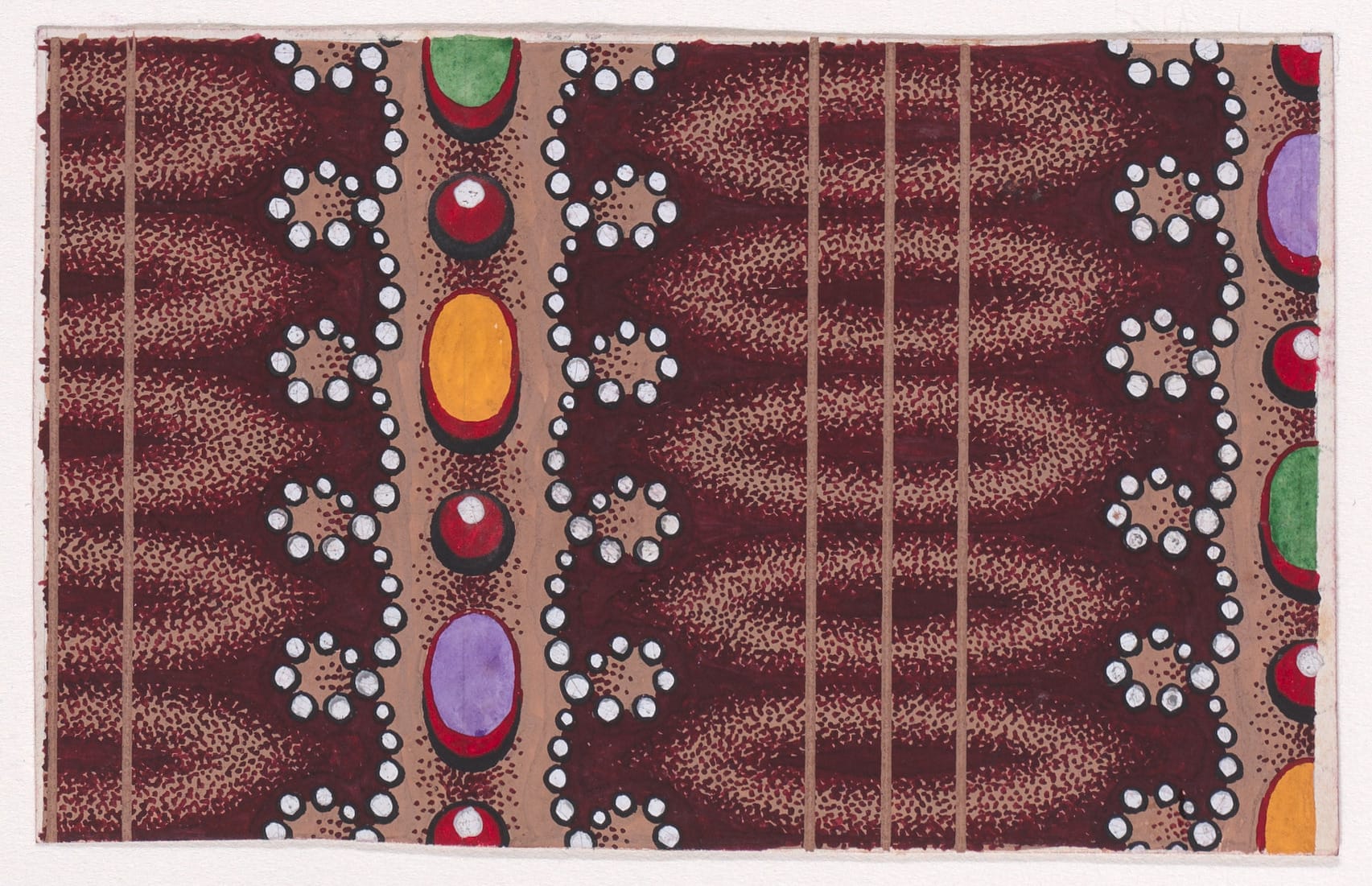
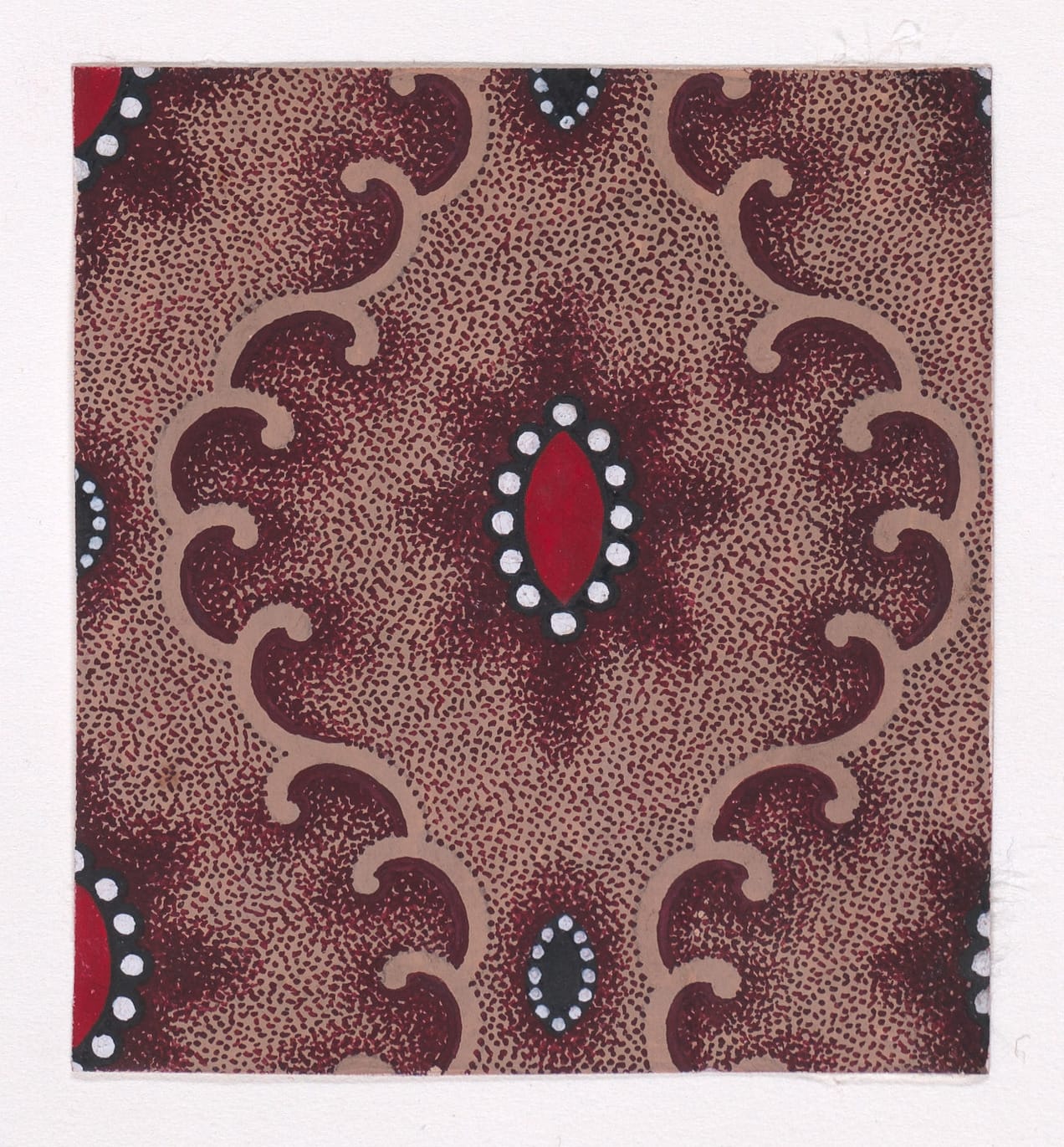
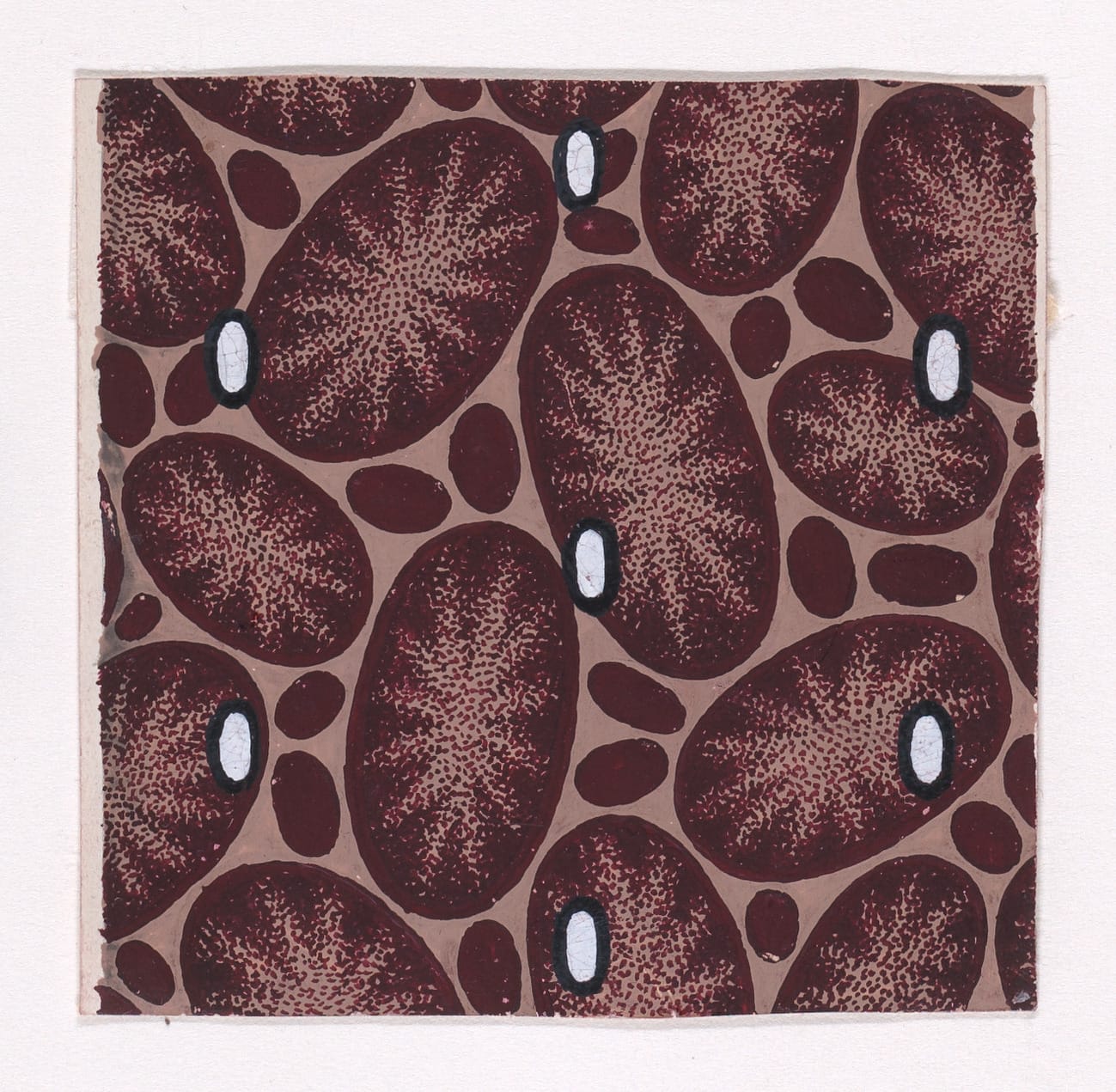
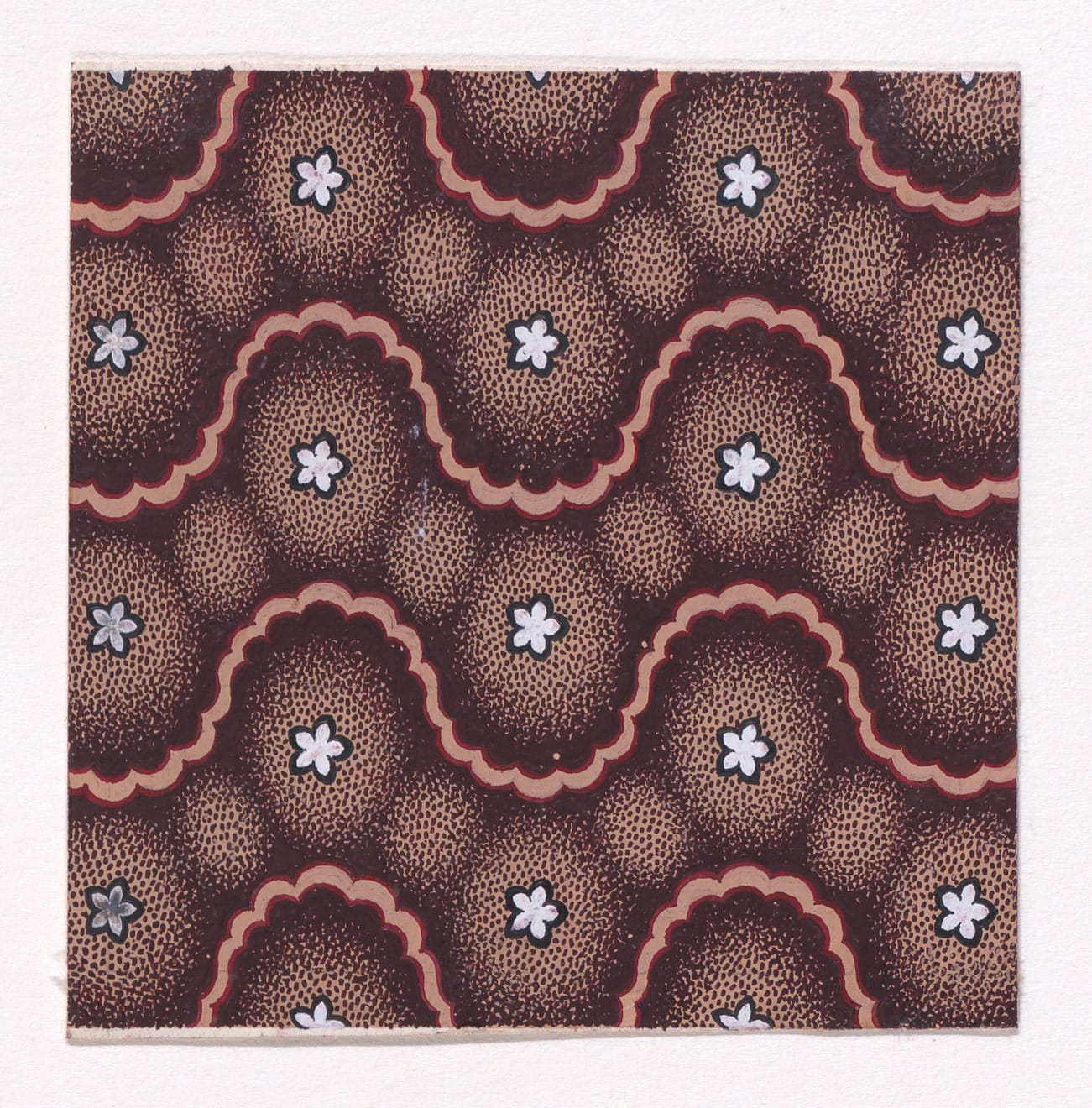
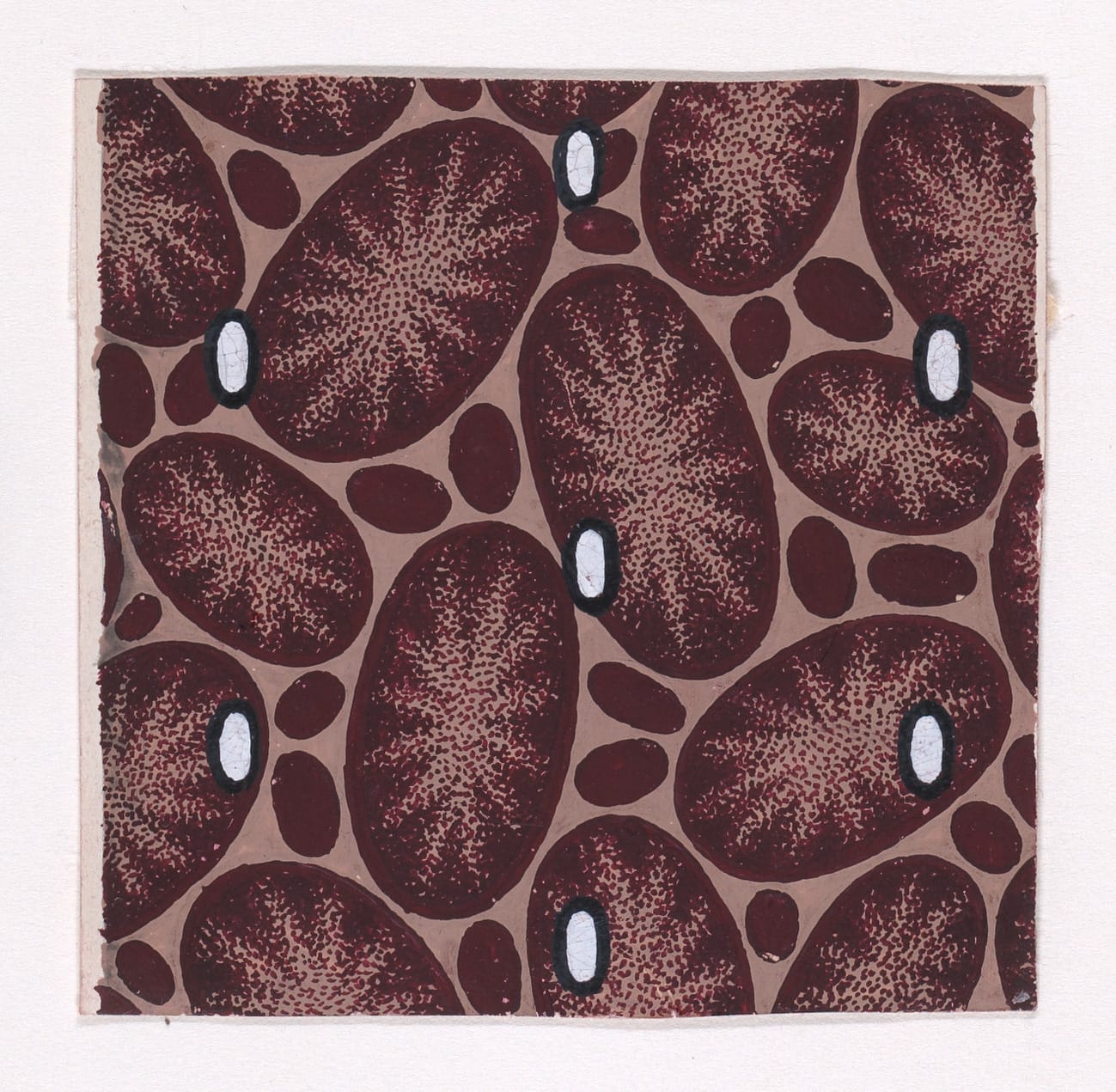
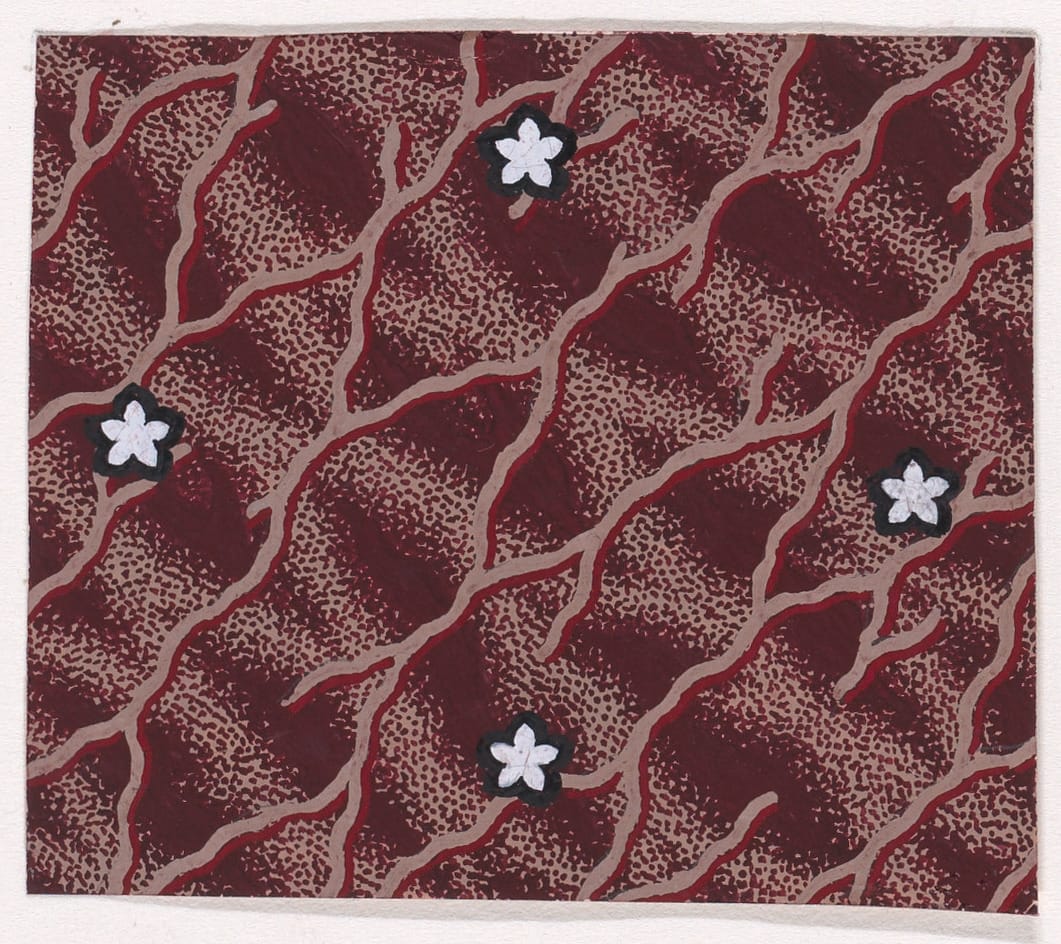
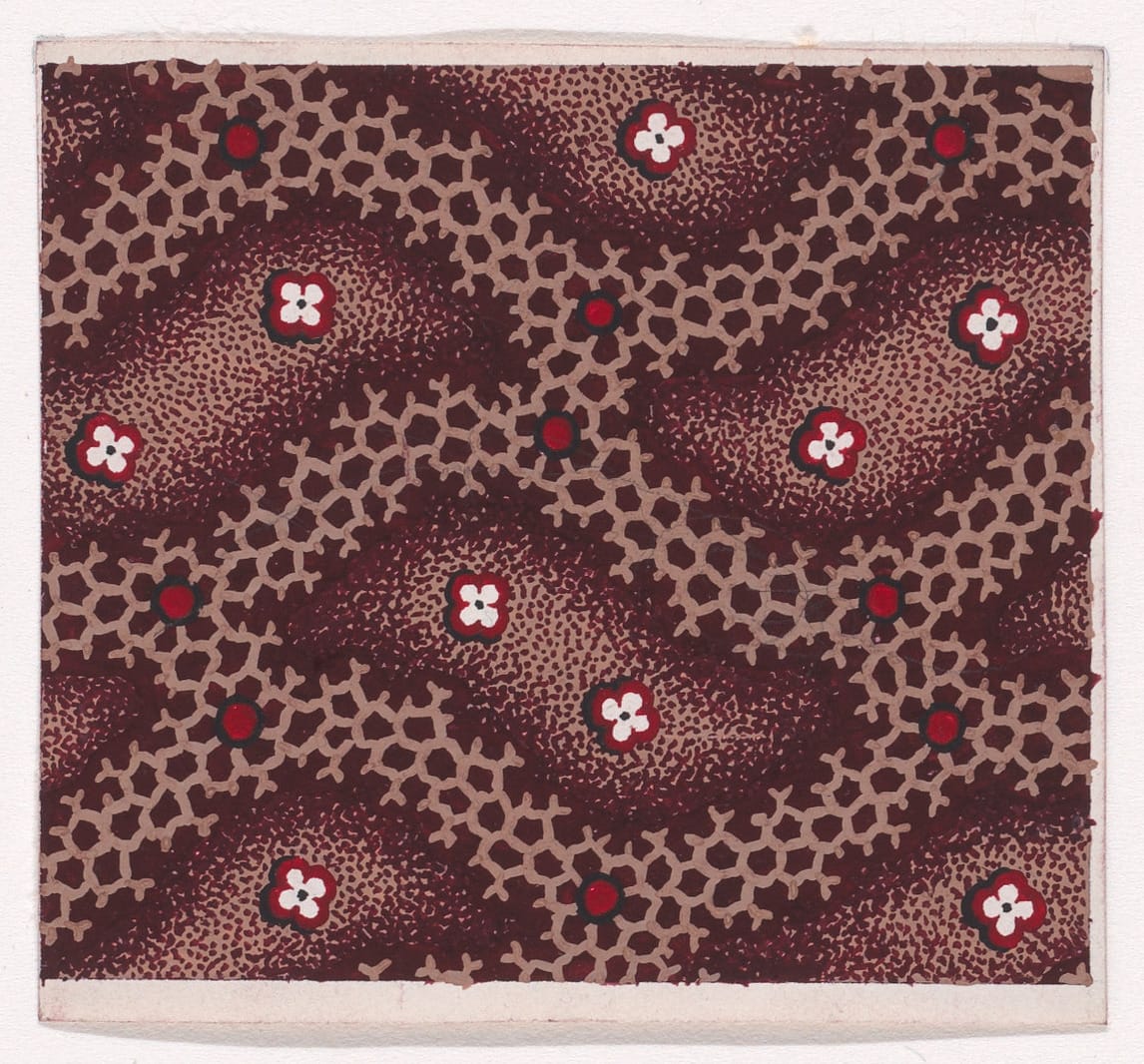
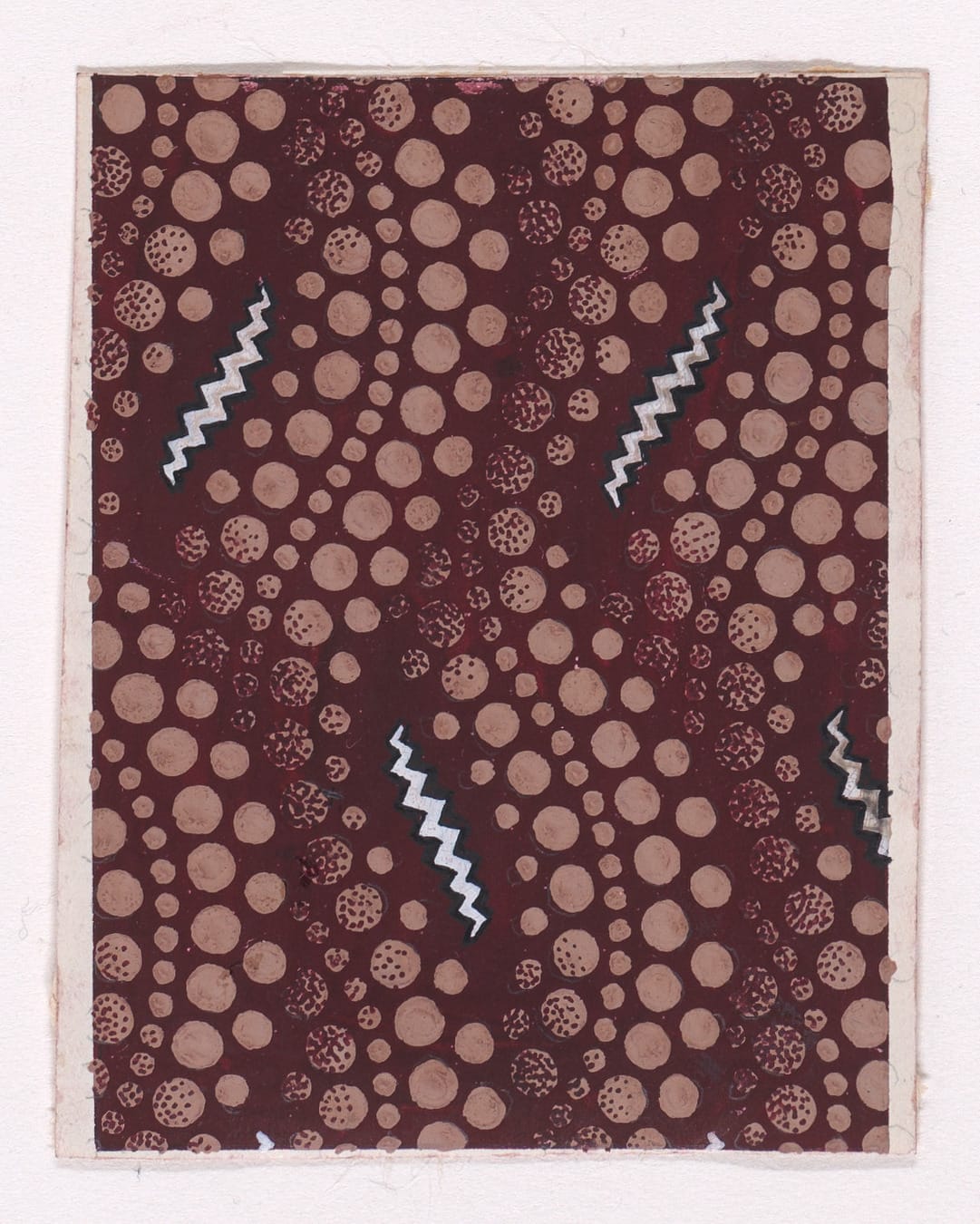
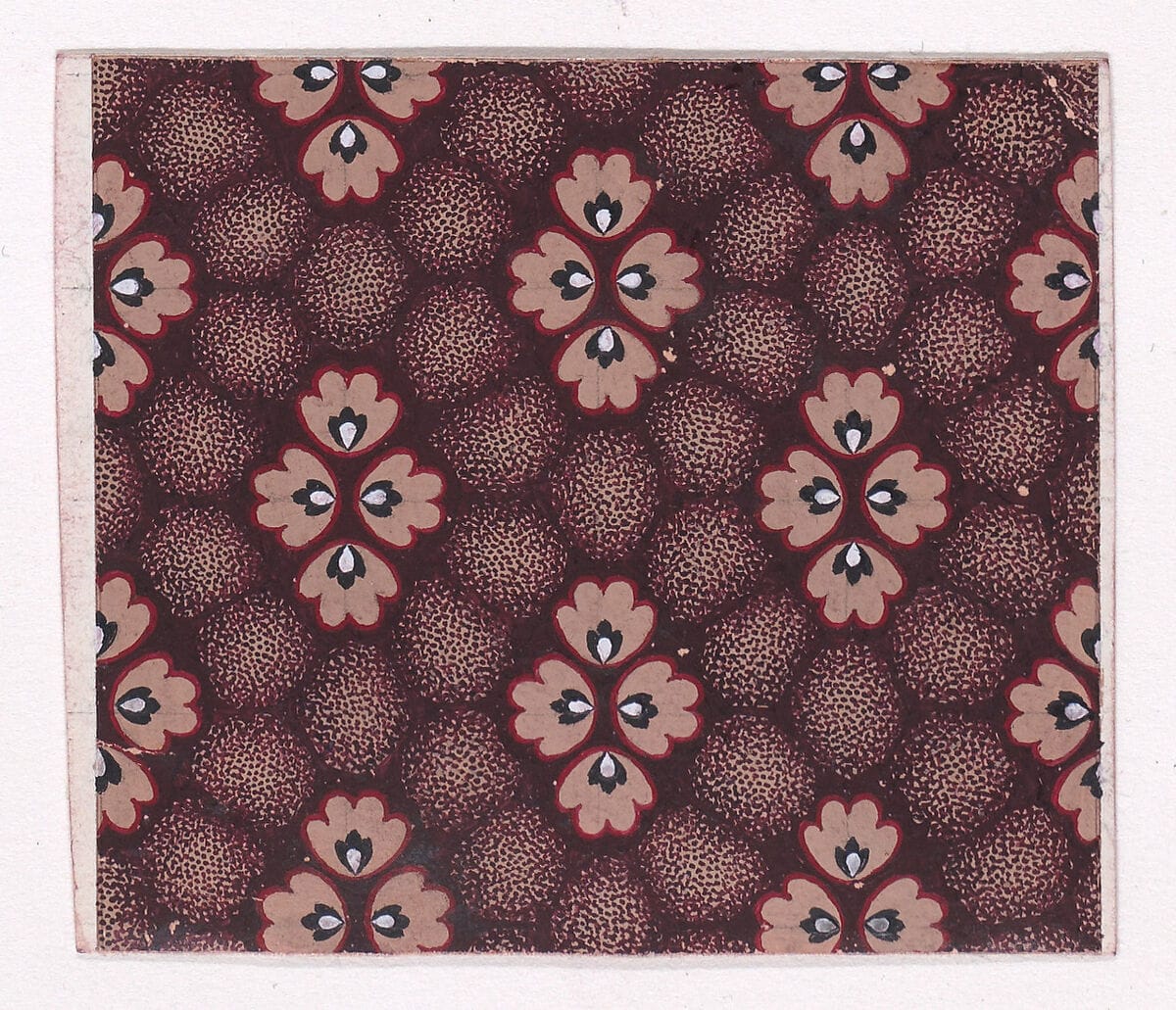
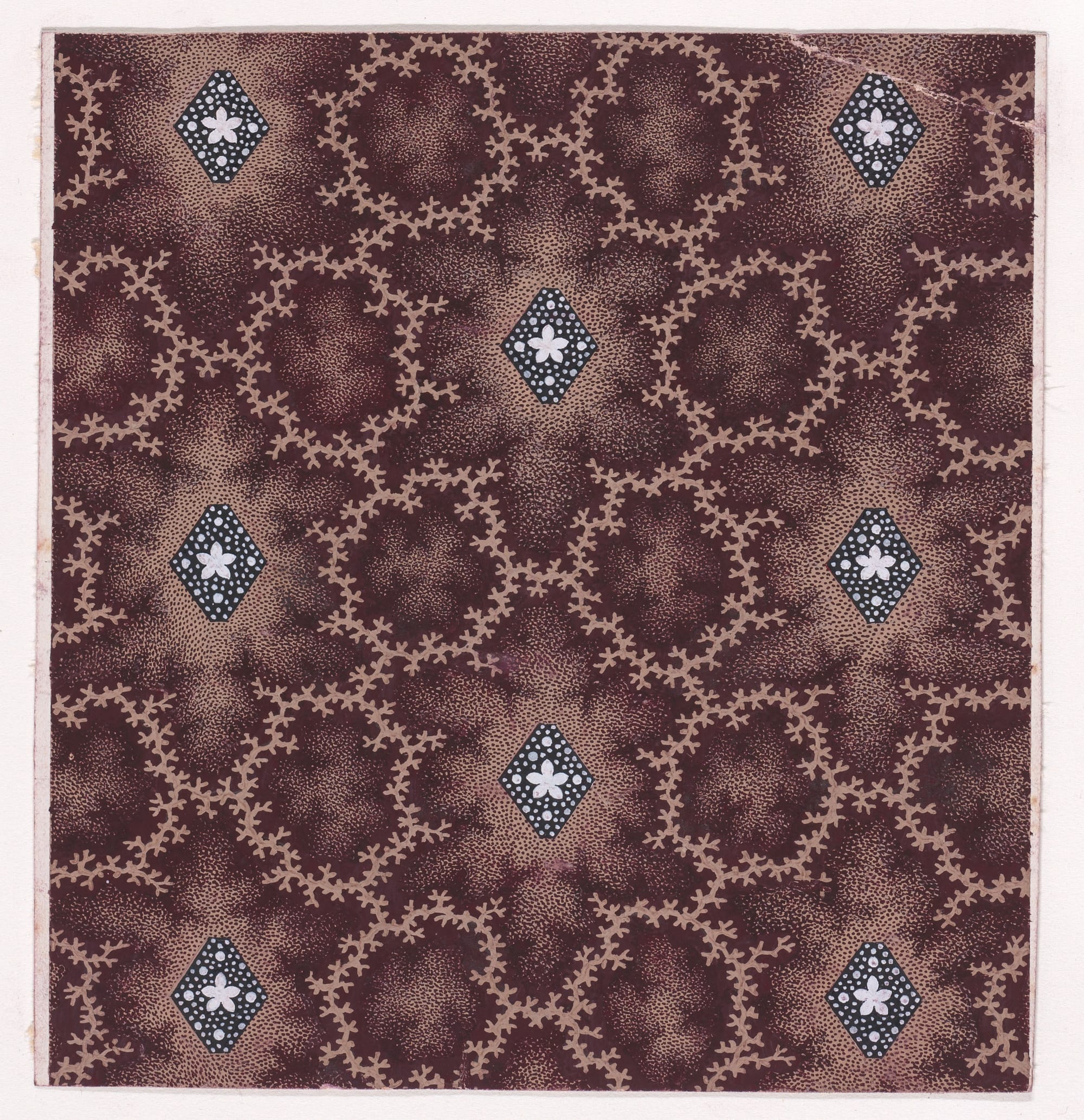
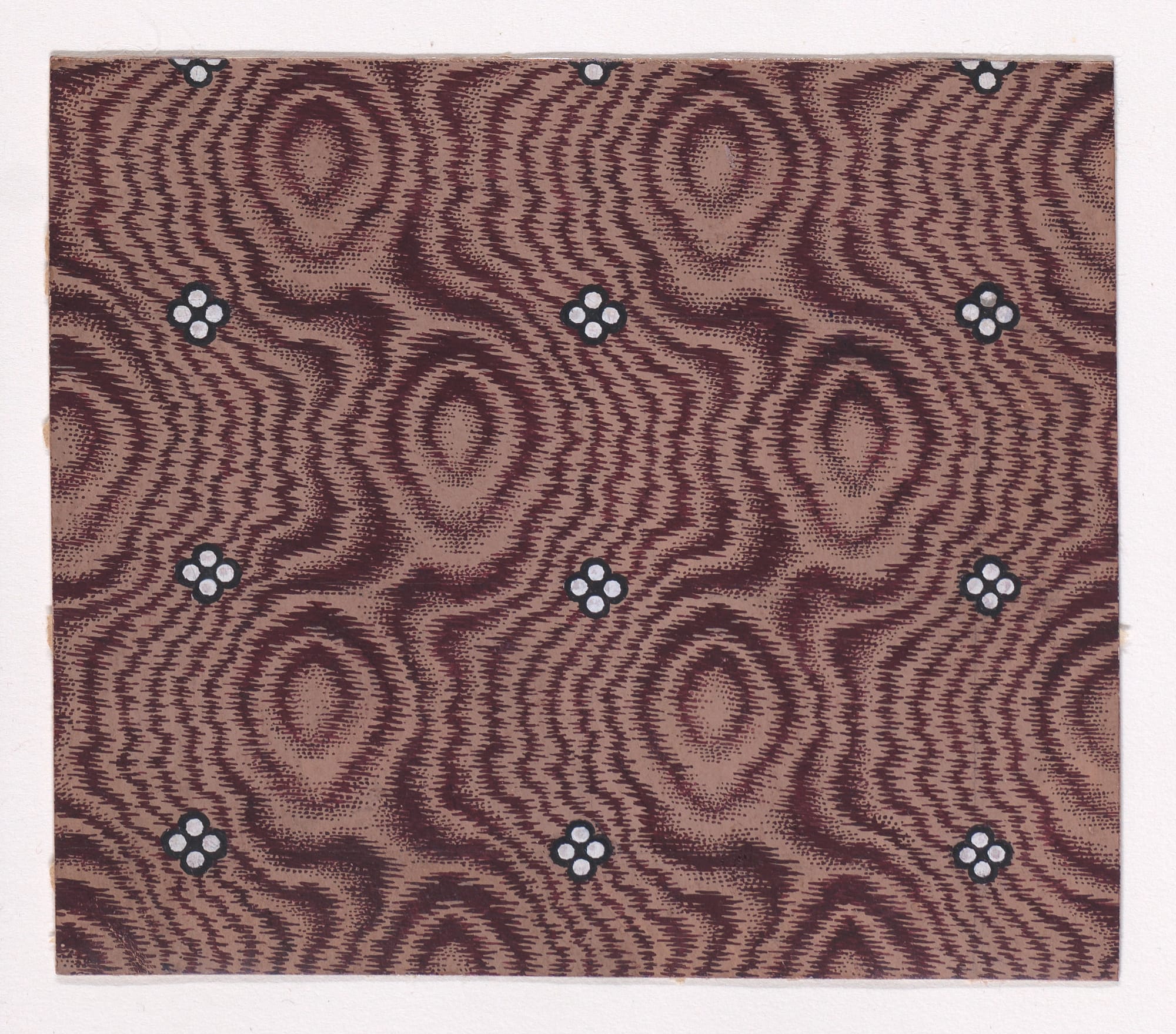
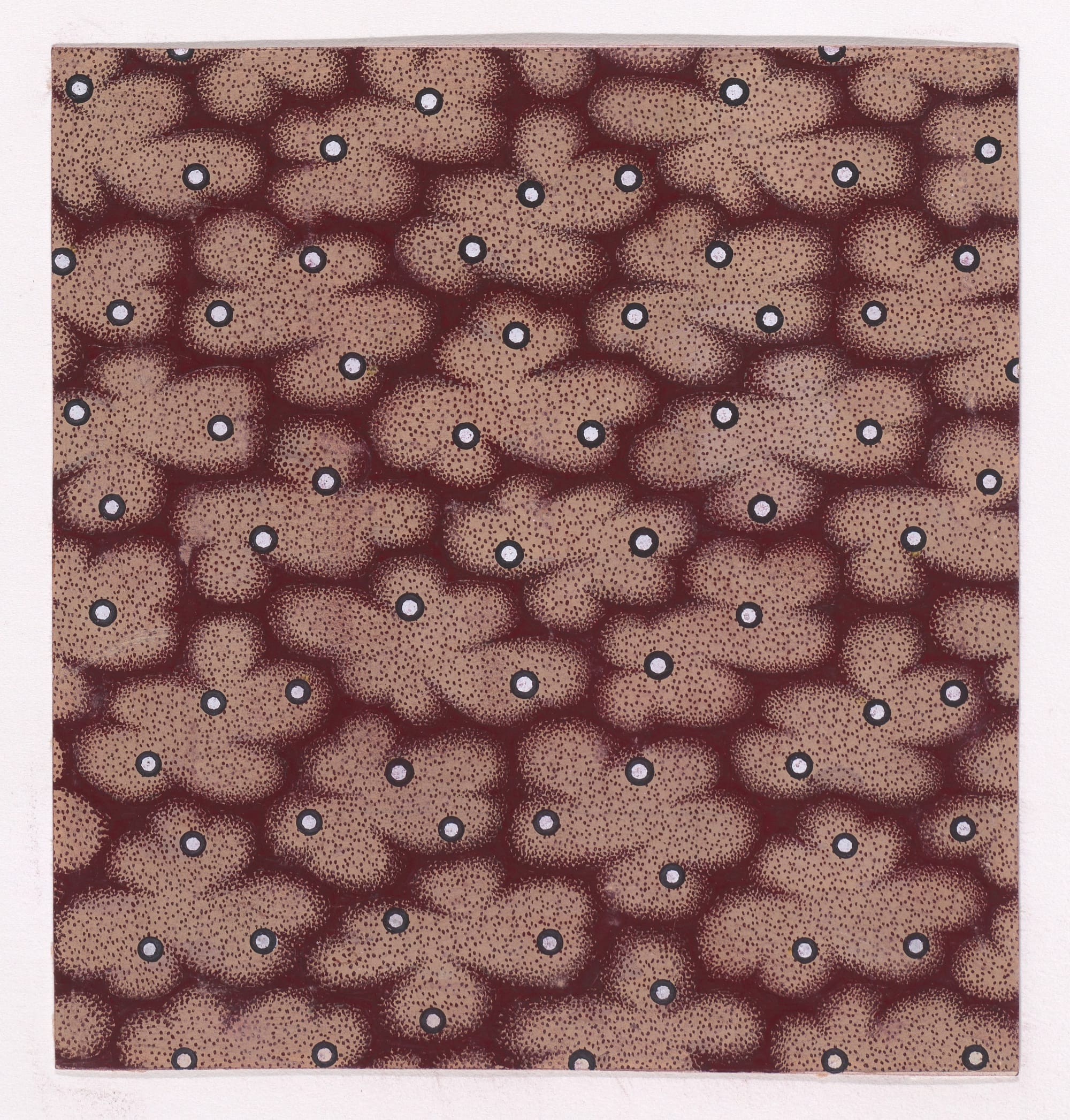
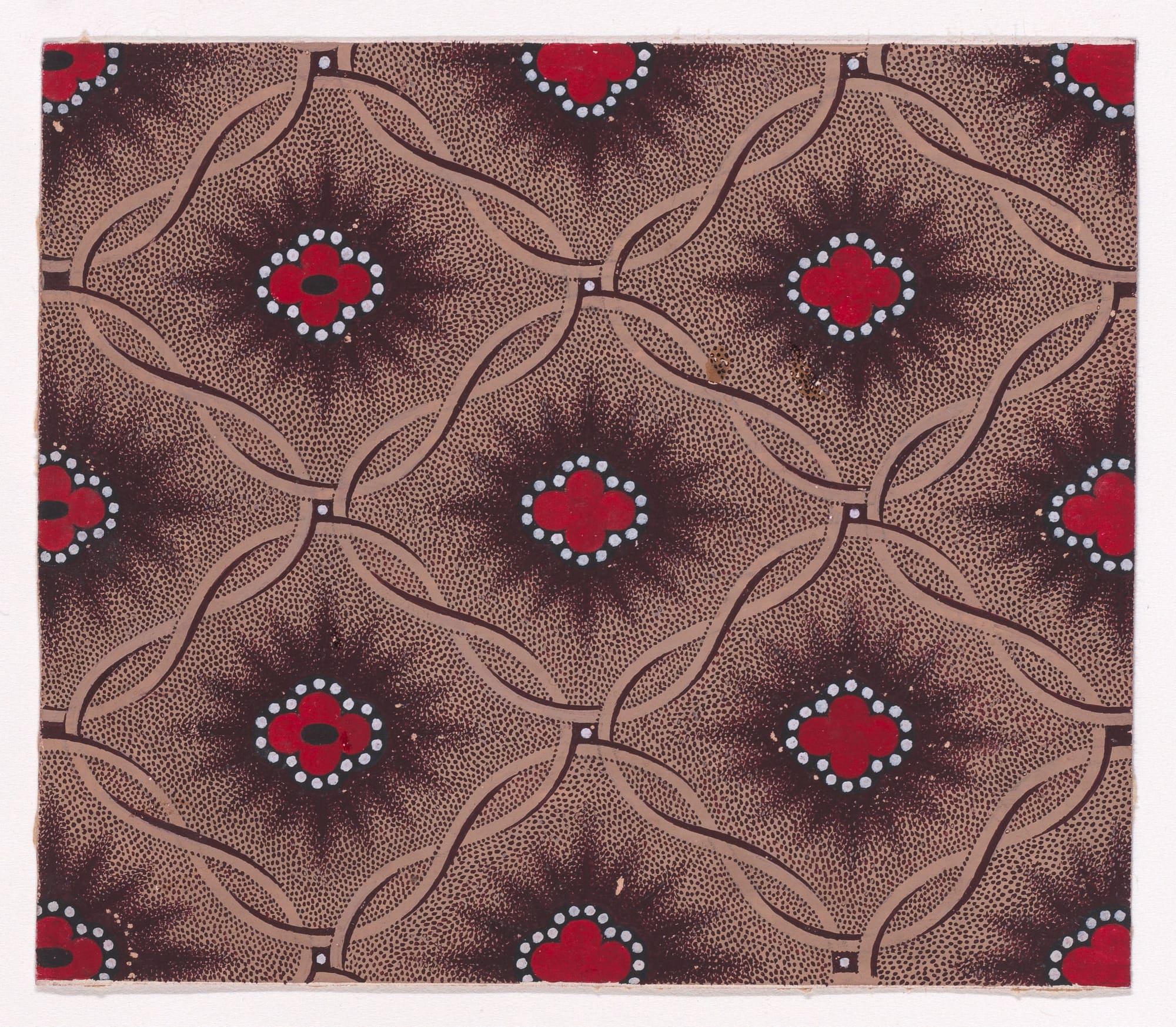
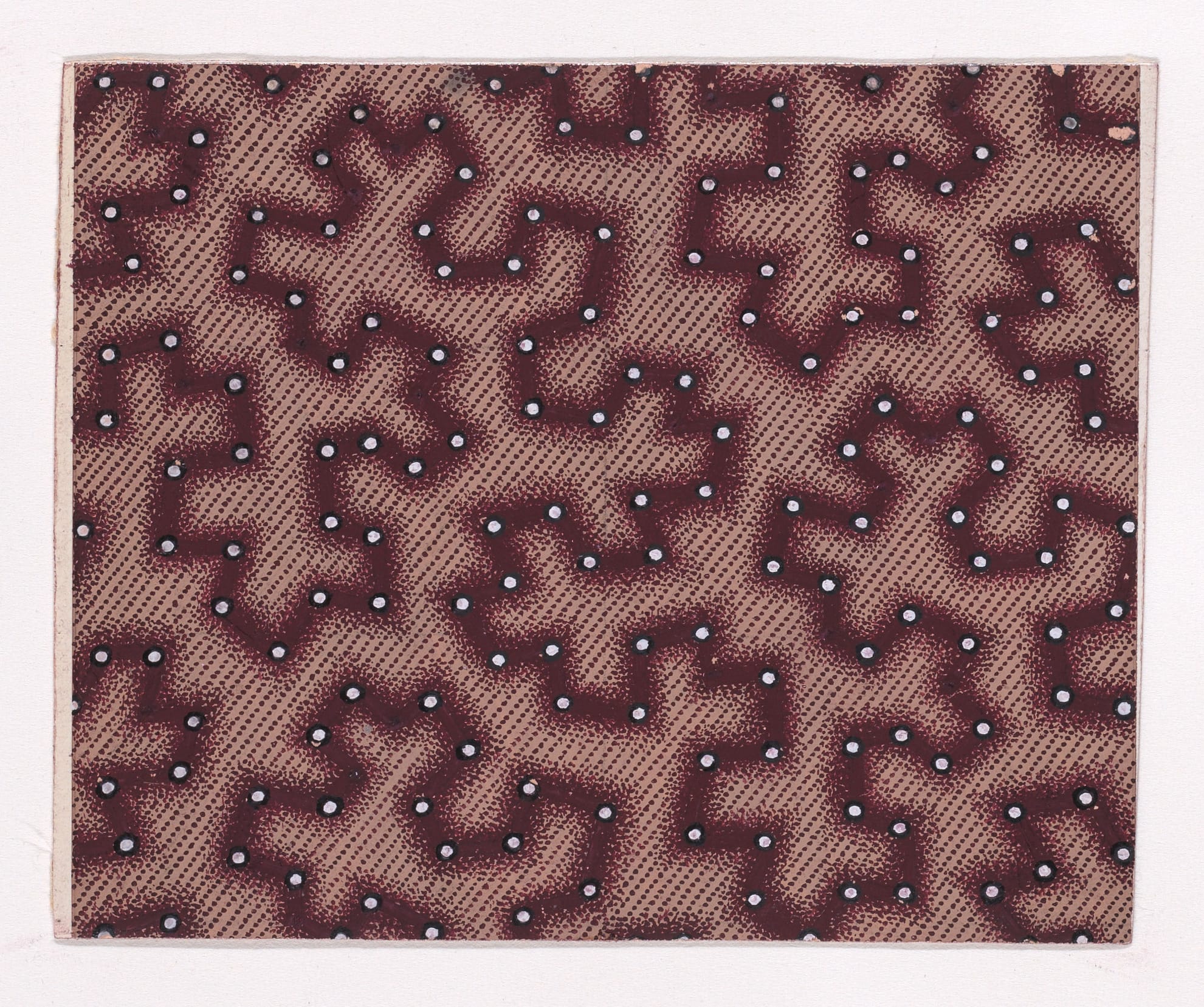
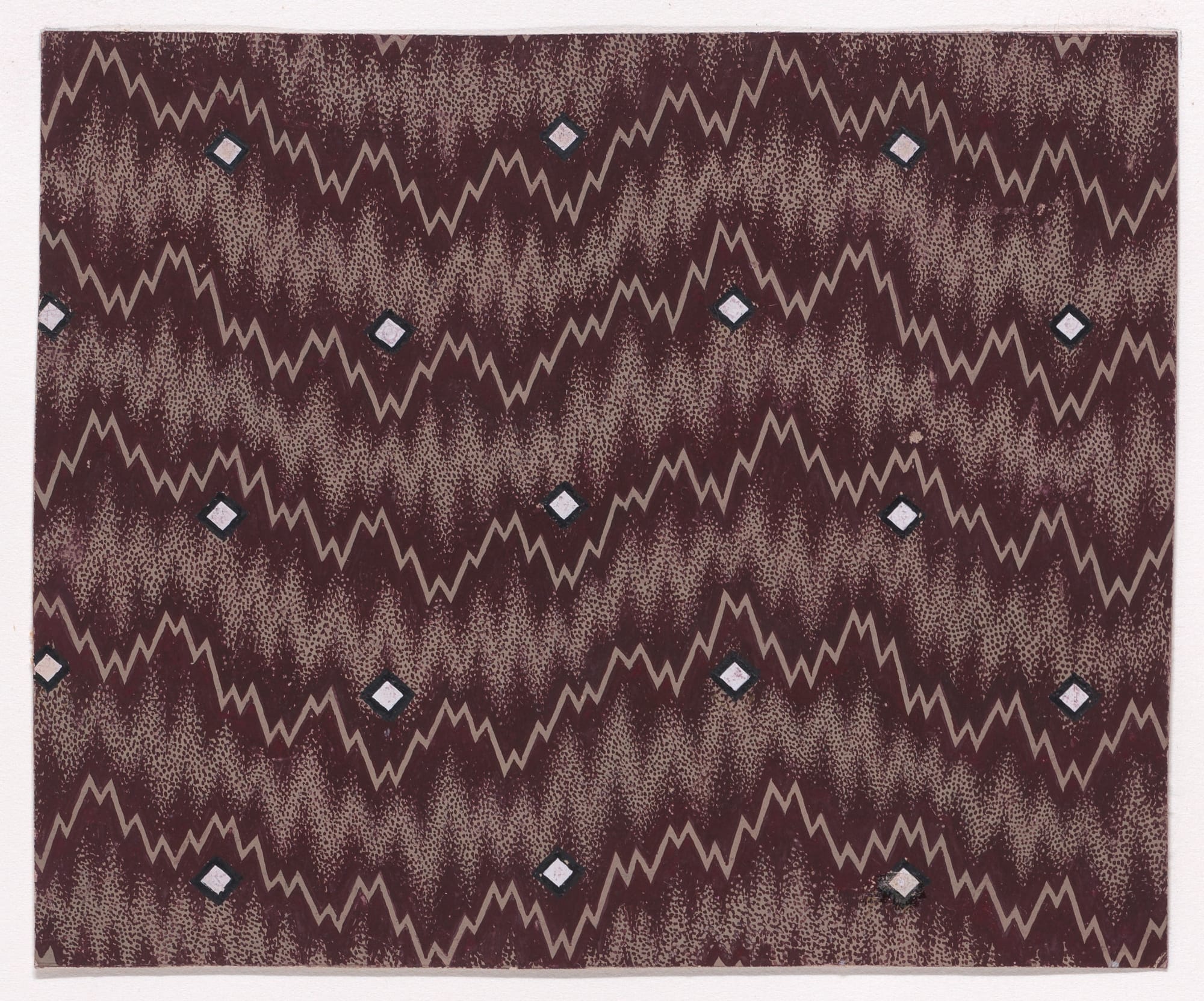
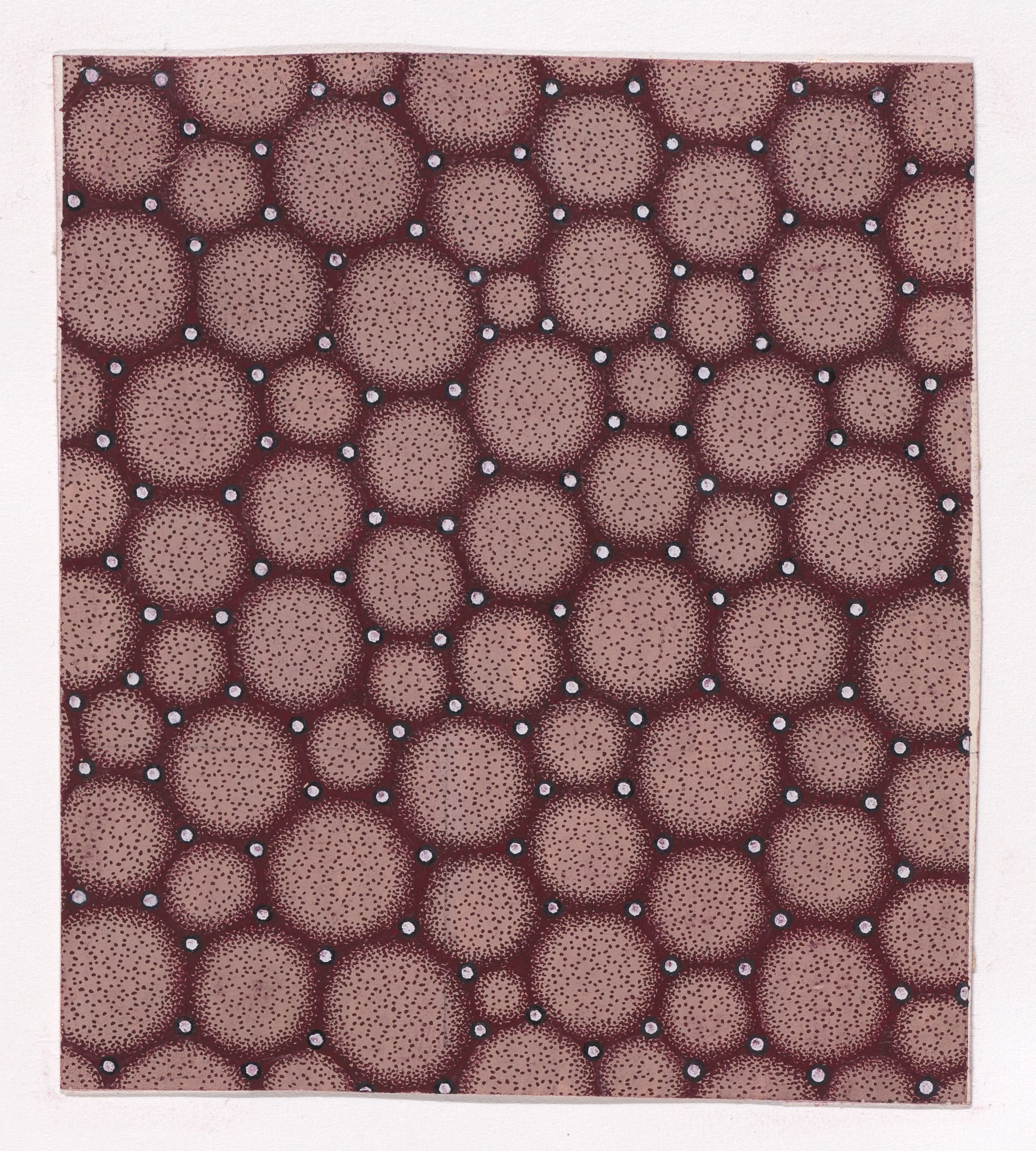
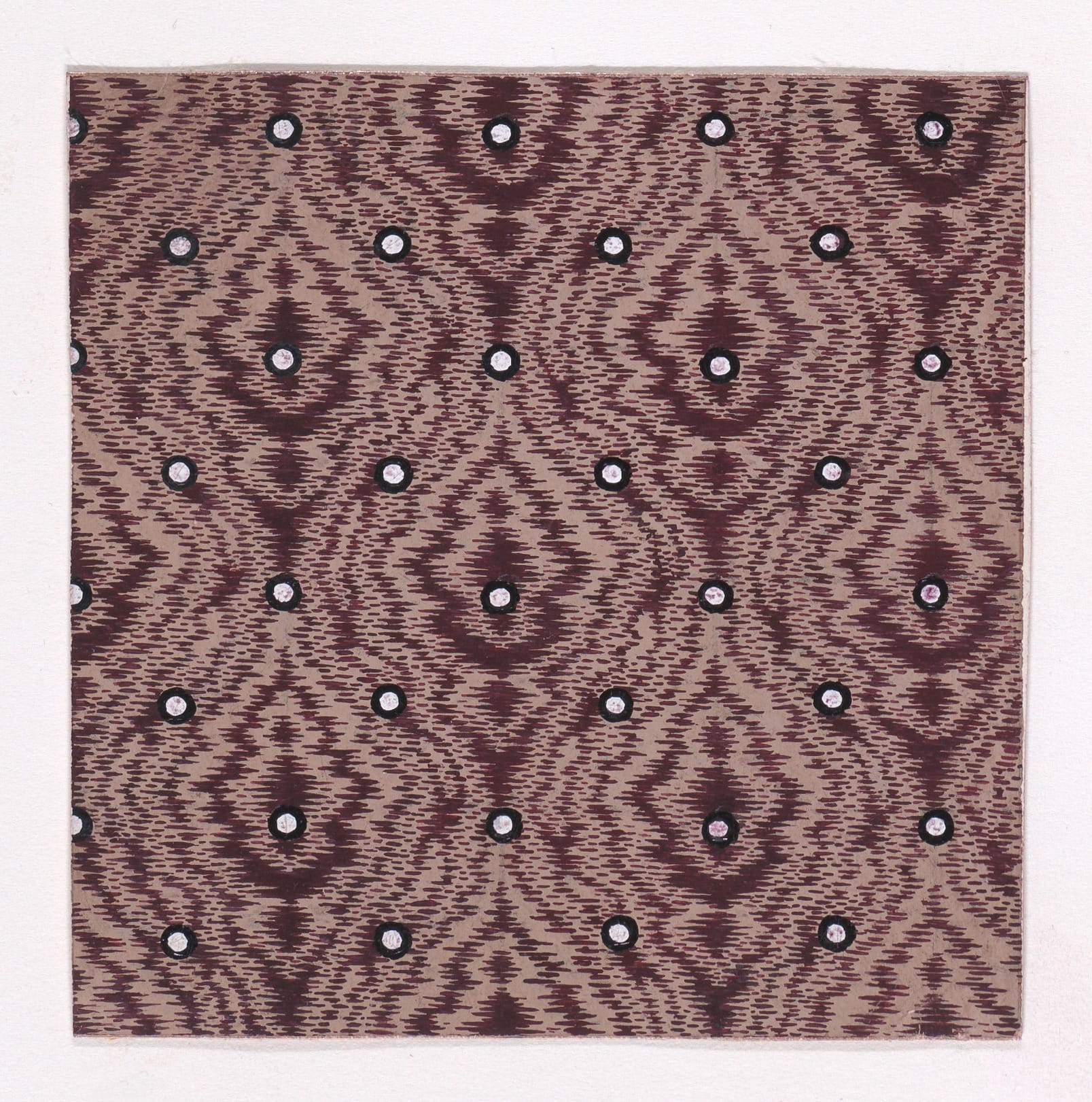
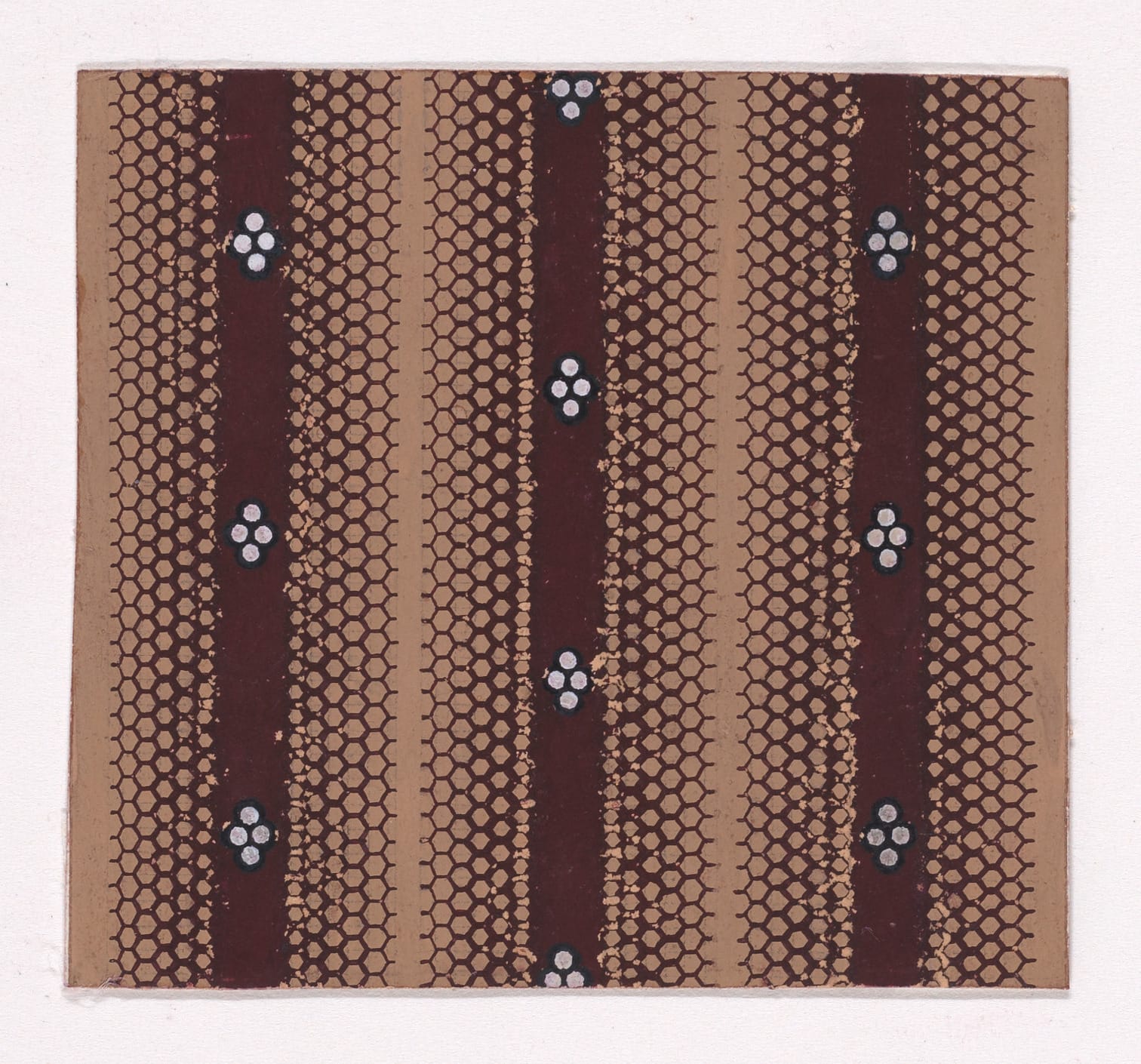
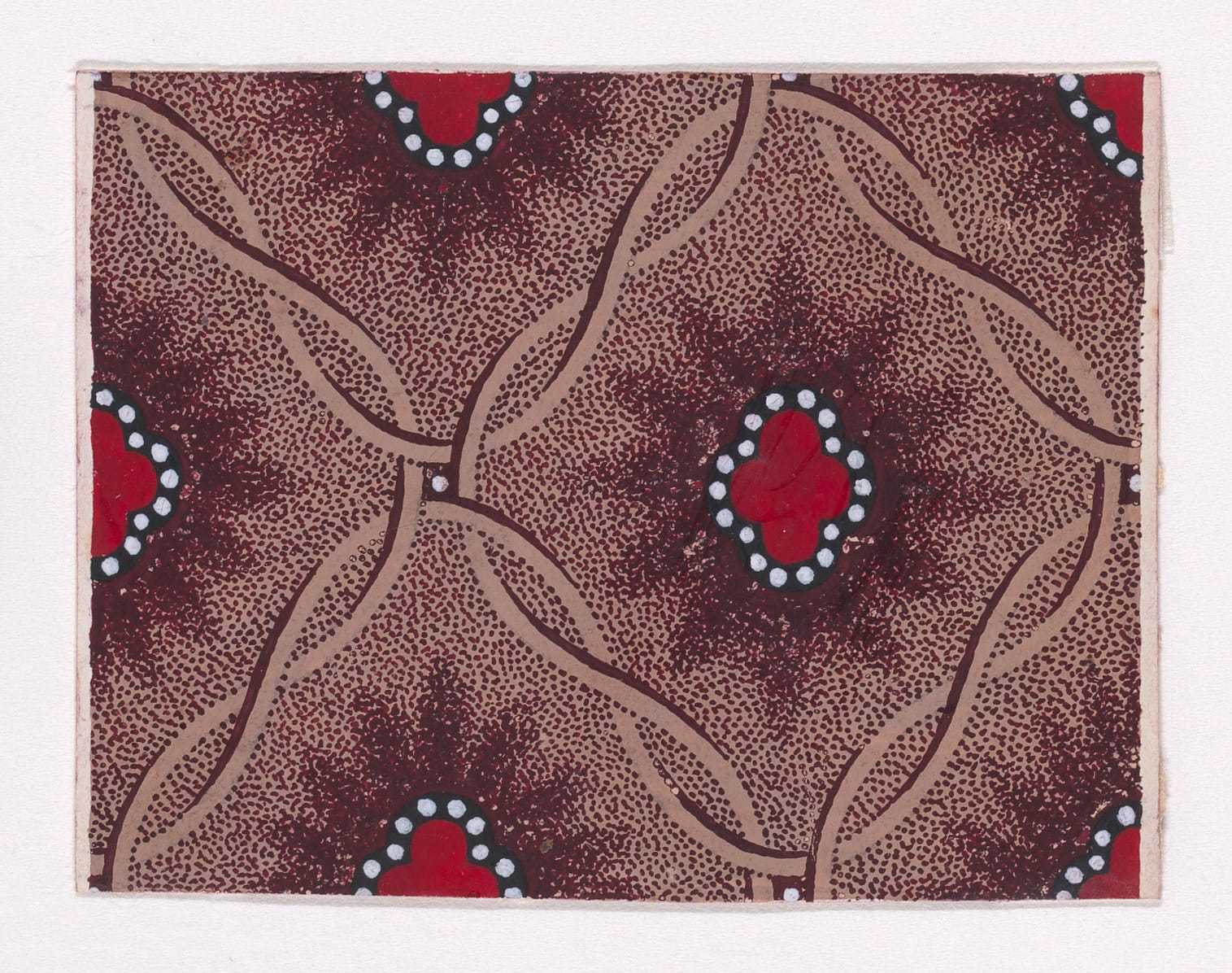
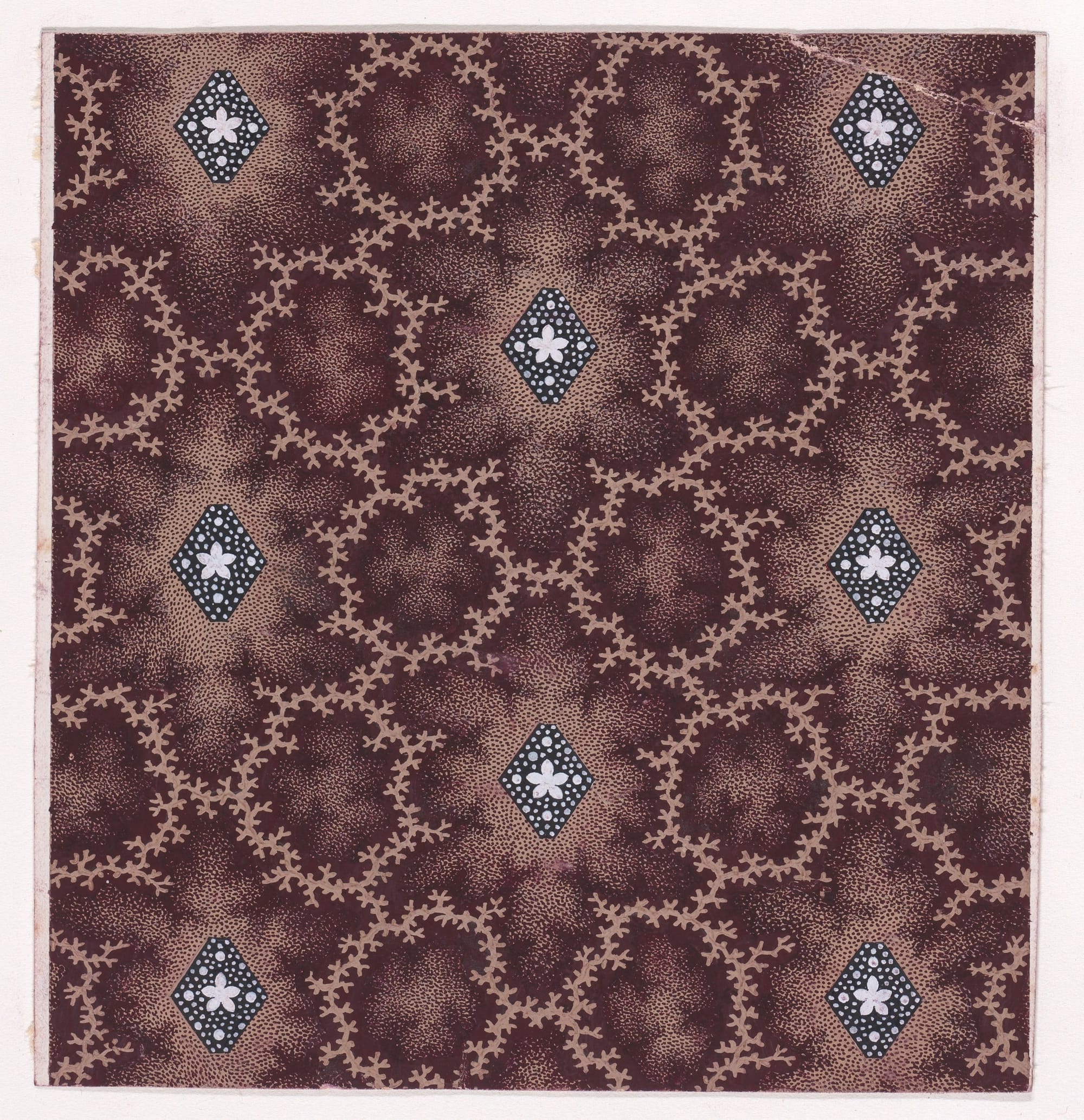
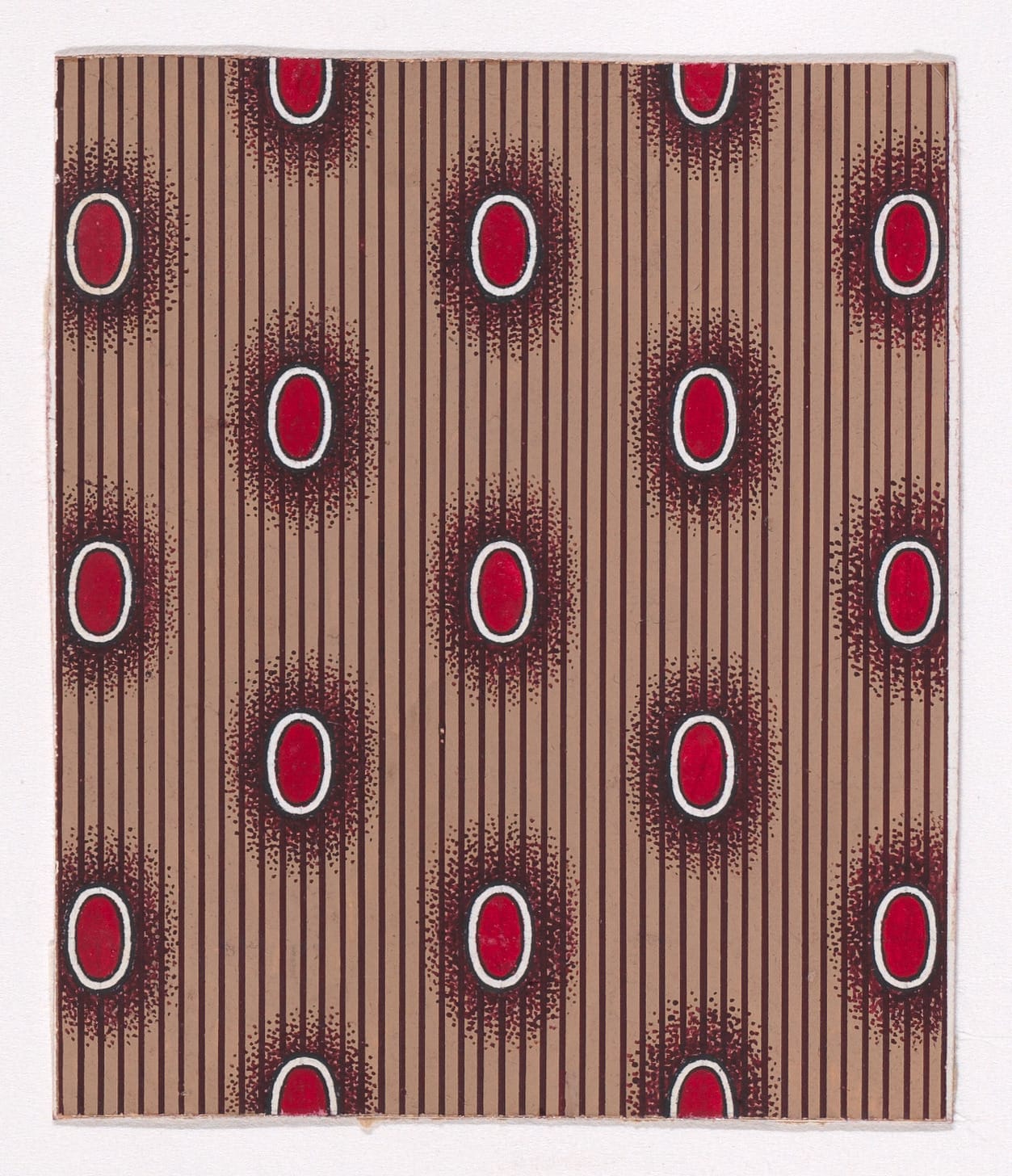
Anonymous textile prototypes, Mulhouse, Alsace, c.1840. Rectilinear design sheets generated within the industrial print studios of the Haut-Rhin. Each document encodes surface strategies for mass deployment—pearl rows, abstract chromatic fields, simulated resist-dye grounds. Executed as precision studies for repeat application, they reflect Mulhouse’s role as a nineteenth-century vector hub of textile innovation and print chemistry.





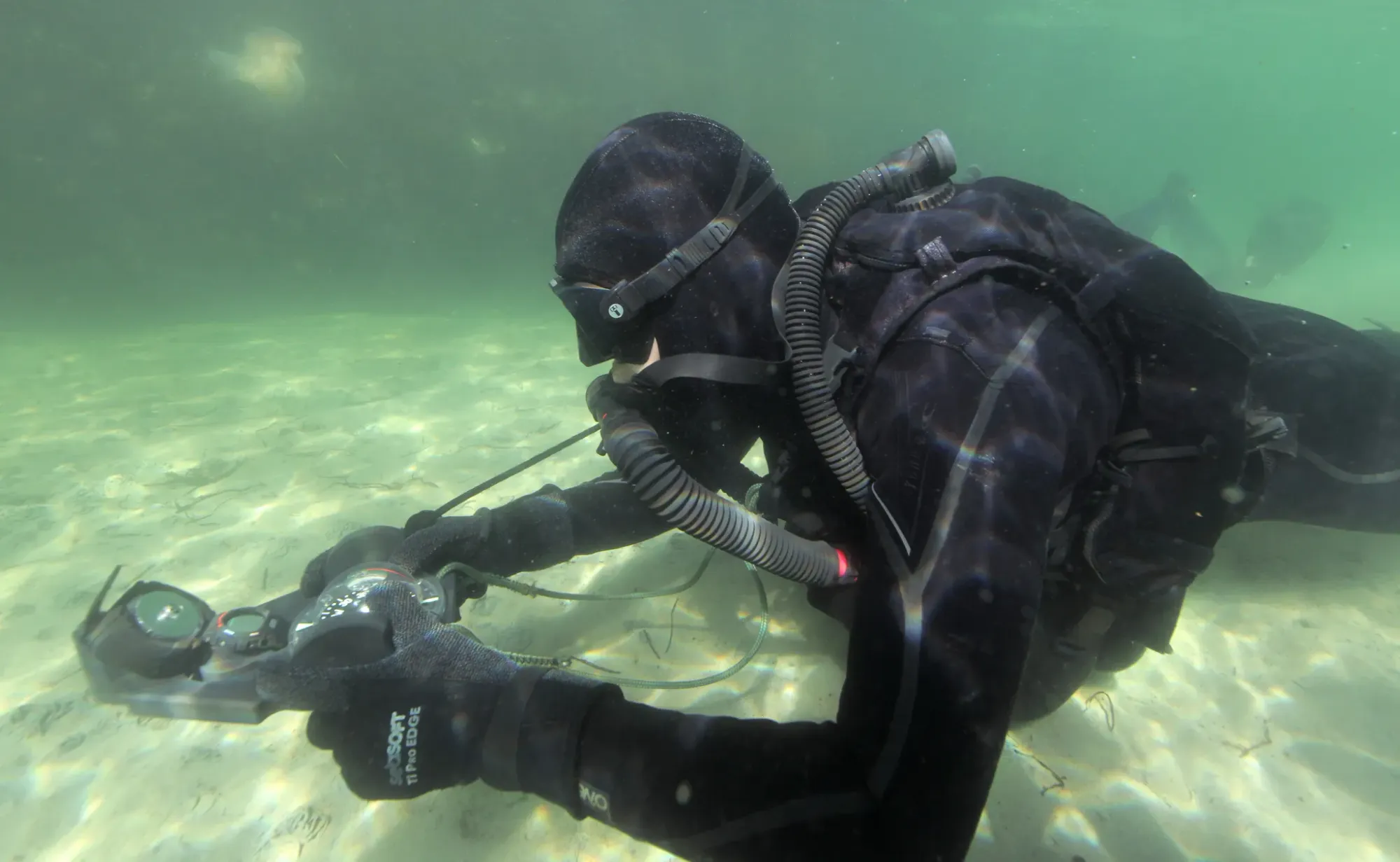
![stone island navigation series [reinvent the wheel] by liam macrae](https://storage.ghost.io/c/14/ee/14eef3be-ca5a-434b-8324-fa1f874026f1/content/images/size/w300/2025/08/stone-island-liam-macrae-navigation-series-002-1.jpg)
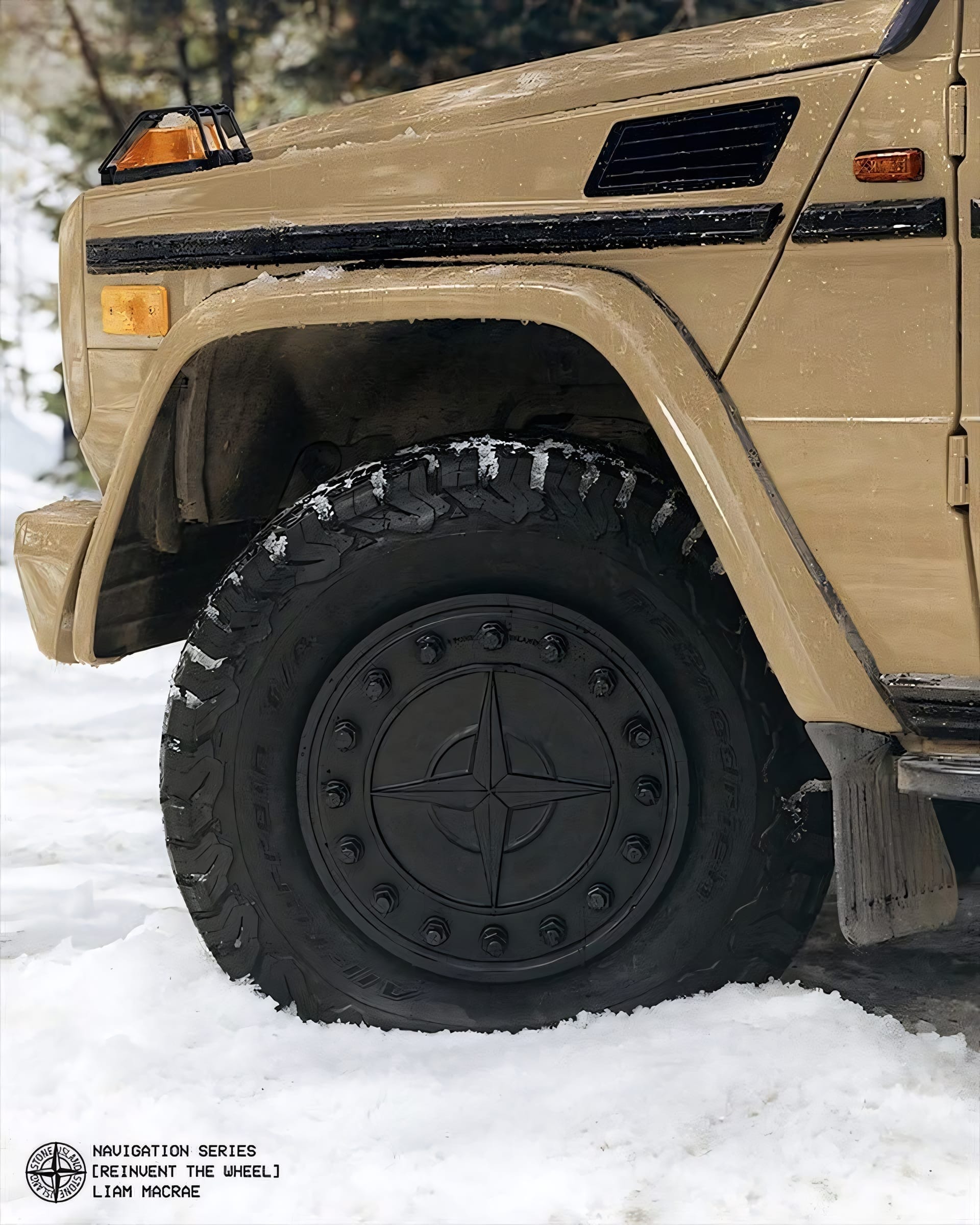
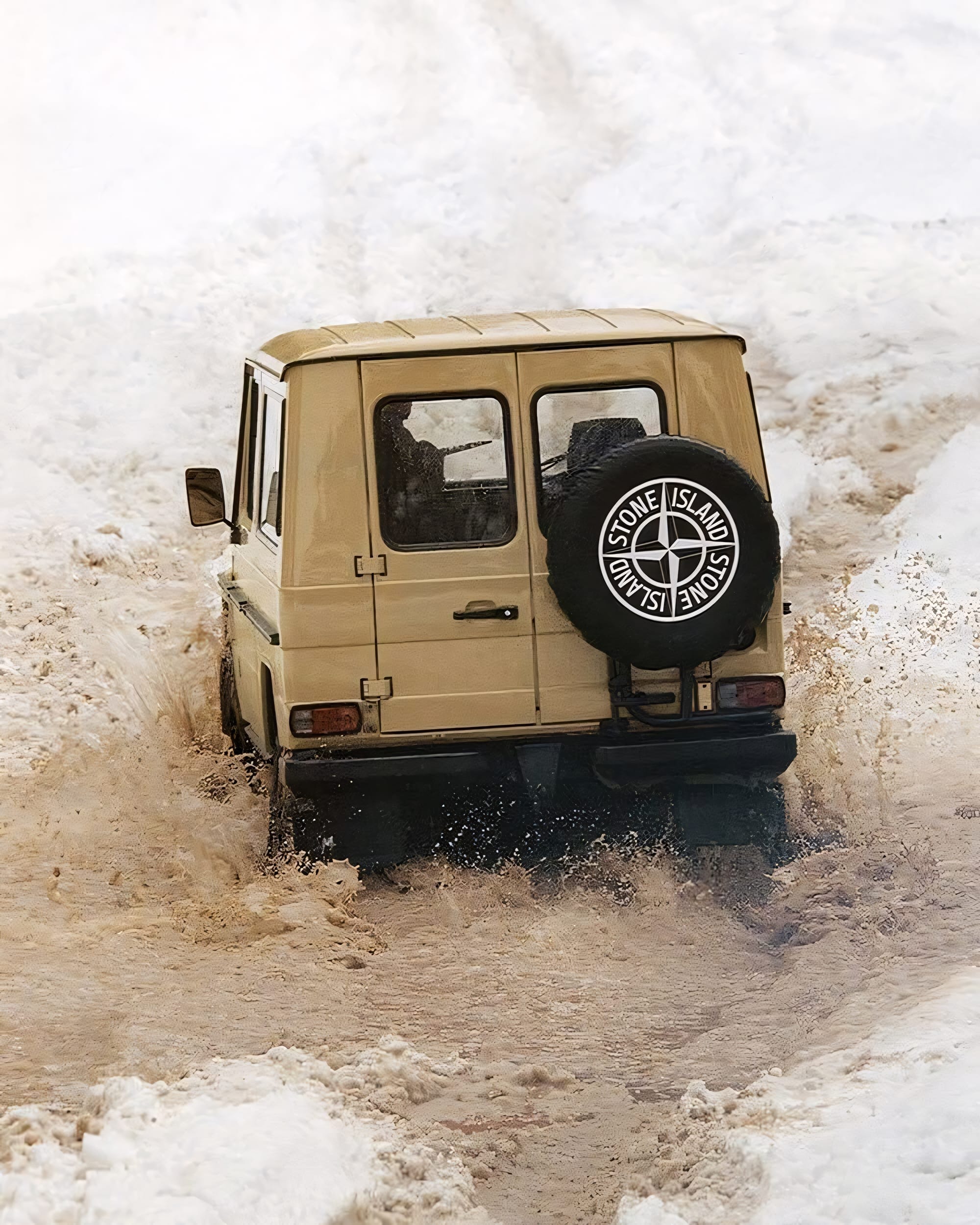
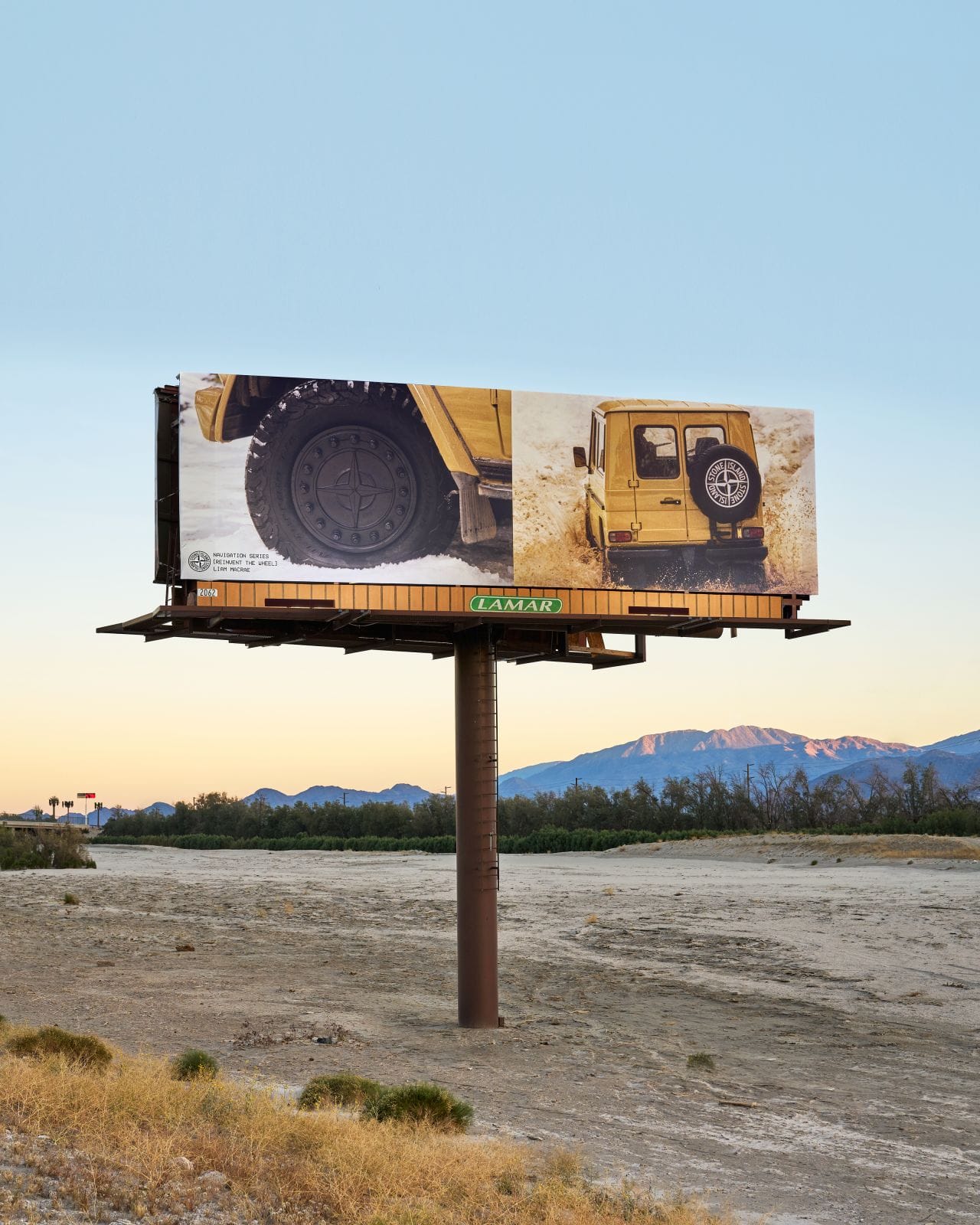
Stone Island’s Navigation Series: Reinvent the Wheel, photographed by Liam MacRae, is part of the brand’s ongoing study of orientation and movement. The work frames navigation as both physical and symbolic—referencing terrain, direction, and systems of guidance. Within the series, “Reinvent the Wheel” emphasizes reinterpreting established structures of travel and perception, continuing Stone Island’s research into exploration and the mechanics of wayfinding.
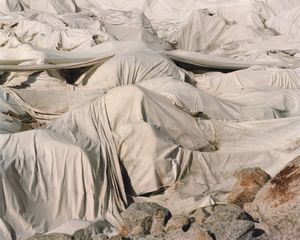
April 2024, FRIEZE No. 9 Cork Street Gallery, London
EXHIBITION: The Mountains Between Us, FRIEZE No 9 Cork St
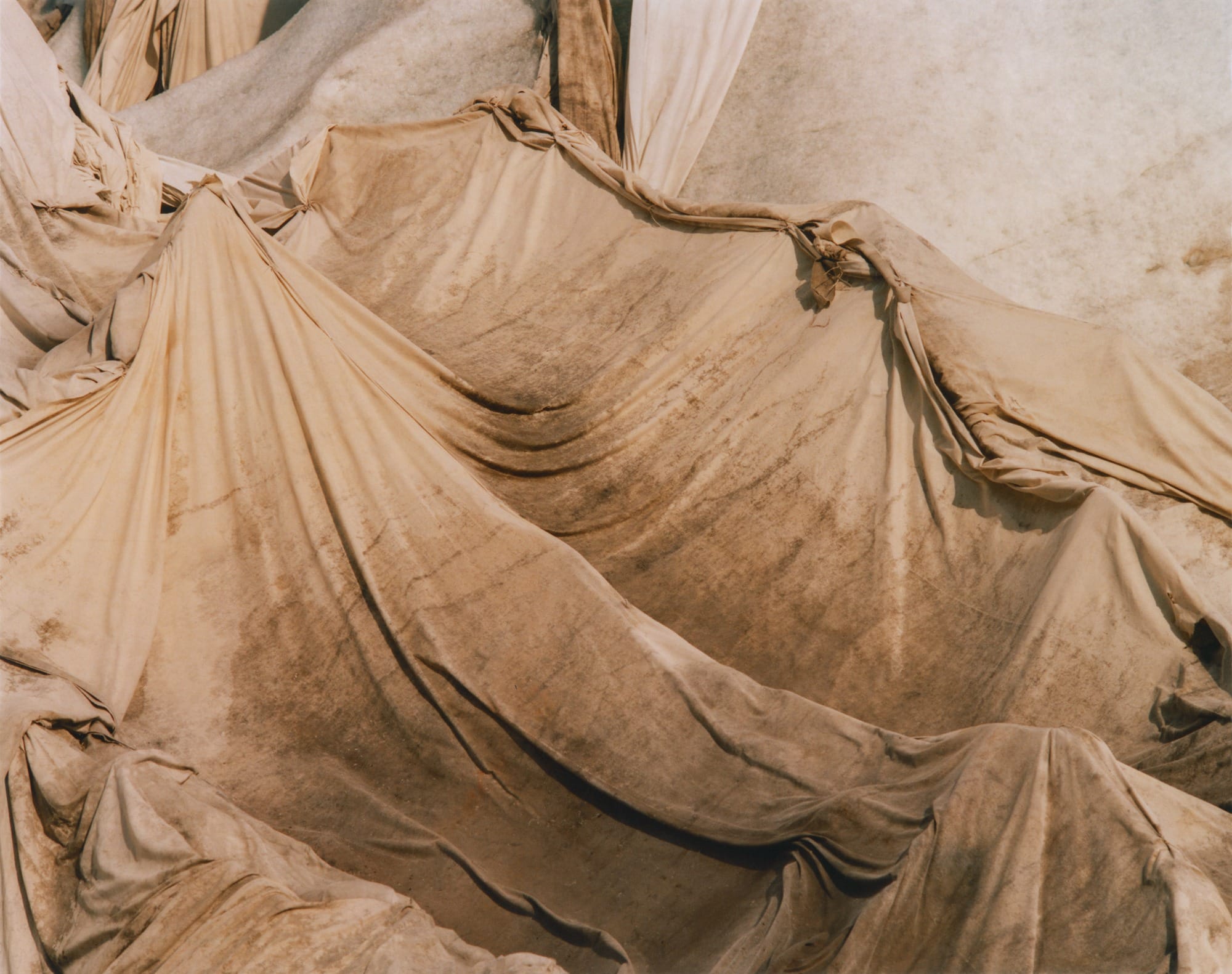
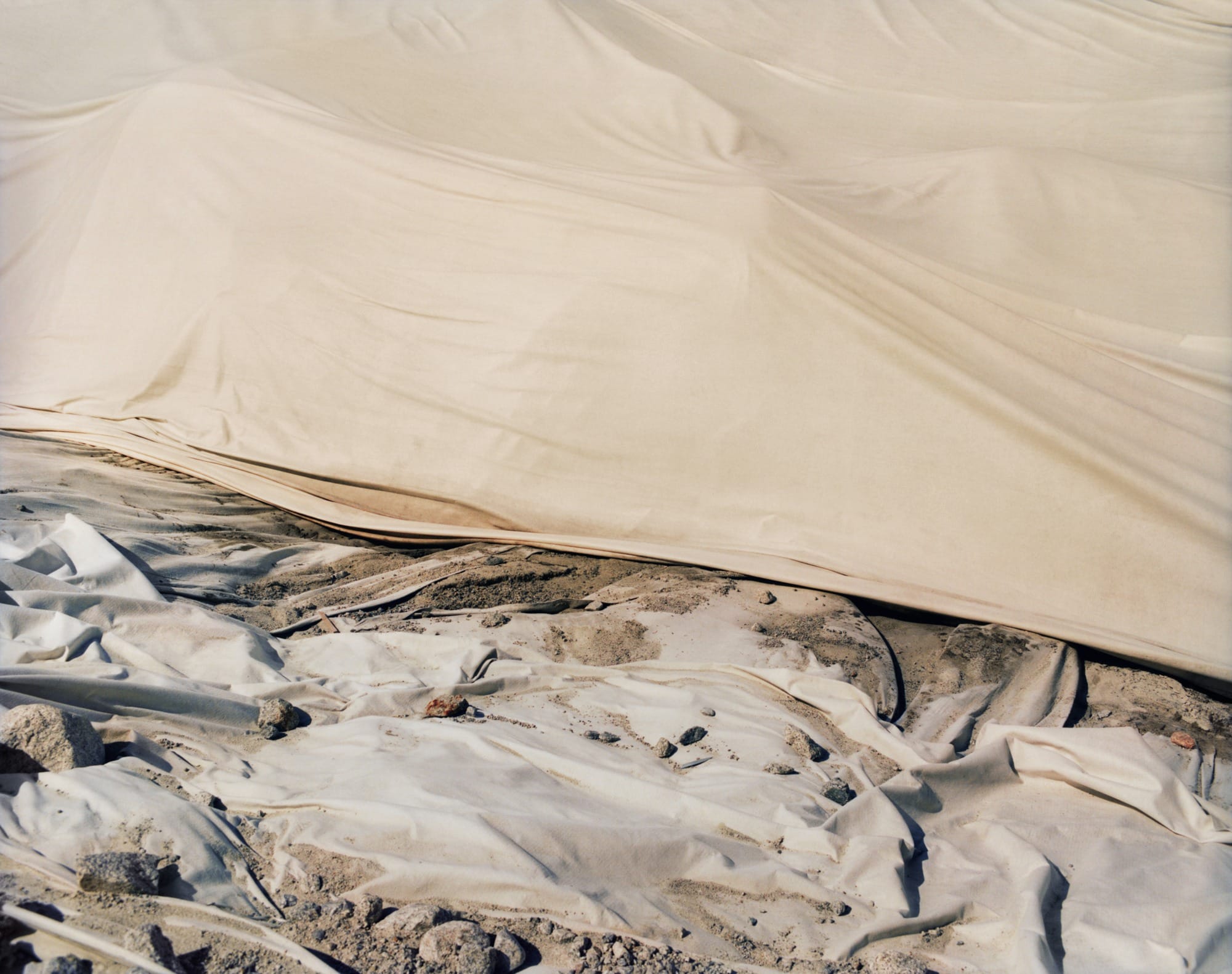
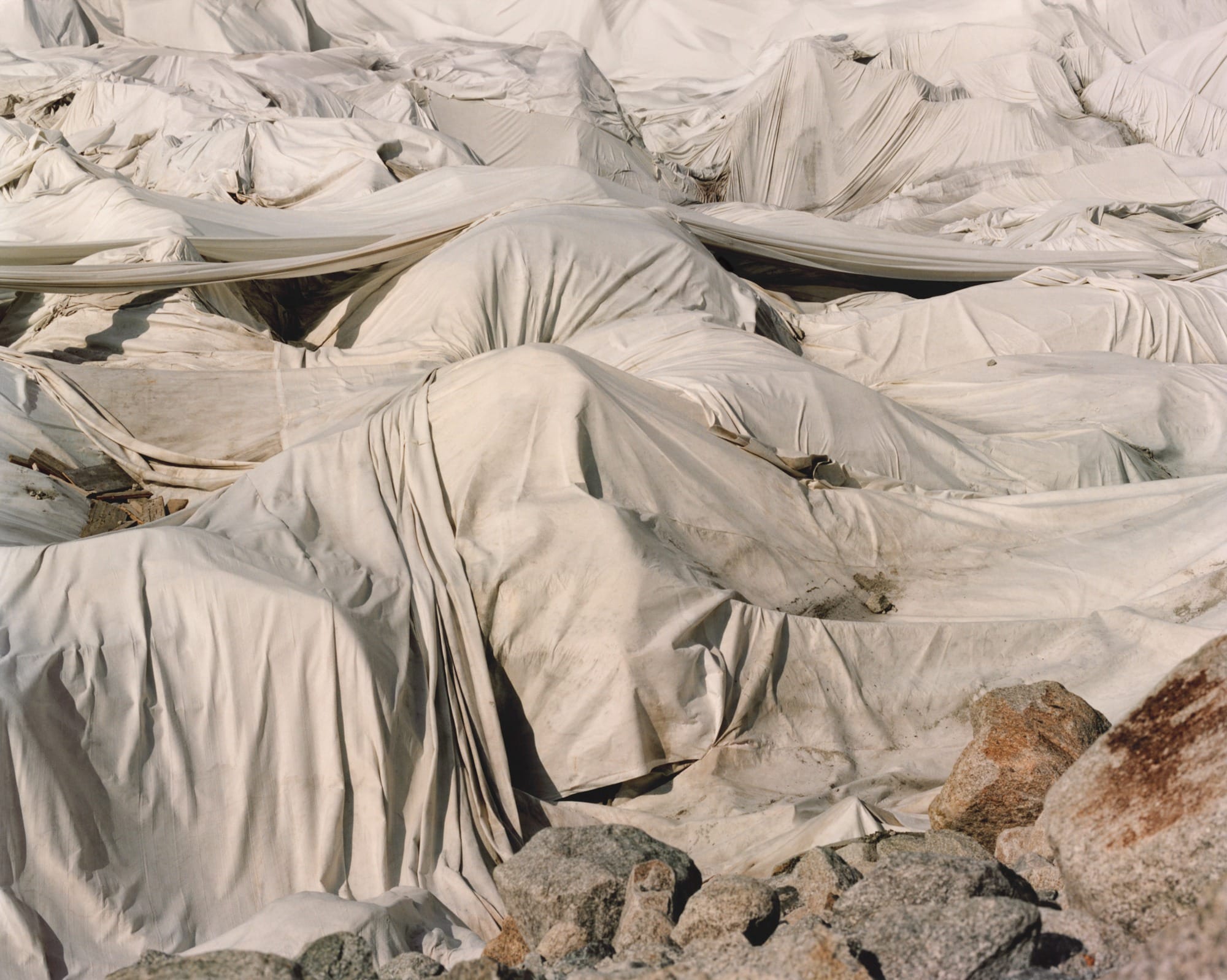
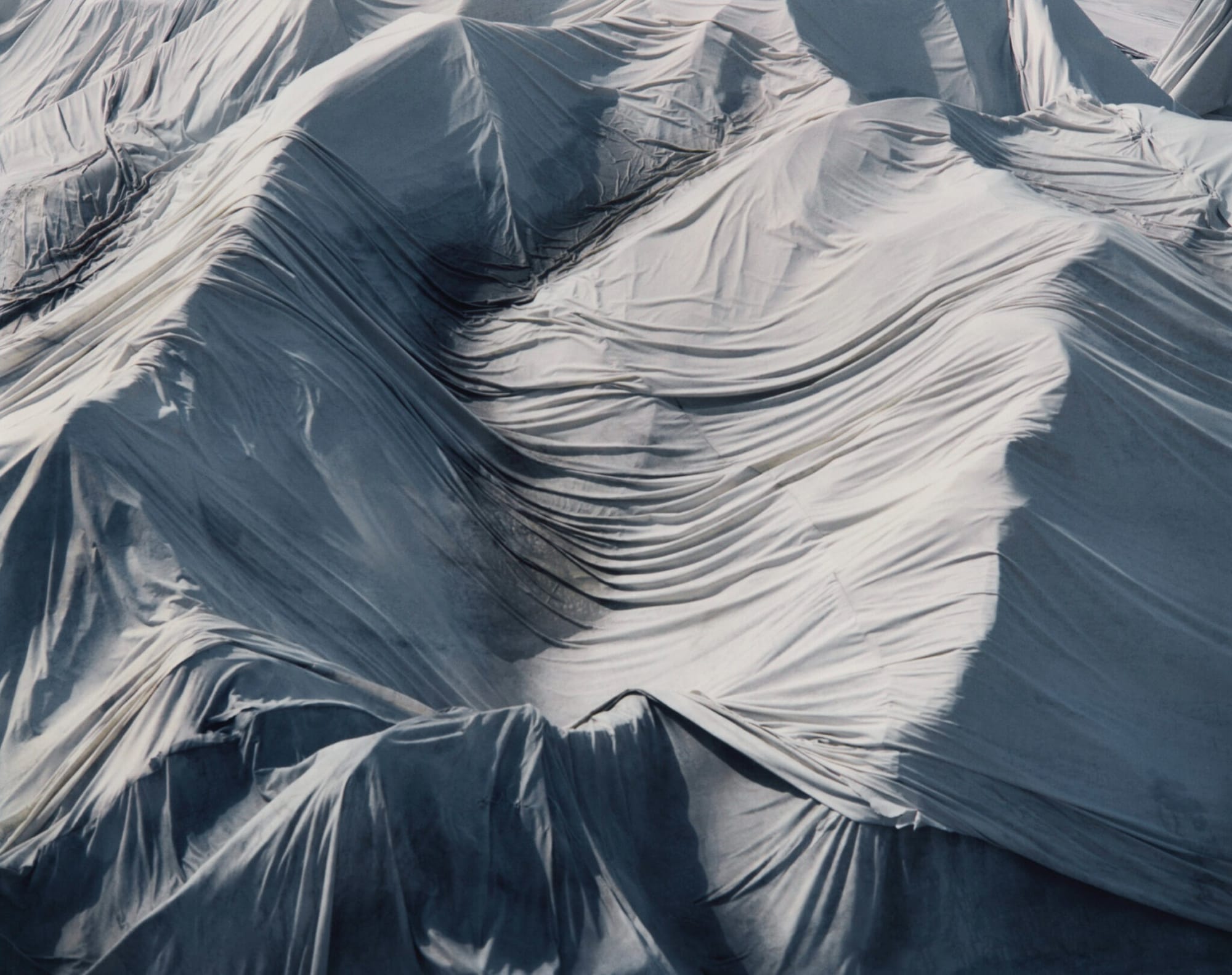
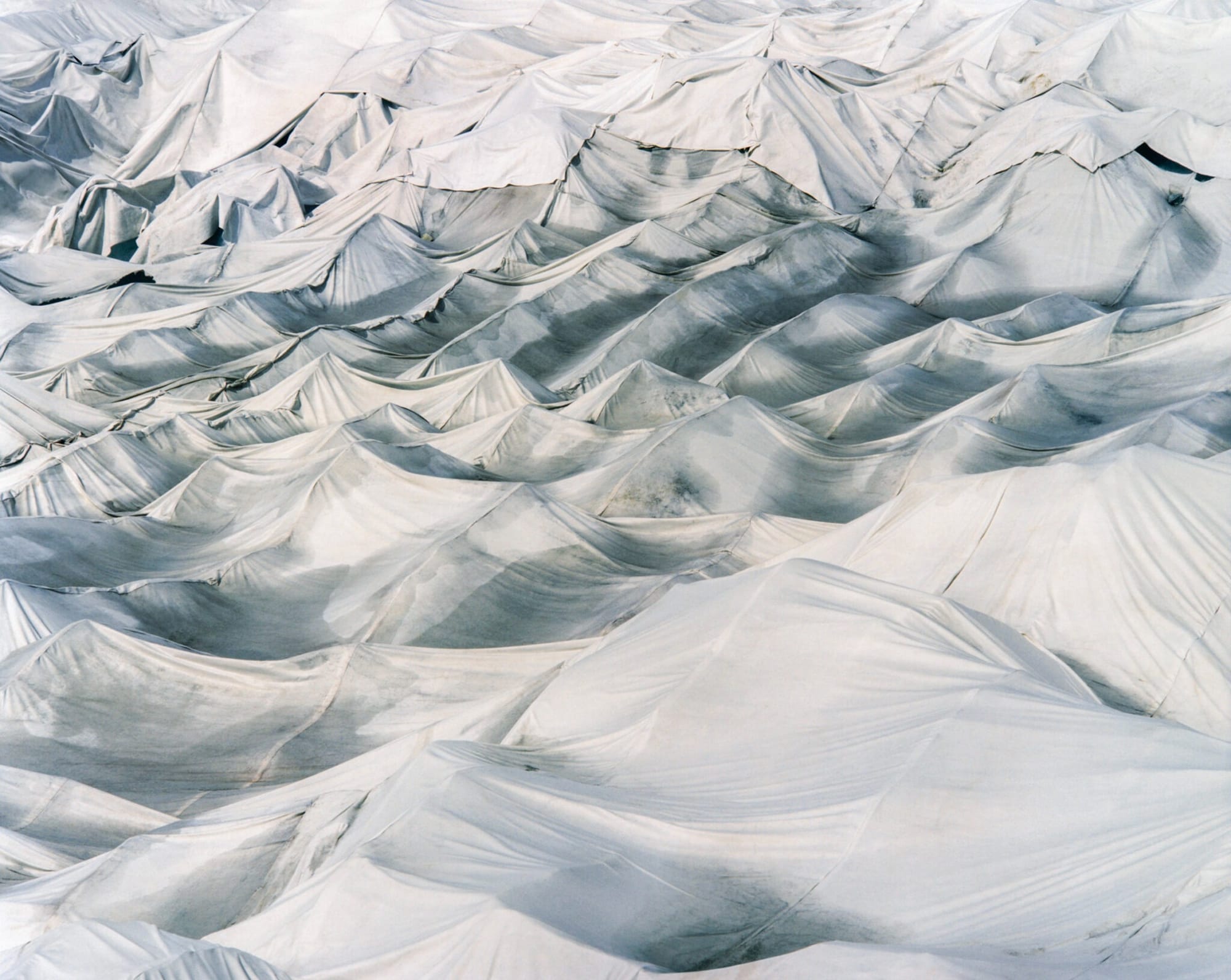
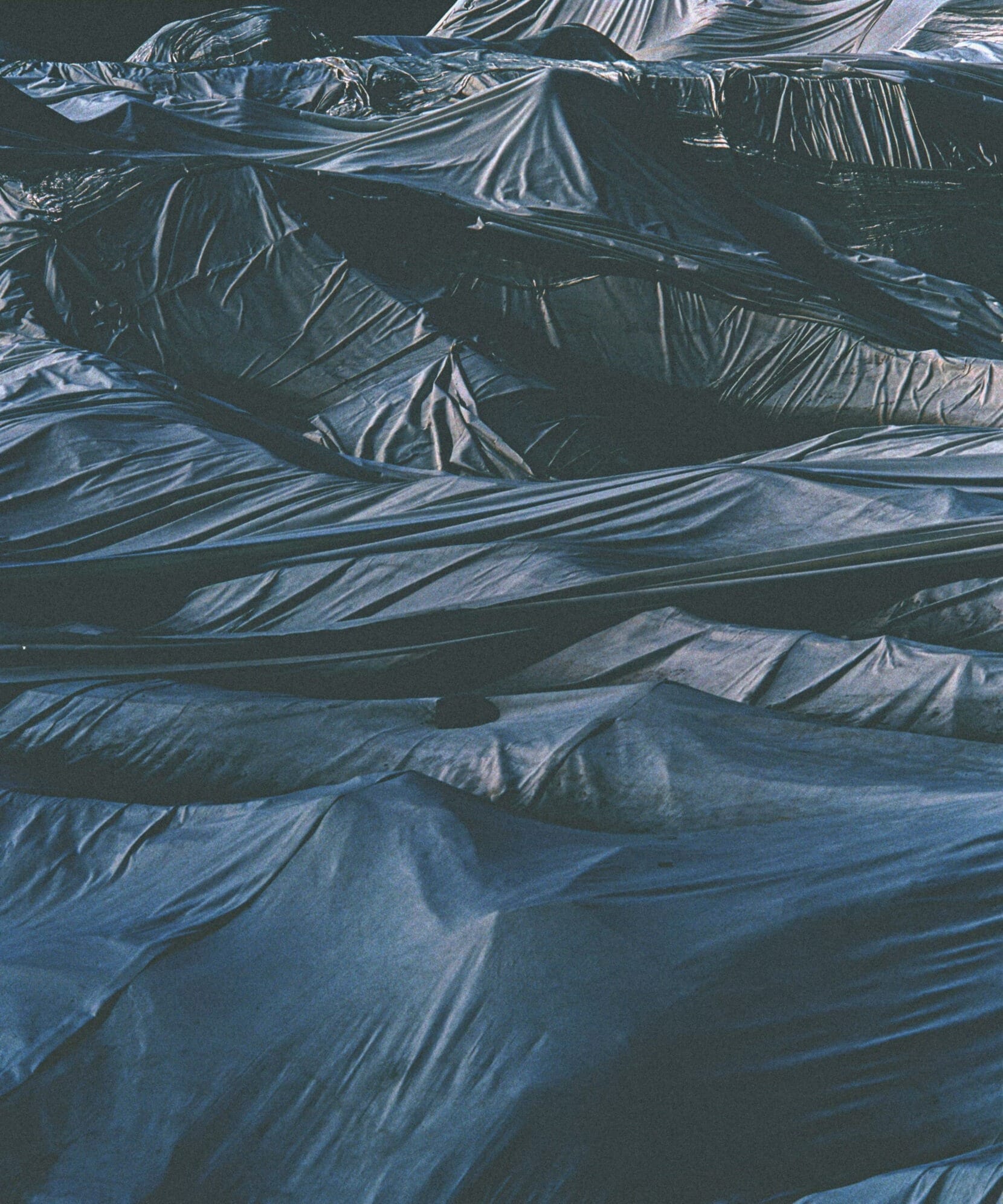
Weaving together photography, video and sculptural objects, lena_c_emery highlights the accelerated loss of mountain glaciers and the desperate conservation efforts currently employed to impede their decline. Under the continued influence of greenhouse-gas forced global warming, ice that took centuries to develop is vanishing in just a number of years. A fate experts predict for at least two-thirds of all glaciers by the end of this century. EMERY: In ‘The Mountains Between Us’, I capture the current environmental efforts undertaken to reduce the rate at which glaciers melt. Glaciers have held space for centuries, silently bearing witness to history. They’ve seen the world change in ways we can barely comprehend. Because my grandfather spent his life in these mountains, watching this particular glacier retreat and form lakes where there was previously only ice and at a pace that’s steadily increasing, feels deeply personal. The idea of covering these mammoths in fabric to stall the inevitable, feels both tragic and emblematic of our relationship with nature: The magnitude of loss countered by gestures that, though earnest, feel powerless. Visually these wrapped peaks evoke images of muddied tents, makeshift shelters that we’ve come to erect for those displaced by upheaval. This fragility, their fragility, our fragility, is a direct reflection of the imbalance we have sown, where those least responsible for ecological destruction are forced to bear its heaviest burdens. The title became a way to frame those divides. Mountains have always symbolised barriers, but perhaps they could also be reimagined as thread, shared histories and a collective belonging. The elemental particles composing our very being once danced amidst these ancient landscapes and if they disappear, part of us does too.
"The thread of human hope is spun with fragile lies. Those who weave it find solace in delusion, for truth is a burden too heavy for most hearts to bear."
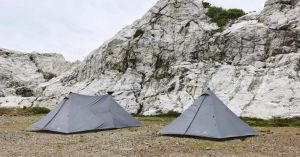
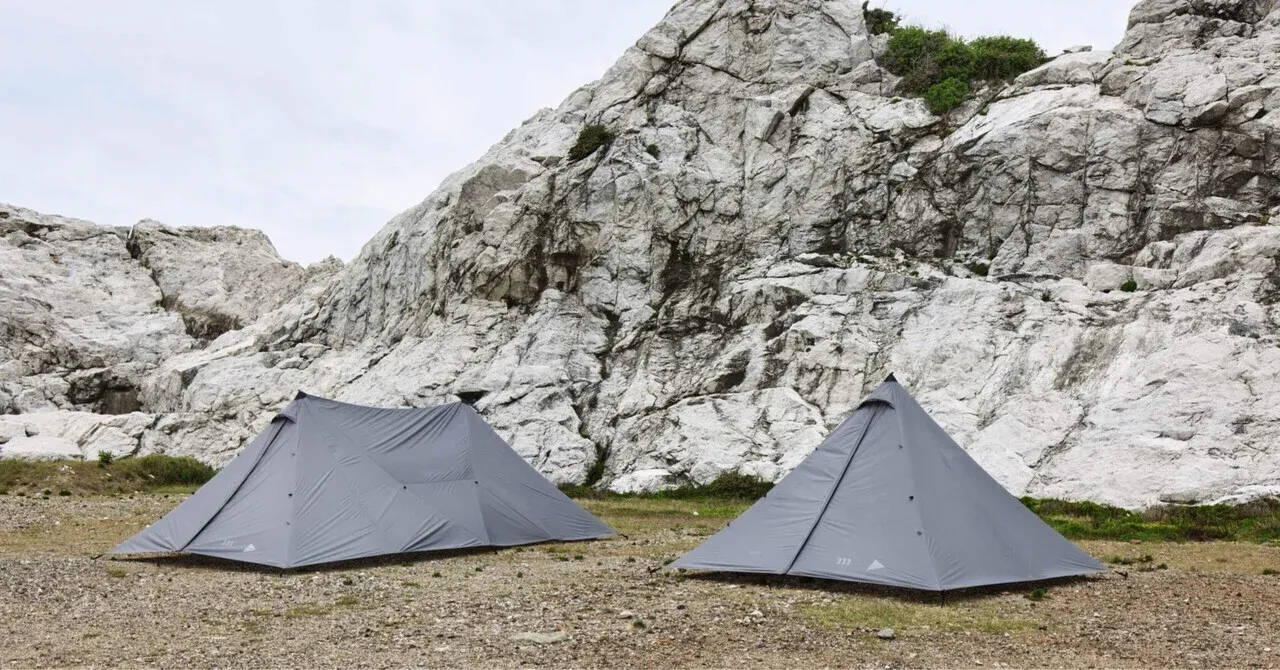
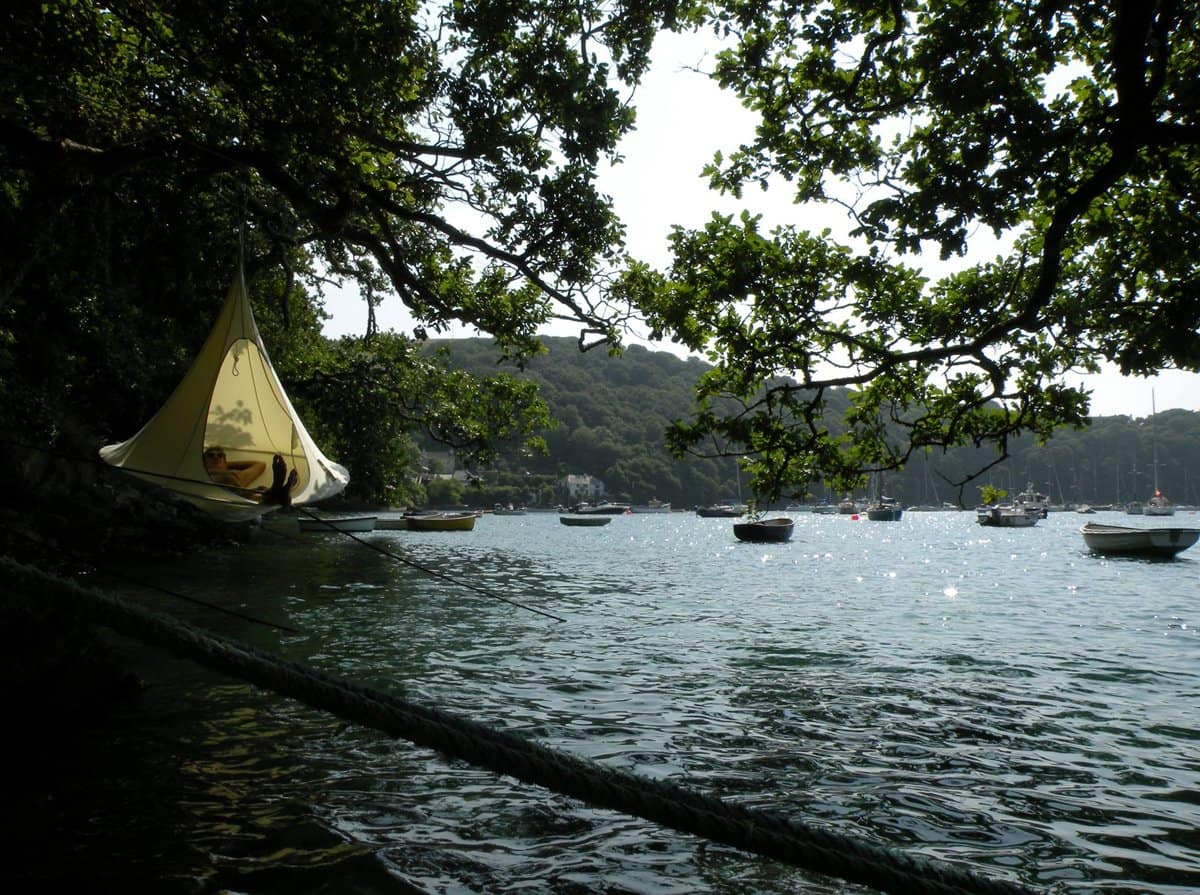
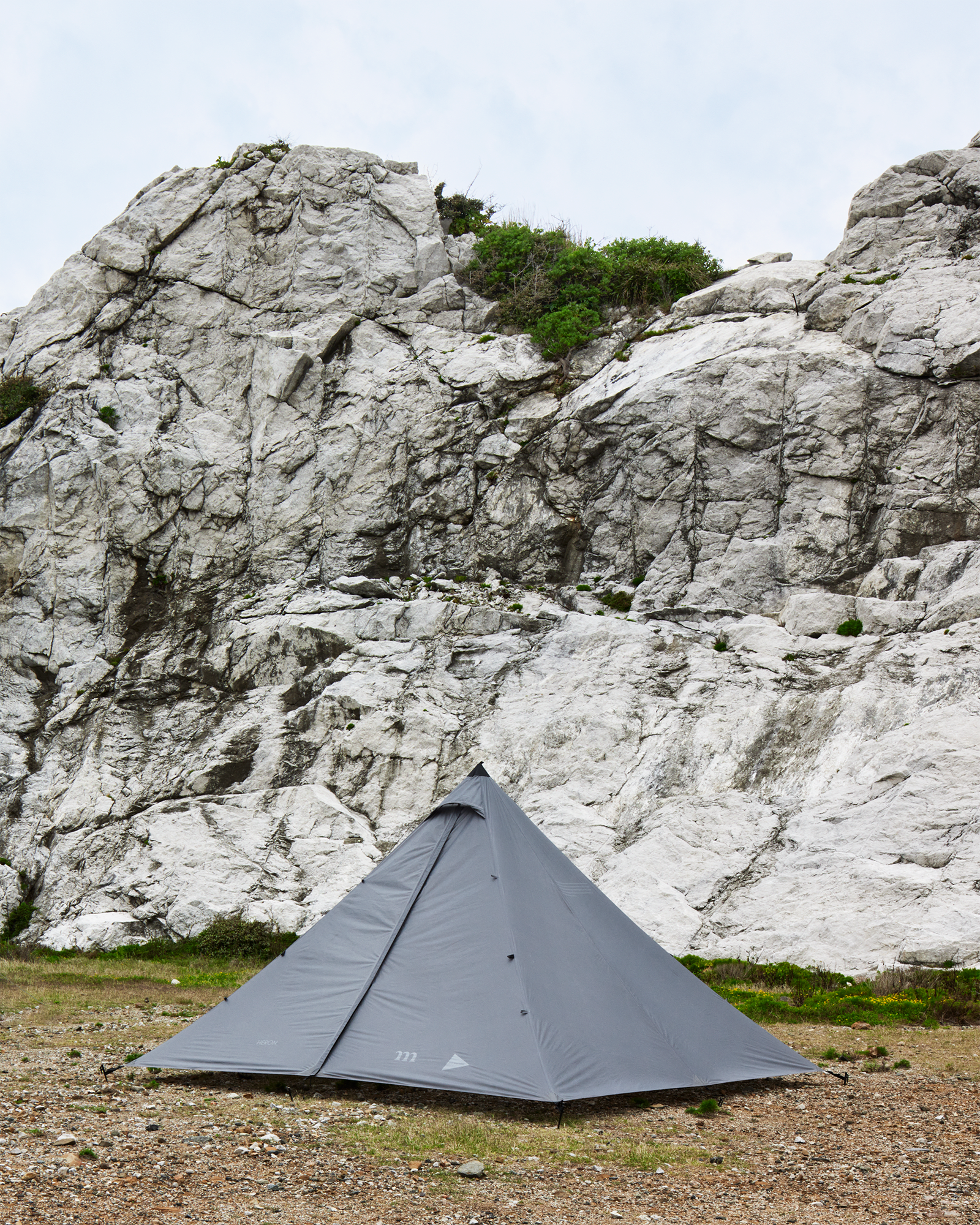
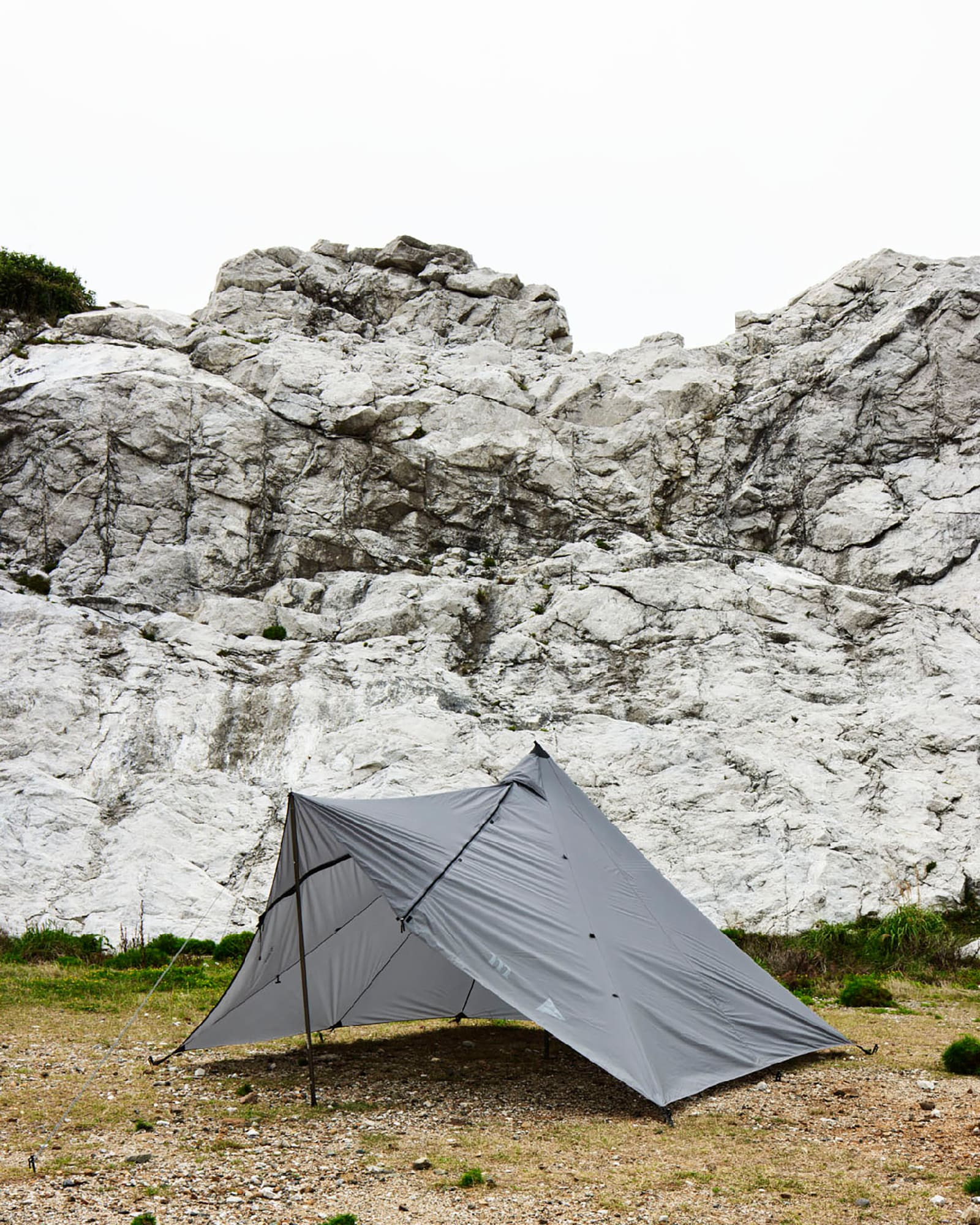
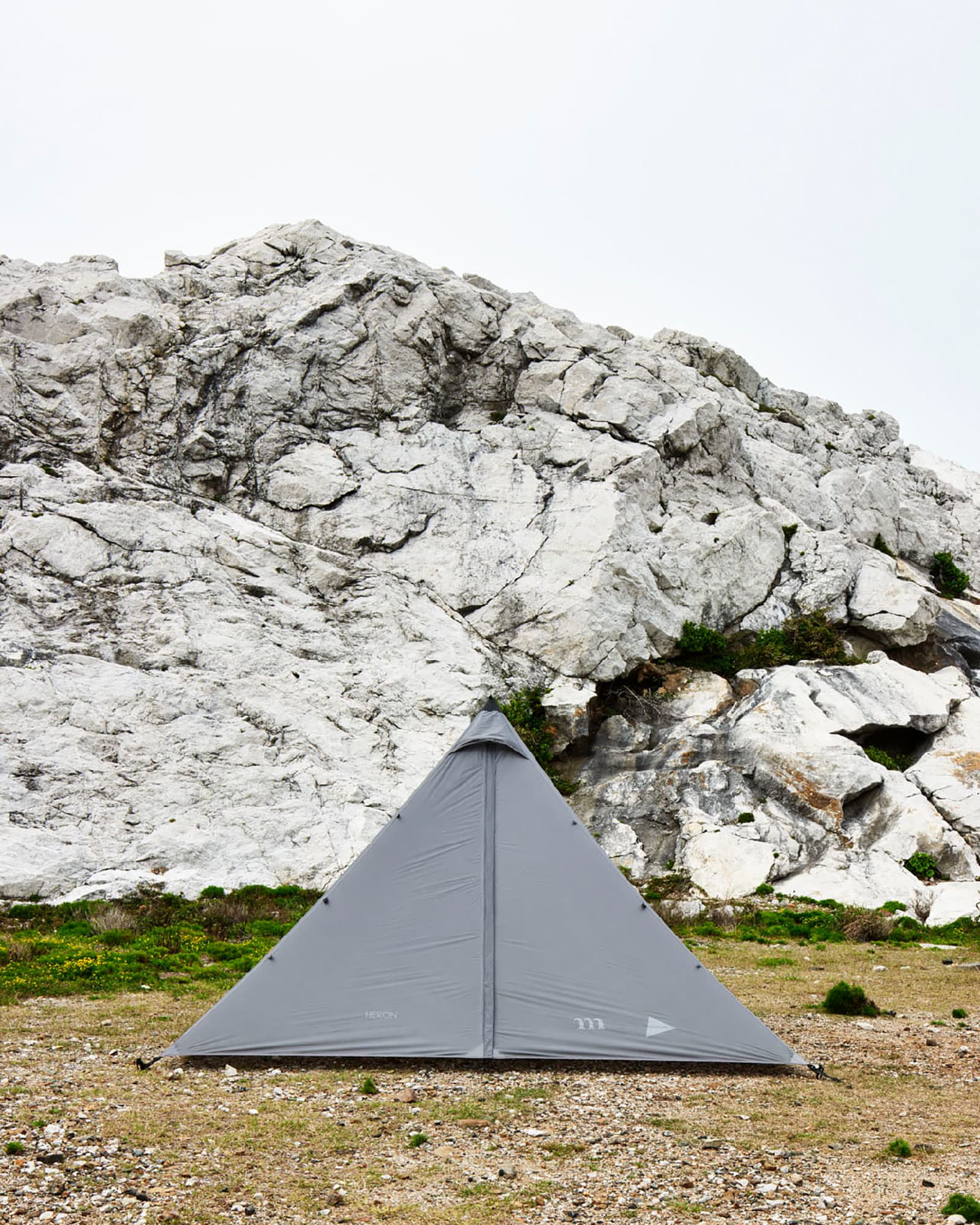
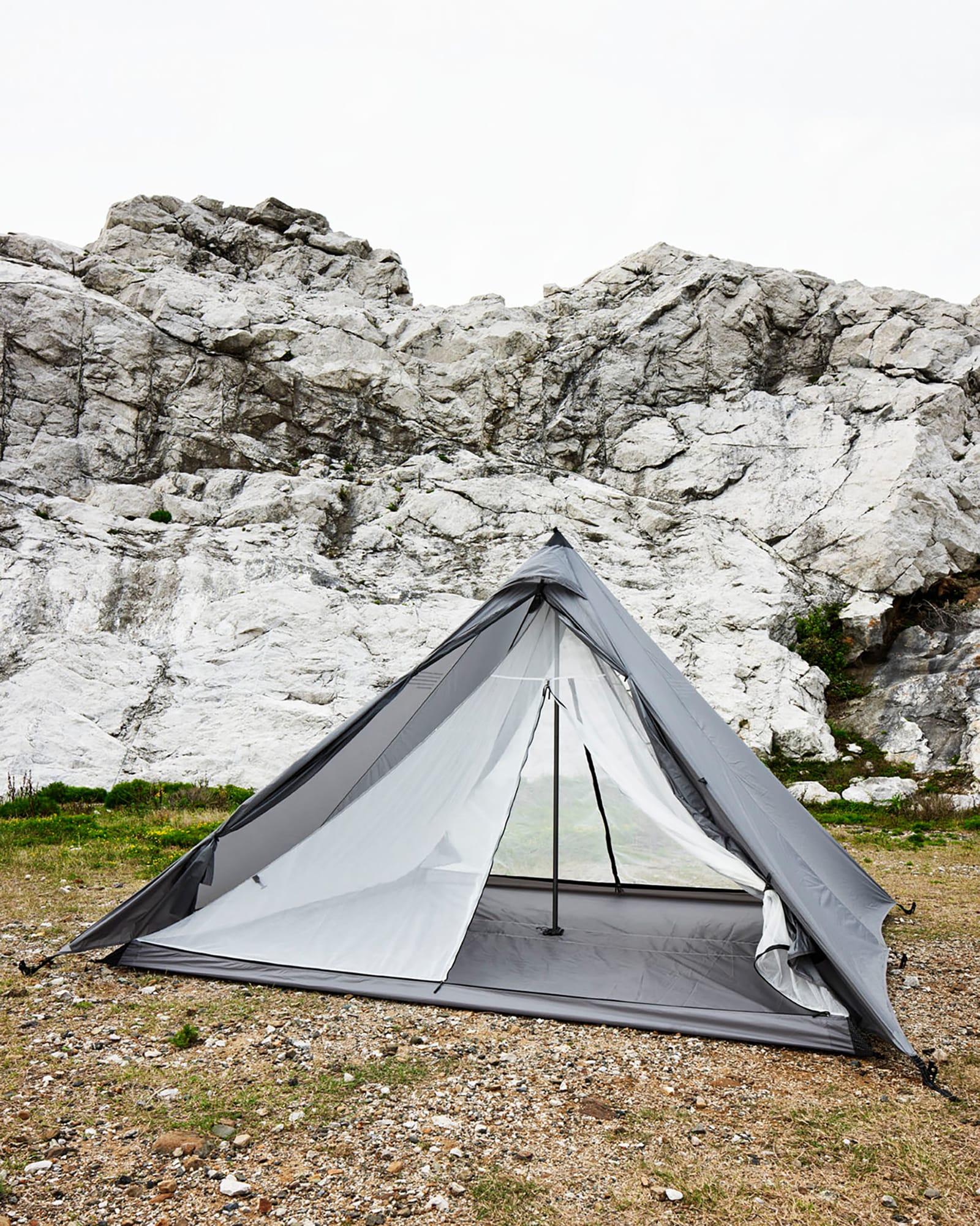
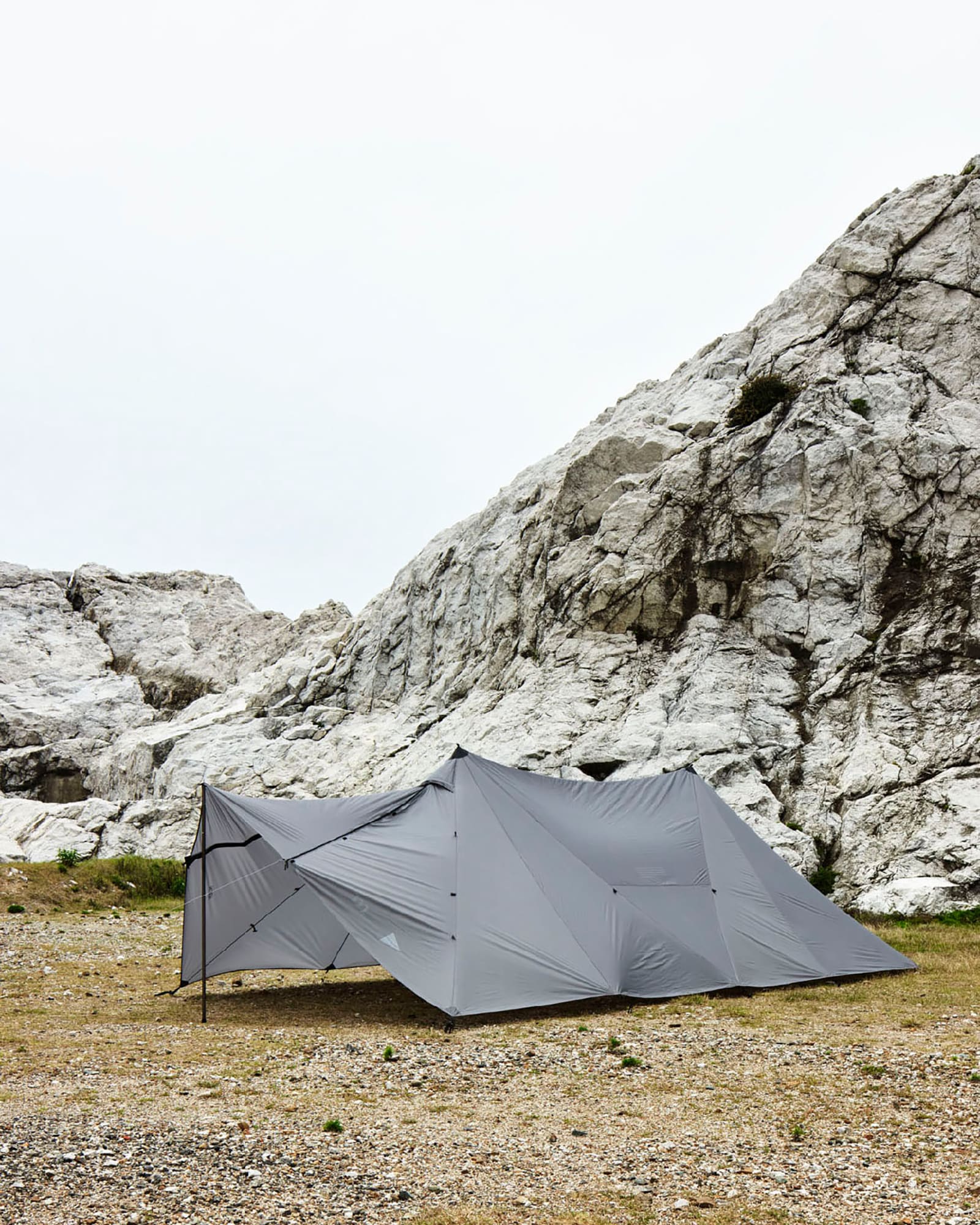
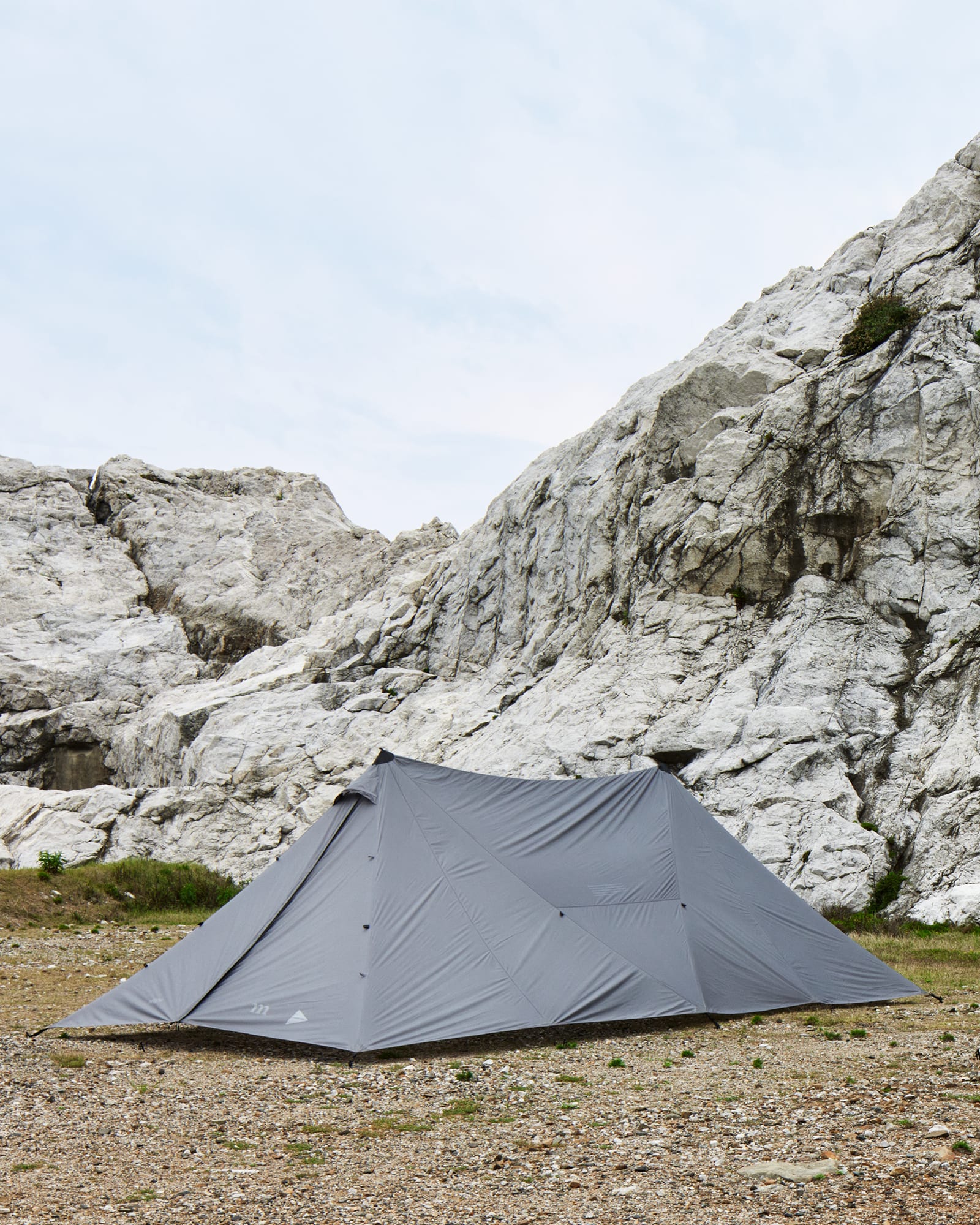
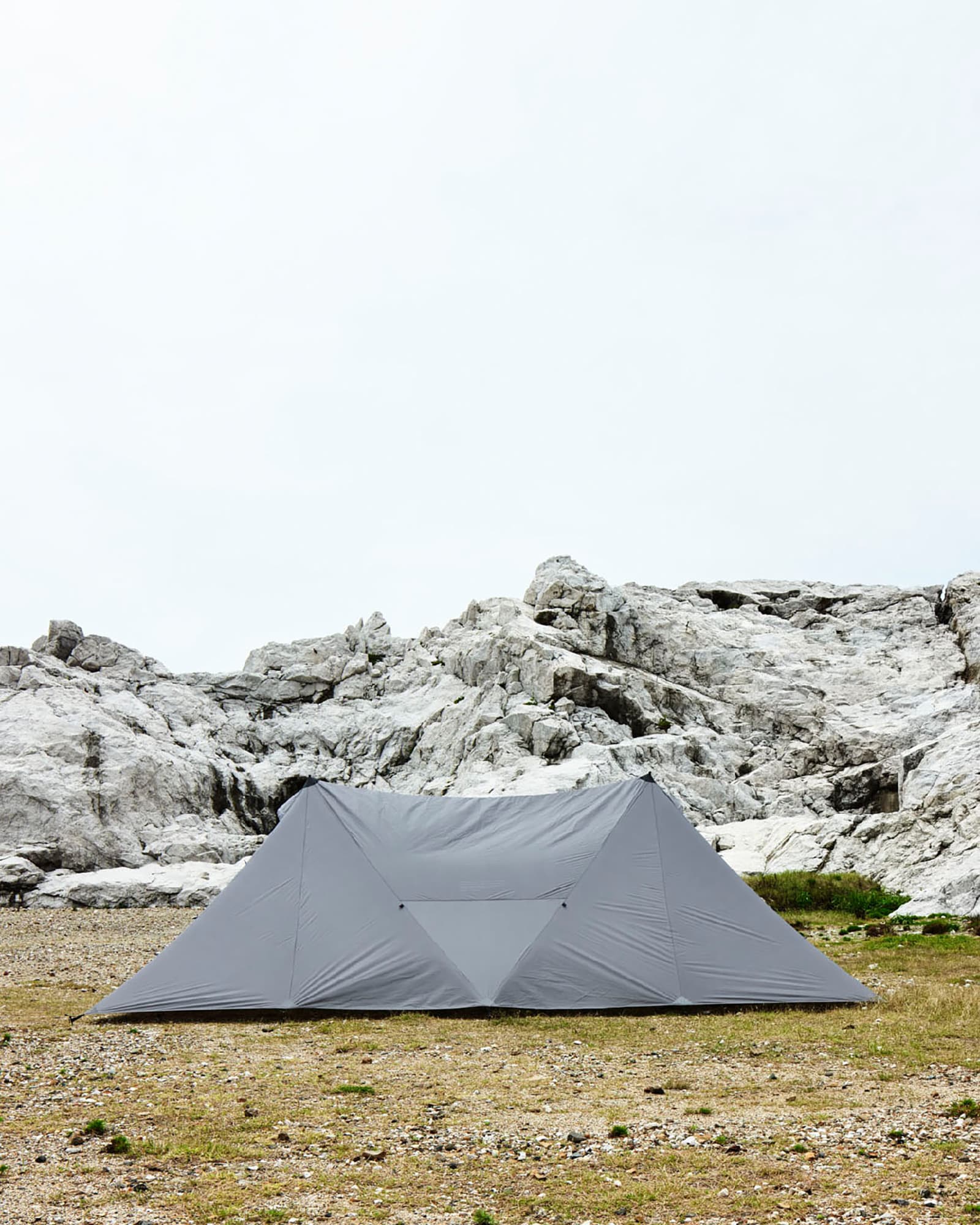
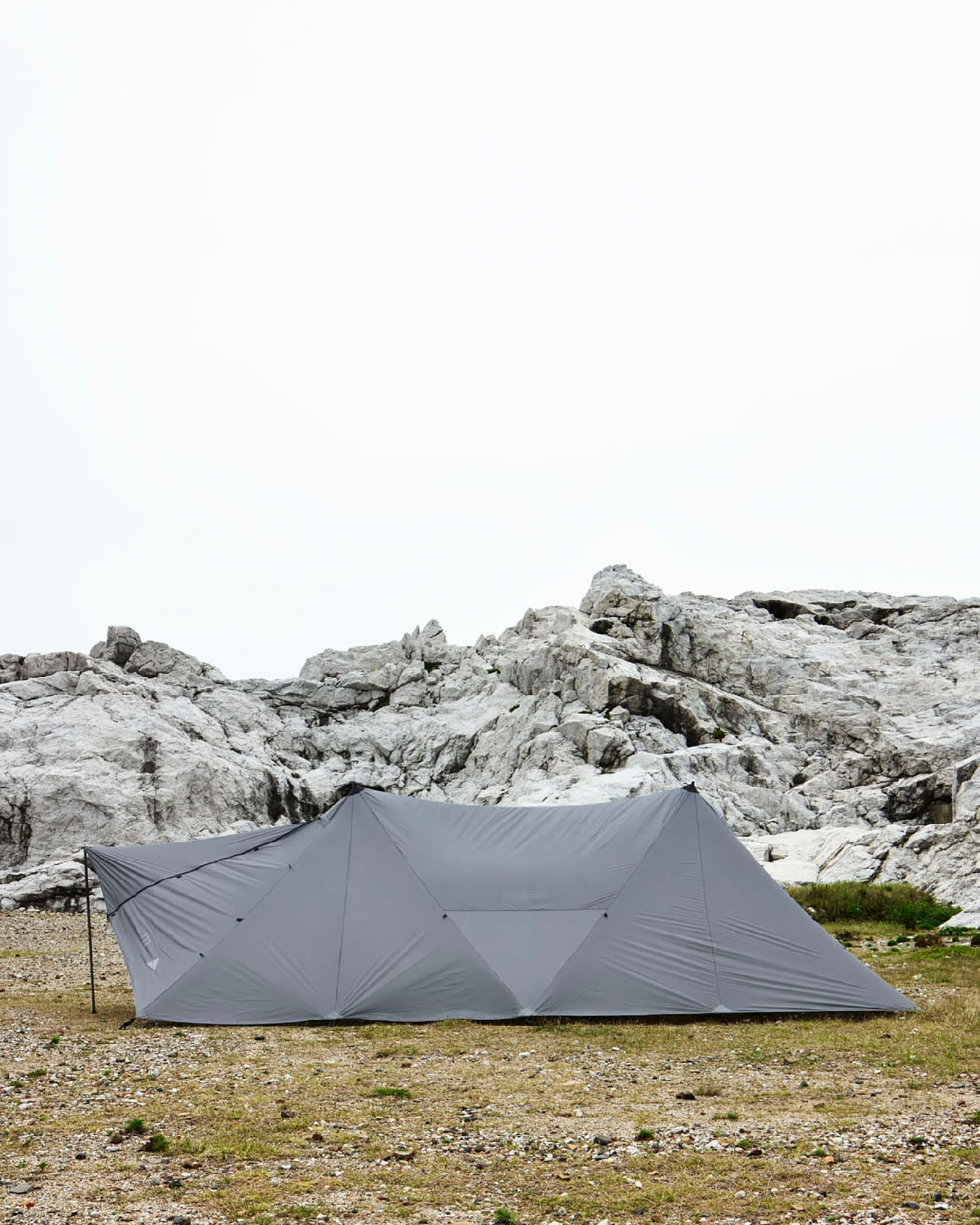
This tent boasts a straightforward structure, allowing for quick and effortless setup. To assemble, lay the flysheet on the ground and firmly secure the four corners with pegs. Then, raise the center pole at the top. The remarkable simplicity of this setup is unmatched by self-supporting dome-shaped tents, and its generous overhead clearance adds to its allure.



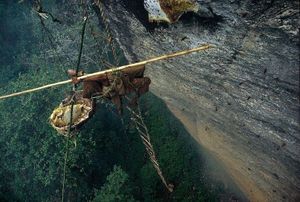
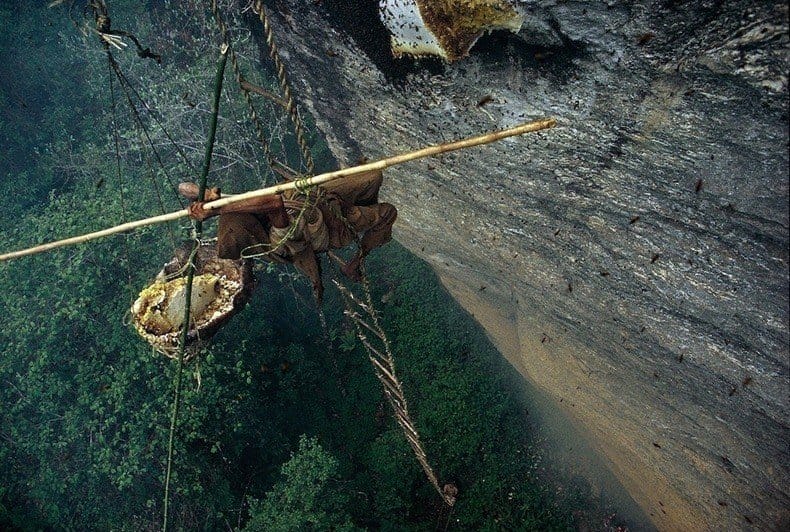
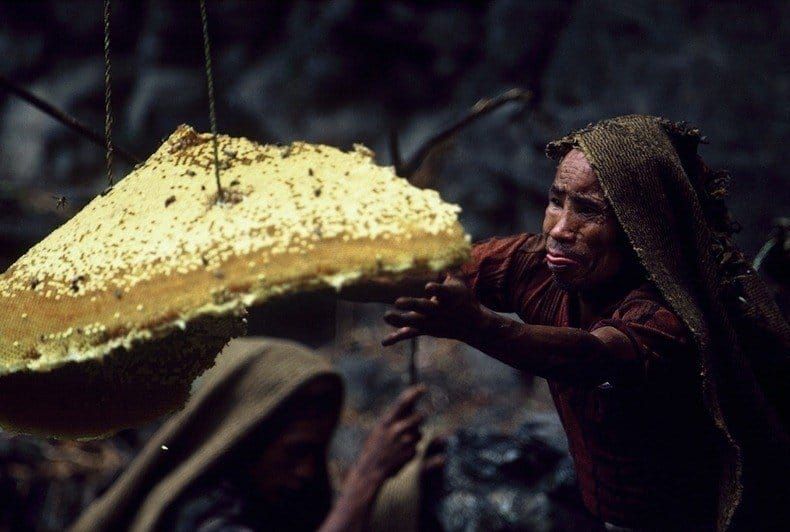
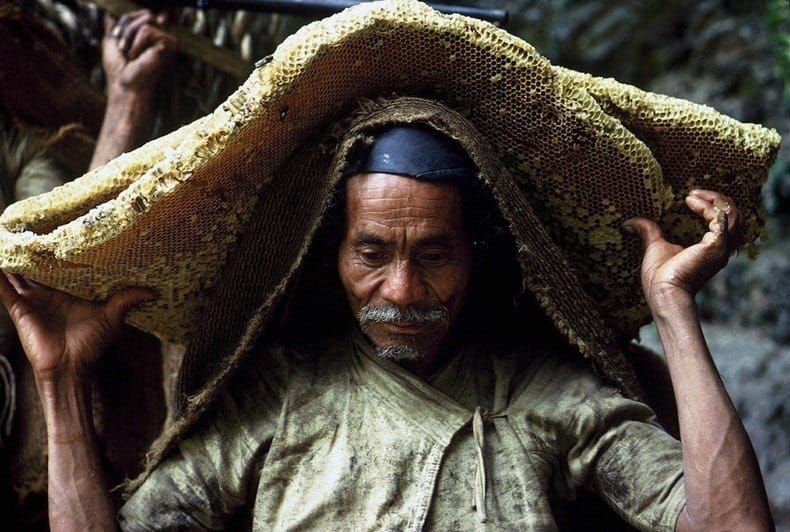
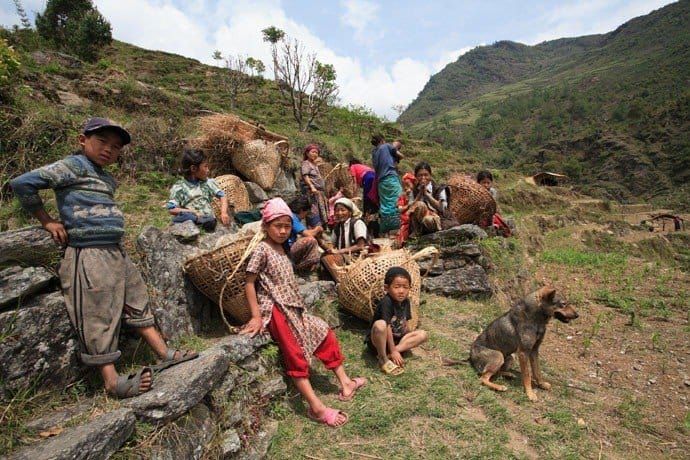
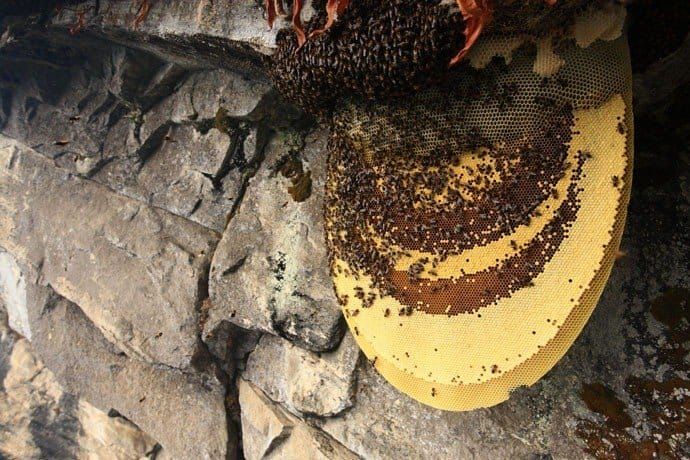
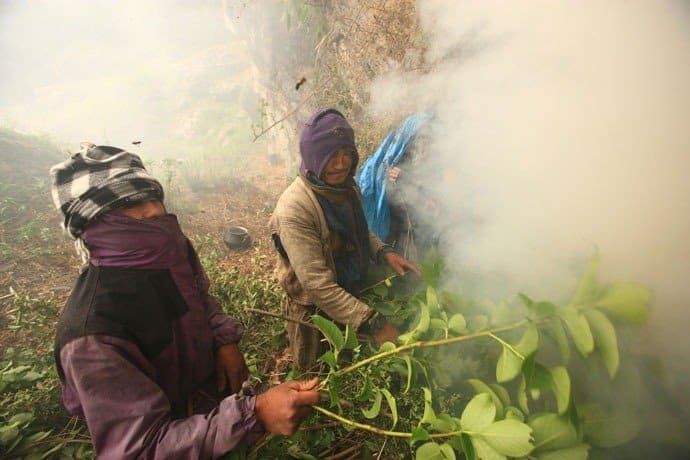
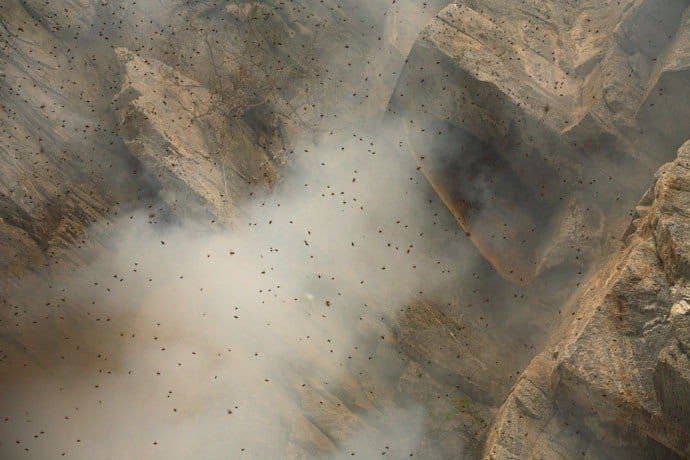
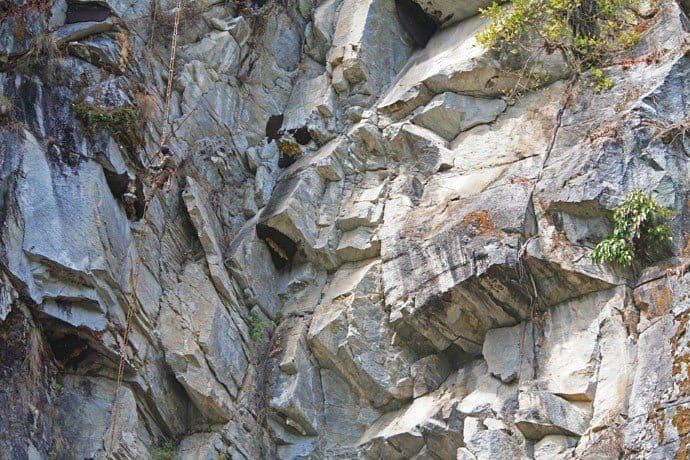
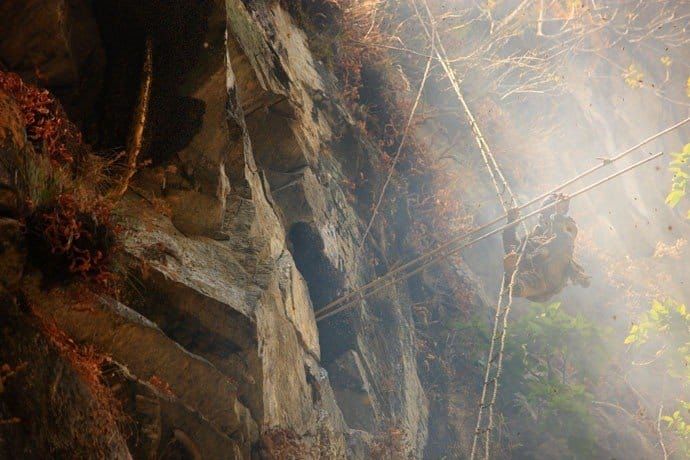
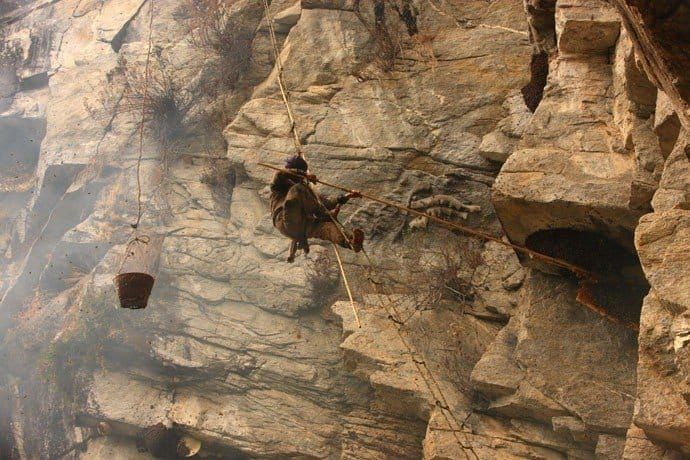
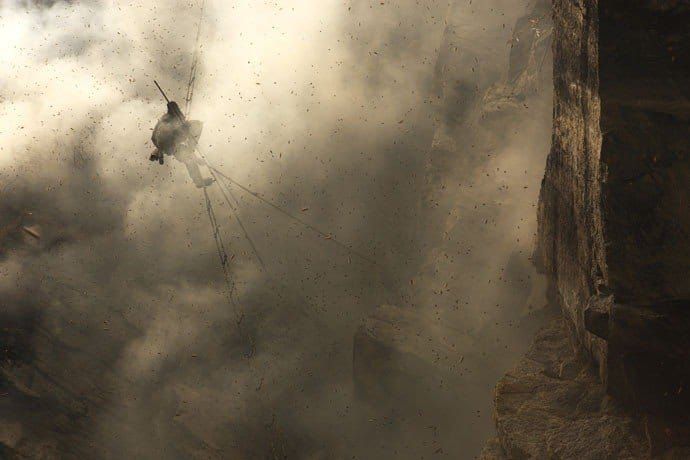
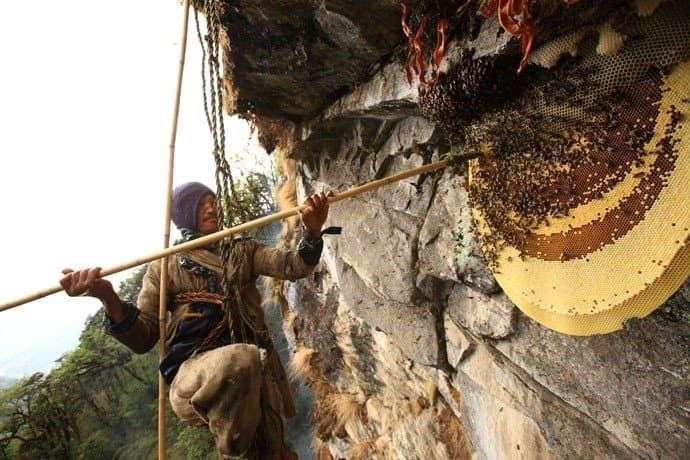
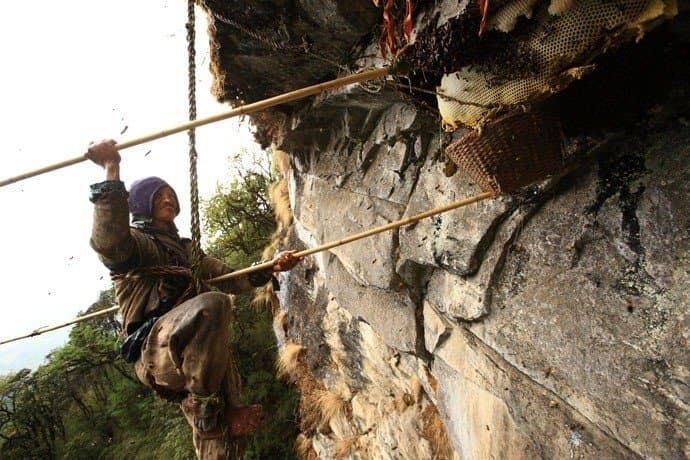
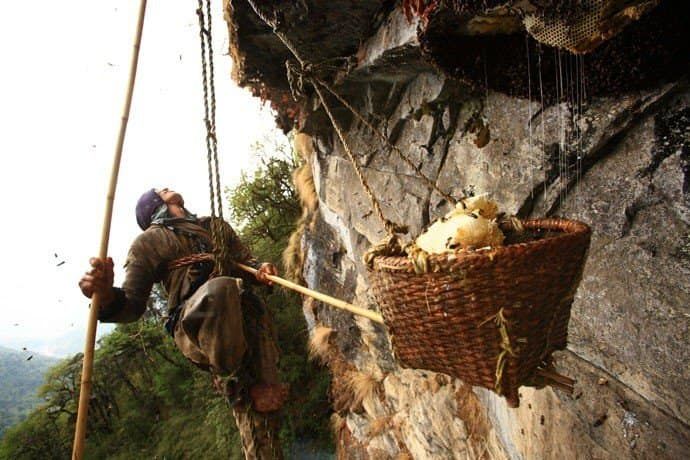
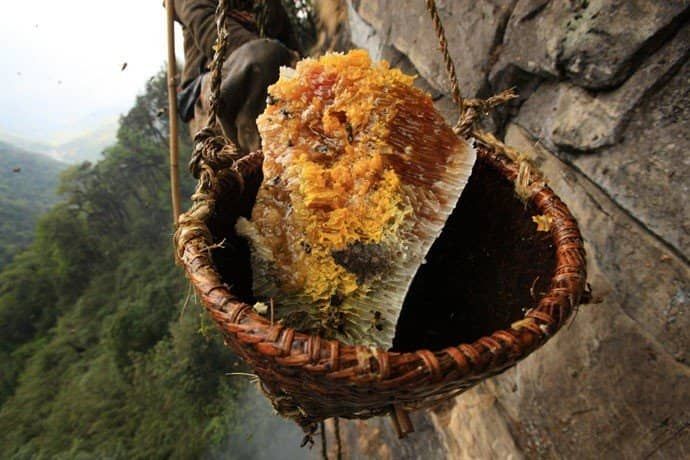
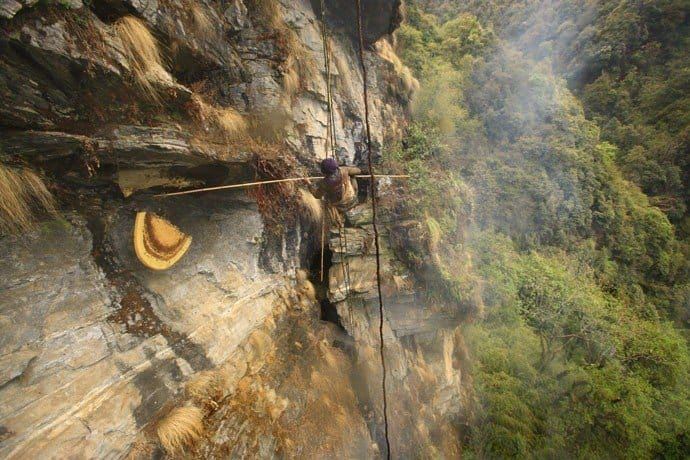
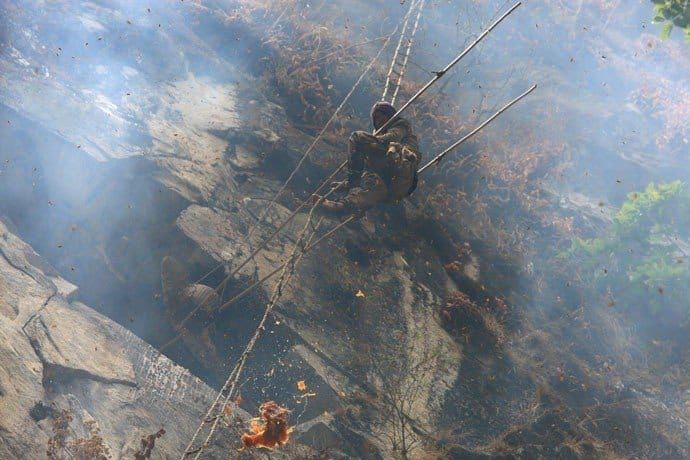
Nepal is home to the Apis Laboriosa, the biggest honey bee on the planet, and honey hunting plays a significant role in the local way of life. The bees build their hives on the cliffs of the country's foothills, which adds complexity to the honey hunting process. Local honey hunters use rope ladders and baskets to access the combs after driving the bees away with smoke from a fire underneath the hives. They carefully collect the honey treasure from the combs while dealing with territorial bees. The harvesting occurs once a year and begins with a harvest ritual that varies across towns, often starting with a prayer and the offering of flowers, rice, and fruits.
This unique aspect of Nepali culture is captivating, and tourists have the opportunity to witness the bravery of the honey hunters, explore the fascination of the Nepali landscape, and admire the intricate homes of the honey bees.
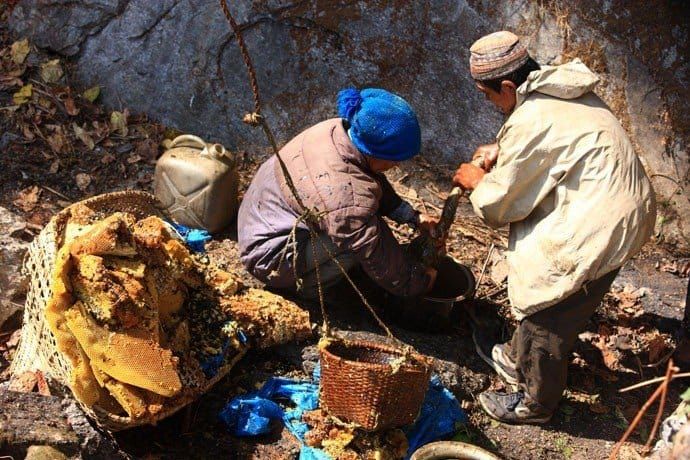
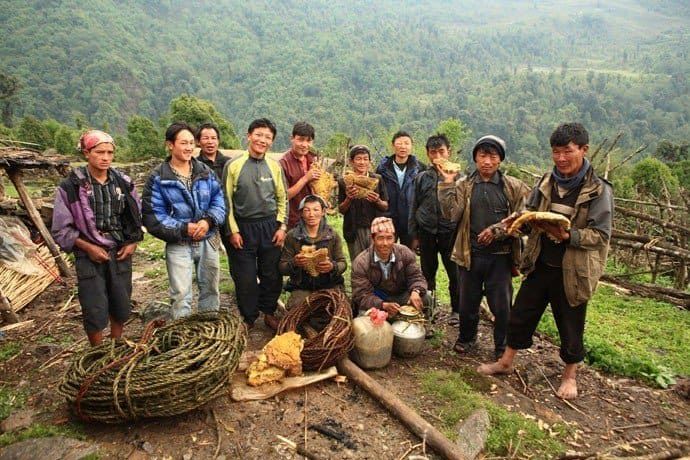

Credits: zamalone
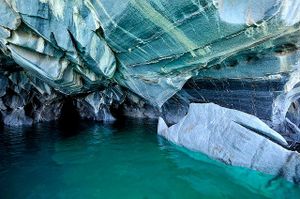
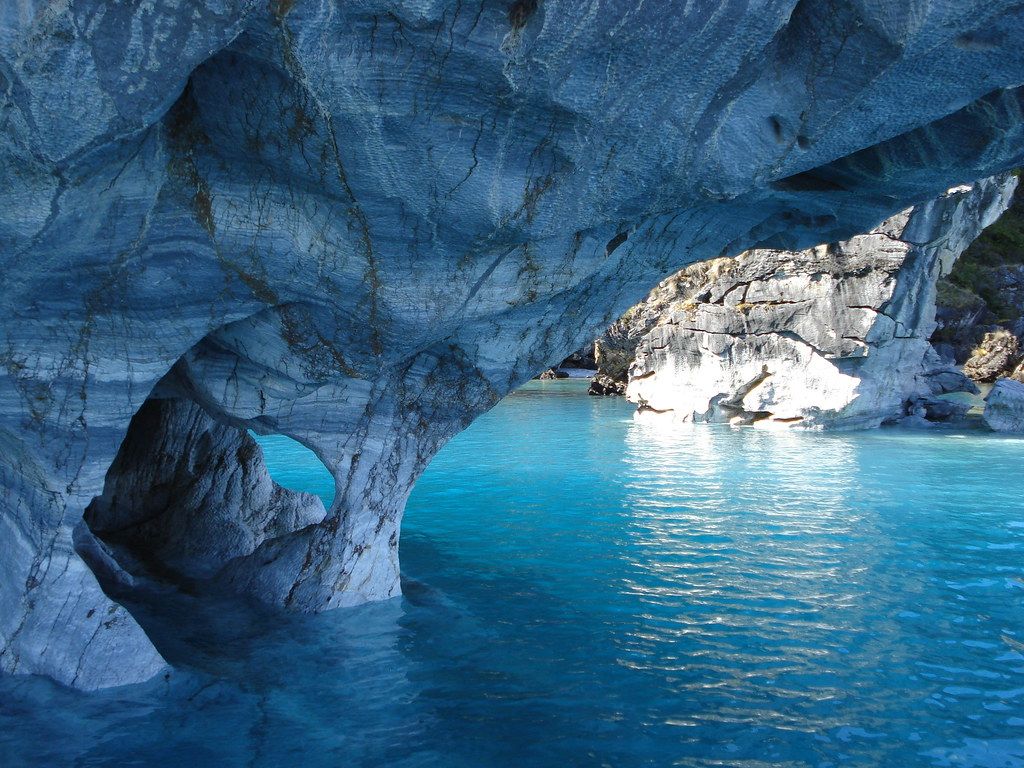
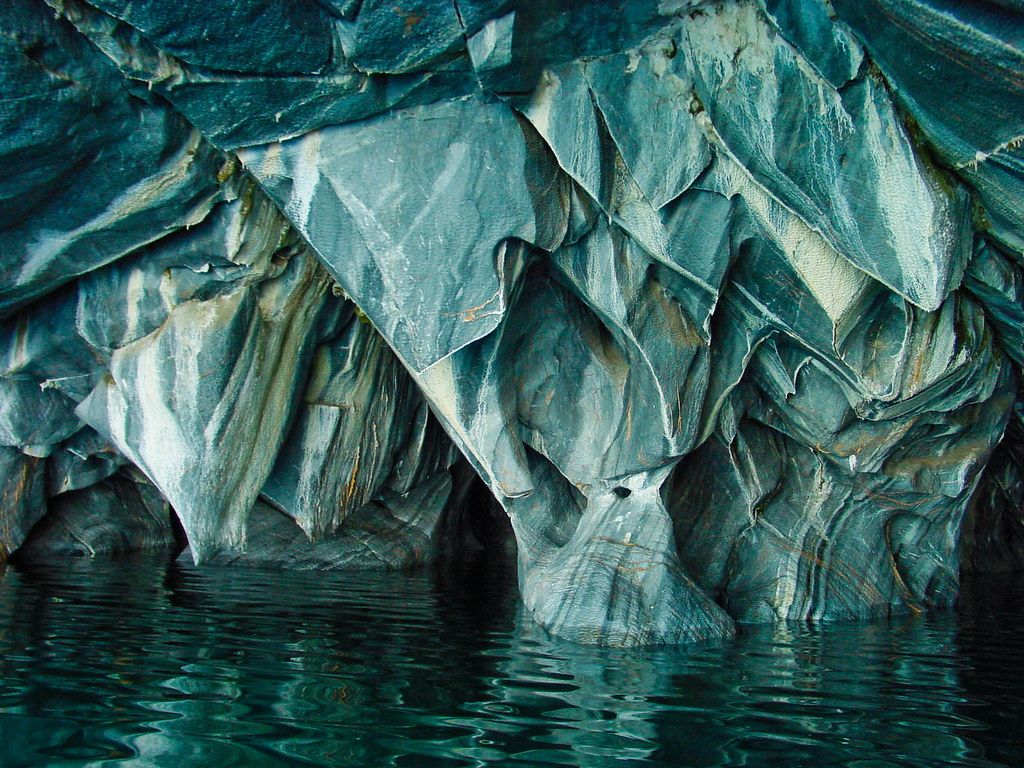
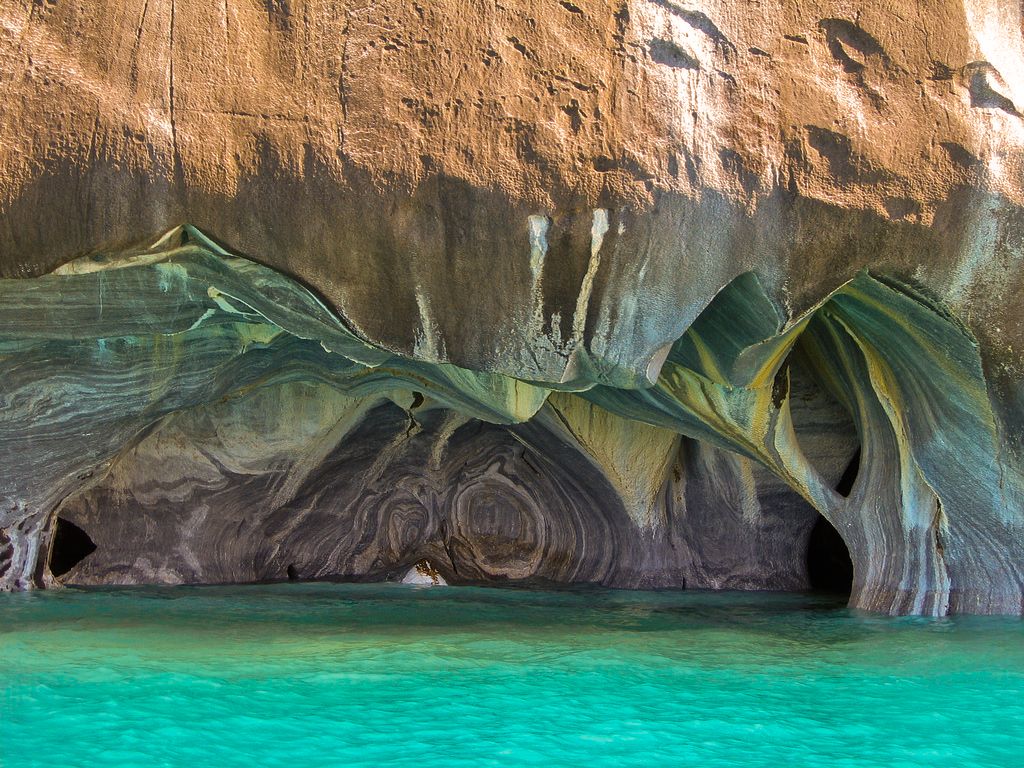
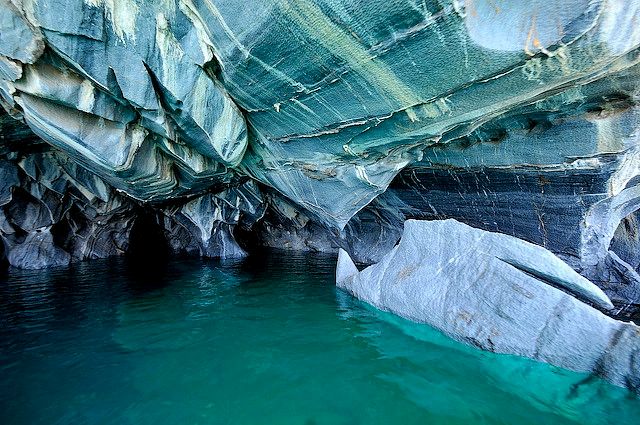
The Marble Caves, known as Marble Chapel and Marble Cathedral, are located at the center of the lake and were formed by waves over the past 6,000 years.
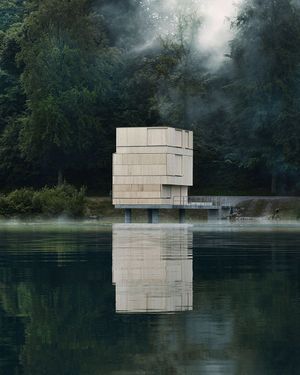
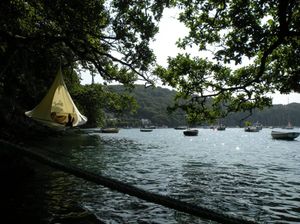
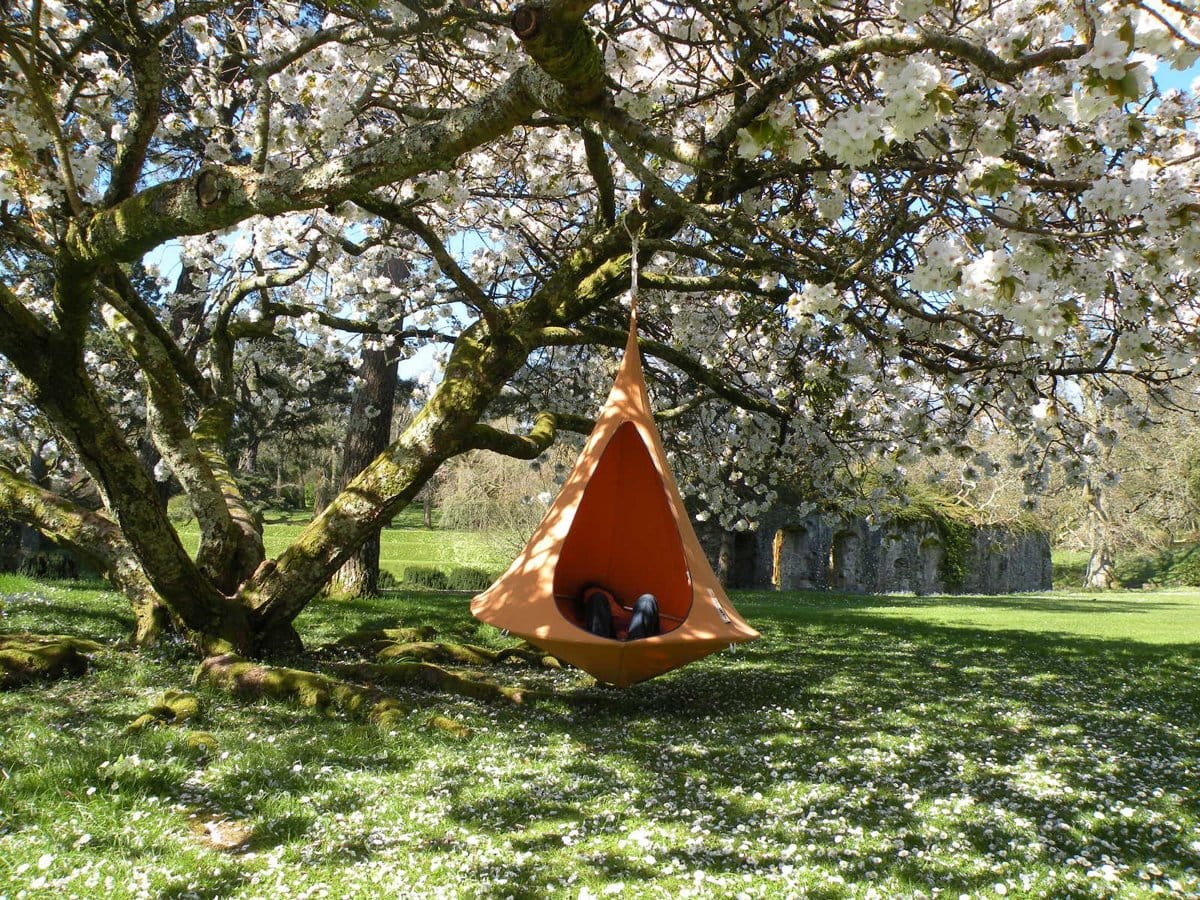
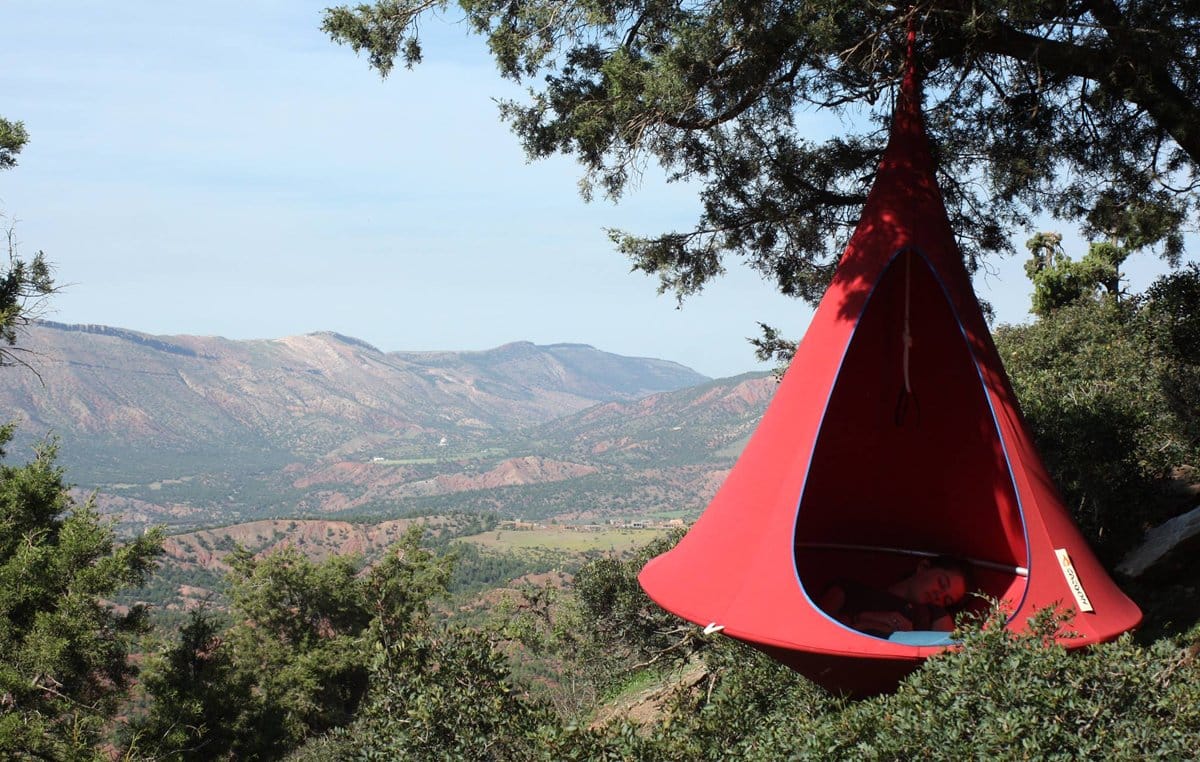
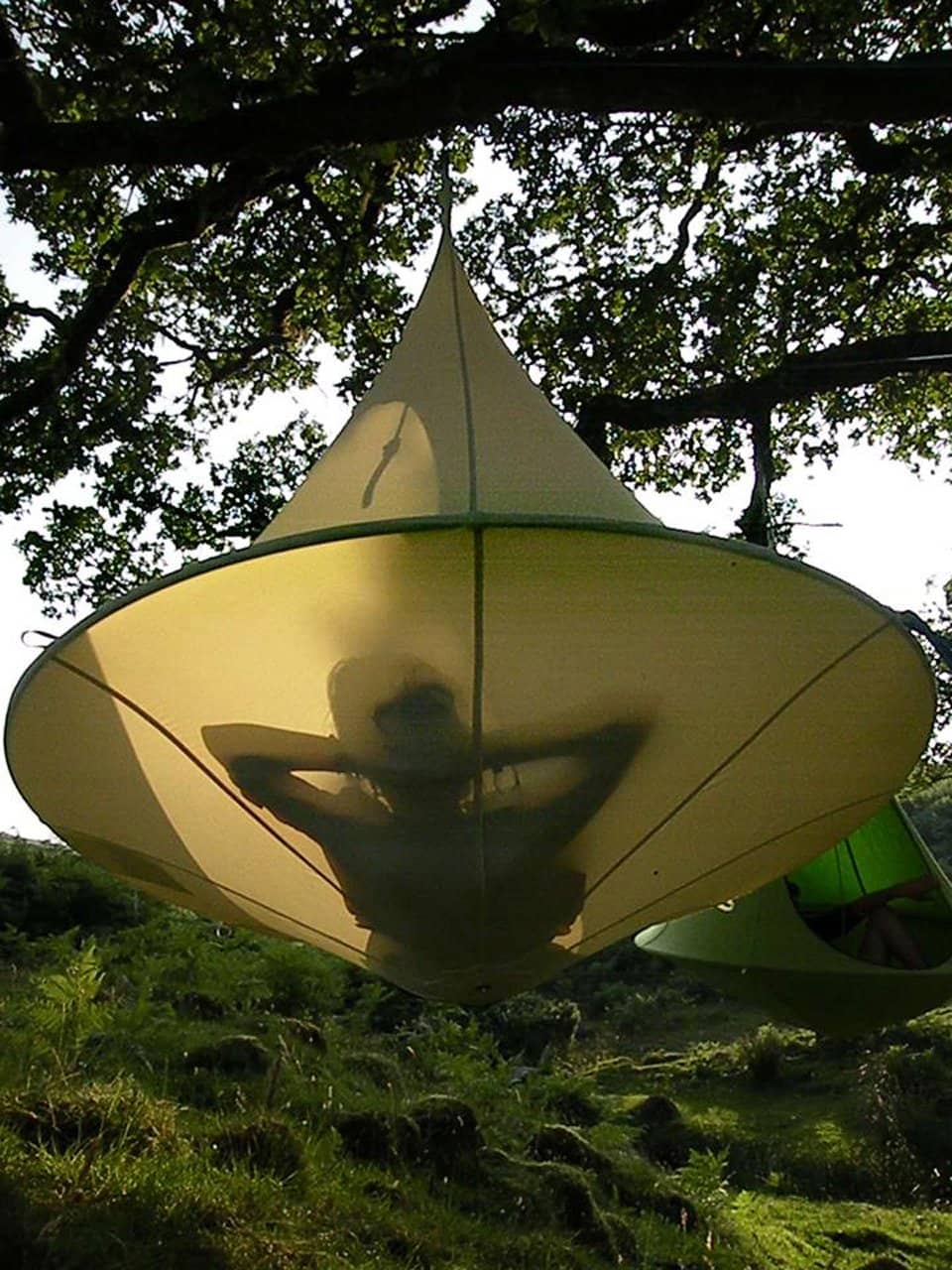
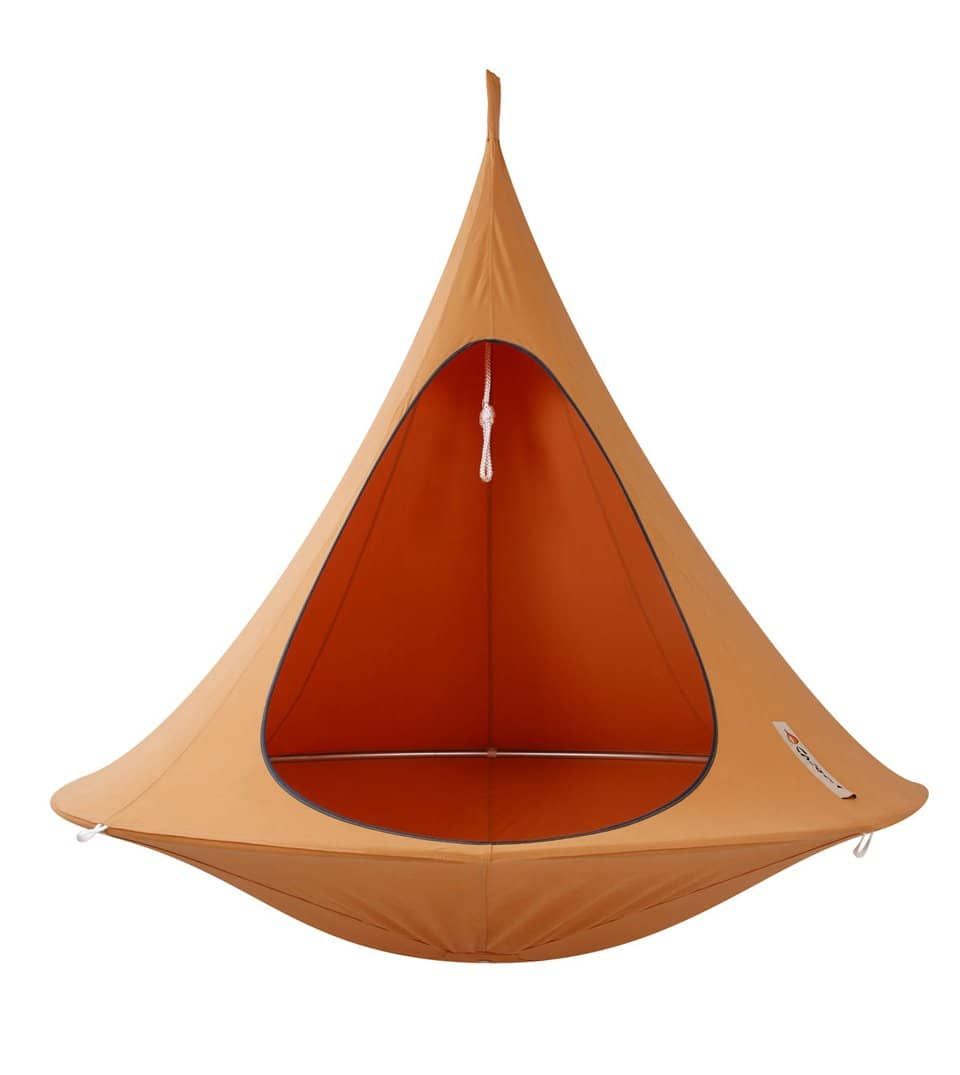
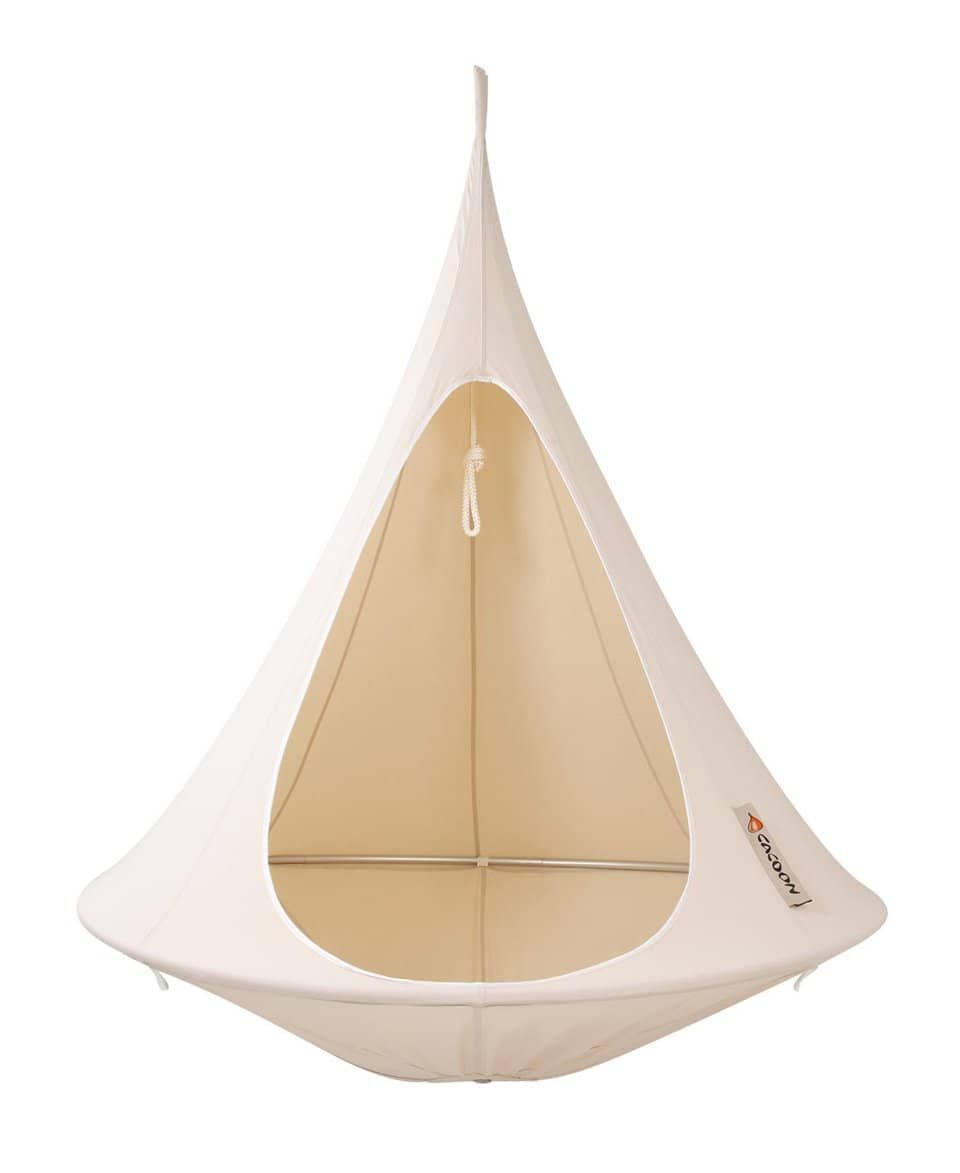
The Cacoon Hanging Chair is constructed with robust engineering to support a weight of up to 200kg or 440lbs. This product was designed in the UK by the collaborative effort of Nick and Sarah, a husband and wife team.
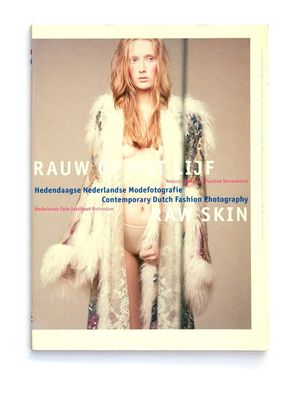
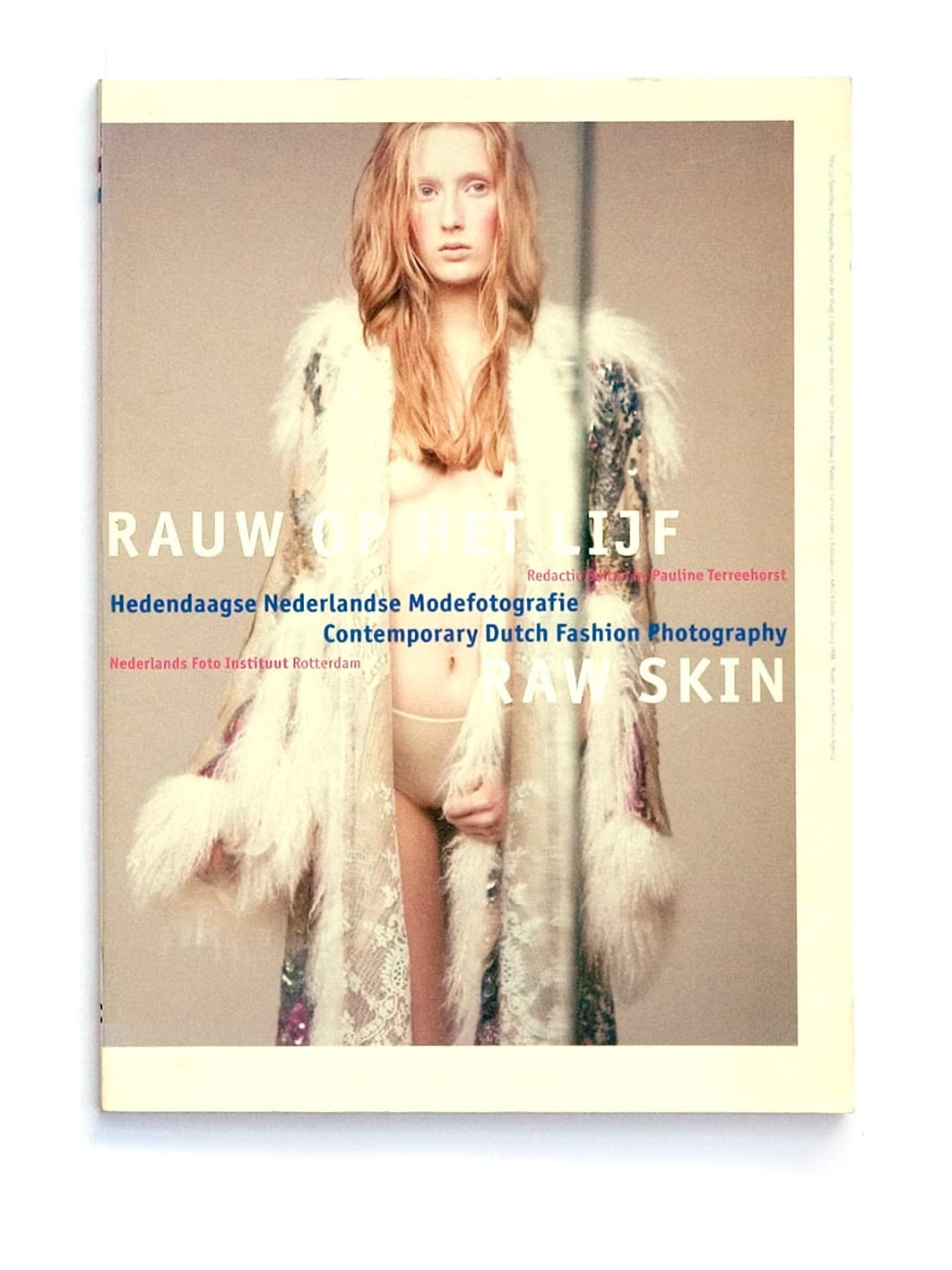
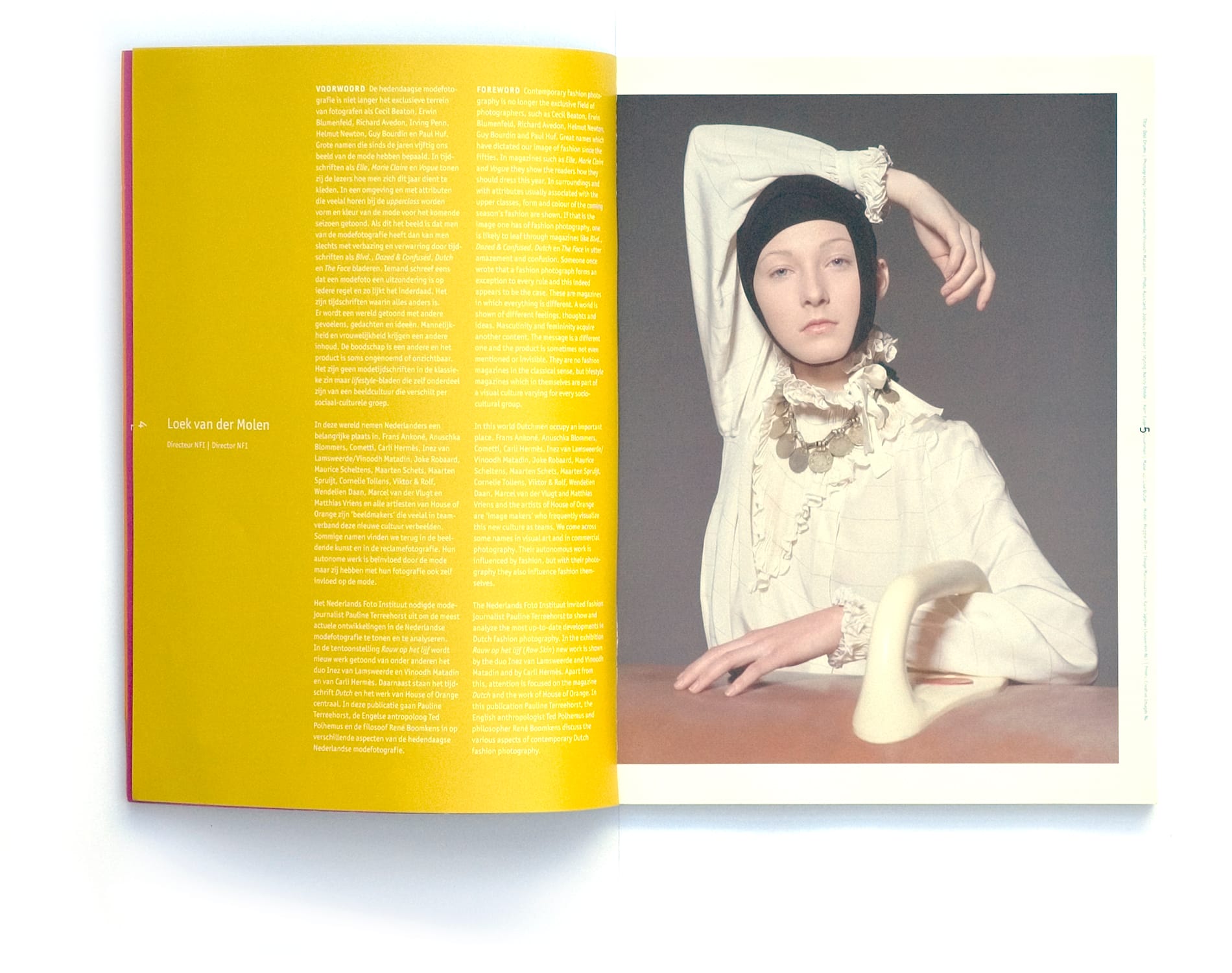
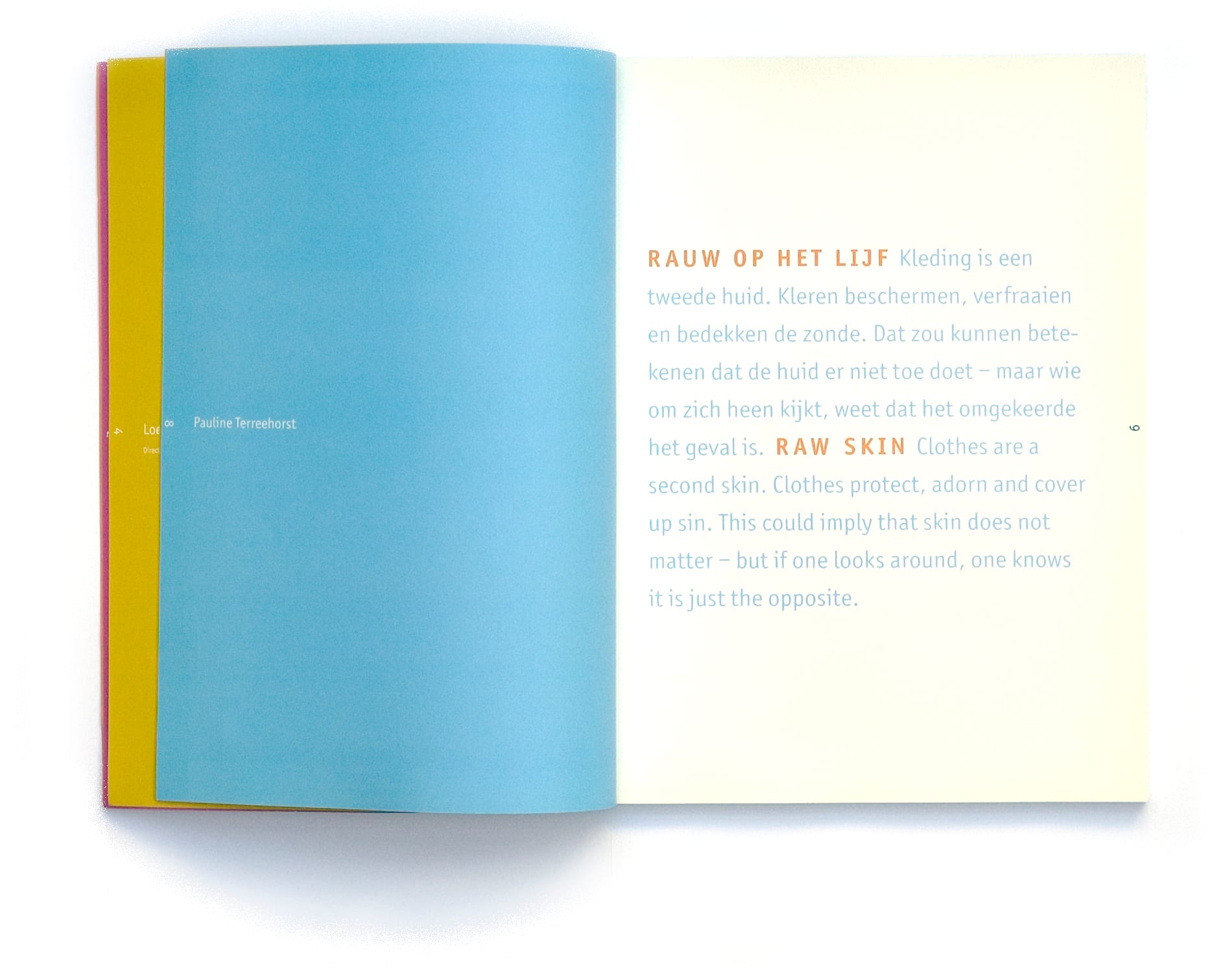
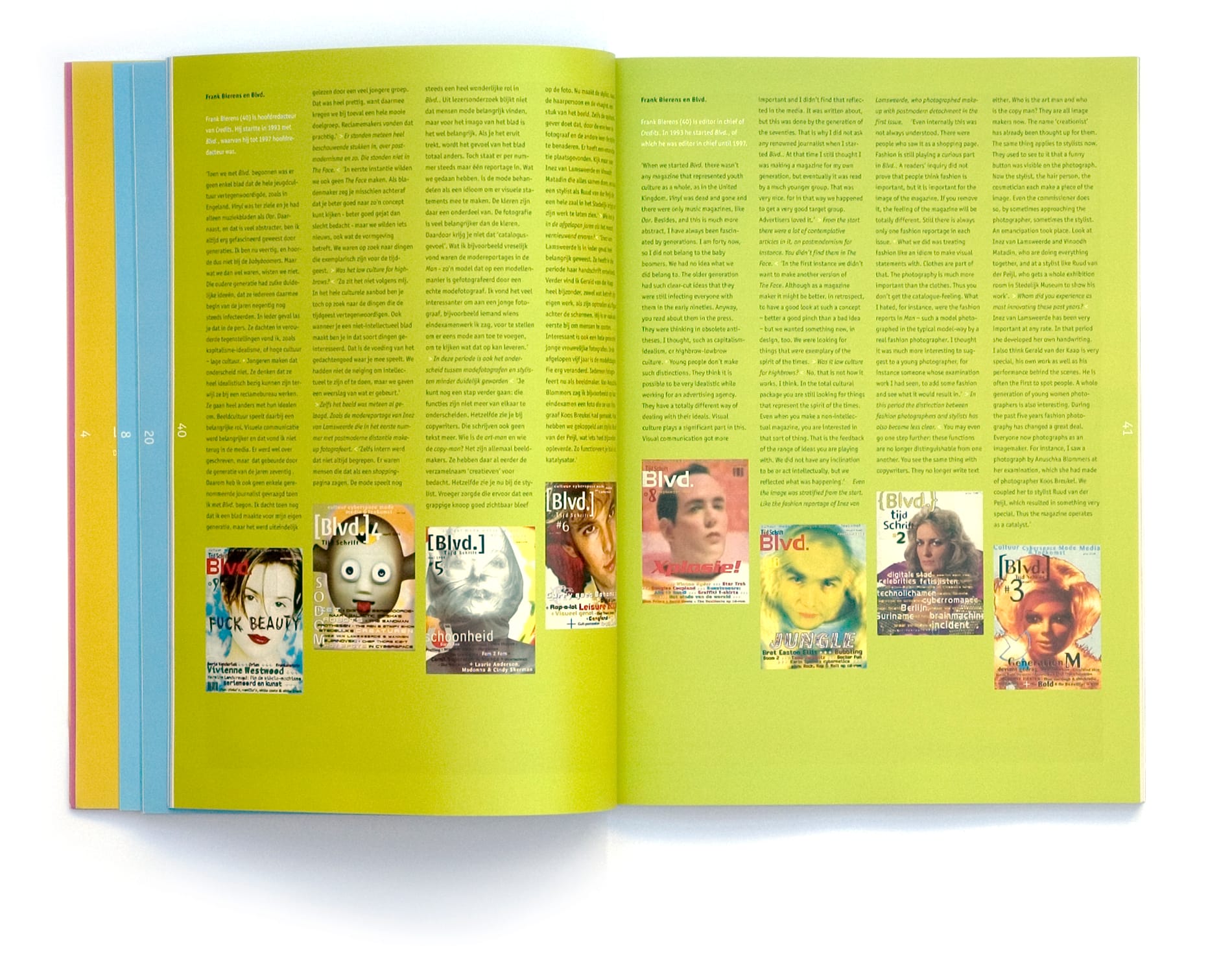
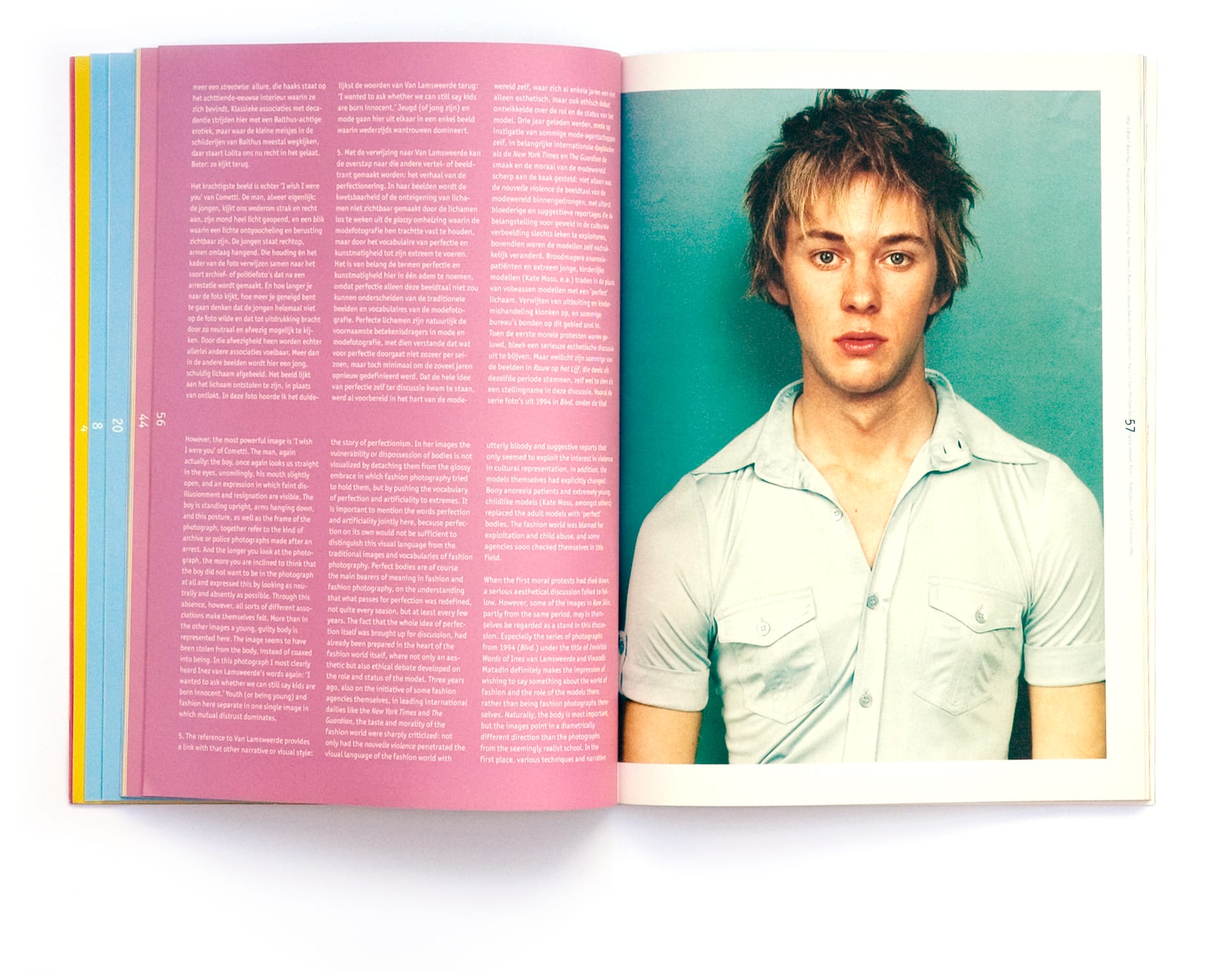
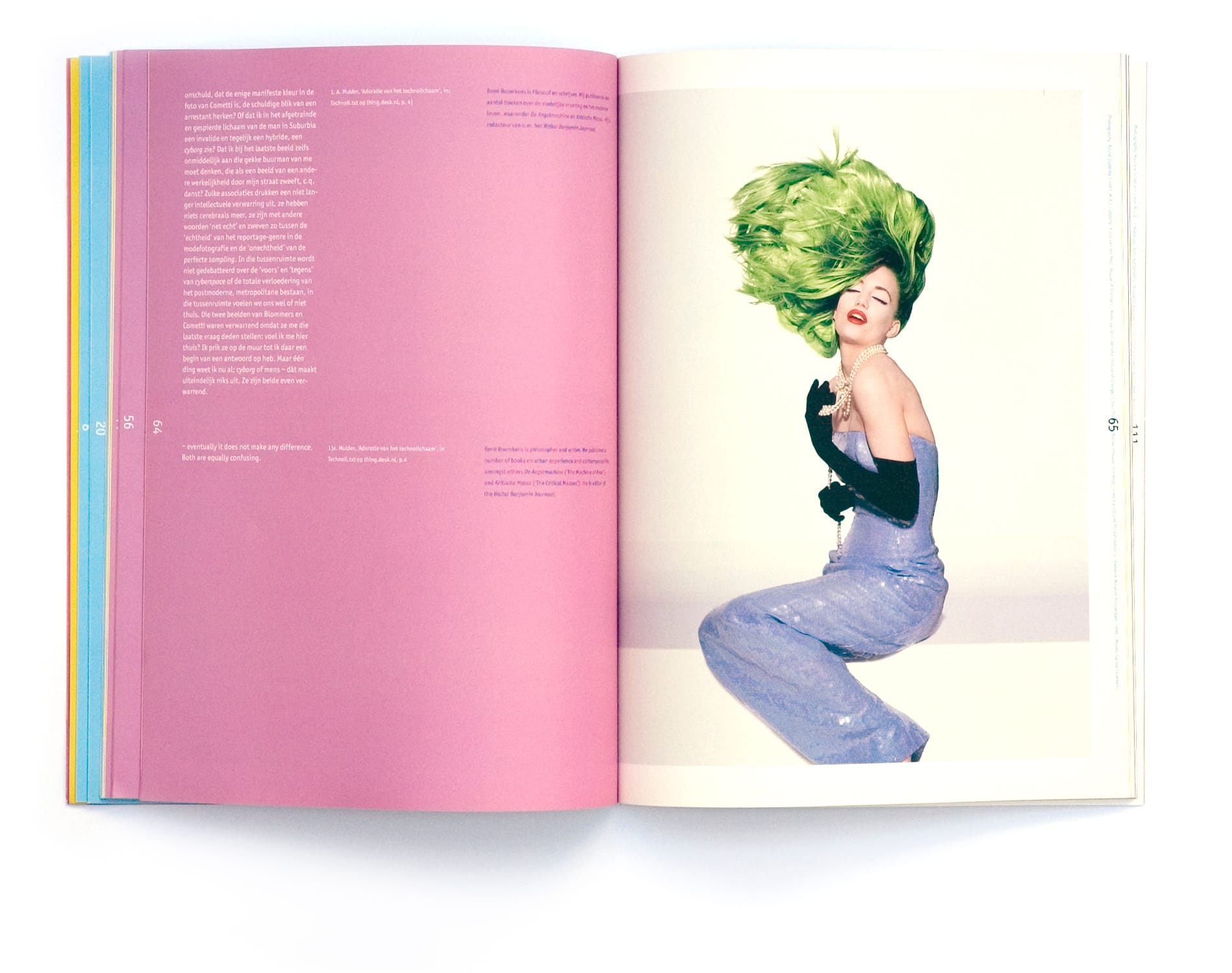
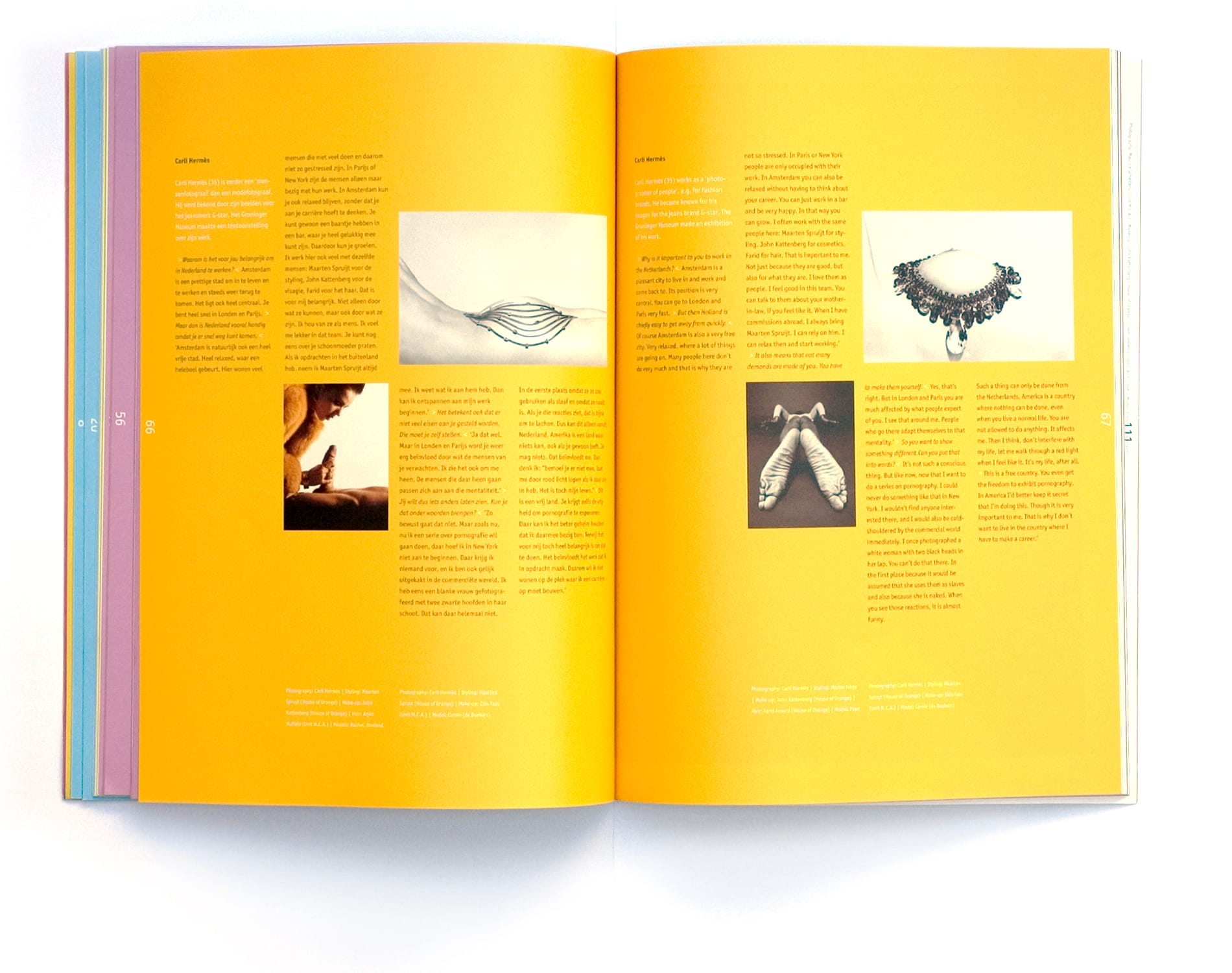
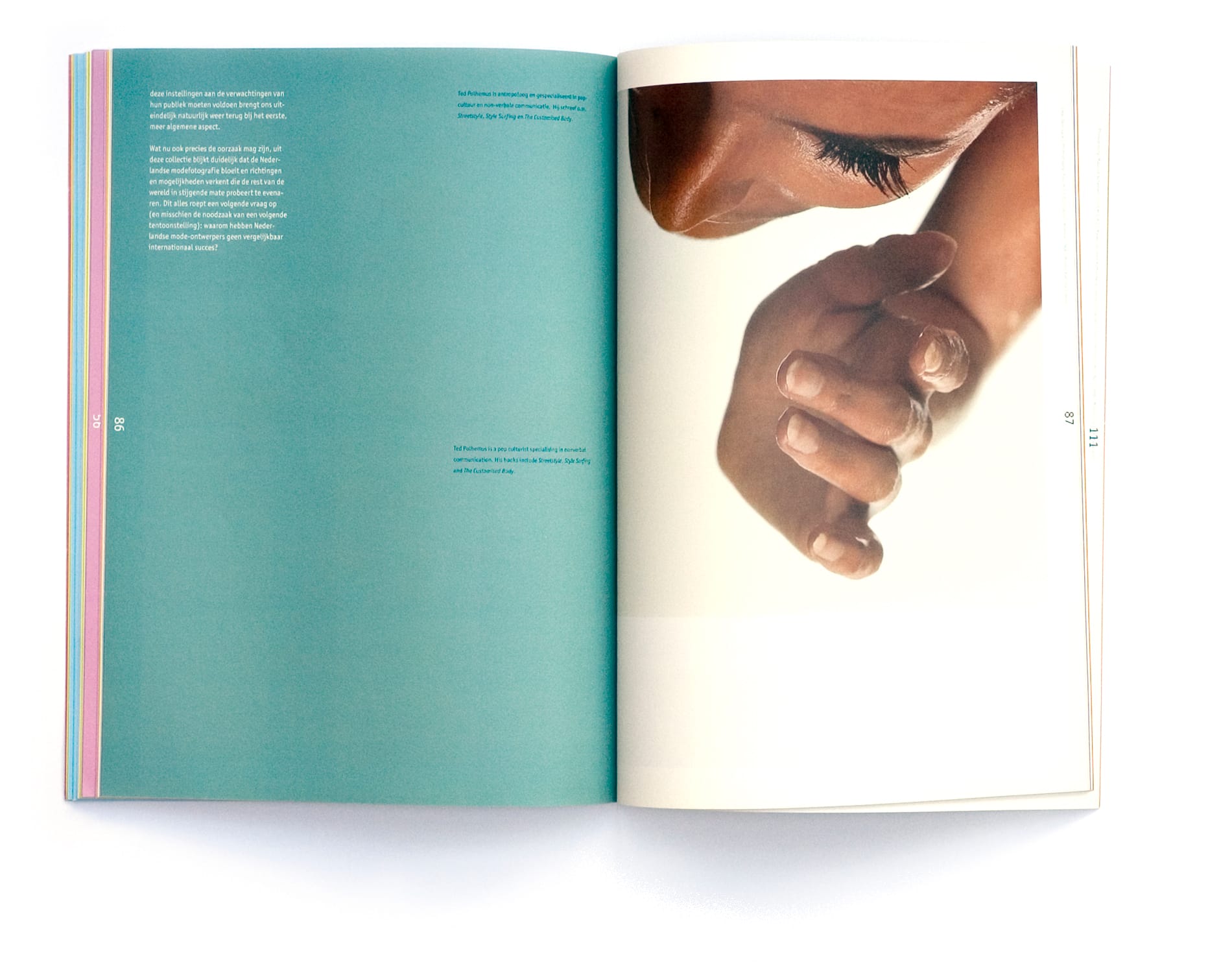
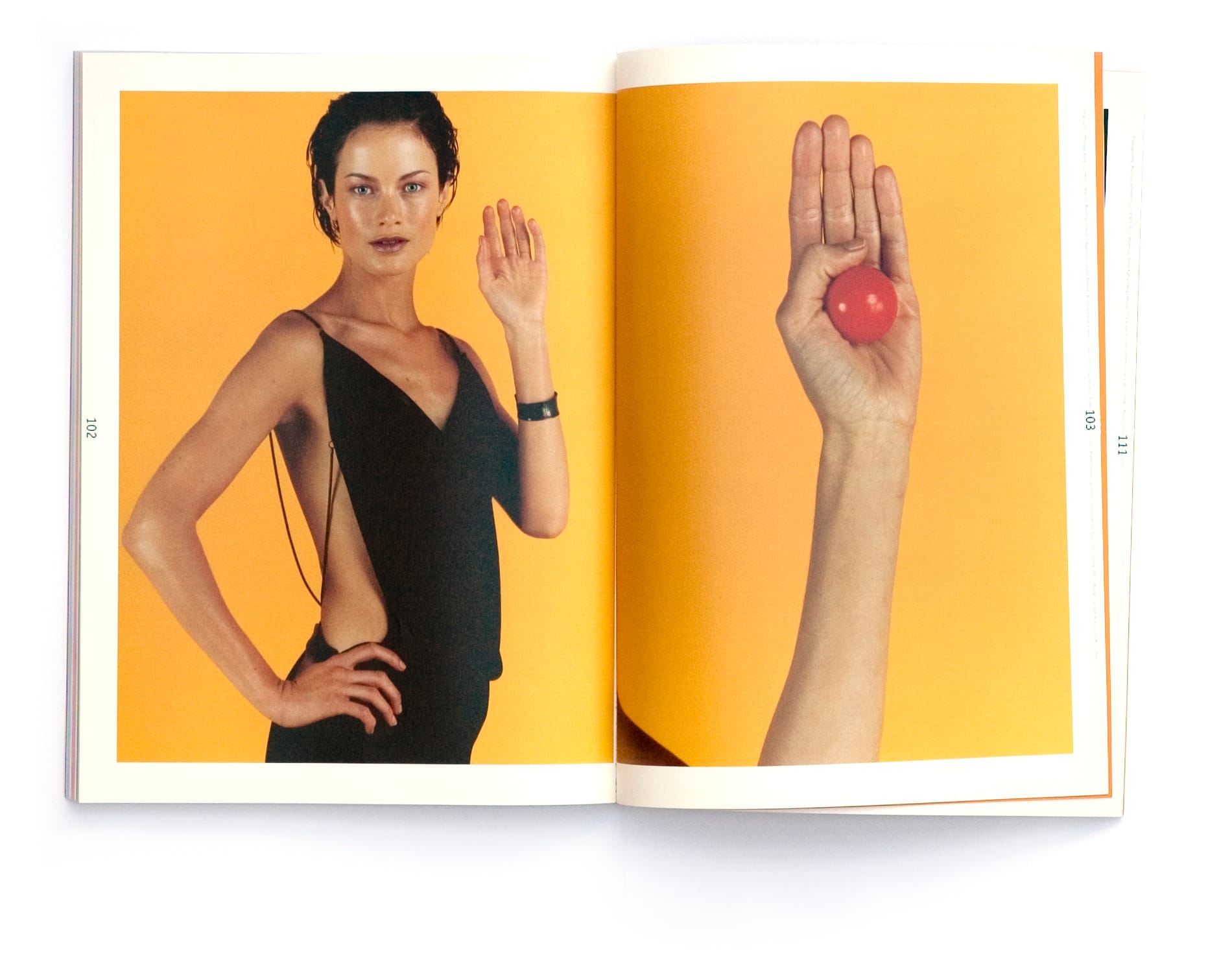
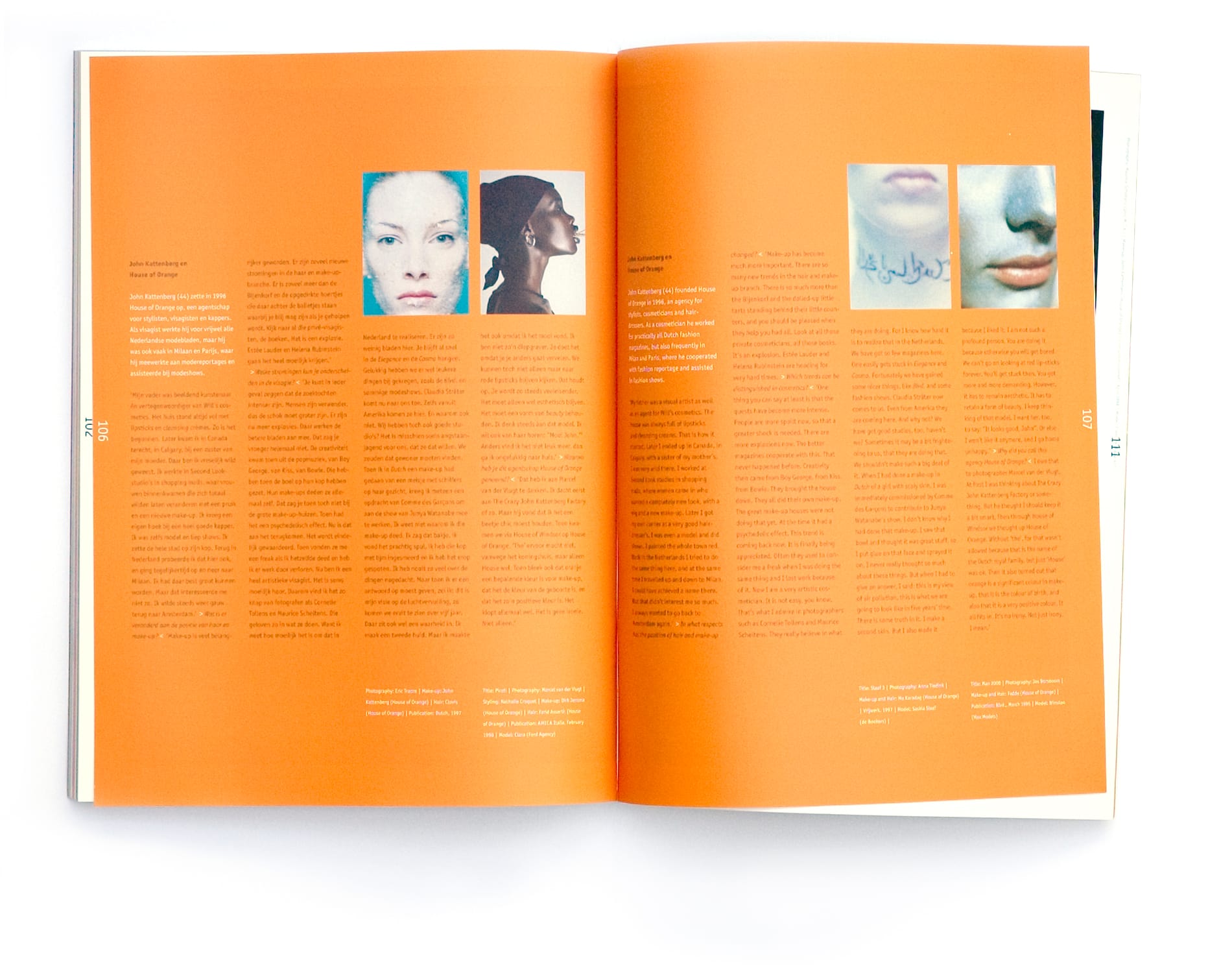
Rauw op het lijf / Raw Skin is a 1998 Nederlands Foto Instituut catalog edited by Pauline Terreehorst, surveying contemporary Dutch fashion photography.
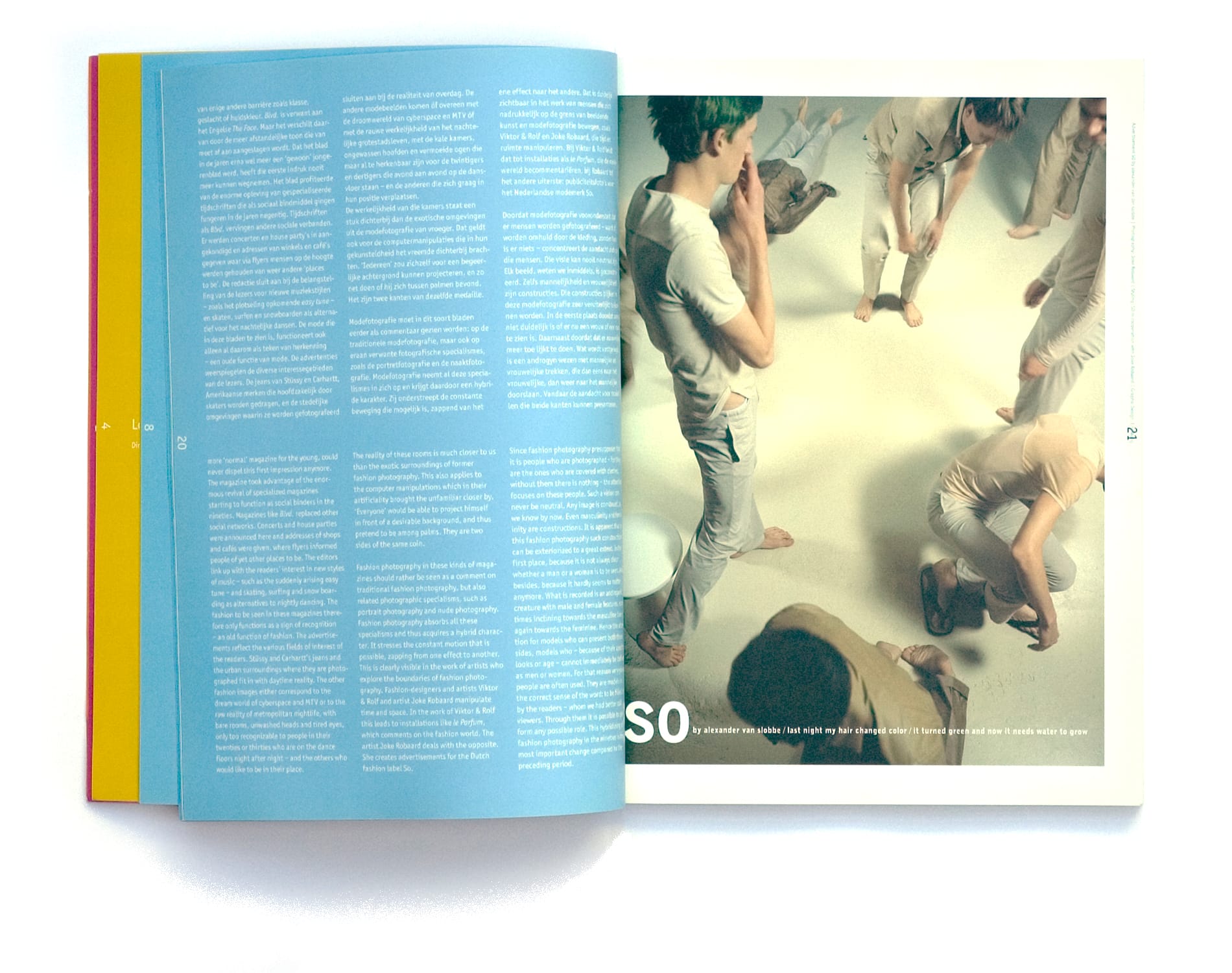
The archived frame appears in the SO by Alexander van Slobbe spread, photographed by Joke Robaard and presented here within the complete source-order catalog sequence.



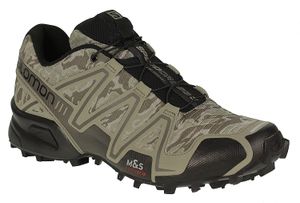
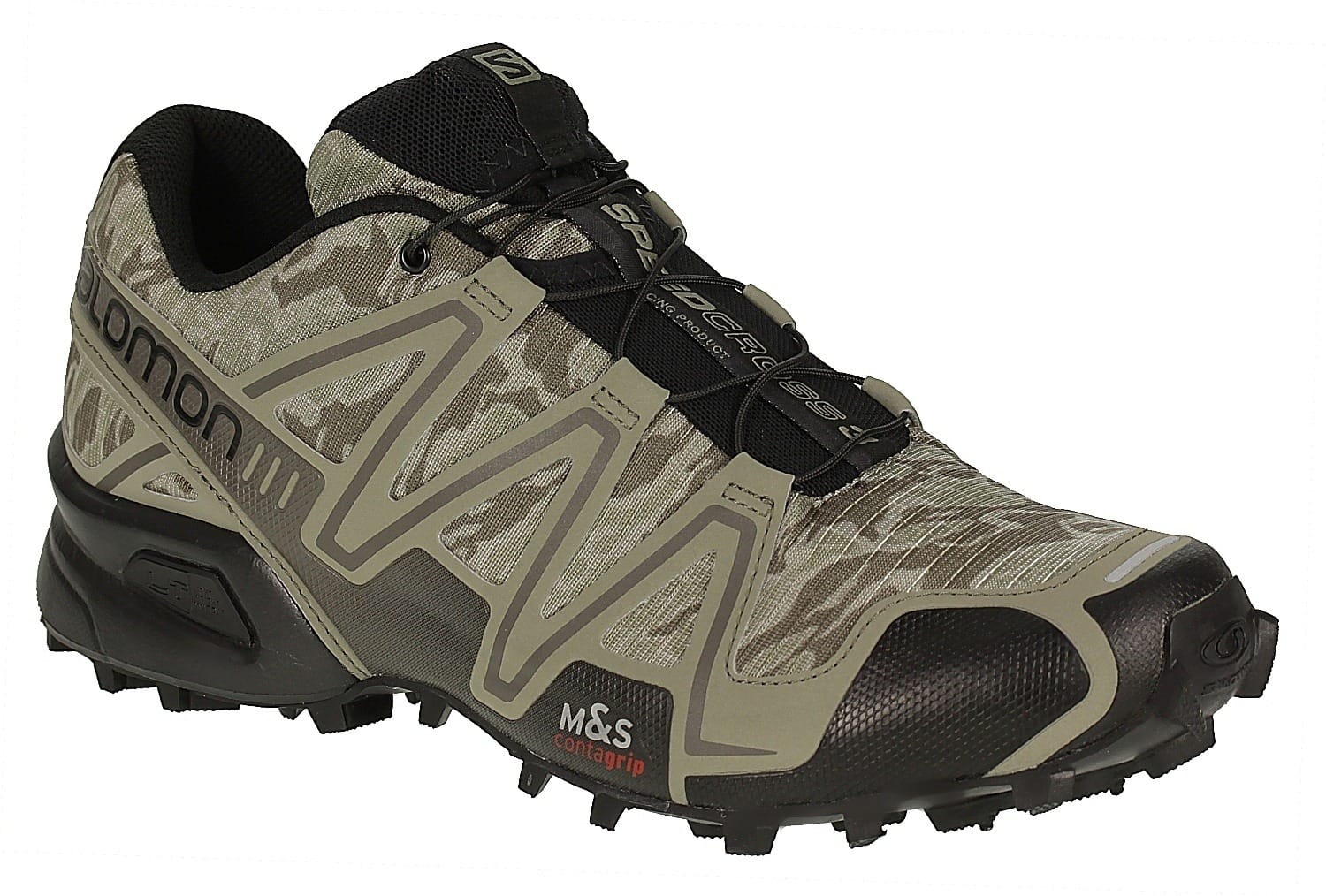
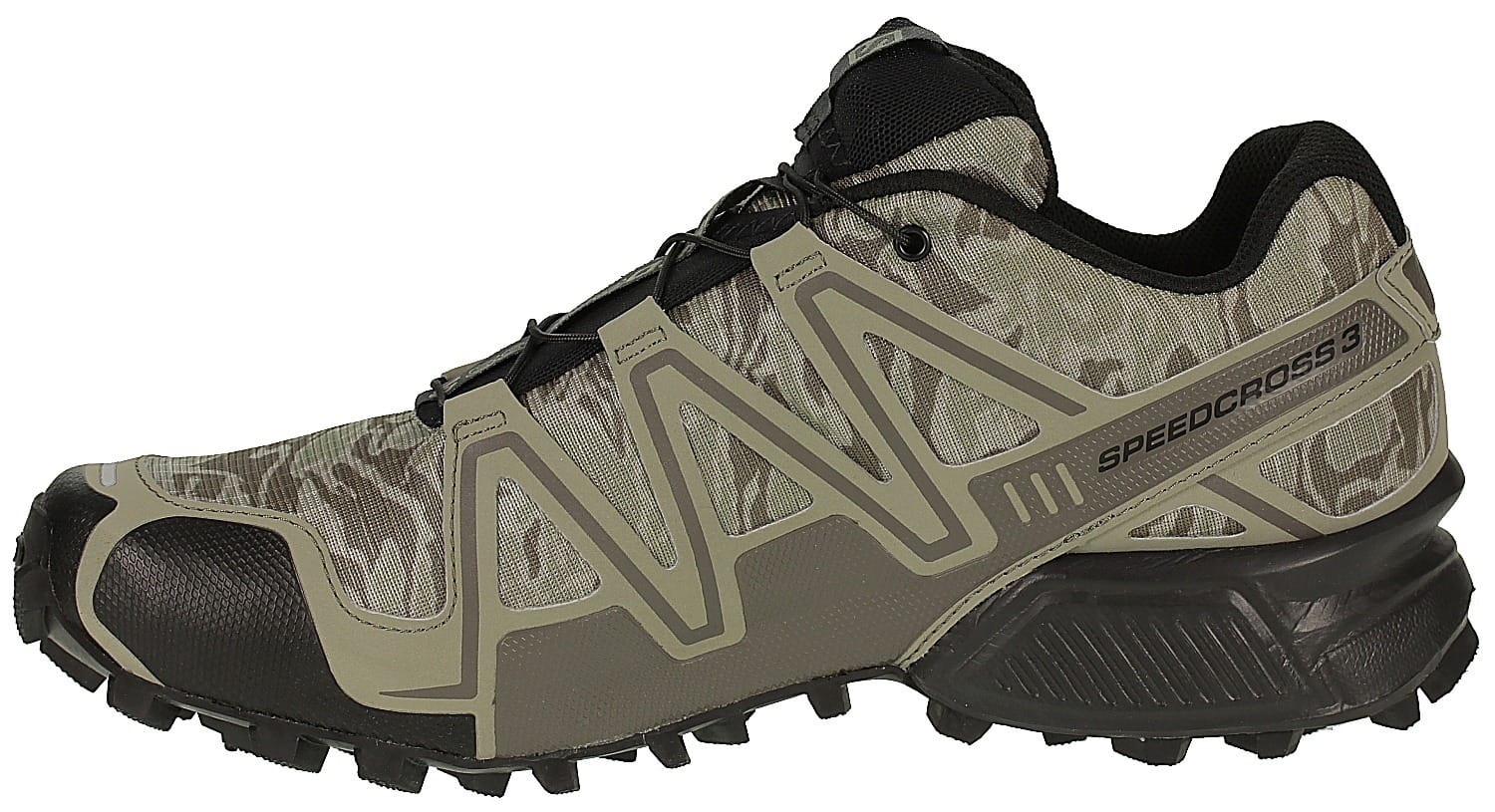
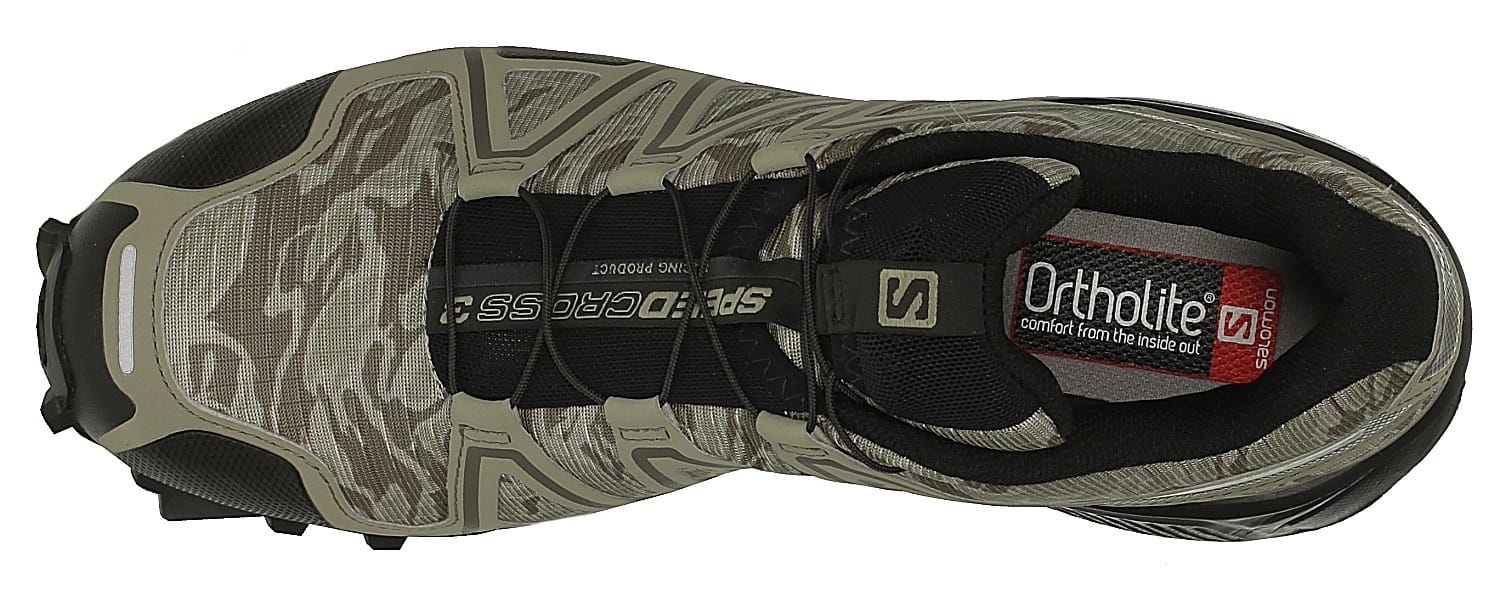
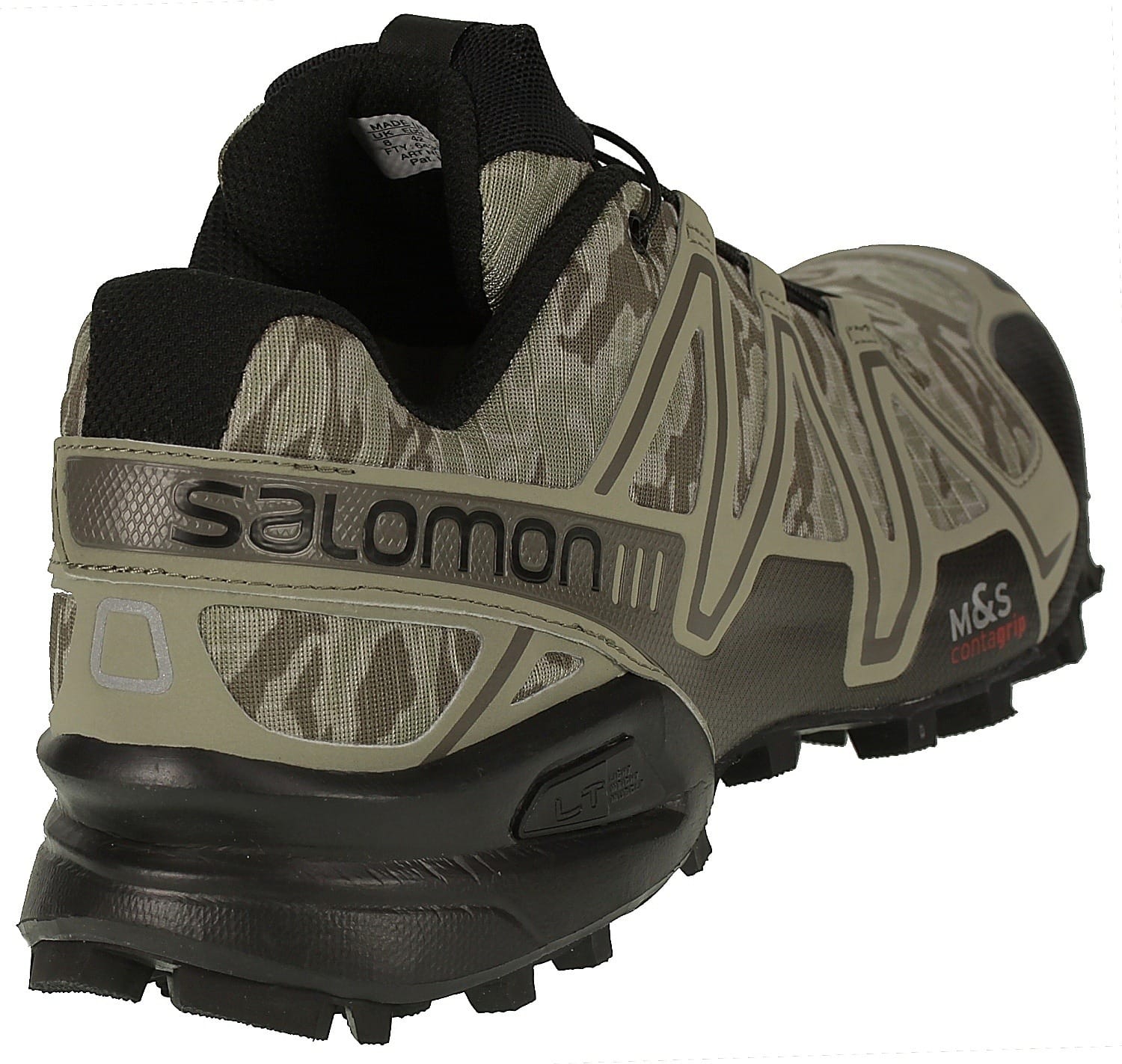
The Salomon Speedcross 3 Camo in Titanium/Dark Titanium/Swamp applies a muted tonal camouflage treatment to the footwear's aggressive trail-running silhouette. A grippy lugged outsole and supportive upper keep it performance-driven, while the low-contrast palette makes it feel more tactical for desert environments.
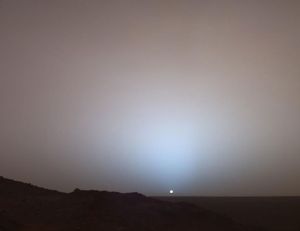
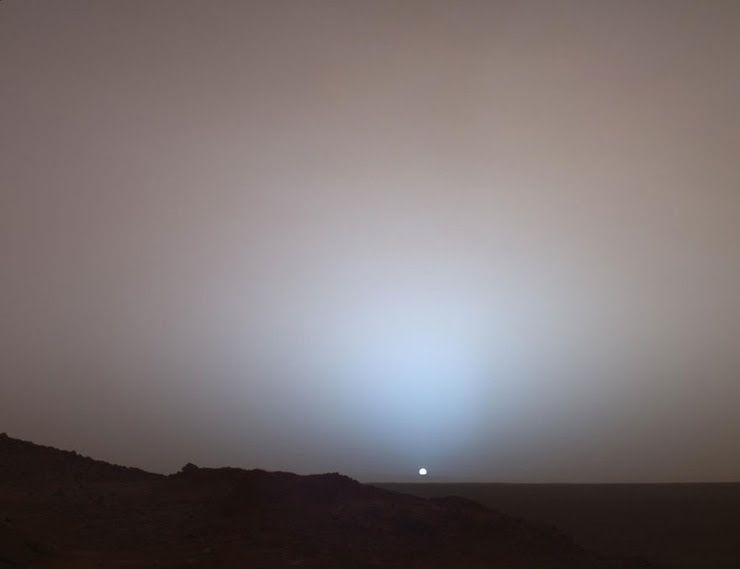
On May 19, 2005, NASA's Mars Exploration Rover Spirit captured this stunning view as the Sun sank below the rim of Gusev crater on Mars. This Panoramic Camera mosaic was taken around 6:07 in the evening of the rover's 489th Martian day, or sol.
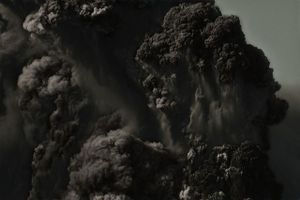
Sunset and twilight images are occasionally acquired by the science team to determine how high into the atmosphere the Martian dust extends, and to look for dust or ice clouds. Other images have shown that the twilight glow remains visible, but increasingly fainter, for up to two hours before sunrise or after sunset. The long Martian twilight (compared to Earth's) is caused by sunlight scattered around to the night side of the planet by abundant high altitude dust. Similar long twilights or extra-colorful sunrises and sunsets sometimes occur on Earth when tiny dust grains that are erupted from powerful volcanoes scatter light high in the atmosphere.
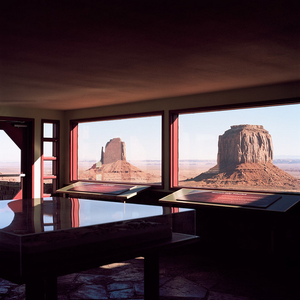
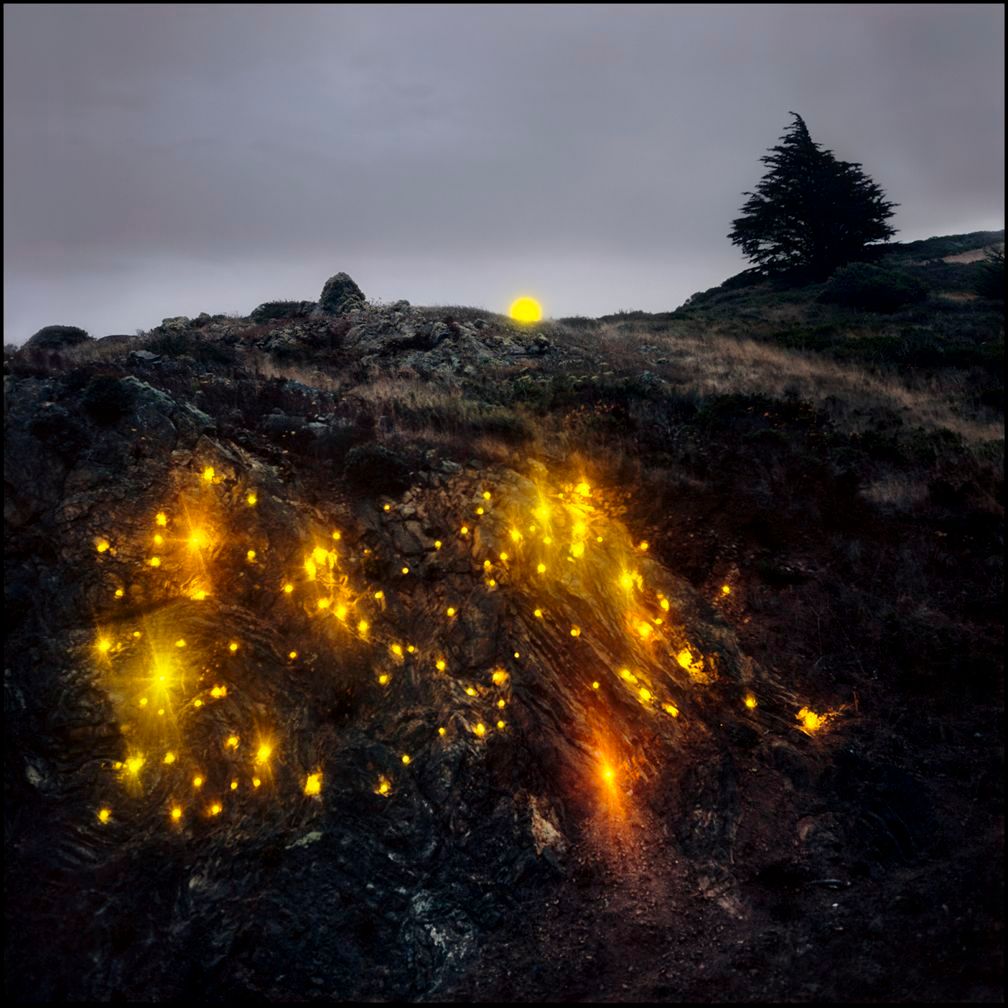
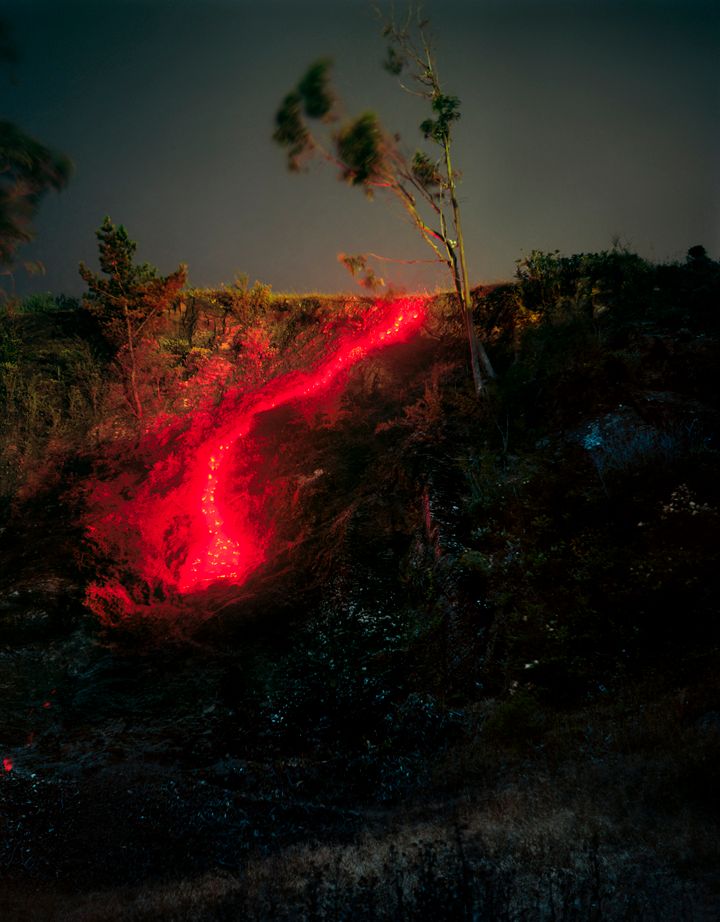
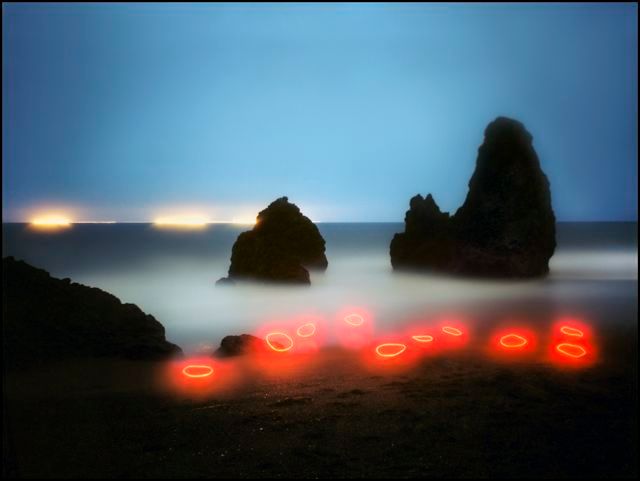
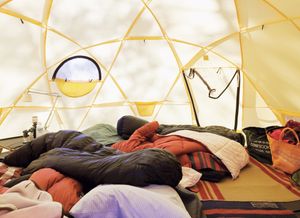
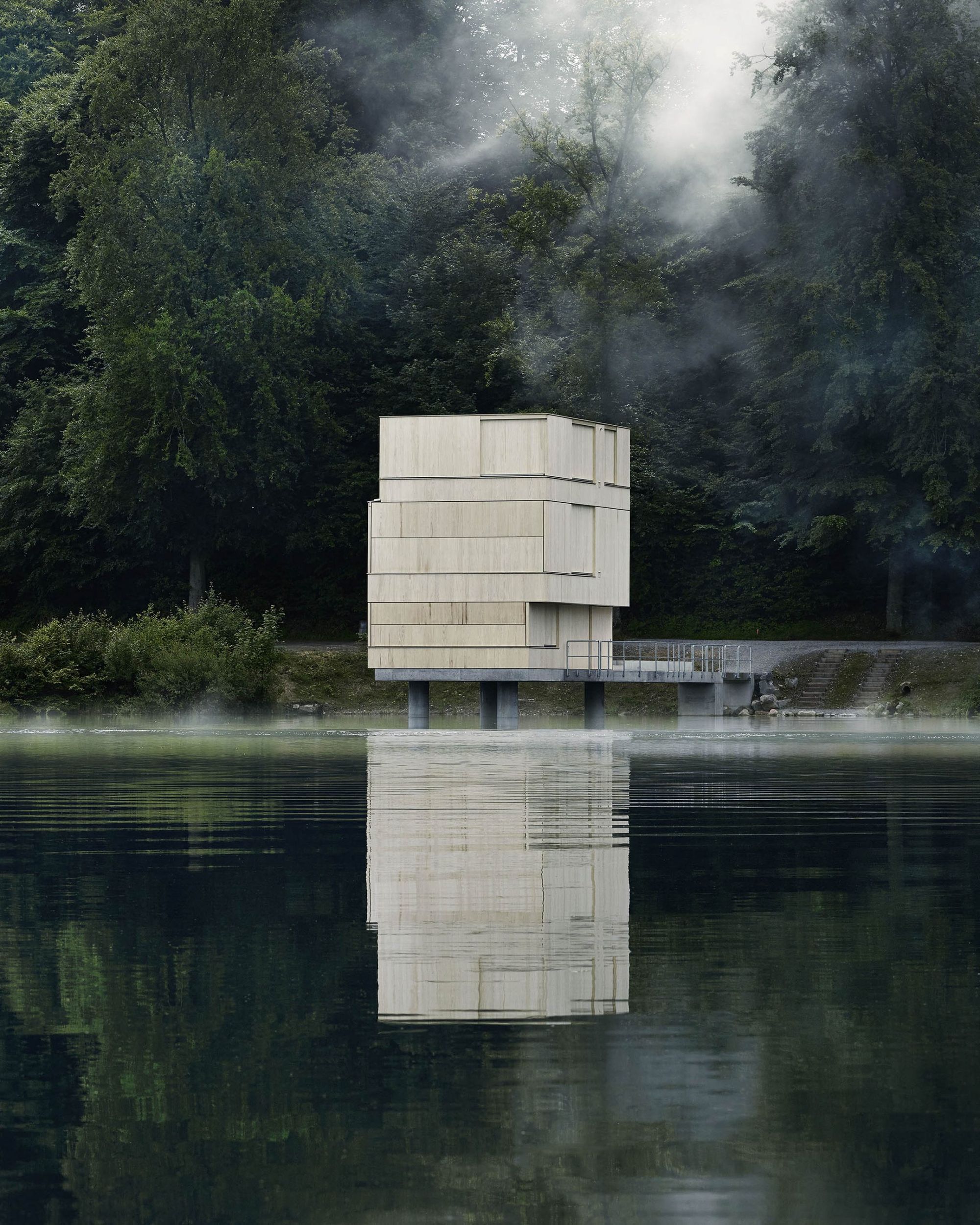
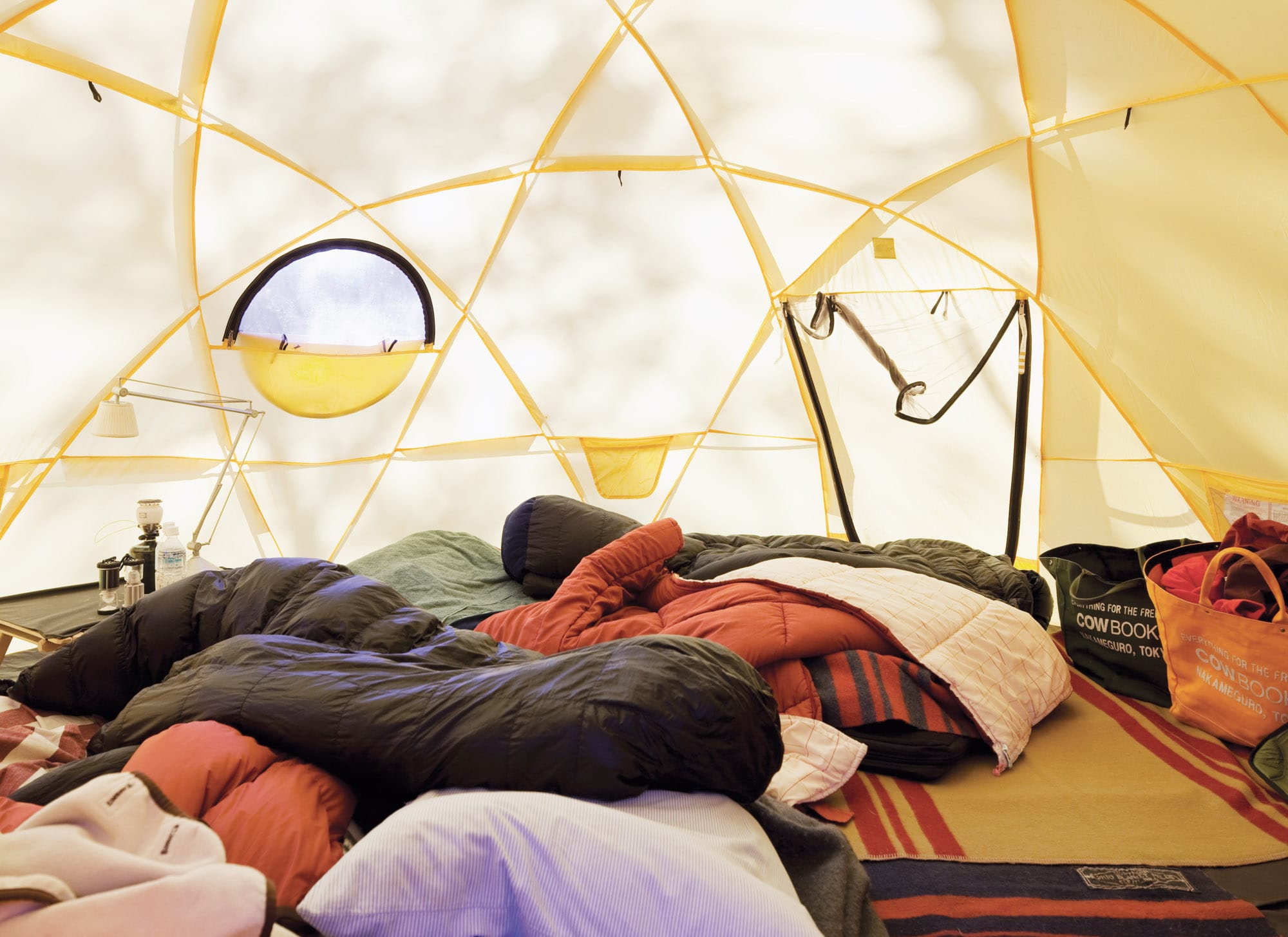
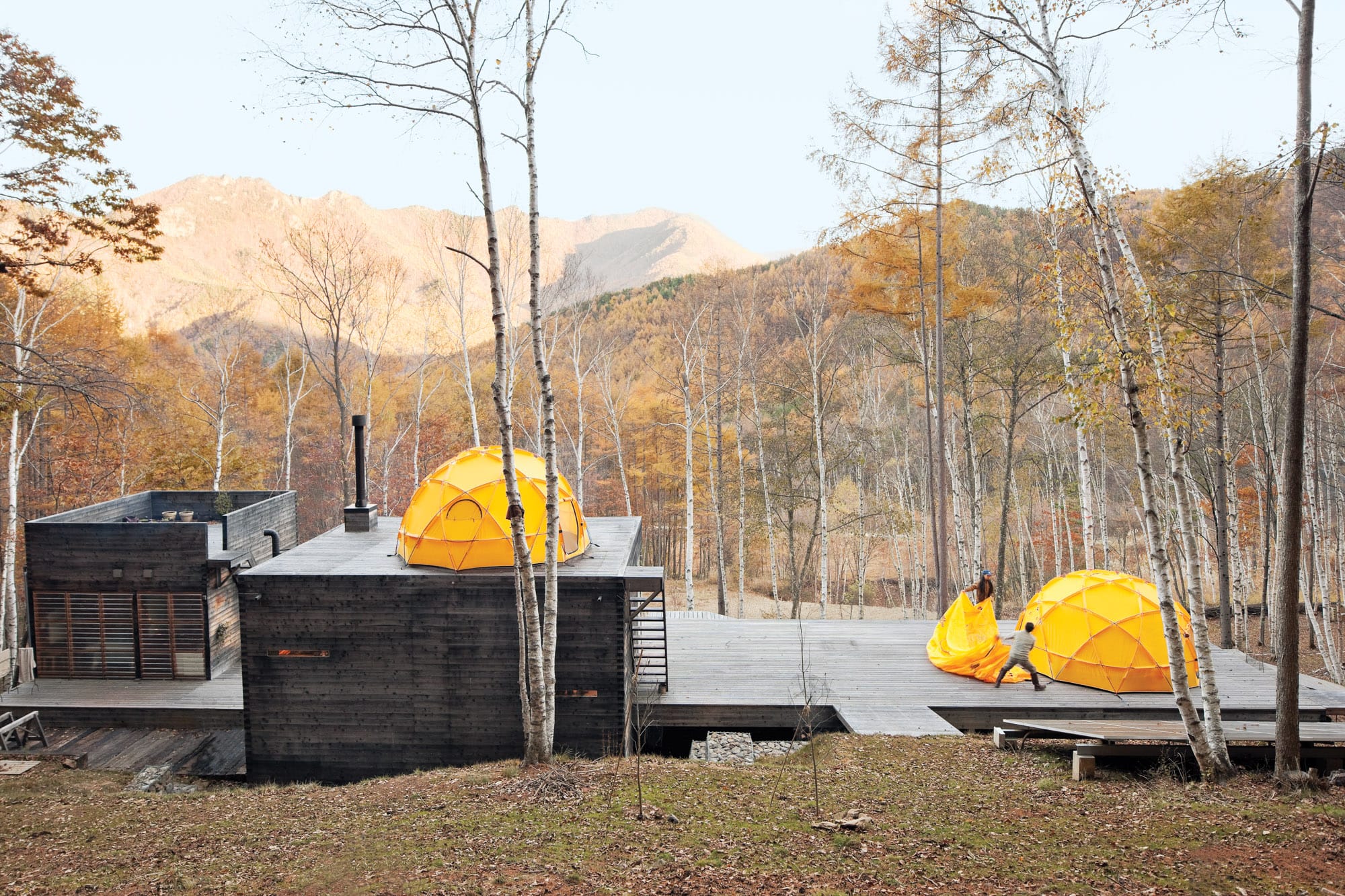
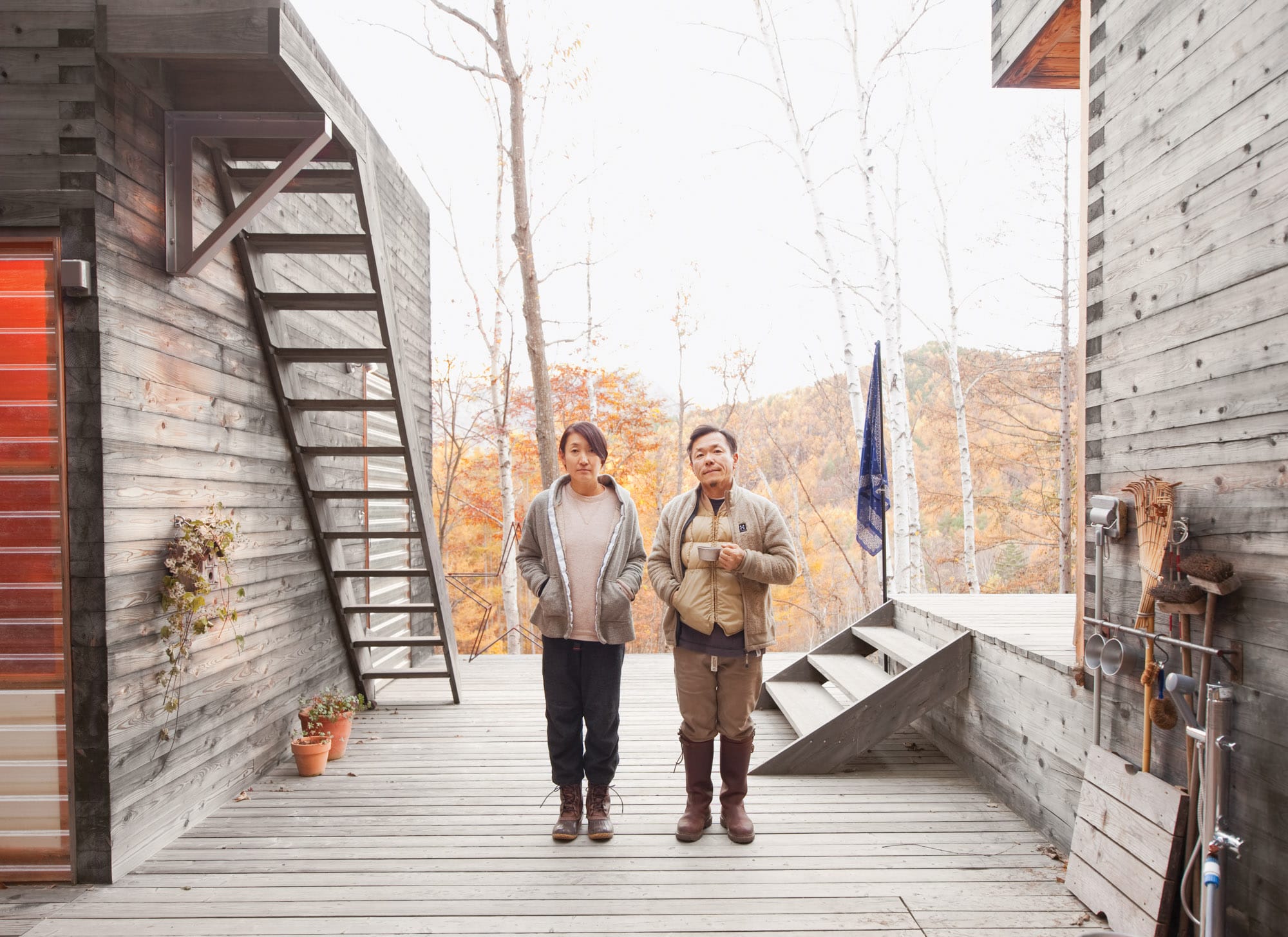
Designed by architect Shin Ohori of General Design for Setsumasa and Mami Kobayashi, founders of General Research. Located in the Chichibu mountain range northwest of Tokyo, the site serves as both a personal weekend shelter and a field-testing ground for product development.
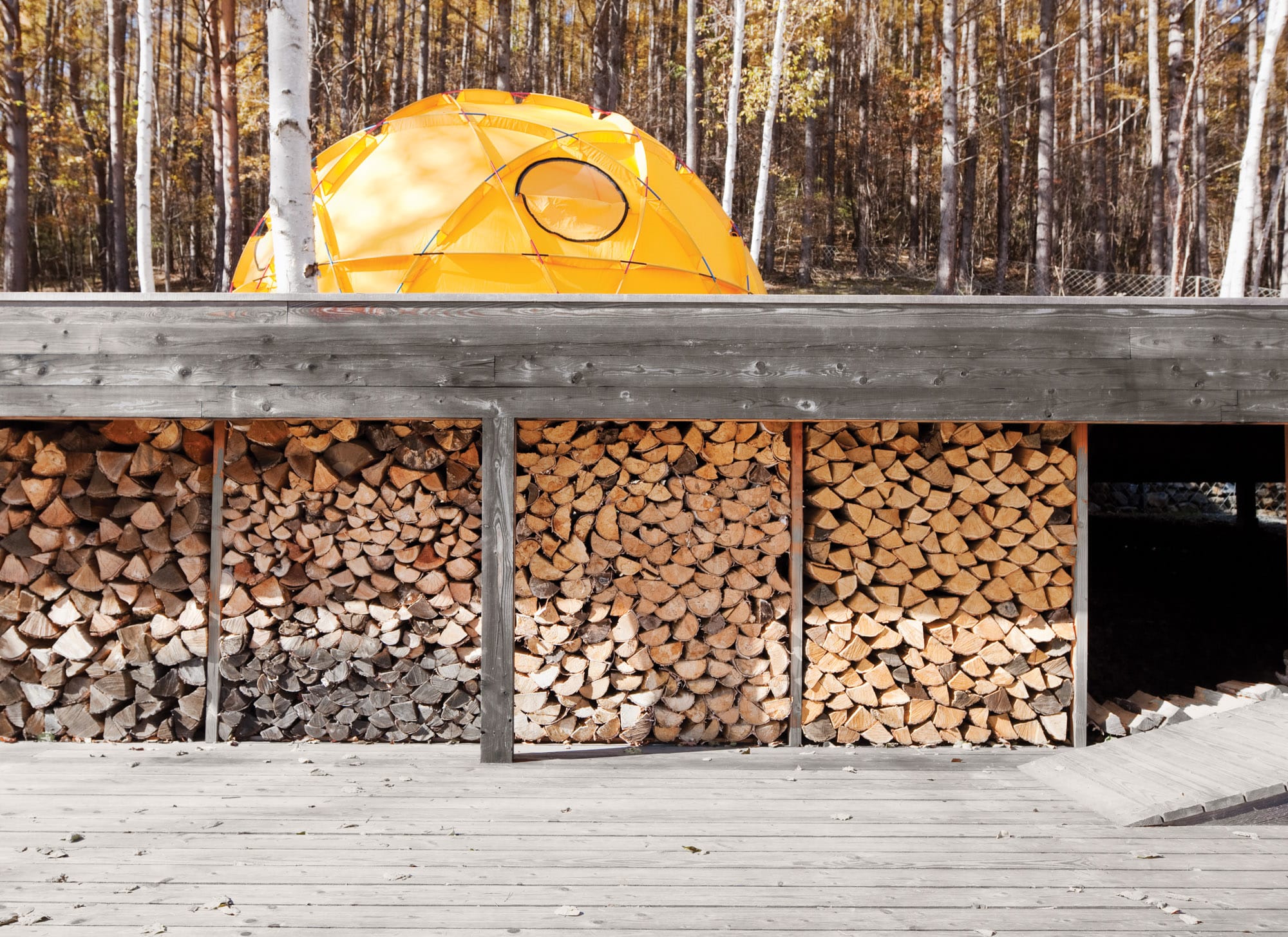
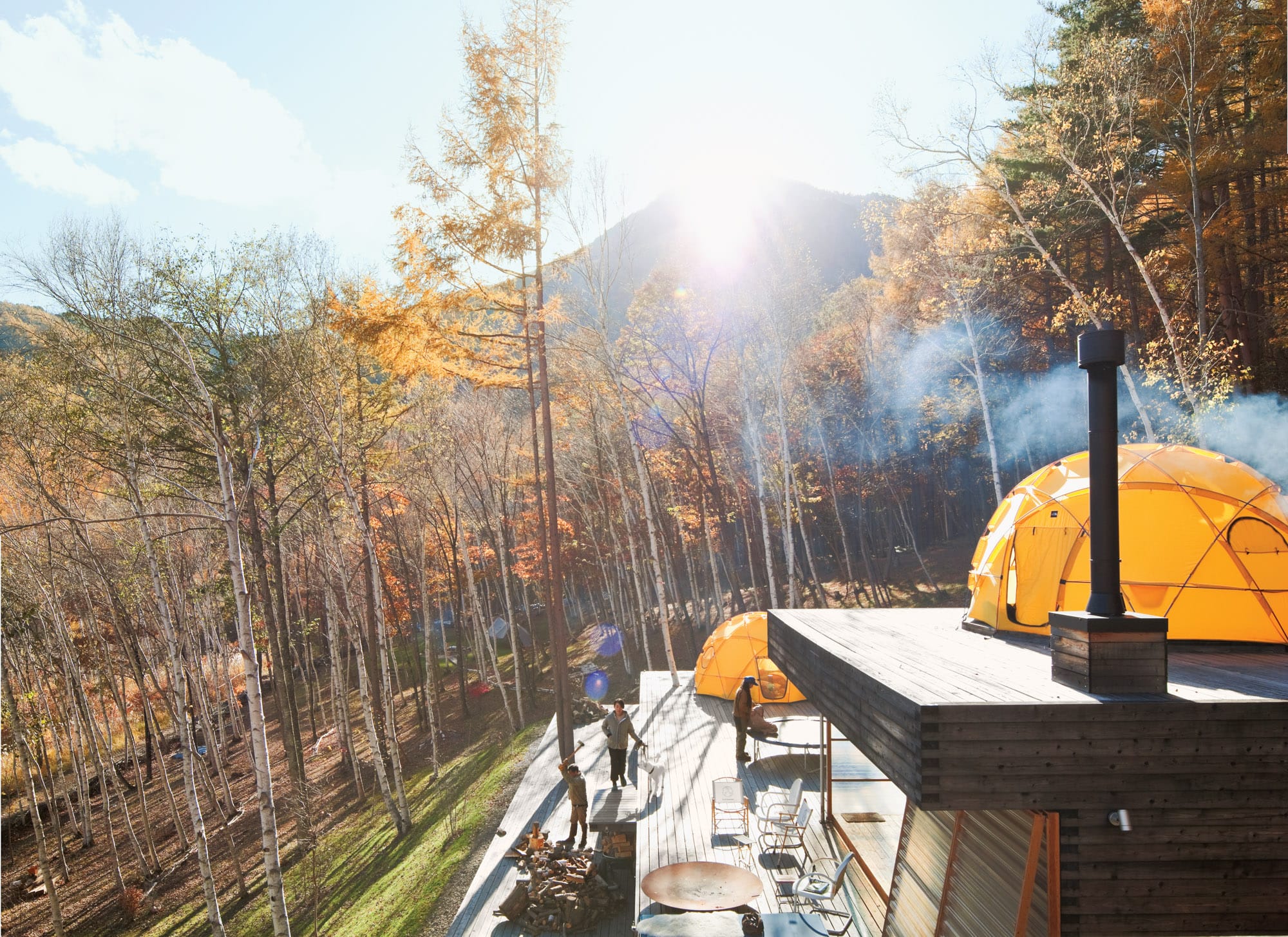
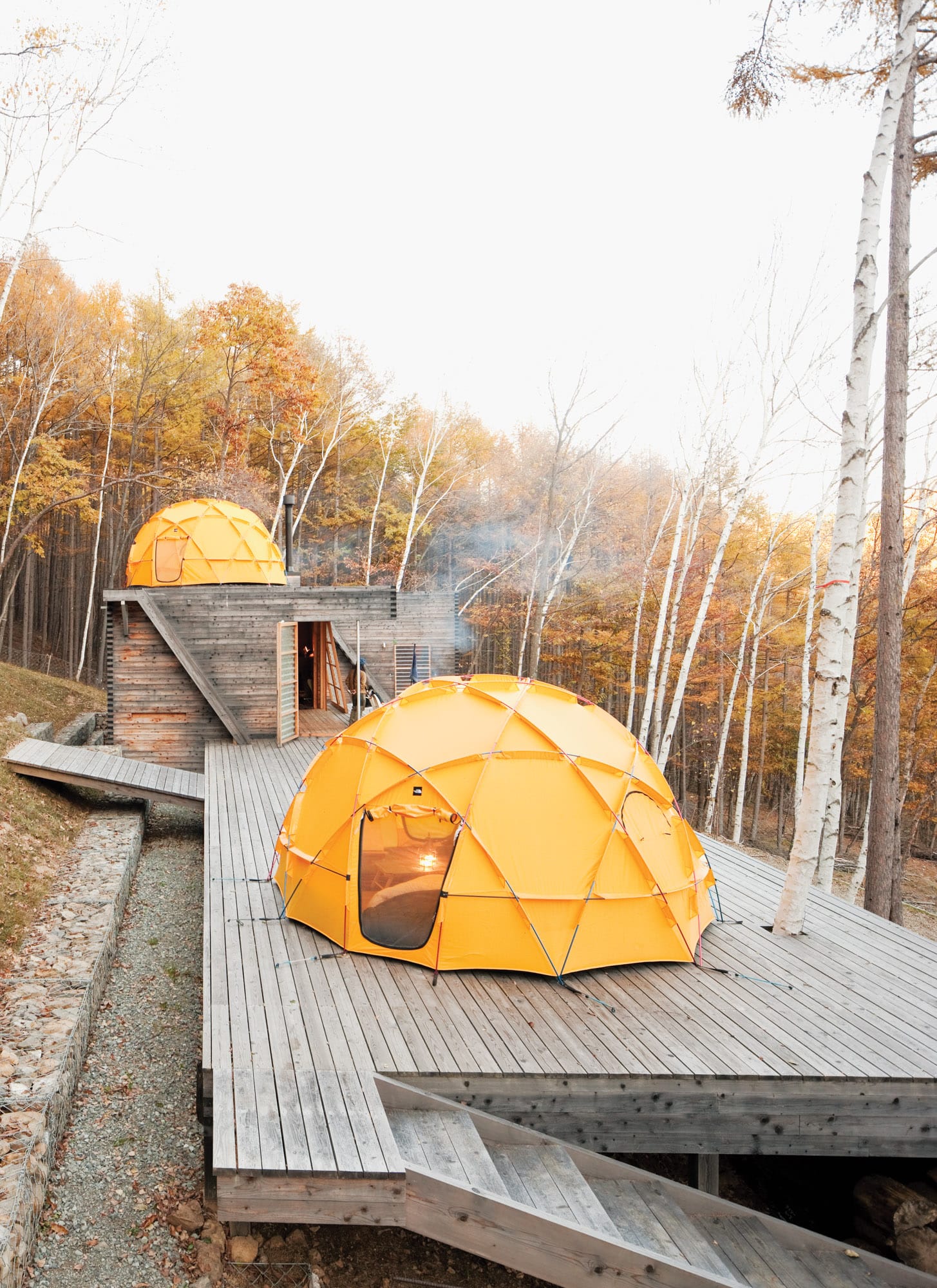
The structure is built on an elevated platform using locally harvested larch wood and features removable walls made from fiber-reinforced plastic. It includes two yellow dome tents used as permanent sleeping areas—one placed on a secondary deck and the other on the roof of the main volume. The central enclosed space houses a kitchen and dining area.
The shelter is equipped with electricity, hot water, internet access, and basic amenities, including a clawfoot bathtub. The location is remote but accessible, allowing the Kobayashis to engage in maintenance tasks and outdoor work while still performing professional duties remotely. The architecture is intentionally simple and functional, emphasizing modularity, environmental responsiveness, and a hybrid of modernist design with primitive outdoor living elements.
The project operates as a live-in testing platform for lifestyle and gear integration in a real-world setting, merging domestic space with performance wear prototyping. It represents an approach to architecture and living that prioritizes adaptability, utility, and a direct relationship with the natural environment.

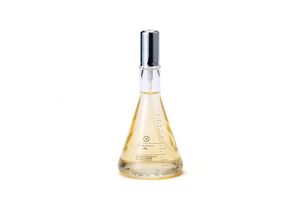
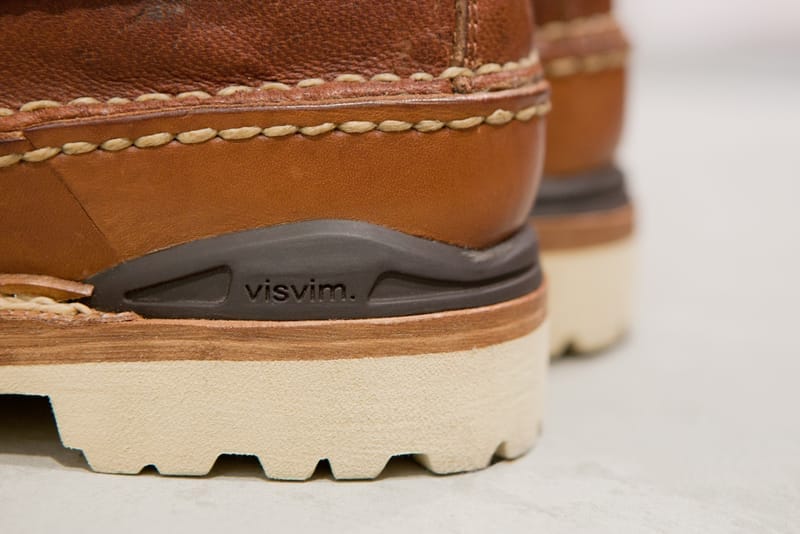
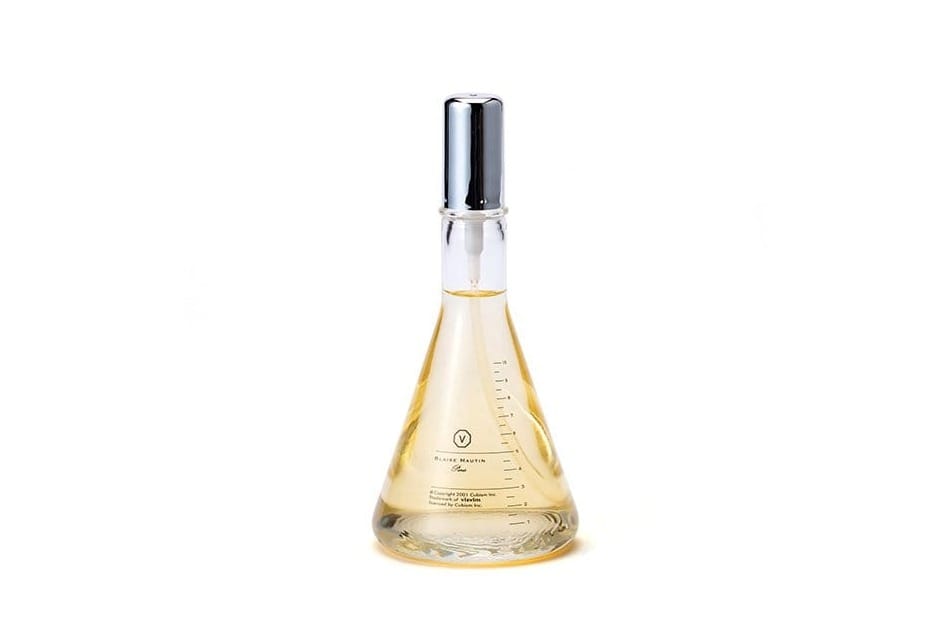
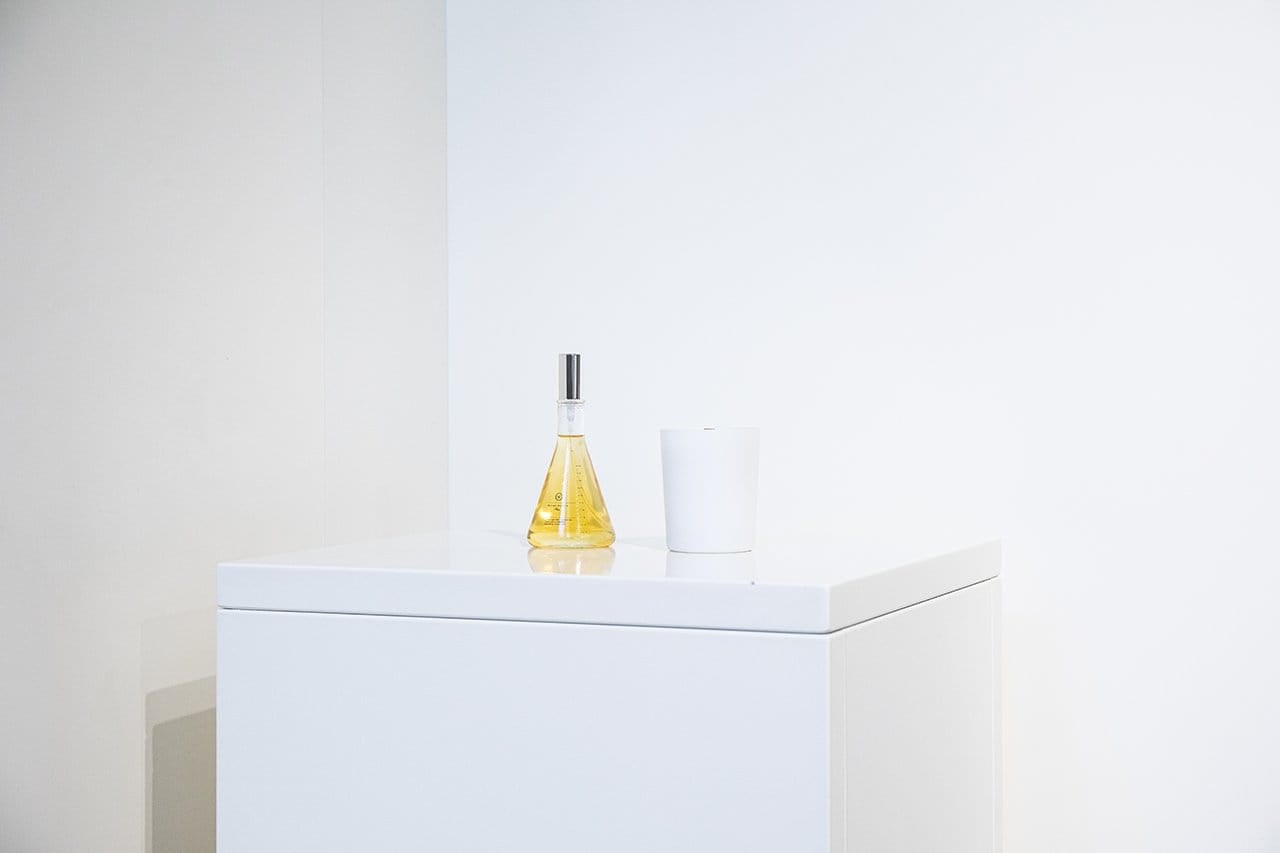
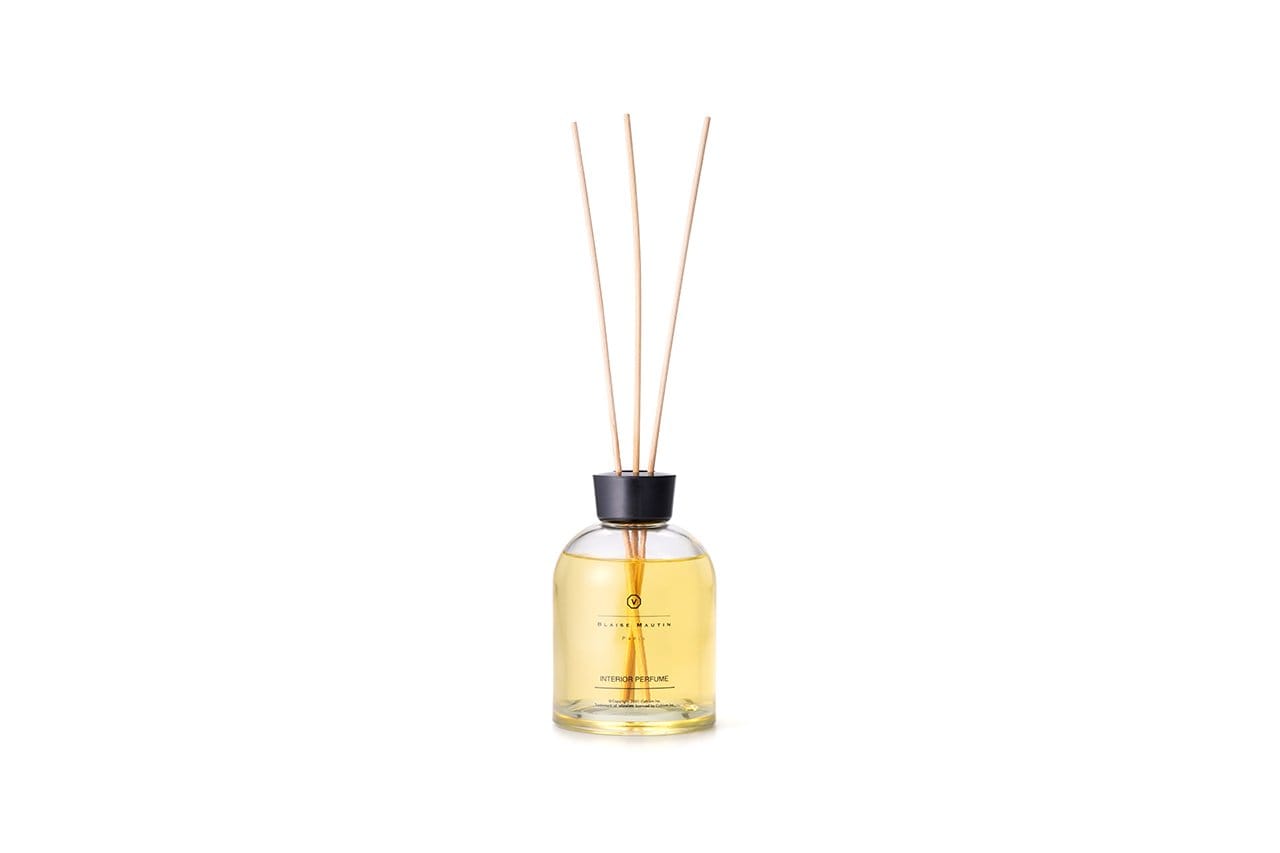
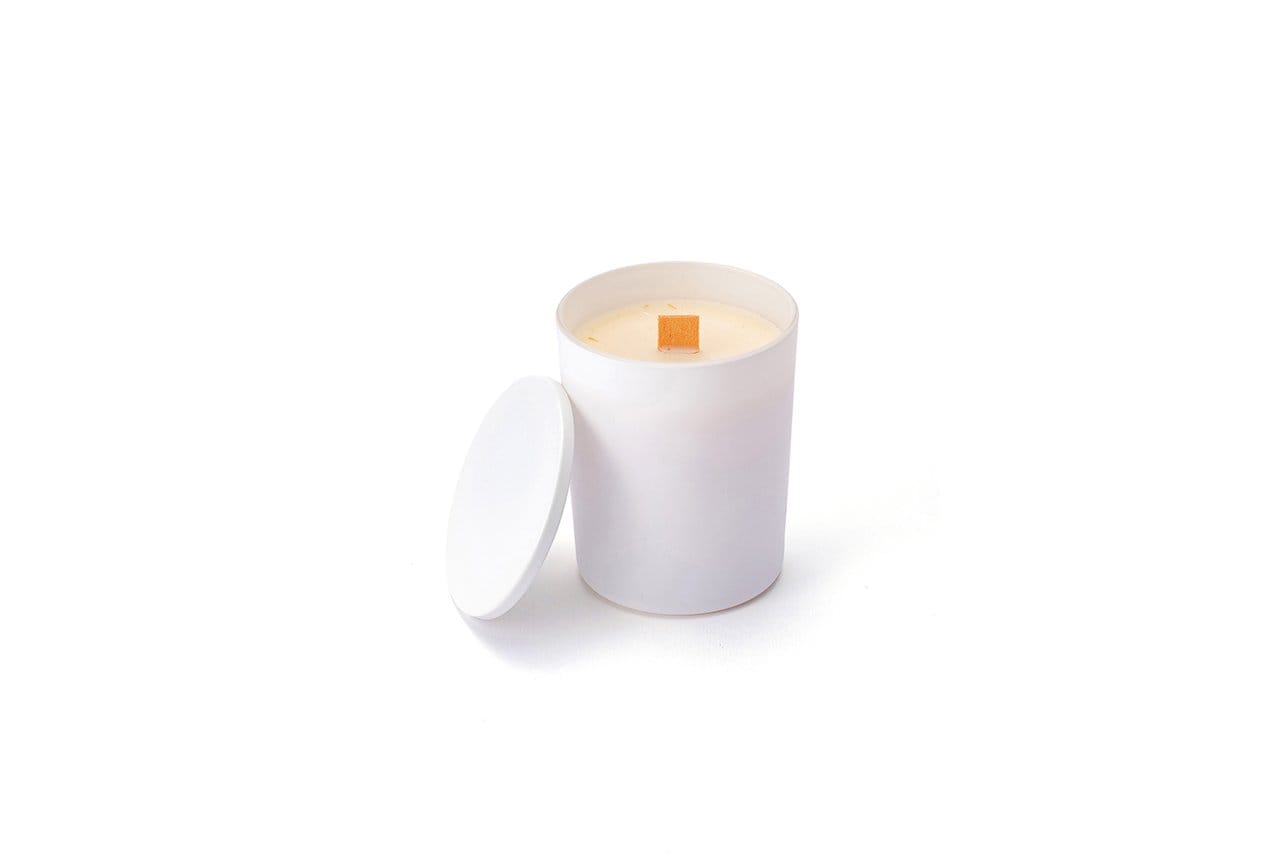
The SUBSECTION SERIES is a fragrance collection by Visvim, inspired by founder Hiroki Nakamura’s encounter with French fragrance designer Blaise Mautin over 20 years ago. The series includes candles, room sprays, and diffusers, each available in various scents. Notable fragrances are NO.1 F.I.L., a blend featuring patchouli and sandalwood, and NO.7 KYOTO, inspired by a morning visit to Kyoto’s Sanjusangendo temple.



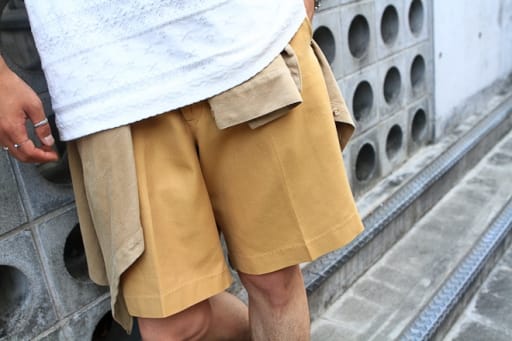
Tan pleated shorts on the street in Harajuku, Tokyo, shot for Fashionsnap in September 2012. Full, high-waisted and worn long.

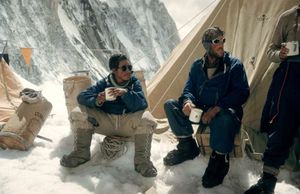
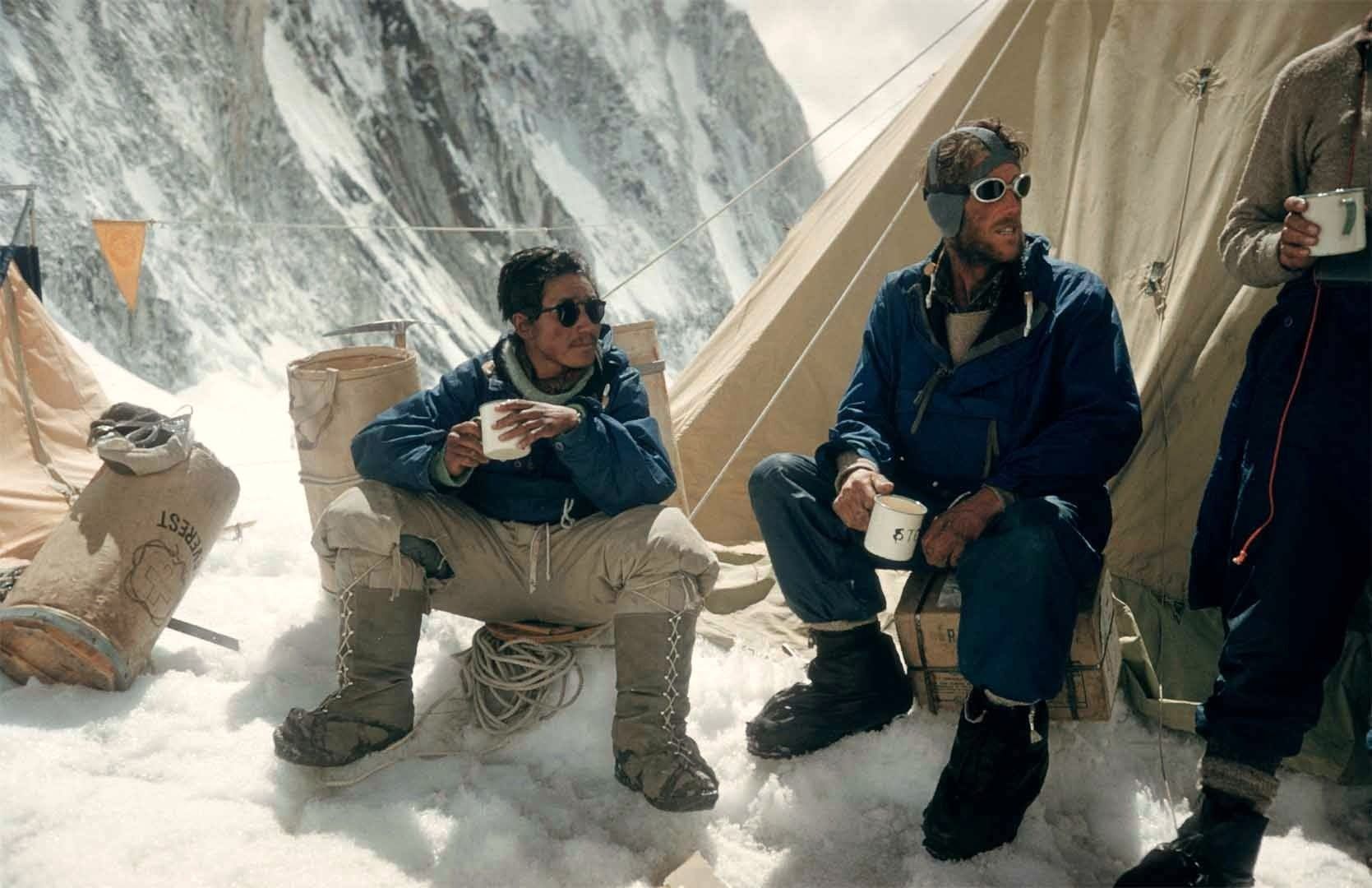
Tenzing Norgay and Edmund Hillary, sat here drinking tea during a break before their successful summit of Everest in 1953.
This photo was taken by George Band, OBE, the youngest of the mountaineers on the 1953 British Expedition to Mount Everest on which Edmund Hillary and Tenzing Norgay made the first known successful ascent of the mountain.

Faye Valentine, a bounty hunter in Cowboy Bebop, Shinichiro Watanabe's 1998 Sunrise series. She is one of the crew of the ship Bebop.


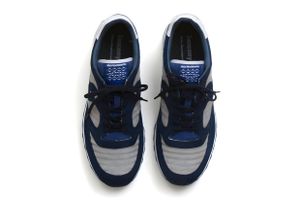
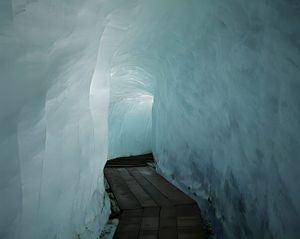
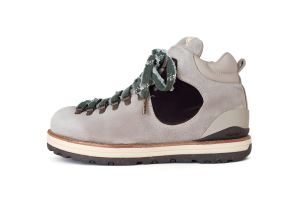
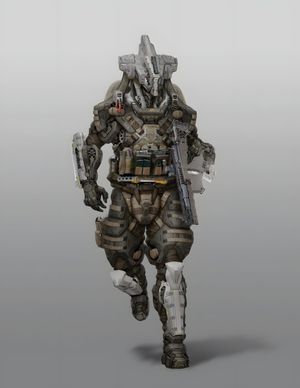
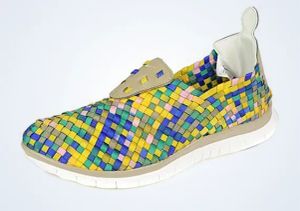
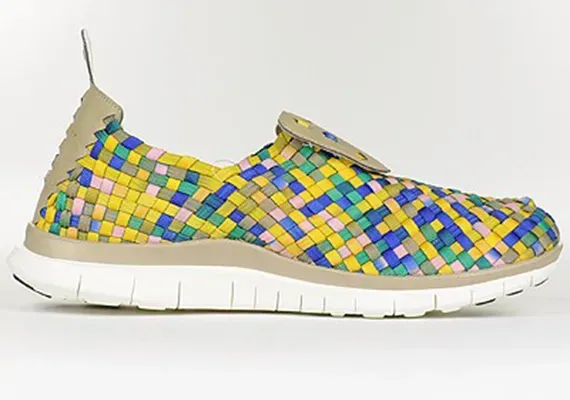
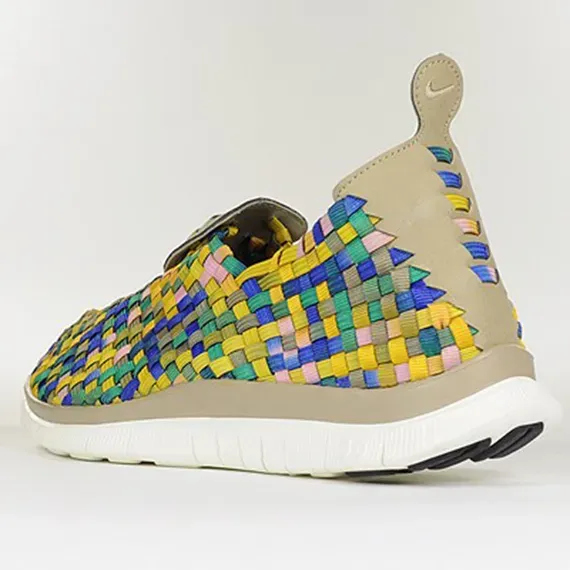
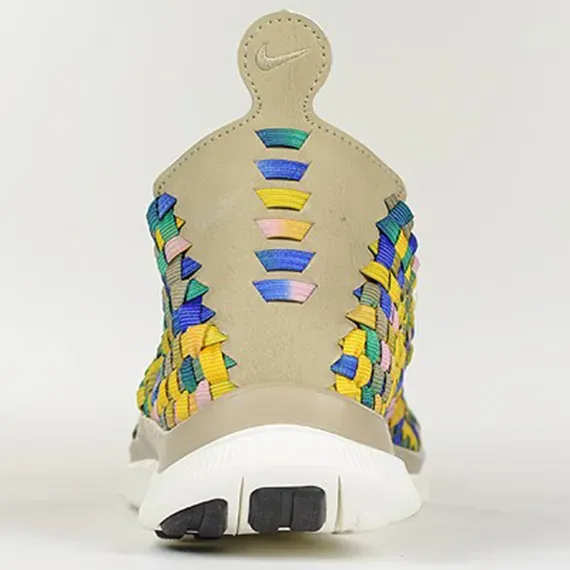
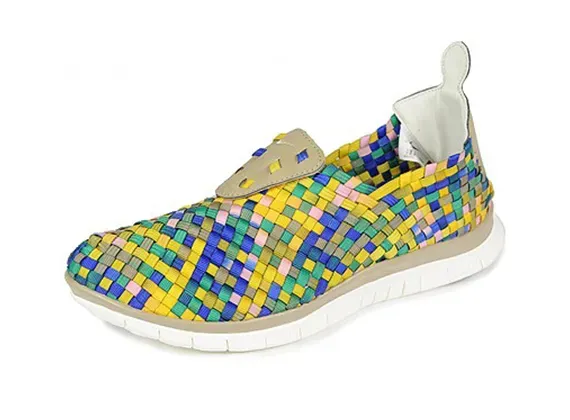
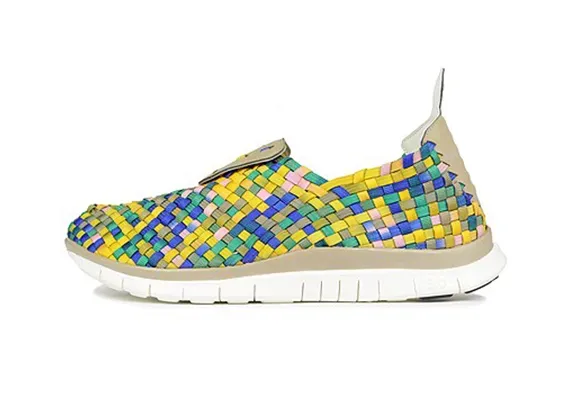
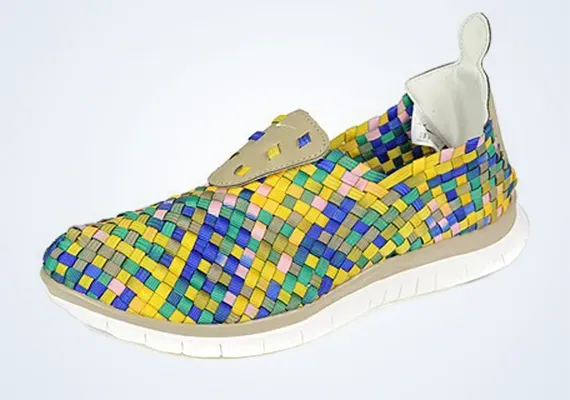
Nike Free Woven in Khaki, Stadium Green, Hyper Blue, and Pink, with a multicolor woven upper and white Free sole. Style code 555307-236.