Related_
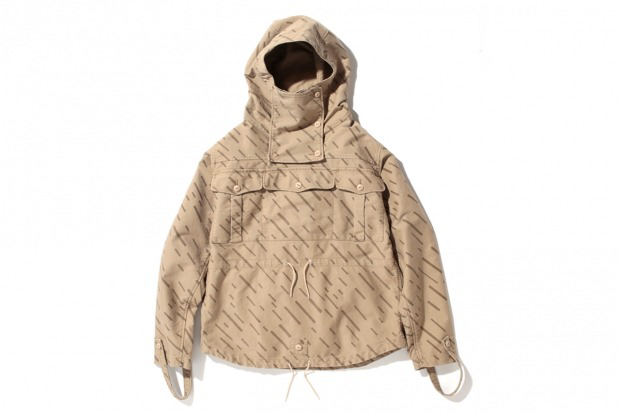
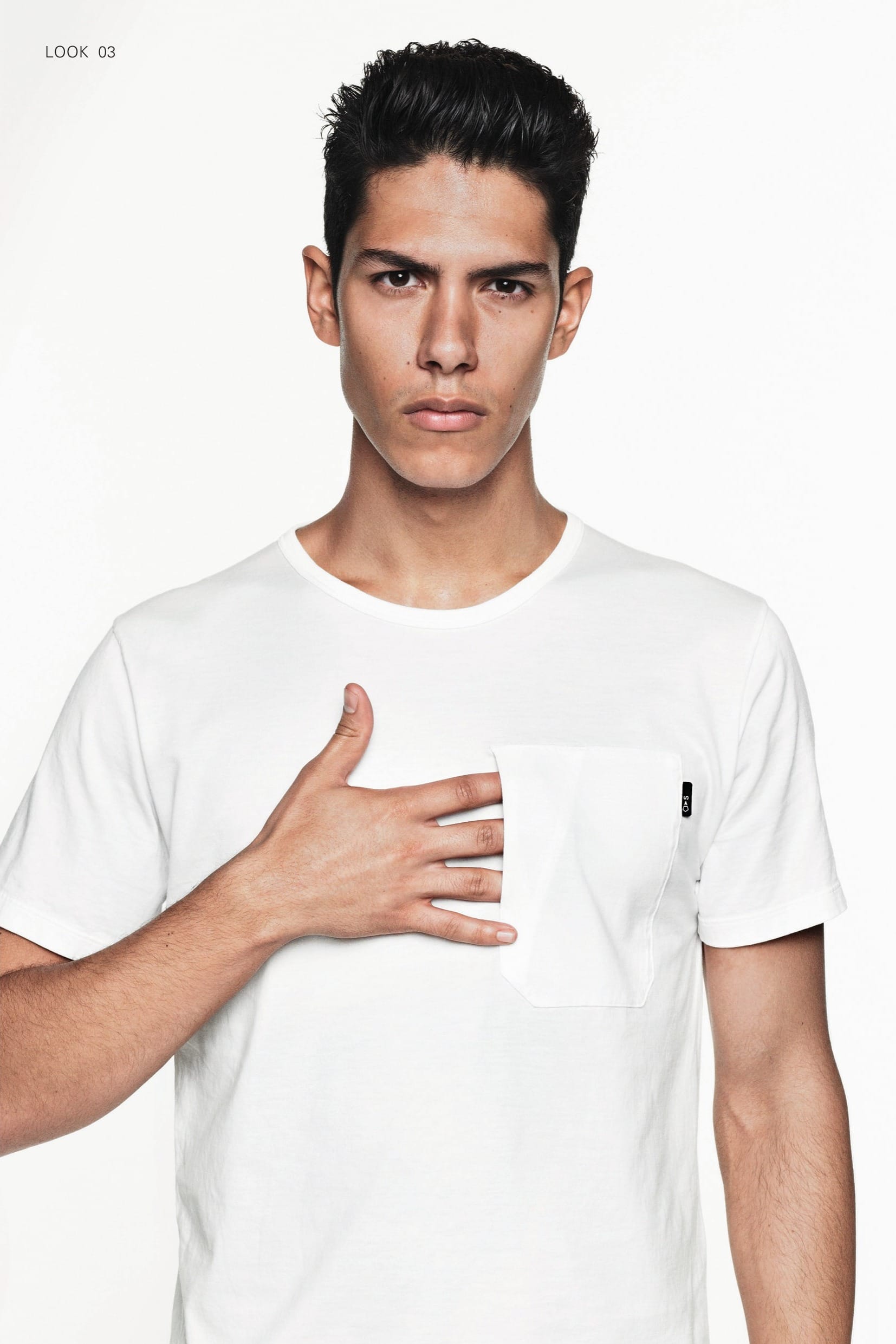
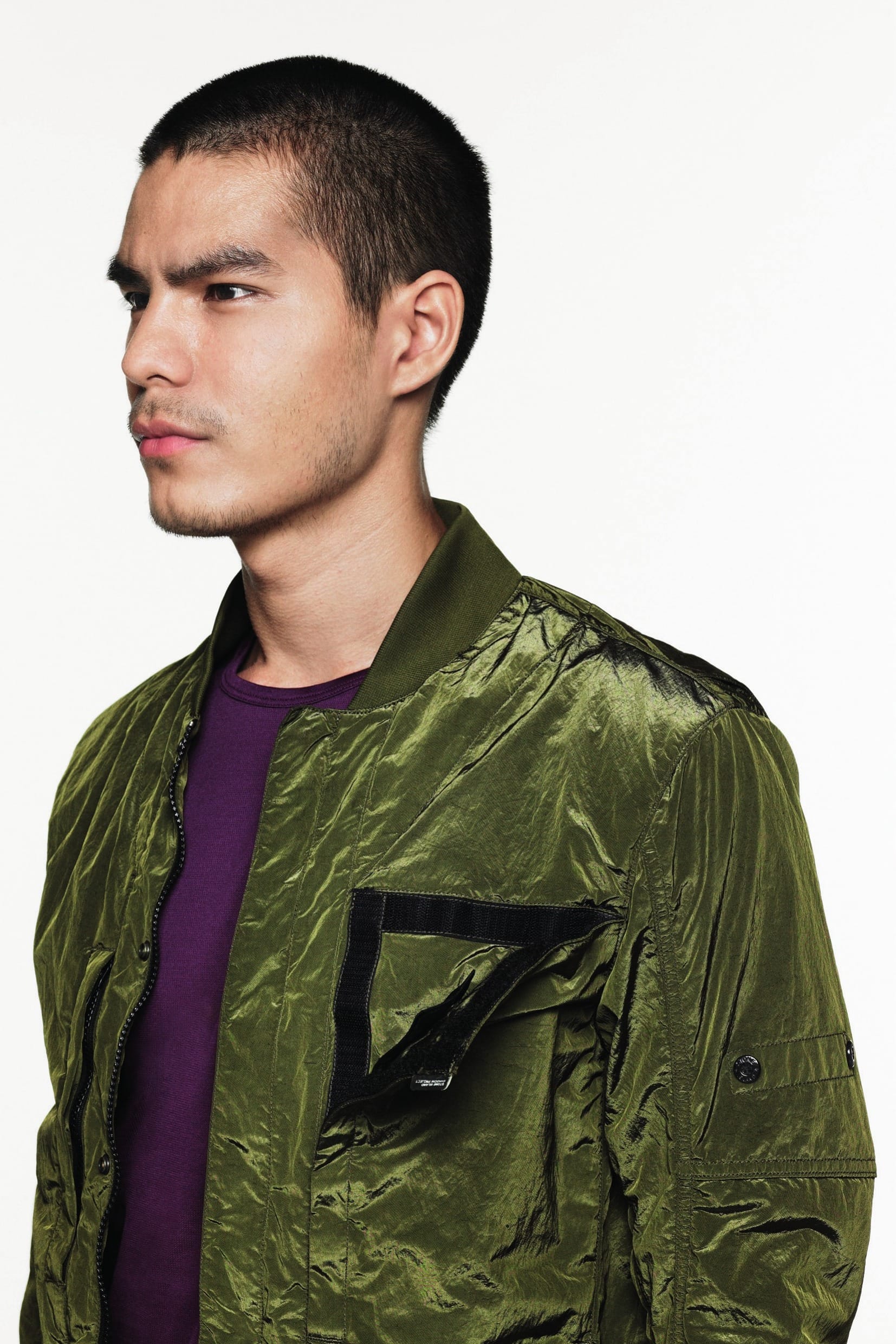
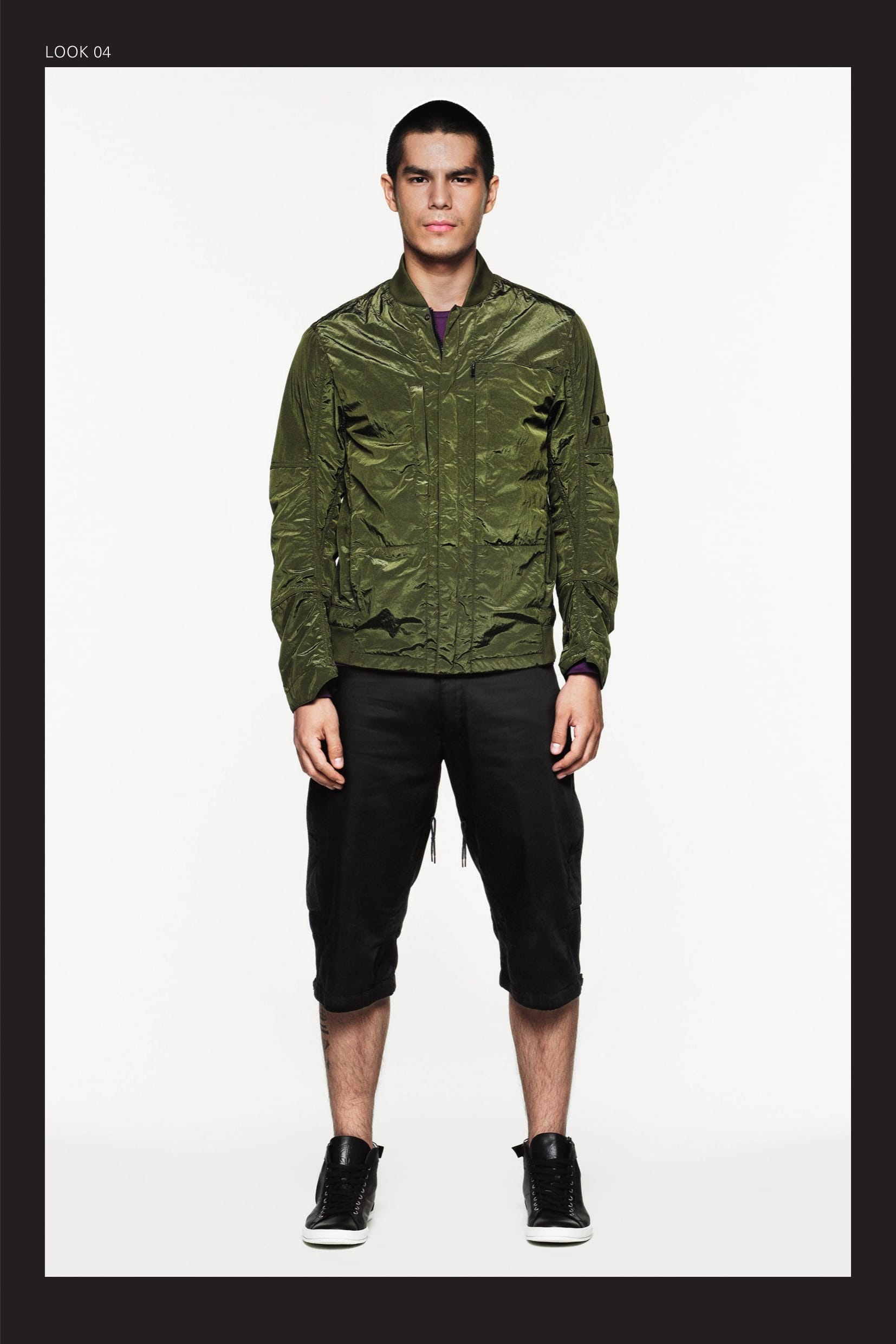
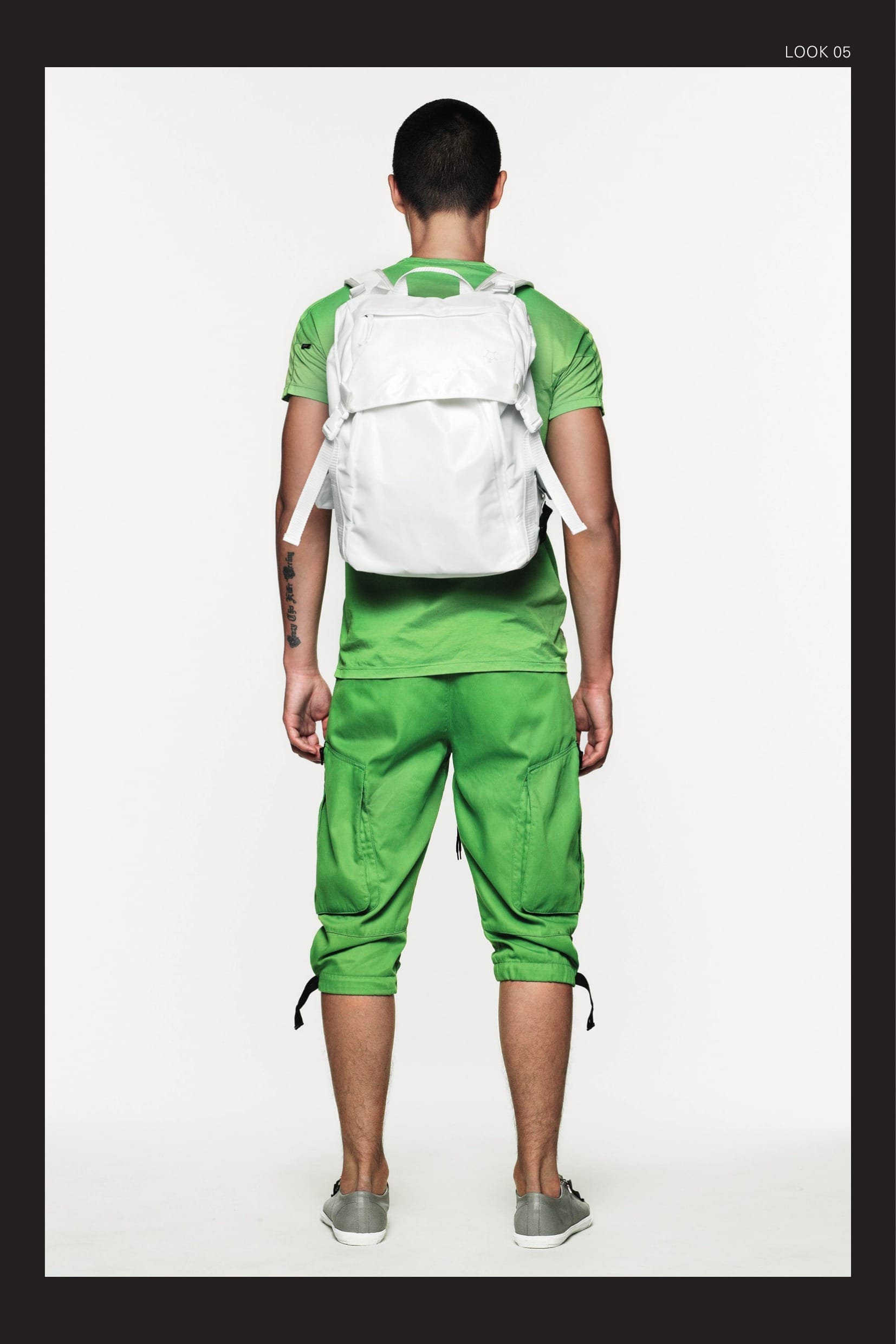
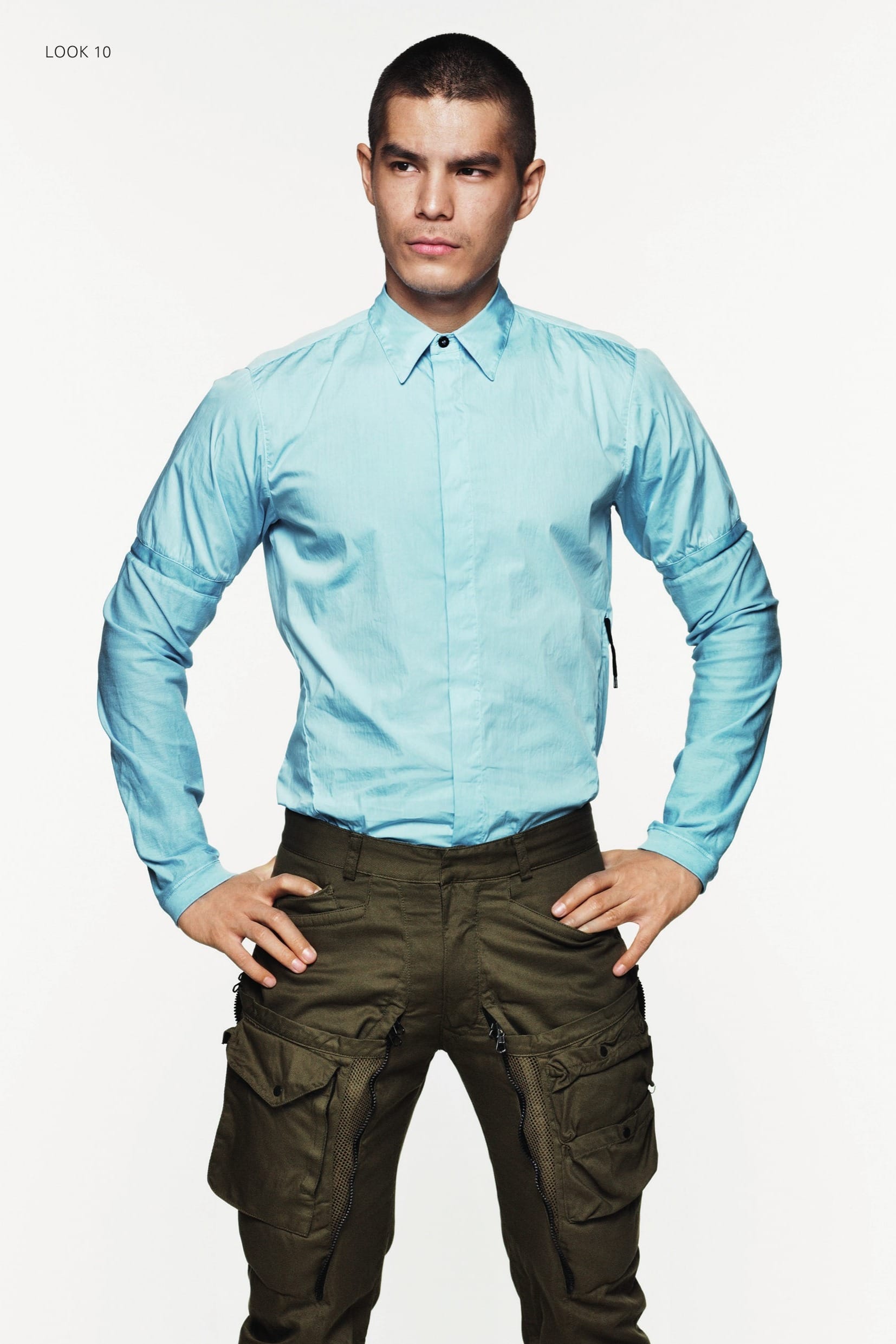
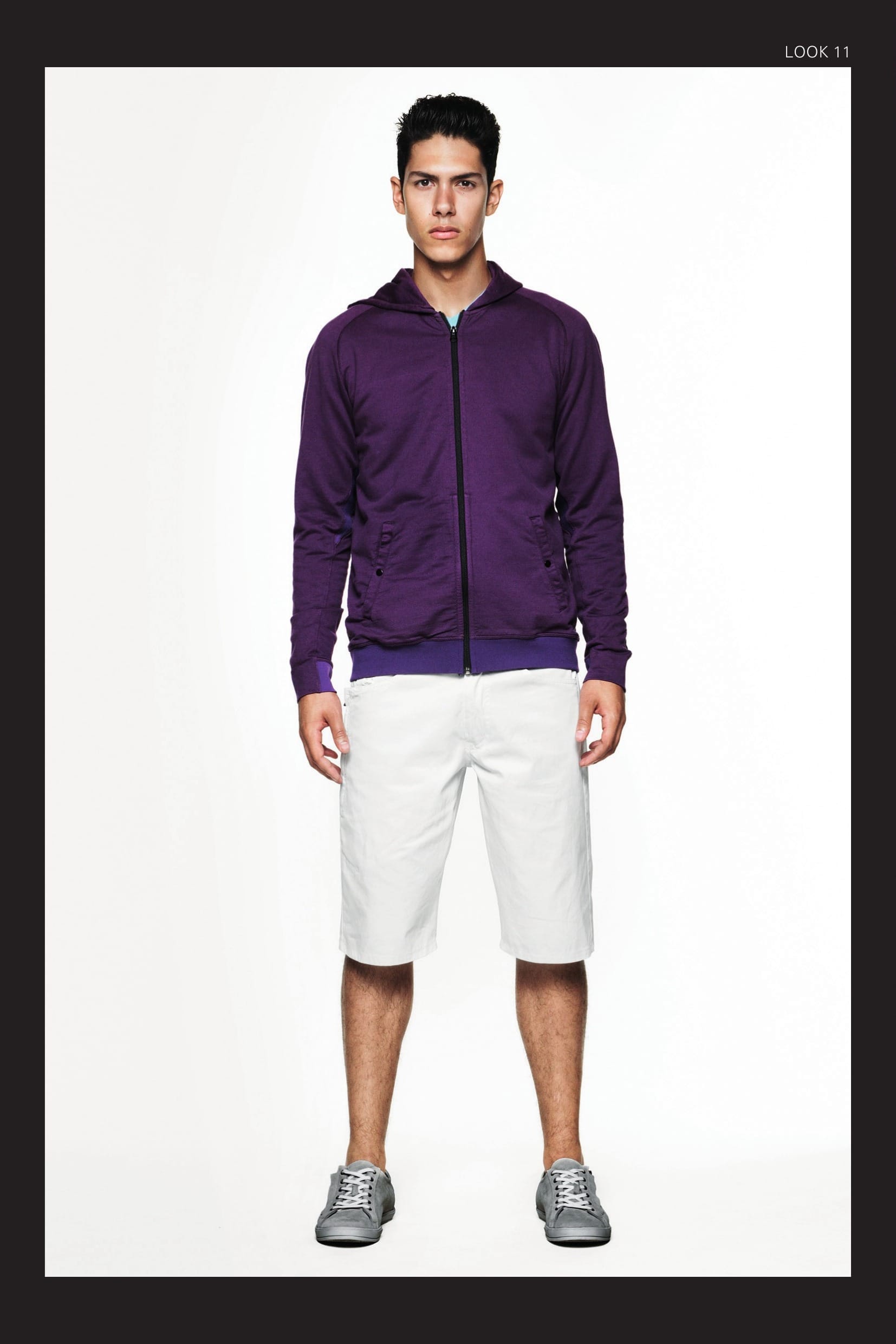
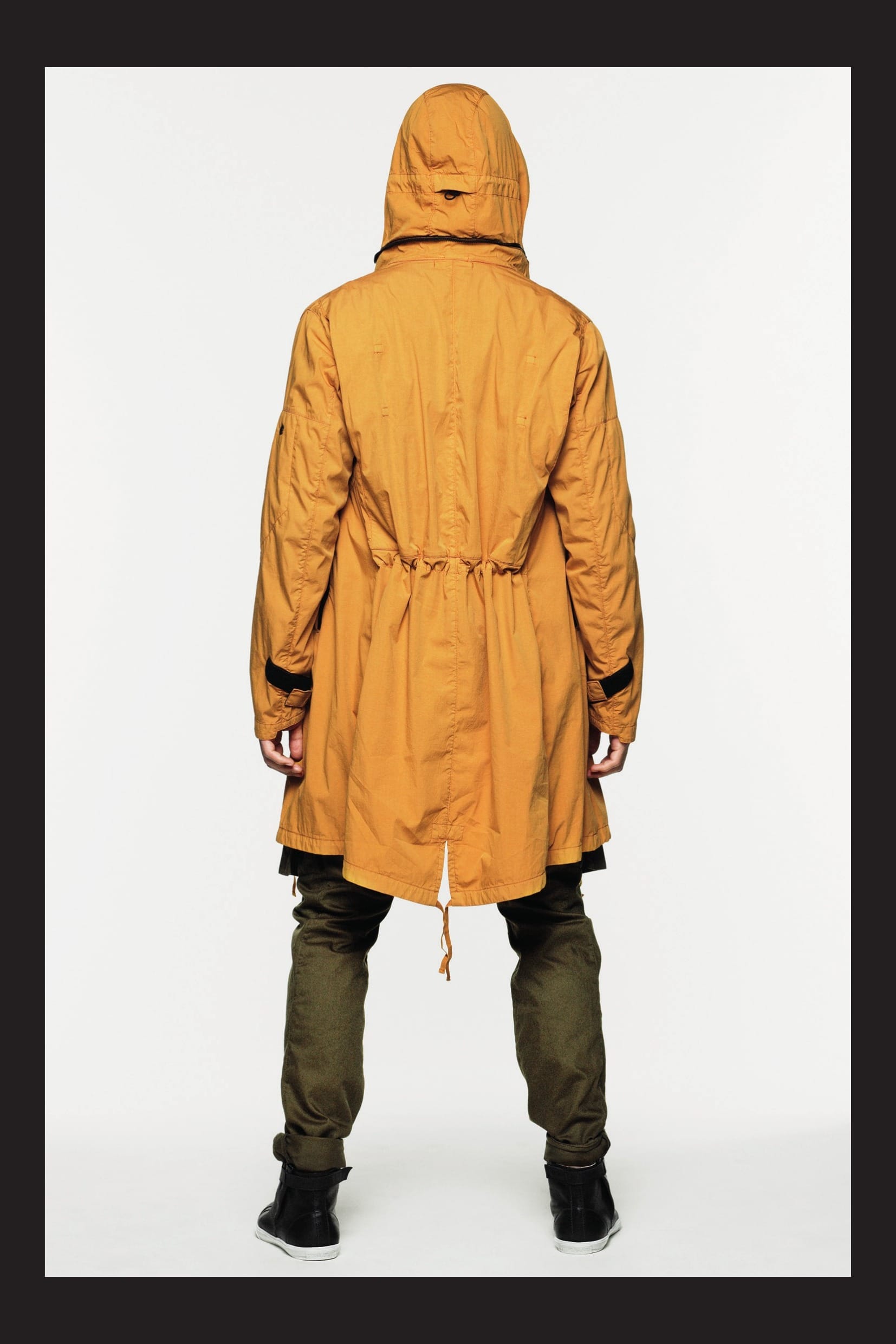
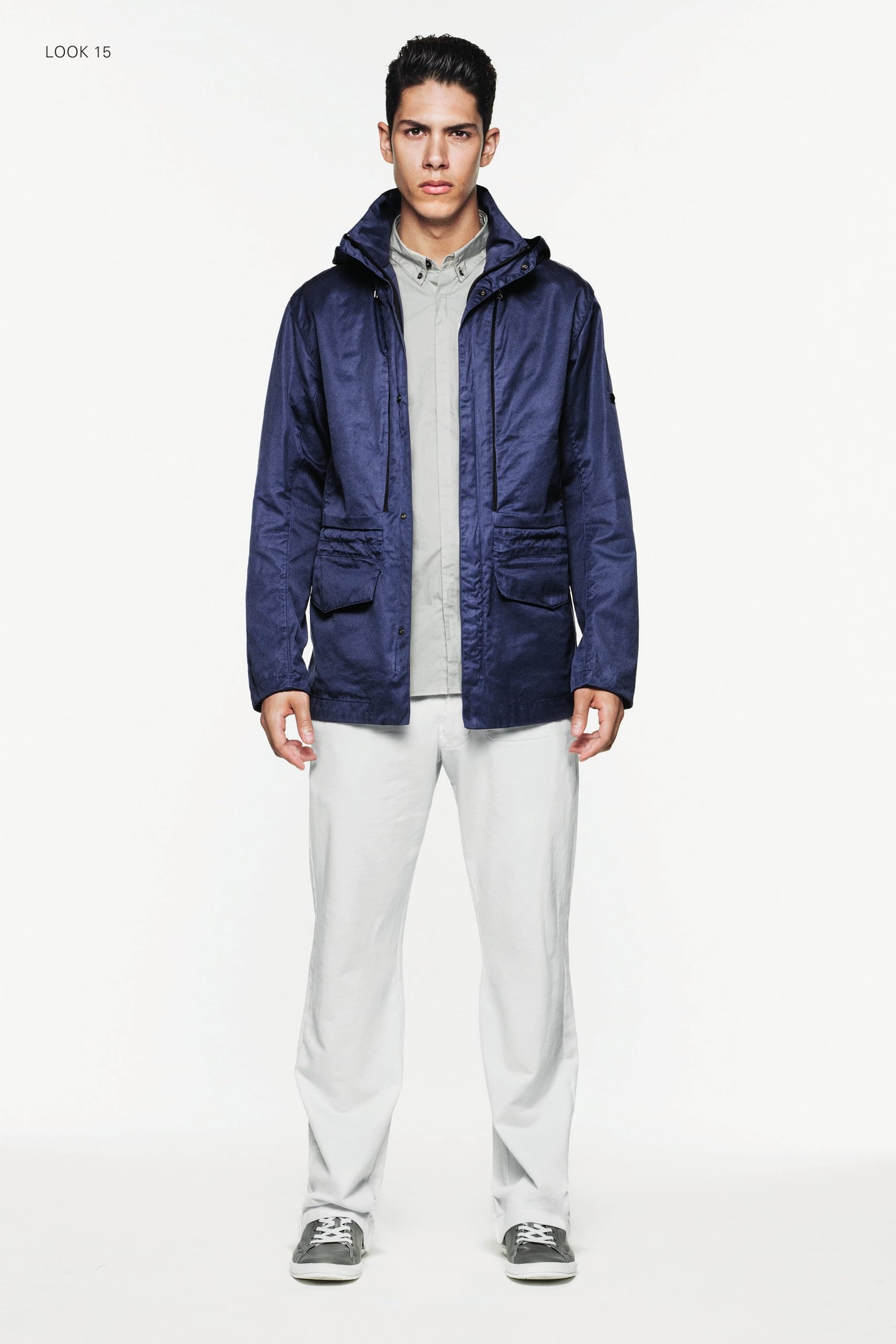
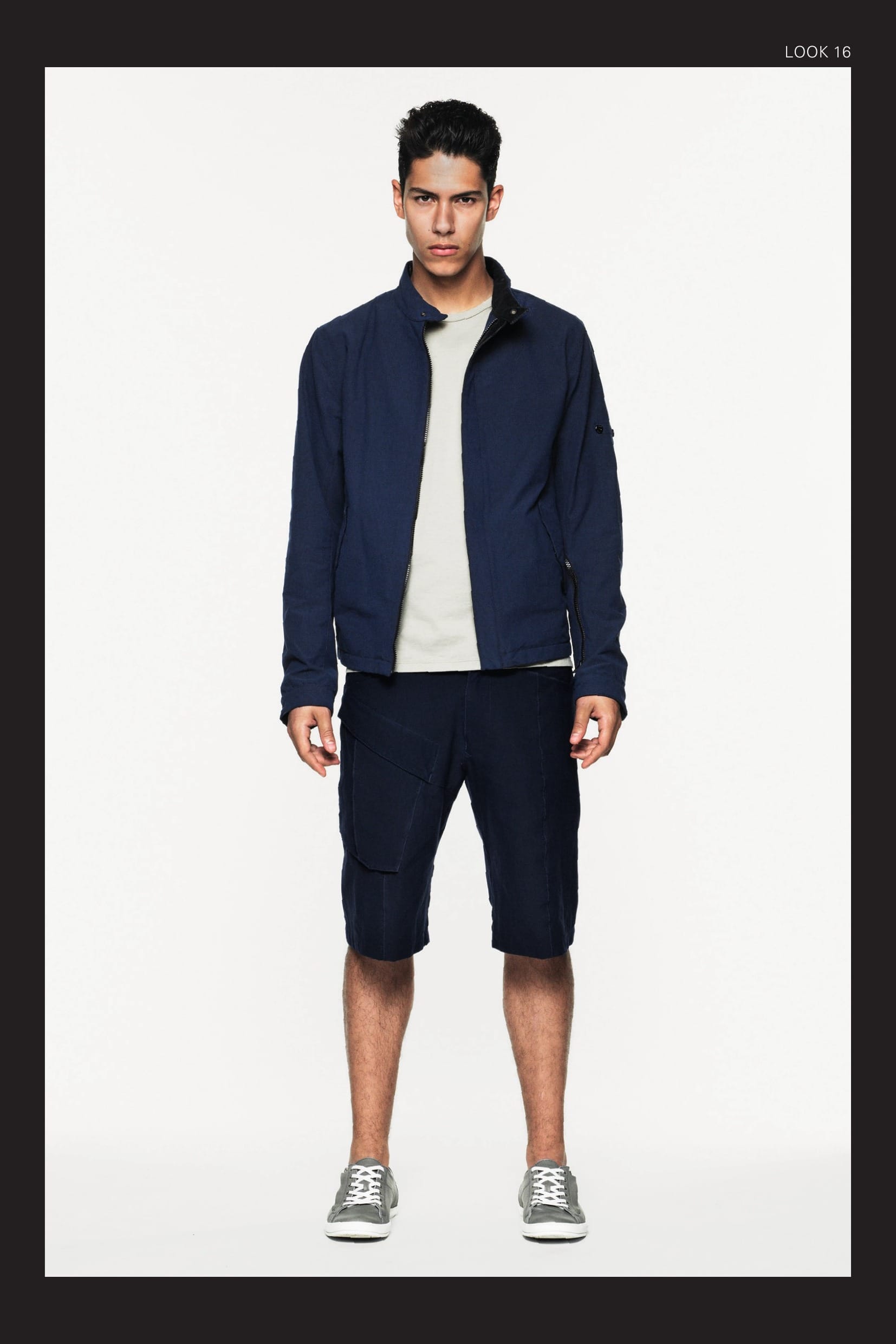
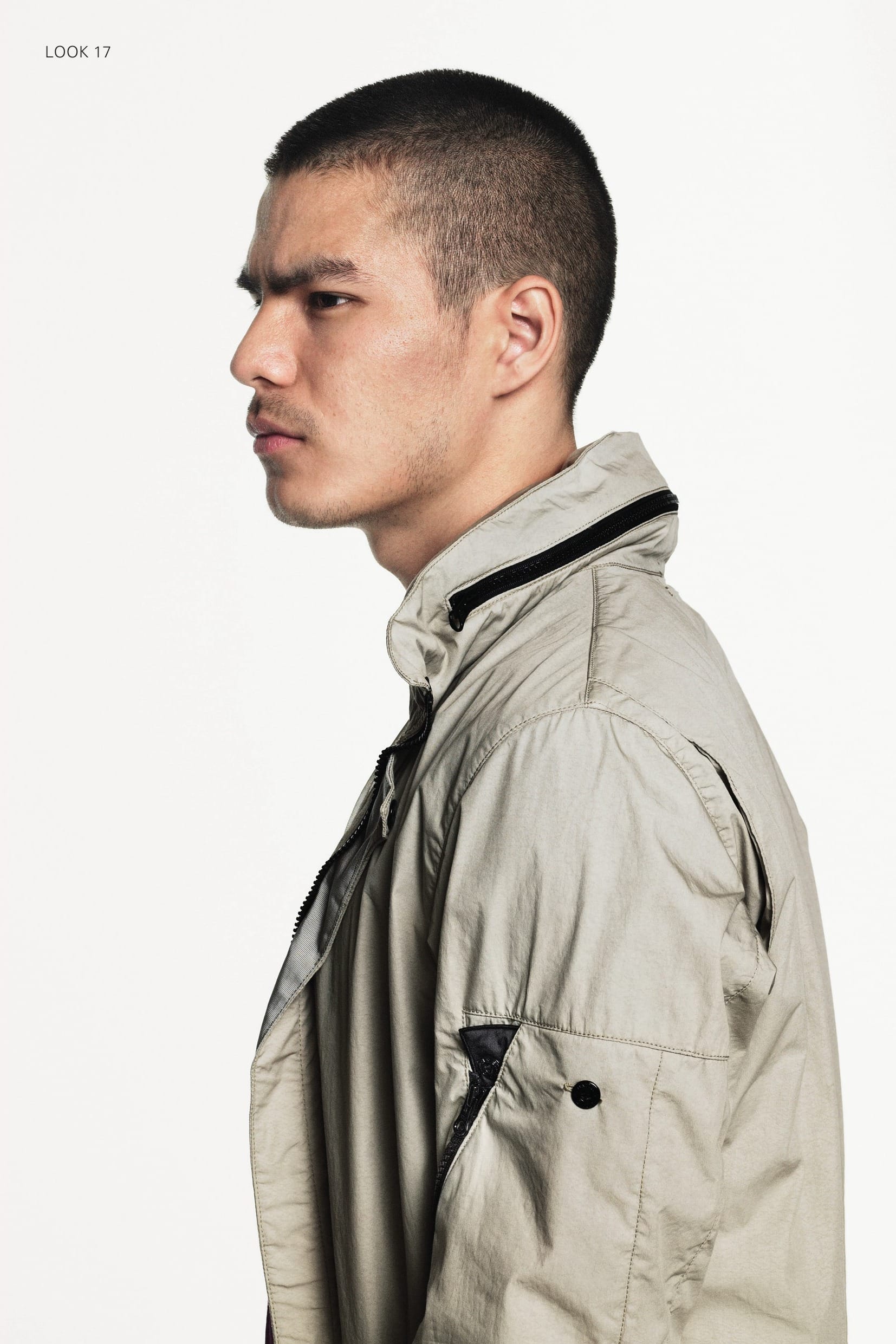
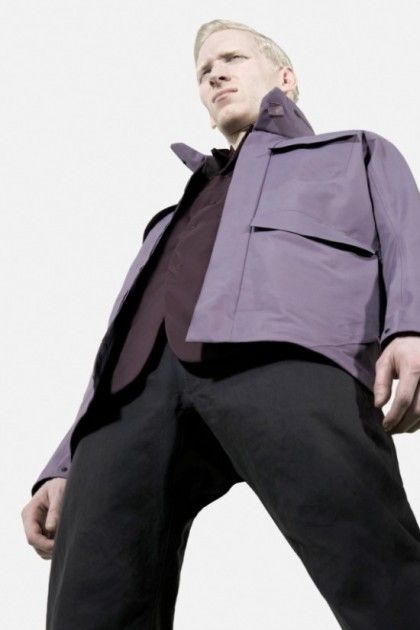
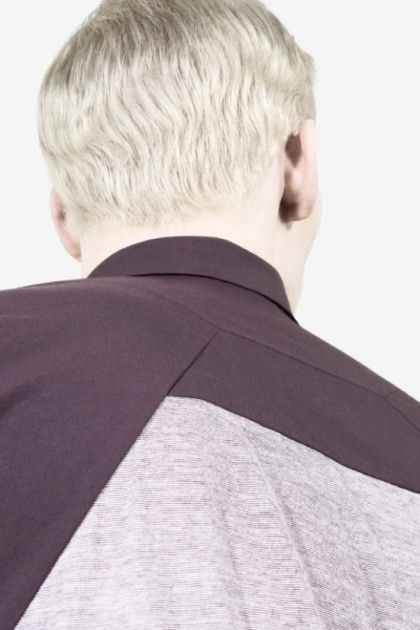
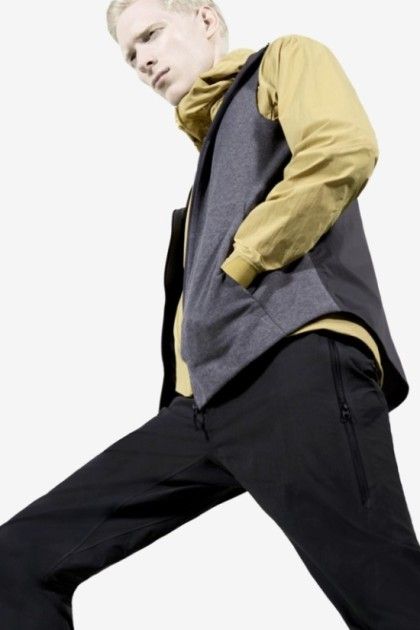
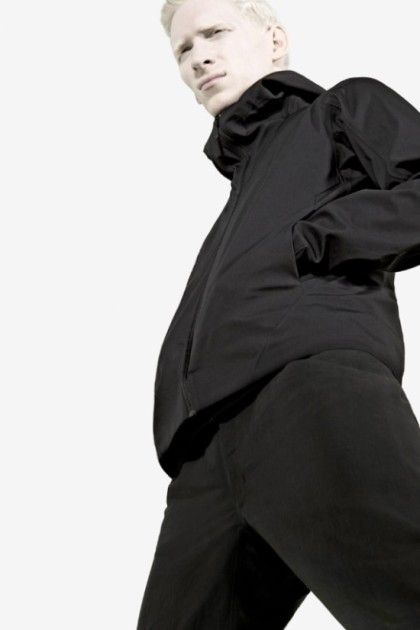
Stone Island Shadow Project SS2010 Lookbook
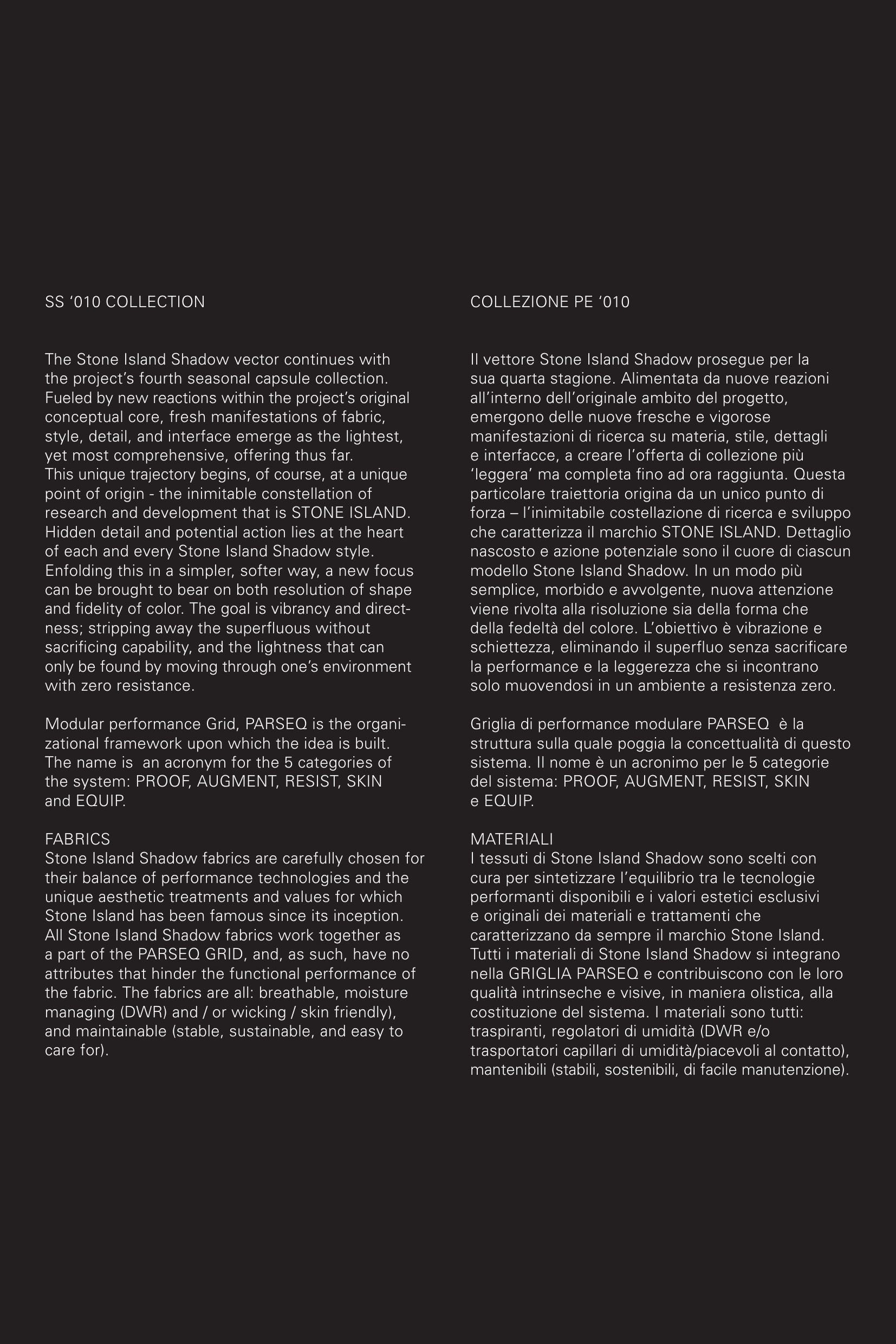
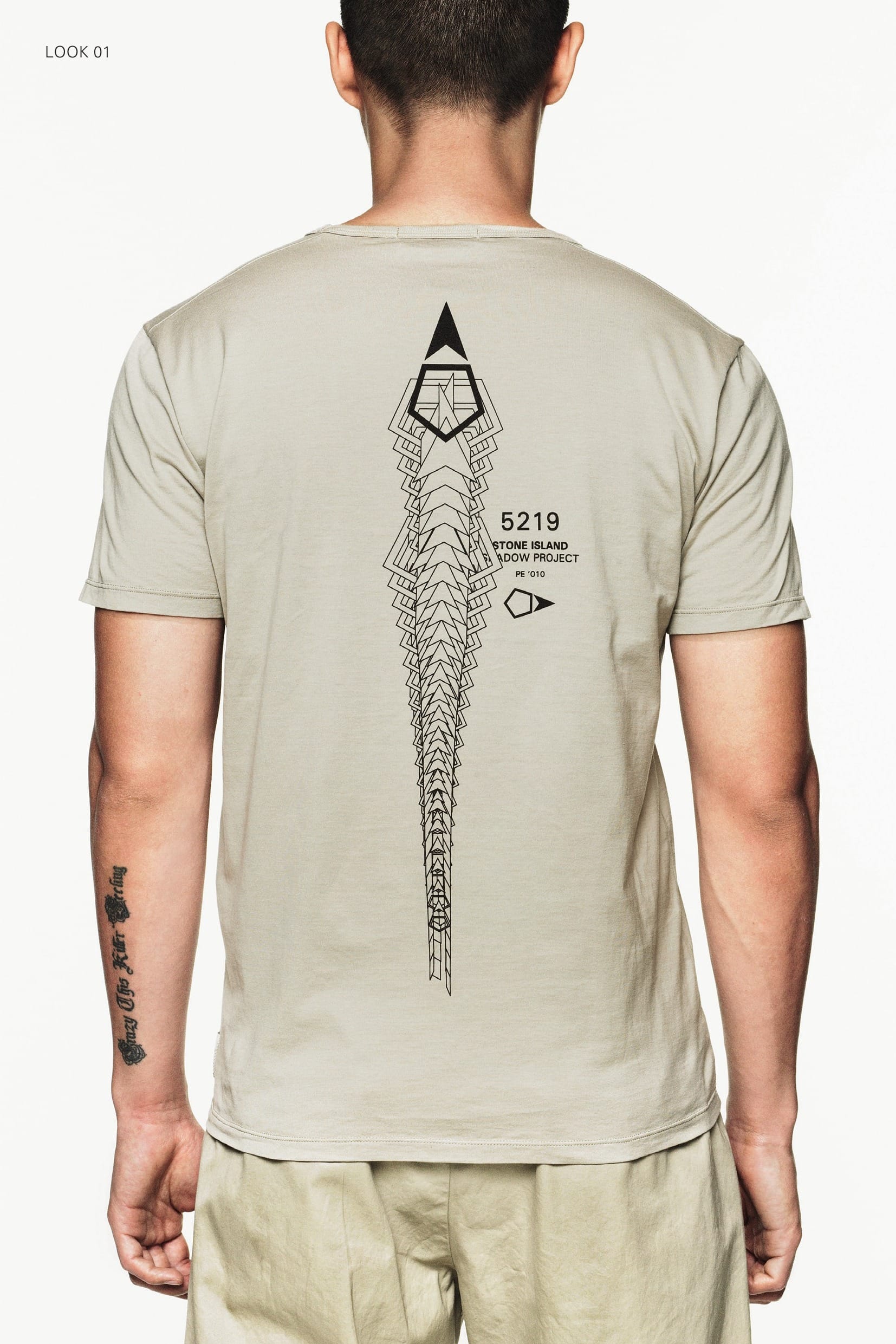
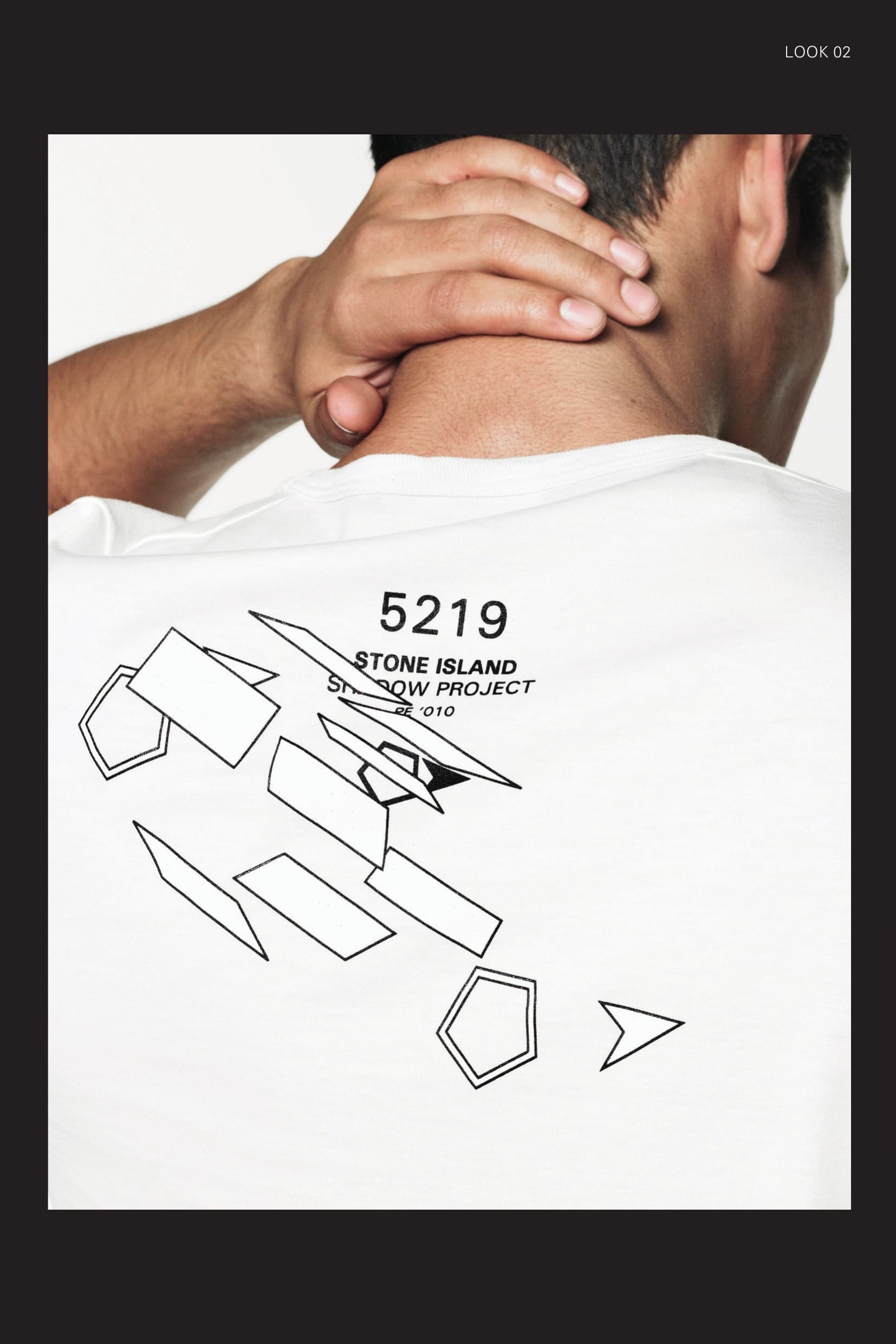
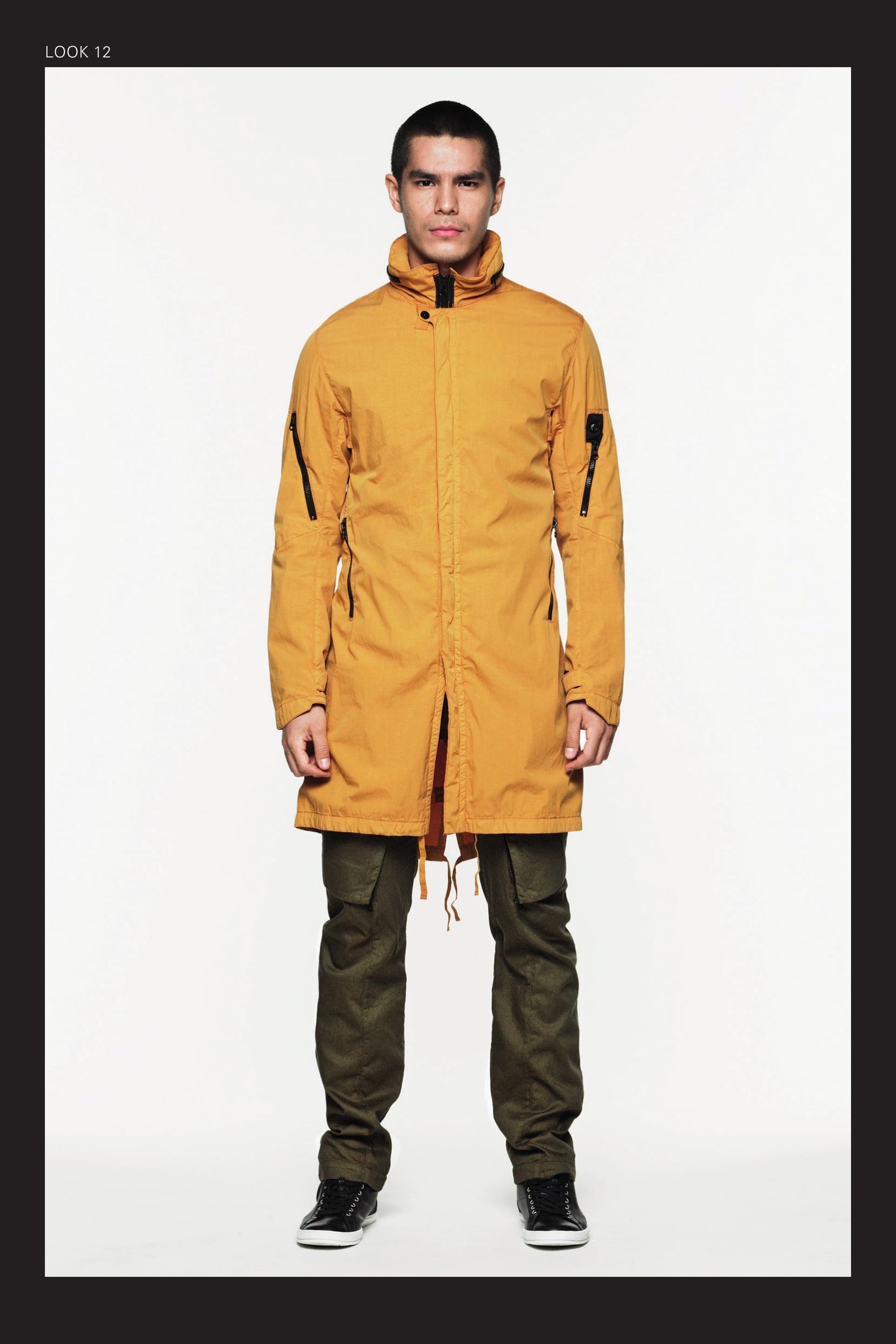
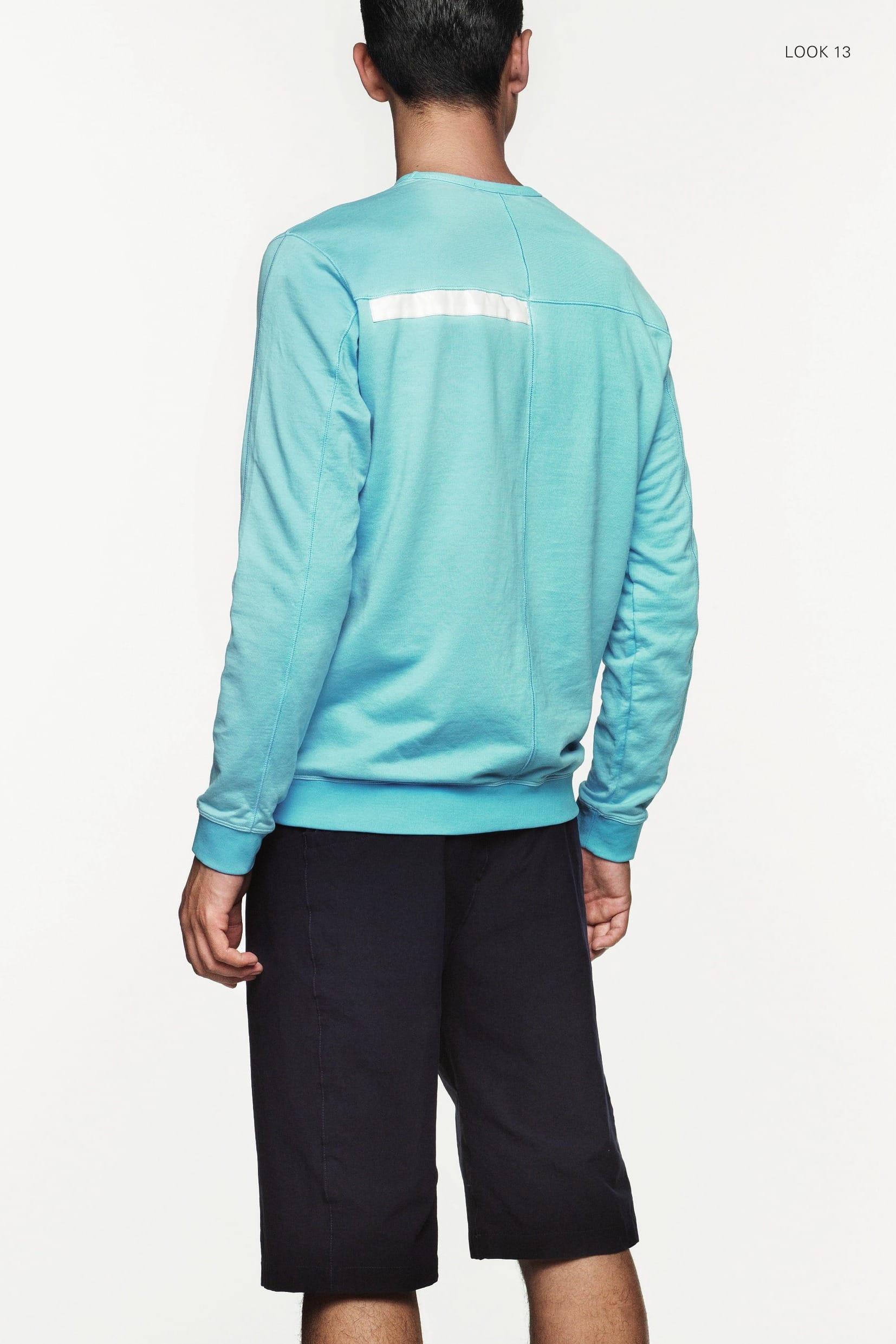
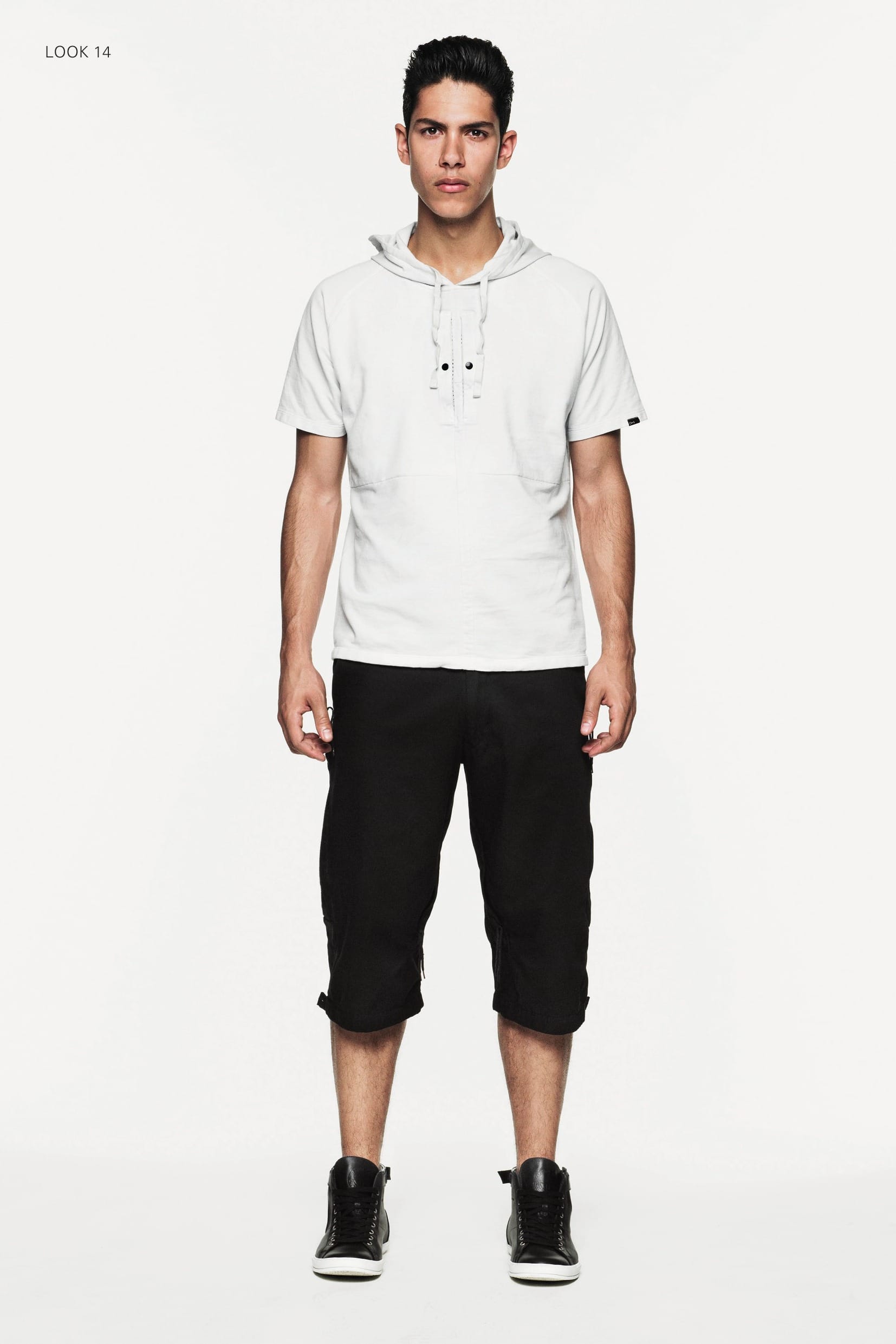
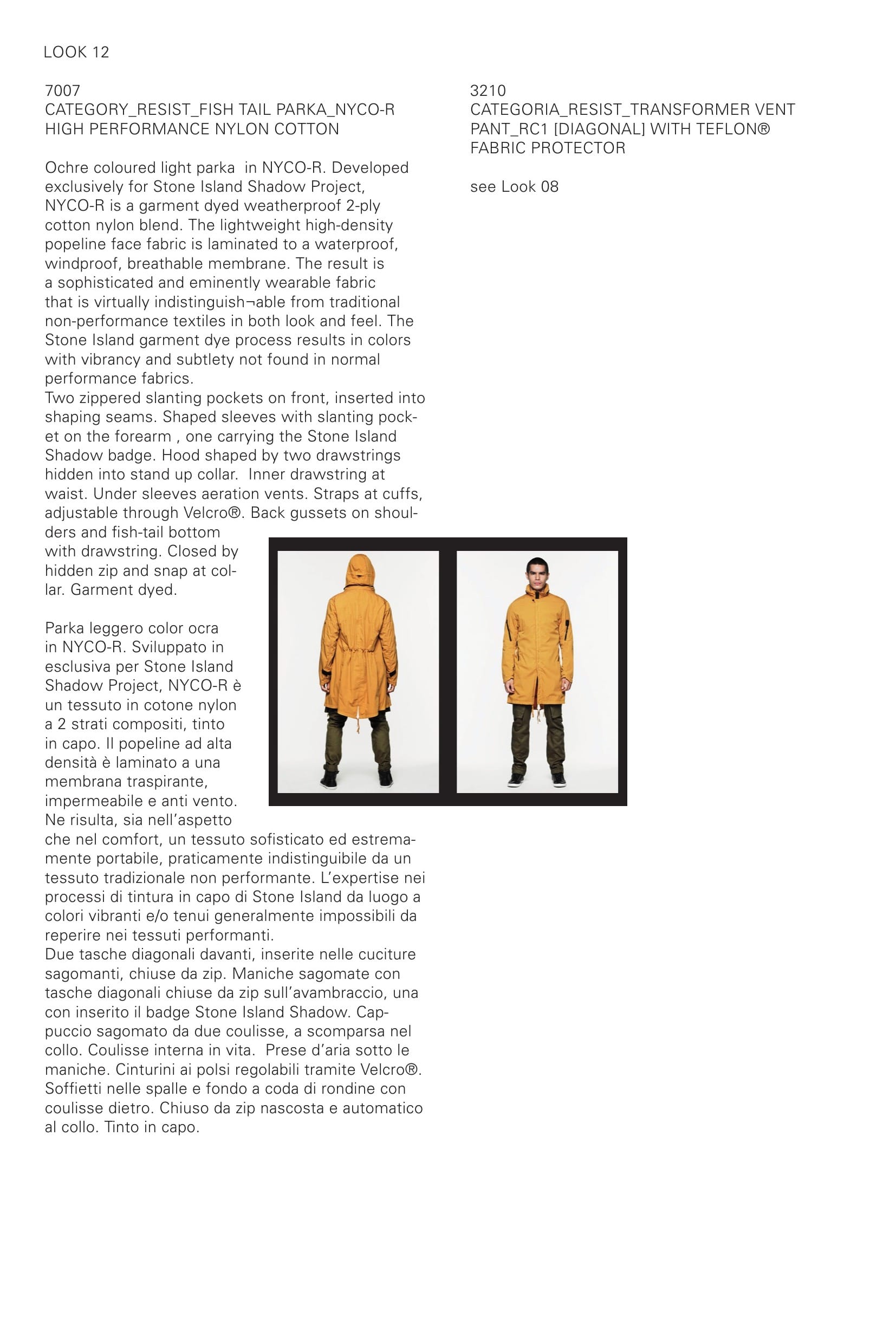
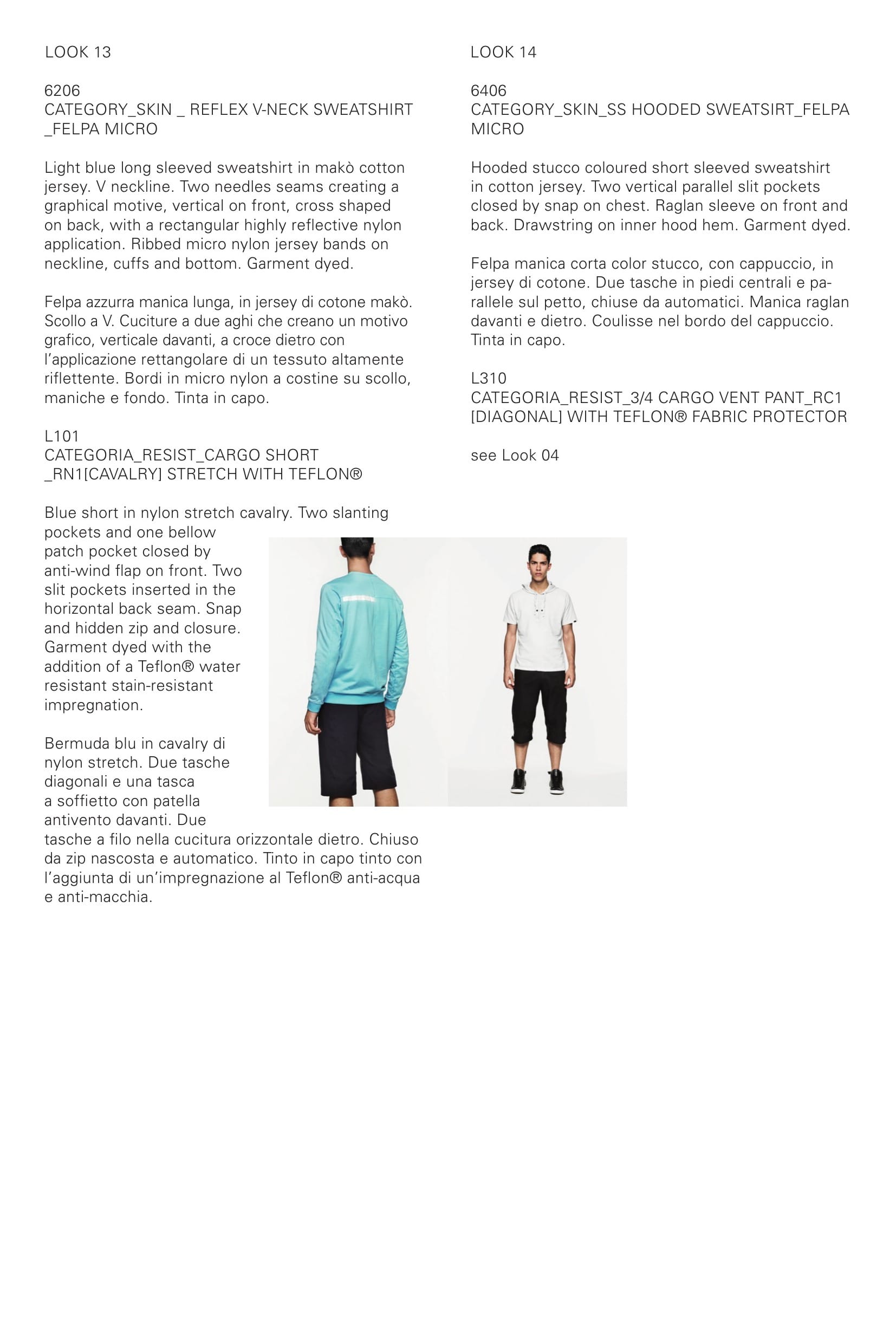
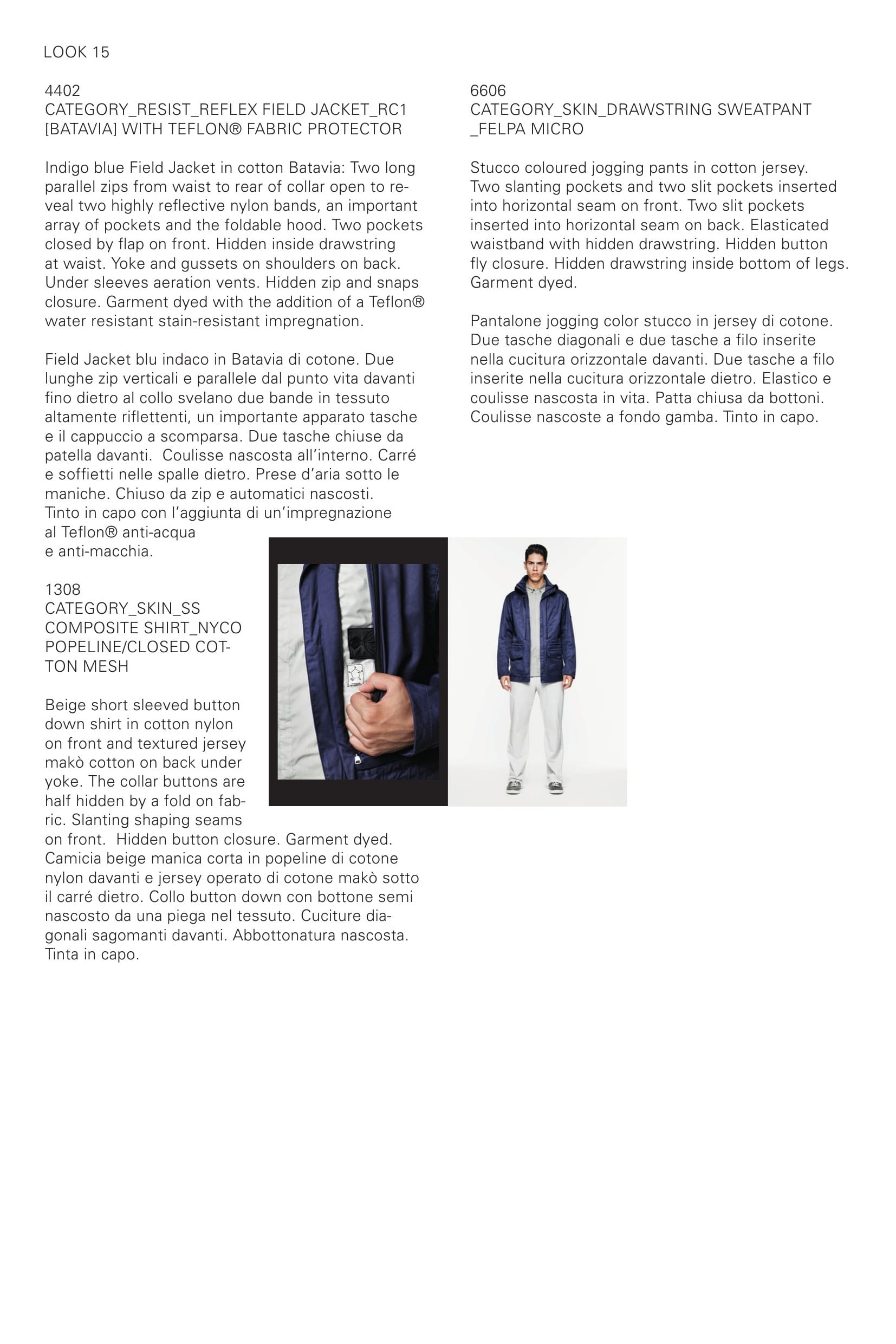
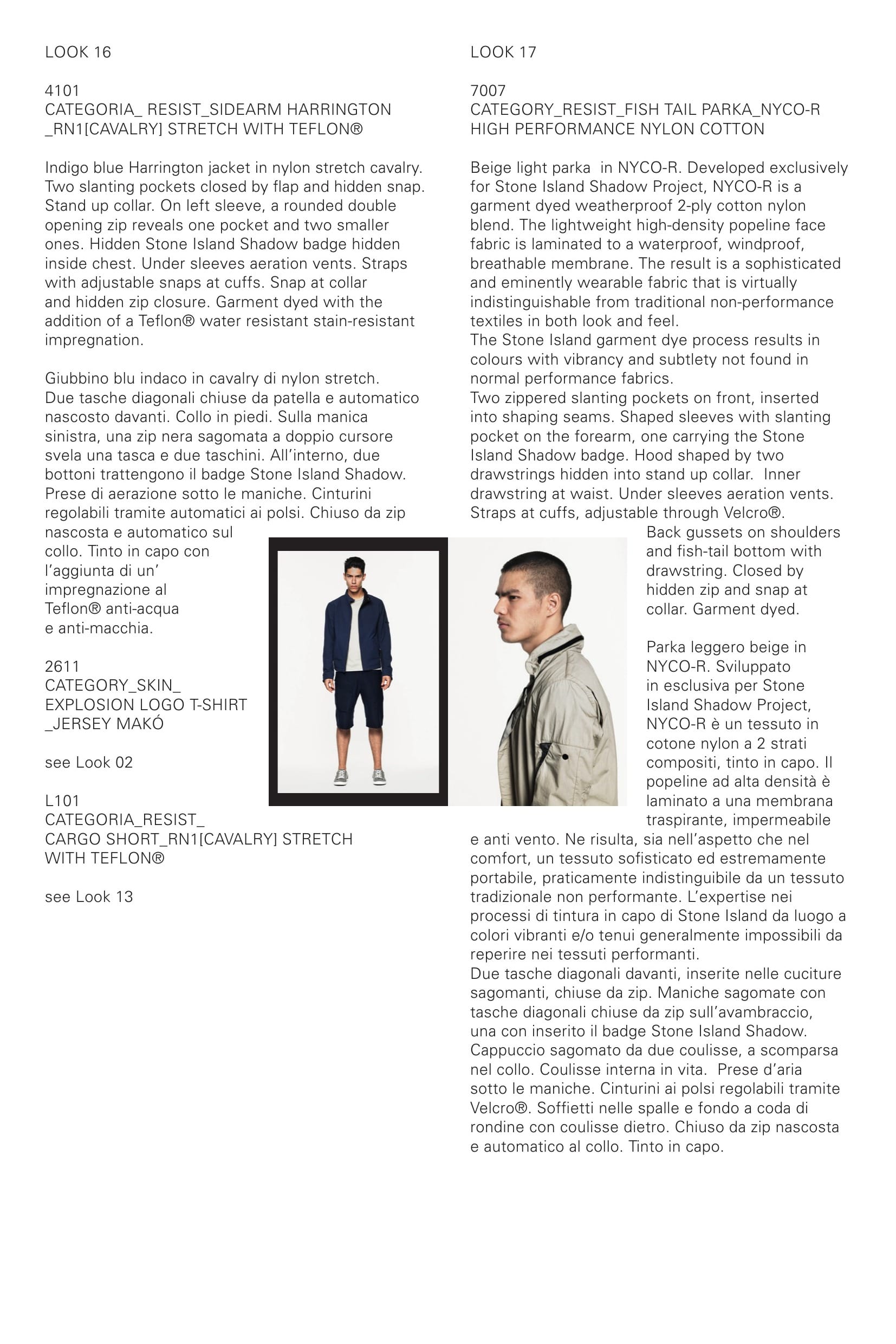
The Stone Island Shadow vector continues with the project's fourth seasonal capsule collection. Fueled by new reactions within the project's original conceptual core, fresh manifestations of fabric, style, detail, and interface emerge as the lightest, yet most comprehensive, offering thus far.
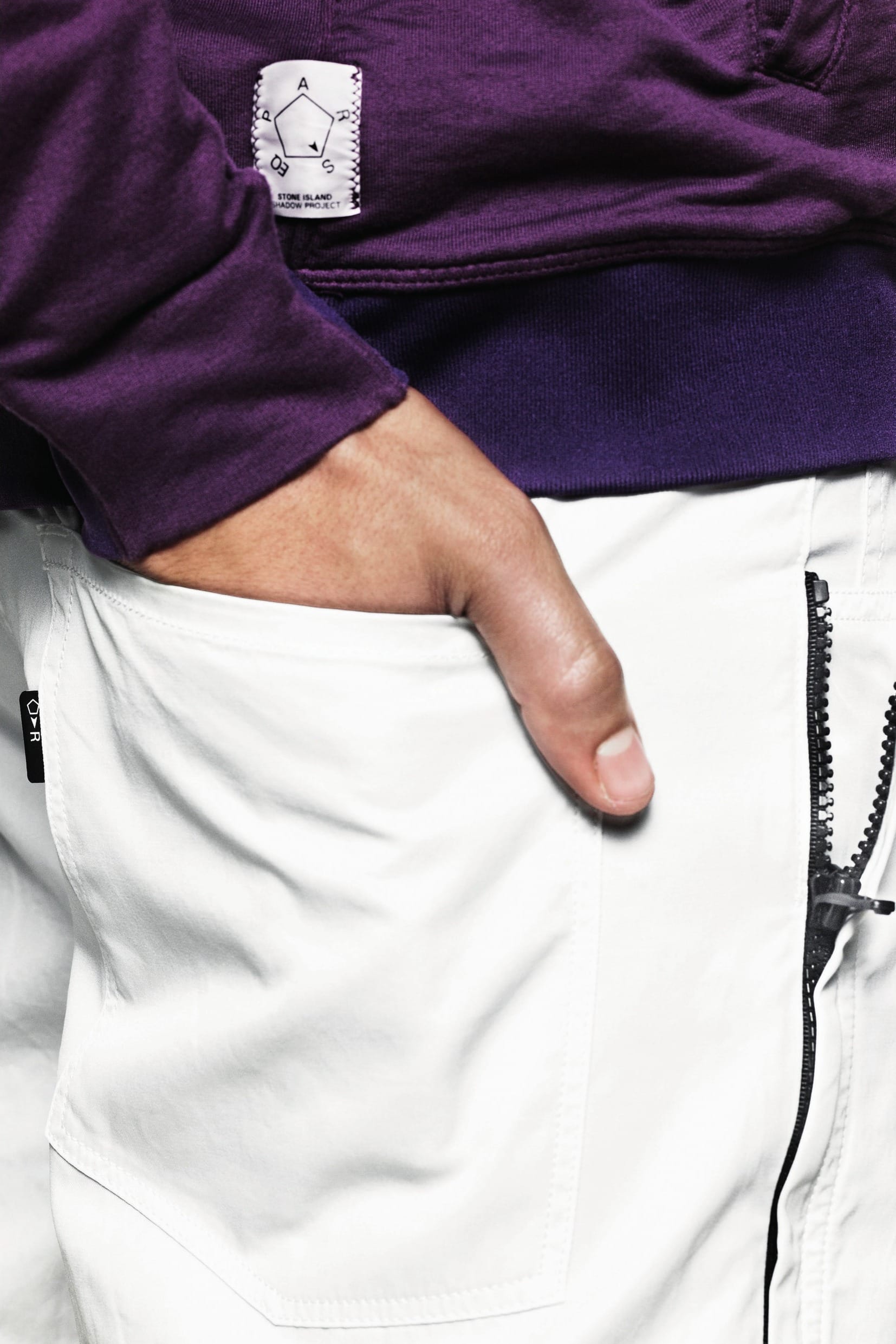
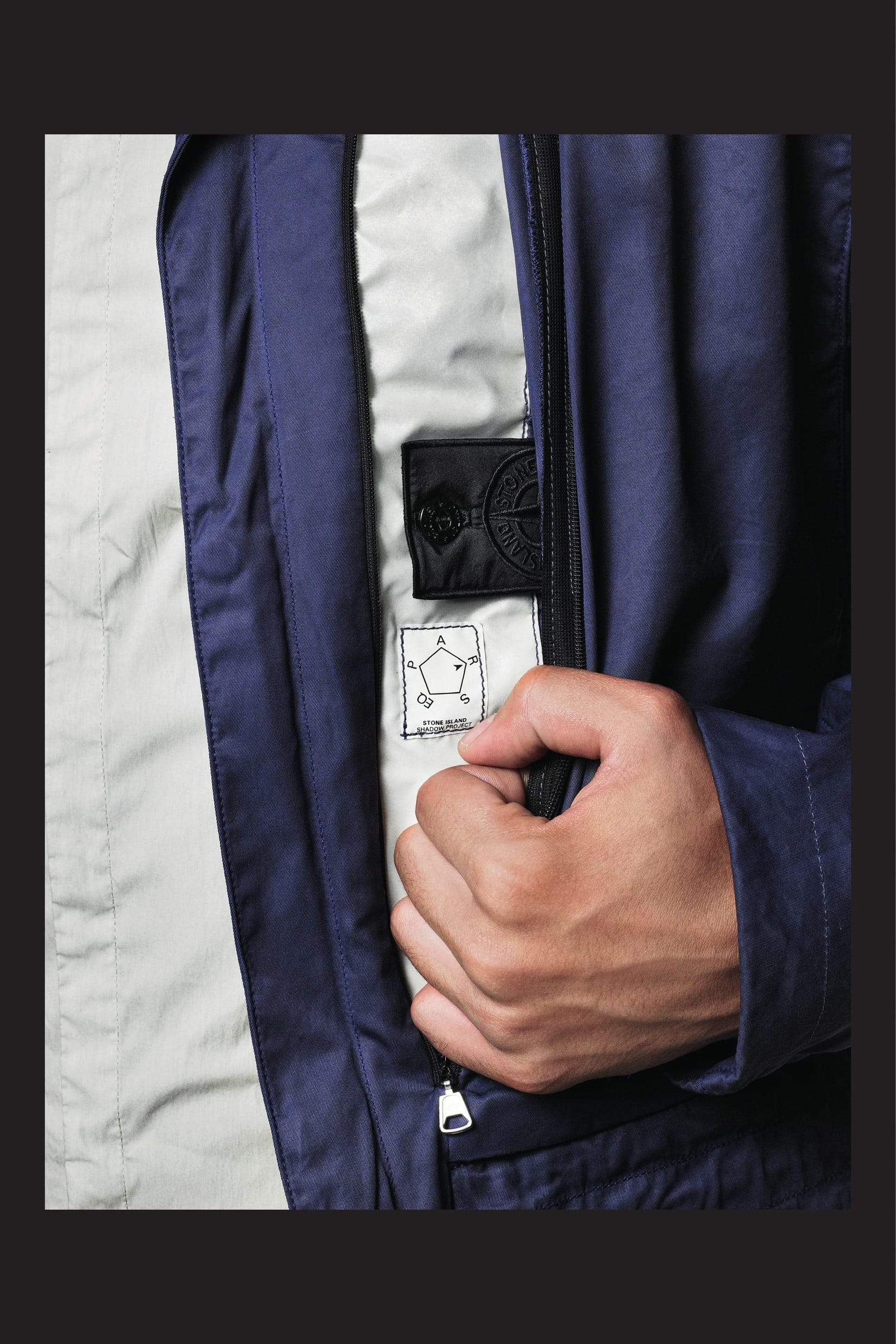
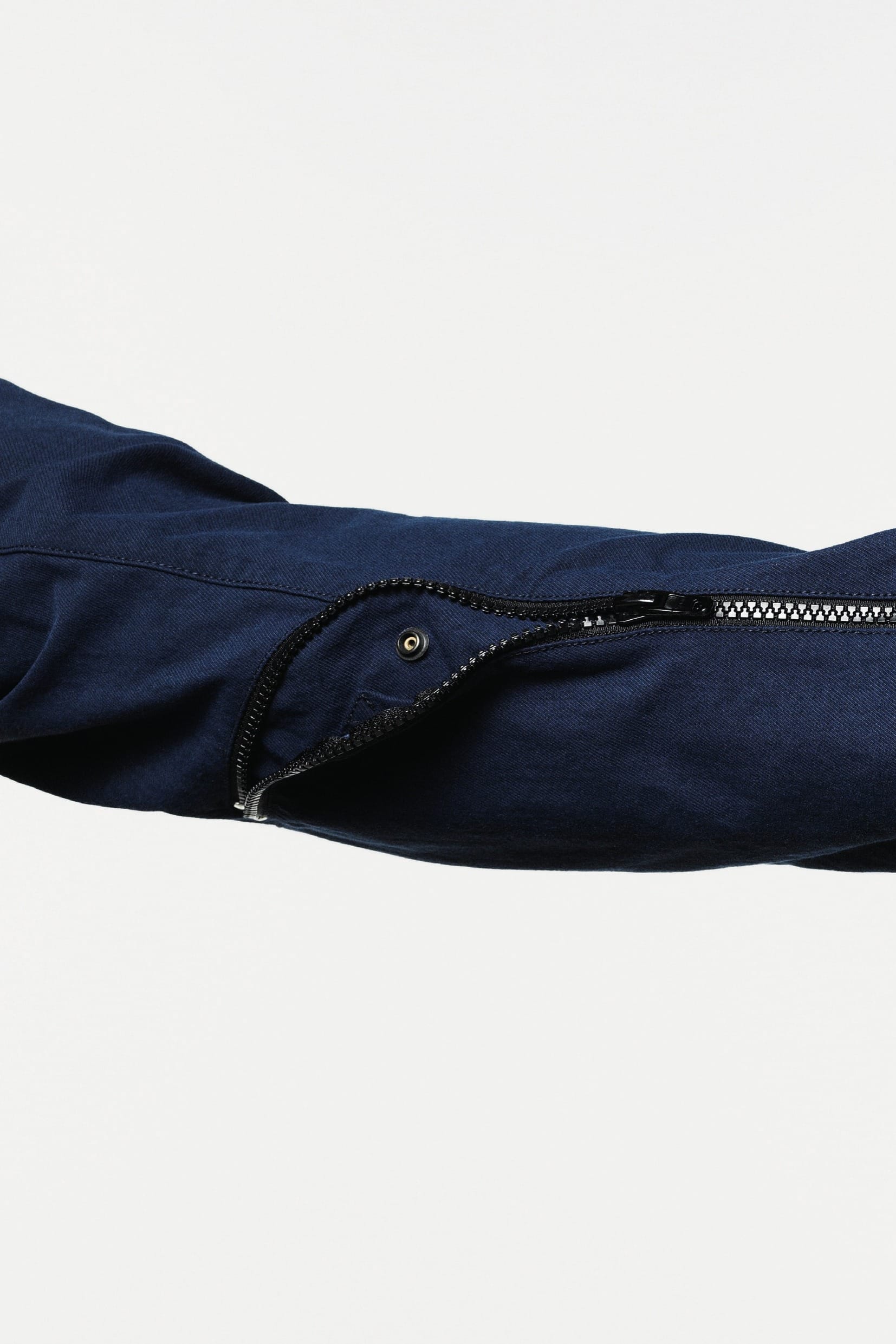
This unique trajectory begins, of course, at a unique point of origin — the inimitable constellation of research and development that is STONE ISLAND. Hidden detail and potential action lies at the heart of each and every Stone Island Shadow style.
Enfolding this in a simpler, softer way, a new focus can be brought to bear on both resolution of shape and fidelity of color. The goal is vibrancy and directness; stripping away the superfluous without sacrificing capability, and the lightness that can only be found by moving through one's environment with zero resistance.
Modular Performance Grid, PARSEQ is the organizational framework upon which the idea is built: PROOF, AUGMENT, RESIST, SKIN and EQUIP. All Shadow fabrics work together as part of the grid — breathable, moisture managing, skin-friendly and maintainable — chosen for their balance of performance technology and the aesthetic treatments for which Stone Island has been known since its inception.


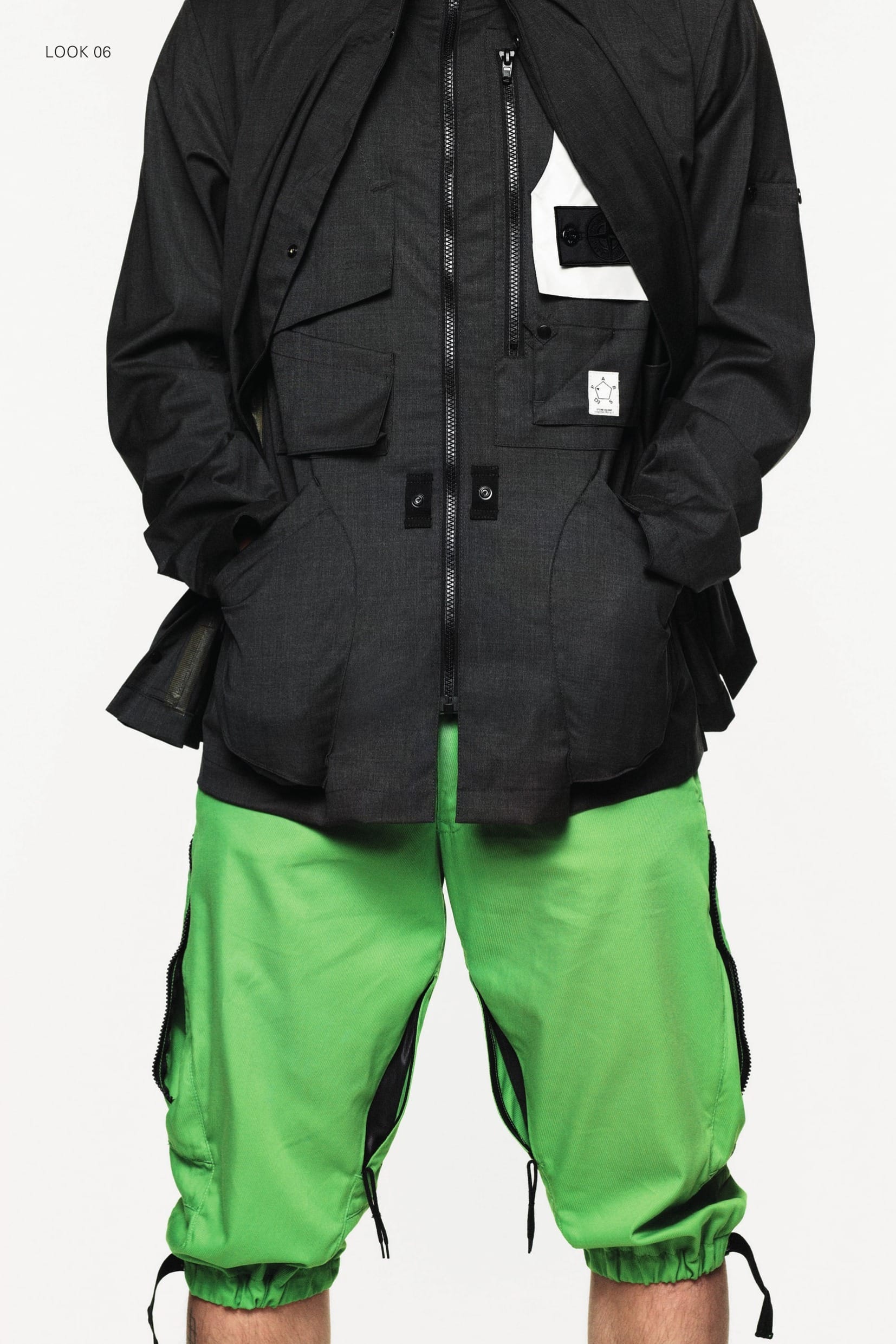
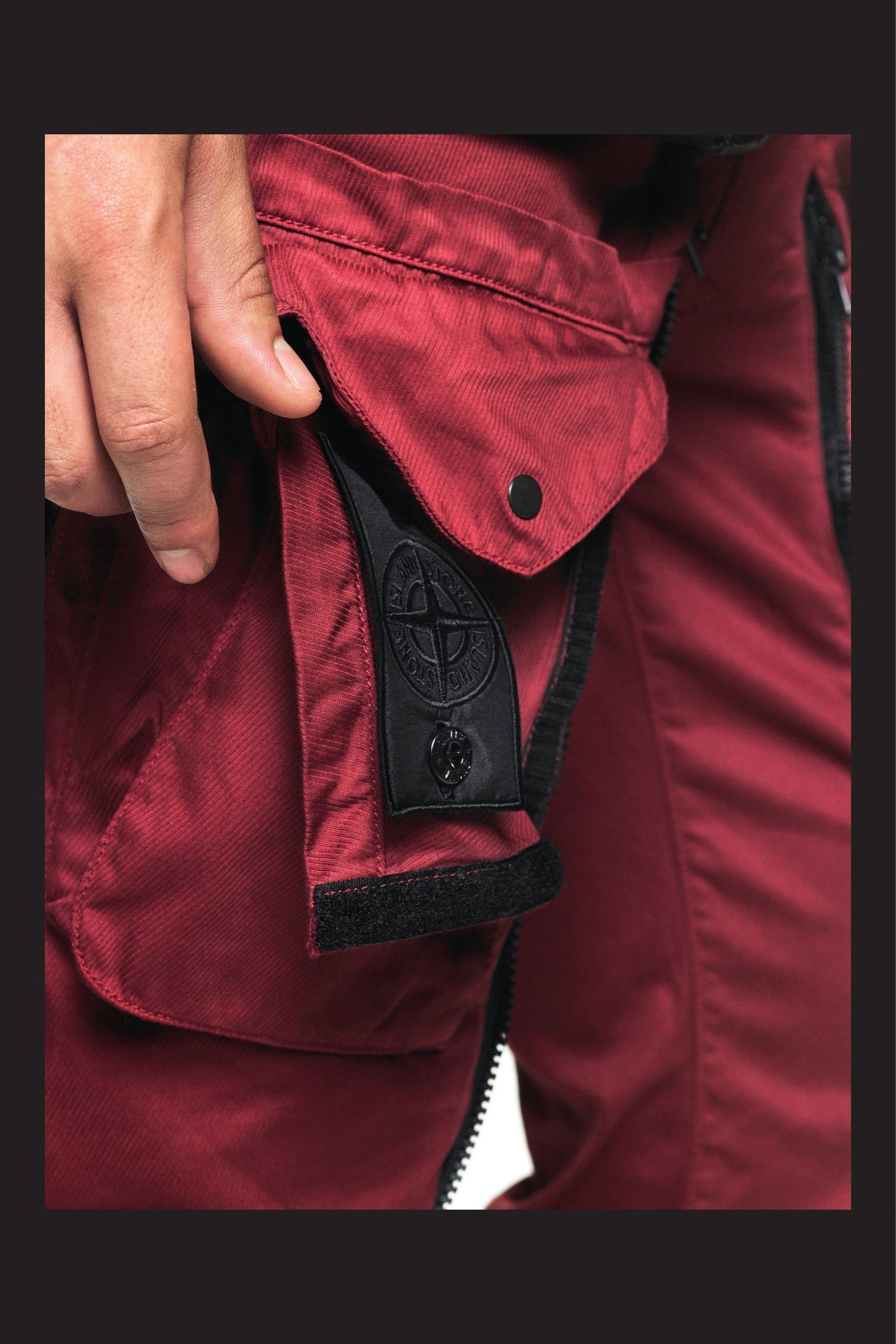
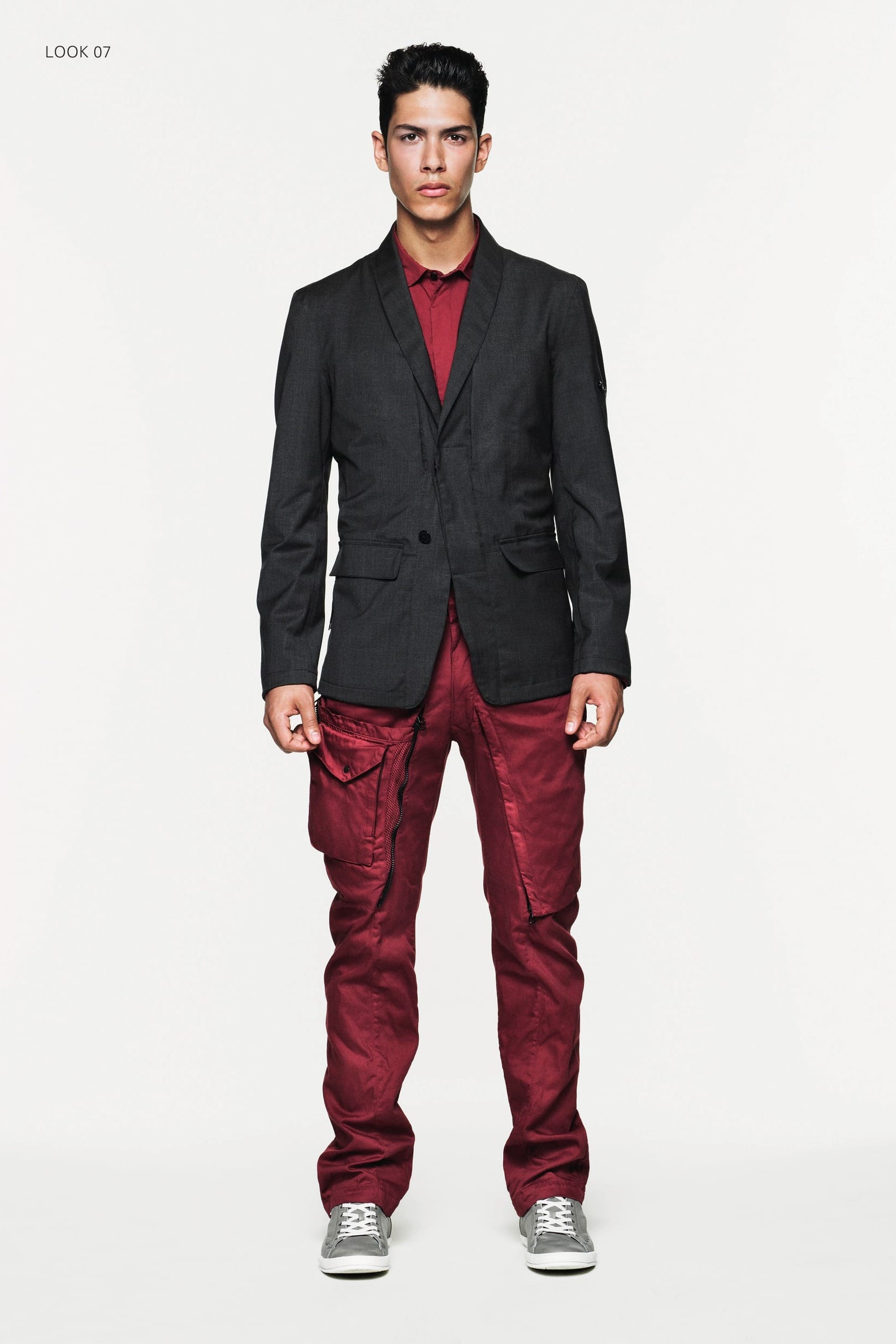
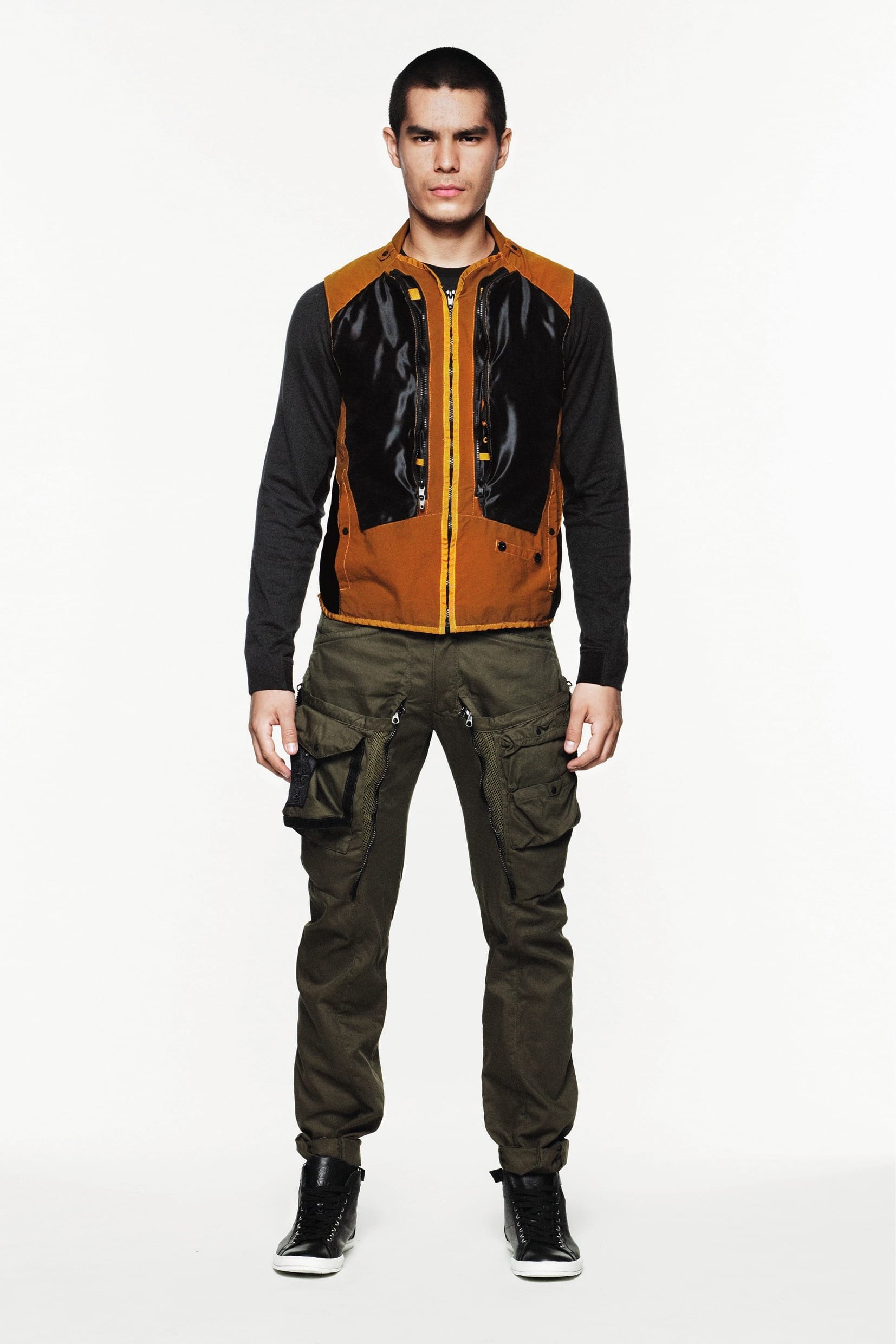
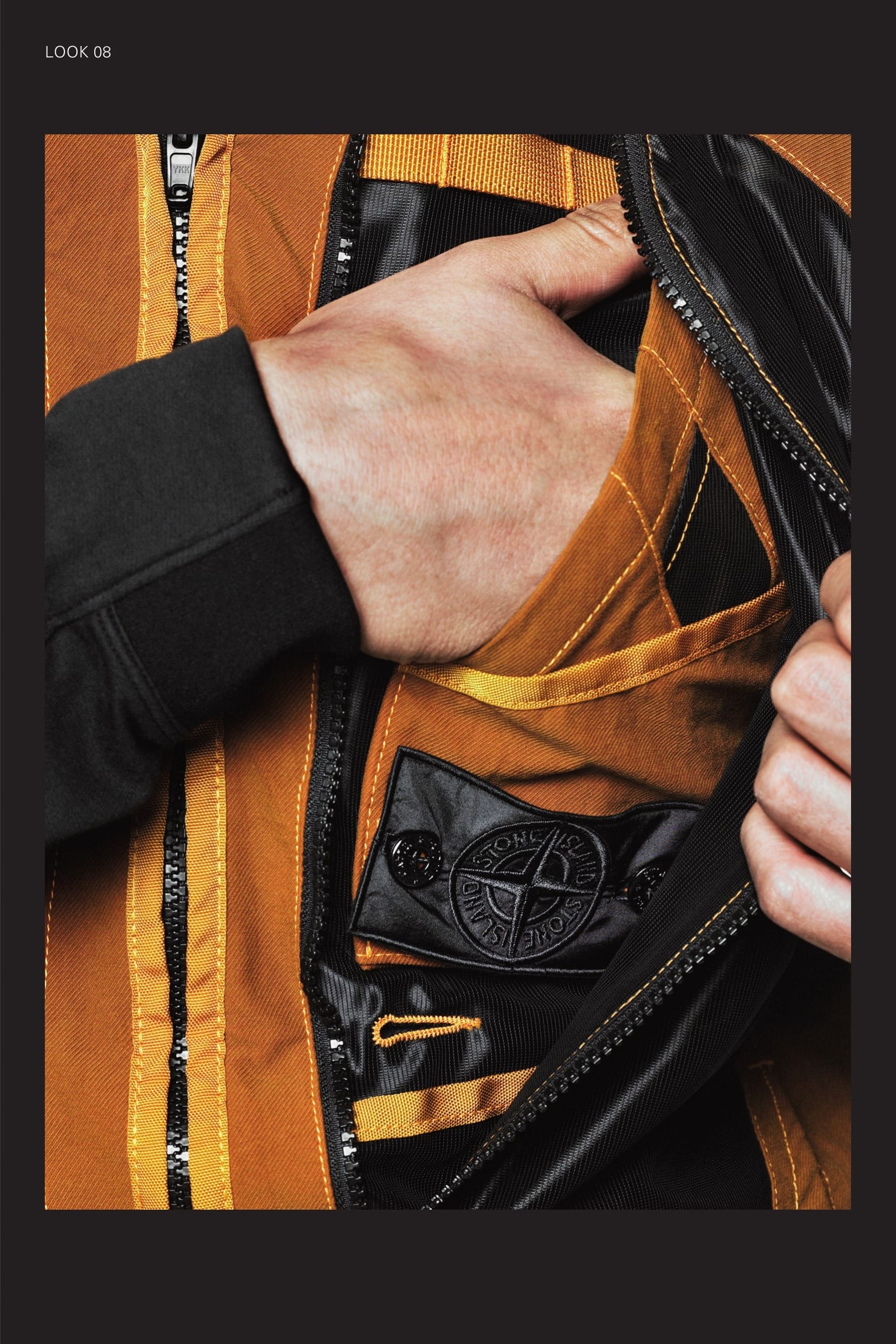
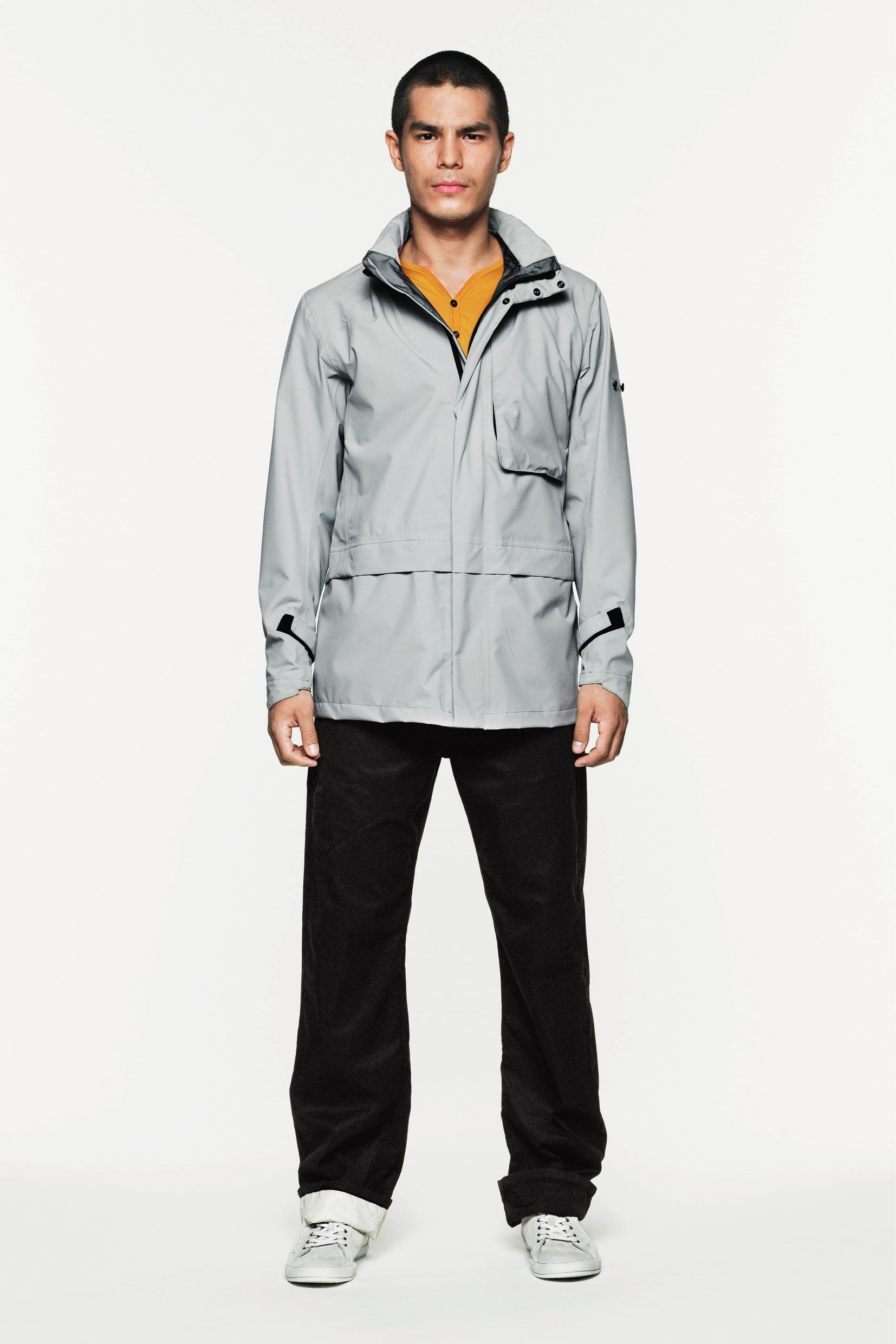
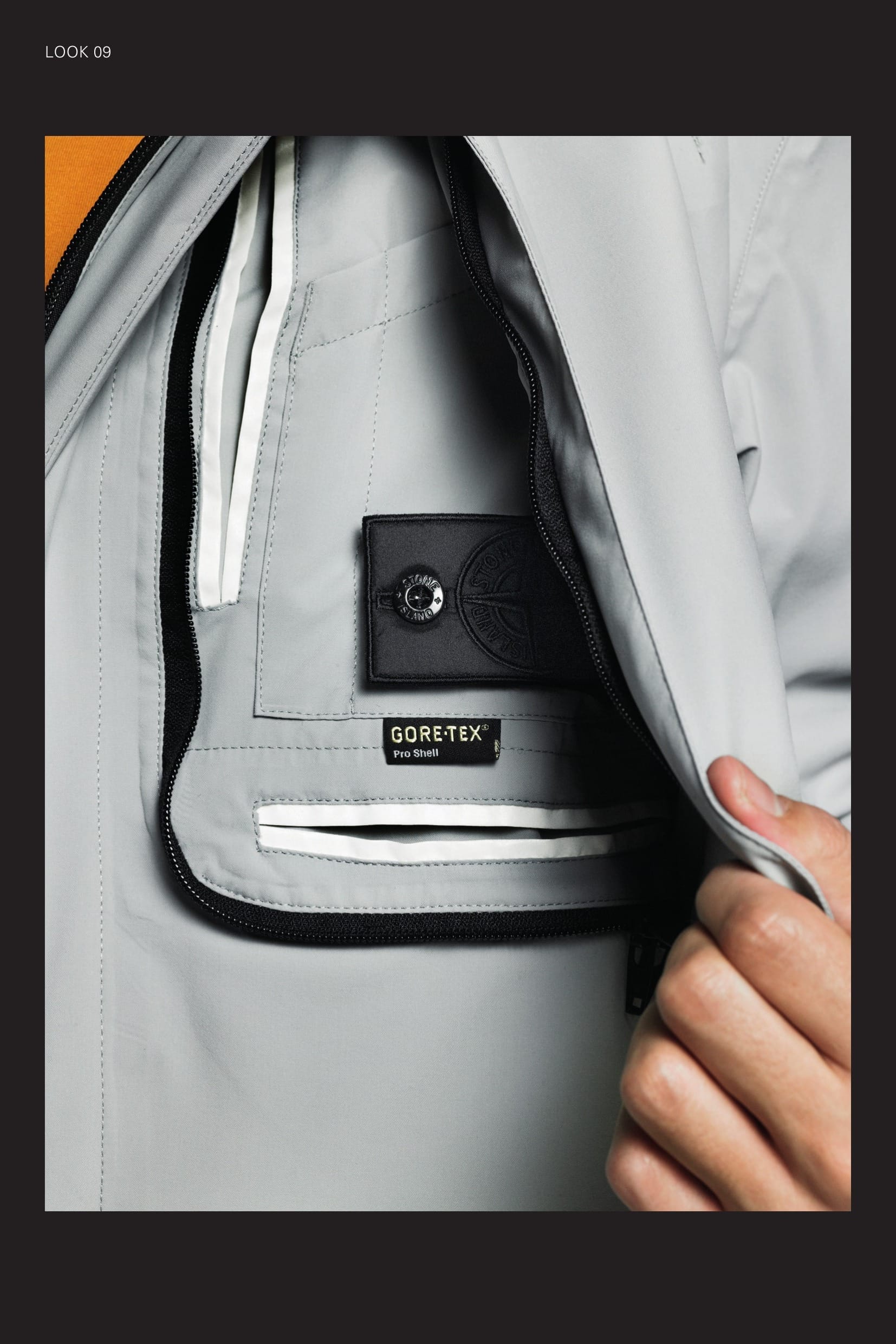
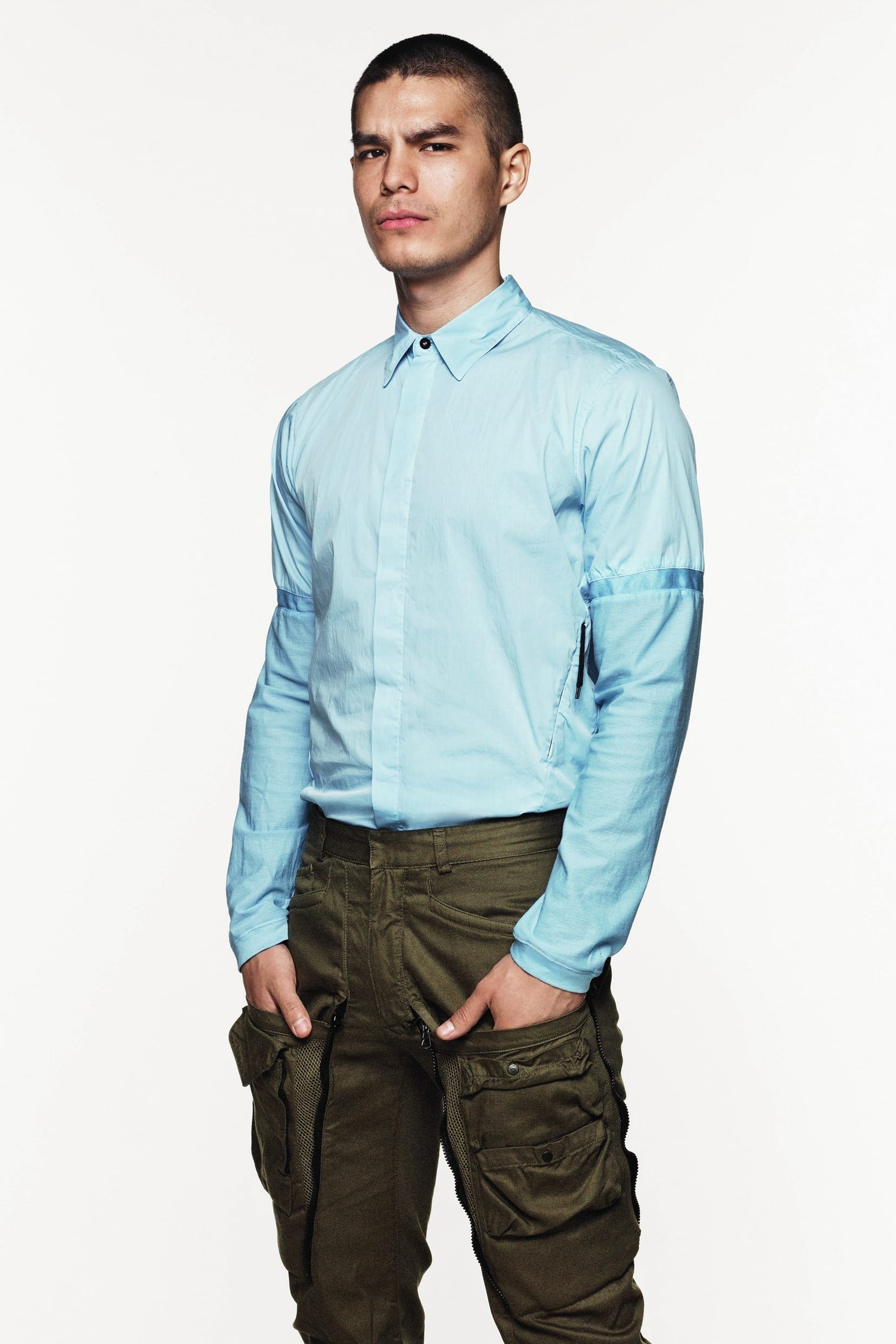
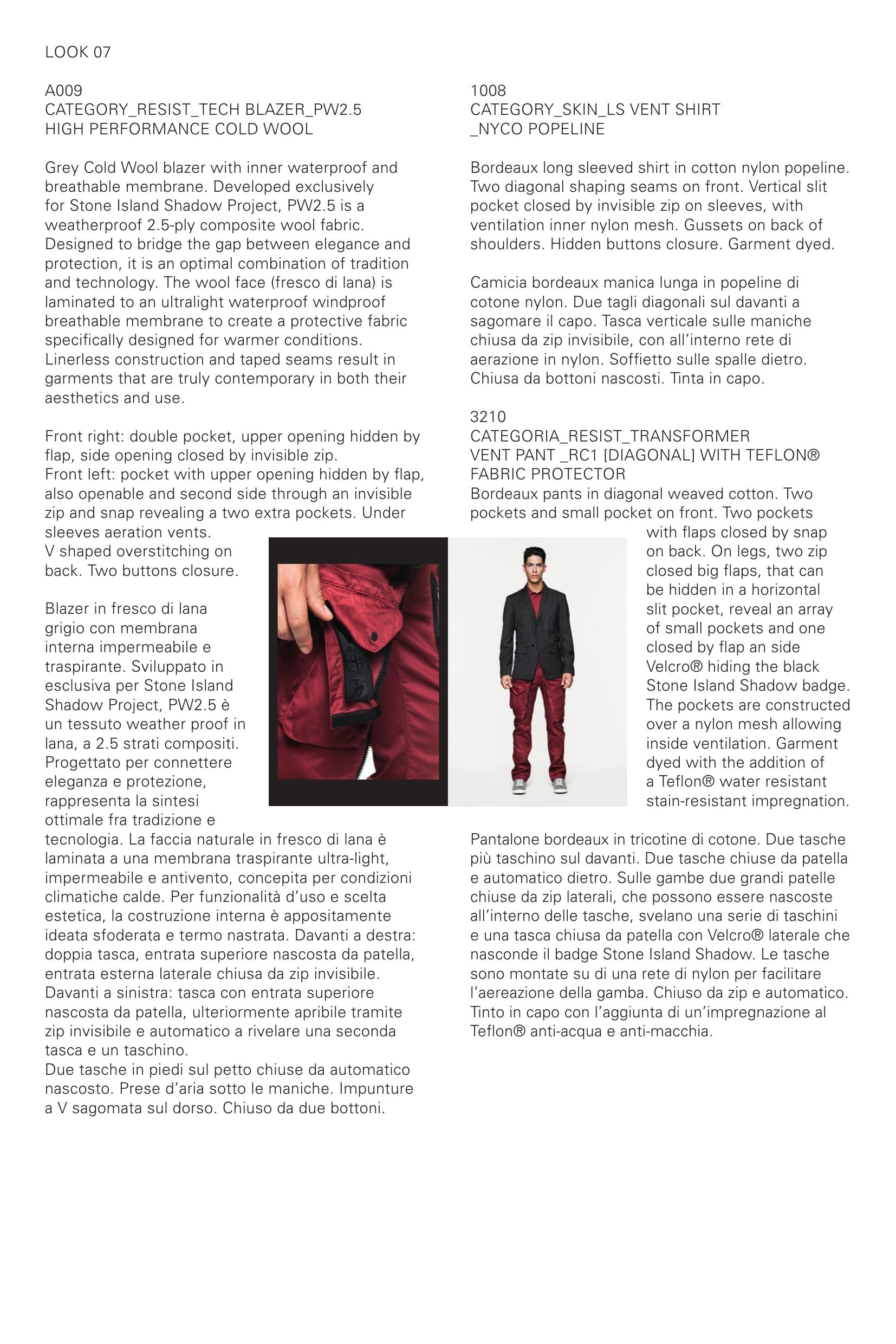
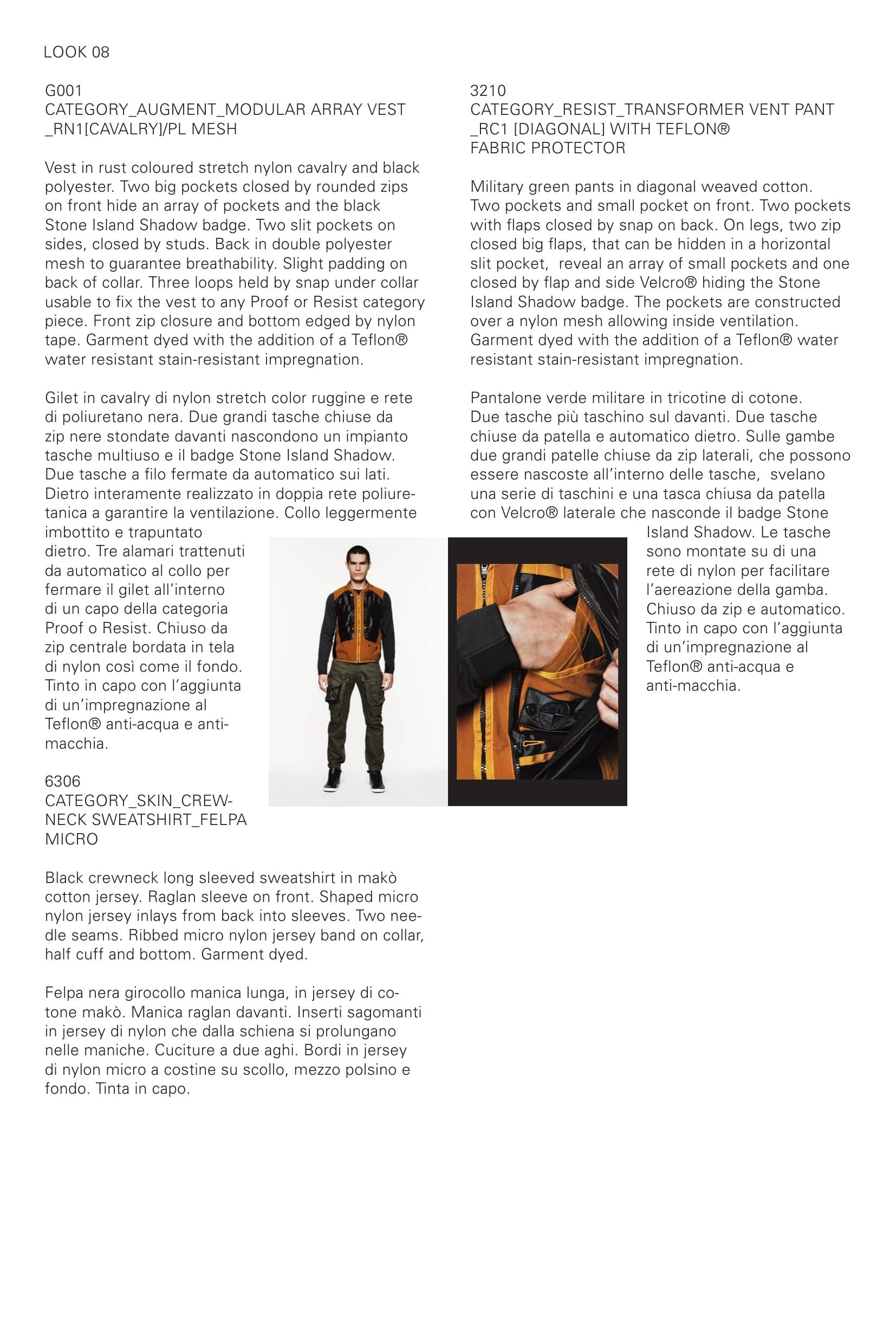
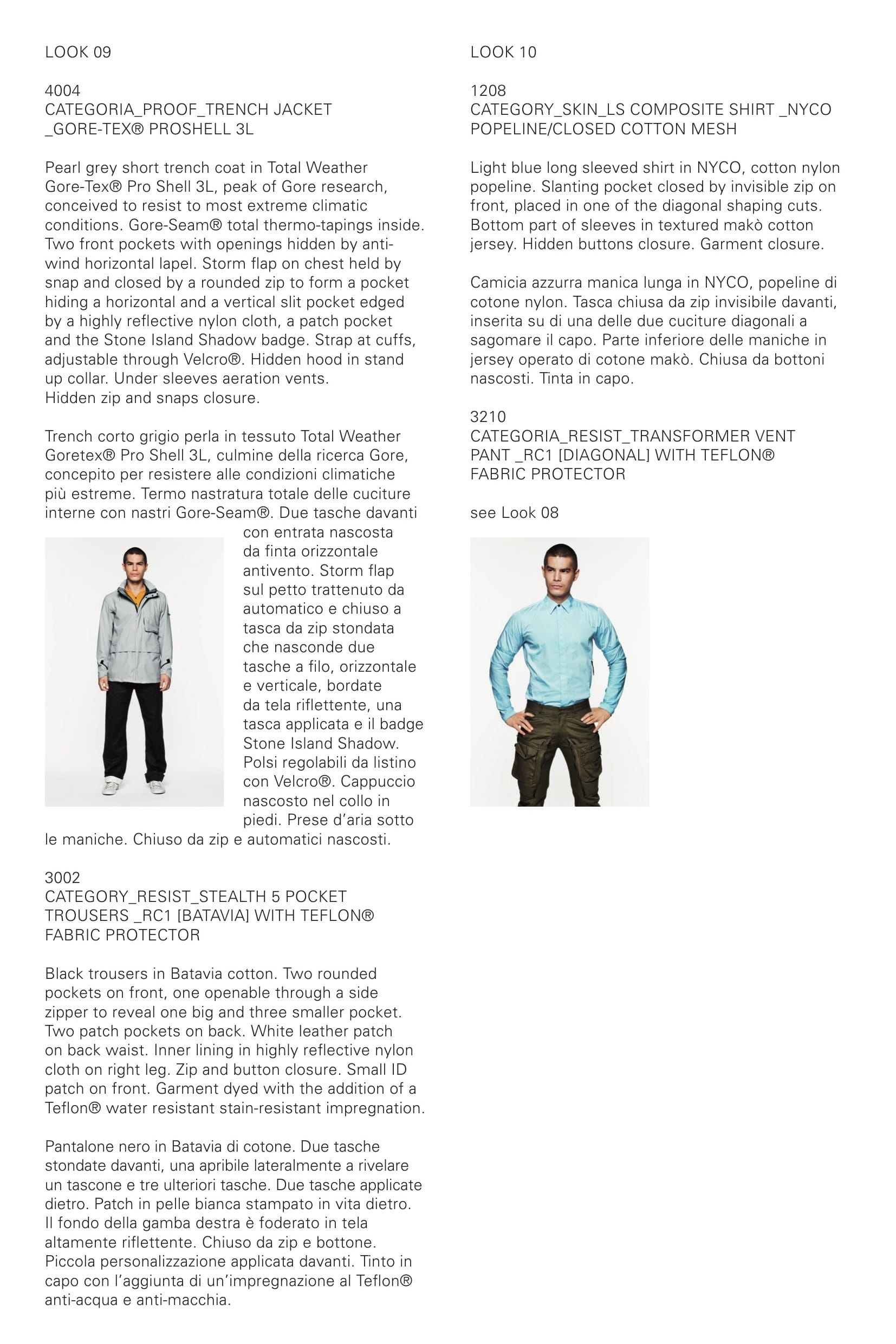
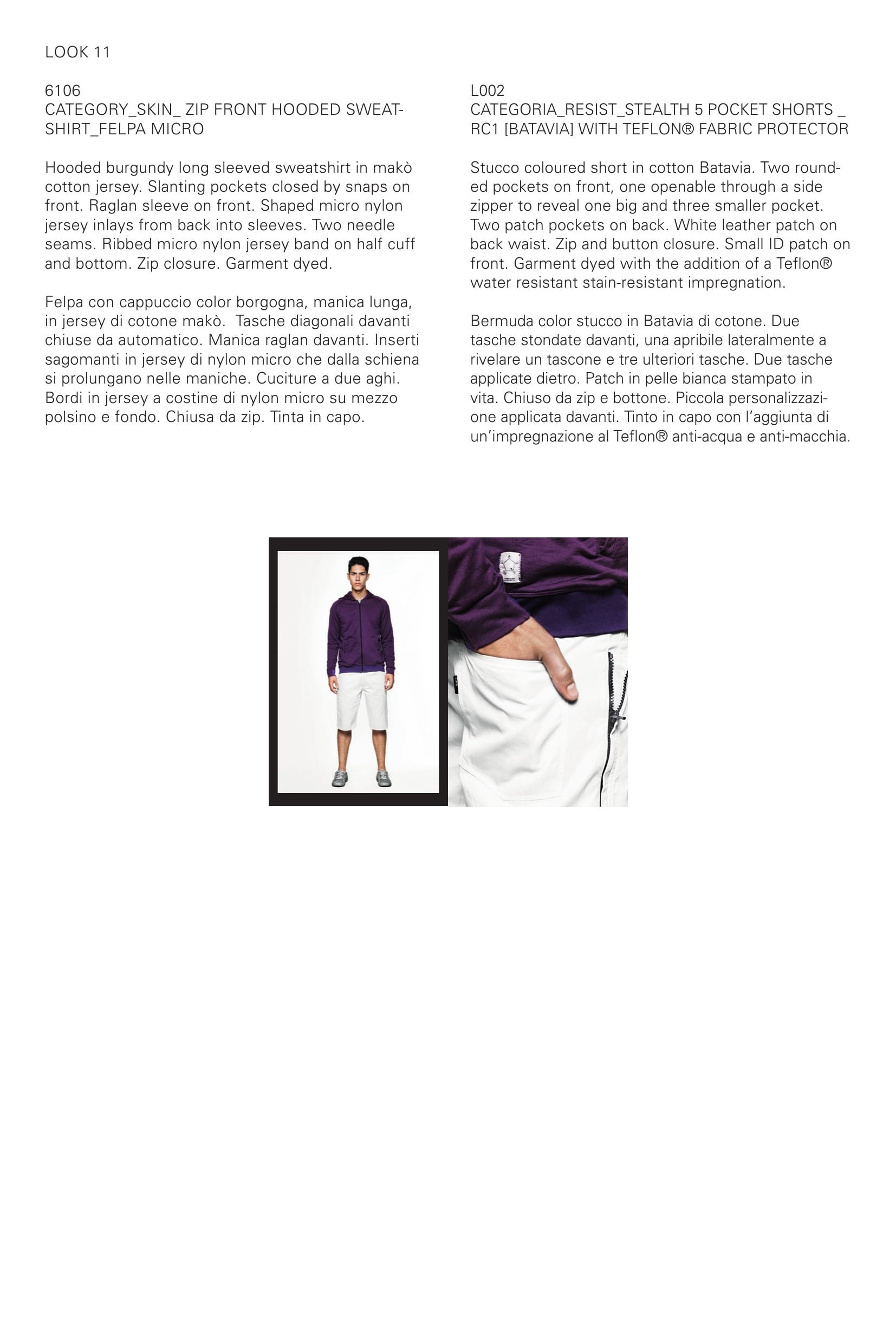
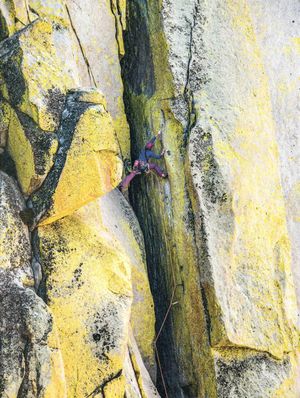
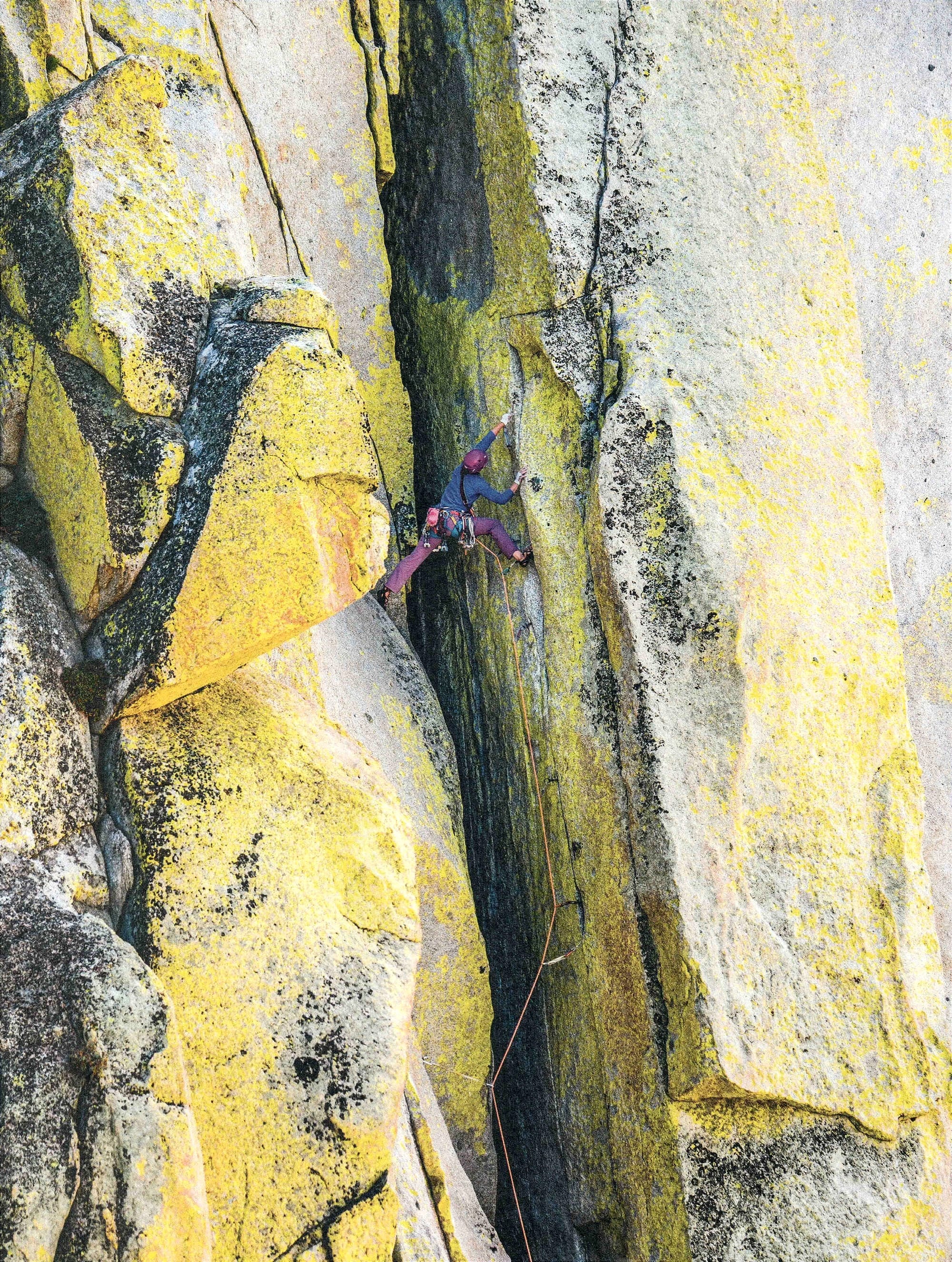
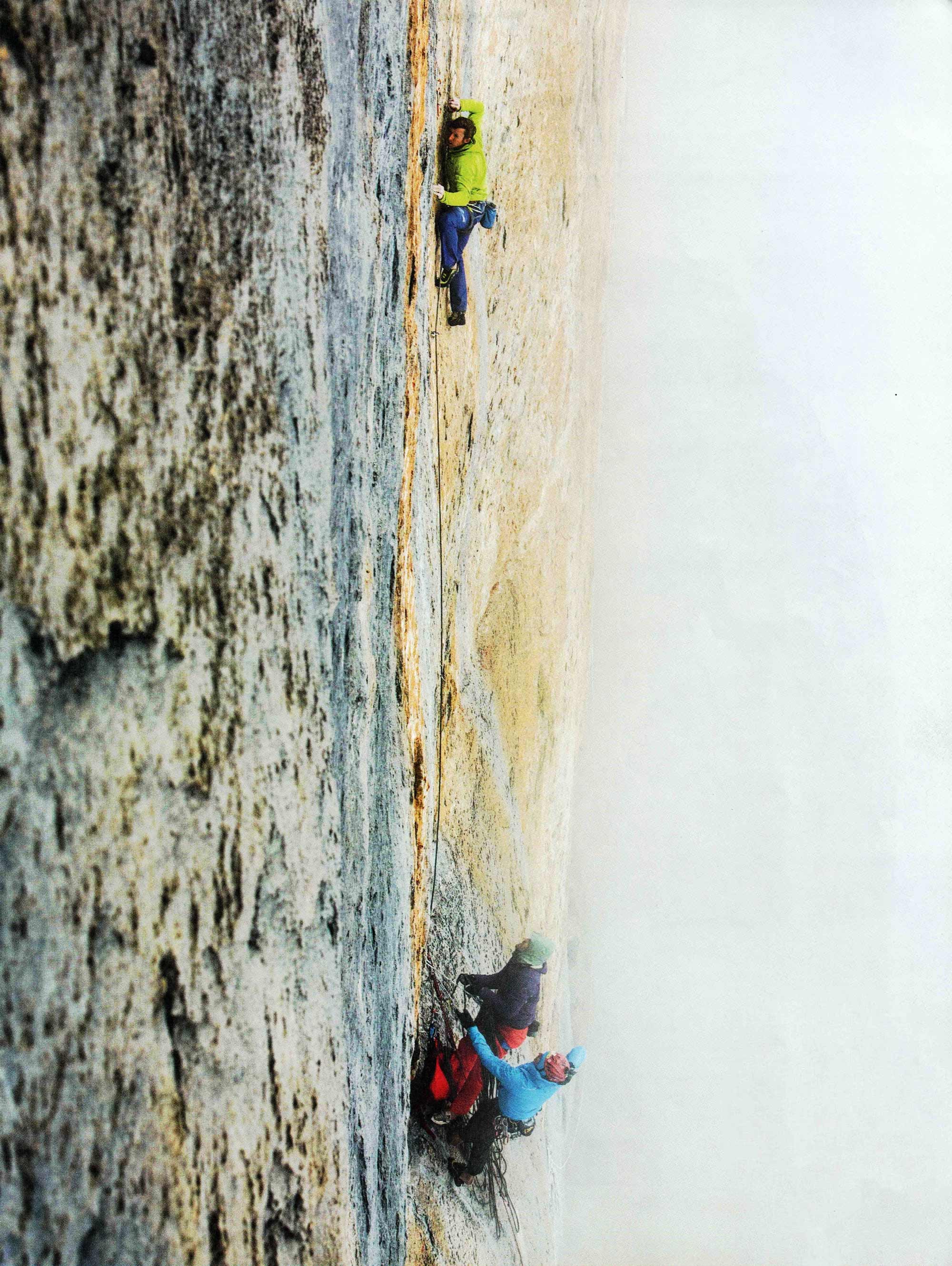
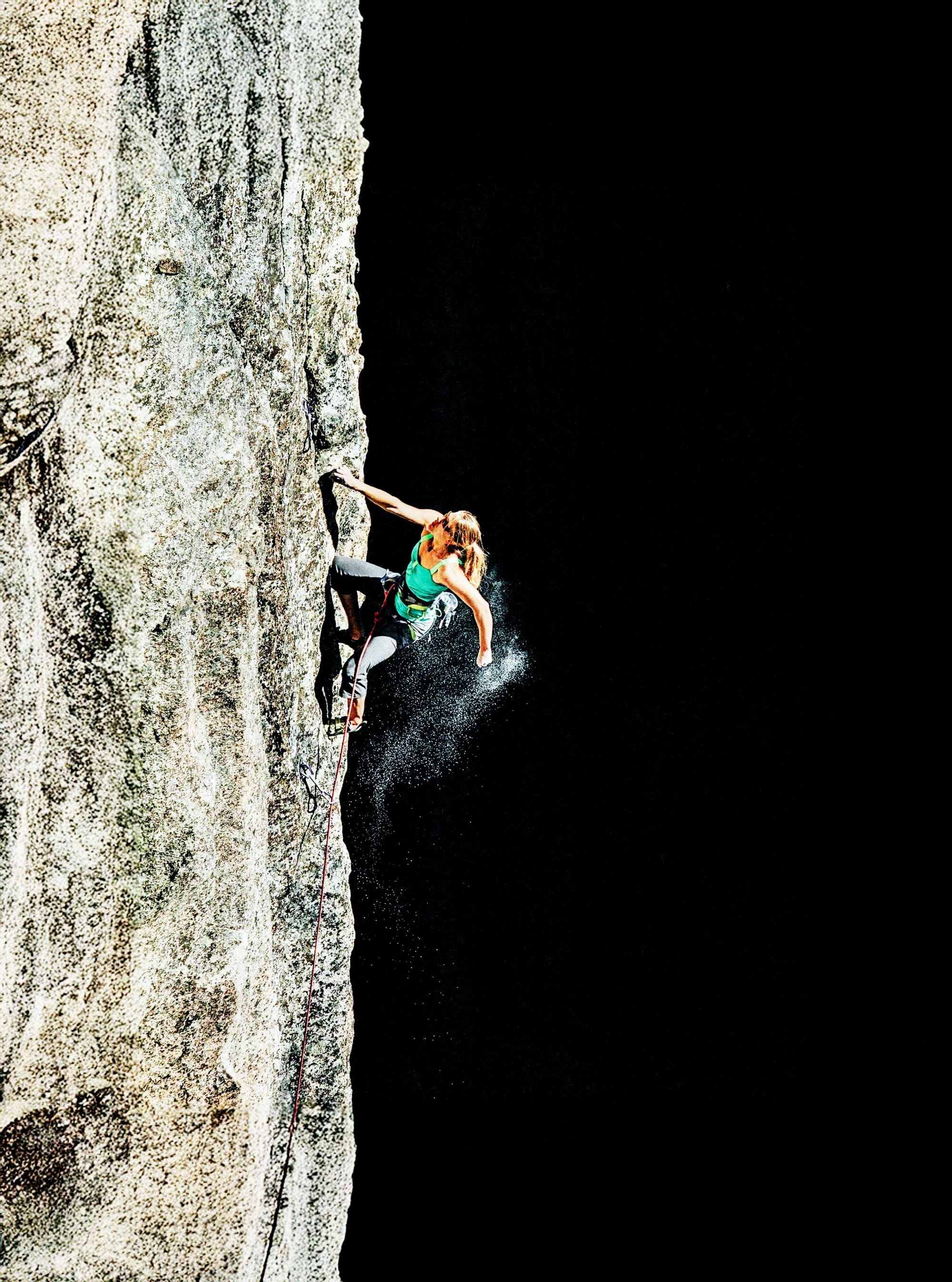
North Palisade. Sierra Nevada, California.
![stone island navigation series [under the radar] by liam macrae](https://storage.ghost.io/c/14/ee/14eef3be-ca5a-434b-8324-fa1f874026f1/content/images/size/w300/2025/09/stone-island-navigation-series-under-the-radar-liam-macrae-techspec-02.jpg)
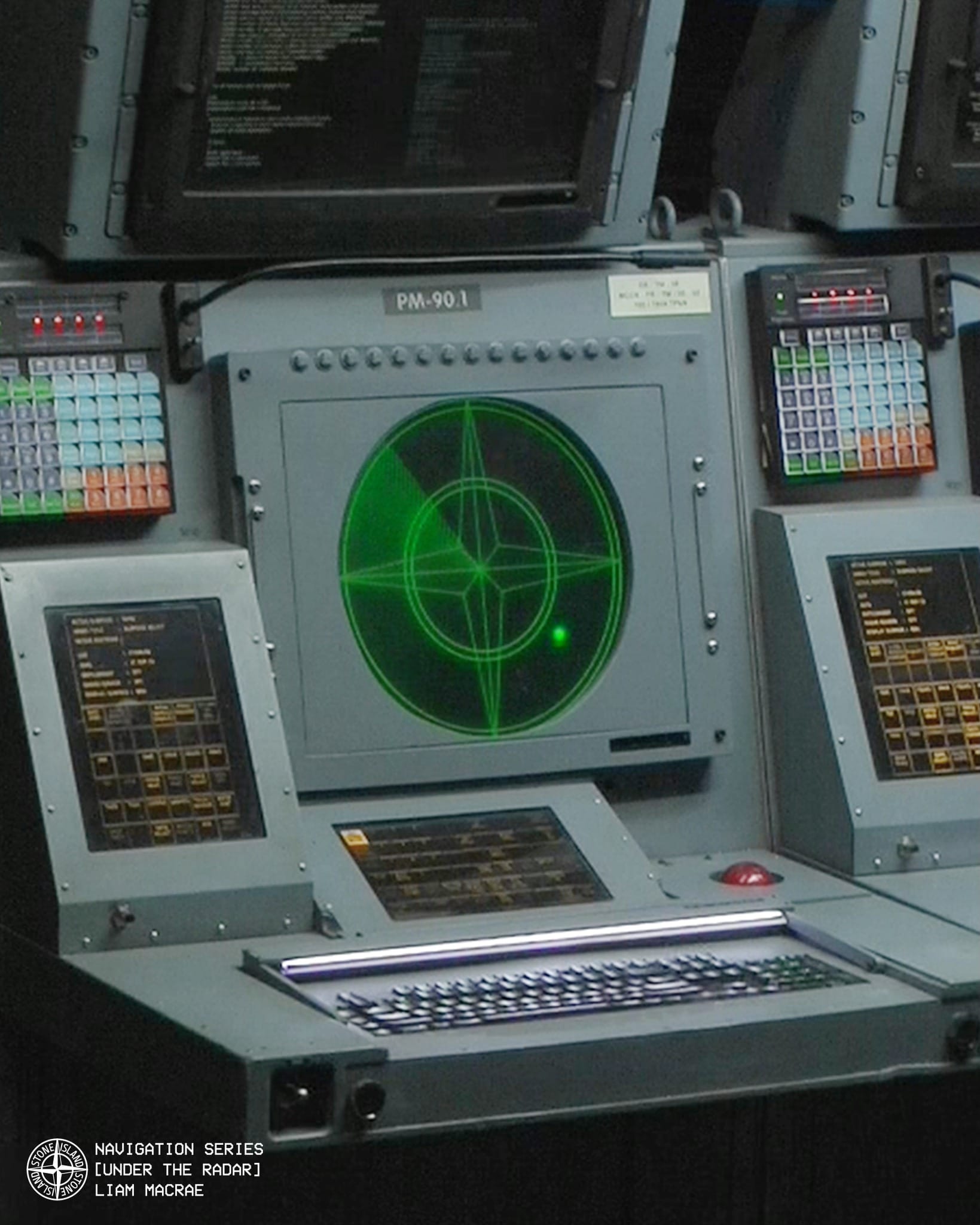
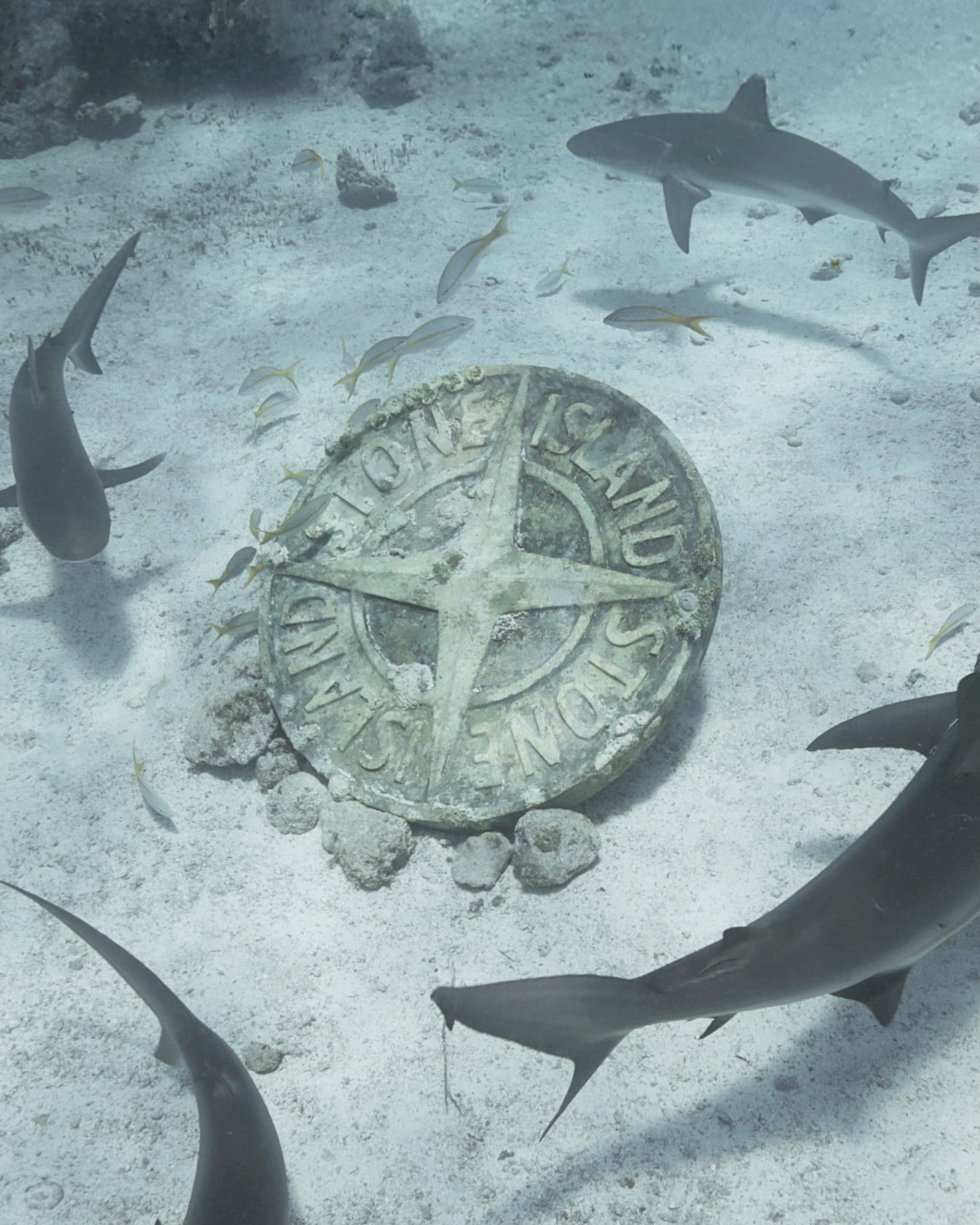
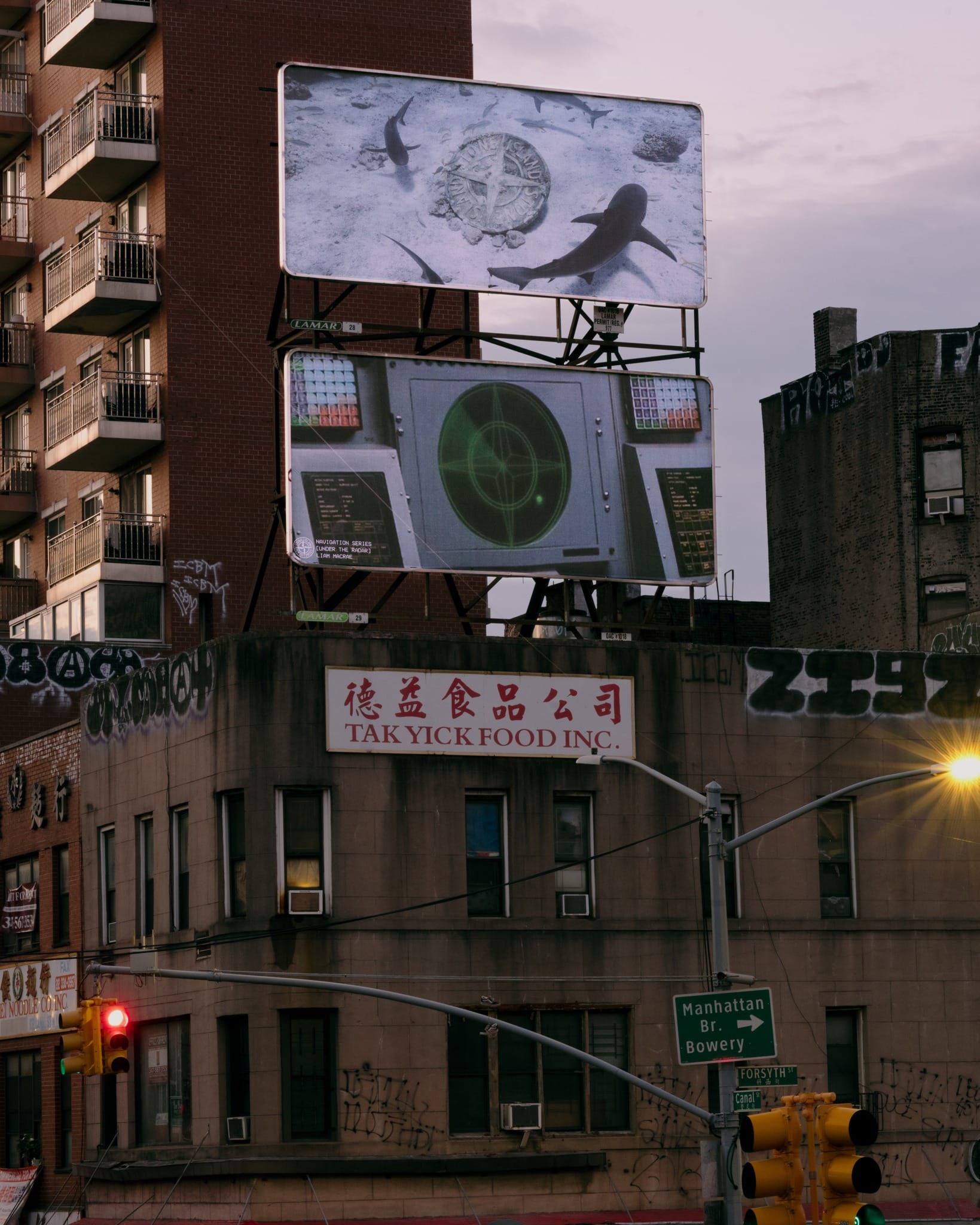
stone island navigation series [under the radar] by liam macrae
Stone Island’'s Navigation Series: Under the Radar by Liam MacRae examines sonar, signal, and instinct in aquatic navigation. Radar sweeps above are mirrored by sharks circling below, drawn to a submerged emblem that acts as both marker and transmission. The study observes how symbol and frequency converge—technology tracing, nature responding.

moNa2 keyboard
The Inspired by kumakey’s “roBa,” the moNa2 is a small wireless split keyboard developed by shakupan and pooh.polo, designed to keep a desk feeling open and unclaimed. Two compact halves sit apart with a quiet gap between them, leaving room for a notebook or tools without forcing a single, monolithic footprint.
The layout is restrained: low, close spacing with a built-in thumb-controlled ball that keeps basic navigation under the hand instead of pushing you toward a mouse. The whole object reads as light hardware rather than a centerpiece, favors packing and redeploying—such as magnets on the underside so the halves can join together for transport.
It runs wire-free and is meant to be adjusted over time rather than treated as a fixed appliance. Typical usage notes describe it lasting roughly a couple of weeks of frequent daily use before needing attention again, with the exact cadence depending on how it’s set up and used.
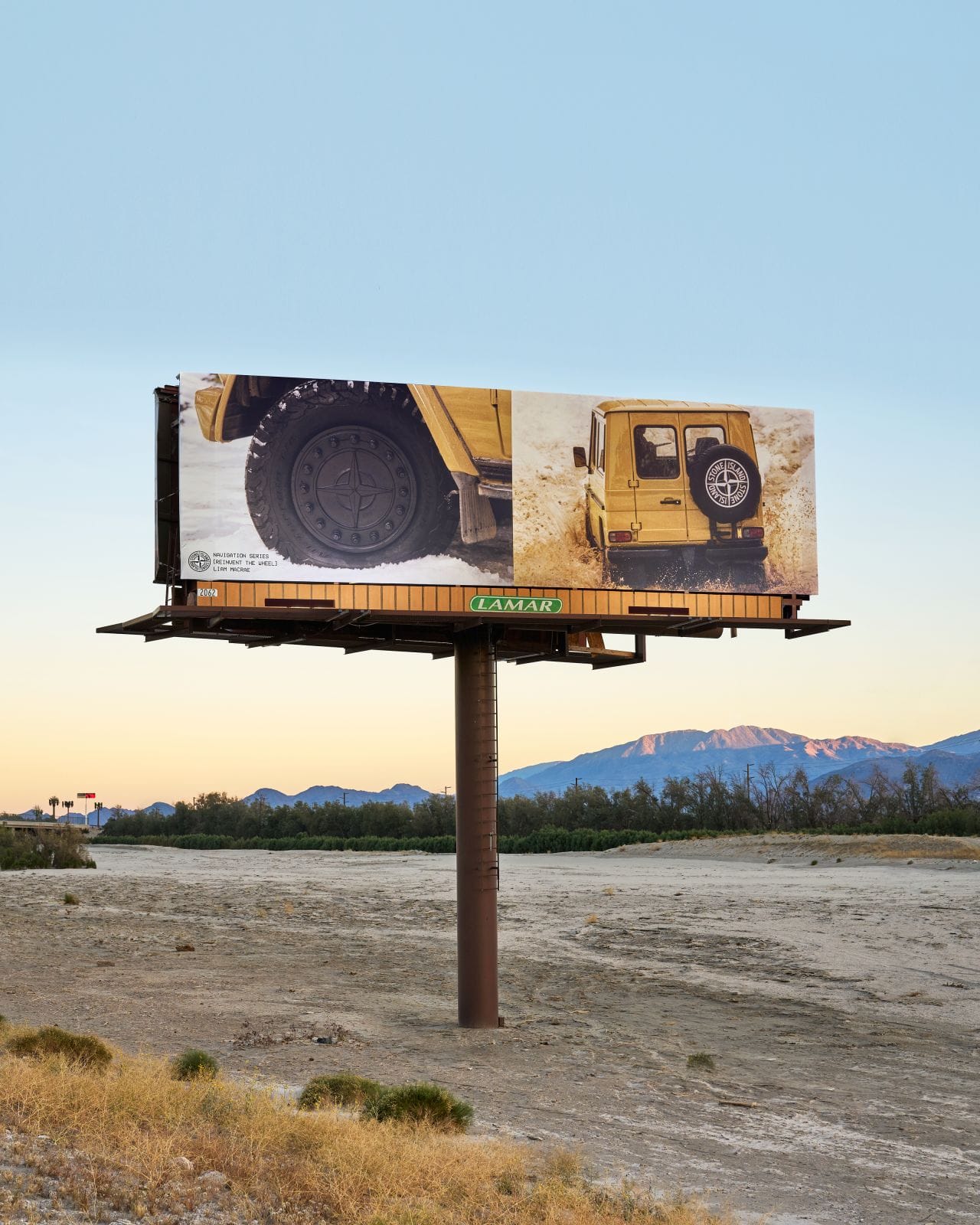
![stone island navigation series [reinvent the wheel] by liam macrae](https://storage.ghost.io/c/14/ee/14eef3be-ca5a-434b-8324-fa1f874026f1/content/images/size/w300/2025/08/stone-island-liam-macrae-navigation-series-002-1.jpg)
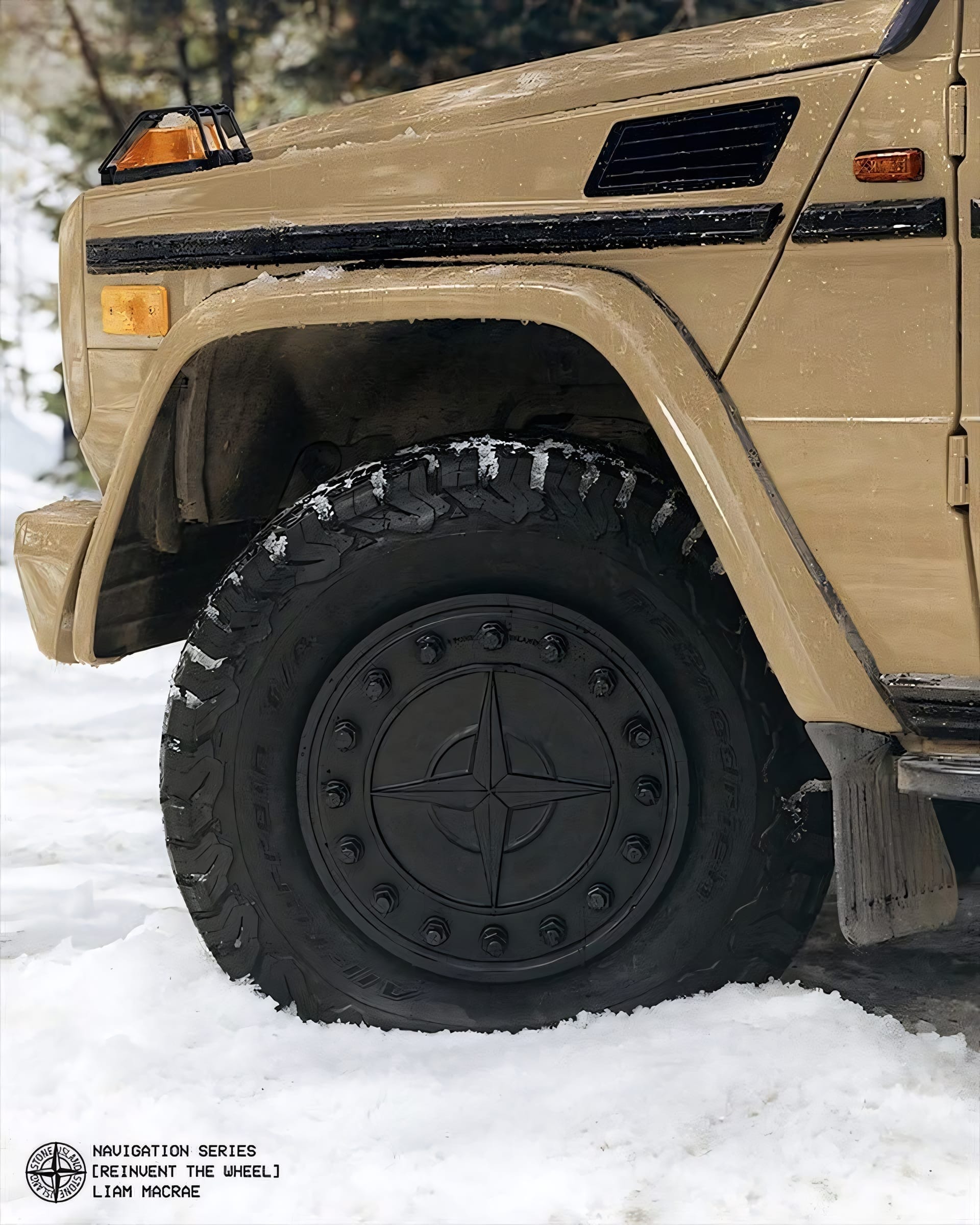
stone island navigation series [reinvent the wheel] by liam macrae
Stone Island’s Navigation Series: Reinvent the Wheel, photographed by Liam MacRae, is part of the brand’s ongoing study of orientation and movement. The work frames navigation as both physical and symbolic—referencing terrain, direction, and systems of guidance. Within the series, “Reinvent the Wheel” emphasizes reinterpreting established structures of travel and perception, continuing Stone Island’s research into exploration and the mechanics of wayfinding.
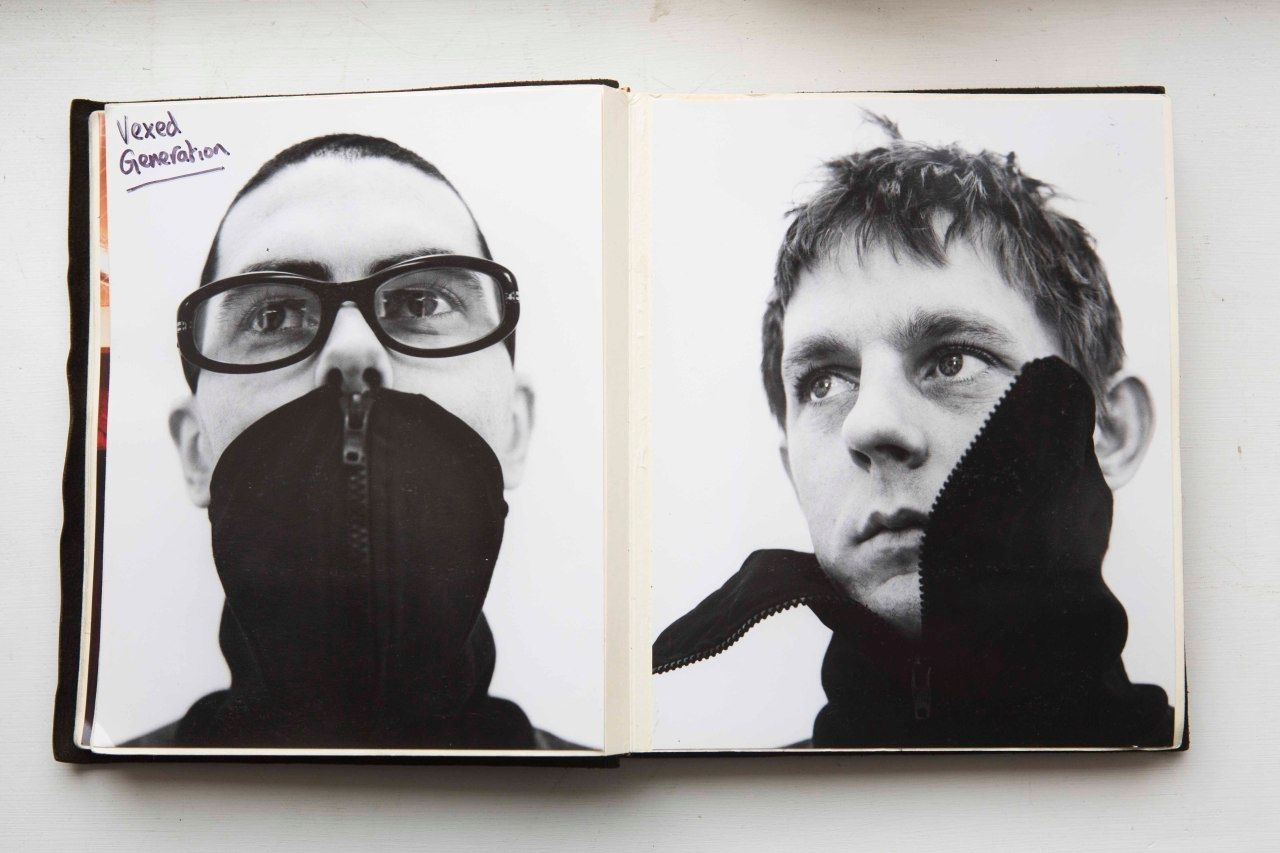
Interview with Vexed Generation Adam Thorpe and Joe Hunter
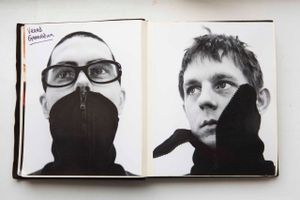
Vexed Generation designers Joe Hunter and Adam Thorpe
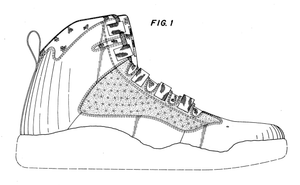
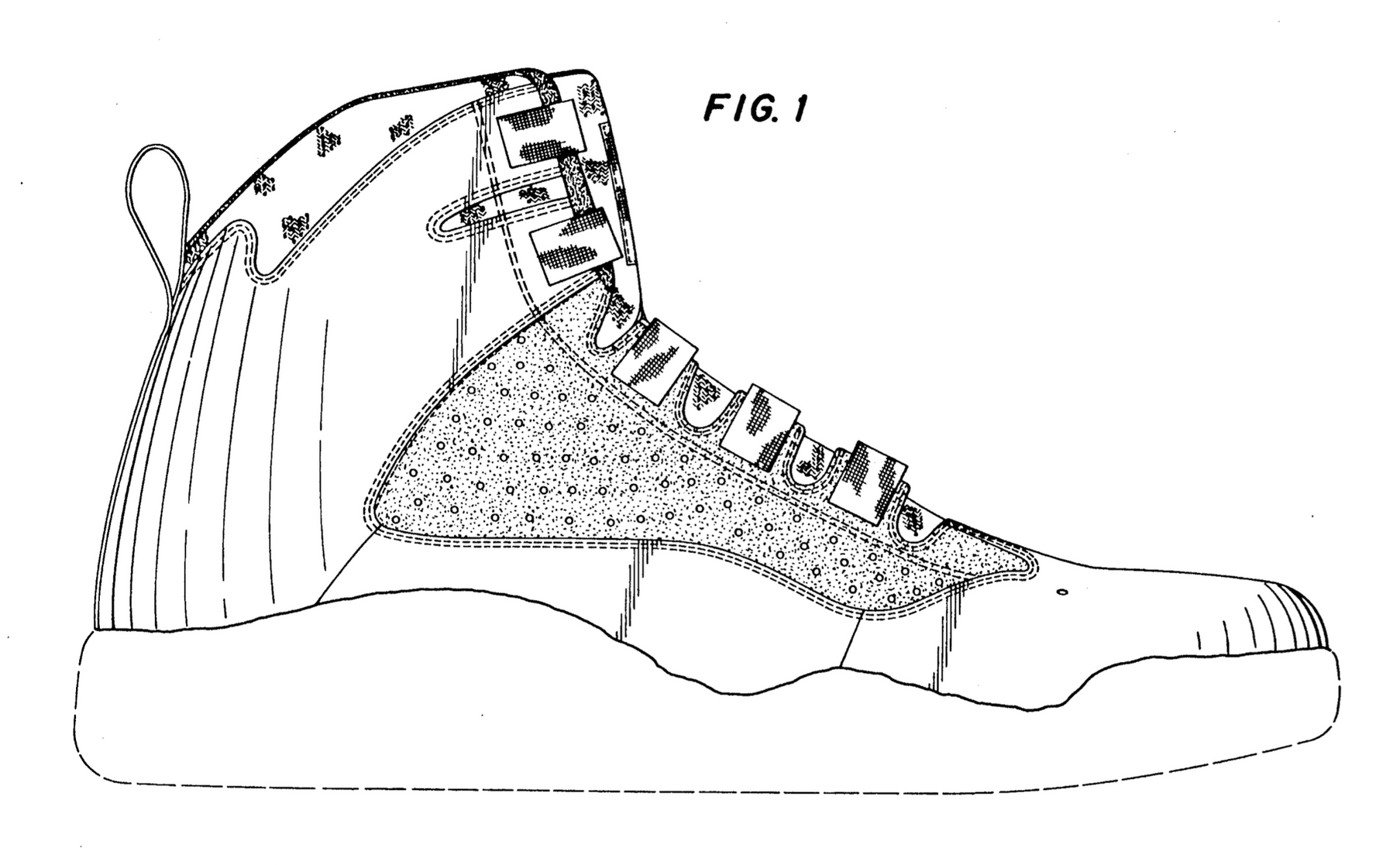
Eric Avar'S NIKE Patent Registration Drawings
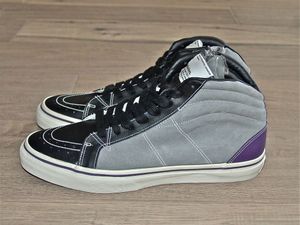
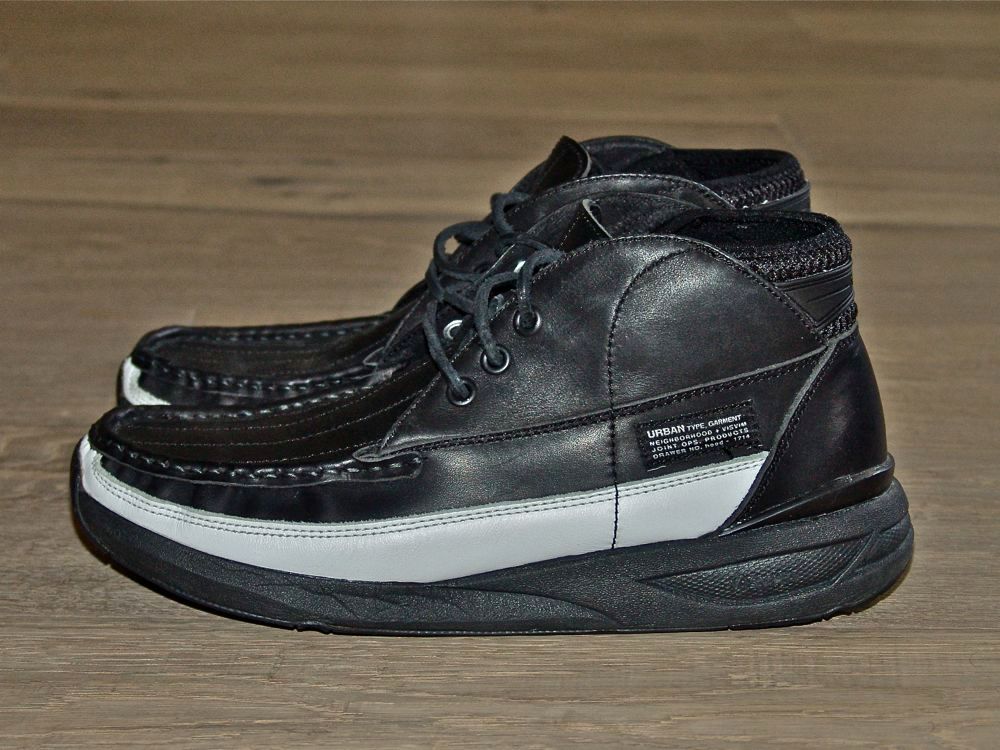
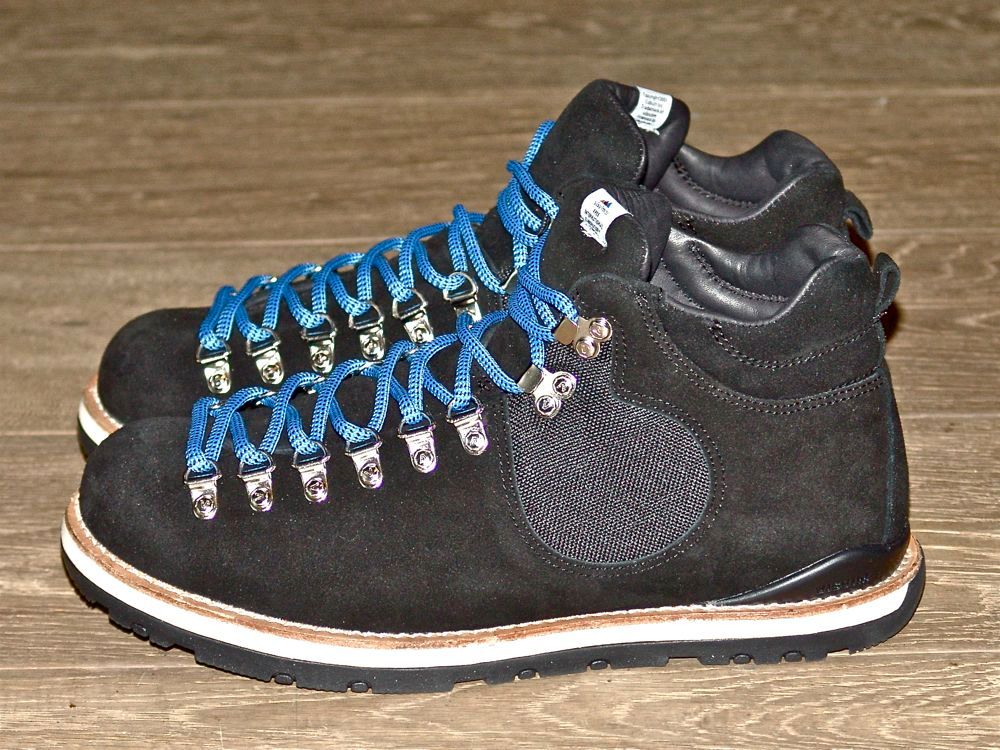
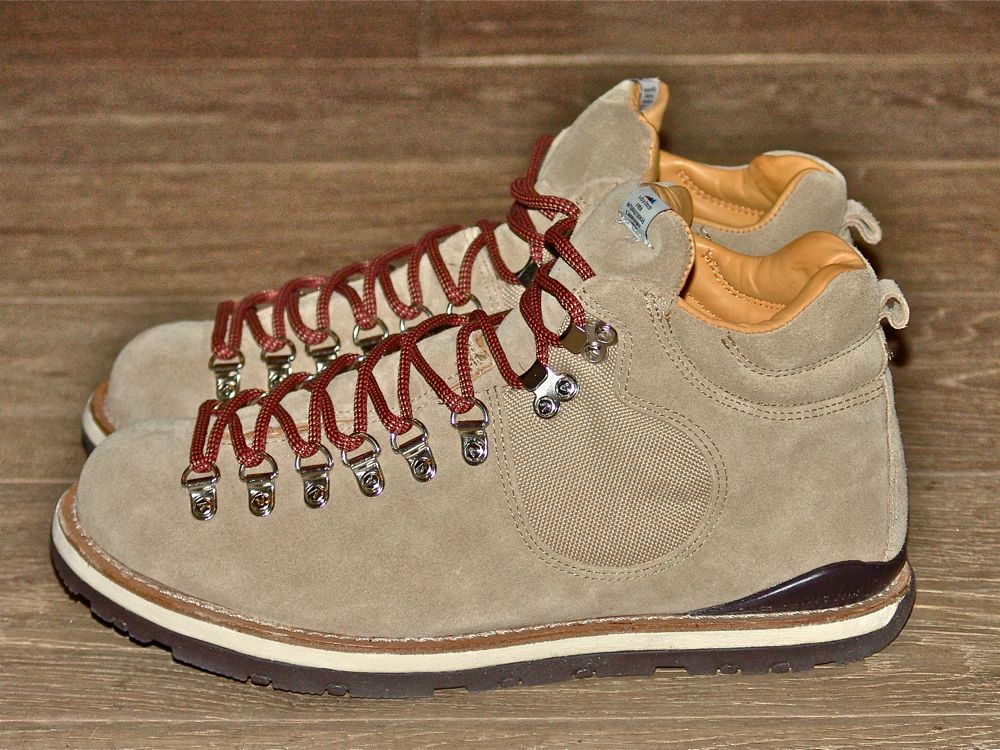
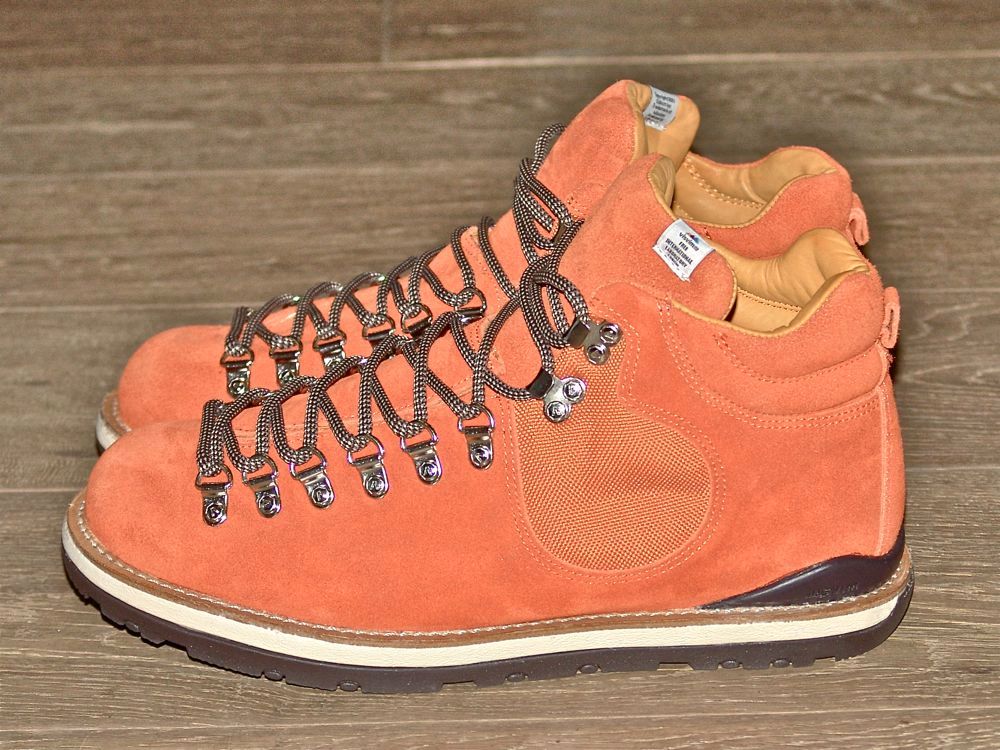
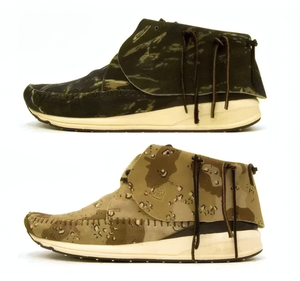
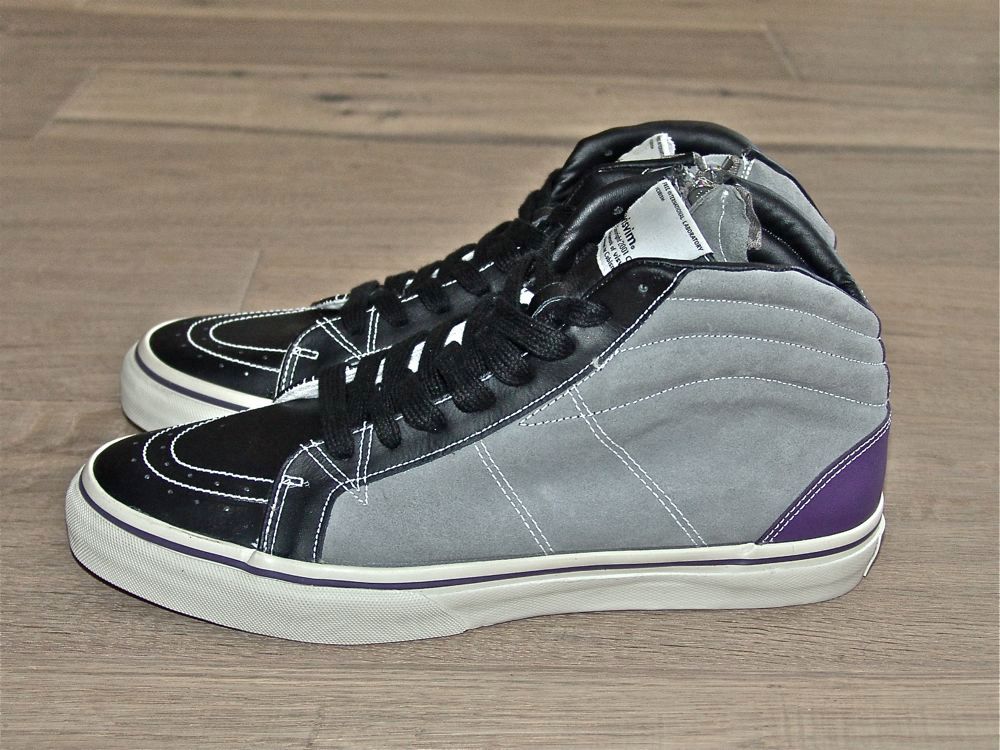
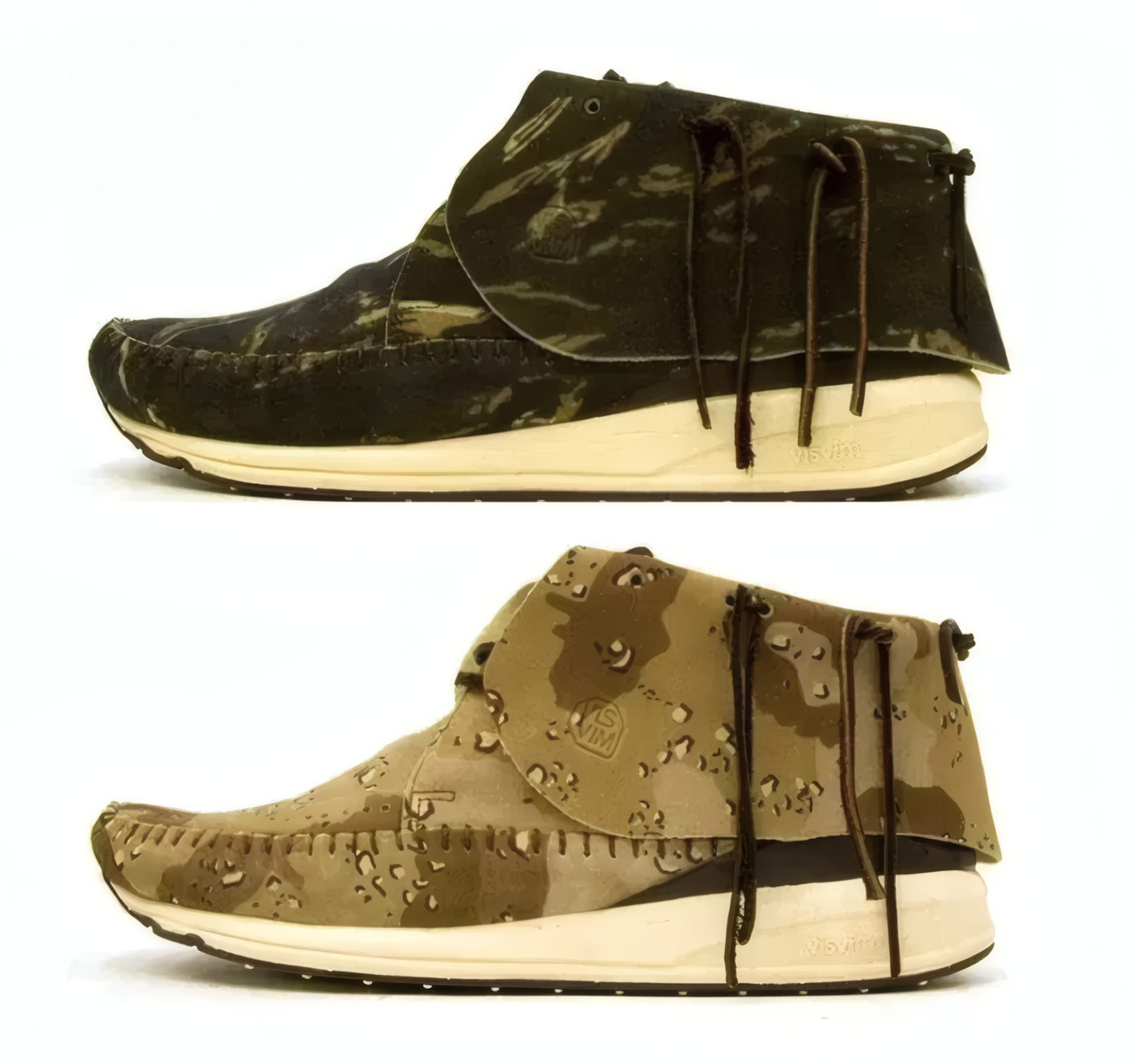
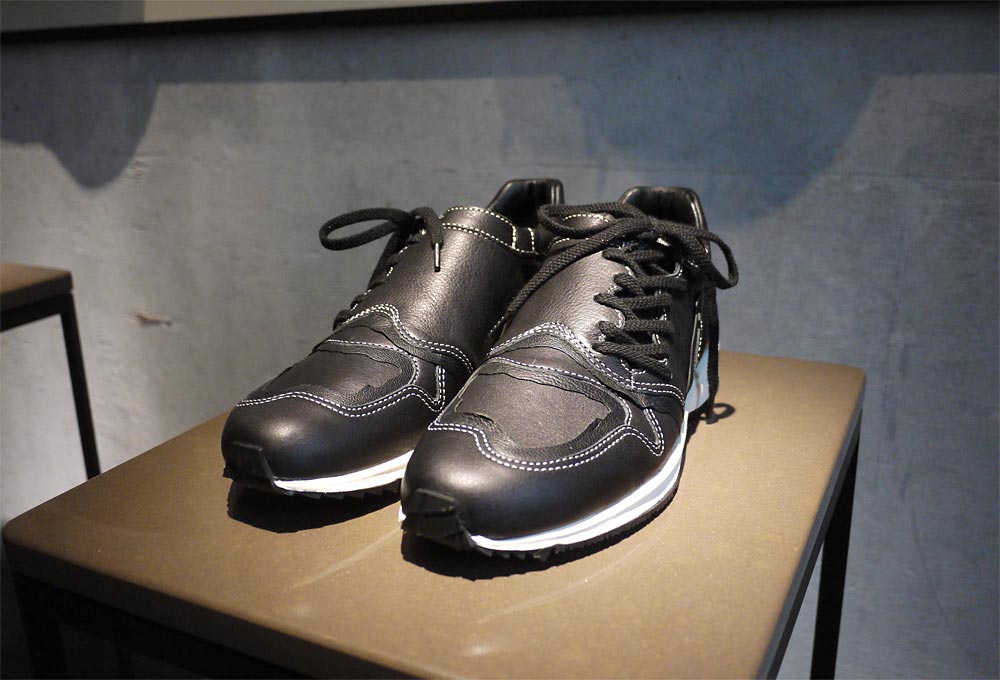
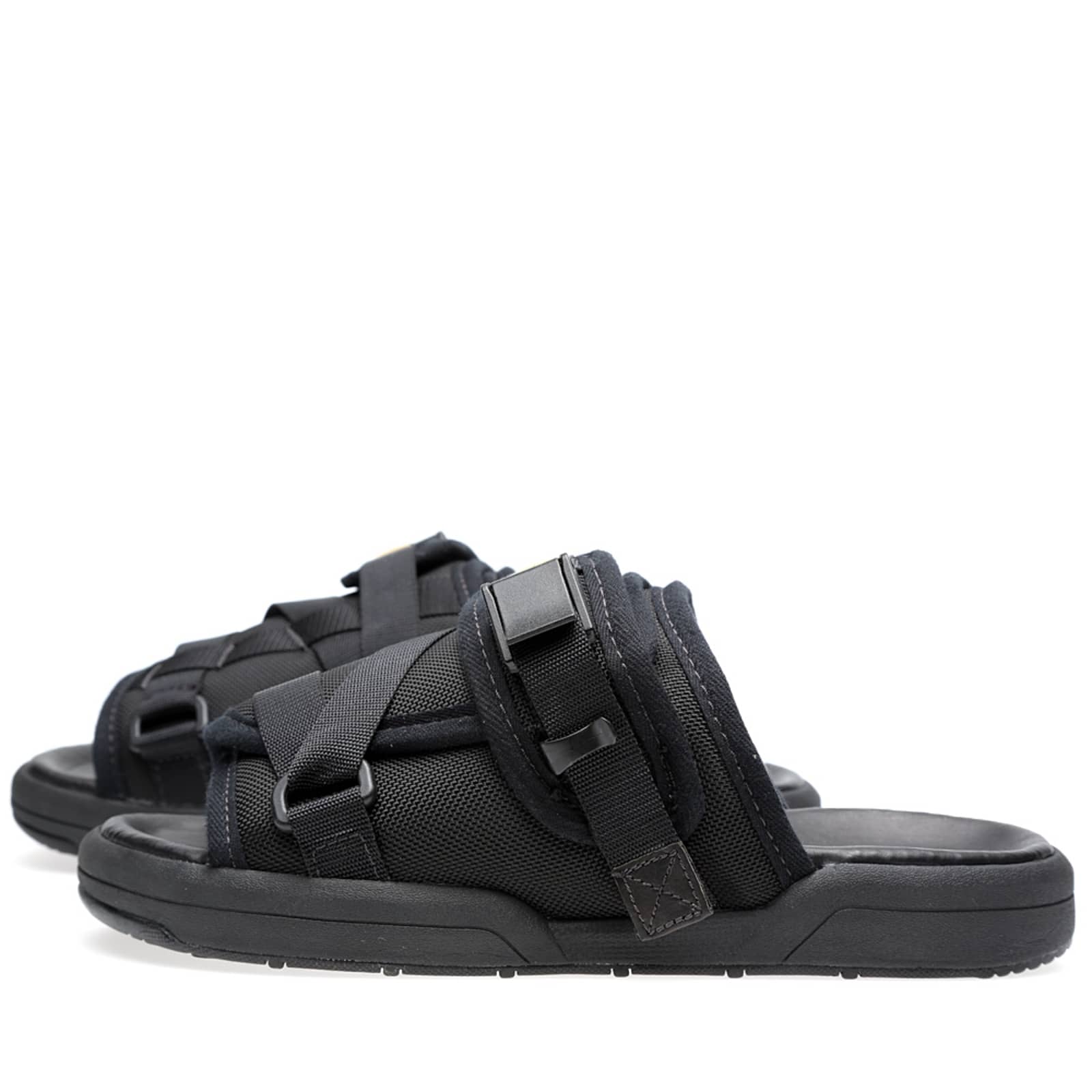
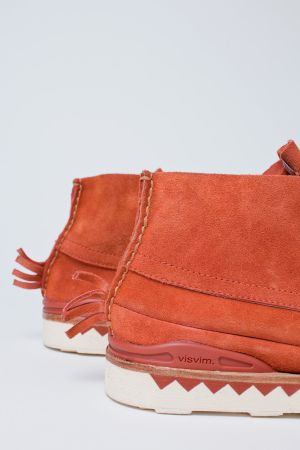
Visvim Camo G Line FBT
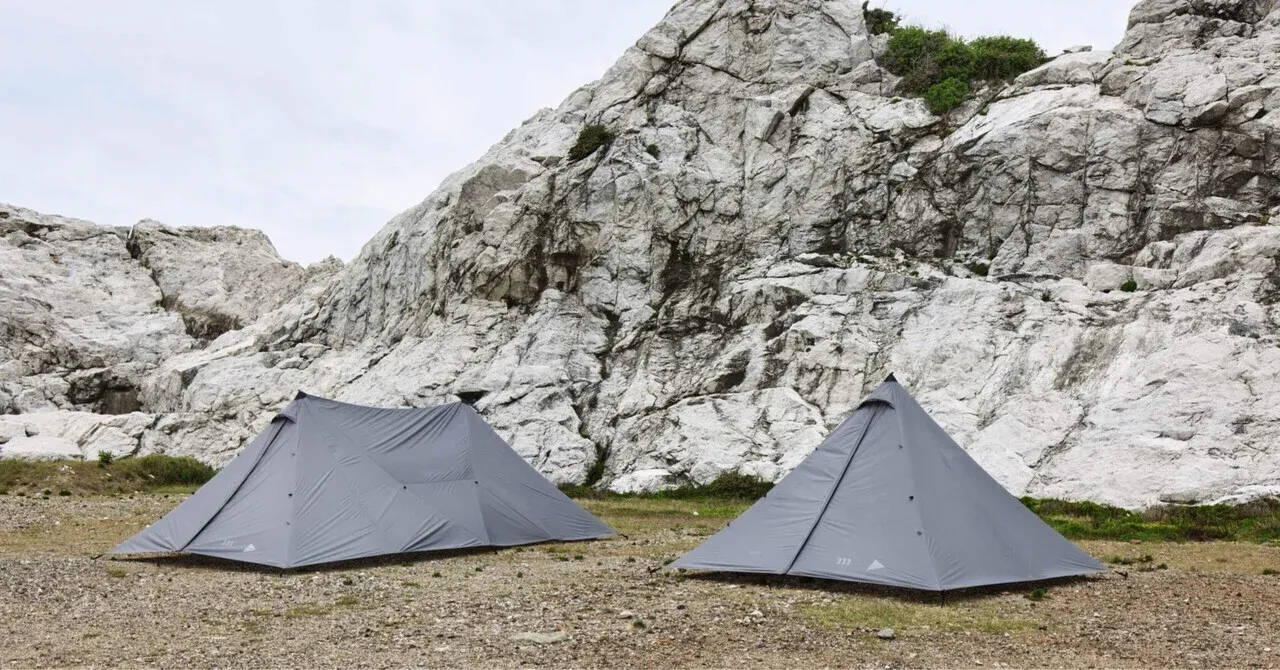
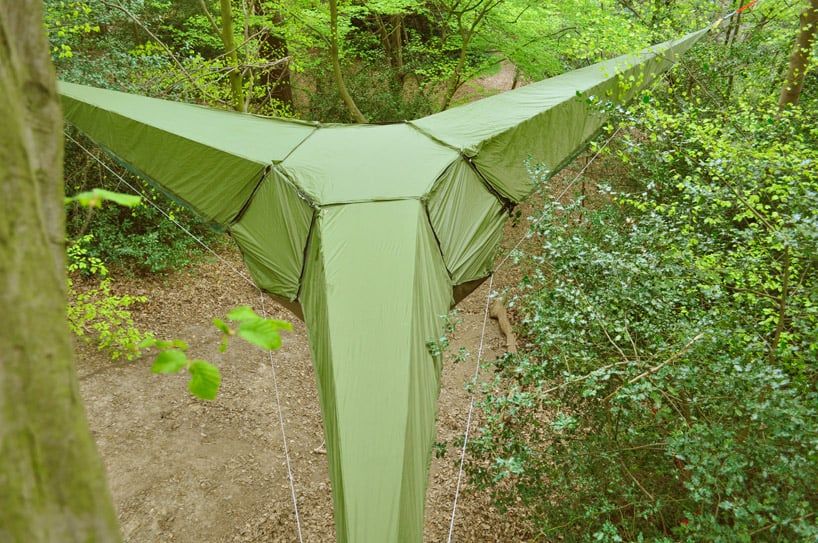
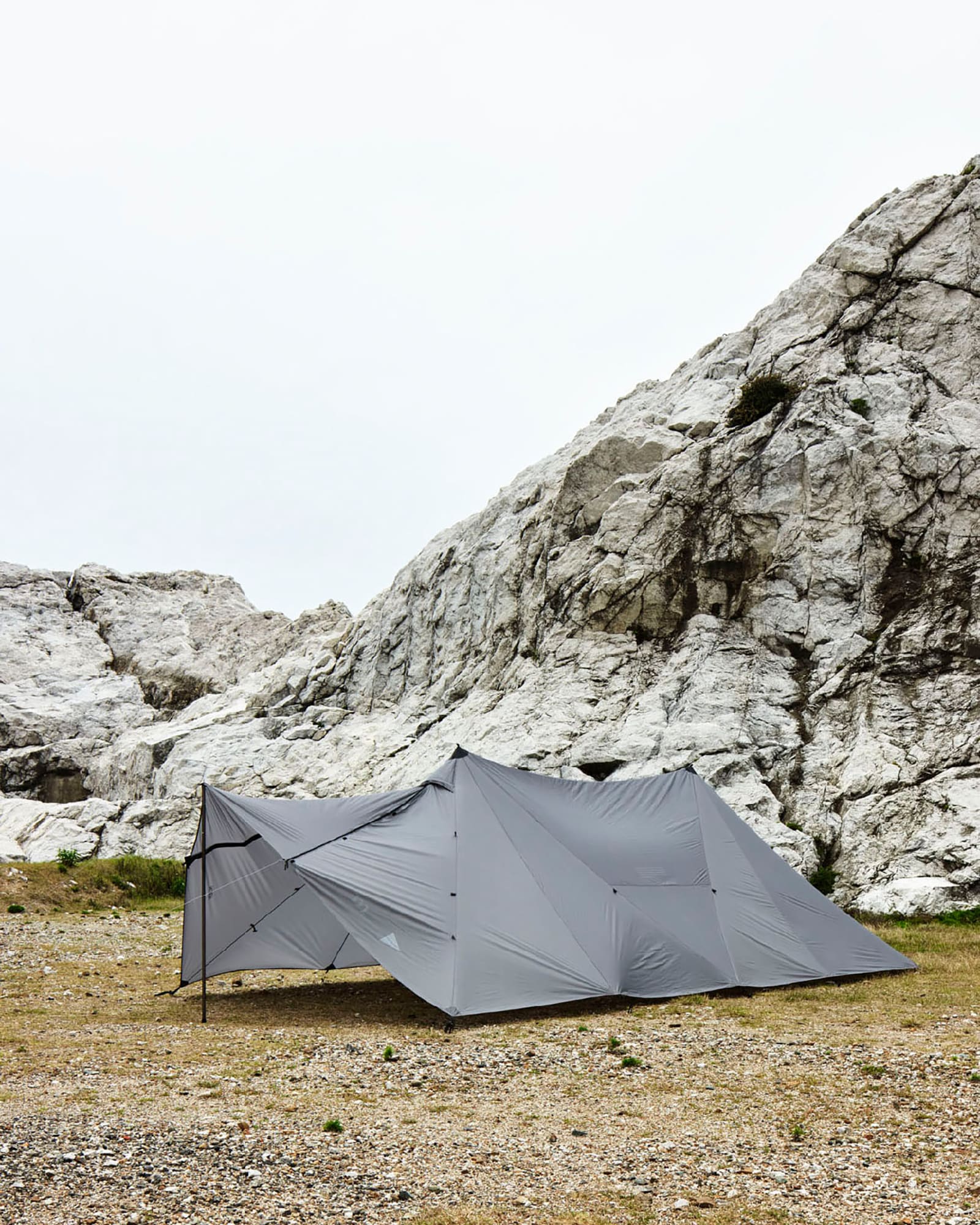
and wander x Muraco Designs Heron Tent Shelter Sets
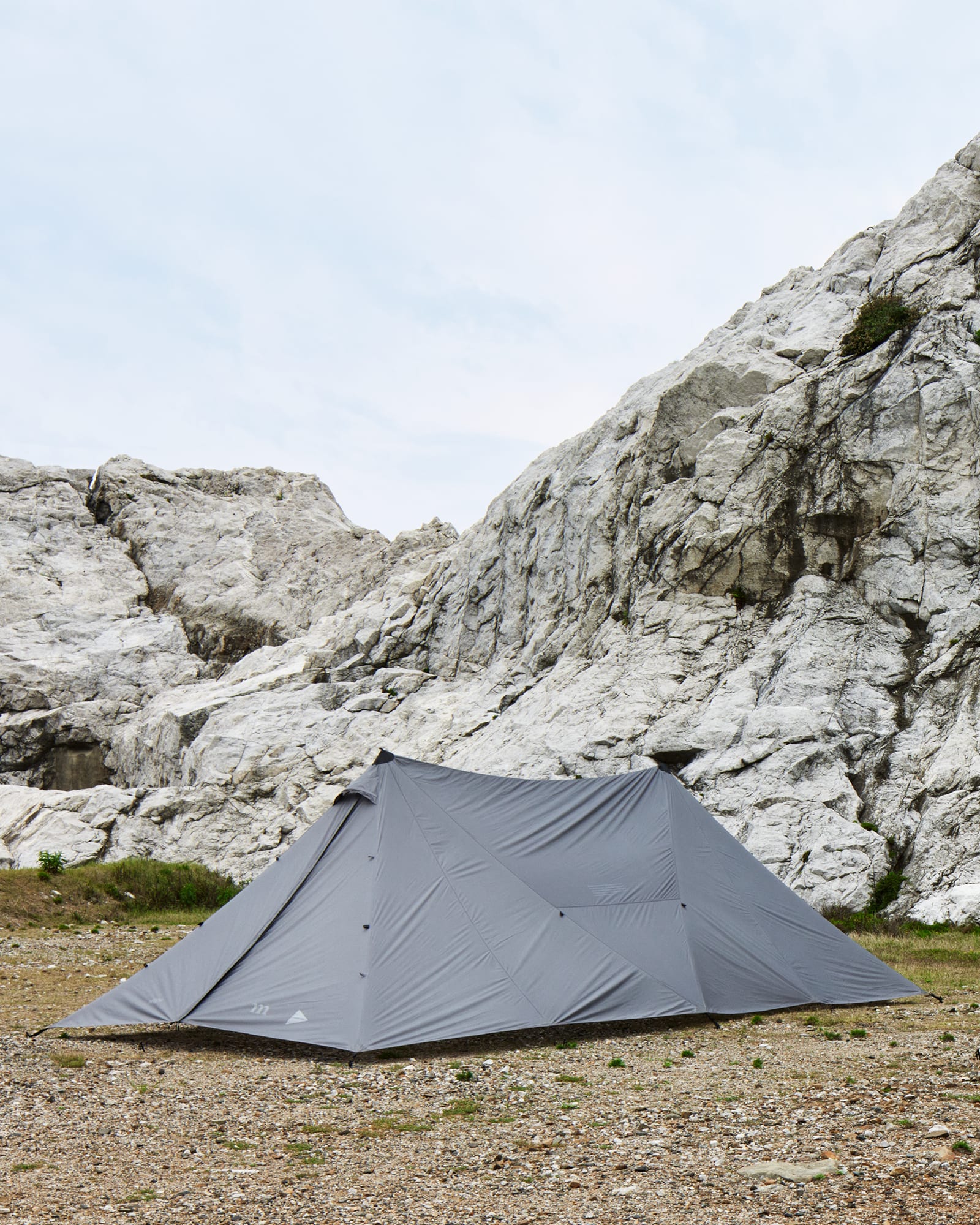
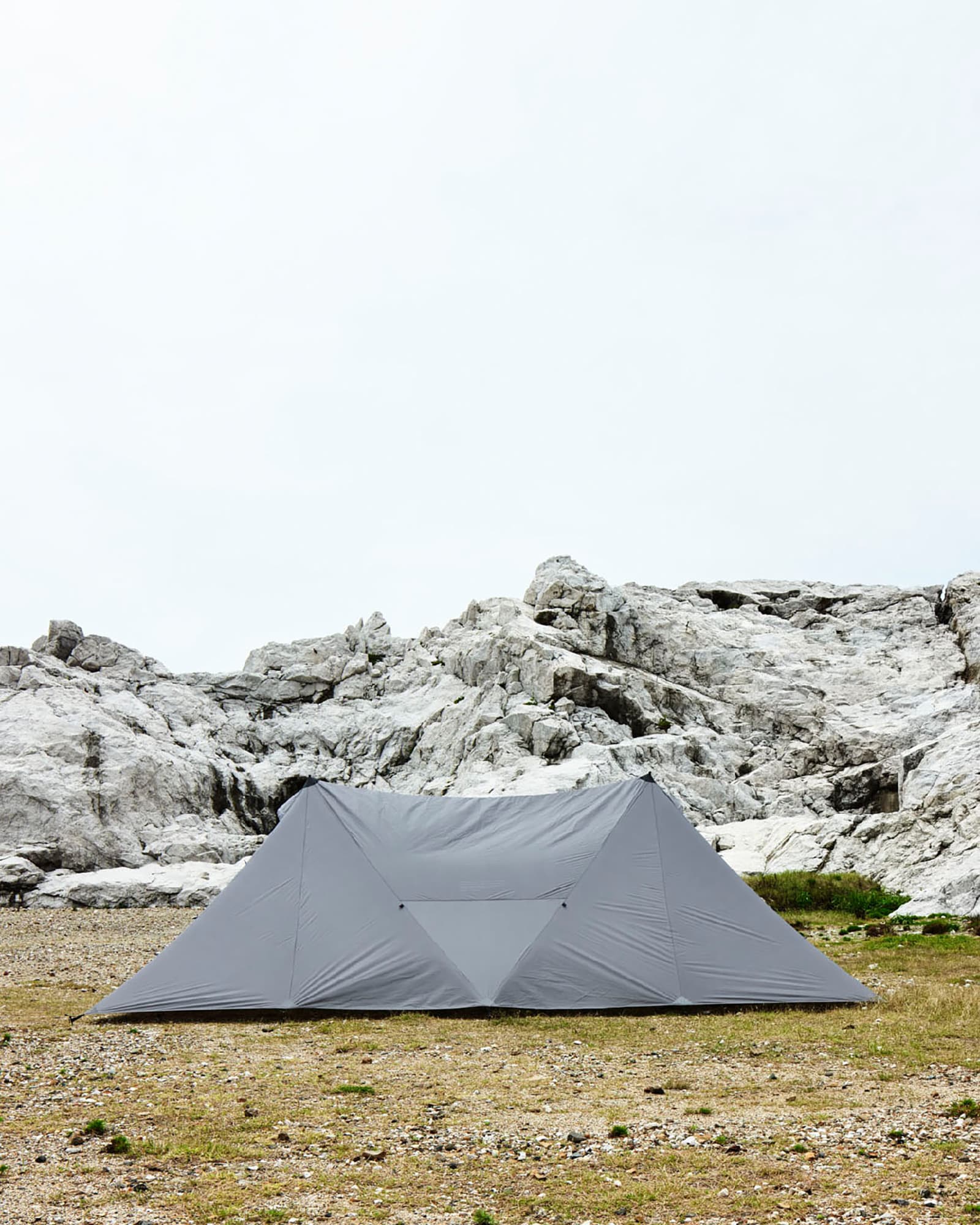
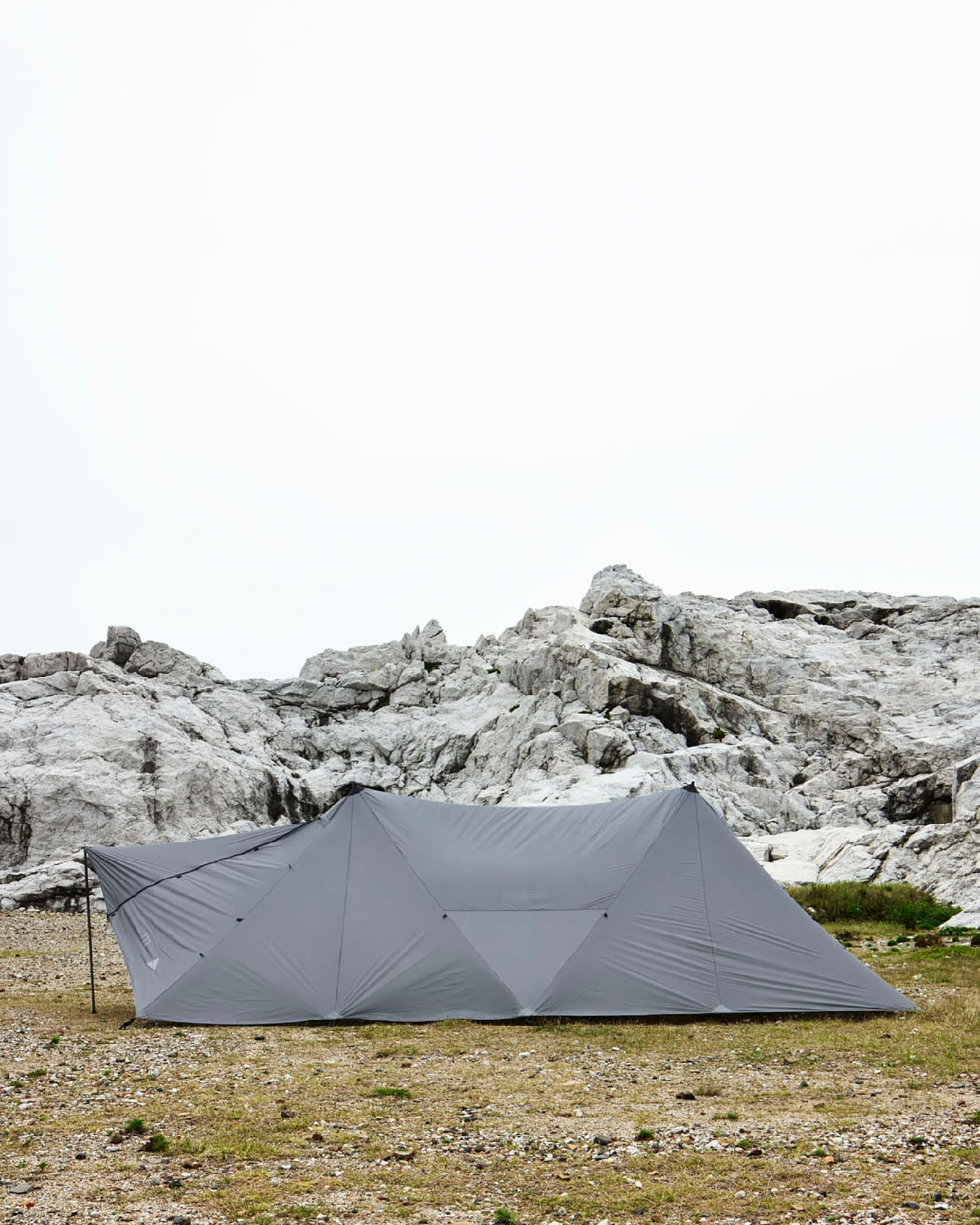
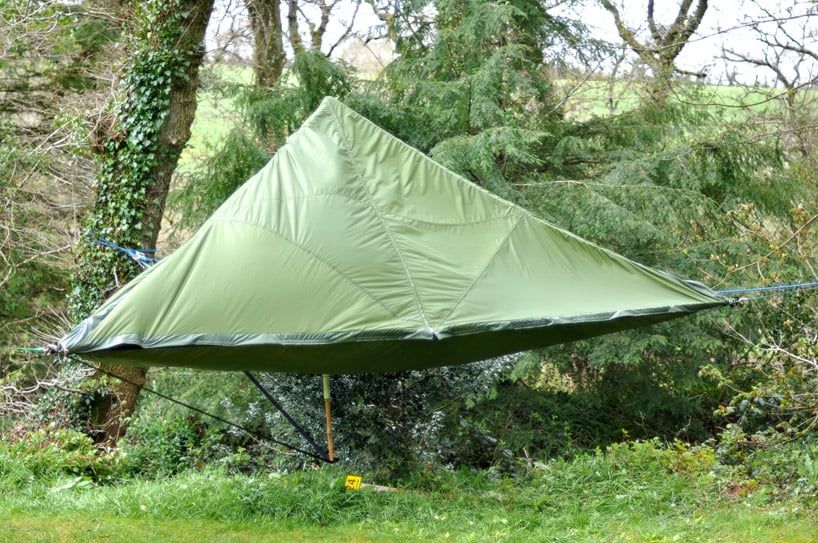
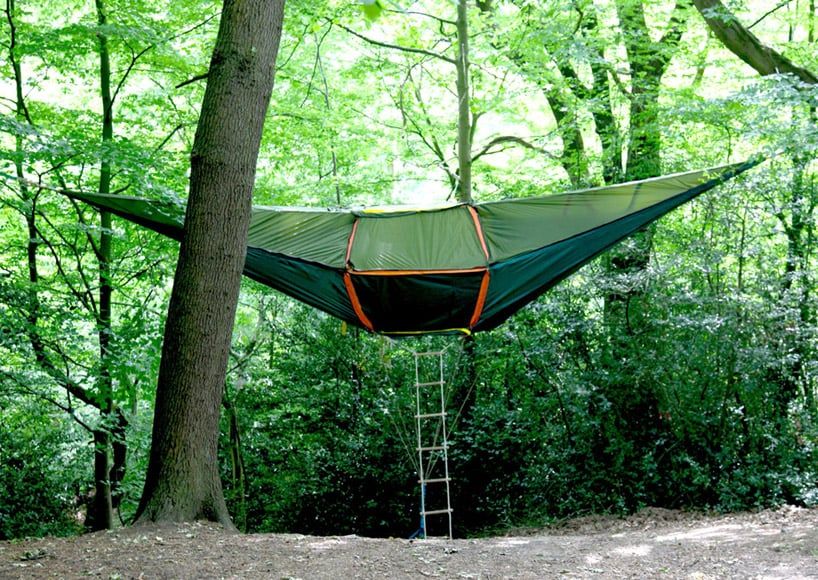
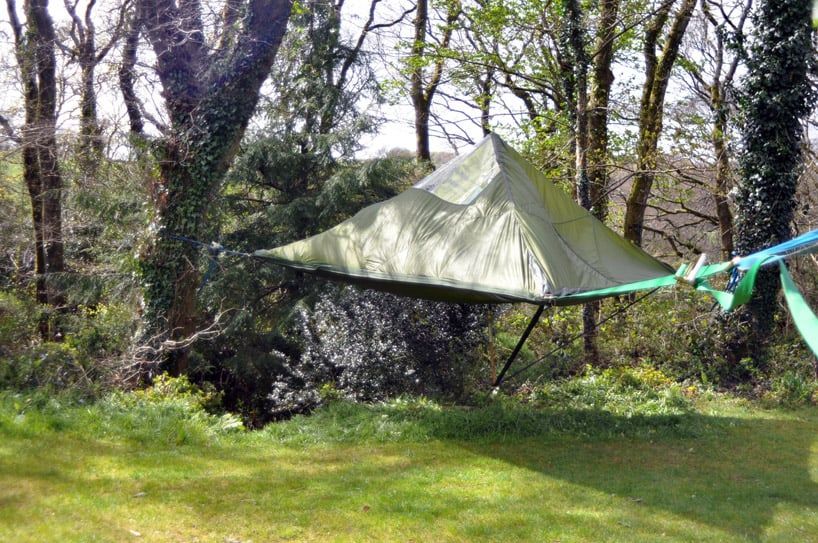
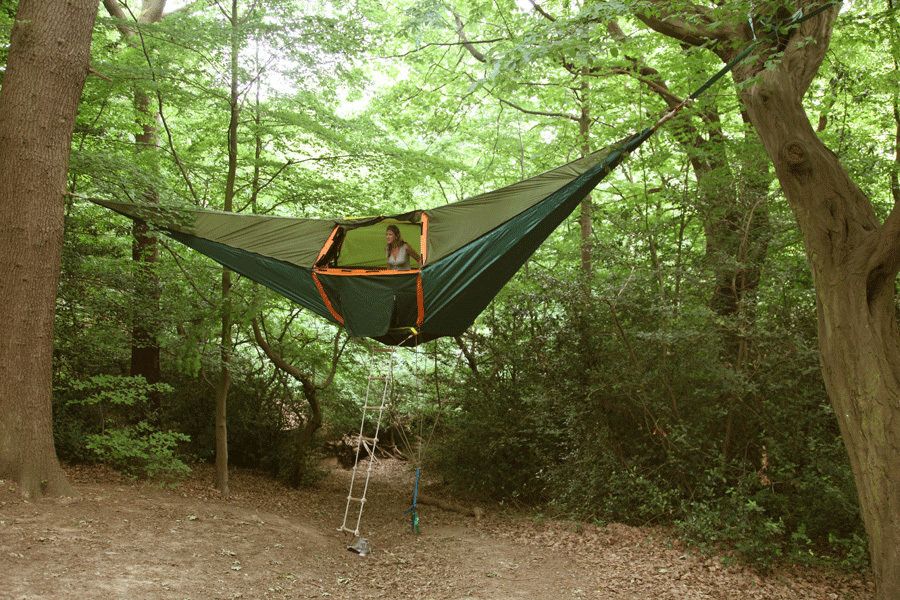
This tent boasts a straightforward structure, allowing for quick and effortless setup. To assemble, lay the flysheet on the ground and firmly secure the four corners with pegs. Then, raise the center pole at the top. The remarkable simplicity of this setup is unmatched by self-supporting dome-shaped tents, and its generous overhead clearance adds to its allure.
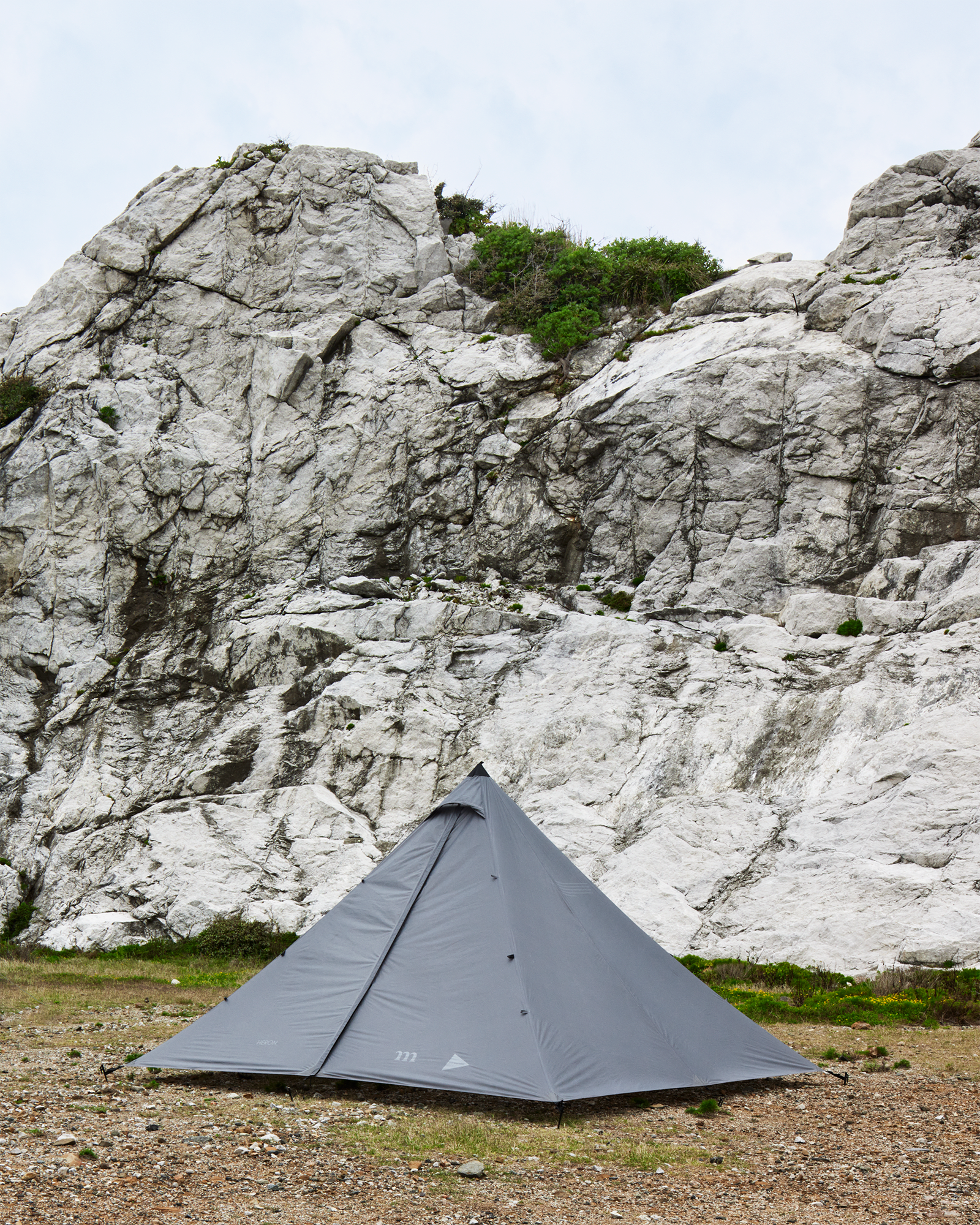
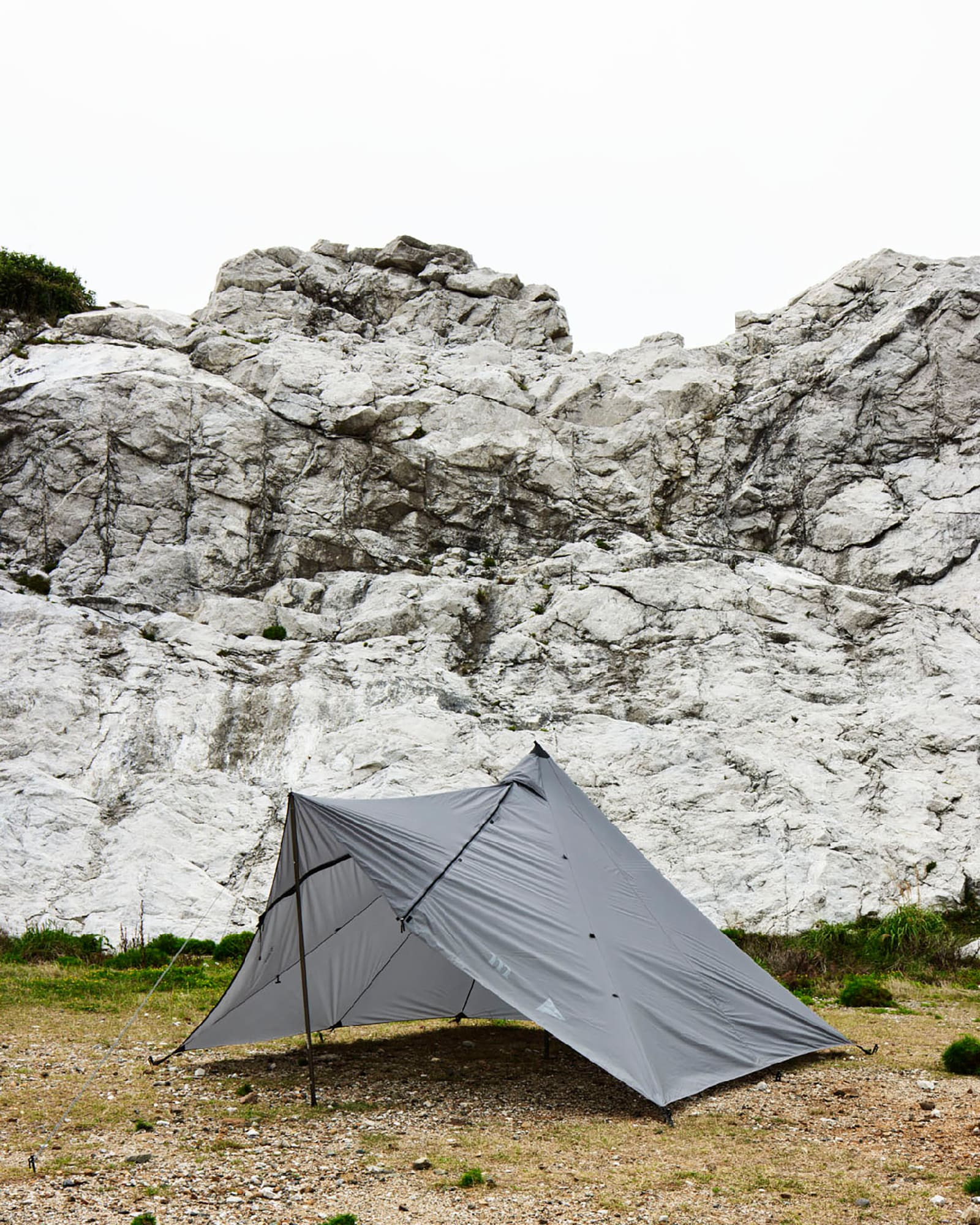
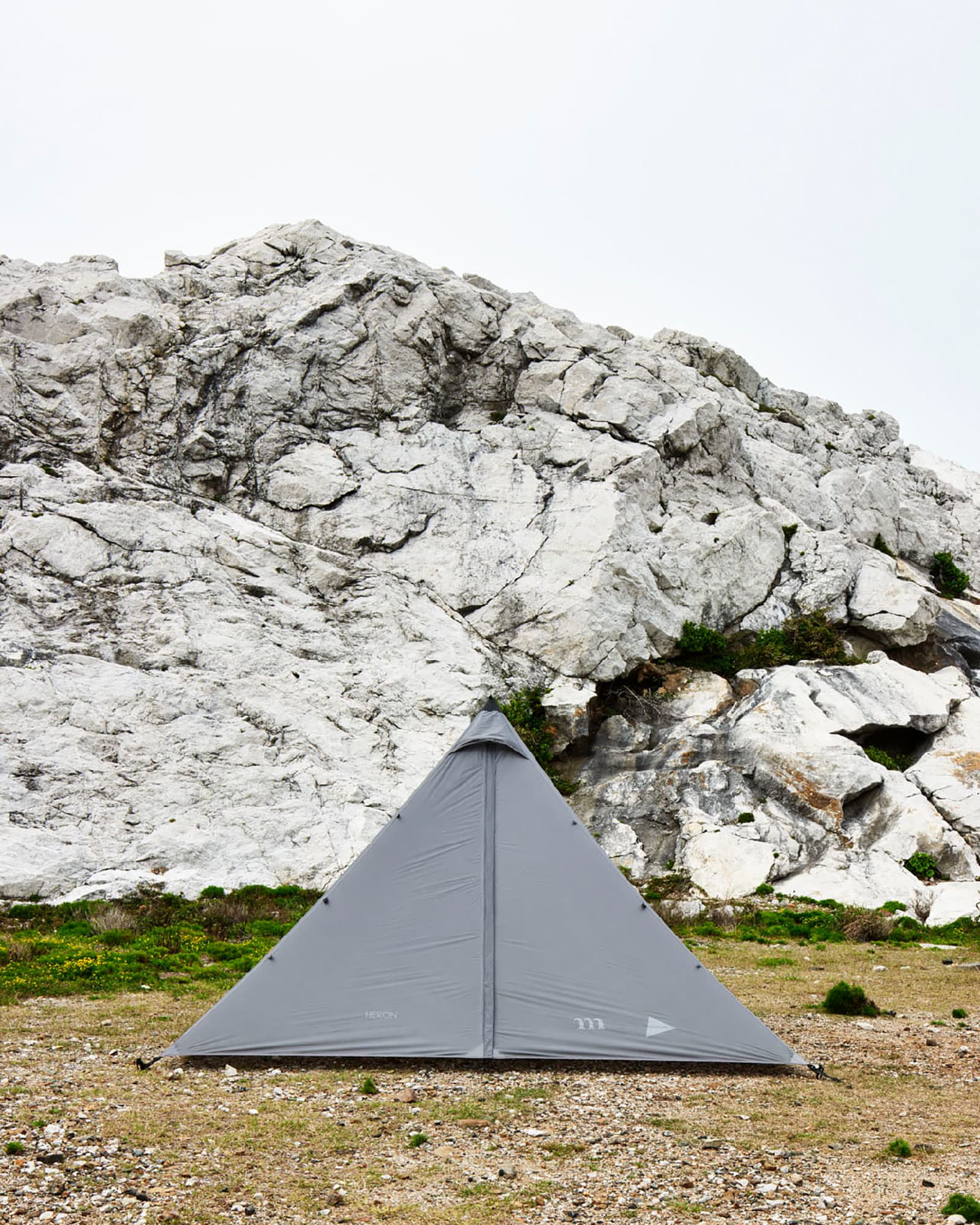
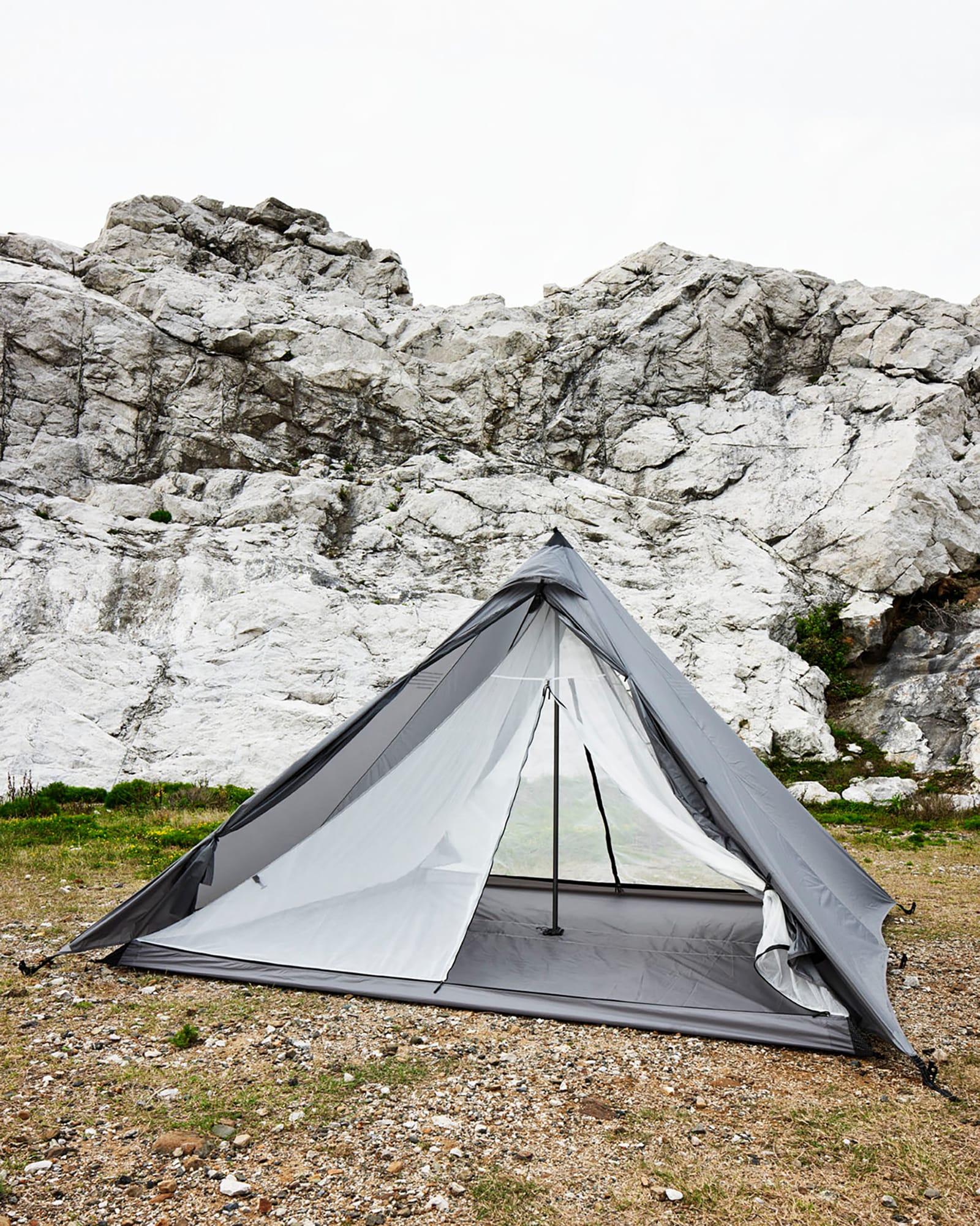
HERON 2POLE TENT SHELTER SET

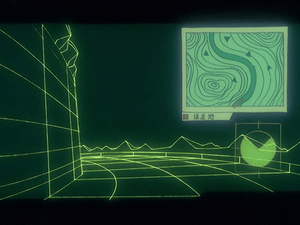

Miller's planet from interstellar
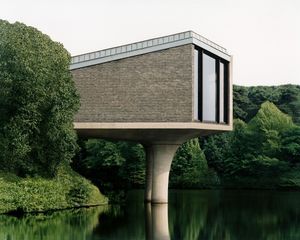
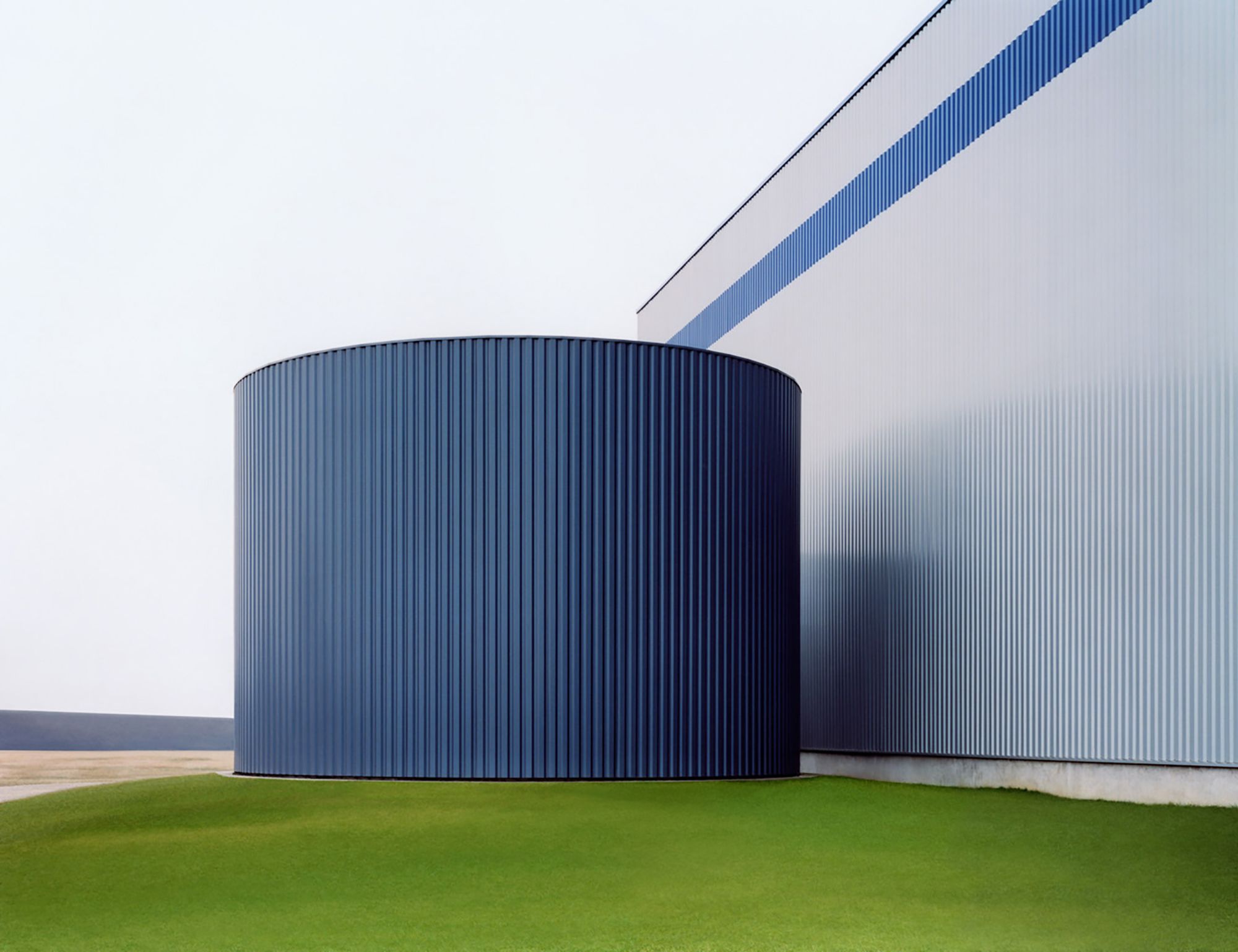
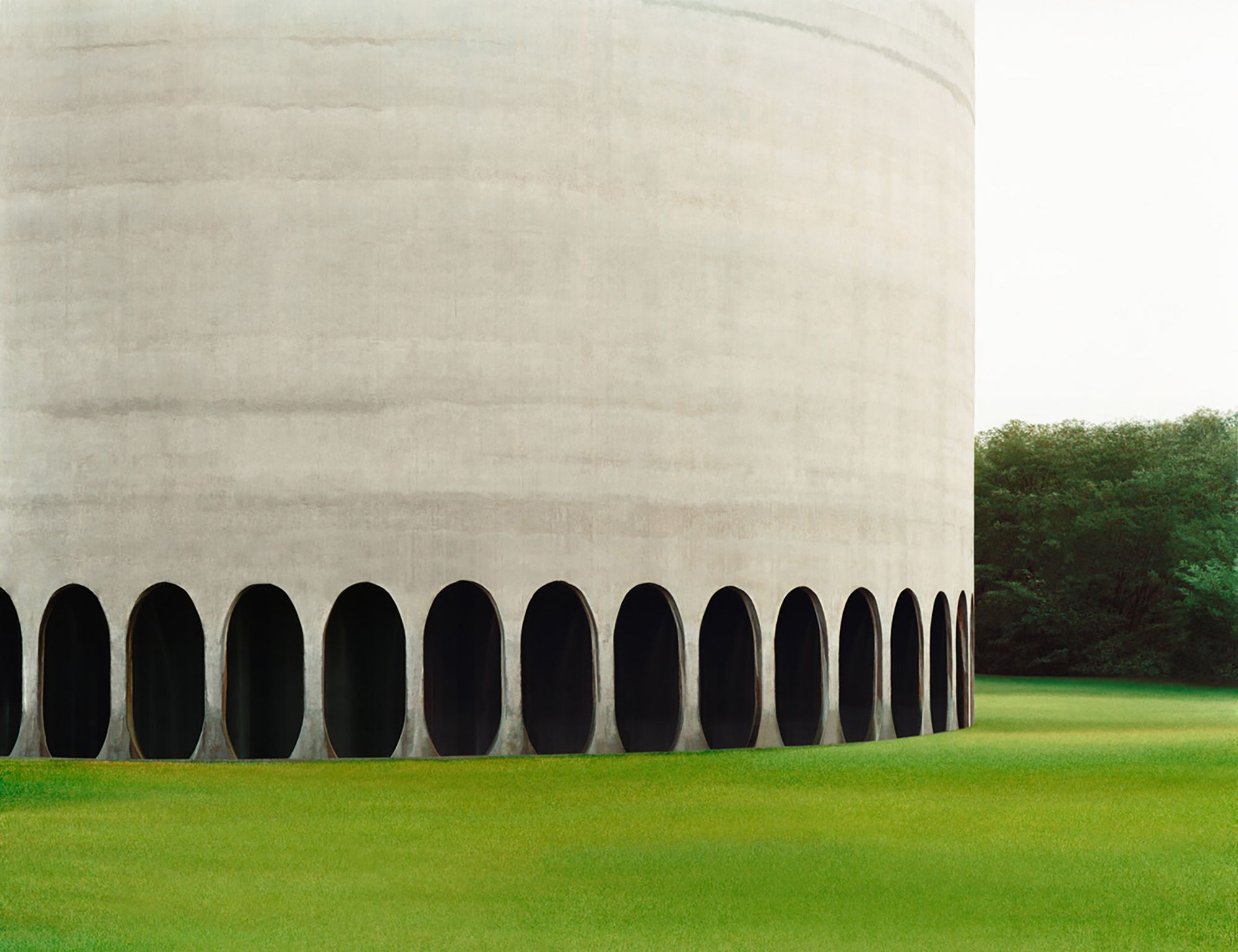
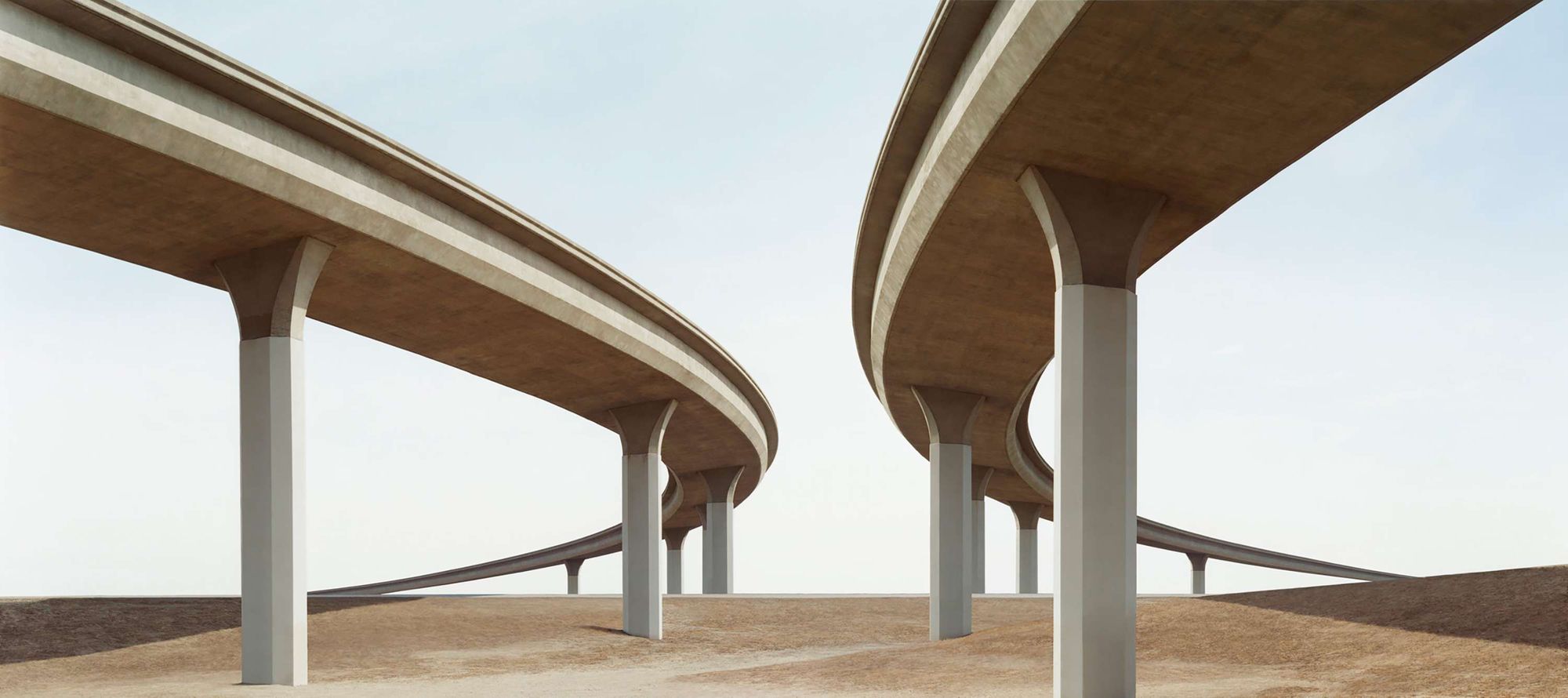
Form #7, Josef Schulz, 2003
Josef Schulz is a photographer known for capturing images of modern warehouses and factories, which are typically considered mundane industrial structures with little architectural significance. These buildings, produced worldwide, follow standardized plans and materials, lacking distinct external features to reveal their specific purposes.
Schulz's approach involves studying the essence of his craft through these photographs. He employs digital image processing to remove any elements hinting at the buildings' age, location, or surroundings, transforming them into virtual blueprints. By emphasizing colors, shapes, and symmetries, he turns the buildings into block-like structures, resembling toy architecture and presenting them as idealized versions of themselves.
In this process, Schulz blurs the line between photographic and painted reality to optimize the images. Simultaneously, he reduces the physical buildings to their design concepts and the photographic reality to its virtual representation. His intent is to diverge from the typical pursuit of making digital images appear as real as possible. This approach might leave the viewer perplexed, as they struggle to distinguish between authentic elements captured by the camera and those created through digital tools.
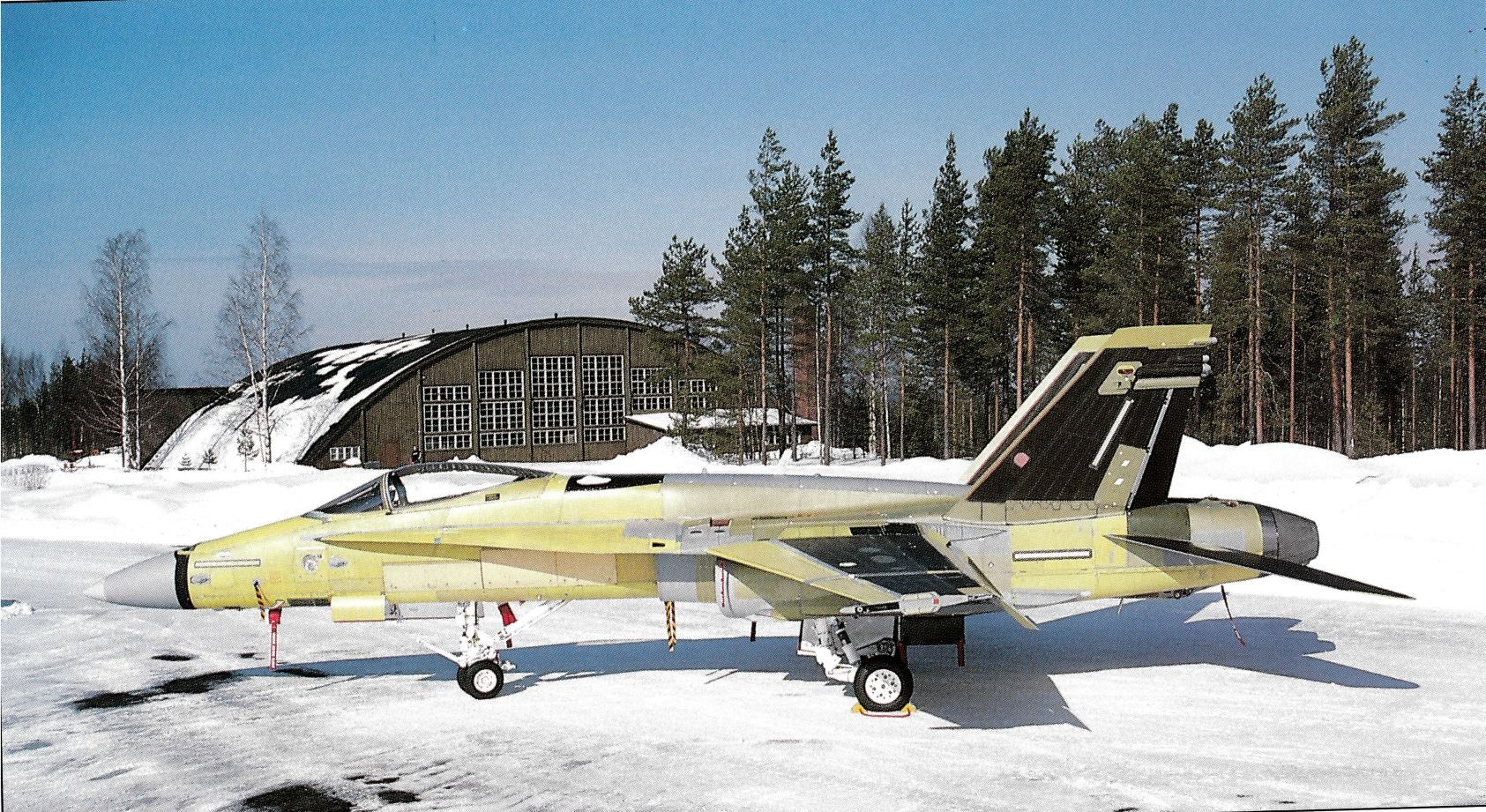
Canard-Delta Aircraft in Winter Testing
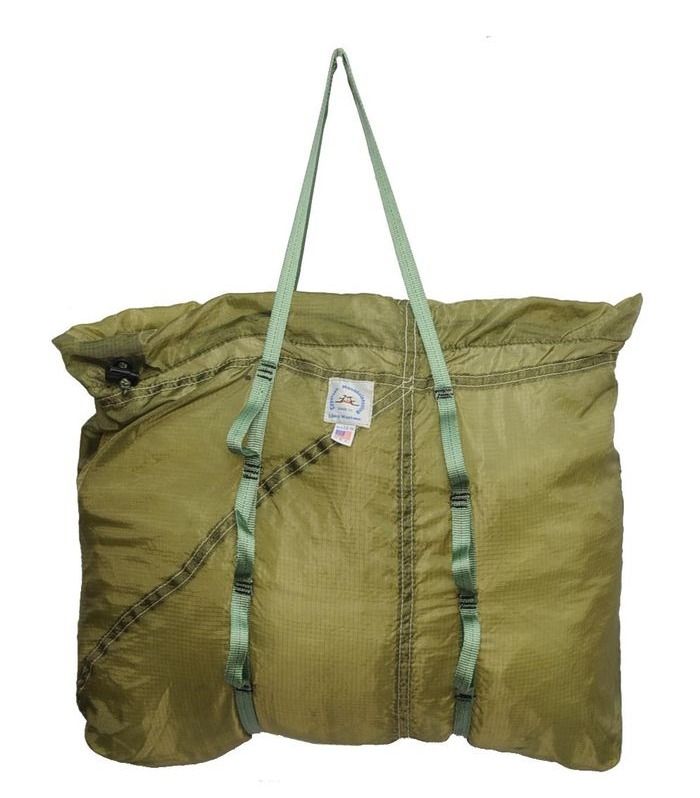
Epperson Mountaineering Large Climb Tote

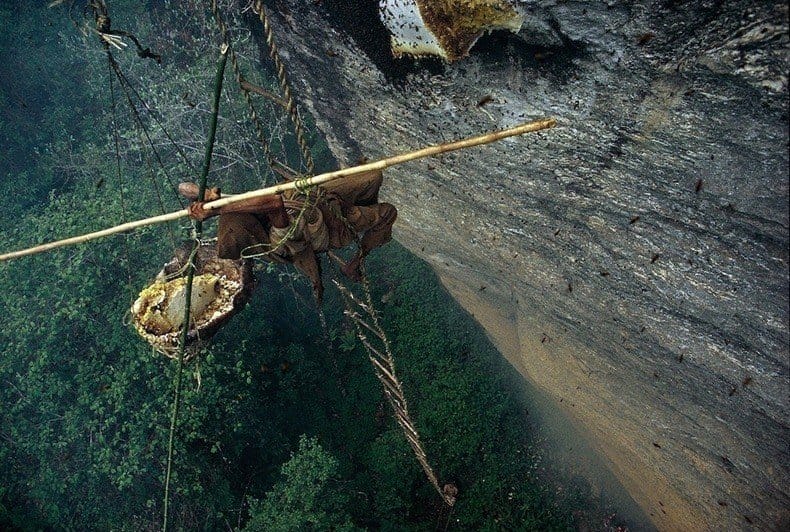
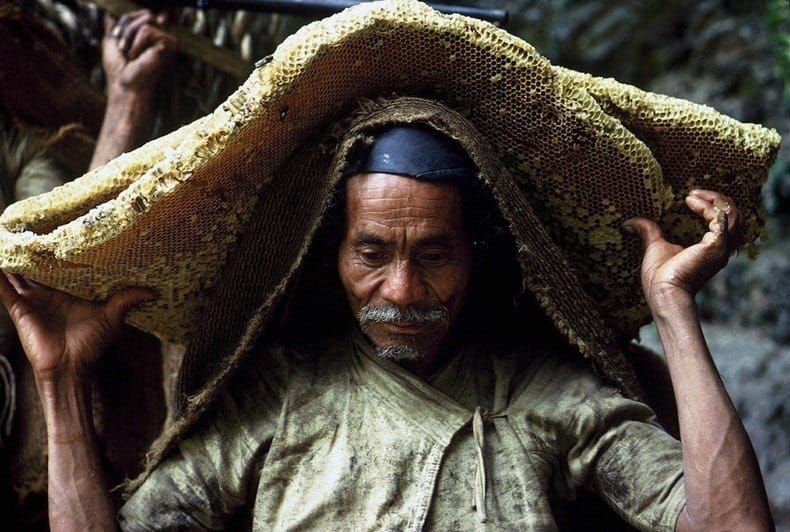
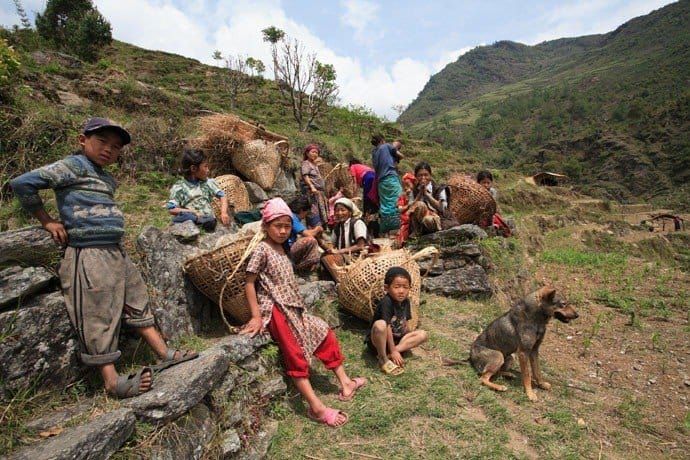
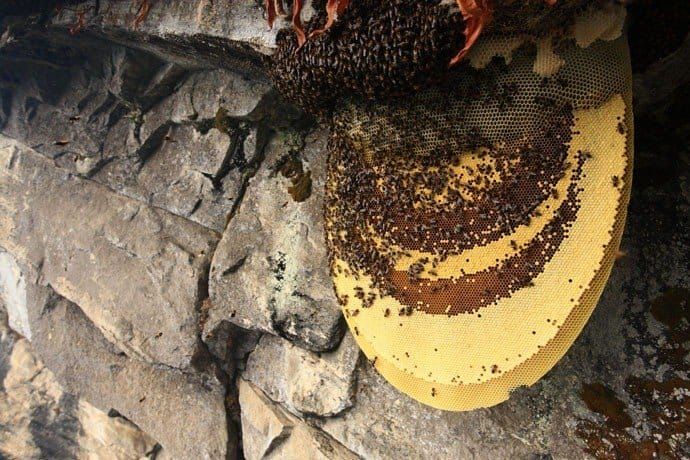
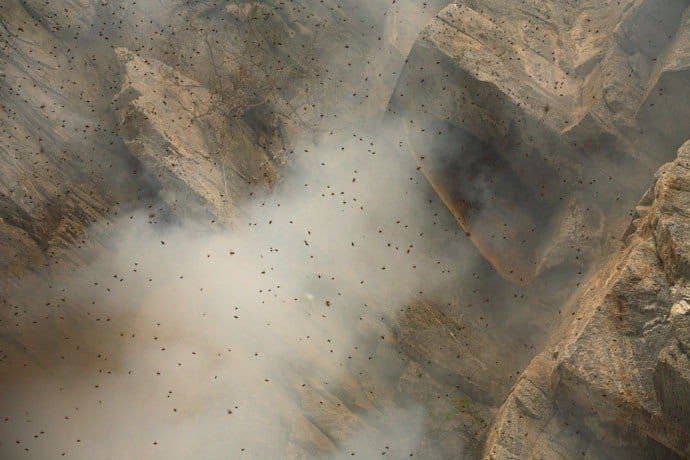
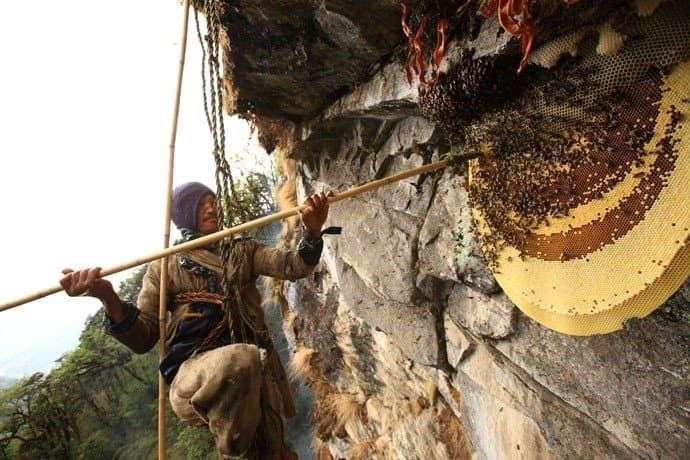
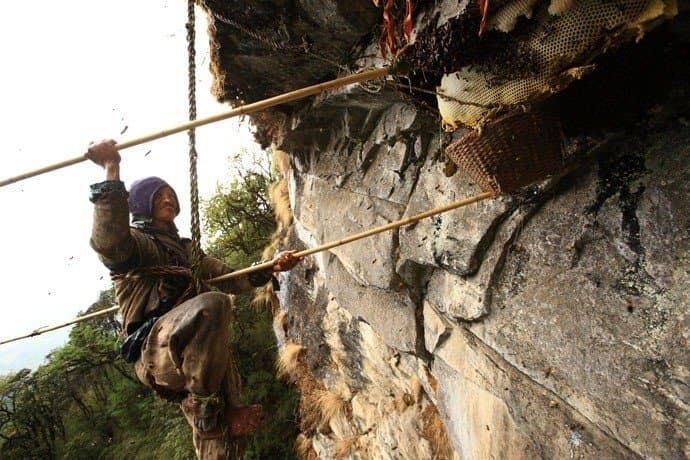
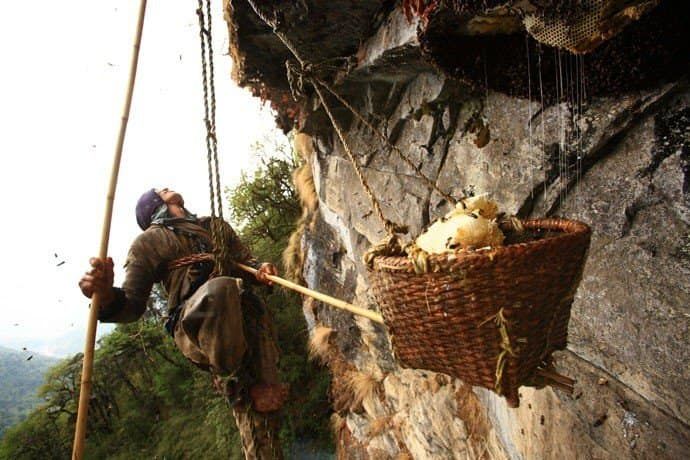
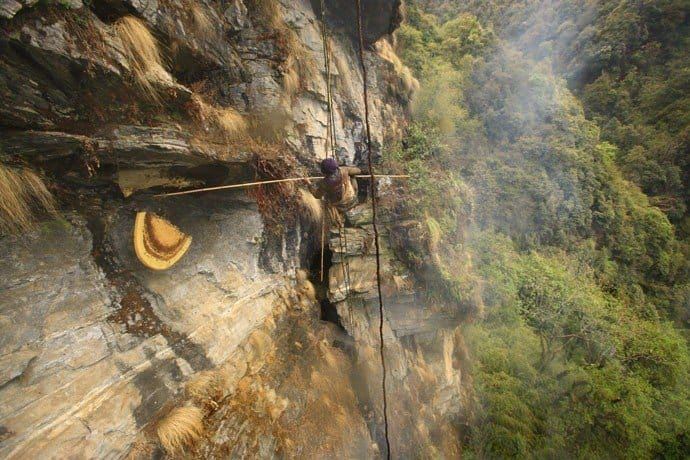
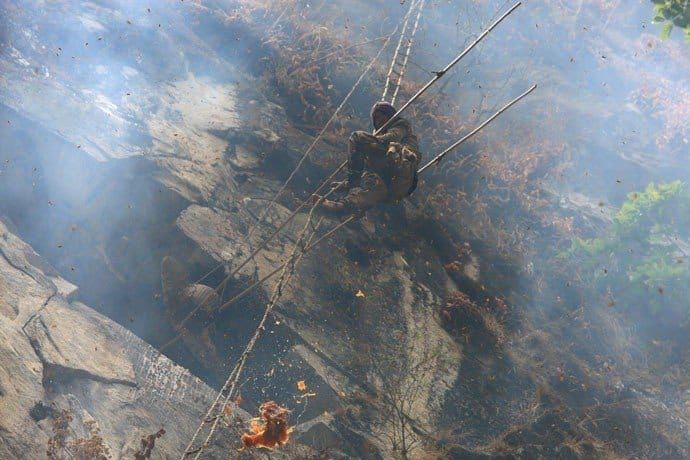
The Honey Hunters Of Nepal
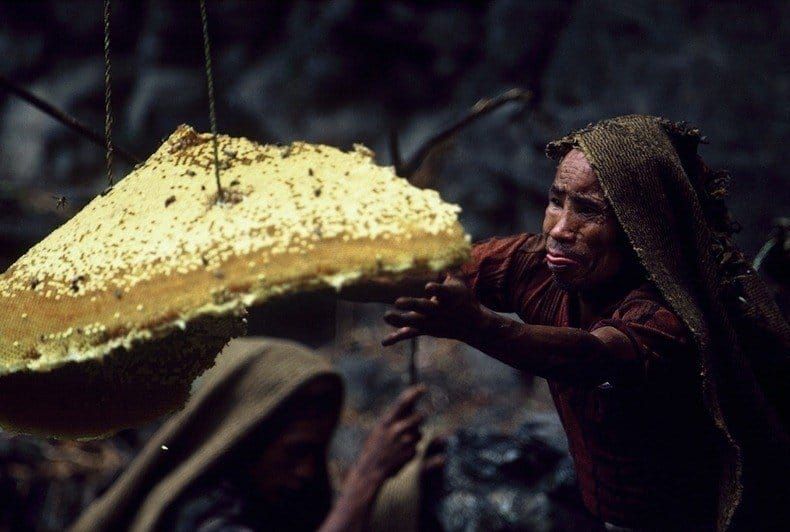
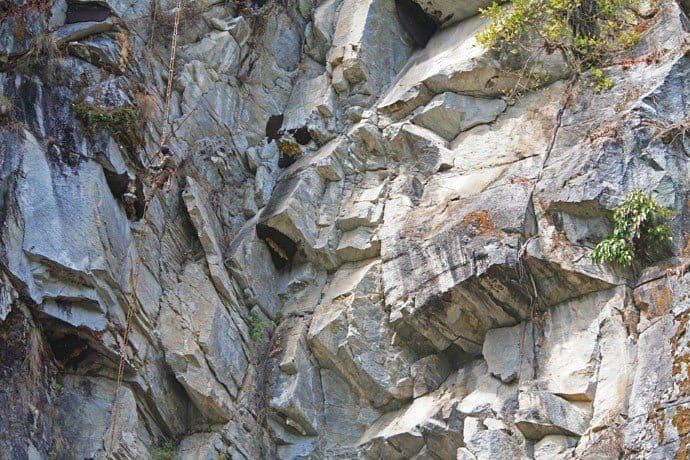
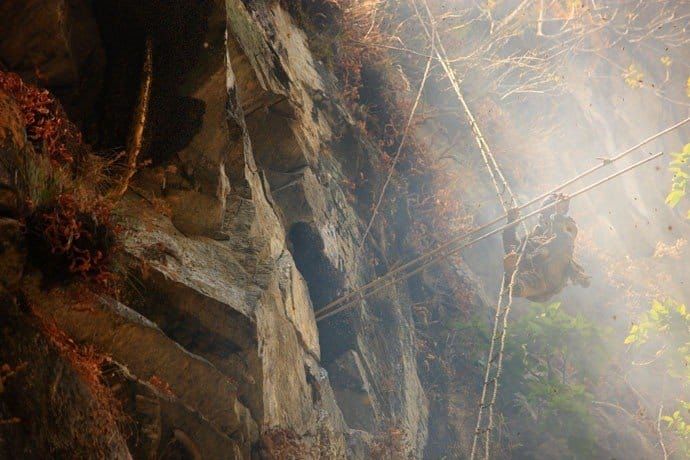
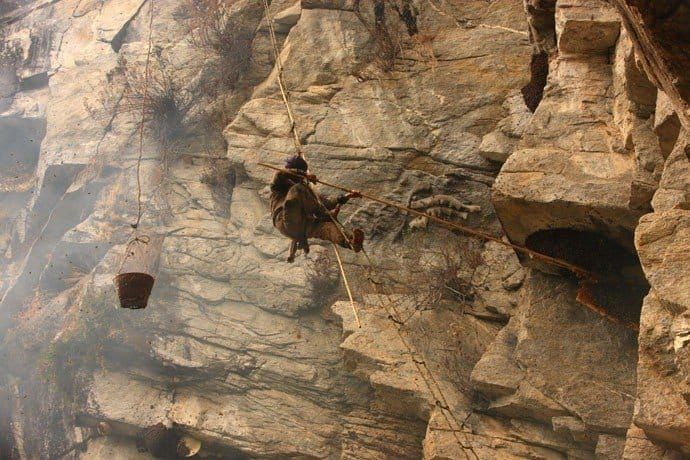
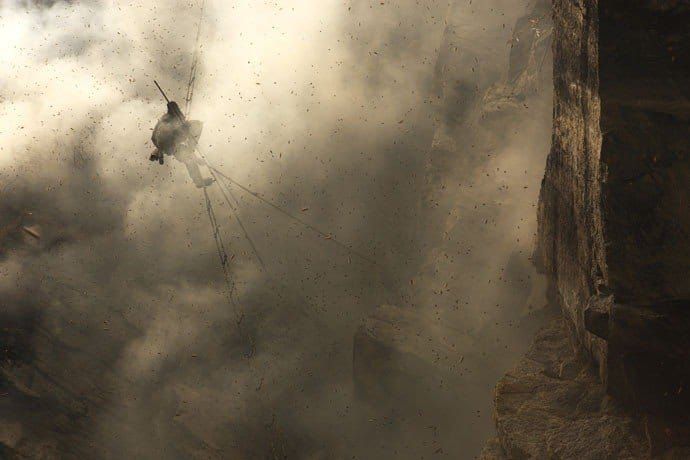
Nepal is home to the Apis Laboriosa, the biggest honey bee on the planet, and honey hunting plays a significant role in the local way of life. The bees build their hives on the cliffs of the country's foothills, which adds complexity to the honey hunting process. Local honey hunters use rope ladders and baskets to access the combs after driving the bees away with smoke from a fire underneath the hives. They carefully collect the honey treasure from the combs while dealing with territorial bees. The harvesting occurs once a year and begins with a harvest ritual that varies across towns, often starting with a prayer and the offering of flowers, rice, and fruits.
This unique aspect of Nepali culture is captivating, and tourists have the opportunity to witness the bravery of the honey hunters, explore the fascination of the Nepali landscape, and admire the intricate homes of the honey bees.




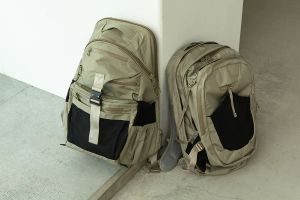
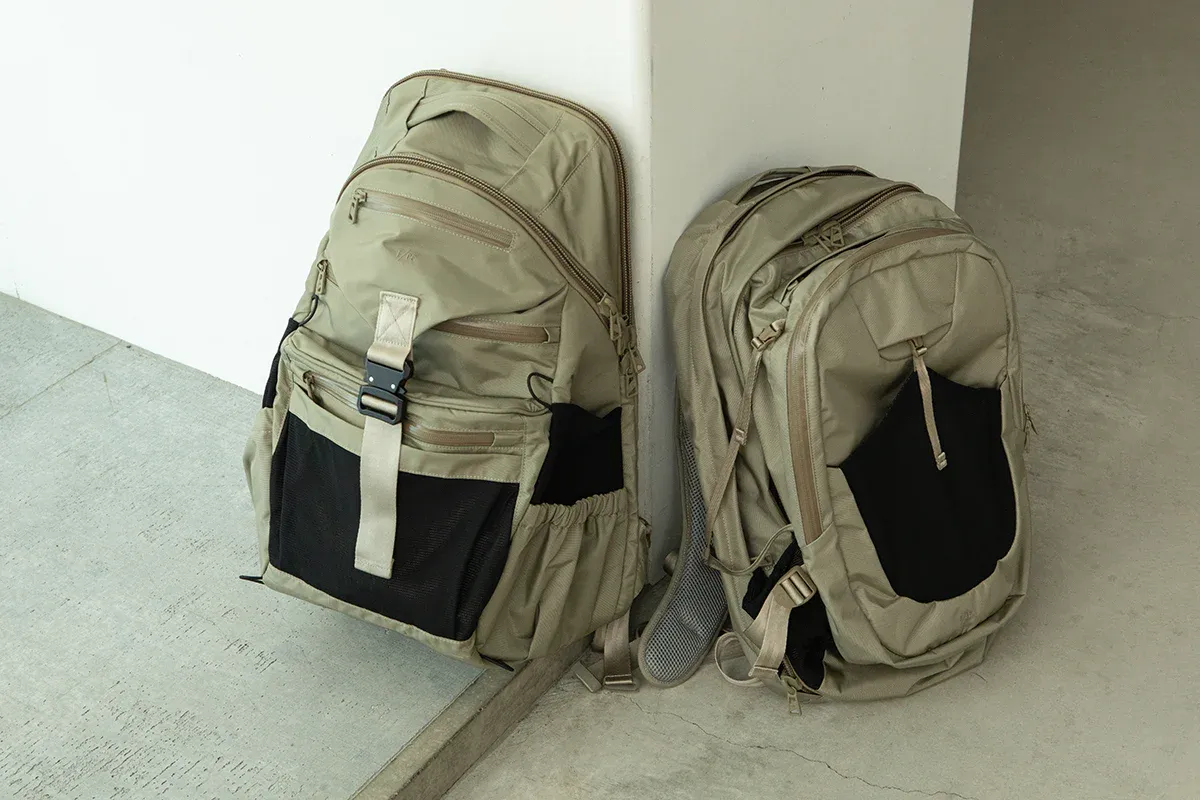
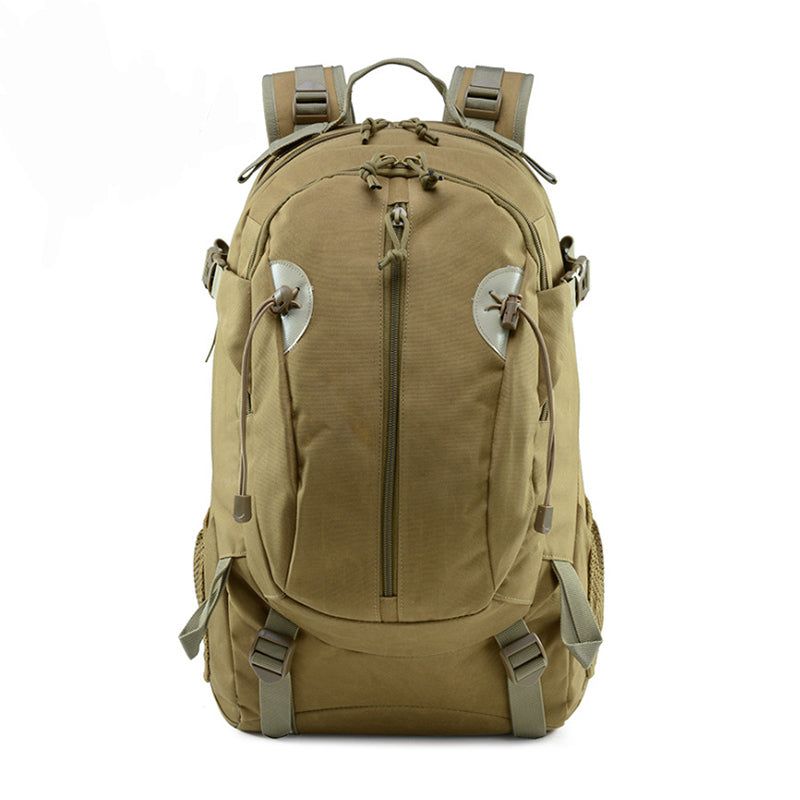
F/CE ONEDAY TECHNICAL TRAVEL BACKPACK
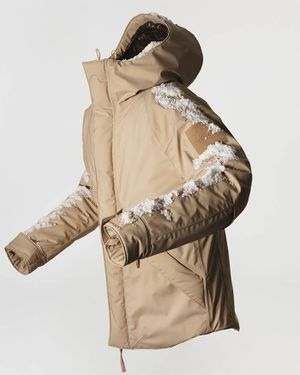


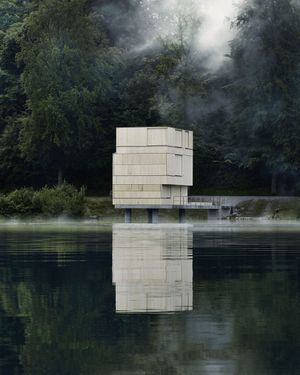
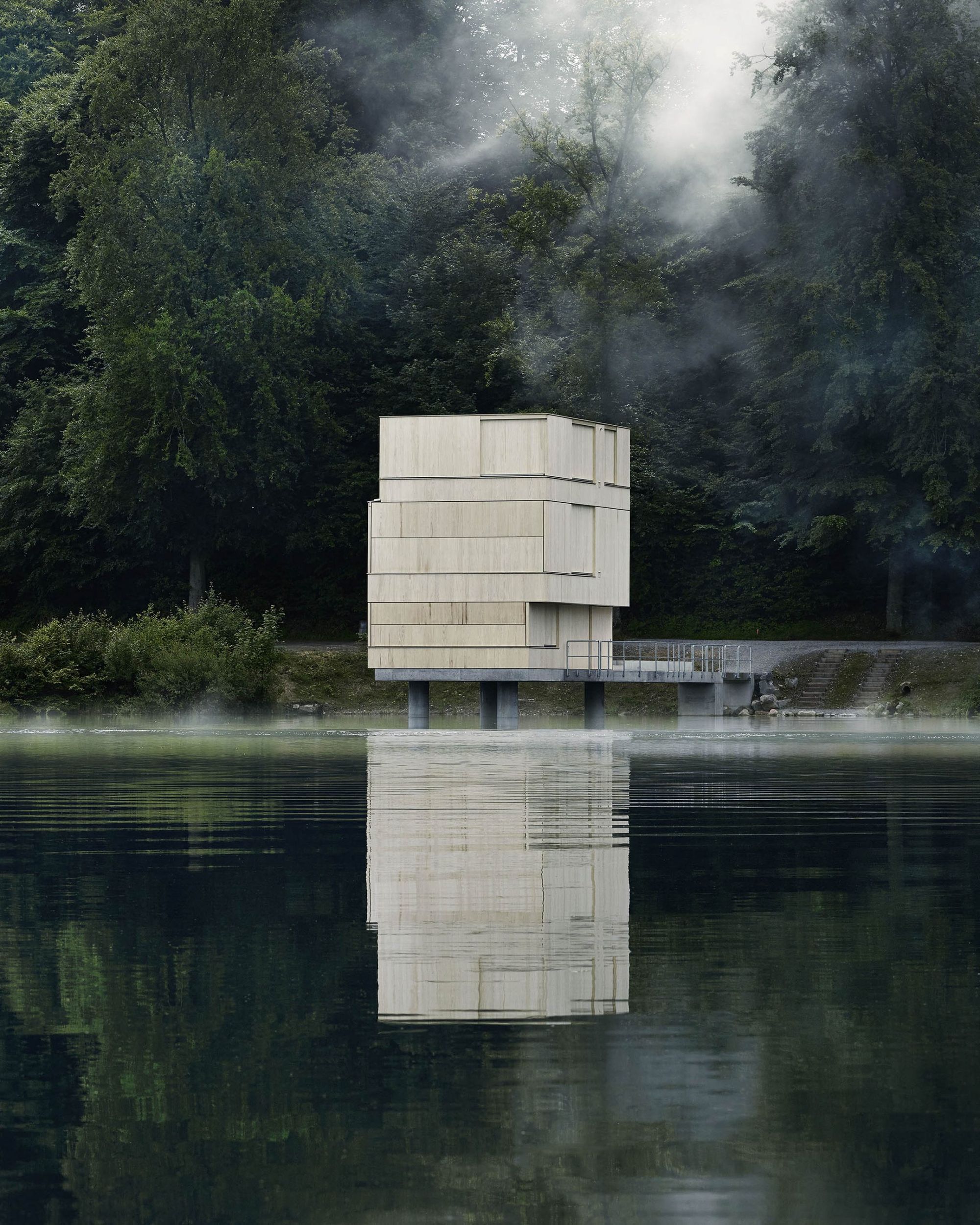
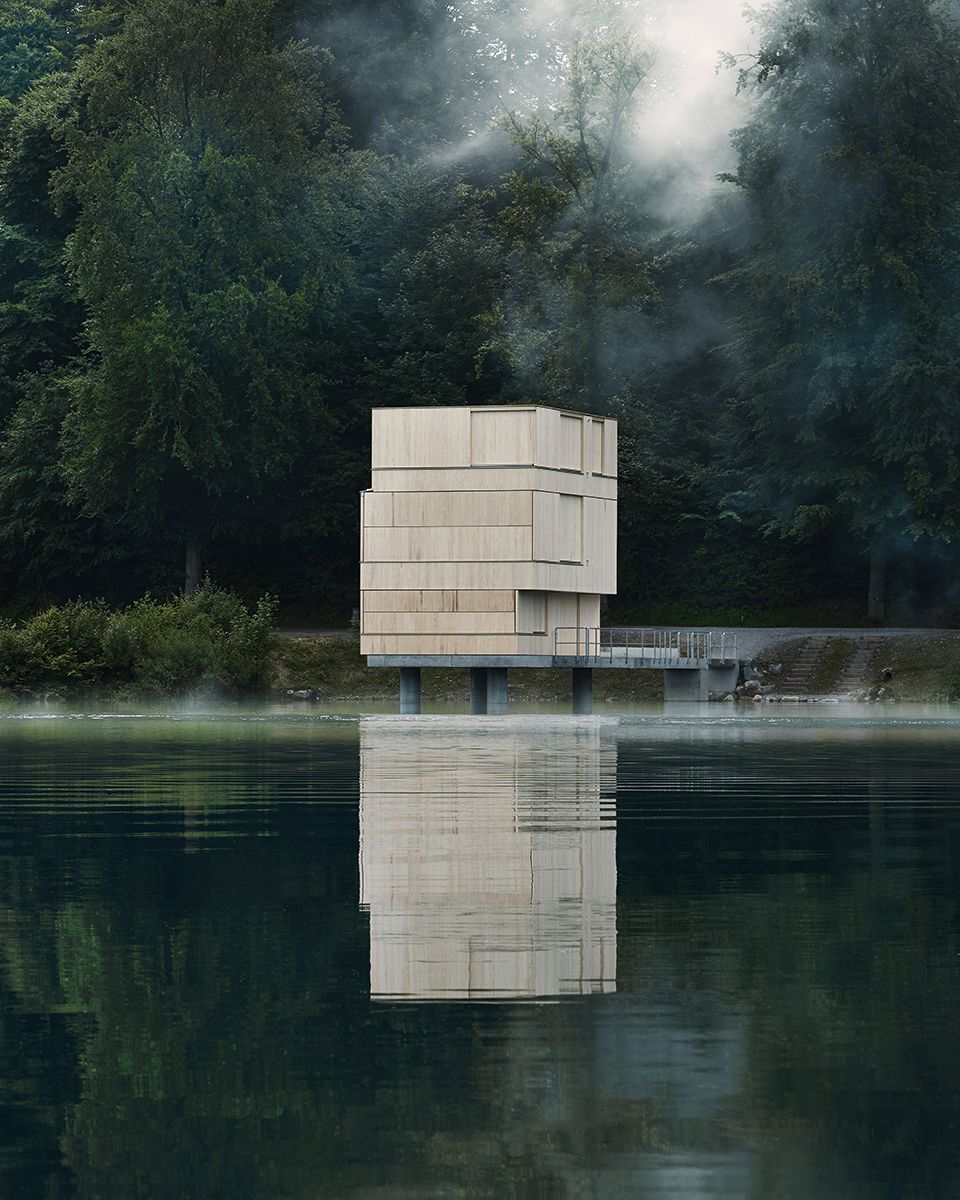
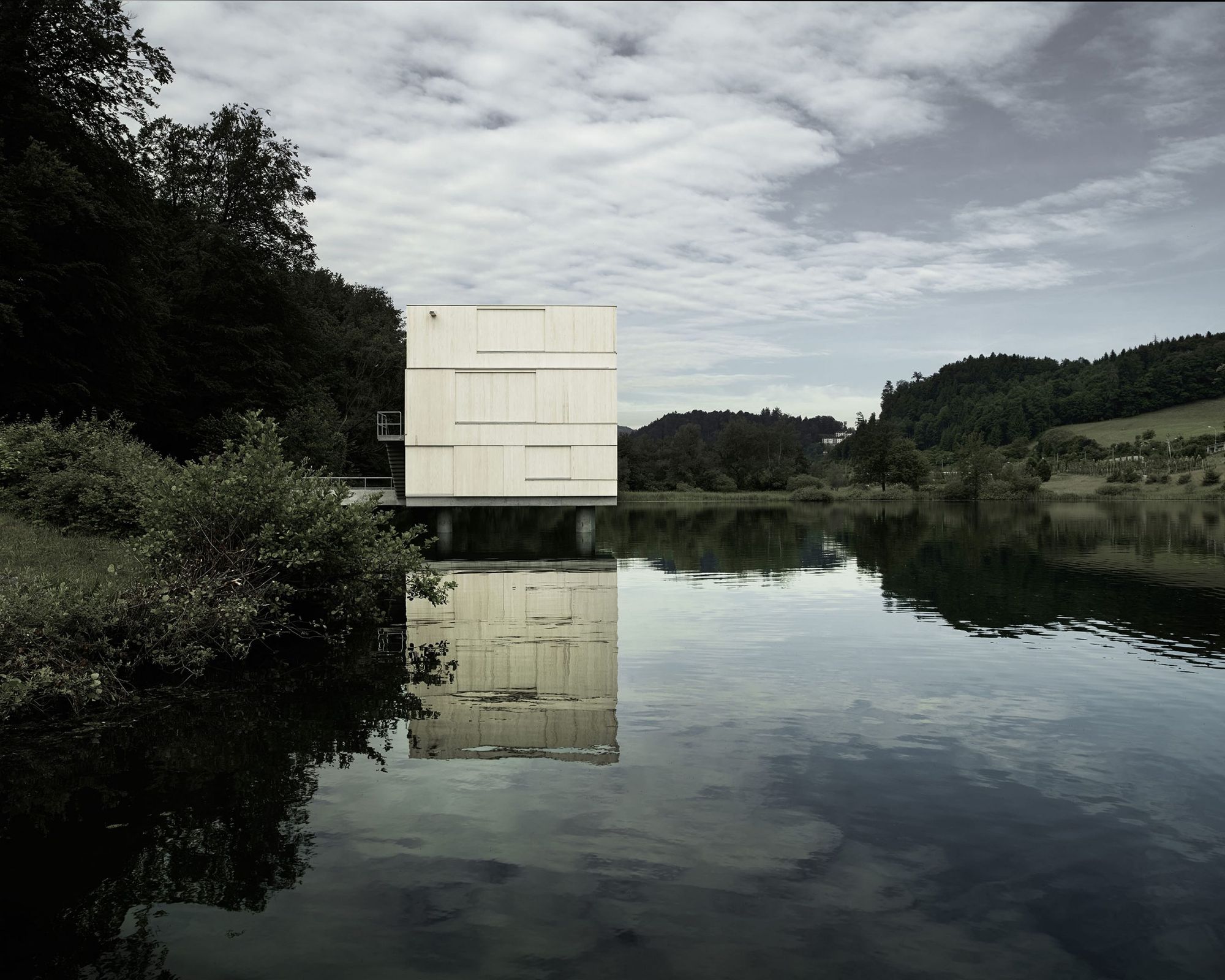
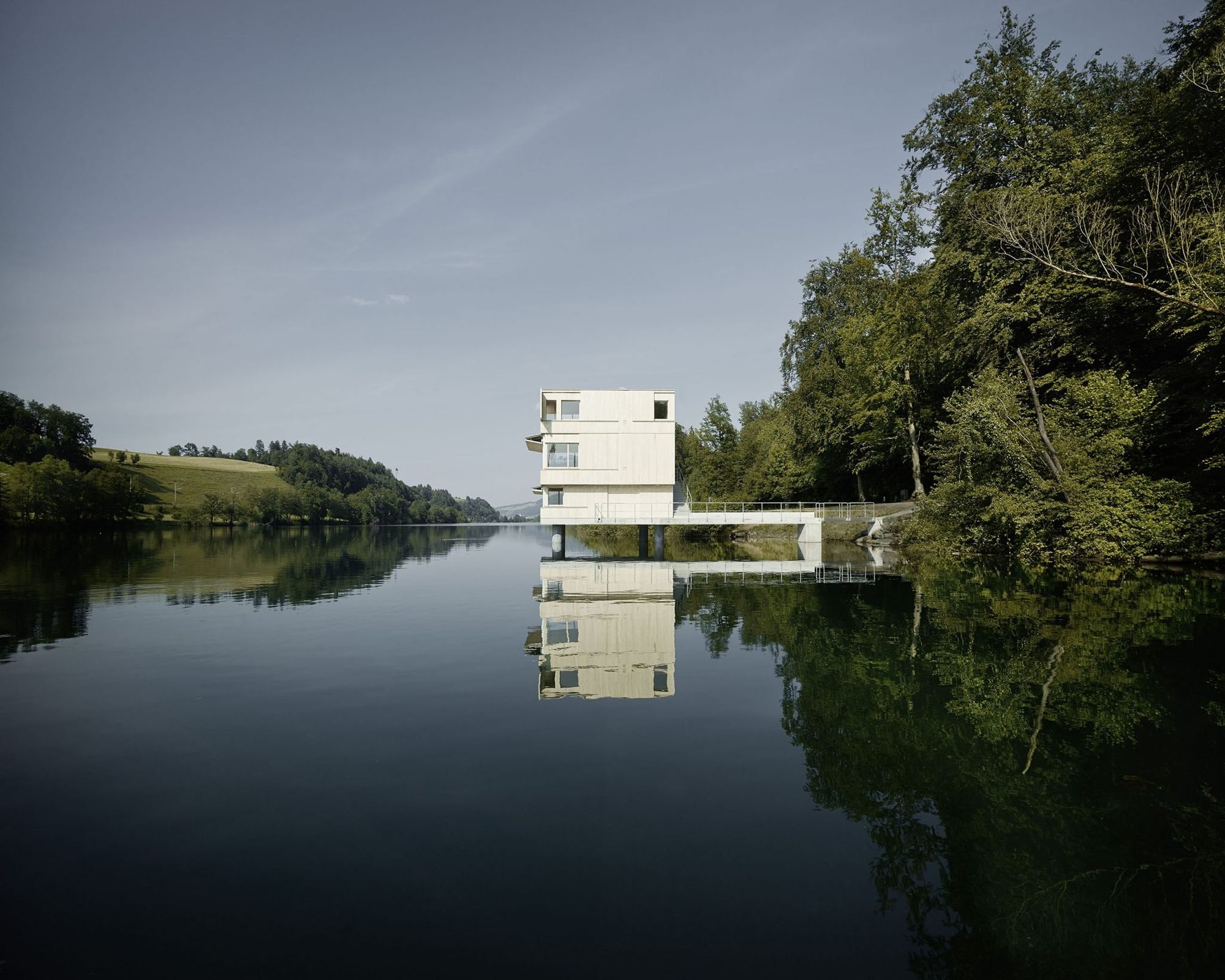
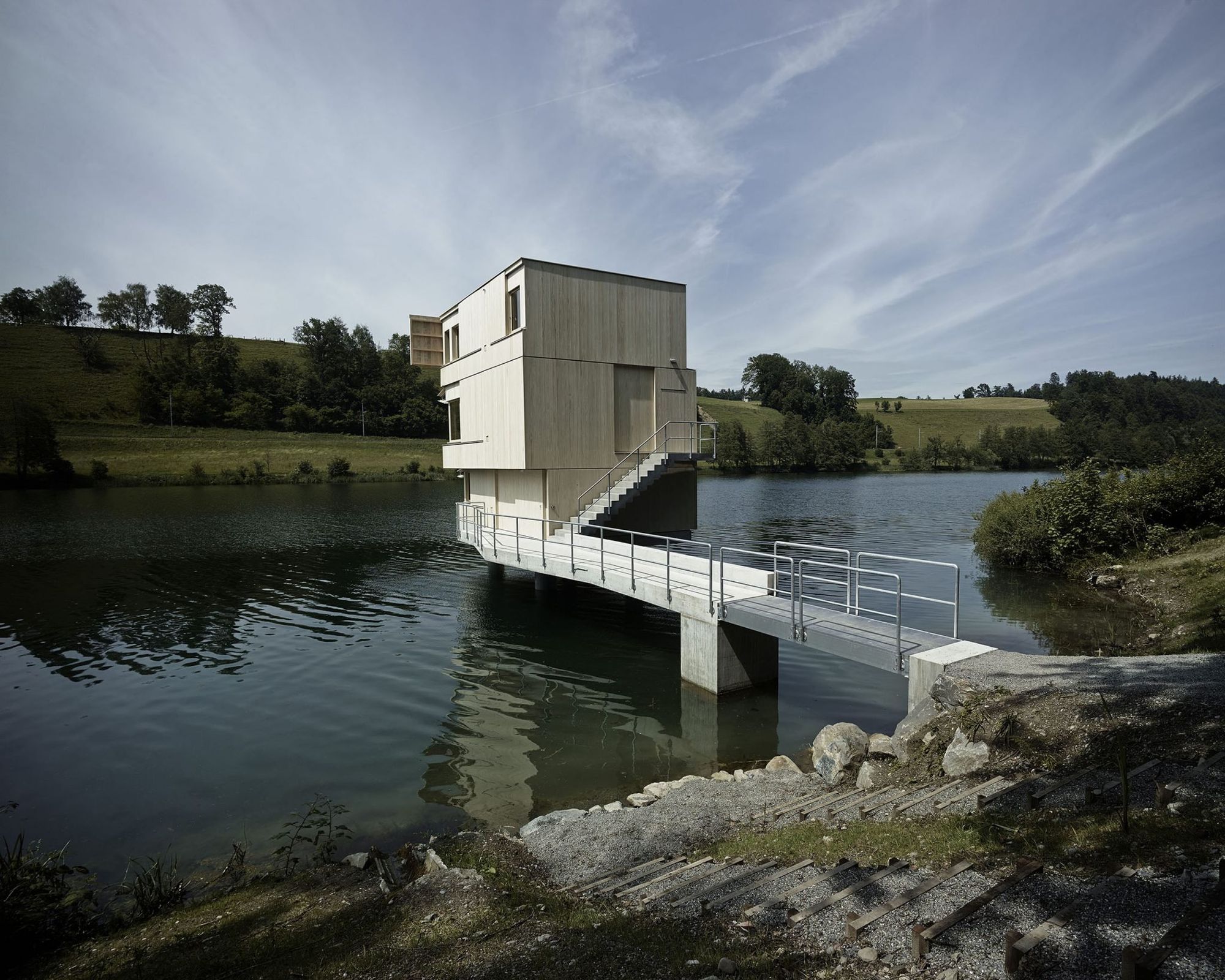
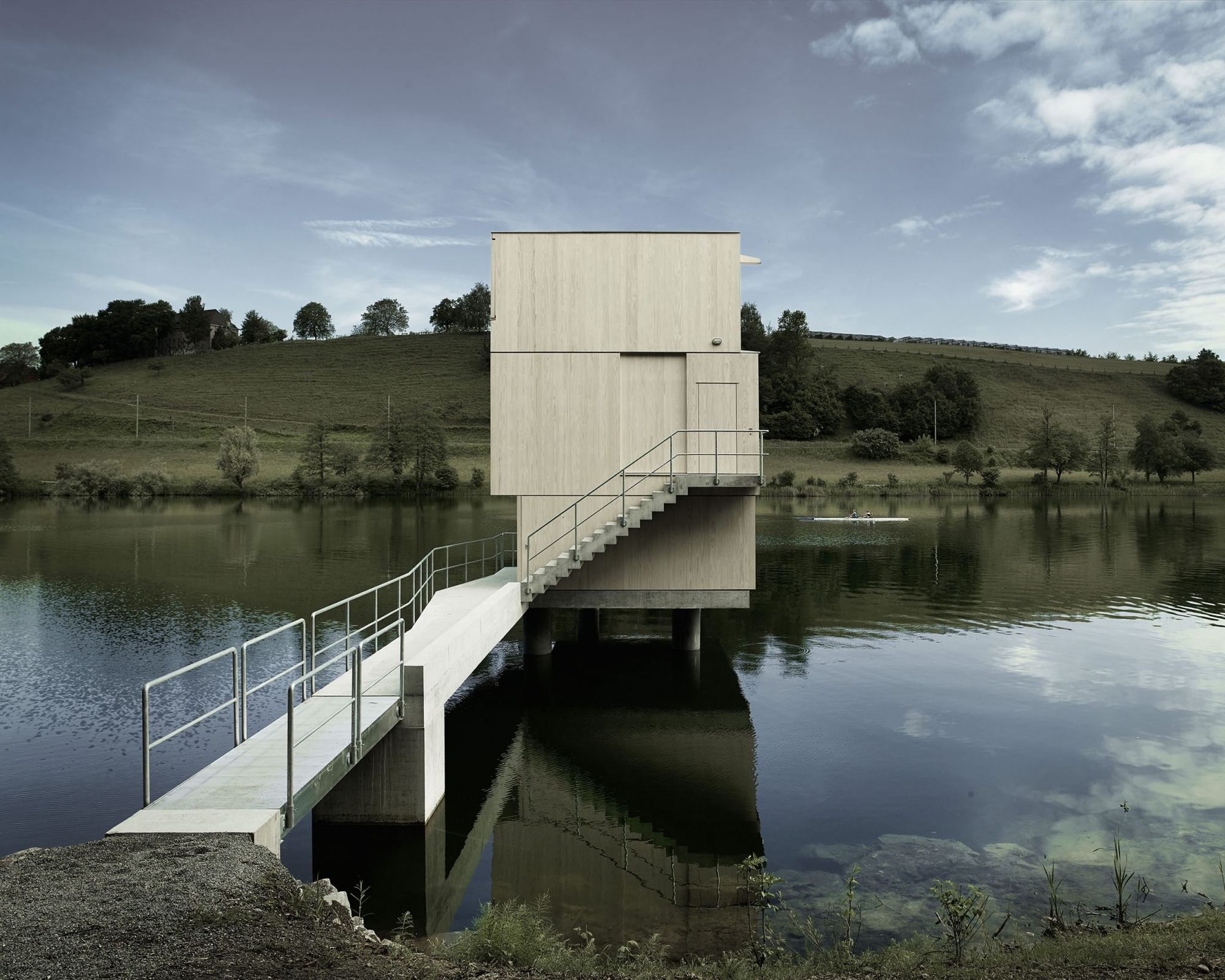
Lake Rotsee Refuge by AFGH Architekten firm
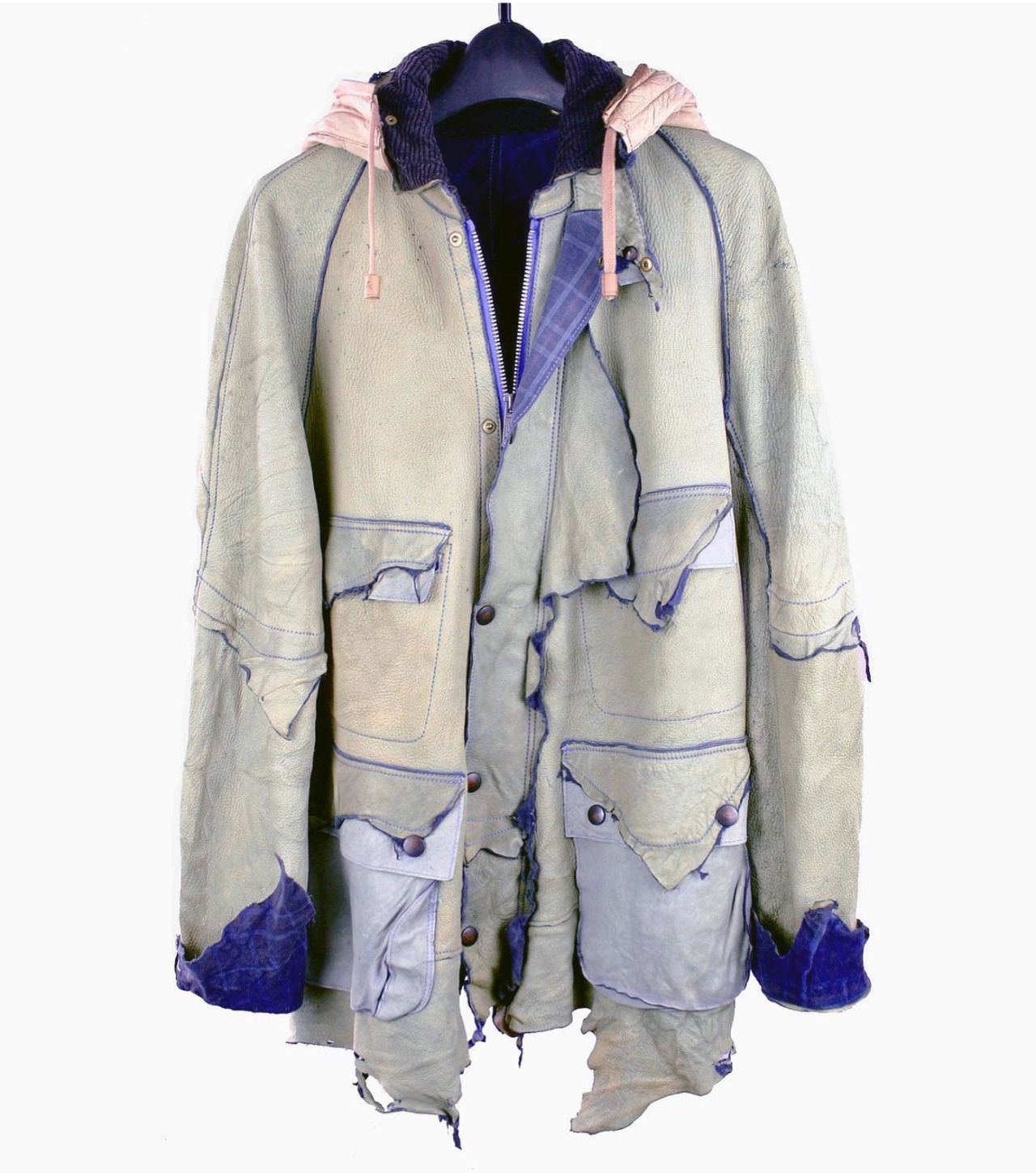
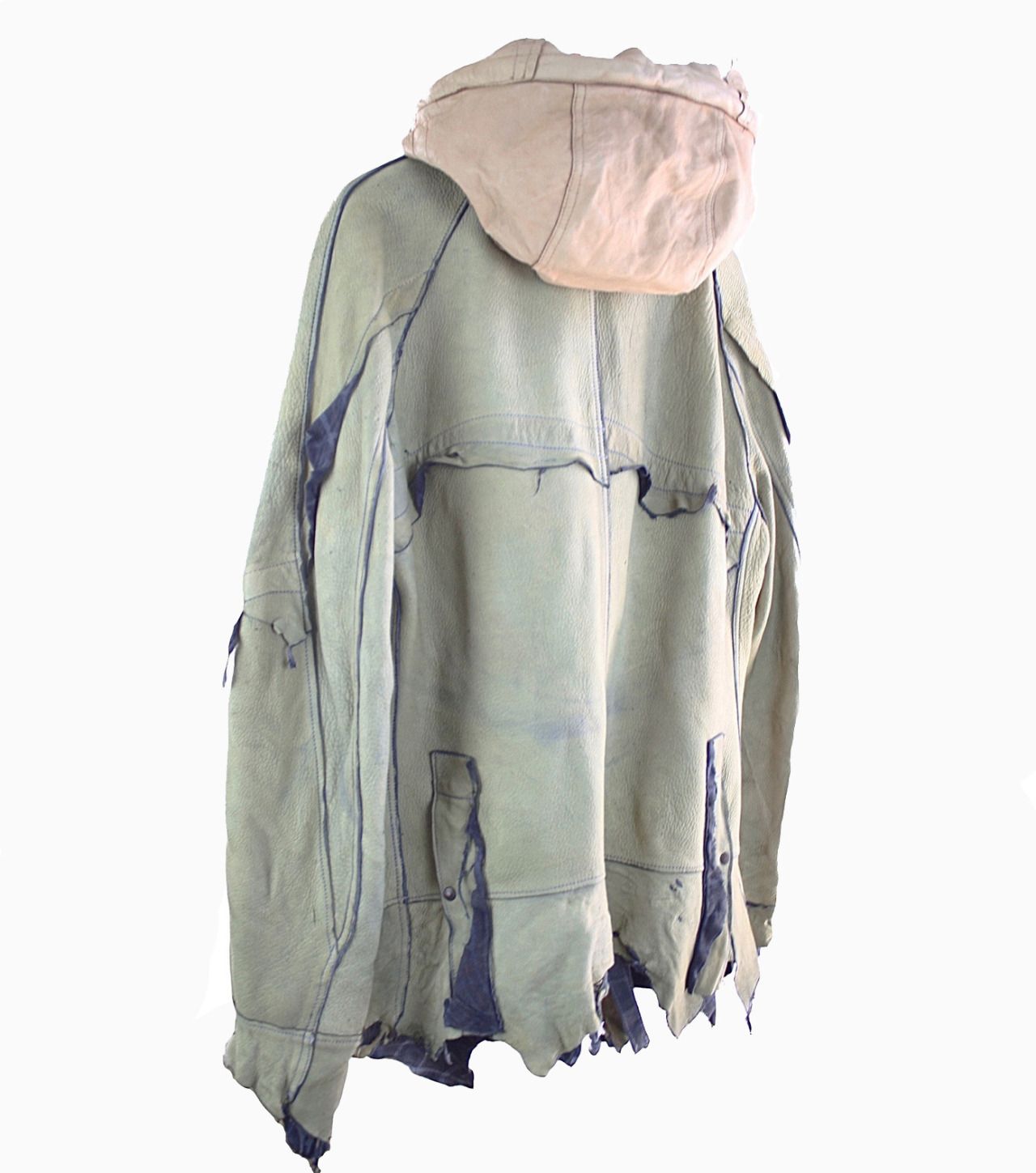
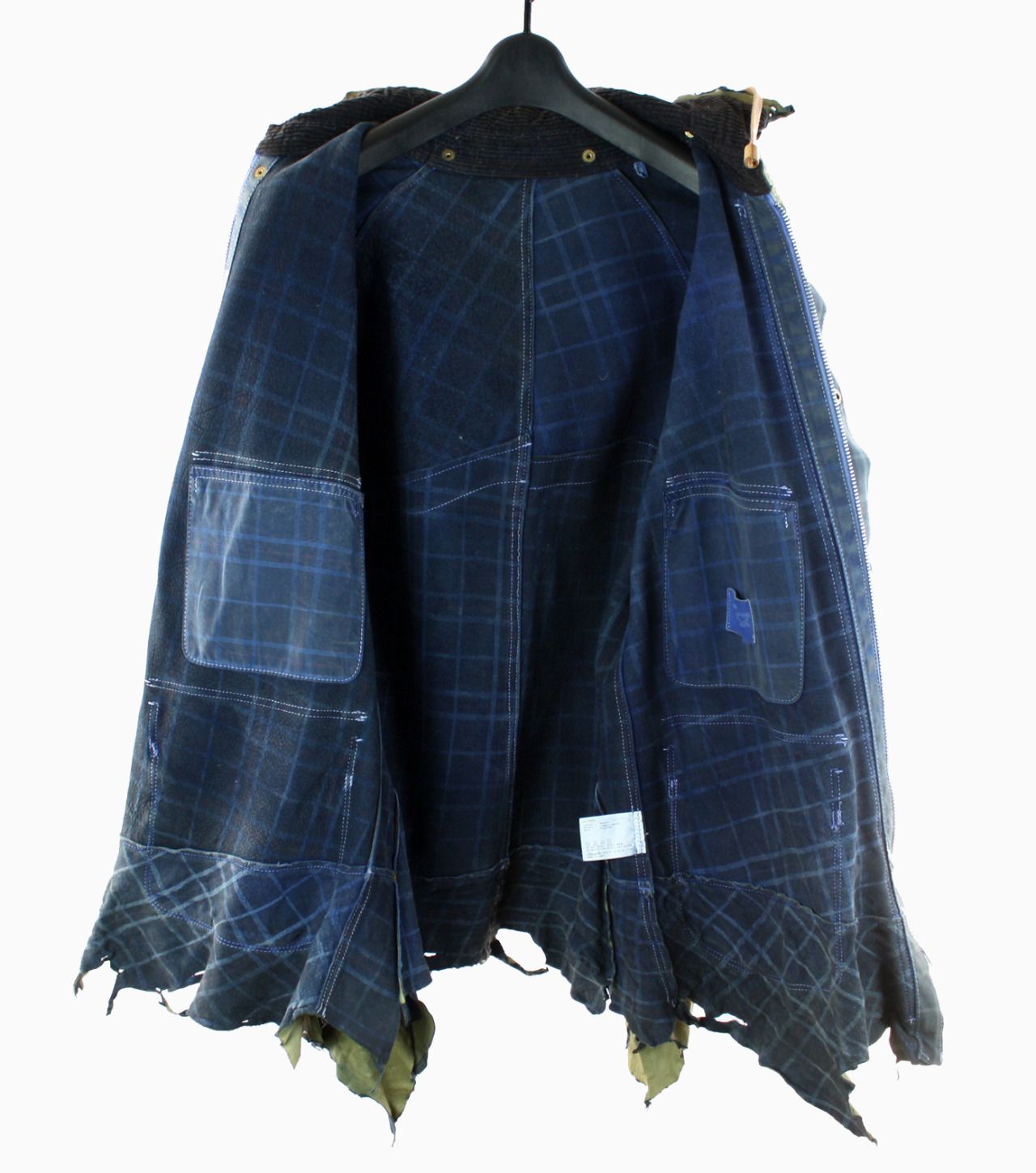
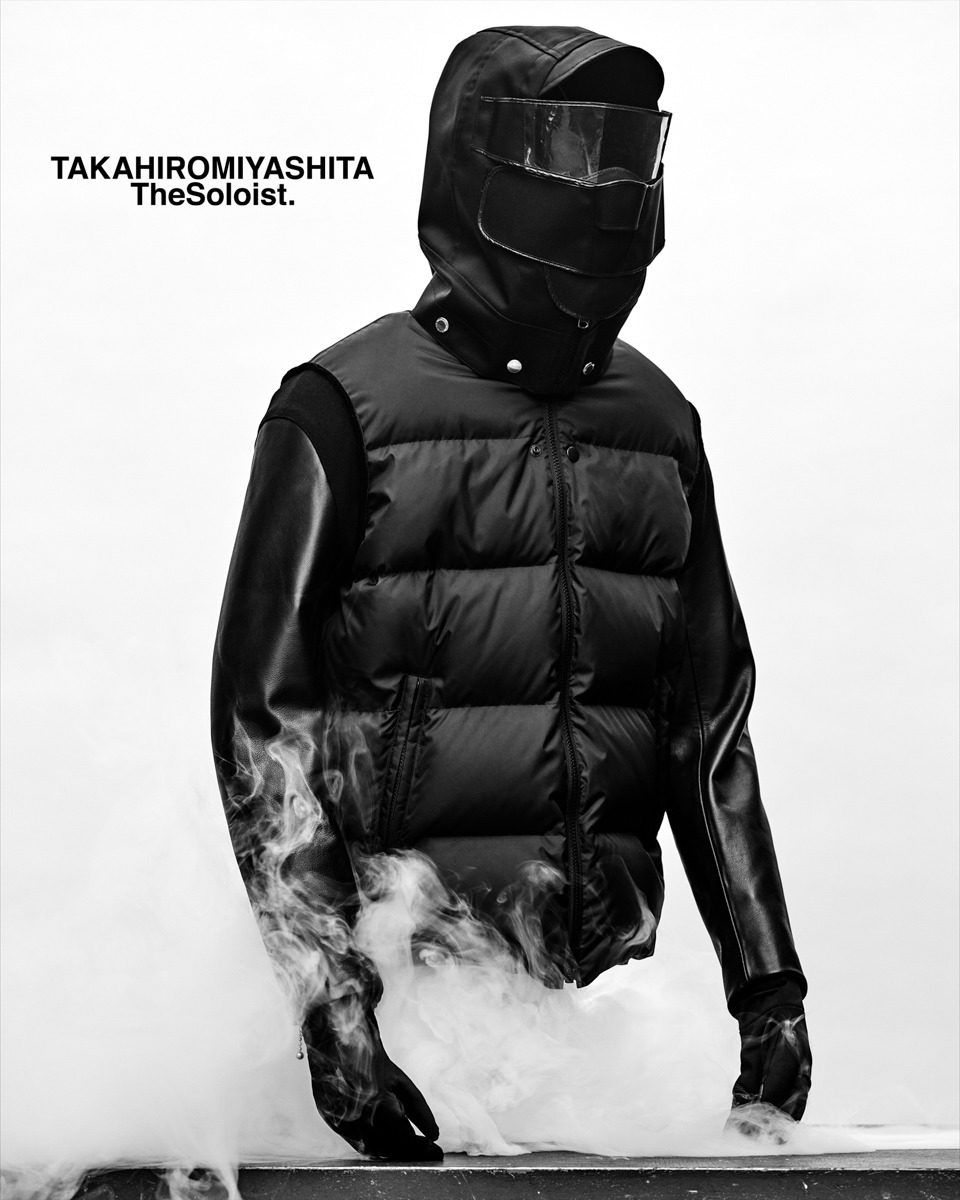
TAKAHIROMIYASHITA The Soloist eArth dyed sheepskin jacket
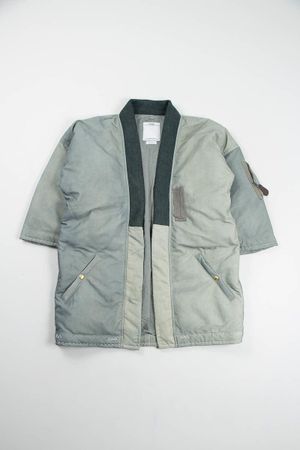
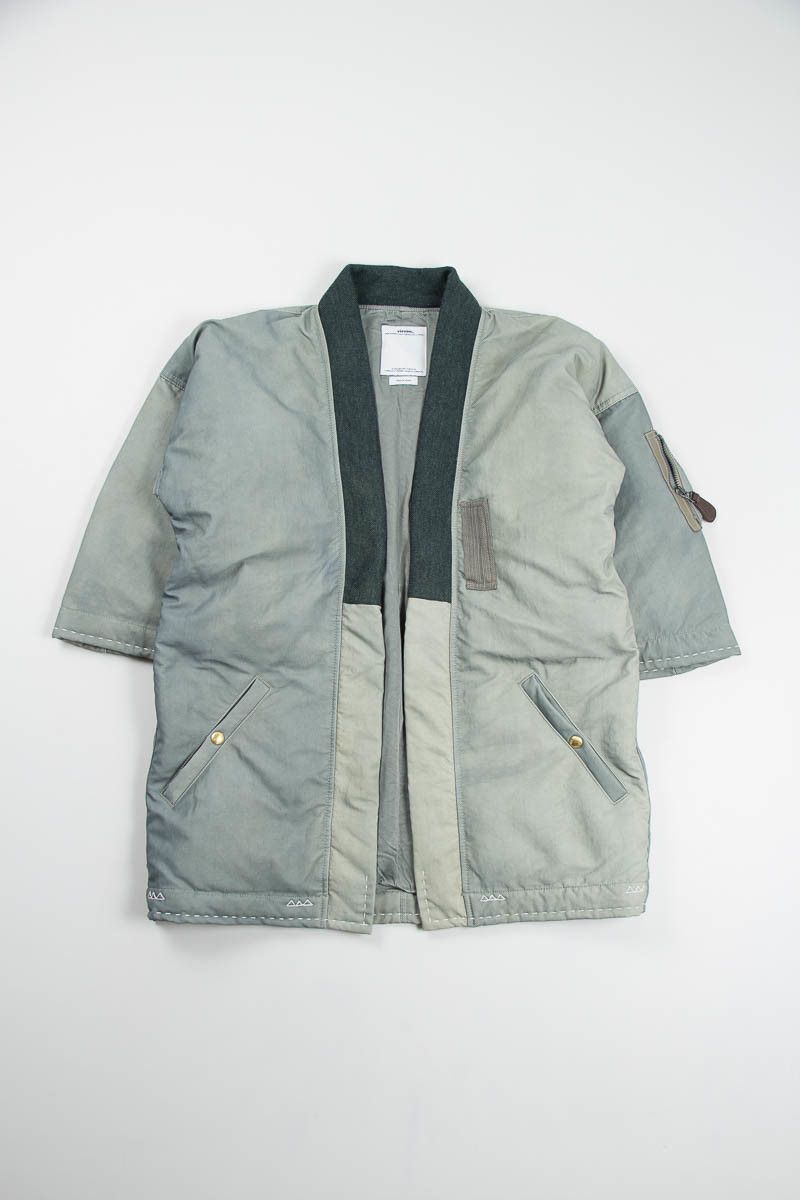
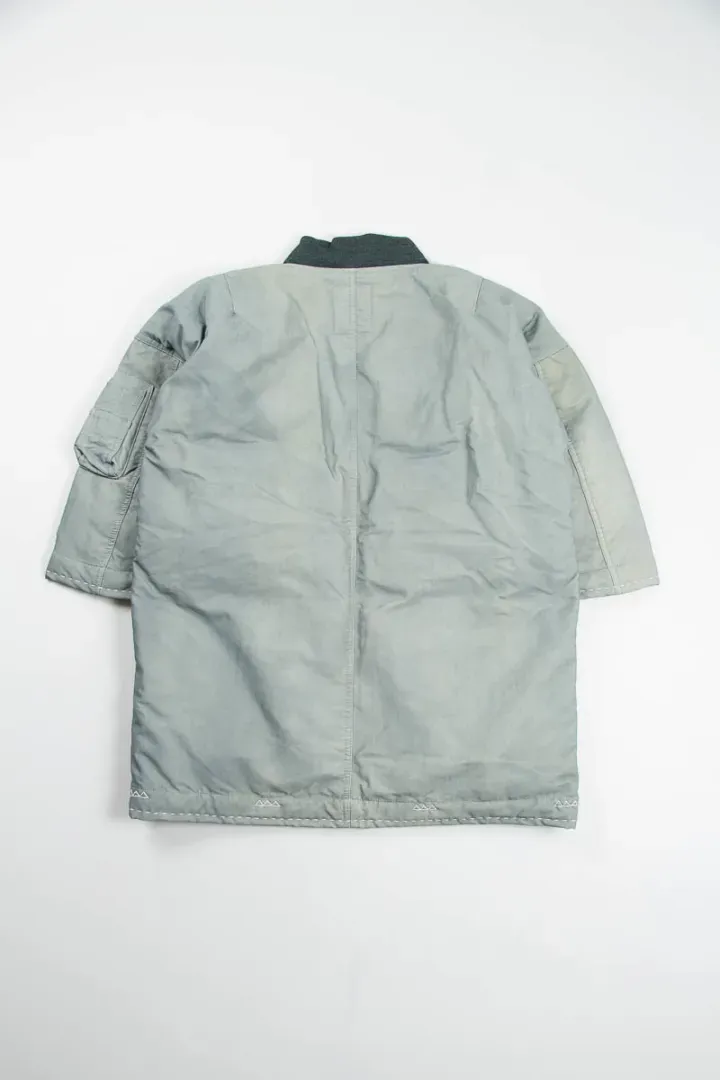
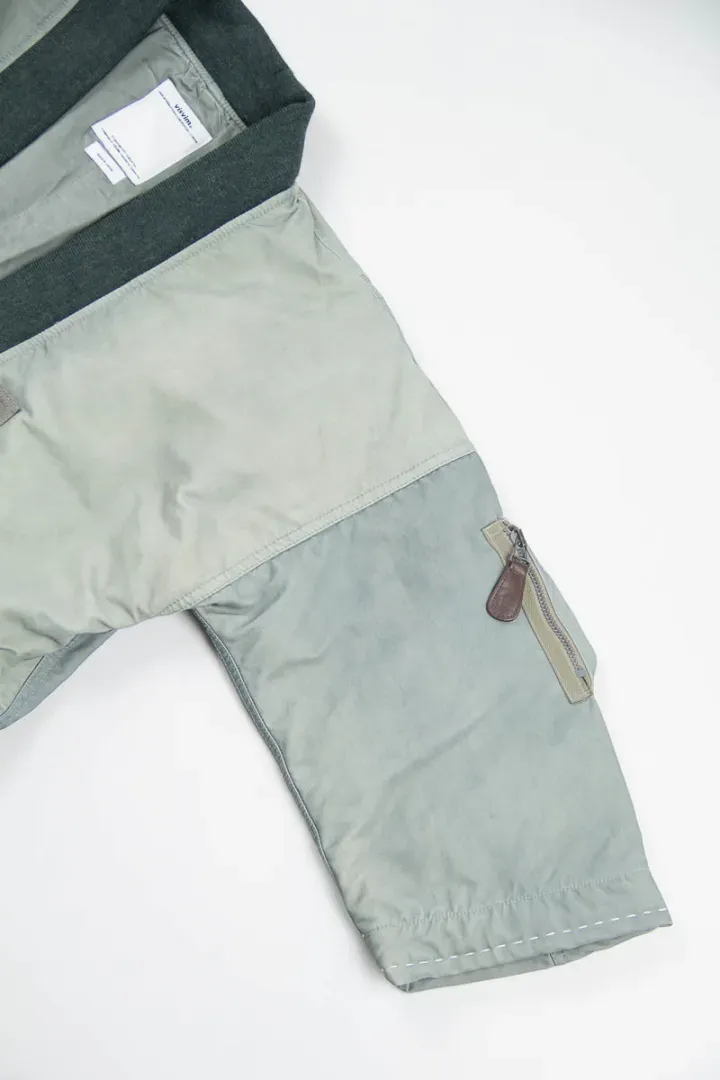
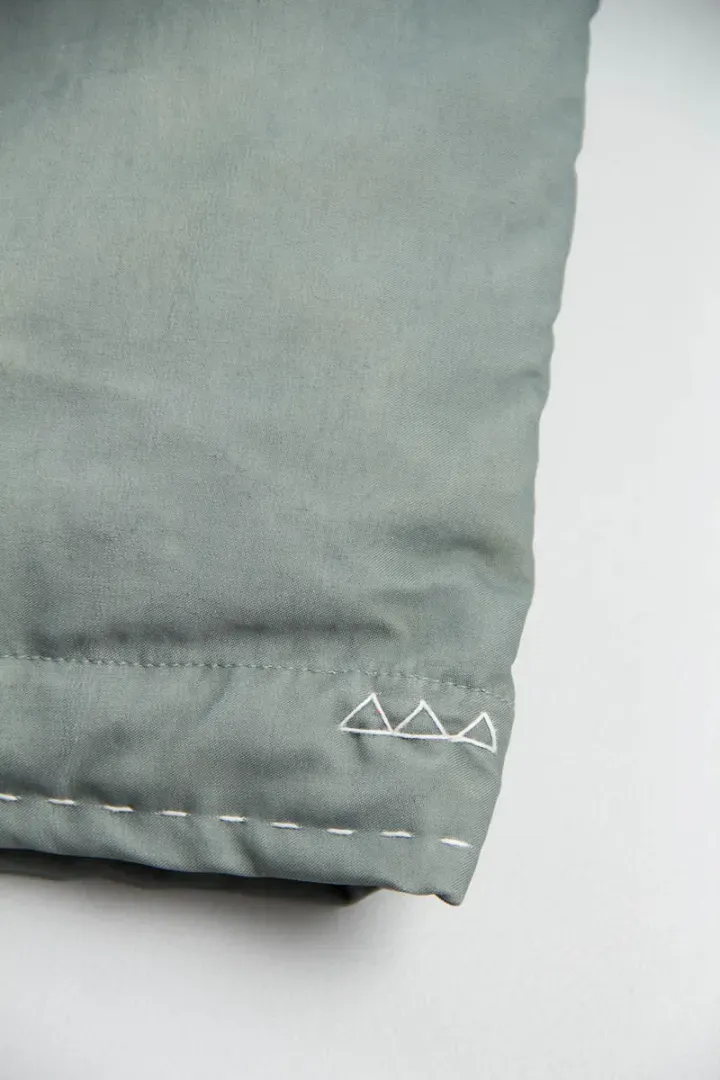
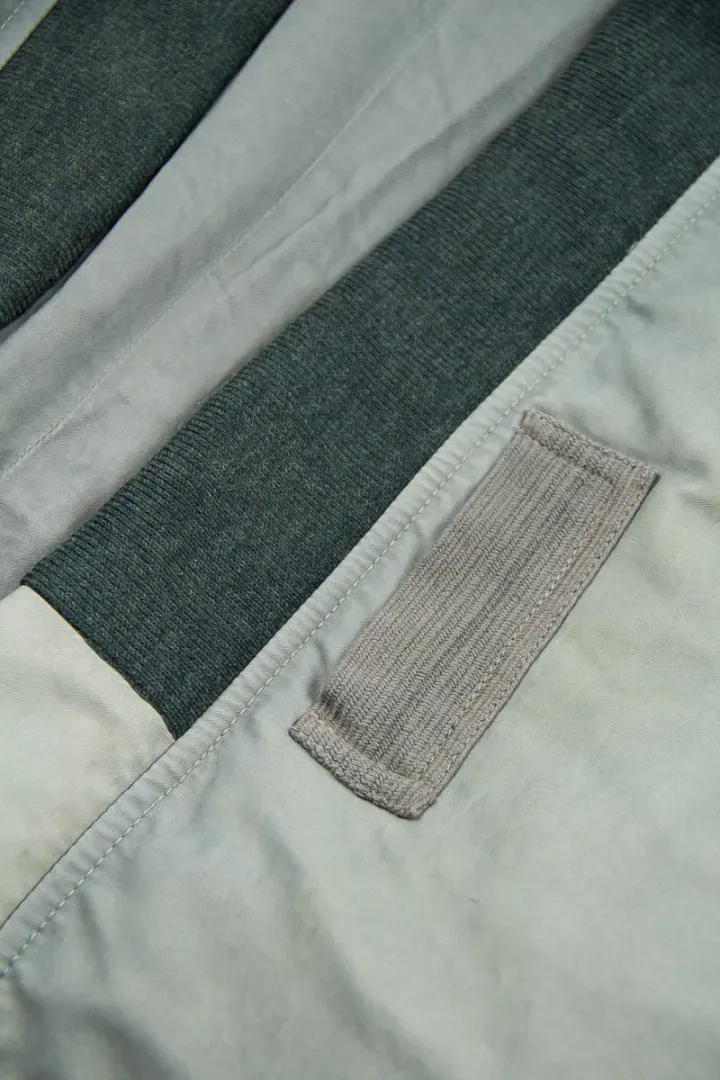
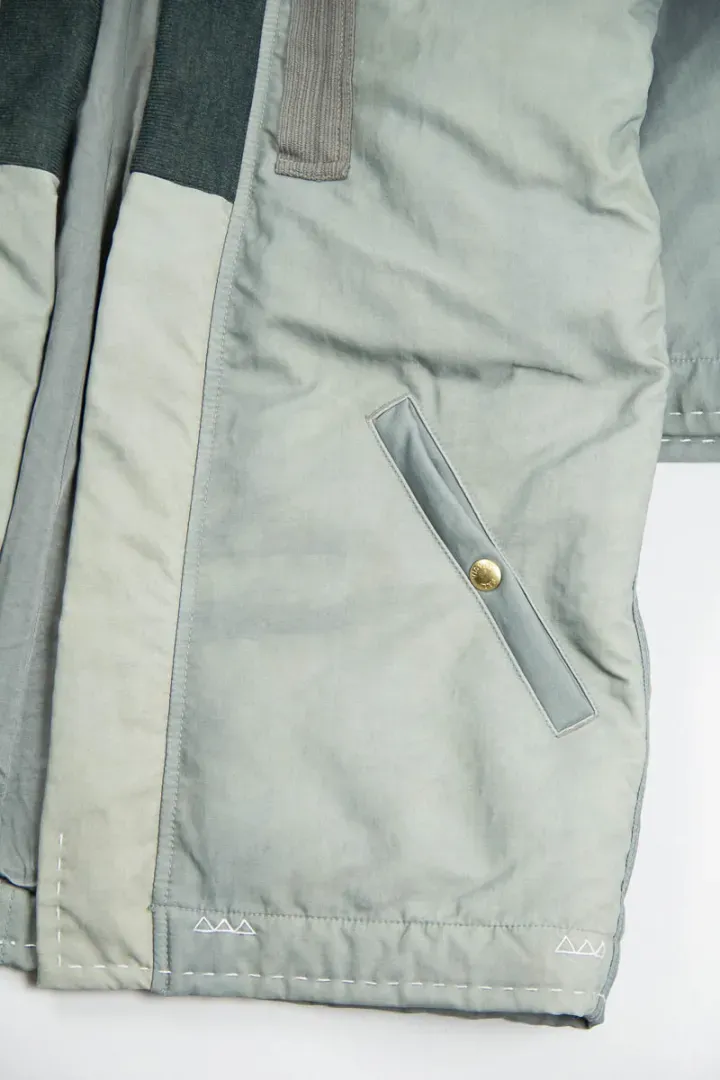
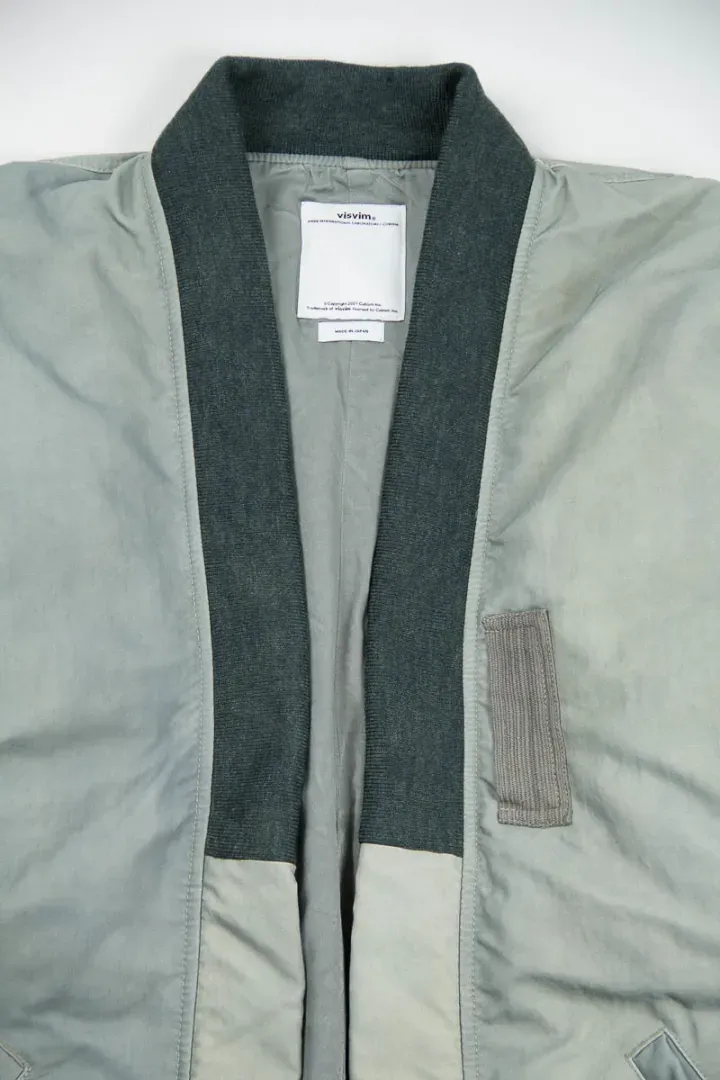
Visvim Sanjuro Kimono Down Jacket
Naturally dyed Italian nylon with a white goose down fill, ribbed collar, 2 slanted snap button pockets, Talon zippered utility pocket on one sleeve, patch detailing on the placket and hand–stitched sashiko.
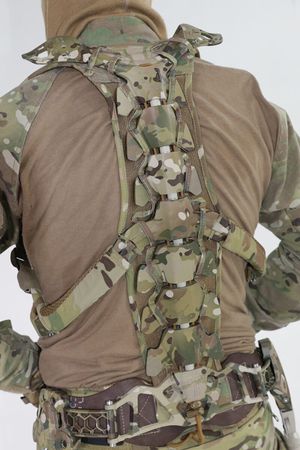
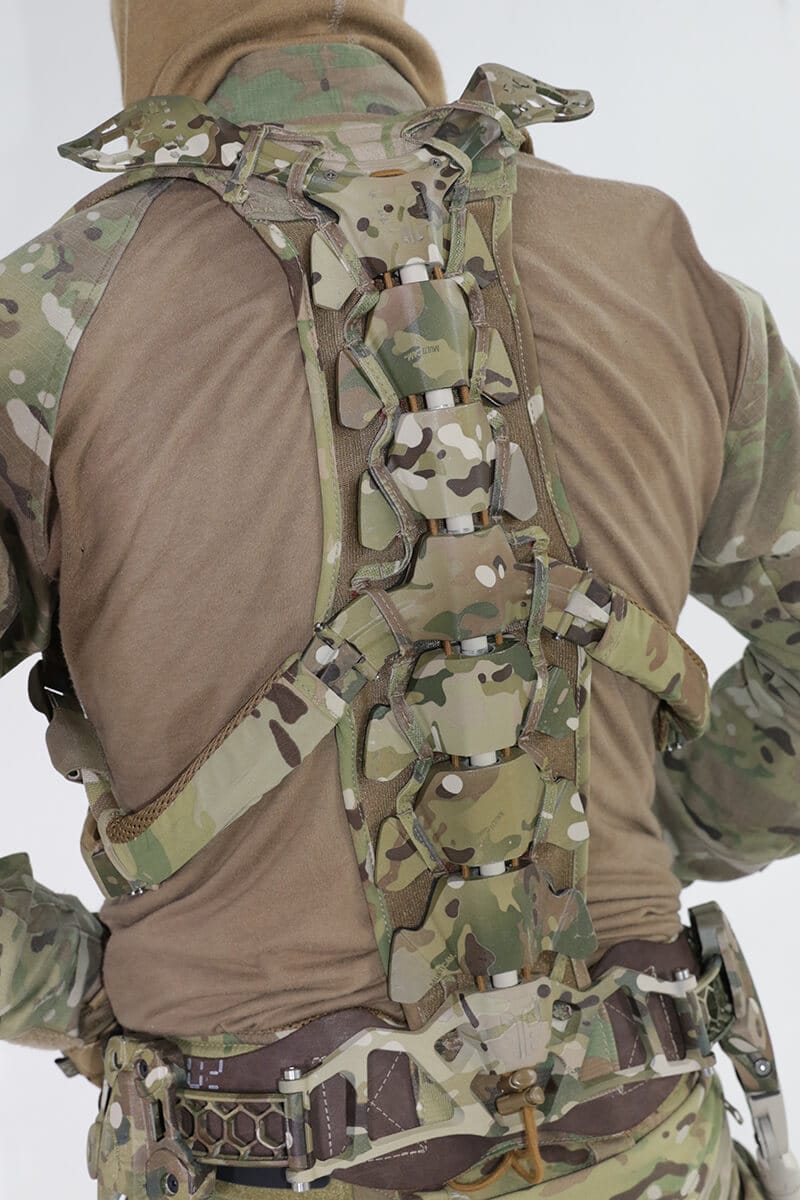
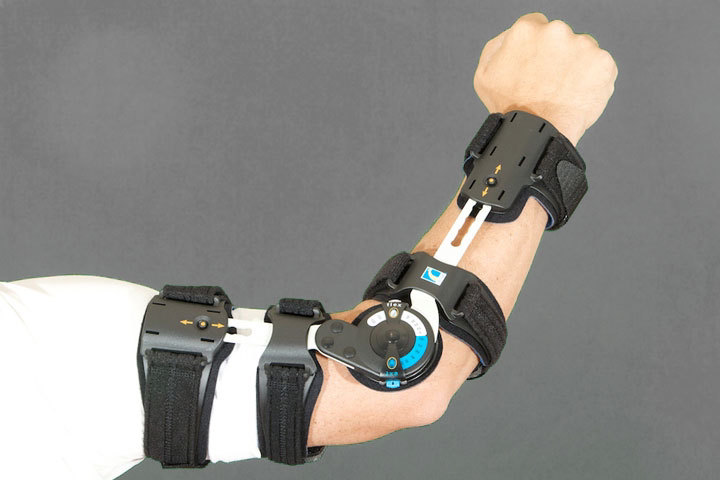
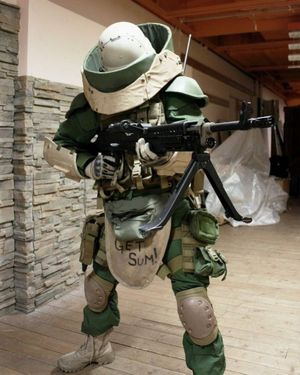
Mawashi UPRISE Tactical Exoskeleton
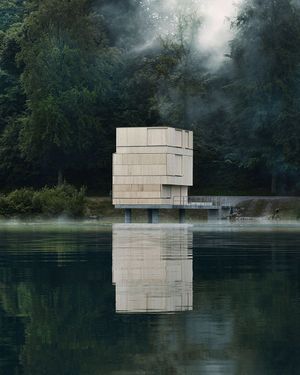
Andreas Fuhrimann Gabrielle Hächler - Zielturm Rotsee, Rotsee Luzern

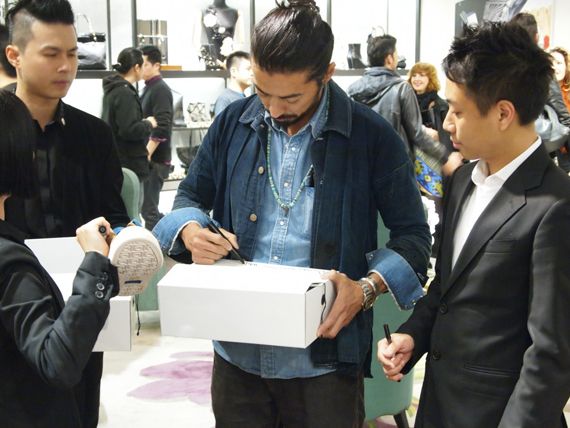
Hiroki in his Visvim Lhamo Shirt
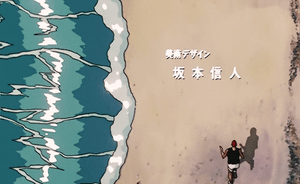
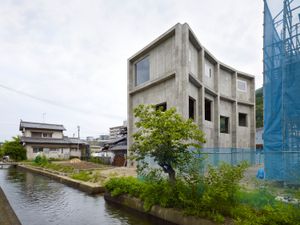
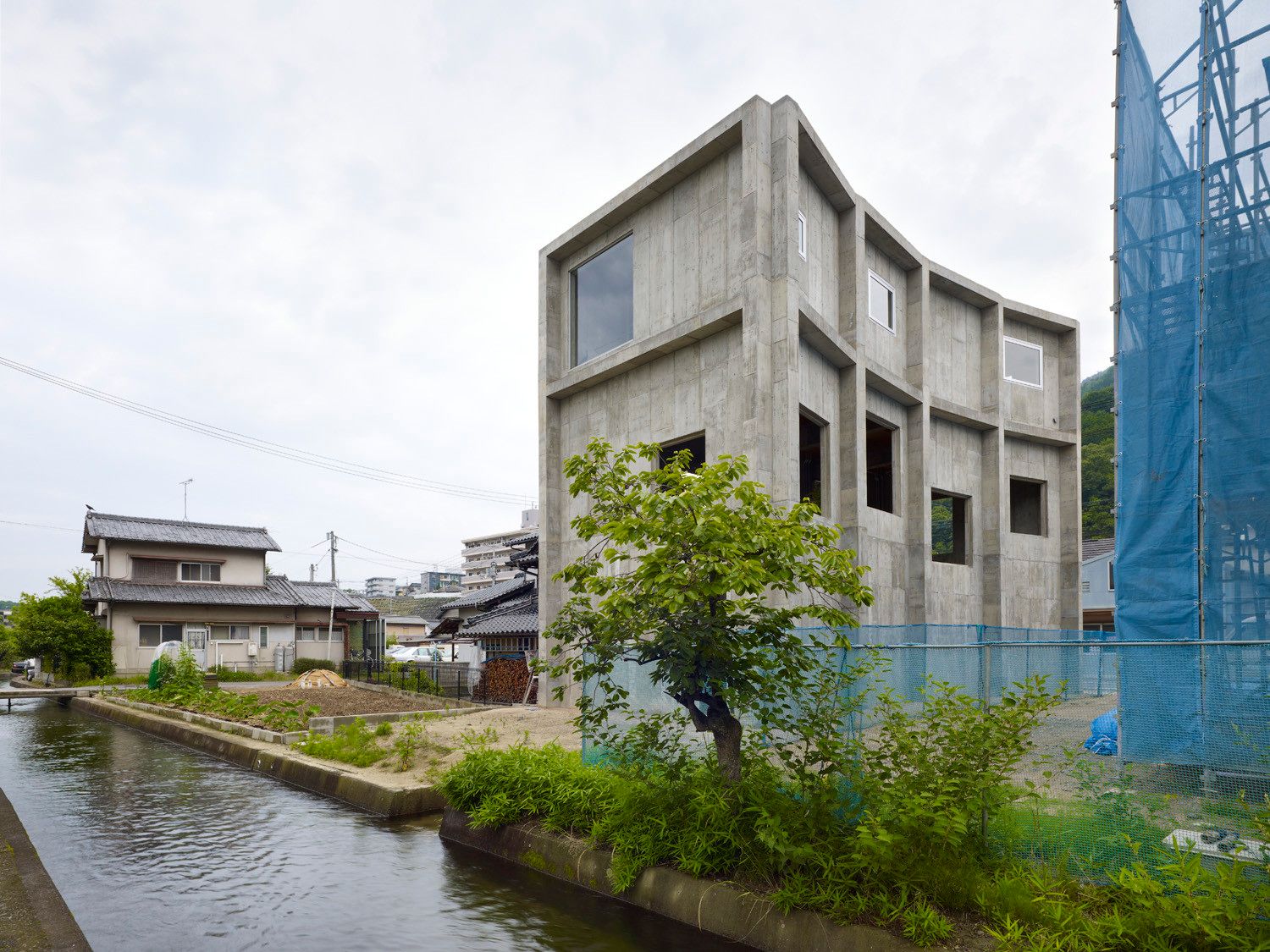
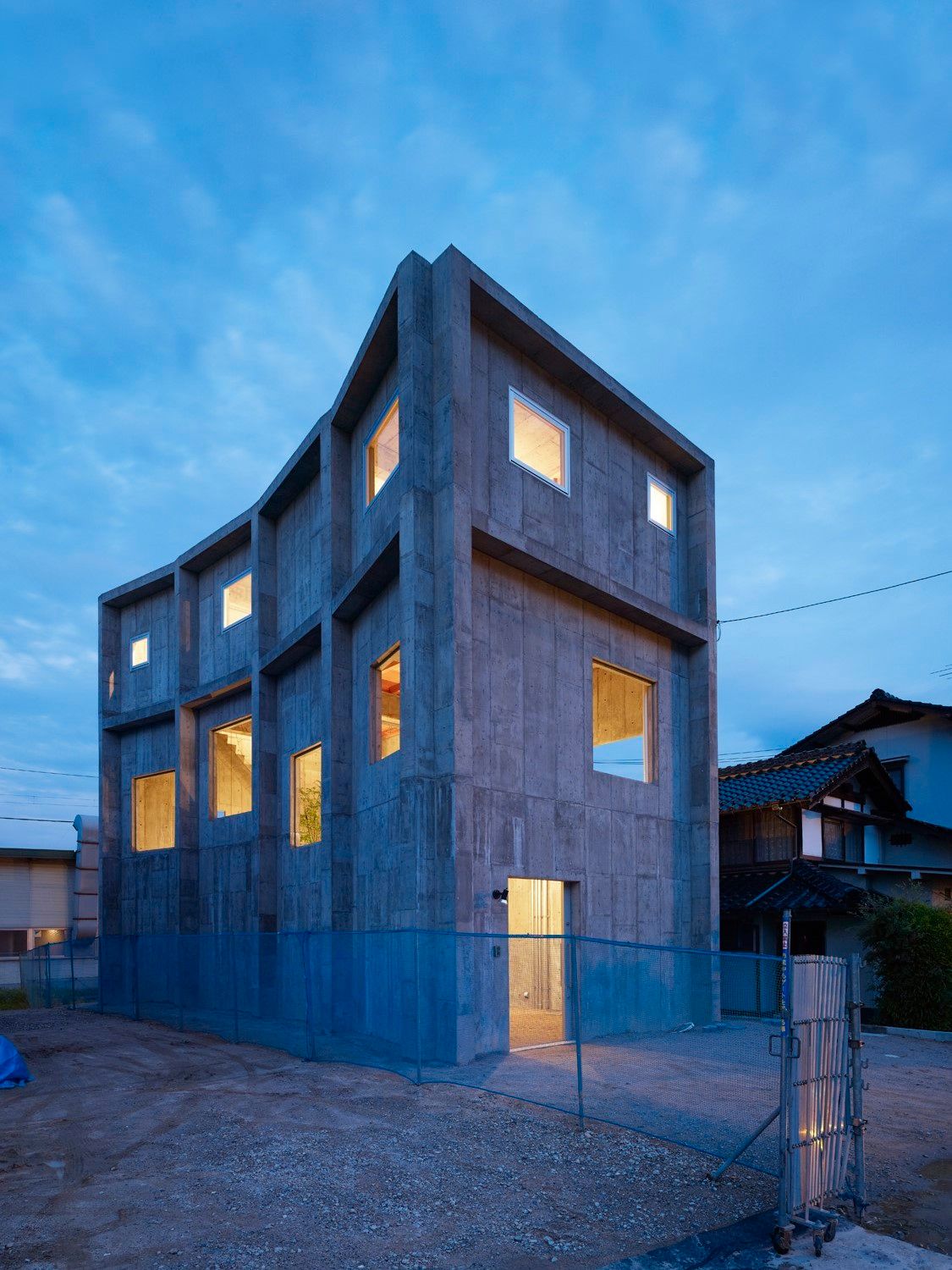
The House of Yagi by Suppose Design Office + Ohno Japan
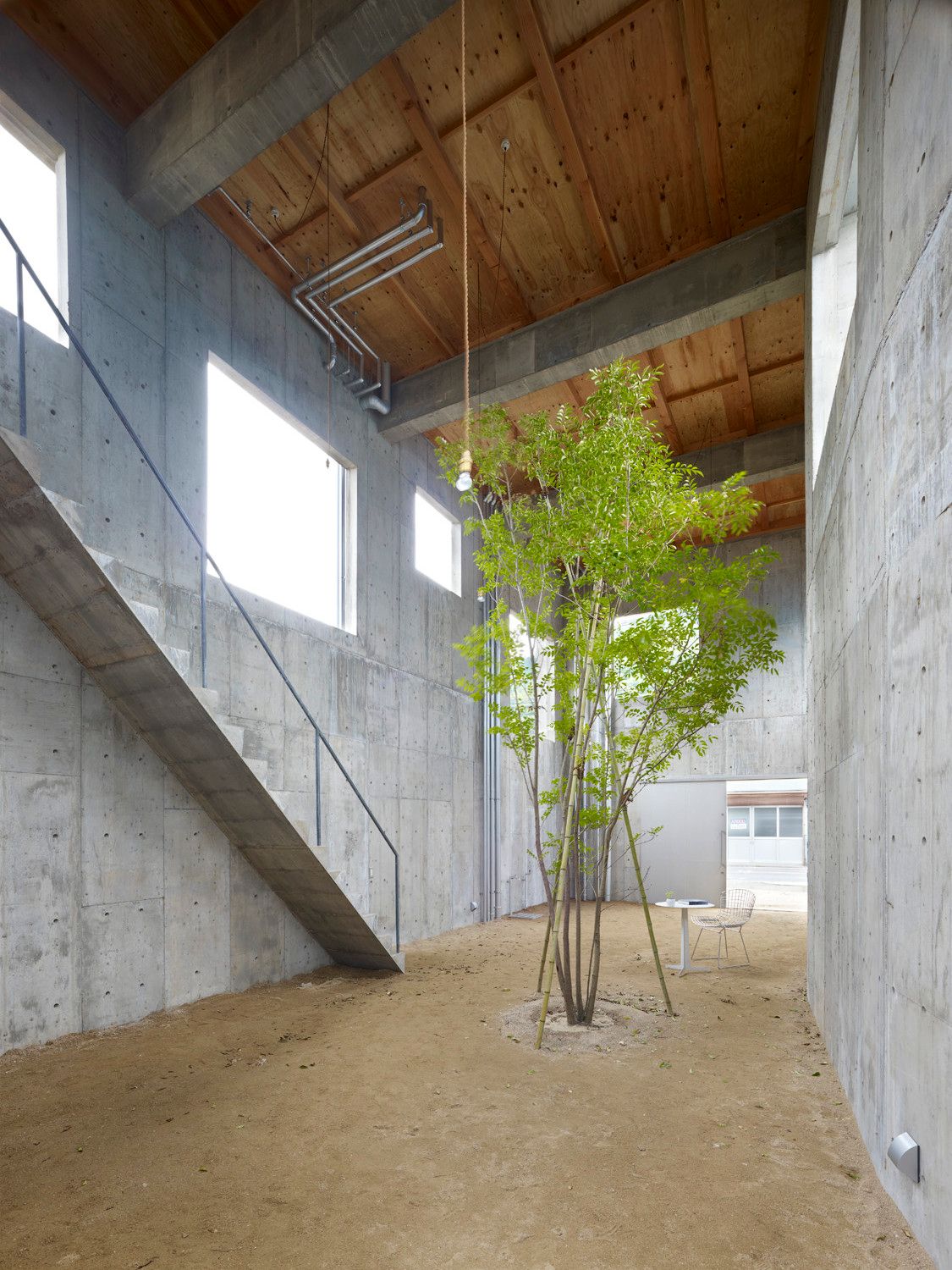
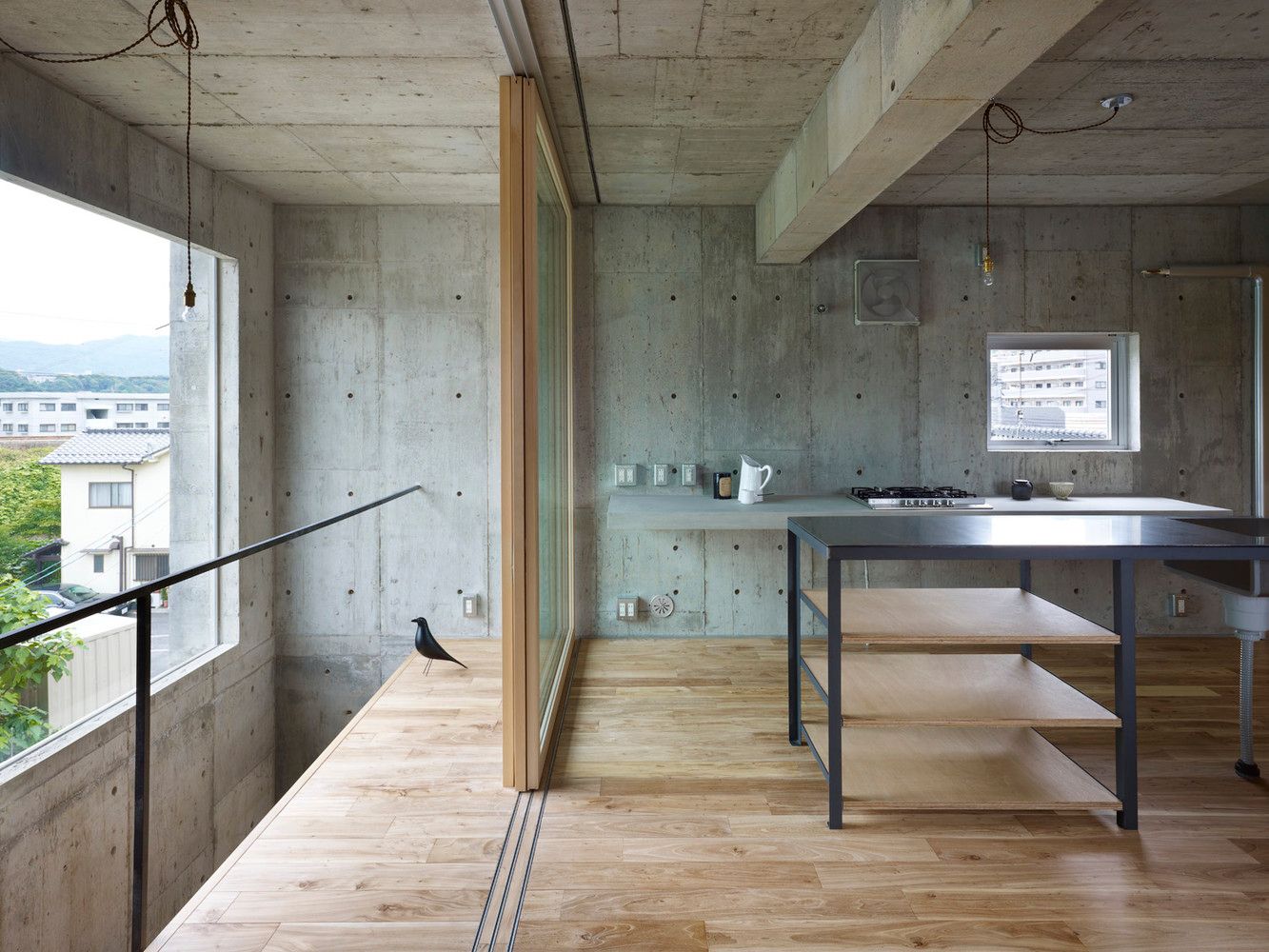
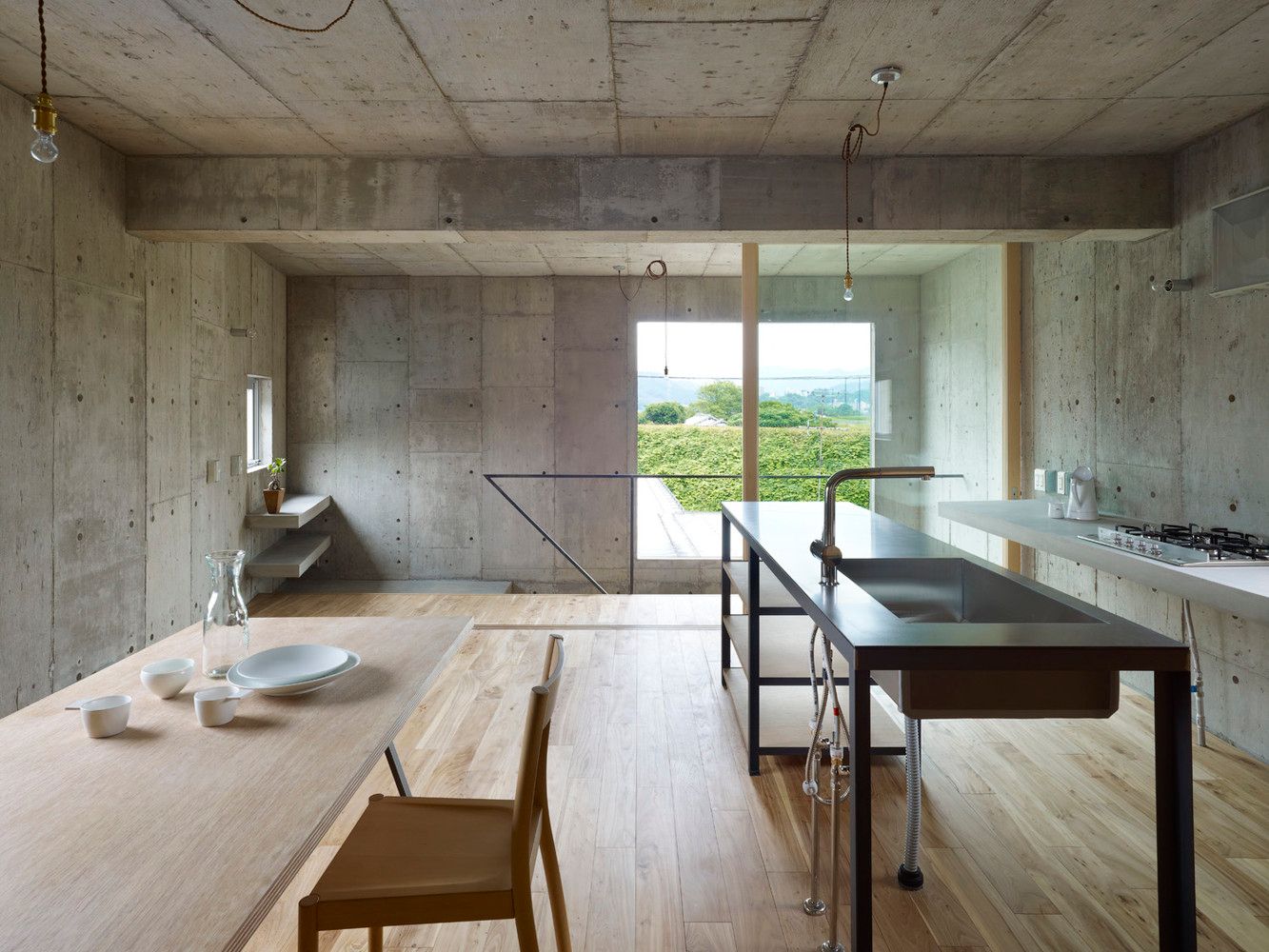
Text description provided by the architects. The House of Yagi is designed with the idea of an incomplete/complete form. Unlike other projects, the final stage of construction for this house was not aiming towards a finish stage, but to let the owner experience the sense of completion after living here. Interior space of the house is designed to maximize the interaction to its surrounding environment.
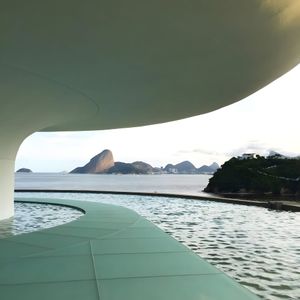
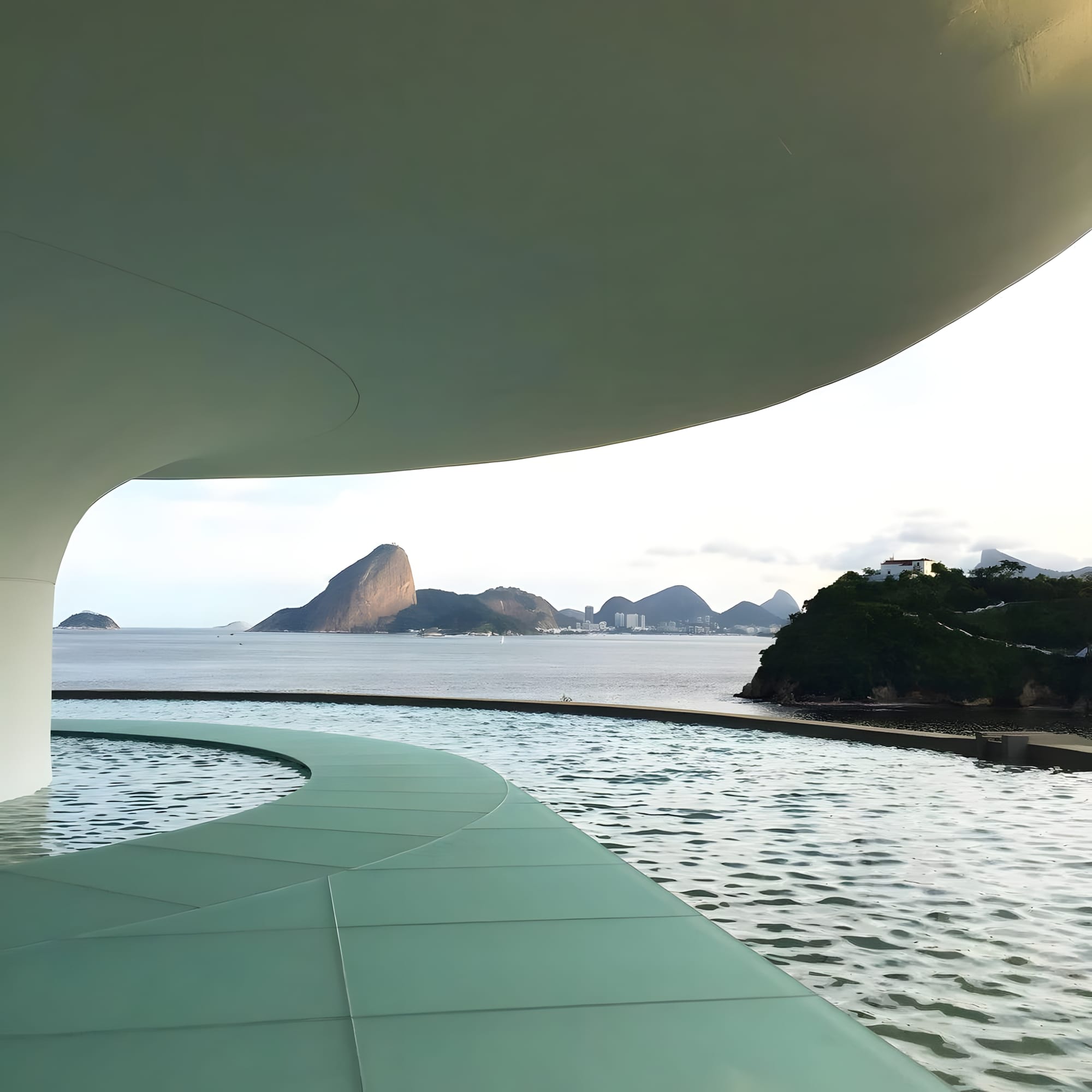
Oscar Niemeyer's MAC Niterói — Louis Vuitton Cruise 2017 Venue

Hiroki Nakamura — Beyond the Decade
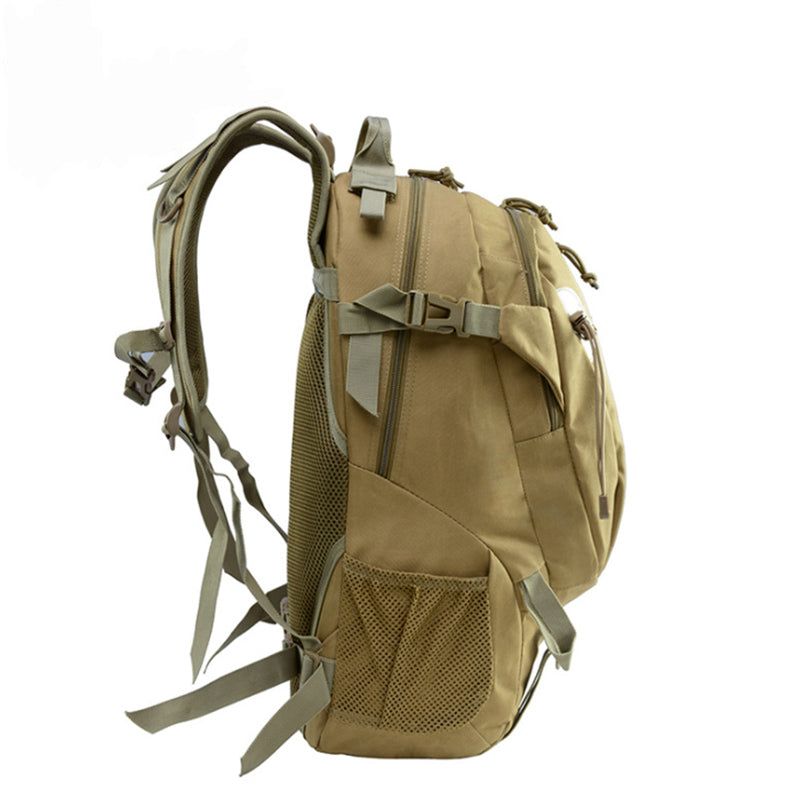
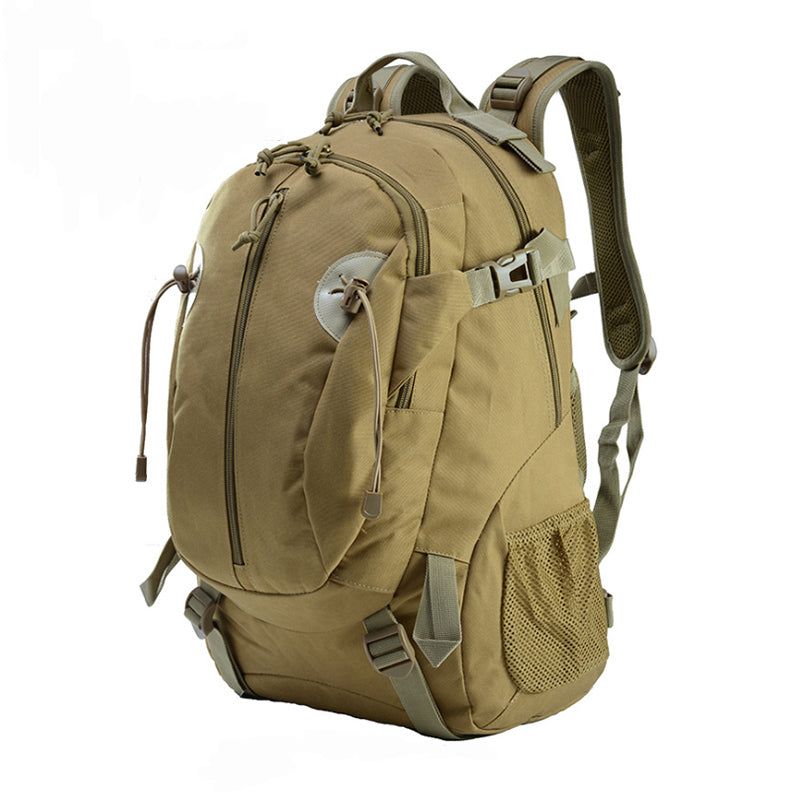
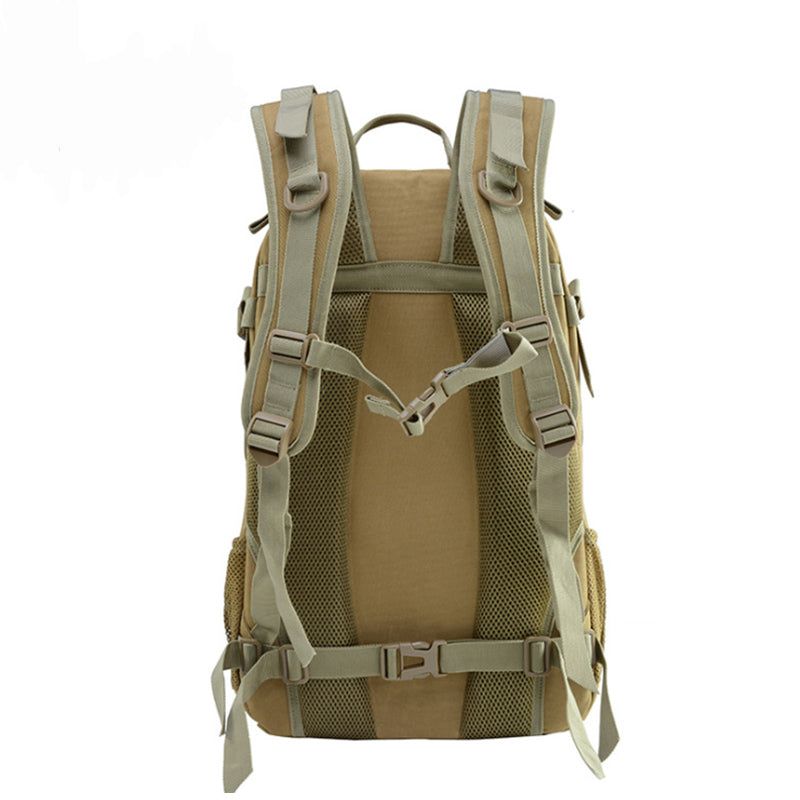
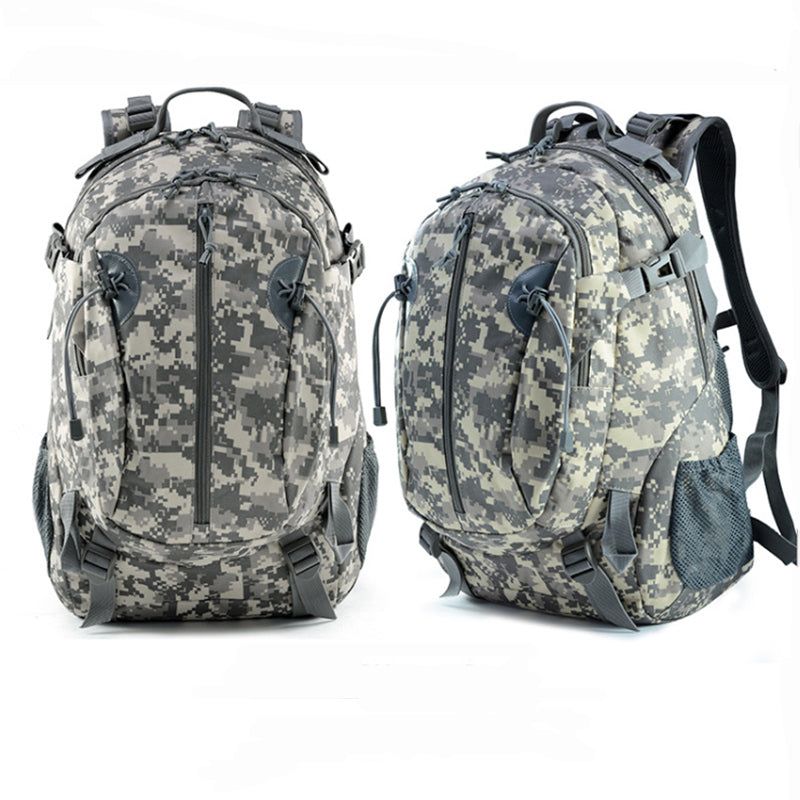
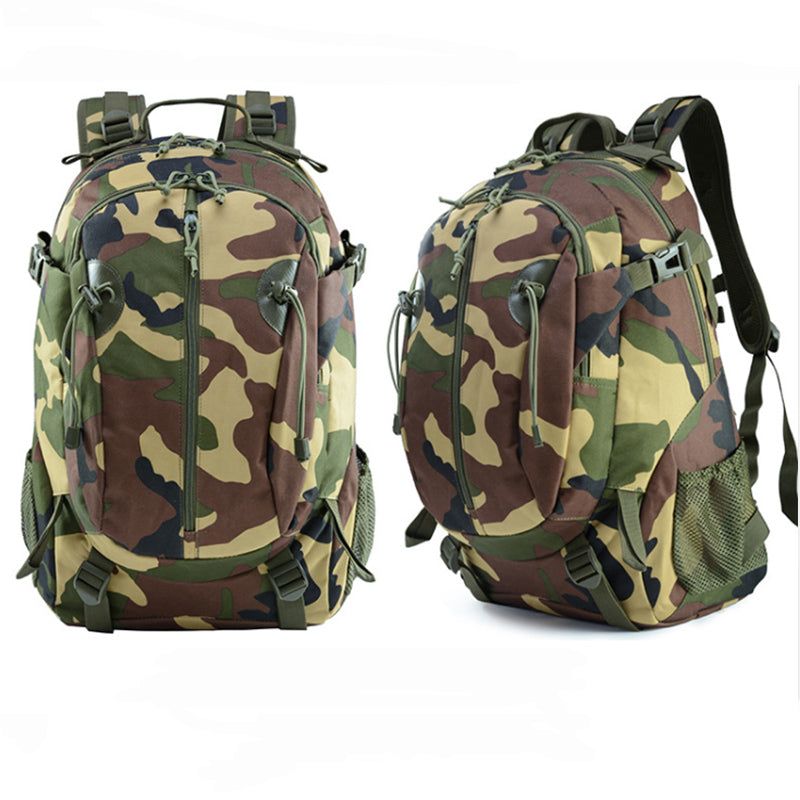
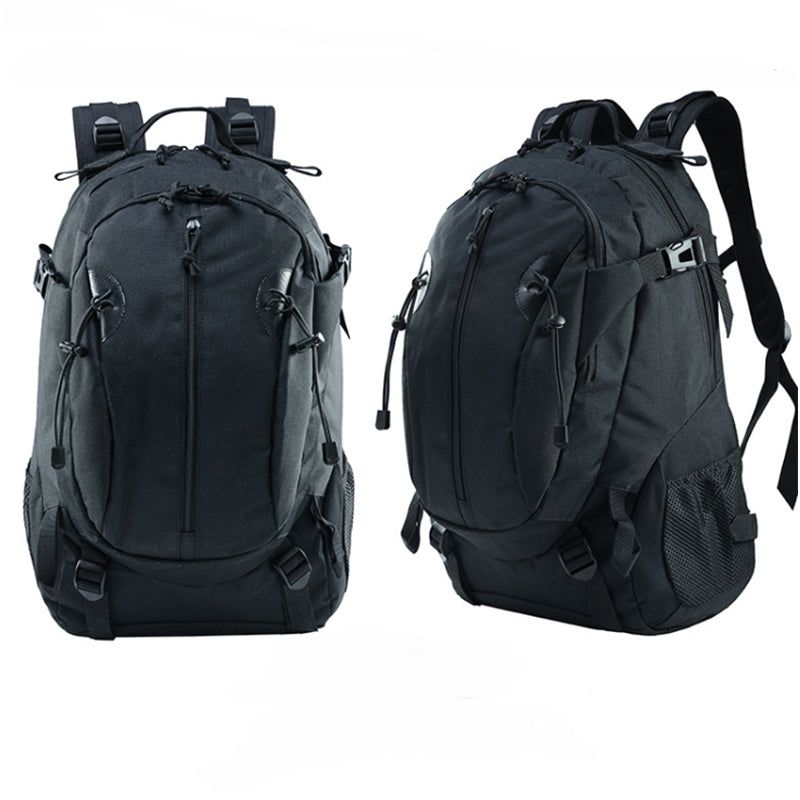
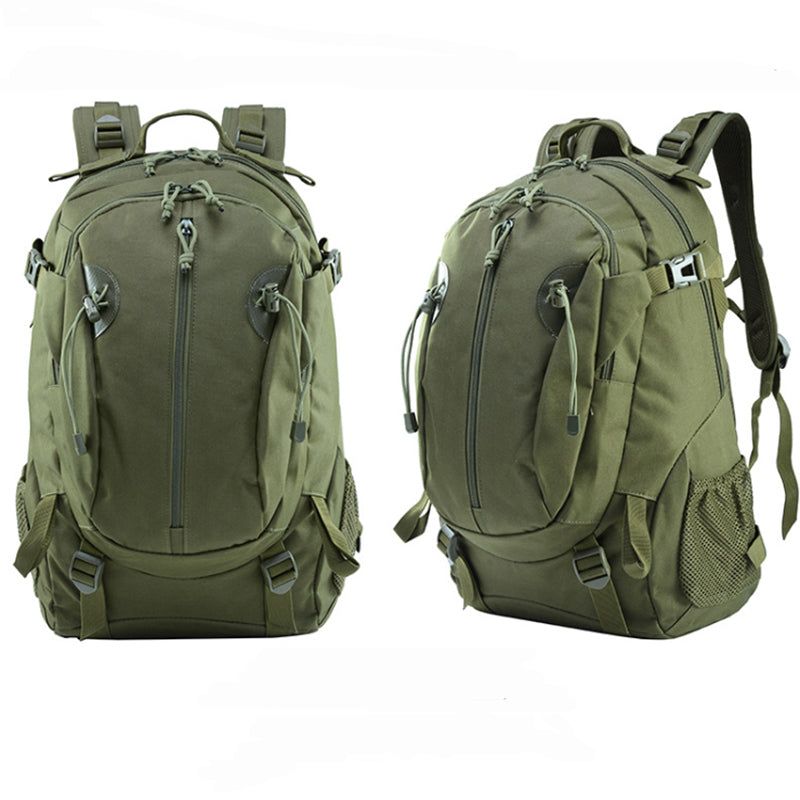
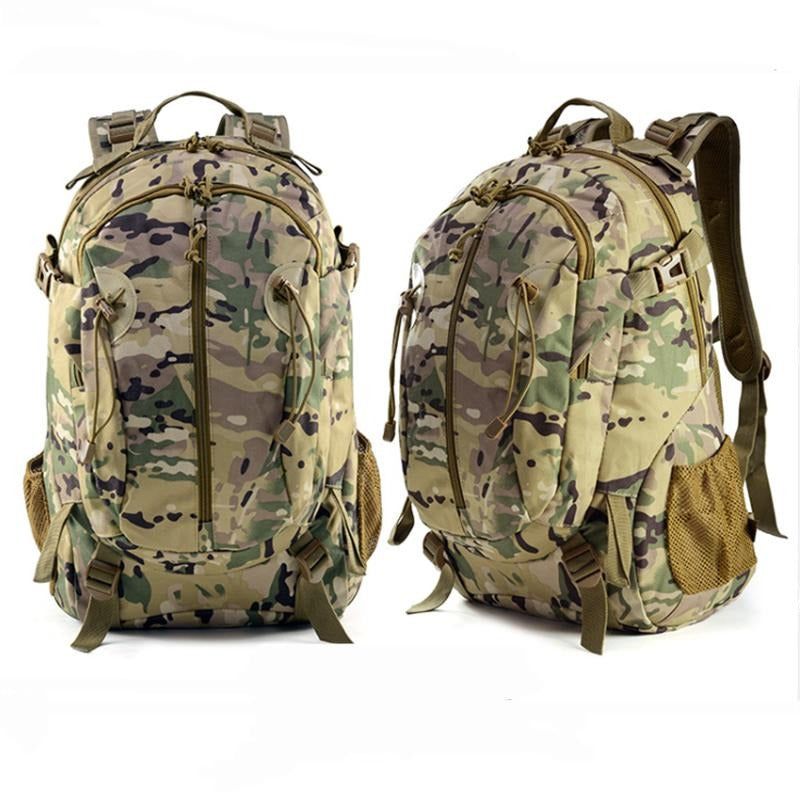
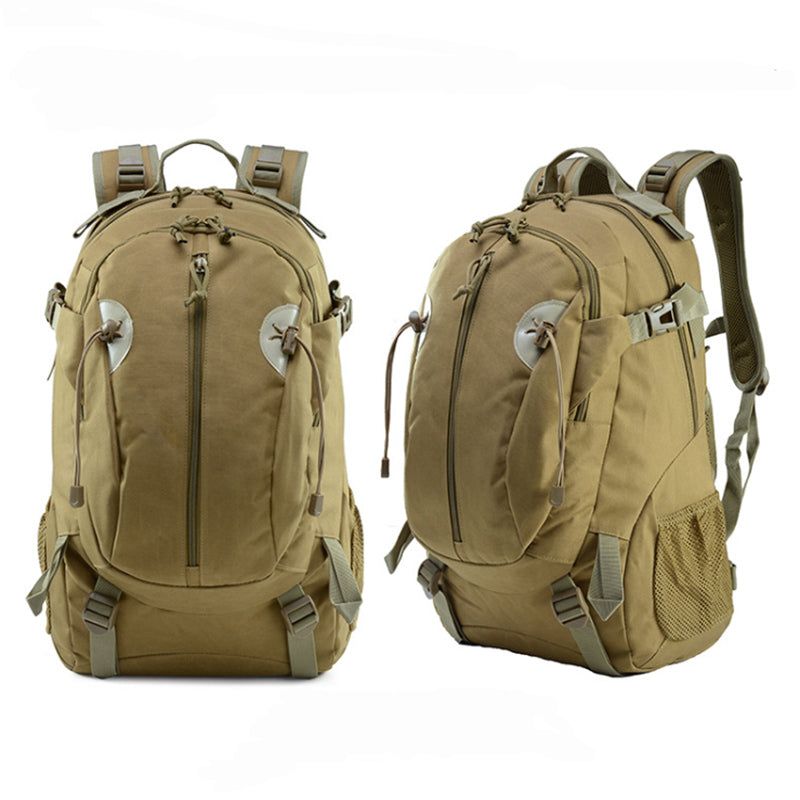

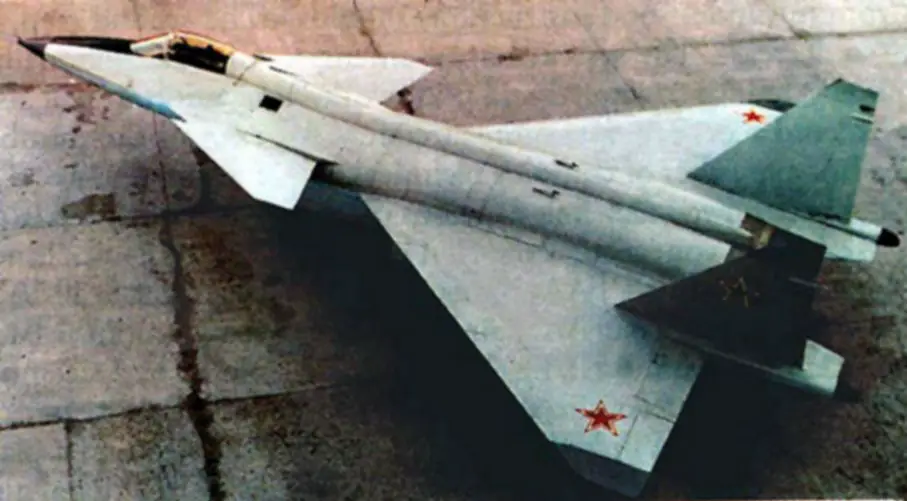
MIG 1.42 - PROTOTYPE
Prototype Russian fighter jet spotted on Bing Maps. Built to rival the American F-22 Raptor, the jet lost out to the Su-47.

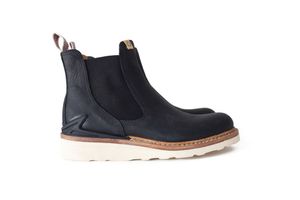
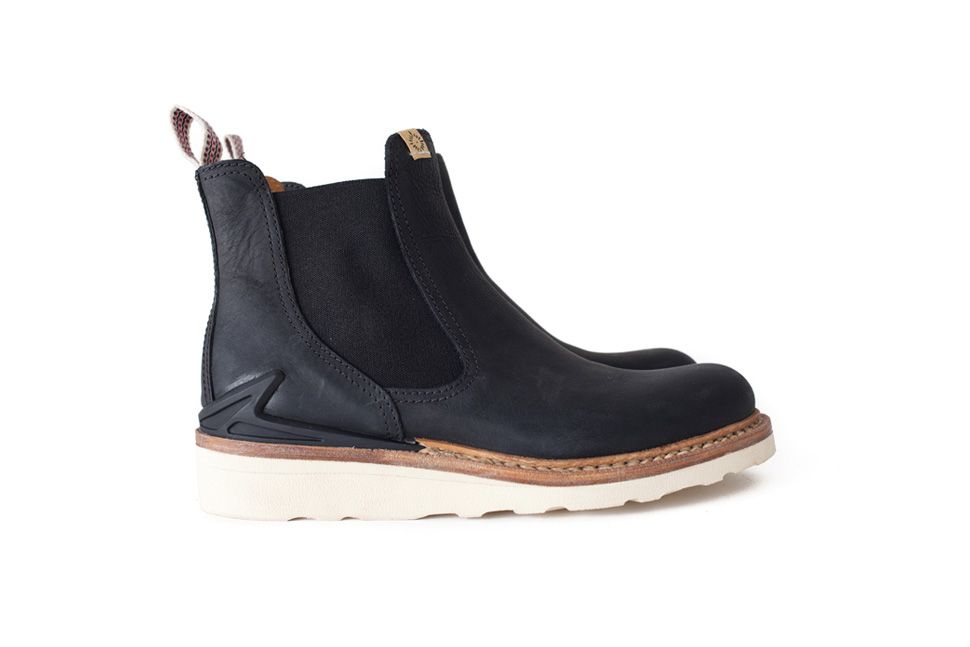
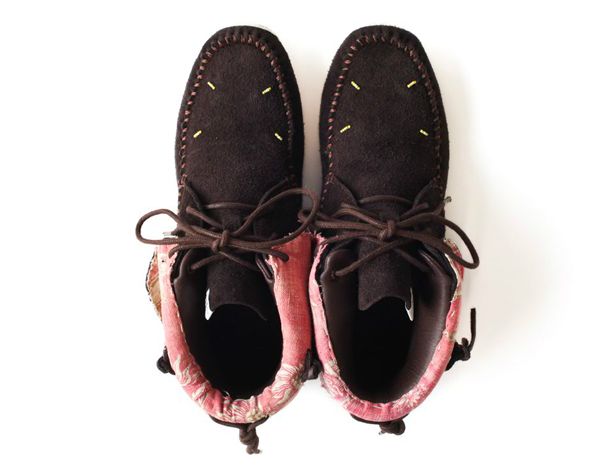
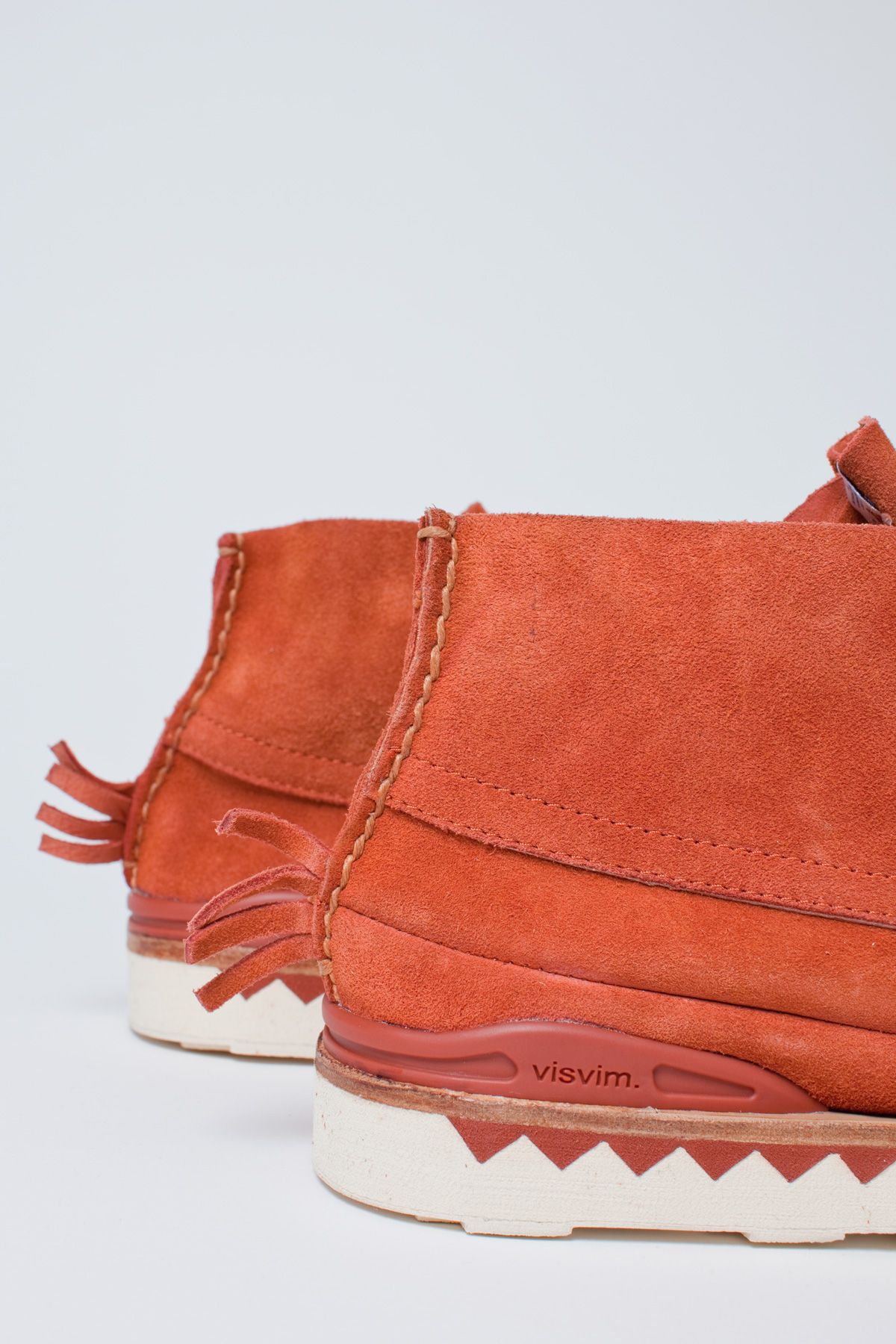
visvim gornegrat folk chelsea boot
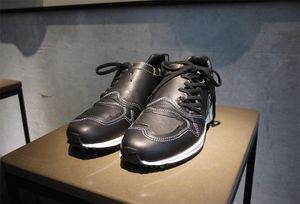
TAKAHIROMIYASHITATheSoloist x Foot the Coacher ss2015 footwear
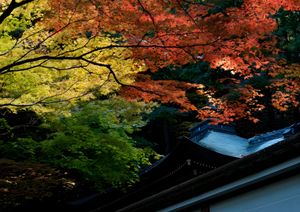
Nanzenji Temple Autumn Foliage, Higashiyama, Kyoto
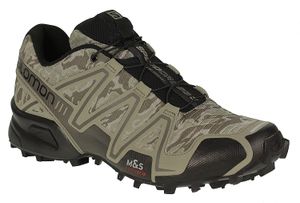
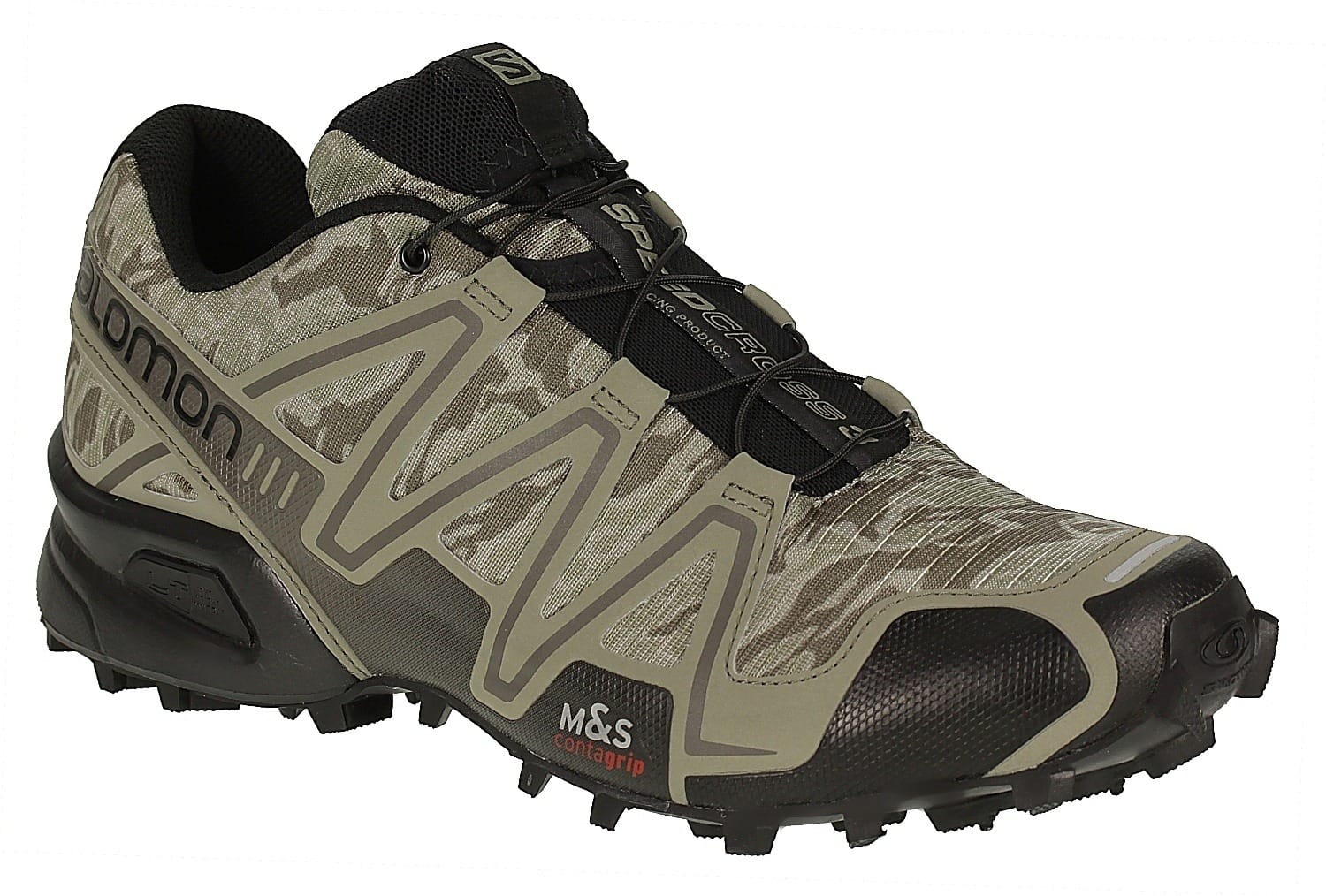
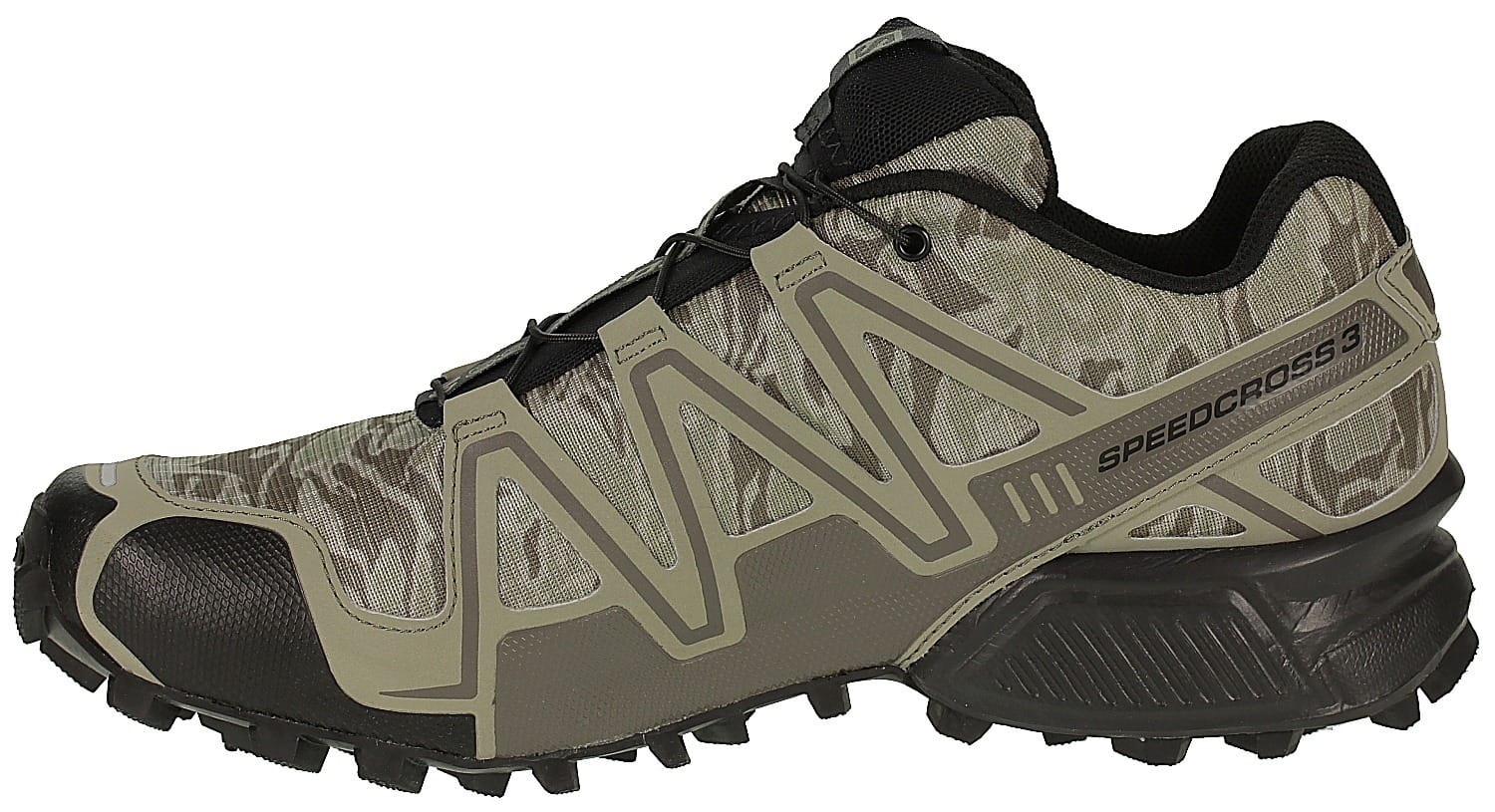
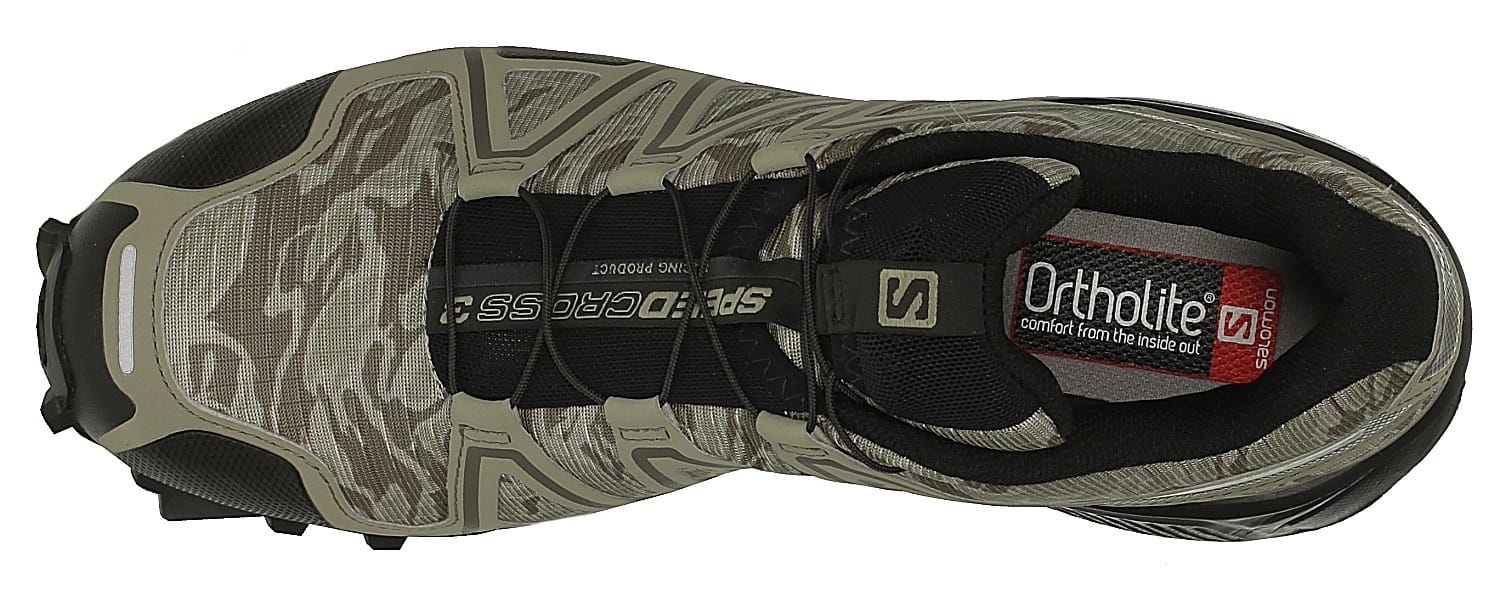
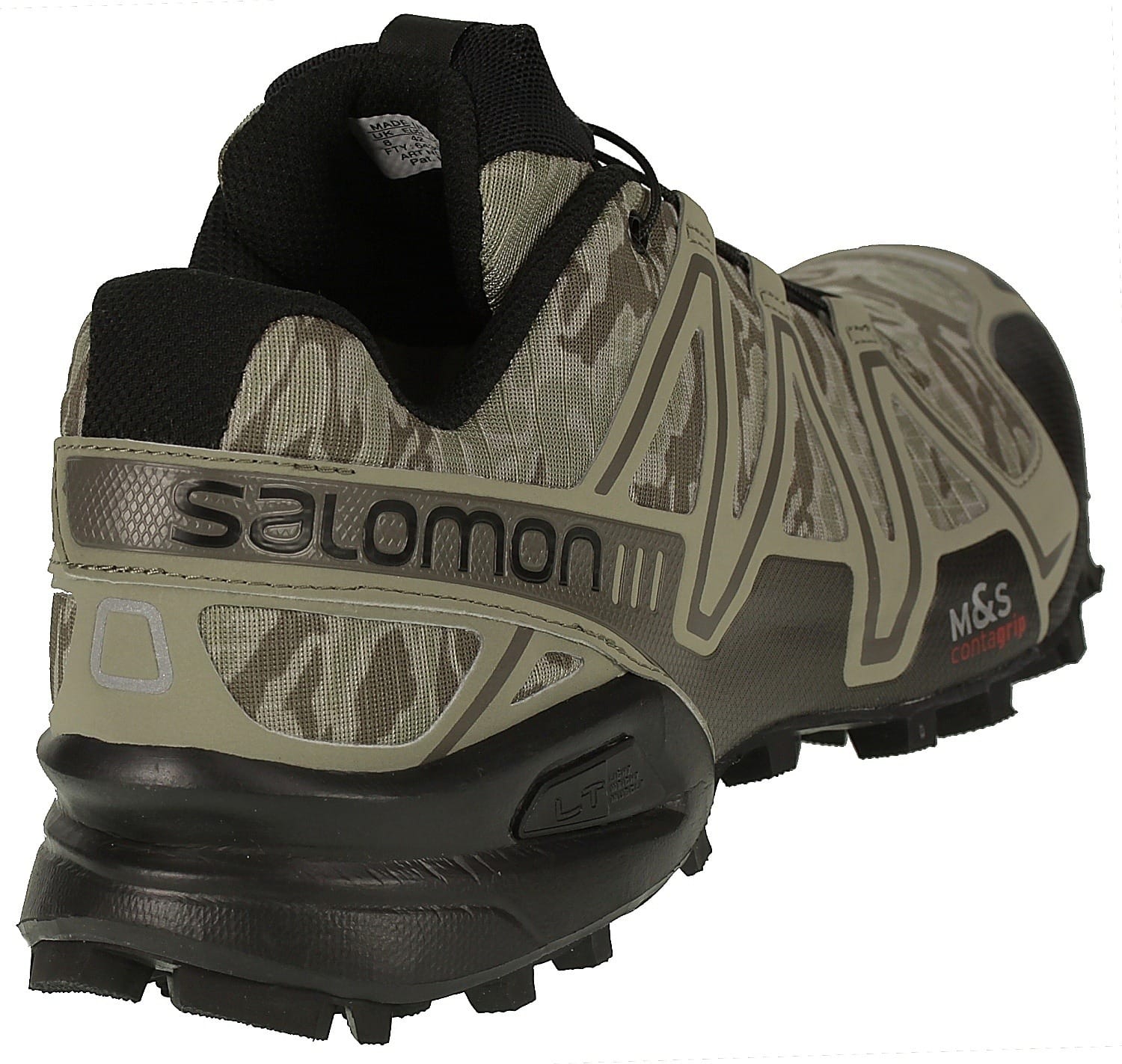
Salomon Speedcross 3 Camo Titanium
The Salomon Speedcross 3 Camo in Titanium/Dark Titanium/Swamp applies a muted tonal camouflage treatment to the footwear's aggressive trail-running silhouette. A grippy lugged outsole and supportive upper keep it performance-driven, while the low-contrast palette makes it feel more tactical for desert environments.
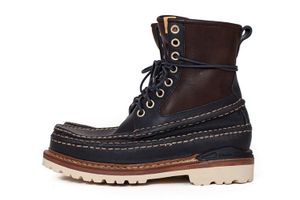
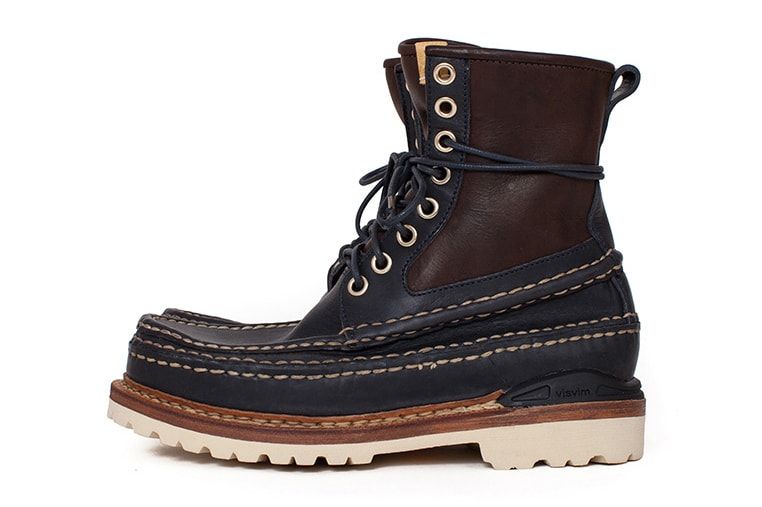
visvim 2015 Fall/Winter GRIZZLY BOOTS-FOLK

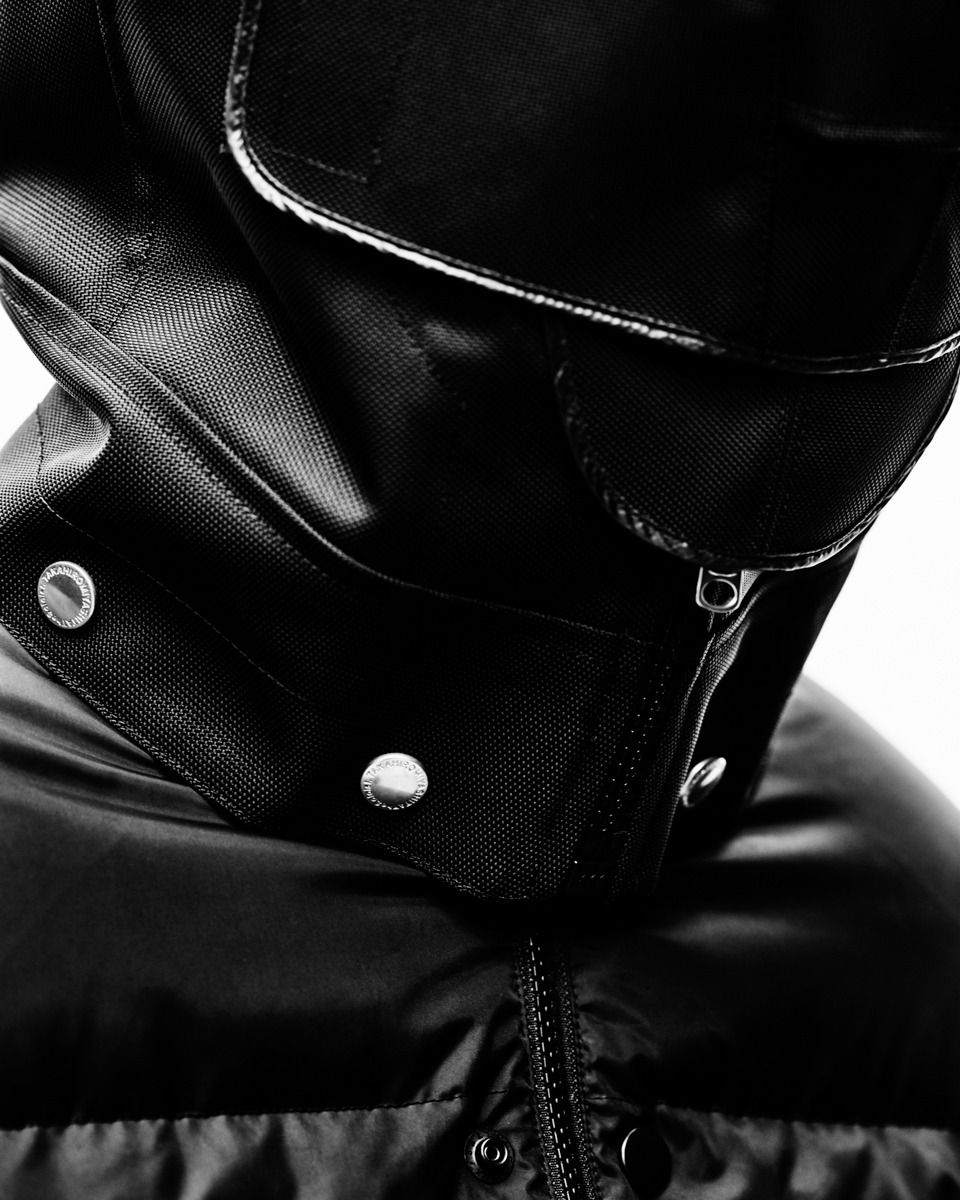
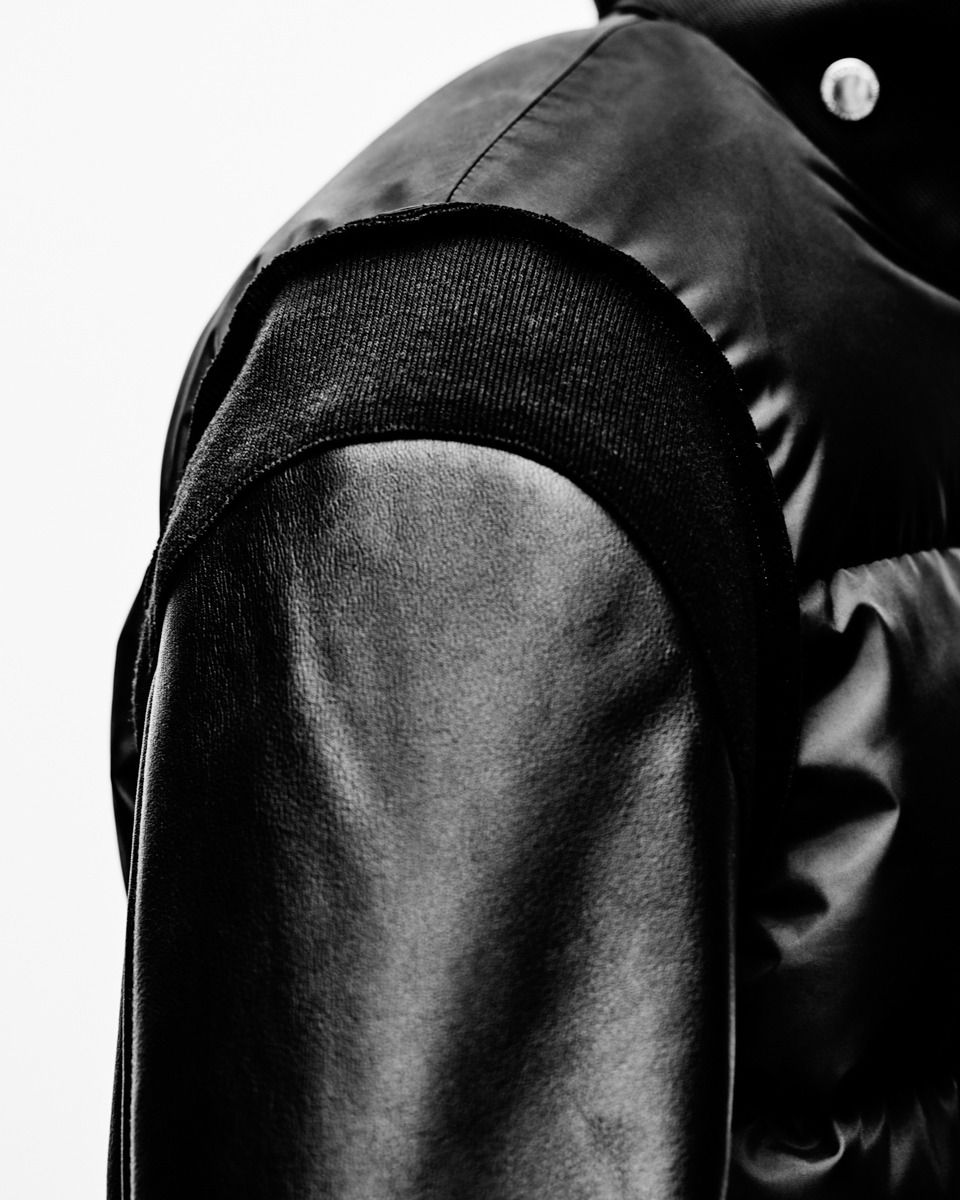
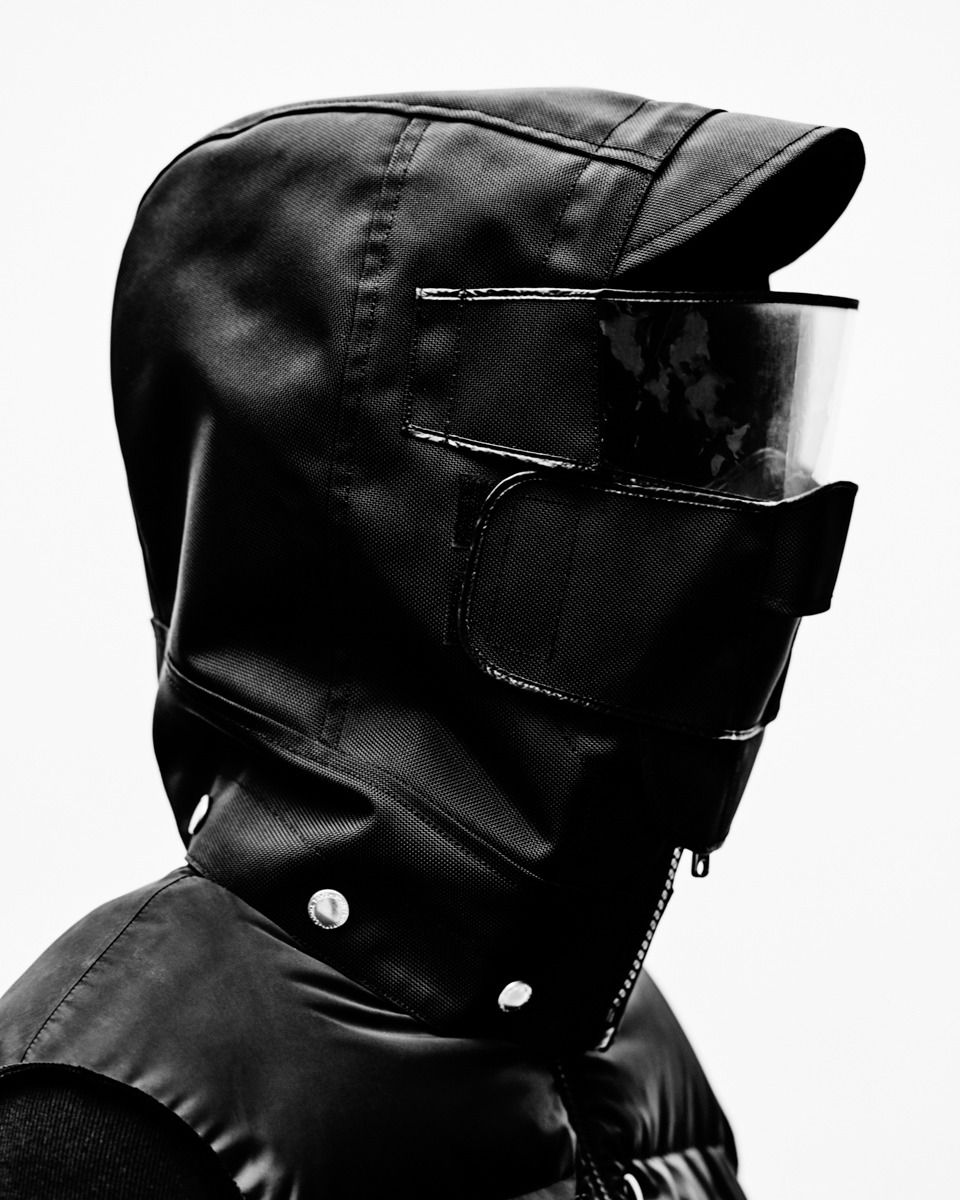
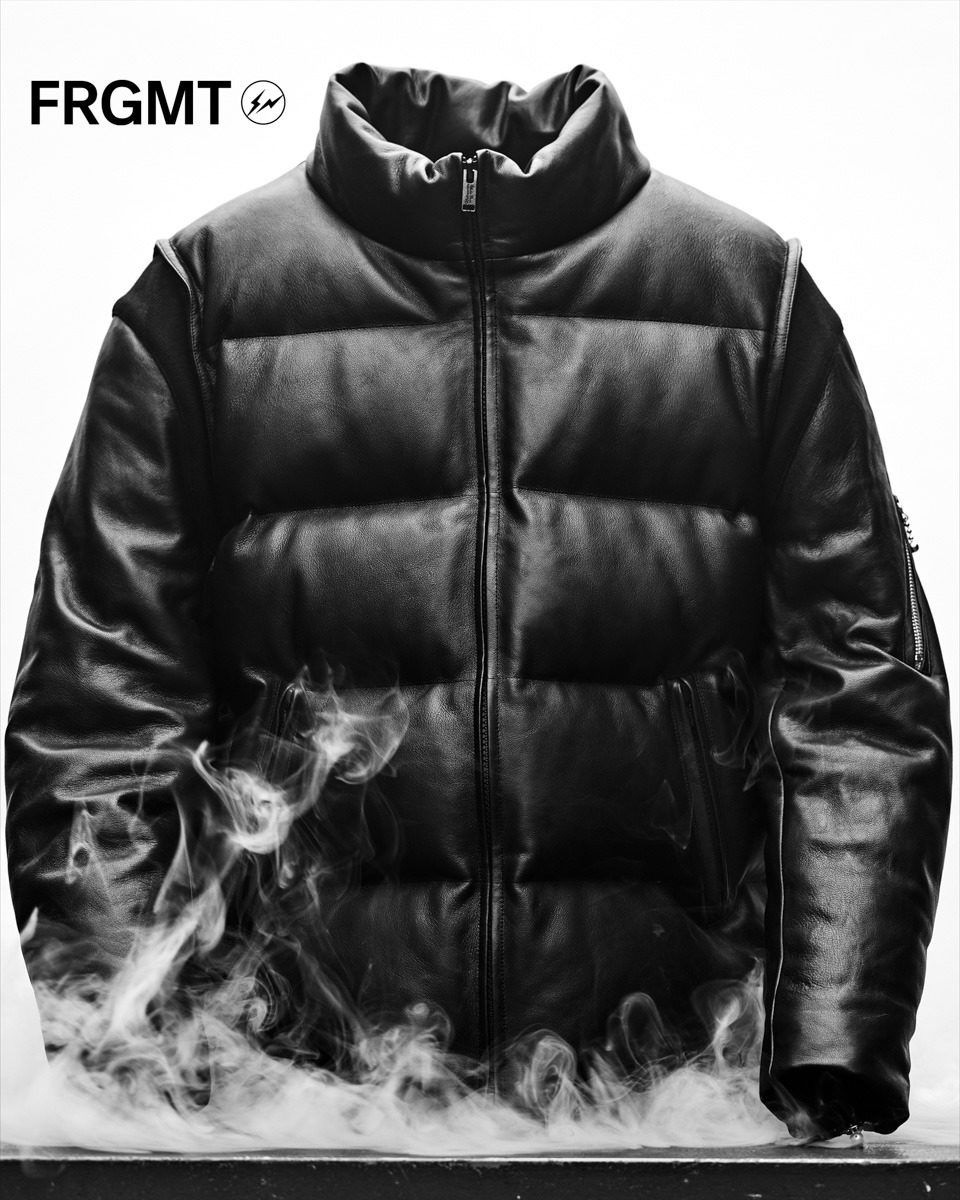
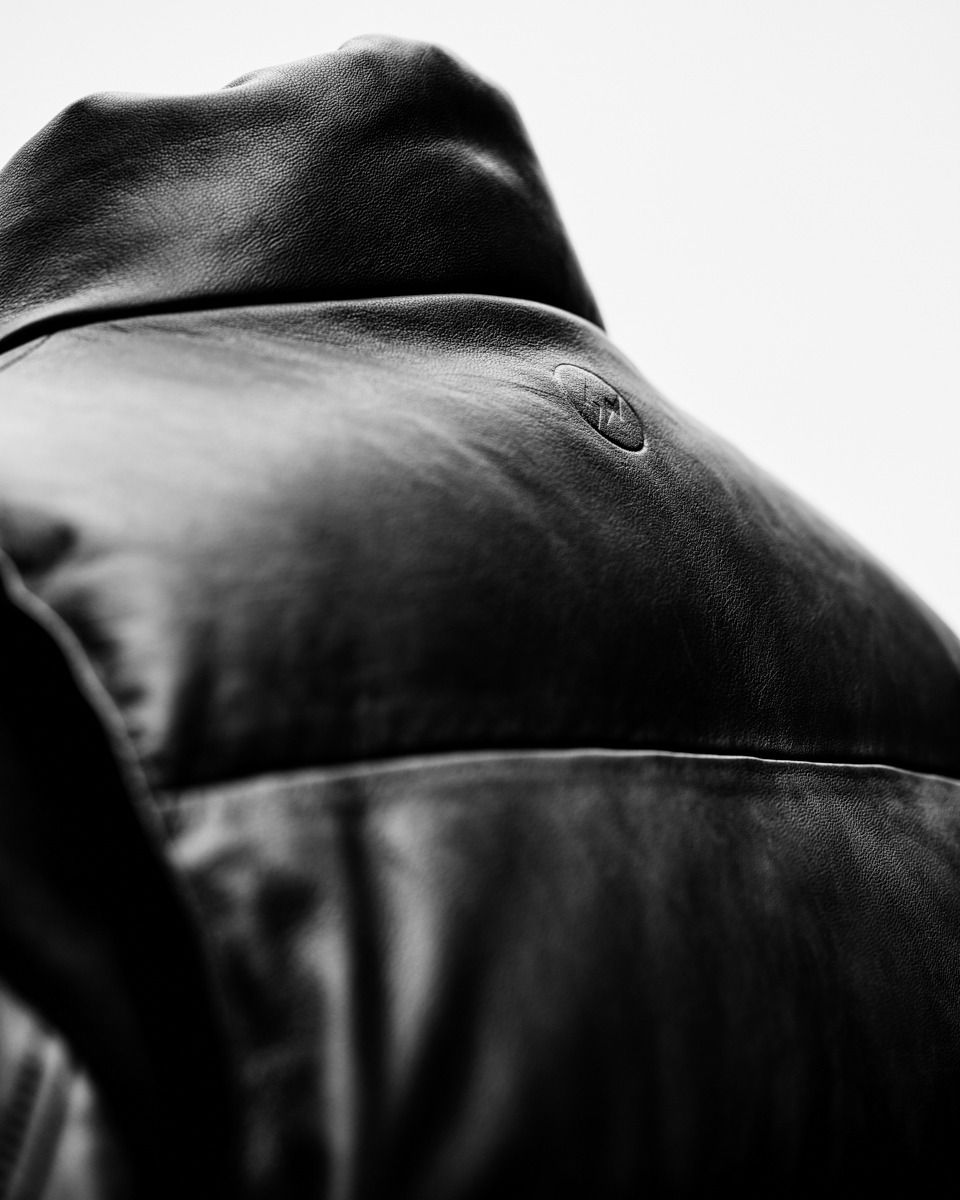
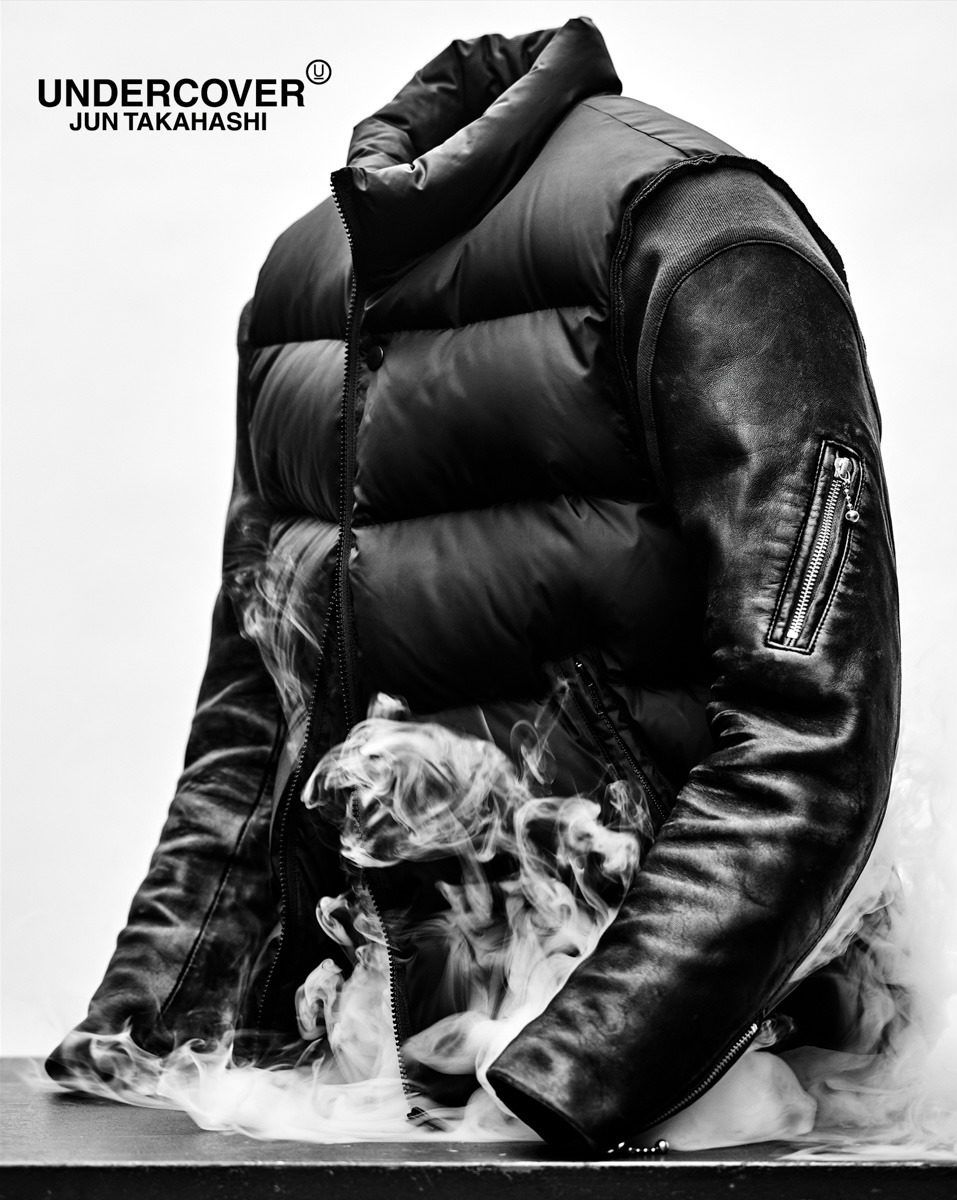
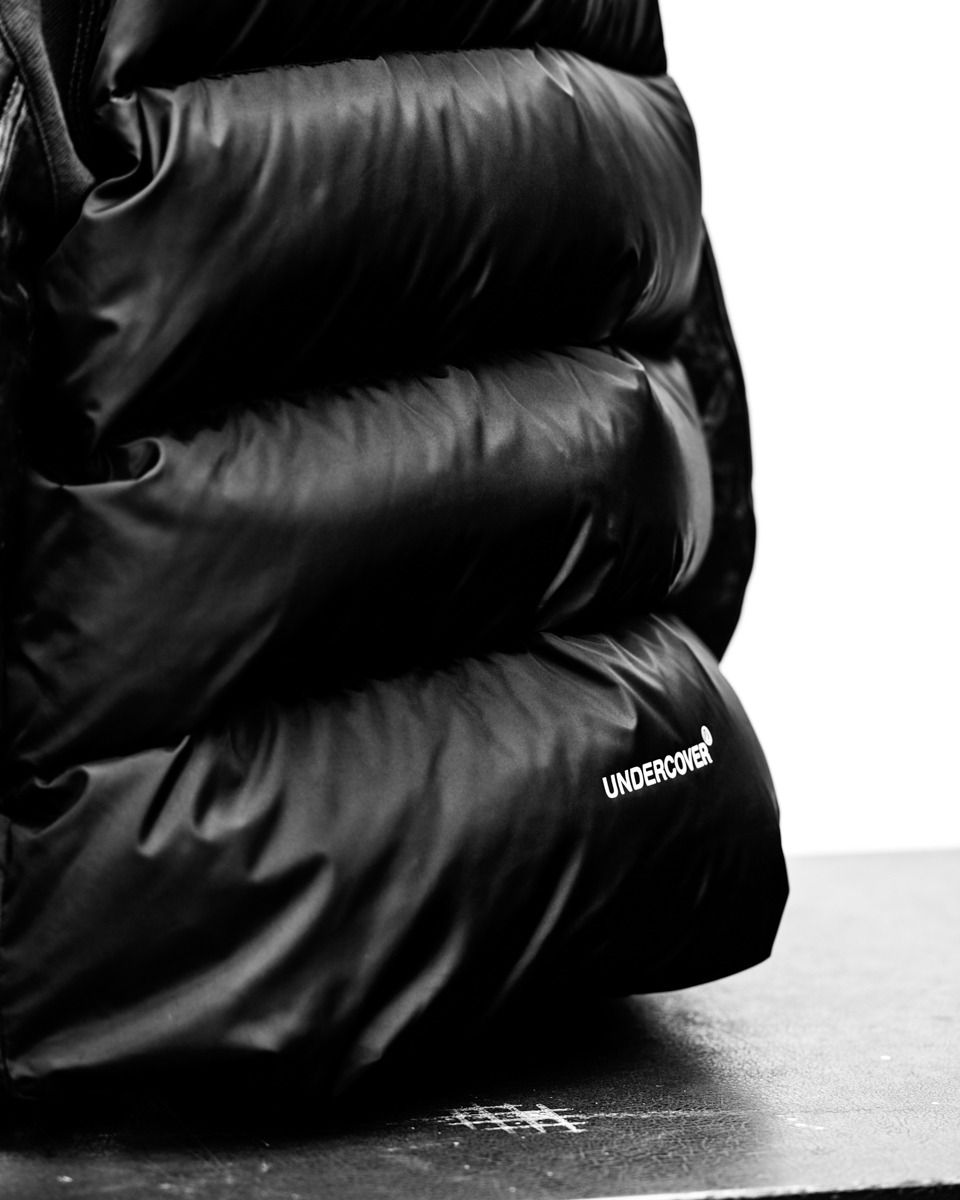
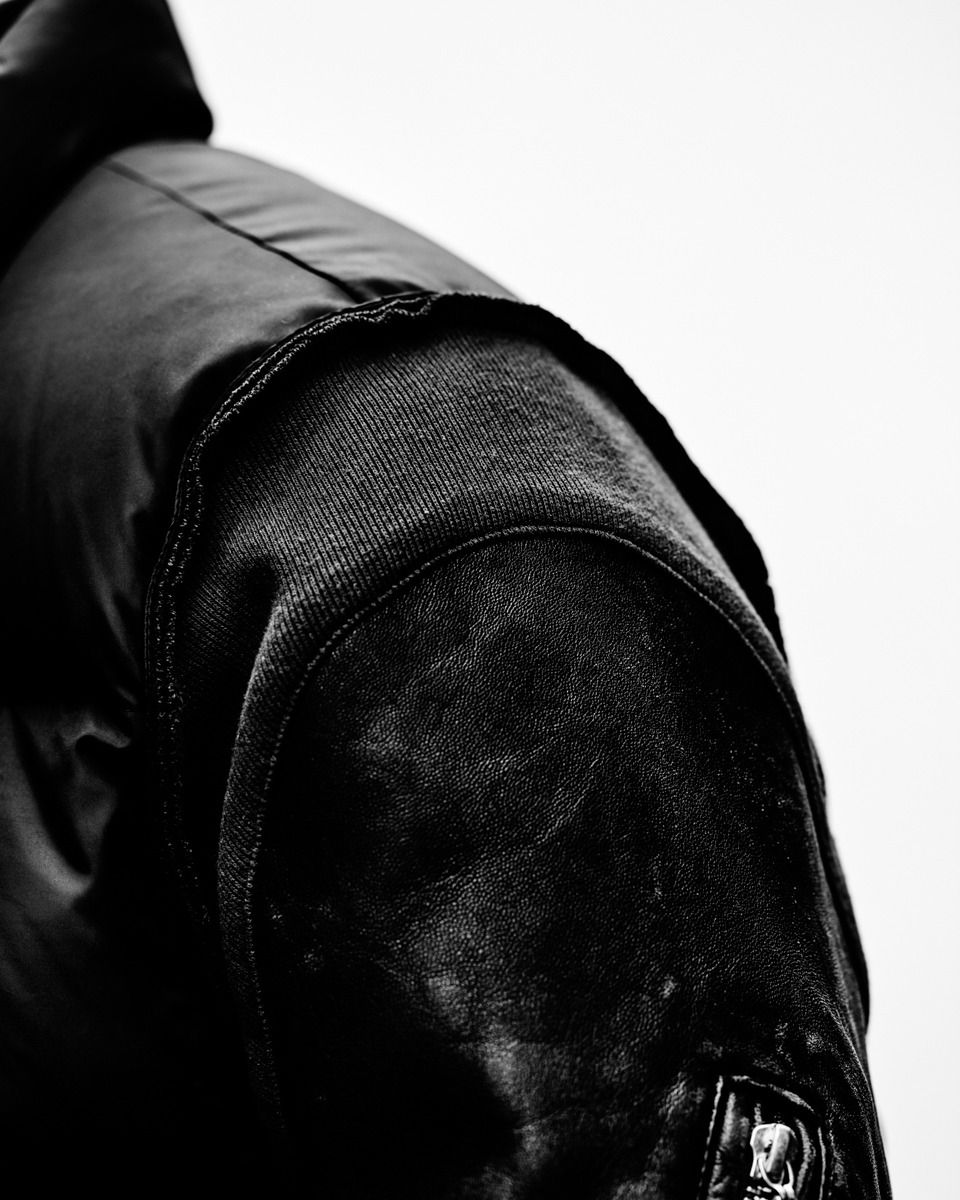
UNDERCOVER: 30TH ANNIVERSARY LEATHER DOWN JACKETS
In 2021 designer Jun Takahashi has turned to some of his long-time friends in the Tokyo fashion scene to offer their take on UC’s signature hybrid style with a series of leather sleeve down jackets with various mixed materials and detailing. Created in partnership with peers sacai, Kolor, Fragment design, TheSoloist and N.Hoolywood. The jackets all take a different tact to exploring the same style of garment.
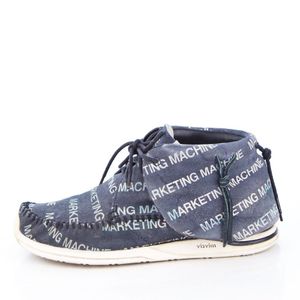
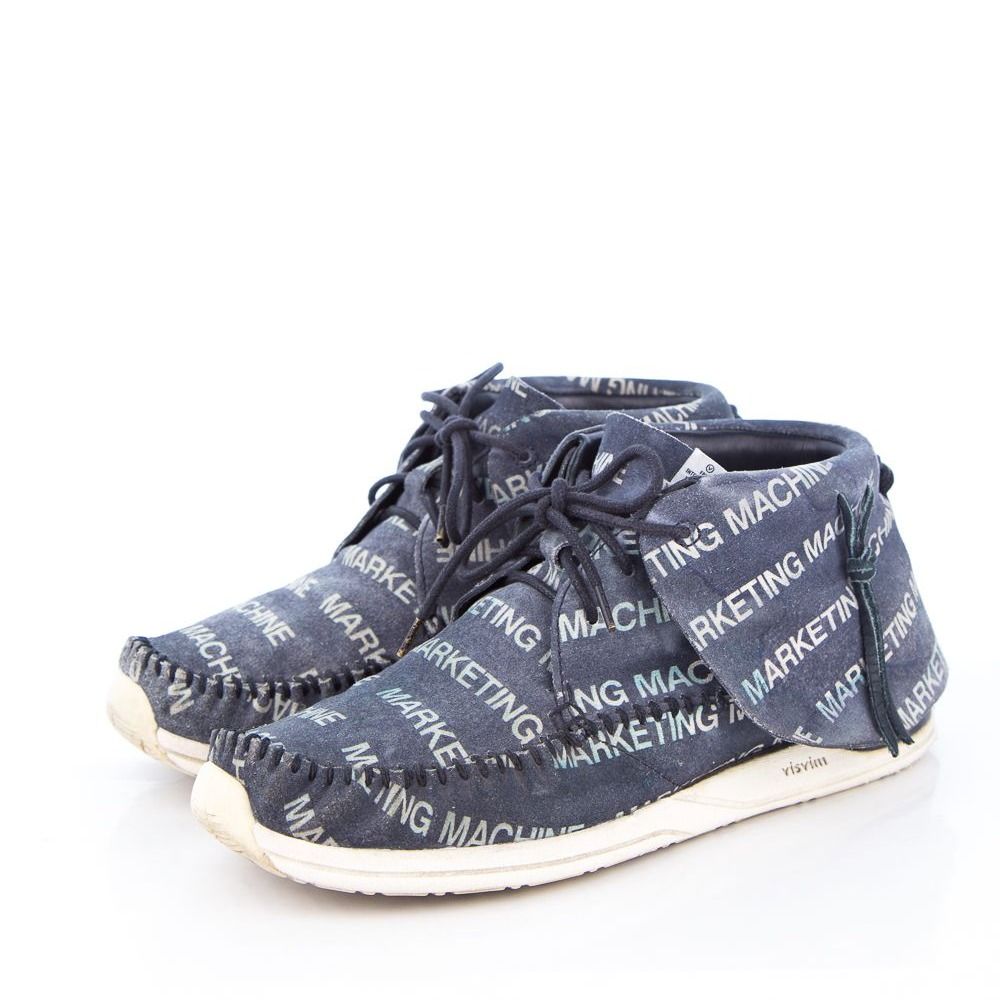

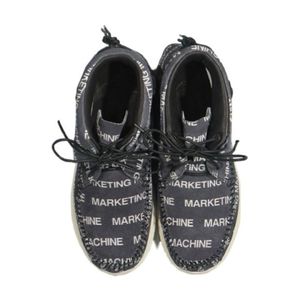
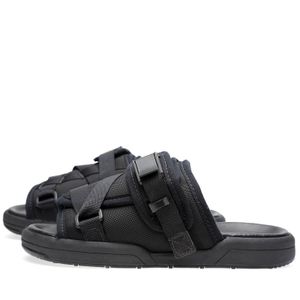
Visvim x Comme Des Garcons FBT
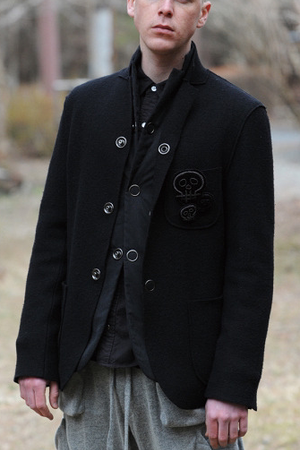

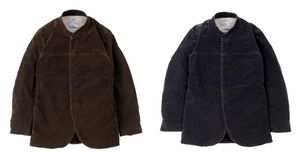
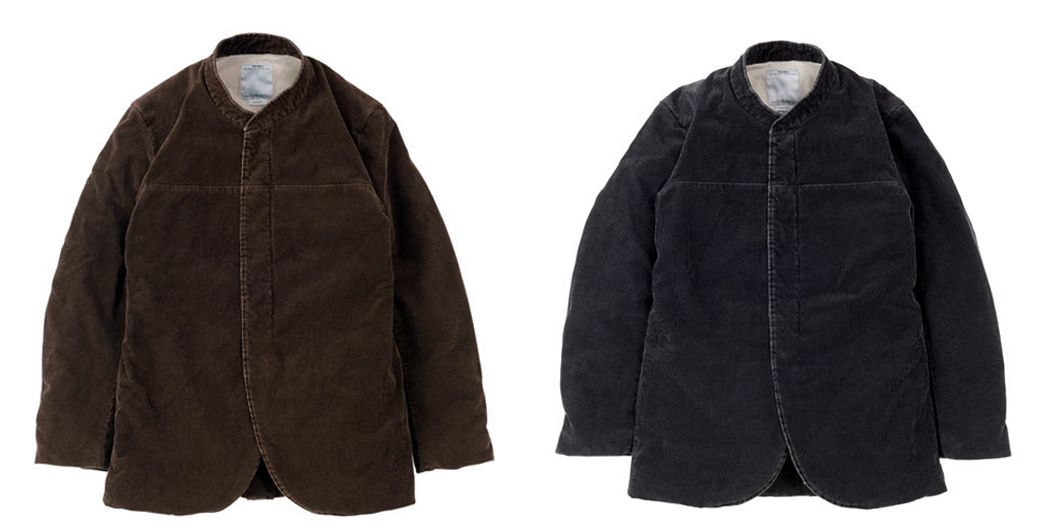
aw2012 Visvim Pawnee Corduroy Jacket
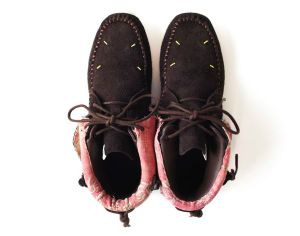
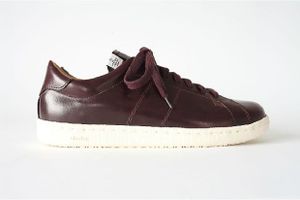
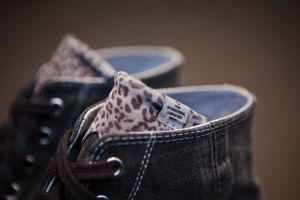
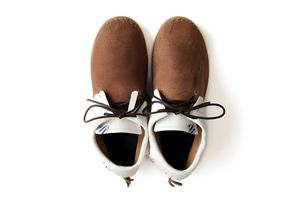
visvim FBT Lhamo-Folk
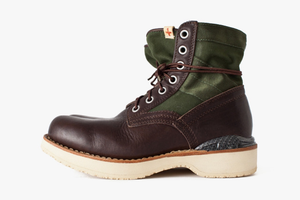
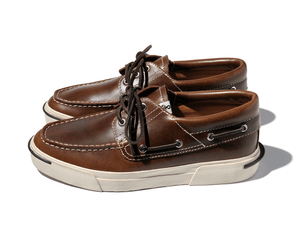
SOPHNET x visvim AMERICANA DECK VD
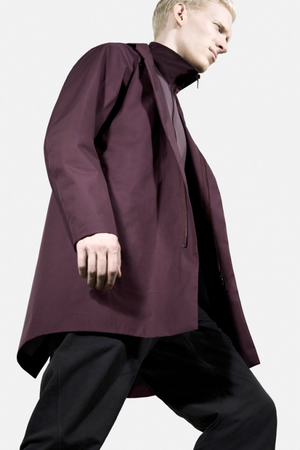
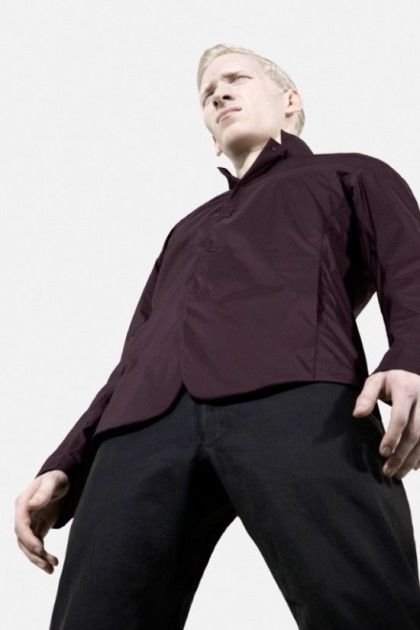
Arc’teryx Veilance ss2013 lookbook
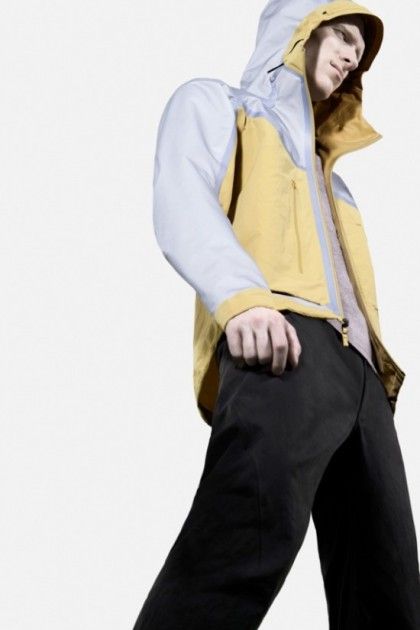
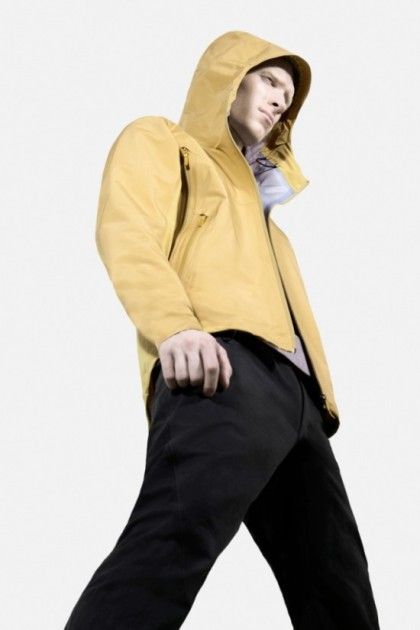
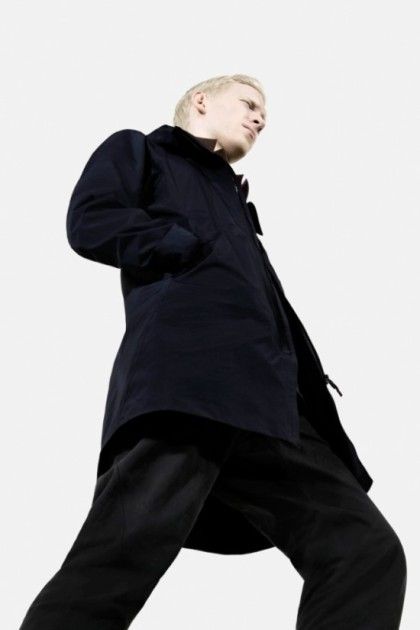
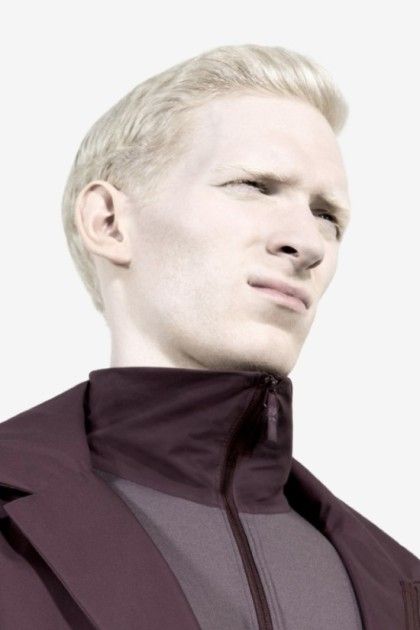
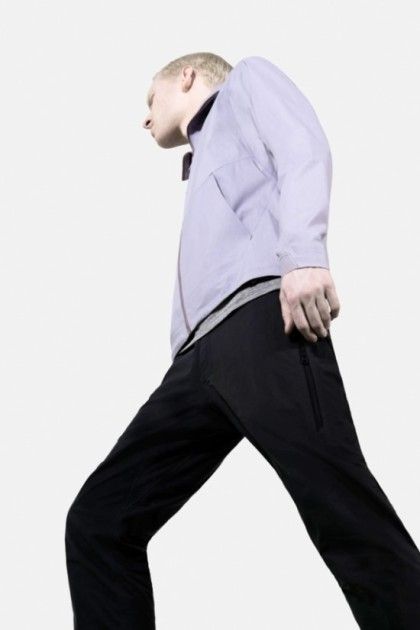
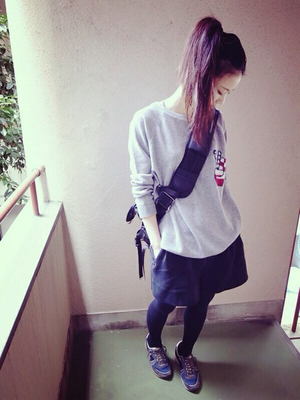
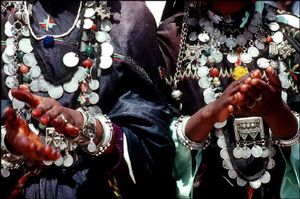
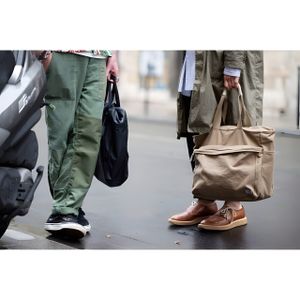
Sacai Paris — Before the Show, Street Snap by Masataka Matsumura
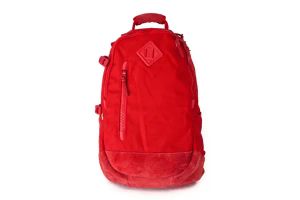
VISVIM aw2012 BALLISTIC 20L BACKPACK
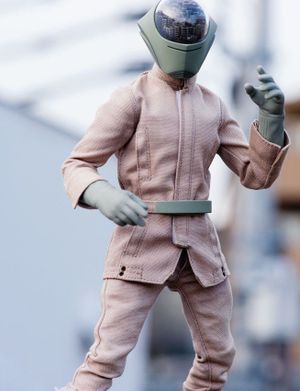
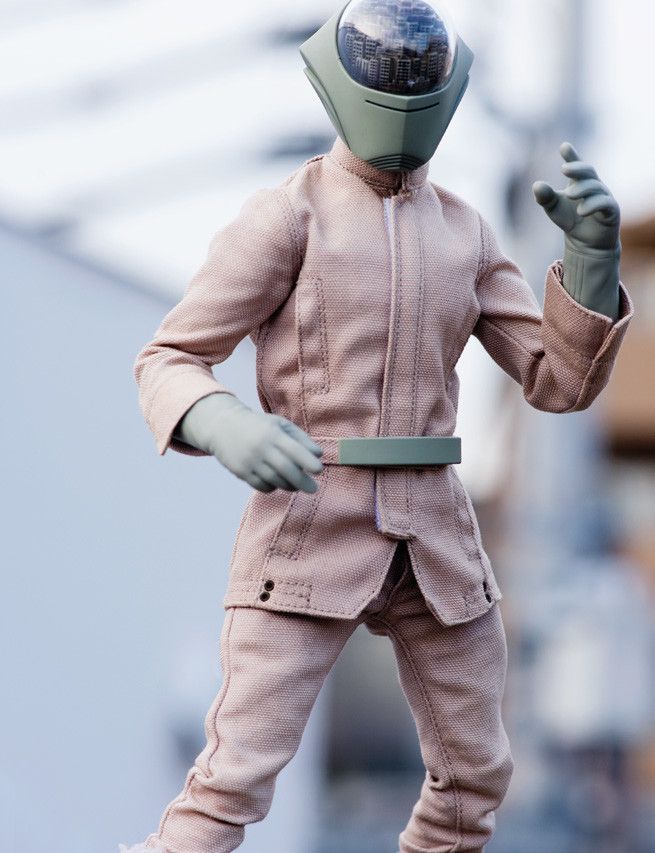

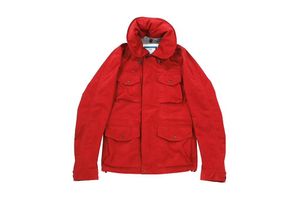
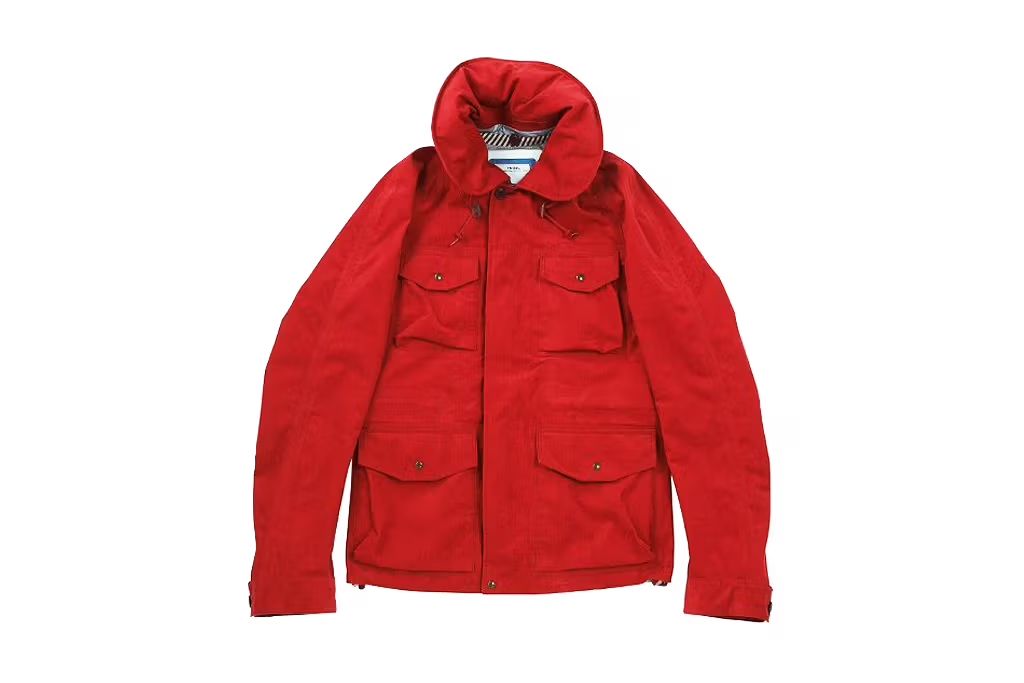
visvim PFD JKT 3L GORE-TEX
The red GORE-TEX shell takes inspiration from a classic M-65 military jacket and also features a drawstring over sized collar with a packable hood for added detail and function. Look for this jacket to be available through select visvim retailers this week as well as through F.I.L. locations in Asia.



Visvim Sanjuro Kimono
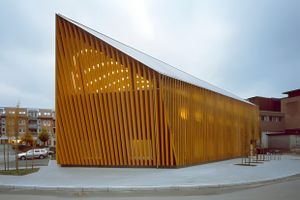
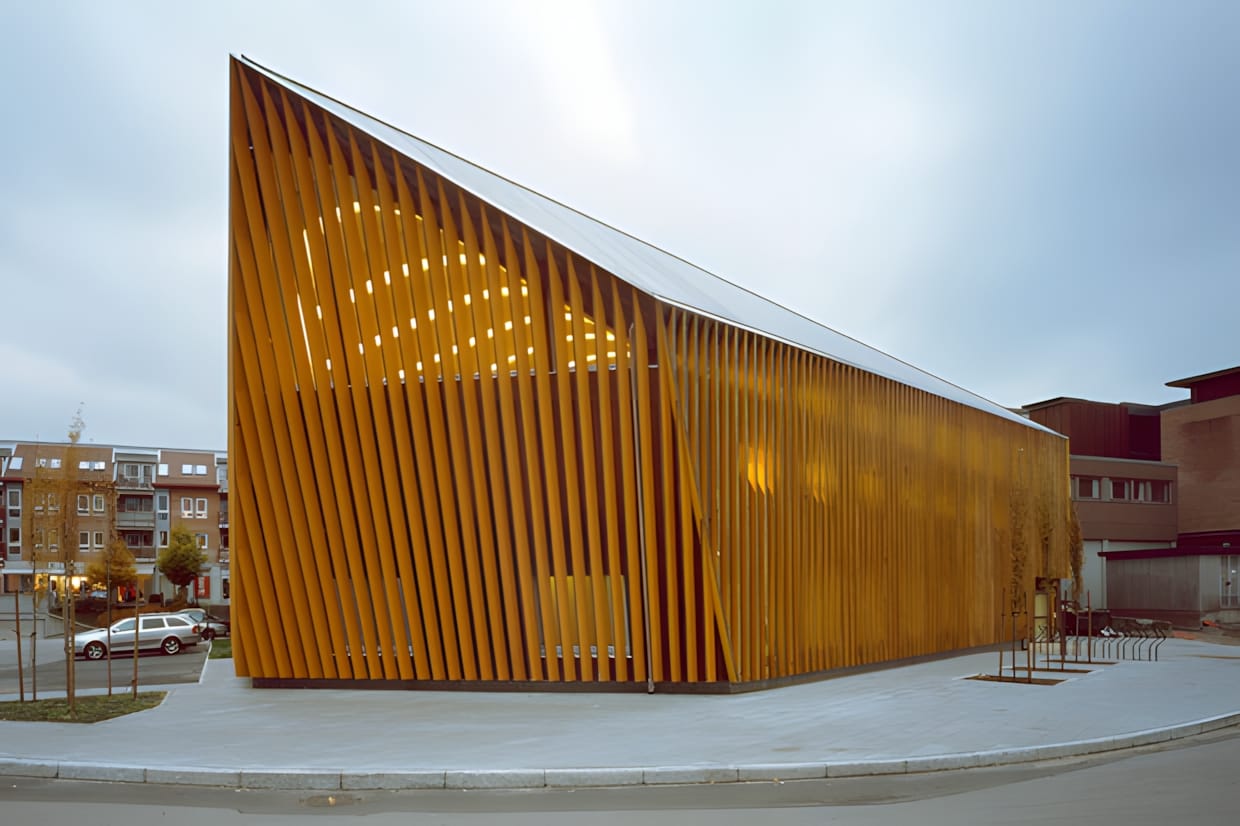
Vennesla Library and Culture House by Helen & Hard
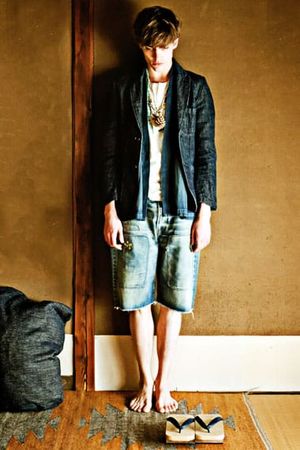
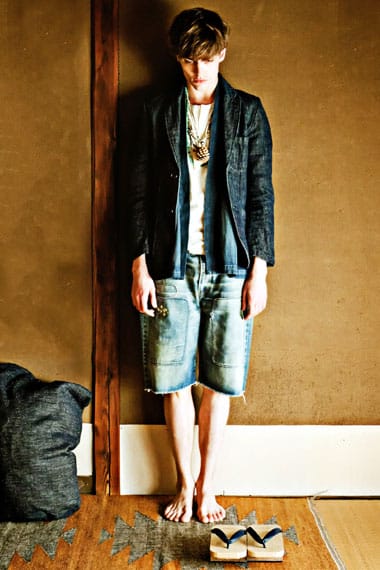
SENSE Magazine visvim Spring Summer 2012
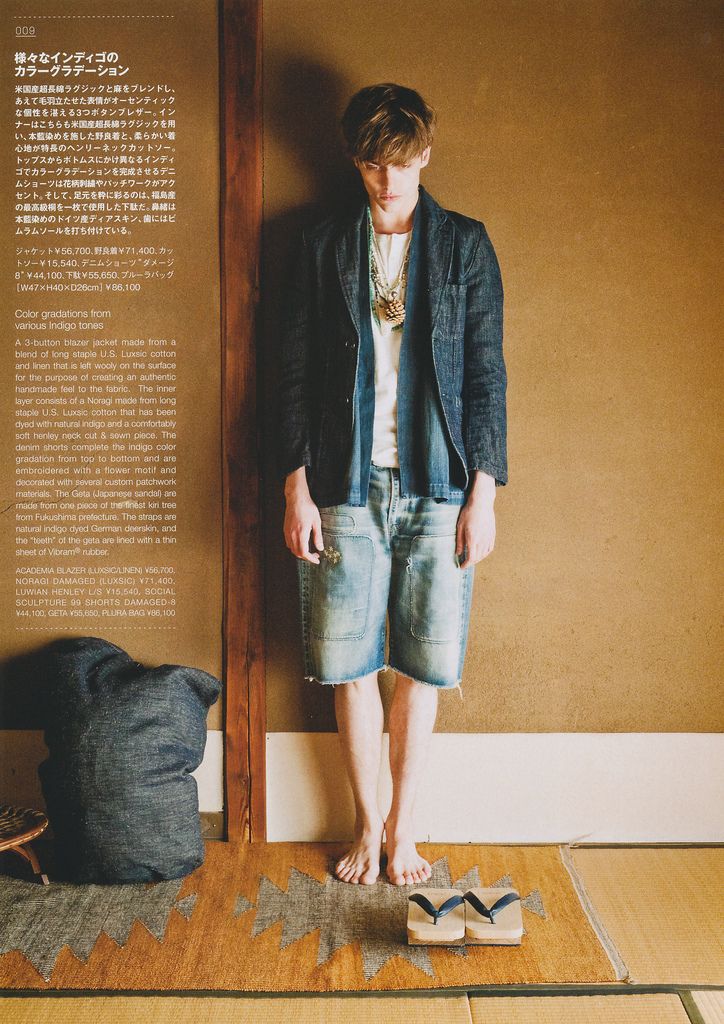
A page from 'TEXT in visvim', the visvim Spring/Summer 2012 feature in Japan's SENSE Magazine (March 2012). Naturally dyed, hand-constructed pieces from Hiroki Nakamura.

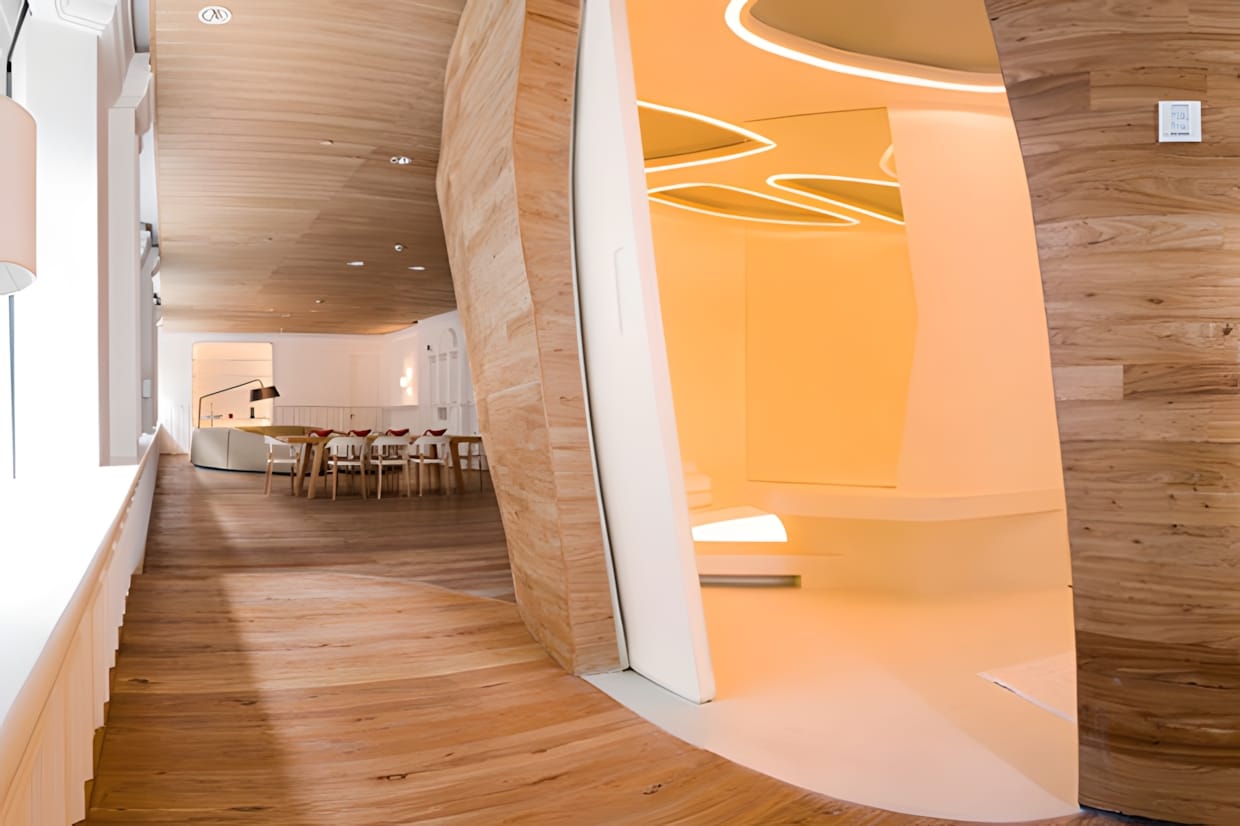
Swatch Art Peace Hotel Shanghai Interior by Jouin Manku
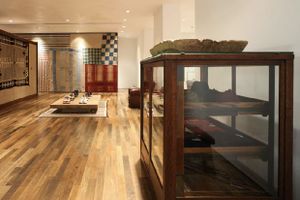
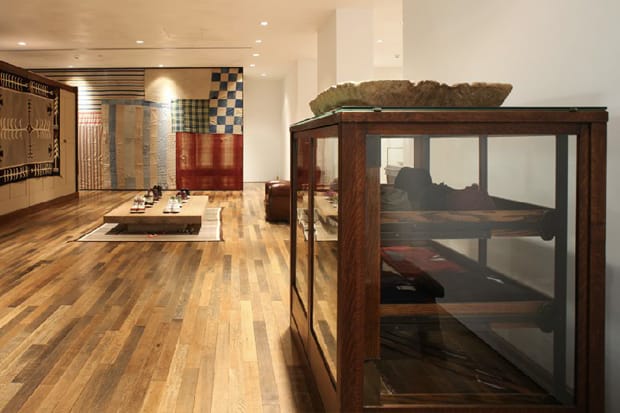
Visvim F.I.L. Sendai Store
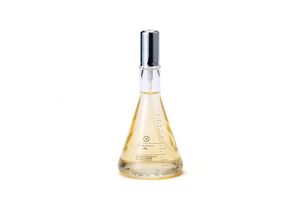
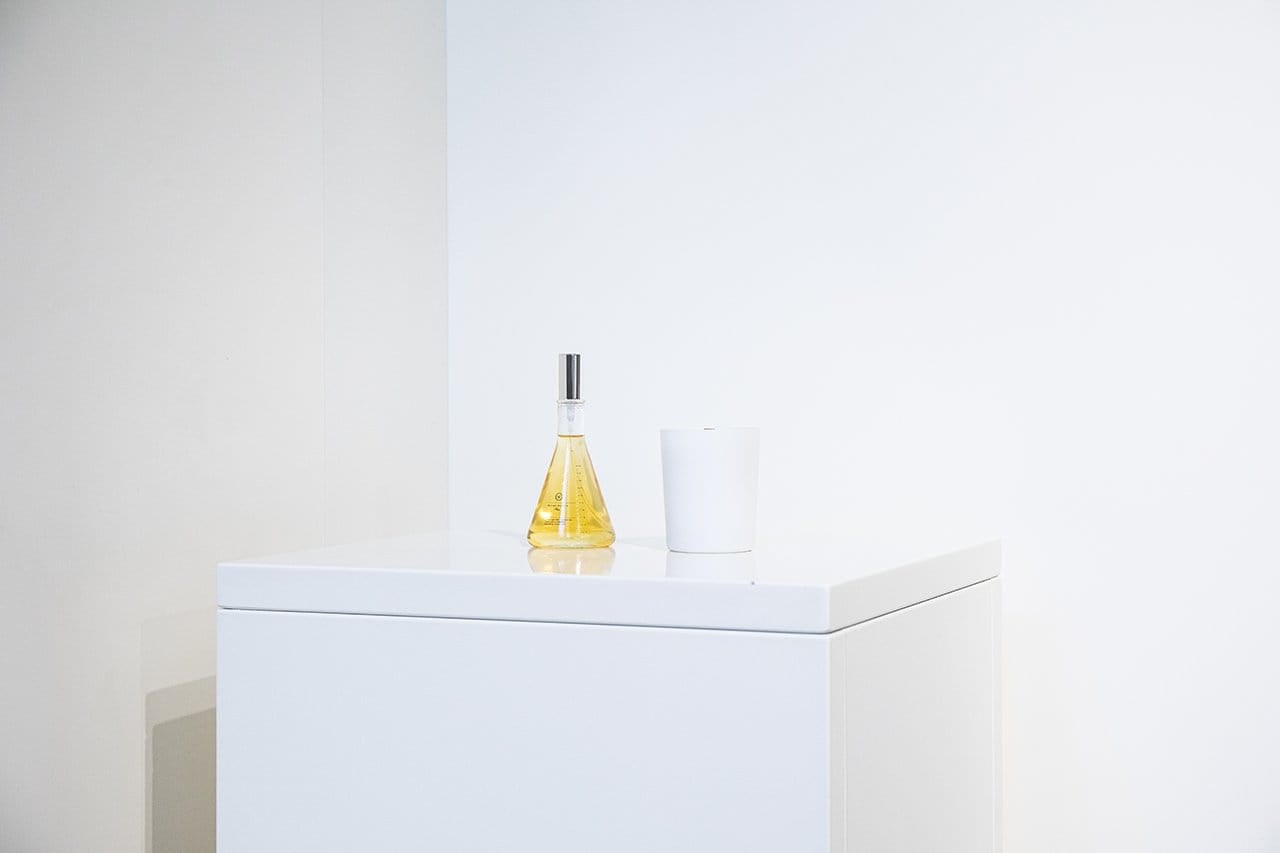
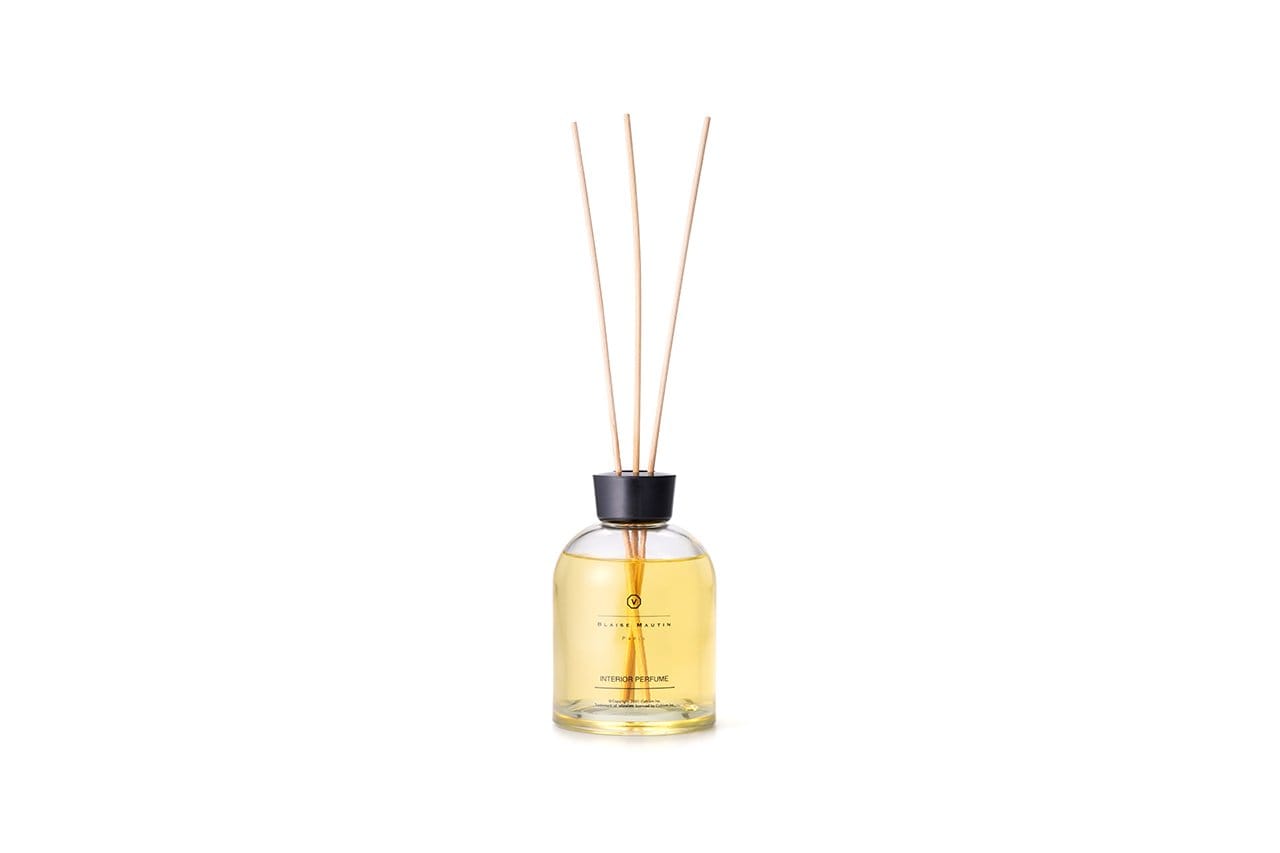
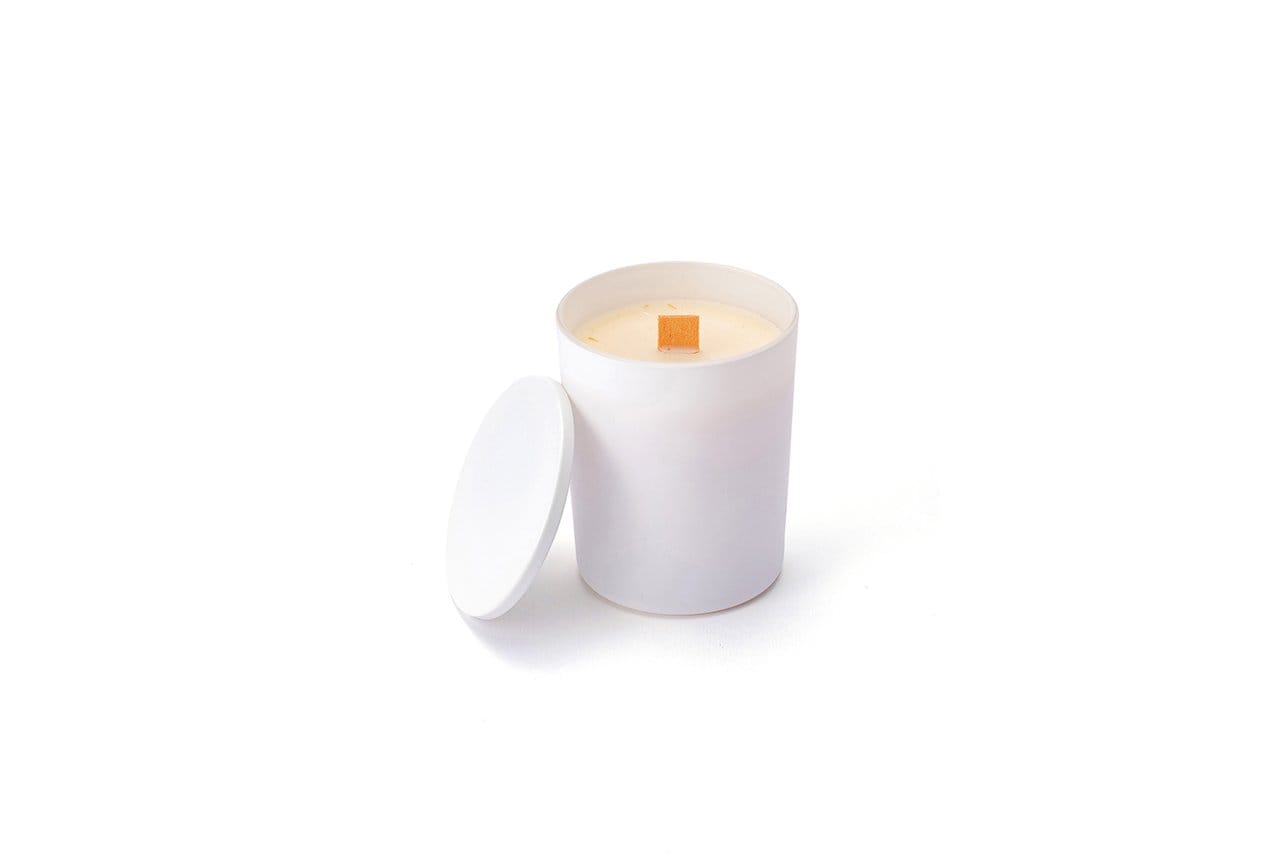
Visvim 2012 Subsection Series
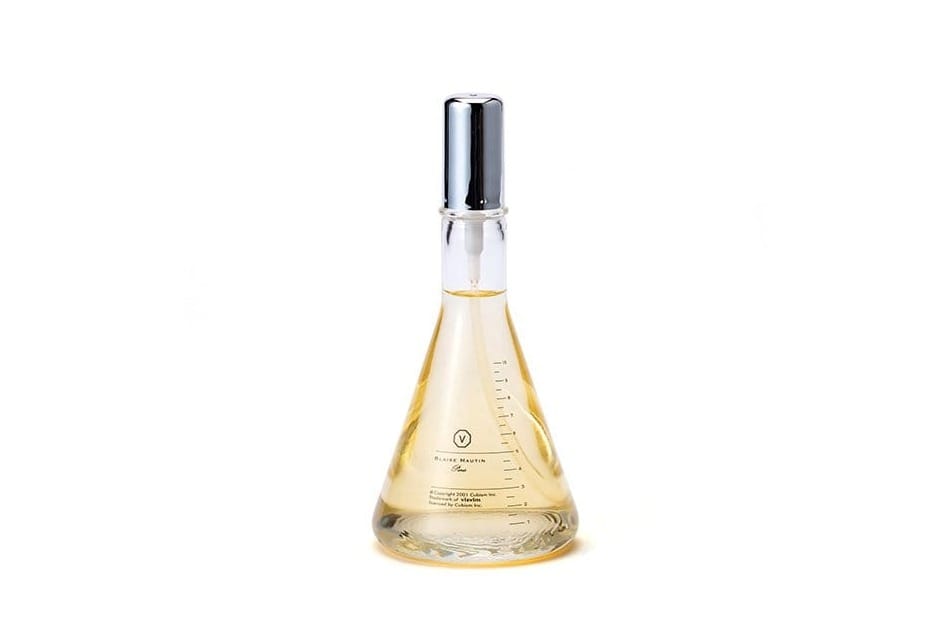
The SUBSECTION SERIES is a fragrance collection by Visvim, inspired by founder Hiroki Nakamura’s encounter with French fragrance designer Blaise Mautin over 20 years ago. The series includes candles, room sprays, and diffusers, each available in various scents. Notable fragrances are NO.1 F.I.L., a blend featuring patchouli and sandalwood, and NO.7 KYOTO, inspired by a morning visit to Kyoto’s Sanjusangendo temple.

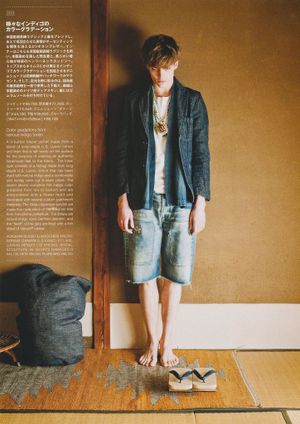
SENSE March 2012 the TEXT in VISVIM 2012 Spring Summer
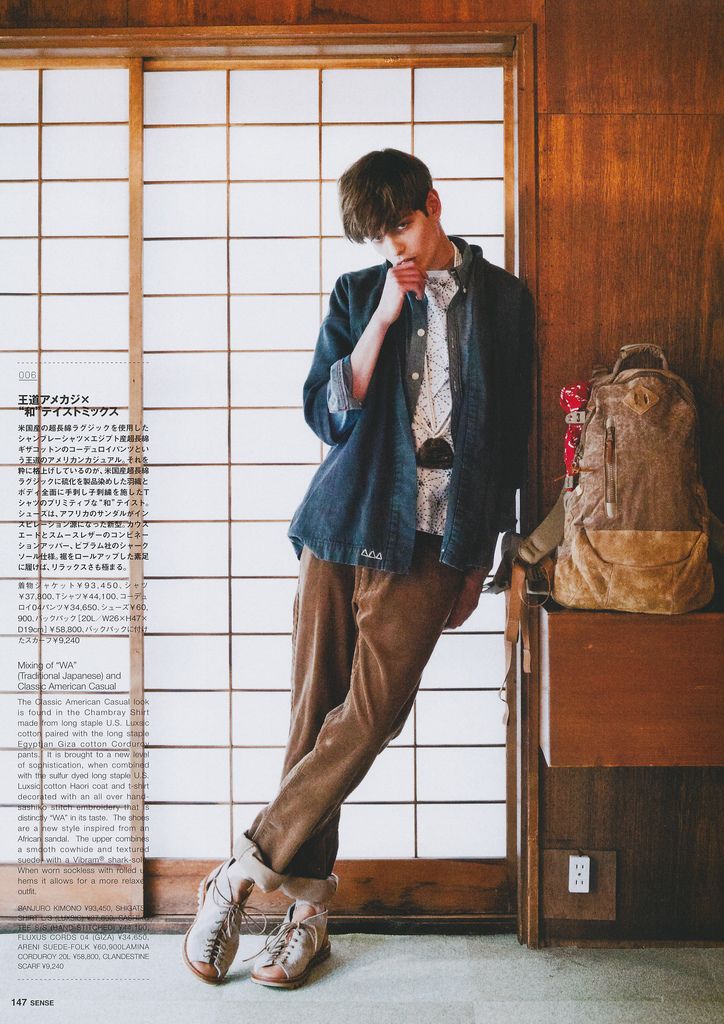
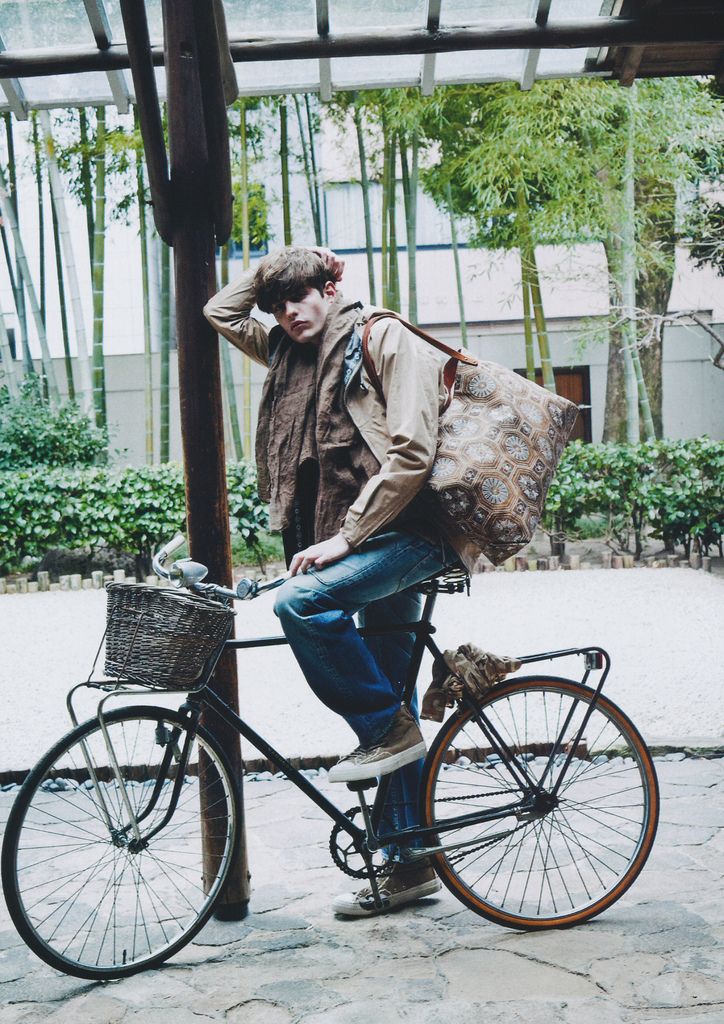
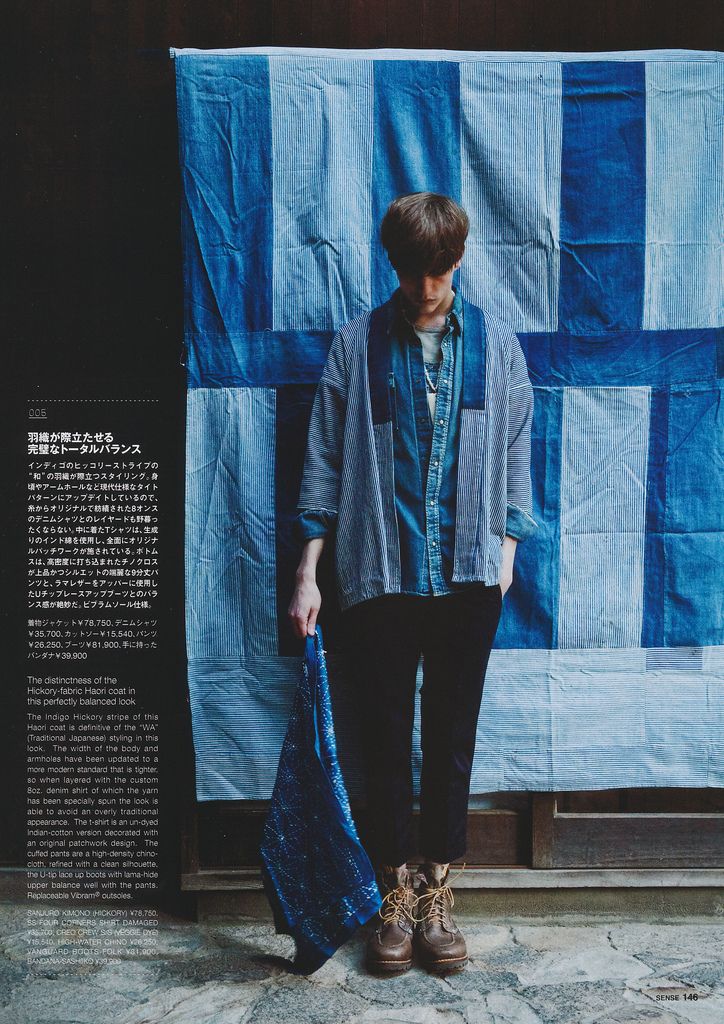
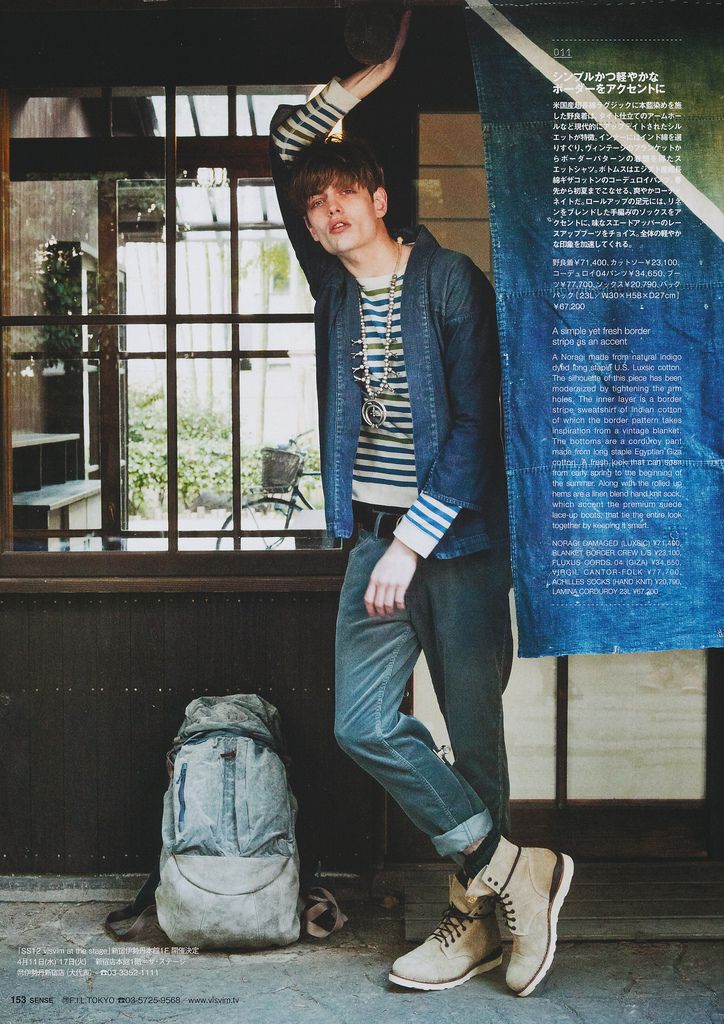
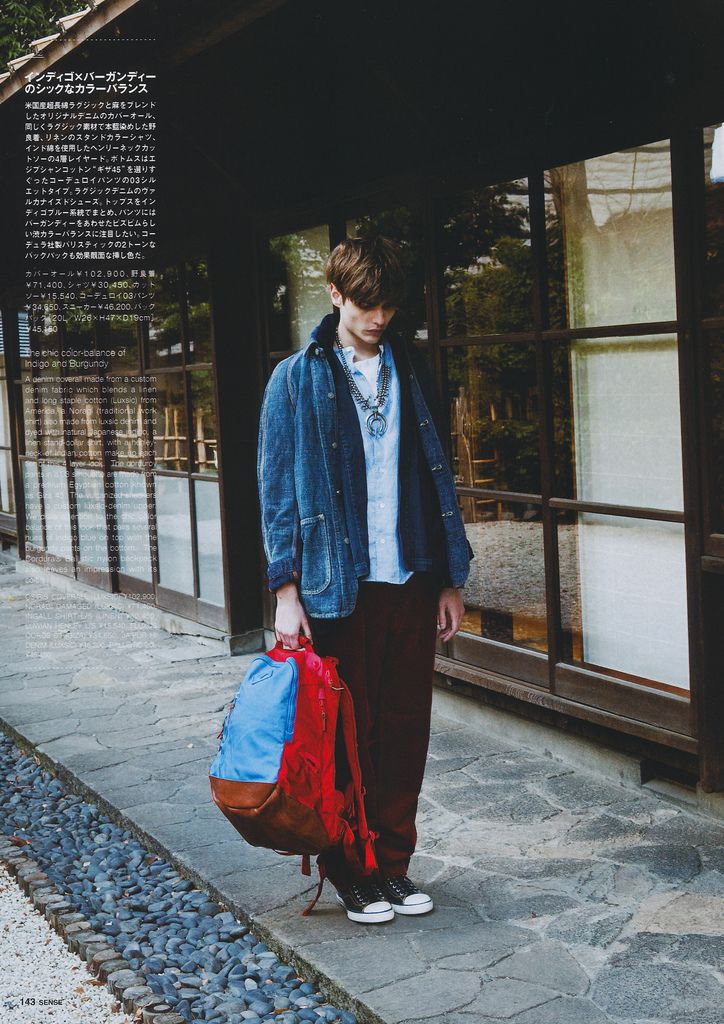
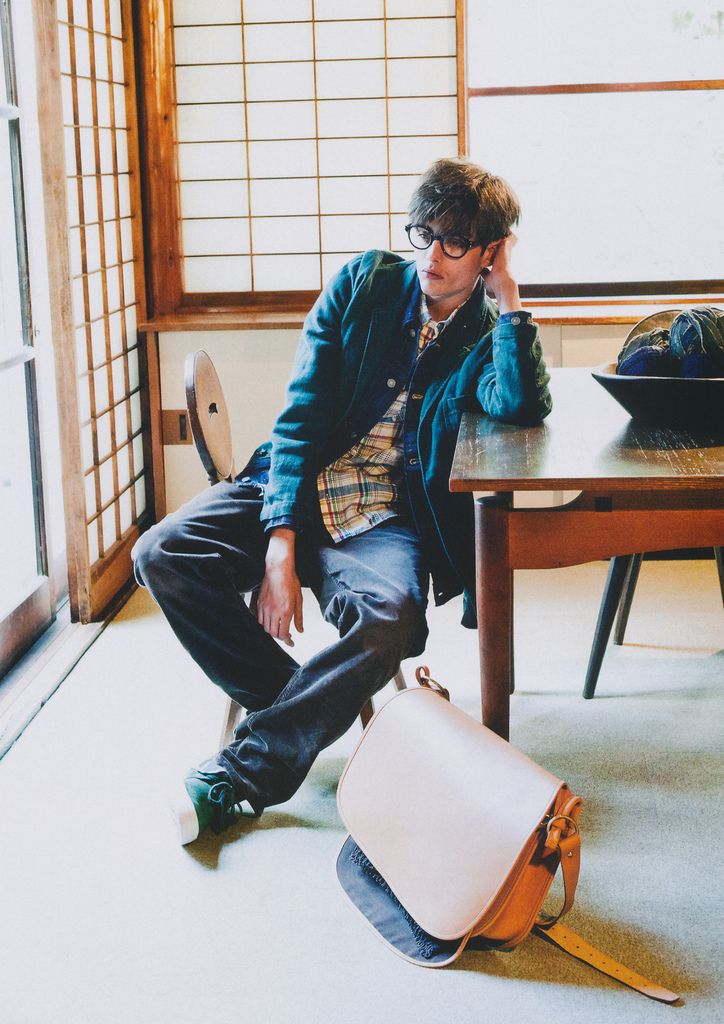

Common Projects Spring/Summer 2012 Preview


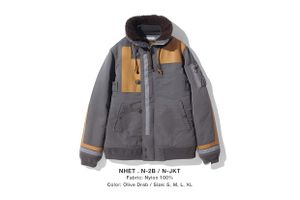
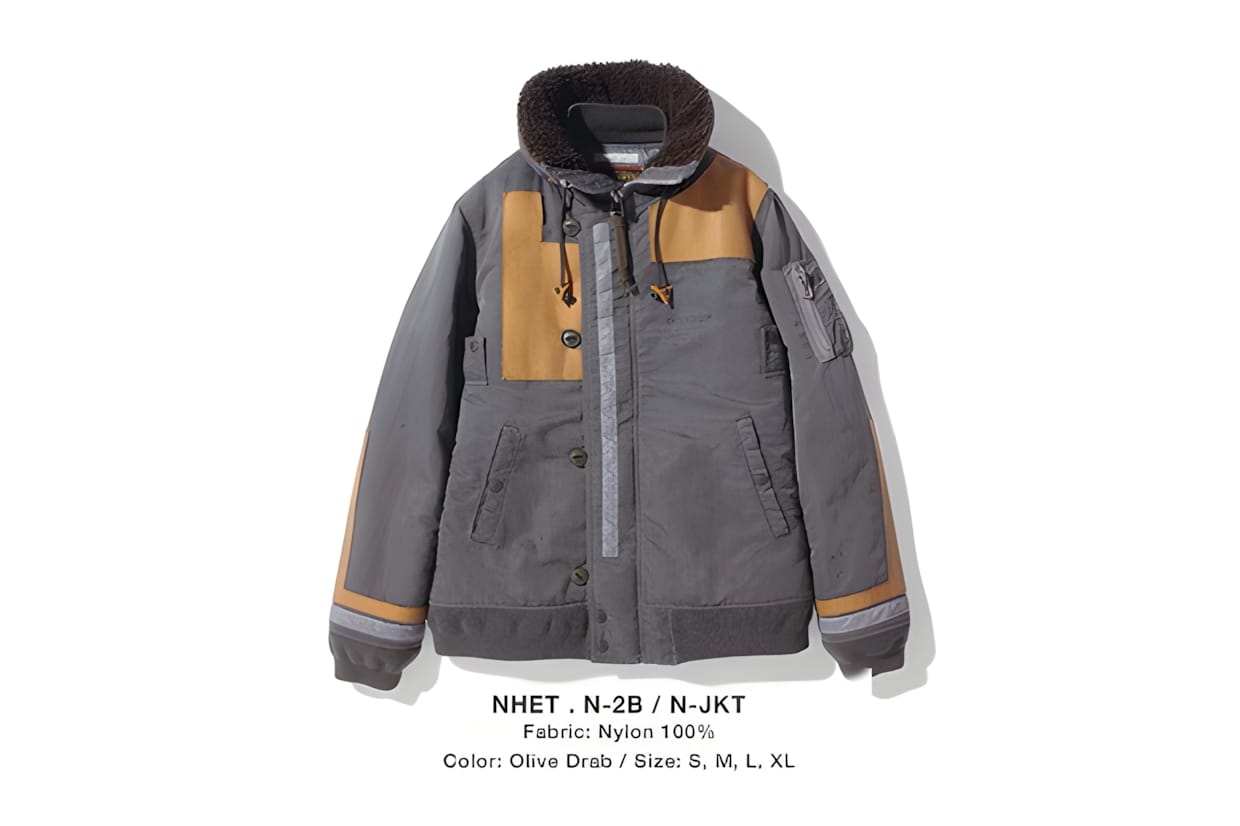
Neighborhood N-2B / N-JKT Olive Drab
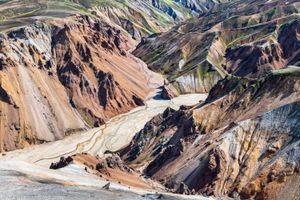
Rhyolithberge, Region Landmannalaugar, Fjallabak Naturreservat, Isländisches Hochland, Island
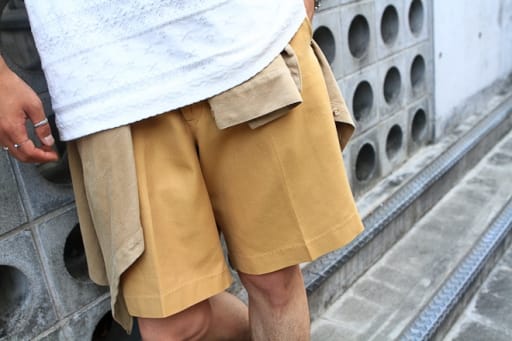
Tan Pleated Shorts
Tan pleated shorts on the street in Harajuku, Tokyo, shot for Fashionsnap in September 2012. Full, high-waisted and worn long.

hobo x Diemme Spring/Summer 2014 Utility Boots

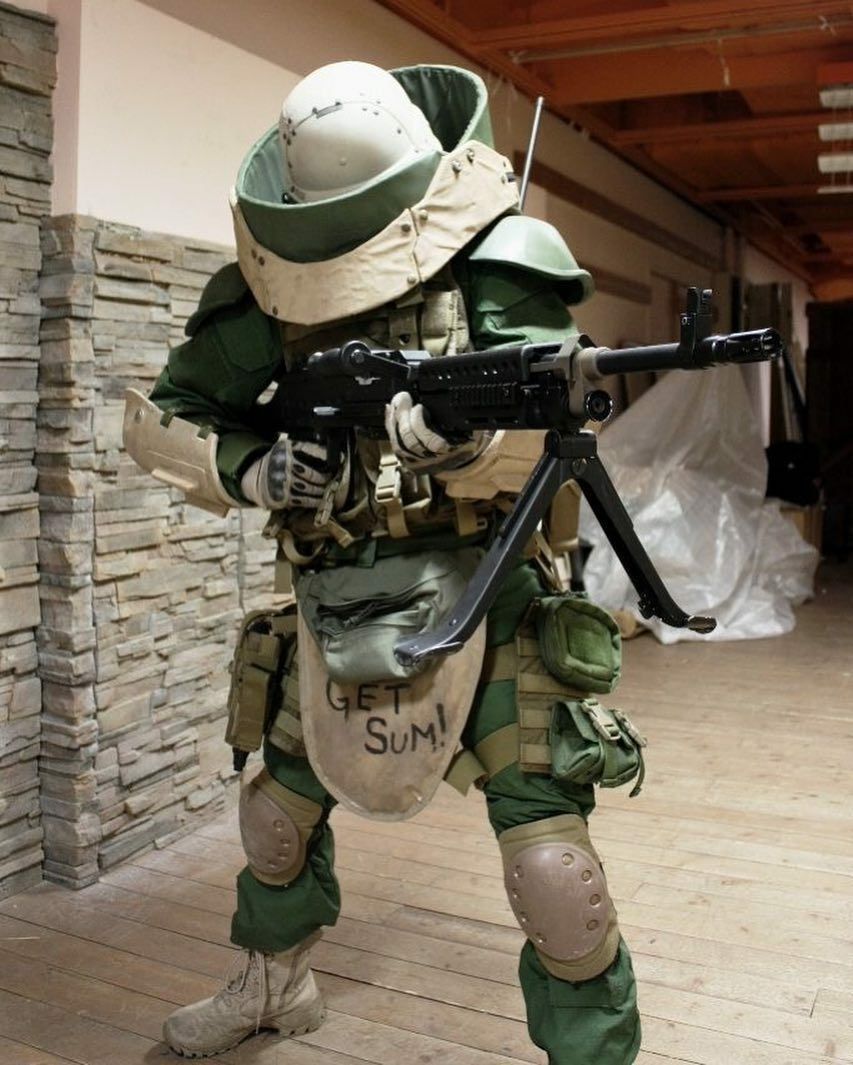
M240 Machine-Gun Range Training
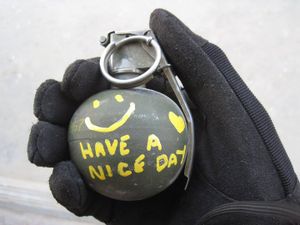
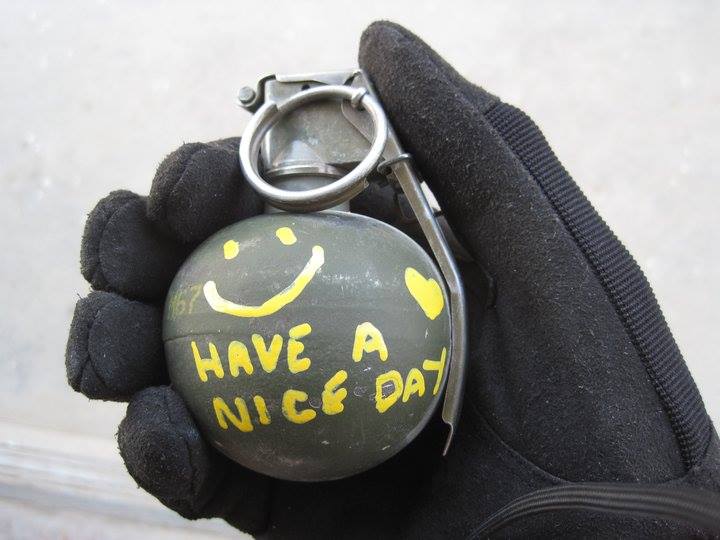
Have a Nice Day — M67 Grenade
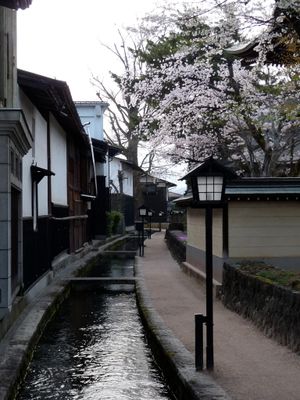
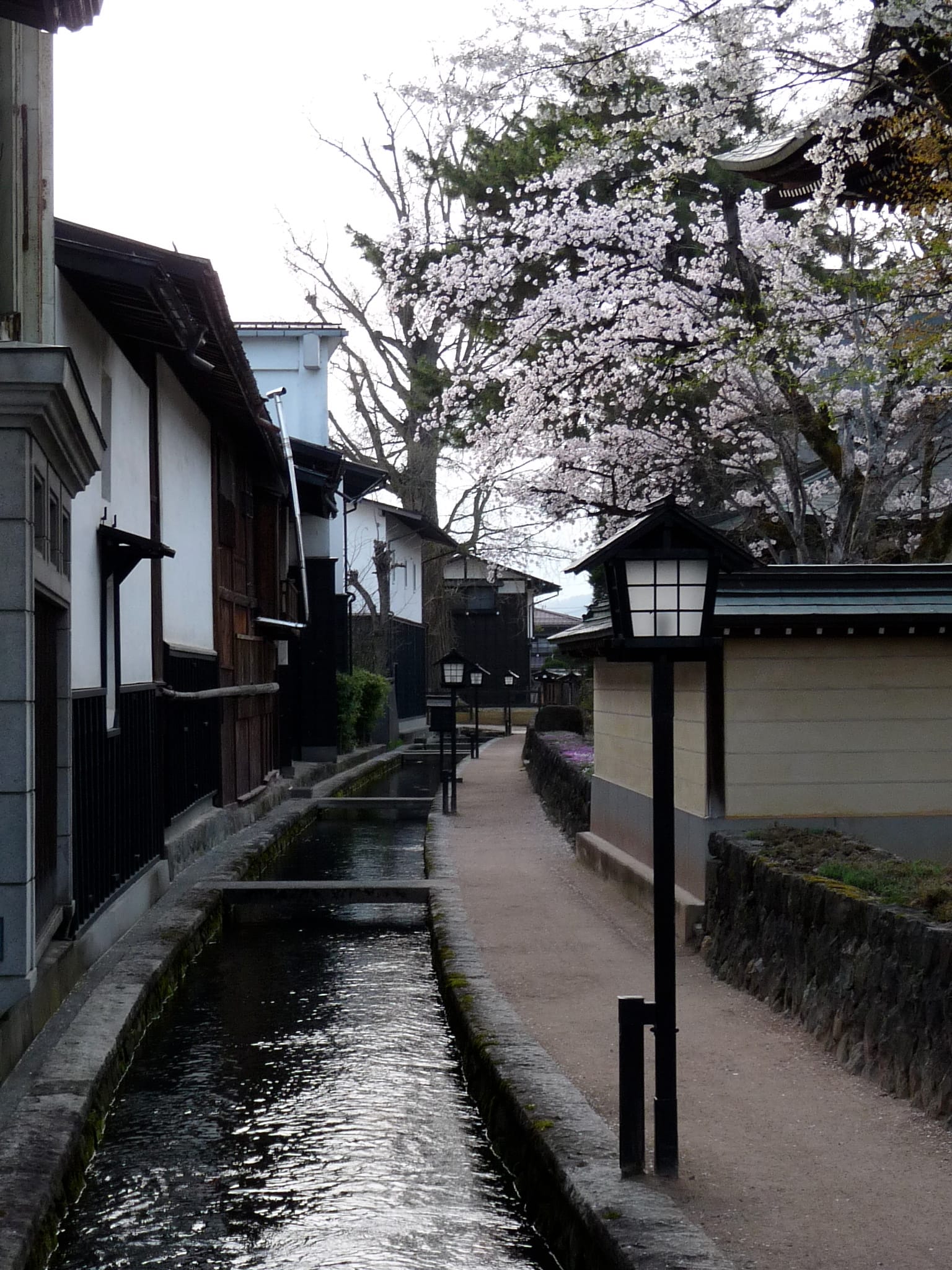
Hida-Furukawa (飛騨古川) — Dan
Dan's Hida-Furukawa (飛騨古川) follows the Seto River canal through the preserved old town of Furukawa in Hida City, Gifu Prefecture. The photograph was taken on April 15, 2009.
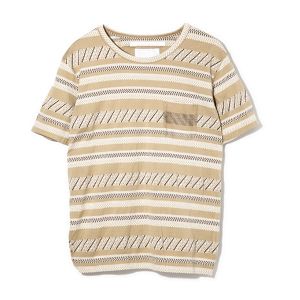
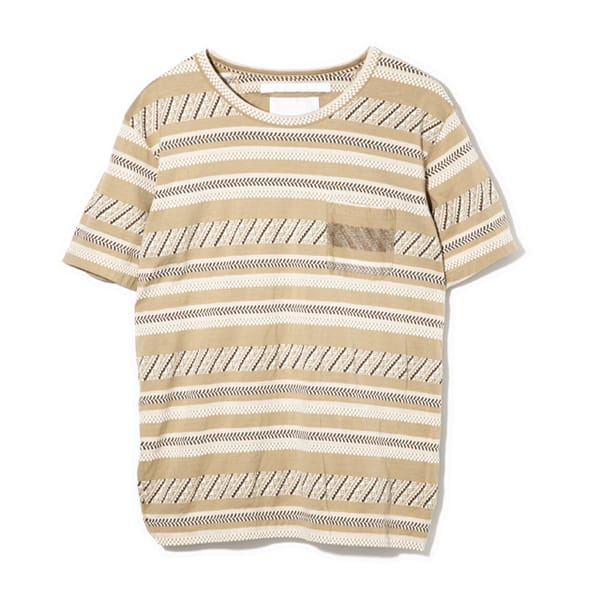
White Mountaineering Striped Pocket T-Shirt
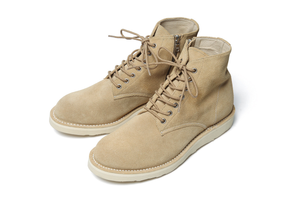
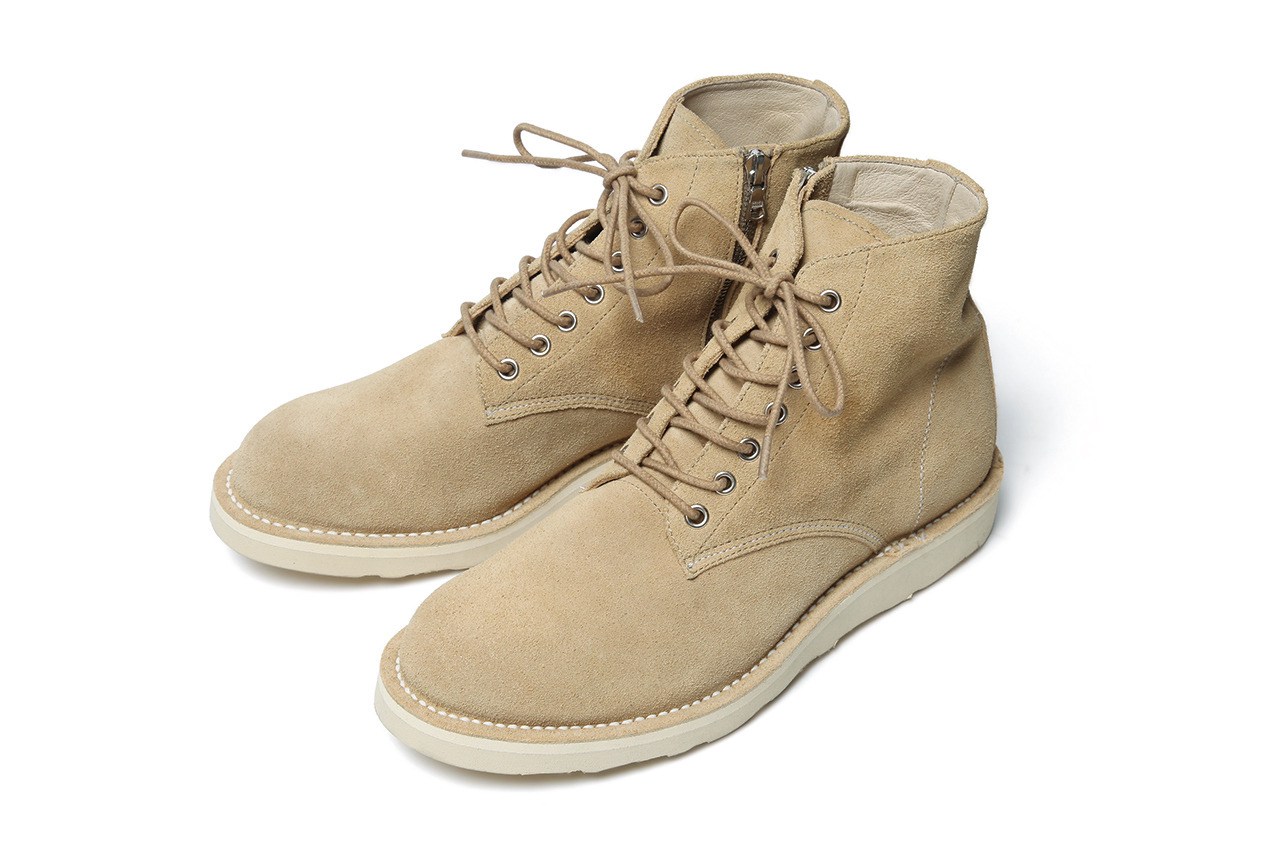
SOPHNET 2013 FW 7HOLE ZIP UP WORK BOOTS