underman
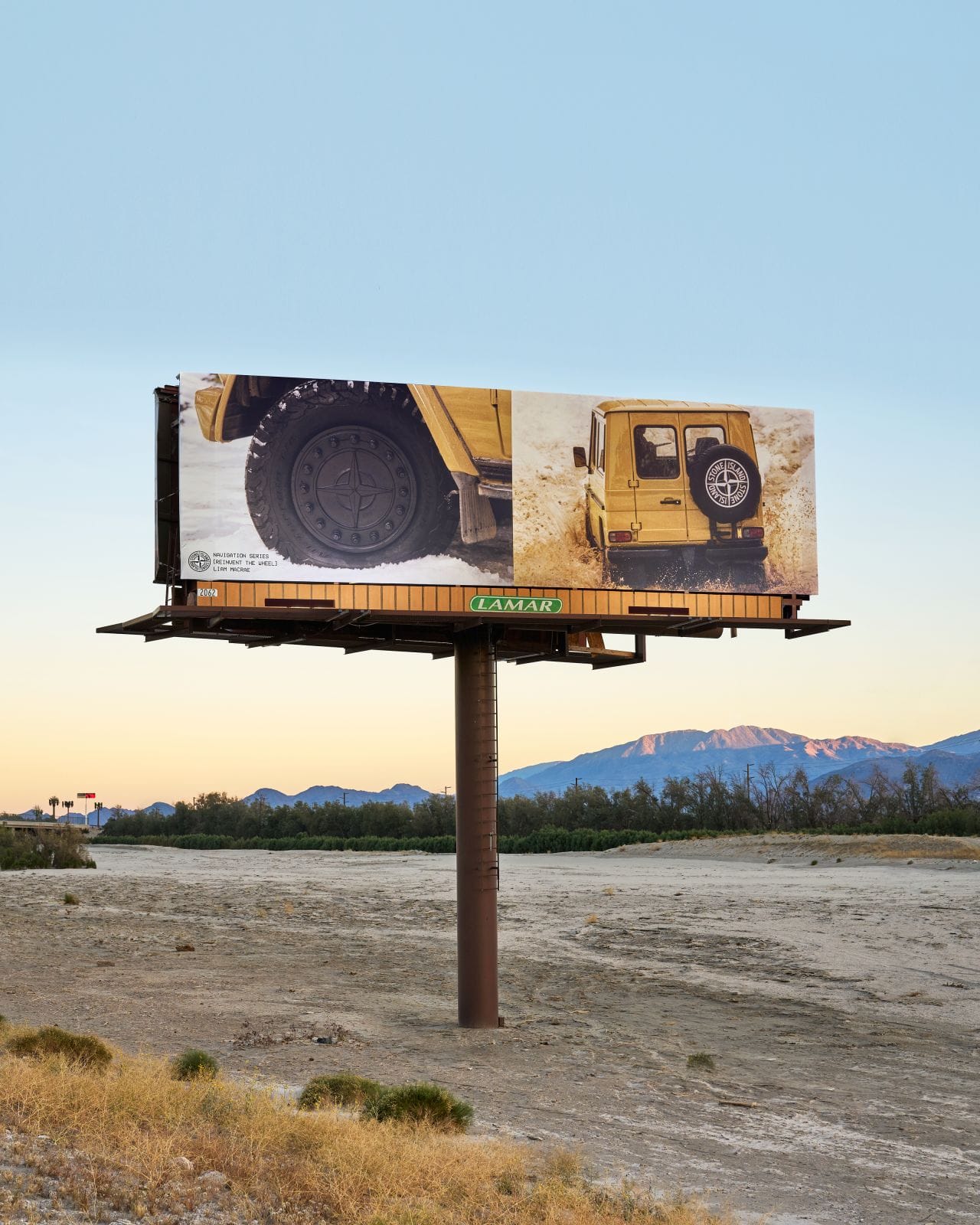
![stone island navigation series [reinvent the wheel] by liam macrae](https://storage.ghost.io/c/14/ee/14eef3be-ca5a-434b-8324-fa1f874026f1/content/images/size/w300/2025/08/stone-island-liam-macrae-navigation-series-002-1.jpg)
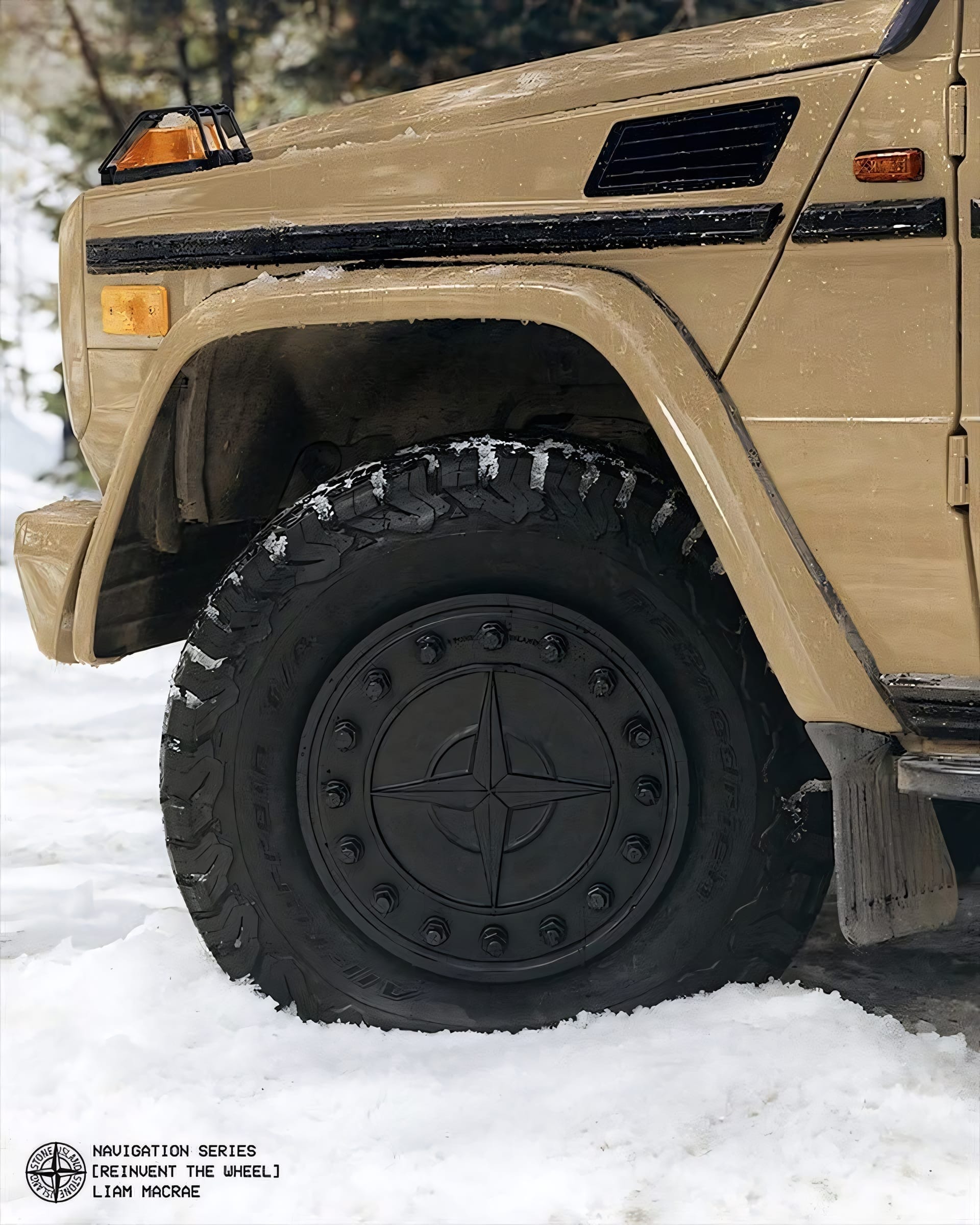
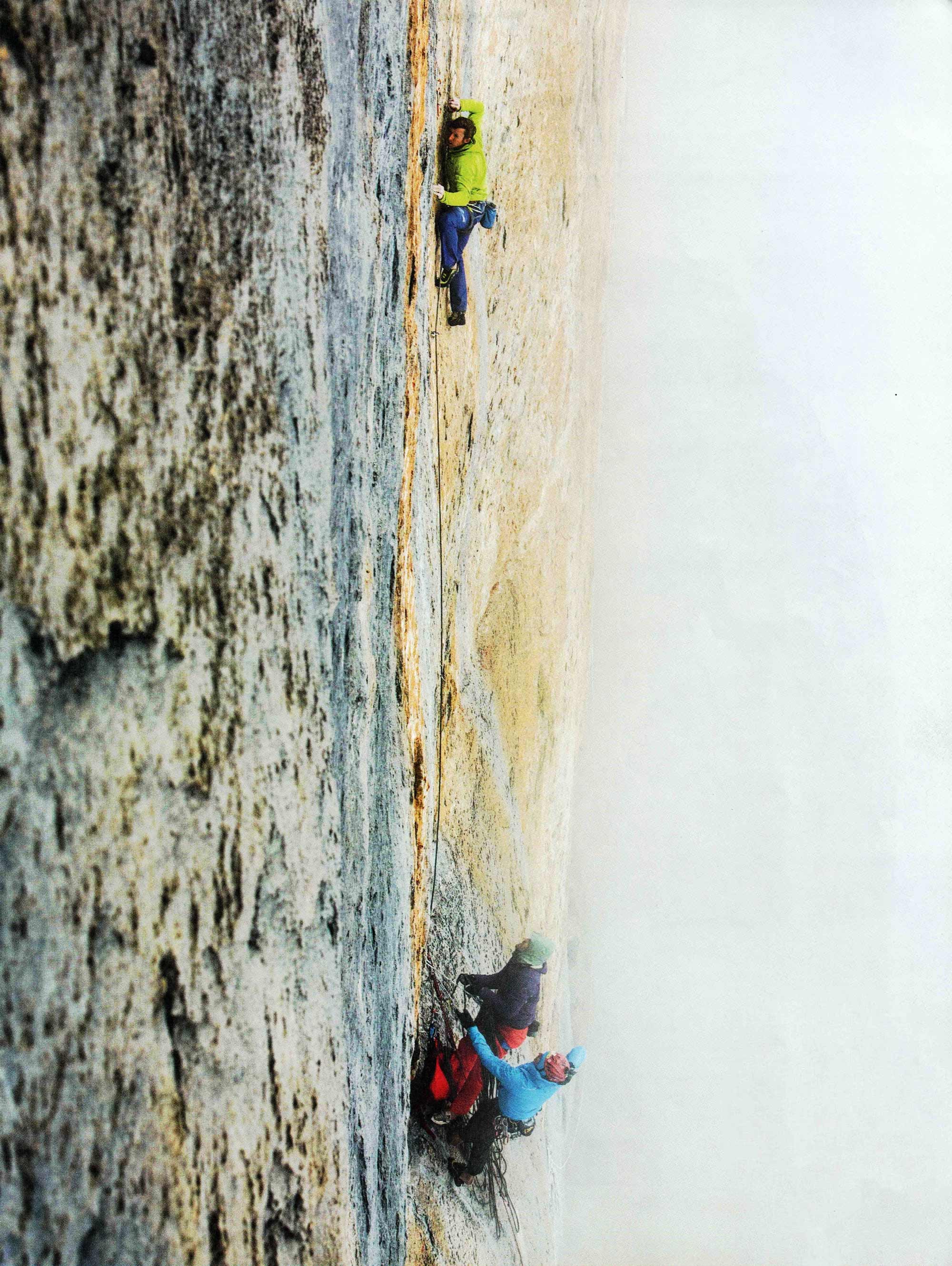
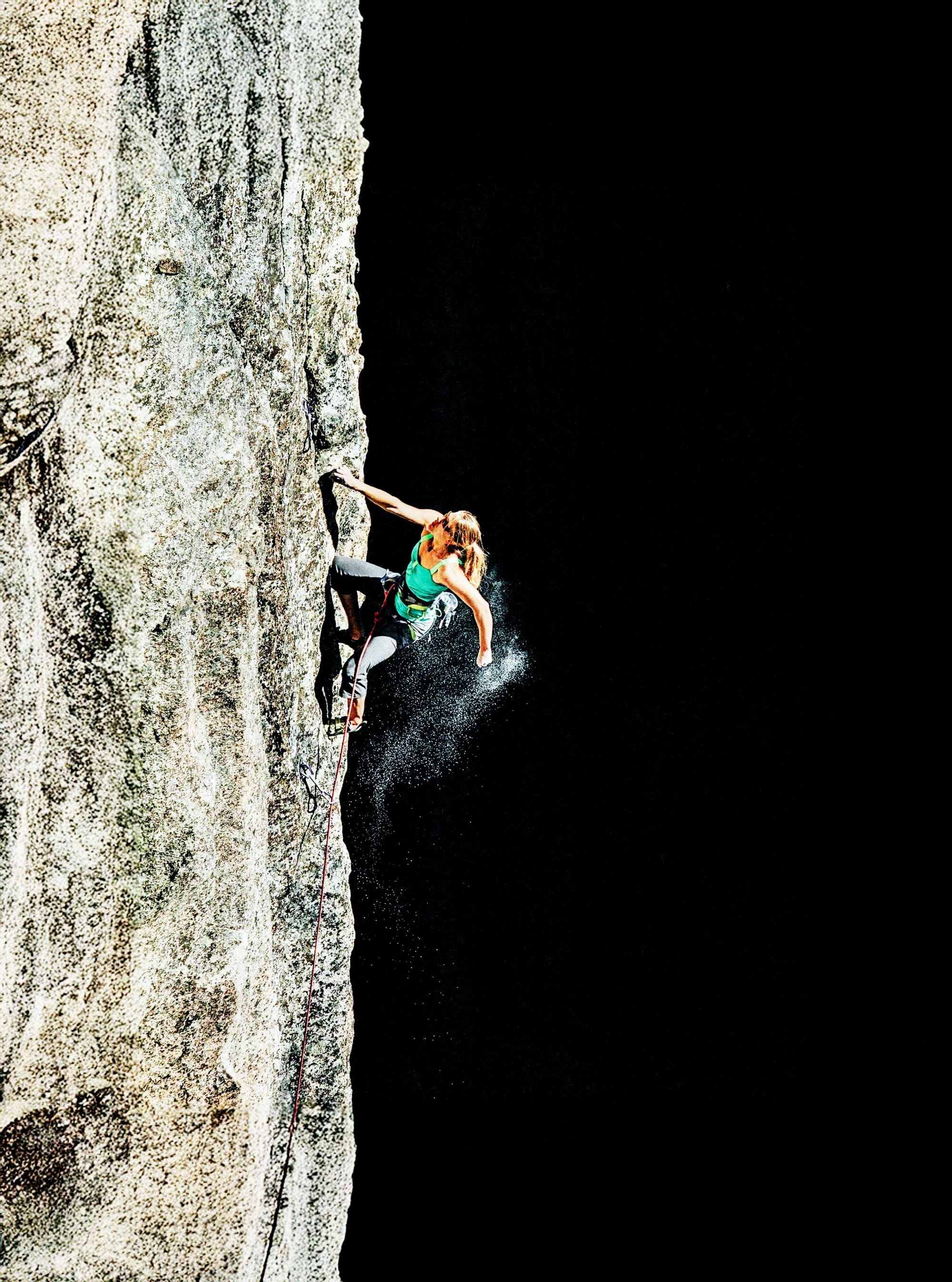
Stone Island’s Navigation Series: Reinvent the Wheel, photographed by Liam MacRae, is part of the brand’s ongoing study of orientation and movement. The work frames navigation as both physical and symbolic—referencing terrain, direction, and systems of guidance. Within the series, “Reinvent the Wheel” emphasizes reinterpreting established structures of travel and perception, continuing Stone Island’s research into exploration and the mechanics of wayfinding.

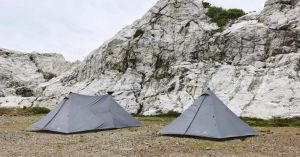
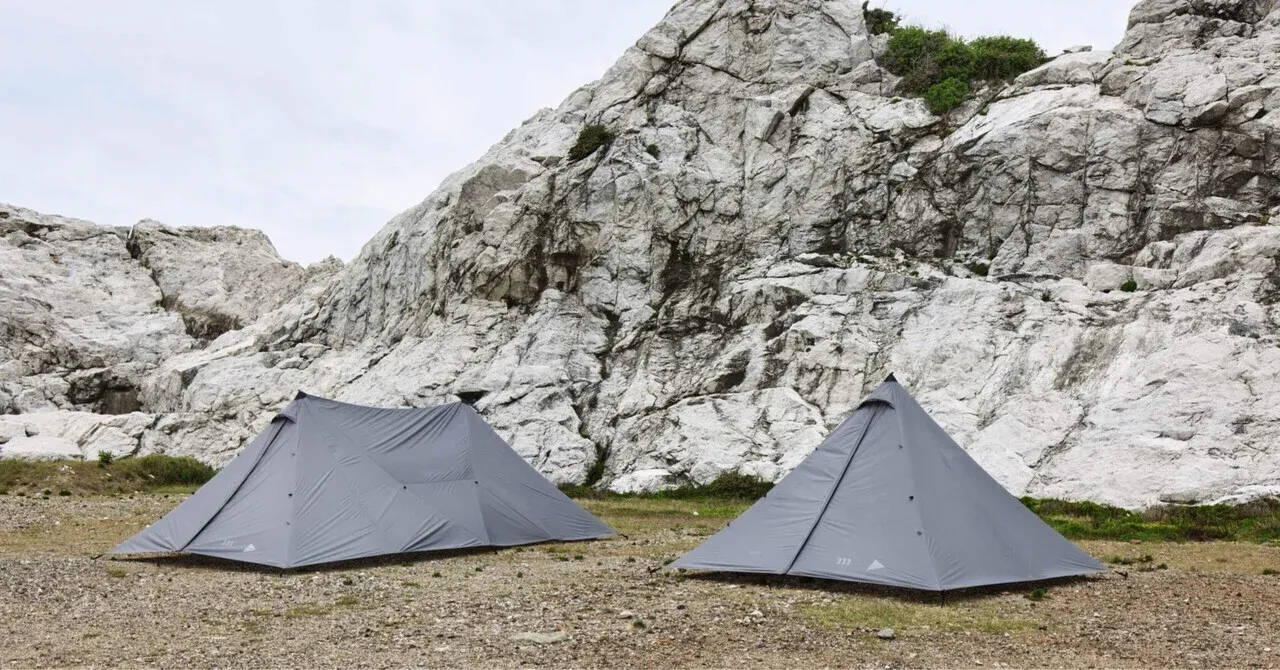
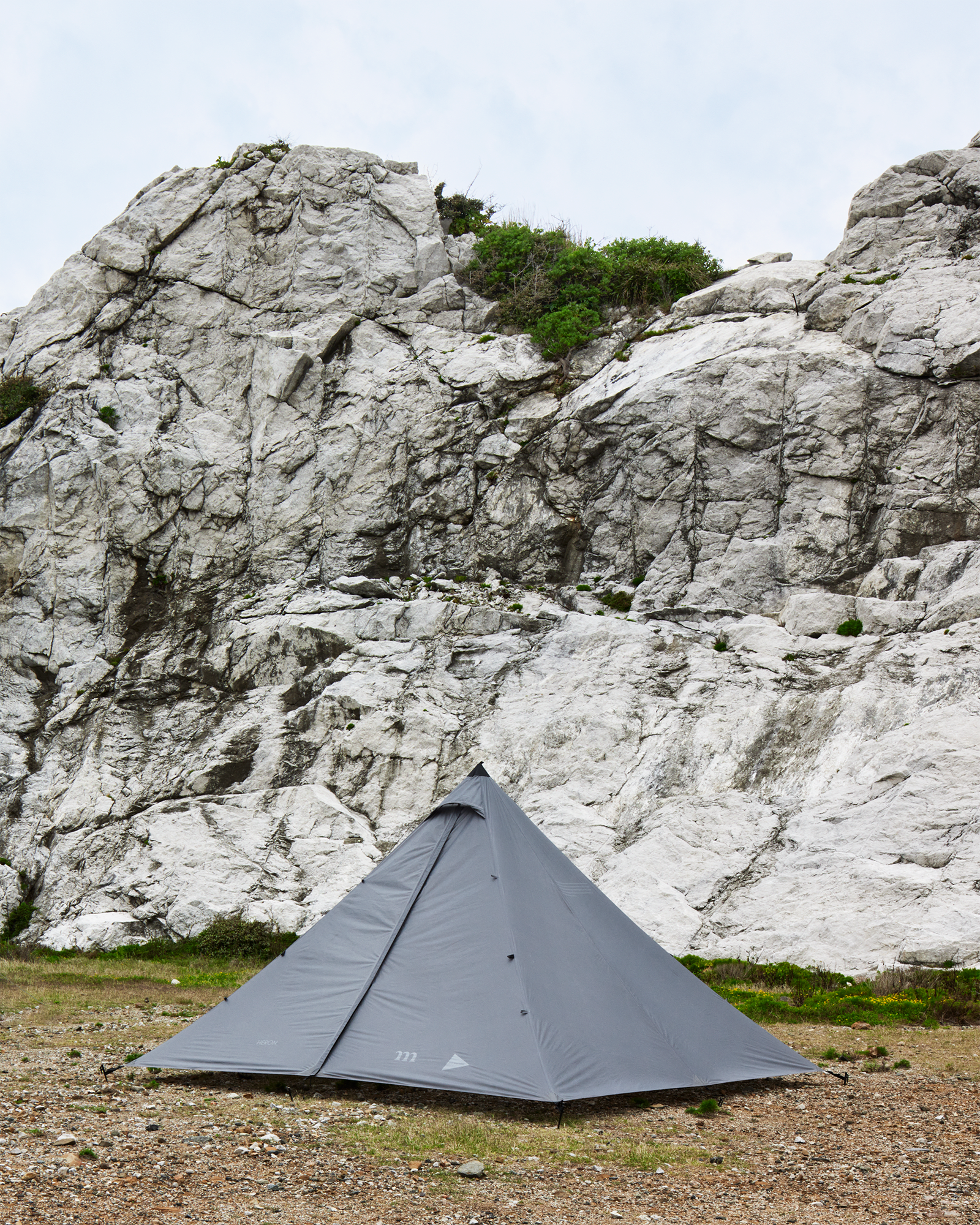
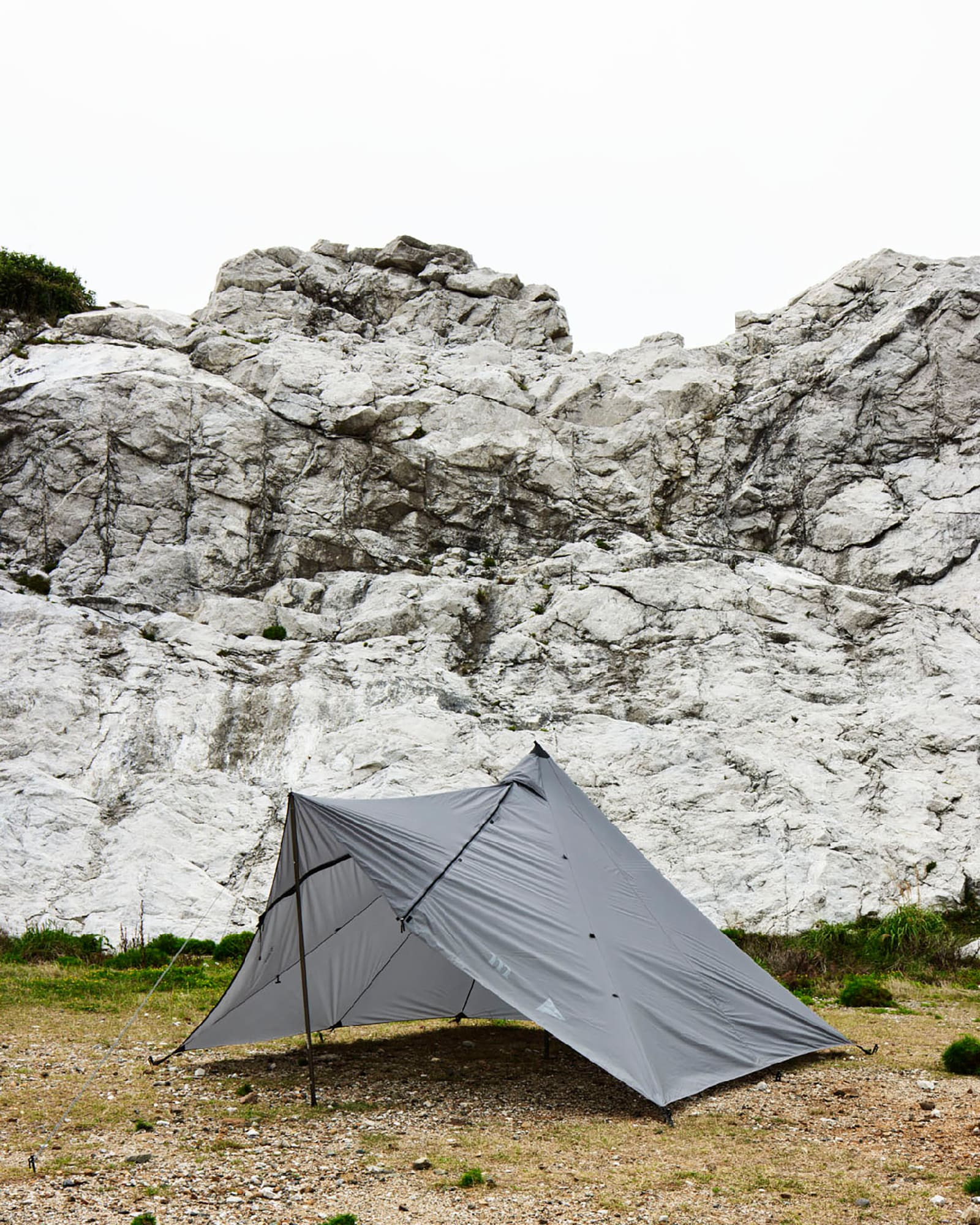
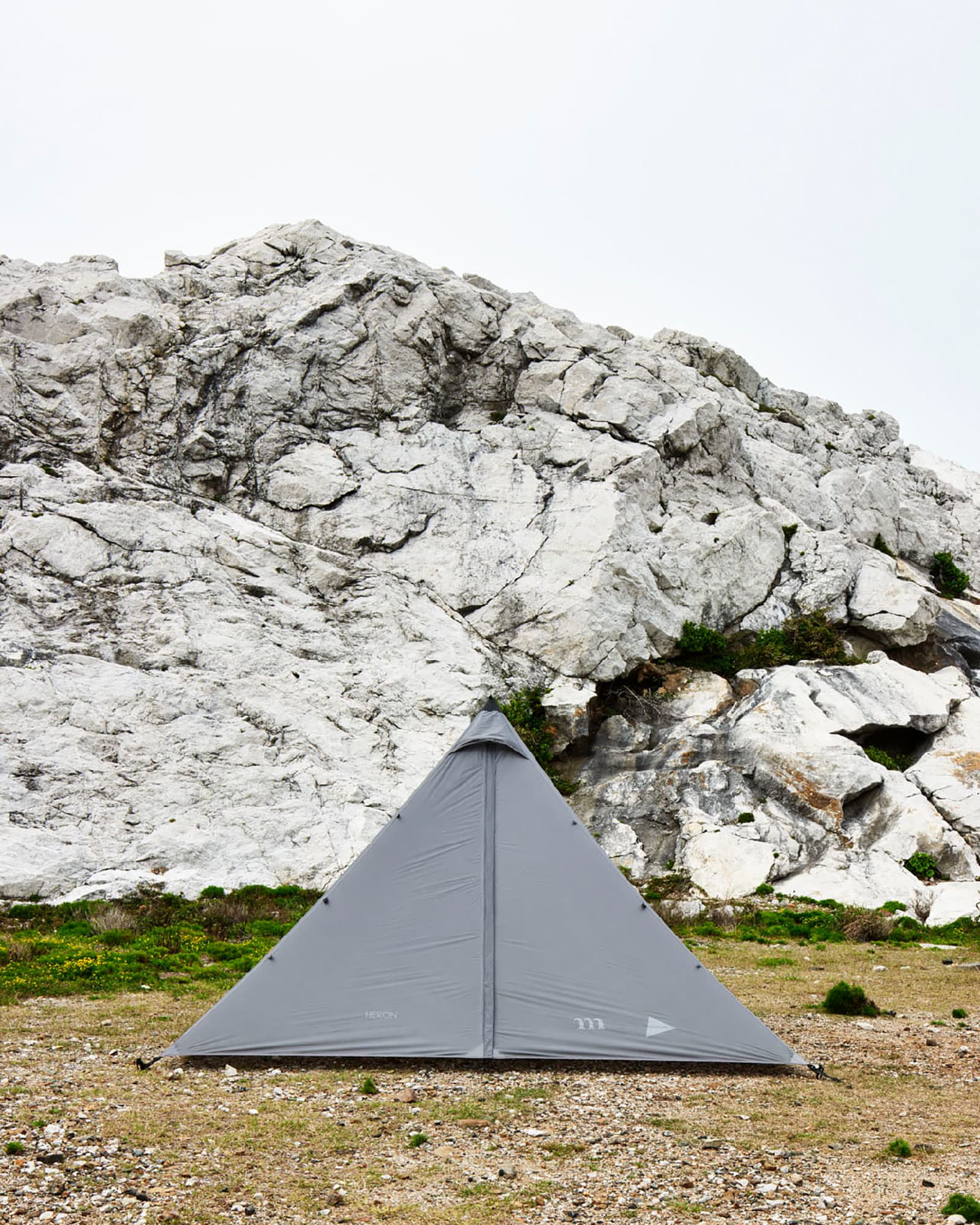
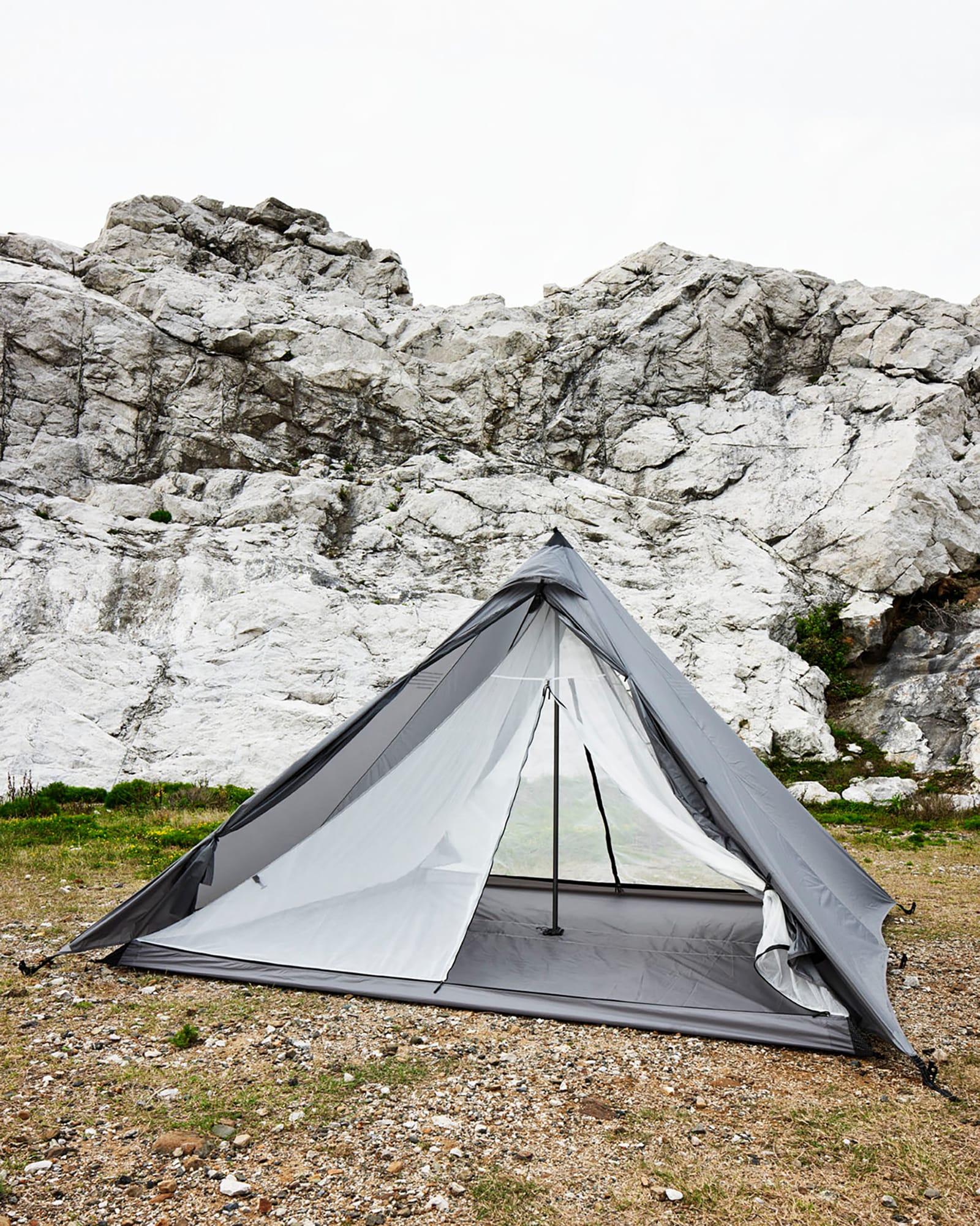
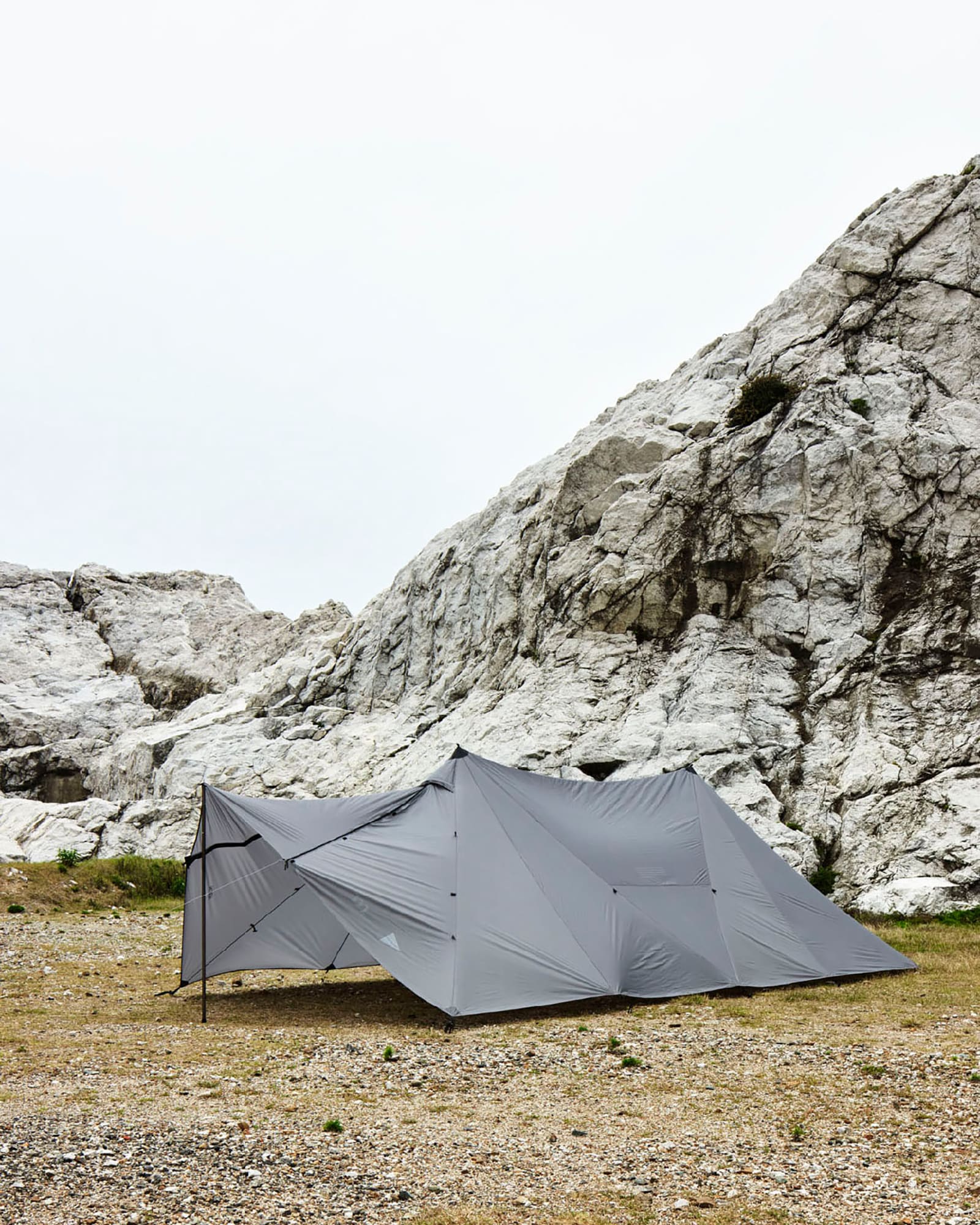
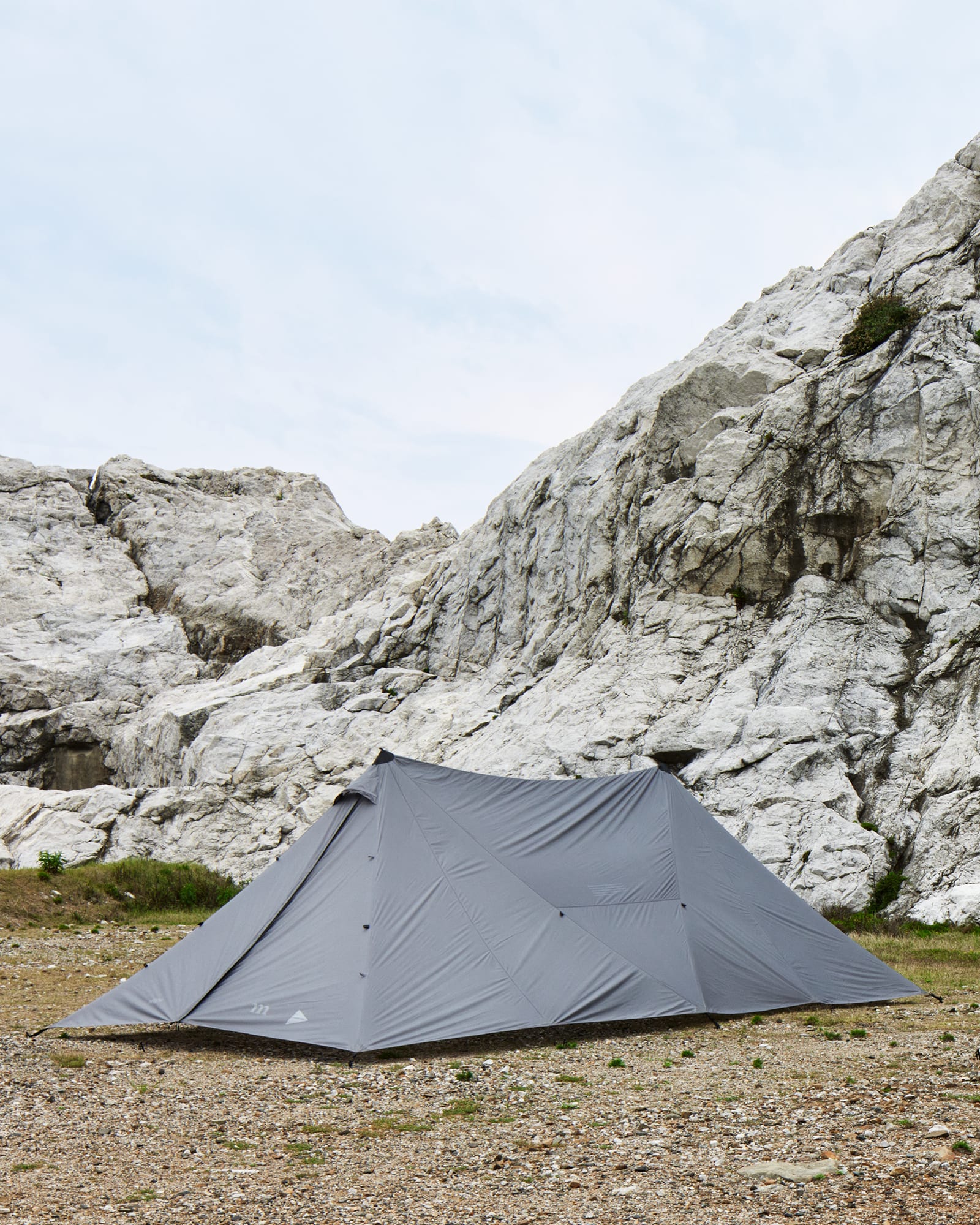
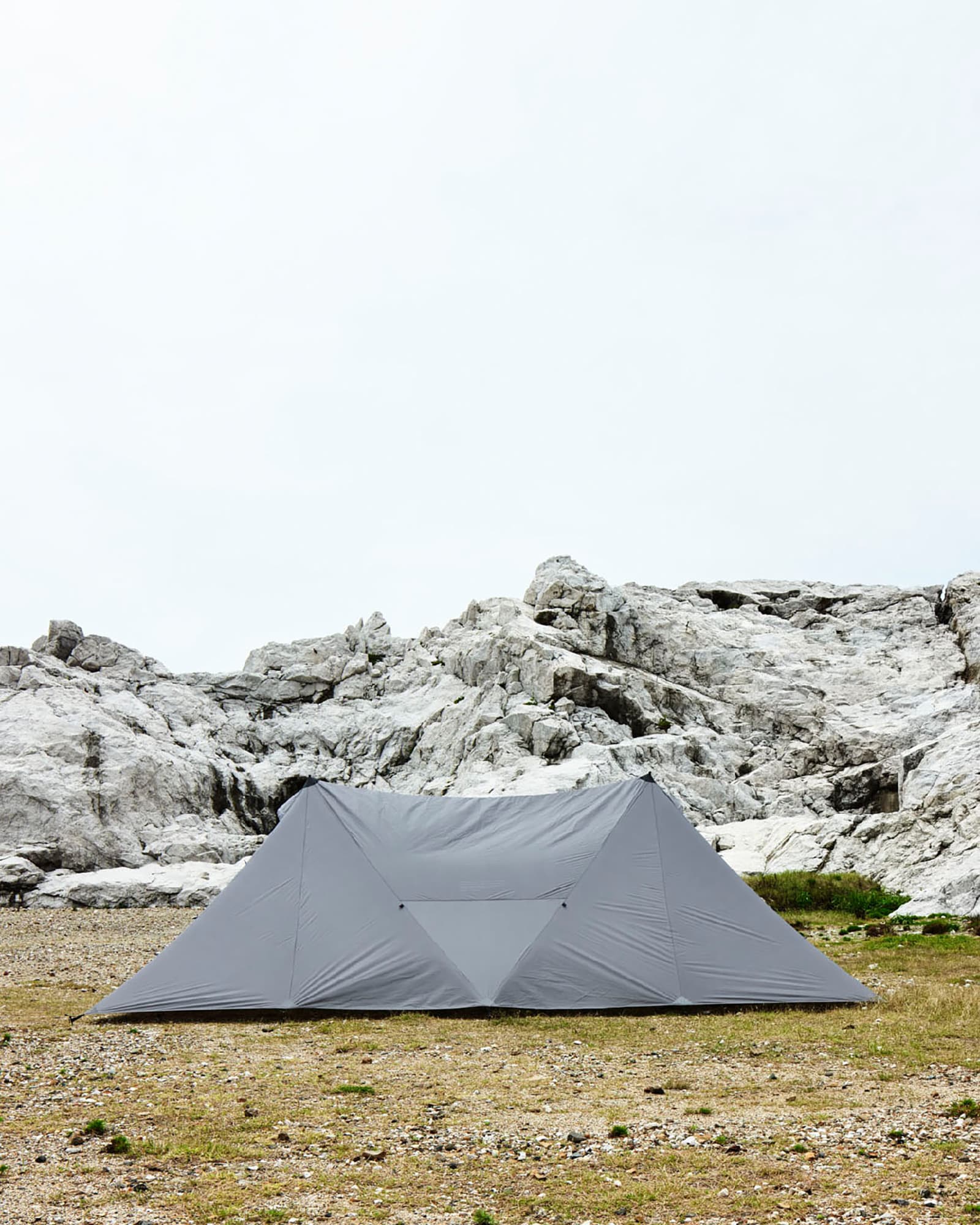
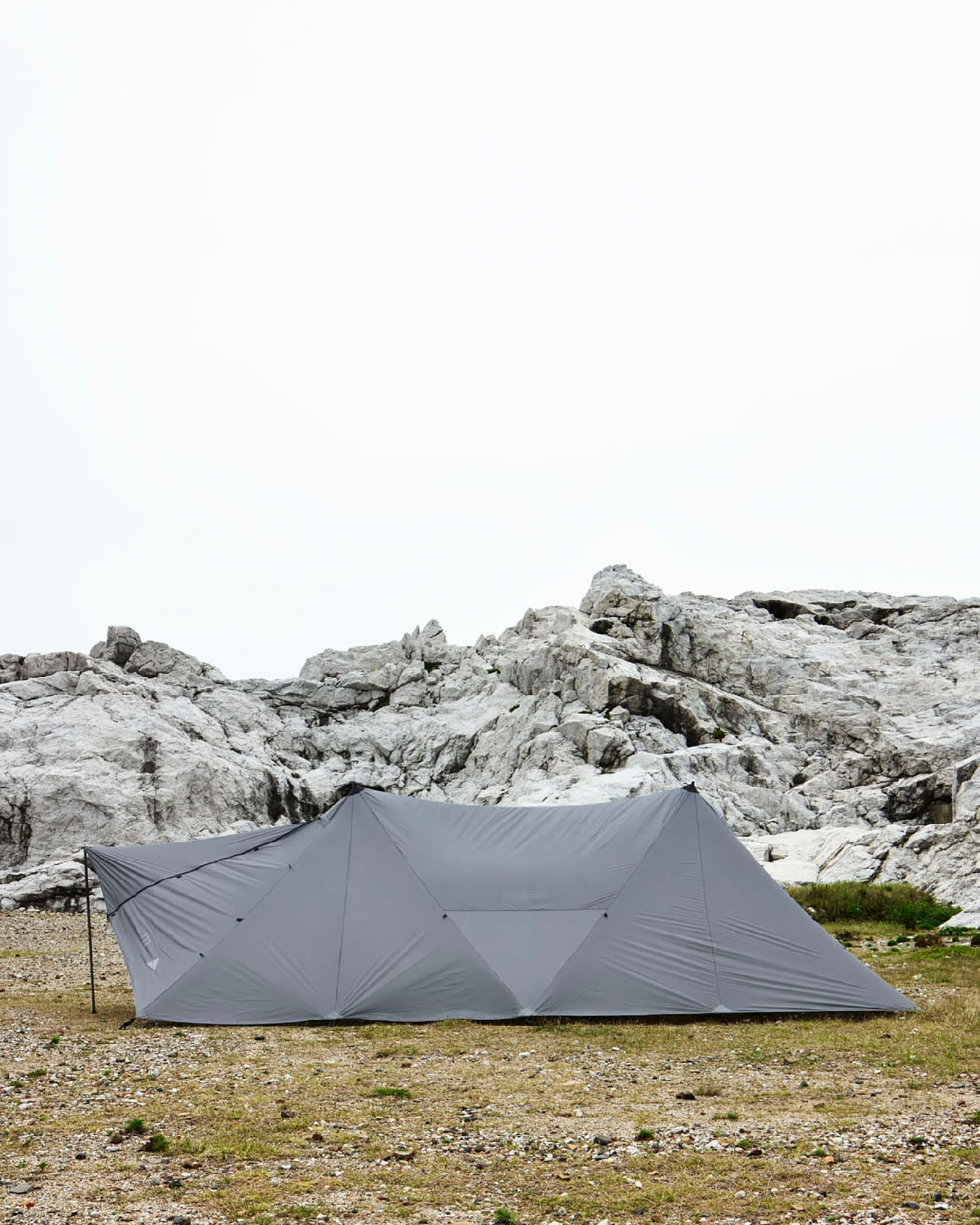
This tent boasts a straightforward structure, allowing for quick and effortless setup. To assemble, lay the flysheet on the ground and firmly secure the four corners with pegs. Then, raise the center pole at the top. The remarkable simplicity of this setup is unmatched by self-supporting dome-shaped tents, and its generous overhead clearance adds to its allure.
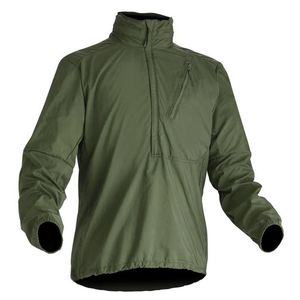
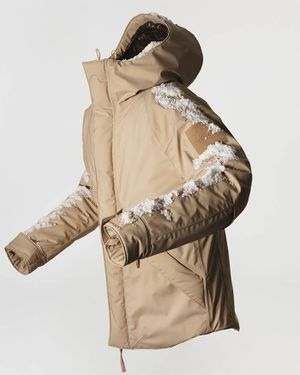
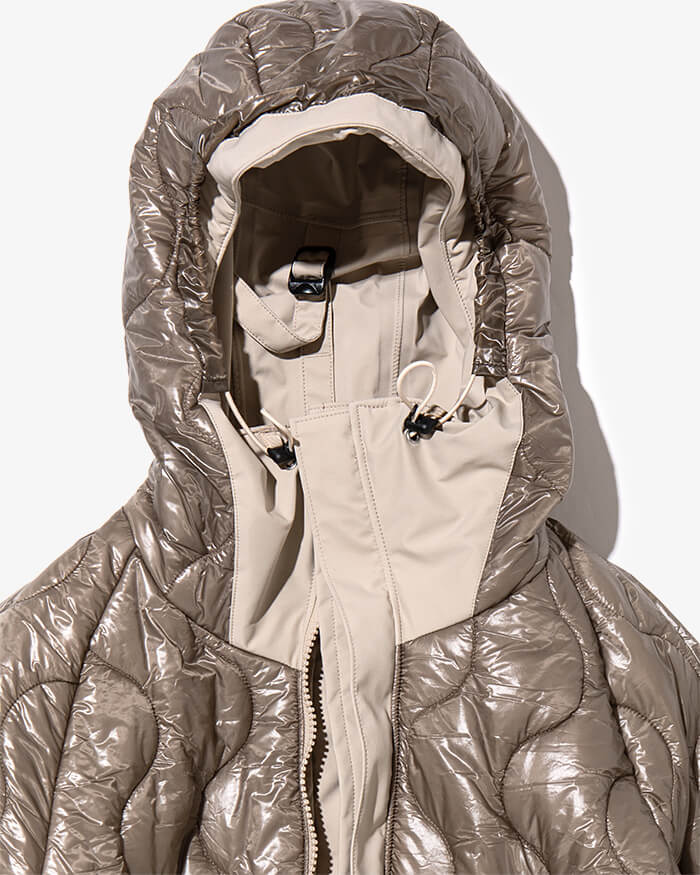
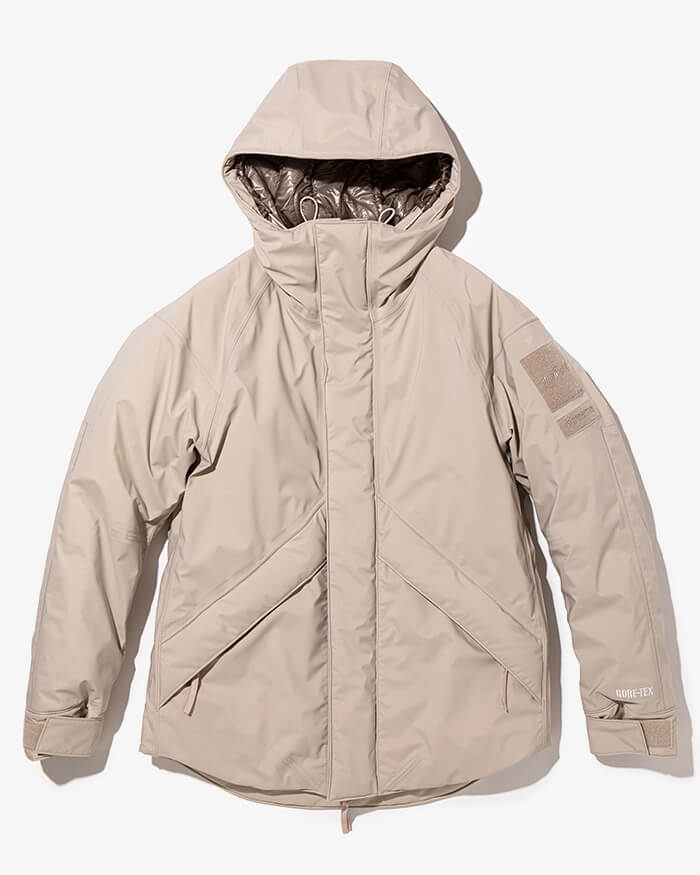
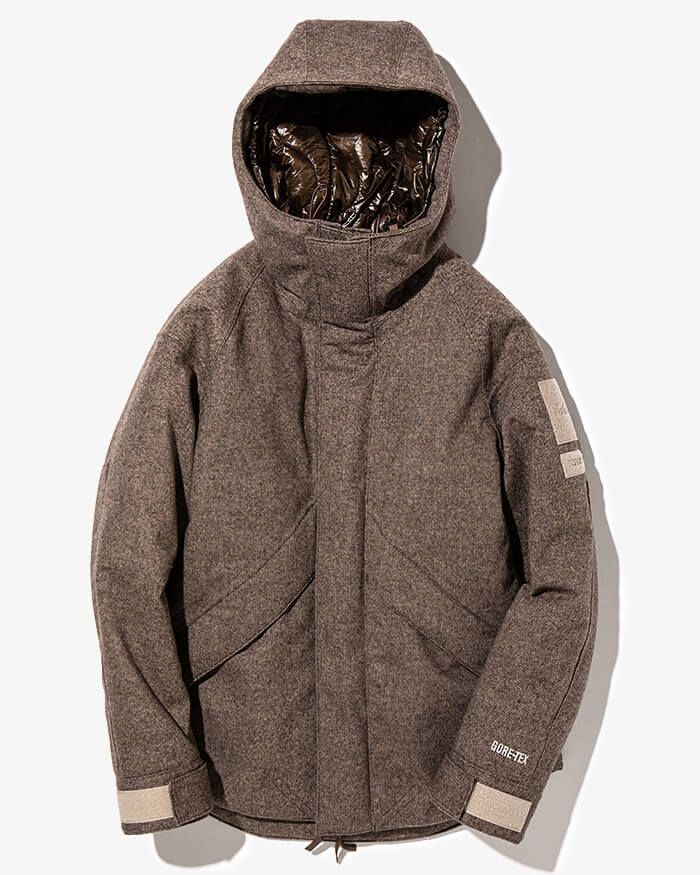
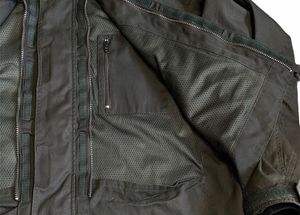
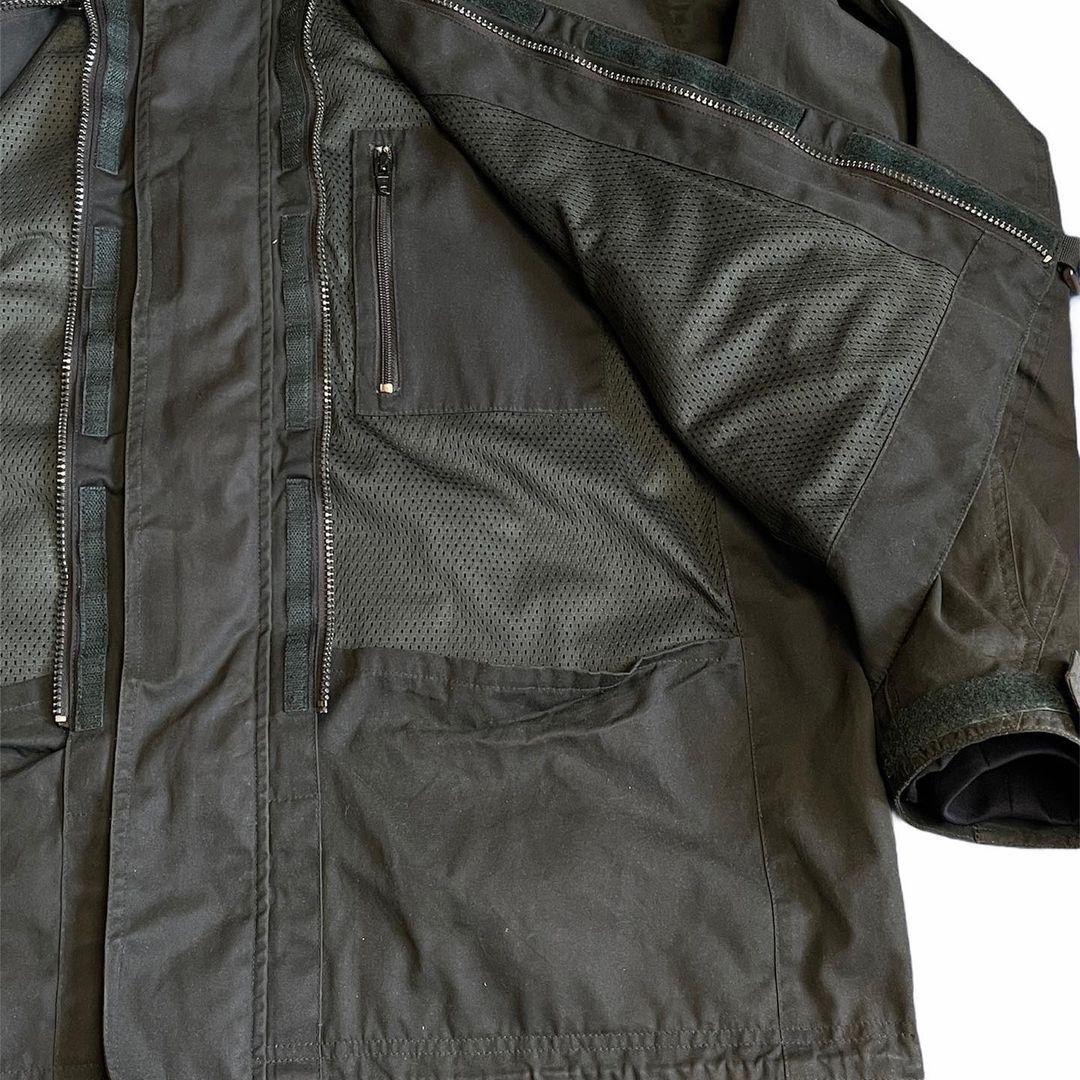
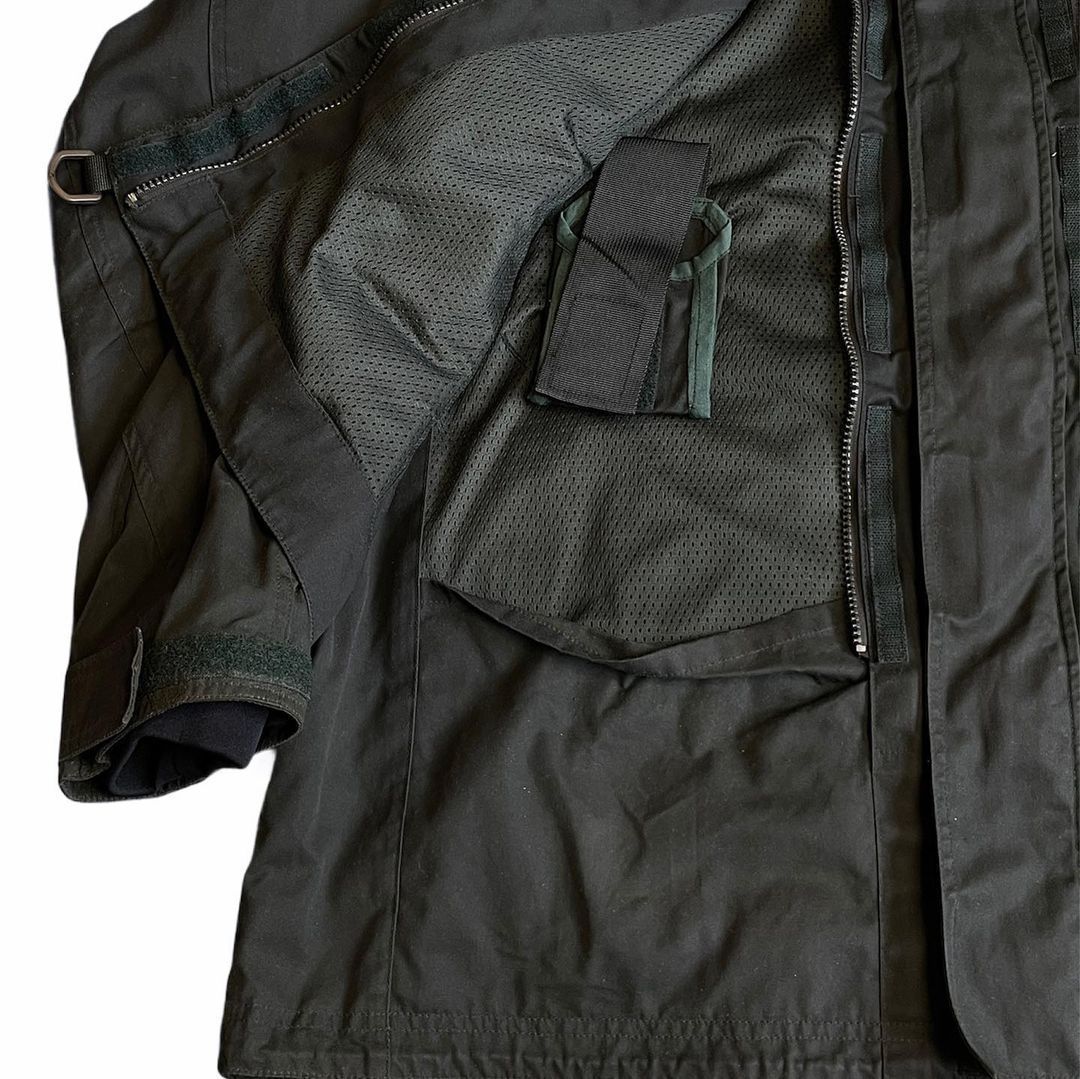
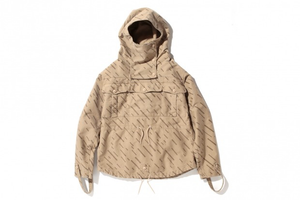
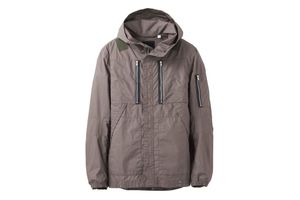
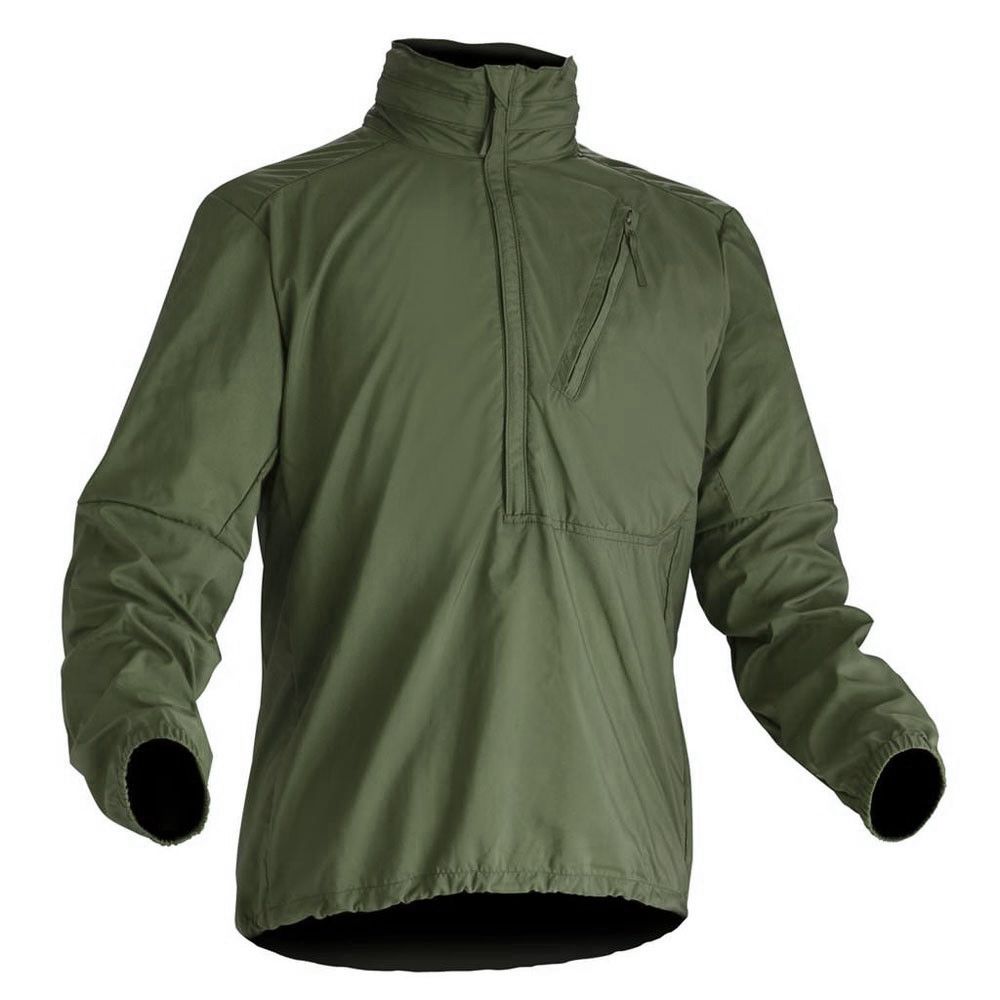
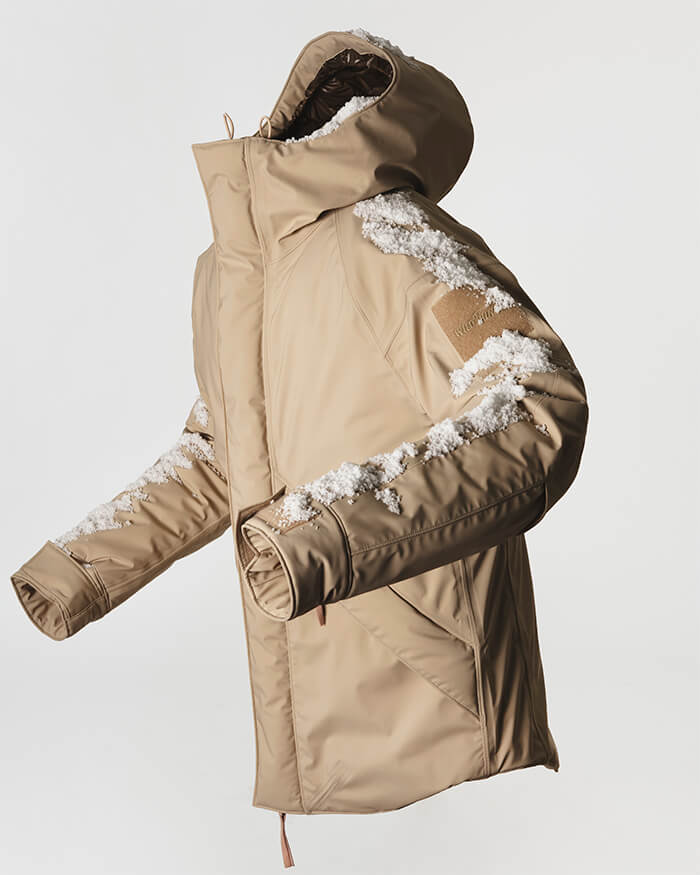
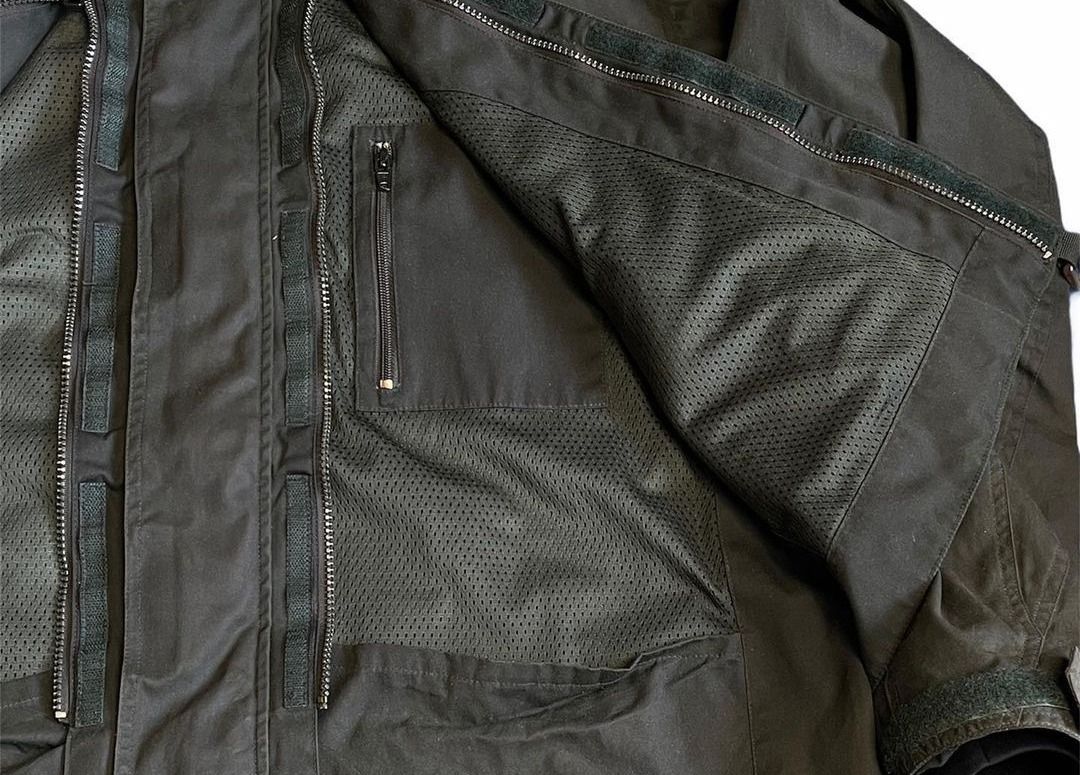
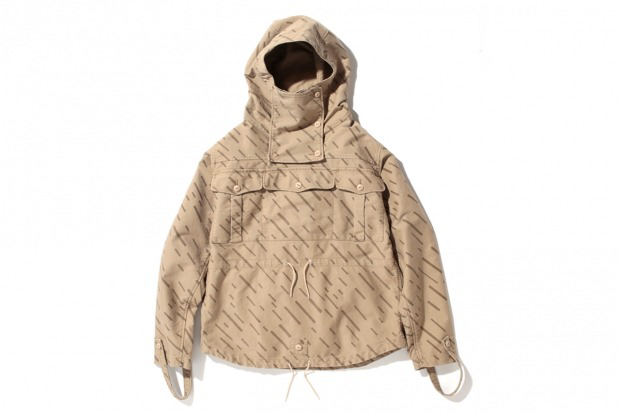
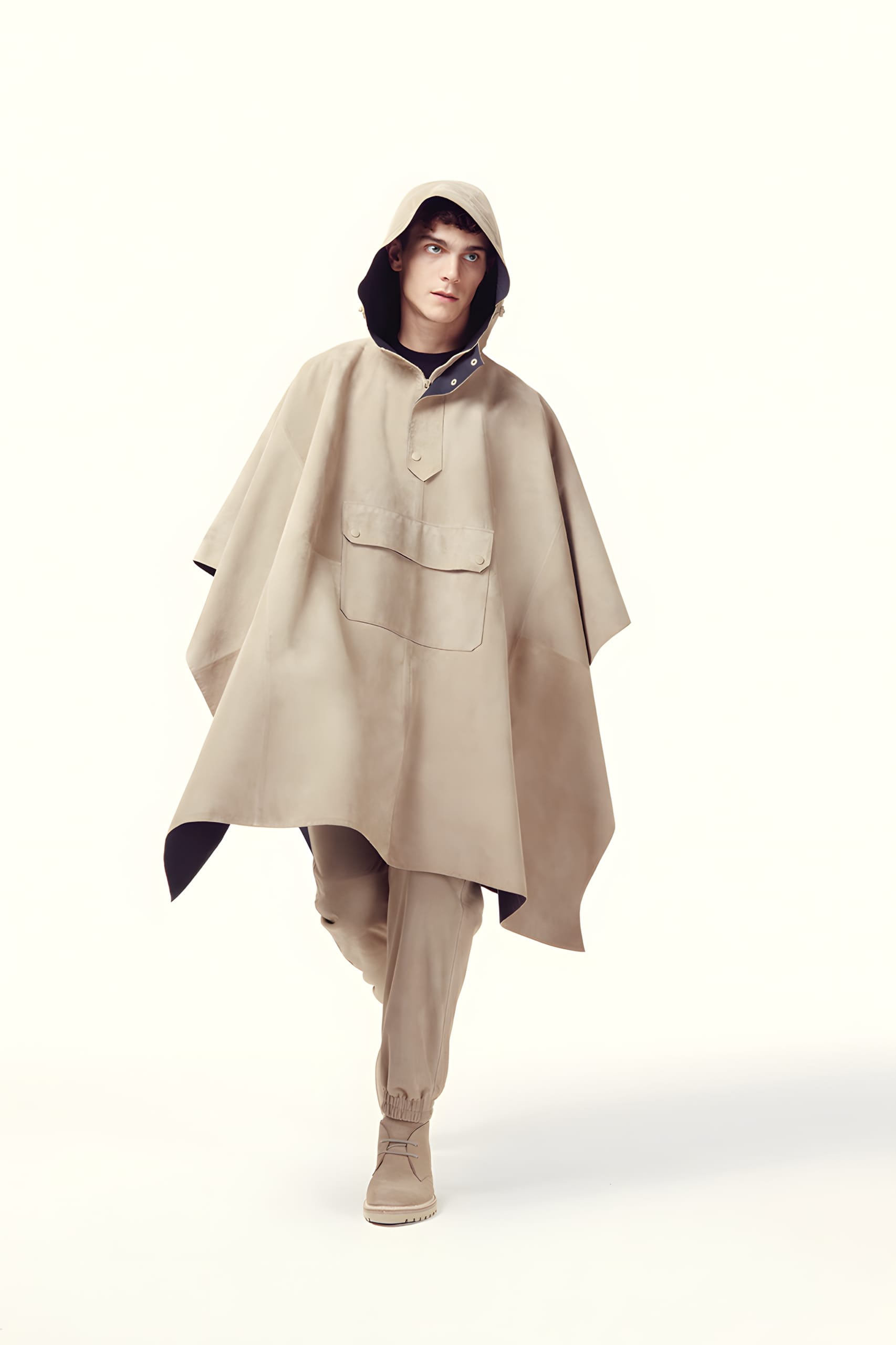
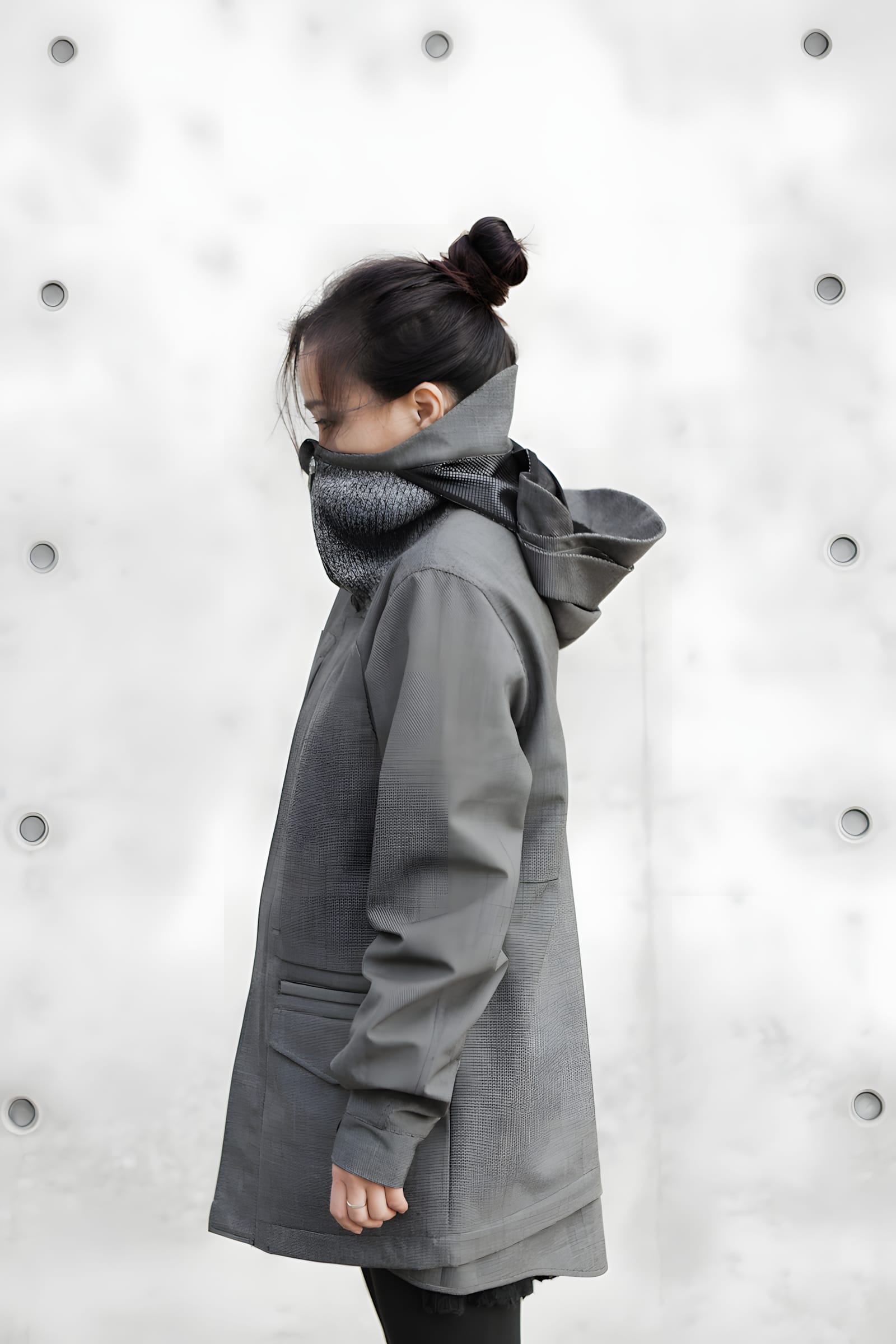
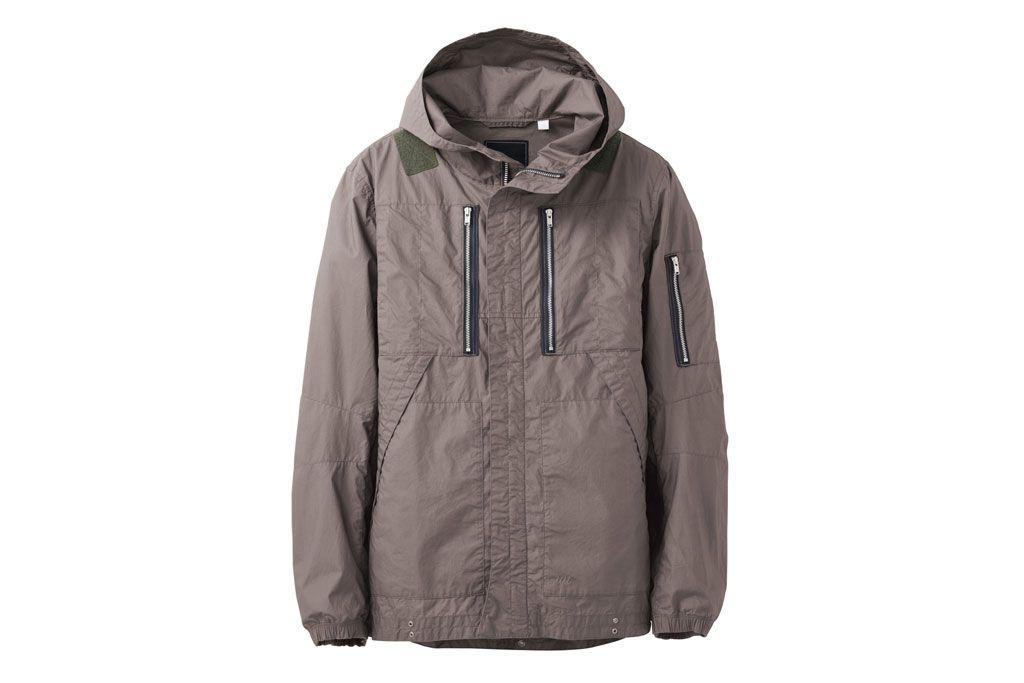
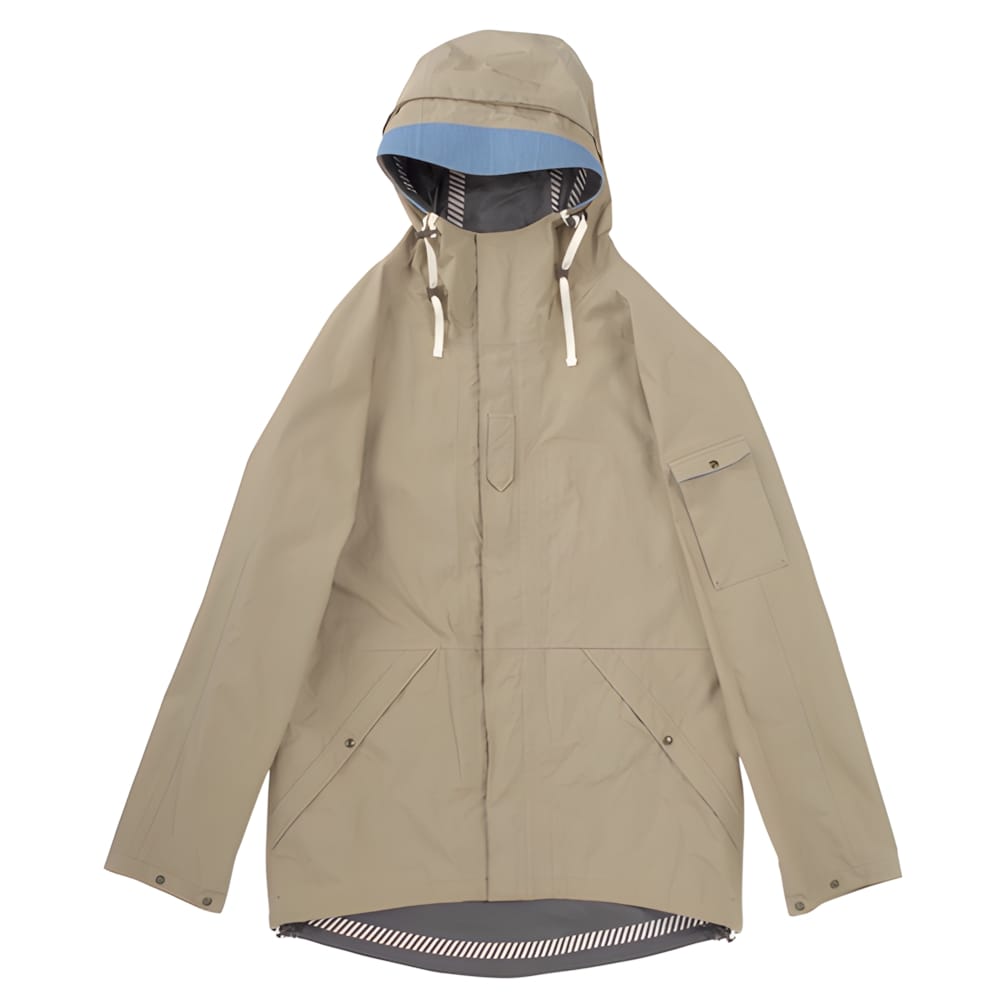
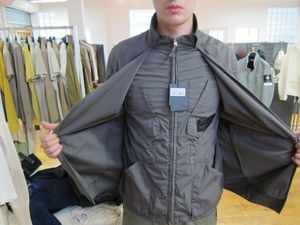
A minimally constructed, articulated stow-away hood fits the head snugly, allowing a helmet to be worn over it. The fit of the shirt is generous enough to pull over a mid layer, but fitted enough to keep the wind out. Features include elasticized sleeve cuffs, an adjustable hem, and an angled chest pocket.
Fit: Under Body Armor
Weight: 10 oz
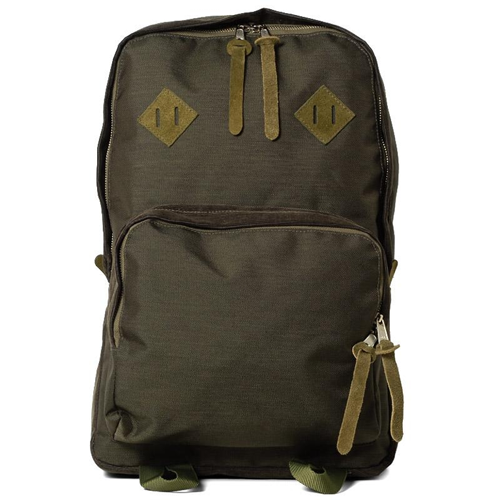
Berry Amendment Compliant: 100% Made in U.S.A.Features:
Materials:
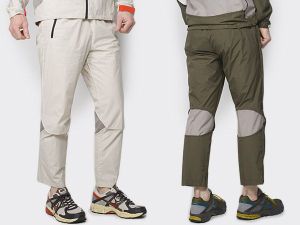
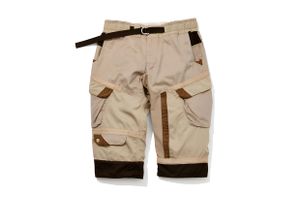
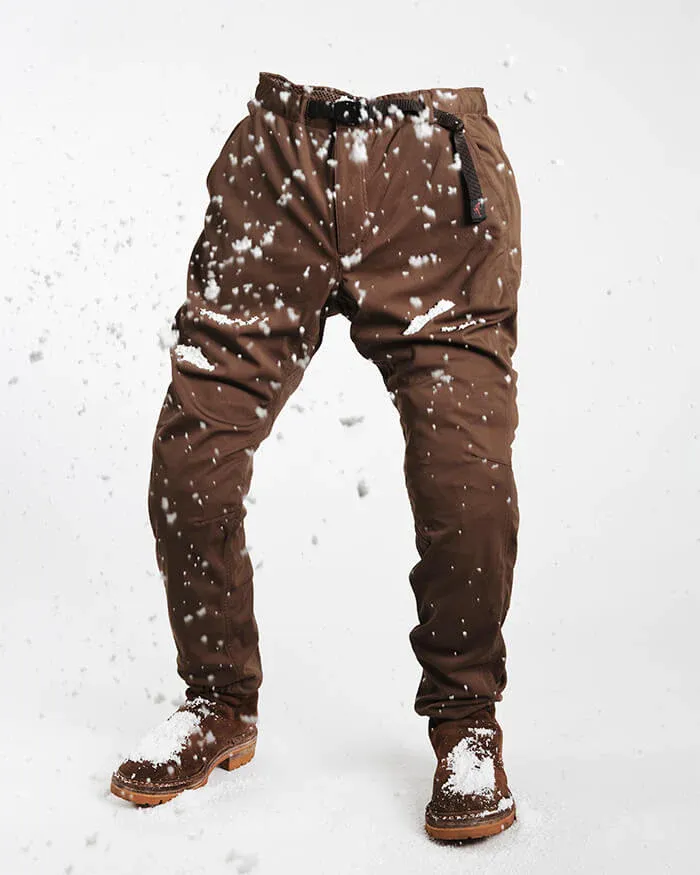
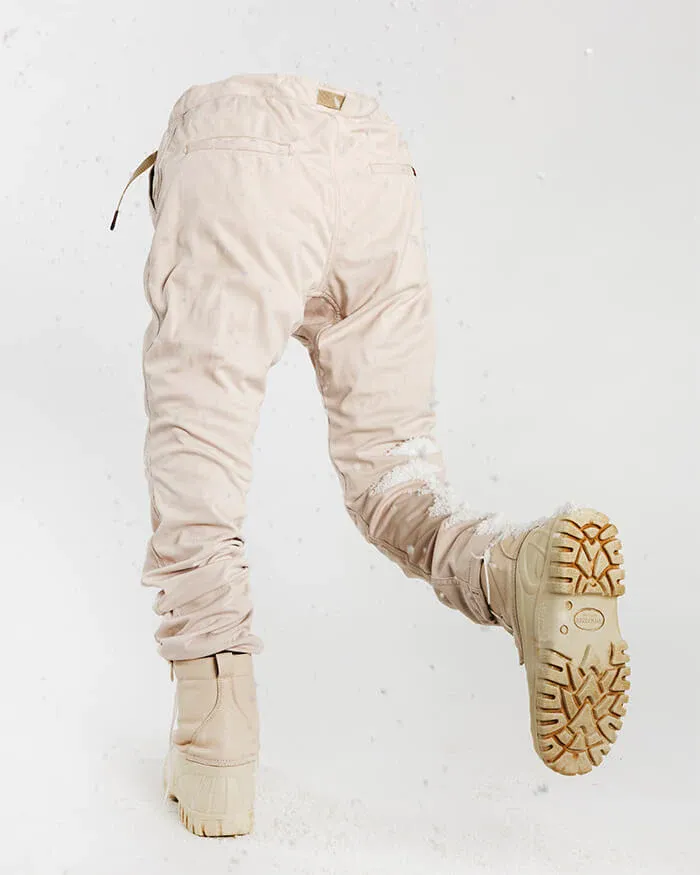
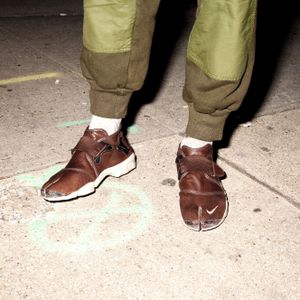
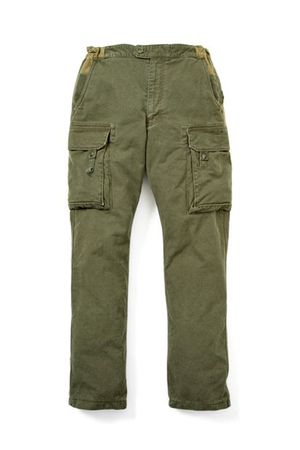
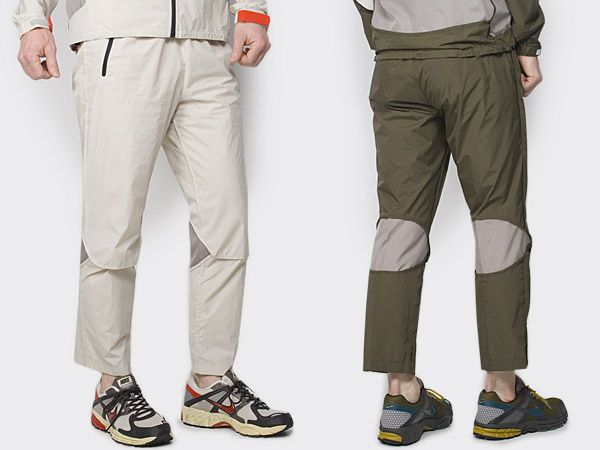
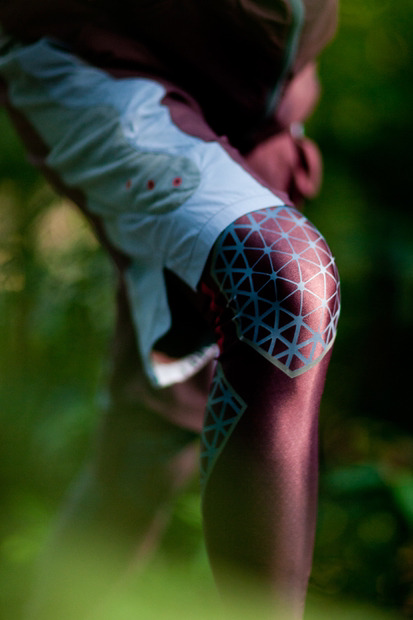
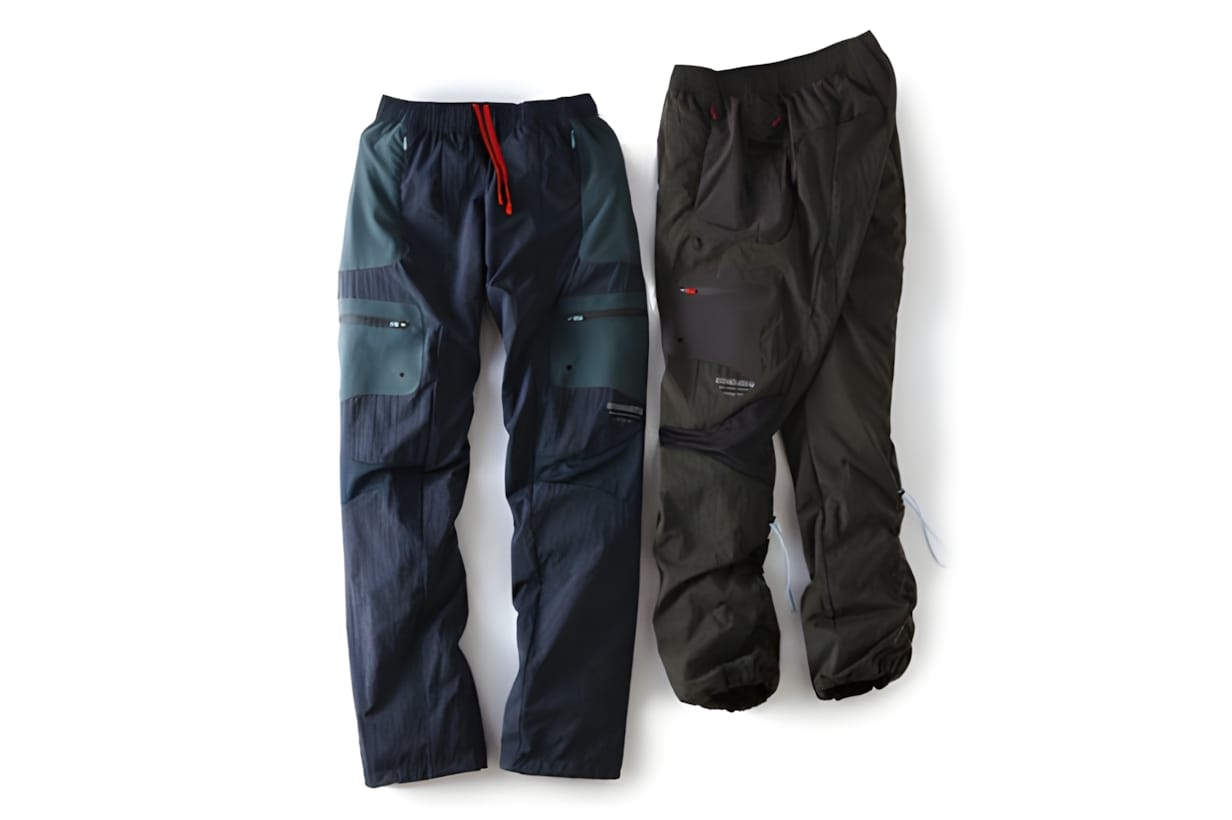
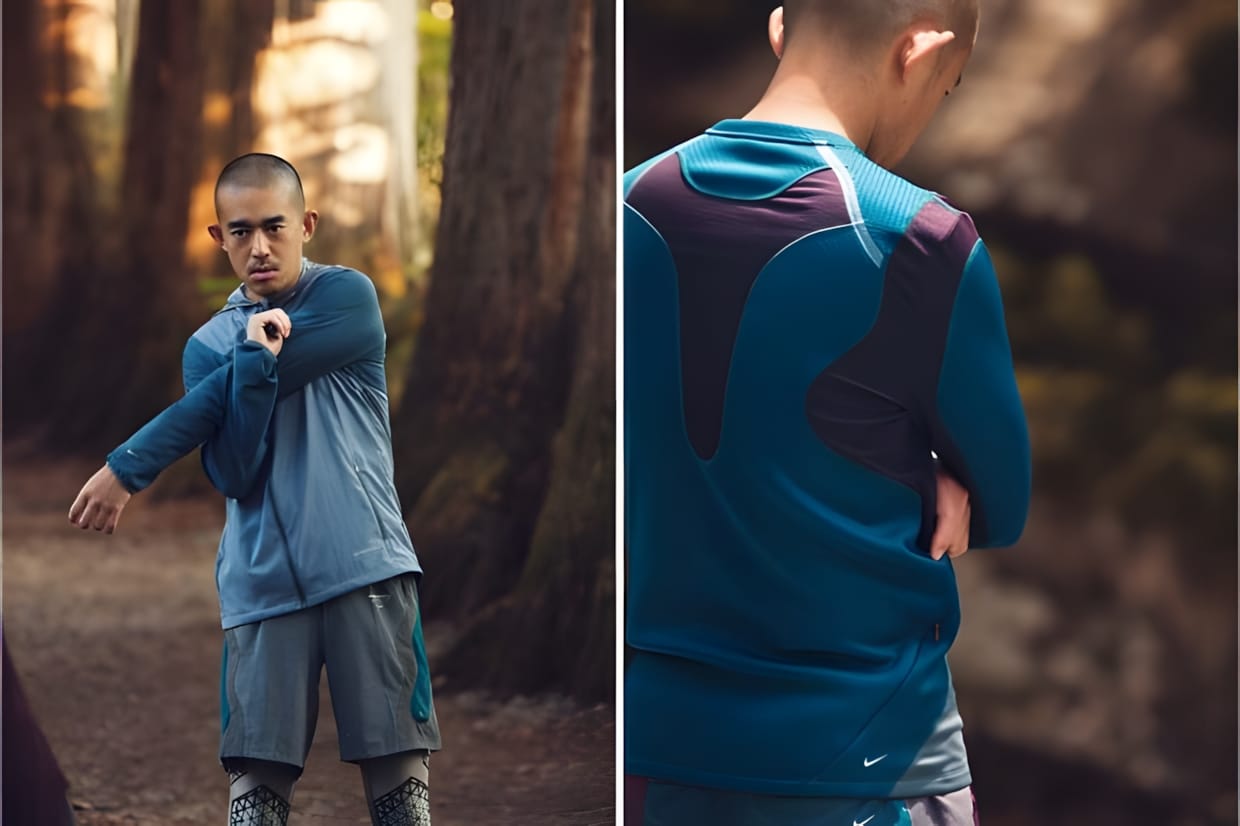
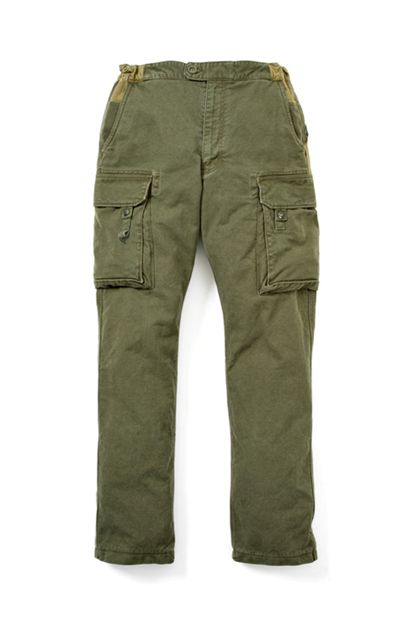
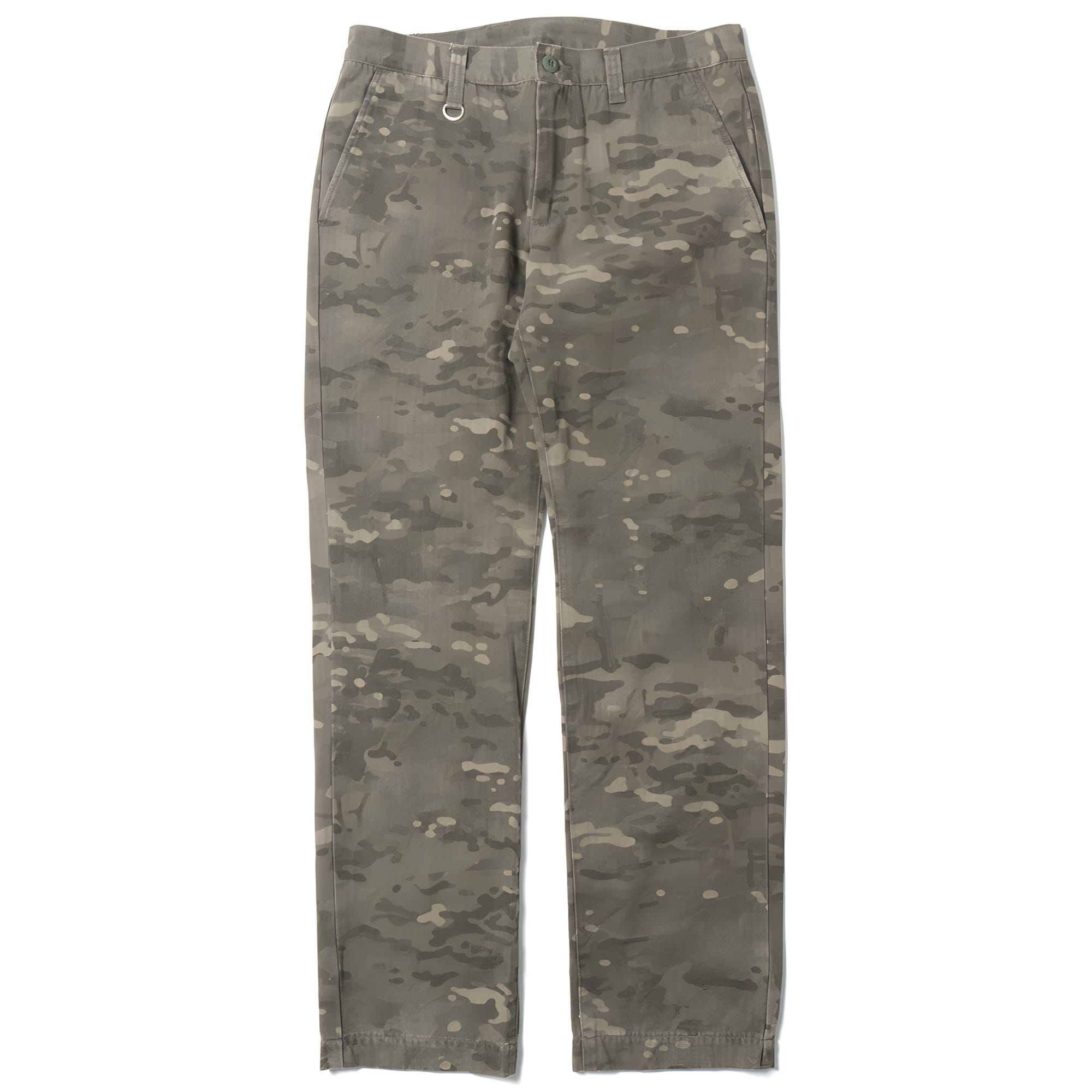
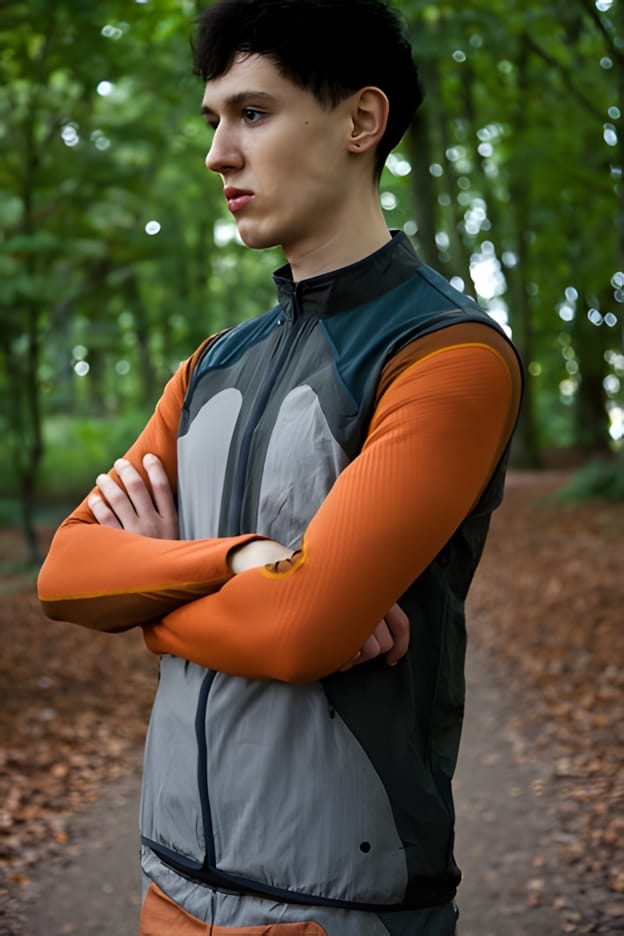
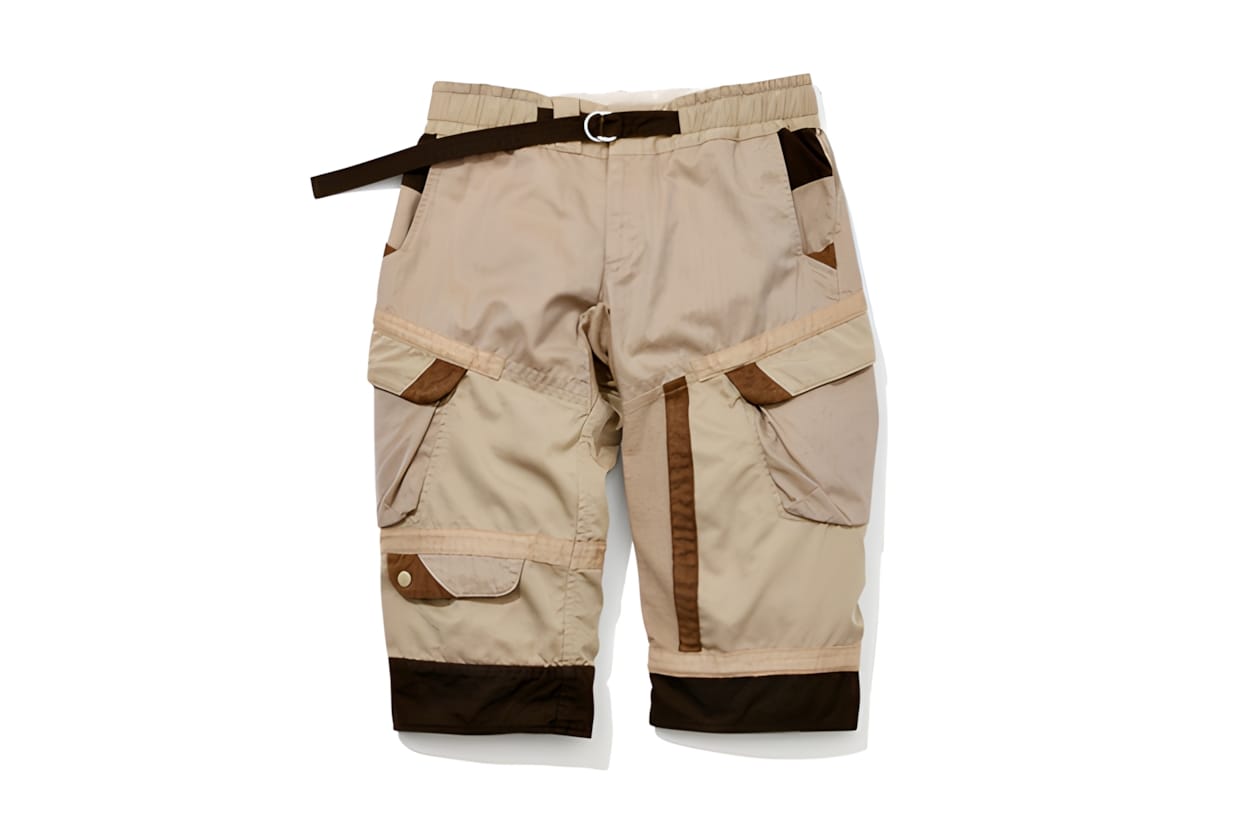
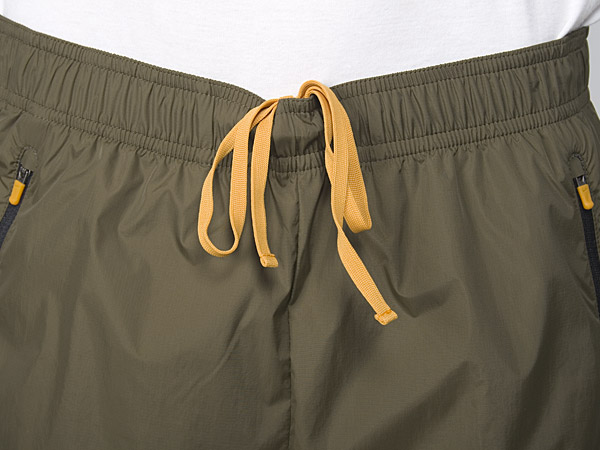
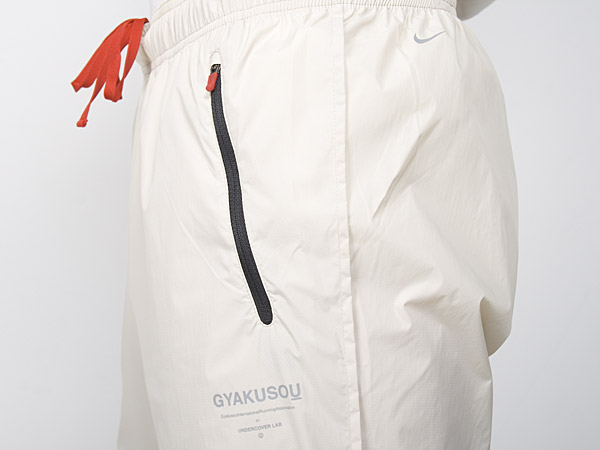
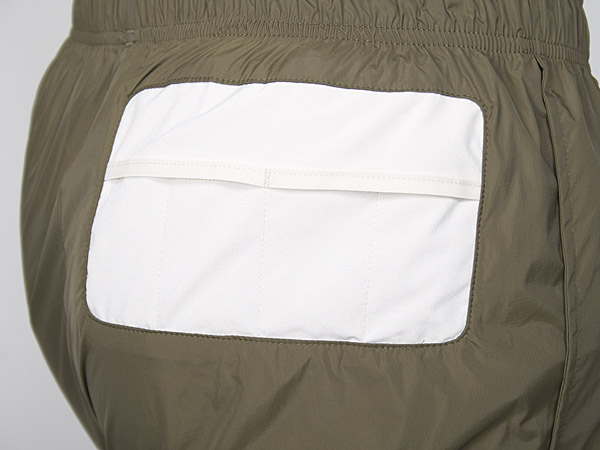
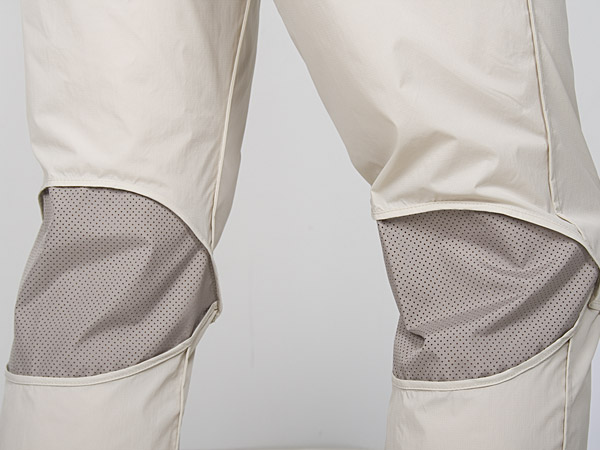
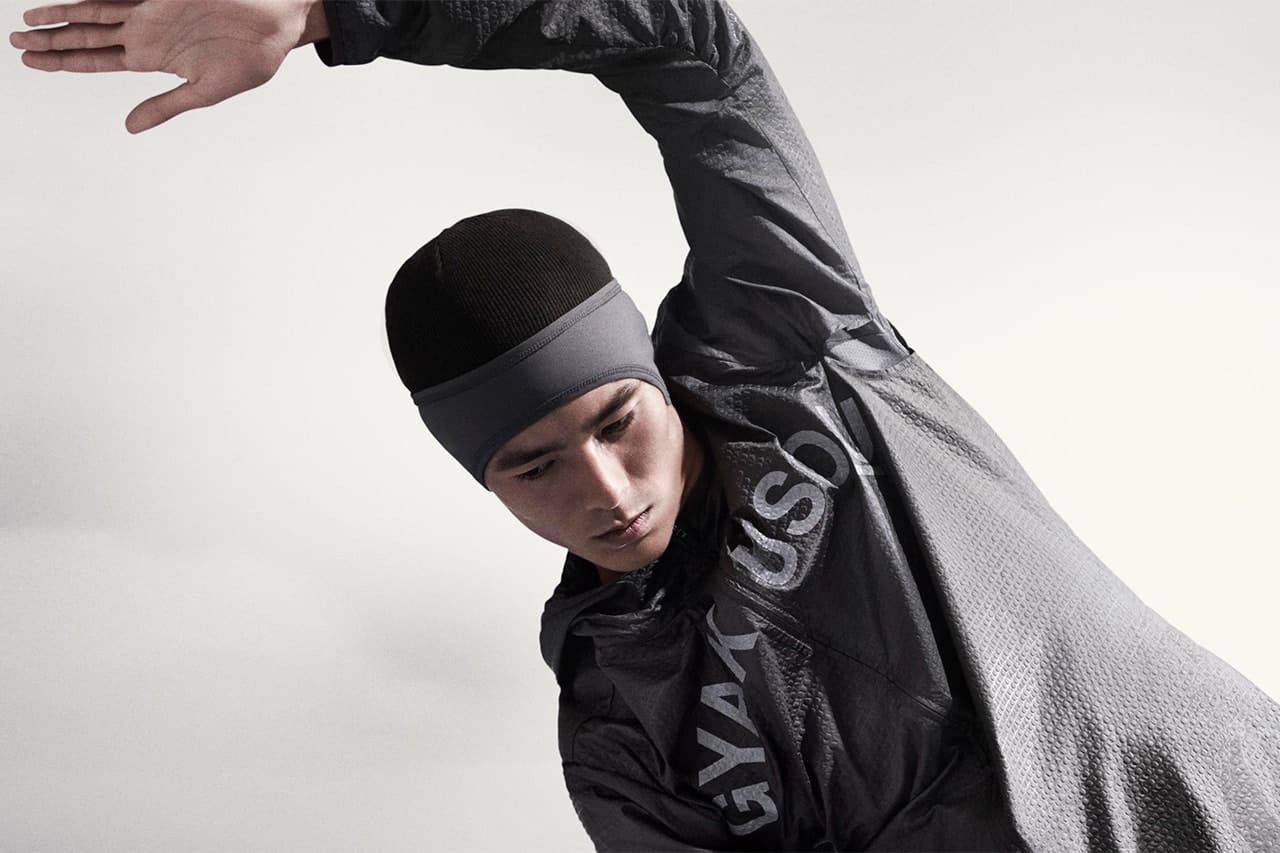
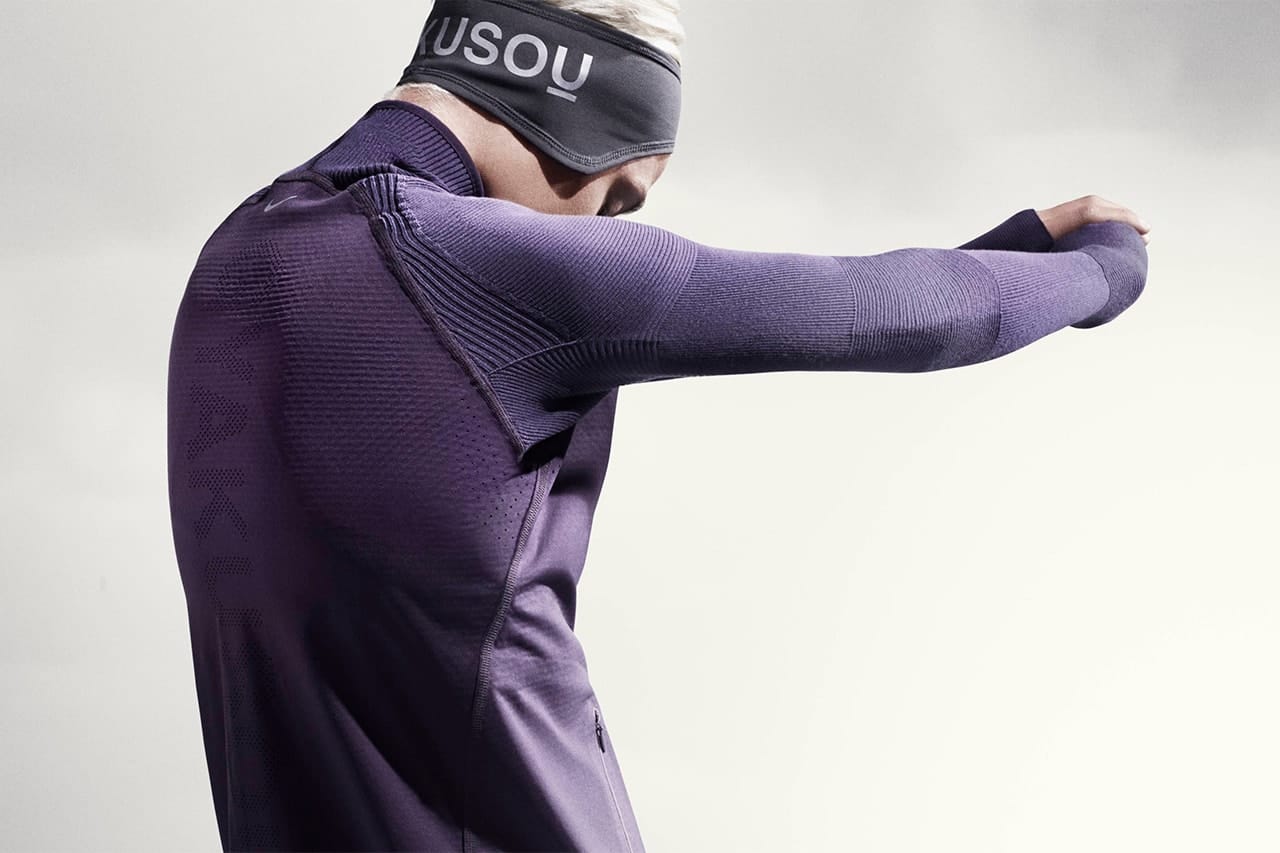
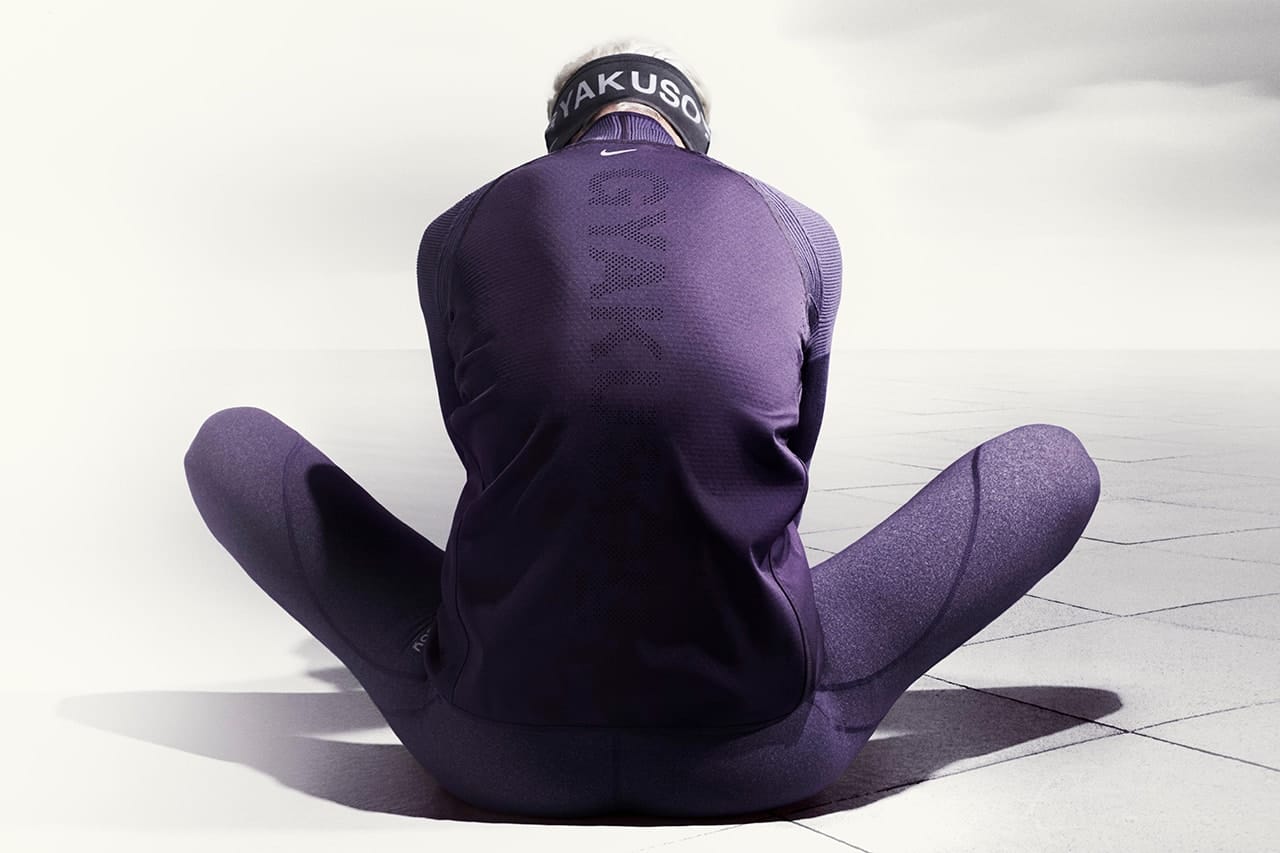
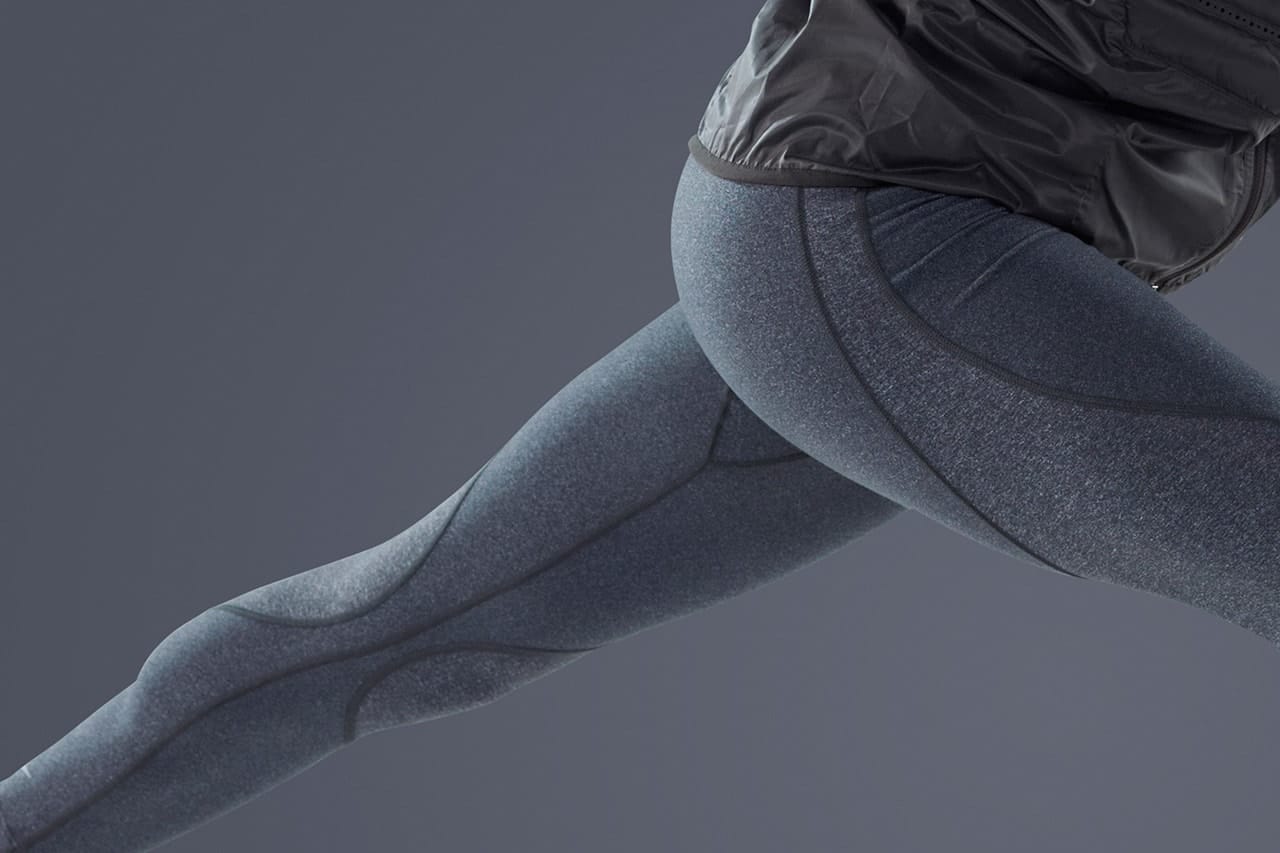
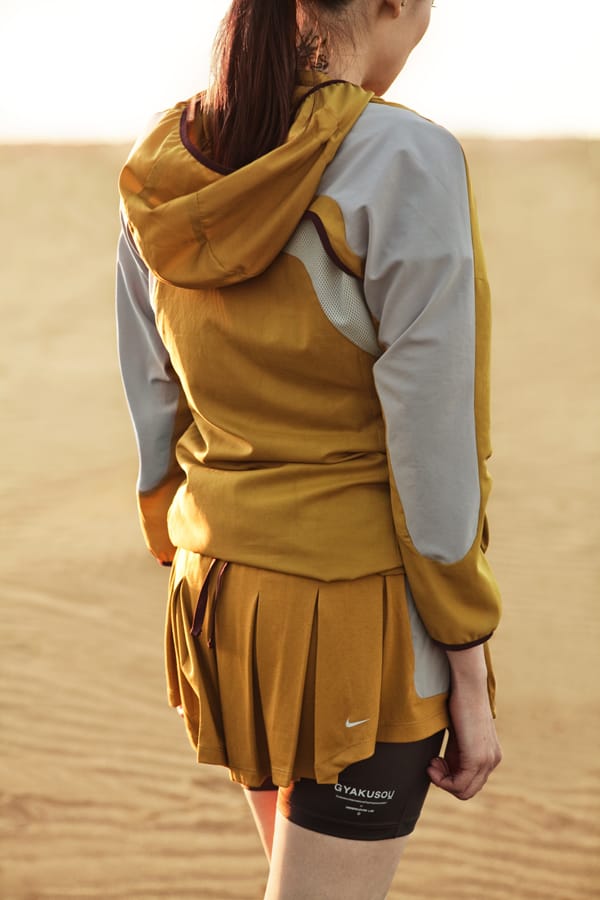
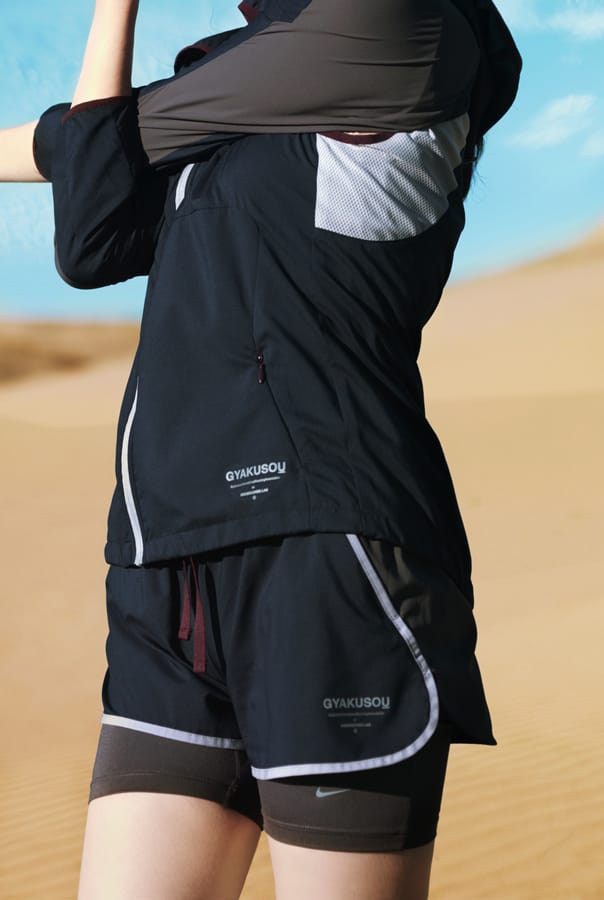
These pants a cut slightly shorter for better running comfort. Great for slightly harsher weather conditions. Insideout construction for seamless fit inside. From the Nike Running Gyakusou collection. Made in Japan.



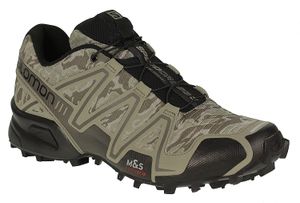
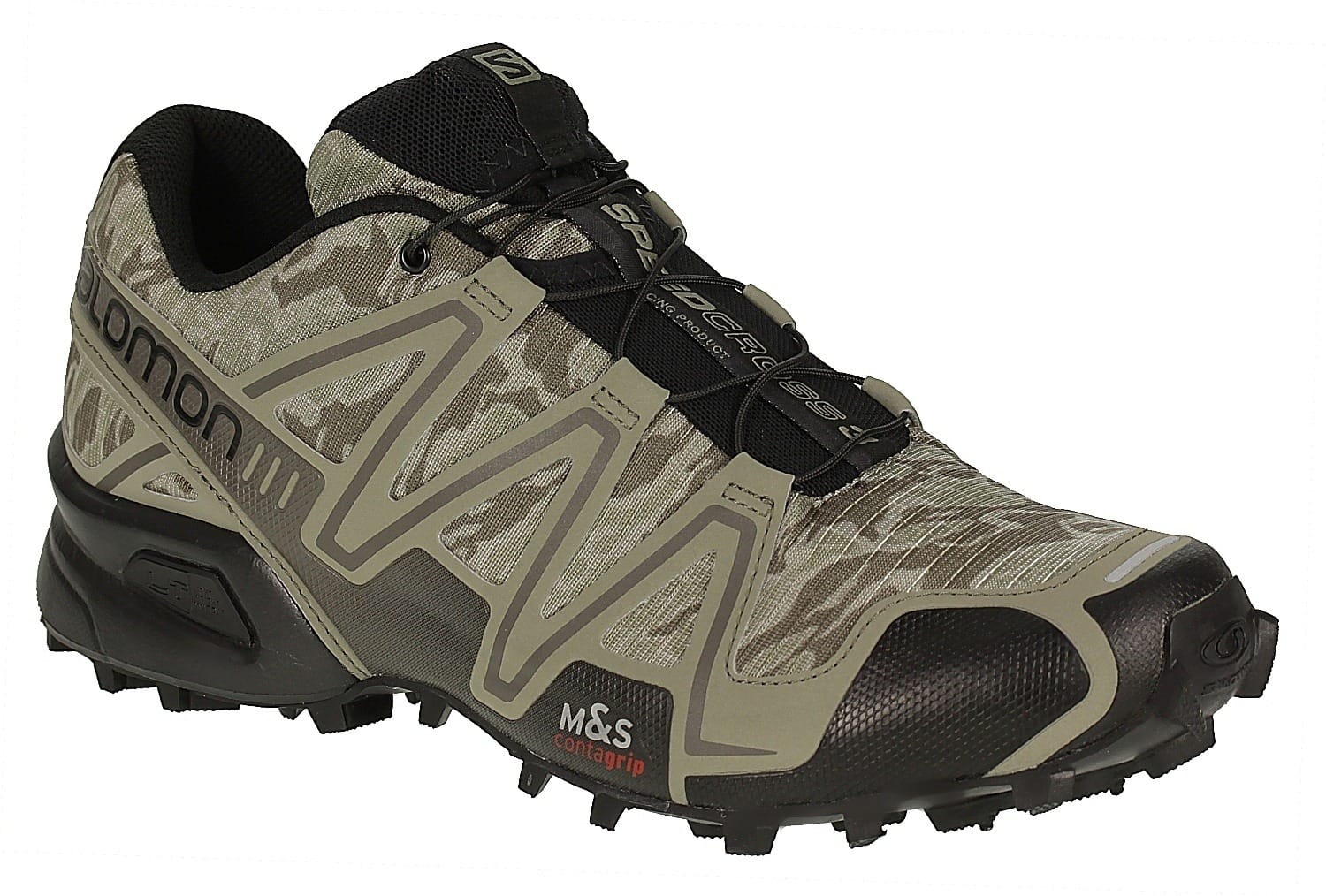
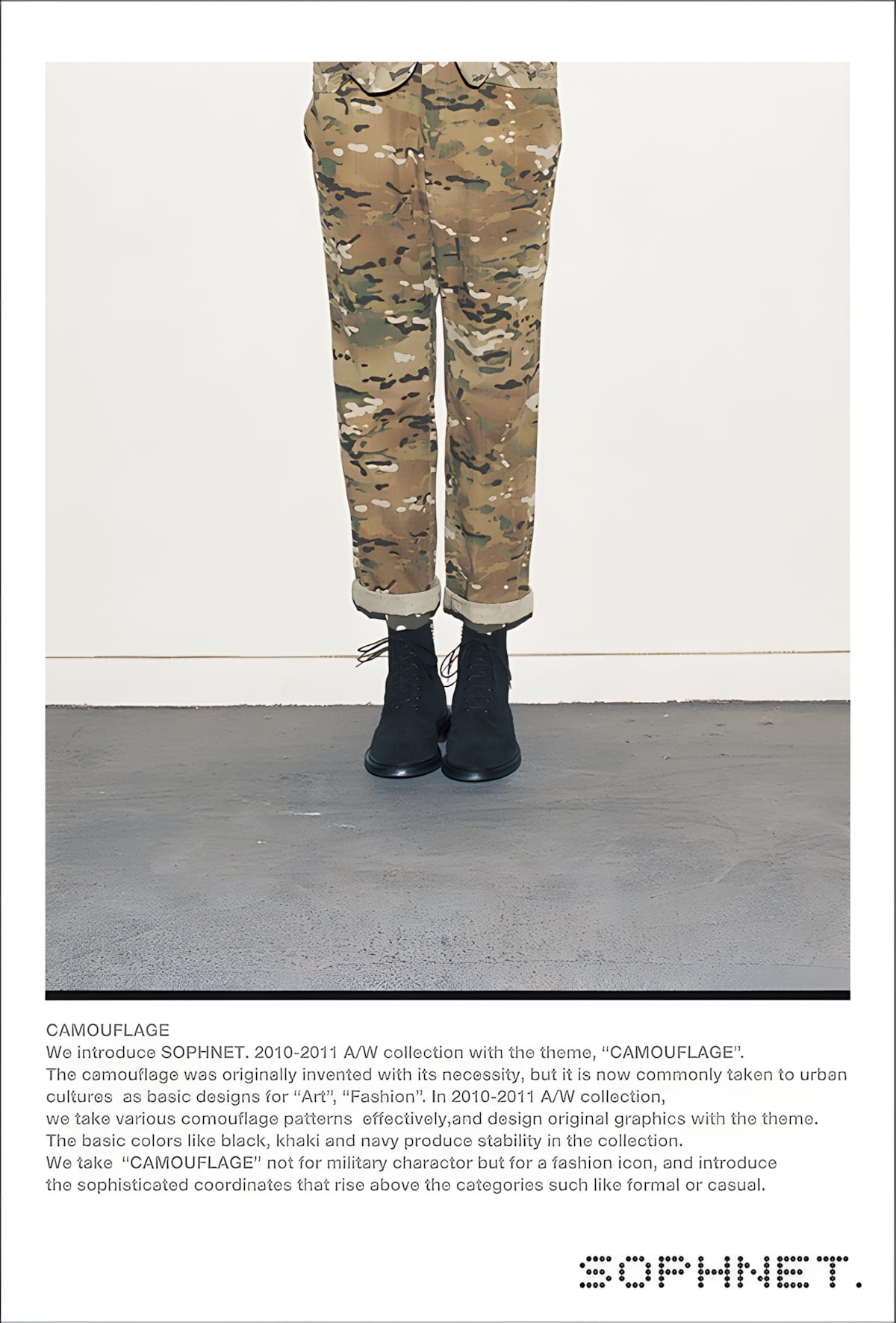
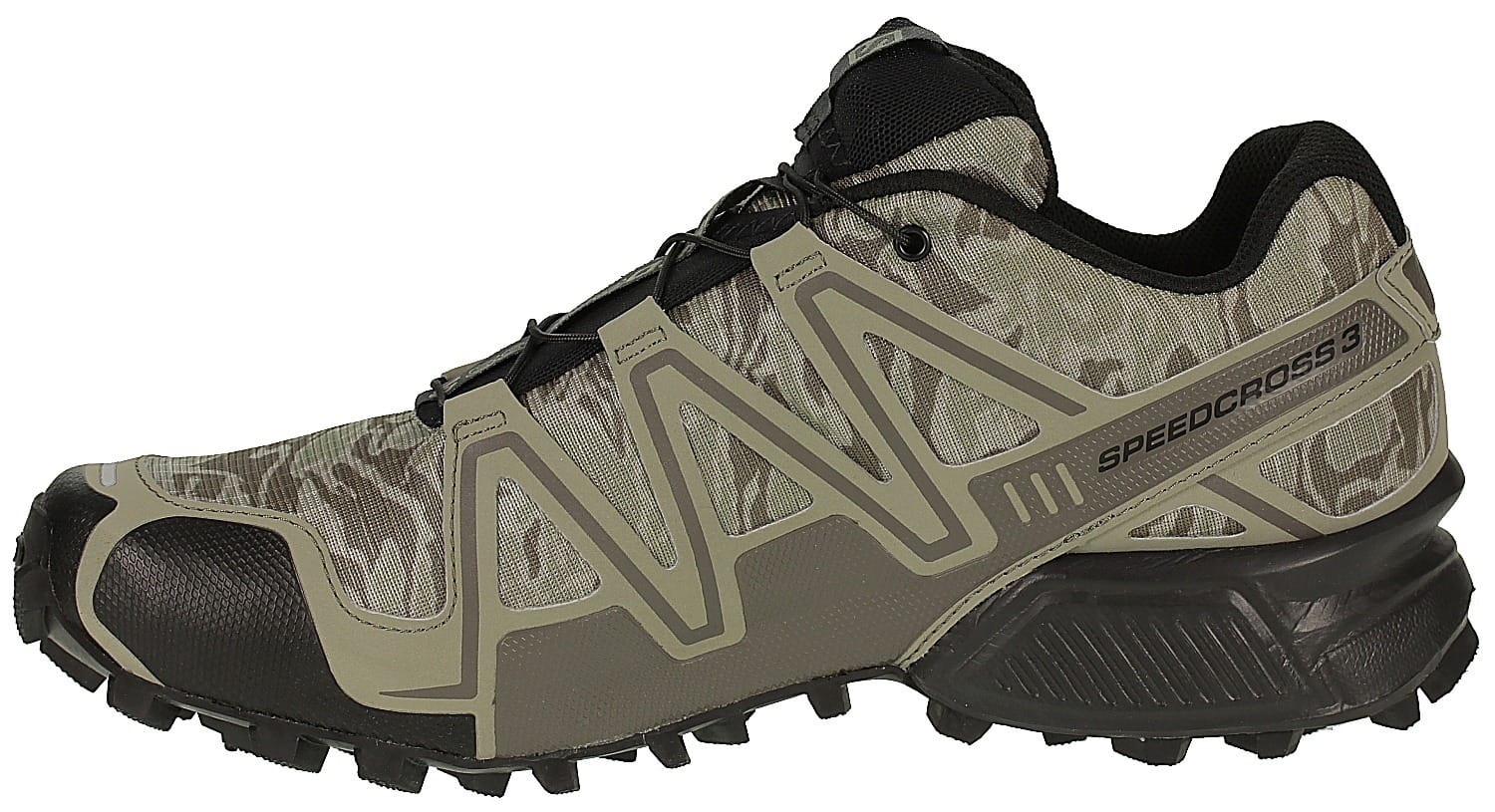
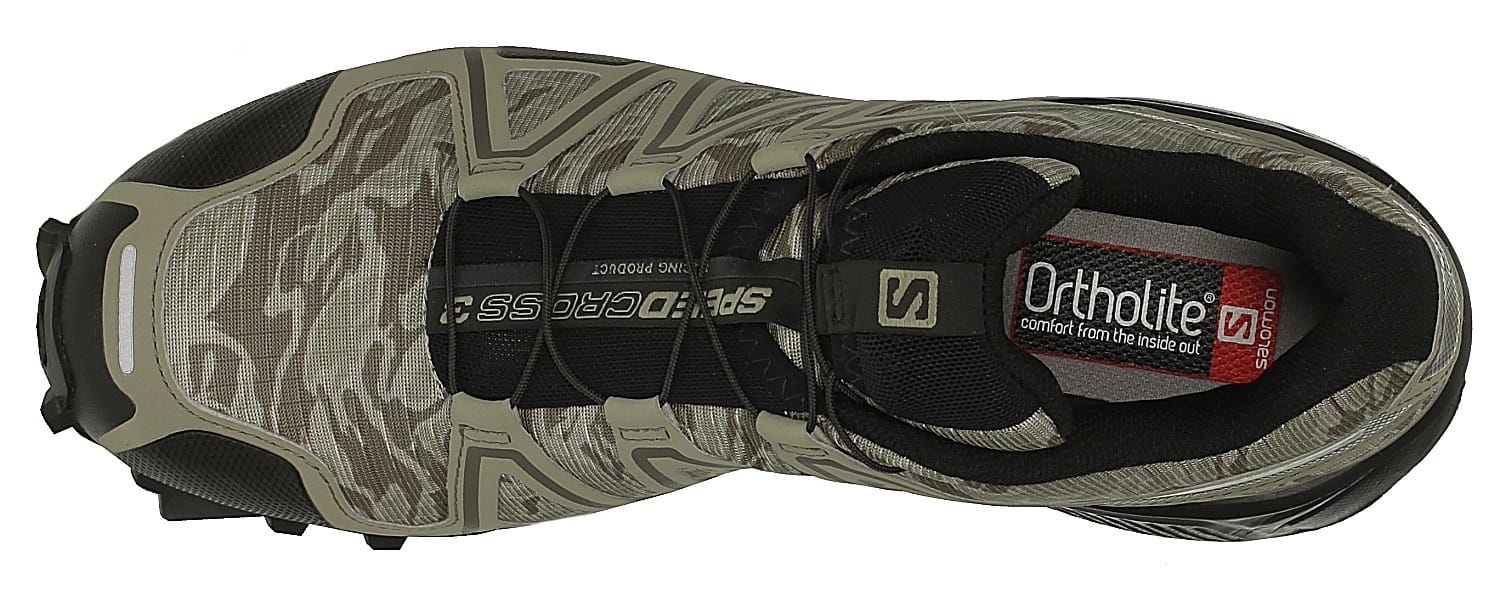
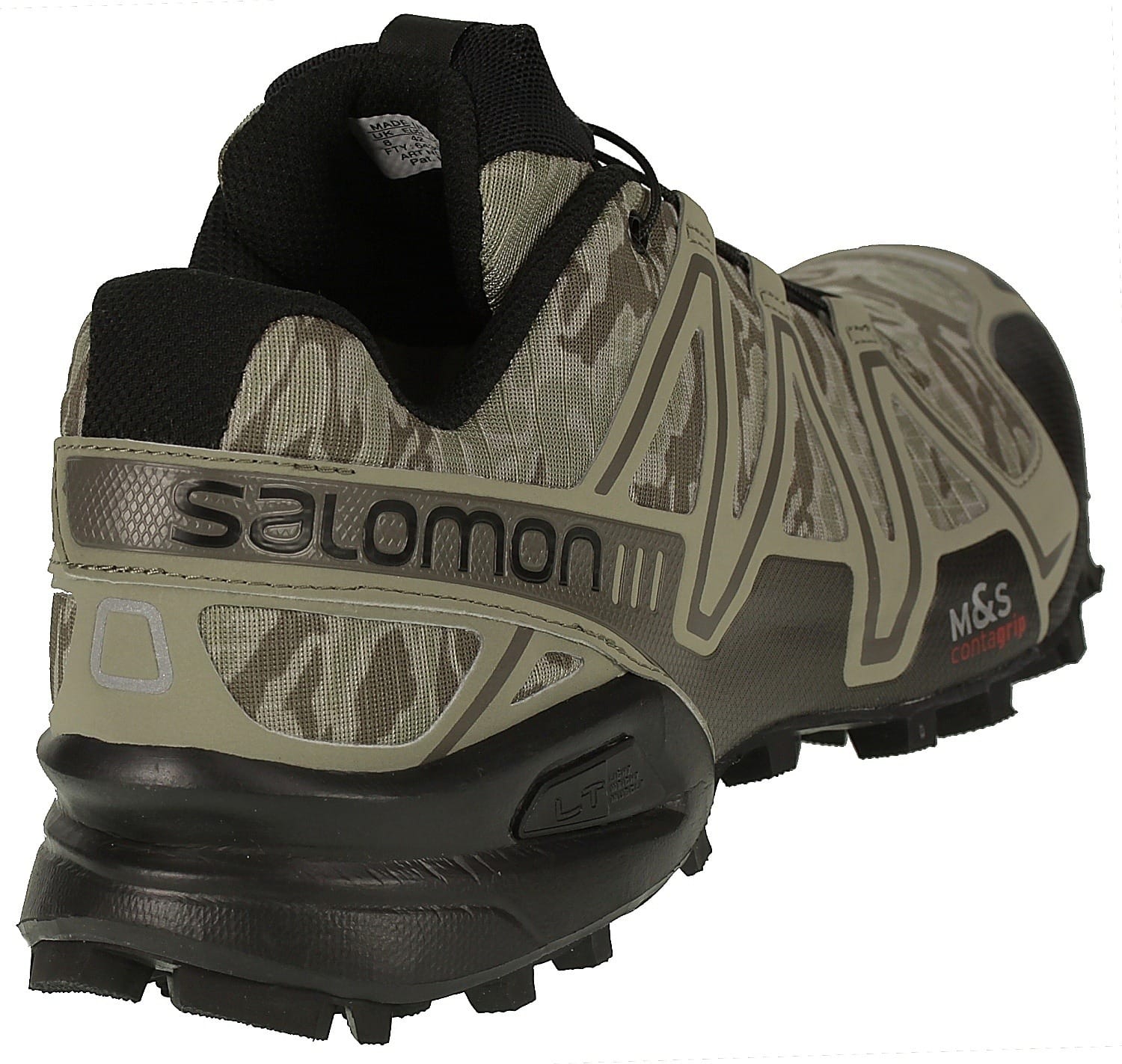
The Salomon Speedcross 3 Camo in Titanium/Dark Titanium/Swamp applies a muted tonal camouflage treatment to the footwear's aggressive trail-running silhouette. A grippy lugged outsole and supportive upper keep it performance-driven, while the low-contrast palette makes it feel more tactical for desert environments.
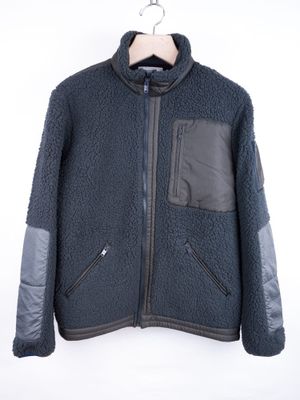
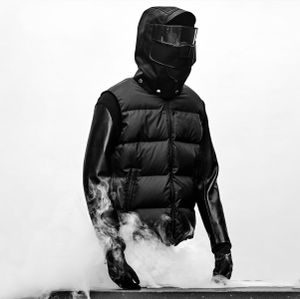
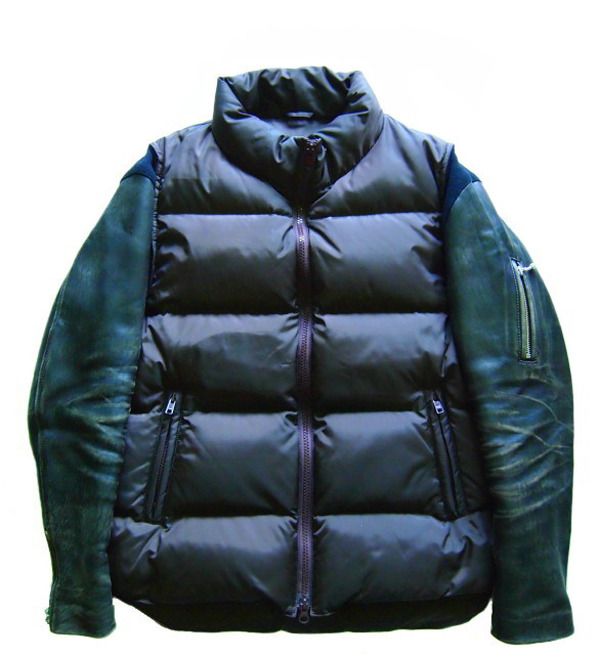
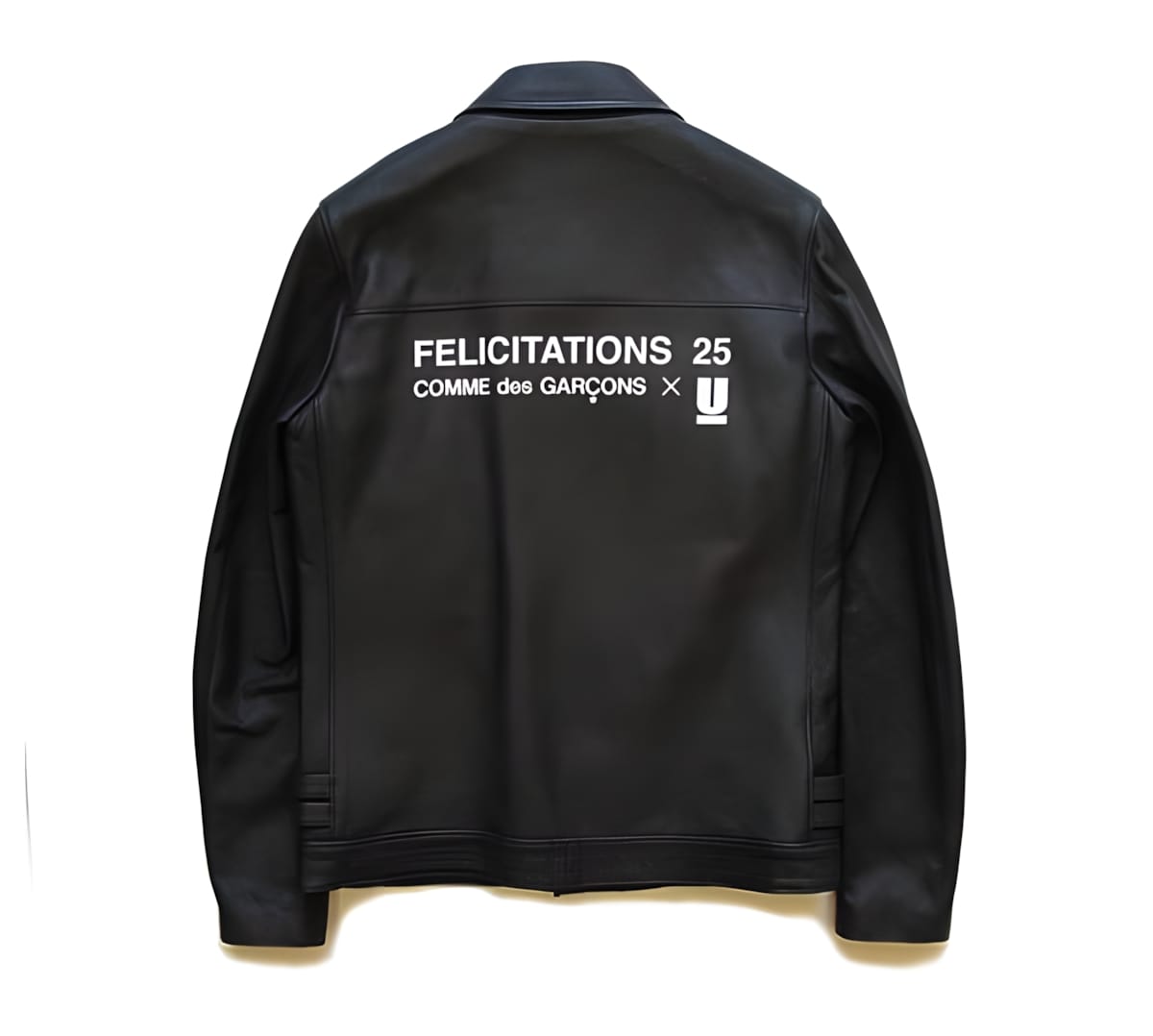
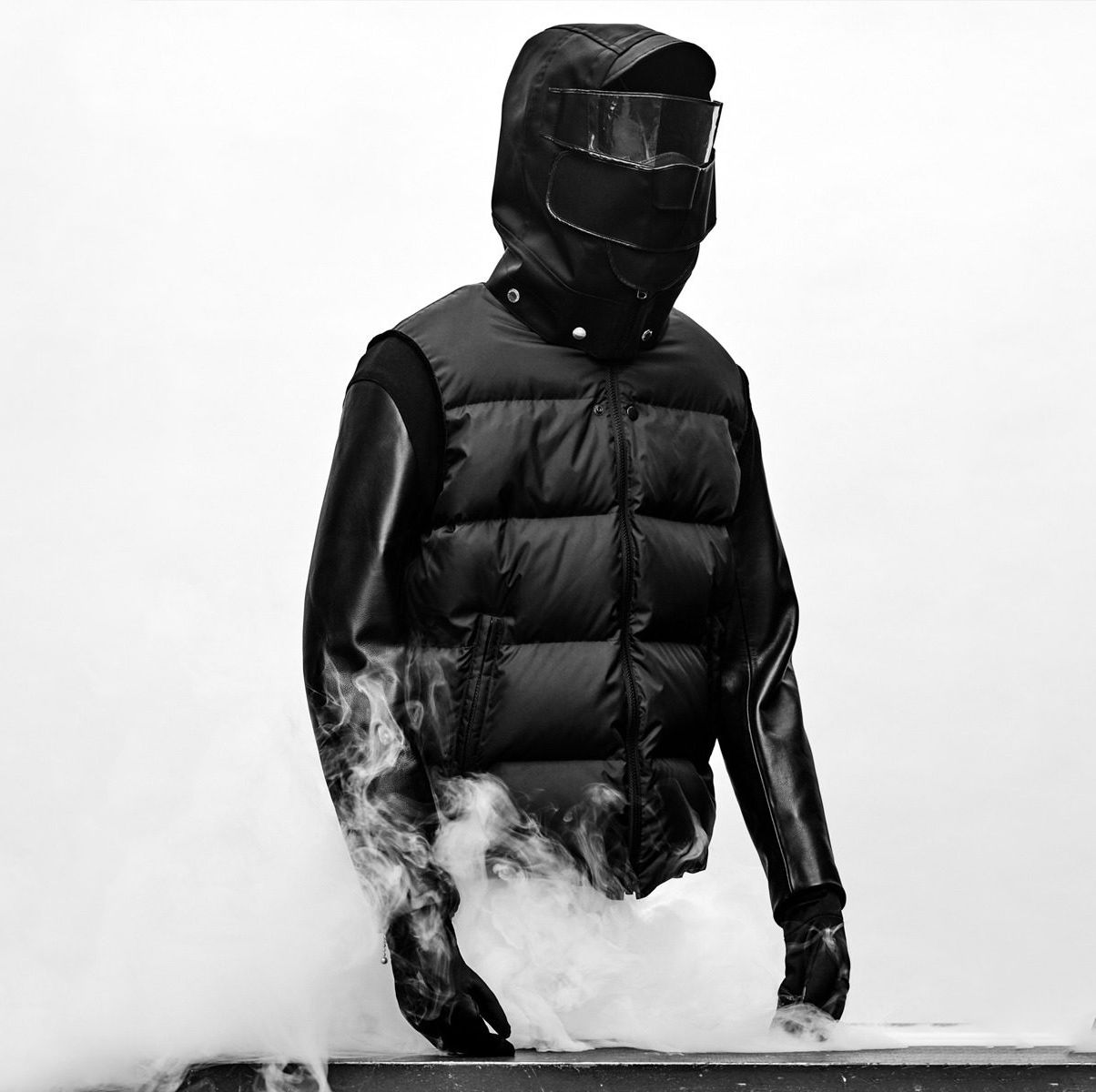
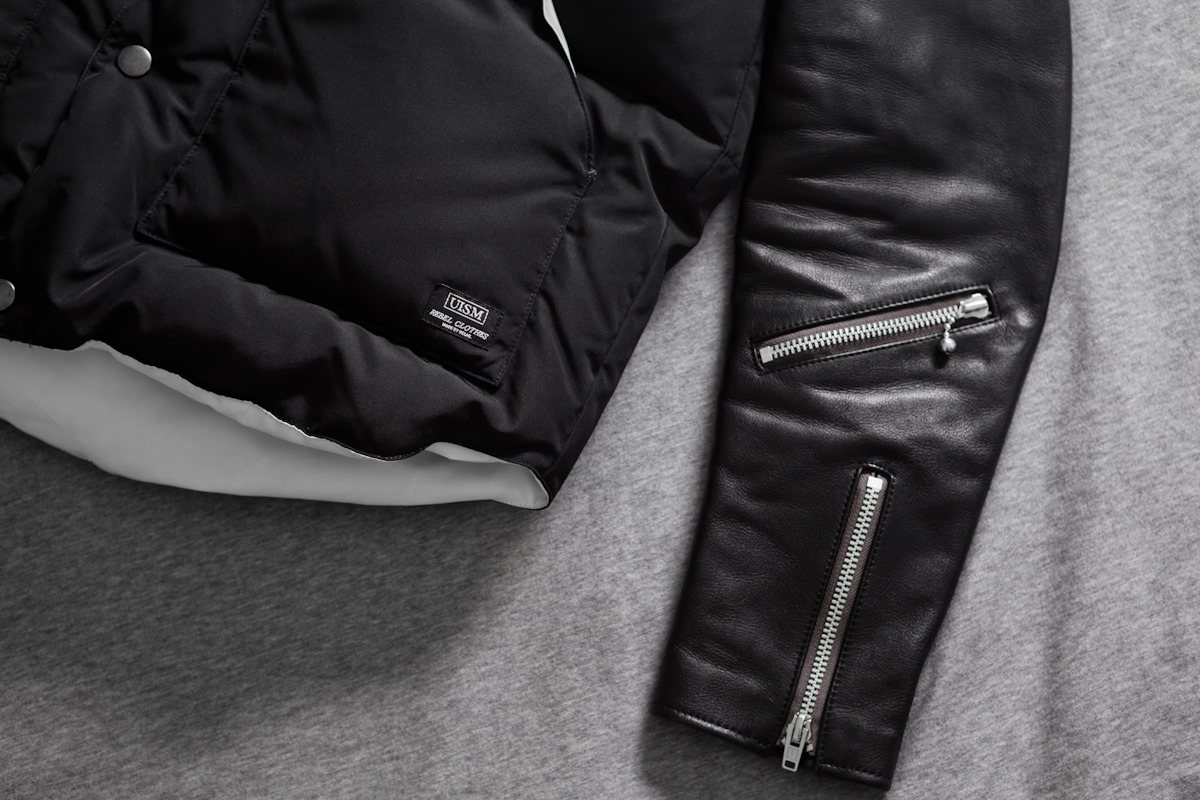
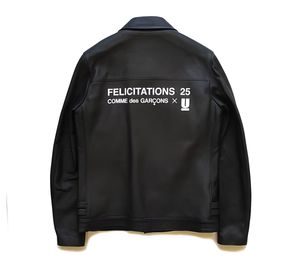
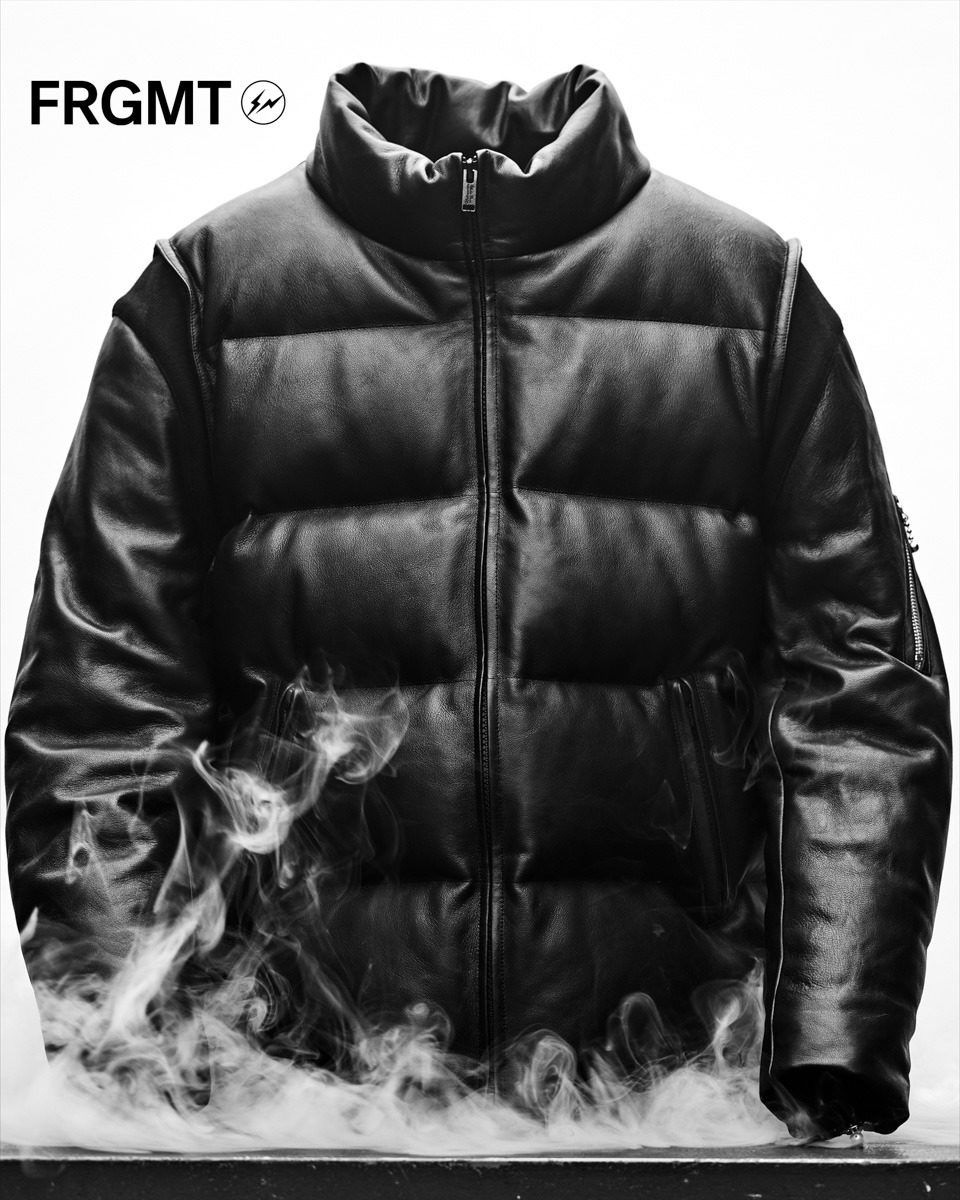
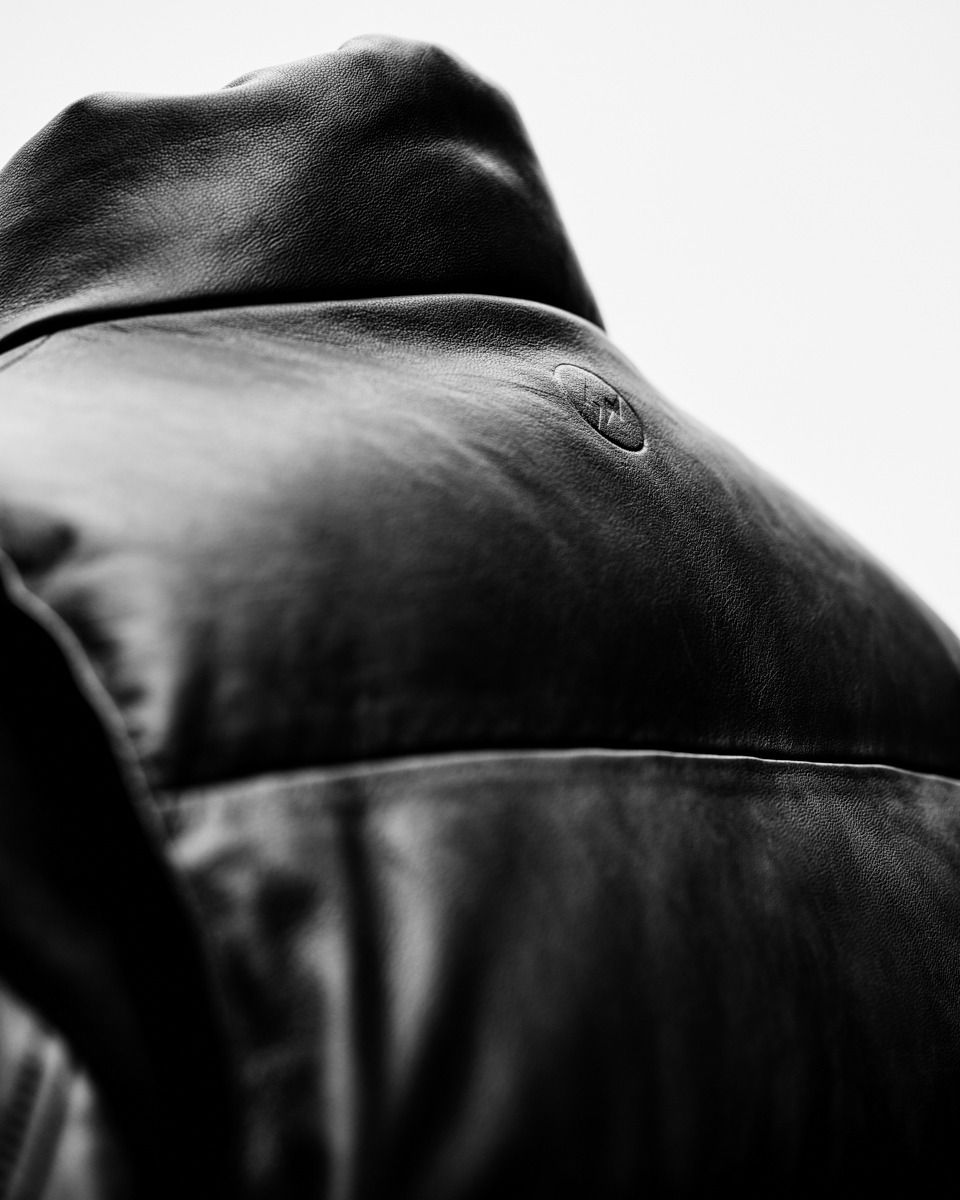
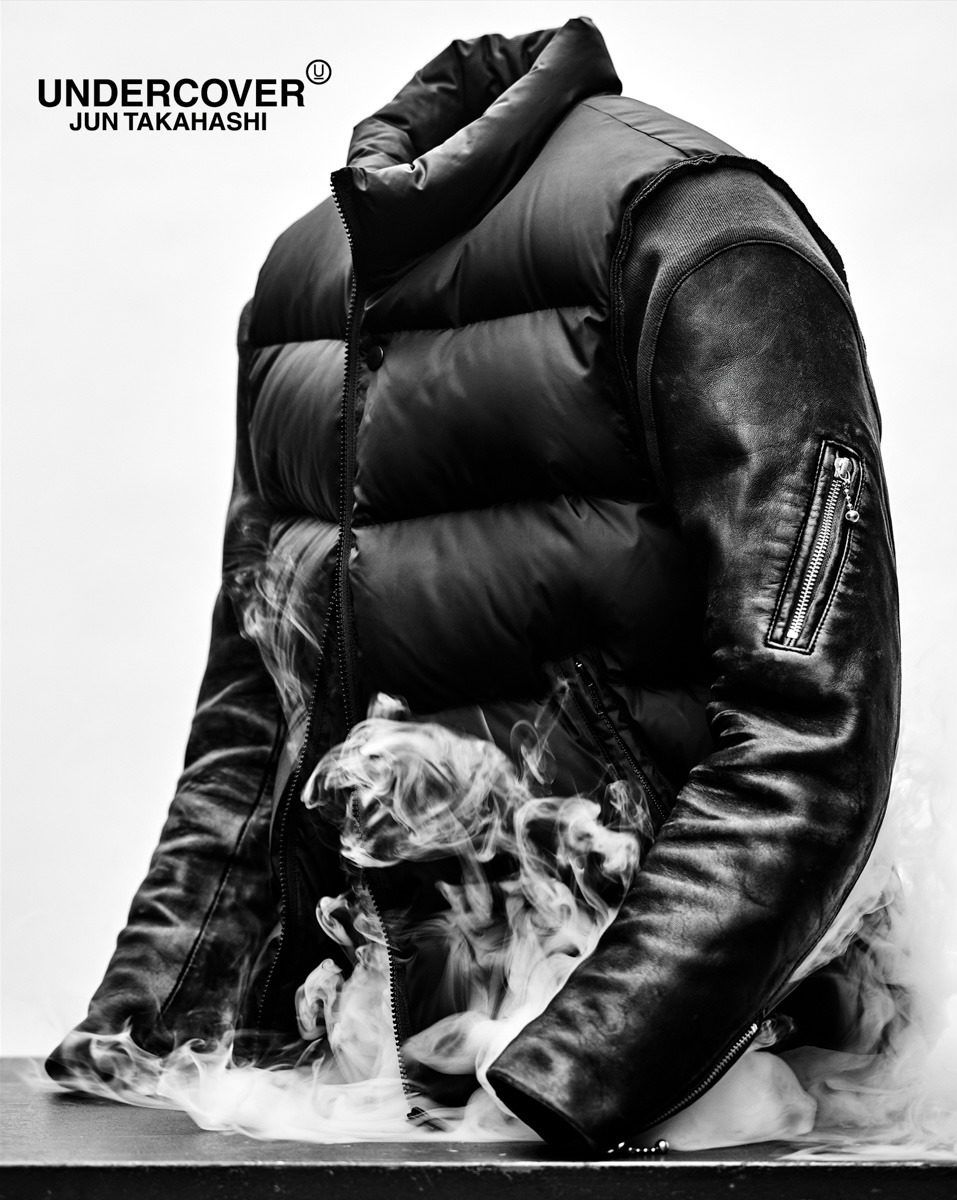
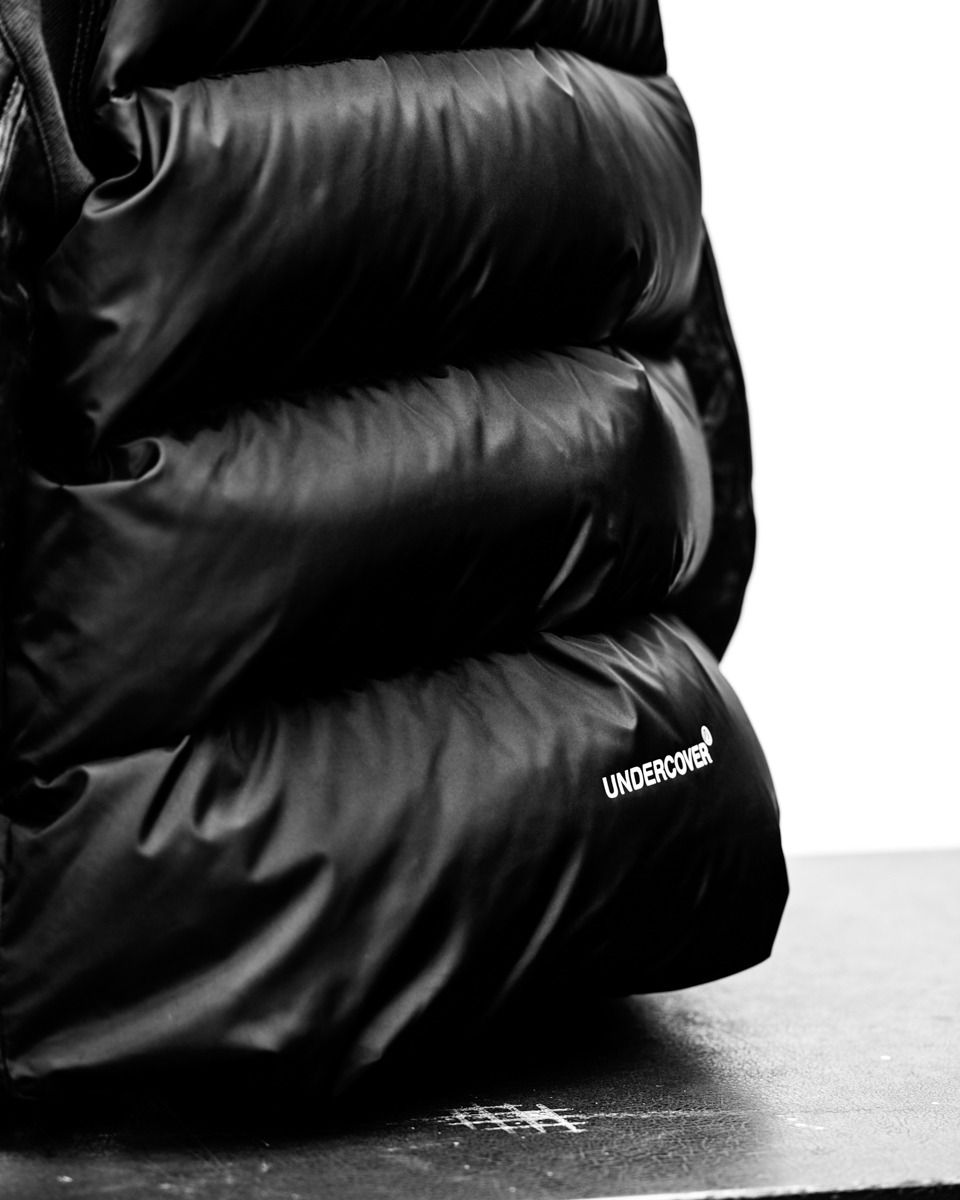
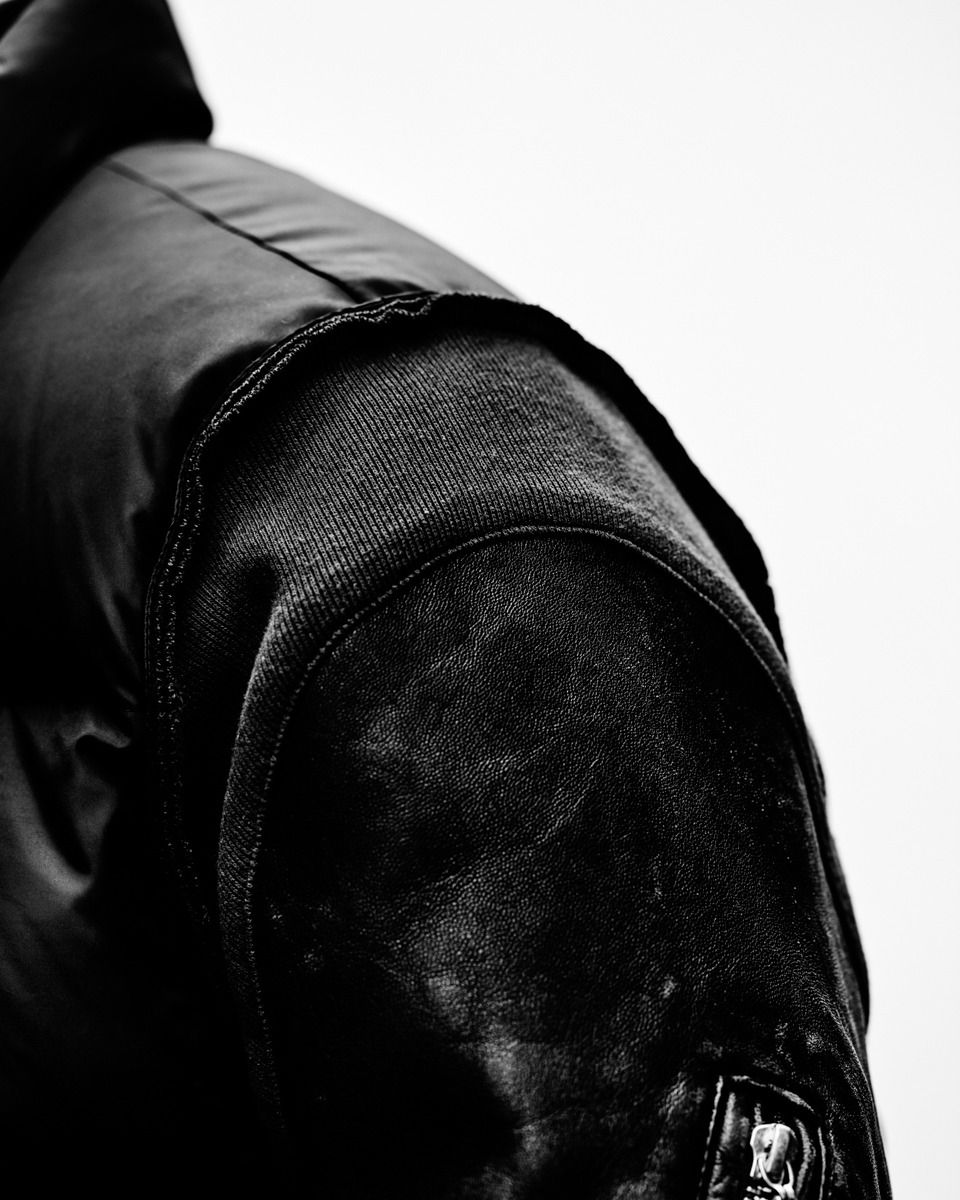
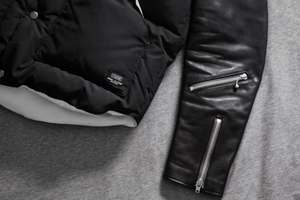
In 2021 designer Jun Takahashi has turned to some of his long-time friends in the Tokyo fashion scene to offer their take on UC’s signature hybrid style with a series of leather sleeve down jackets with various mixed materials and detailing. Created in partnership with peers sacai, Kolor, Fragment design, TheSoloist and N.Hoolywood. The jackets all take a different tact to exploring the same style of garment.
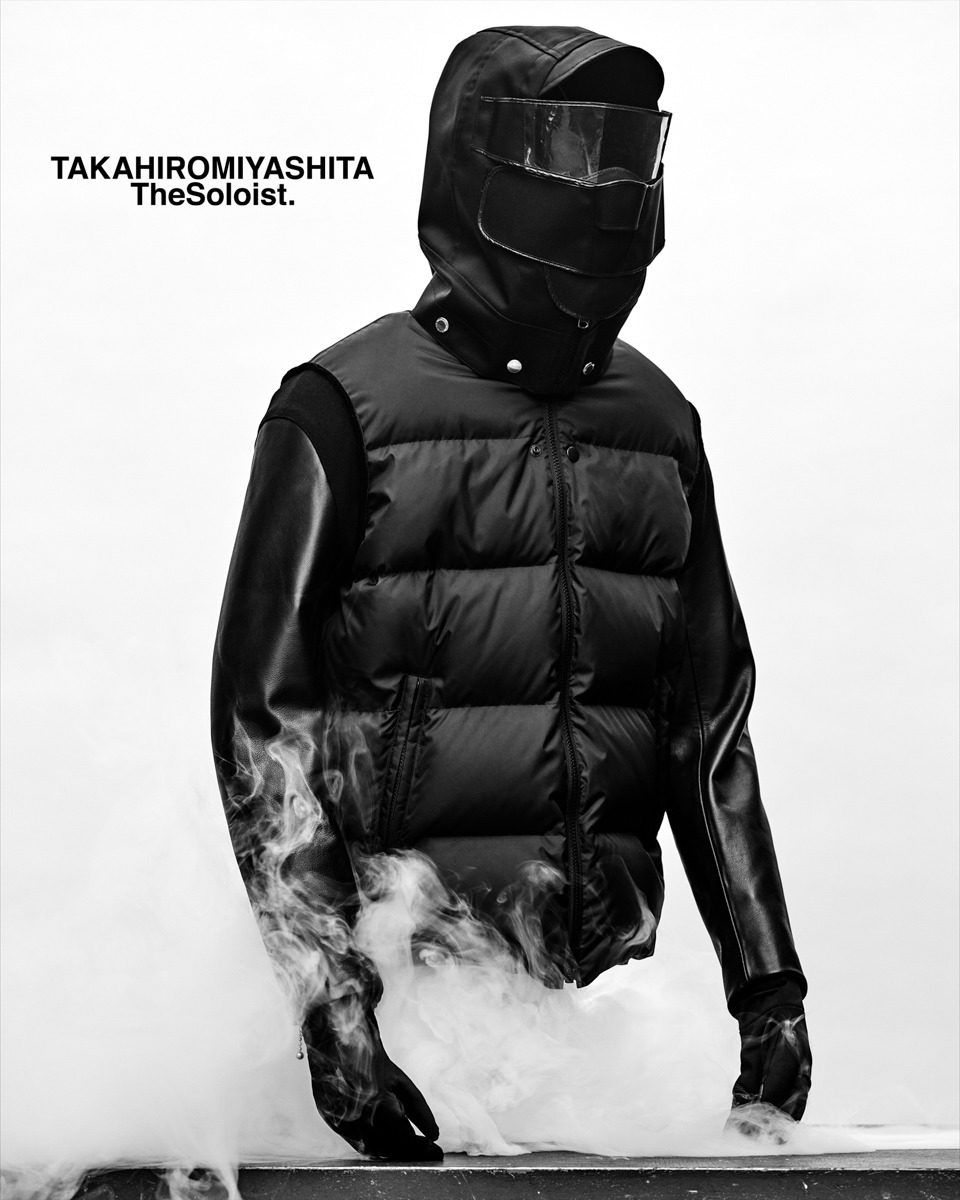
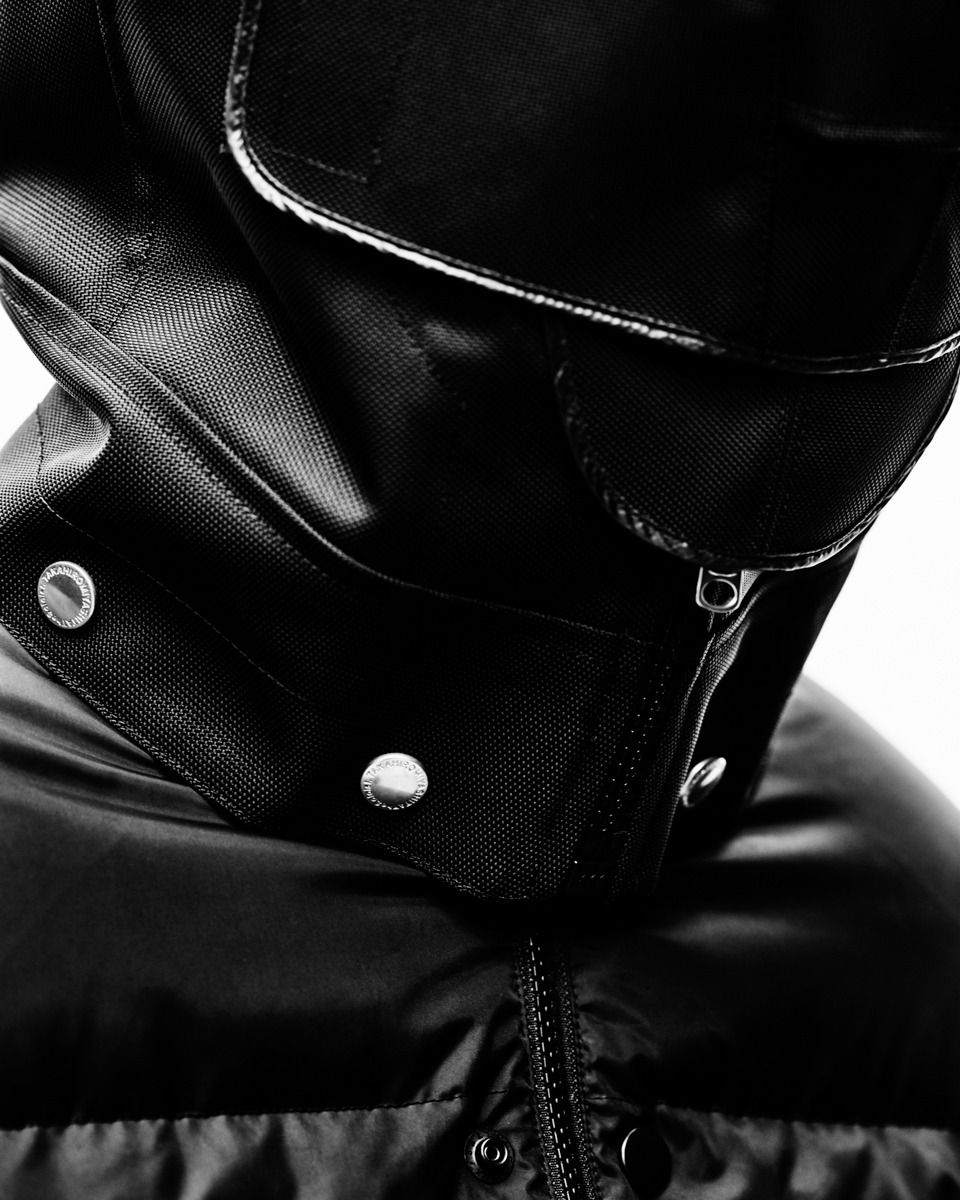
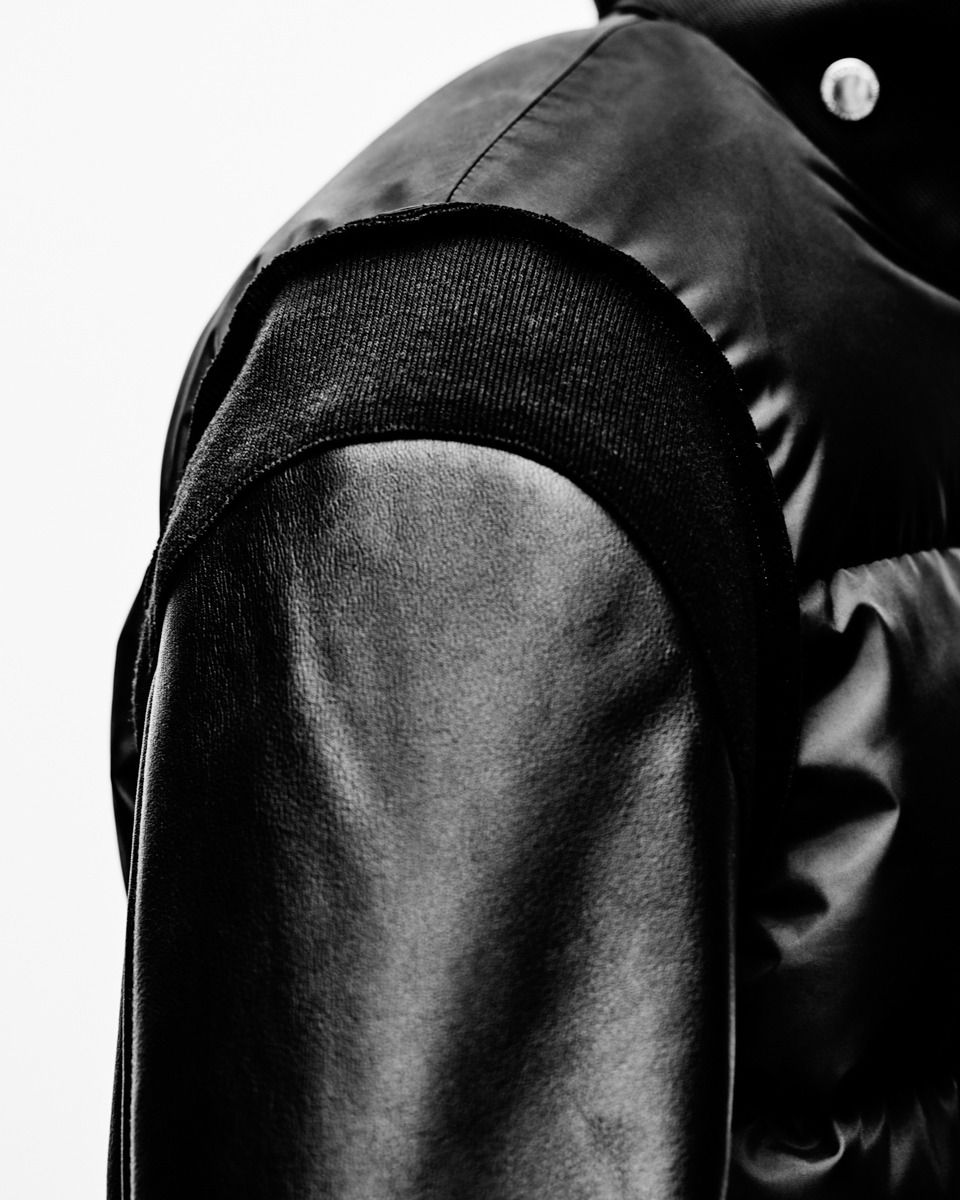
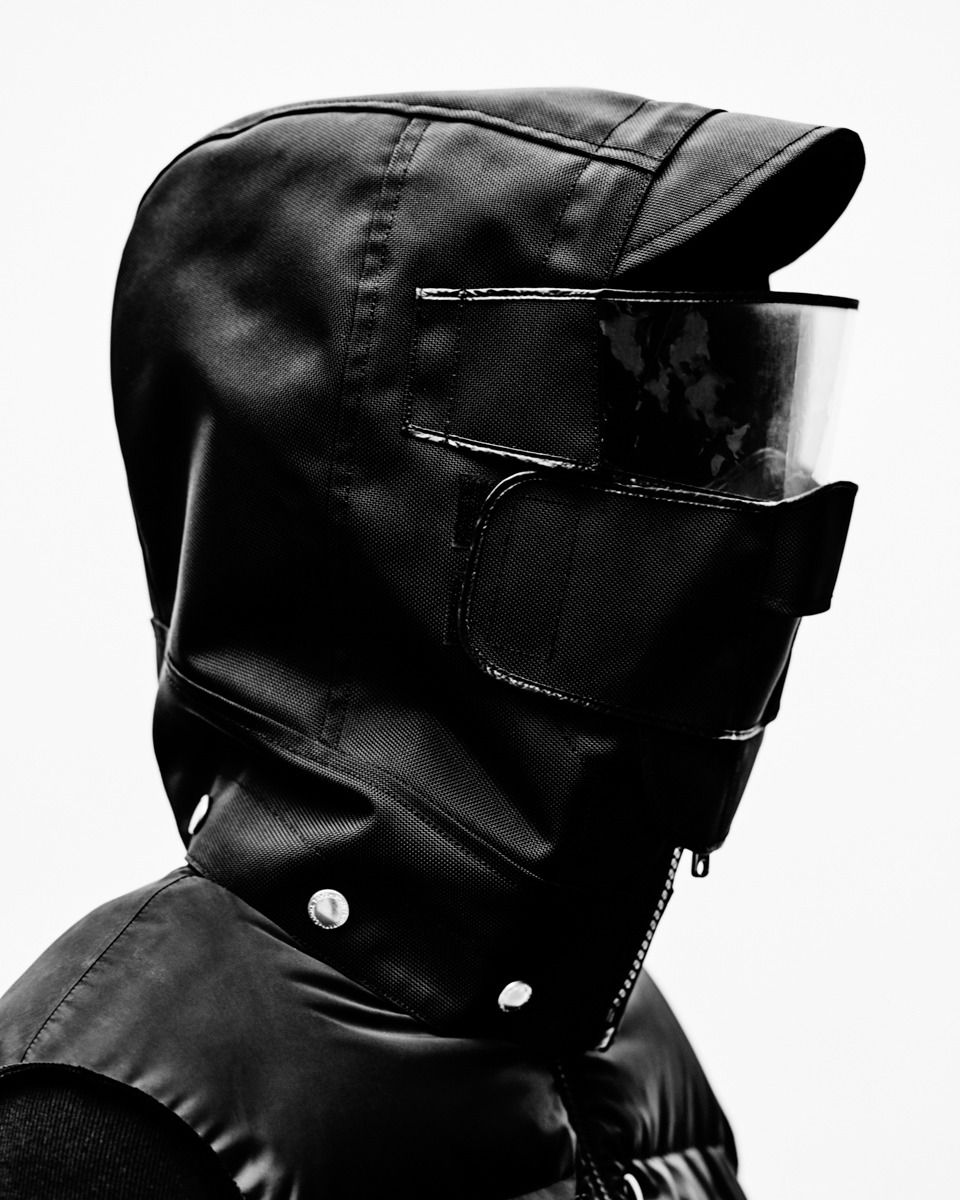
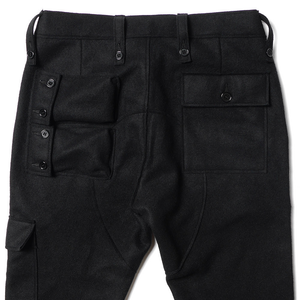
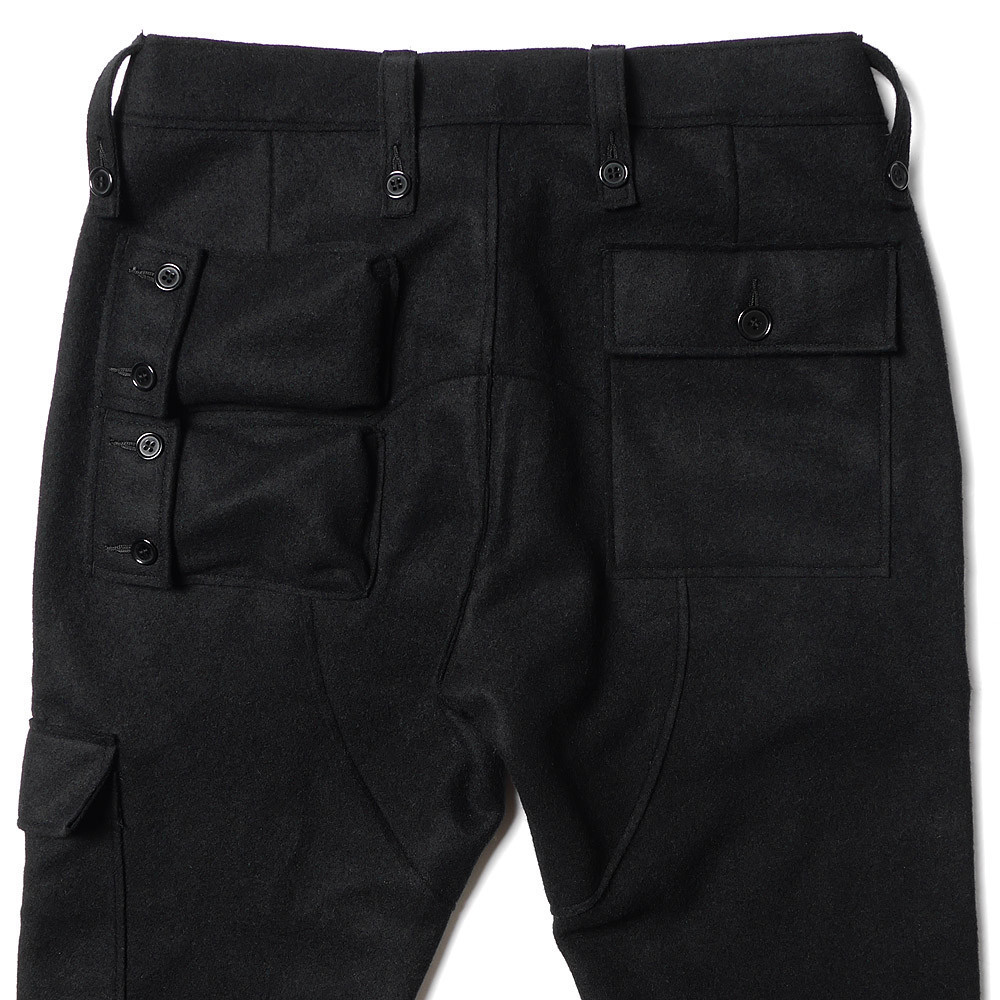
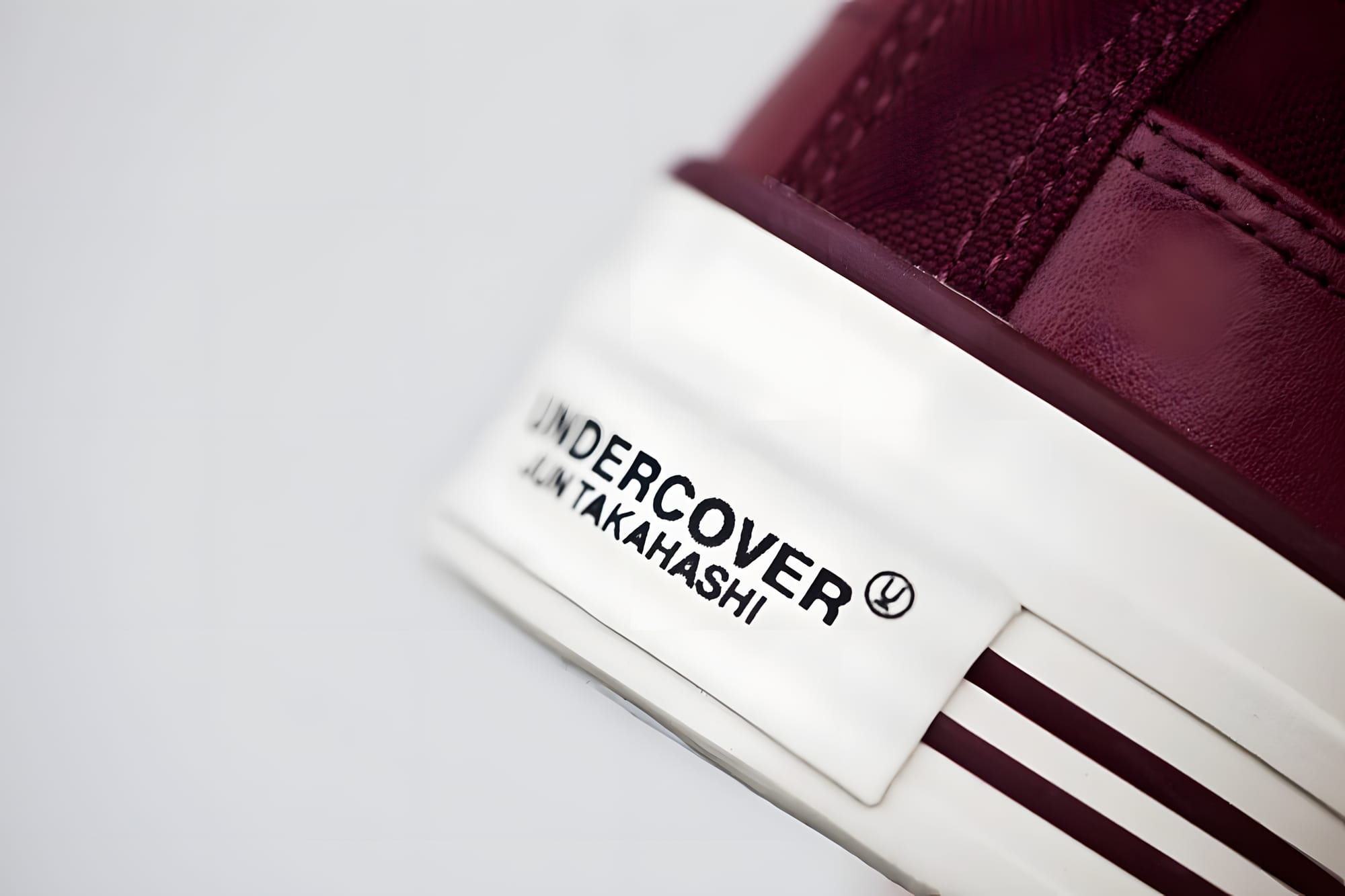
Back detail from the 4503 pant from JOHNUNDERCOVER's "Cold Blood" Collection.
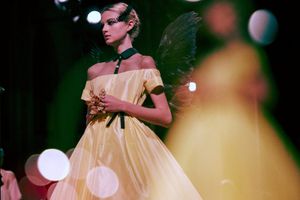
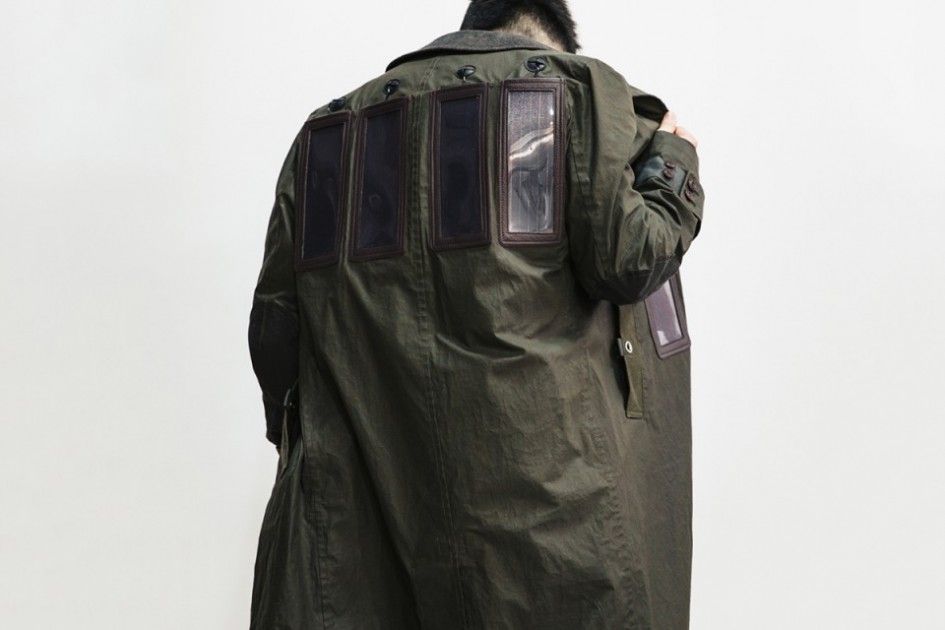
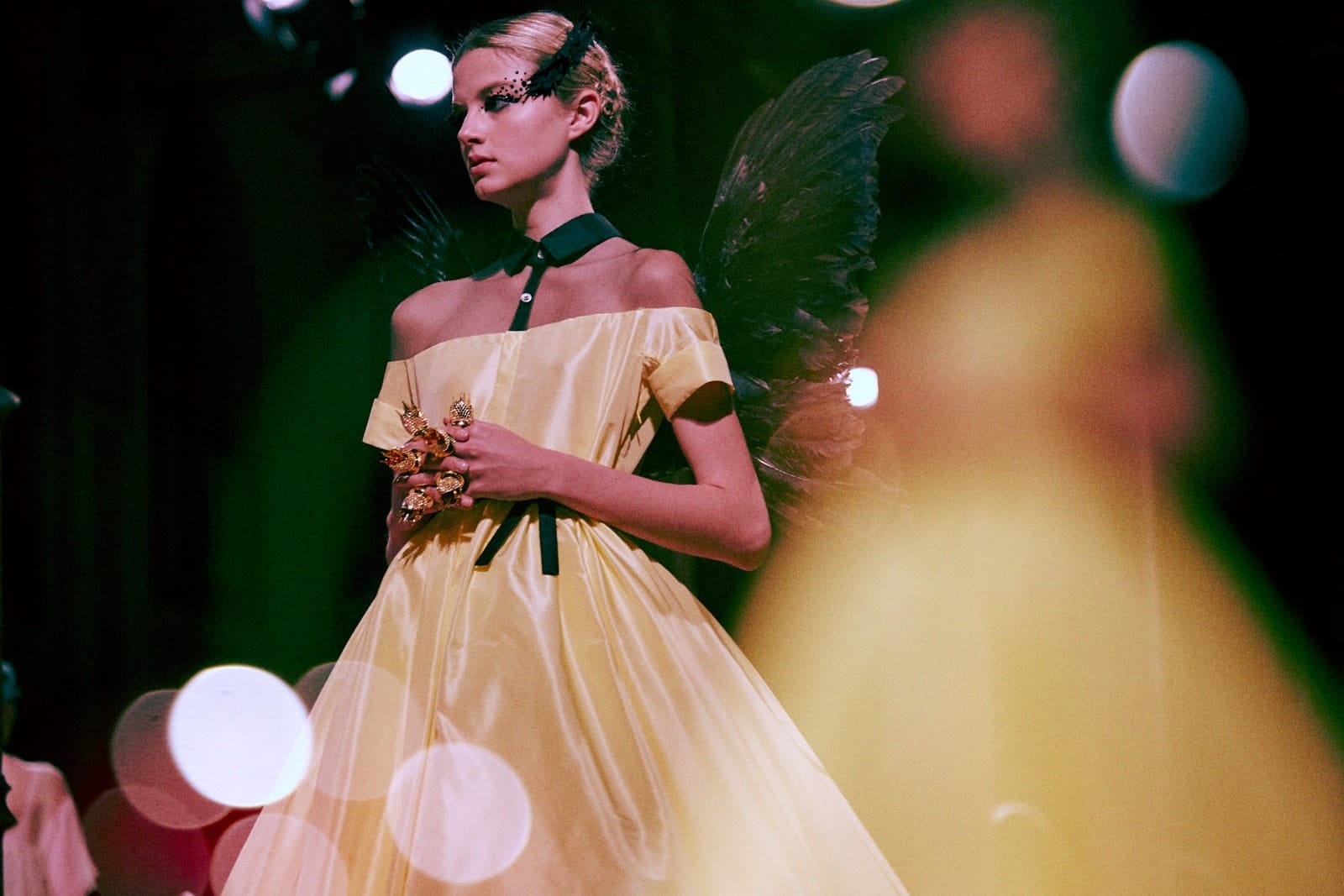
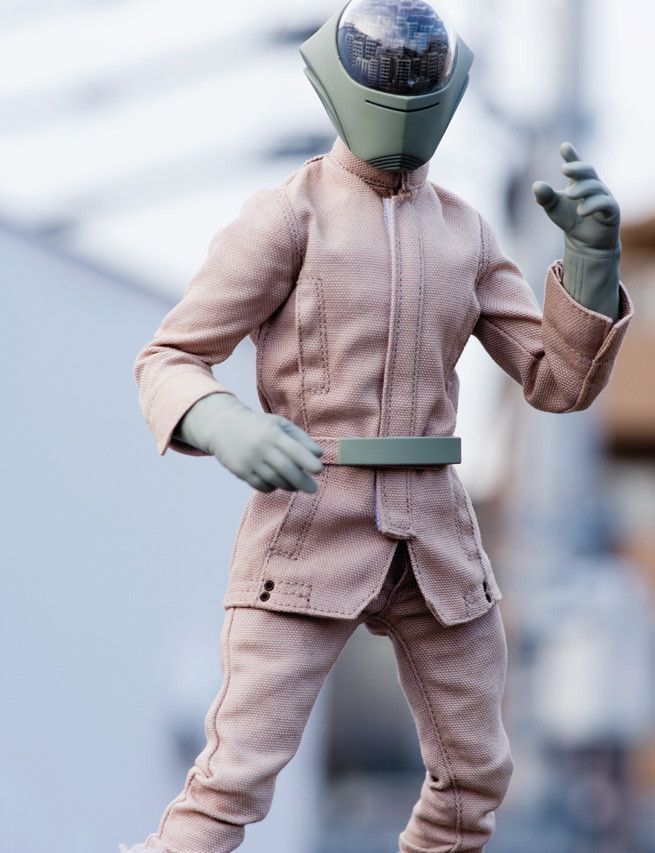
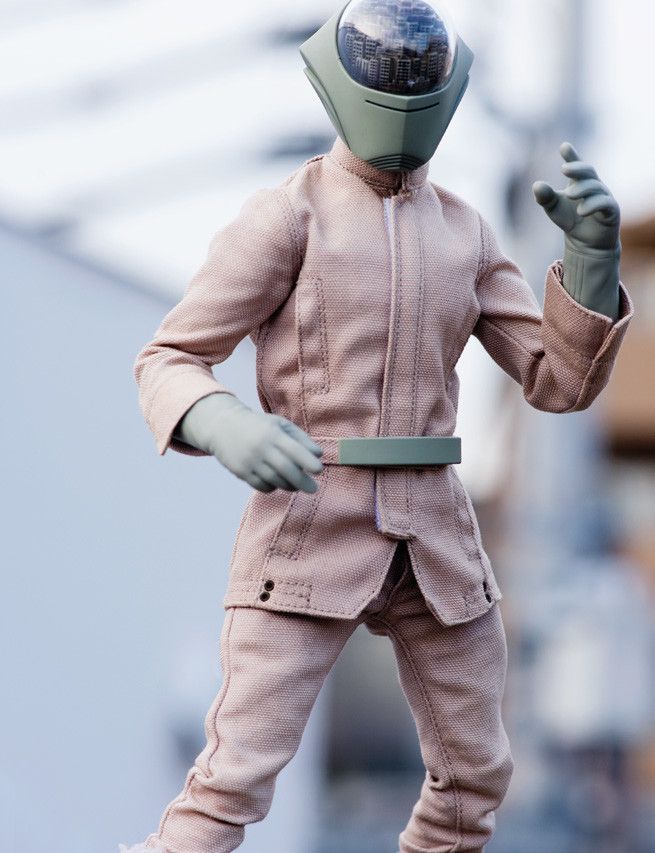
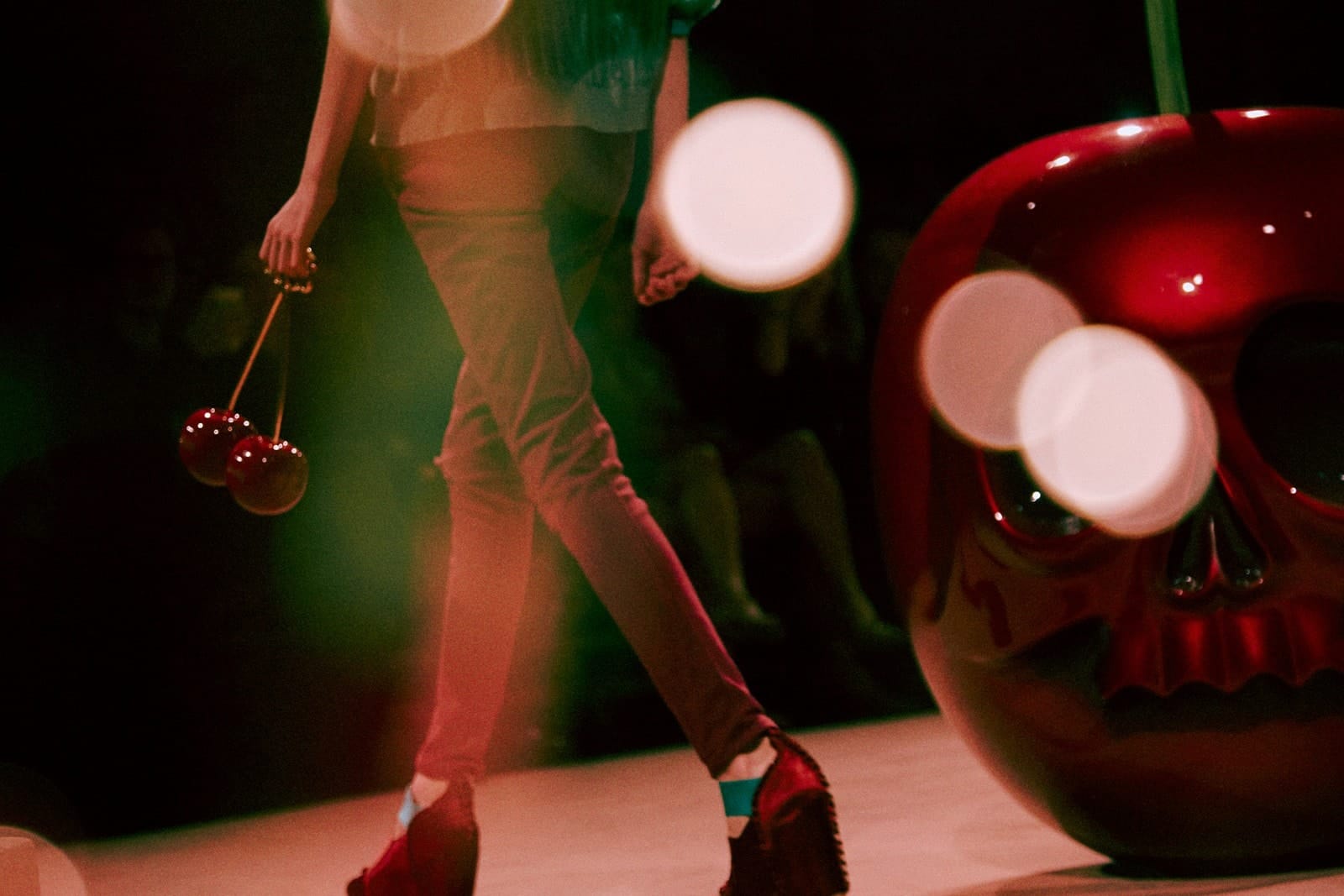
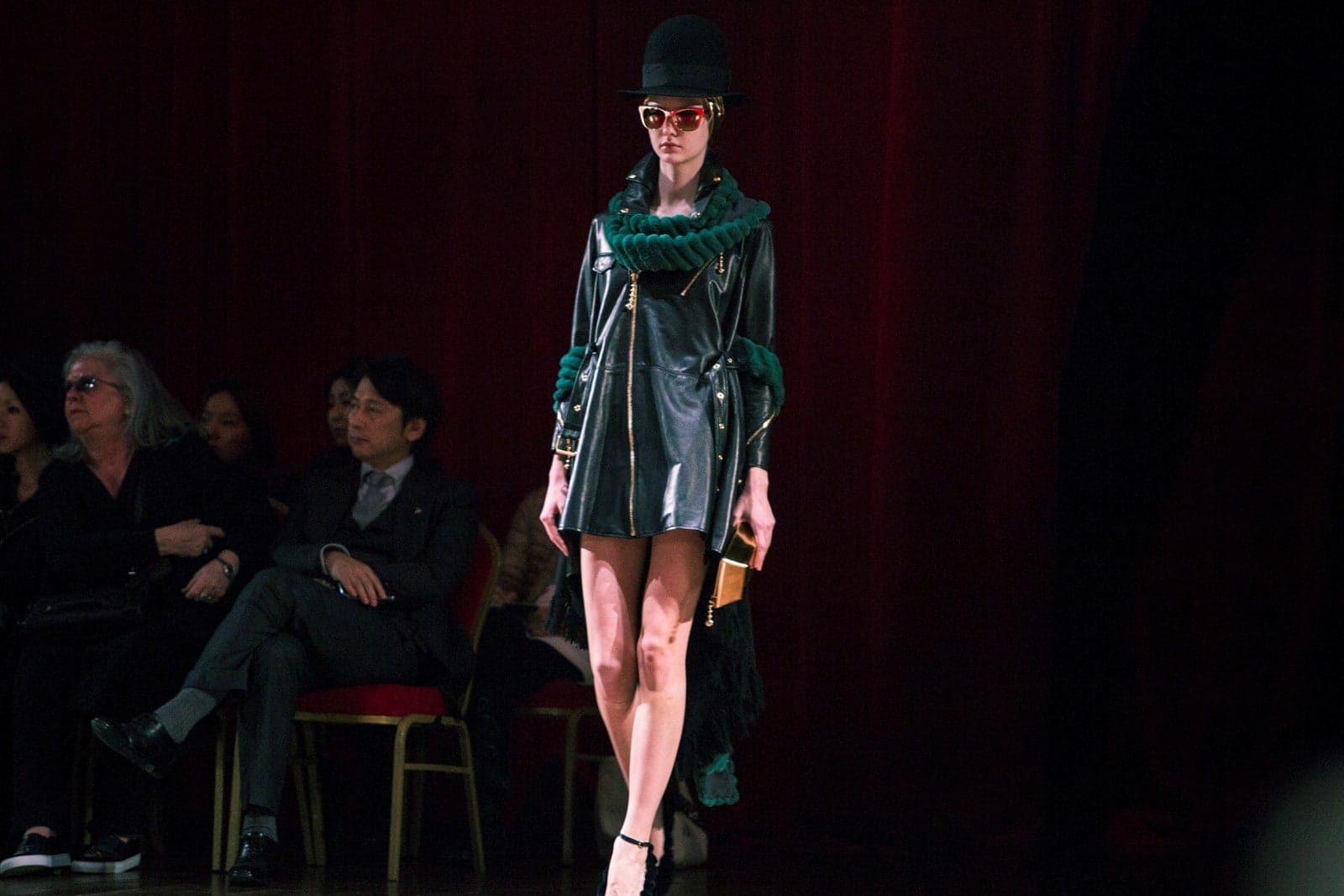
Undercover Spring/Summer 2015 carried Takahashi's twisted fairytale into a more digital setting, with LED screens integrated into garments and bags.
Photography by Jeff Henrikson; styling by Emma Wyman.
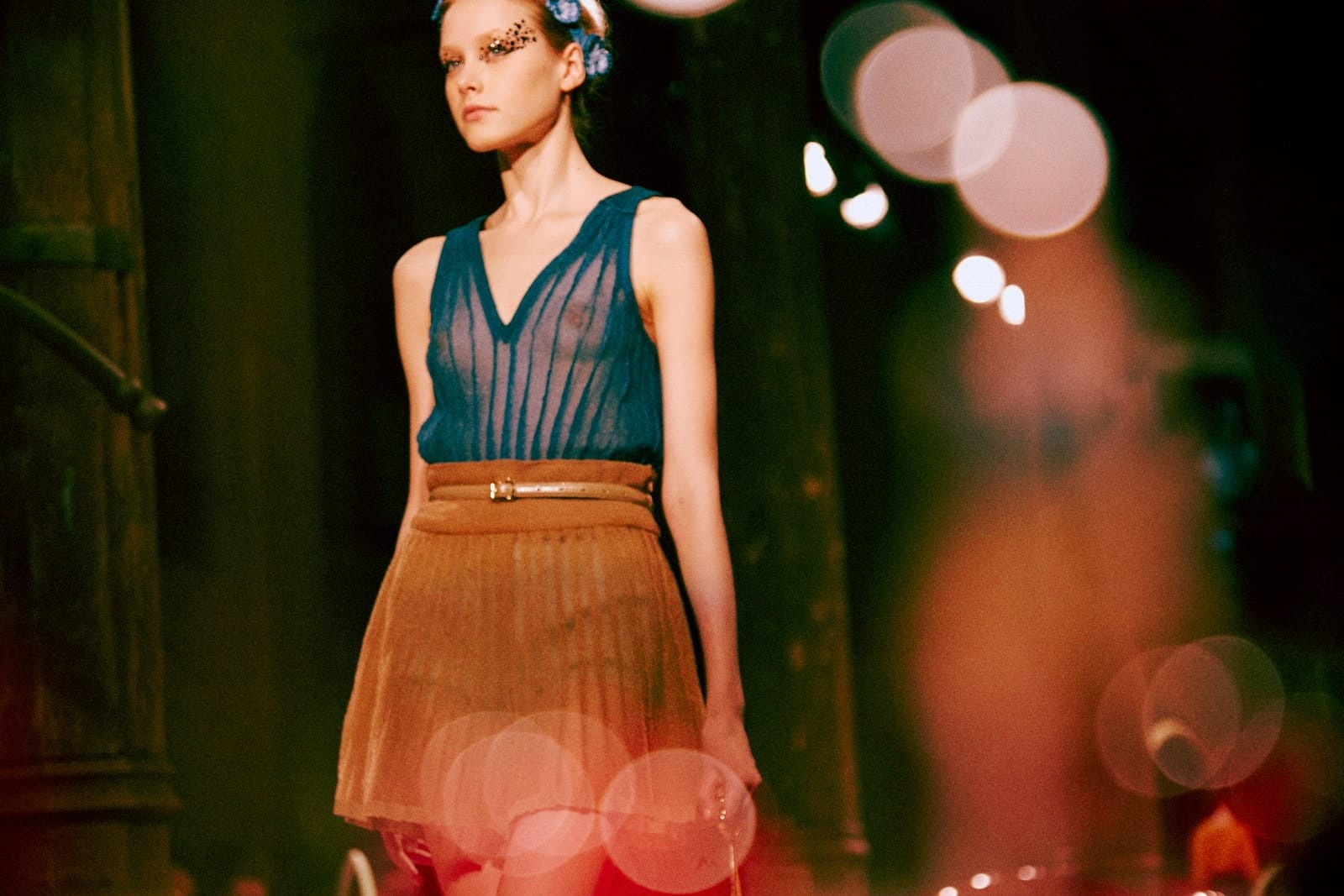
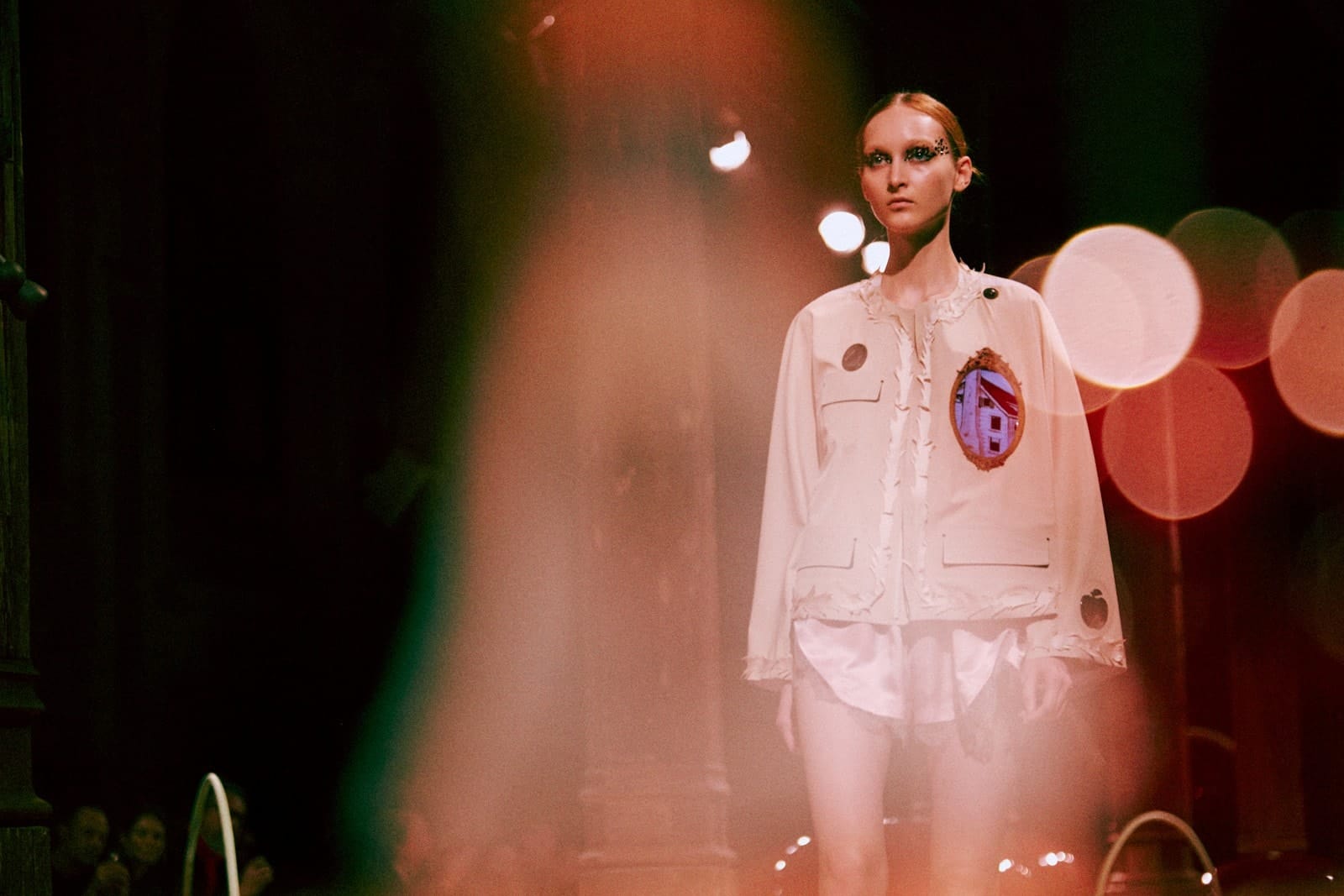
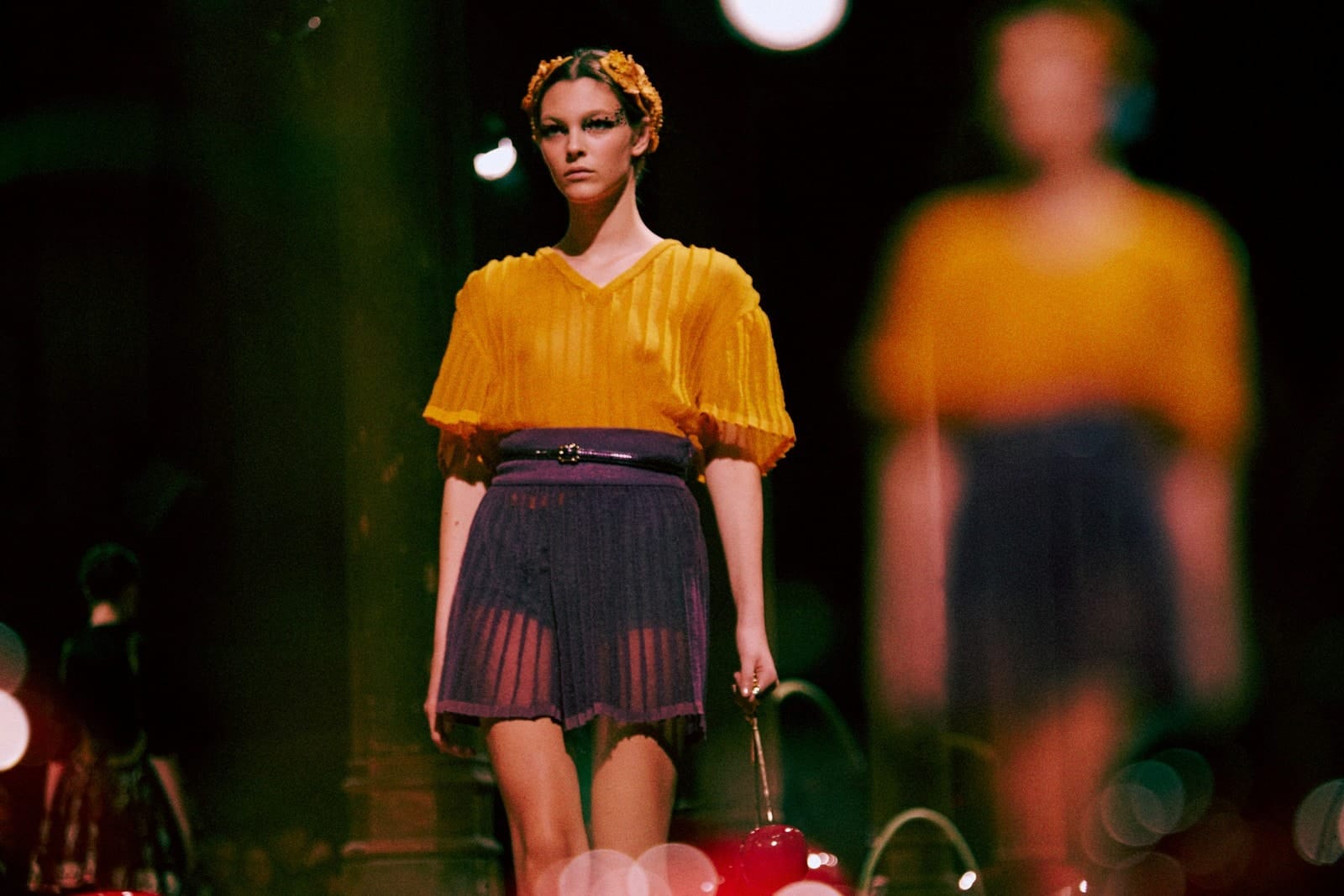
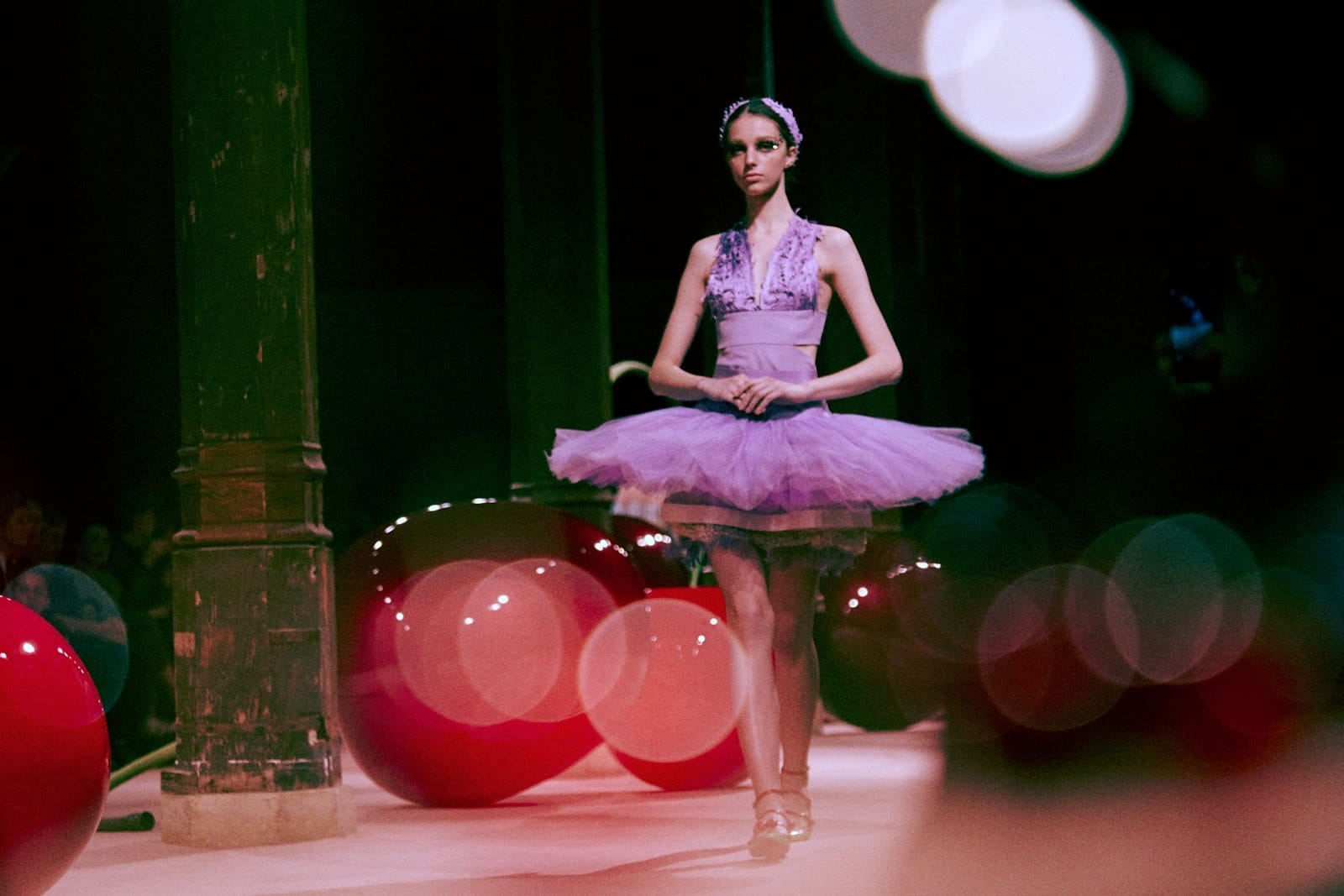
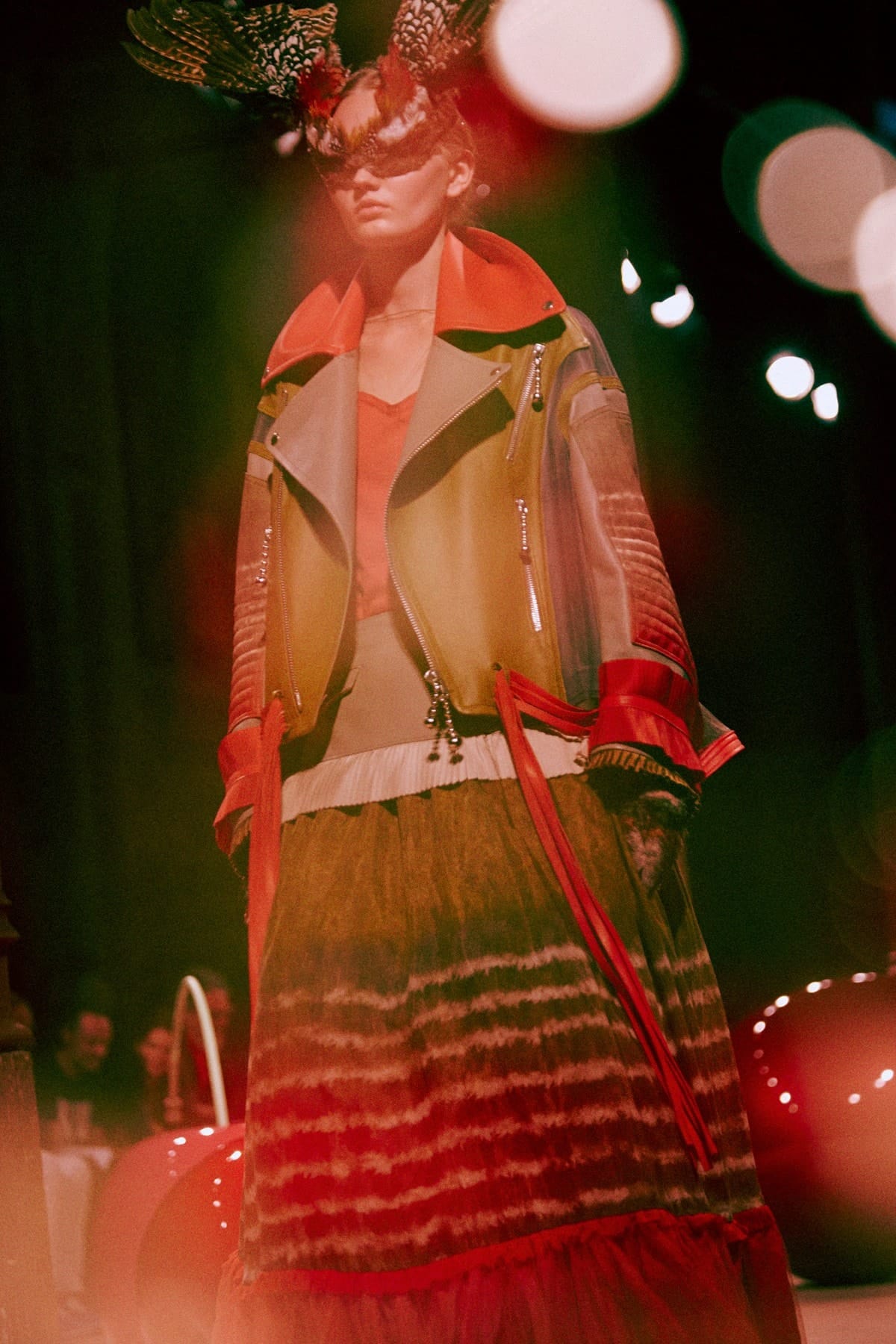
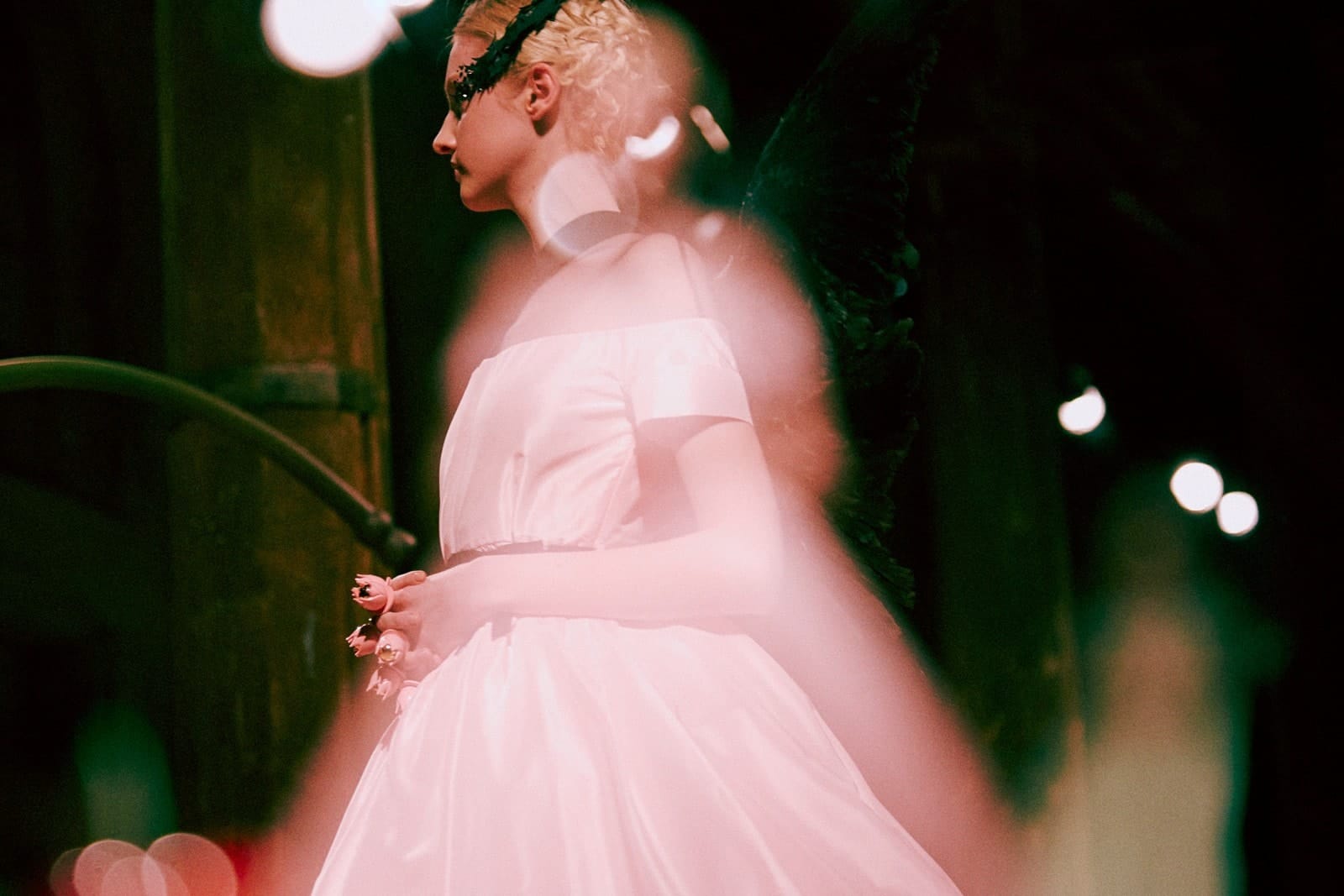
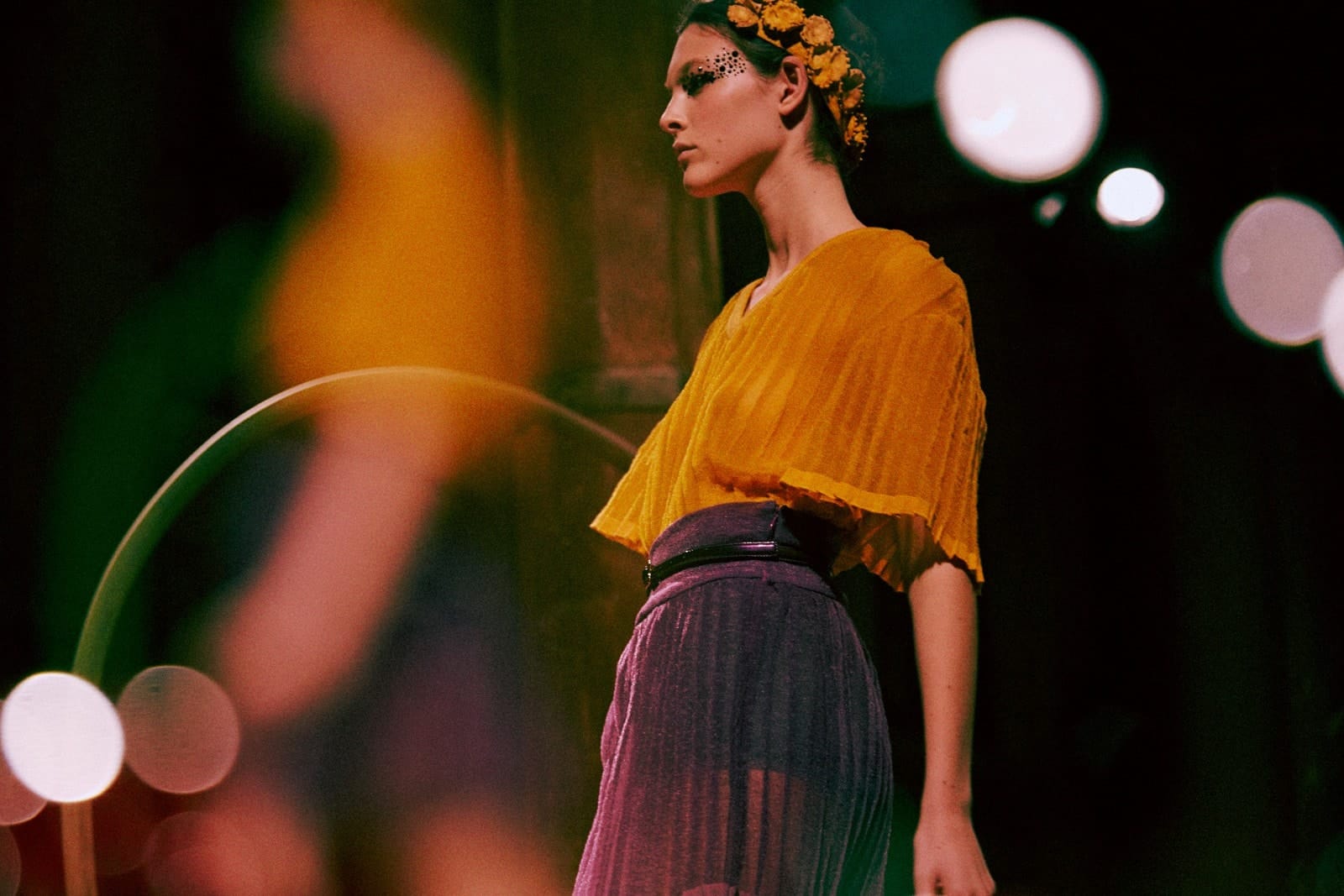
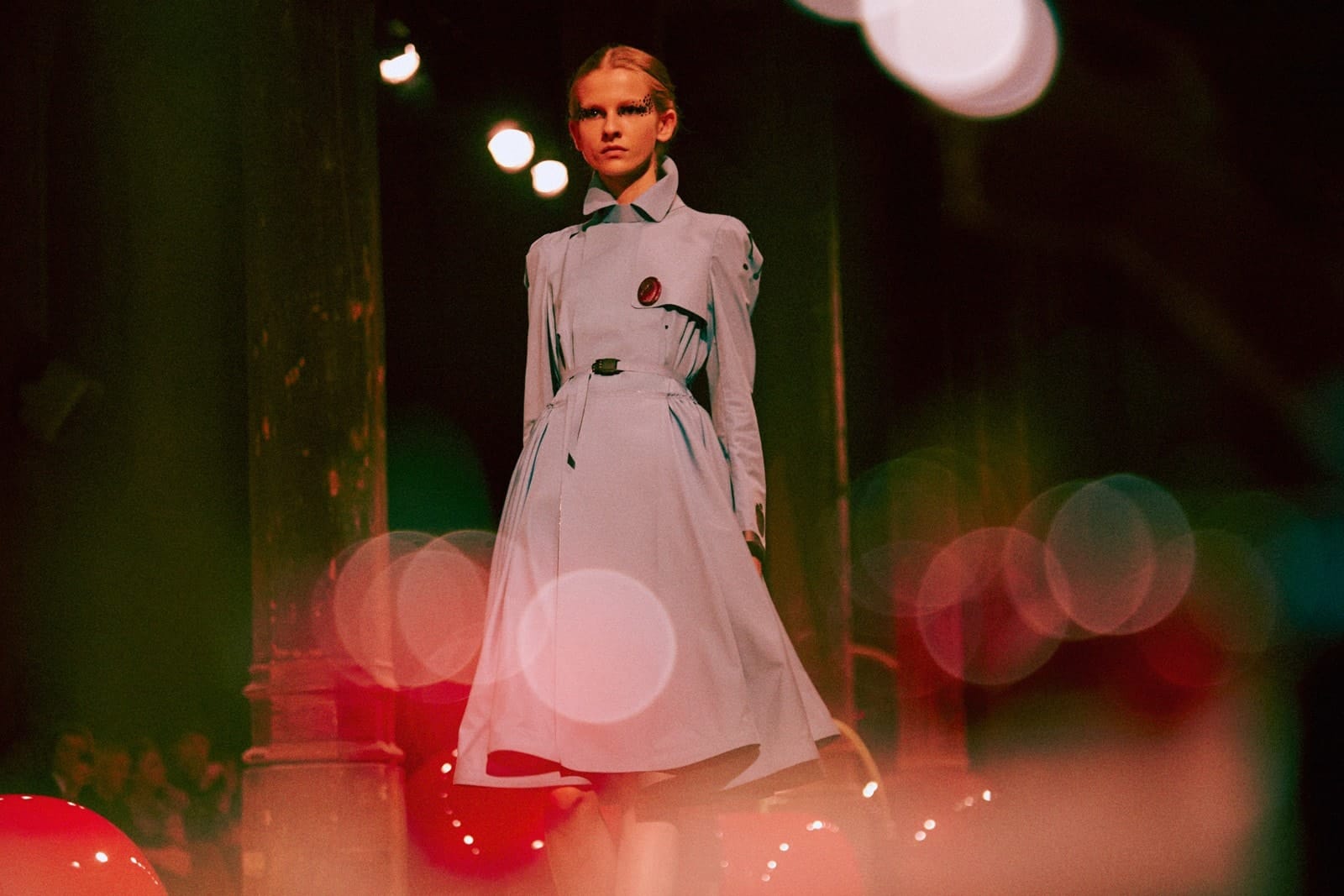
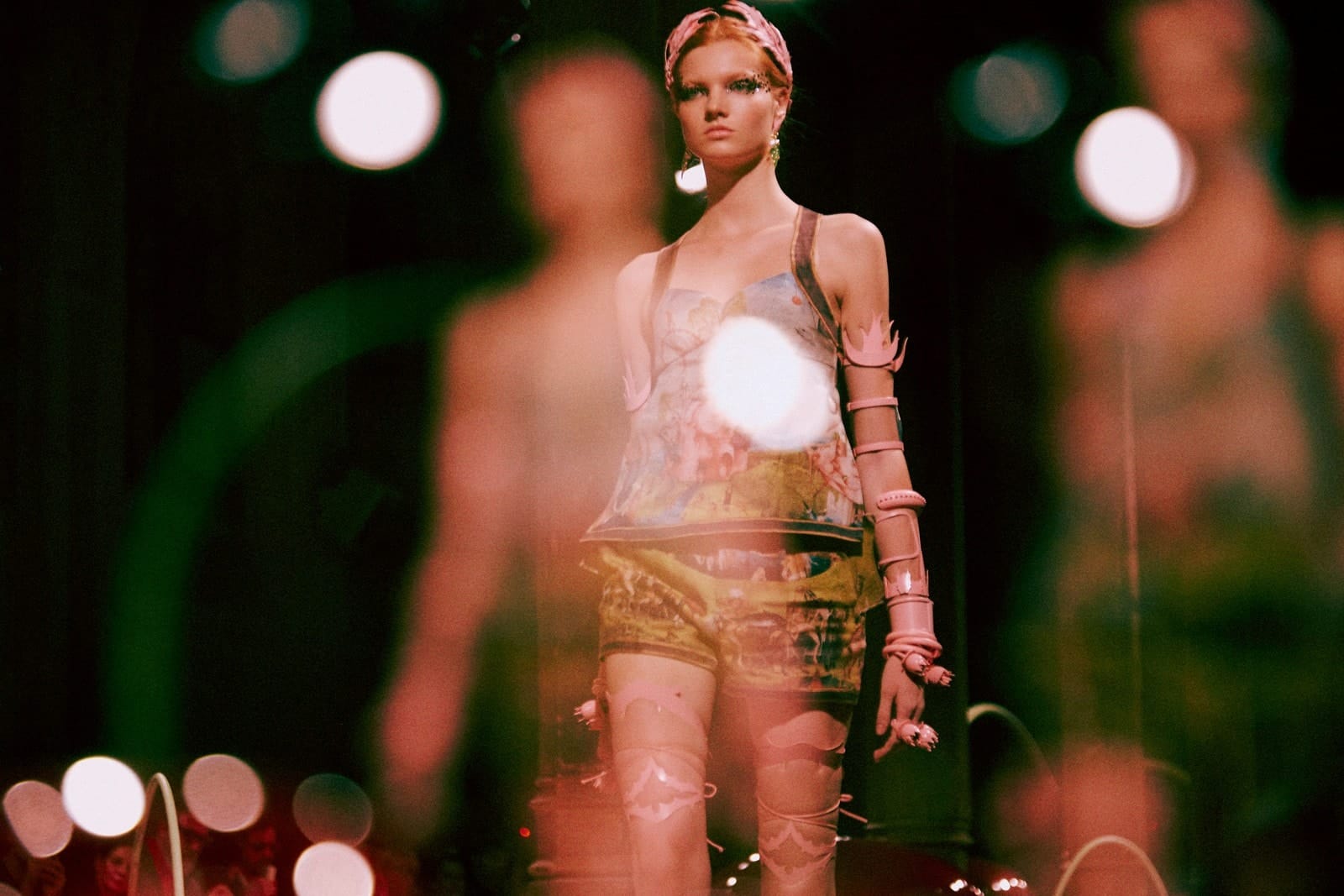
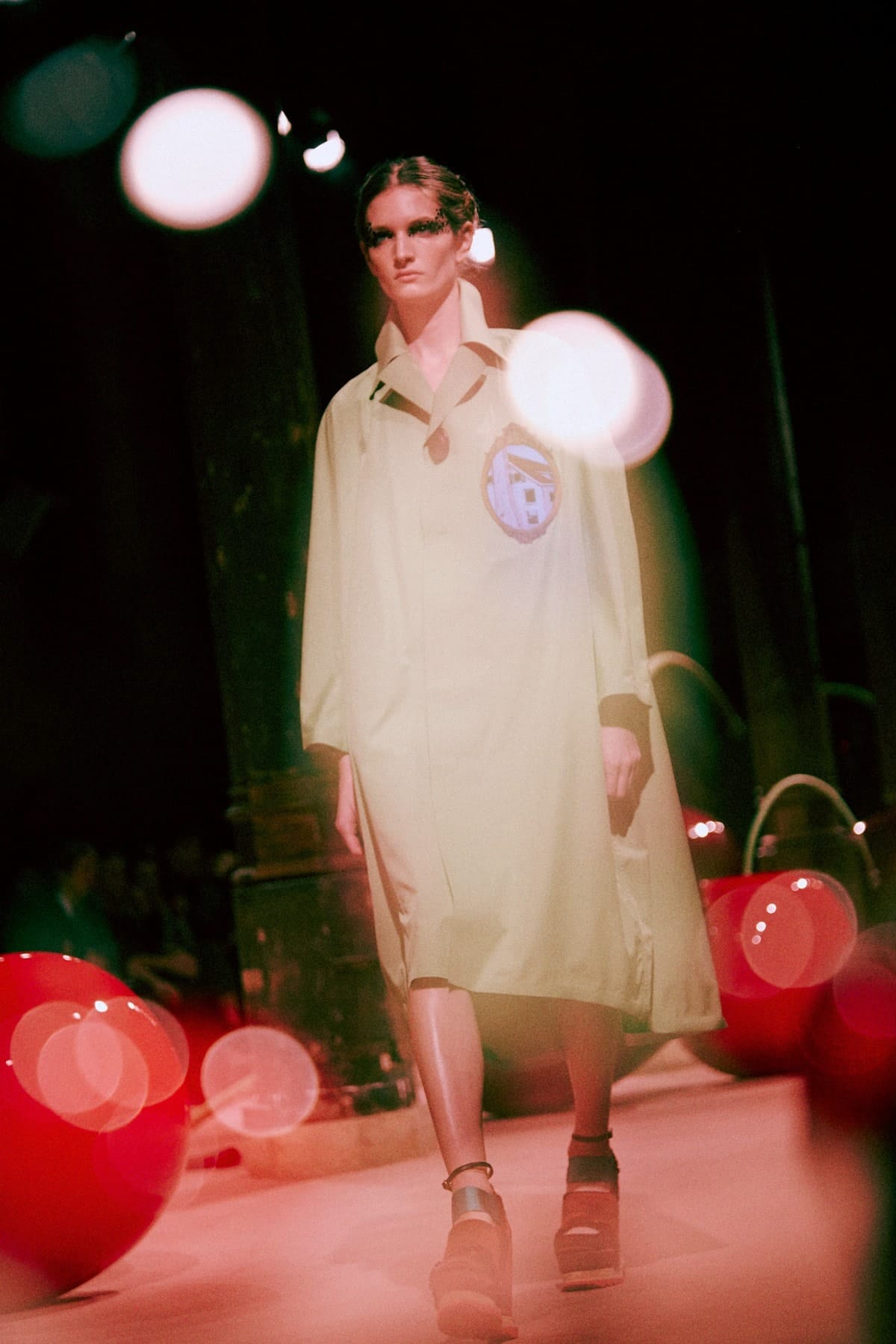
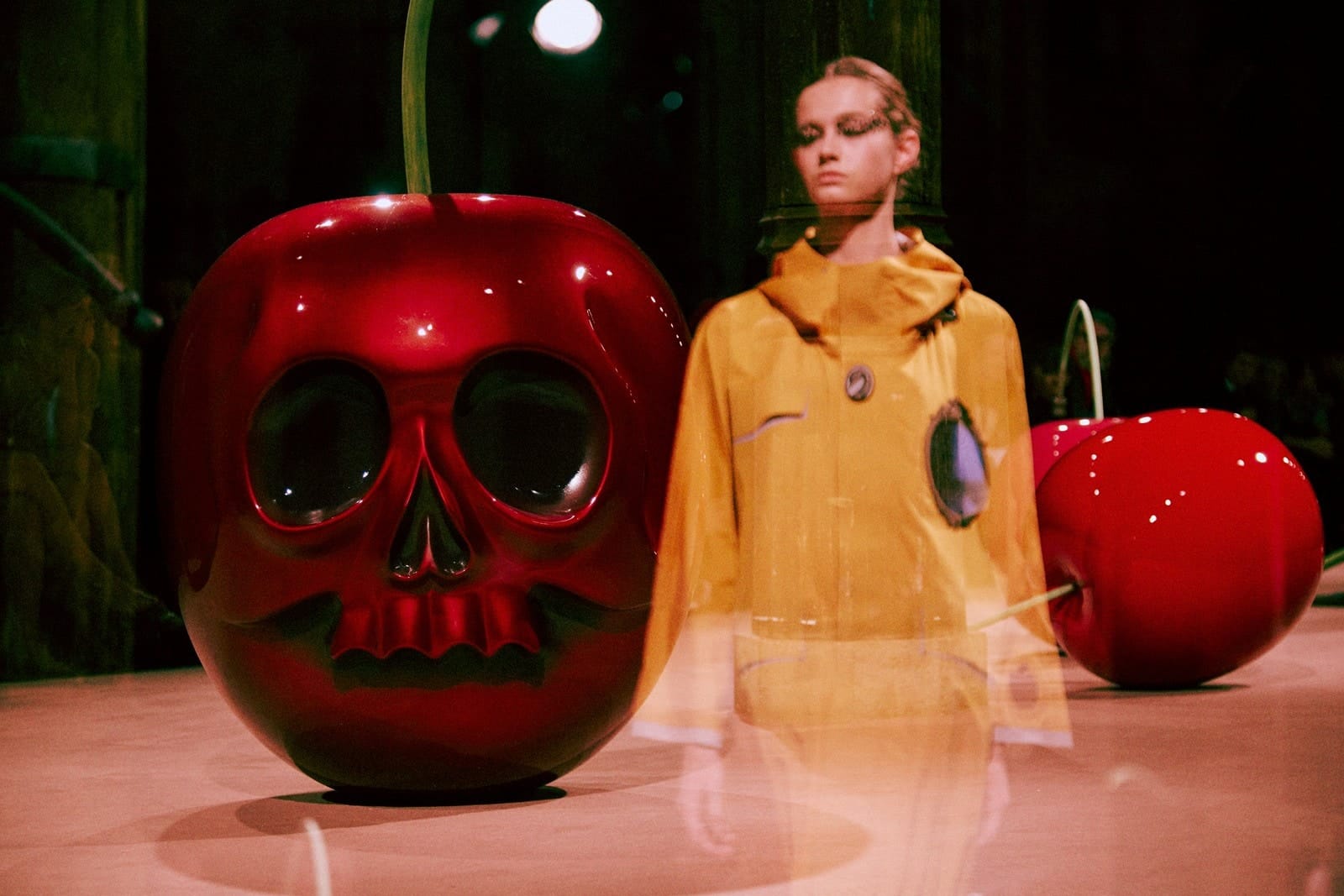
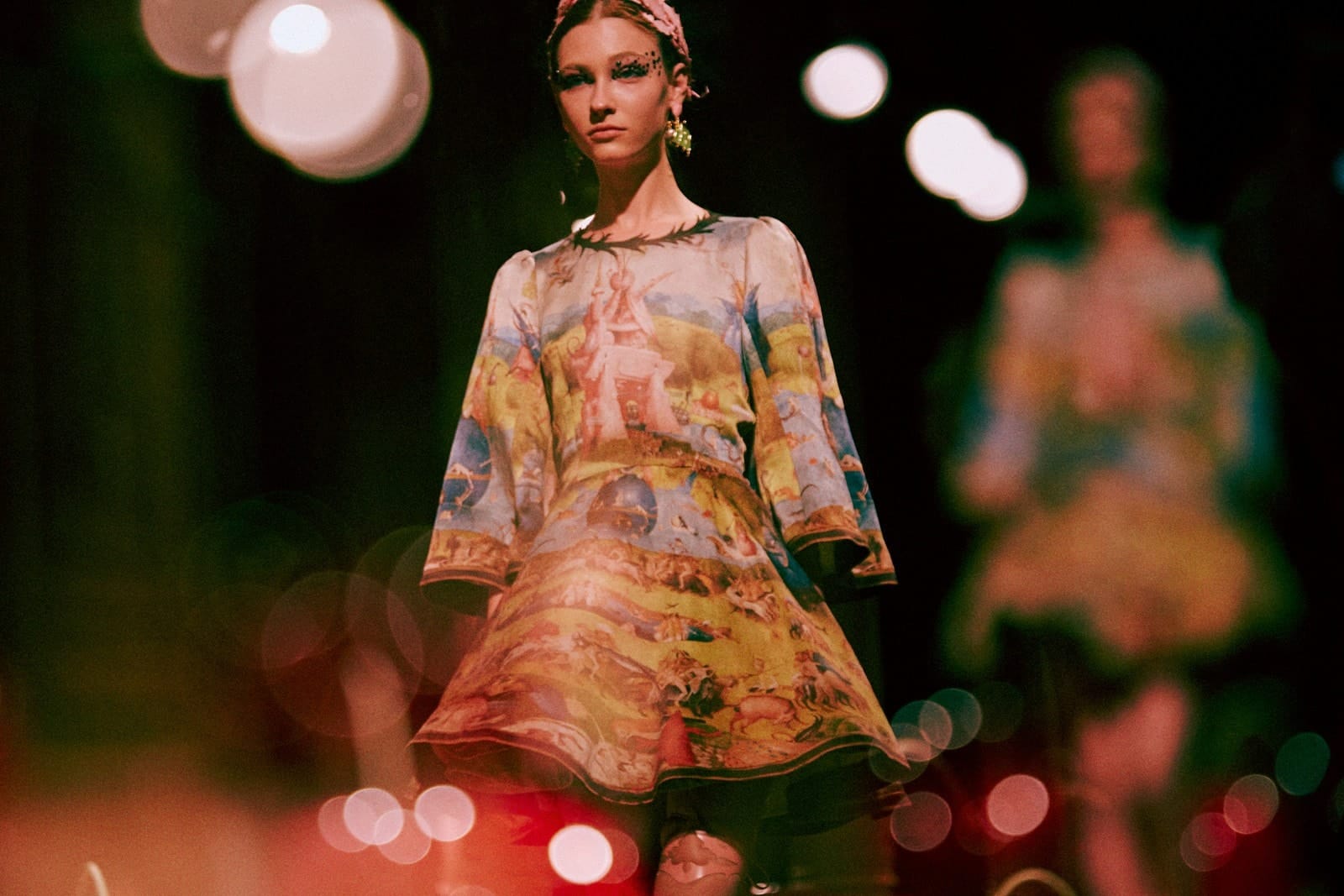
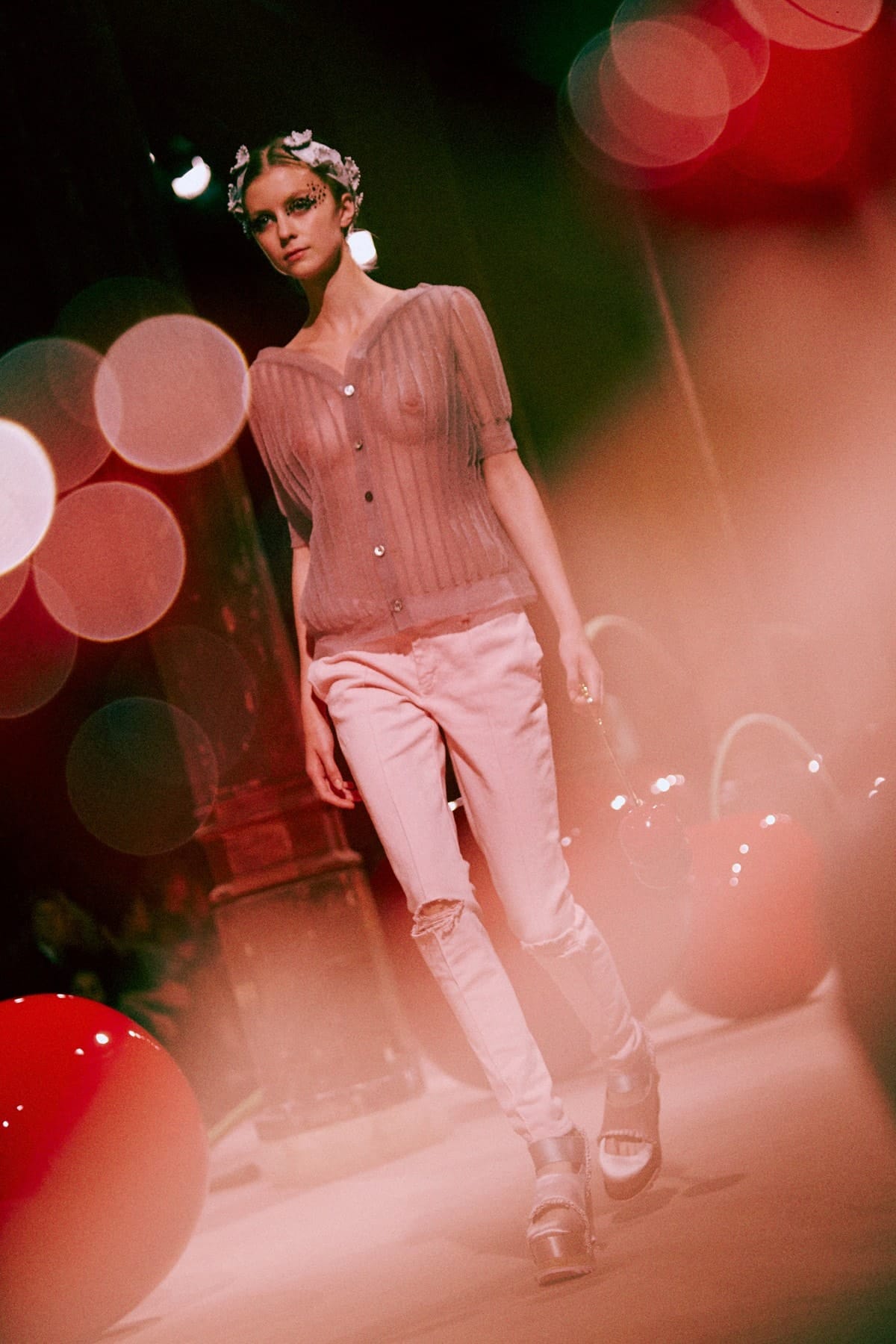
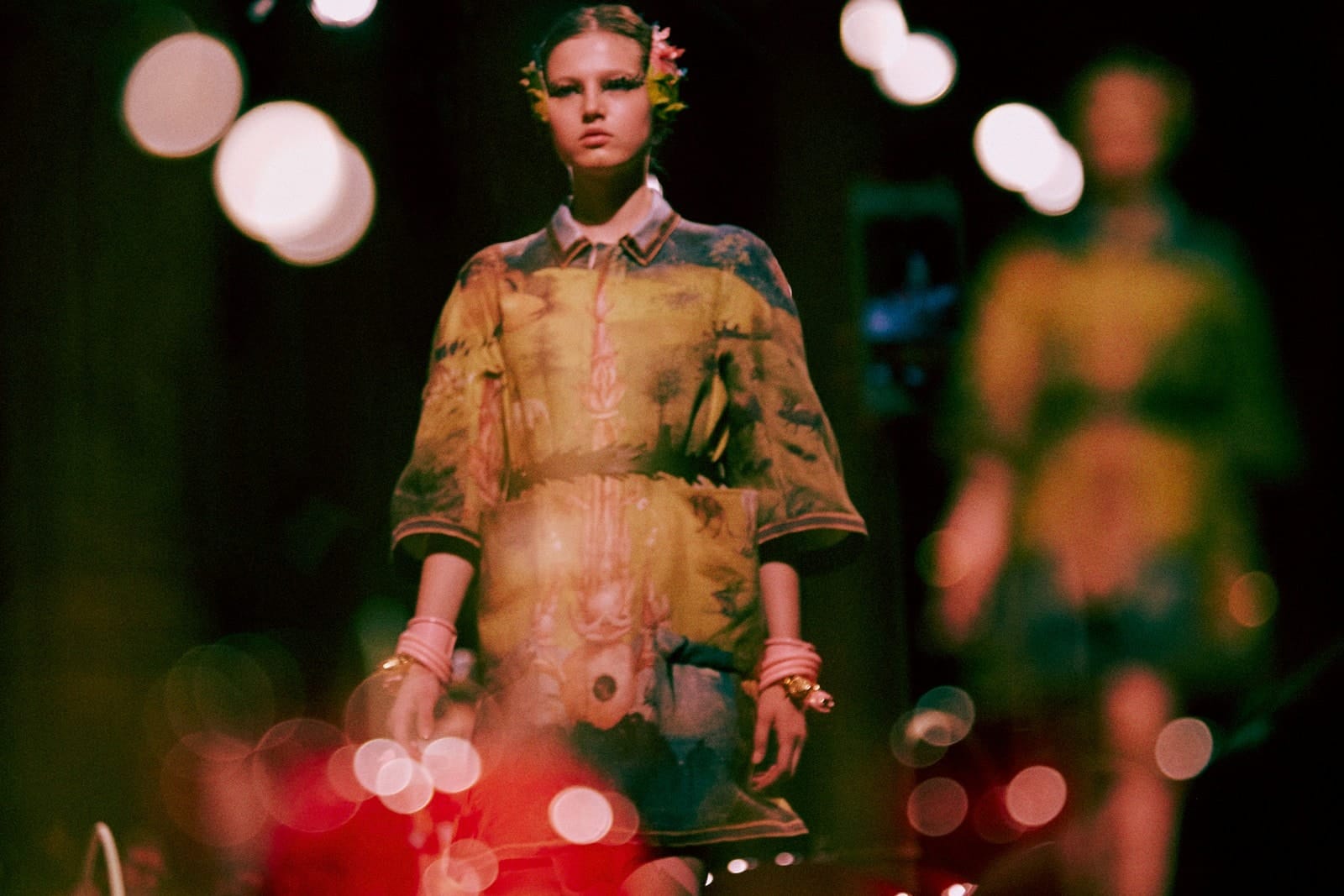
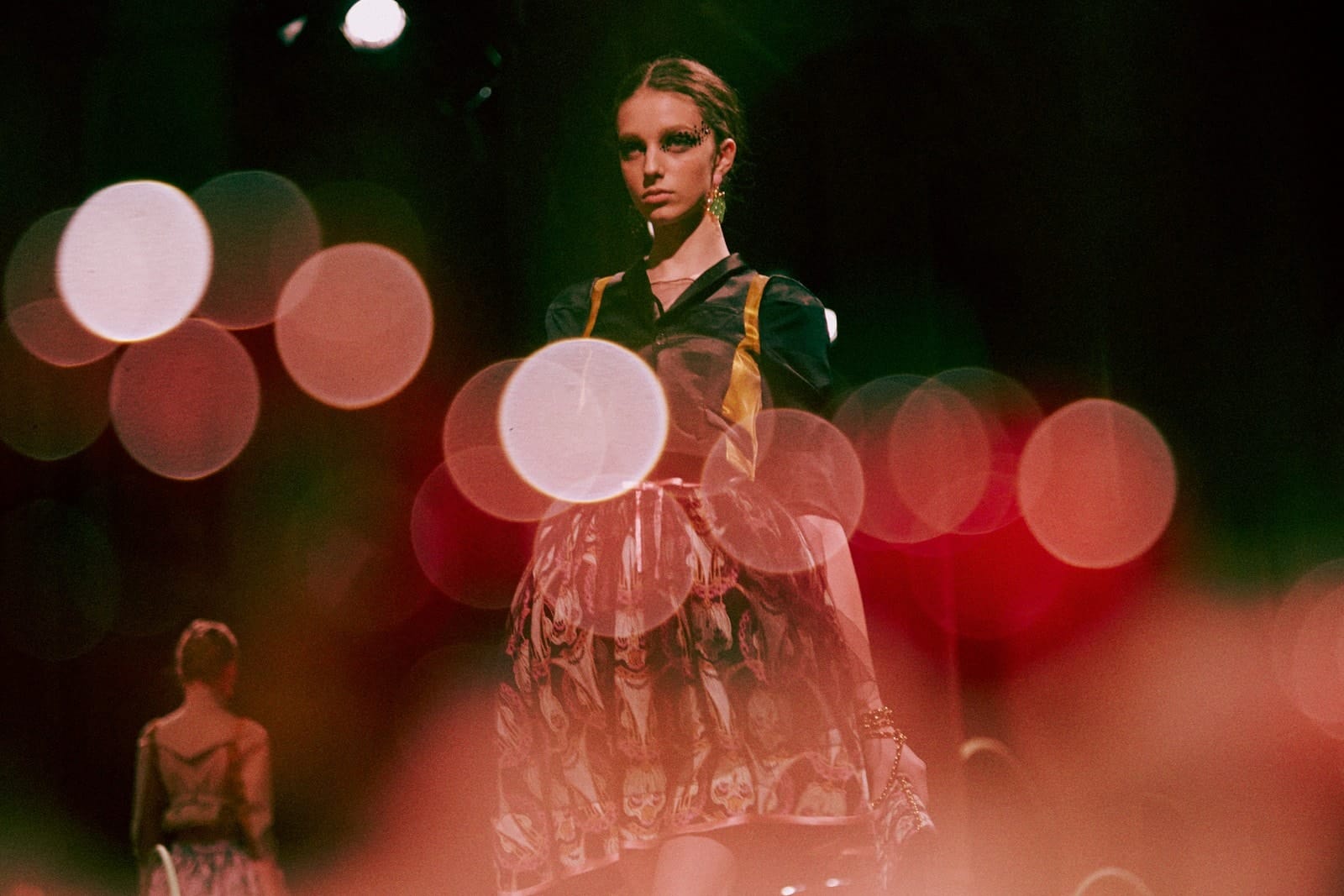
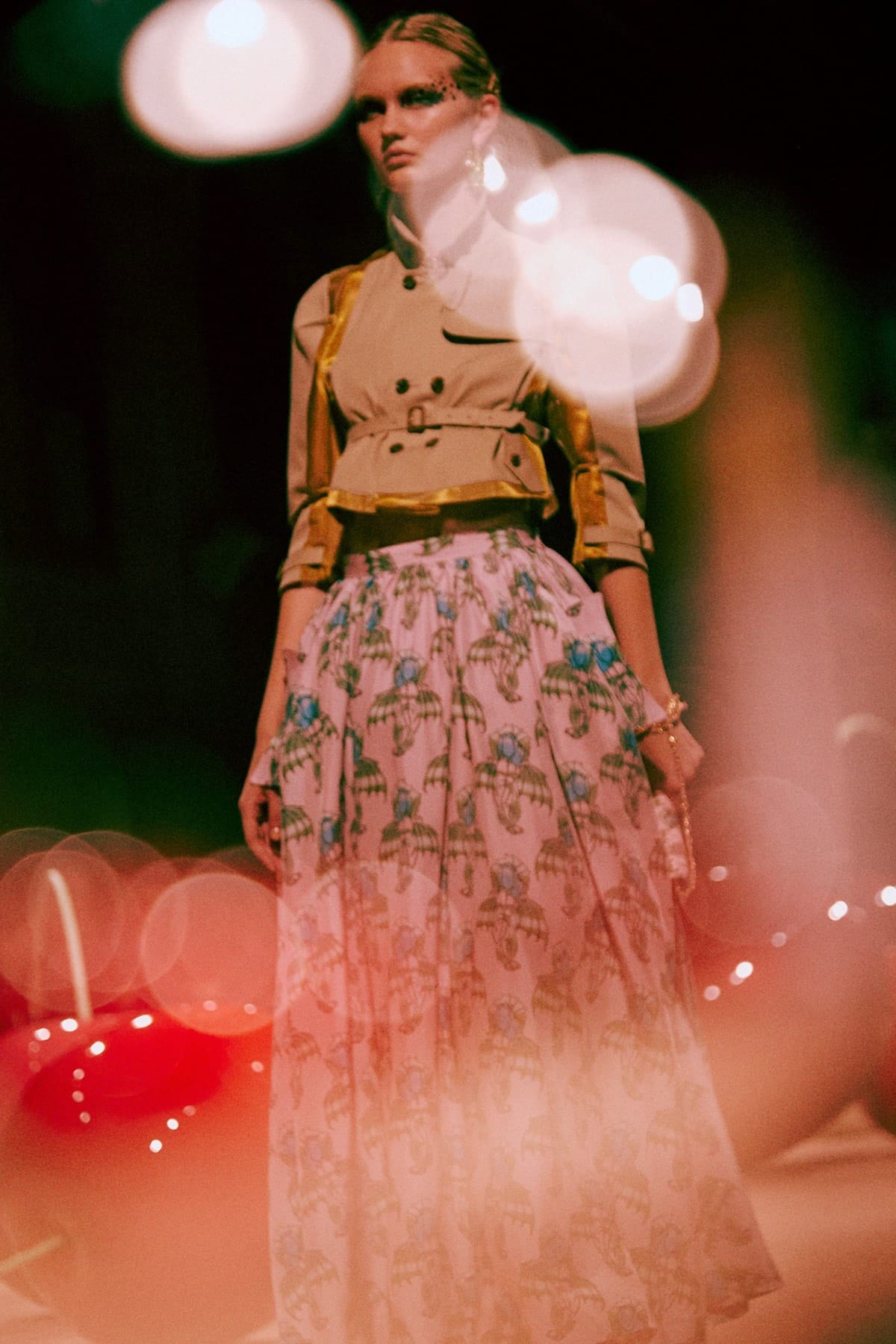
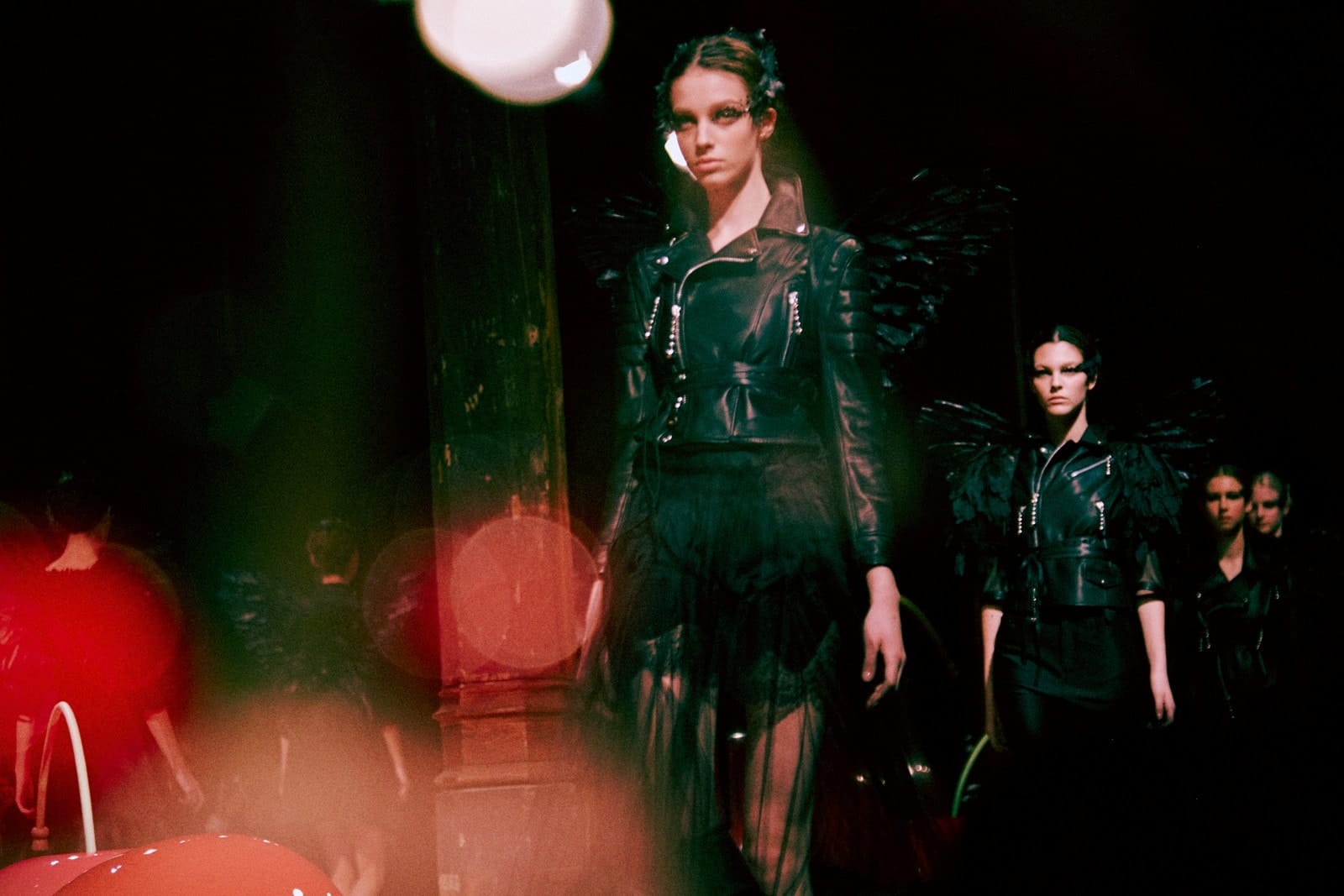
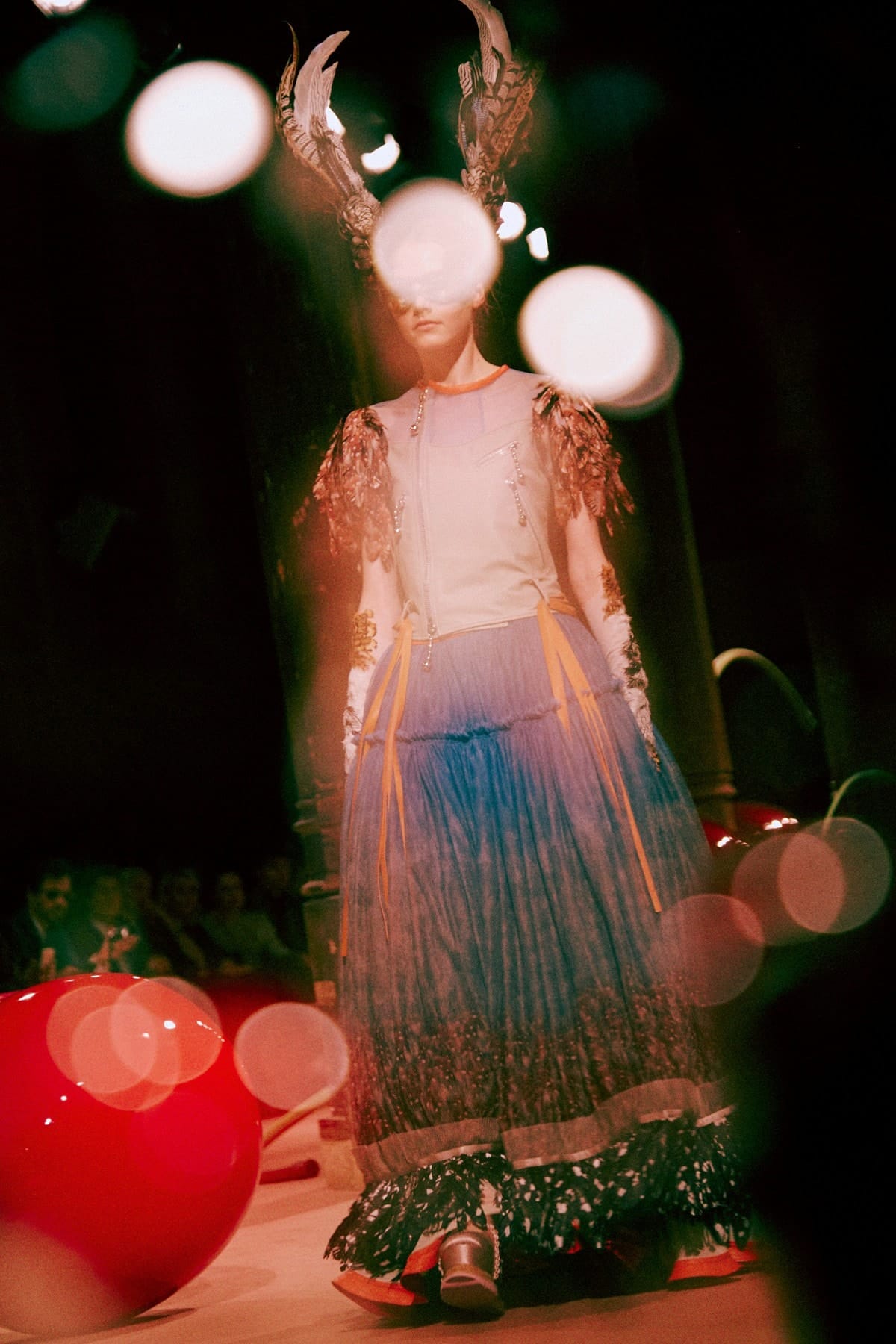
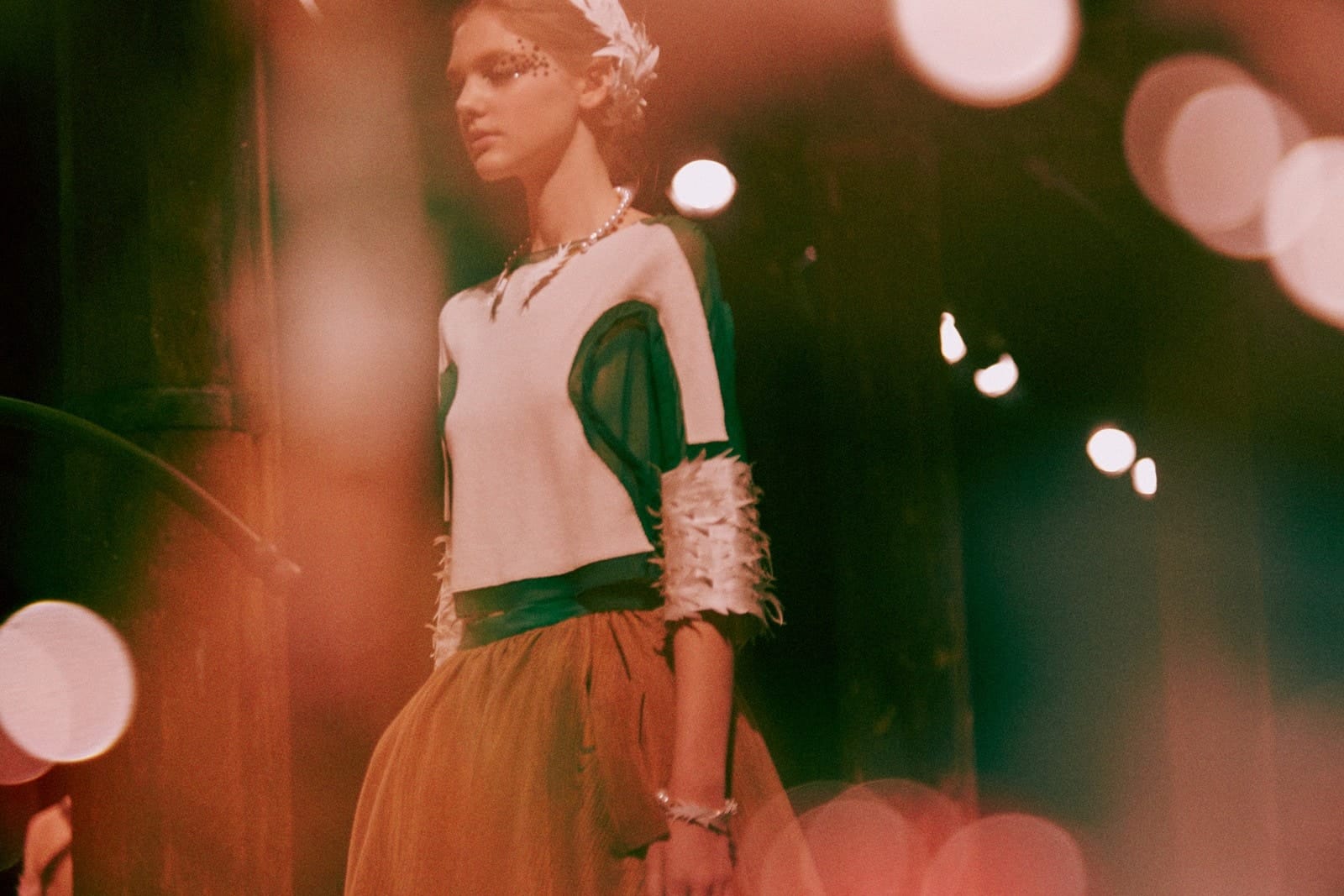
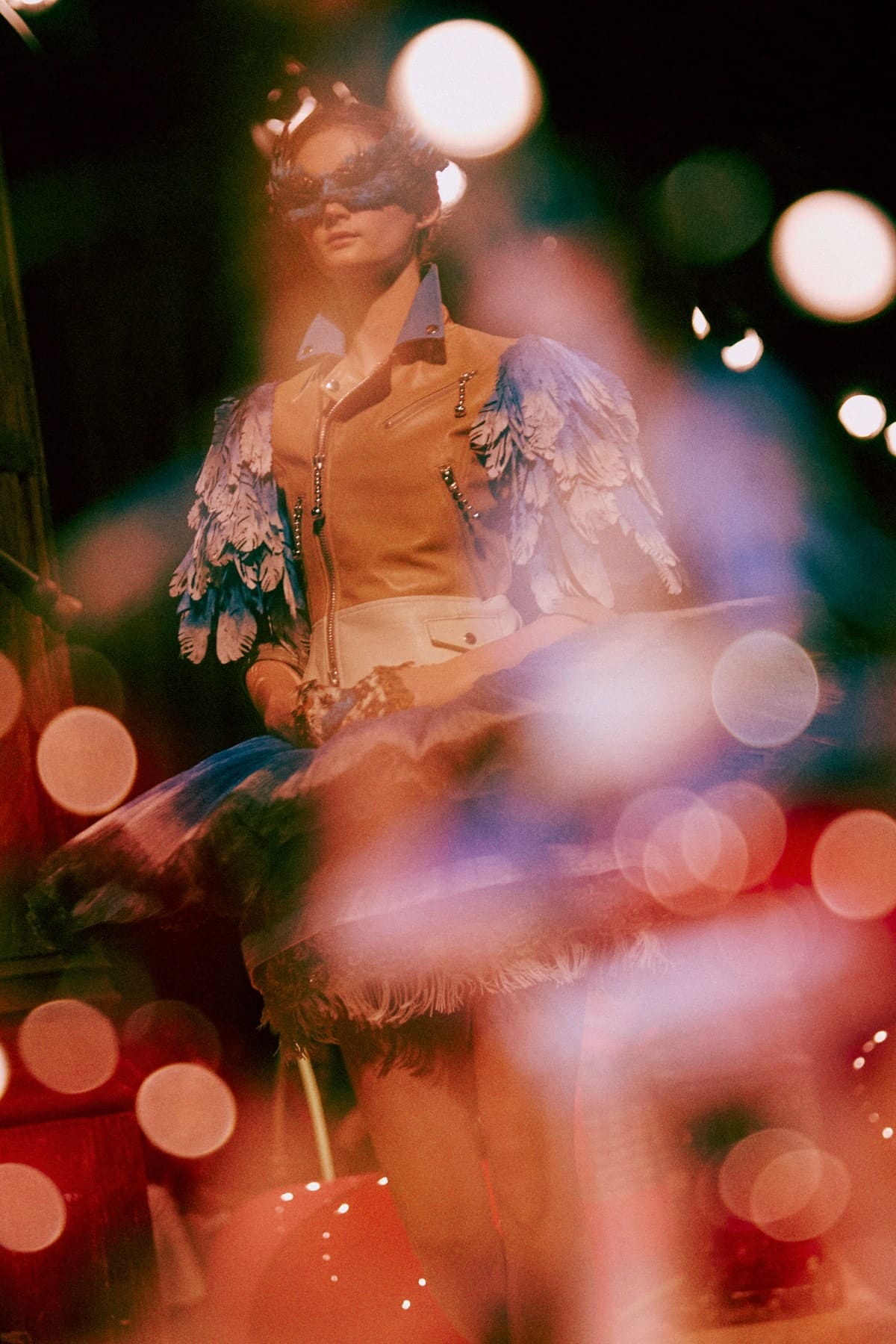
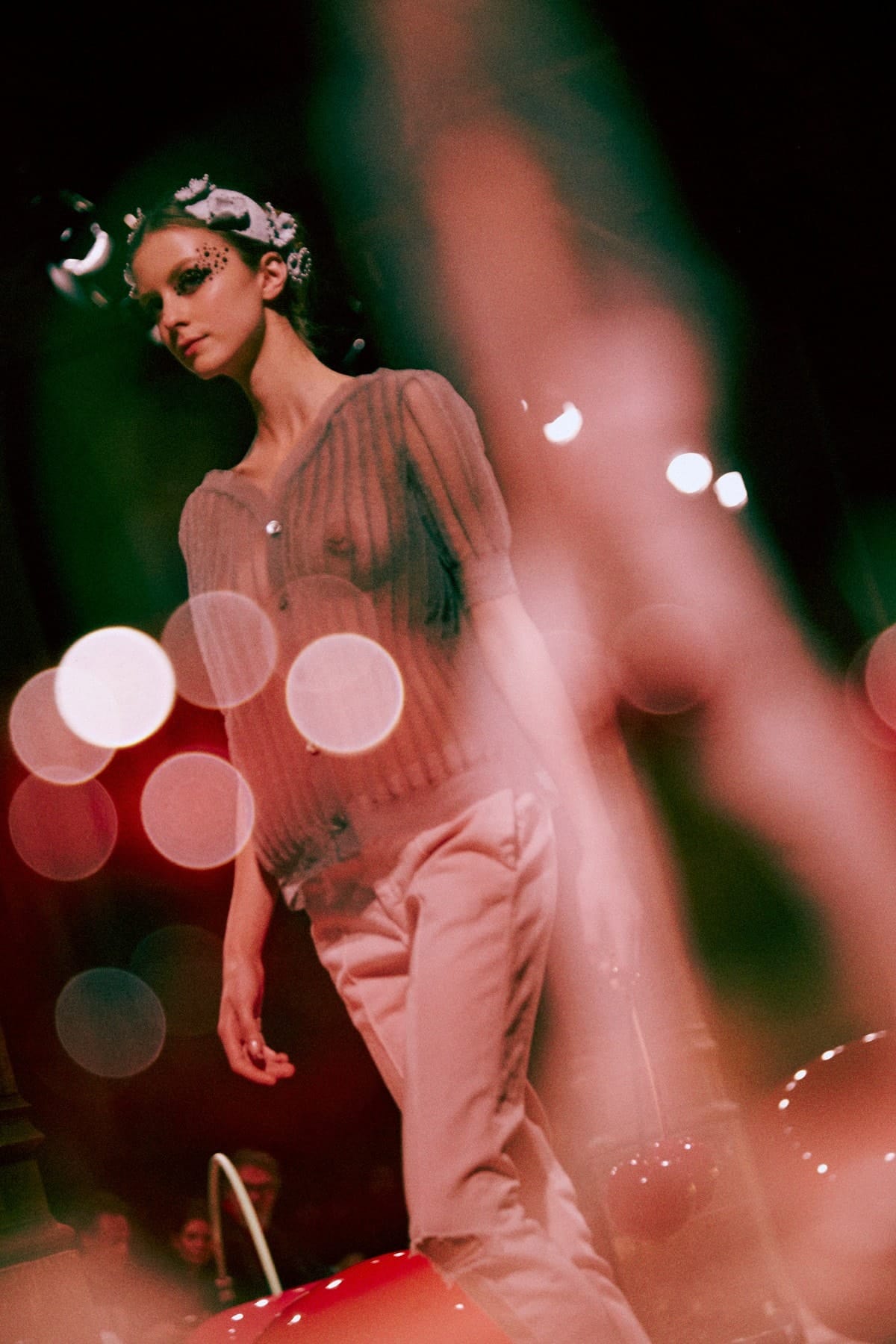
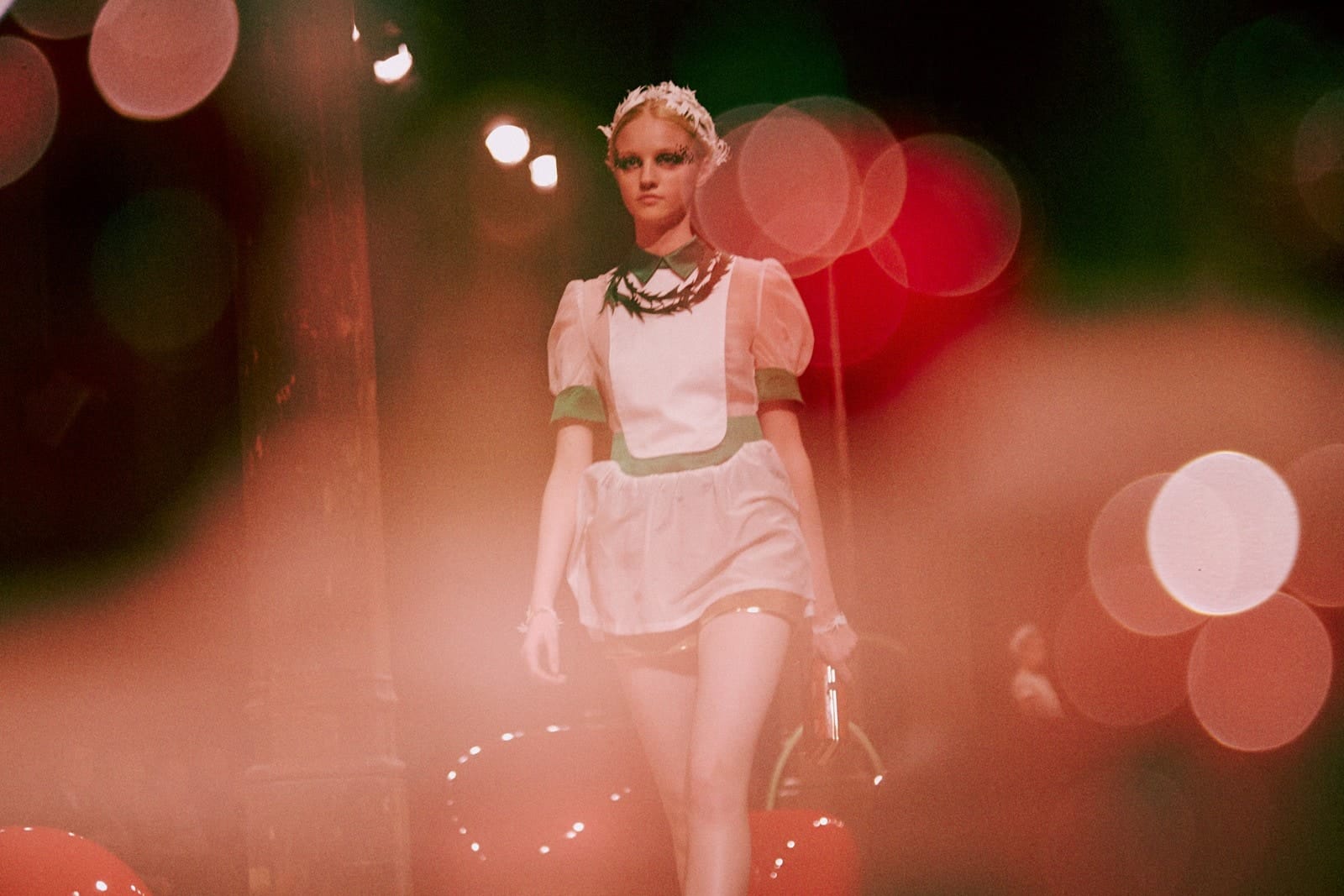
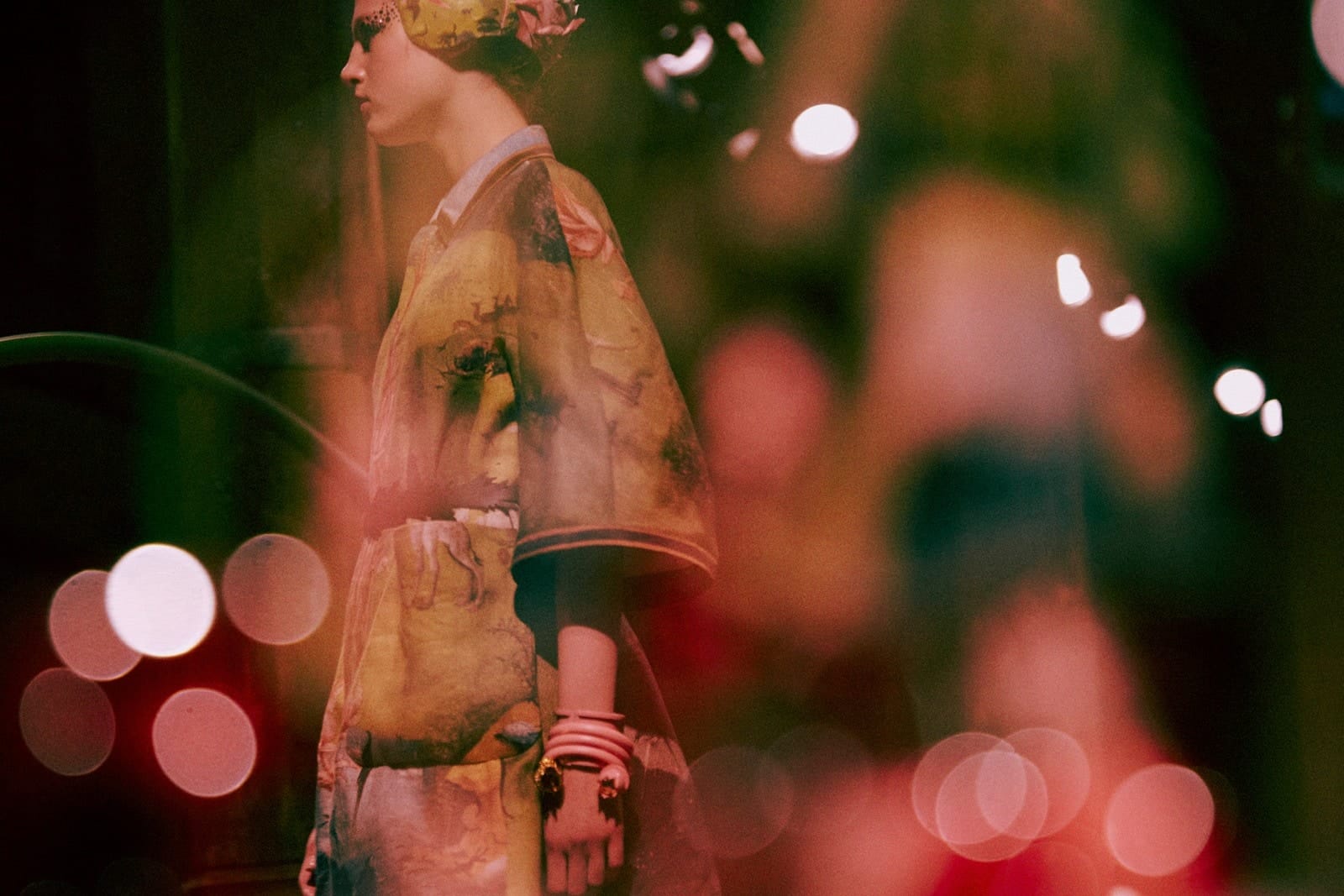
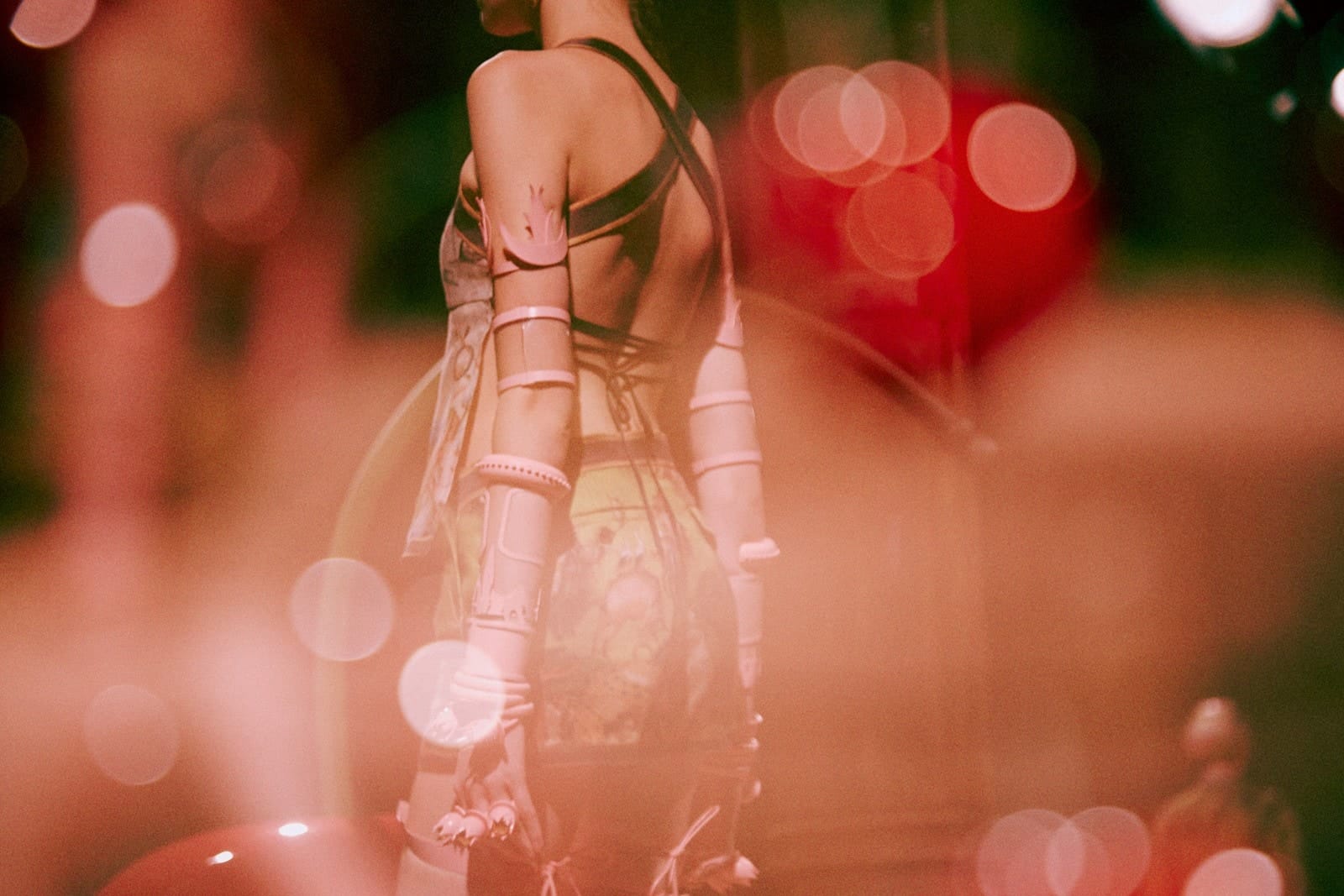
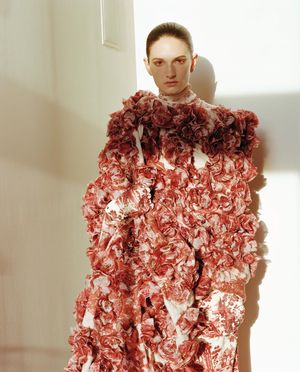
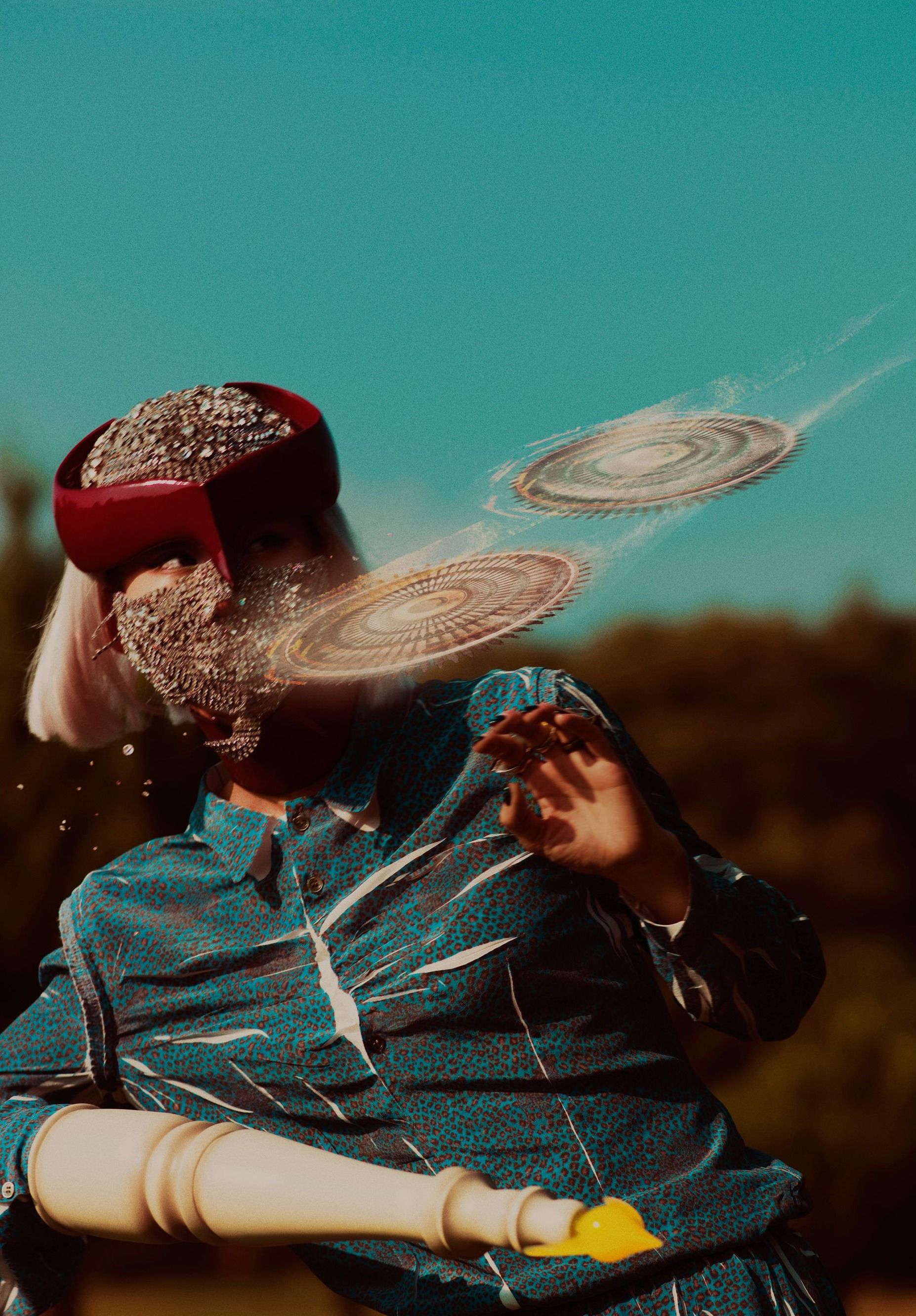
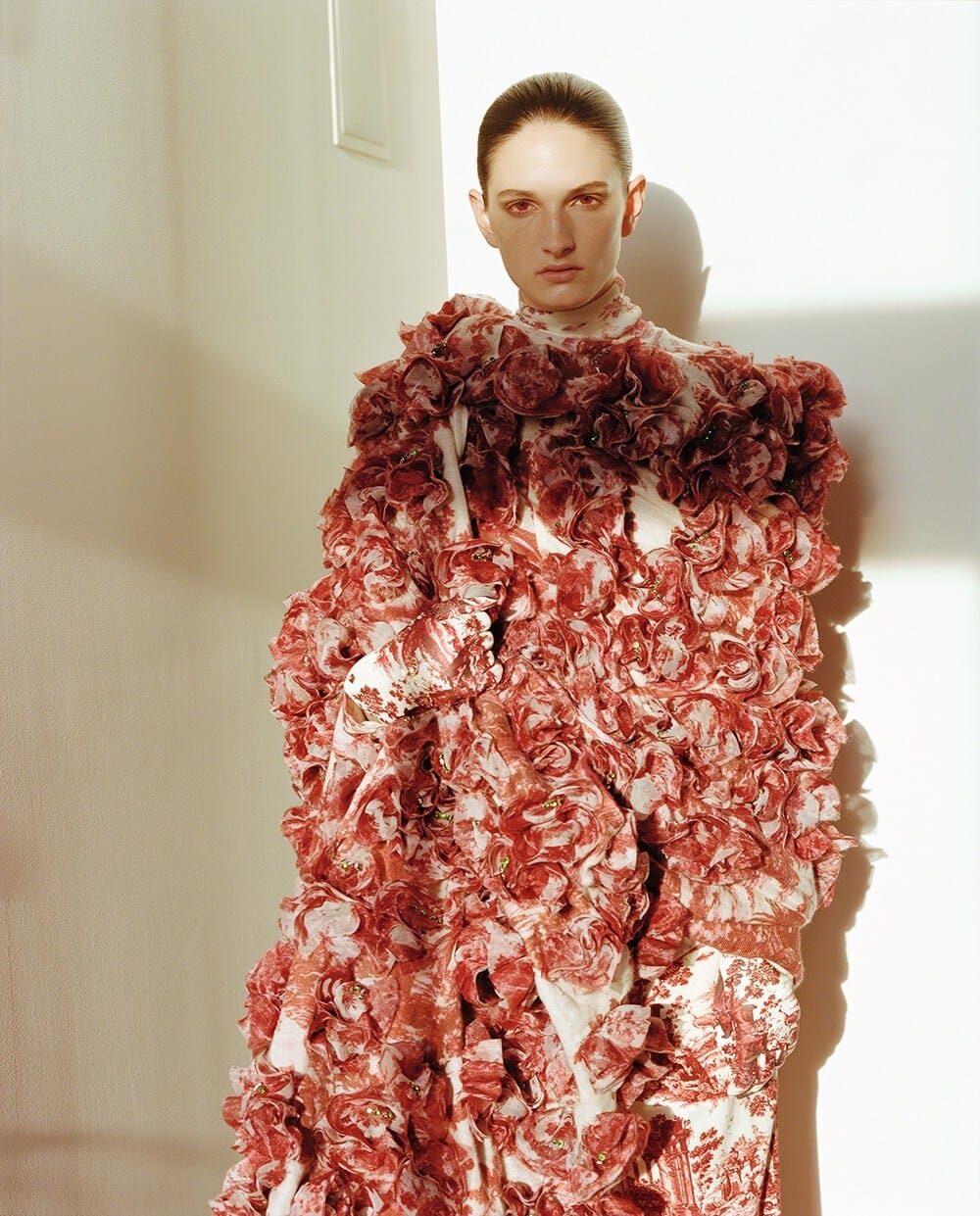
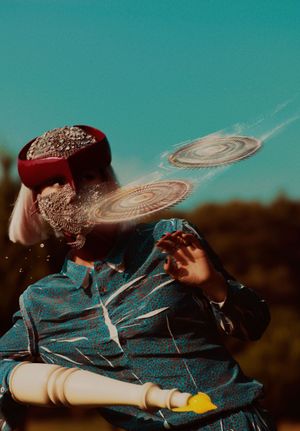
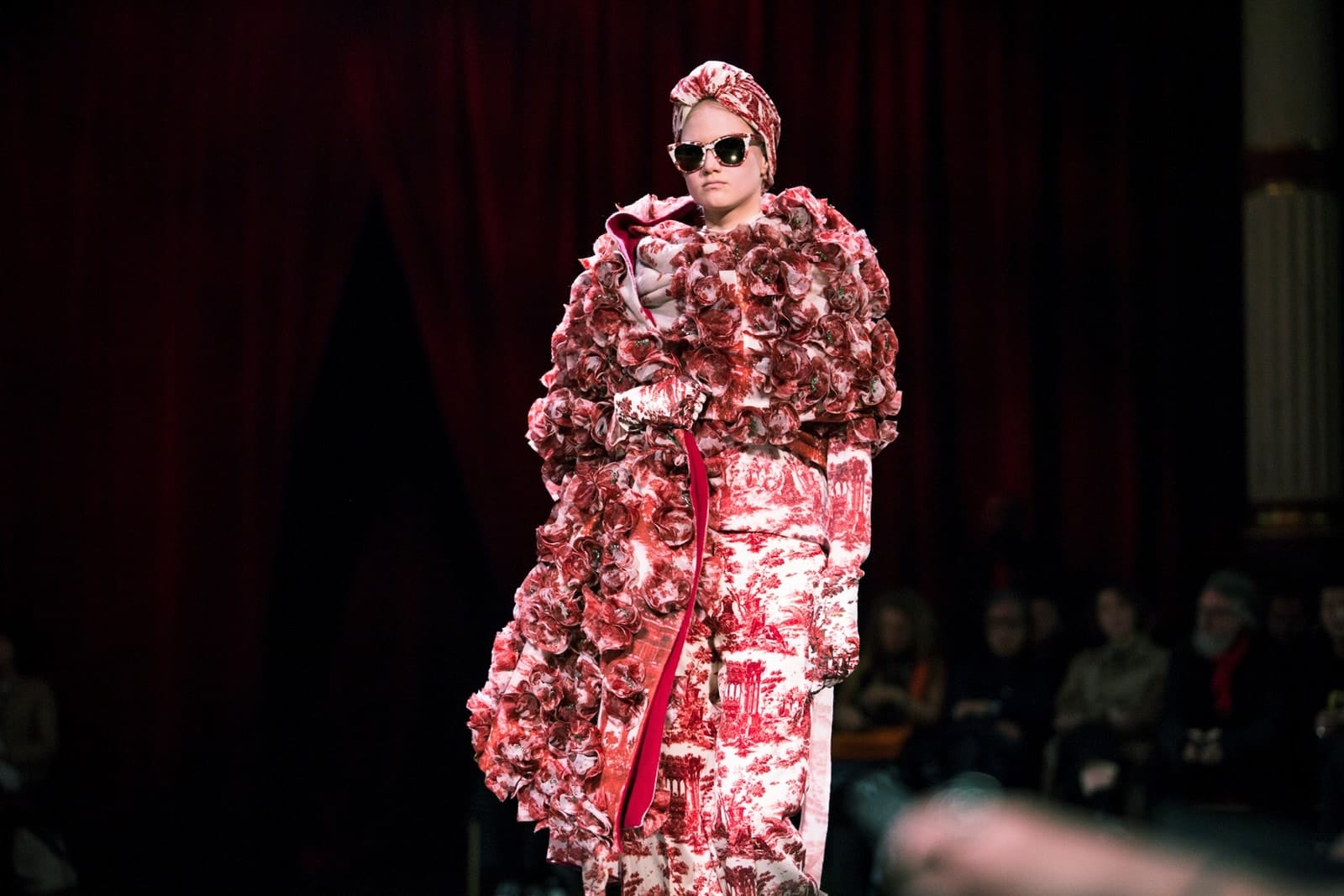
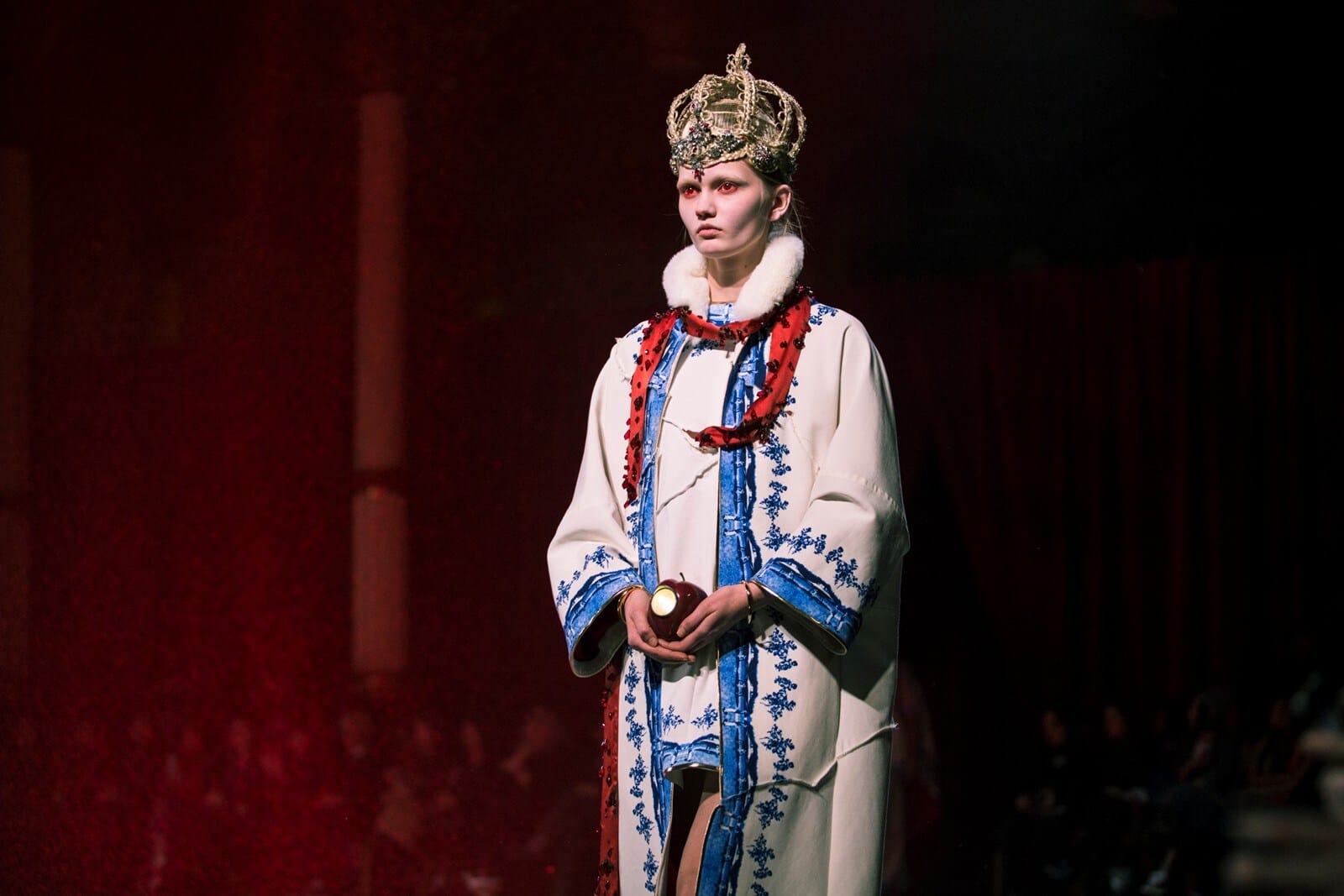
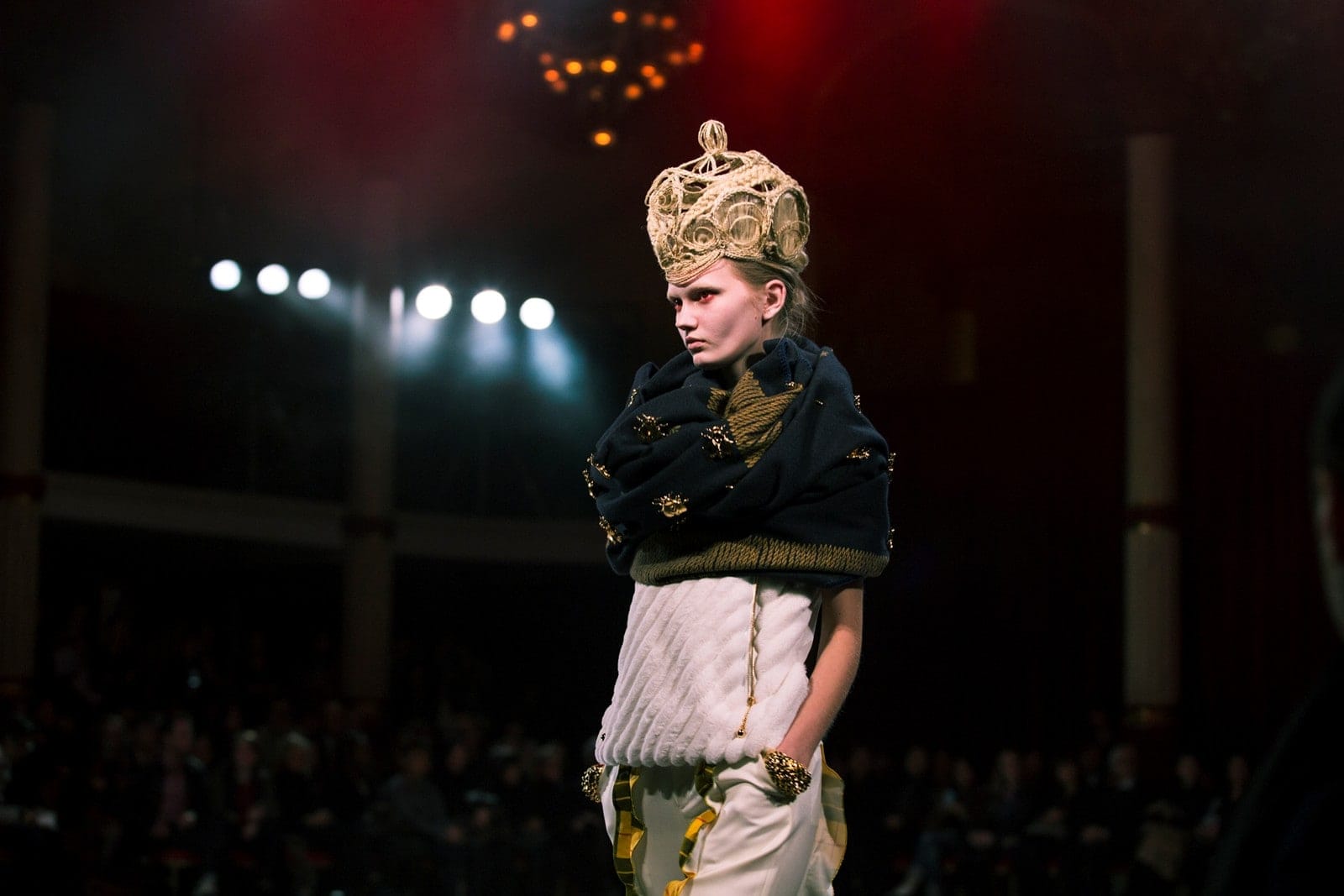
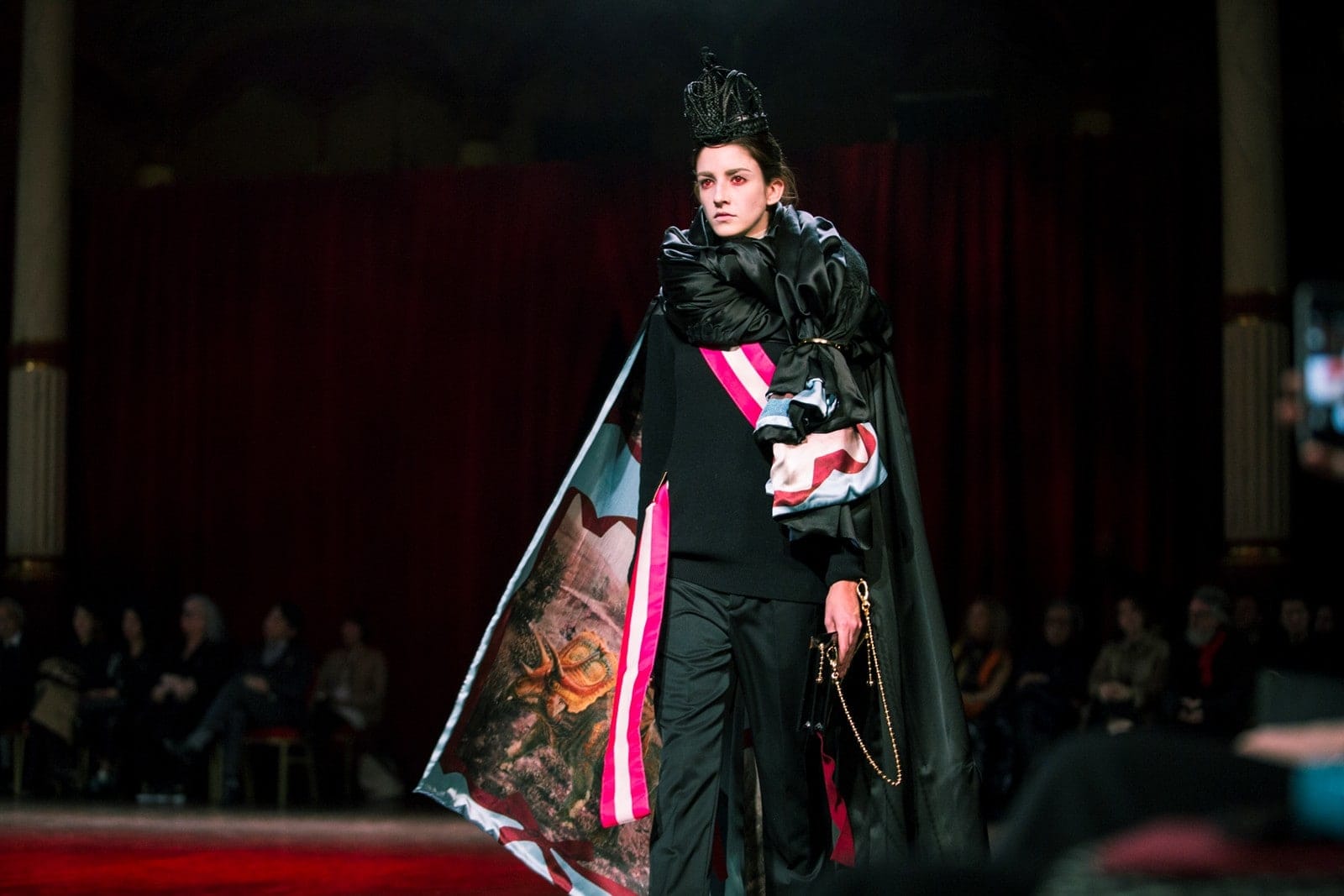
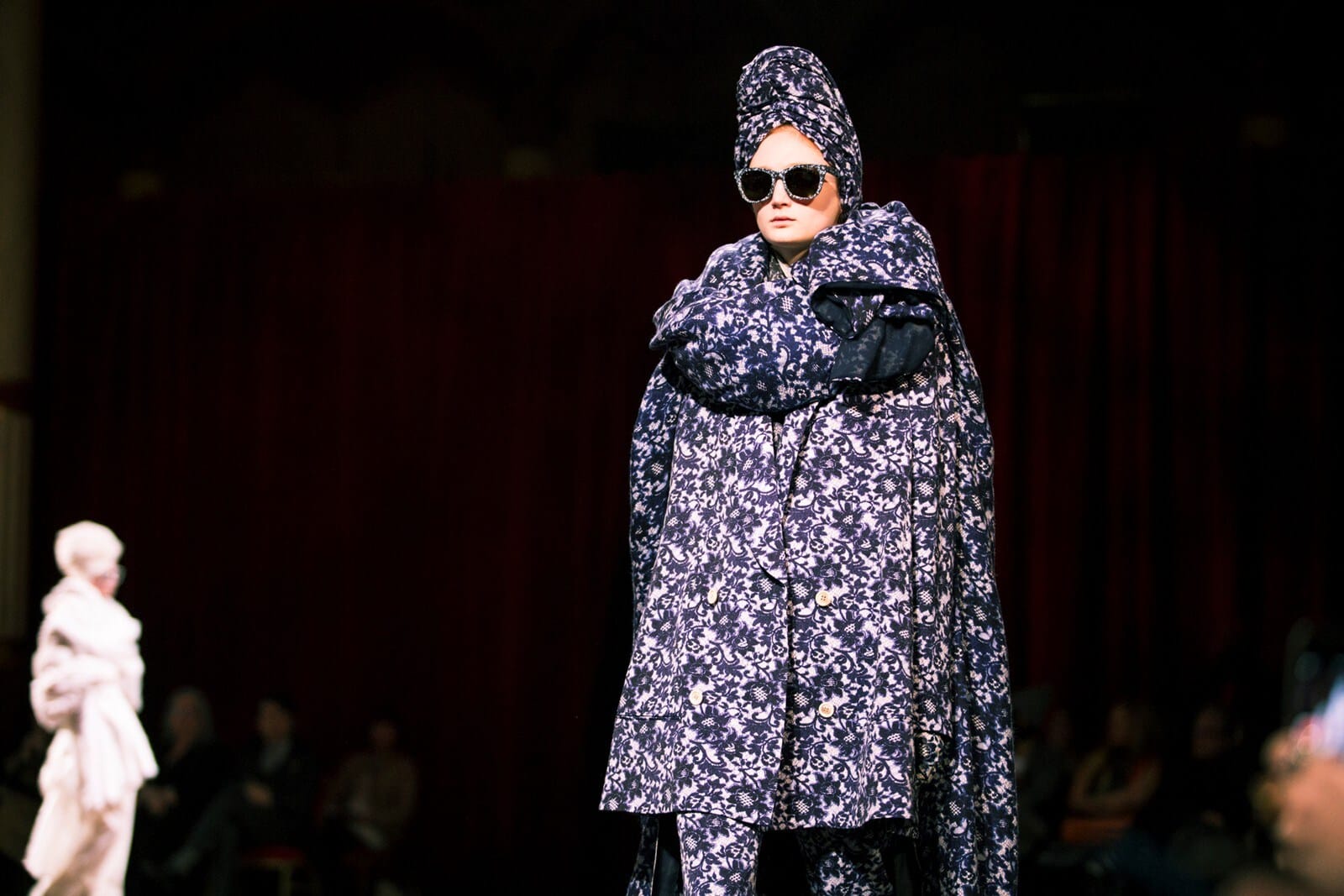
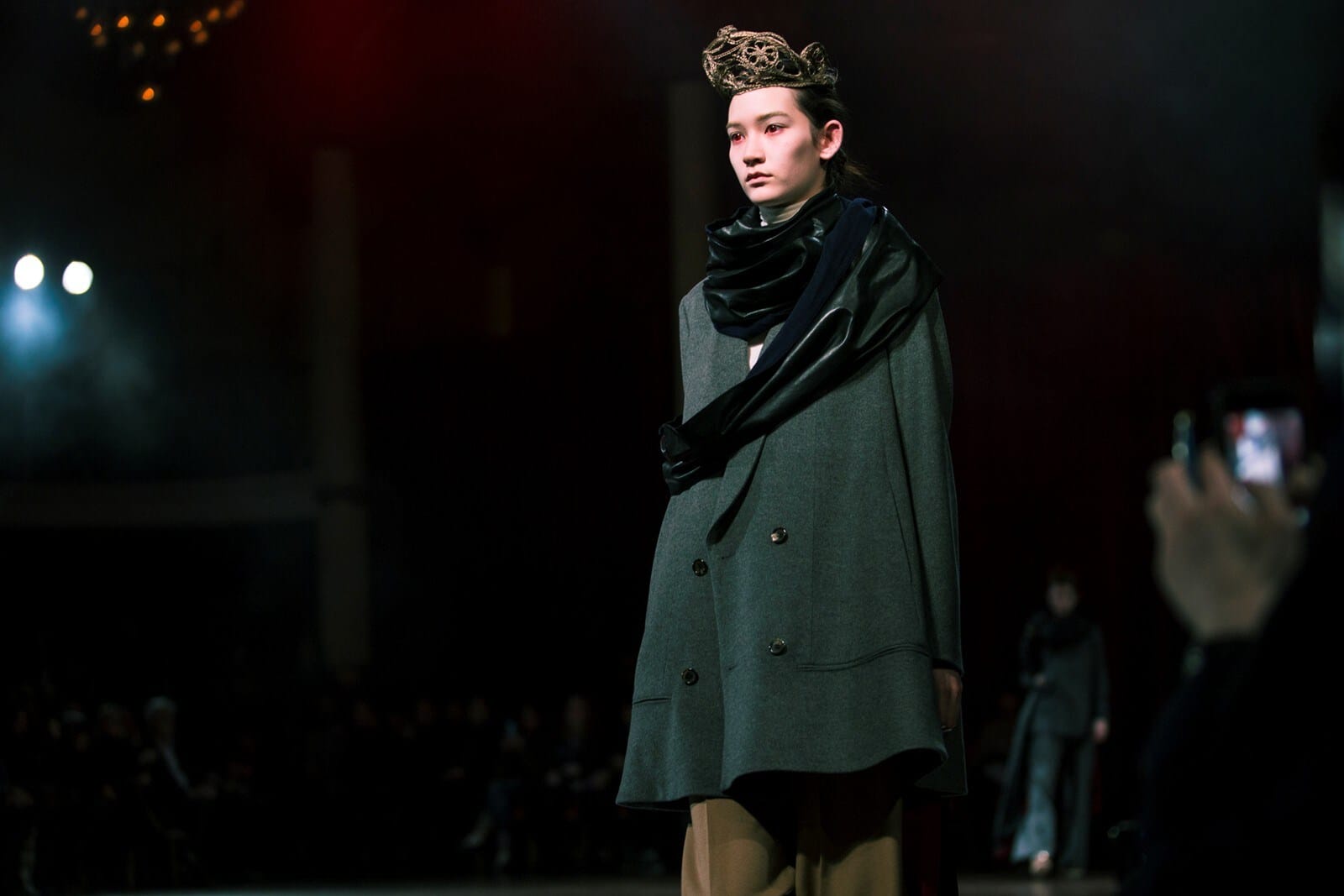
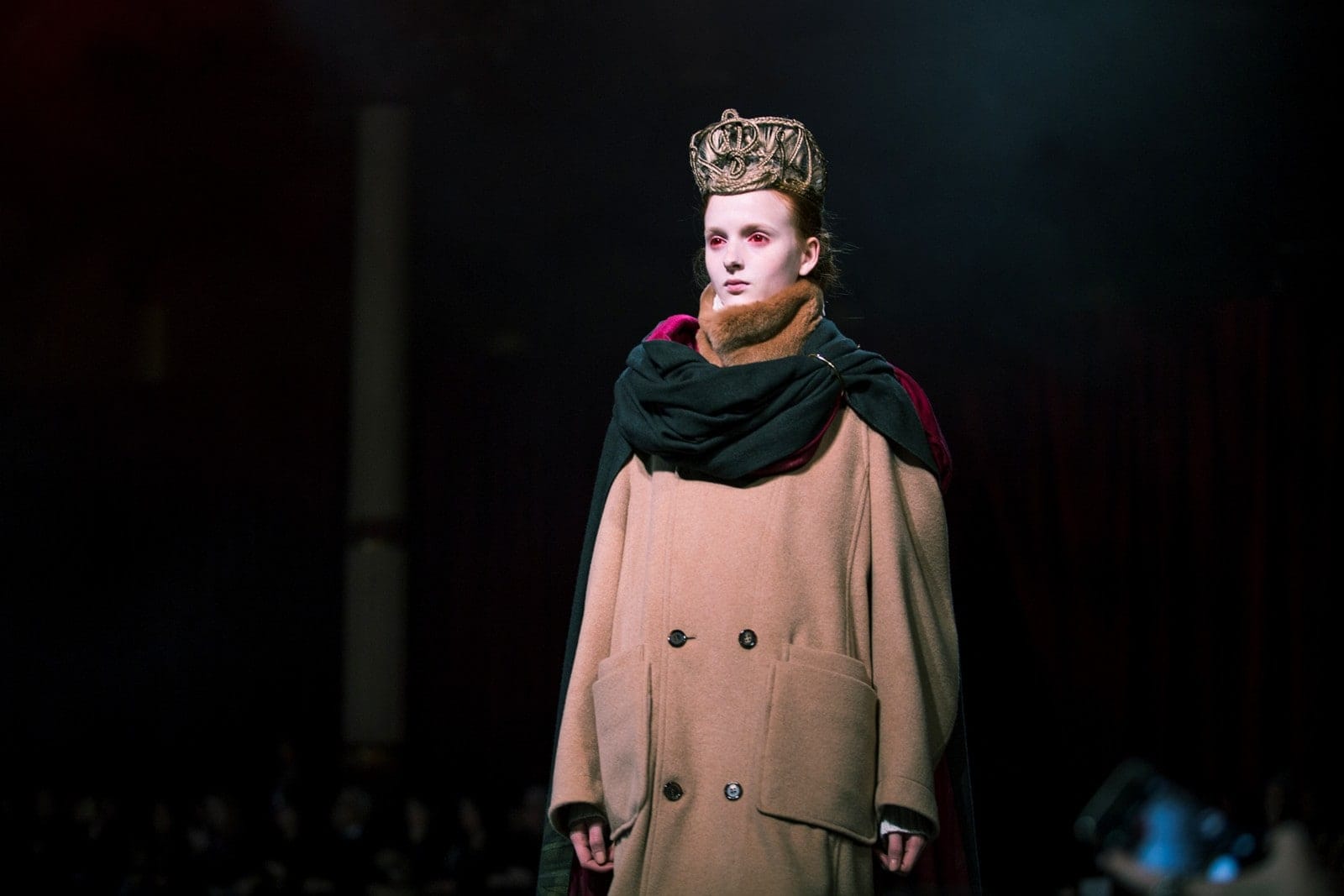
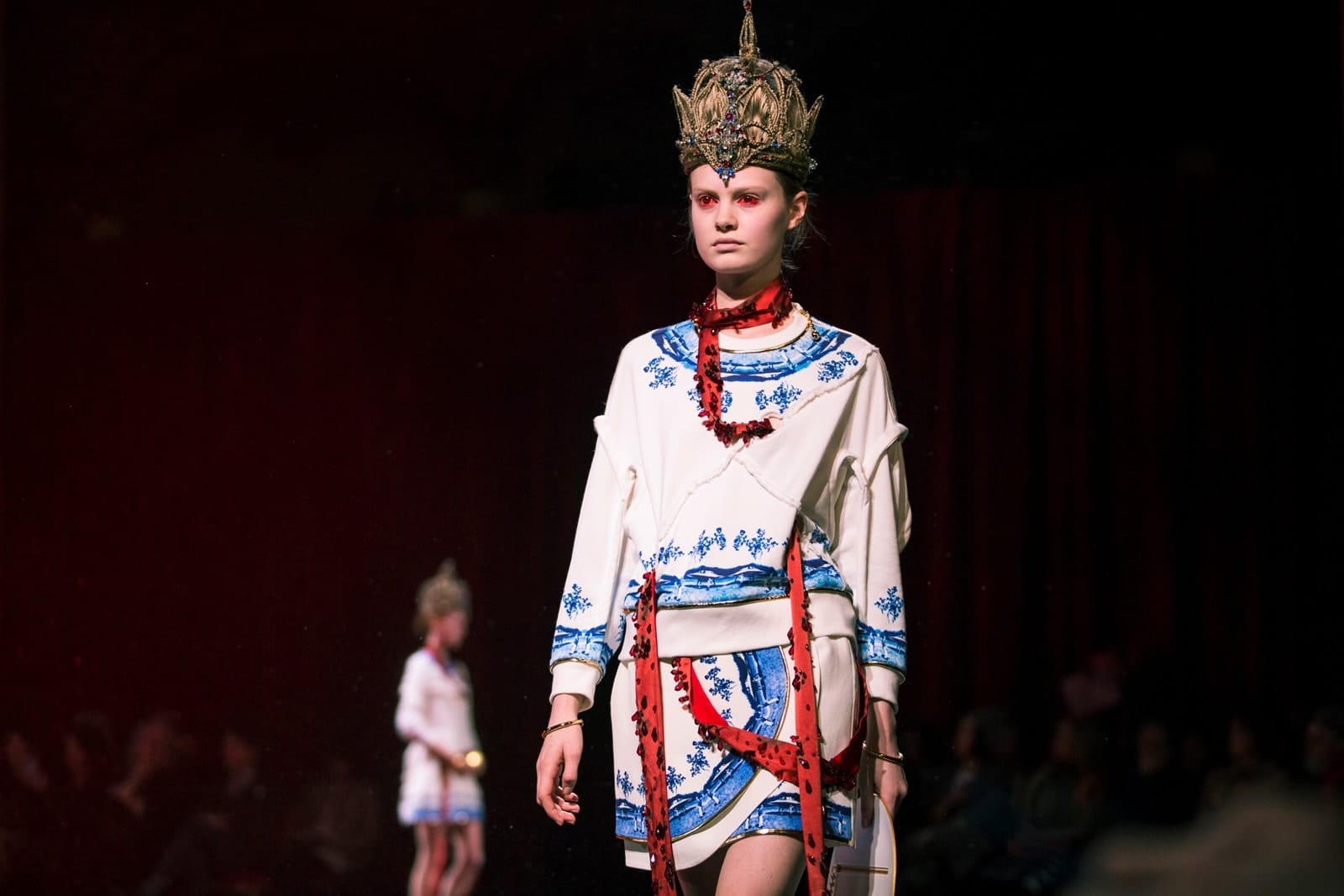
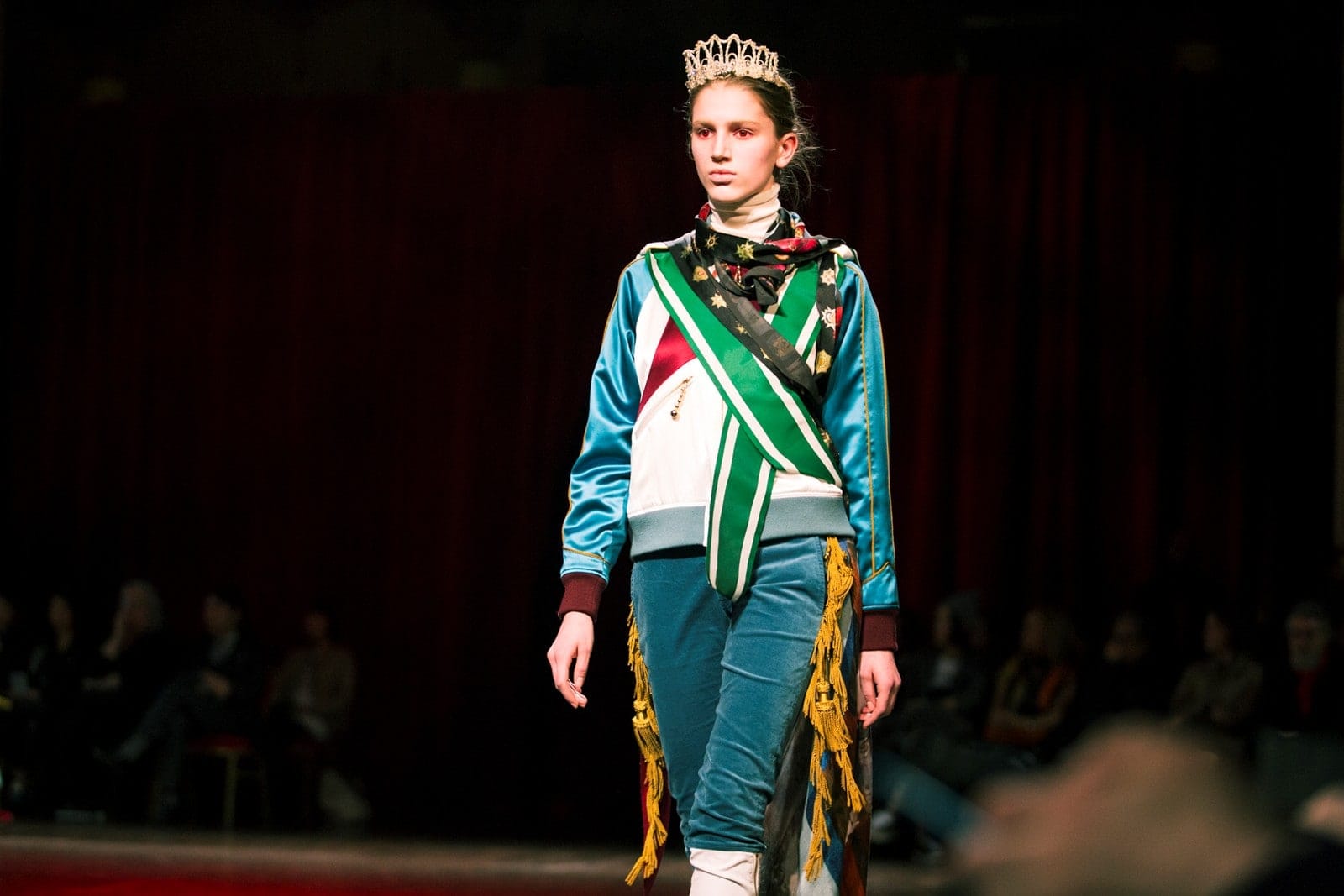
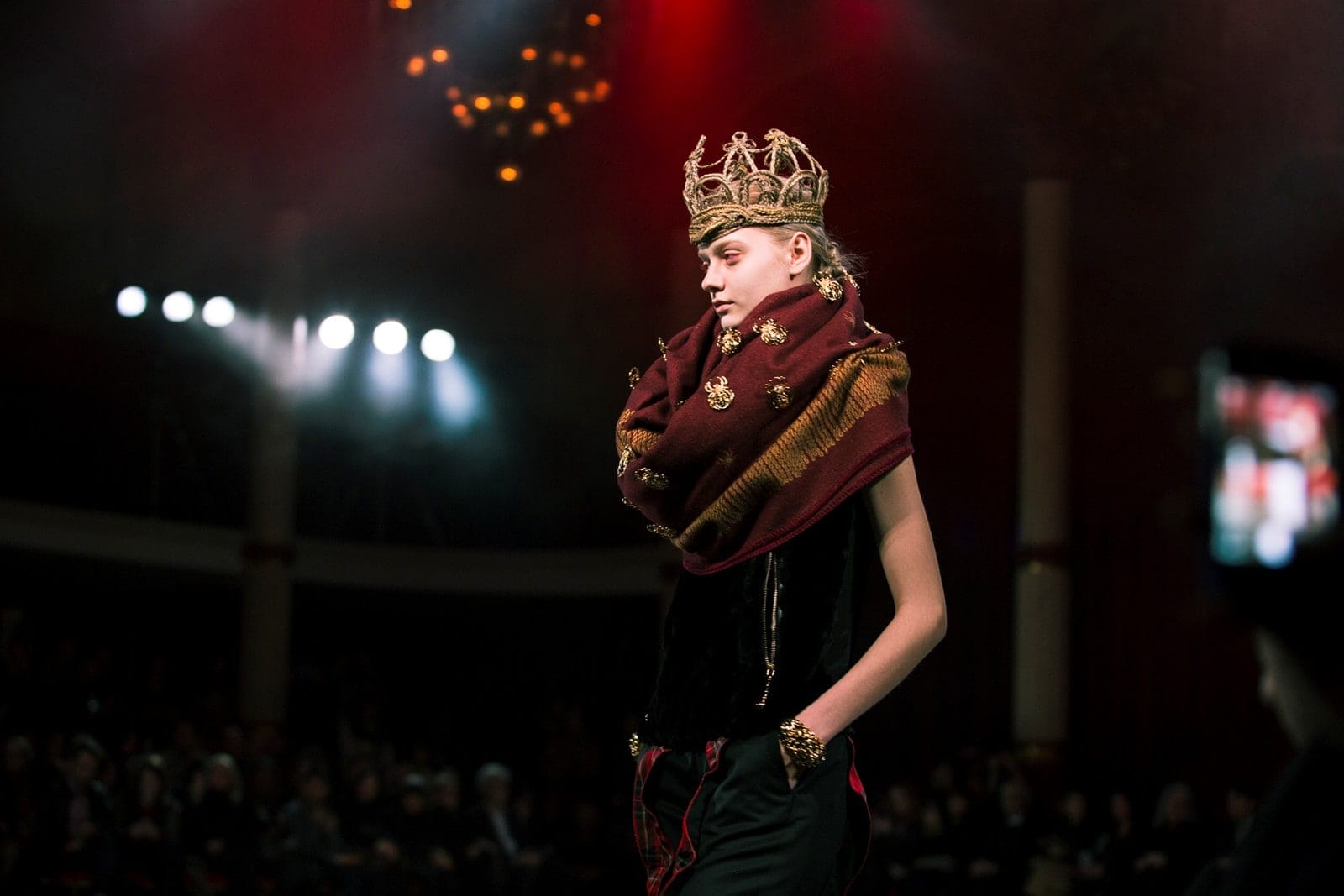
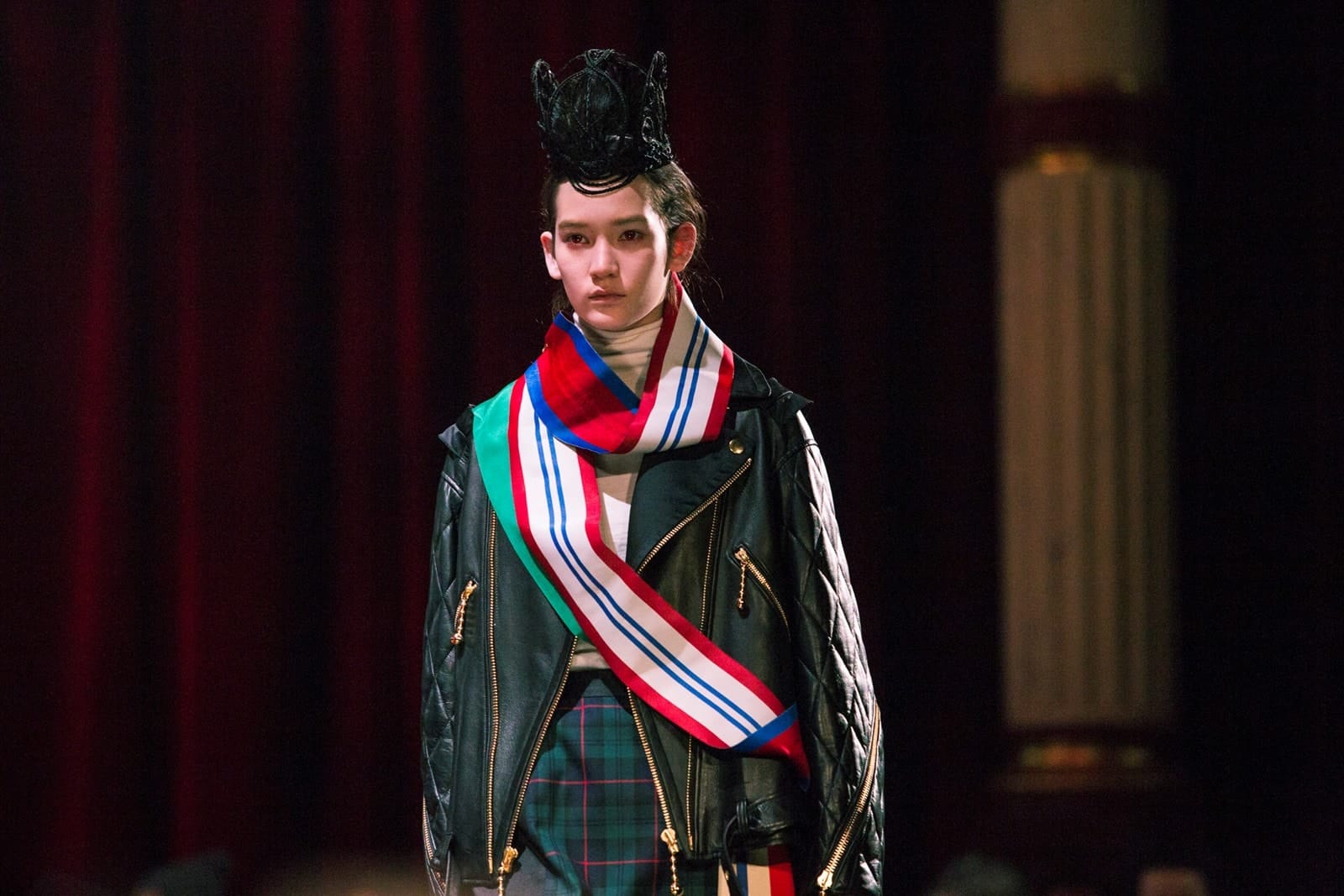
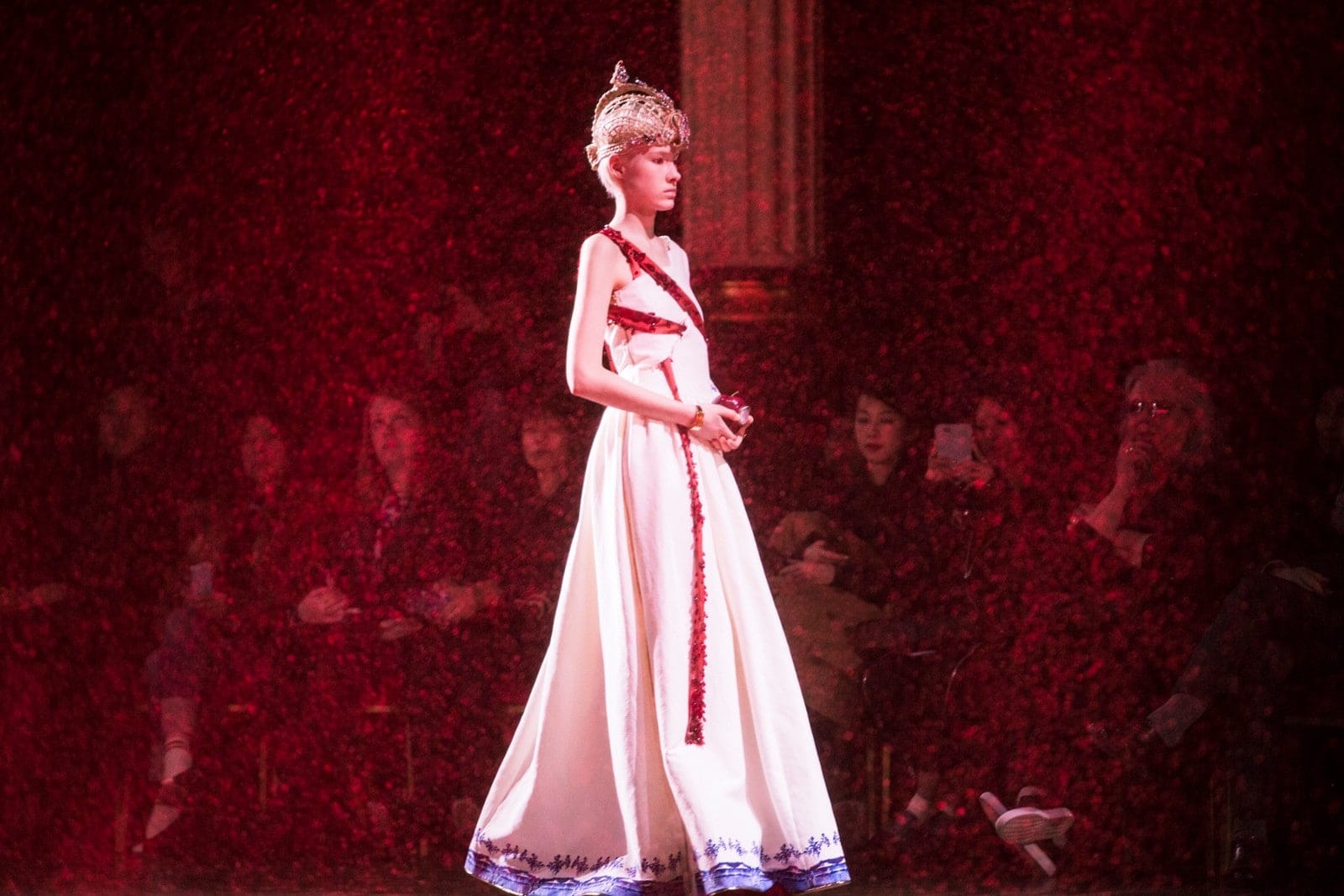
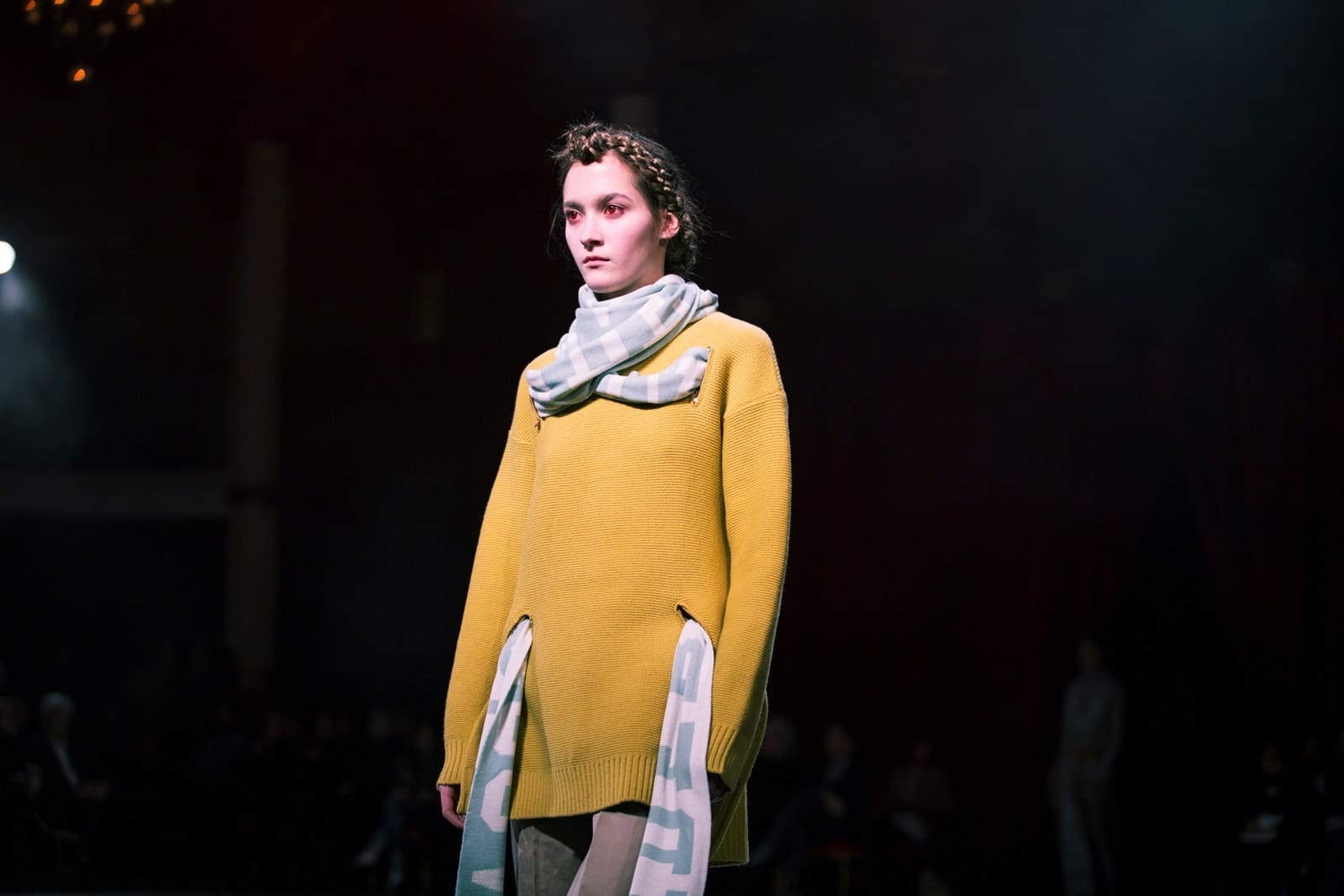
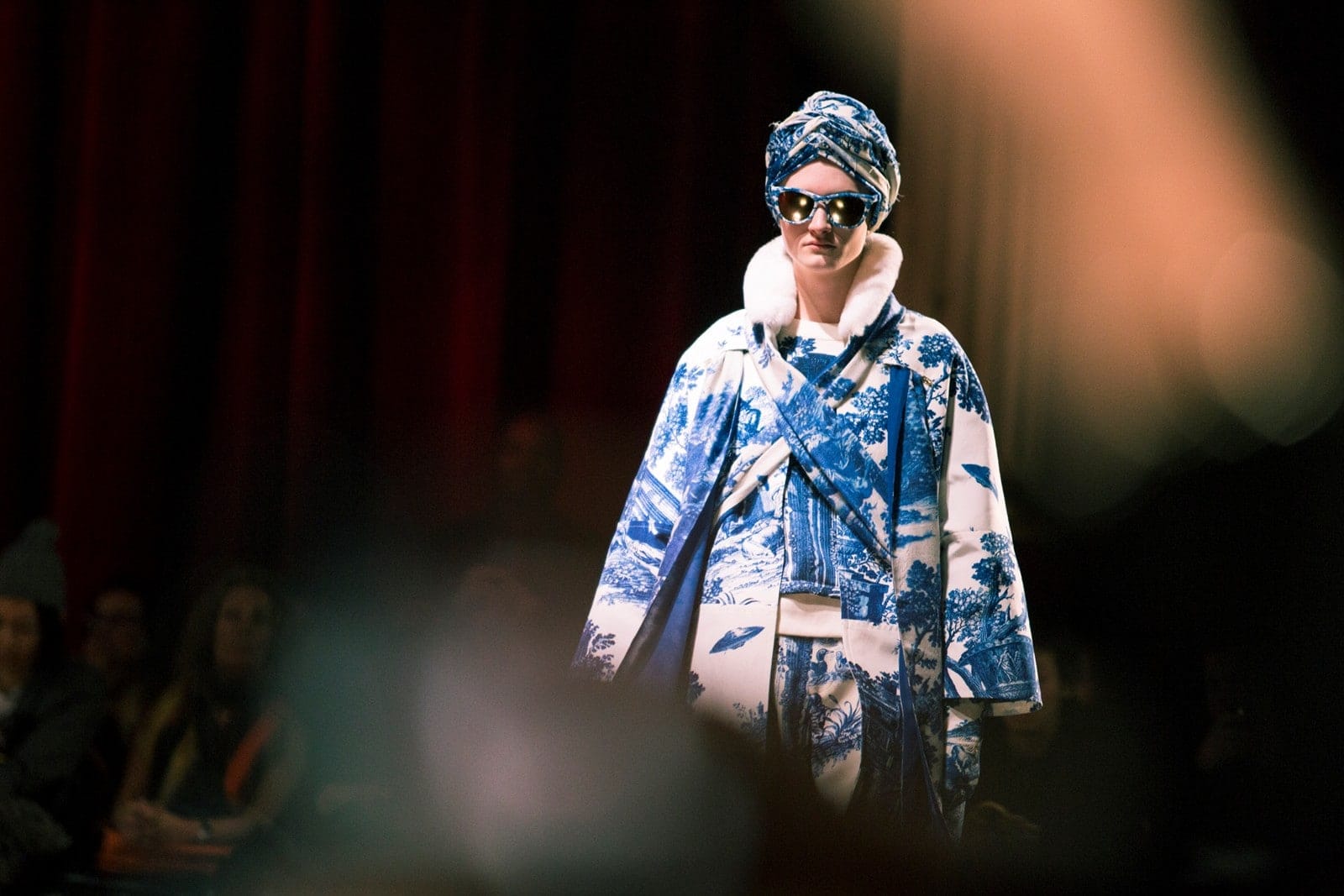
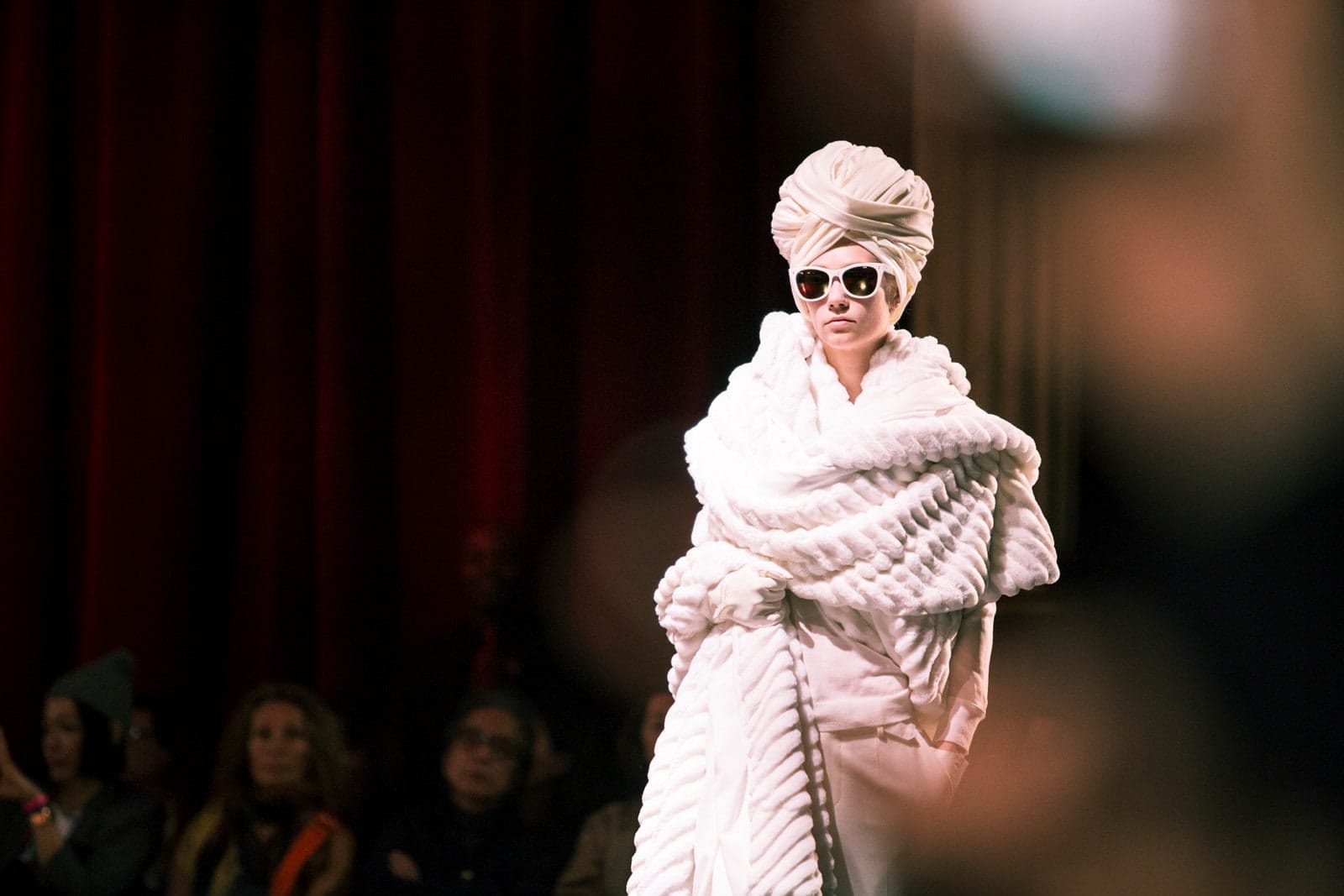
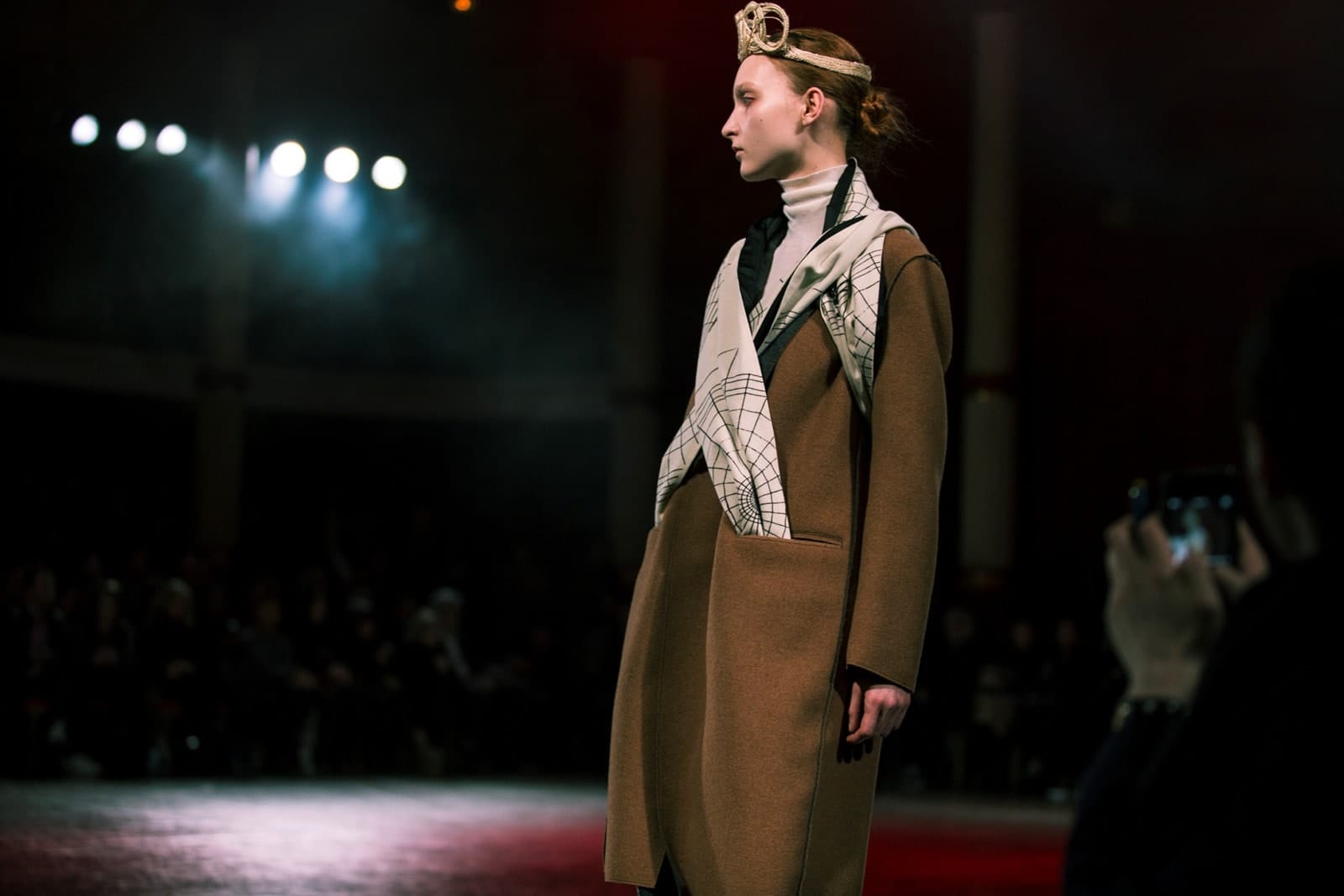
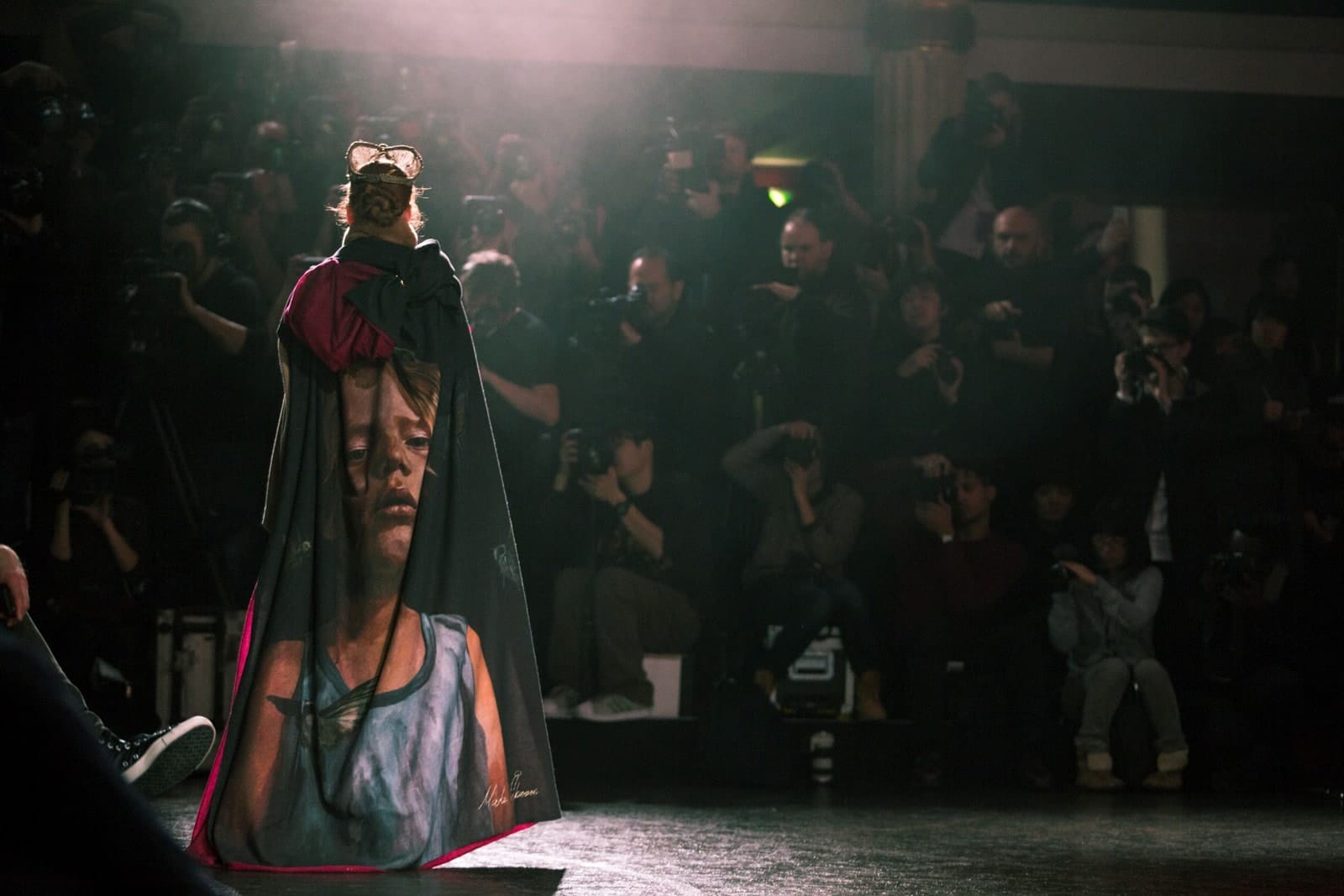
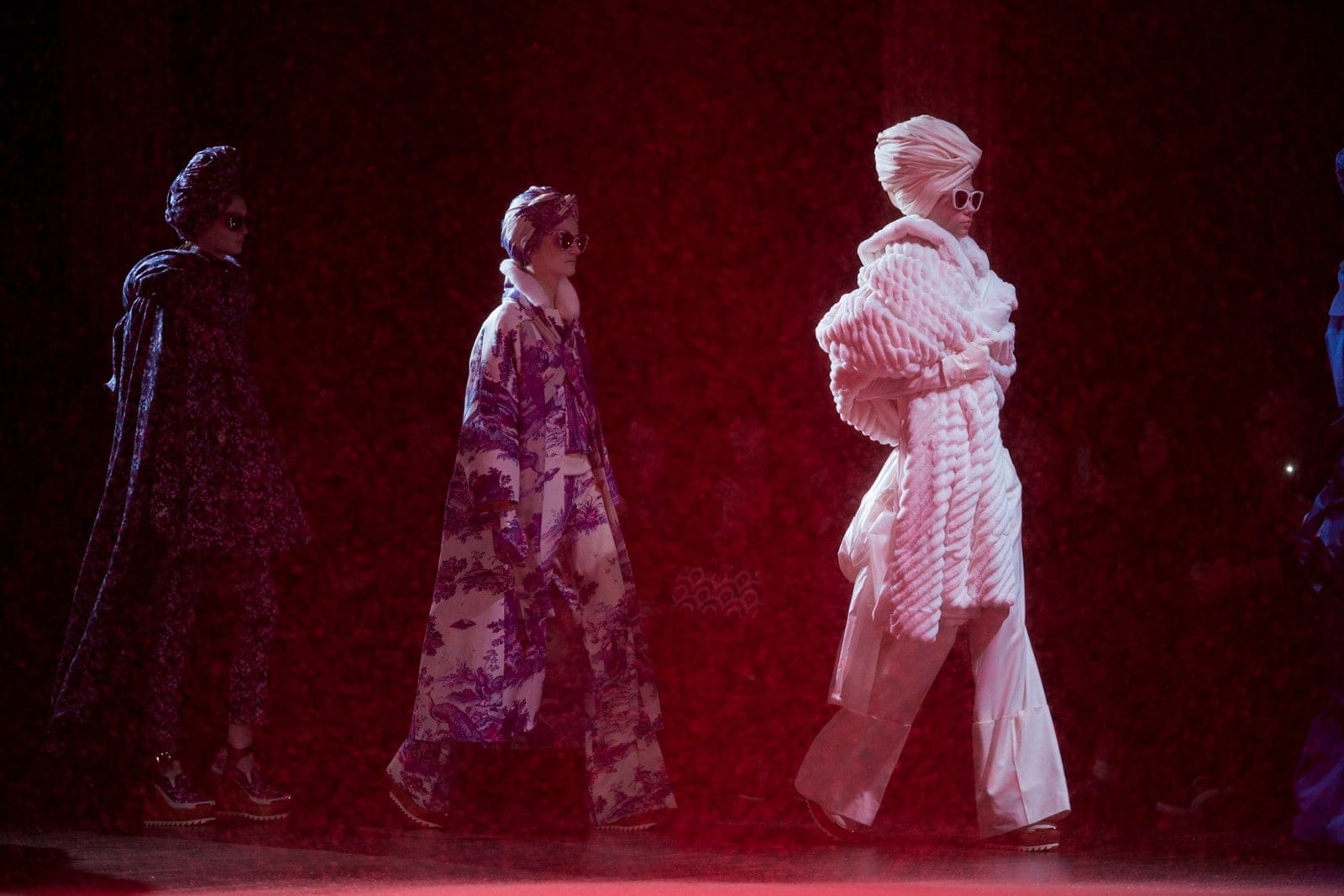
Jun Takahashi framed Undercover Autumn/Winter 2014 around fear, warmth and royalty. Braided crowns and rhinestones were offset by vamp-red contact lenses, red mascara, tartan and toile de Jouy interrupted by UFOs, turning the runway into a corrupted fairytale.
Photography by Jeff Henrikson; styling by Emma Wyman.
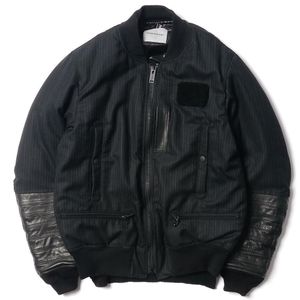
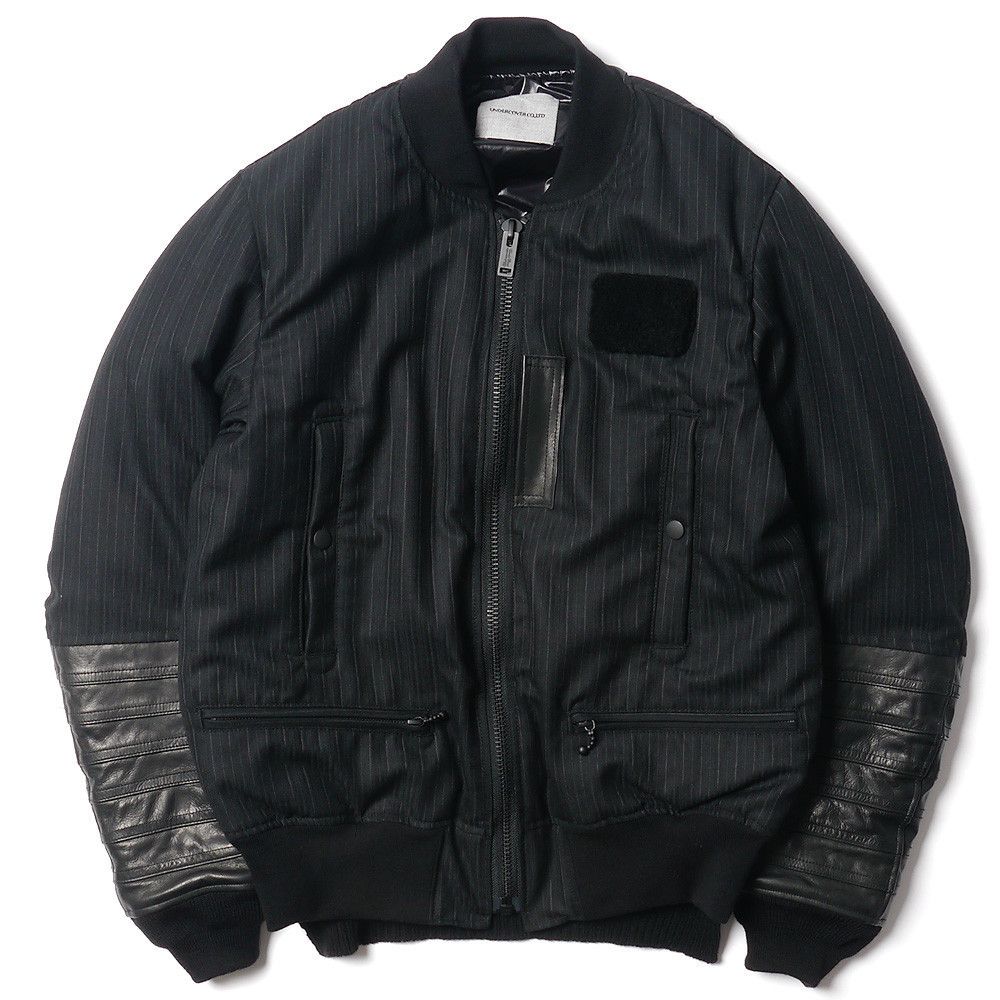
Putting his signature punk inspired twist to classic silhouettes- Jun Takahashi releases the L4203-3 Blouson as part of the brand's "anatomicouture" autumn/winter collection. Based on a bomber jacket the piece retains the rounded shape of the jacket along with ribbed collar, cuffs, and bottom hem. Pinstripe is utilized as the piece's majority giving it a more sophisticated aesthetic; UNDERCOVER's signature mixed material construction is also showcased in leather sleeve sections, and knitted sweater tail rear section. Functional components come in they way of snap button chest pockets, interior snap button pocket, and waist zip pockets. Made in Japan. Mixed material construction. Leather sleeve sections. Knitted sweater tail rear section. Snap button chest pockets. Interior snap button pocket. Waist zip pockets.
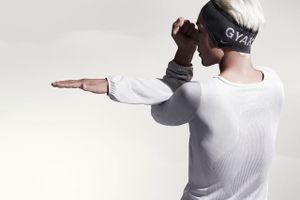
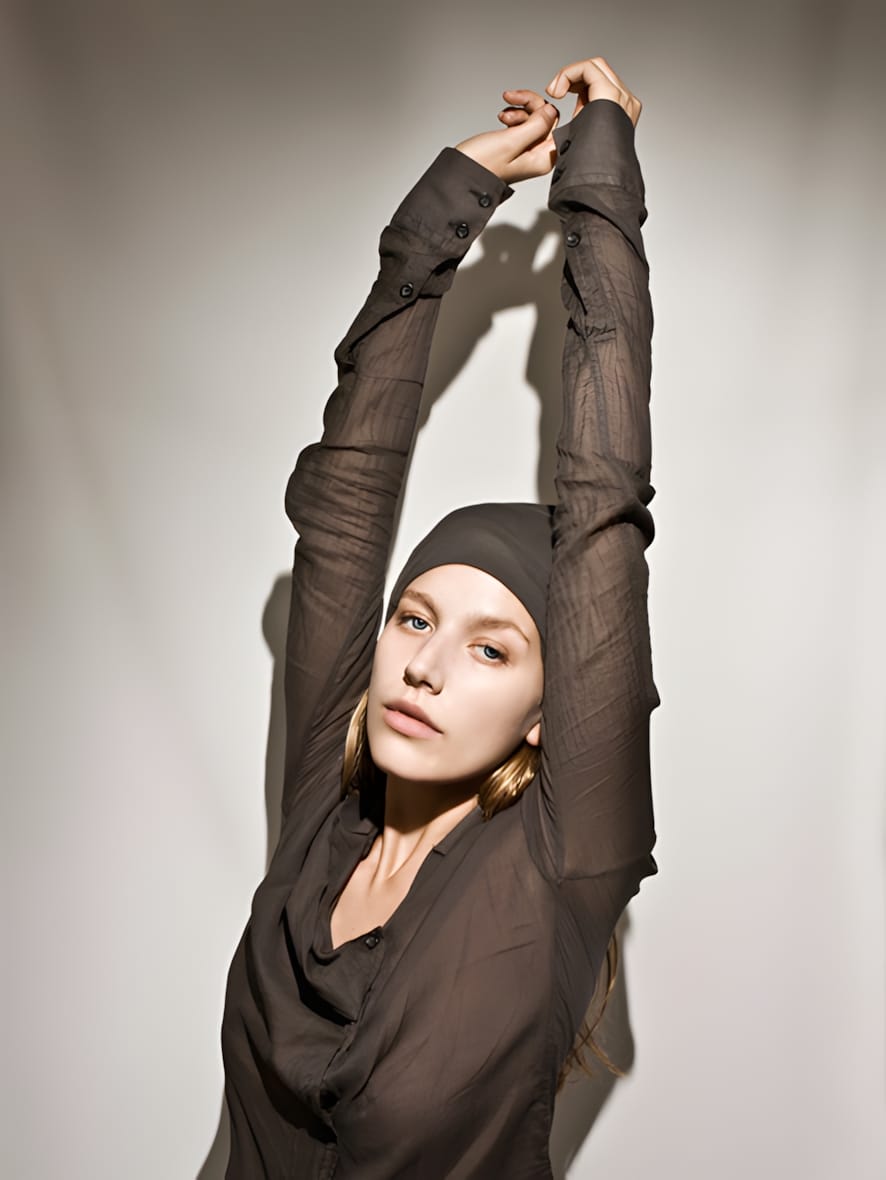
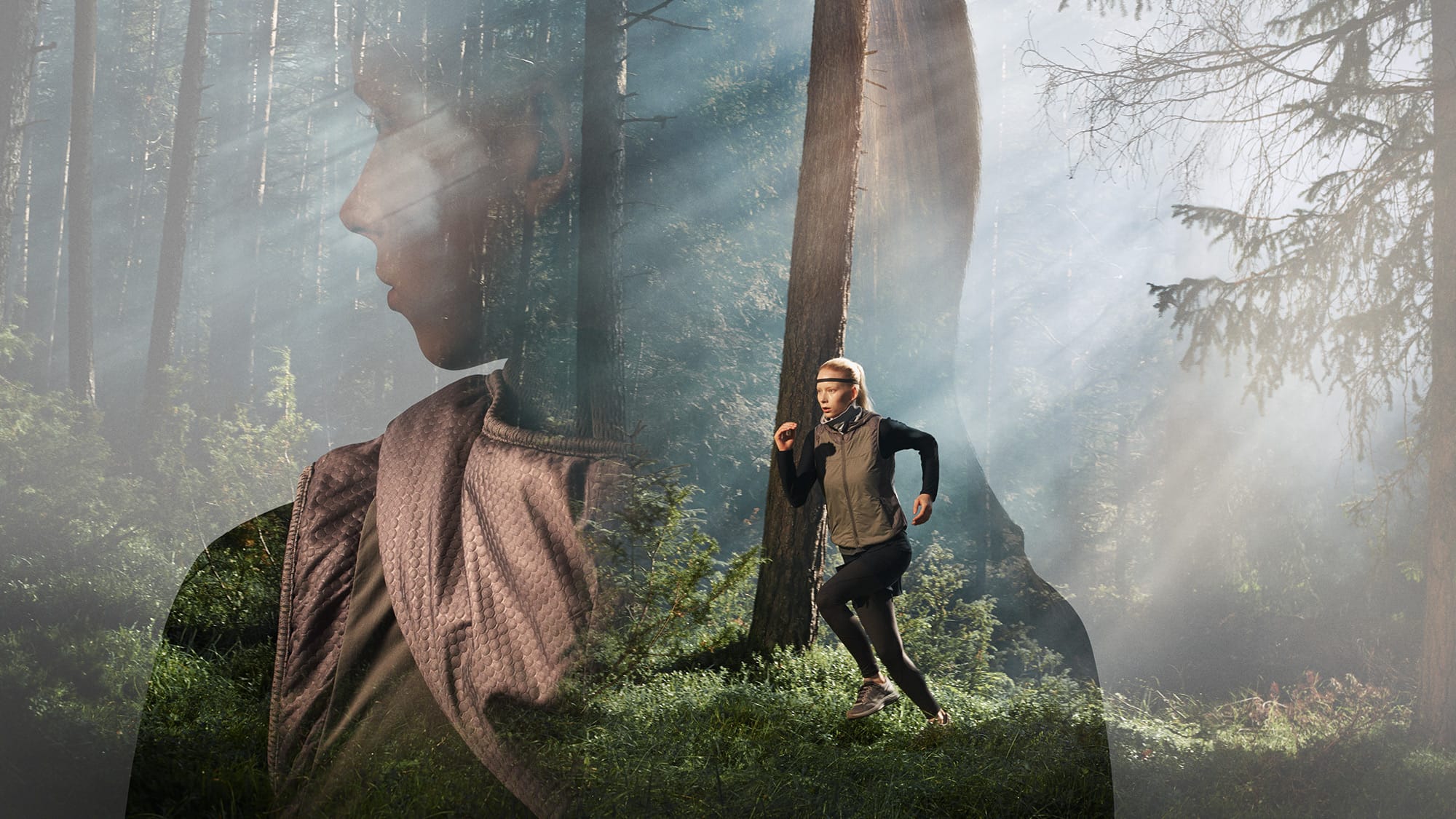
The Holiday 2014 collection is restored as the original seven-image studio set, separating it from the Holiday 2013 forest campaign.
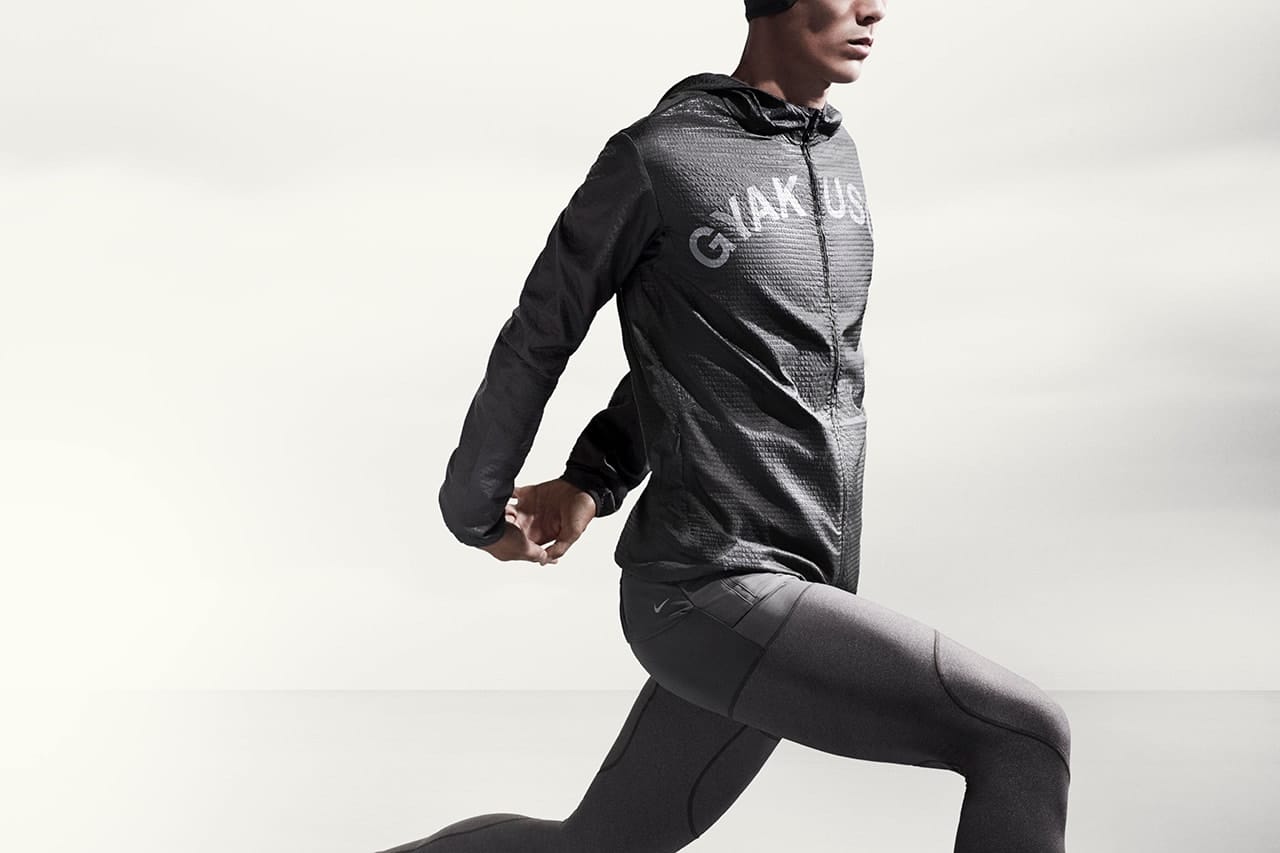
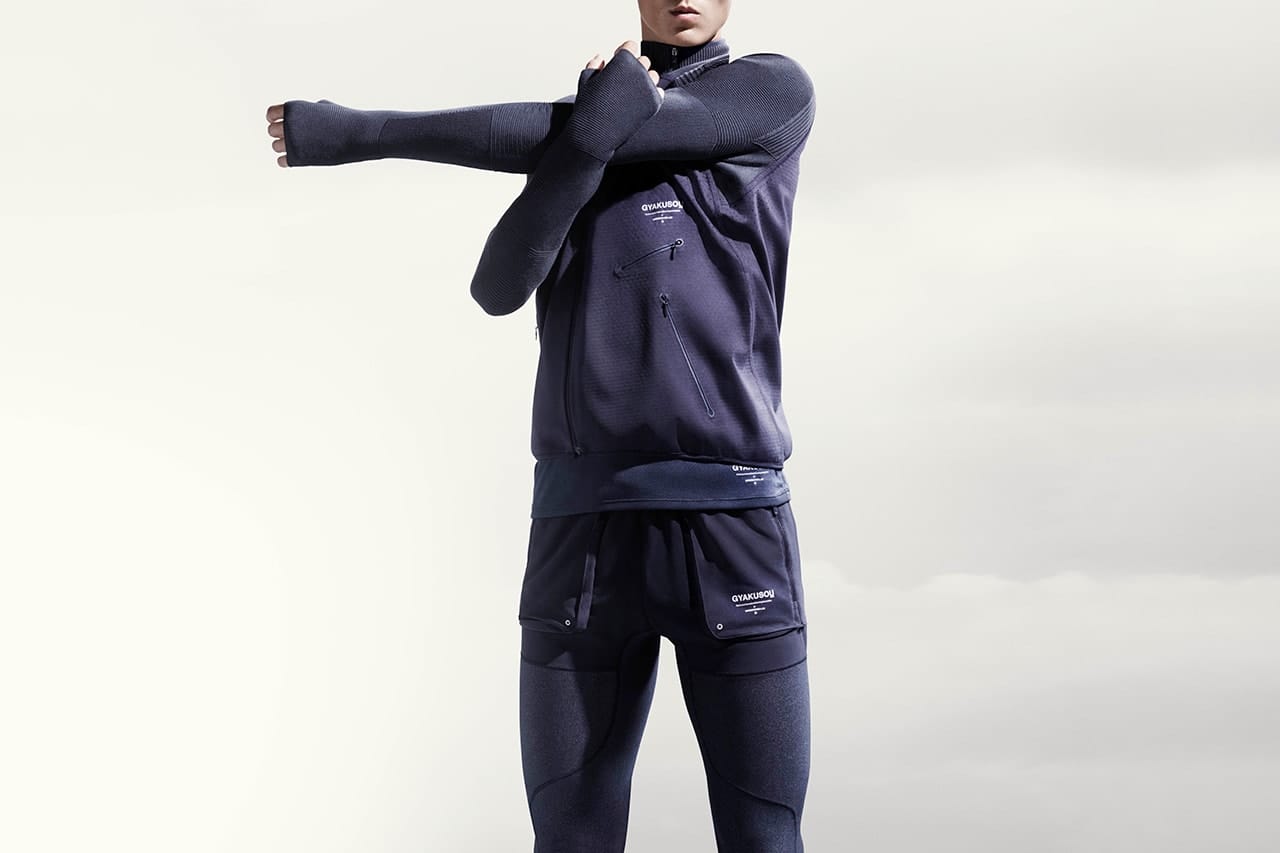
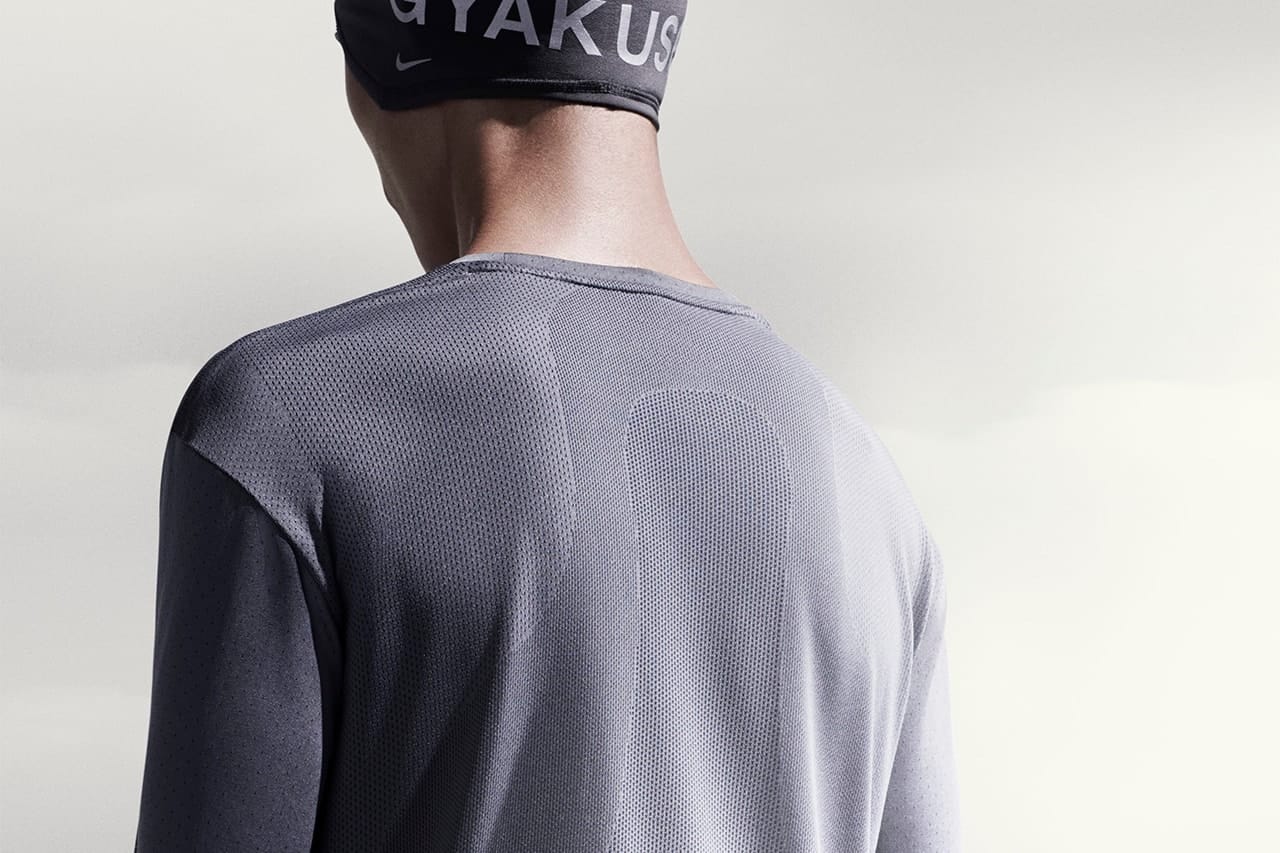
Photographed by Azim Haidaryan
Produced by Panottica
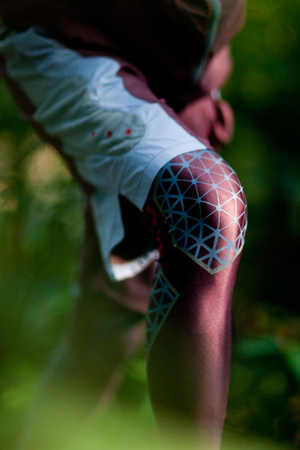
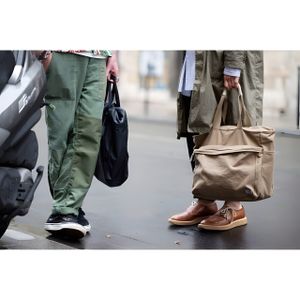

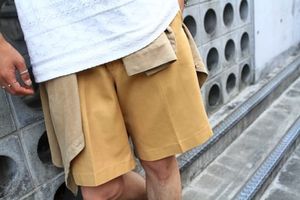
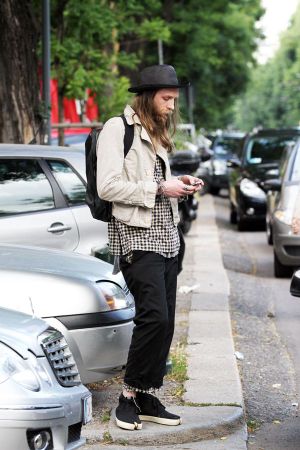
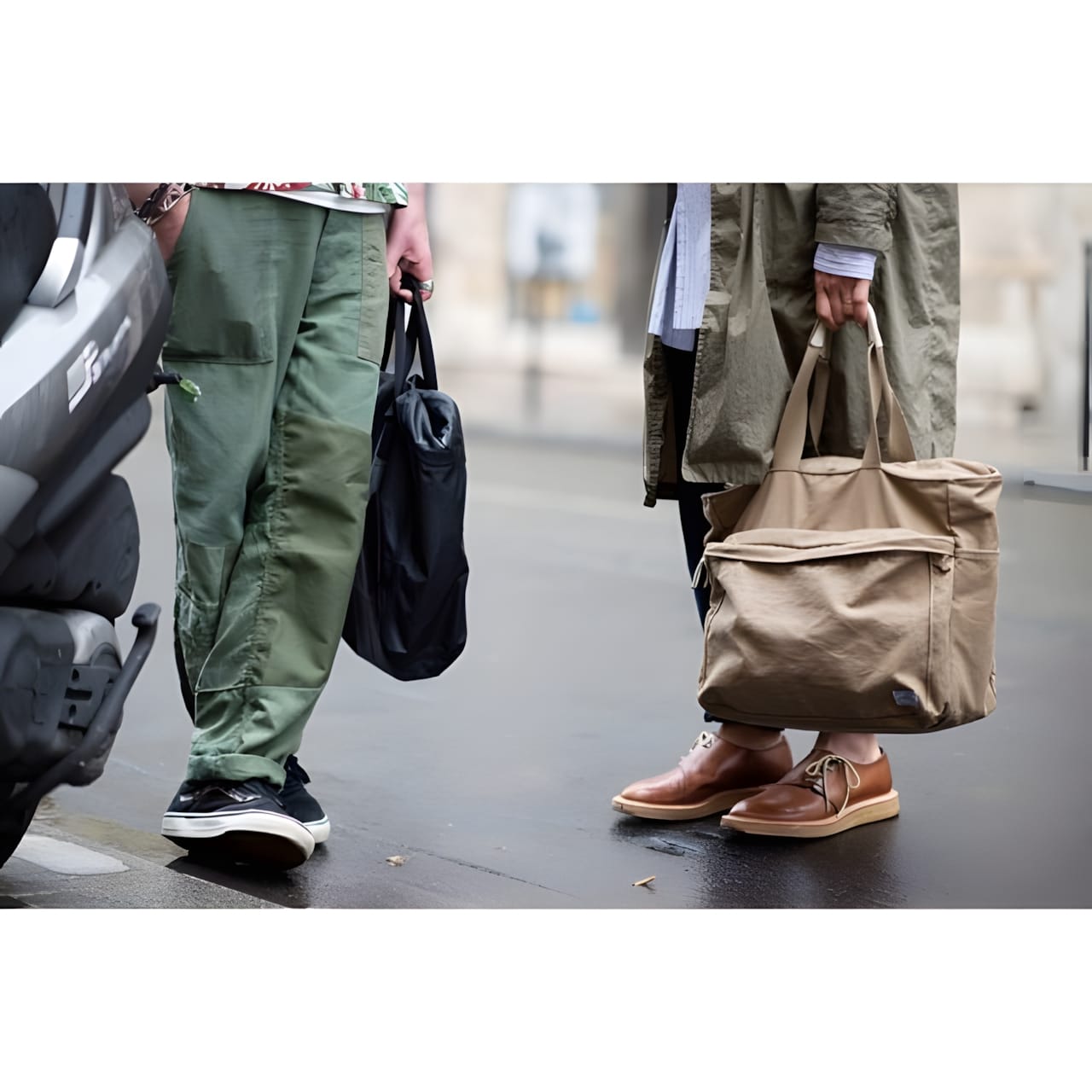
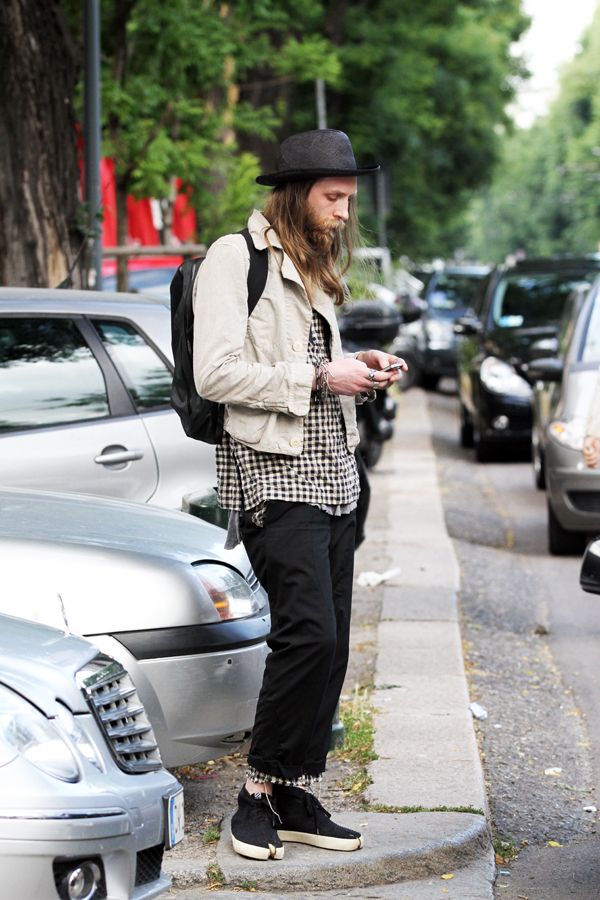
Tan pleated shorts on the street in Harajuku, Tokyo, shot for Fashionsnap in September 2012. Full, high-waisted and worn long.
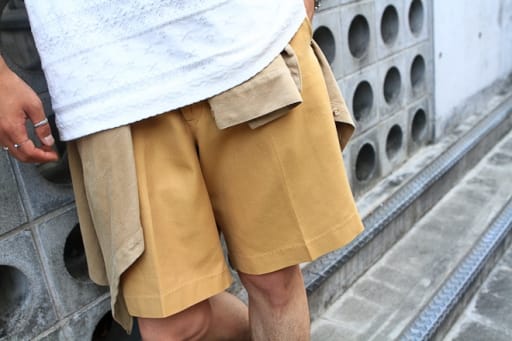

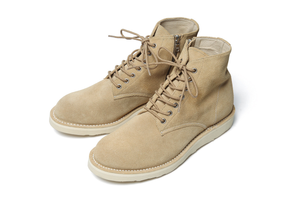
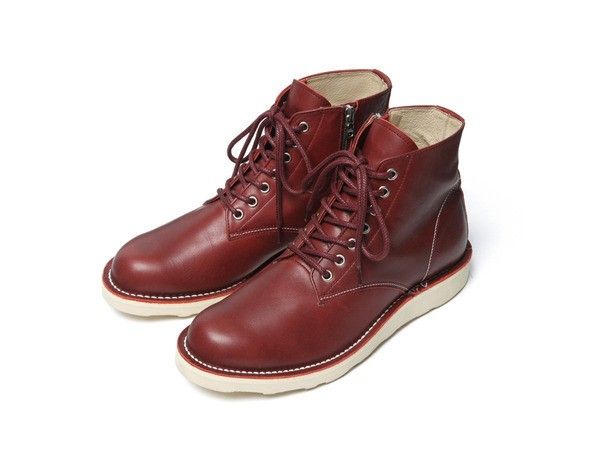
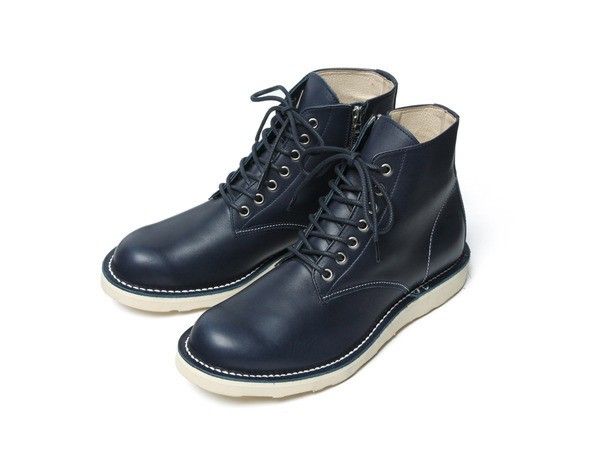
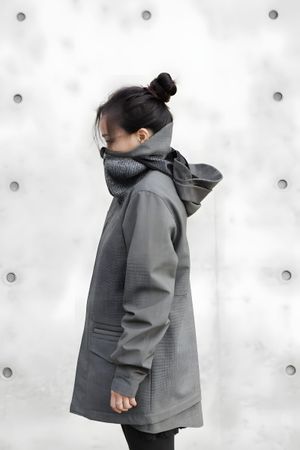
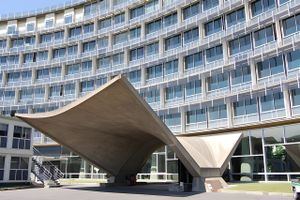
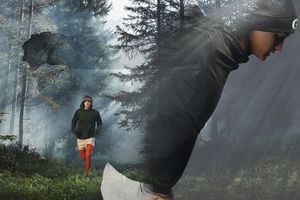
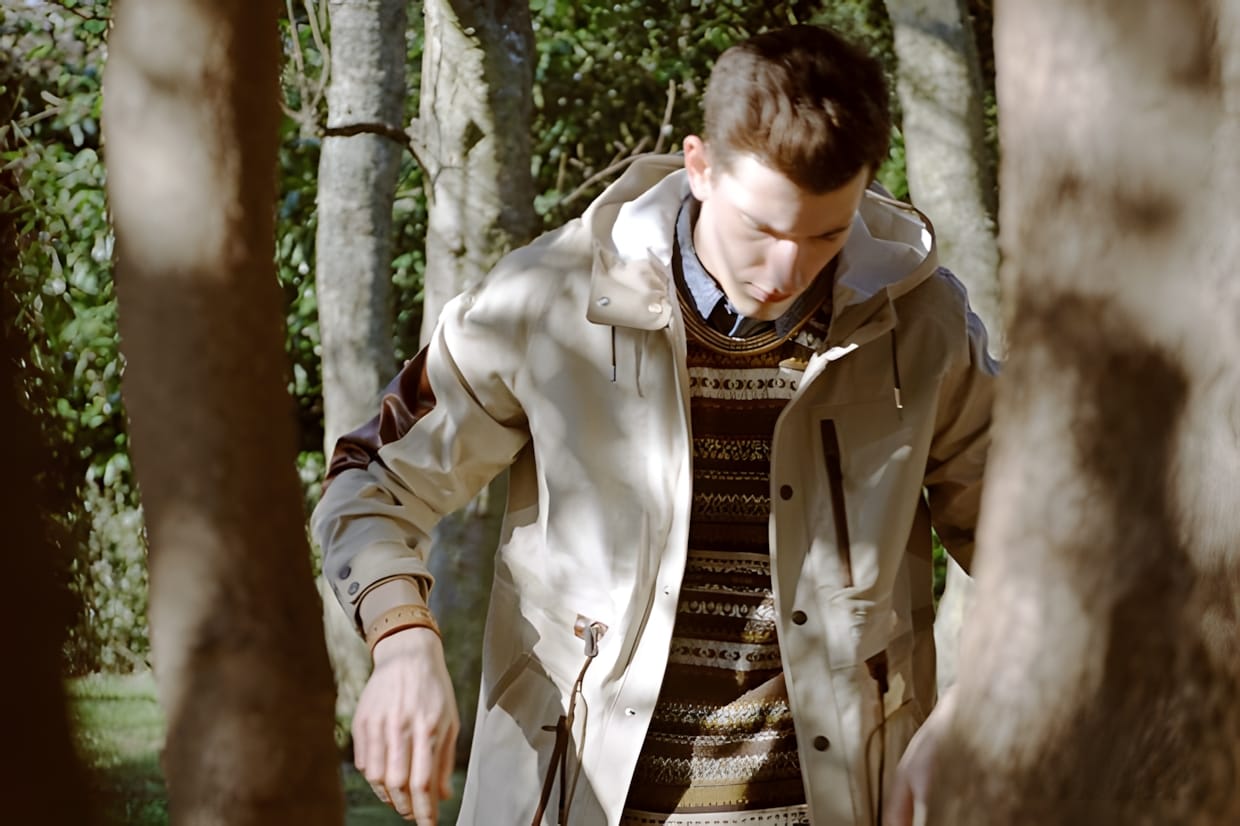
Campaign sequence from the Holiday 2013 archive set.
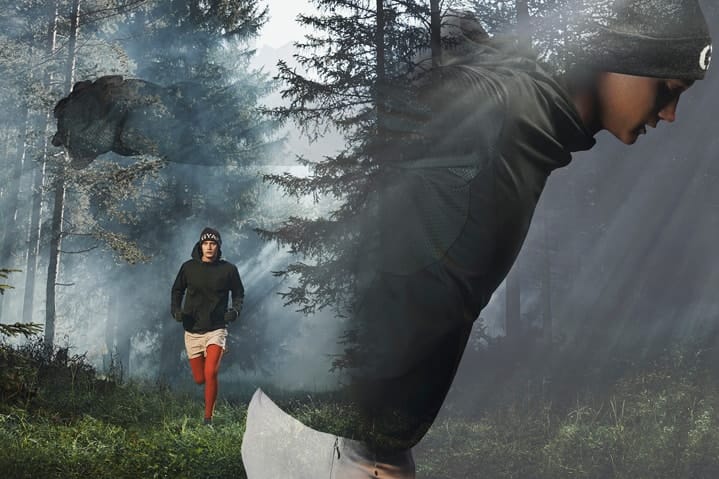
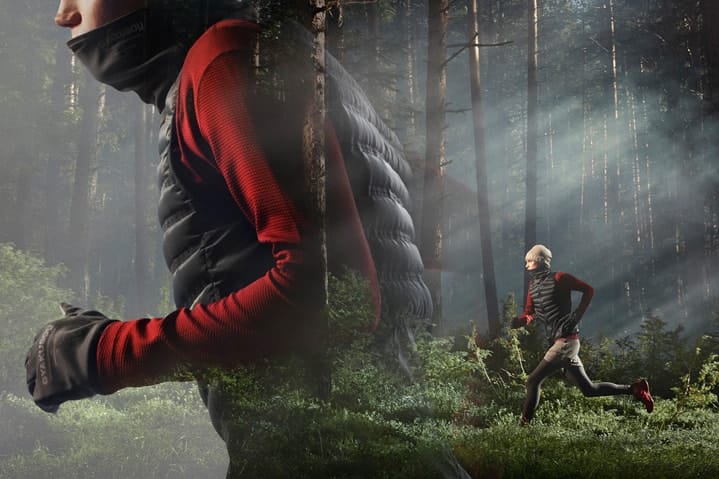
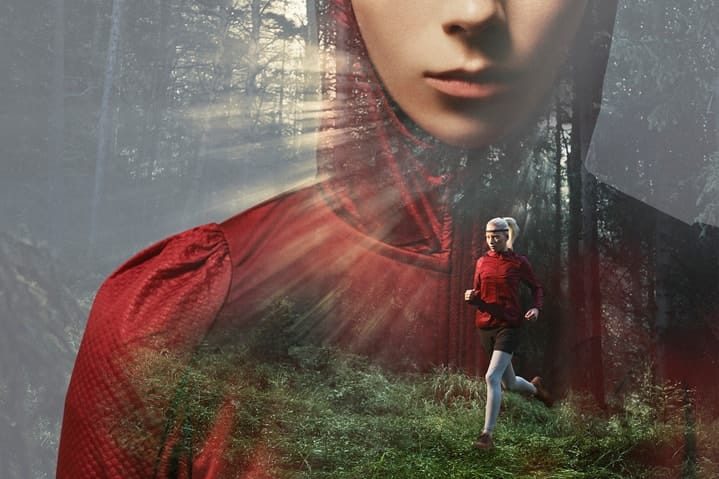
Holiday 2013 lookbook sequence: garment systems, color fields, and repeated seams.
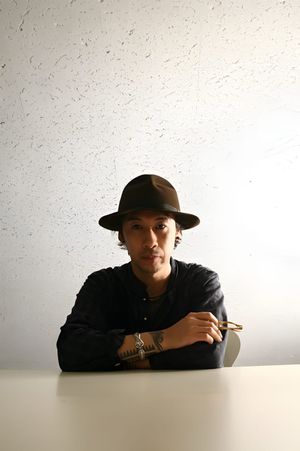
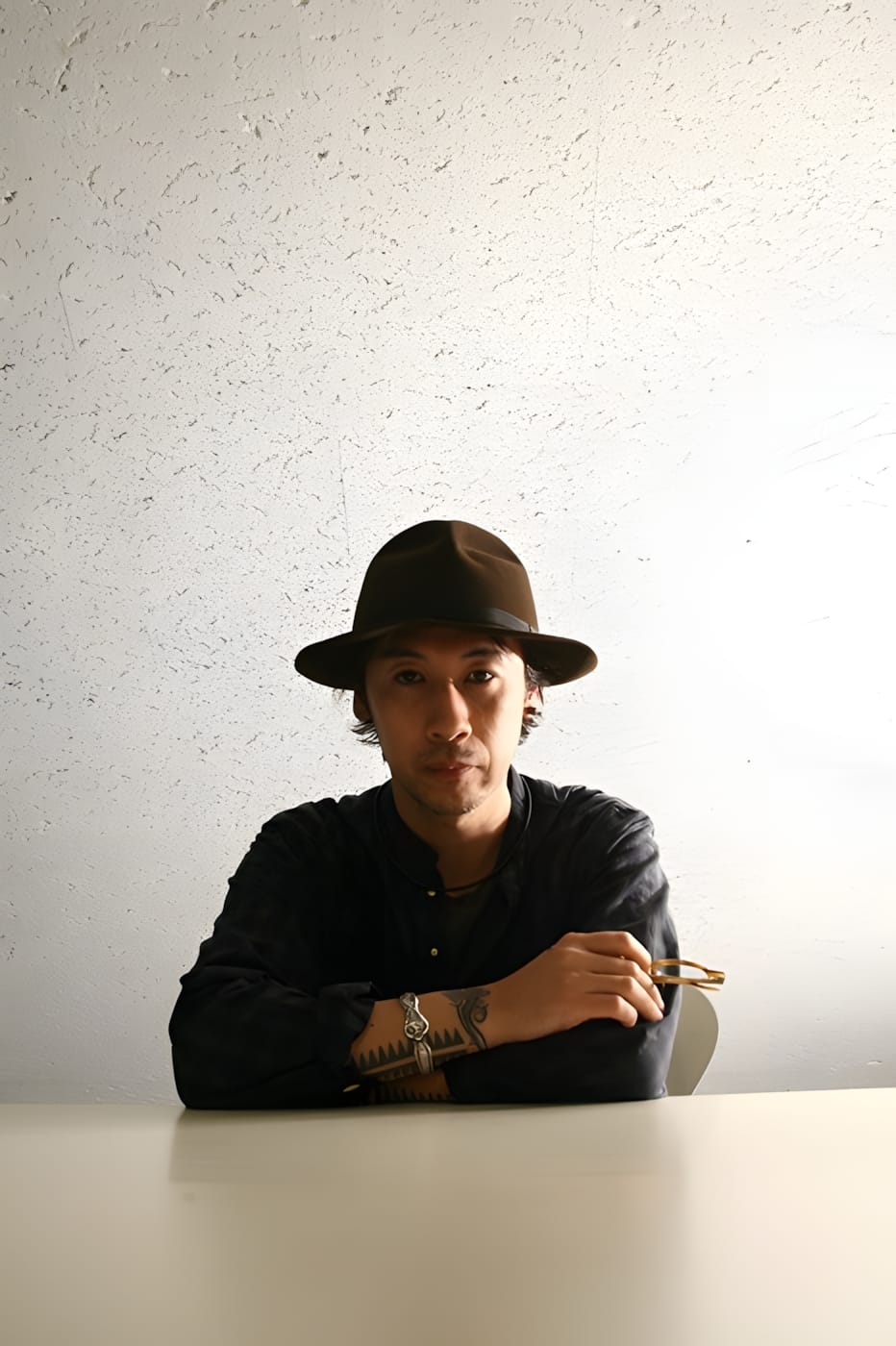
Interview with Jun Takahashi on Undercover AW13
Q: After two years away from the Paris catwalks, why was now the right time to show a runway collection?
A: After the earthquake disaster, we Japanese were spiritually in the worst state. It’s been two years since then and everyone is hoping to improve the present situation. I am one of them. I chose to have a runway show in Paris in order to restore myself. I thought it would work because going back to the runway was one of the things I had been hoping to do.
Q: Talking of the scar that Japan’s earthquake left on you, did it creatively affect your AW13 collection?
A: I was craving for creation, and that resulted in those one-off dresses. Two years ago, mentally and financially I wasn’t able to create such things. Those one-off pieces are my original works and made intuitively by myself. I am the only one who could make them. They are sacred works to me. I guess I like things where you can feel human warmth.
Q: Why did you call the show ‘Anatomicouture’? Was your intention to expose the inner bones of the garments?
A: It is a mentality of exposing the inner self, corresponding to my desire to reveal my creation and what’s going on in my head.
Q: Despite the skeleton and organ motifs, the collection is beautiful and seductive – does this come back to your interest in the contrast between ugly and beautiful?
A: Ugliness and beauty co-exist in human mentality. I always want to express those emotions.
Q: The AW13 show had the feel of punk performance art – why did you stage it like theatre?
A: Because the theme of this collection is related to human emotions, I thought my theme could be conveyed much better with such staging effects that would move people’s hearts. That’s why I used songs by Cat Power and James Blake. All the songs are great and meaningful and helped me convey what I wanted to express through the lyrics of songs too.
Q: When did your love of fashion start, and how did that lead to Undercover?
A: When I was little I loved drawing and had a twisted personality. I was so into punk during my high school years. My interest in fashion arose when I was around 15 years old and I was hoping to become a designer. At 18, I entered Bunka Fashion College. I was questioning about learning ‘design’ from teachers who were much older than me. So I told myself that I would learn only techniques in the school, nothing else.
Q: Undercover was considered part of a new wave of Japanese designers. How did your approach differ from the likes of Rei Kawakubo and Yohji Yamamoto?
A: I am not sure if Undercover is part of a new wave and I don’t really care. But Rei influenced me a lot on things like breaking stereotypes.
Q: You and your friend Hiroshi Fujiwara collected vintage Seditionaries pieces and published a book about them, and you even appeared in a show of Vivienne Westwood’s designs in Tokyo in 1990. Can you describe the impact punk made on you and explain why it still resonates today?
A: To me, punk means a spirit that questions and abolishes conventional ideas. That is my fundamental principle. You can apply the principle to fashion design. It depends on each season, but I instil punk interpretation into my designs in many ways – for example, by fusing two contradicting elements or applying techniques that are generally considered taboo.
Q: You recently designed lines for Uniqlo and Nike – how did you enjoy those two experiences? Did they feed back into your work with Undercover?
A: The Uniqlo and Nike collaborations are totally different types of designs from that of Undercover. Therefore the collaborations didn’t really affect my work with Undercover. But for my career as a designer, both collaborations became good experiences. Working with Uniqlo gave me the opportunity to learn about the creation of mass products and newly standard items that are totally different from designing avant-garde pieces. As for the collaboration with Nike, I am very satisfied both as a designer and as a runner with the fact that I have been able to create products which integrate necessary functions for running with fashion-design aesthetics, which had often perhaps been missing in the existing sportswear.
Q: You’ve talked in the past of the difficulties with keeping up with the six-month cycle of fashion shows, and skipped showing in Paris for a couple of seasons – how are you currently finding working within the fashion calendar?
A: Right now, I’ve come to the conclusion that the six-month cycle is appropriate. Themes of each Undercover collection vary by season. If we could spend more than six months on a collection, and if we continue to work with the same theme for a year, it would be difficult to keep up the tension towards the theme and I am afraid that the freshness would be lost.
Q: AW13 got a great response. Will we be seeing you back on the runway next season?
A: I could strongly feel that a lot of people were waiting for Undercover and I was very thankful about it. I will be back on the runway next season.
Q: Next year will mark the 20th since you began showing as Undercover. How do you feel you’ve evolved in that time?
A: I went through many phases and experienced many things. There was a time we faced various troubles, or we jumped into things just by force of circumstances. But nothing was wasted. I am responsible for all success and failure of Undercover. I will go forward without being ashamed of the paths I’ve chosen.
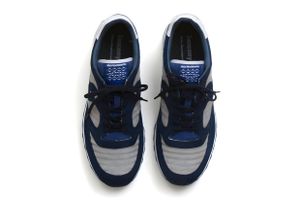
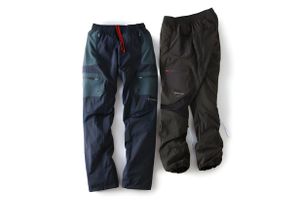
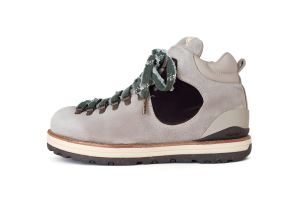
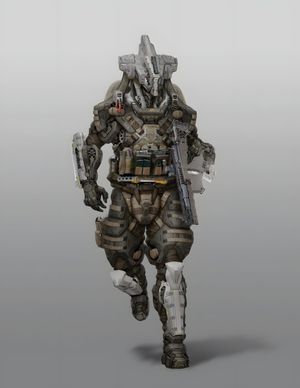
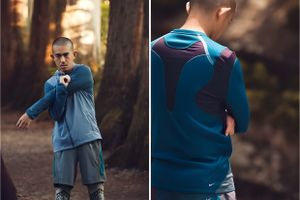
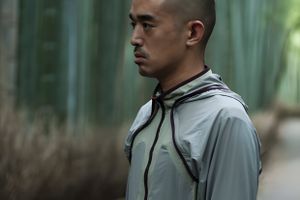
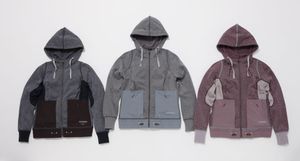
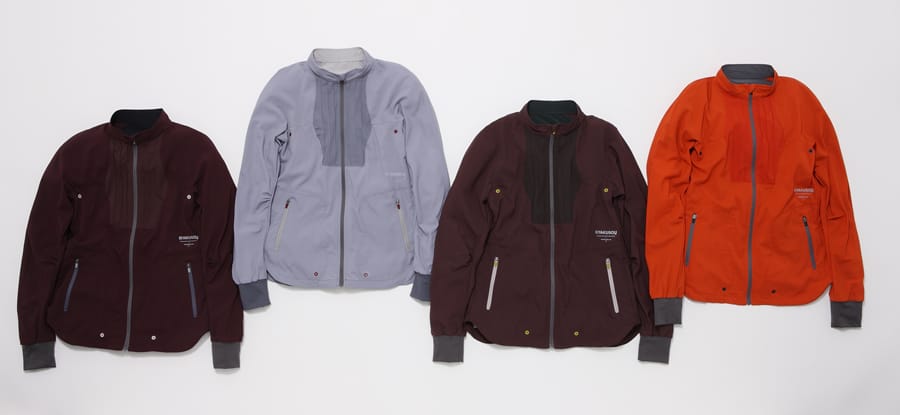
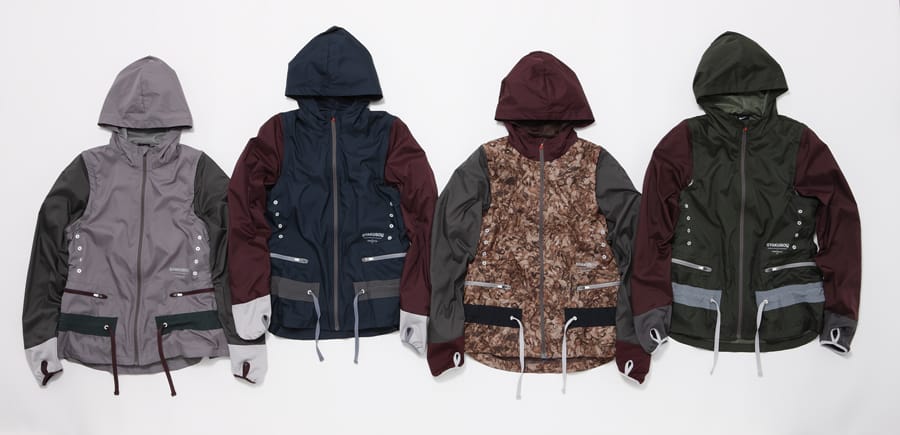
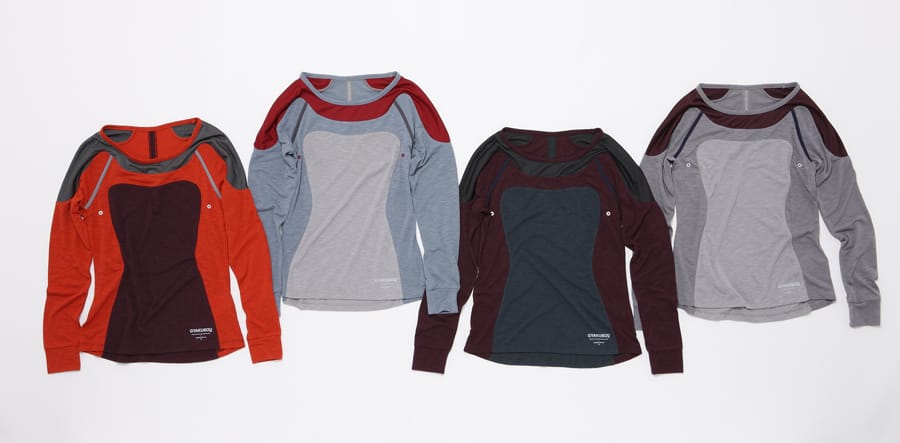
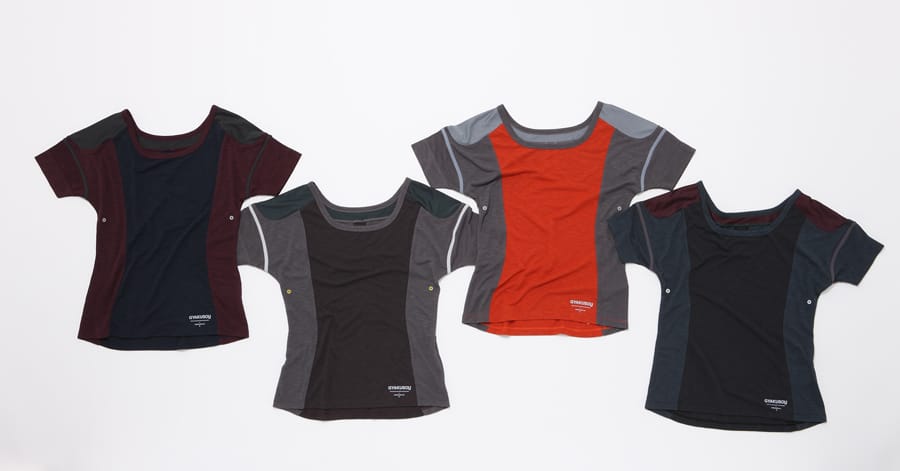
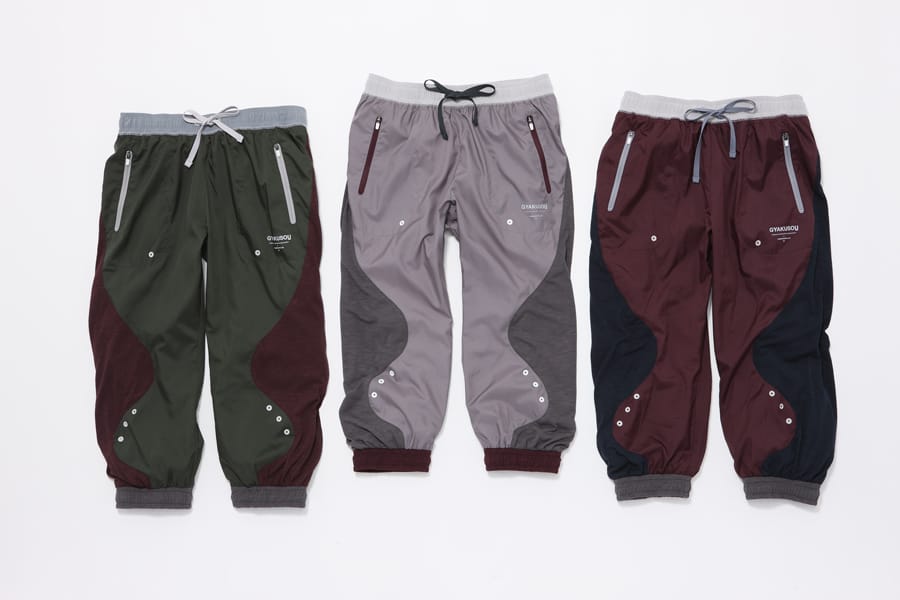
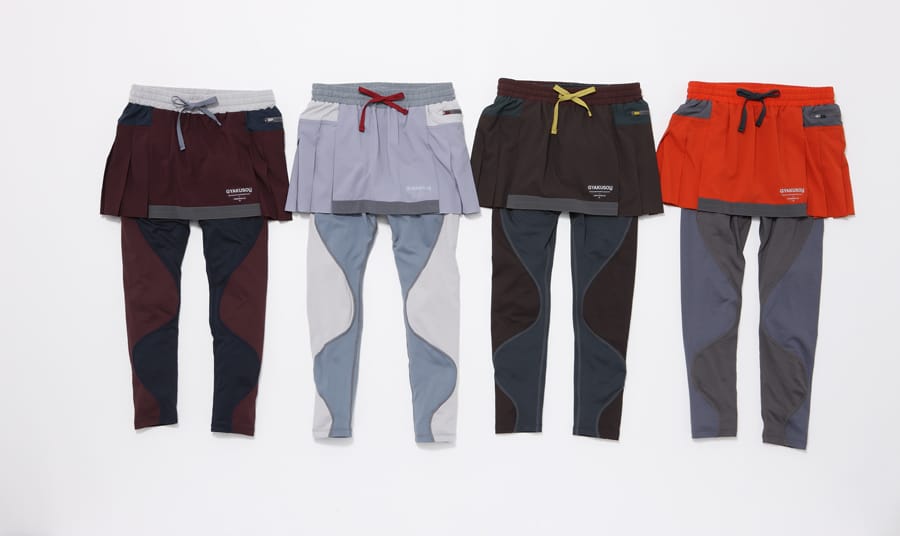
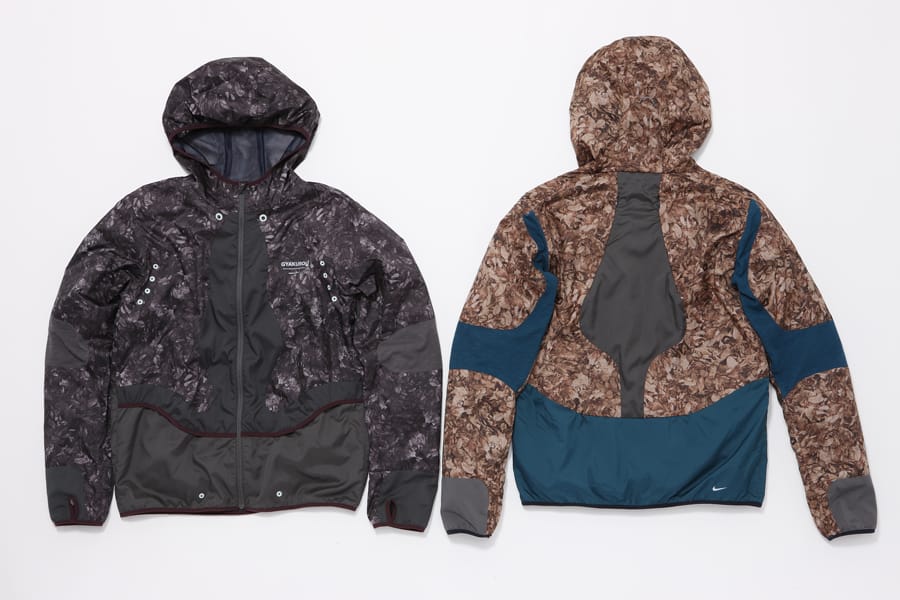
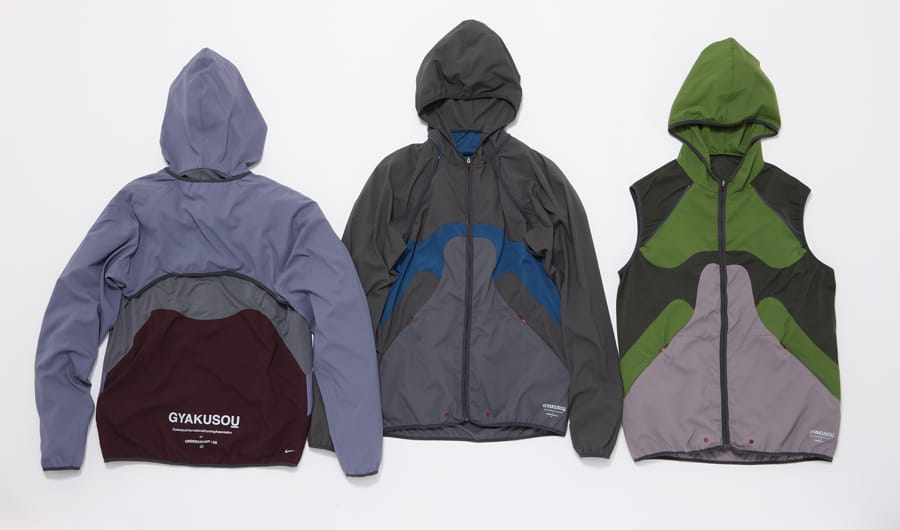
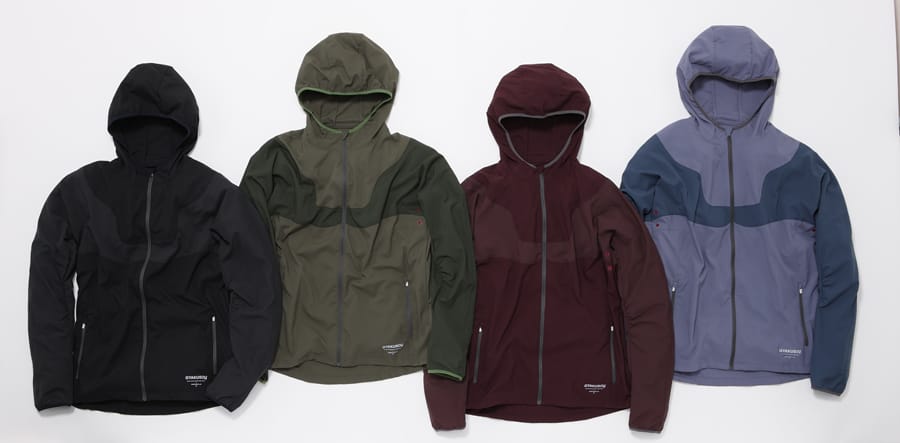
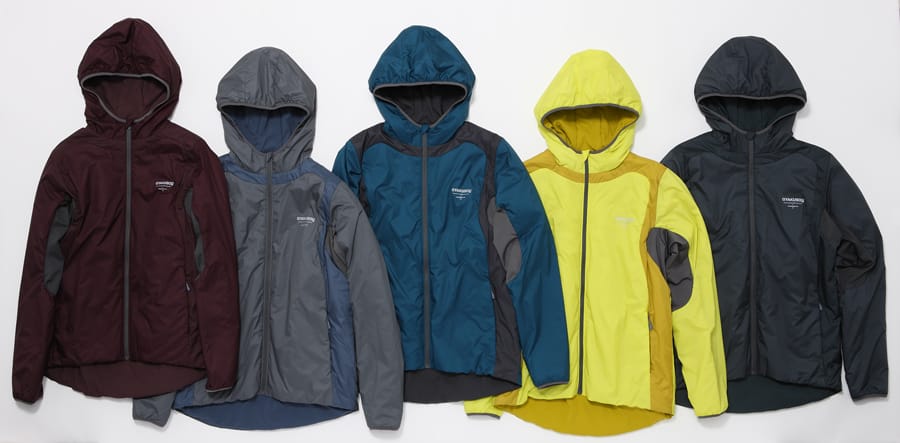
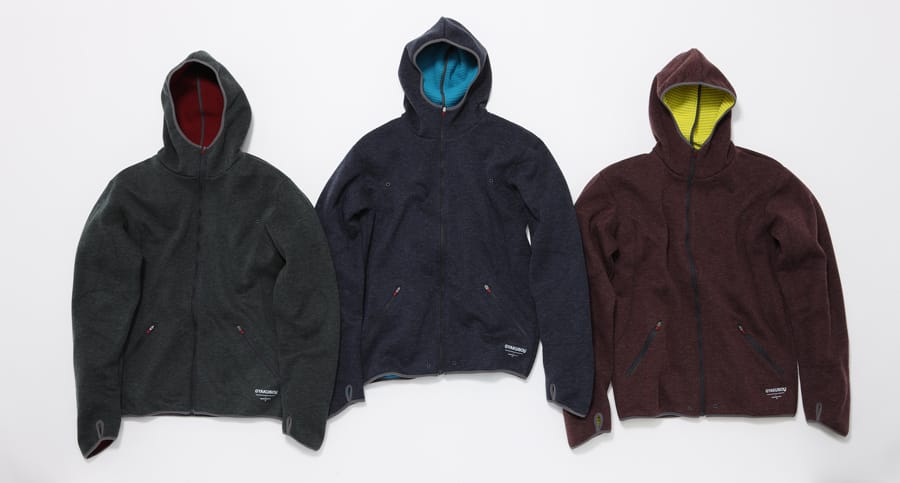
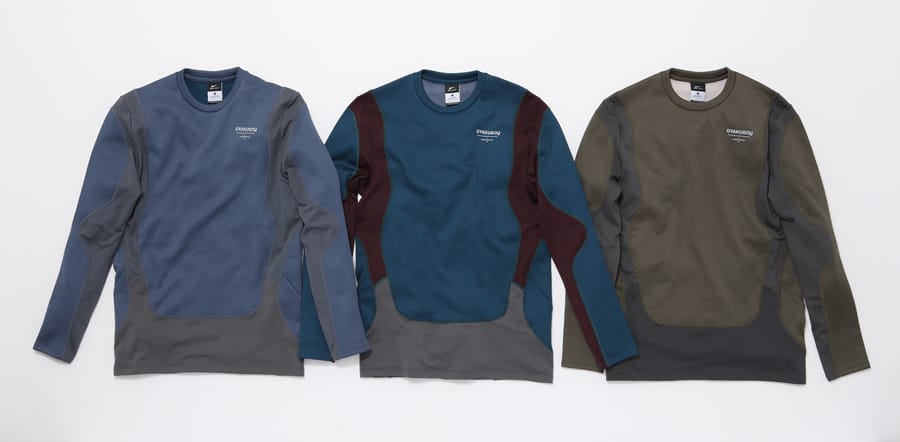
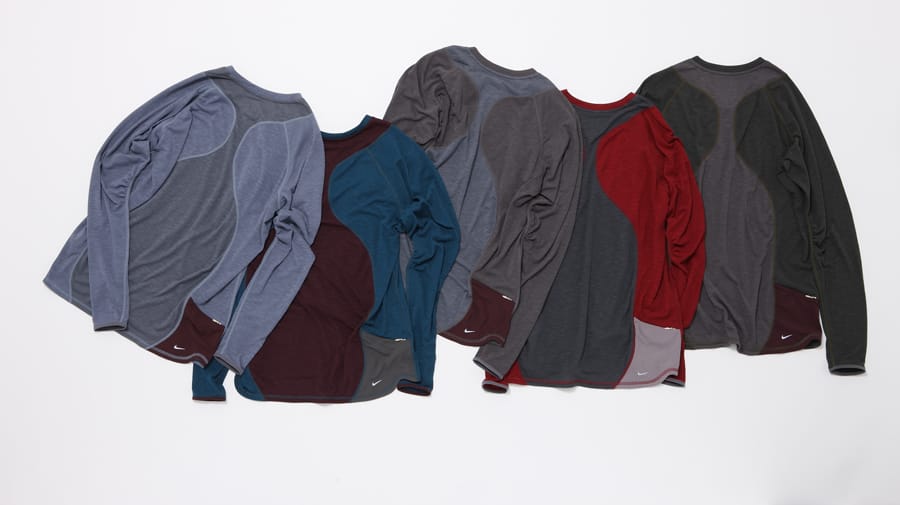
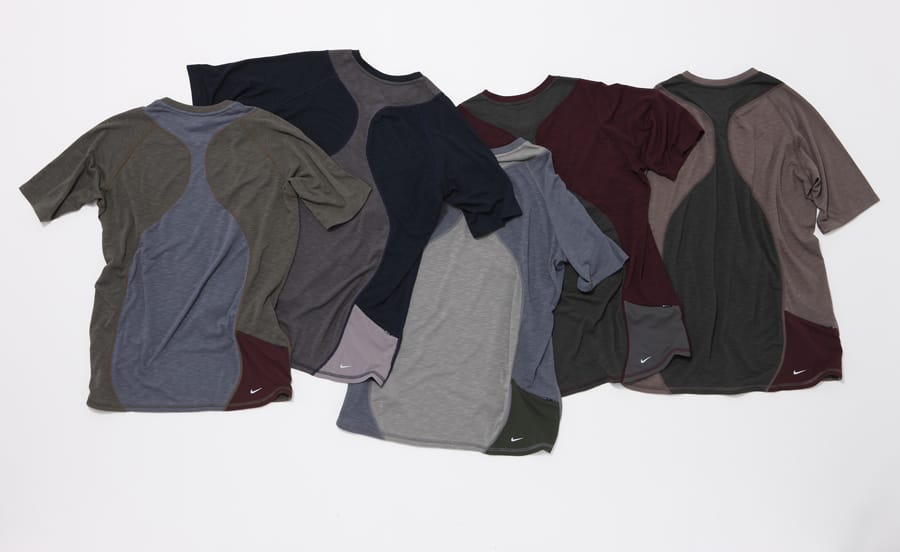
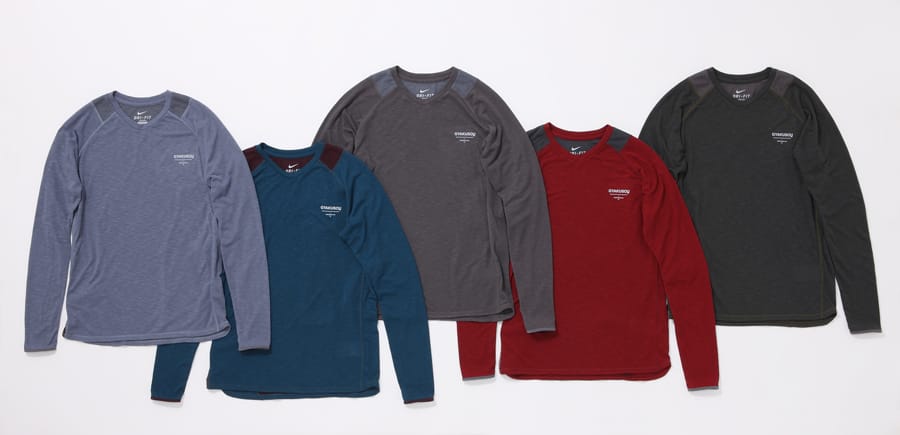
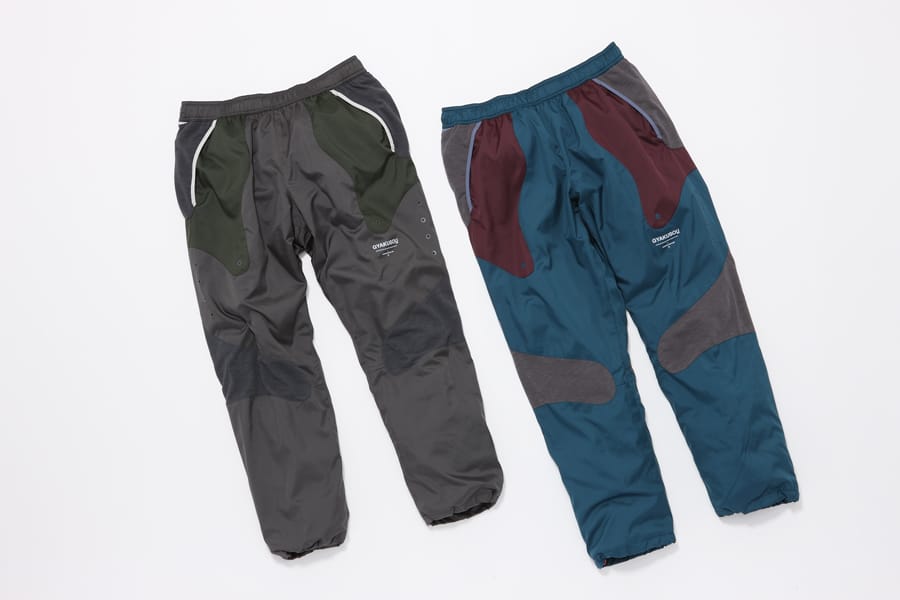
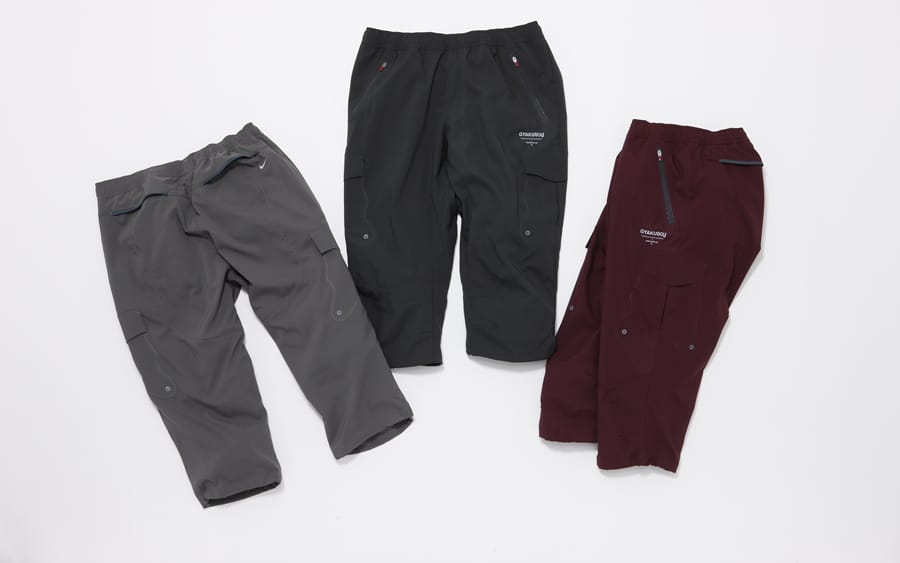
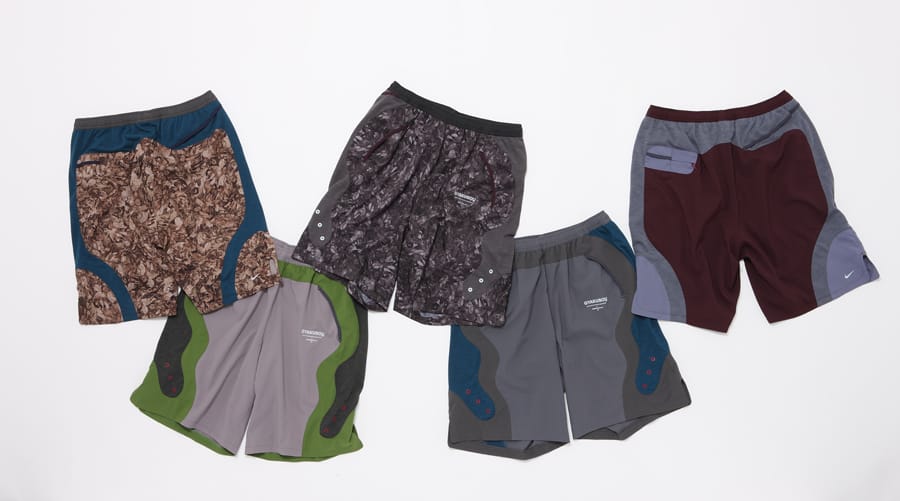
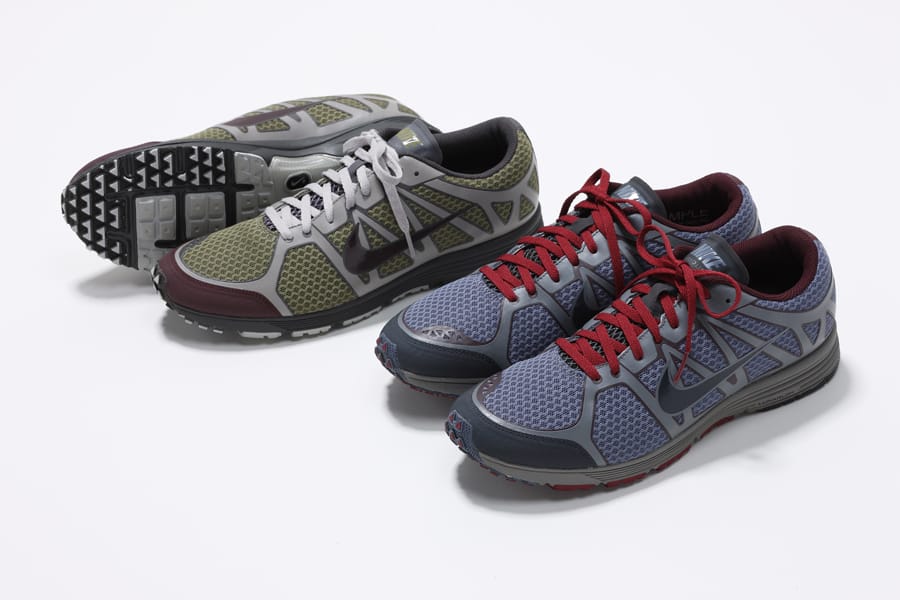
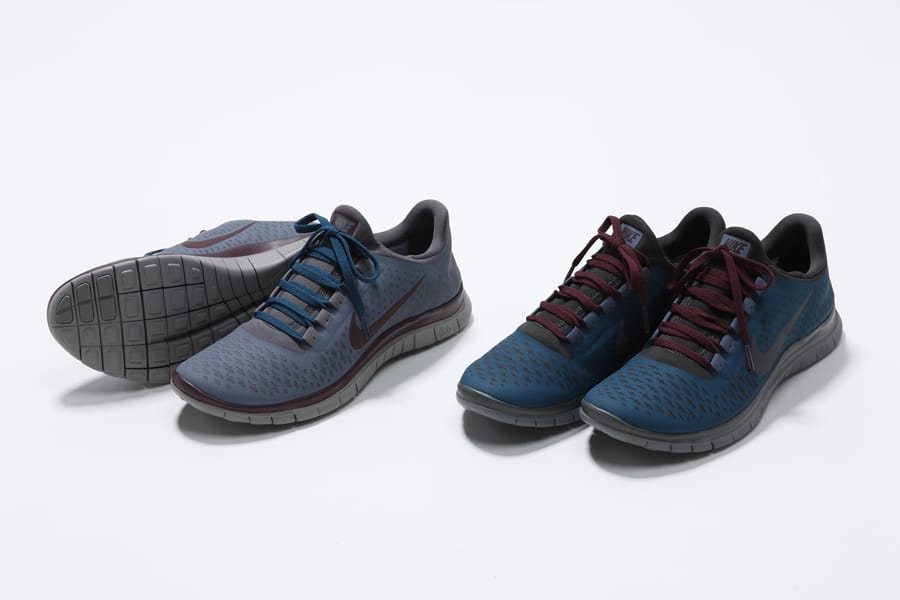
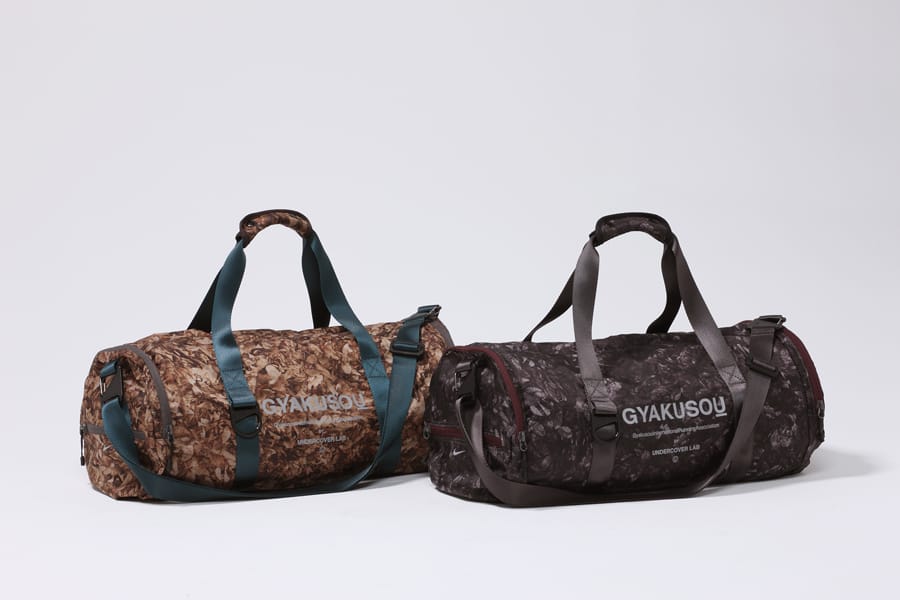
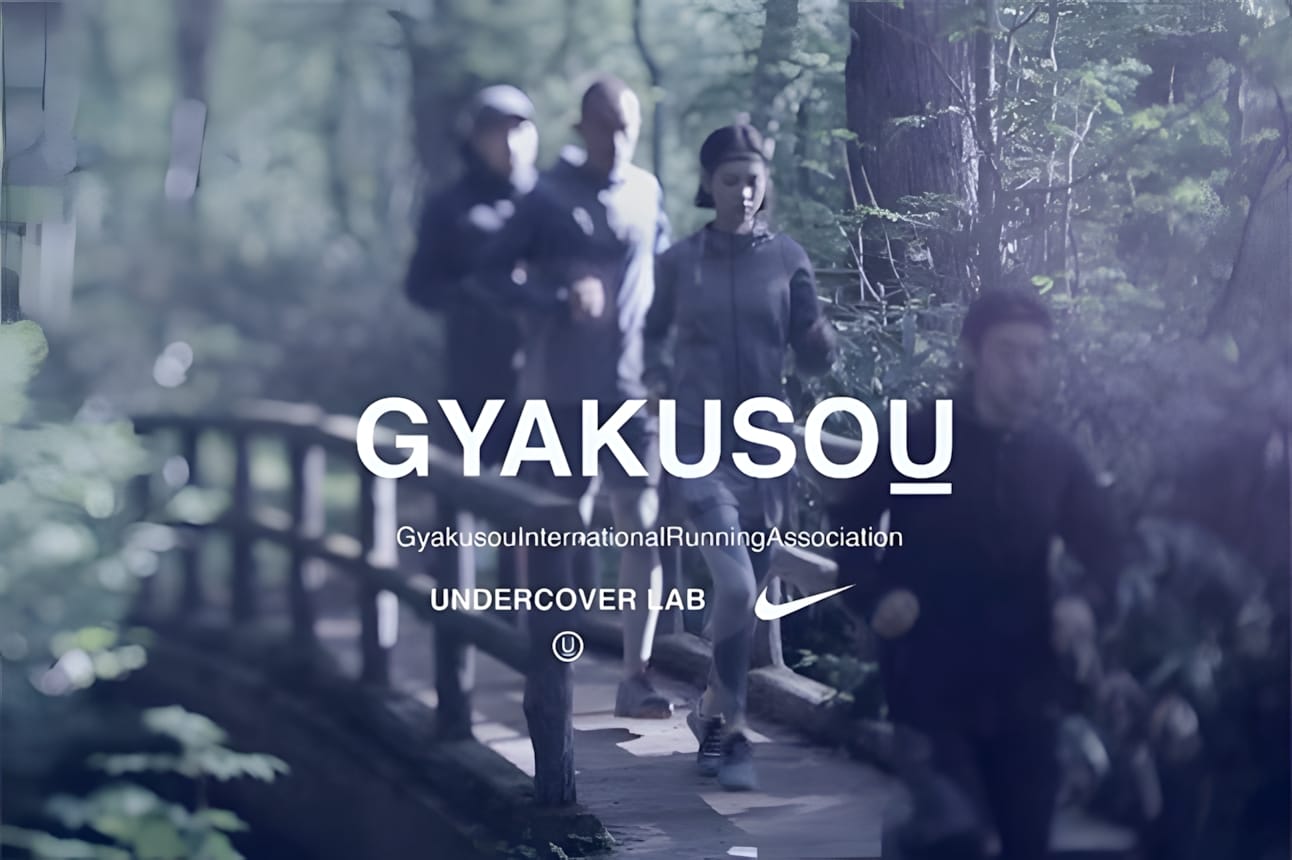
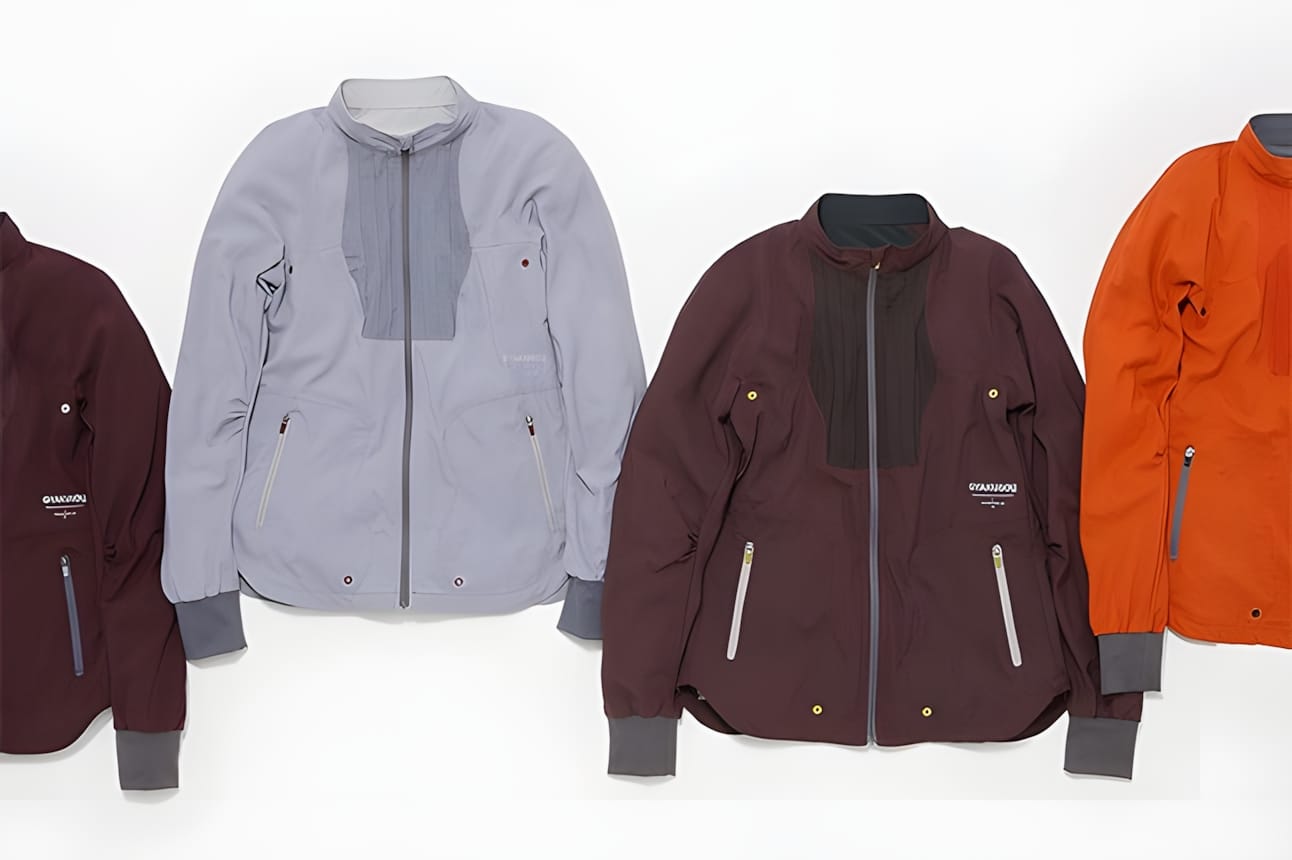
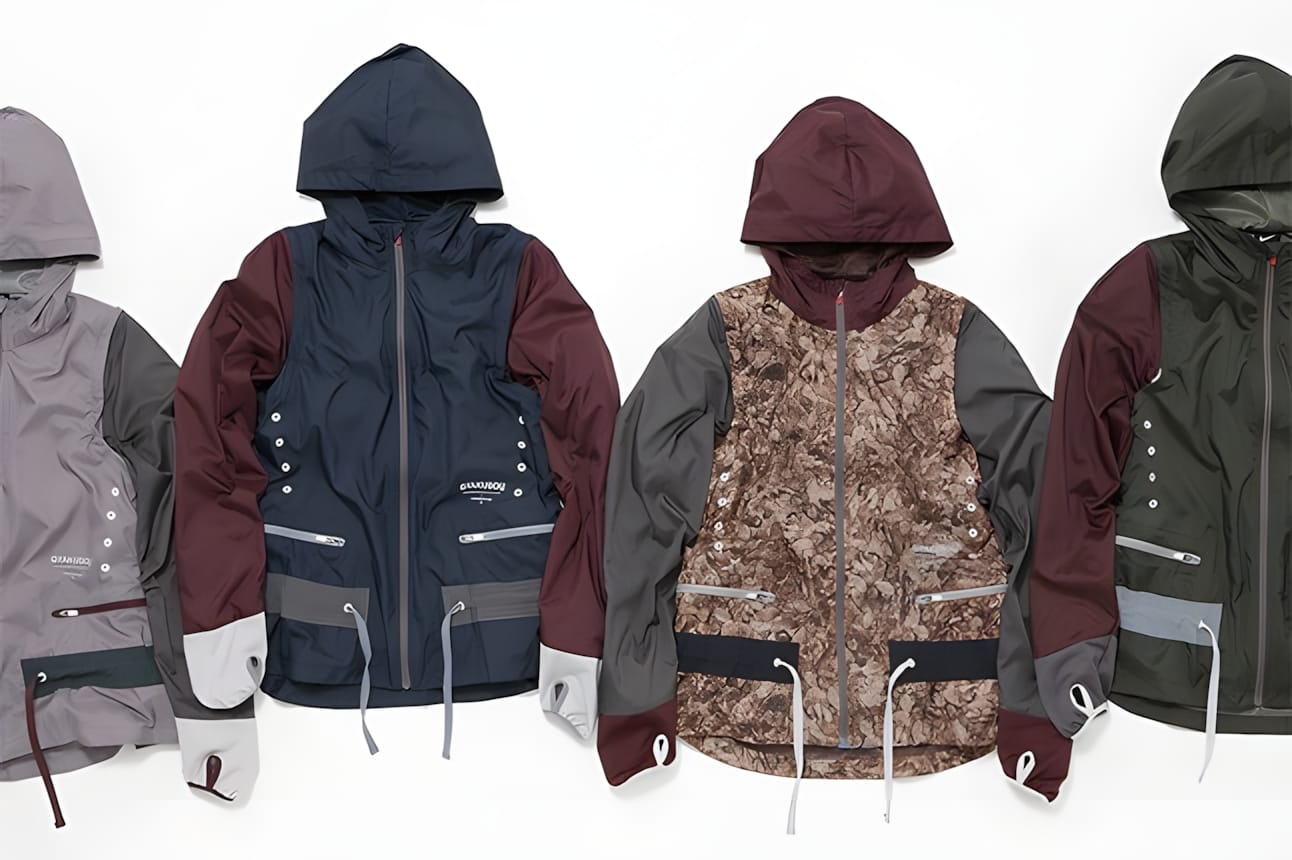
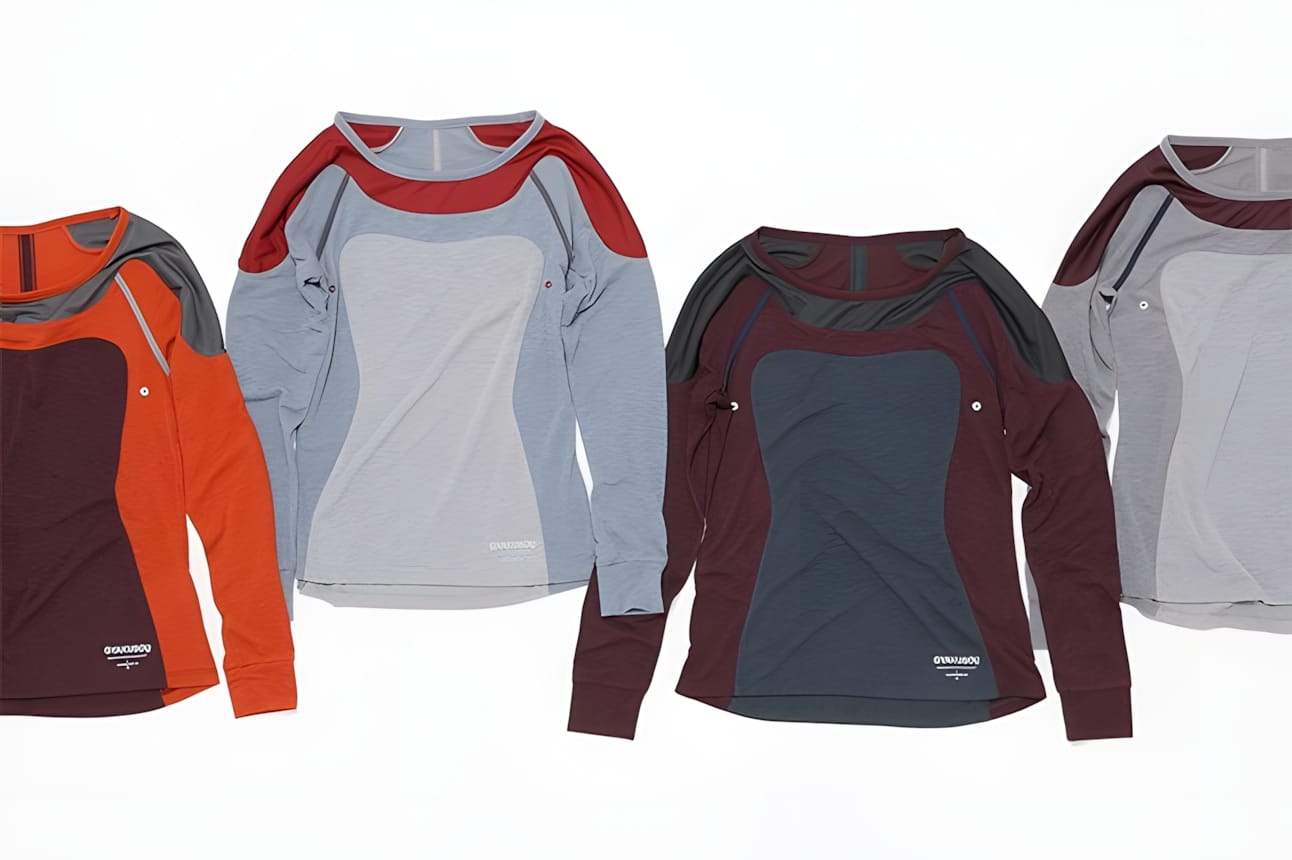
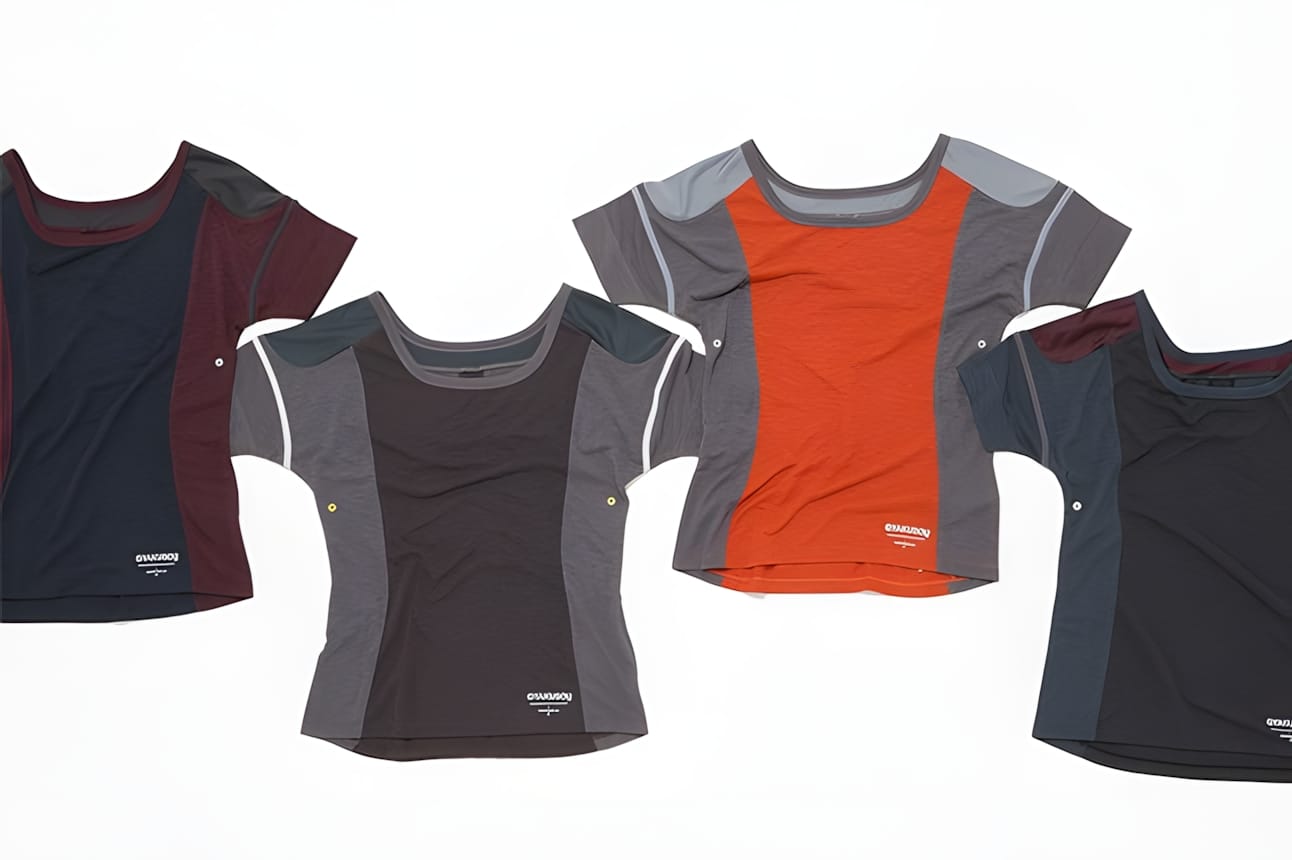
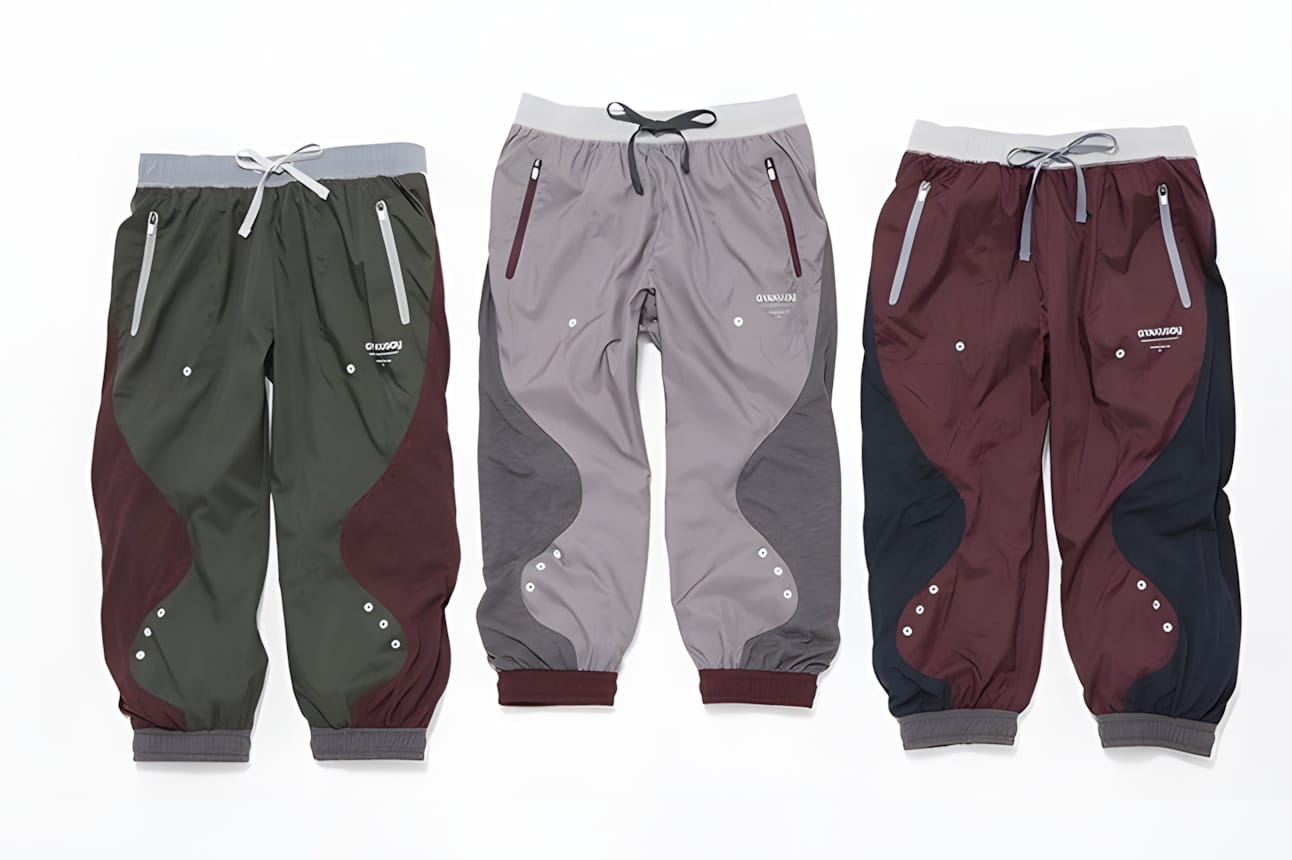
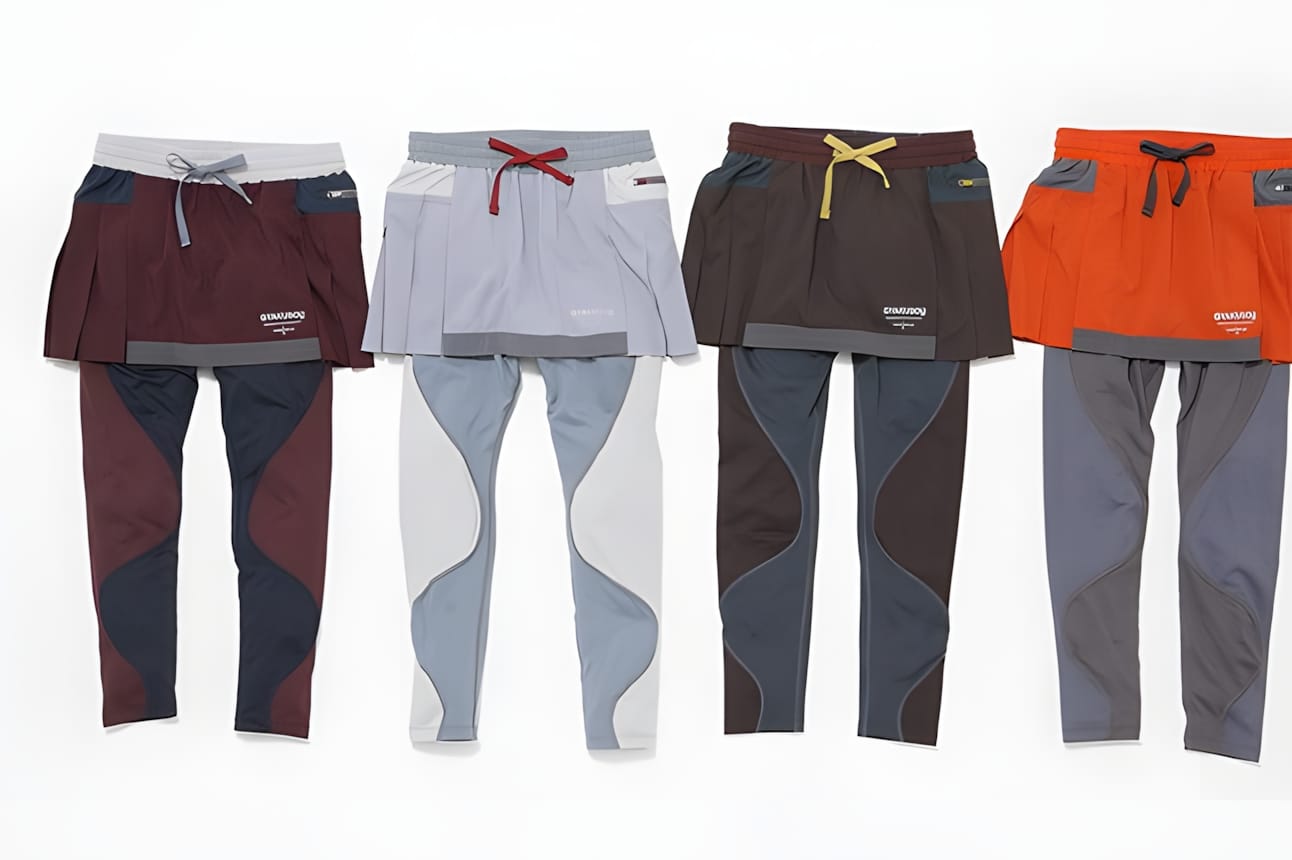
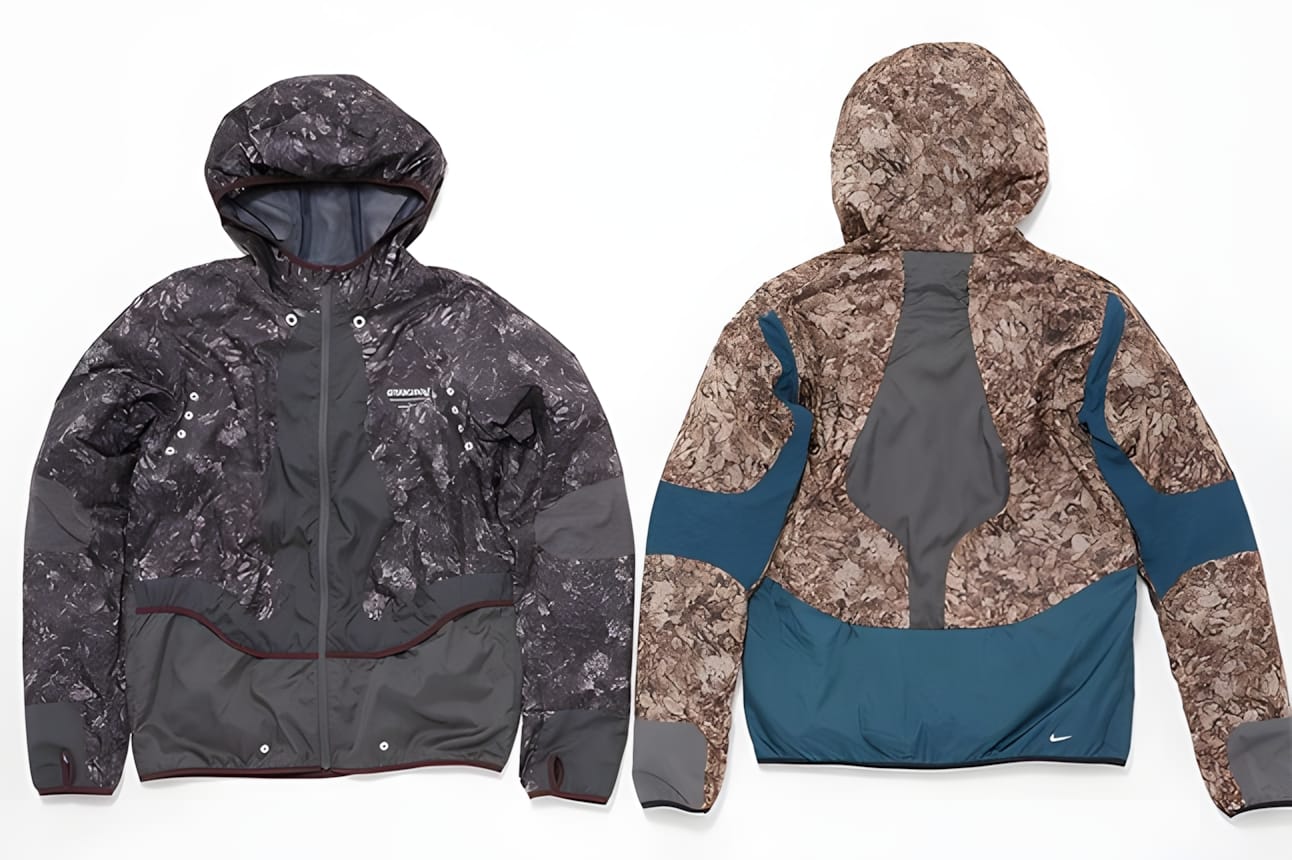
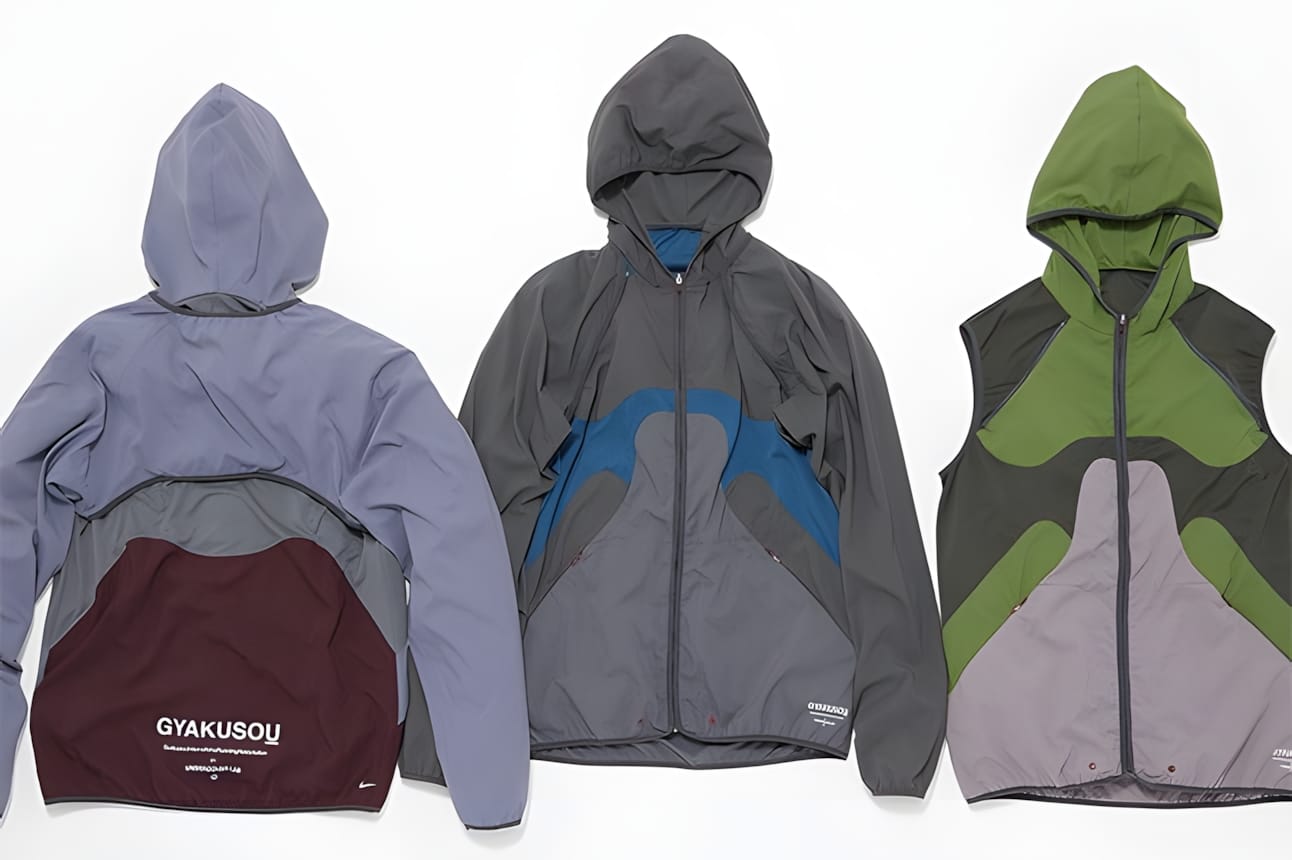
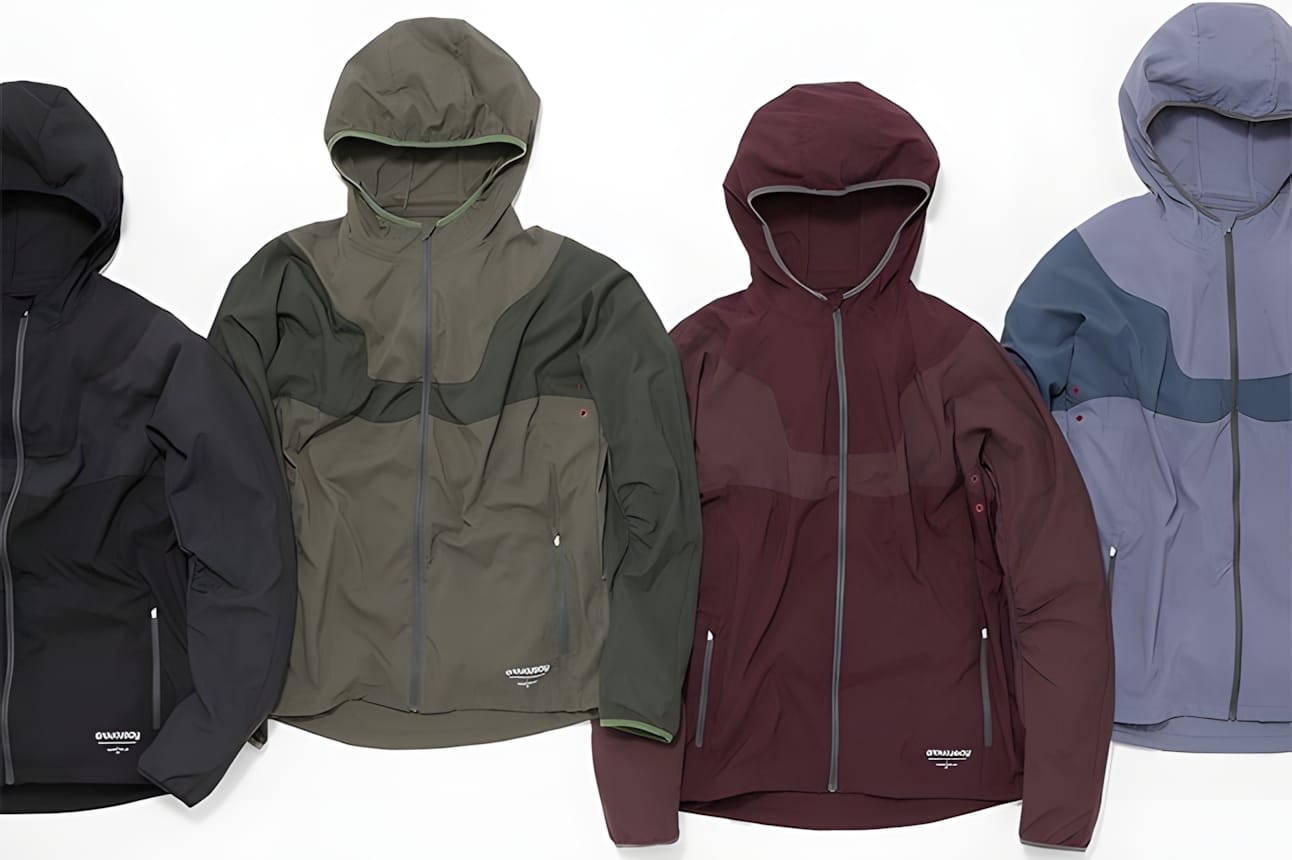
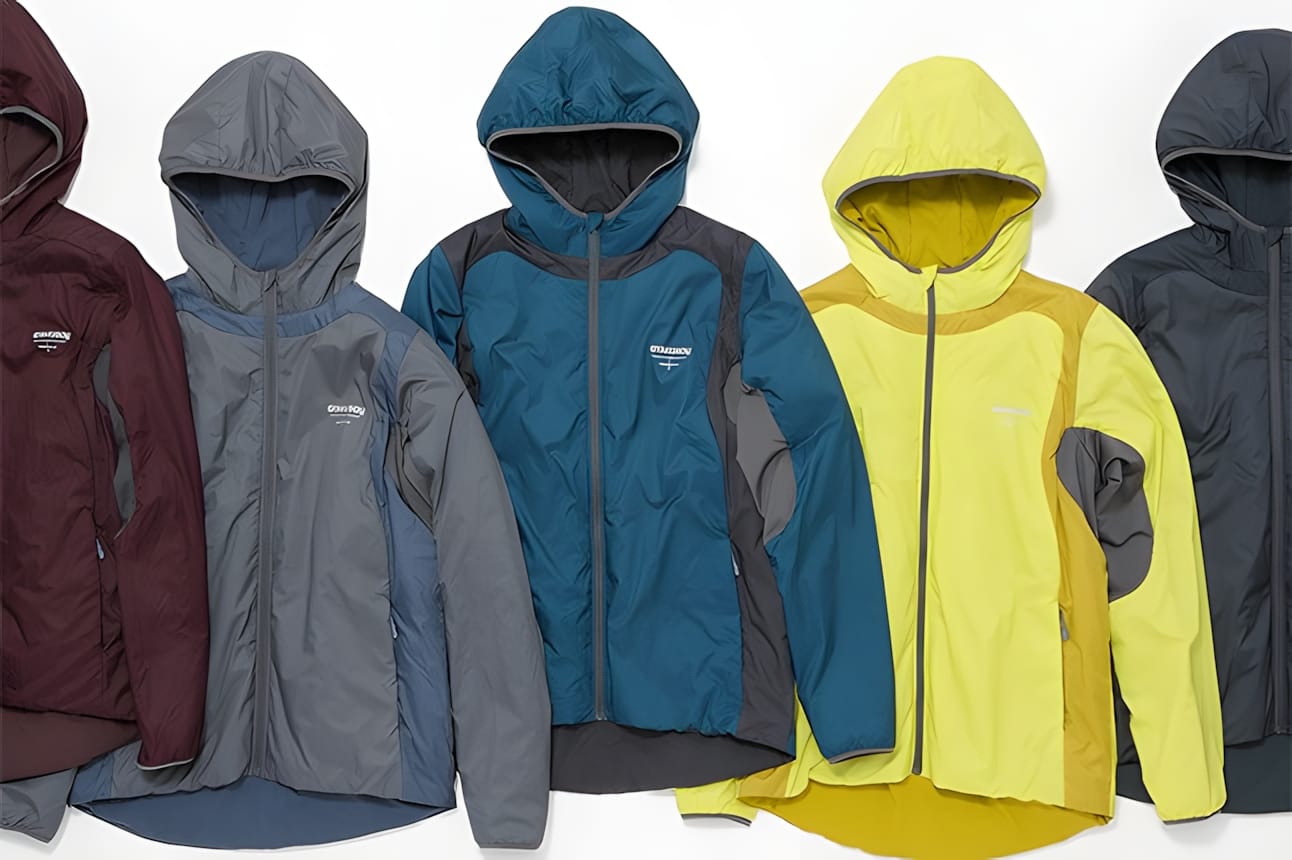
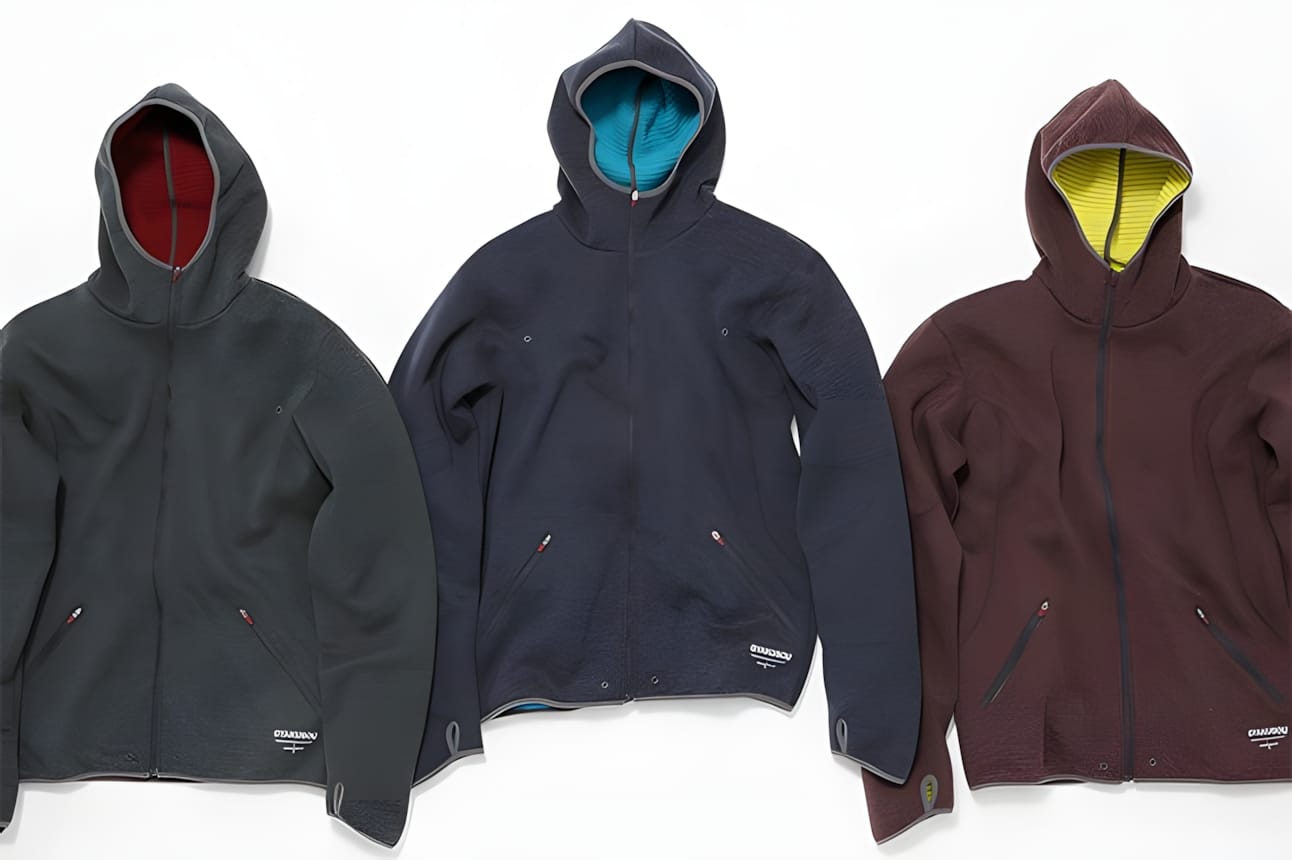
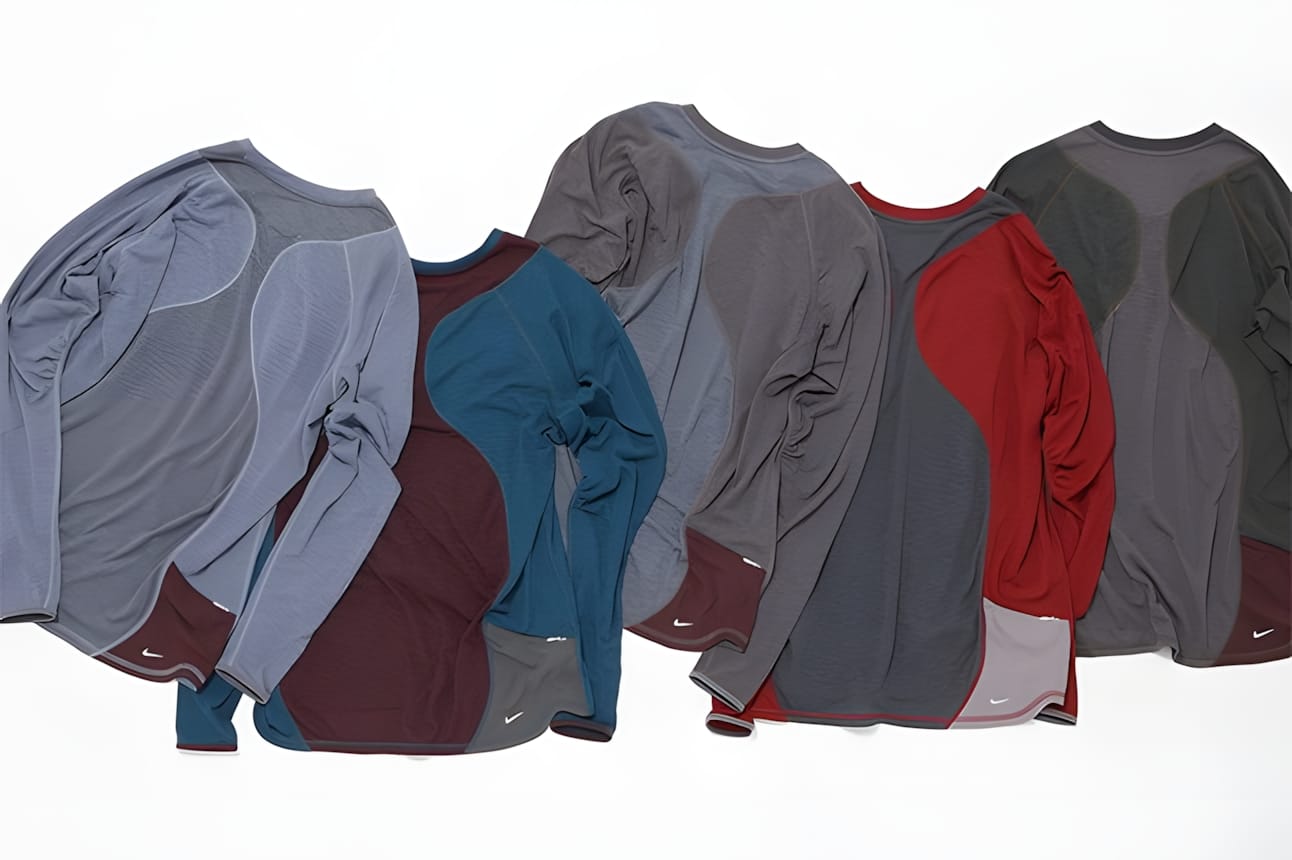
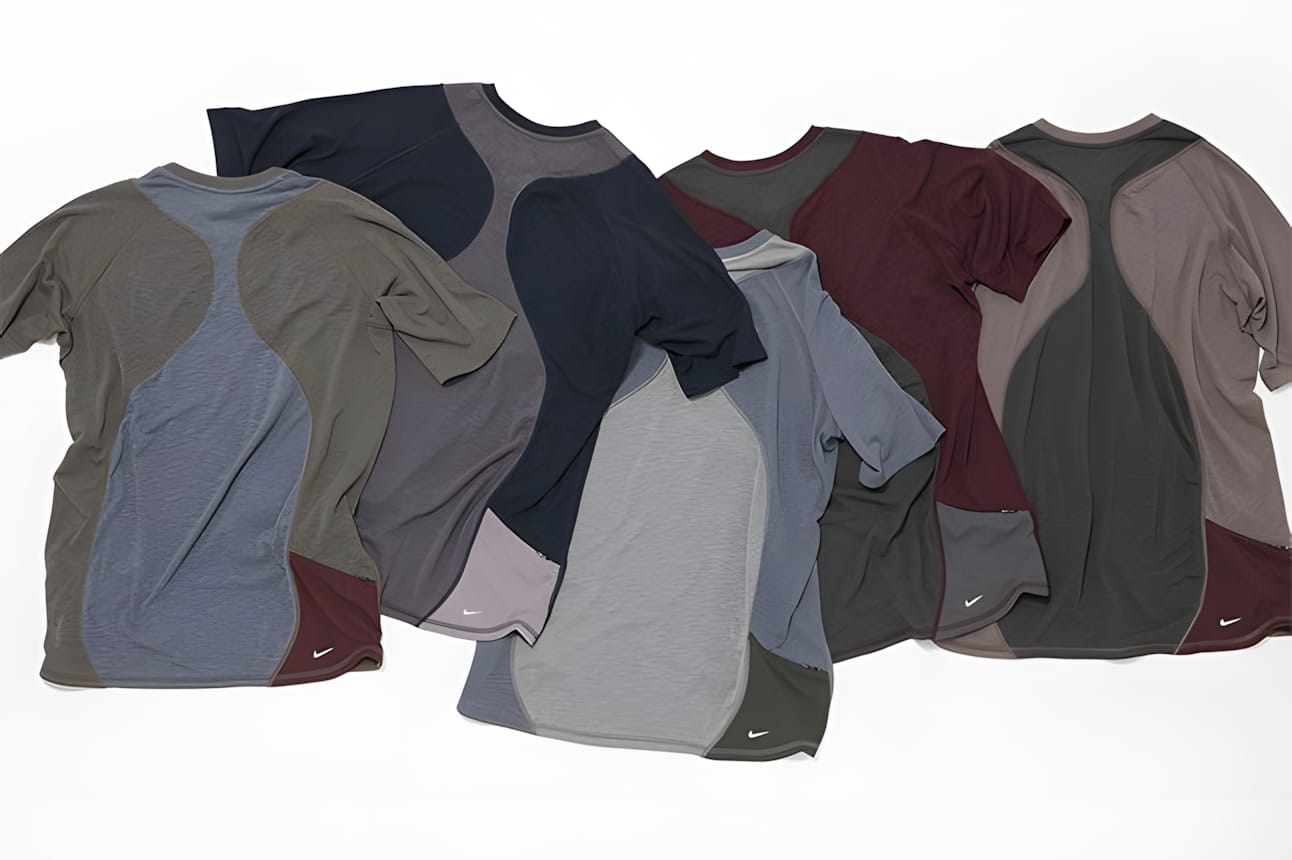
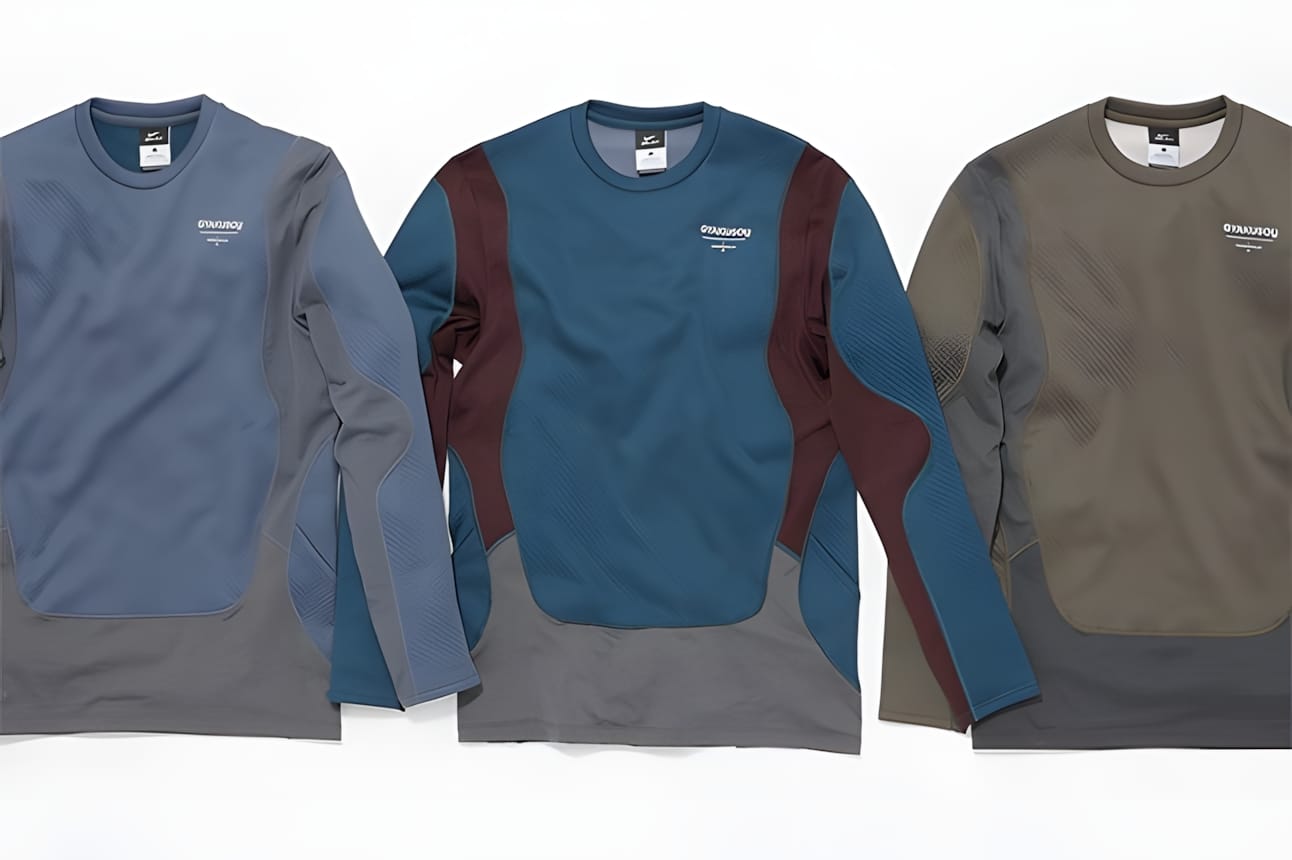
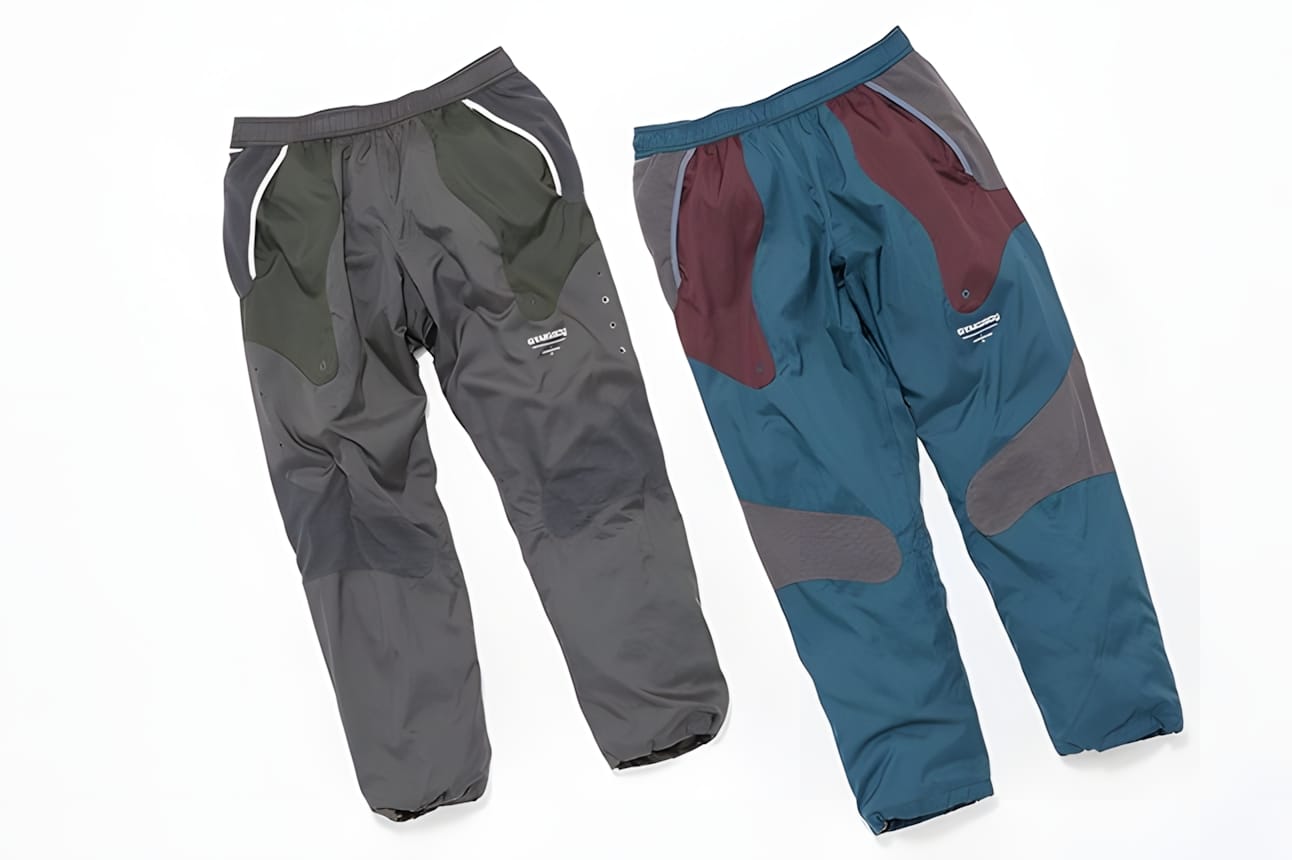
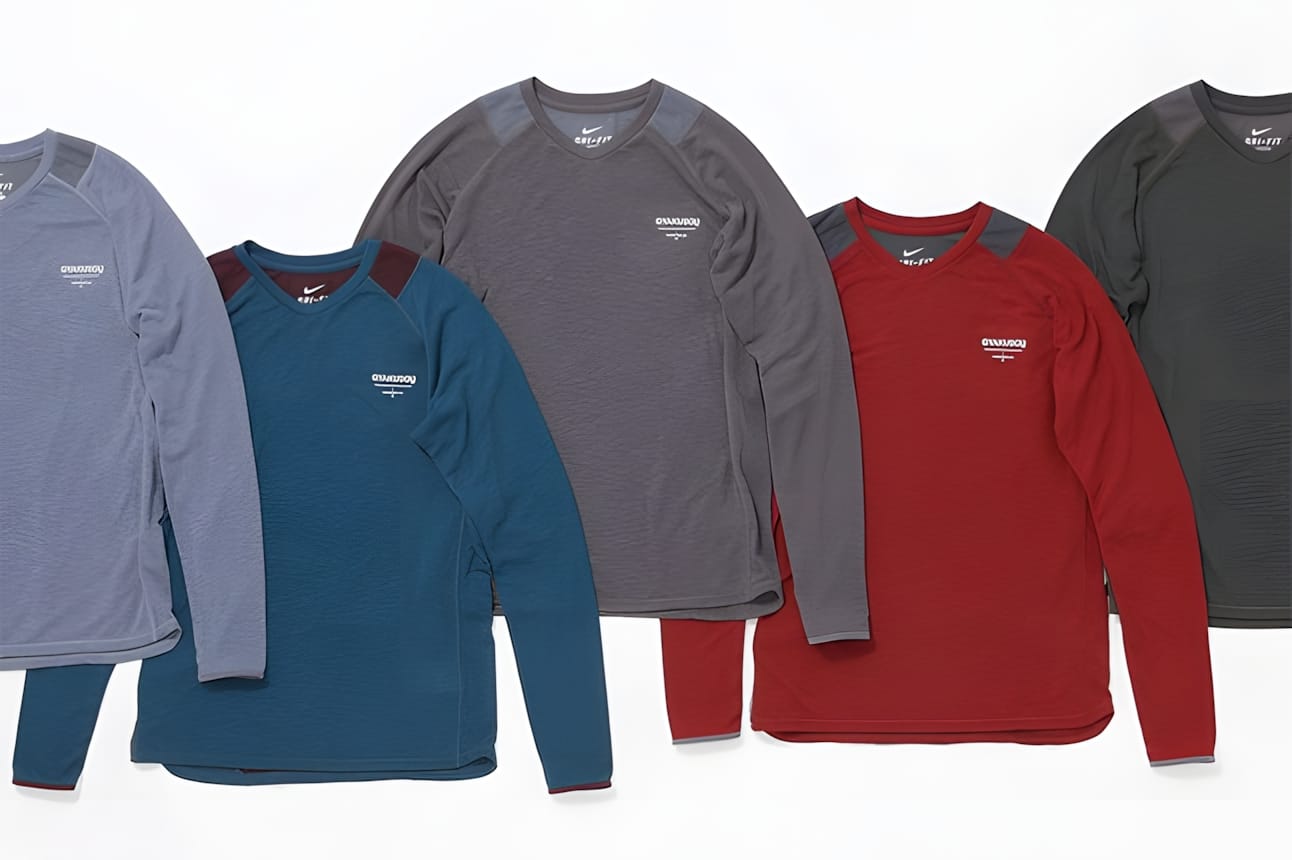
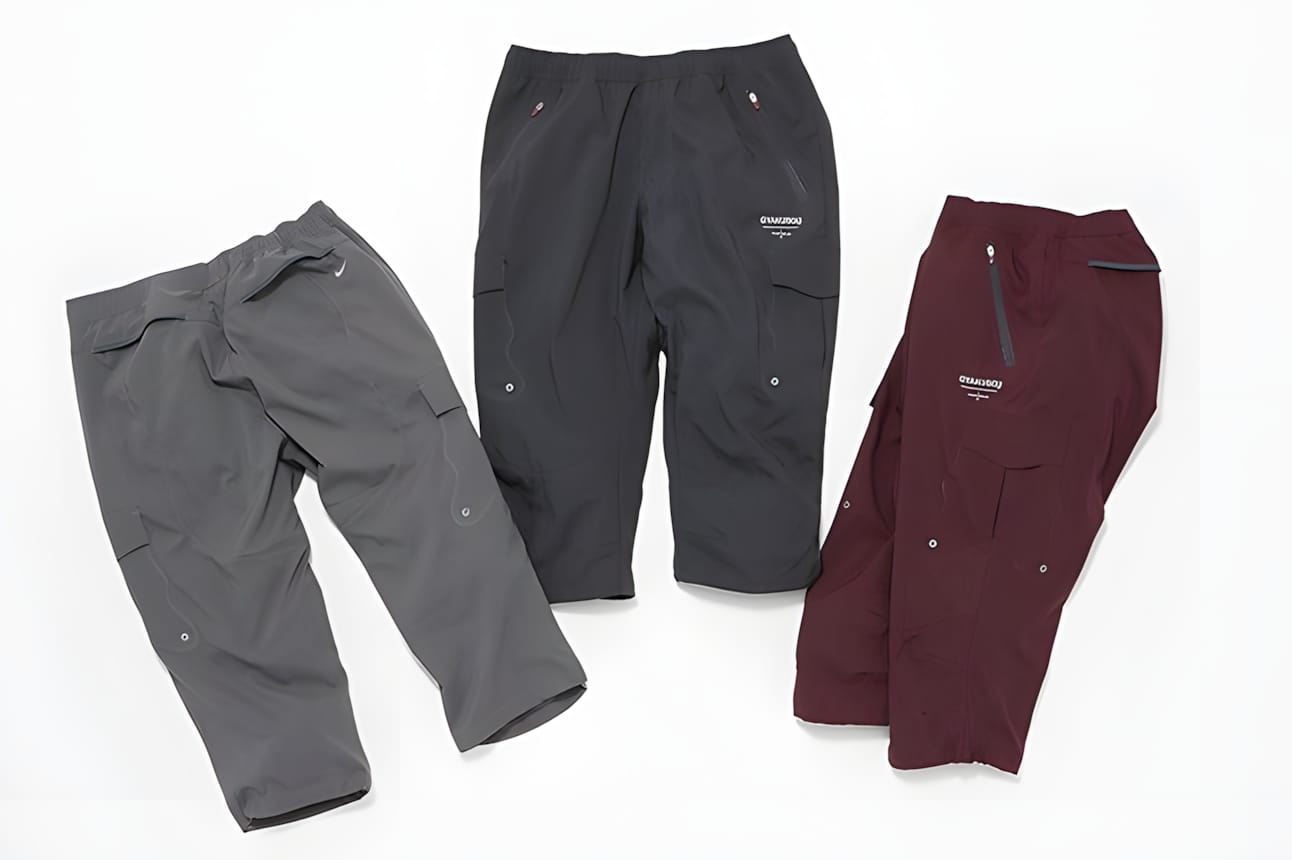
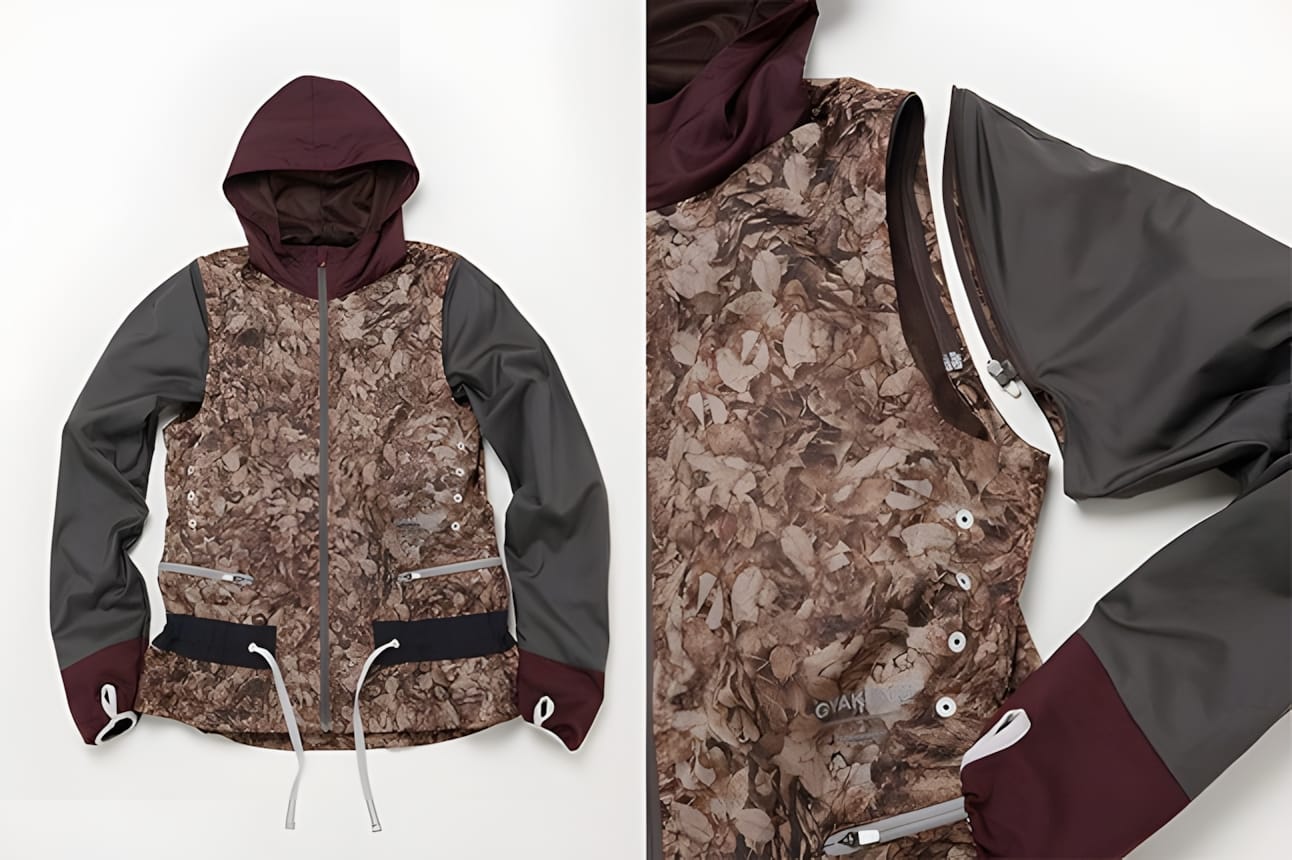
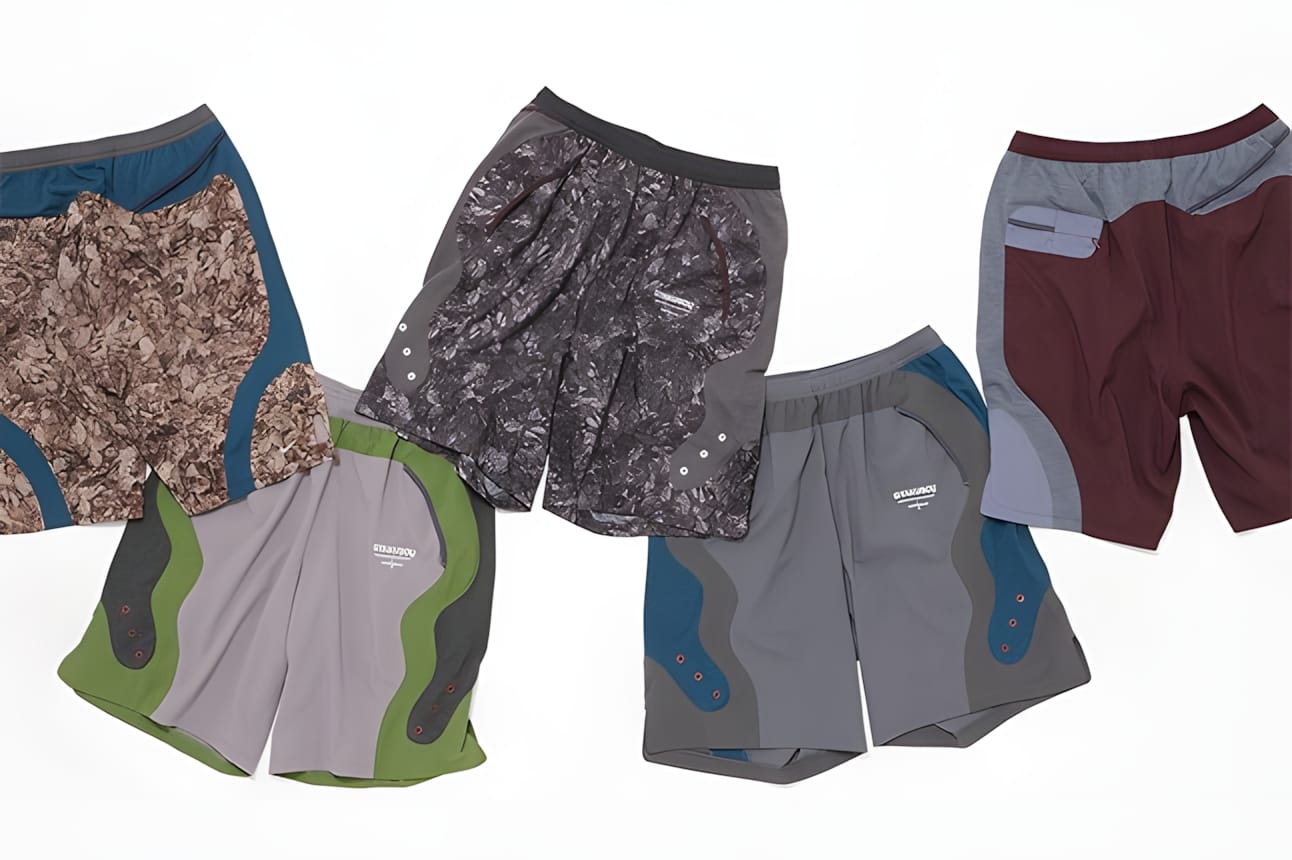
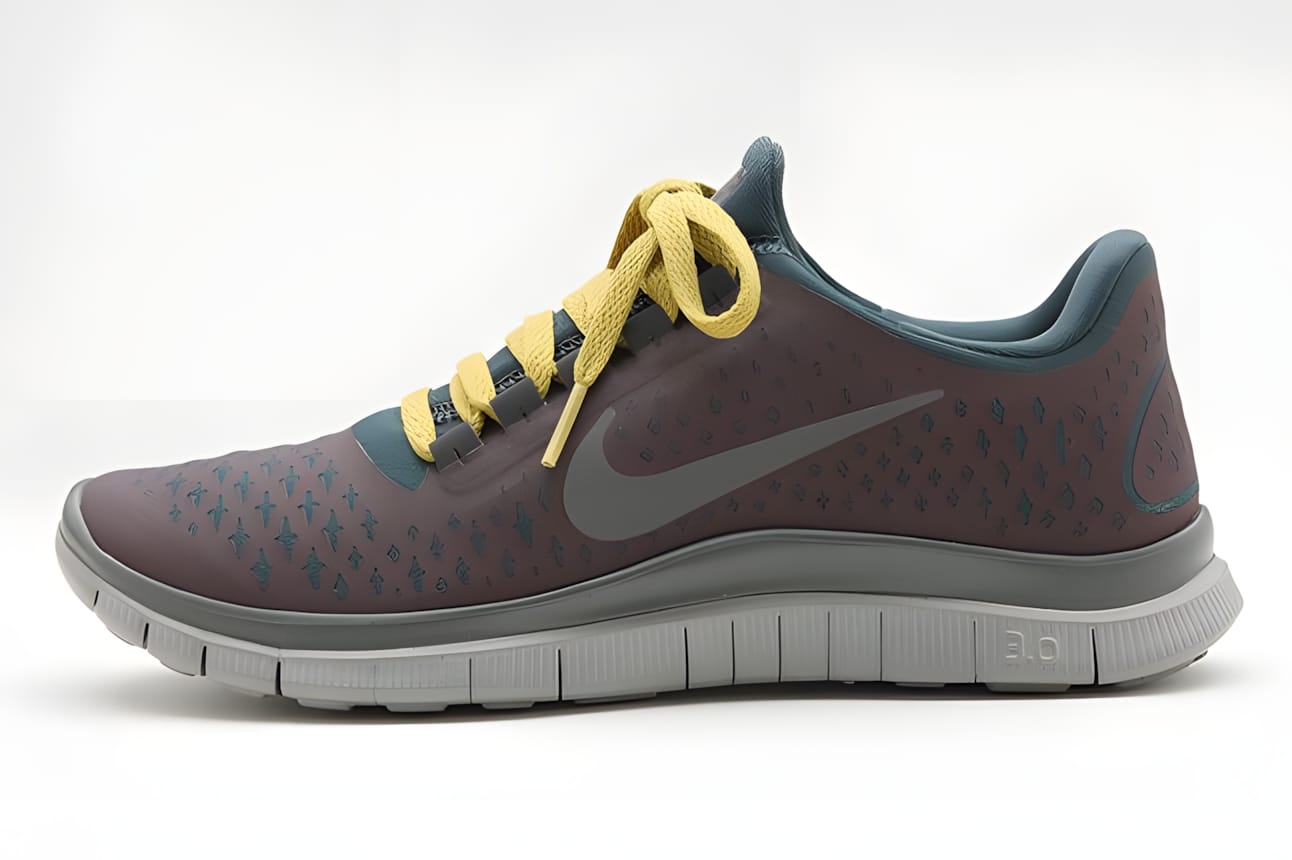
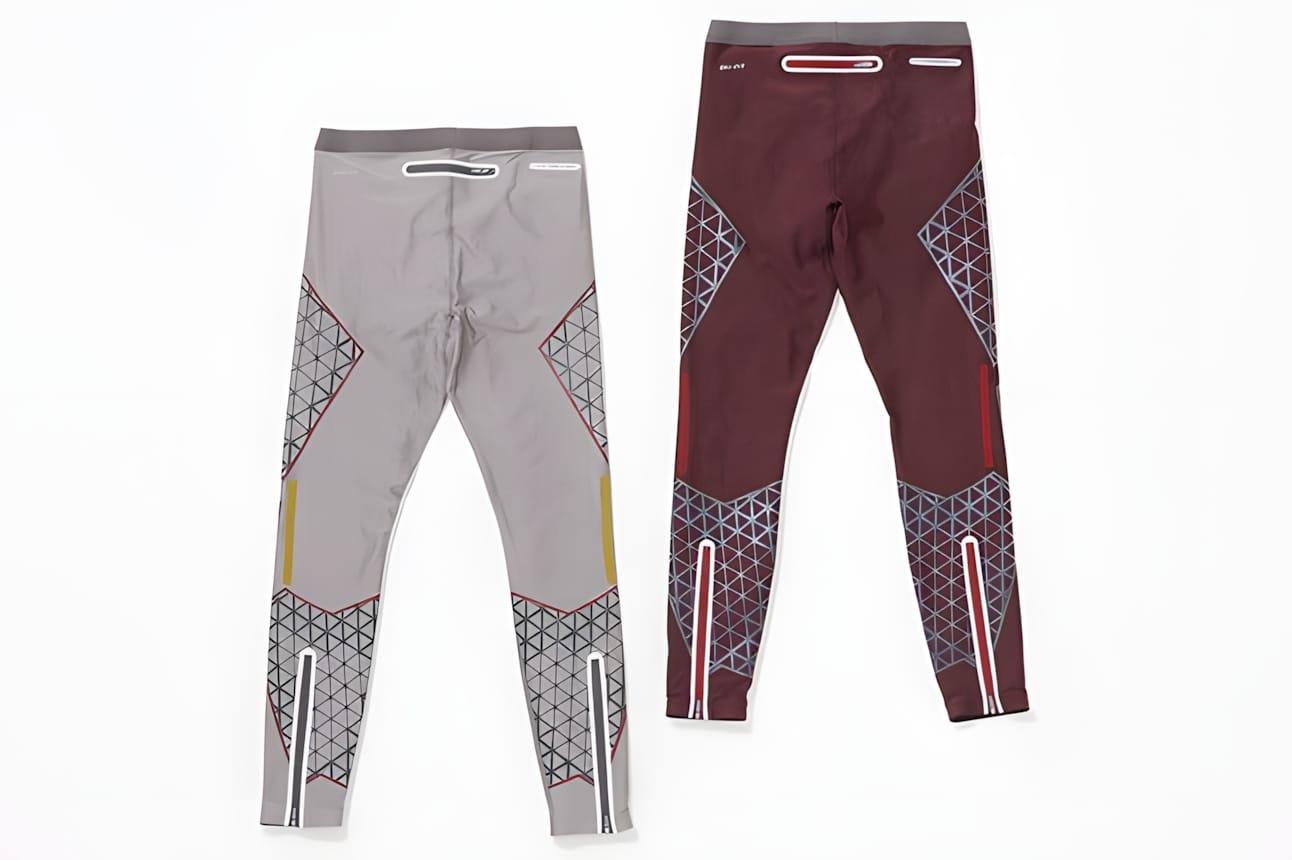
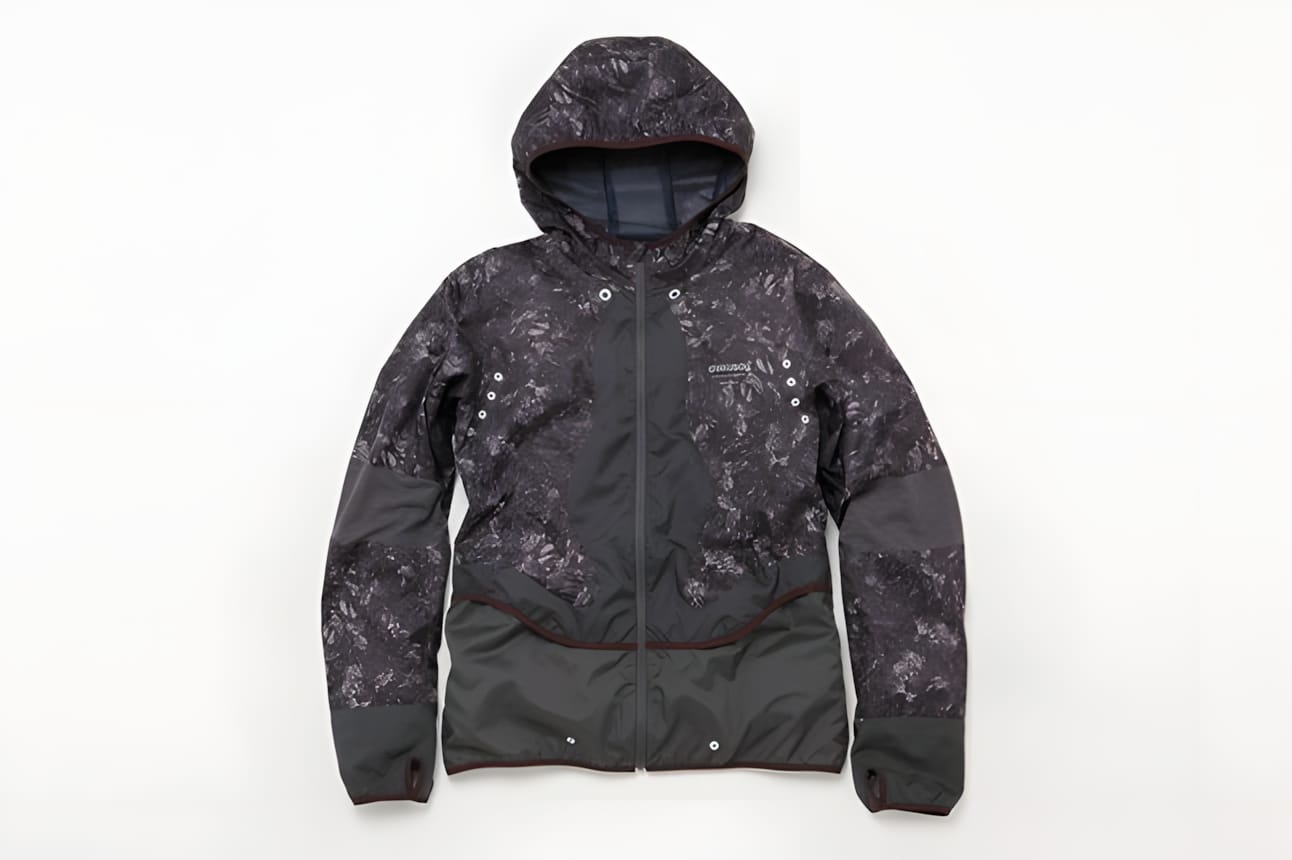
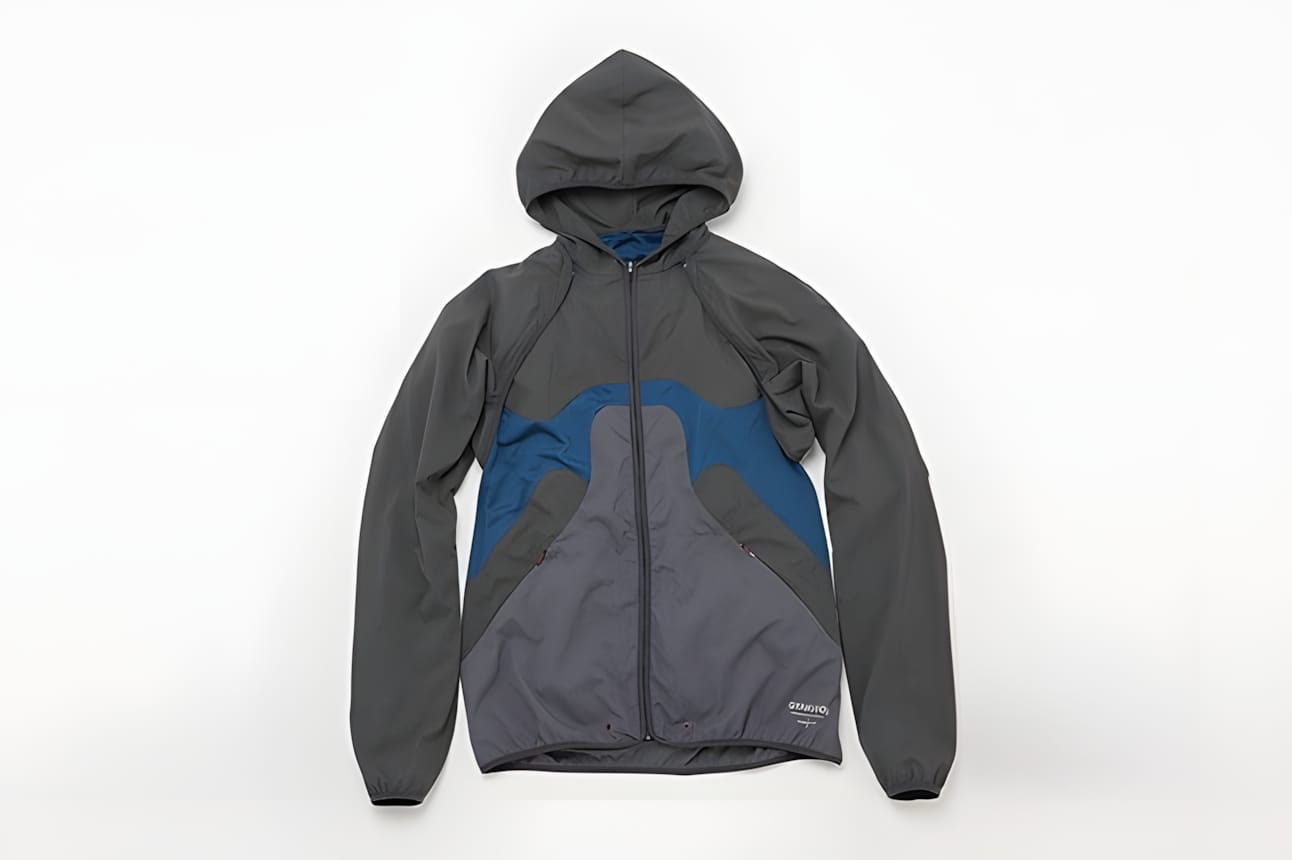
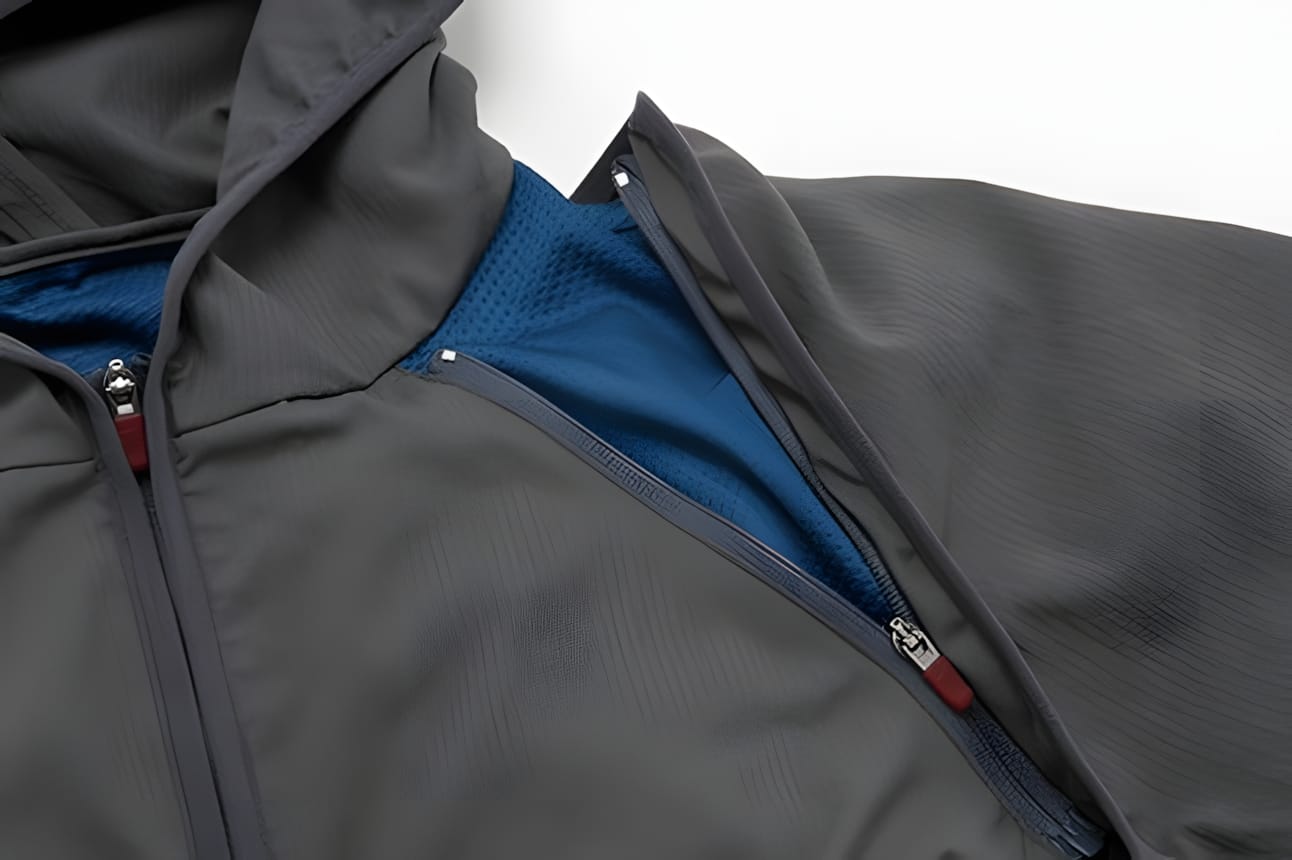
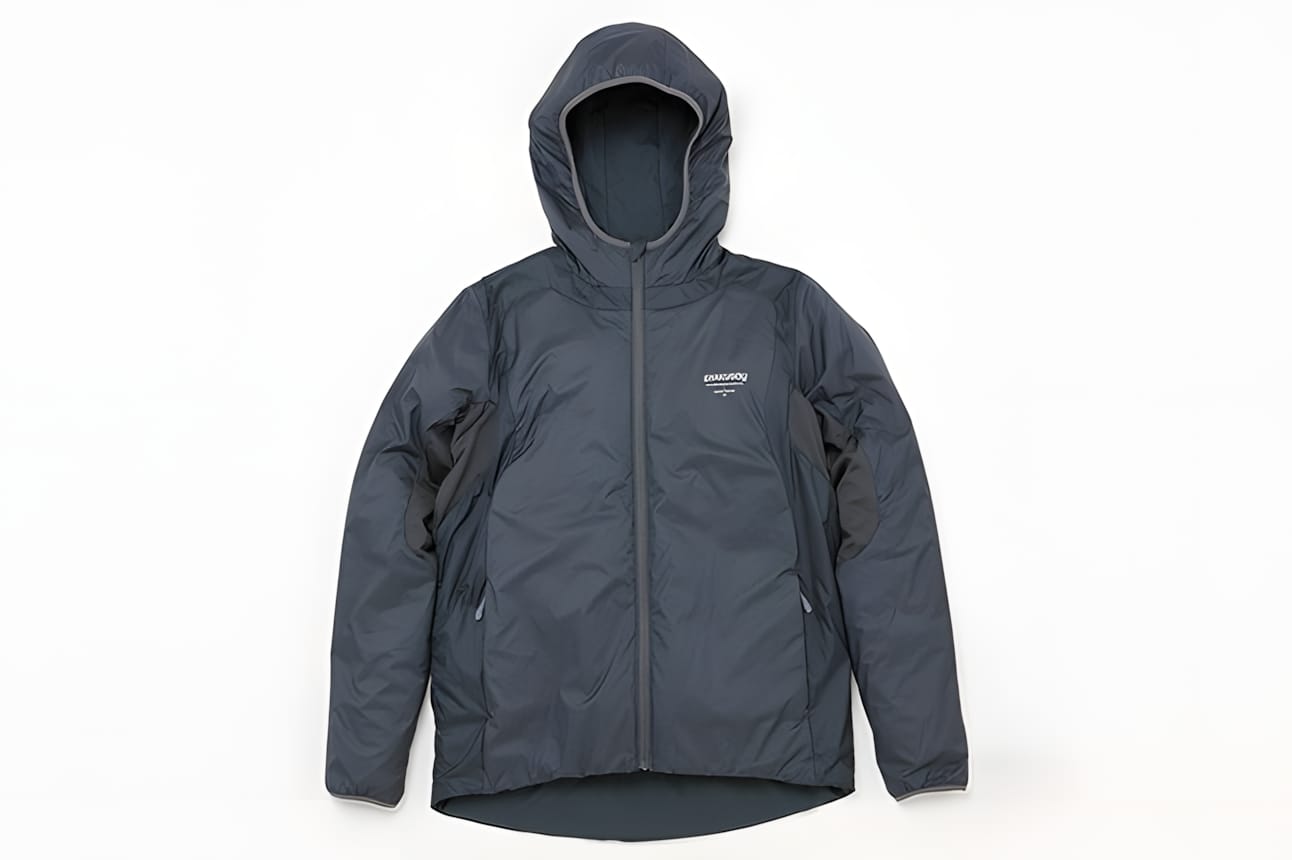
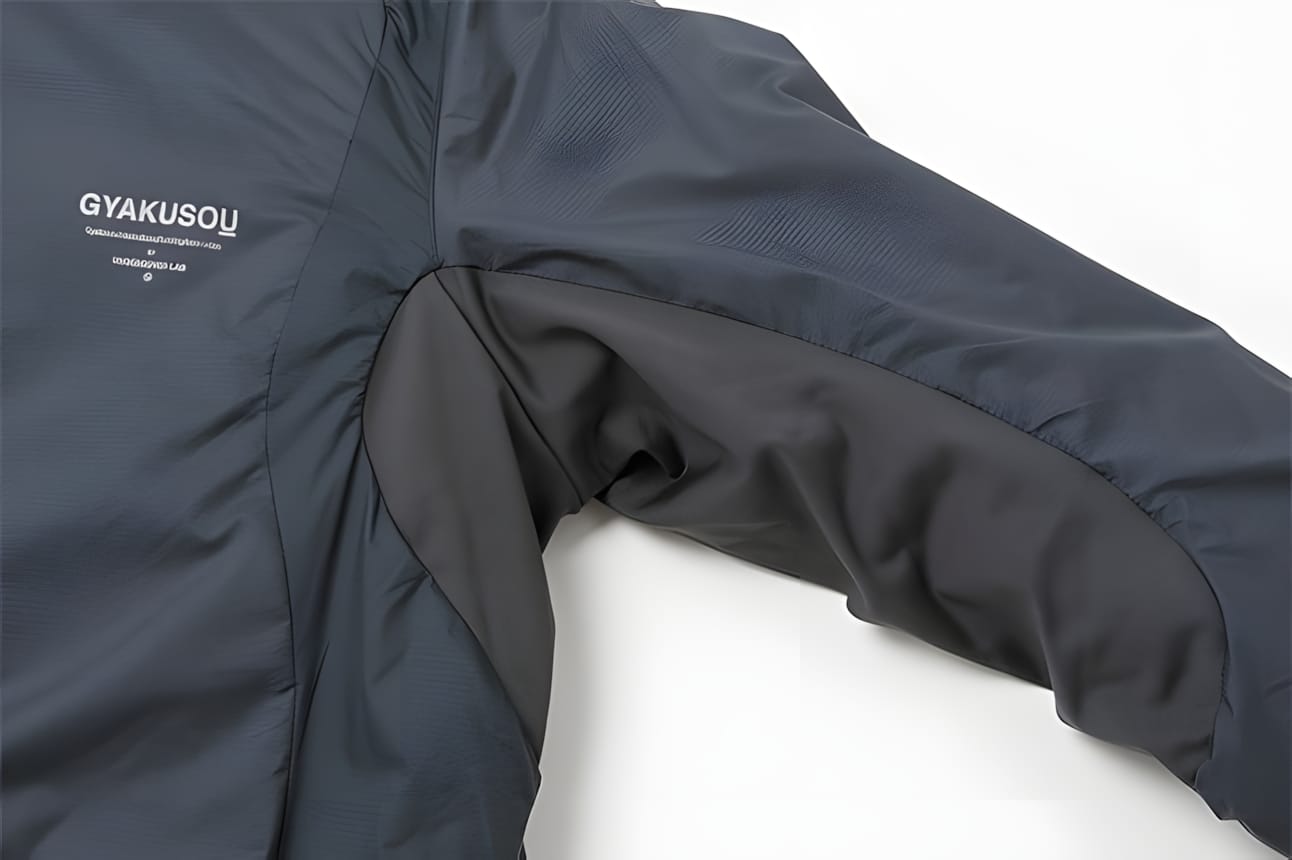
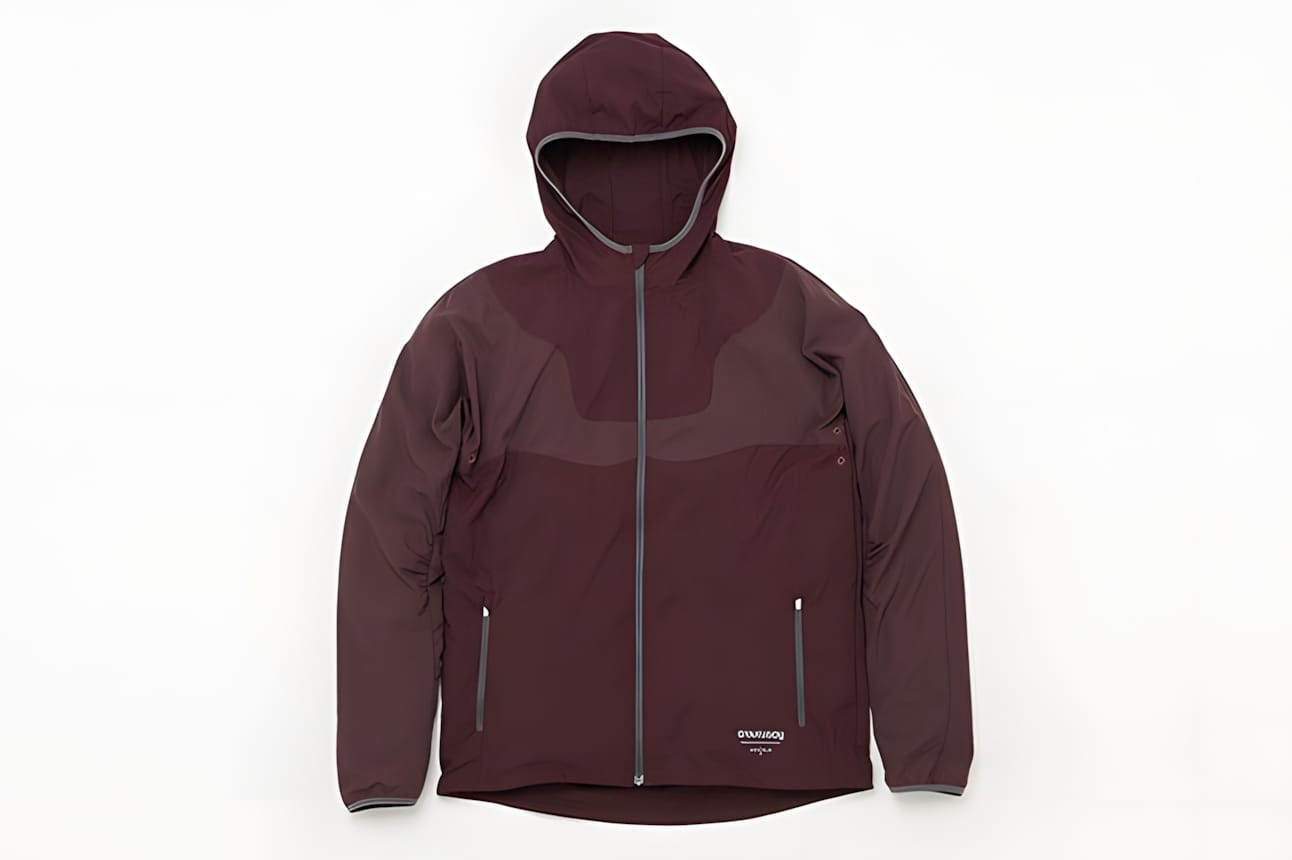
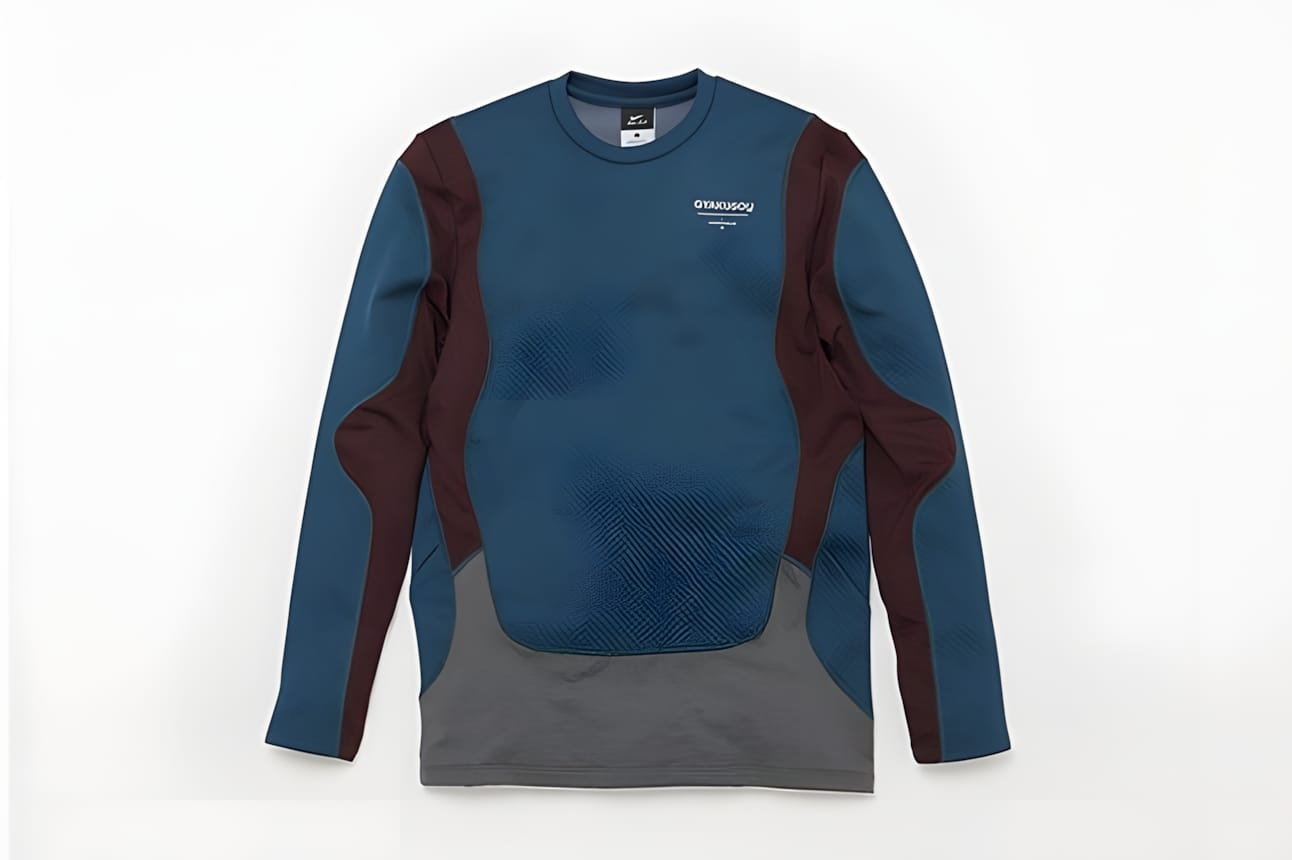
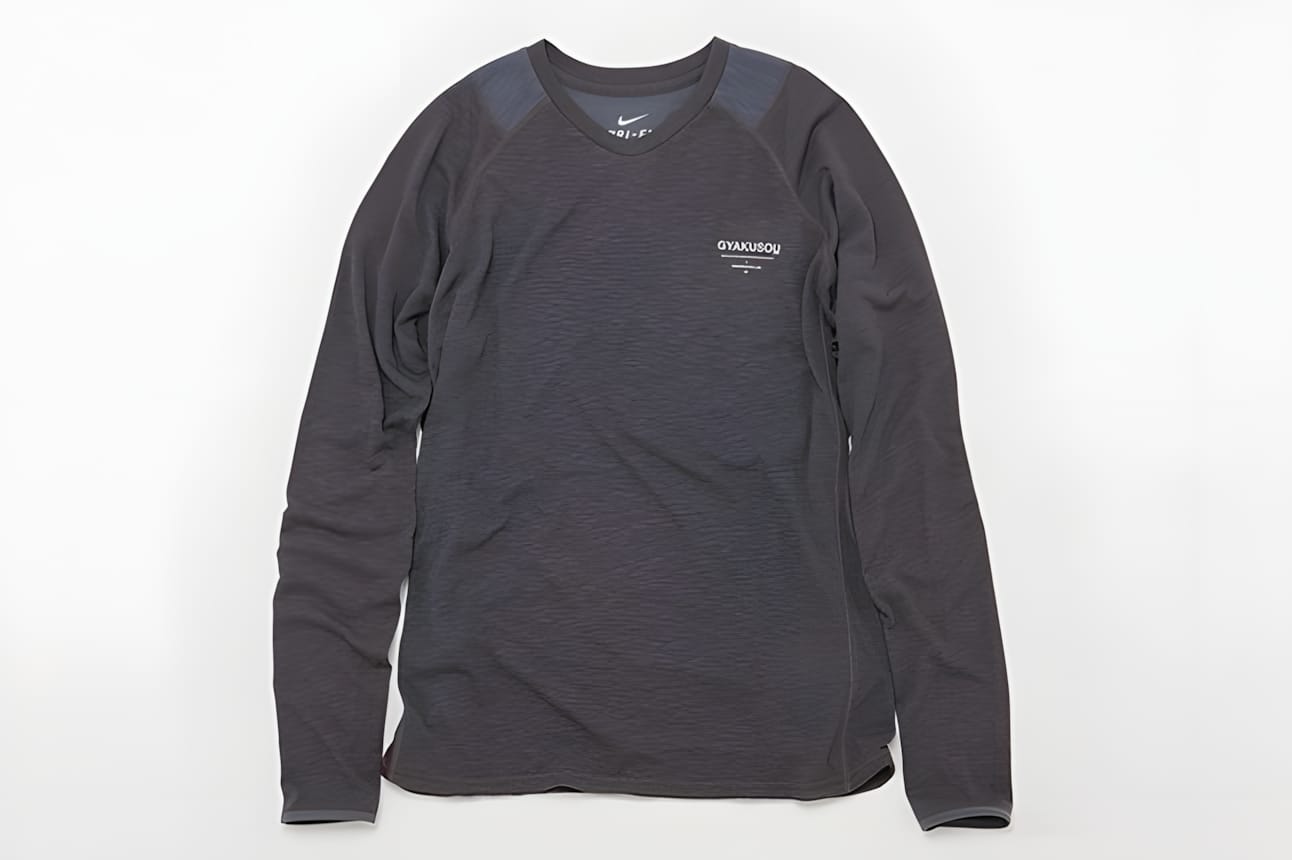
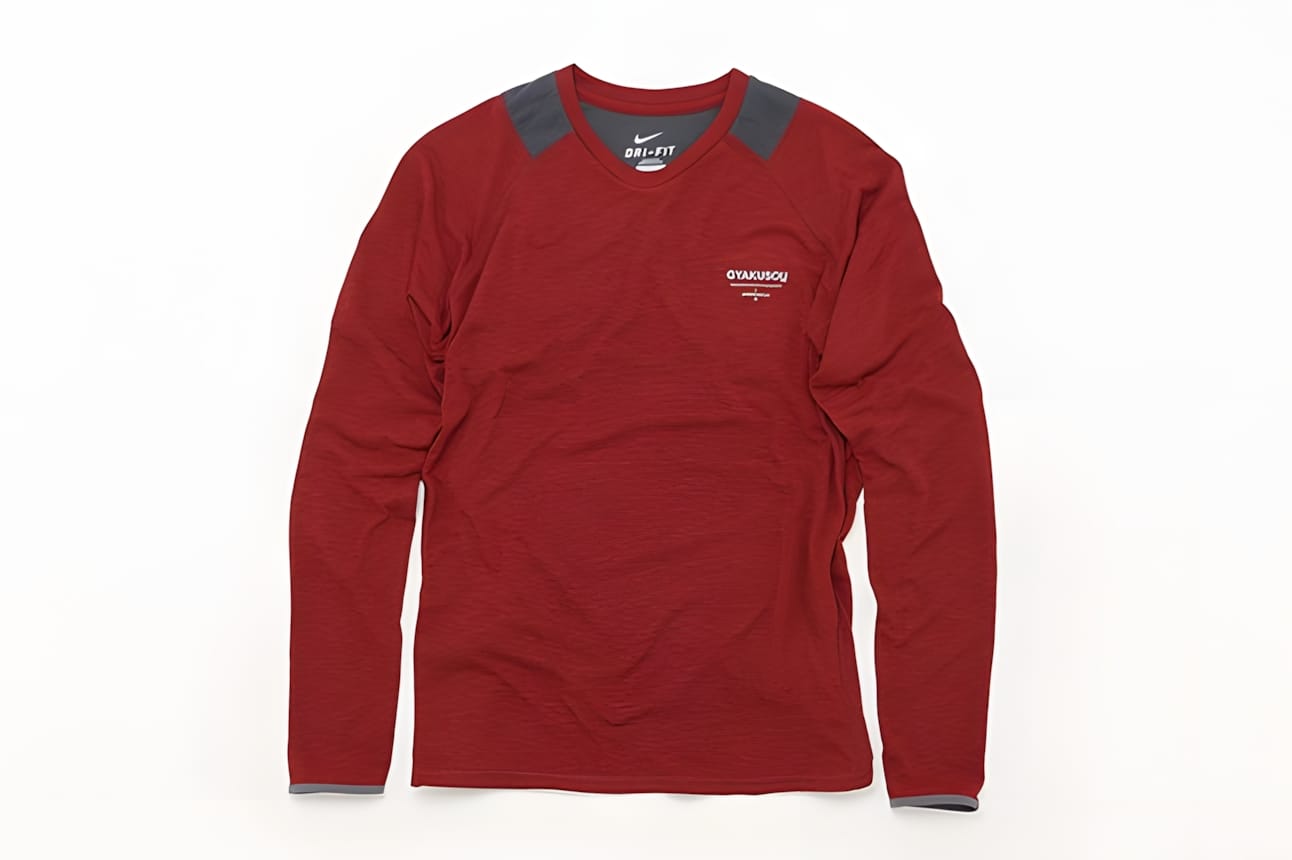
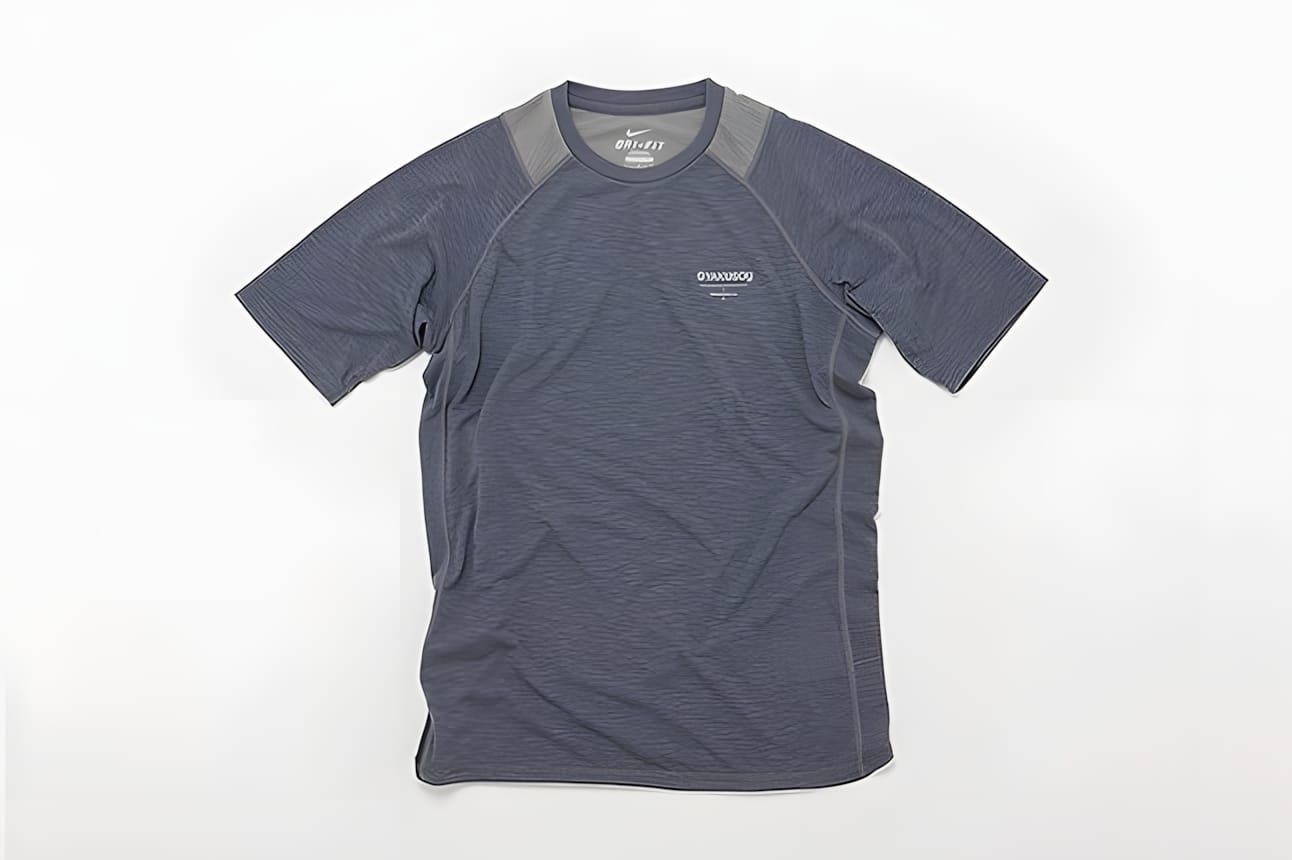
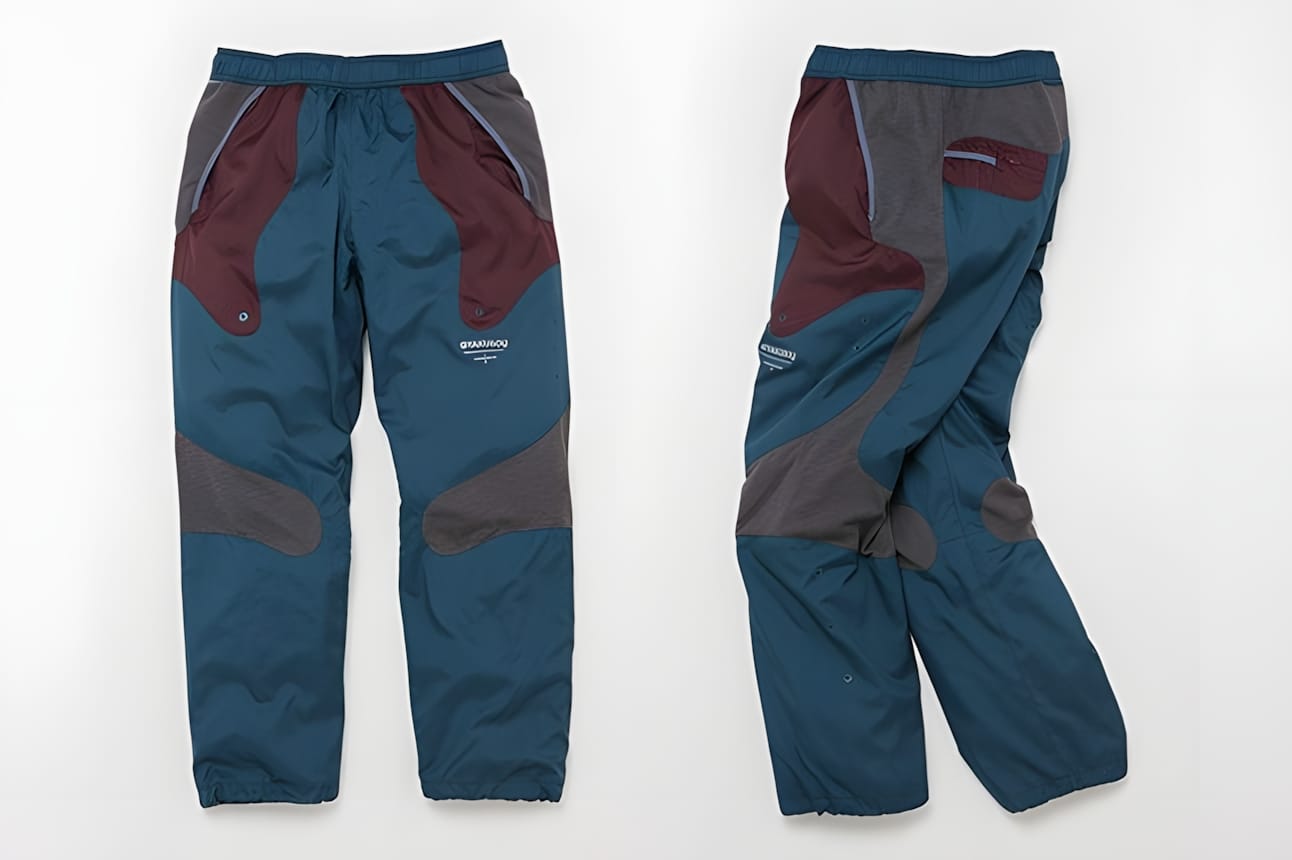
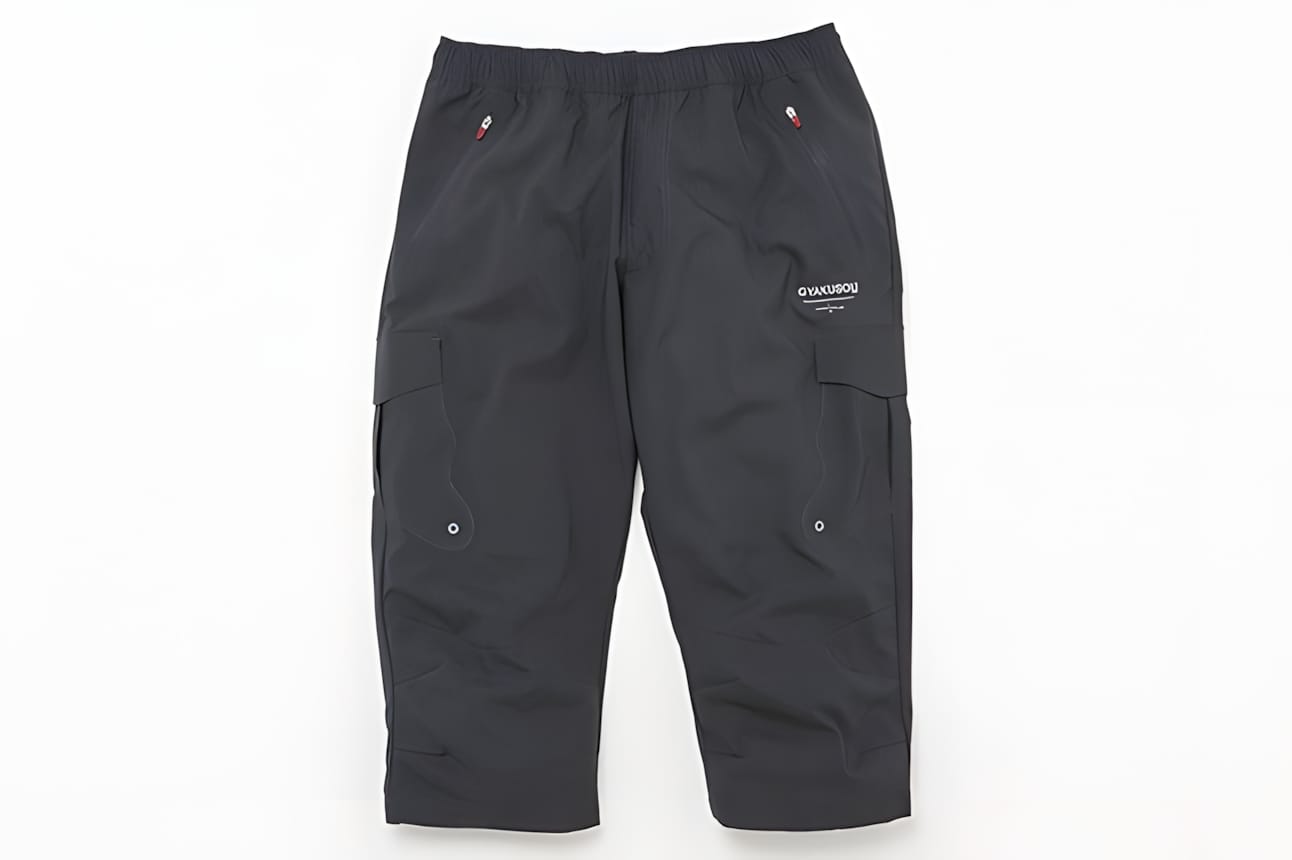
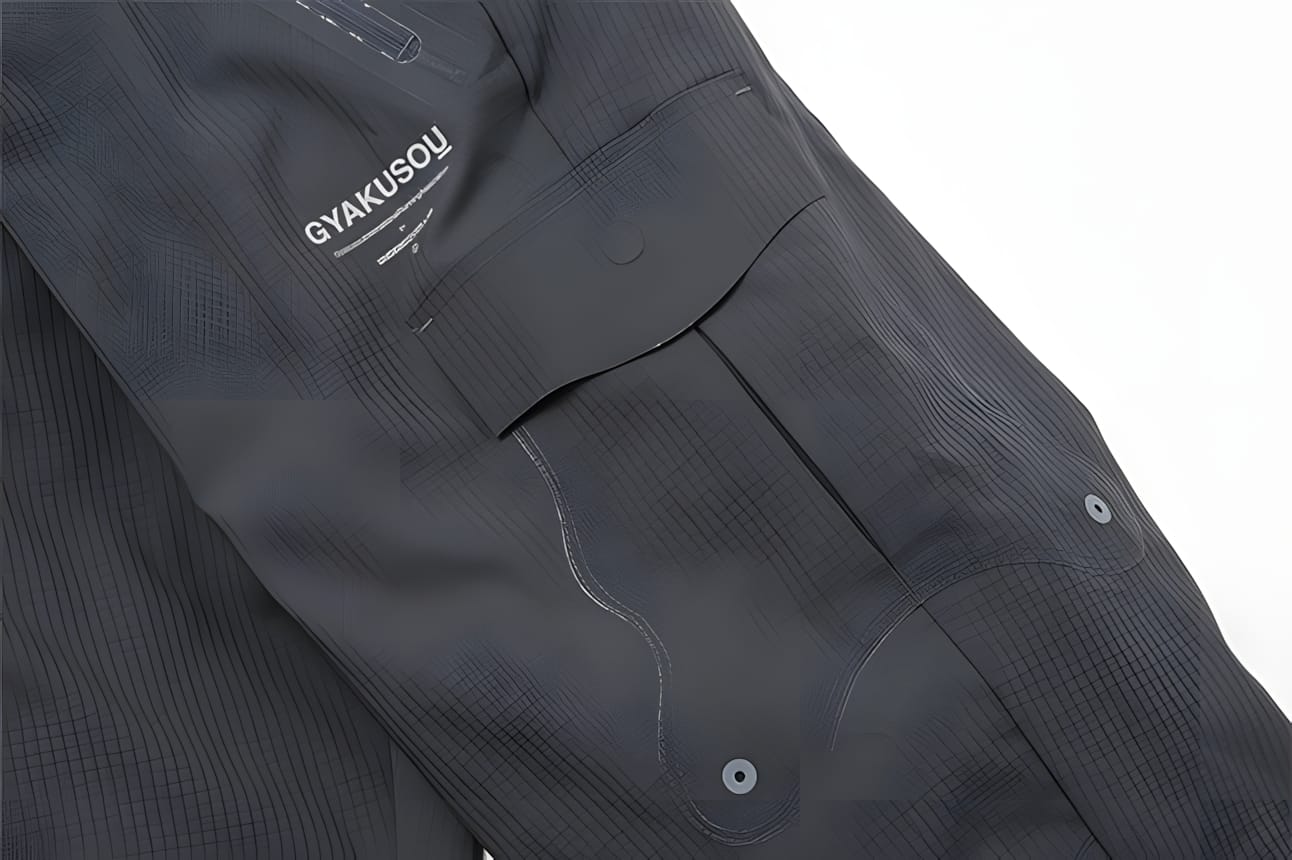
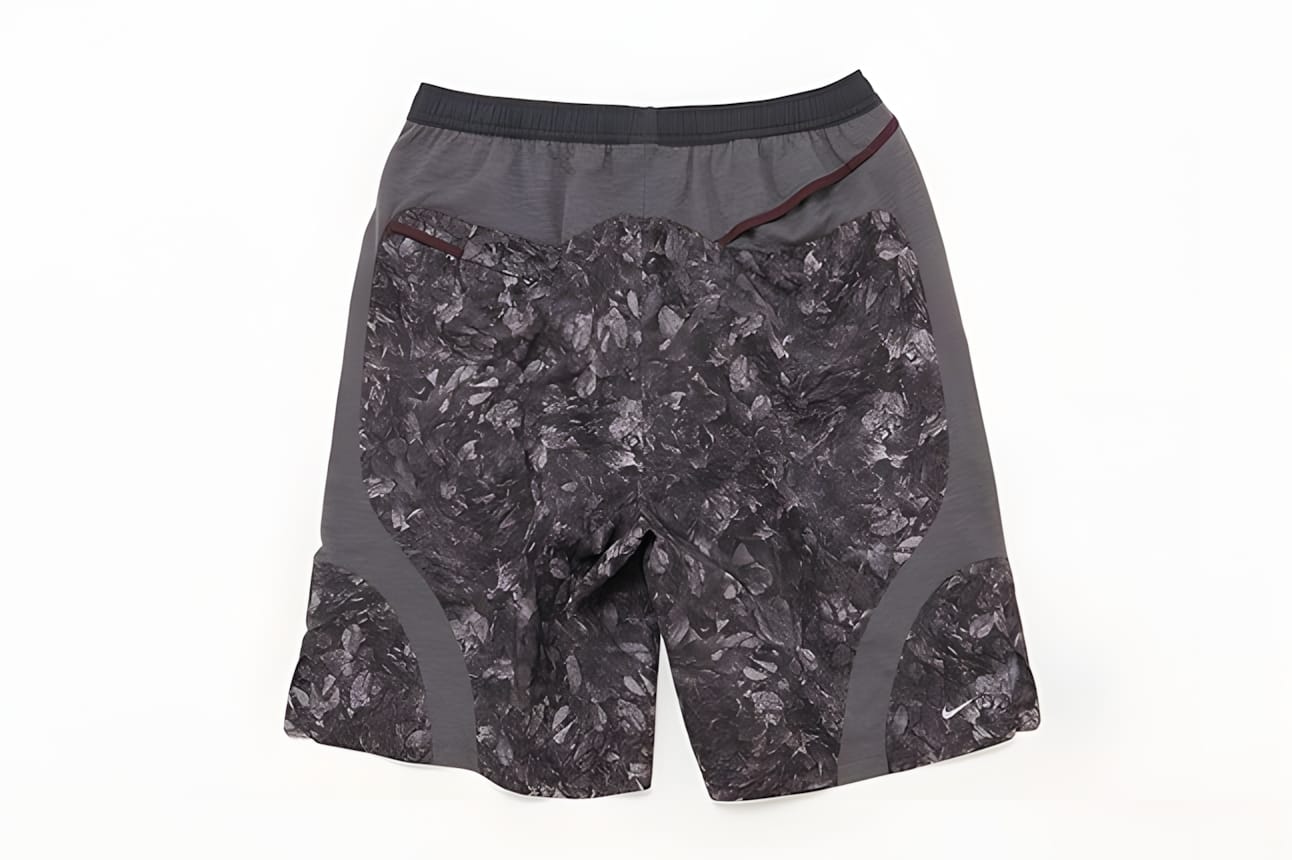
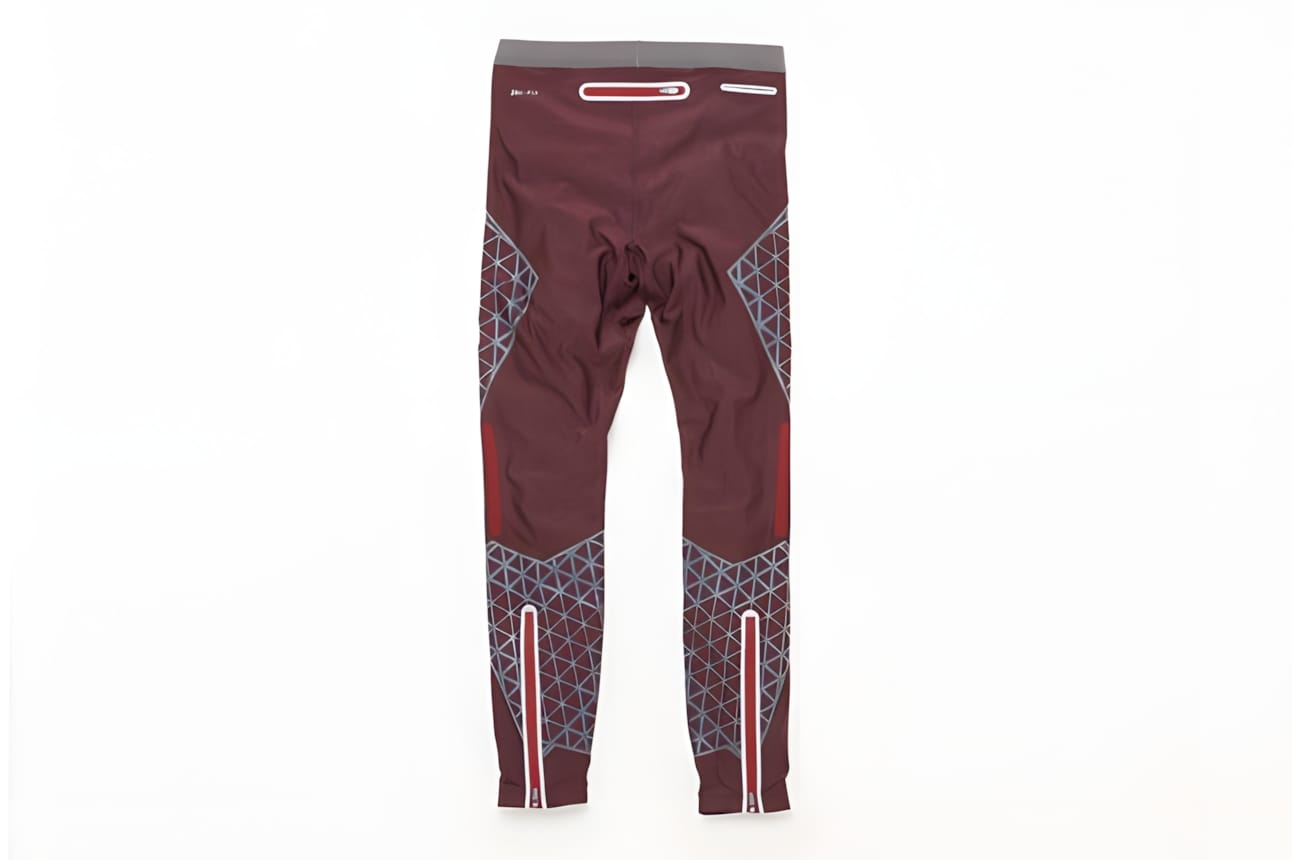
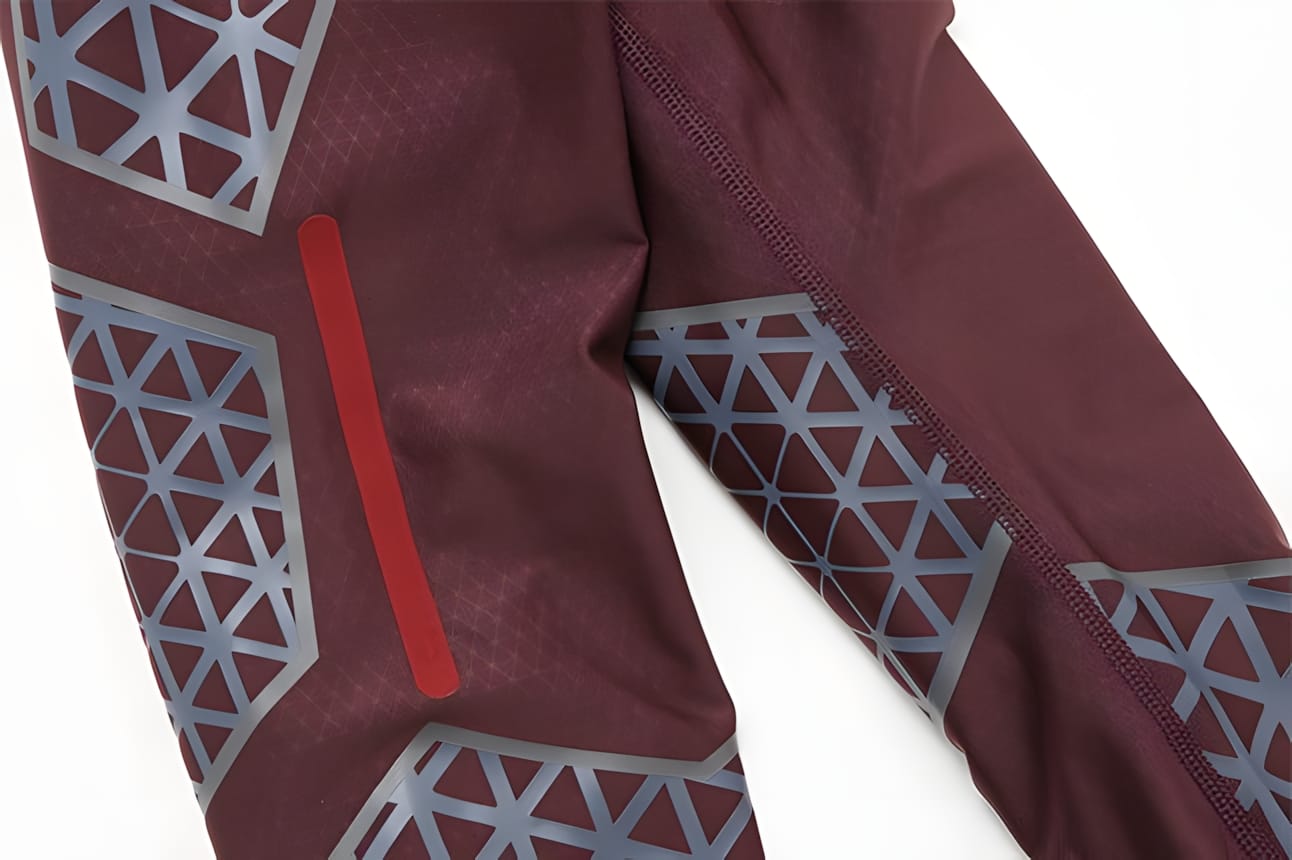
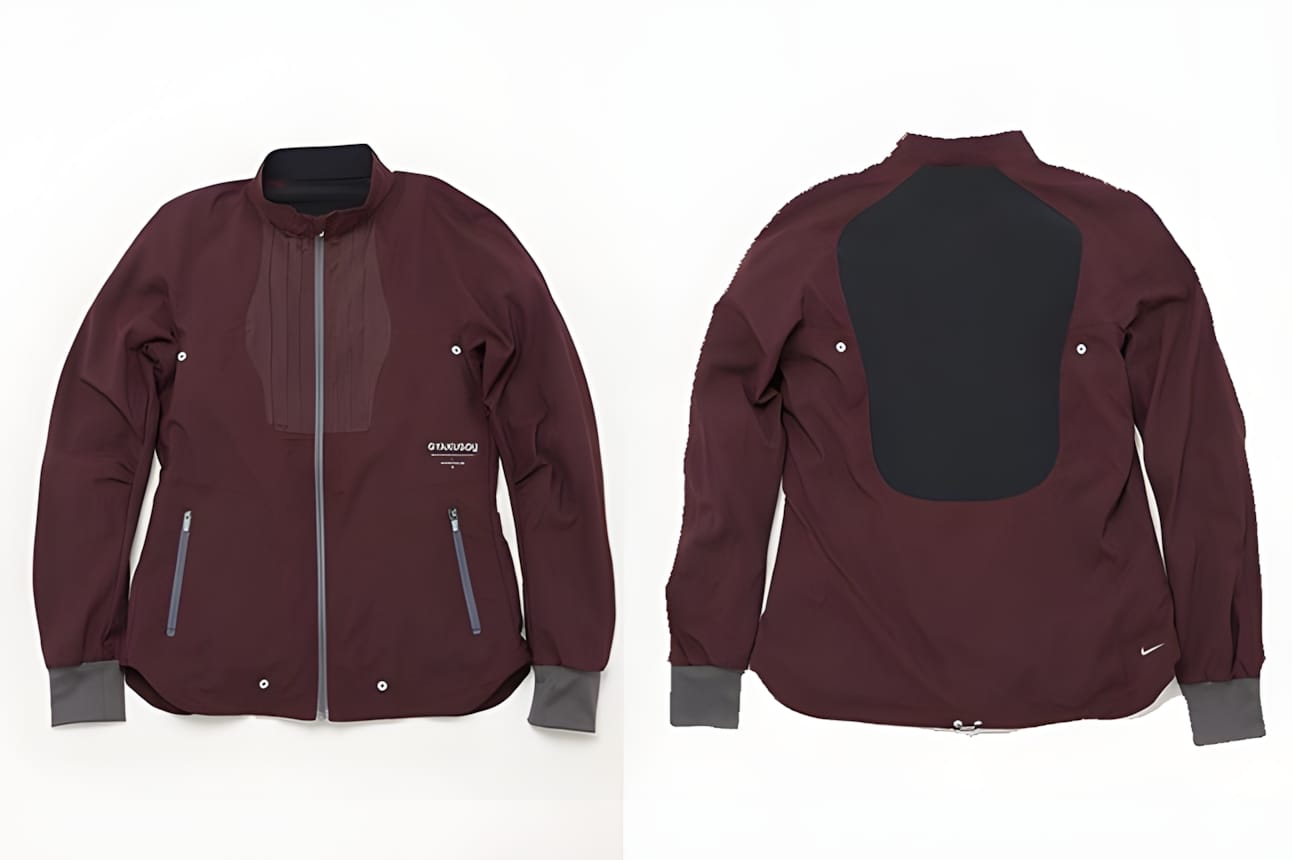
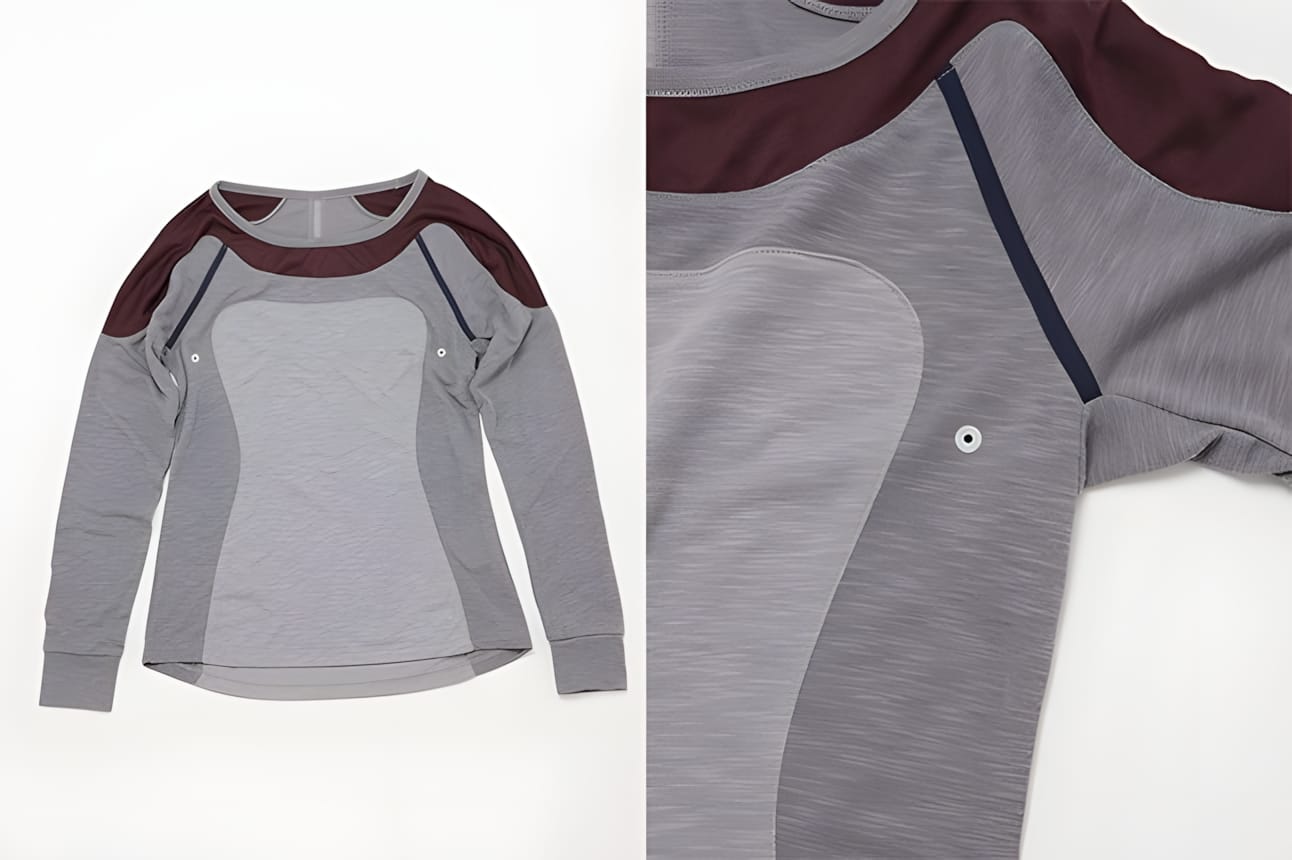
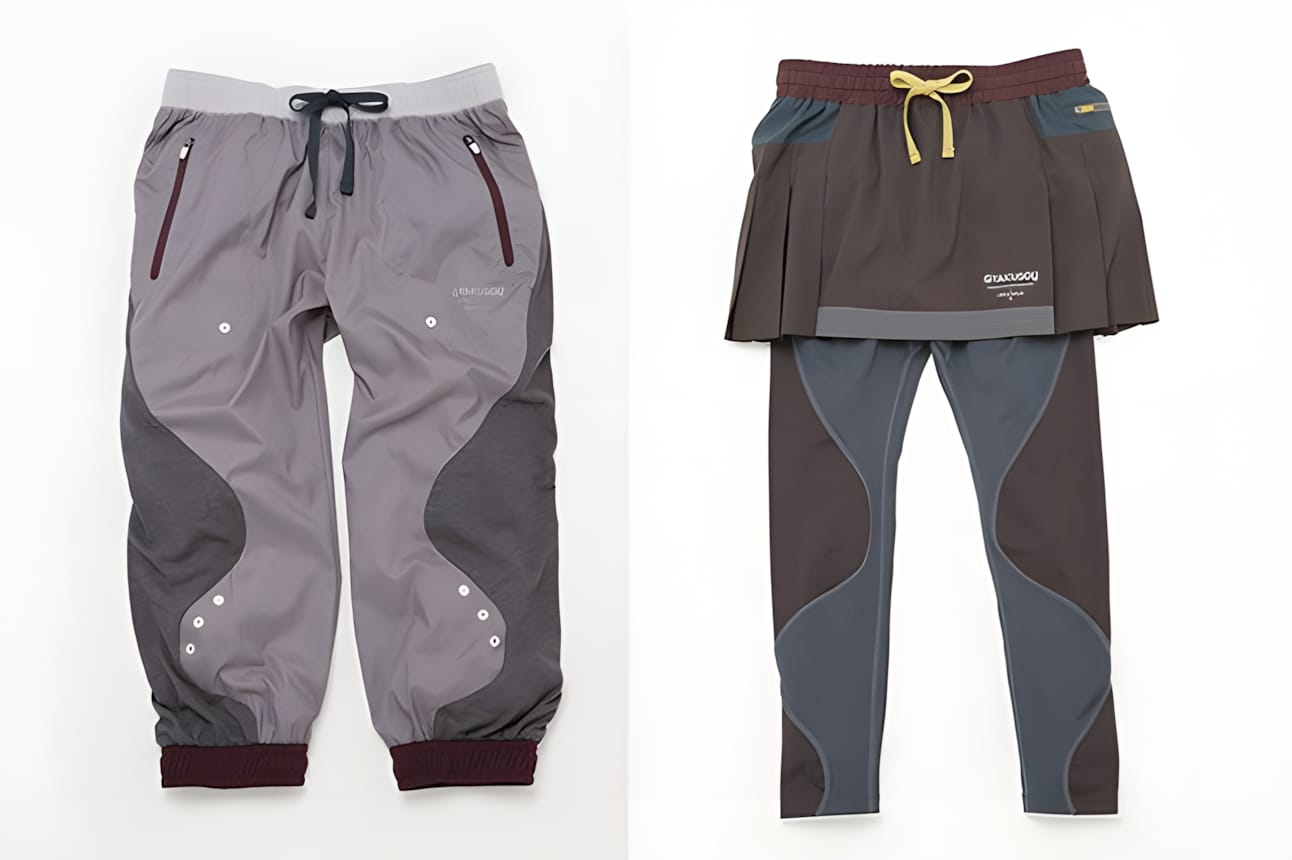
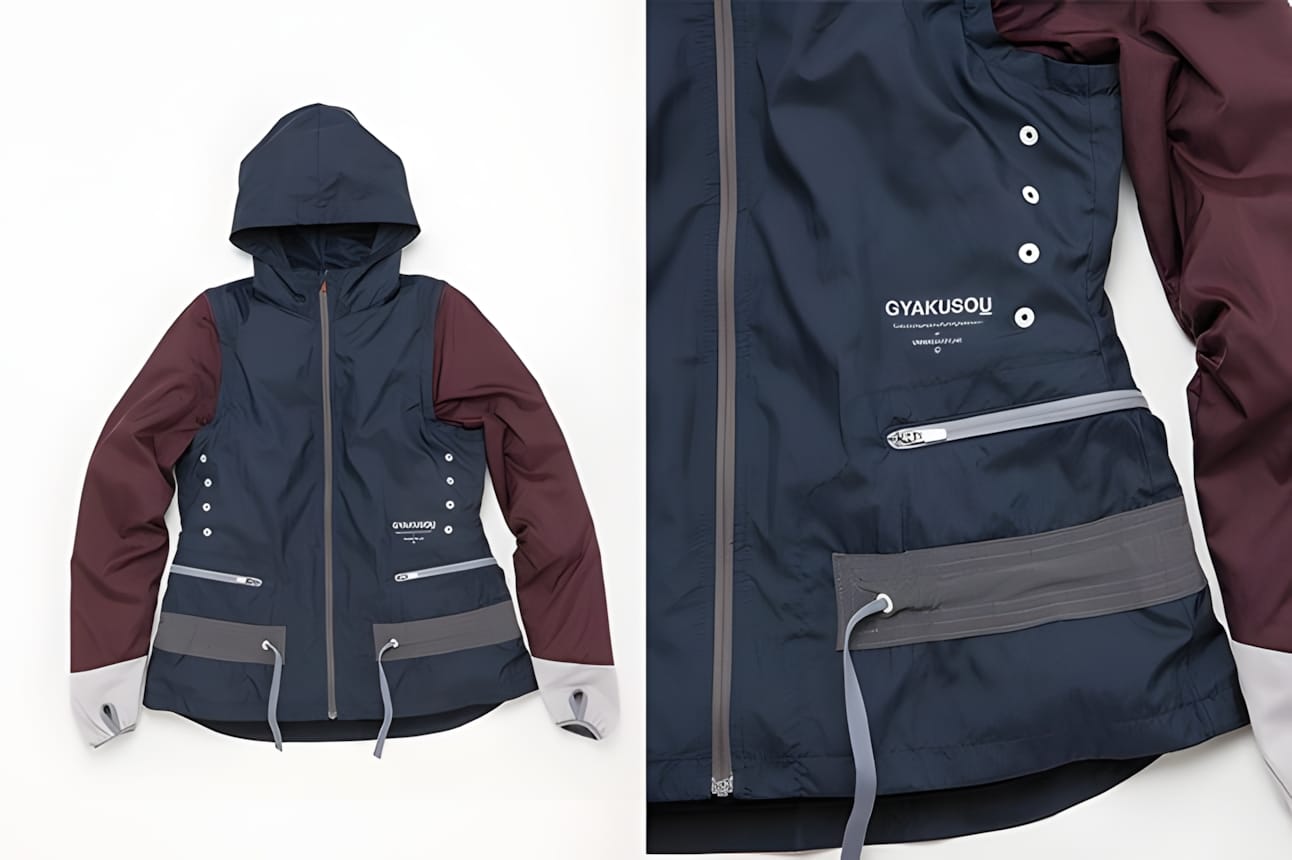
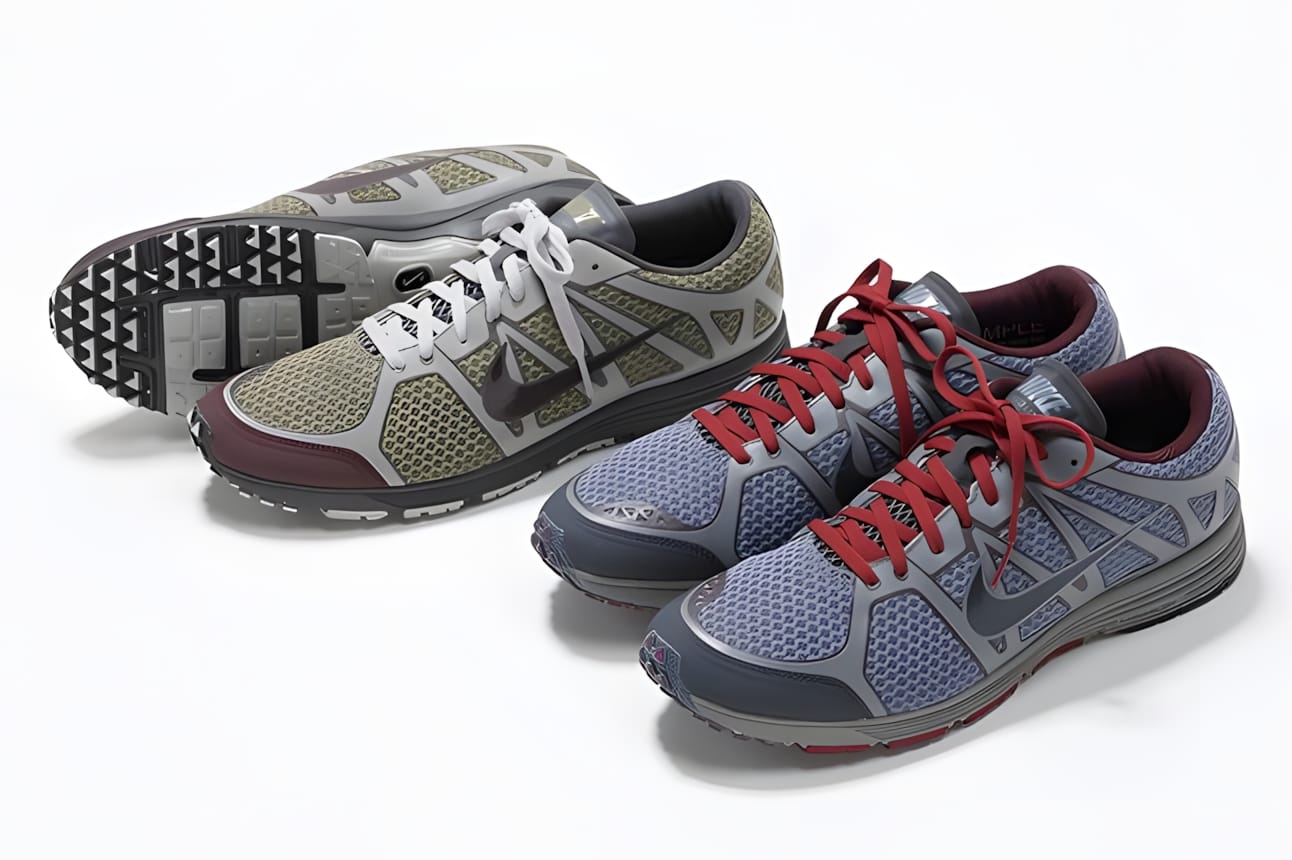
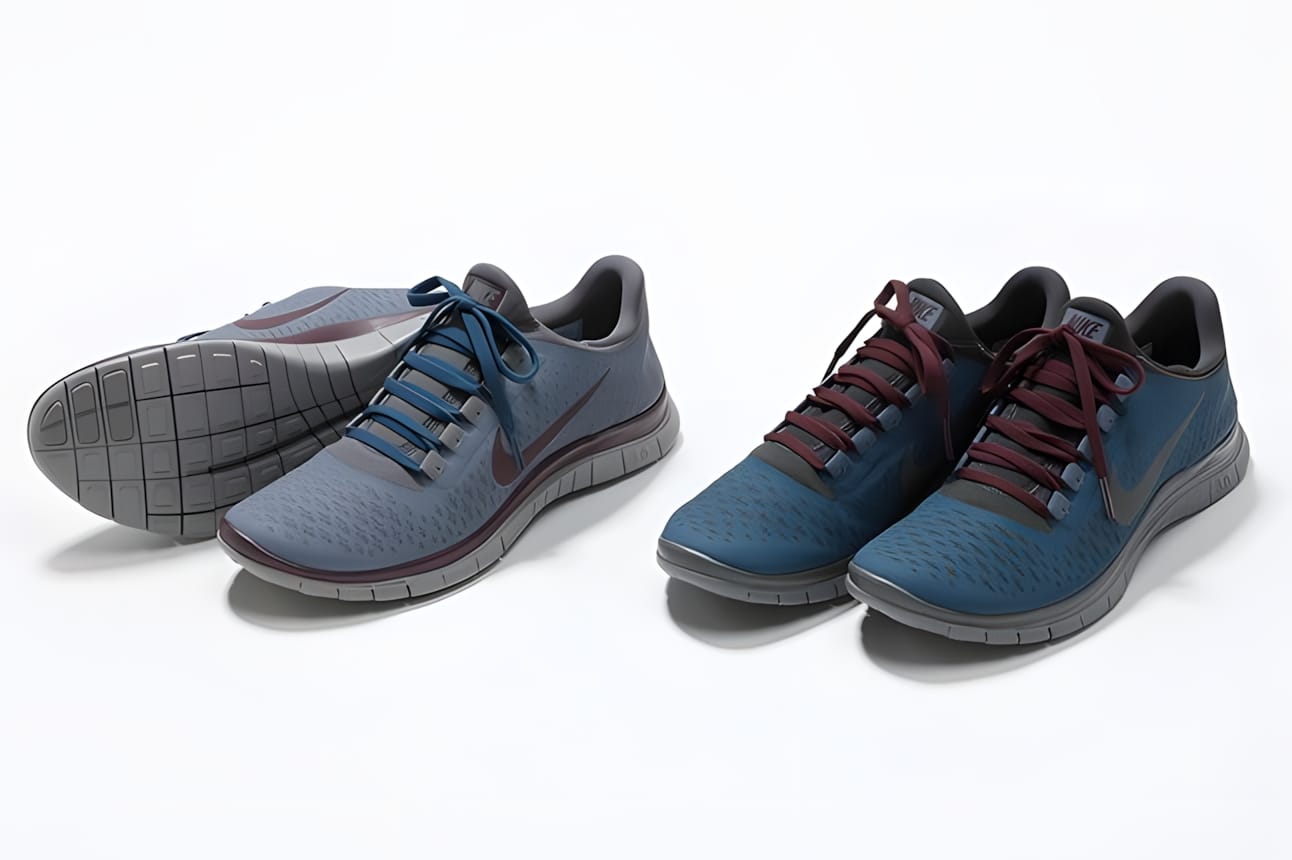
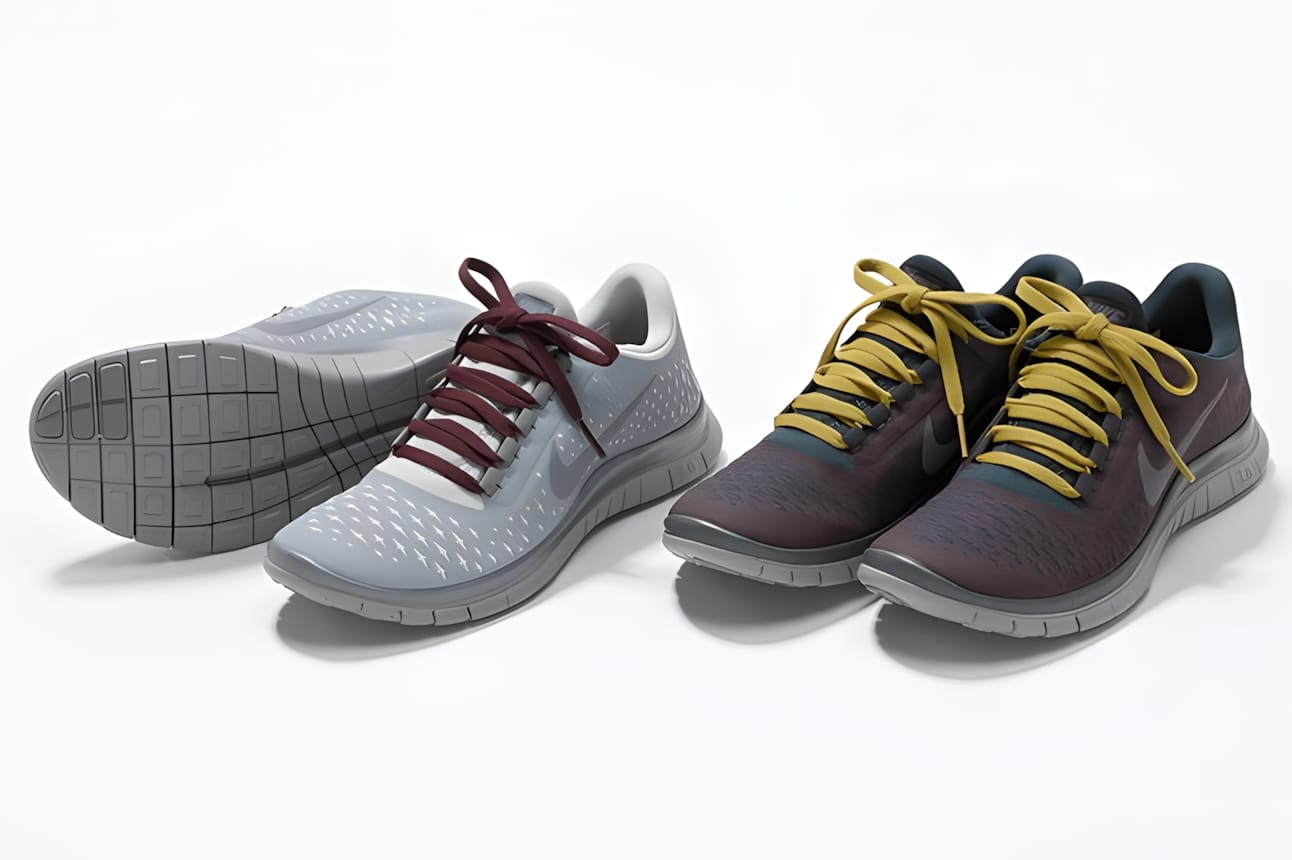
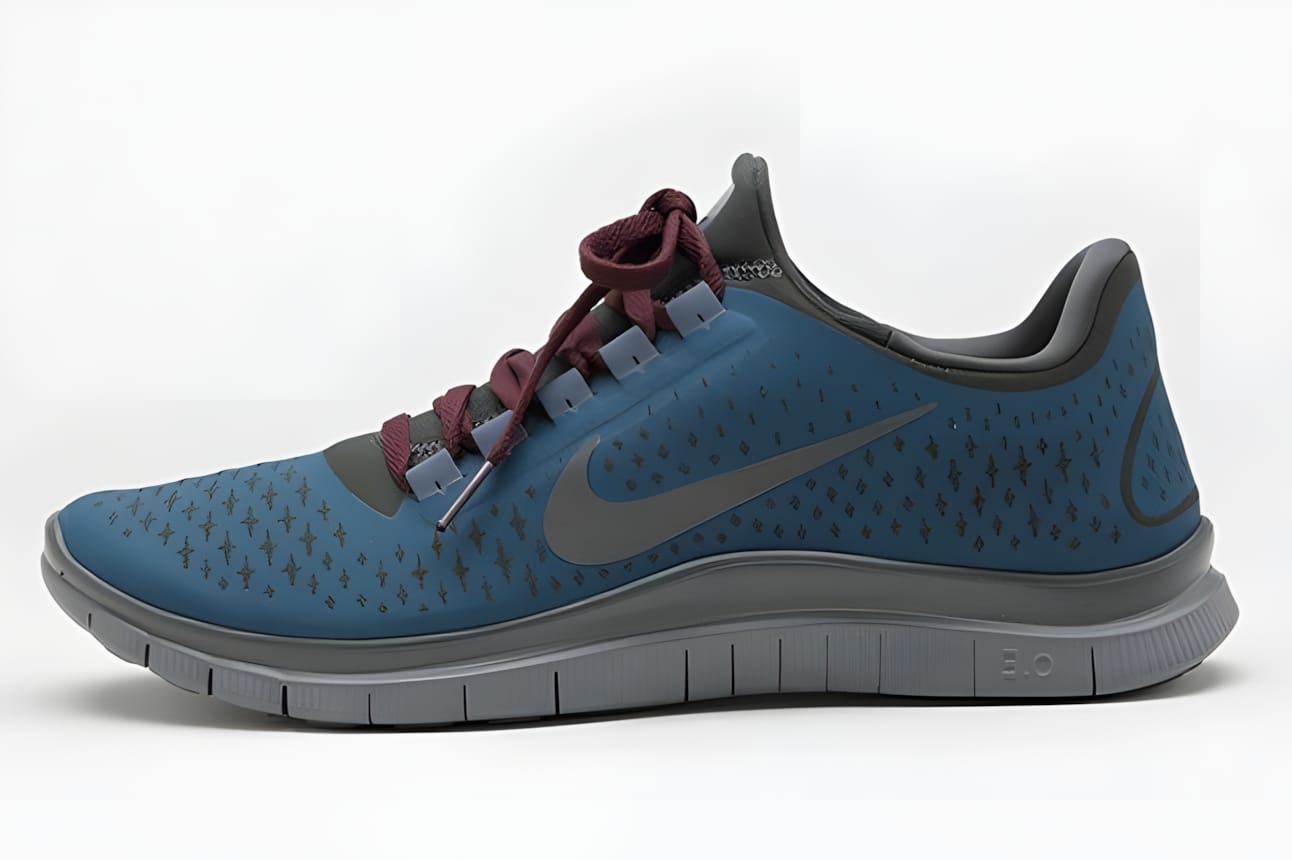
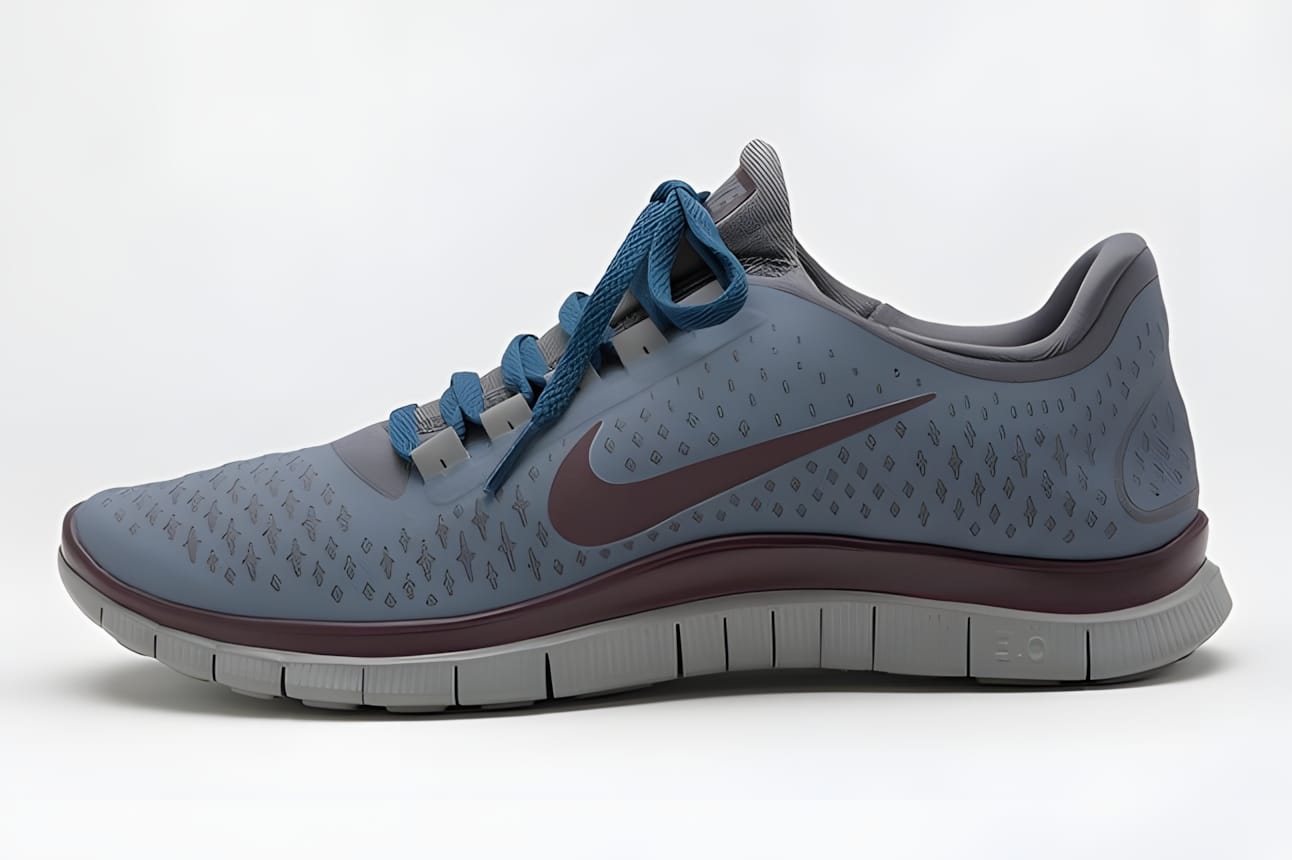
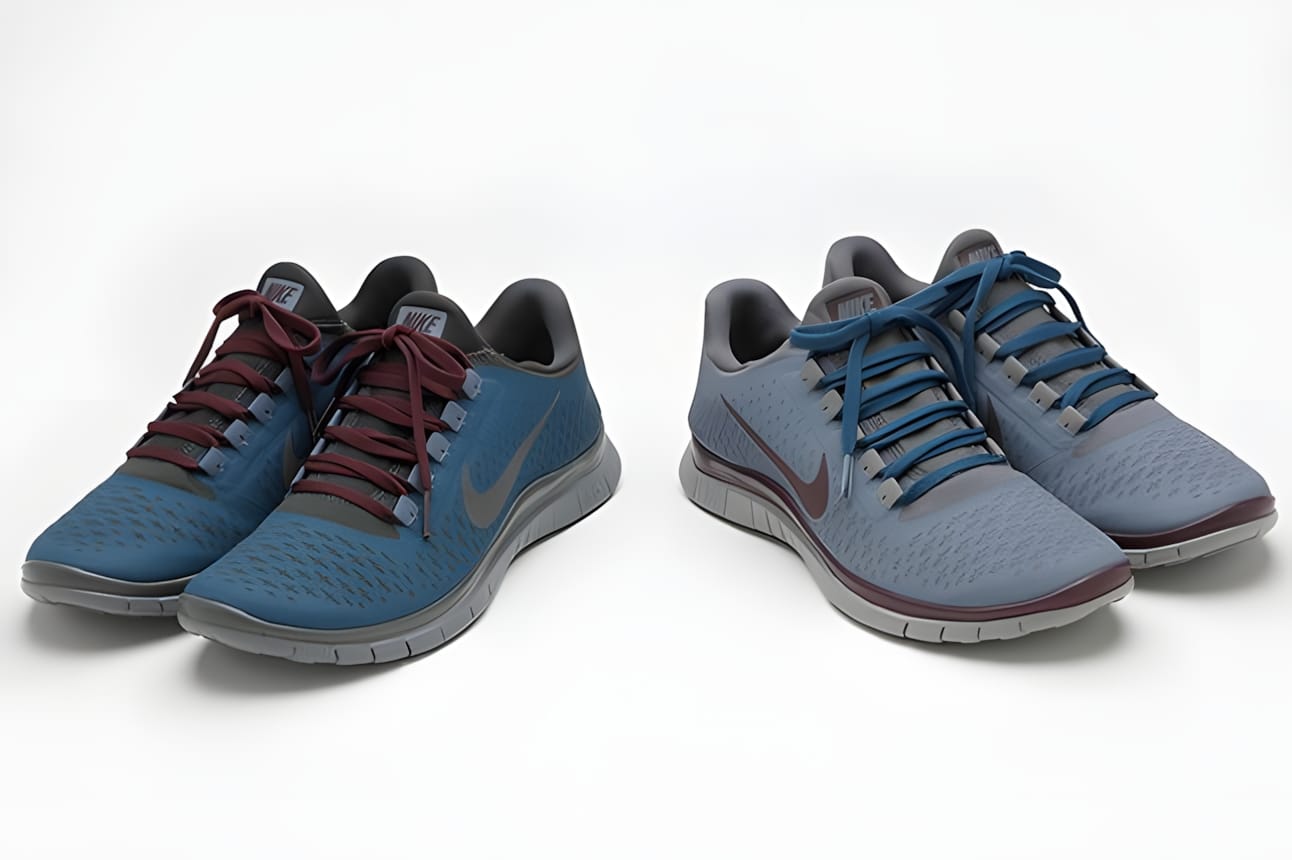
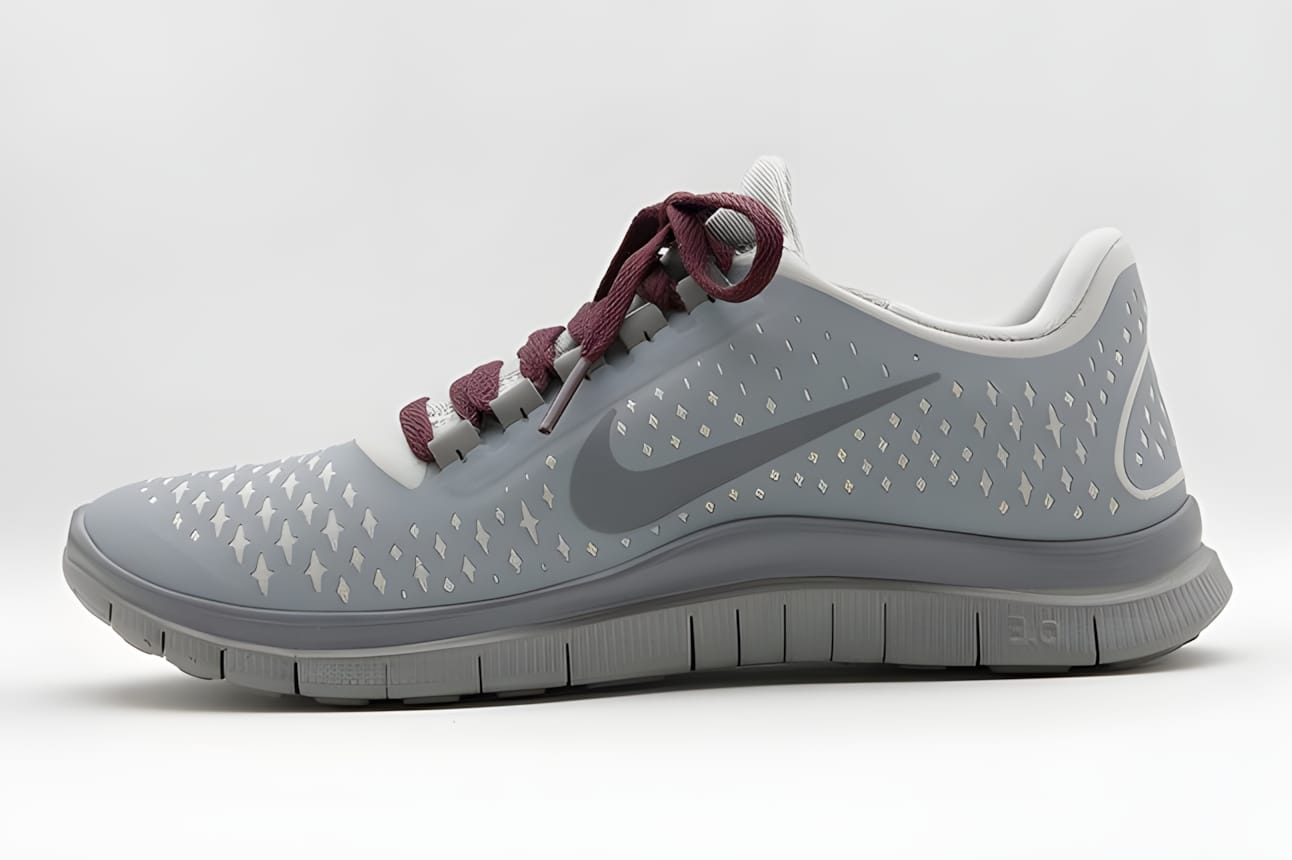
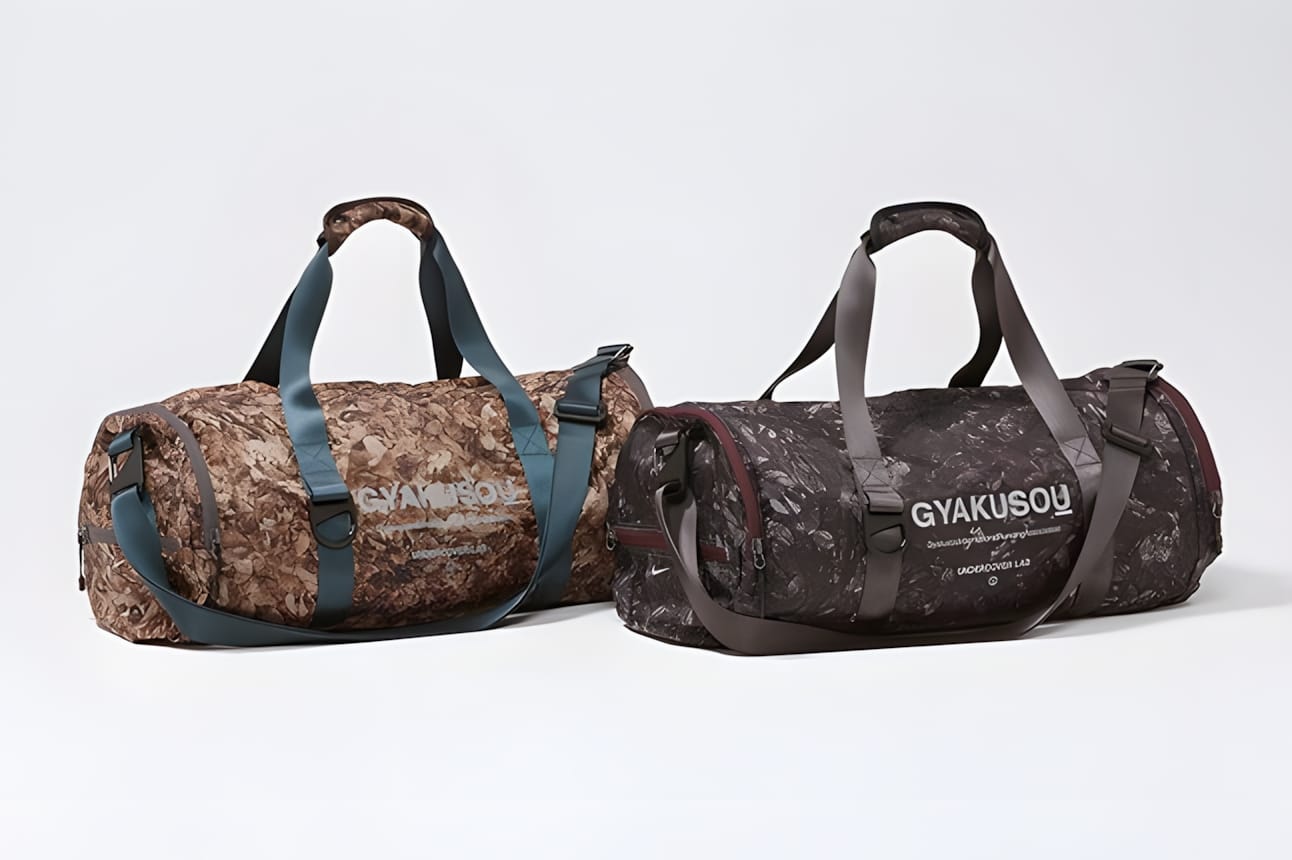
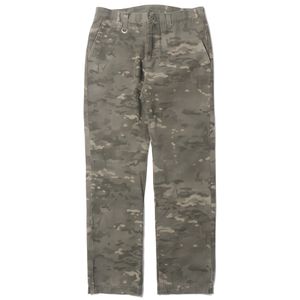
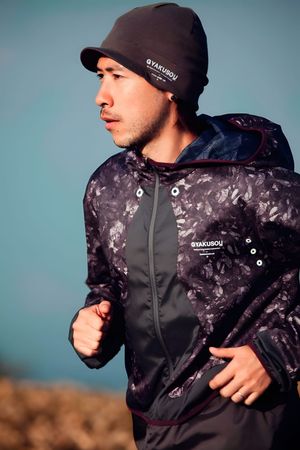
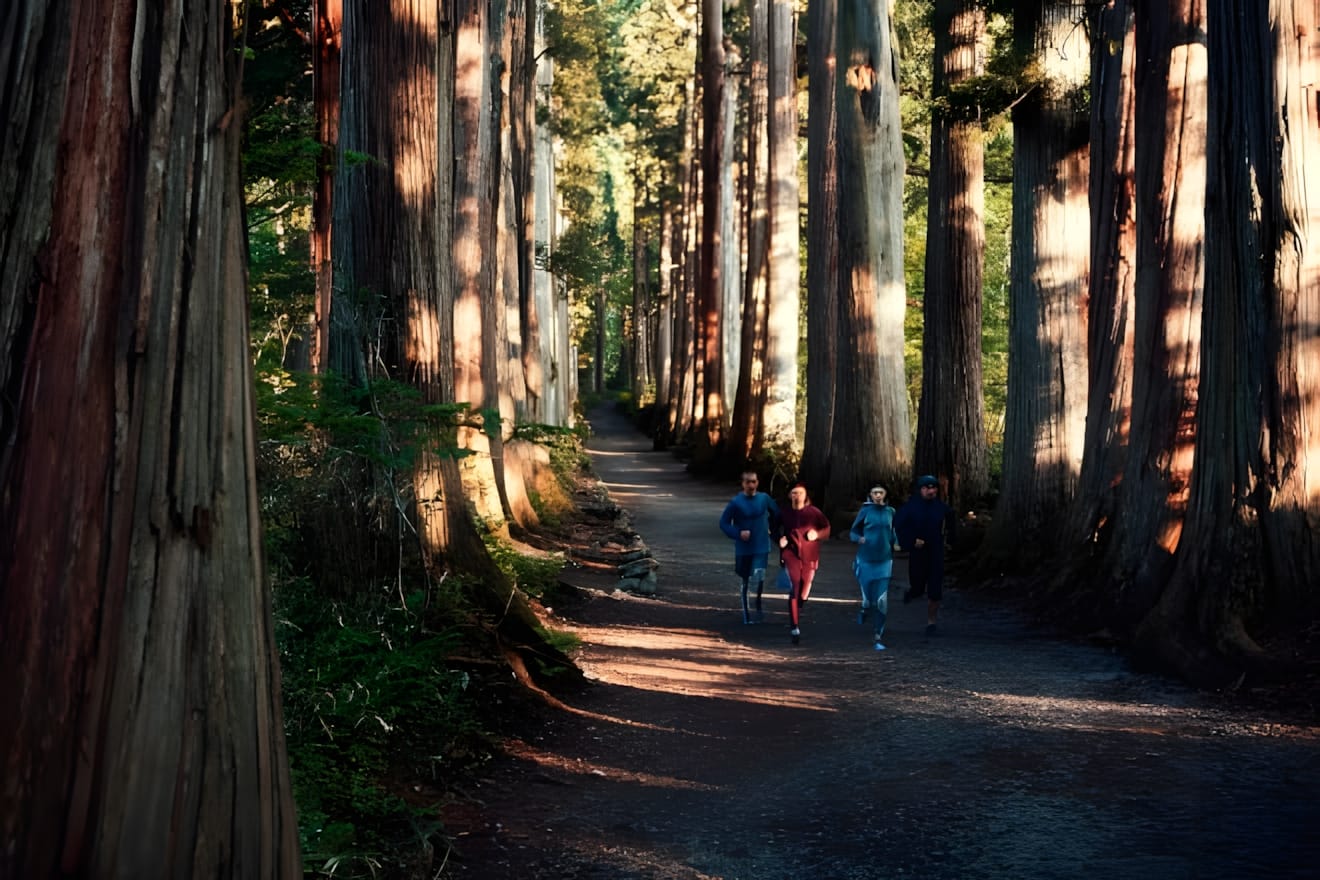
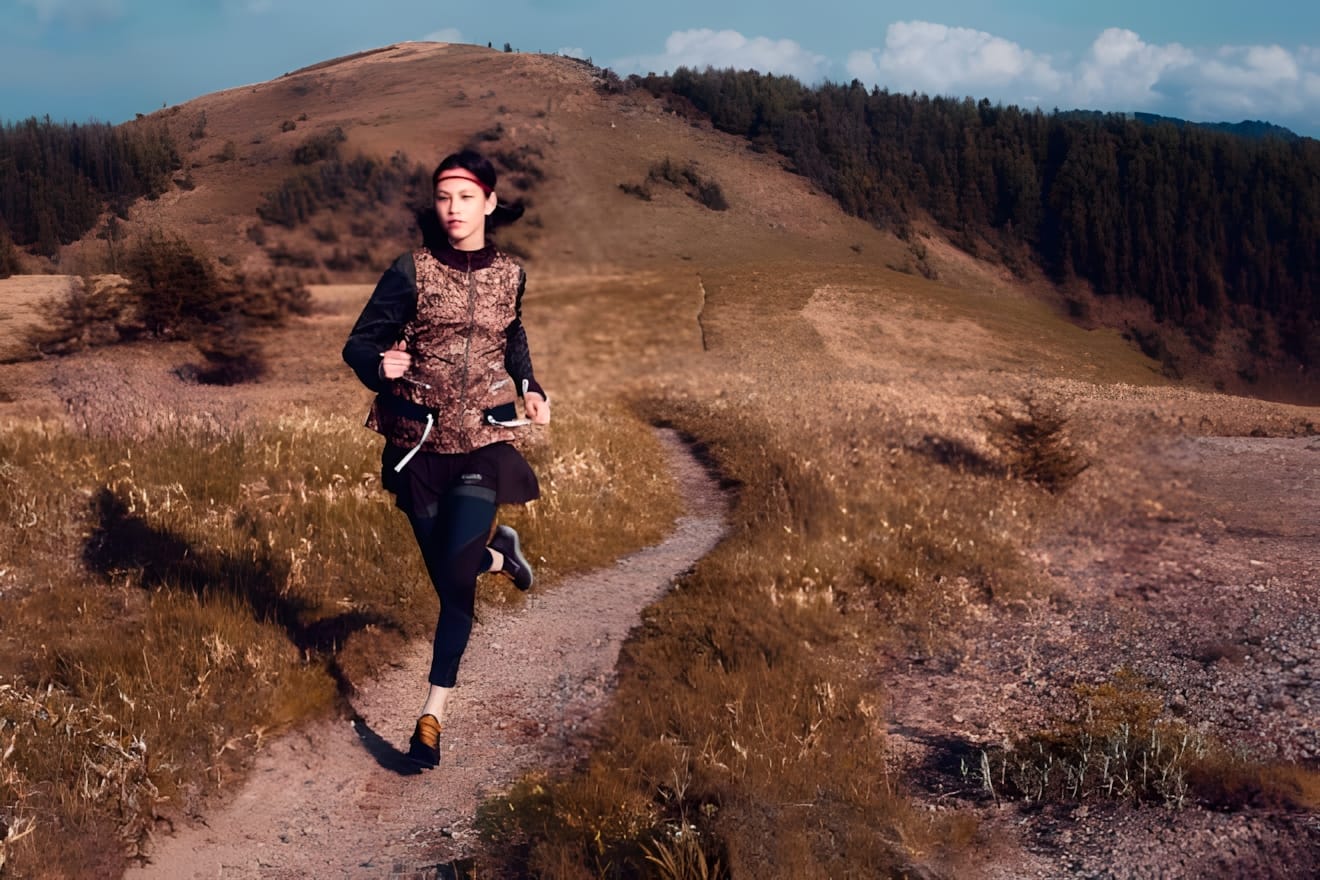
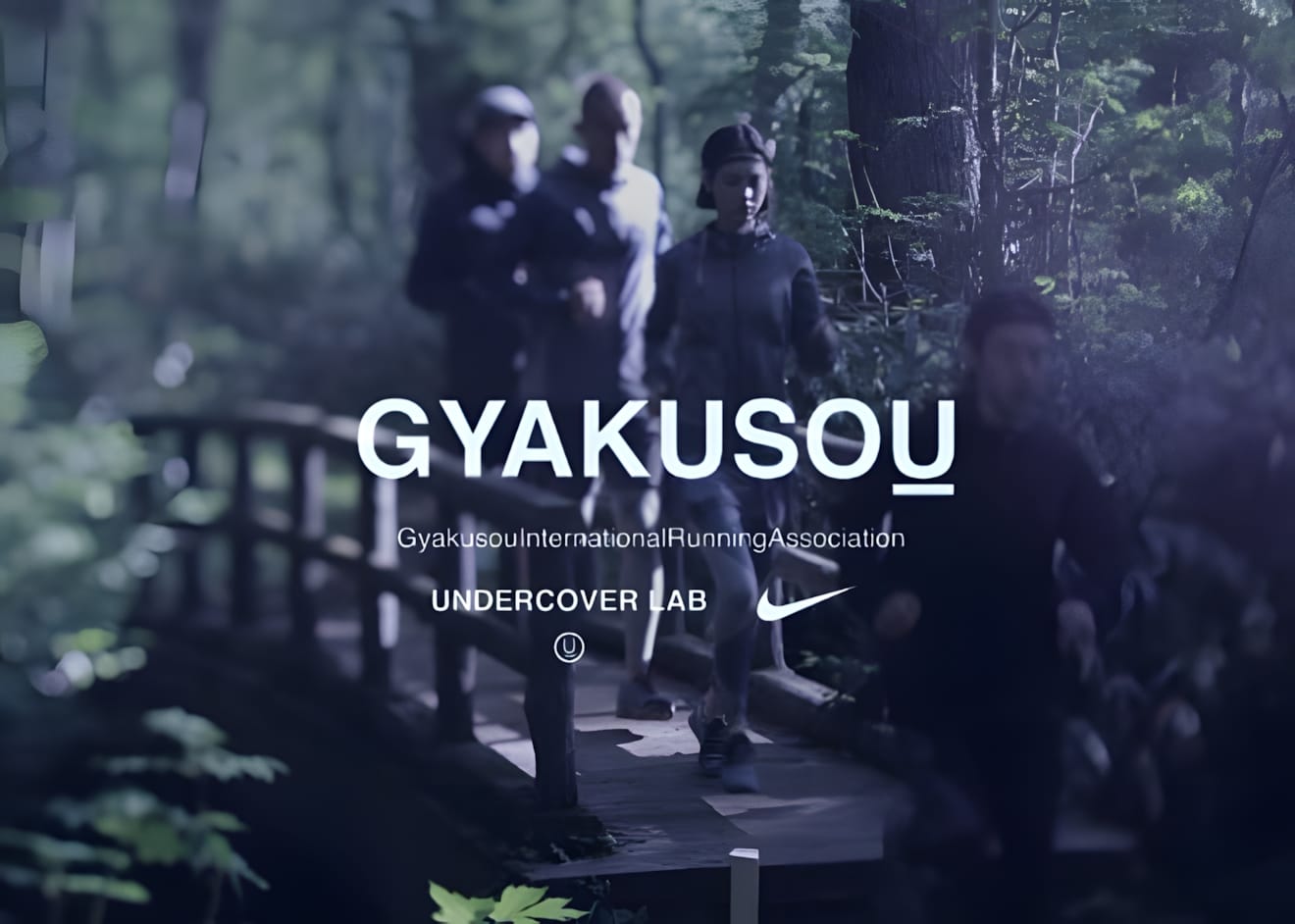
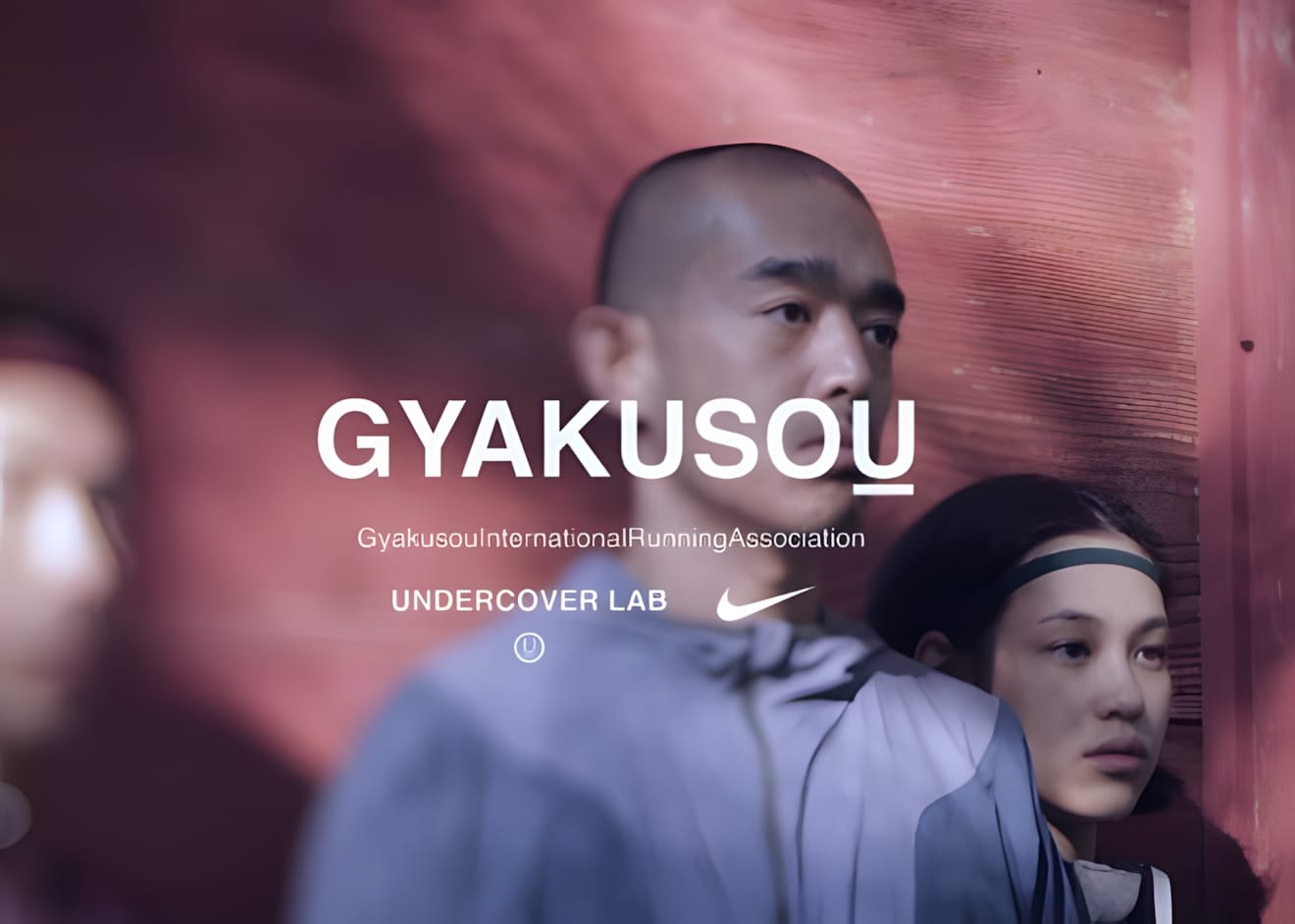
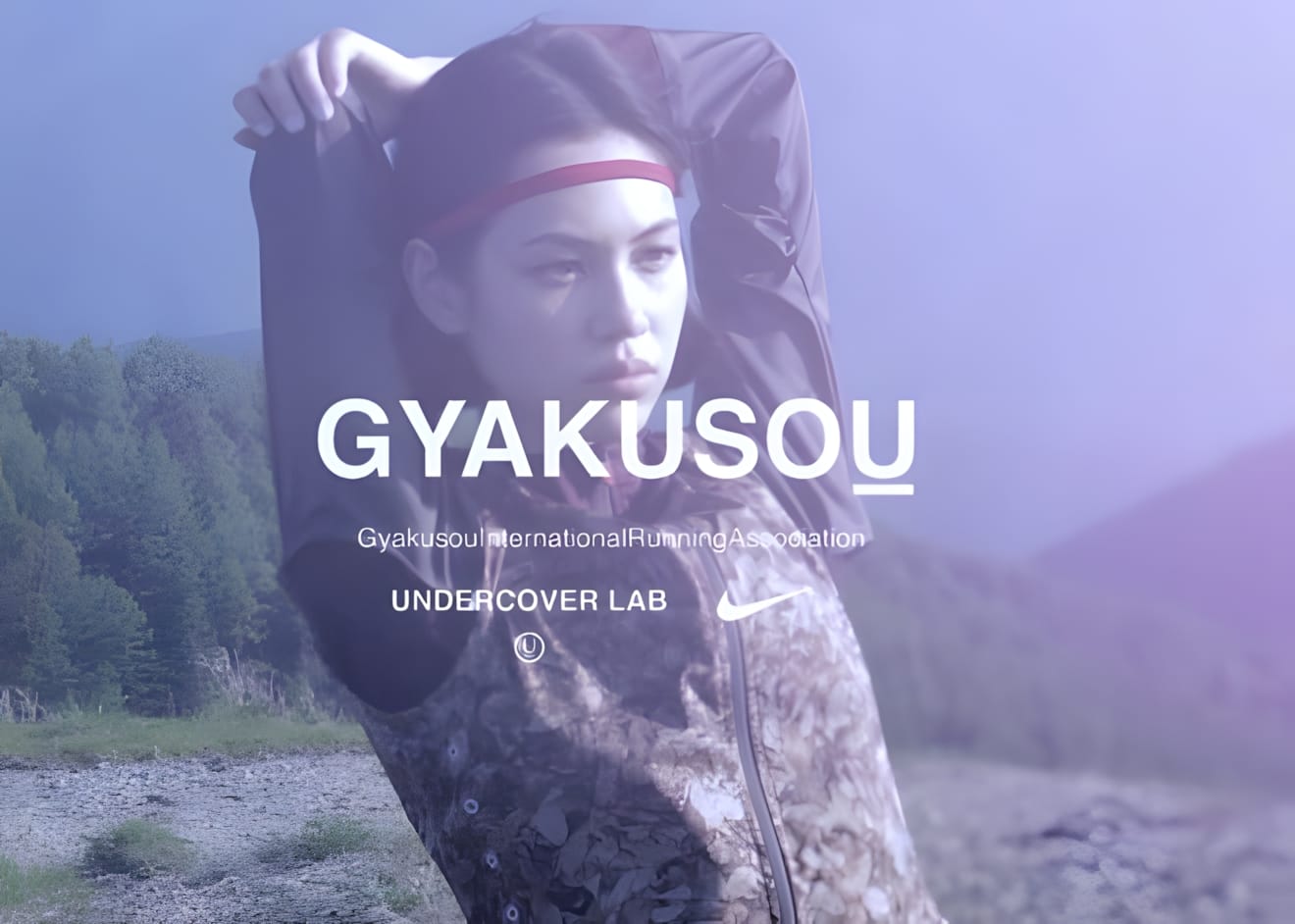
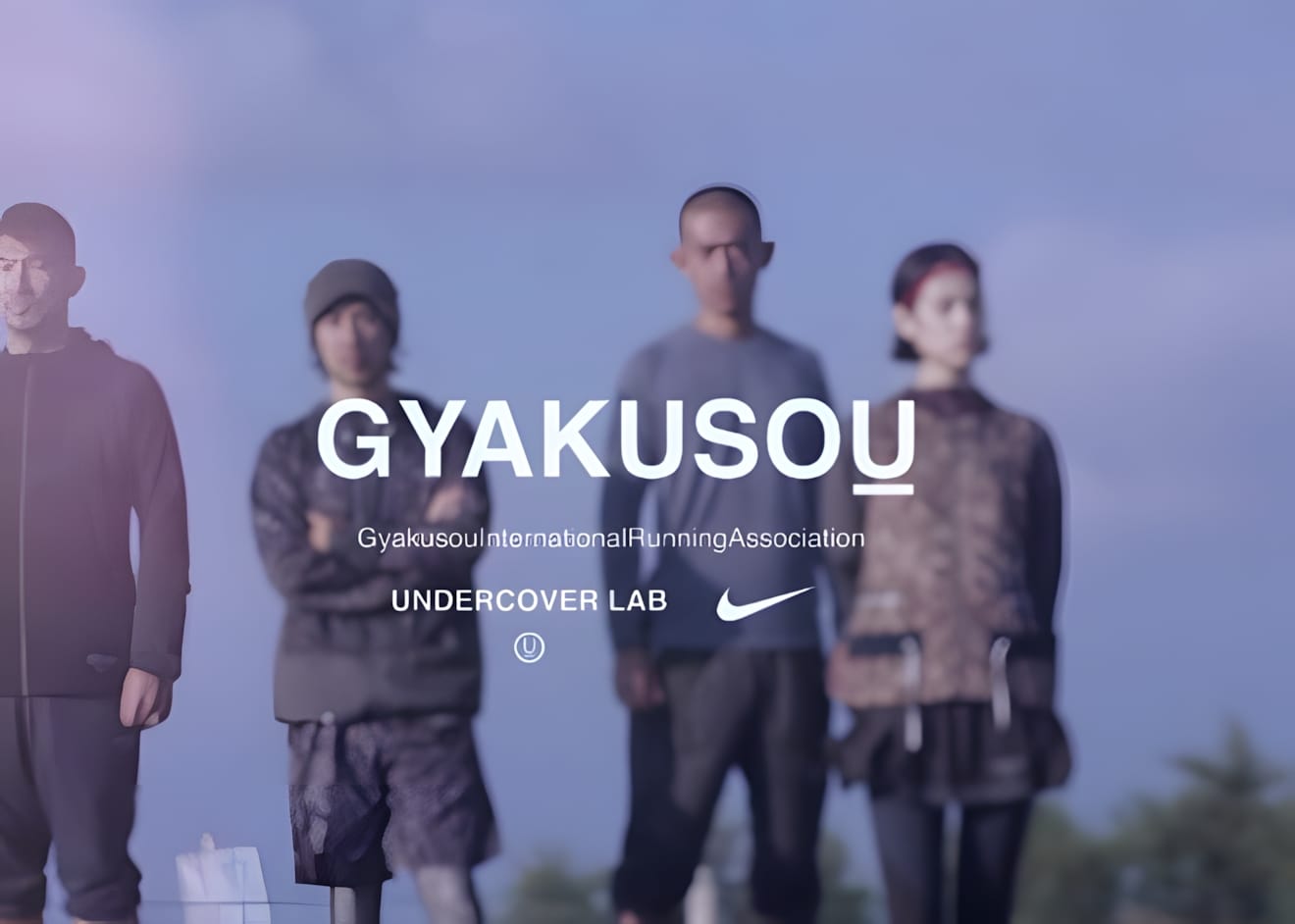
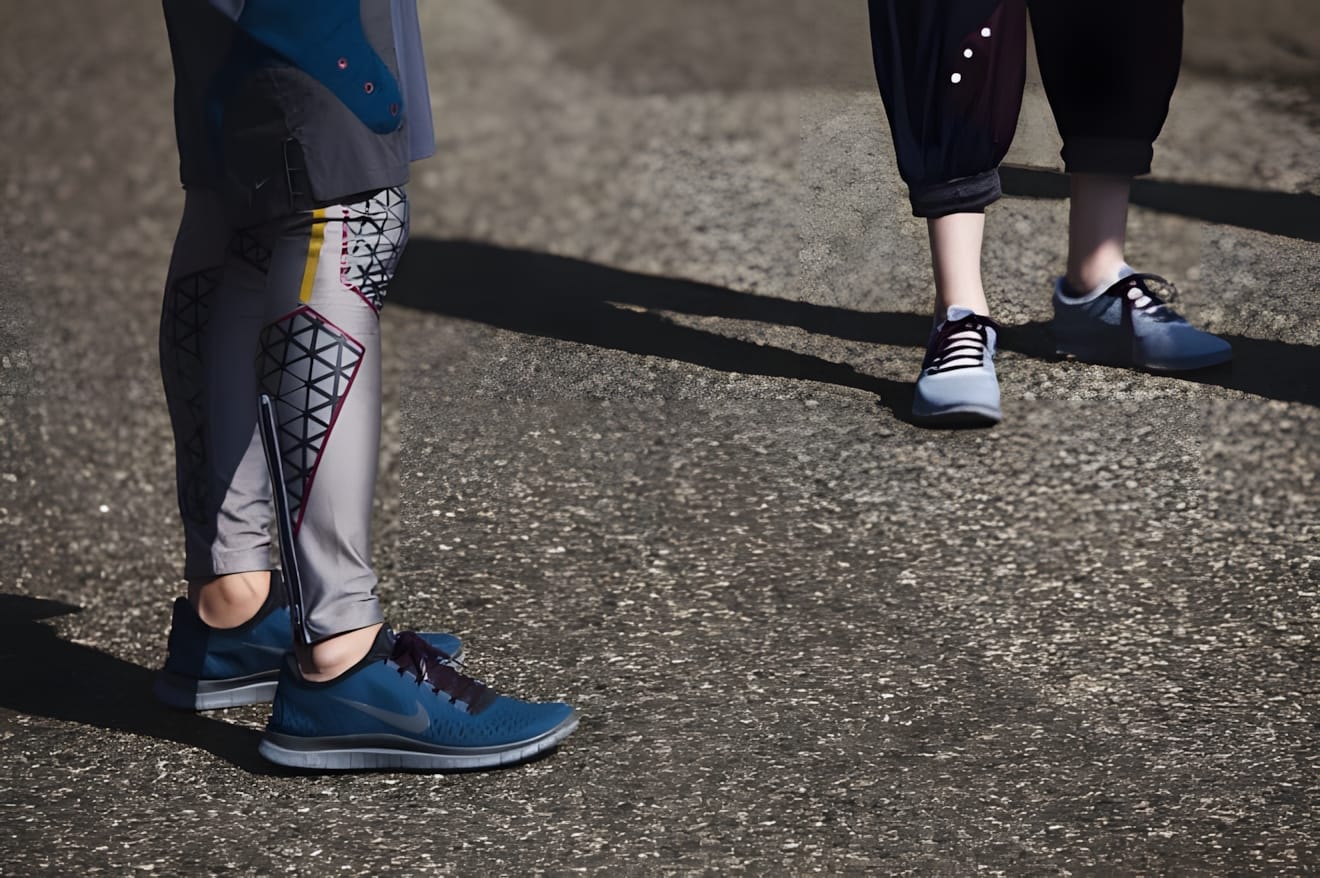
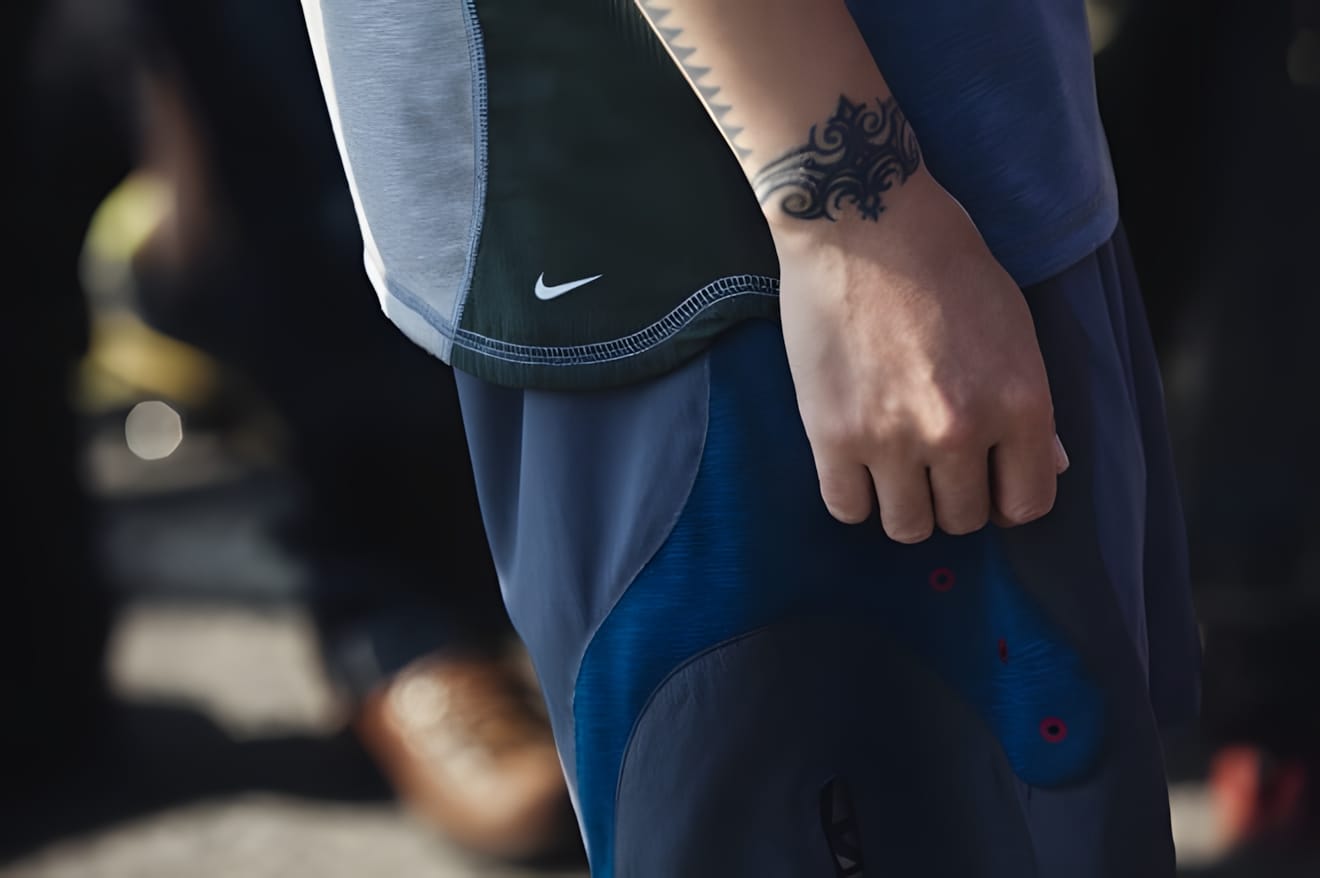
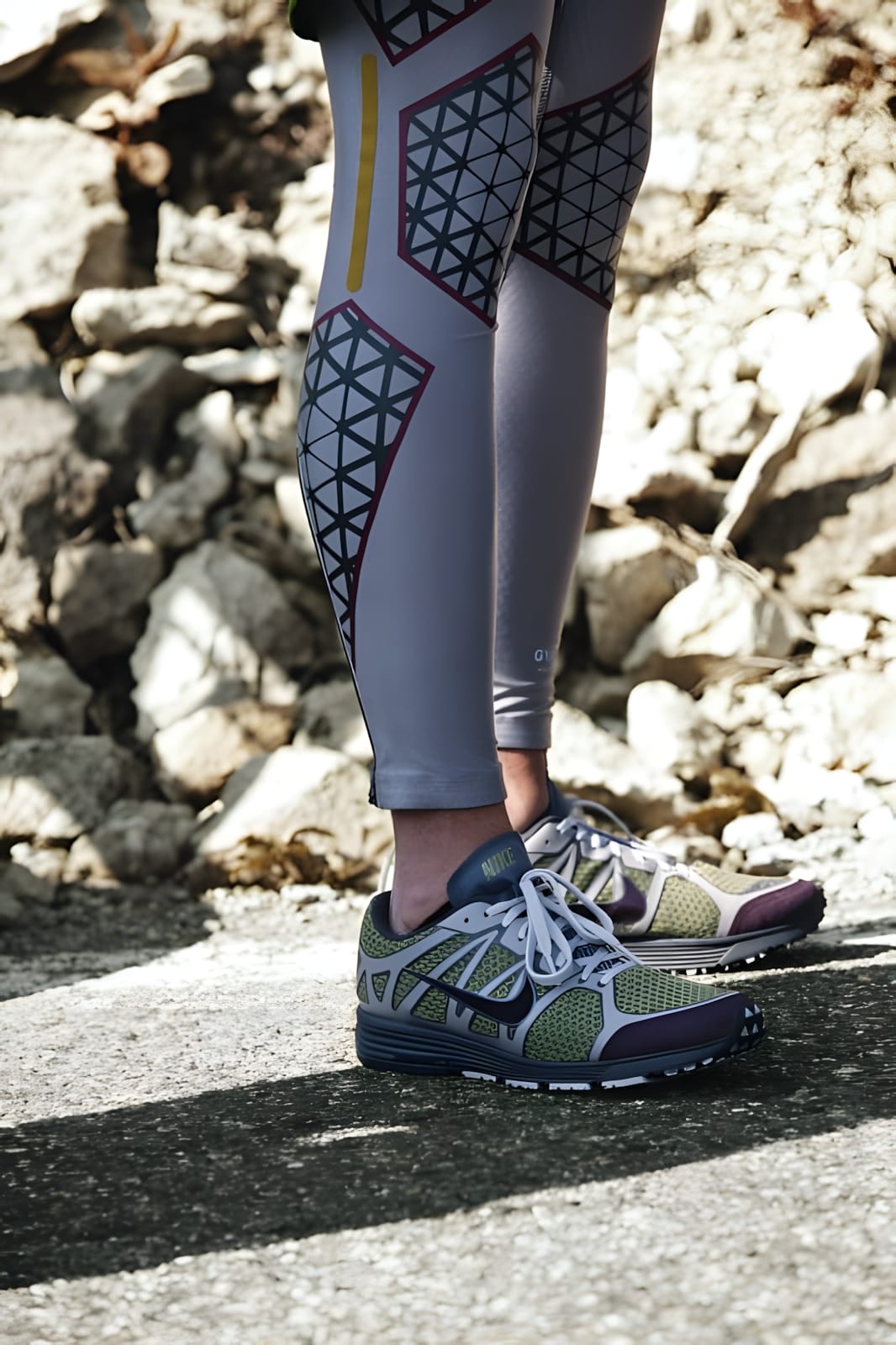
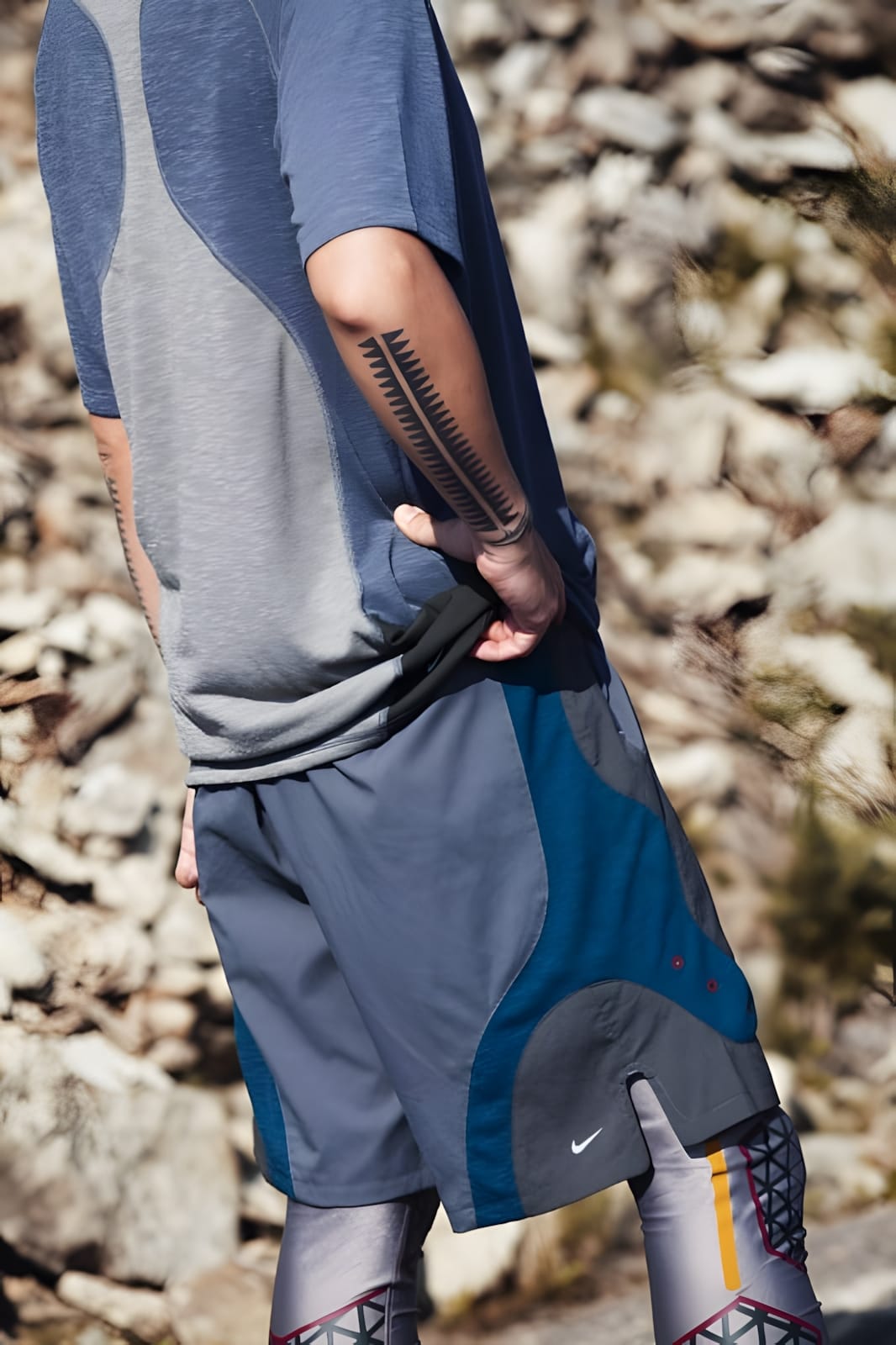
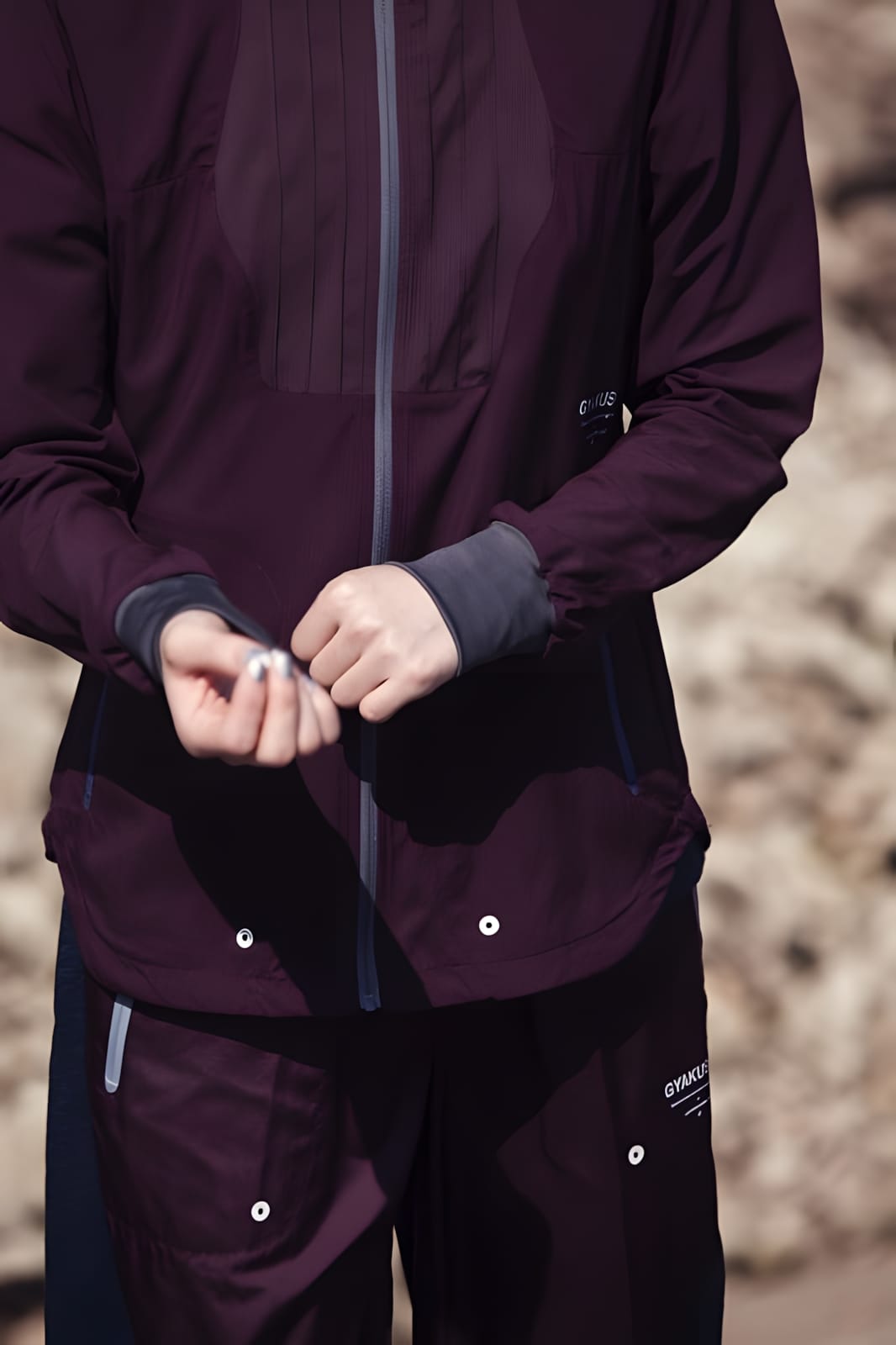
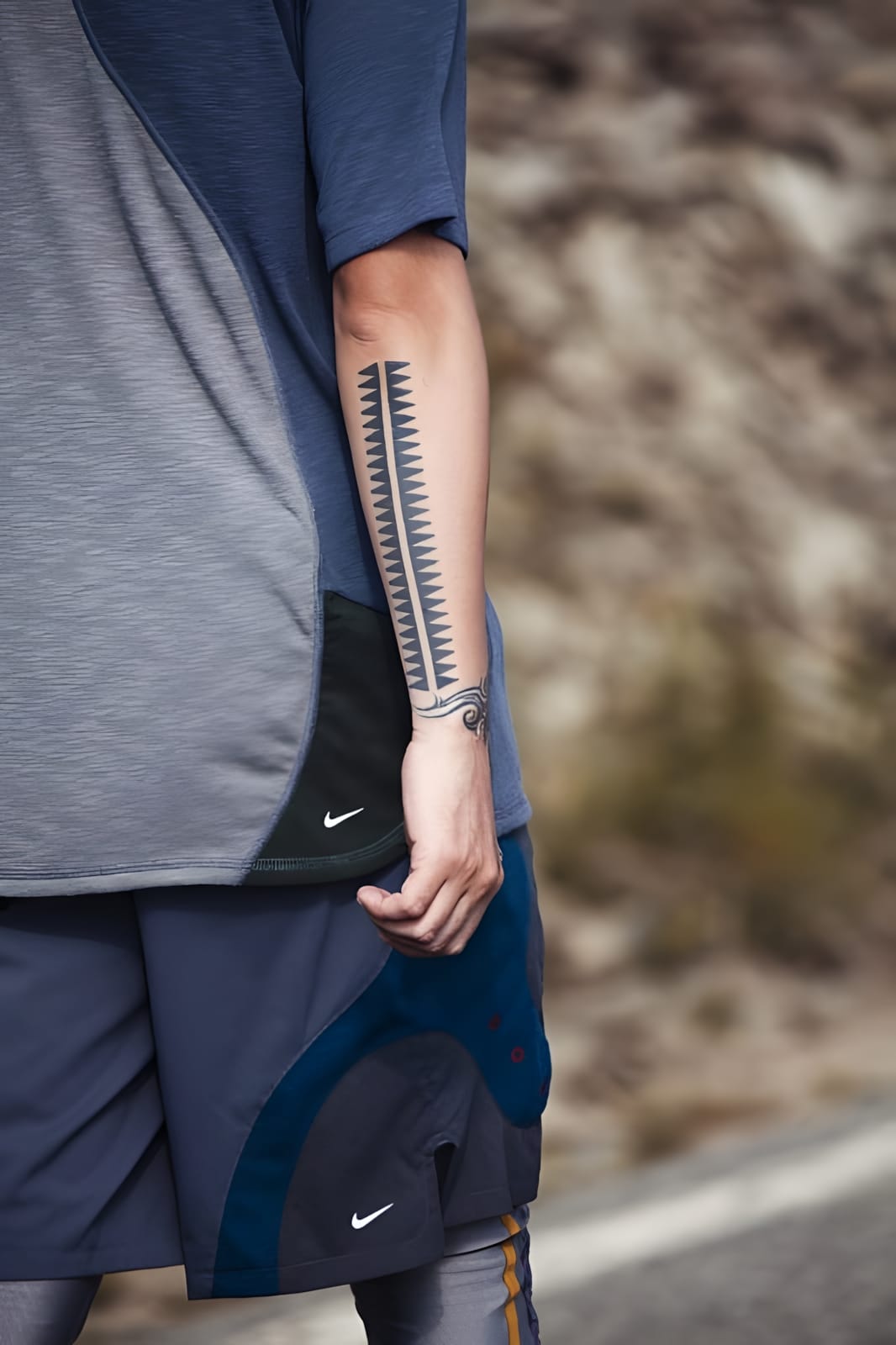
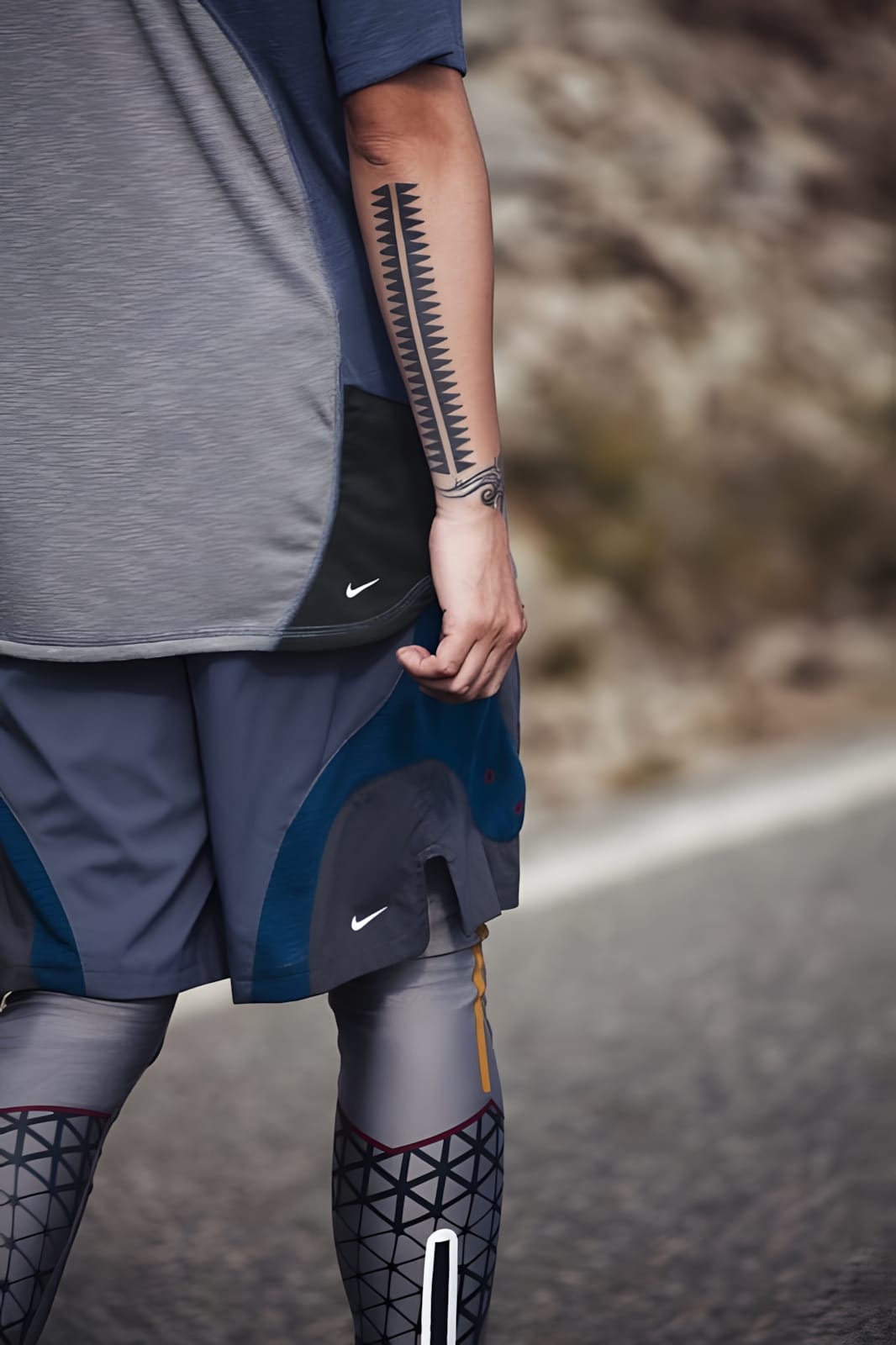
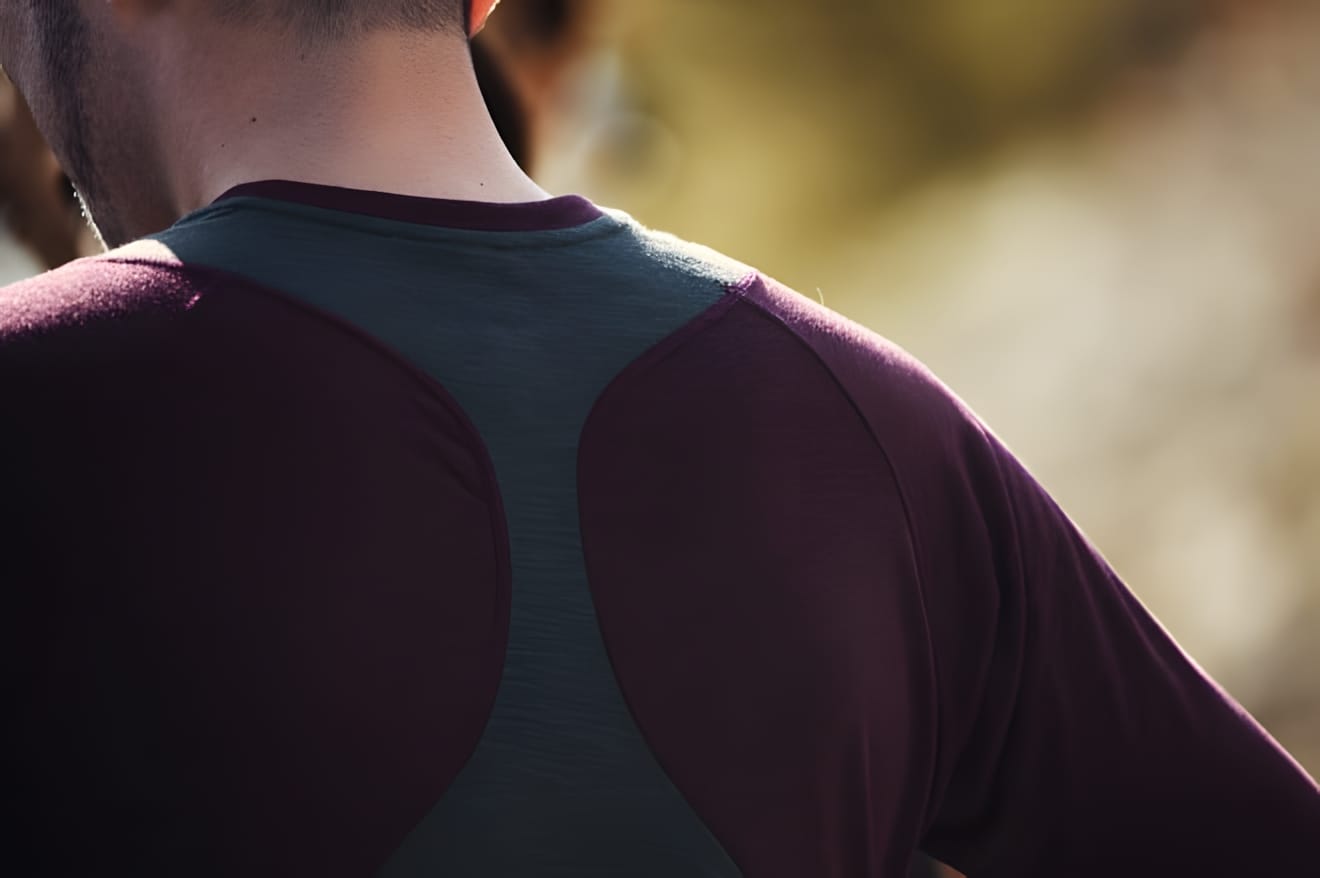
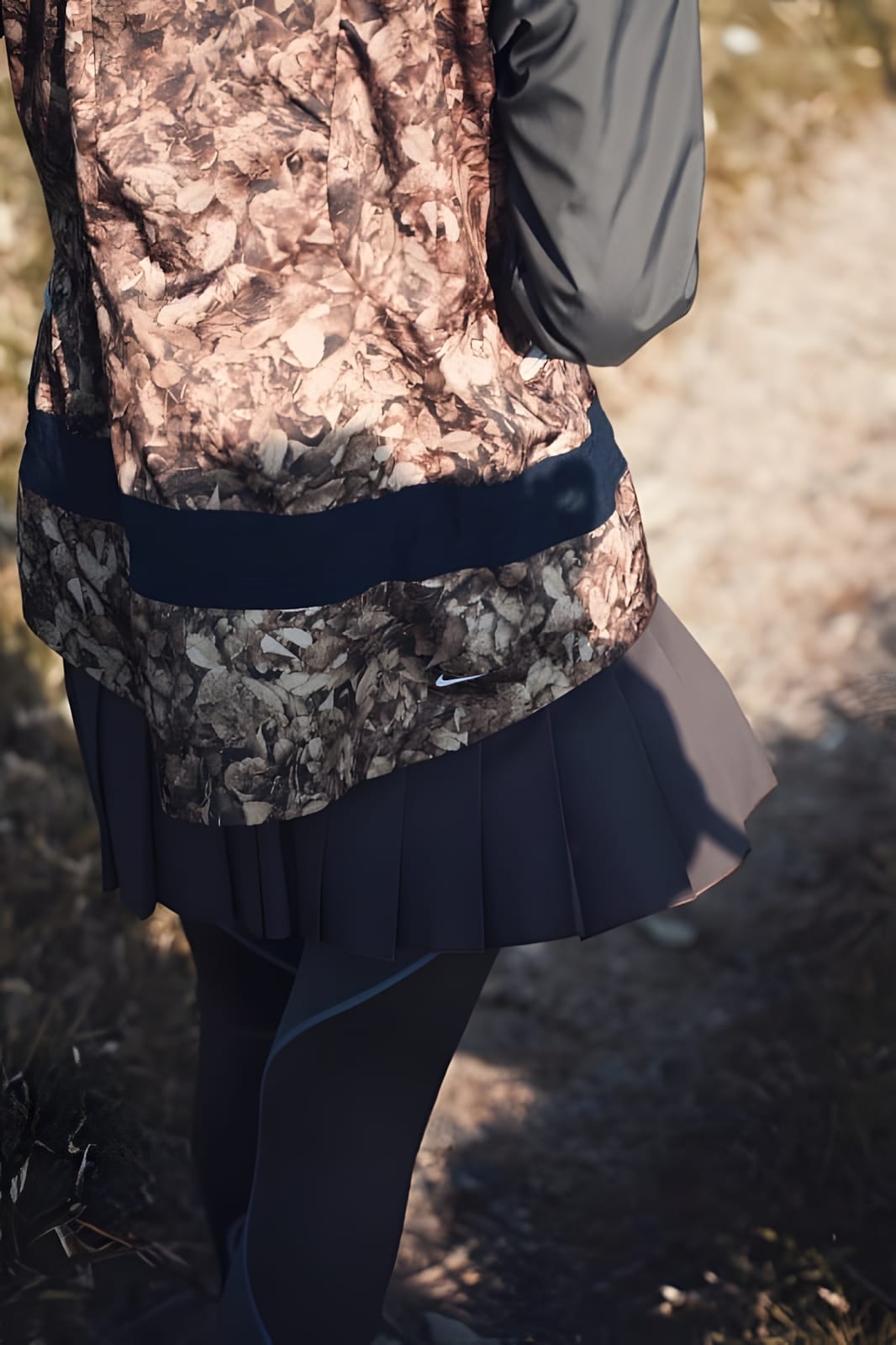
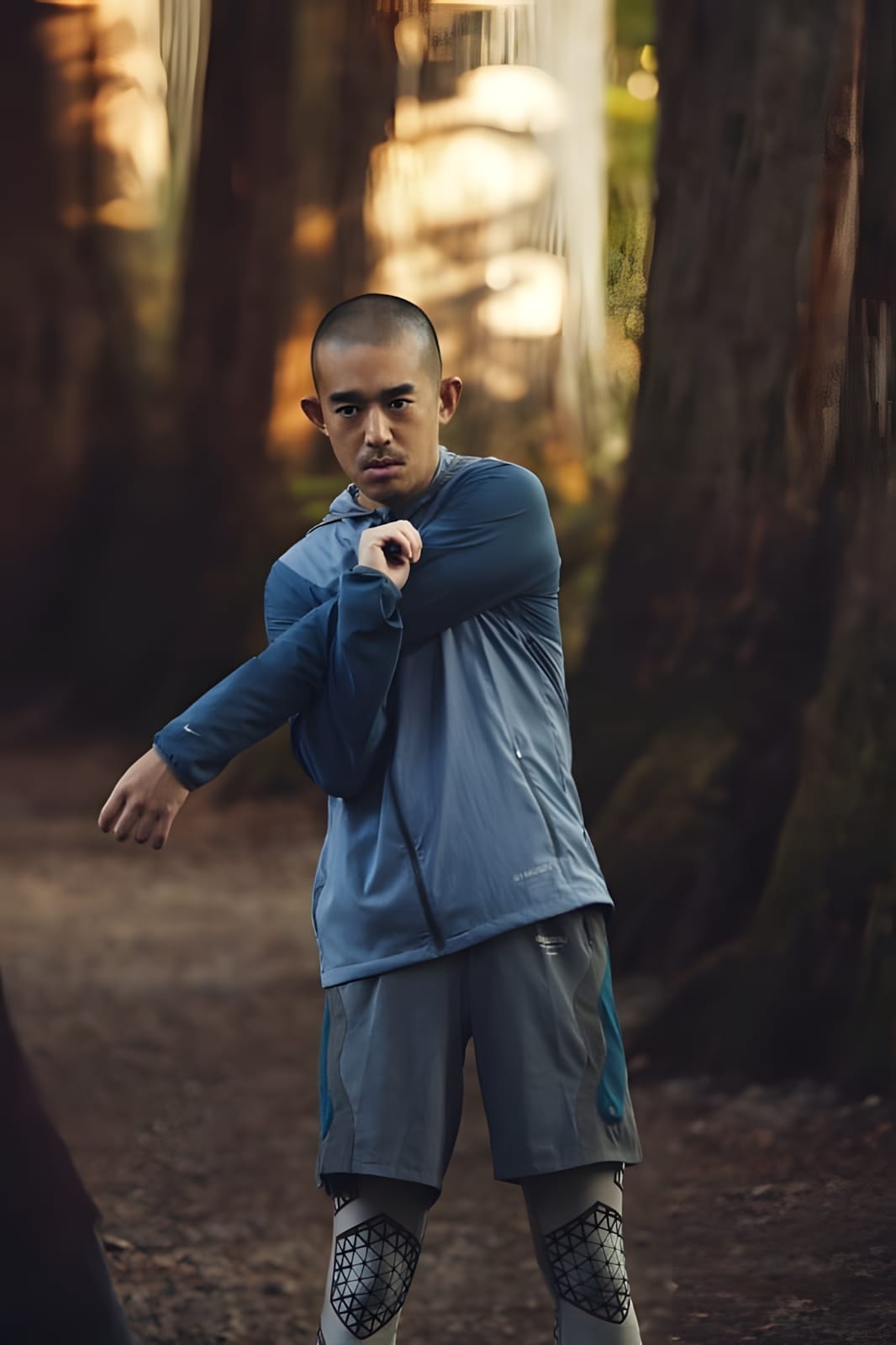
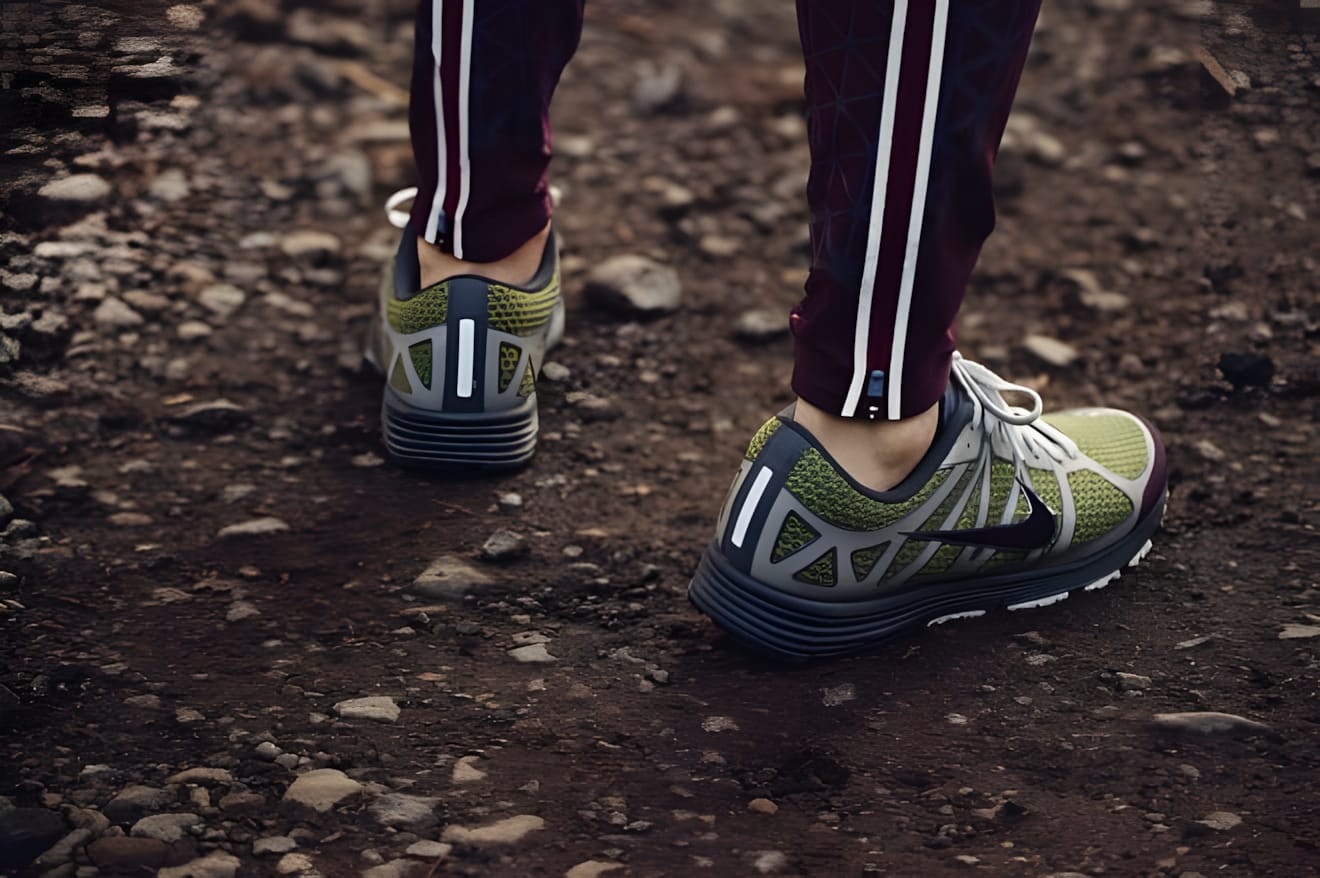
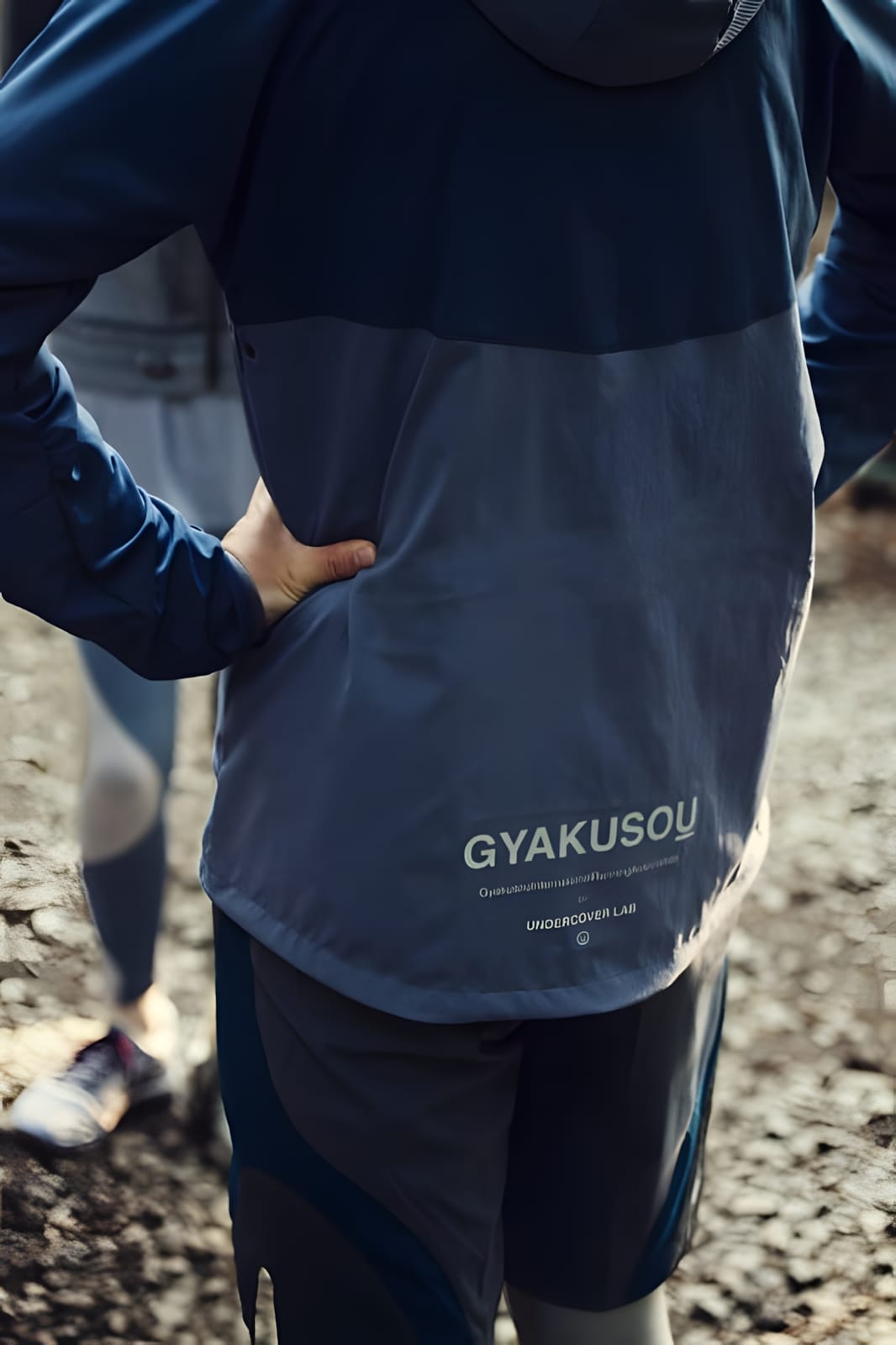
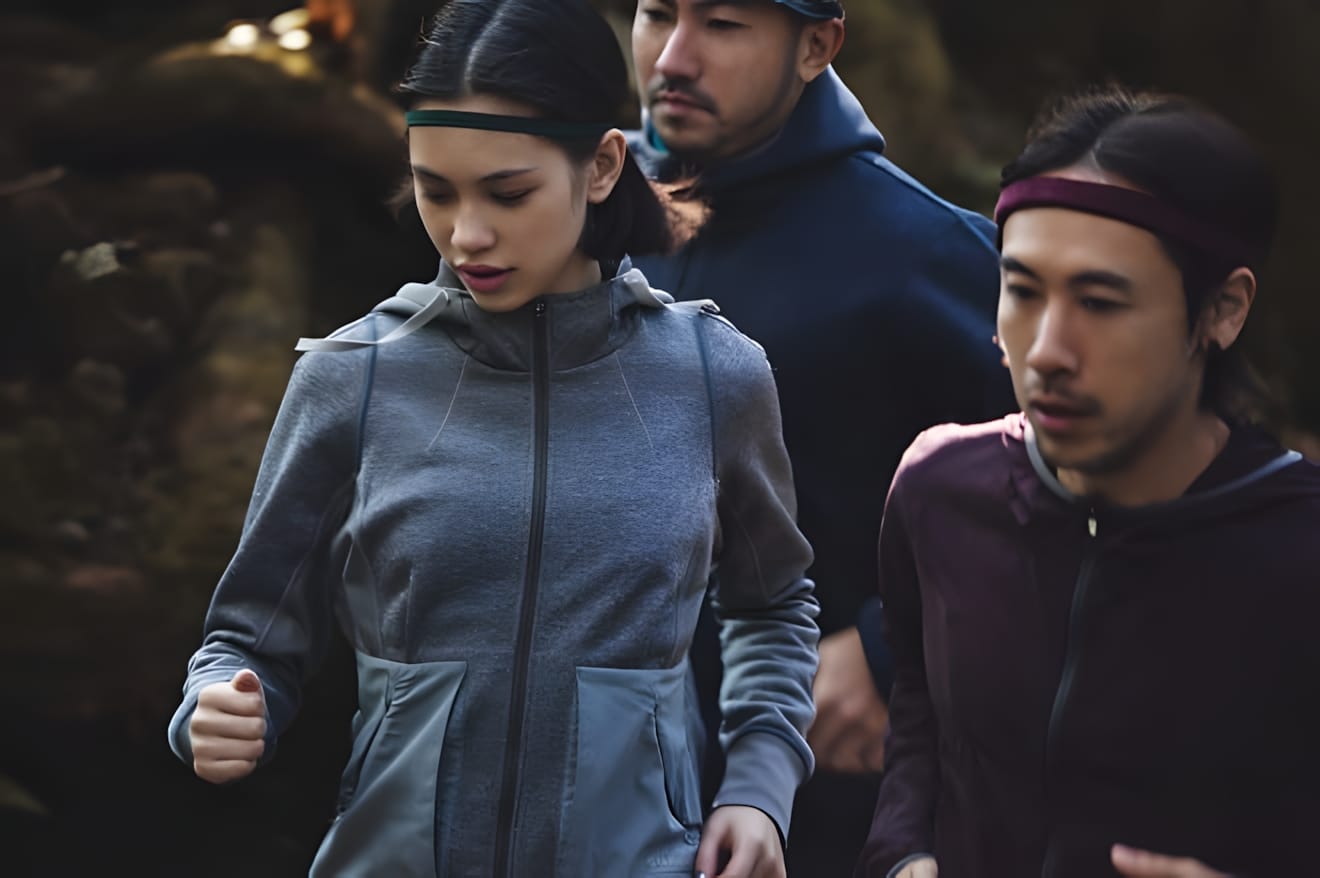
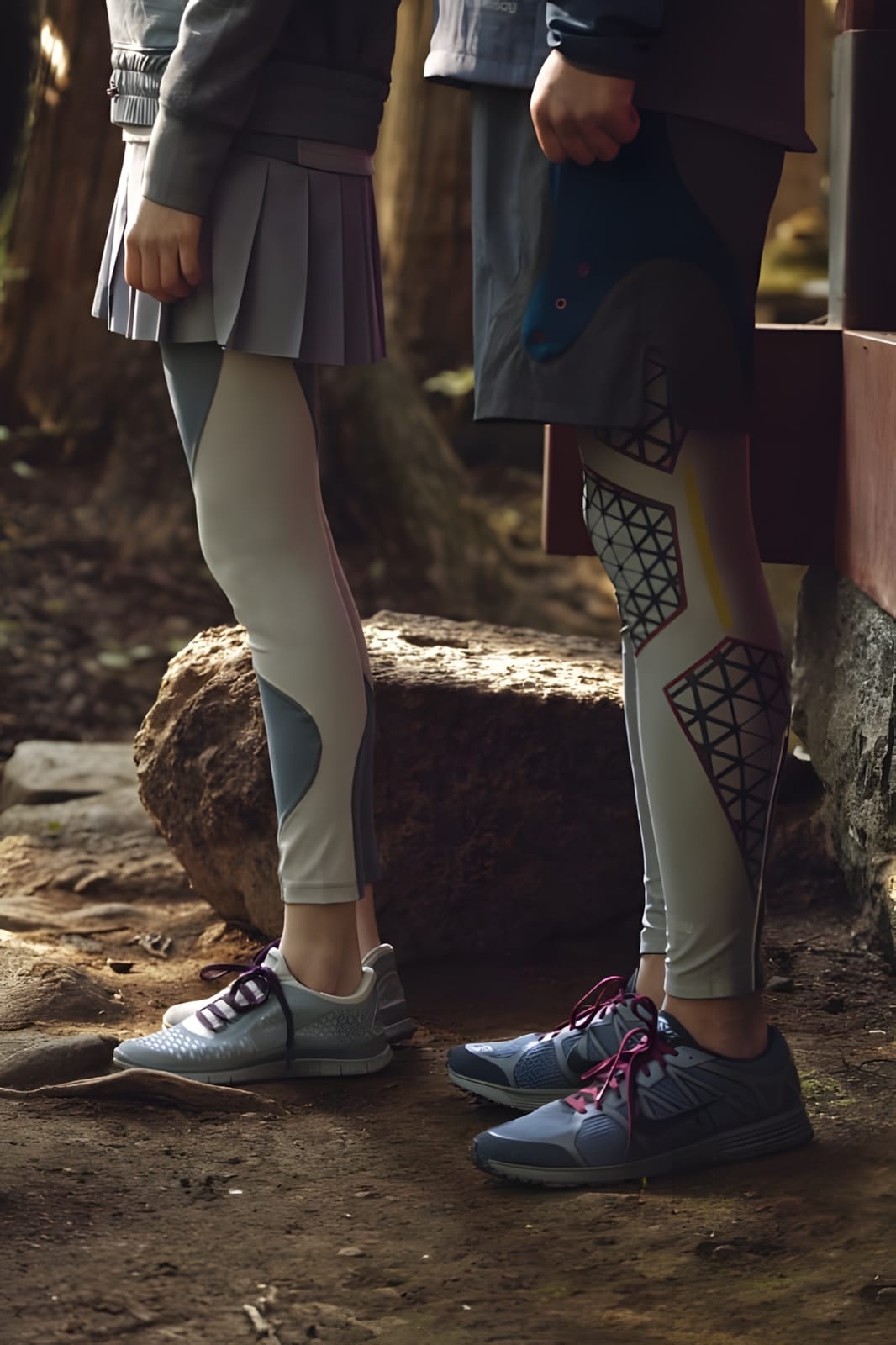
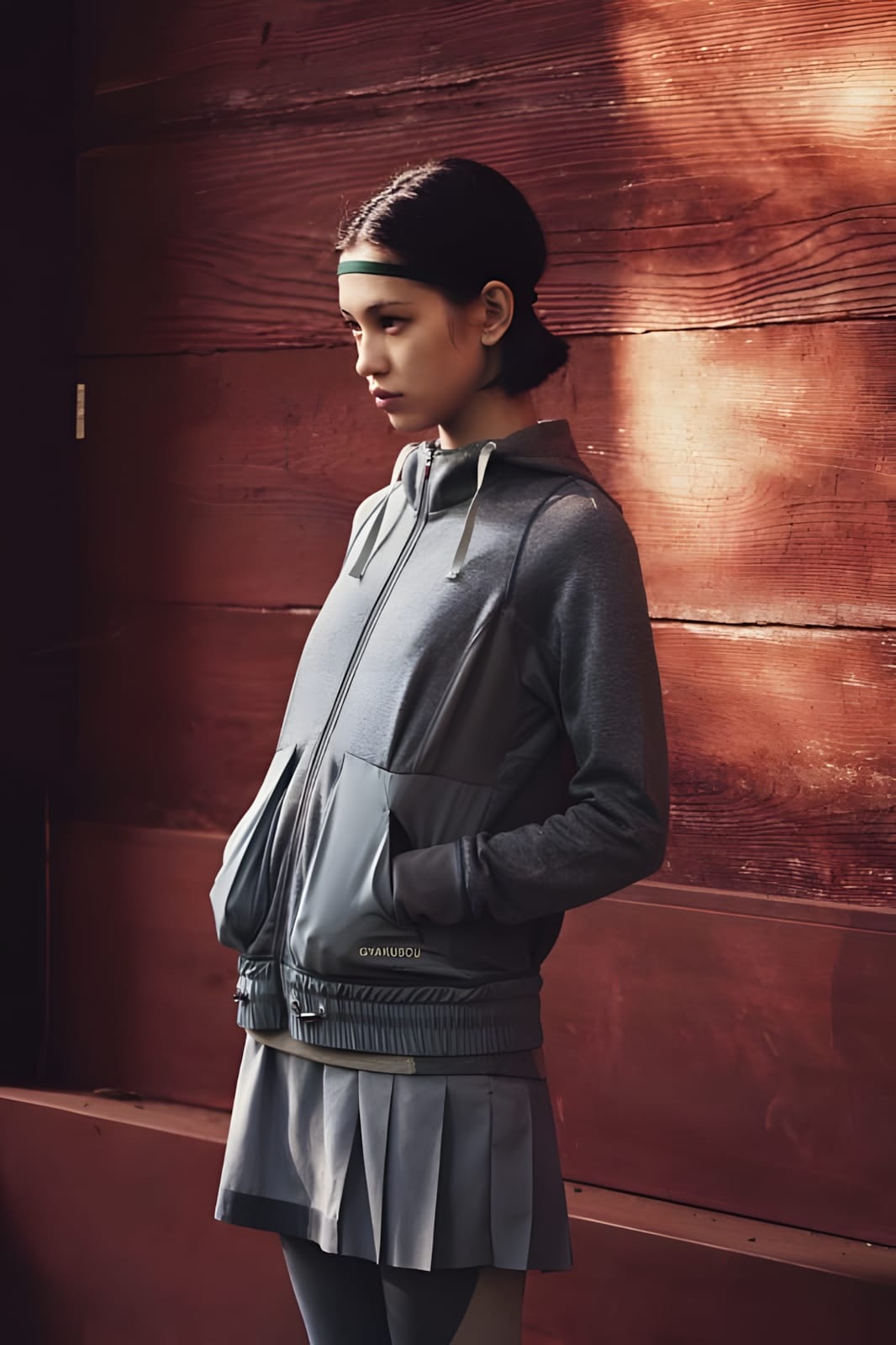
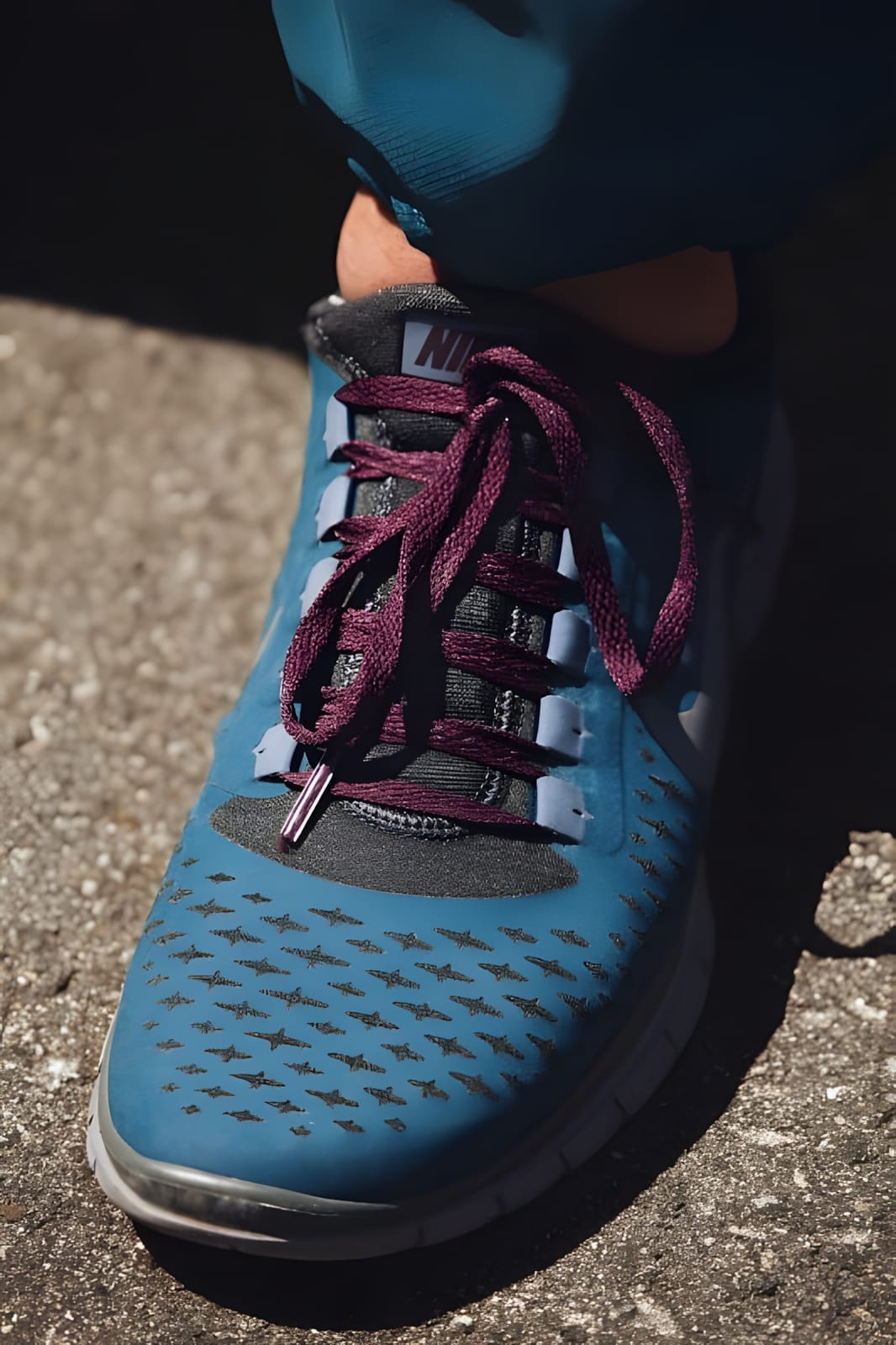
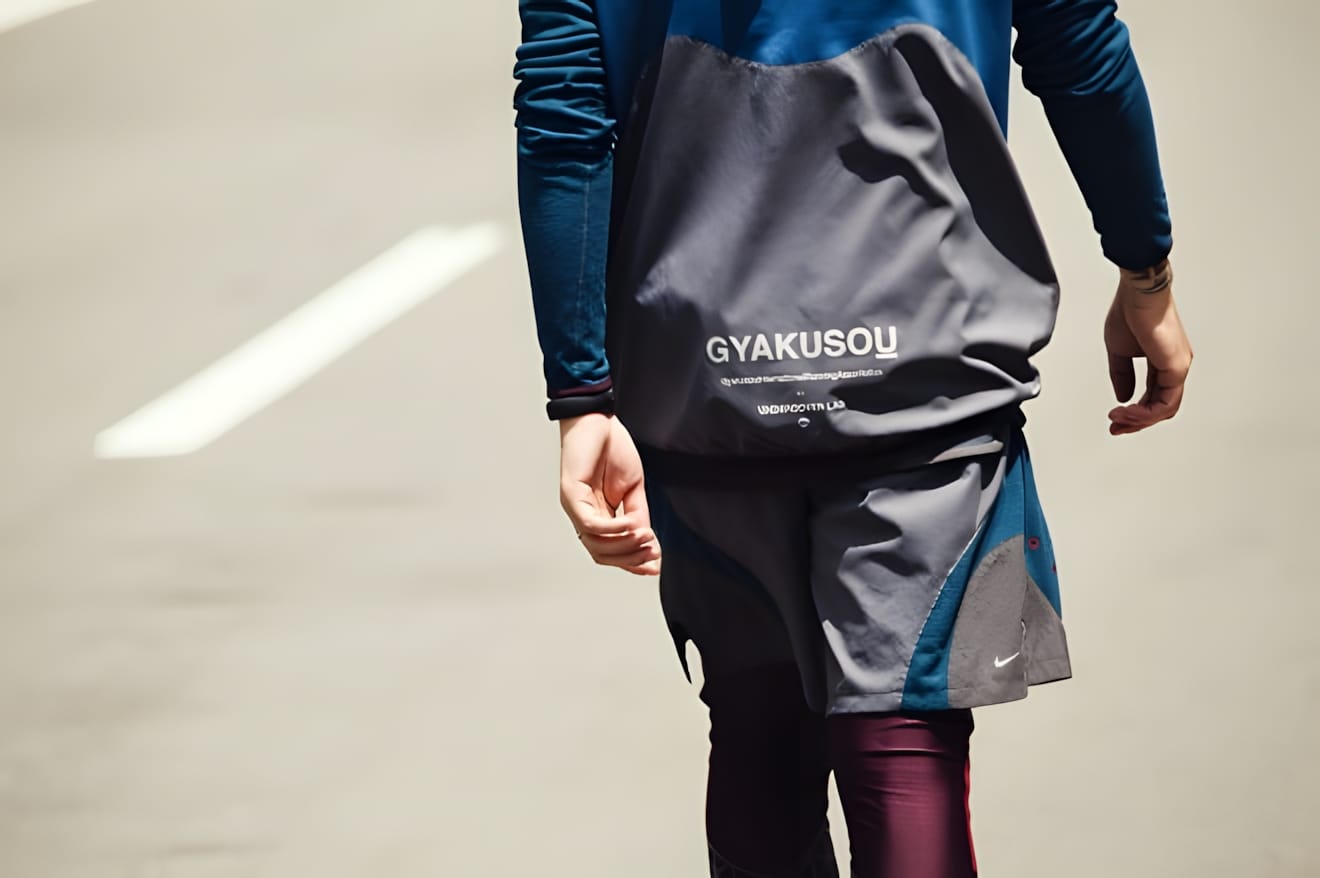
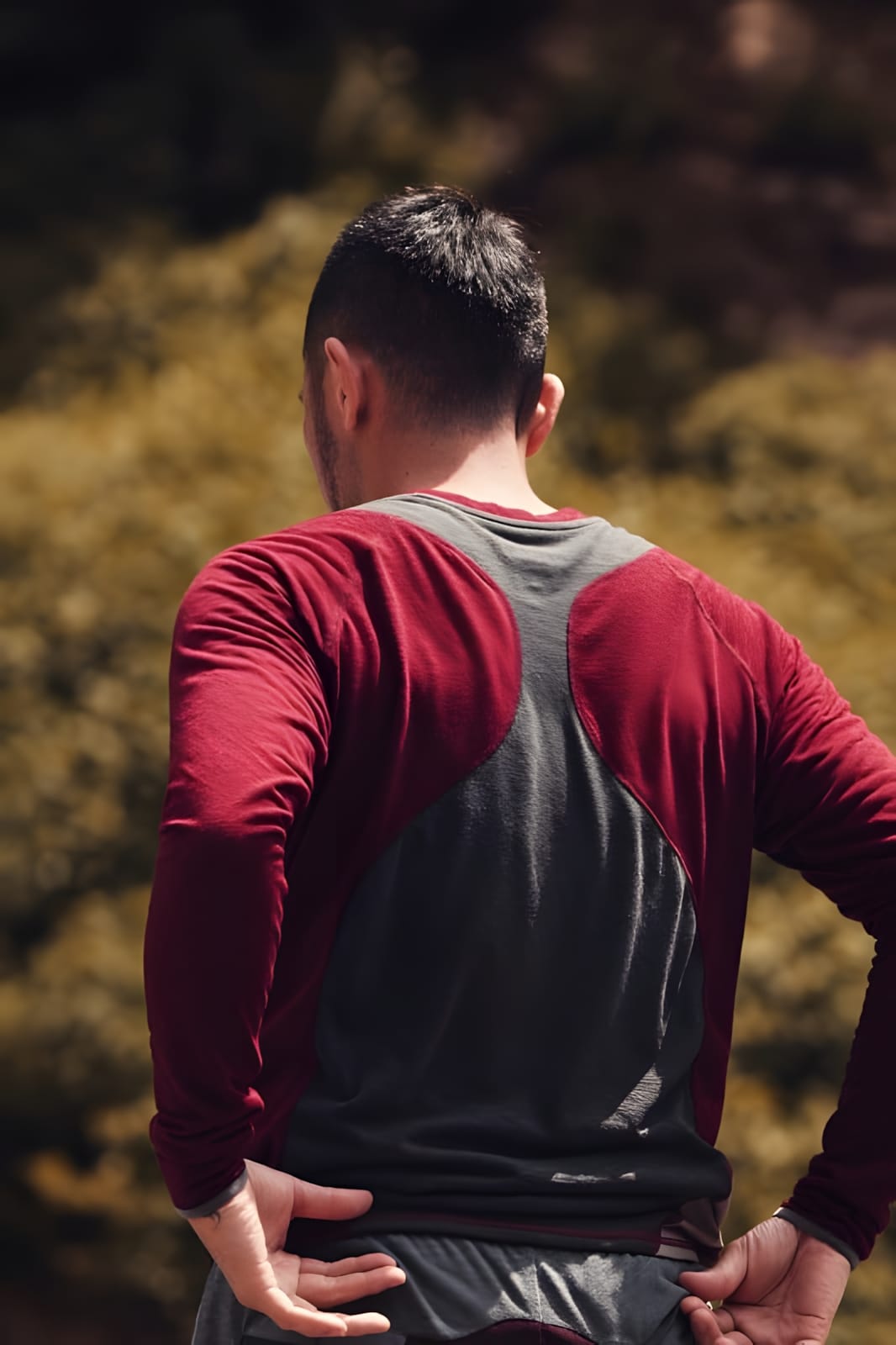
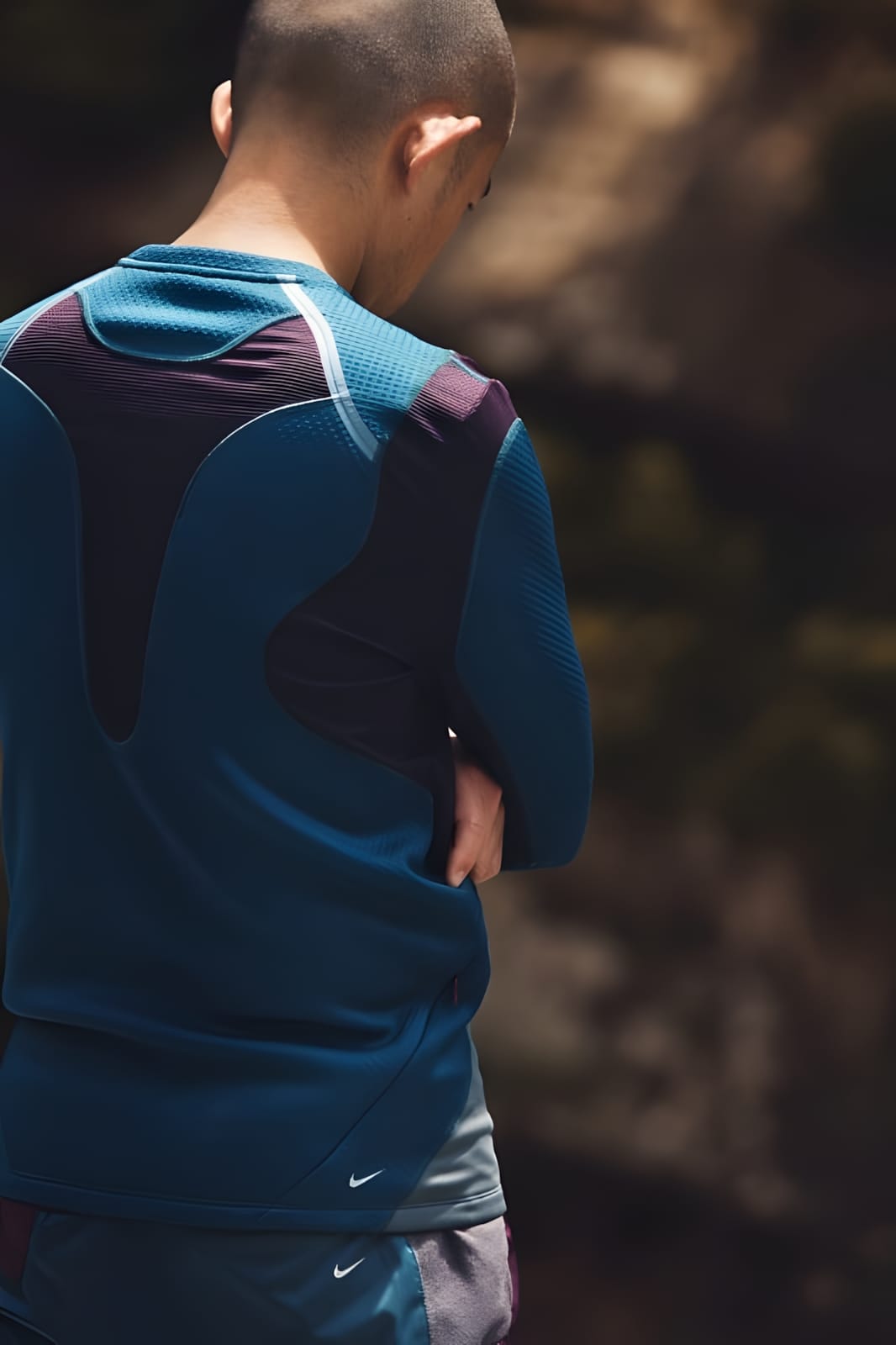
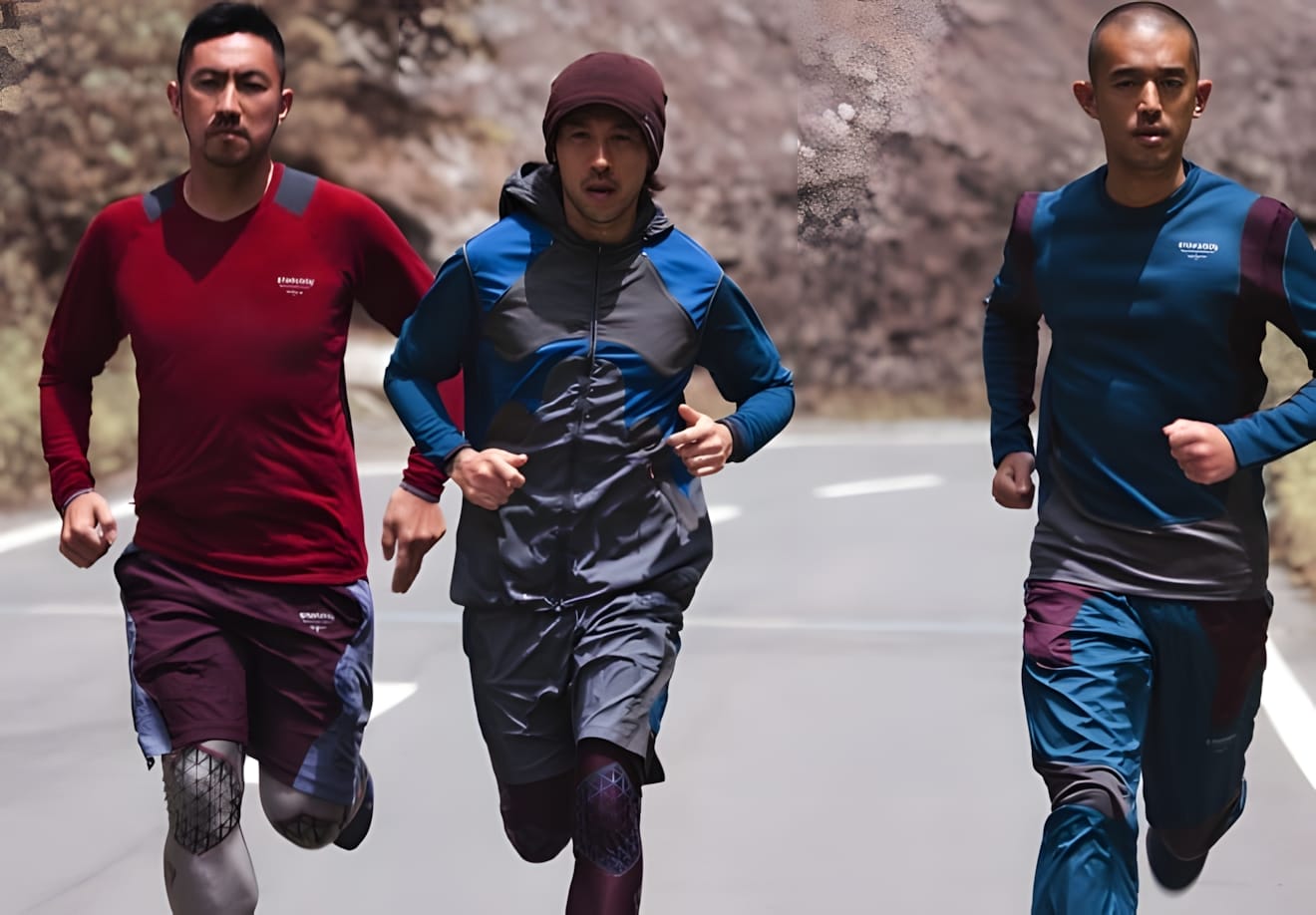
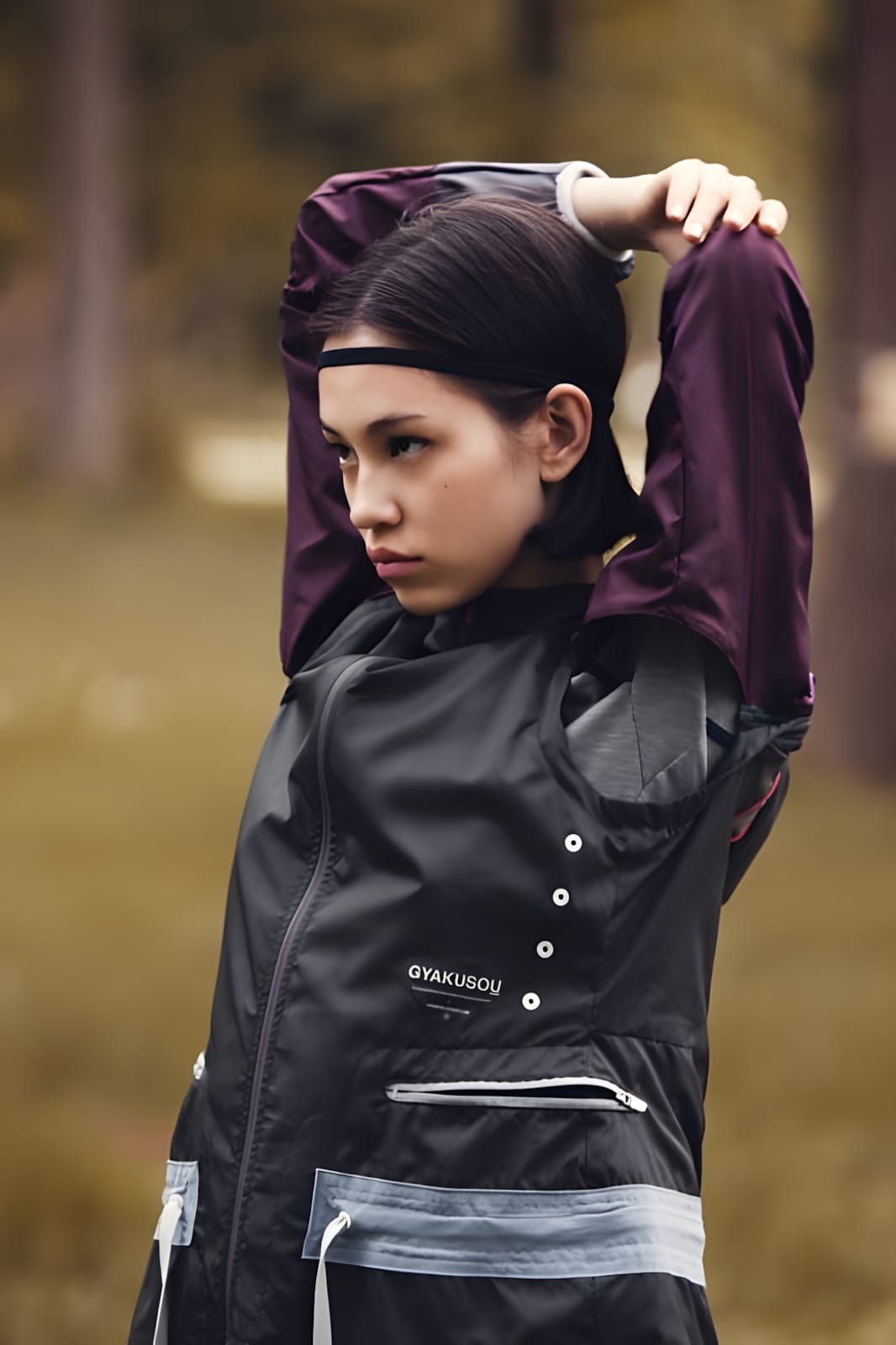
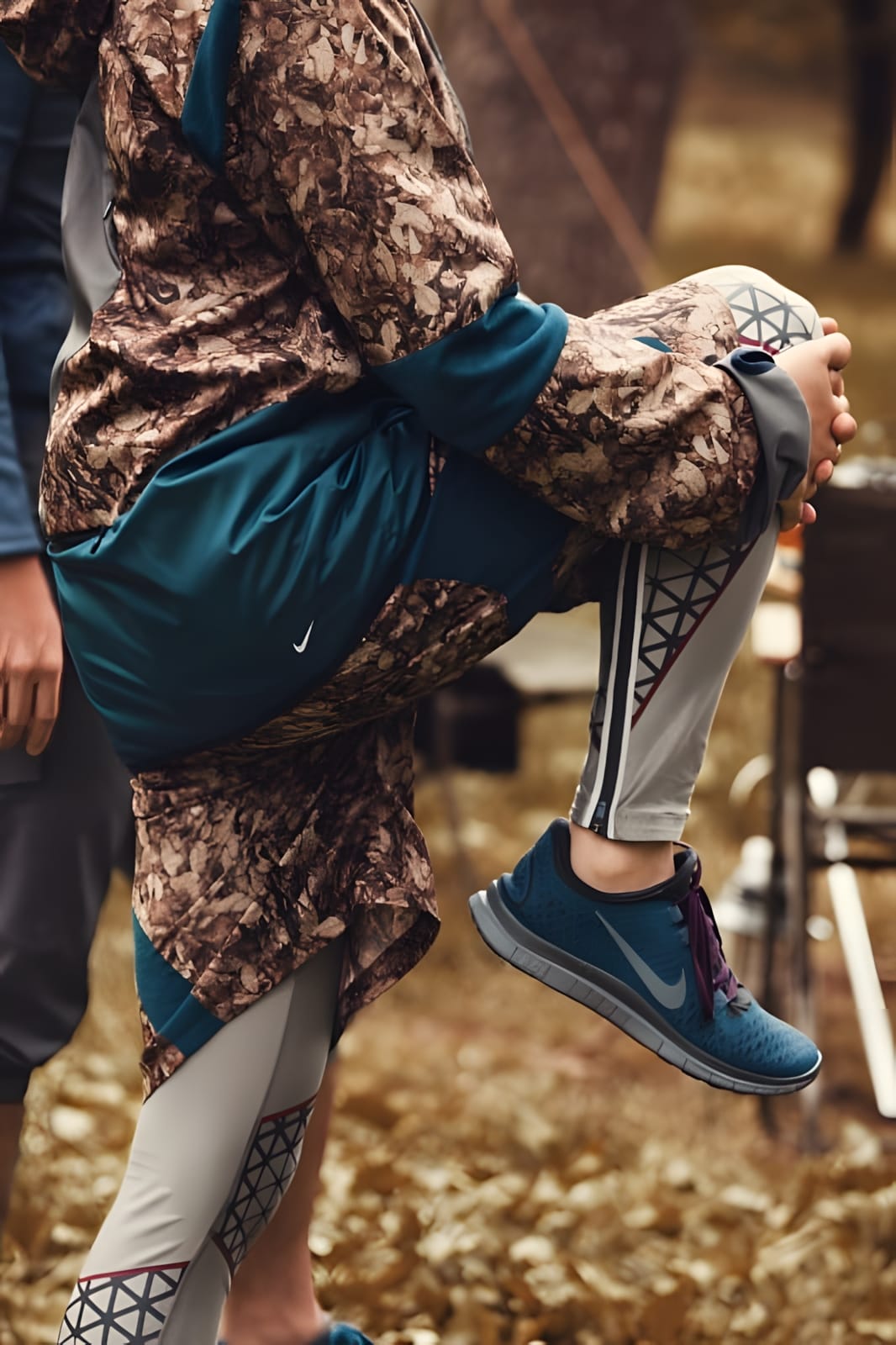
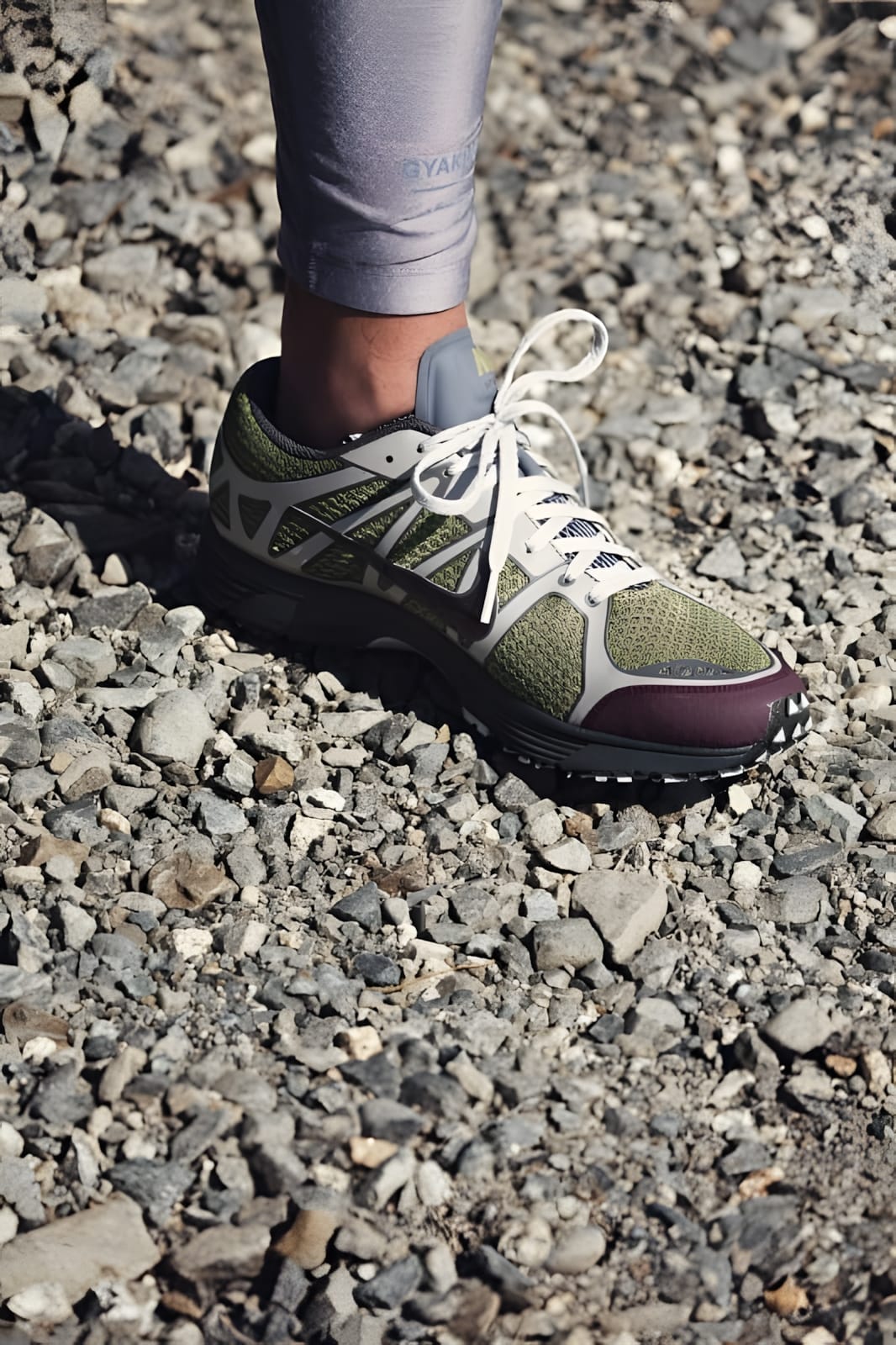
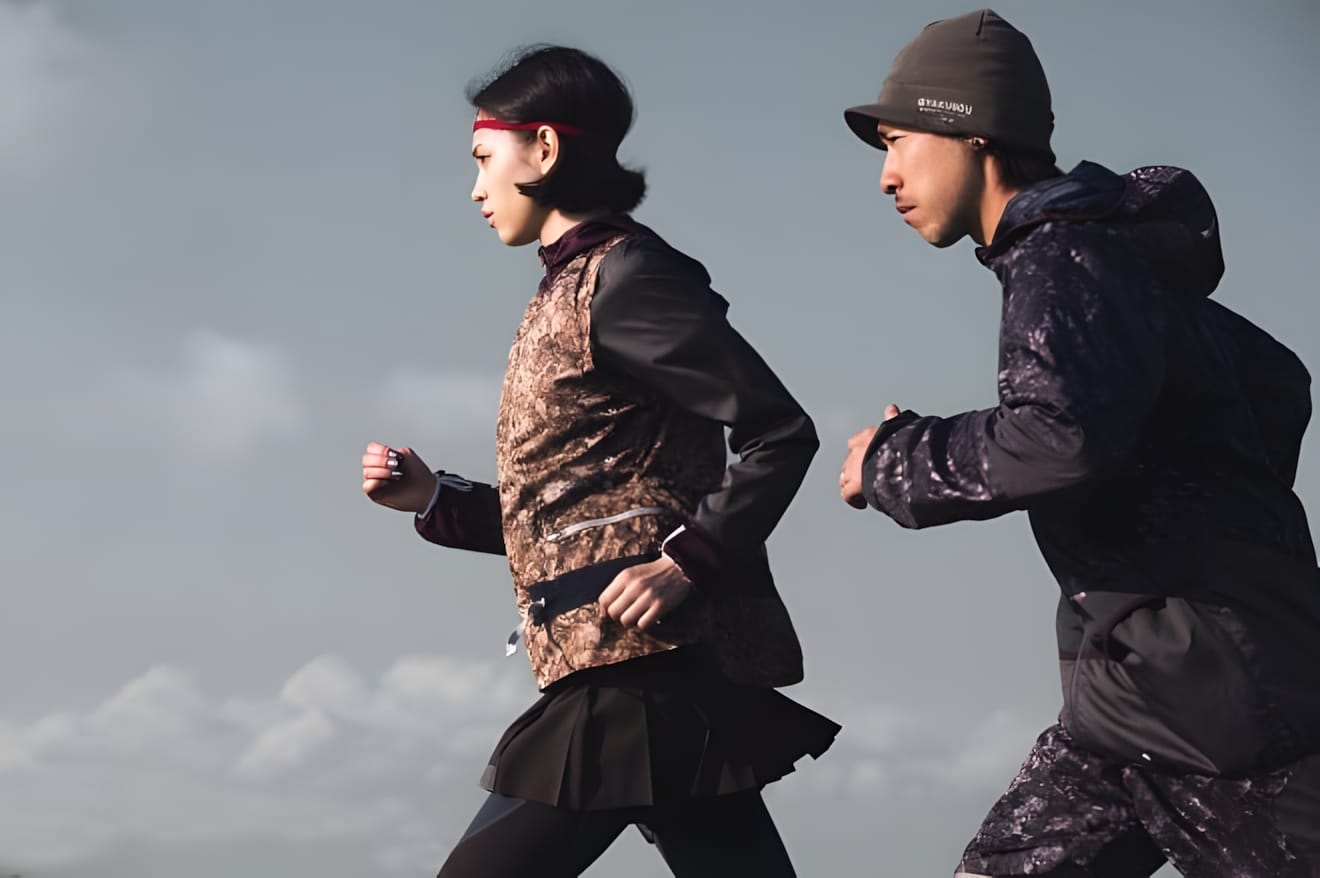
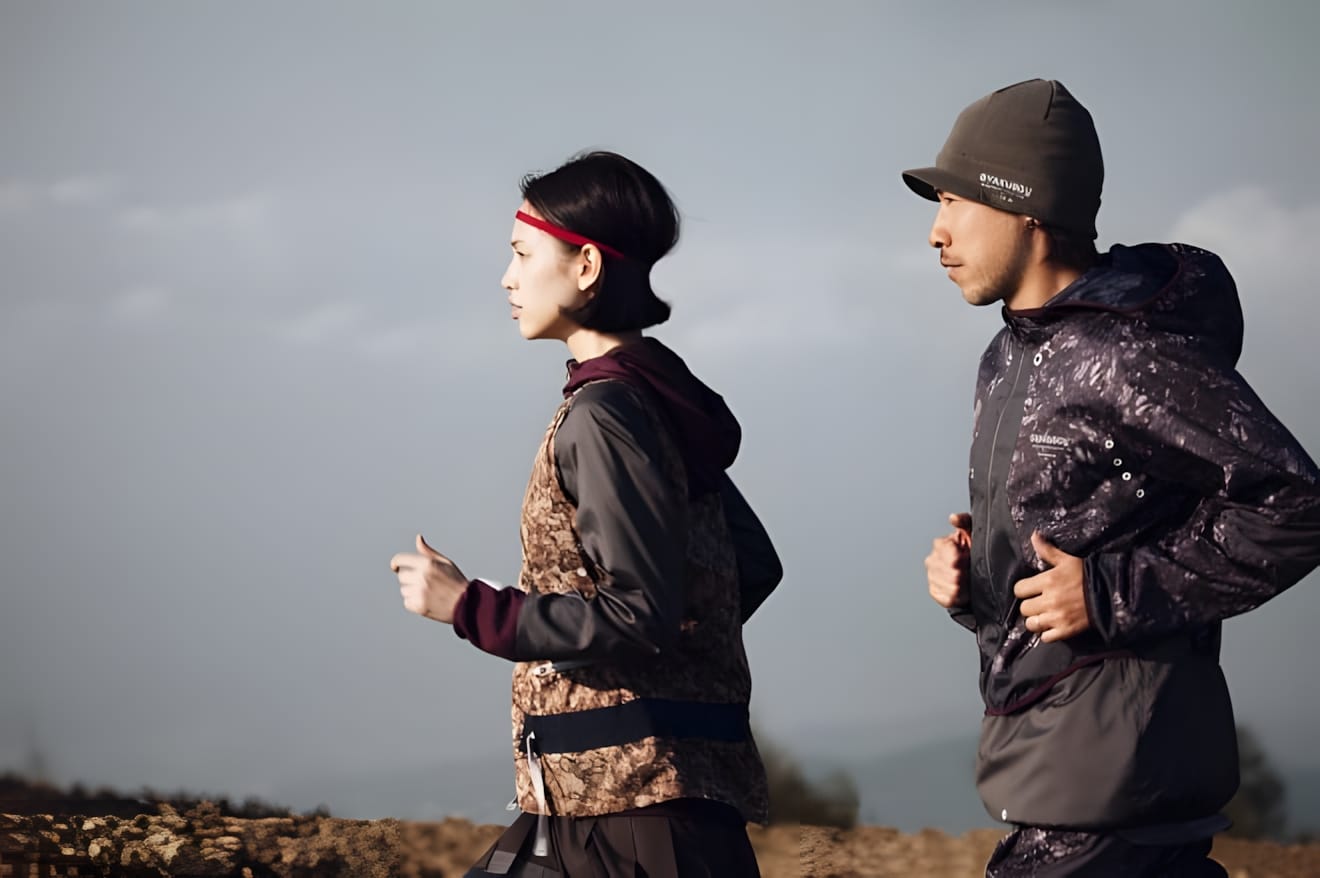
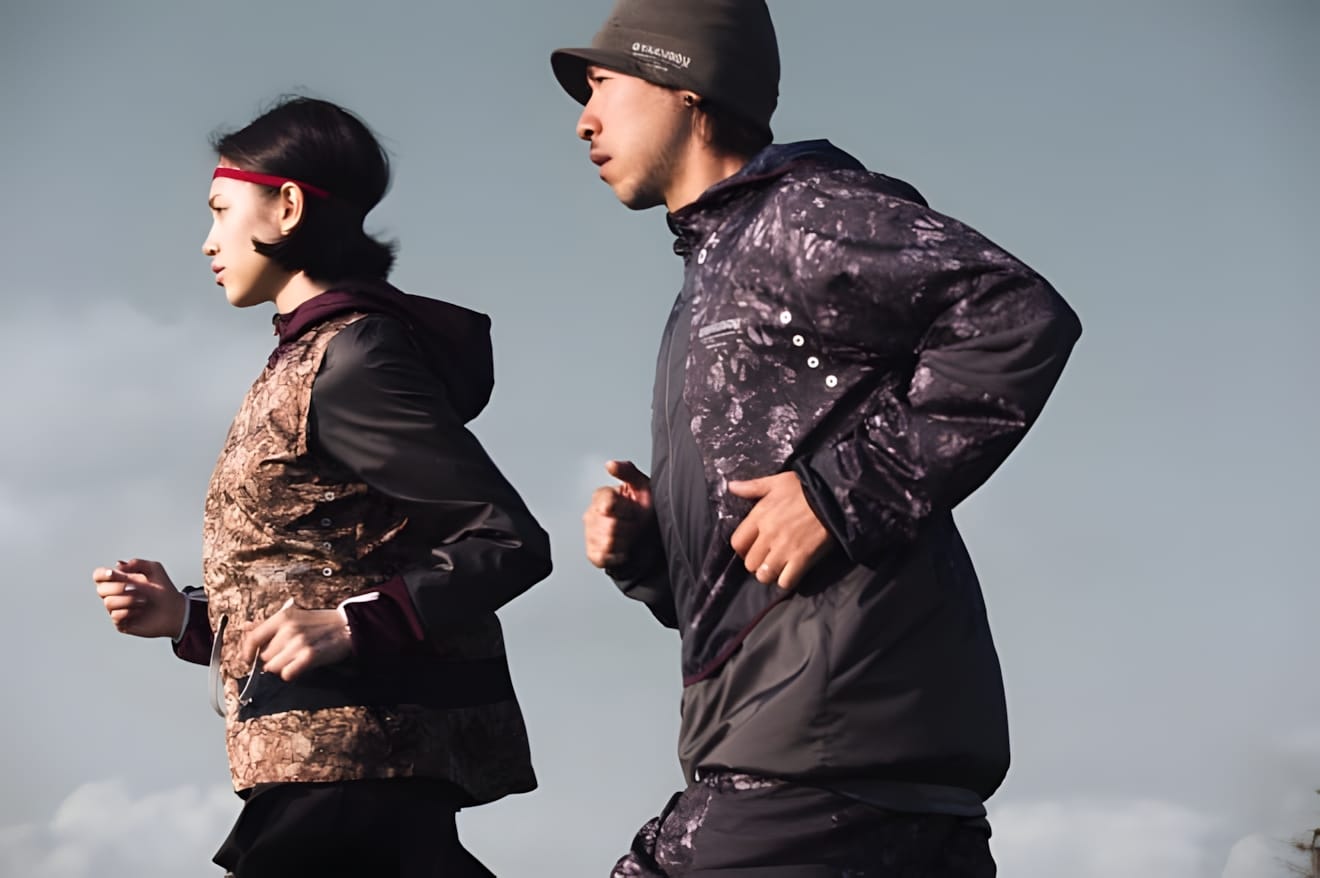
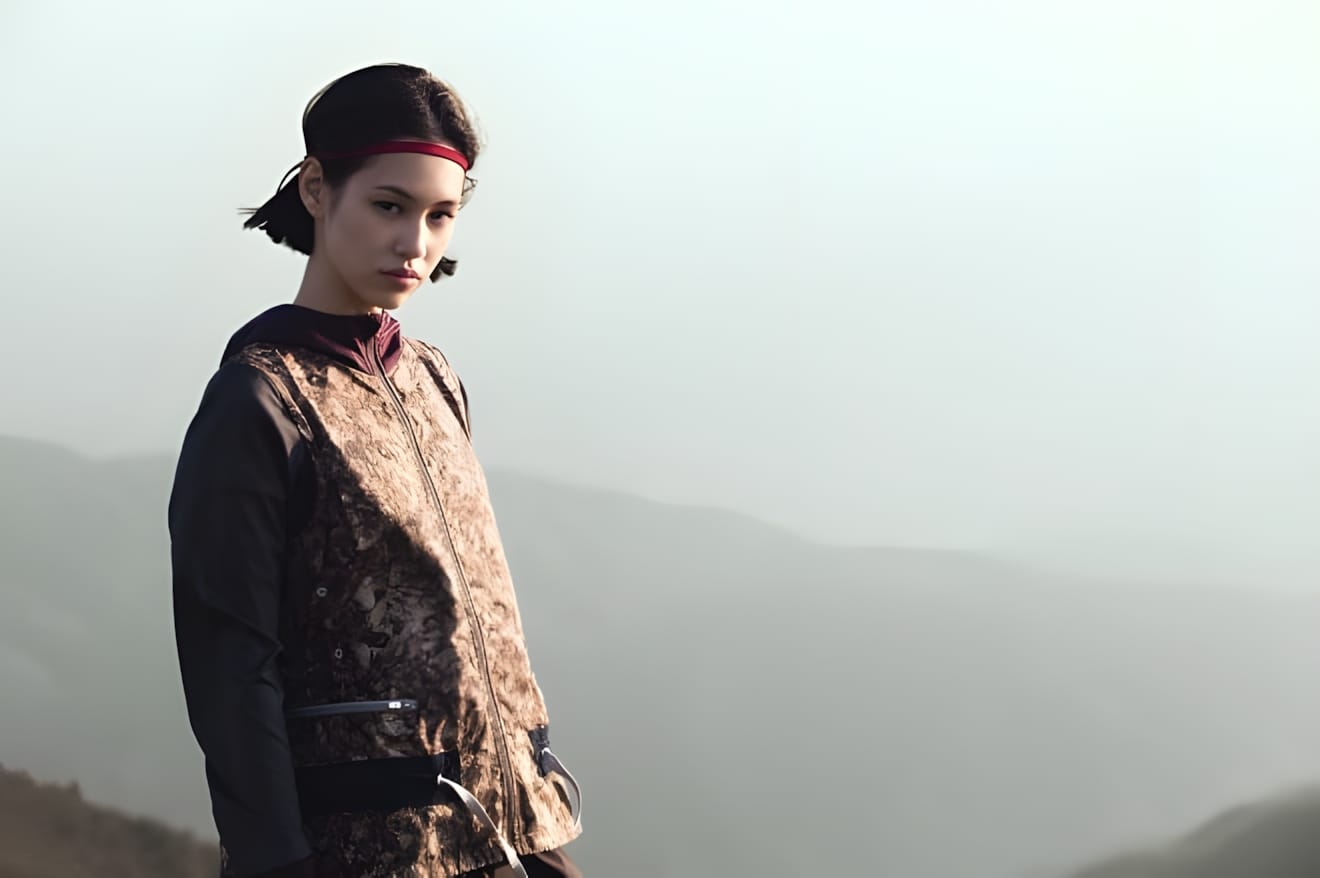
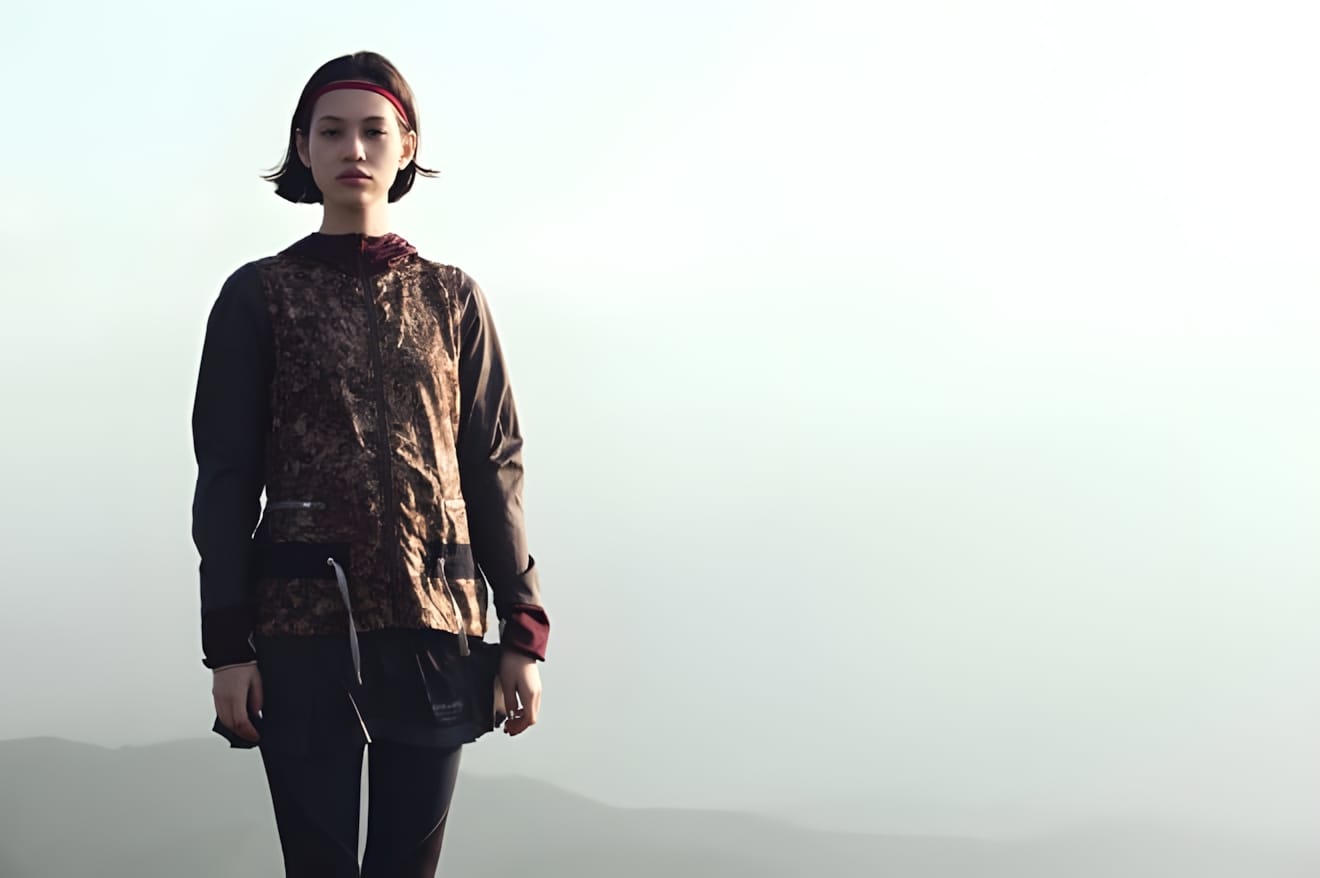
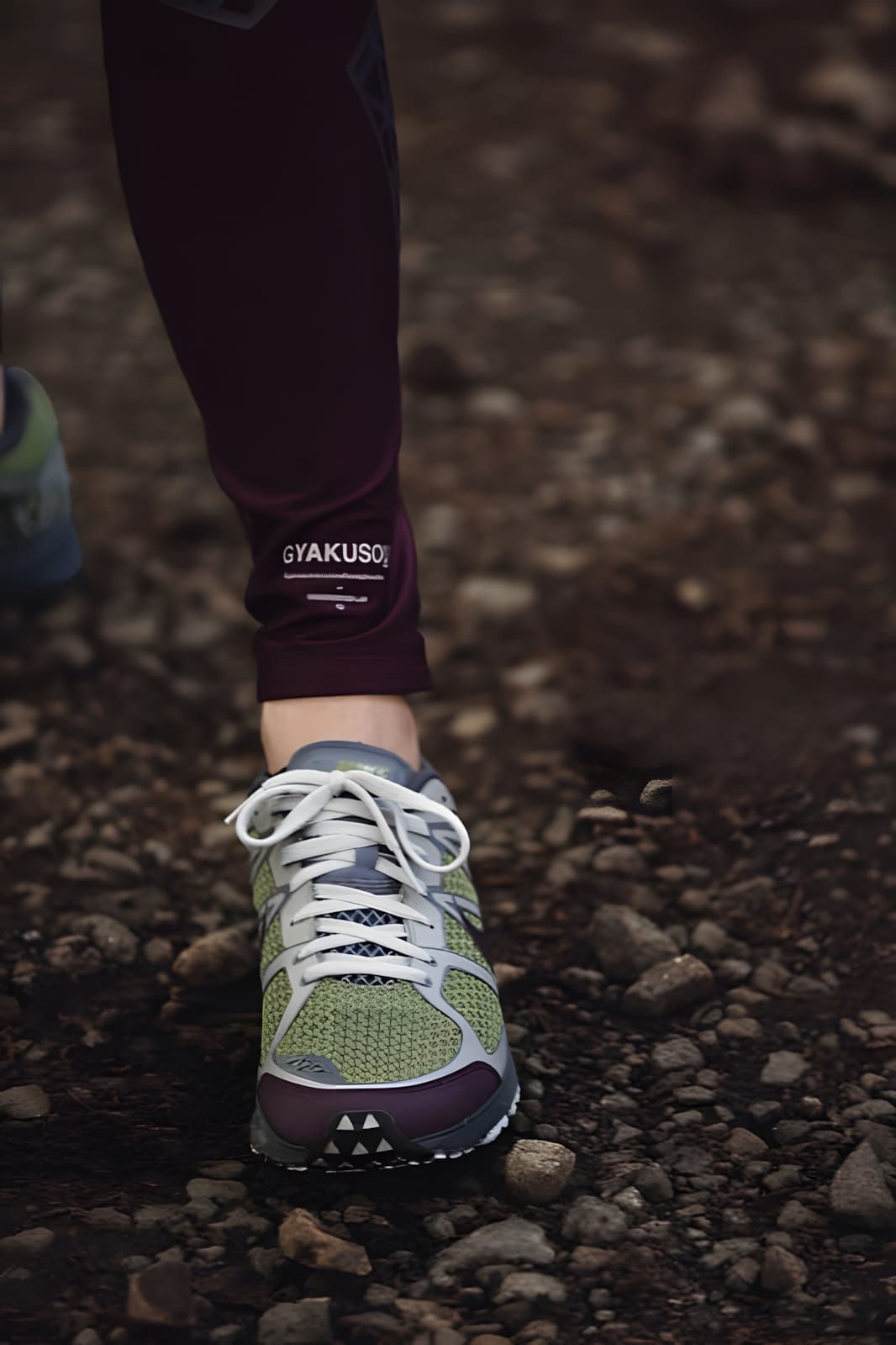
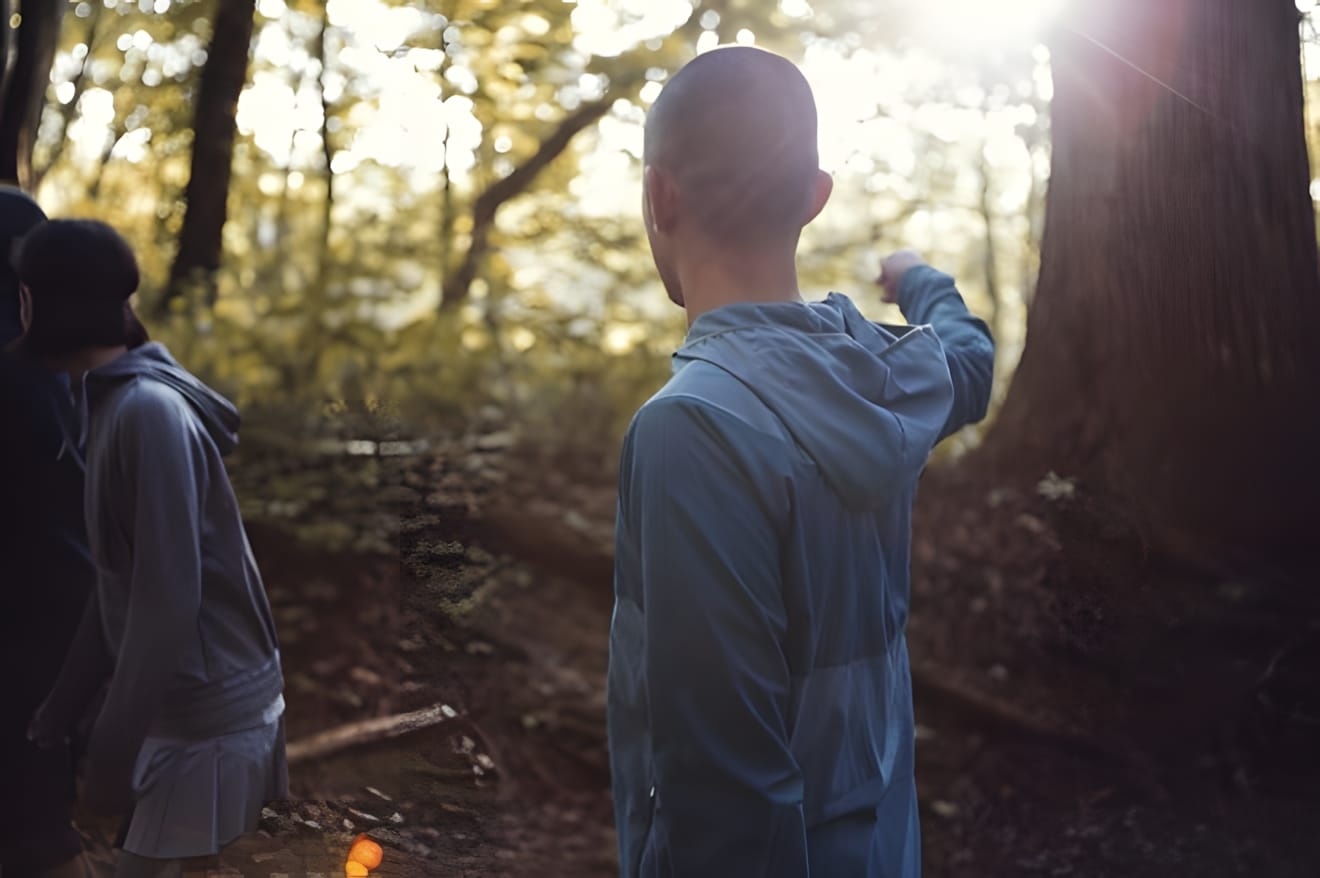
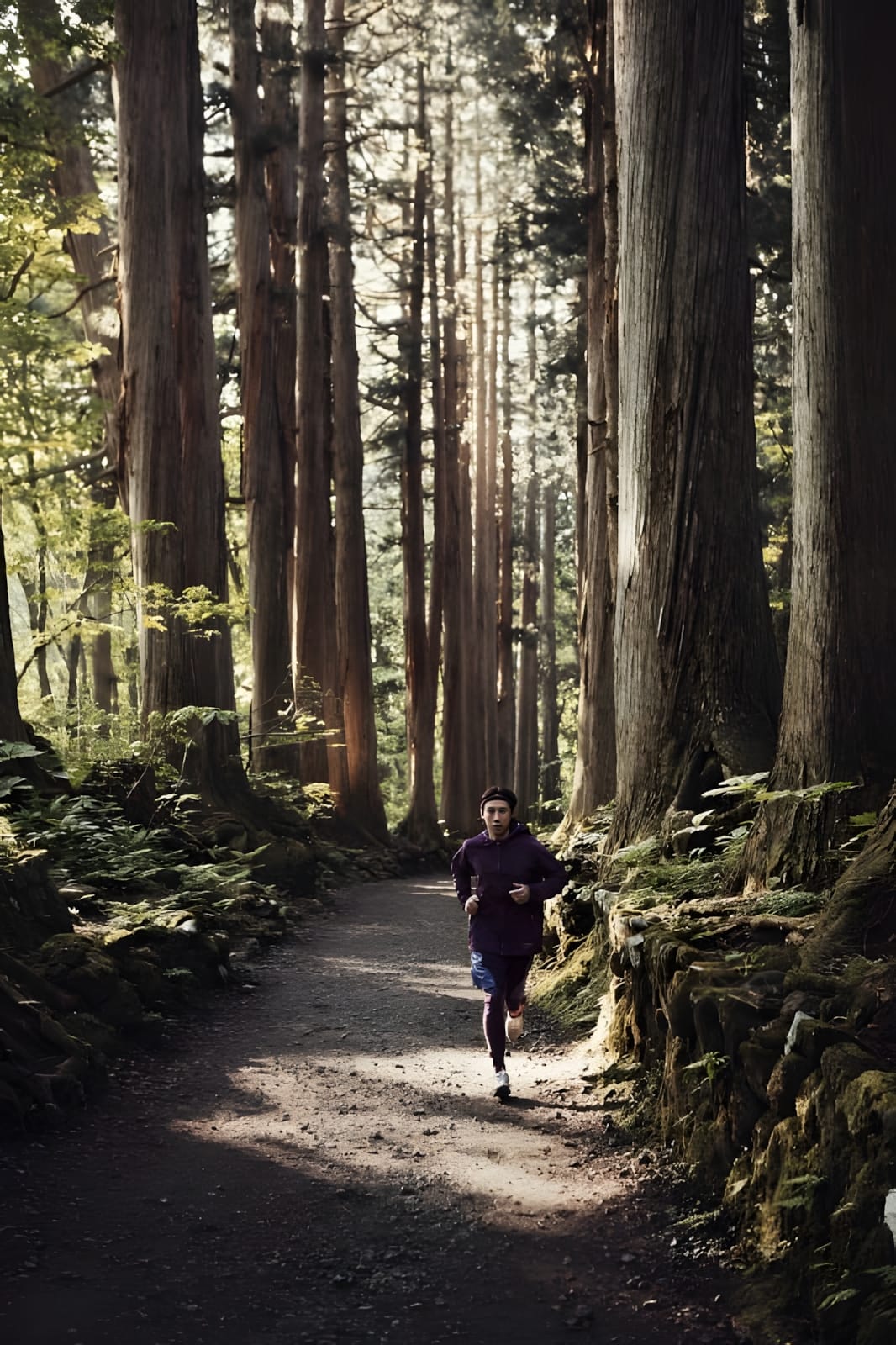
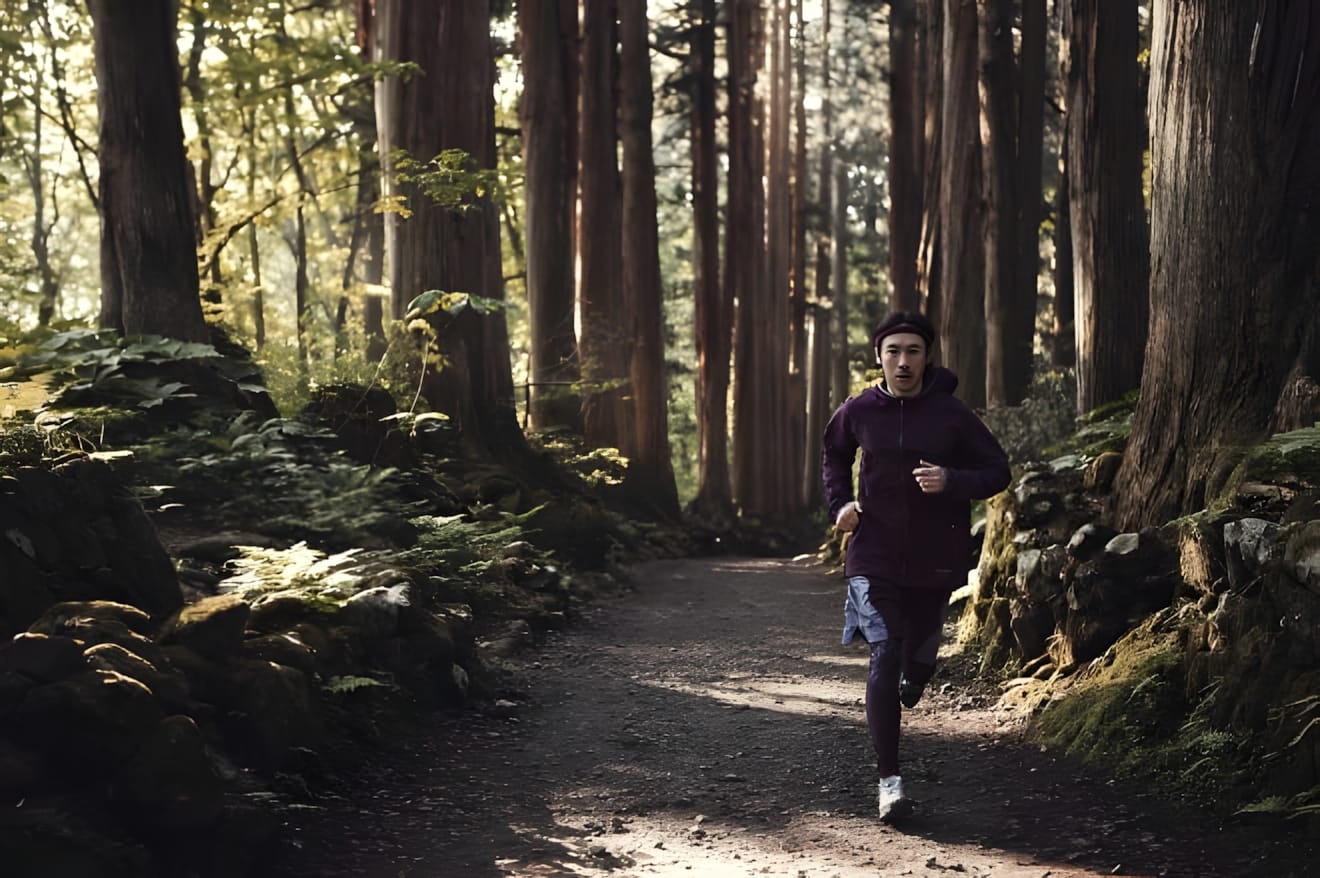
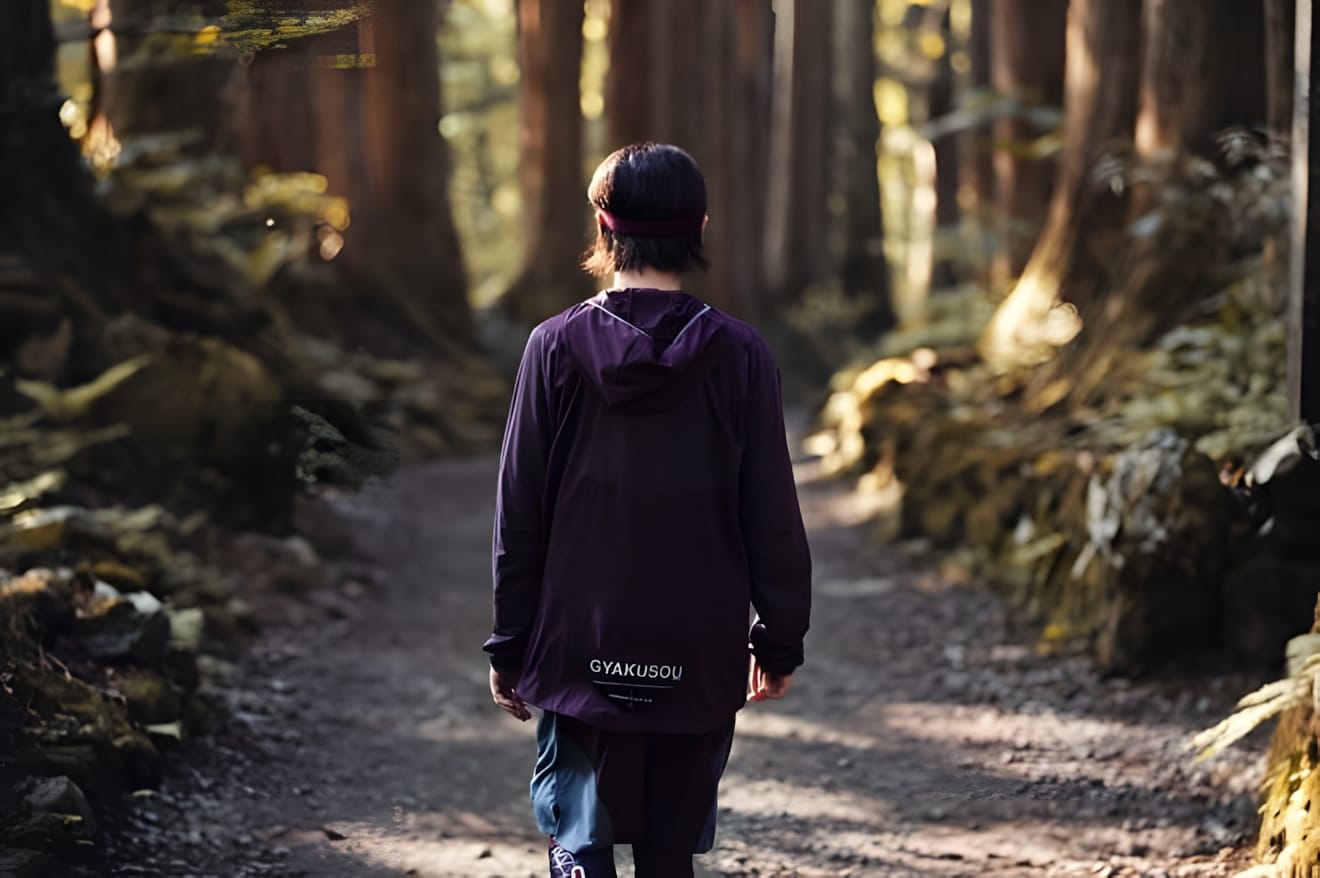
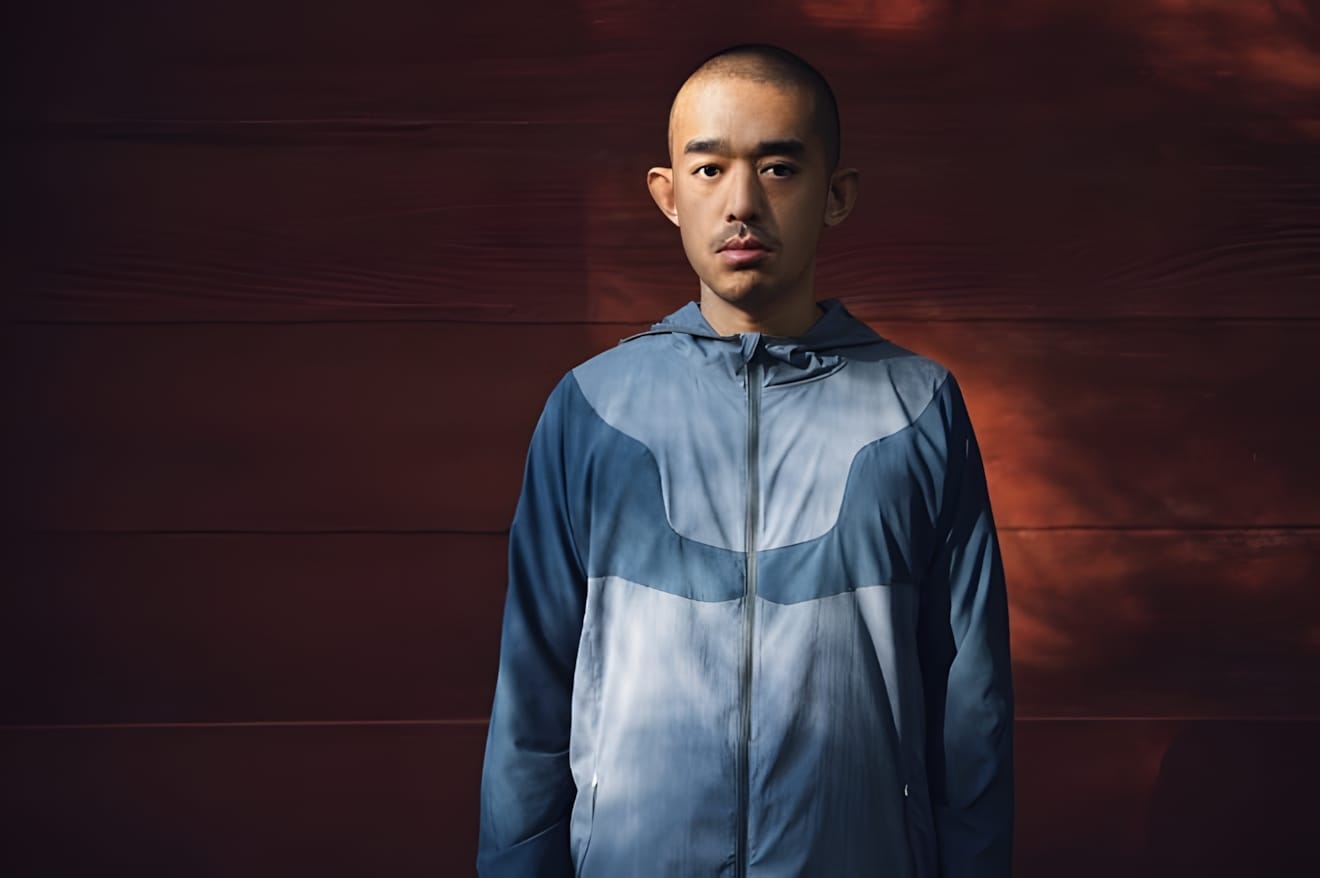
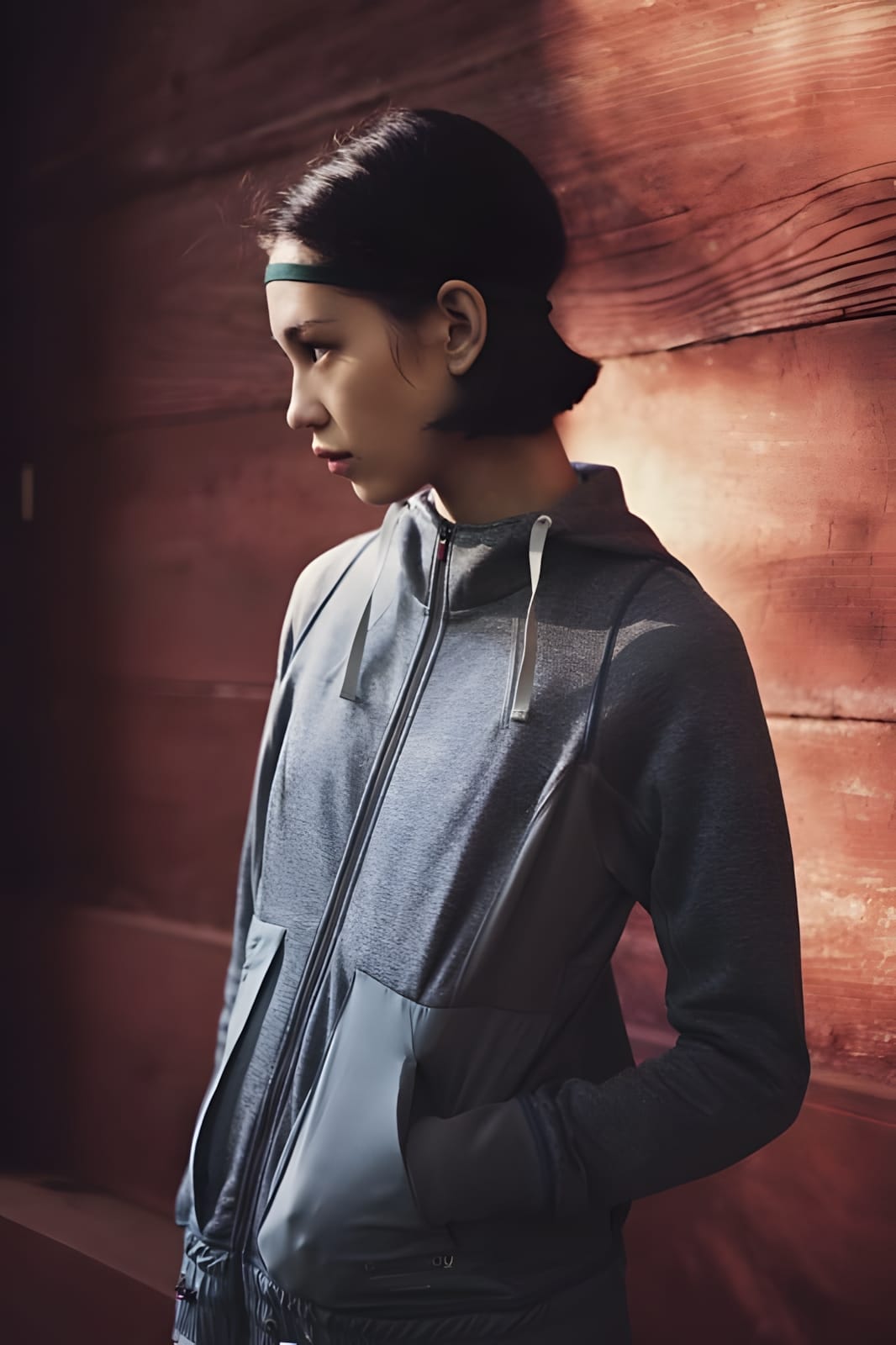
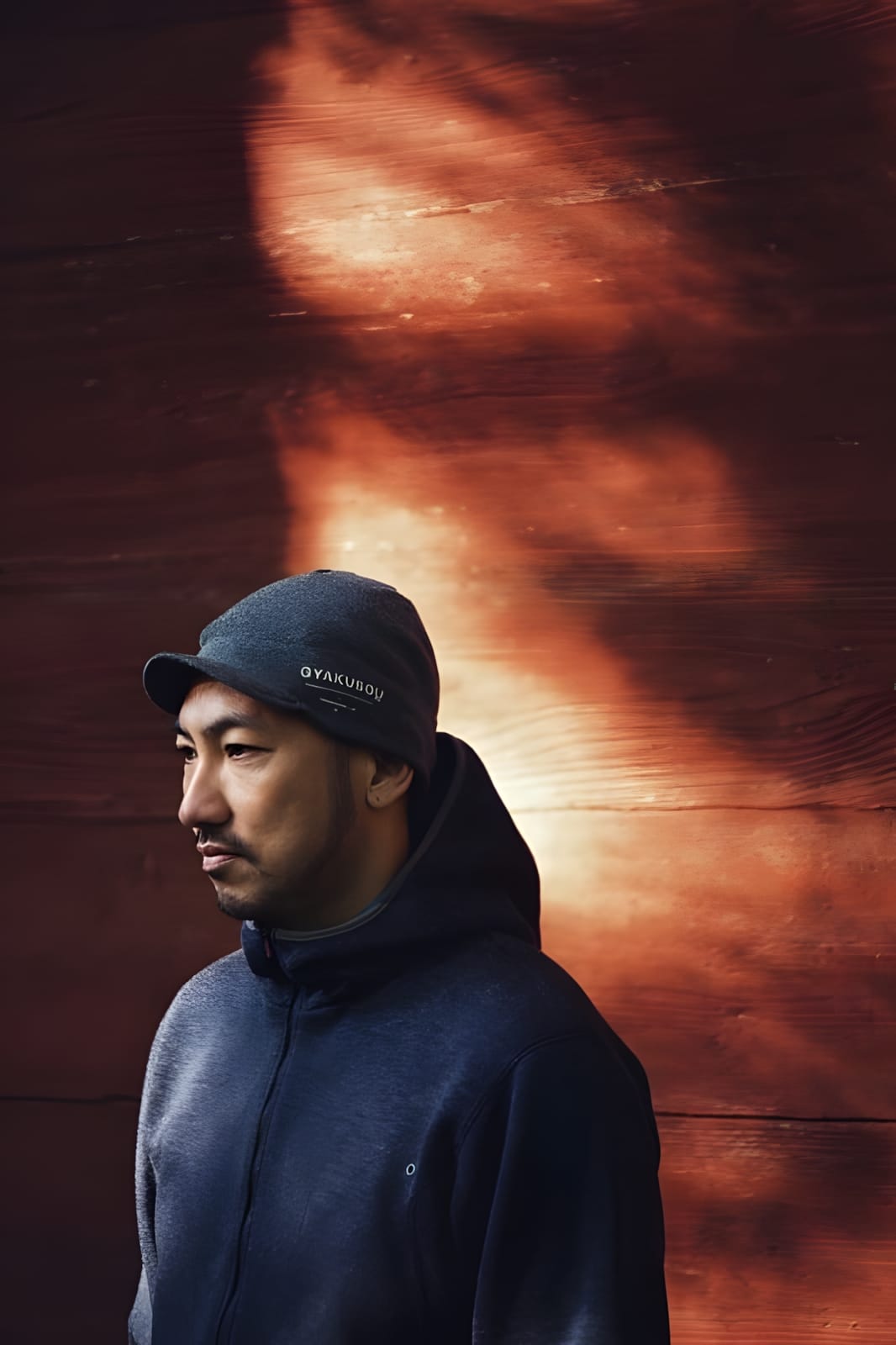
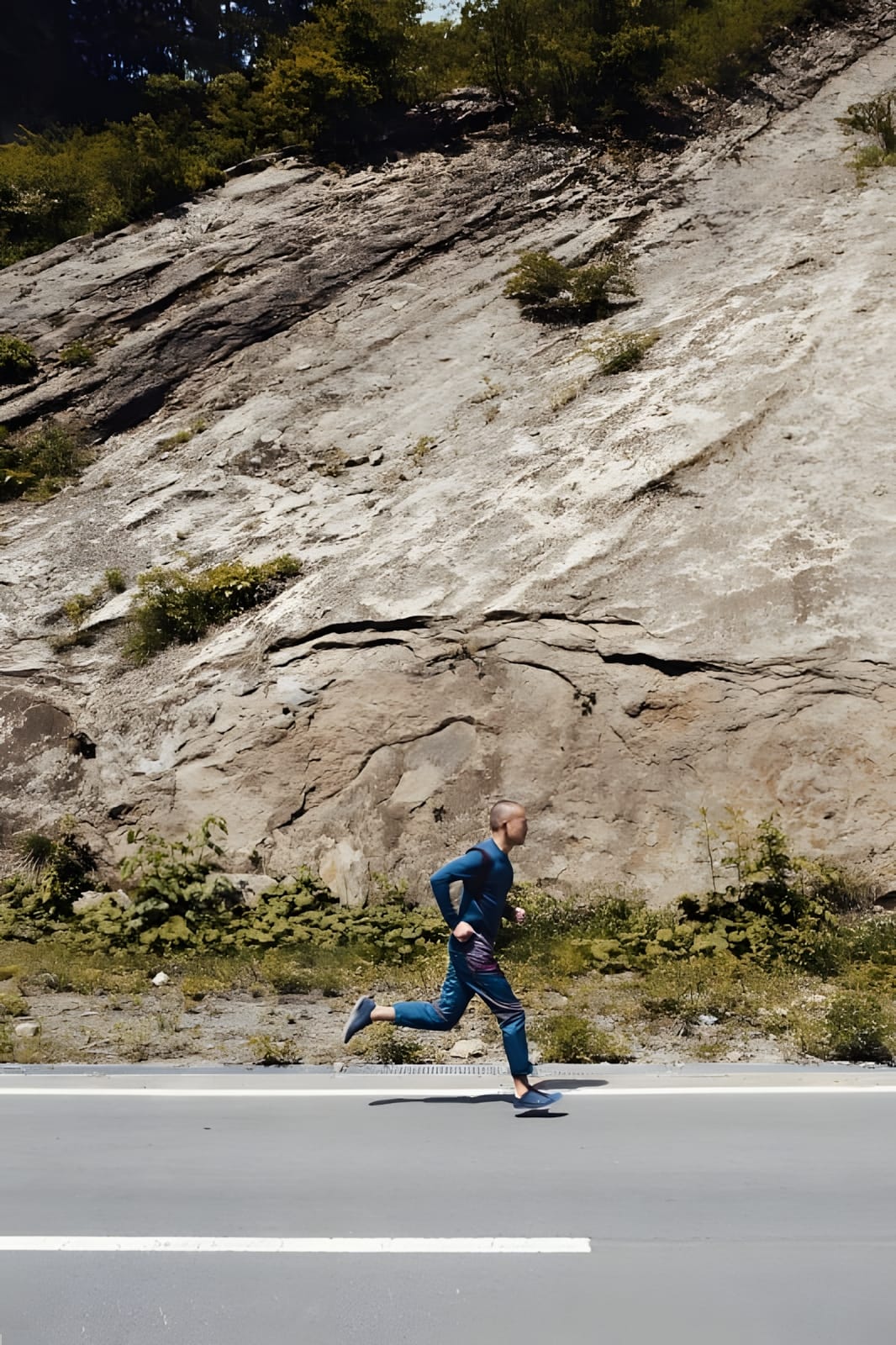
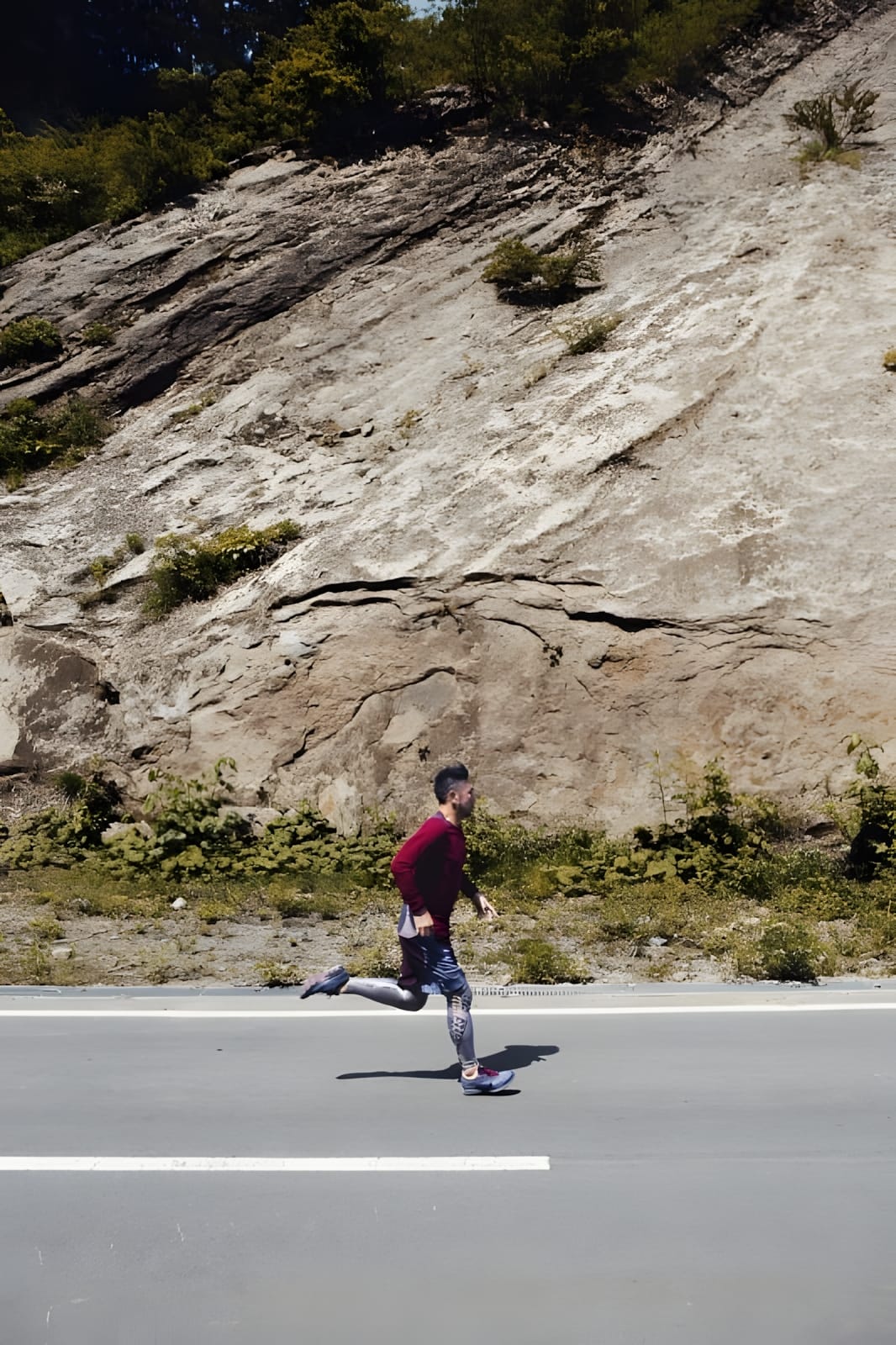
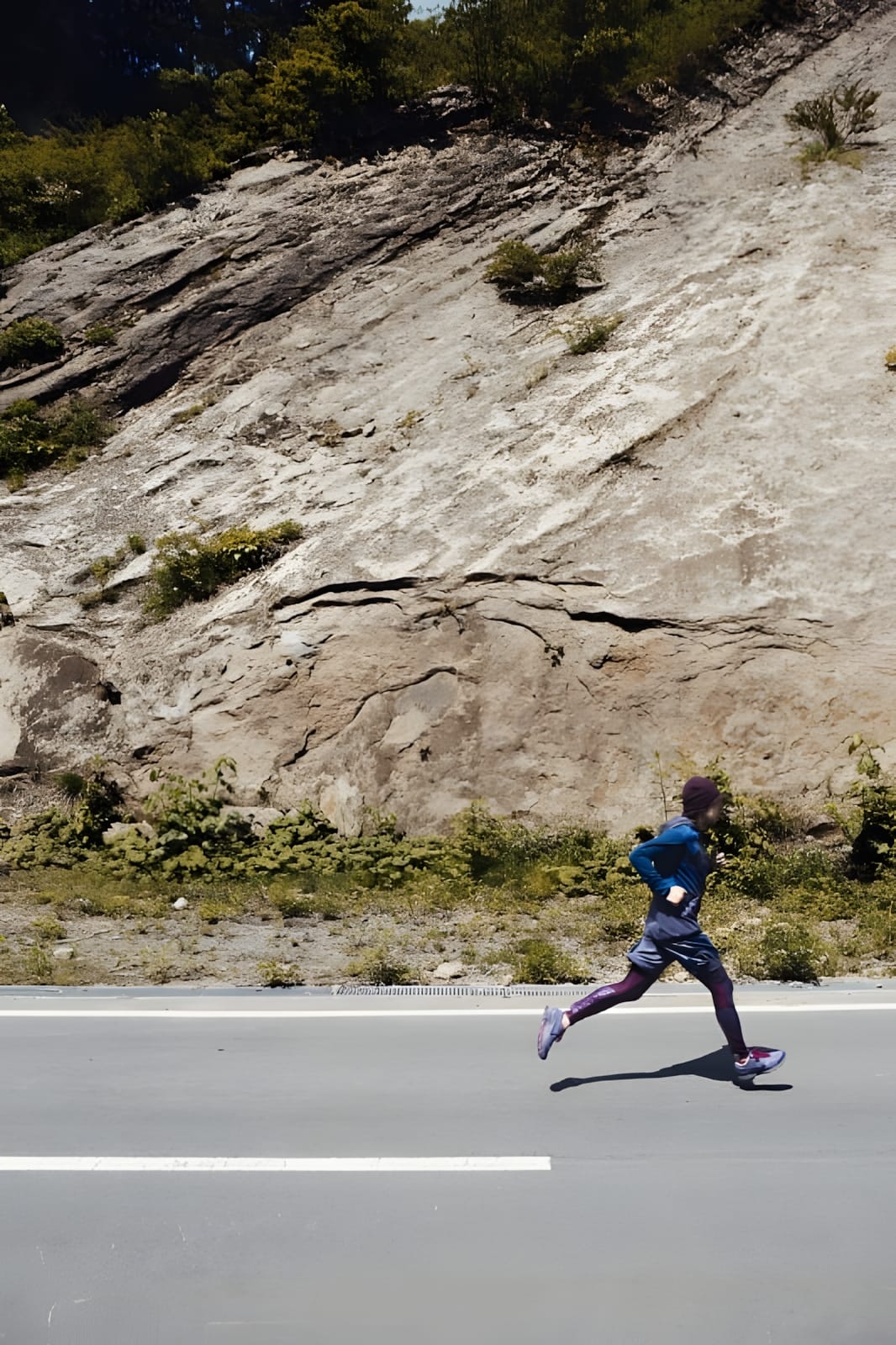
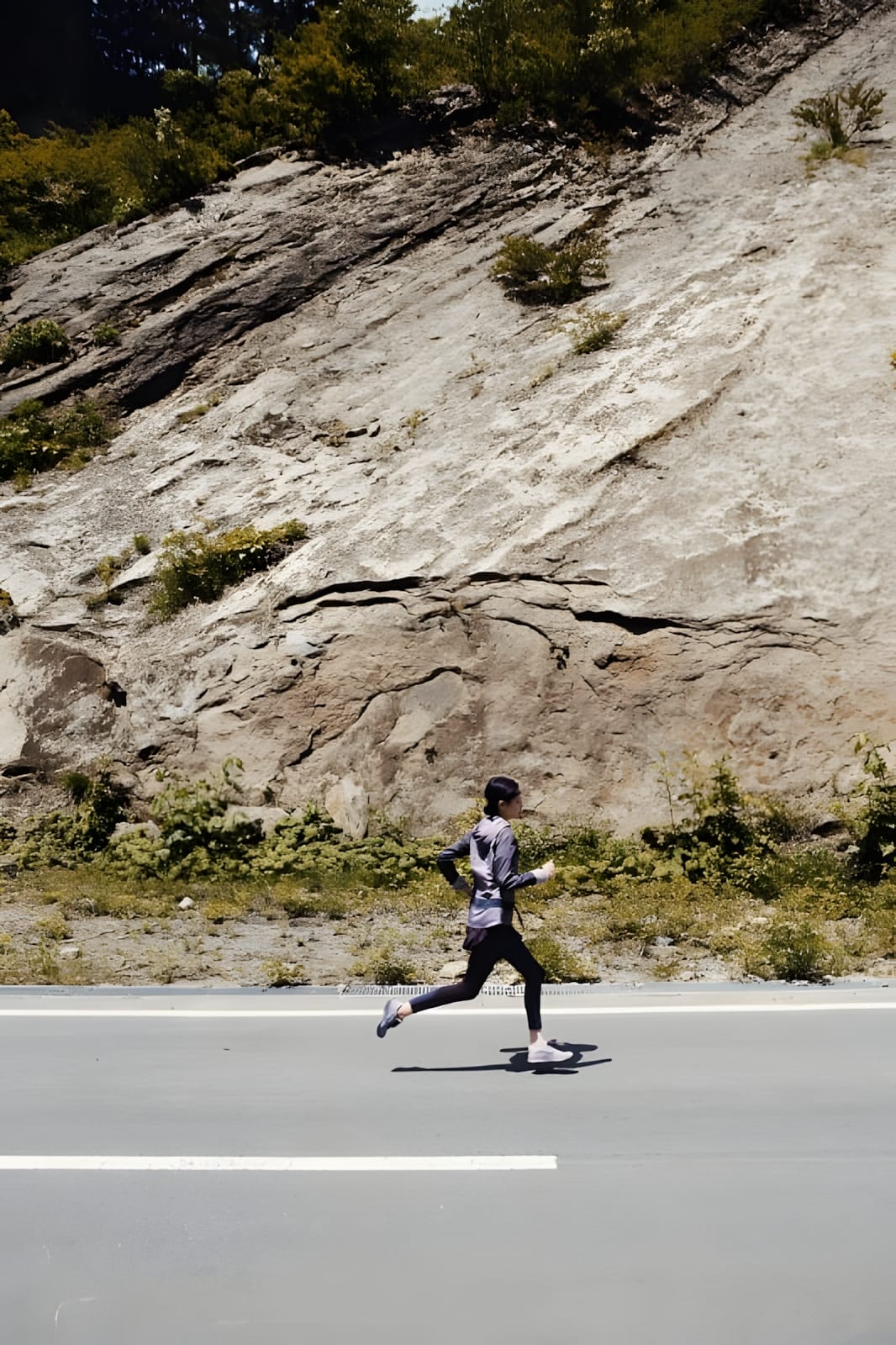
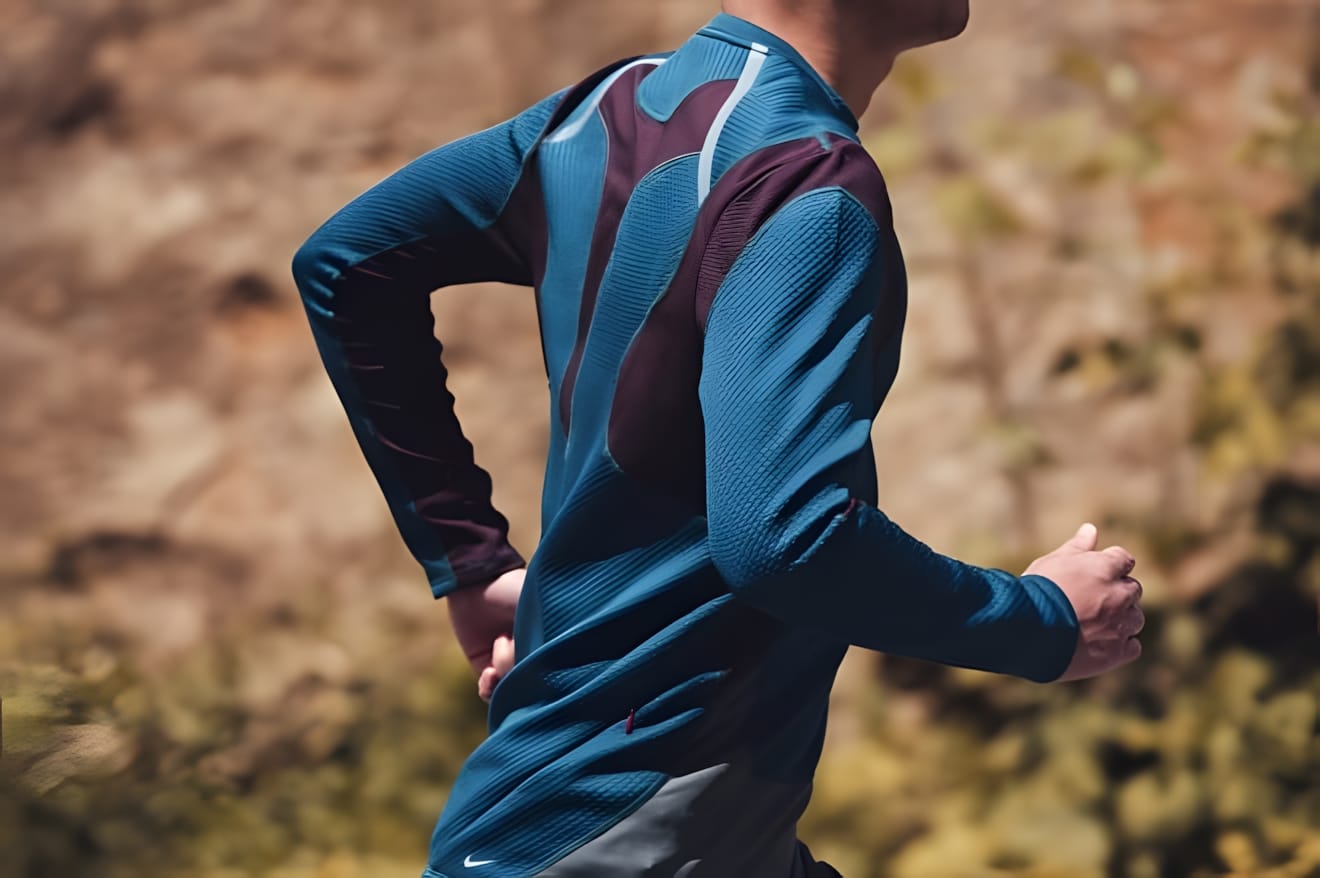
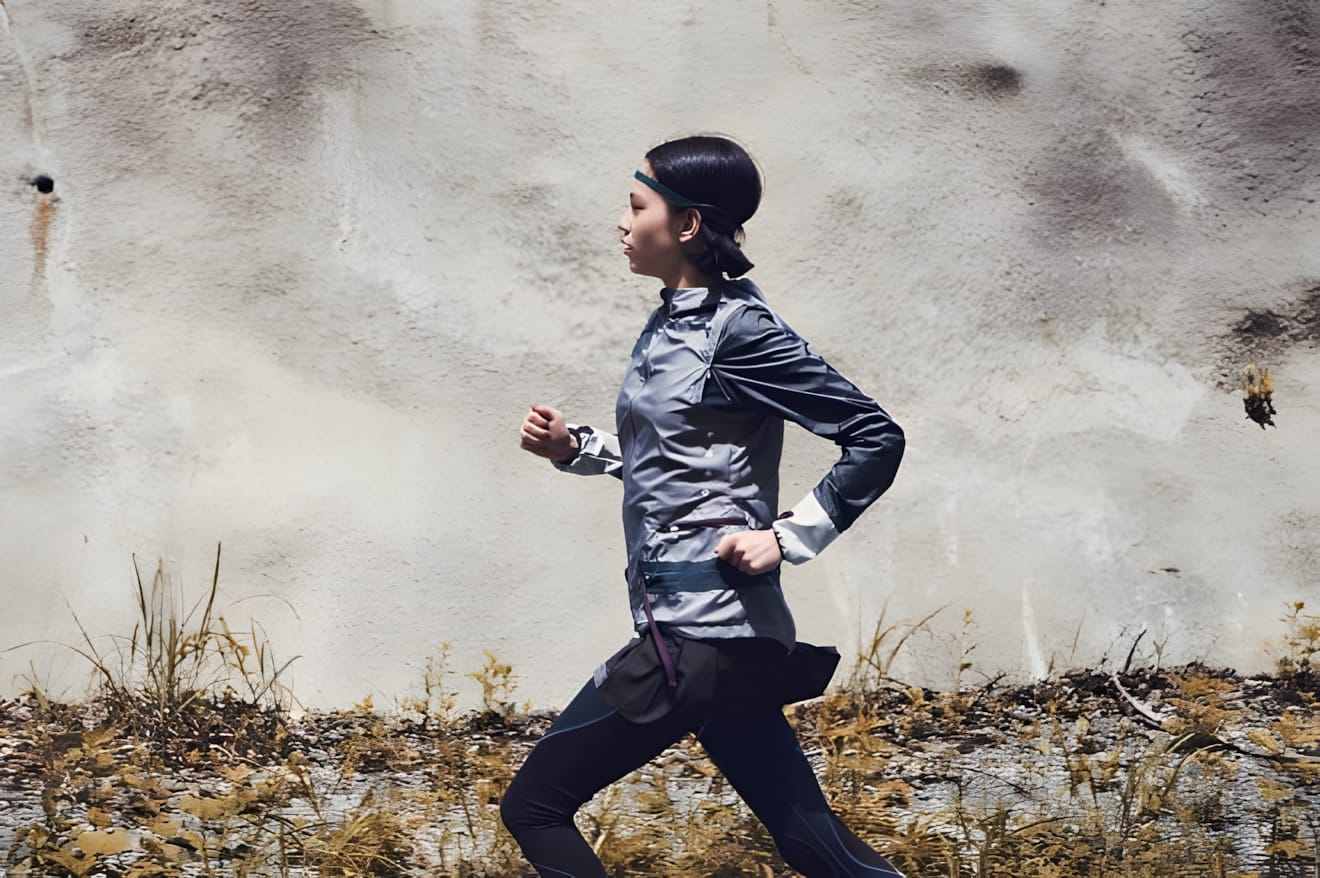
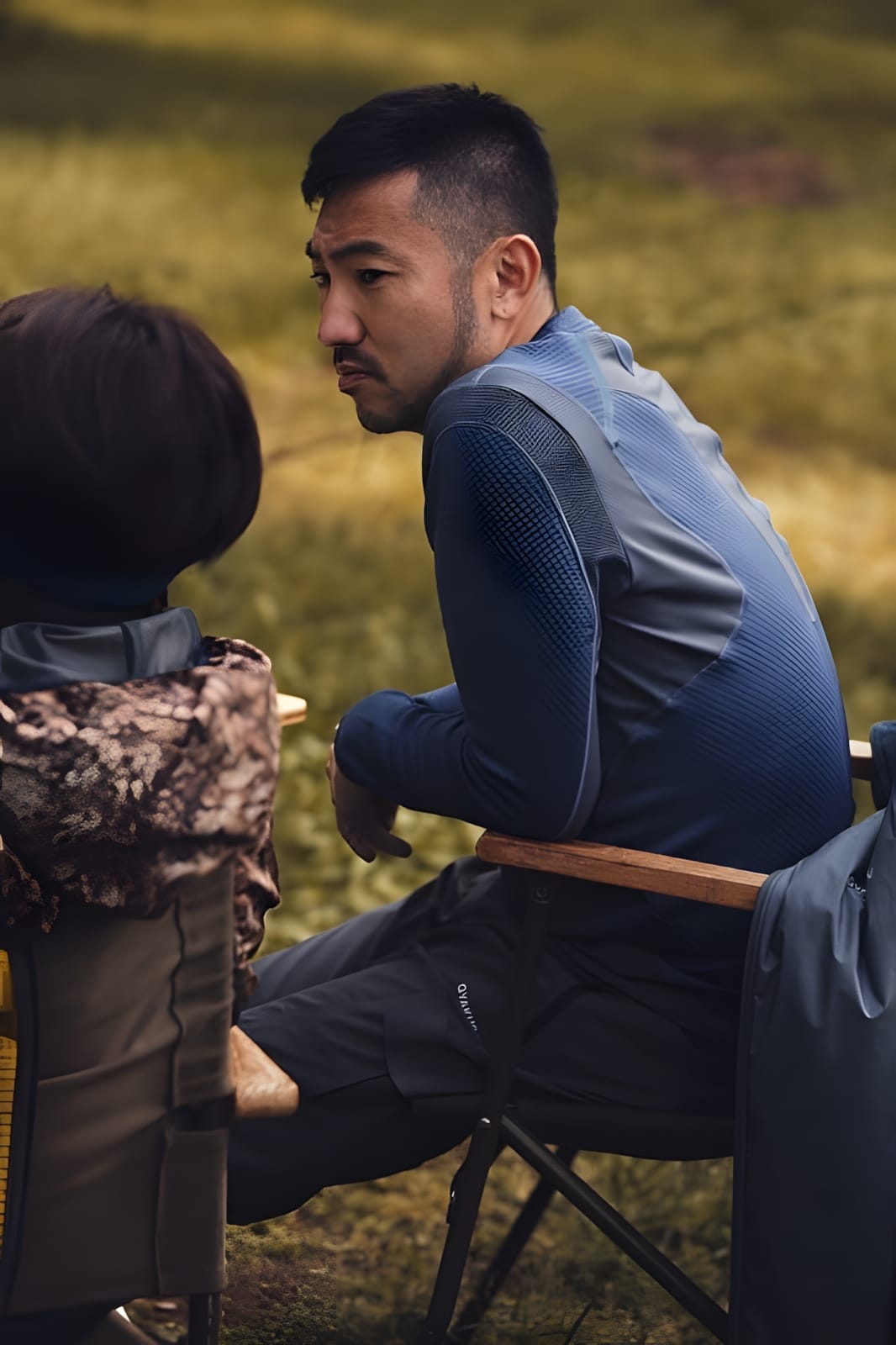
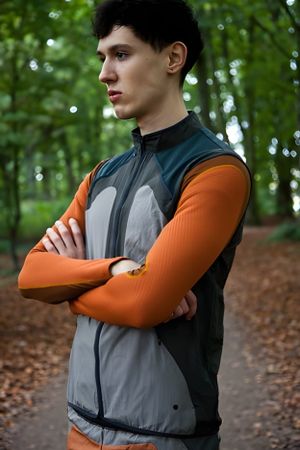
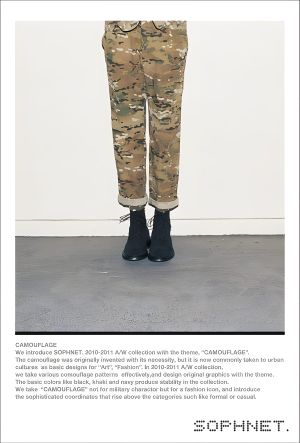
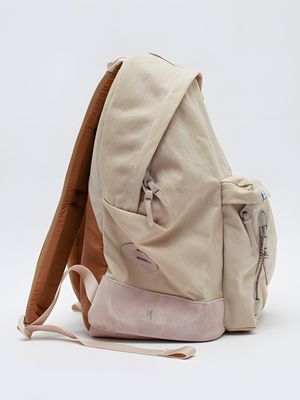
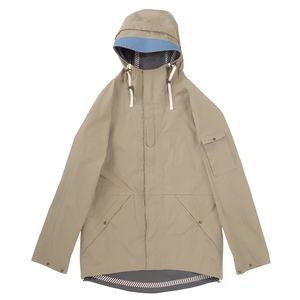
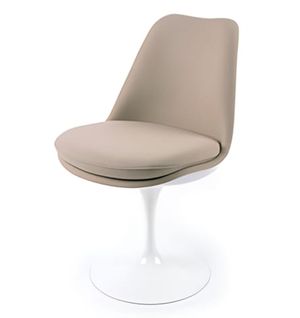
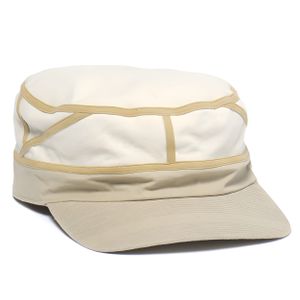
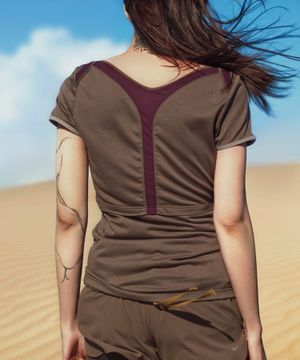
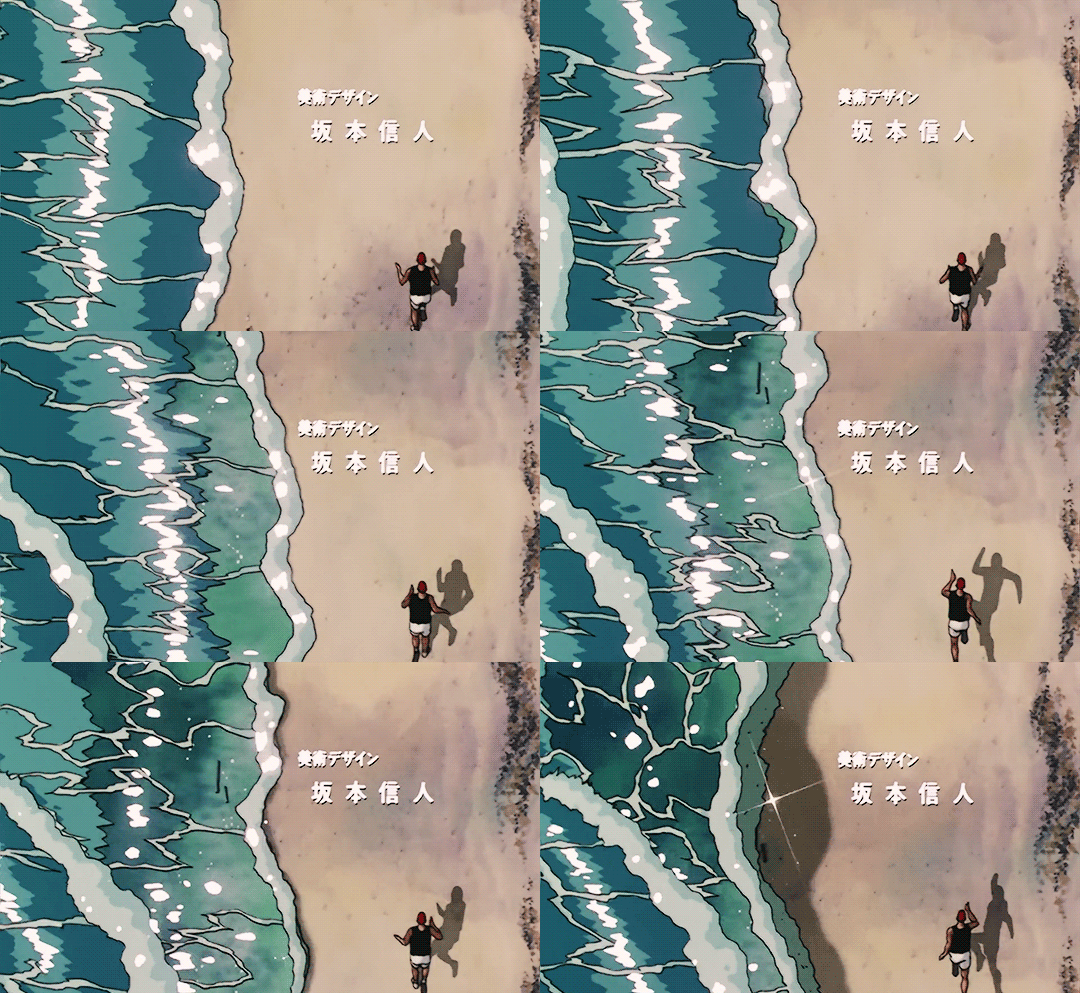
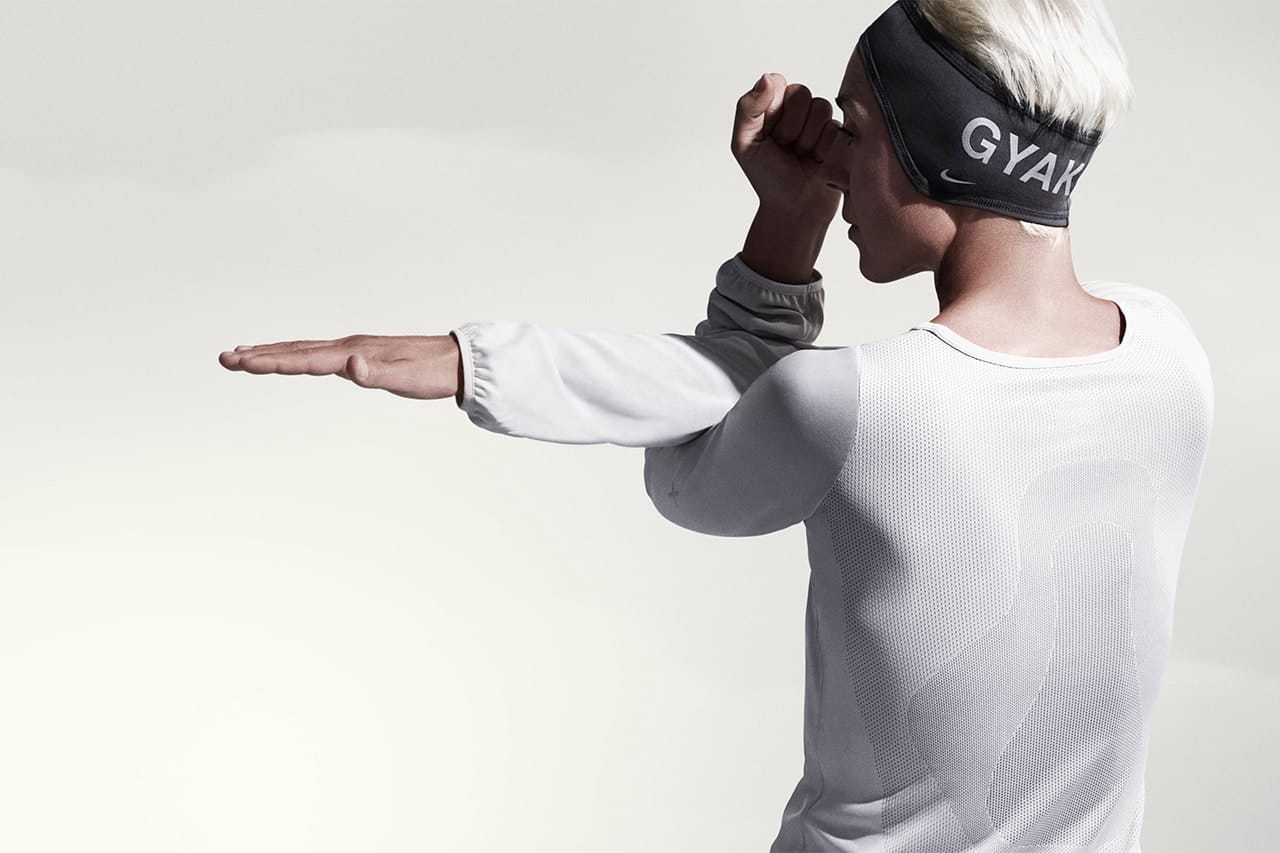
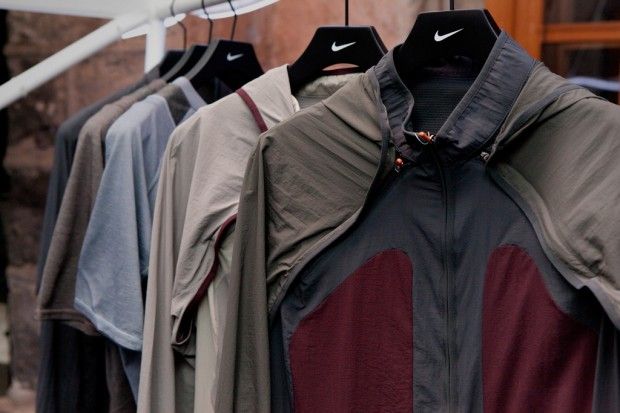
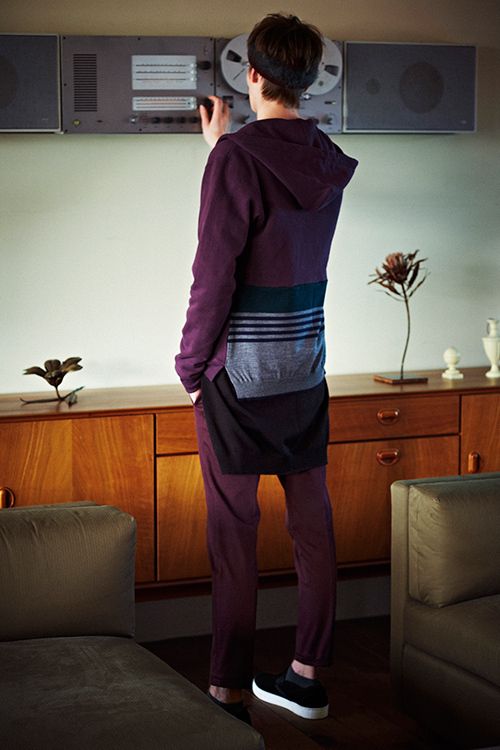
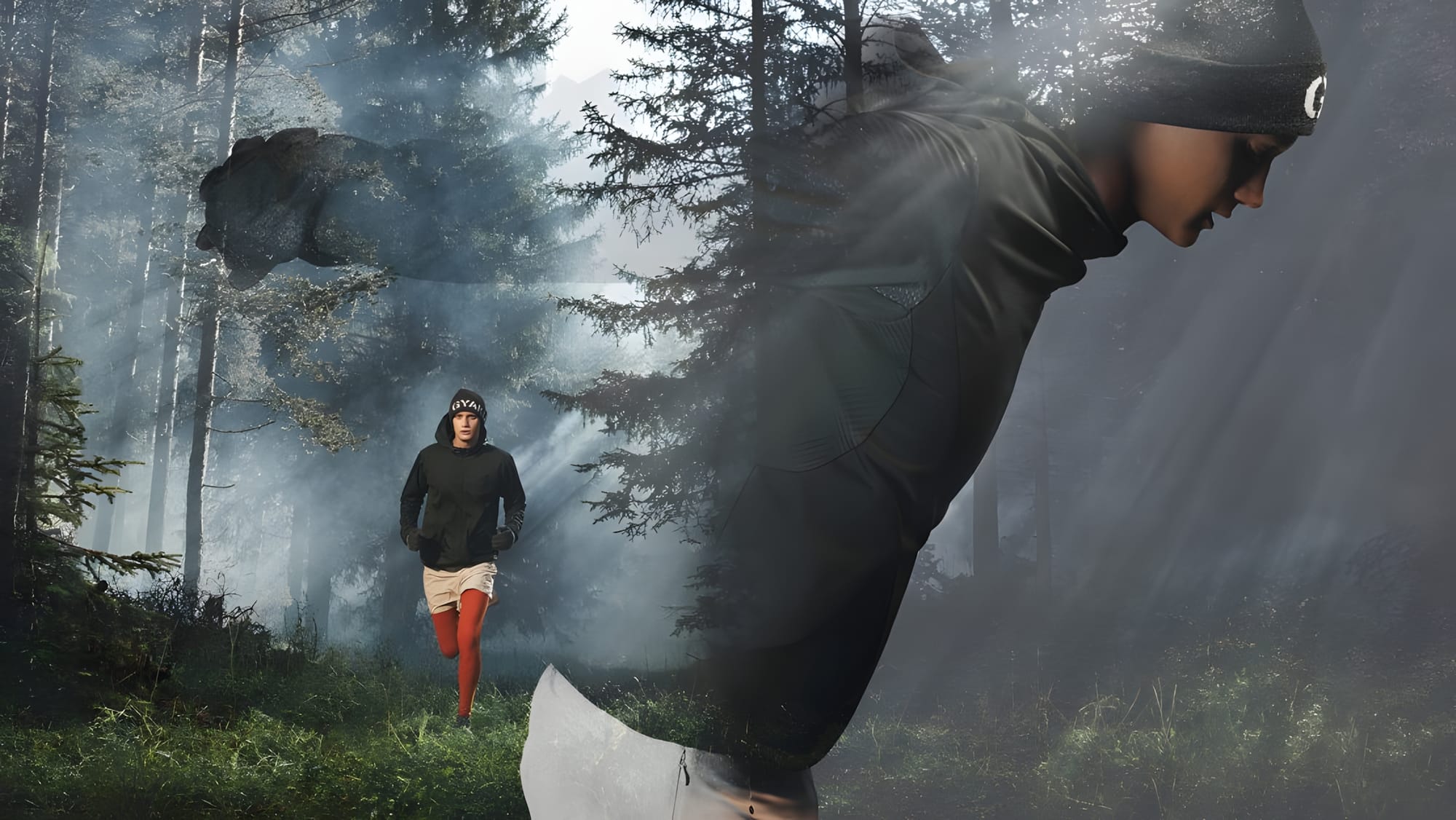
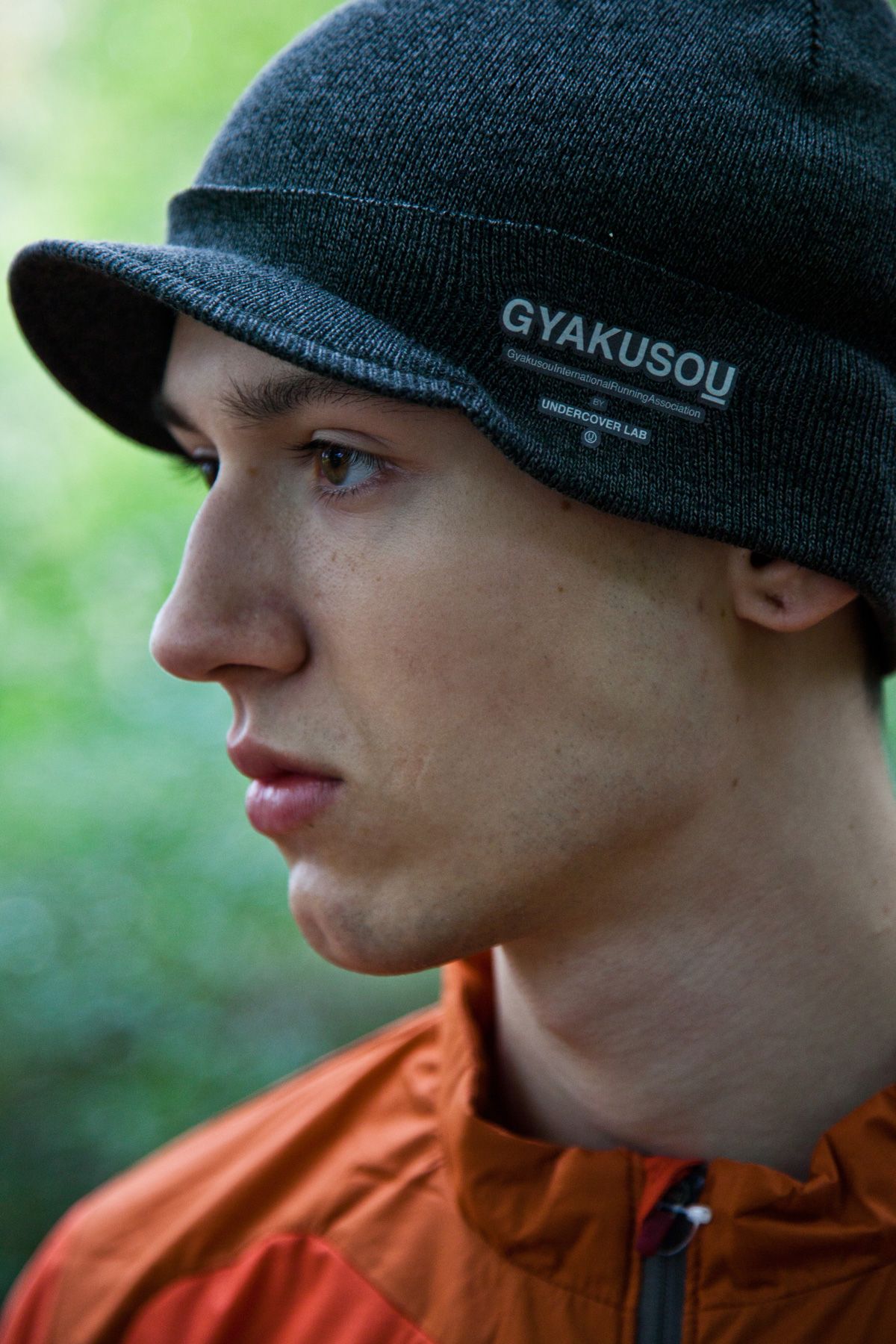
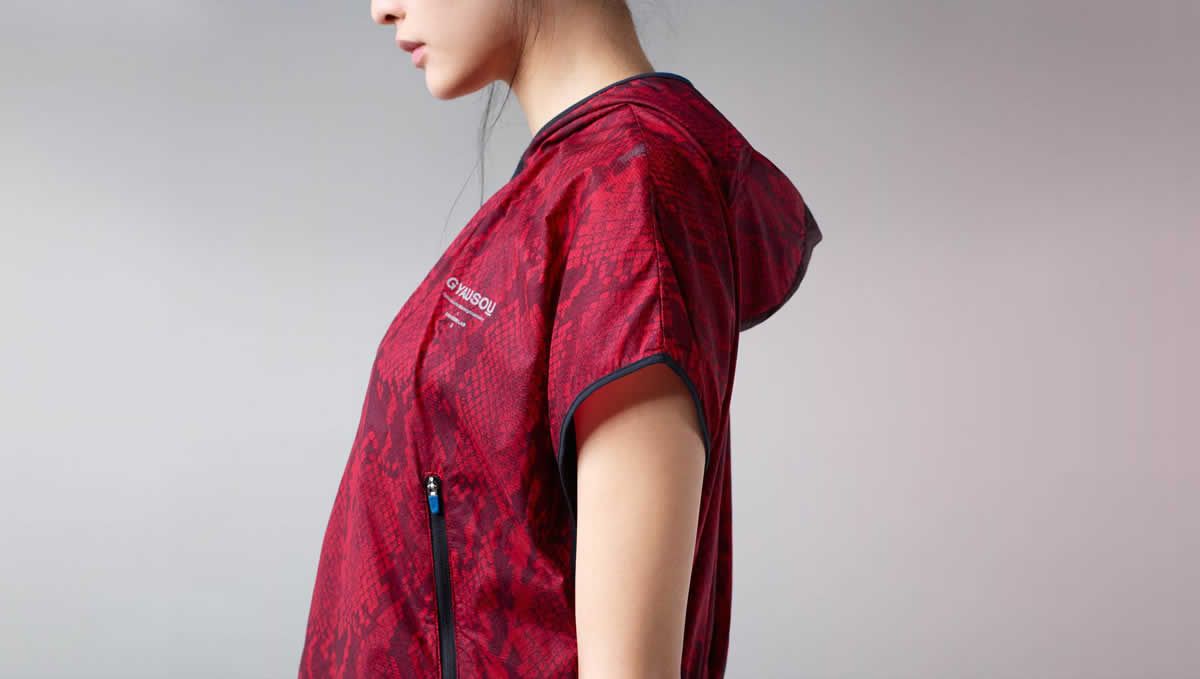
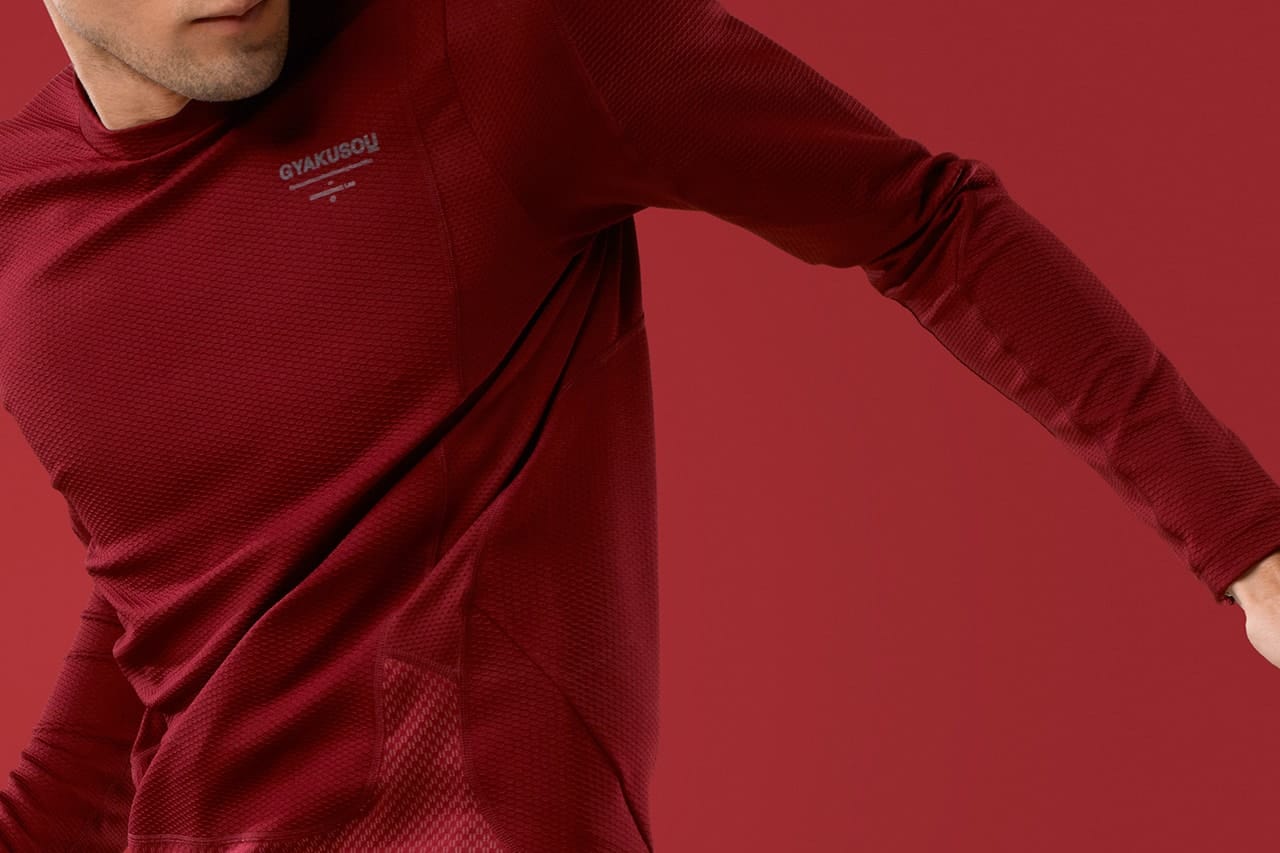
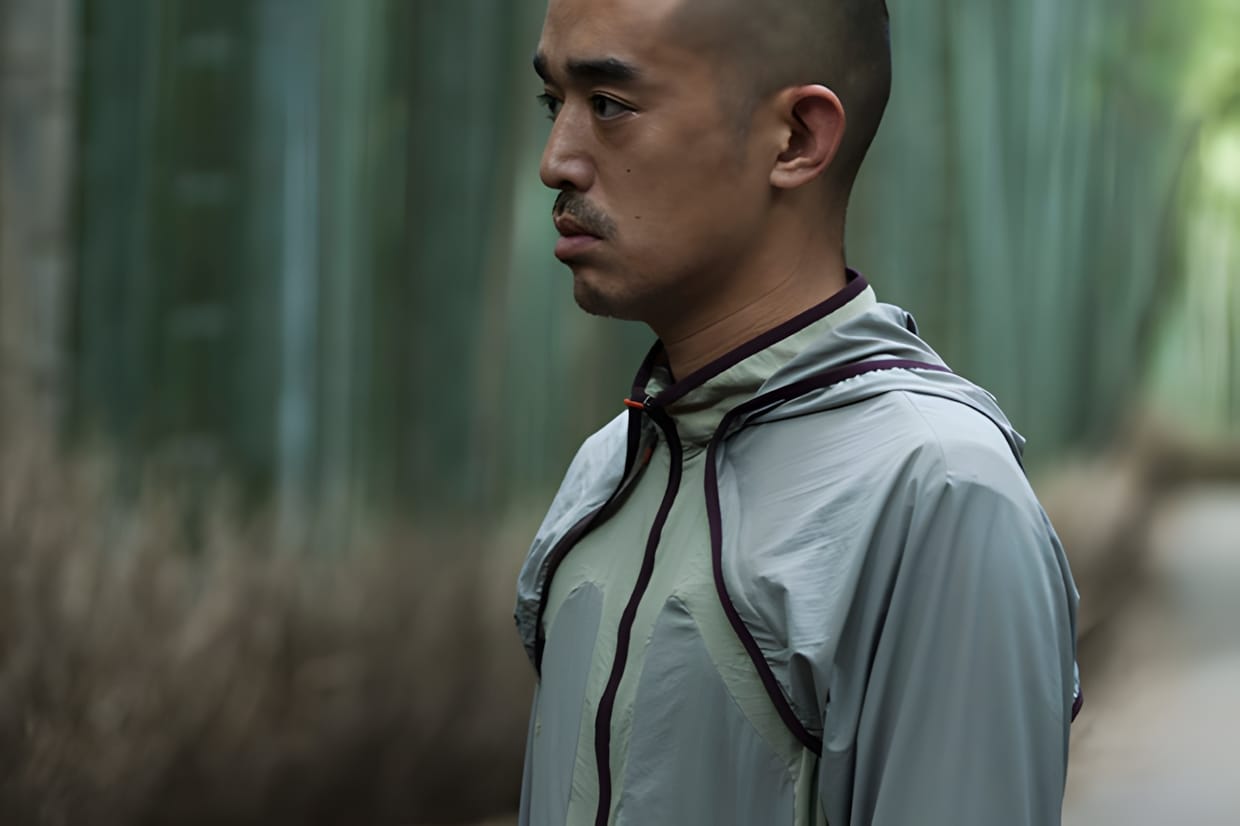
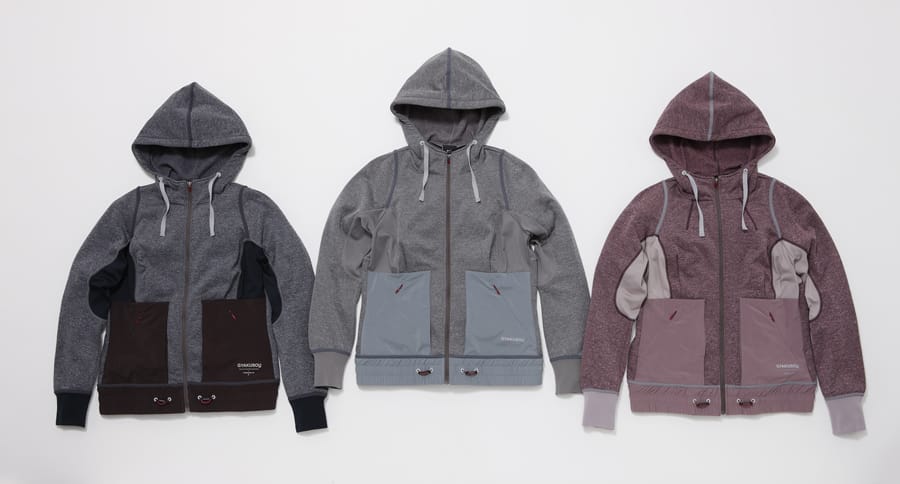
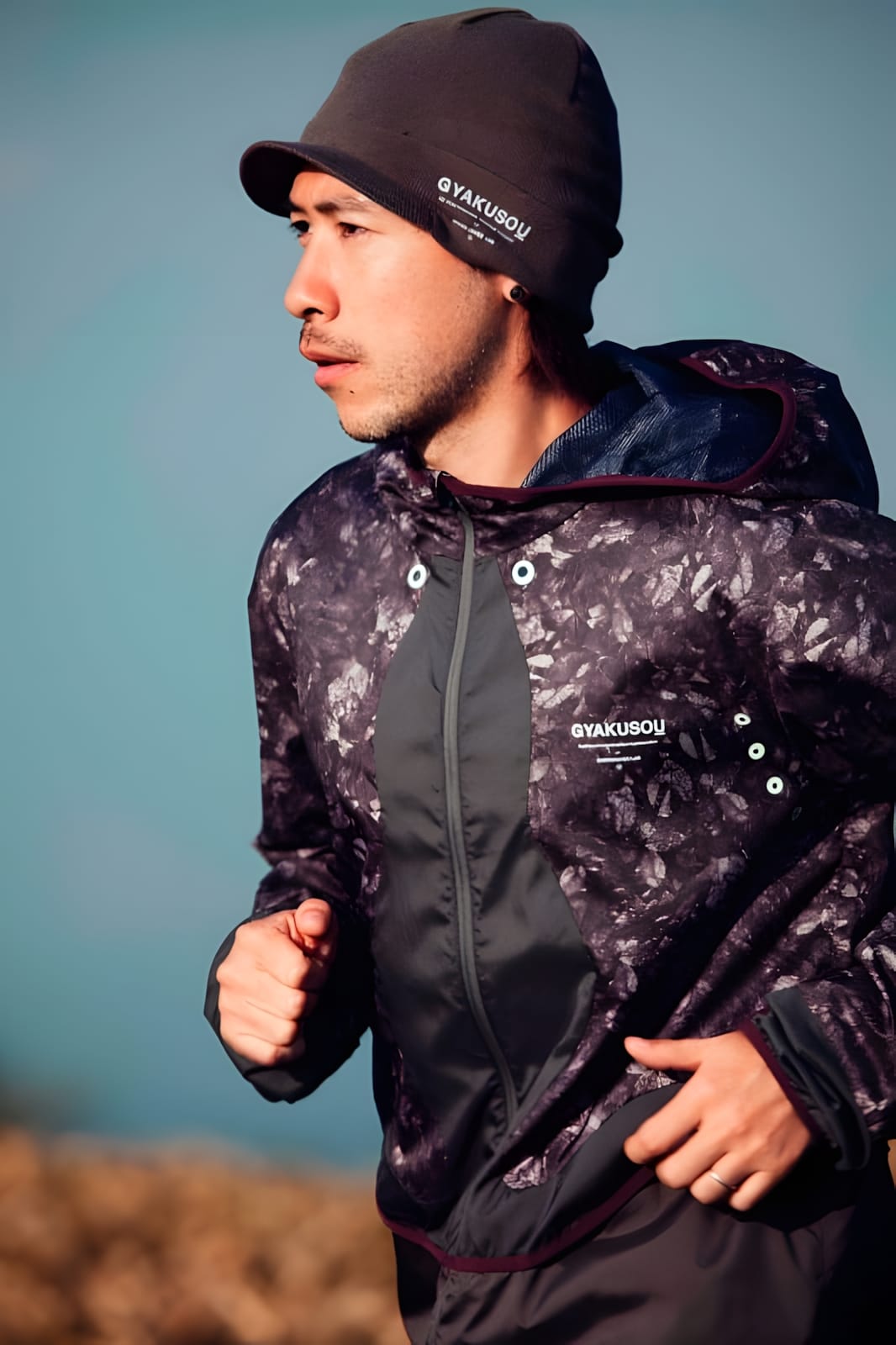
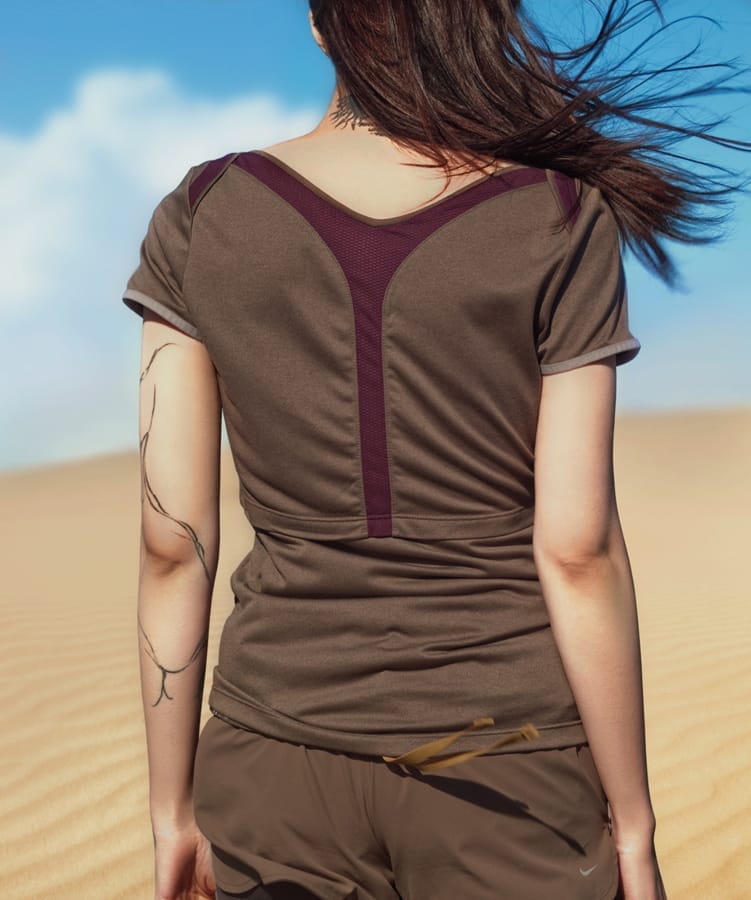
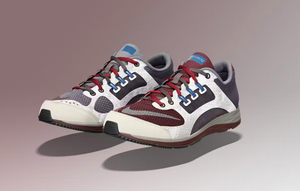
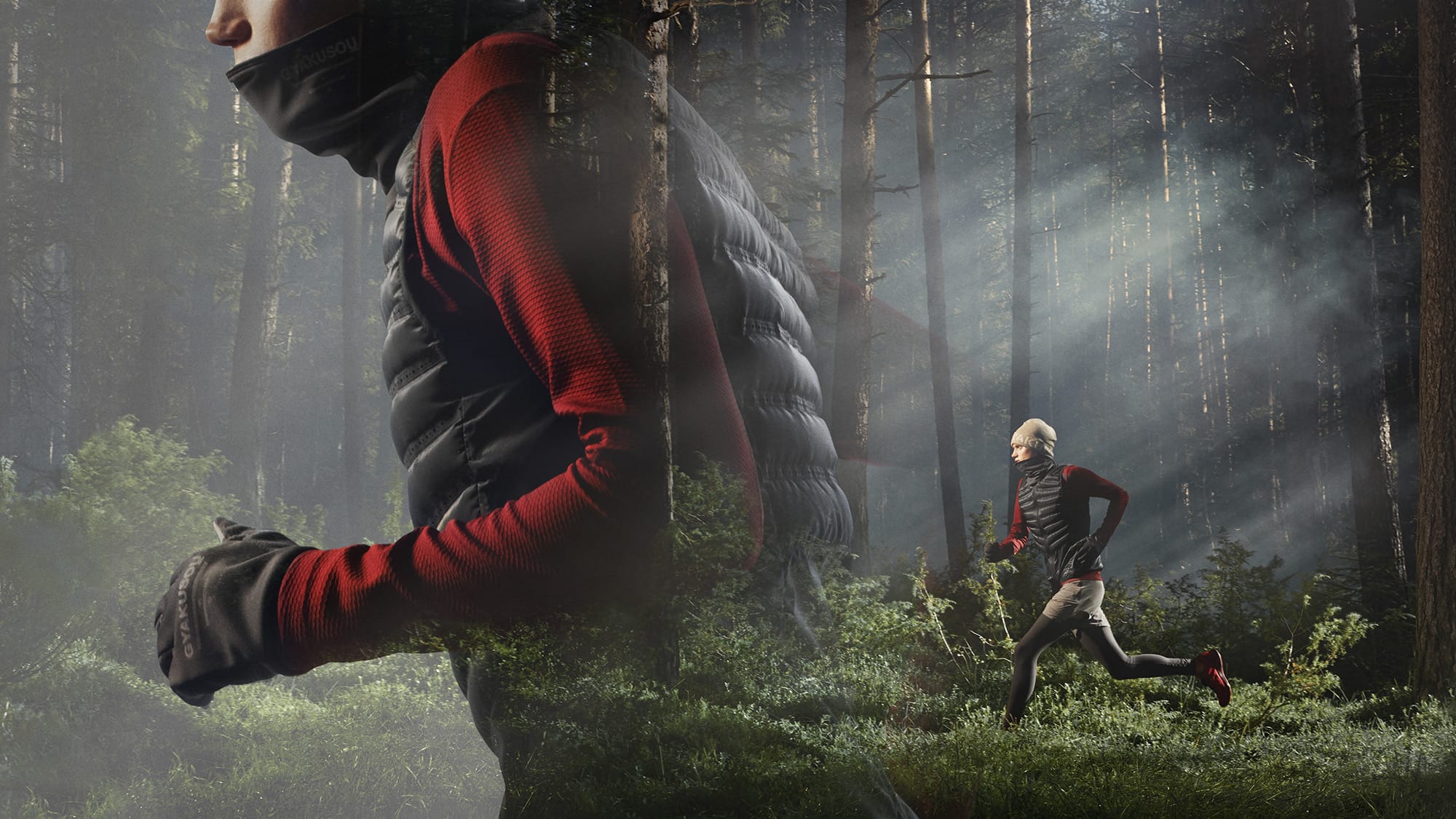
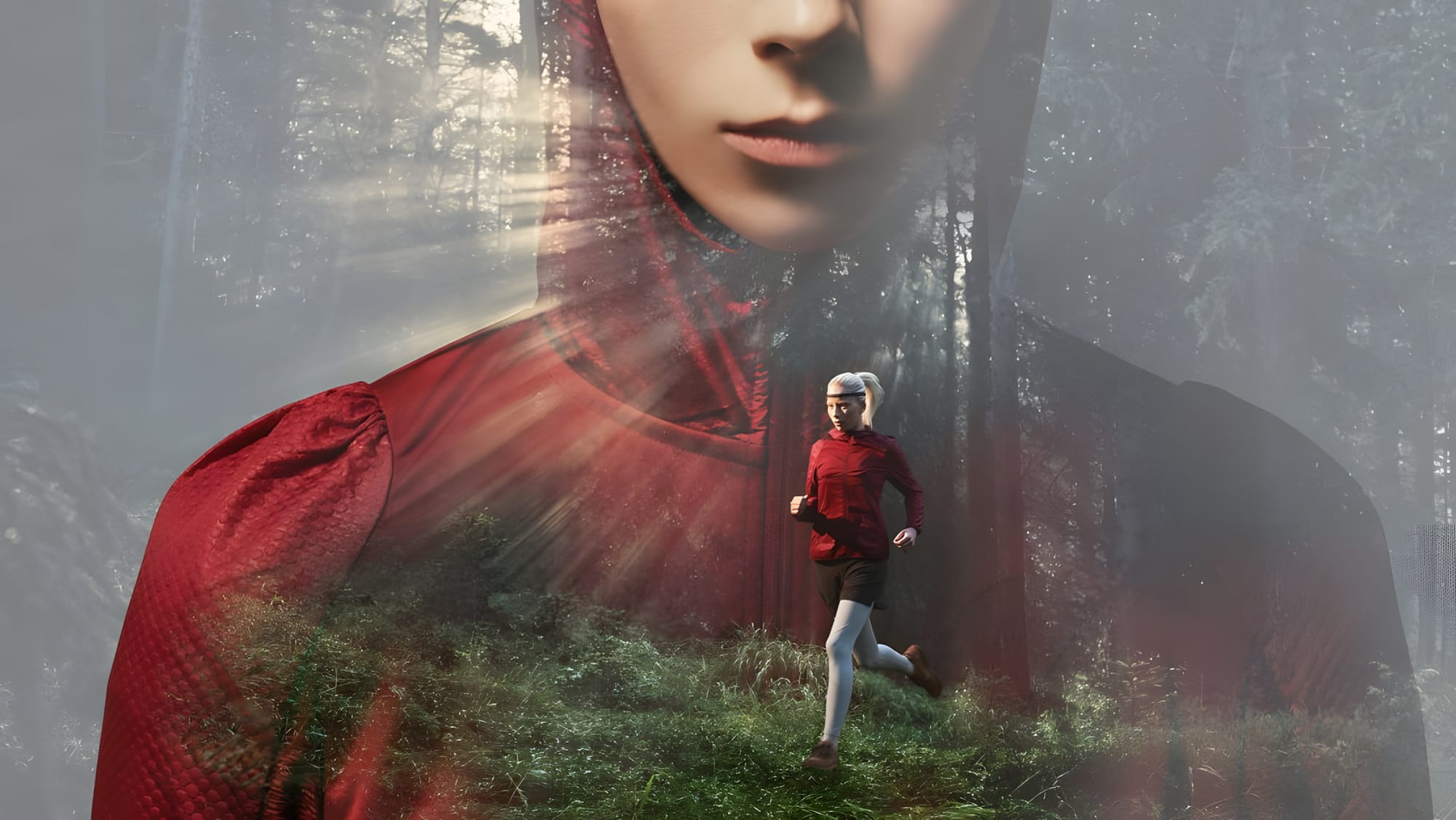
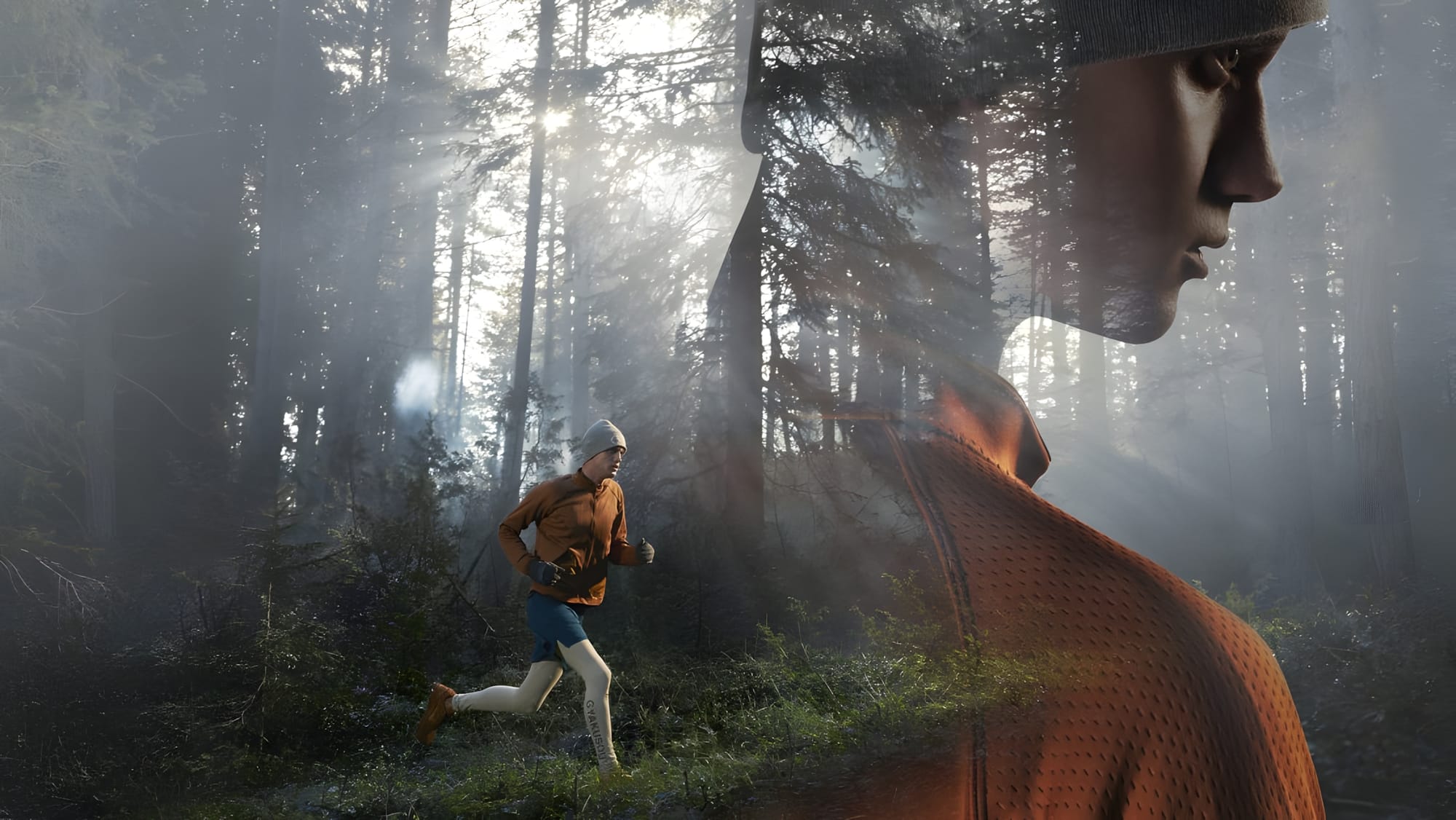
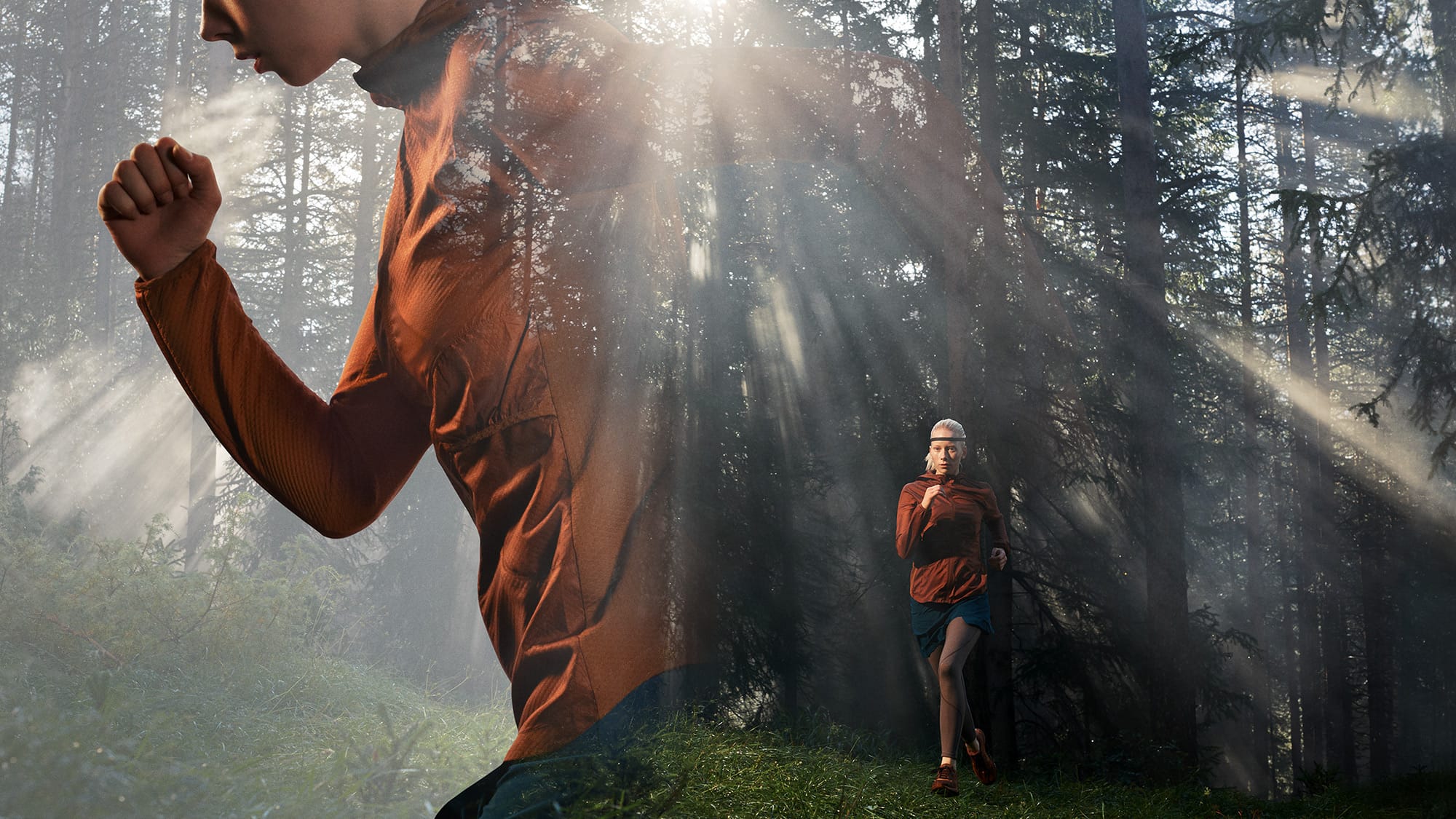
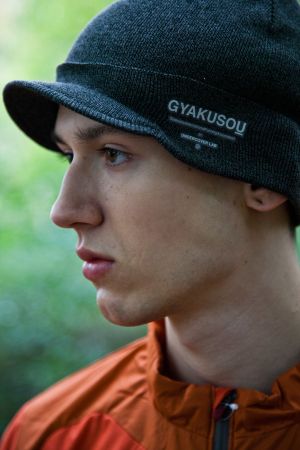
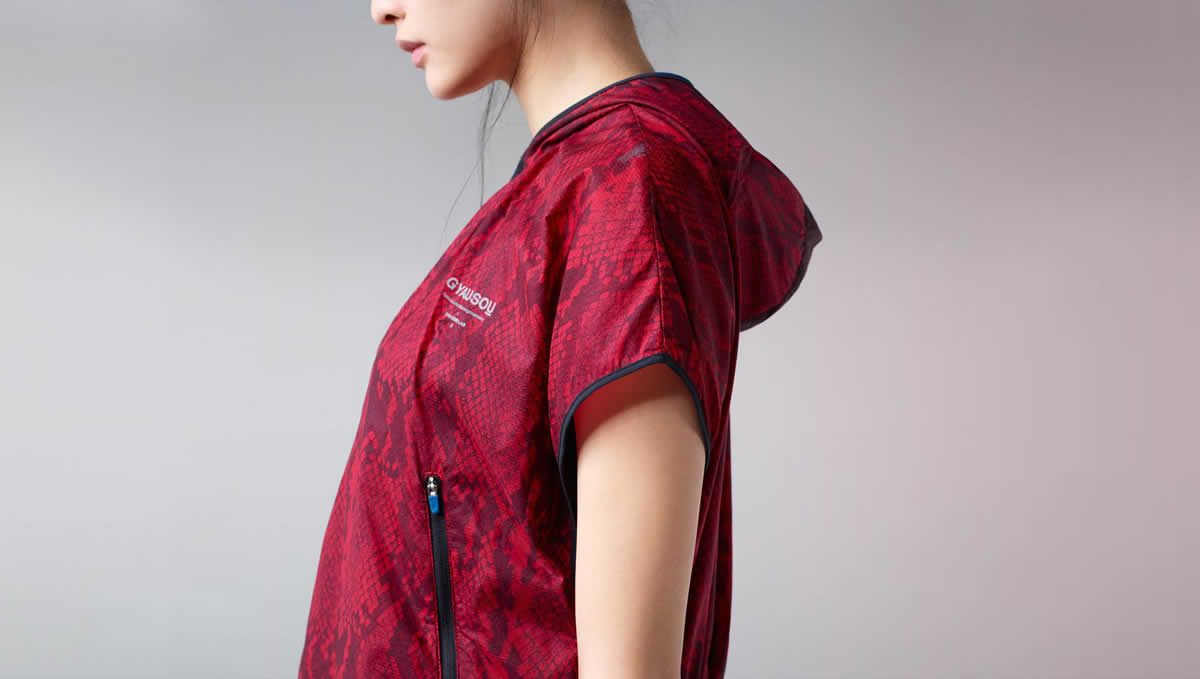
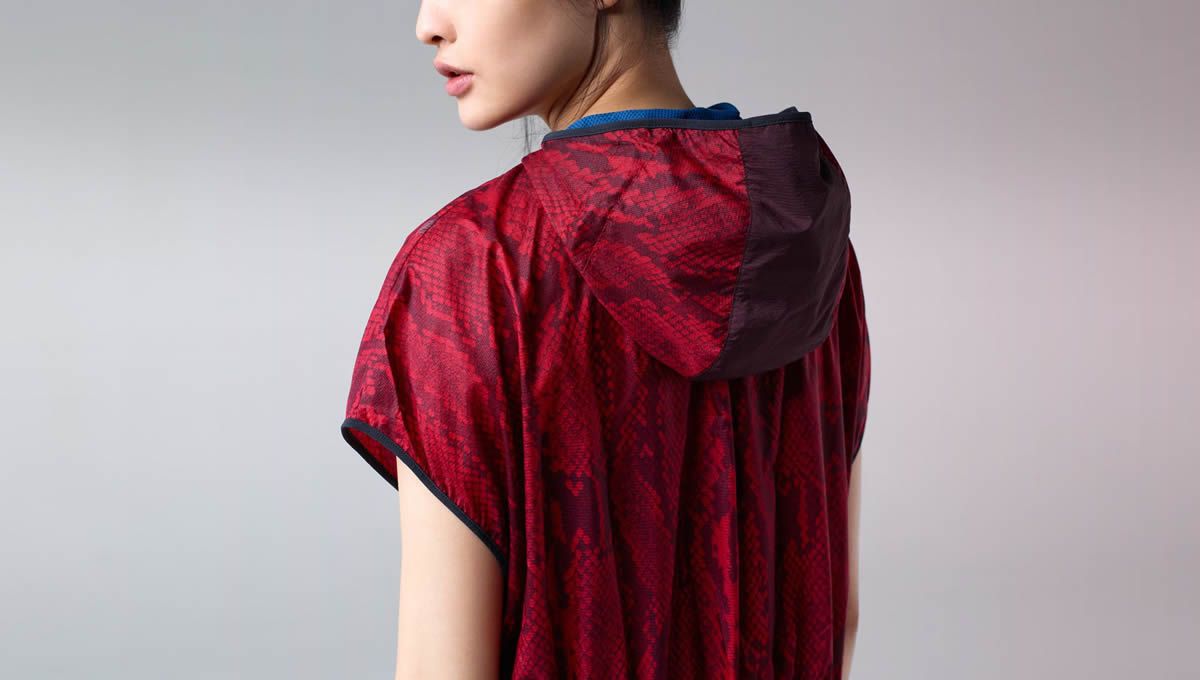
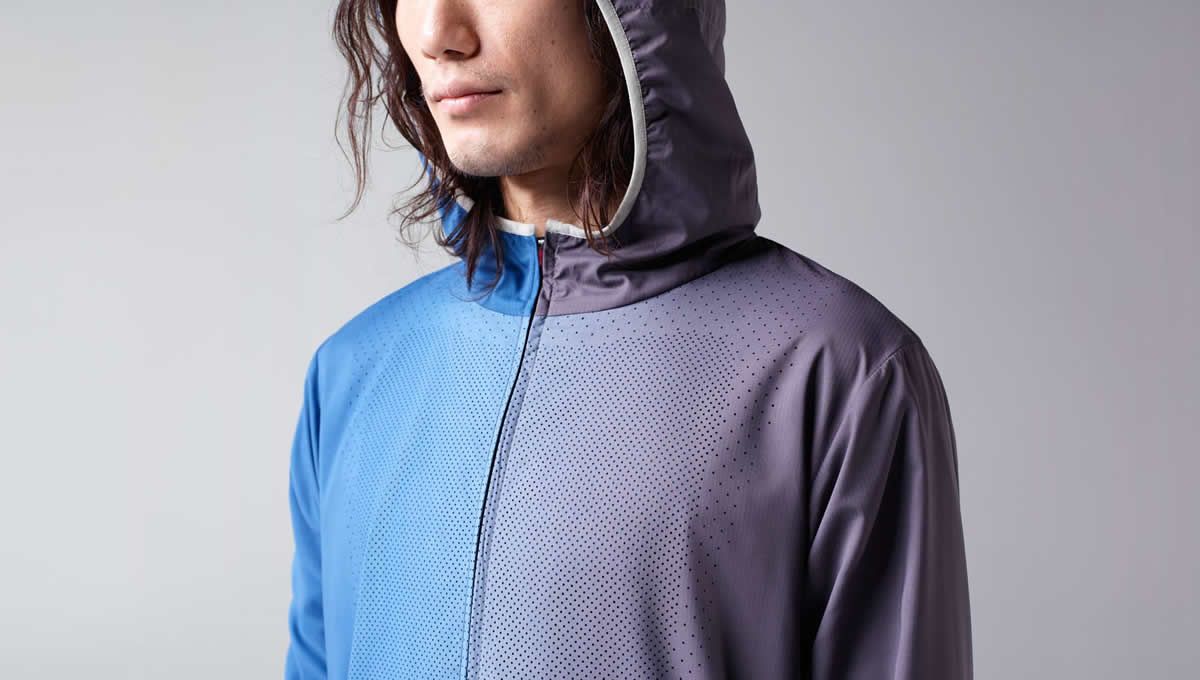
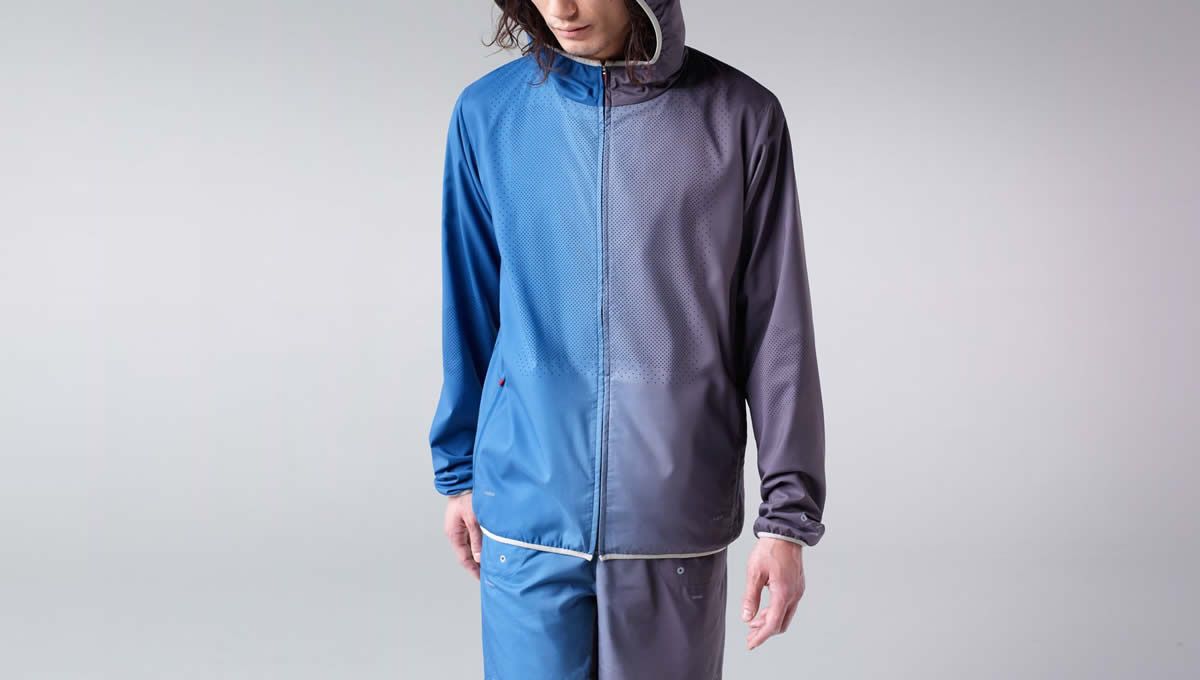
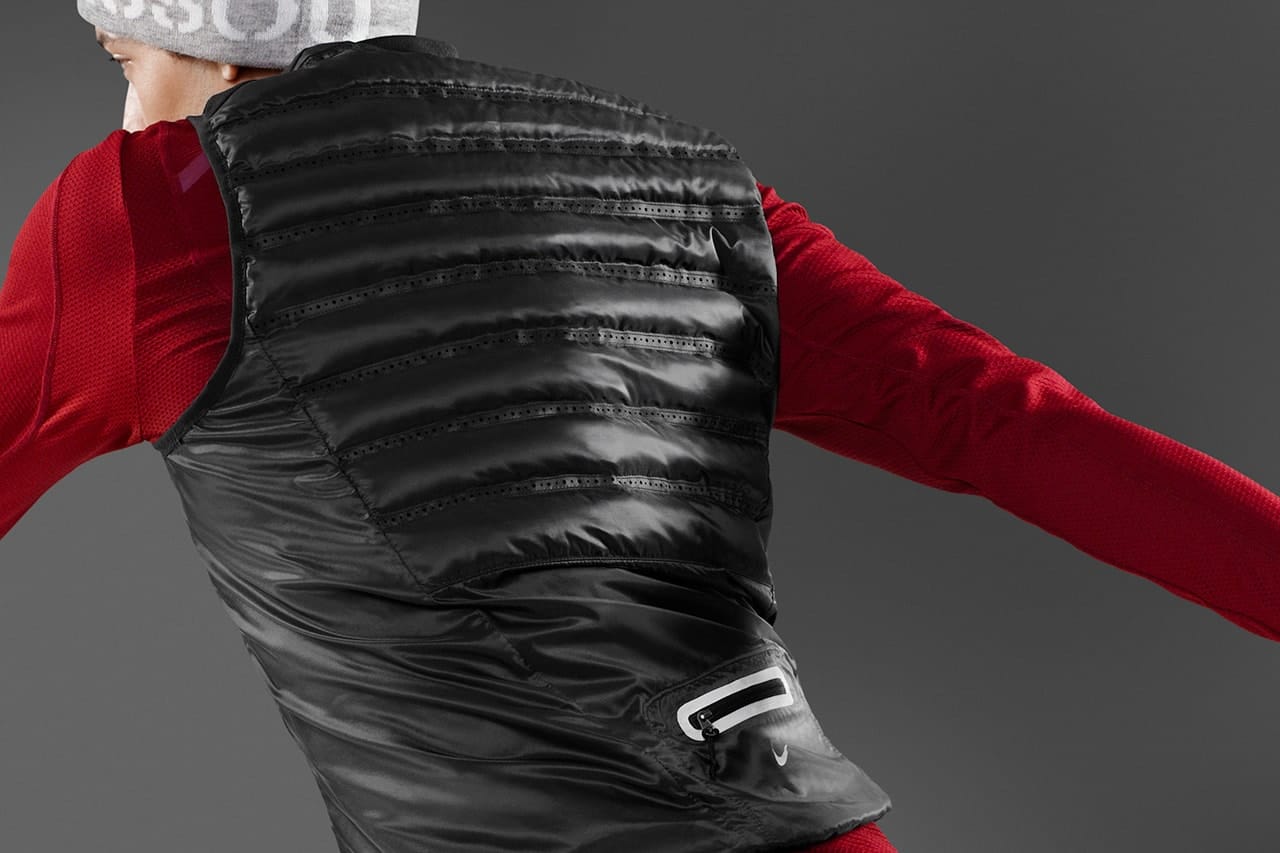
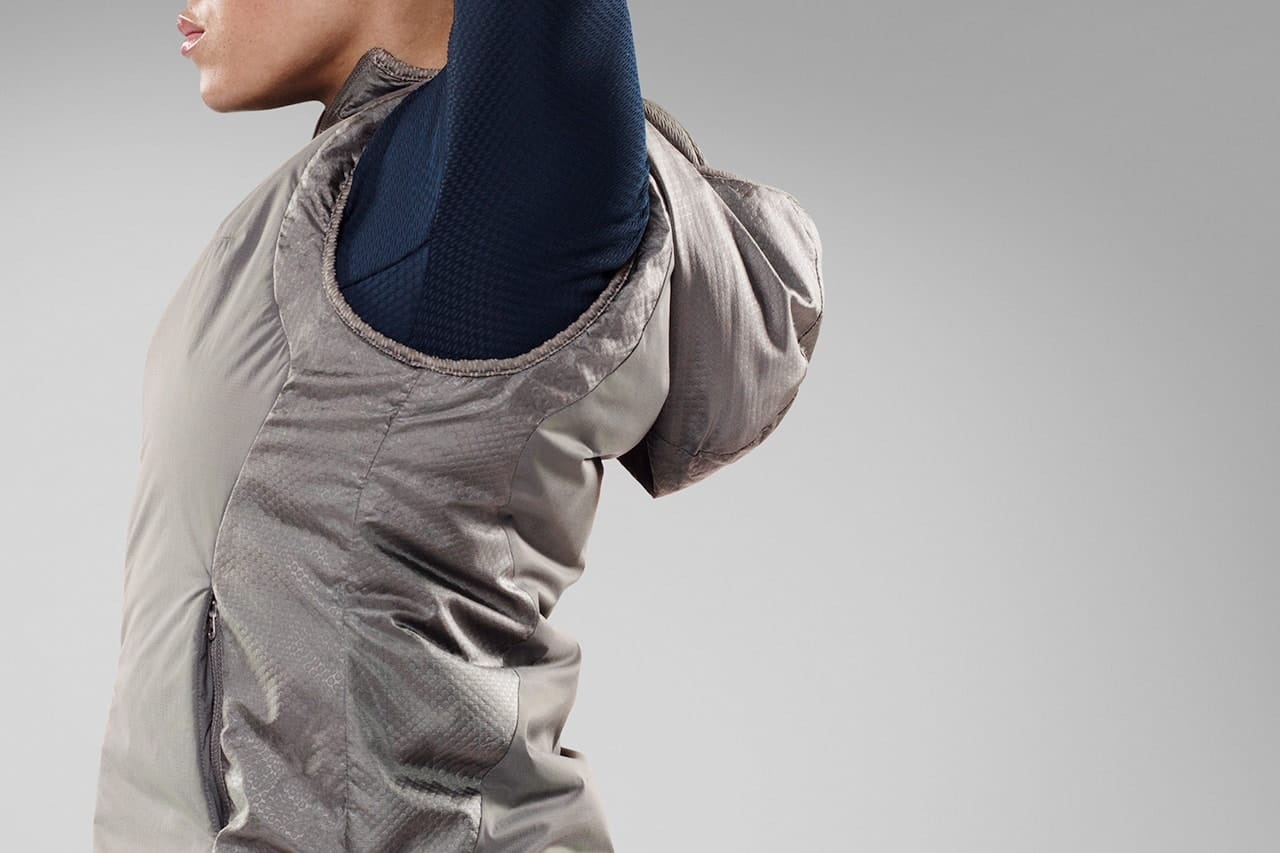
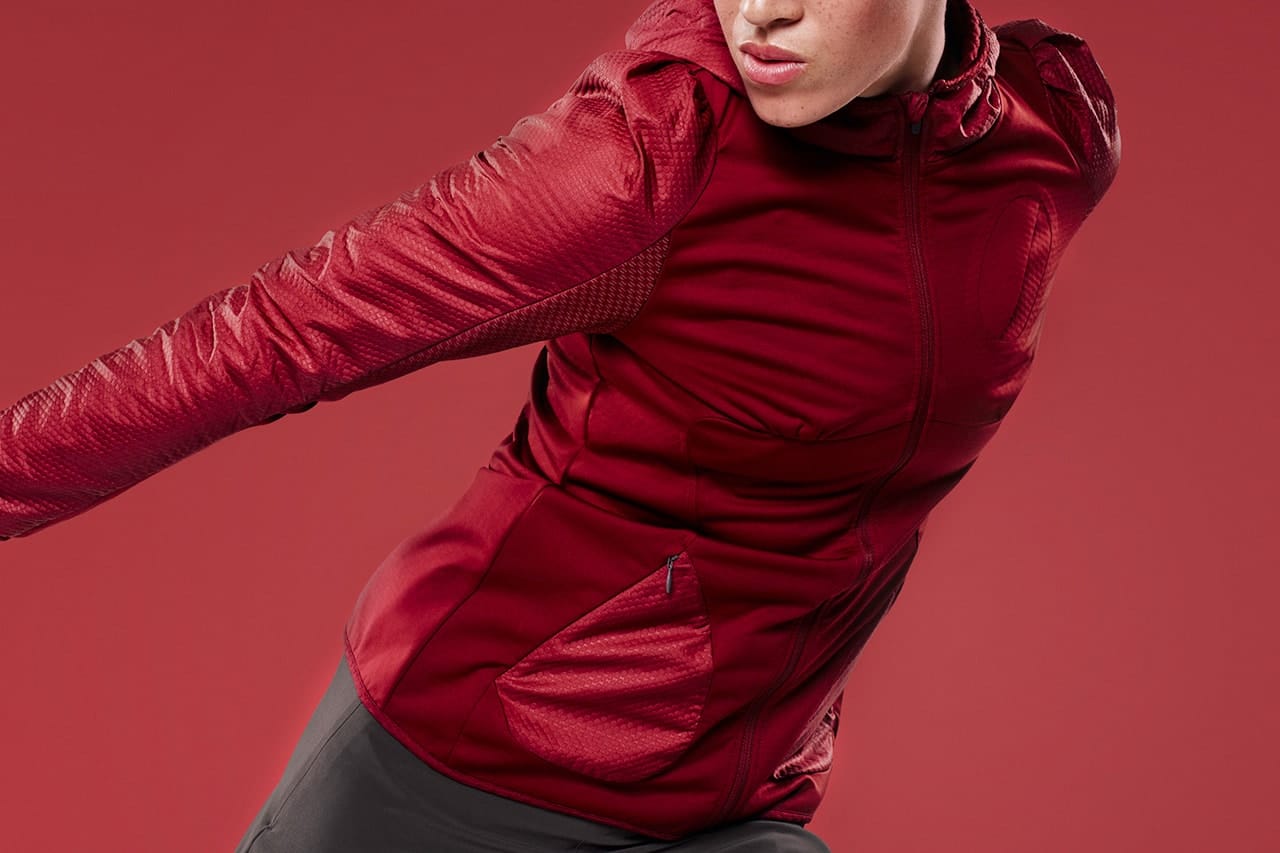
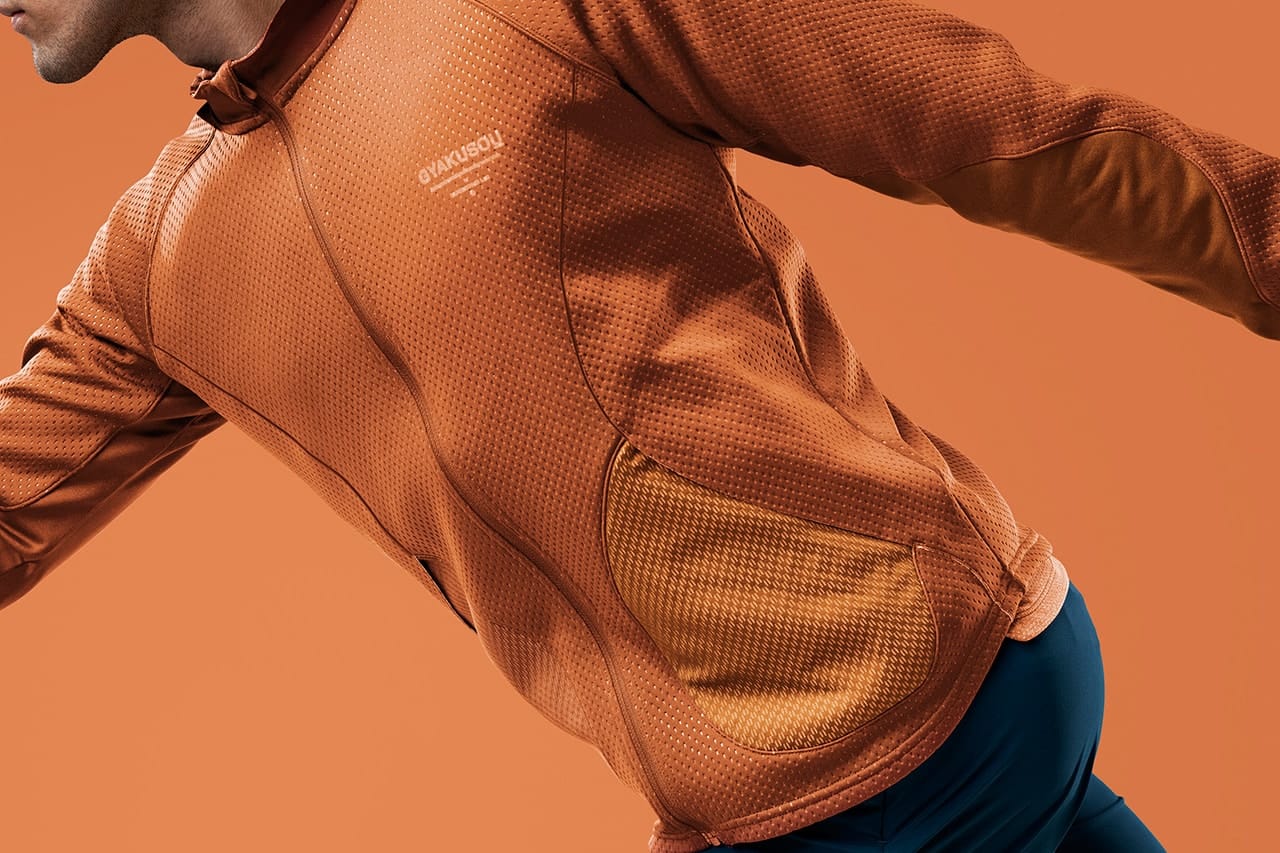
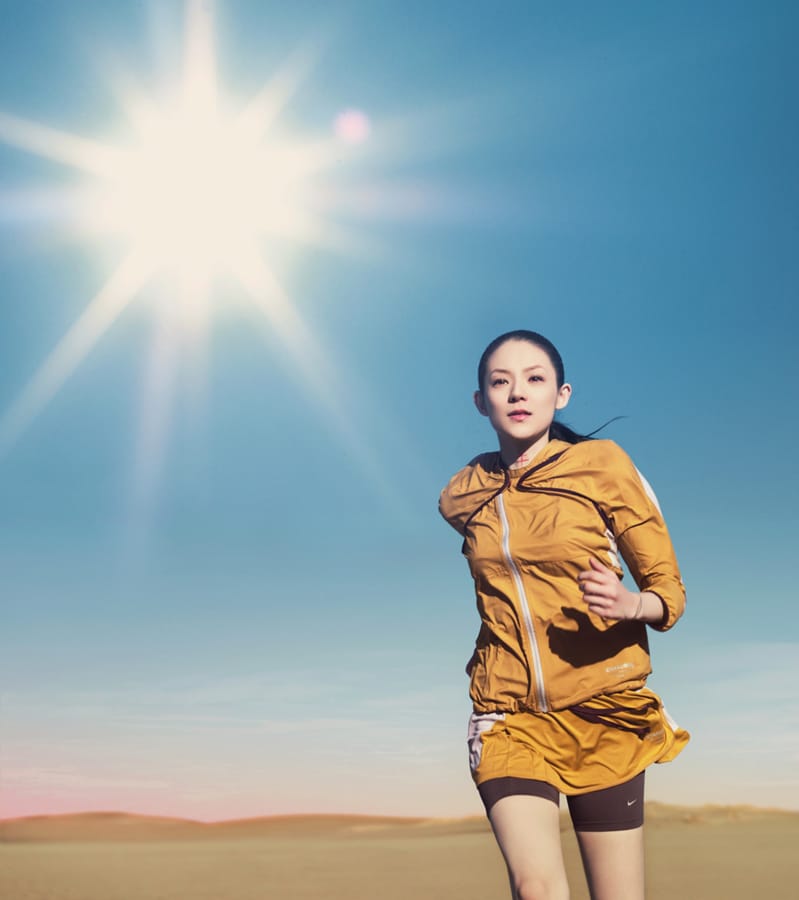
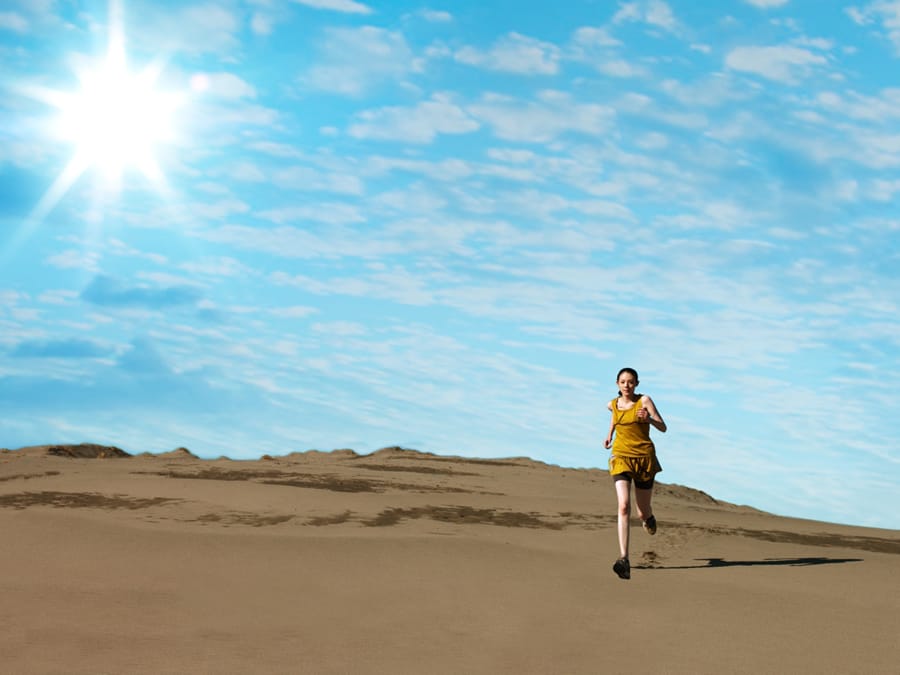
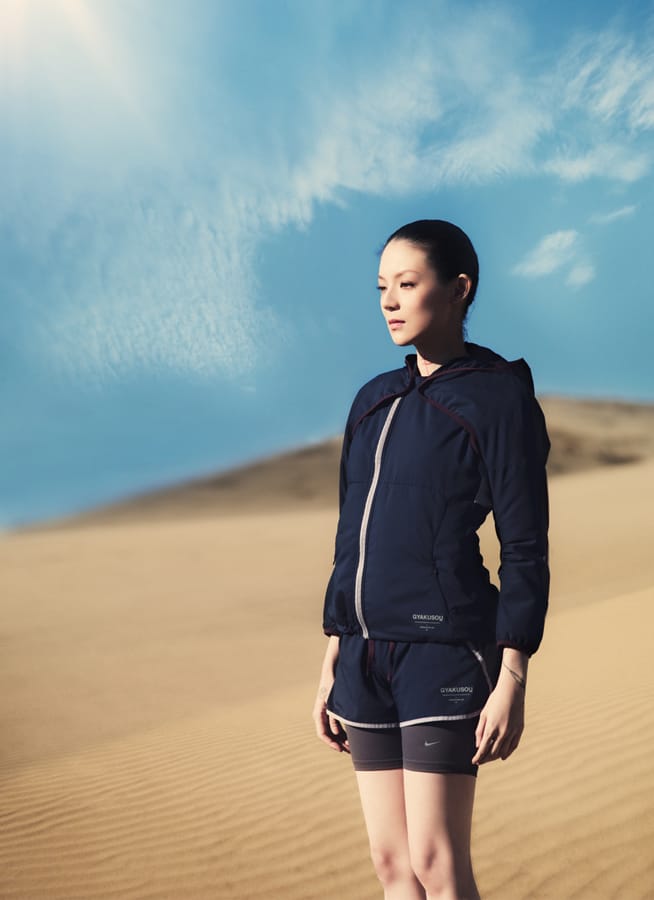
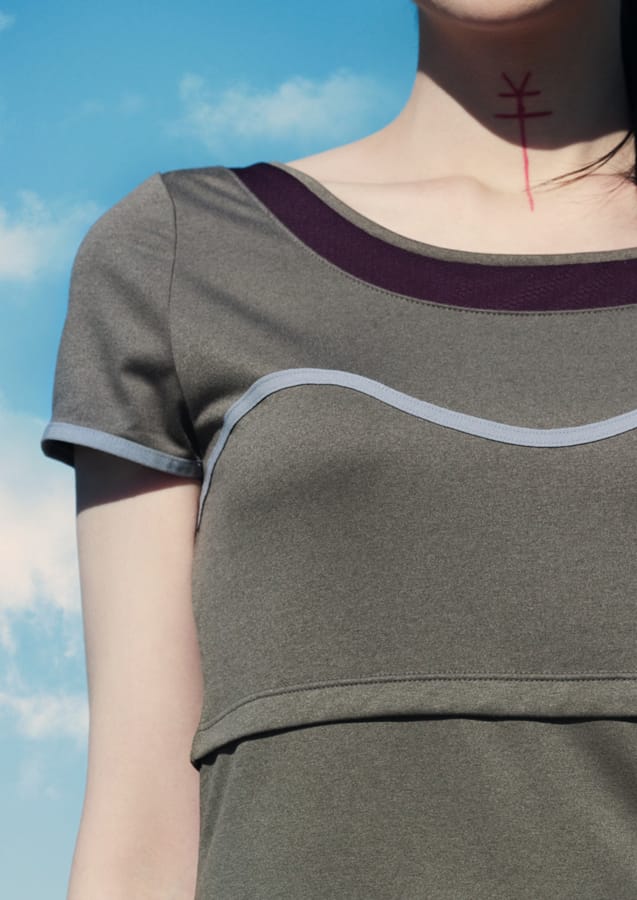
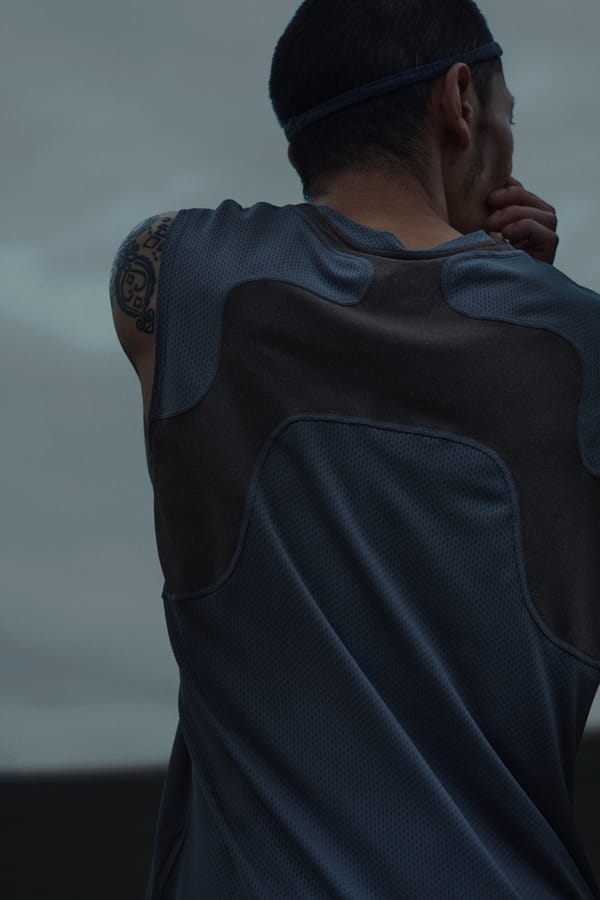
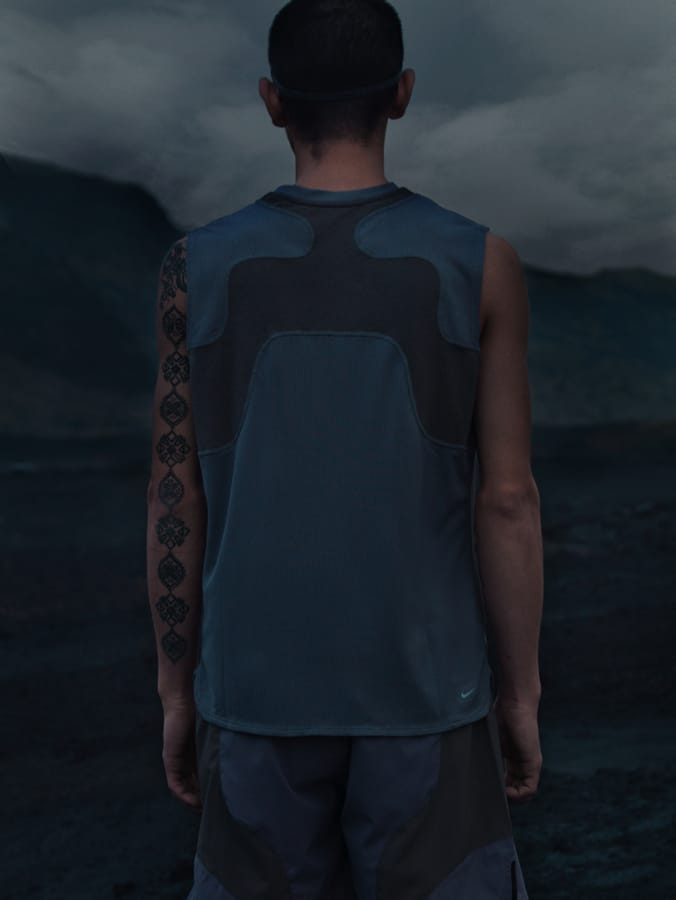
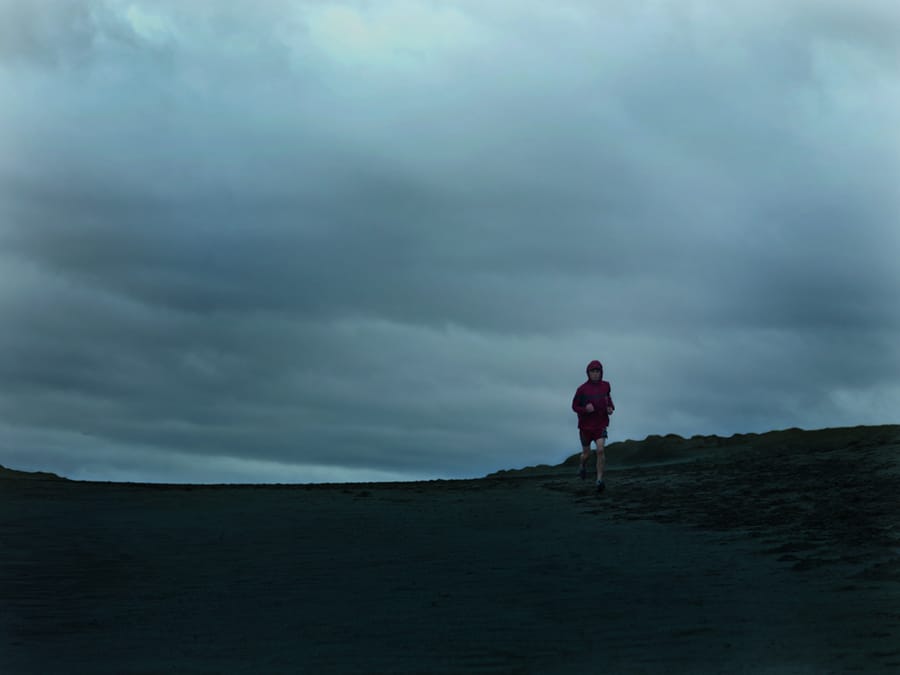
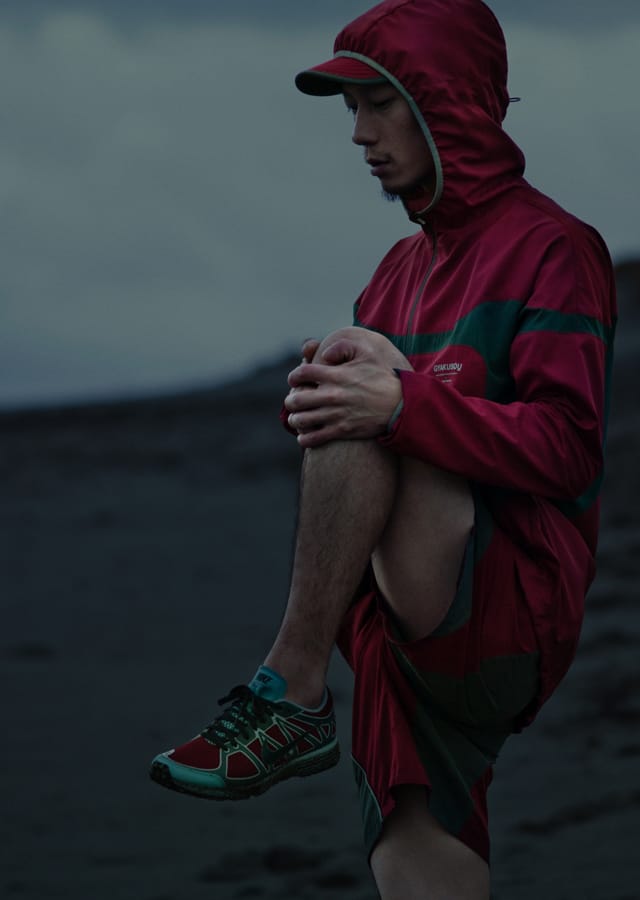
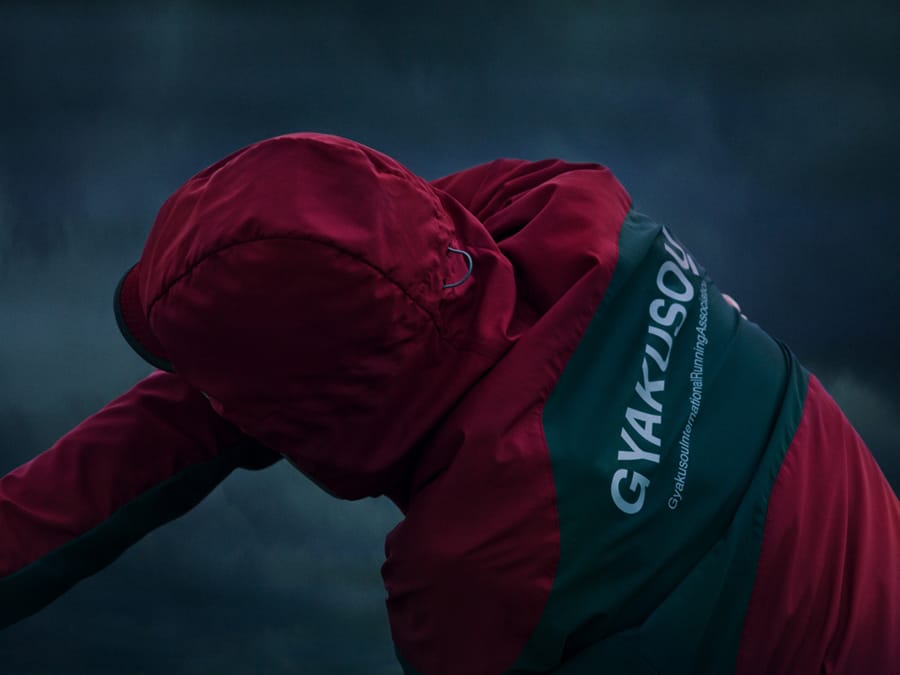
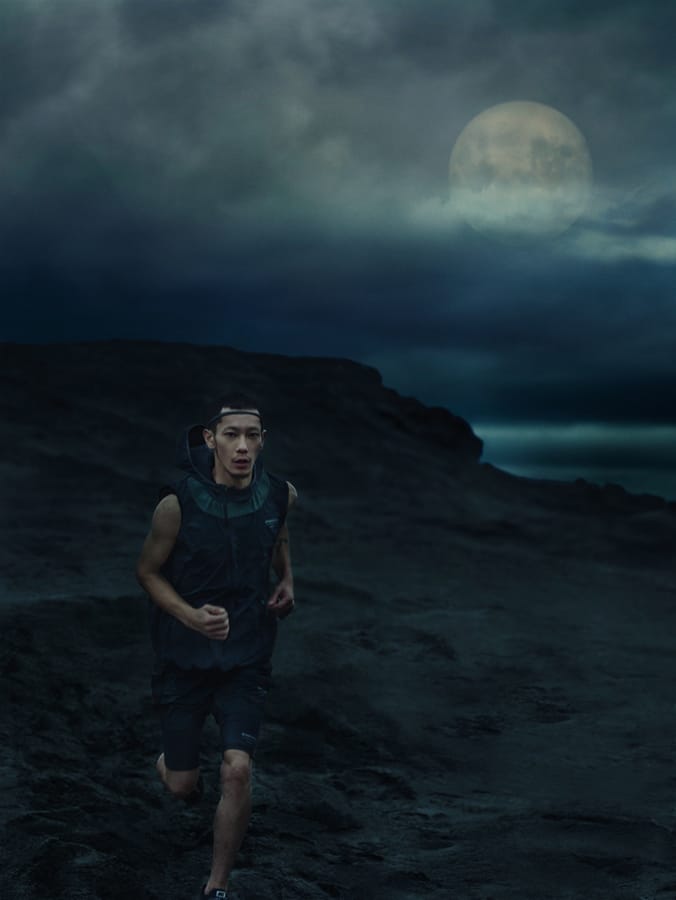
The Spring 2012 collection from GYAKUSOU, the innovative running wear line by Jun Takahashi, designer for Nike and Undercover, will begin delivery on Saturday, March 3rd. This collection features items that shine with even greater functionality than before, including freedom of movement, comfort, and storage. The color scheme, a key element of GYAKUSOU, incorporates deep hues such as gray, green, and blue that blend in with both natural and urban landscapes, as well as accent burgundy red. Furthermore, continuing from the previous collection, the use of heather gray material, often seen in menswear, creates a unique world view that fuses various elements. Pay attention to the design, which has found a new value as one-of-a-kind running wear, and look forward to its delivery. Incidentally, the long-awaited women's collection will also debut this time, making GYAKUSOU even more of a hot topic. Why not check out the latest collection in person at a store?
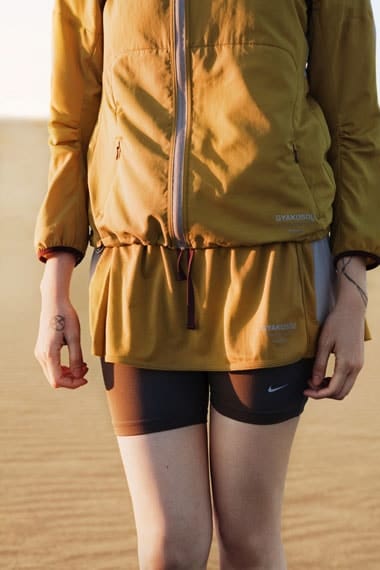
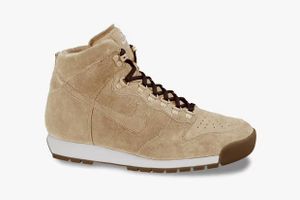
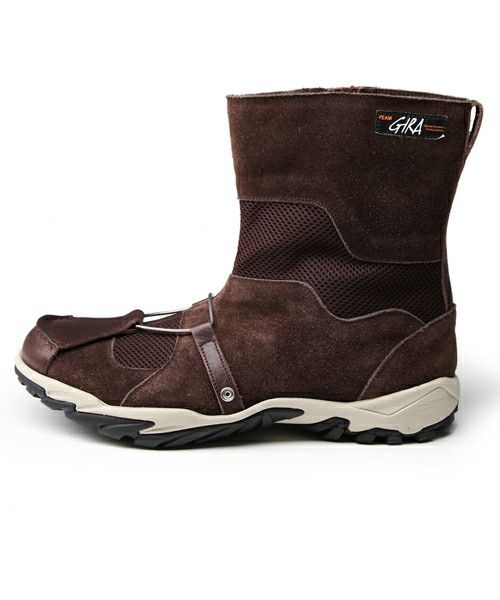
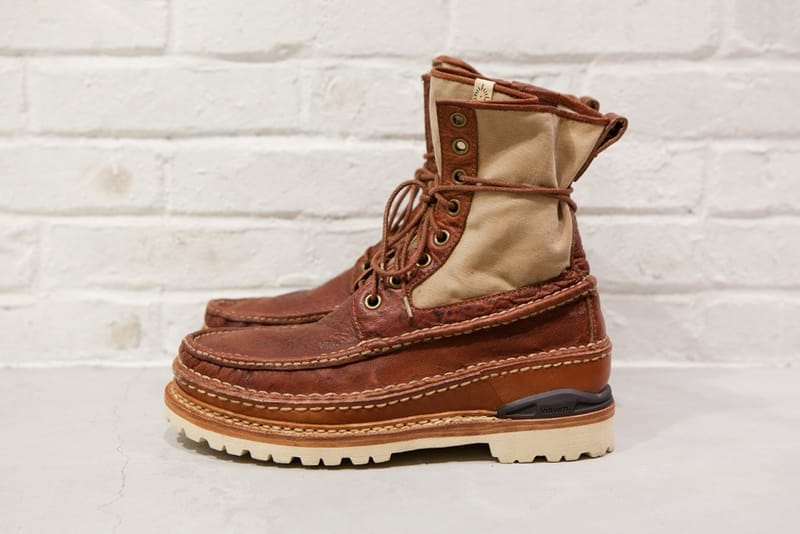
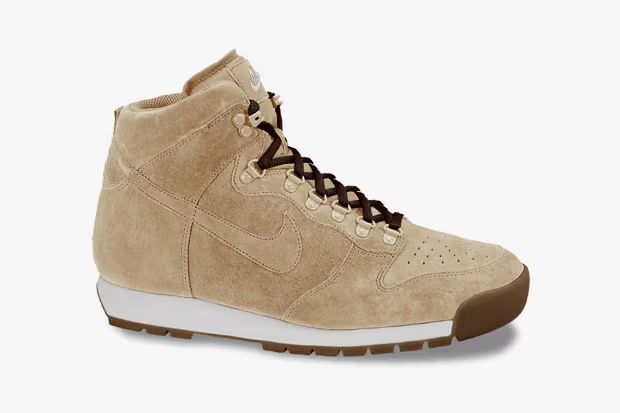
1980年代の名作として知られるラバドームとダンク、それぞれアウトドアとバスケットボールというカテゴリーが異なるプロダクトのデザインを組み合わせた魅惑のハイブリッド機種にニューモデルが登場。本作は、アッパー全体に天然皮革のスウェードを採用。単色のソリッドな外観に映えるカラーシューレース使いが効果的で、クラシックなアウトドアシューズの雰囲気を漂わせたルックスに仕上げられている。また、シューズ内部には高次元のクッショニング&反発性を併せ持つ「ZOOM AIR」のソックライナーを搭載し、履きやすさにも配慮されたモダンスニーカーブーツだ。