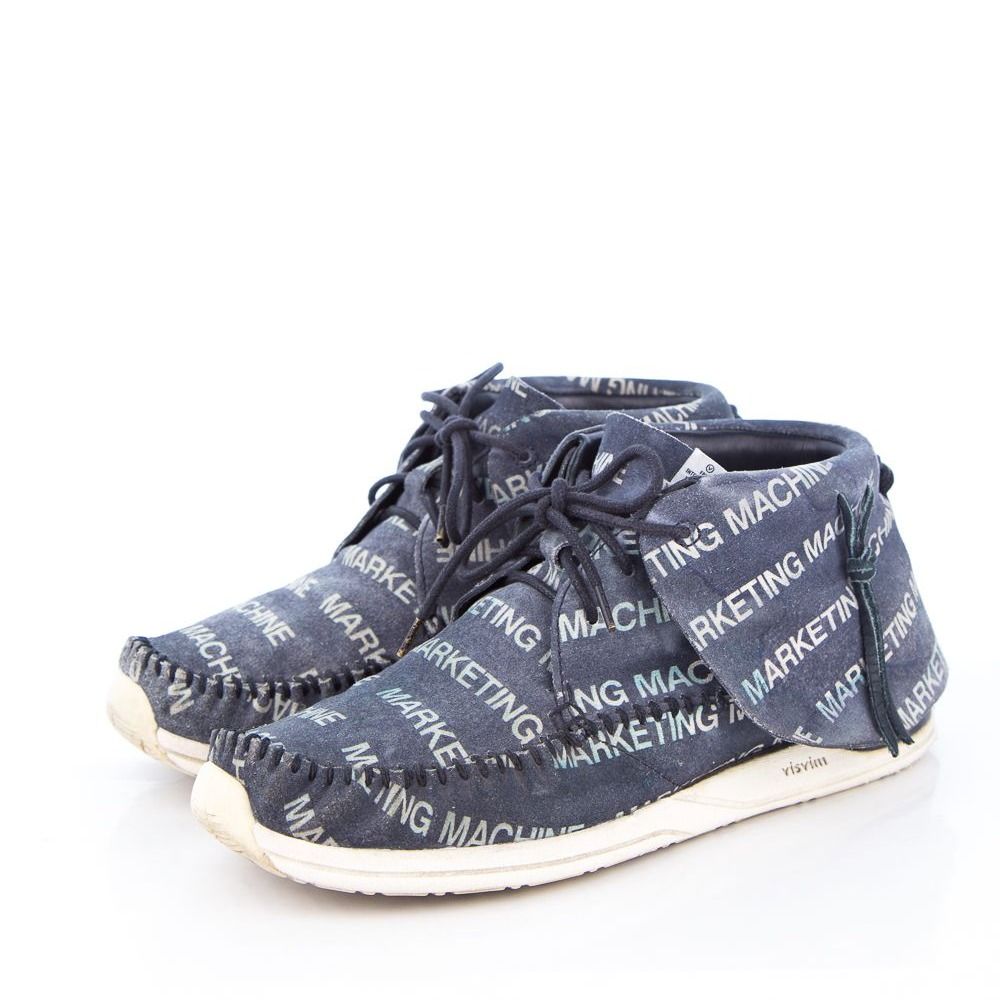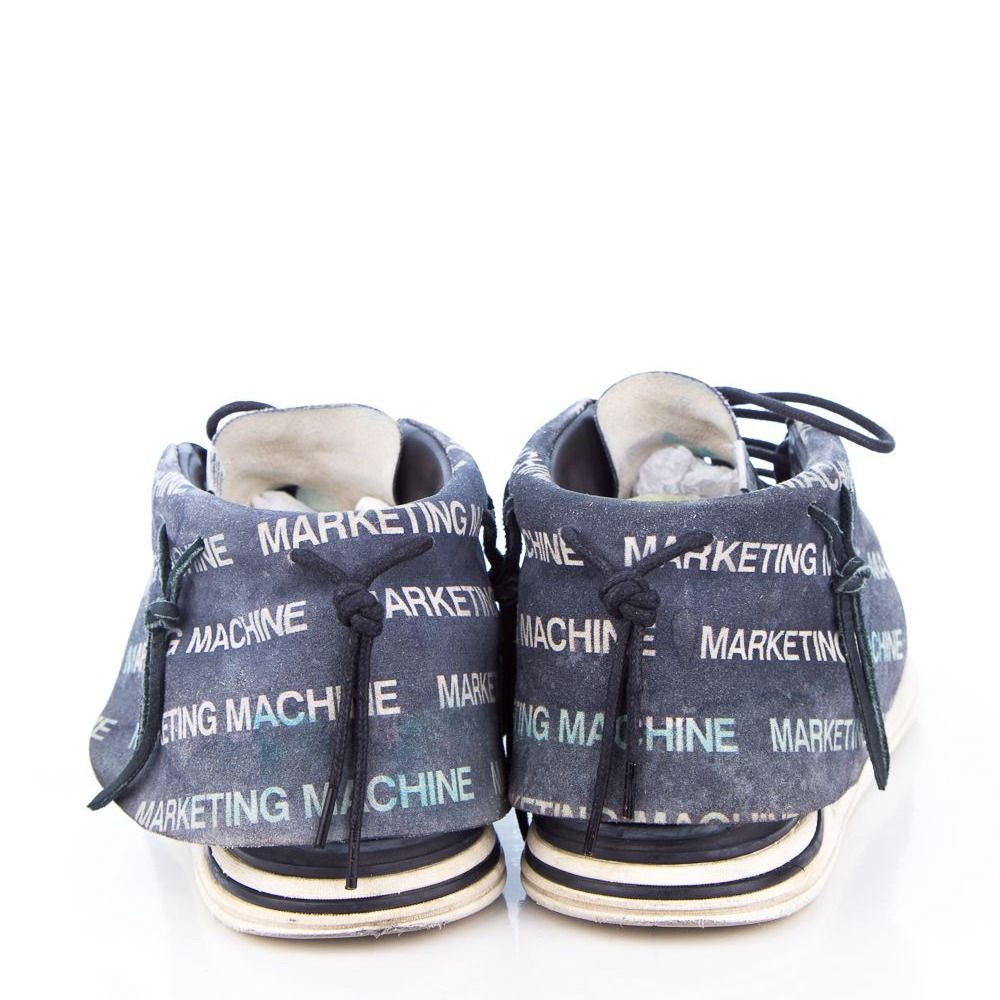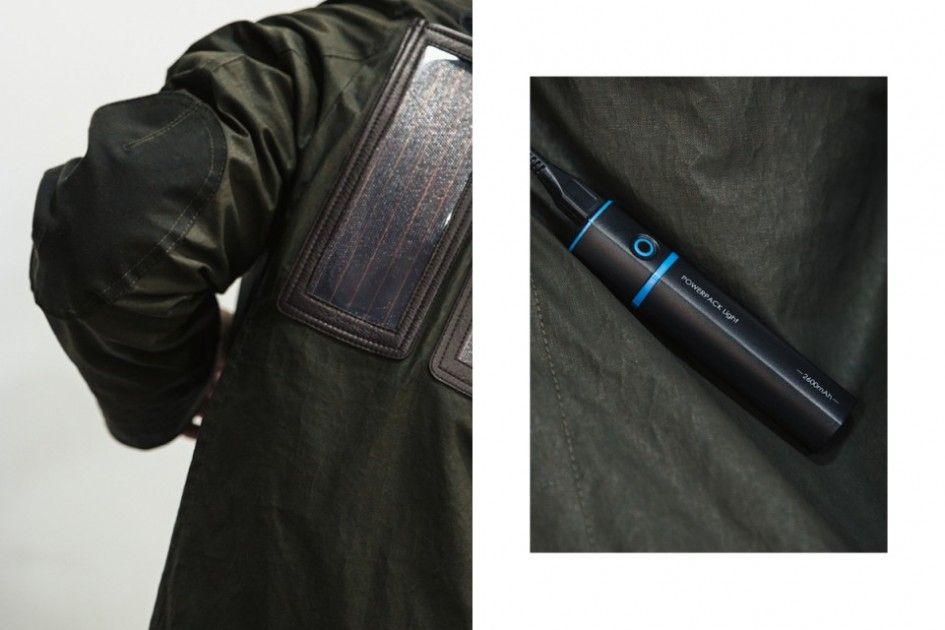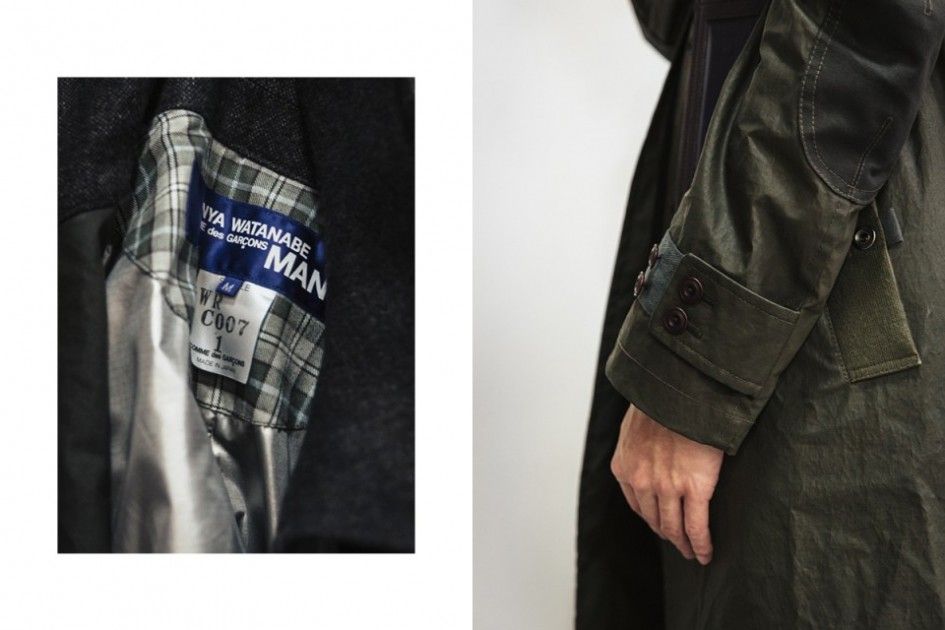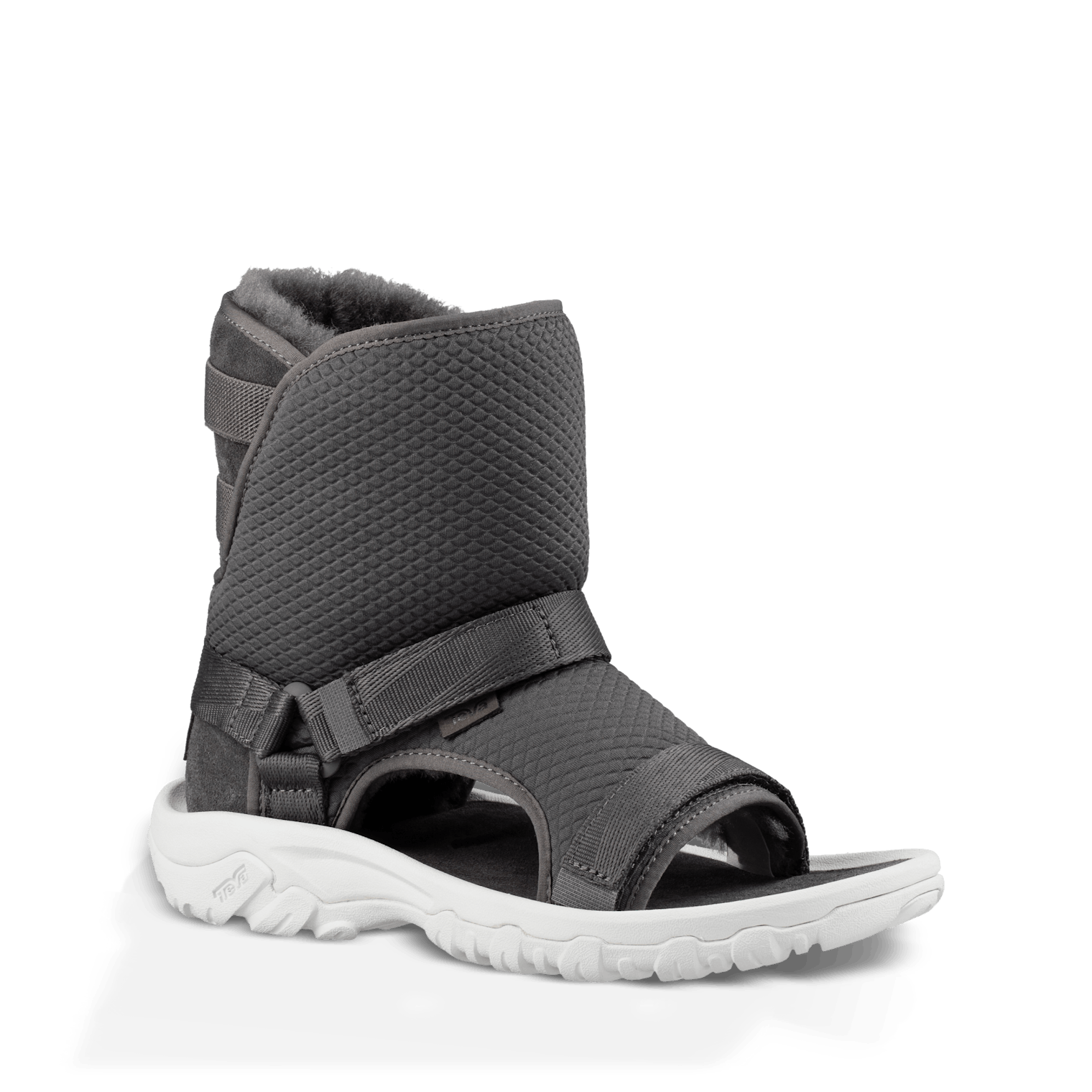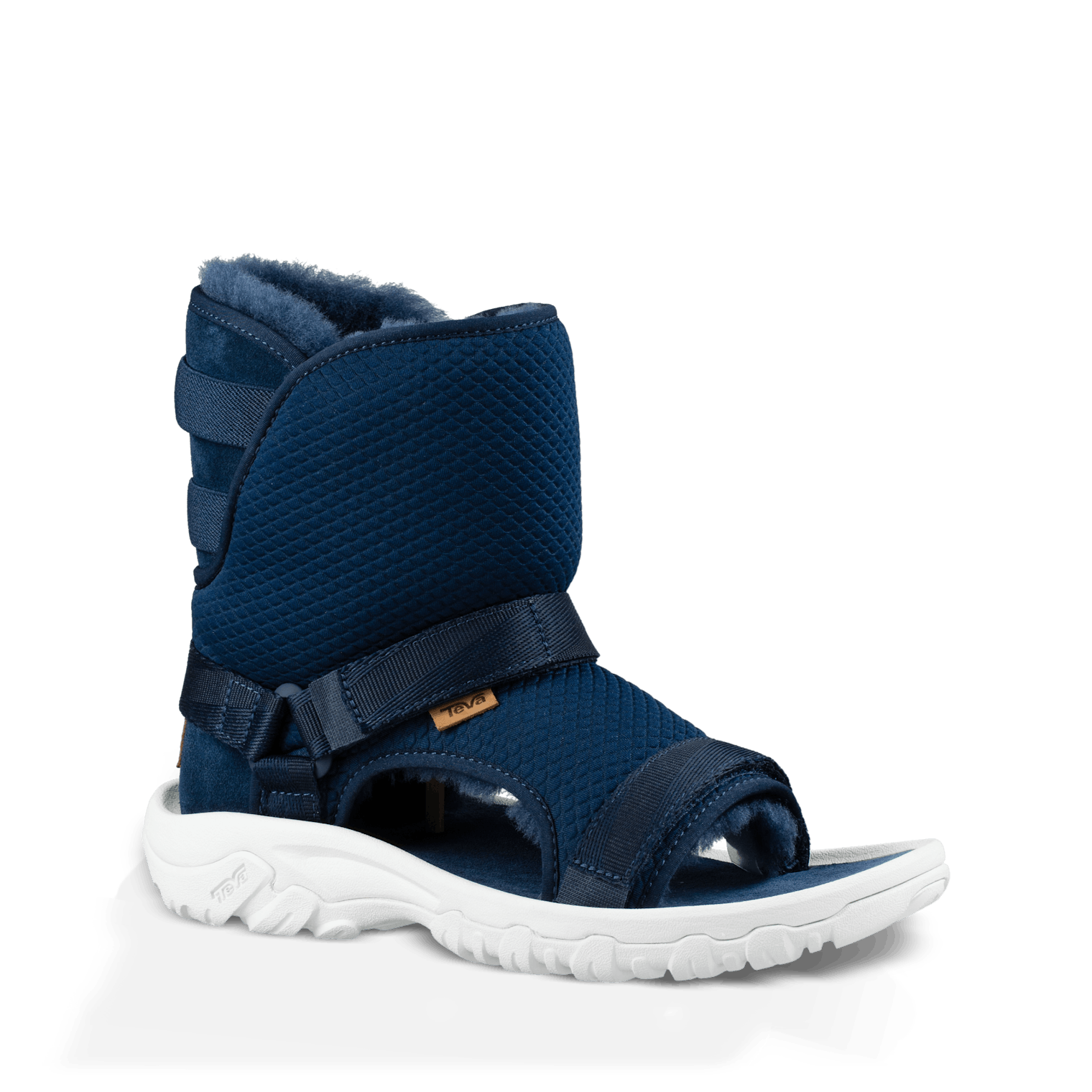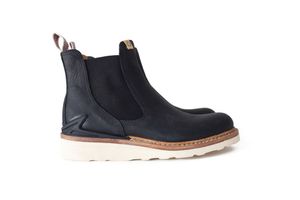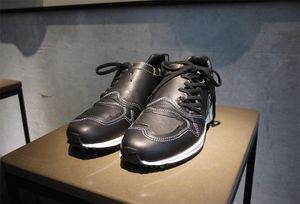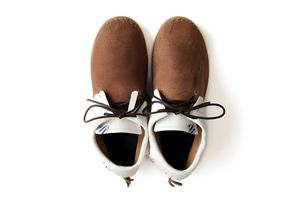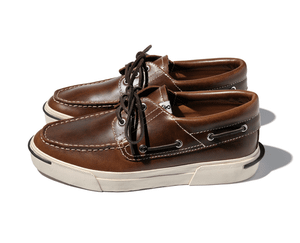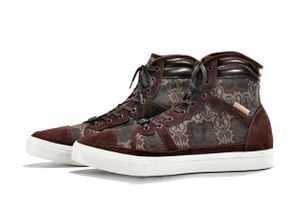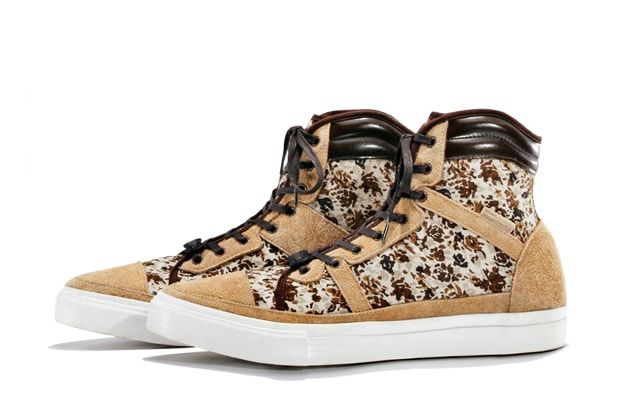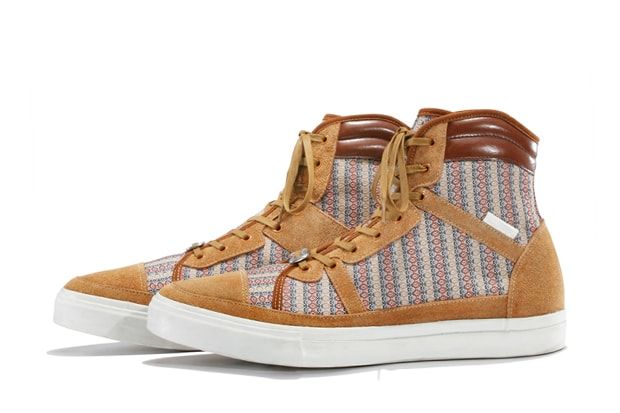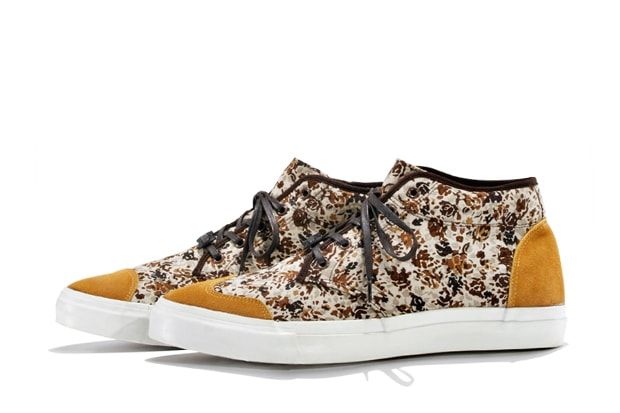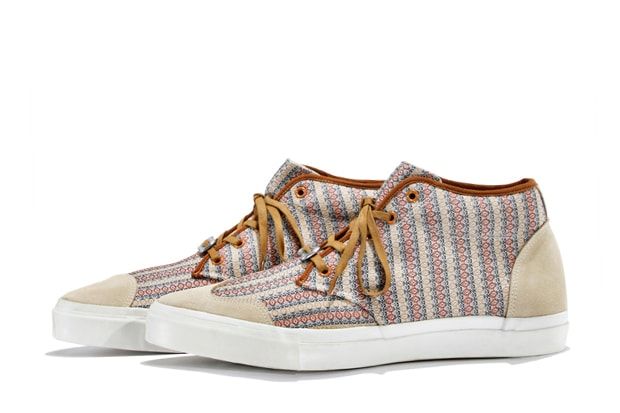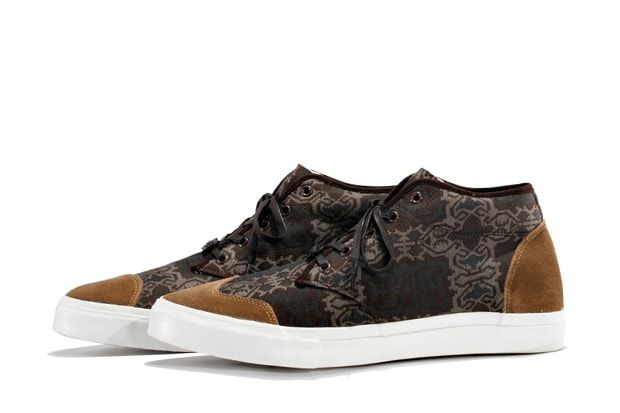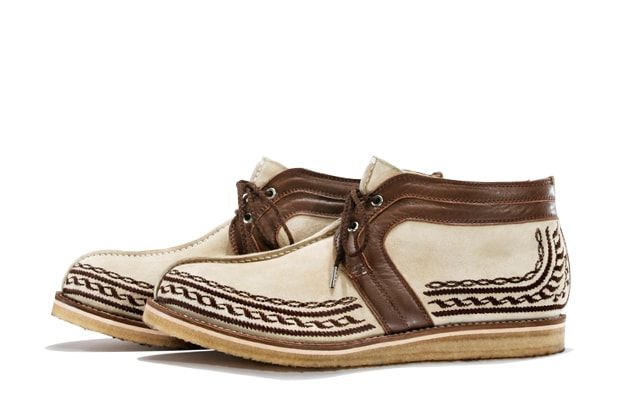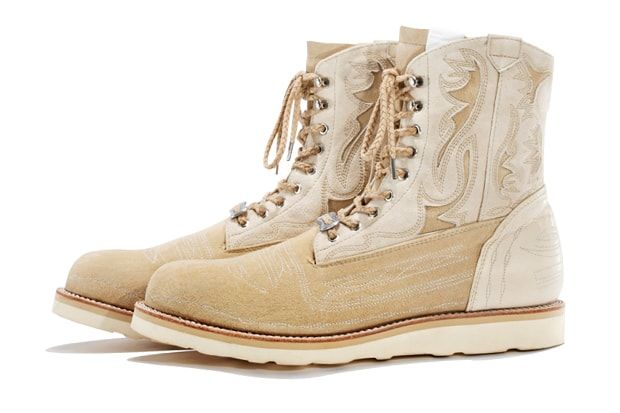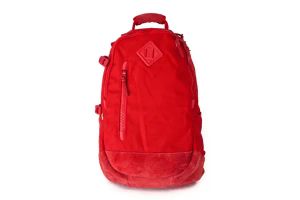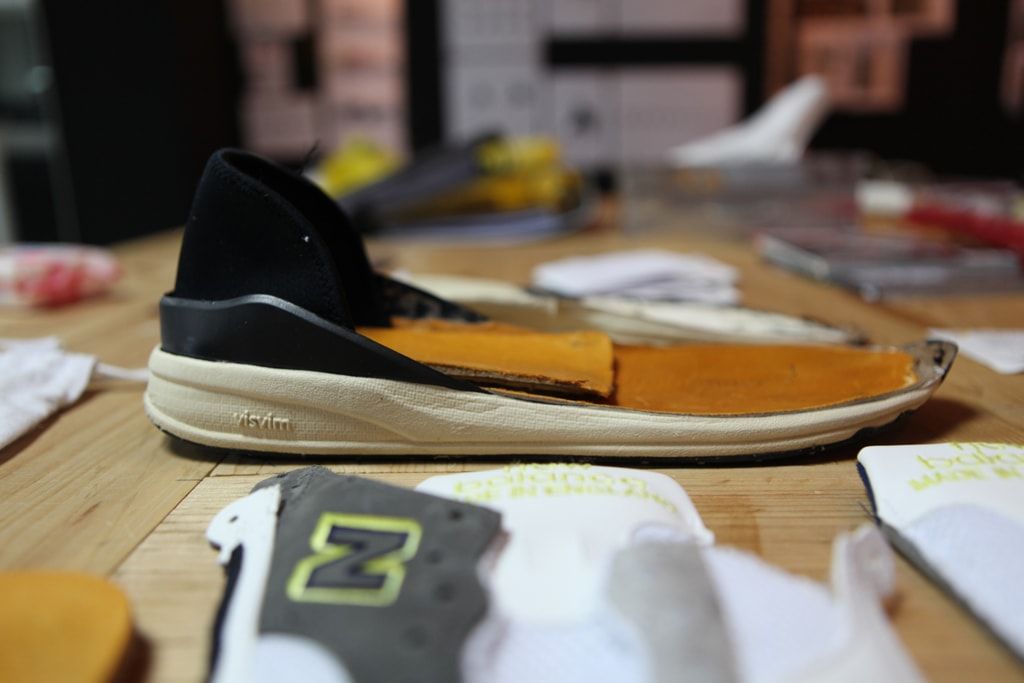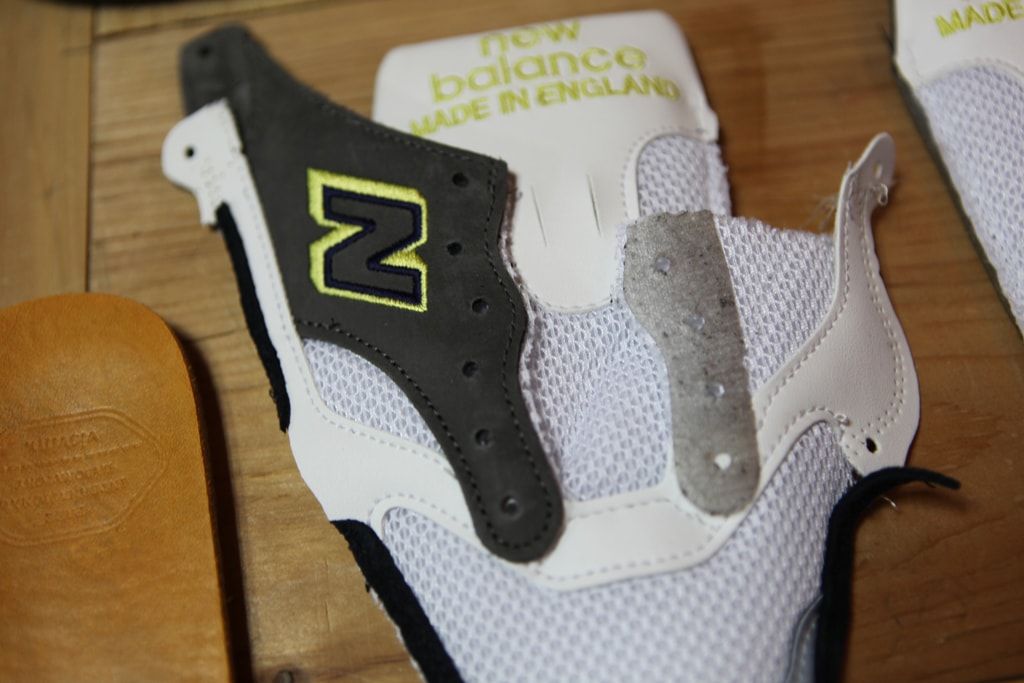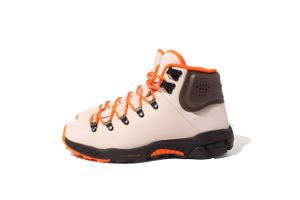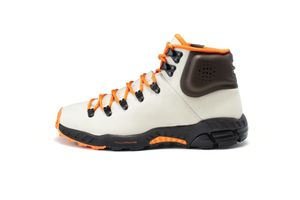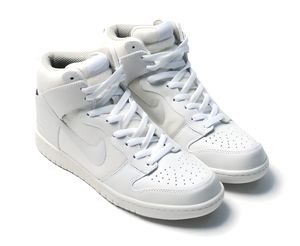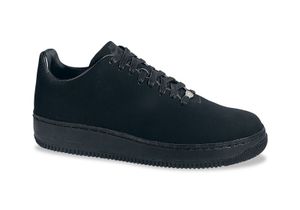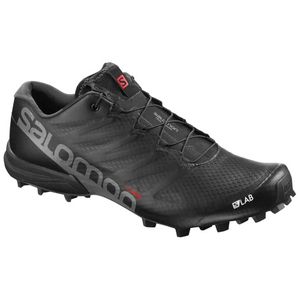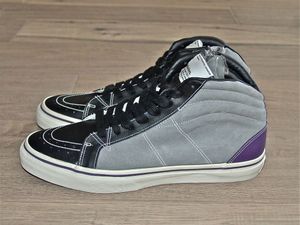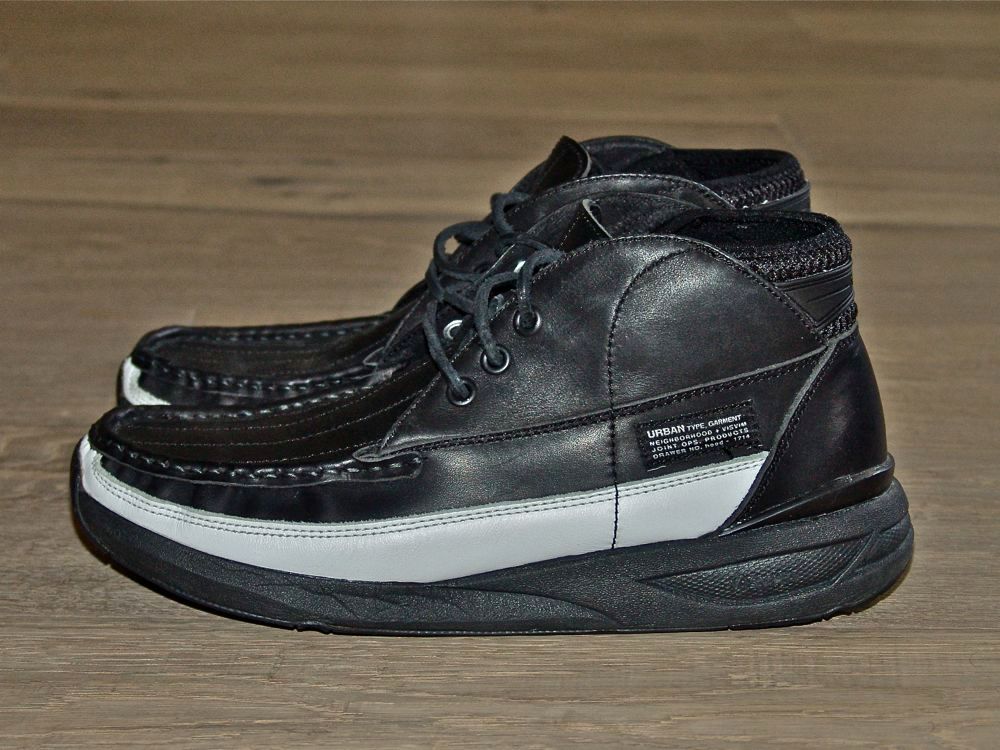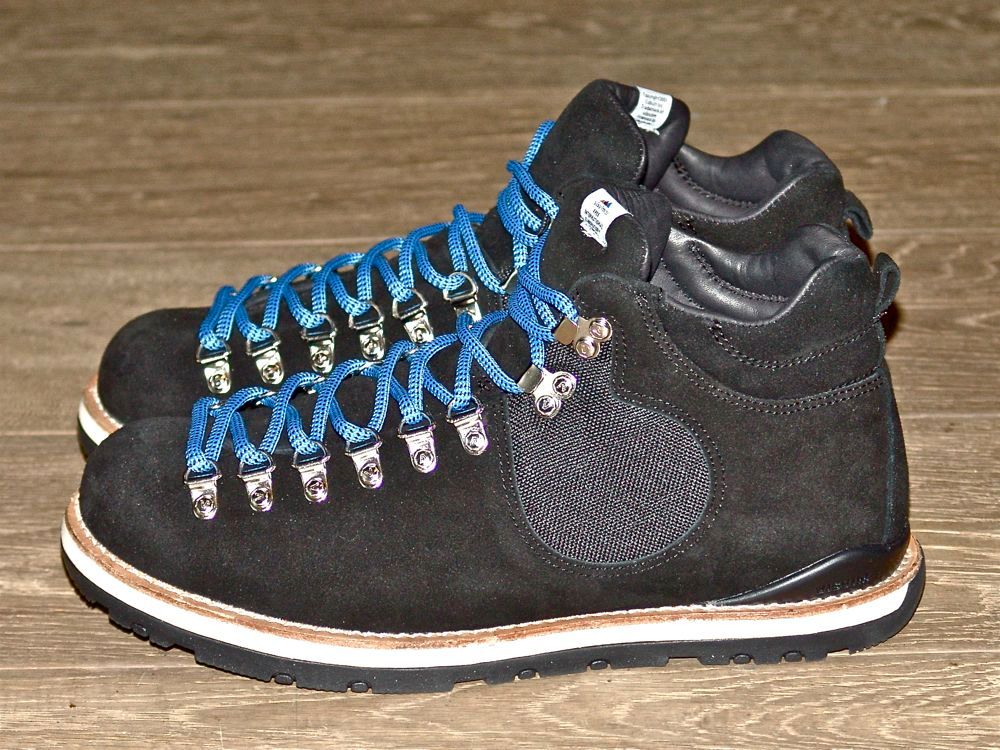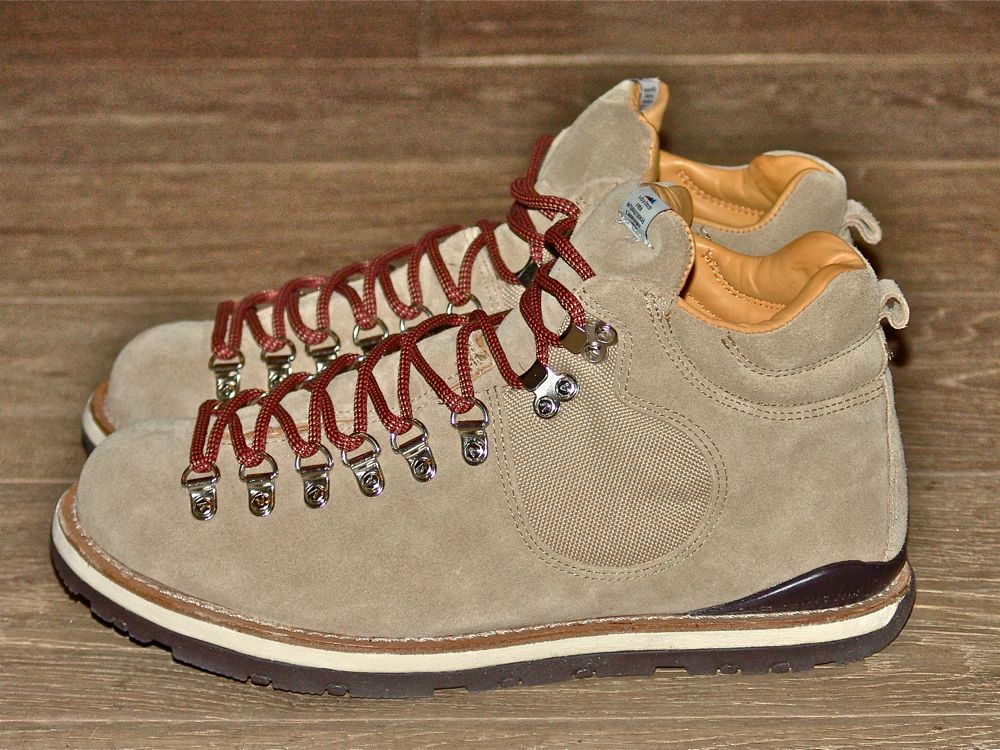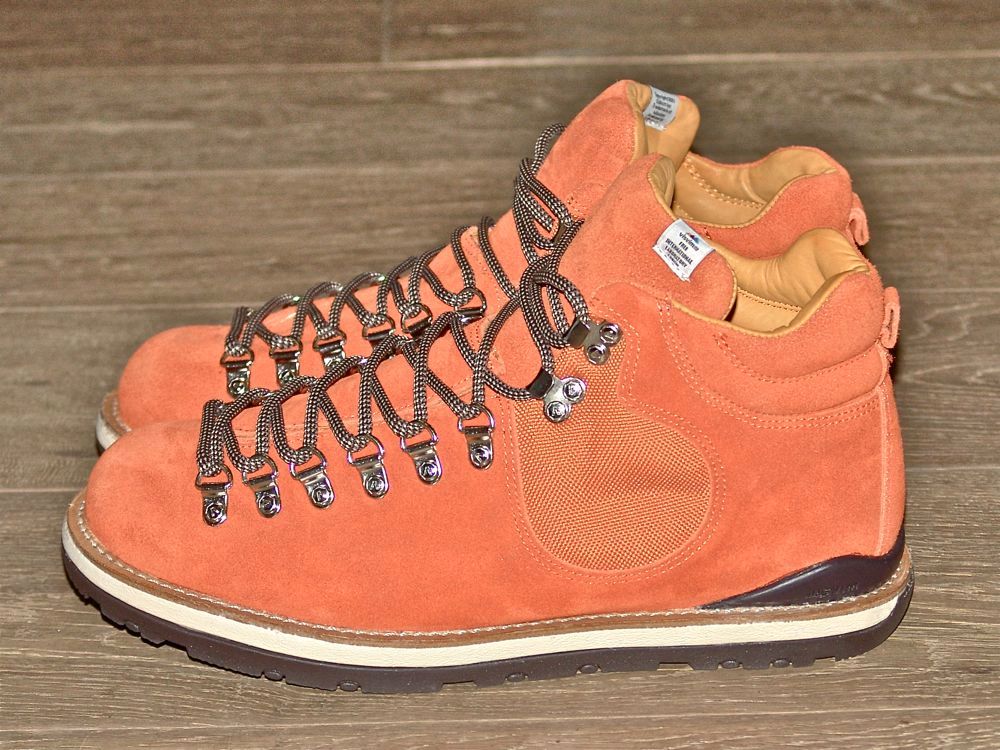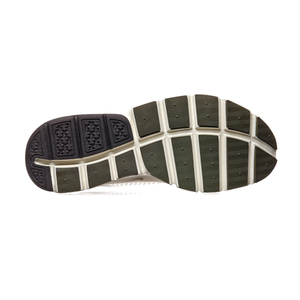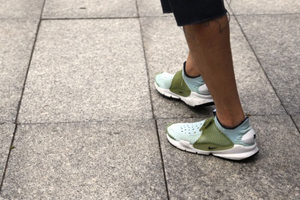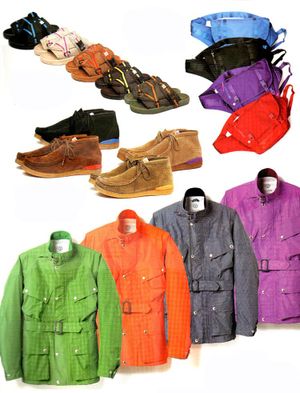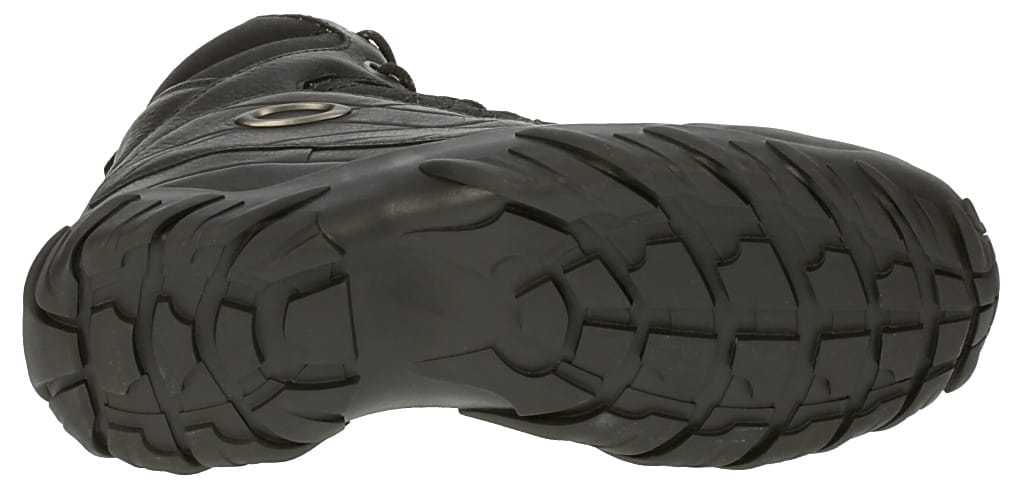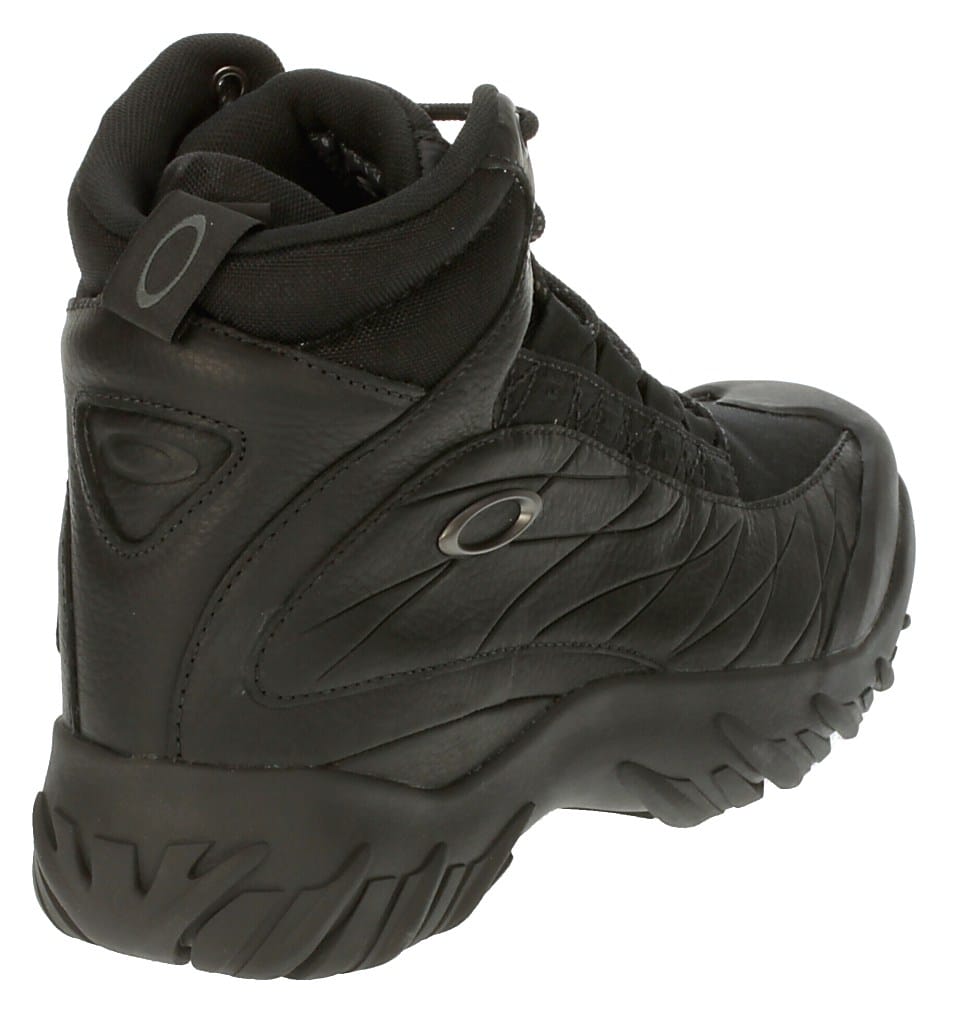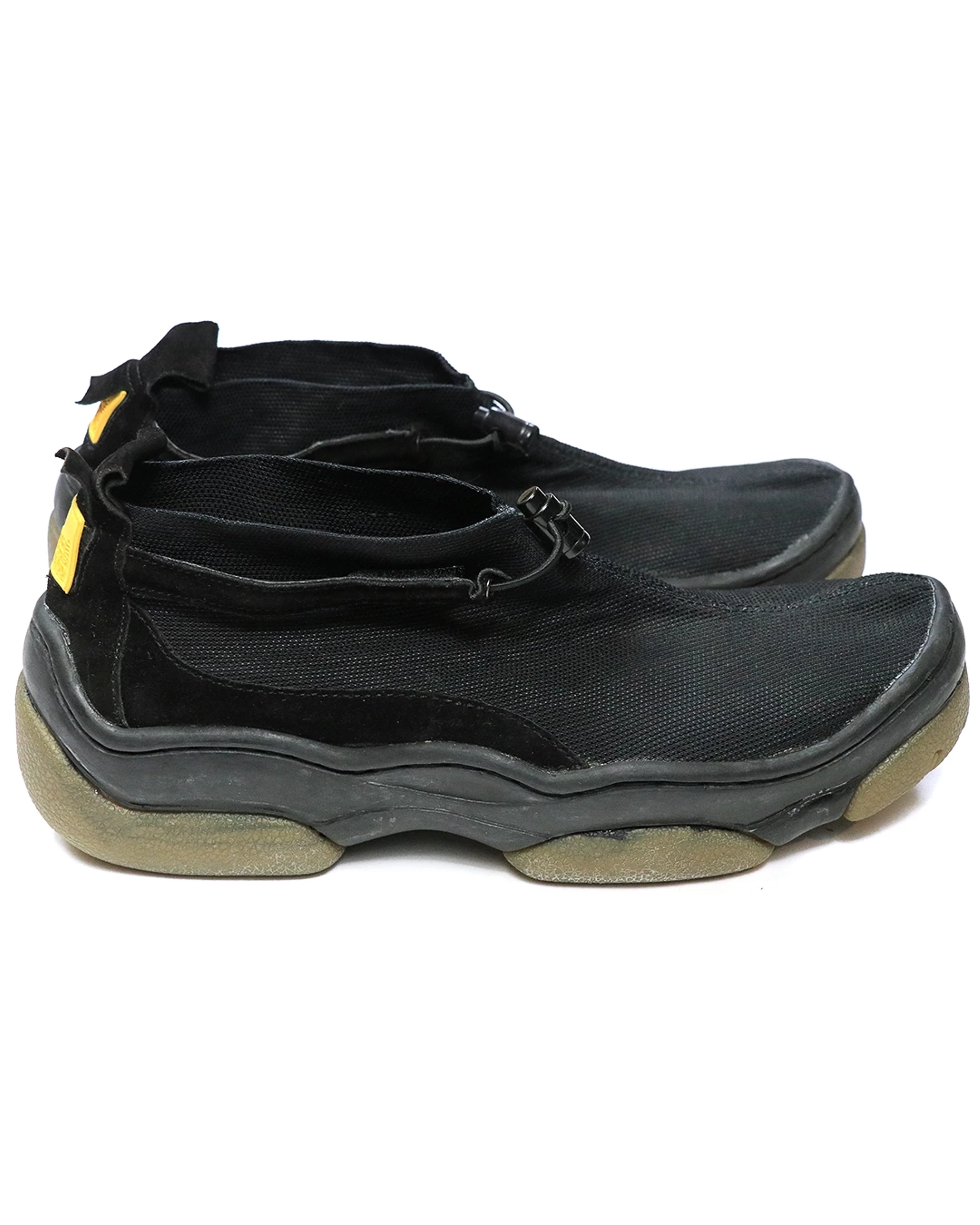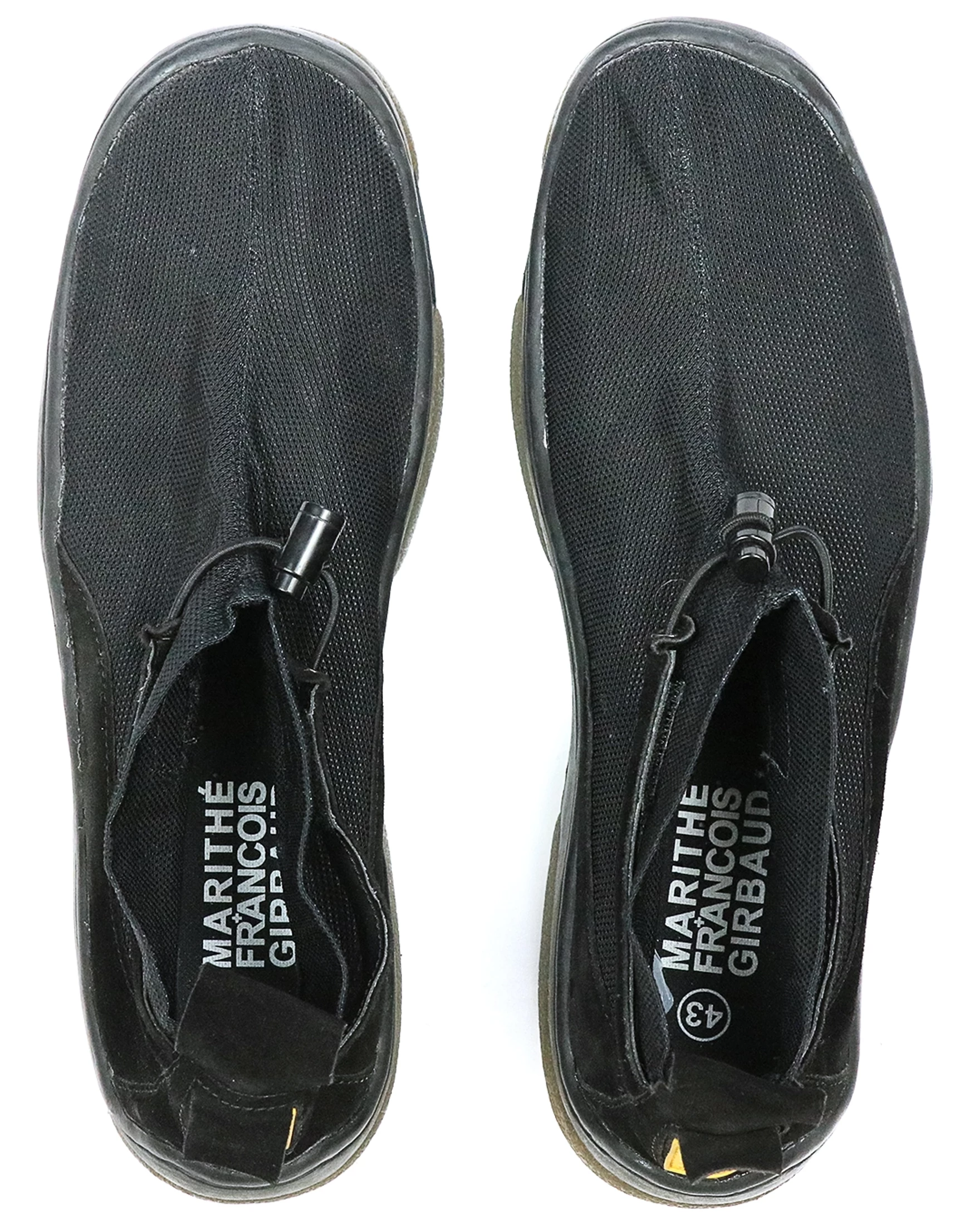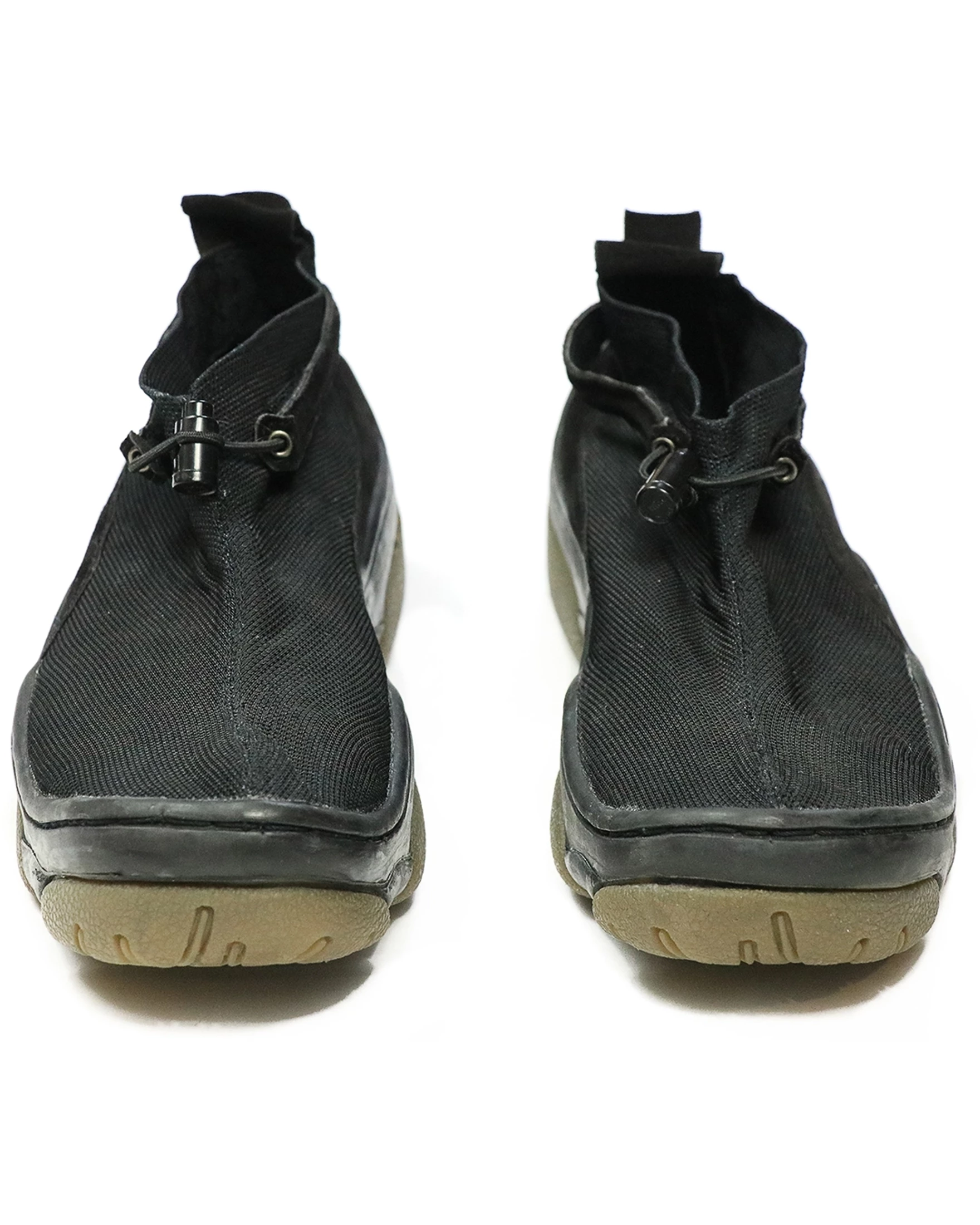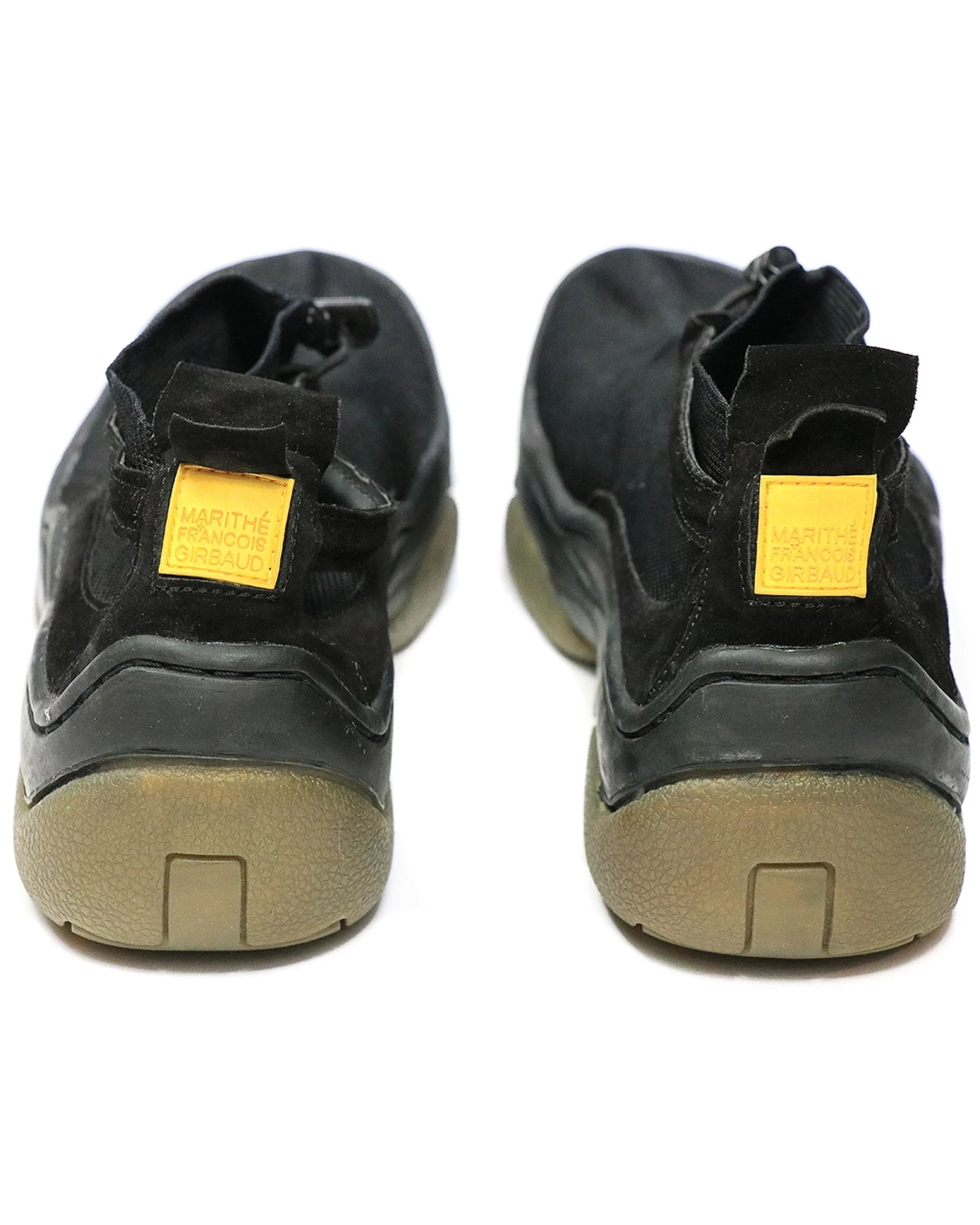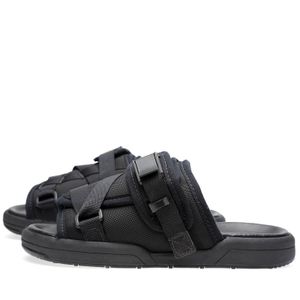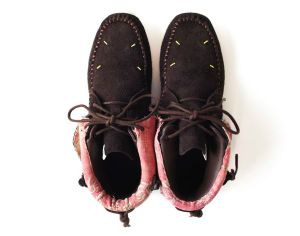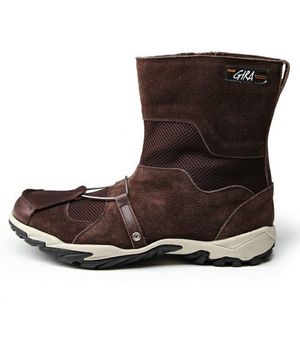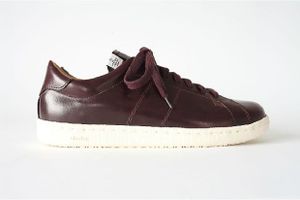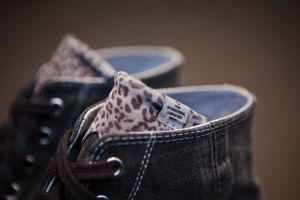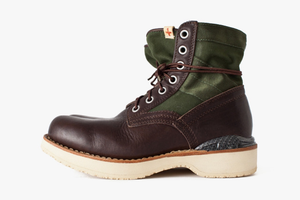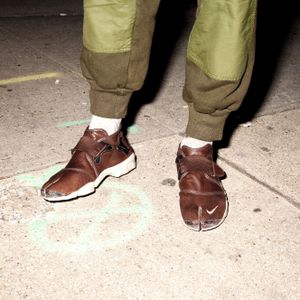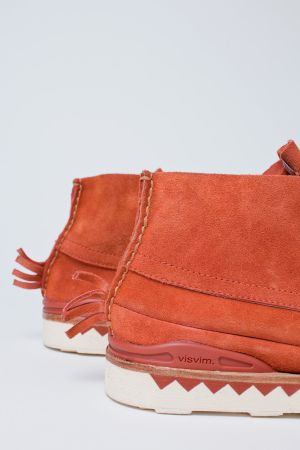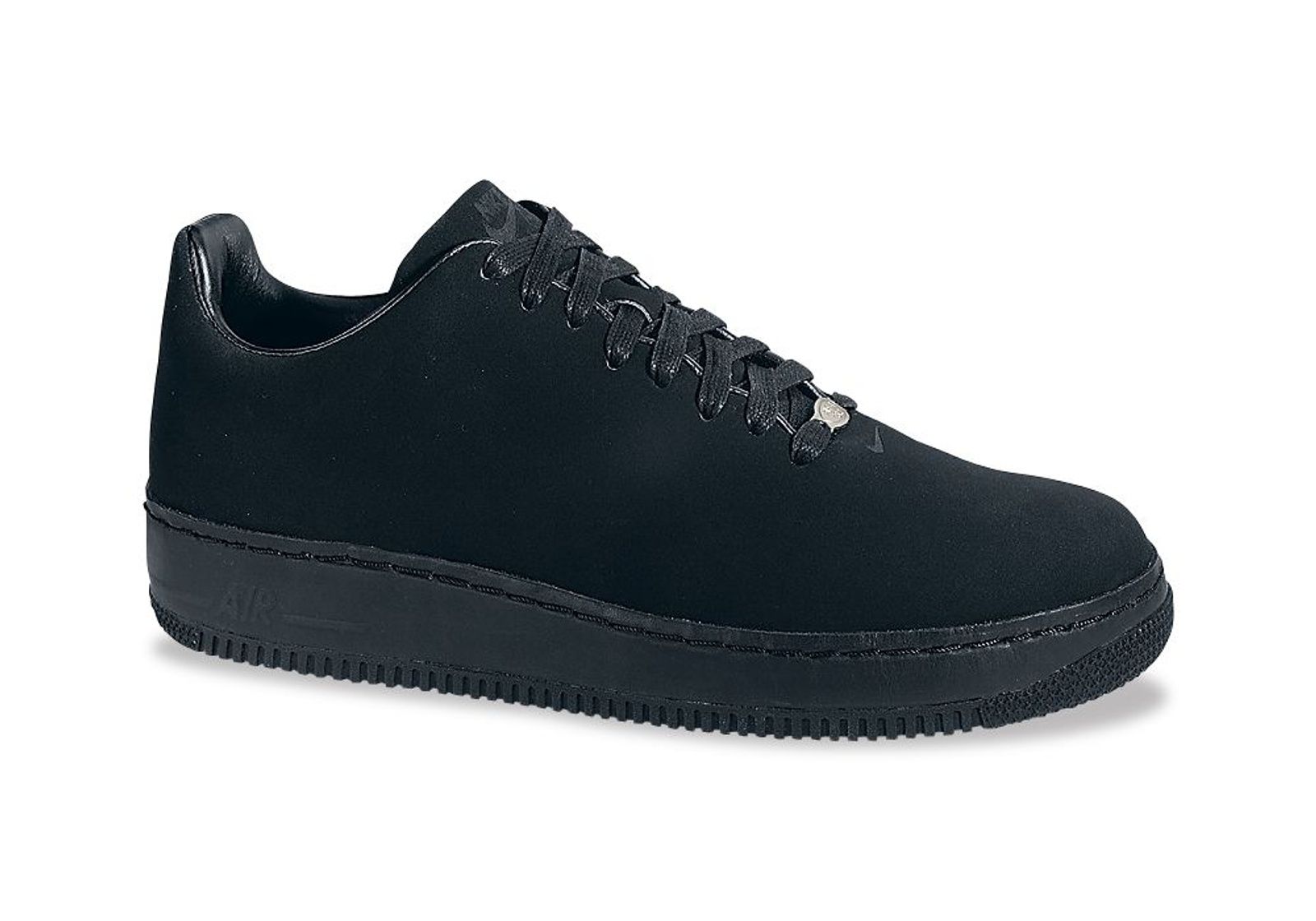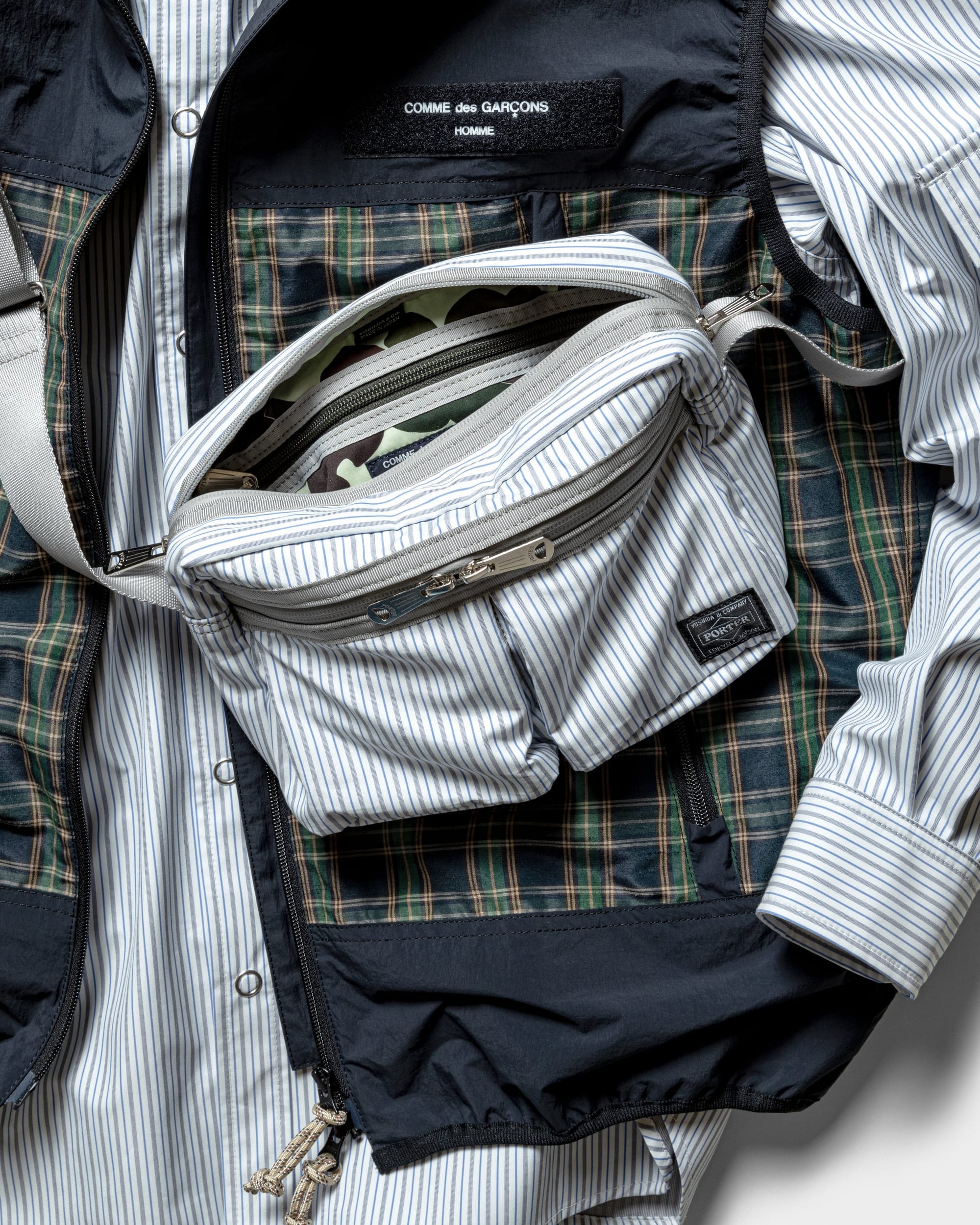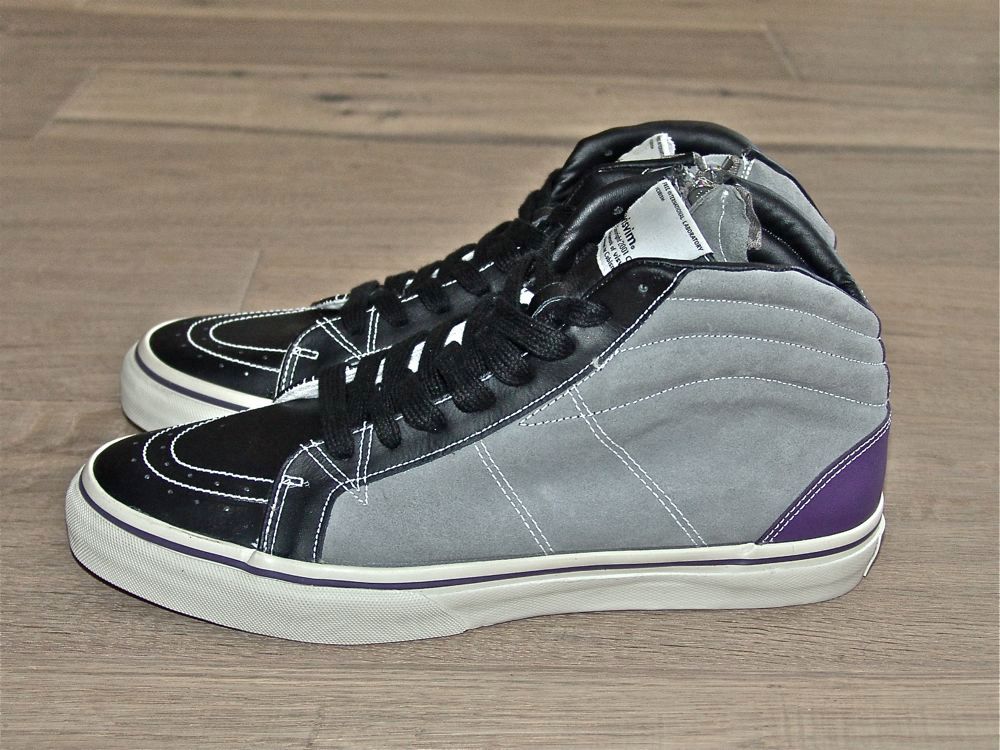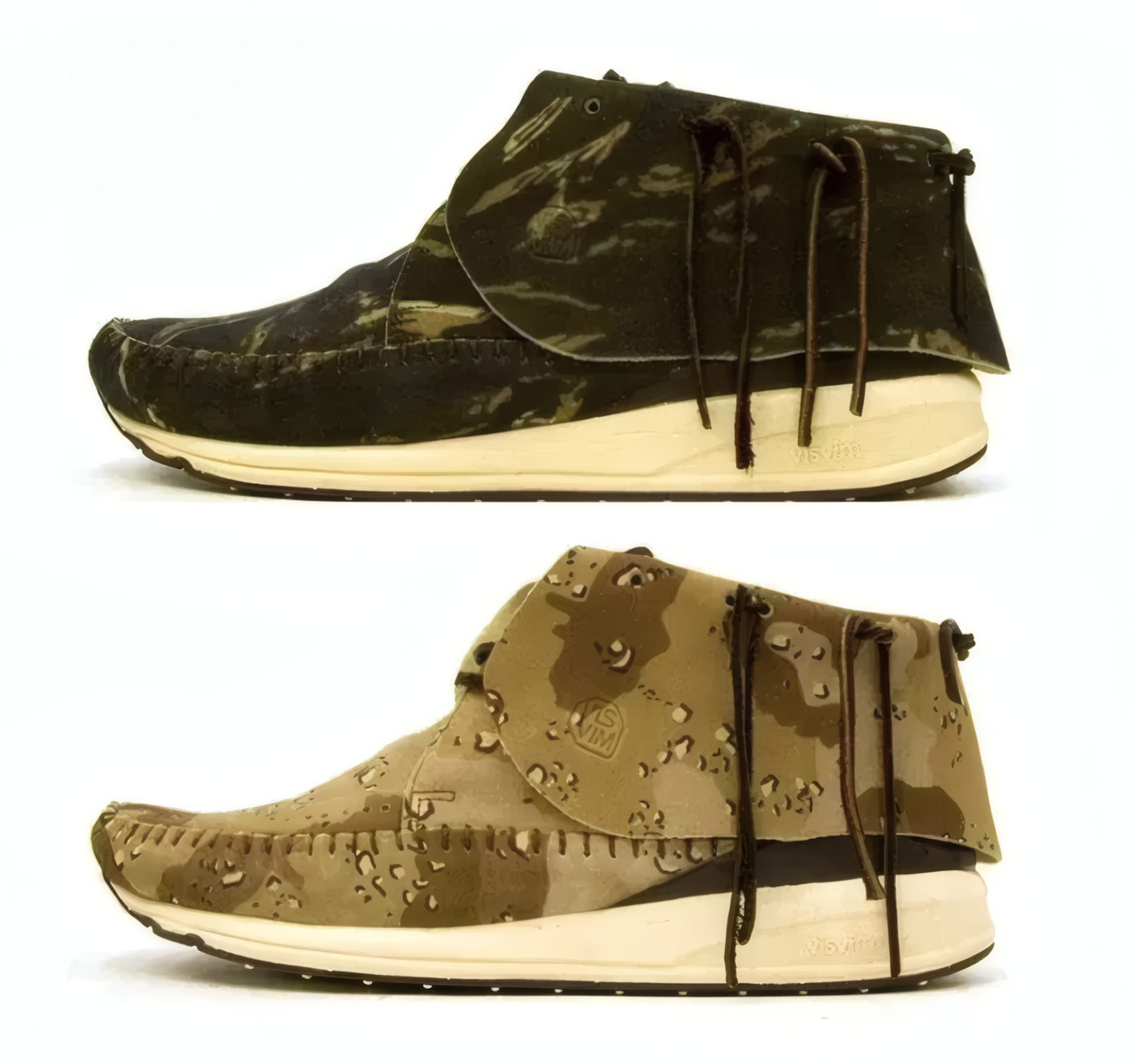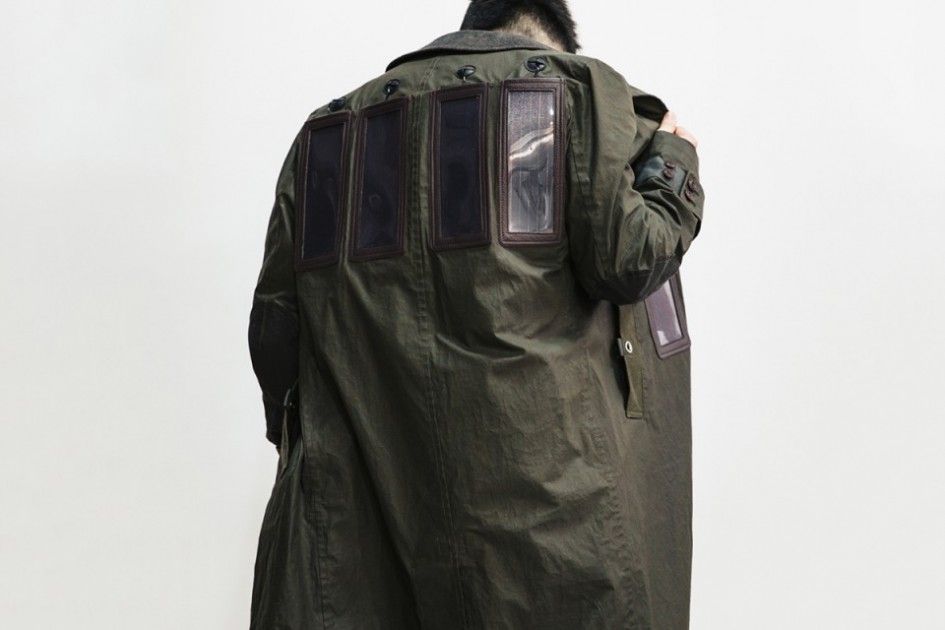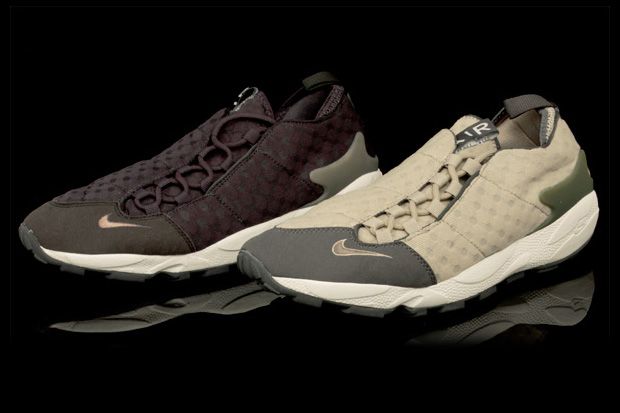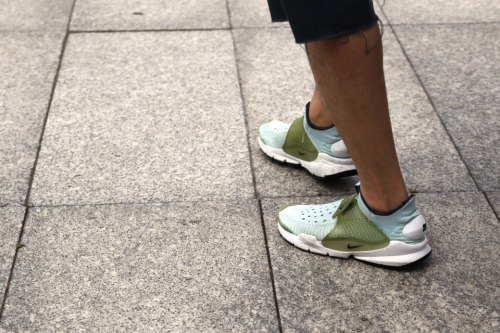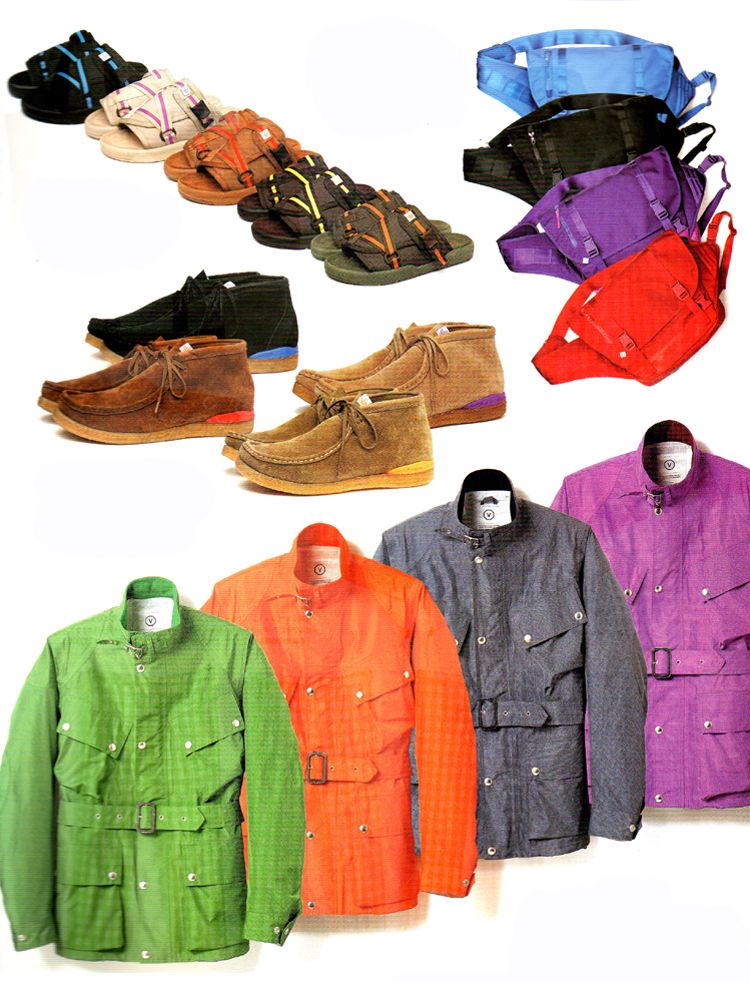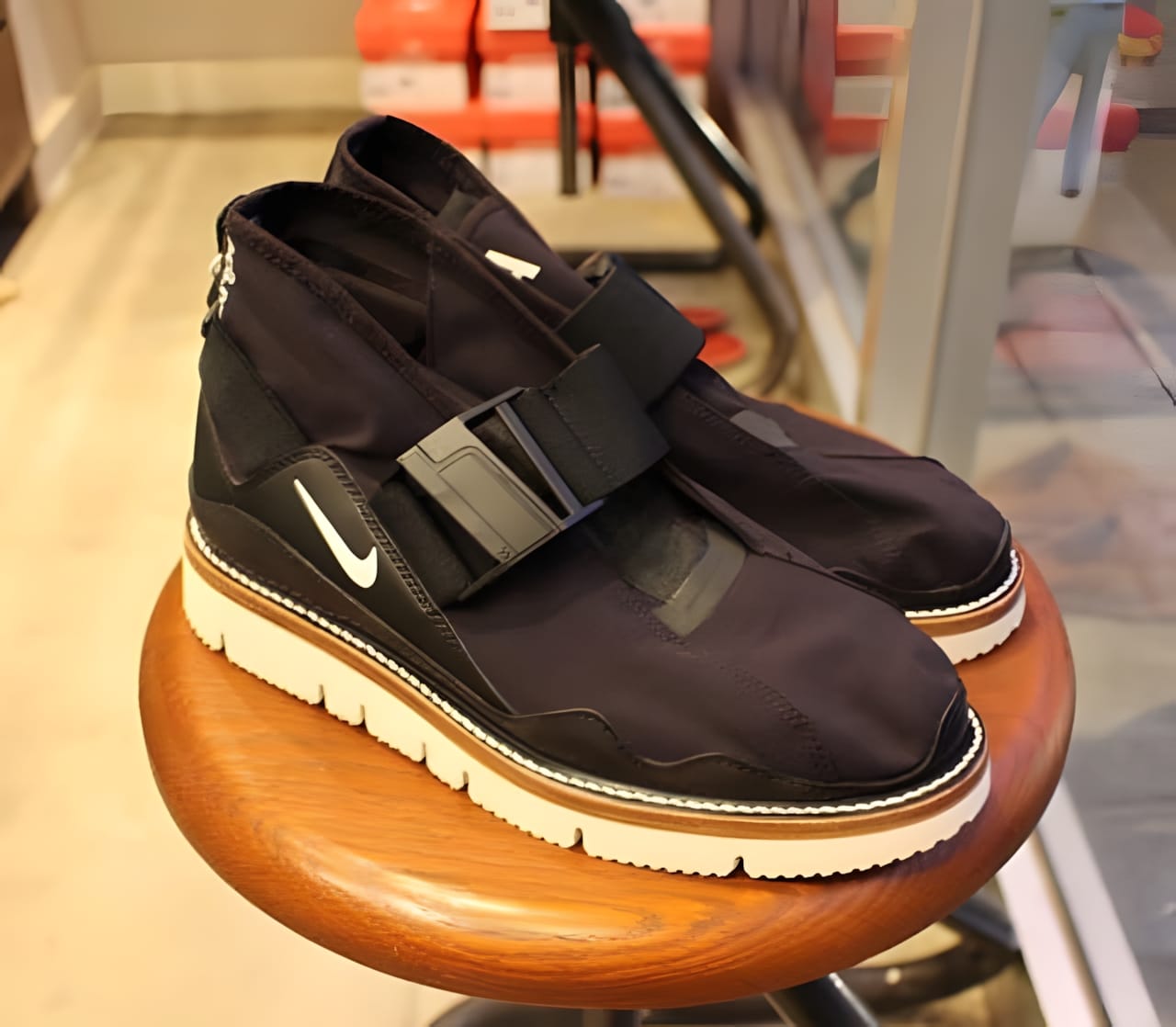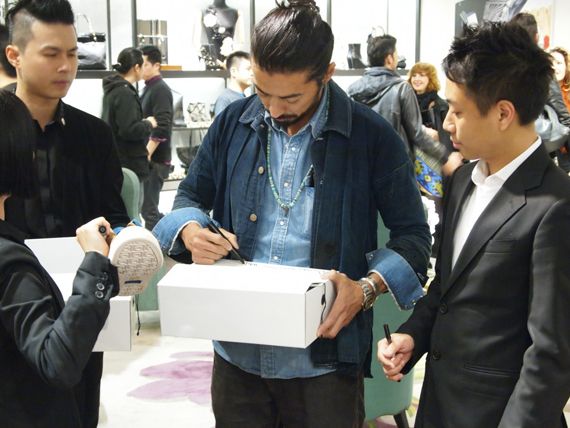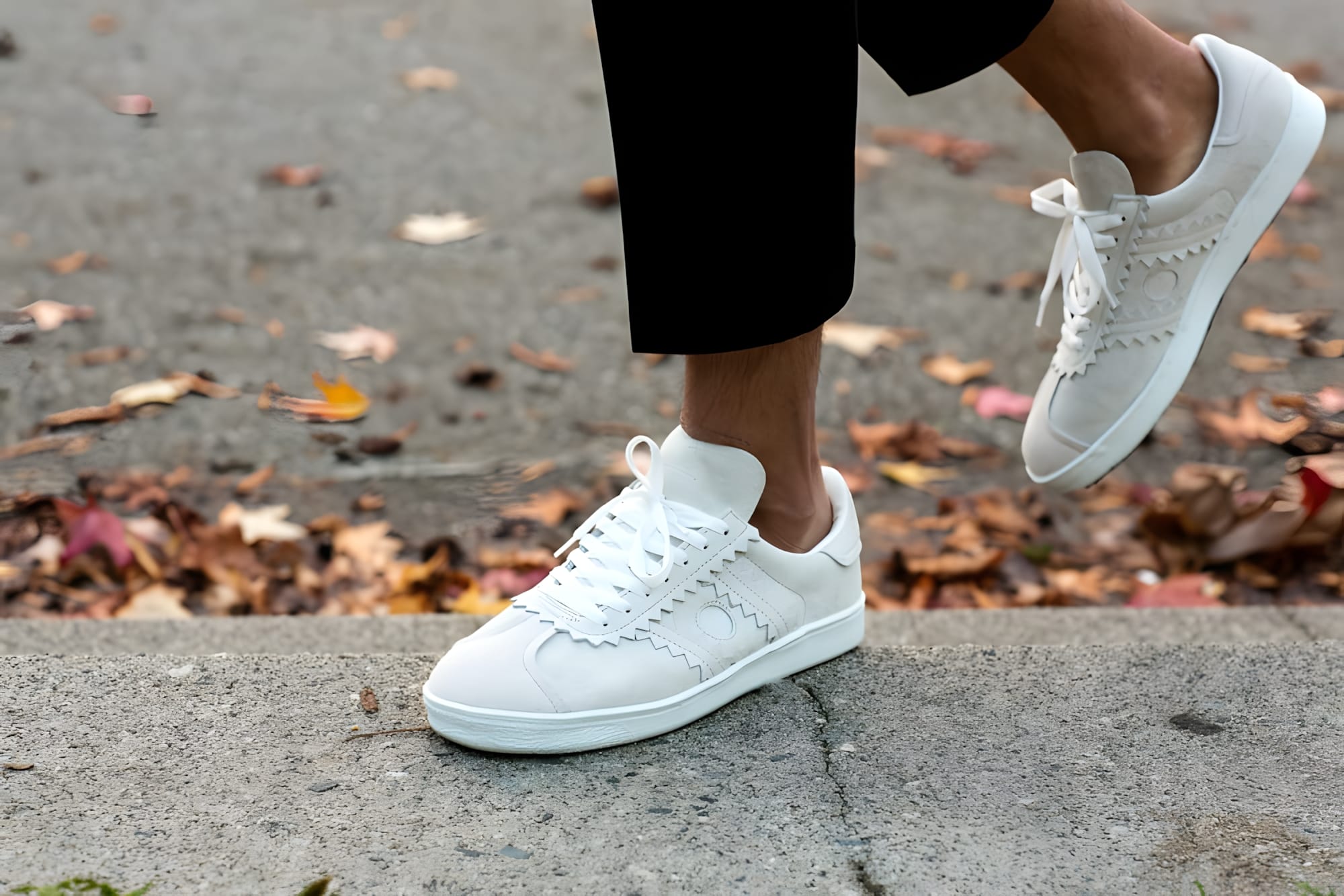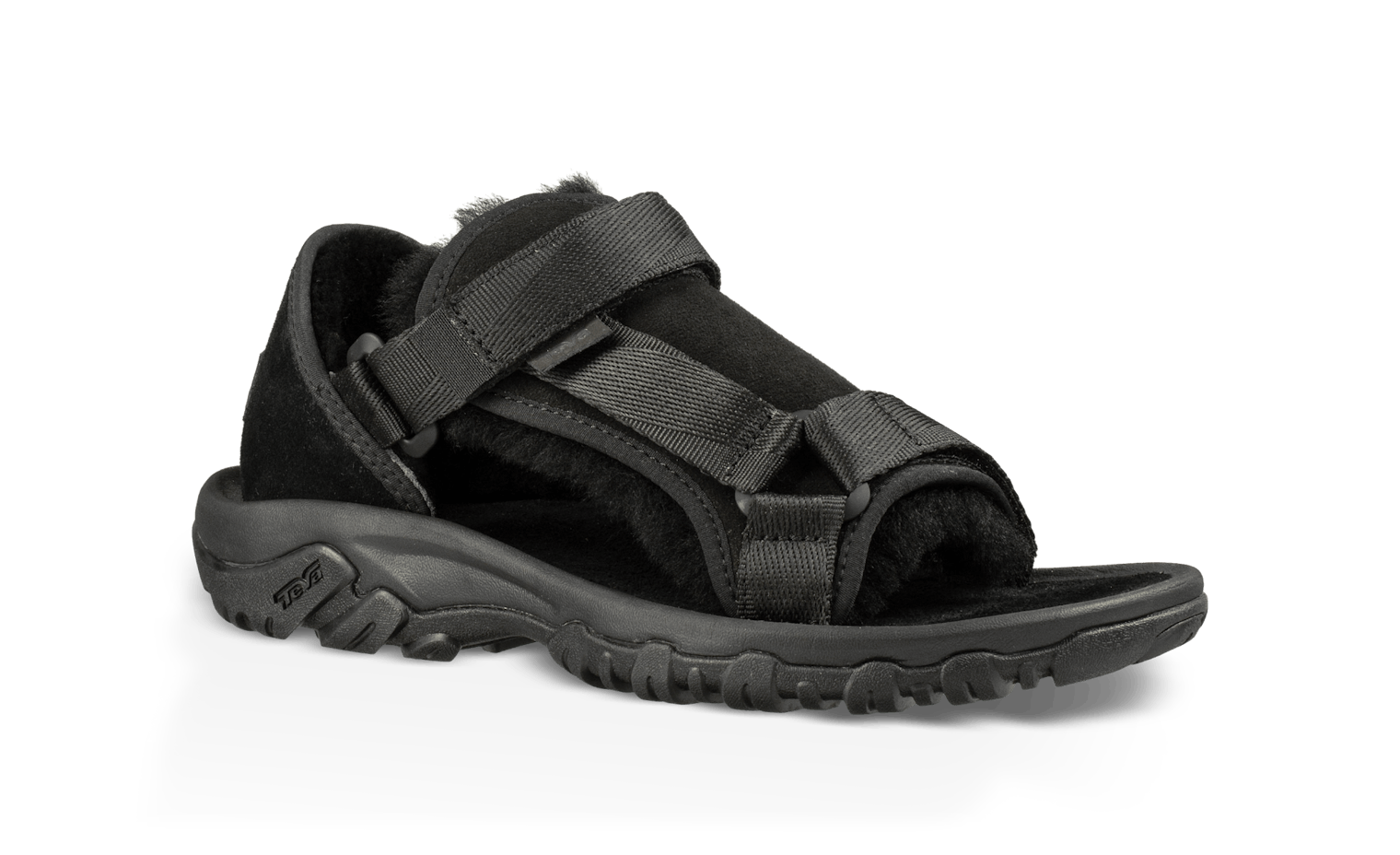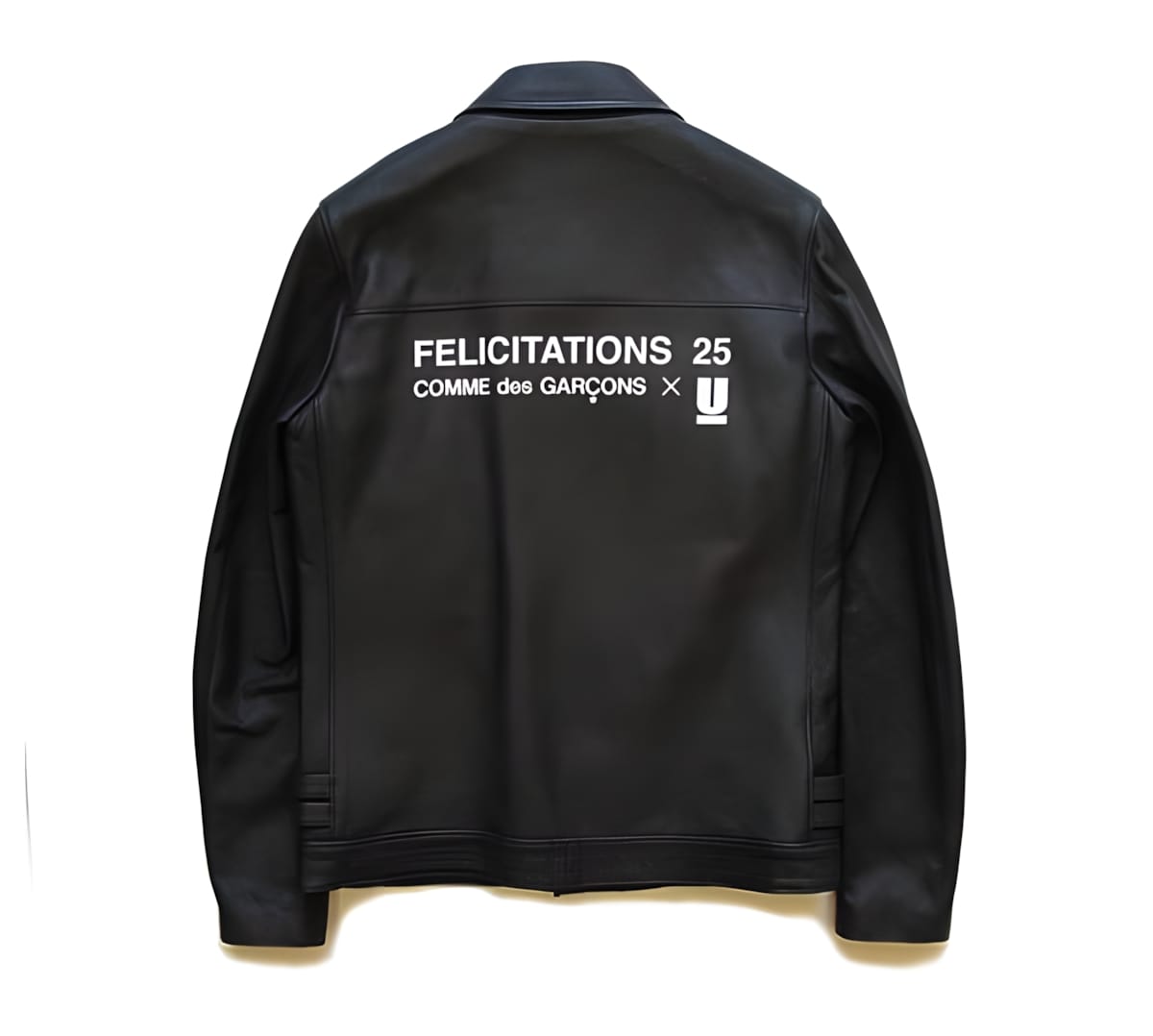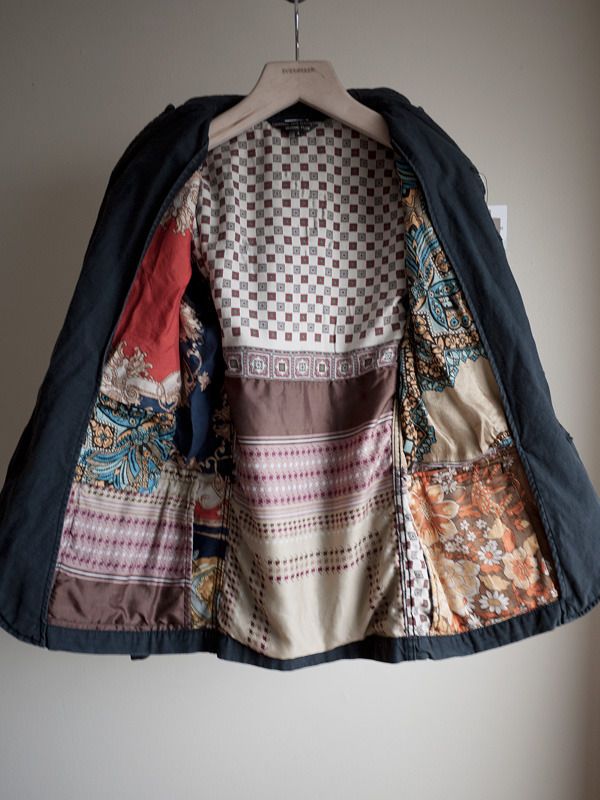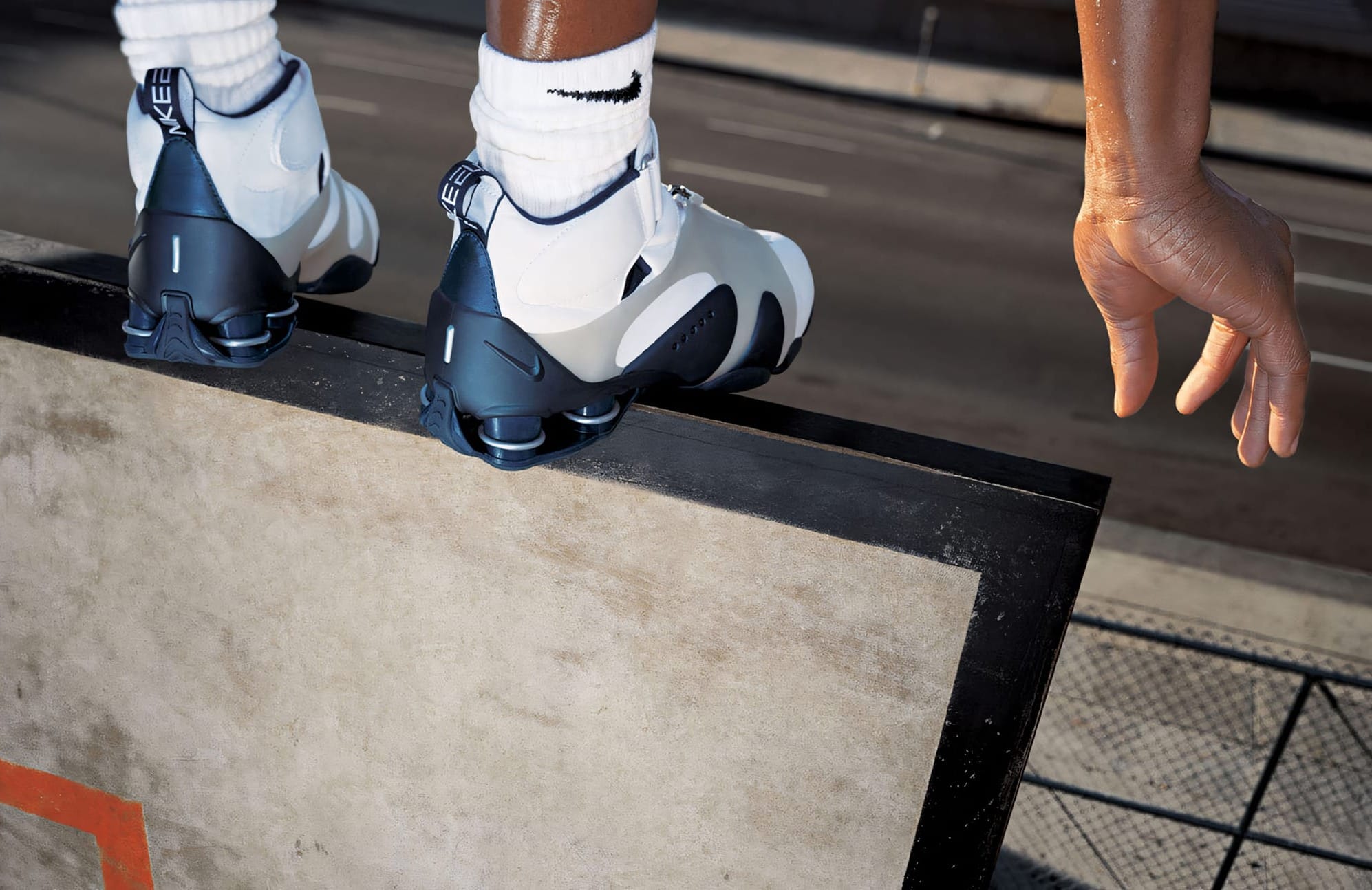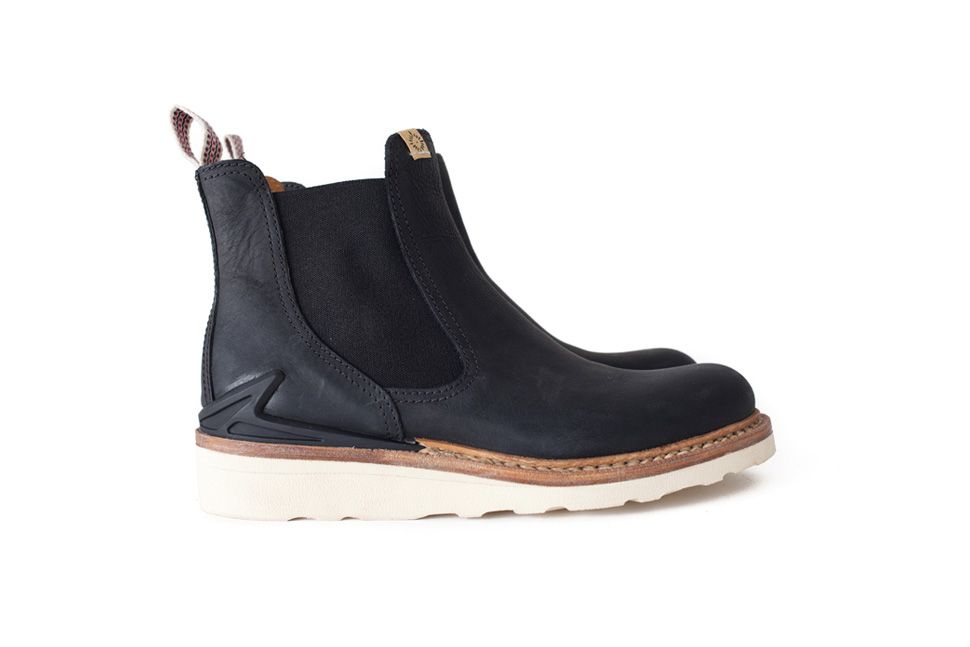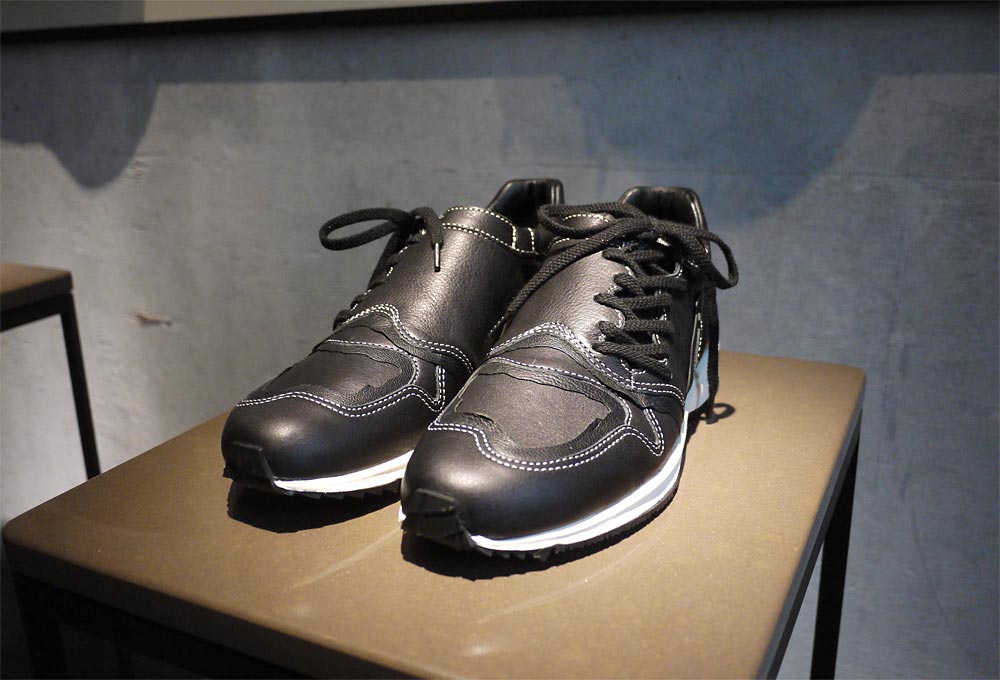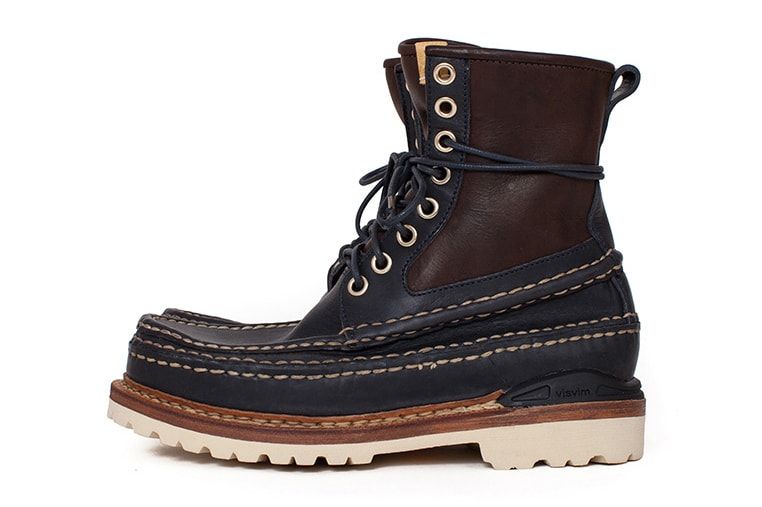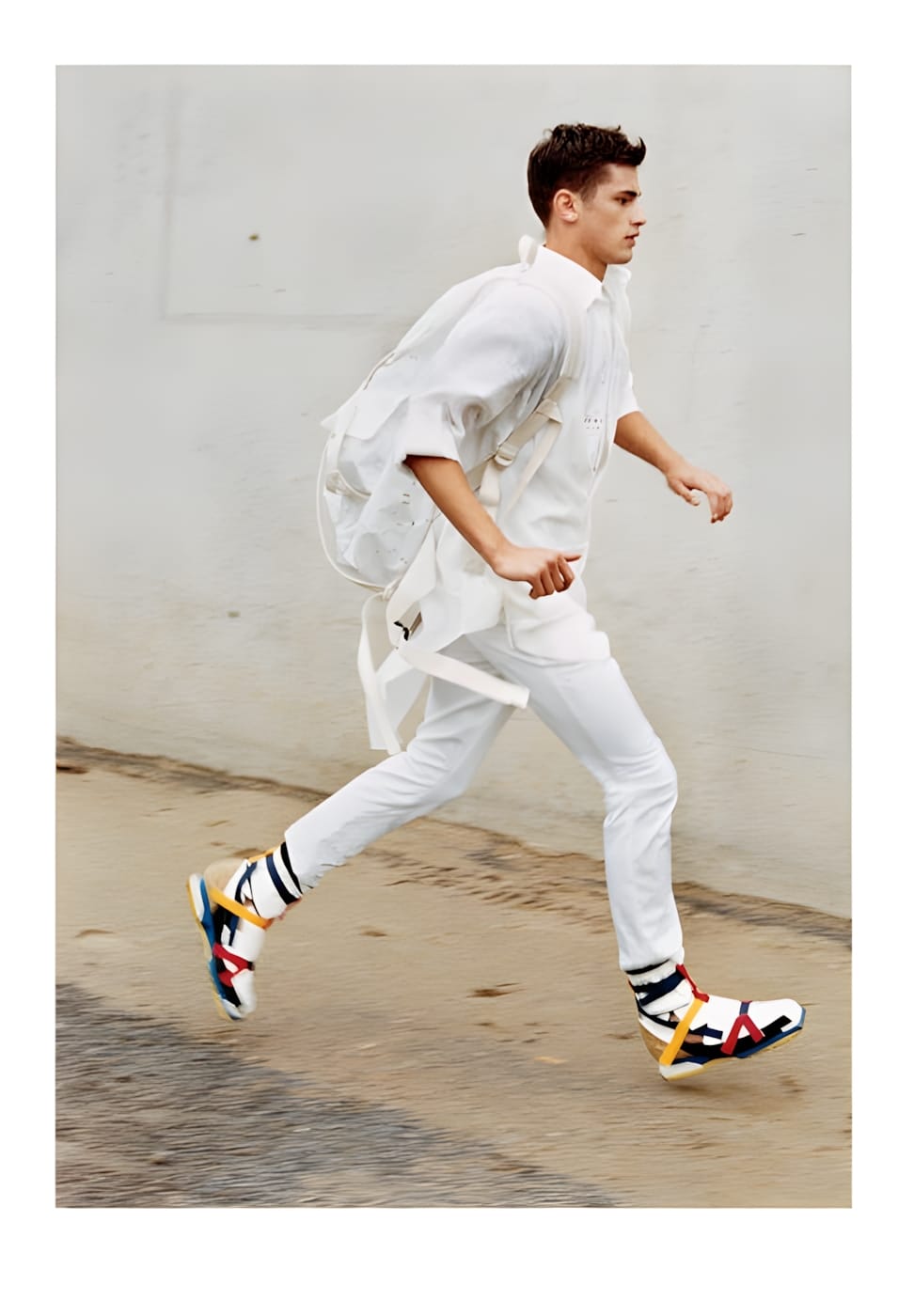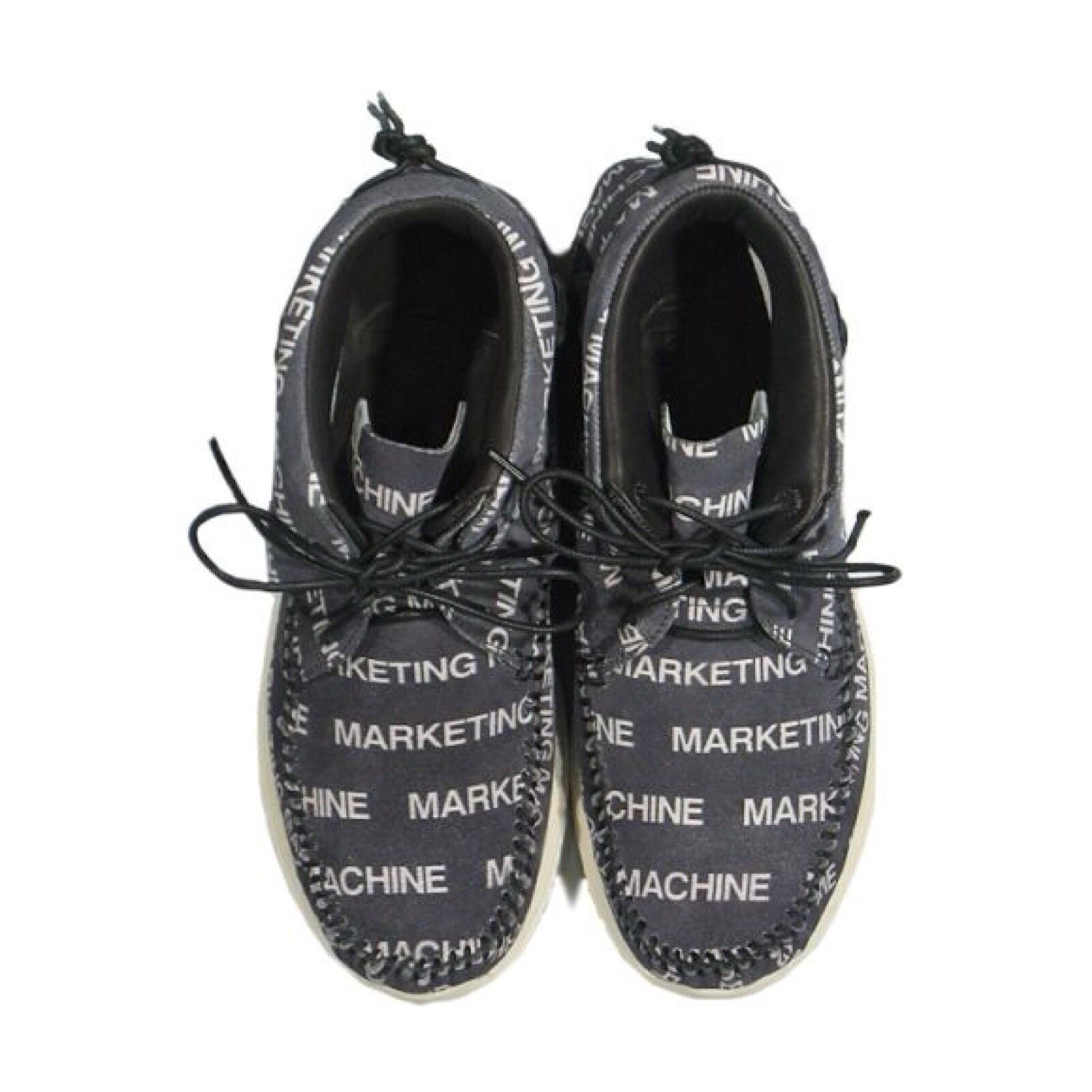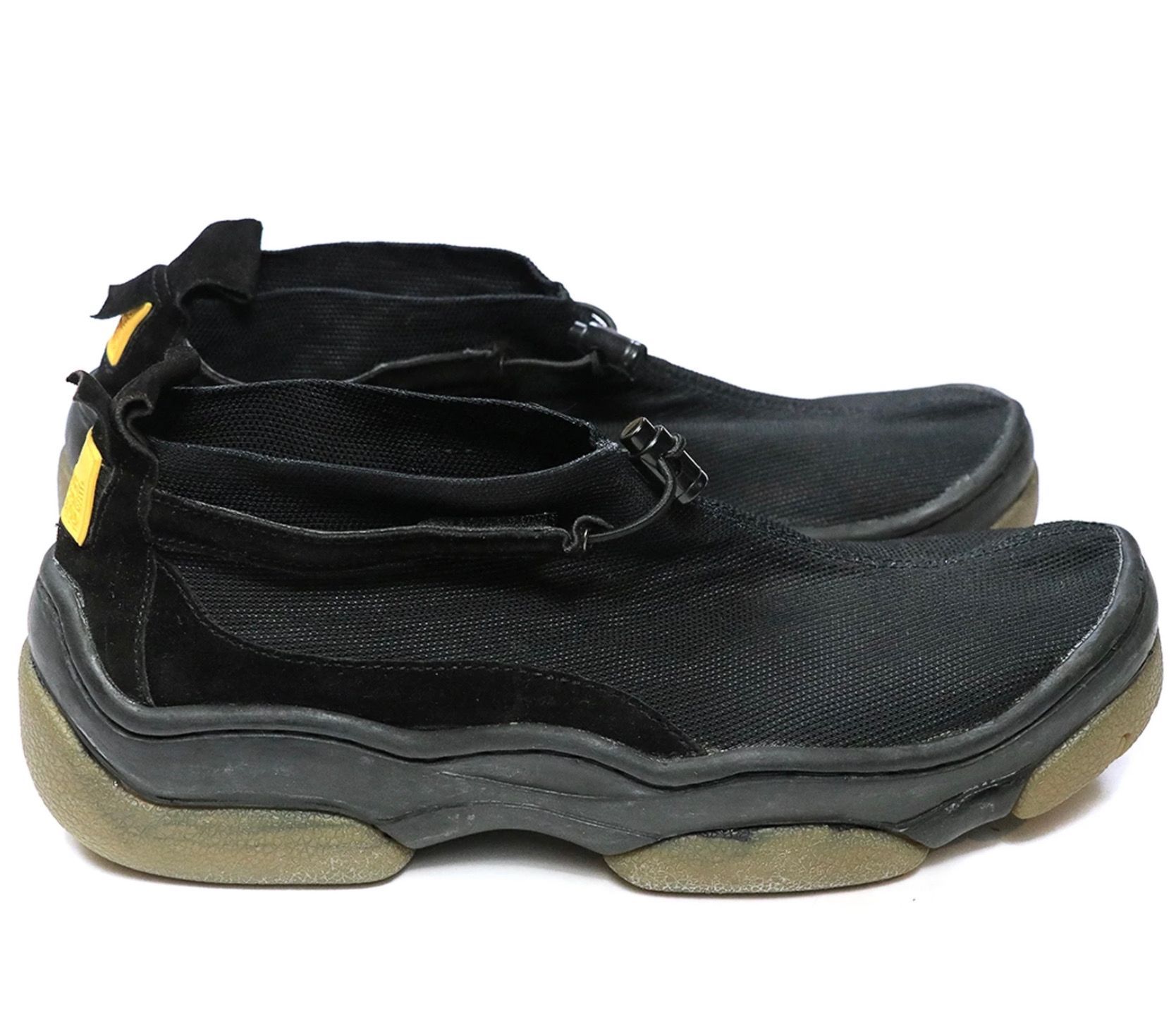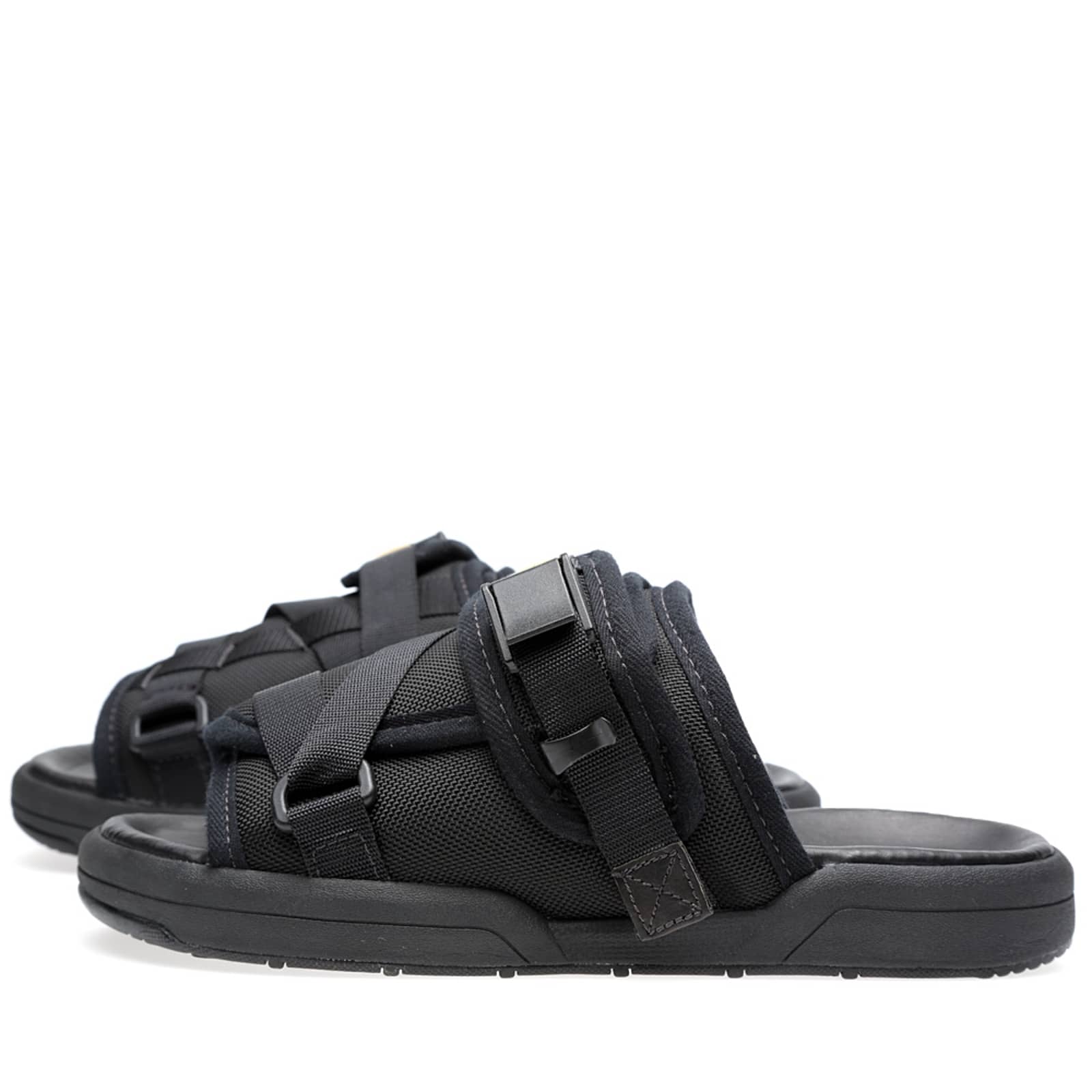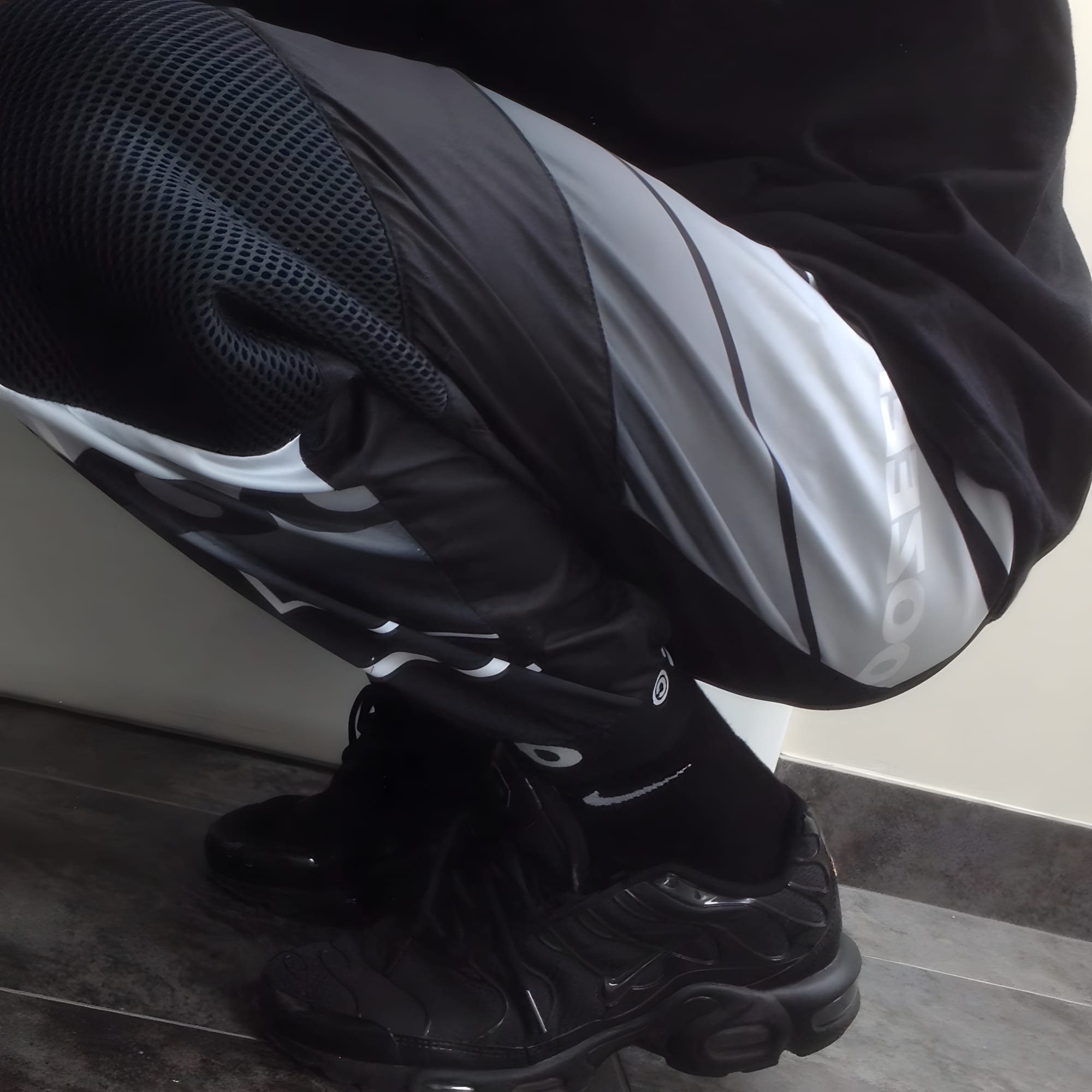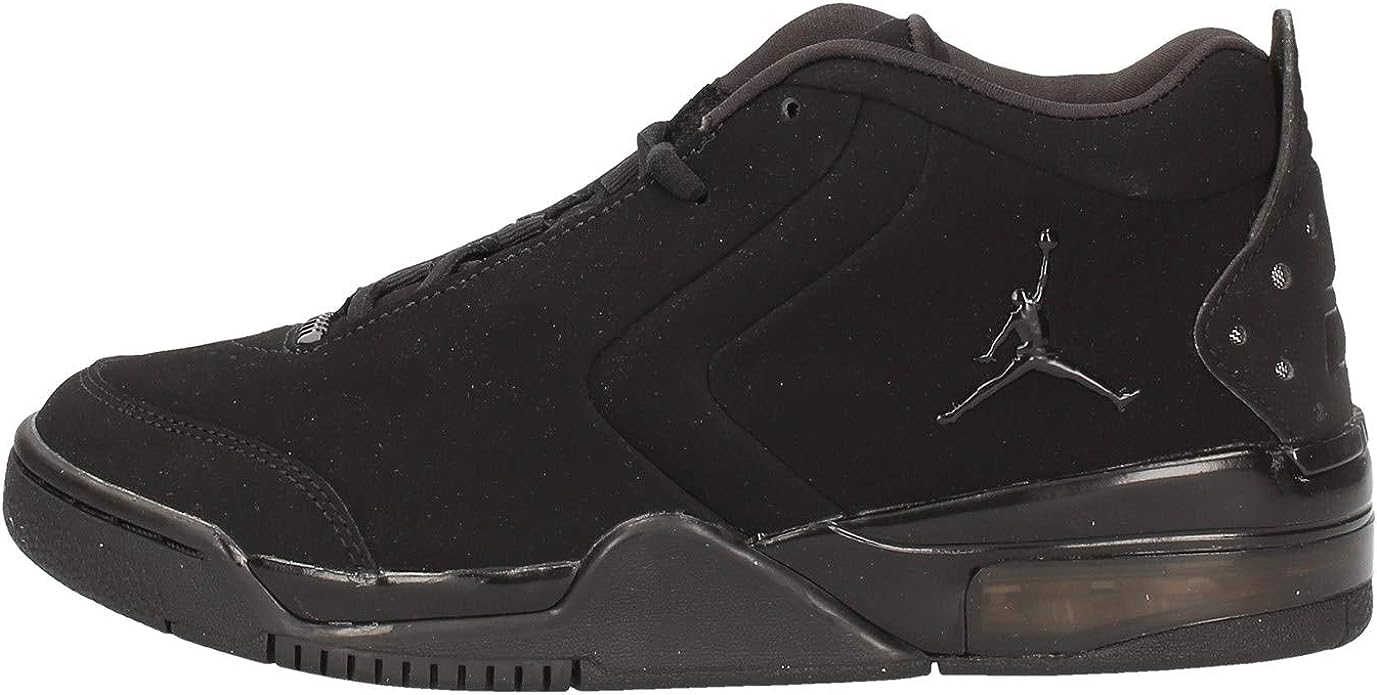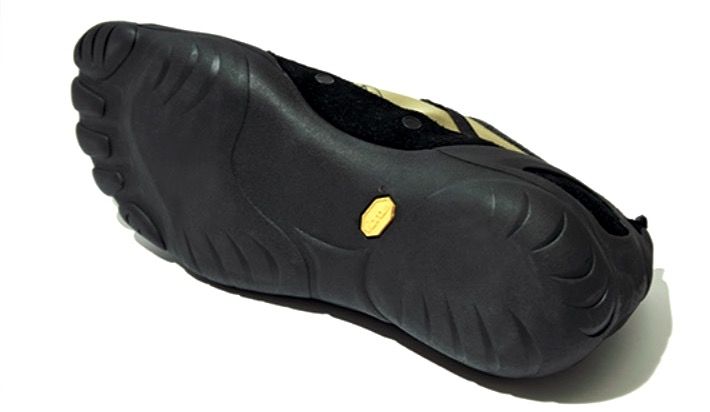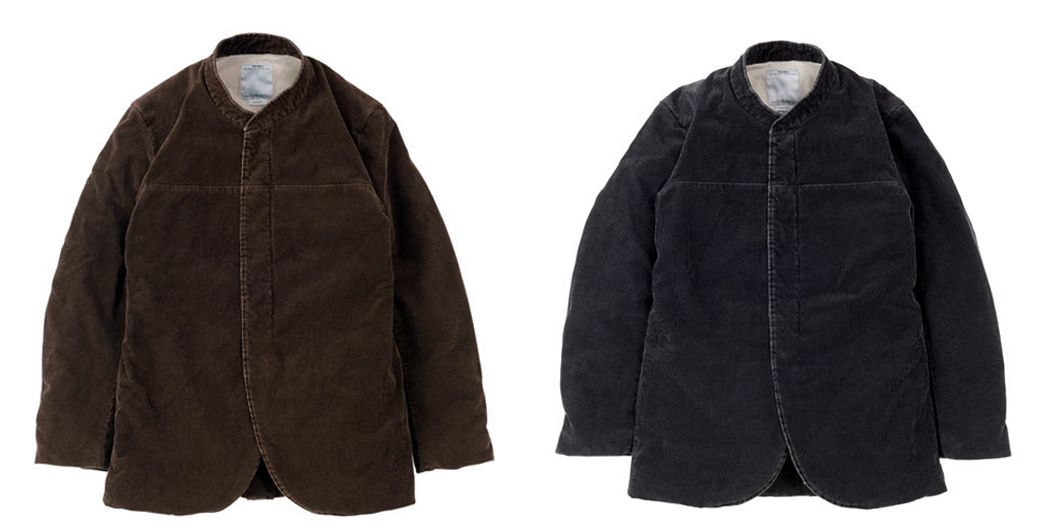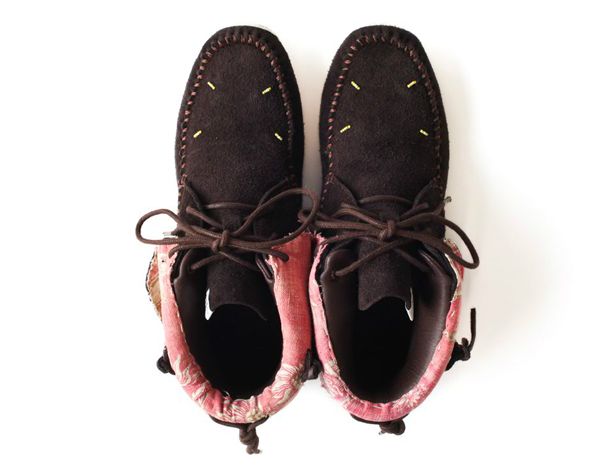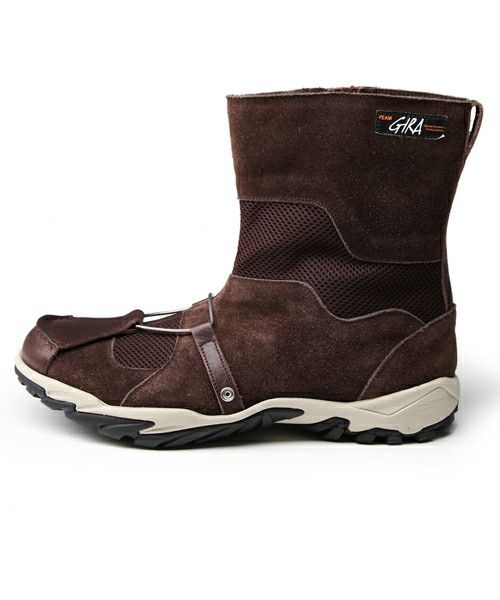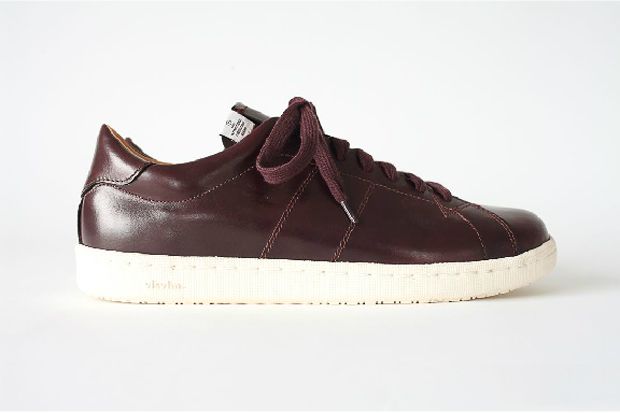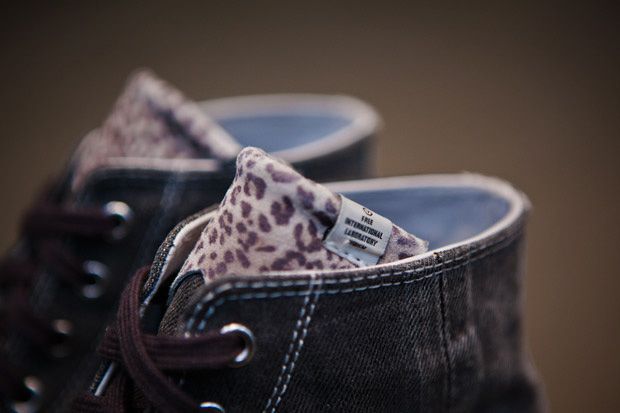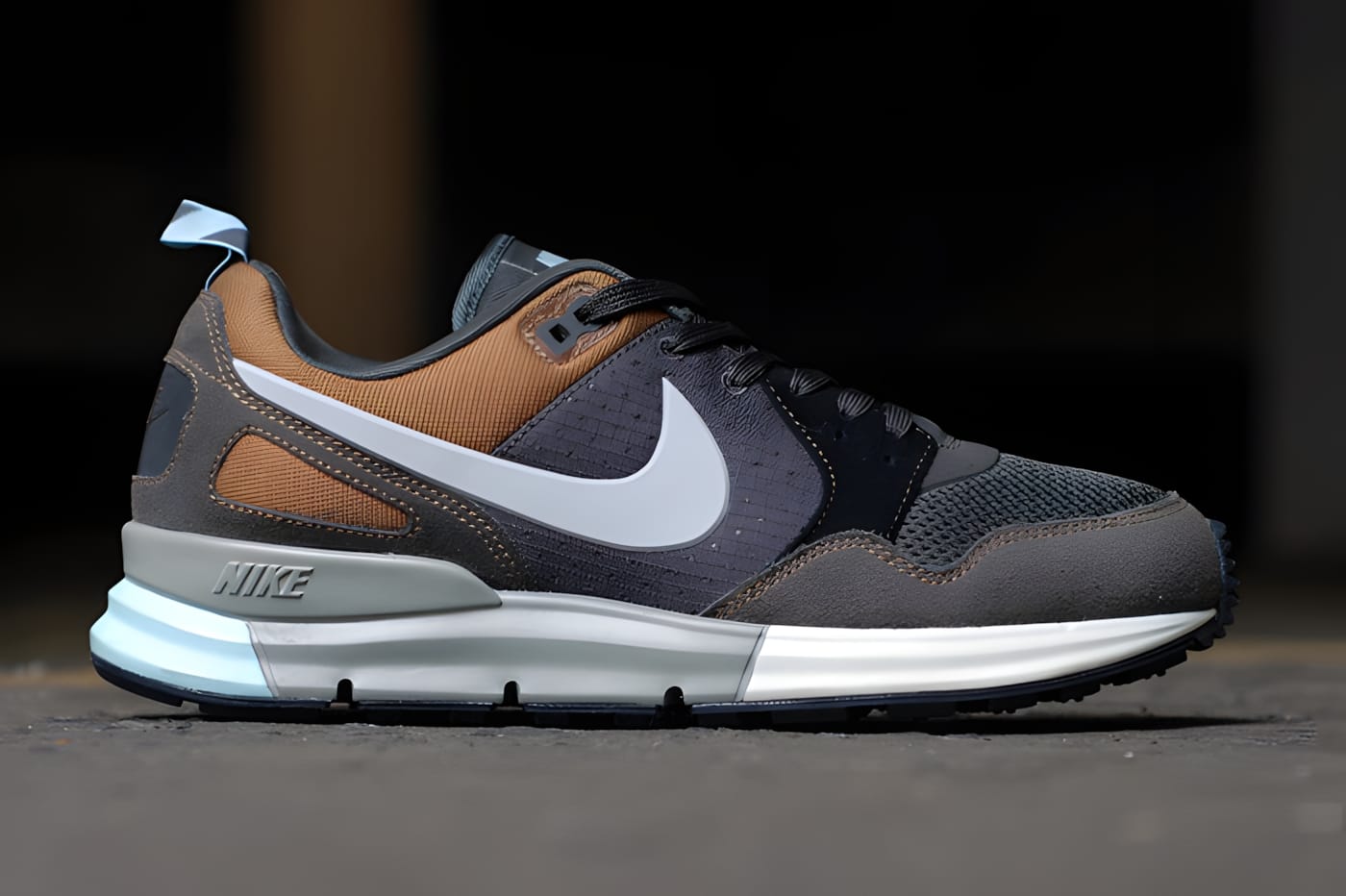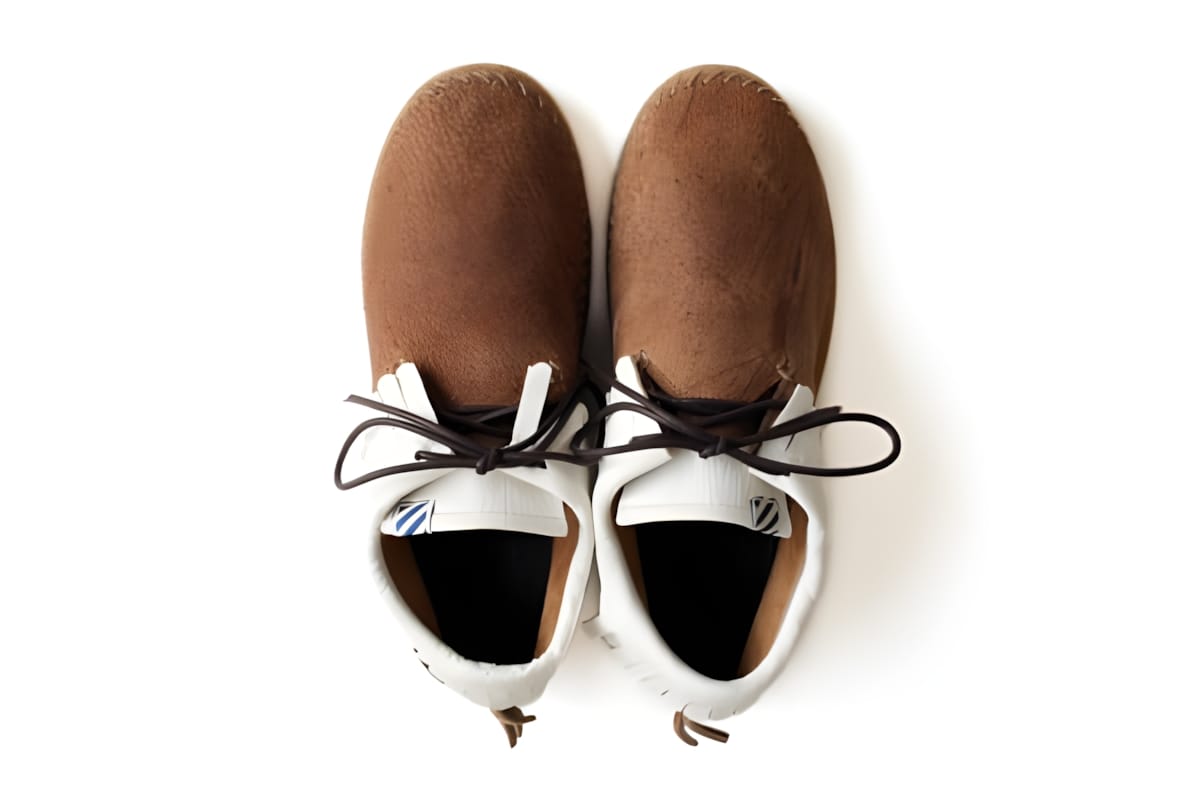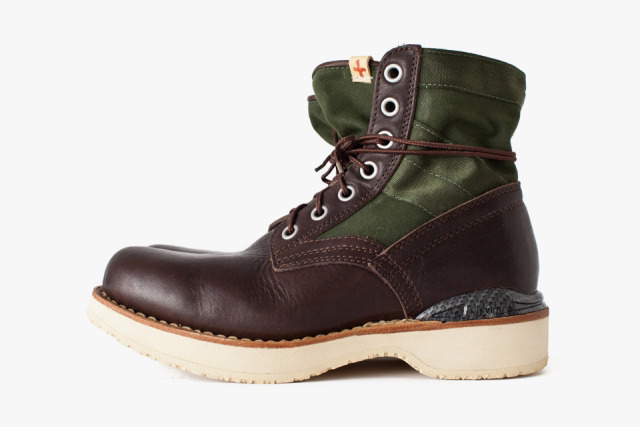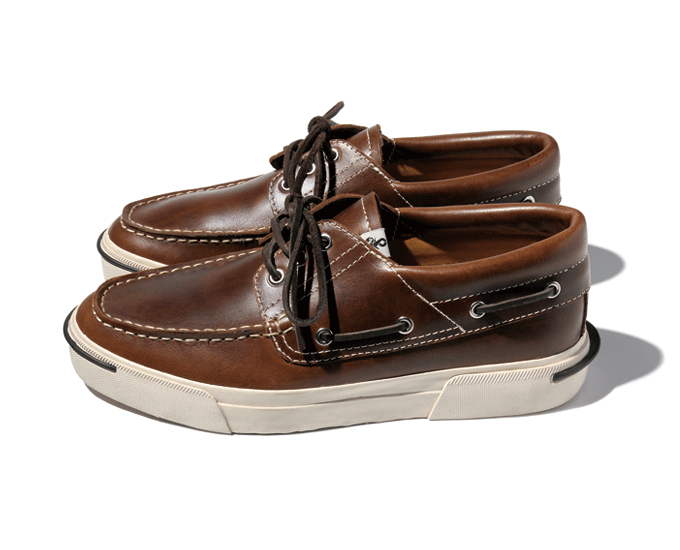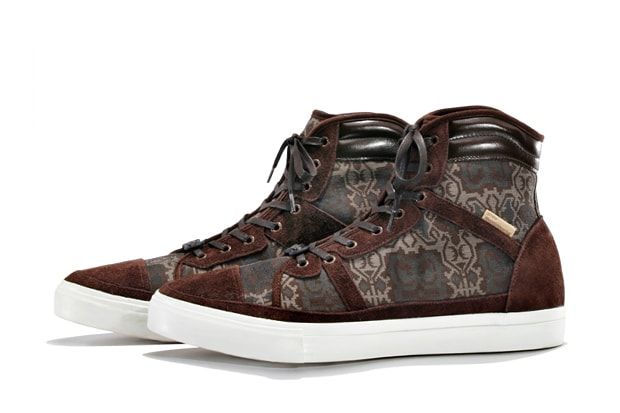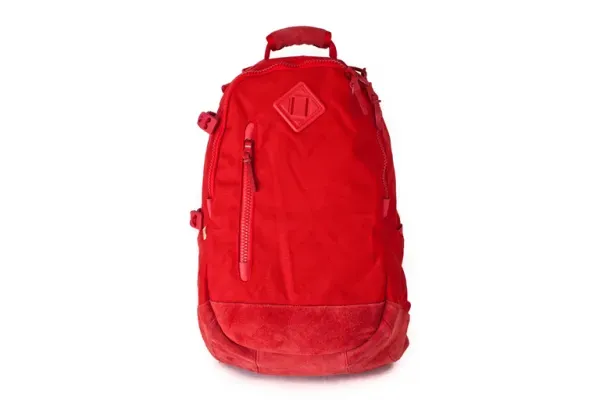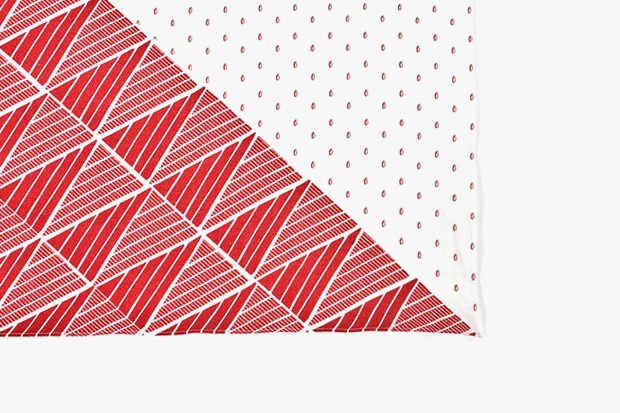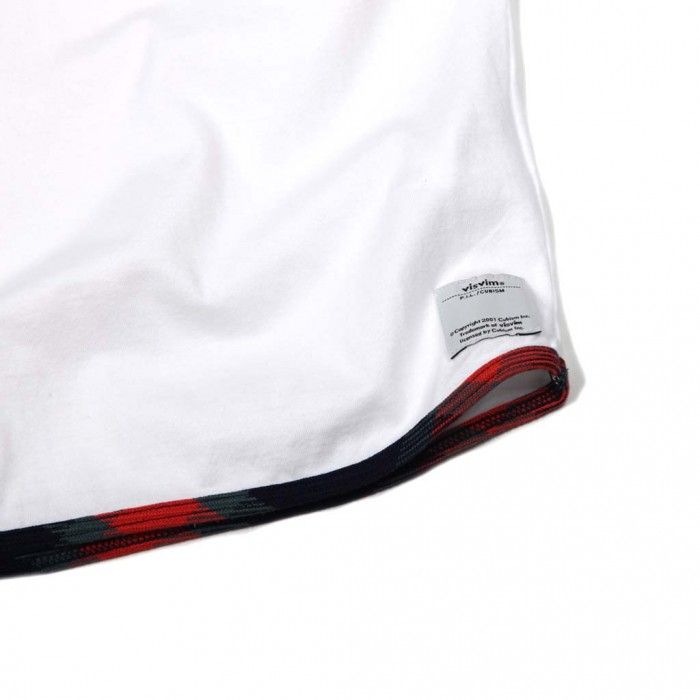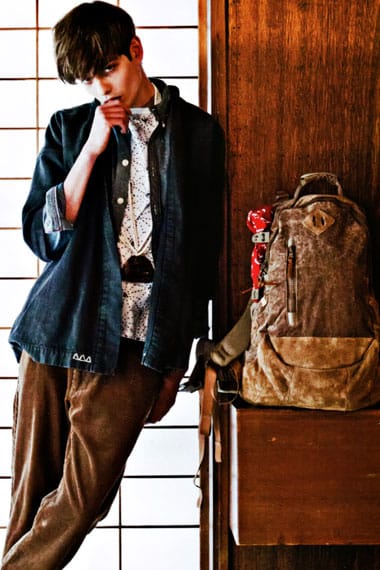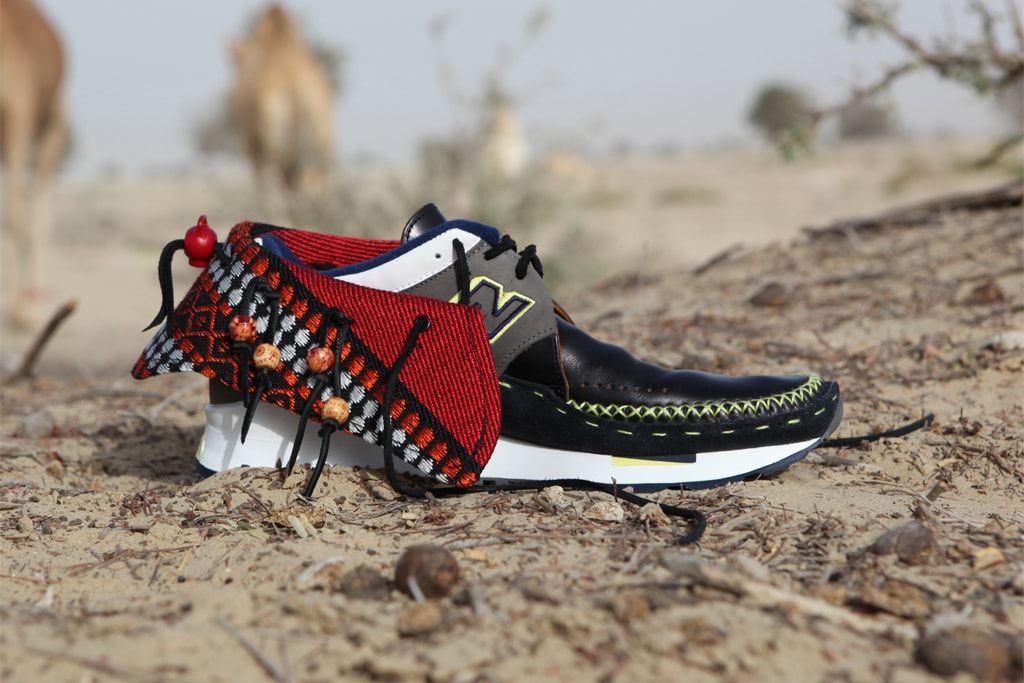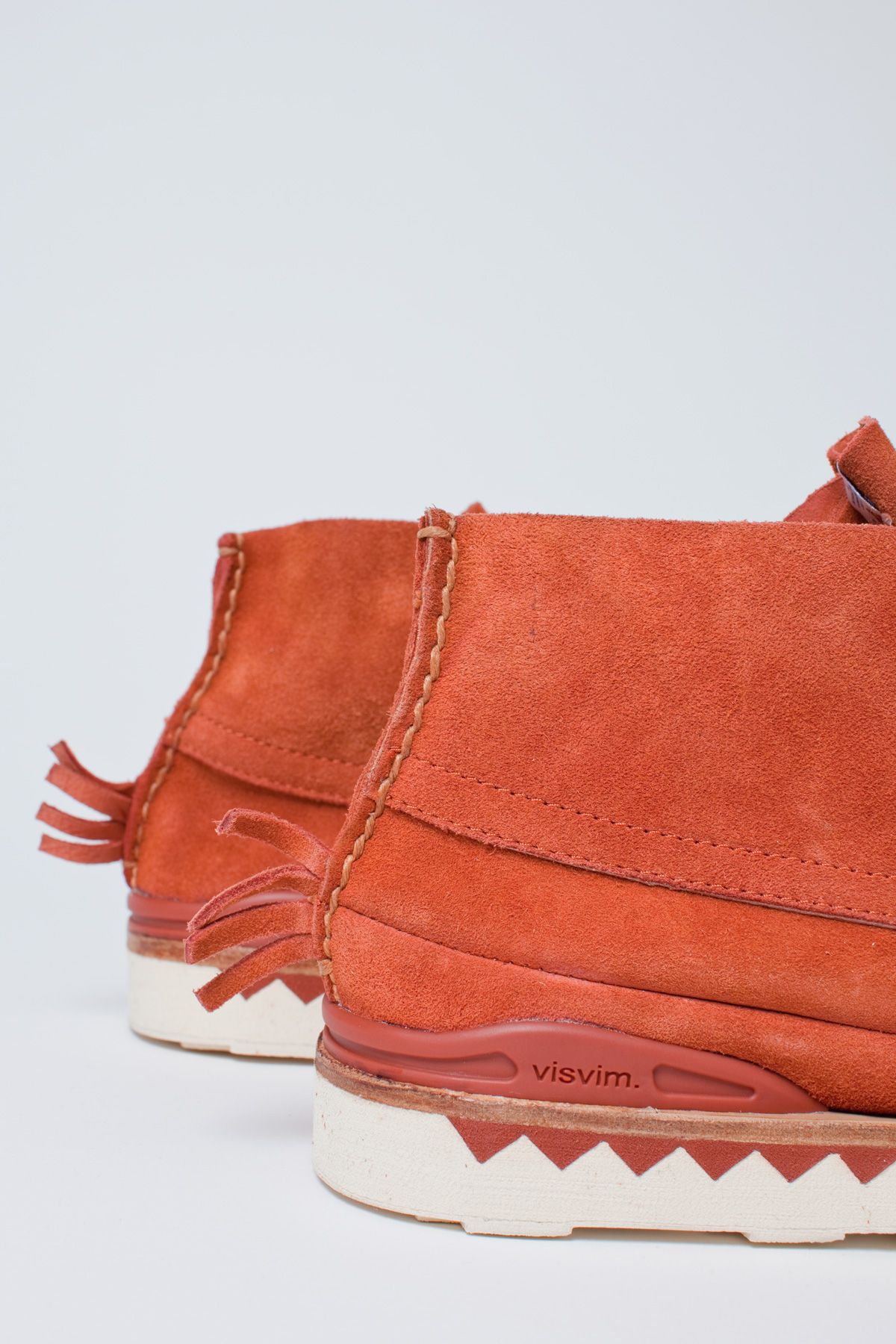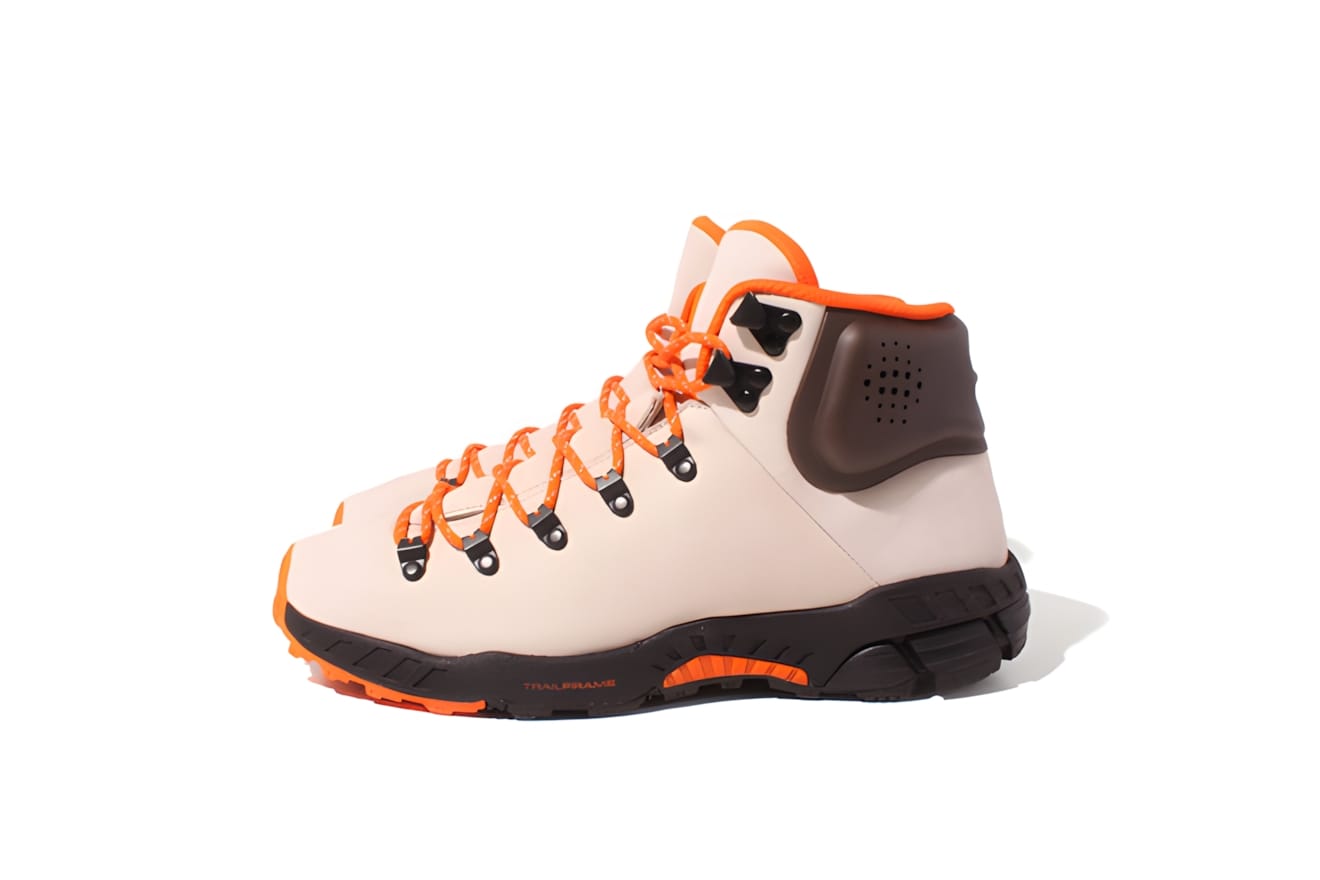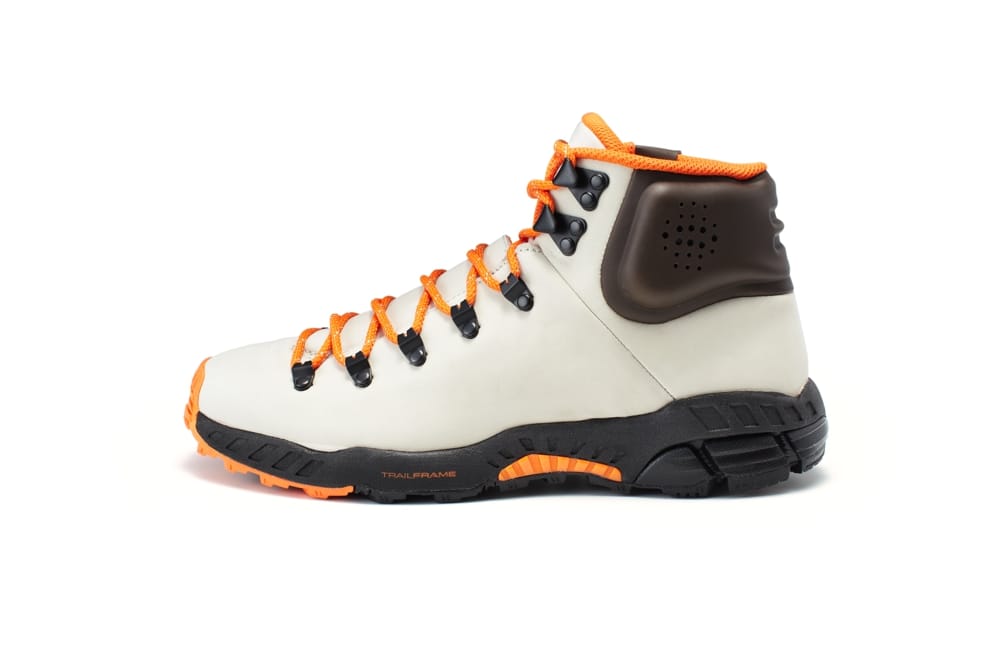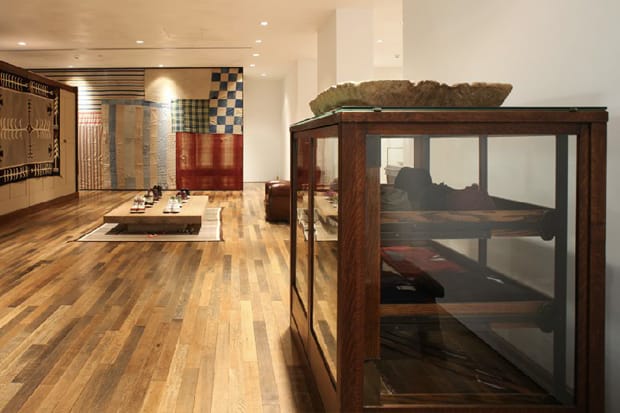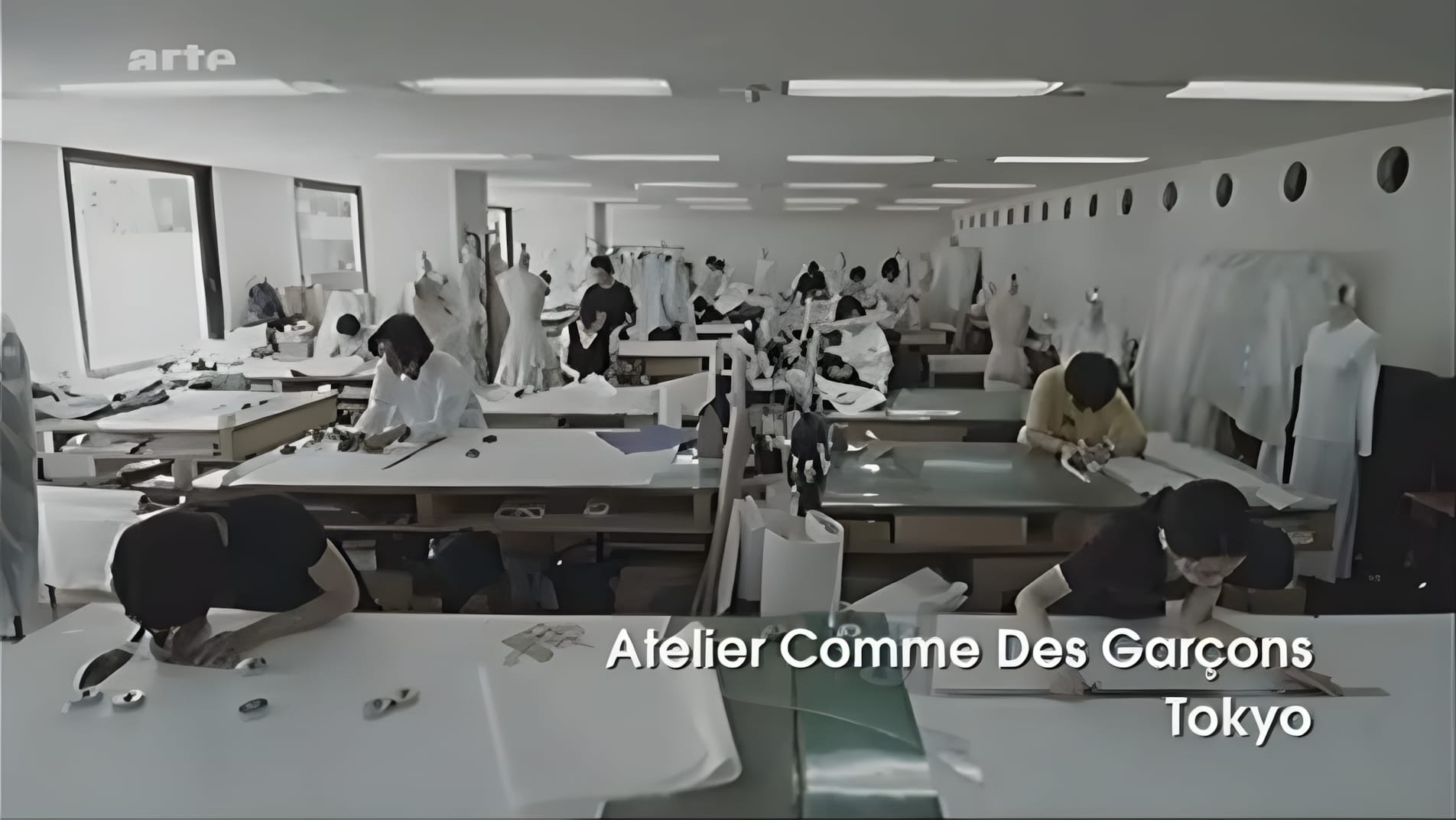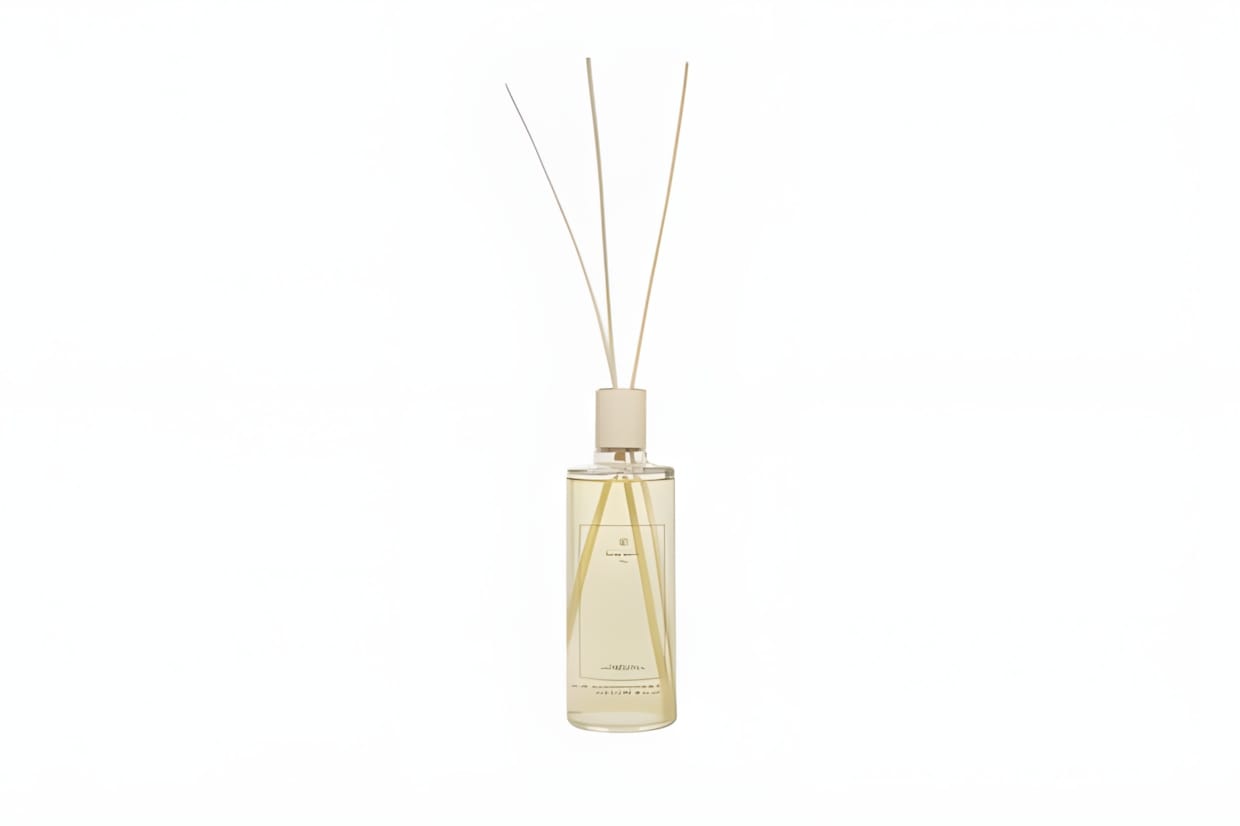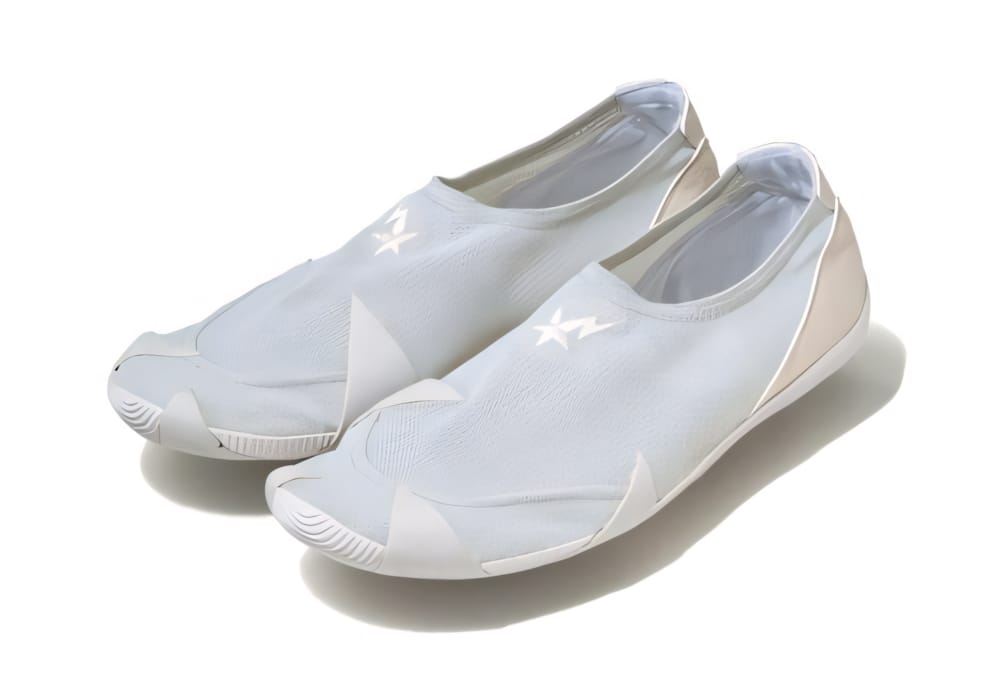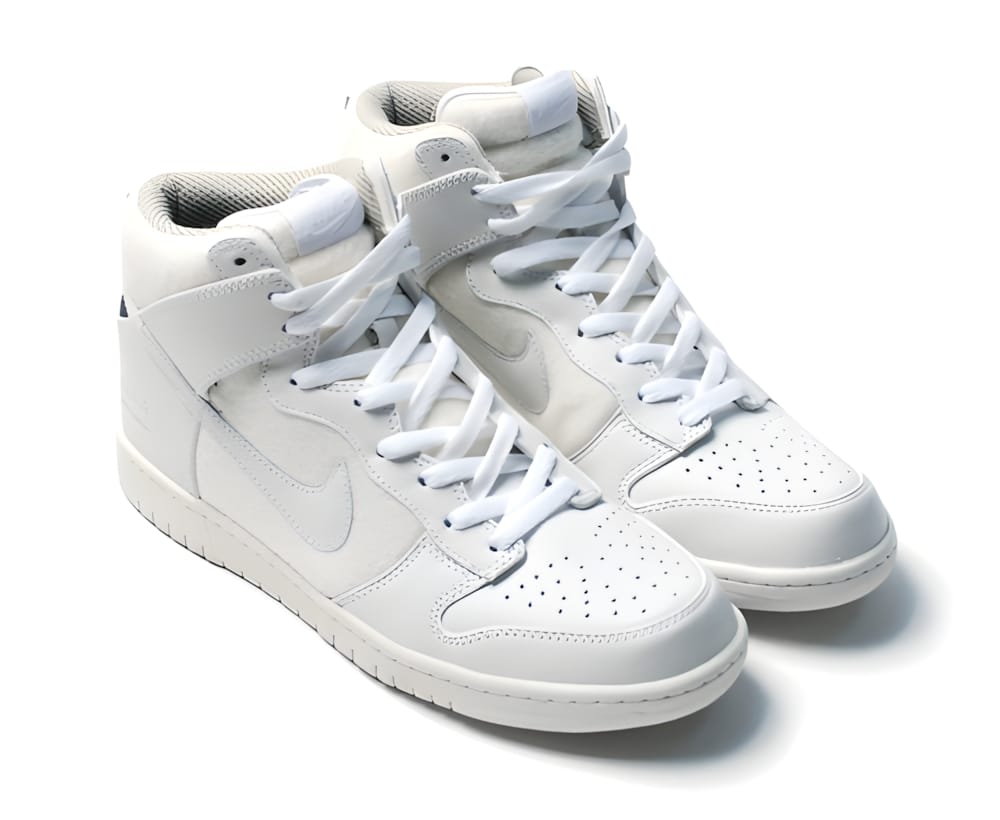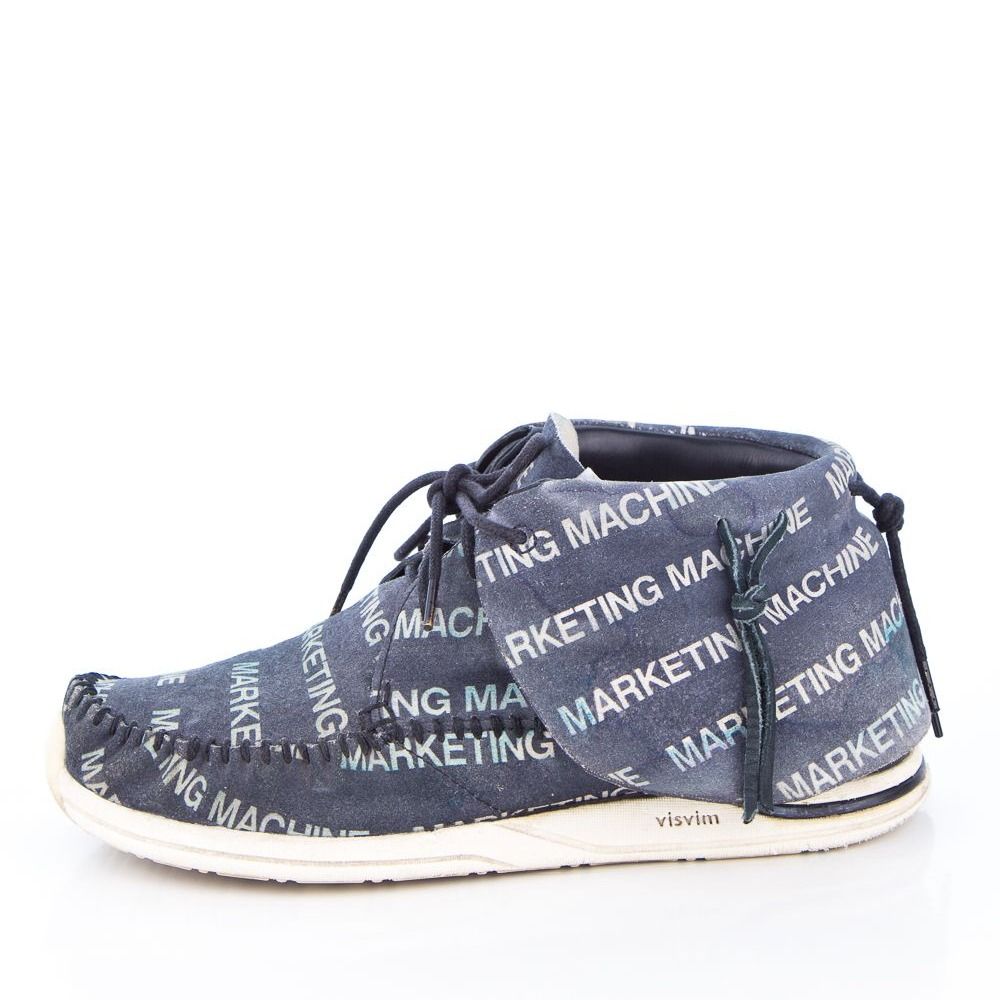
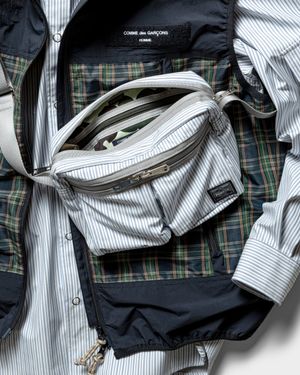
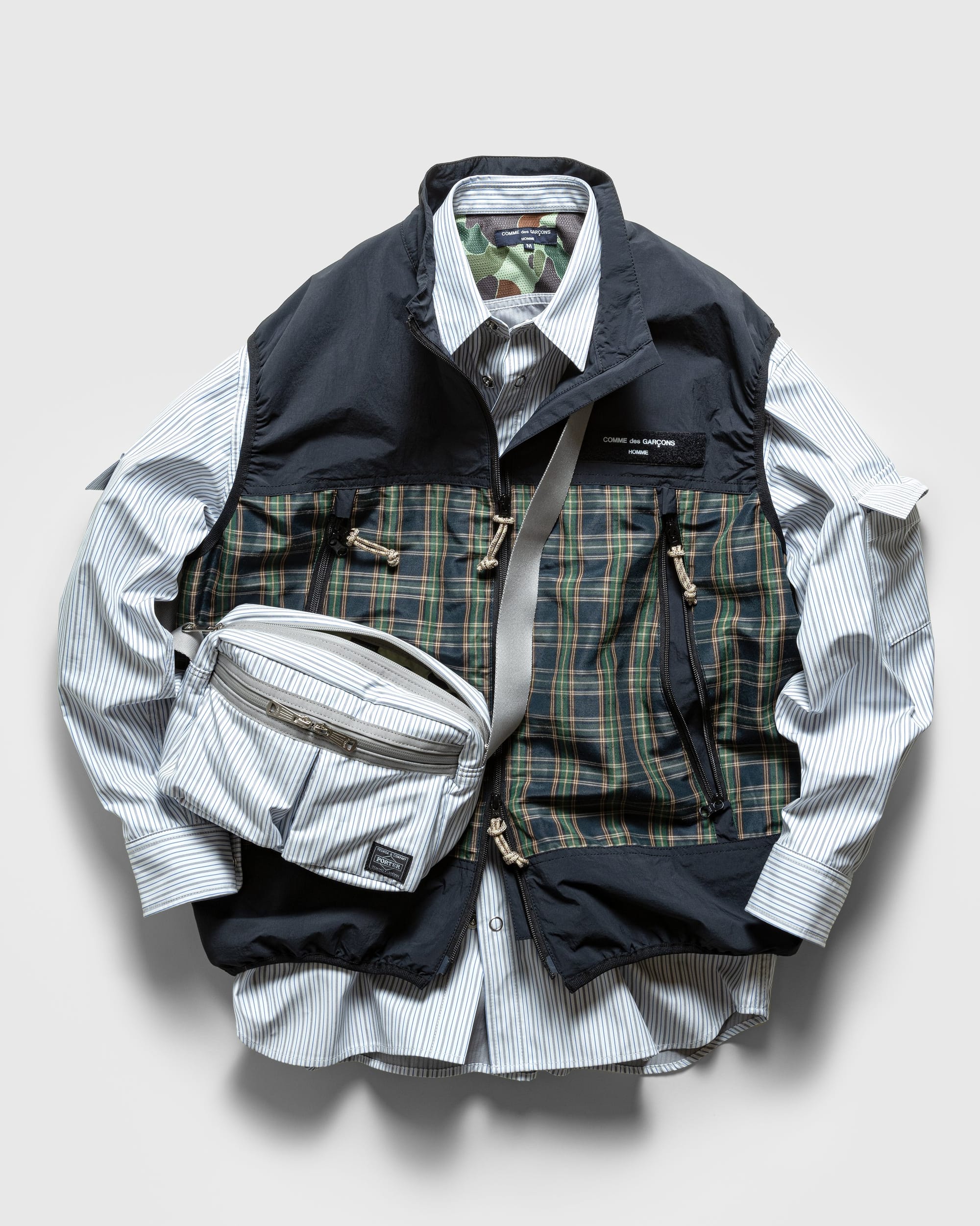
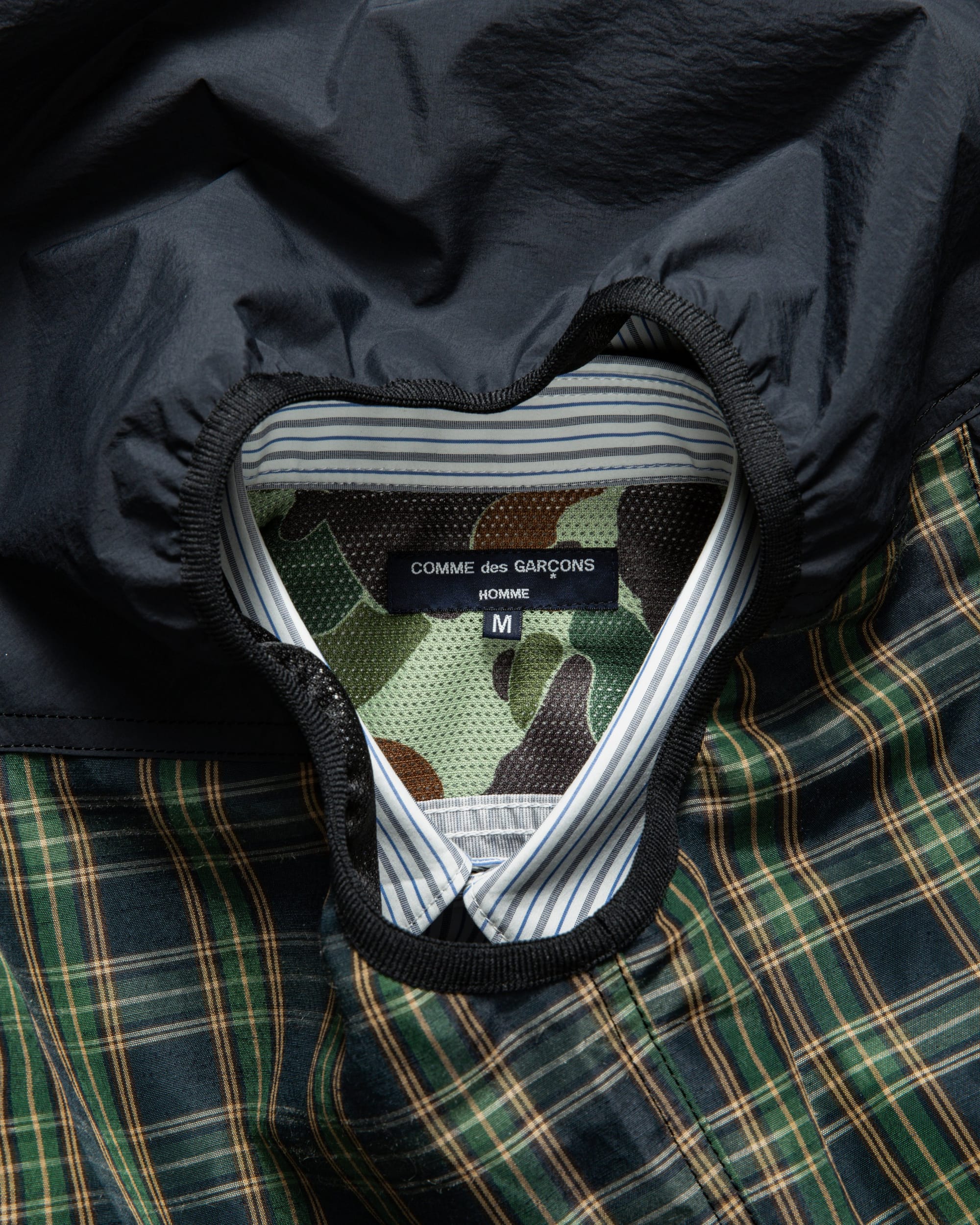
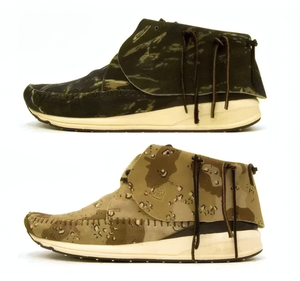
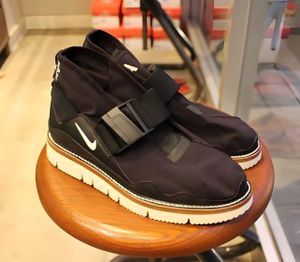
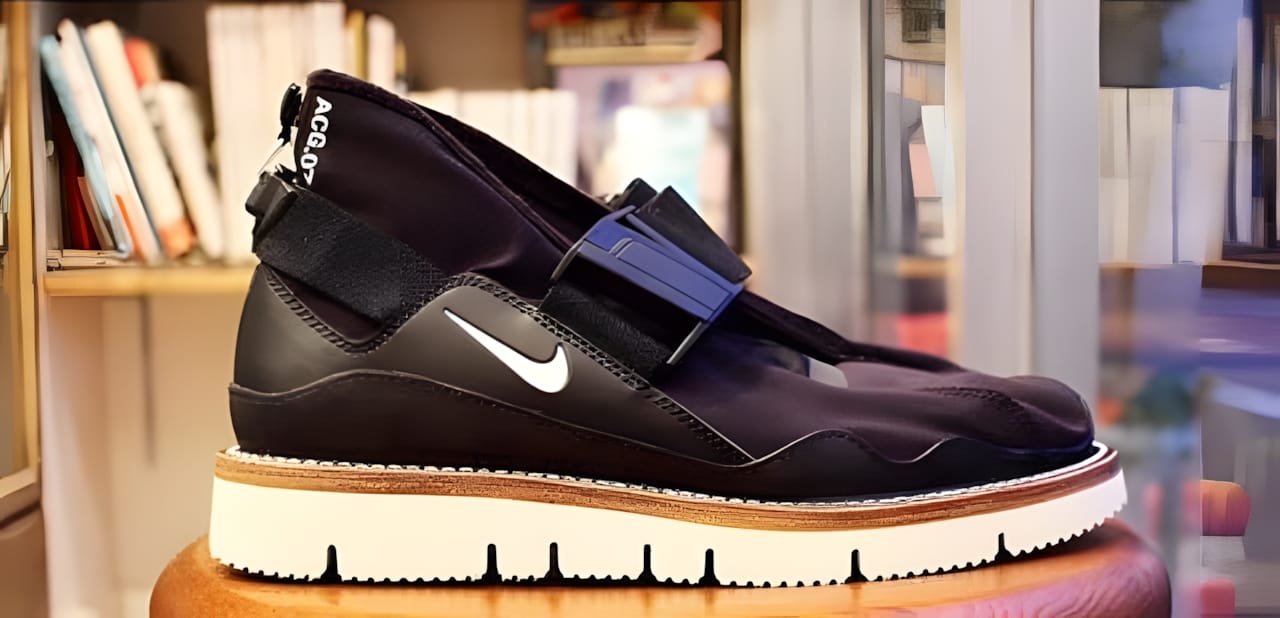
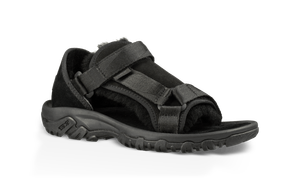
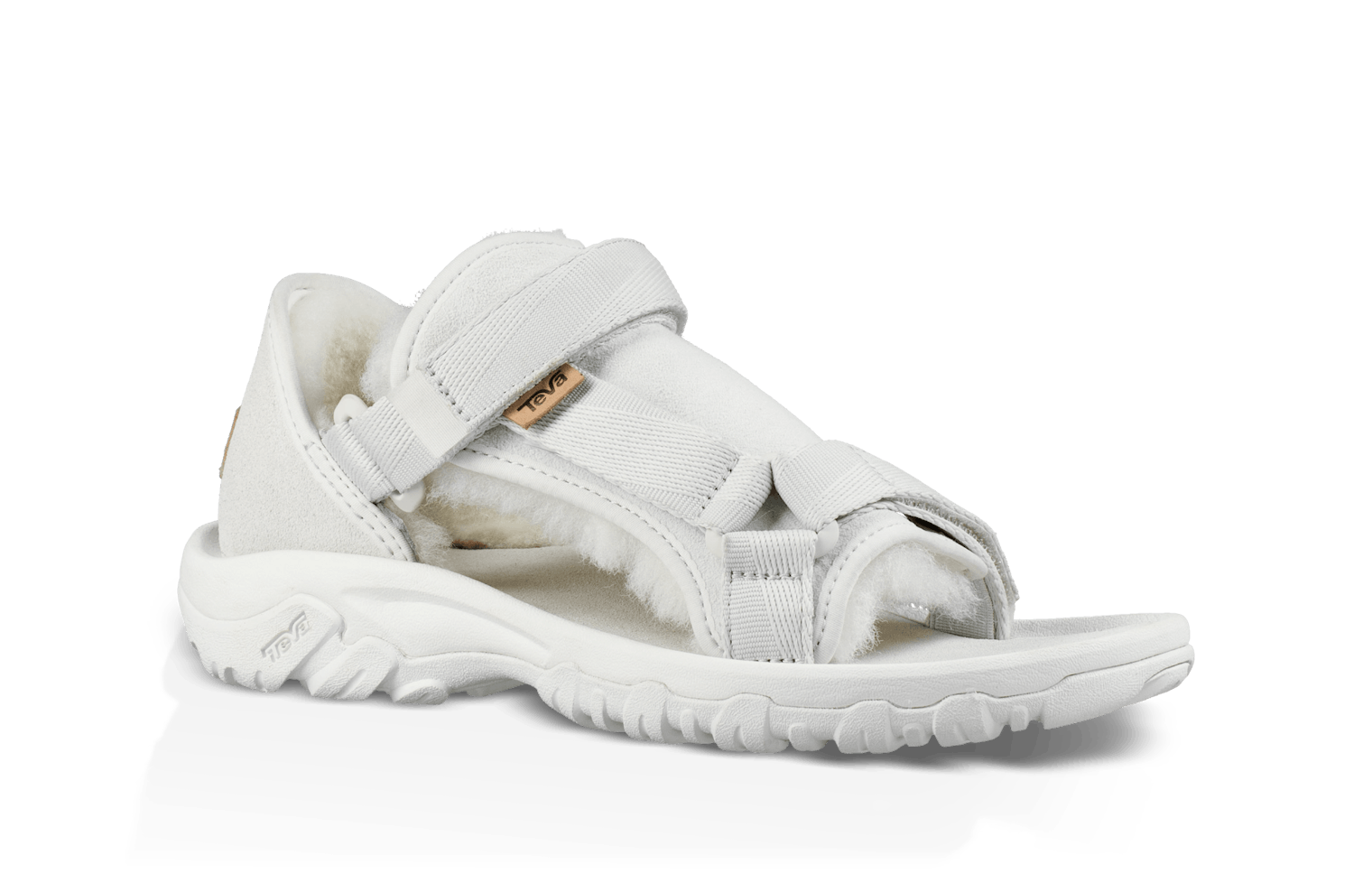
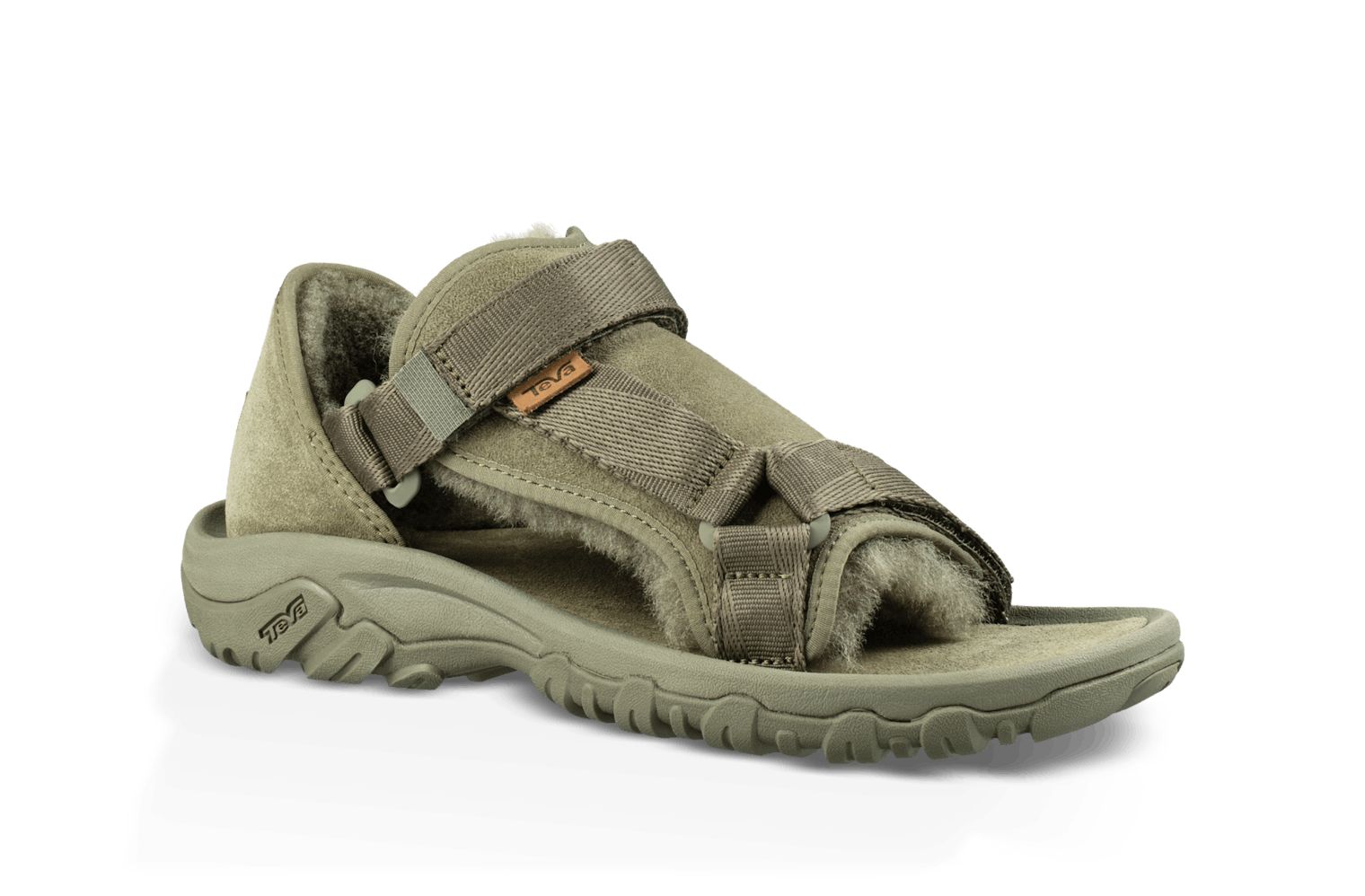
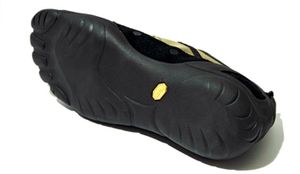
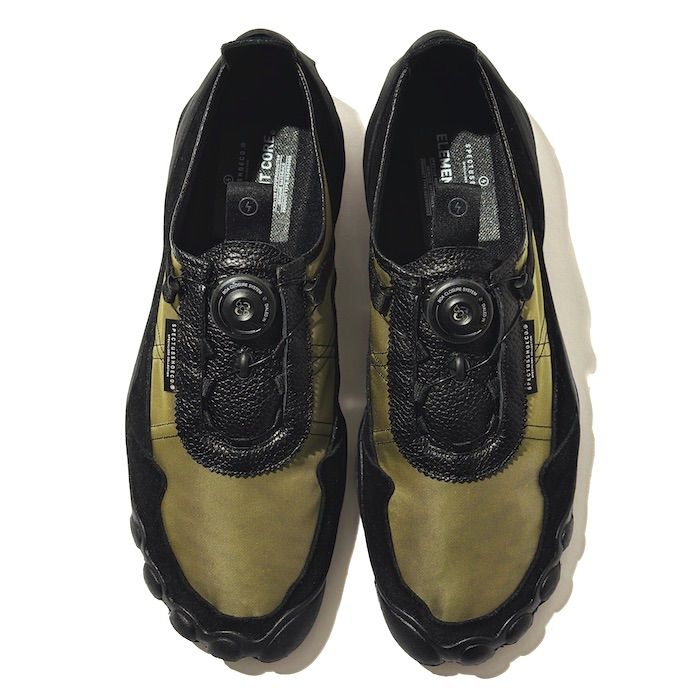
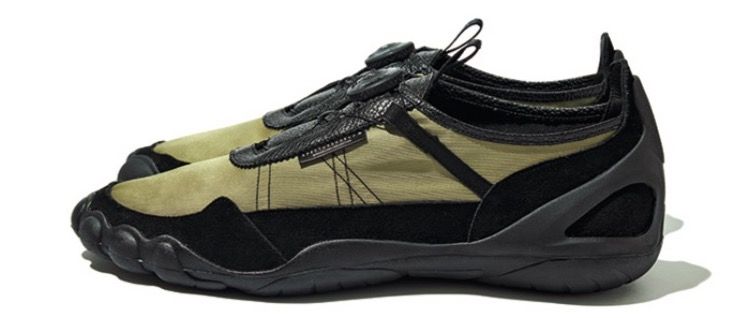
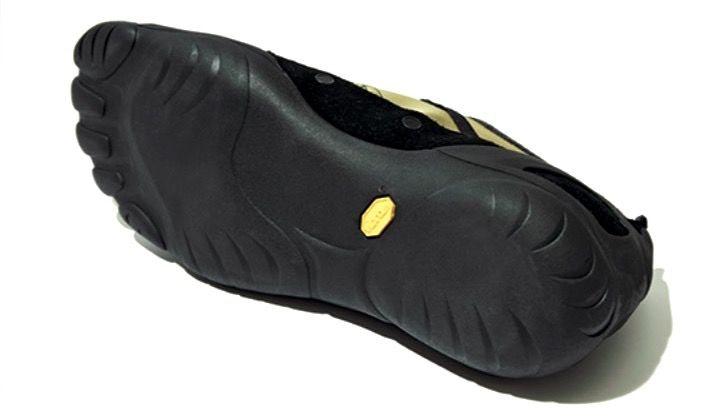
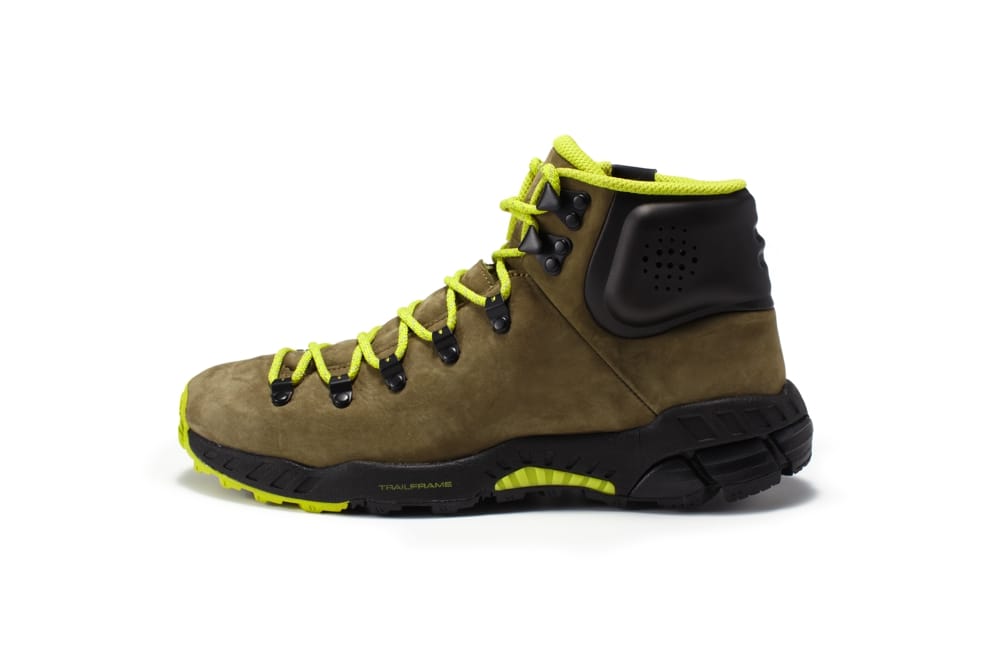
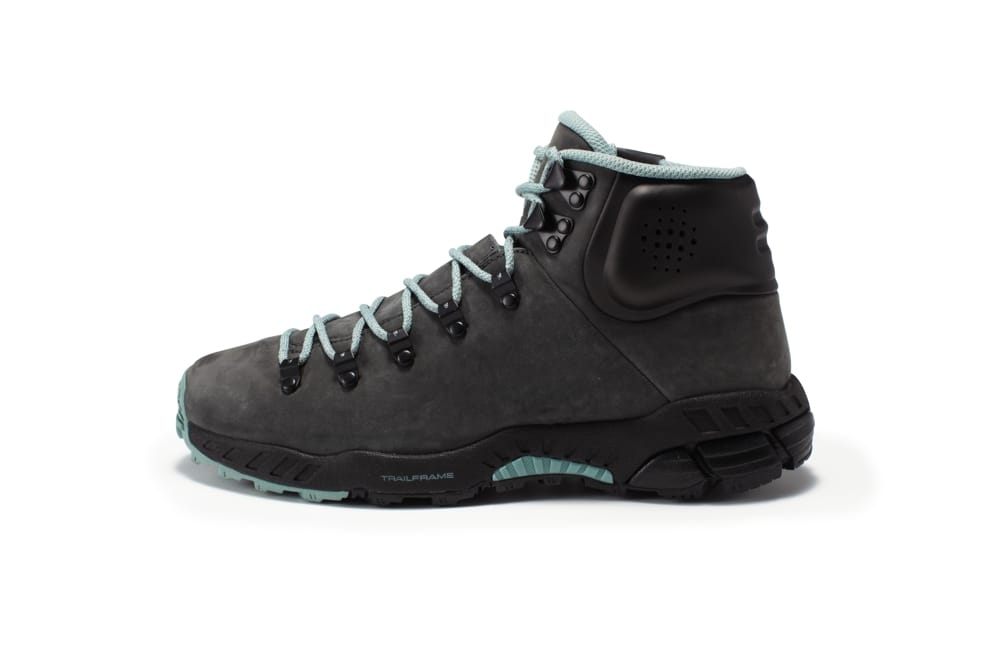
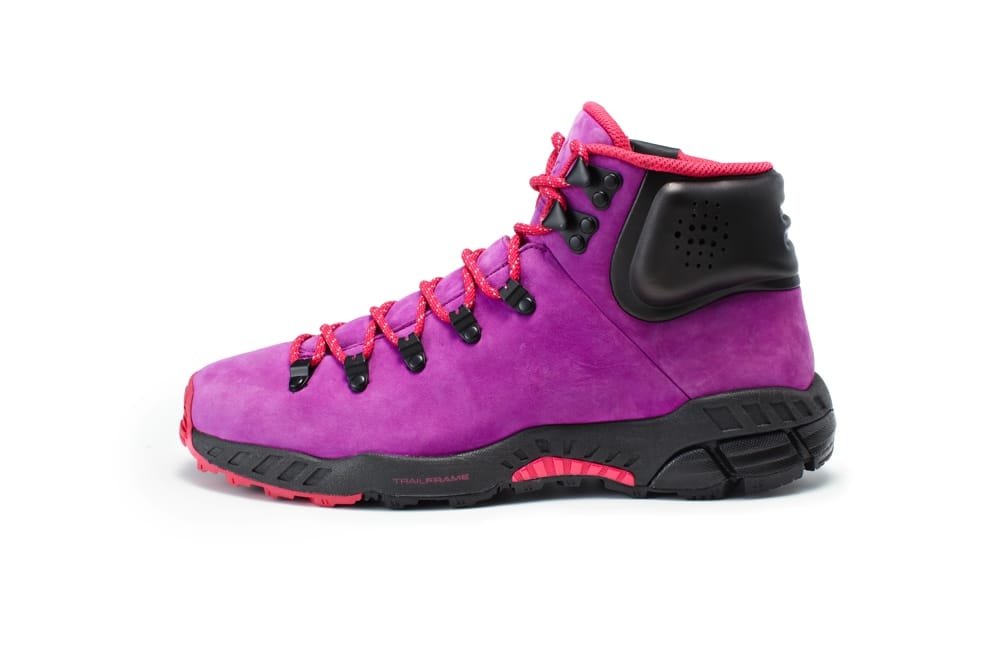
Visvim x Comme Des Garcons FBT


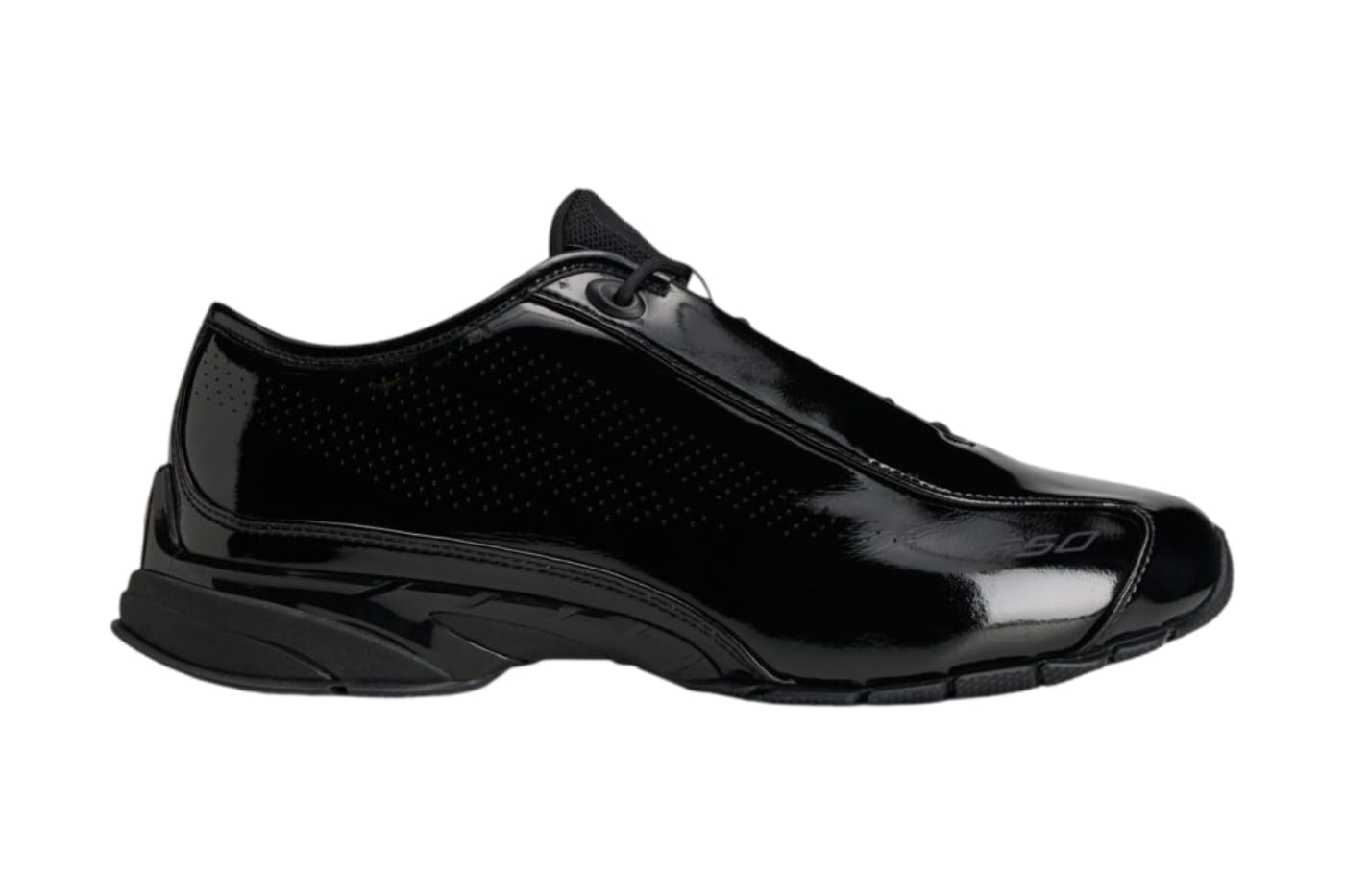
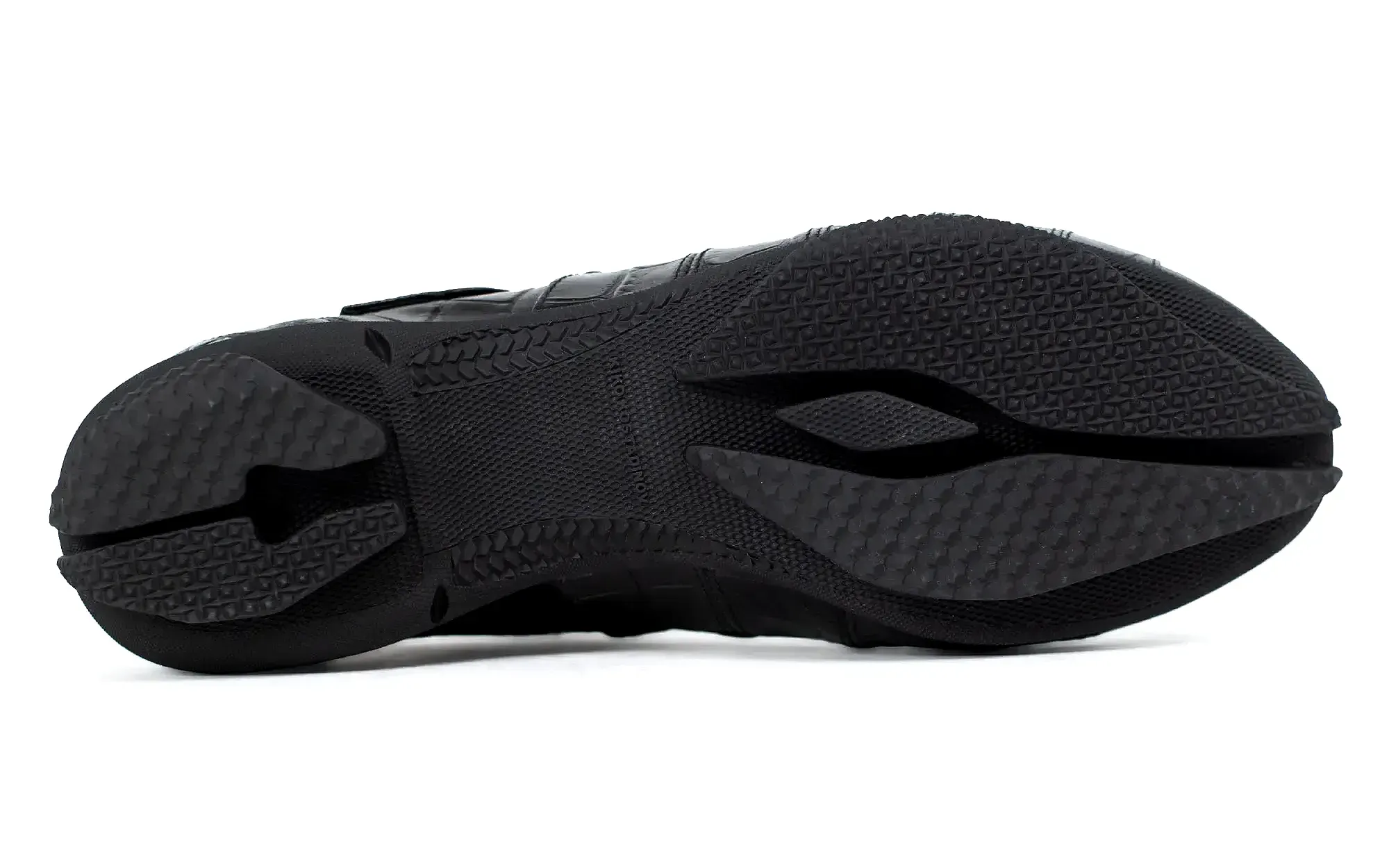
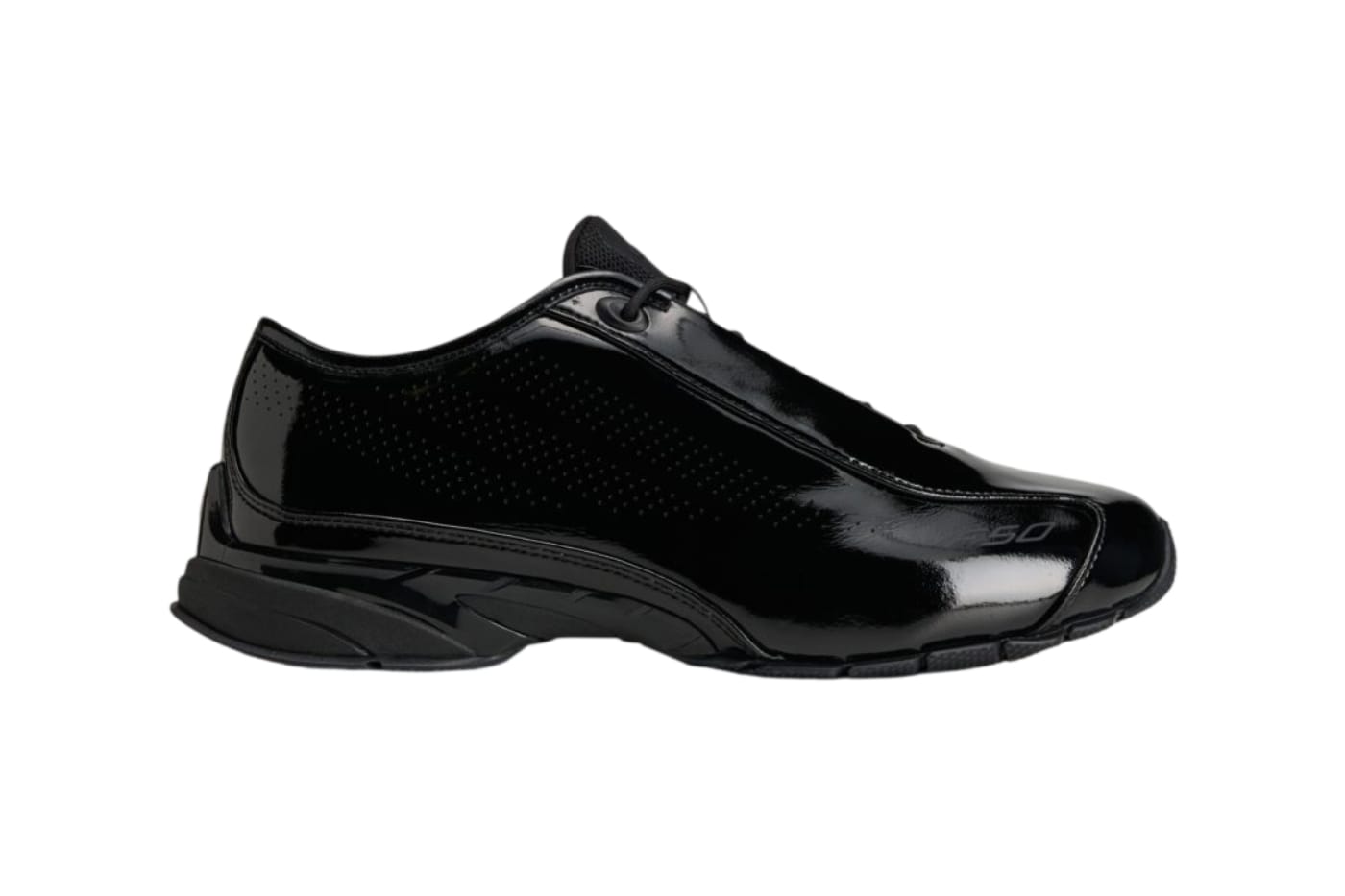
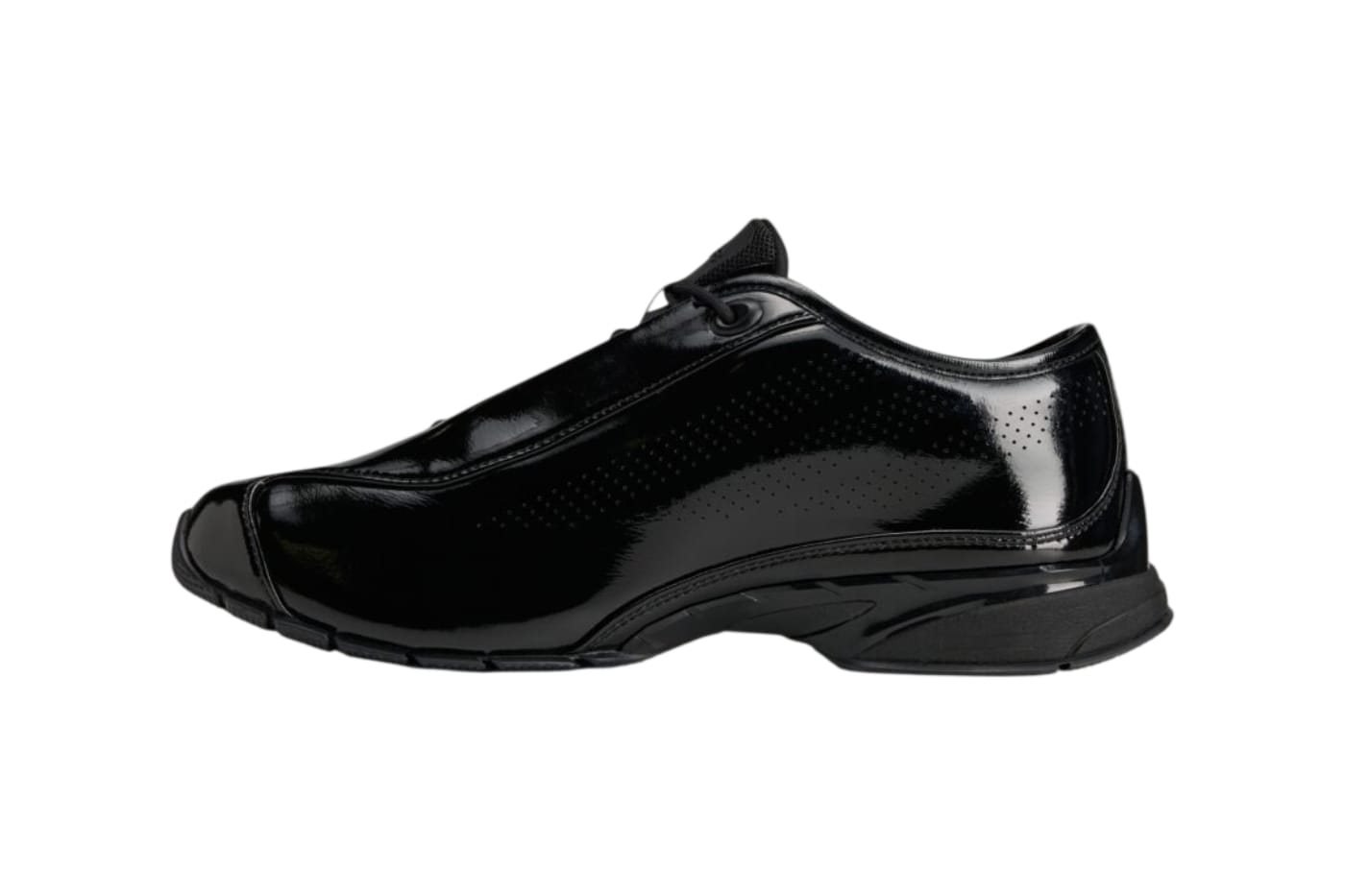
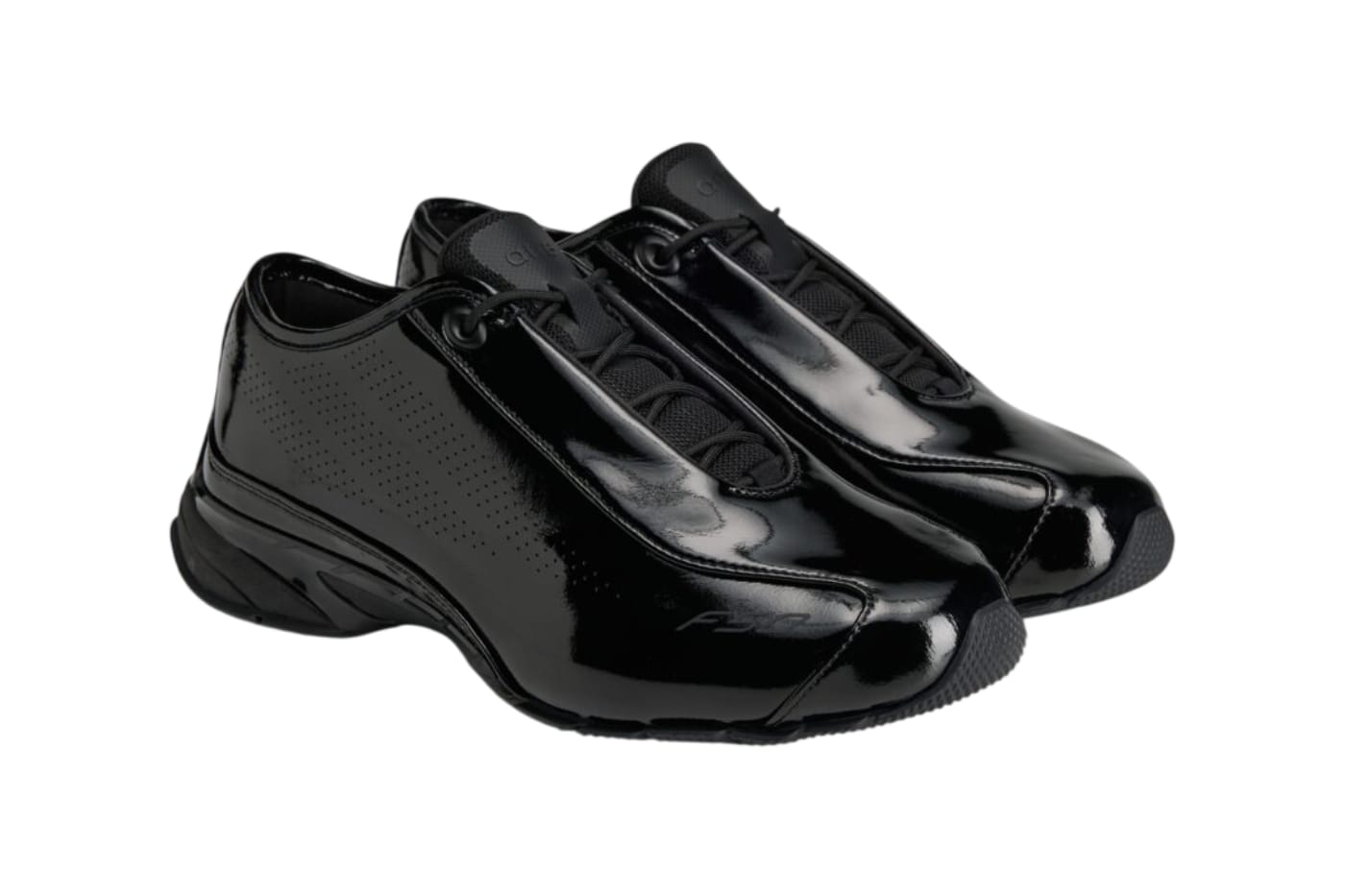
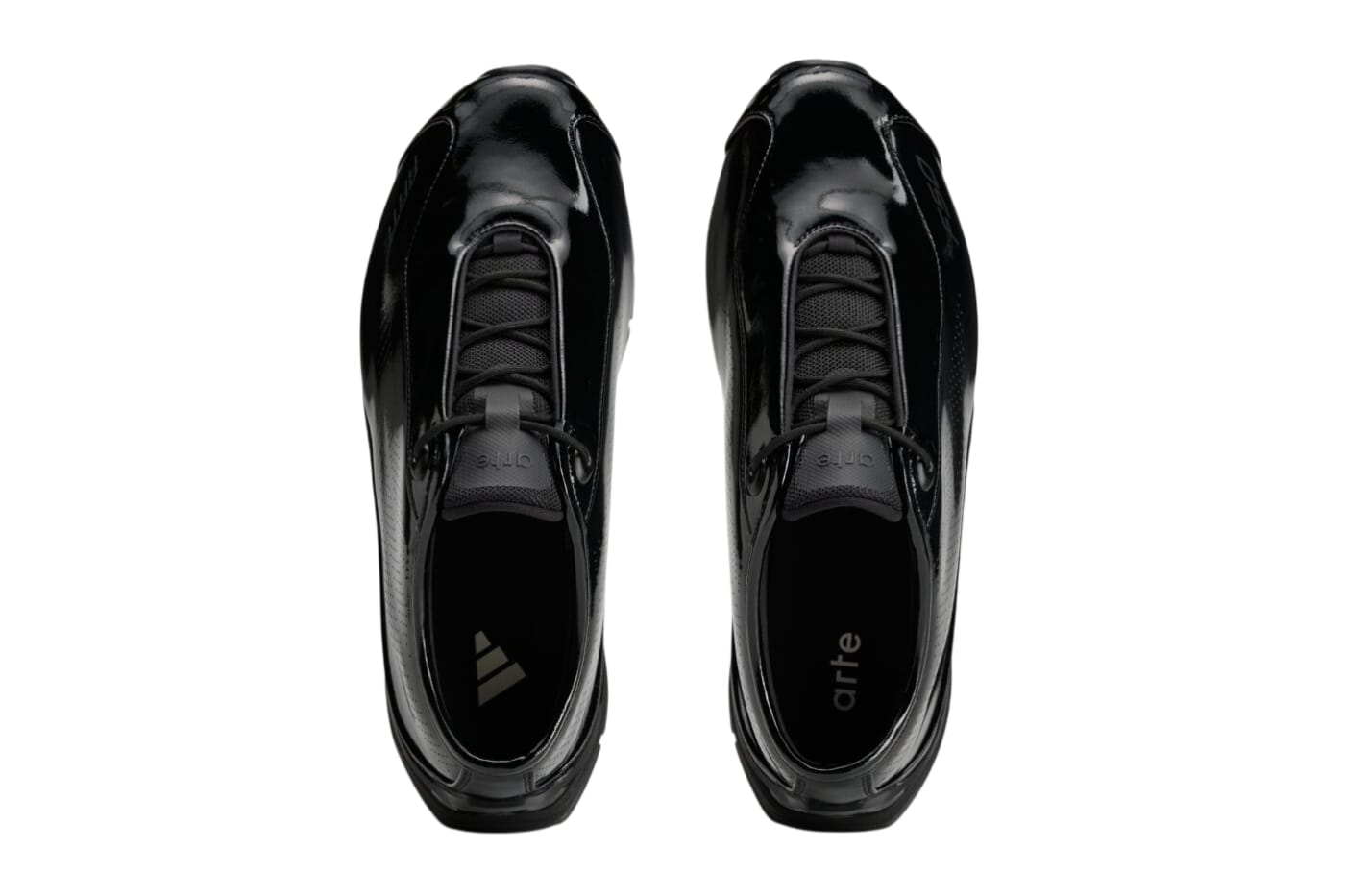
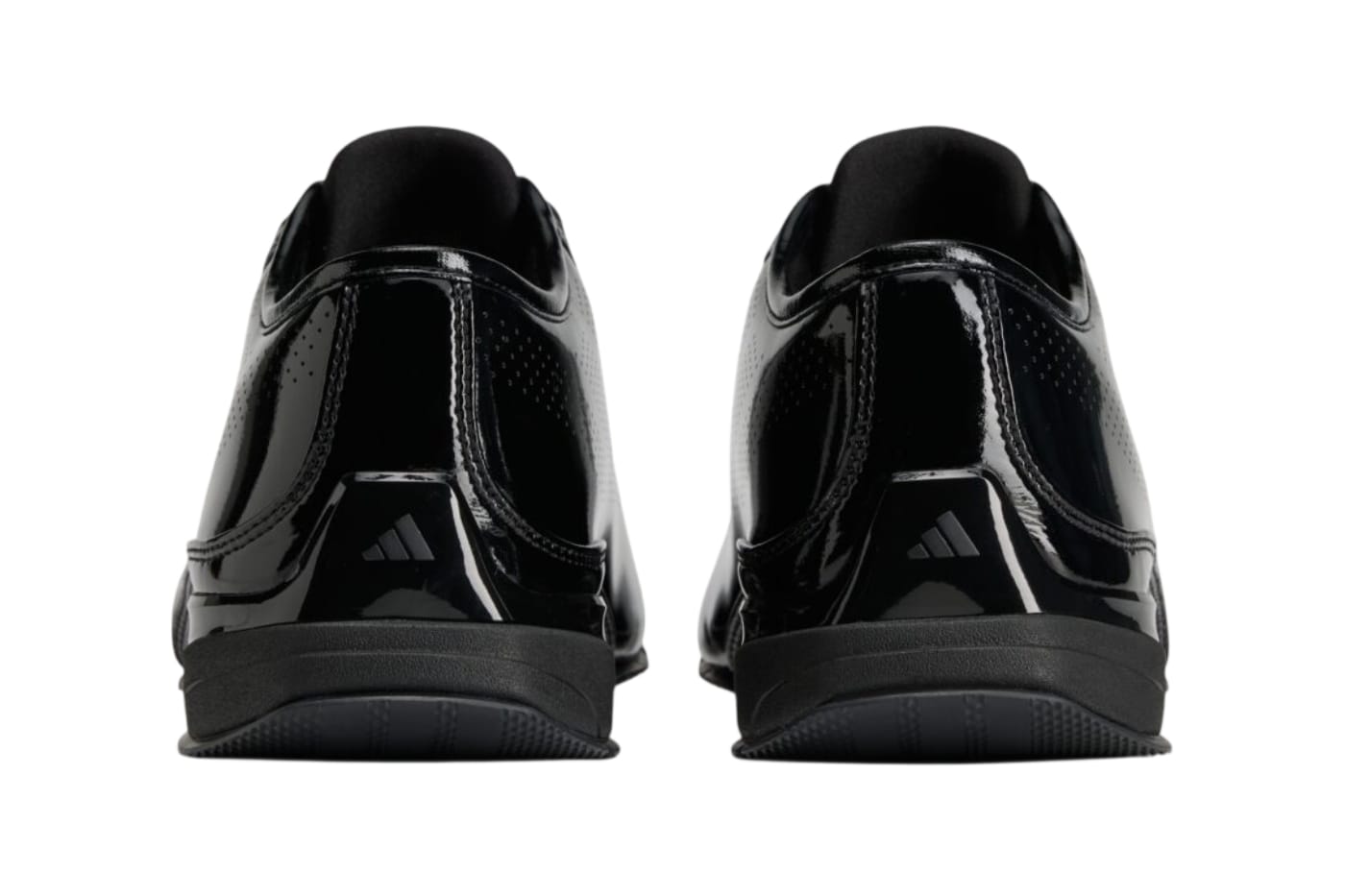
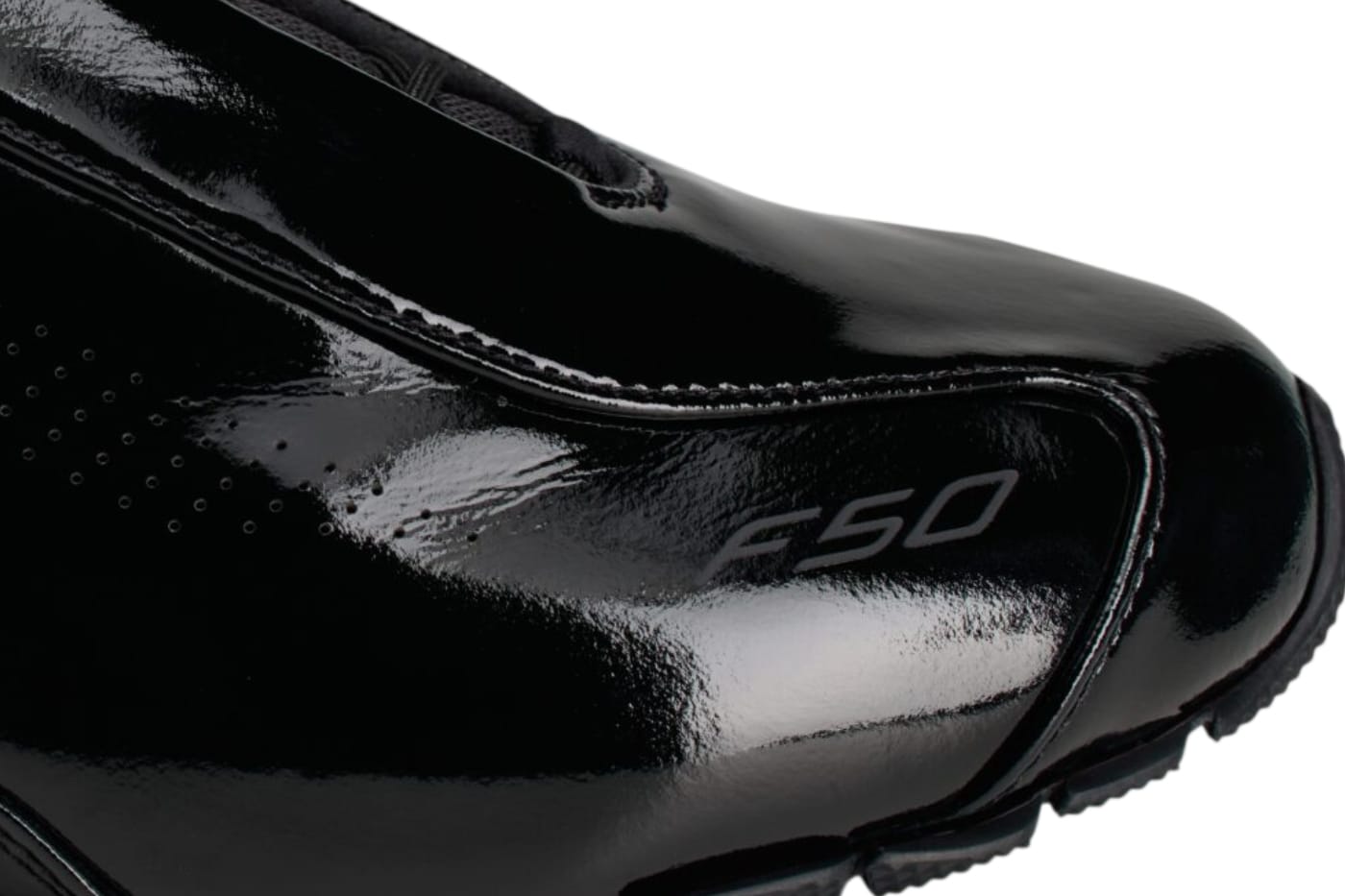
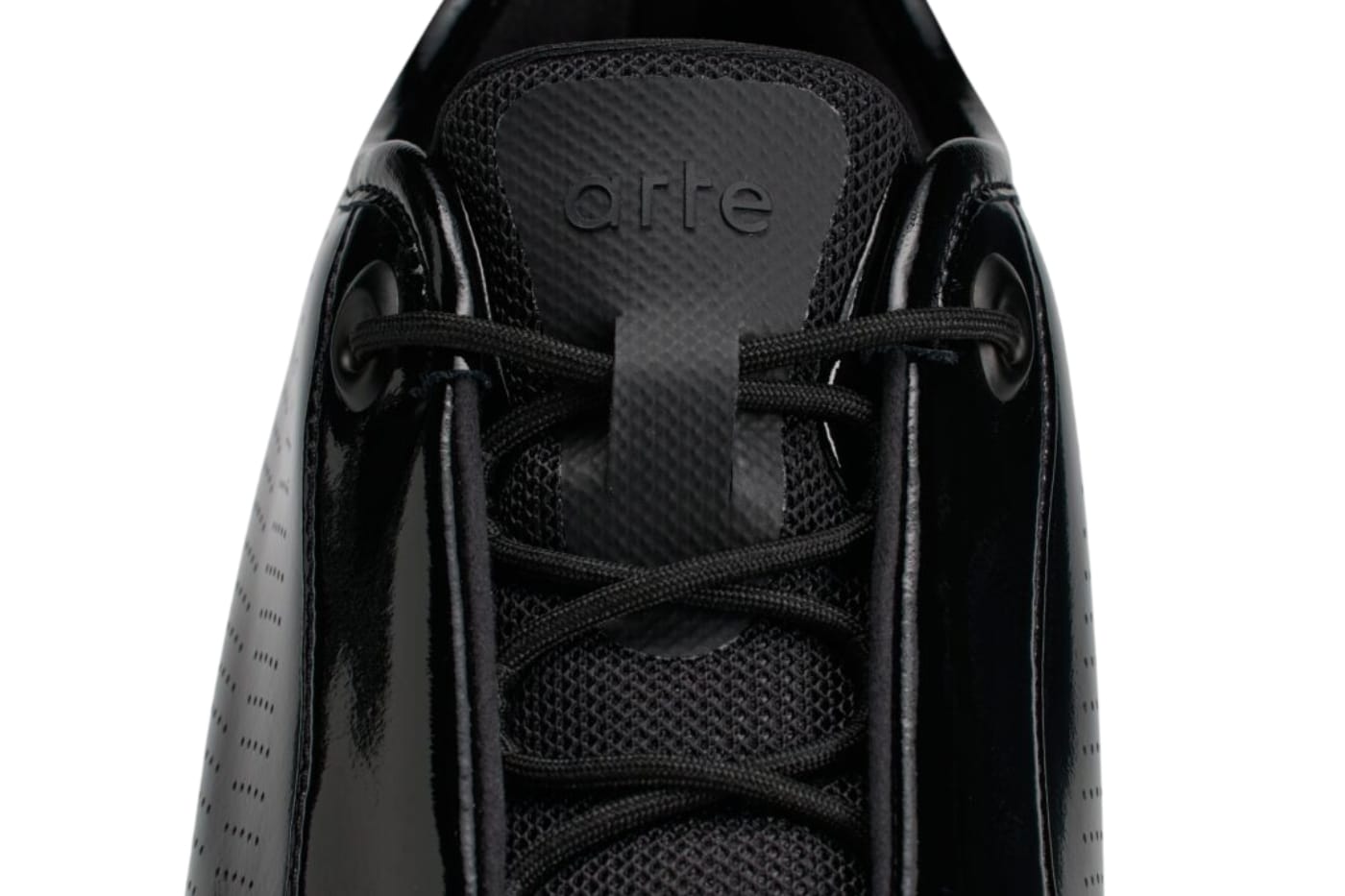
Arte Antwerp x adidas F50 “Feather Patent Leather/Black” (HQ3324) in Core Black, scheduled for release September 10 through adidas.
Glossy synthetic patent leather replaces the usual sportswear upper, with perforated quarters and a tonal black sole.
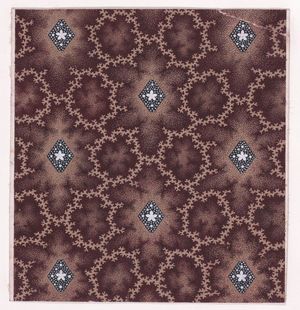
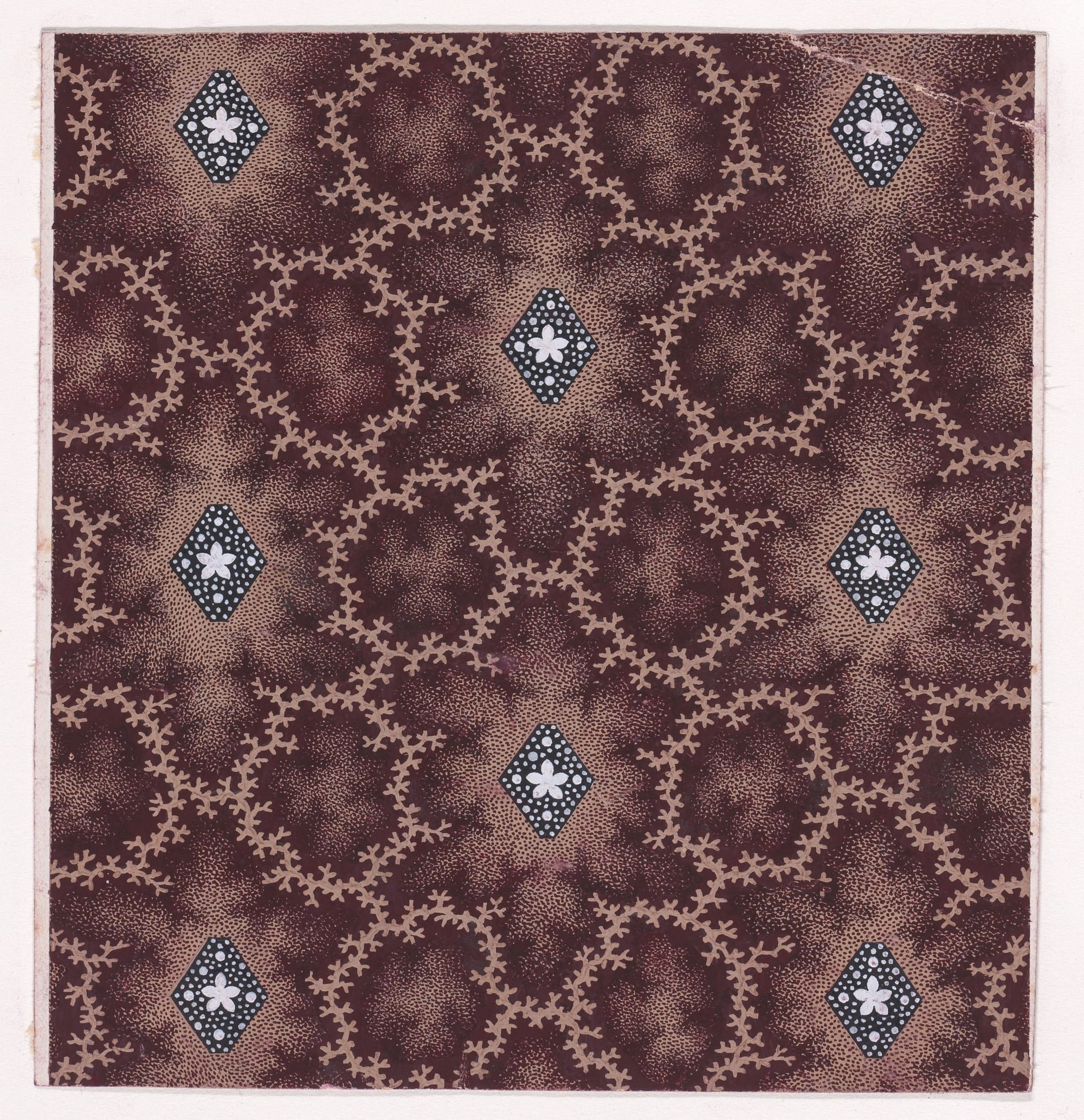
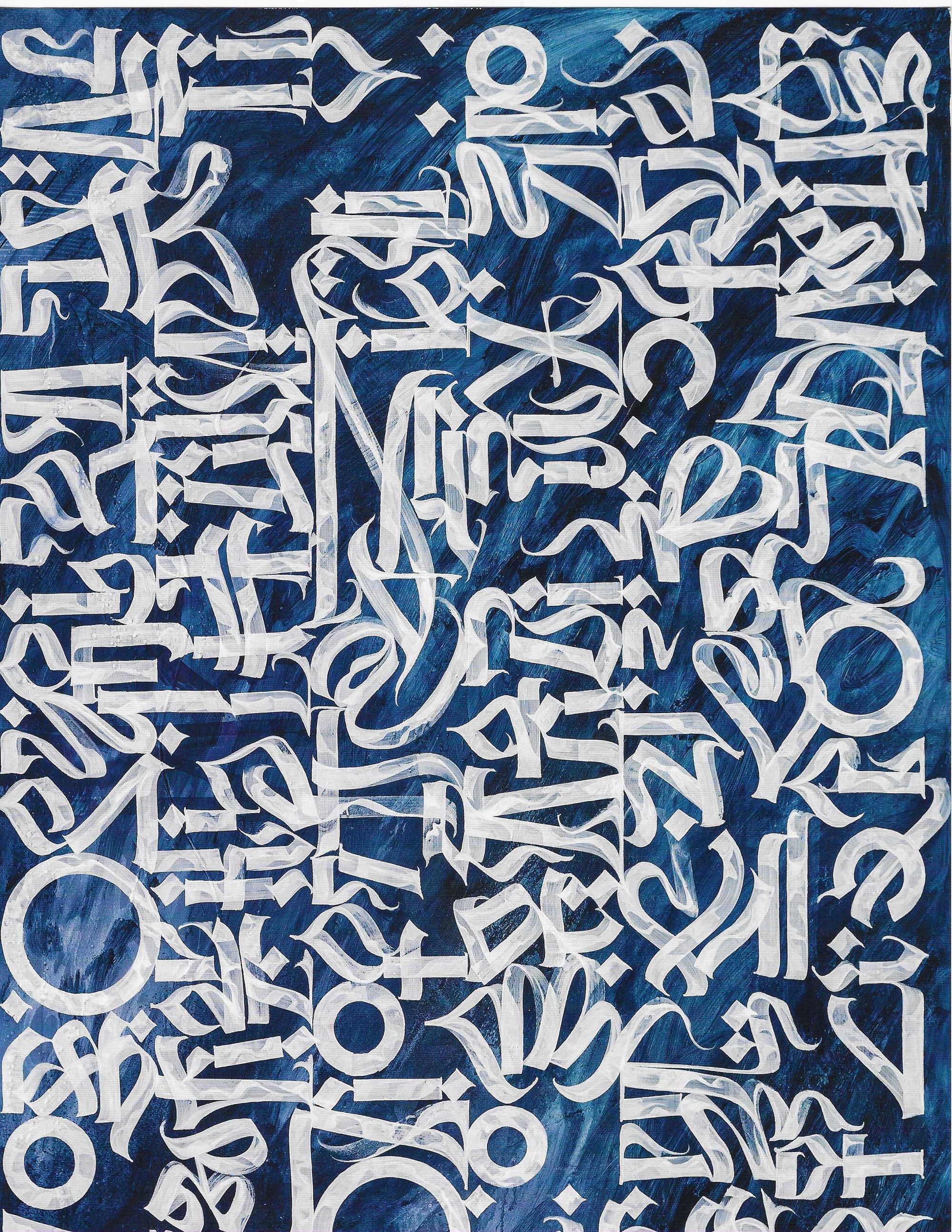
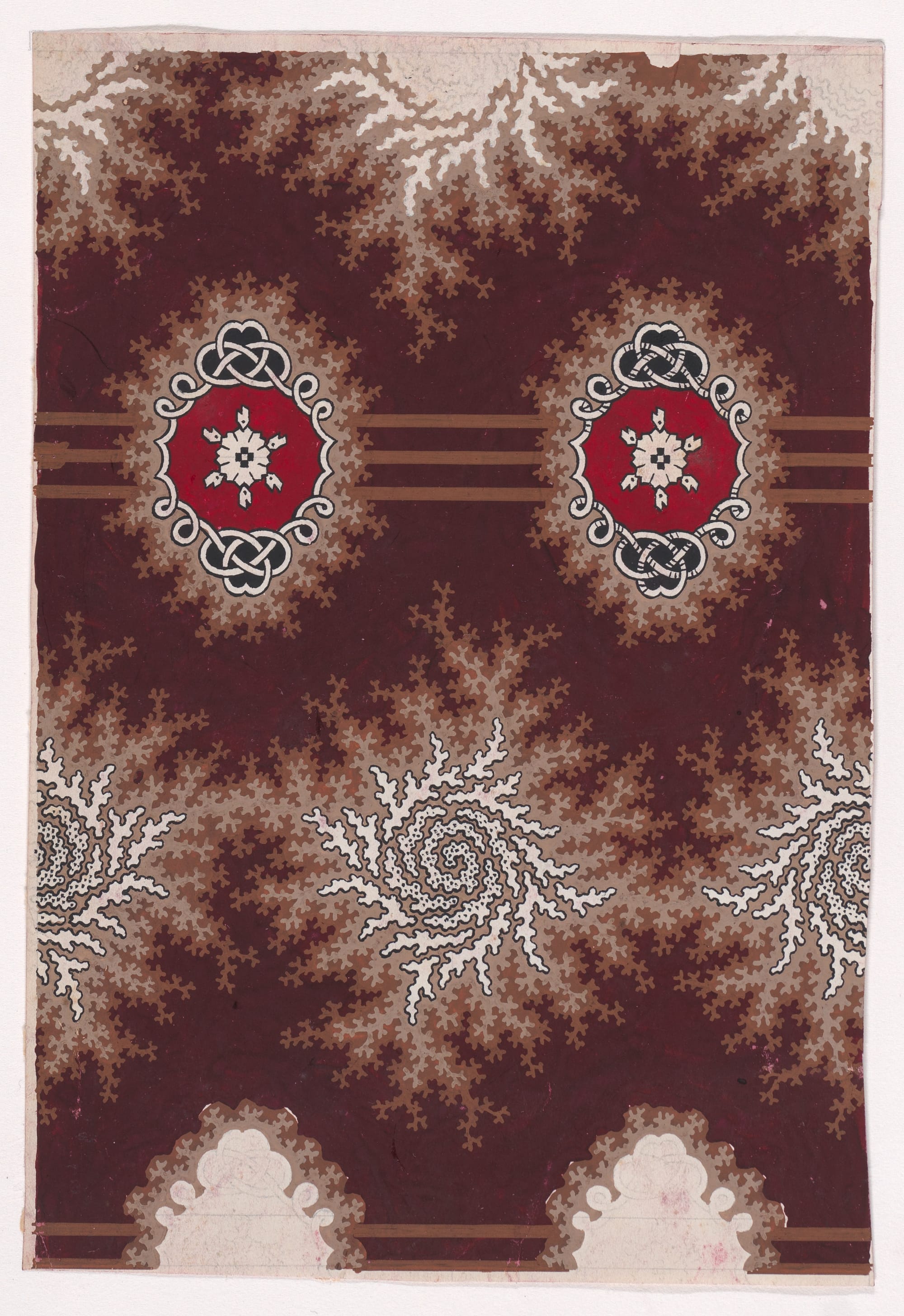
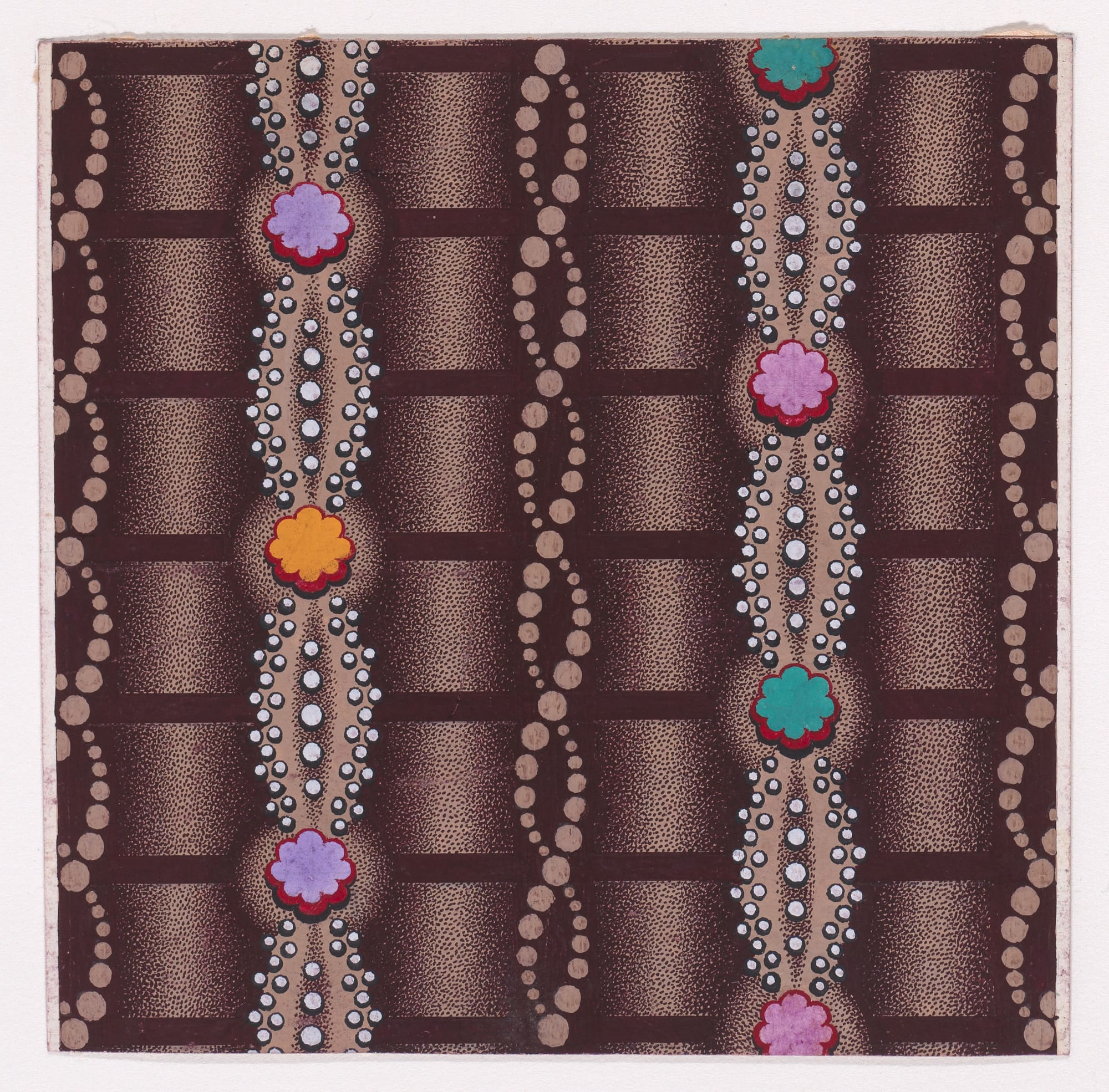
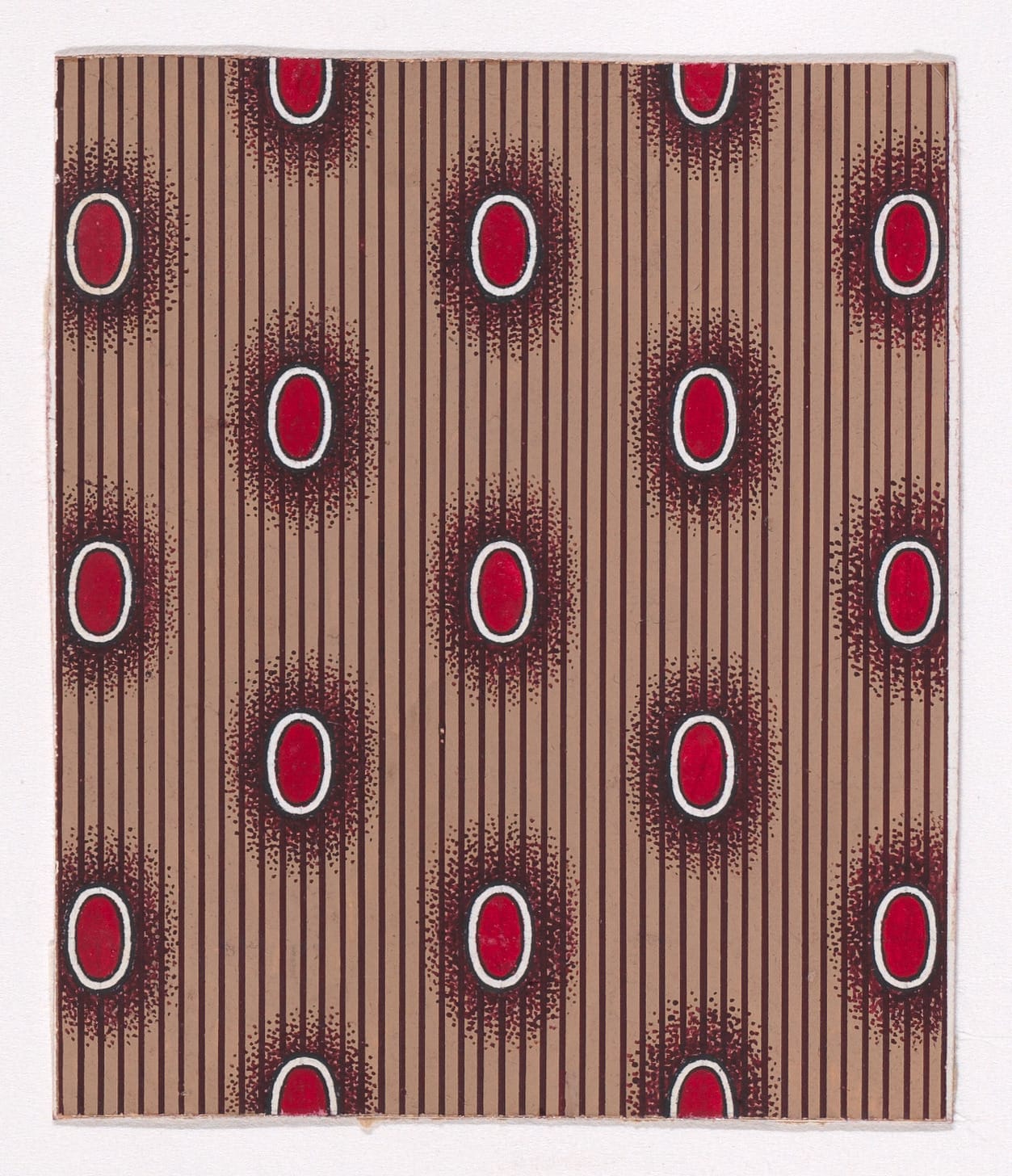
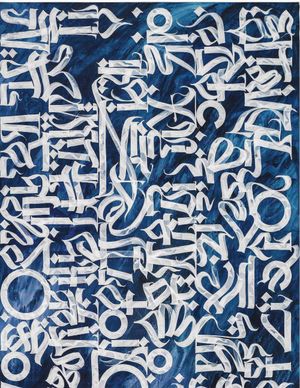
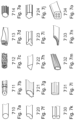
Anonymous textile prototypes, Mulhouse, Alsace, c.1840. Rectilinear design sheets generated within the industrial print studios of the Haut-Rhin. Each document encodes surface strategies for mass deployment—pearl rows, abstract chromatic fields, simulated resist-dye grounds. Executed as precision studies for repeat application, they reflect Mulhouse’s role as a nineteenth-century vector hub of textile innovation and print chemistry.
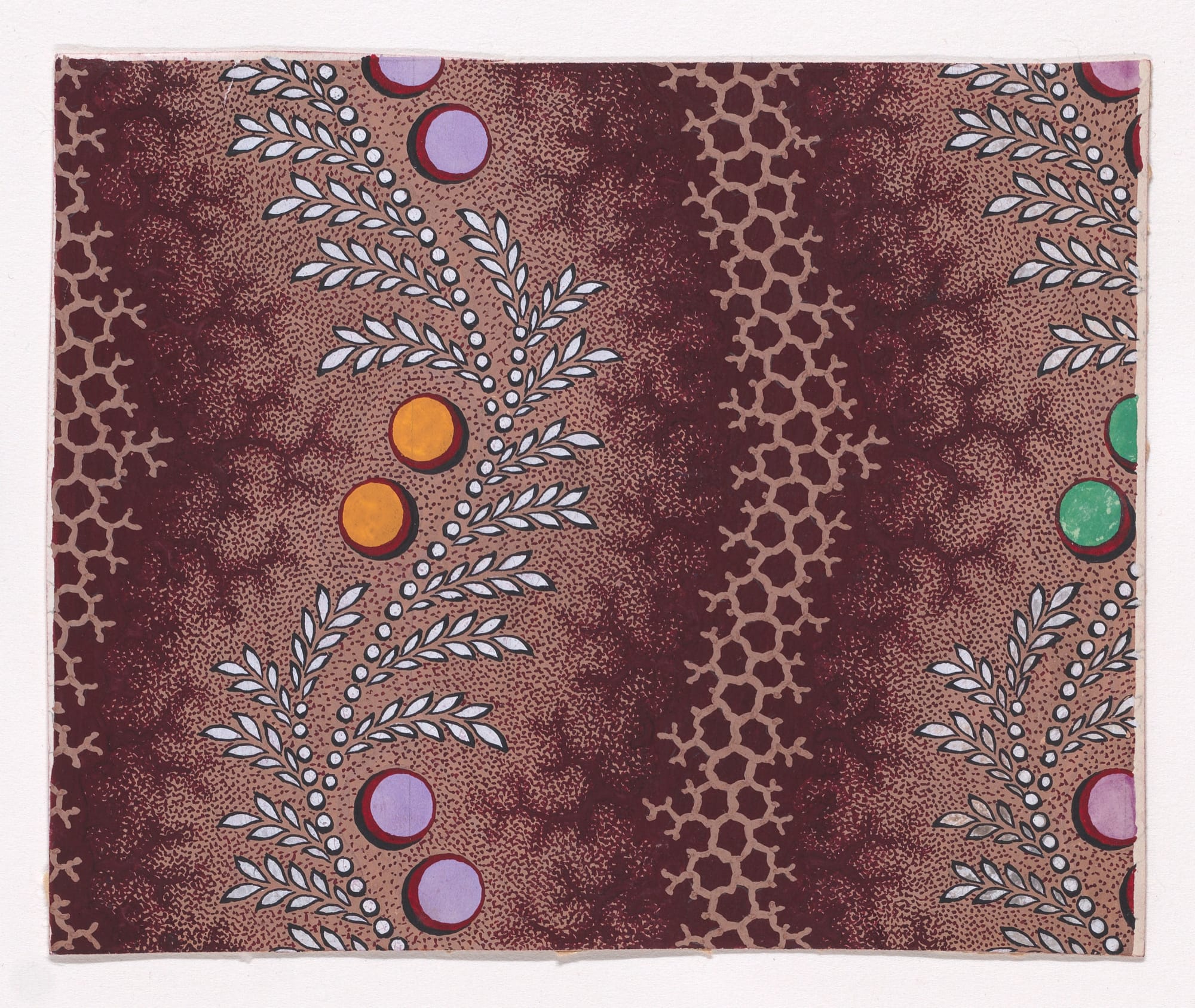
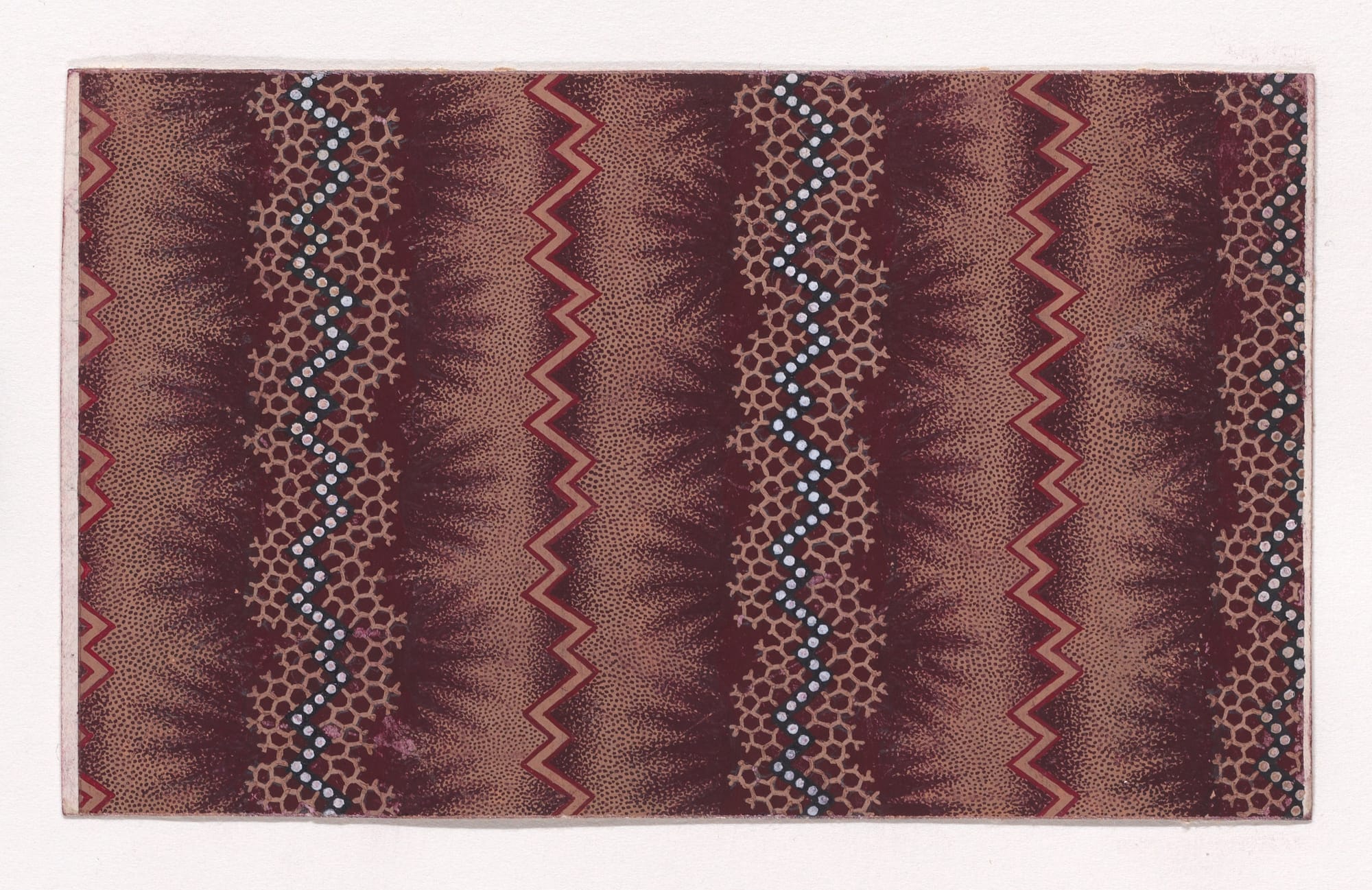
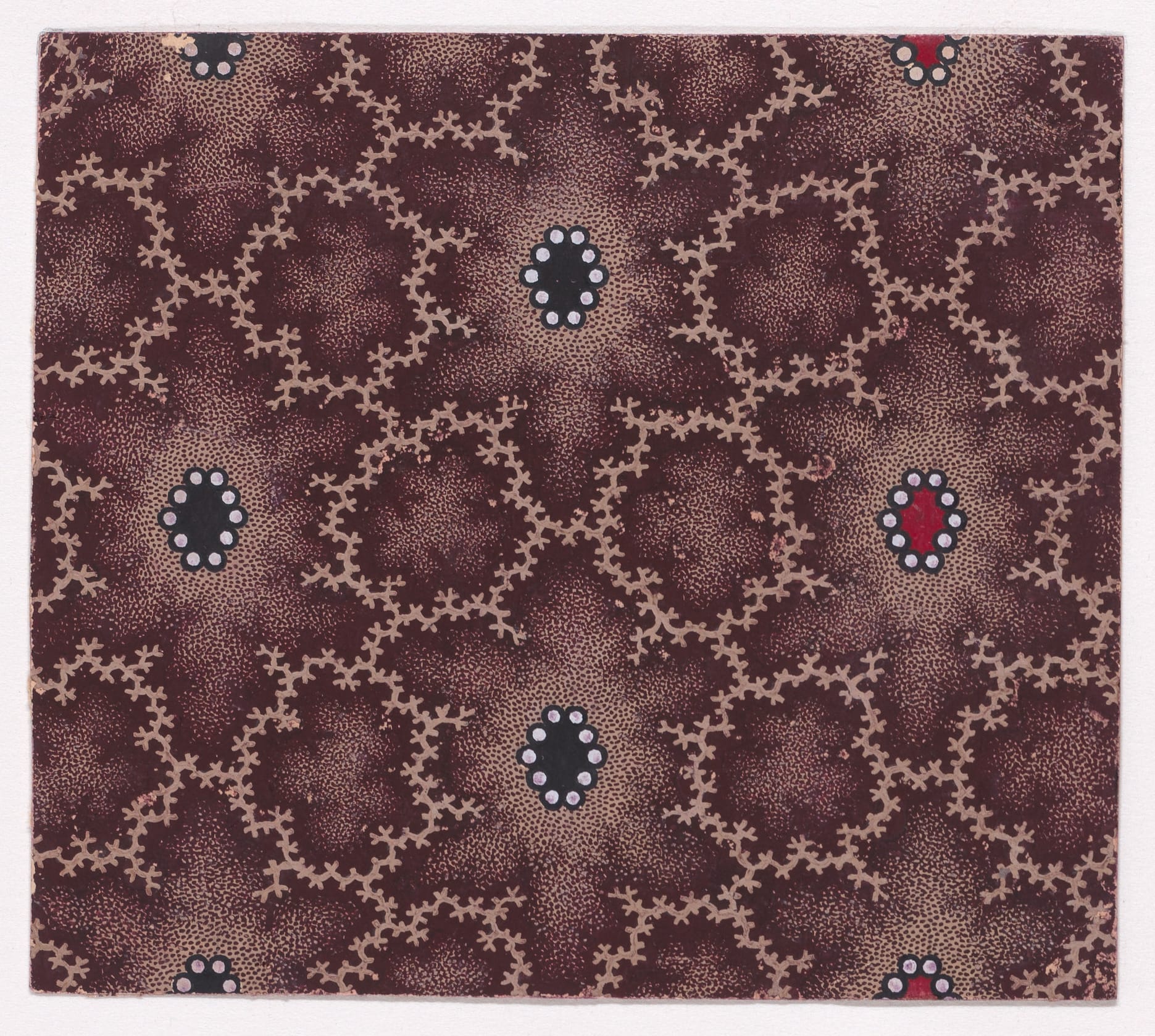
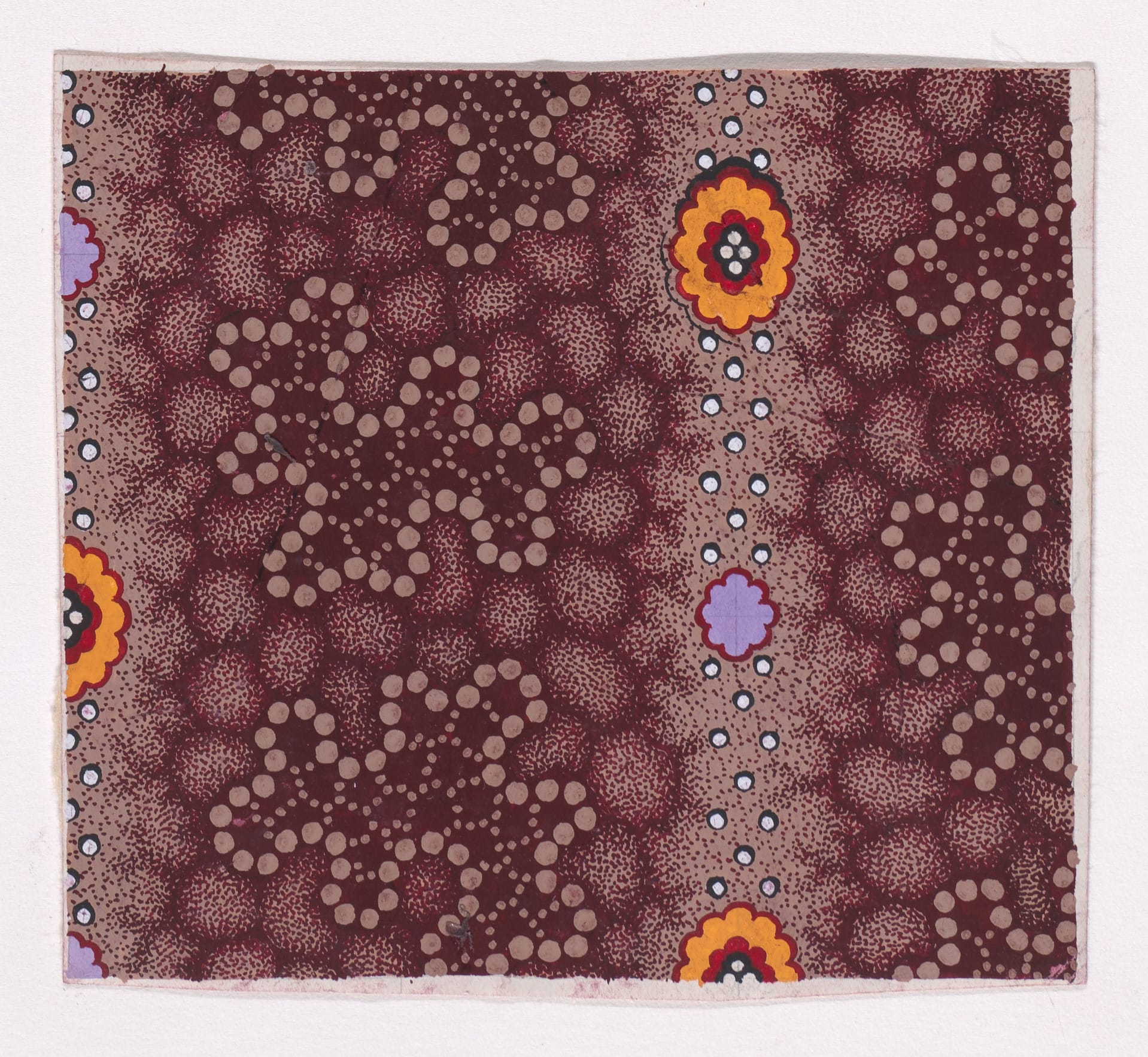
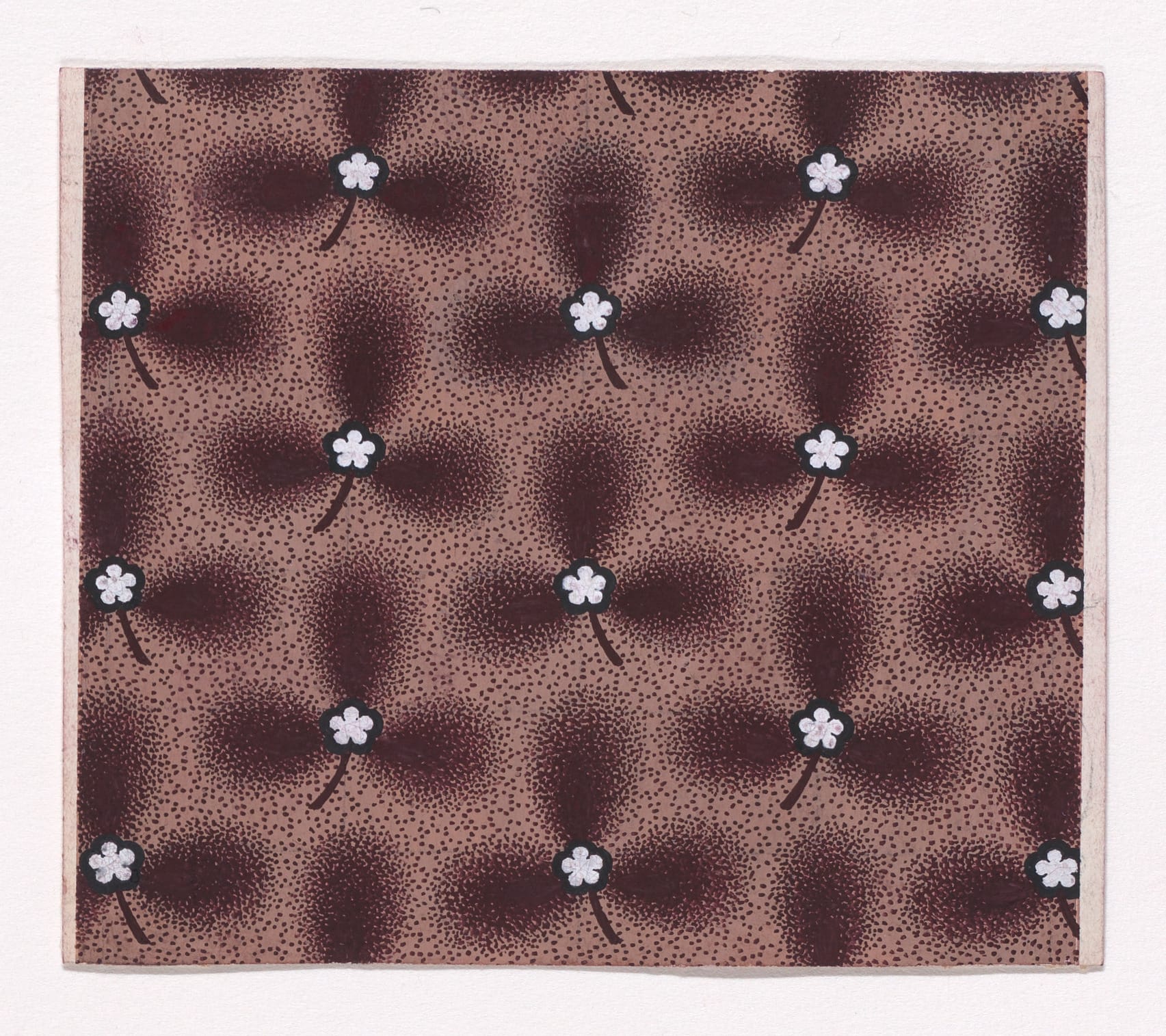
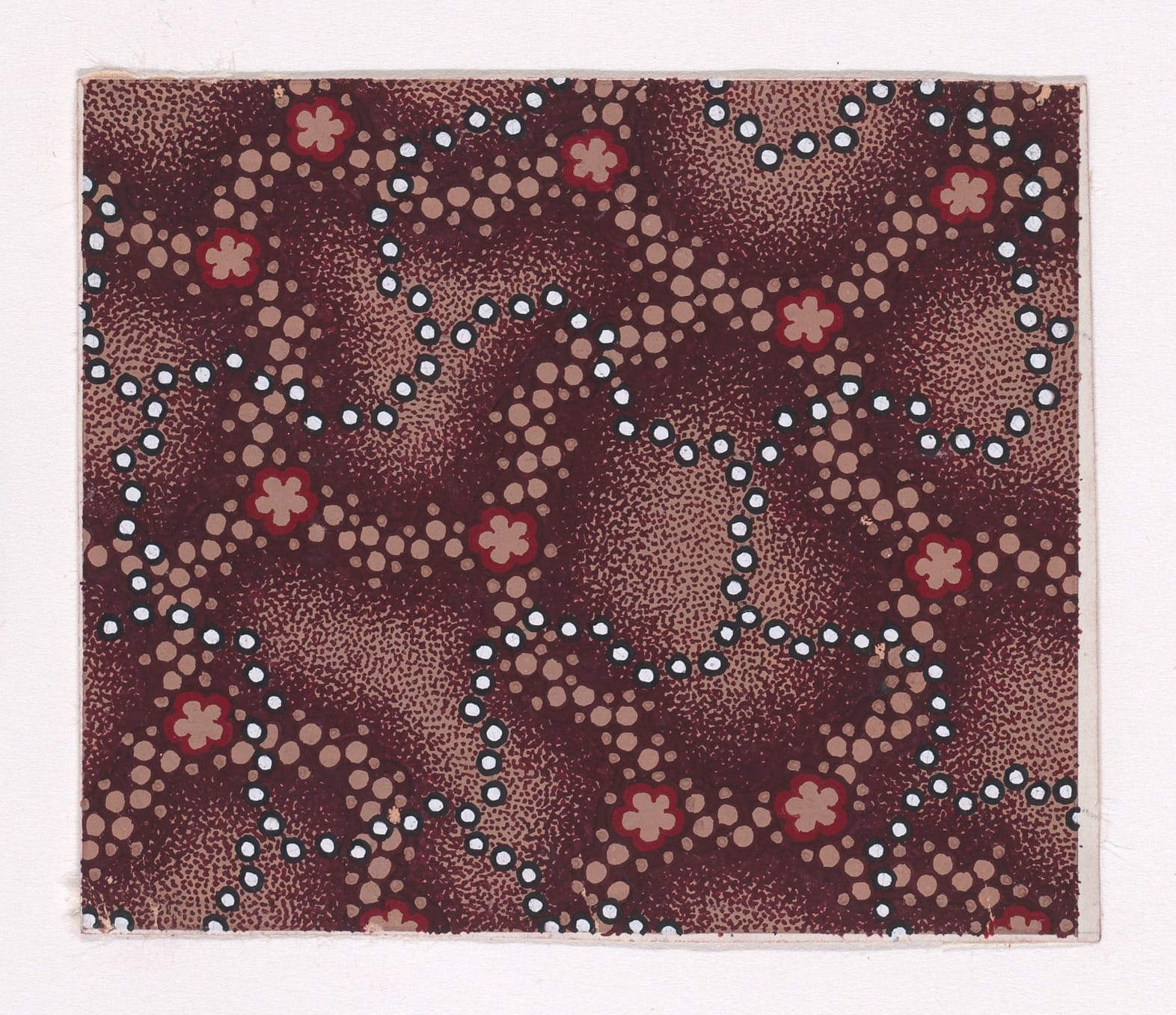
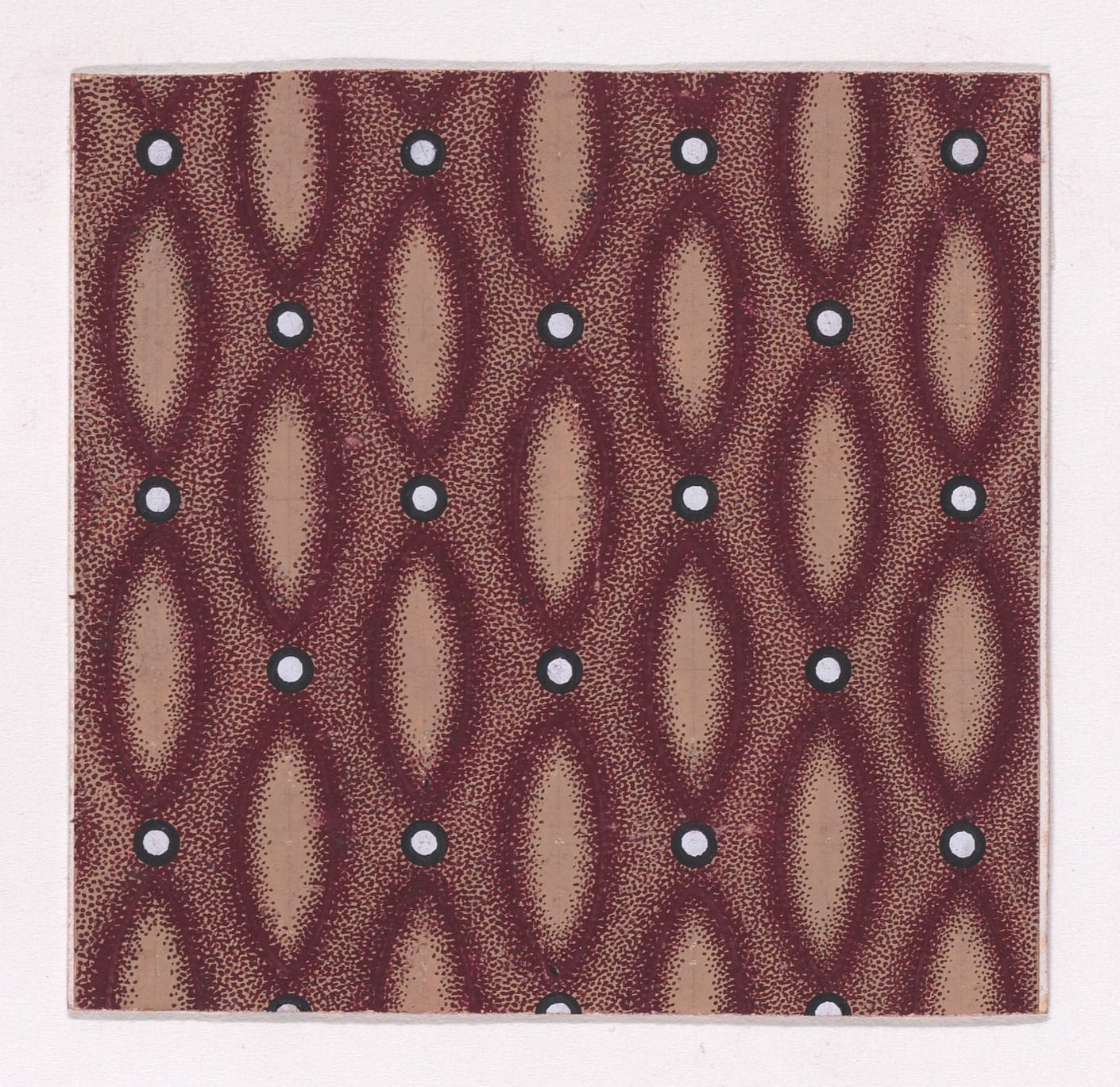
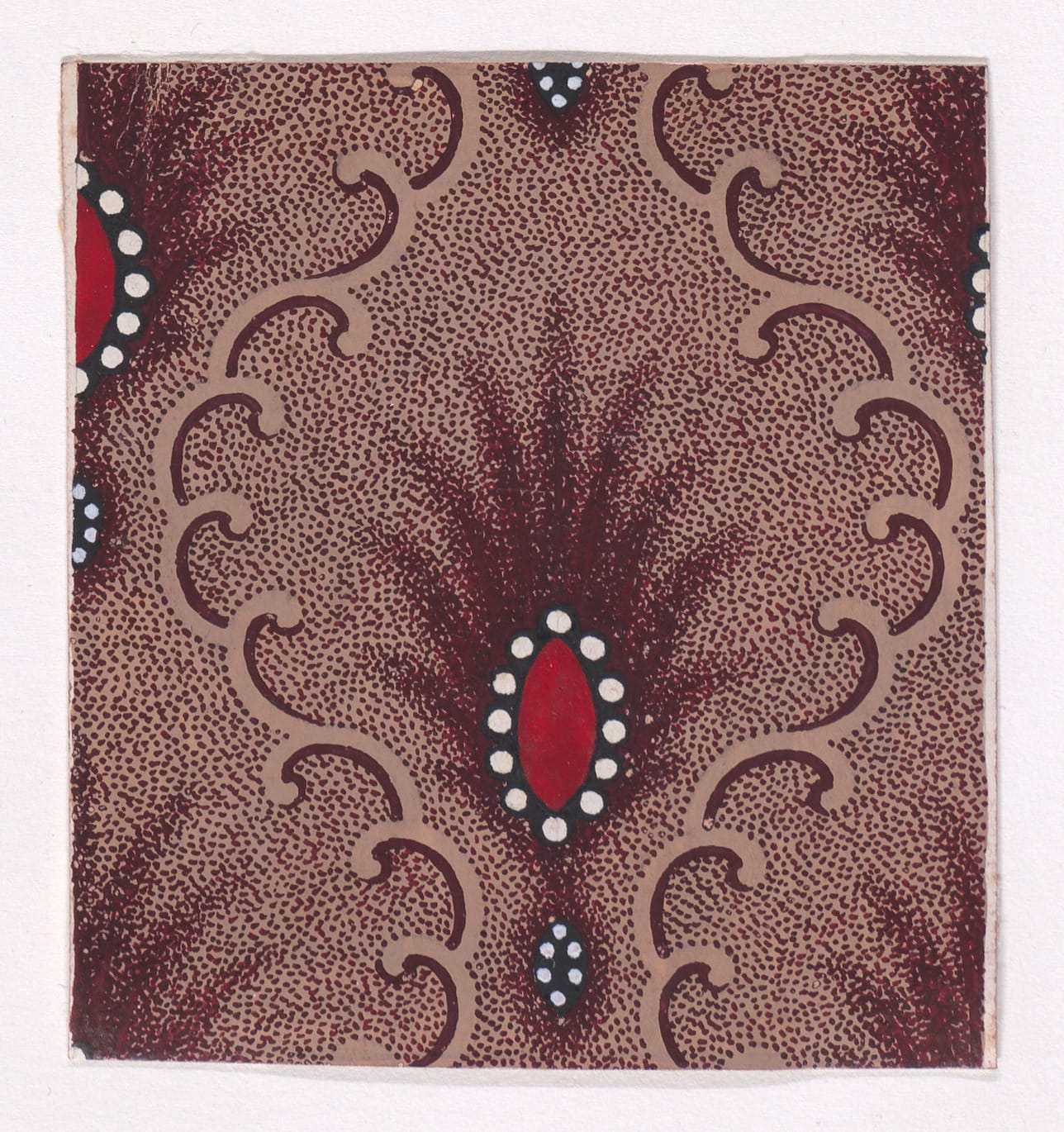
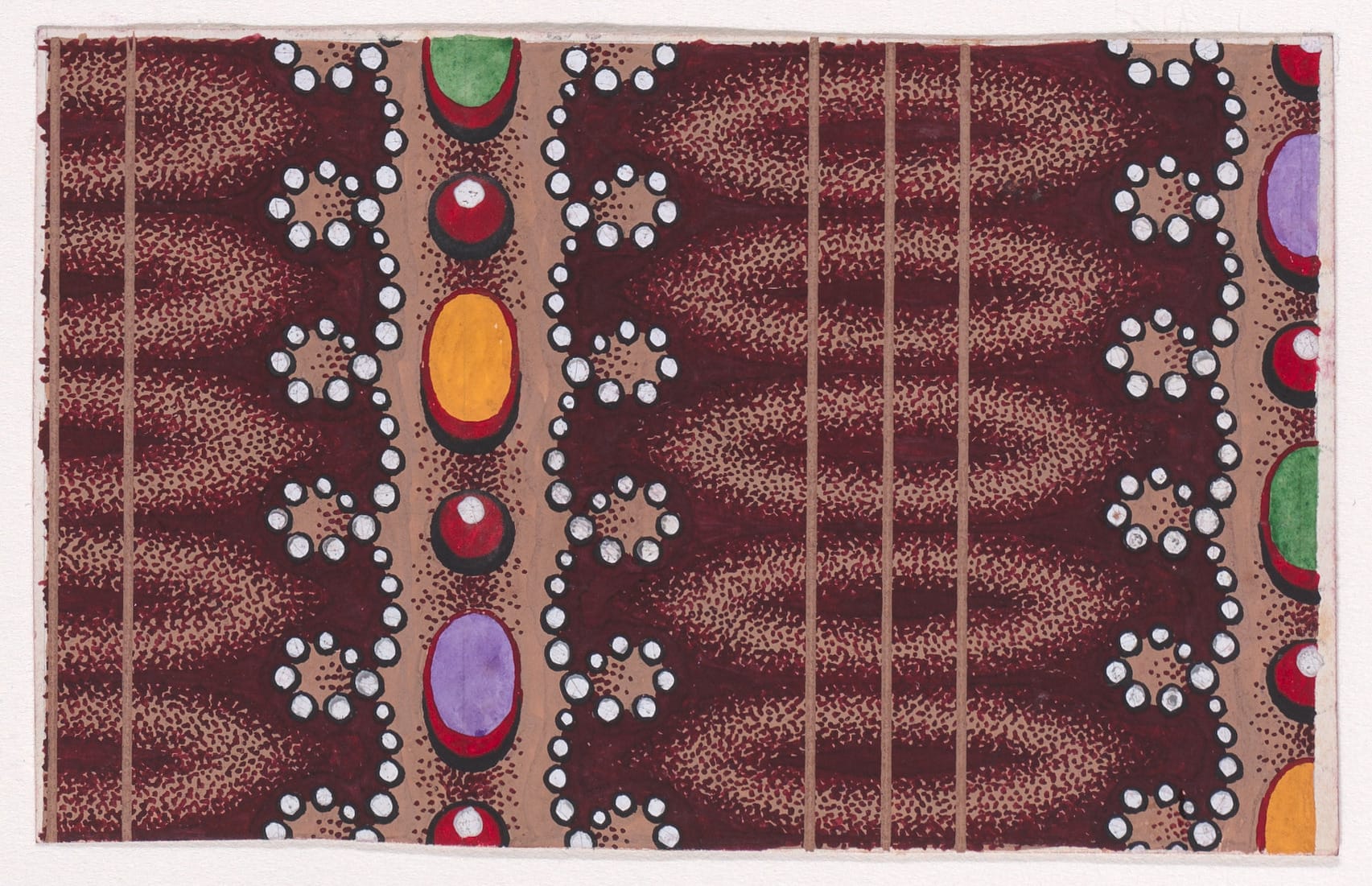
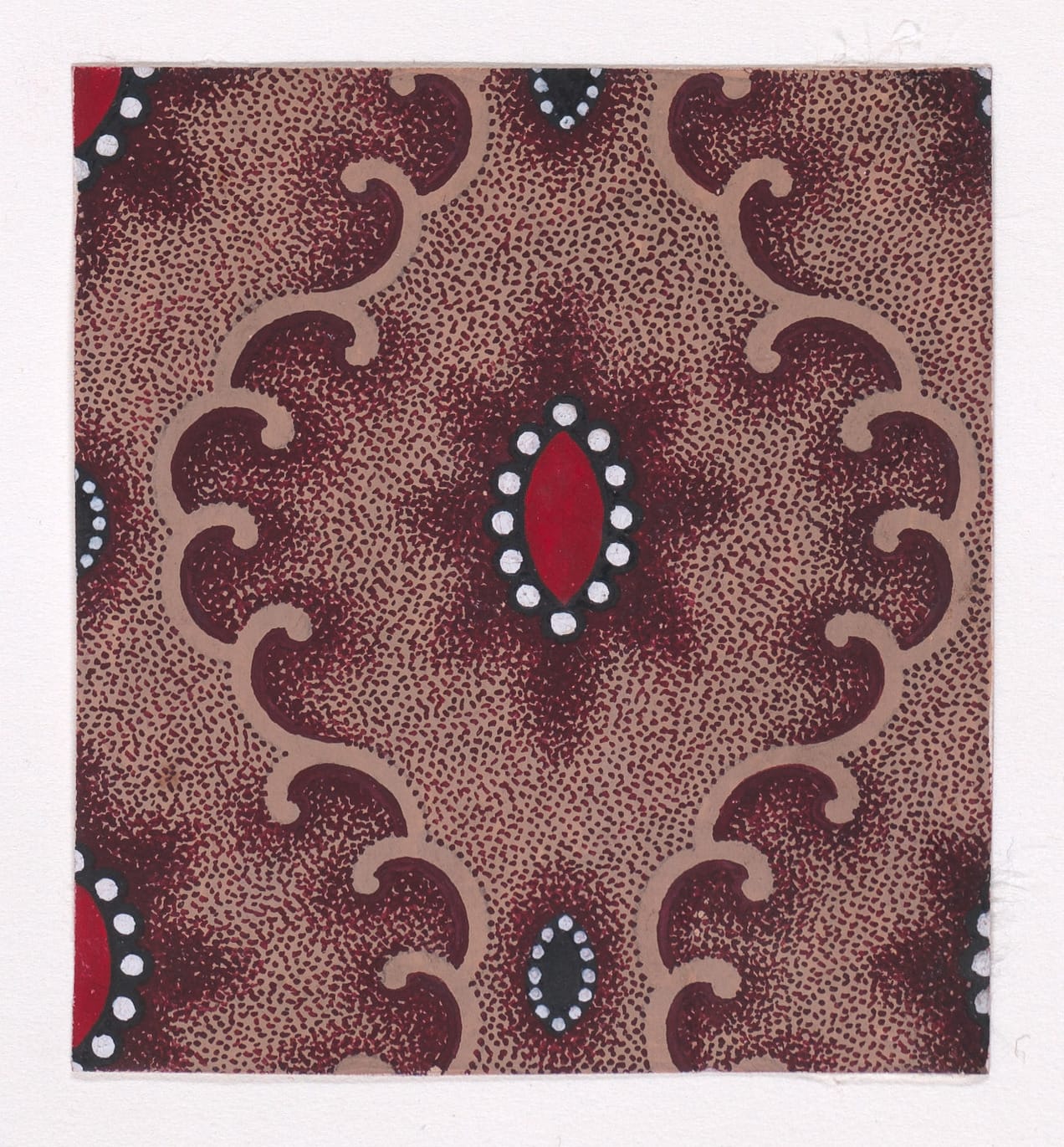
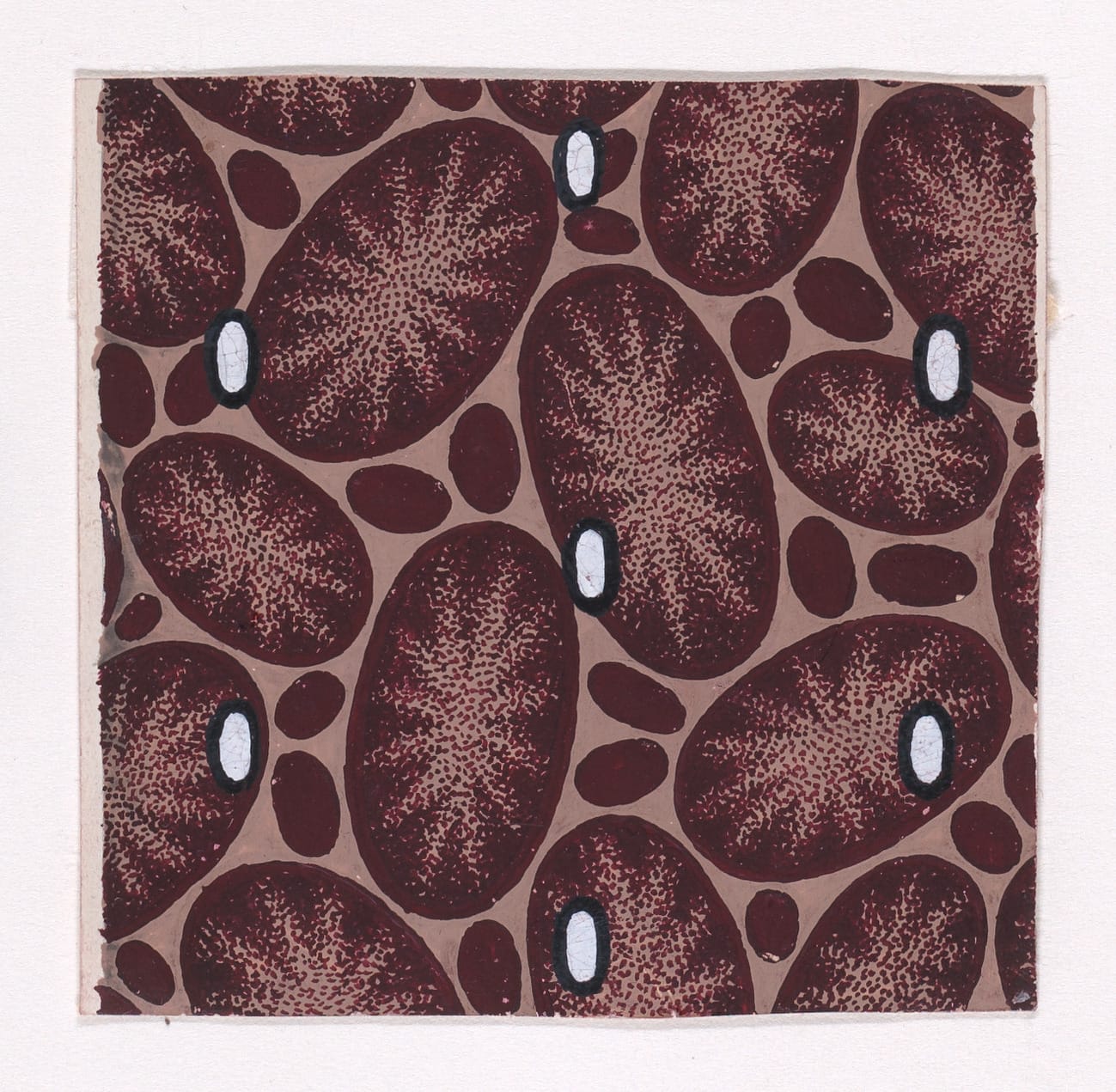

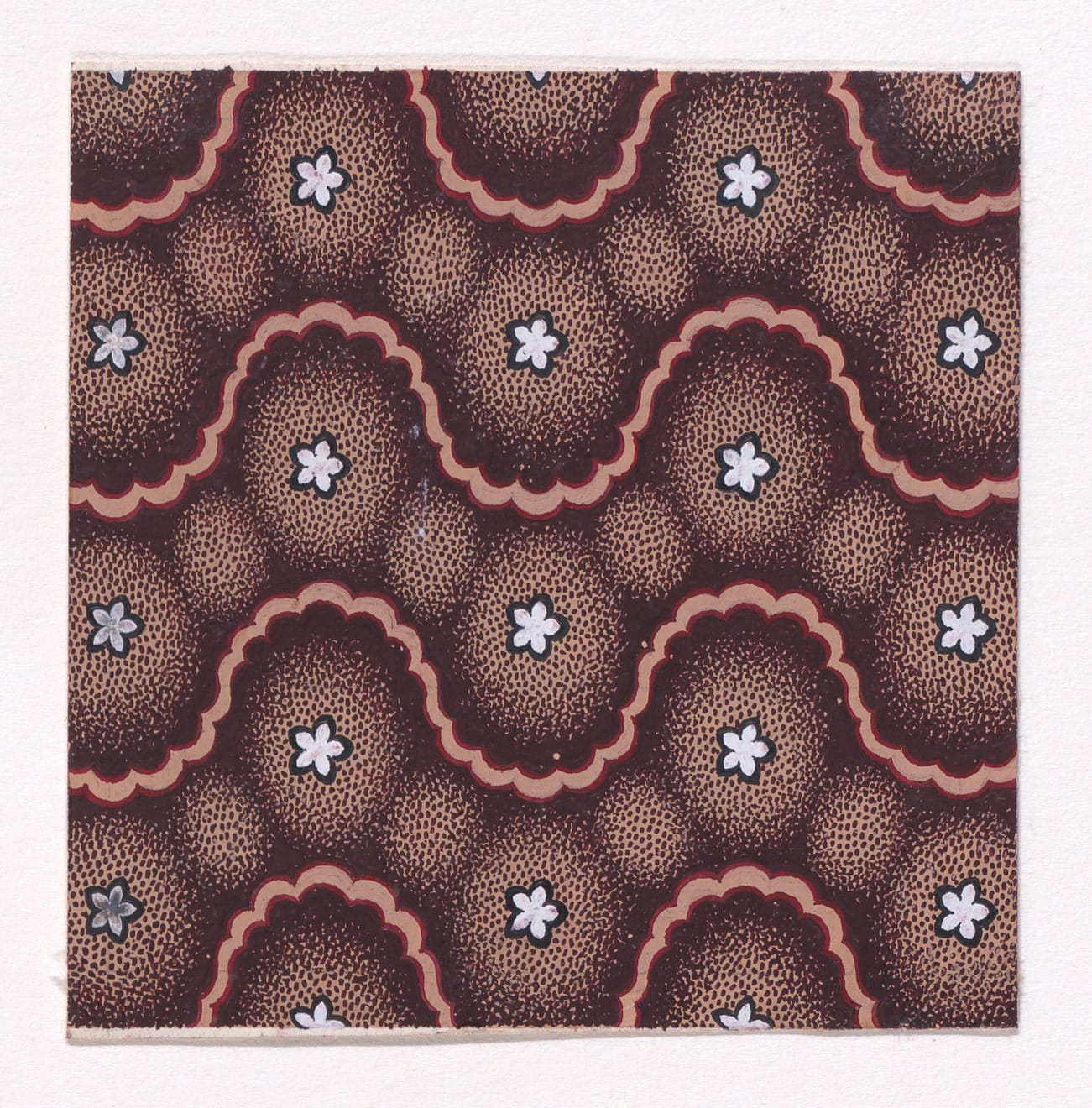

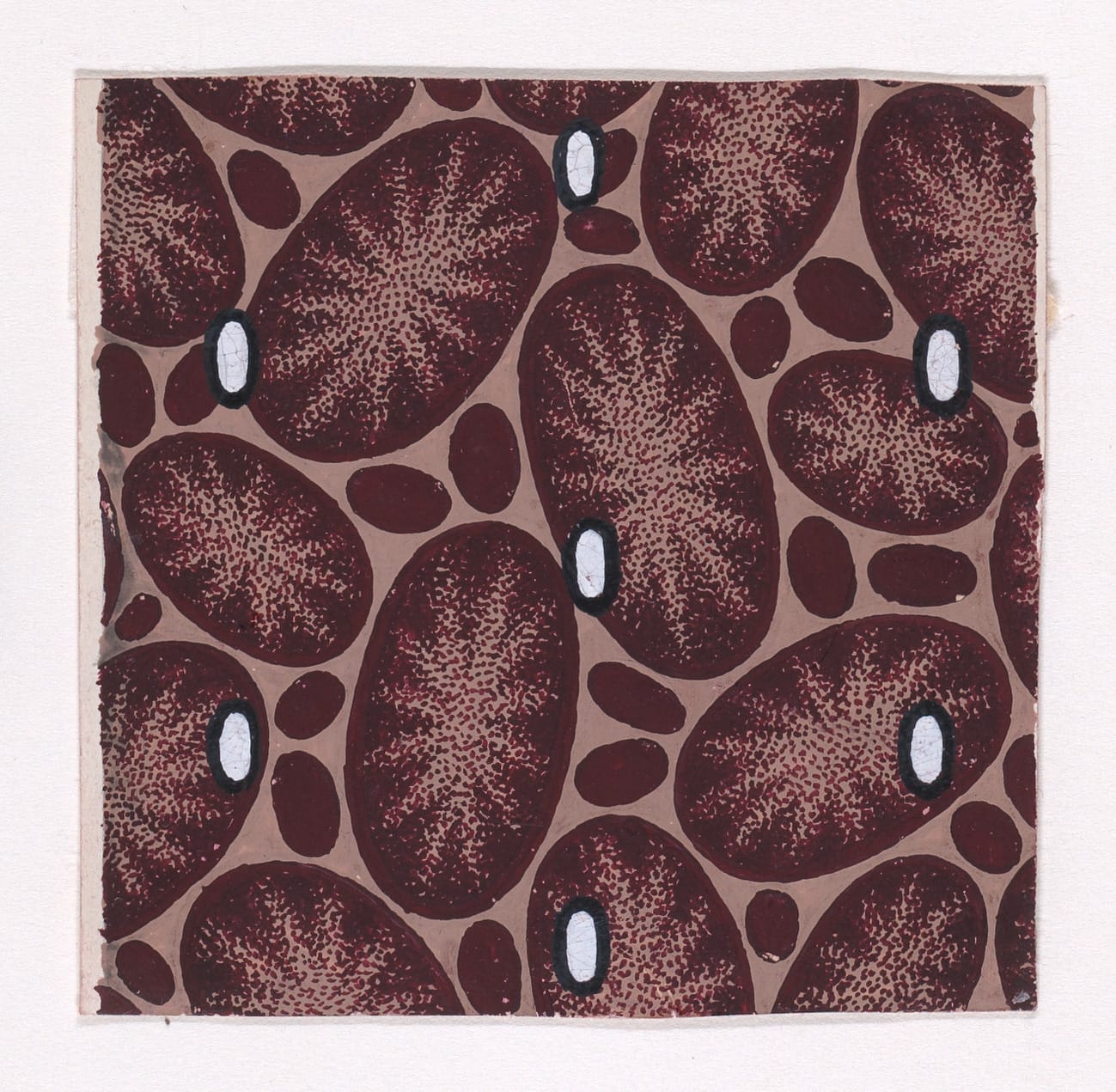


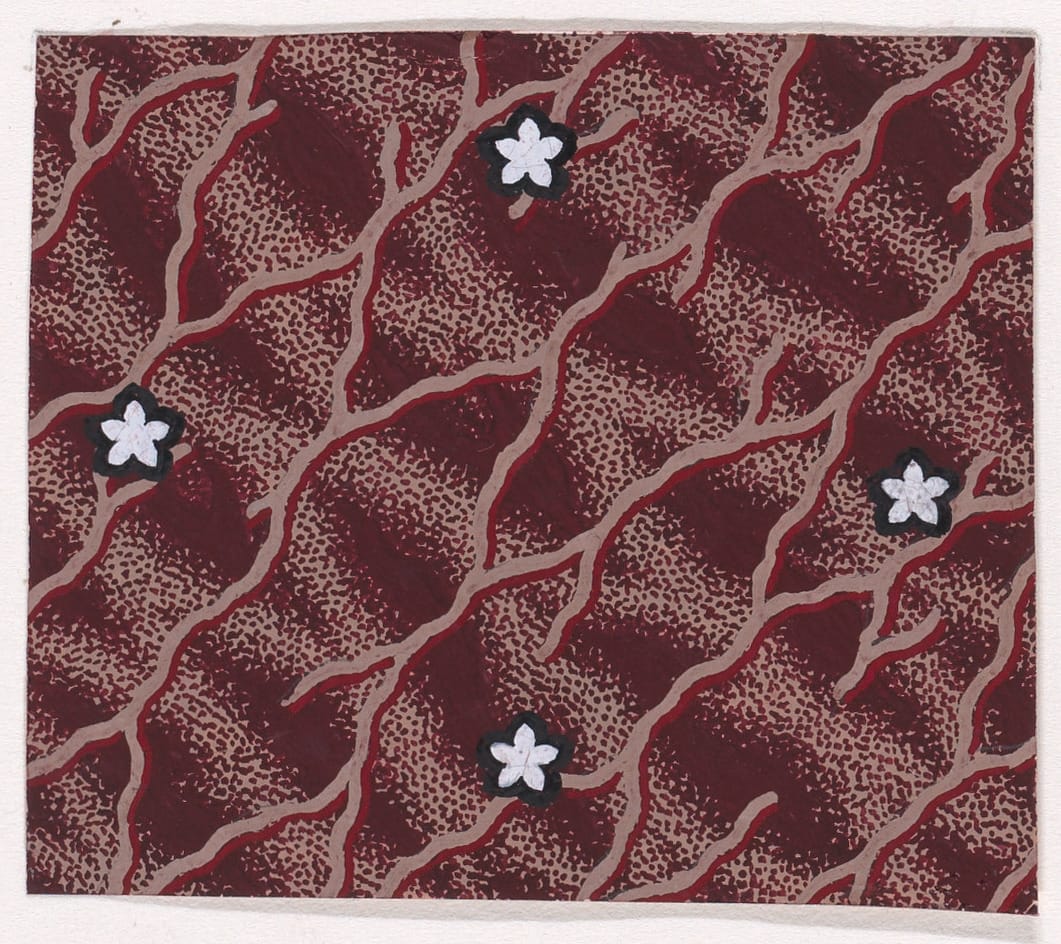
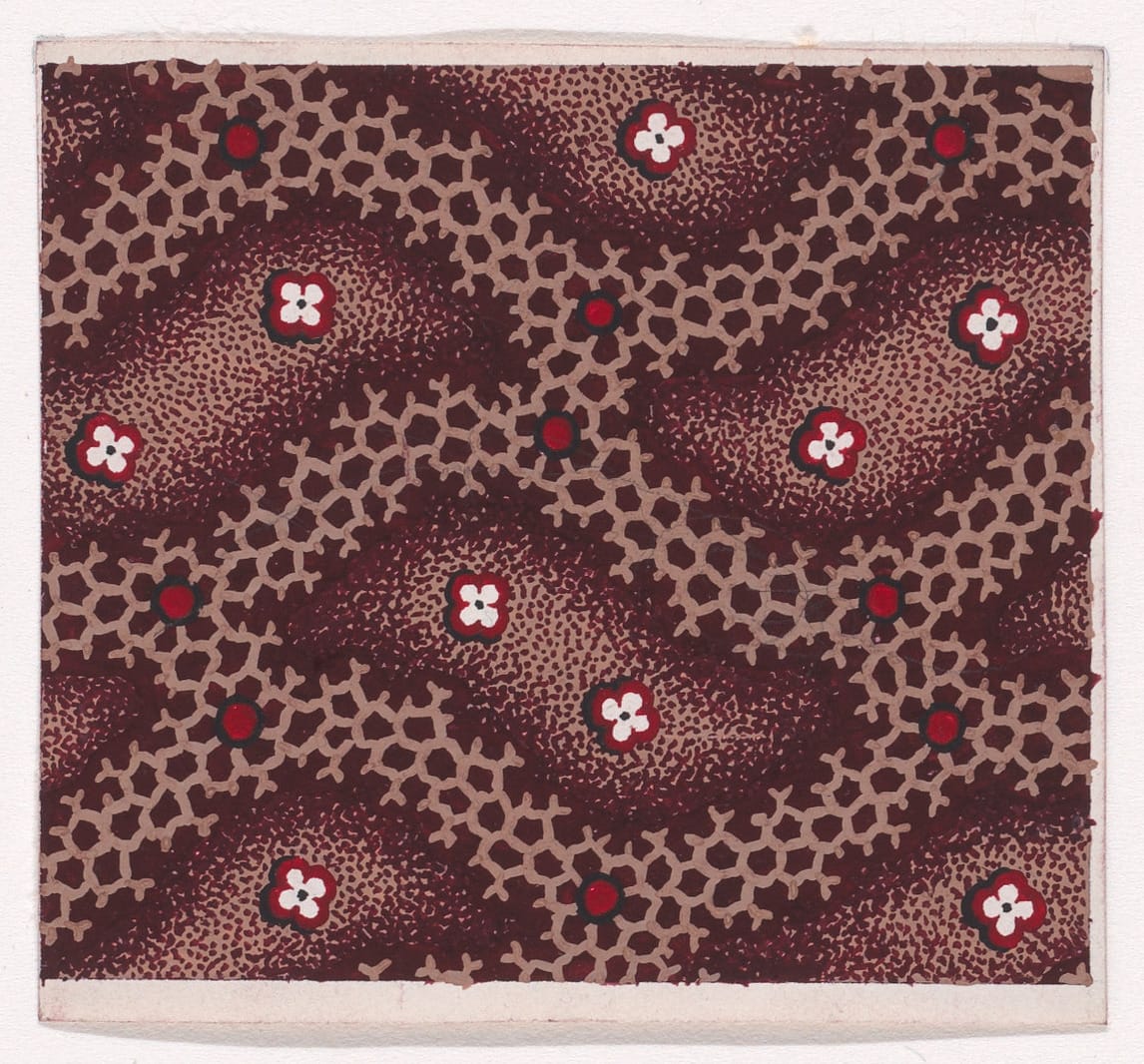
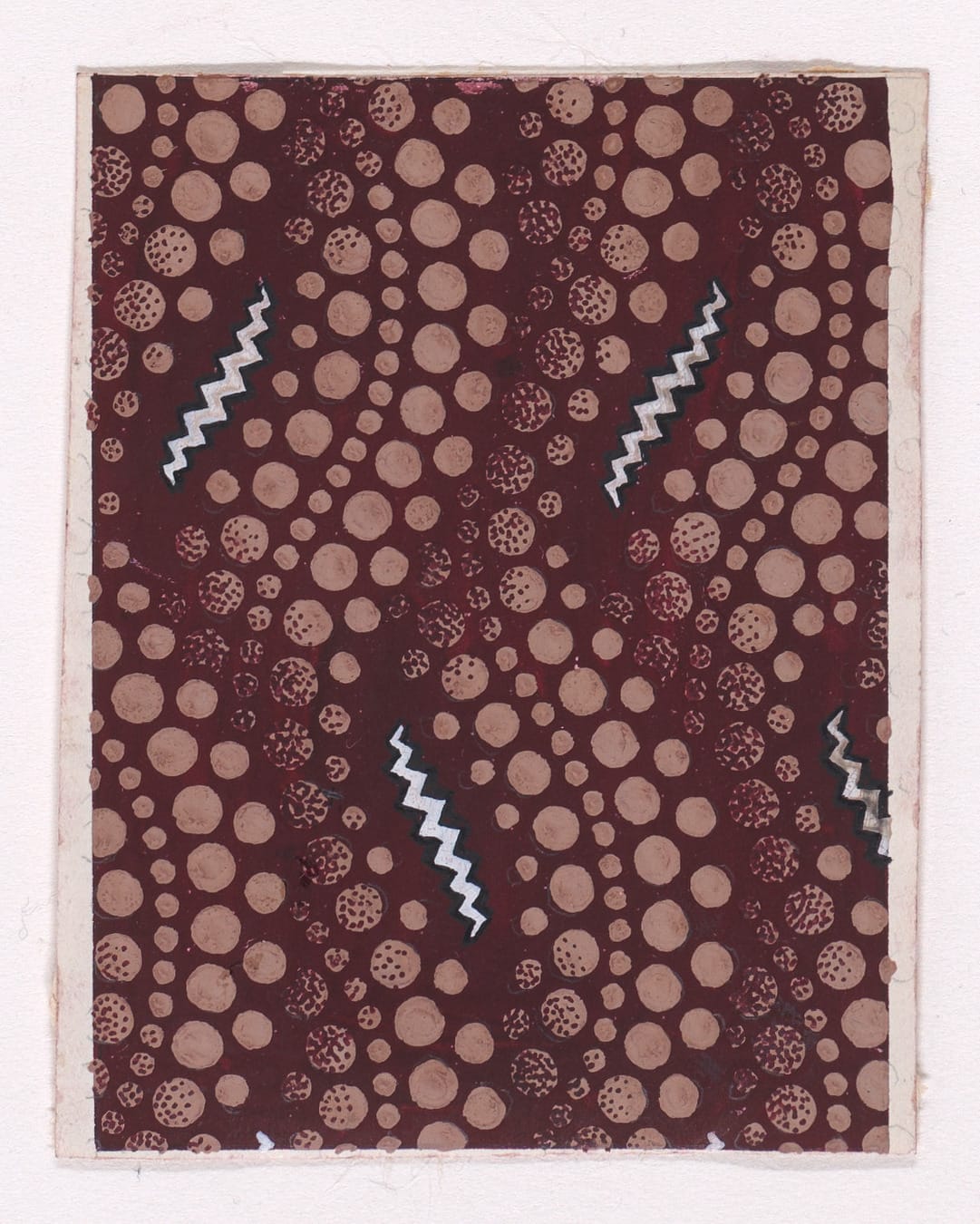
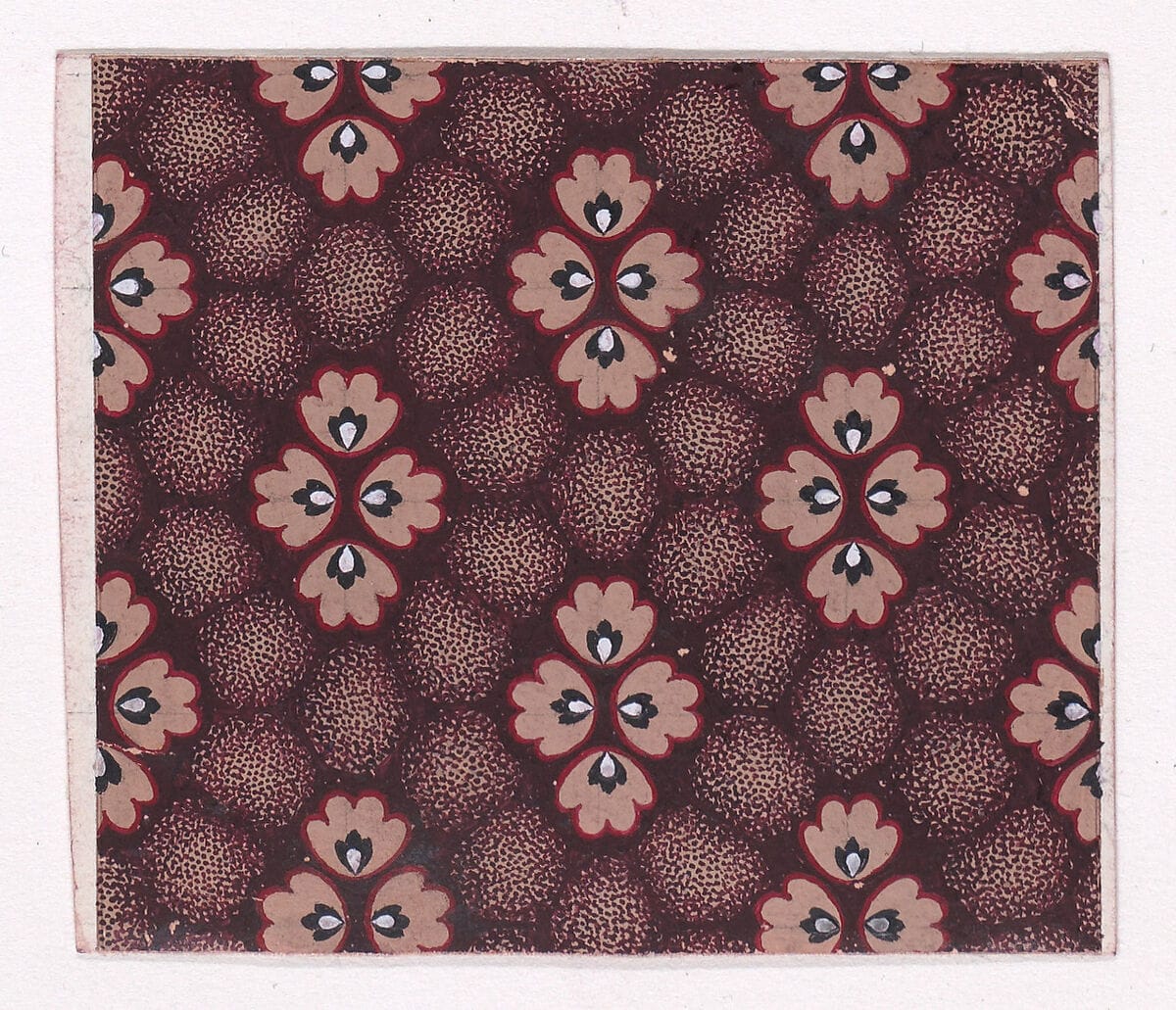
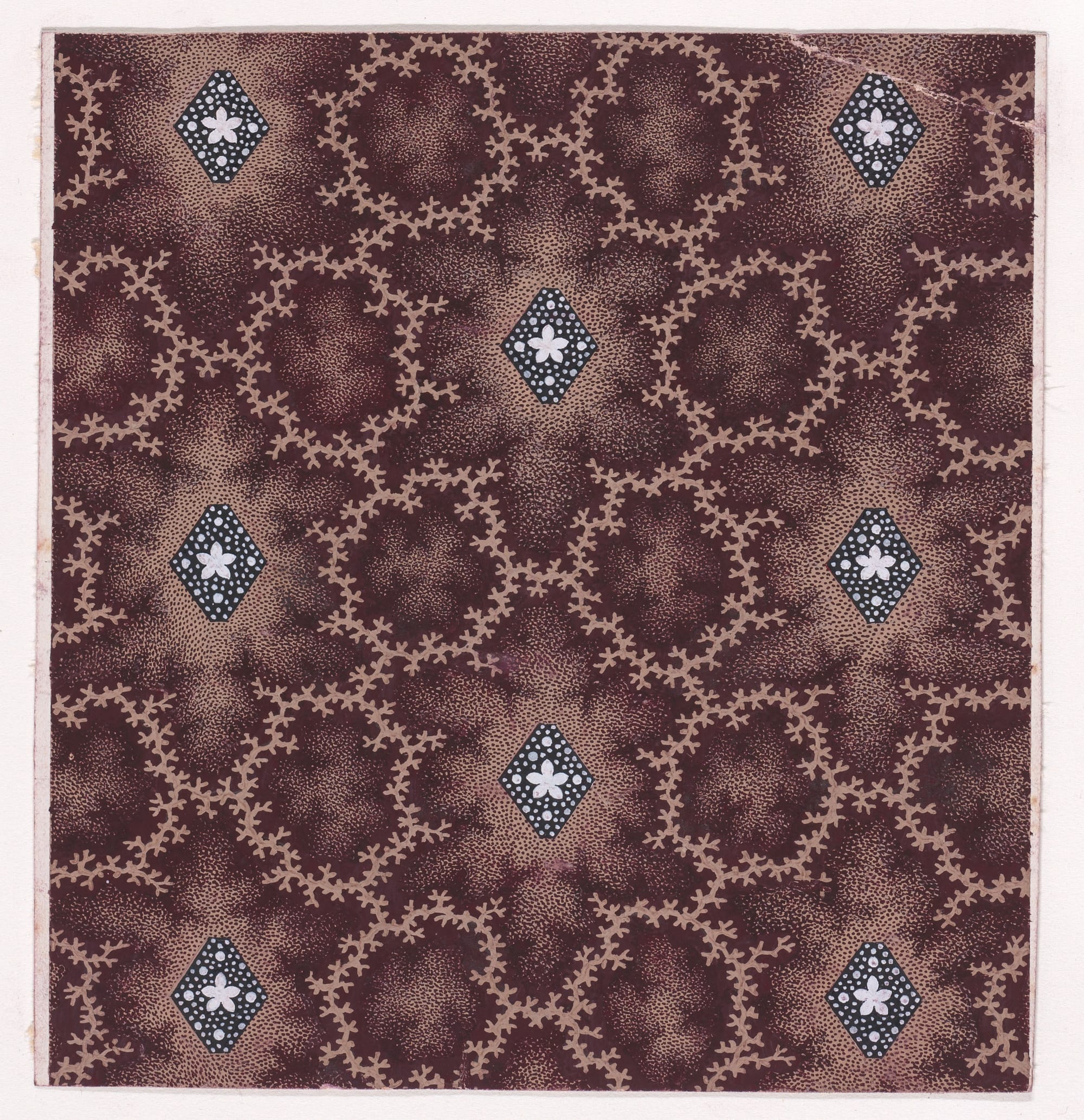
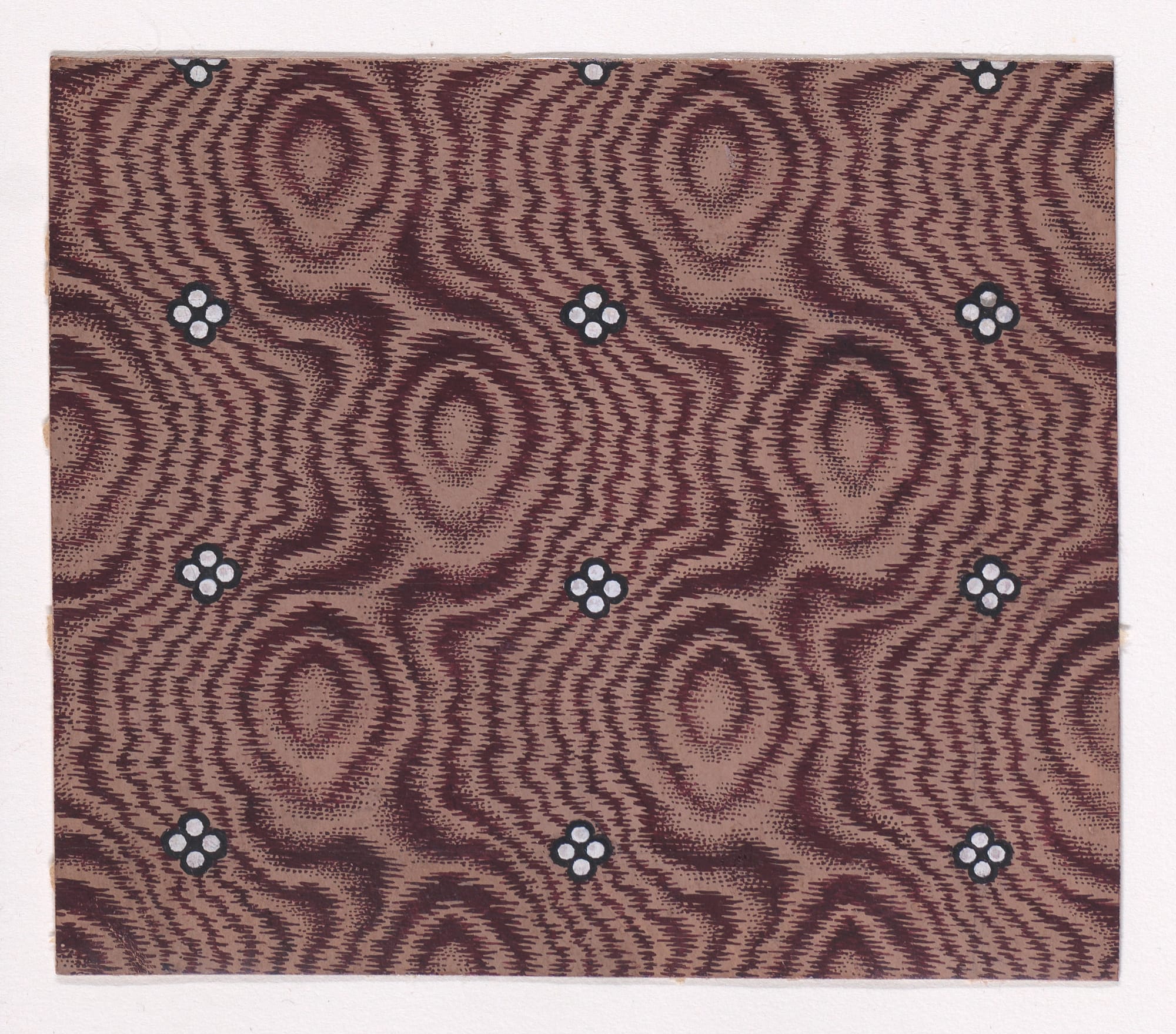
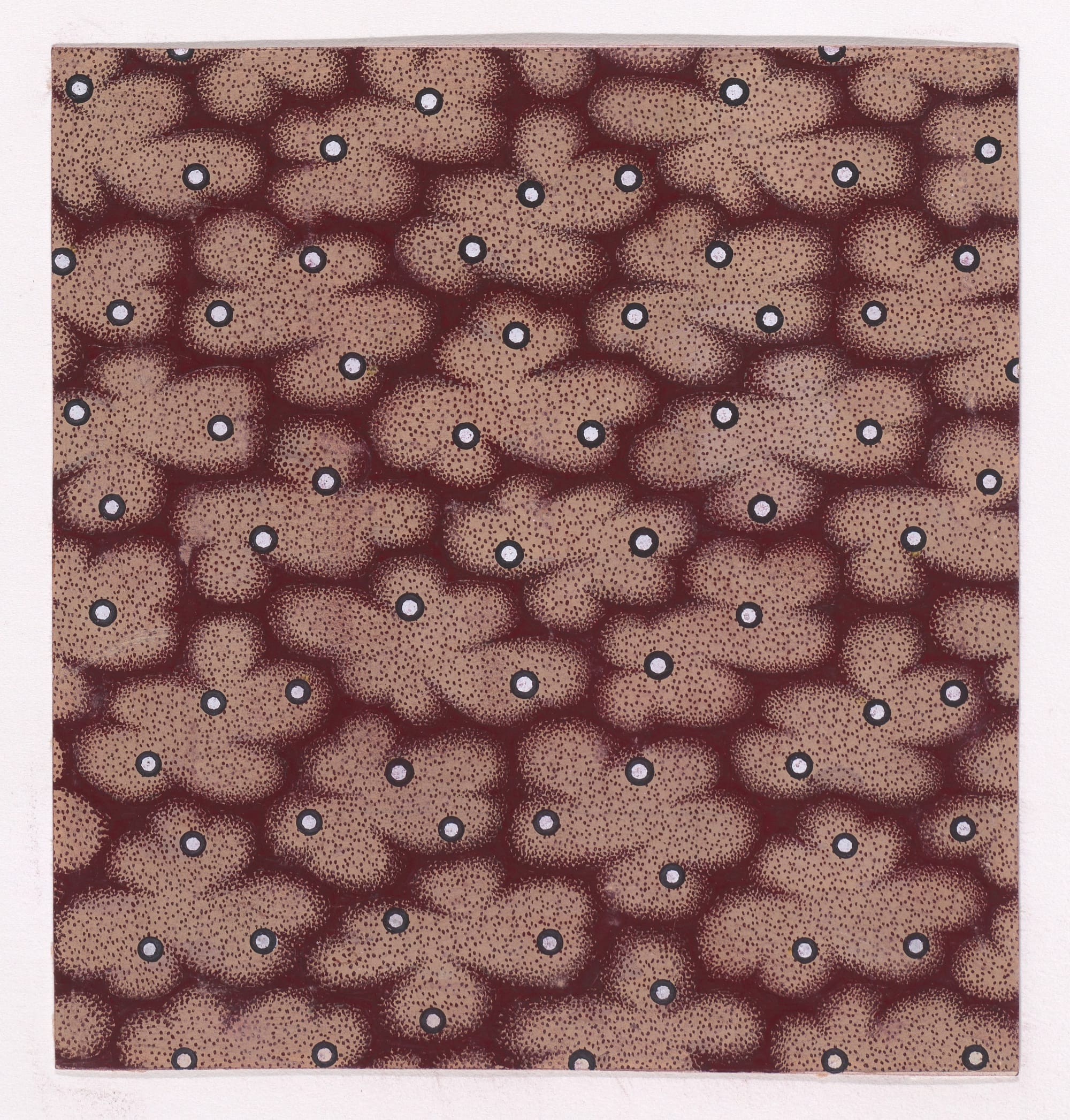
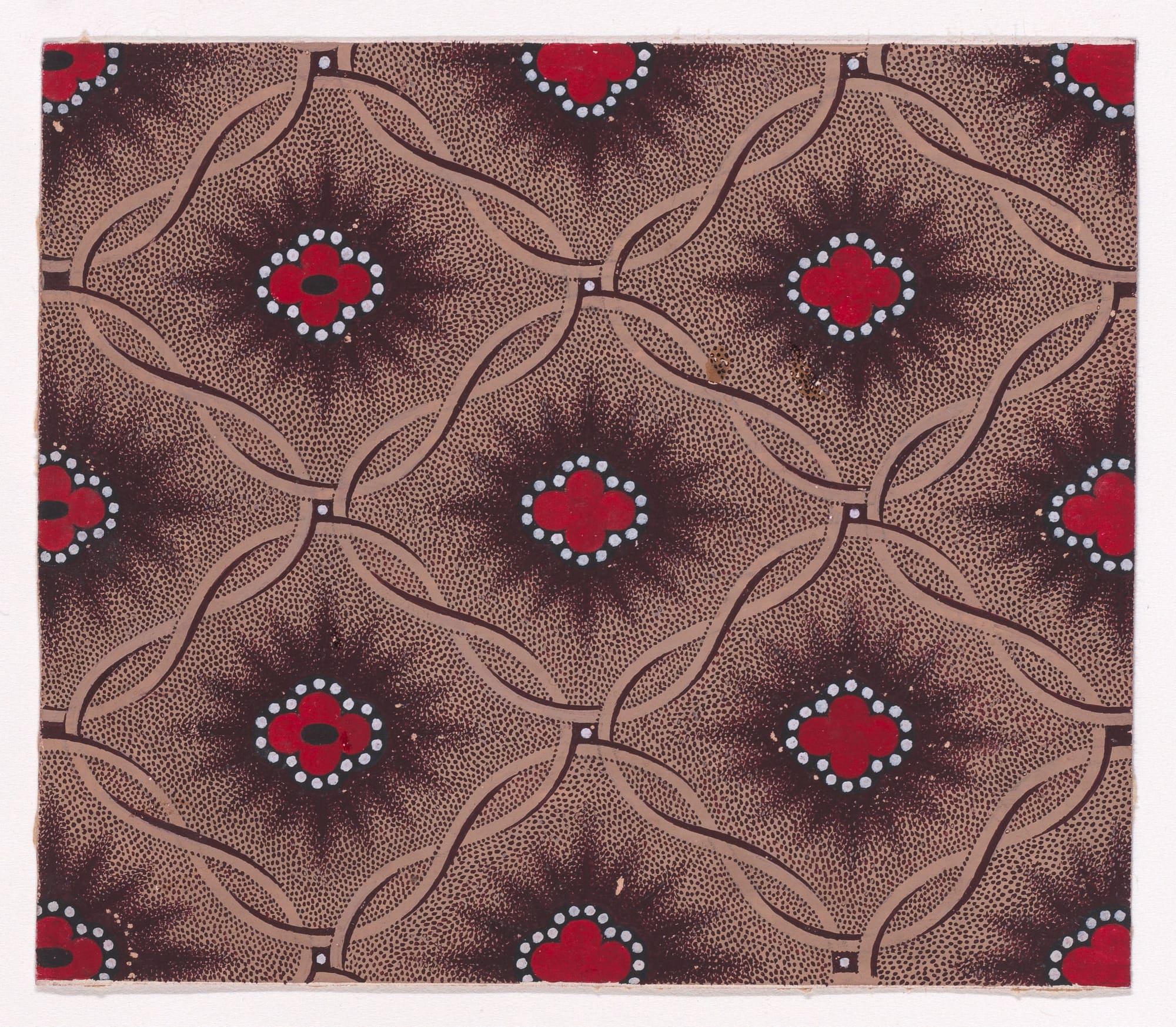
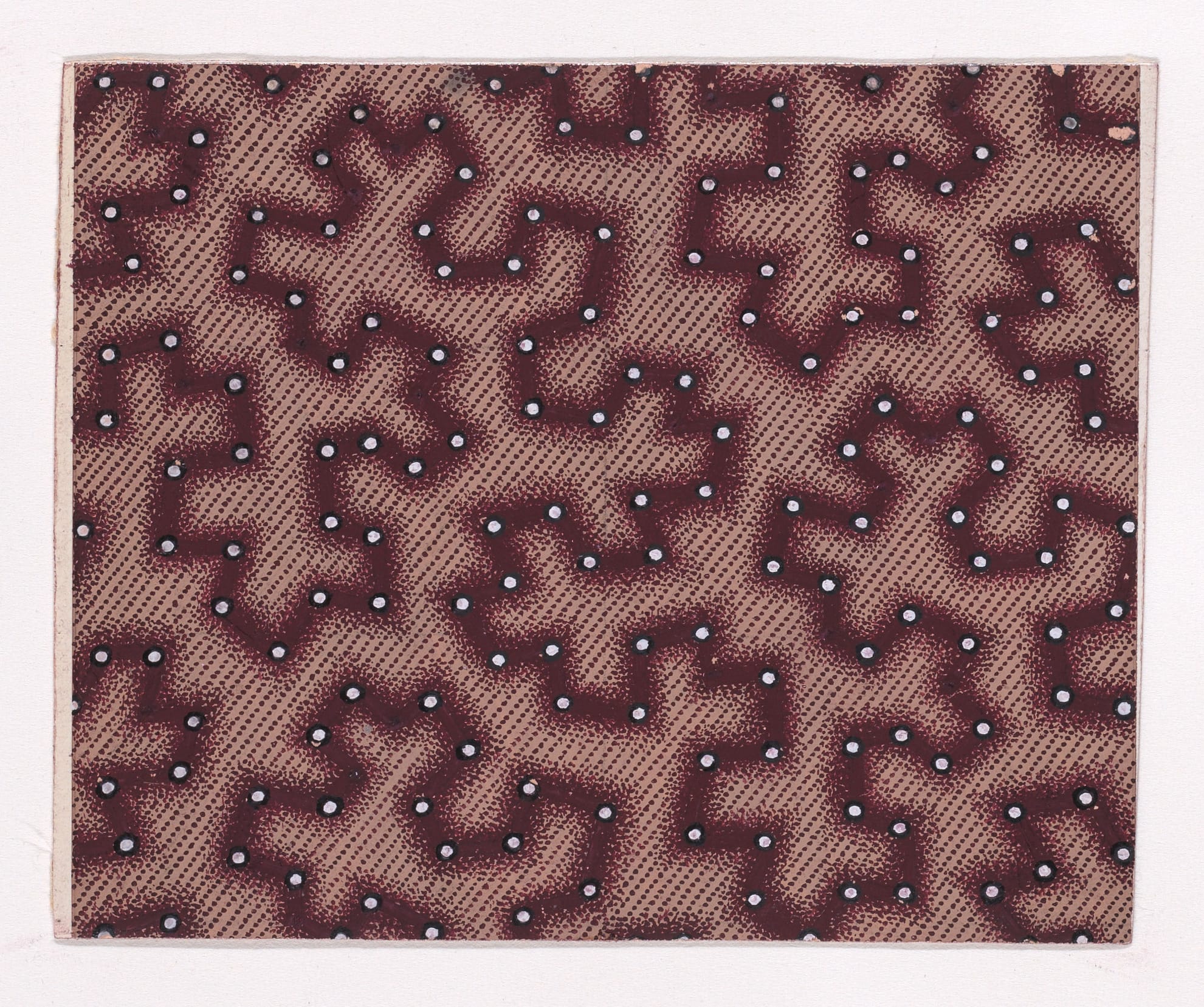
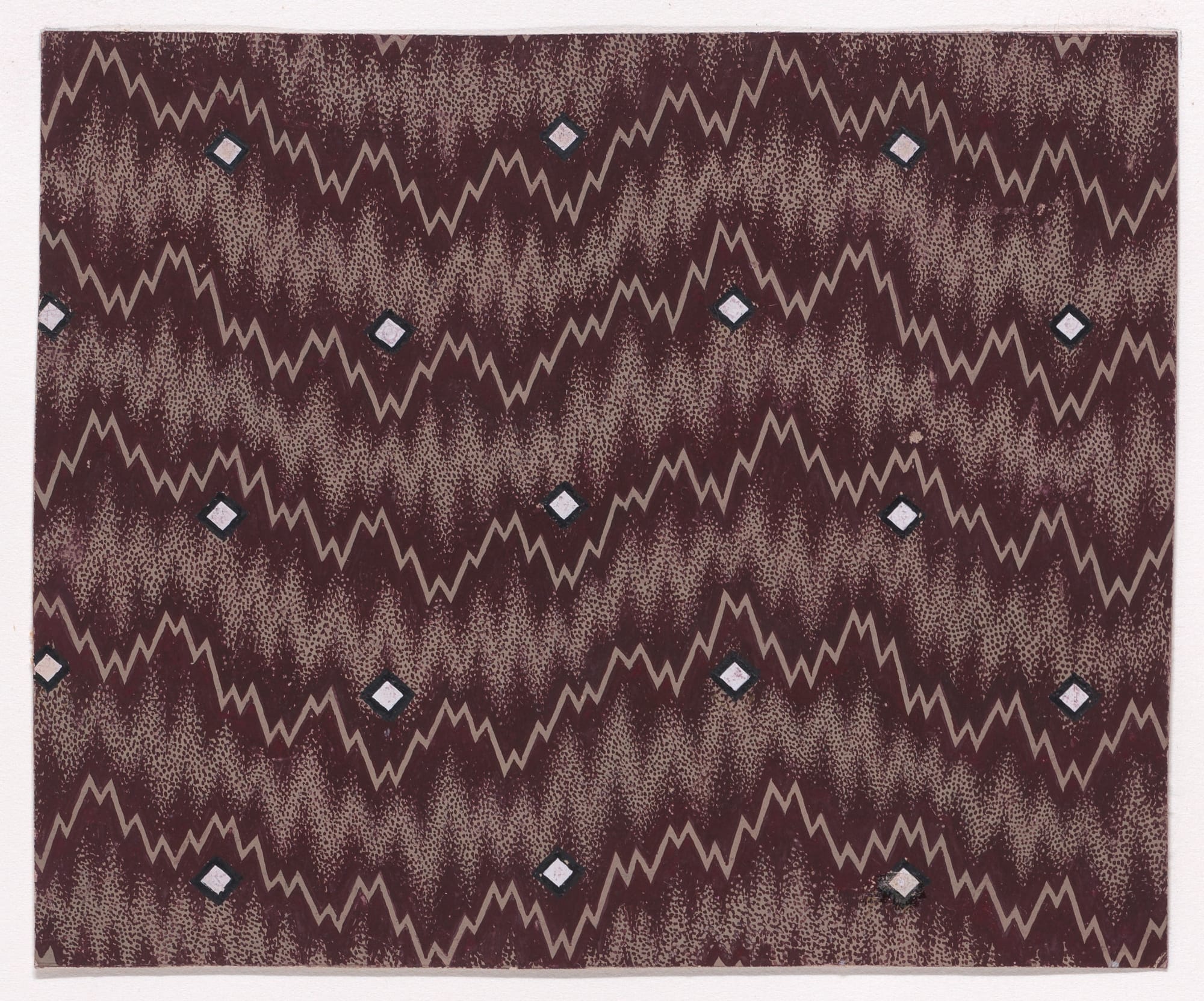
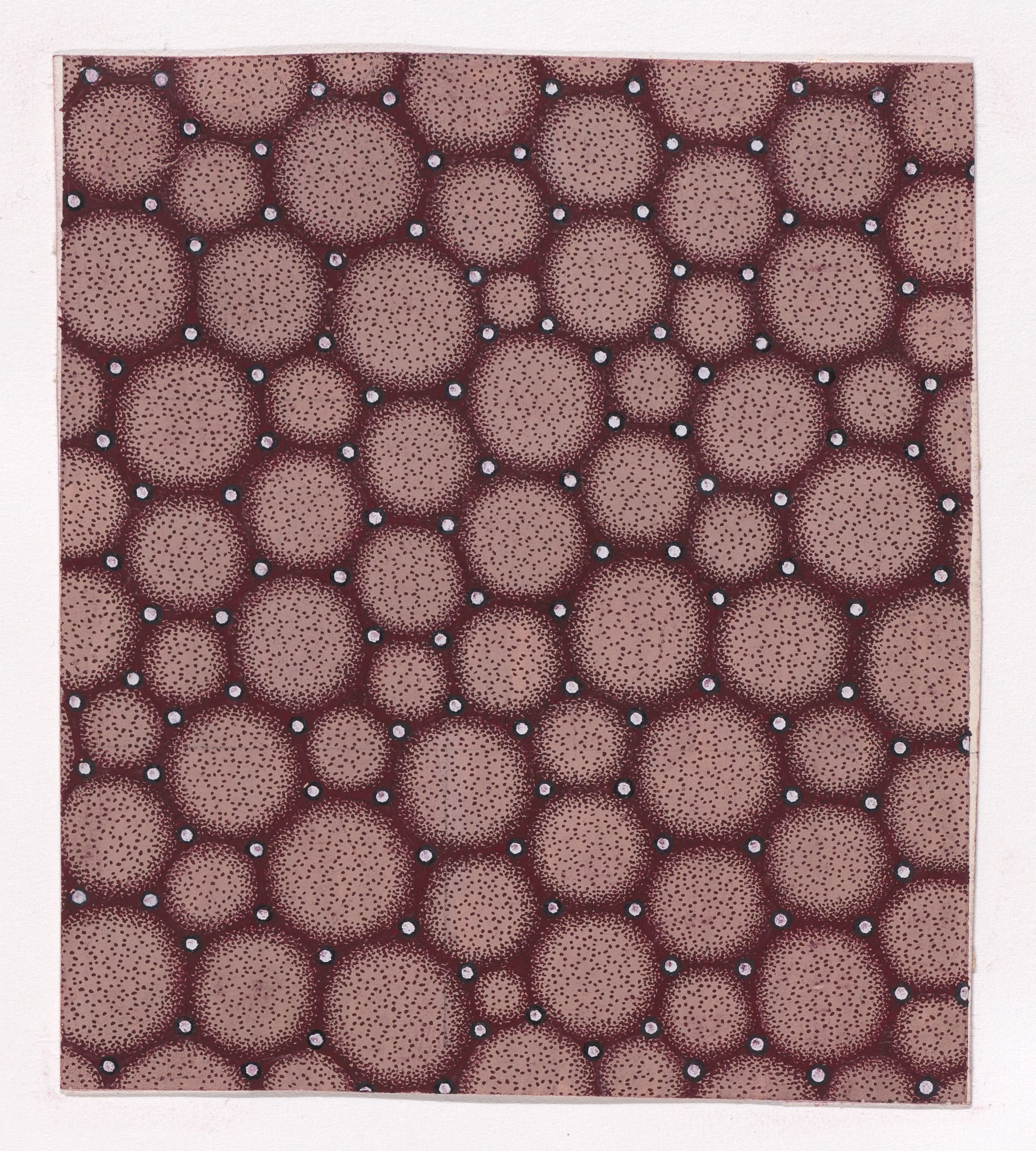
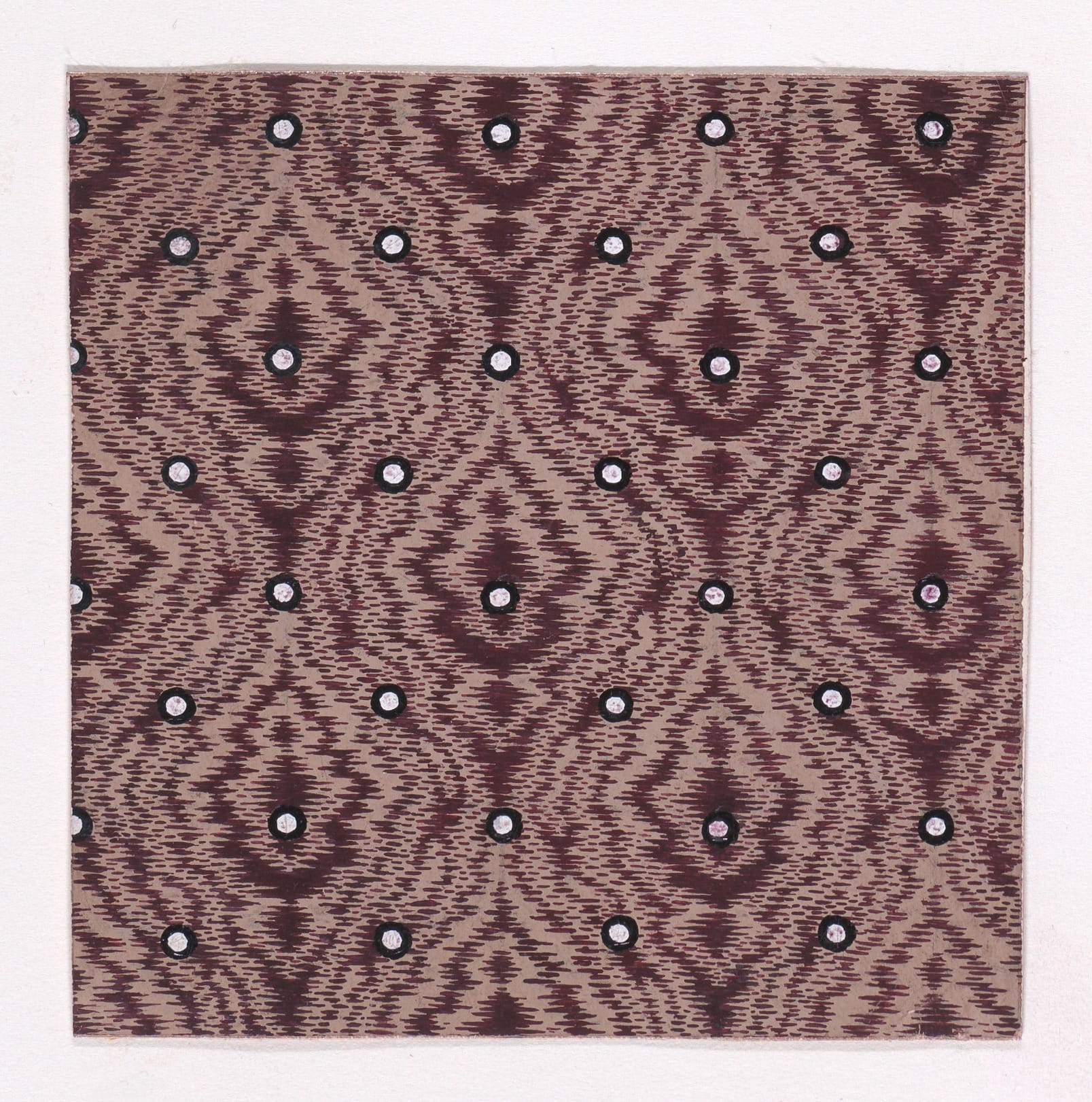

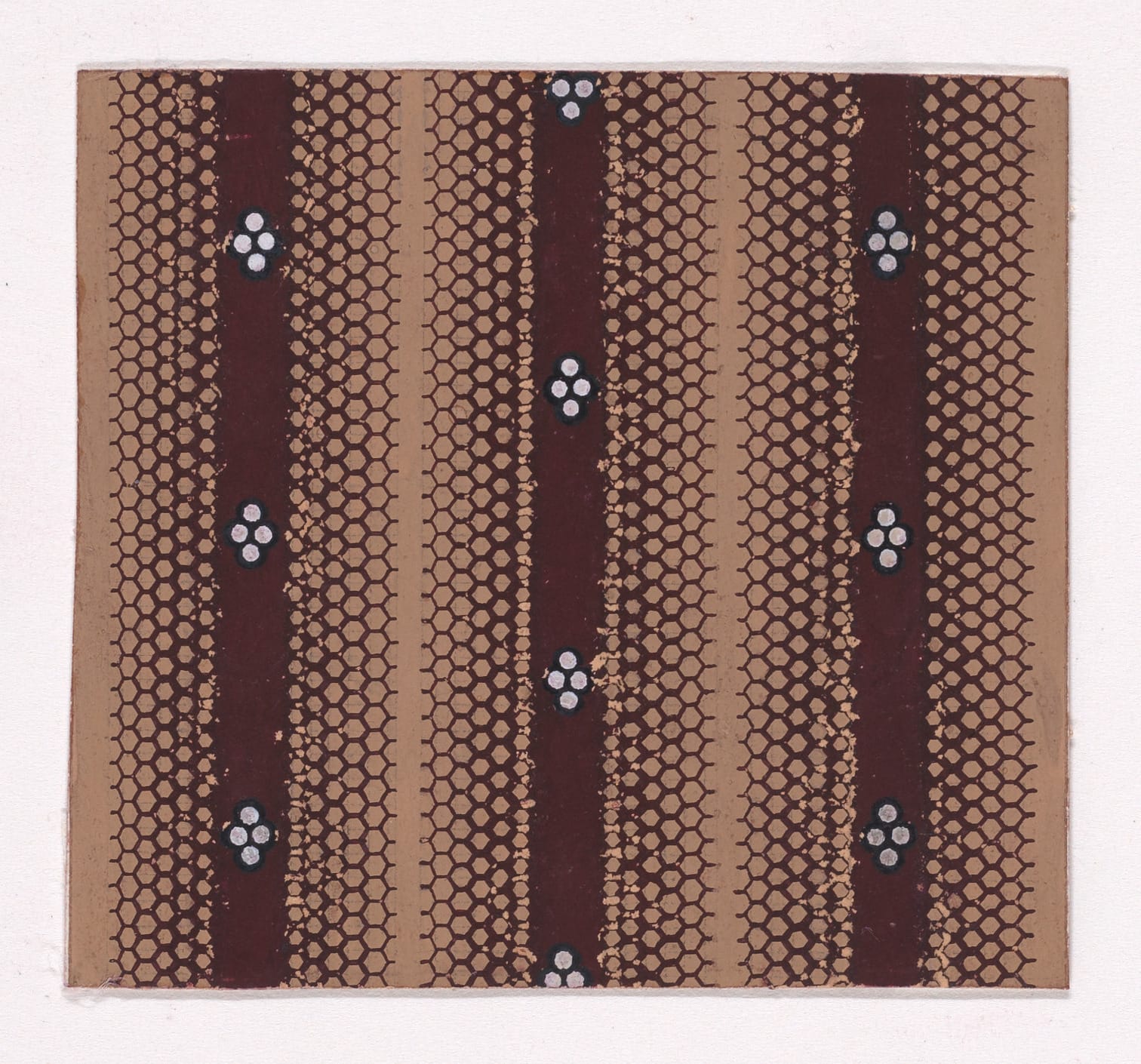
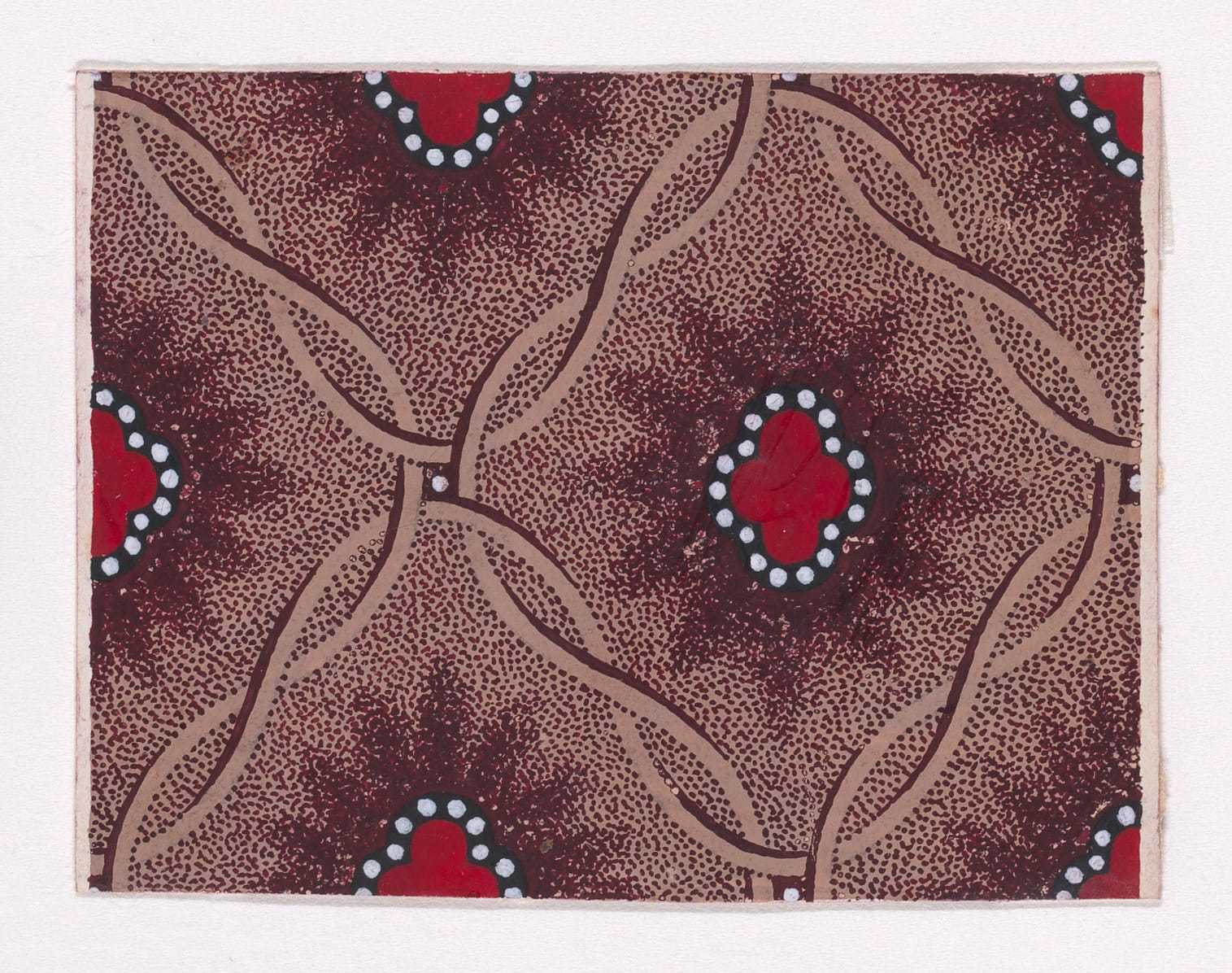
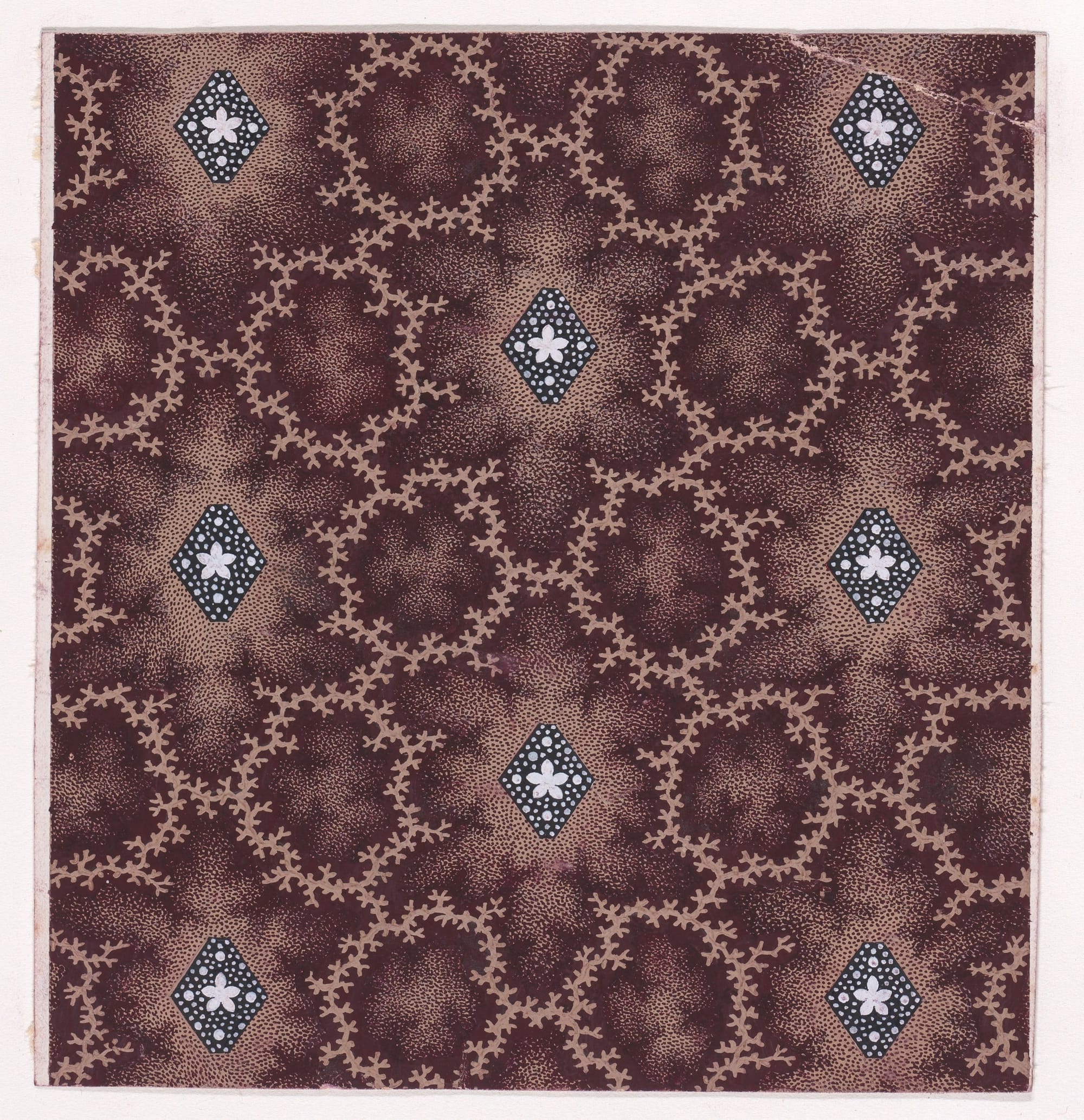
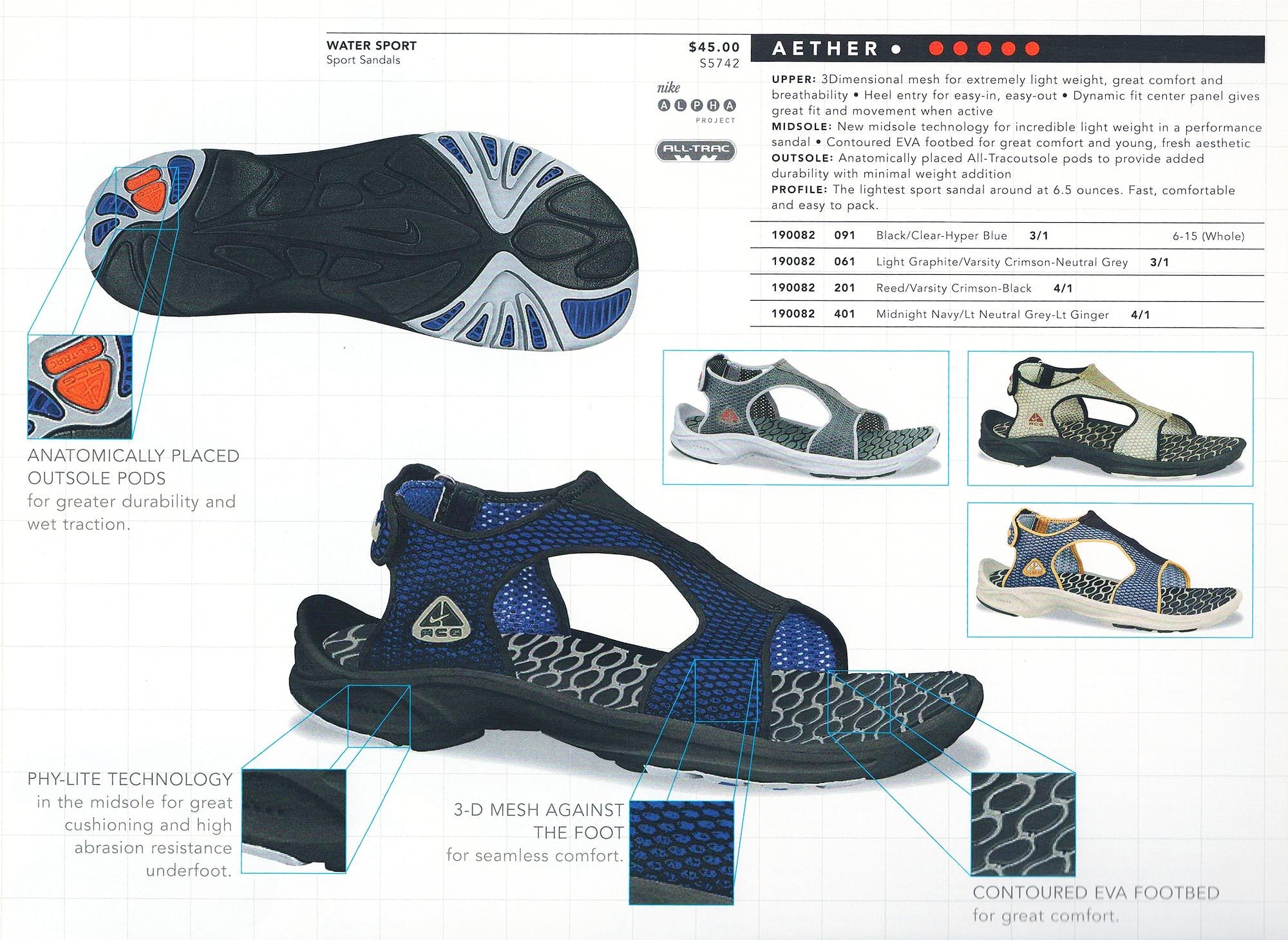
Full catalog download link below or through the server.


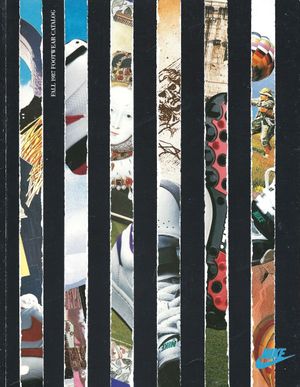
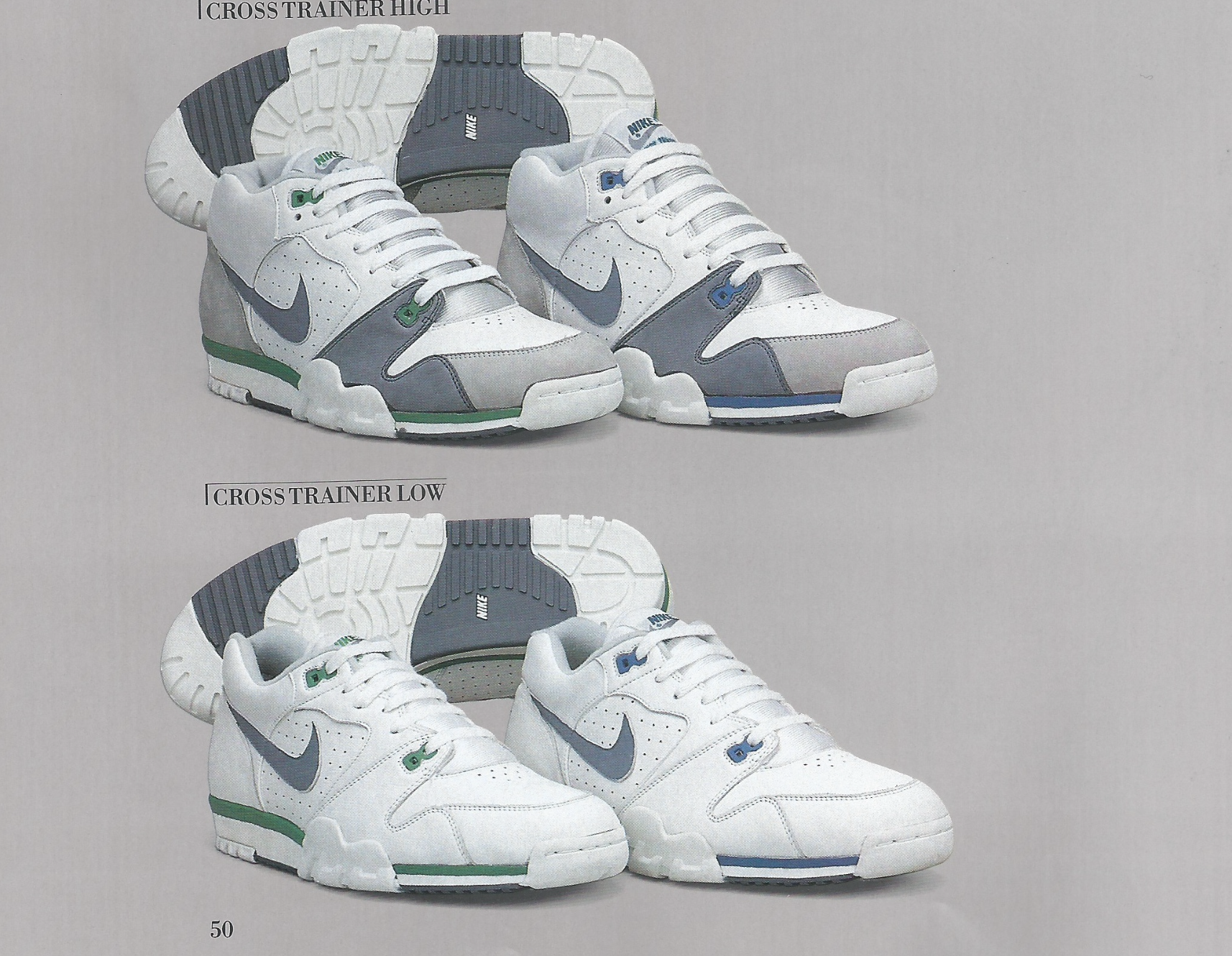
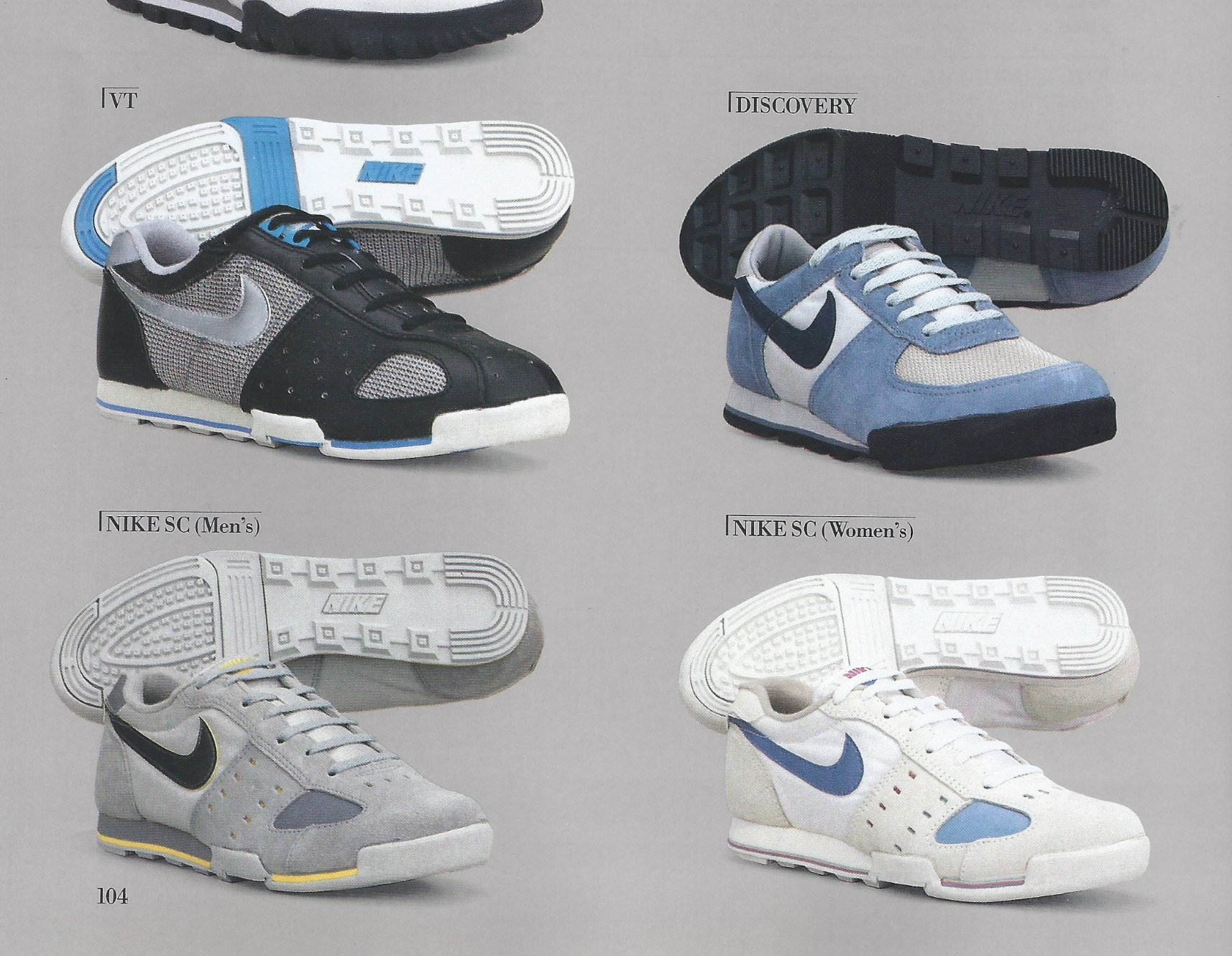
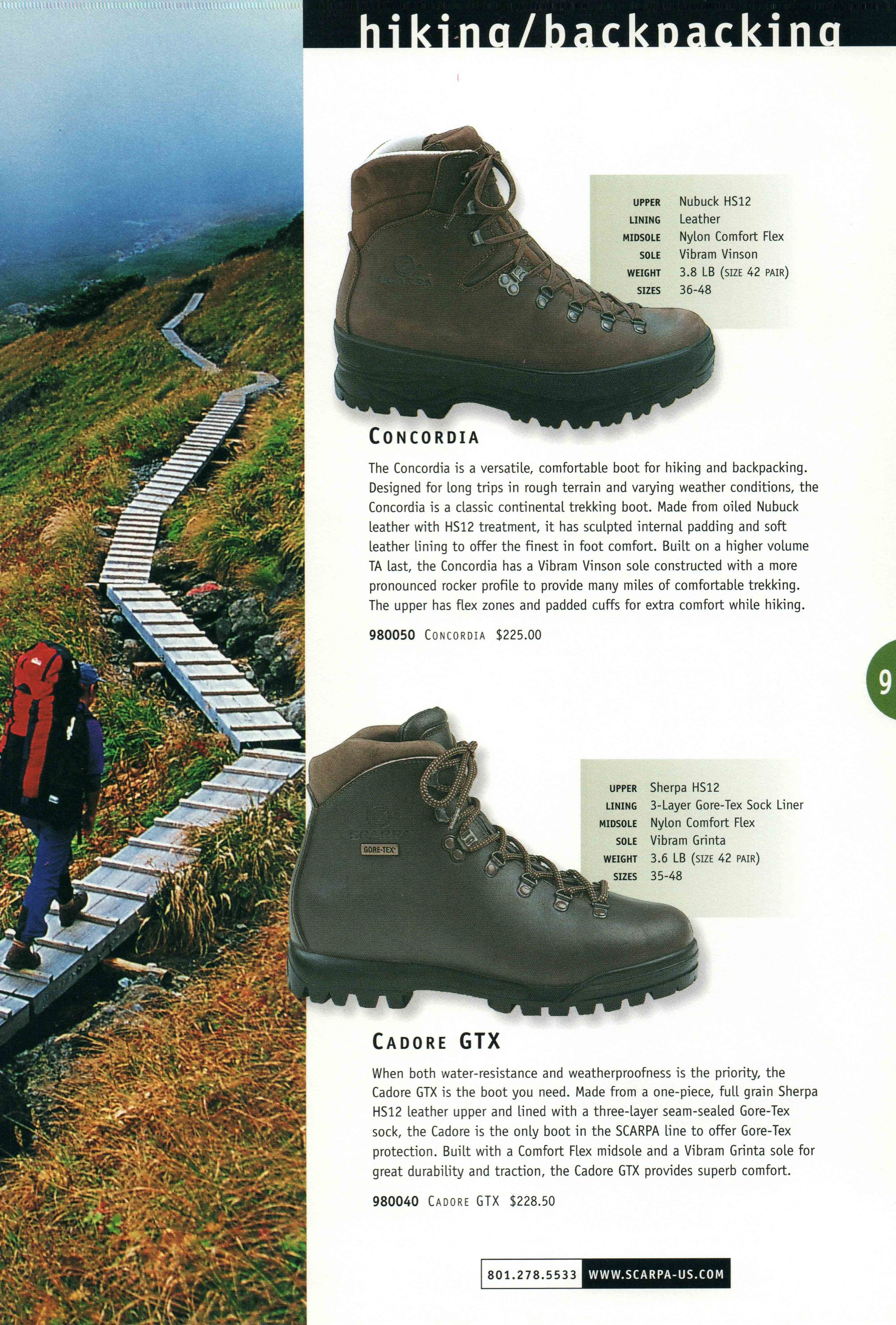
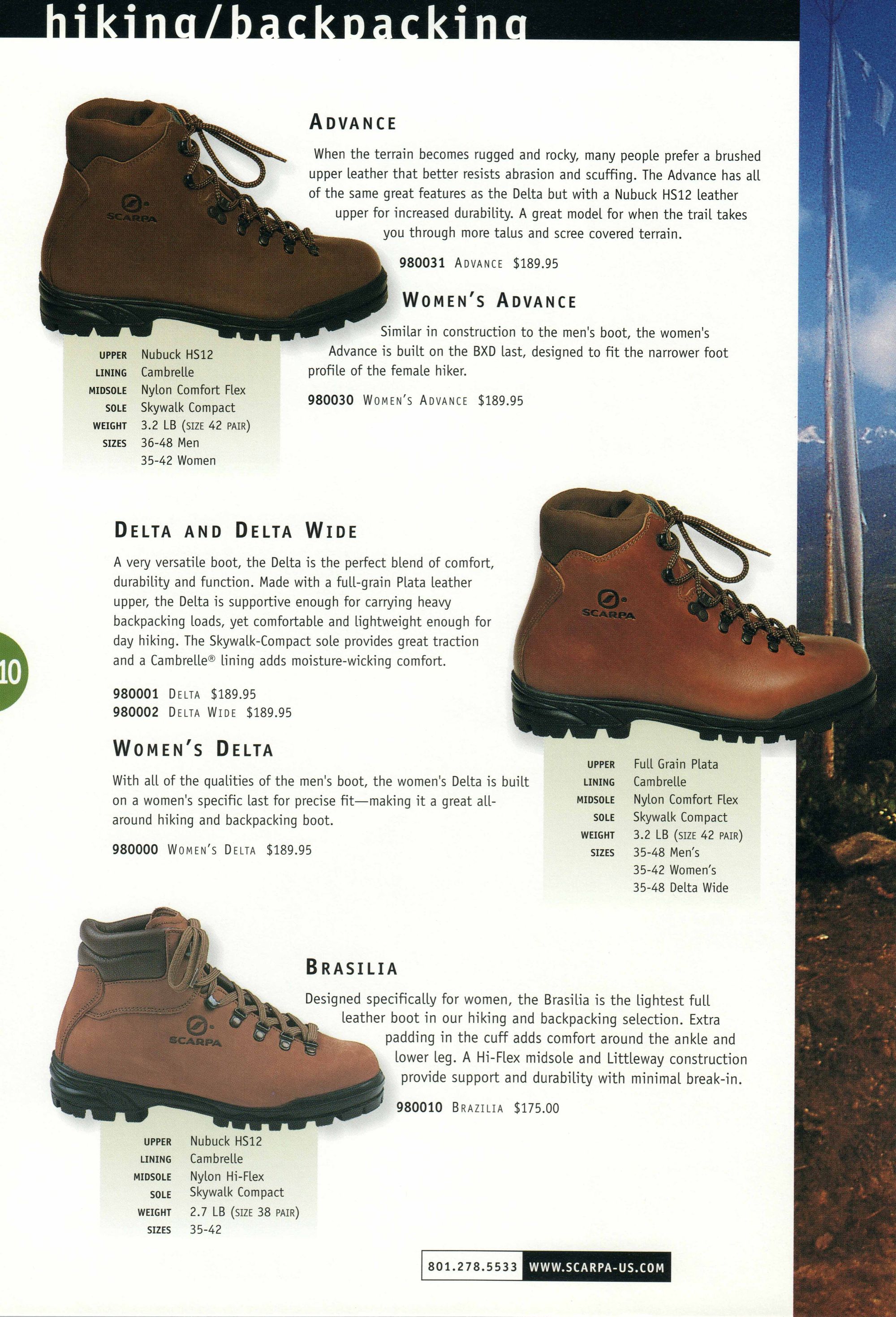
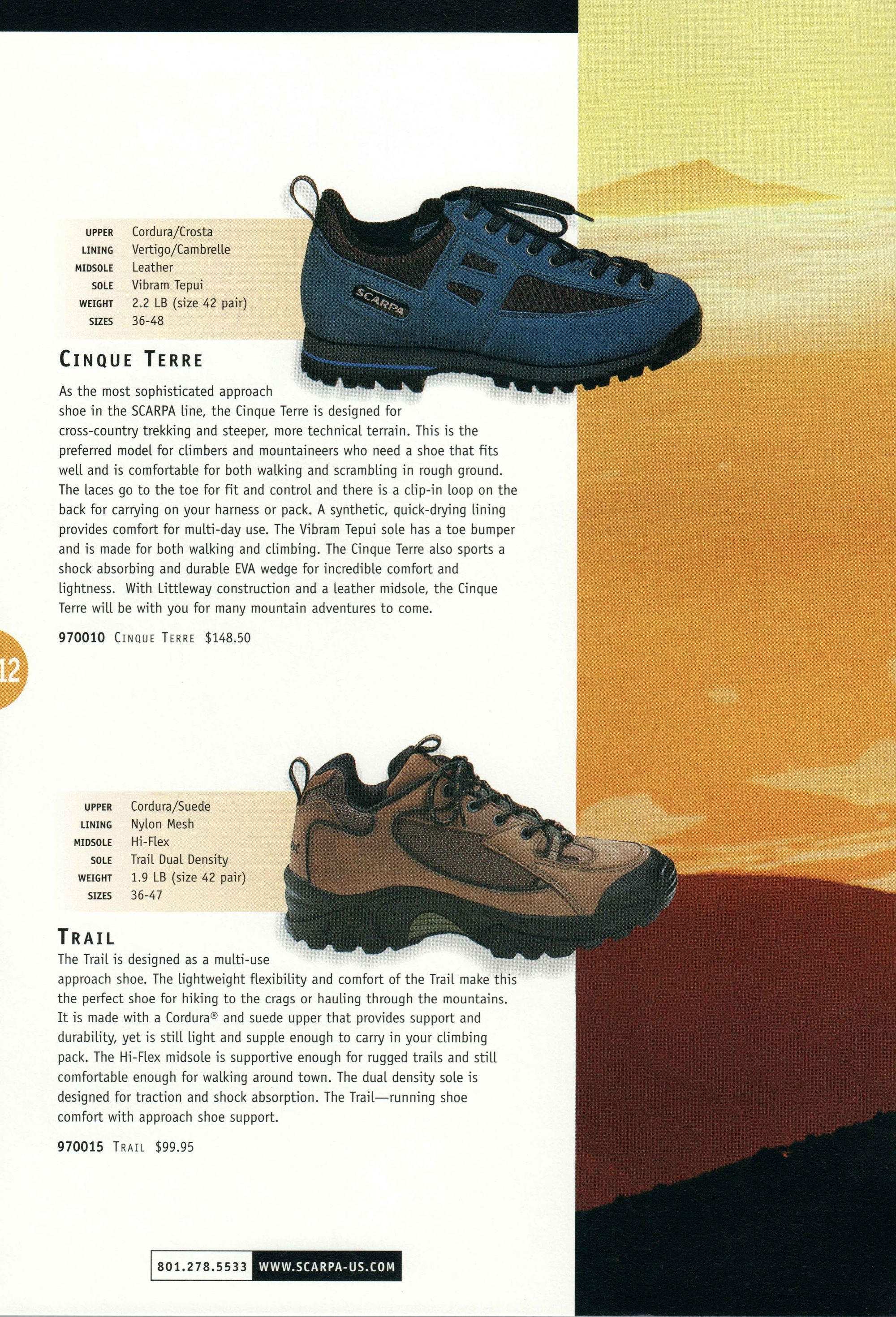
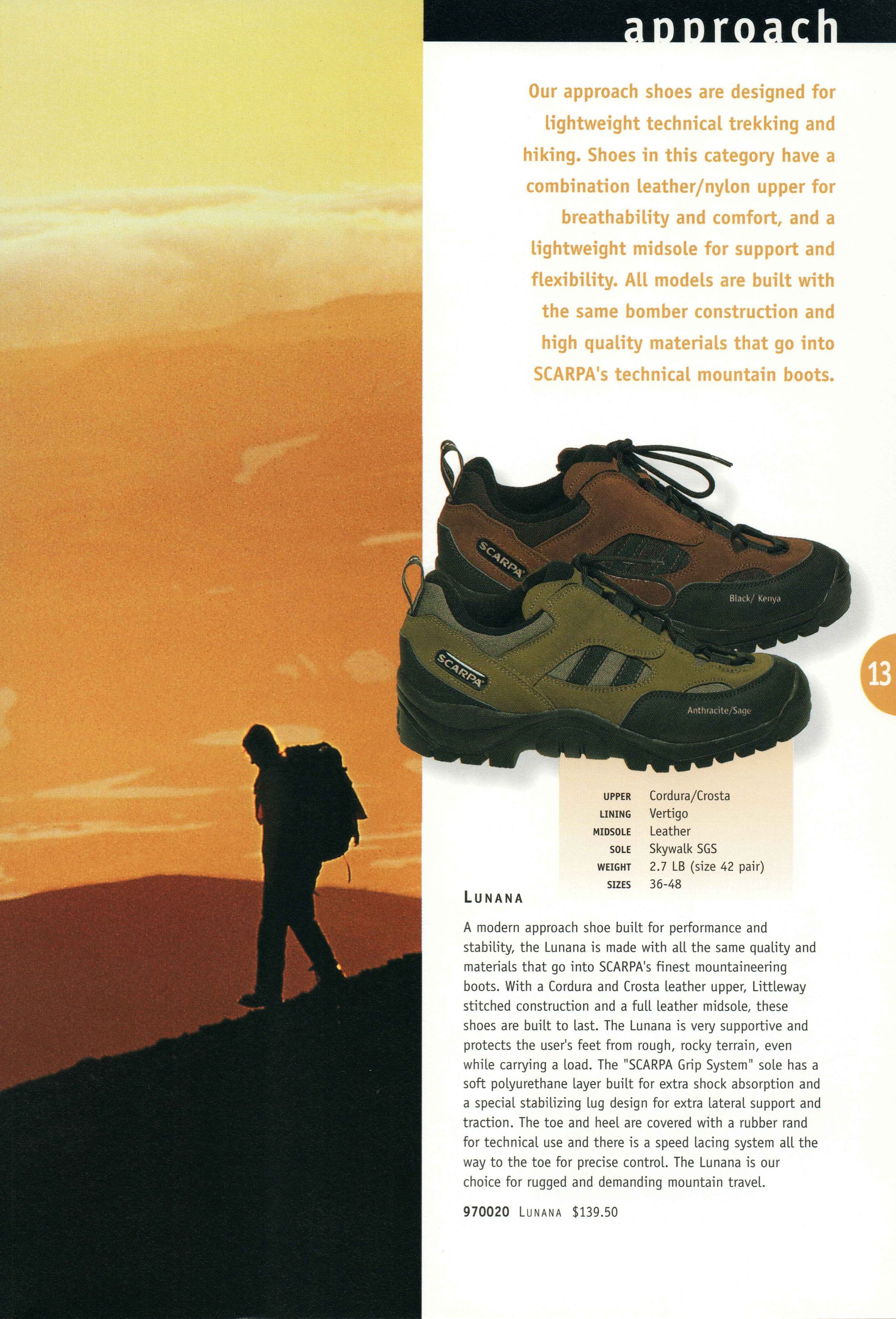
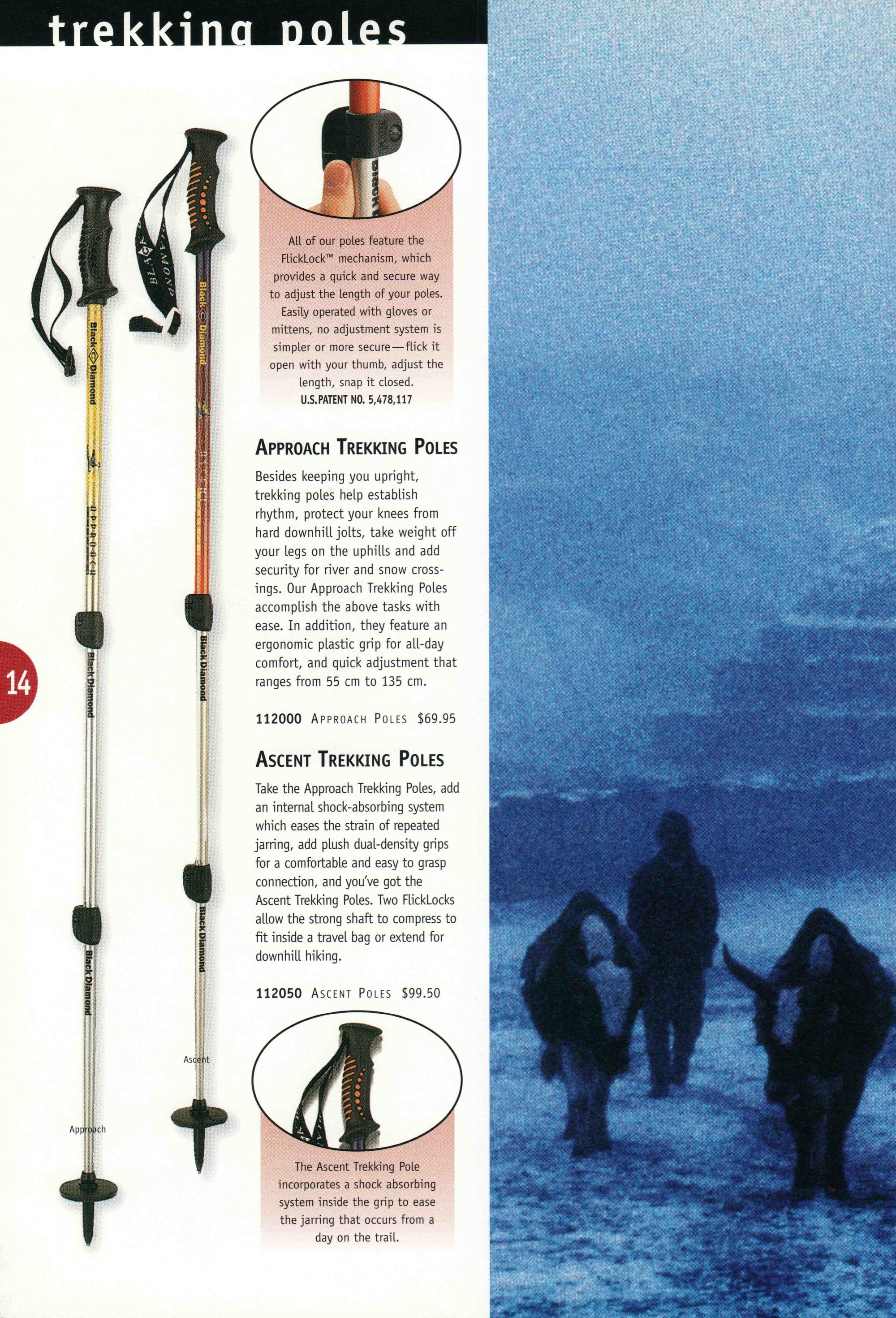
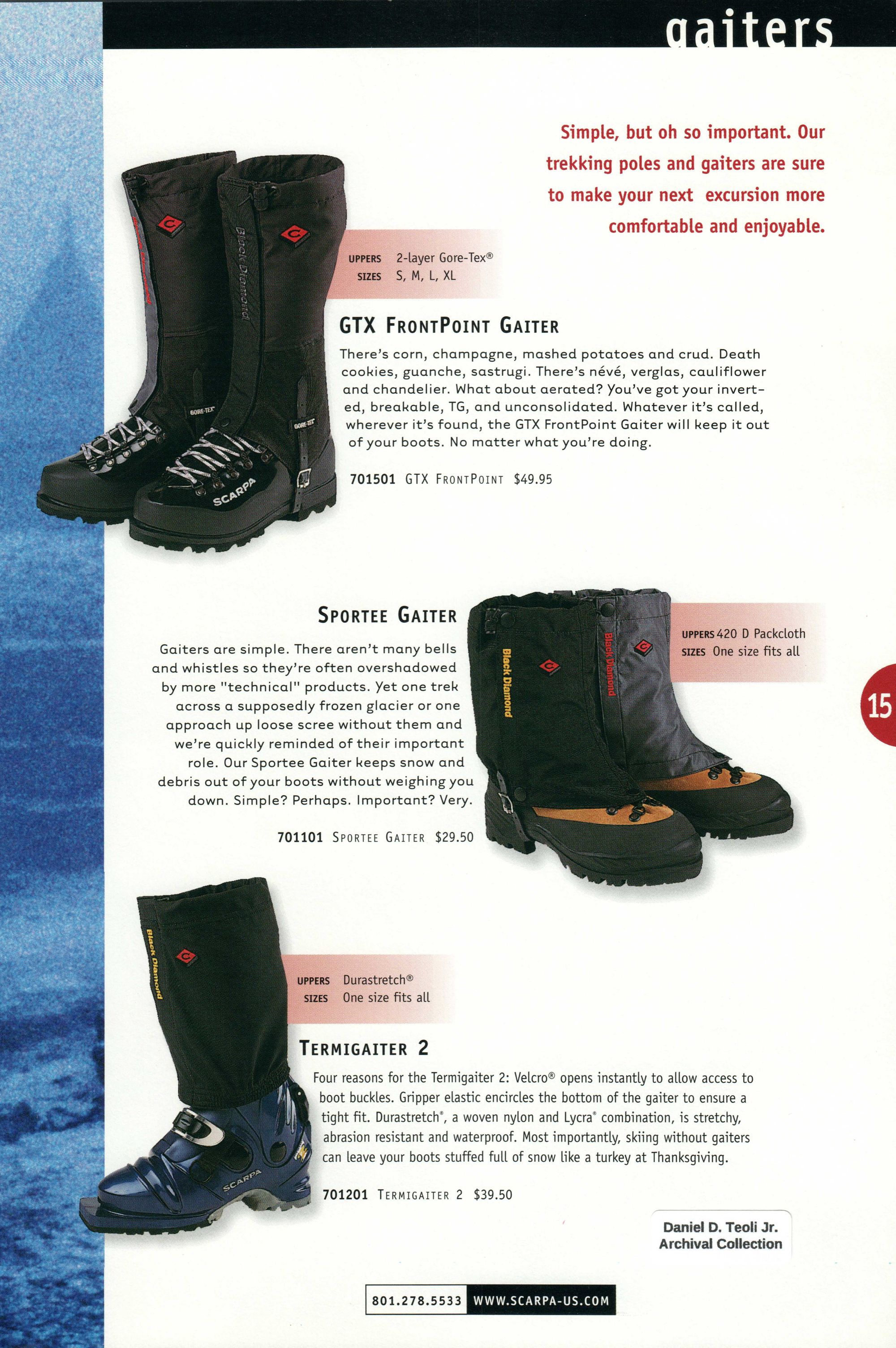
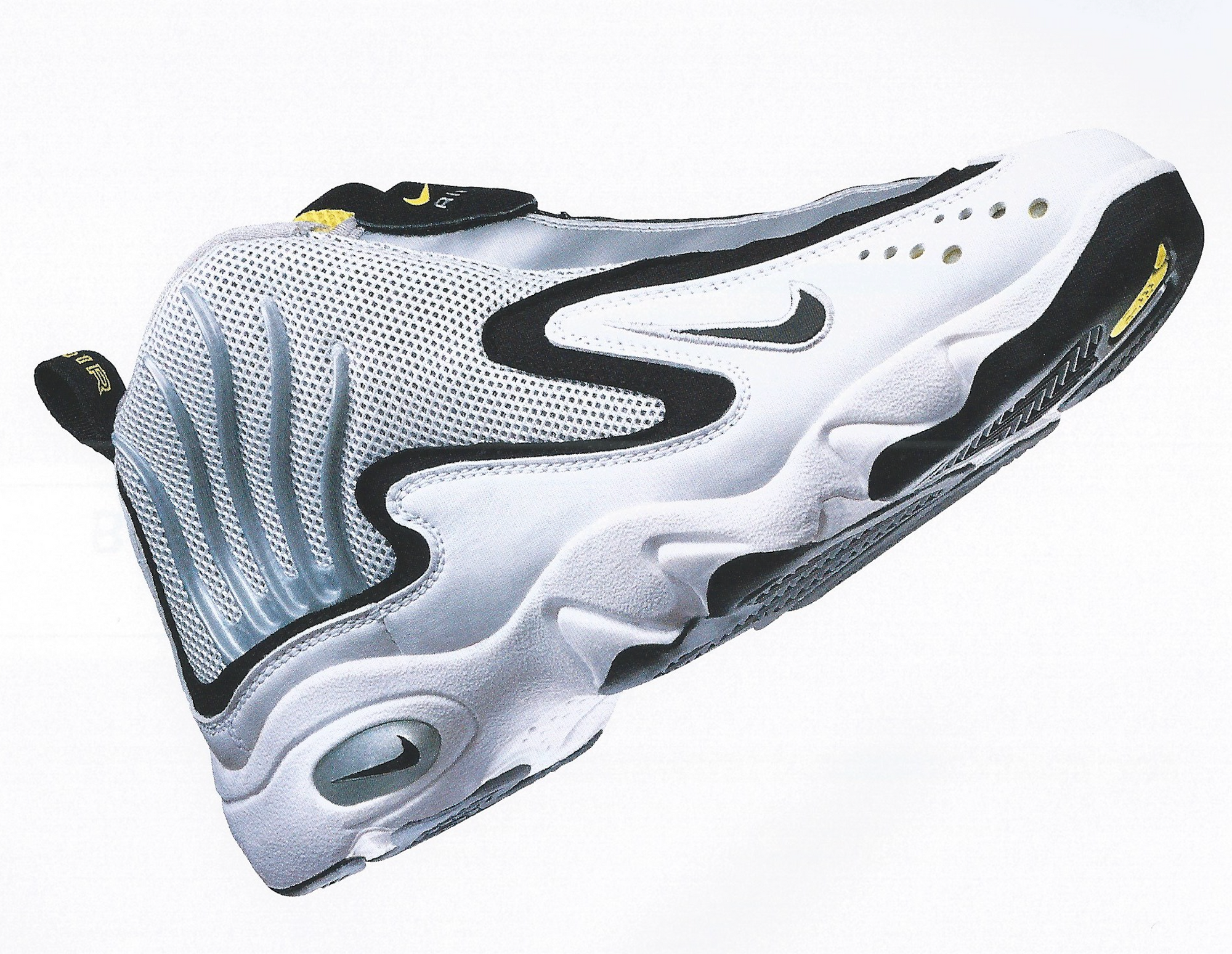
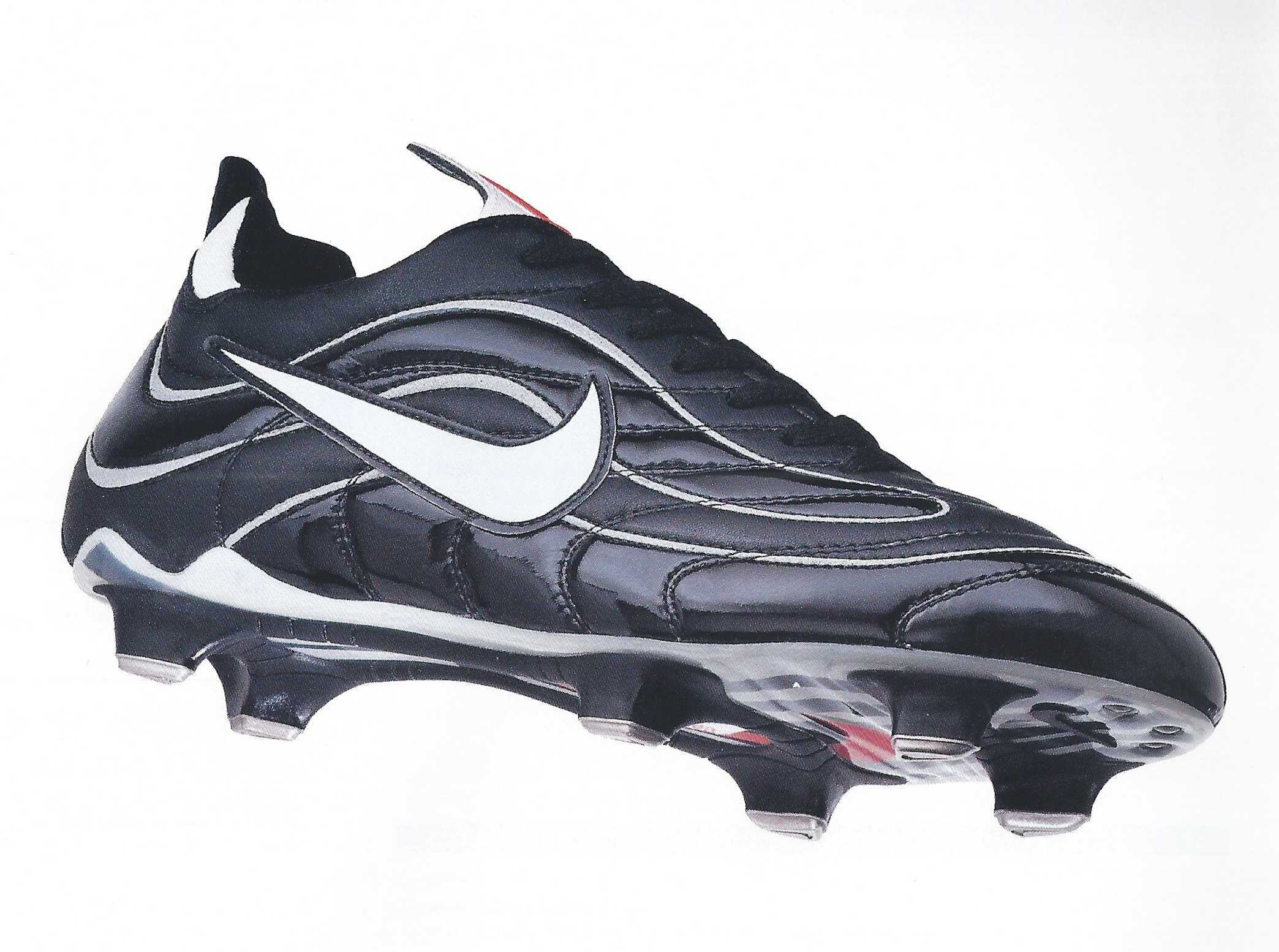
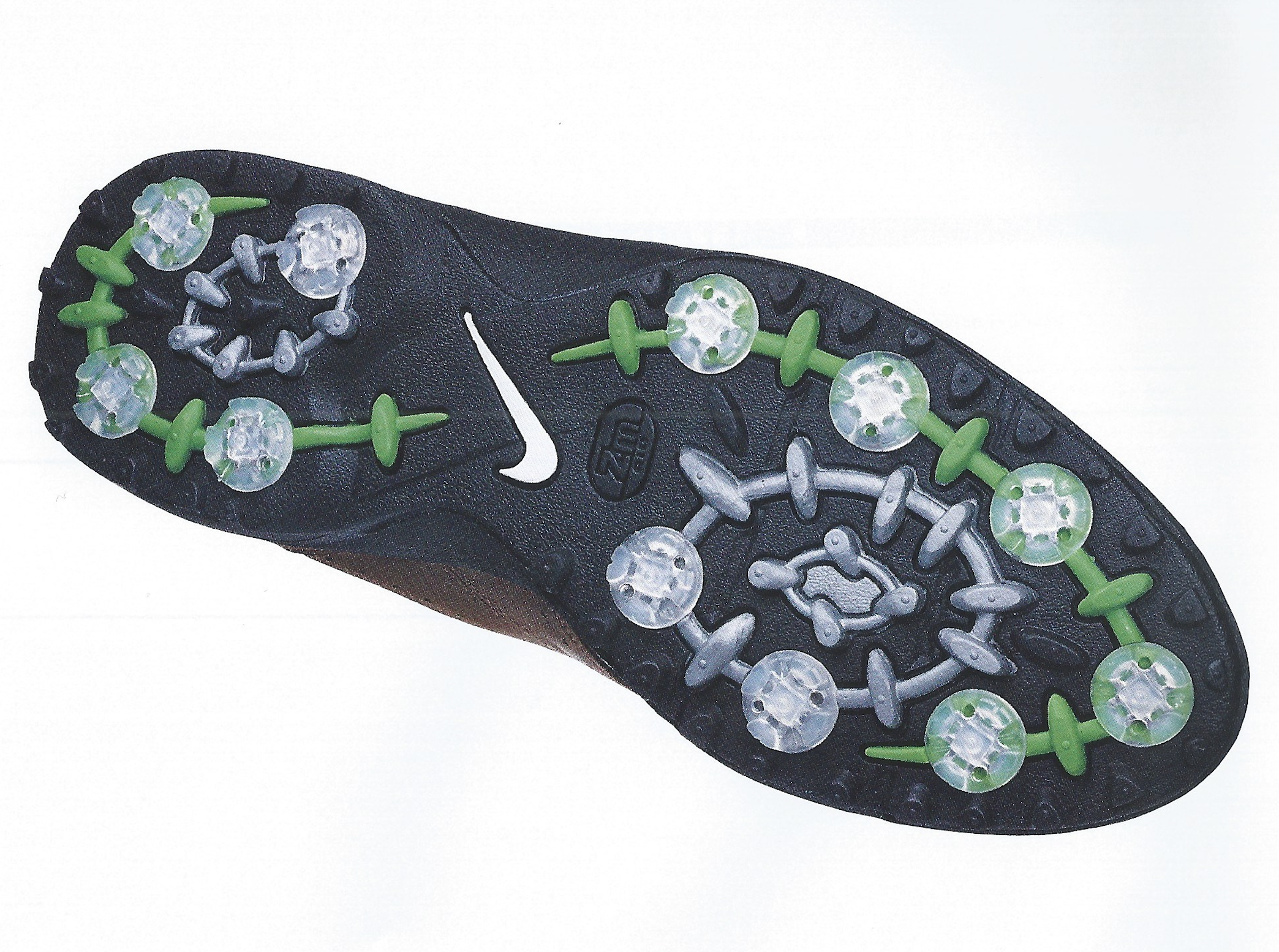
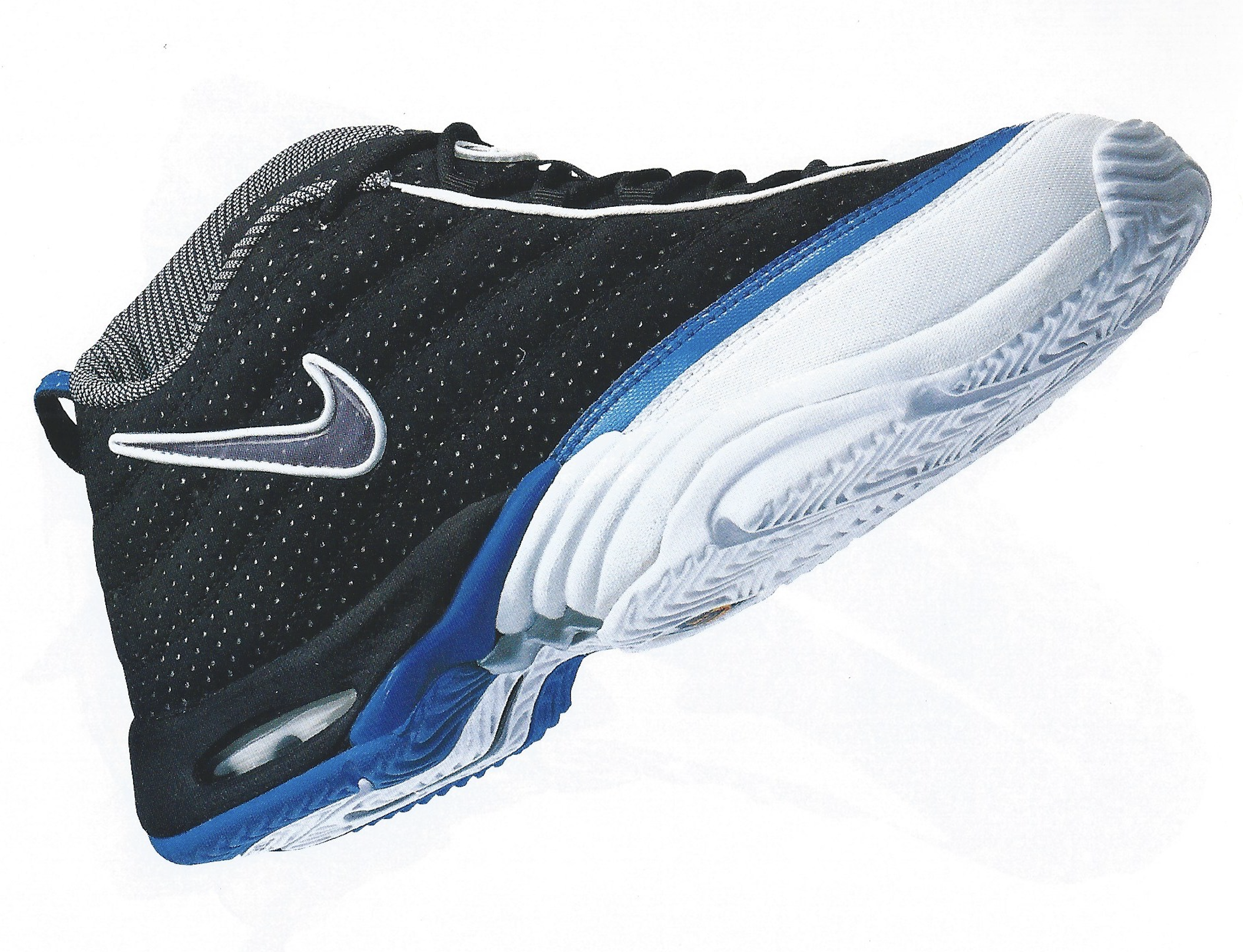
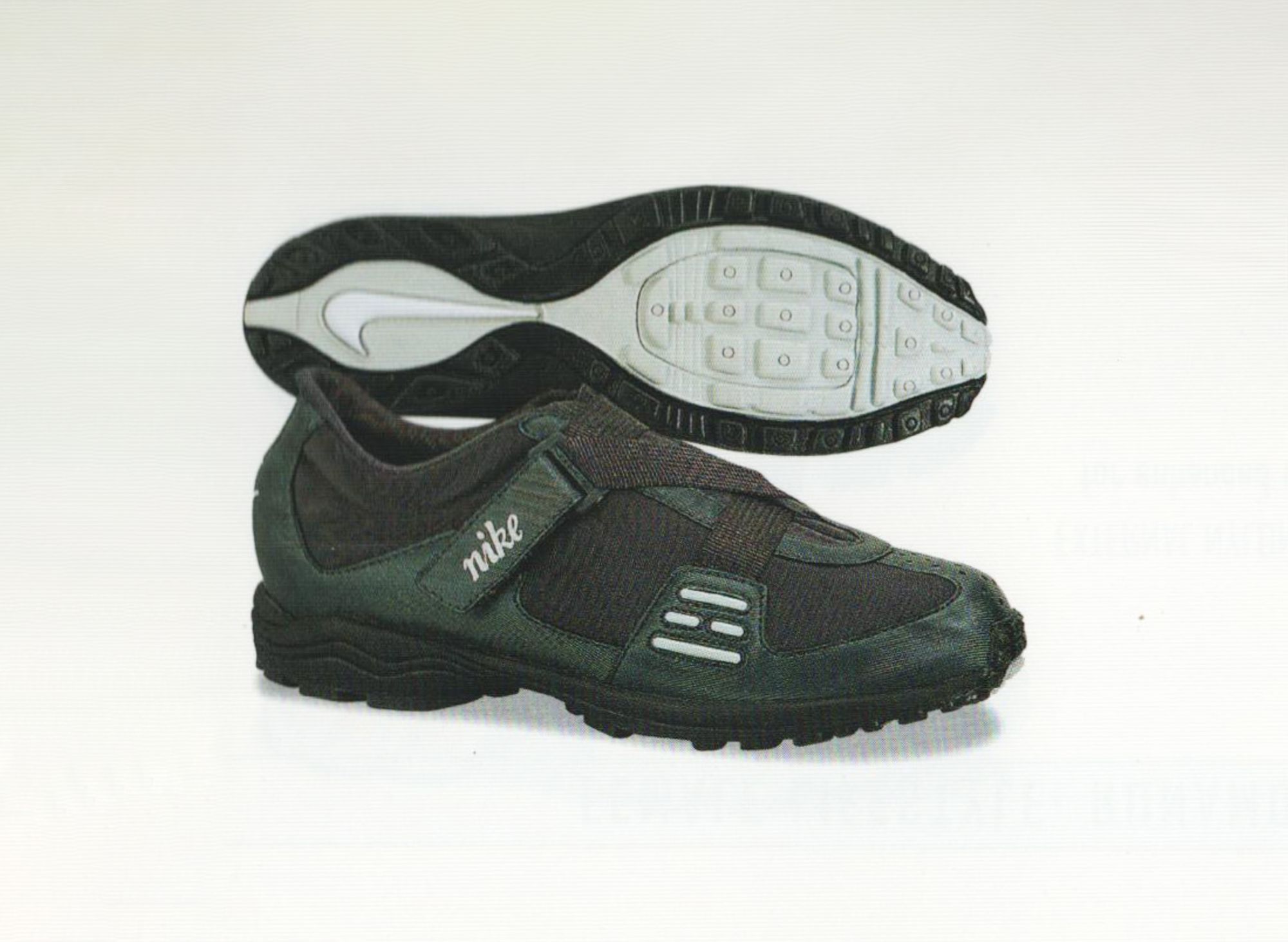
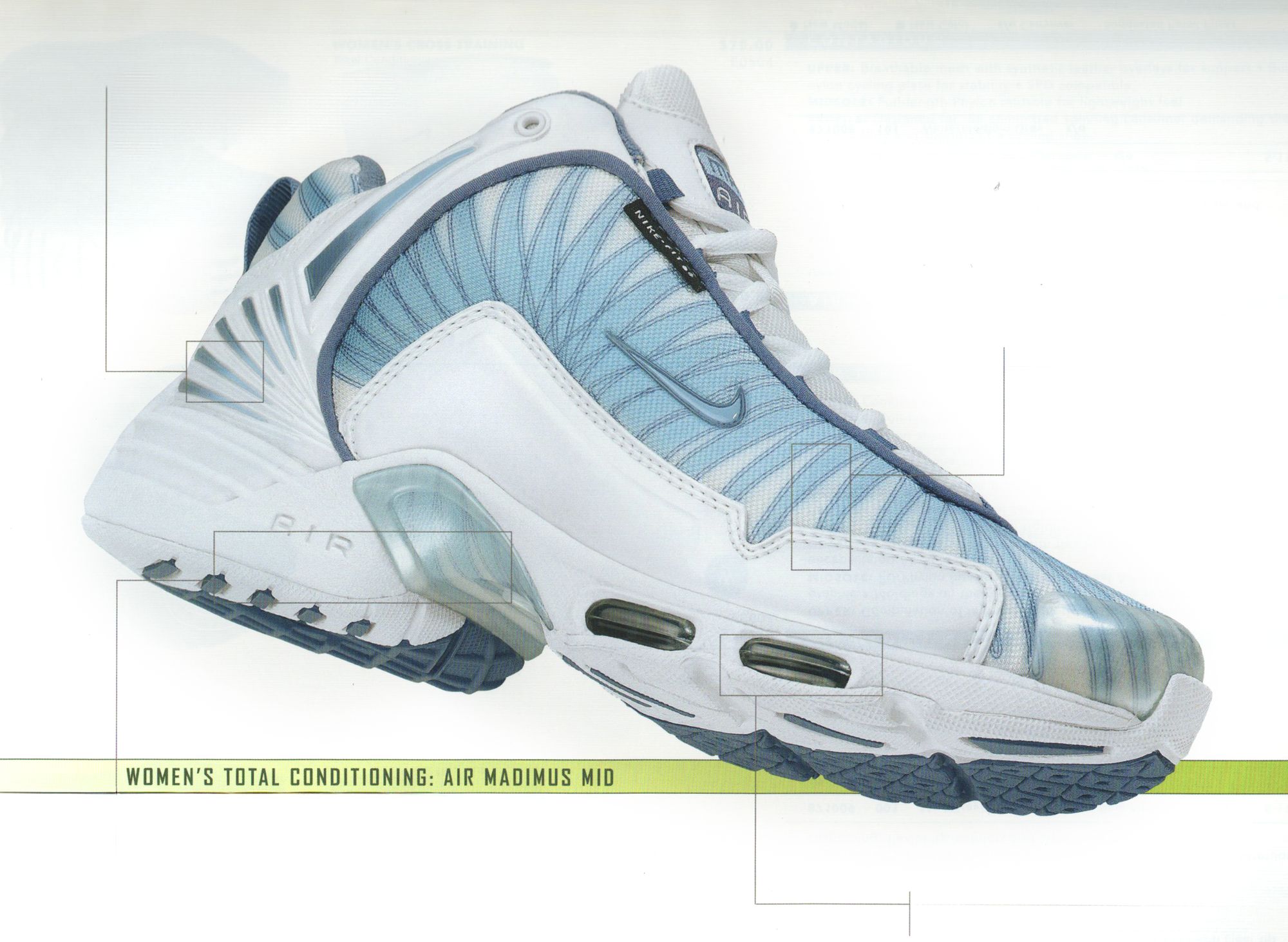
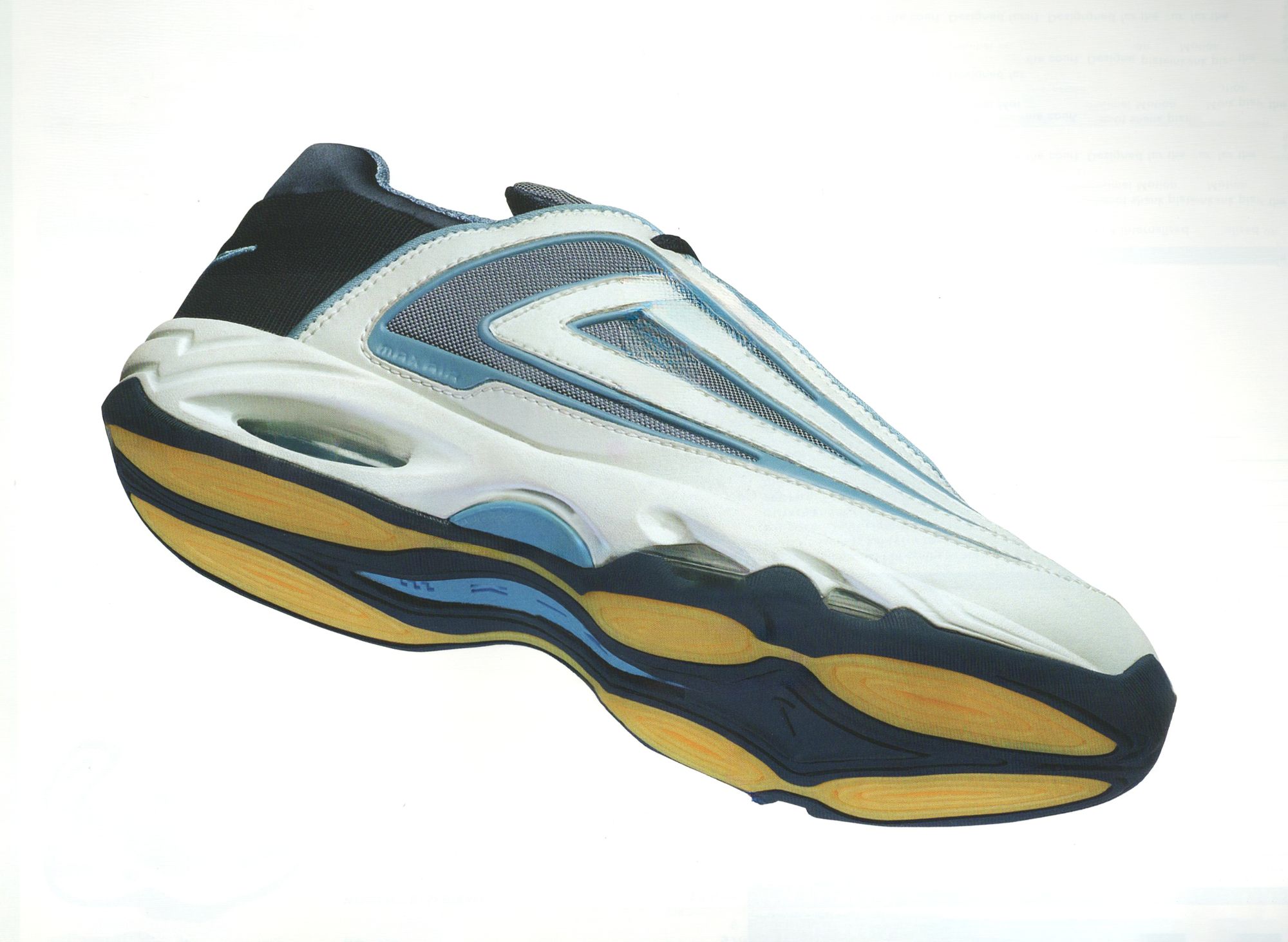
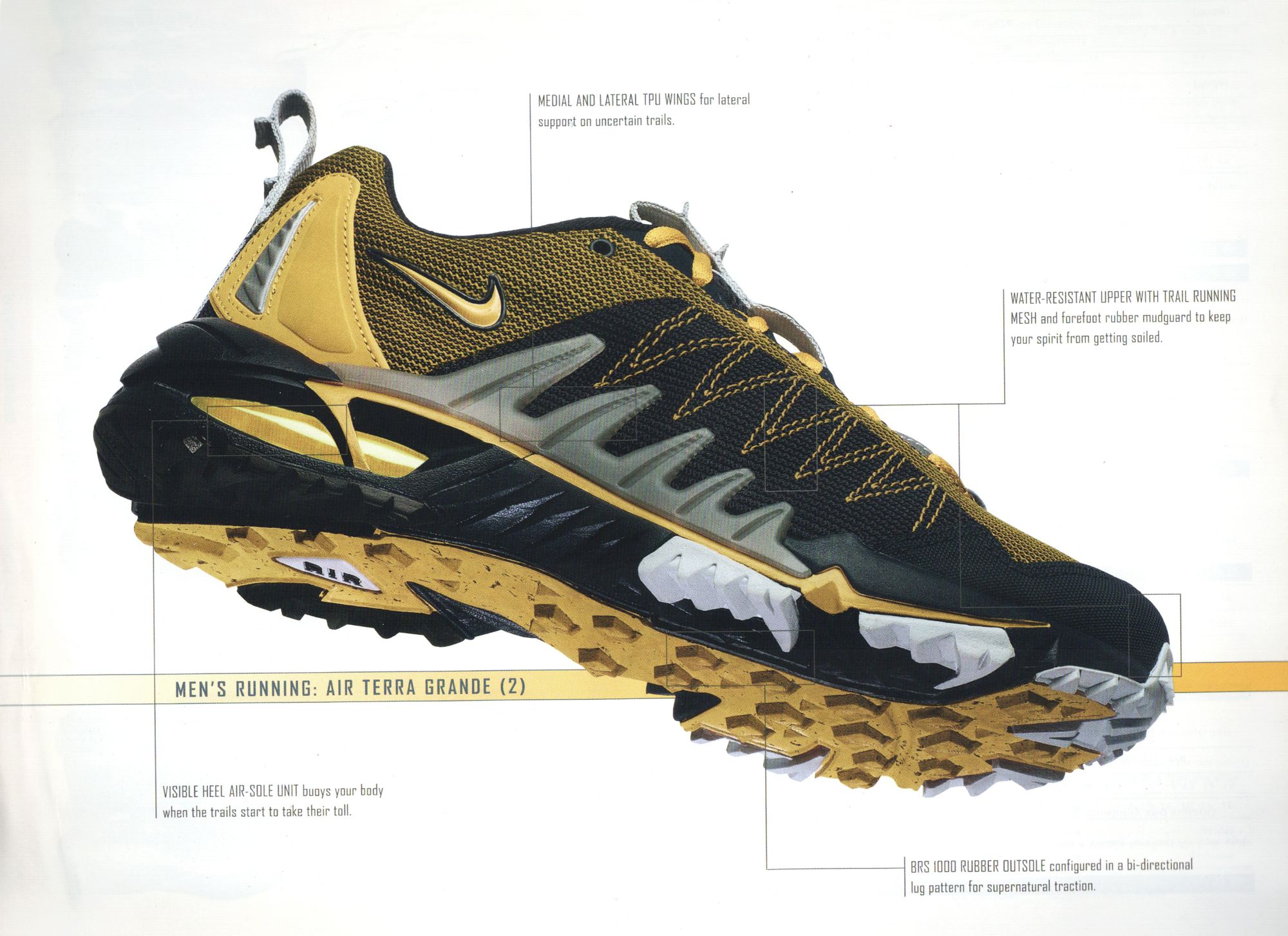
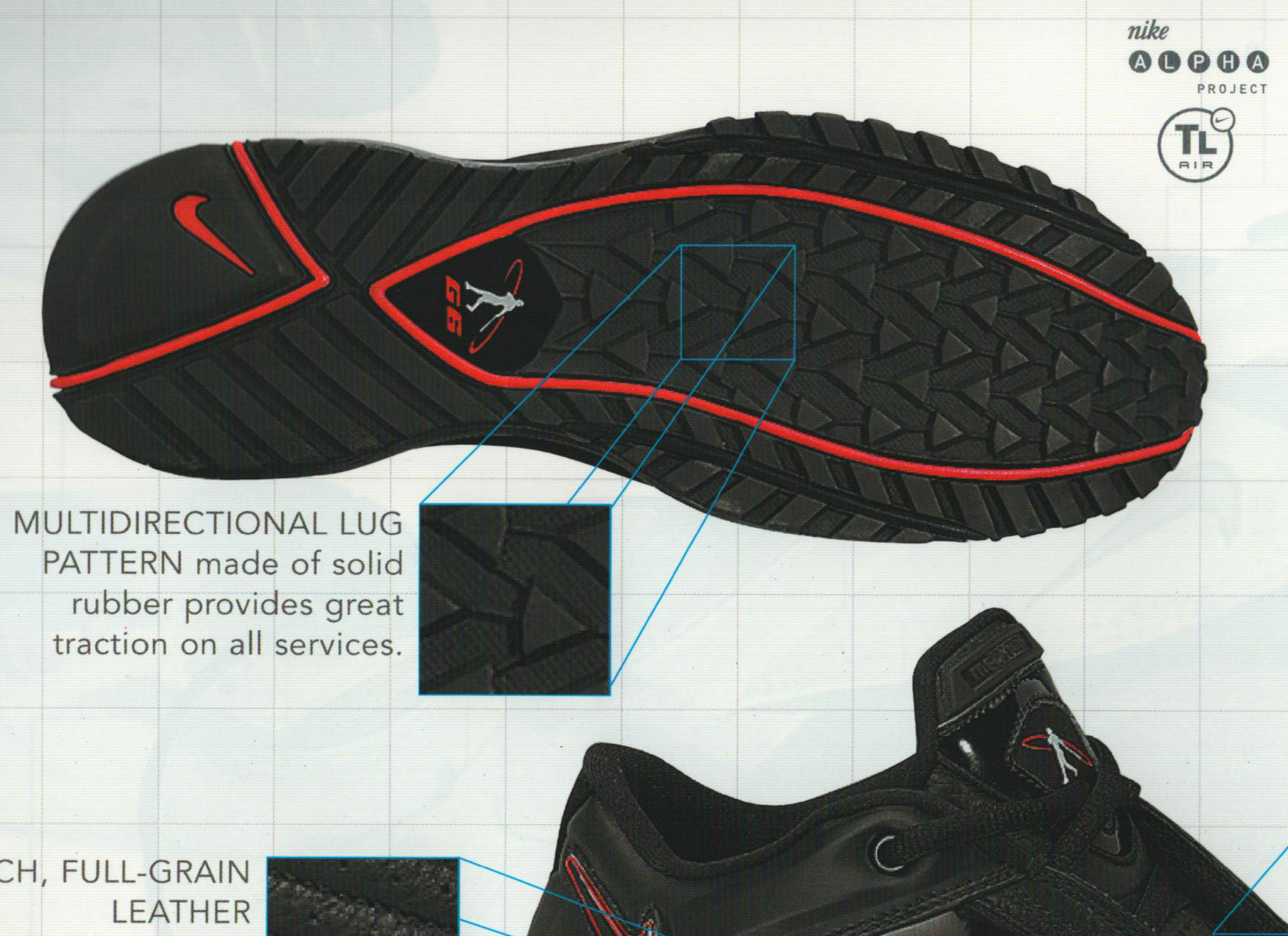
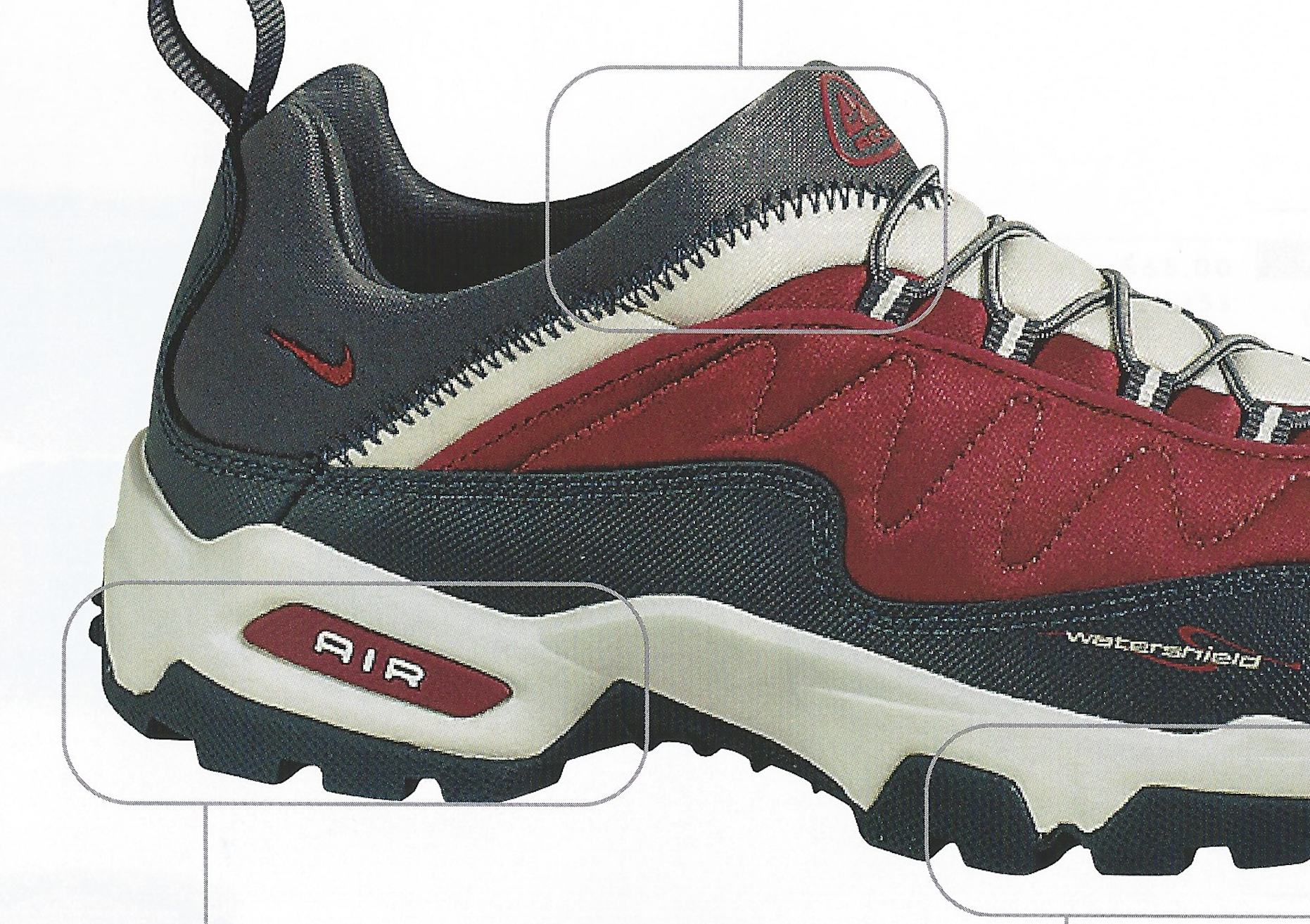
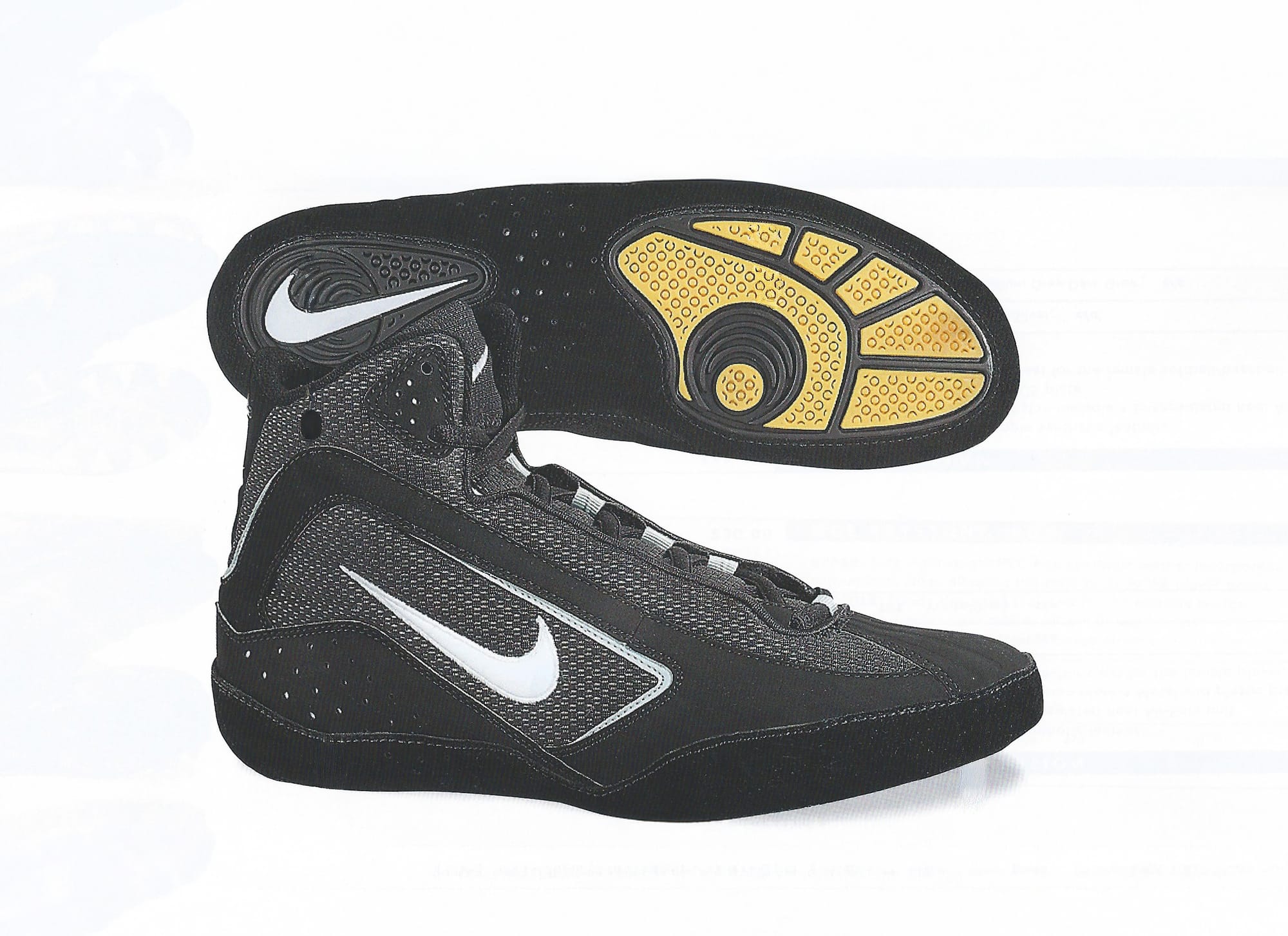
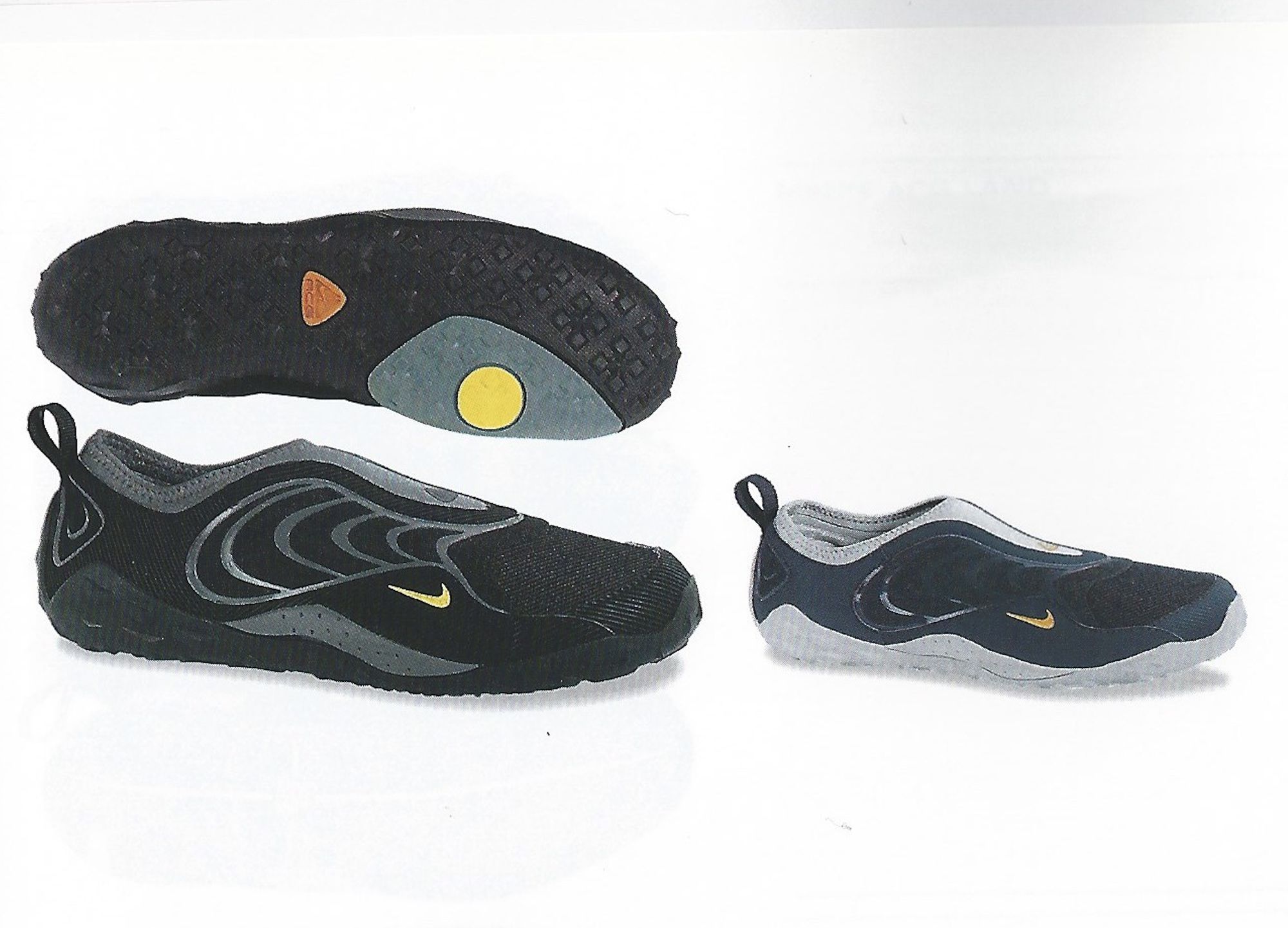
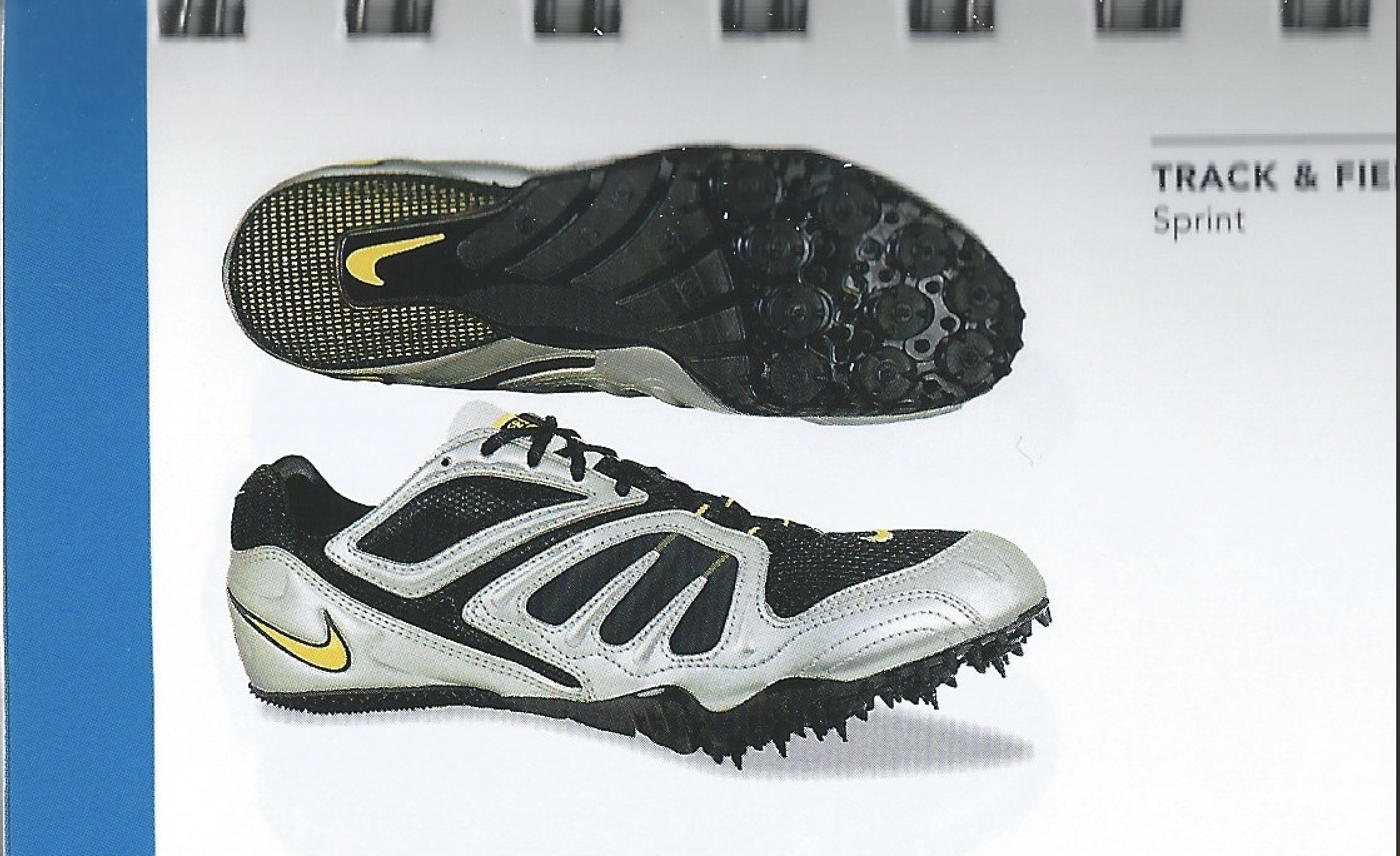
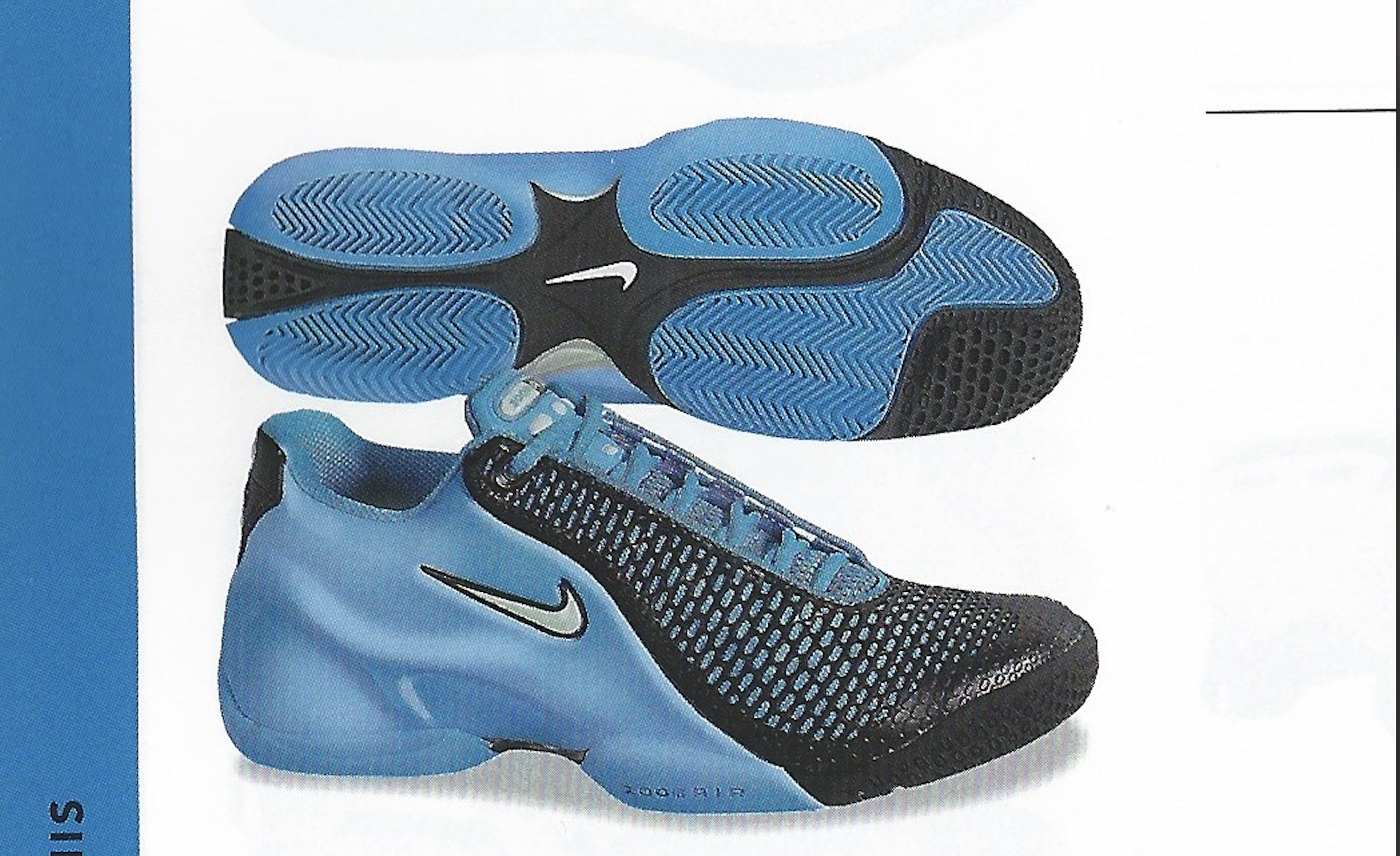
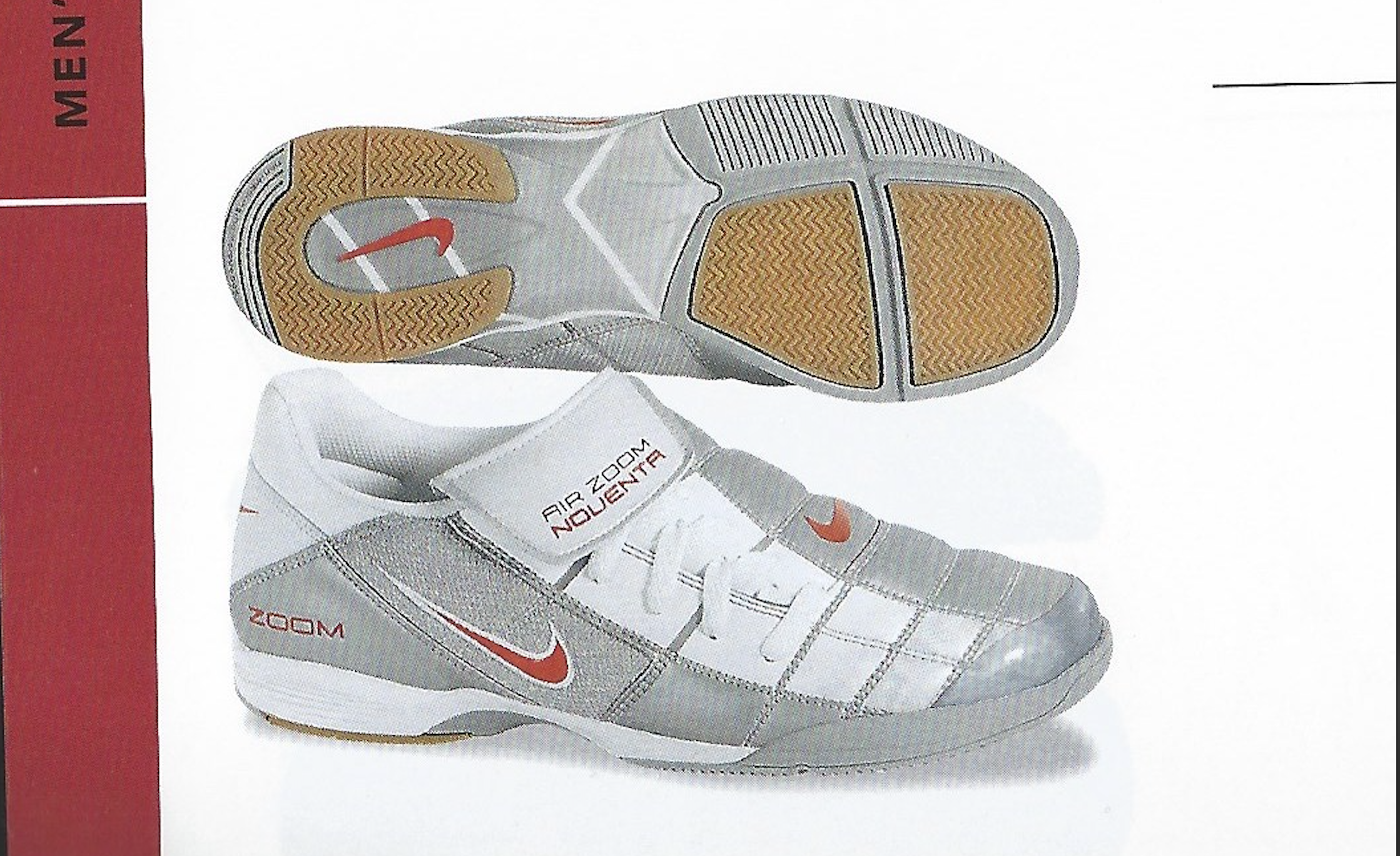
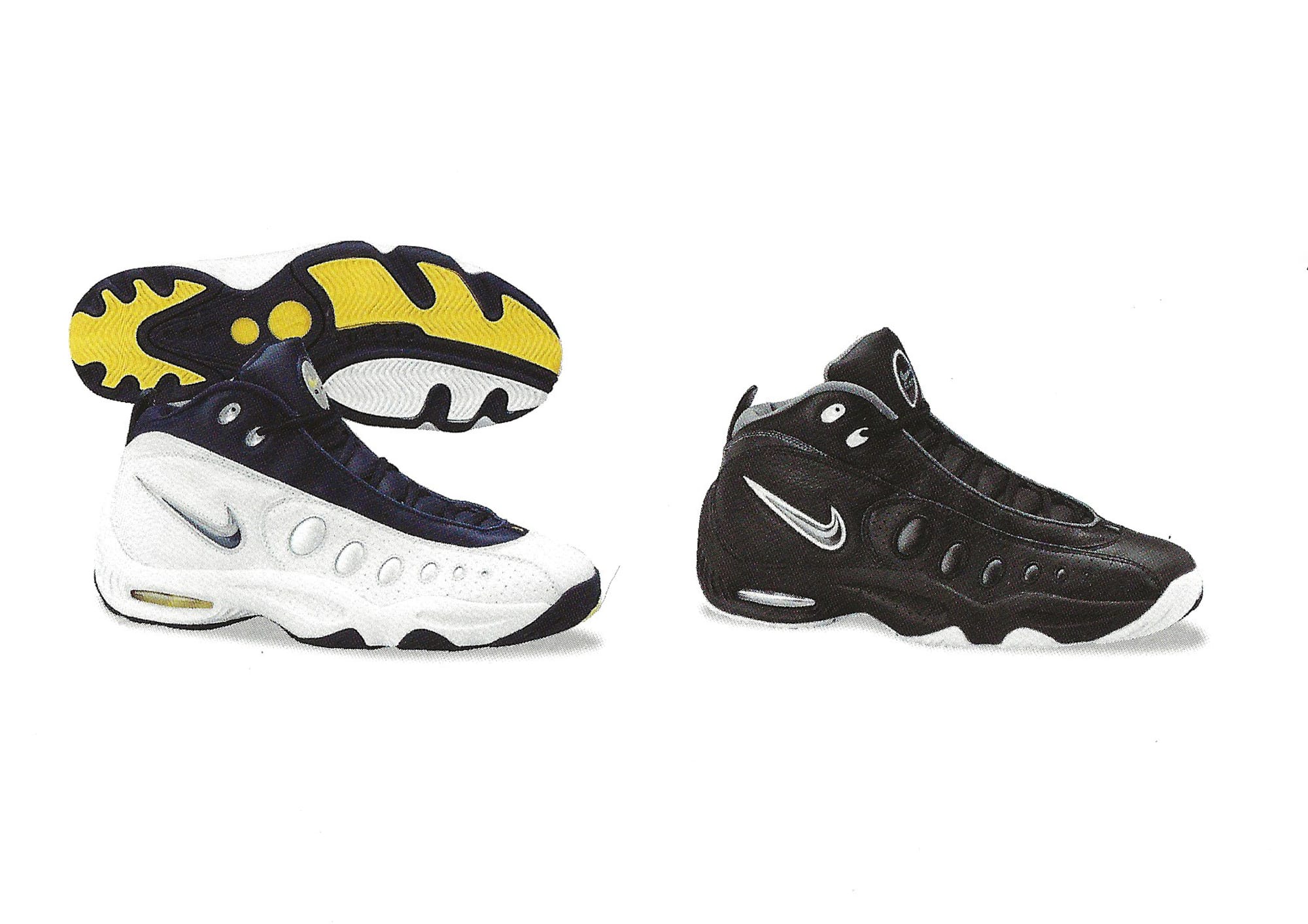
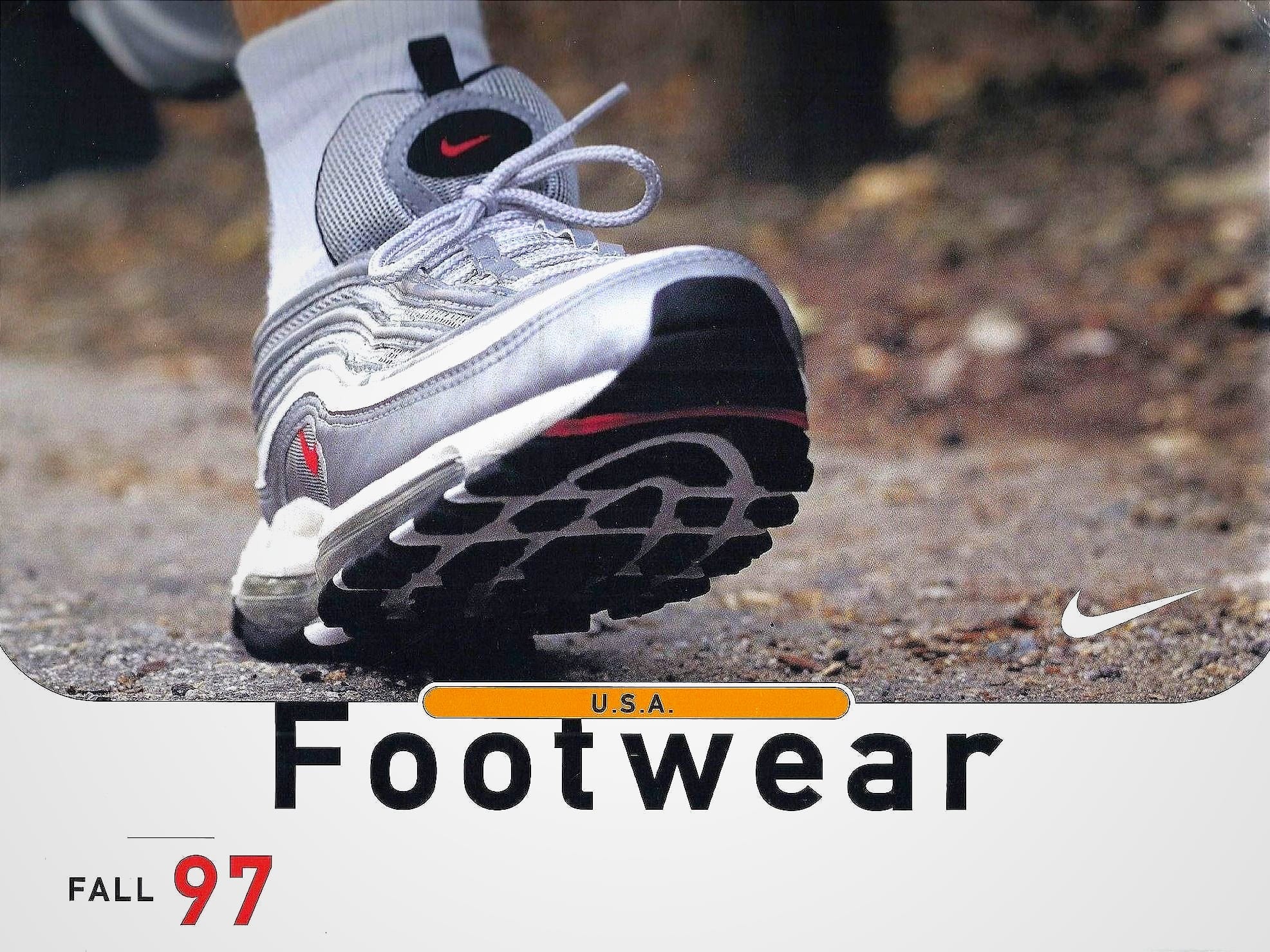
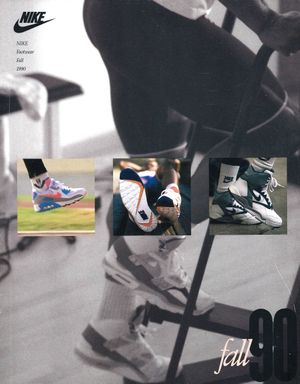
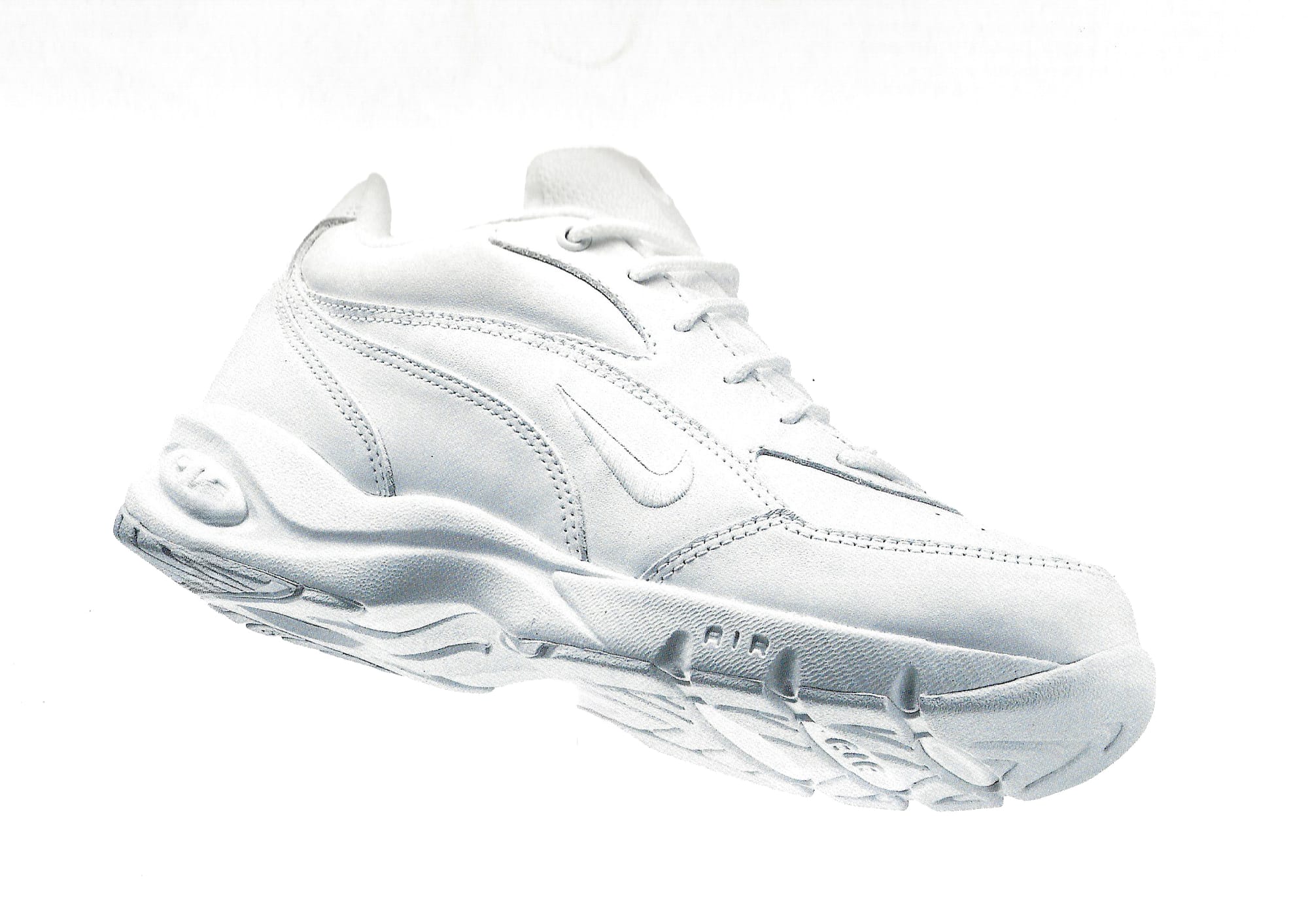
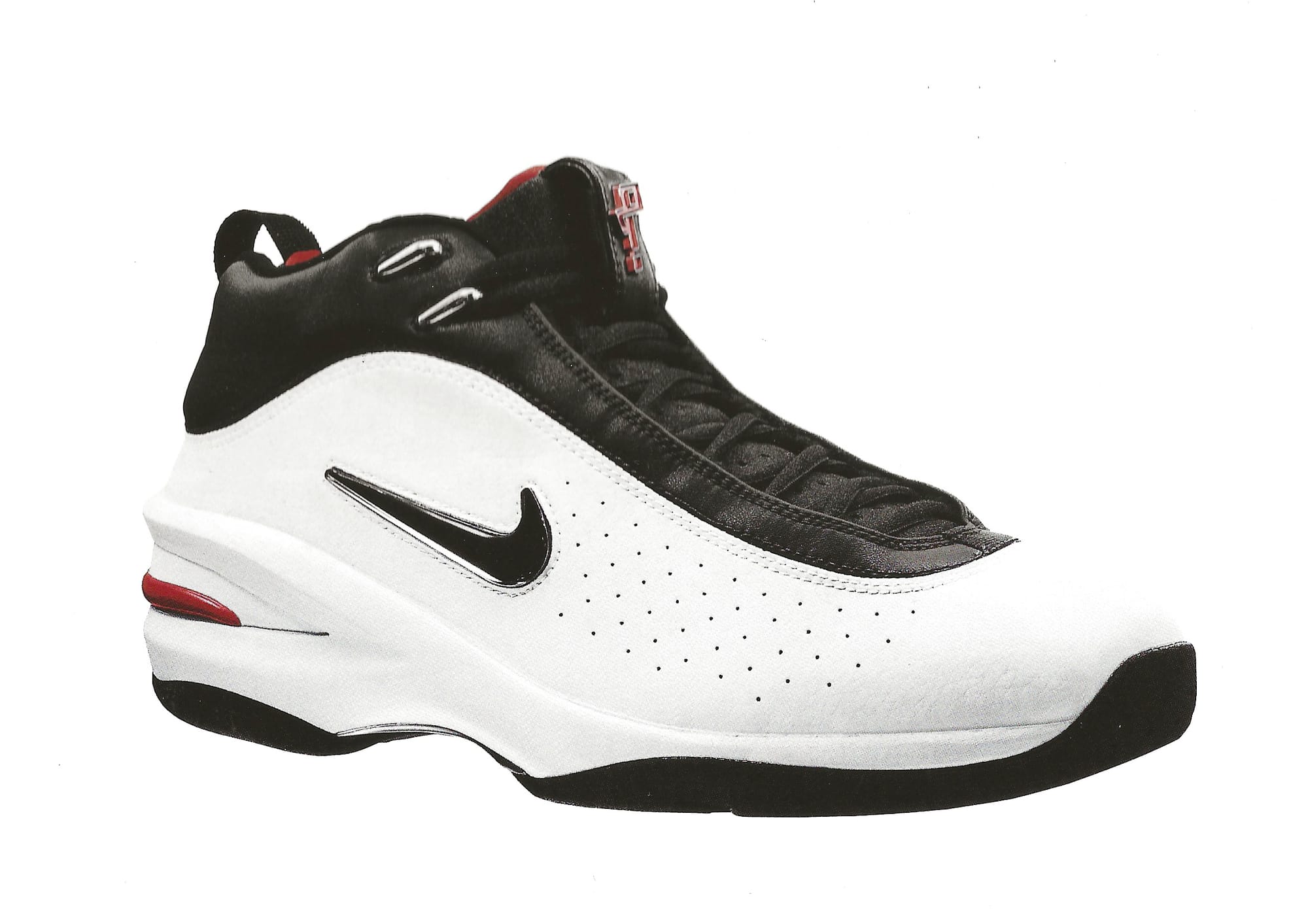
Nike Fall 1997 Men’s Footwear catalog framed the shift to visible tech and faster silhouettes. It highlighted full-length Air platforms, expanding Zoom Air runners, and updated cross-training and hoops lines, with reflective accents, welded overlays, and open mesh as recurring materials. ACG pages pushed trail shoes and light hikers with lugged rubber and reinforced toe wraps. Complete catalog download link below and through the server page.

Full catalog download link available below and through the server page alongside an index of all available docs.
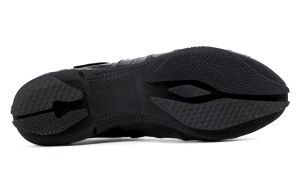
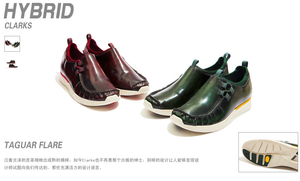
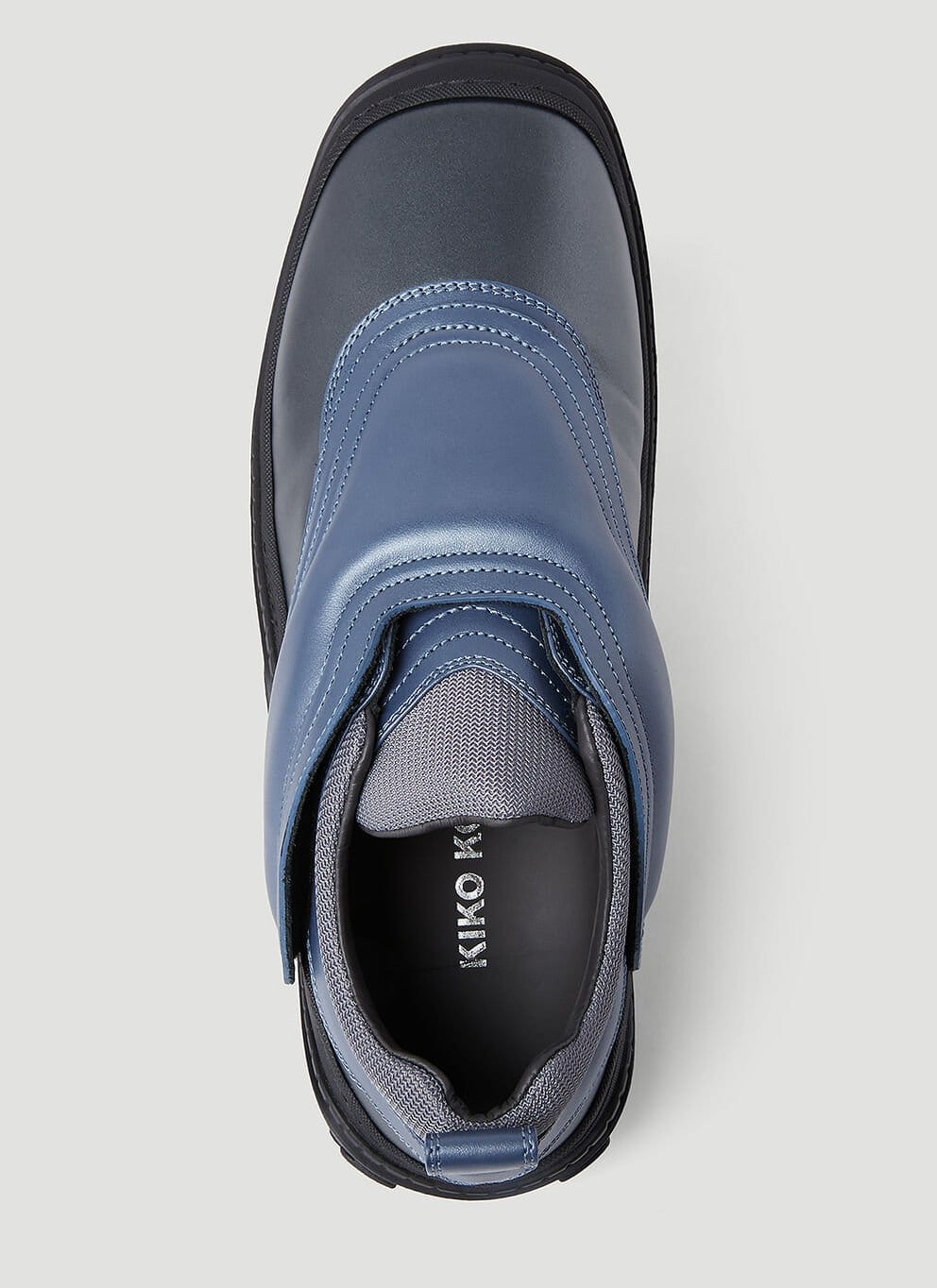
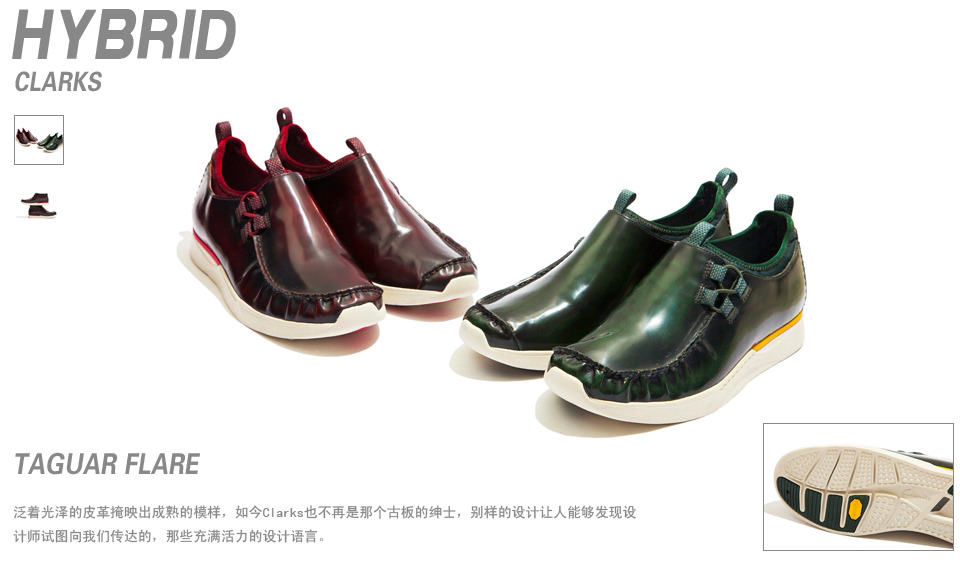
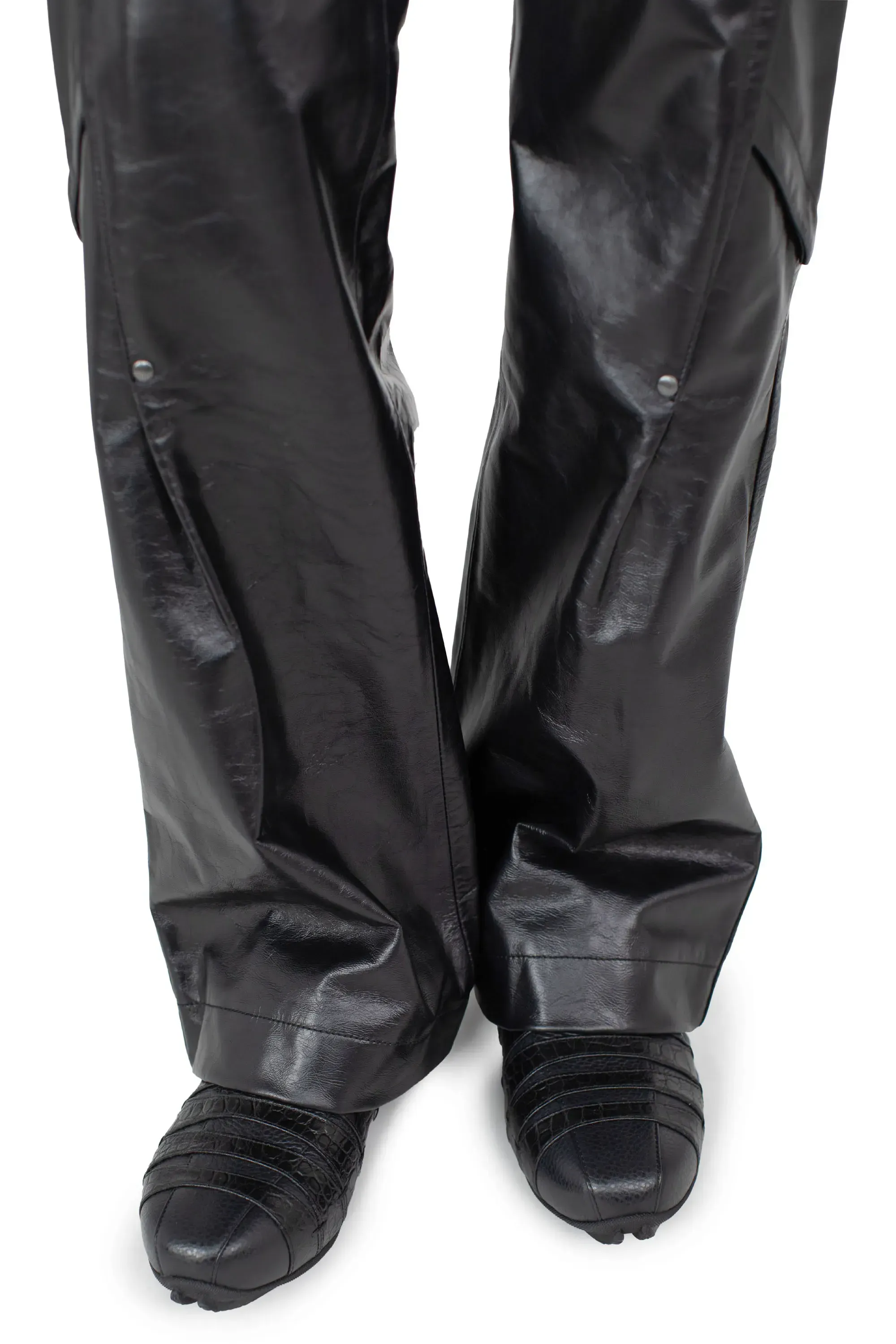
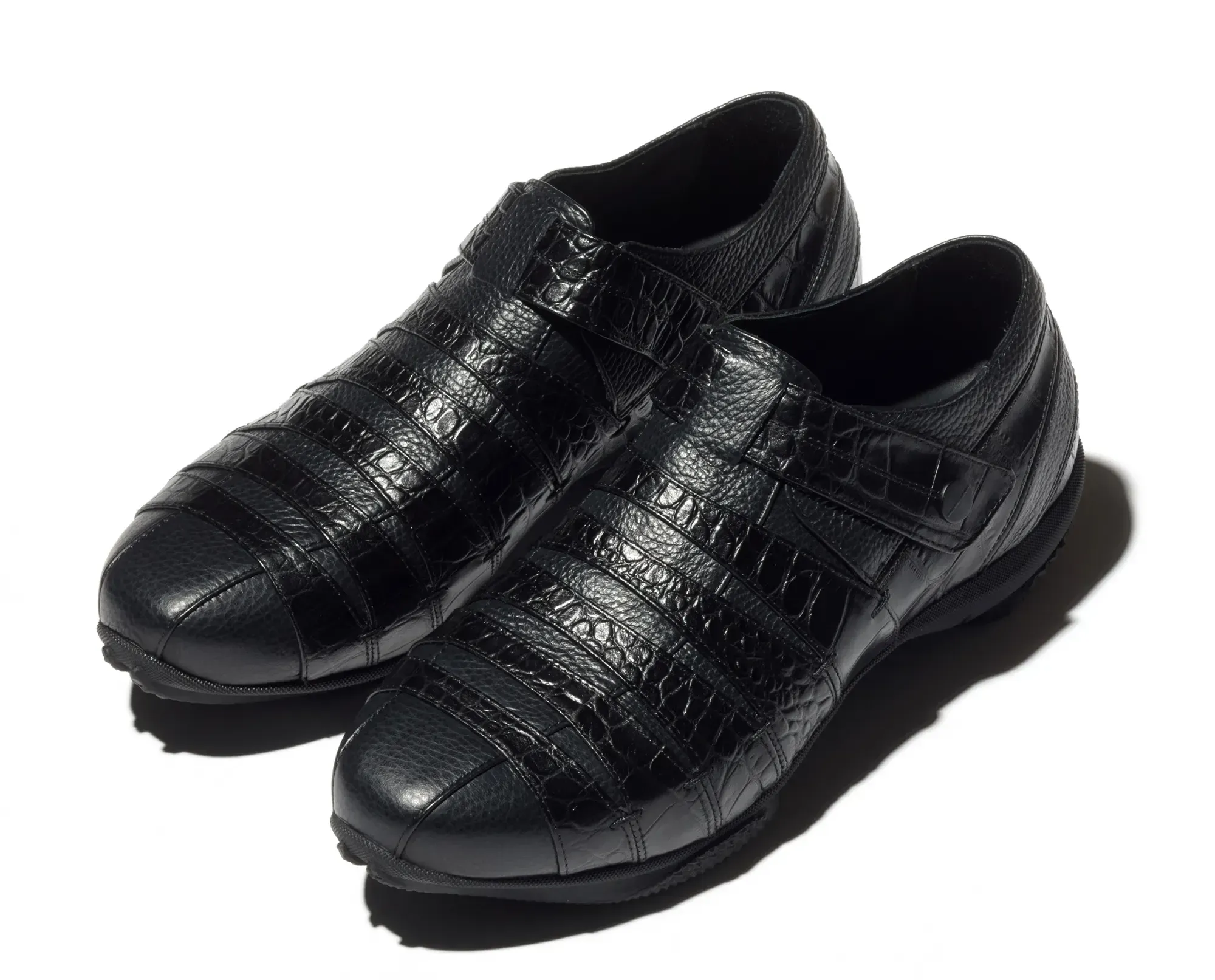
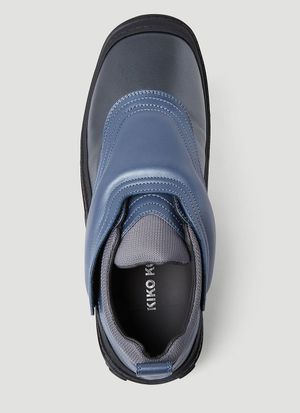
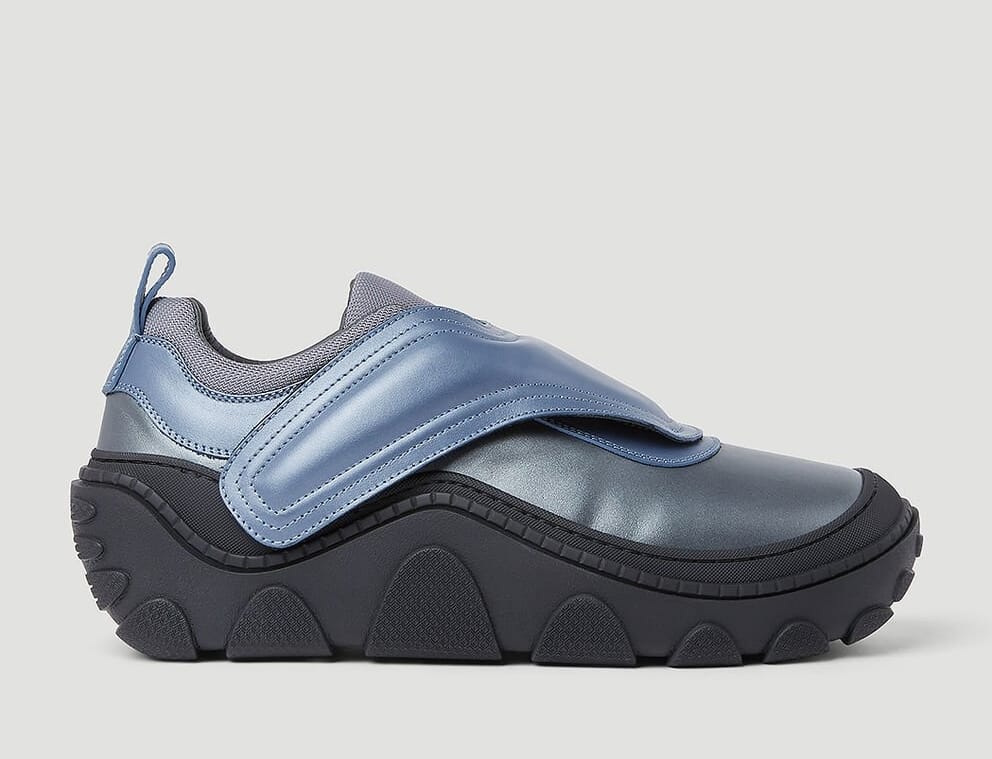
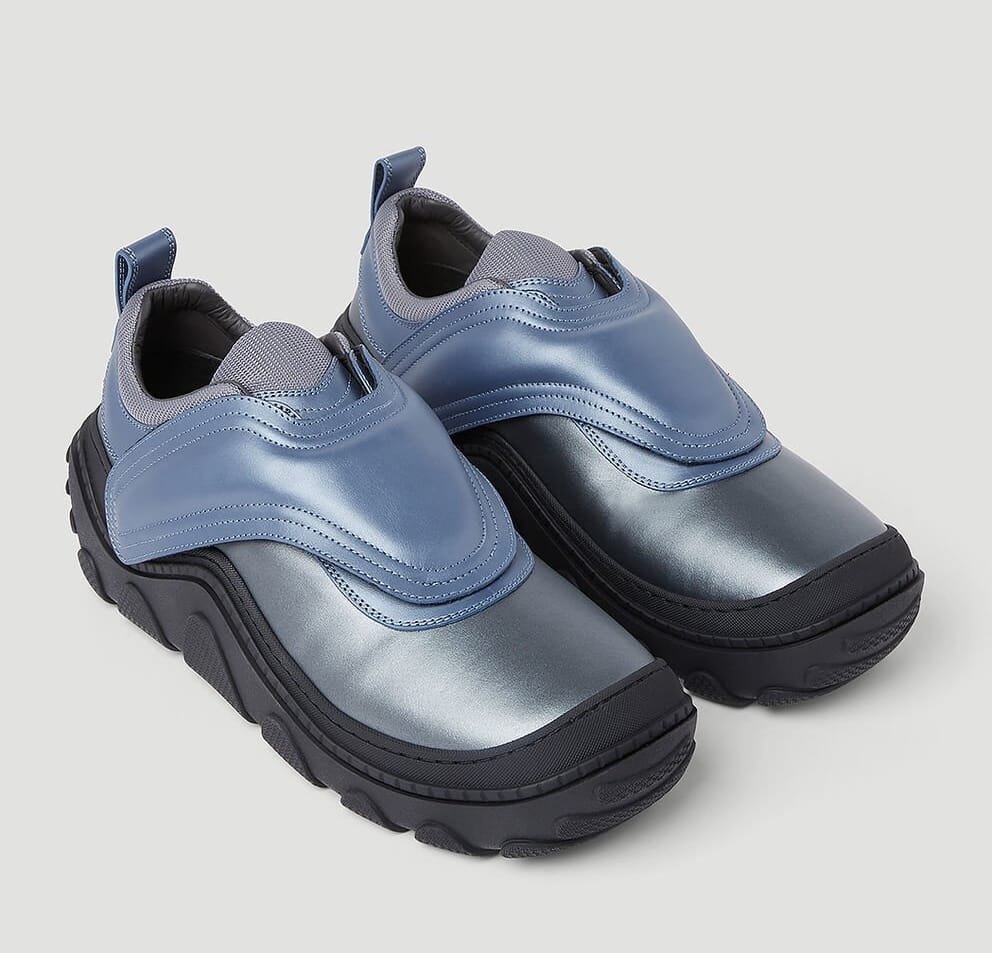
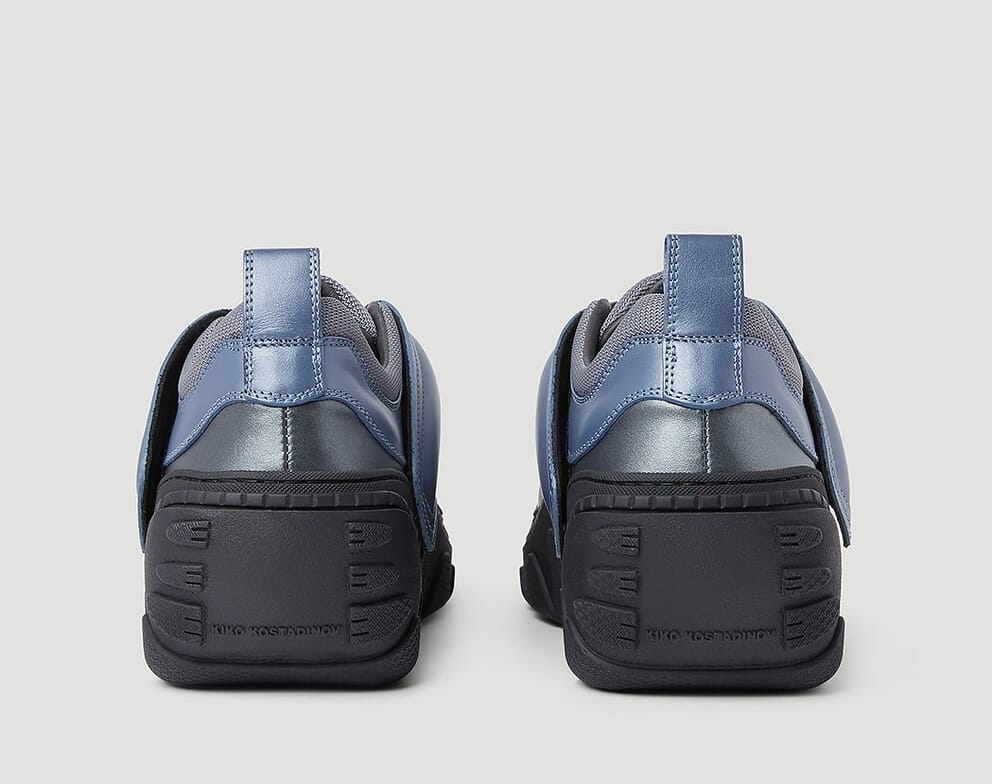
The Kormas Loafers, features a hybrid sole construction, geometric upper construction with two different textures leather. Slip-on opening with front strap.
Download link below and through the server page.


Full catalog download link below and through the server page.
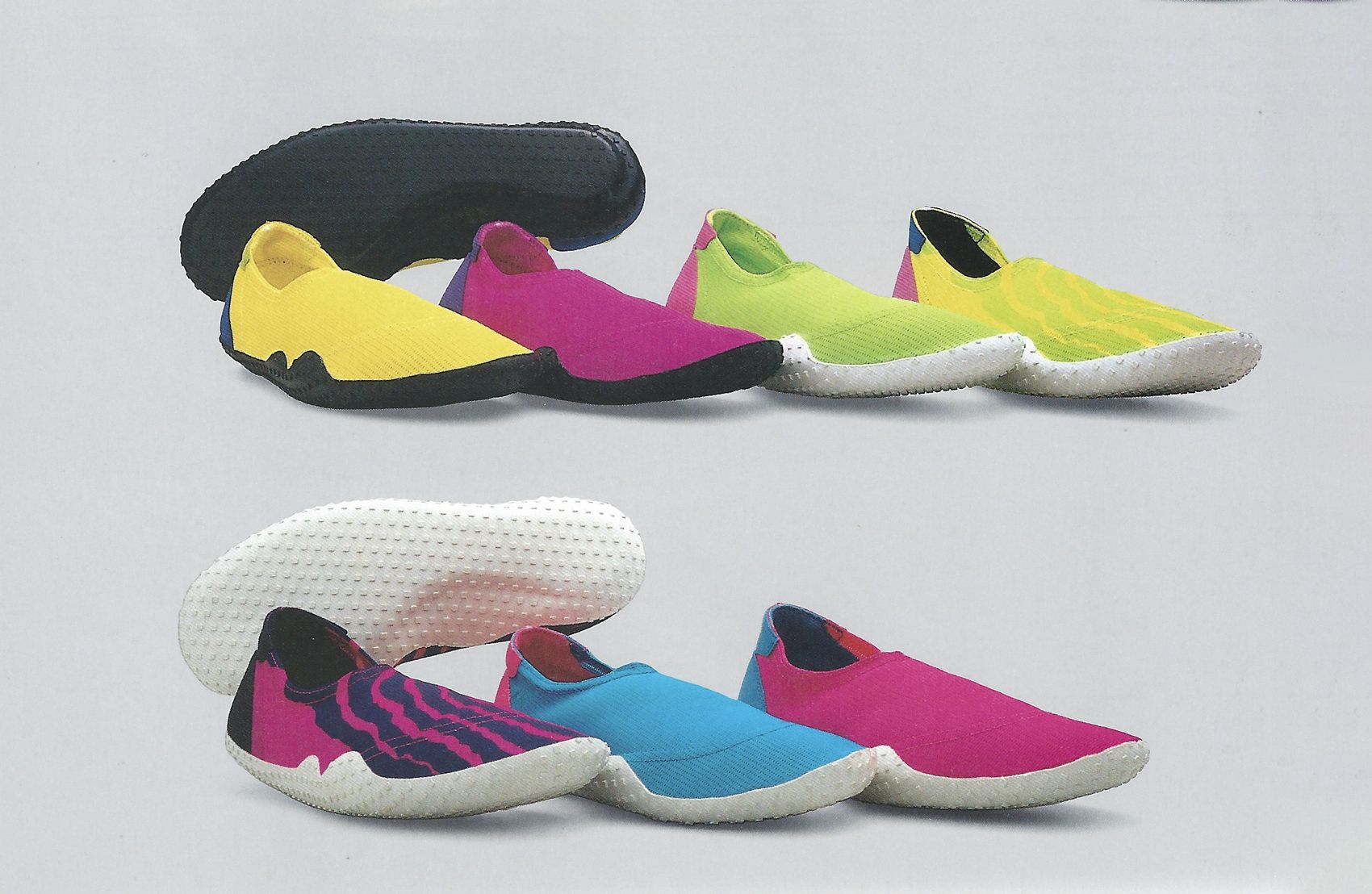


Scans via D. D. Teoli Jr. A. C.


Full catalog download link below and through the server page.
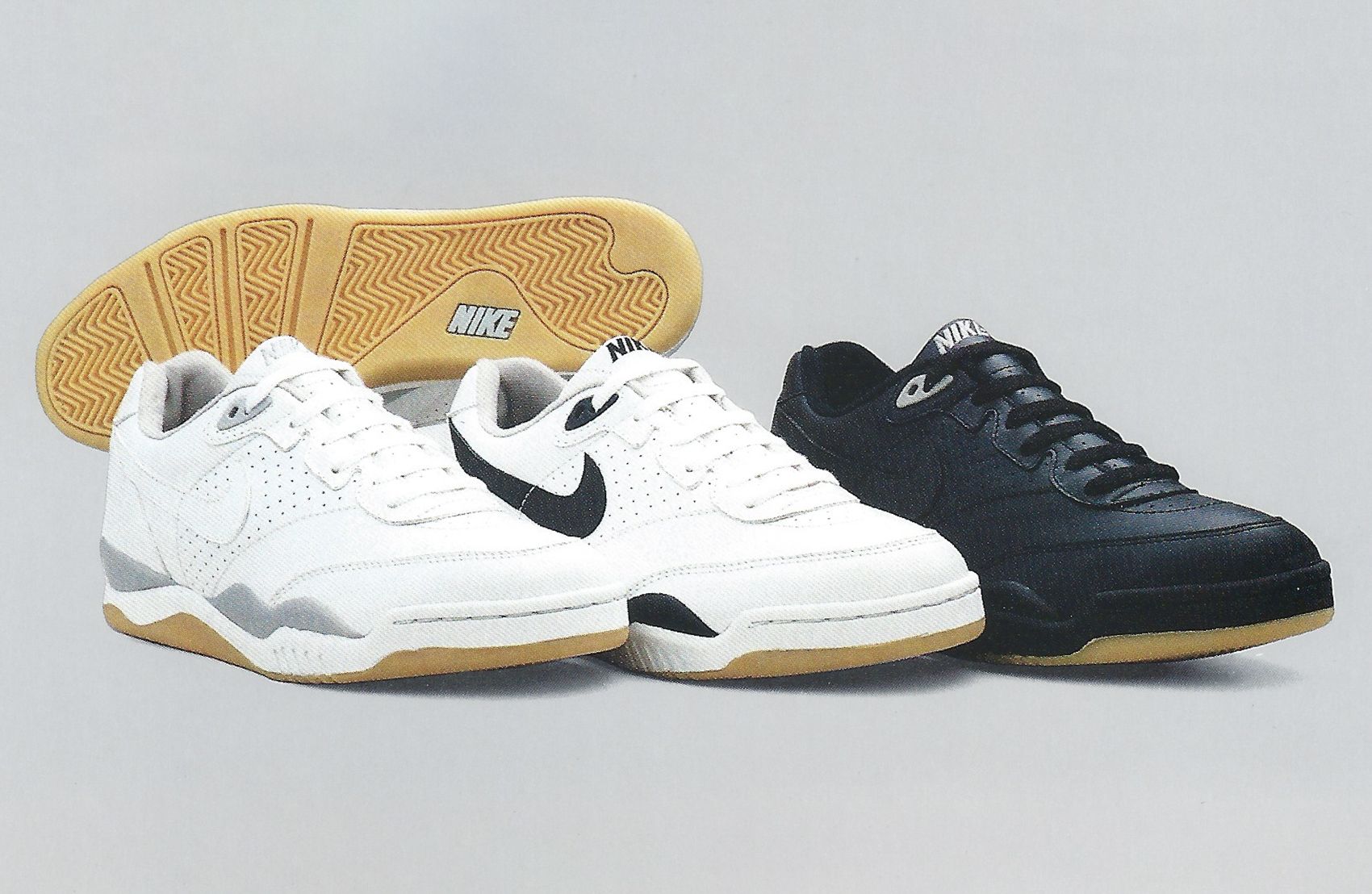


Full catalog download link below and through the server page.
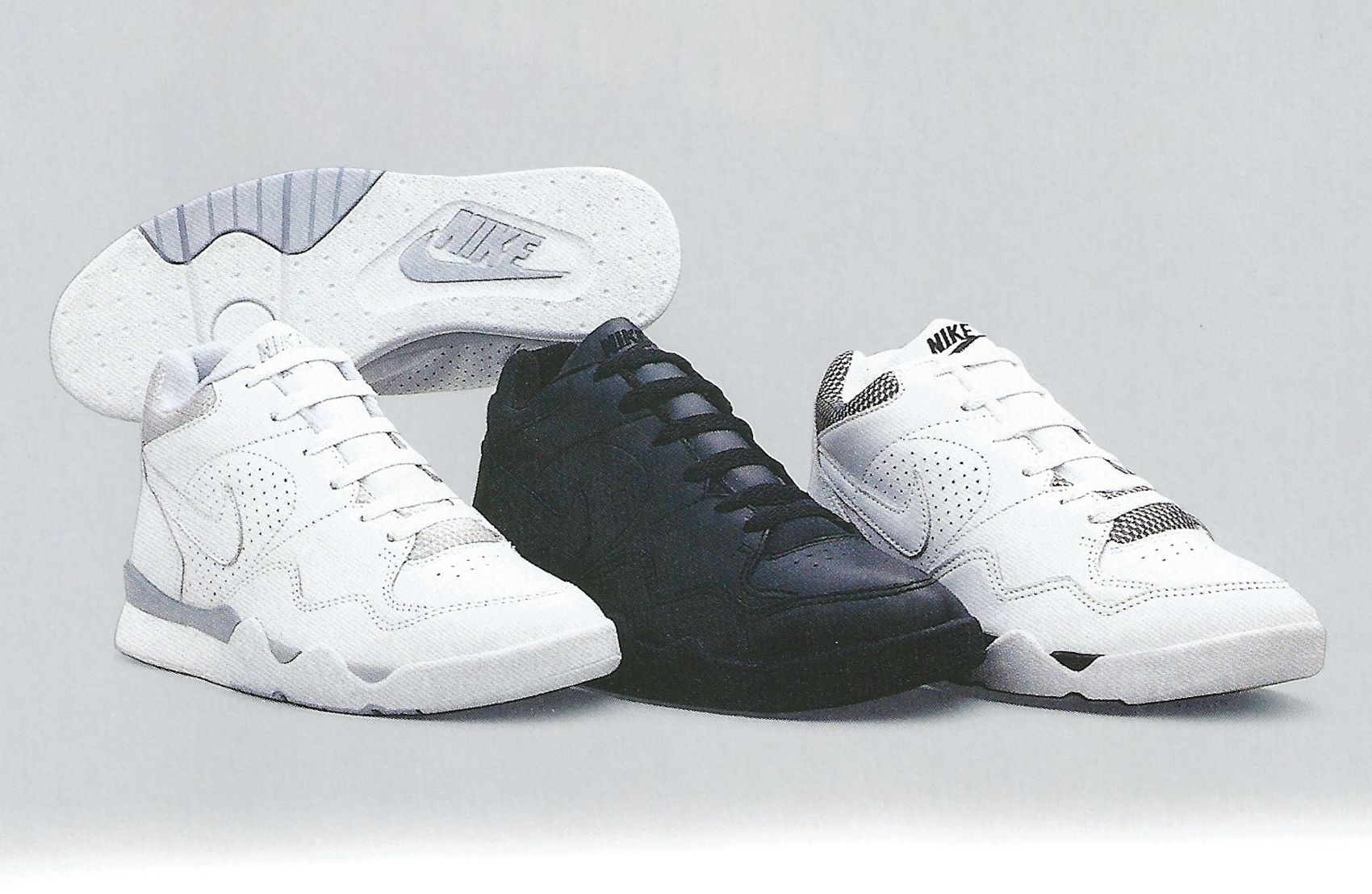


Full catalog scan download link available below and through the server page.


full catalog download link below and through the server page.


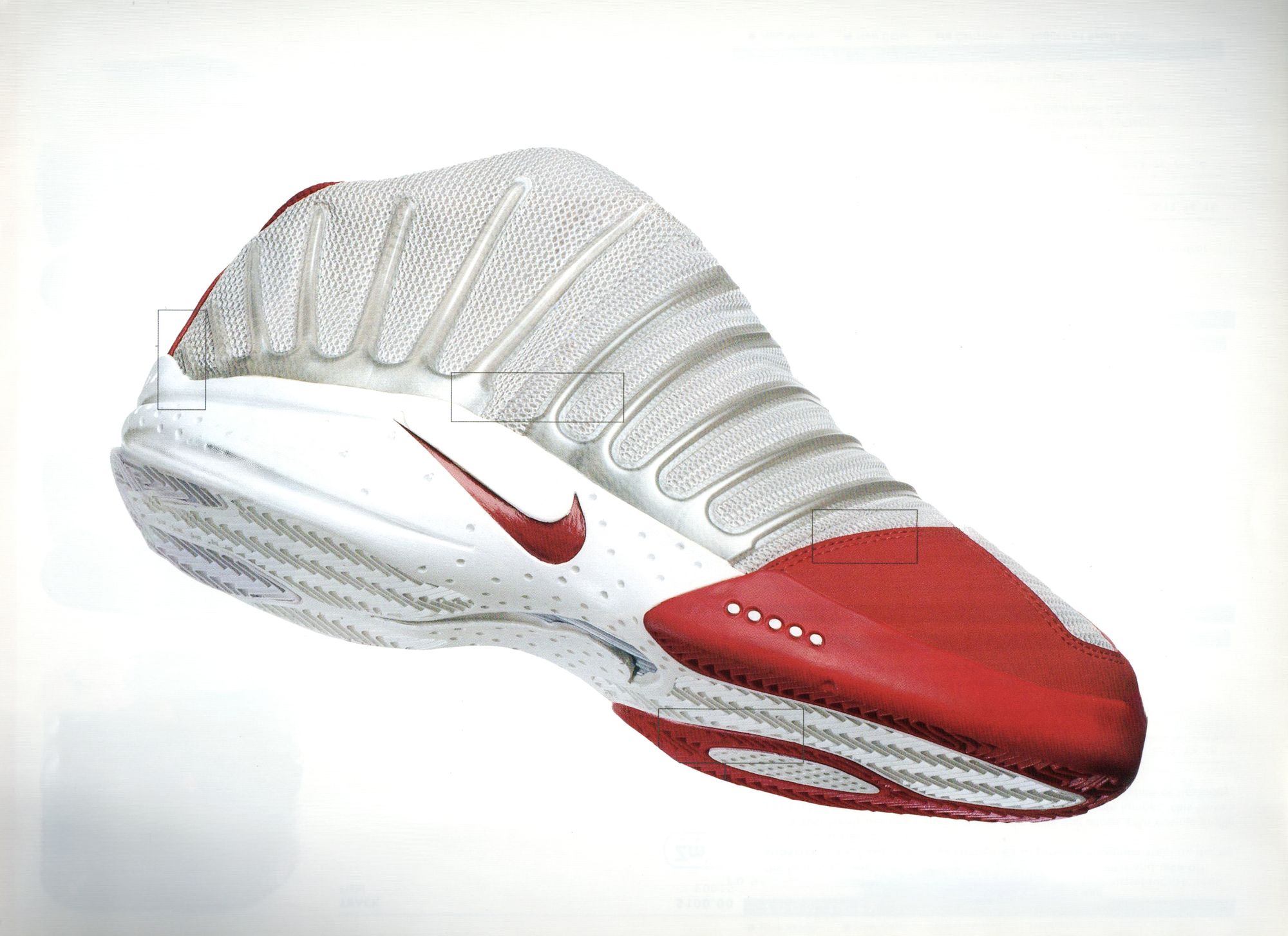
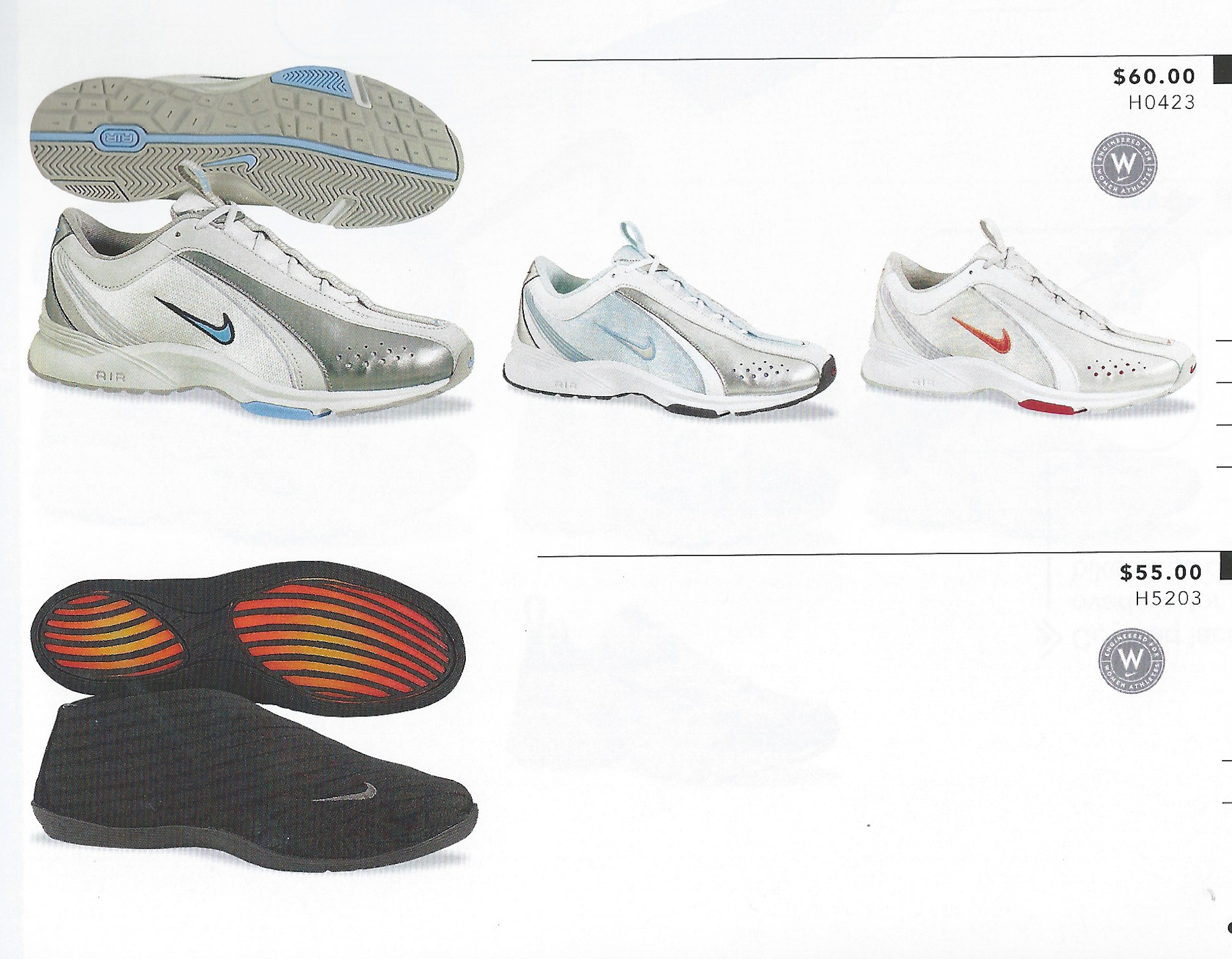
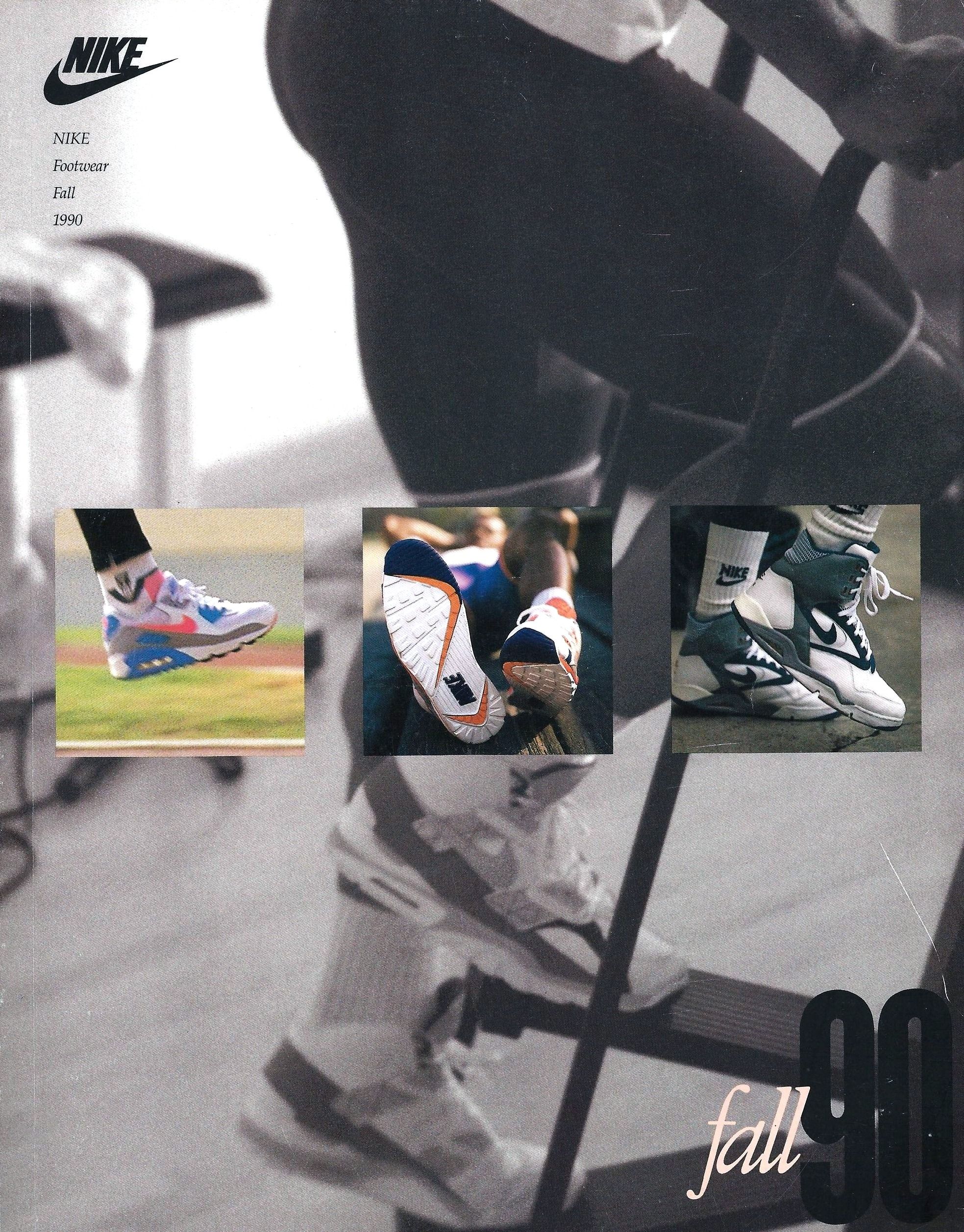
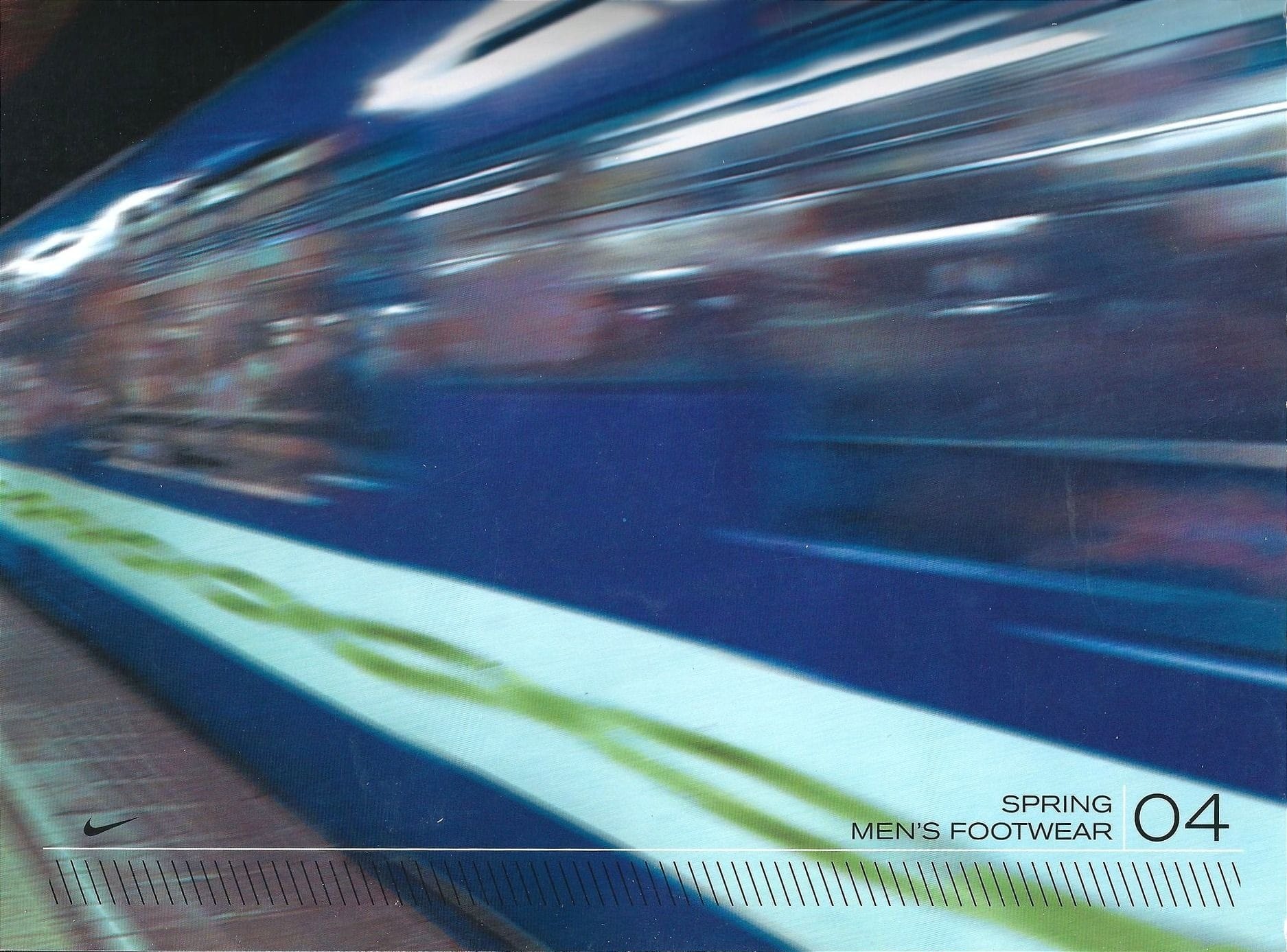
Nike Men’s Spring 2004 footwear collection presented “Instruments of Speed” training and running models such as the Nike Vapor Trainer and Air Zoom Swift Vapor, organized through the Prescribed for You system rating stability, cushioning, and width. The season’s basketball lineup was highlighted by the introduction of the LeBron James Air Zoom Generation.


Download full catalog scans in the server section or using link below.


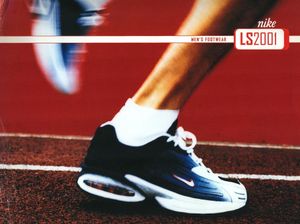
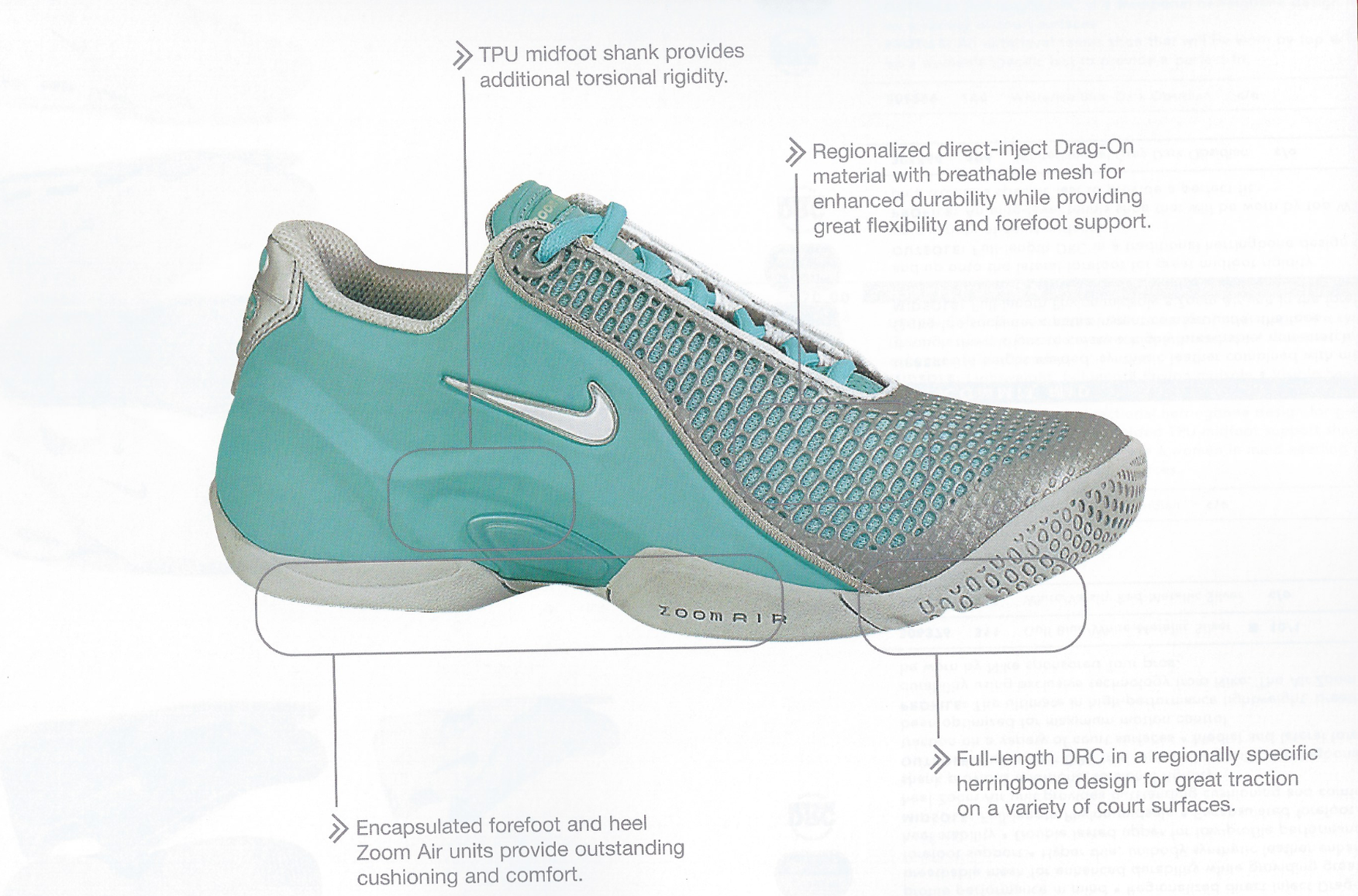
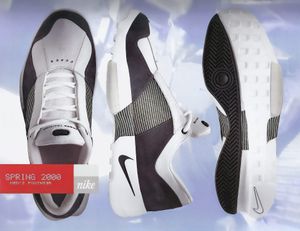
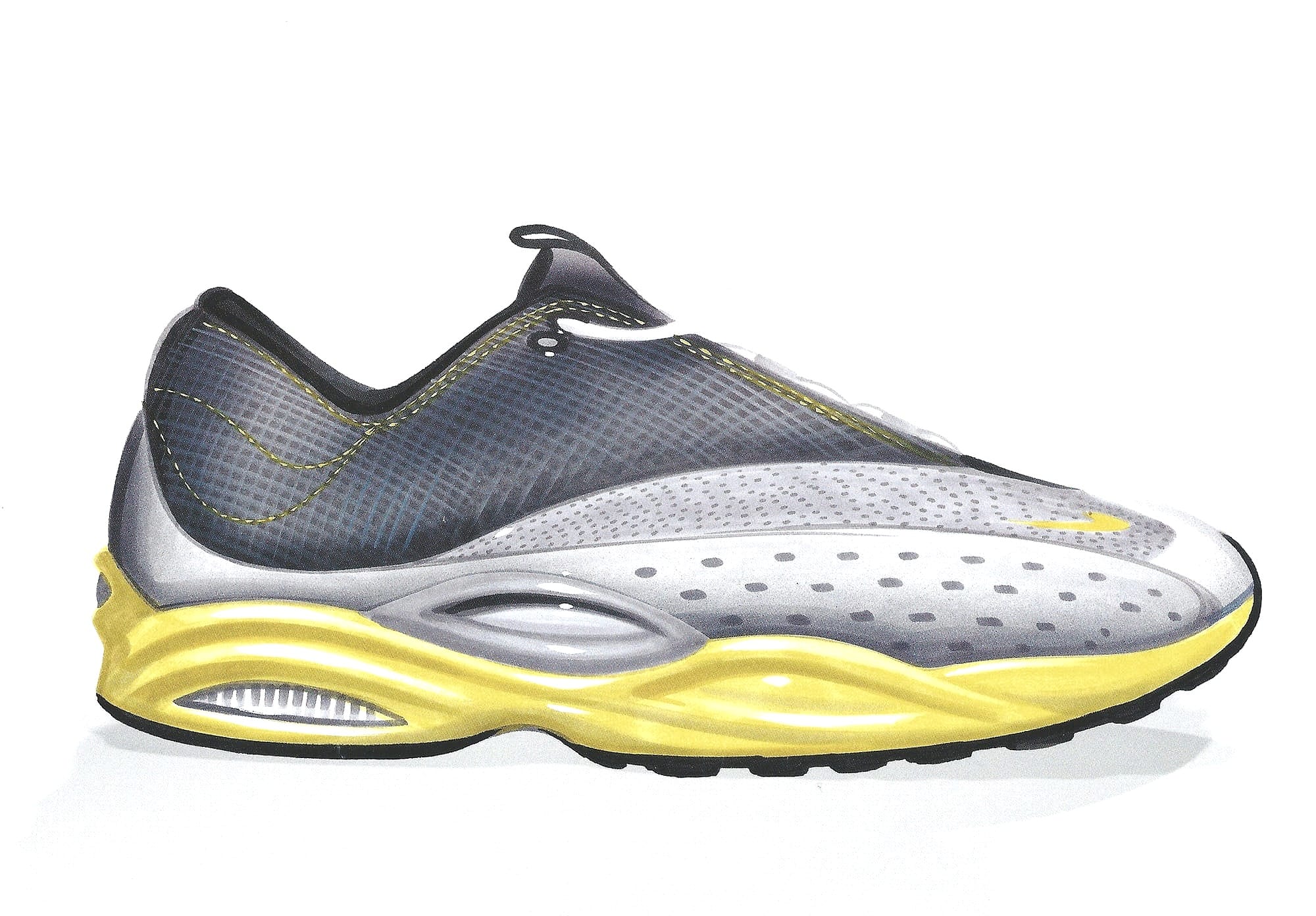
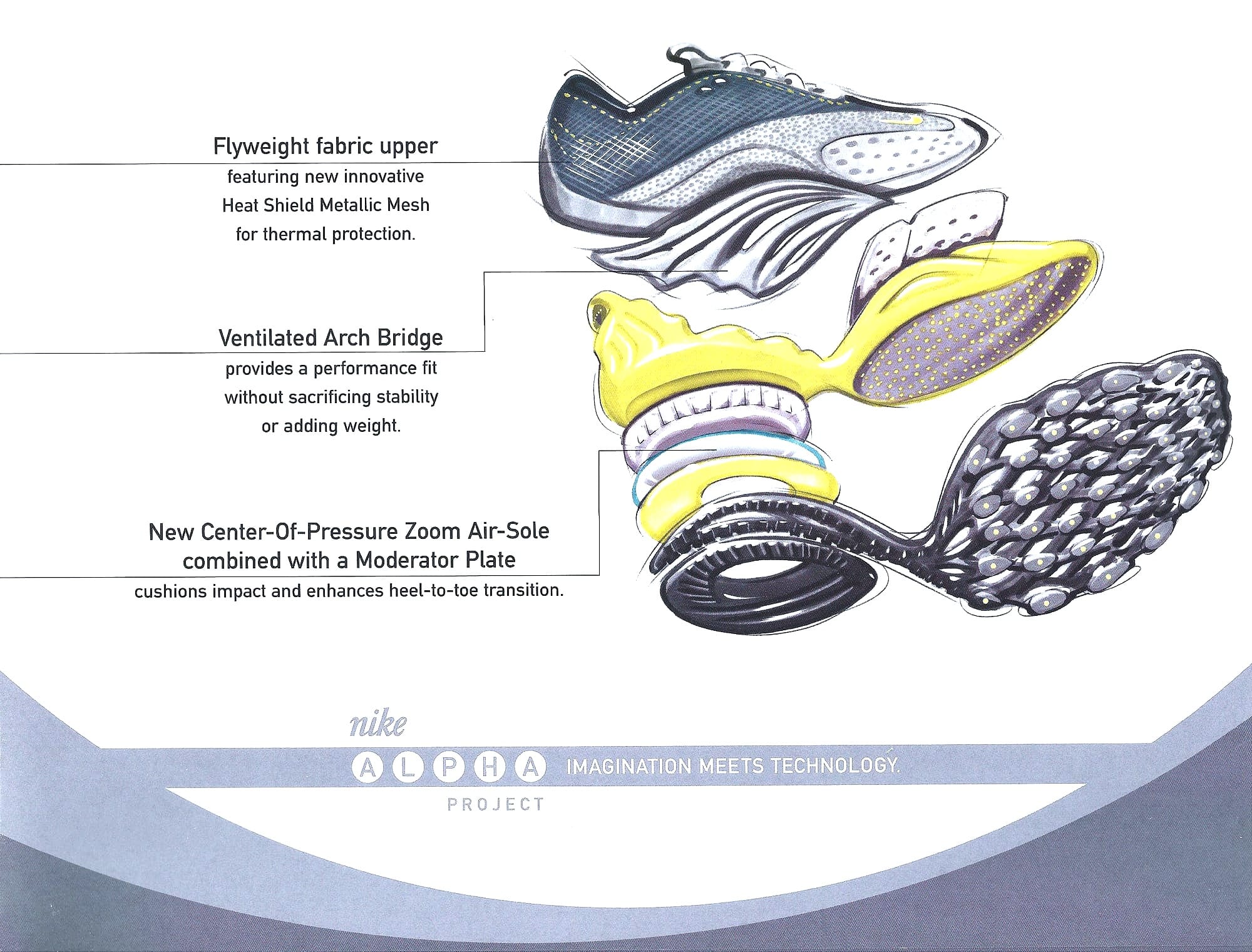
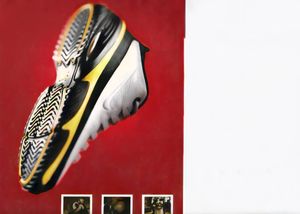
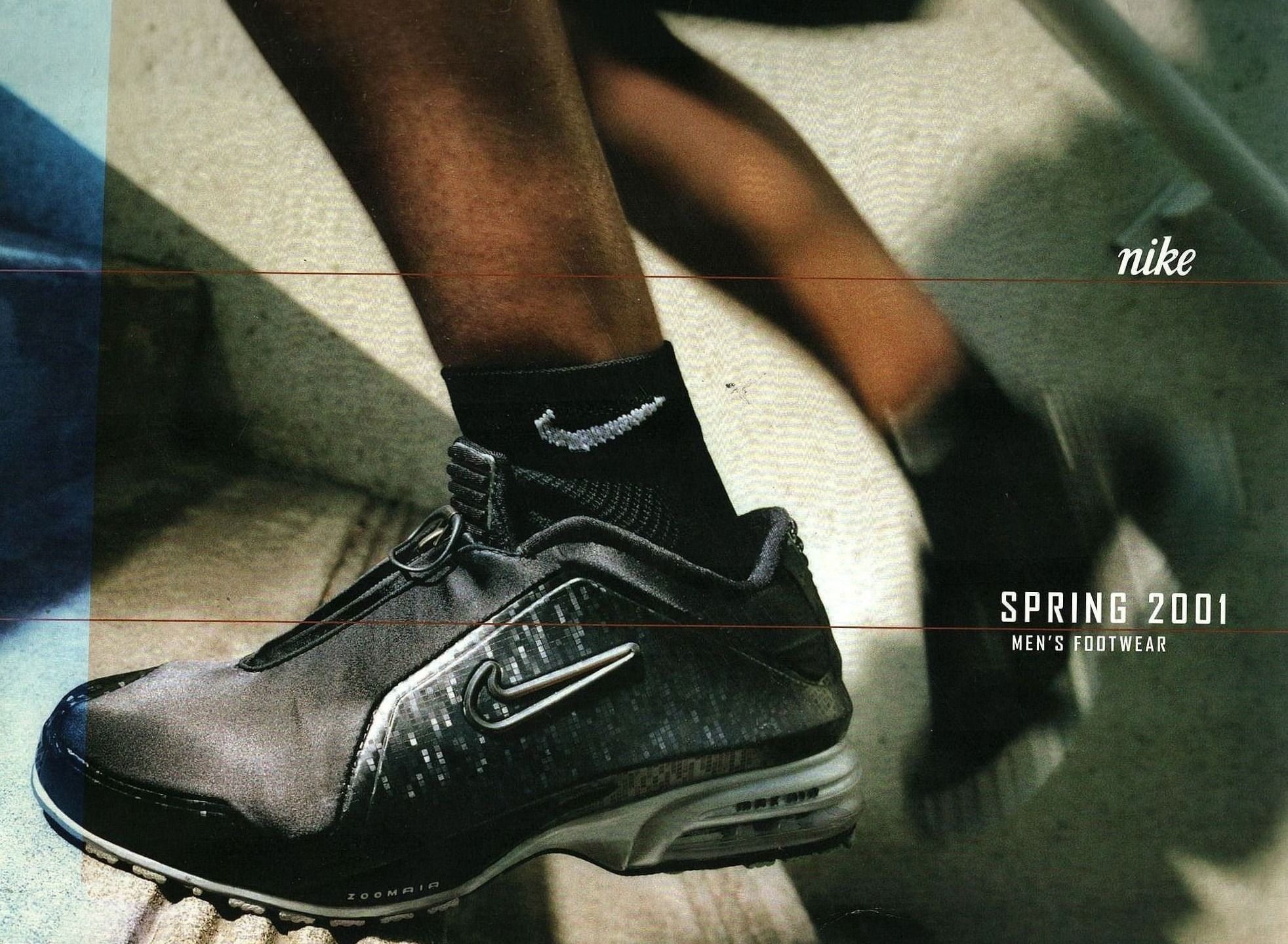
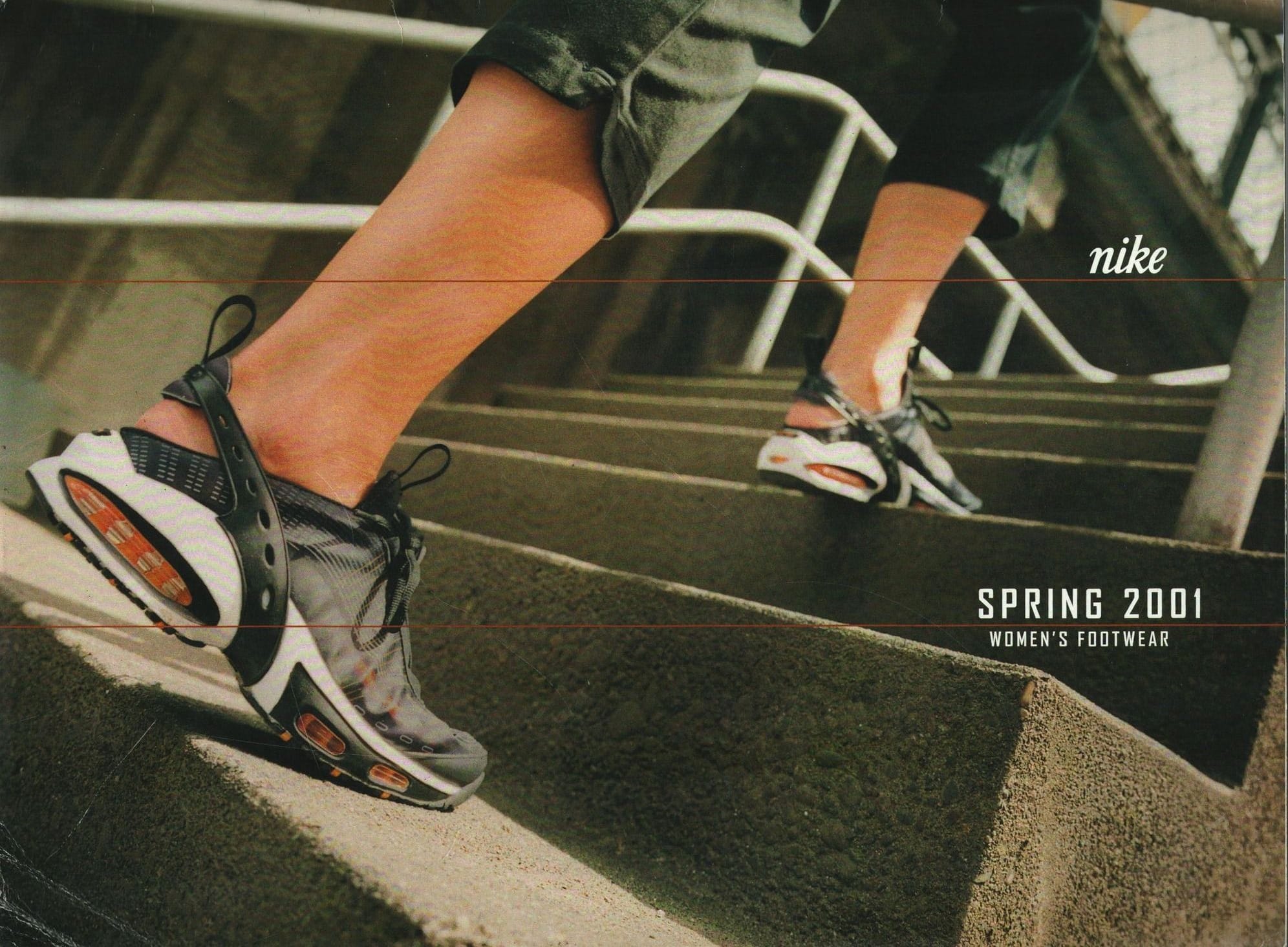
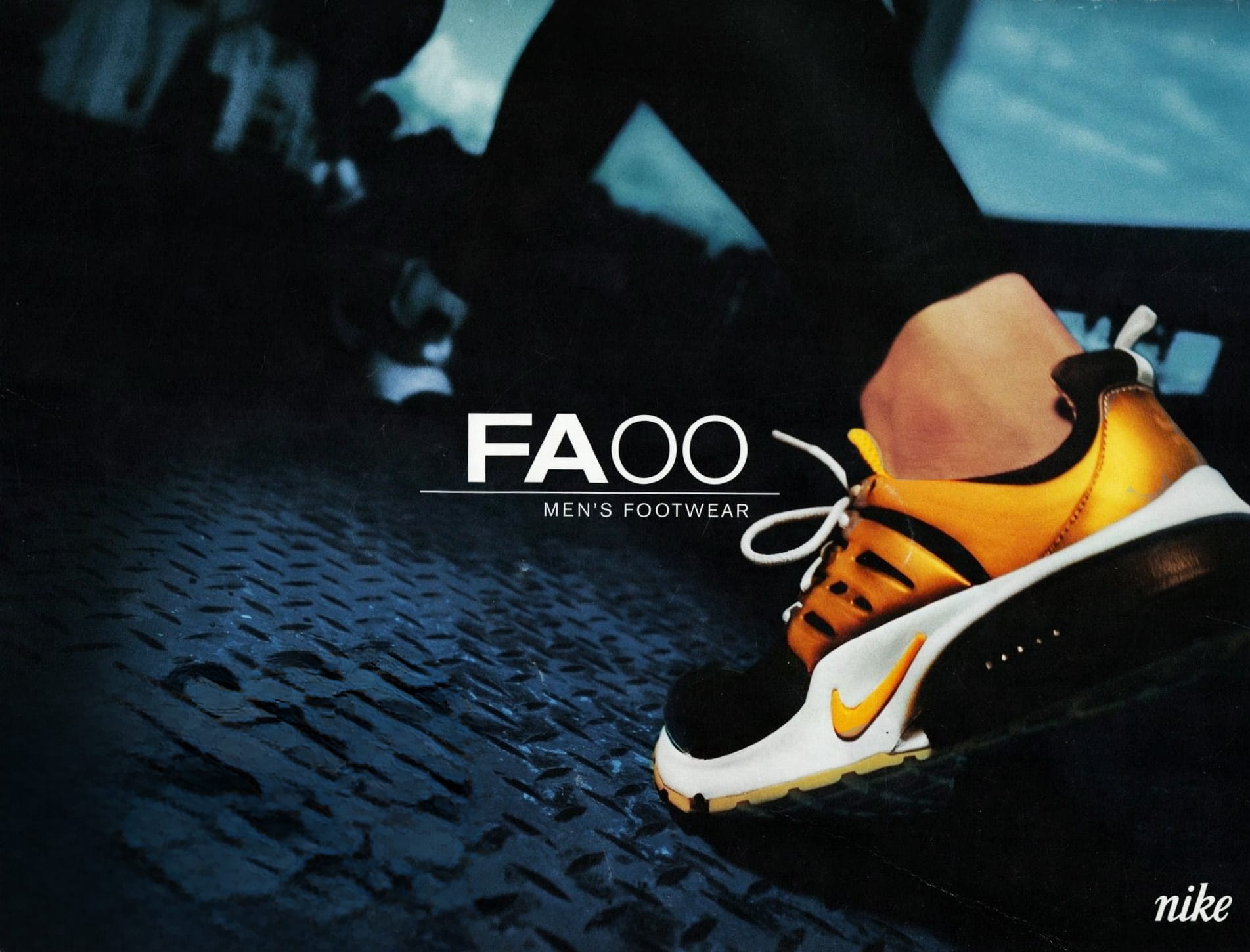
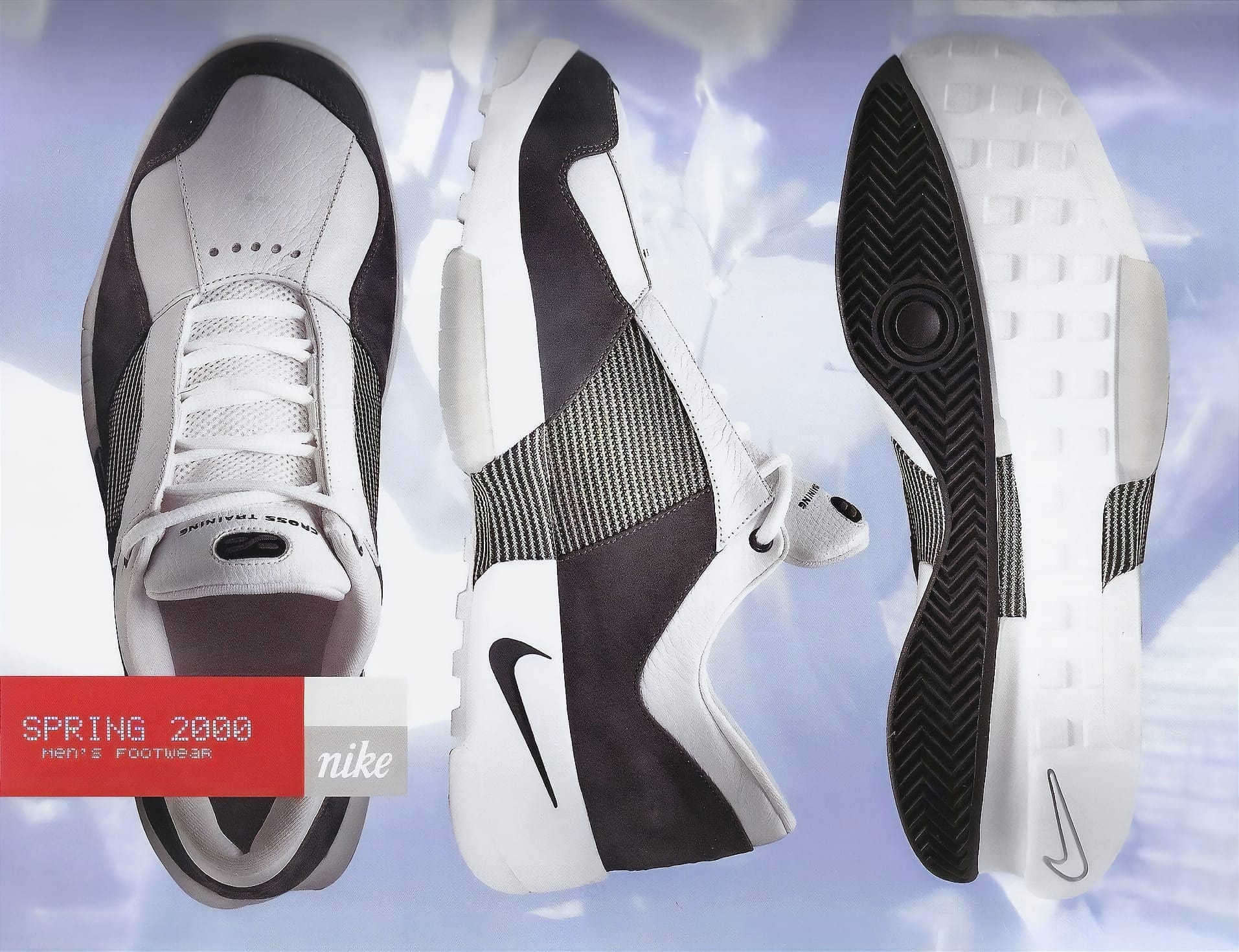
Nike's Spring 2000 Men’s line centered on Alpha Project: Air Zoom Drive 104203-071, Kukini, Zoom Seismic; lightweight mesh, TPU cages, reflective hits, Zoom cushioning across runners and trainers. Complete catalog download link available below and through the server.
View all Nike Footwear Catalogs


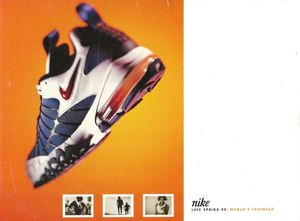
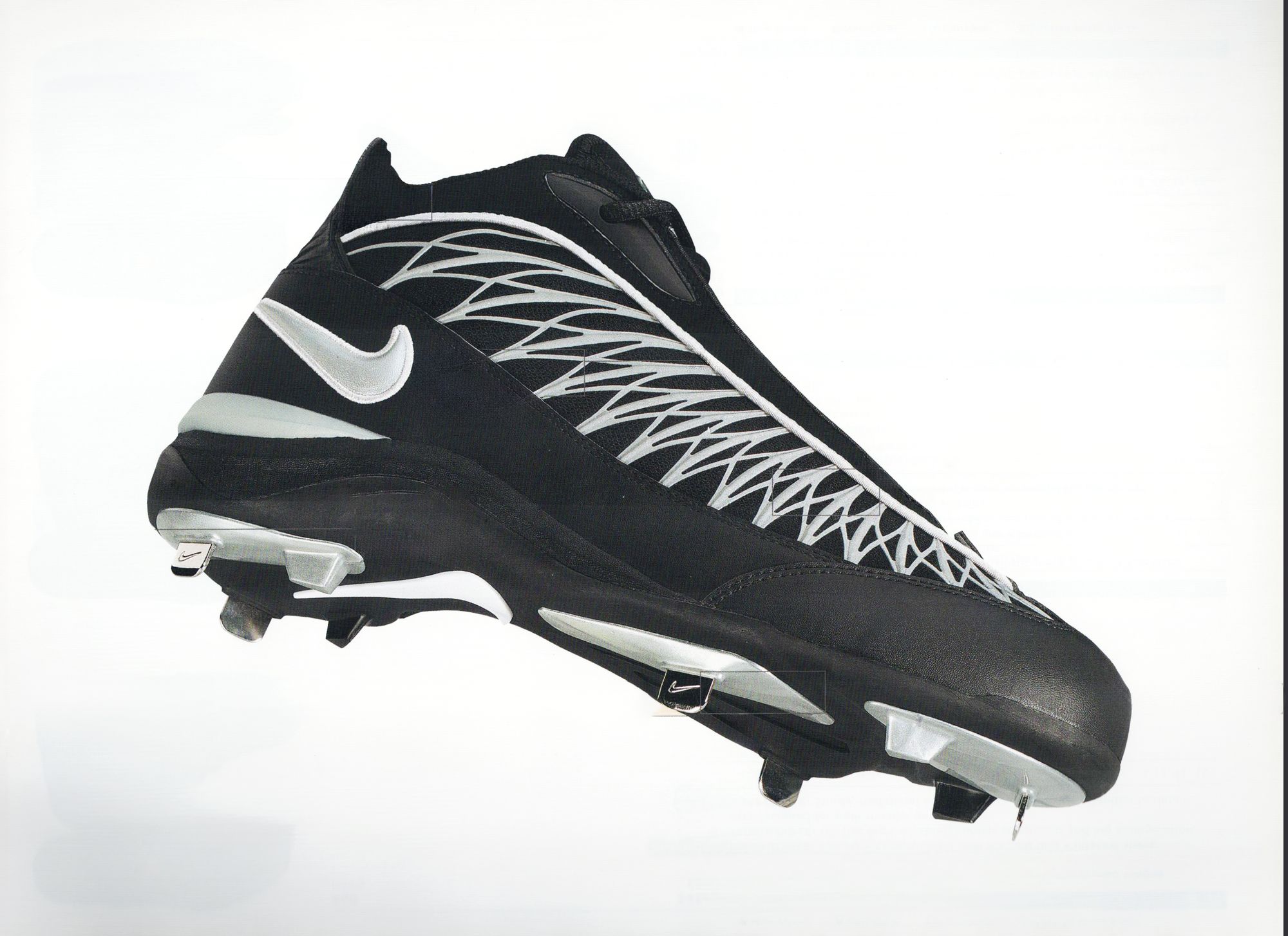
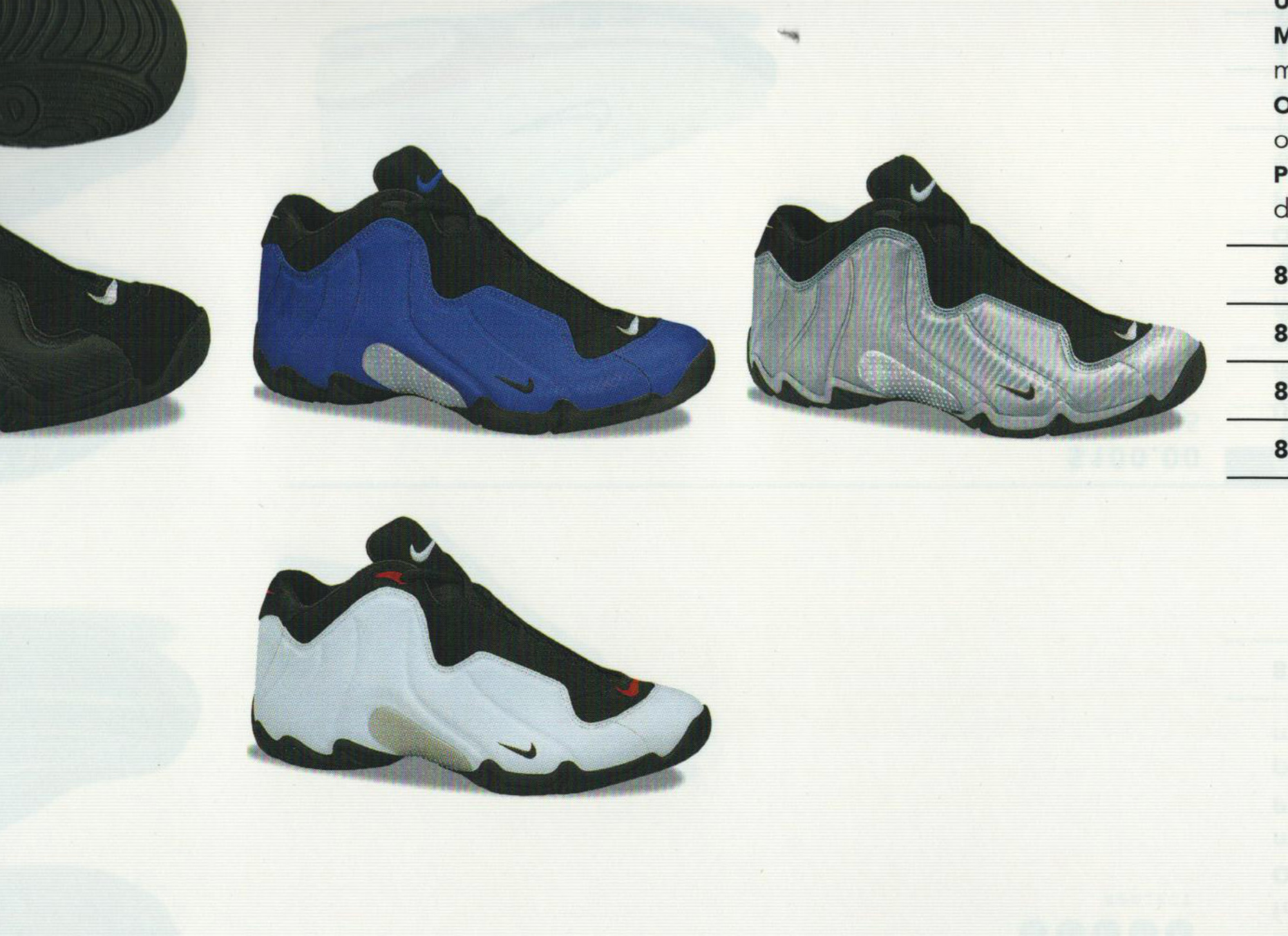
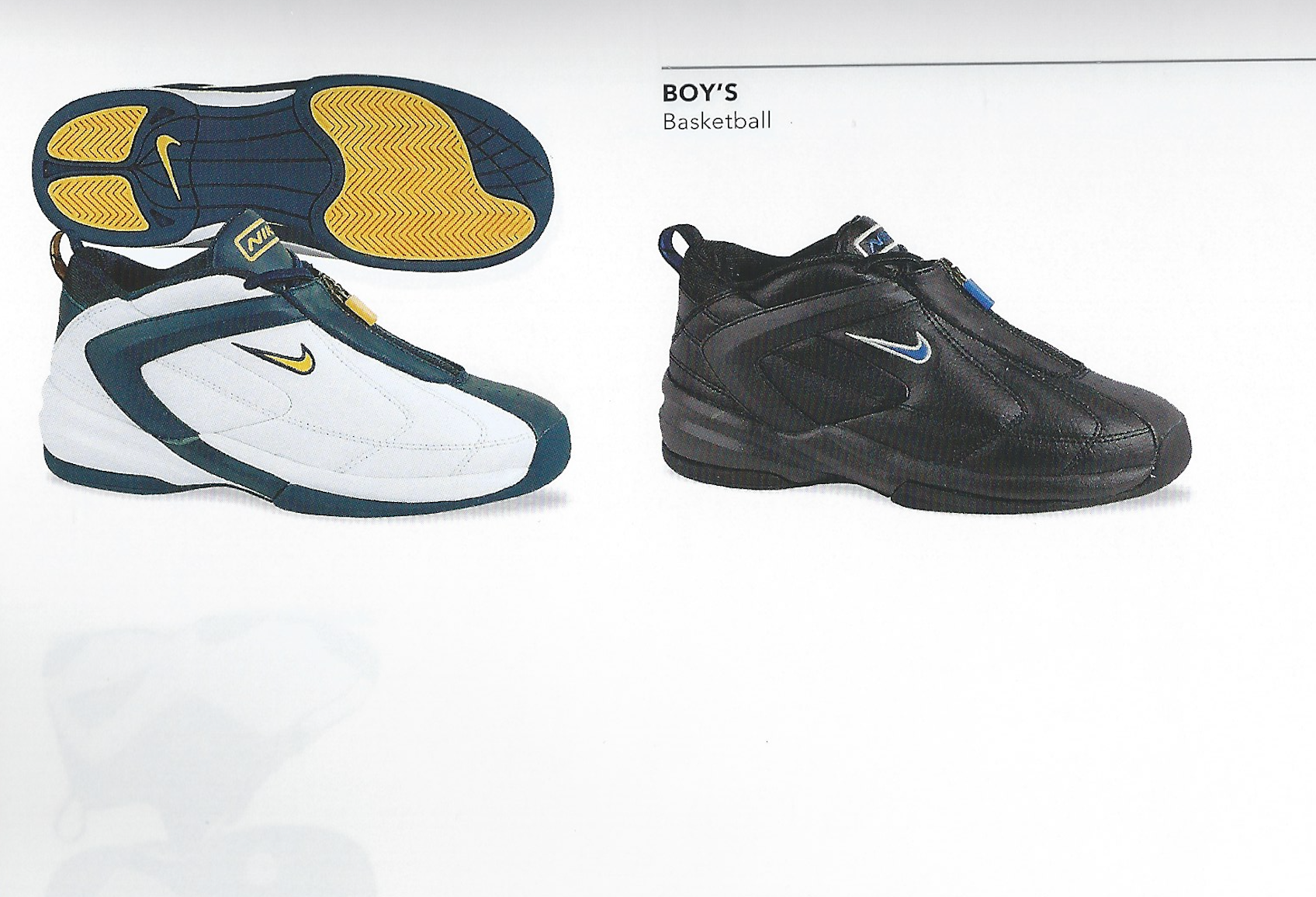
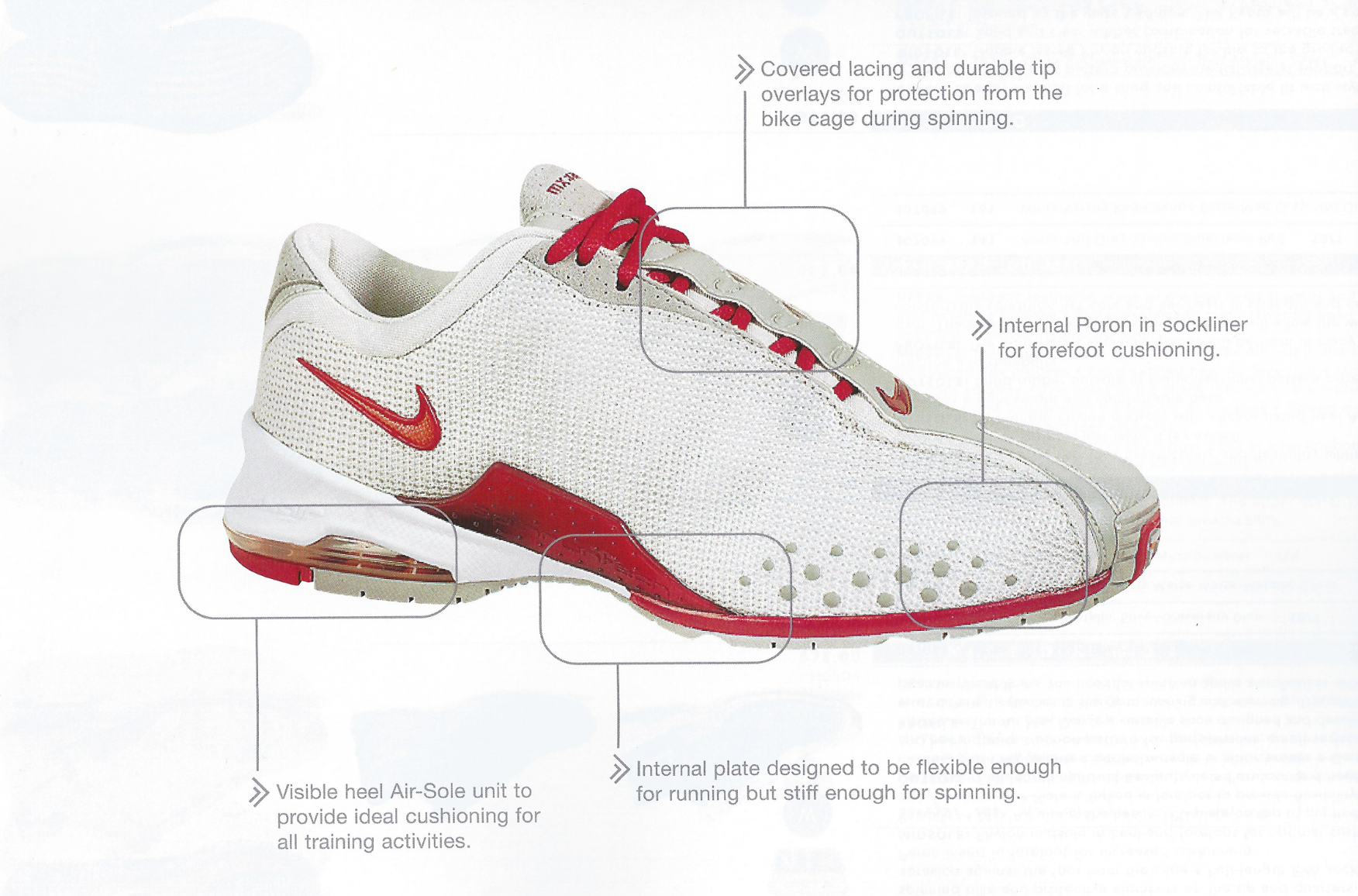
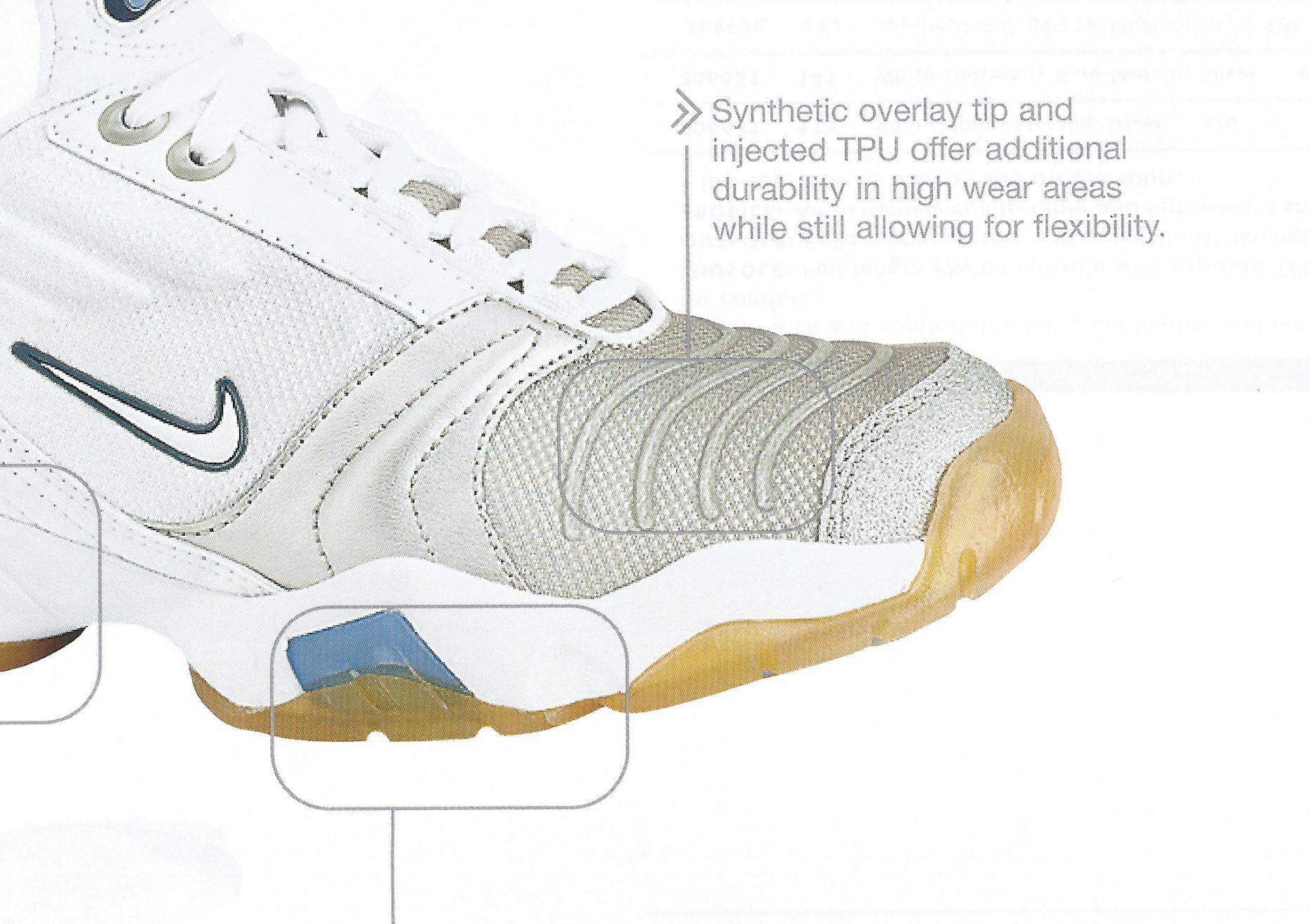
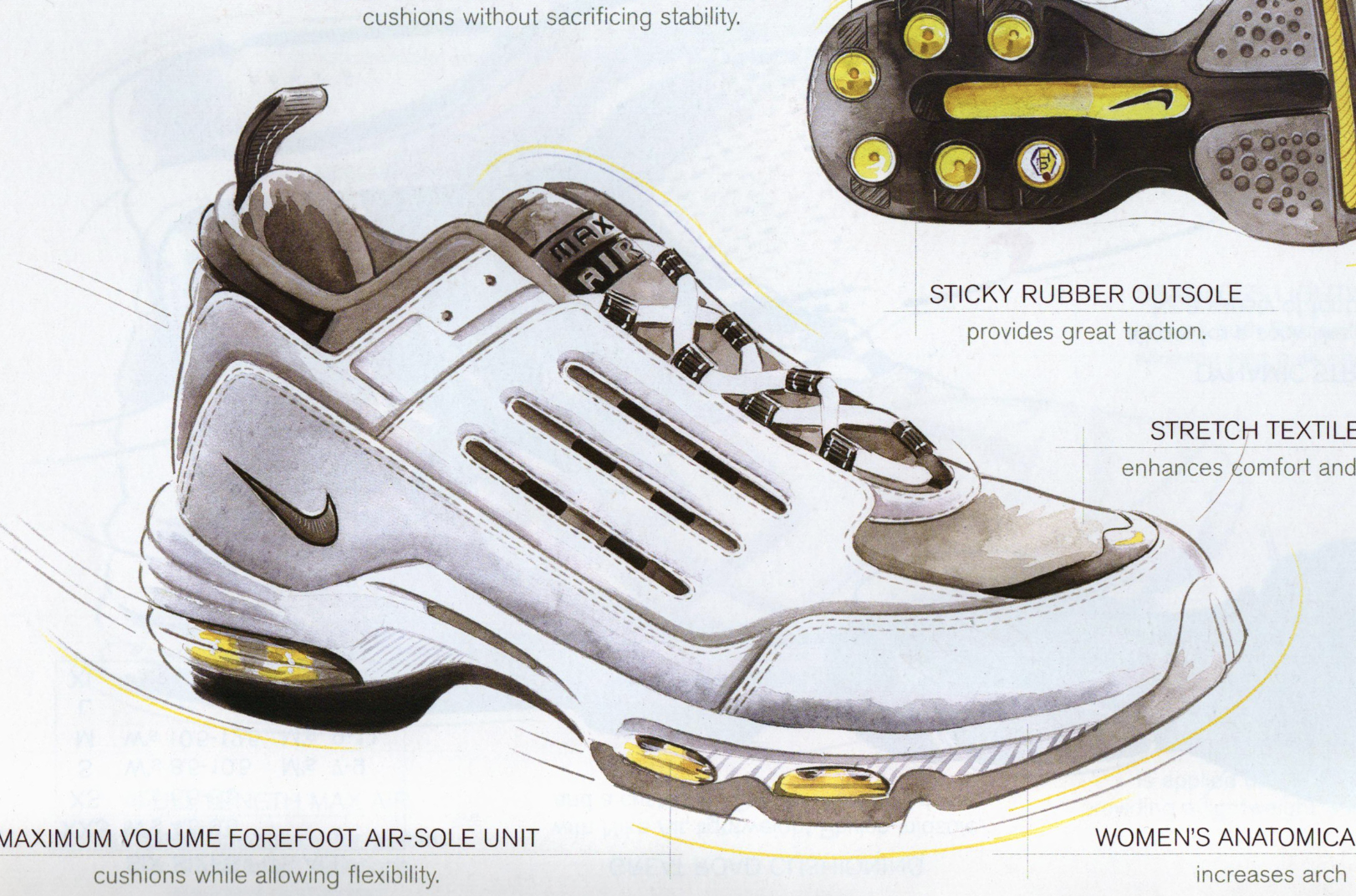
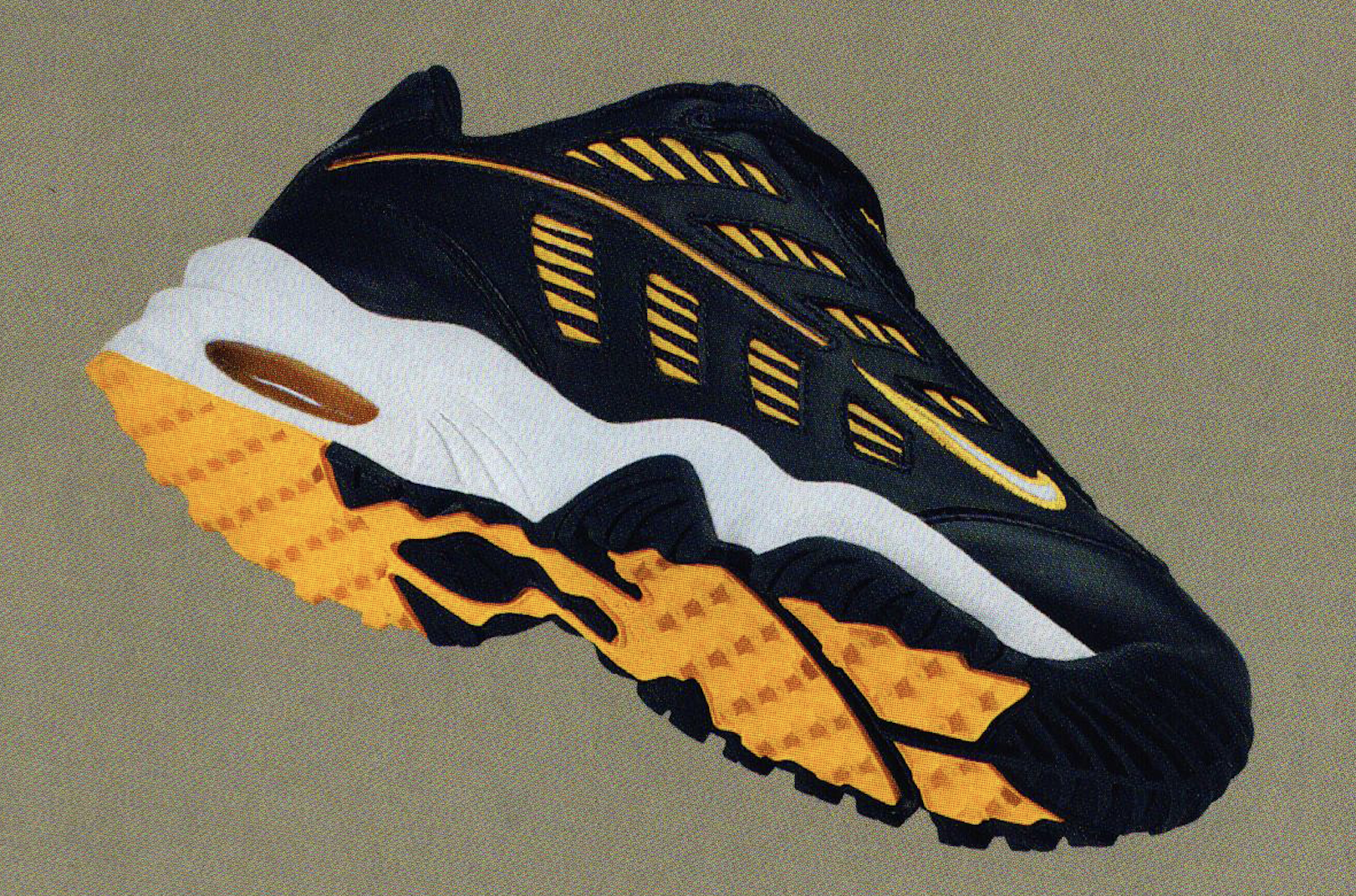
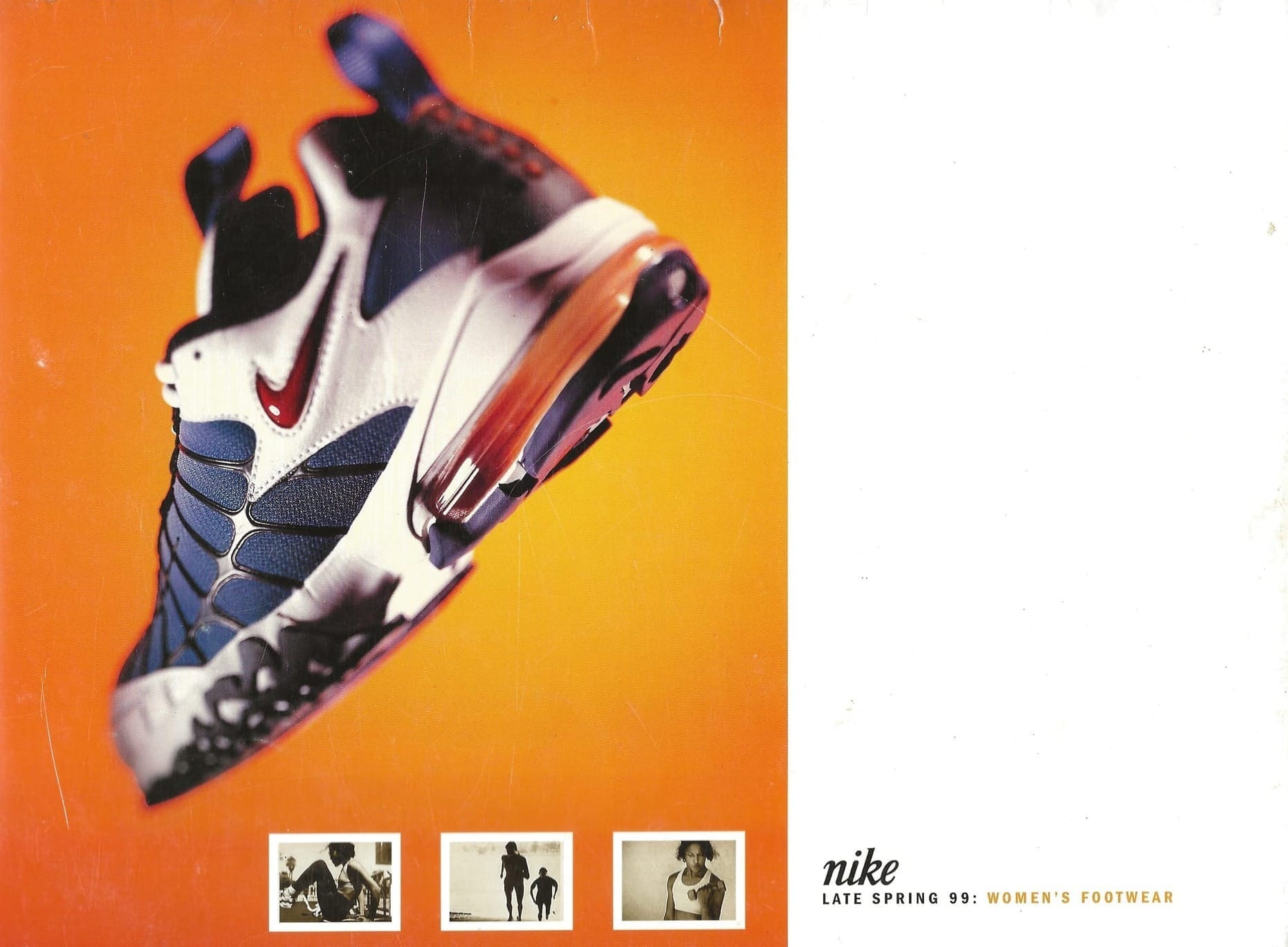
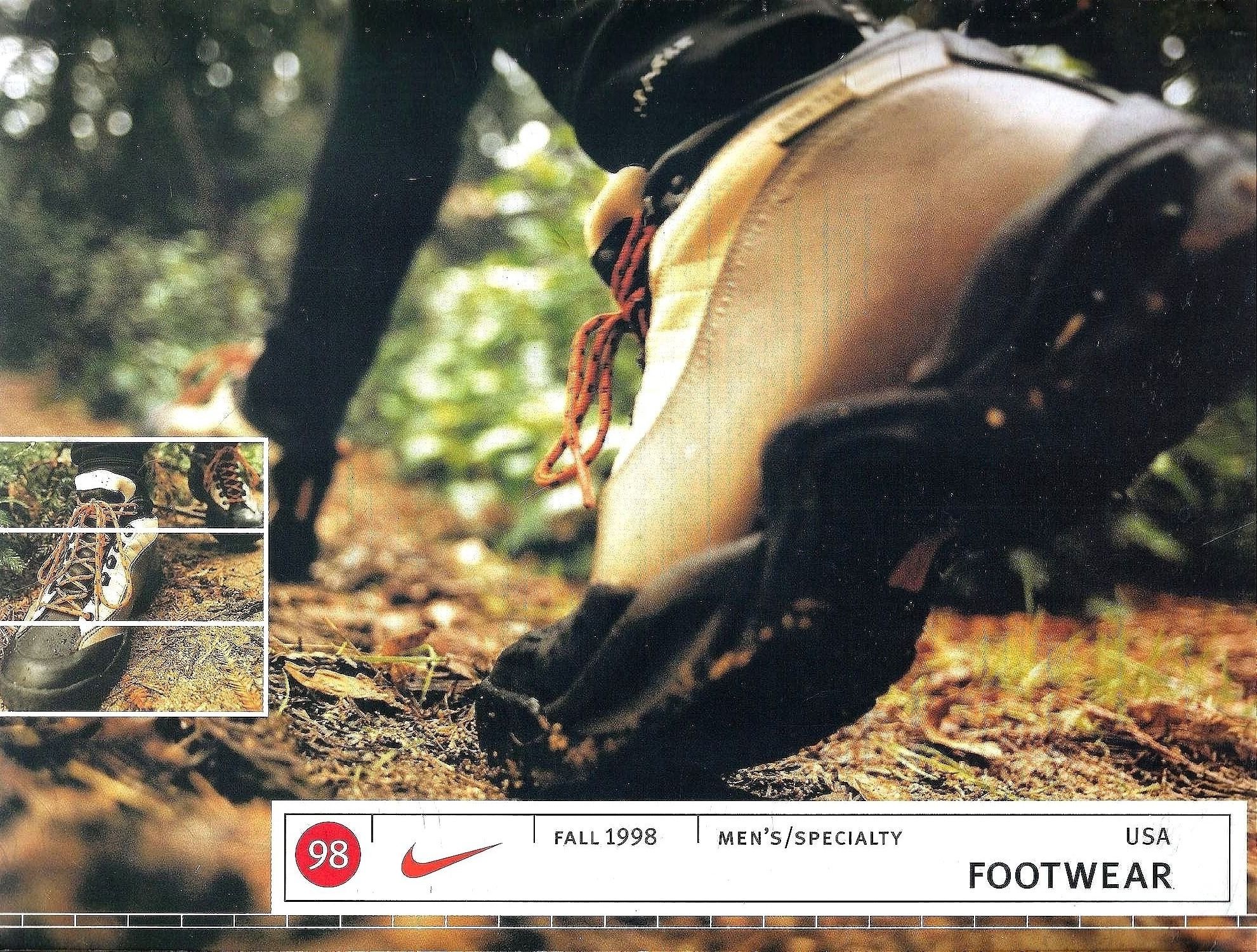
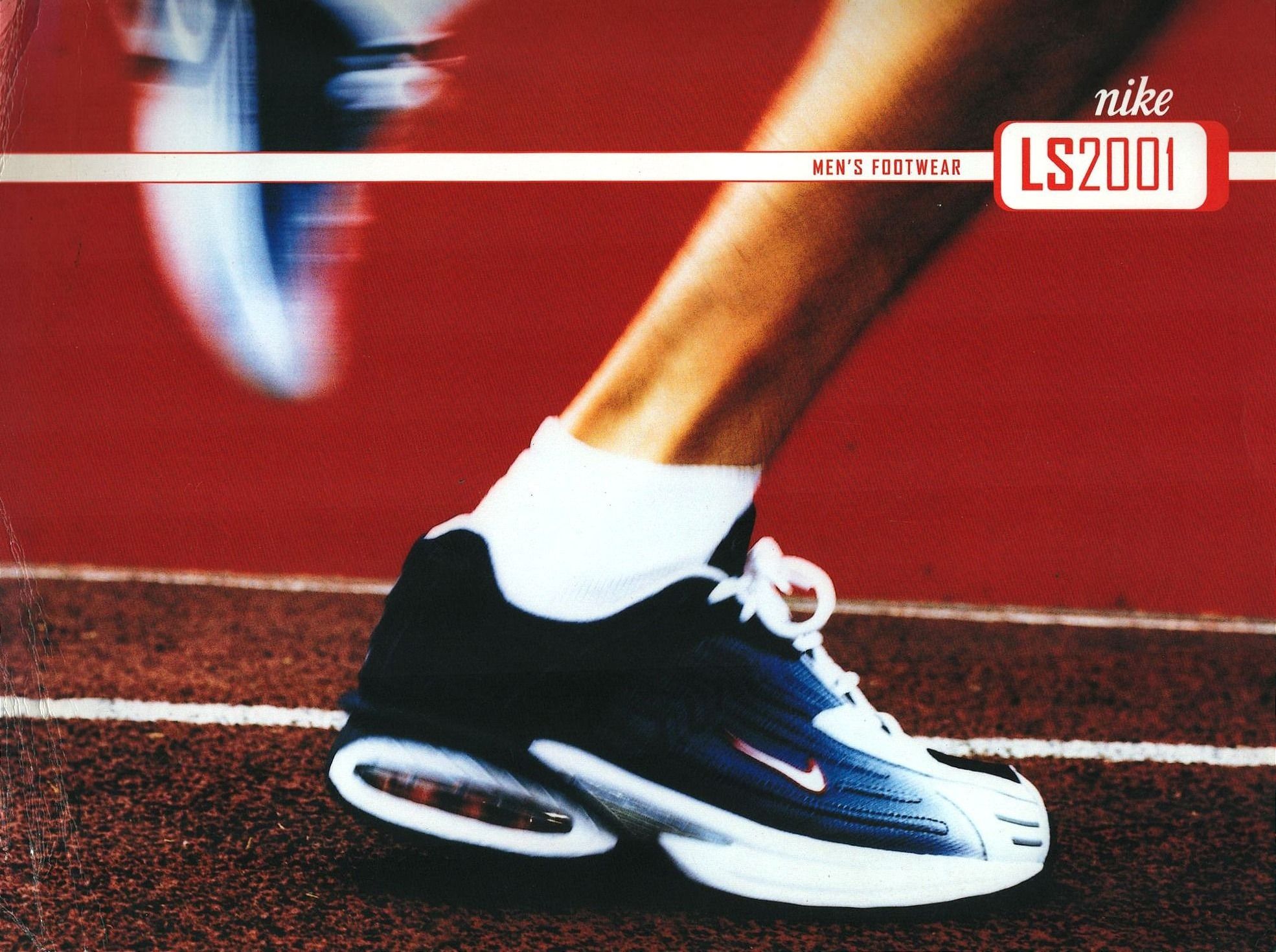
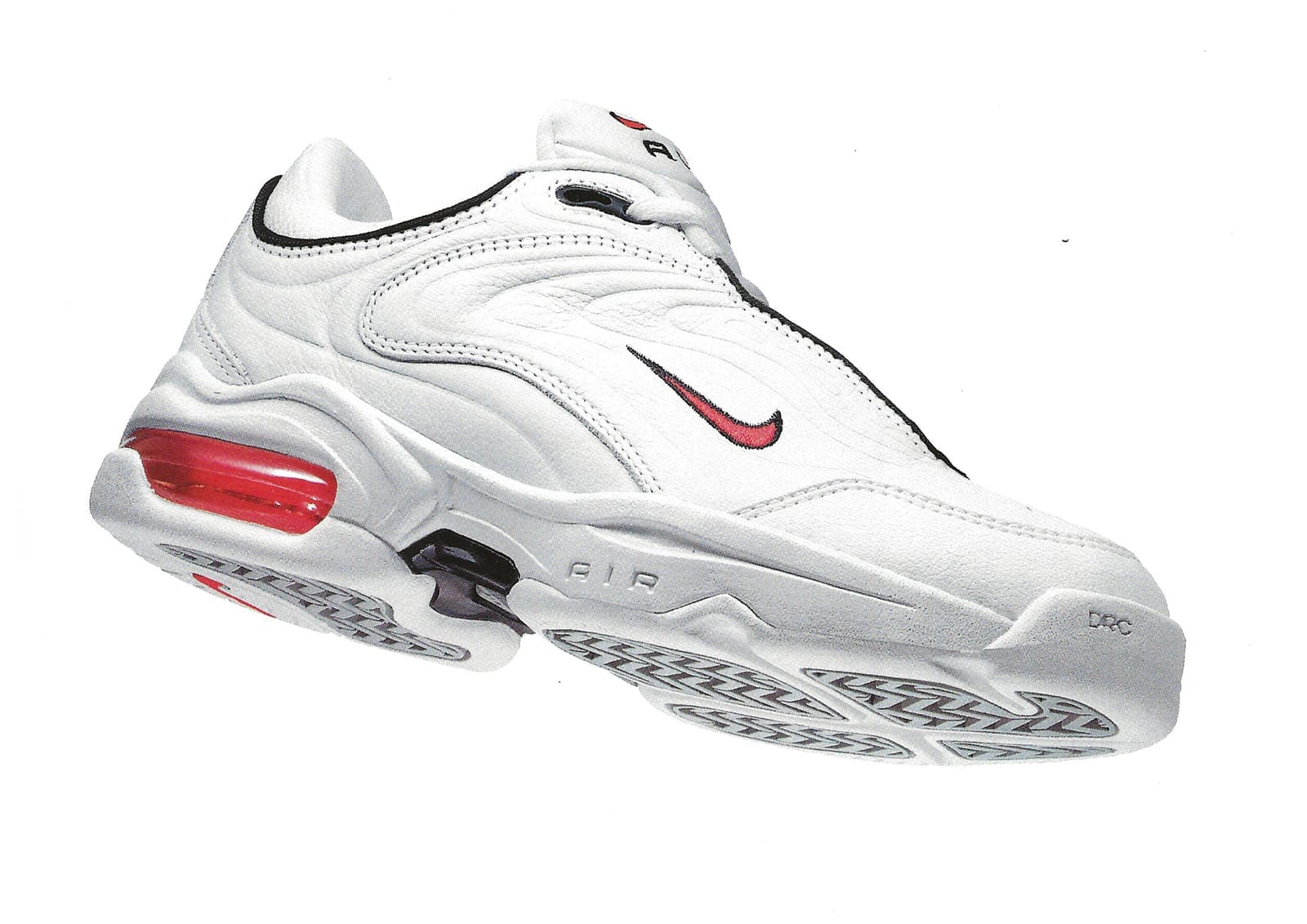
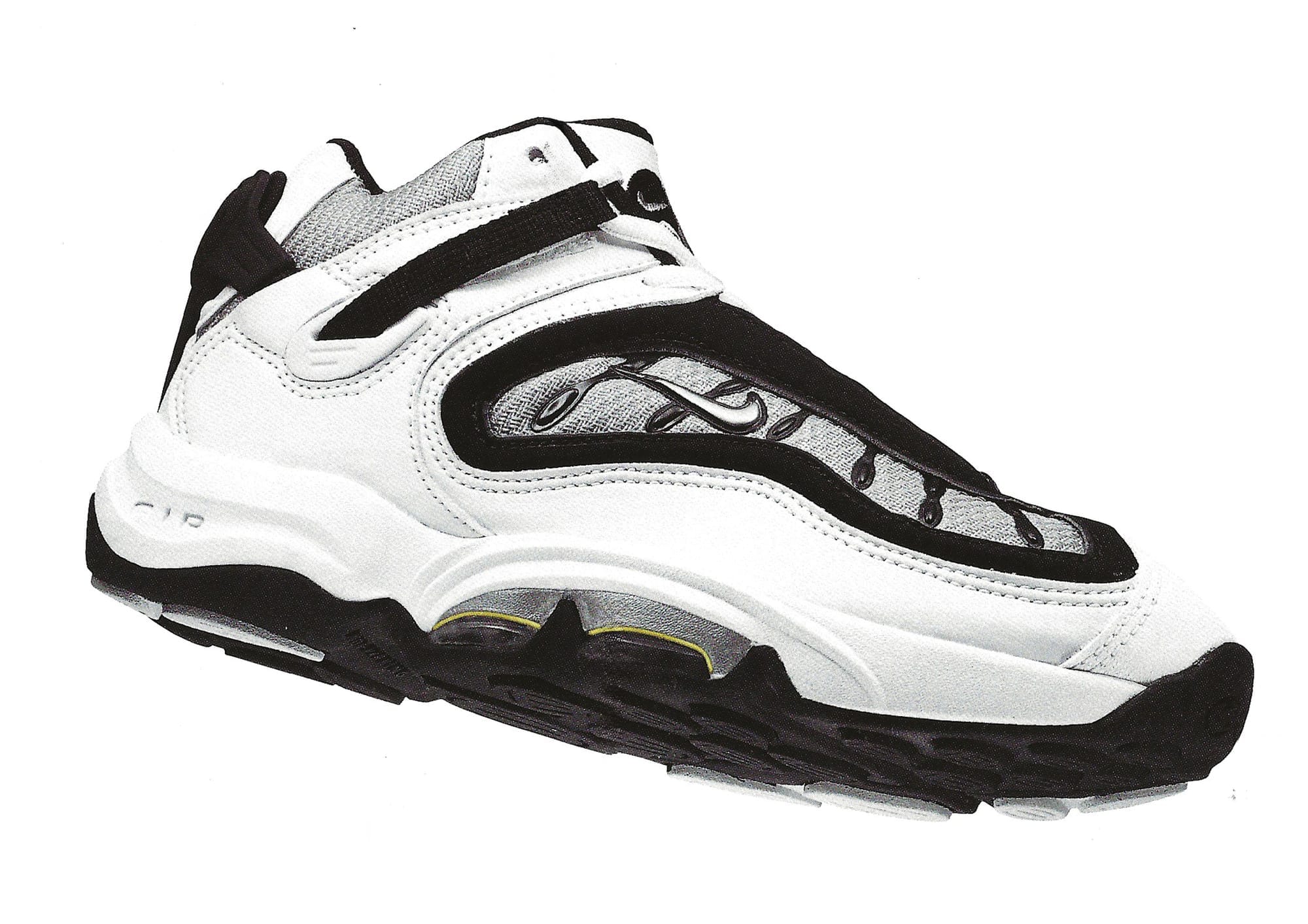
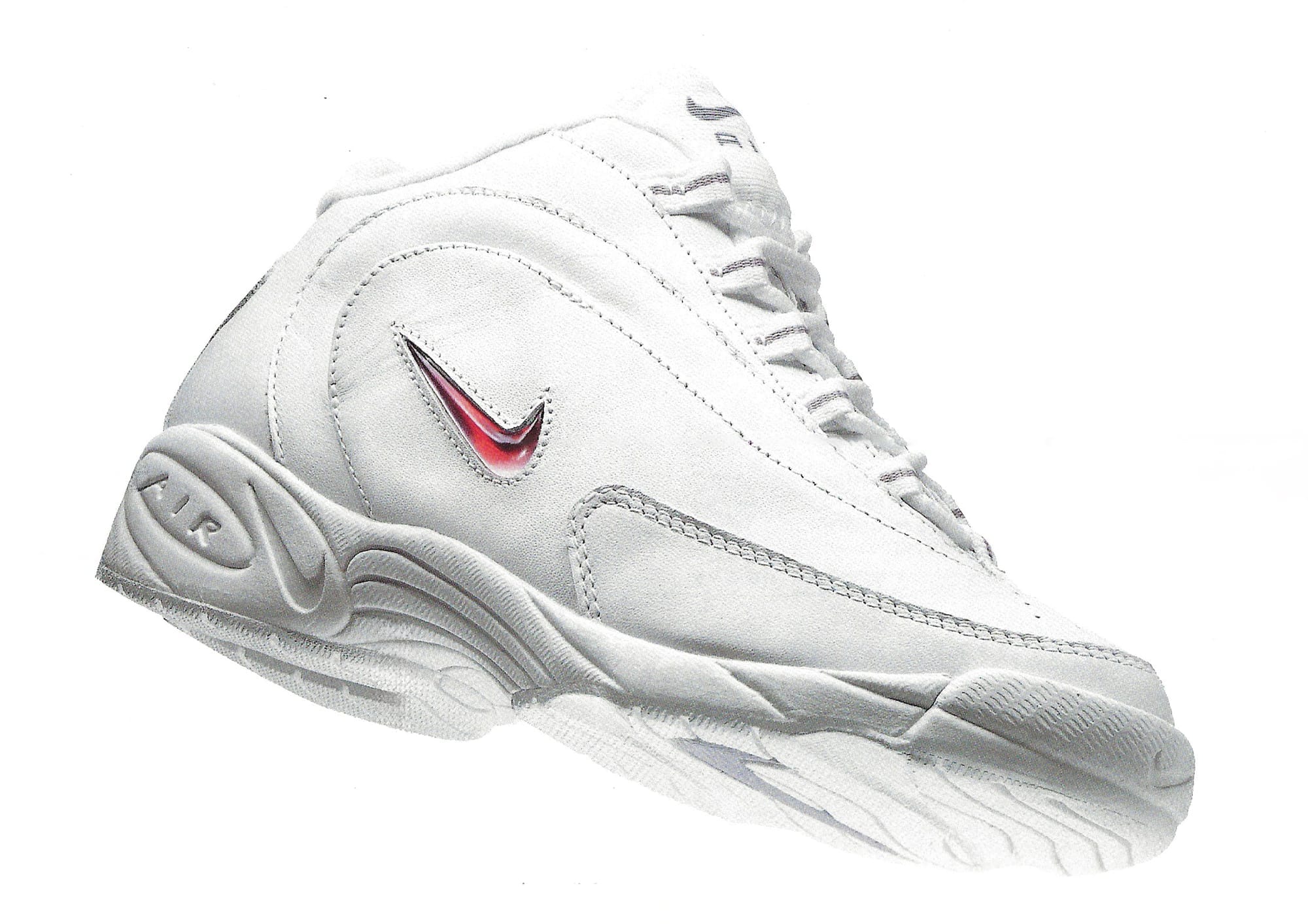
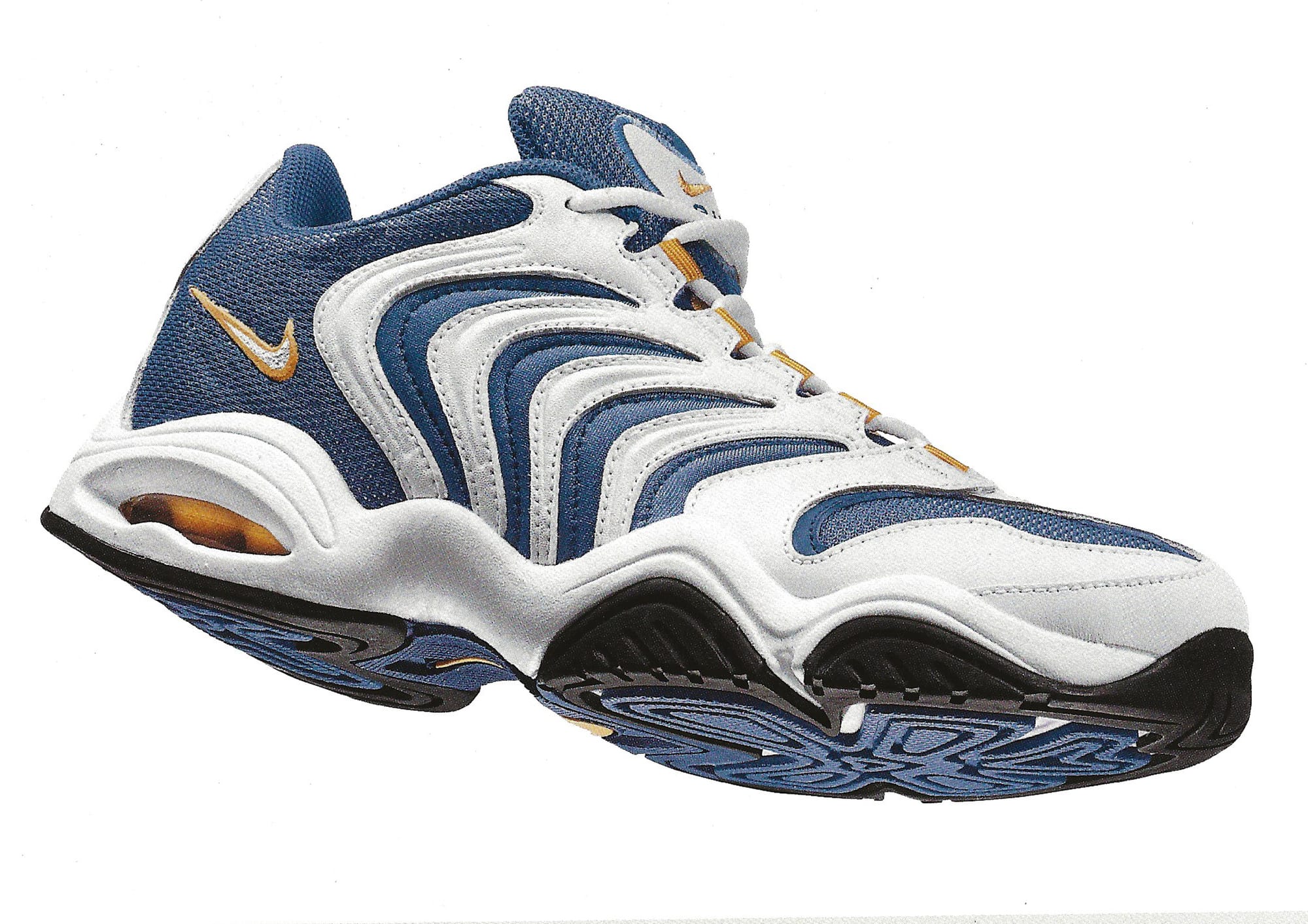
The Nike 1999 Spring Men’s Footwear Catalog presents a range of performance models across running, training, basketball, and outdoor categories. Designs reflect late-1990s emphasis on visible cushioning systems, sculpted midsoles, and bold color blocking, with products positioned for both competitive use and everyday wear.
full catalog download link below and through the server page.
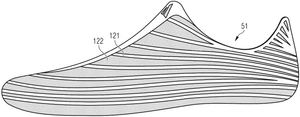
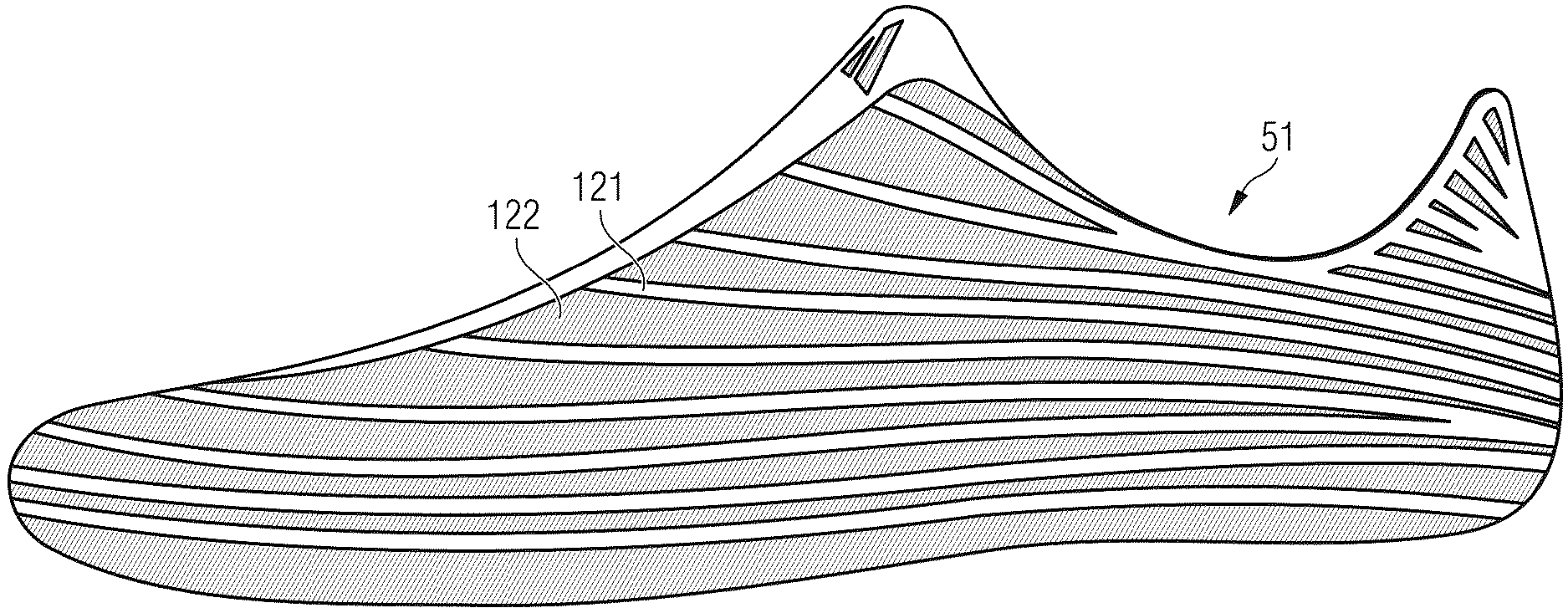
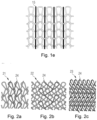
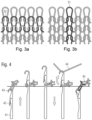
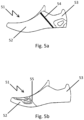
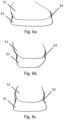
Figures from US patent application US20250160486A1, 'Knitted Shoe Upper', filed by Adidas AG (inventors Stefan Tamm, Carl Arnese and James Carnes; published 22 May 2025). The upper is knitted in one piece with two zones, a more elastic yarn and a stiffer yarn, placing stretch and support without seams or separate reinforcement panels. The drawings show the yarn zones and construction across forefoot, midfoot and heel.
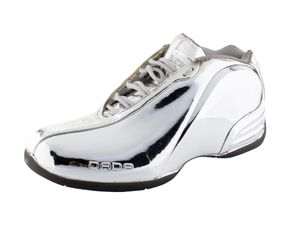
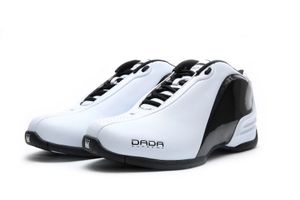
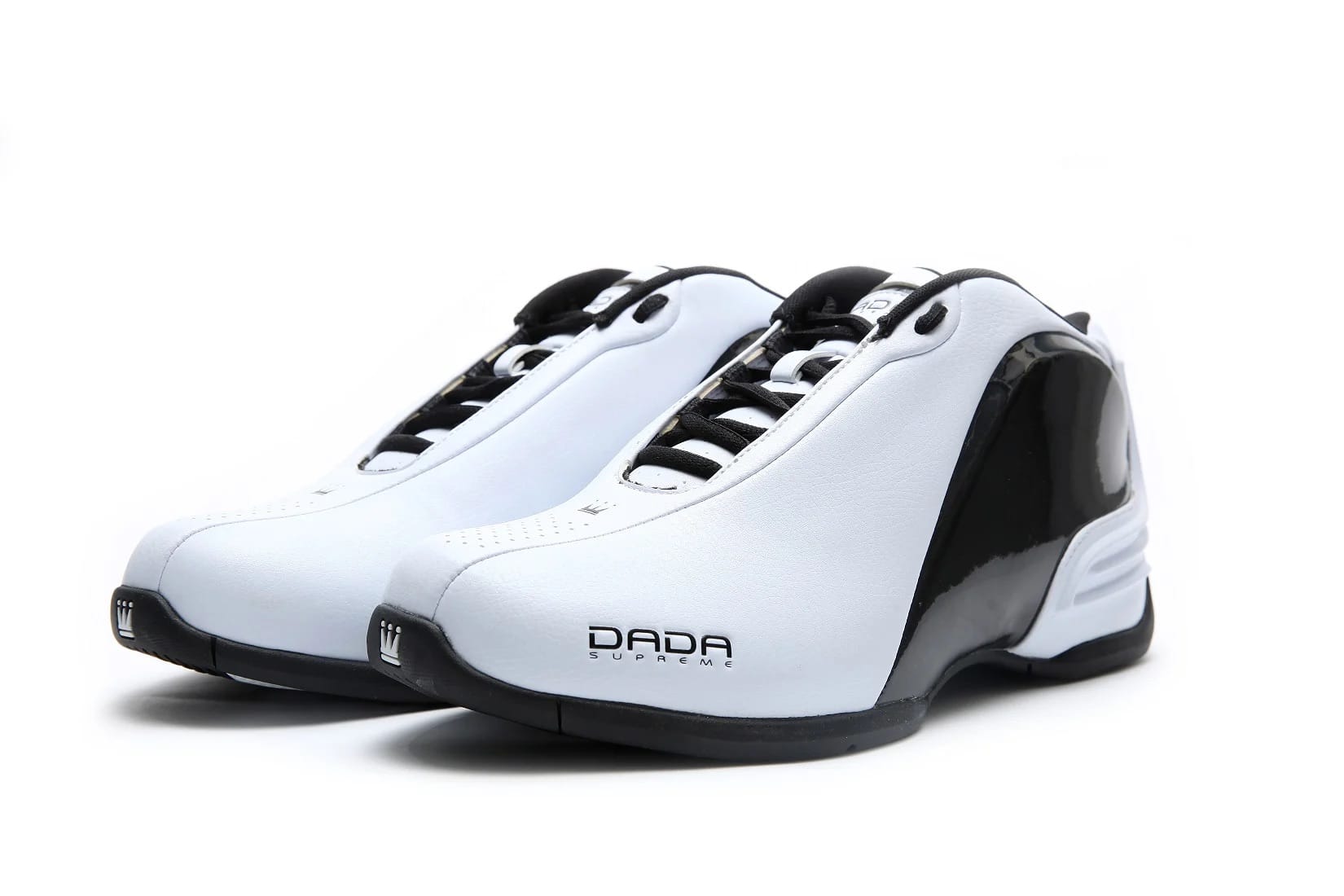
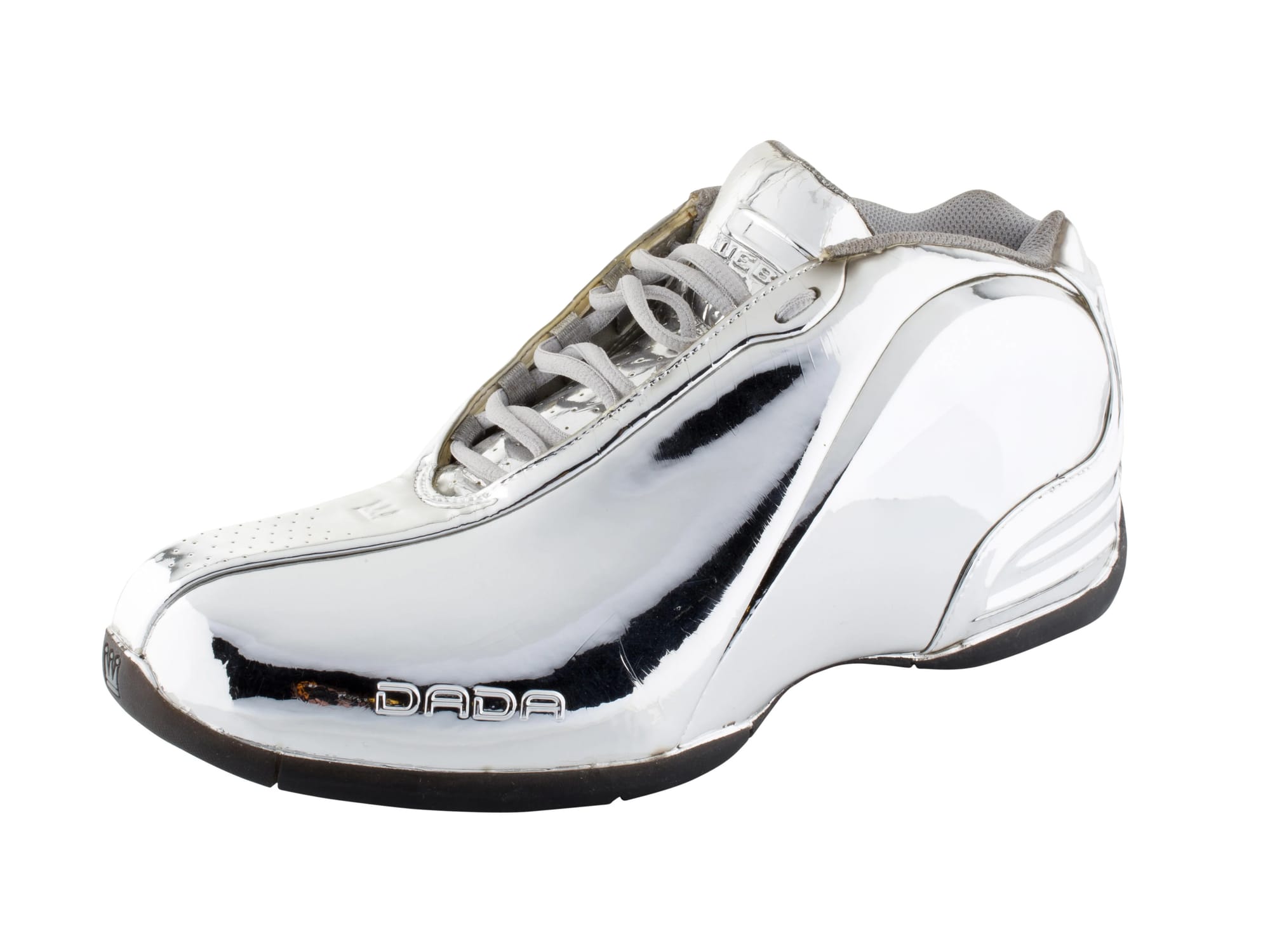
The Dada Supreme Chrome C-Dubbz sneakers are built around an intentionally heavy, high-volume silhouette: a tall collar, a thick tongue, and a wide forefoot that reads as protective and stable. The upper is typically constructed from layered synthetic panels with pronounced overlays, giving the shoe a structured, armored look and a more rigid feel than minimalist basketball uppers. Stitch lines and panel breaks are used as graphic elements—sections are segmented, stacked, and outlined to create depth, with glossy “chrome” accents placed to catch highlights and exaggerate contour changes as the foot moves.
Branding is designed to be unmistakable at a distance. Expect oversized side marks, large-scale heel or tongue identifiers, and bold, high-contrast placements that function like visual anchors on the lateral and medial sides. The chrome treatment usually appears as reflective or high-shine synthetic components (often on overlays, badges, or trim), creating a hard, metallic read against matte base materials and emphasizing the shoe’s sculpted geometry.
Padding and fit cues tend to be substantial: a thick collar for ankle cushioning, a padded tongue that fills the lace channel, and a lace system supported by reinforced eyestays. This combination aims for a locked-in, “wrapped” fit—more secure and cushioned than sleek—especially through the midfoot where the overlays and lacing work together to reduce lateral movement.
The sole unit is equally assertive. The midsole sits tall with a broad footprint, visually communicating impact protection and stability. Tooling is typically chunky and segmented, with sculpted sidewalls and recesses that add shadow and definition. The outsole commonly uses deep grooves and a dense traction pattern intended for grip and durability, with a flatter contact area and widened edges that support hard stops, pivots, and lateral cuts. Overall, the design language prioritizes structure, cushioning volume, and visual force—built to feel protective under load and to look loud even when standing still.

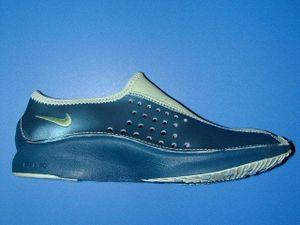
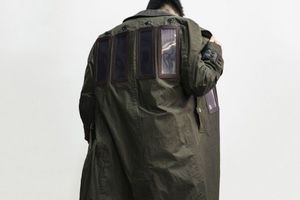
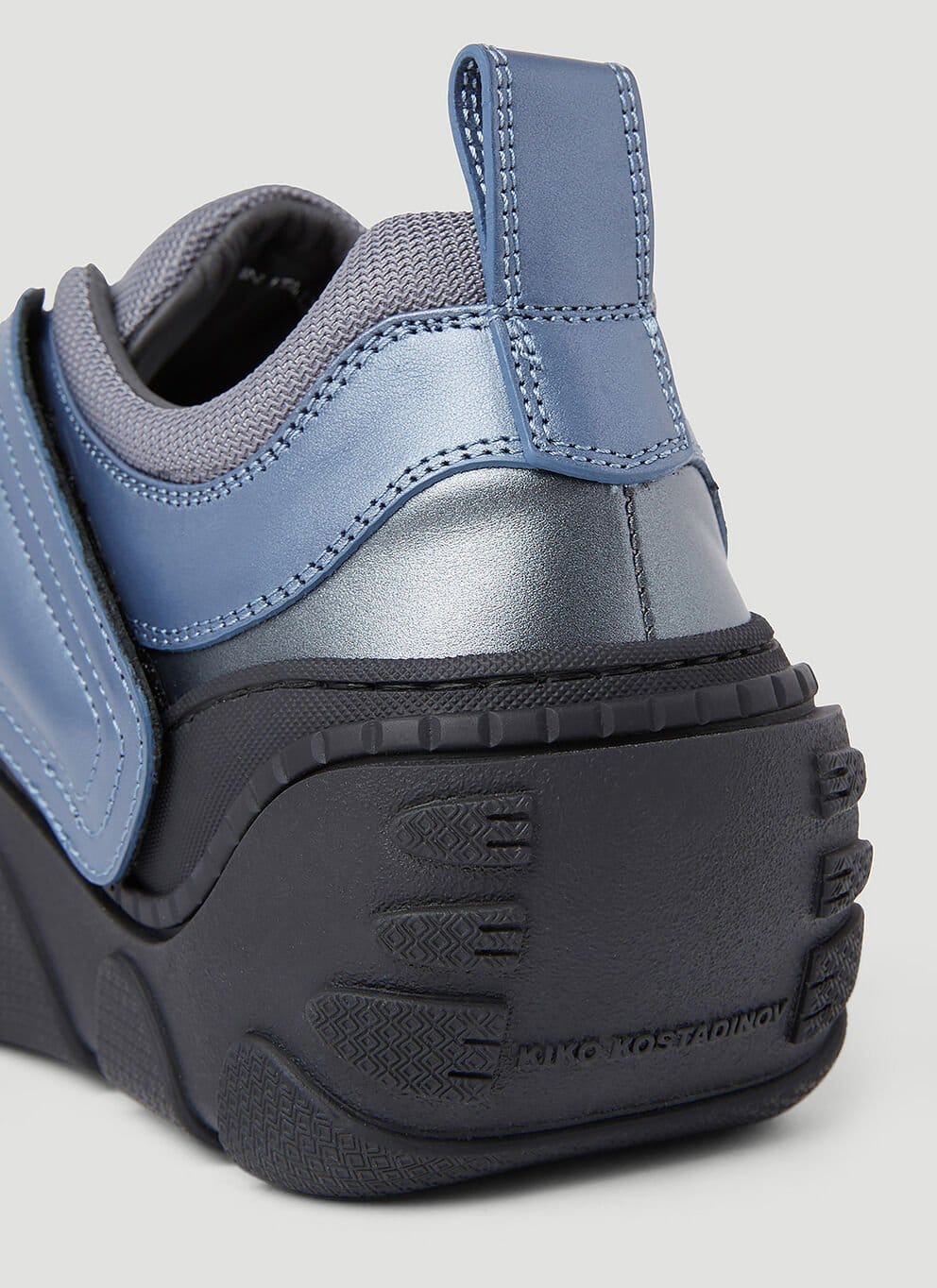
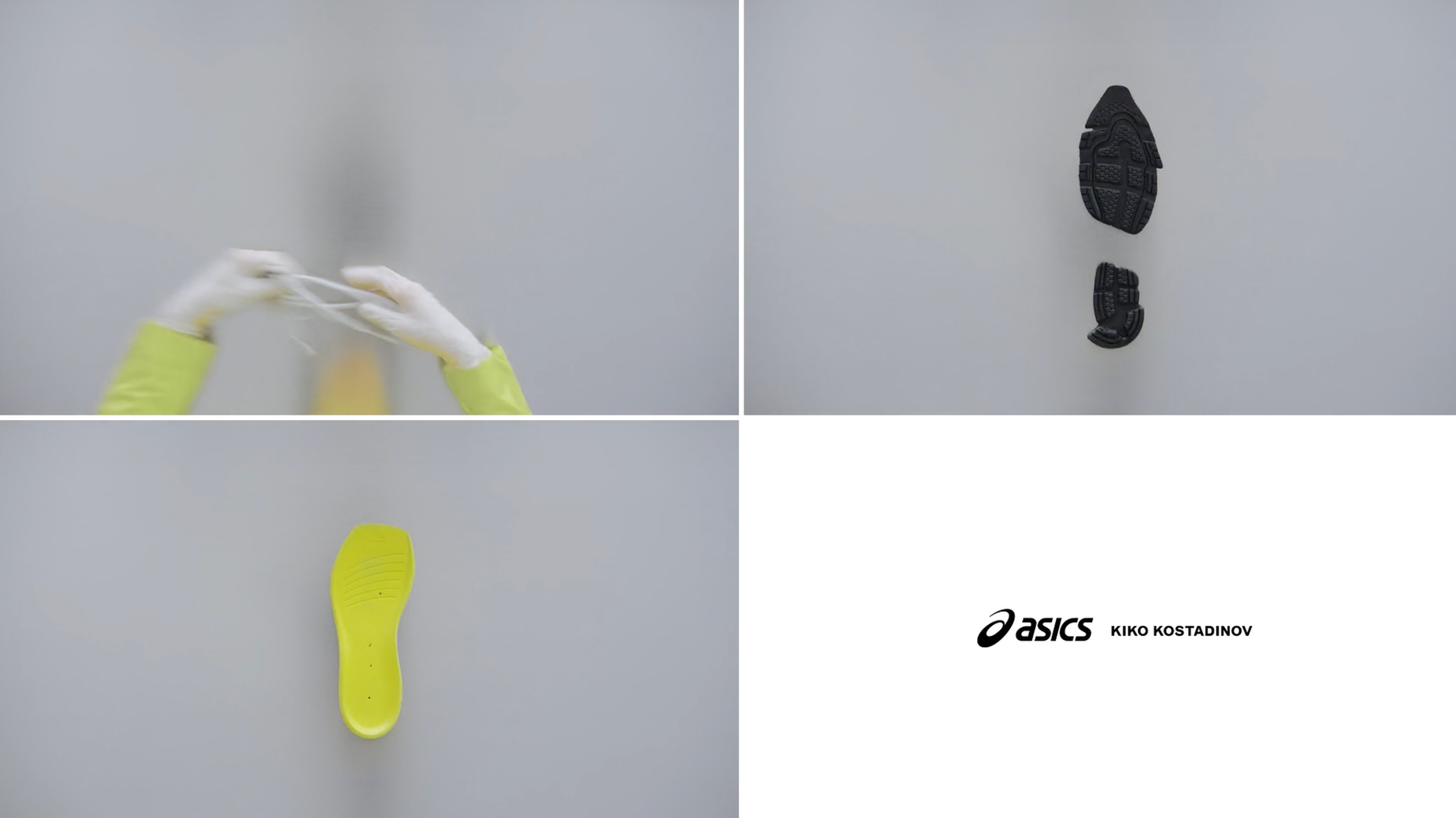
ASICS GEL-BURZ 1 / KIKO KOSTADINOV
Directed: Bafic
Producer: Alice Lewis
Edit: Bafic
Dop: Harry Wheeler
assistant: Francis Plummer
Grade: Tim Smith @ Etc
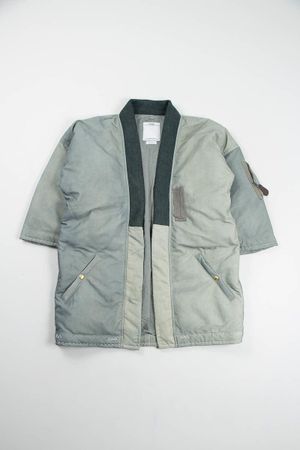
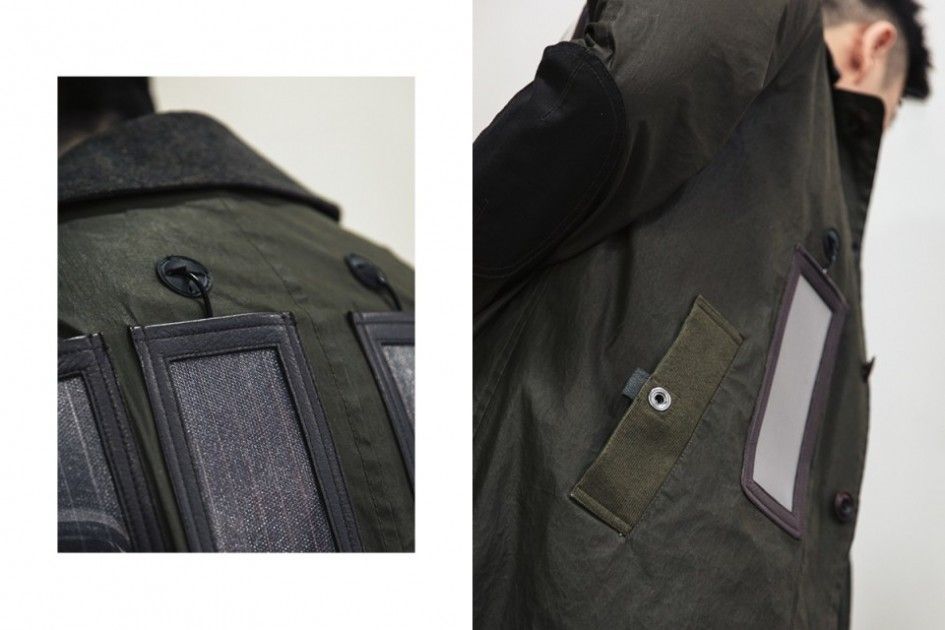
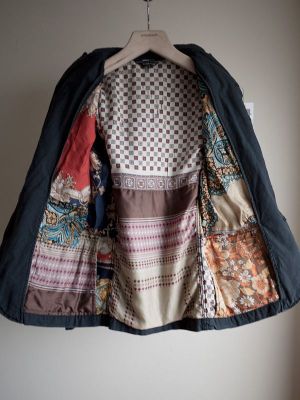
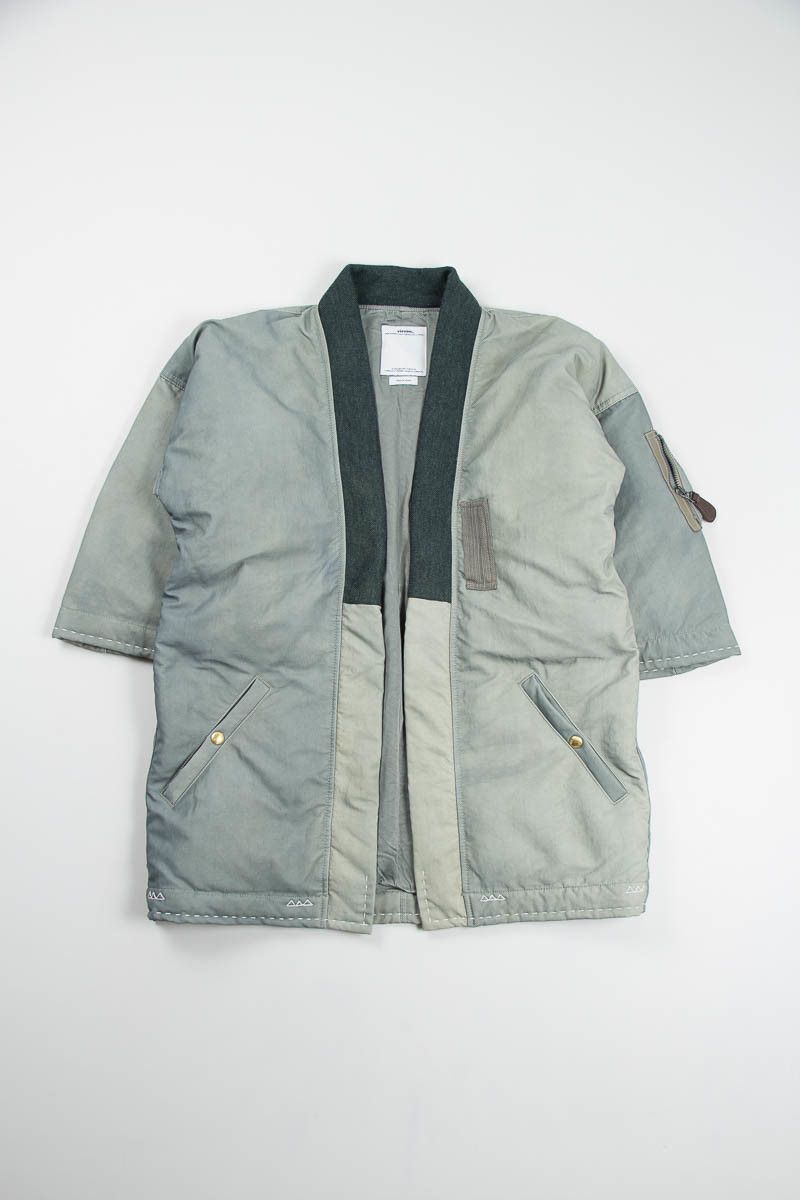
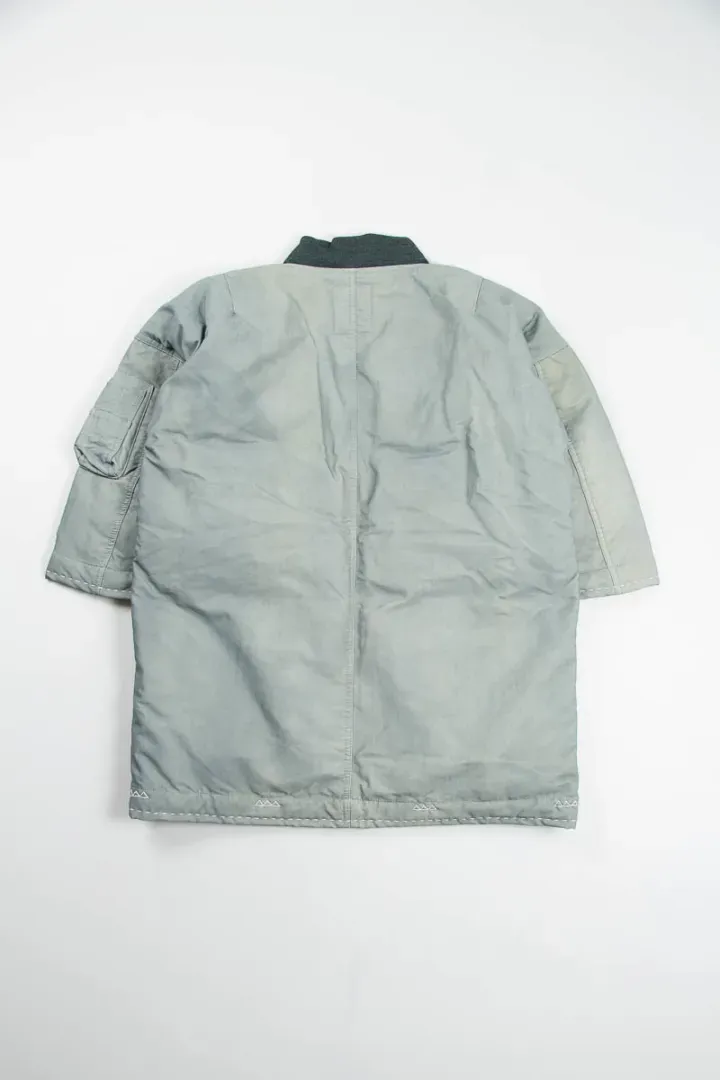
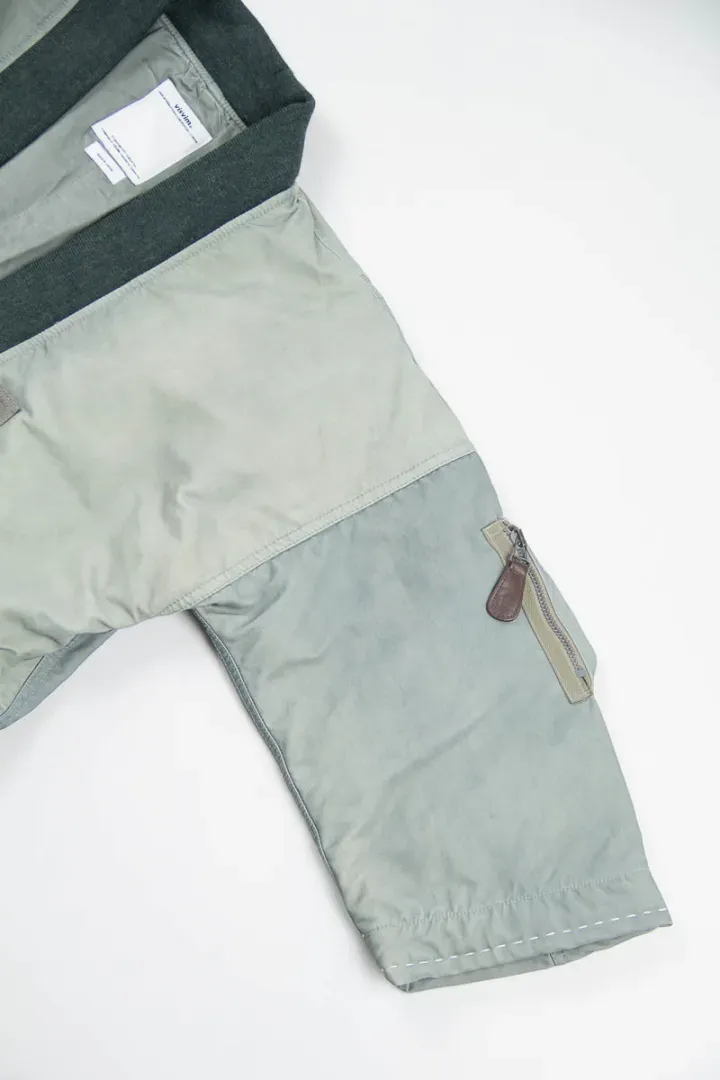
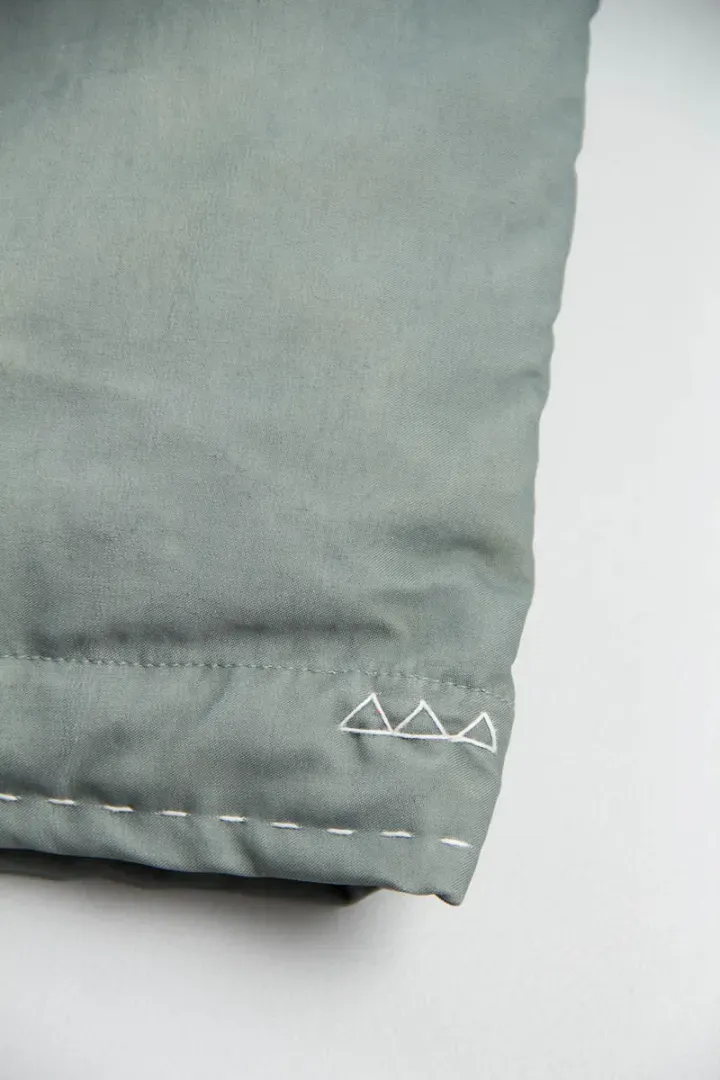
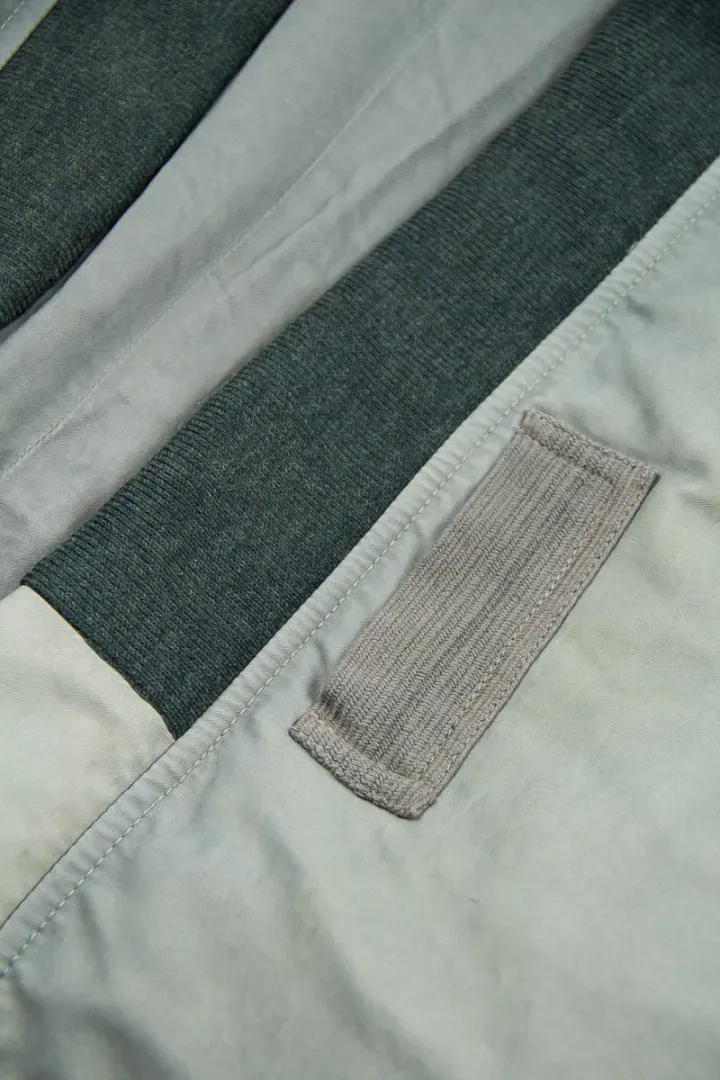
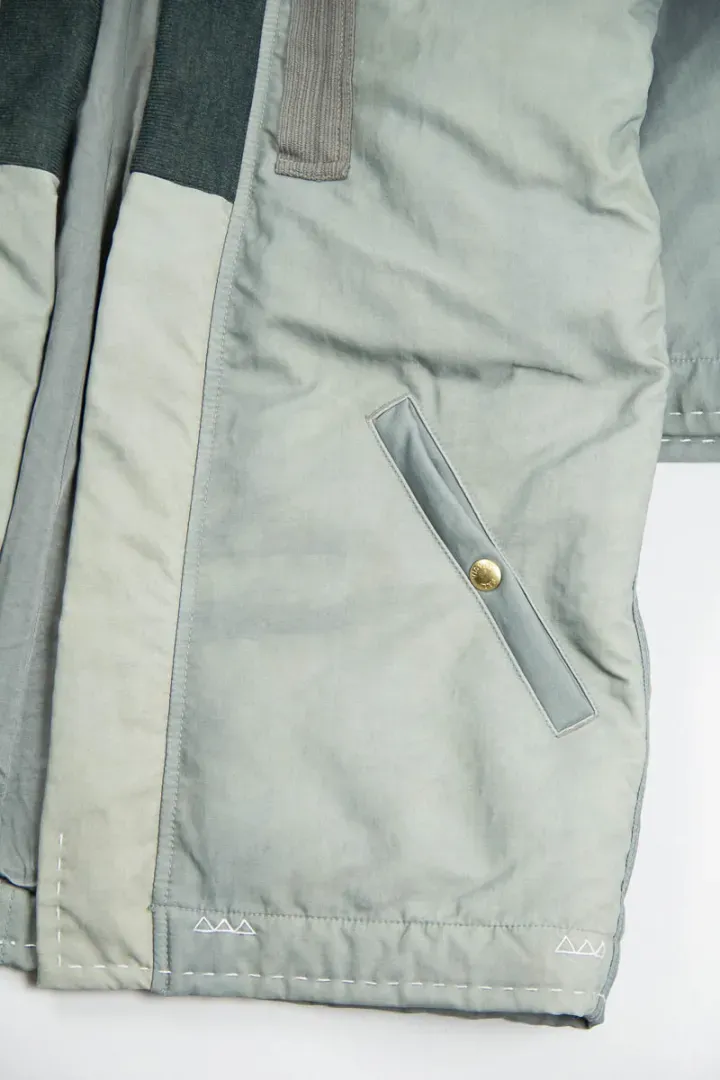
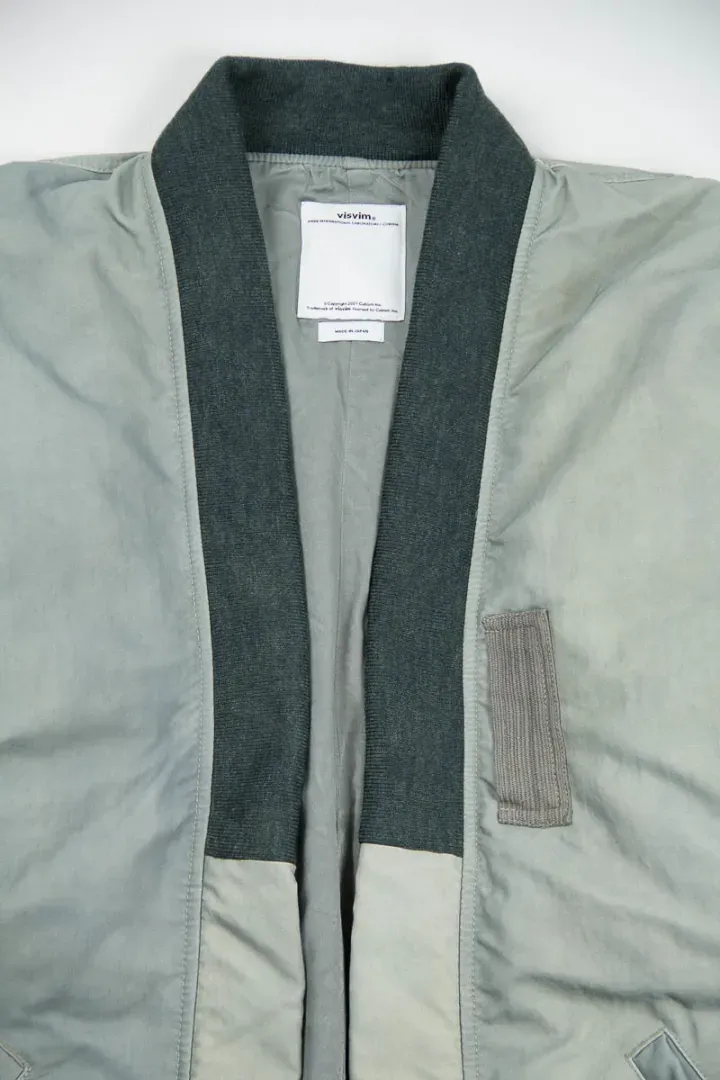
Naturally dyed Italian nylon with a white goose down fill, ribbed collar, 2 slanted snap button pockets, Talon zippered utility pocket on one sleeve, patch detailing on the placket and hand–stitched sashiko.
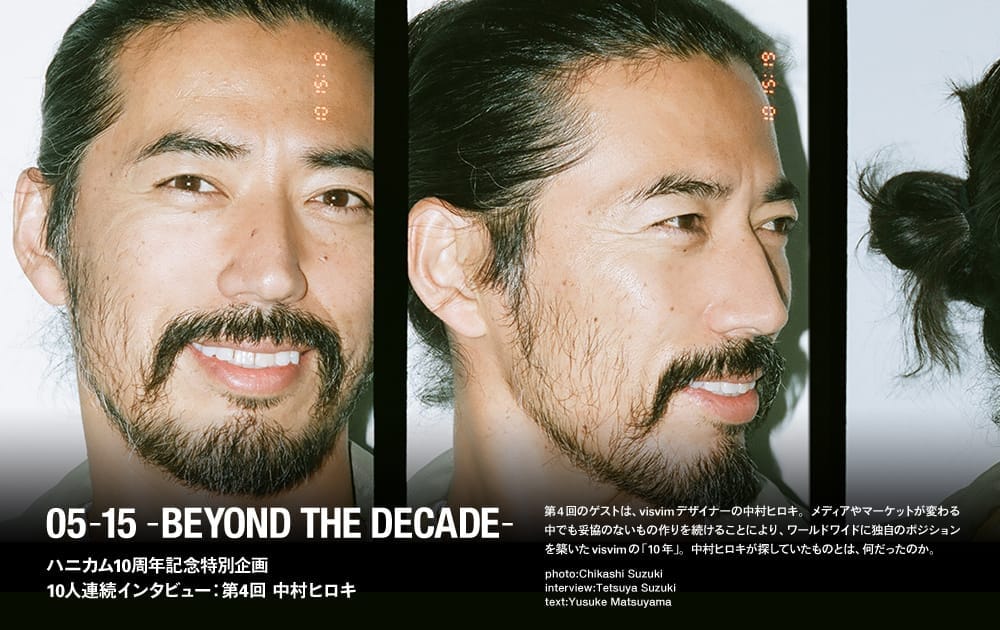
第4回のゲストは、visvimデザイナーの中村ヒロキ。メディアやマーケットが変わる中でも妥協のないもの作りを続けることにより、ワールドワイドに独自のポジションを築いたvisvimの「10年」。中村ヒロキが探していたものとは、何だったのか。
ハニカム10周年記念特別企画 10人連続インタビュー:第4回 中村ヒロキ
photo: Chikashi Suzuki interview: Tetsuya Suzuki text: Yusuke Matsuyama
—— この10年でvisvimも大きく変化をしたと思います。
中村「どうでしょう。毎日やっていることなので、自分ではわかりません。でも、ハニカムが始まったころまで遡るといろいろなことがありすぎて、まだ10年しか経ってないのかという感覚はありますよ」
—— visvimは2005年からの5年くらい、ブランドとしていろいろなチャレンジをしていたと思うんです。それも、かなりのスピードで。
中村「今に至るまで常にそうしているつもりなので(笑)。その瞬間、瞬間を生きることが大事ですから」
—— とはいえ、10年前を思い出してください。日本のストリートブランドが世界的に注目を集め始めた時期でもあって、visvimはそれに対して積極的にアプローチしていました。
中村「16年前にブランドをスタートしたときも、半分ほどが海外のディーラーさんだったので、僕の中で国内と海外を区別することは最初からありませんでした。ちなみに、2005年というのはショップがオープンして1年くらい経った頃ですね」
—— そのショップのオープニングで清永さんに声をかけられ、そのあとヒロシさんから連絡をもらったのがハニカムの始まりです。
中村「インターネットによる情報伝達のスピードは、ハニカム以前と以降でずいぶん違いますよね。ファッションのマーケットも変わりました」
—— visvimの場合は、そうしたメディアやマーケットの変化に沿って変わったというより、自分たちのストーリーを深化させることで変化してきた気がします。
中村「どうなんですかね(笑)。でも、情報伝達のスピードが変わっていく中で、もの作りの方法も、マーケットへのアプローチも変わったはずです。ブランドがスタートした16年前は、知り合いのお店の方に紹介してもらう形でしたが、いまならインターネットに上げればどこでもすぐに見てもらえますし」
—— いまでこそいろいろなブランドがクラフトマンシップやヘリテージをコンセプトのひとつにしていますけど、visvimはそれを先取っていました。もの作りに対する密度を上げるアプローチをいち早く徹底していたと思うんですが、ちょうど2005年くらいから中村さんの中でもそうした気持ちが強くなったのではないかと。
中村「インターネットメディアが発達し、情報の伝達スピードが速くなっていくにつれ、自分たちの価値観に共感、共鳴してくれる人たちが距離や地域を超えて存在するということが顕著に表れました。範囲が広がってパイも大きくなり、好きと言ってくれる人も増えたので、いまは昔よりもこだわりを持ったもの作りがしやすくなっていますね」
『honeyee.mag(ハニマグ)vol.5』特集「人と物の関係」

—— なるほど。マーケットが広がれば共感する人の絶対数も増えてくると。
中村「地理的な障害があるおかげで日本のもの作りがよかった時期もあると思うんですが、インターネットによって、それとは逆の現象が起きて、逆におもしろいことができるようになったりもした。自分はそれをプラスに捉えています」
—— 作りたいものを作るというこだわりを持つと、必然的に自分たちがインターナショナルなブランドにならざるを得ないということですよね。
中村「いえ、引いて見てみれば、どこにいてもインターナショナルなんです」
—— あるいは、海外の人が勝手に見つけてくれれば、そのつもりはなくとも結果インターナショナルになる。視点をどこに置くかの問題であると。
中村「そうです。パースペクティブの問題なので。その中で自分がやりたいことをお客様に伝えられるかということです」
—— カスタマーとのコミュニケーションの密度の正確さ、スピードがこの10年で増している実感はありますか。
中村「正確だし、速くなりましたよね。でも、さっきも言ったように、時間差や伝言ゲームを通じておもしろいものが生まれてくるプロセスの余地はないから、逆に自分の足を動かして、そういうものを作っています。世界中を動くことでおもしろいものを見つけるといいますか」
—— 昔は時間差の中でノイズが入ってくるところがよかった。
中村「物理的な、あるいは、情報的な距離があるからこそ、そこにビジネスが生まれたりもしましたよね」
—— visvimは世界でもユニークなブランドだと思います。それは中村さんからすると、当たり前なことをしているという気持ちなのか、それとも、既存のファッションビジネスとあえて違うことをしている意識はあるのでしょうか。

中村「自分たちに集中しようとはしていますね。ほかのブランドが気にならないわけではないけど、見ると影響を受けるから、あまり情報を入れないようにして。雑誌は読まないし、テレビはないし、映画も観ない。インターネットは自分の求める情報だけを見られるから、それはありがたいですけど」
—— ただ、ファッションには流行というものがあります。いまは目立った流行が存在しづらく、過去の焼き直ししかなくなってきているとは思いますが、それでも、流行を意識することはありませんか。
中村「情報が発達してくると、逆に誰もが個としての自分に目覚めるようになるから、好みも多様化するし、そして、それはいいことだと思います。僕自身は何が流行っているかはあまり気にせず、街を歩いていて感じるくらいが、アウトプットするにはちょうどいいですね」
—— 例えば、サードウェーブコーヒー周辺の人たちから広がったようなライフスタイルもひとつのトレンドとしてあります。そういうものを見ていると、時代がようやくvisvim的な在り方に追いついてきた感じがするんです。
中村「確かにフードなどの業界にはそういう流れがあるのかもしれません。オーガニックなスーパーマーケットなどは日本でも増えていますし。そういうところに若いクリエイティブな人がいるんですかね」
—— かもしれませんが、僕の感覚だと、世界がvisvimのほうに向かっているんです。
中村「ネットによって、こだわりを持つローカルな小さなお店が世界中でものを売ったり、そういうことが簡単にできるようになりましたからね。だから、マーケットを広く取れば、周りの人に合わせてあれこれしなくても、自分たちがやることに共感してくれる人はいるんじゃないかなと」
—— 10年前は中村さんがそれを熱弁したとしても、リアリティを感じられなかった人もいると思うんです。でも、それが明らかな現実になったのではないかと。
中村「だとするとうれしいですね。ヴィジョナリーといいますか(笑)」
—— 本当にそう思います。ただ良いものを作りたかっただけではなく、ヴィジョンとコンセプトがあったからこその結果だと思います。
中村「まあ、でも、いろいろな考え方の人がいるから。僕は自分の作るものをいいと思ってくれる人がいて、それで成り立てばいいんです。これを着て、使って、幸せと感じてくれるのは僕だけではないはずなので」
—— みんなはこういうものが欲しいだろうという作り方ではなく、まず自分が欲しいものから入る。
中村「自分が幸せだと思えるもの。こういう意味を持たせても無意味だなと感じ始めたら、僕はもう作れないと思います。それがないとできません」
—— でも、それがある限りは、次の10年、20年もやっていける。
中村「もしかしたら、良いと思うものは変わるかもしれませんけどね。それがデザイナーとしての役目だと思っていますから、世の中の流れがどうあれ、自分が幸せと感じられるものを」
—— 改めて、世界がvisvim化した10年だったと思います。今後ますますvisvim化するとも思います。
中村「visvim化ですか(笑)。それはわかりませんが、自分は自分の信じることを続けていきたいと思います」
Our fourth guest is visvim designer Hiroki Nakamura. By carrying on making things without compromise even as media and markets changed, visvim built a position of its own worldwide — these are its “ten years.” What was it that Hiroki Nakamura had been looking for?
honeyee 10th anniversary special Ten interviews in a row: no. 4, Hiroki Nakamura
photo: Chikashi Suzuki interview: Tetsuya Suzuki text: Yusuke Matsuyama
—— I think visvim has changed a great deal over these ten years.
Nakamura "Has it? It's what I do every day, so I can't really tell. But when I go back to around when honeyee started, so much has happened that it doesn't feel like only ten years have passed."
—— For about five years from 2005, visvim was taking on all kinds of challenges as a brand. And at real speed.
Nakamura "I like to think I've been doing that the whole way through, right up to now (laughs). Living each moment as it comes is what matters."
—— Still, cast your mind back ten years. It was also when Japanese street brands were starting to draw attention globally, and visvim went at that head-on.
Nakamura "Even when I started the brand sixteen years ago, about half our dealers were overseas, so I never drew a line between domestic and international in my own head. Incidentally, 2005 was about a year after the shop opened."
—— It was at that shop opening that Kiyonaga spoke to you, and then Hiroshi got in touch — that's how honeyee began.
Nakamura "The speed at which information travels over the internet is very different before honeyee and after. The fashion market changed too."
—— In visvim's case, I feel the change came less from following those shifts in media and market than from deepening your own story.
Nakamura "I wonder (laughs). But as the speed of information changed, the way things get made and the way you approach the market must have changed too. When the brand started sixteen years ago, it was a matter of being introduced by someone at a shop you knew; now you put it on the internet and it's seen anywhere, straight away."
—— These days plenty of brands make craftsmanship and heritage part of their concept, but visvim got there first. You were rigorous about raising the density of the making earlier than anyone, and I suspect that feeling grew stronger in you around 2005.
Nakamura "As internet media developed and information moved faster, it became conspicuous that the people who share and resonate with our values exist beyond distance and region. The reach widened, the pie got bigger, more people said they liked it — so it's easier now than it used to be to make things with real conviction."
honeyee.mag vol. 5, feature: "The relationship between people and things"
—— I see. As the market widens, the sheer number of people who connect with it grows.
Nakamura "There was a period when geographical barriers were part of why Japanese making was good, I think. The internet produced the opposite phenomenon, and that in turn made some interesting things possible. I take it as a positive."
—— Once you insist on making what you want to make, you inevitably end up an international brand.
Nakamura "No — step back and look, and you're international wherever you are."
—— Or: if people abroad find you of their own accord, you end up international whether you meant to or not. It's a question of where you place your viewpoint.
Nakamura "Exactly. It's a matter of perspective. And within that, whether you can convey what you want to do to your customers."
—— Over these ten years, do you feel the precision and speed of communication with customers has increased?
Nakamura "It's precise, and it's faster. But as I said, there's no room left for the process where interesting things emerge out of time lags and Chinese whispers — so instead I move my own feet and make things that way. Finding what's interesting by moving around the world, if you like."
—— In the old days, the noise that crept in through the time lag was the good part.
Nakamura "It's precisely because there was physical, or informational, distance that businesses were born there."
—— I think visvim is a unique brand even globally. From where you stand, does it feel like you're simply doing the obvious — or are you conscious of deliberately doing something different from the existing fashion business?
Nakamura "I do try to stay focused on ourselves. It's not that other brands don't interest me, but if I look I get influenced, so I try not to take much in. I don't read magazines, I don't have a TV, I don't watch films. The internet I'm grateful for, because you can look at only what you're after."
—— Still, fashion has trends. Pronounced trends are hard to come by now, and I think we're down to rehashes of the past — but even so, do you never think about them?
Nakamura "As information develops, everyone conversely wakes up to themselves as individuals, so tastes diversify — and I think that's a good thing. I don't pay much attention to what's in fashion; picking it up while walking around town is about the right amount for what I put out."
—— For example, the lifestyle that spread out from the people around third-wave coffee is one such trend. Watching that, I get the feeling the times have finally caught up with visvim's way of being.
Nakamura "There may well be that current in industries like food. Organic supermarkets are increasing in Japan too. Maybe that's where the young creative people are."
—— Maybe — but my sense is that the world is heading toward visvim.
Nakamura "The internet has made it easy for small local shops with real conviction to sell all over the world. So if you take the market broadly, then even without adjusting yourself to the people around you, there'll be someone who connects with what you do."
—— Ten years ago, even if you'd argued that passionately, some people wouldn't have found it real. But it's become plainly real now, hasn't it.
Nakamura "I'd be glad if so. A visionary, is that it (laughs)."
—— I genuinely think so. It isn't that you just wanted to make good things — it's the result of having had a vision and a concept.
Nakamura "Well, but people think in all sorts of ways. For me it's enough that there are people who think what I make is good, and that it holds together on that. I can't be the only one who feels happy wearing it and using it."
—— Rather than making from a guess at what everyone will want, you start from what you want yourself.
Nakamura "Something I can feel happy about. The day I start to feel there's no point giving it this kind of meaning, I don't think I'll be able to make anything any more. Without that I can't do it."
—— But as long as you have that, you can keep going another ten, twenty years.
Nakamura "What I think is good might change, mind. That's what I take the designer's role to be — so whatever the world is doing, something I can feel happy about."
—— Again: I think it's been ten years in which the world became visvim-ified. And I think it will go on getting more so.
Nakamura "Visvim-ified (laughs). I don't know about that, but I want to keep doing what I believe in."
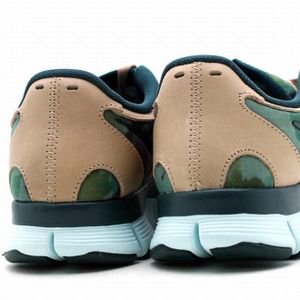
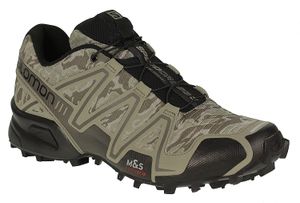
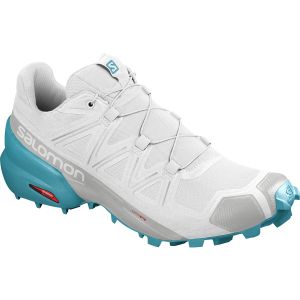
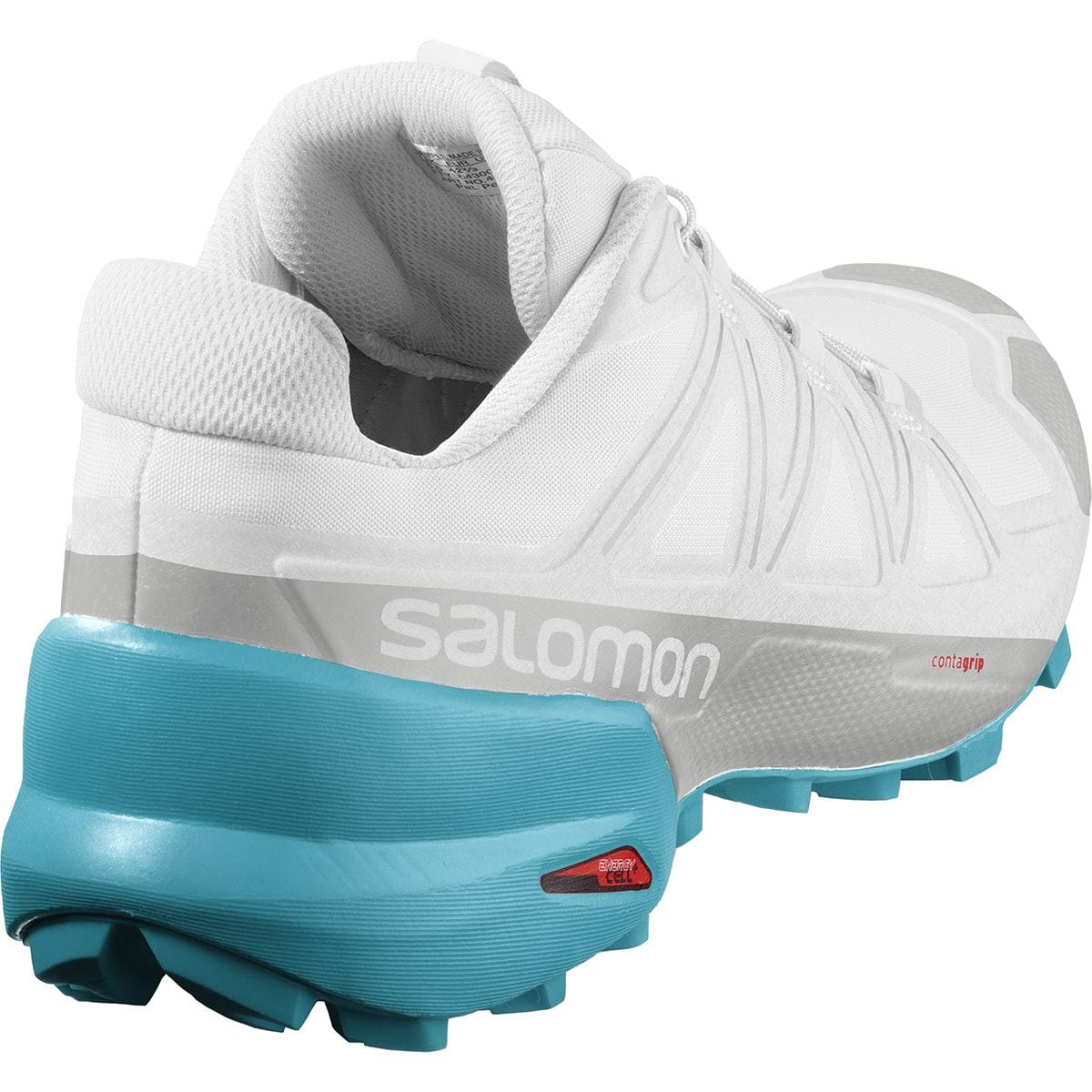
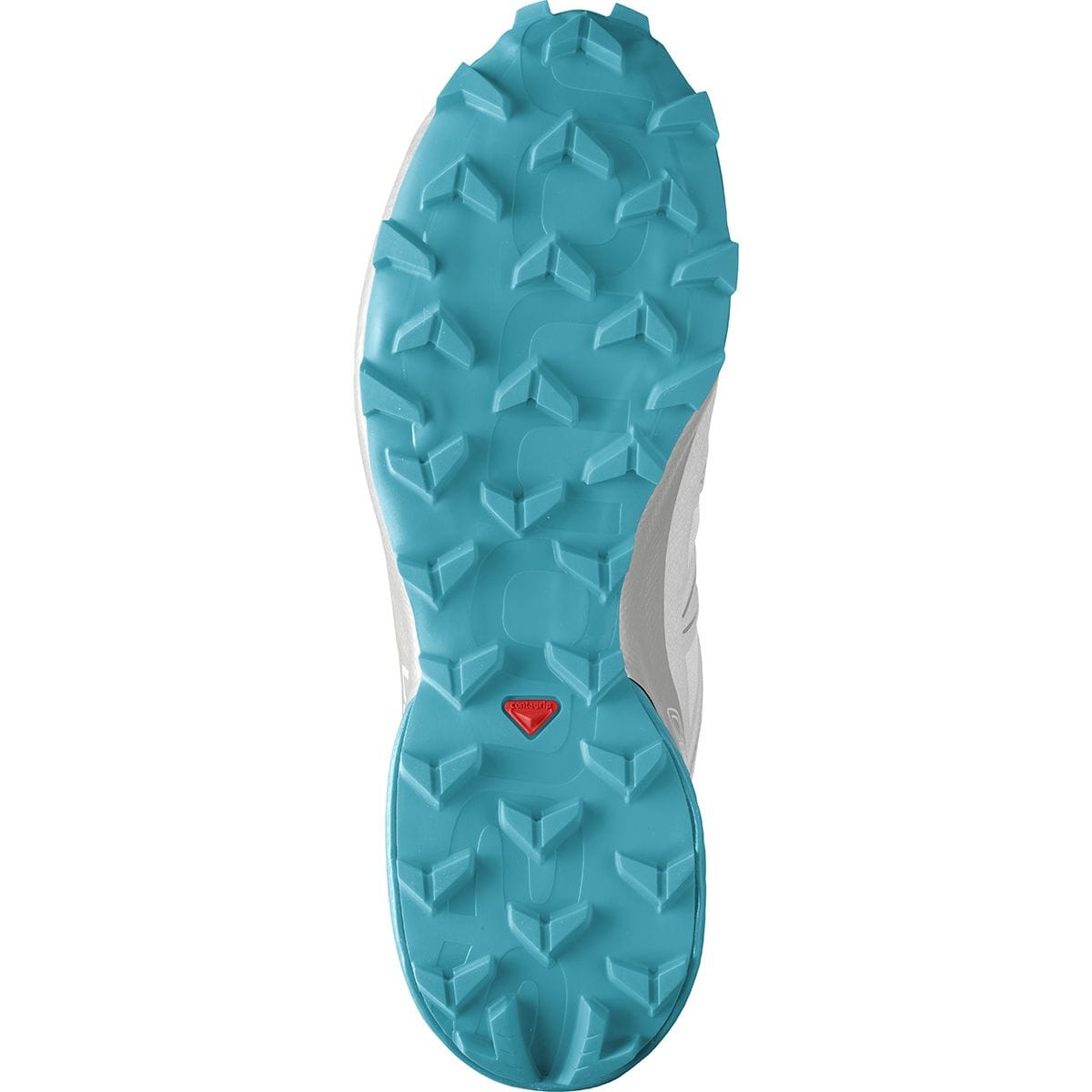
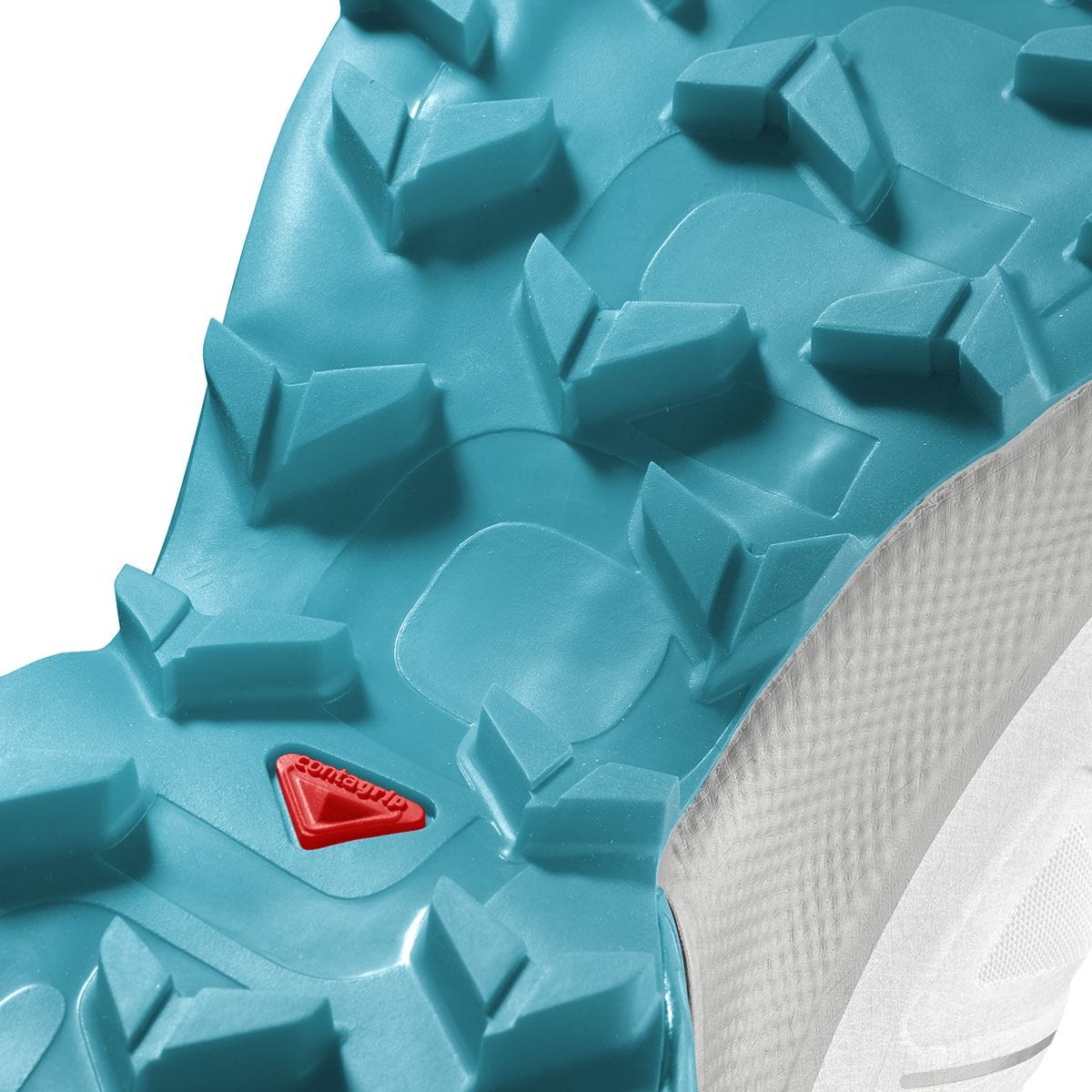
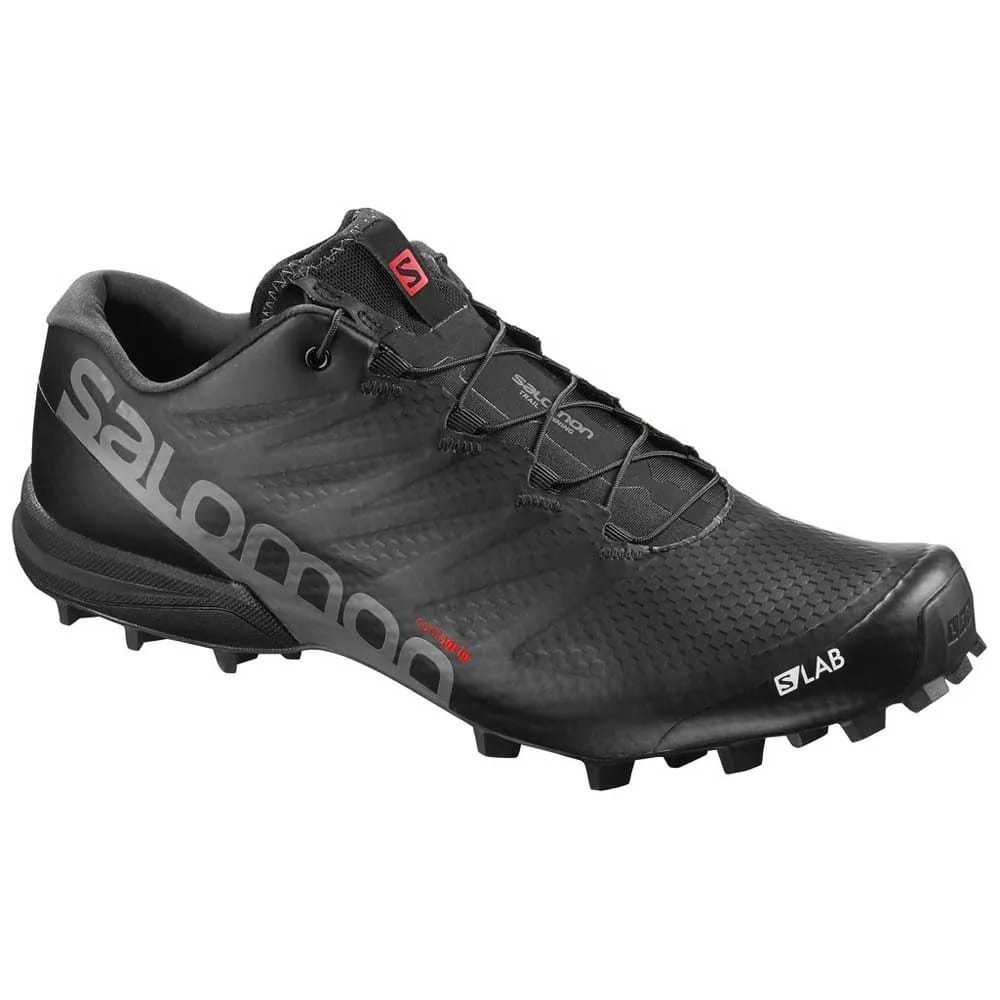
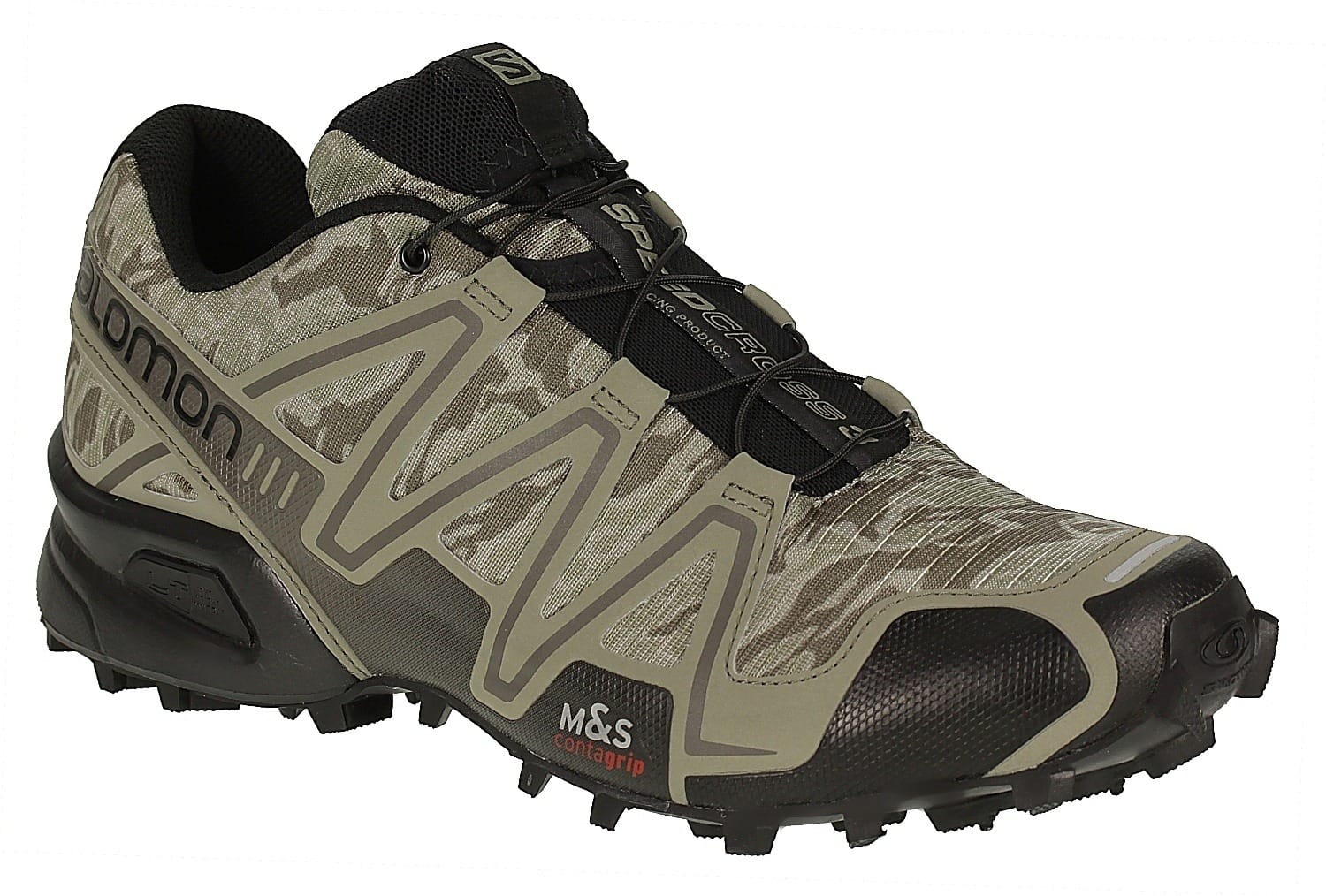
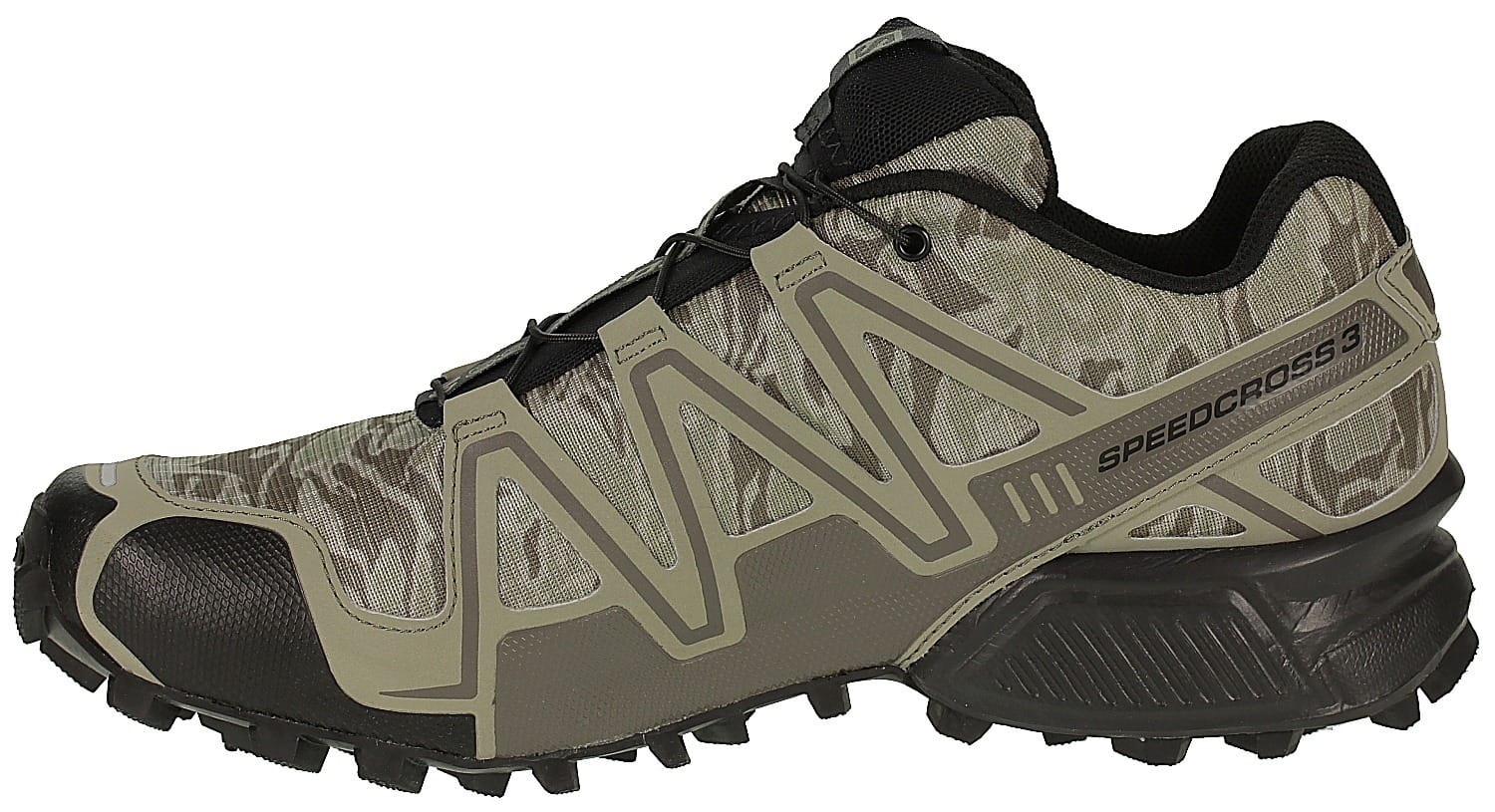
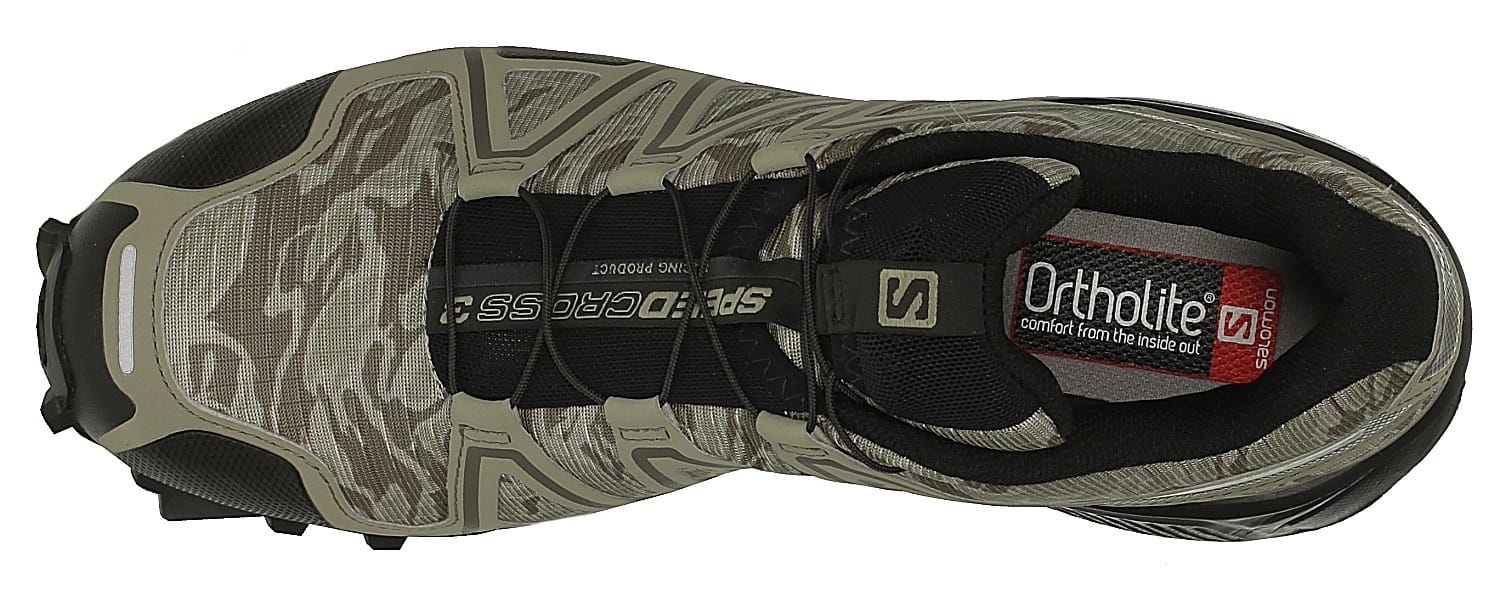
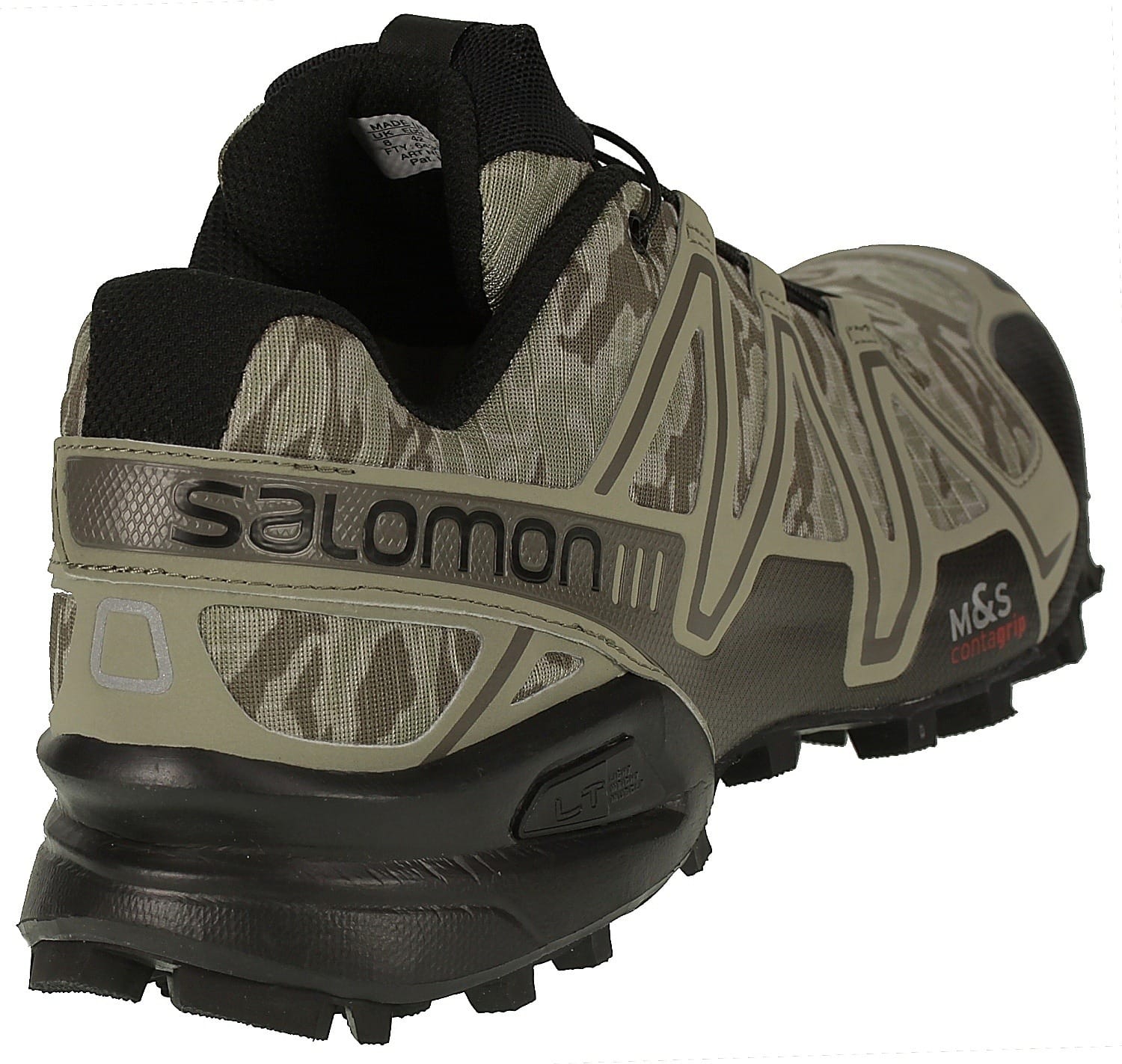
The Salomon Speedcross 3 Camo in Titanium/Dark Titanium/Swamp applies a muted tonal camouflage treatment to the footwear's aggressive trail-running silhouette. A grippy lugged outsole and supportive upper keep it performance-driven, while the low-contrast palette makes it feel more tactical for desert environments.
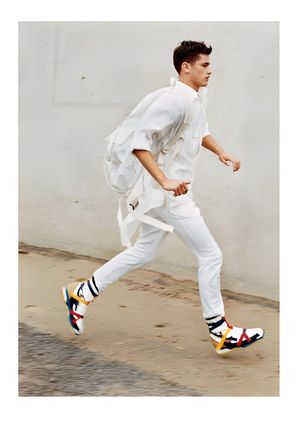
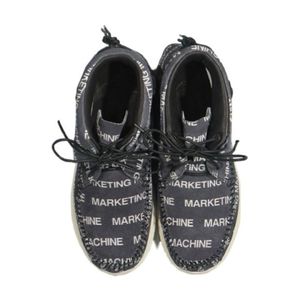
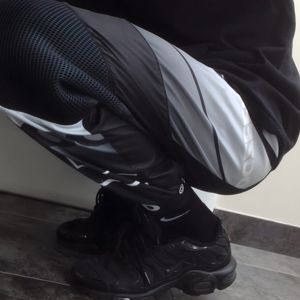
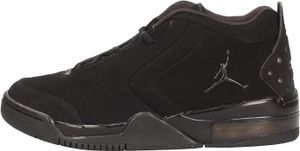
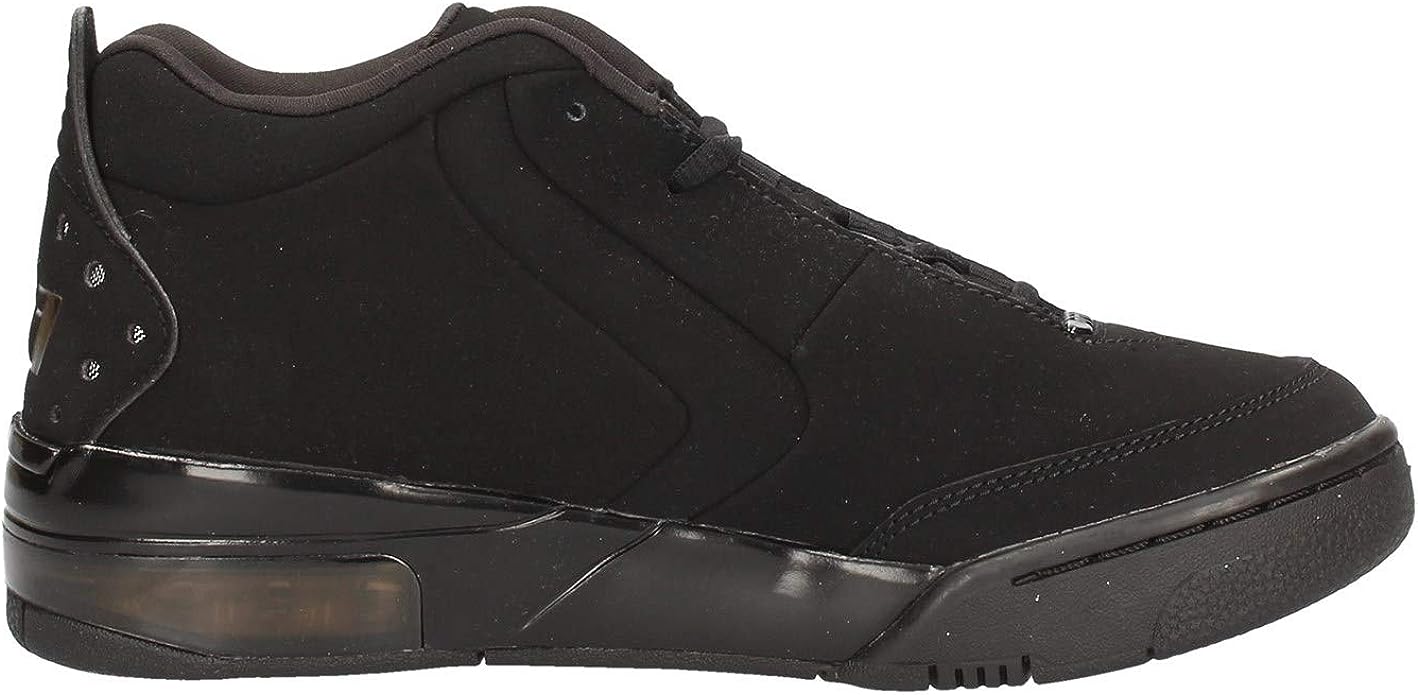
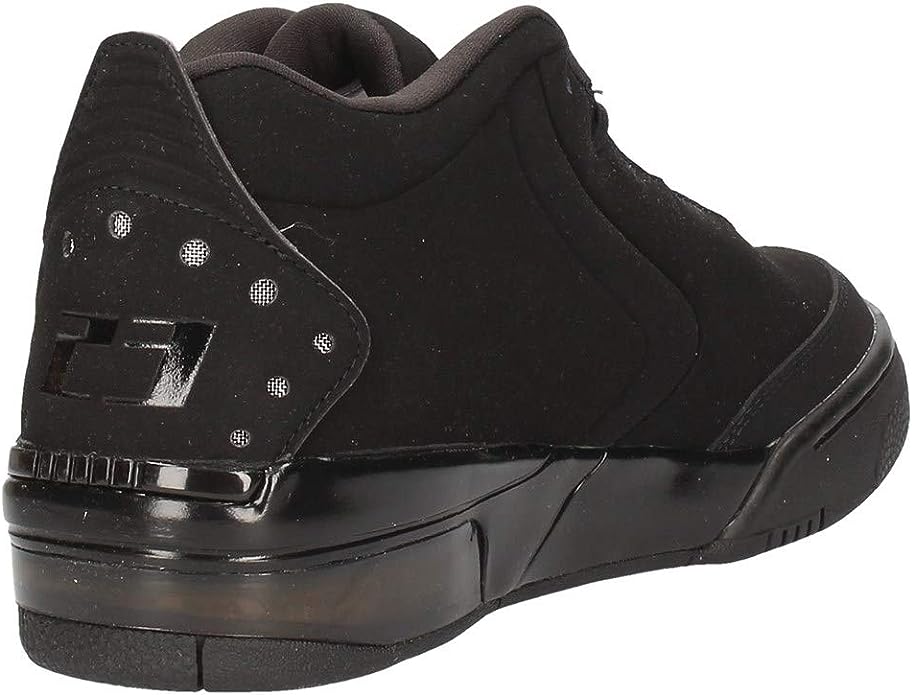
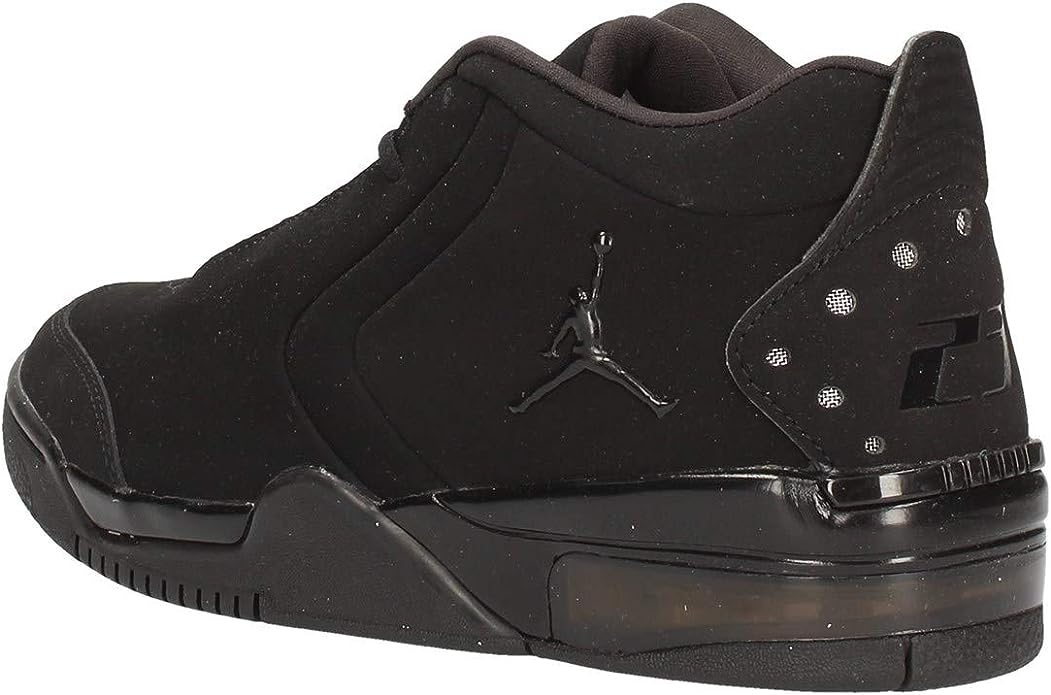
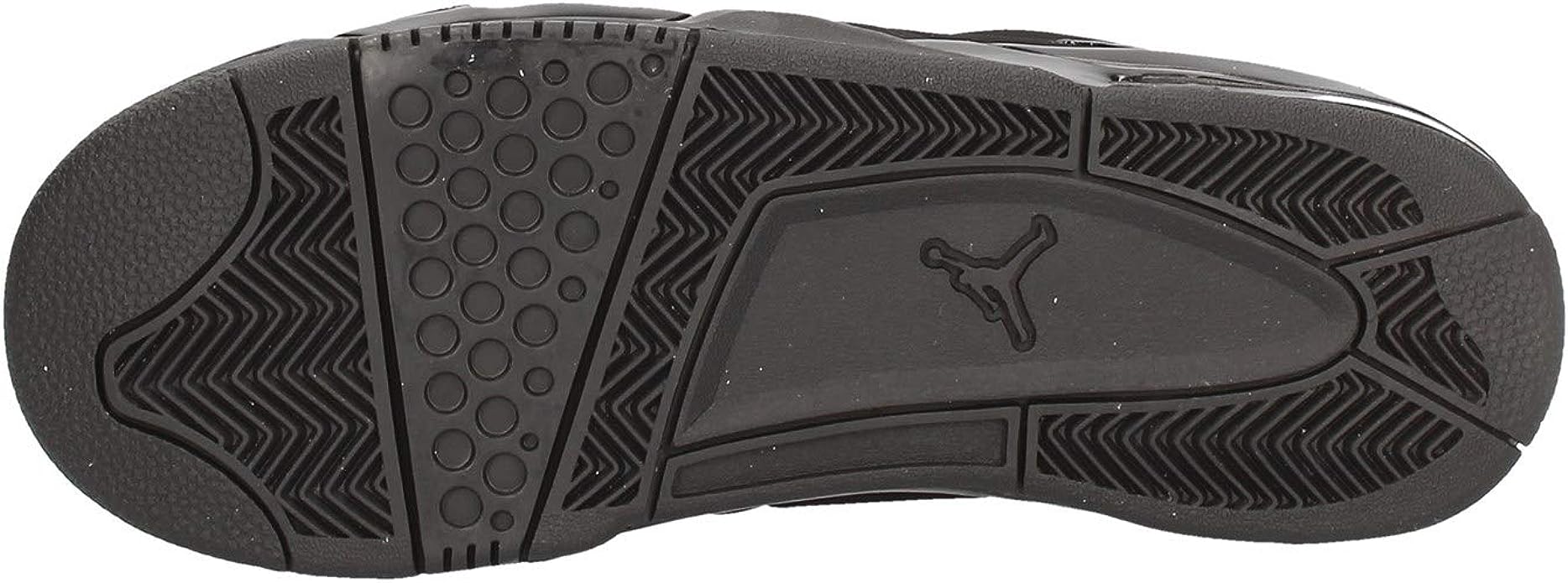
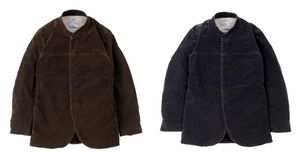
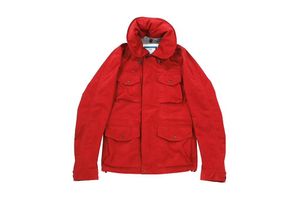
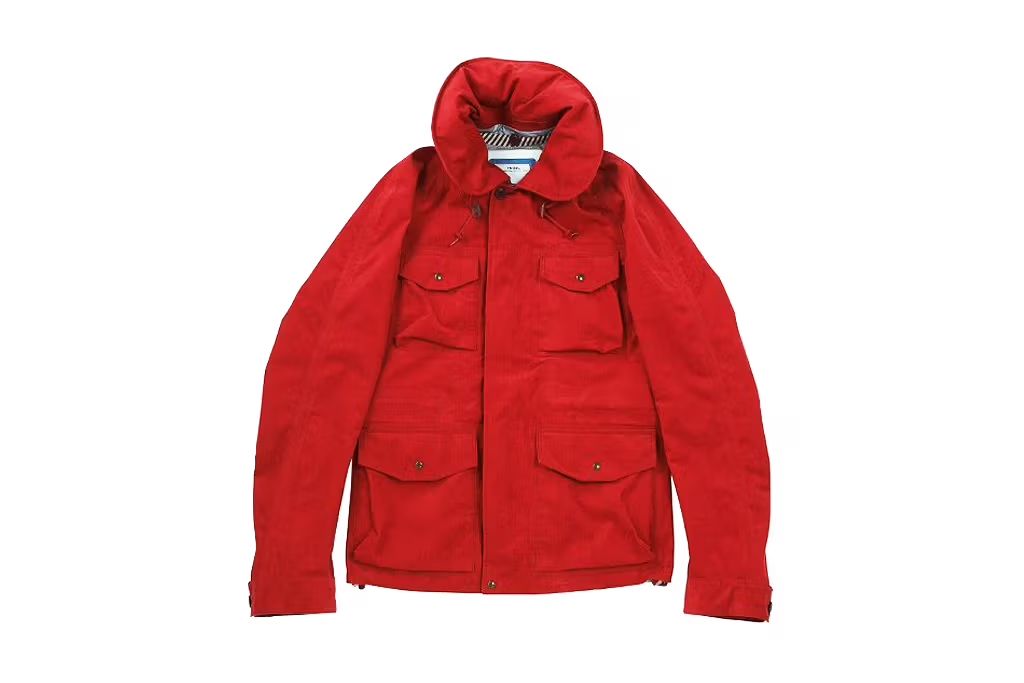
The red GORE-TEX shell takes inspiration from a classic M-65 military jacket and also features a drawstring over sized collar with a packable hood for added detail and function. Look for this jacket to be available through select visvim retailers this week as well as through F.I.L. locations in Asia.
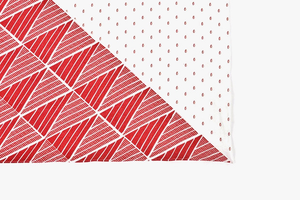
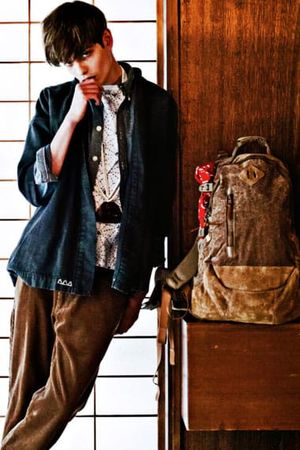
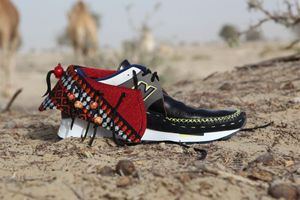
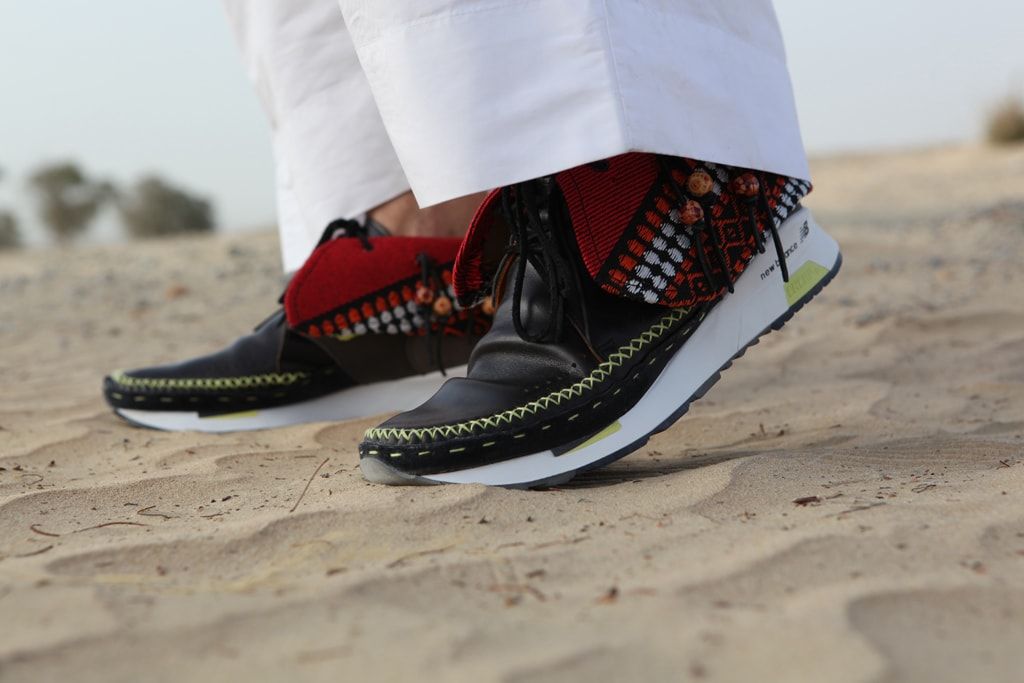
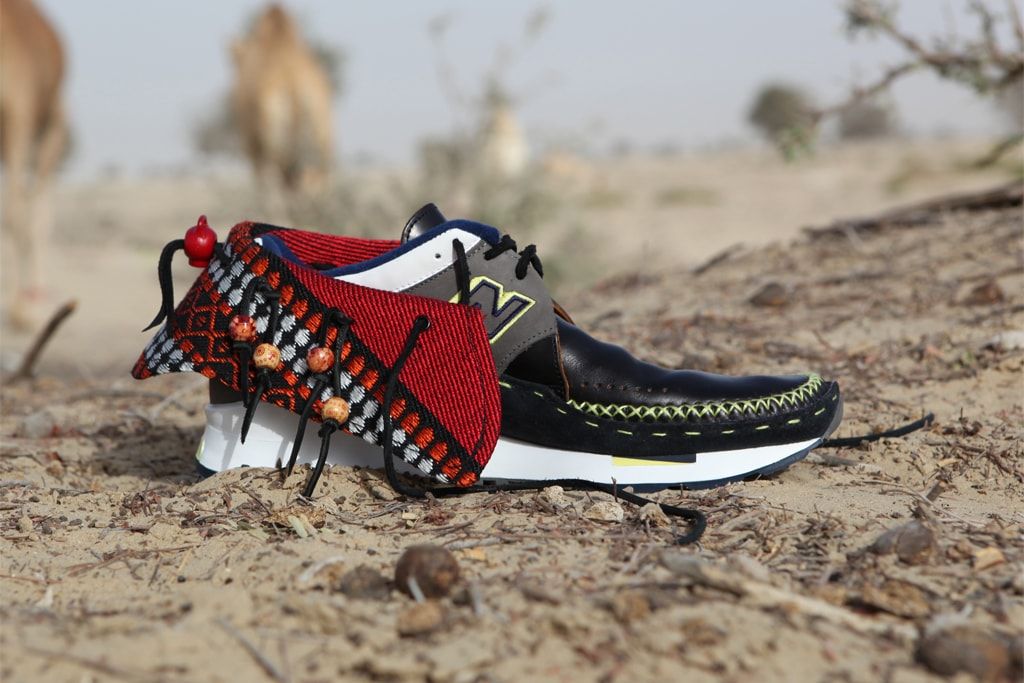
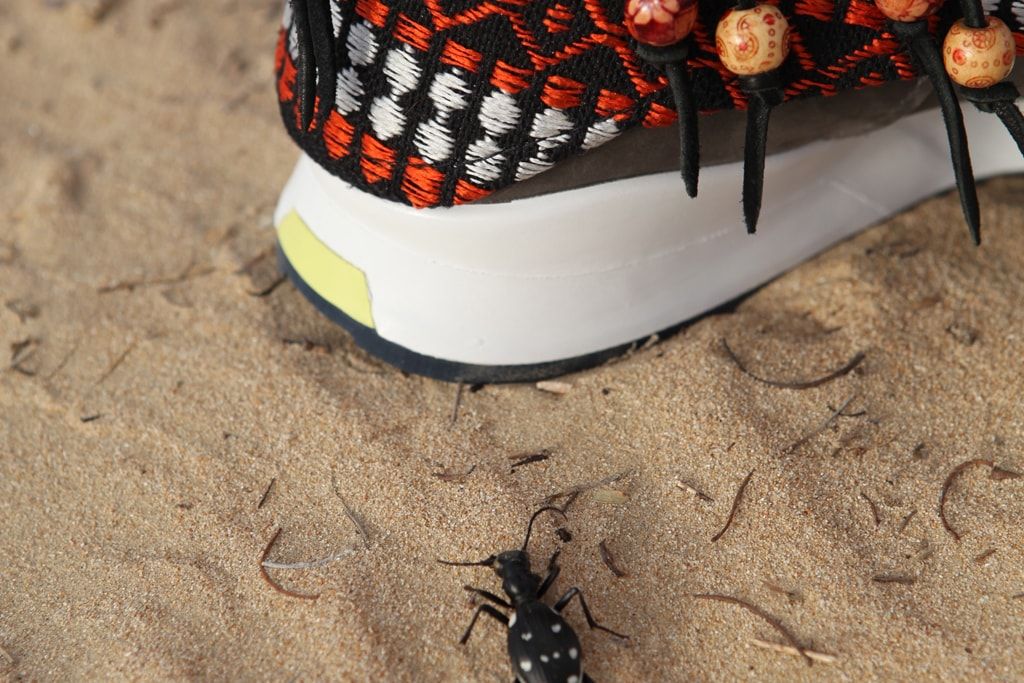
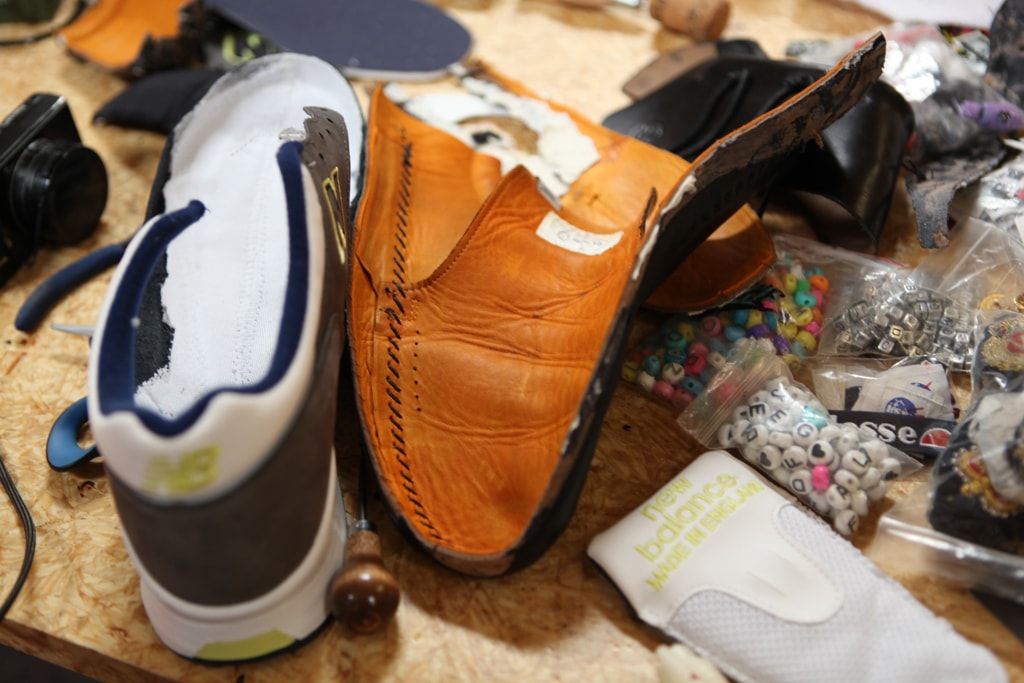
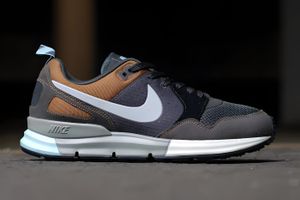
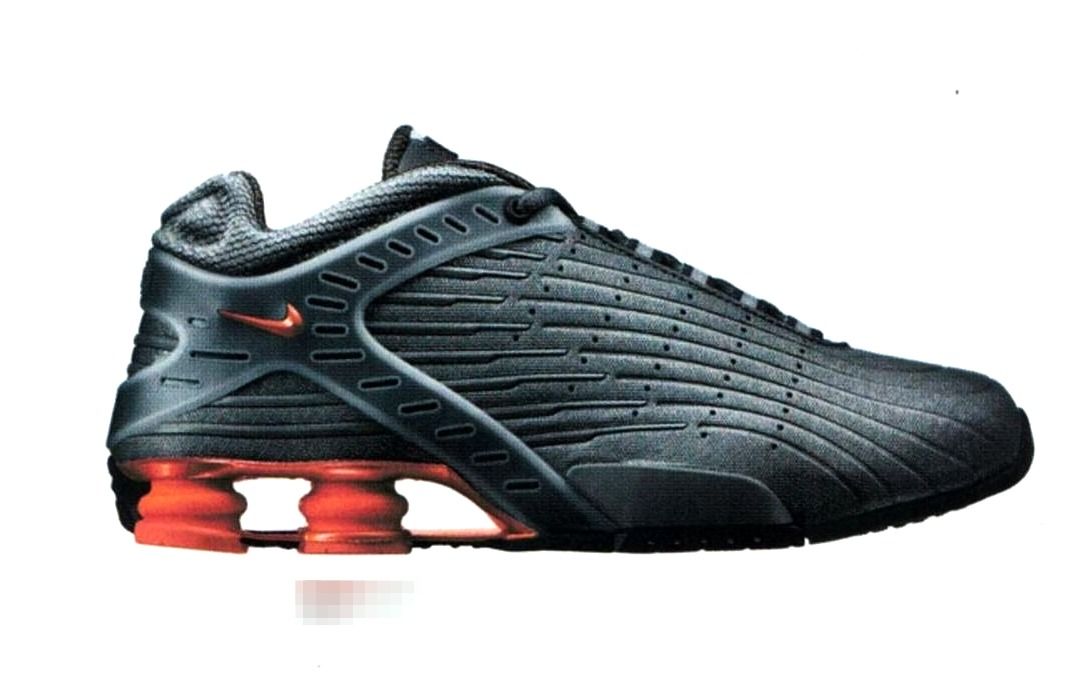
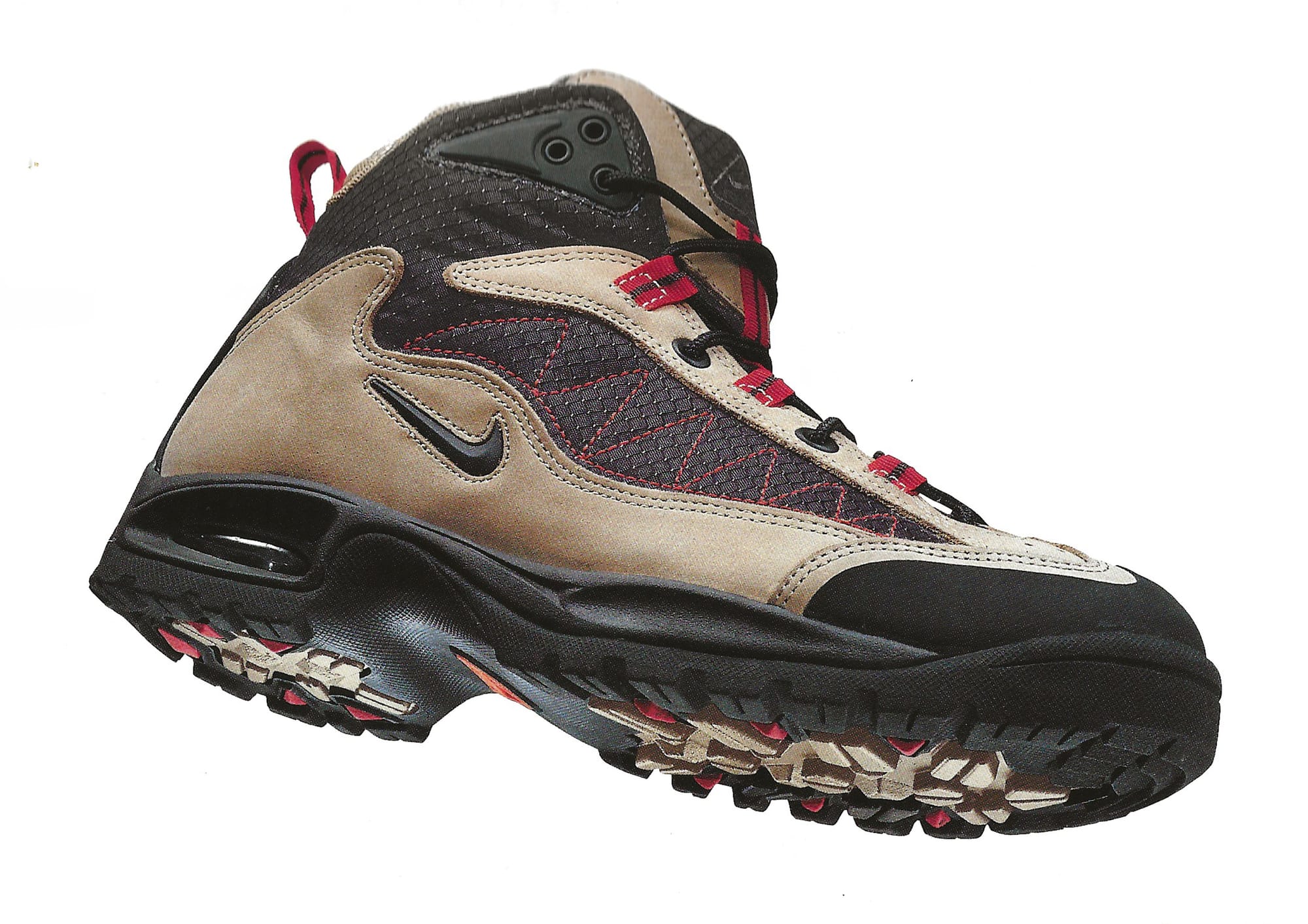
The Nike ACG Zoom Meriwether is a lightweight, weather-resistant boot built on a responsive Zoom Air platform, it offers impact protection without the bulk of traditional hiking boots. The water-resistant suede upper is paired with a medial zip for easy on-off, while the integrated lacing system keeps the fit secure without adding unnecessary weight or complexity.
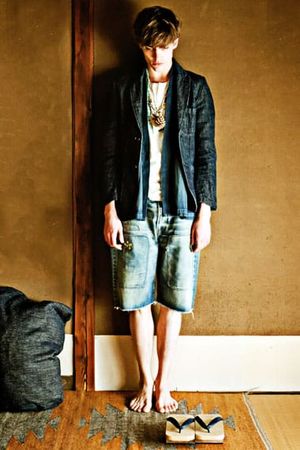
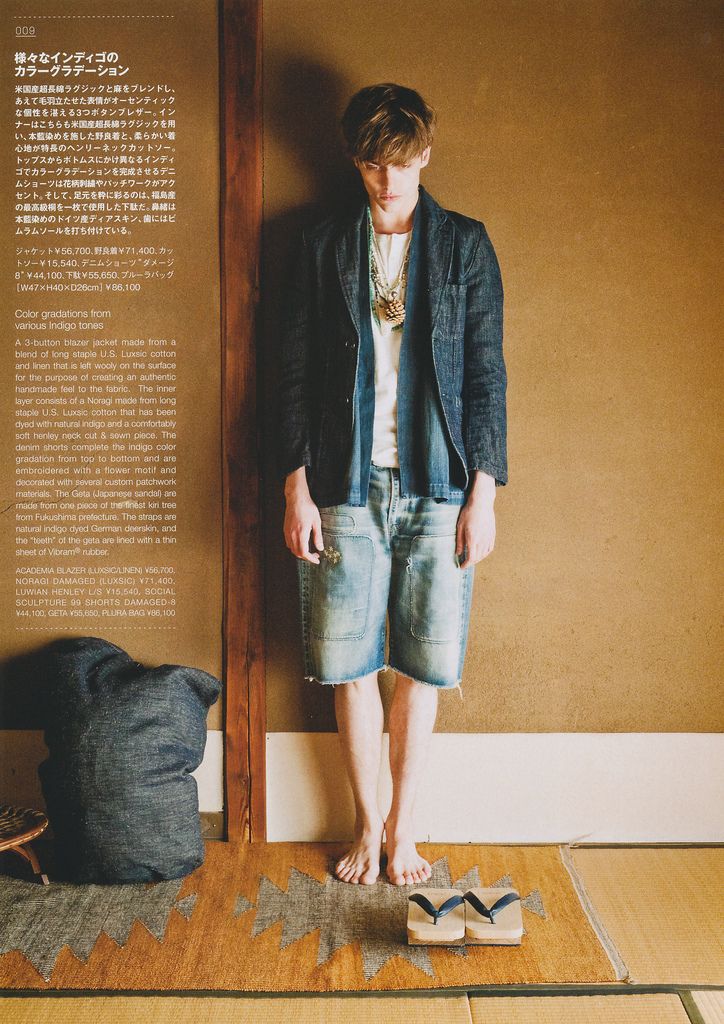
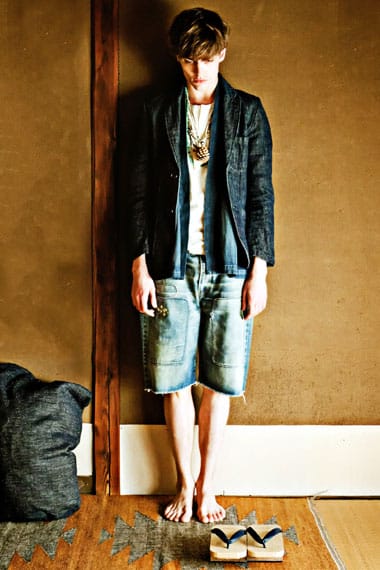
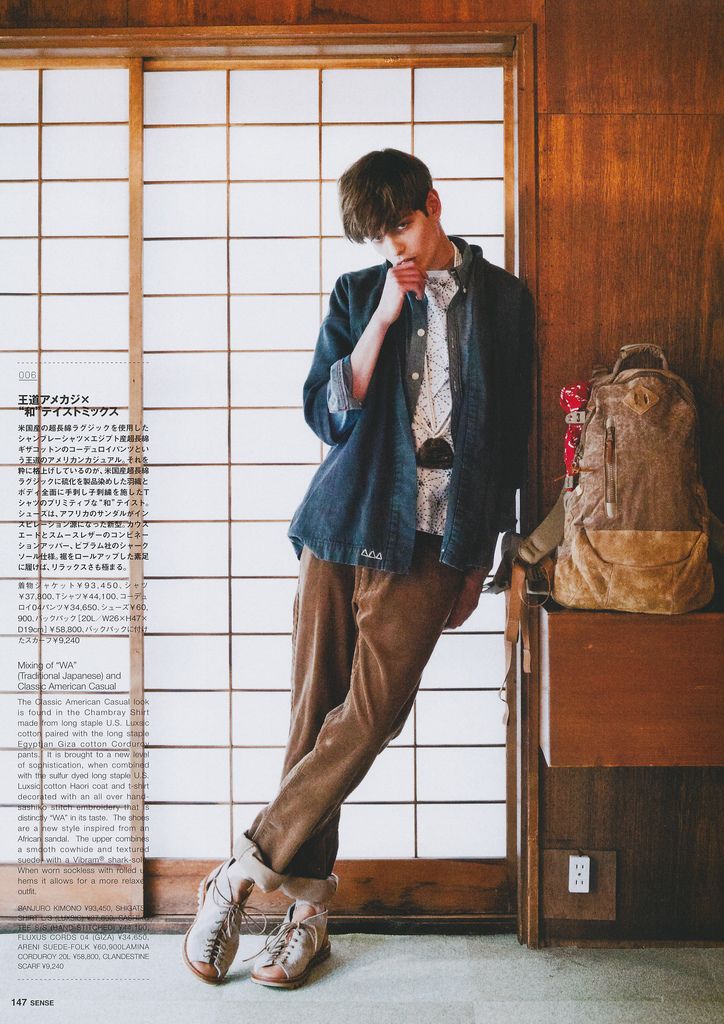
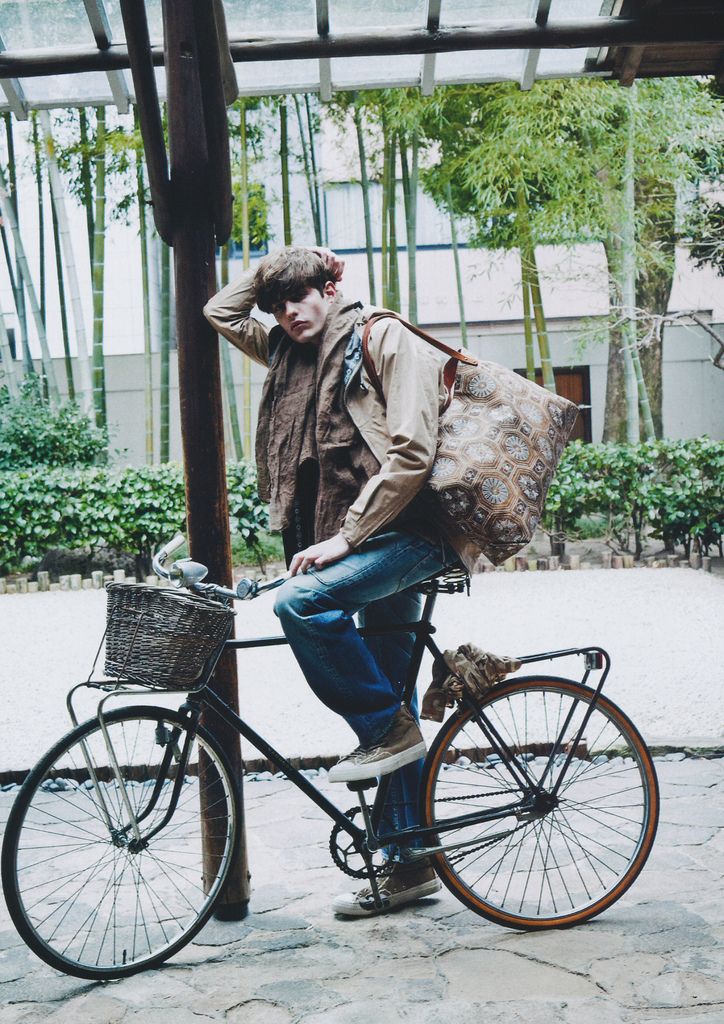
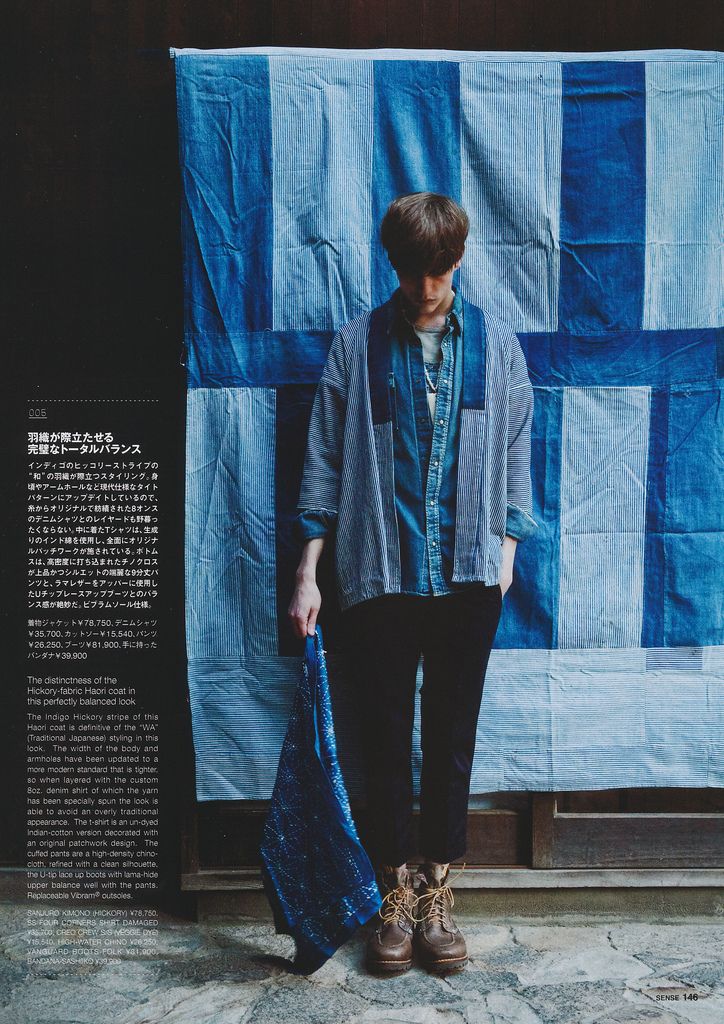
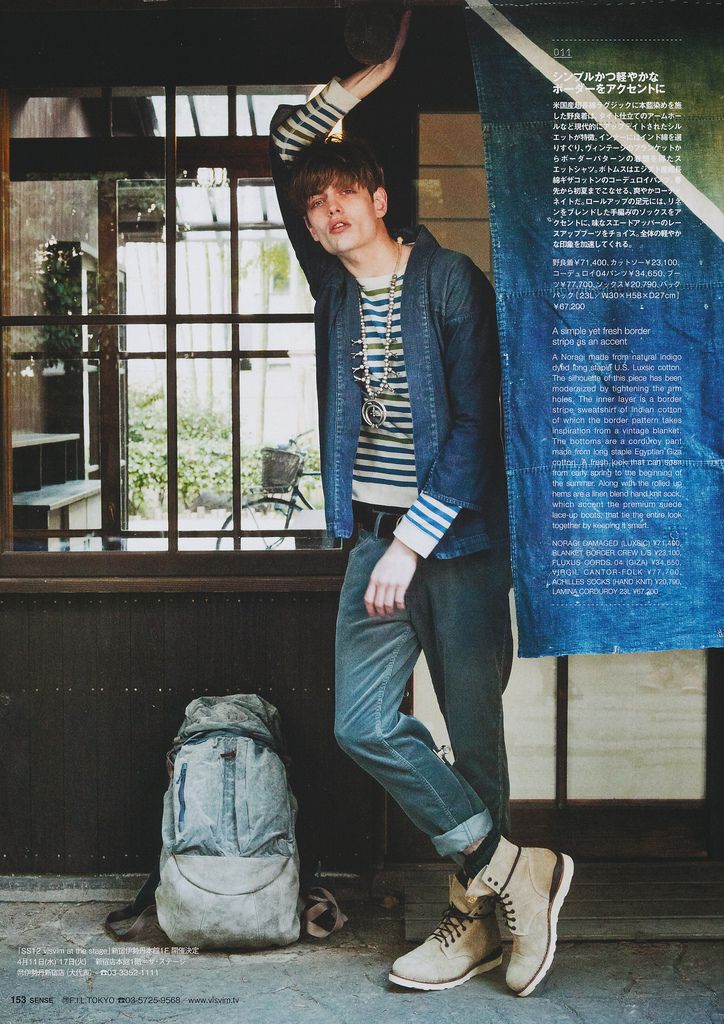
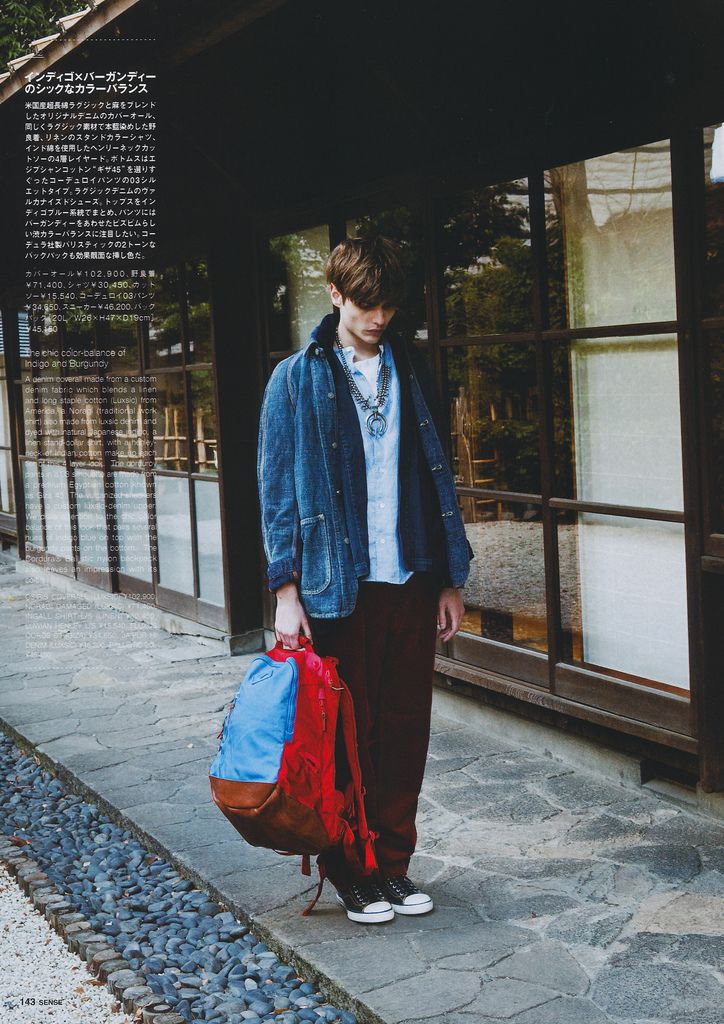
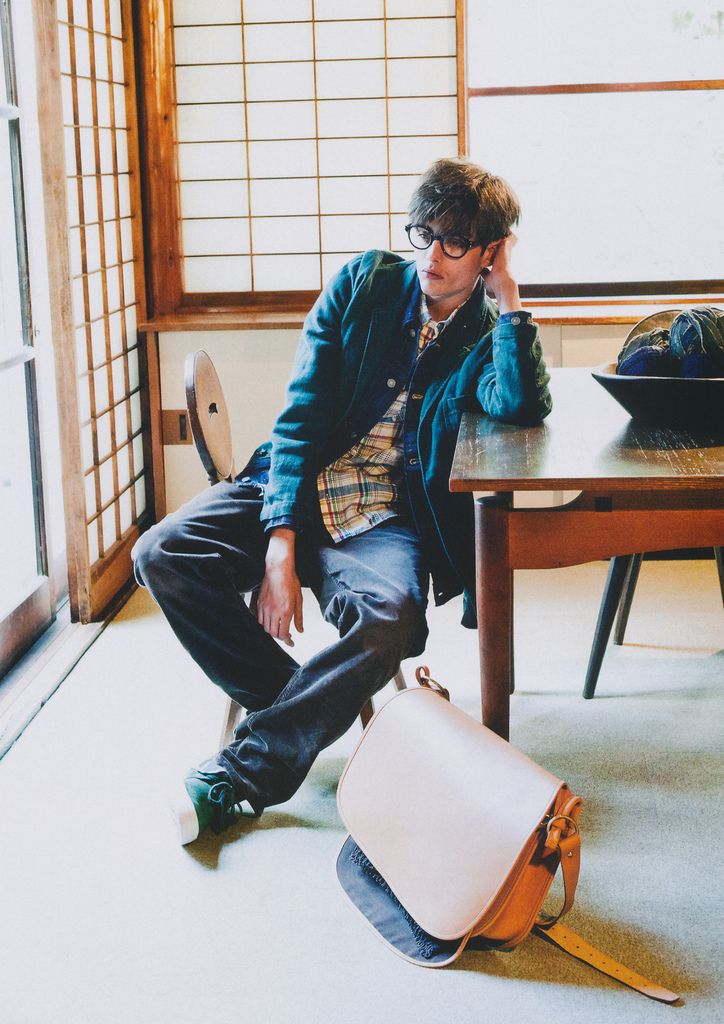
A page from 'TEXT in visvim', the visvim Spring/Summer 2012 feature in Japan's SENSE Magazine (March 2012). Naturally dyed, hand-constructed pieces from Hiroki Nakamura.
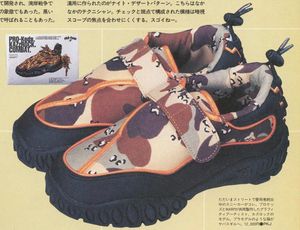
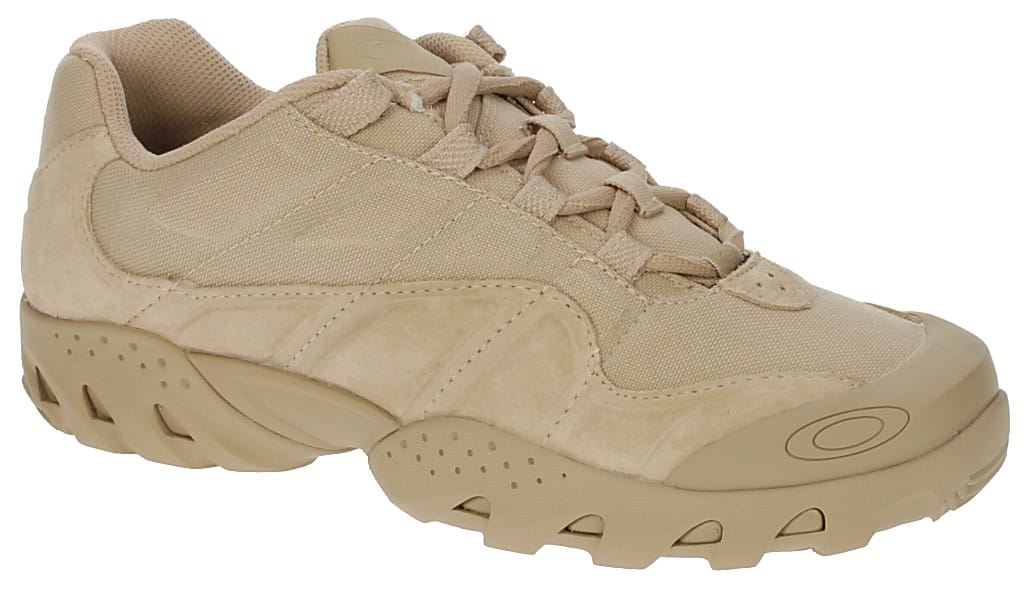
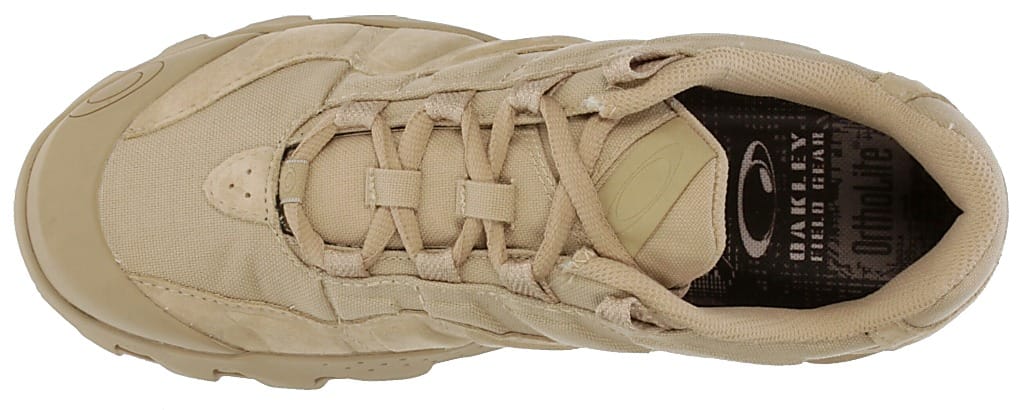
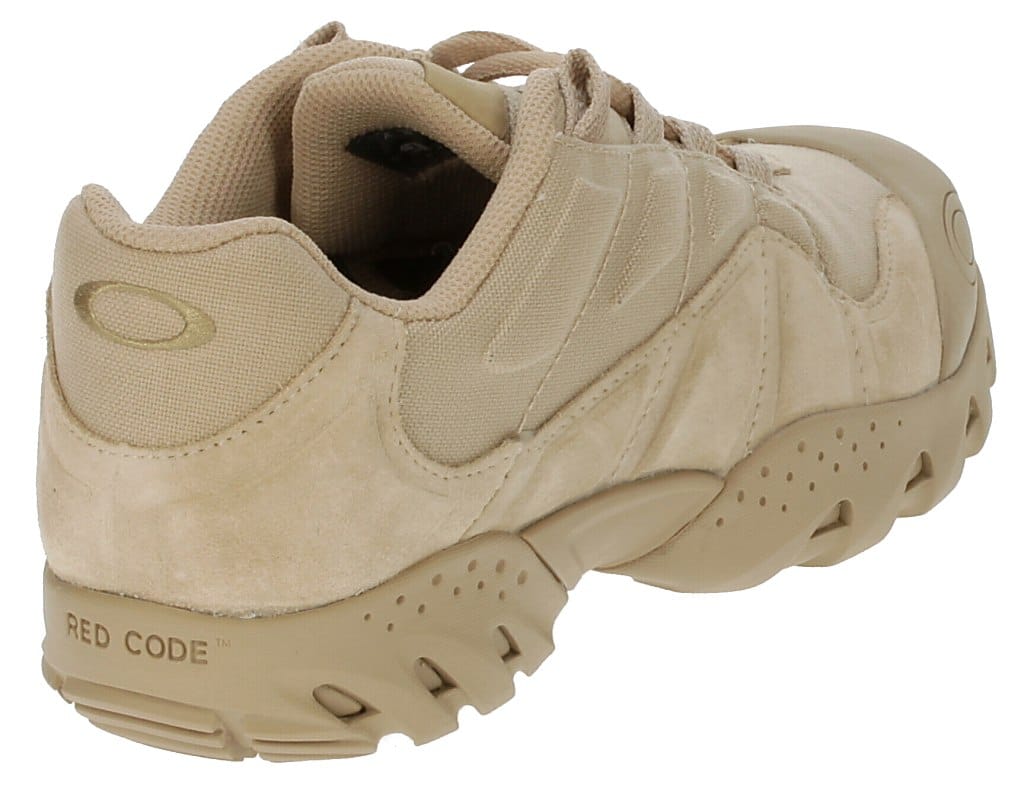
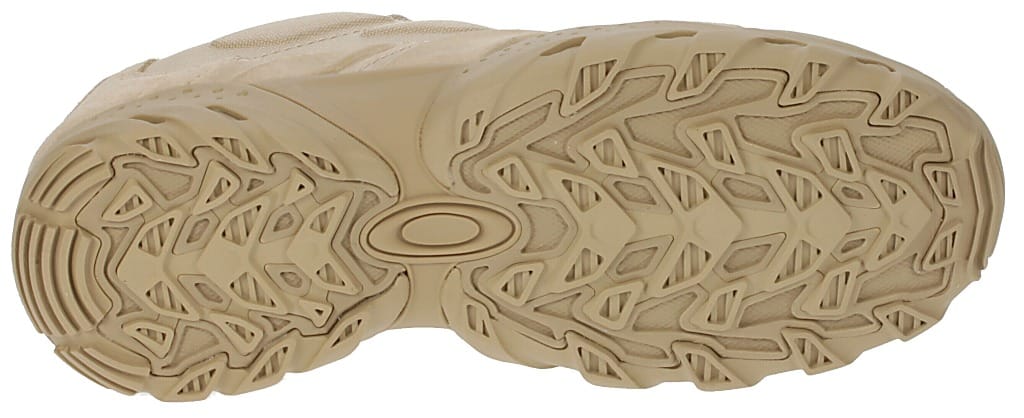
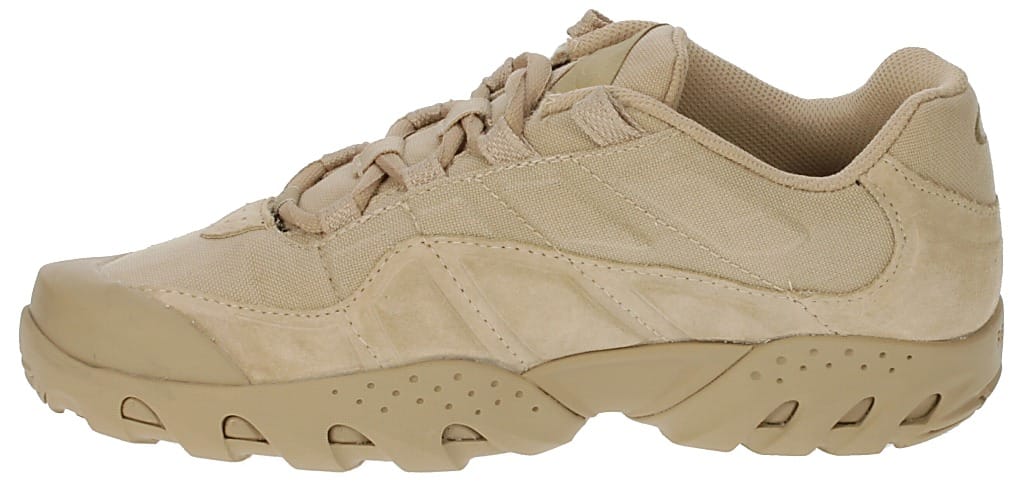
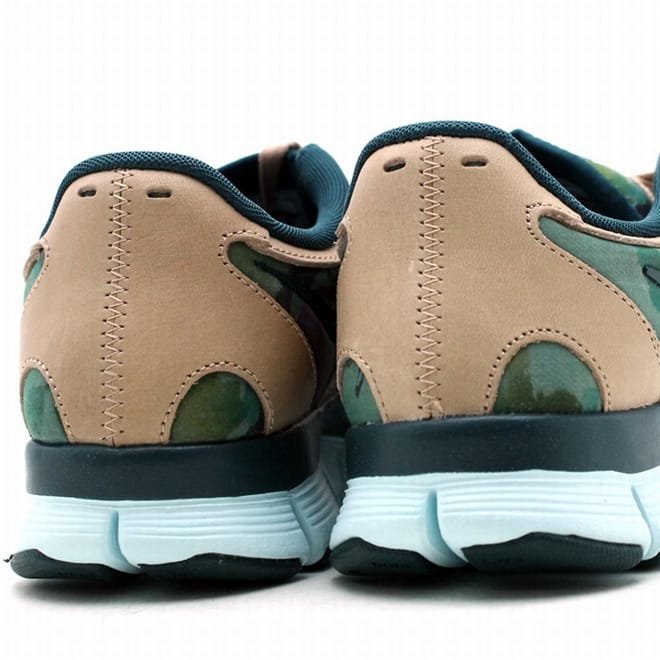
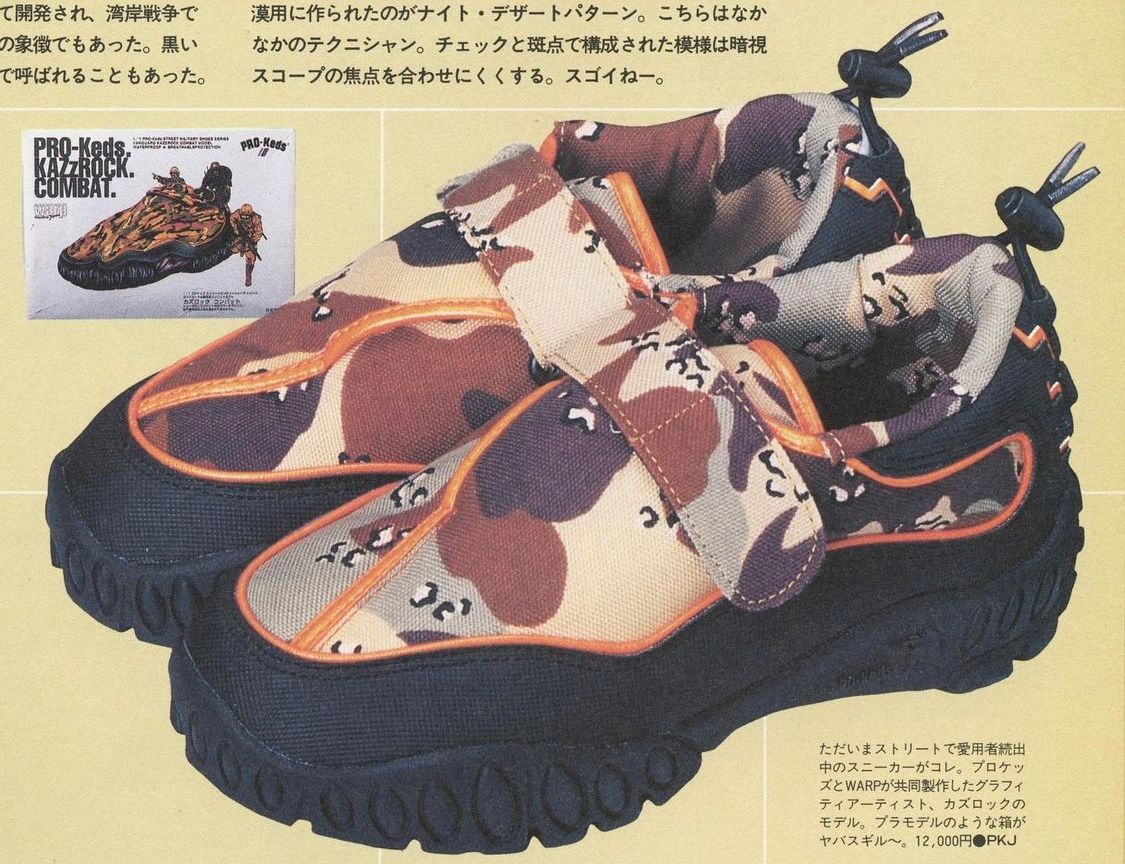
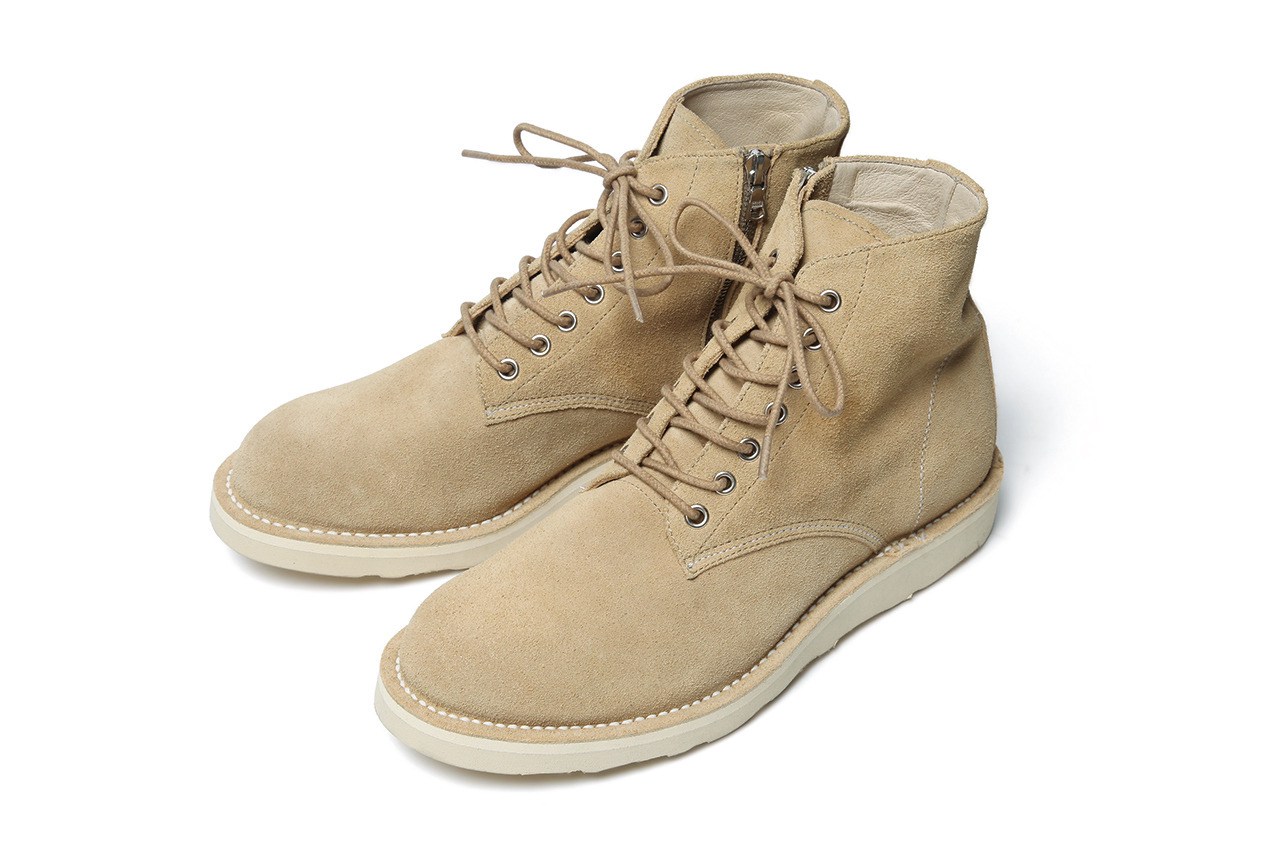
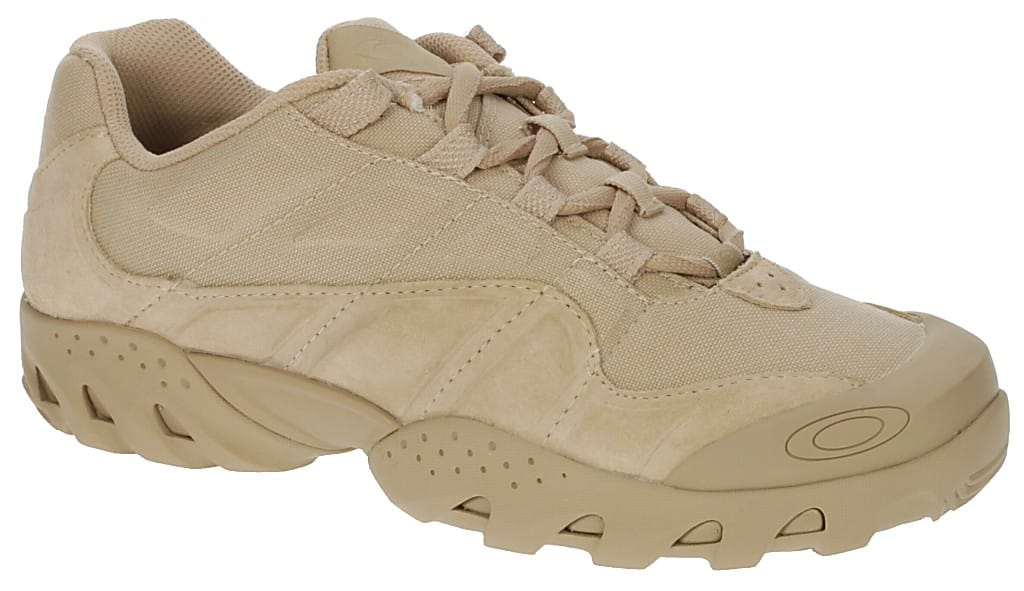
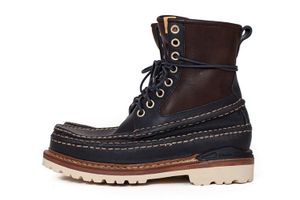
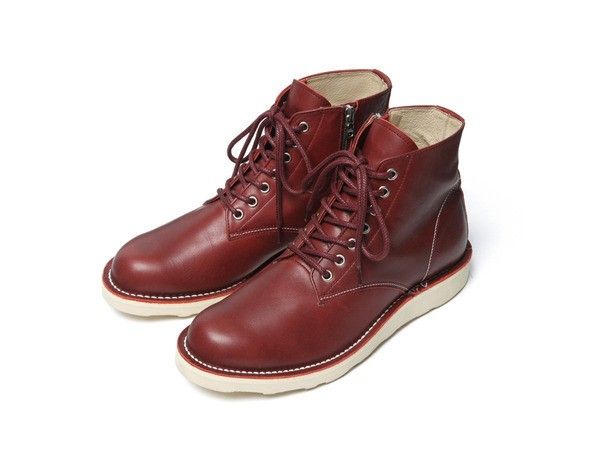
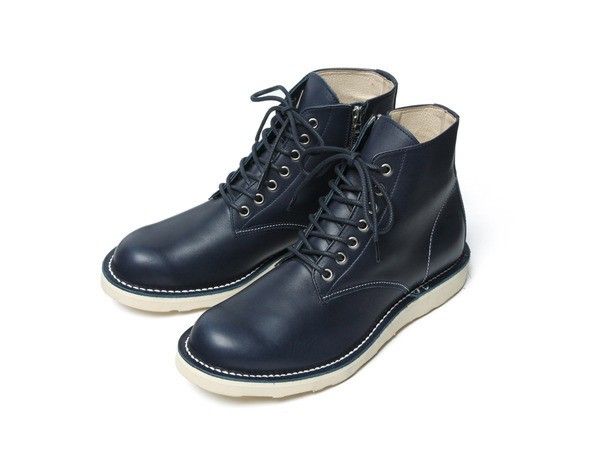
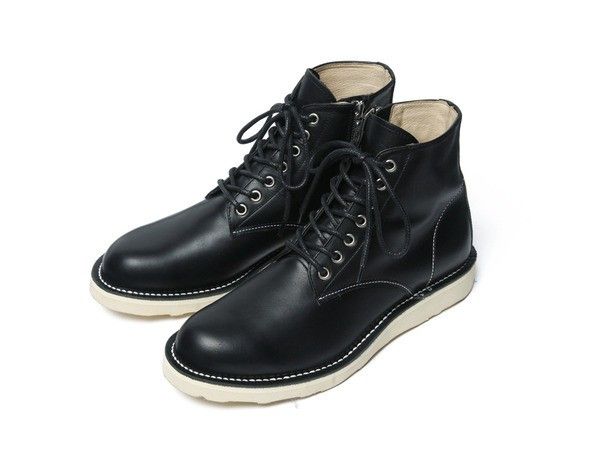
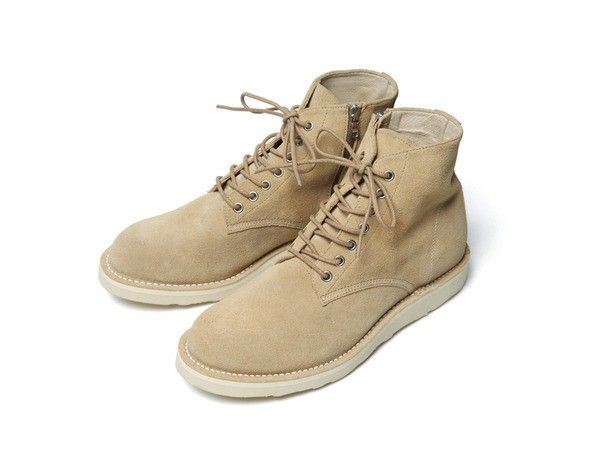
From their street military shoes series
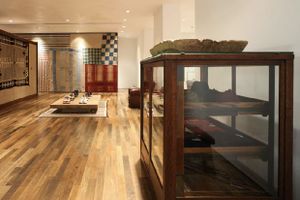
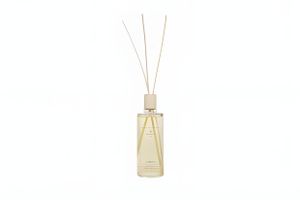
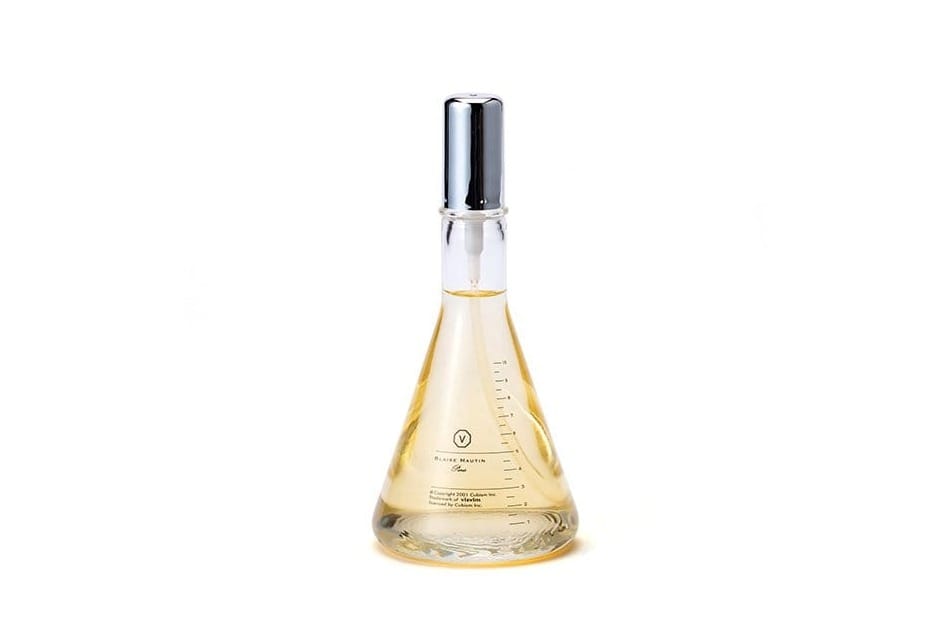
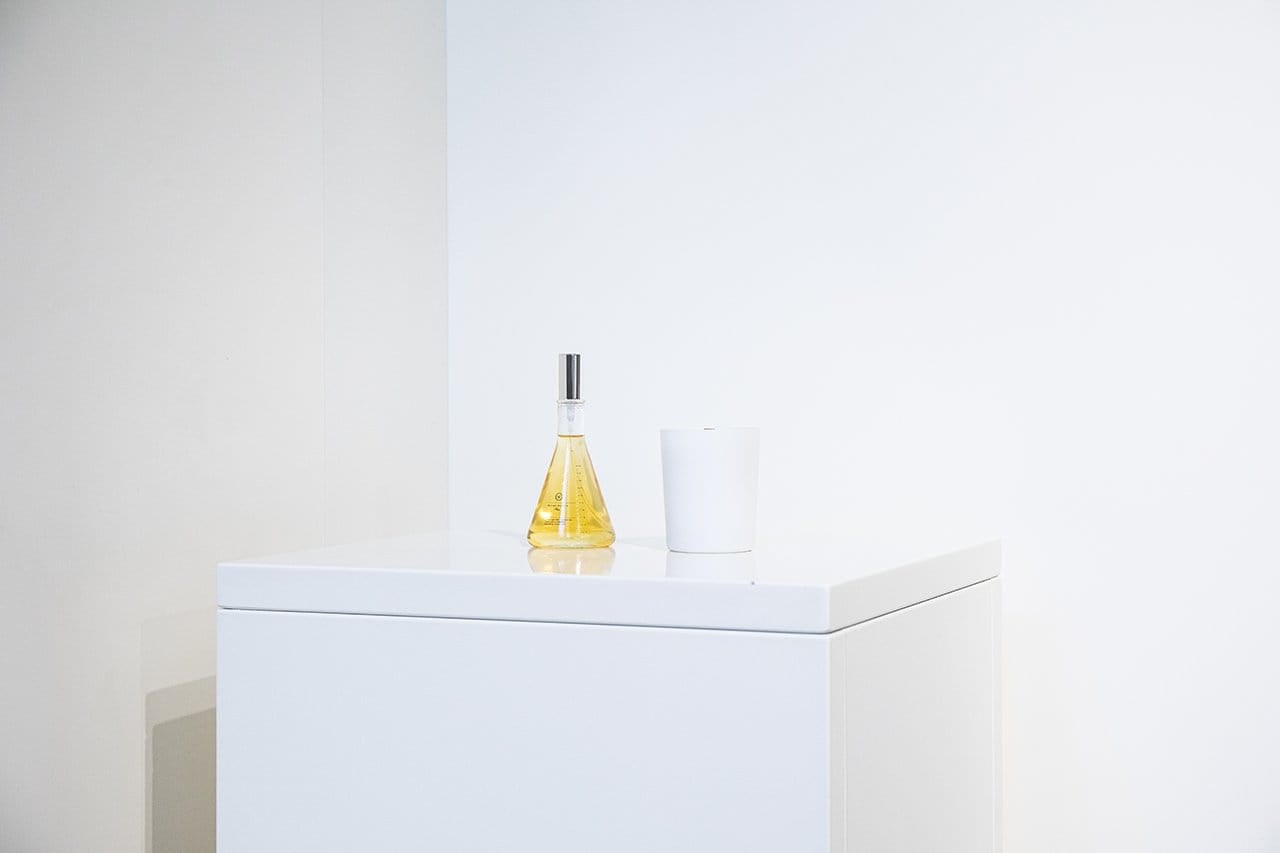
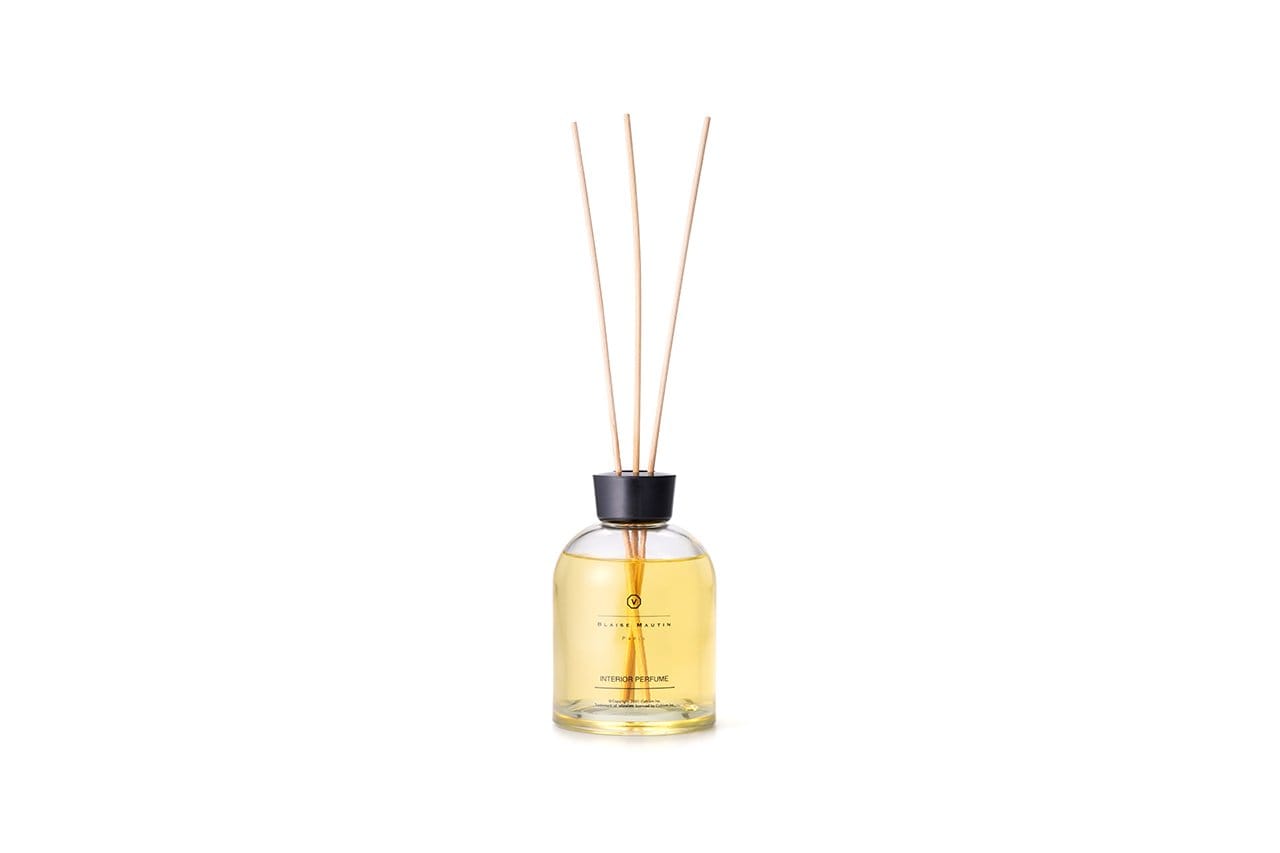
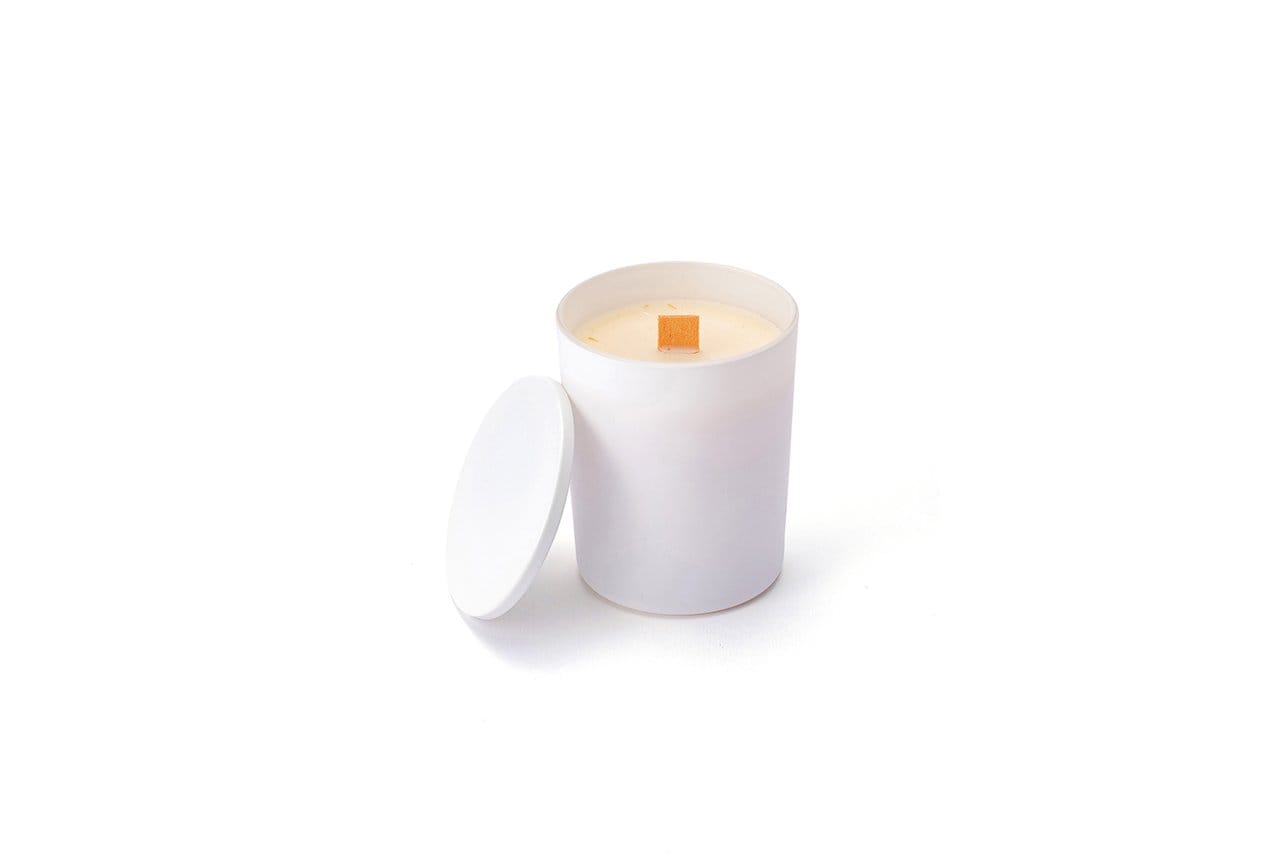
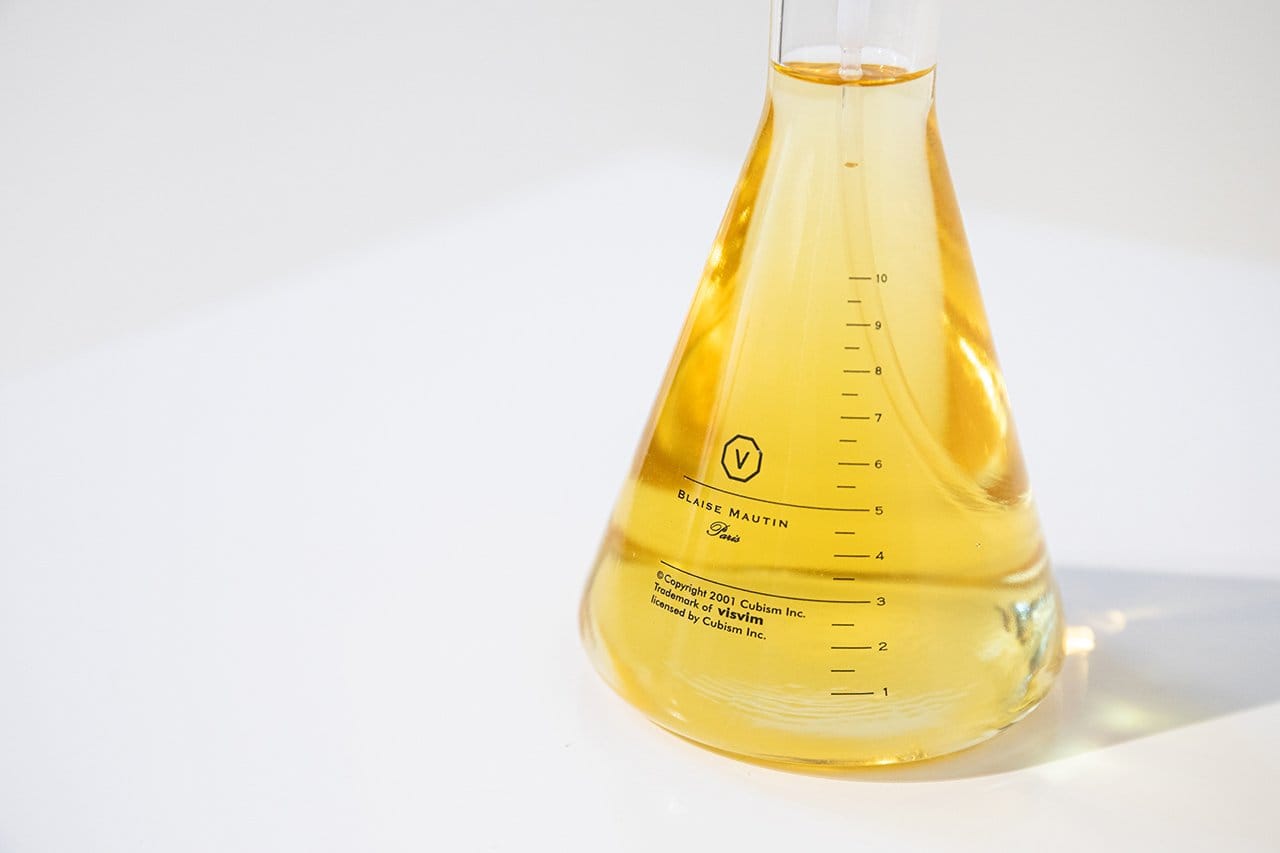
The SUBSECTION SERIES is a fragrance collection by Visvim, inspired by founder Hiroki Nakamura’s encounter with French fragrance designer Blaise Mautin over 20 years ago. The series includes candles, room sprays, and diffusers, each available in various scents. Notable fragrances are NO.1 F.I.L., a blend featuring patchouli and sandalwood, and NO.7 KYOTO, inspired by a morning visit to Kyoto’s Sanjusangendo temple.


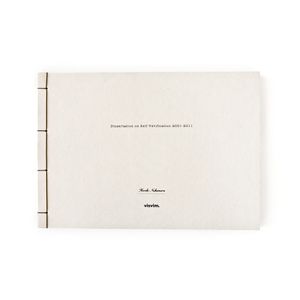
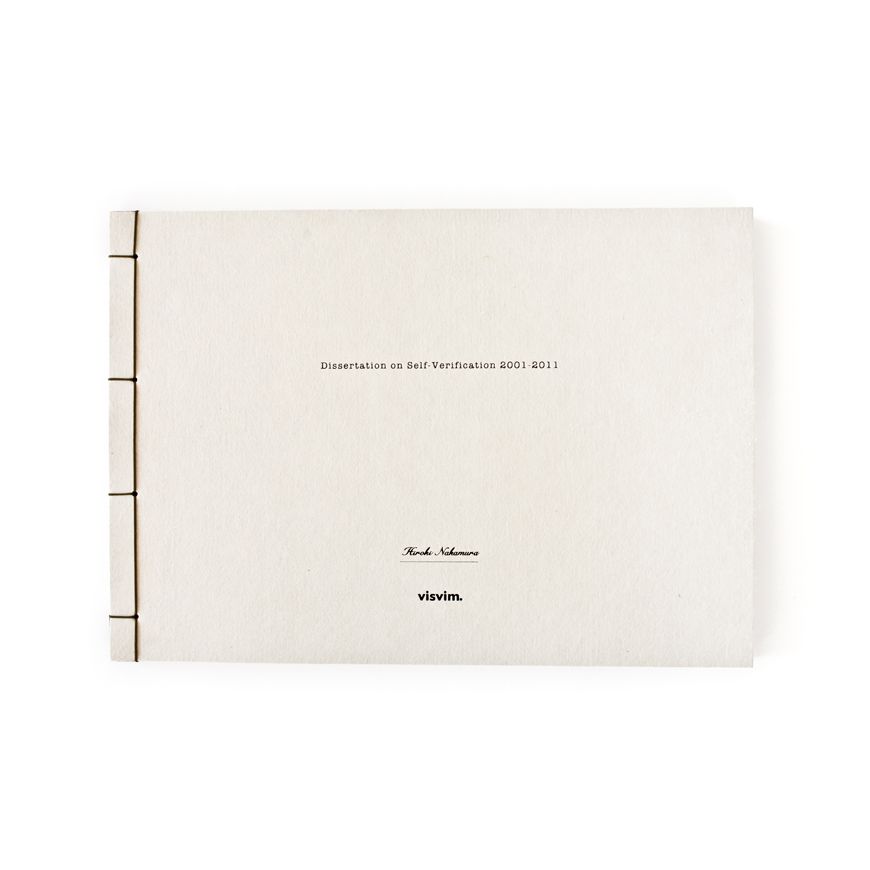
visvim 10th Anniversary Book "Dissertation on Self-Verification 2001-2011"
The book is hand bound and uses a washi paper made by a craftsman who sources the raw materials from Japanese trees.
Limited to 300 copies.