Related_
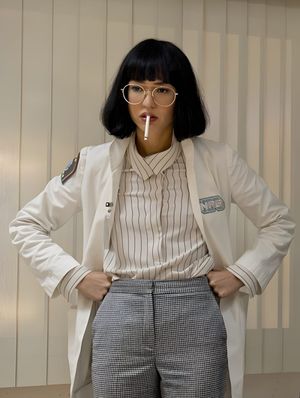
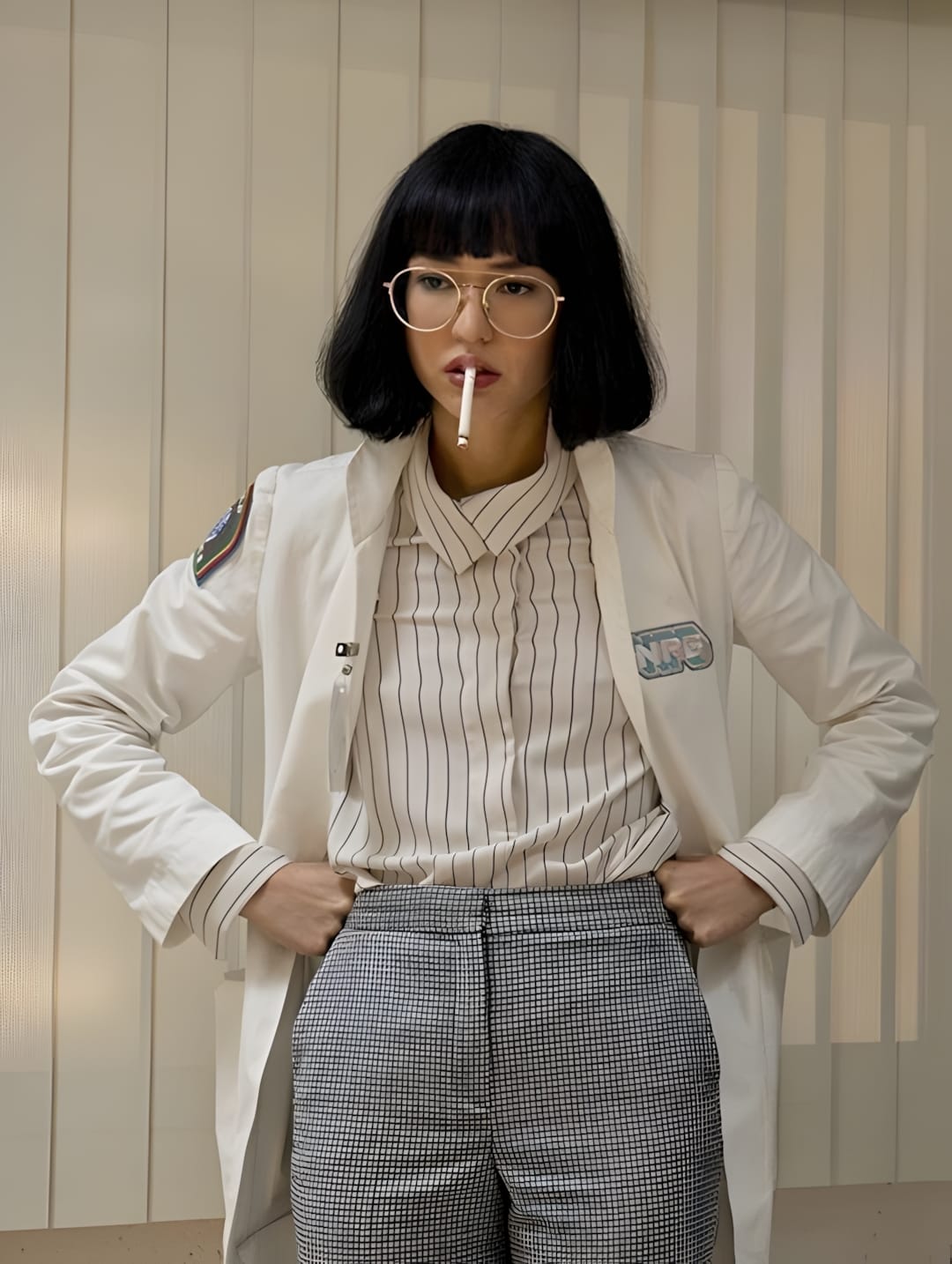
Sonoya Mizuno as Dr. Azumi Fujita — Netflix MANIAC (2018)
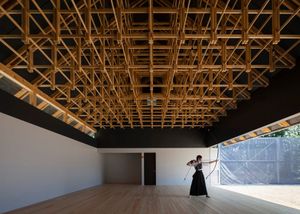
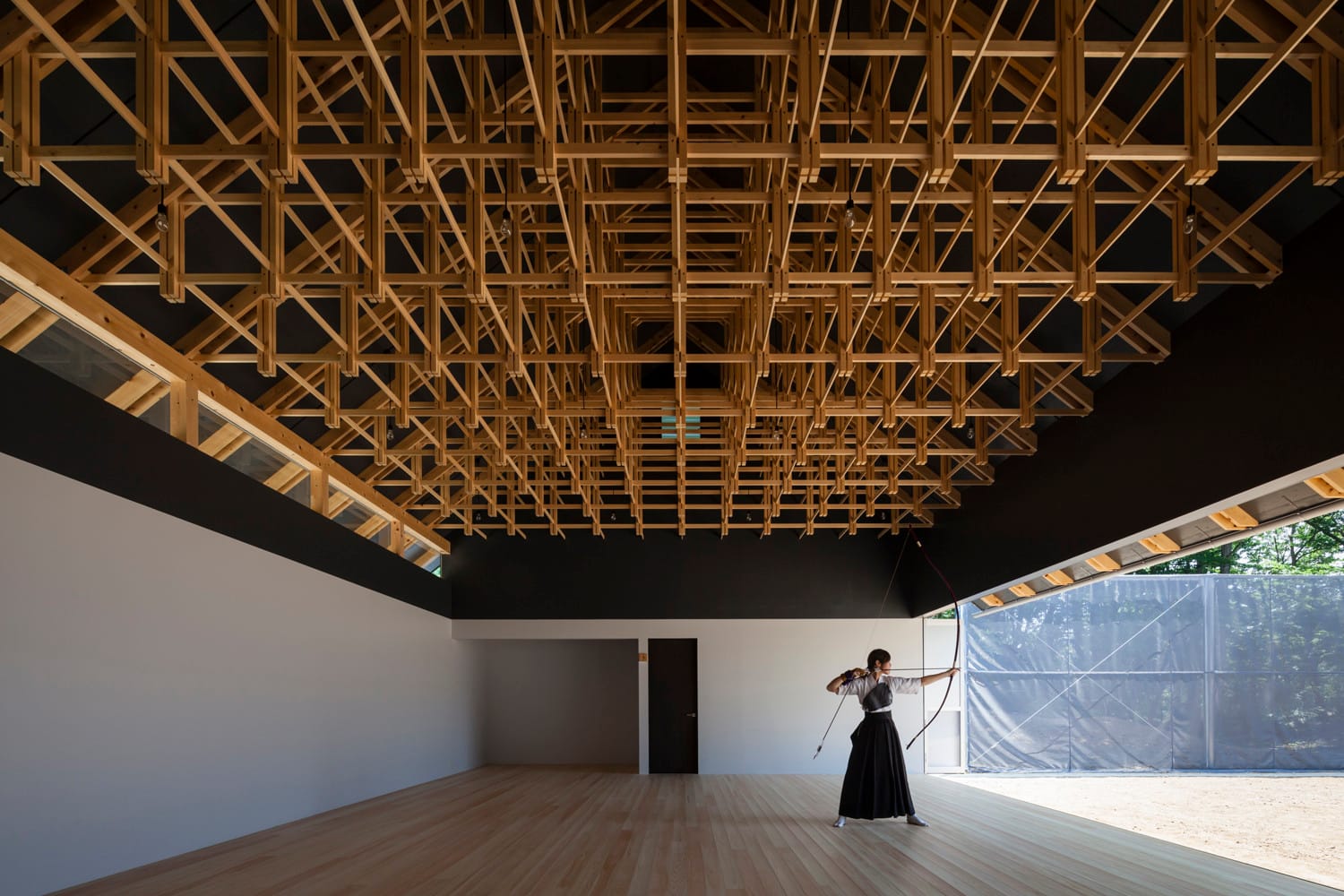
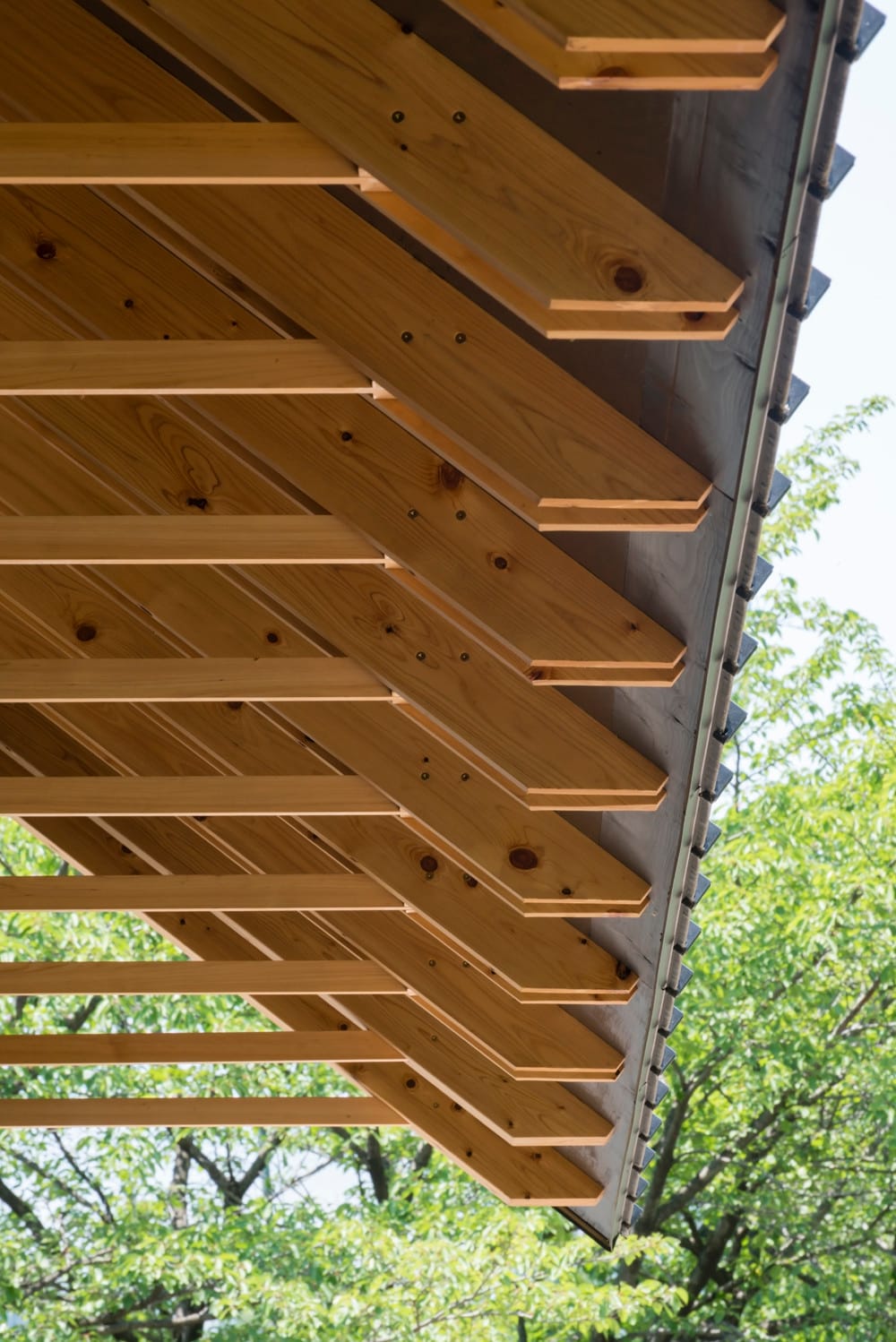
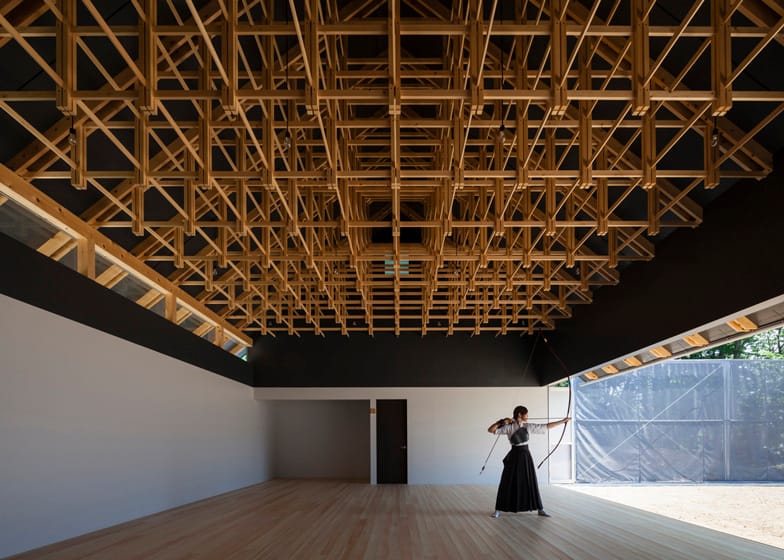
Kogakuin University Archery Hall
The Archery Hall, one of two sports pavilions FT Architects (Katsuya Fukushima, Hiroko Tominaga) built in 2013 at Kogakuin University, west Tokyo. Each is a column-free room of 7.2 by 10.8 m under an exposed timber roof of horizontal and vertical members, bolt-and-nut jointed. The archery hall uses small timber sections normally used for furniture. Photographs by Shigeo Ogawa.
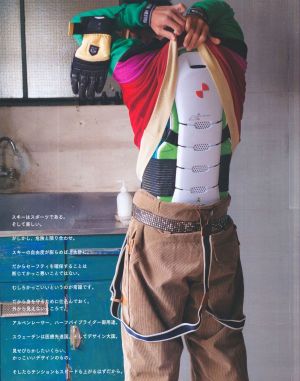
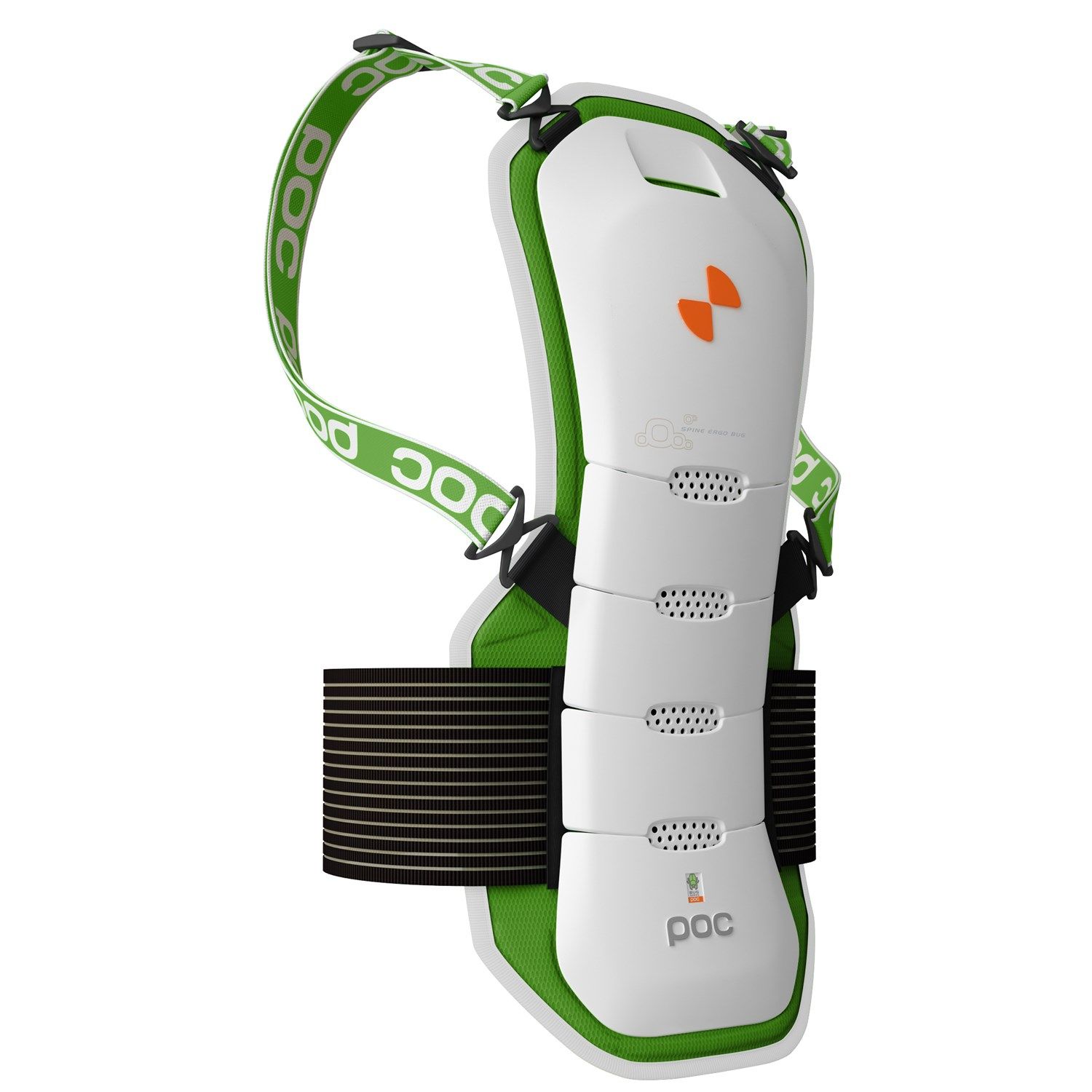
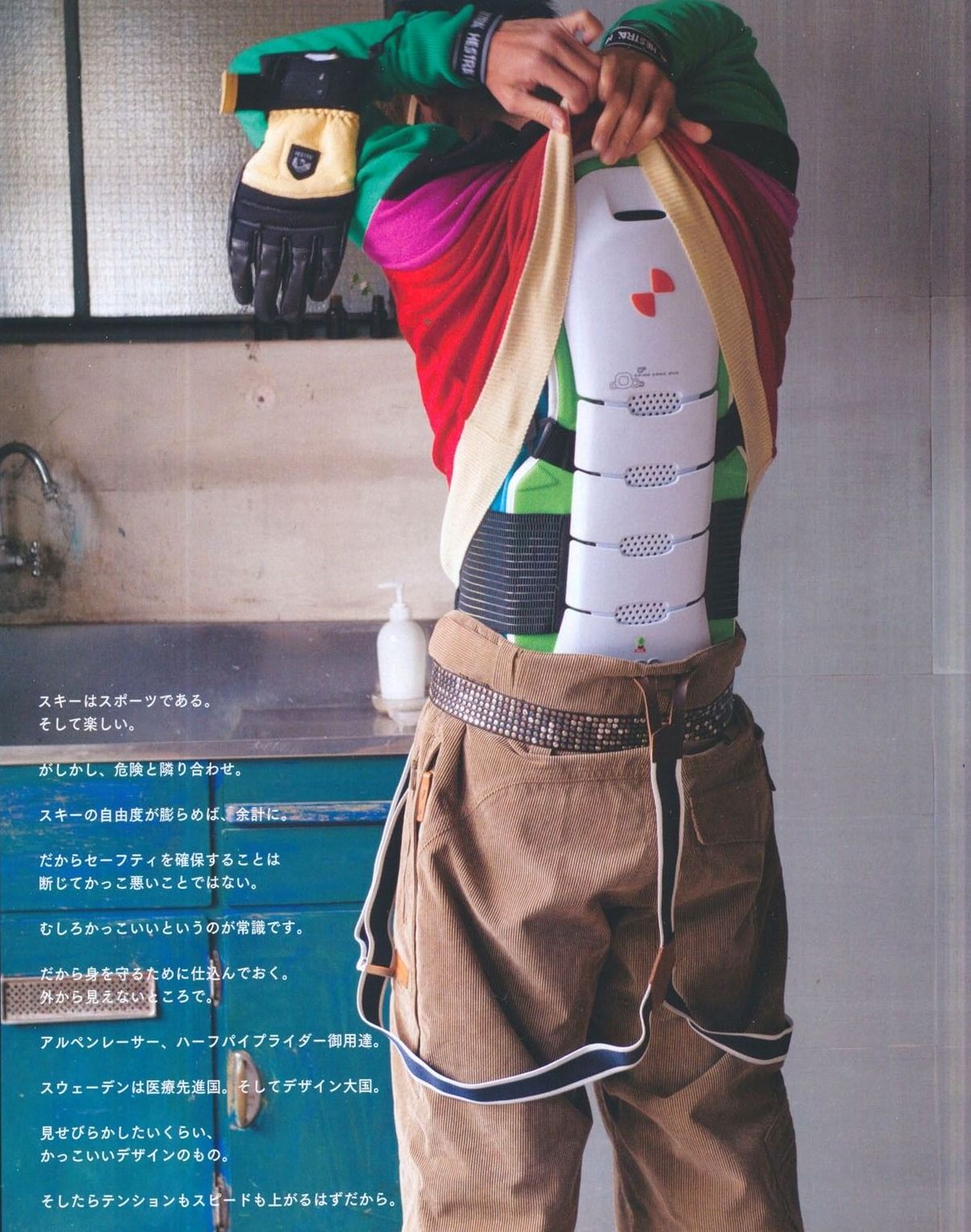
POC Spine Ergo BUG Back Protector
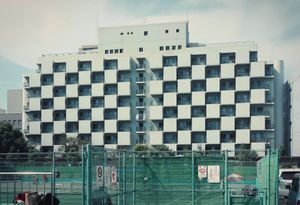
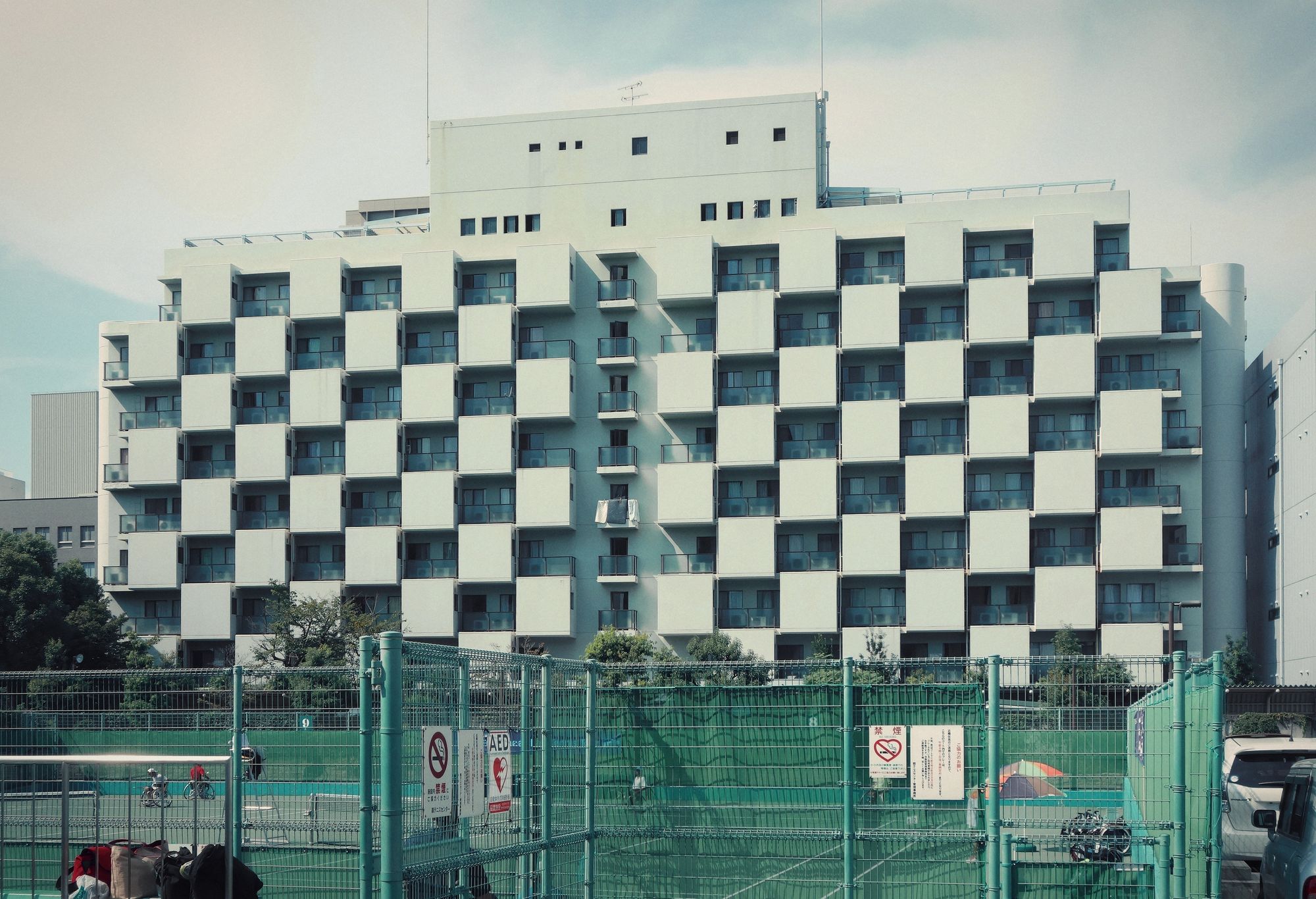
Sumitomo Hospital Seisen-ryo Apartments
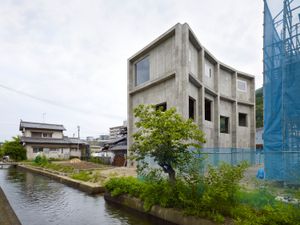
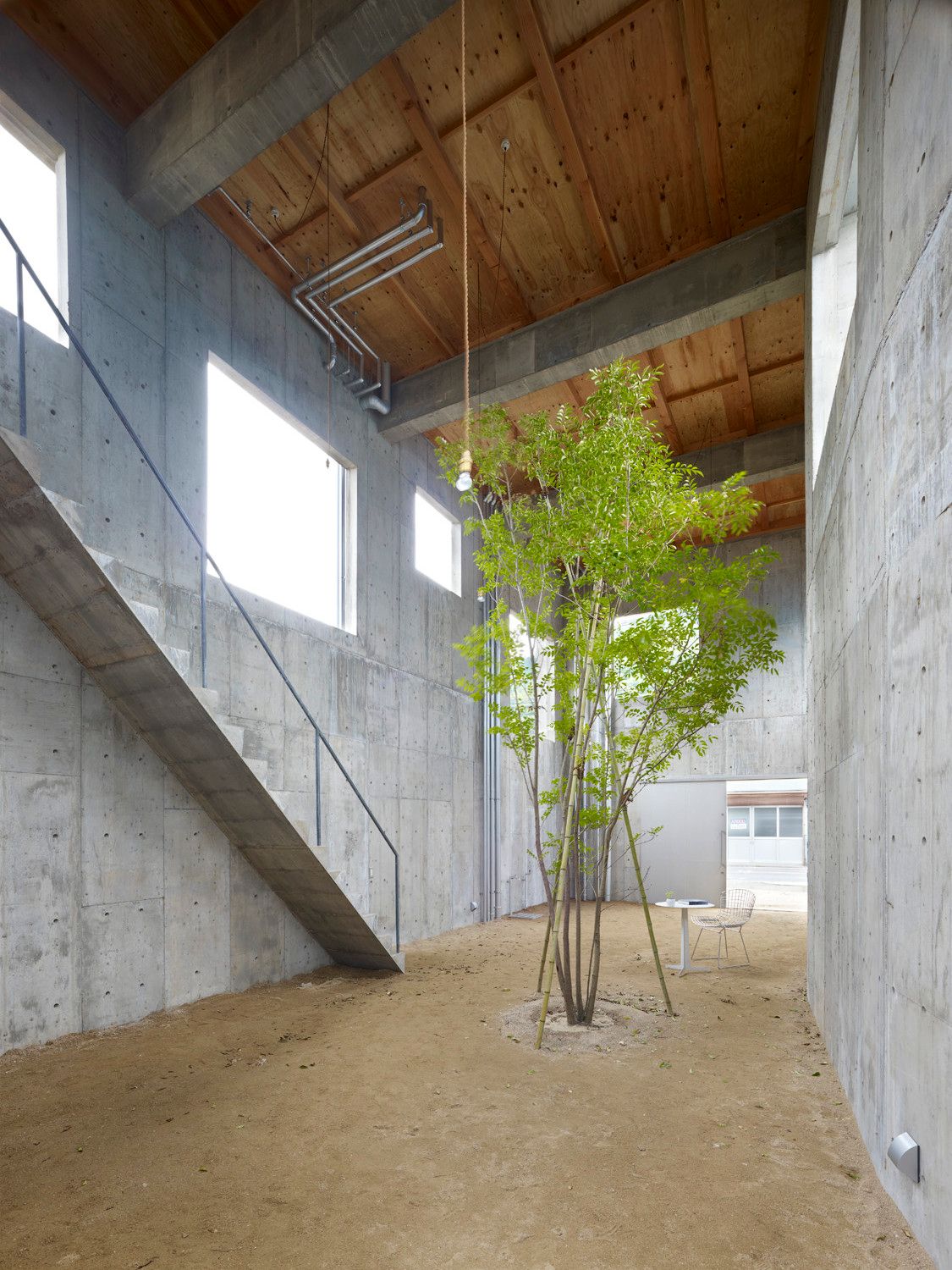
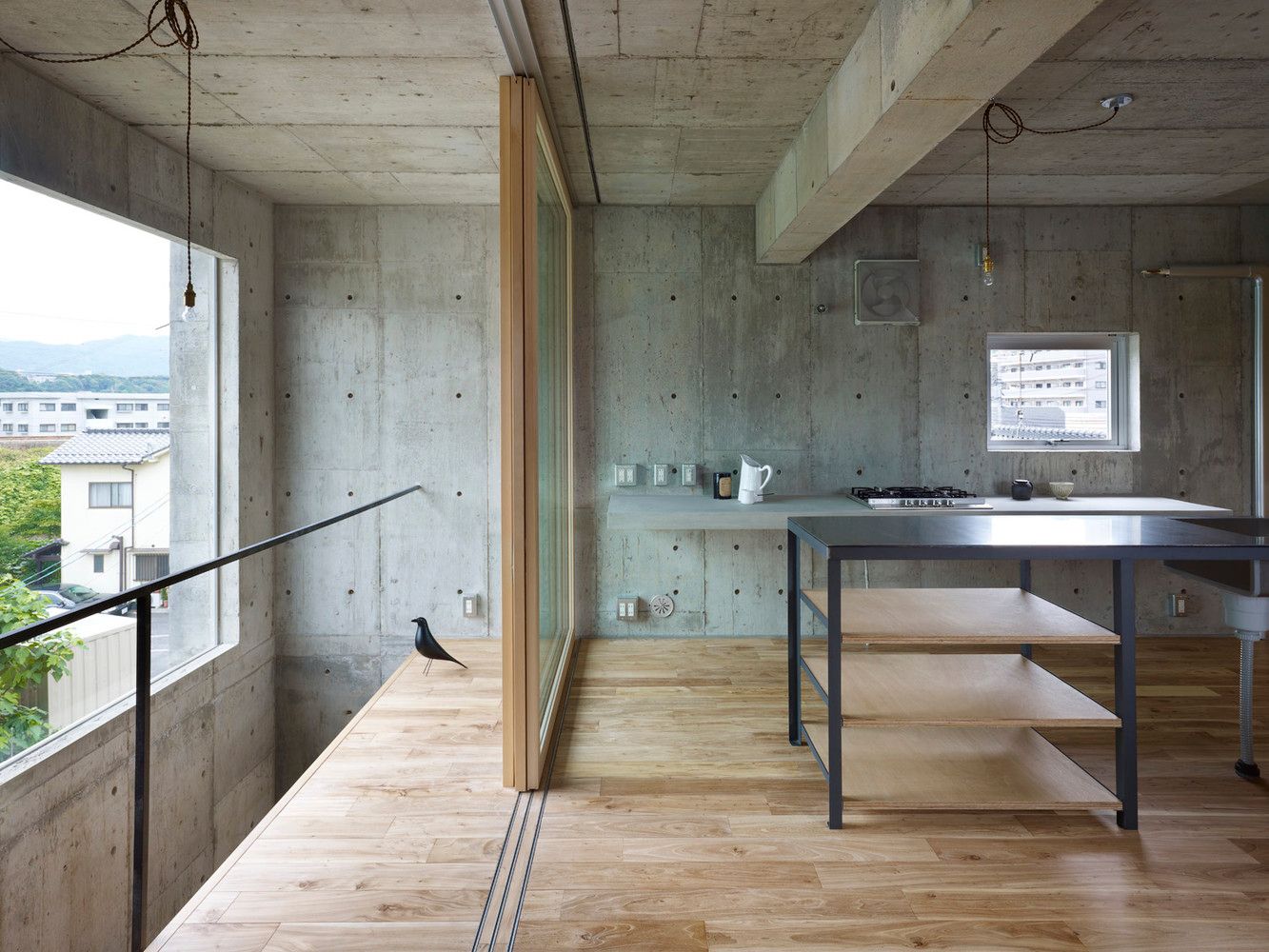
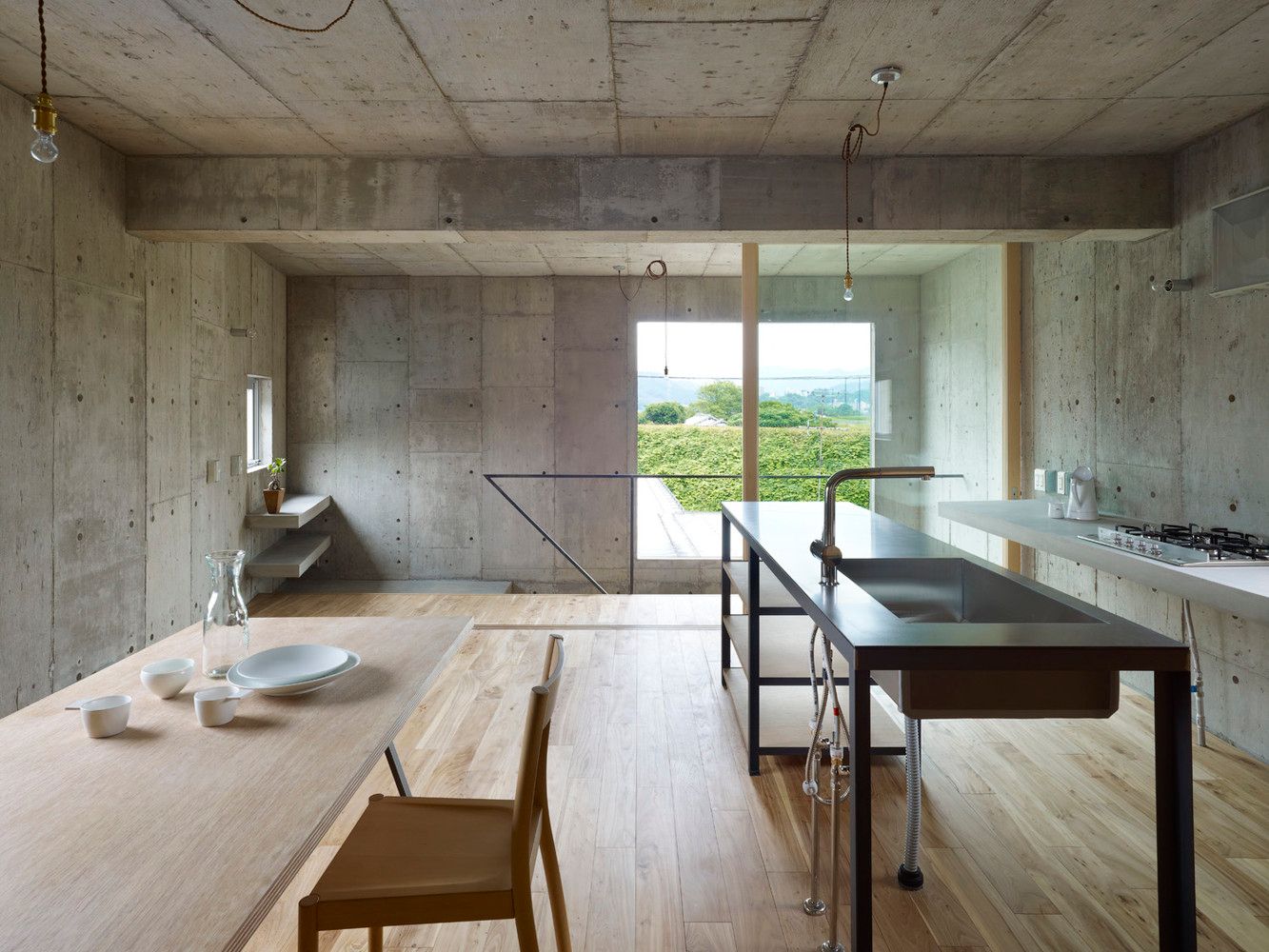
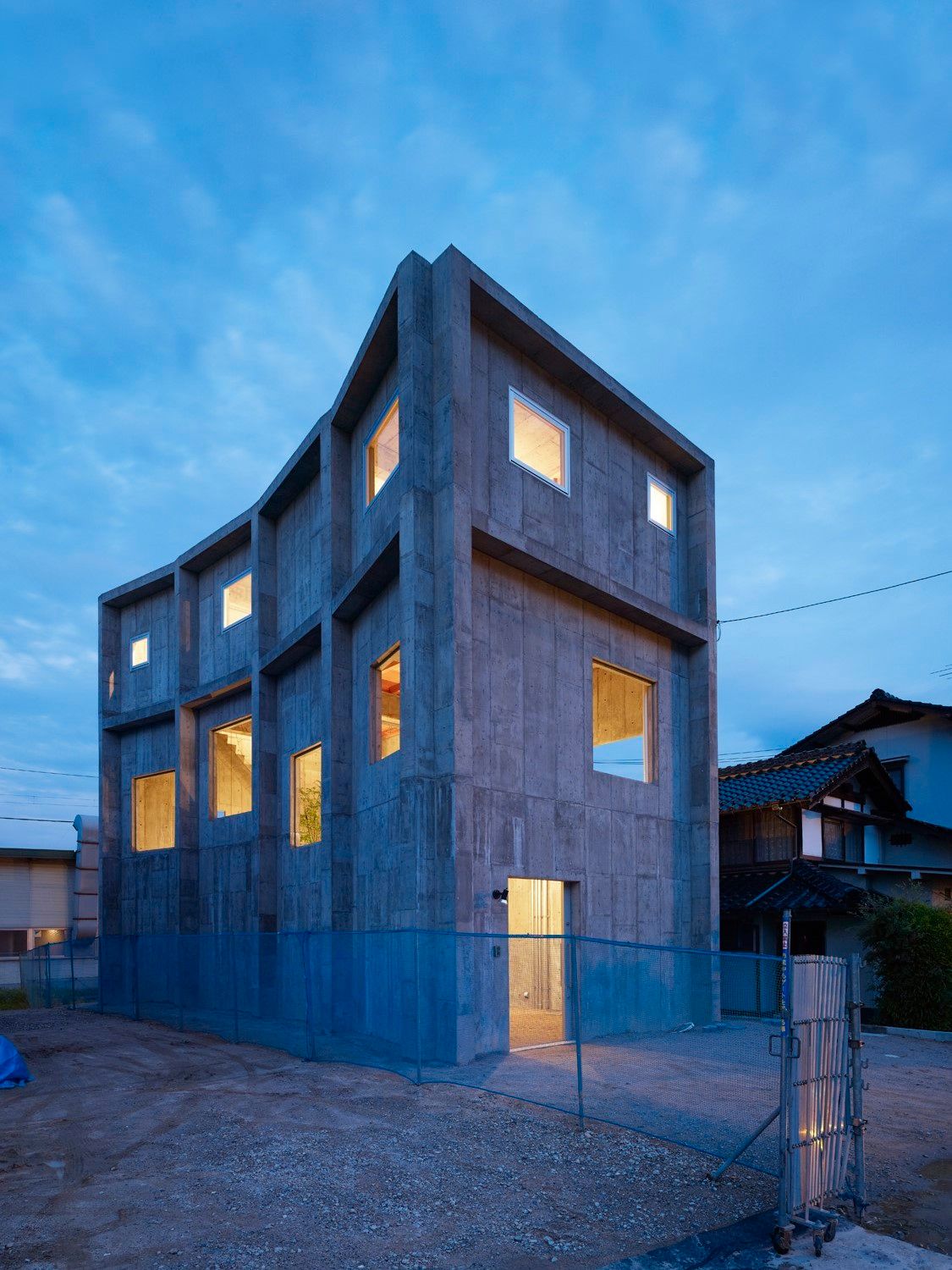
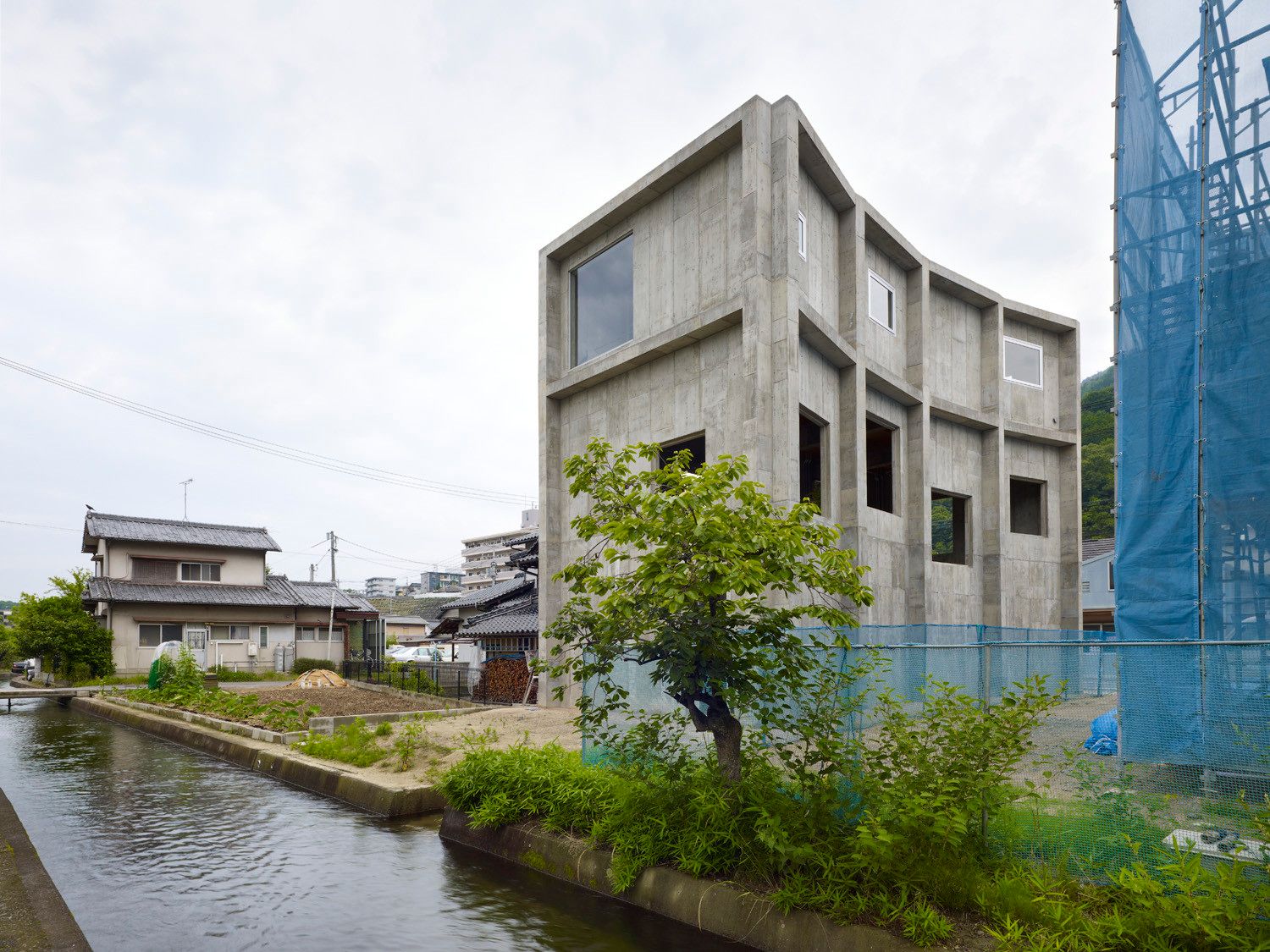
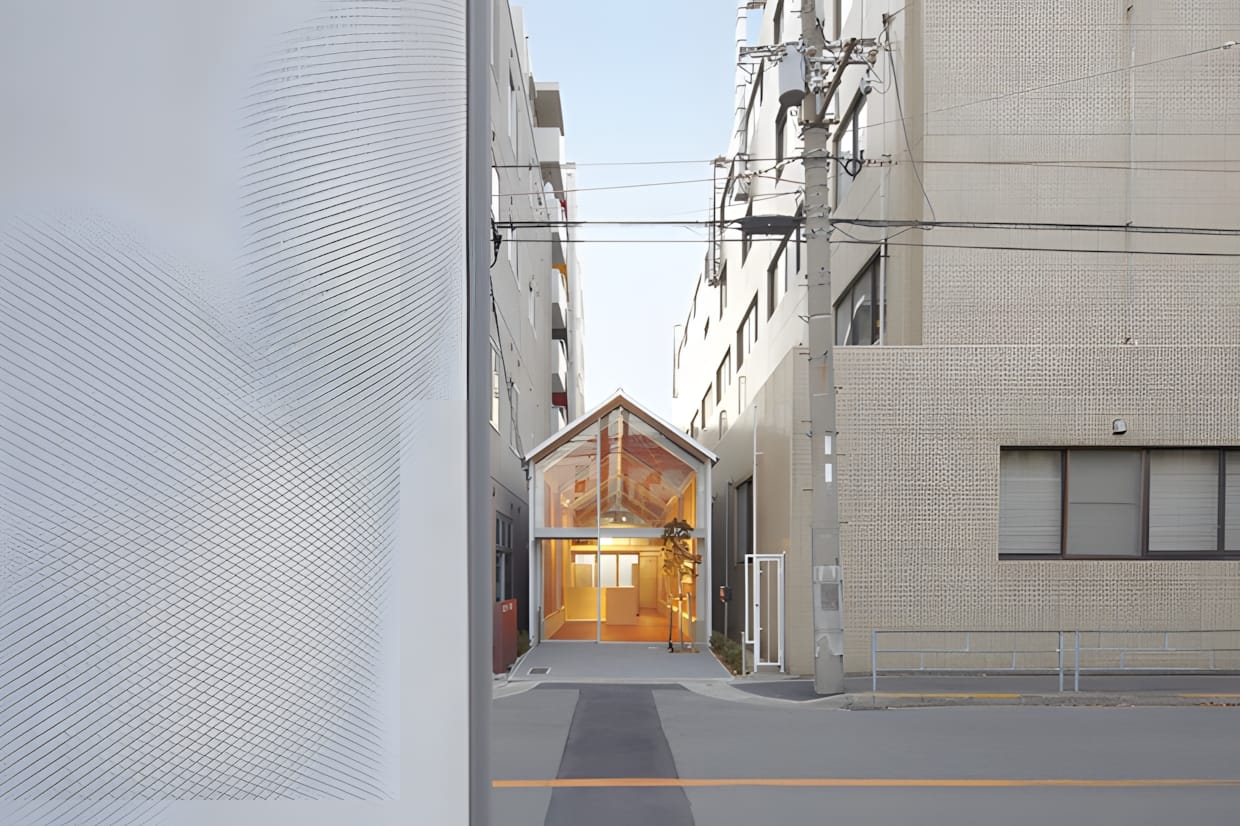
The House of Yagi by Suppose Design Office + Ohno Japan
Text description provided by the architects. The House of Yagi is designed with the idea of an incomplete/complete form. Unlike other projects, the final stage of construction for this house was not aiming towards a finish stage, but to let the owner experience the sense of completion after living here. Interior space of the house is designed to maximize the interaction to its surrounding environment.
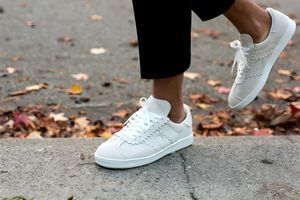
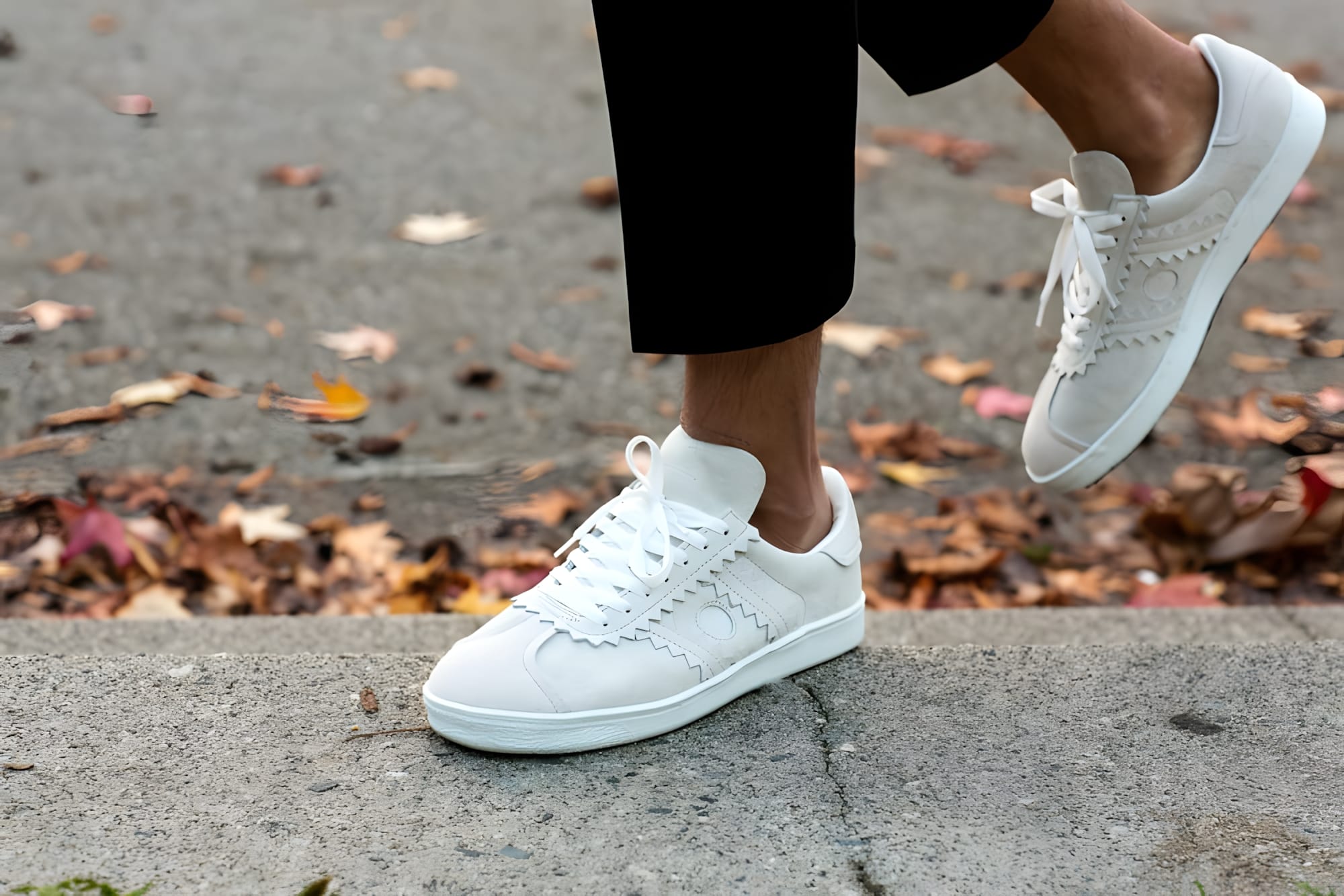
adidas Y-3 Yohji Court — Footwear White (EF2554)
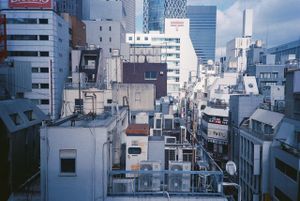
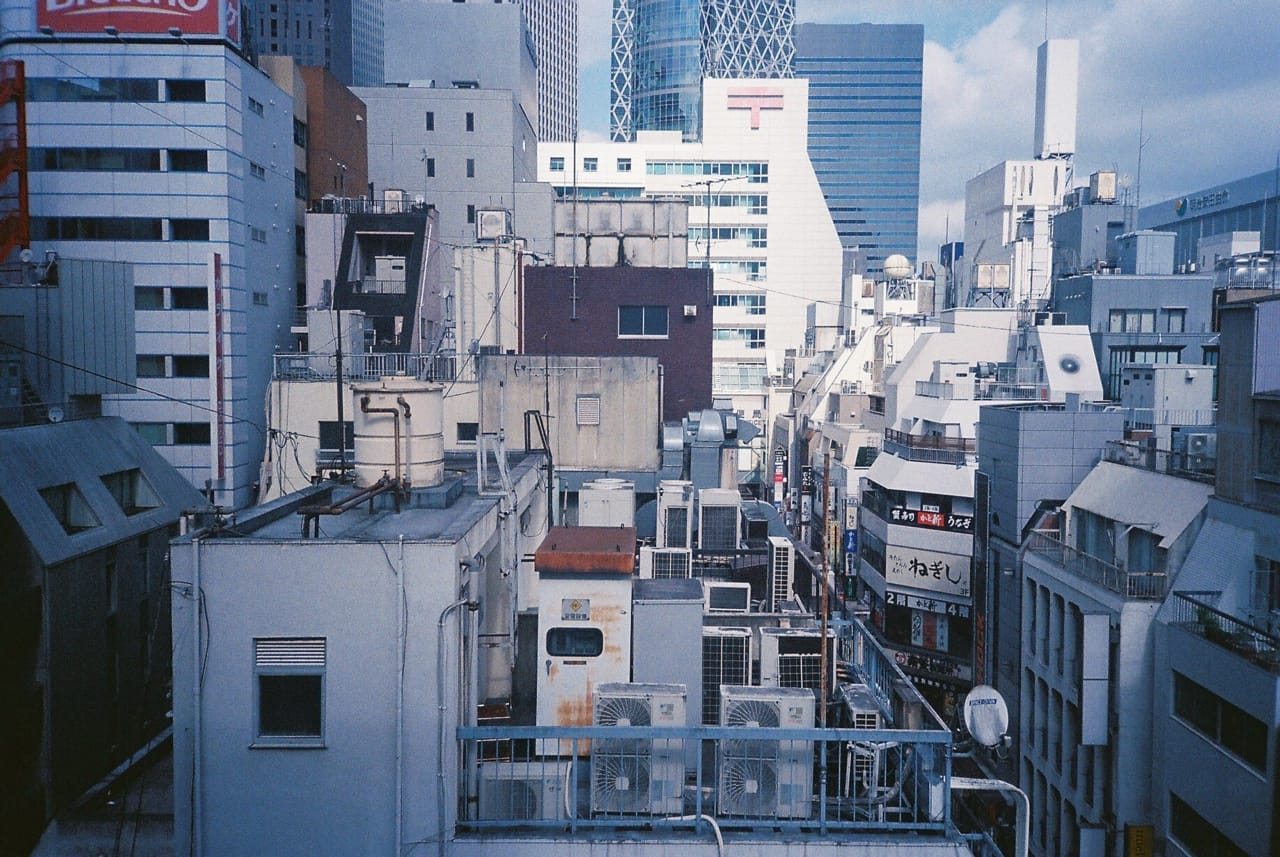
Tokyo Rooftops Ginza

MIG 1.42 - PROTOTYPE
Prototype Russian fighter jet spotted on Bing Maps. Built to rival the American F-22 Raptor, the jet lost out to the Su-47.


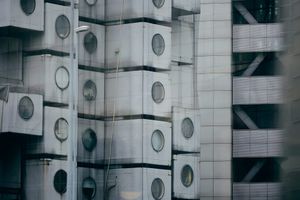
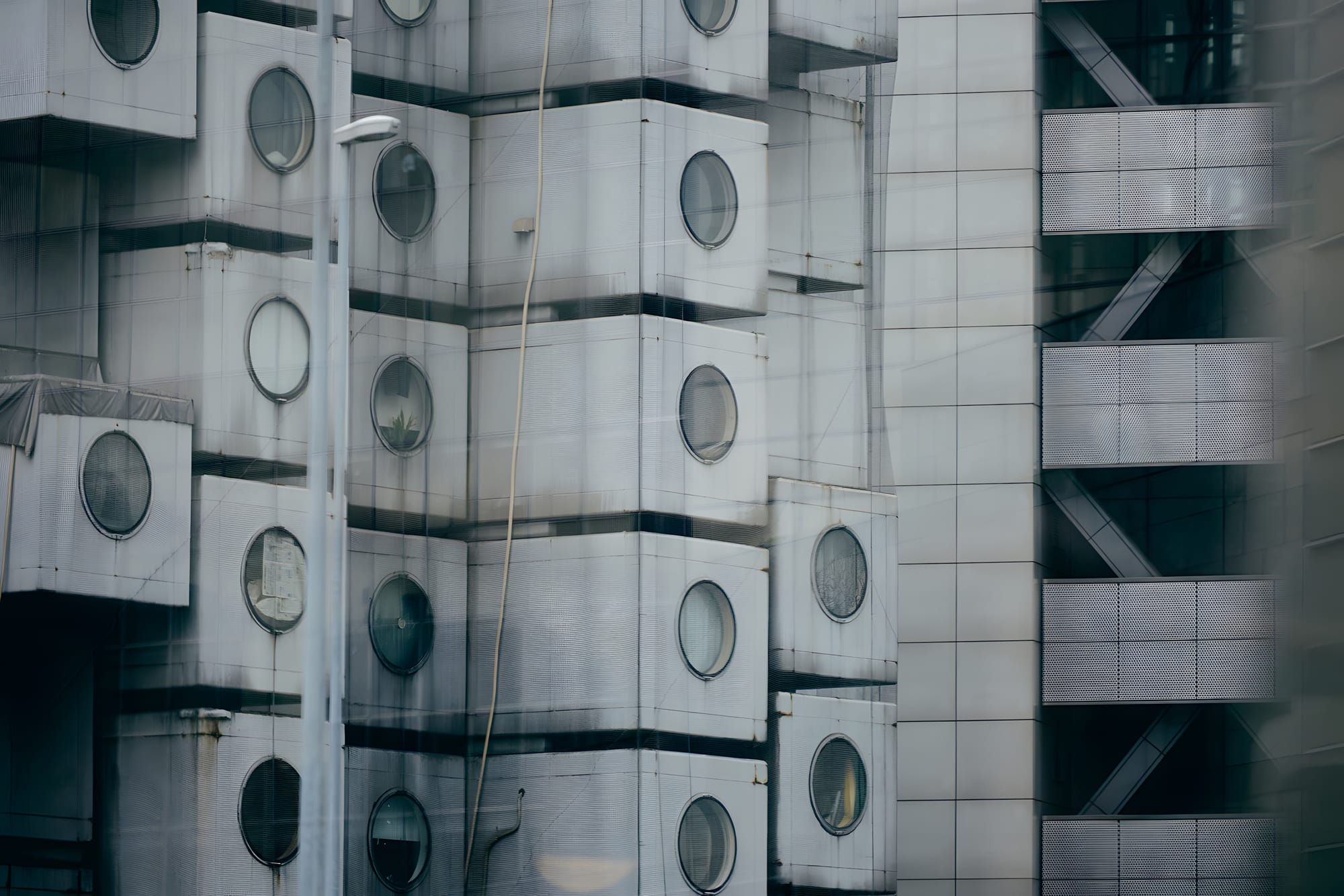
Nakagin Capsule Tower — Exterior Detail, Tokyo 2016

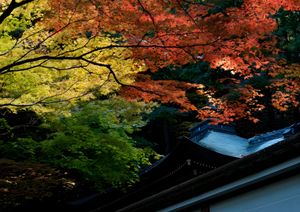
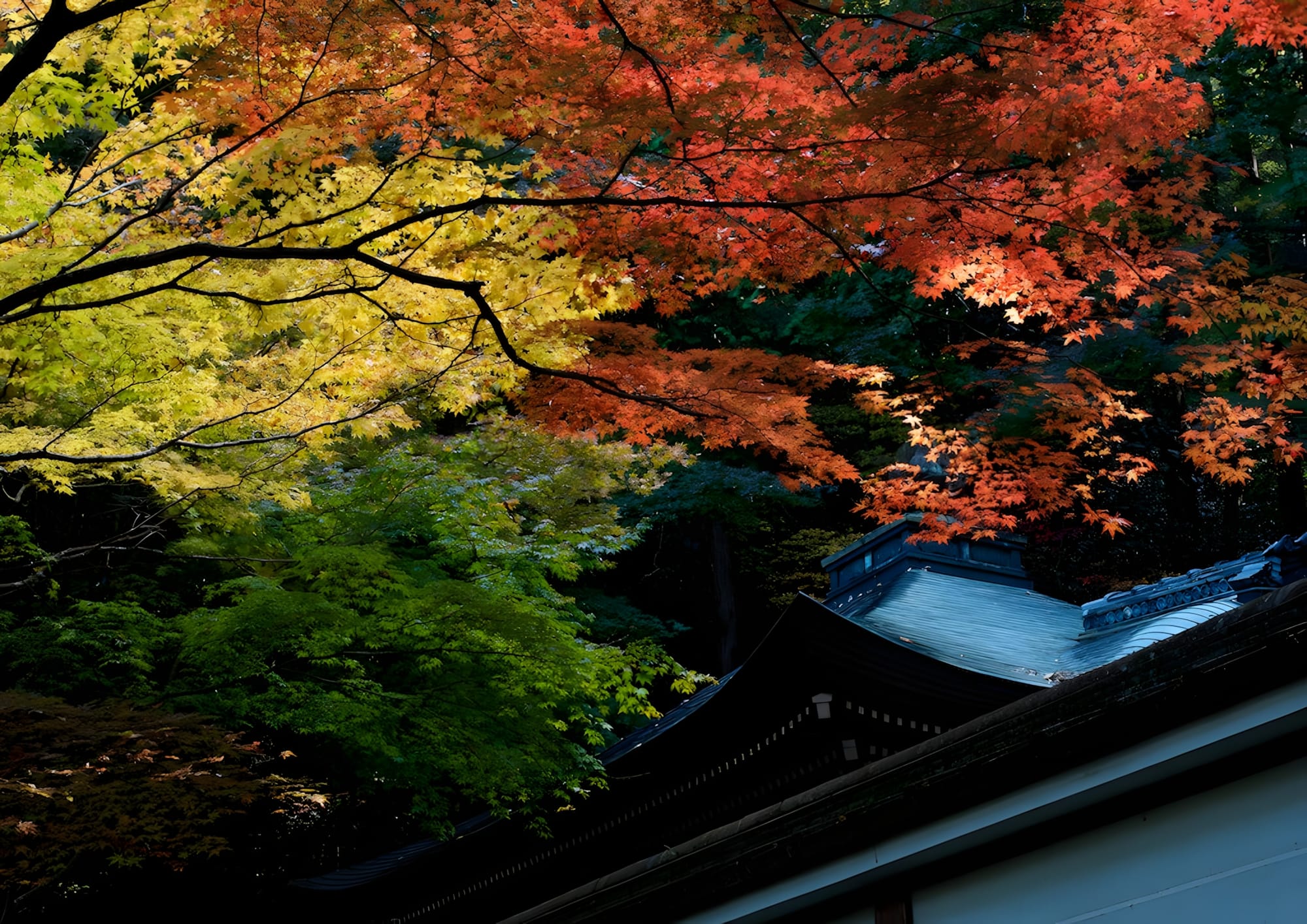
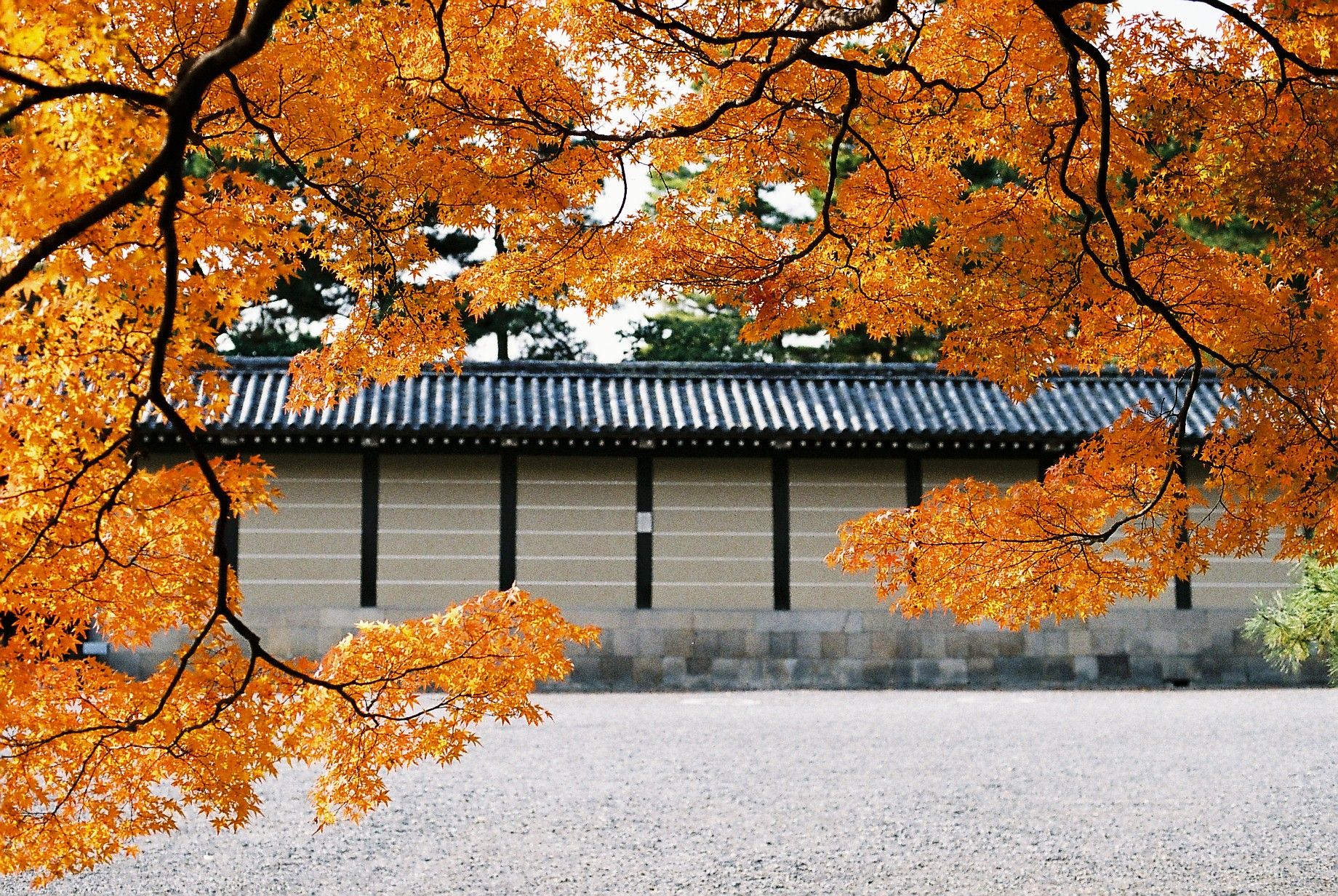
Nanzenji Temple Autumn Foliage, Higashiyama, Kyoto
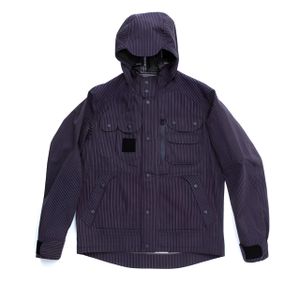
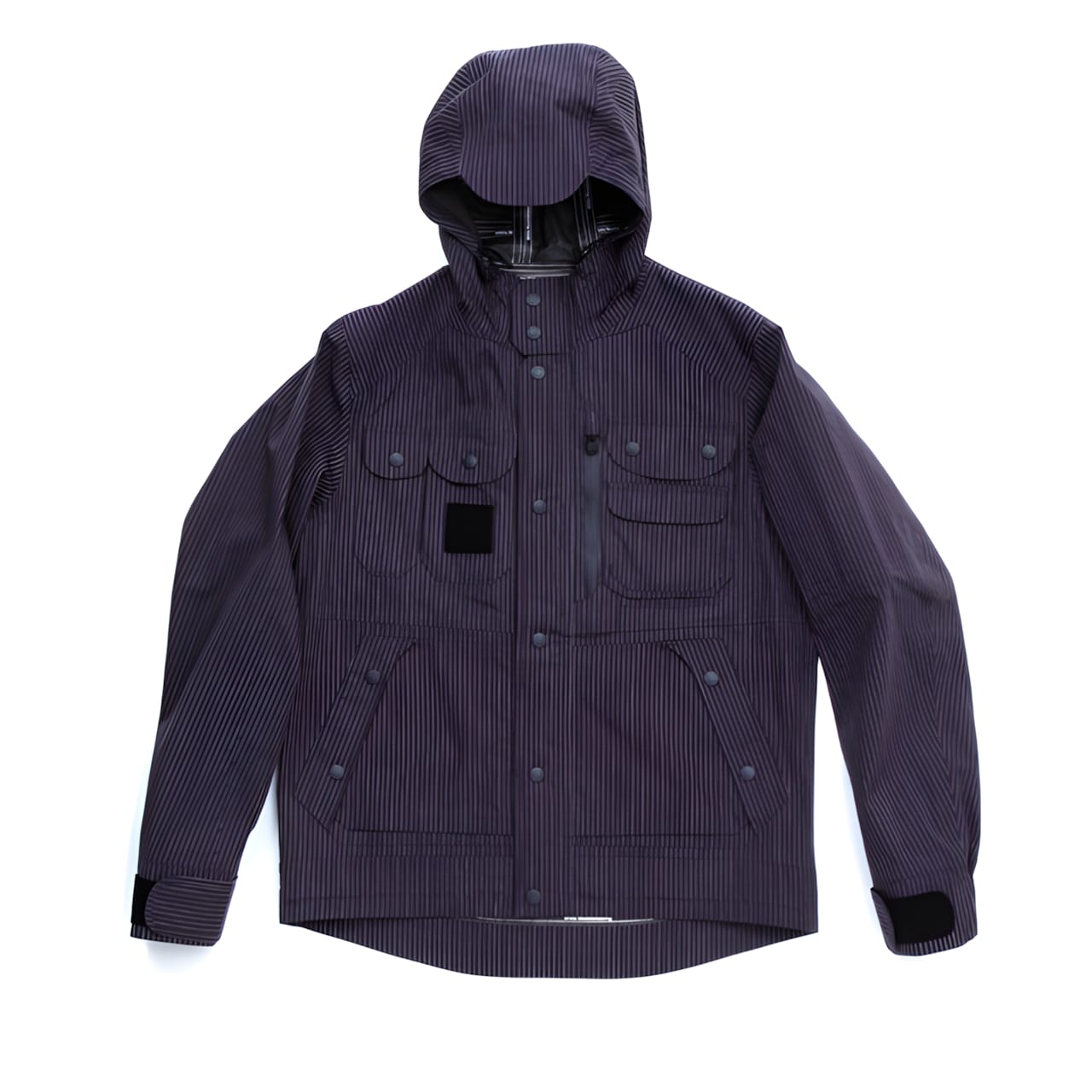
CP Company Multi-Pocket Goggle Hooded Jacket in Grey
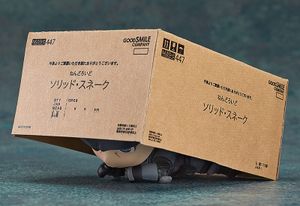
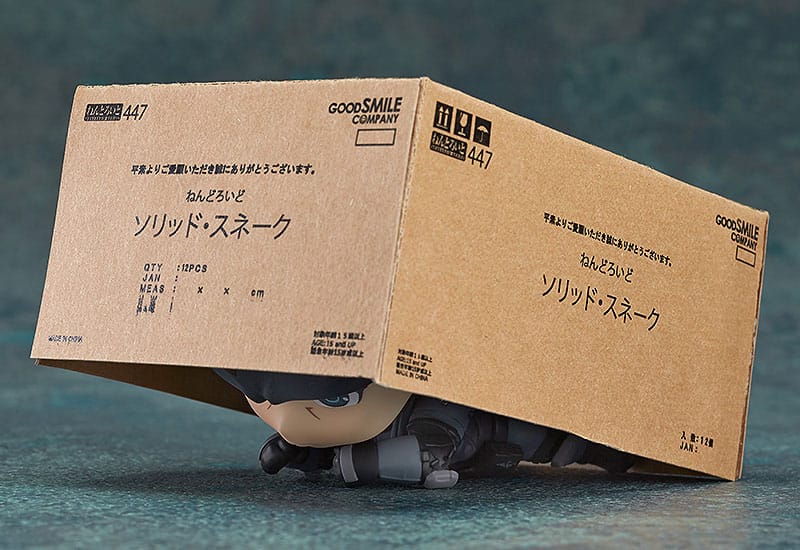
Nendoroid Solid Snake
Nendoroid Solid Snake (#447) by Good Smile Company, a super-deformed figure of the Metal Gear Solid character. Comes with the cardboard box, swappable faces and poses.
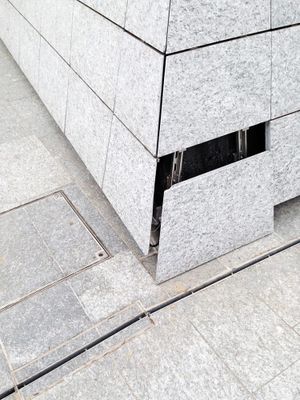
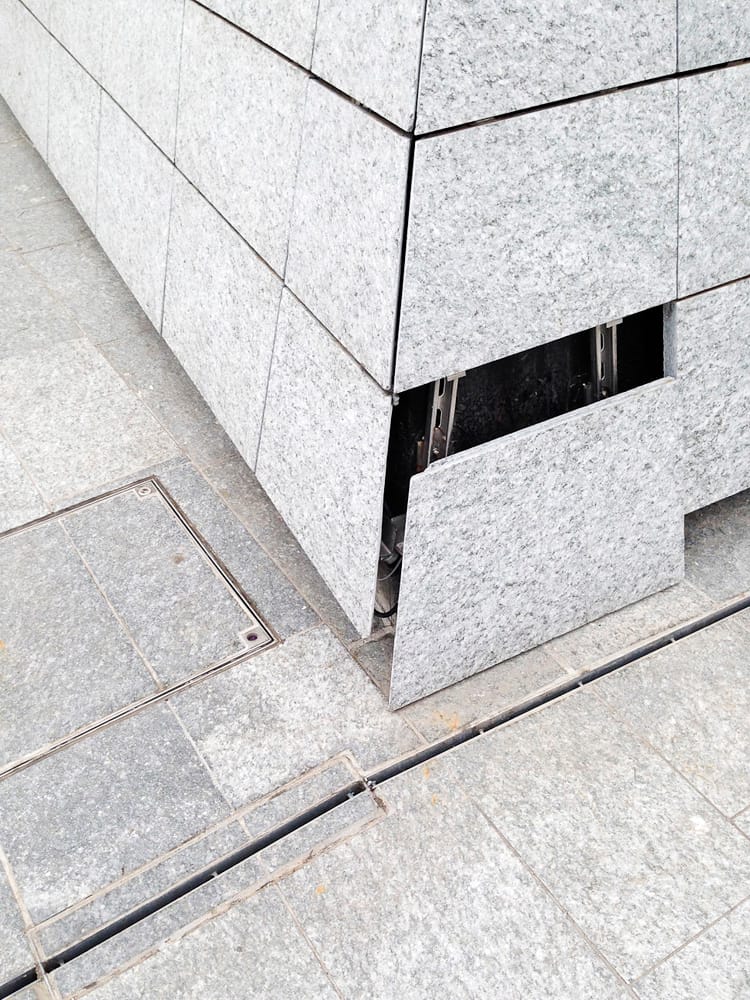
Anti-Skateboarding Deterrents — Granite Architecture Detail
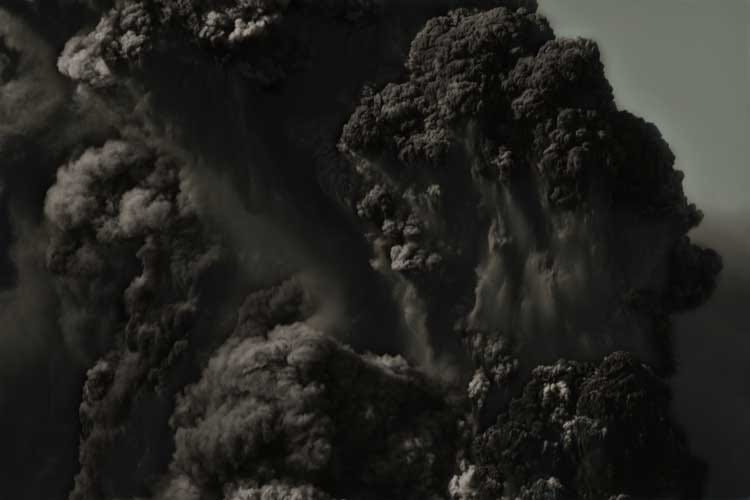
Mount Sinabung Eruption
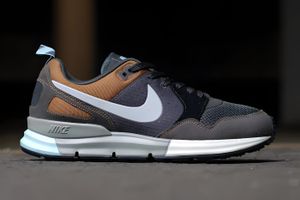
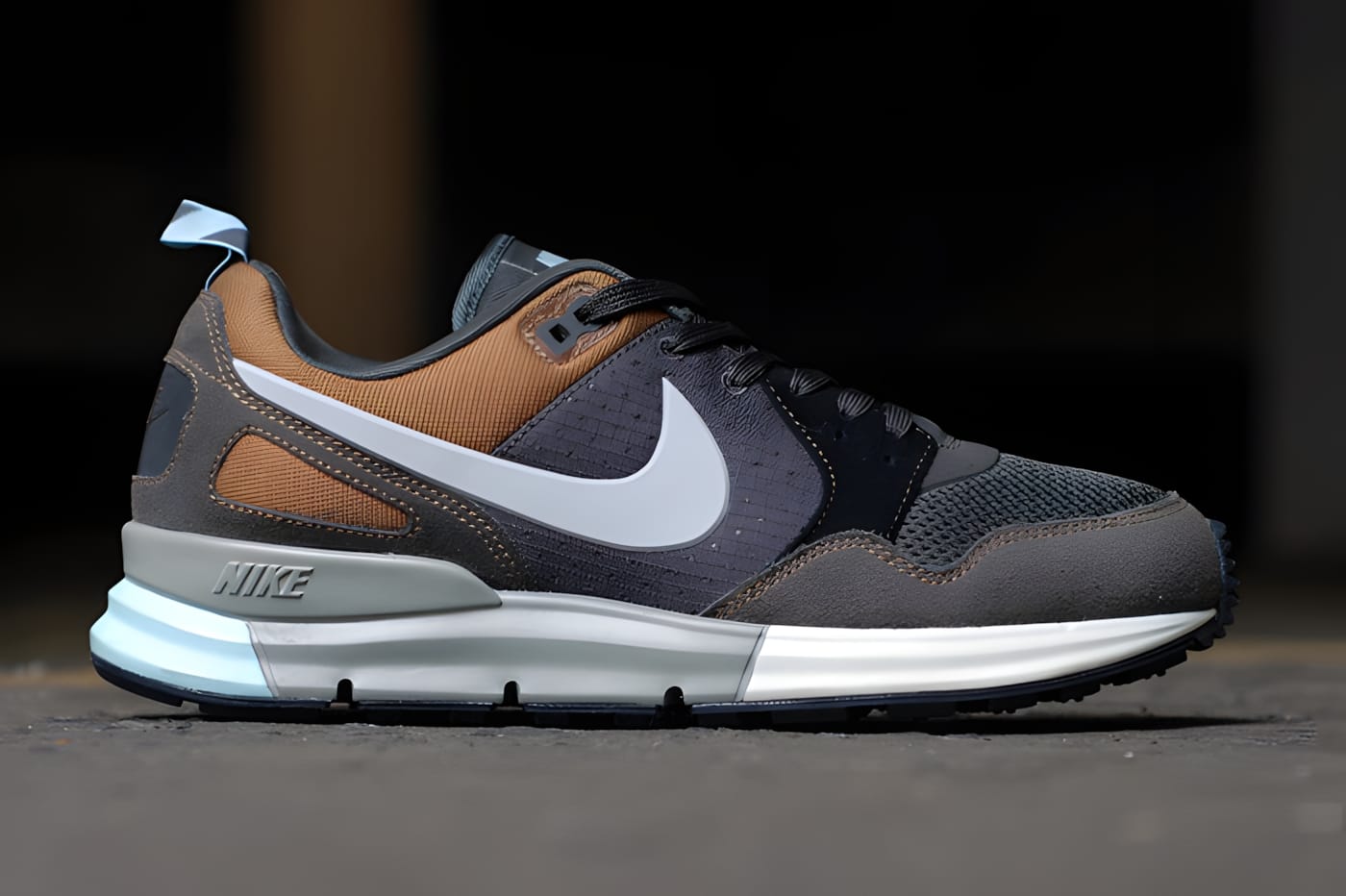
Nike Lunar Pegasus 89
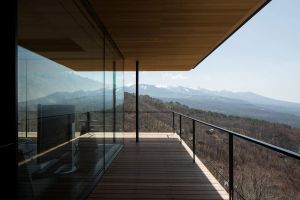
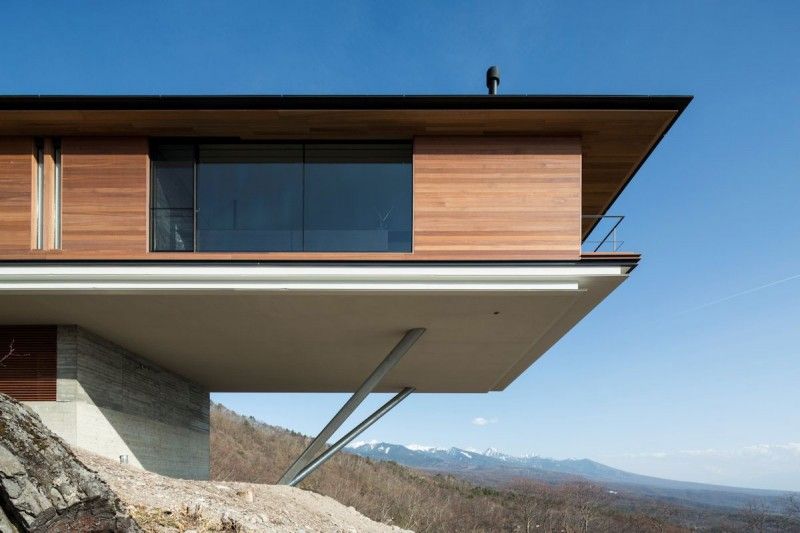
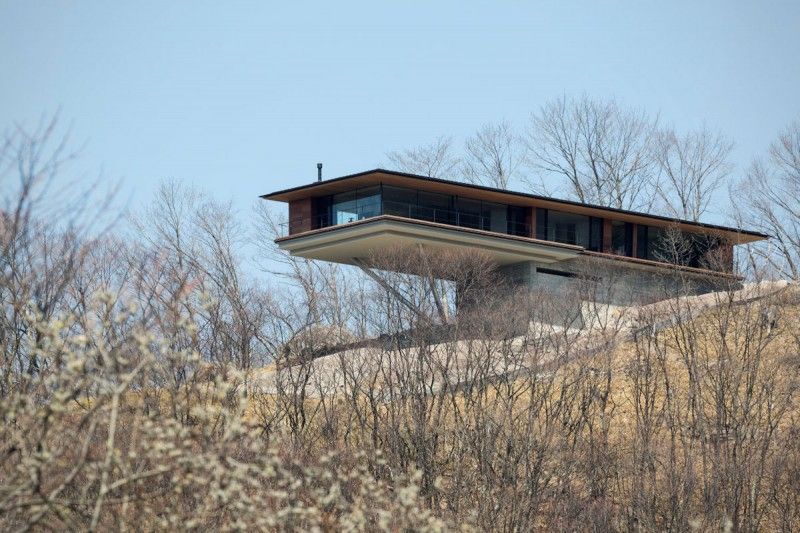
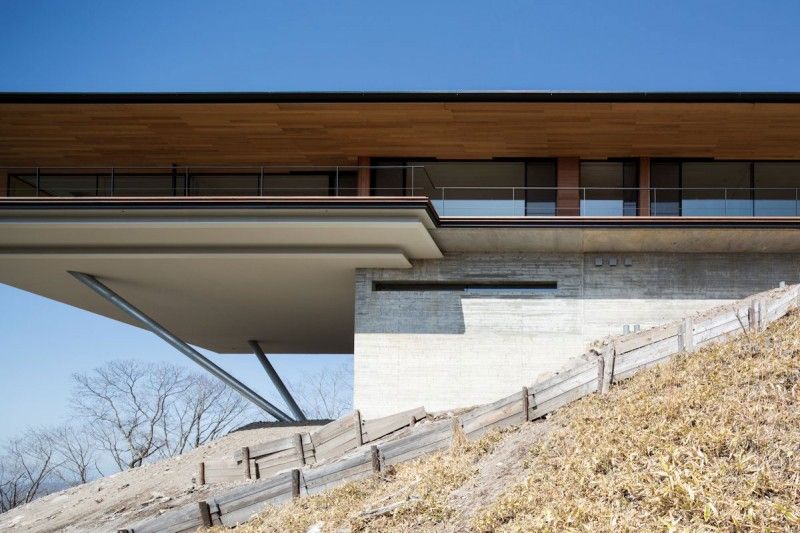
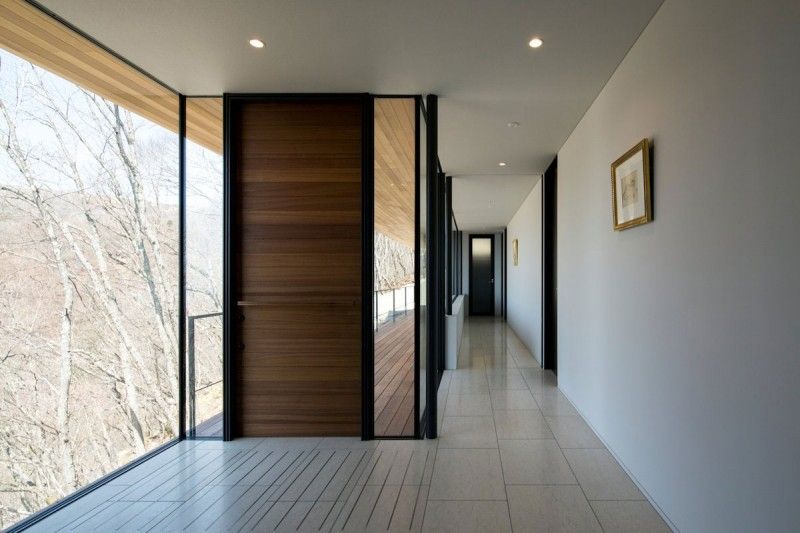
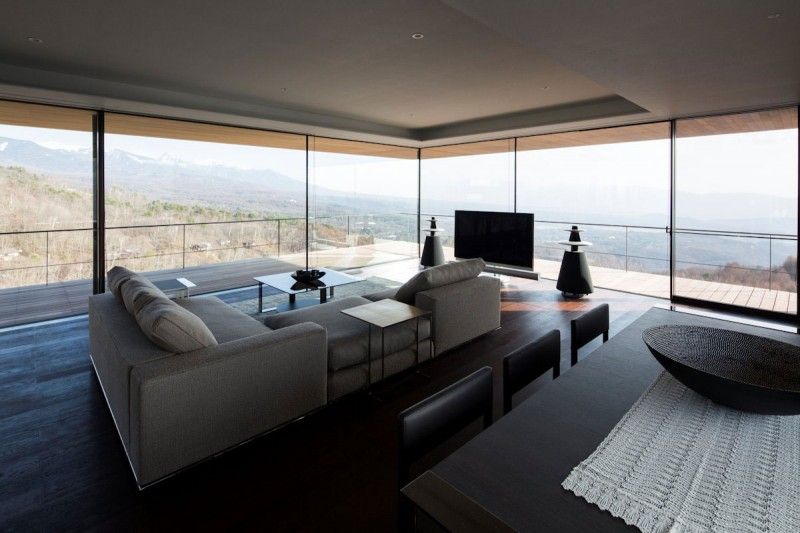
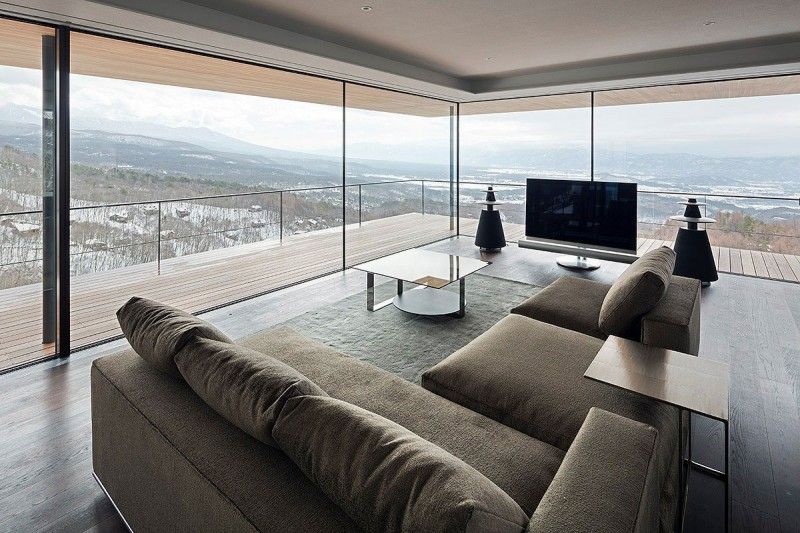
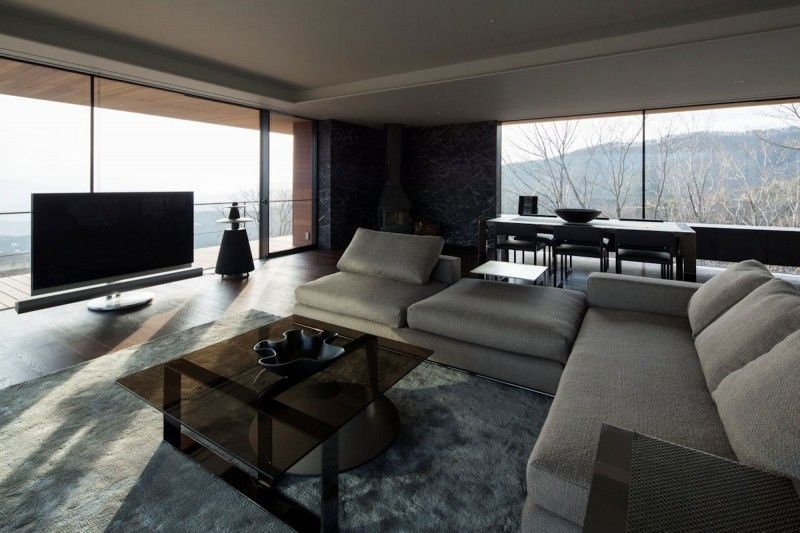
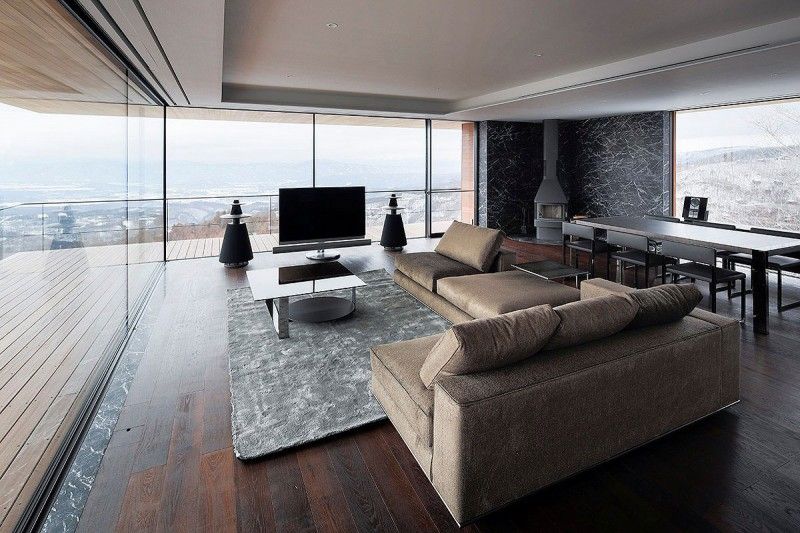
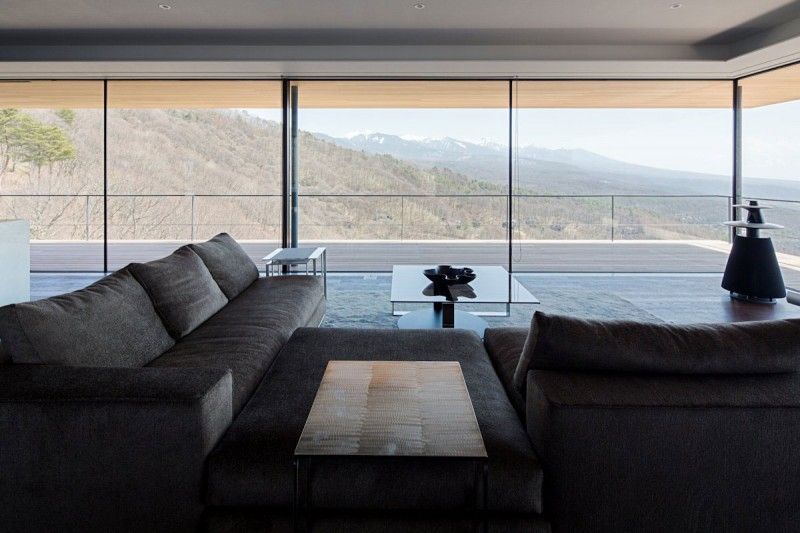
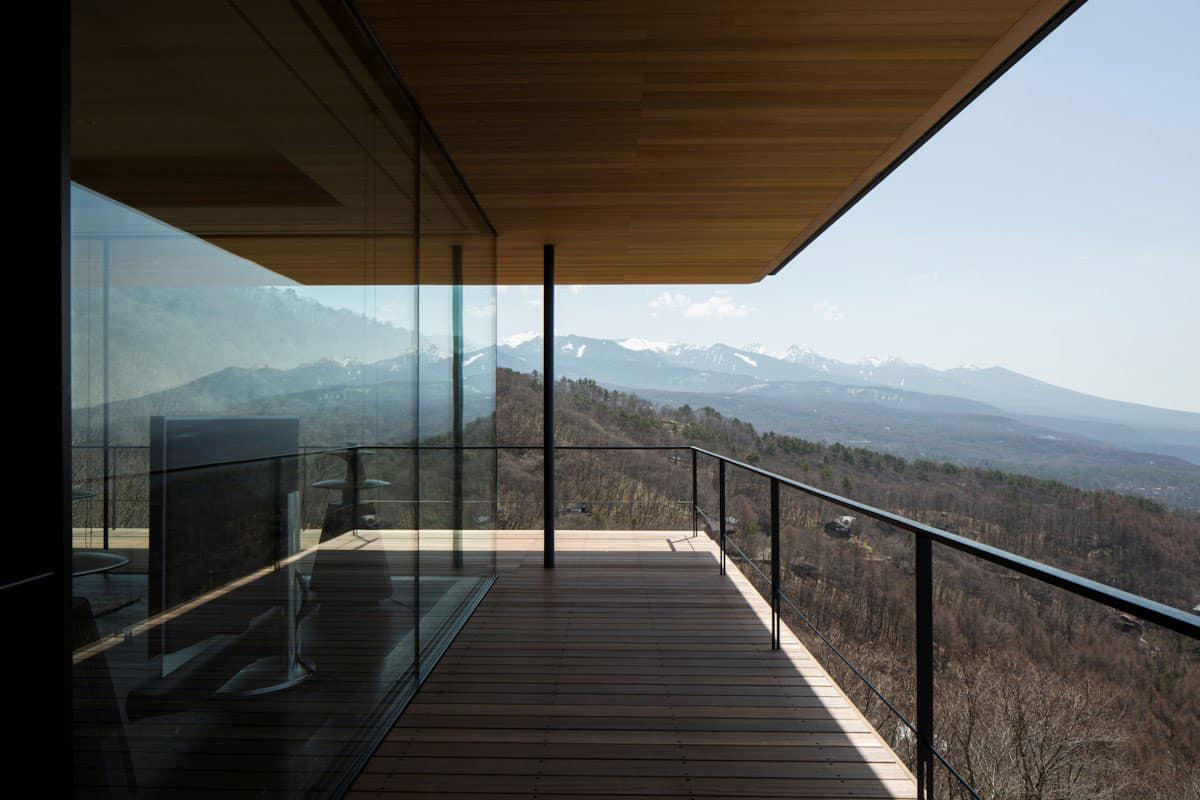
House in Yatsugatake by Kidosaki Architects Studio
This private residence was designed by Kidosaki Architects Studio. It is located on the edge of the Yatsugatake Mountains in Nagano, Japan.
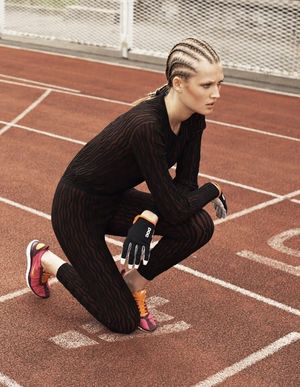
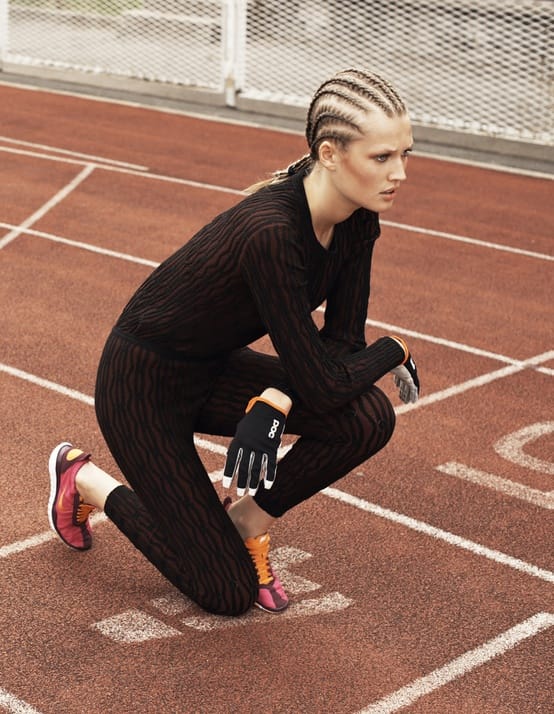
Toni Garrn by Philip Gay, Just Do It, Interview Germany 2012
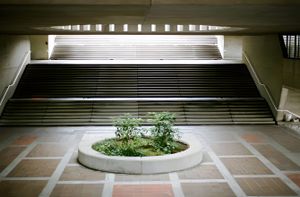
Urbastyle Bench Paris 1 — La Défense
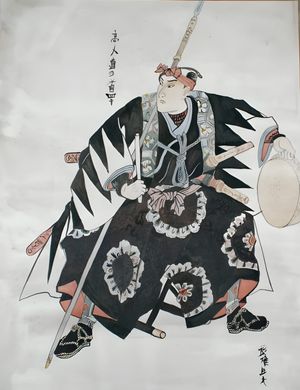
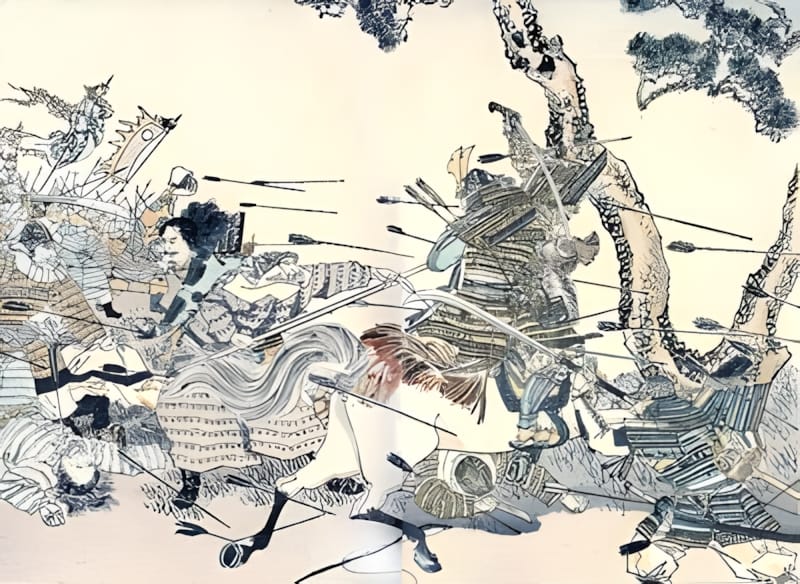
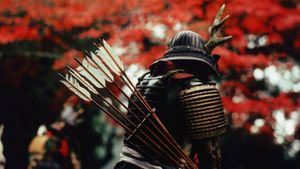
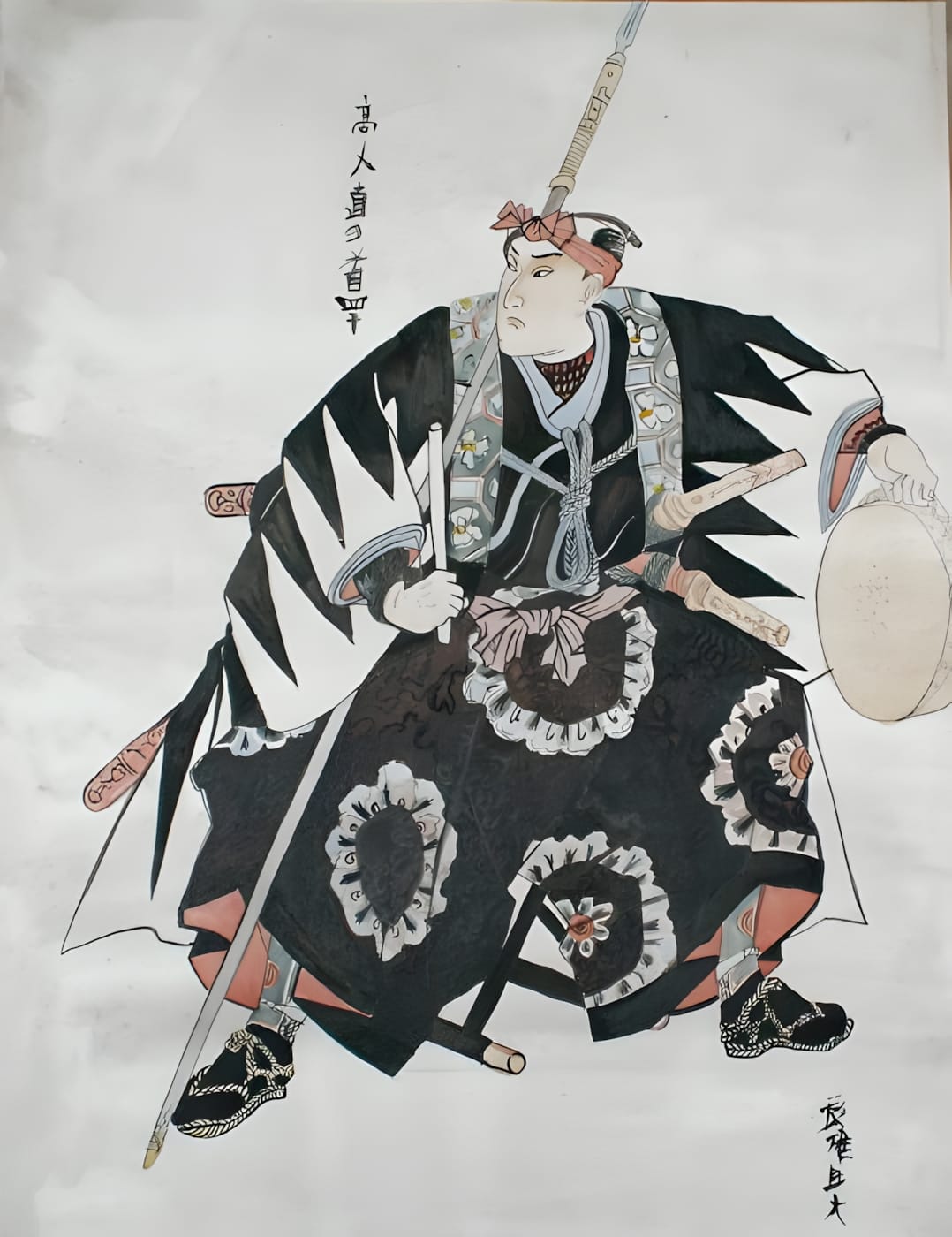
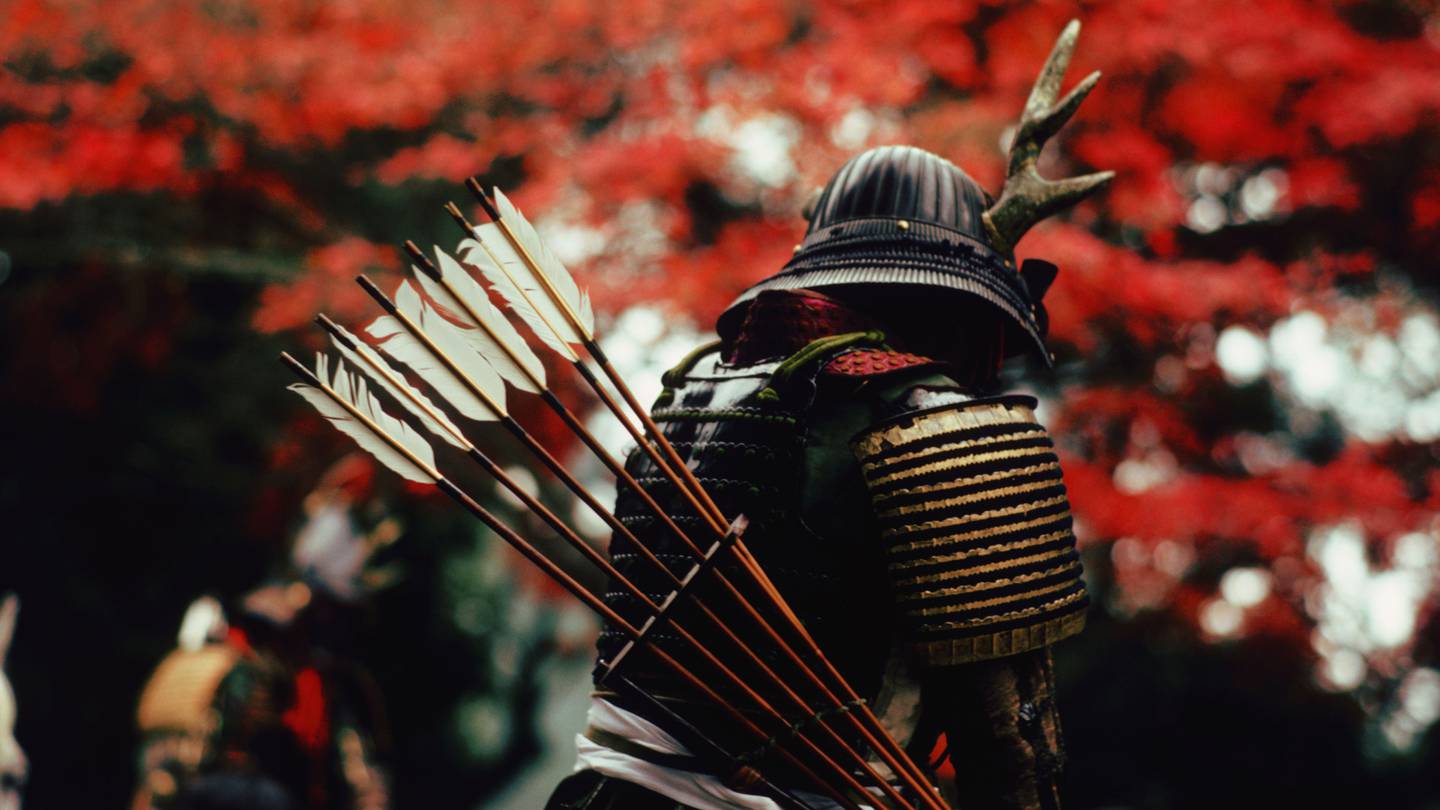
Japanese Warrior Figure — Edo/Meiji Period Ink Painting
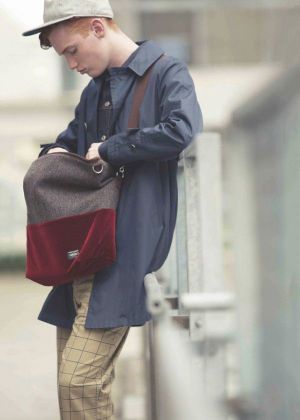
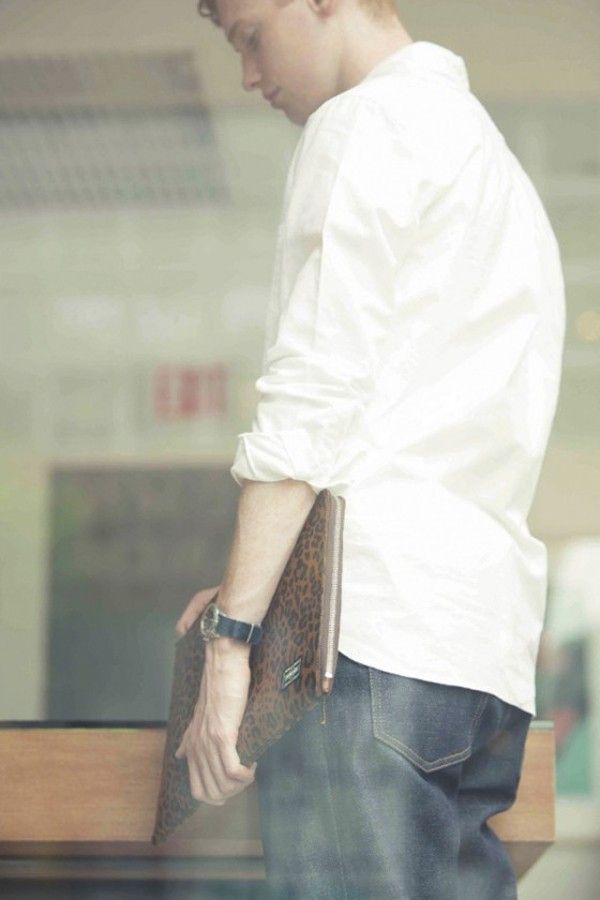
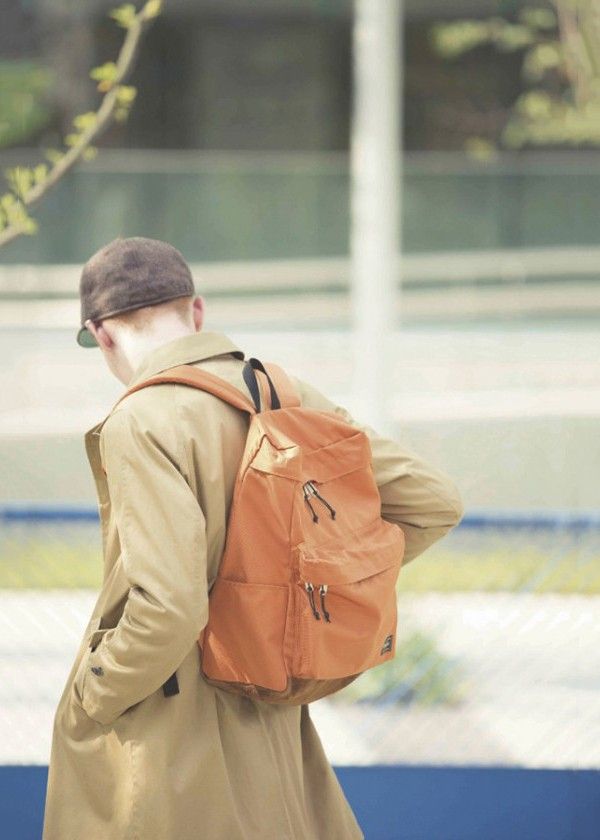
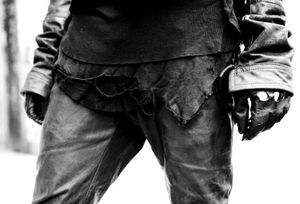
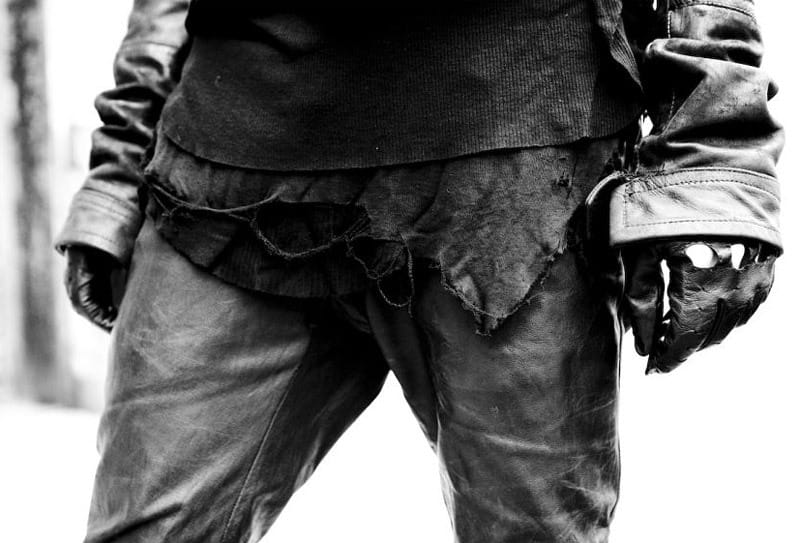
Distressed Layers and Leather Gloves — Jeff P. Elstone
Jeff P. Elstone's black-and-white fashion detail concentrates on layered distressed textiles, dark trousers and deconstructed fingerless leather gloves.
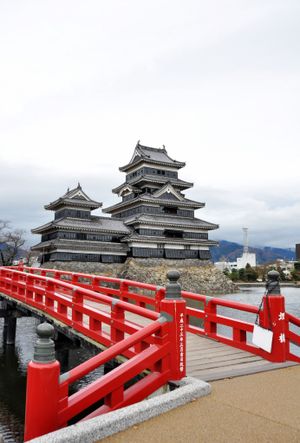
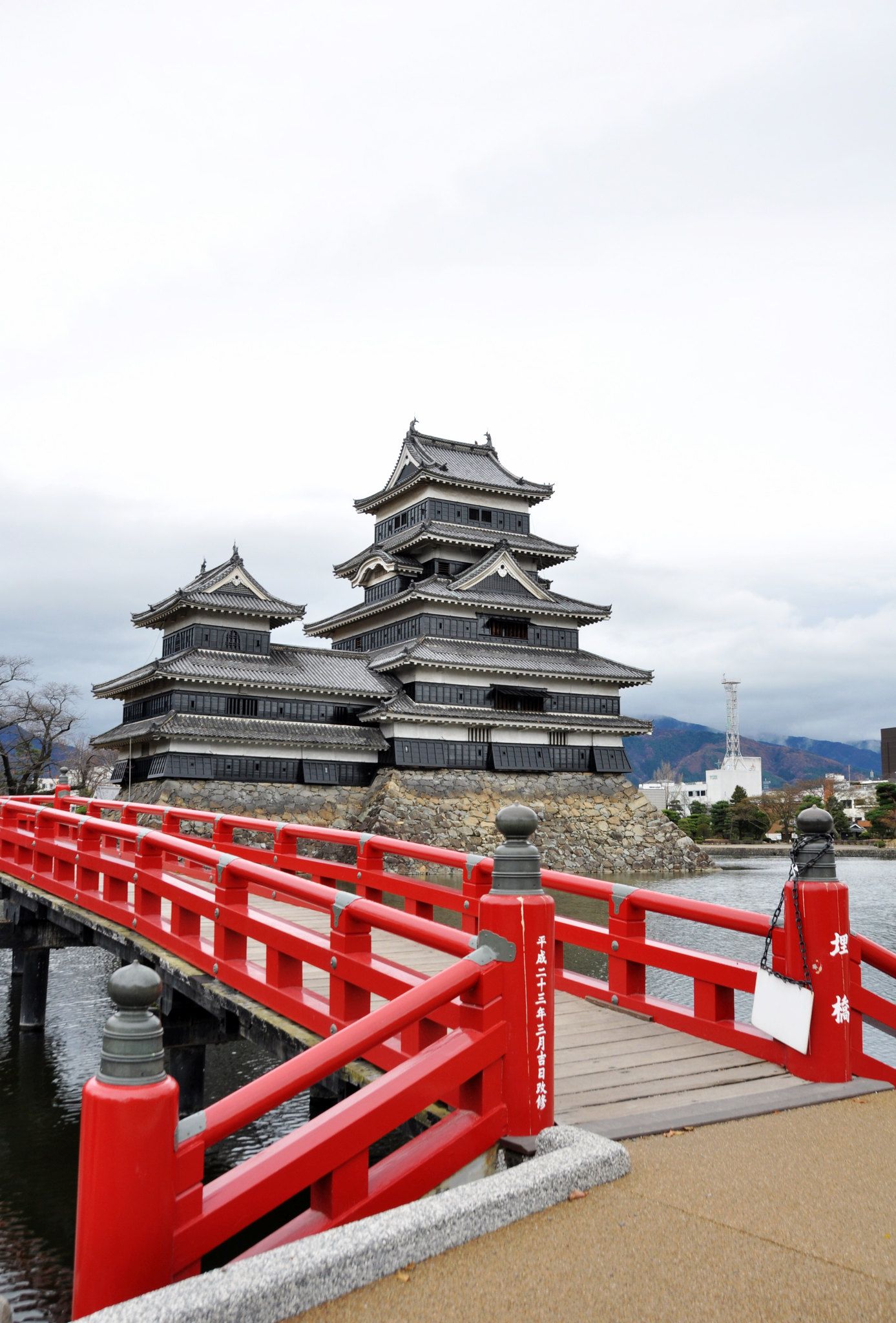
Matsumoto Castle, Nagano Prefecture



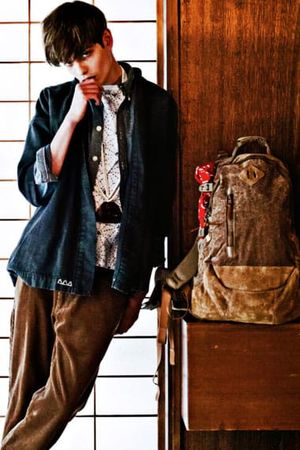
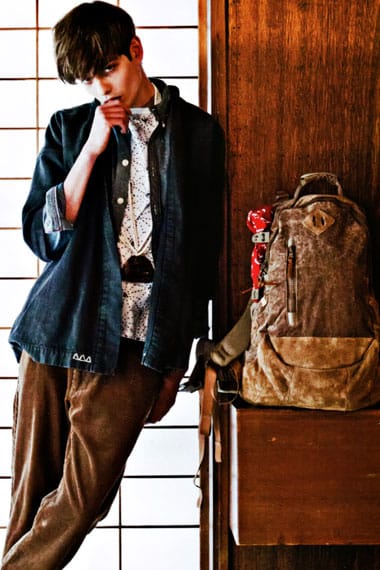
Visvim Sanjuro Kimono
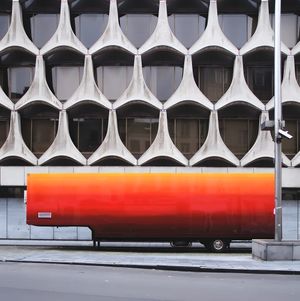
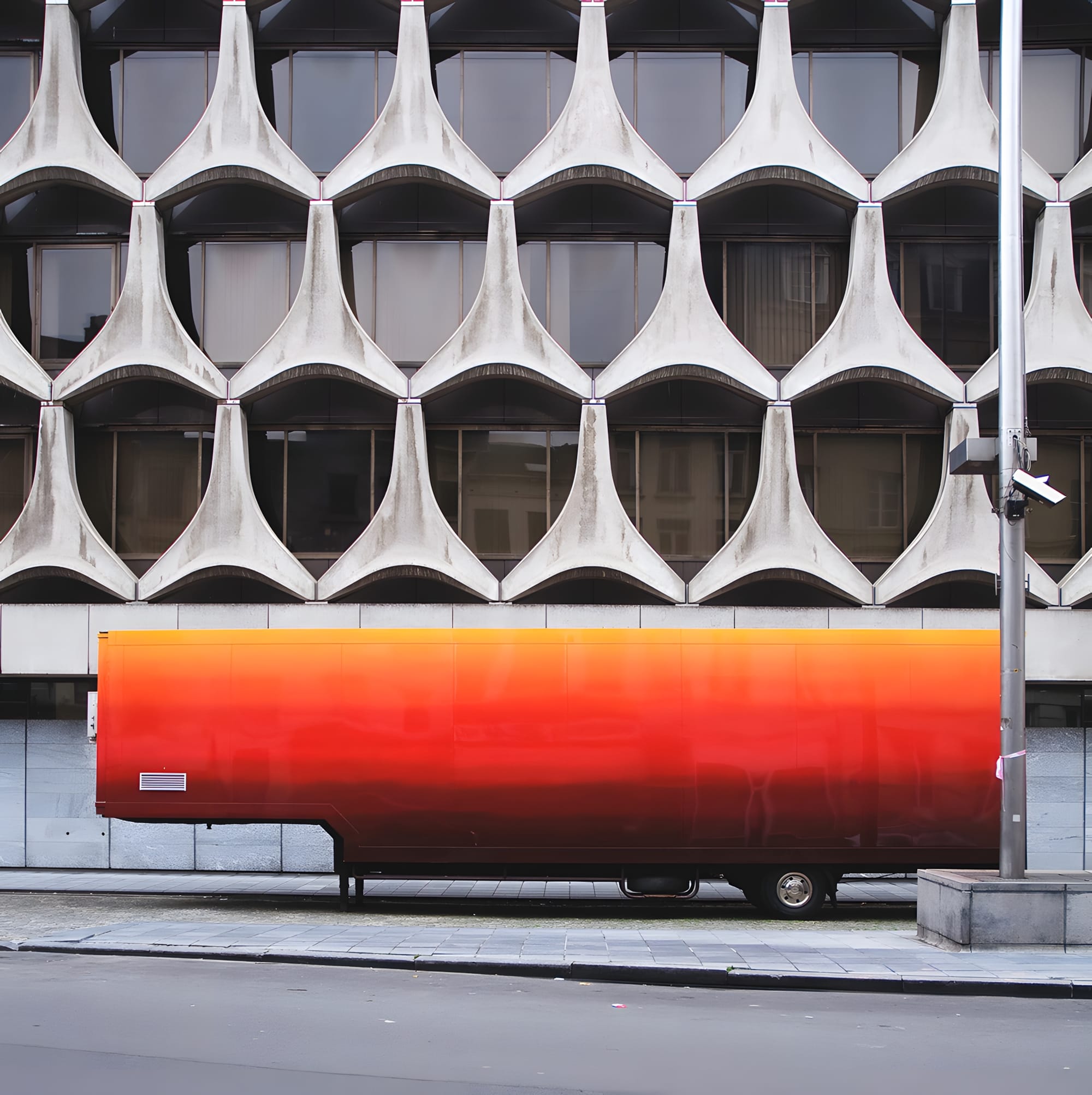
Former CGER-ASLK Building, Brussels — Marcel Lambrichs
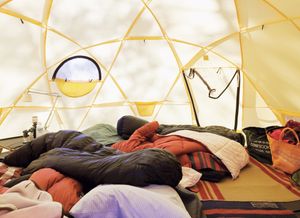
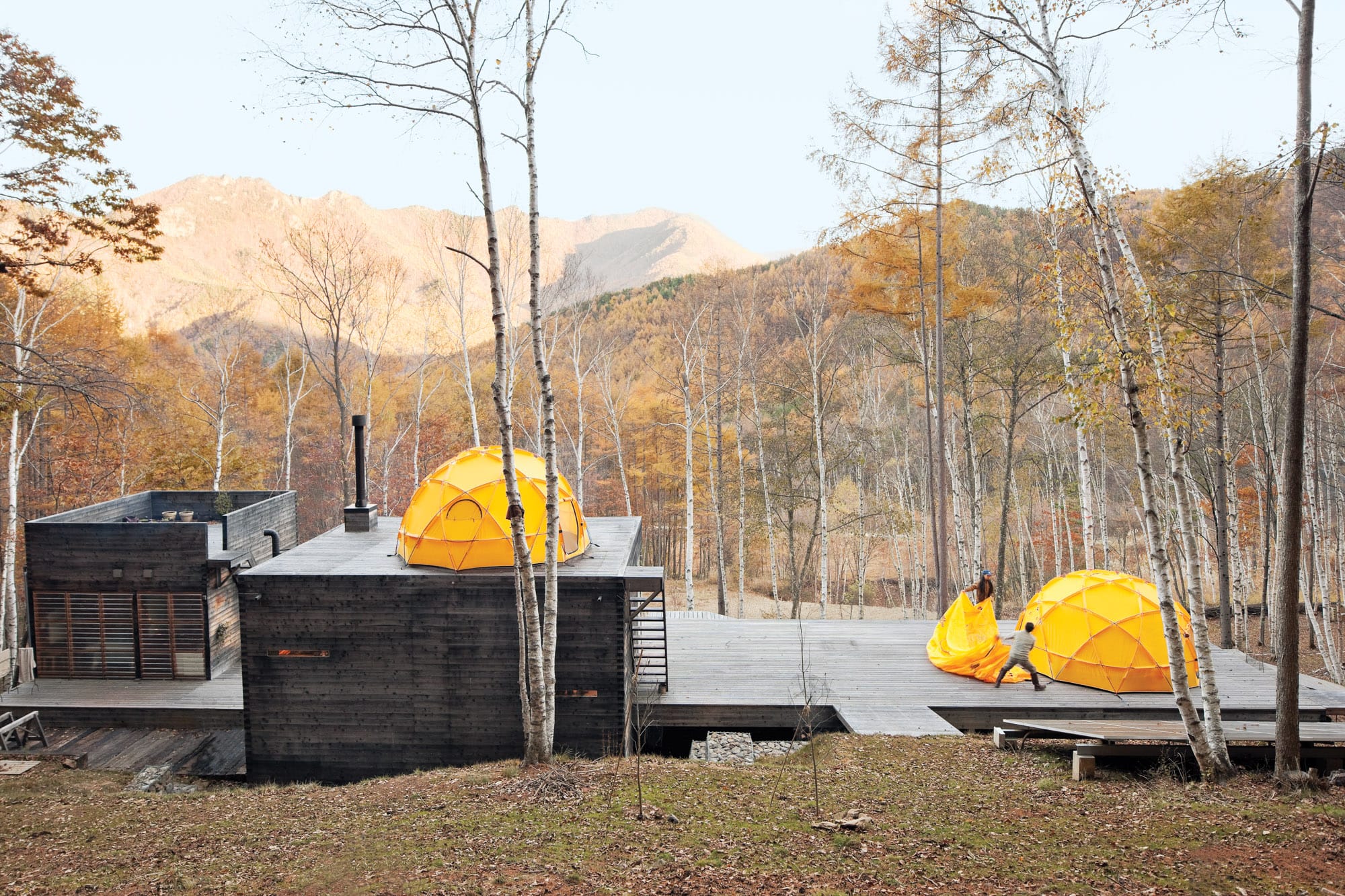
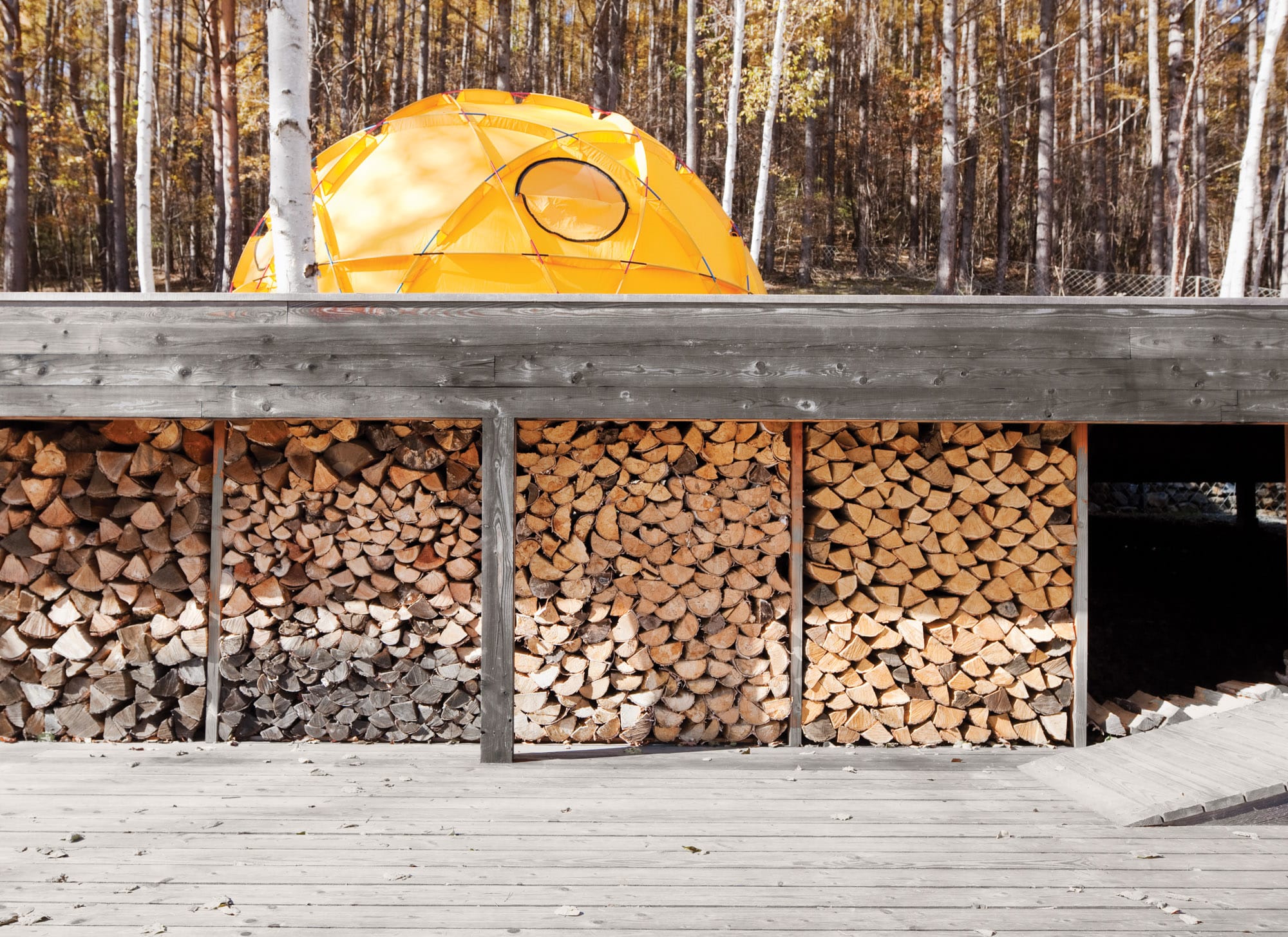
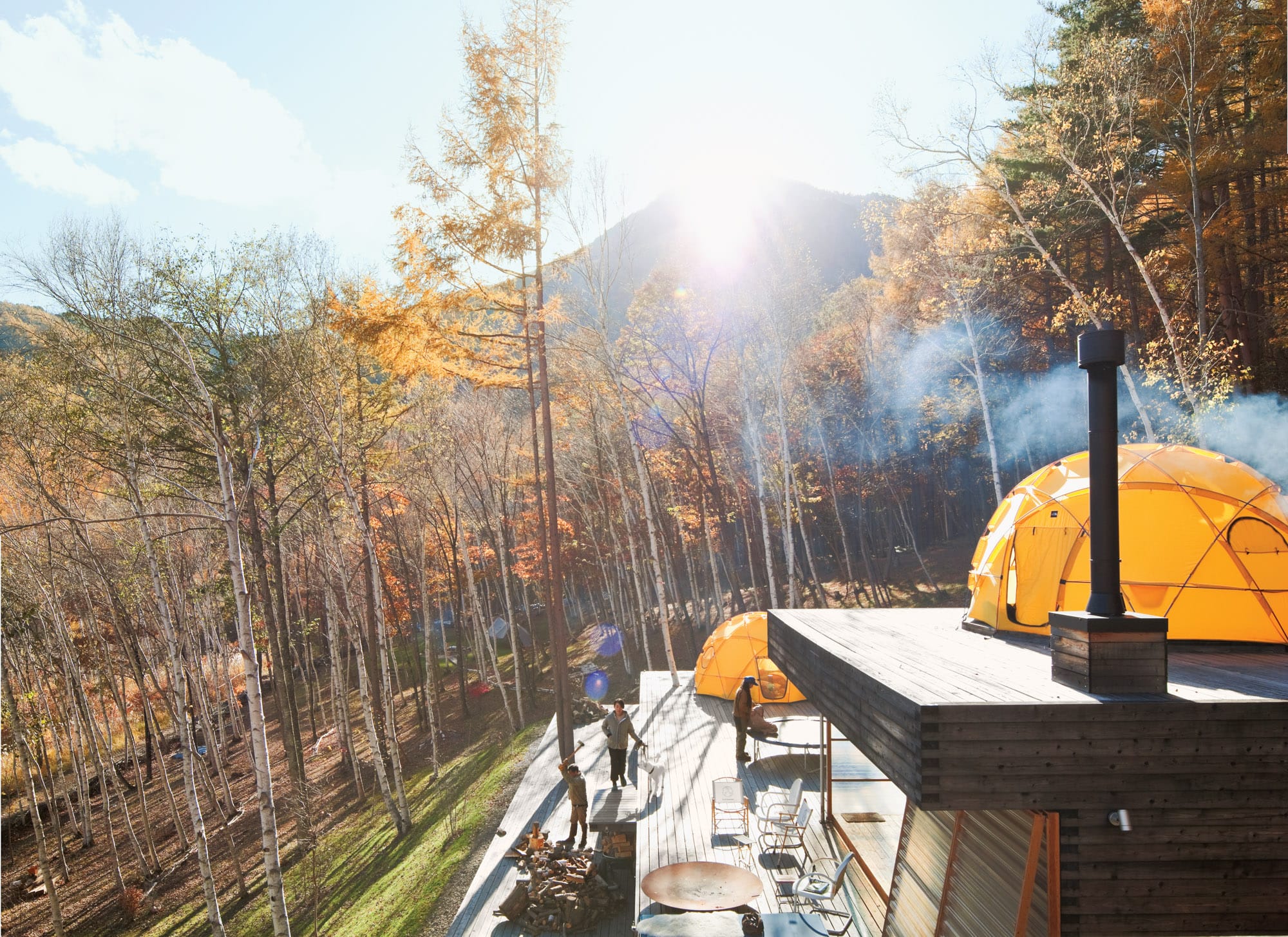
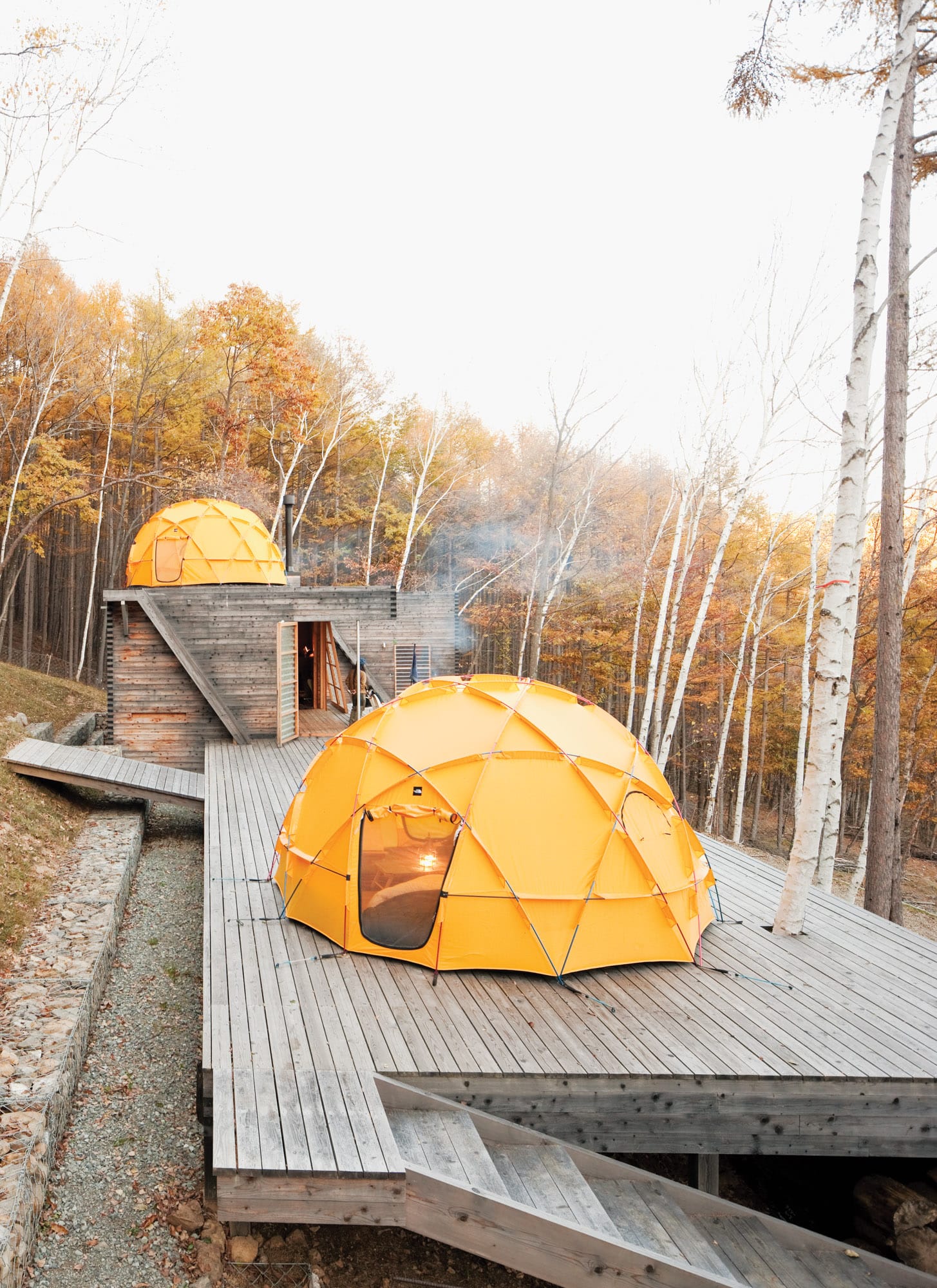
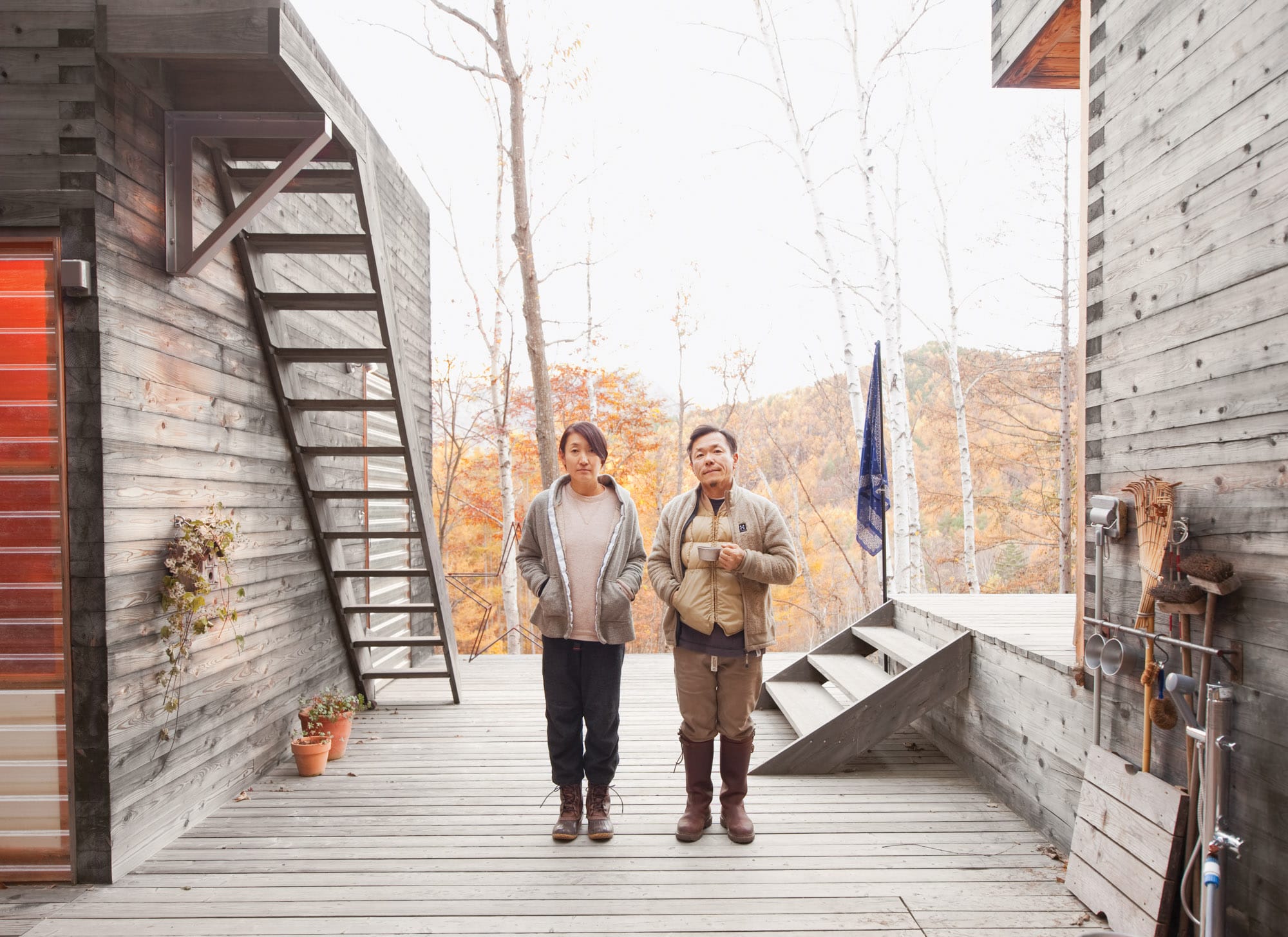
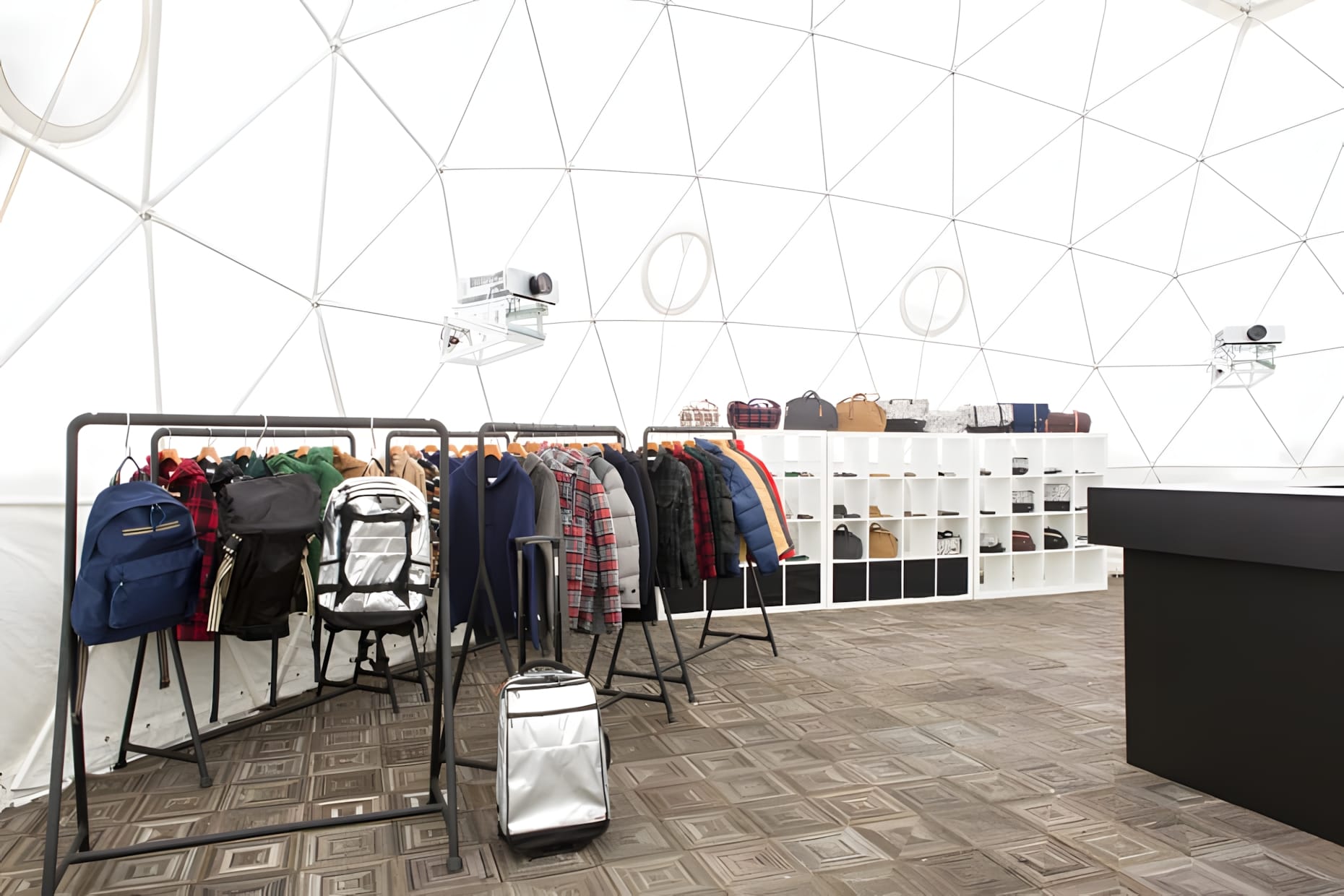
GENERAL RESEARCH OFF-SITE
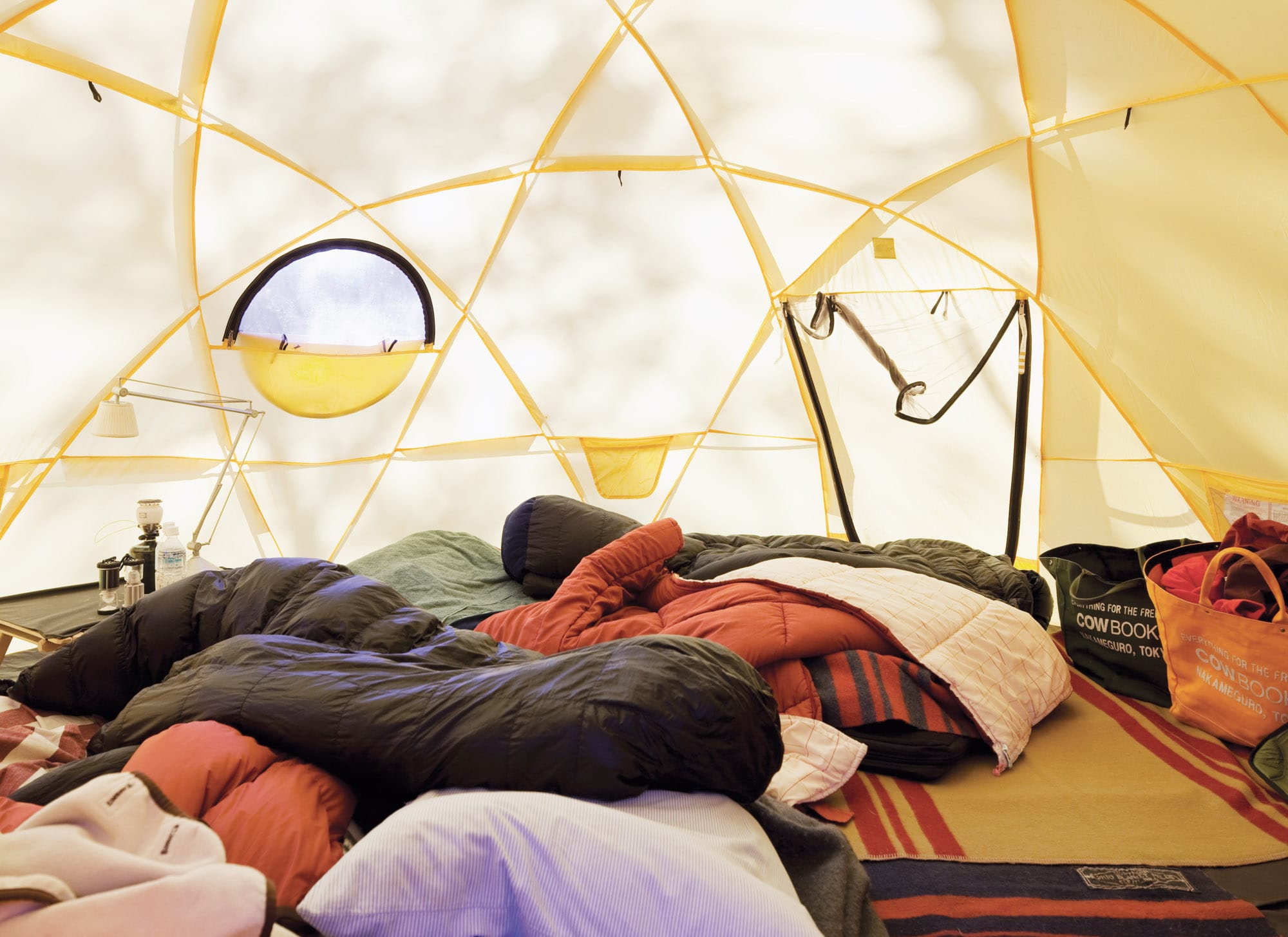
Designed by architect Shin Ohori of General Design for Setsumasa and Mami Kobayashi, founders of General Research. Located in the Chichibu mountain range northwest of Tokyo, the site serves as both a personal weekend shelter and a field-testing ground for product development.
The structure is built on an elevated platform using locally harvested larch wood and features removable walls made from fiber-reinforced plastic. It includes two yellow dome tents used as permanent sleeping areas—one placed on a secondary deck and the other on the roof of the main volume. The central enclosed space houses a kitchen and dining area.
The shelter is equipped with electricity, hot water, internet access, and basic amenities, including a clawfoot bathtub. The location is remote but accessible, allowing the Kobayashis to engage in maintenance tasks and outdoor work while still performing professional duties remotely. The architecture is intentionally simple and functional, emphasizing modularity, environmental responsiveness, and a hybrid of modernist design with primitive outdoor living elements.
The project operates as a live-in testing platform for lifestyle and gear integration in a real-world setting, merging domestic space with performance wear prototyping. It represents an approach to architecture and living that prioritizes adaptability, utility, and a direct relationship with the natural environment.
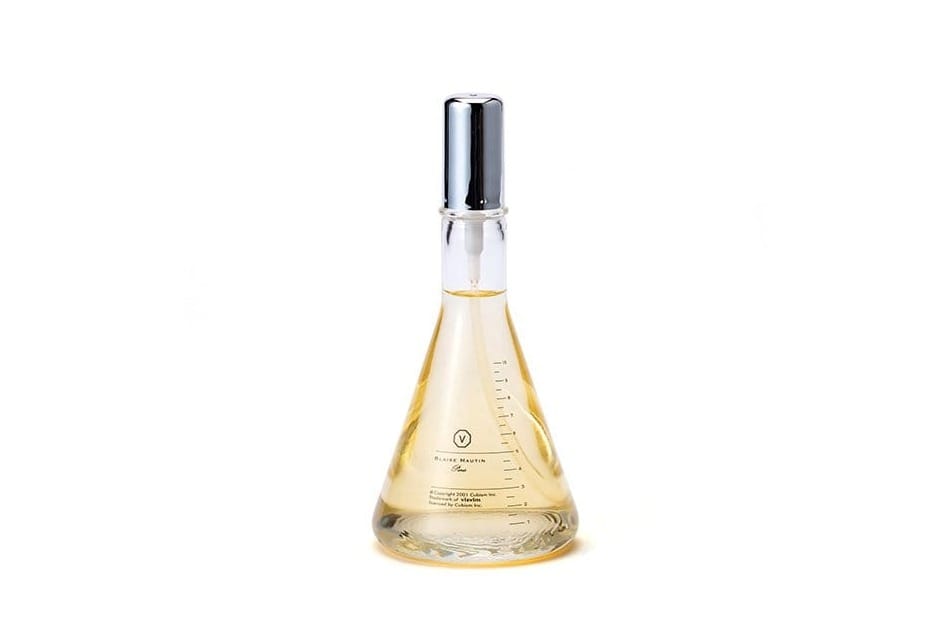
Visvim 2012 Subsection Series
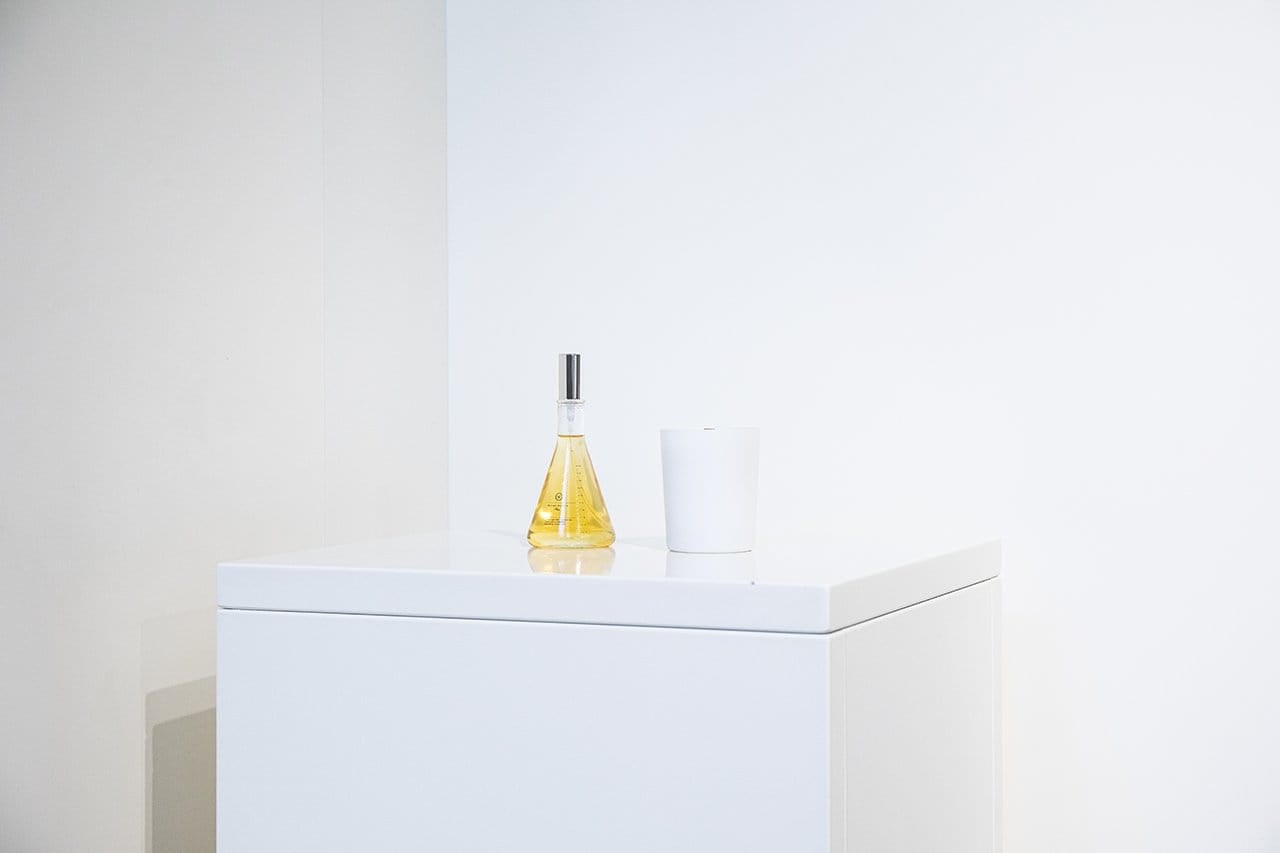
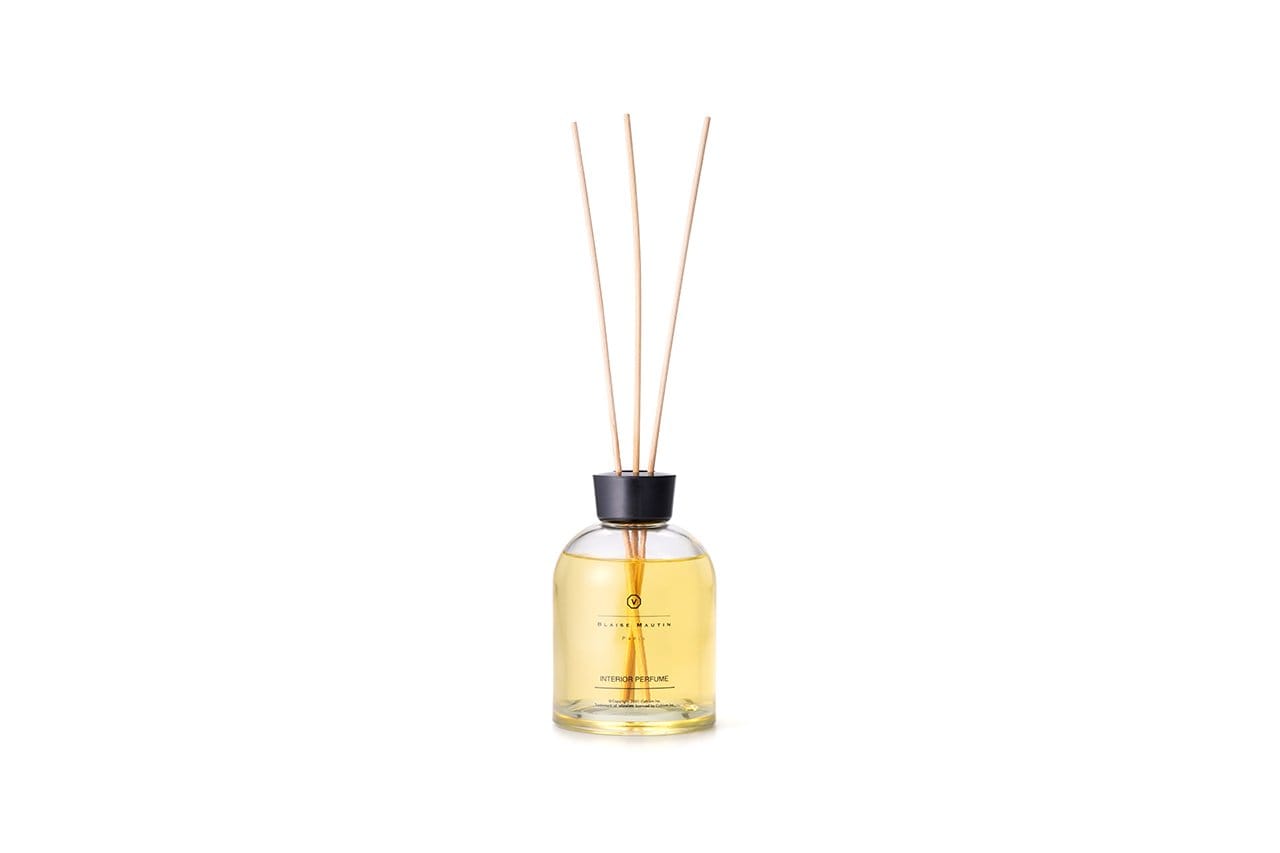
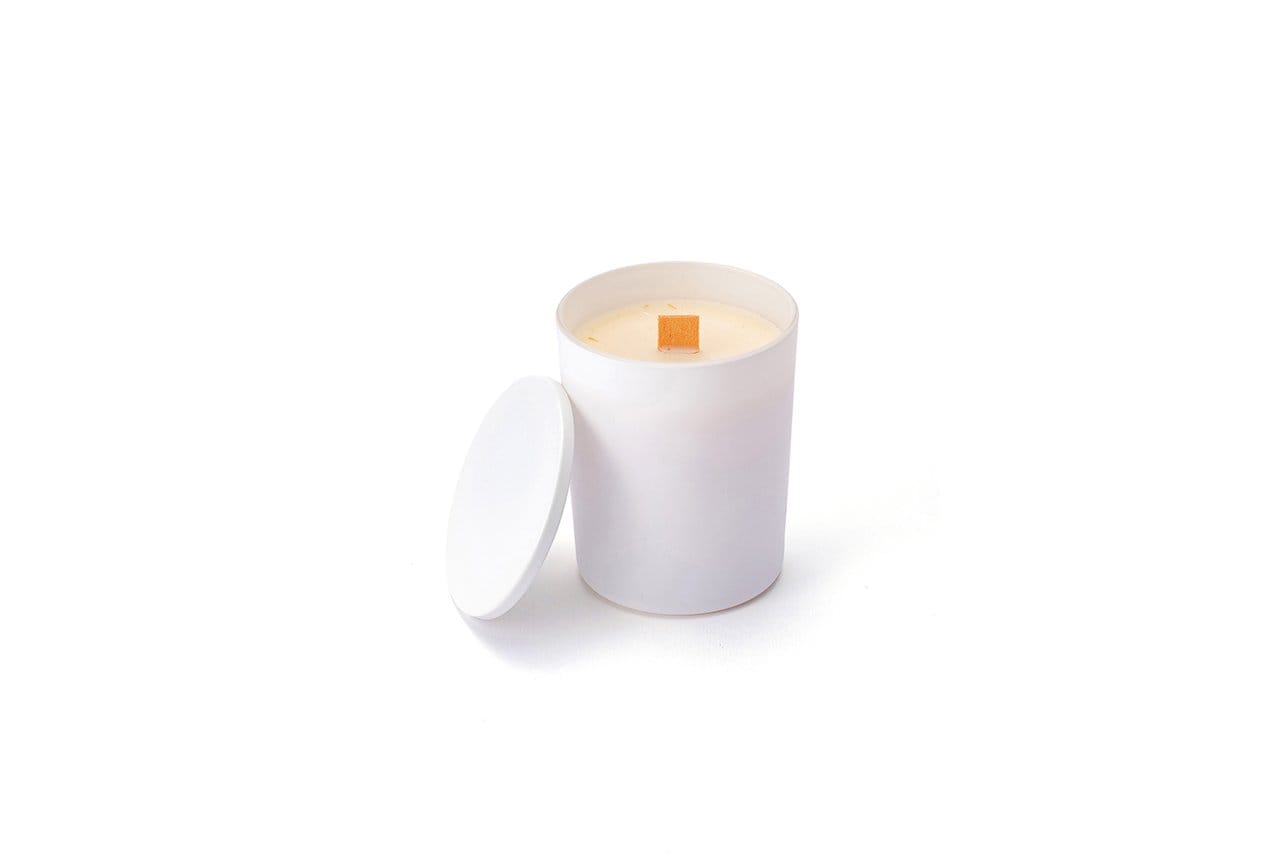
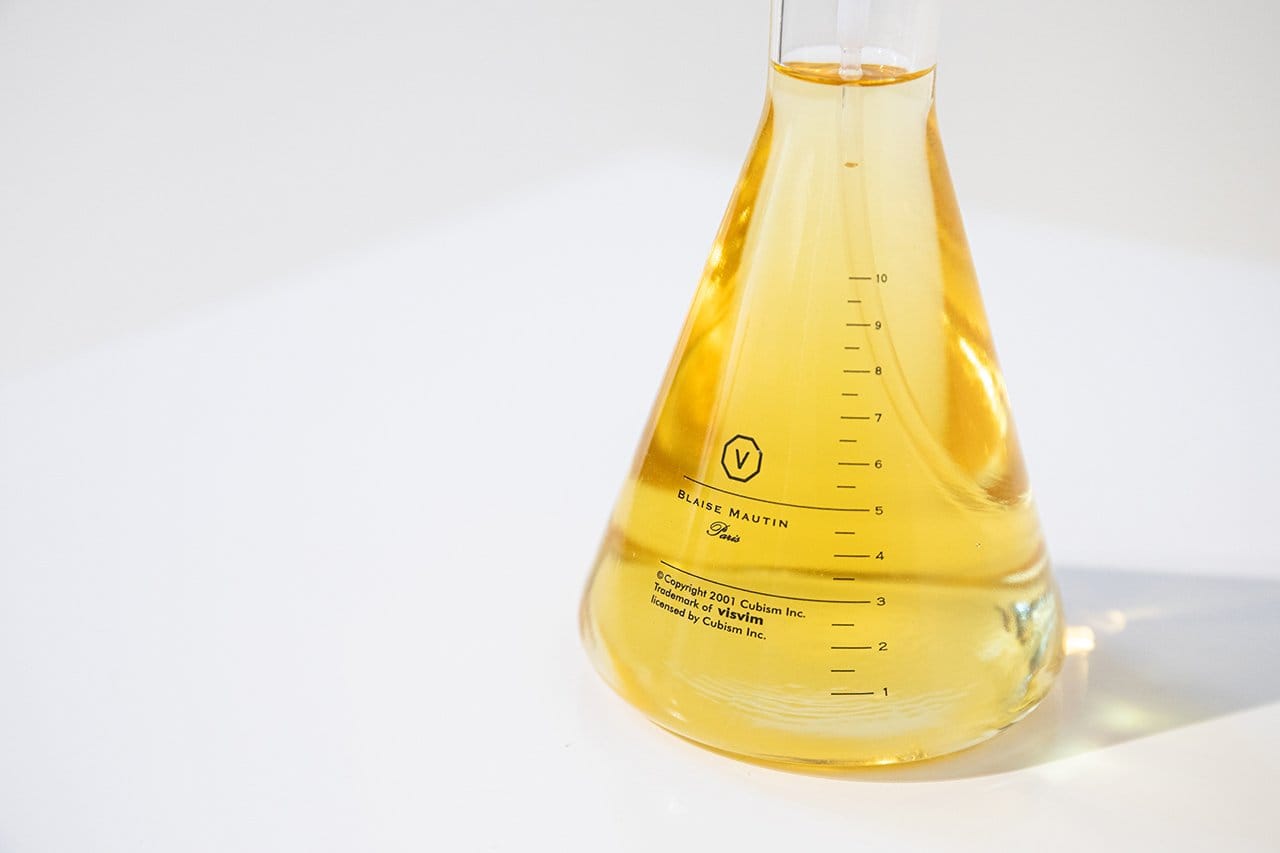
The SUBSECTION SERIES is a fragrance collection by Visvim, inspired by founder Hiroki Nakamura’s encounter with French fragrance designer Blaise Mautin over 20 years ago. The series includes candles, room sprays, and diffusers, each available in various scents. Notable fragrances are NO.1 F.I.L., a blend featuring patchouli and sandalwood, and NO.7 KYOTO, inspired by a morning visit to Kyoto’s Sanjusangendo temple.
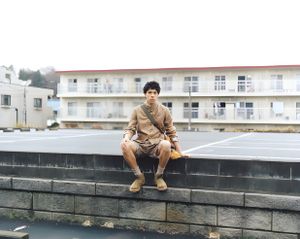
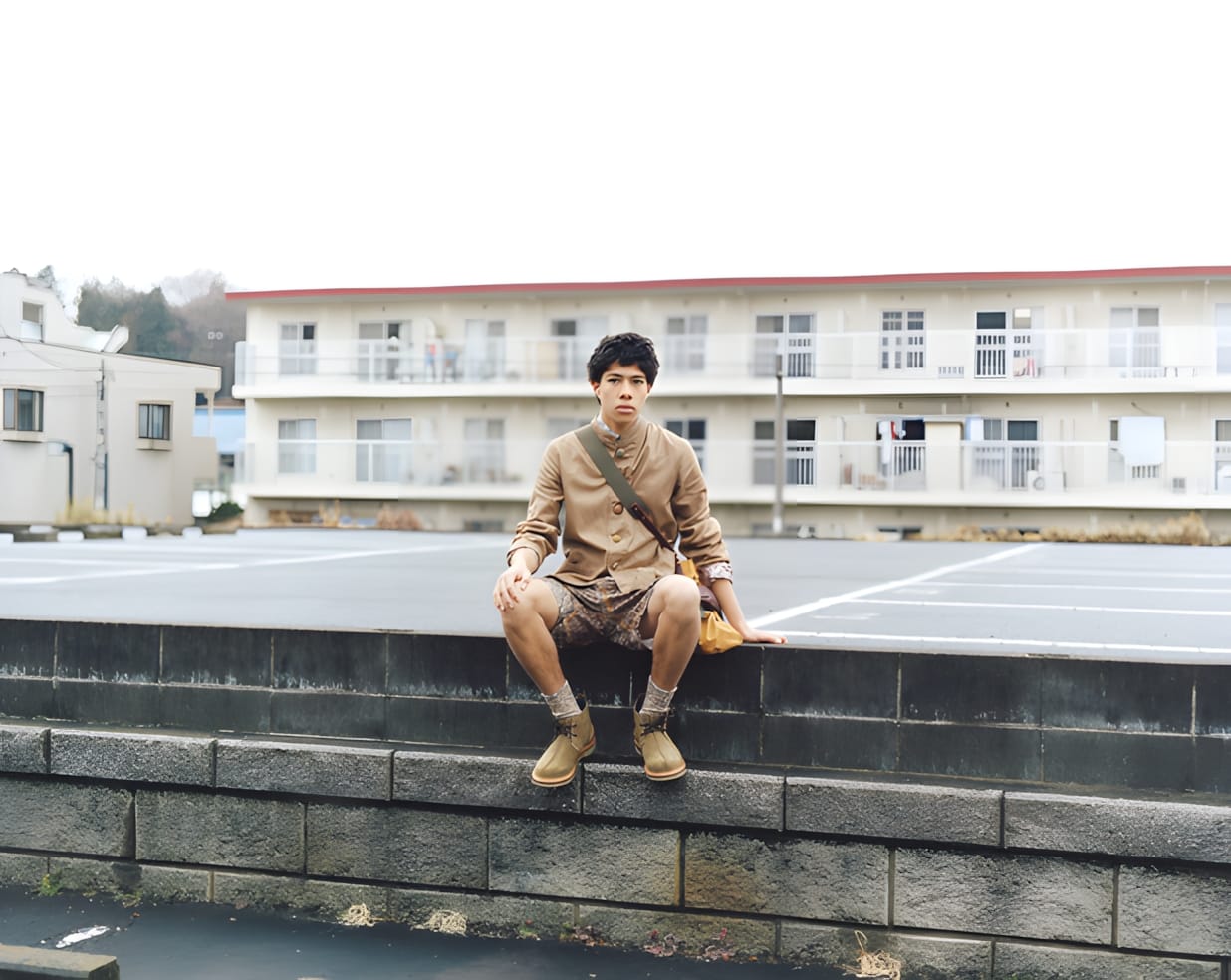
A Story of Yonosuke (2013) — Shuichi Okita
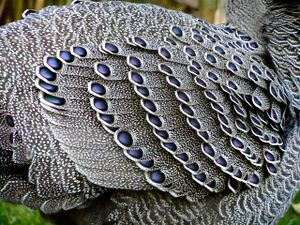
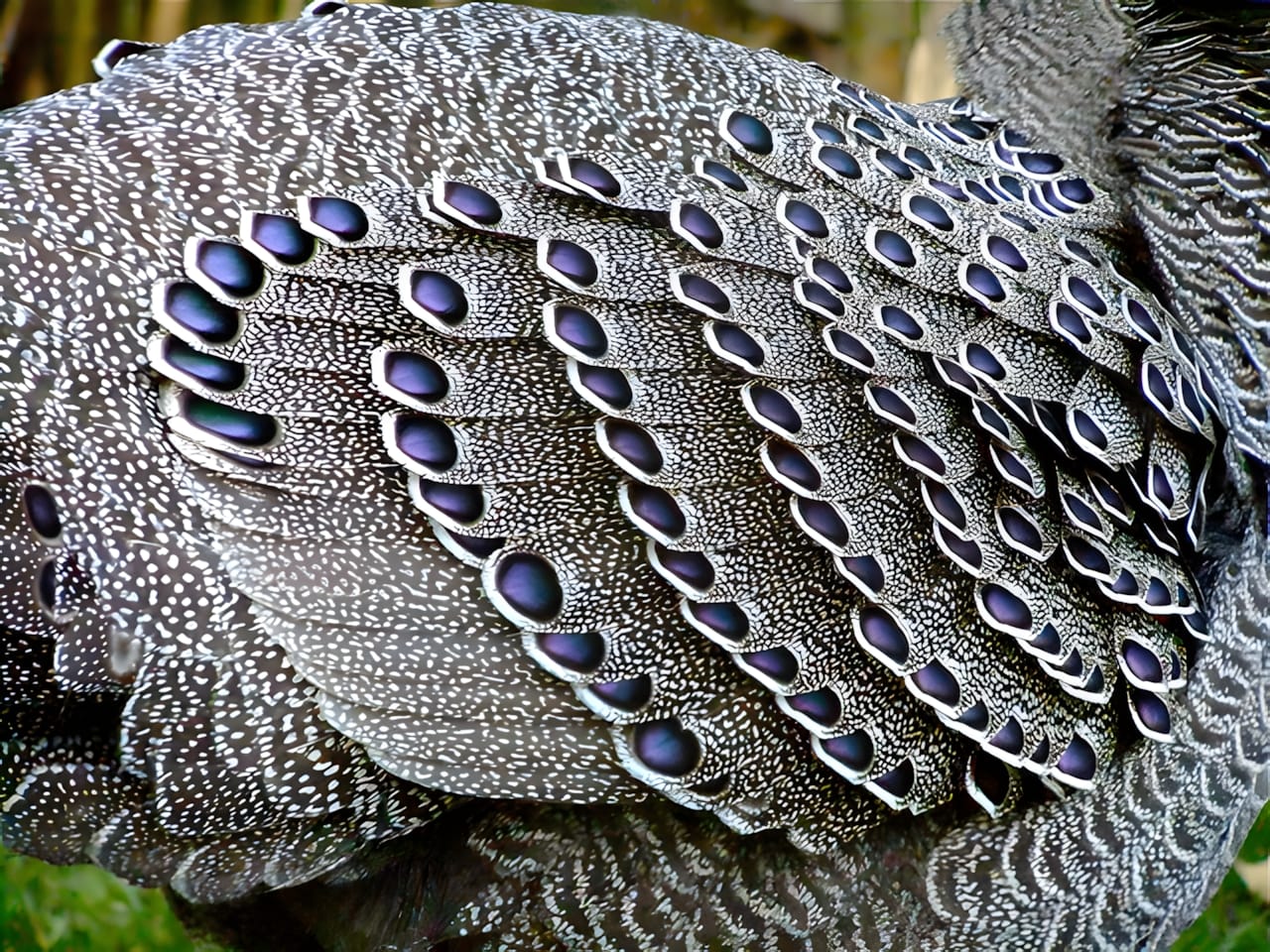
Grey Peacock-Pheasant Plumage — Iridescent Ocelli Detail
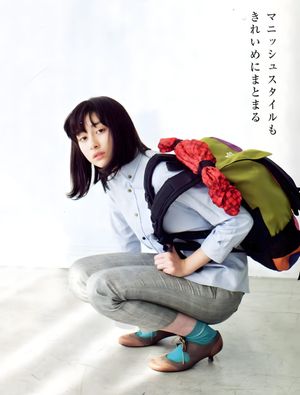
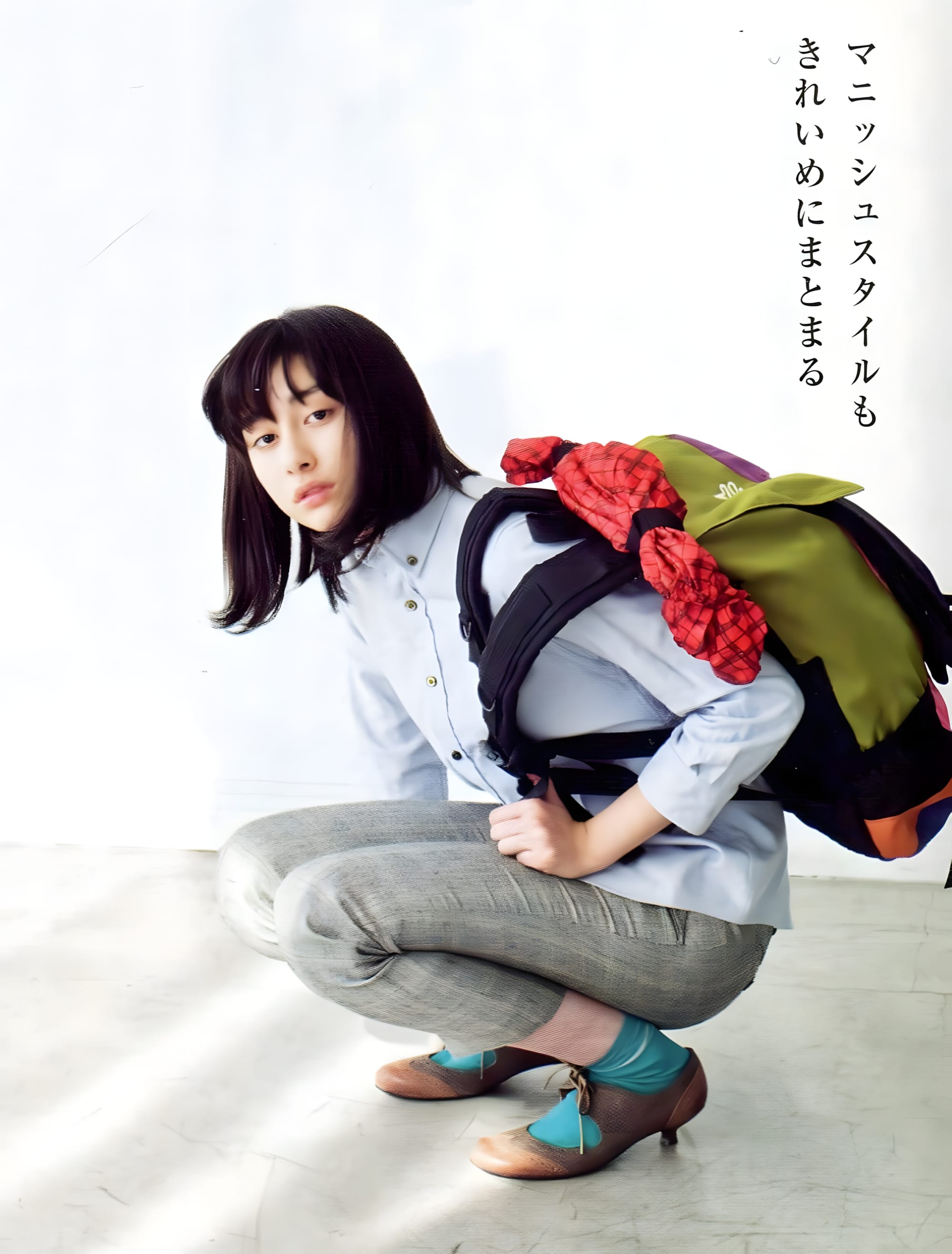
Akari Hayami — Japanese Fashion Magazine Editorial

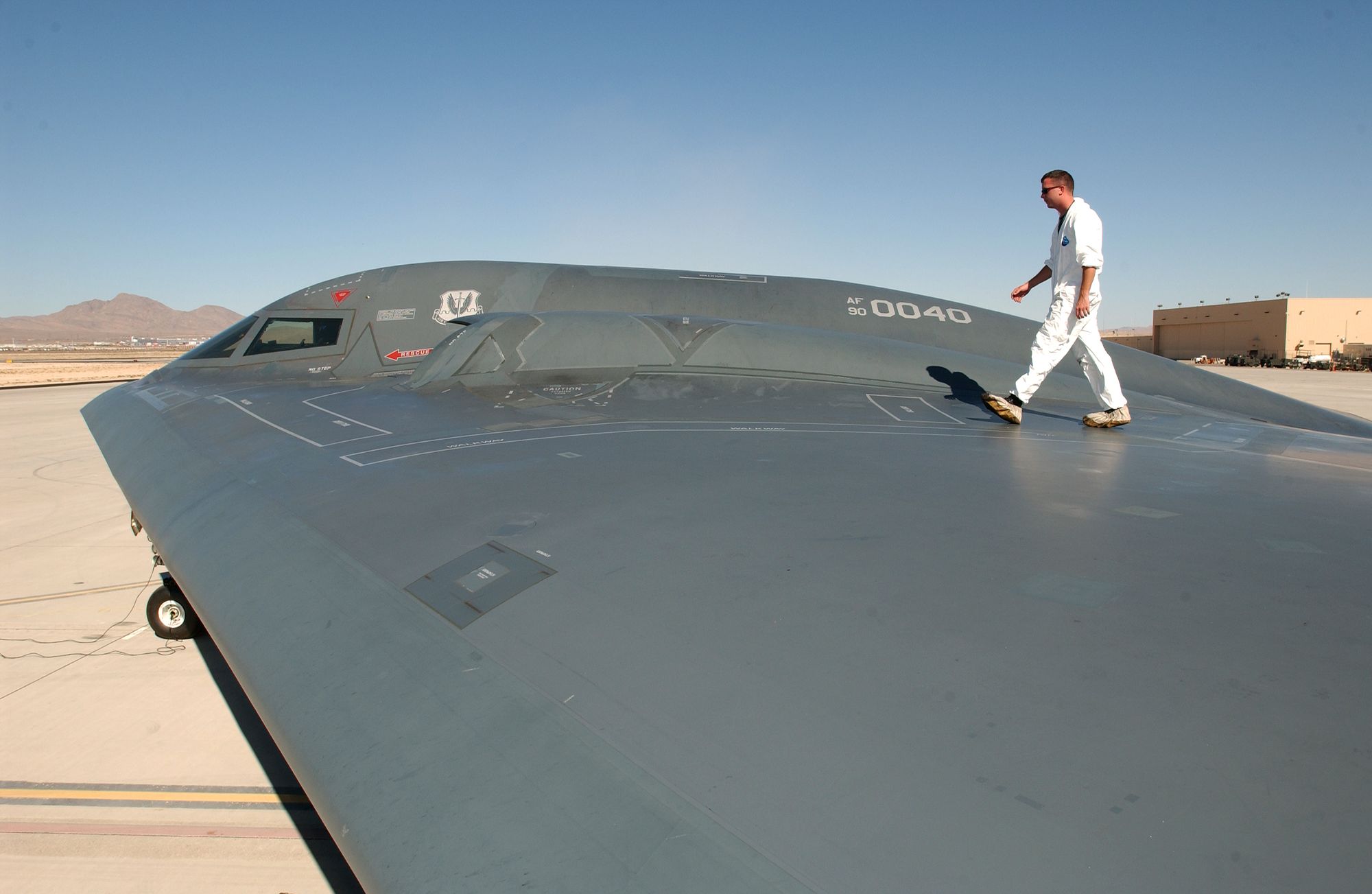
Dassault nEUROn — European Stealth UCAV Demonstrator
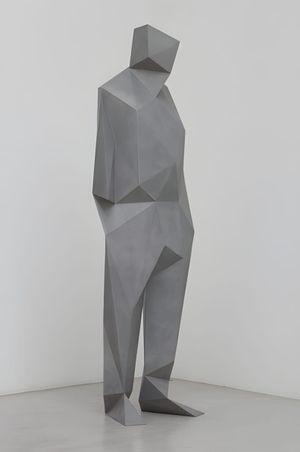
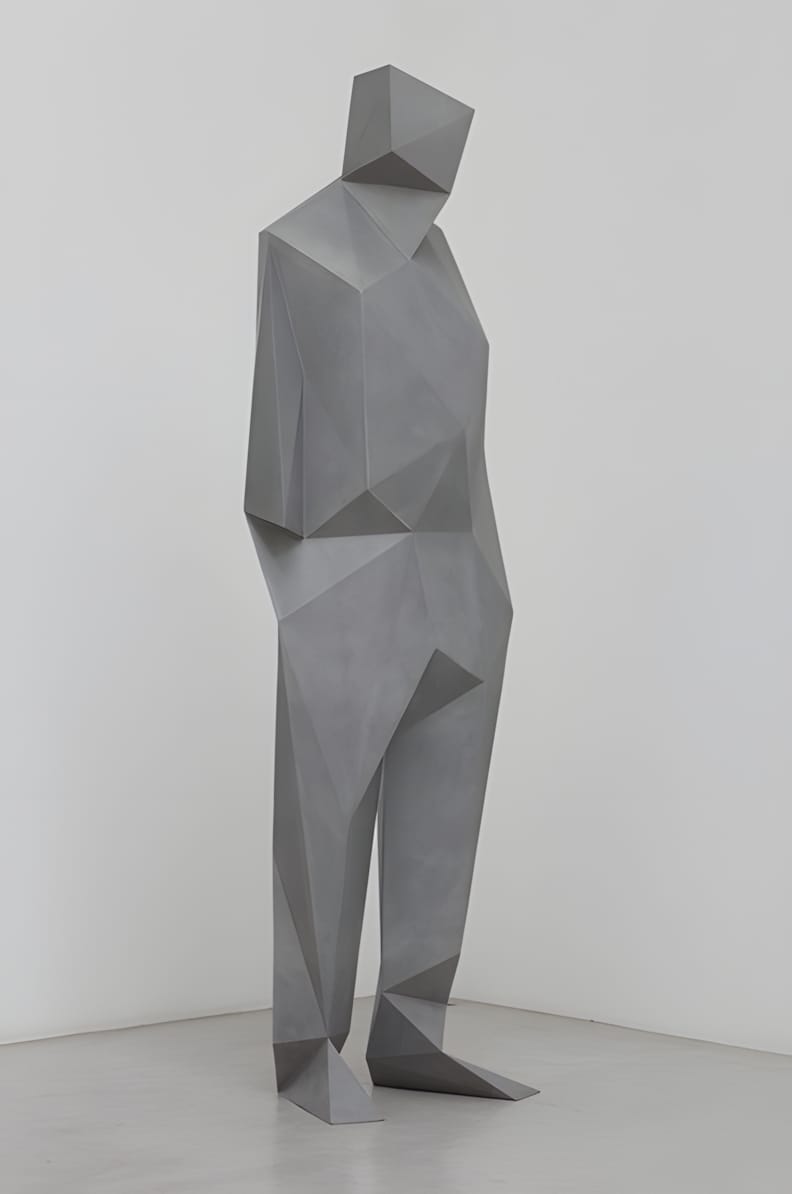
Xavier Veilhan Faceted Figure Sculpture
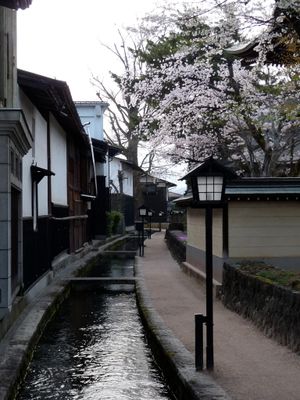
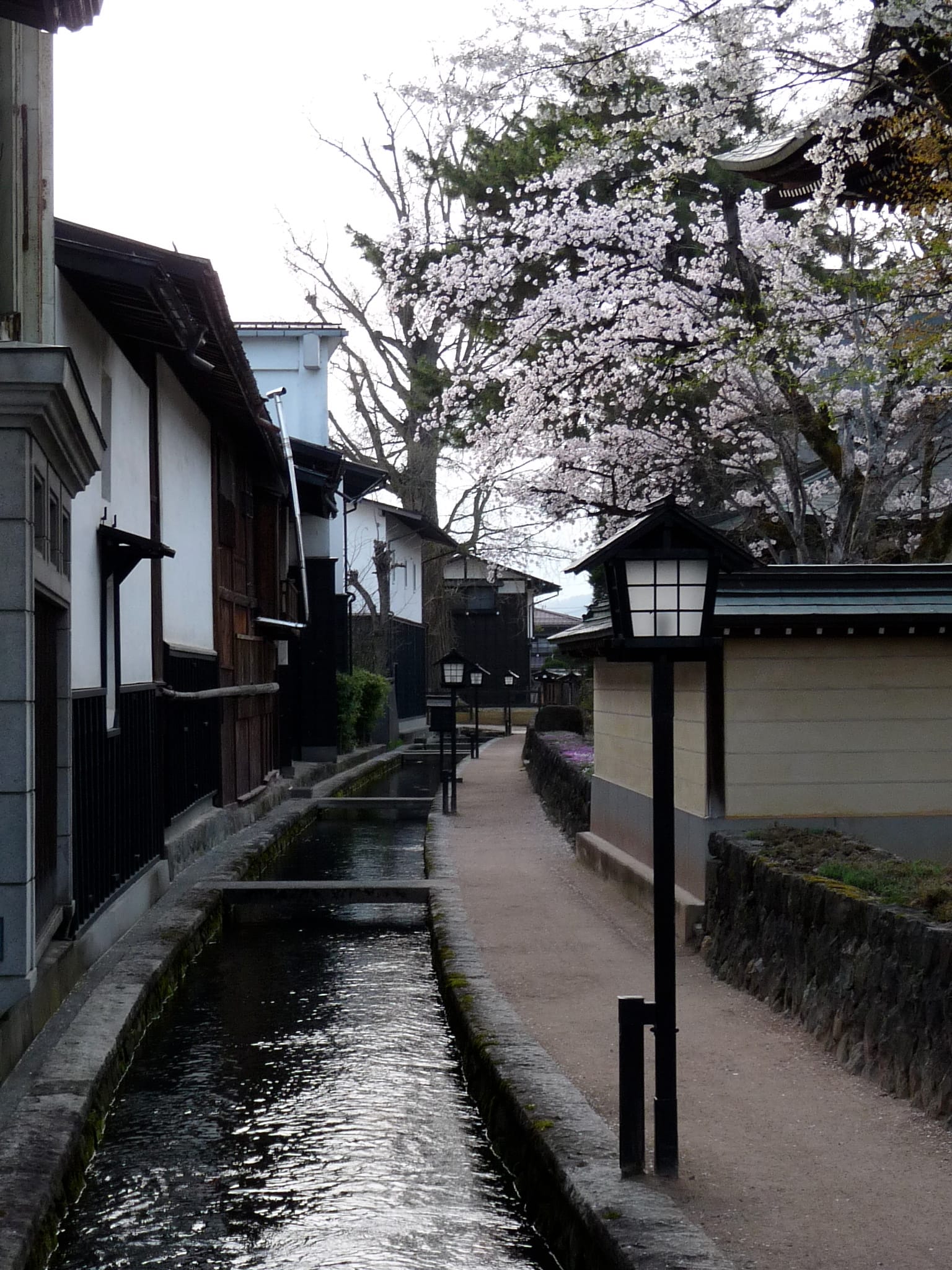
Hida-Furukawa (飛騨古川) — Dan
Dan's Hida-Furukawa (飛騨古川) follows the Seto River canal through the preserved old town of Furukawa in Hida City, Gifu Prefecture. The photograph was taken on April 15, 2009.

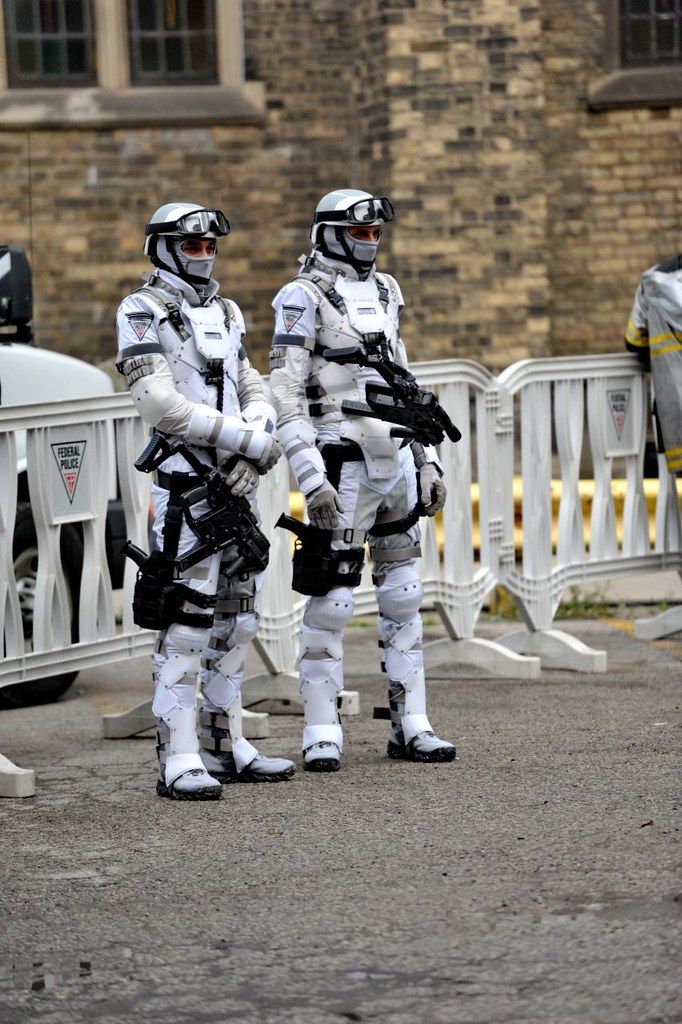
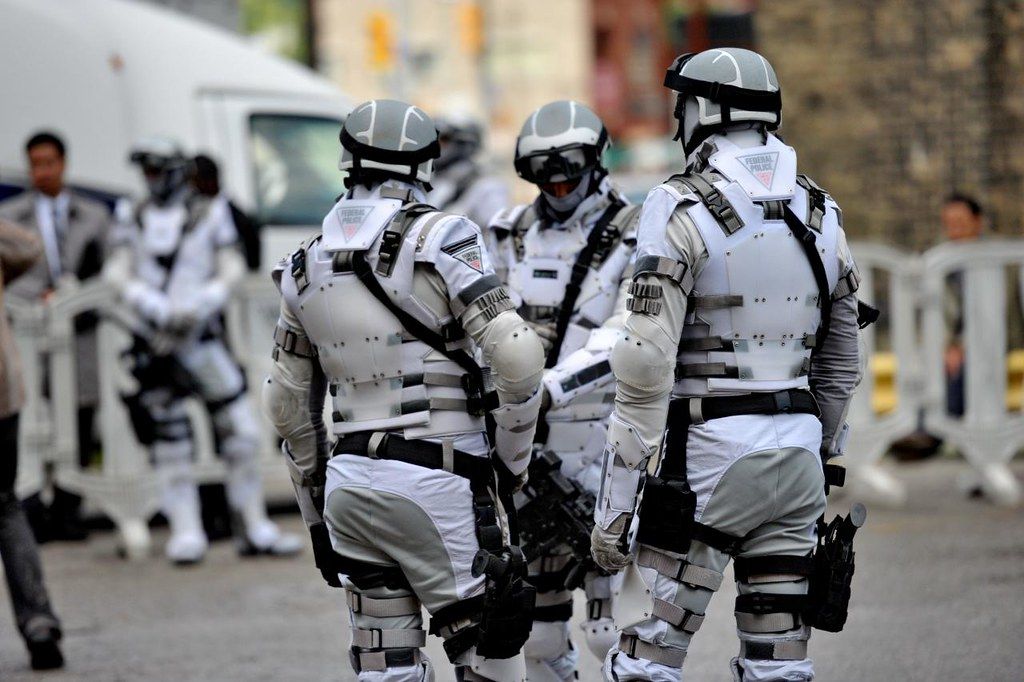
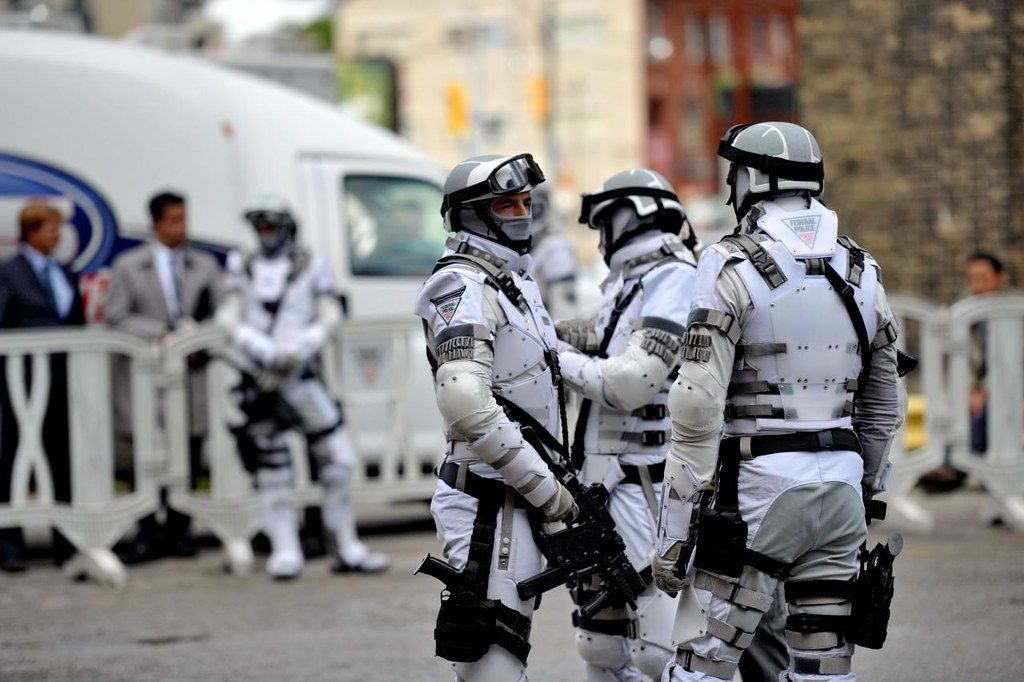
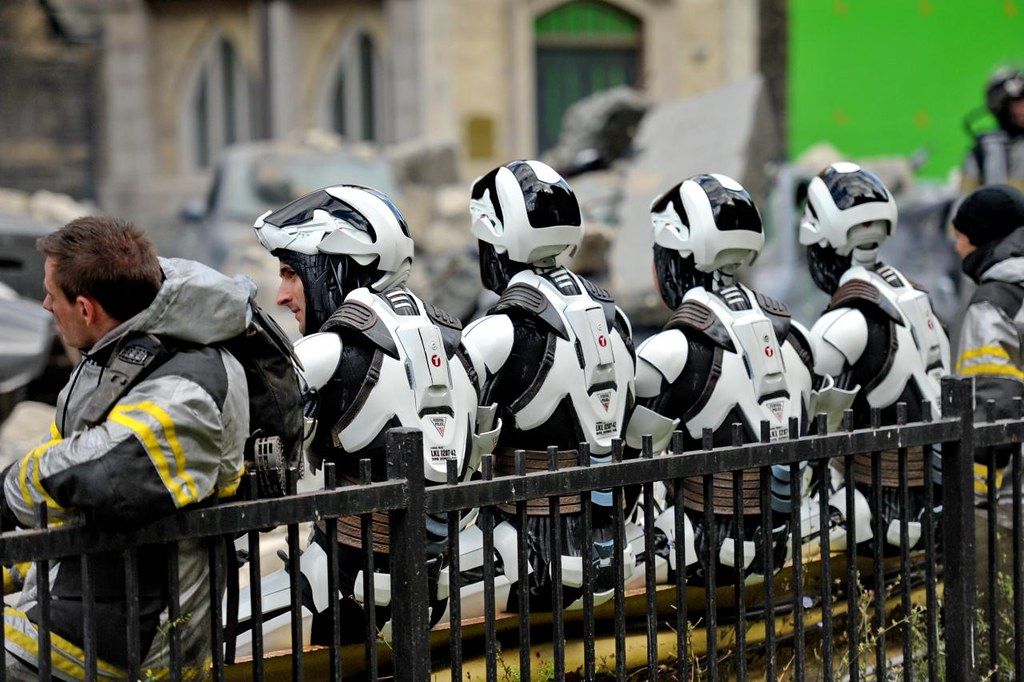
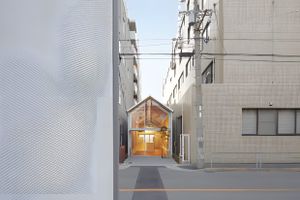
Ogimachi Global Dispensing Pharmacy — ninkipen! + TKY Japan
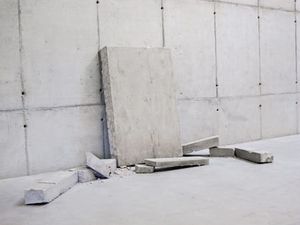
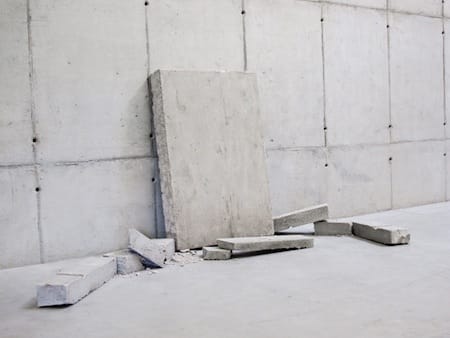
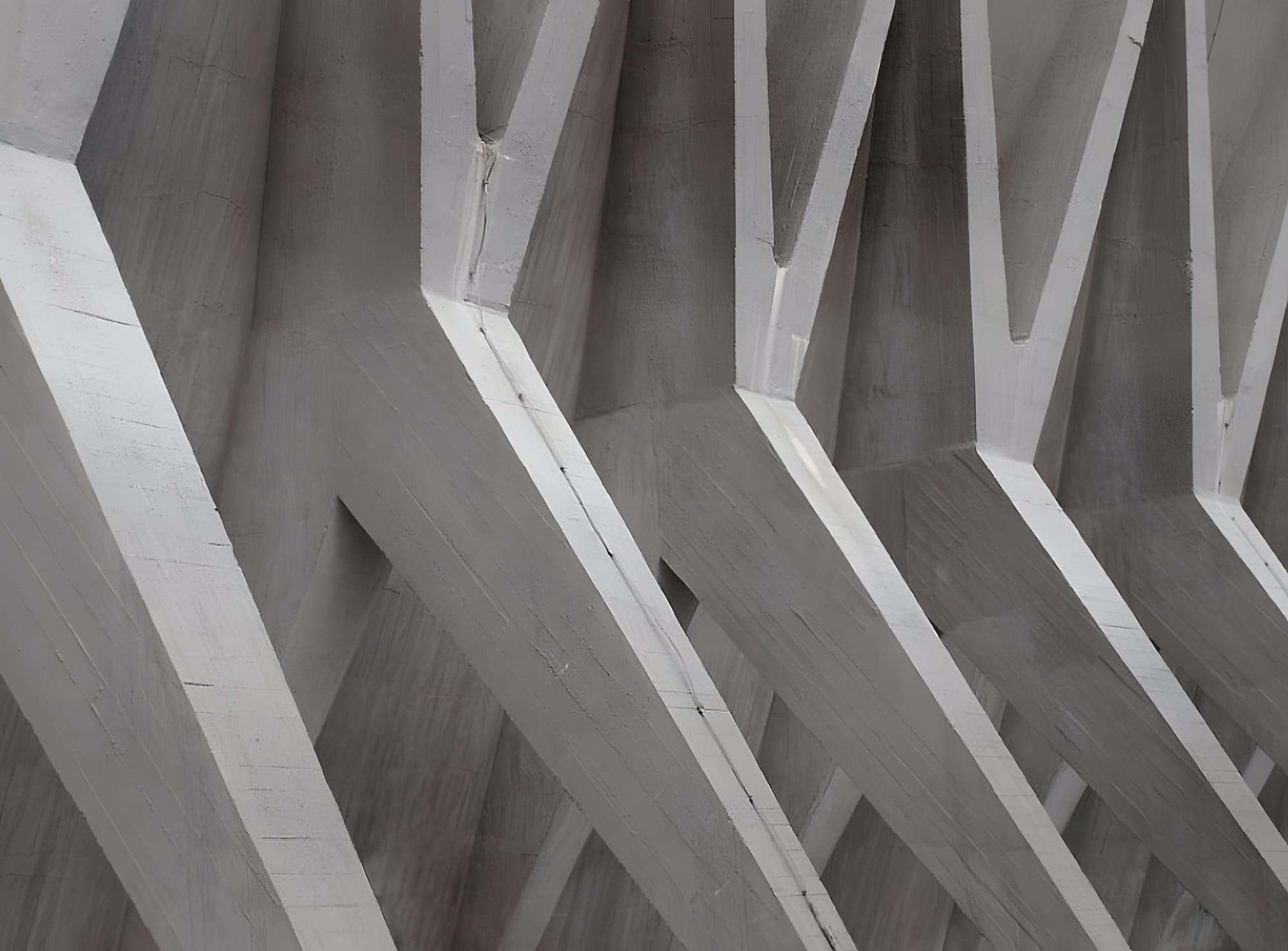
Precast Concrete Slab — Texture Study
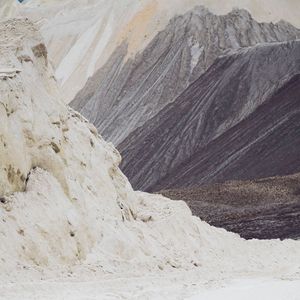
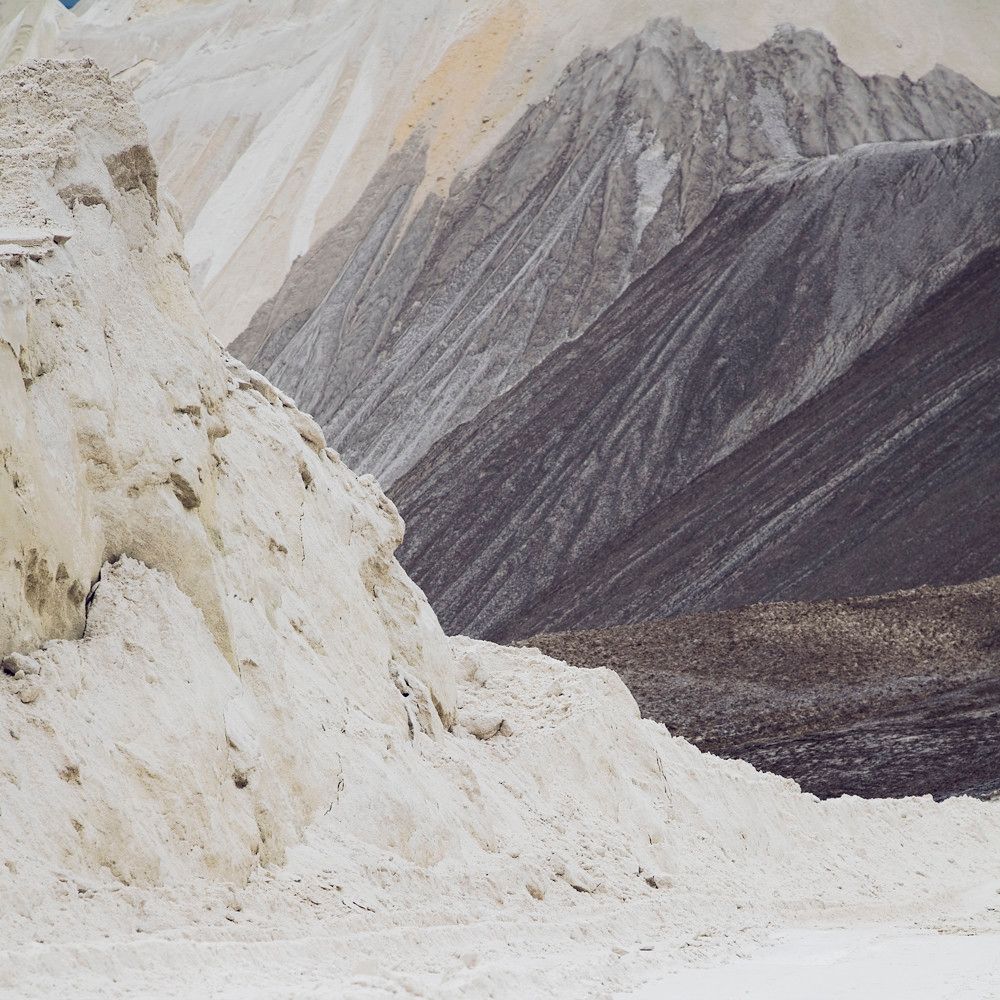
Mineral Ridges — Matthias Heiderich
Matthias Heiderich's landscape study contrasts pale eroded mineral formations with steep charcoal-grey ridges. The photograph was taken on April 29, 2012.
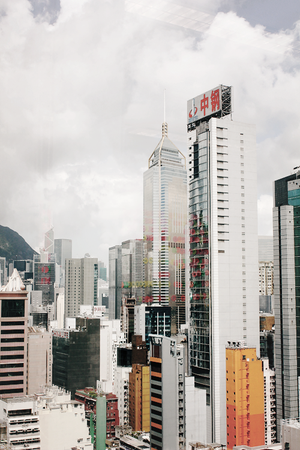
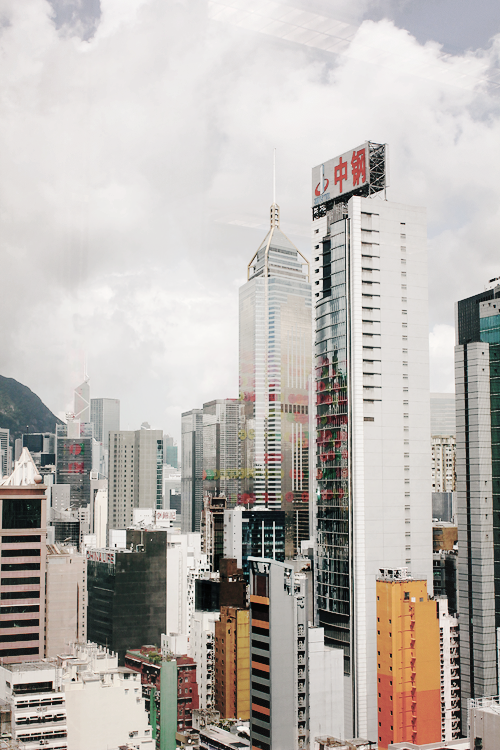
View from the Office — Hong Kong by ingu
ingu's View from the Office looks across Hong Kong's Causeway Bay skyline toward Central Plaza. The Flickr description dates the scene to August 2011.
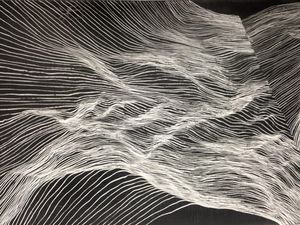
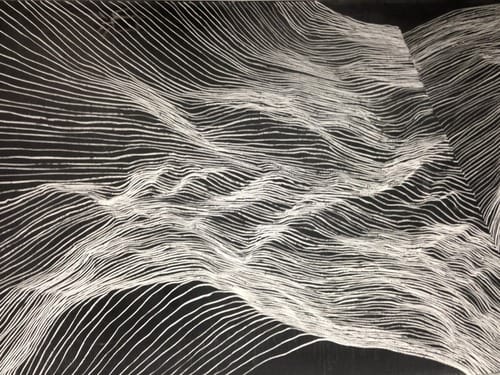
Kevin Townsend Temporary Drawings
A work from Kevin Townsend's Temporary Drawings: large chalk drawings built up on walls and floors as fields of repeated marks, then erased.
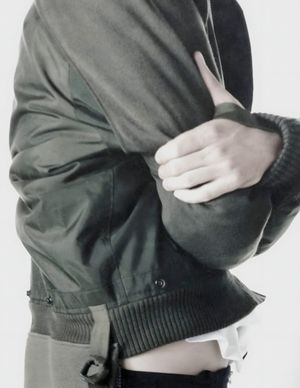
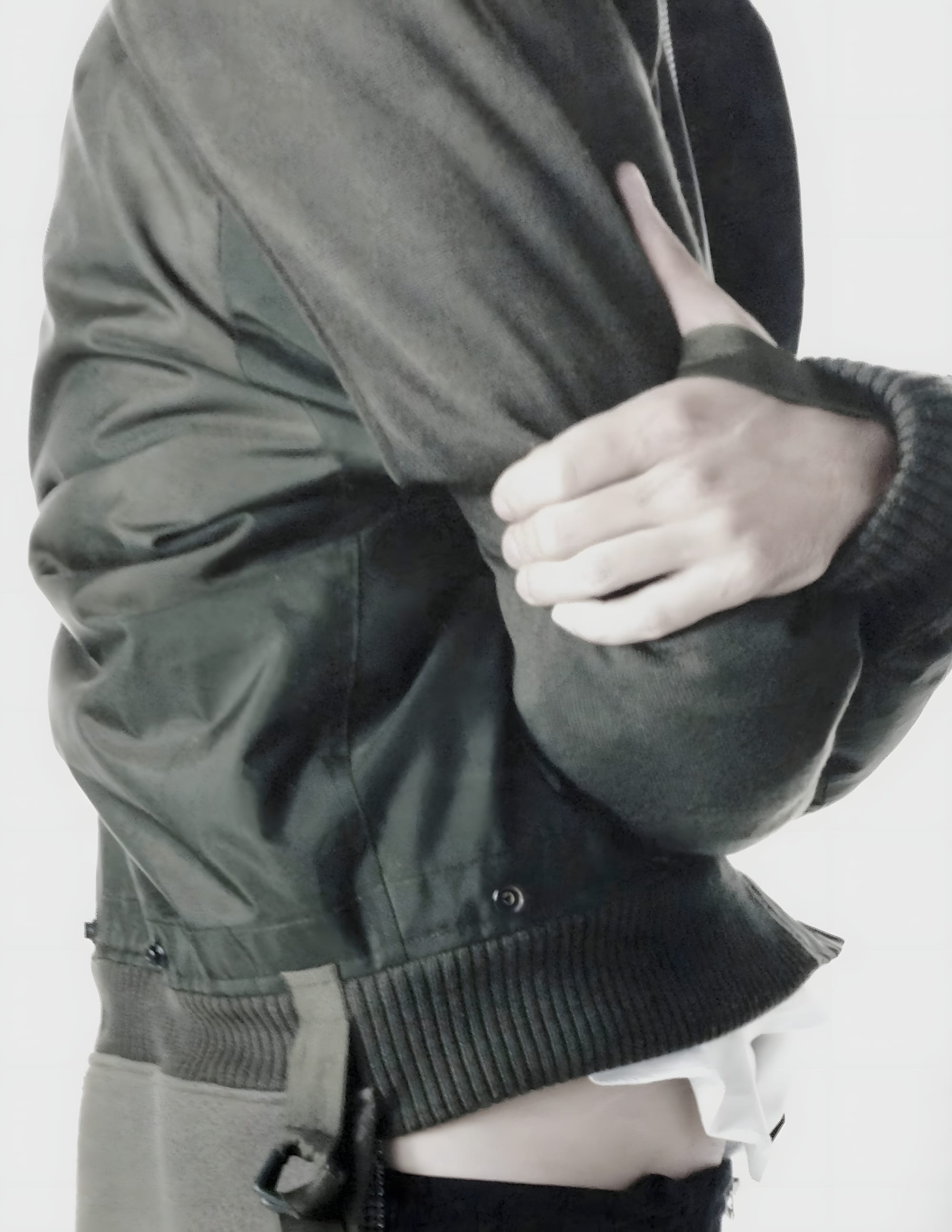
Nonnative Wrecking Walls FW2013 Bomber Jacket
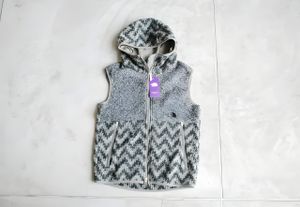
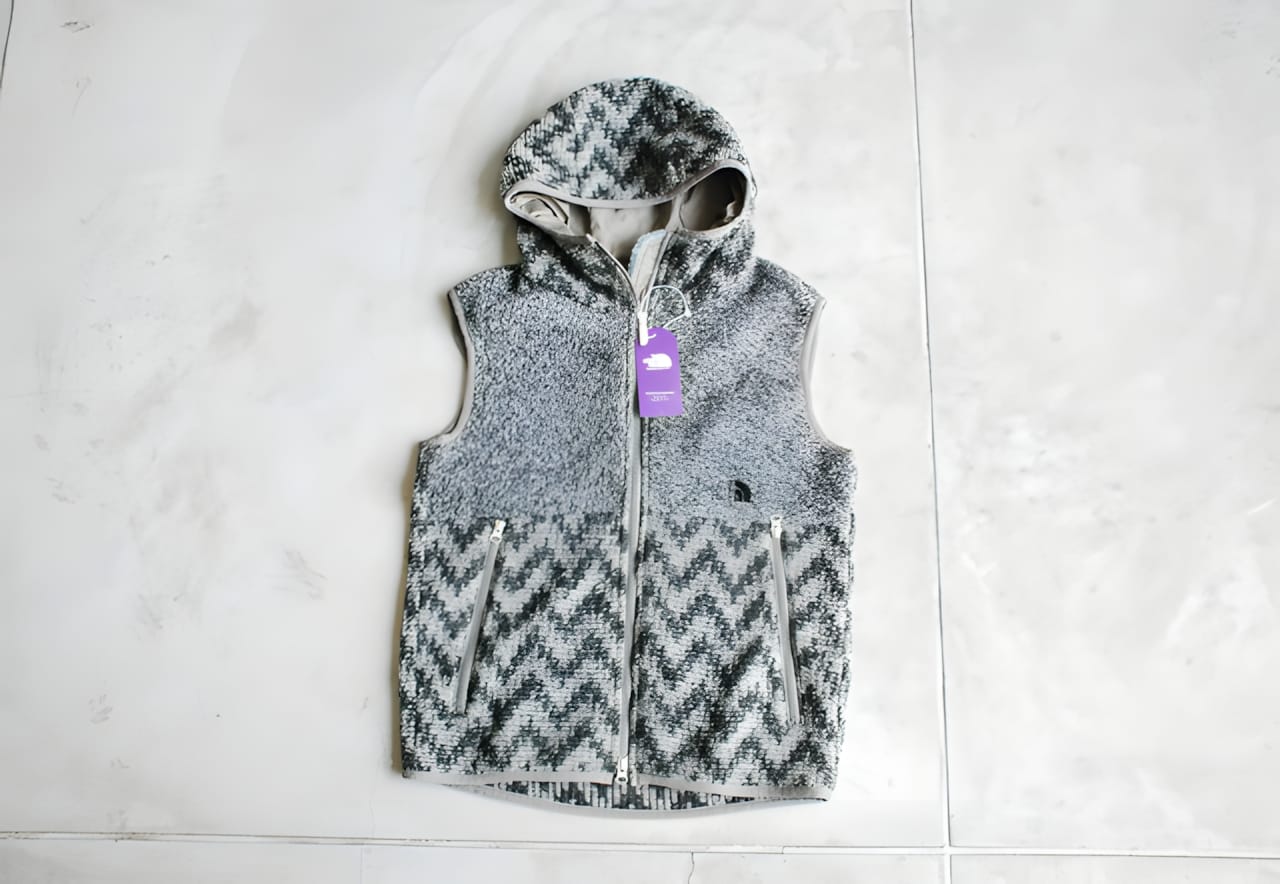
The North Face Purple Label Boa Fleece Hooded Vest
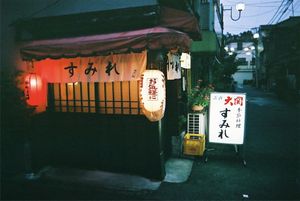
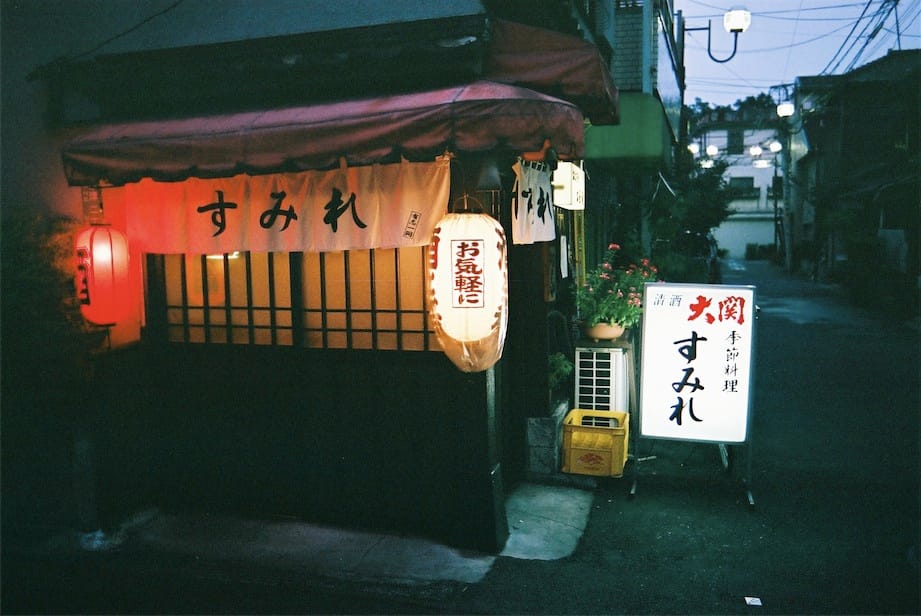
Alley at Dusk / 日暮れの路地 — uruyuta
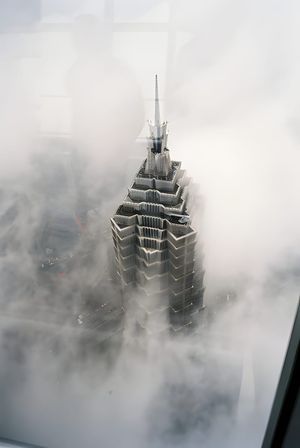
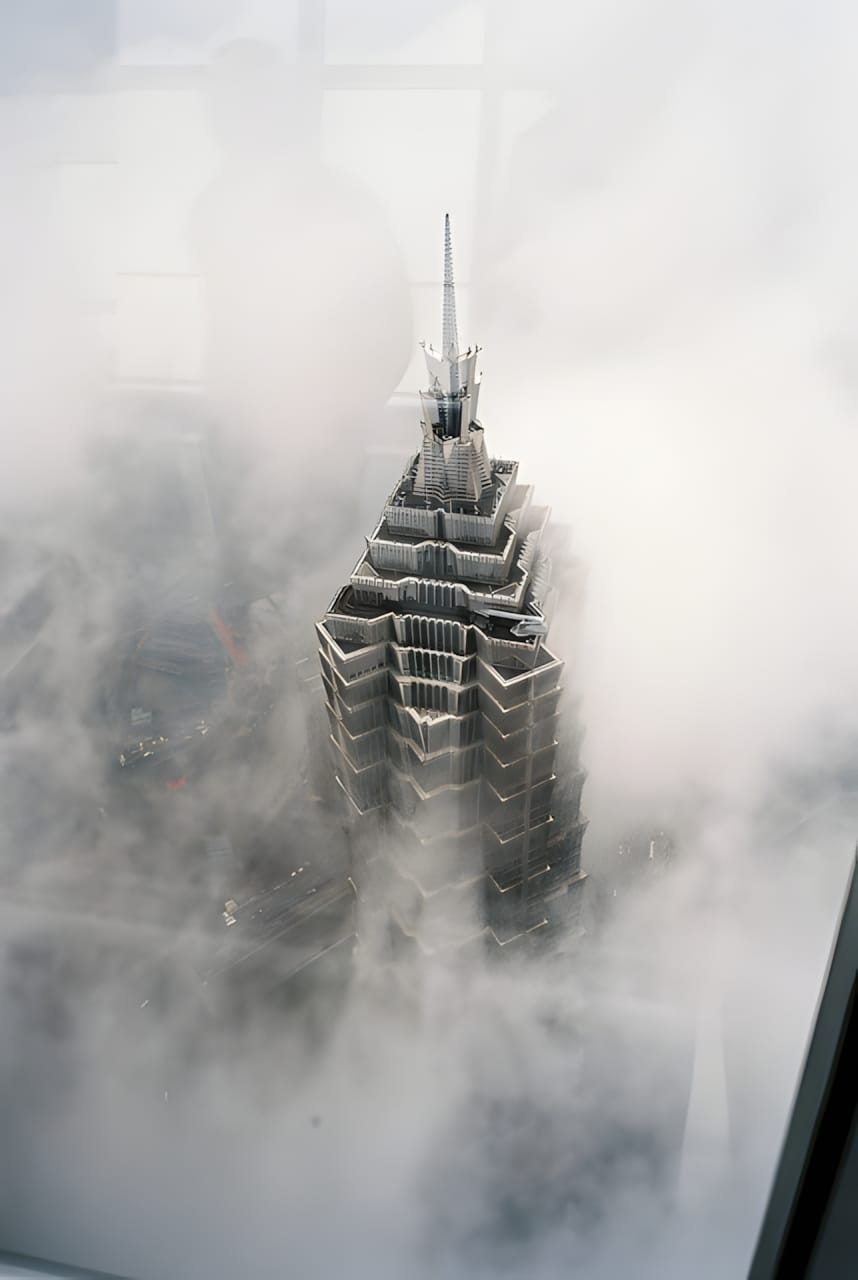
Jin Mao Tower, Shanghai, Above the Clouds
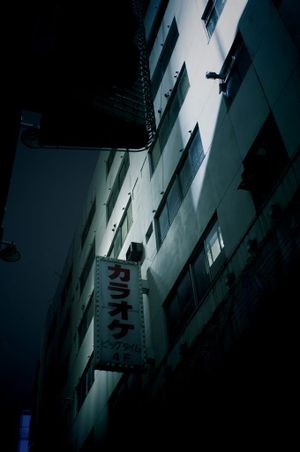
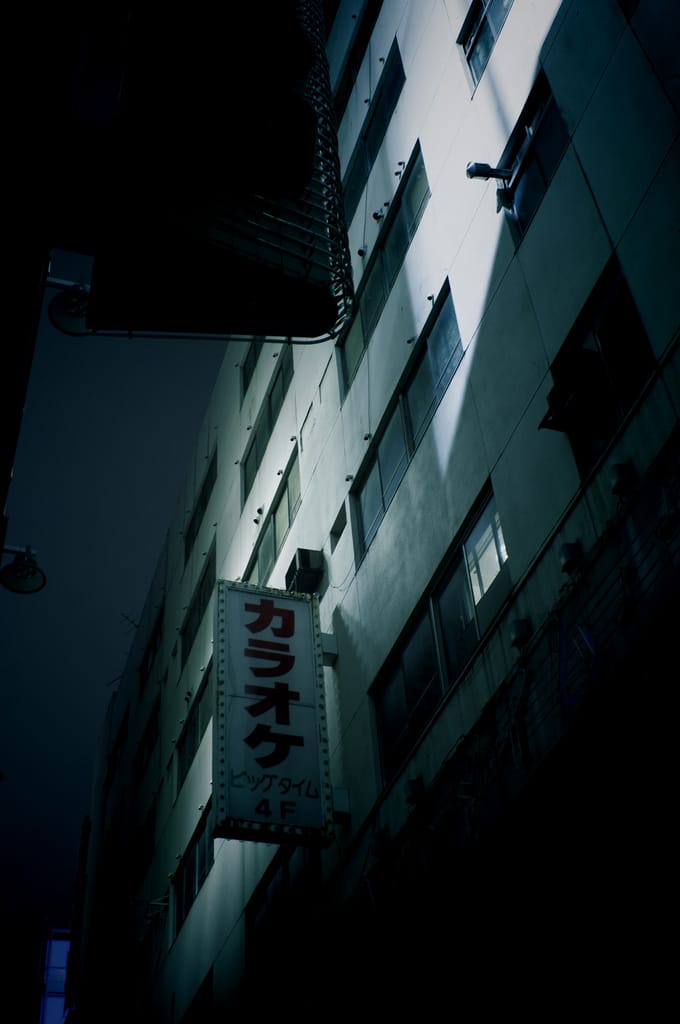
Building / 建物 — Shinjuku by perscape
perscape's Building / 建物 looks up along a tiled Shinjuku facade at night, where an illuminated sign reads カラオケ ビッグタイム 4F. The source tags identify a Pentax KX with an SMC Takumar 28mm F3.5 lens.
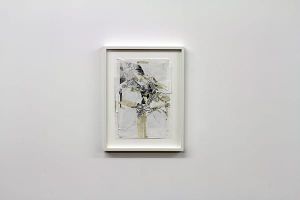
Boris Tellegen Surface
An installation view from 'Surface', a 2012 Paris exhibition by the Dutch artist Boris Tellegen (Delta). He makes fractured three-dimensional reliefs and sculptures from an exploded-letterform language rooted in graffiti.
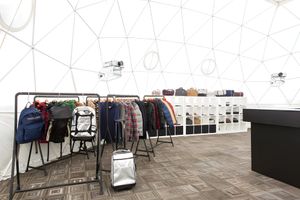
Snow Egg NISEKO — Riccardo Tossani Architecture
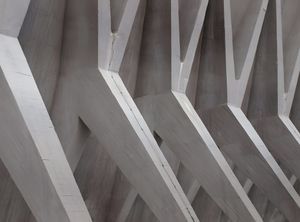
Ivan Vitić — Pavilion 40, Zagreb Fair, 1957

LONG CLOTHING Clip Pants in Black and White Tartan
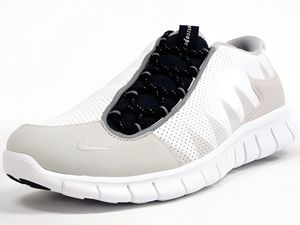
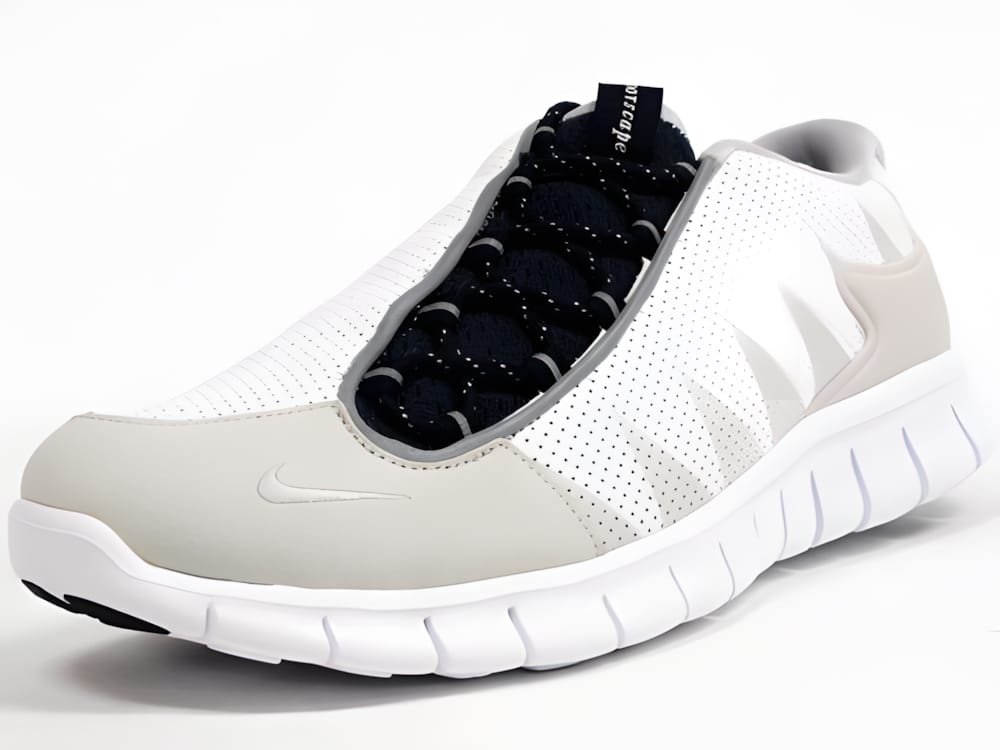
Nike Footscape Free White Grey
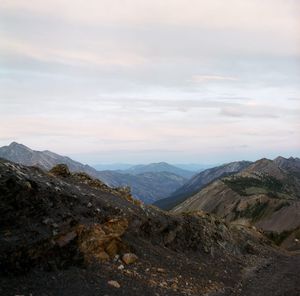
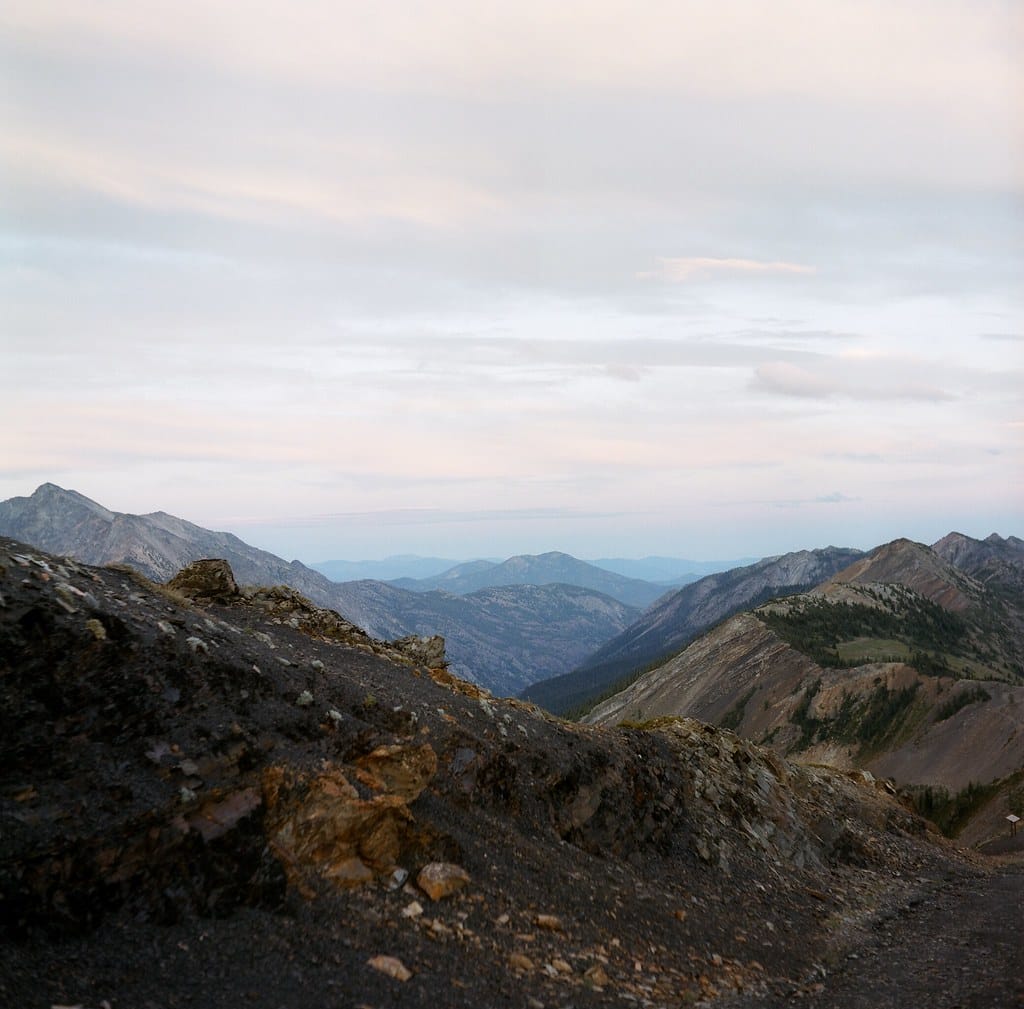
Untitled Mountain Pass — Elias and Theresa Carlson
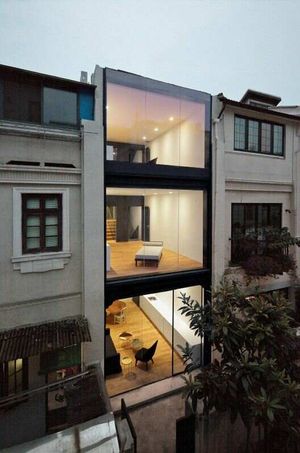
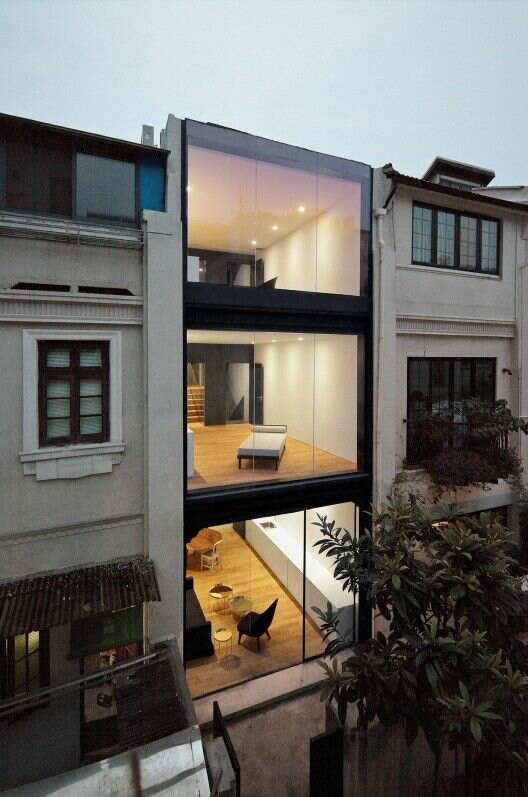
Rethinking the Split House by Neri&Hu, Shanghai
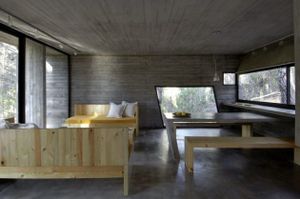
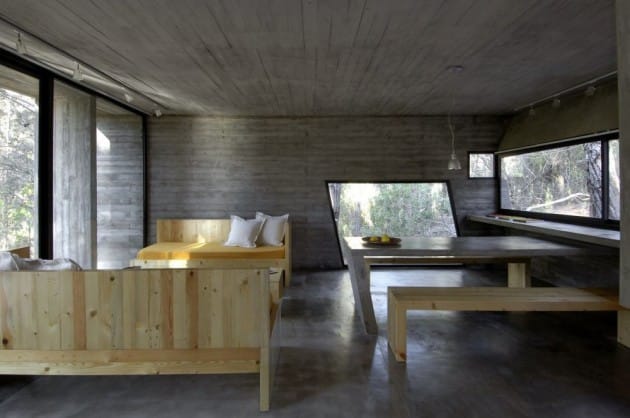
BAK Arquitectos Concrete House Interior, Mar Azul
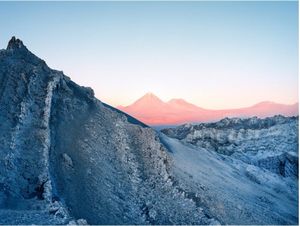
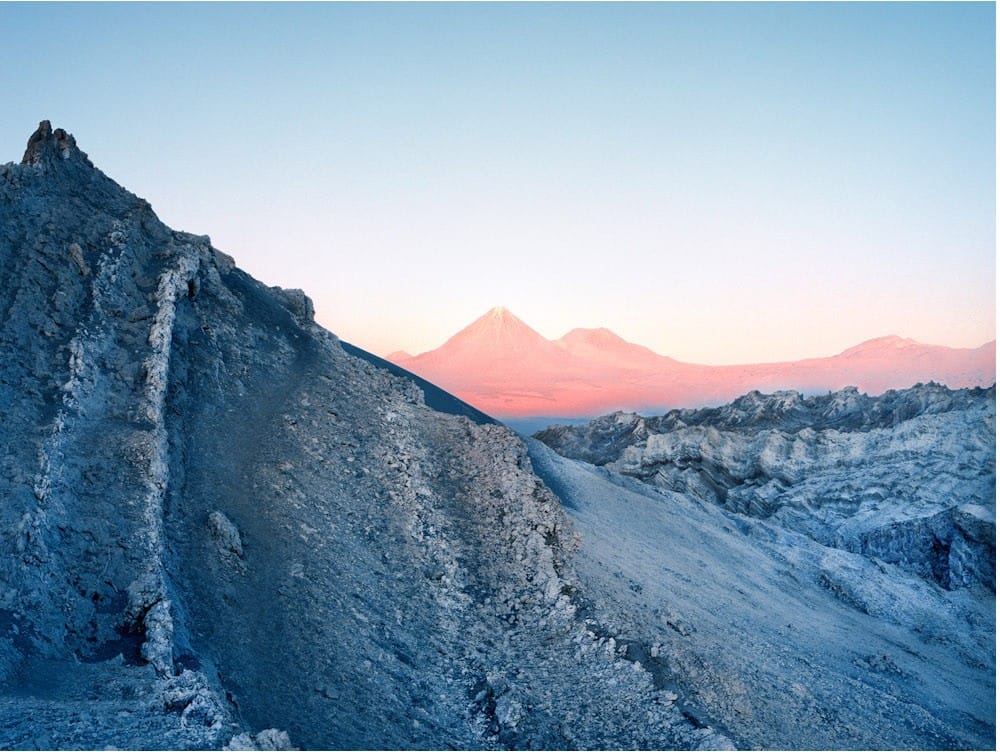
Kamchatka Volcanic Landscape
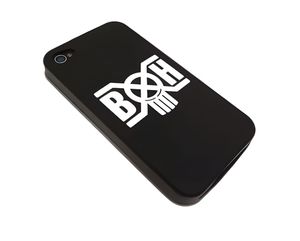
Bounty Hunter BxH iPhone 4 Hardcase

KiBiSi XTable Cable Compartment Detail


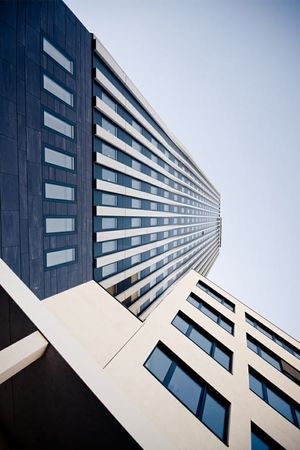
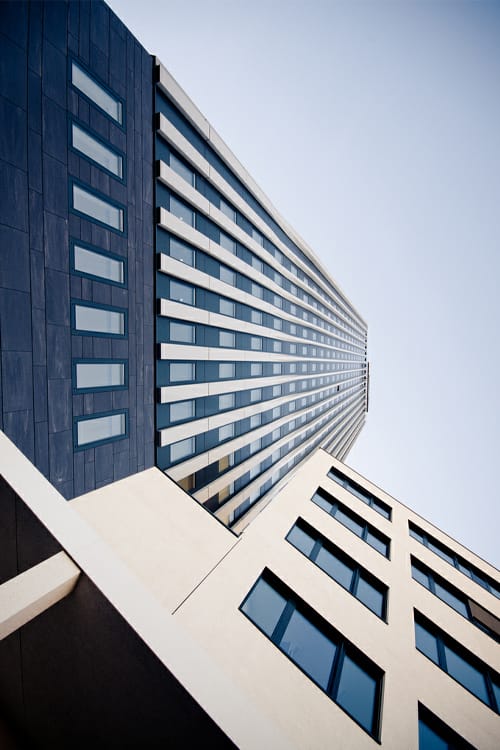
High-Rise Building — Urban Architecture
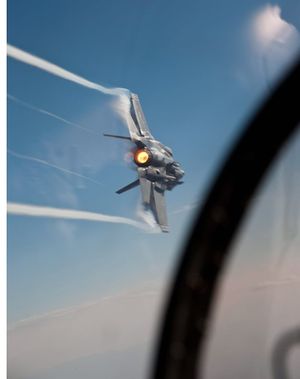
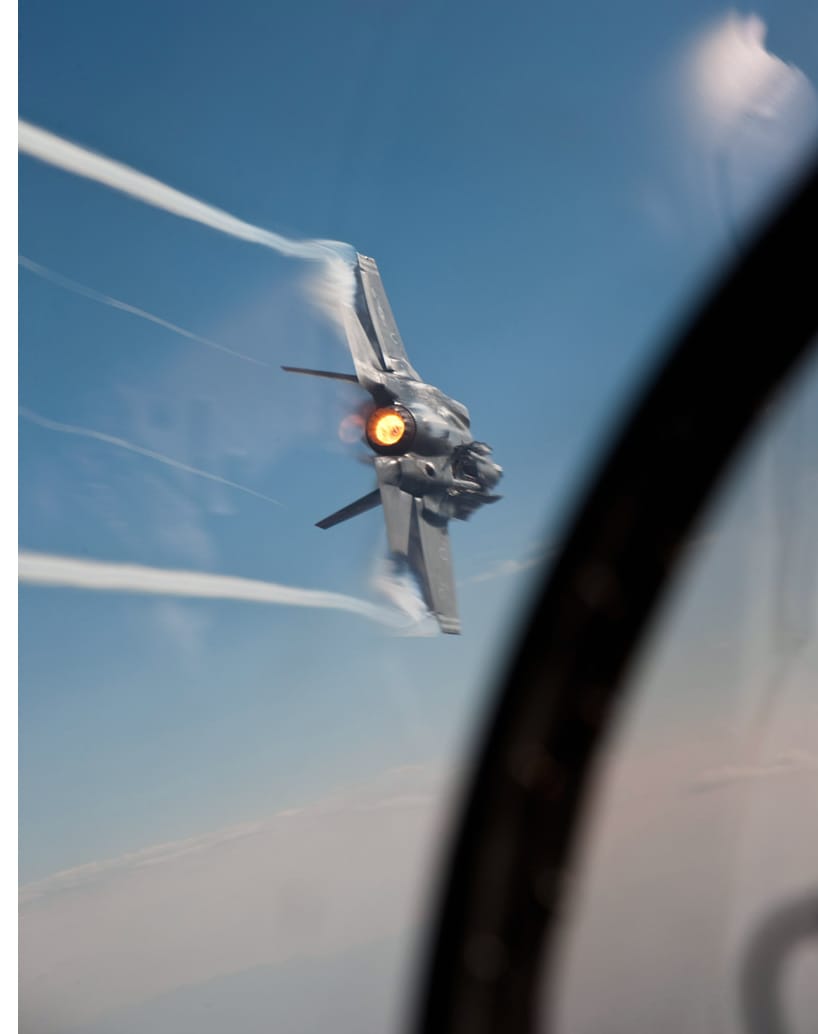
Lockheed Martin F-35 Lightning II

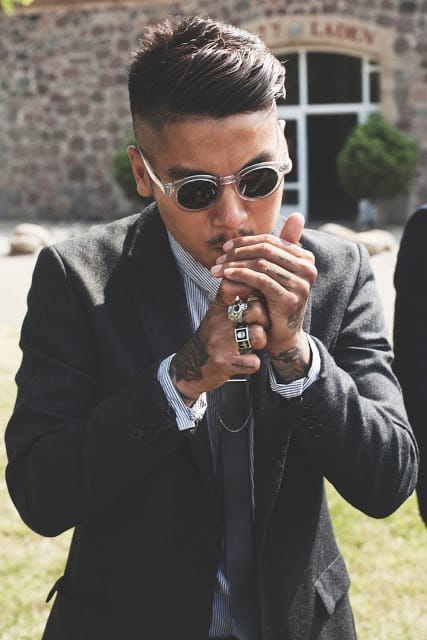
Tattooed Man Lighting a Cigarette
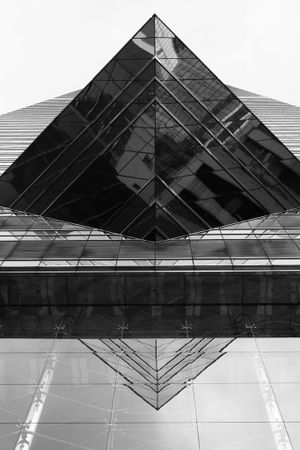
The Center Hong Kong
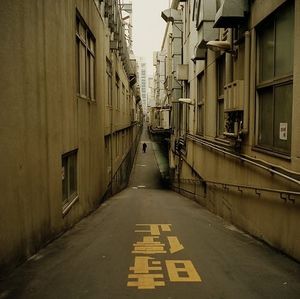
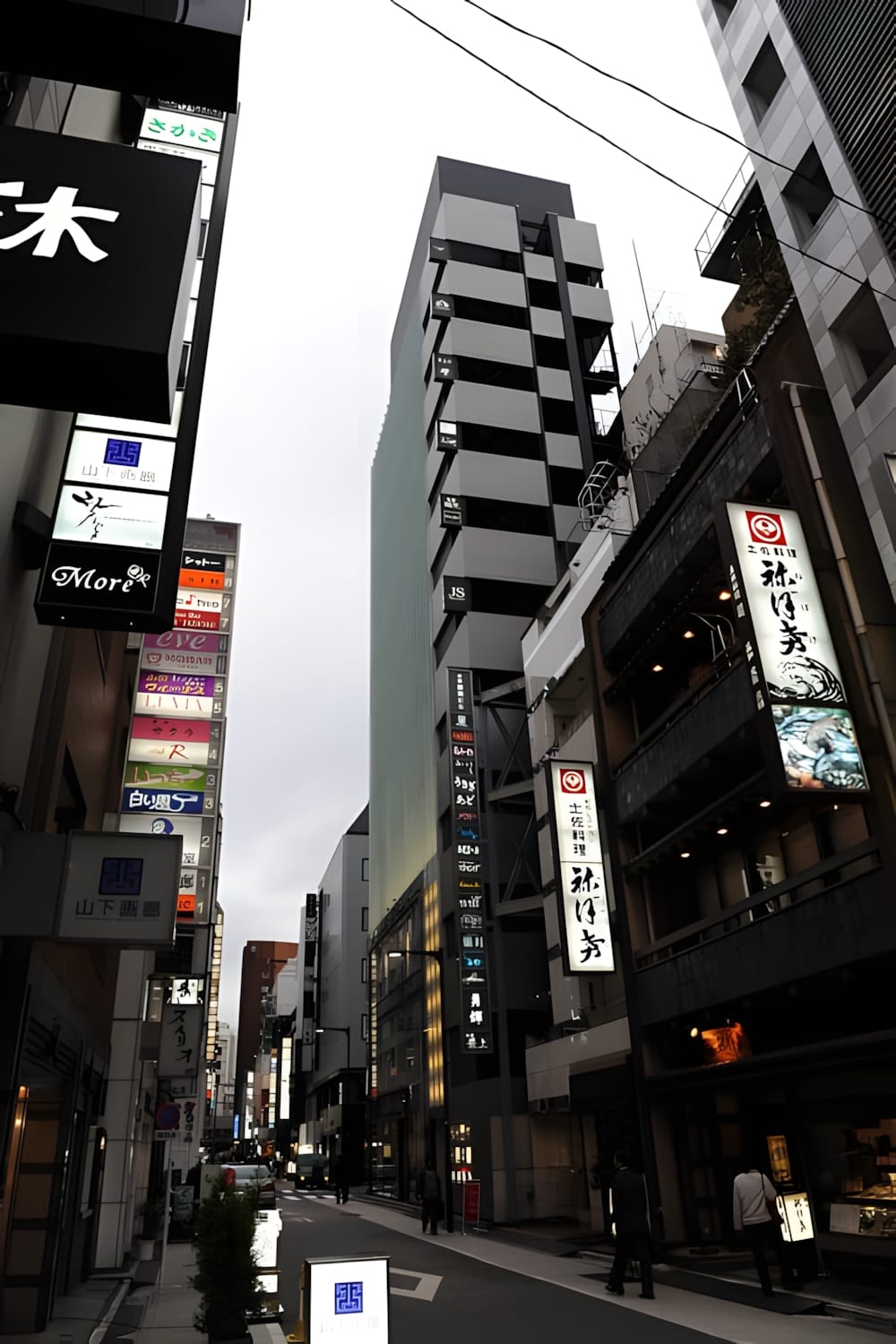
Tokyo Back Alley at Night — Ginza Corridor
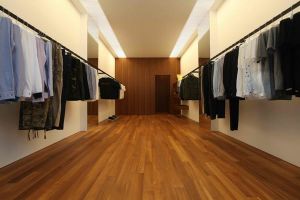
SOPH. Hong Kong Store
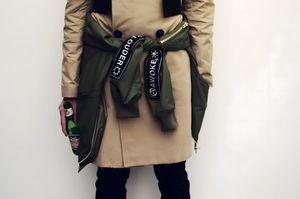
sacai — Nylon Twill Blouson
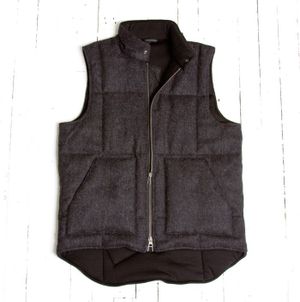
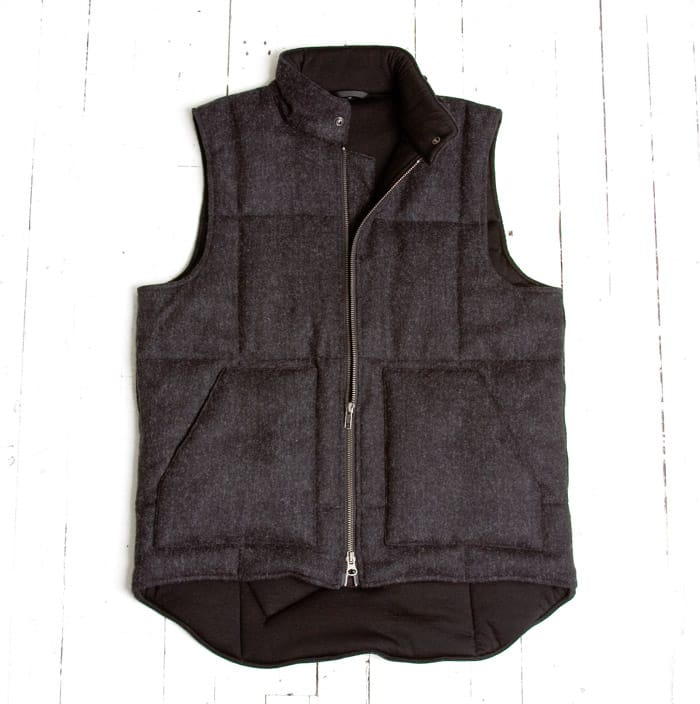
Outlier Soft Core Wool Vest
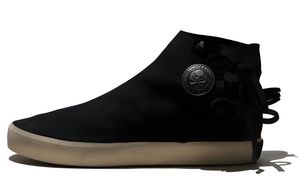
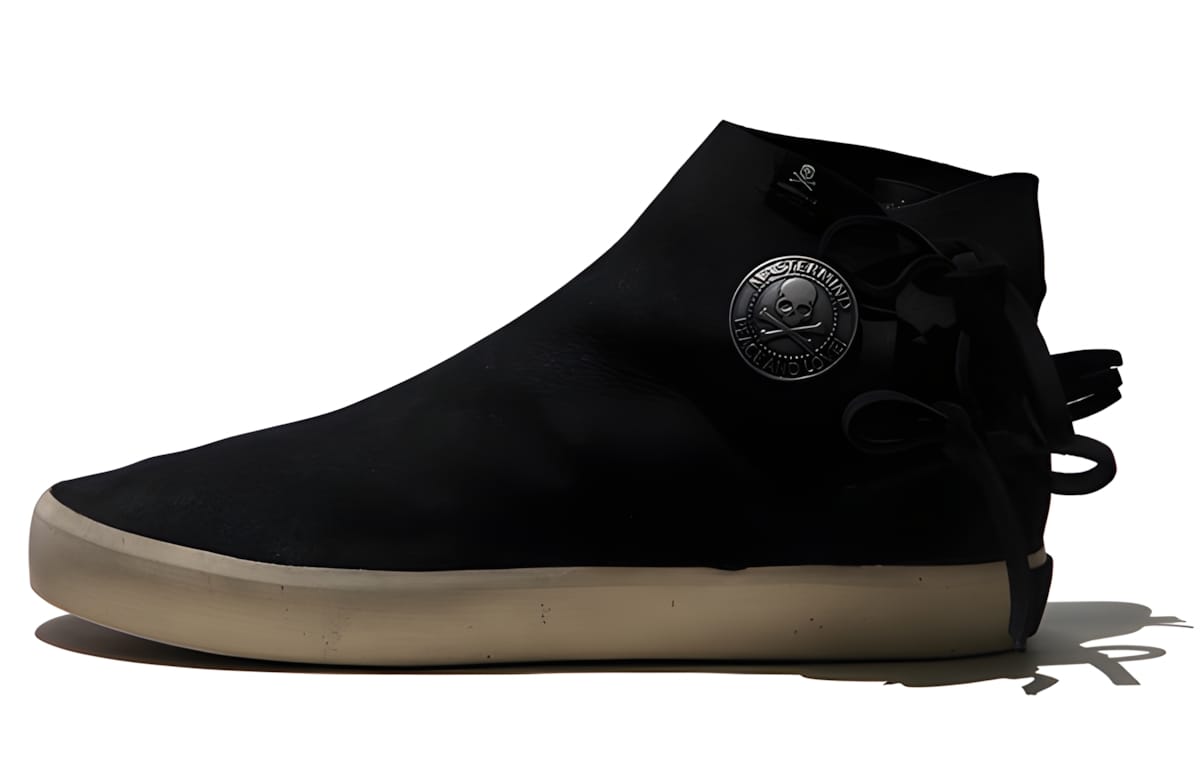
Mastermind Japan x Visvim Gila Moc Mid-Top Sneaker
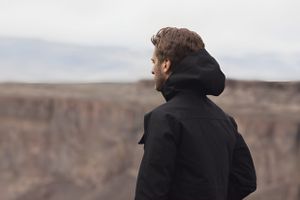
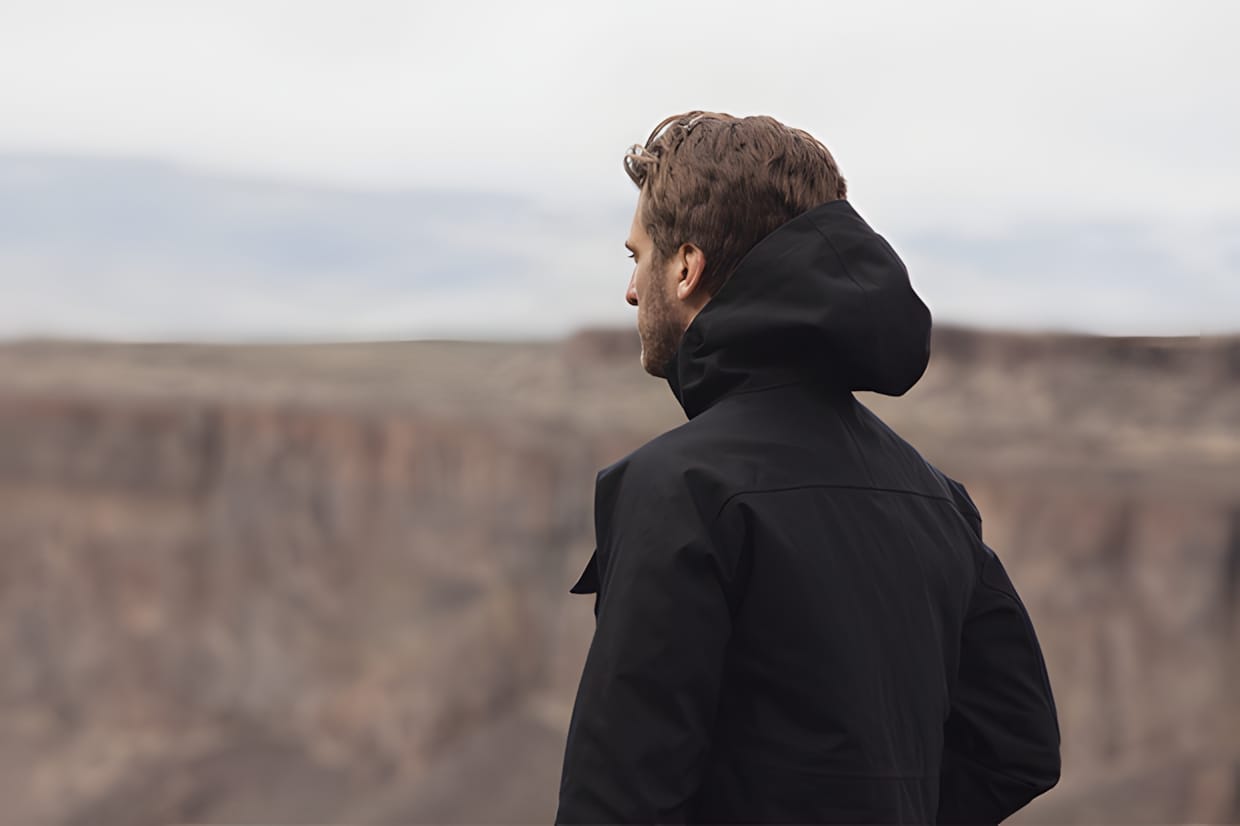
Aether Apparel Fall/Winter 2012 Technical Outerwear Lookbook
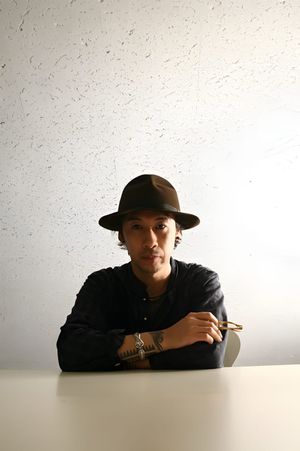
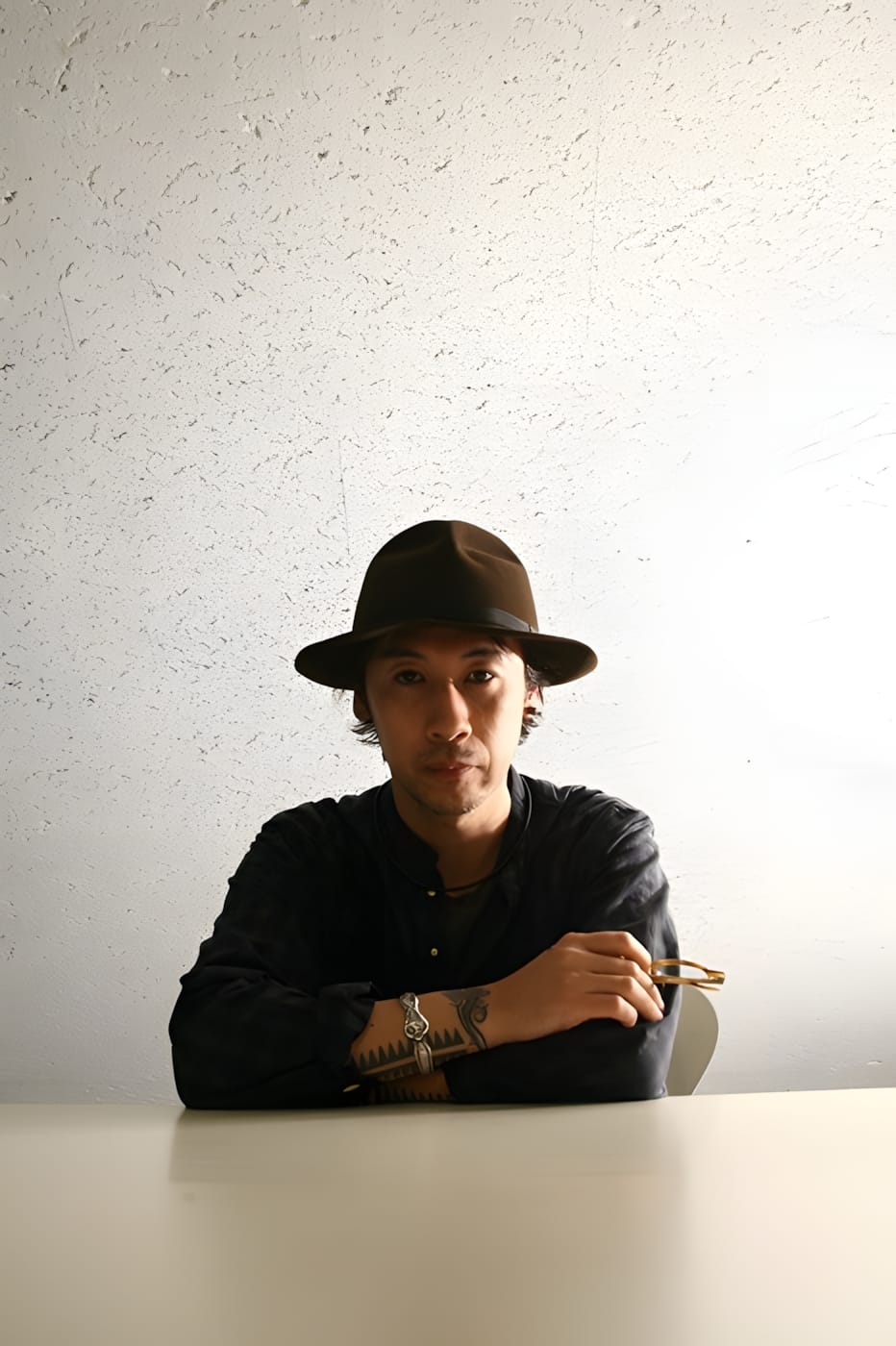
Jun Takahashi — Undercover Designer Portrait, Dazed June 2013
Interview with Jun Takahashi on Undercover AW13
Q: After two years away from the Paris catwalks, why was now the right time to show a runway collection?
A: After the earthquake disaster, we Japanese were spiritually in the worst state. It’s been two years since then and everyone is hoping to improve the present situation. I am one of them. I chose to have a runway show in Paris in order to restore myself. I thought it would work because going back to the runway was one of the things I had been hoping to do.
Q: Talking of the scar that Japan’s earthquake left on you, did it creatively affect your AW13 collection?
A: I was craving for creation, and that resulted in those one-off dresses. Two years ago, mentally and financially I wasn’t able to create such things. Those one-off pieces are my original works and made intuitively by myself. I am the only one who could make them. They are sacred works to me. I guess I like things where you can feel human warmth.
Q: Why did you call the show ‘Anatomicouture’? Was your intention to expose the inner bones of the garments?
A: It is a mentality of exposing the inner self, corresponding to my desire to reveal my creation and what’s going on in my head.
Q: Despite the skeleton and organ motifs, the collection is beautiful and seductive – does this come back to your interest in the contrast between ugly and beautiful?
A: Ugliness and beauty co-exist in human mentality. I always want to express those emotions.
Q: The AW13 show had the feel of punk performance art – why did you stage it like theatre?
A: Because the theme of this collection is related to human emotions, I thought my theme could be conveyed much better with such staging effects that would move people’s hearts. That’s why I used songs by Cat Power and James Blake. All the songs are great and meaningful and helped me convey what I wanted to express through the lyrics of songs too.
Q: When did your love of fashion start, and how did that lead to Undercover?
A: When I was little I loved drawing and had a twisted personality. I was so into punk during my high school years. My interest in fashion arose when I was around 15 years old and I was hoping to become a designer. At 18, I entered Bunka Fashion College. I was questioning about learning ‘design’ from teachers who were much older than me. So I told myself that I would learn only techniques in the school, nothing else.
Q: Undercover was considered part of a new wave of Japanese designers. How did your approach differ from the likes of Rei Kawakubo and Yohji Yamamoto?
A: I am not sure if Undercover is part of a new wave and I don’t really care. But Rei influenced me a lot on things like breaking stereotypes.
Q: You and your friend Hiroshi Fujiwara collected vintage Seditionaries pieces and published a book about them, and you even appeared in a show of Vivienne Westwood’s designs in Tokyo in 1990. Can you describe the impact punk made on you and explain why it still resonates today?
A: To me, punk means a spirit that questions and abolishes conventional ideas. That is my fundamental principle. You can apply the principle to fashion design. It depends on each season, but I instil punk interpretation into my designs in many ways – for example, by fusing two contradicting elements or applying techniques that are generally considered taboo.
Q: You recently designed lines for Uniqlo and Nike – how did you enjoy those two experiences? Did they feed back into your work with Undercover?
A: The Uniqlo and Nike collaborations are totally different types of designs from that of Undercover. Therefore the collaborations didn’t really affect my work with Undercover. But for my career as a designer, both collaborations became good experiences. Working with Uniqlo gave me the opportunity to learn about the creation of mass products and newly standard items that are totally different from designing avant-garde pieces. As for the collaboration with Nike, I am very satisfied both as a designer and as a runner with the fact that I have been able to create products which integrate necessary functions for running with fashion-design aesthetics, which had often perhaps been missing in the existing sportswear.
Q: You’ve talked in the past of the difficulties with keeping up with the six-month cycle of fashion shows, and skipped showing in Paris for a couple of seasons – how are you currently finding working within the fashion calendar?
A: Right now, I’ve come to the conclusion that the six-month cycle is appropriate. Themes of each Undercover collection vary by season. If we could spend more than six months on a collection, and if we continue to work with the same theme for a year, it would be difficult to keep up the tension towards the theme and I am afraid that the freshness would be lost.
Q: AW13 got a great response. Will we be seeing you back on the runway next season?
A: I could strongly feel that a lot of people were waiting for Undercover and I was very thankful about it. I will be back on the runway next season.
Q: Next year will mark the 20th since you began showing as Undercover. How do you feel you’ve evolved in that time?
A: I went through many phases and experienced many things. There was a time we faced various troubles, or we jumped into things just by force of circumstances. But nothing was wasted. I am responsible for all success and failure of Undercover. I will go forward without being ashamed of the paths I’ve chosen.

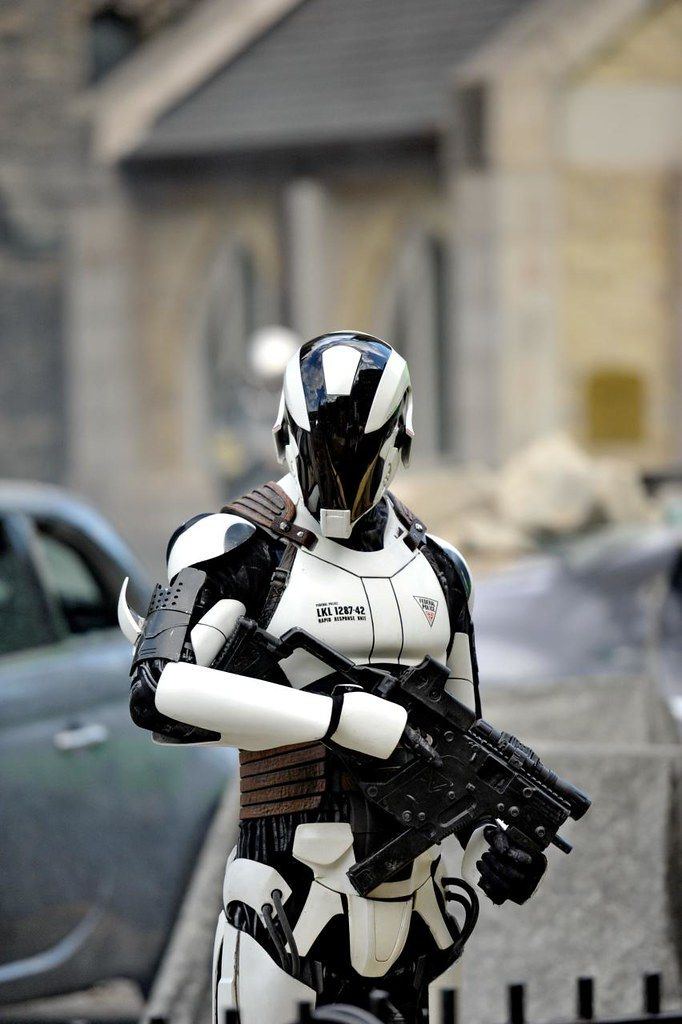
Ghost in the Shell 2: Innocence Gynoid
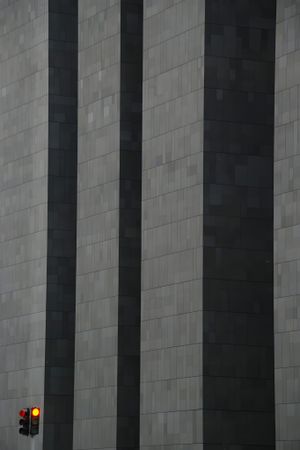
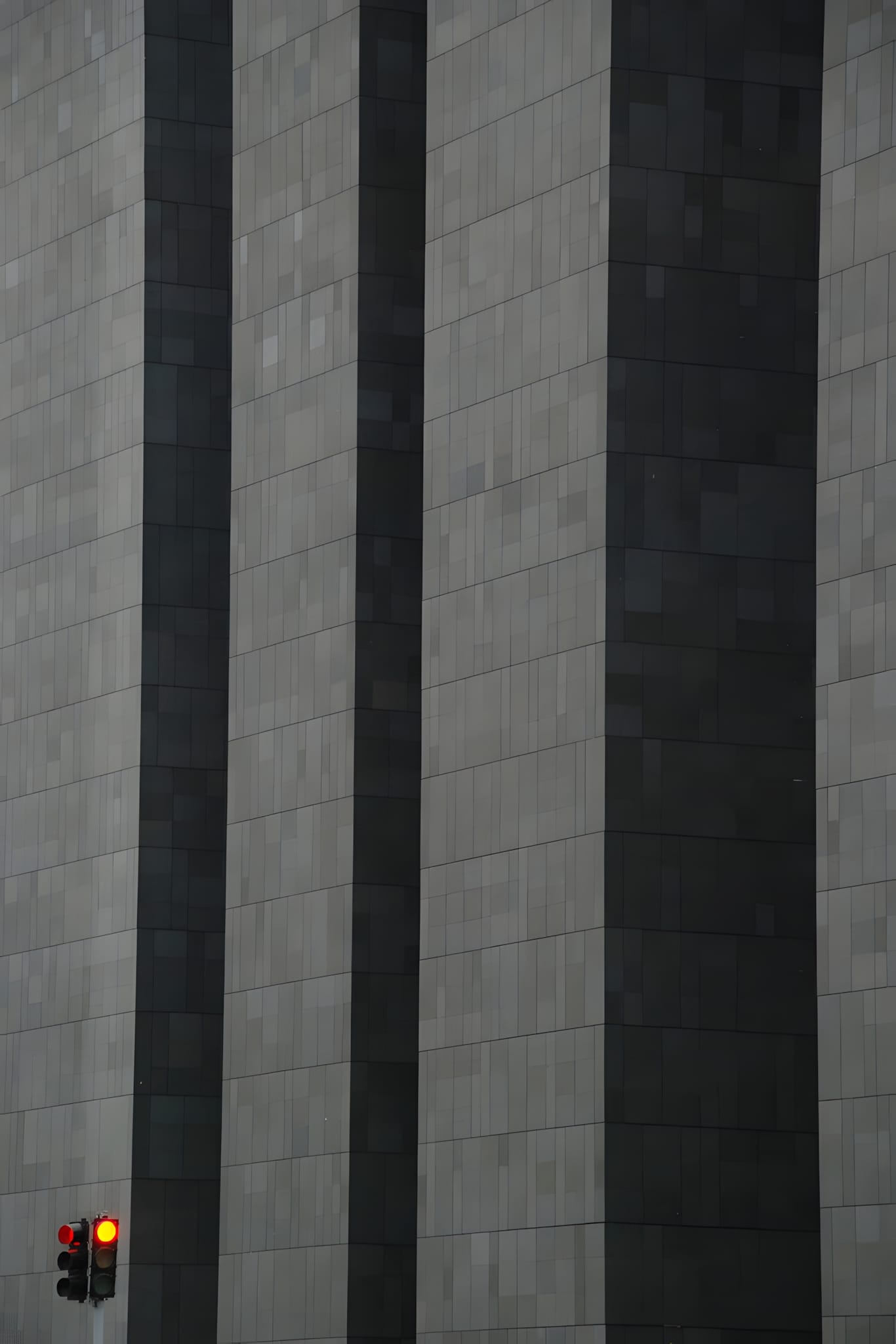
Eero Saarinen — CBS Building, New York, 1965
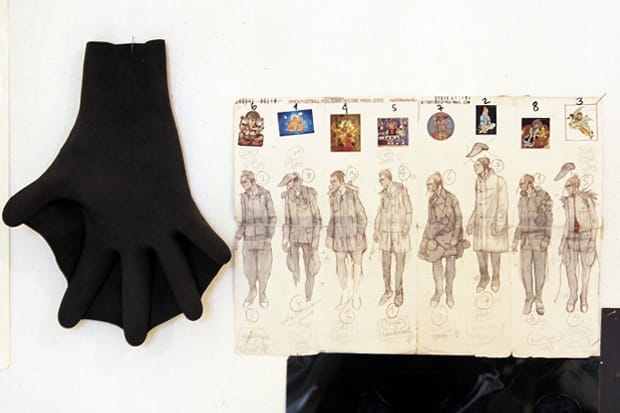
Aitor Throup
Work by Aitor Throup, a British artist and designer who develops clothing and figures through drawing. His ink-and-wash figures include the project 'When Football Hooligans Become Hindu Gods'.
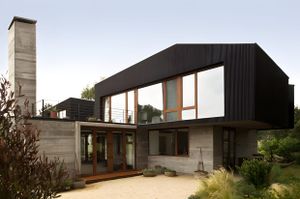
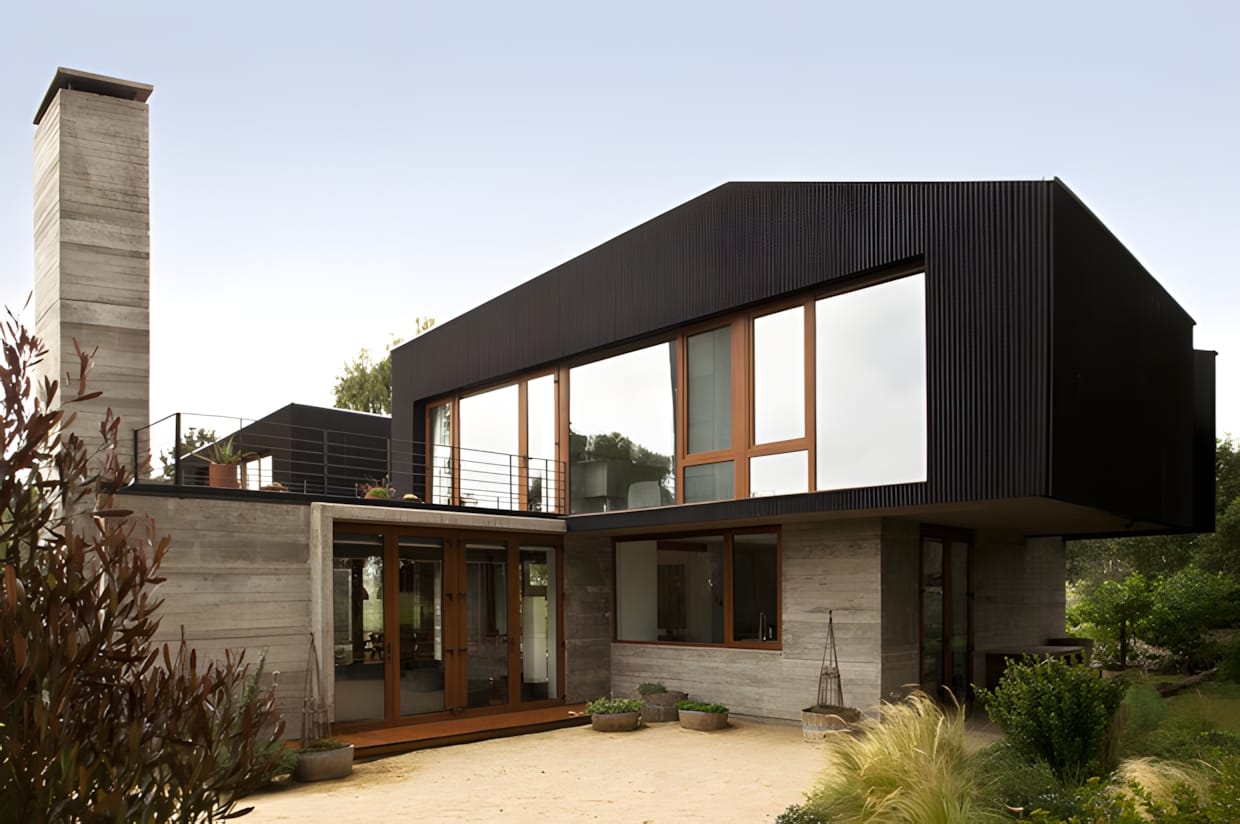
Rock House by UN Arquitectura / Juan Pablo Nazar
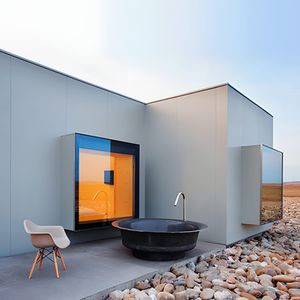
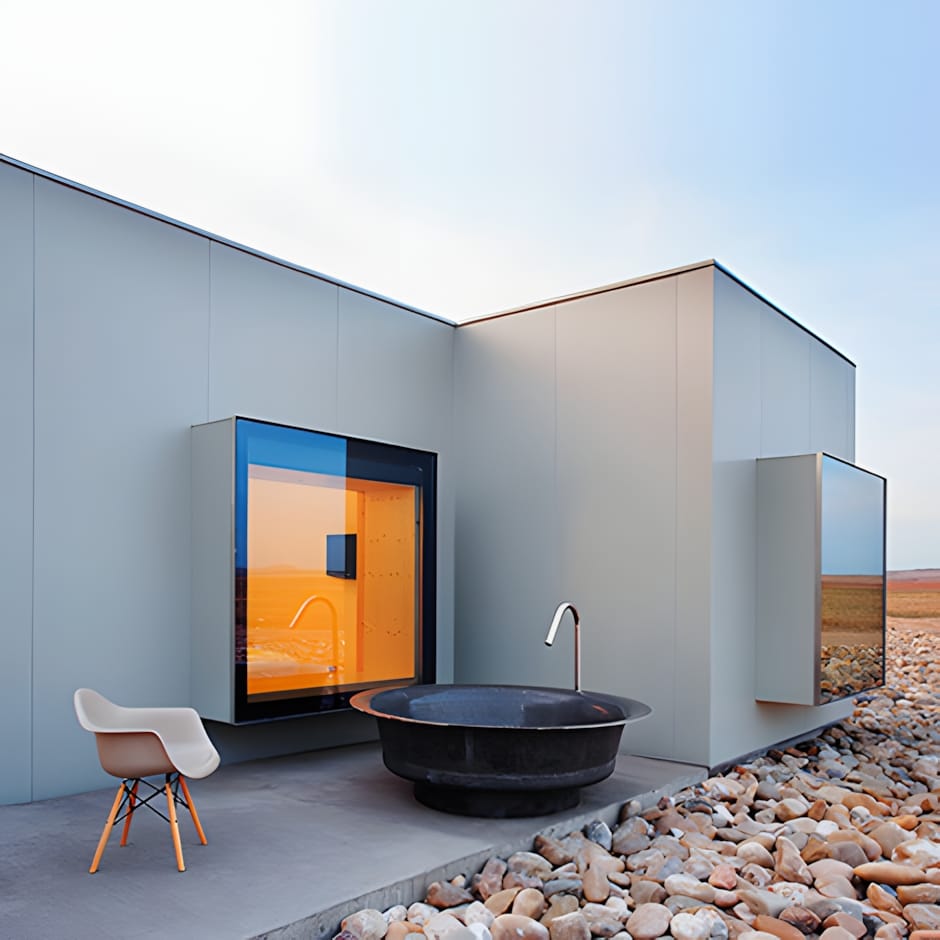
Hotel Aire de Bardenas — Cube Room with Outdoor Bath by López Rivera Arquitectos
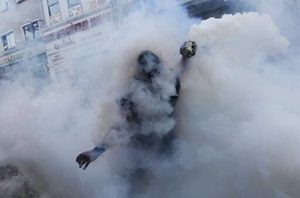
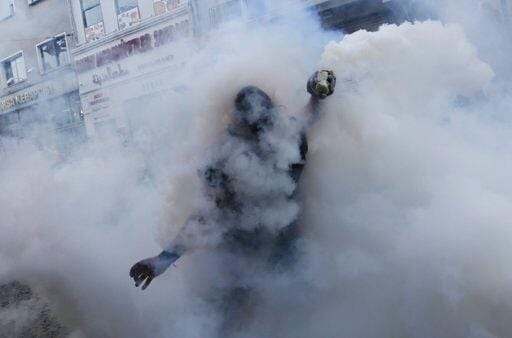
Gezi Park Protests, Istanbul, May 2013
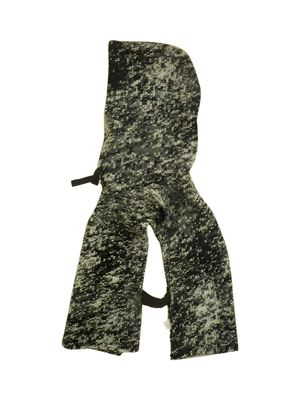
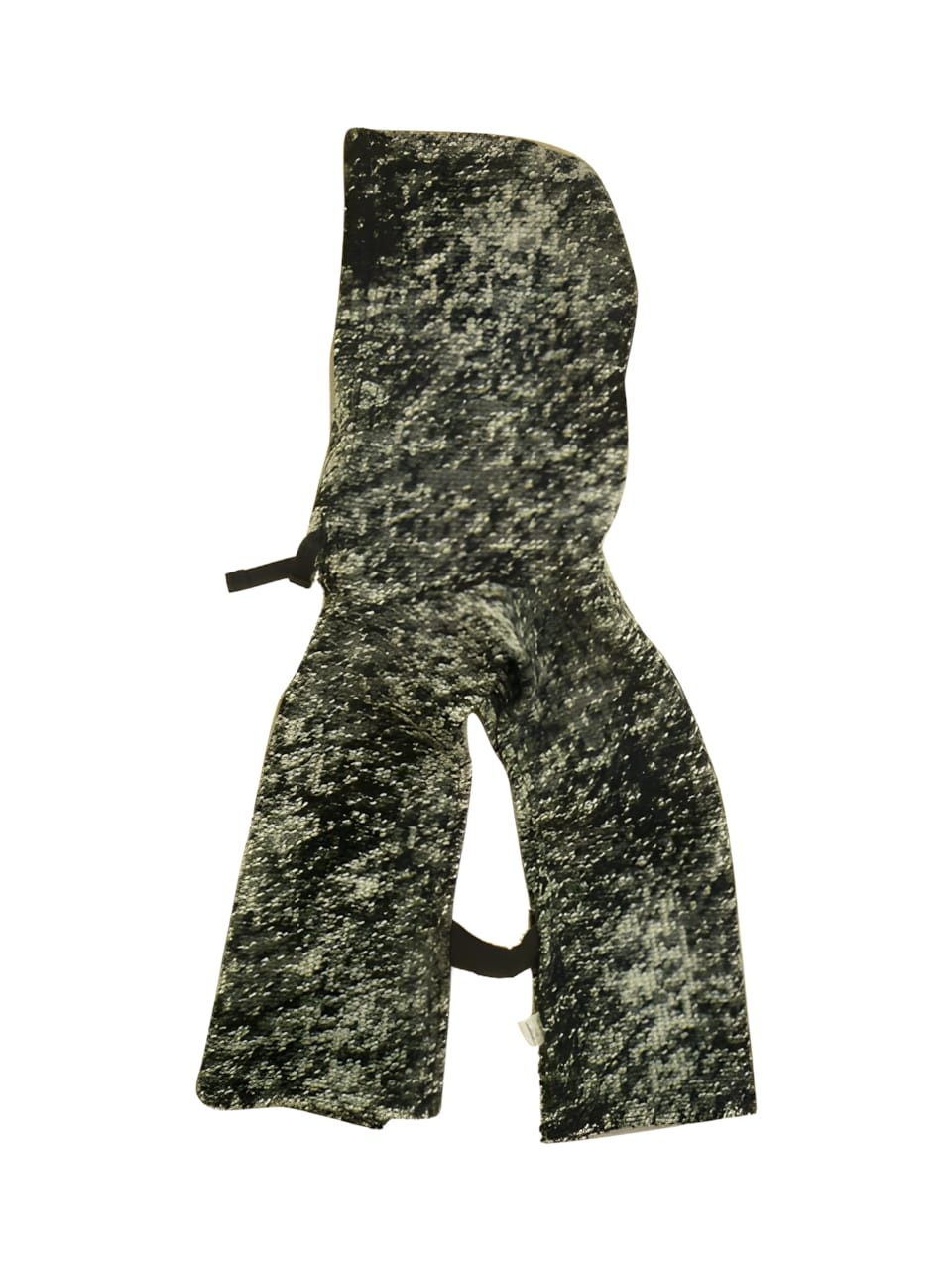
Engineered Garments Hooded Interliner Knit
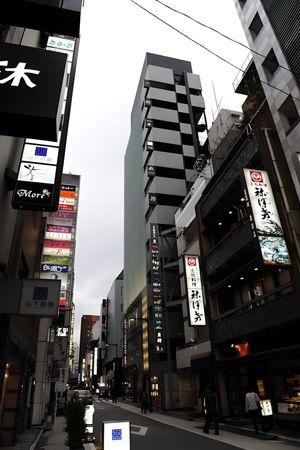
Shinjuku Toho Building — Kabukichō, Tokyo


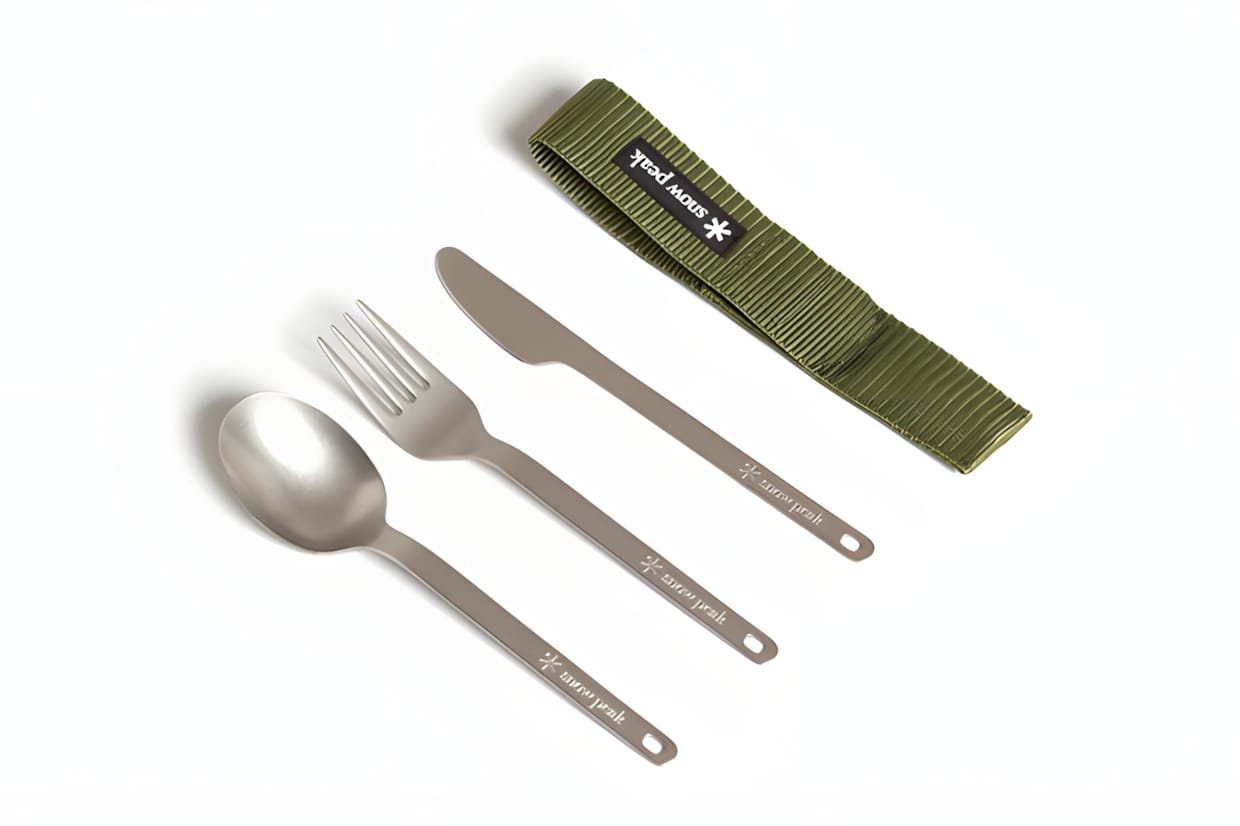
Snow Peak Titanium Fork & Spoon Set SCT-002
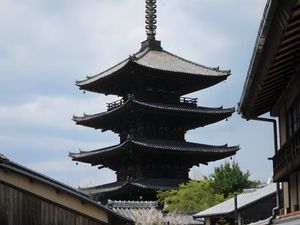
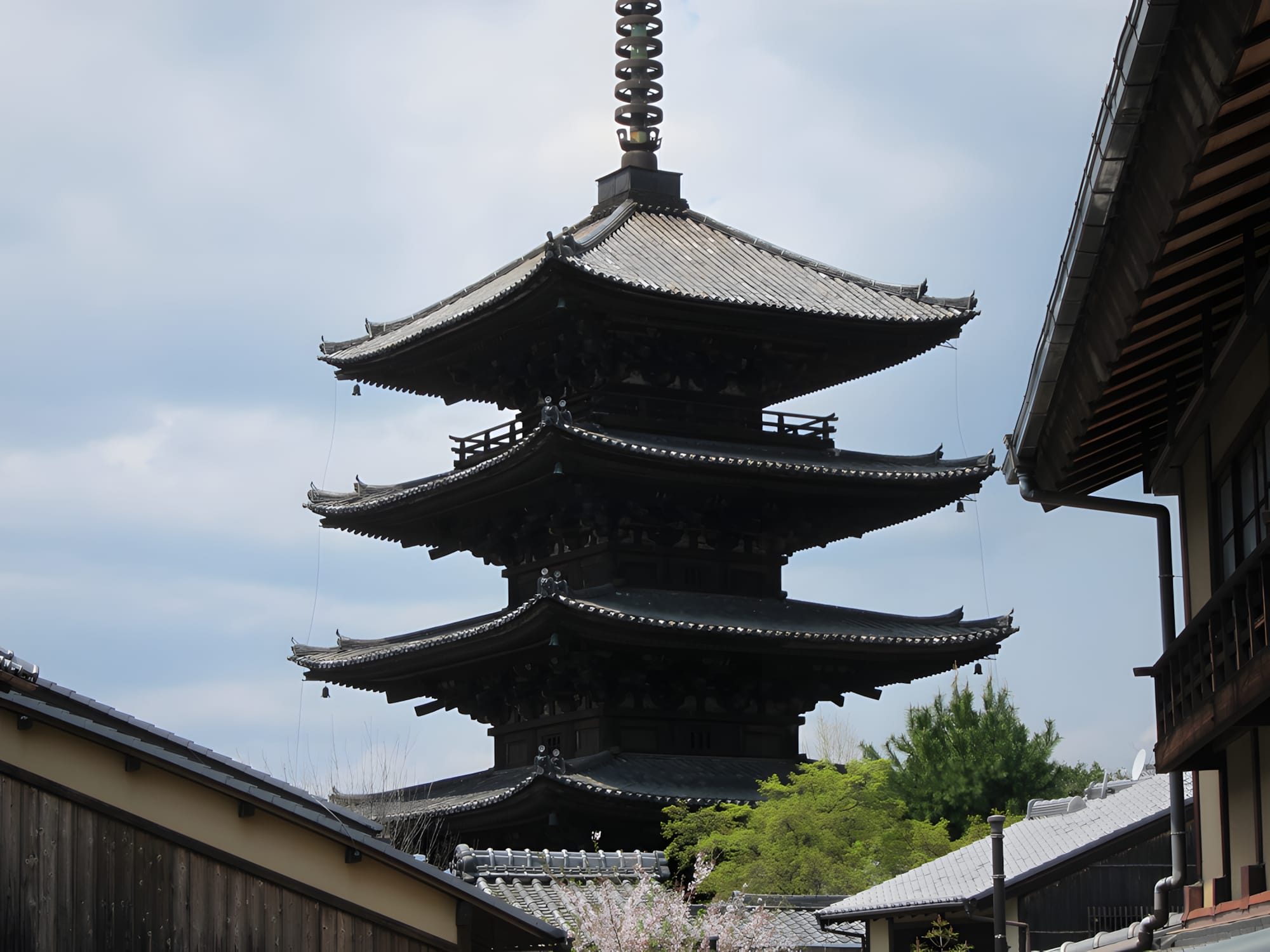
Yasaka Pagoda, Higashiyama, Kyoto









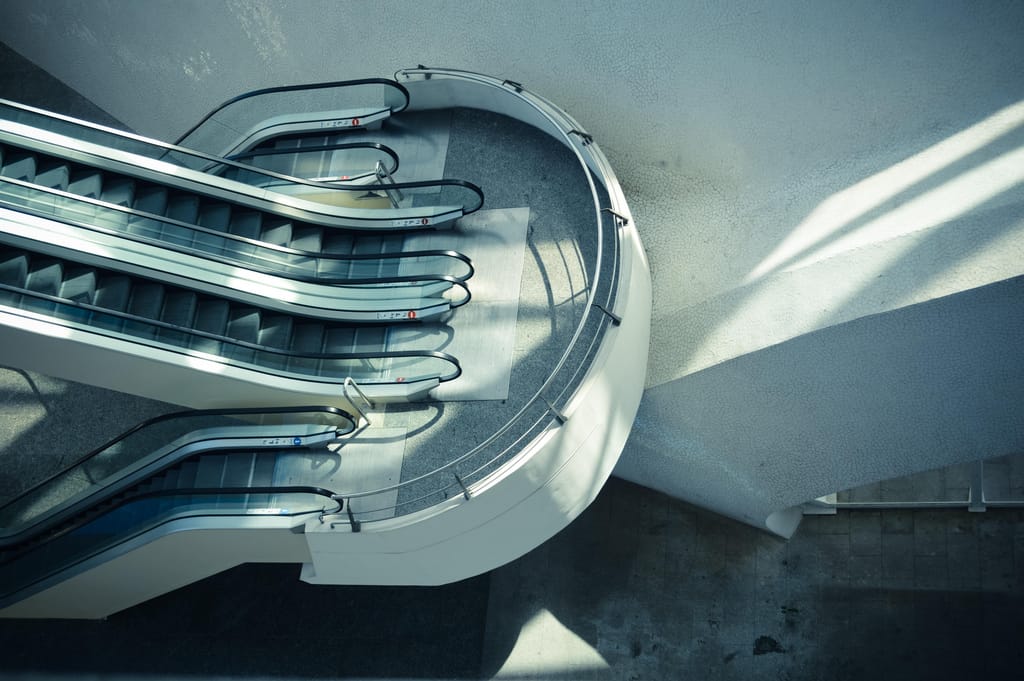
Hong Kong Escalator
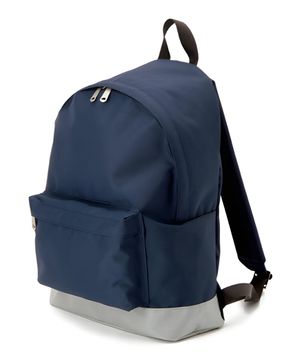
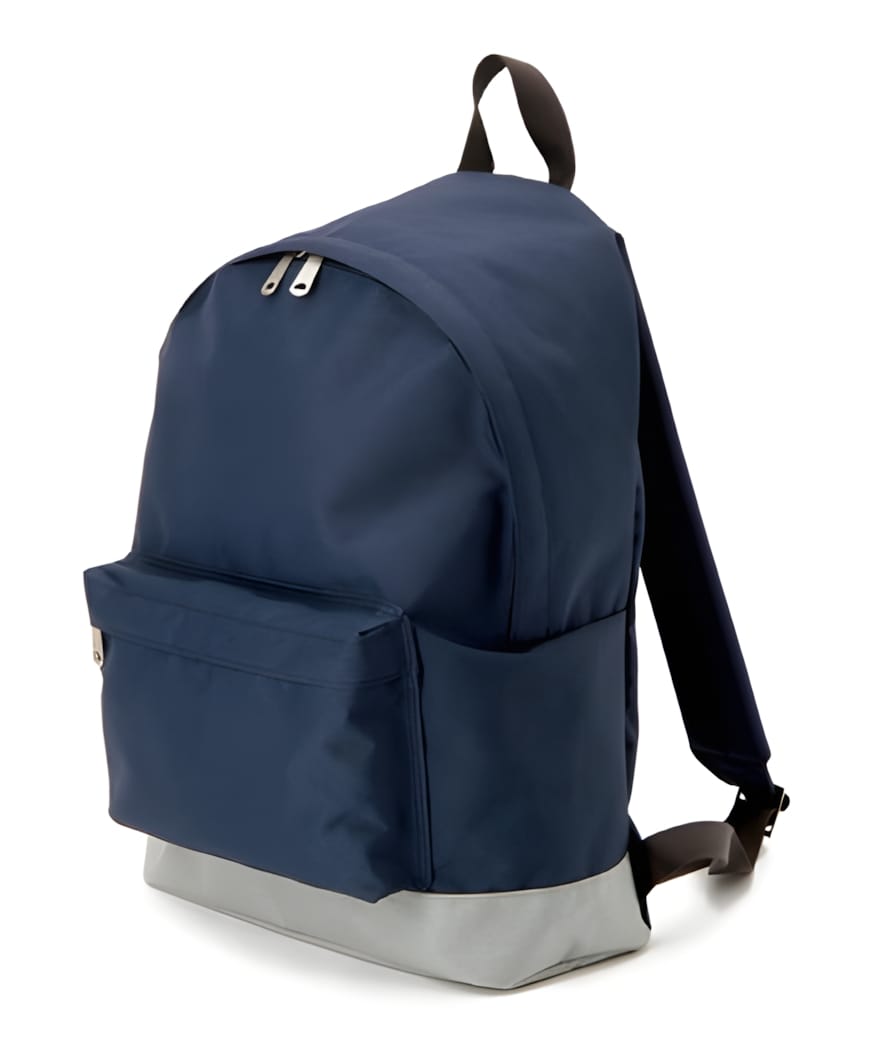
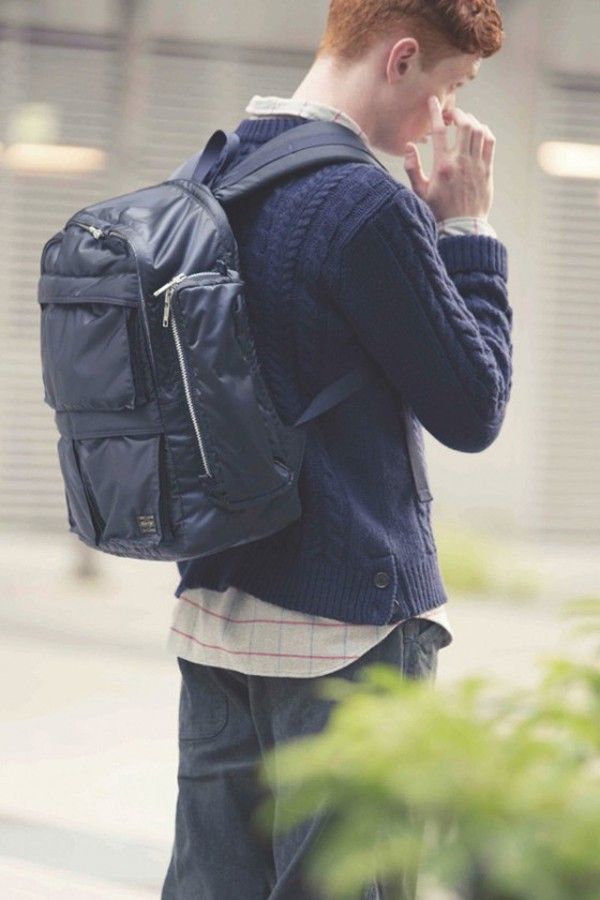
Porter (Yoshida & Co.) Navy Nylon Daypack
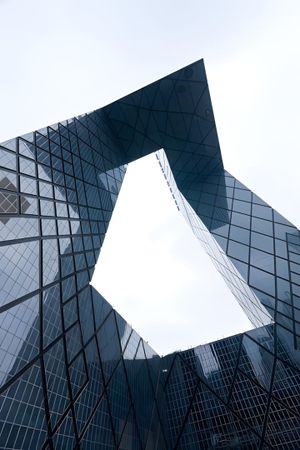
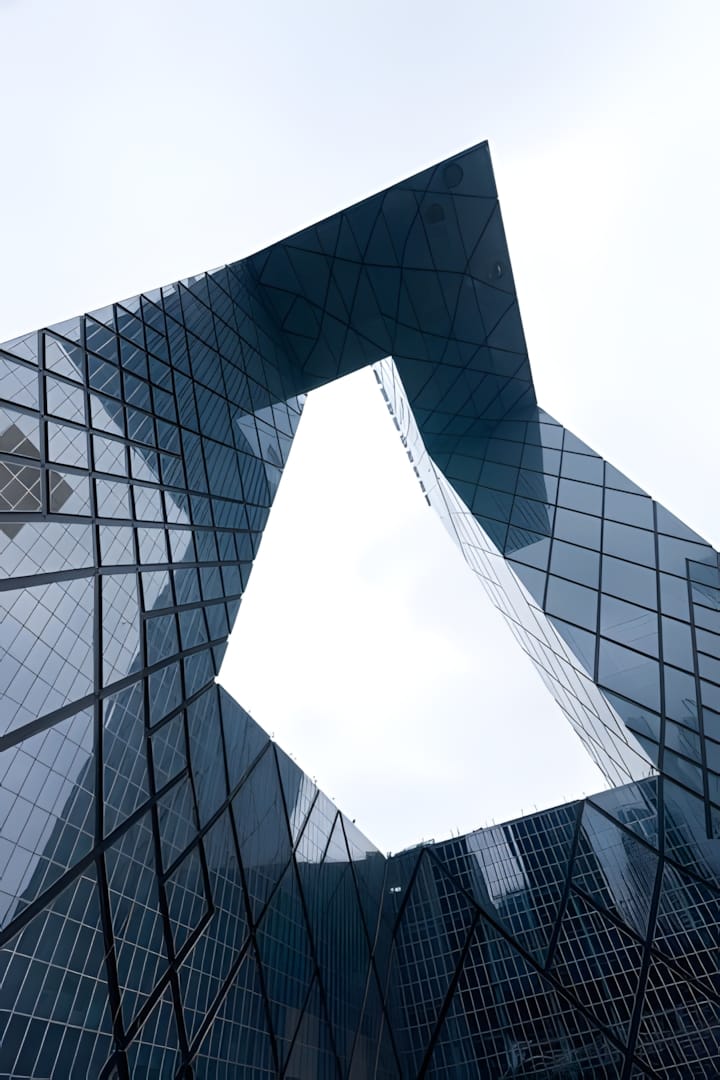
CCTV Headquarters Beijing — OMA / Rem Koolhaas
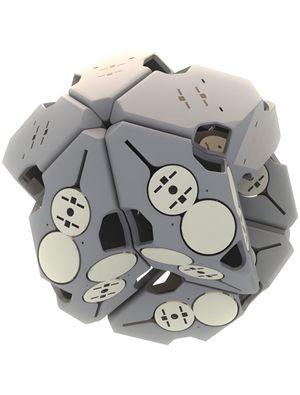
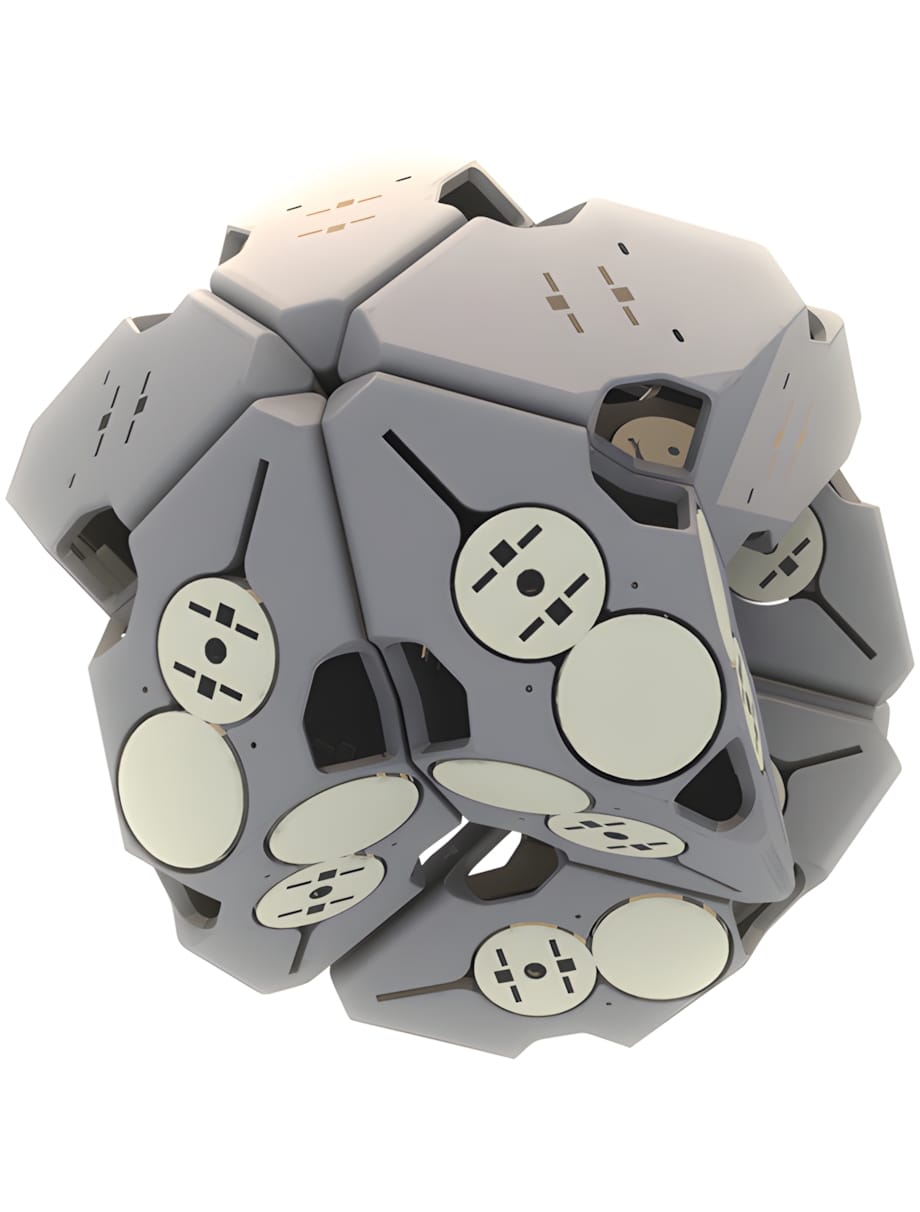
Dplay Lab Spherical Modular Design Concept
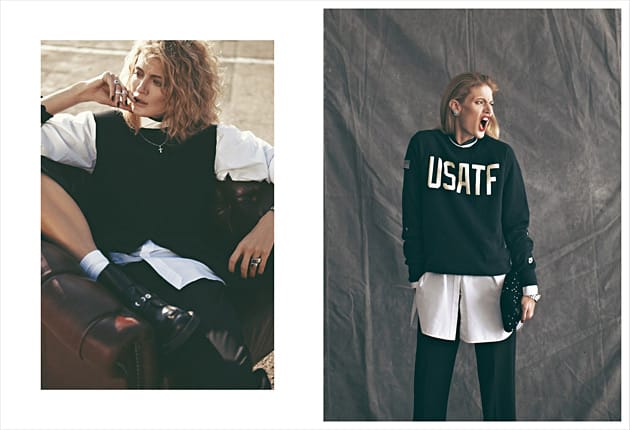
Michelle Buswell by Koray Birand, Harper's Bazaar Turkey 2012
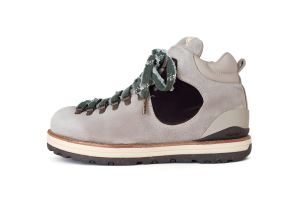
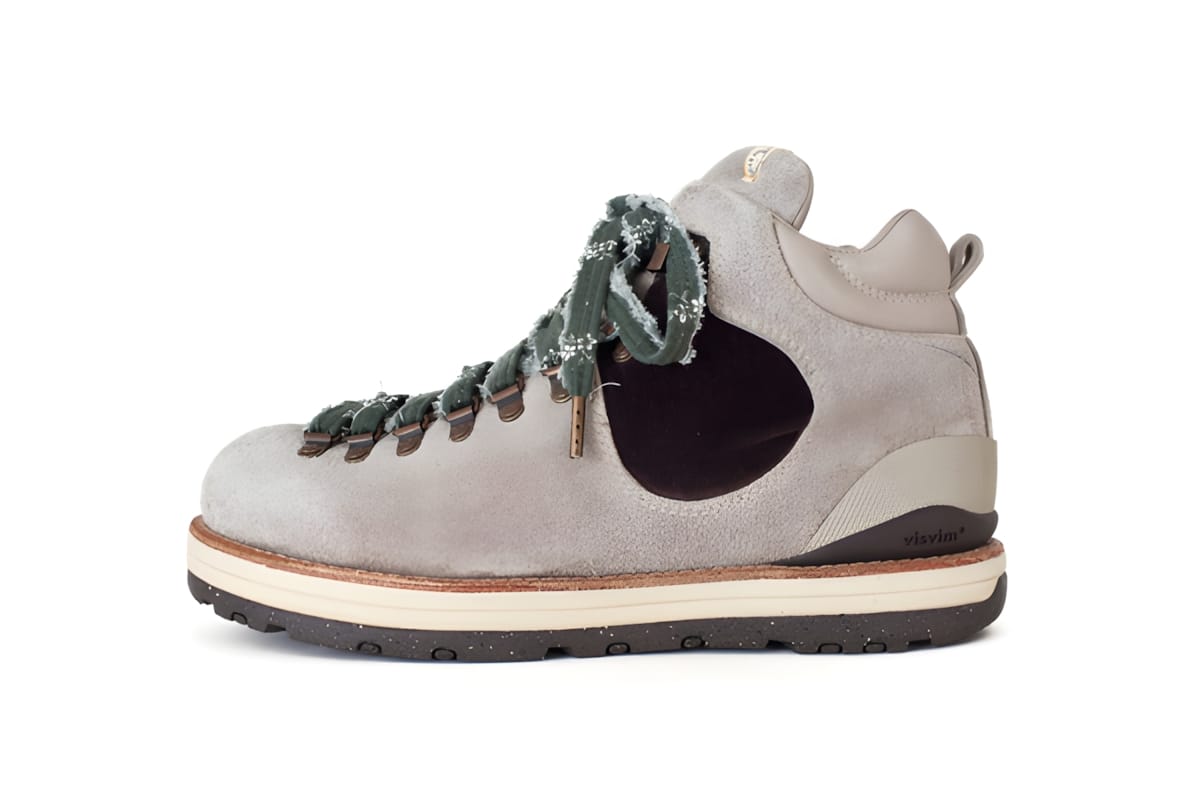
Visvim Serra Pizi Boots — Natural Grey Suede
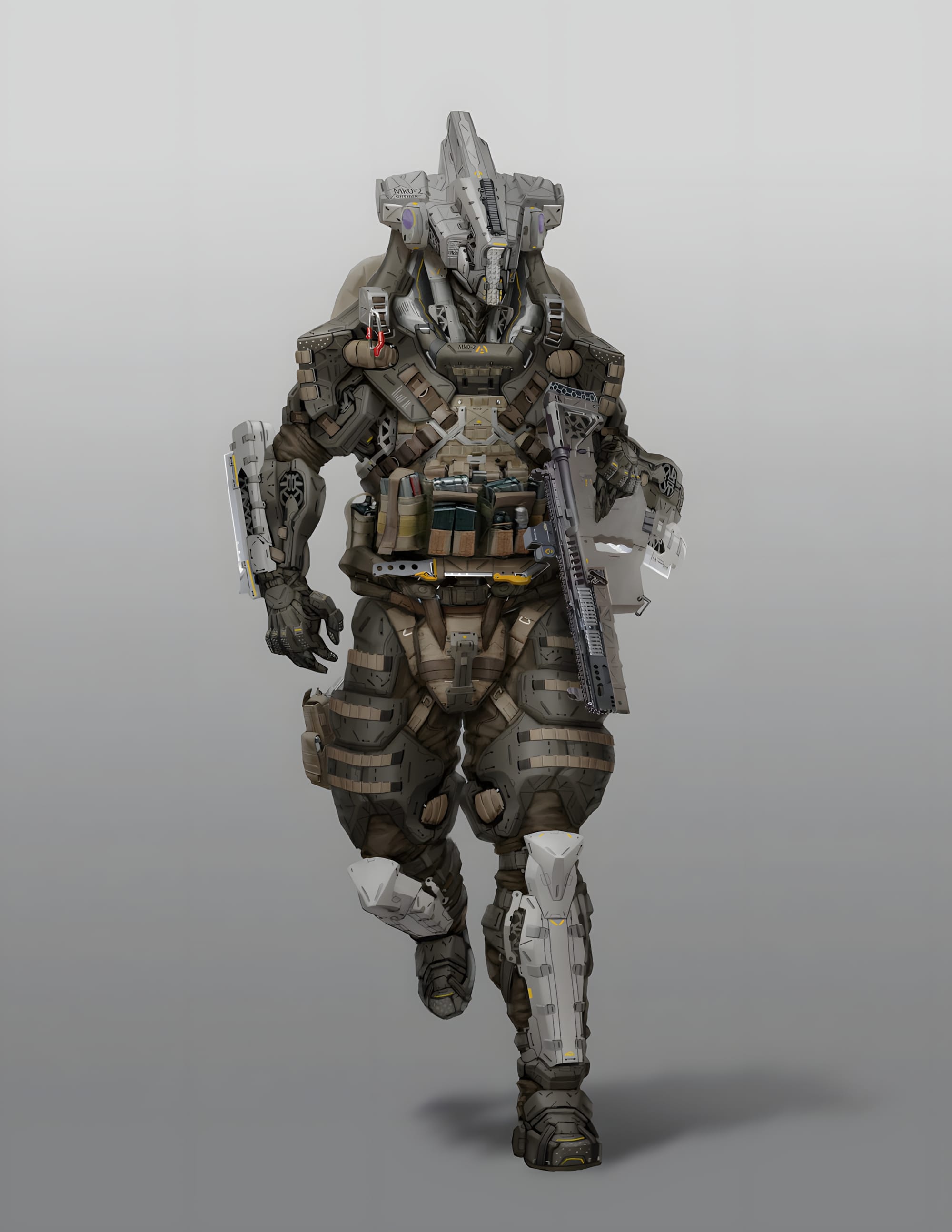
Theo Stylianides (StTheo) — Vector