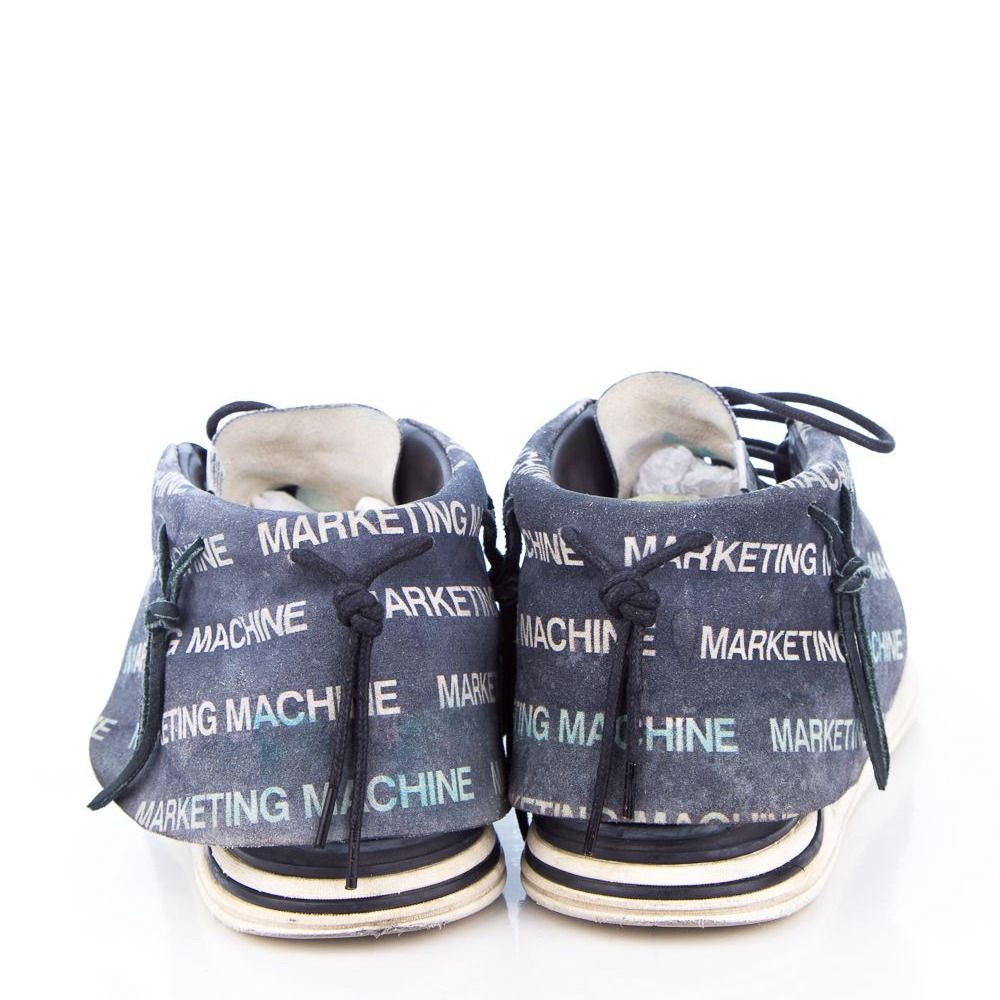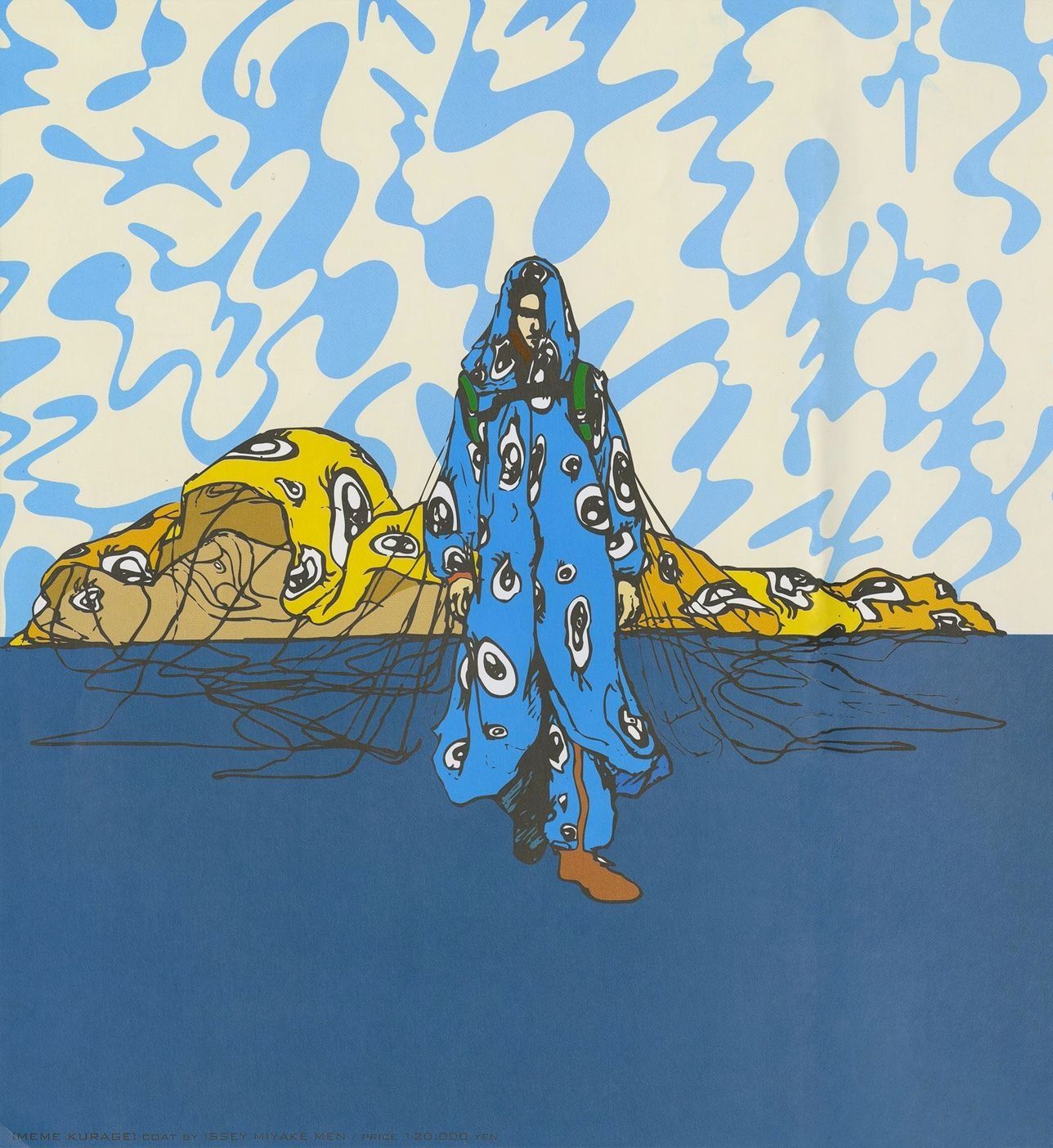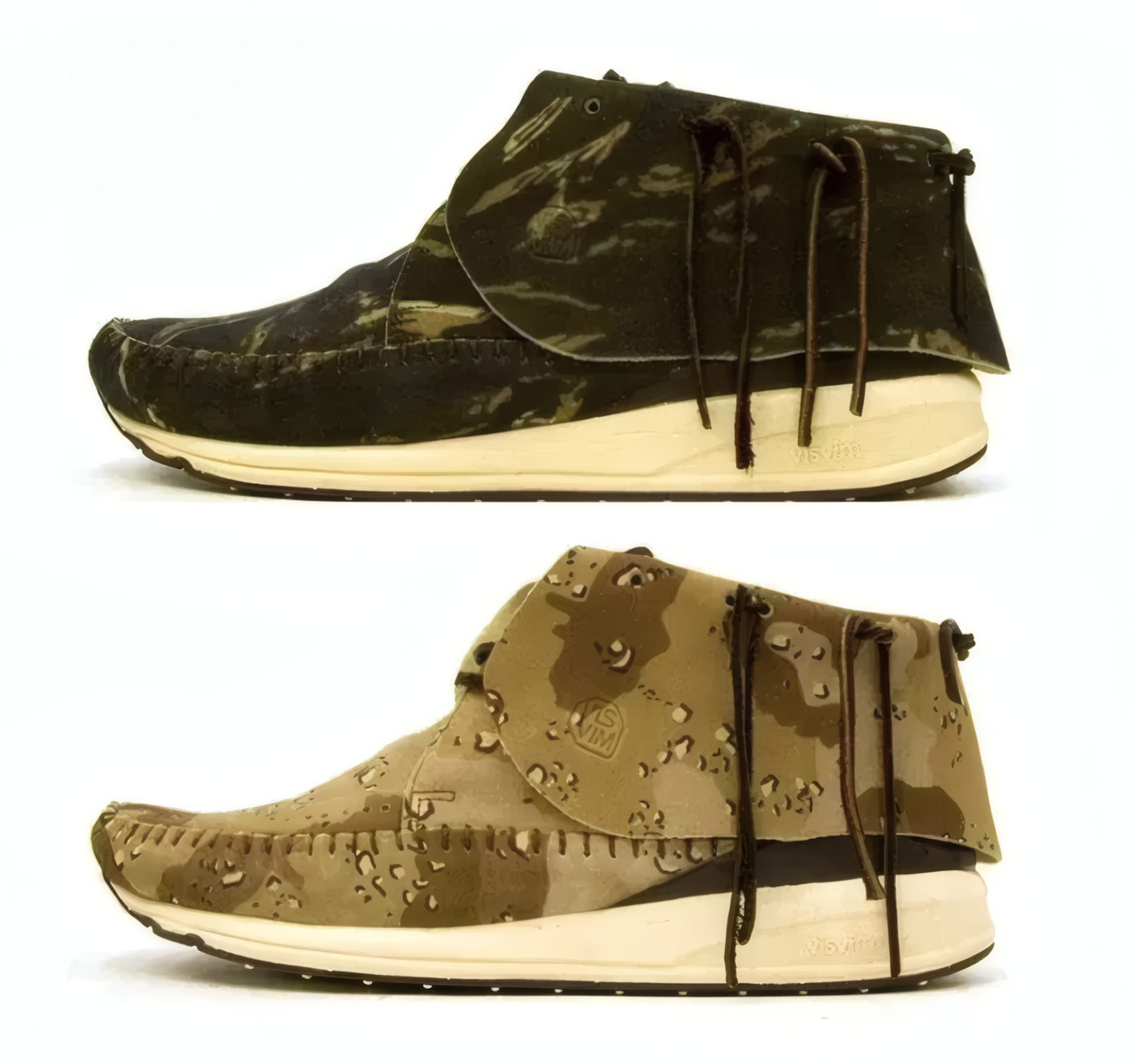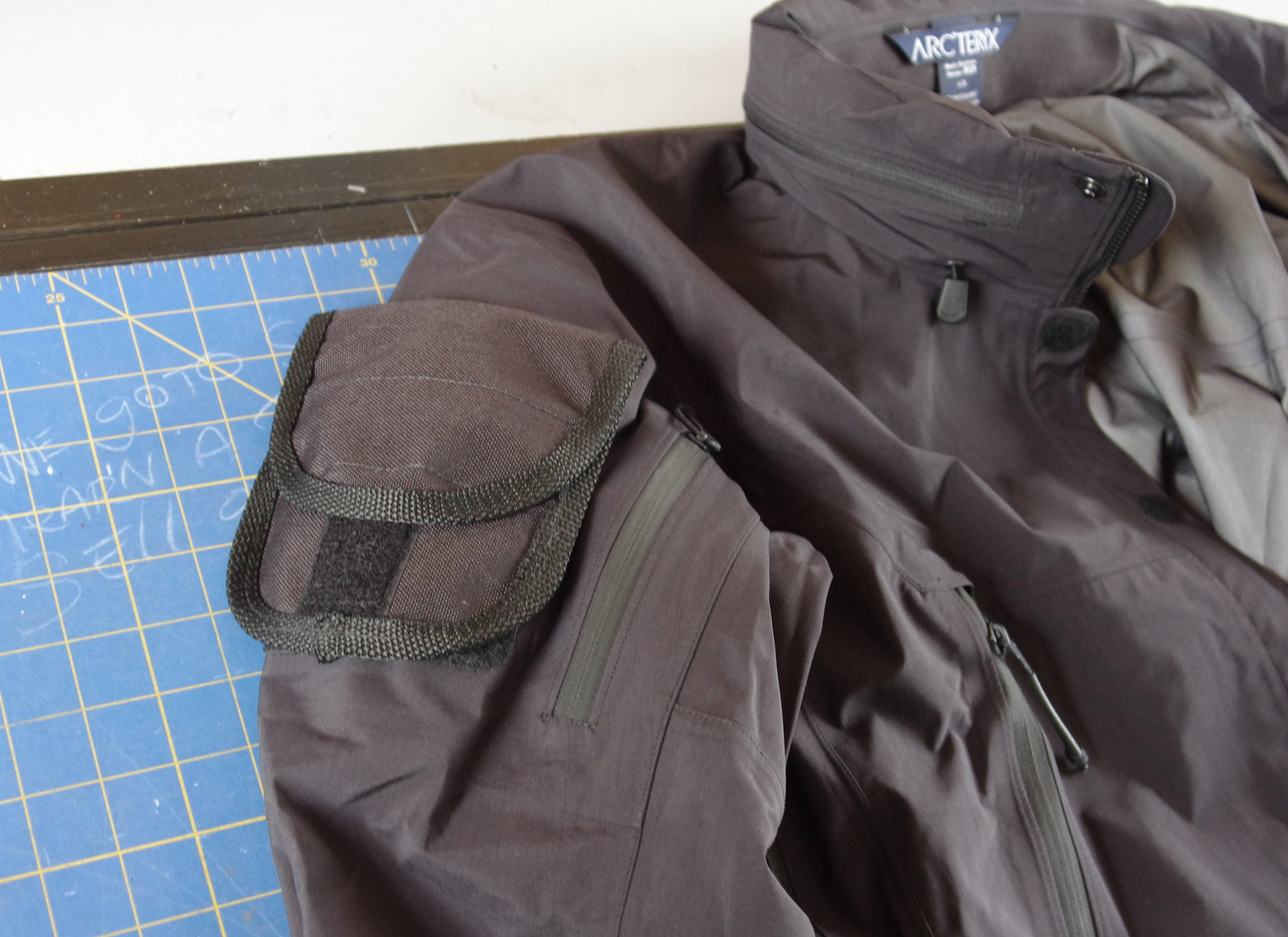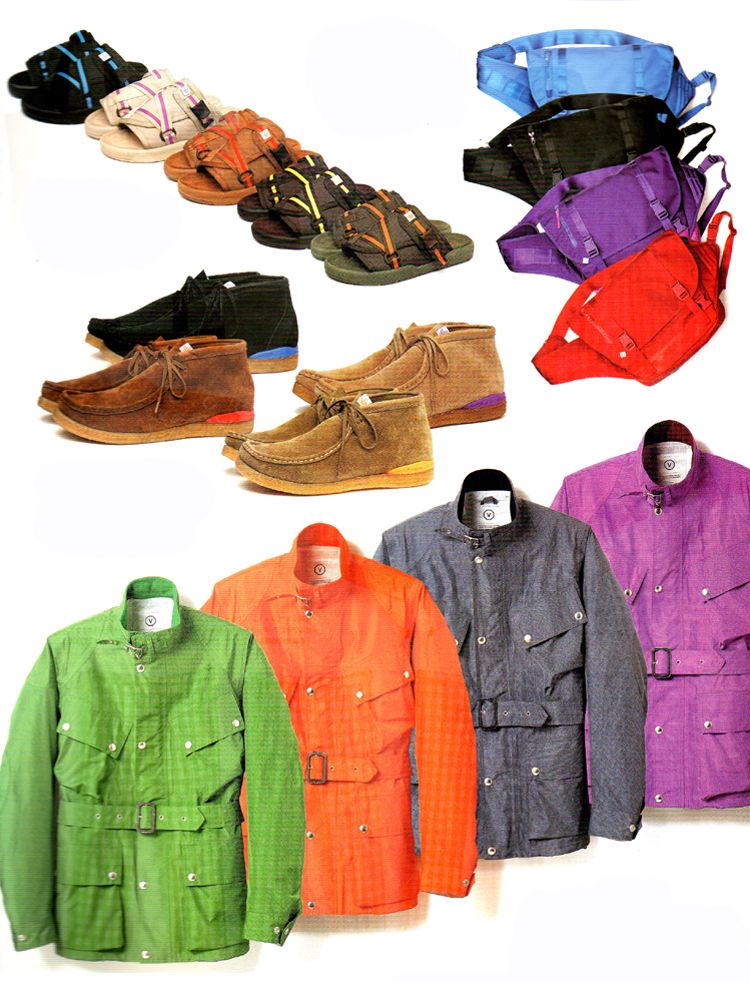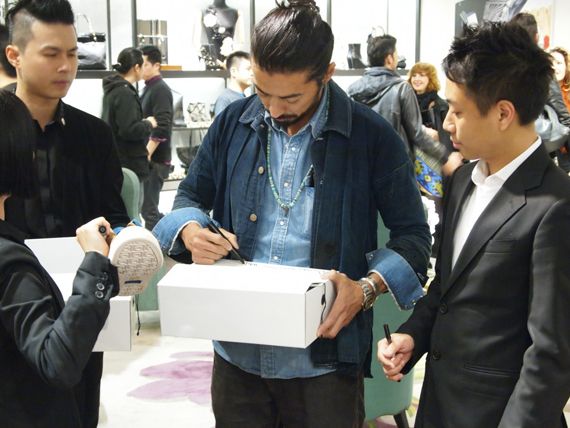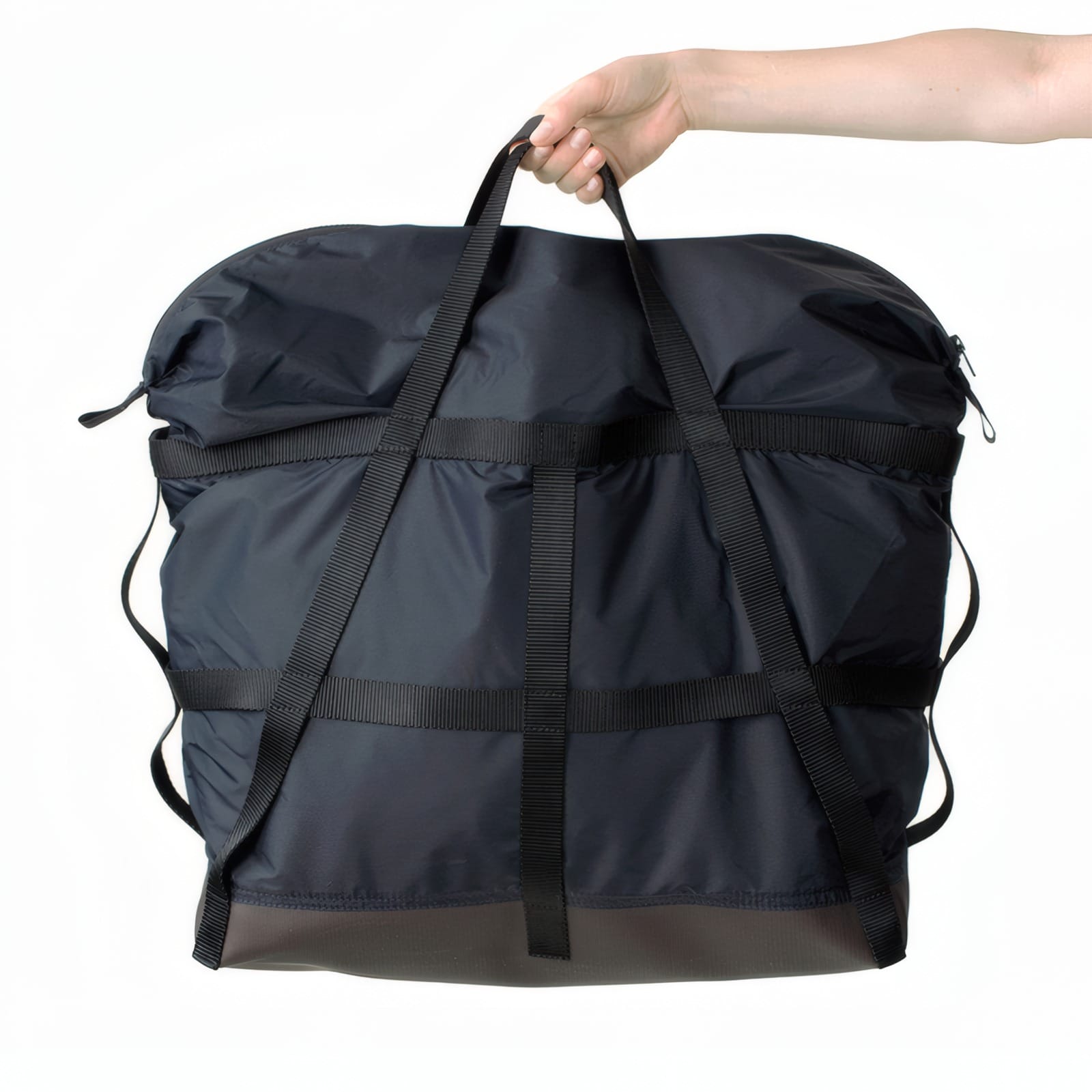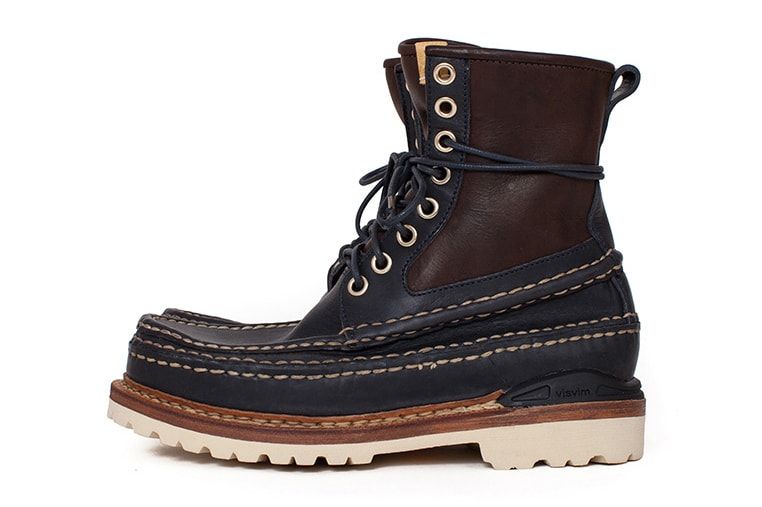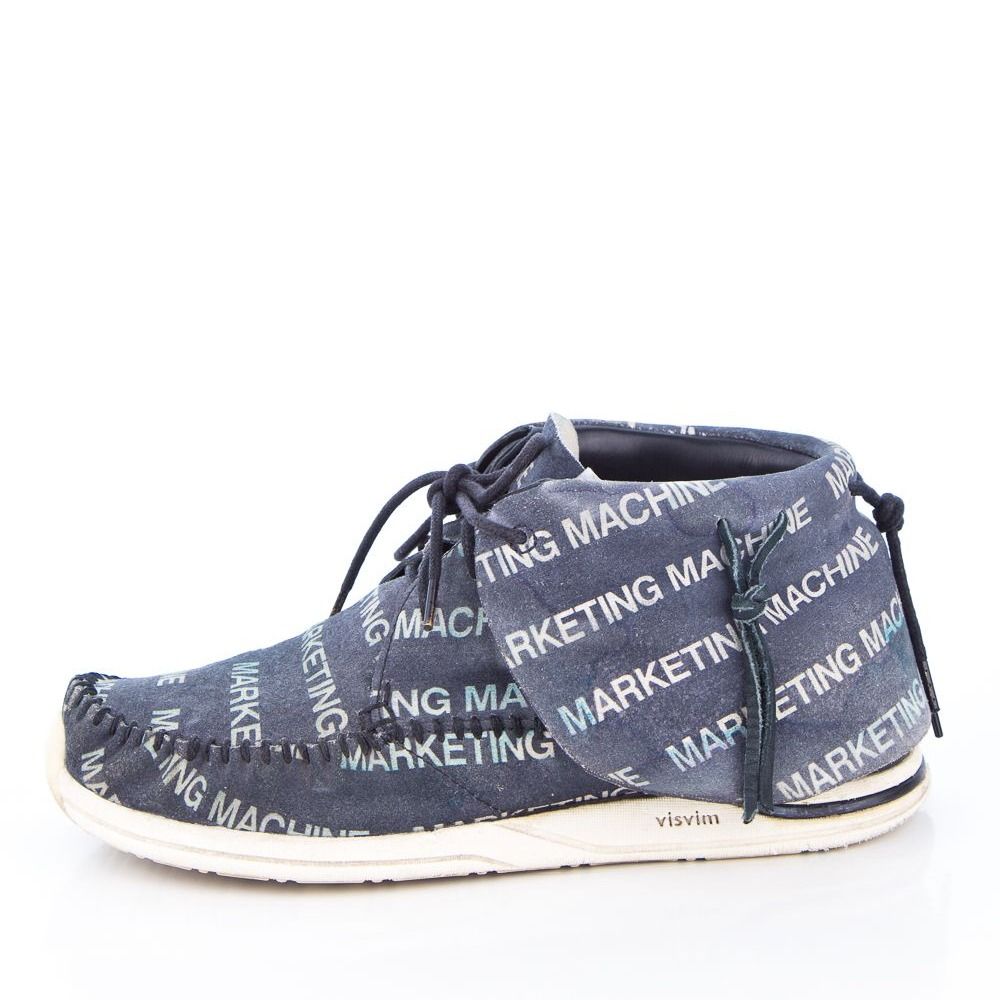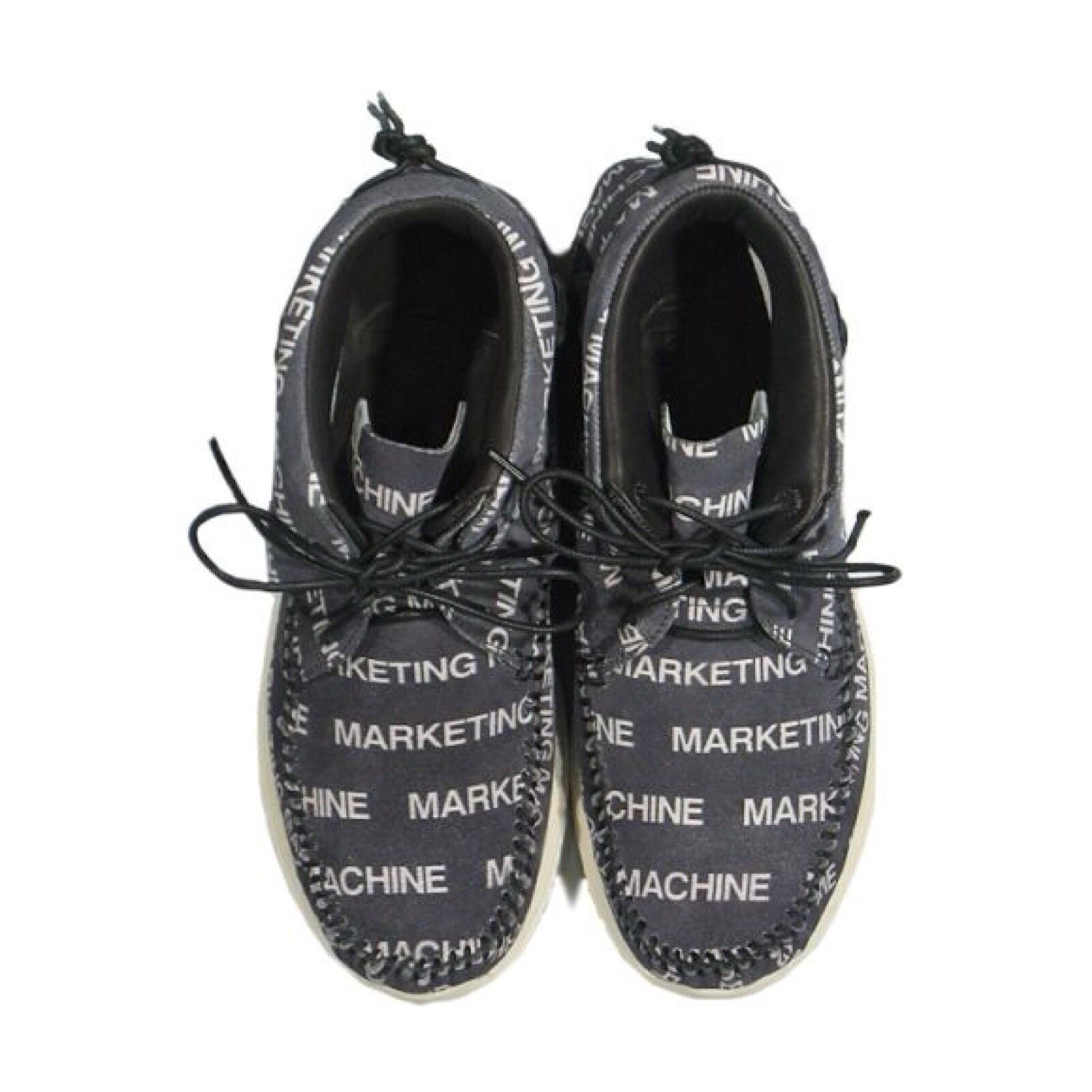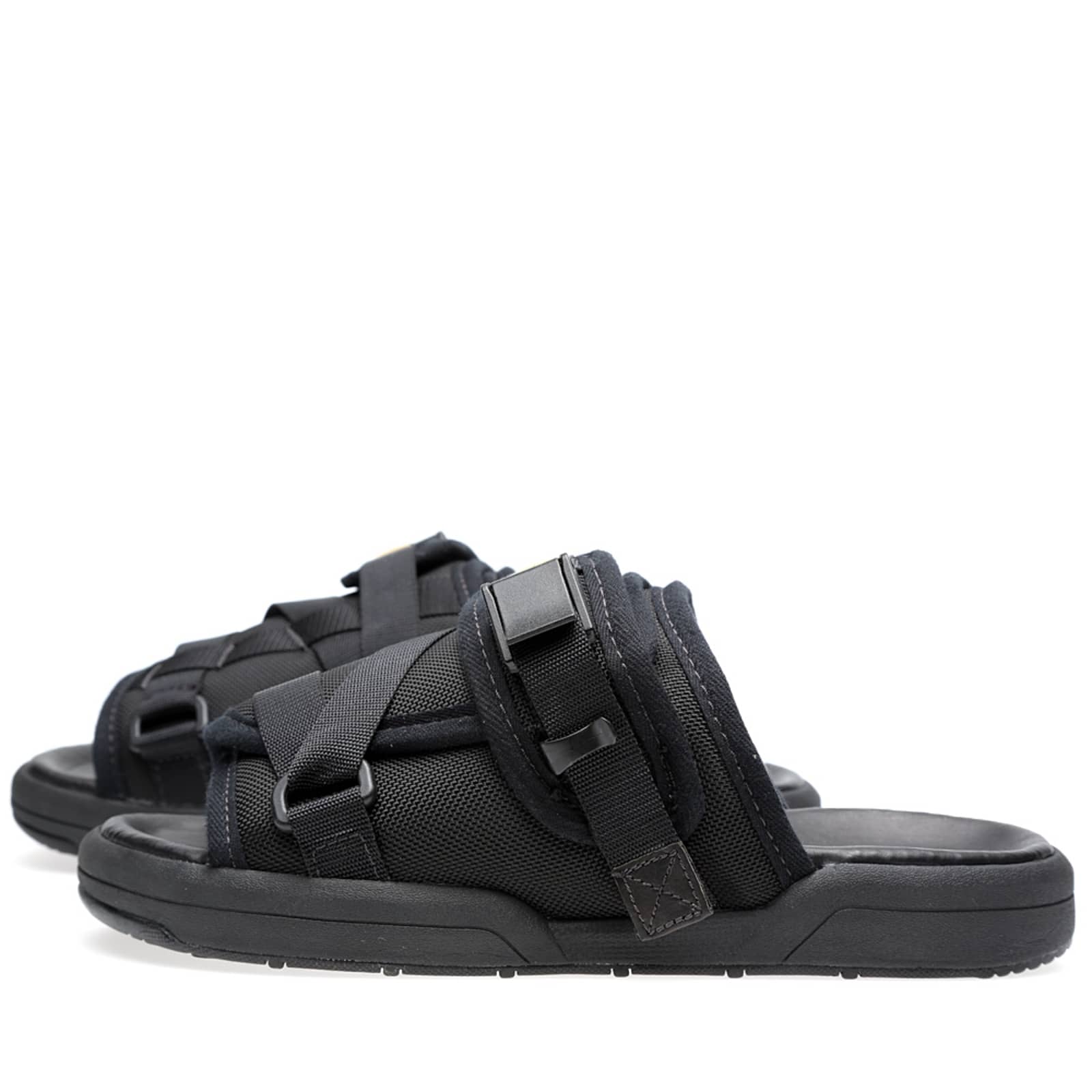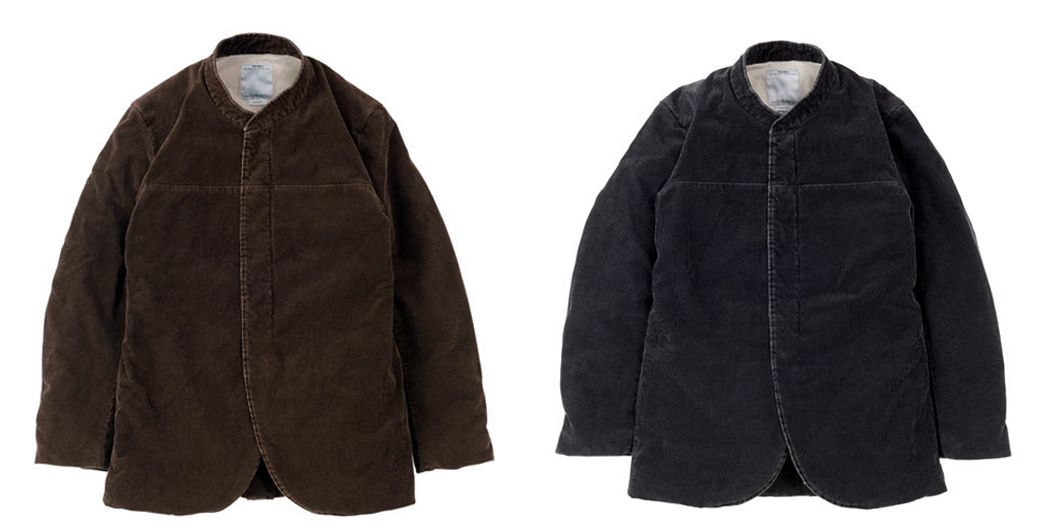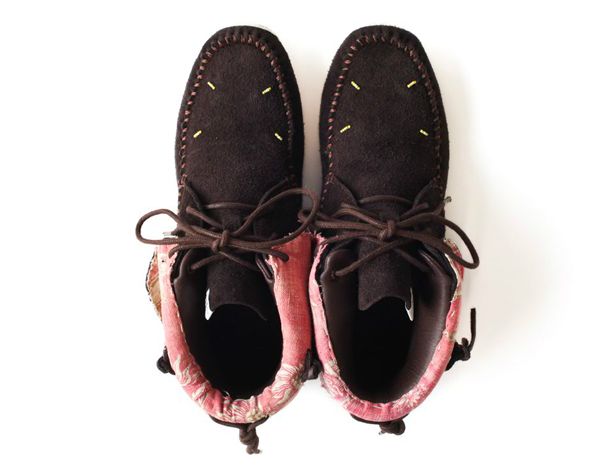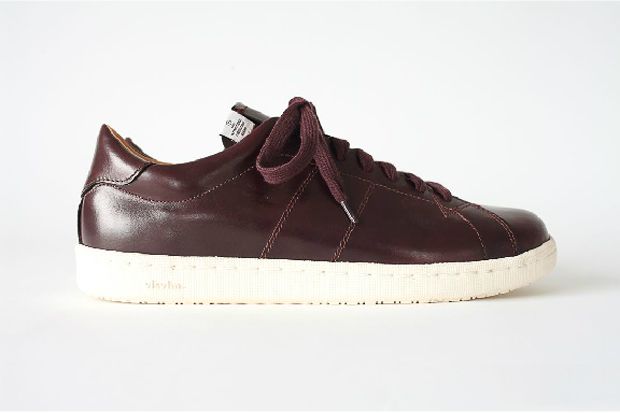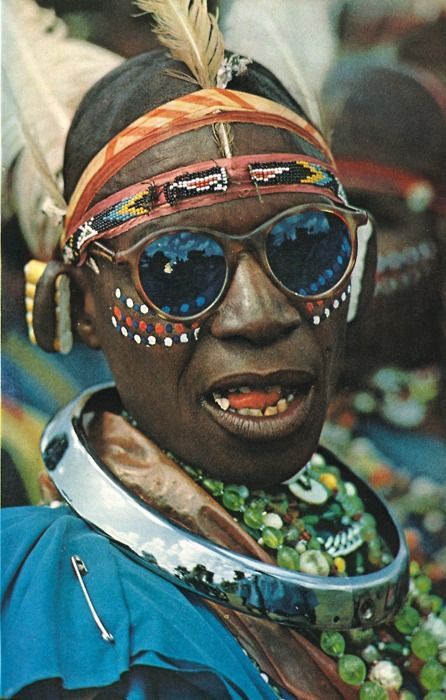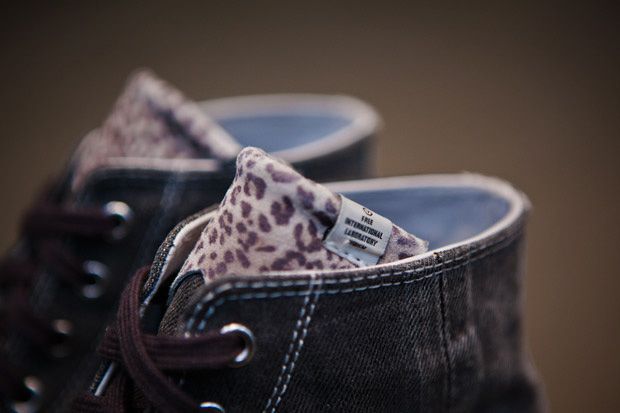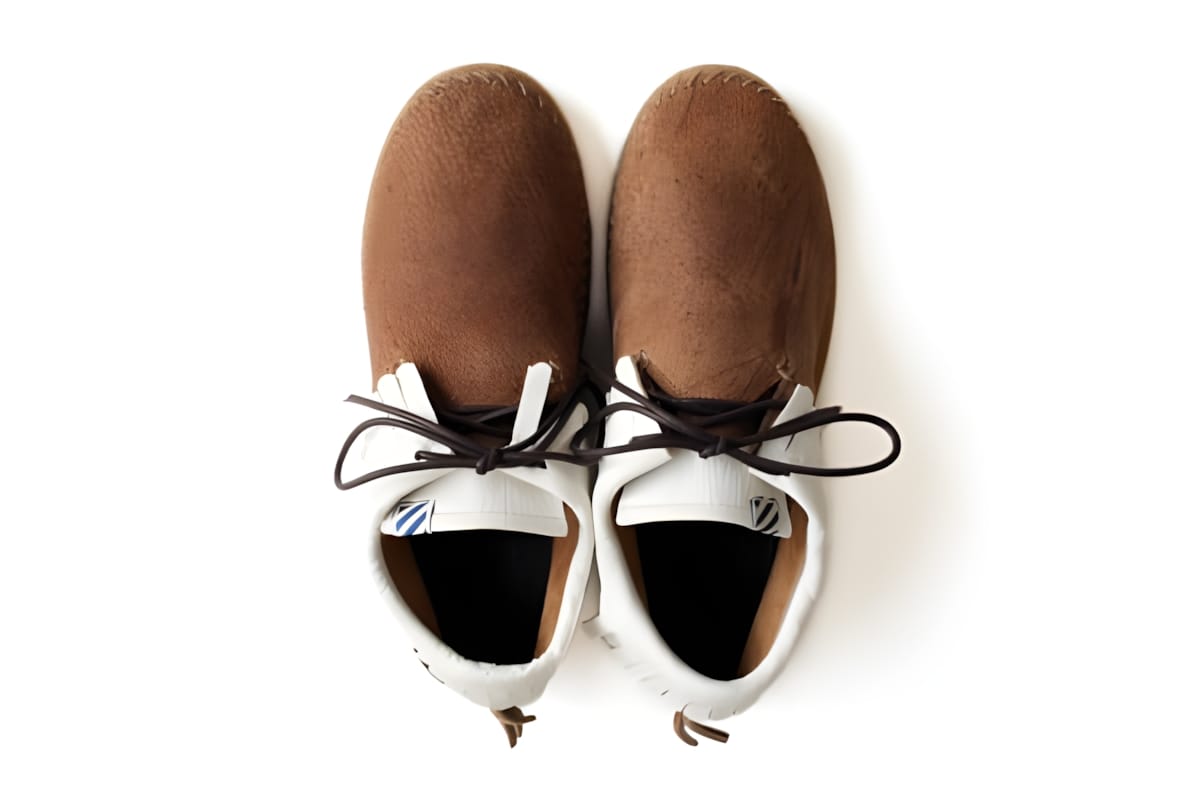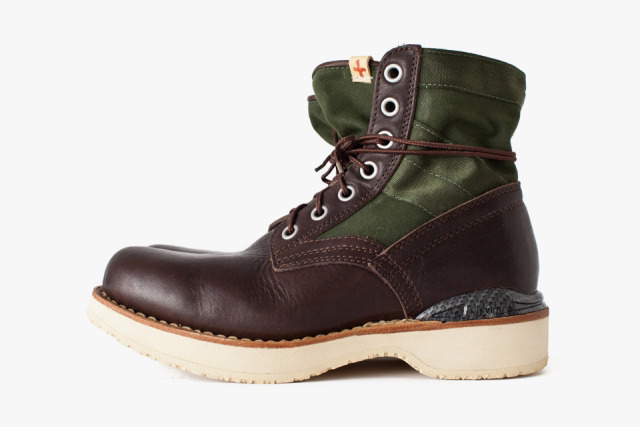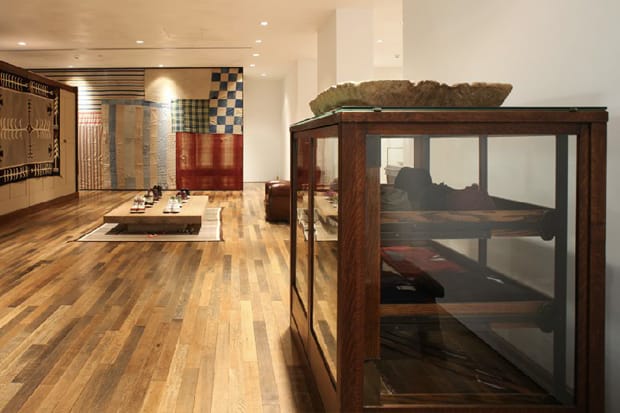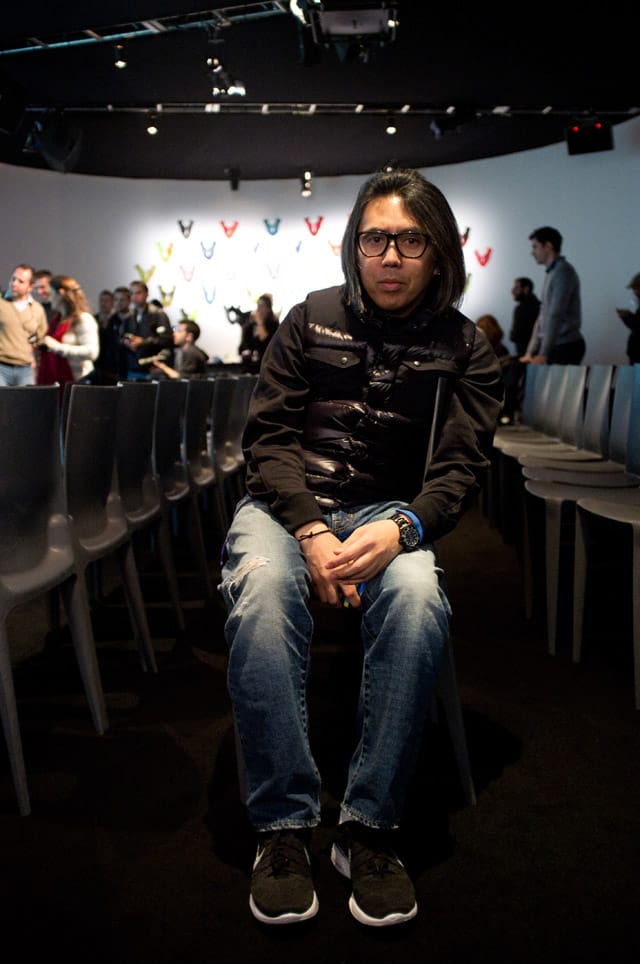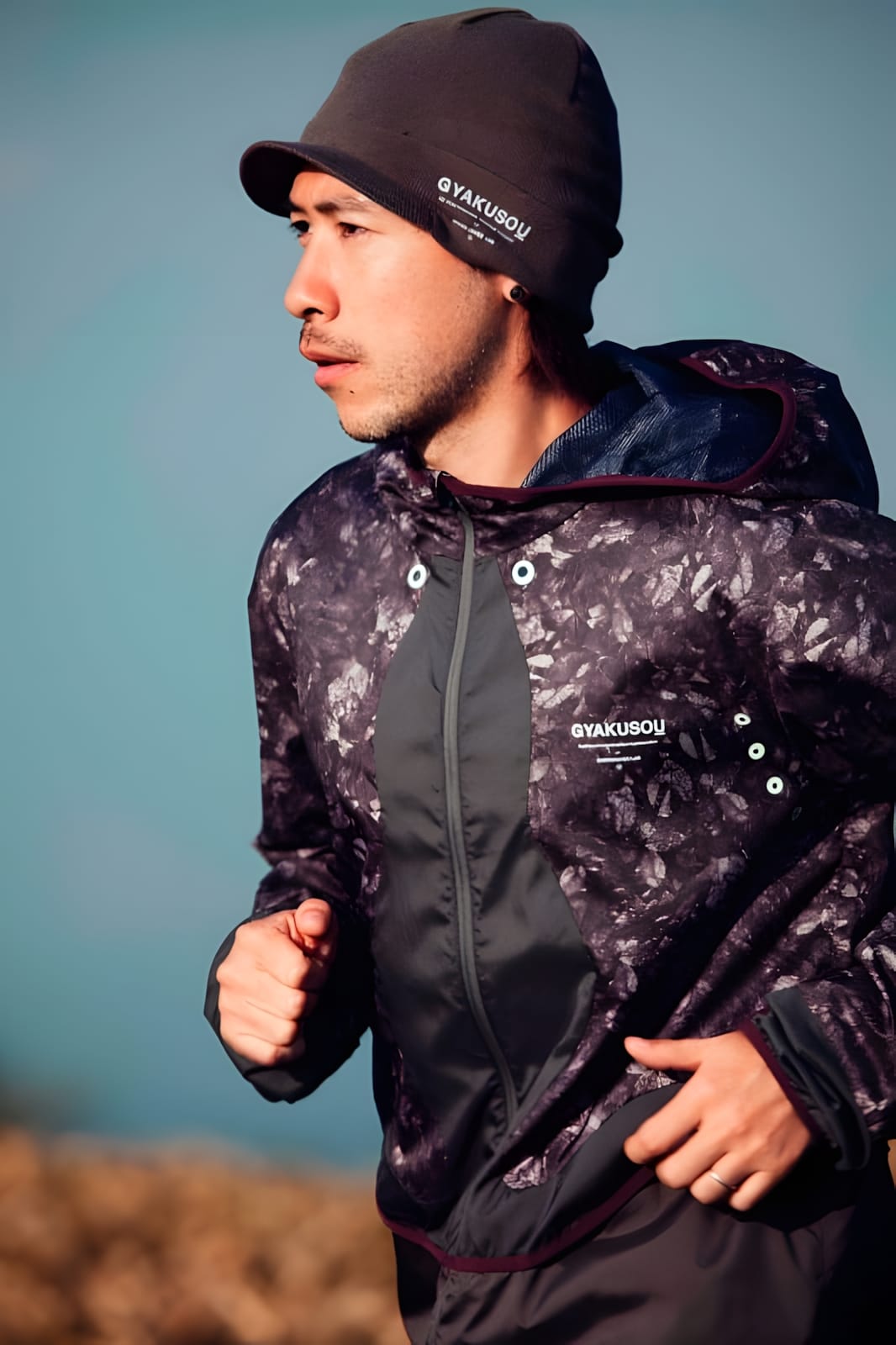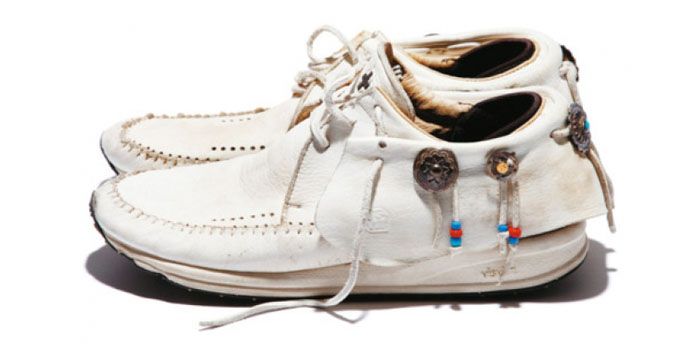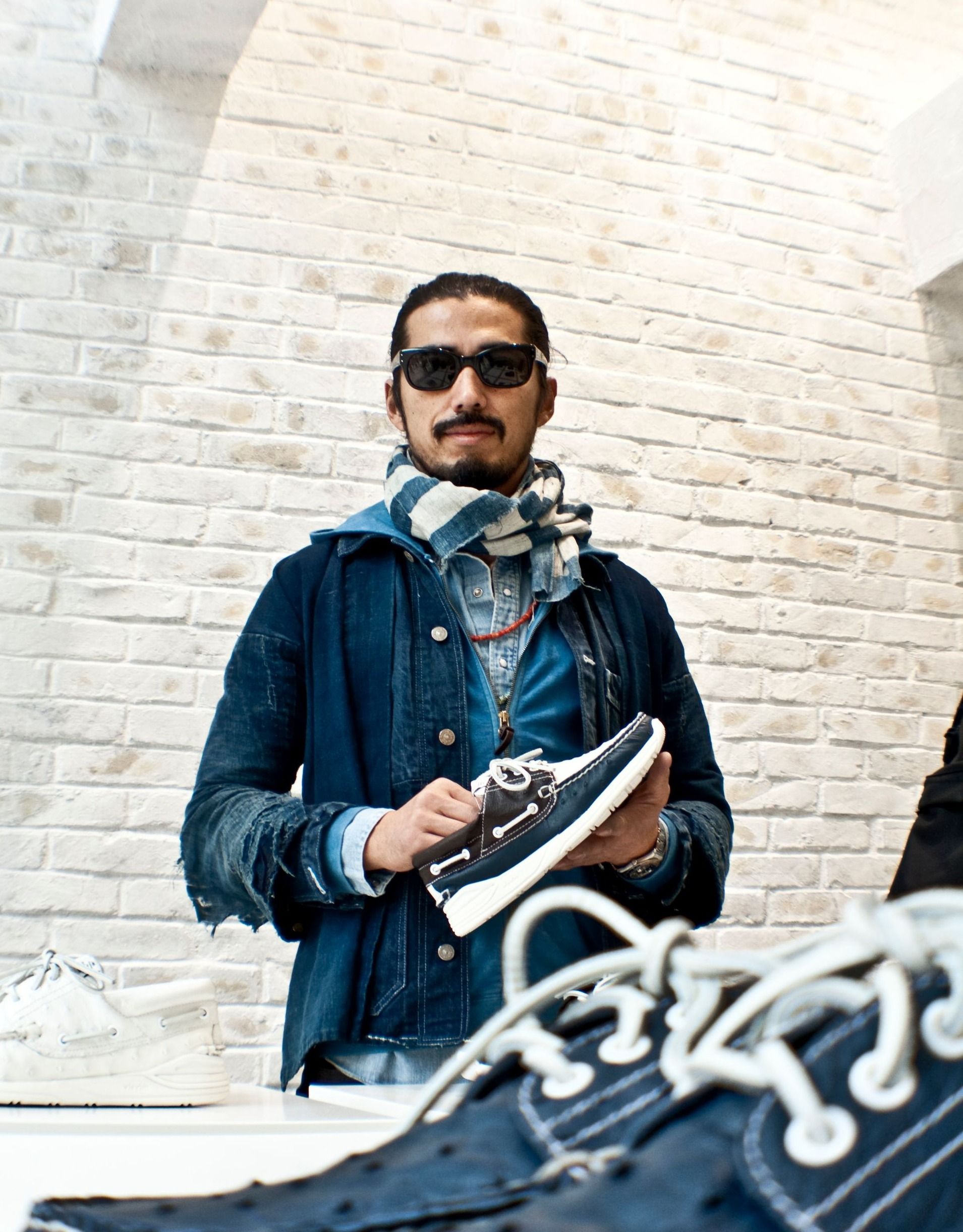
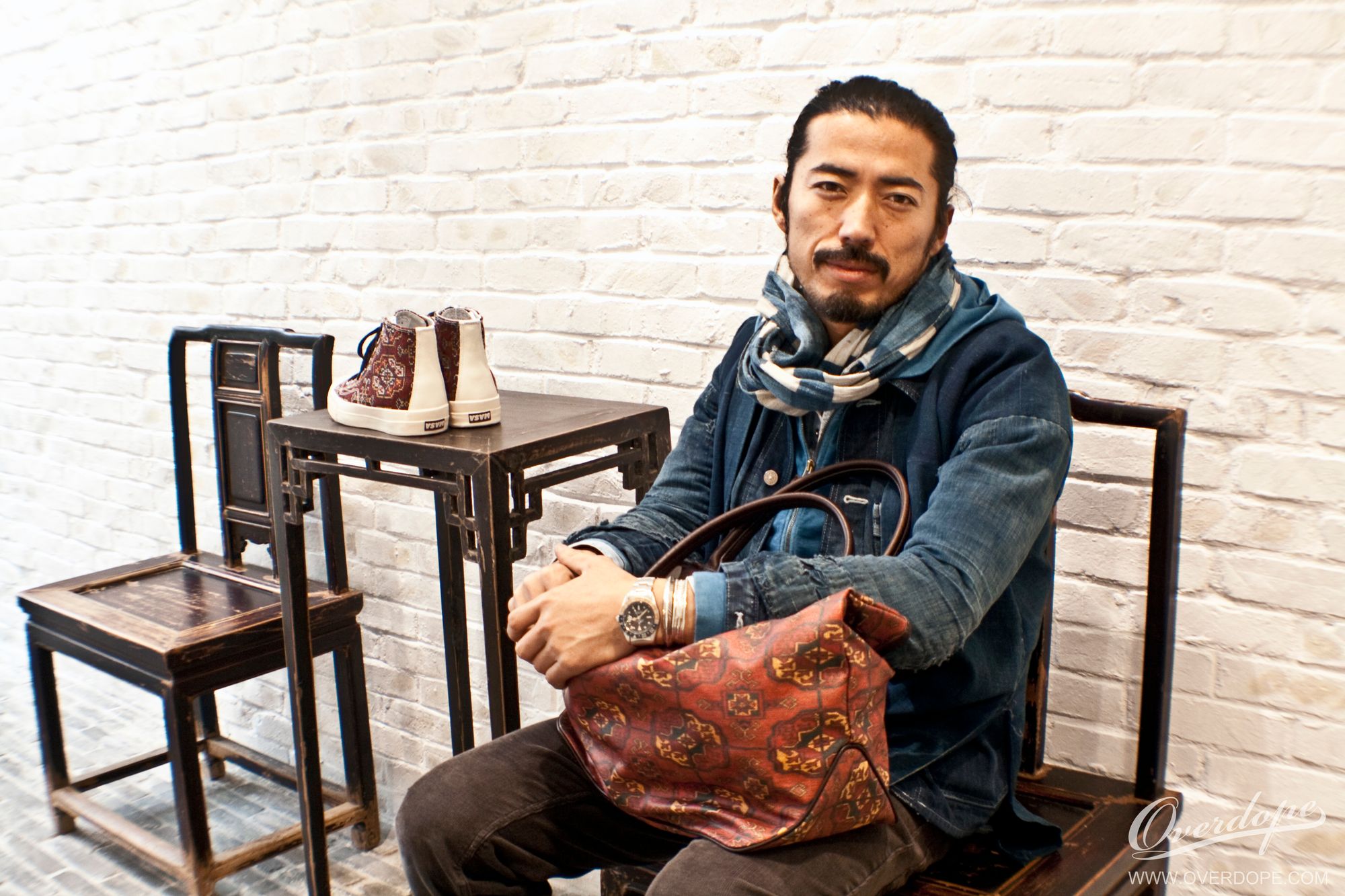
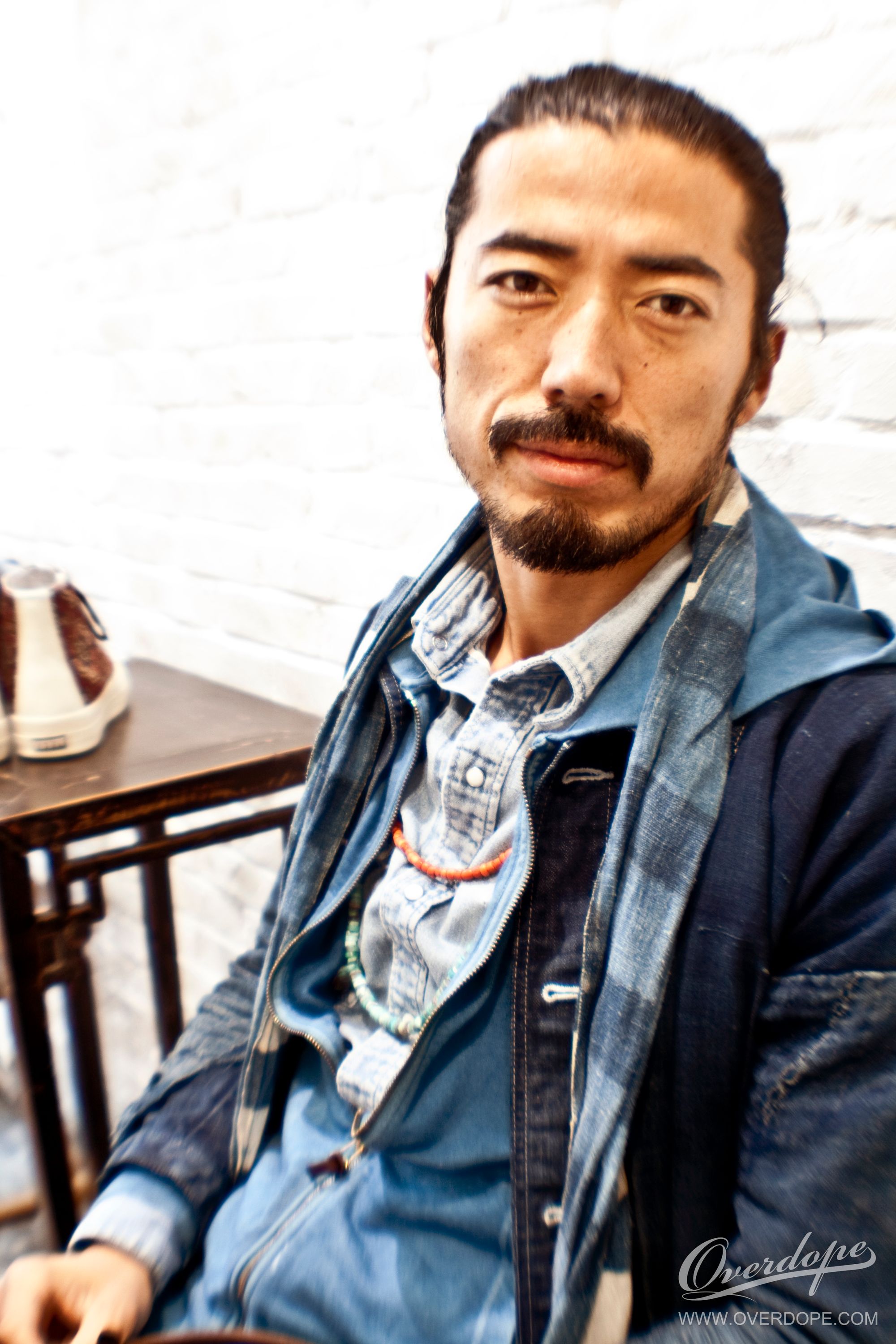
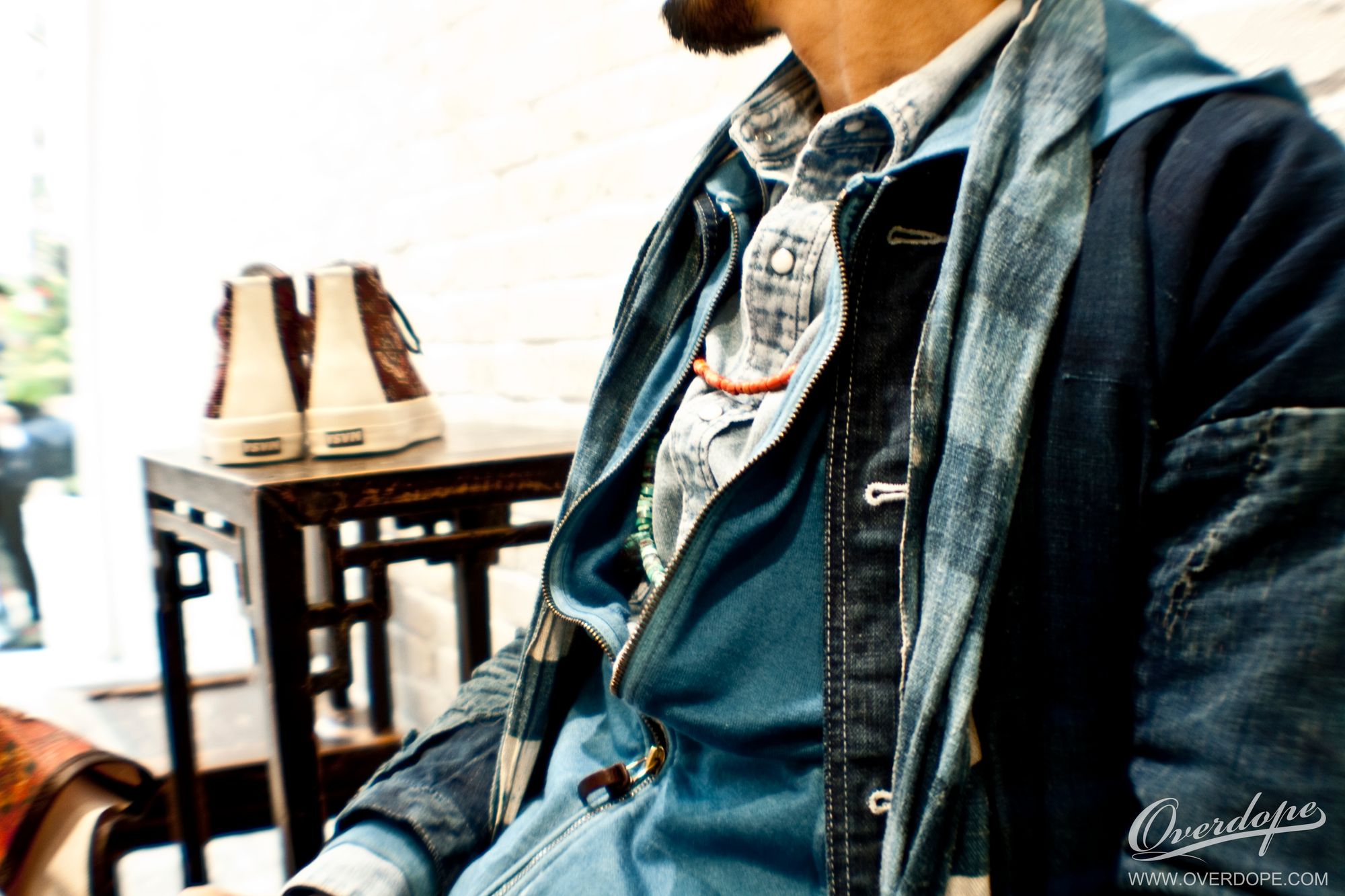
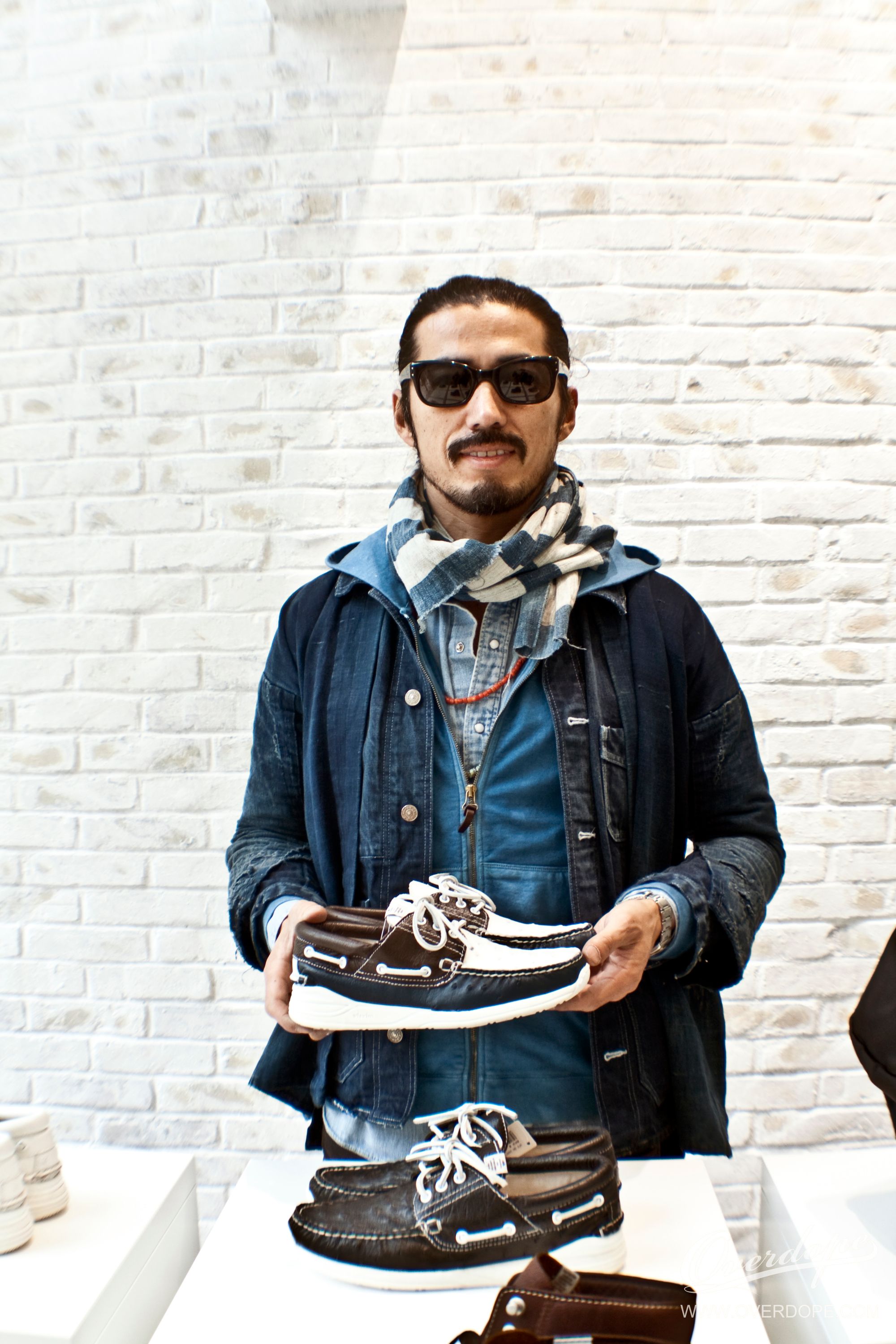
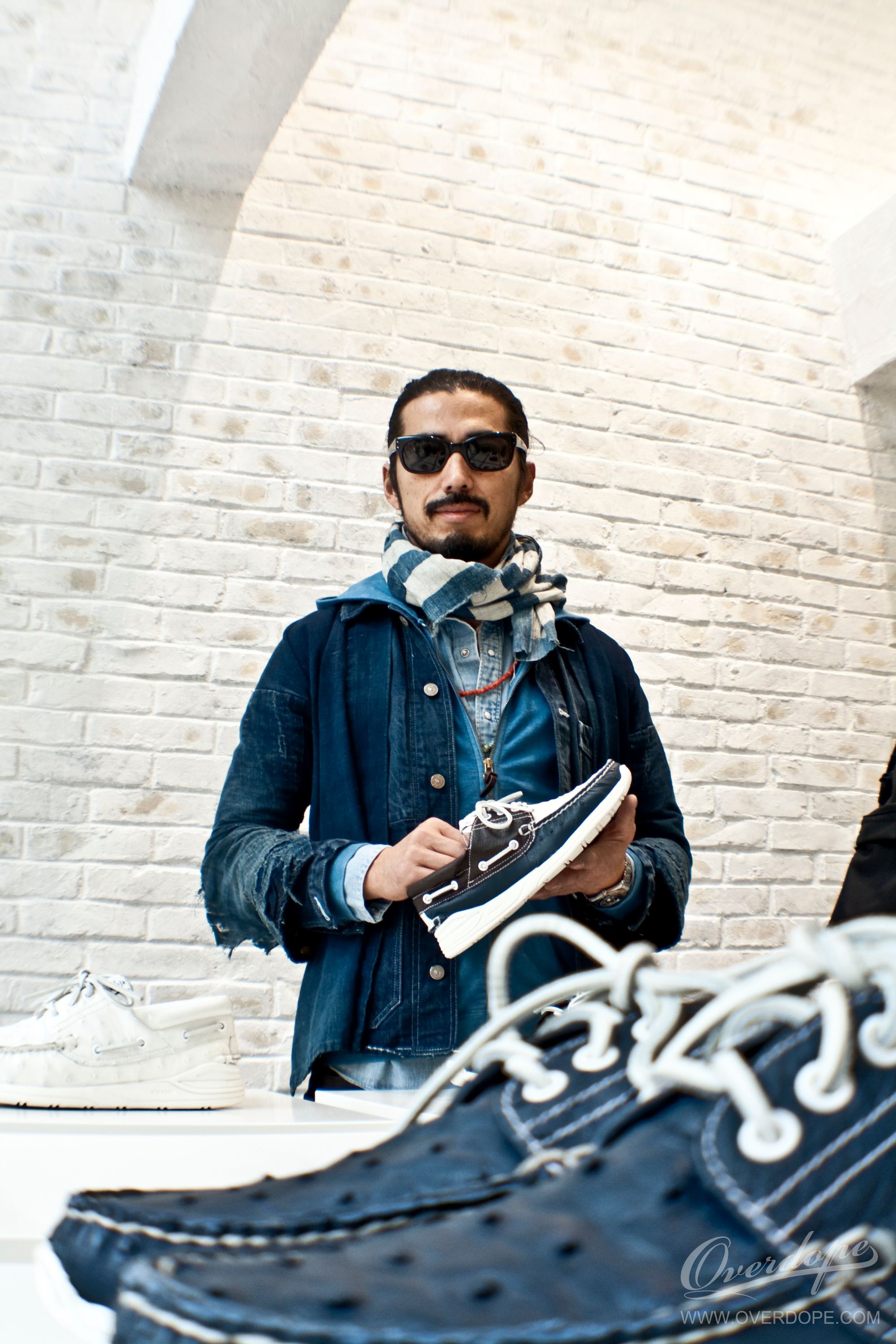
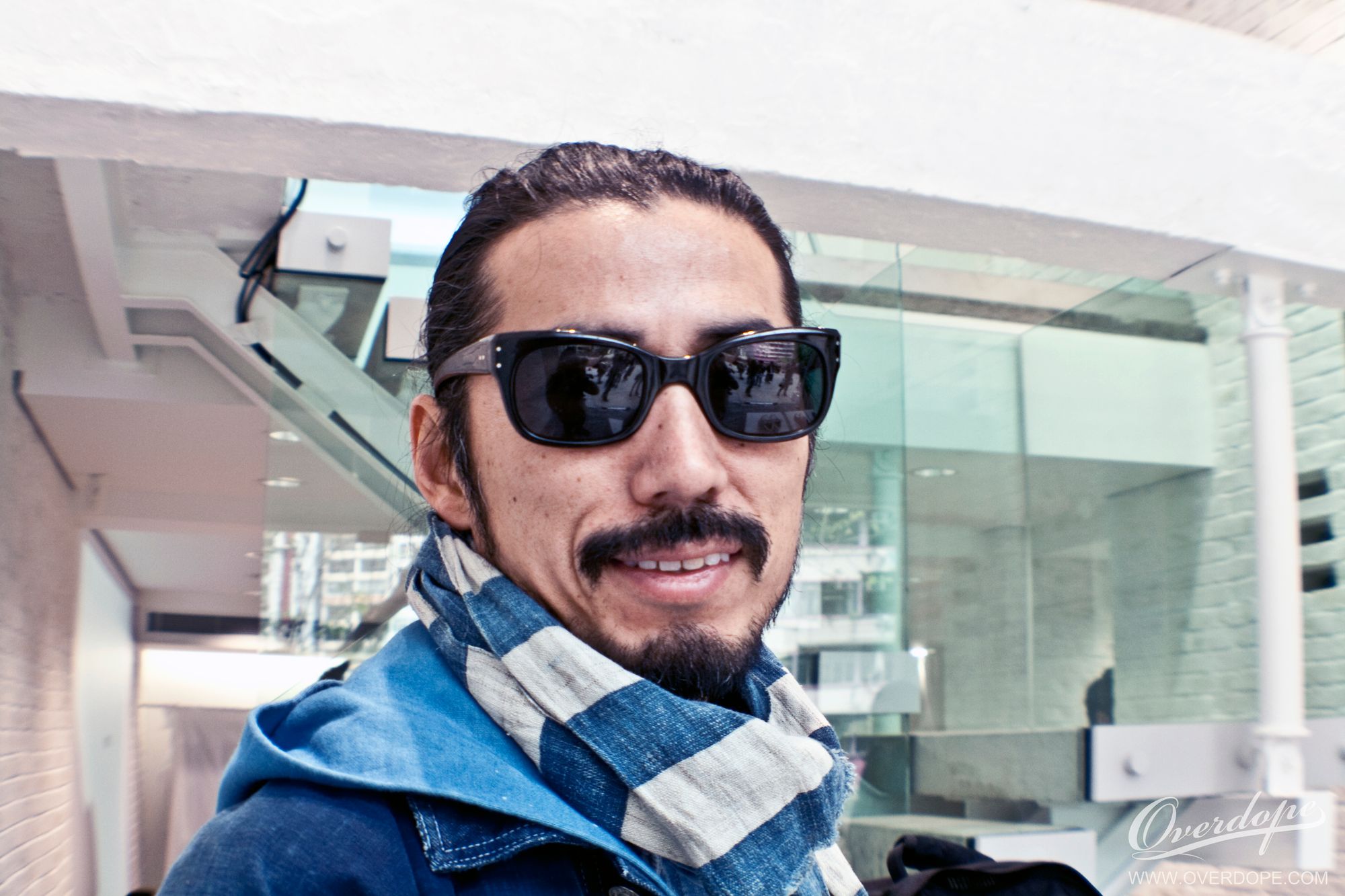
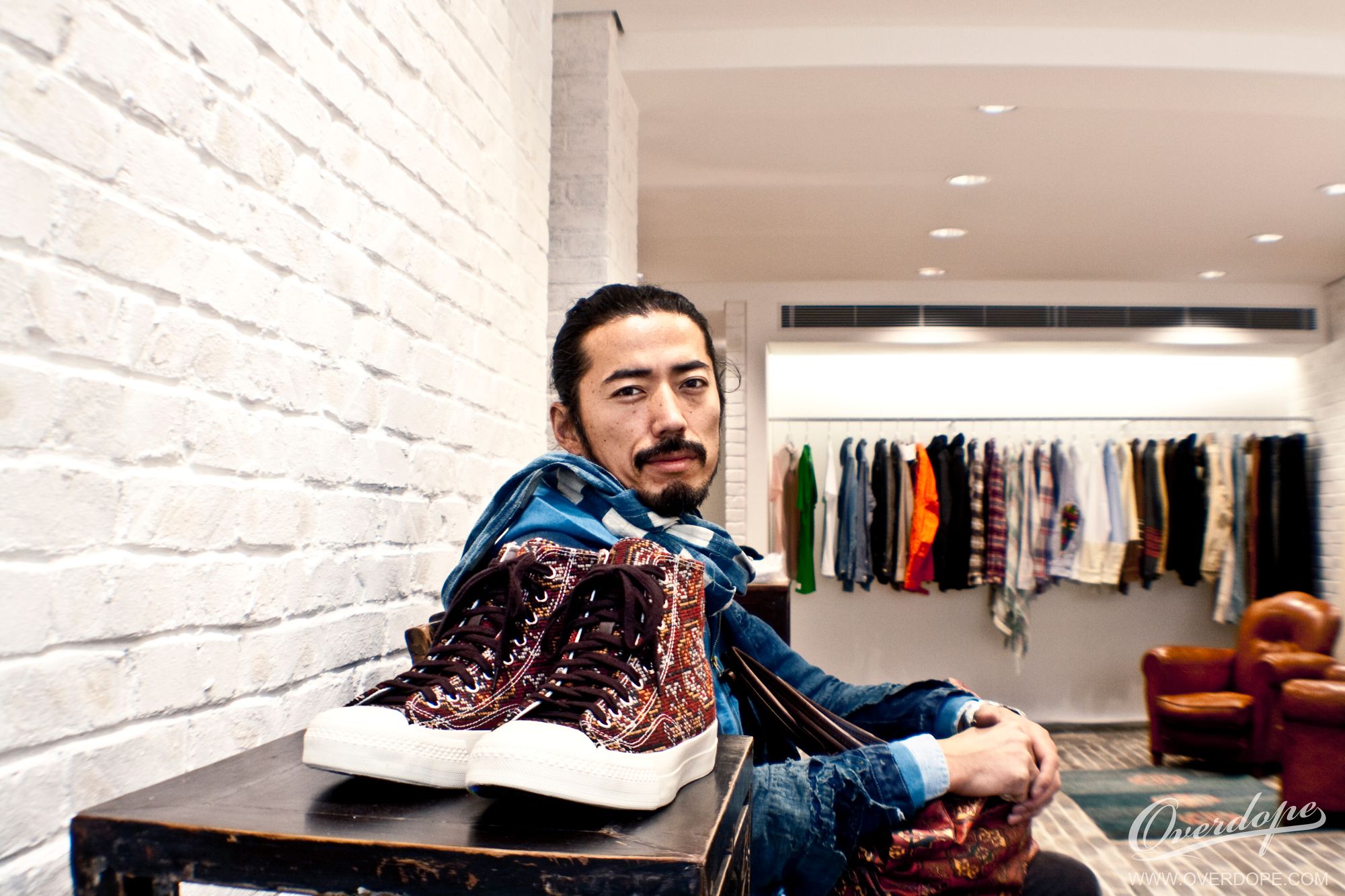
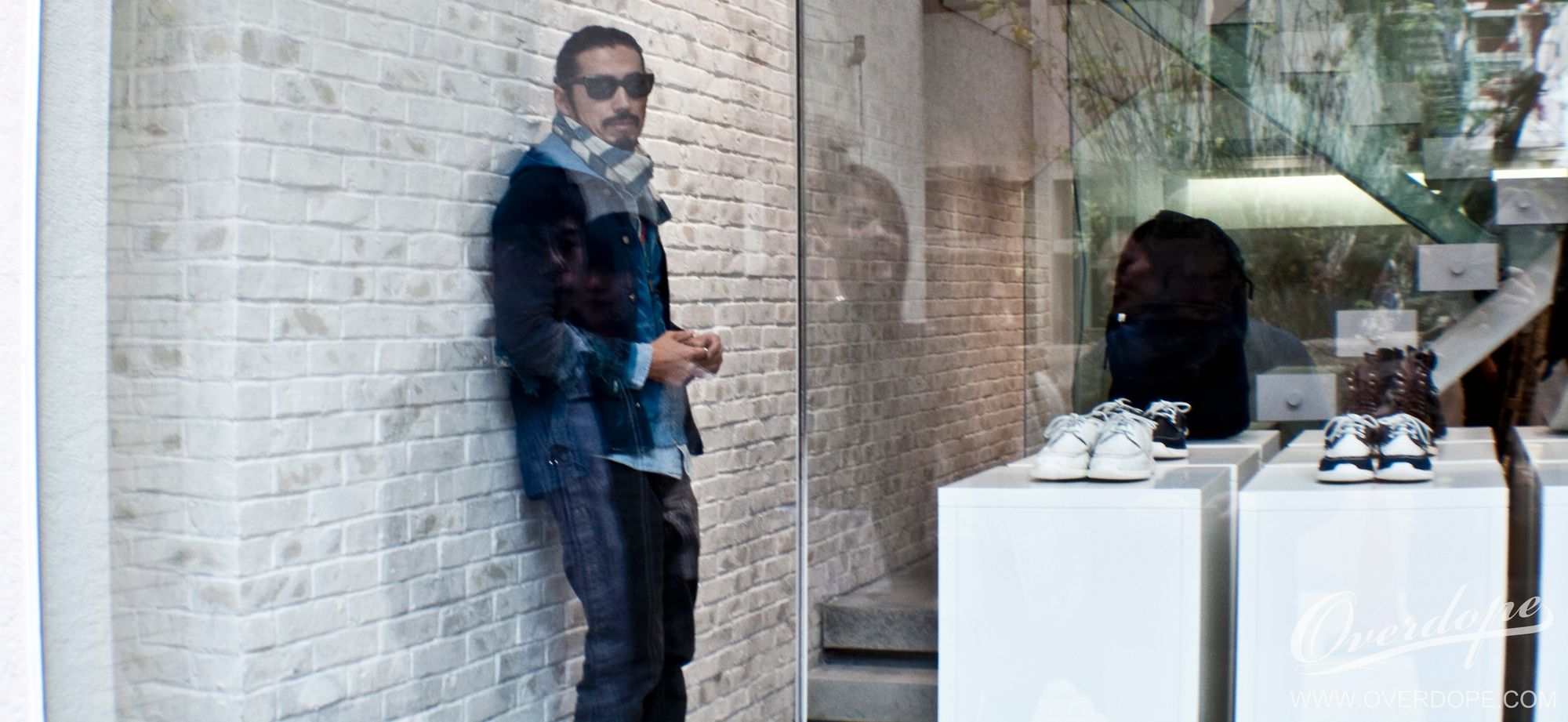
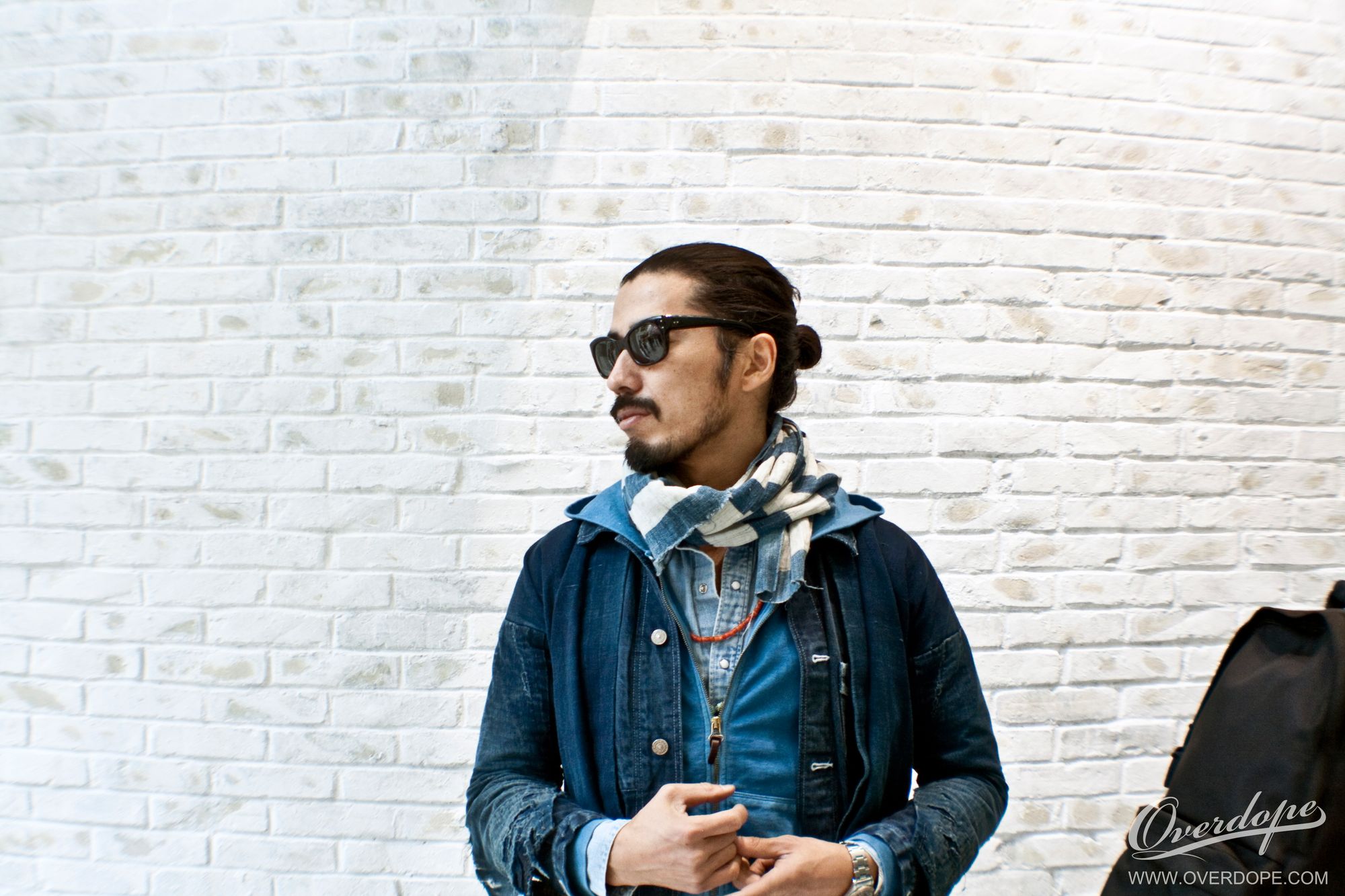
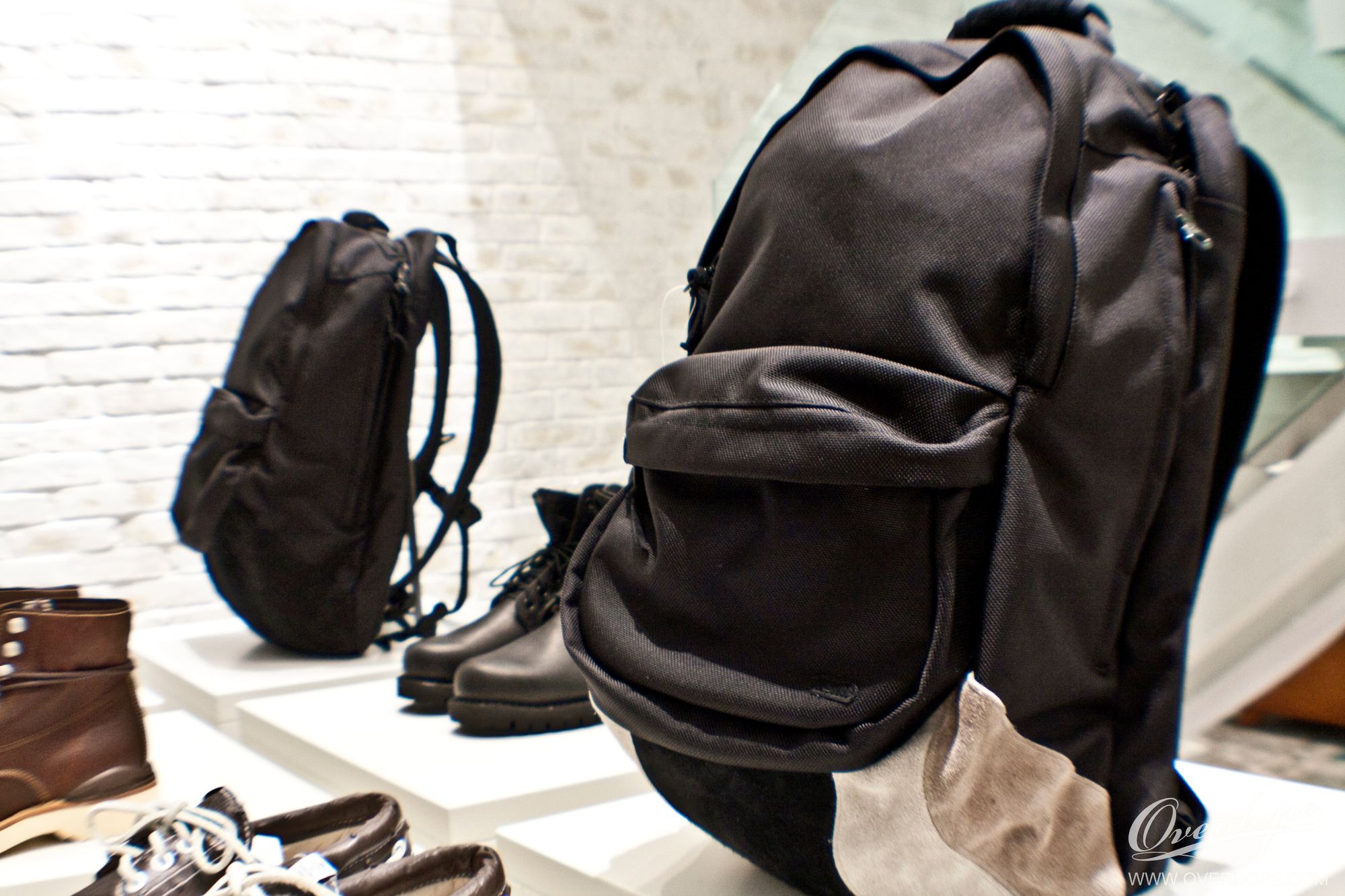
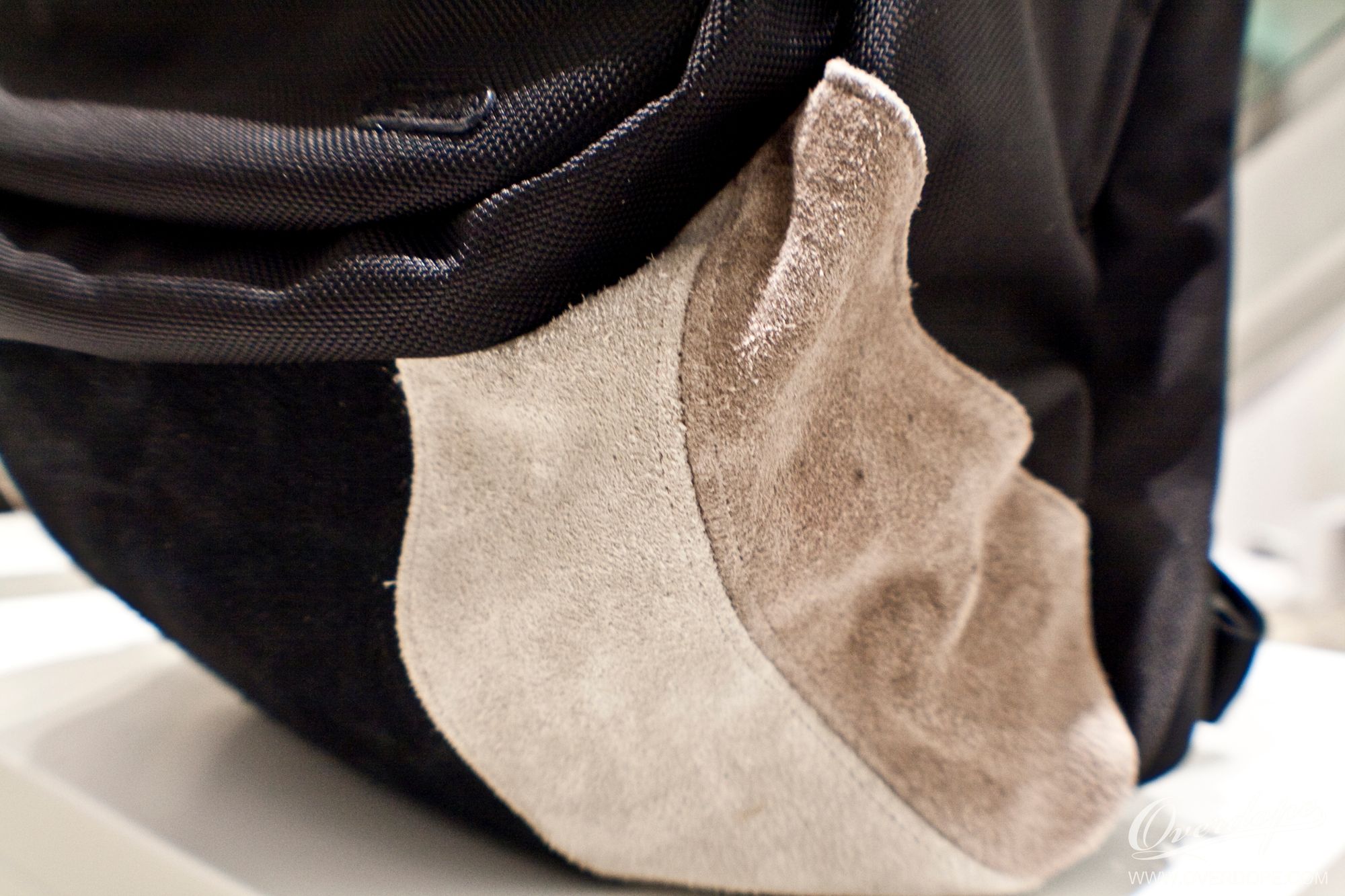
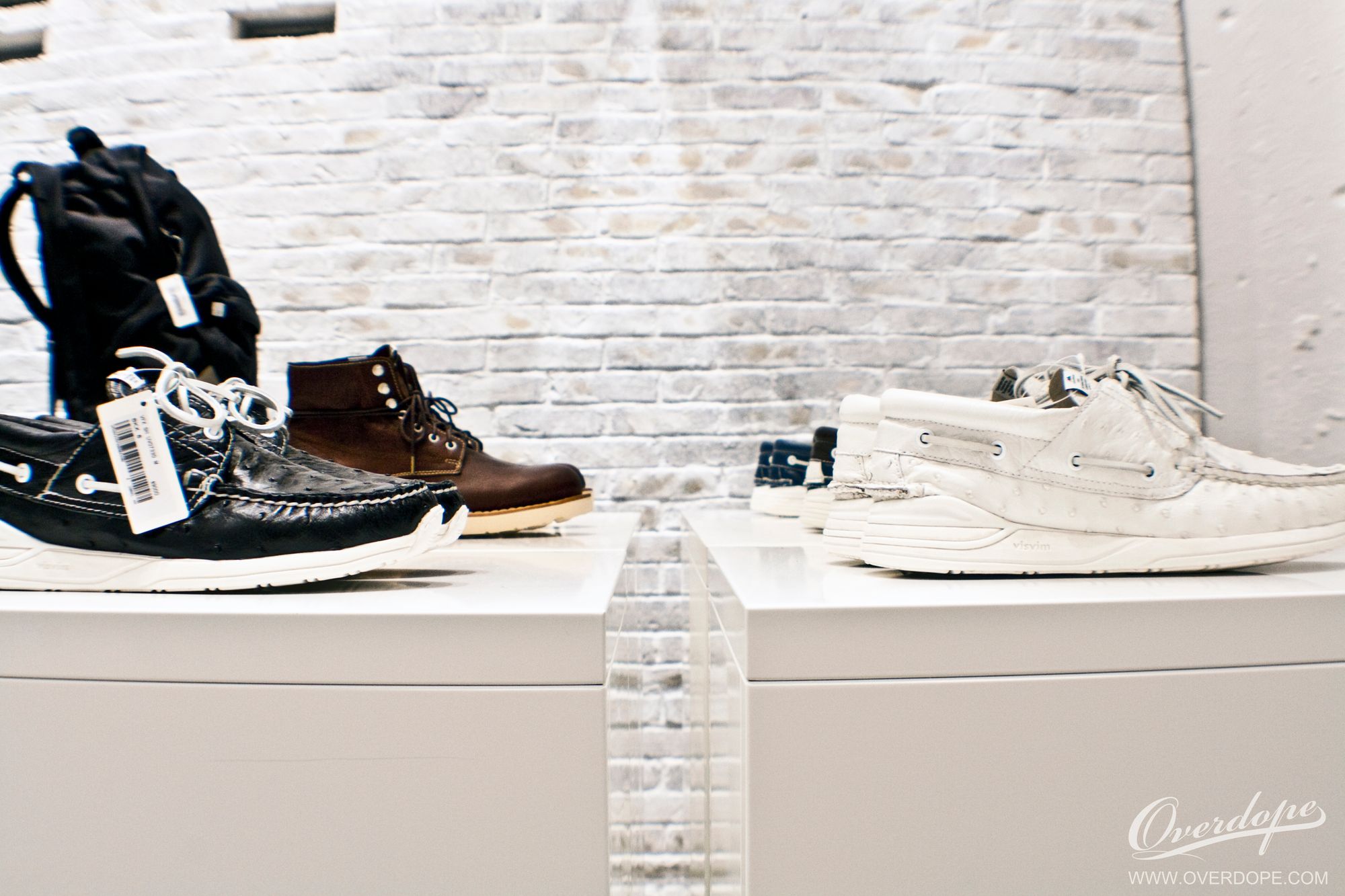
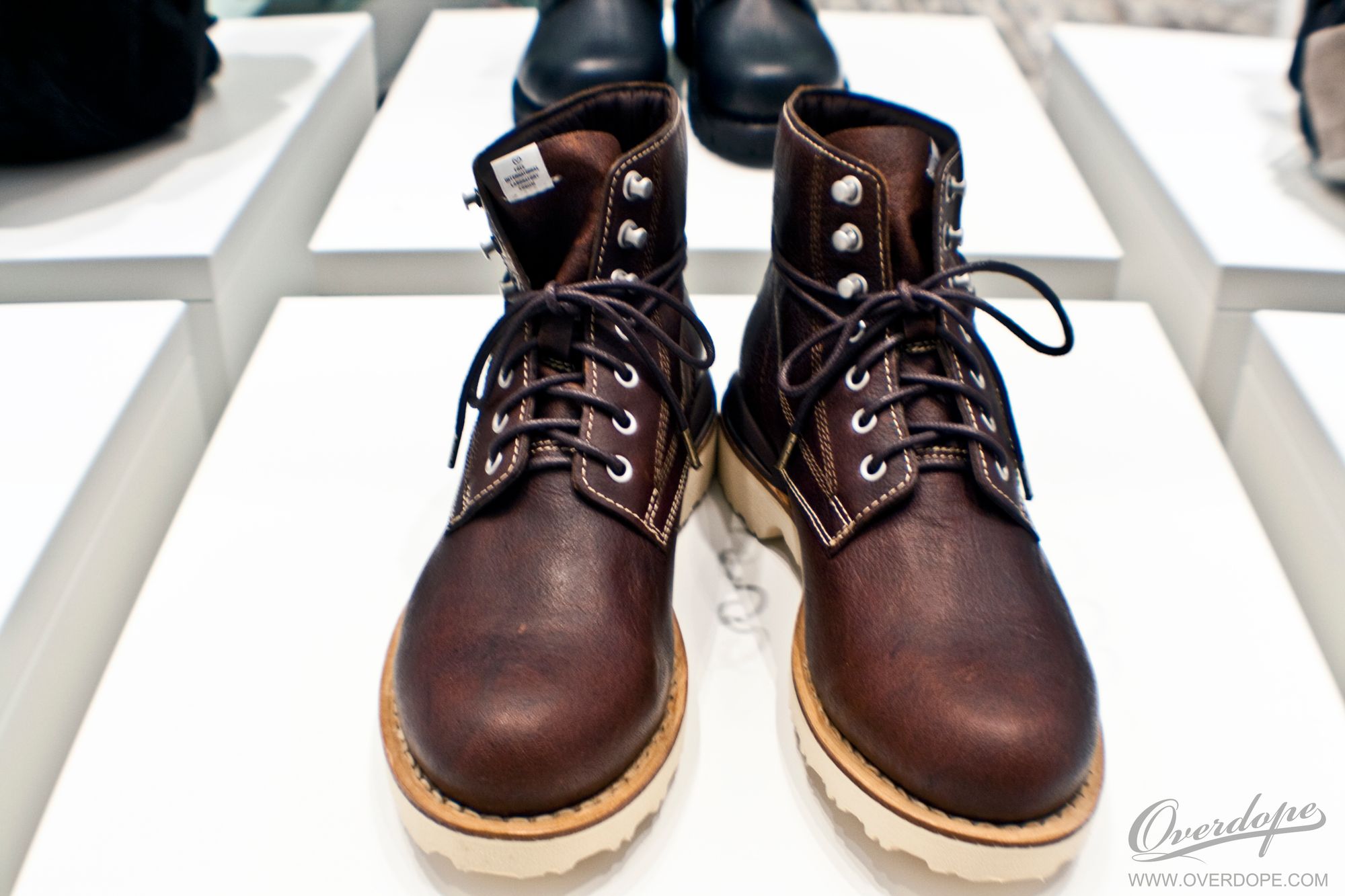
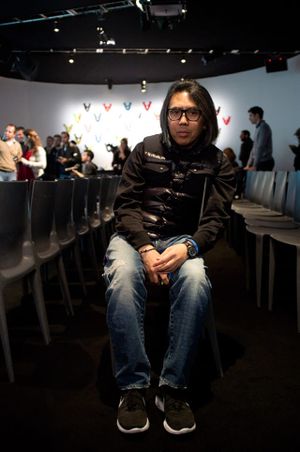
Hiroki Nakamura at the FIL Sun Street Grand Opening in Hong Kong 2011


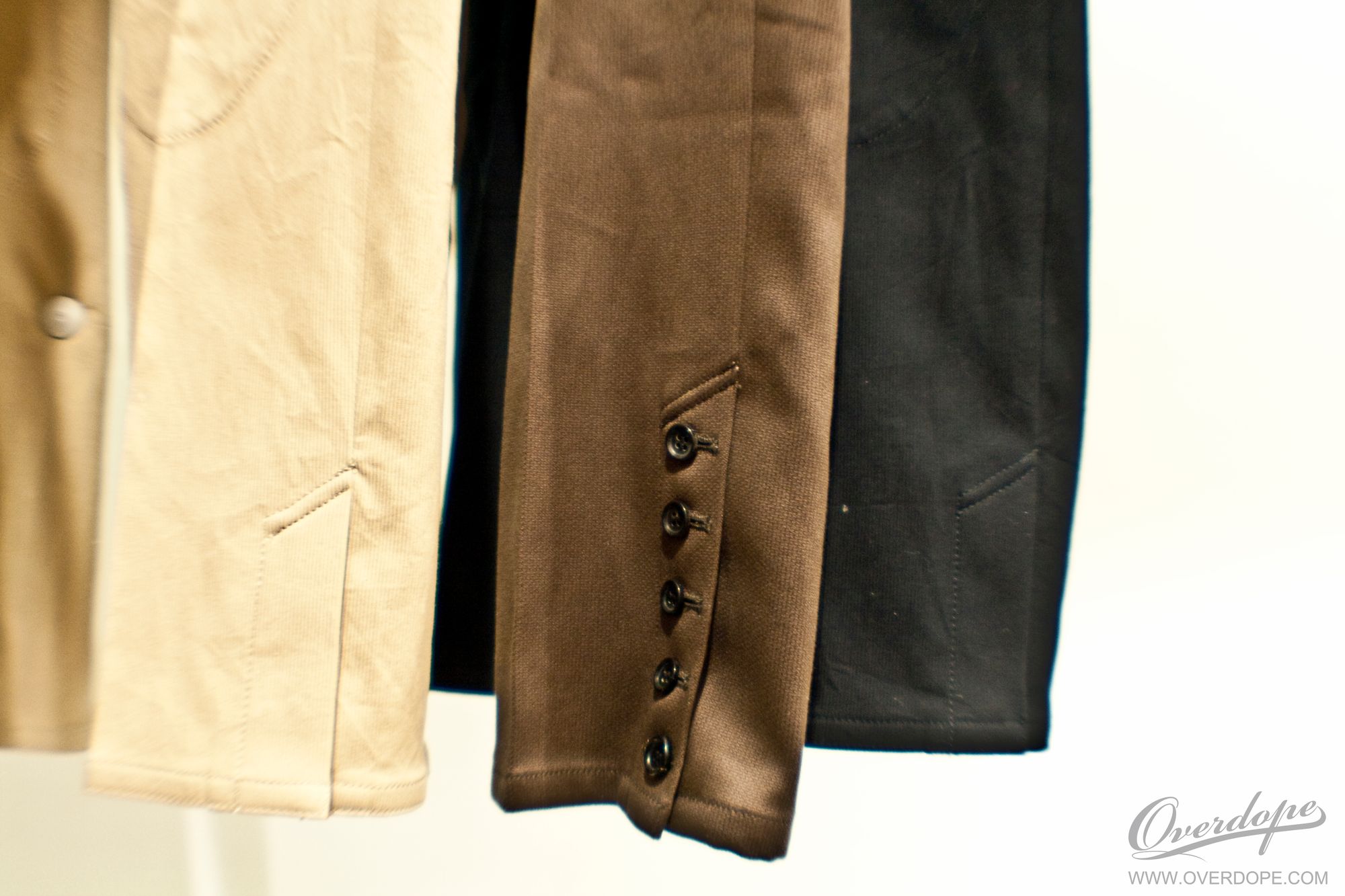
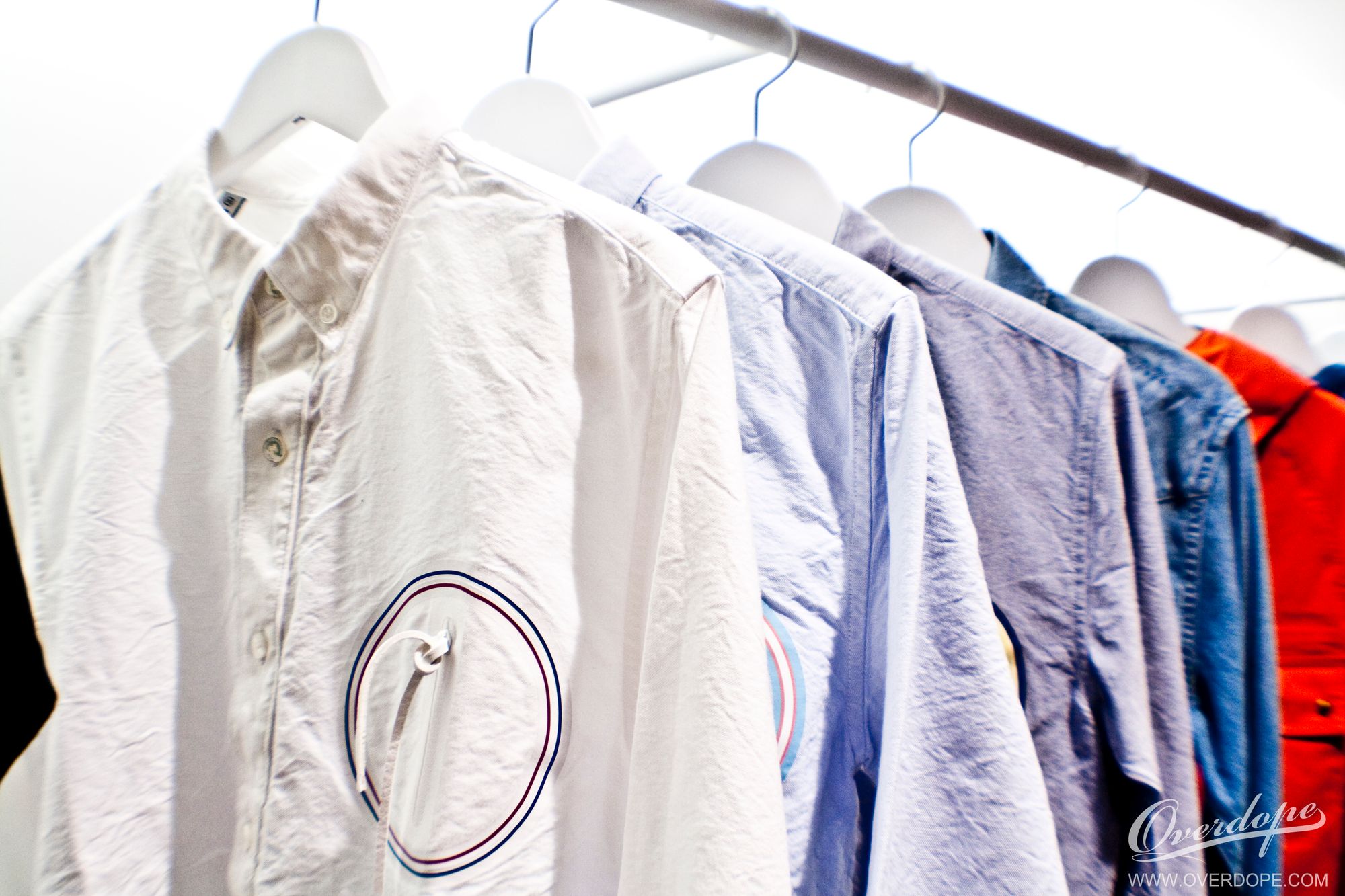
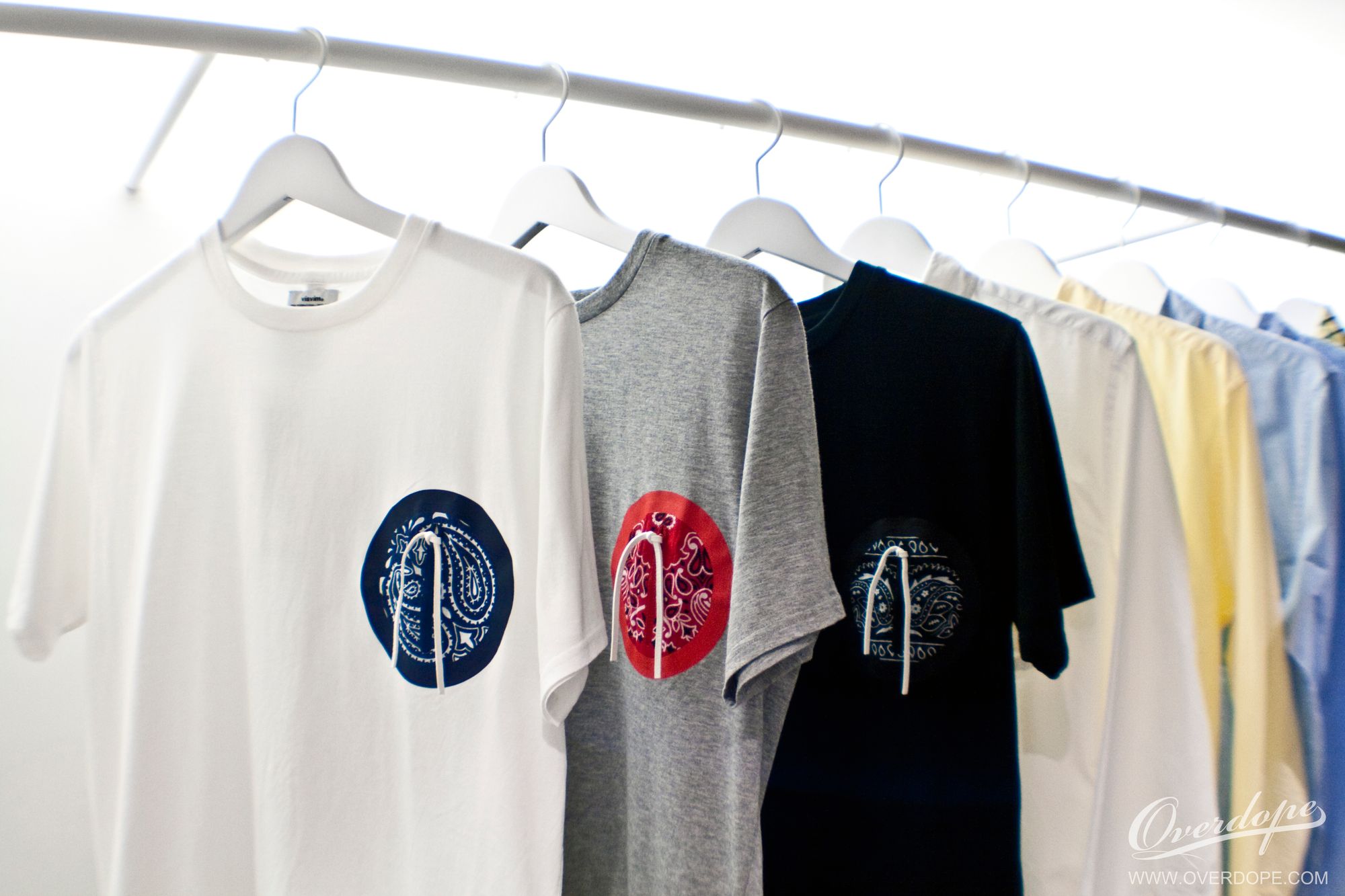
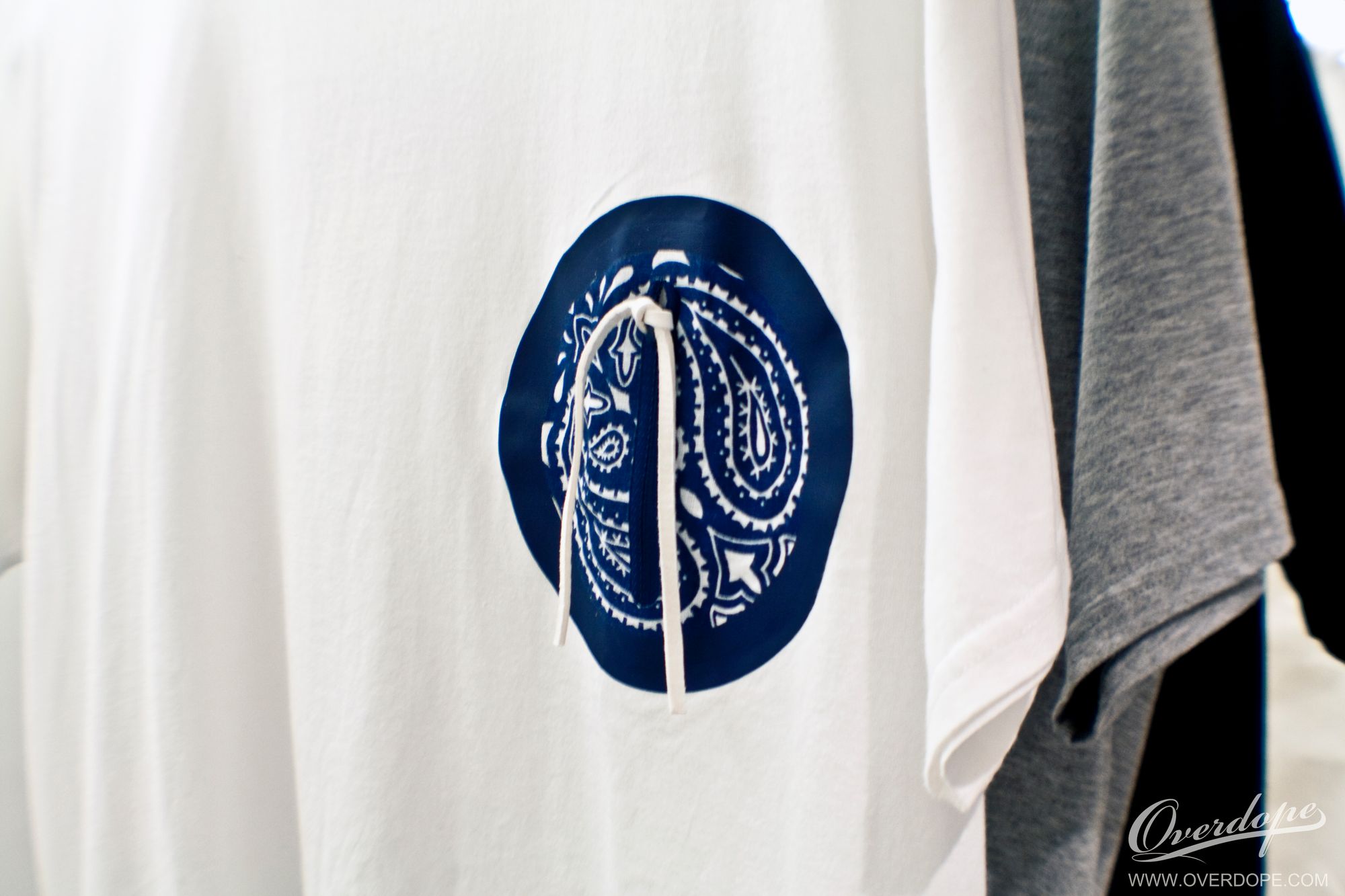
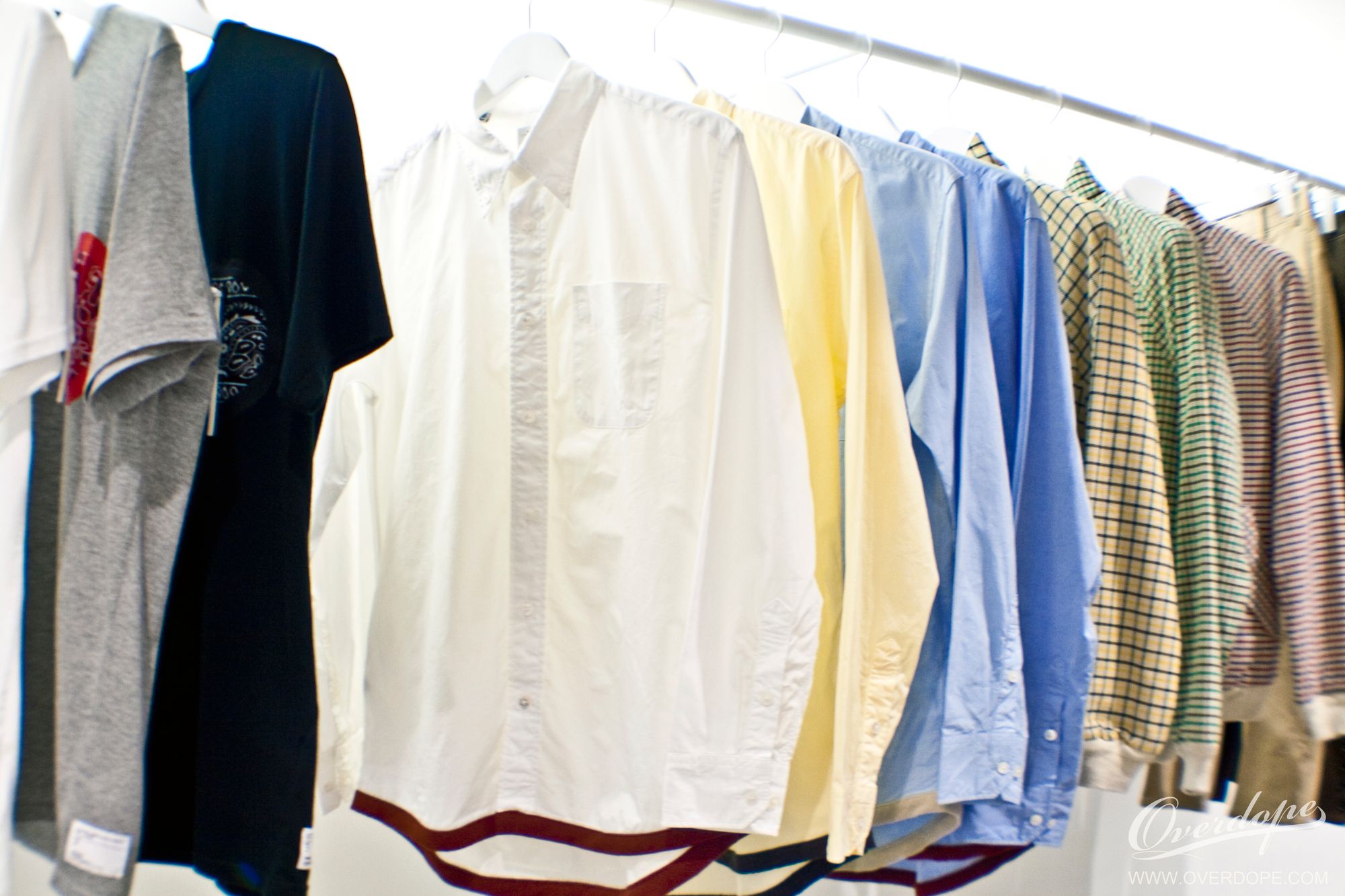
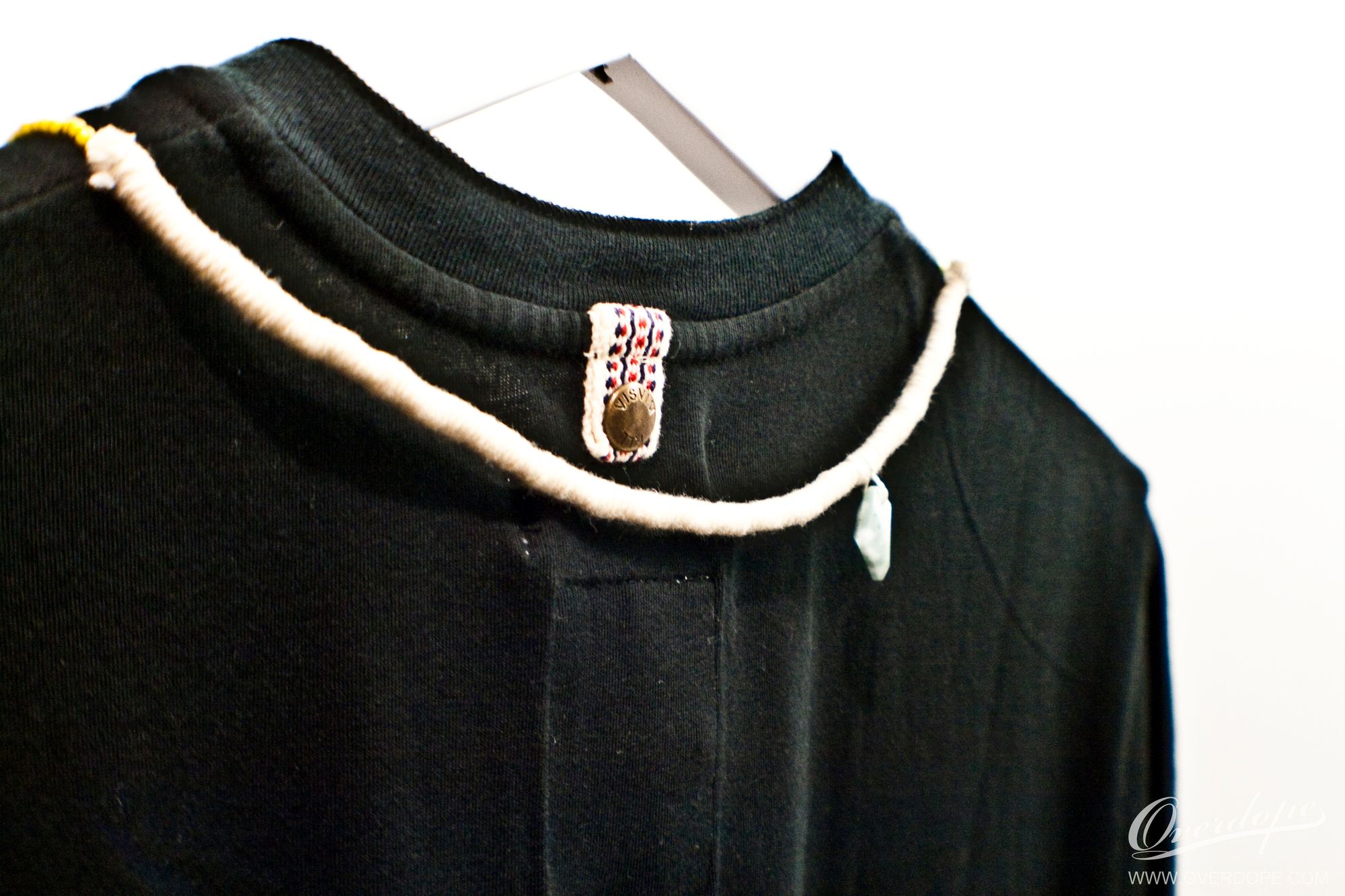
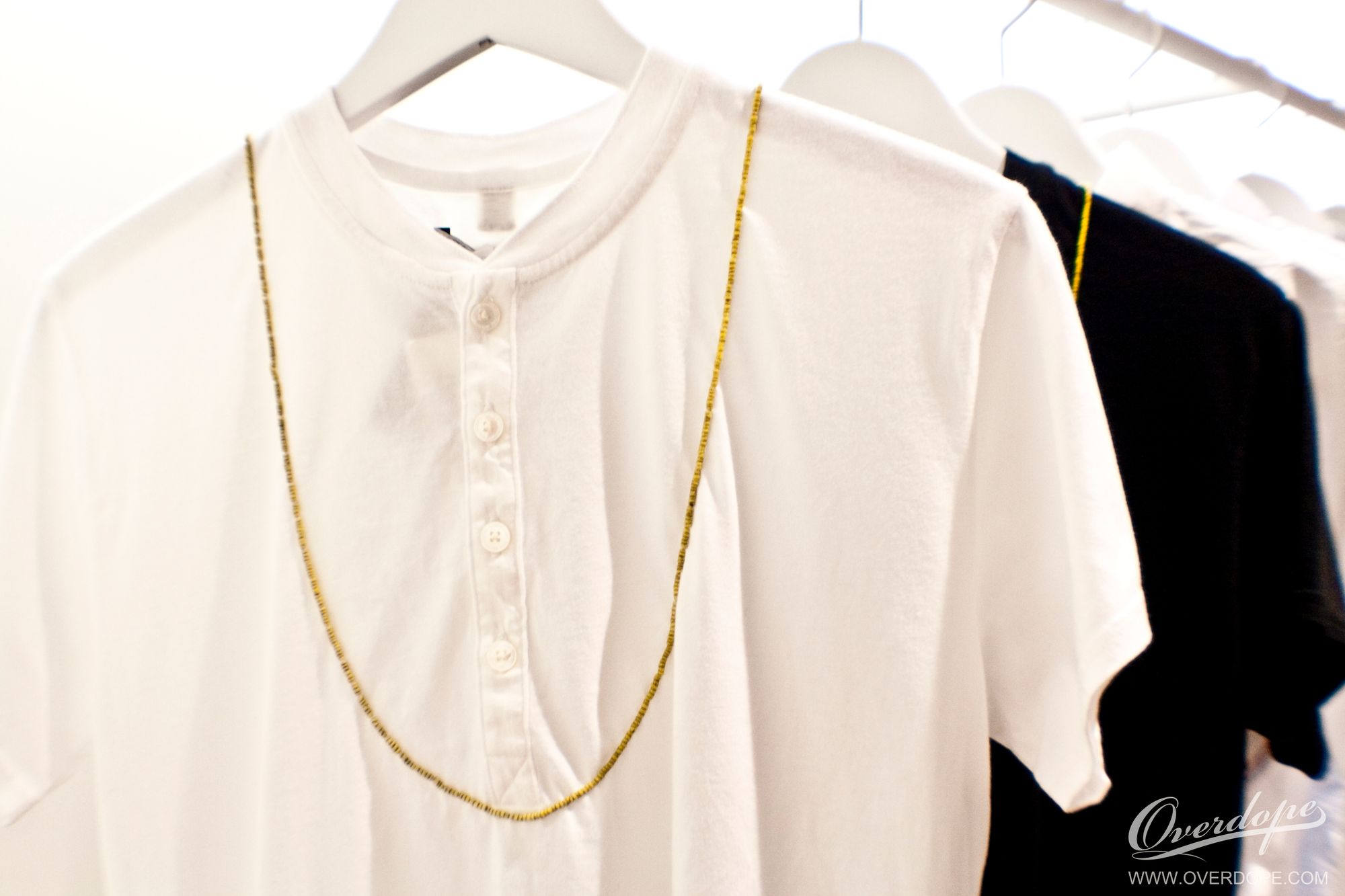
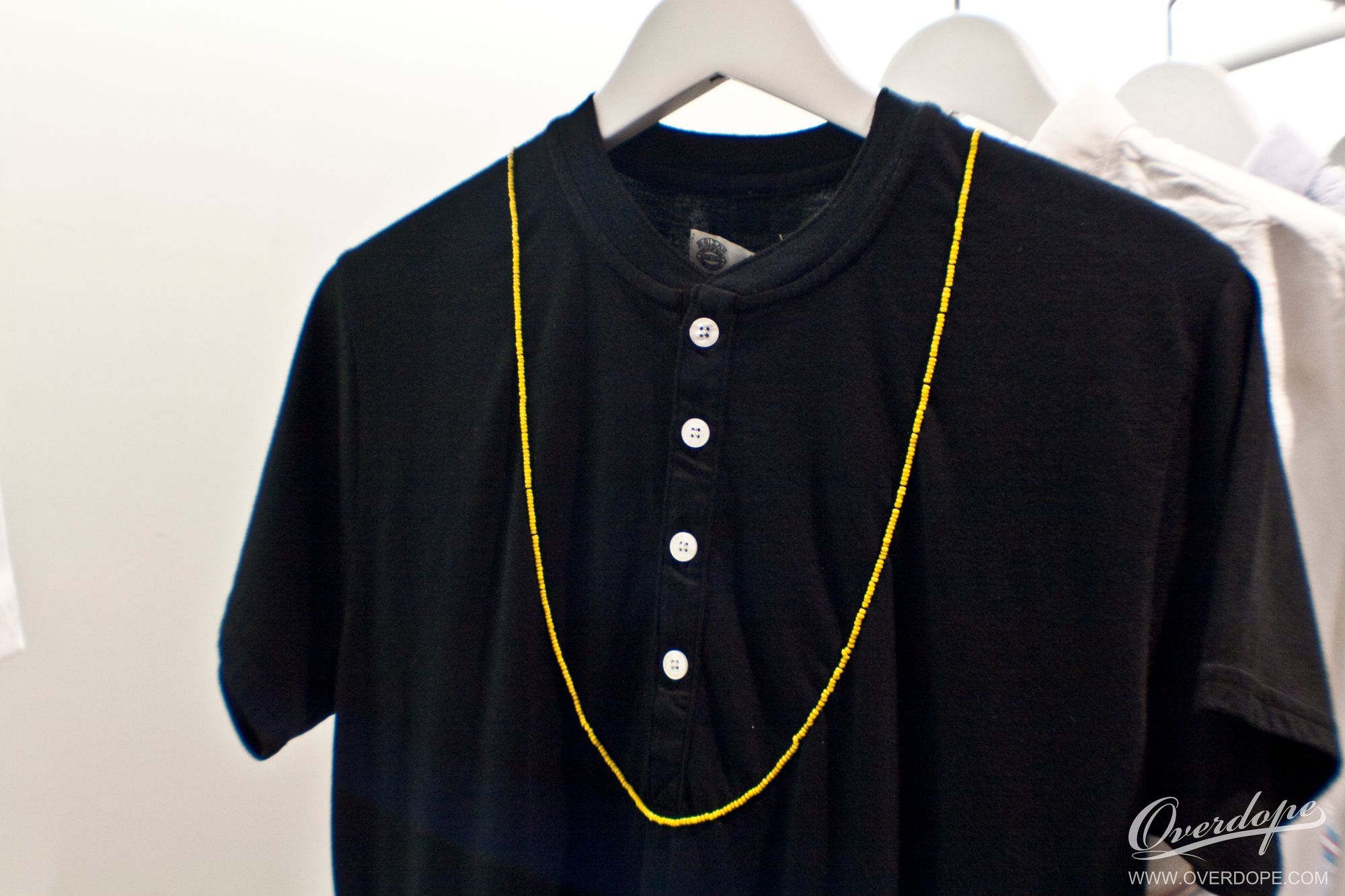

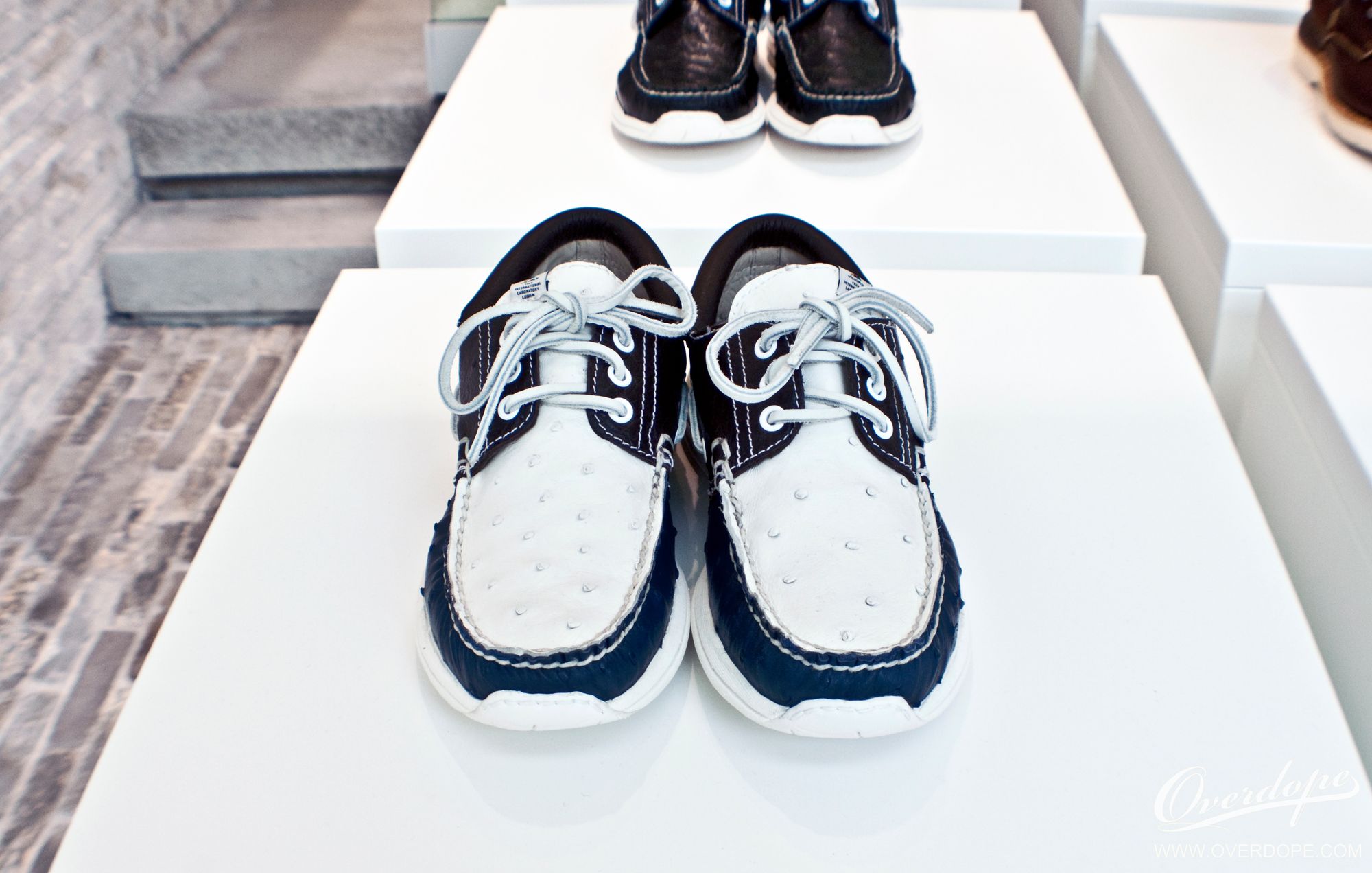
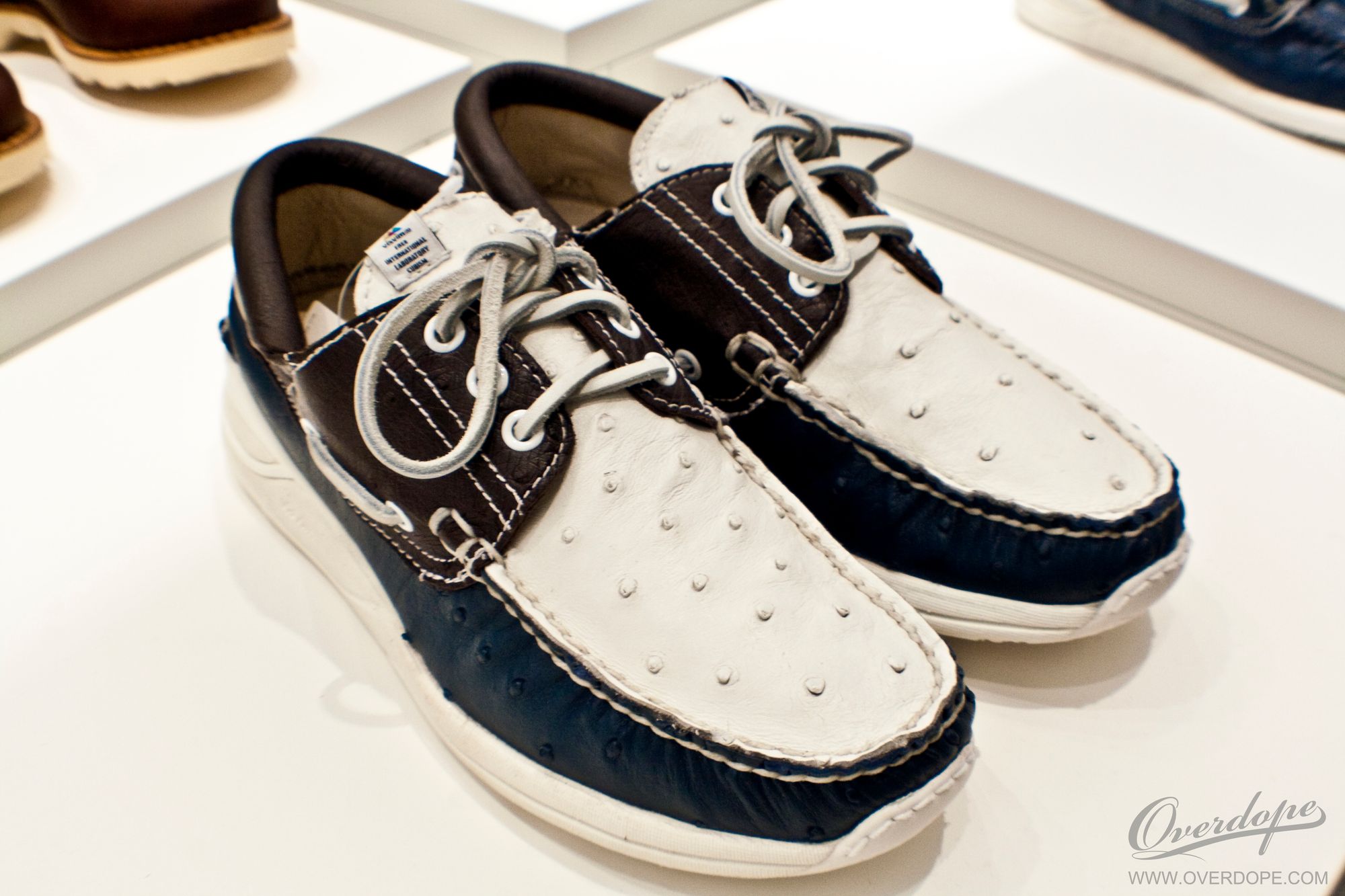
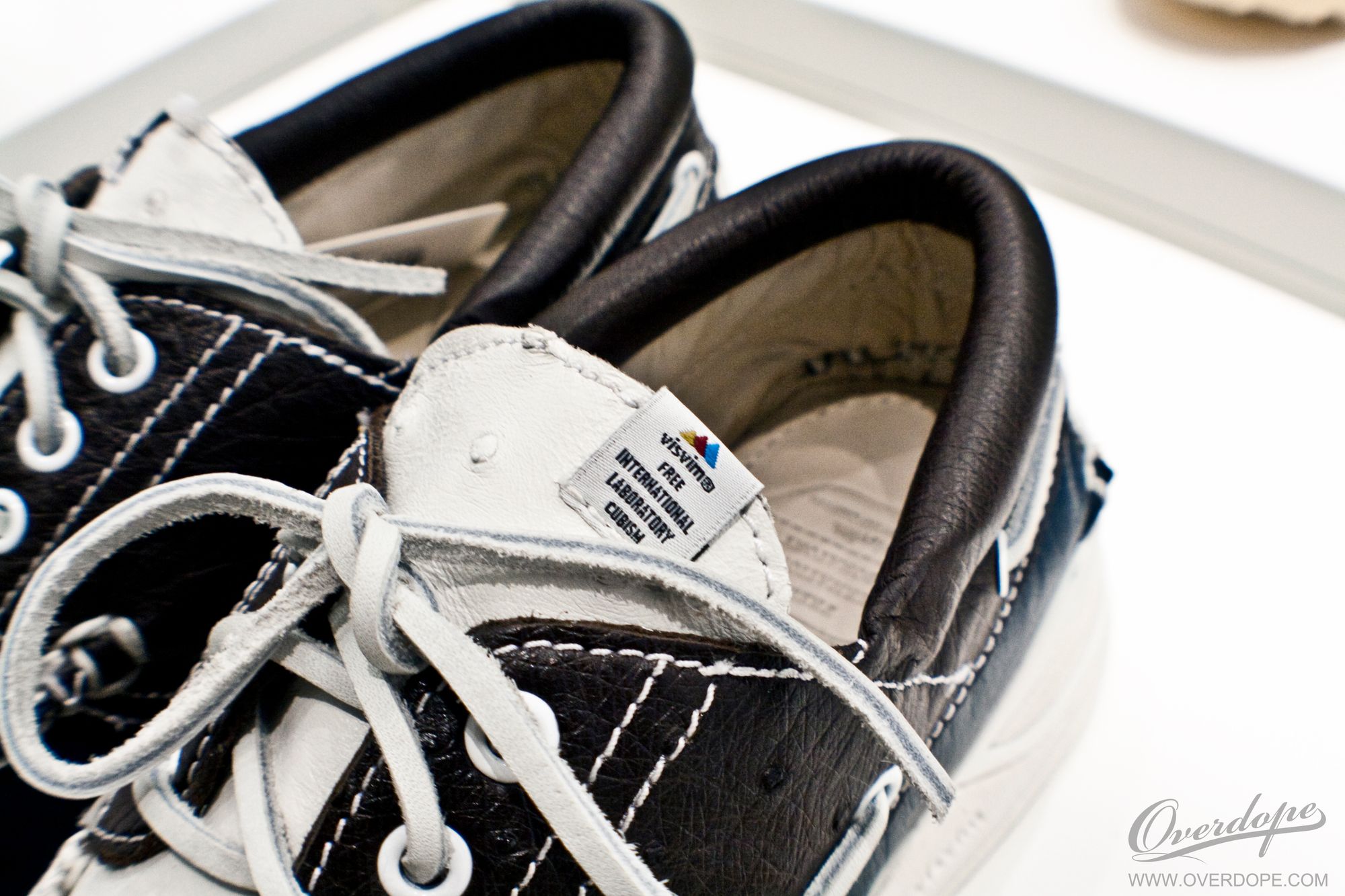
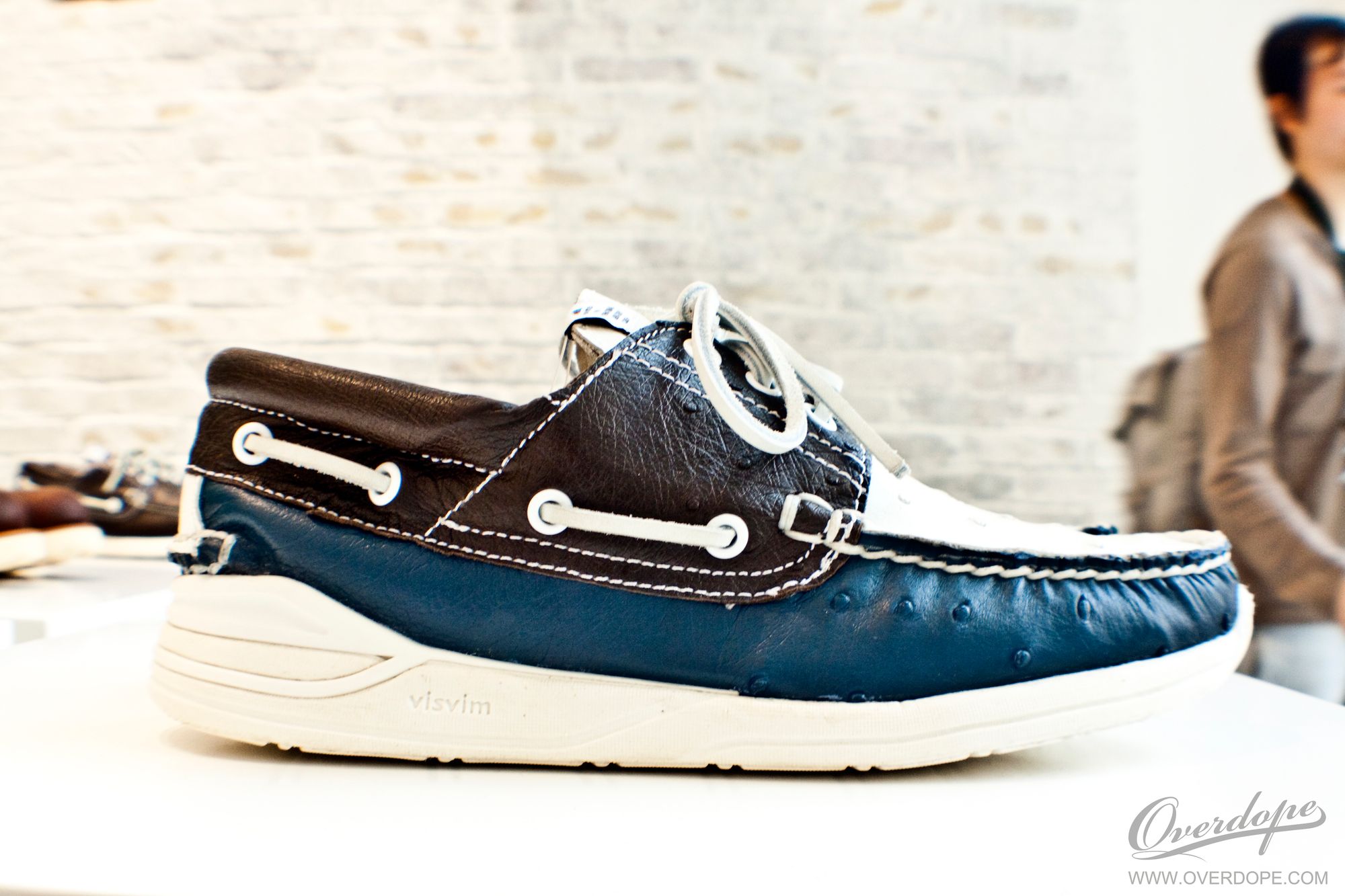
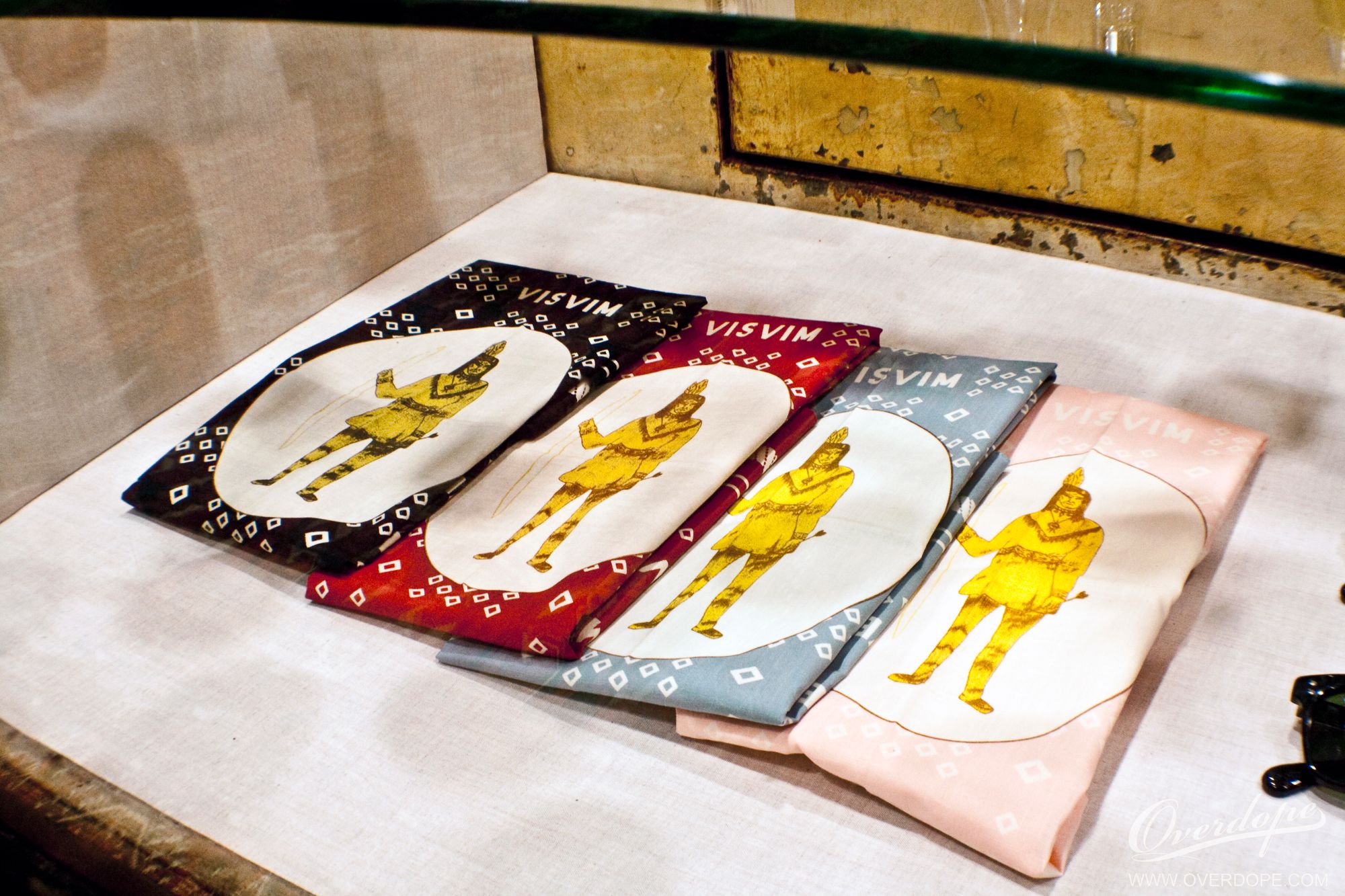
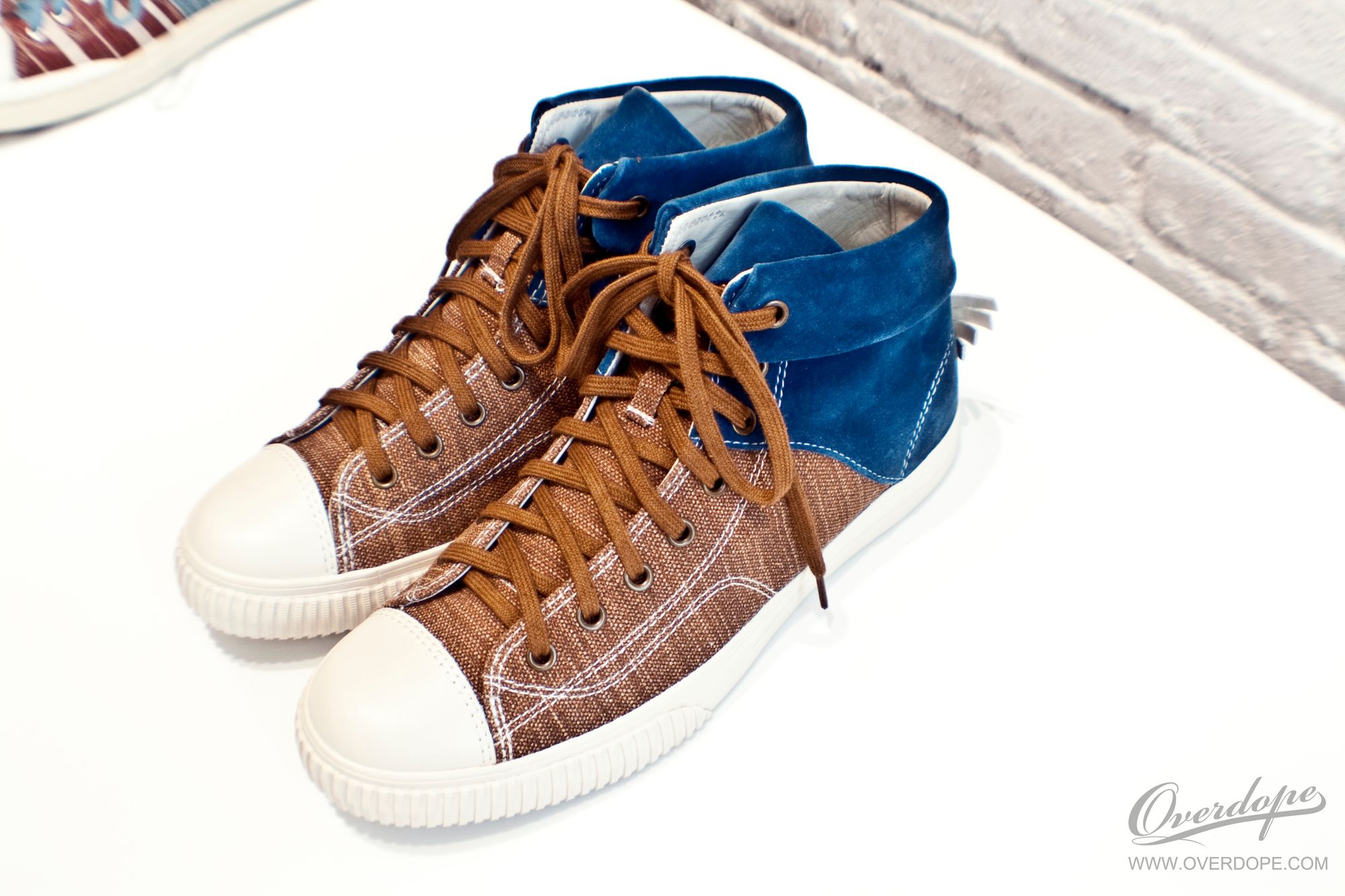
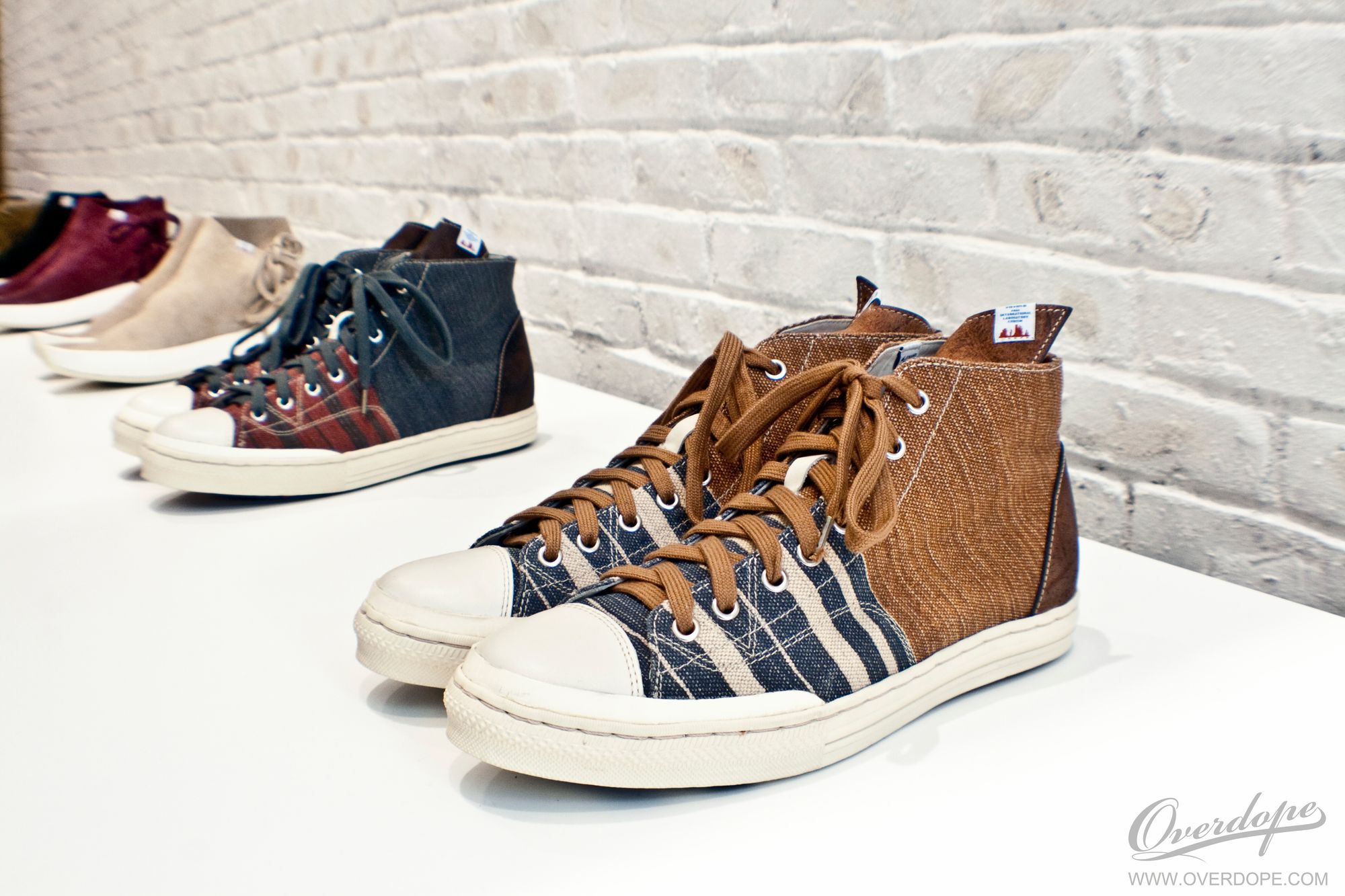
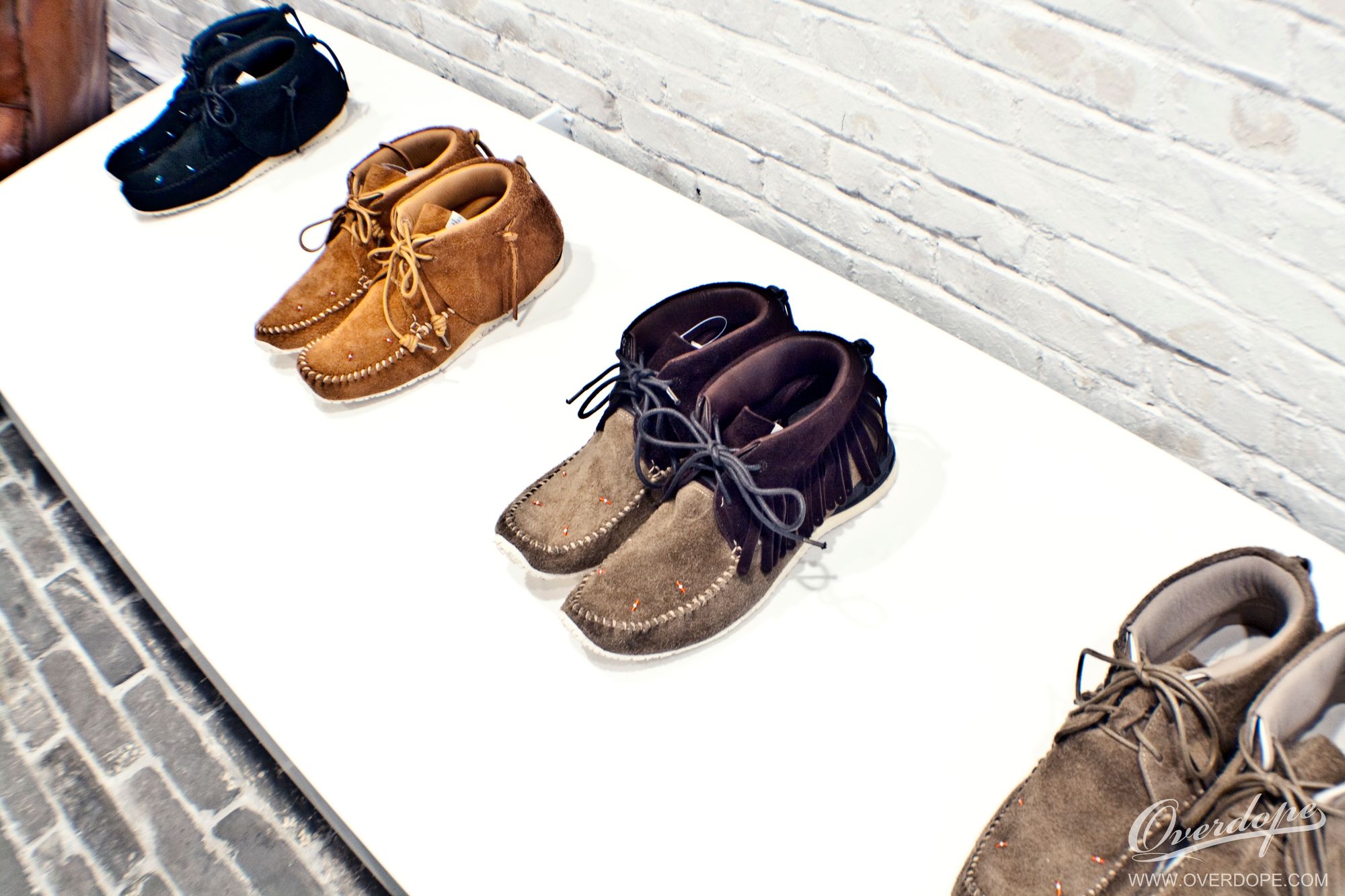

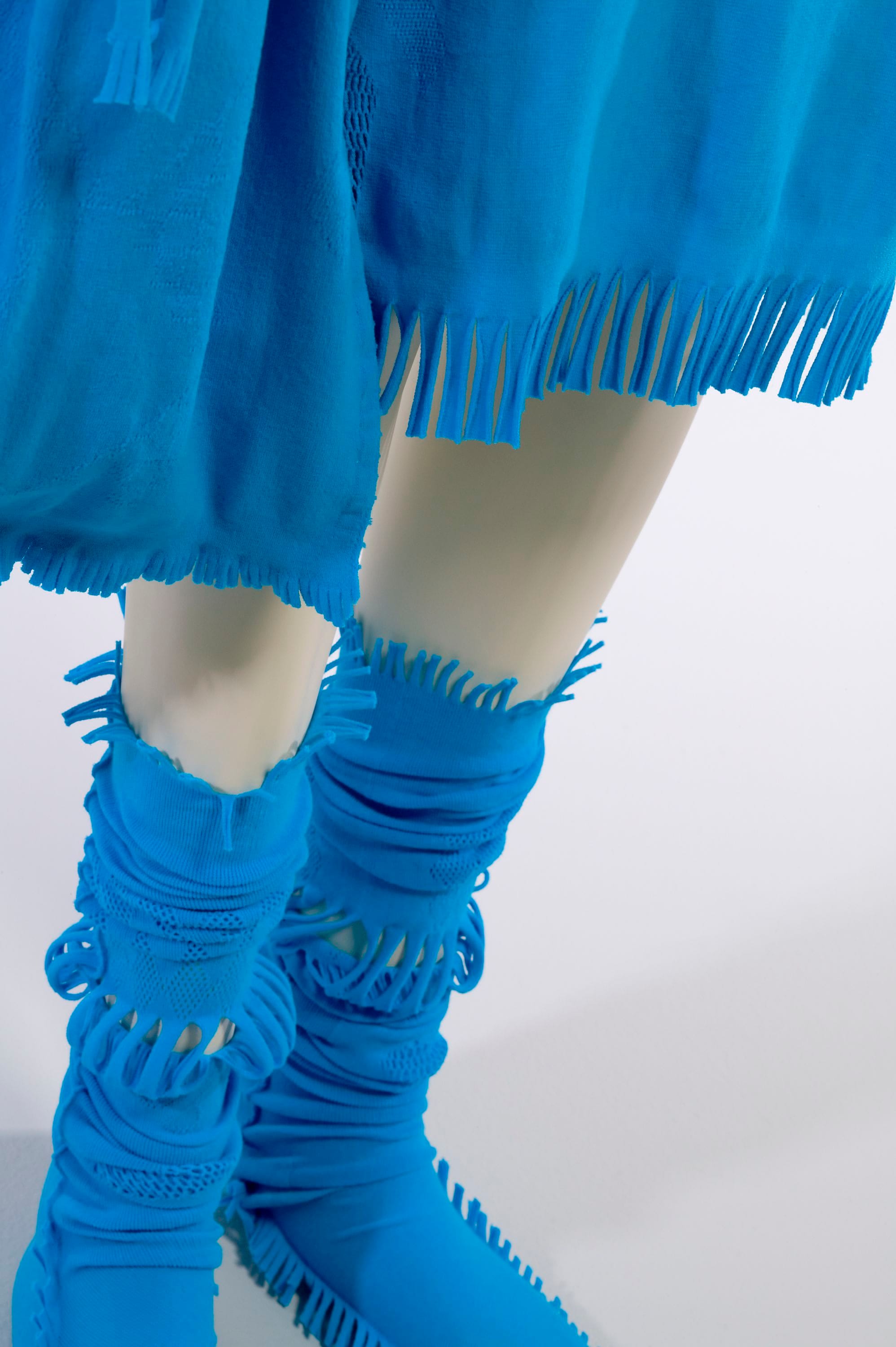
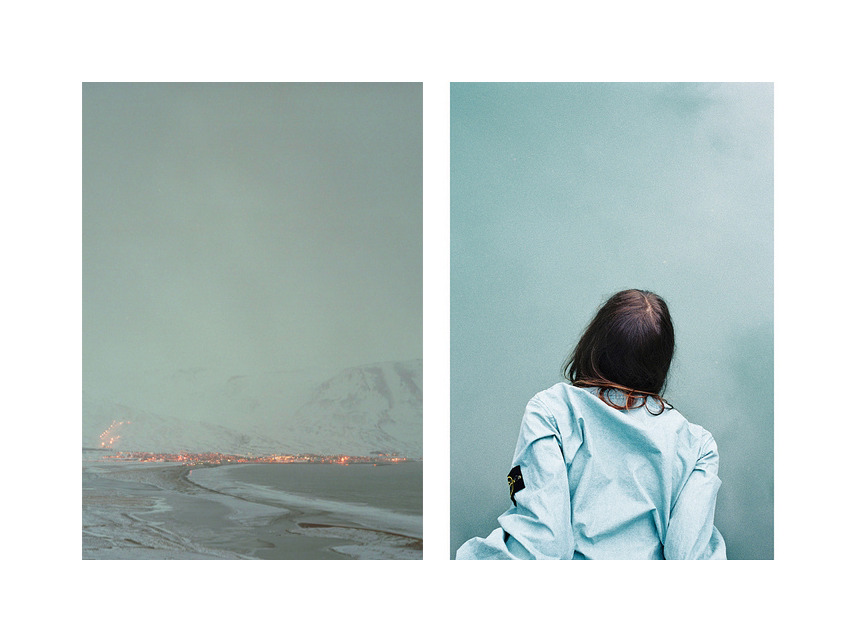
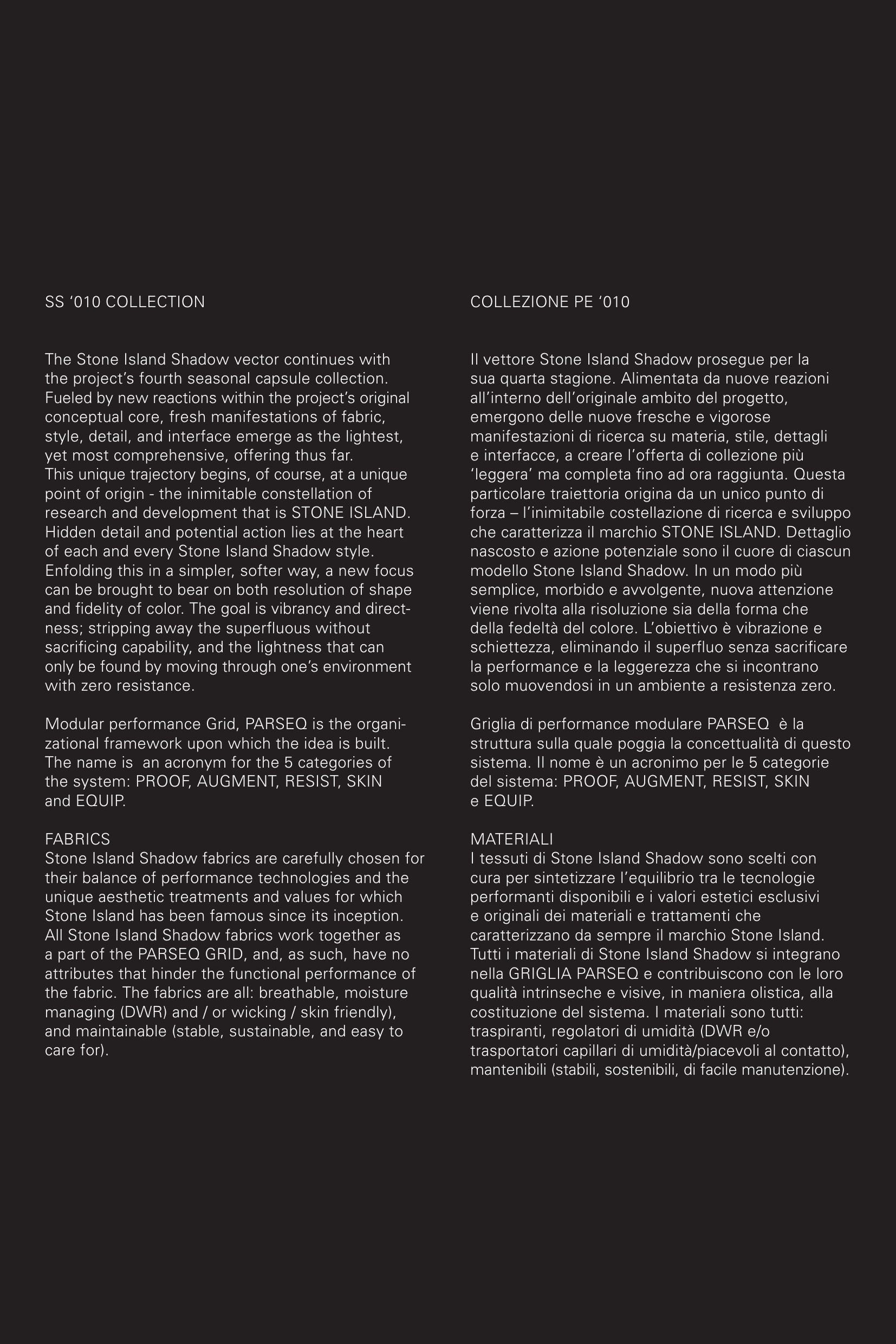
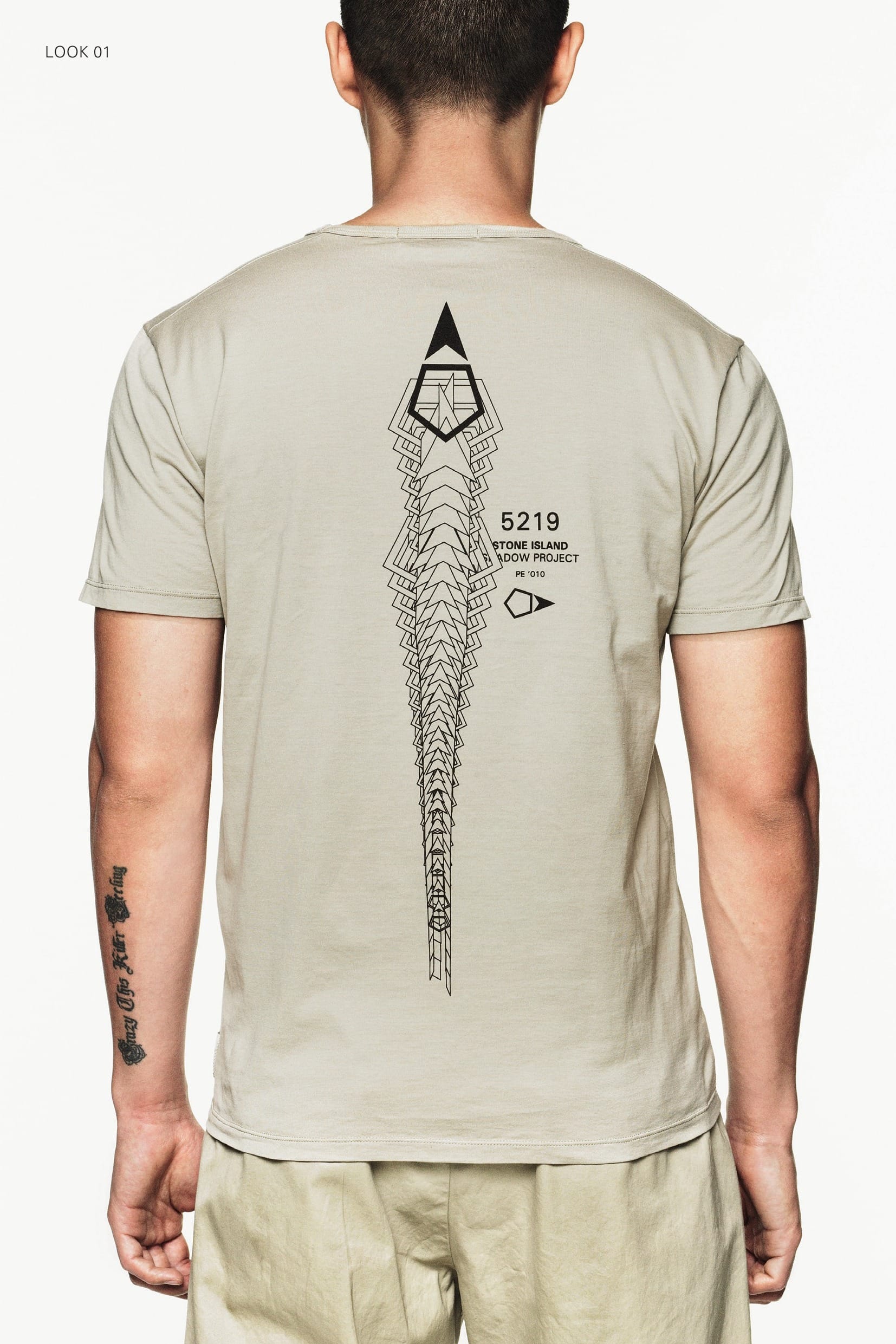
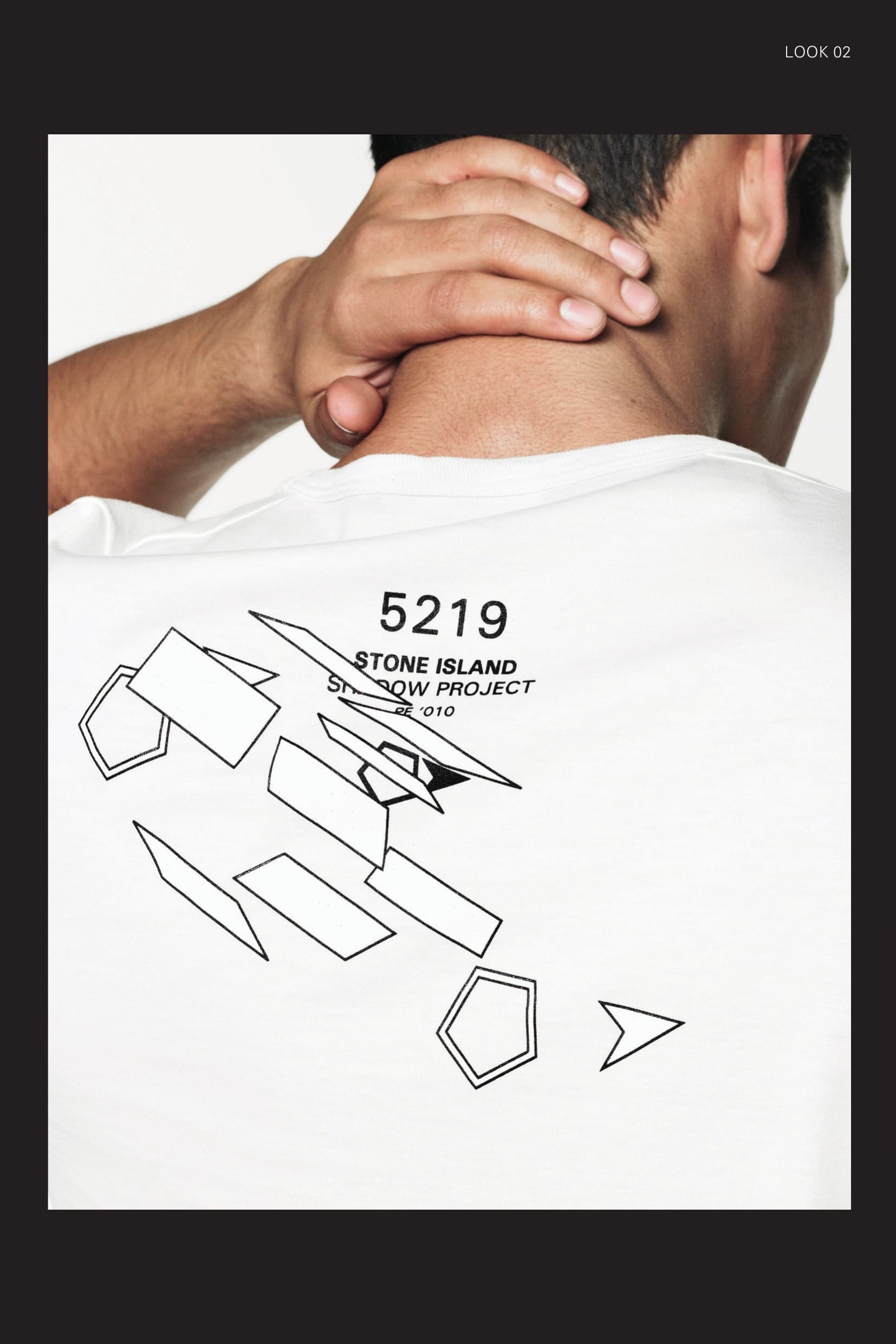
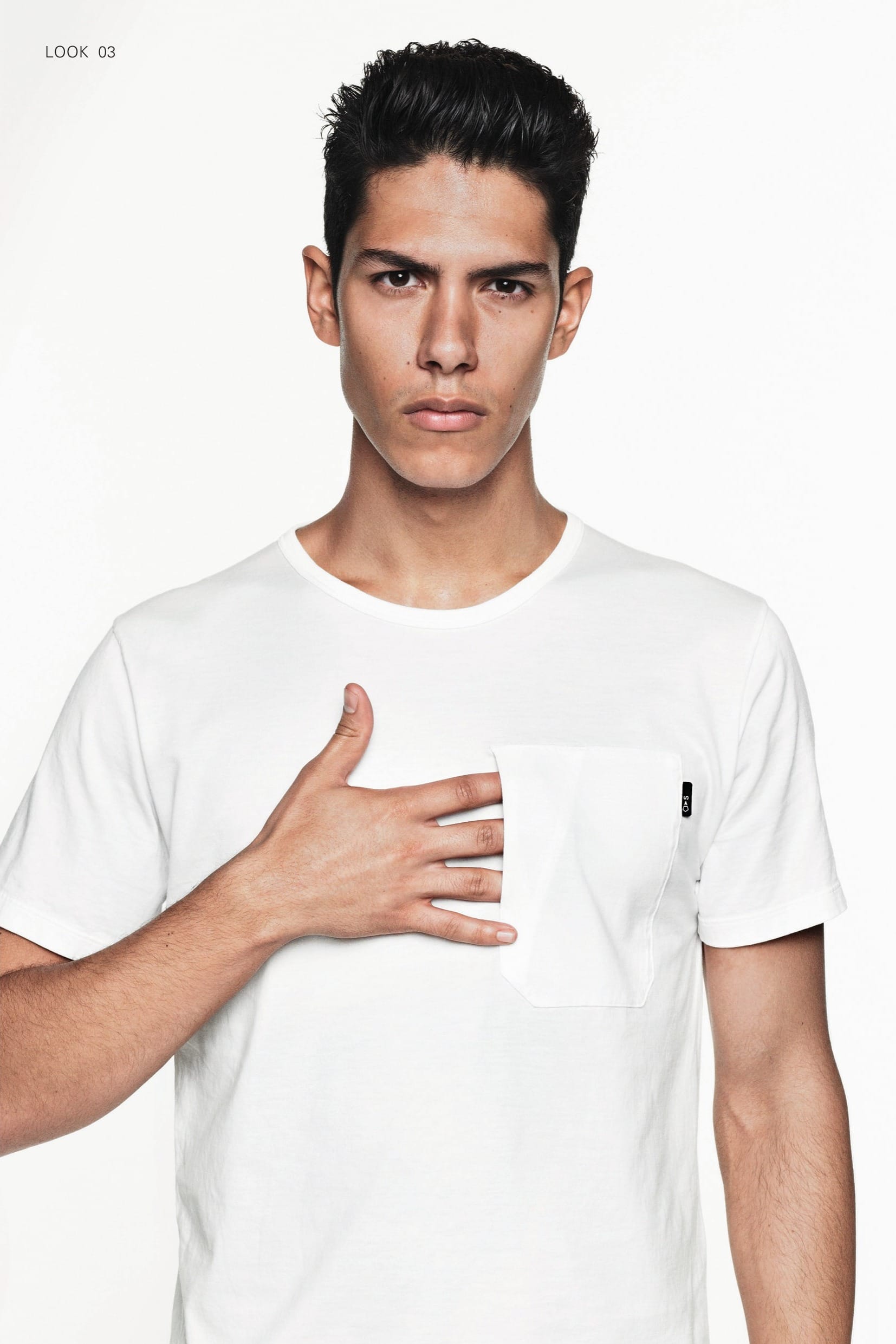
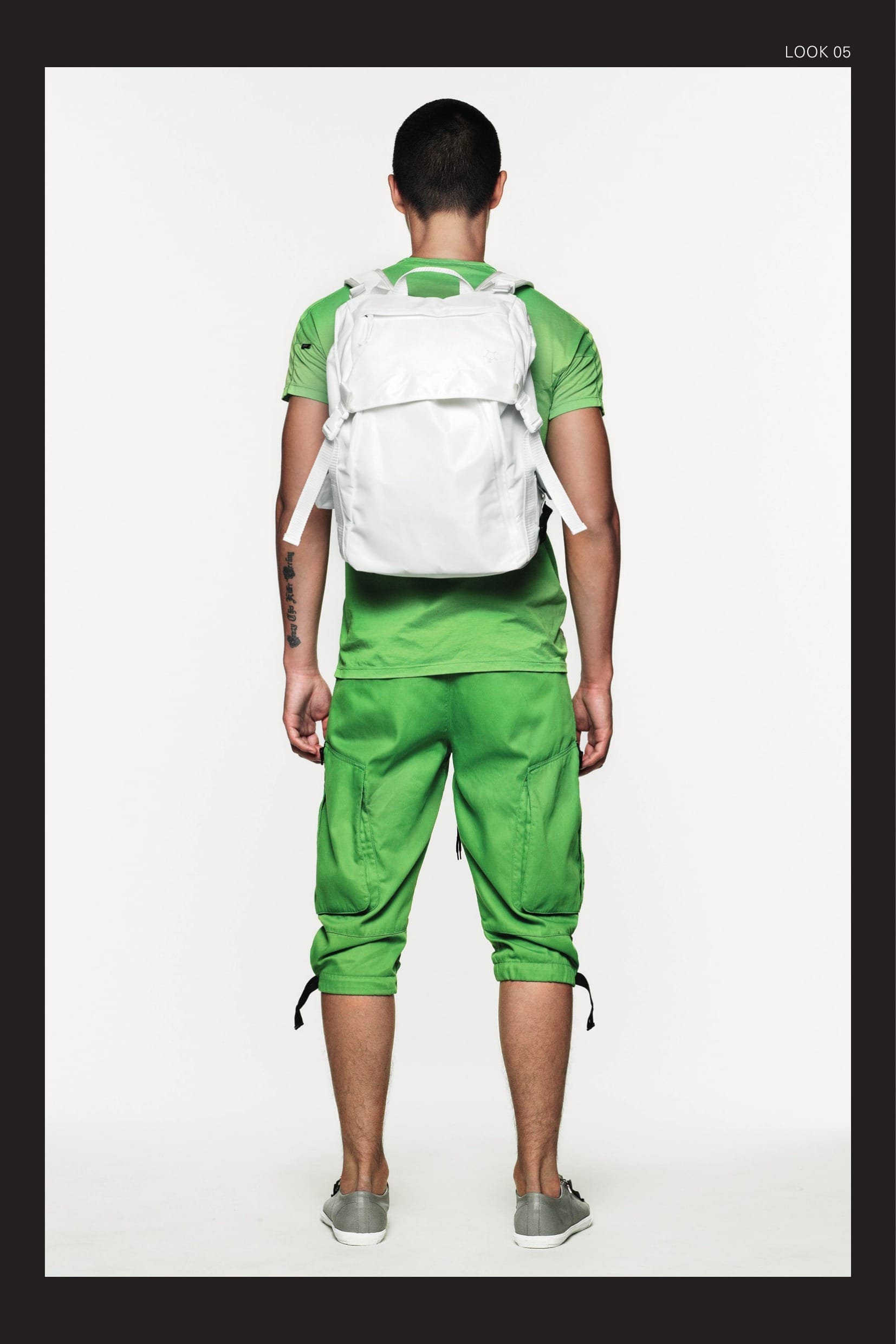
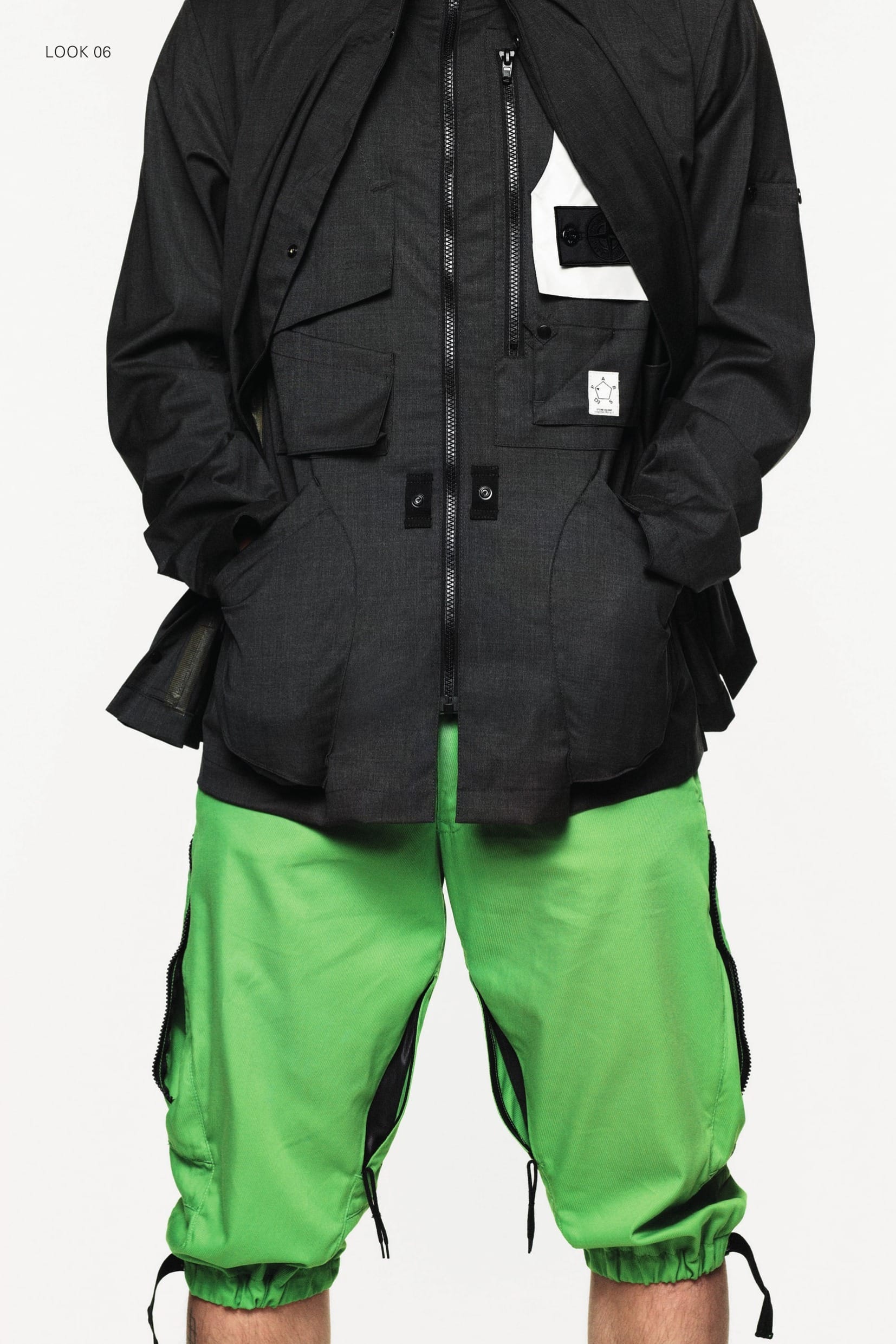
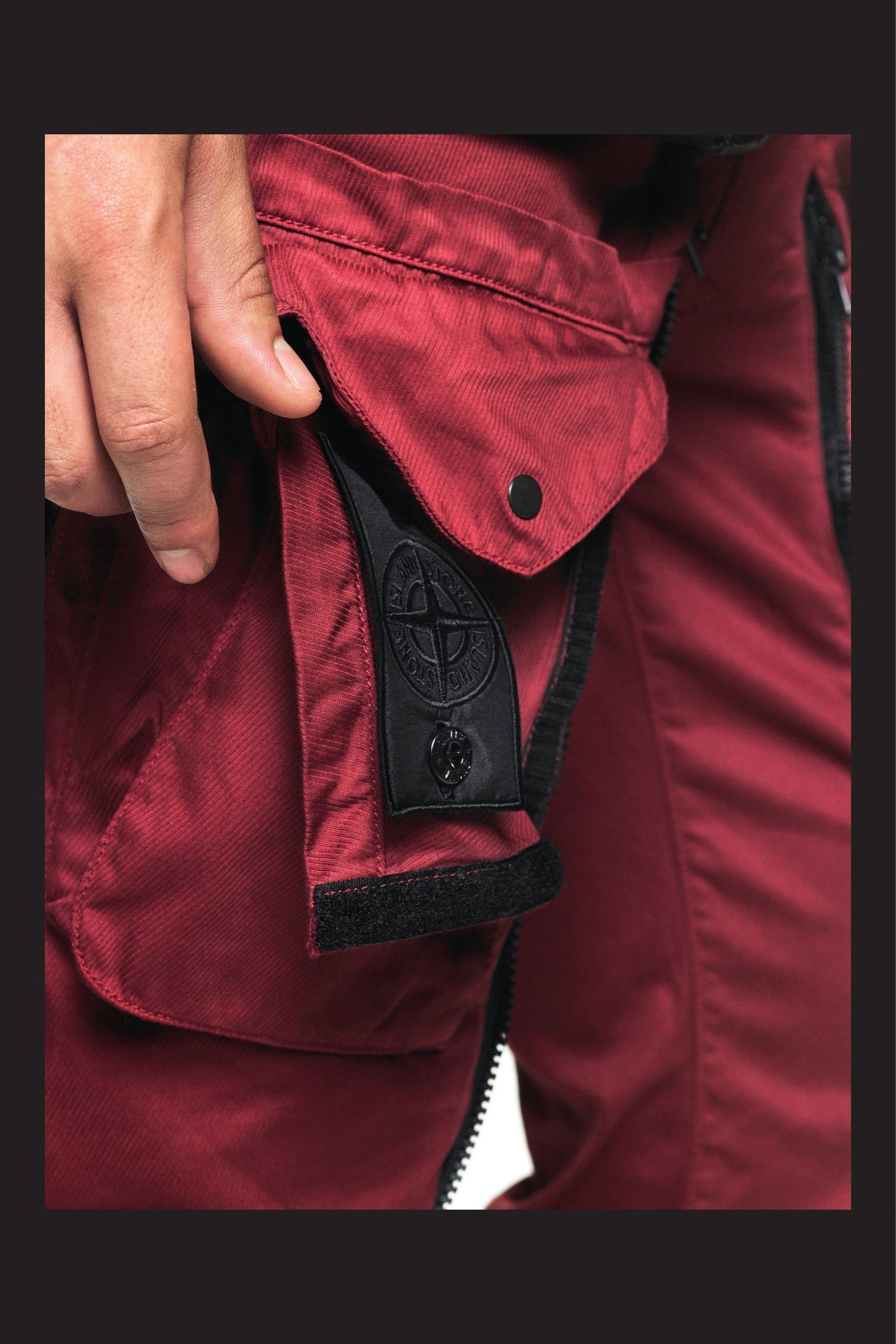
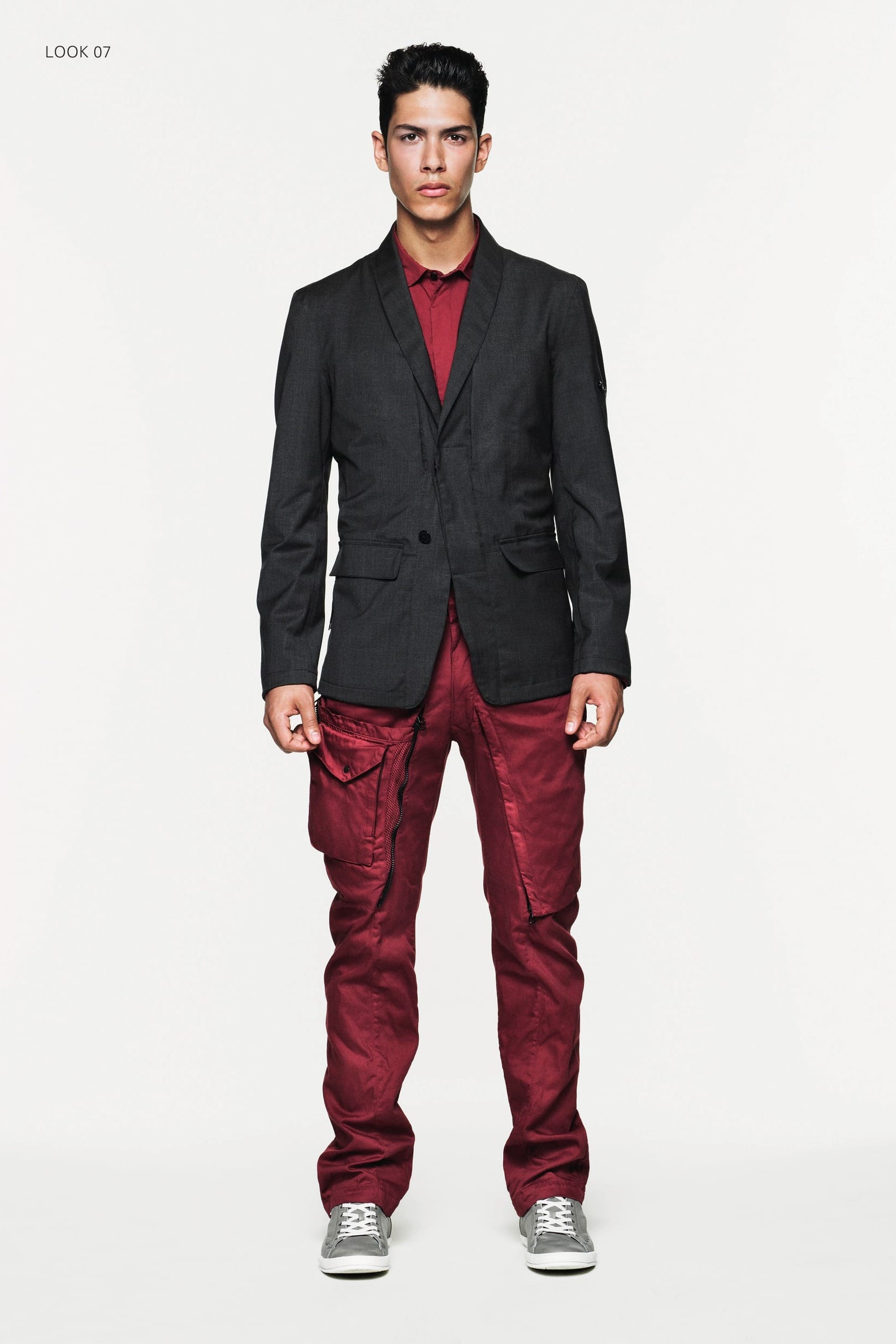
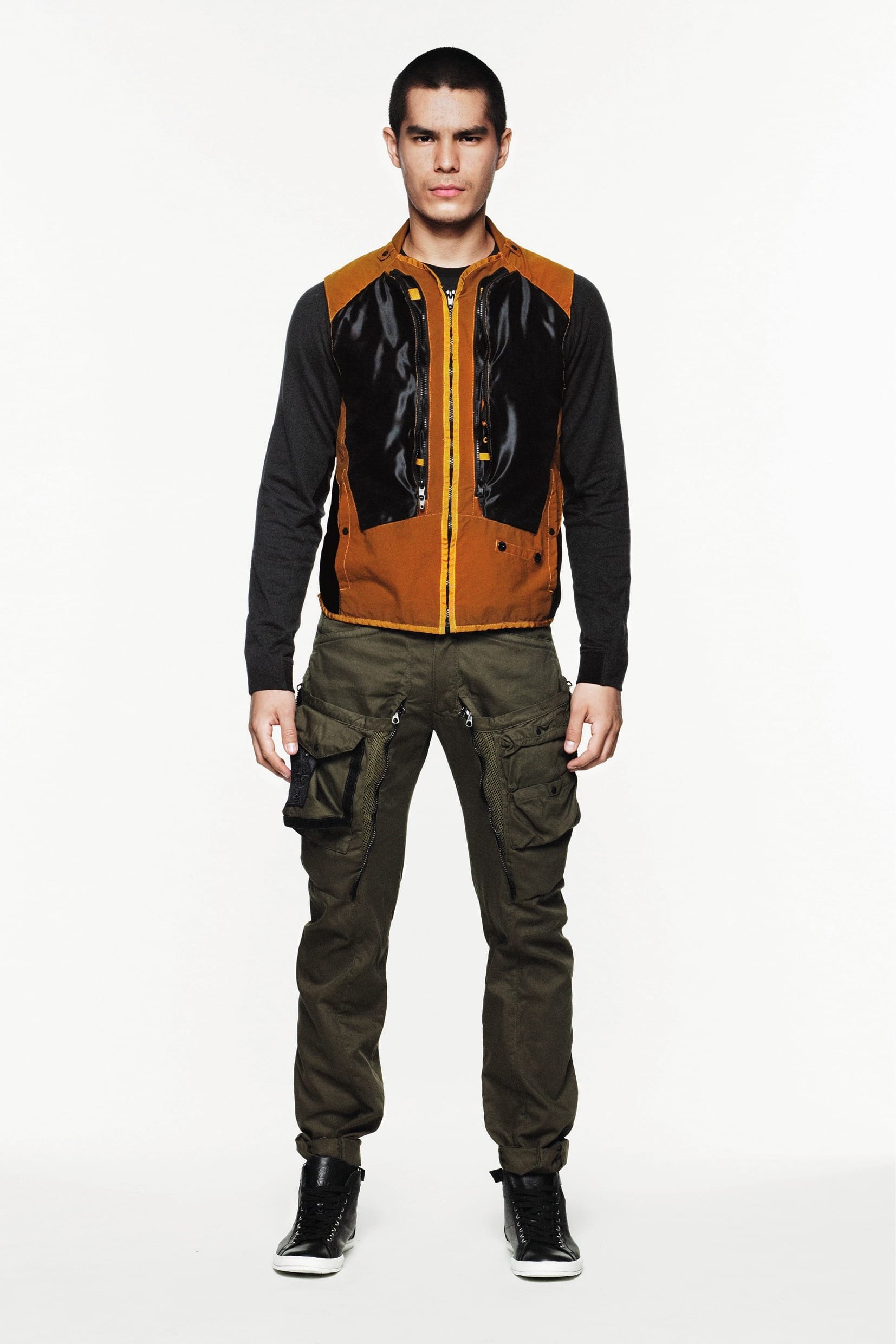
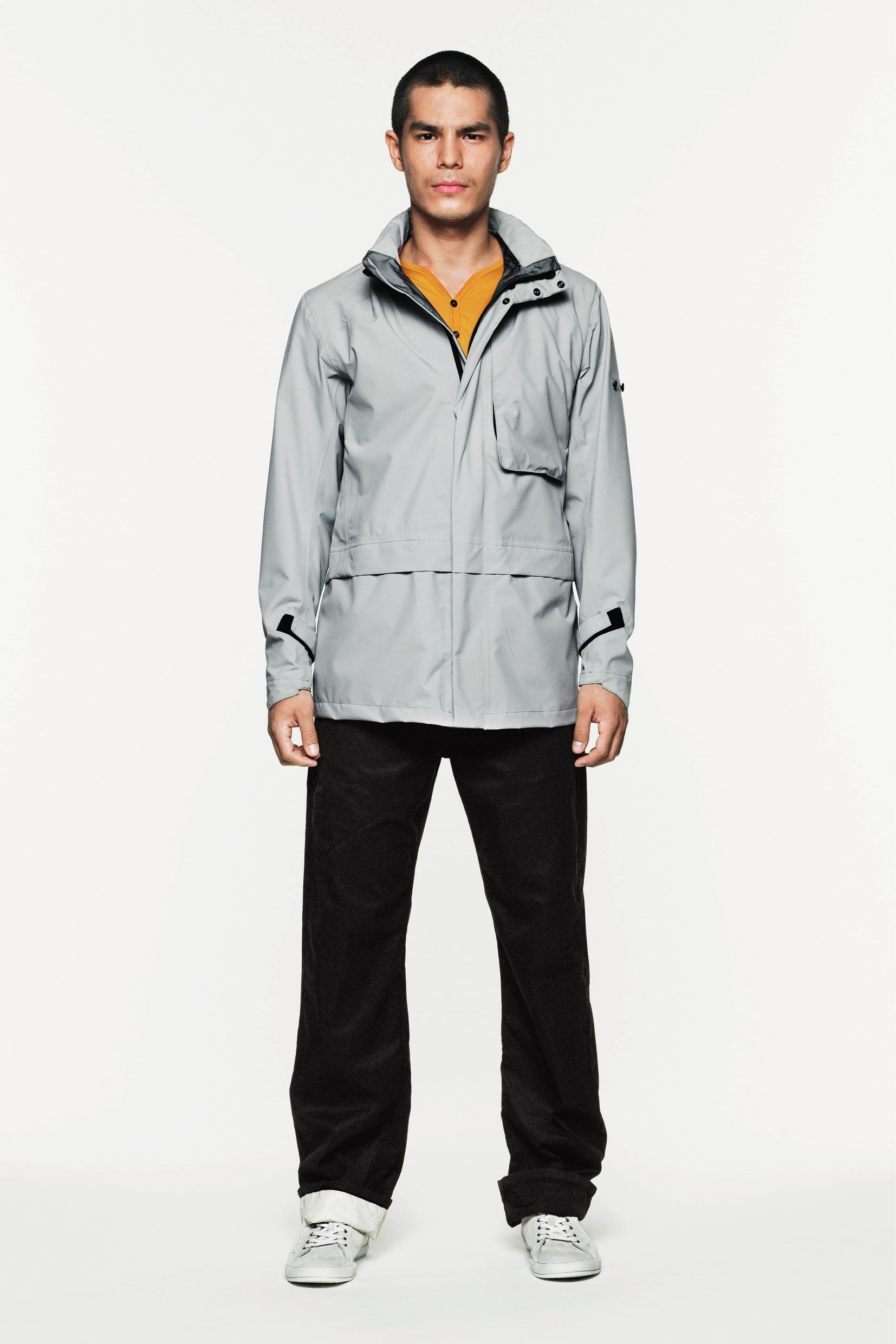
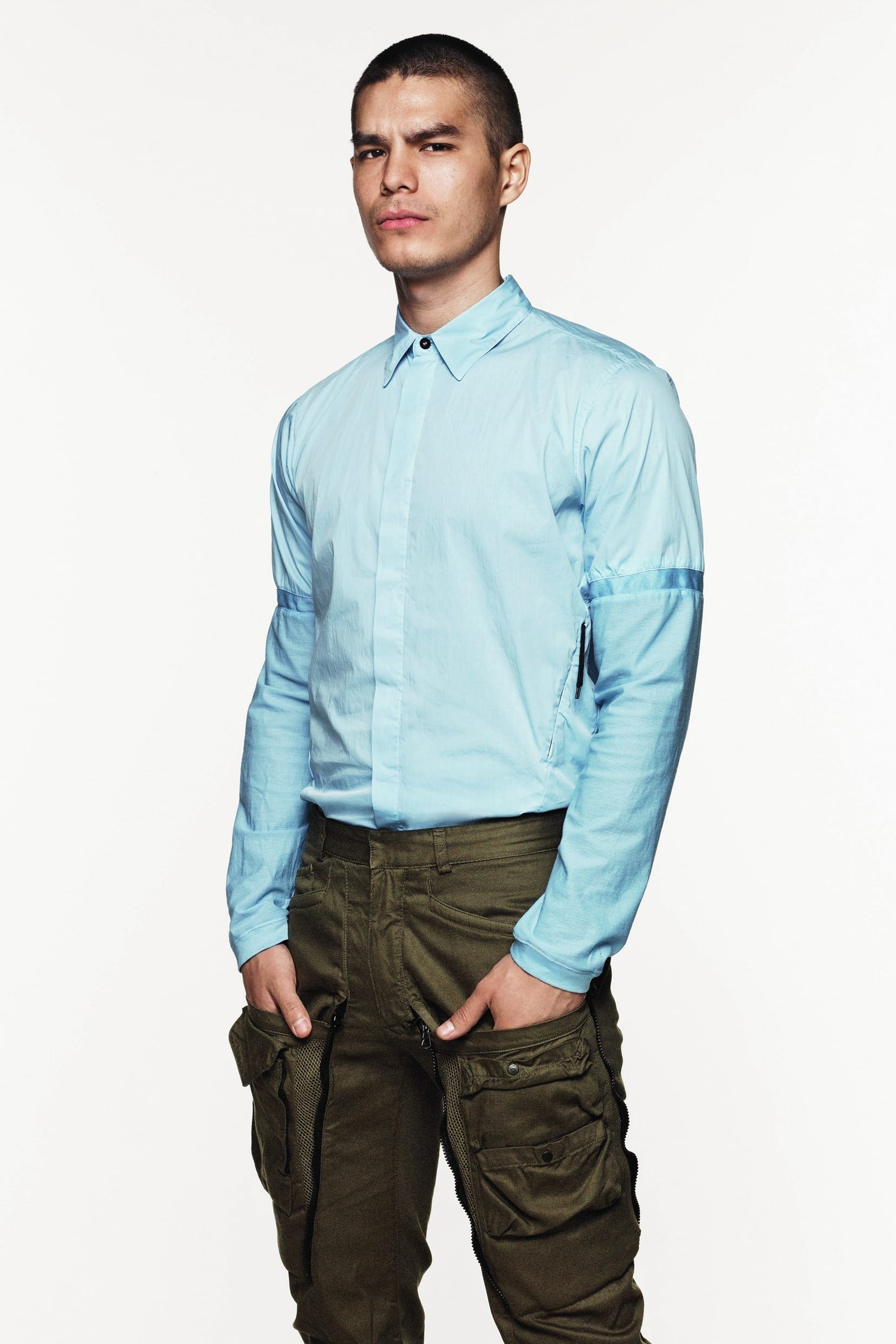
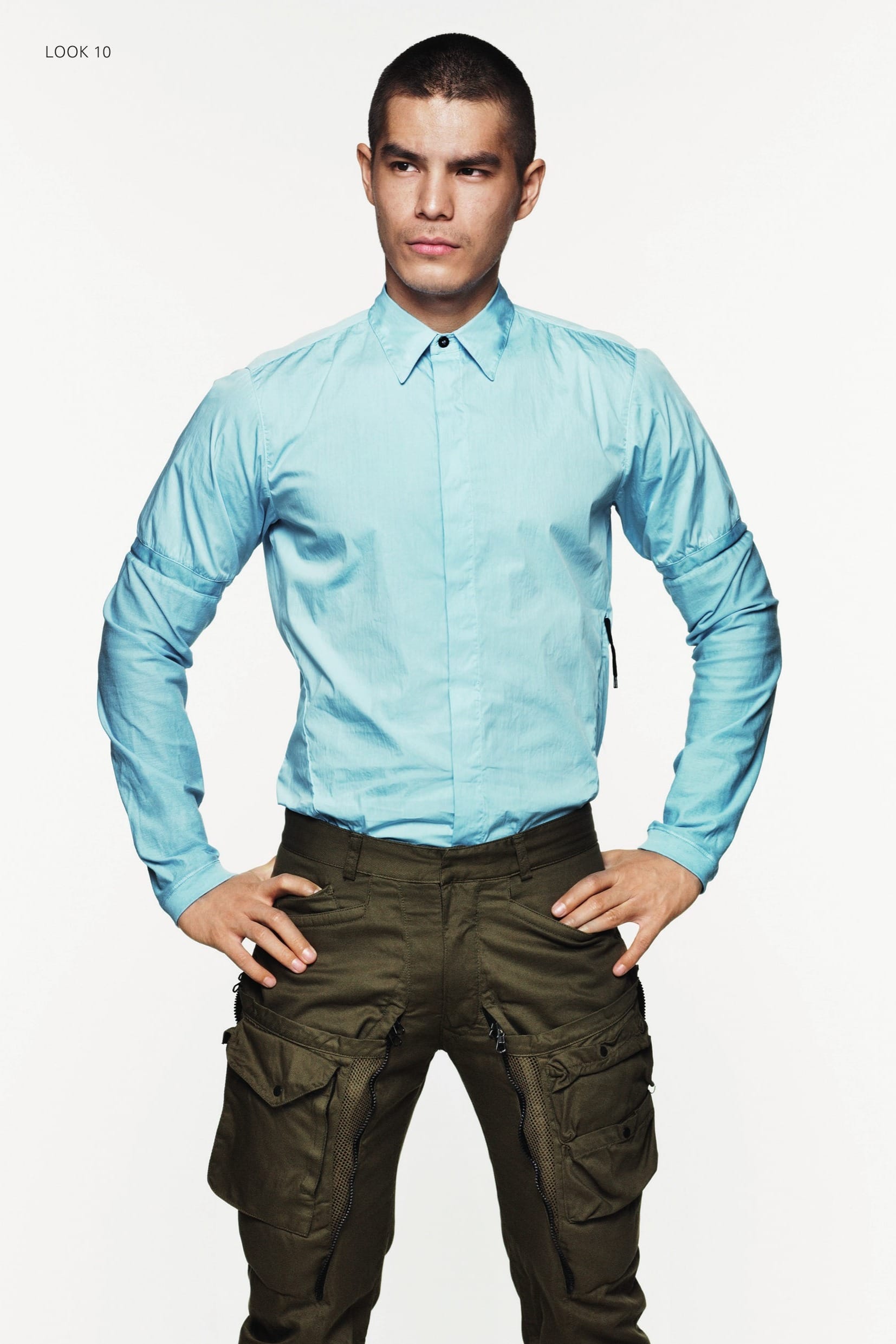
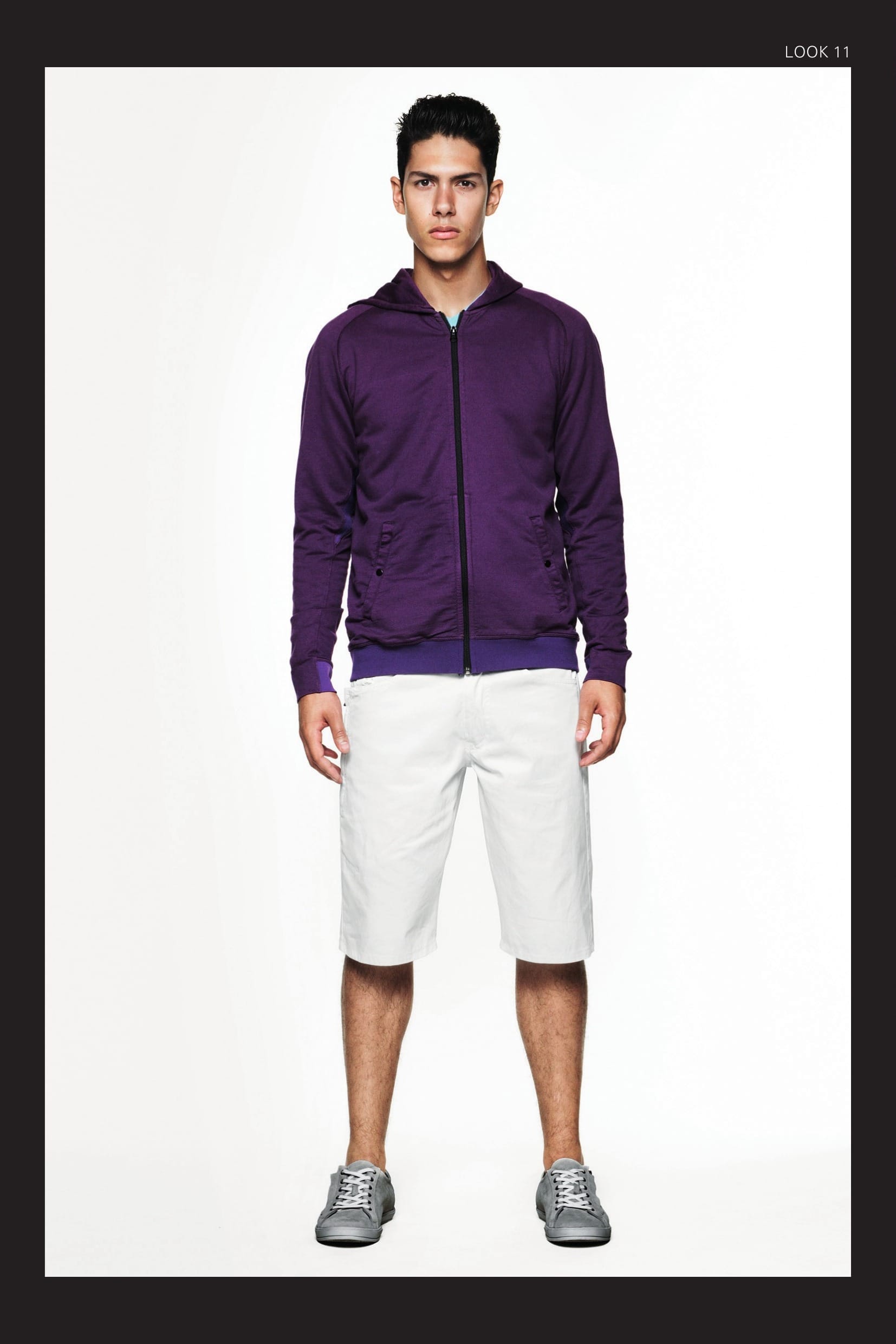
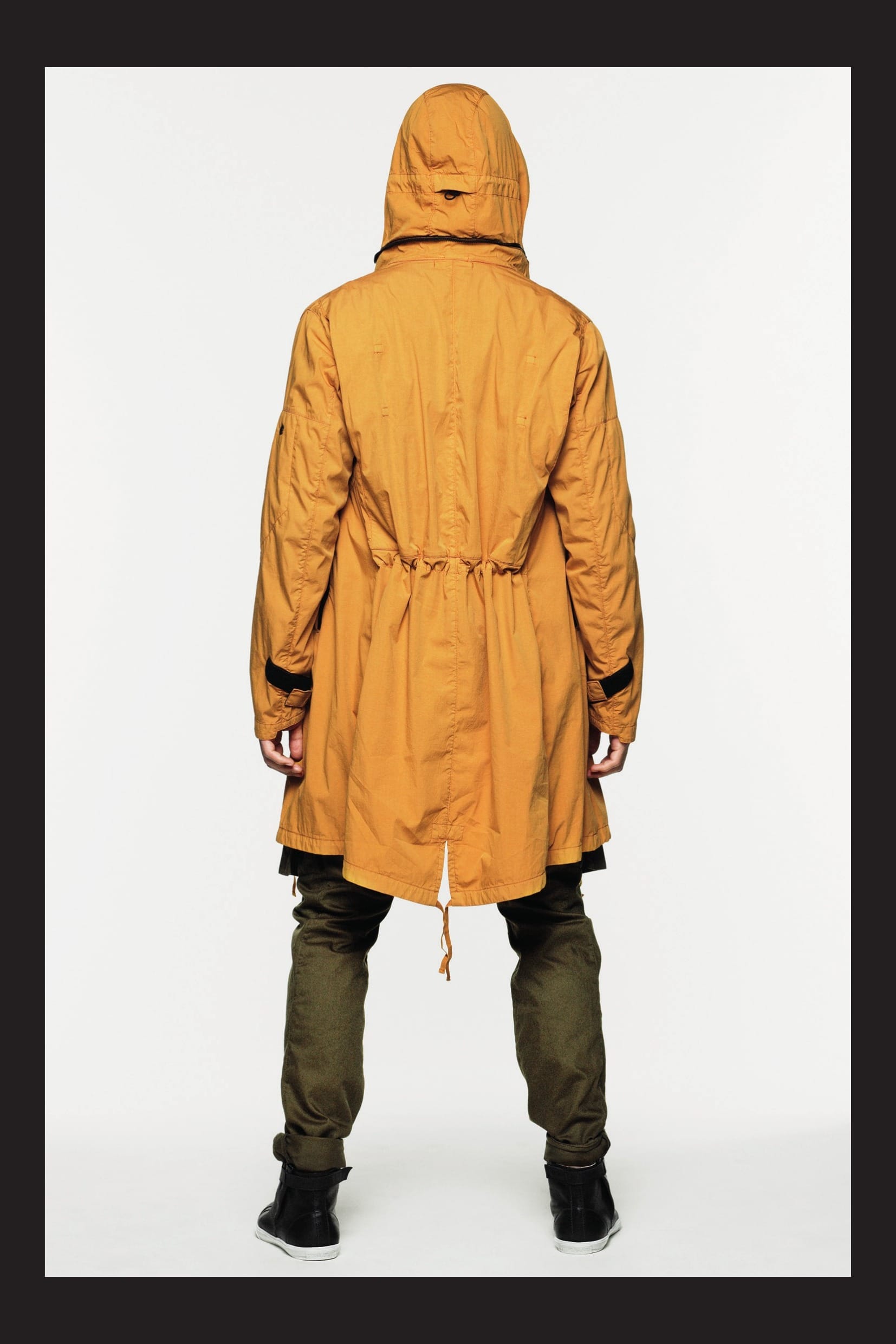
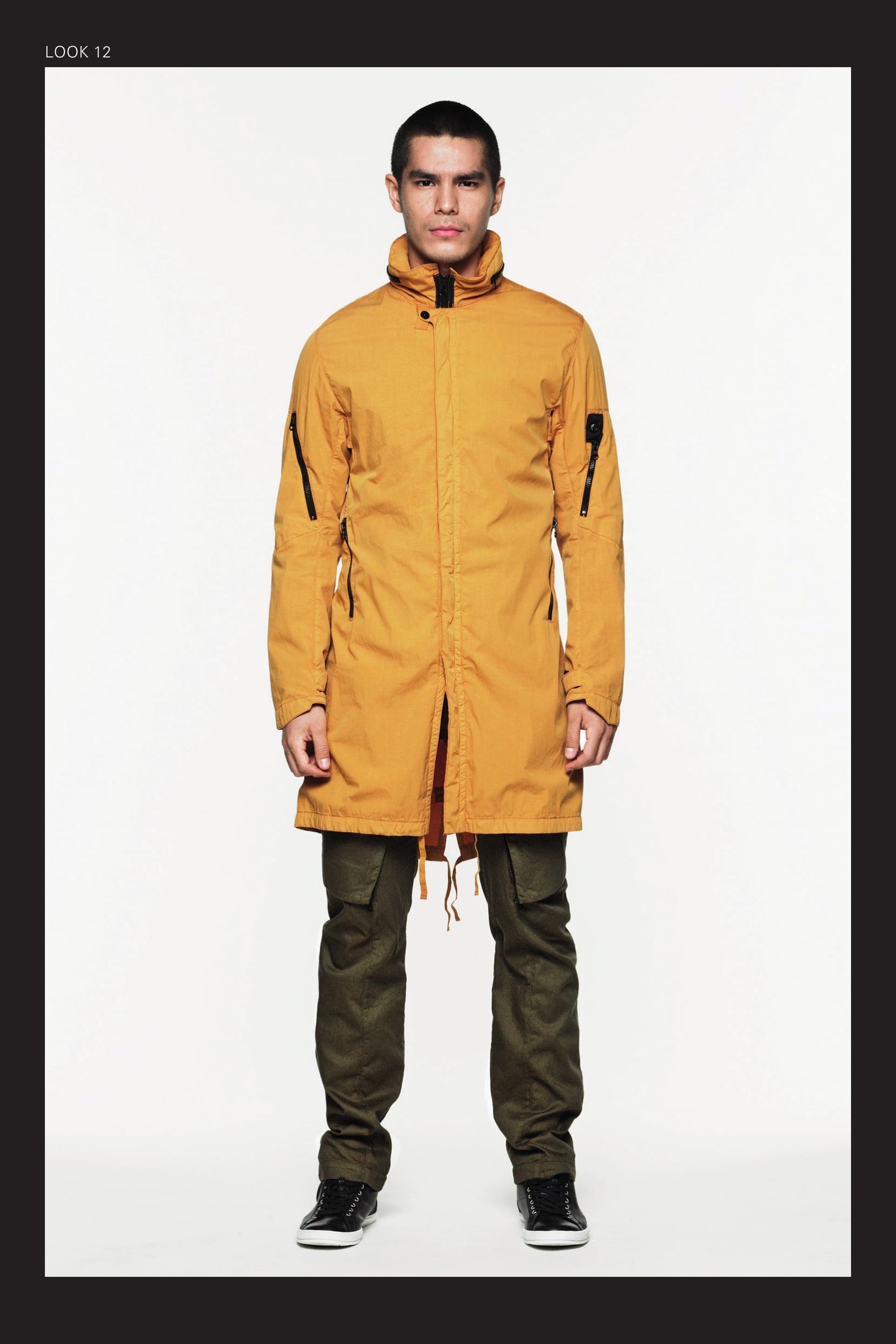
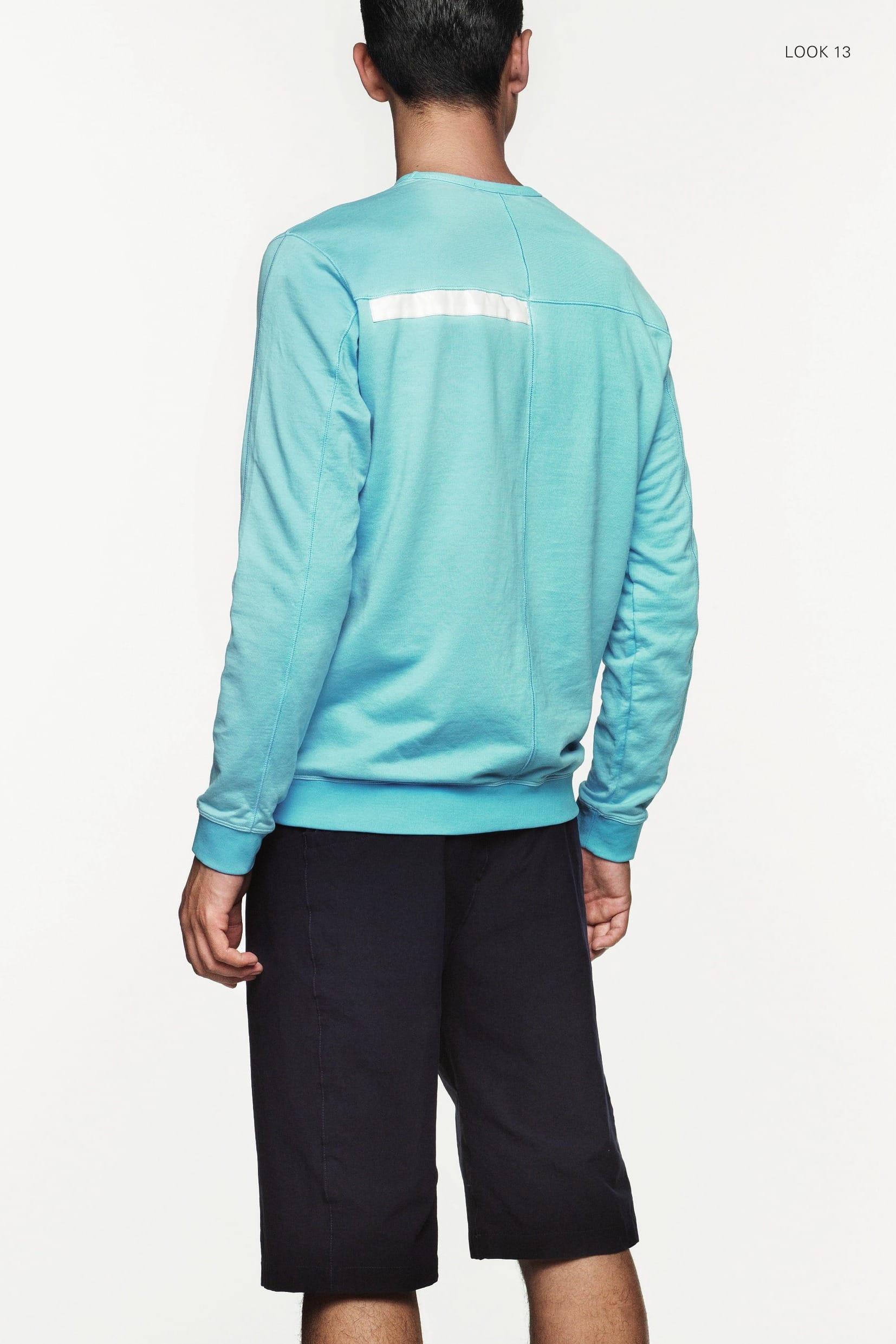
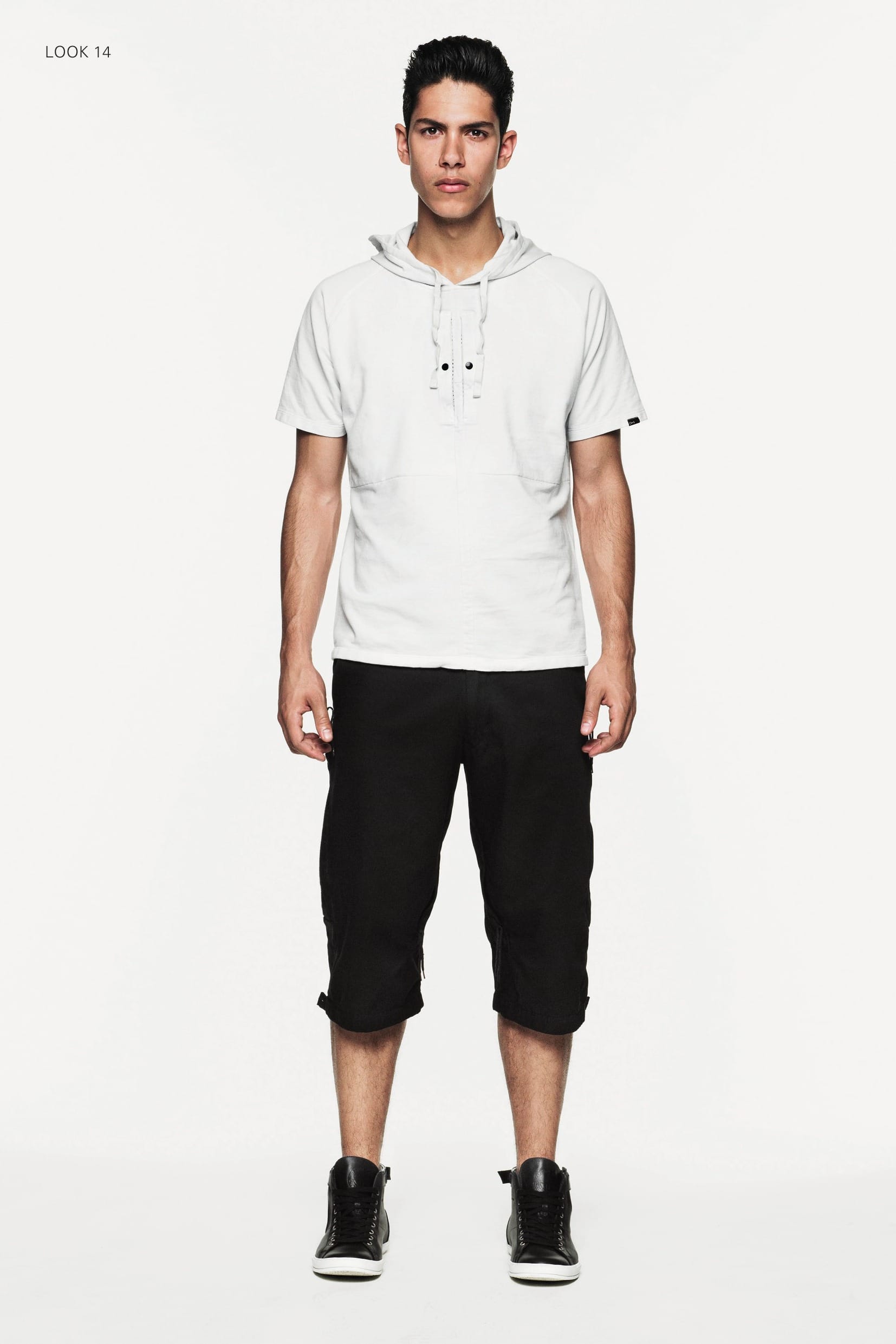
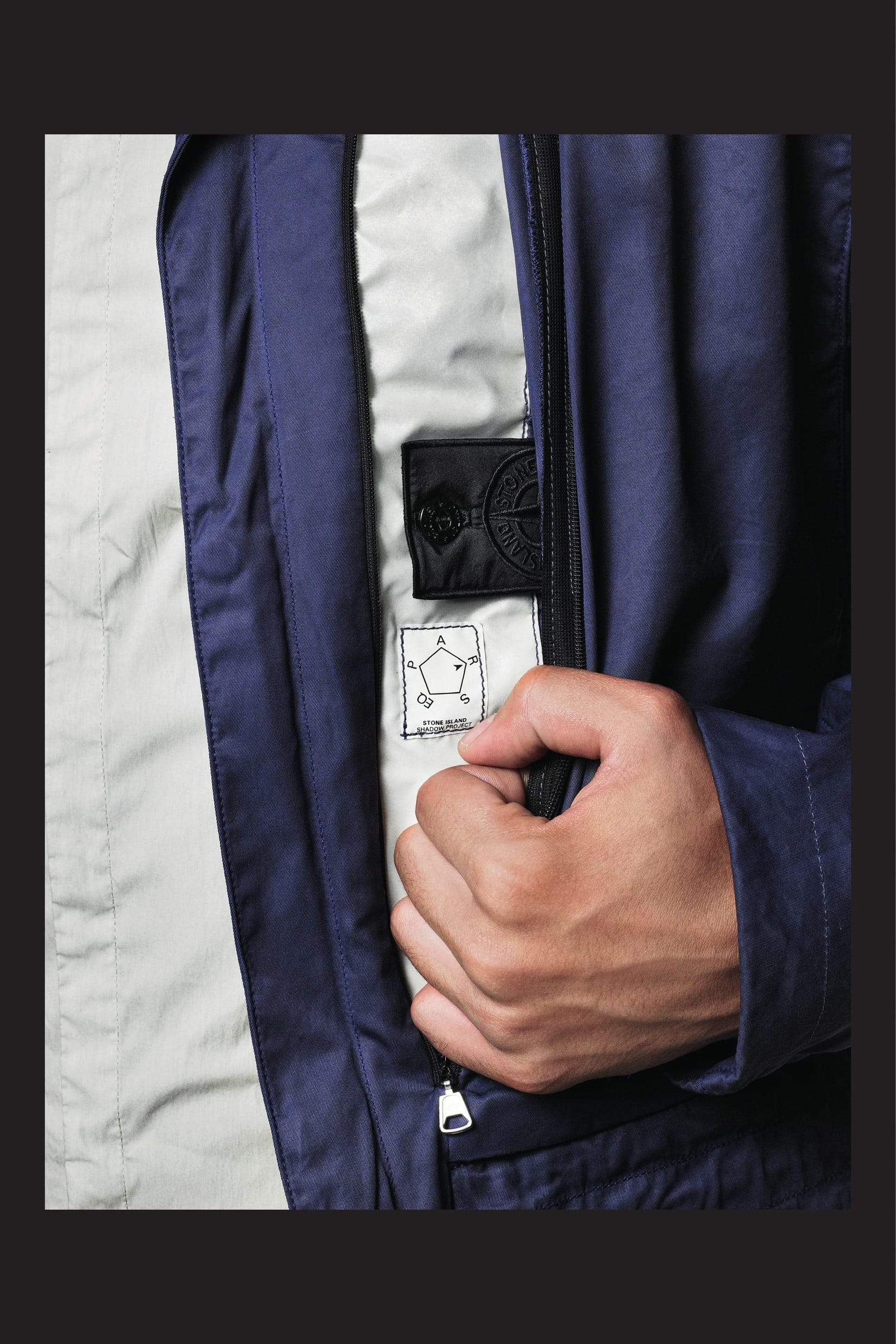
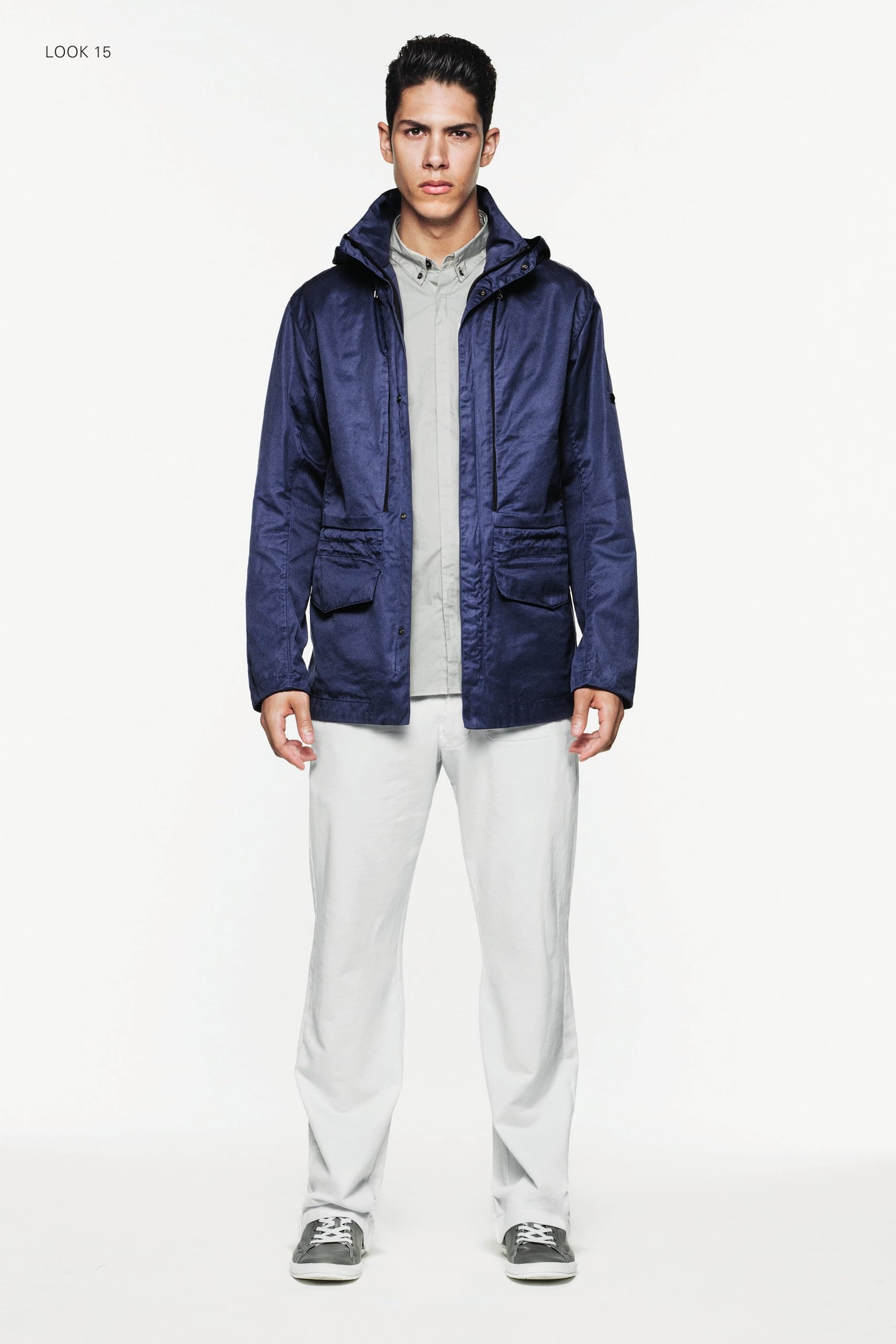
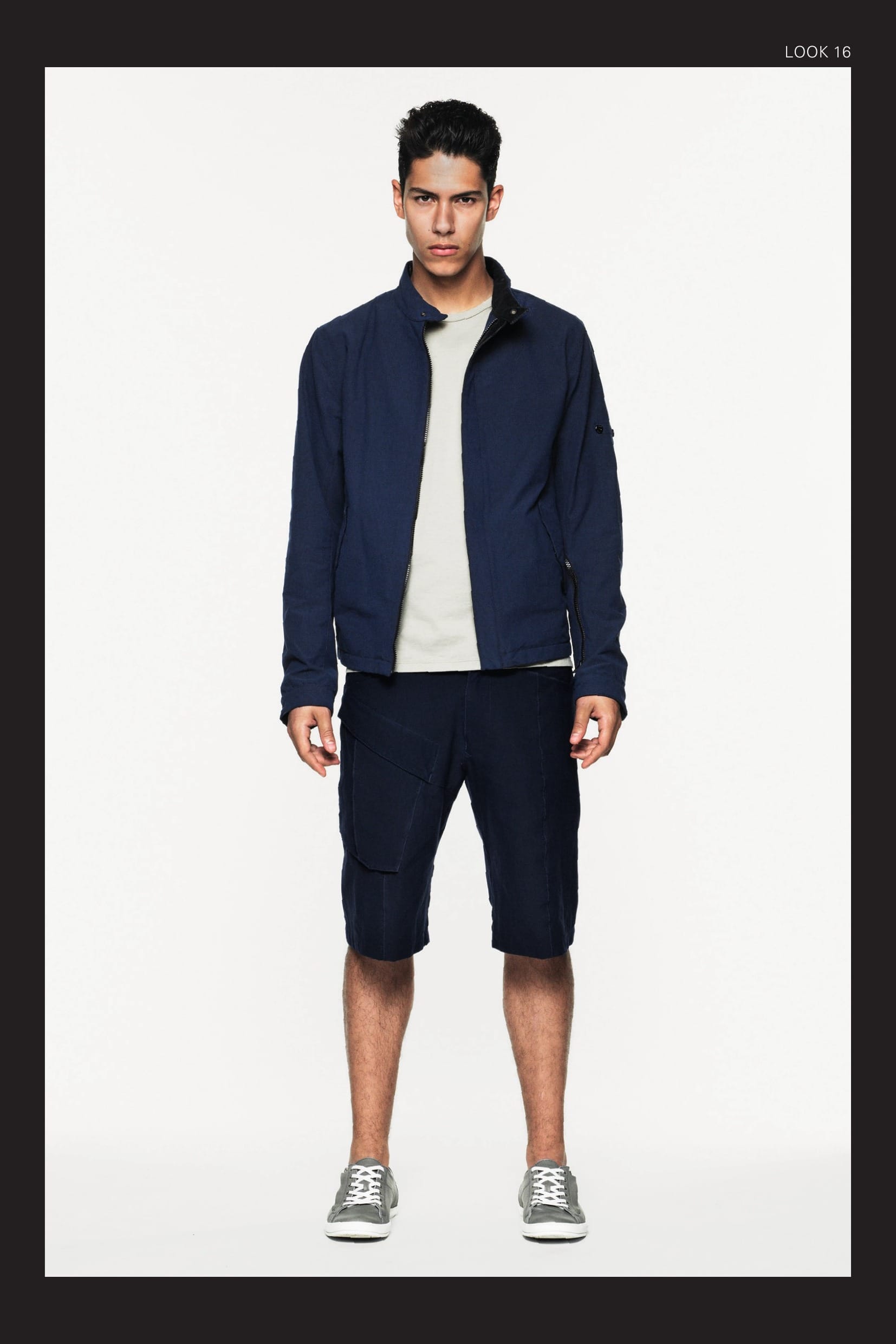
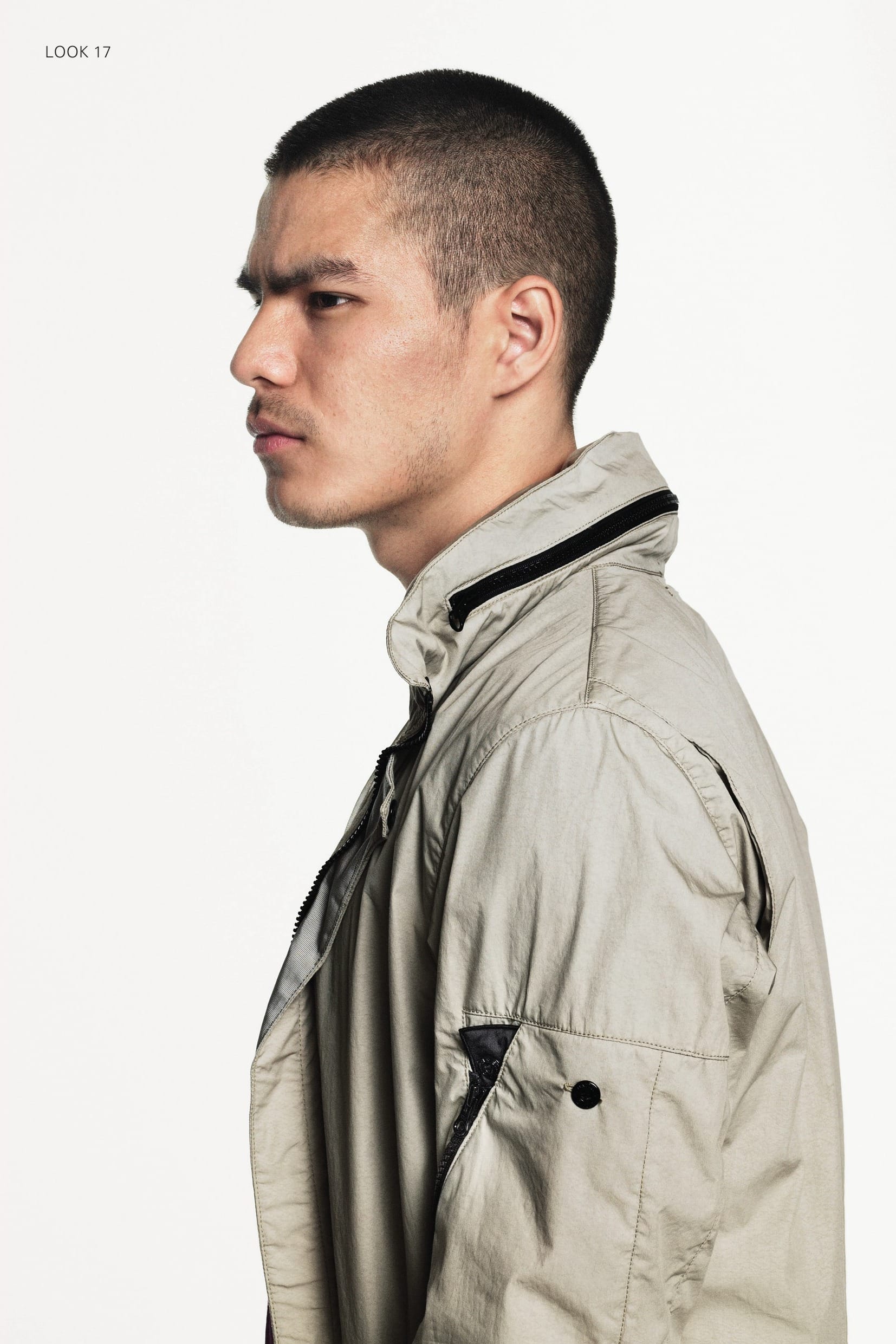
The Stone Island Shadow vector continues with the project's fourth seasonal capsule collection. Fueled by new reactions within the project's original conceptual core, fresh manifestations of fabric, style, detail, and interface emerge as the lightest, yet most comprehensive, offering thus far.
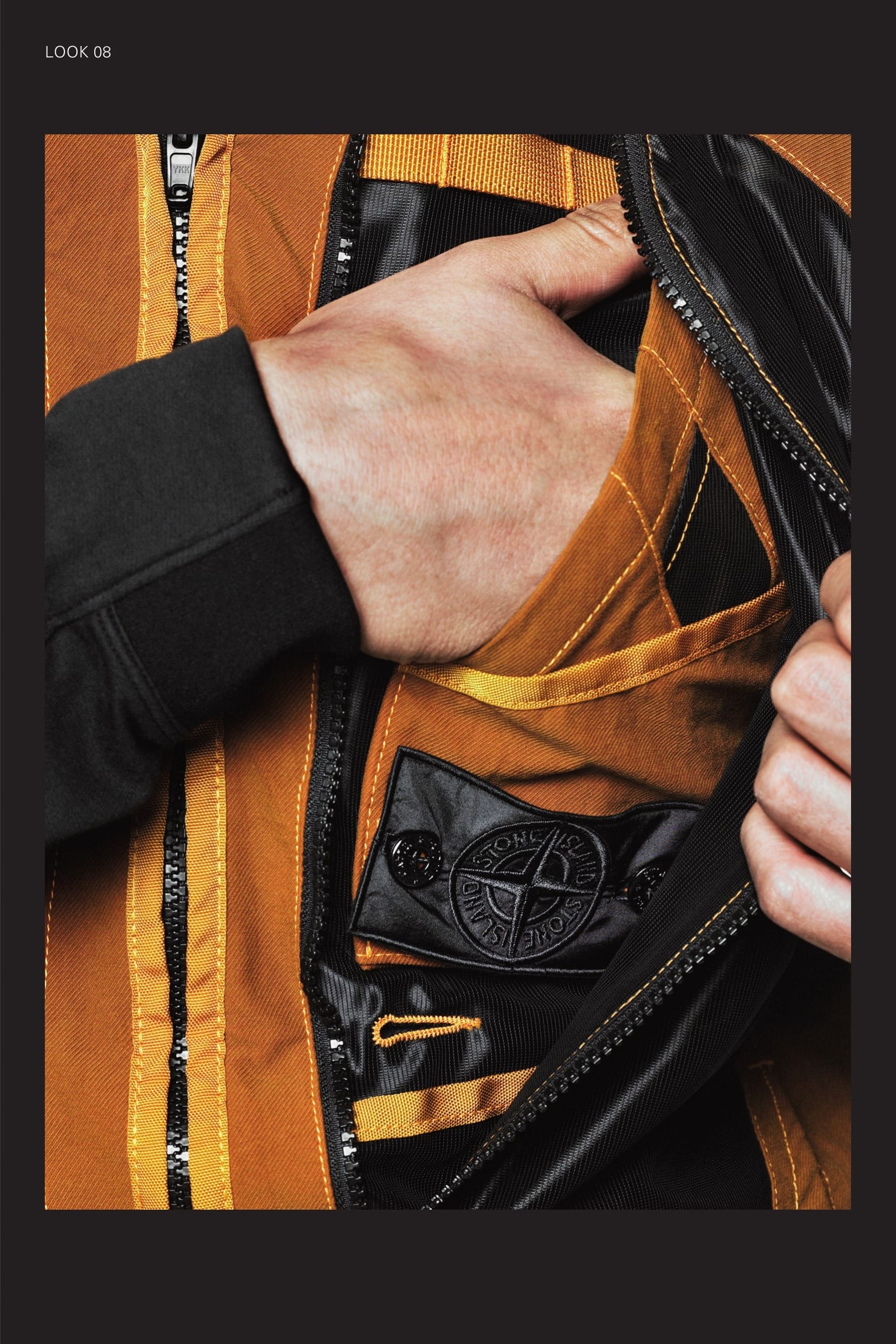
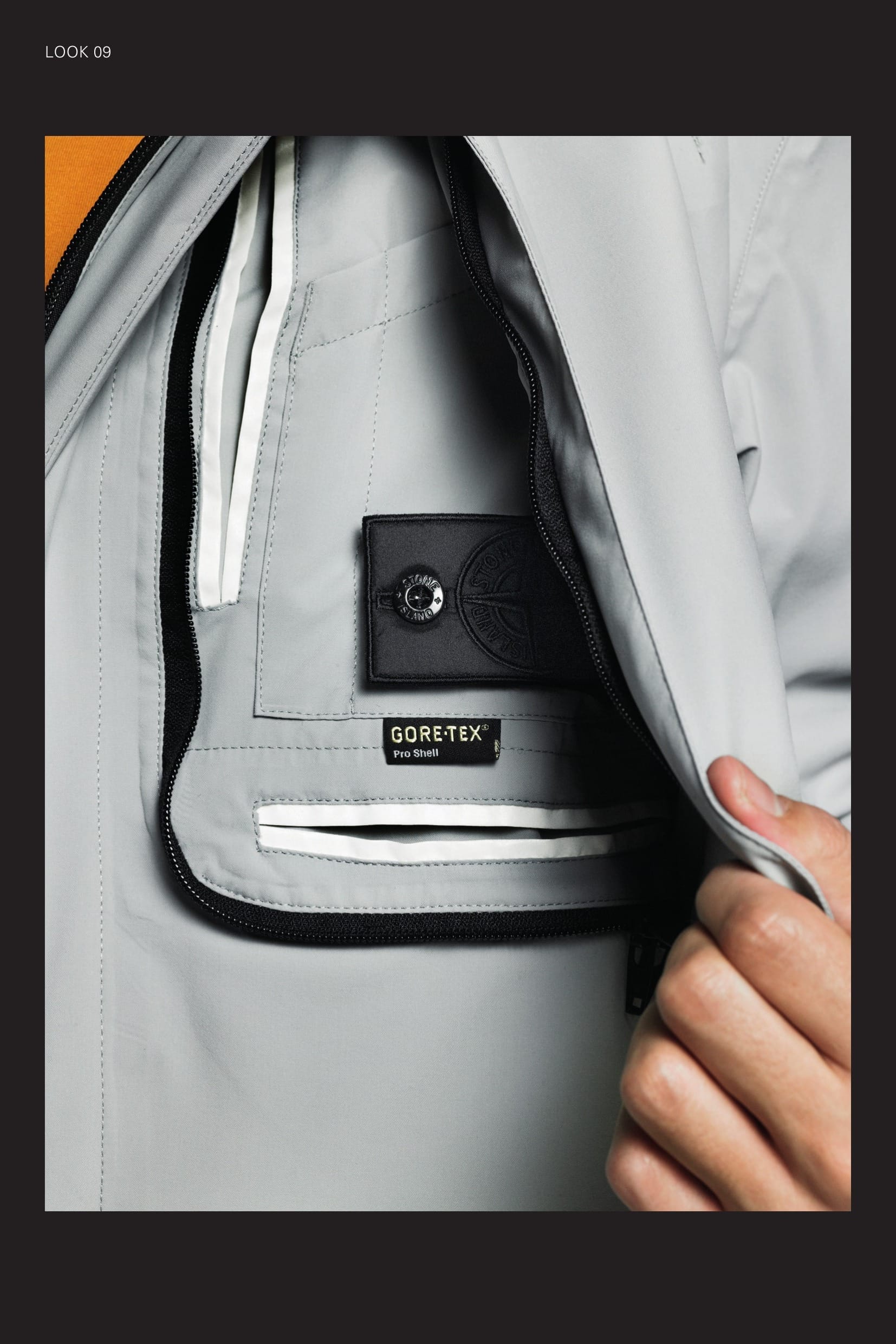
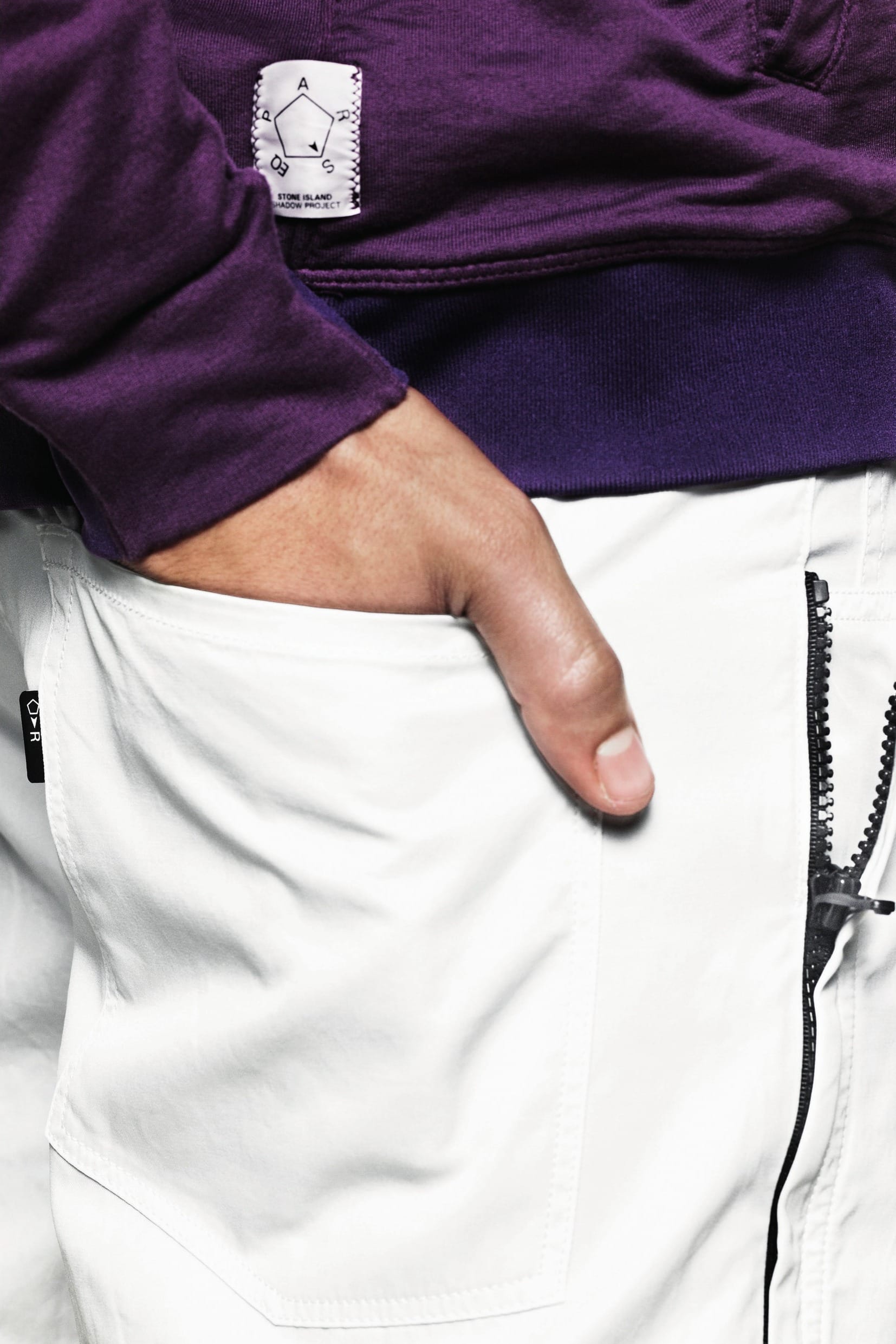
This unique trajectory begins, of course, at a unique point of origin — the inimitable constellation of research and development that is STONE ISLAND. Hidden detail and potential action lies at the heart of each and every Stone Island Shadow style.
Enfolding this in a simpler, softer way, a new focus can be brought to bear on both resolution of shape and fidelity of color. The goal is vibrancy and directness; stripping away the superfluous without sacrificing capability, and the lightness that can only be found by moving through one's environment with zero resistance.
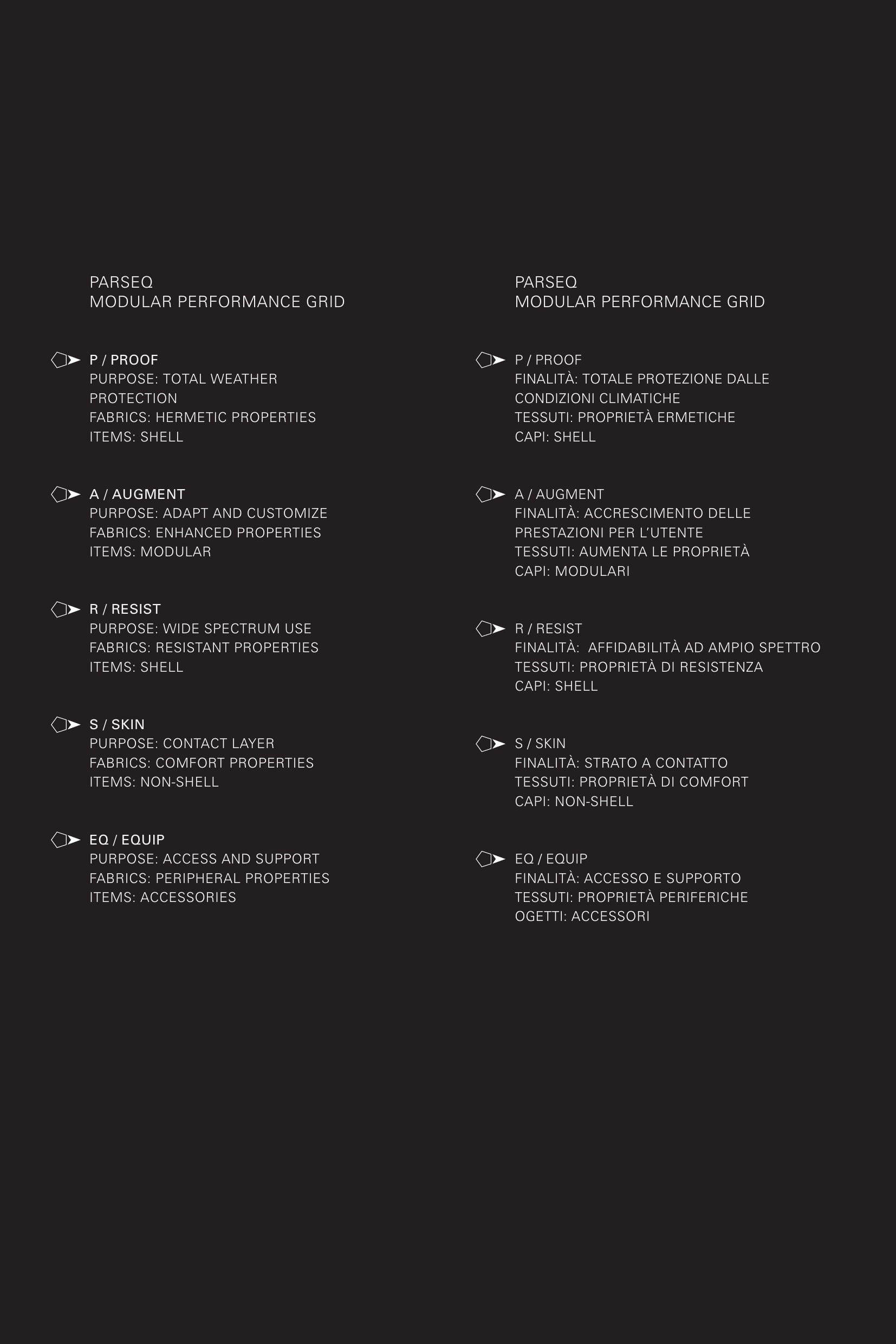
Modular Performance Grid, PARSEQ is the organizational framework upon which the idea is built: PROOF, AUGMENT, RESIST, SKIN and EQUIP. All Shadow fabrics work together as part of the grid — breathable, moisture managing, skin-friendly and maintainable — chosen for their balance of performance technology and the aesthetic treatments for which Stone Island has been known since its inception.

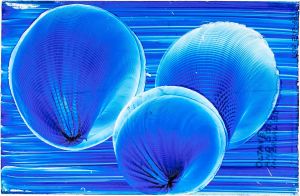
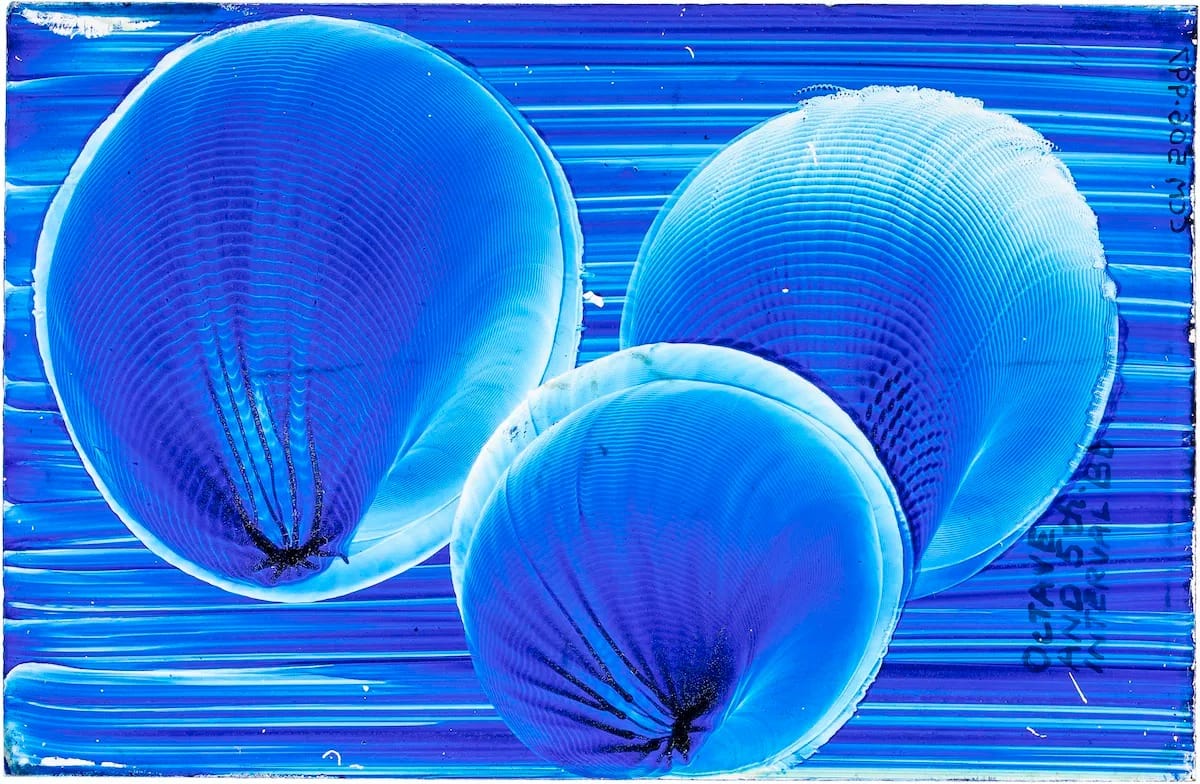
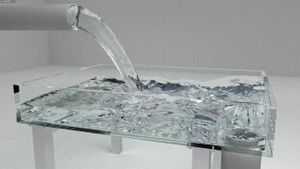
Made more than 100 years ago by a Welsh singer named Margaret Watts Hughes — not by her hand but rather using her voice and an Eidophone, a “recording” device of her own invention. She would sing into the Eidophone’s funnel and so make its diaphragm vibrate. She’d then bring this vibrating diaphragm in contact with a glass plate covered in pigment to create these wondrous images, akin to visual sound recordings, or what she called Voice Figures (and the more complex Impression Figures).
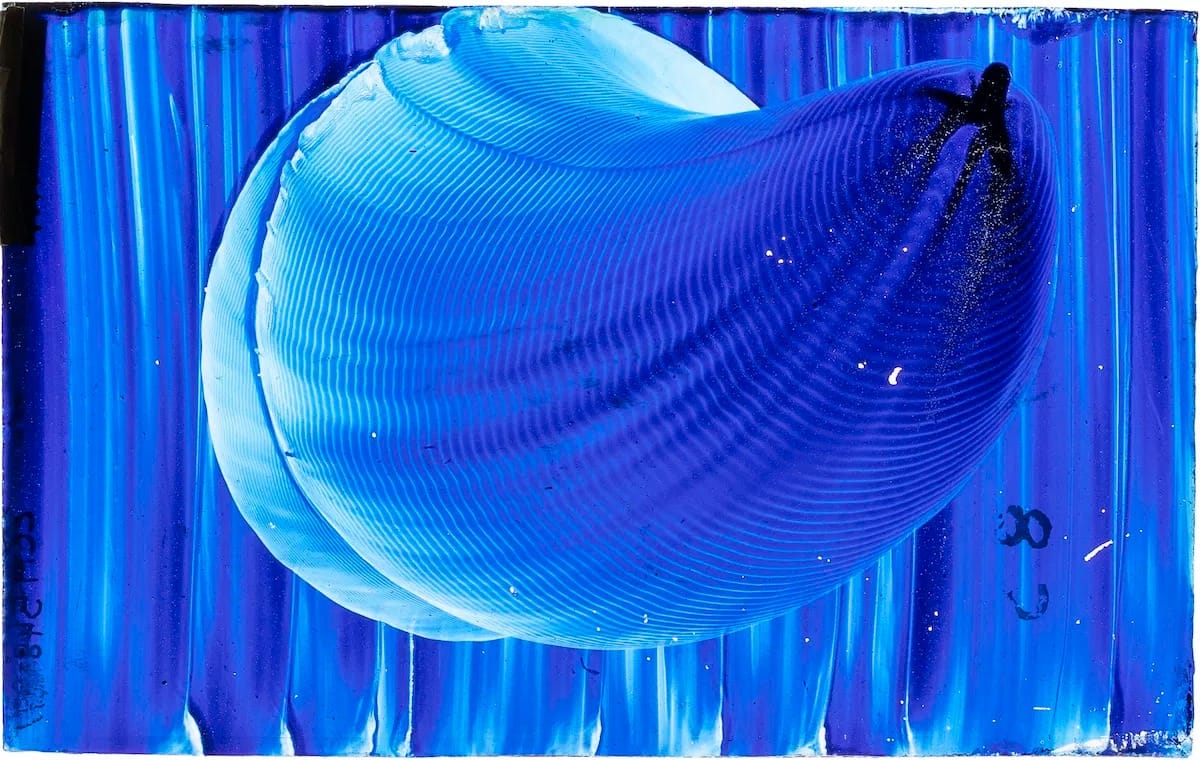
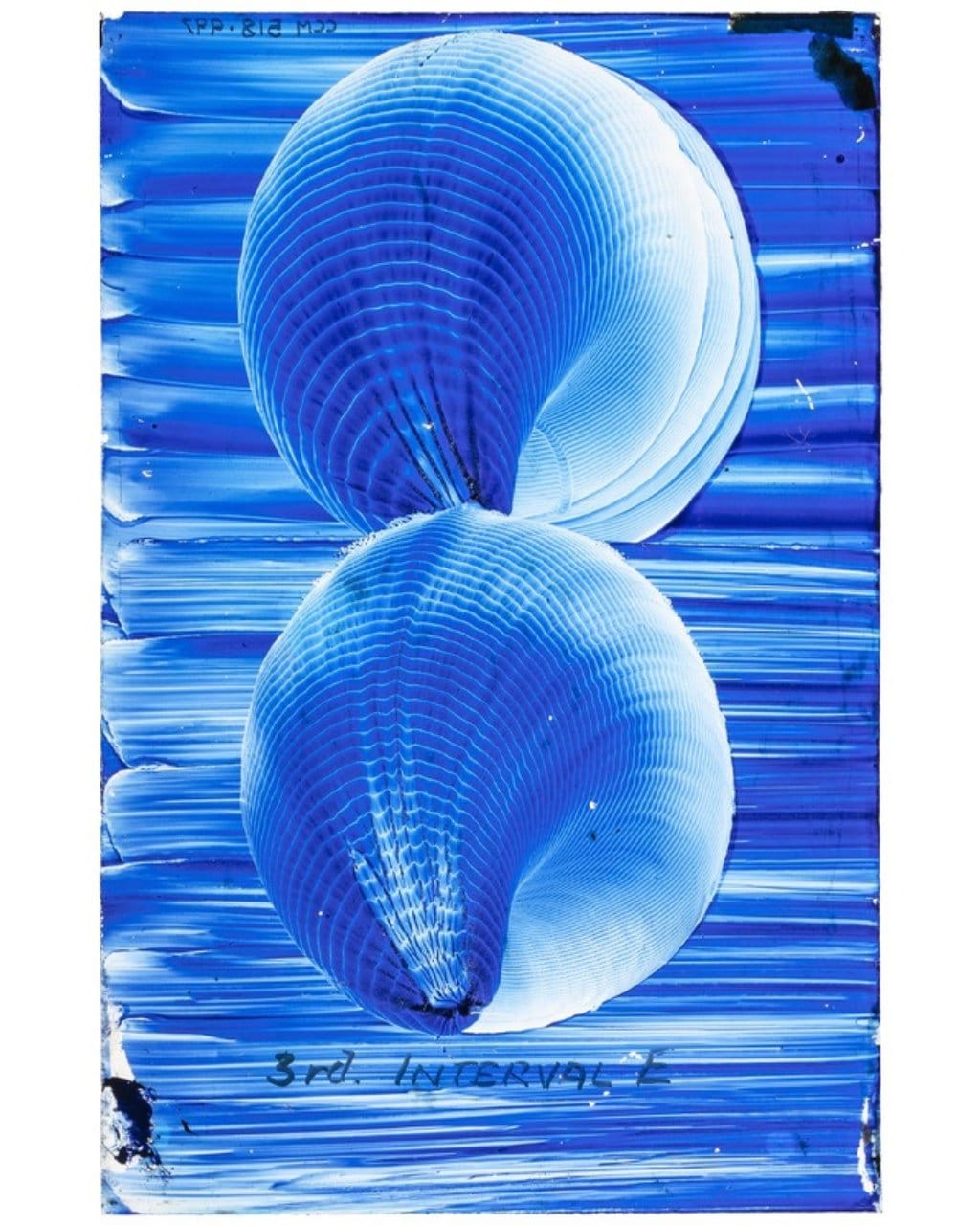
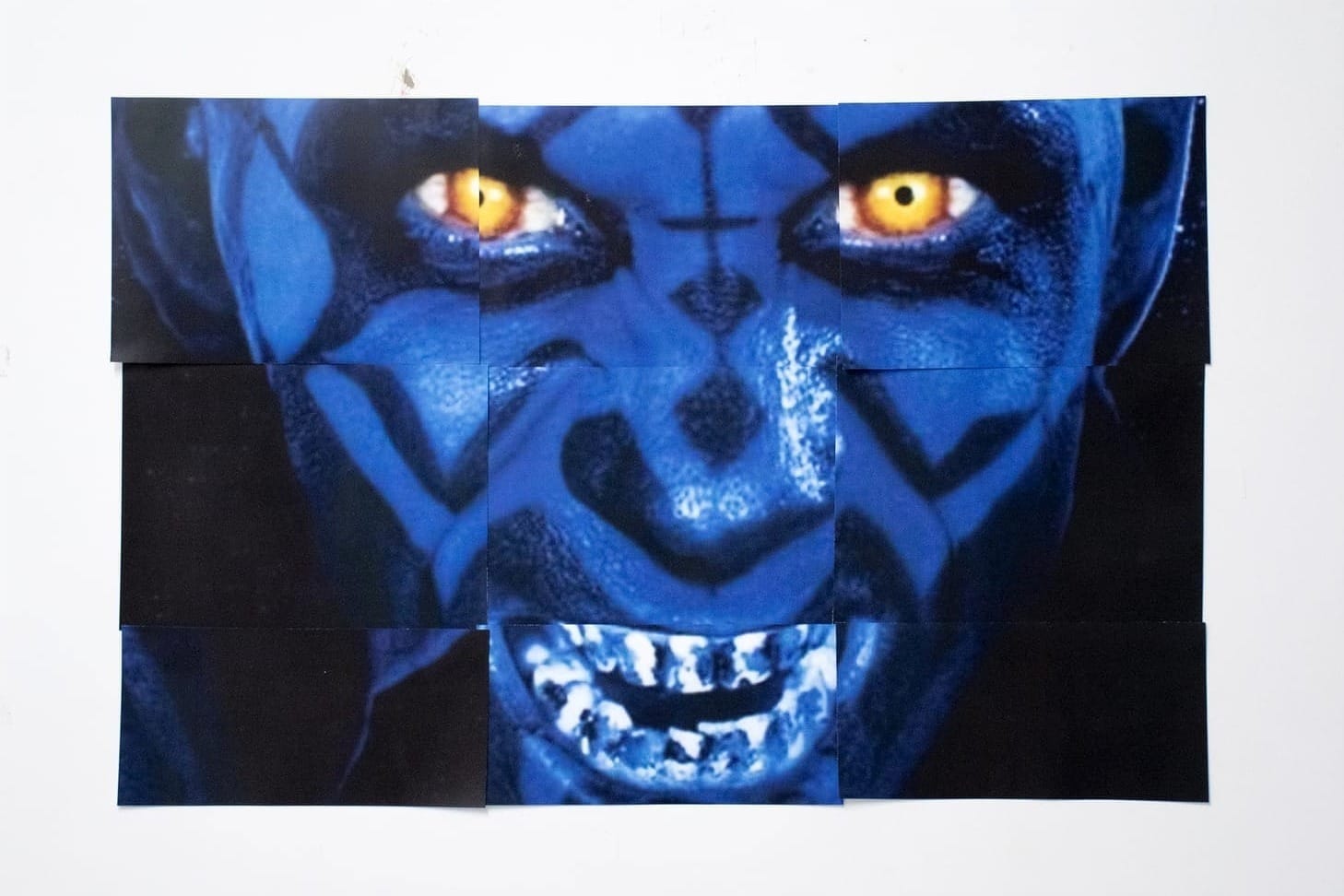
From the spitting image exhibiton curated by Pop Gun and Heart Gallery
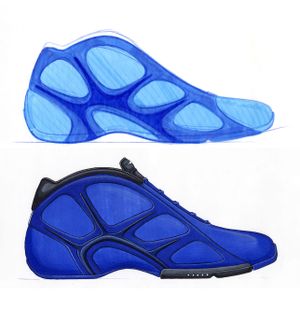
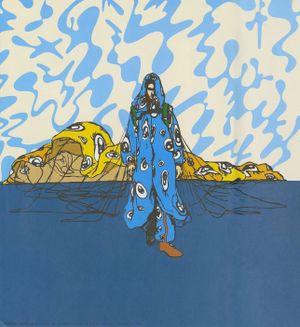
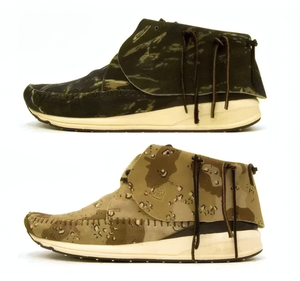
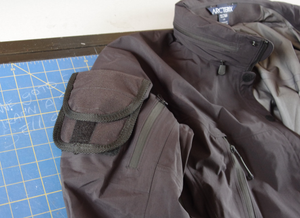
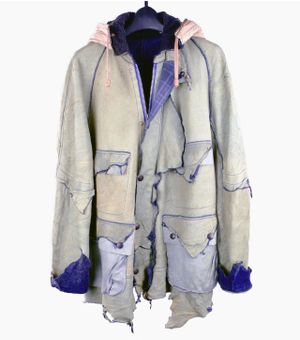
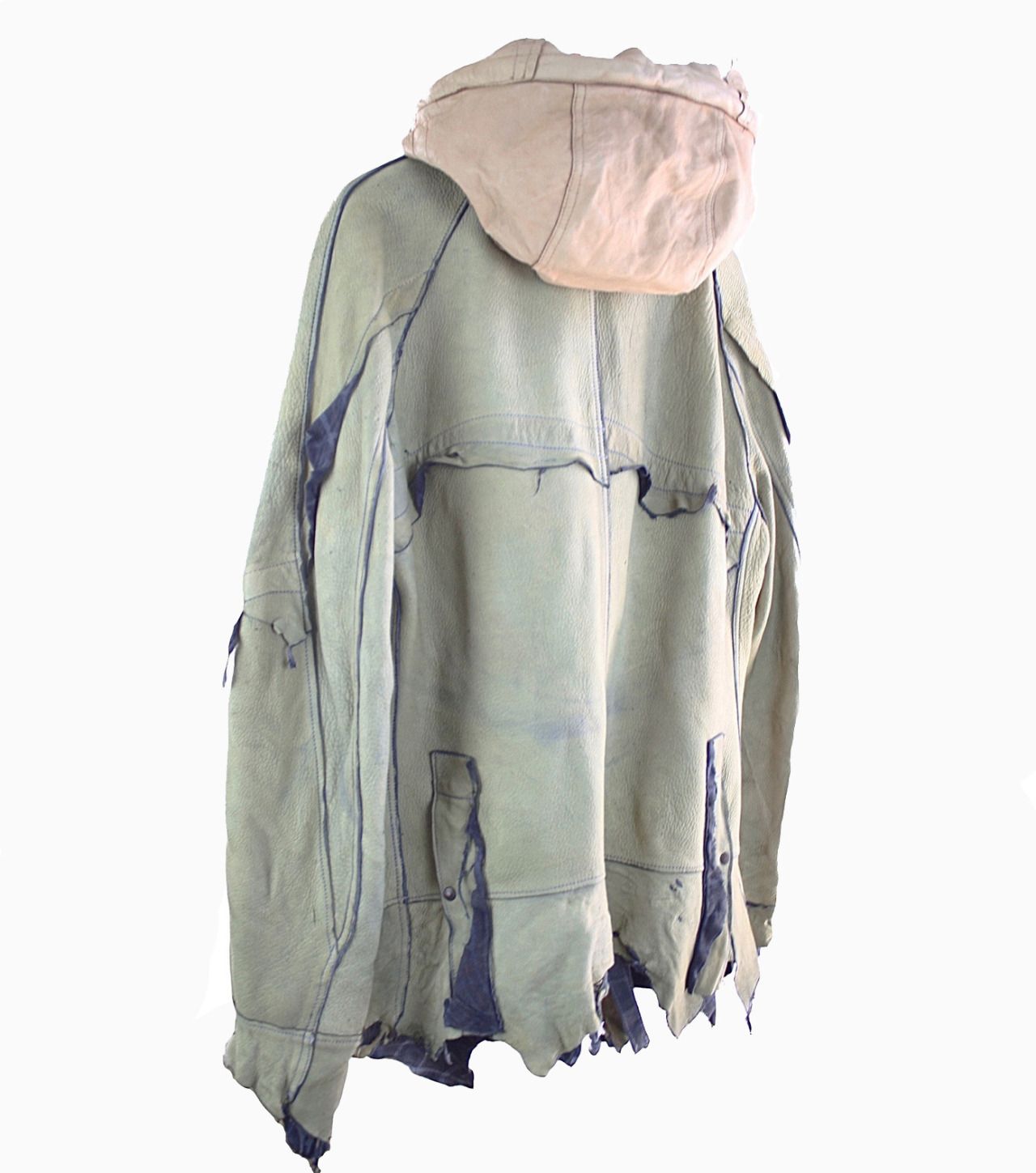
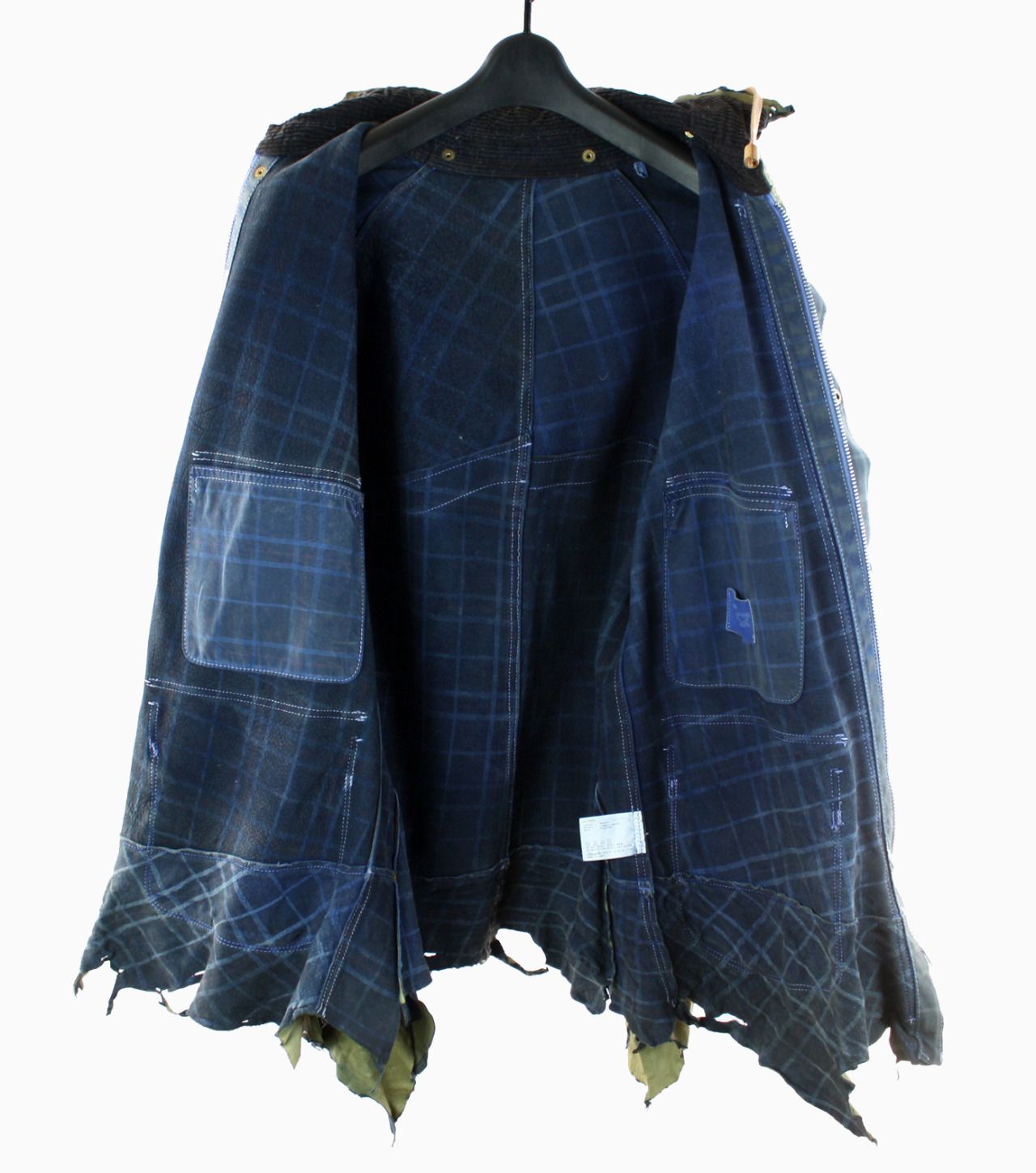
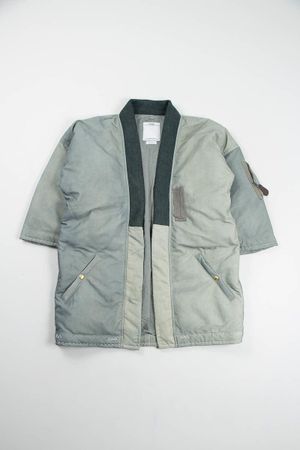
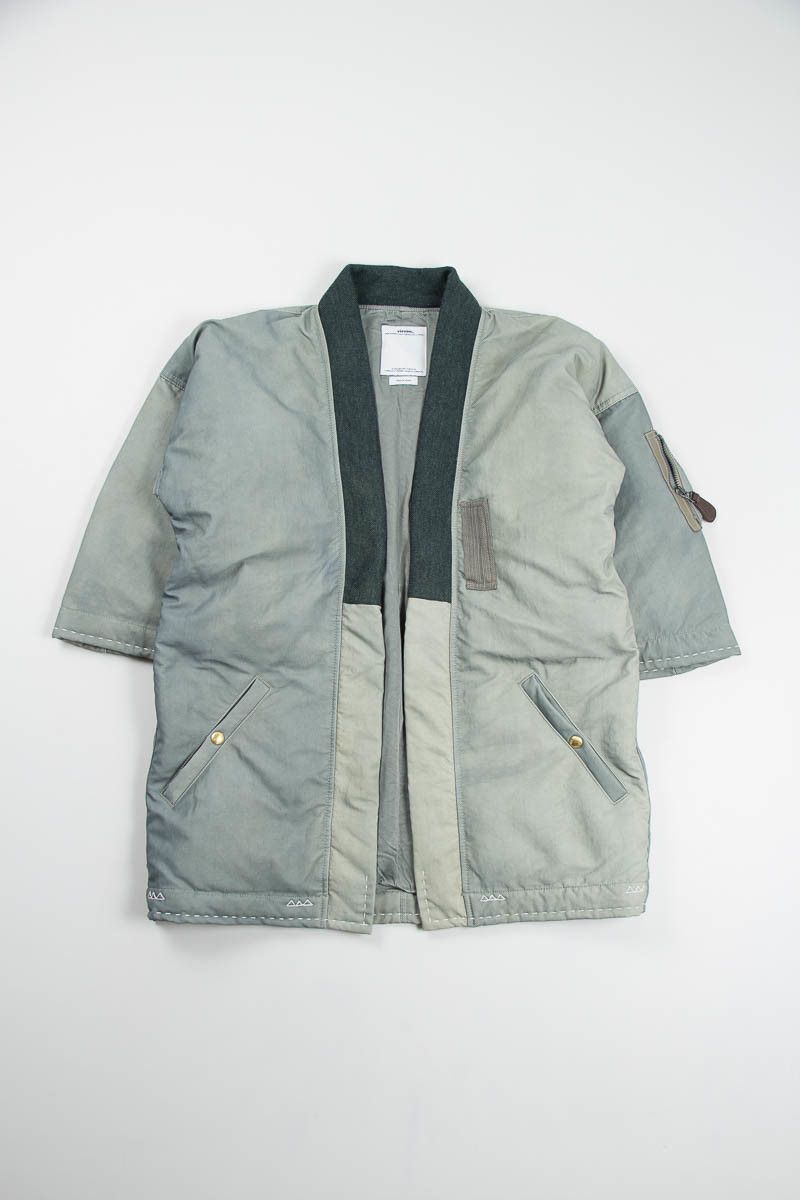
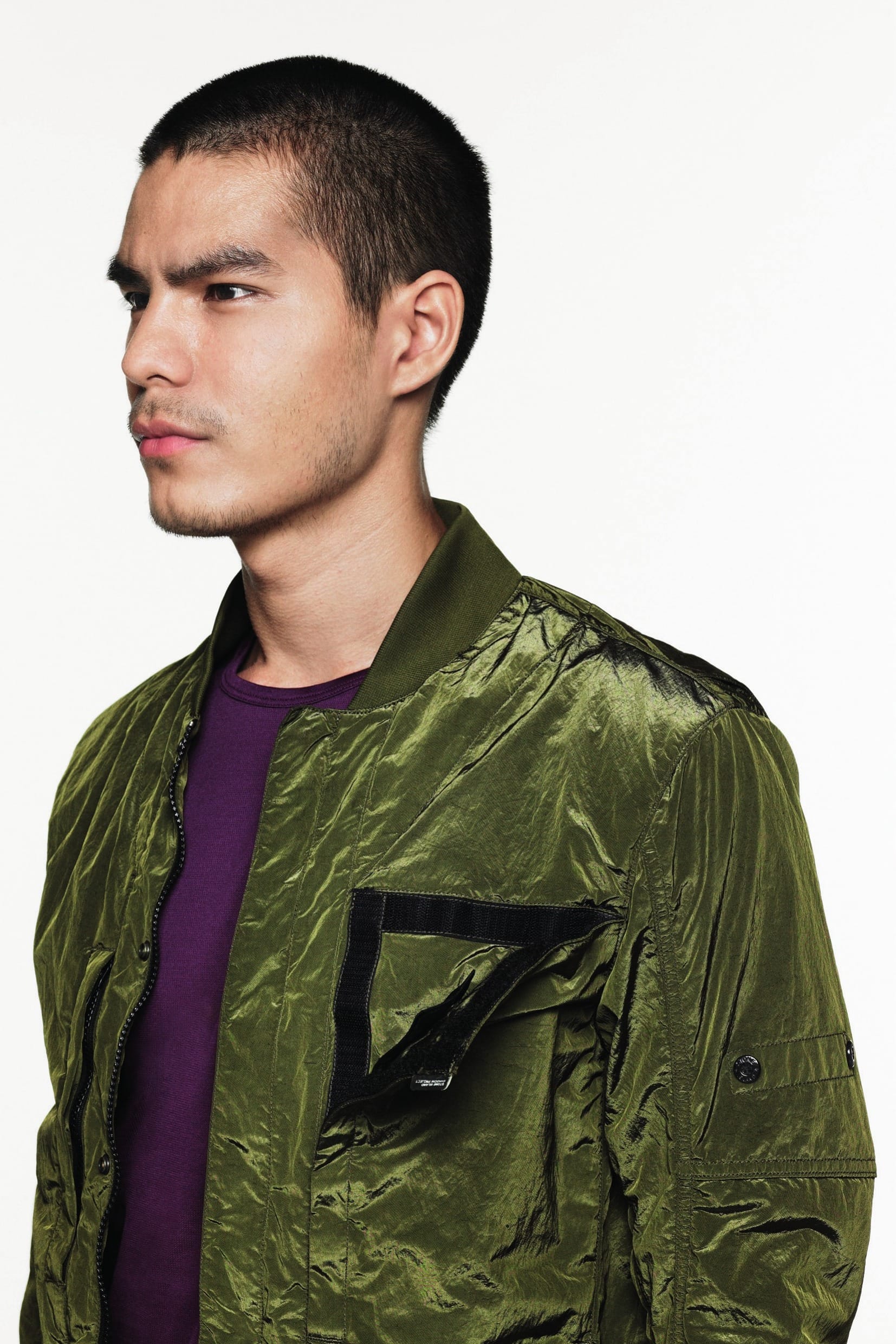
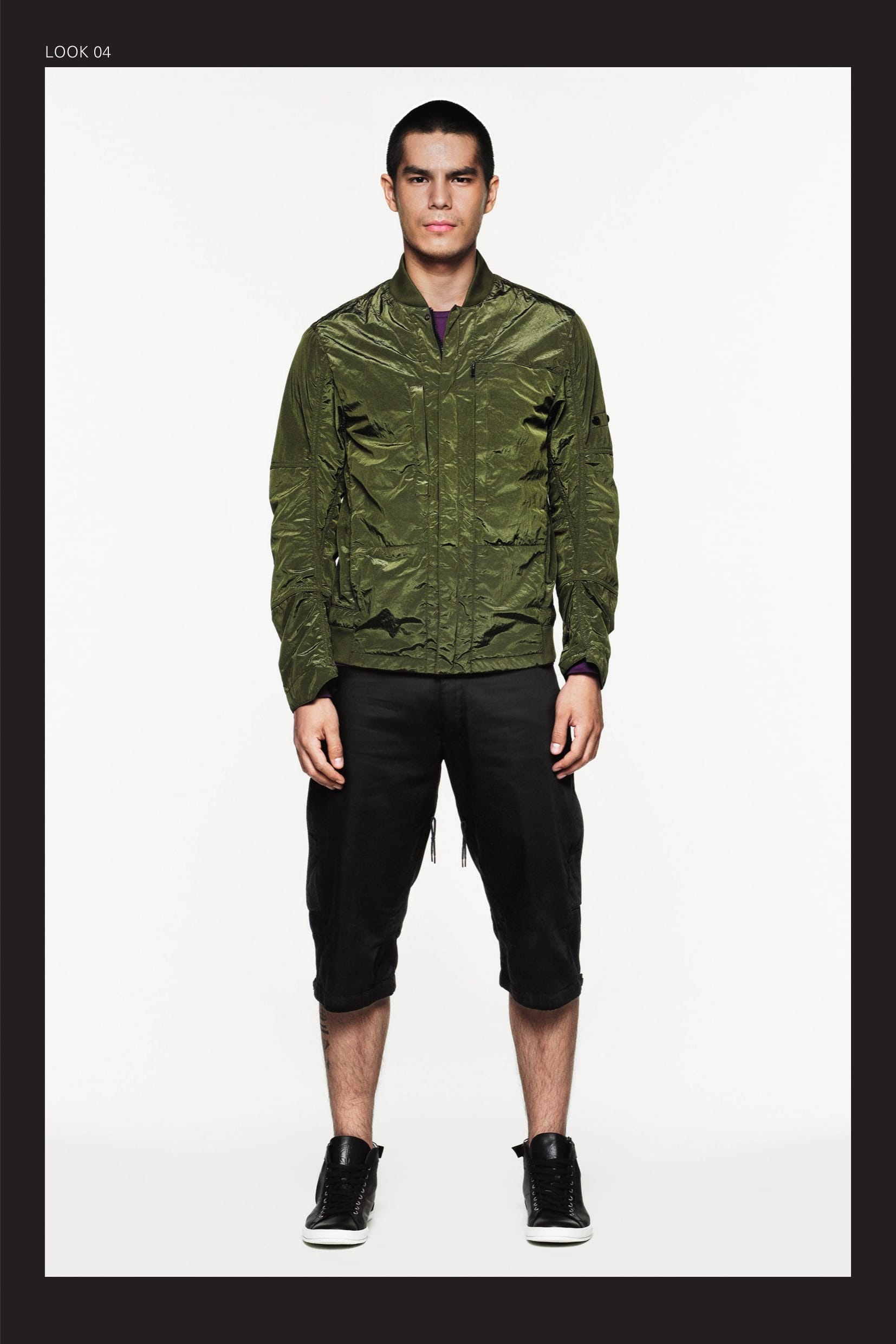
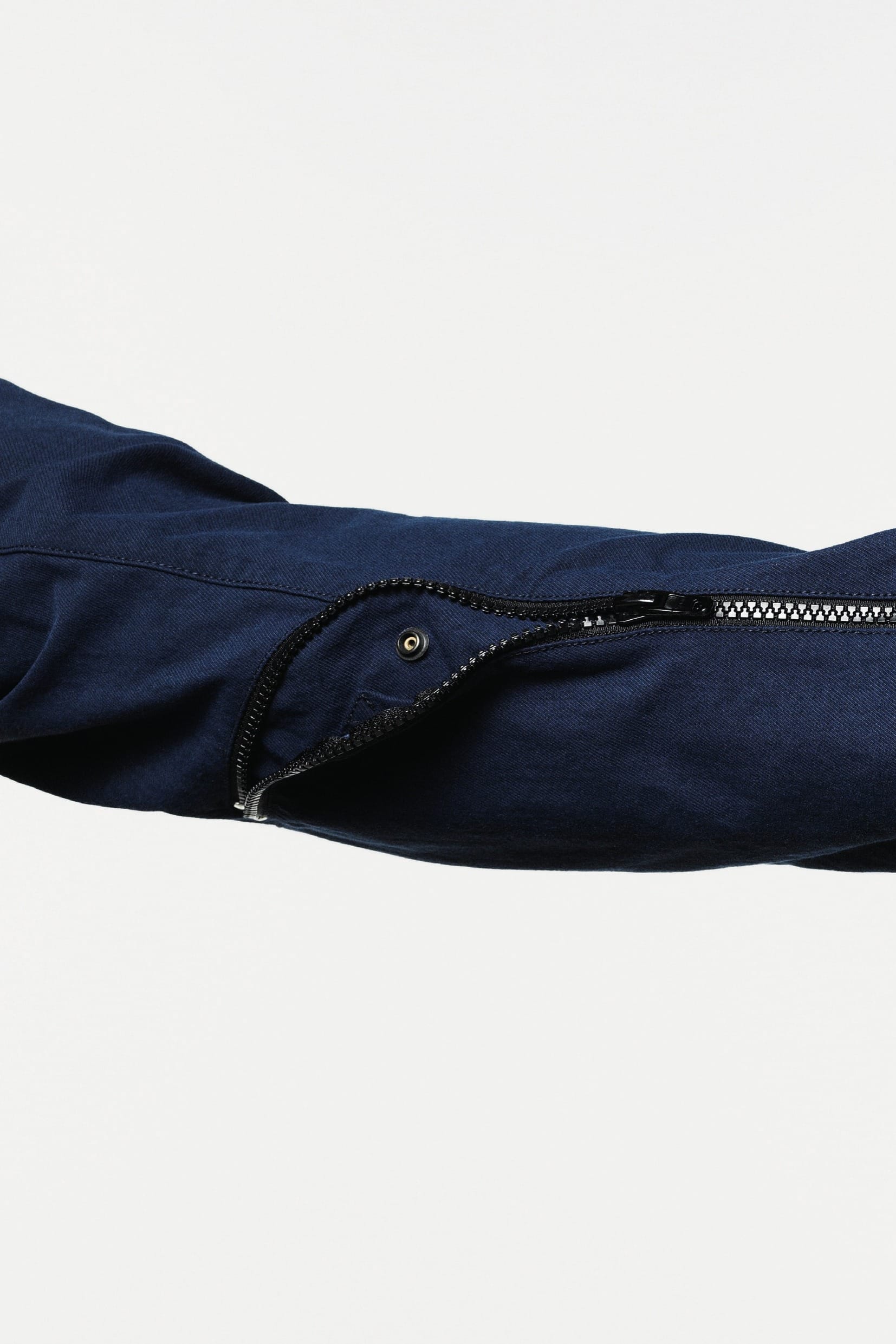
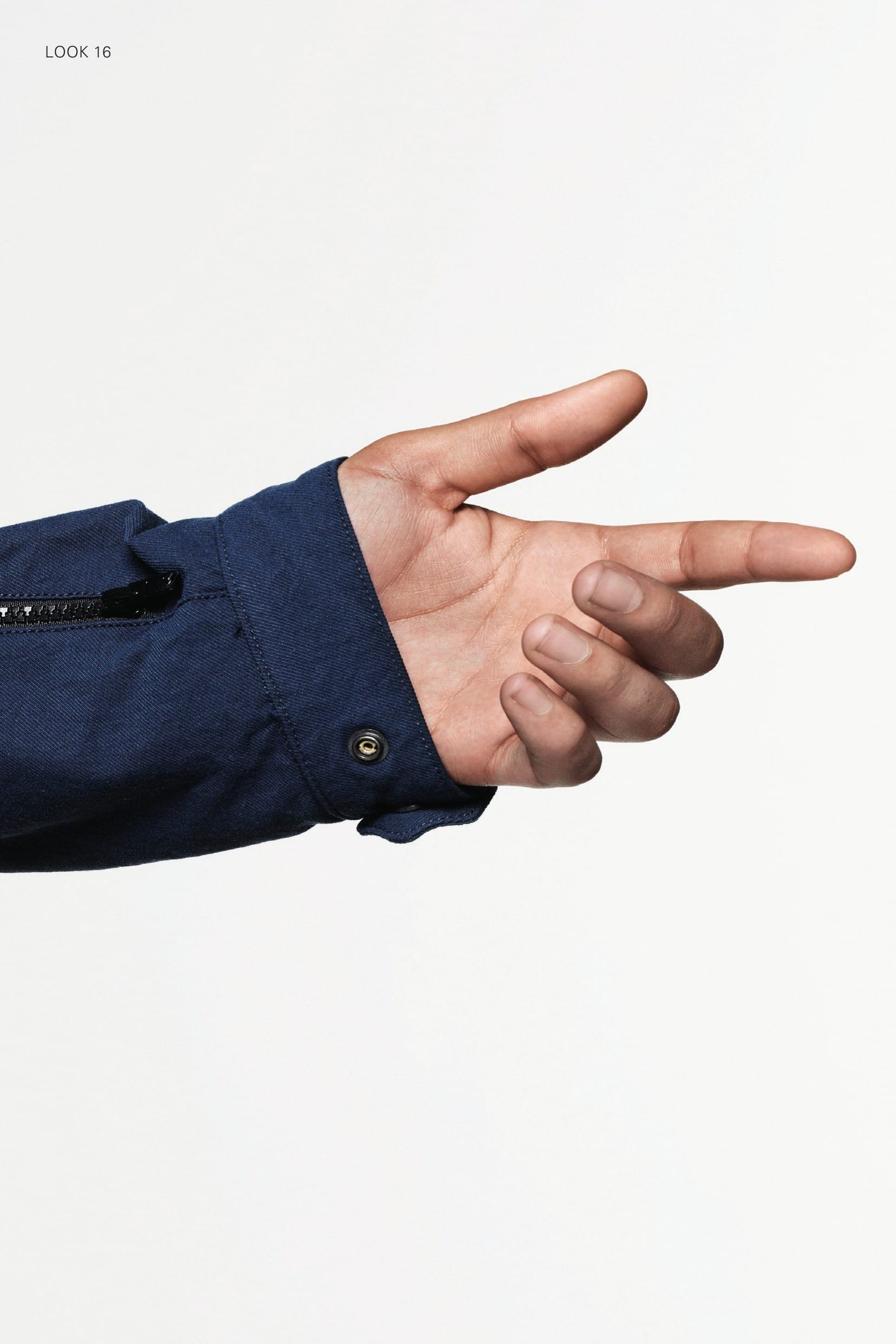
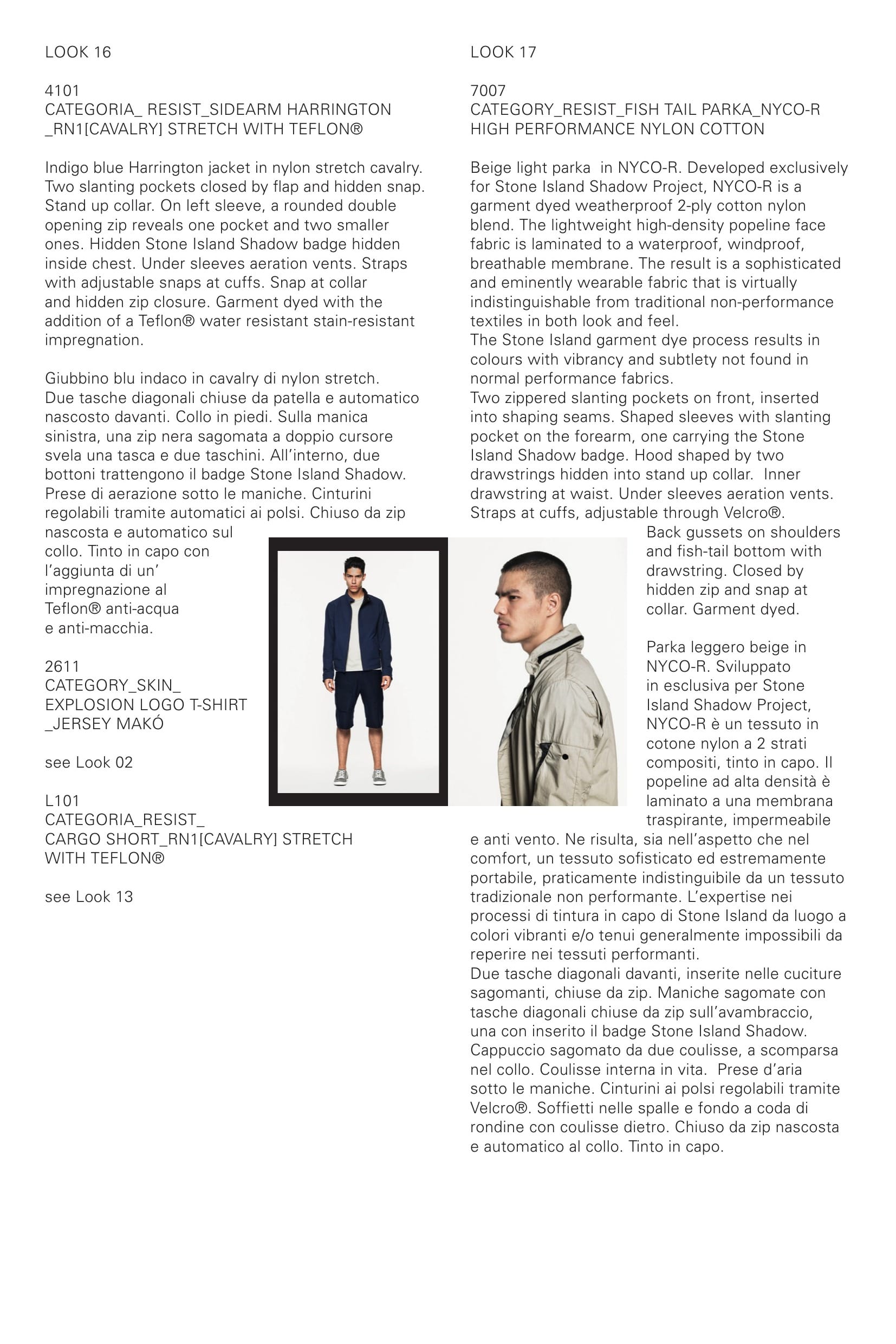
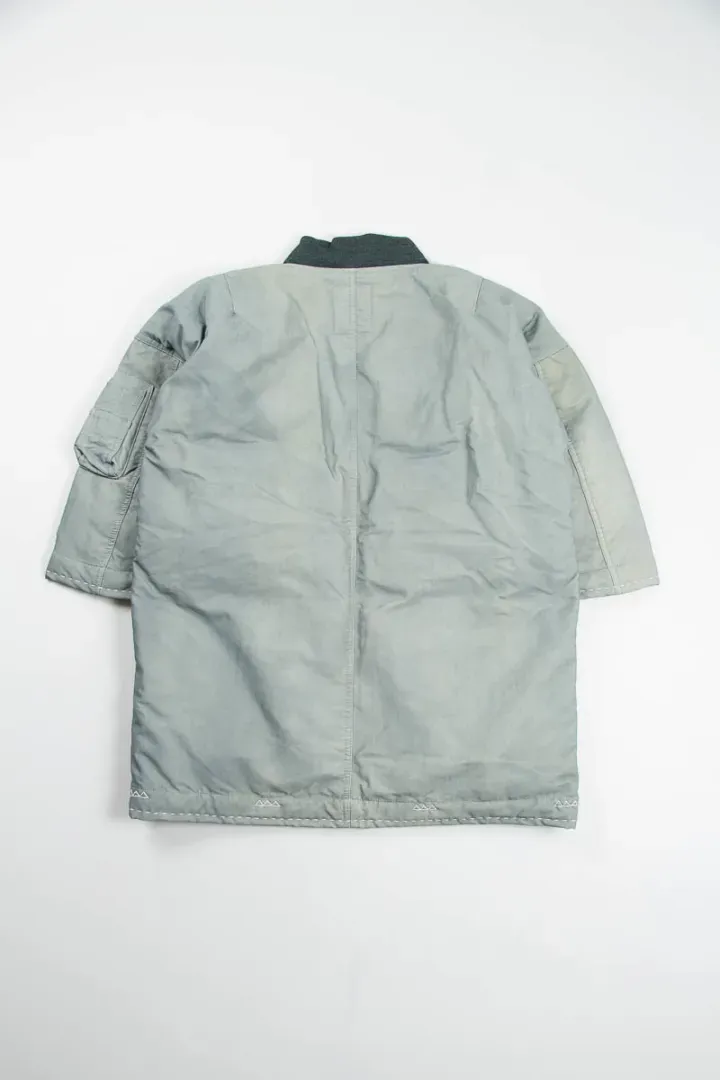
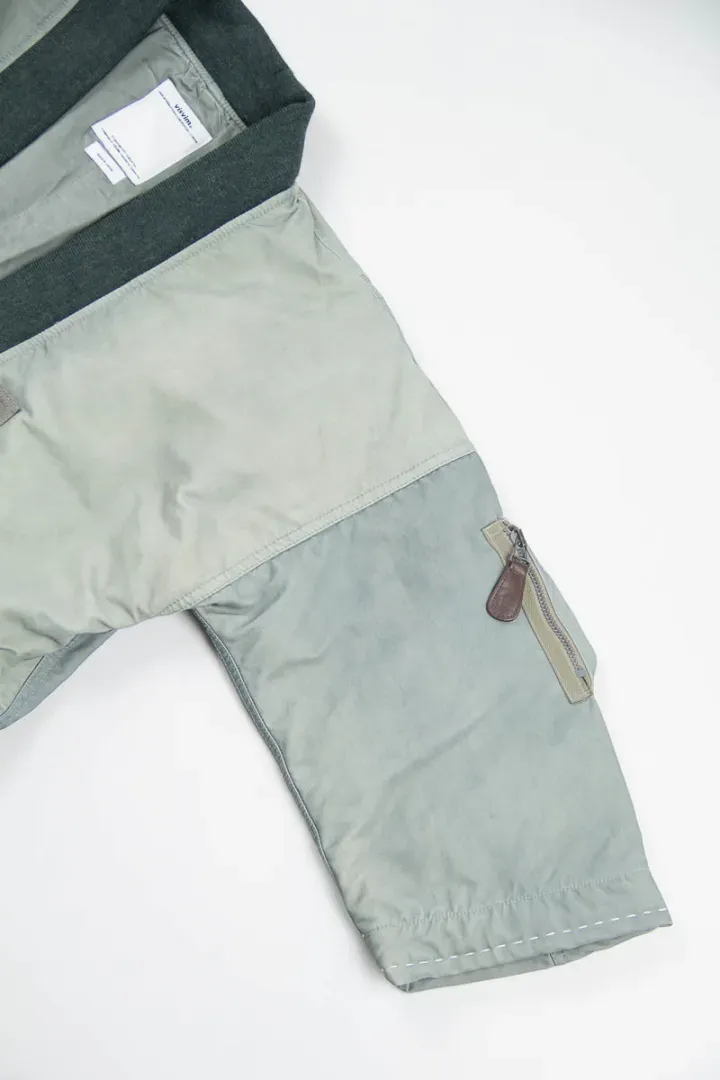
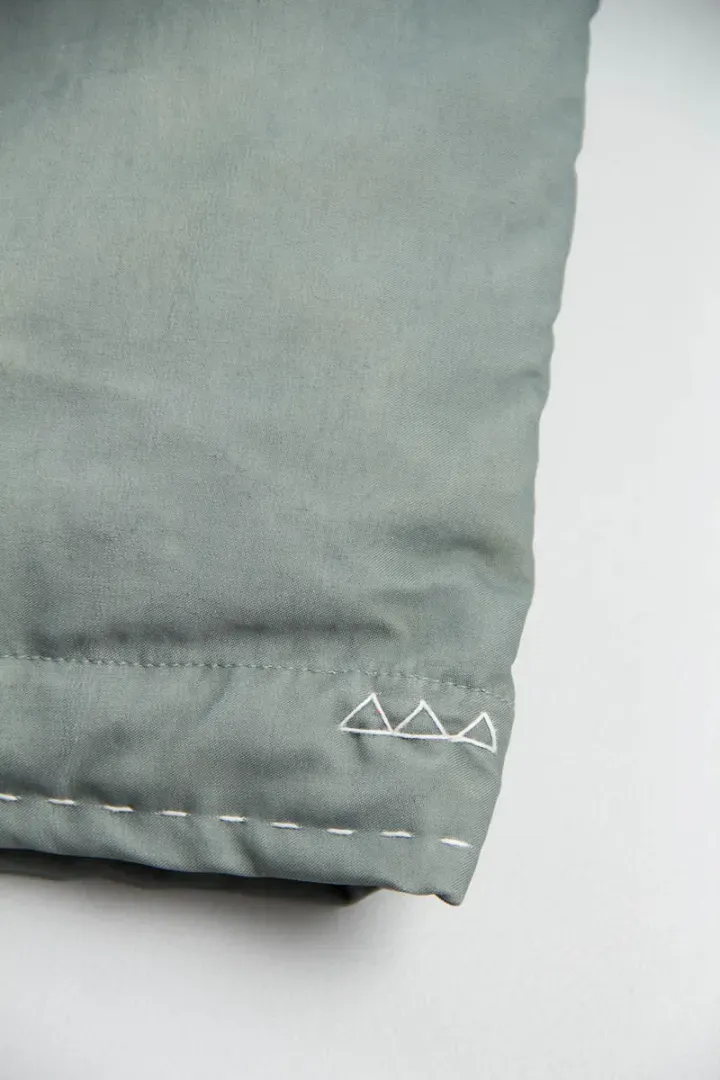
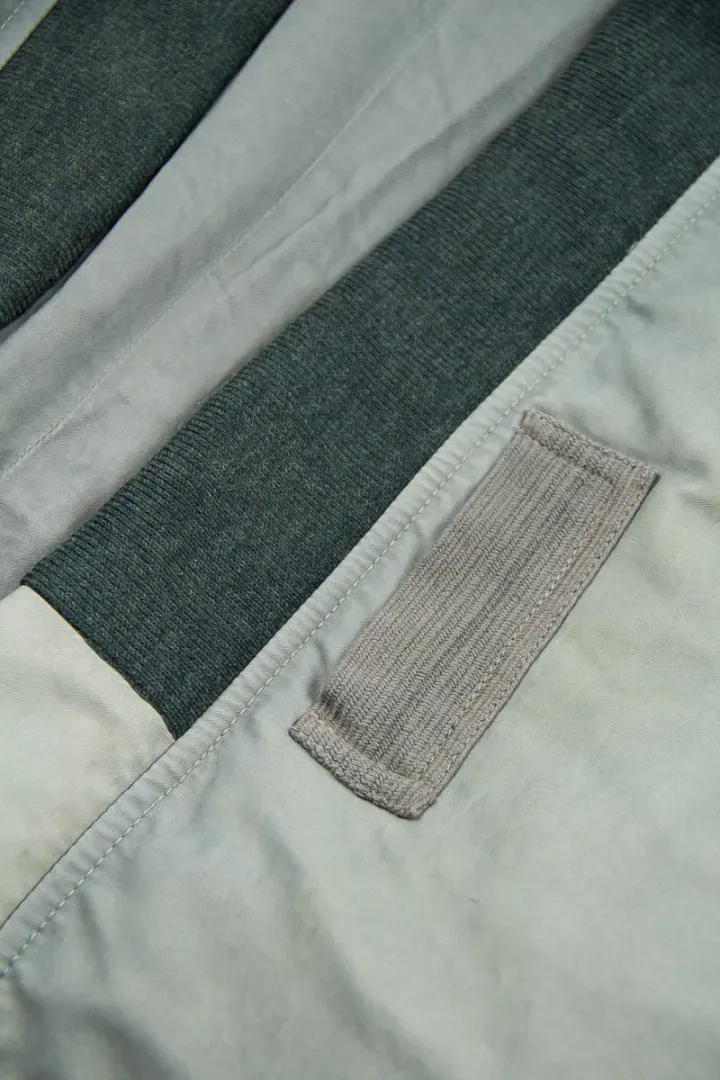
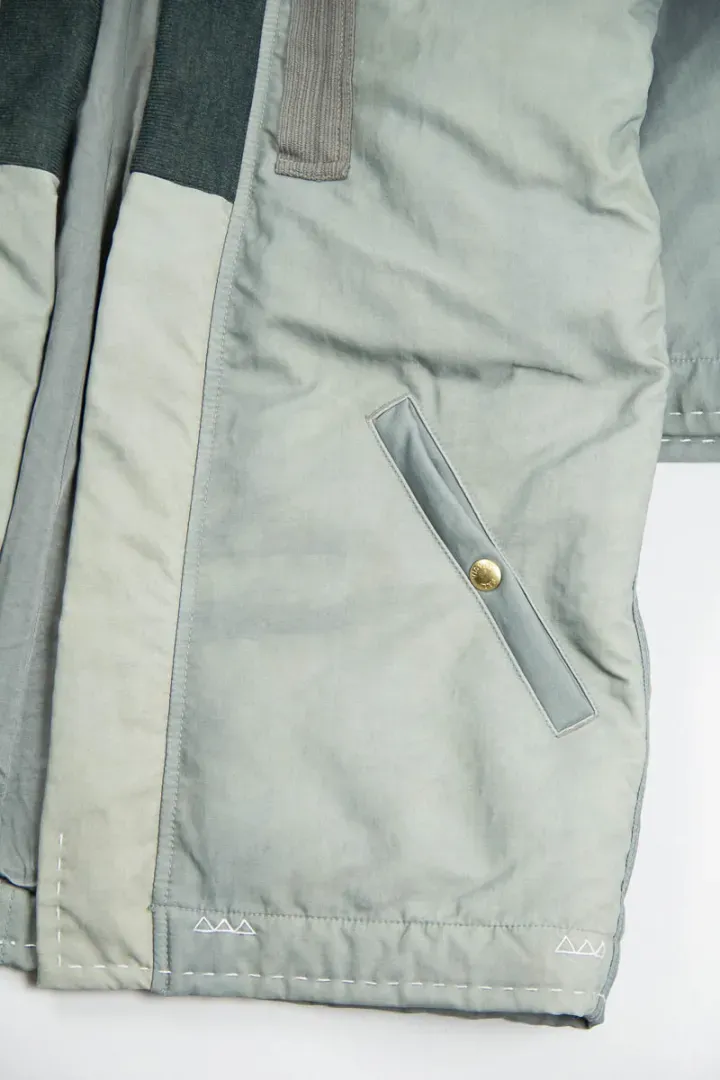
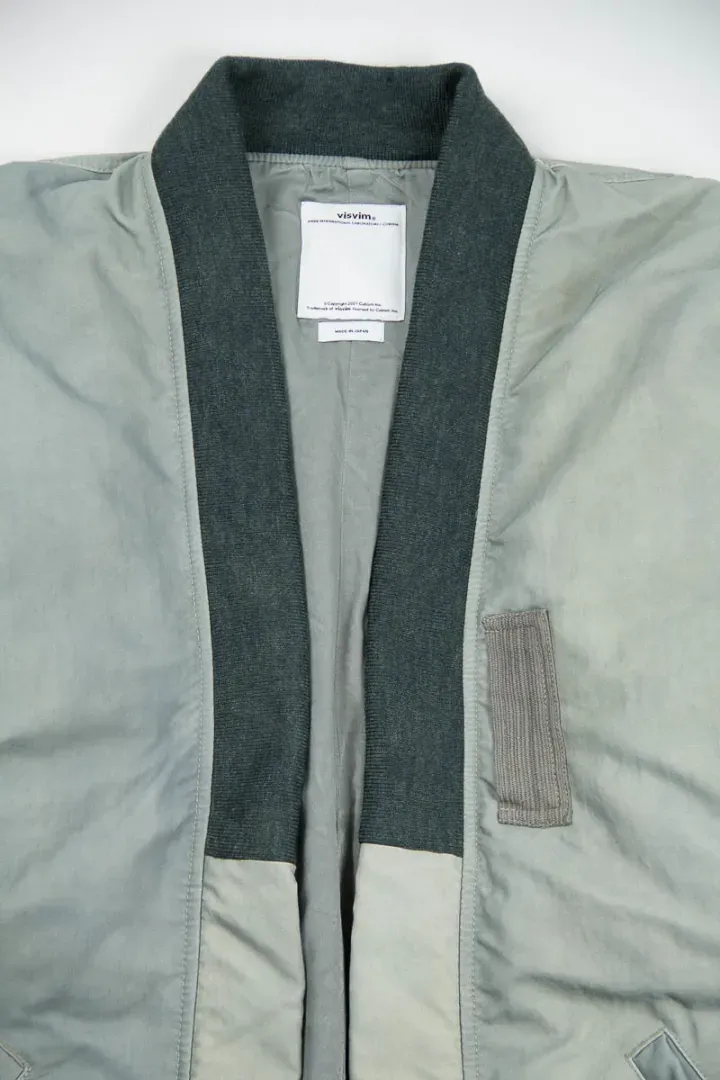
Naturally dyed Italian nylon with a white goose down fill, ribbed collar, 2 slanted snap button pockets, Talon zippered utility pocket on one sleeve, patch detailing on the placket and hand–stitched sashiko.
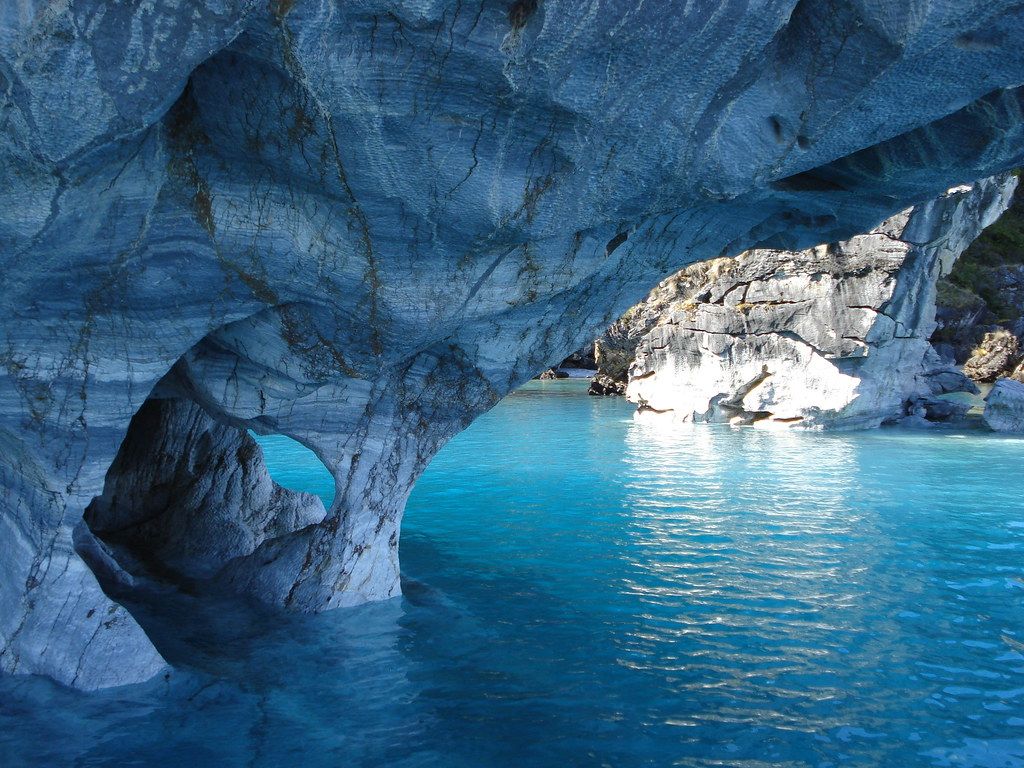
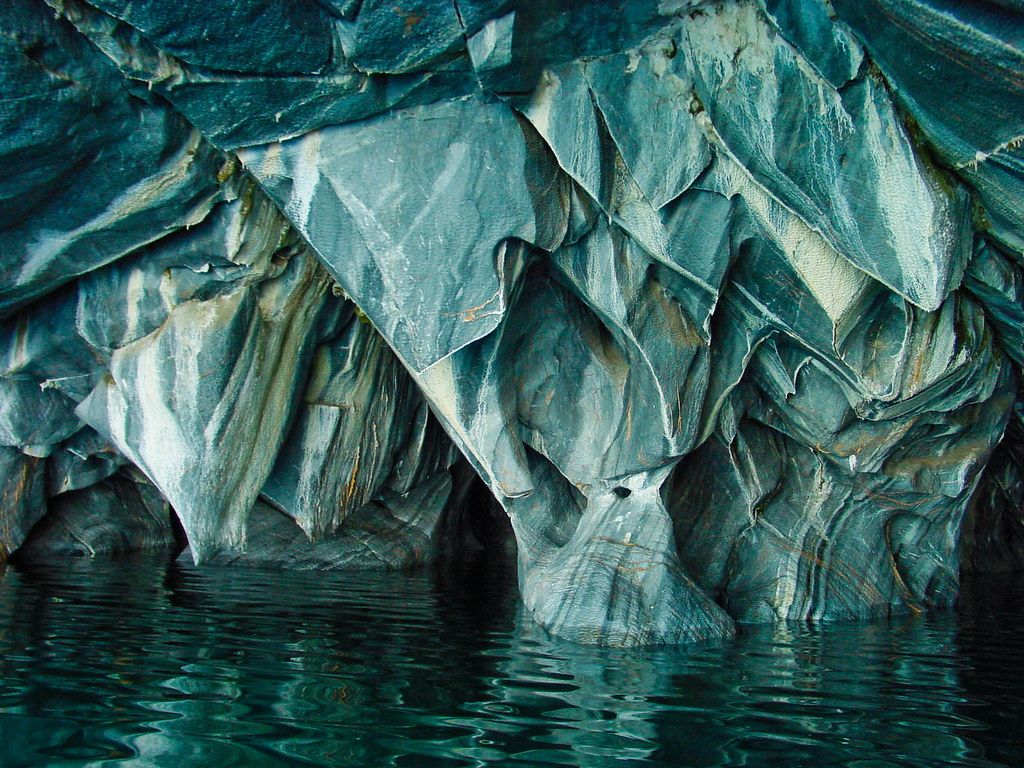
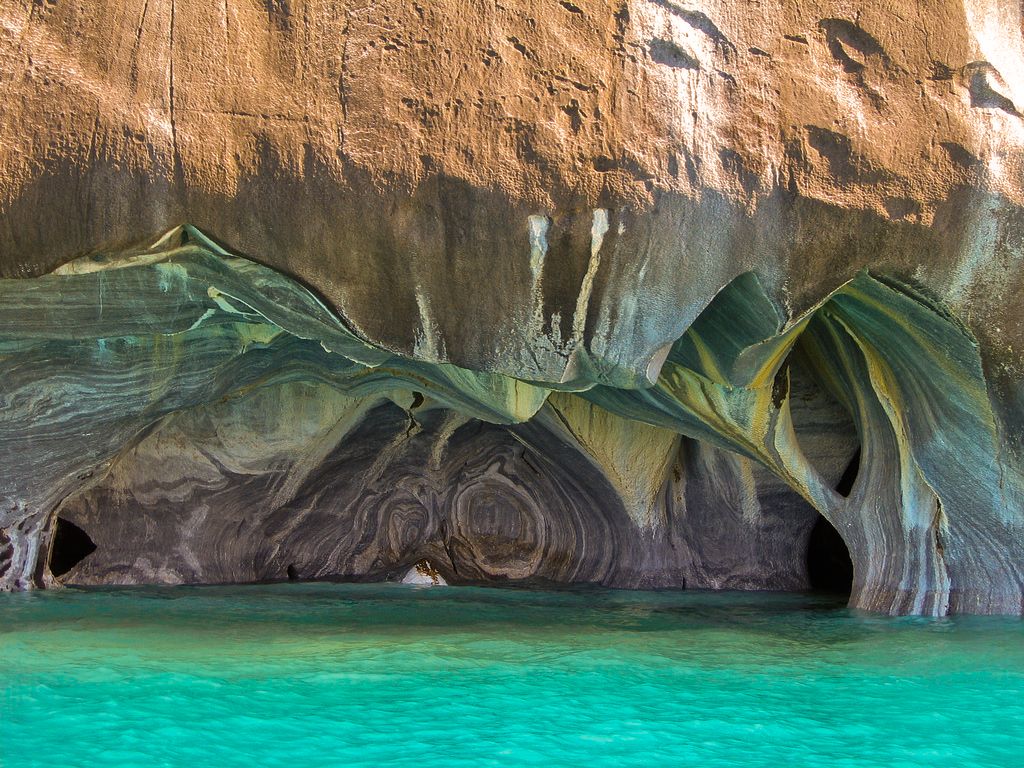
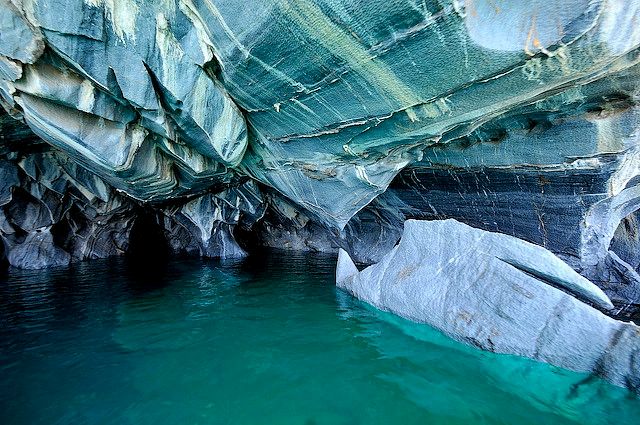
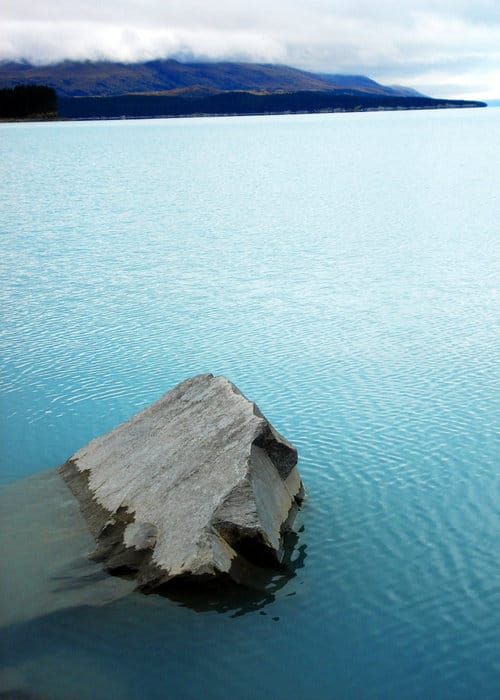
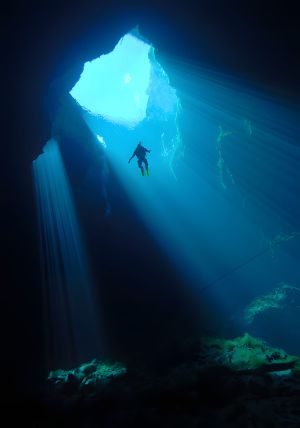
The Marble Caves, known as Marble Chapel and Marble Cathedral, are located at the center of the lake and were formed by waves over the past 6,000 years.
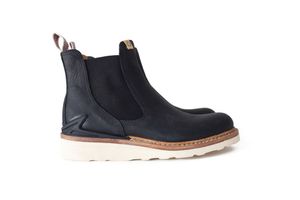
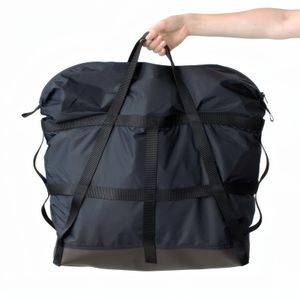
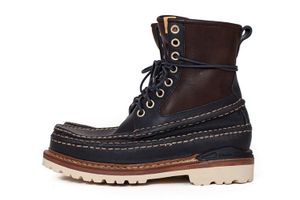
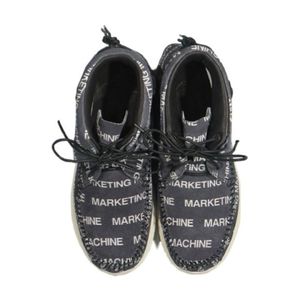
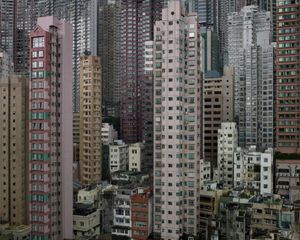
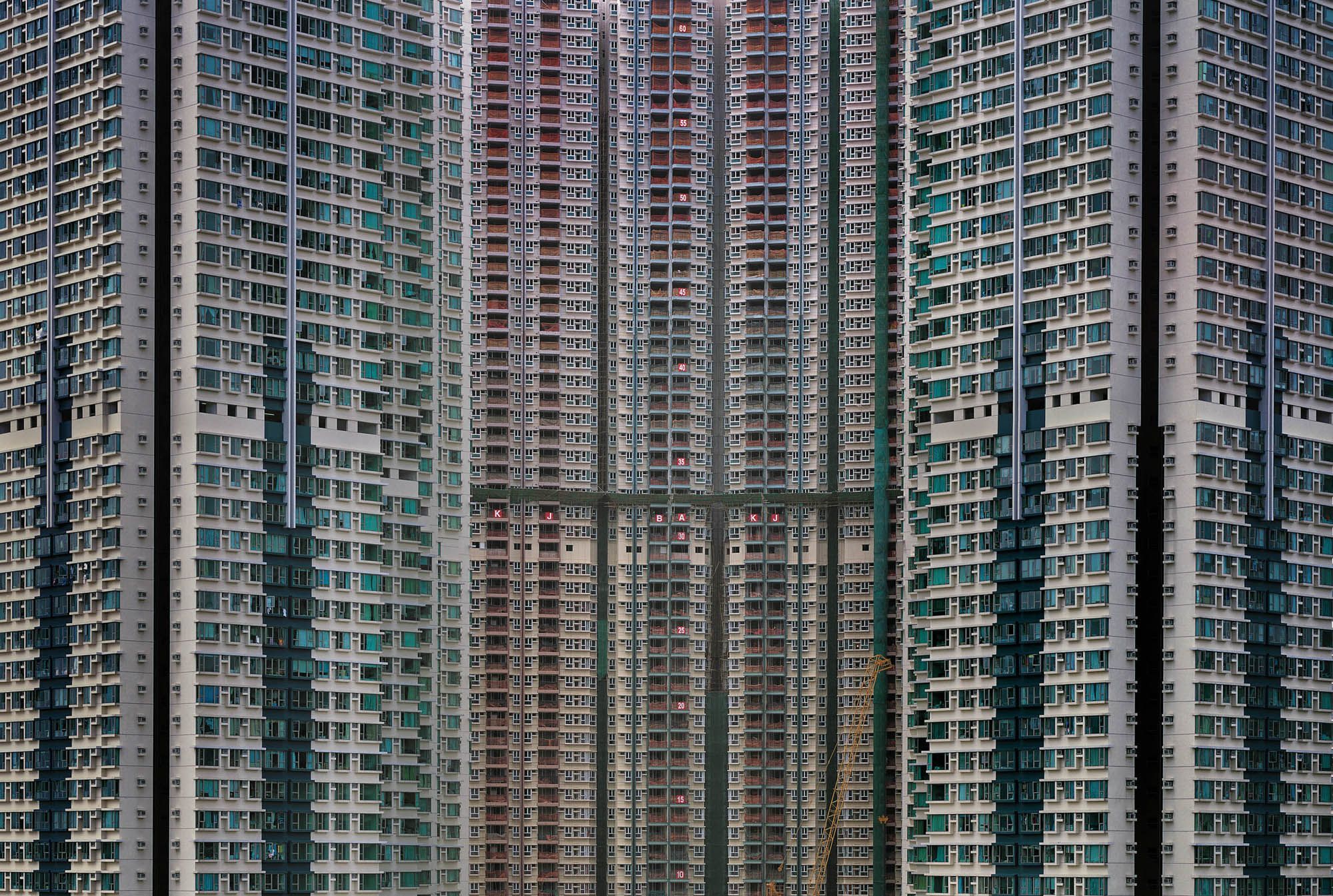
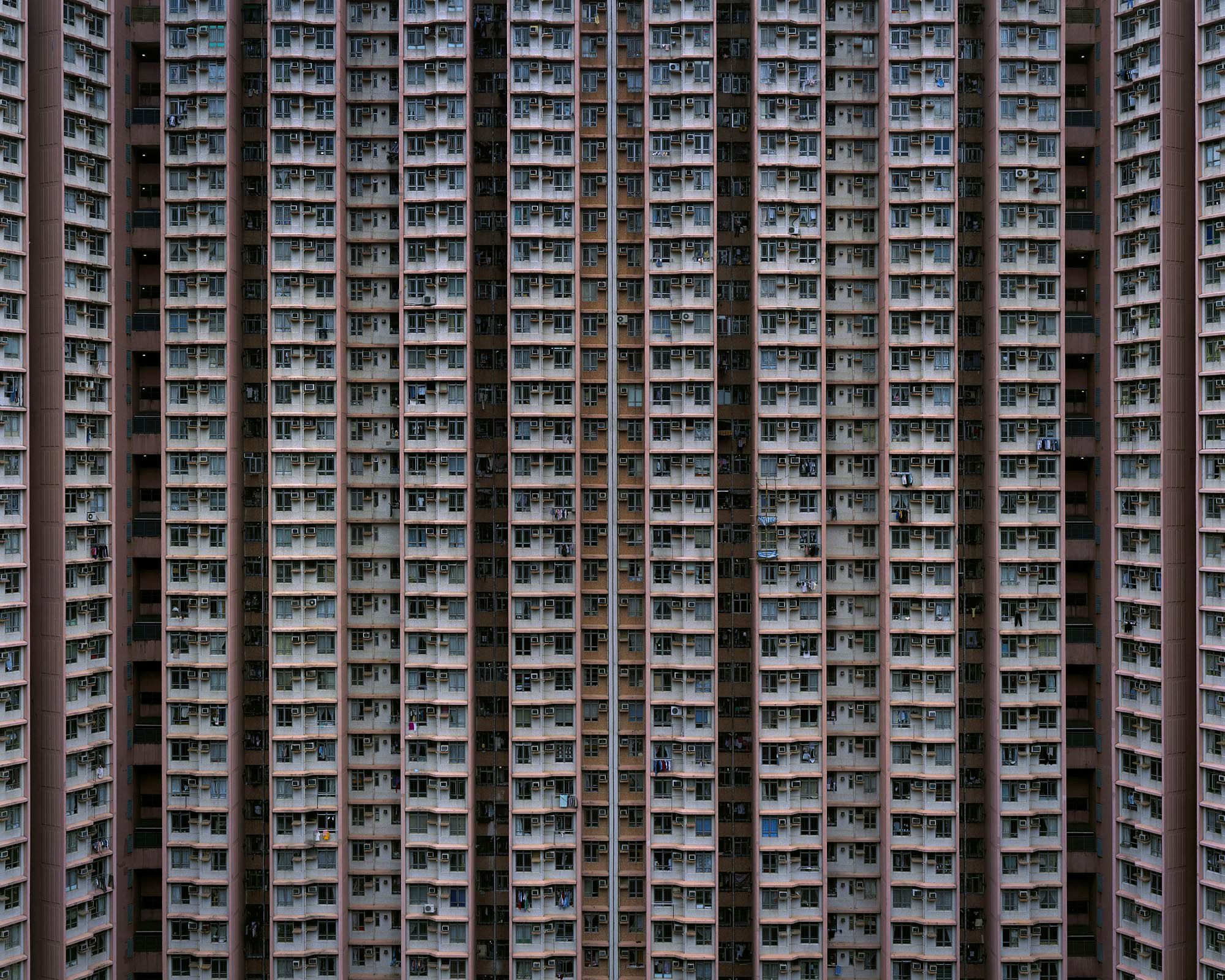
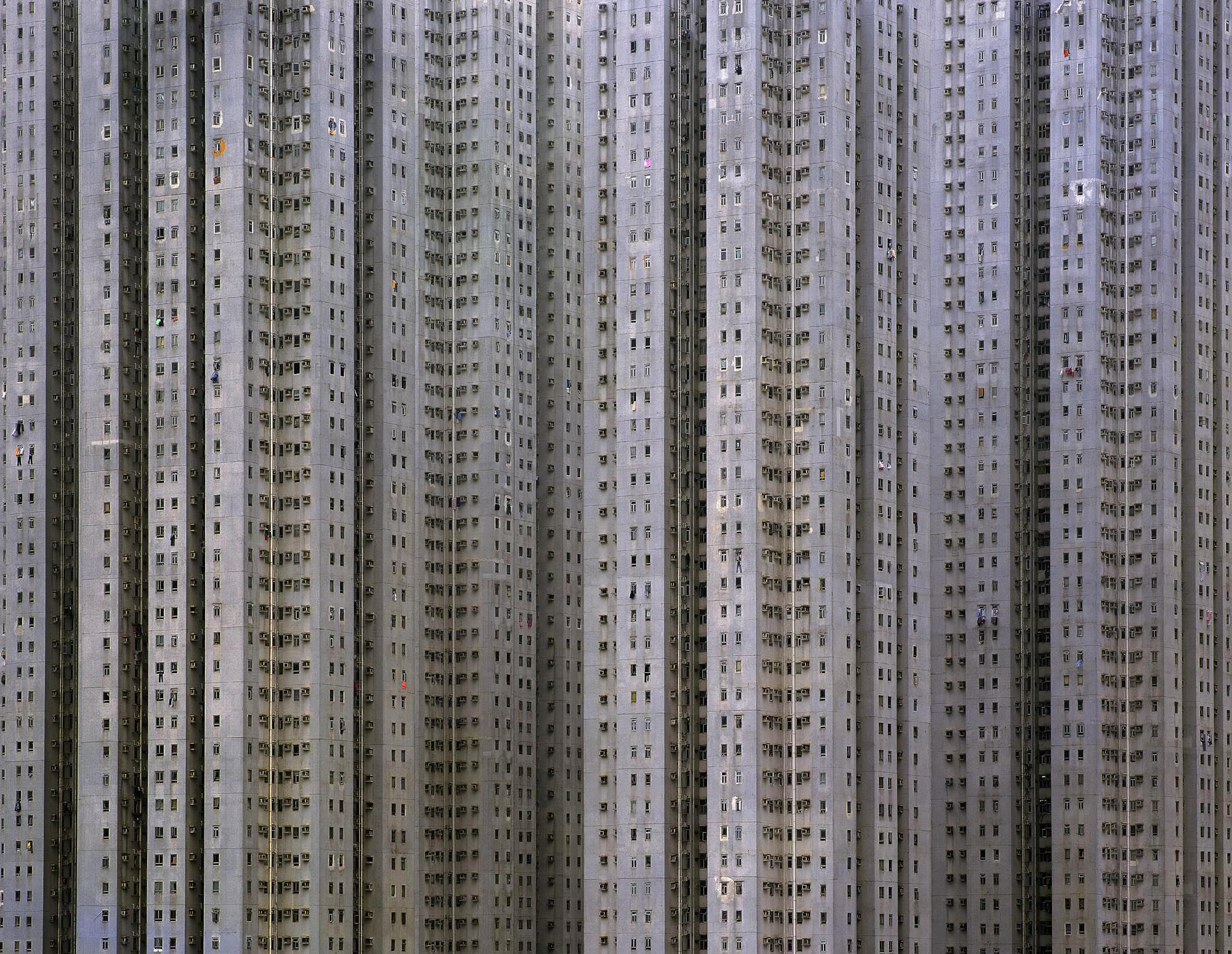
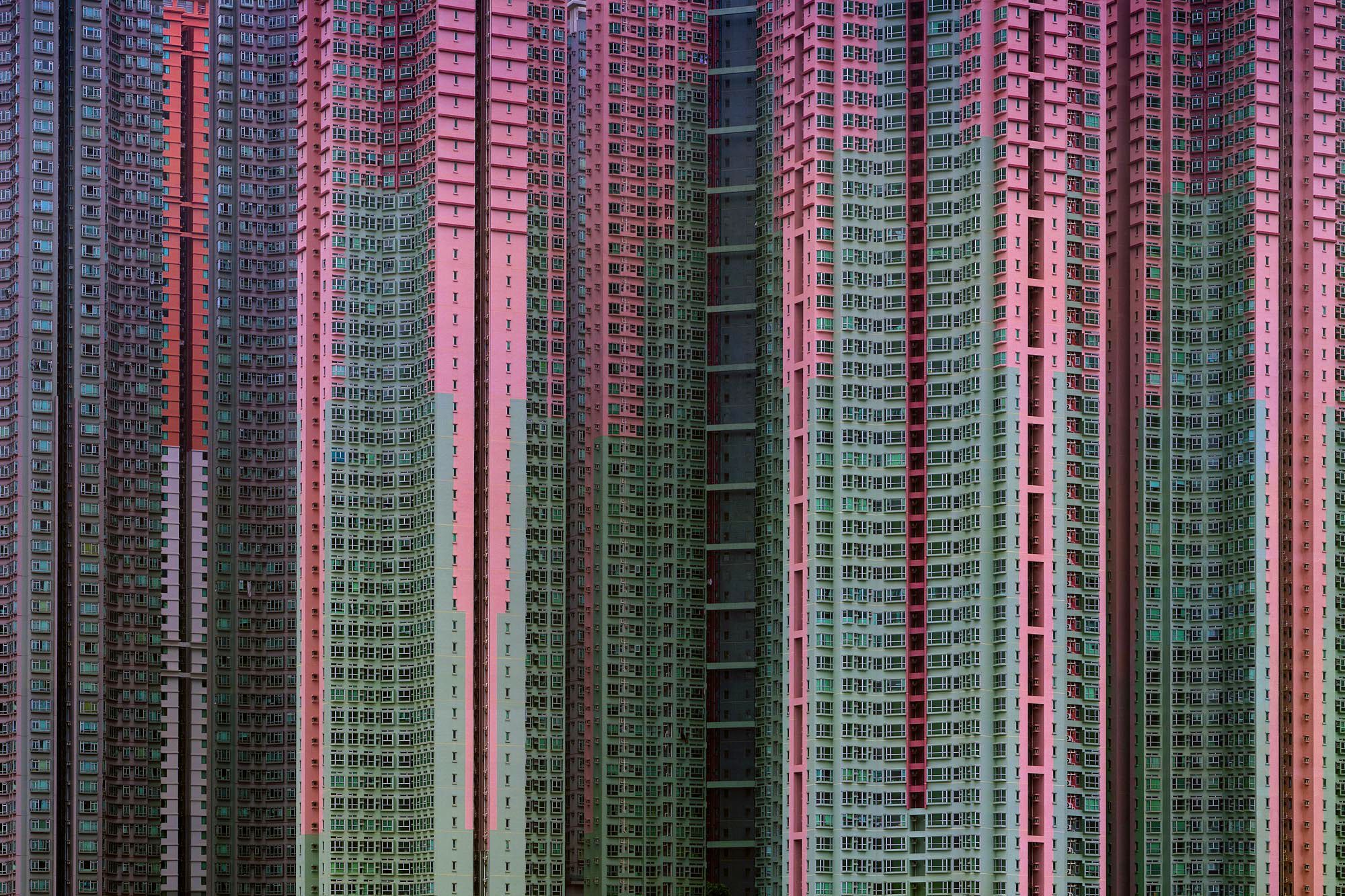
One of the most densely populated metropolitan areas in the world, Hong Kong has an overall density of nearly 6,700 people per square kilometer. The majority of its citizens live in flats in high-rise buildings, whose units can house as many as 10,000 people.
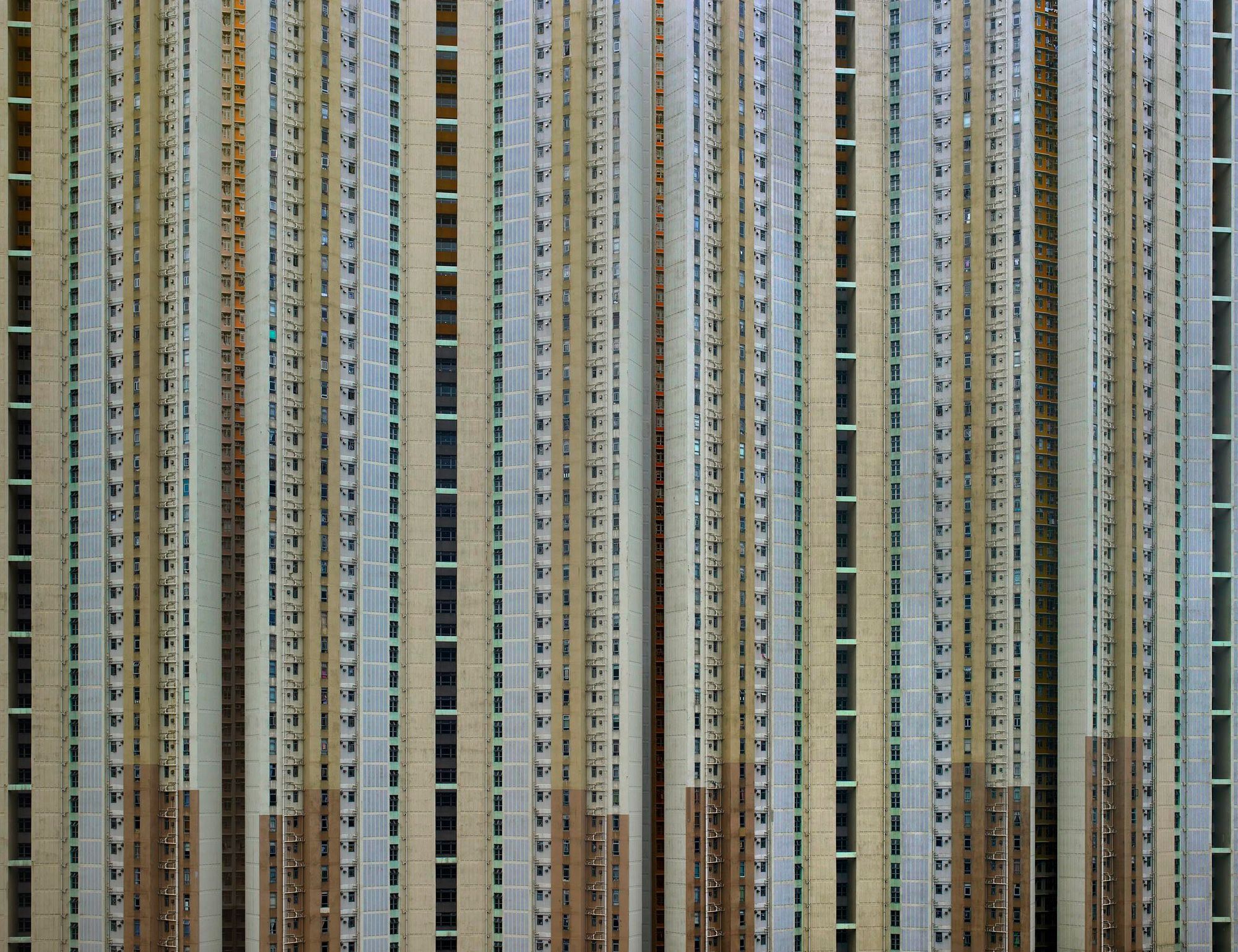
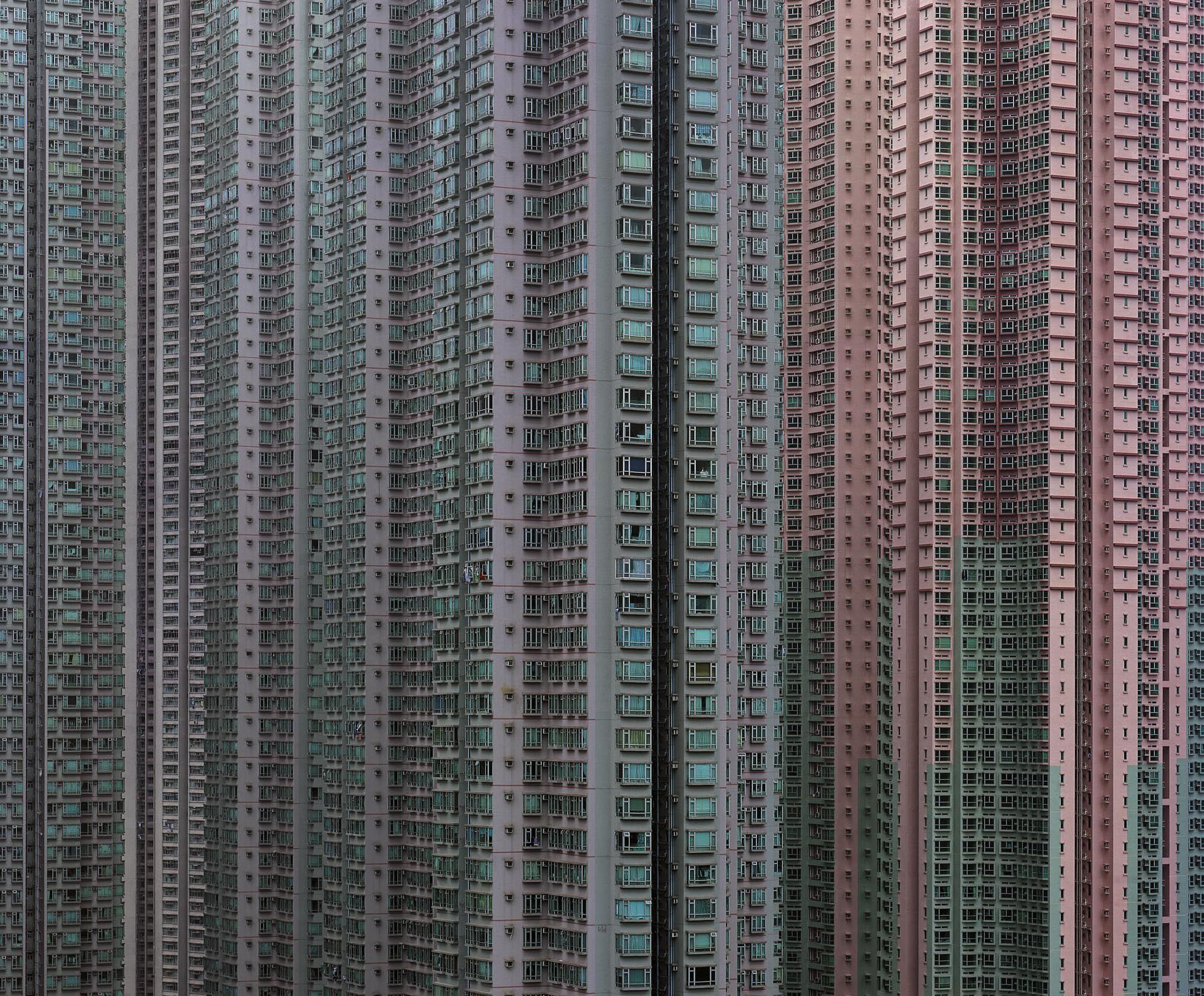
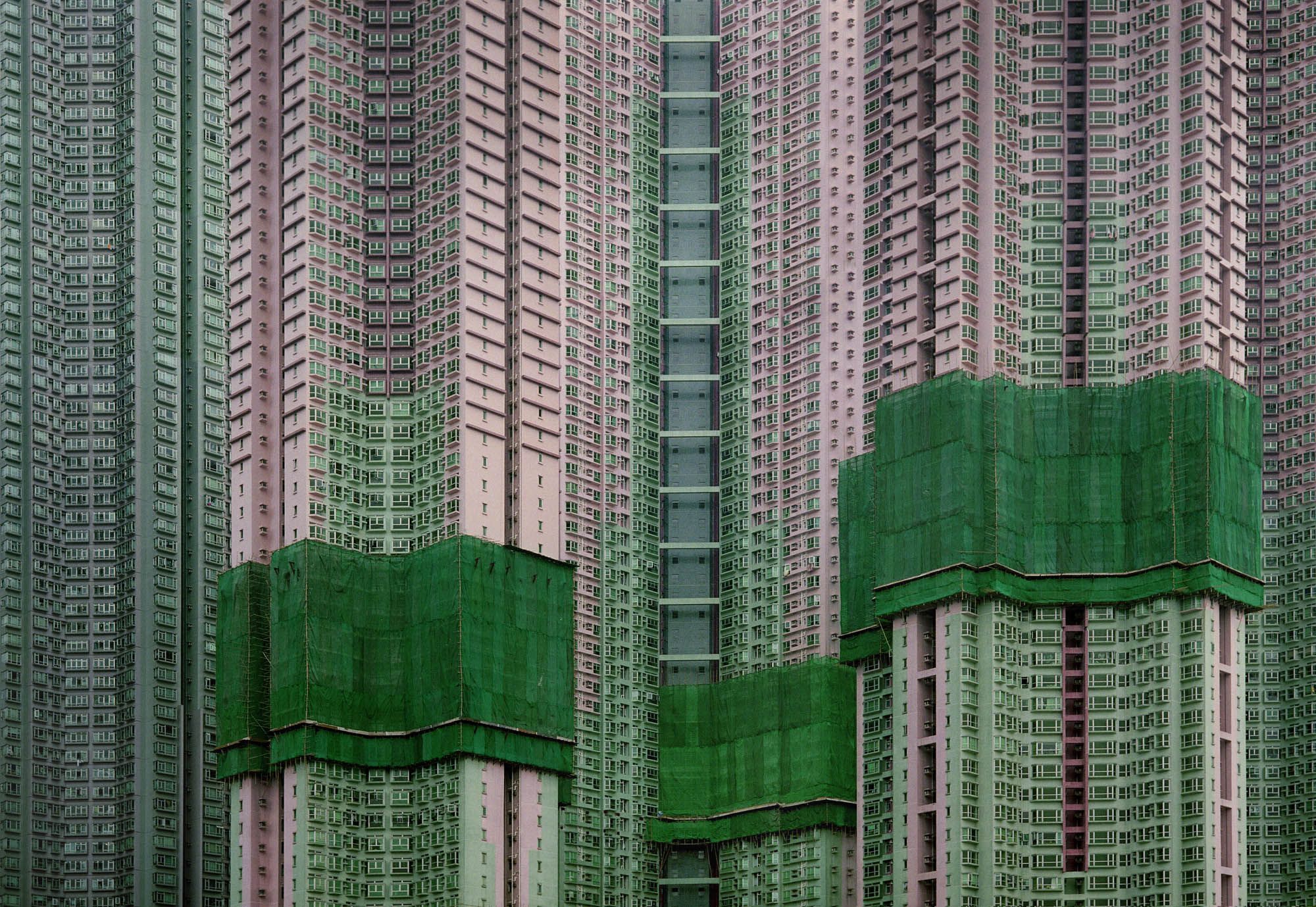
In Architecture of Density, Michael investigates these enormous city blocks, finding a mesmerizing abstraction in the buildings’ facades. The structures in the series are photographed without reference to the context of sky or ground, and many buildings are seen in a state of repair or construction: their walls covered with a grid of scaffolding or the soft coloured curtains that protect the streets below from falling debris. From a distance, such elements become a part of an intricate design. Upon closer inspection of each photograph, the anonymous public face of the city is full of rewarding detail – public space is private space, large swatches of colour give way to smaller pieces of people’s lives. The trappings of the people are still visible here: their days inform the detail of these buildings. Bits of laundry and hanging plants pepper the tiny rectangles of windows- the only irregularities in this orderly design. The images of Architecture of Density give one an inkling of what our cities could look like if grown continues unchecked.


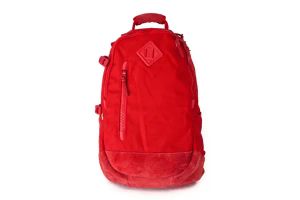
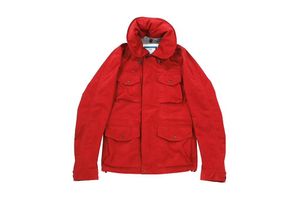
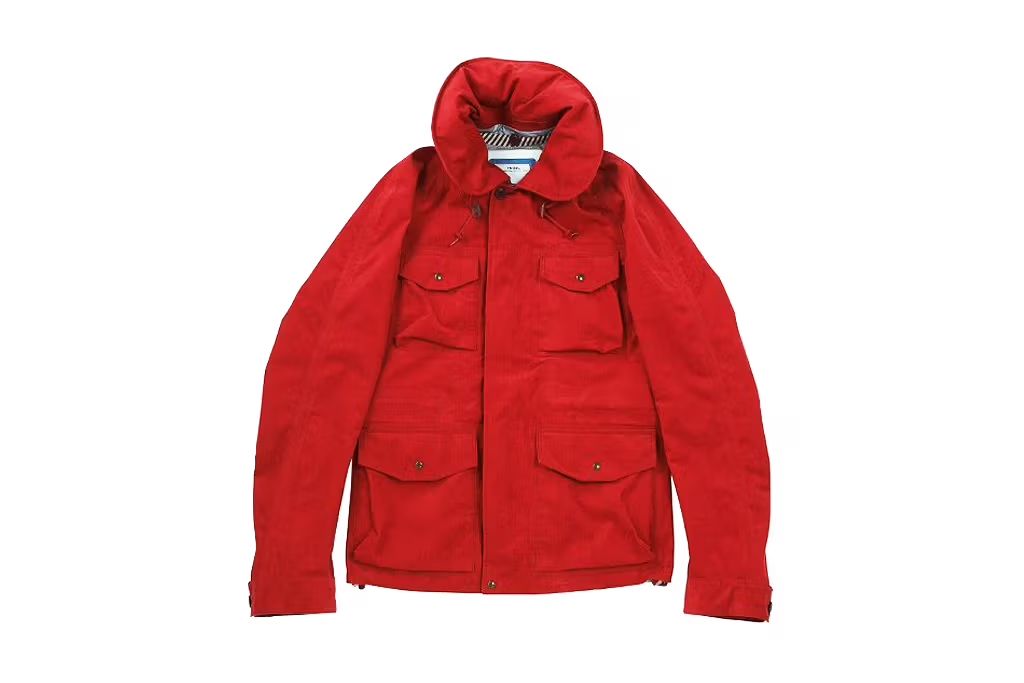
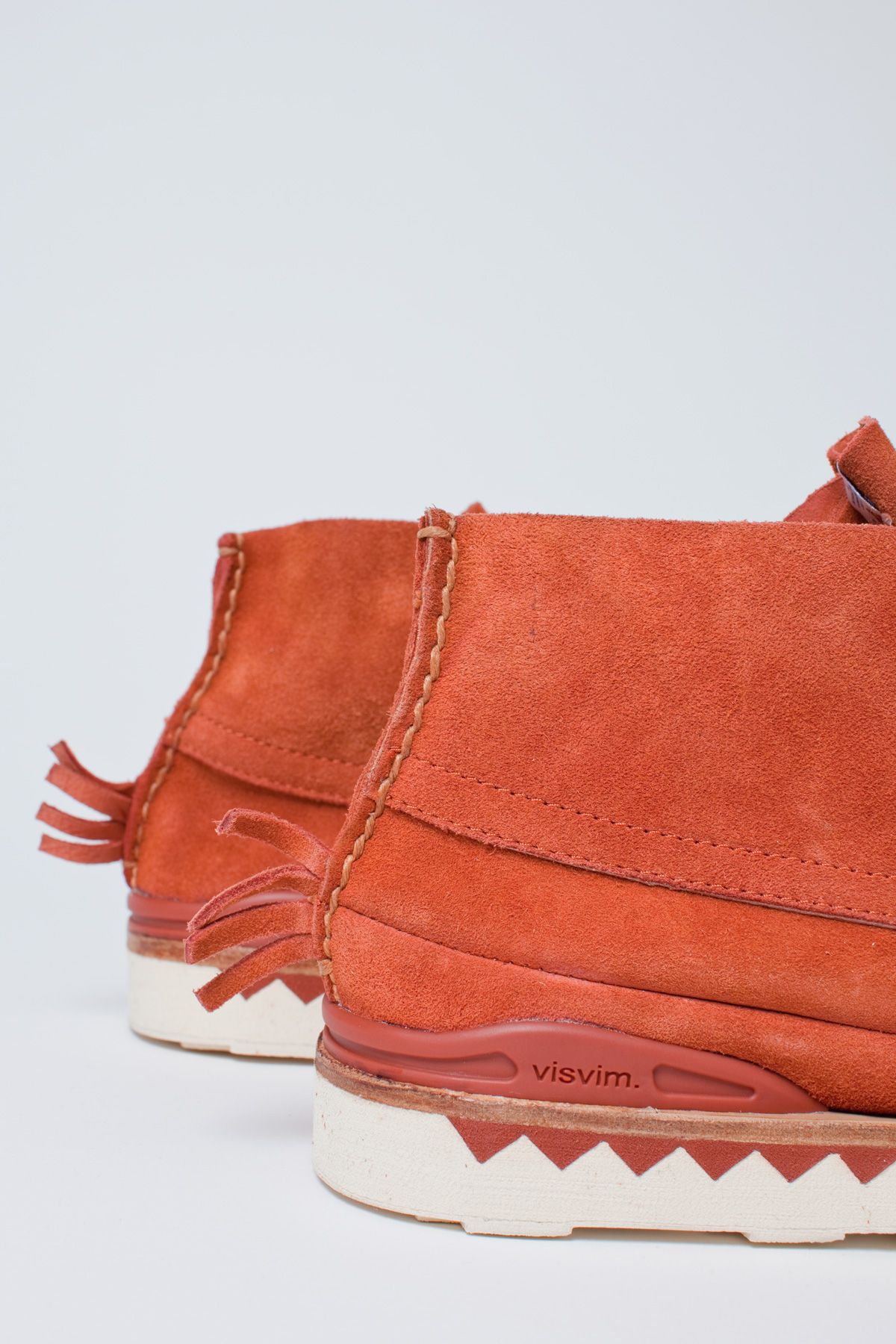
The red GORE-TEX shell takes inspiration from a classic M-65 military jacket and also features a drawstring over sized collar with a packable hood for added detail and function. Look for this jacket to be available through select visvim retailers this week as well as through F.I.L. locations in Asia.

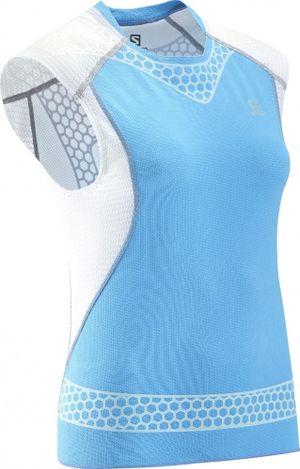
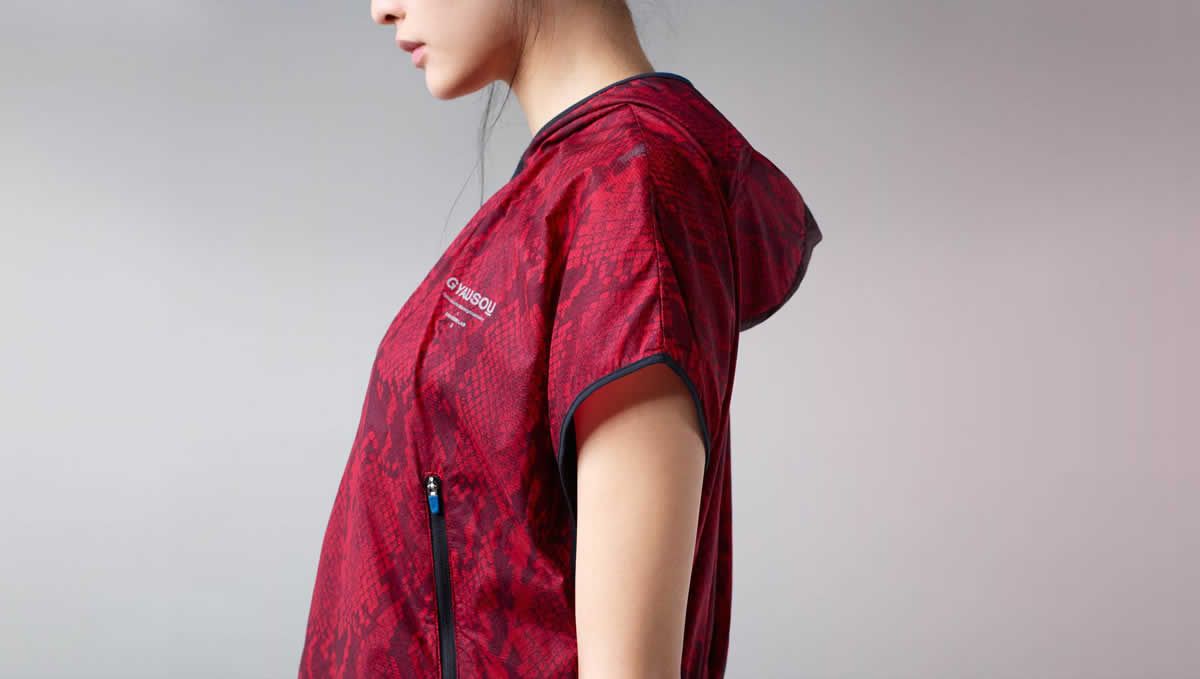
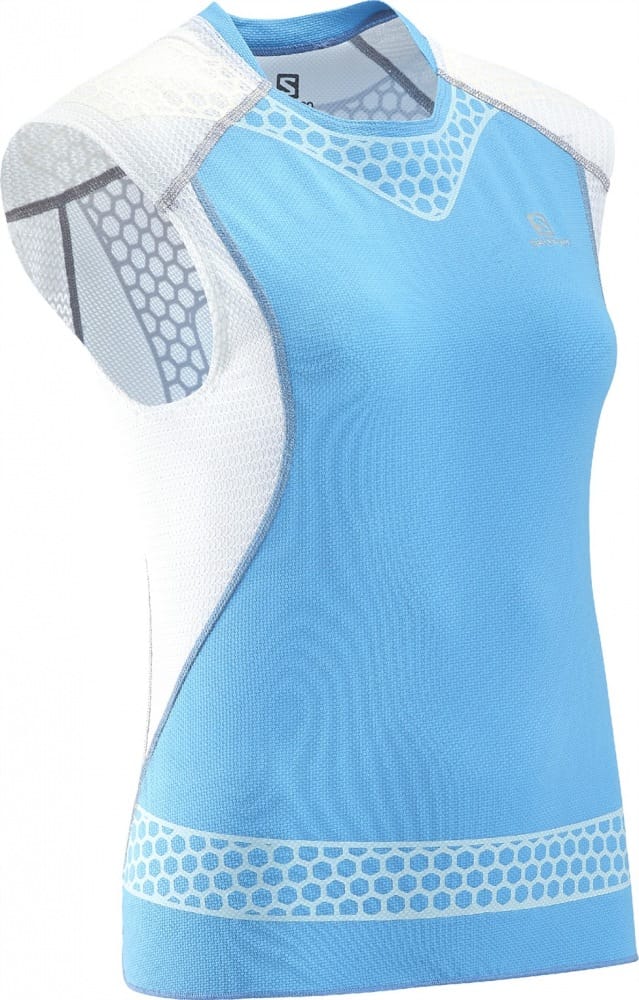
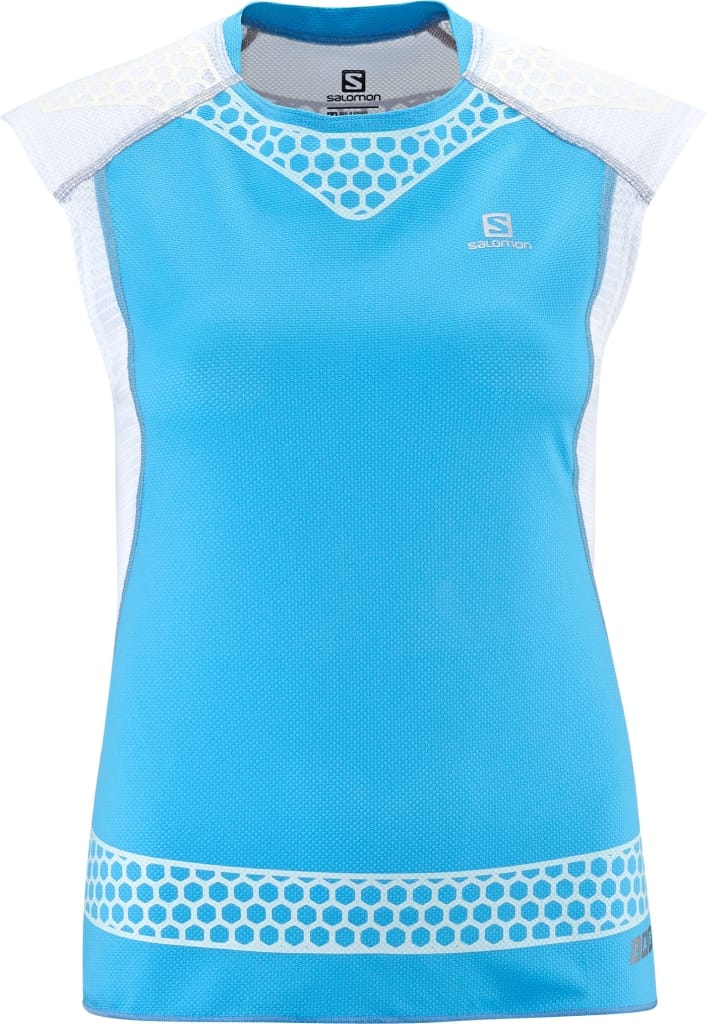
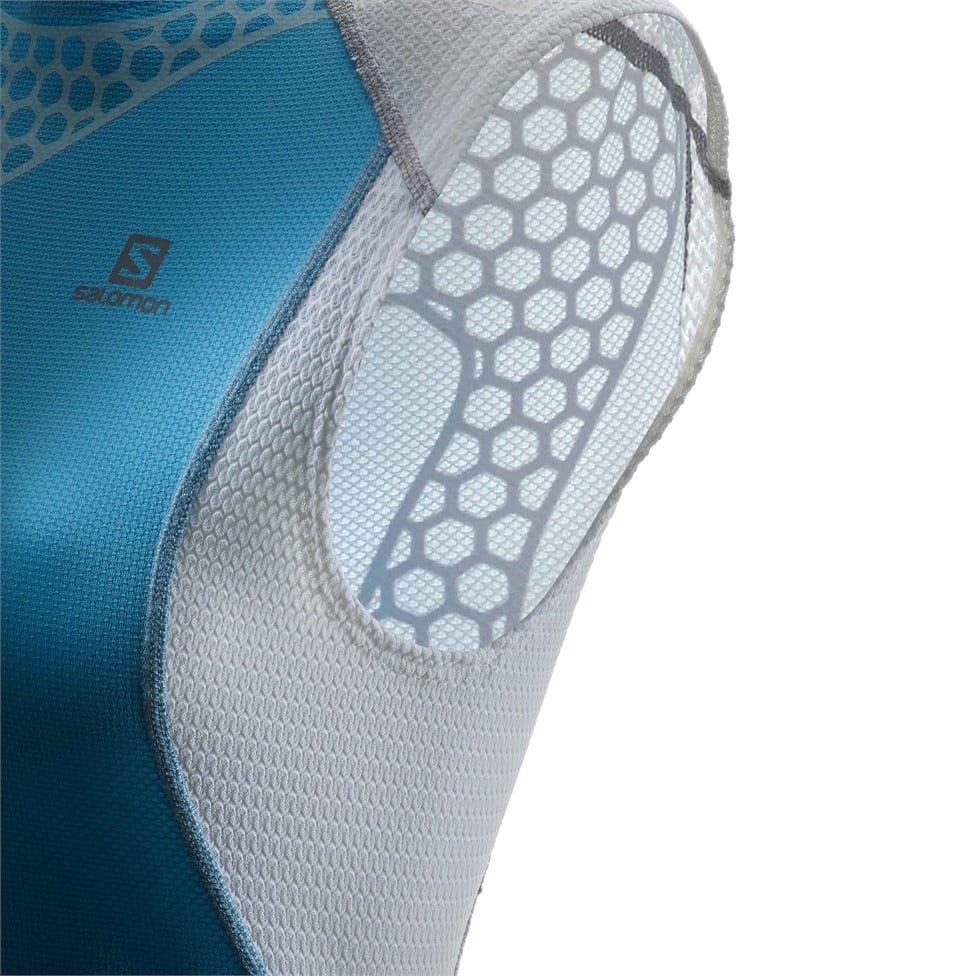
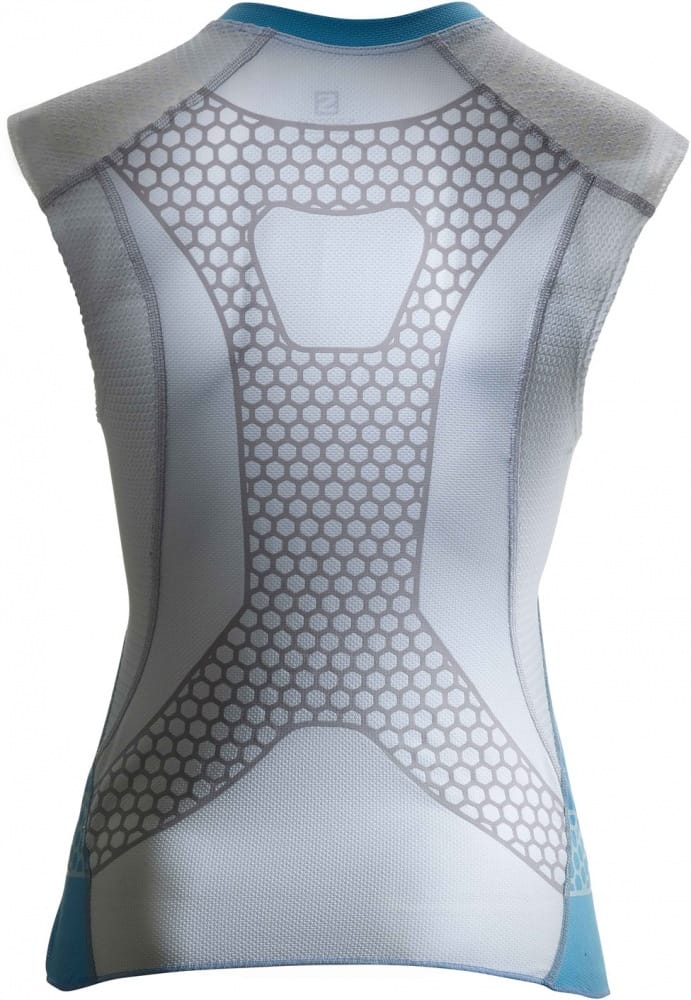
The women’s S/LAB EXO Tank treats support as a mapped structure. A polyurethane EXO Sensifit grid braces the upper chest, shoulders and spine, while Smart Skin places Actilite Pro jersey through the core and open stretch mesh at the heat zones. The skin fit keeps the grid engaged; flatlock seams and reflective marks finish the racing layer without adding bulk.
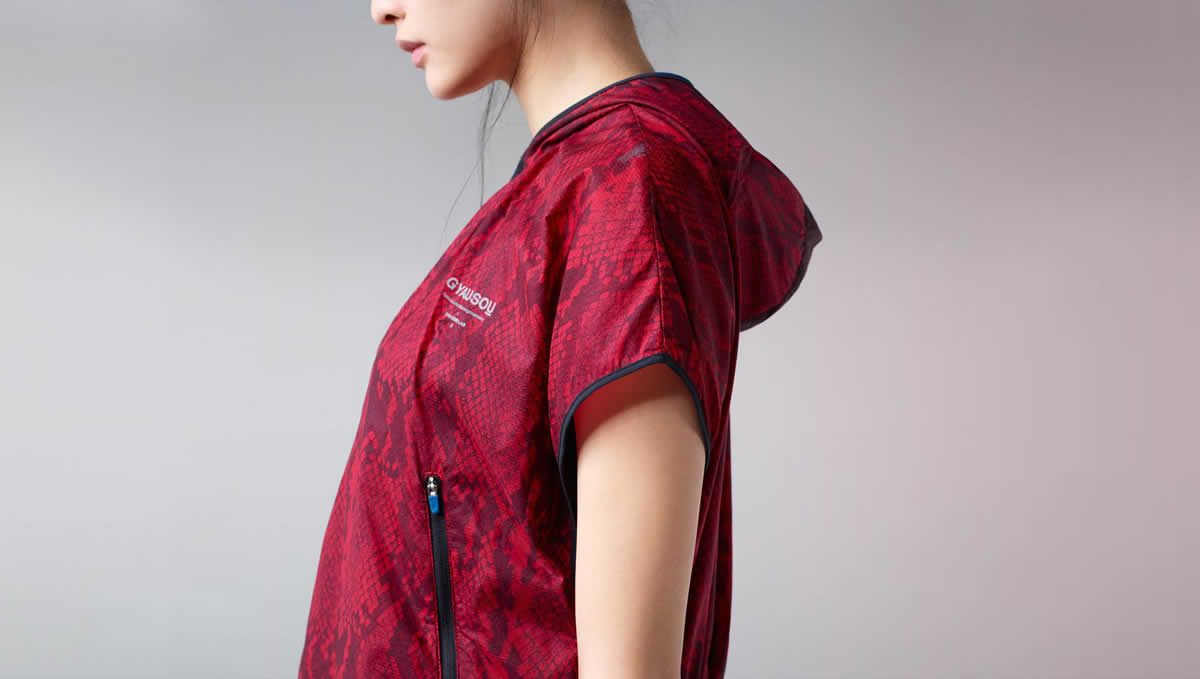
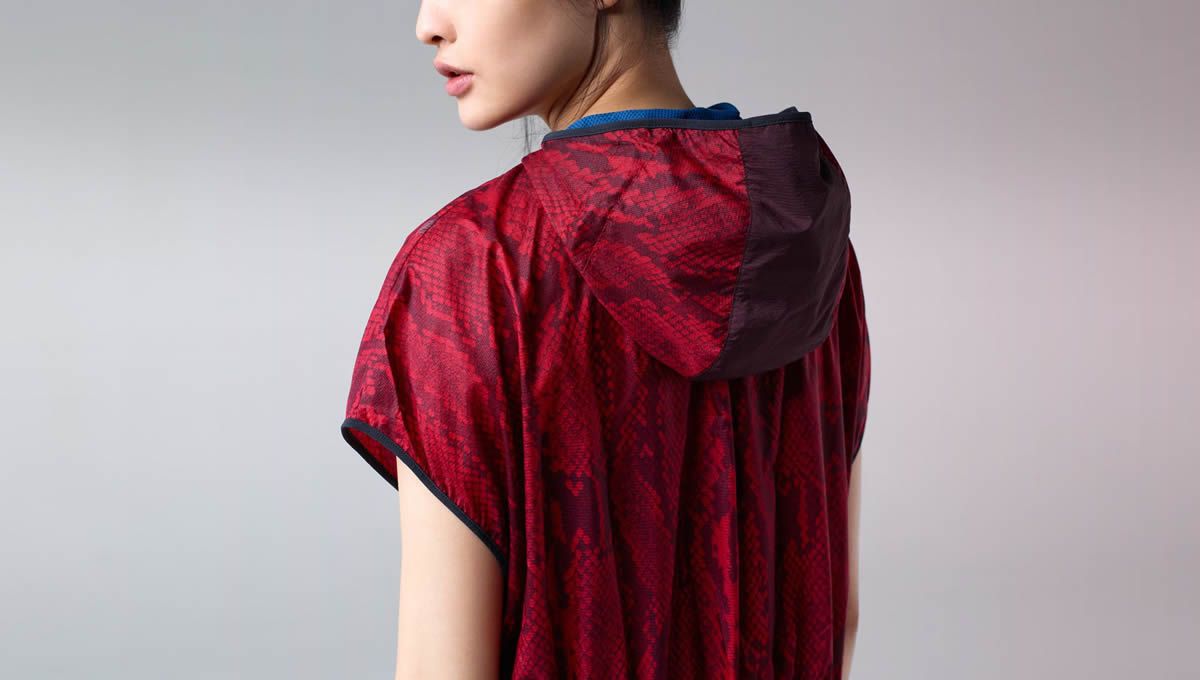
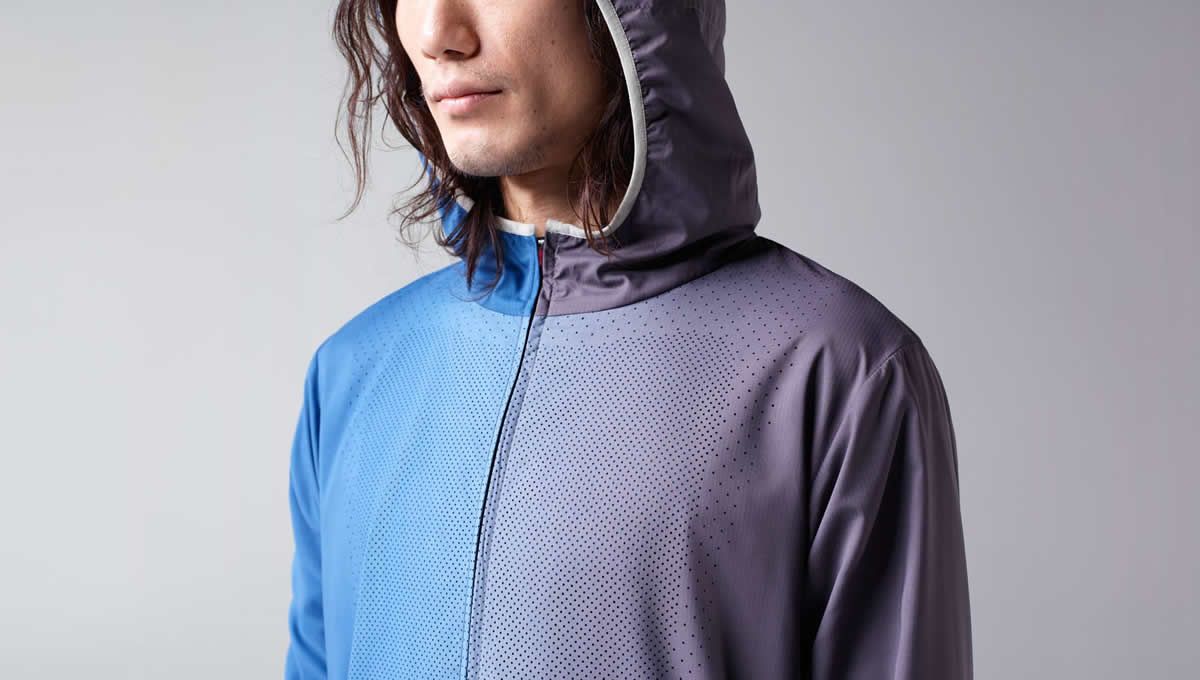
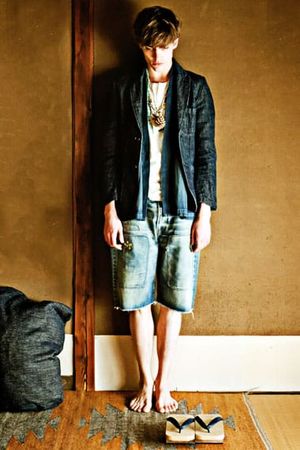
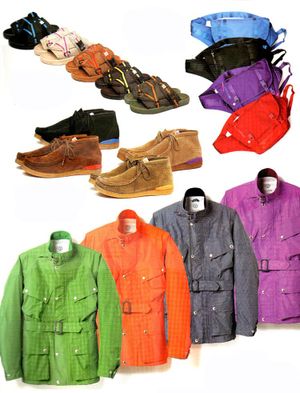
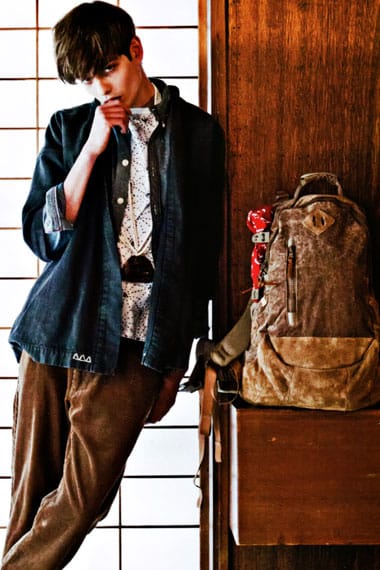
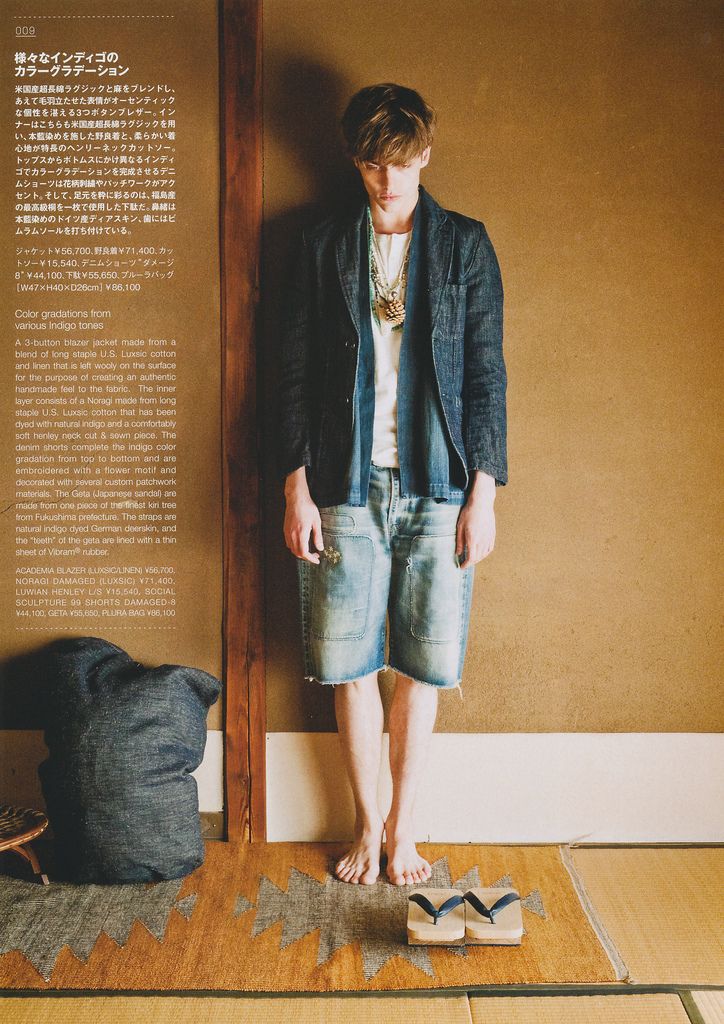
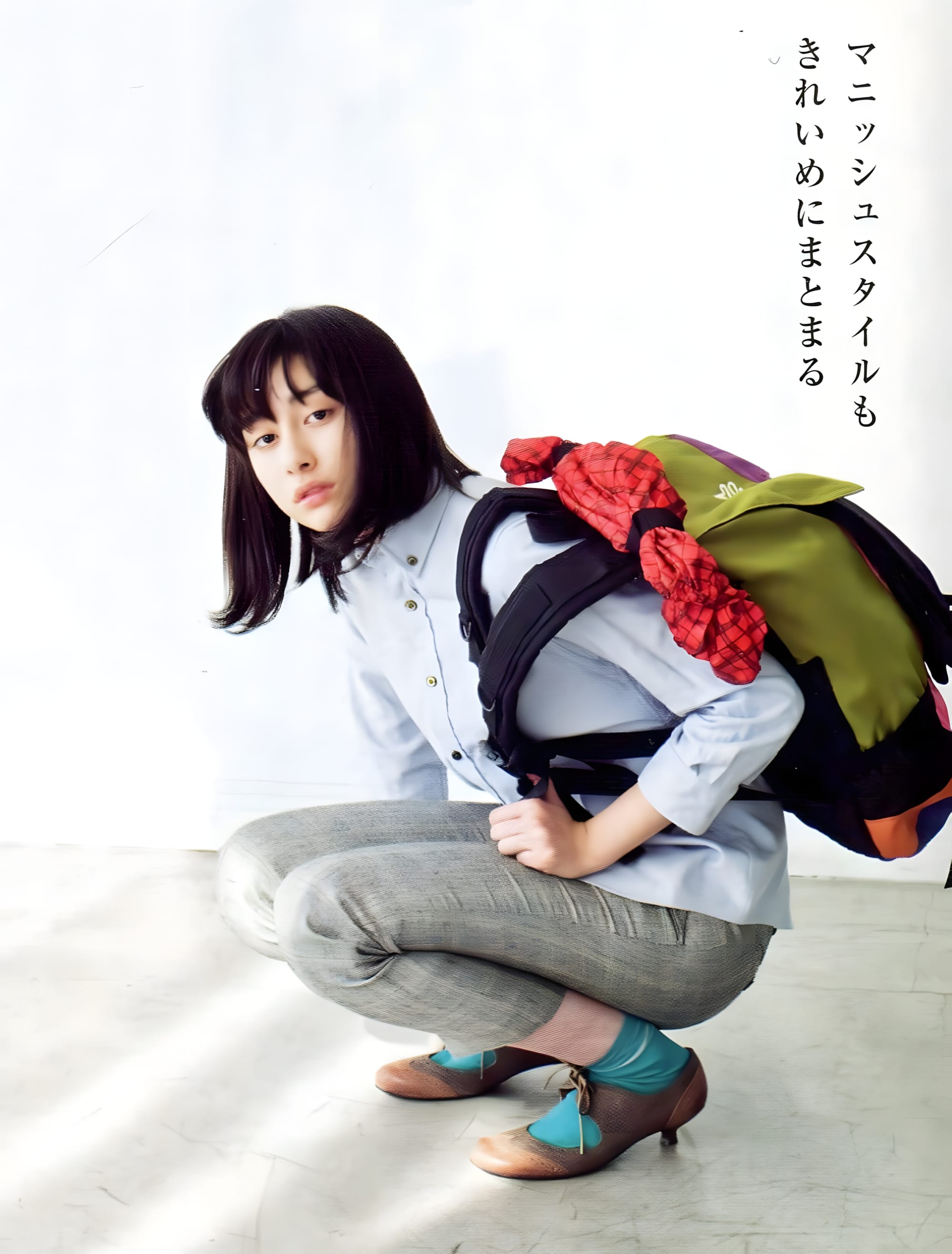
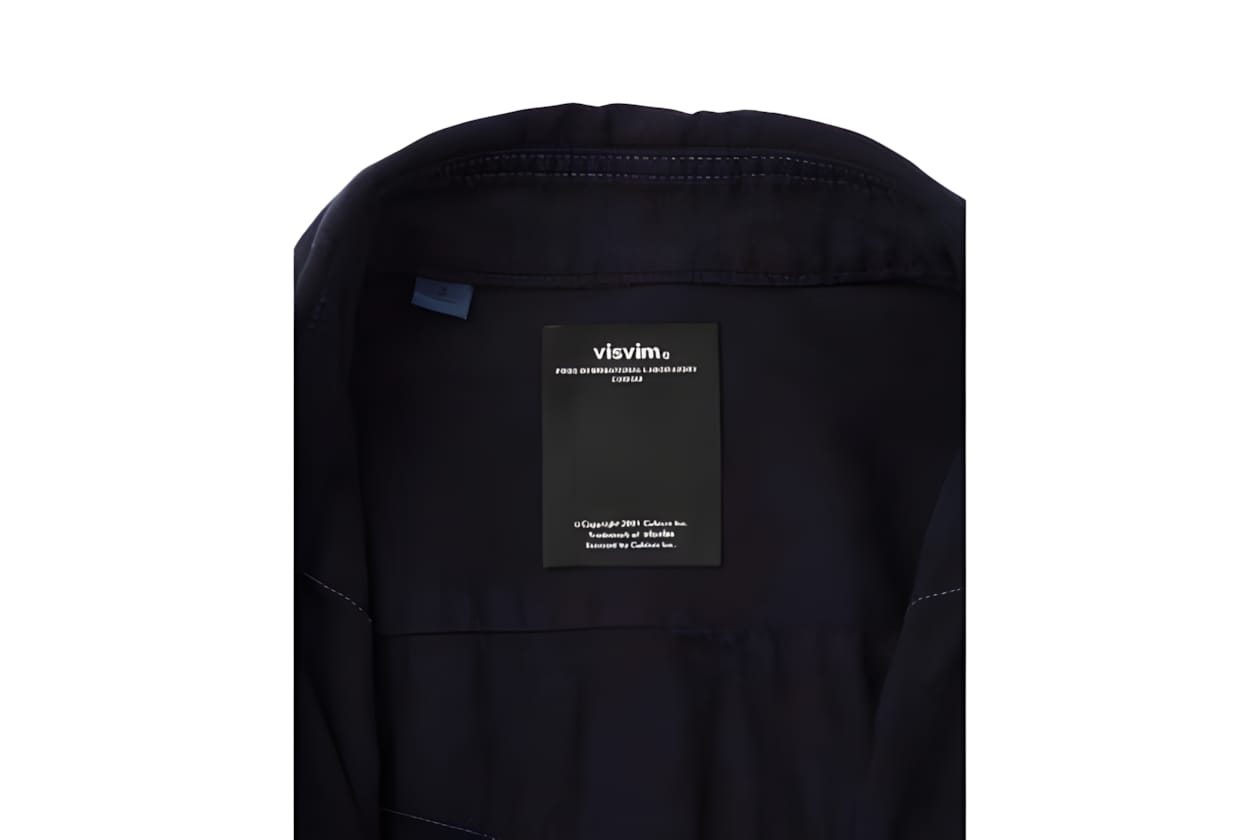
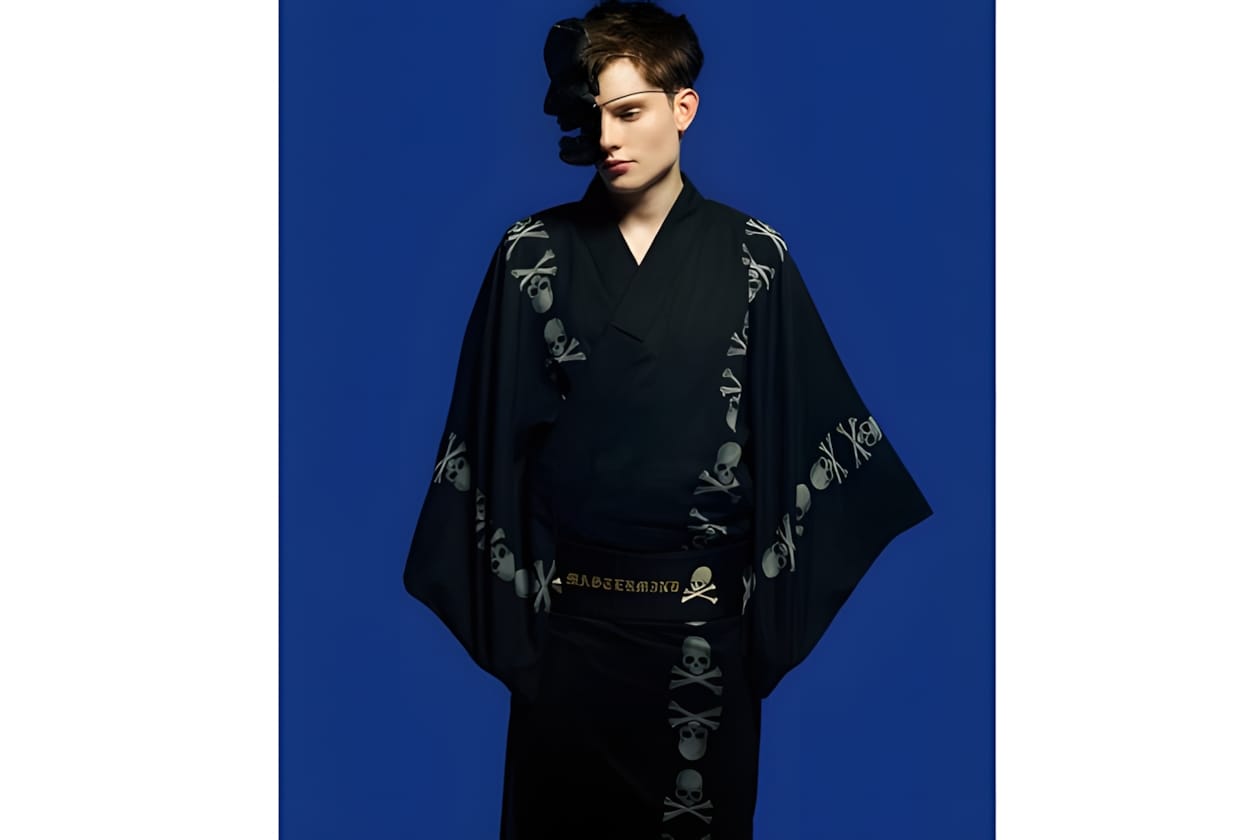
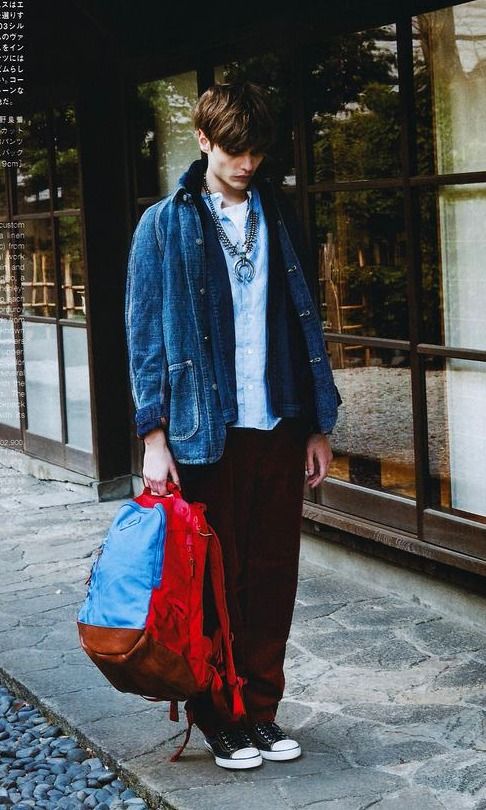
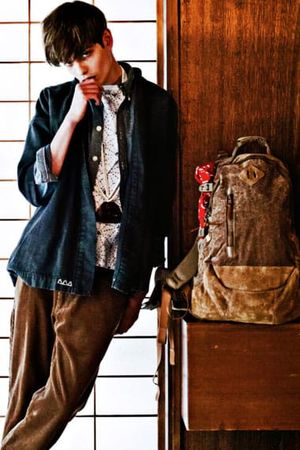
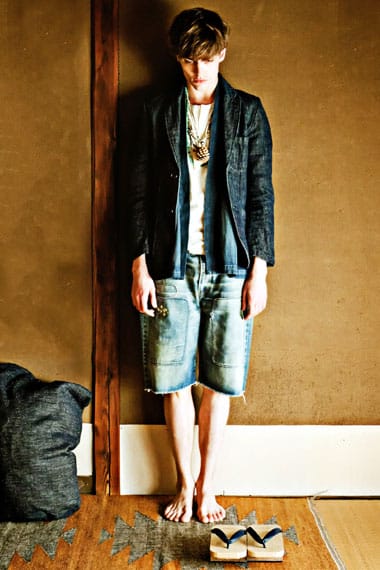
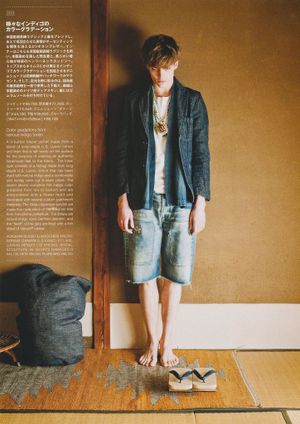
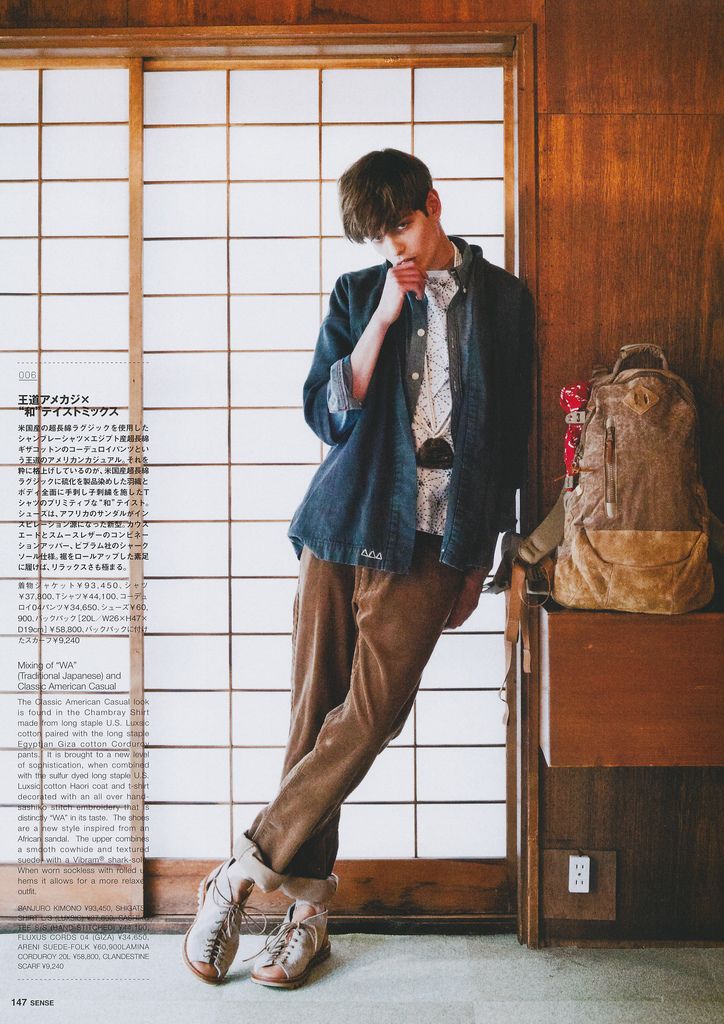
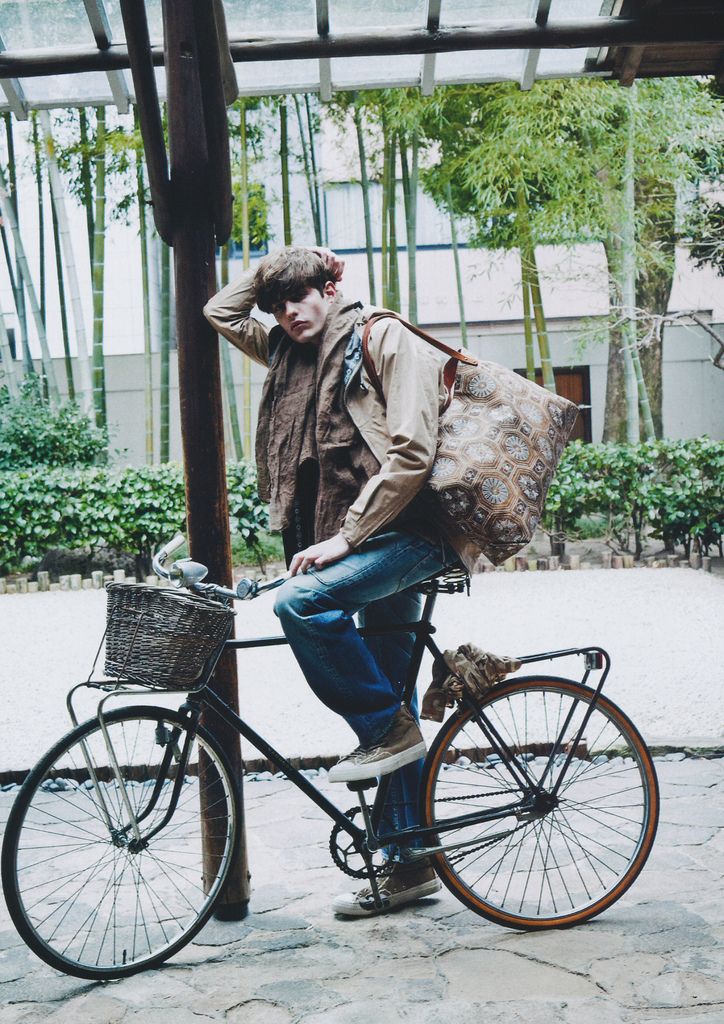
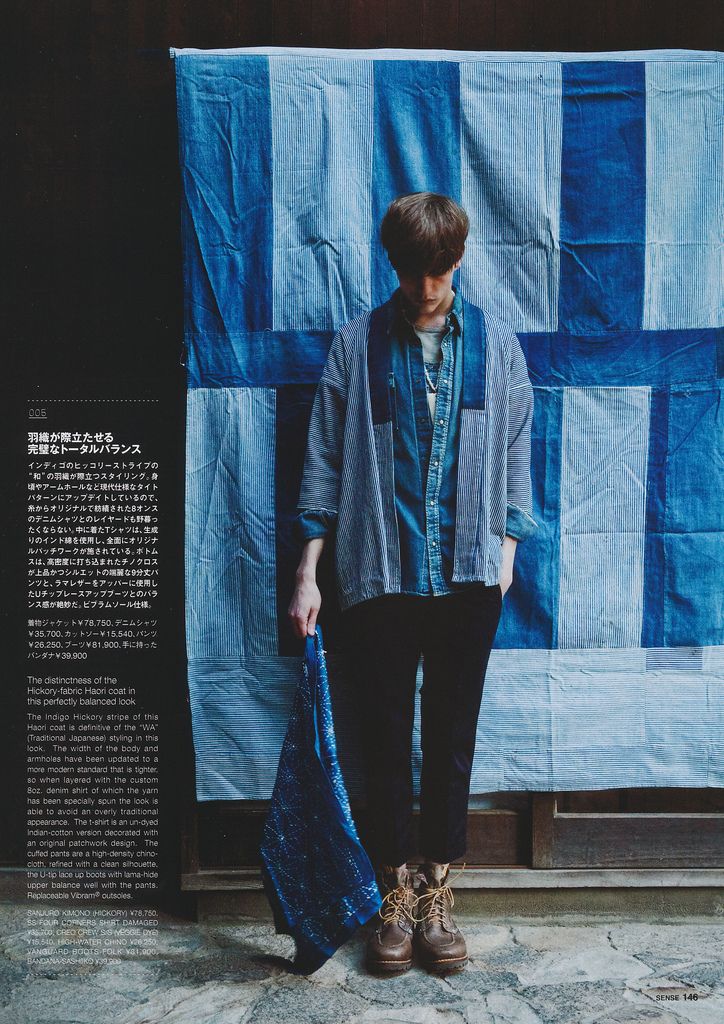
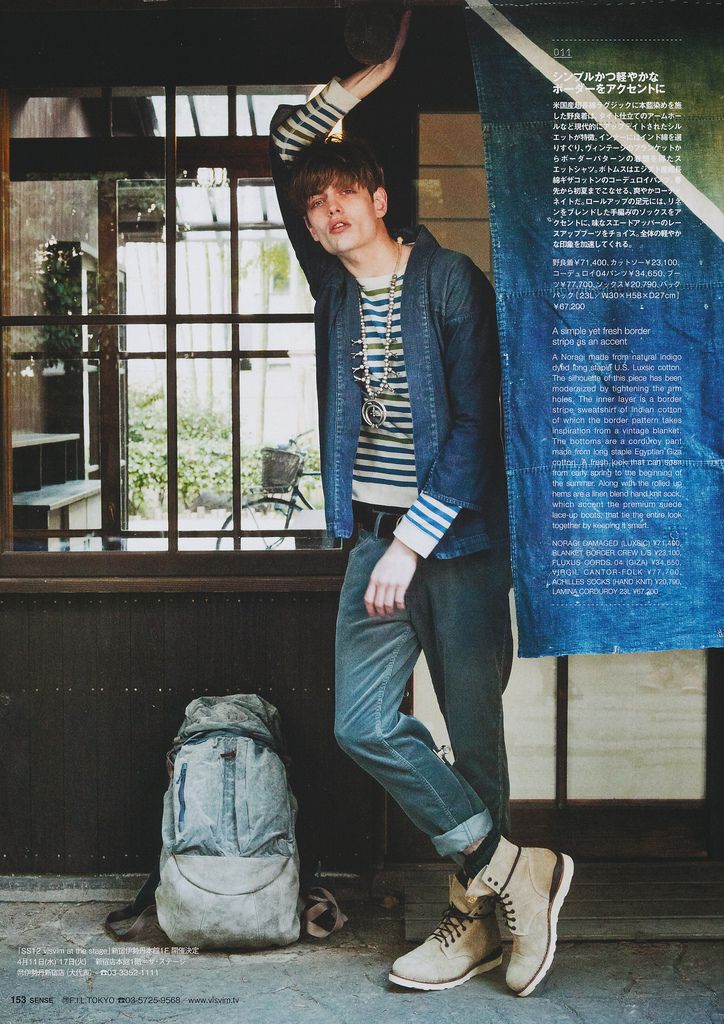
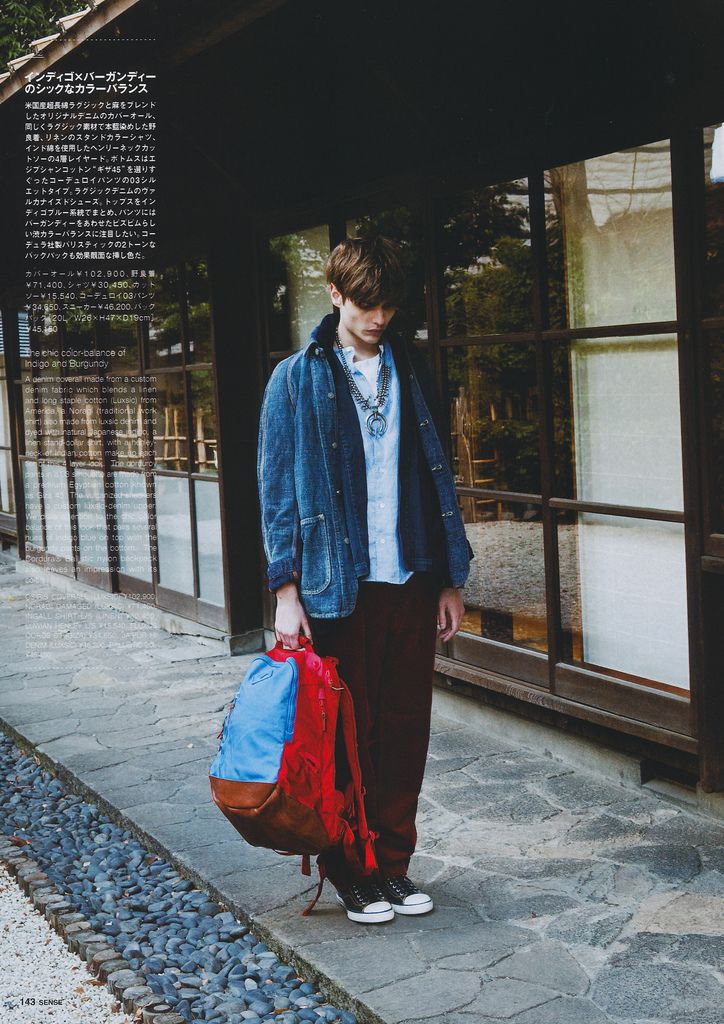
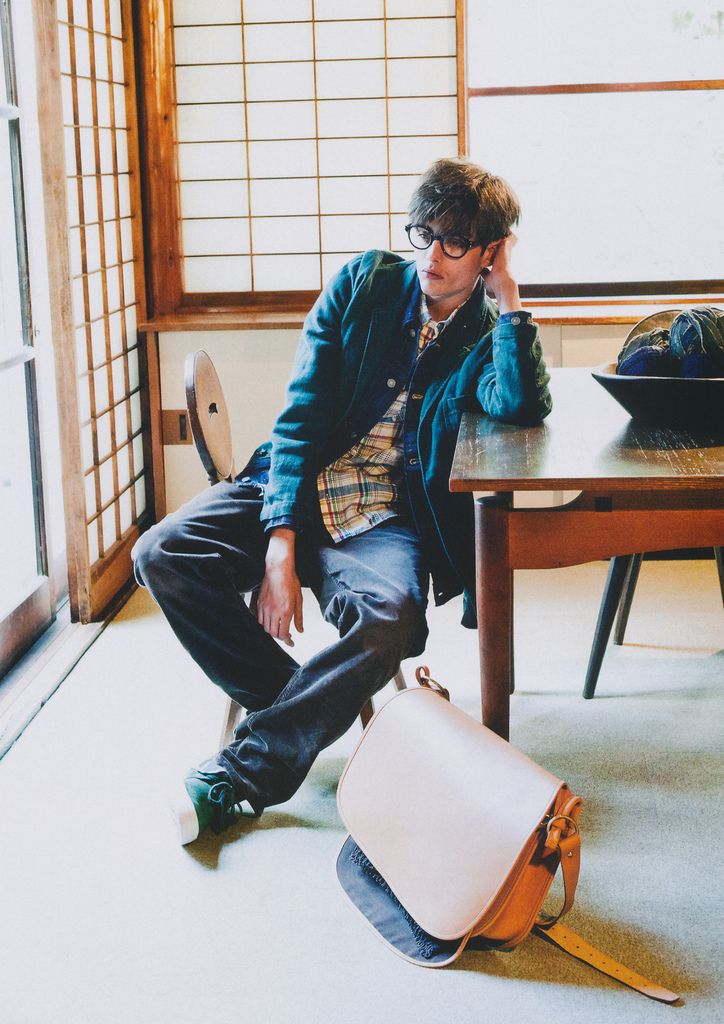
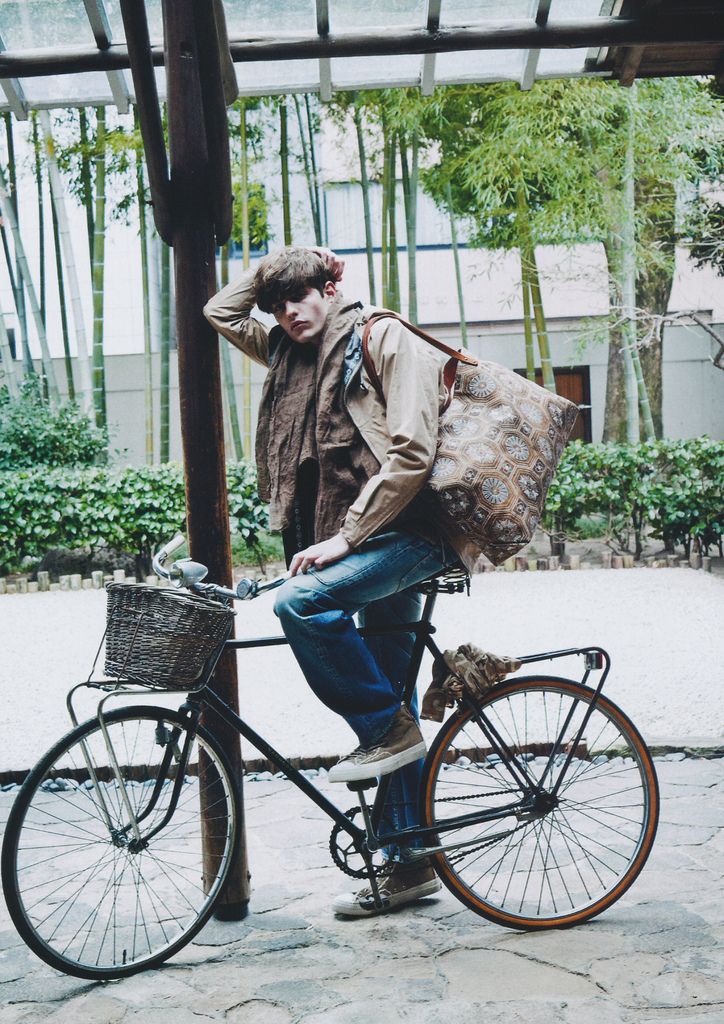
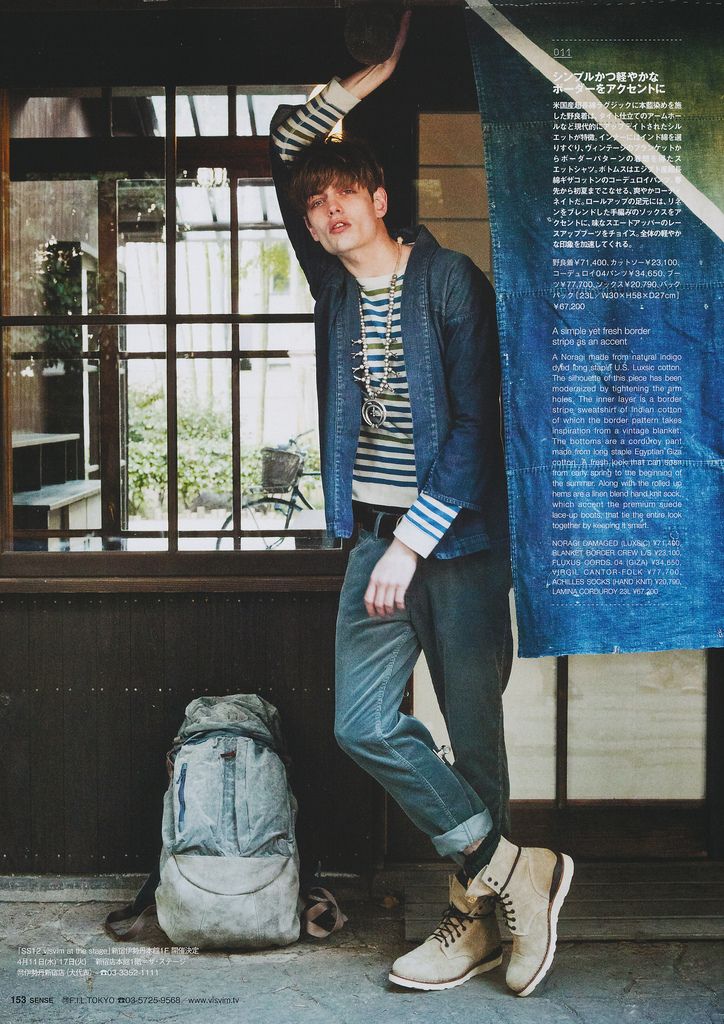
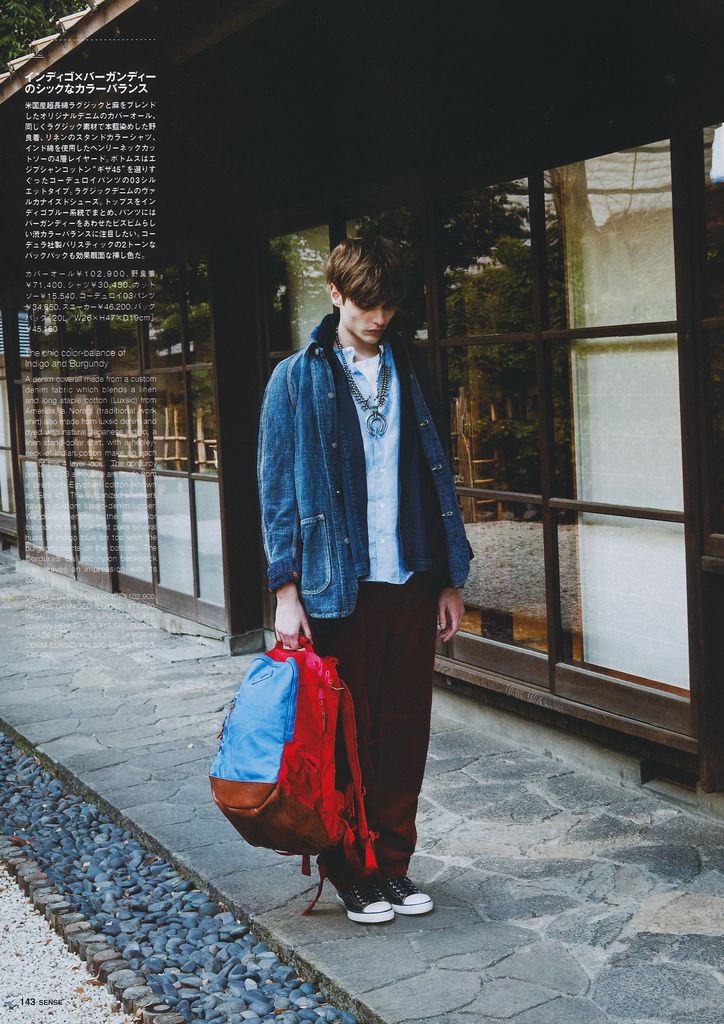
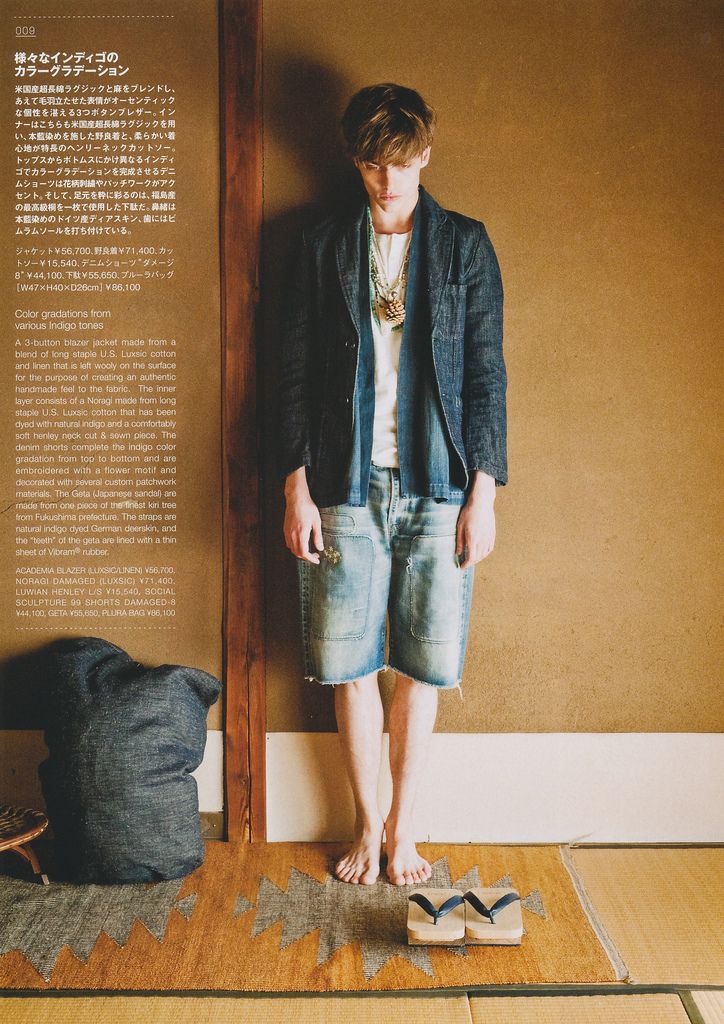
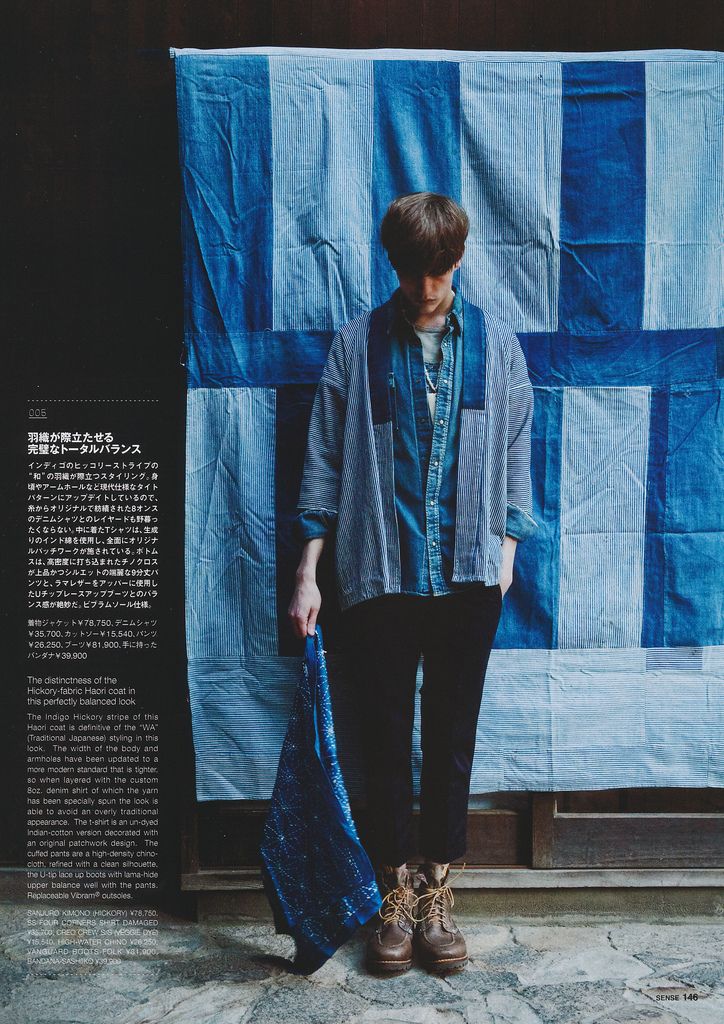
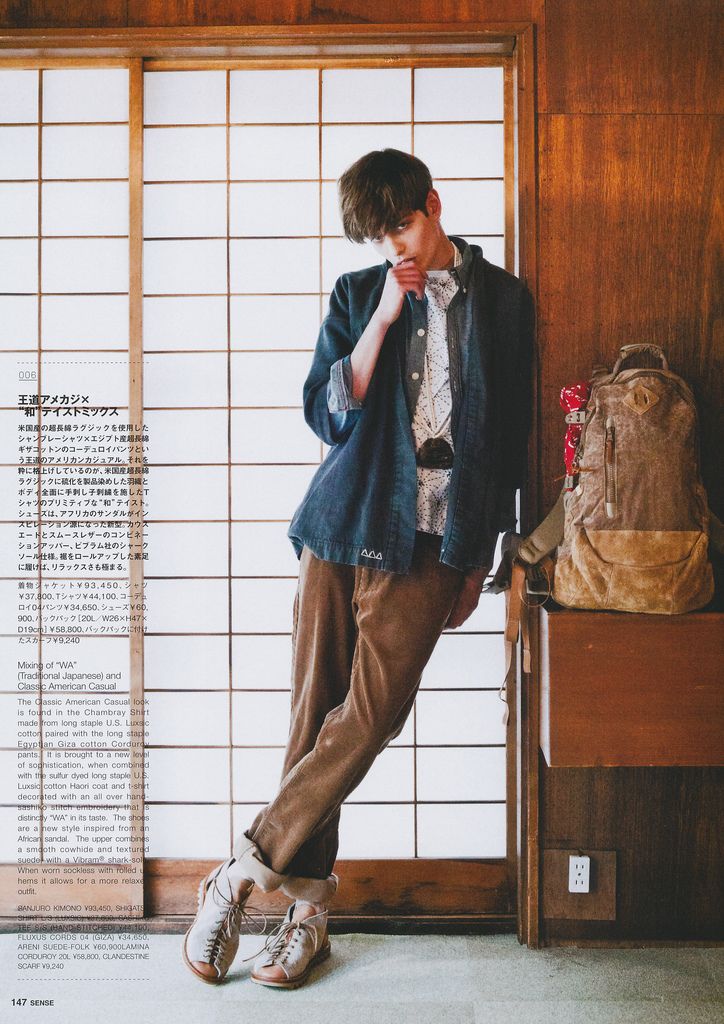
A page from 'TEXT in visvim', the visvim Spring/Summer 2012 feature in Japan's SENSE Magazine (March 2012). Naturally dyed, hand-constructed pieces from Hiroki Nakamura.
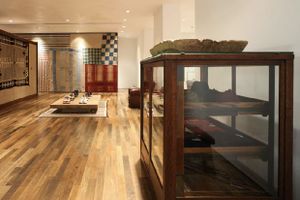
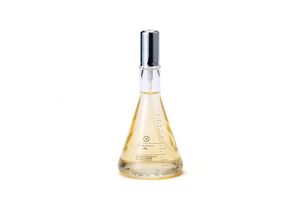
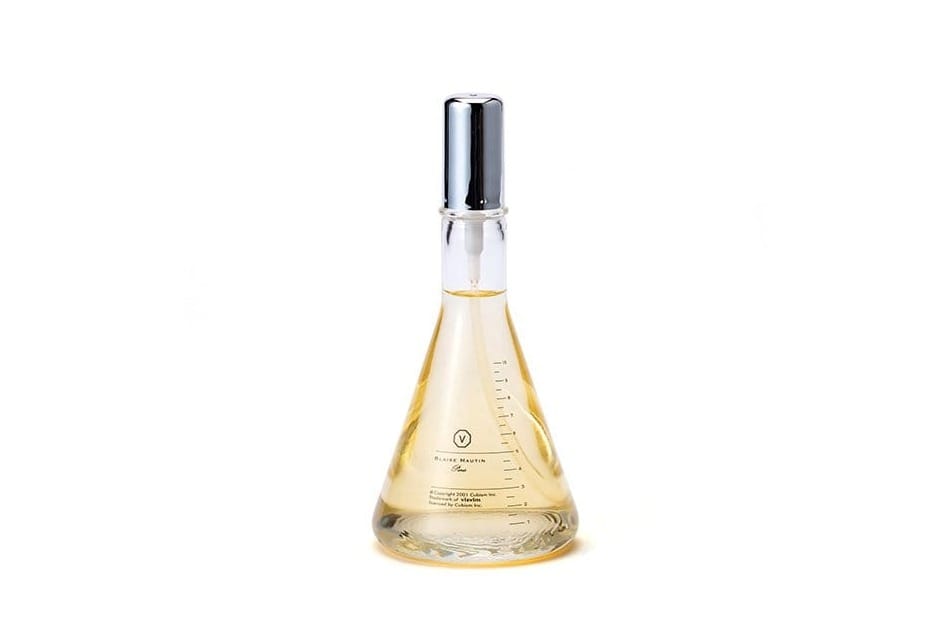
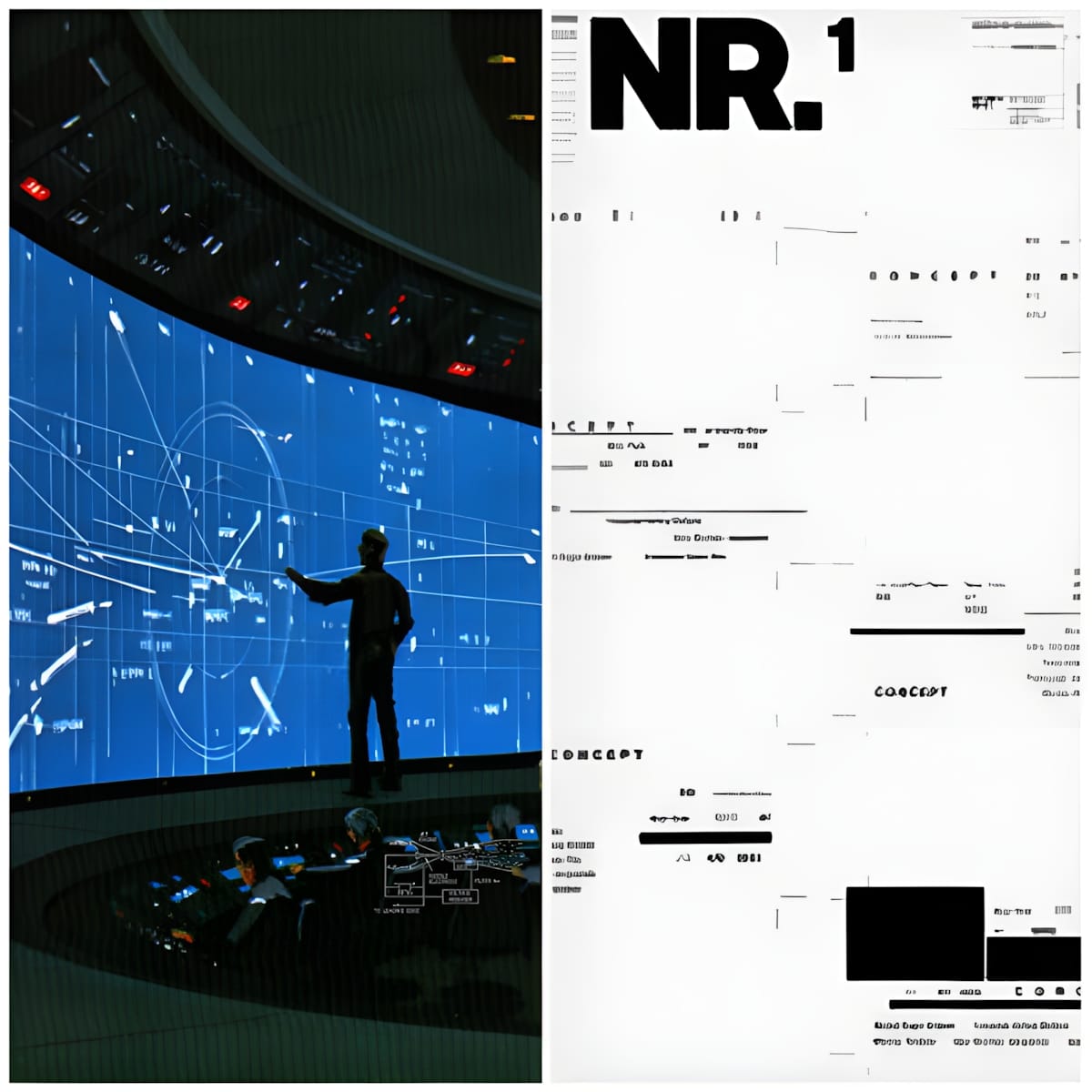
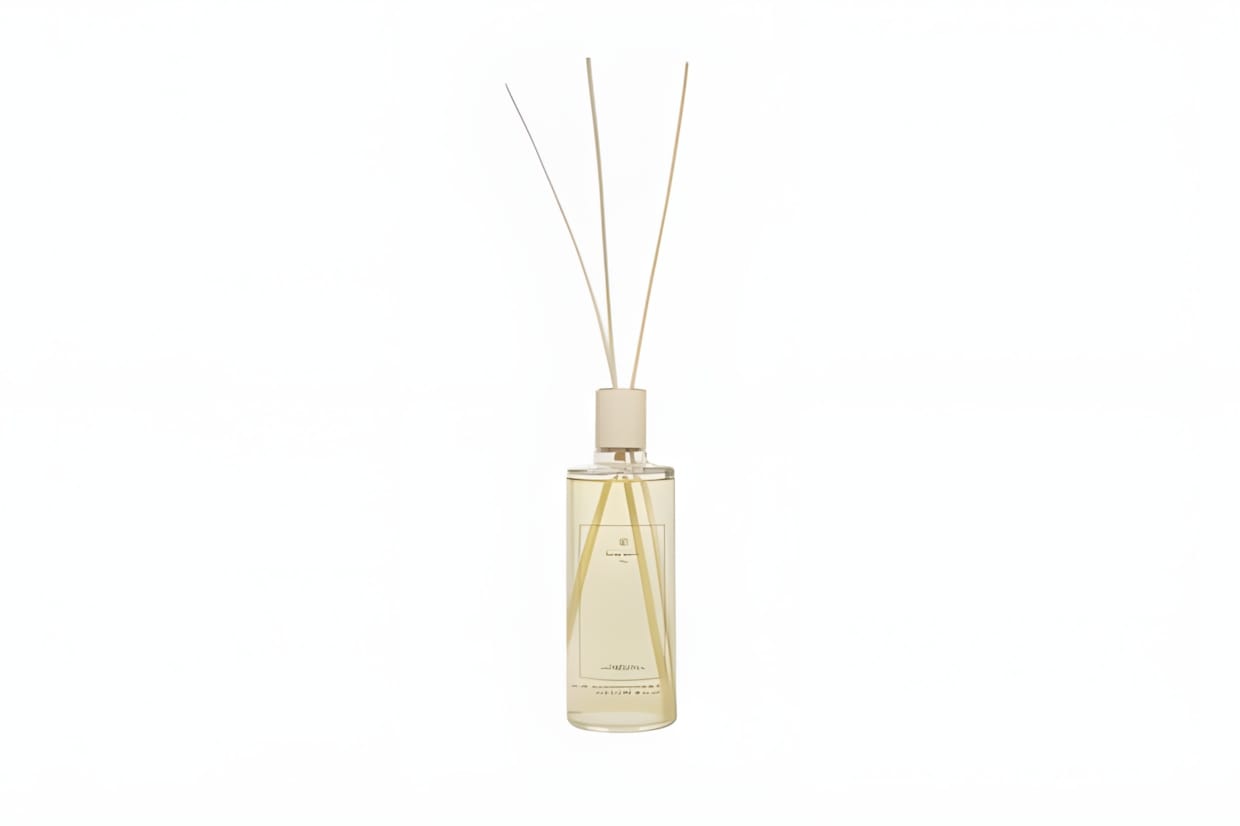
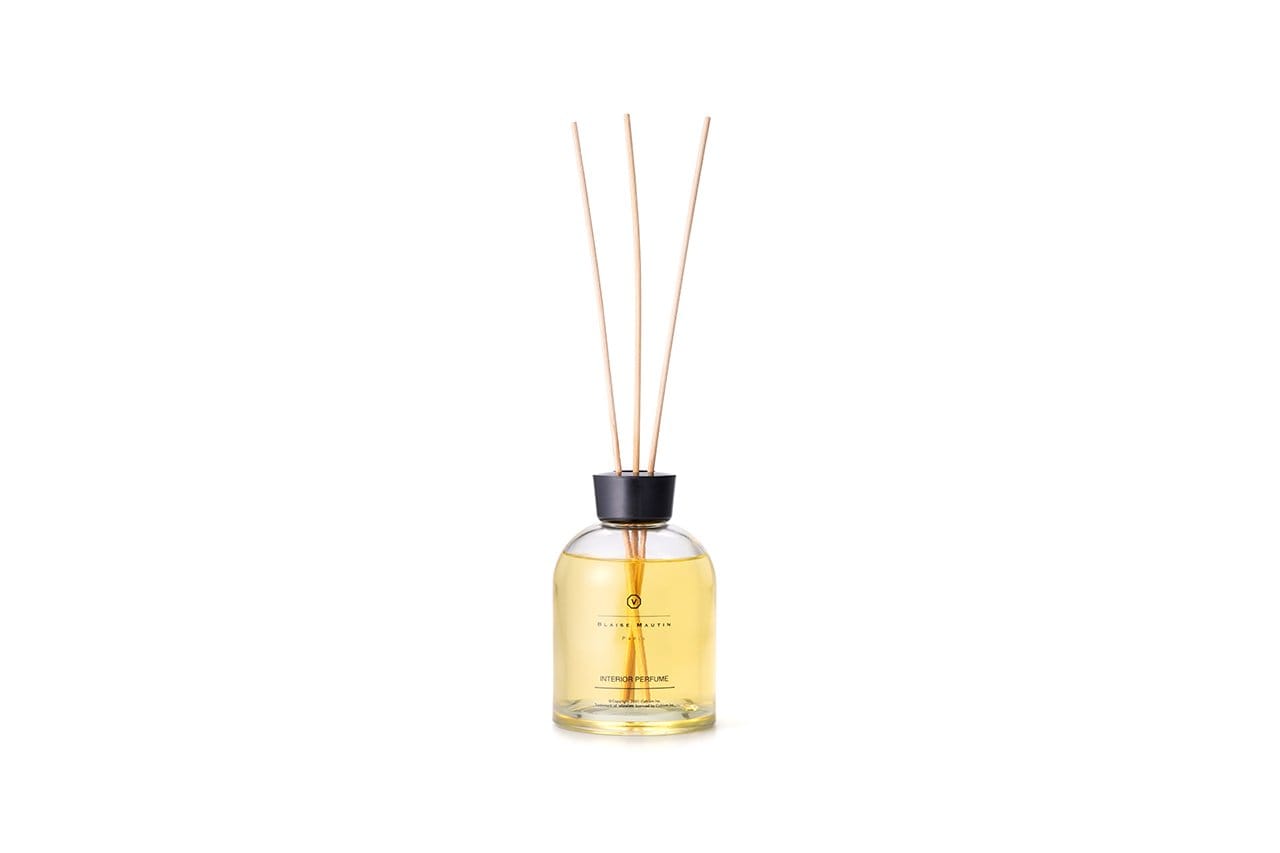
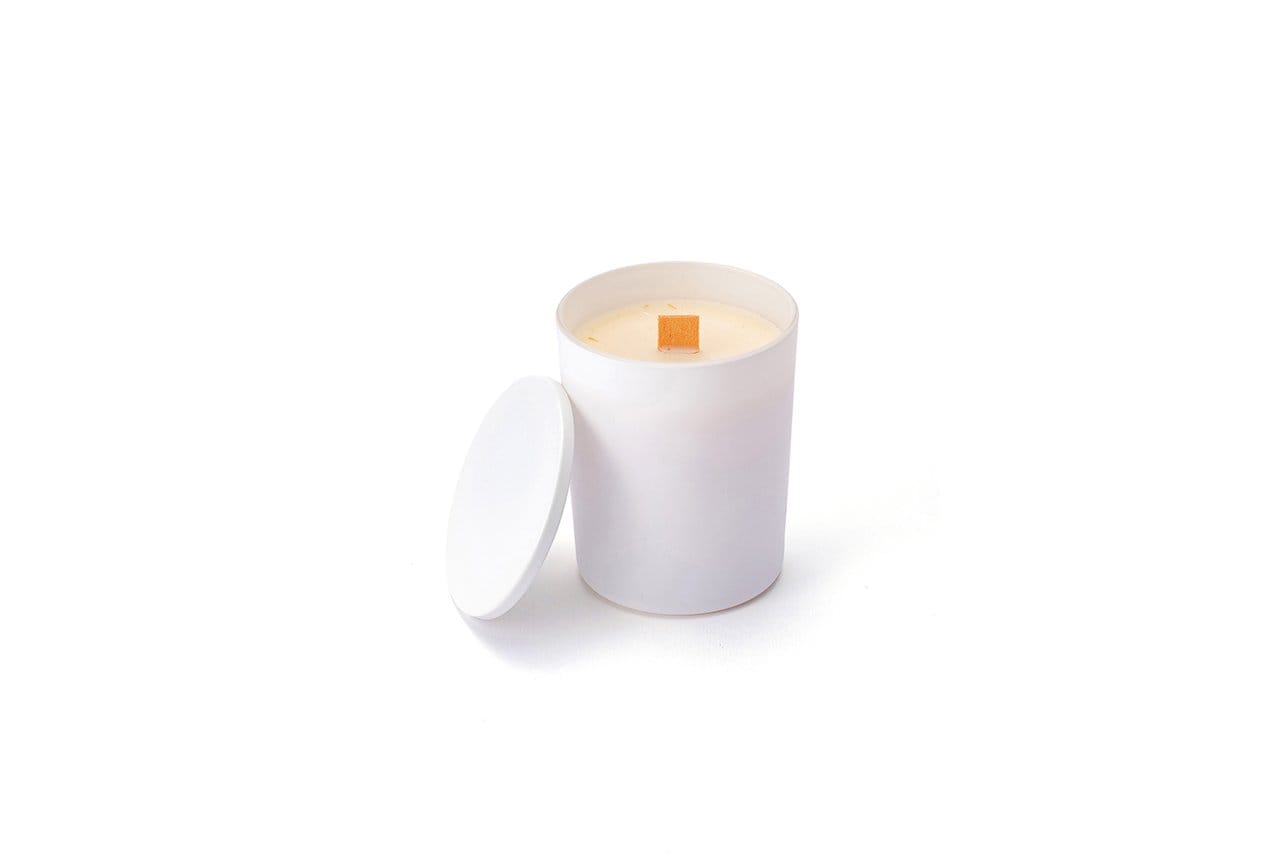
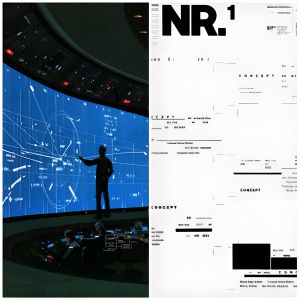
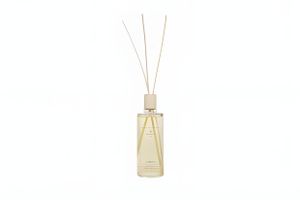
The SUBSECTION SERIES is a fragrance collection by Visvim, inspired by founder Hiroki Nakamura’s encounter with French fragrance designer Blaise Mautin over 20 years ago. The series includes candles, room sprays, and diffusers, each available in various scents. Notable fragrances are NO.1 F.I.L., a blend featuring patchouli and sandalwood, and NO.7 KYOTO, inspired by a morning visit to Kyoto’s Sanjusangendo temple.


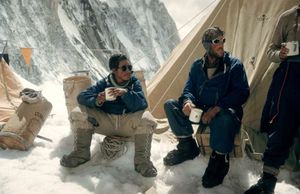
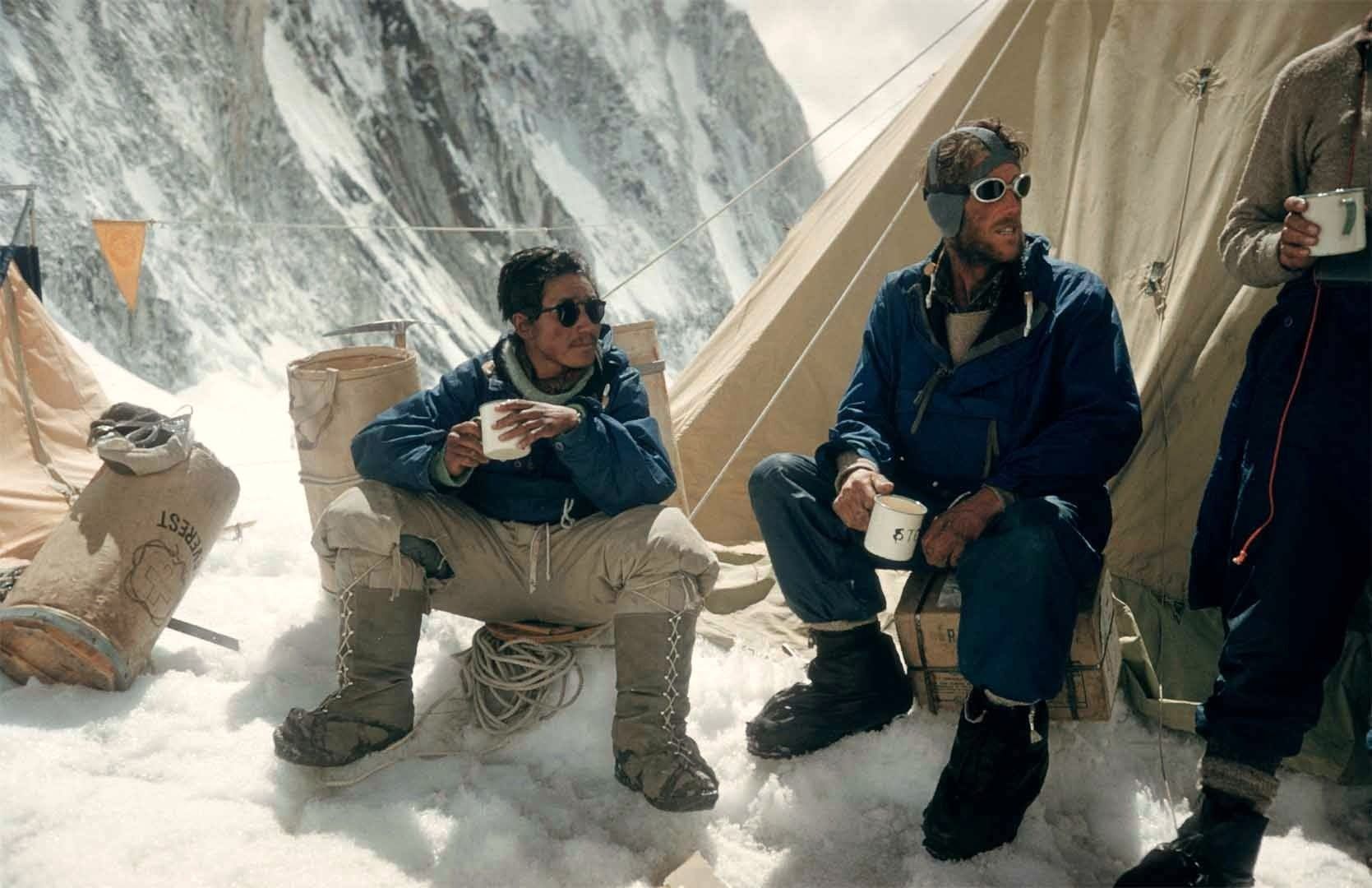
Tenzing Norgay and Edmund Hillary, sat here drinking tea during a break before their successful summit of Everest in 1953.
This photo was taken by George Band, OBE, the youngest of the mountaineers on the 1953 British Expedition to Mount Everest on which Edmund Hillary and Tenzing Norgay made the first known successful ascent of the mountain.



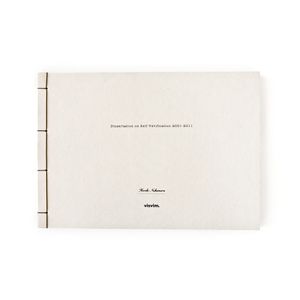
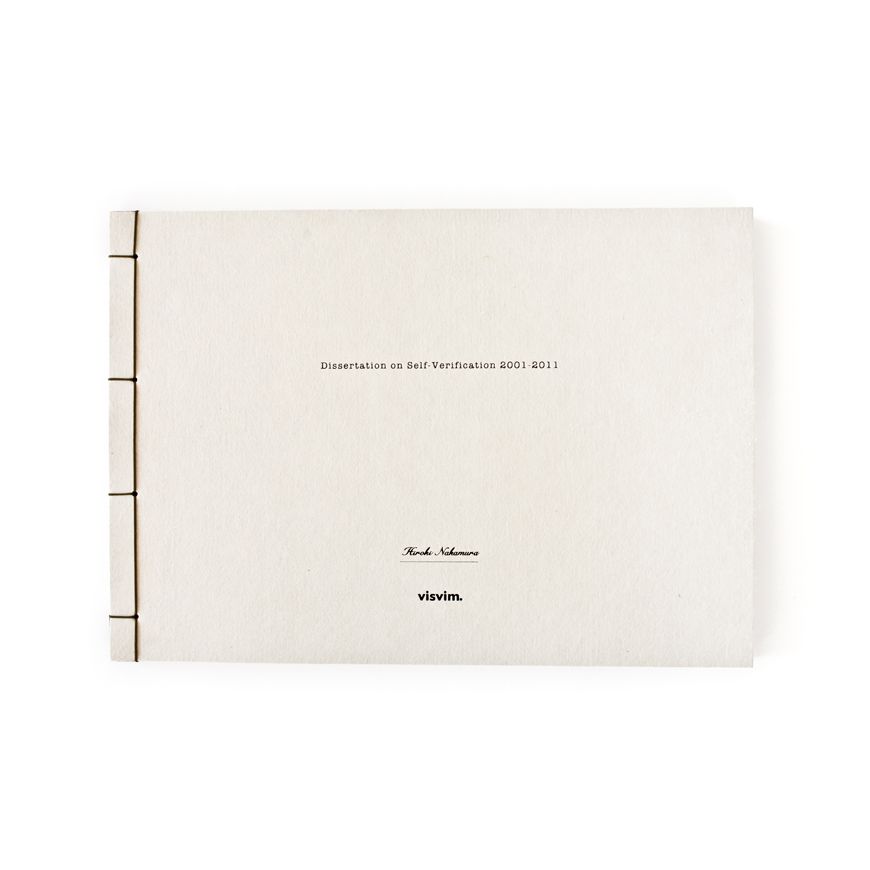
visvim 10th Anniversary Book "Dissertation on Self-Verification 2001-2011"
The book is hand bound and uses a washi paper made by a craftsman who sources the raw materials from Japanese trees.
Limited to 300 copies.


ingu's View from the Office looks across Hong Kong's Causeway Bay skyline toward Central Plaza. The Flickr description dates the scene to August 2011.
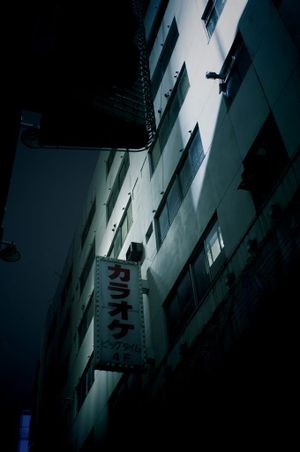
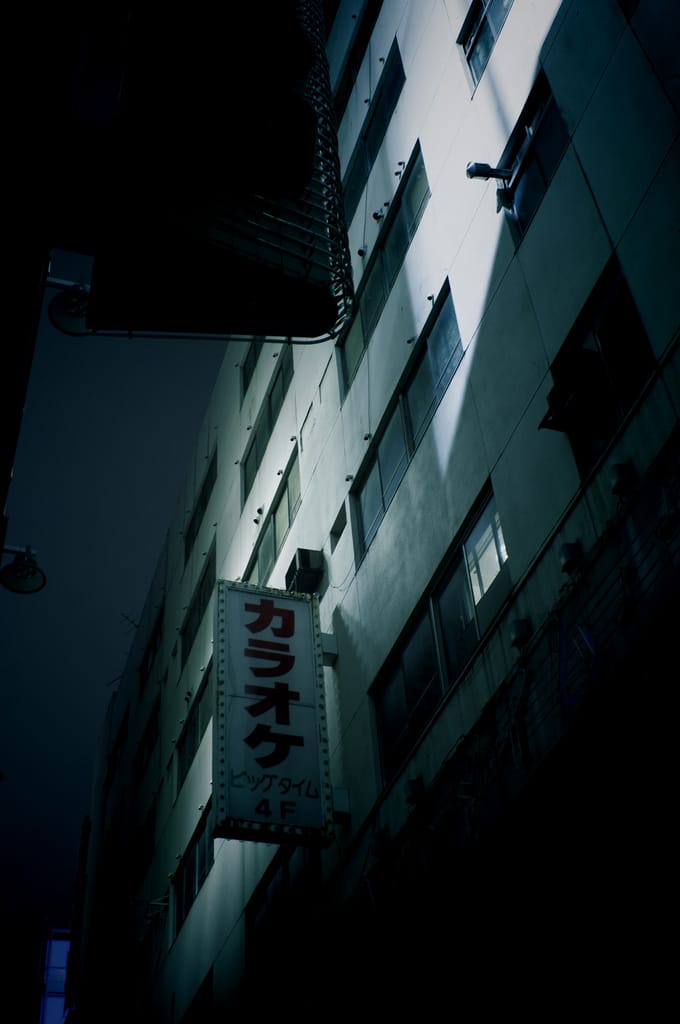
perscape's Building / 建物 looks up along a tiled Shinjuku facade at night, where an illuminated sign reads カラオケ ビッグタイム 4F. The source tags identify a Pentax KX with an SMC Takumar 28mm F3.5 lens.
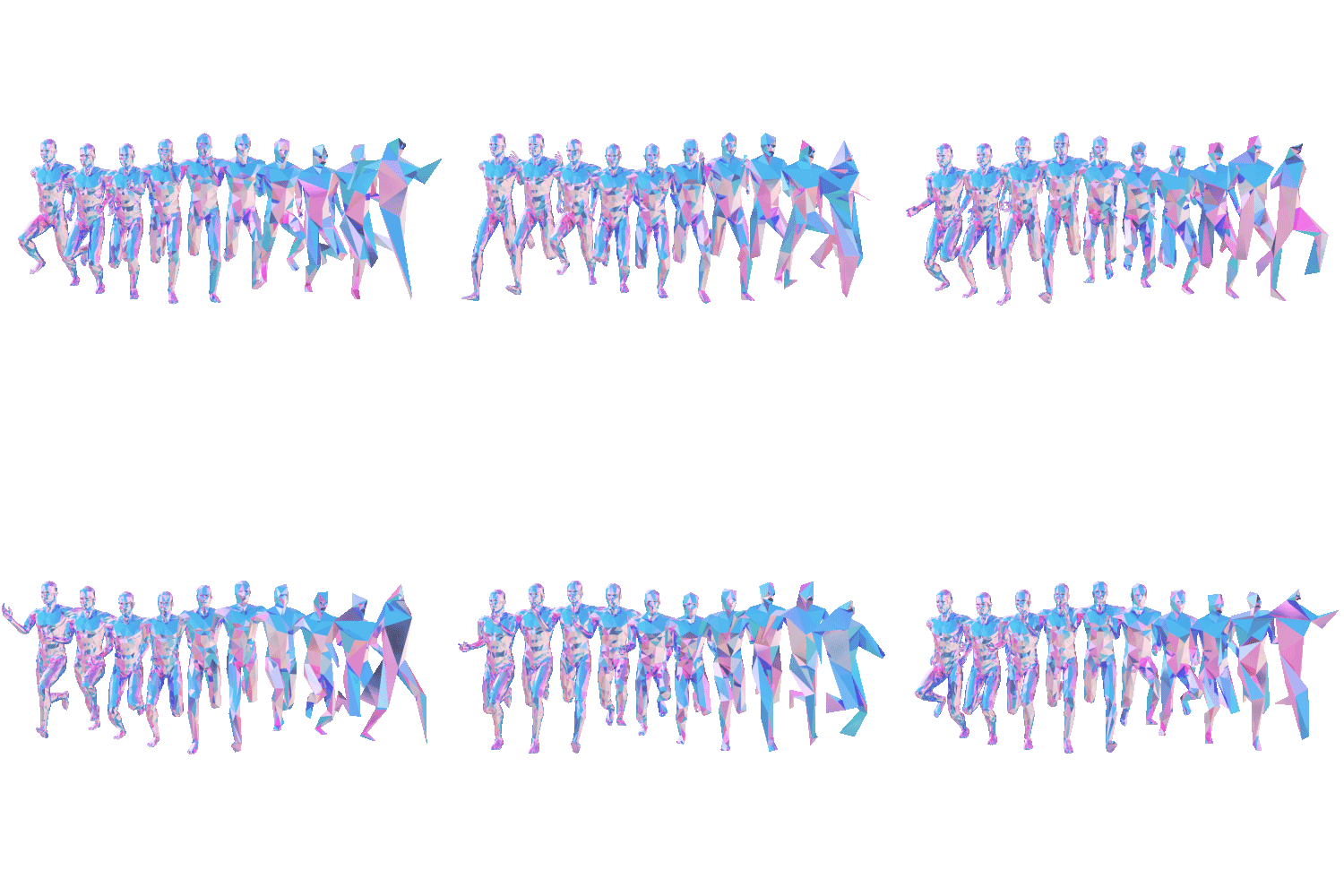
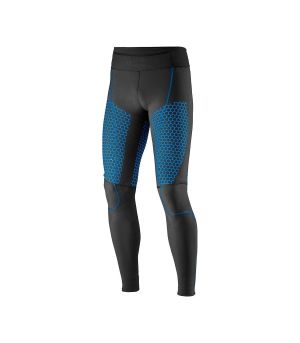
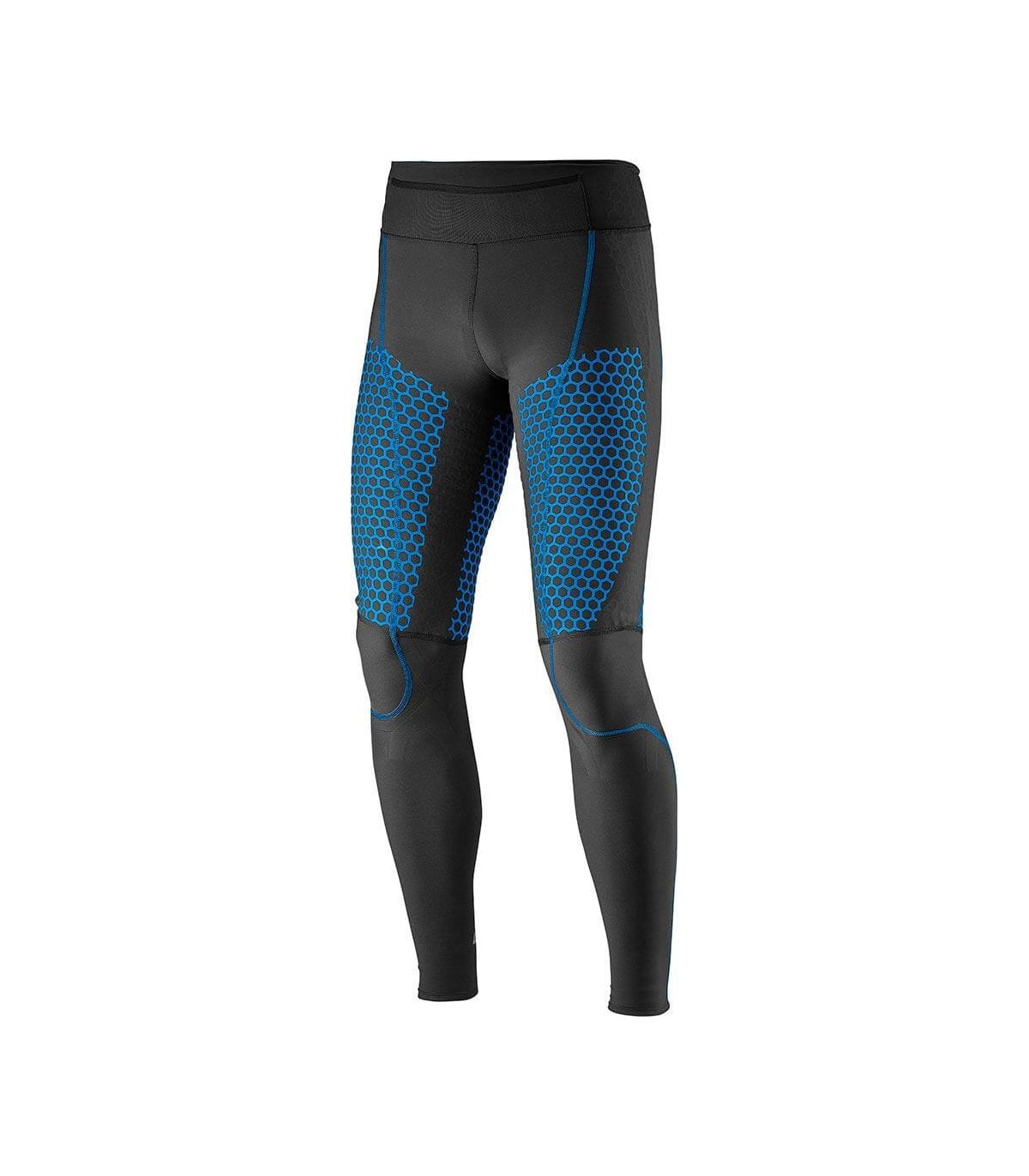
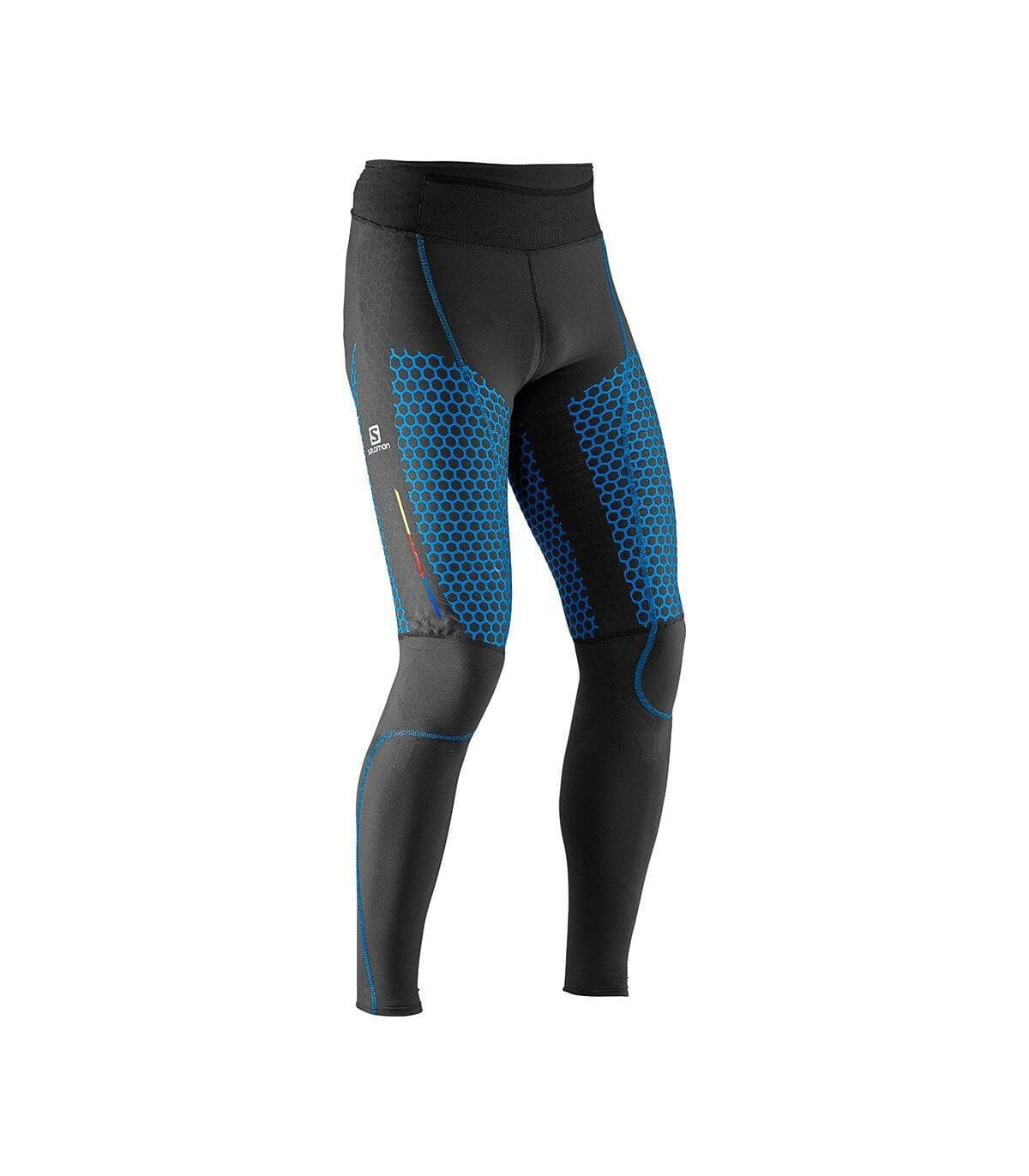
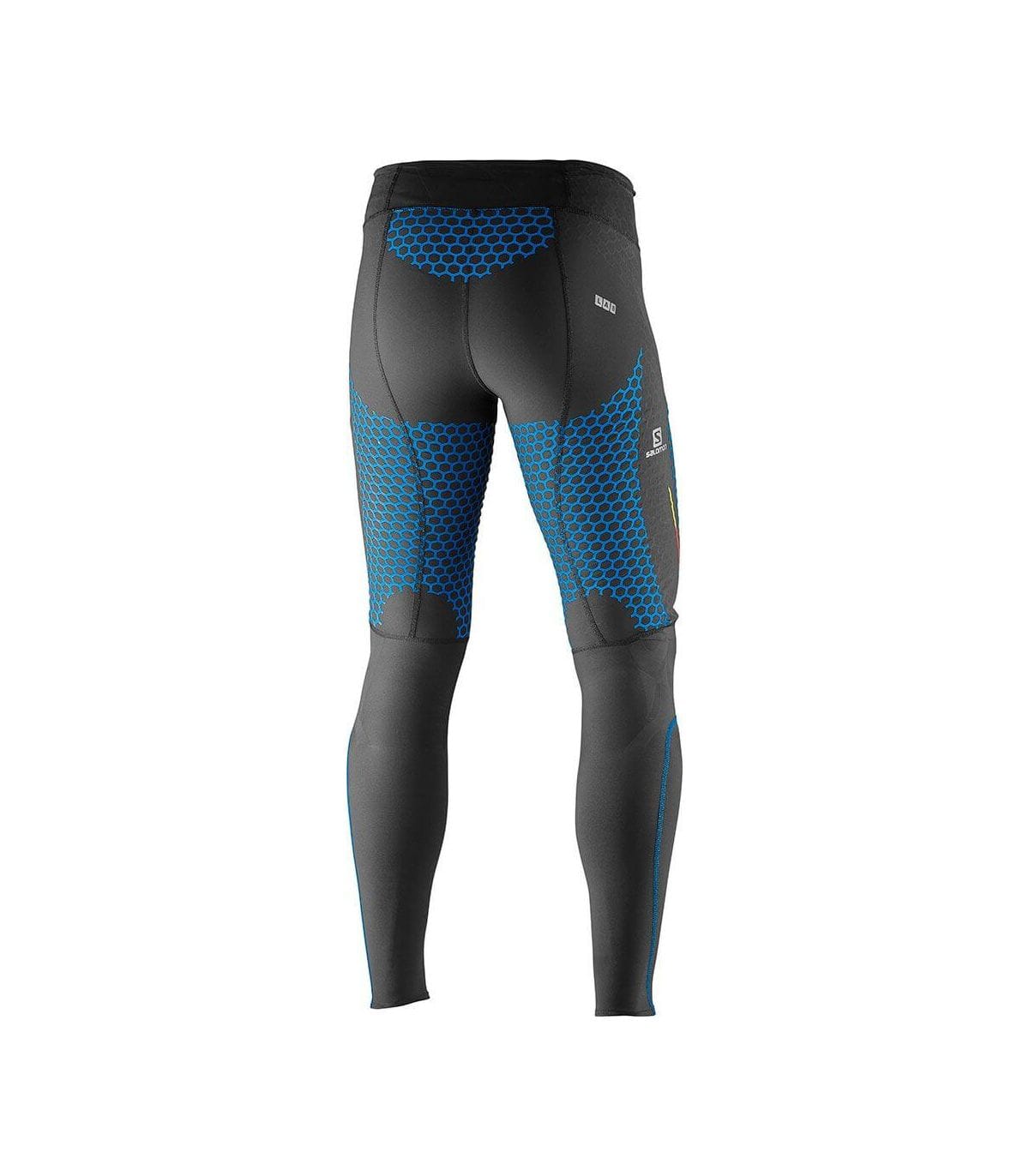
The men’s S/LAB EXO Tight carries the trail-built Sensifit system into a cold-weather full length. The laminated honeycomb locks across the quads, hamstrings and lower back, then breaks around the joint before returning as a stabilizing knee frame. Actilite E jersey handles moisture, Smart Skin changes density by zone, and flatlock construction keeps the close compression fit low-bulk under a shell.
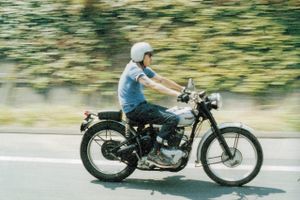
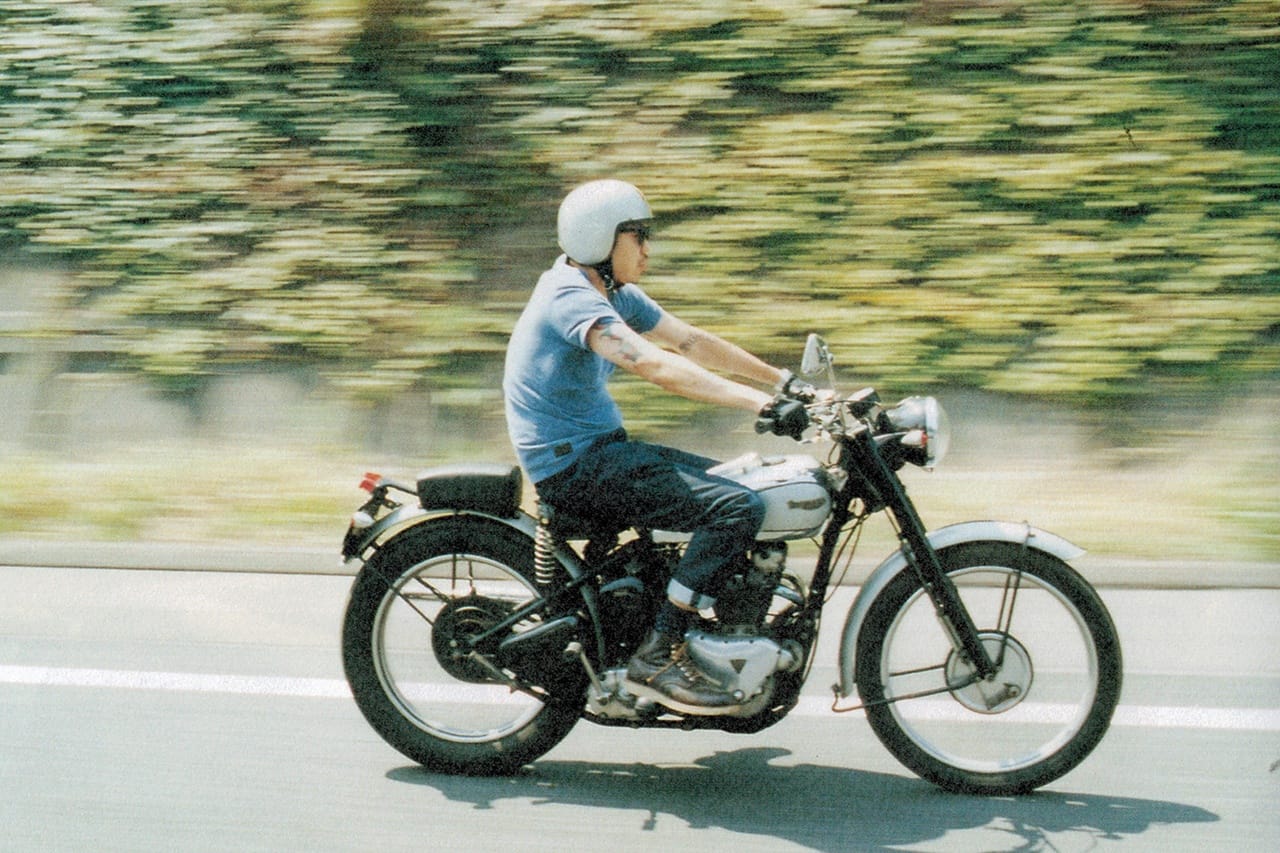
WTAPS FW13 Lifist lookbook image with Tetsu Nishiyama riding a vintage motorcycle, part of the collection’s lifestyle-focused presentation.





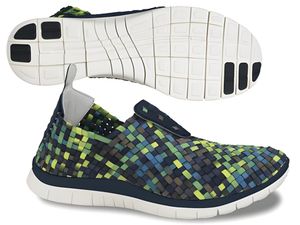
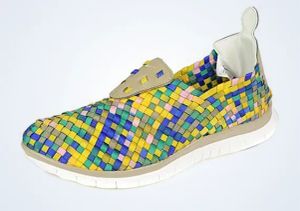
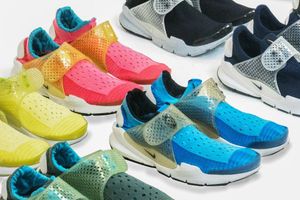
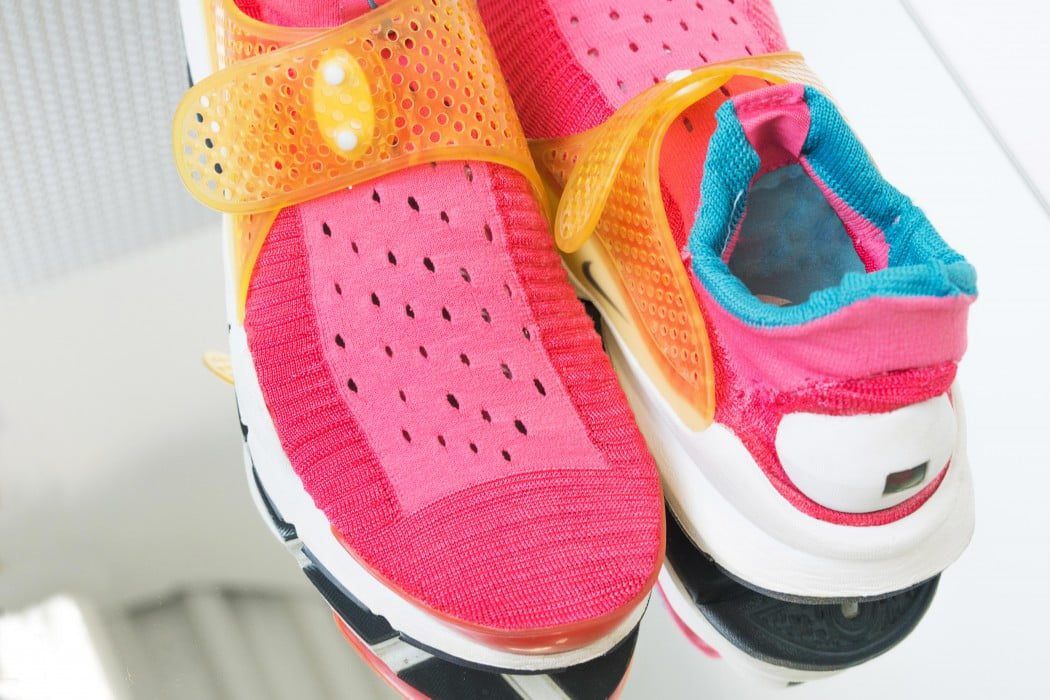
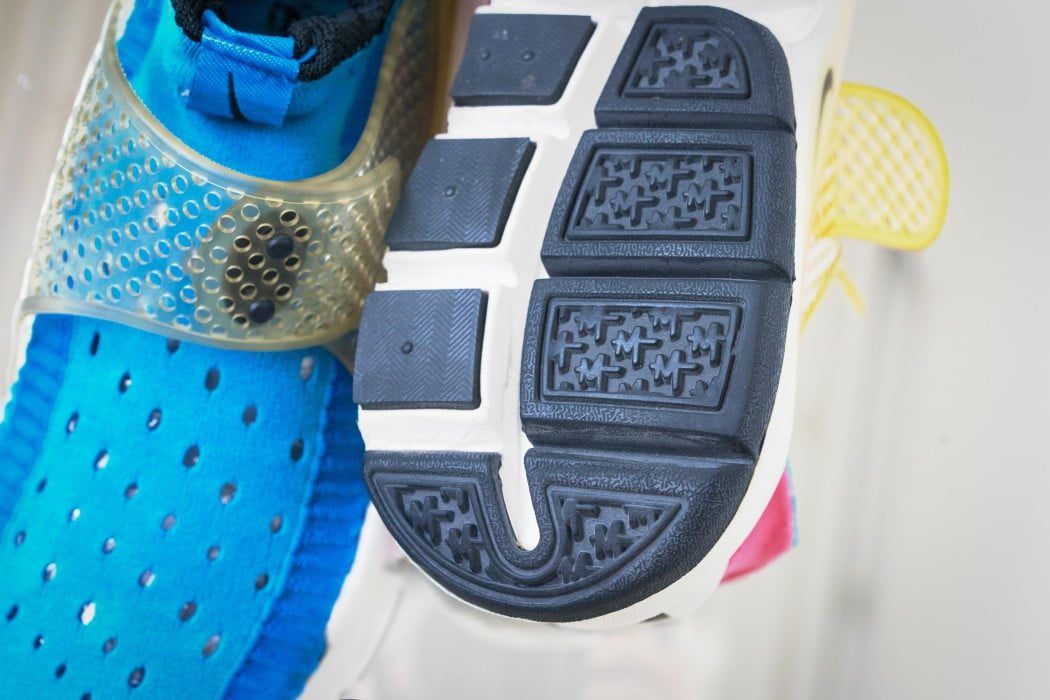
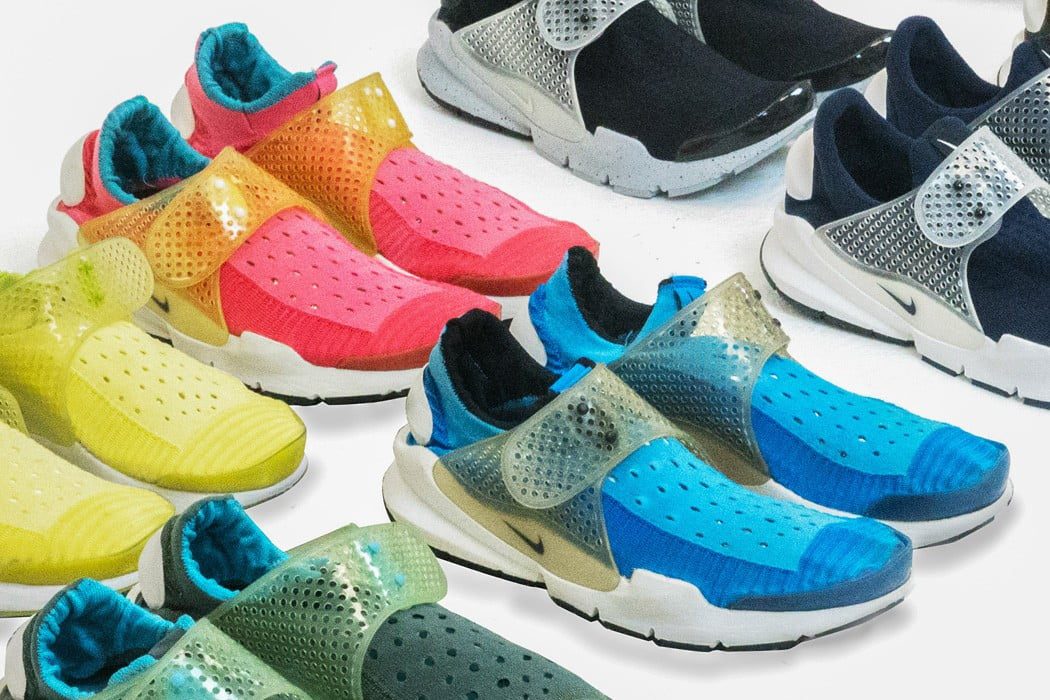
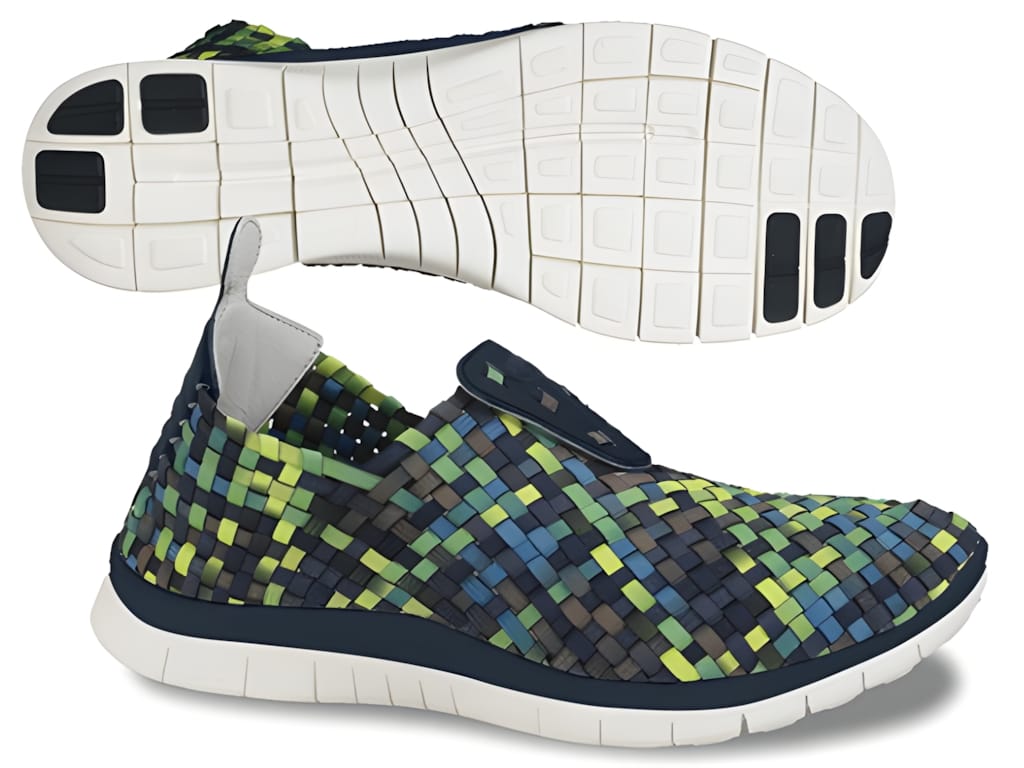
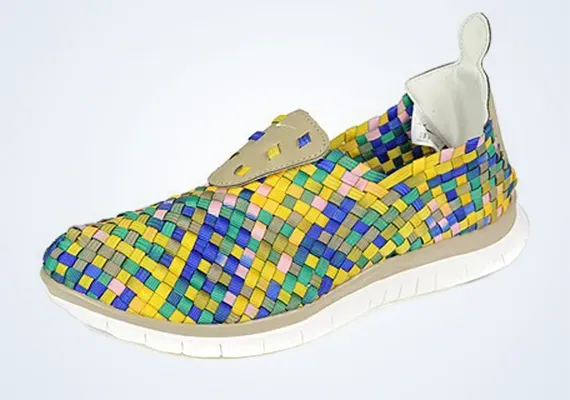
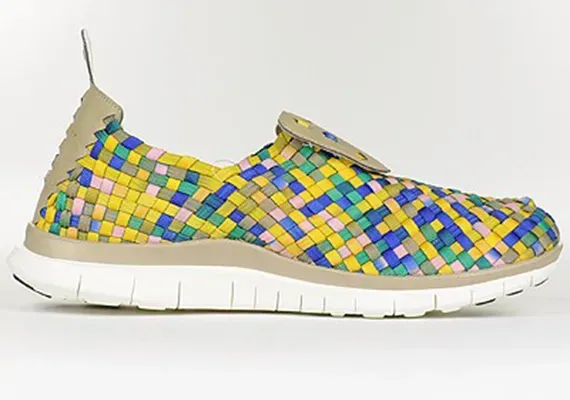
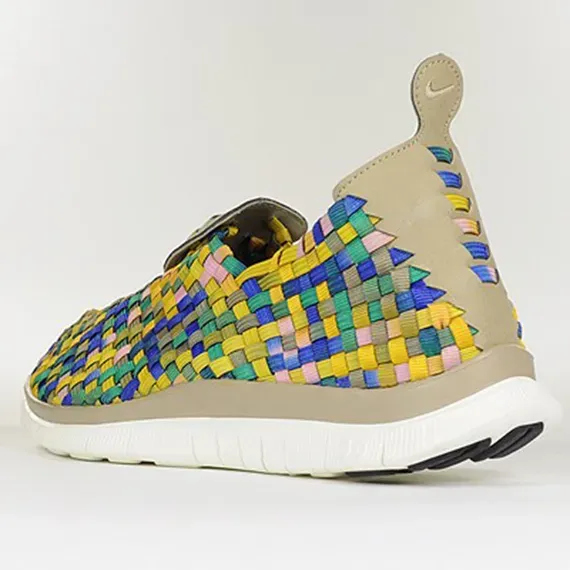
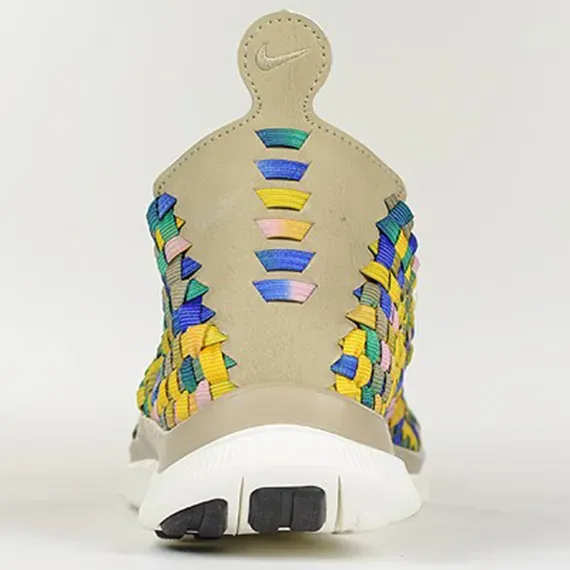
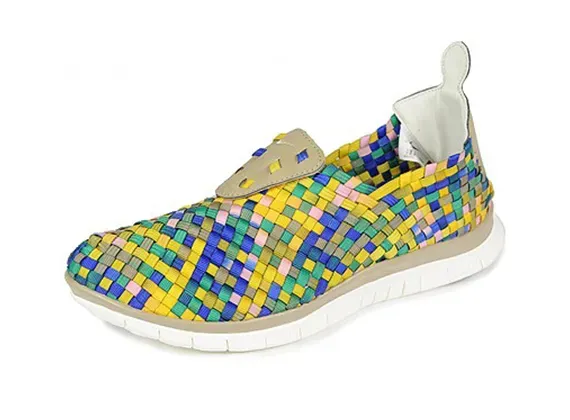
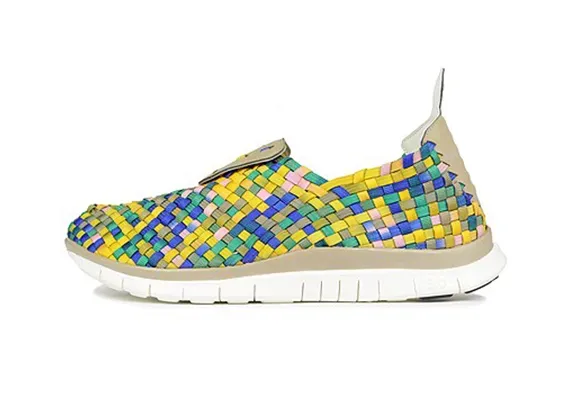
Nike Free Woven in Khaki, Stadium Green, Hyper Blue, and Pink, with a multicolor woven upper and white Free sole. Style code 555307-236.
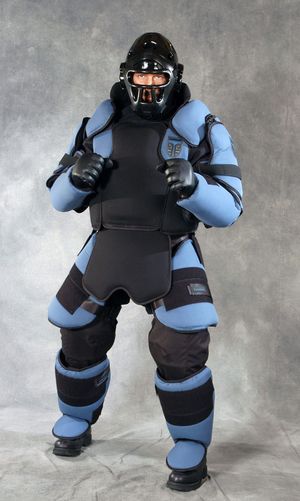
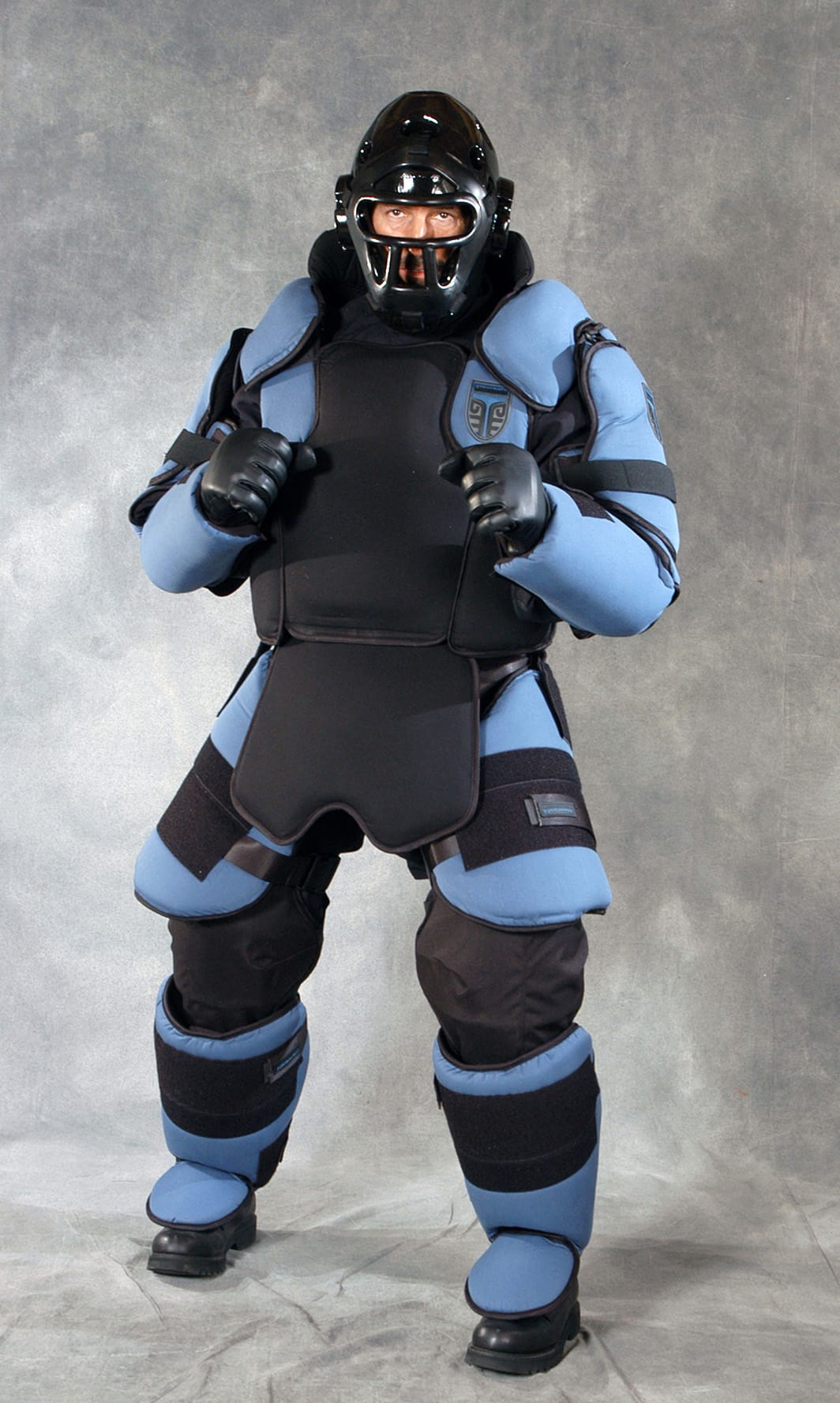
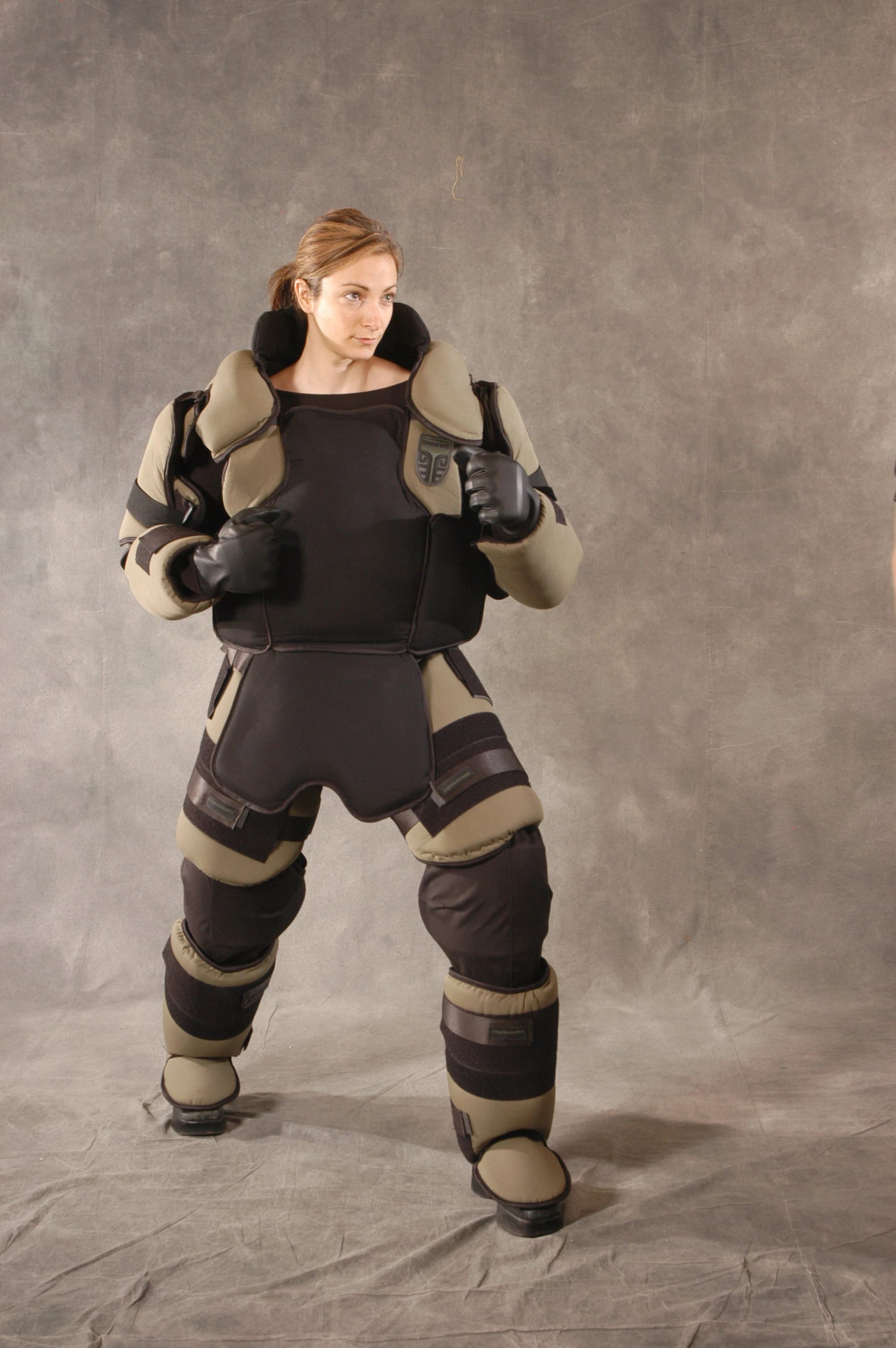
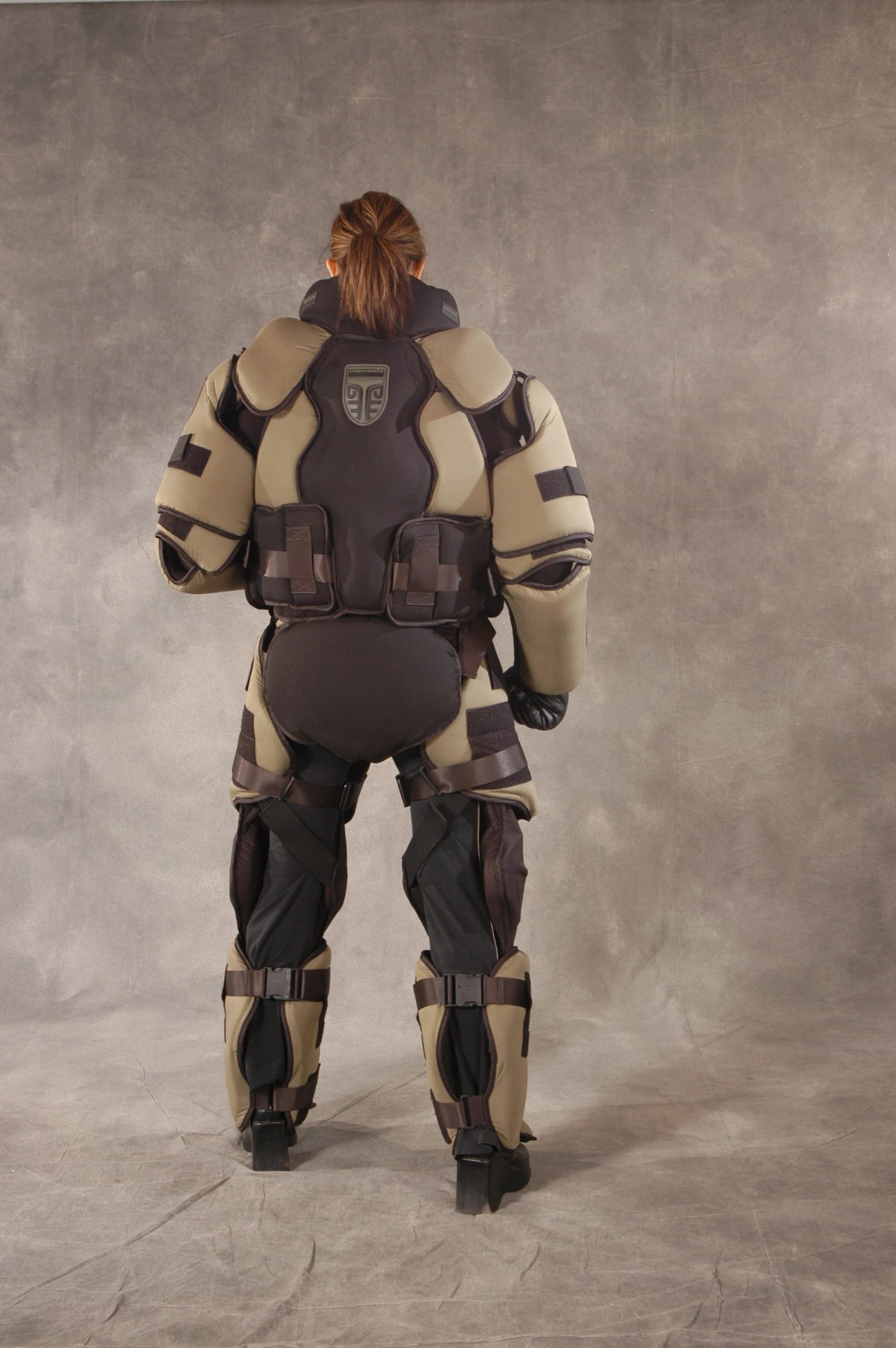
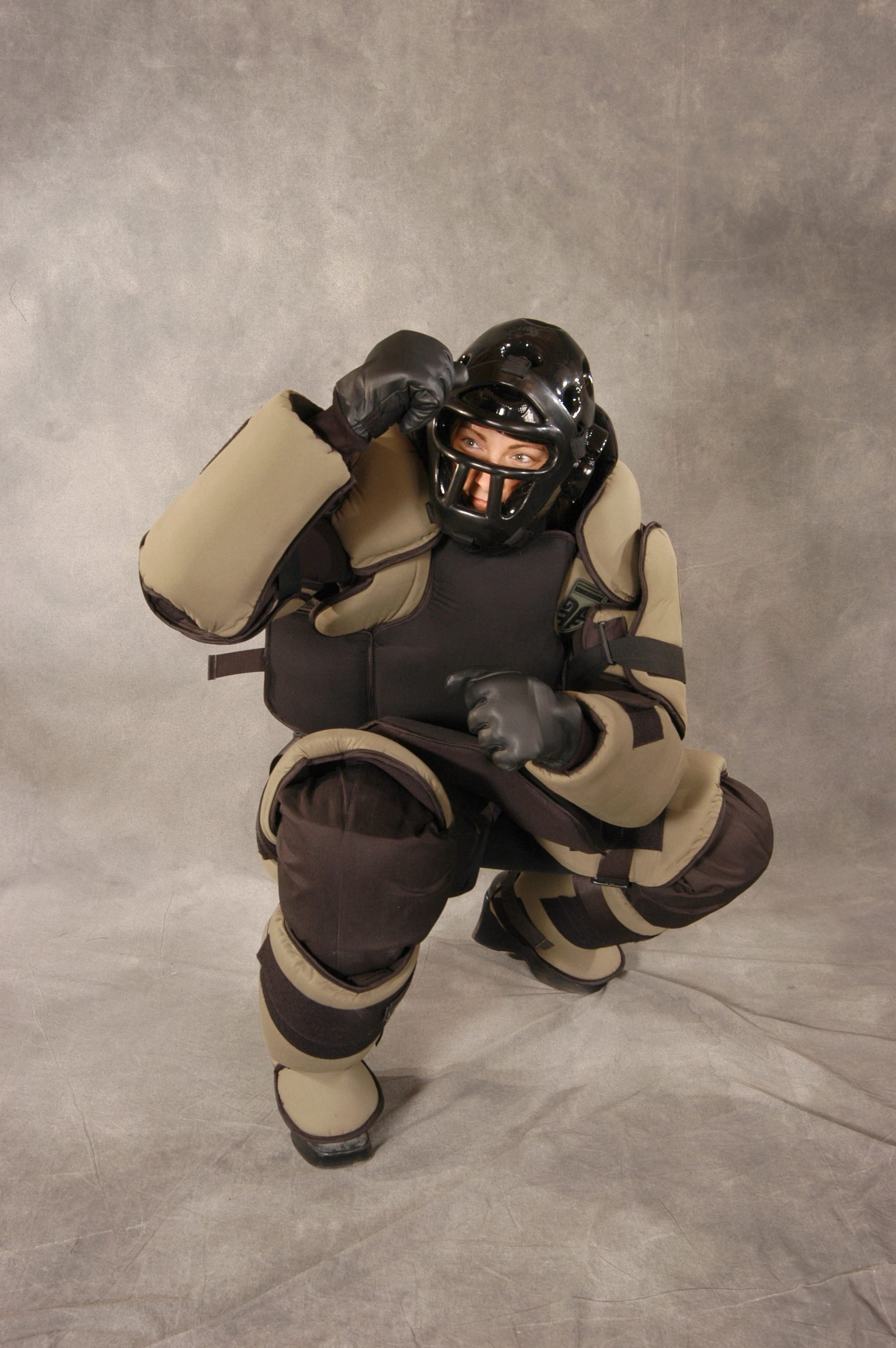
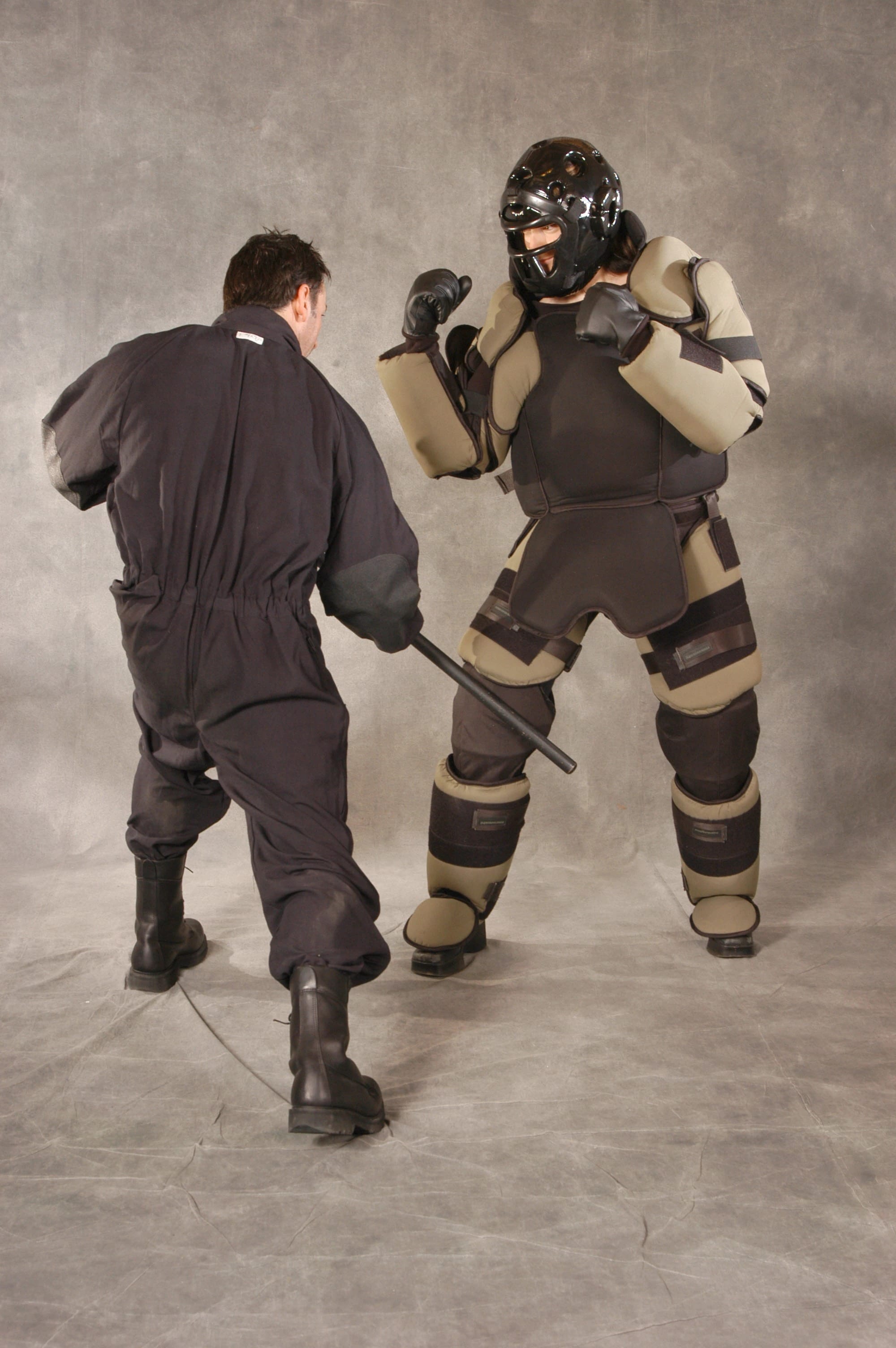
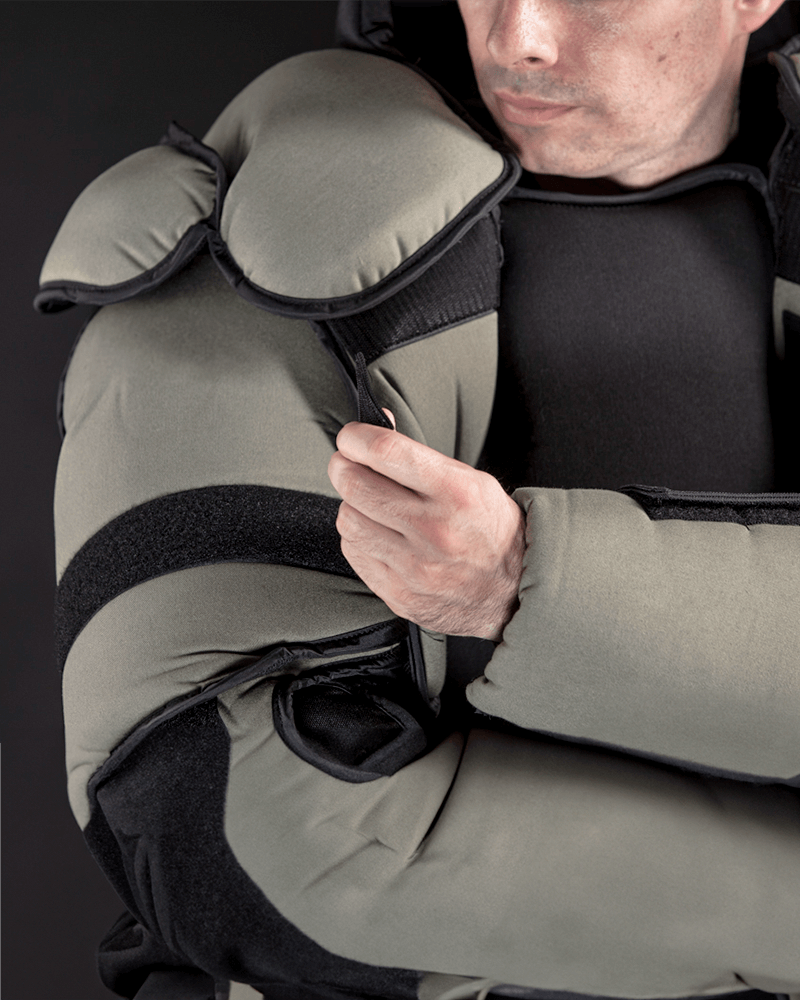
Mawashi designed the T-RED ('Tegman — Real Ergonomic Design') personal protective equipment for use-of-force training with law-enforcement, corrections, and military personnel. The body-moulded suit uses adjustable fastenings for mobility and quick removal. Its passive cooling structure reduces the contact area between the equipment and the body to improve airflow.
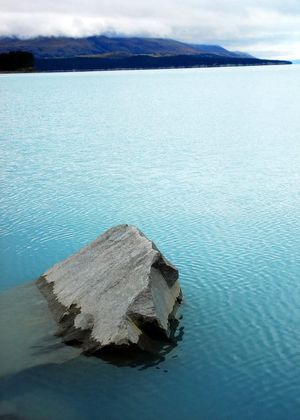
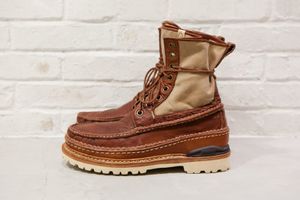
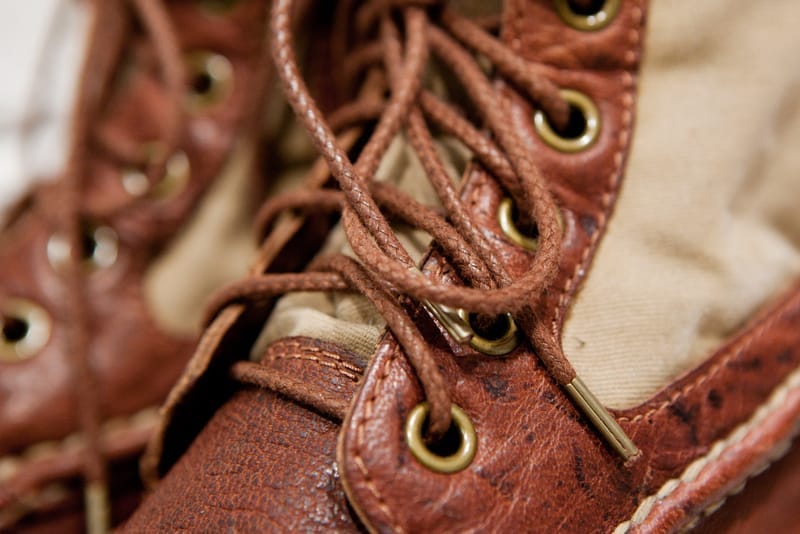
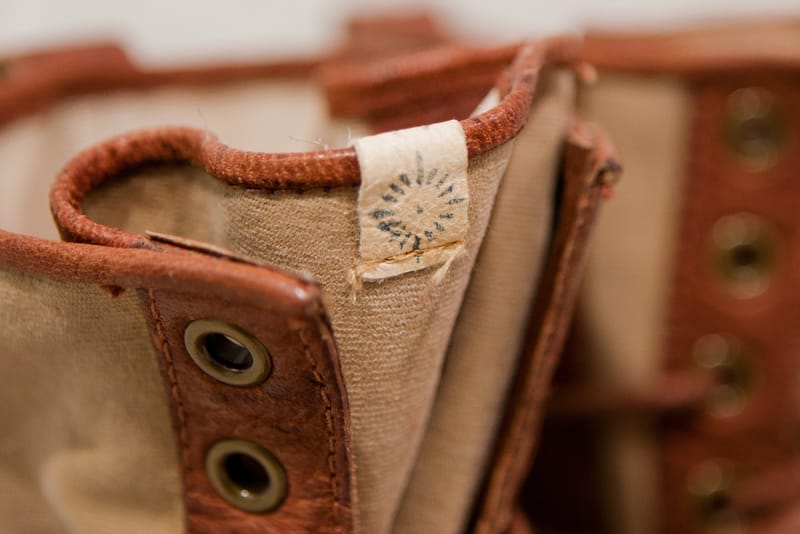
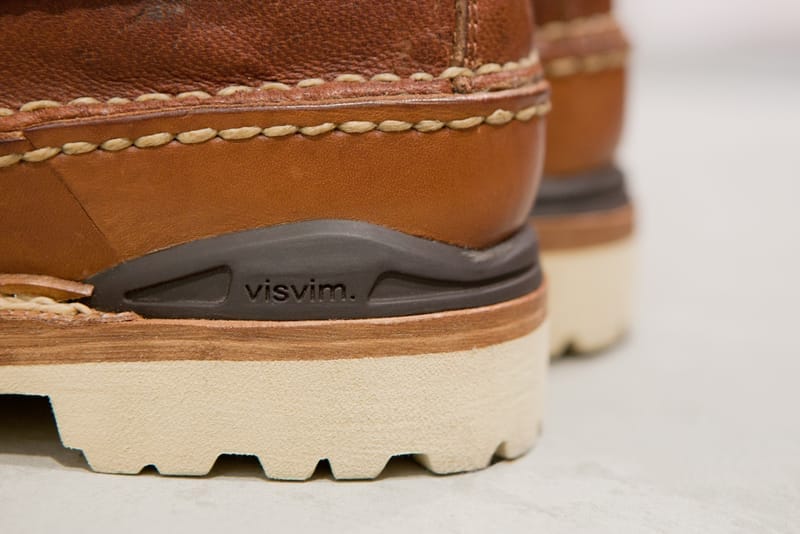



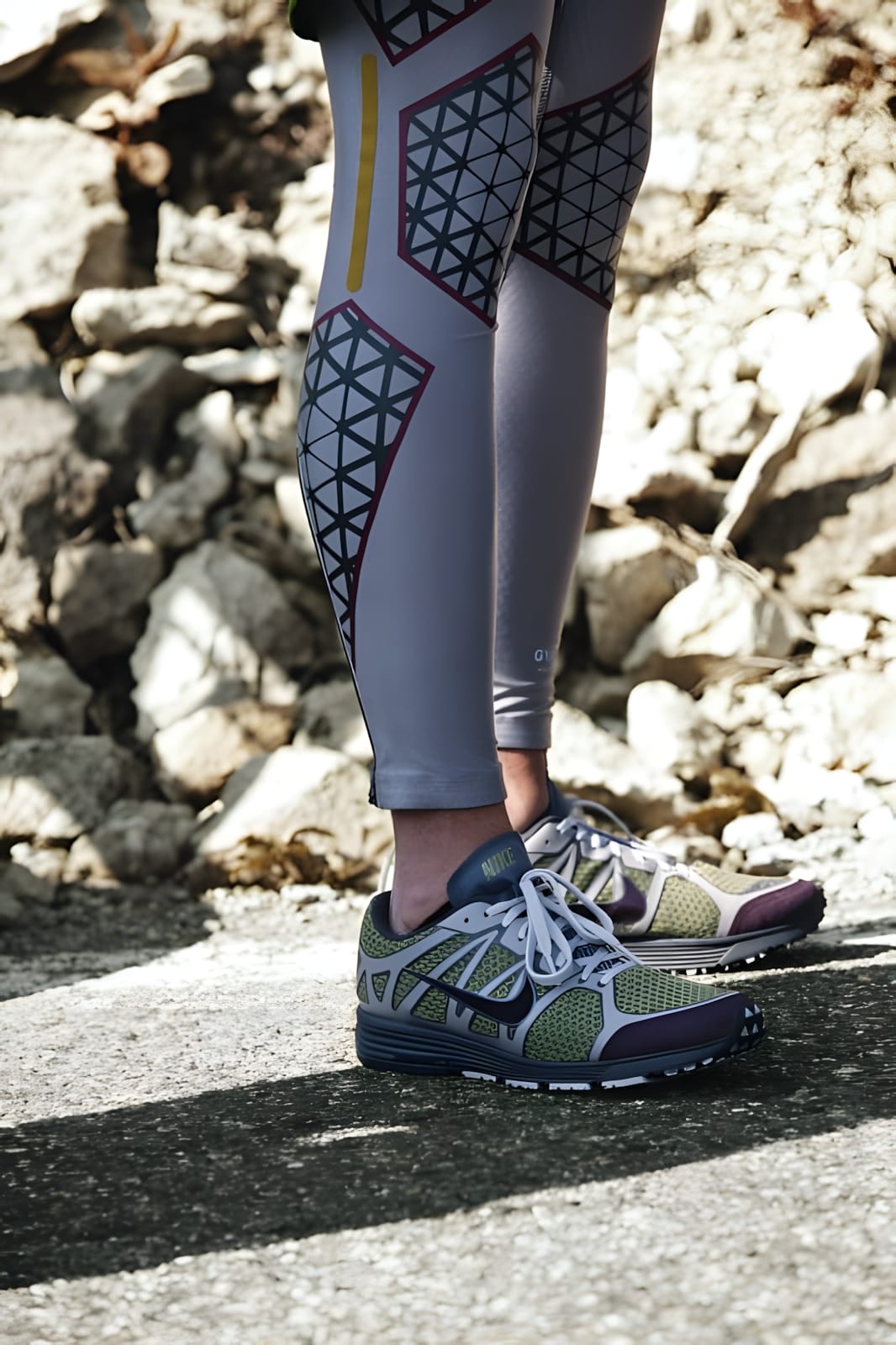
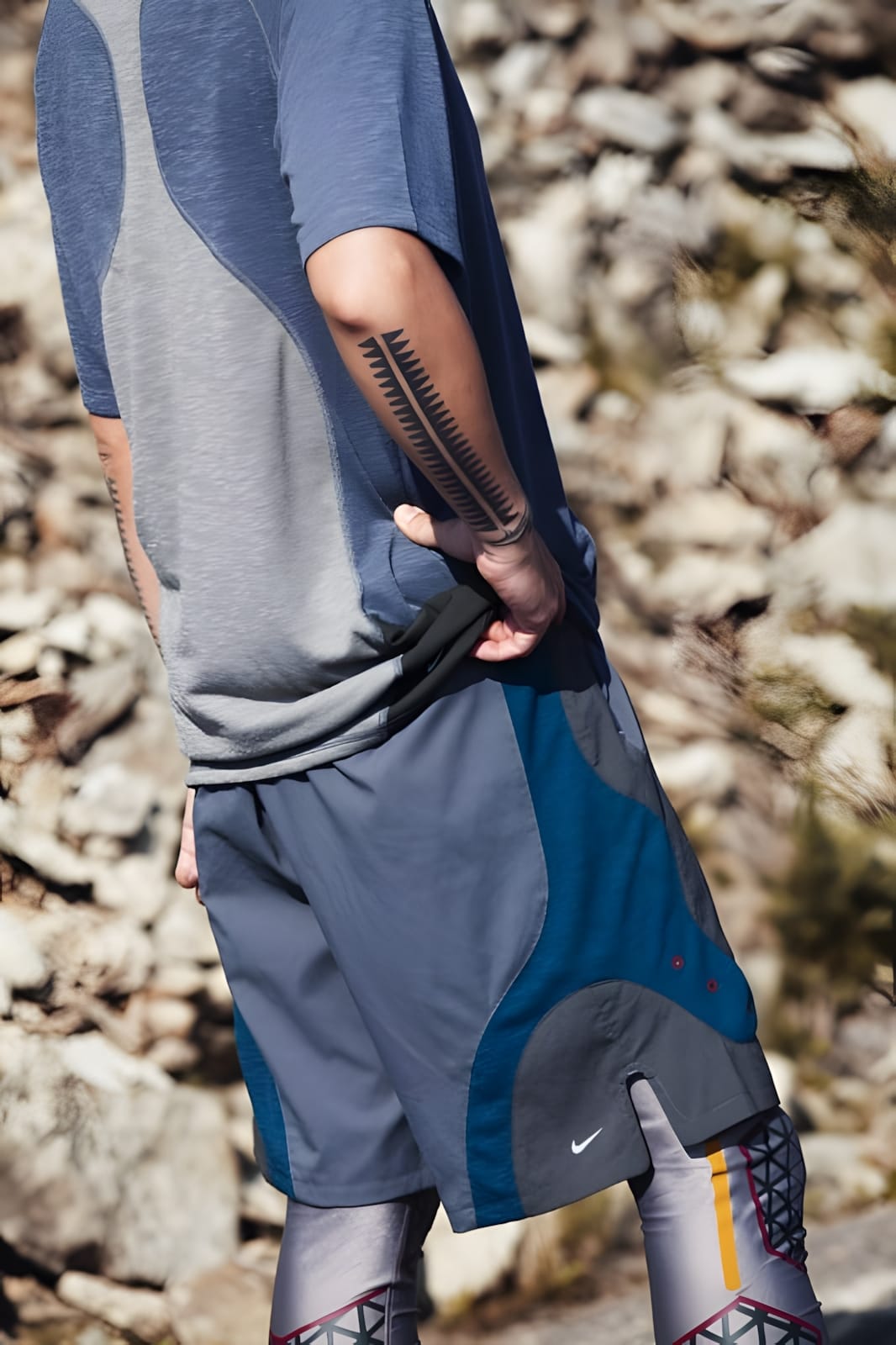
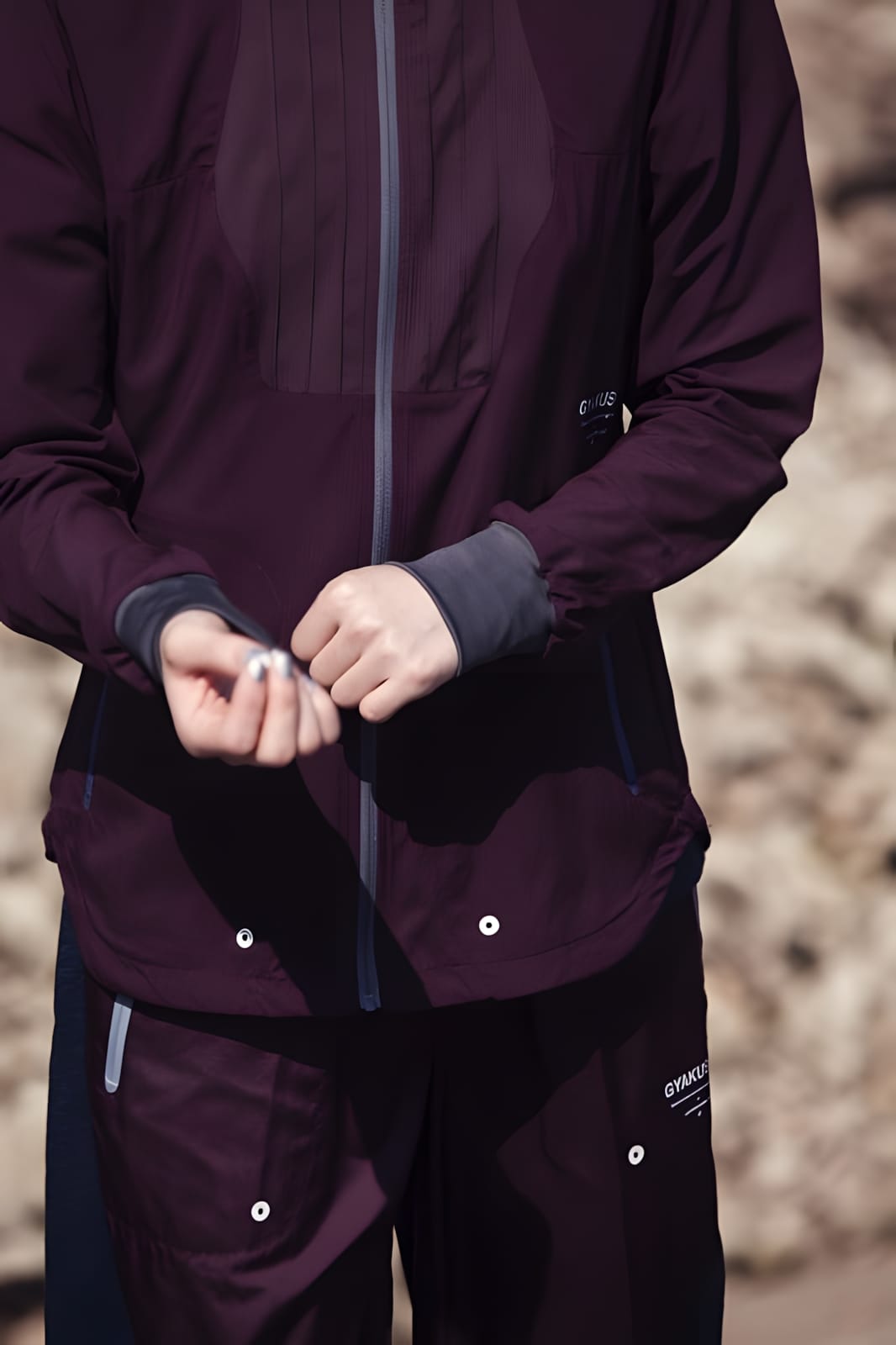
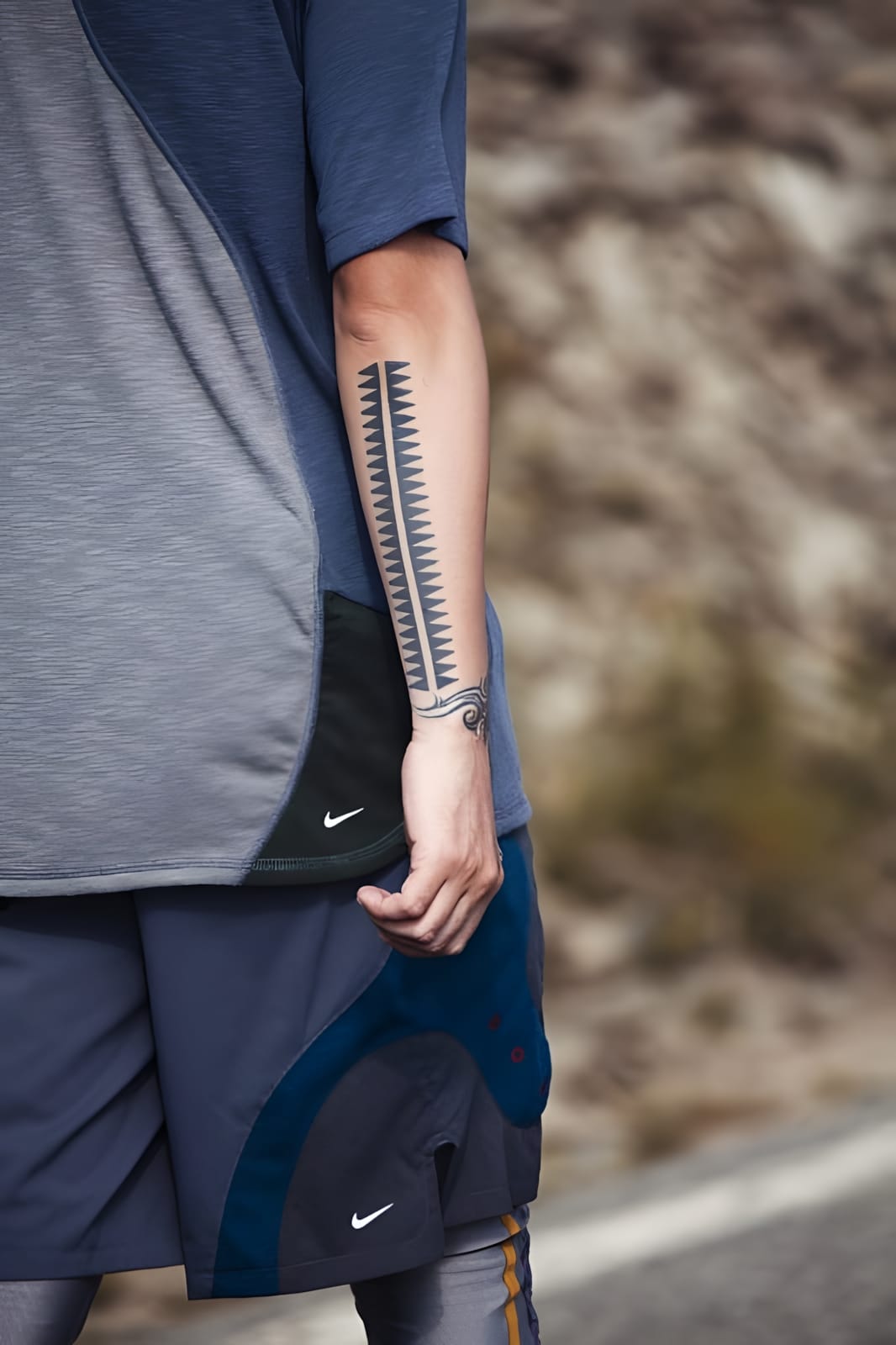
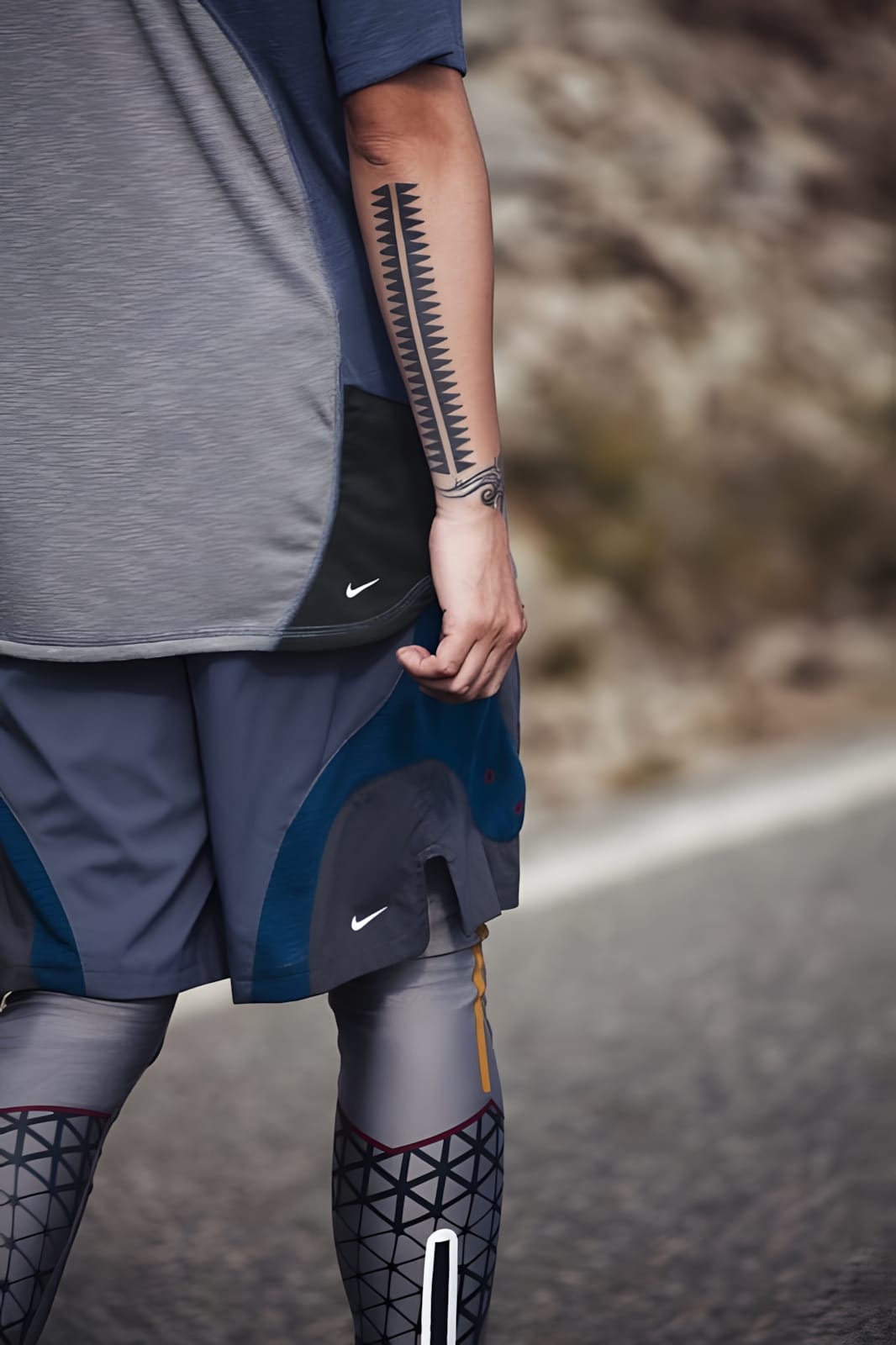
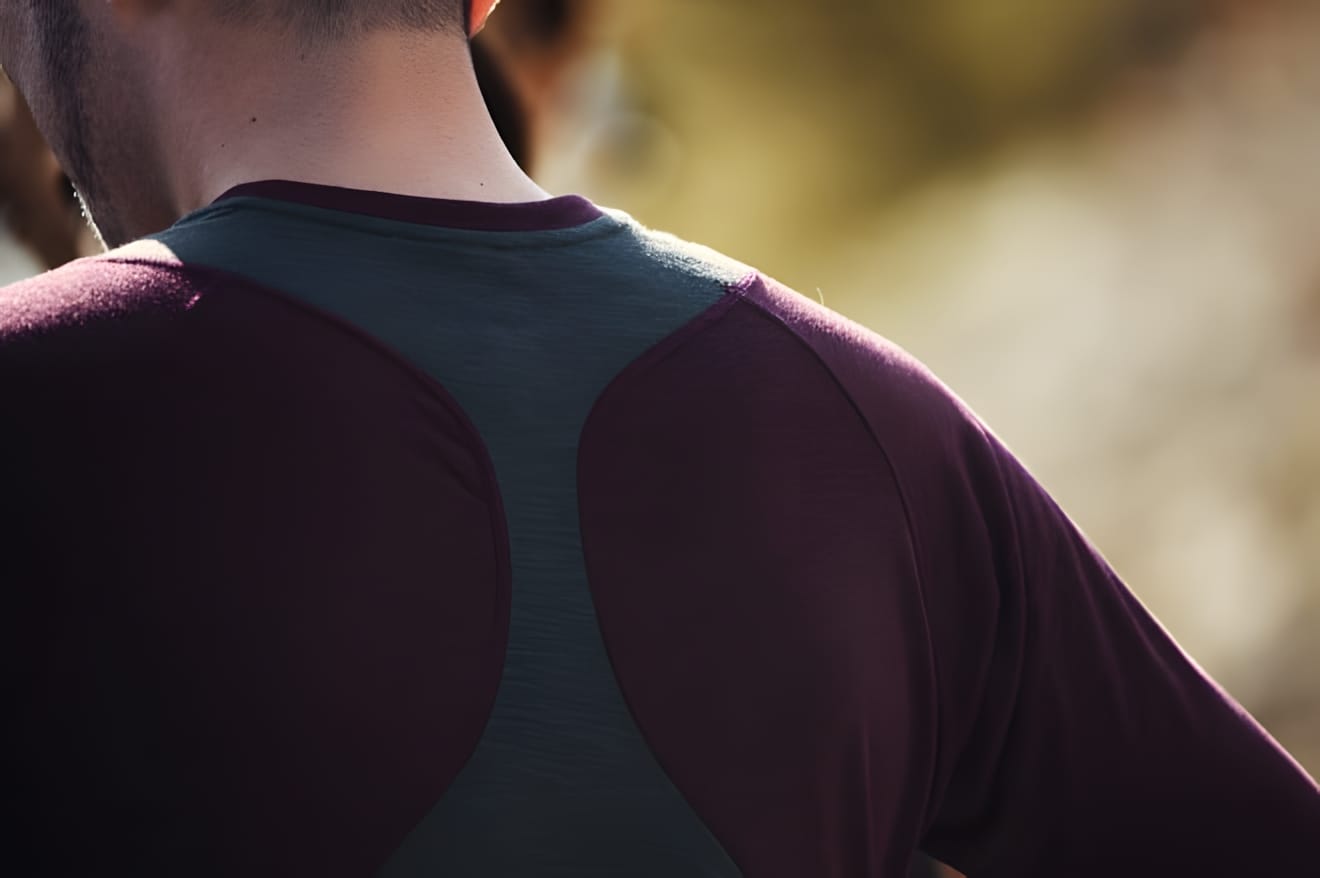
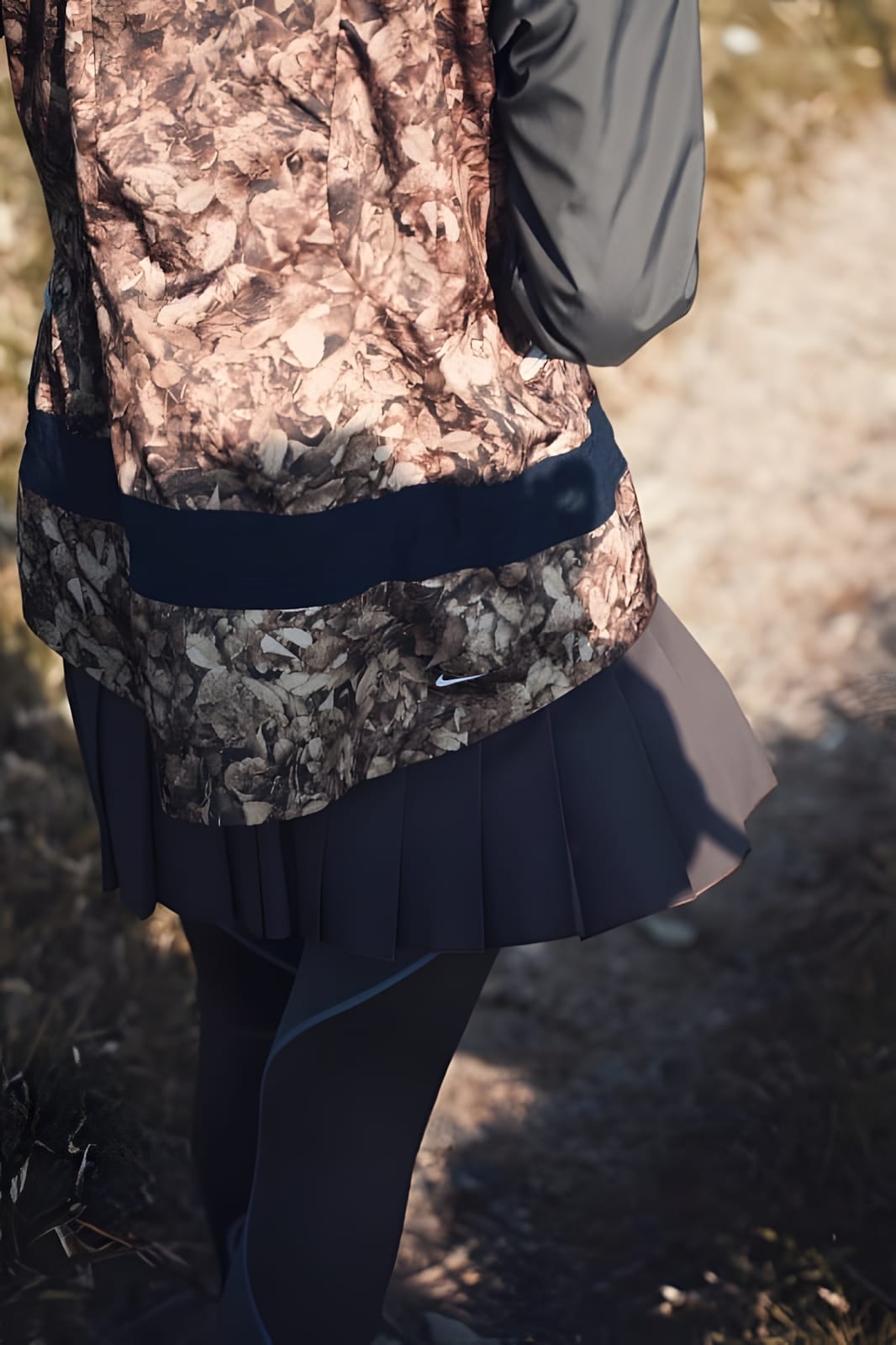
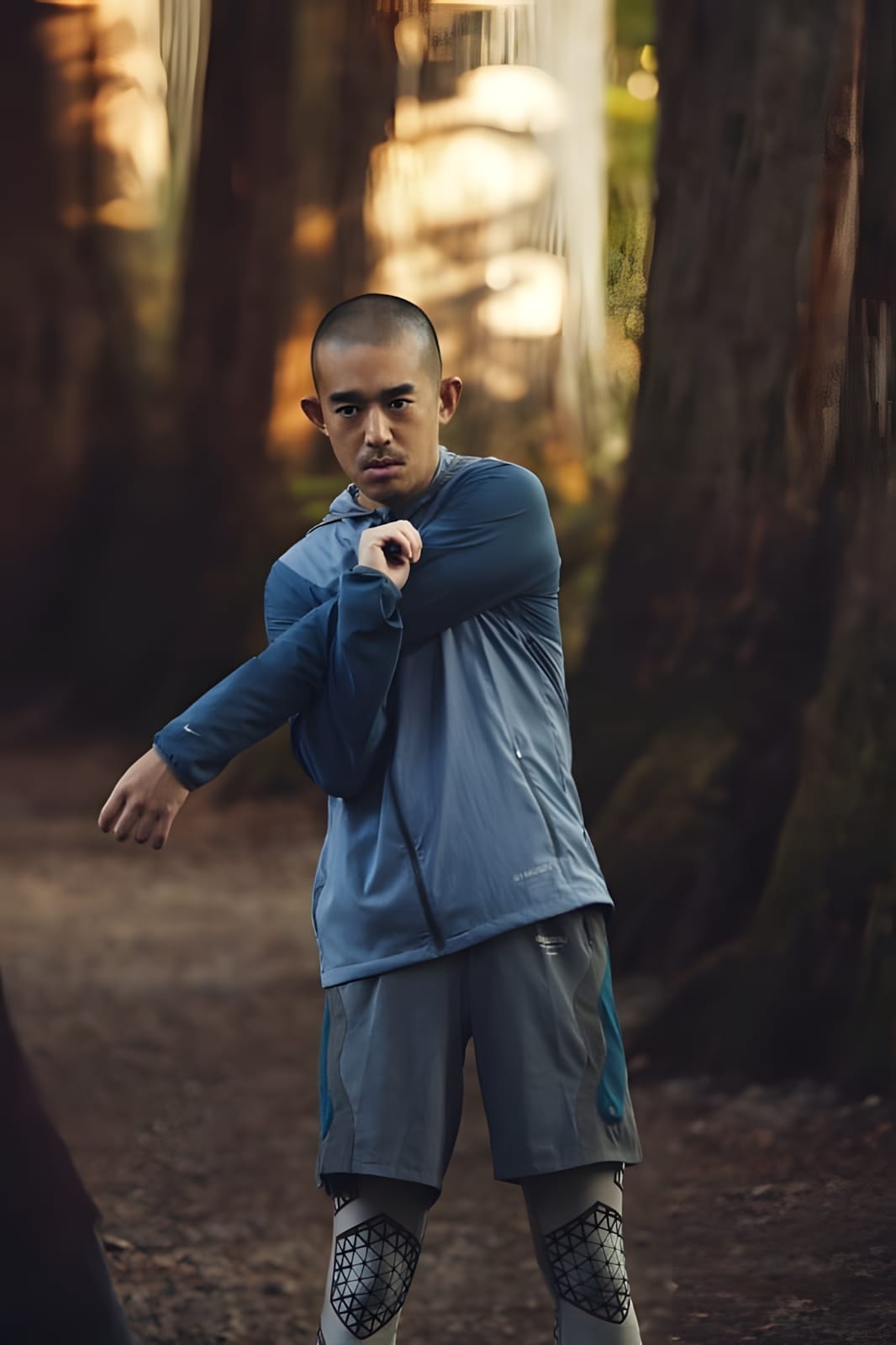
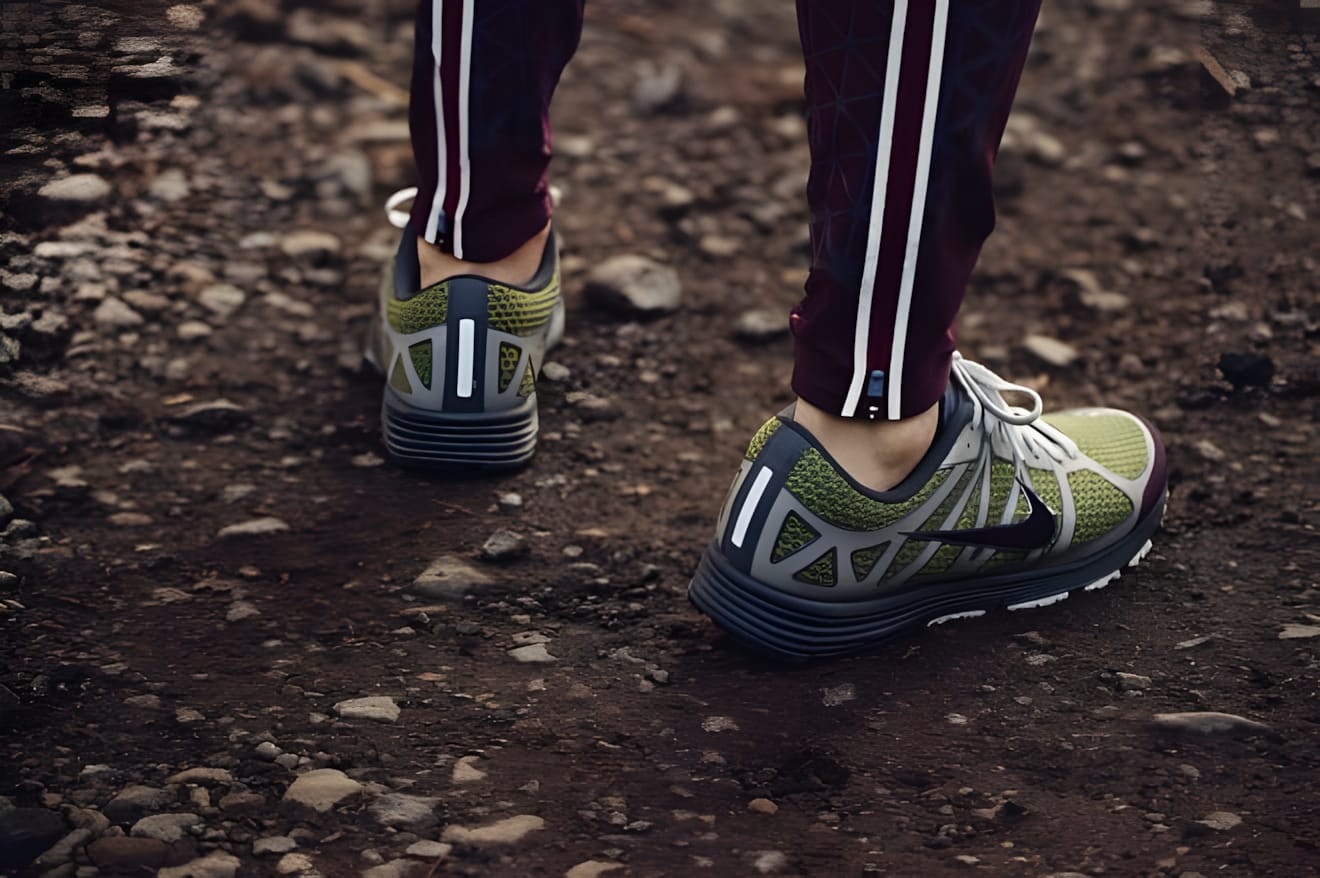
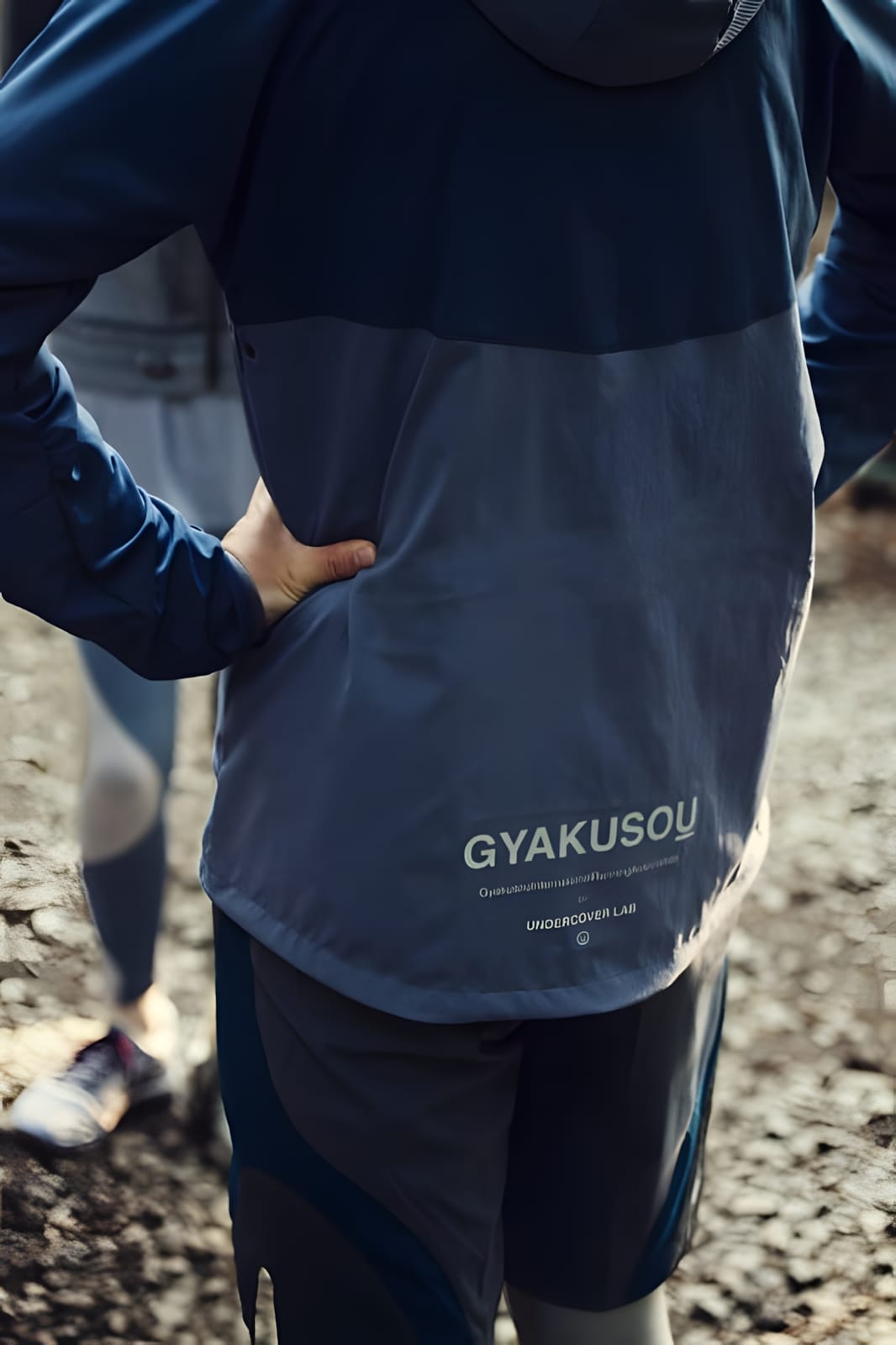
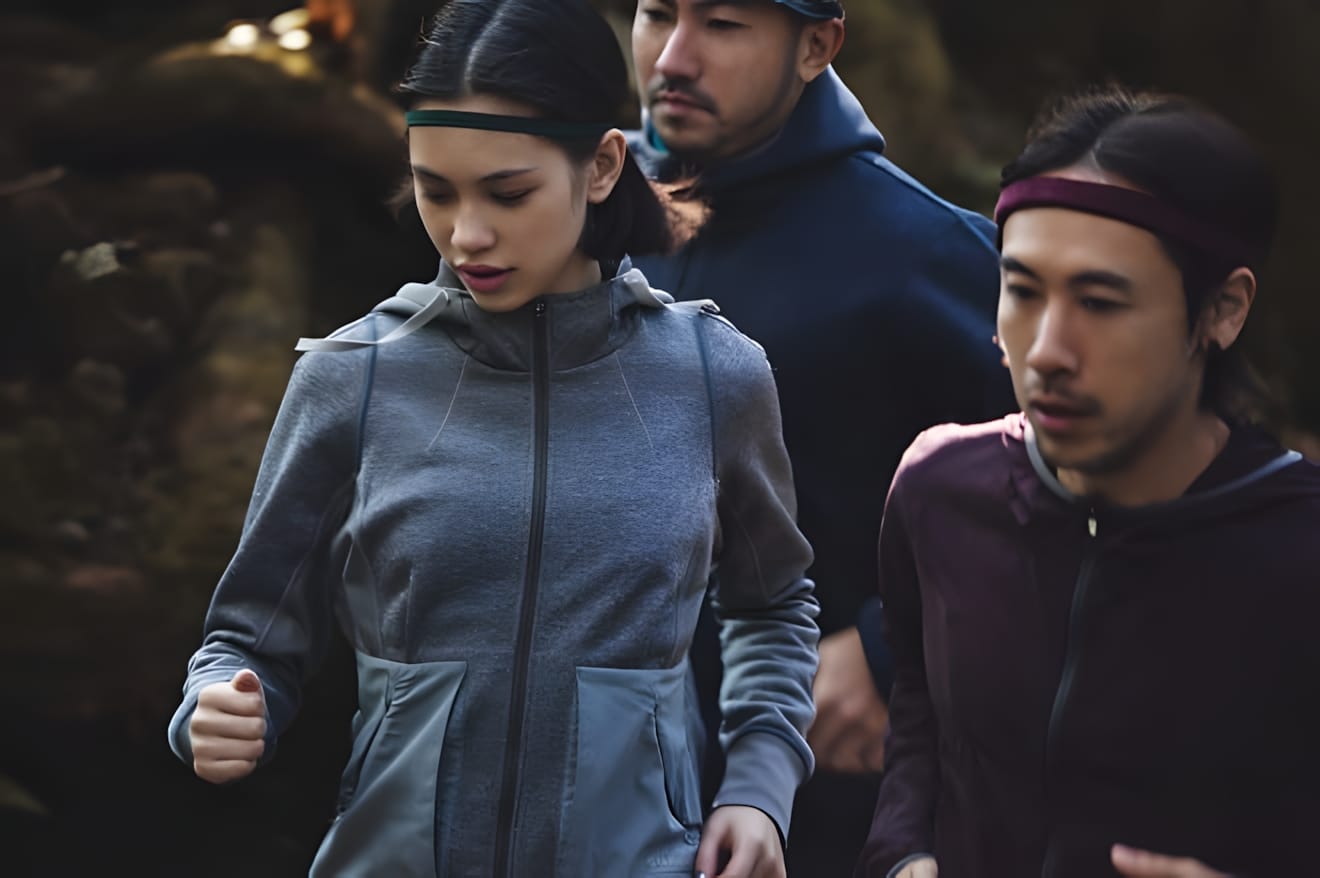
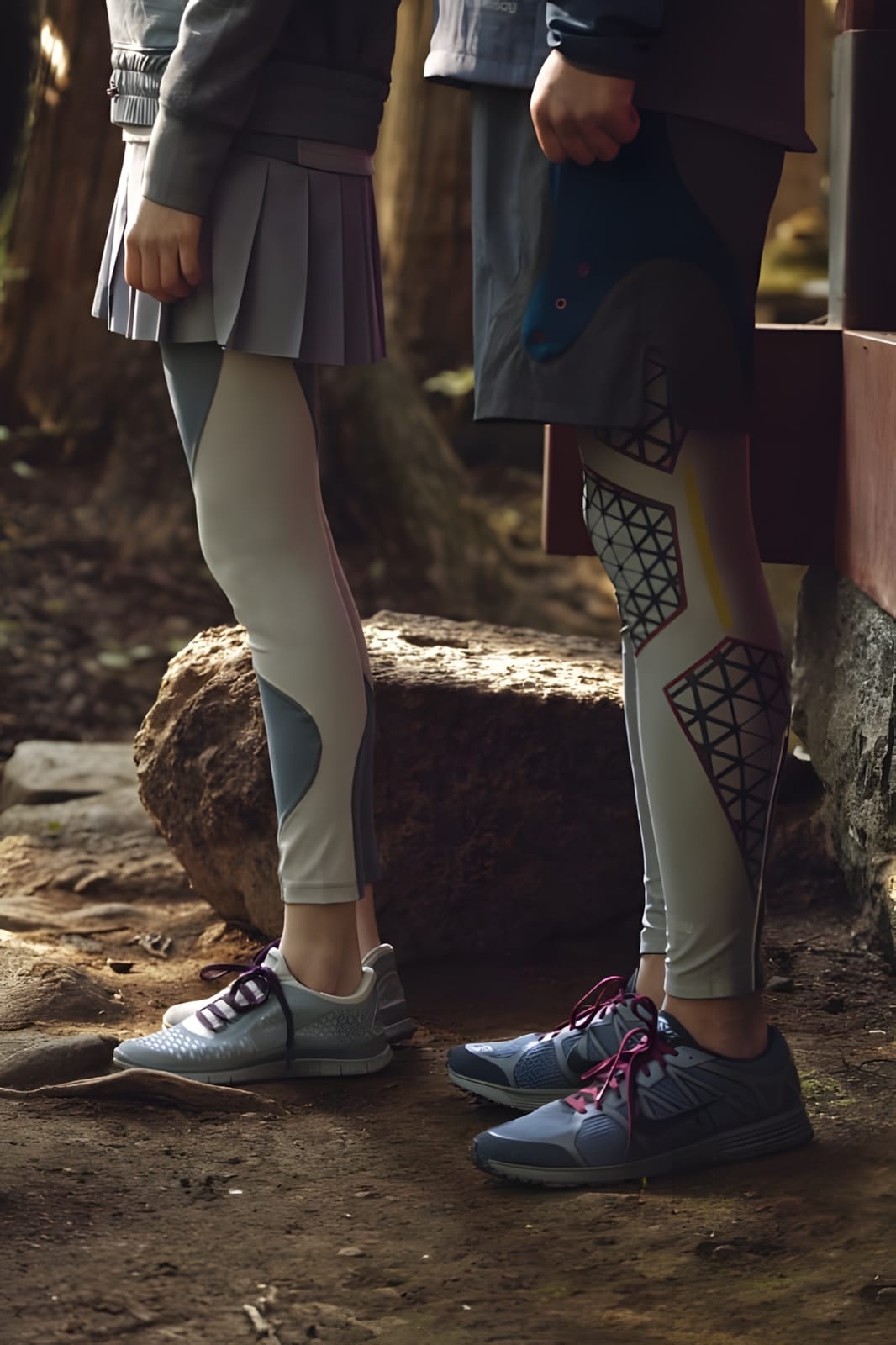
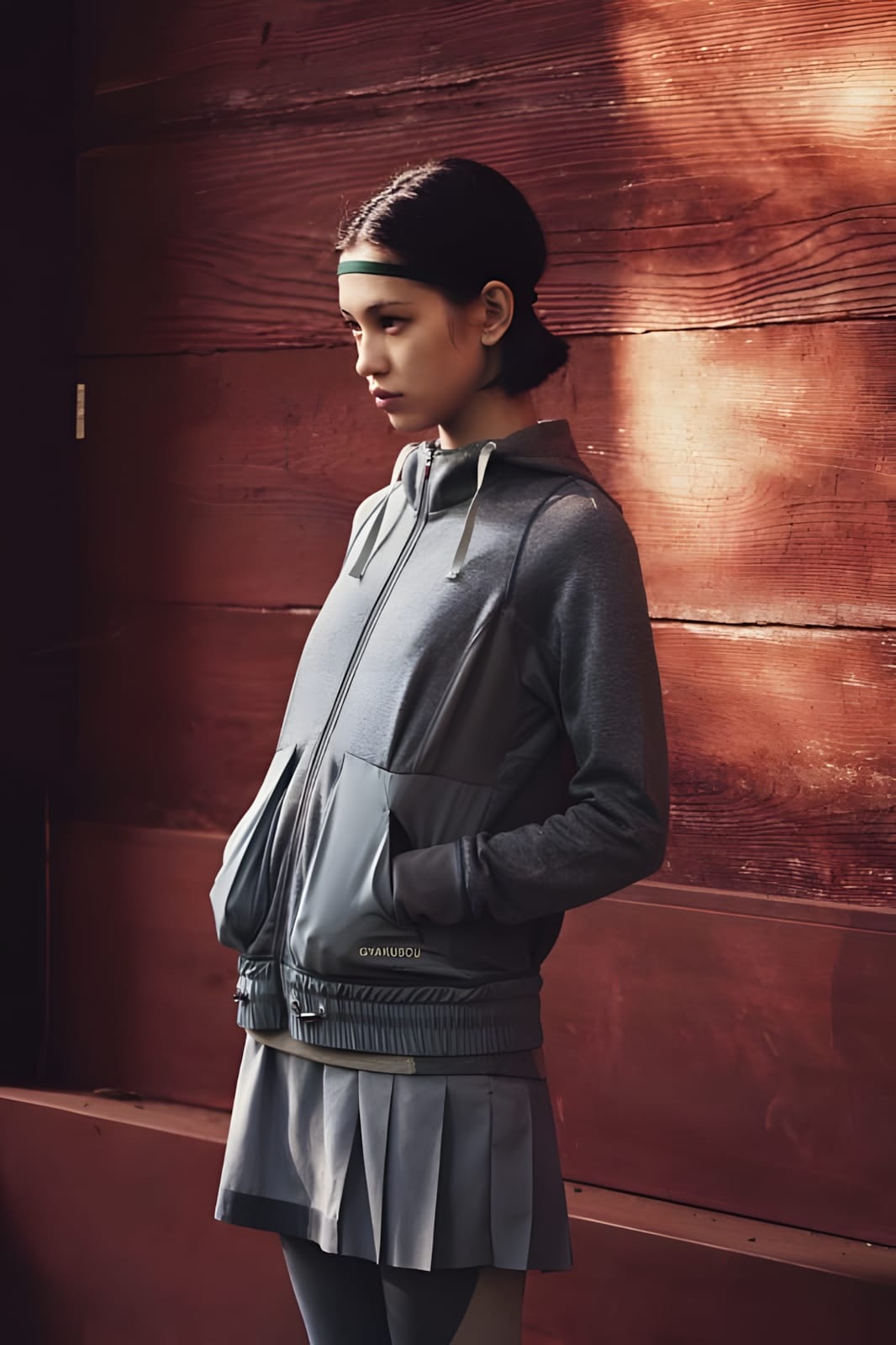
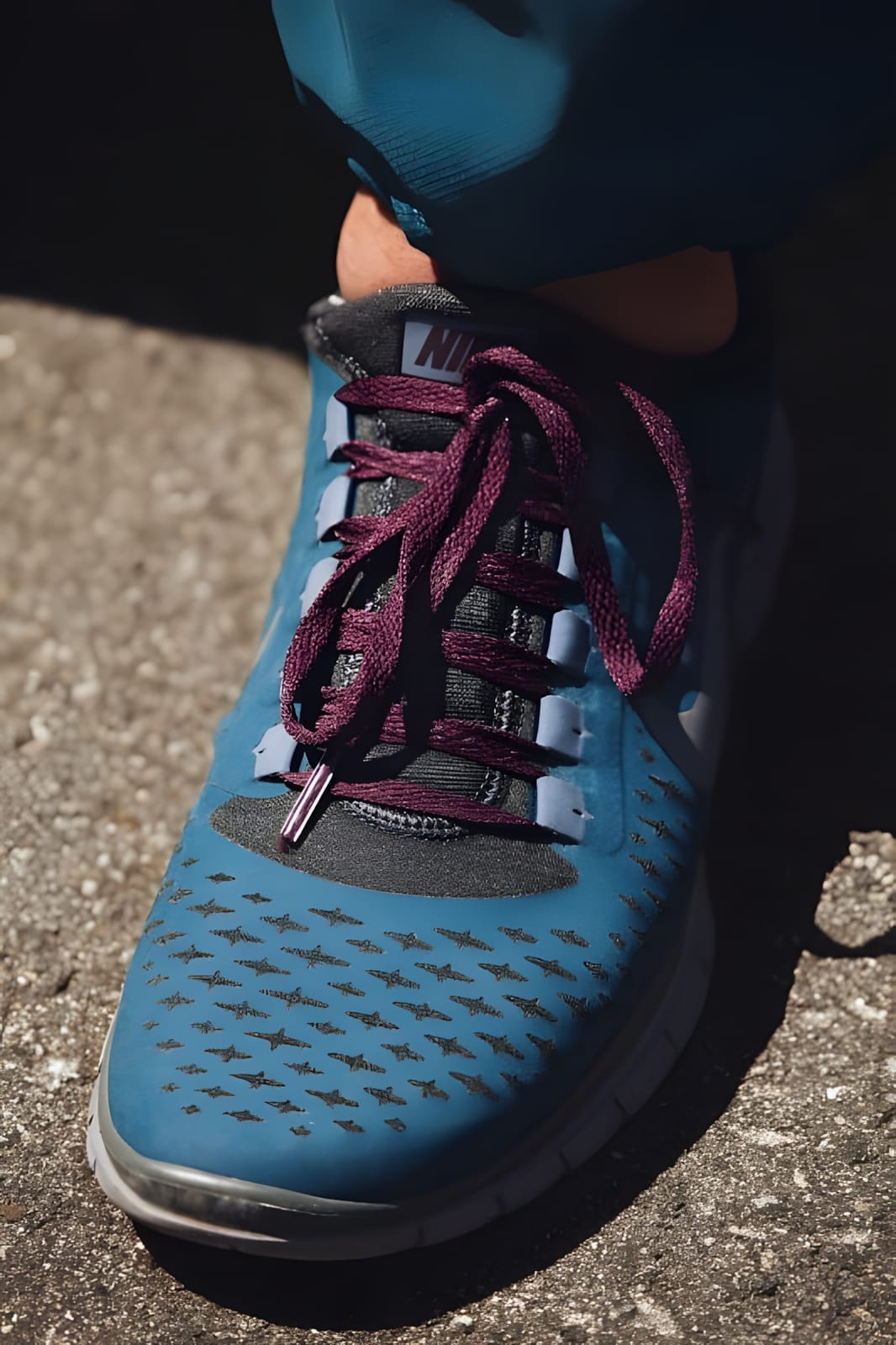
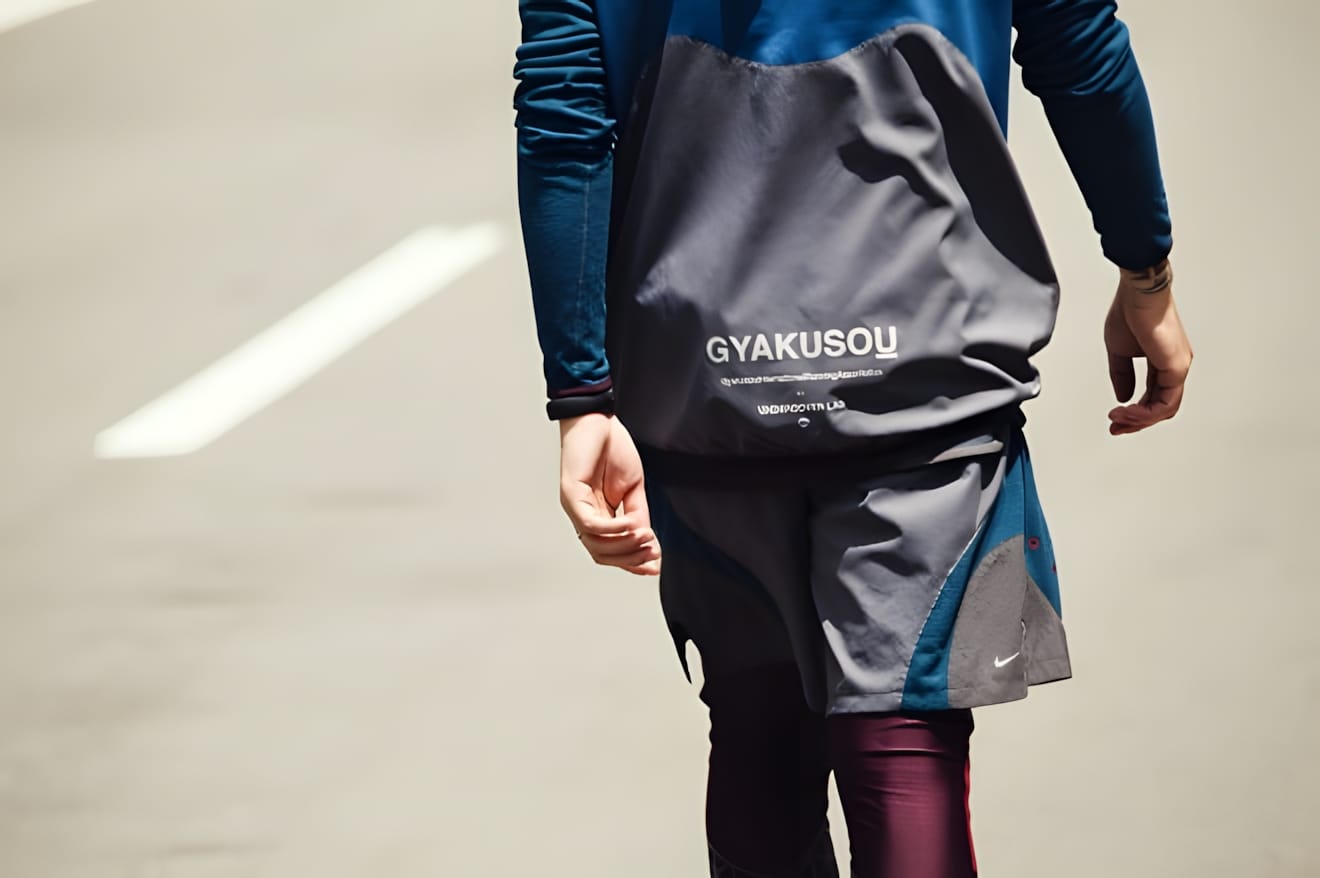
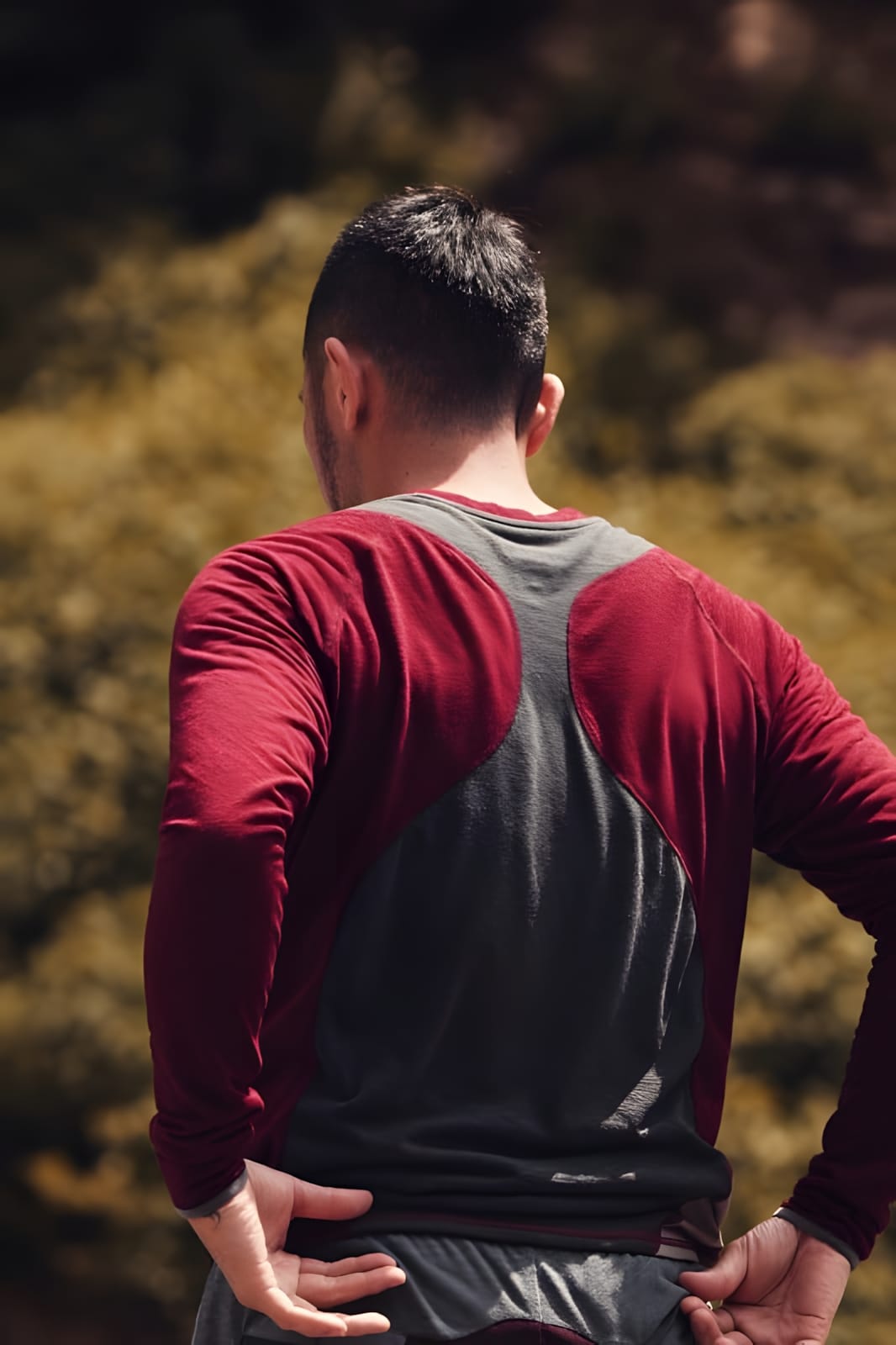
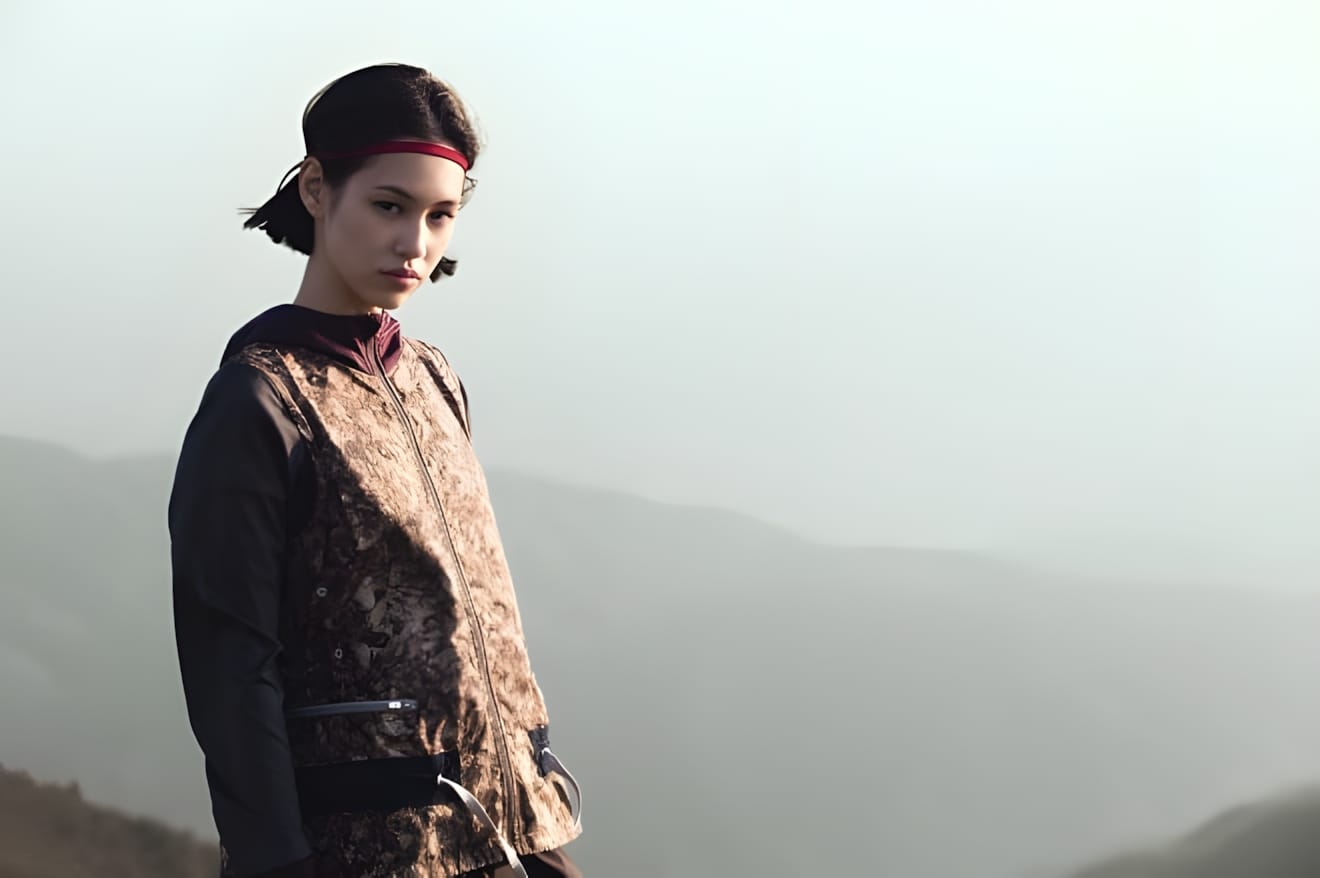
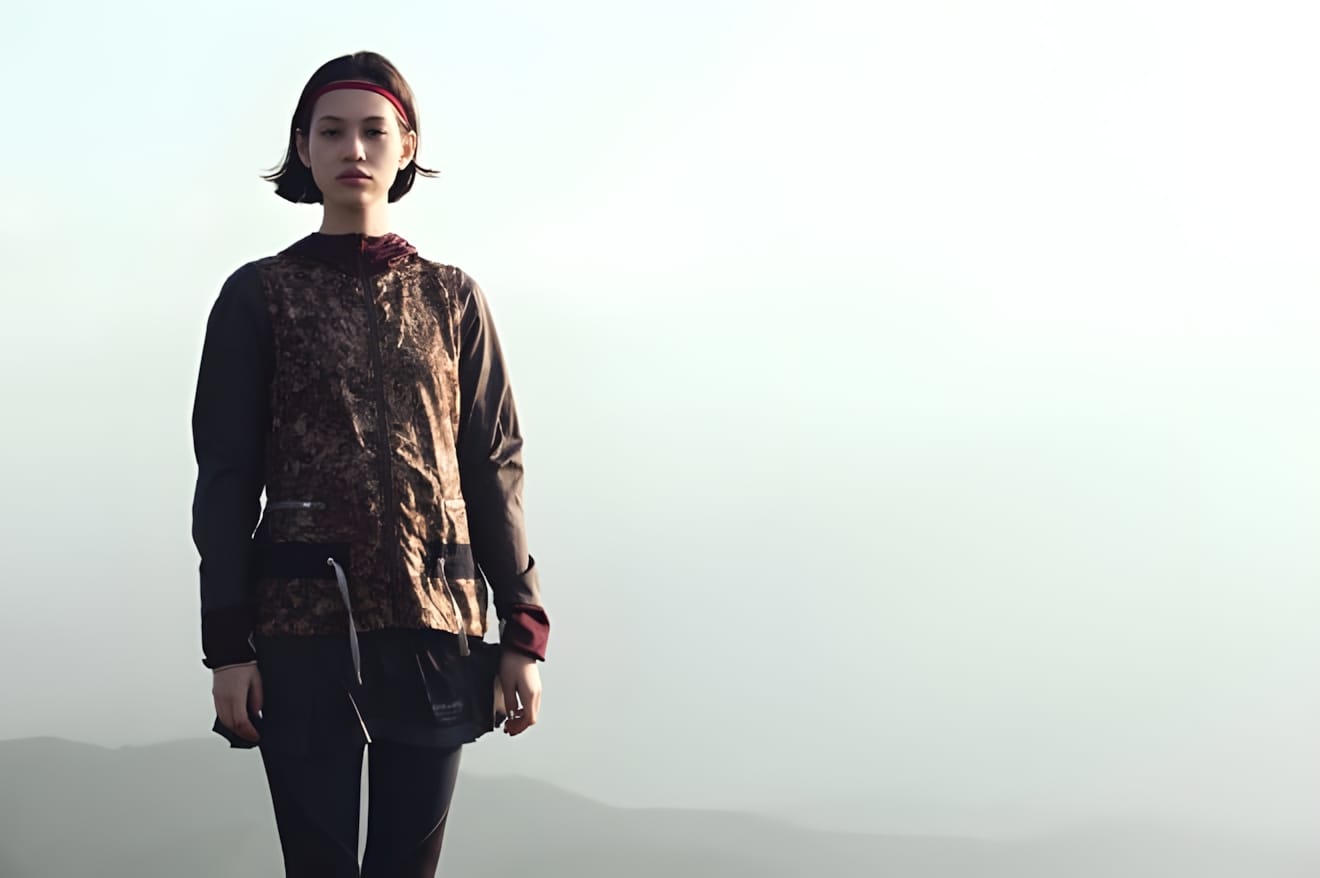

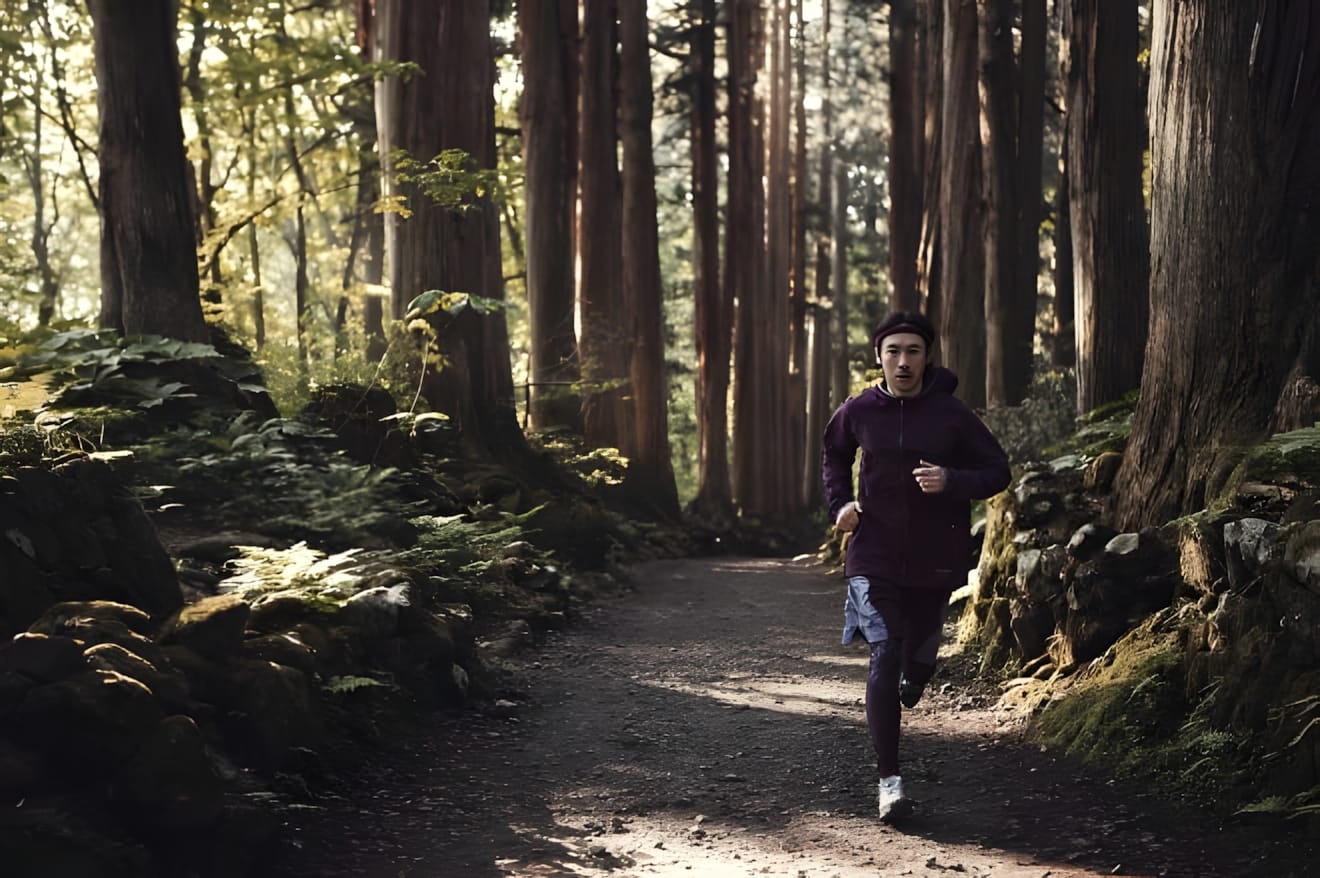
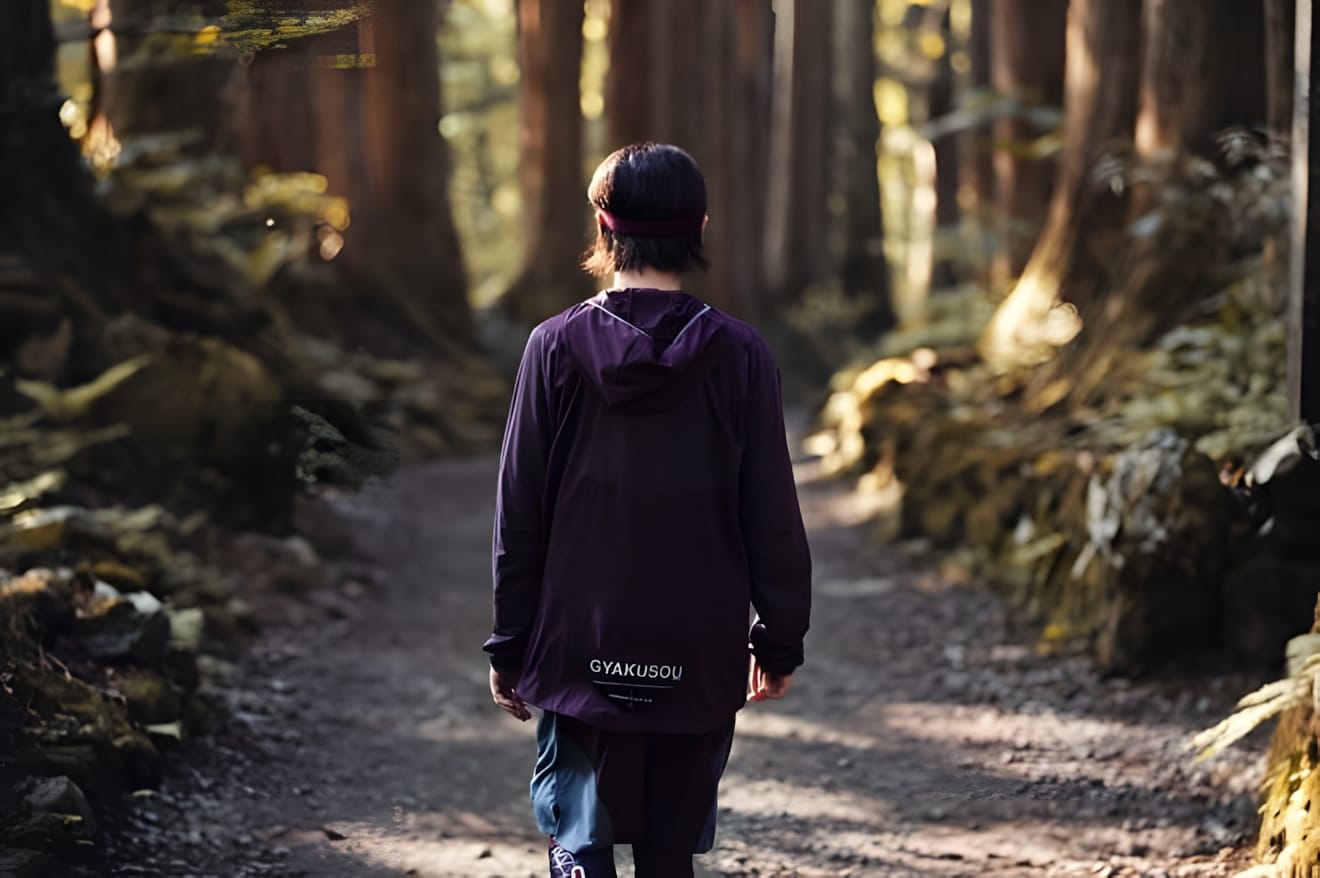
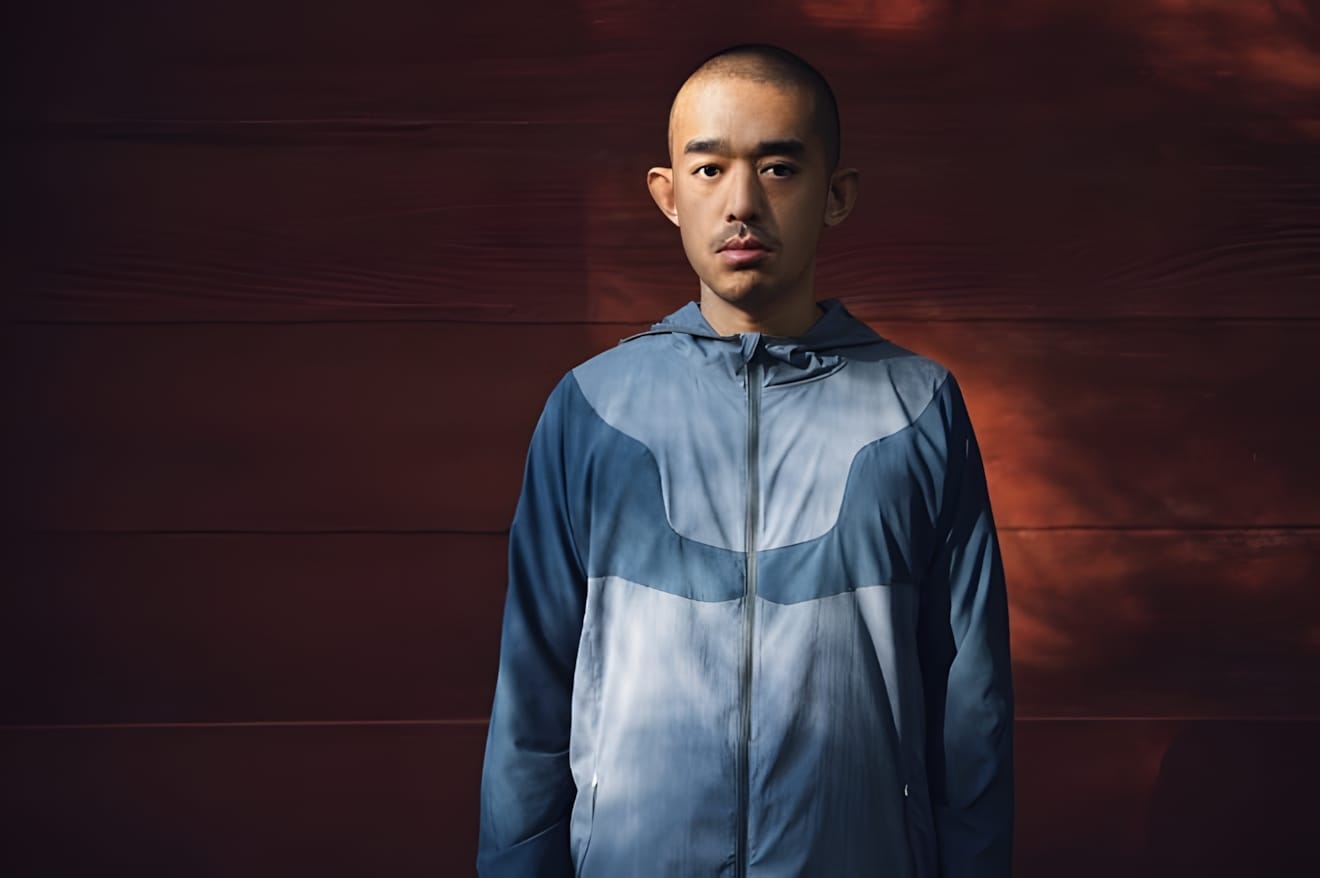
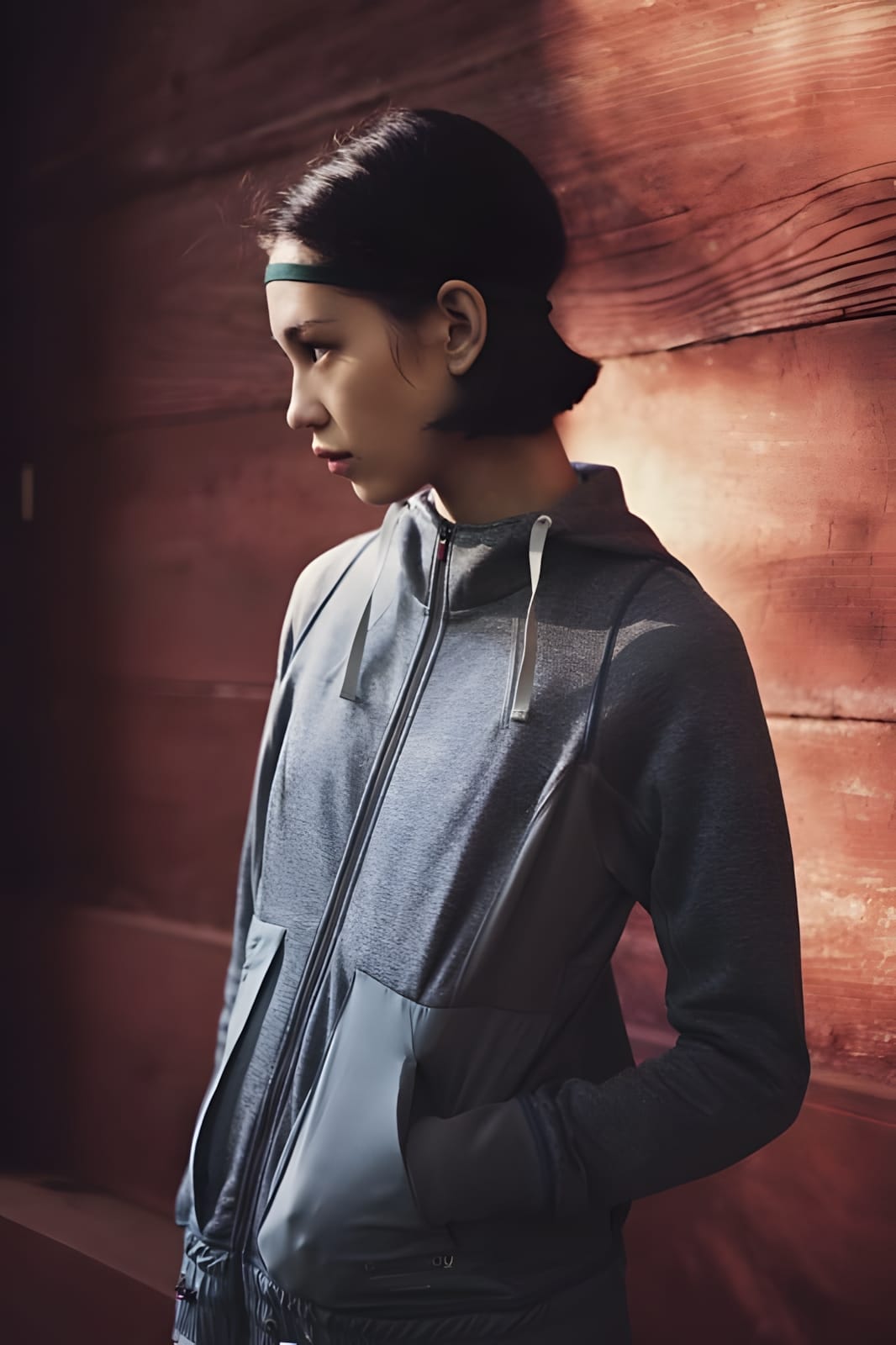
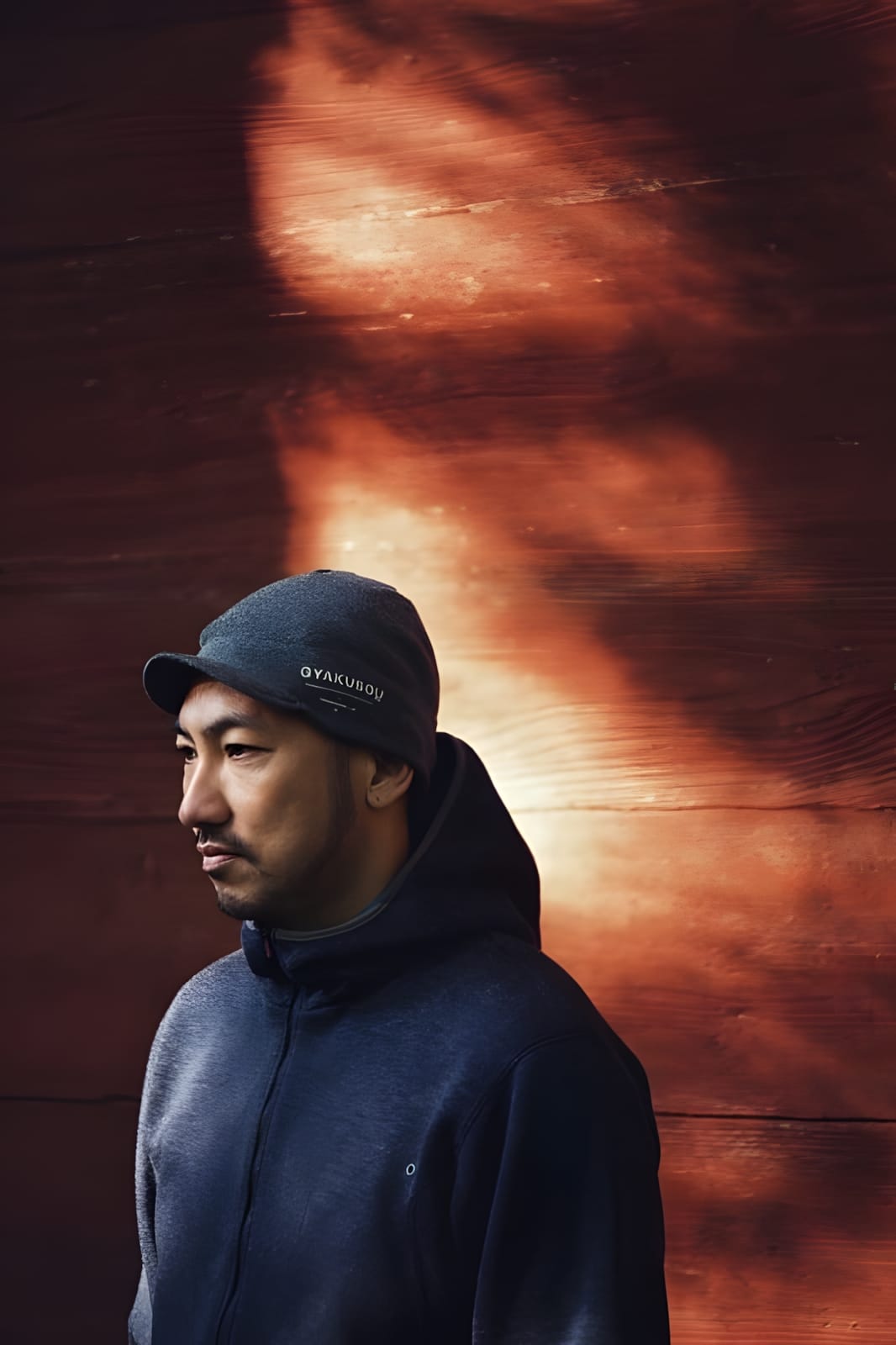
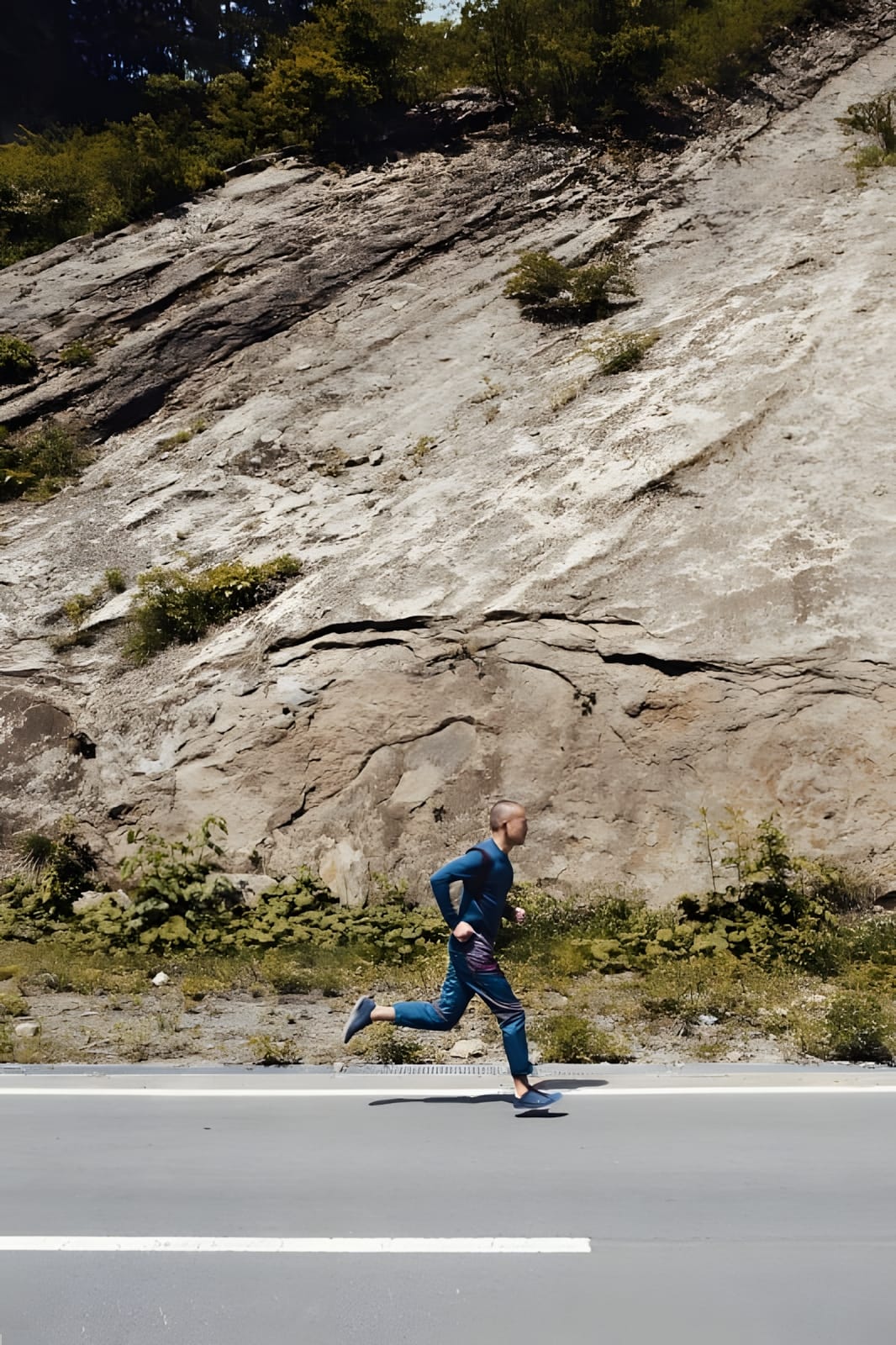
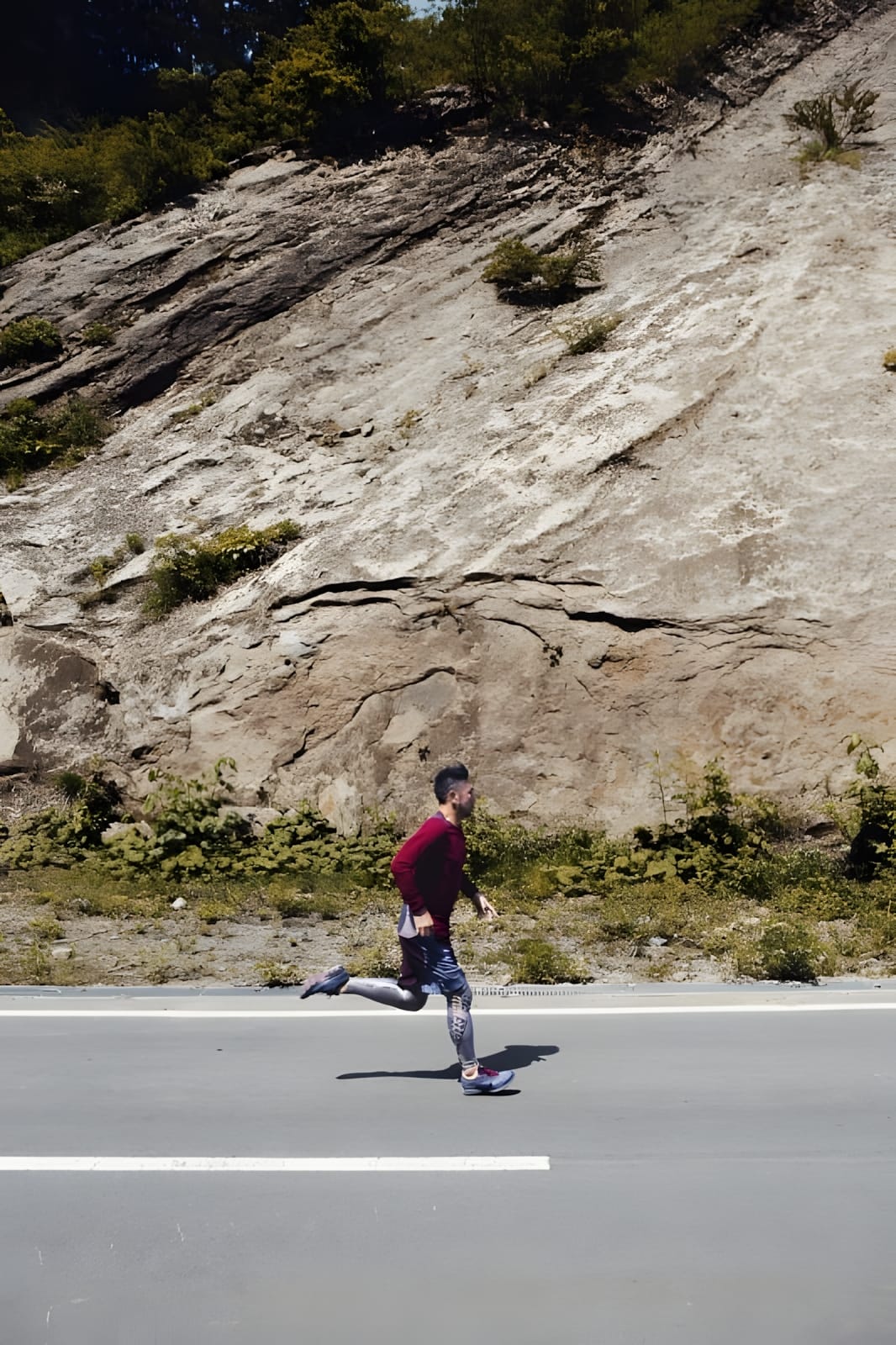
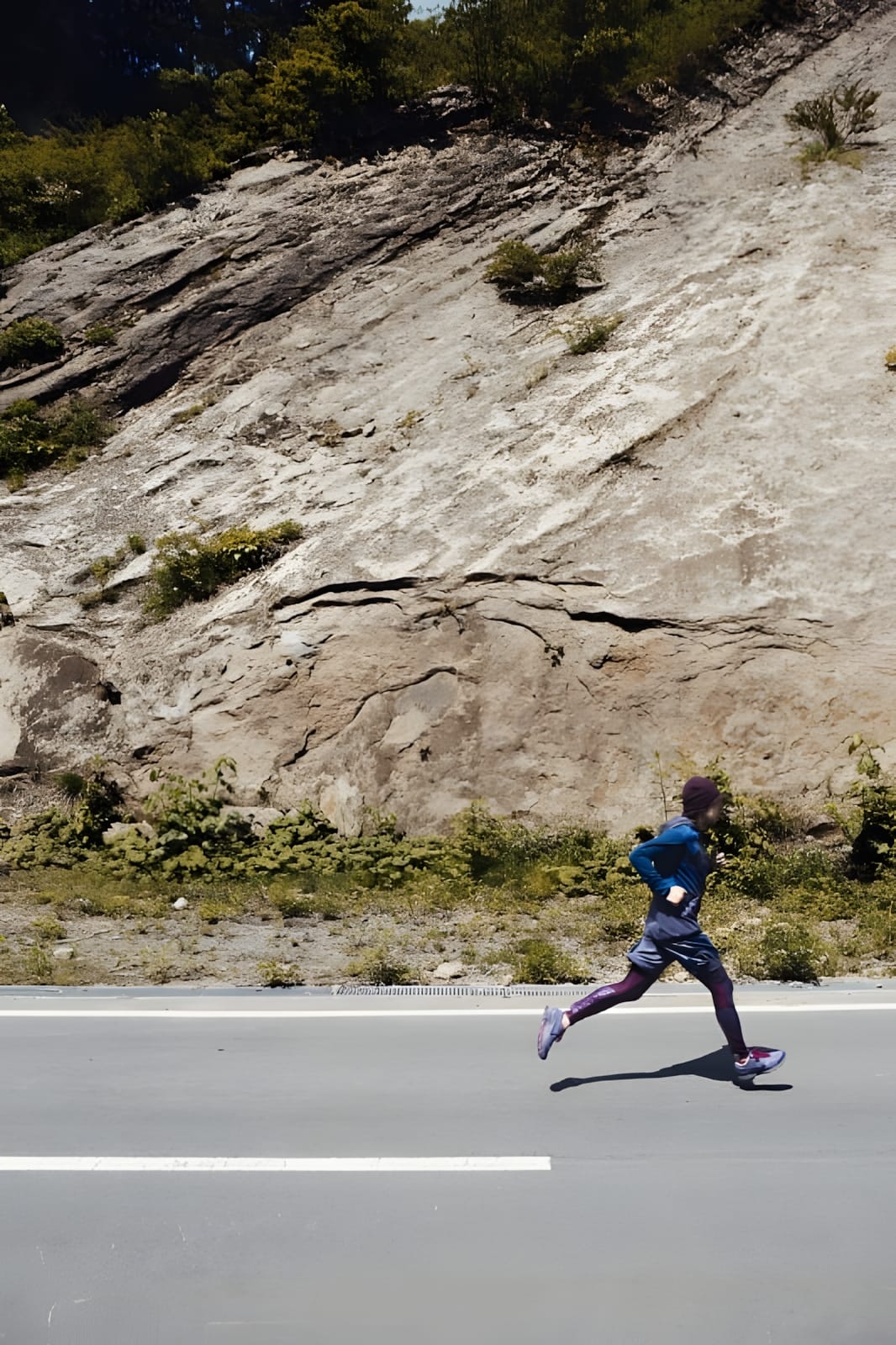
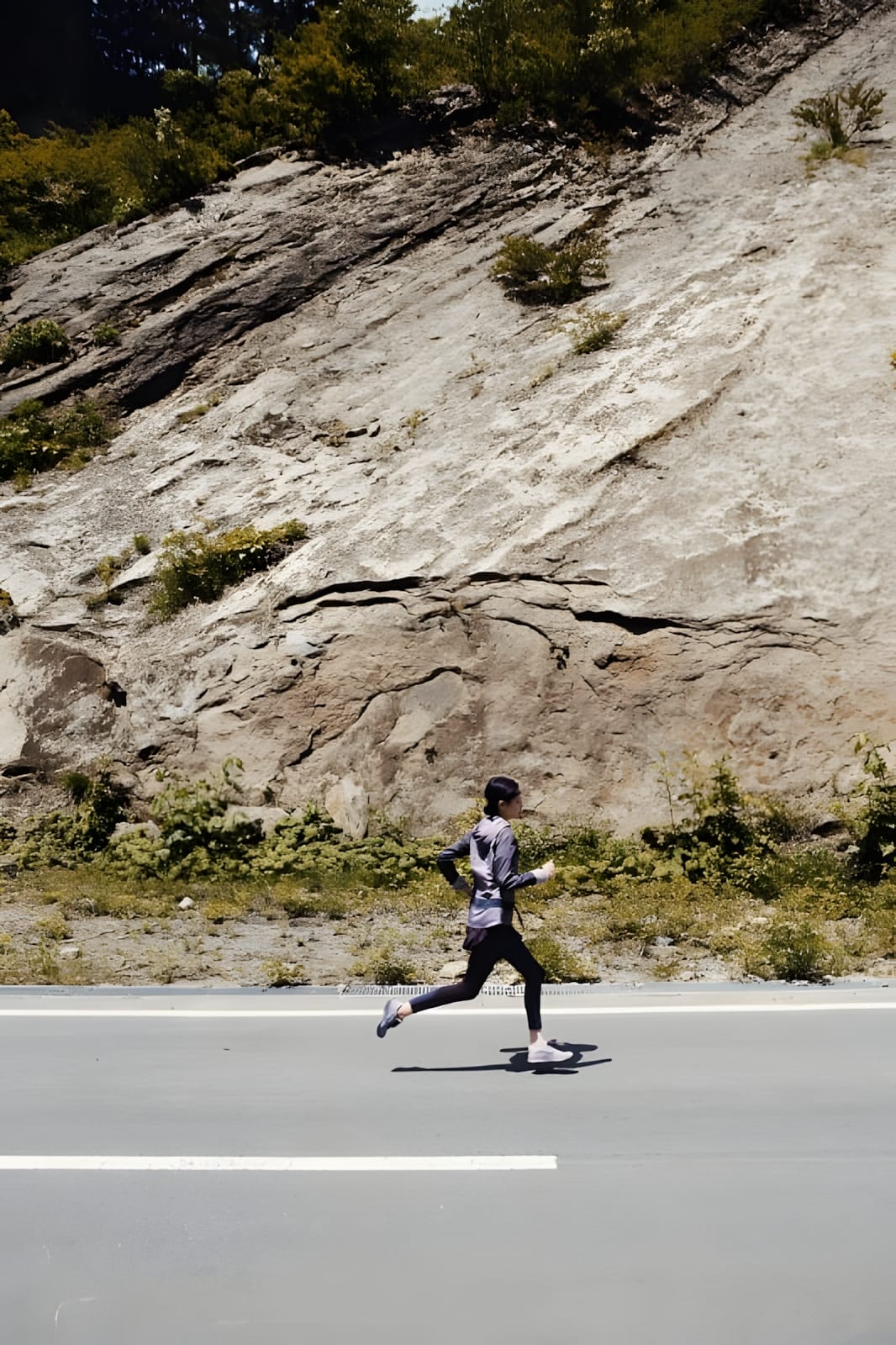
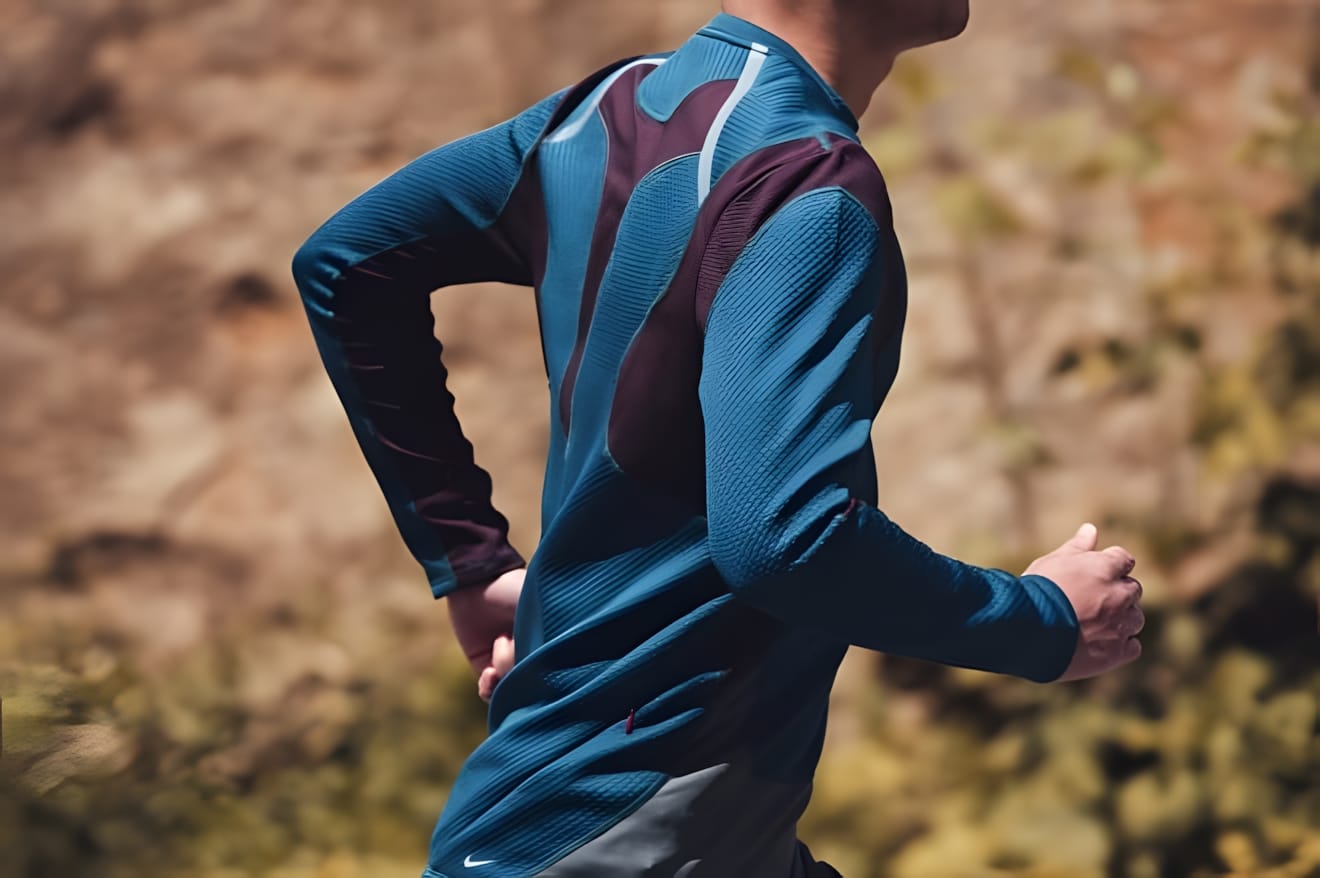
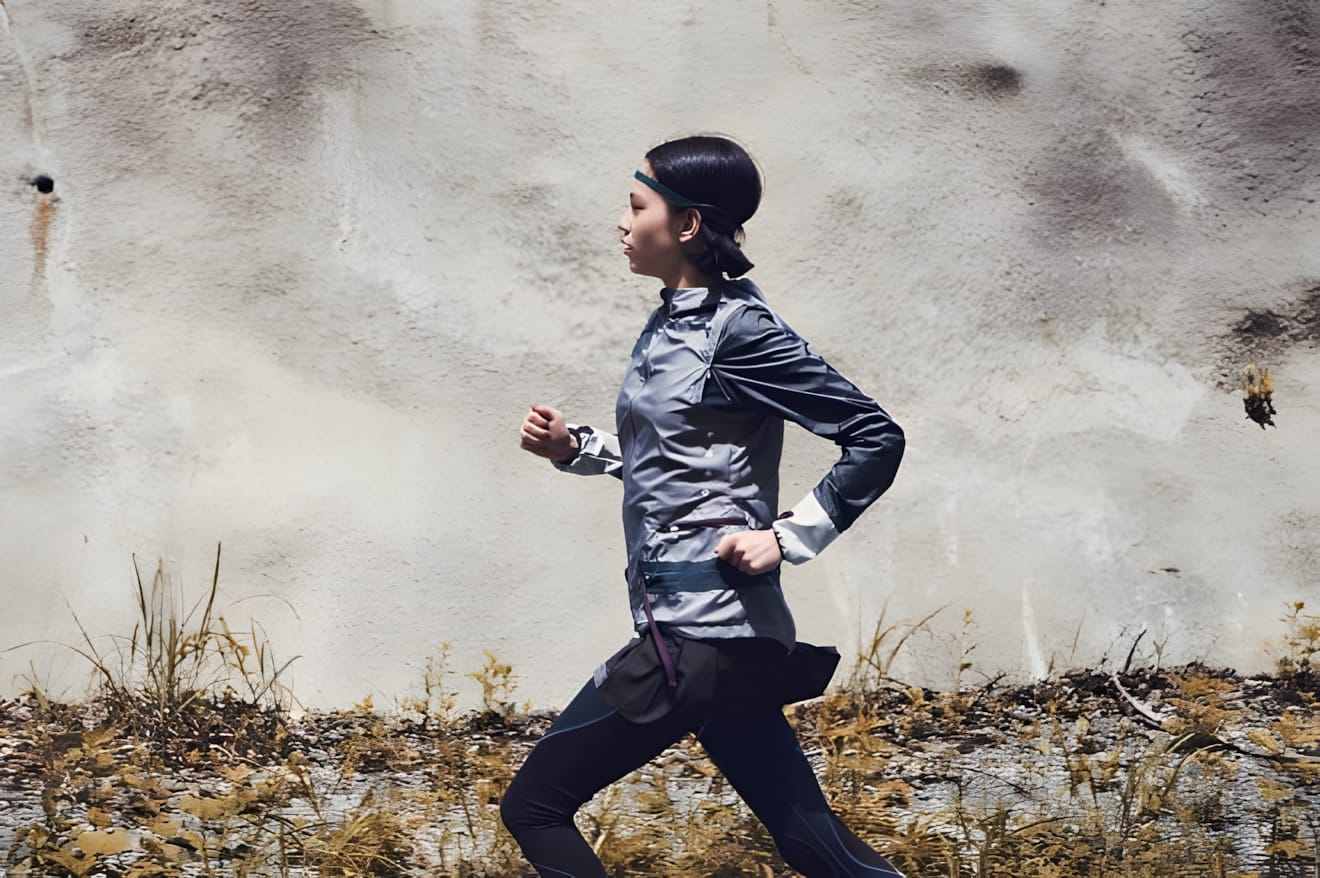
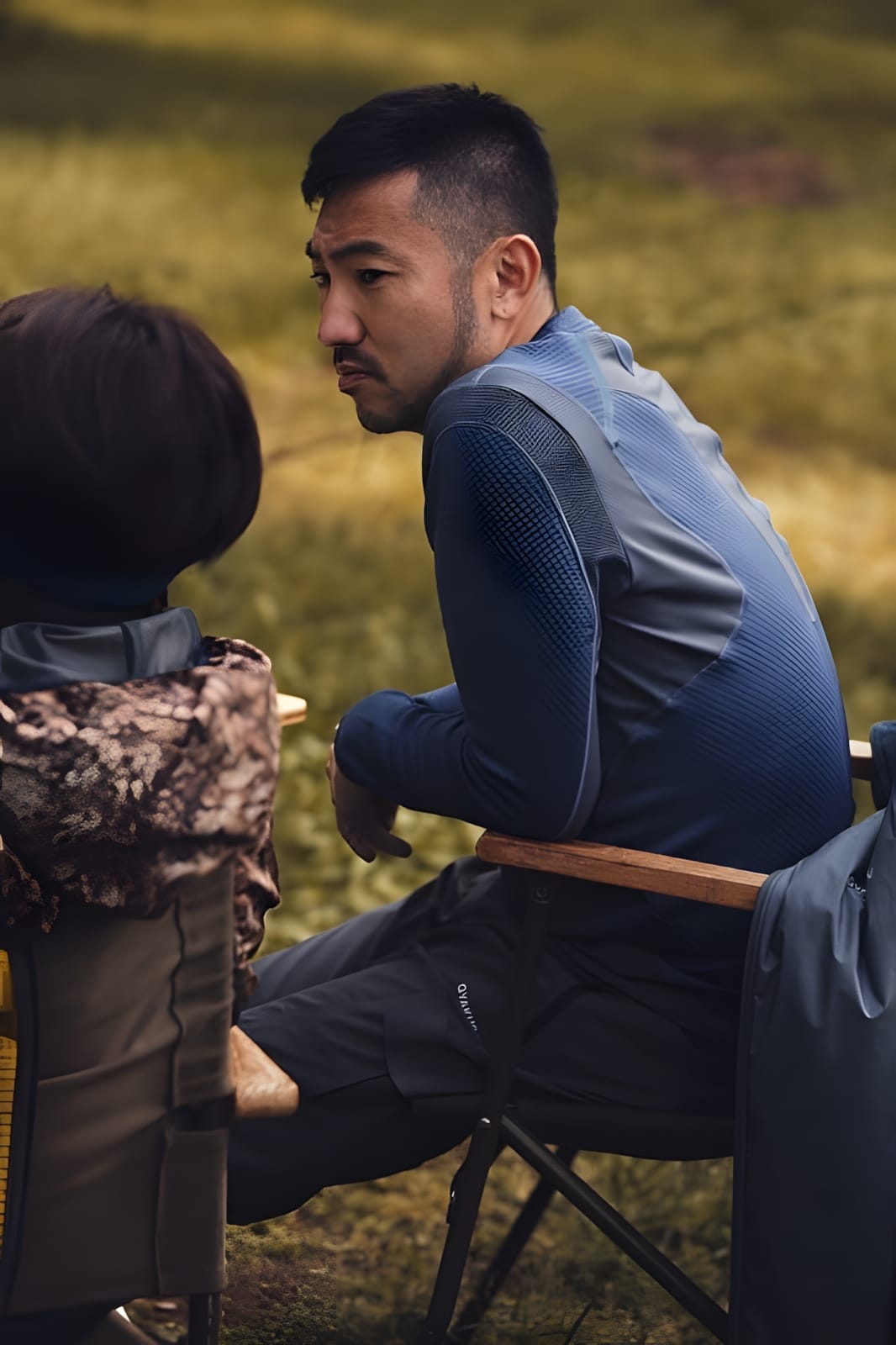
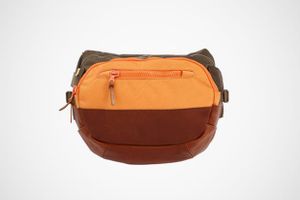
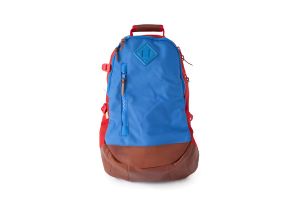
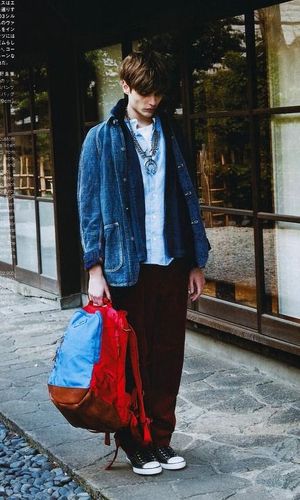
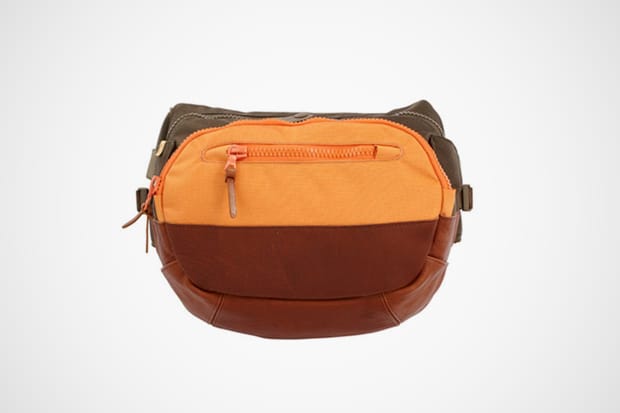
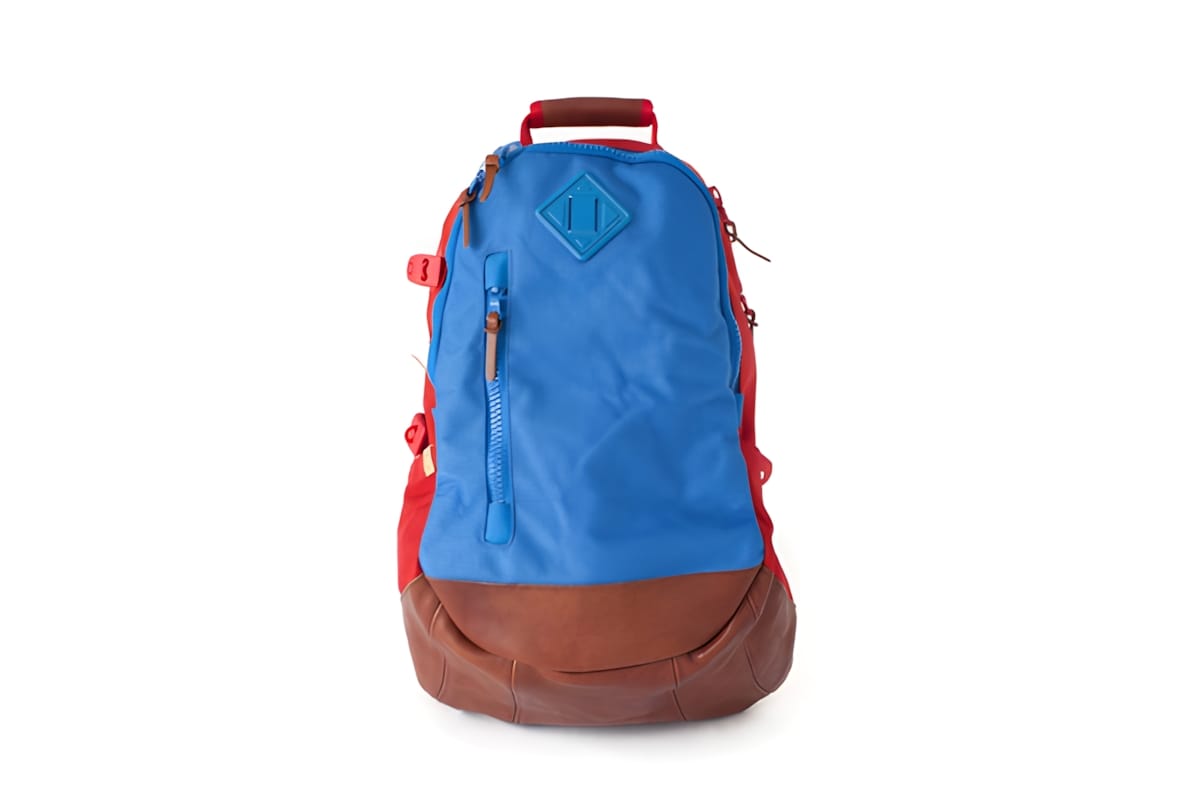
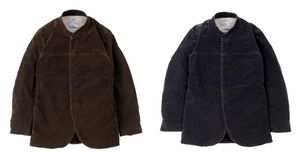
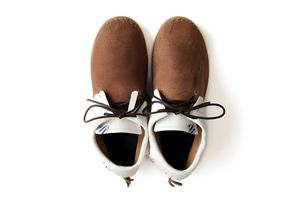
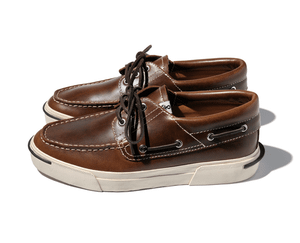
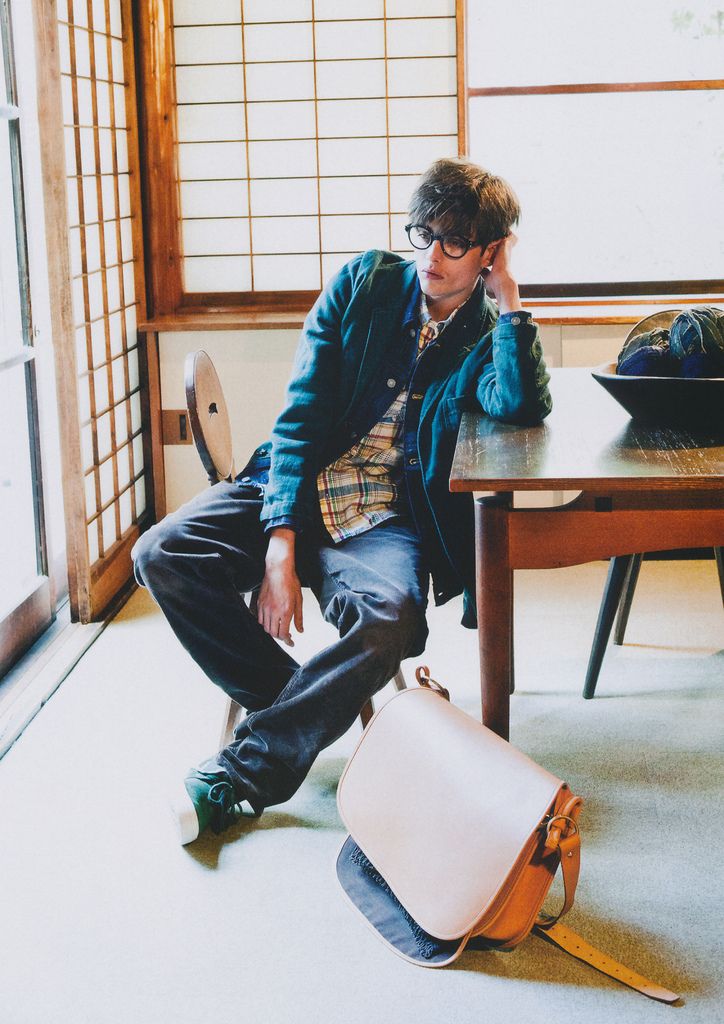
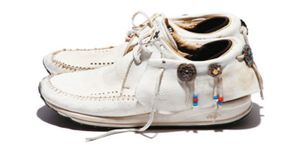
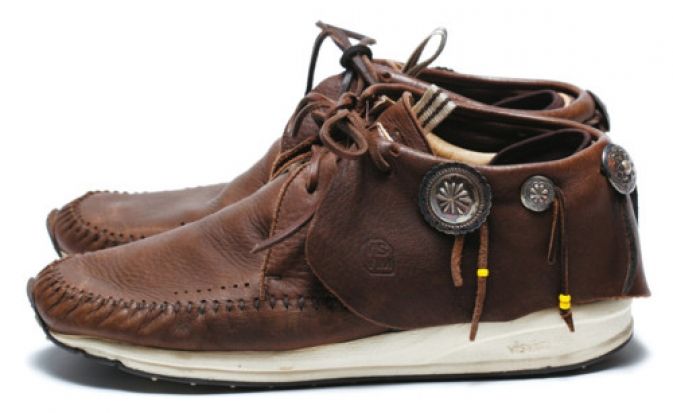
SENSE magazine’s seasonal “TEXT in visvim” editorial brings to our attention many of the upcoming pieces from the designer’s 2012 spring/summer “Dissertation on Introspection” collection. The popular natural indigo and Amami-Oshima mud techniques are amongst the unique dyeing methods used this season. Material-wise, Egyptian Giza and LUXSIC cotton have been chosen as the base for the corduroy and denim items, with KONBU, Belgium cowhide leather and Cordura Ballistic nylon used to create this season’s range of bags. Combine all of this with a strong range of earthy colors and classic visvim styling, this “TEXT in visvim” editorial helps show off the solidity of the 2012 spring/summer “Dissertation on Introspection” collection nicely.
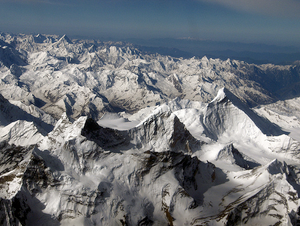
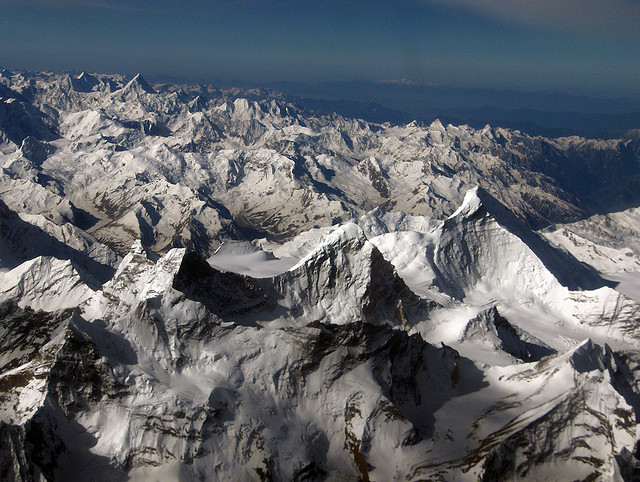
An aerial view across the snow-covered peaks and glaciers of the Nun Kun massif in Ladakh, India.
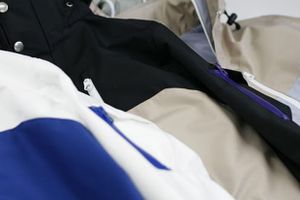
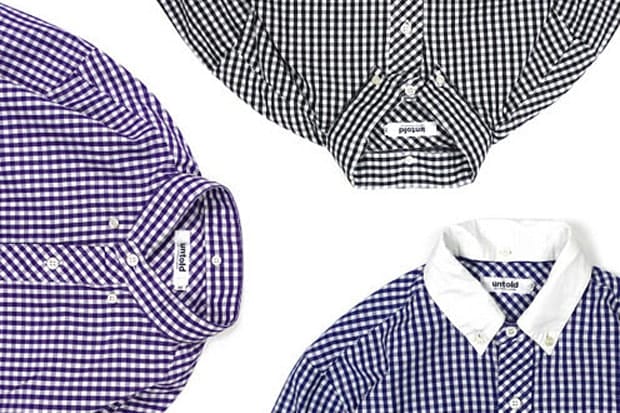
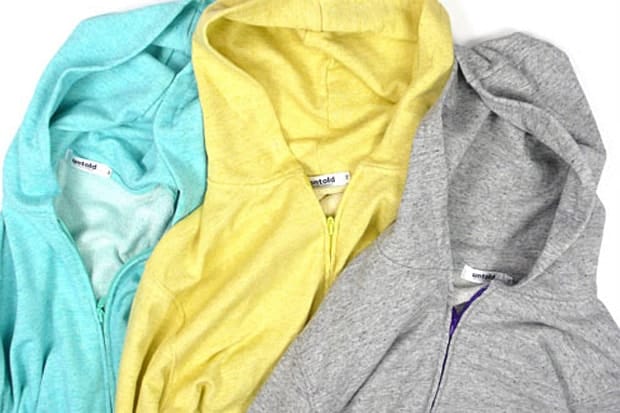
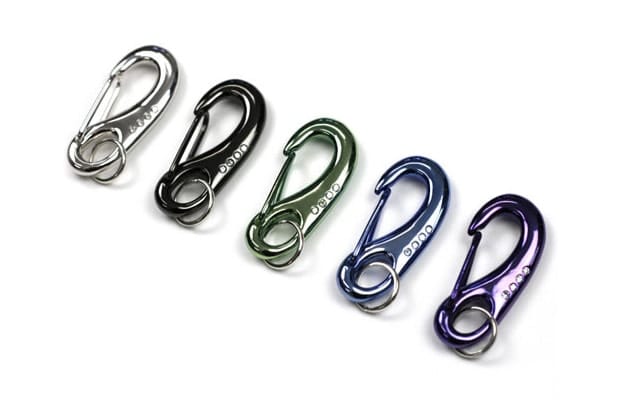
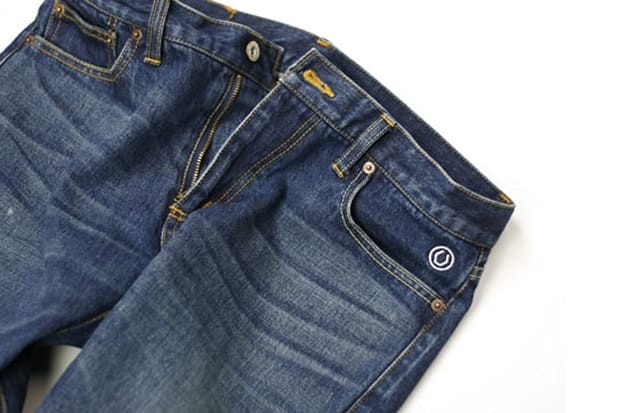
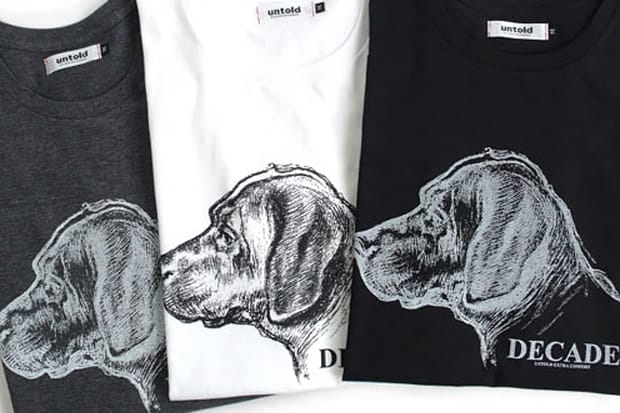
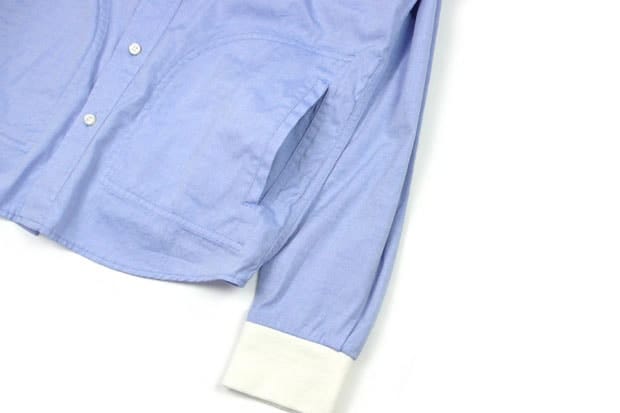
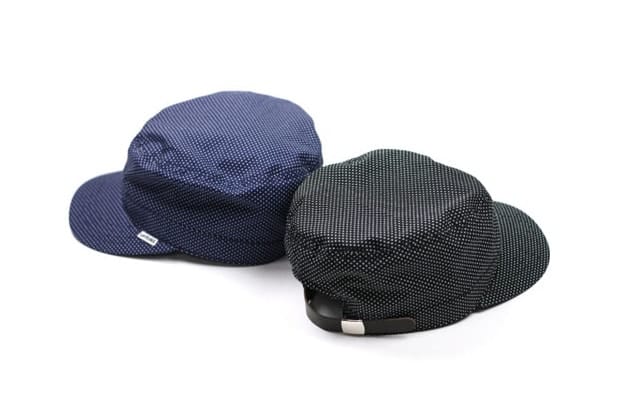
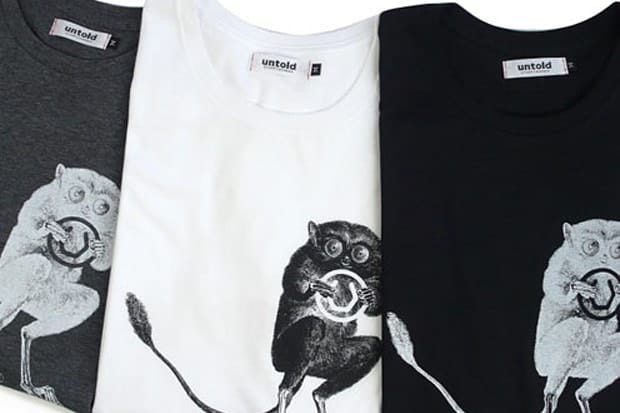
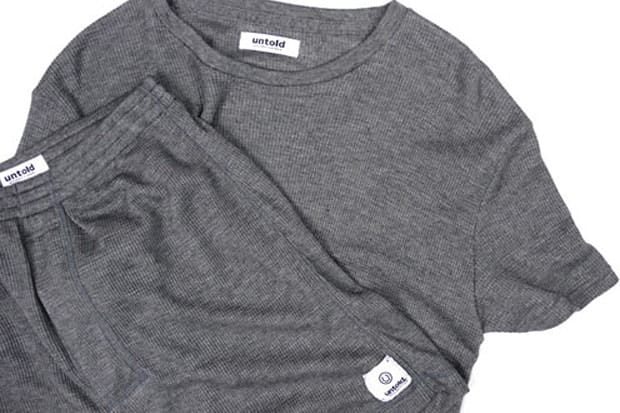
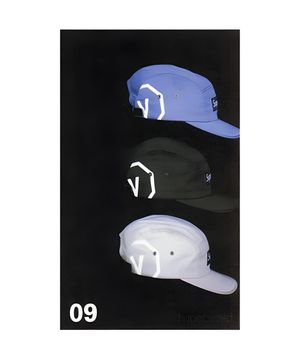
UNTOLD's Spring 2010 preview pairs staple shirting, denim and graphic T-shirts with waterproof technical outerwear, hoodies, caps and small accessories.