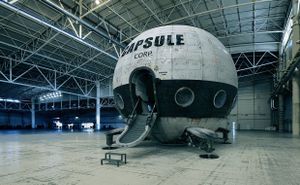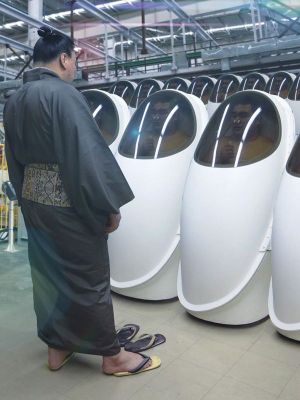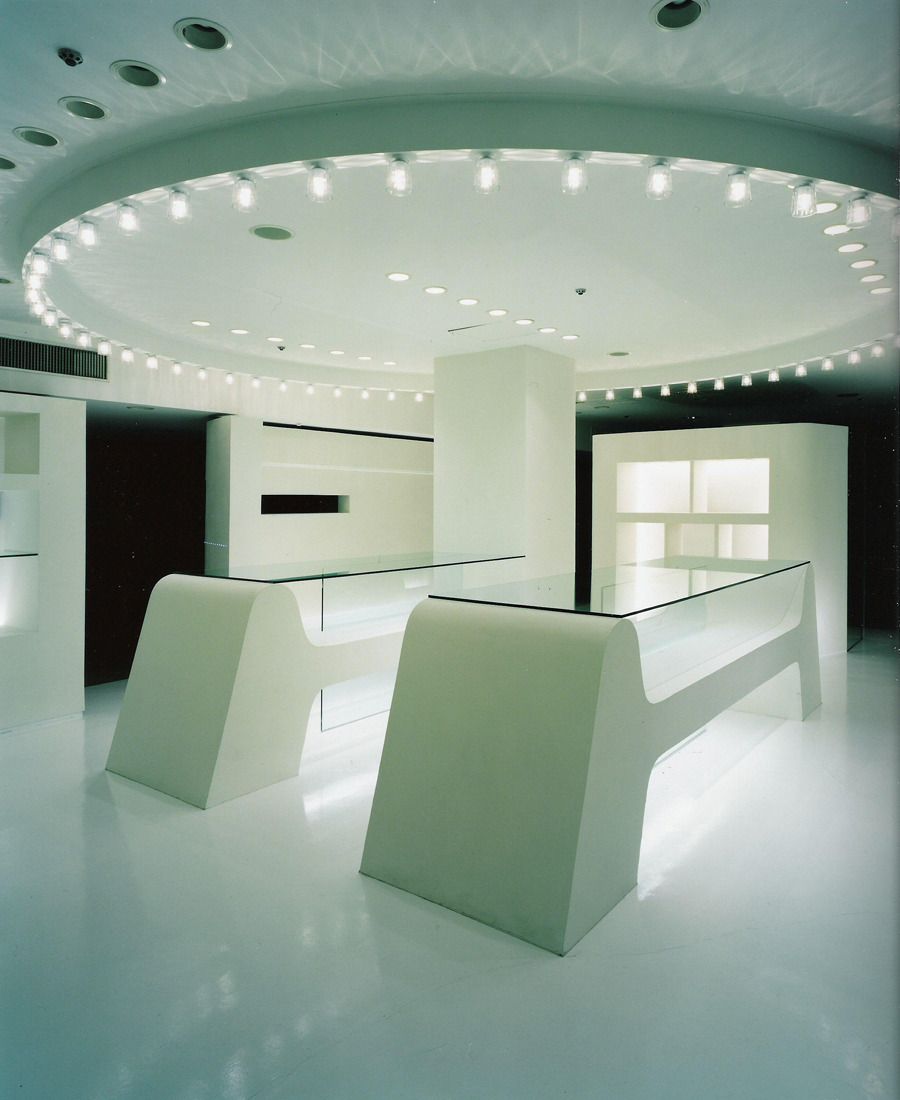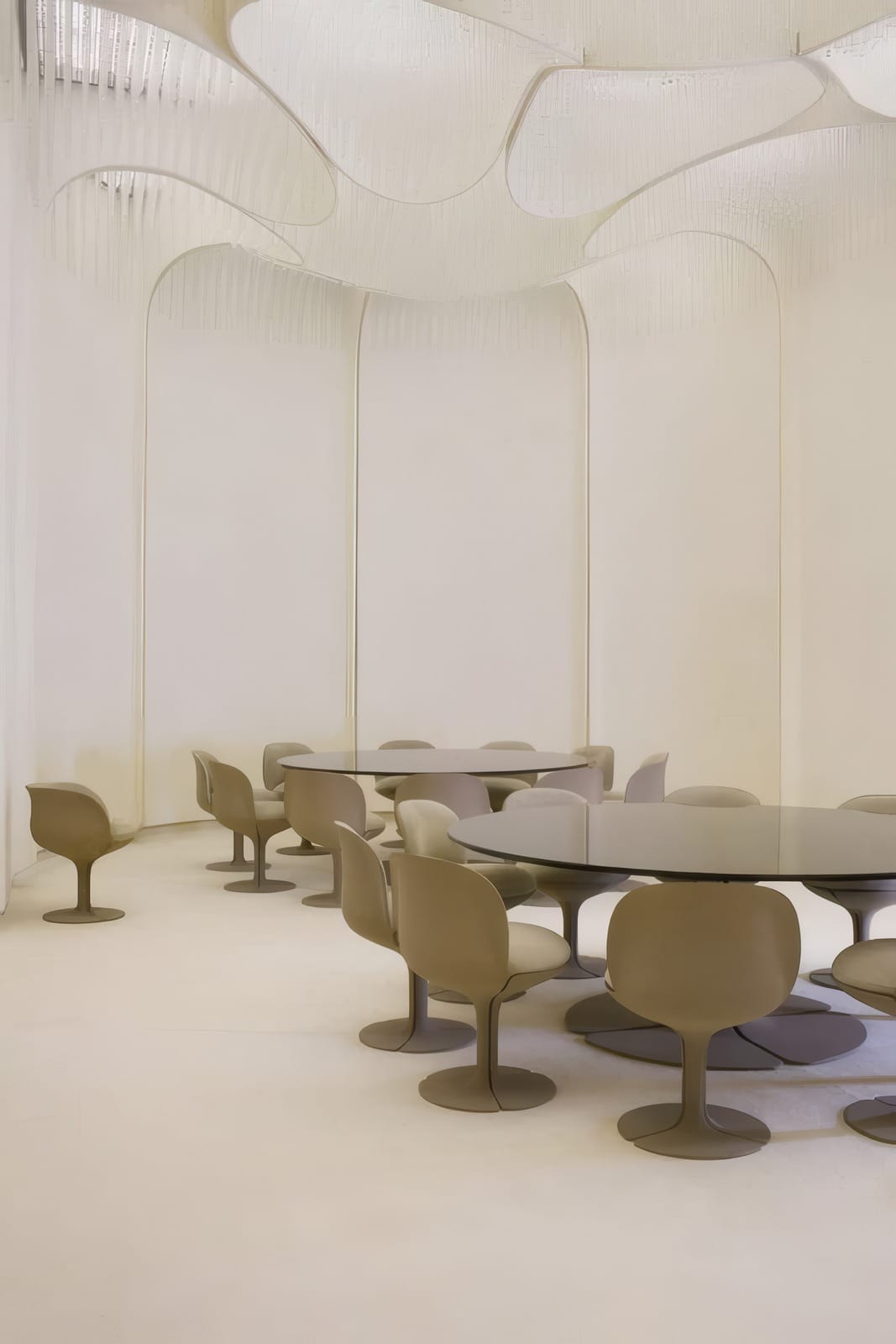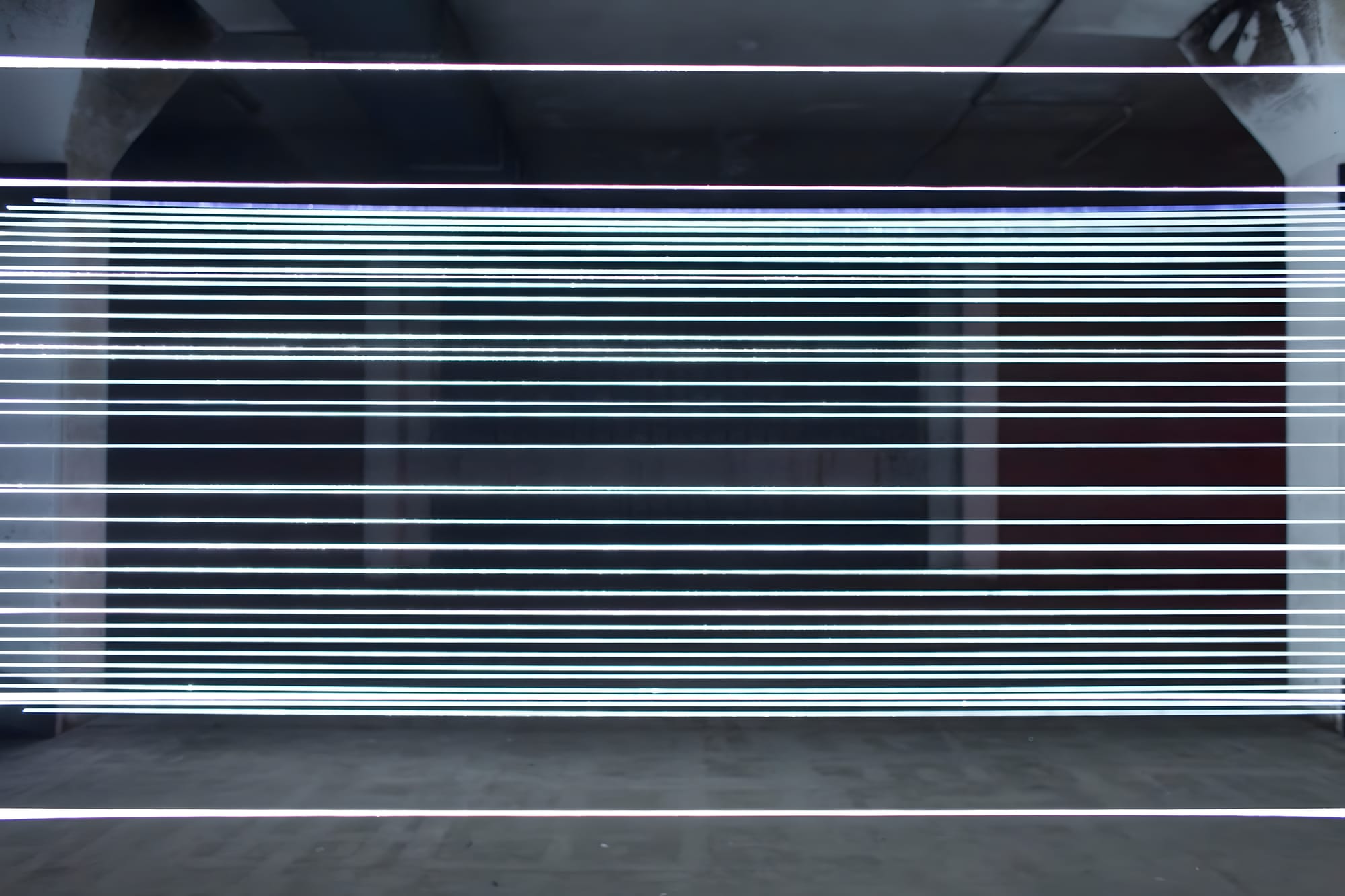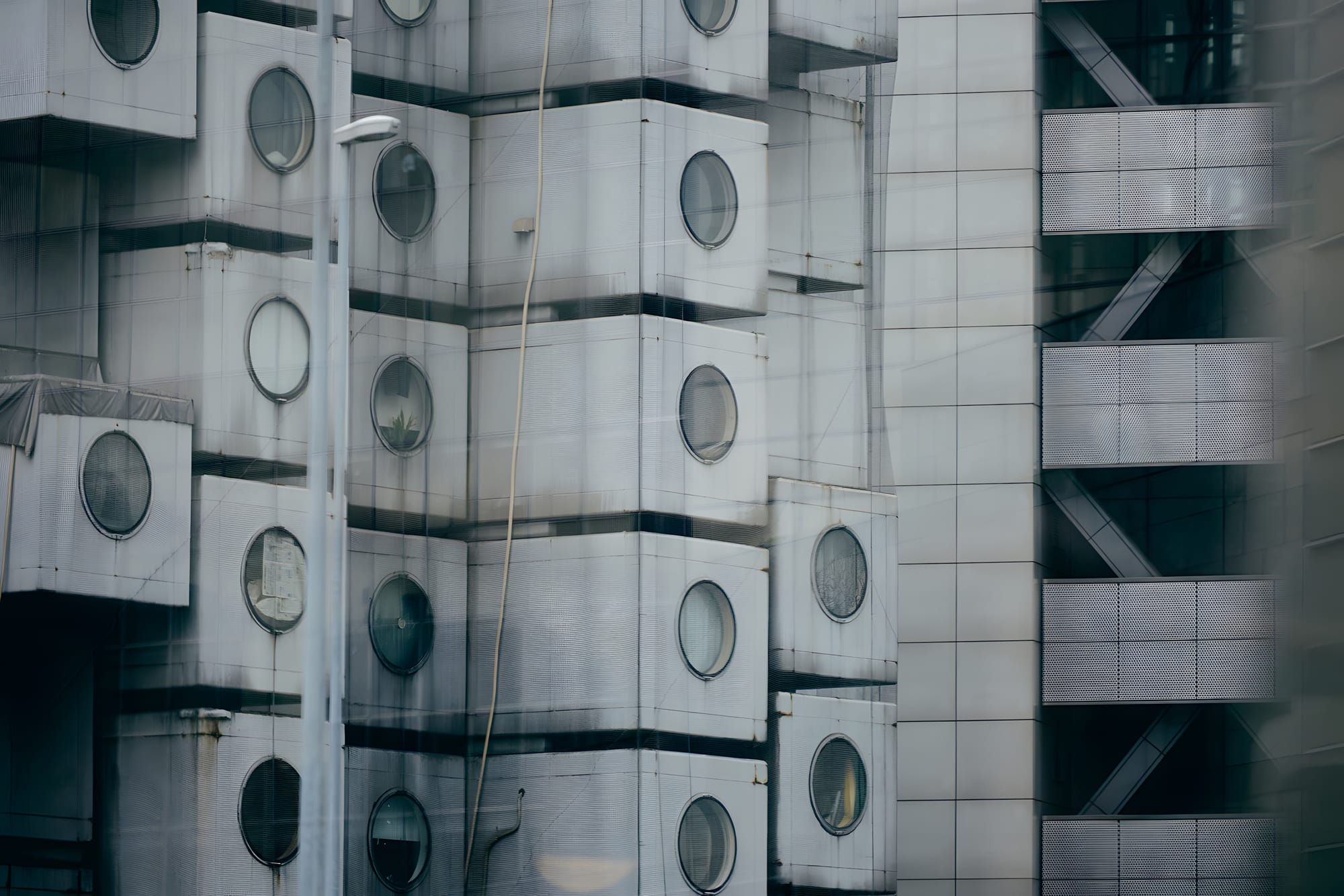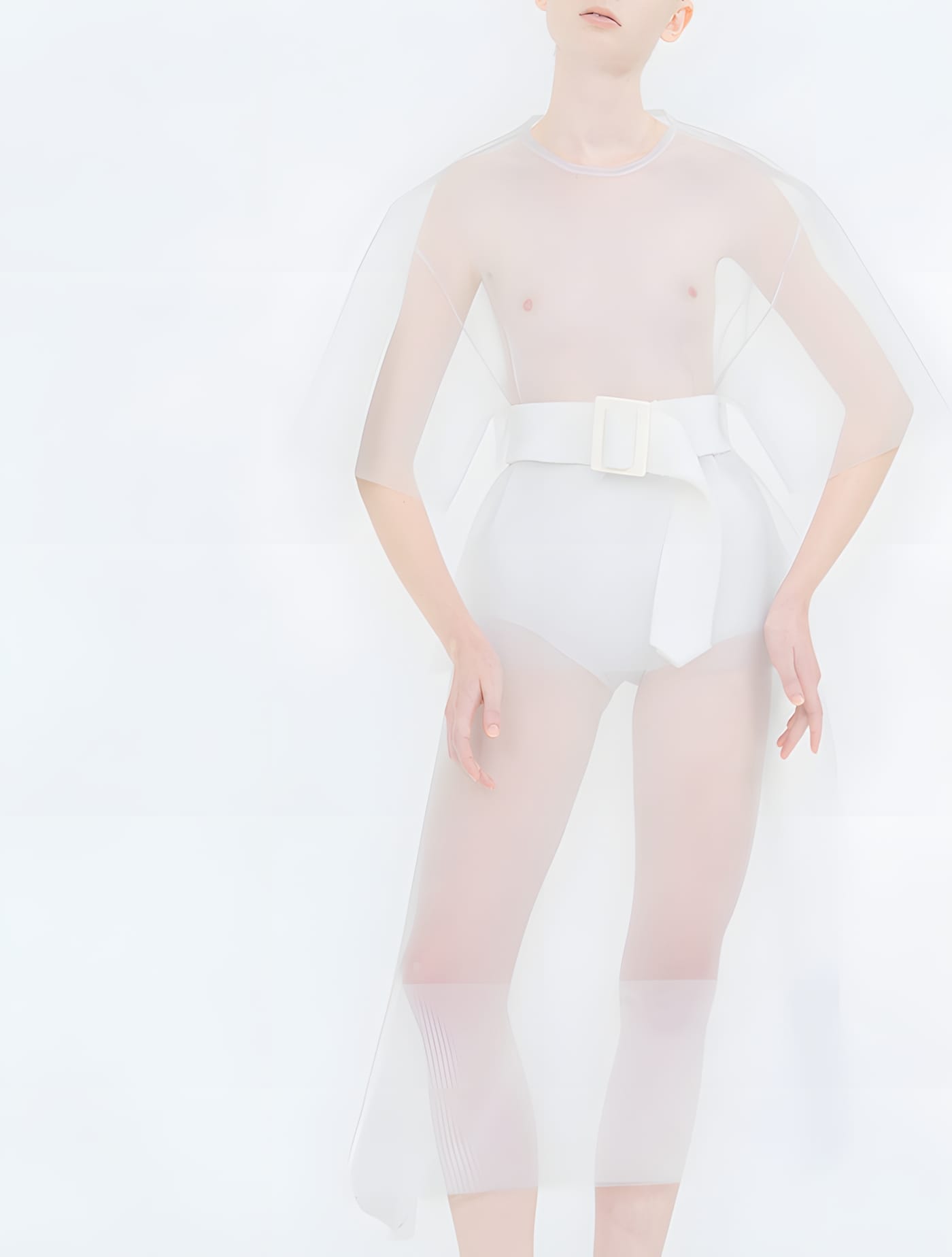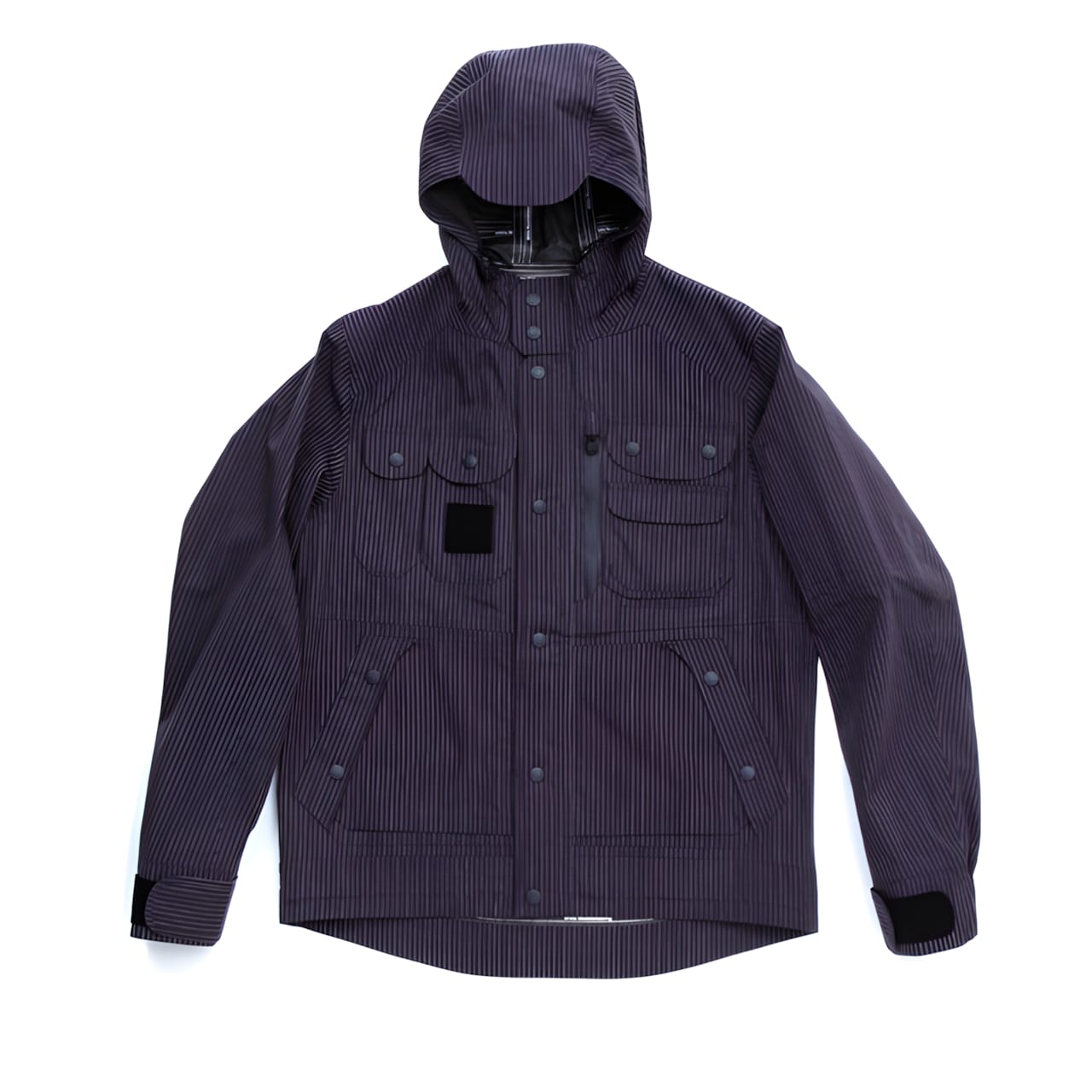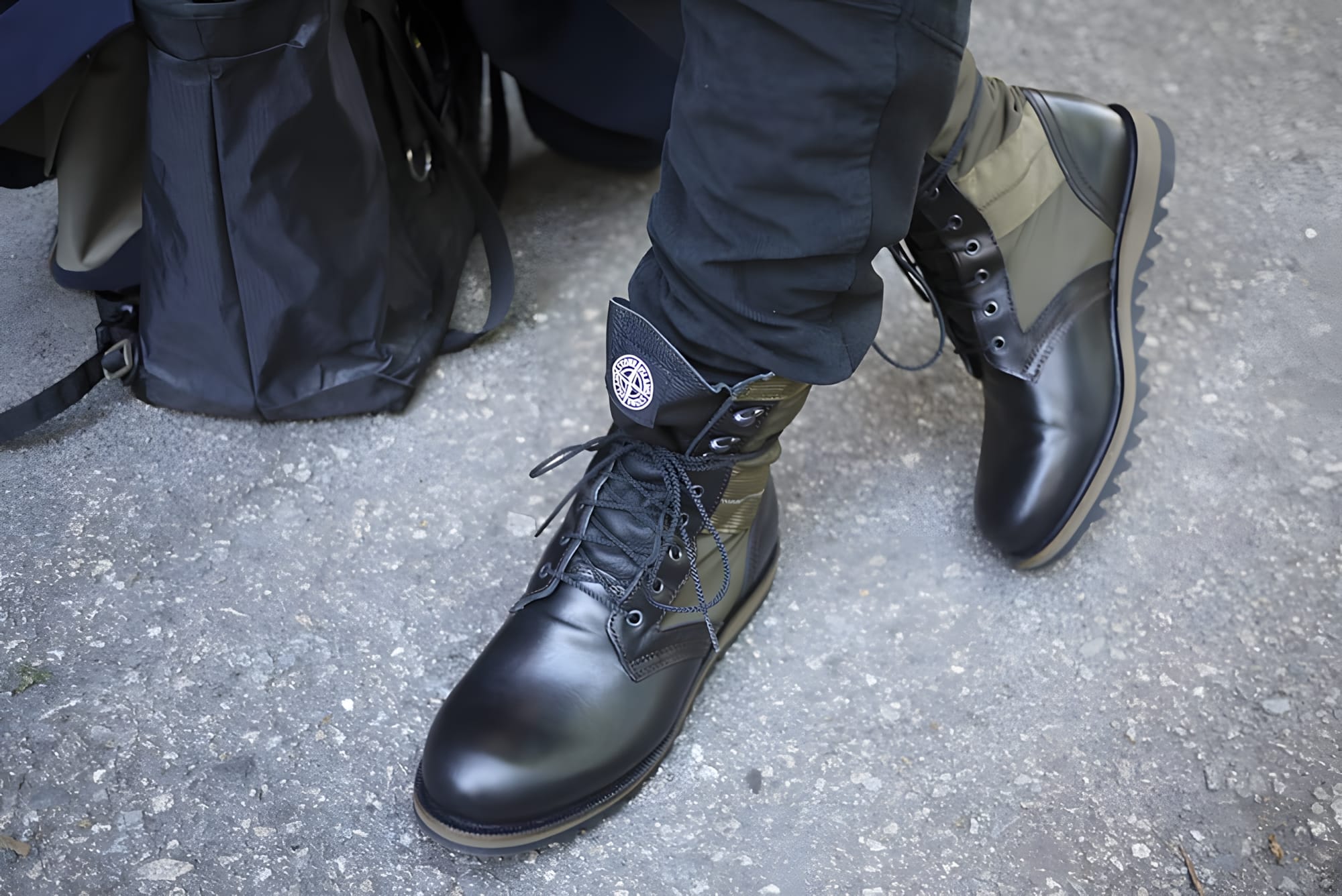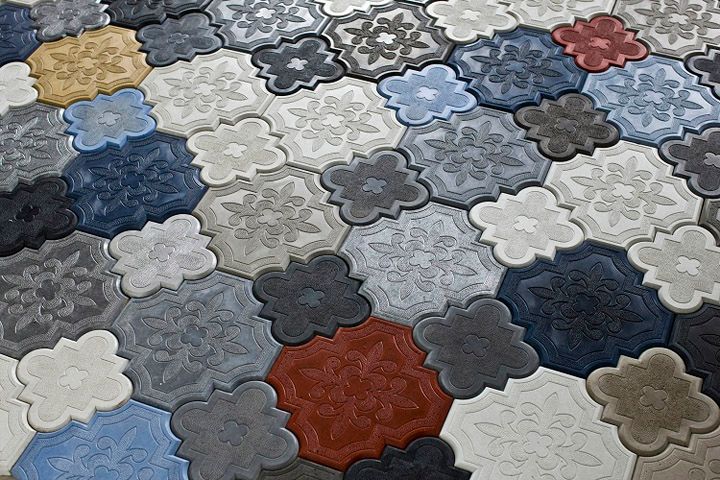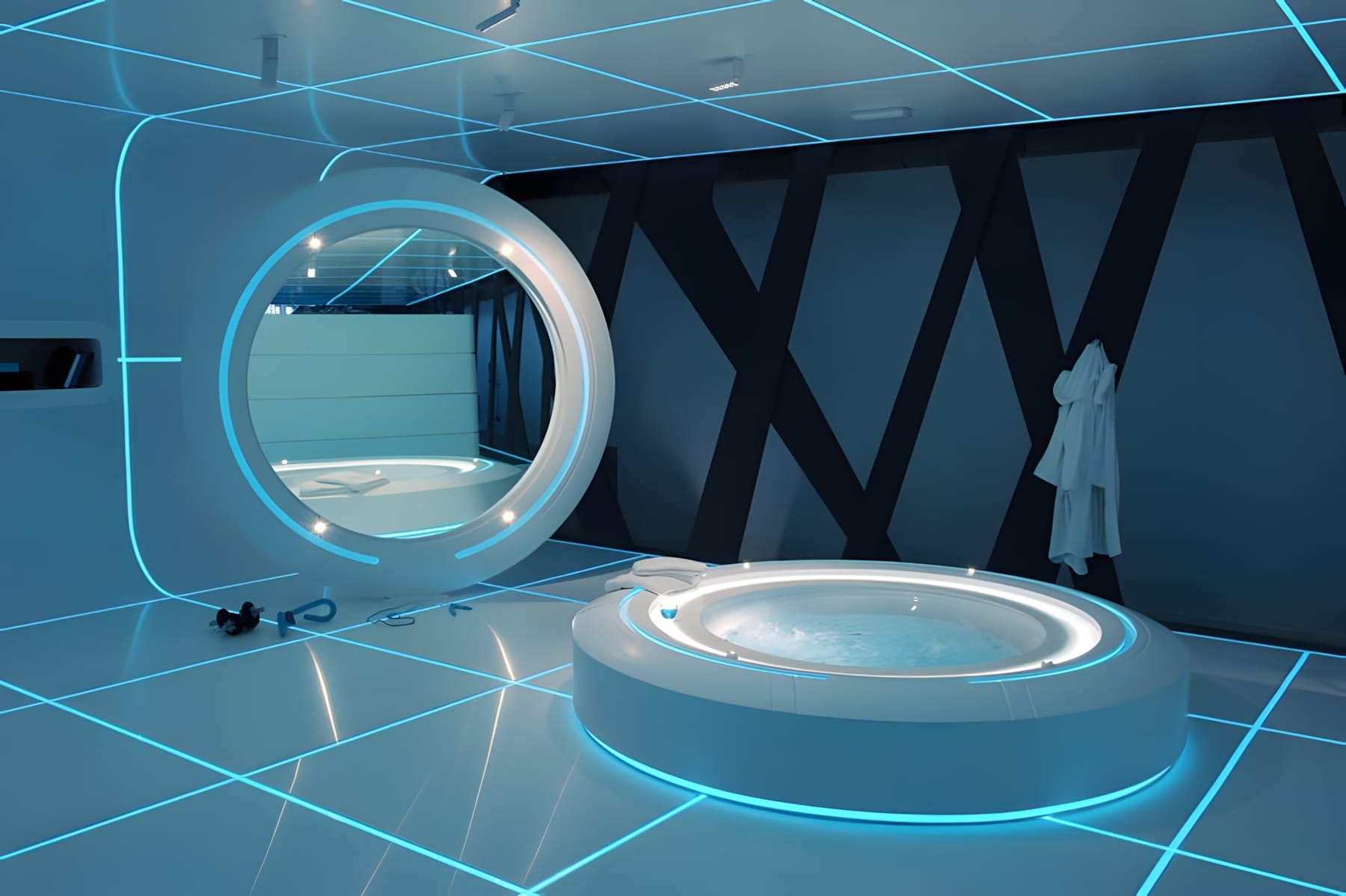
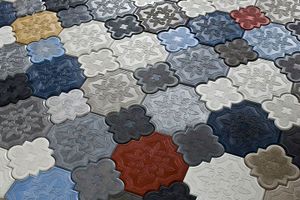
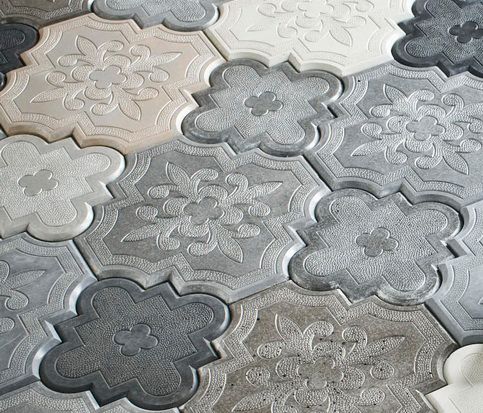
TRON Designs Corian — DuPont x Disney Milan Design Week 2011

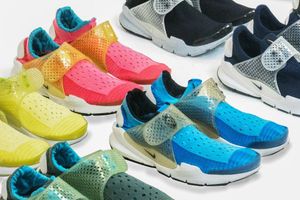
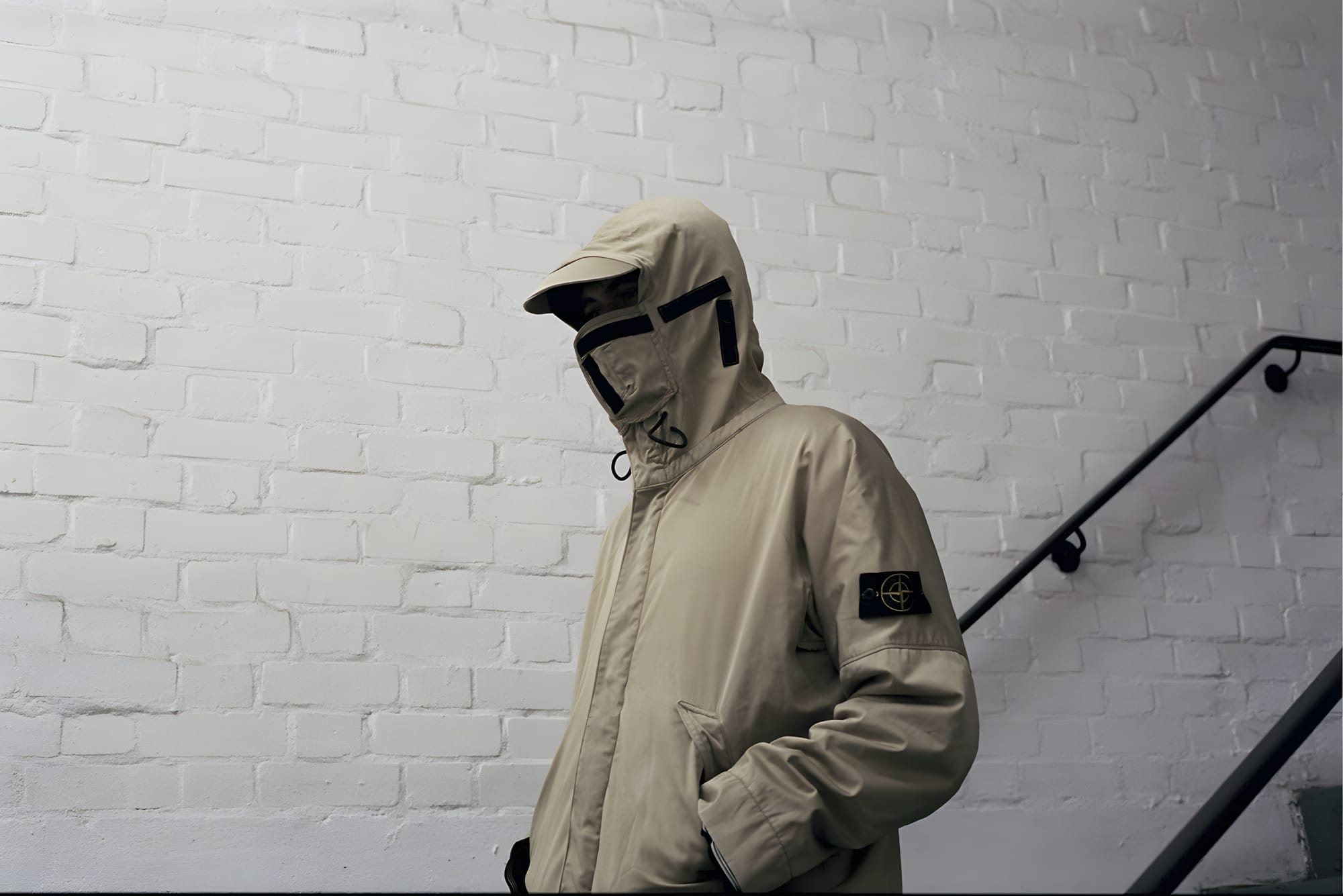
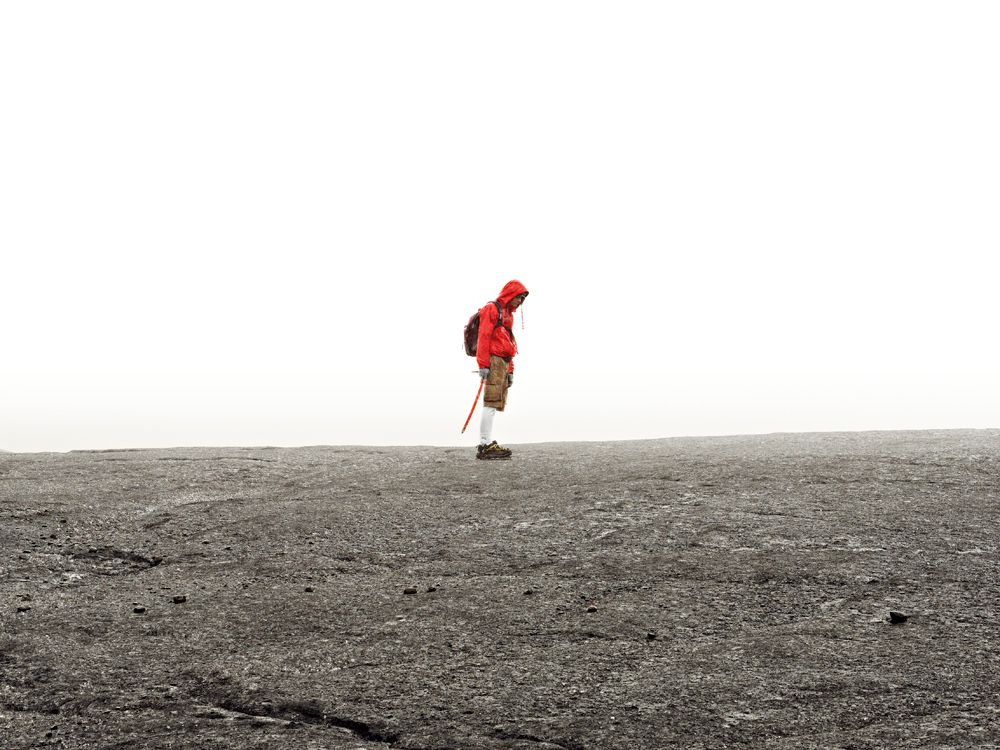
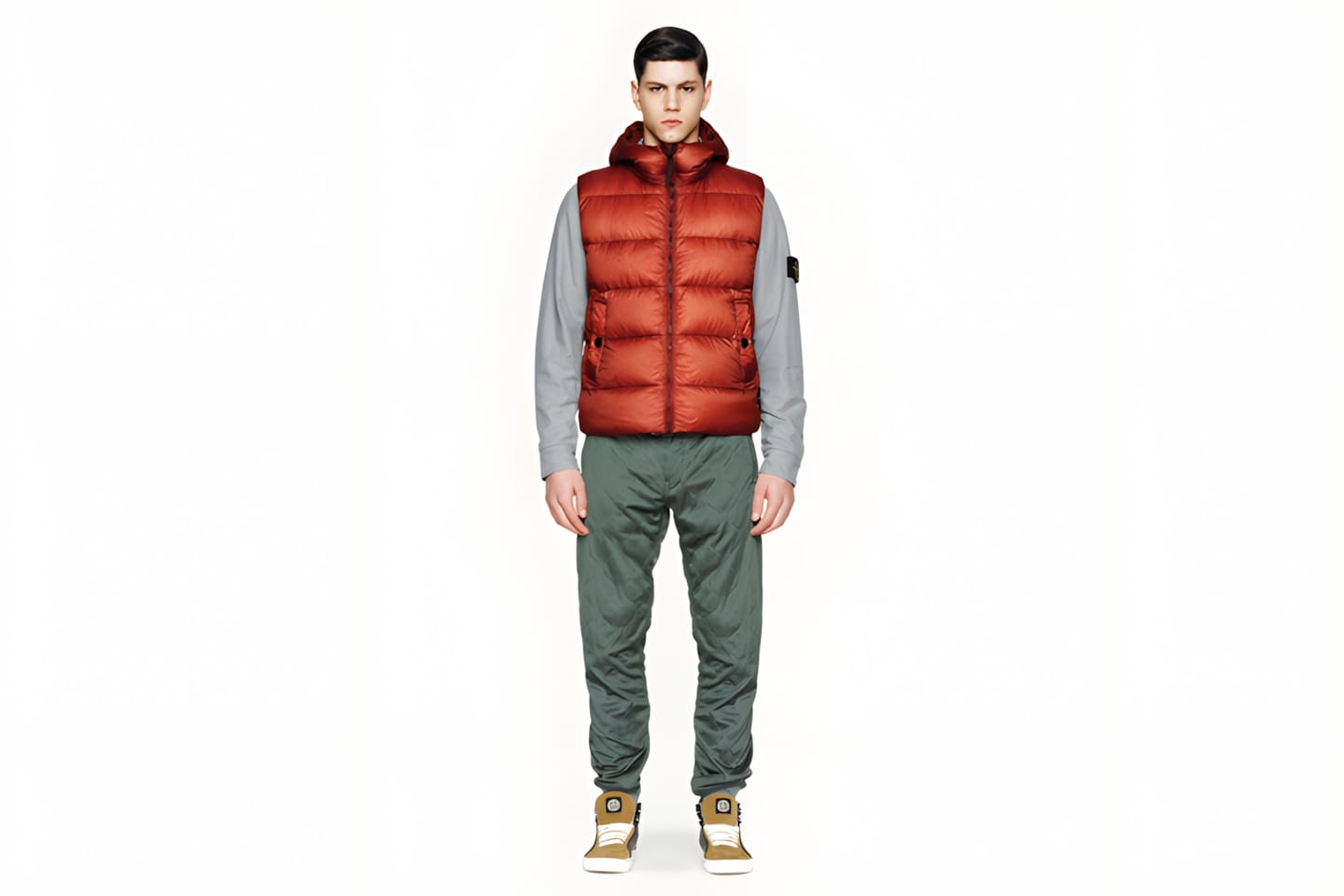
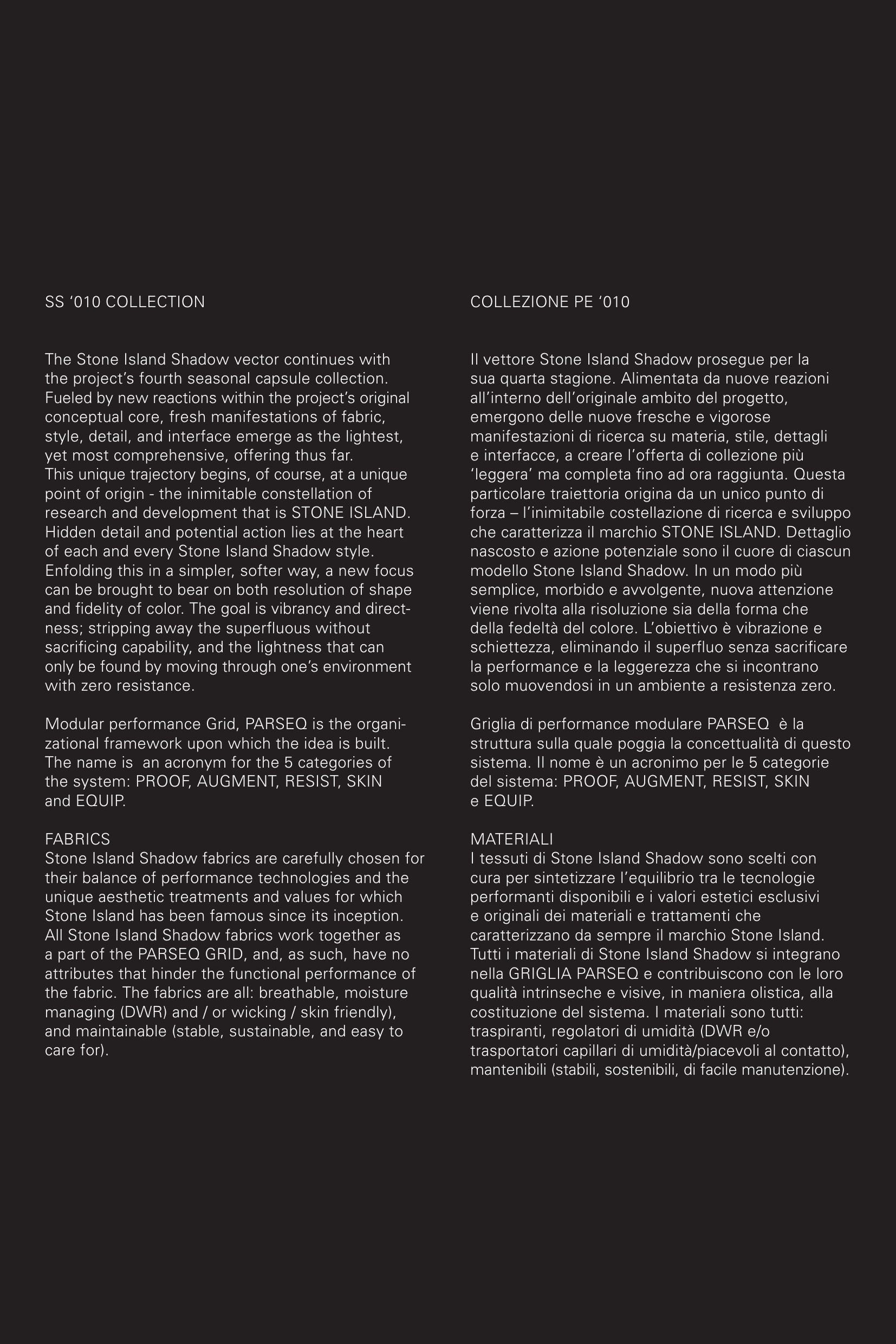
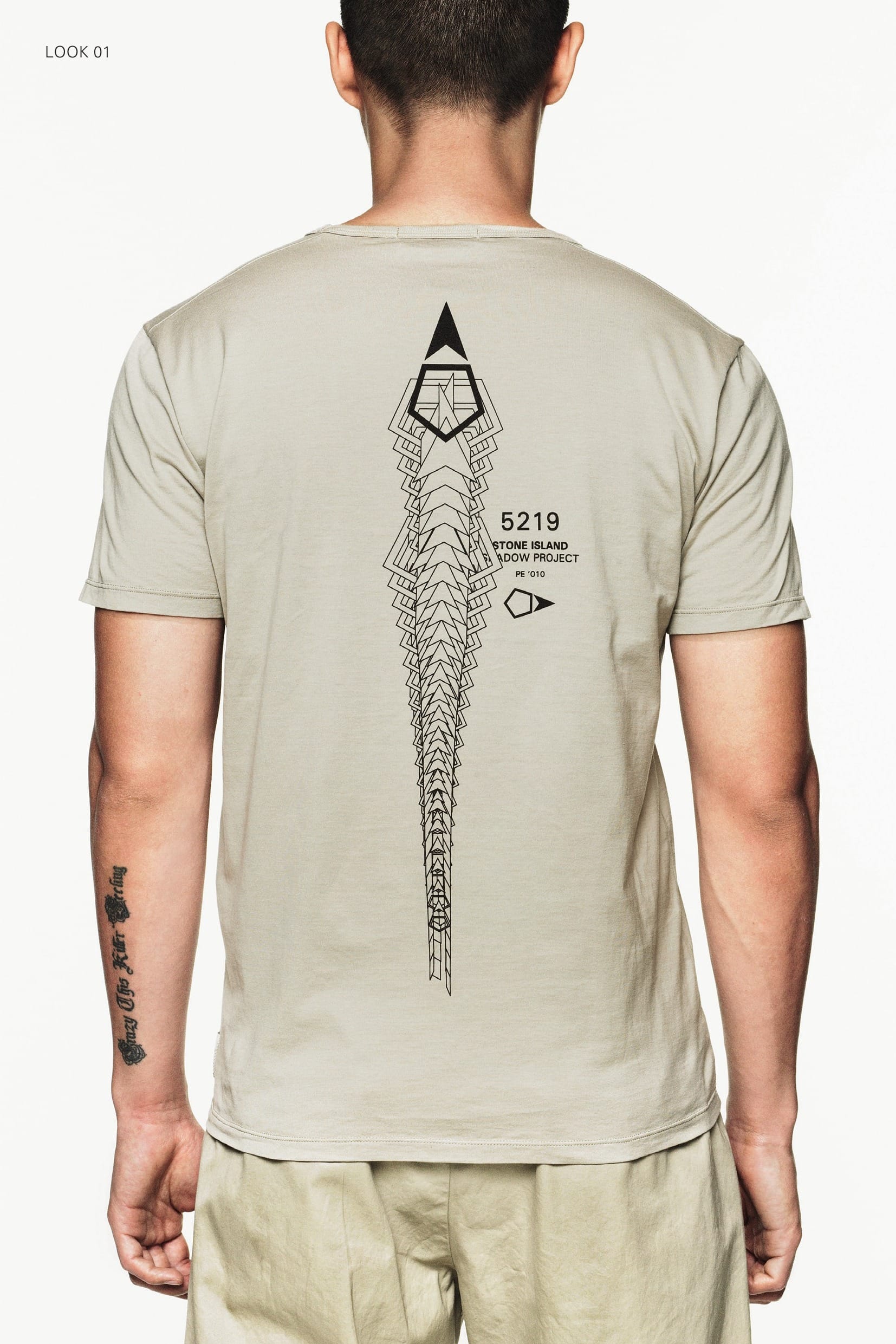
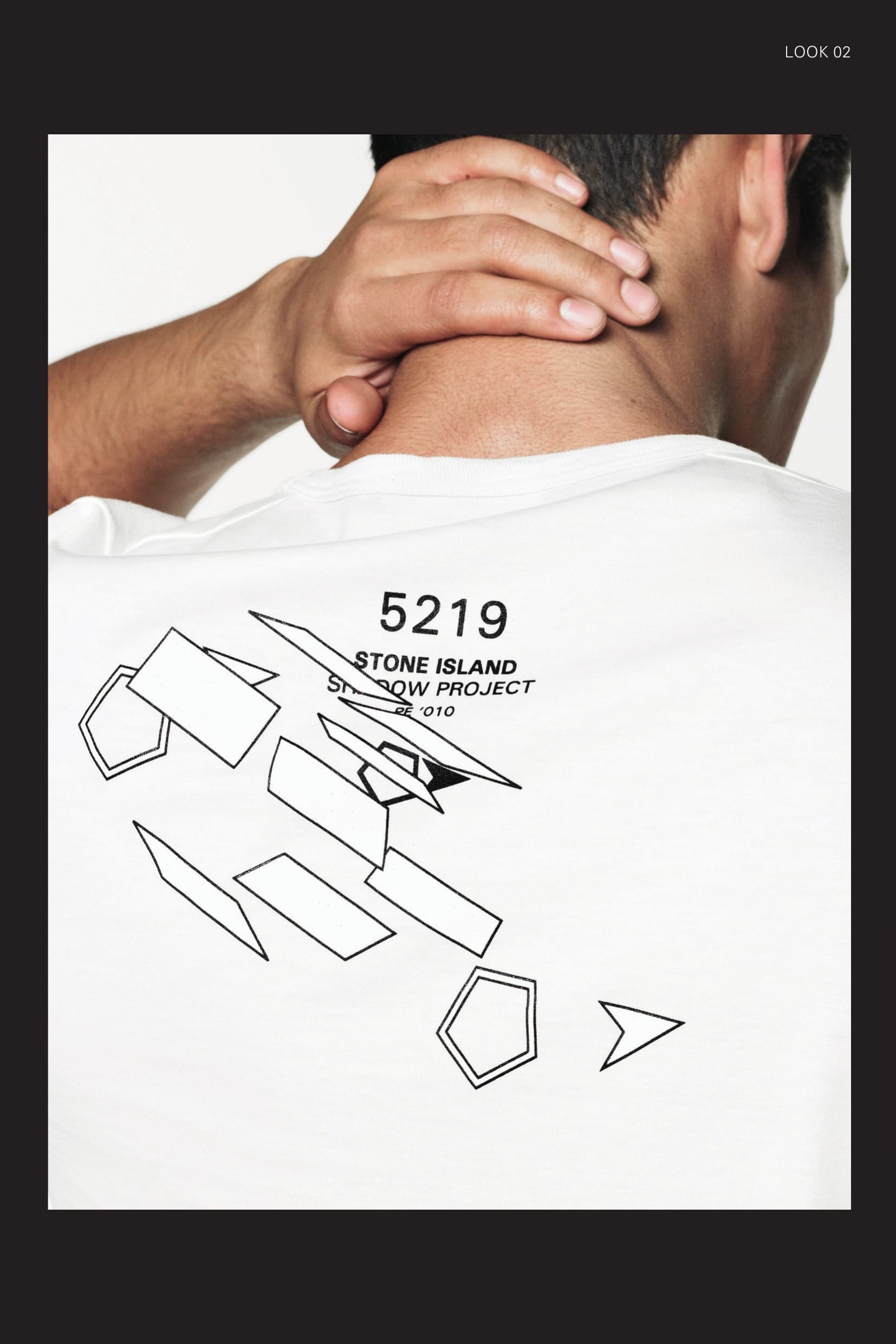
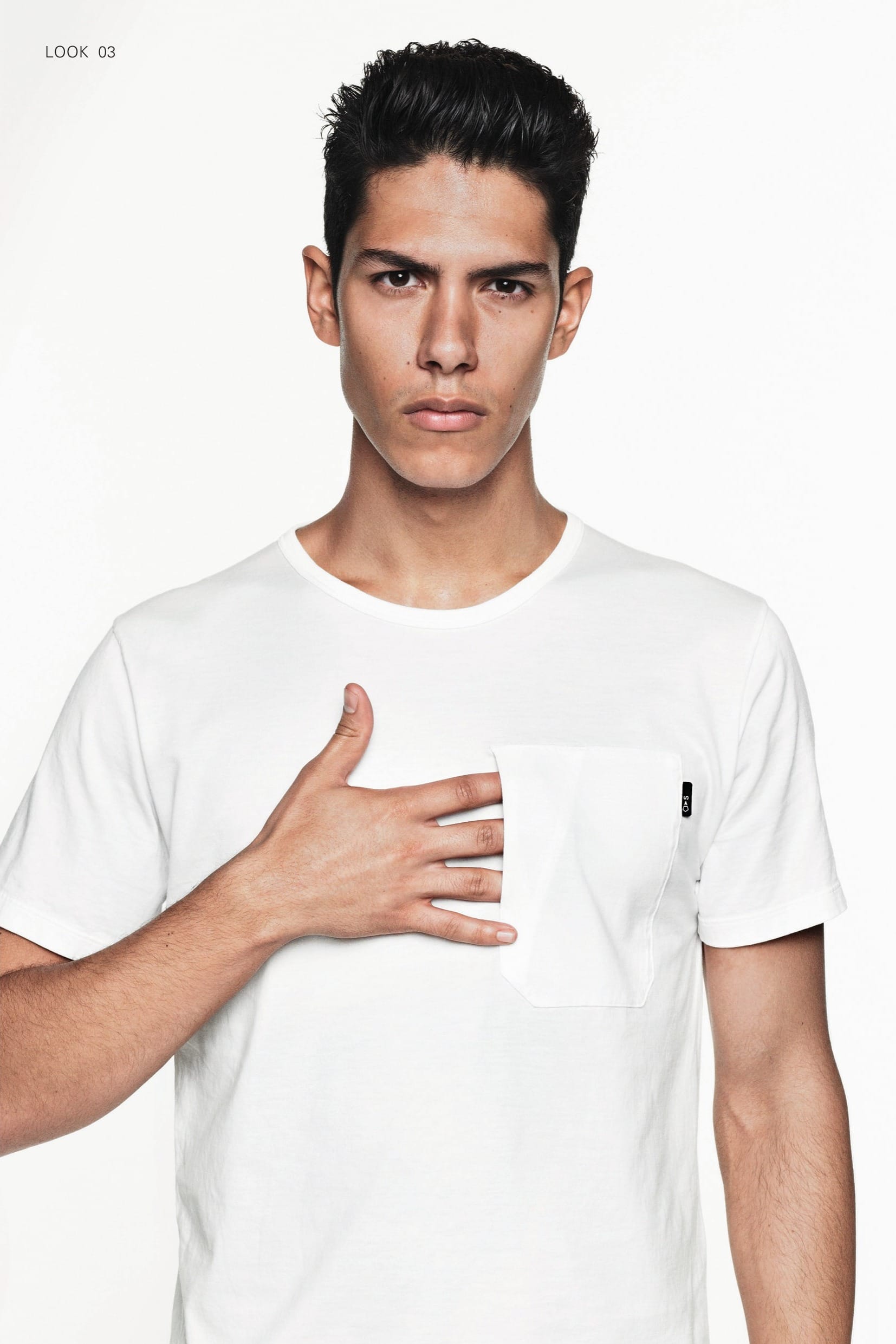
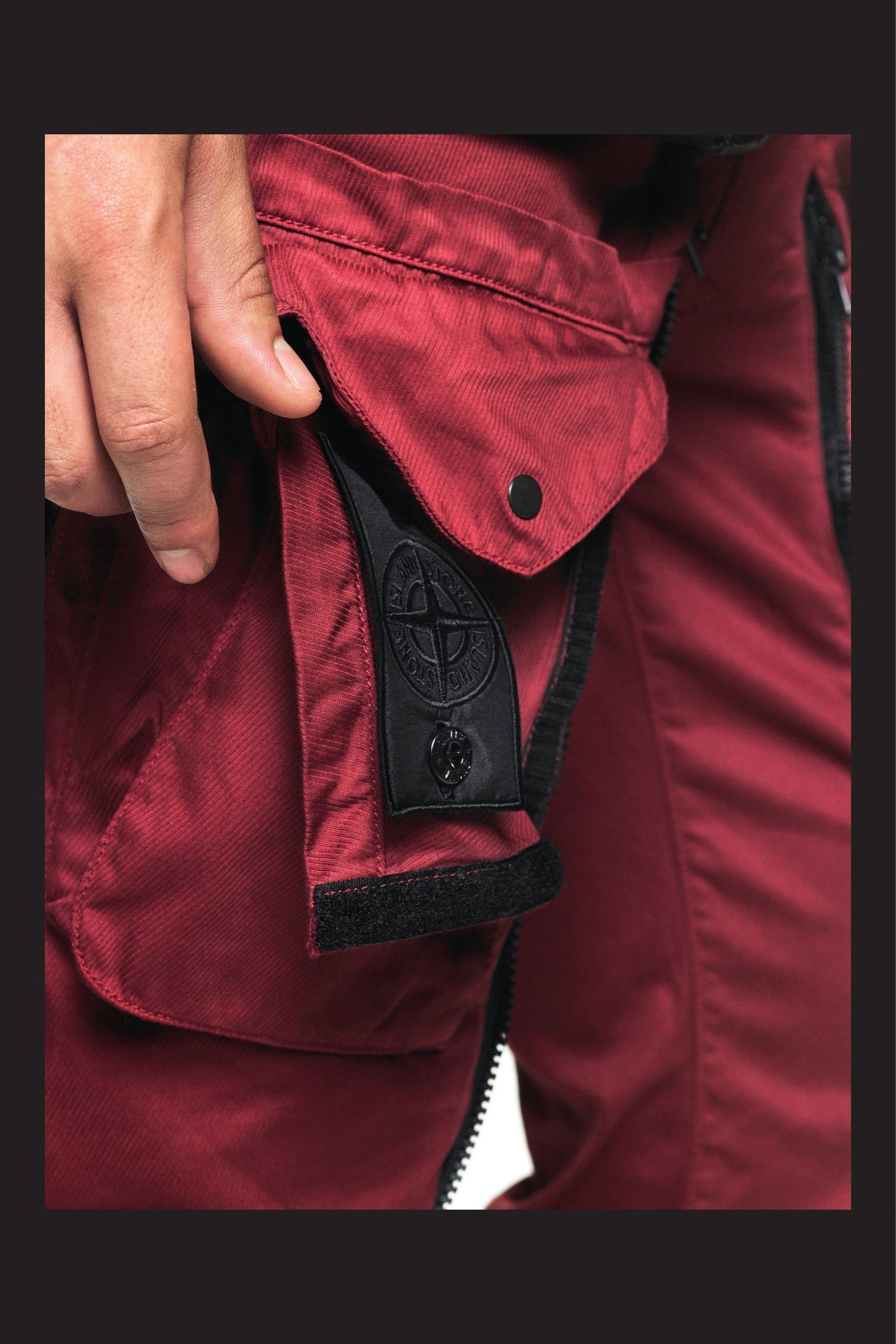
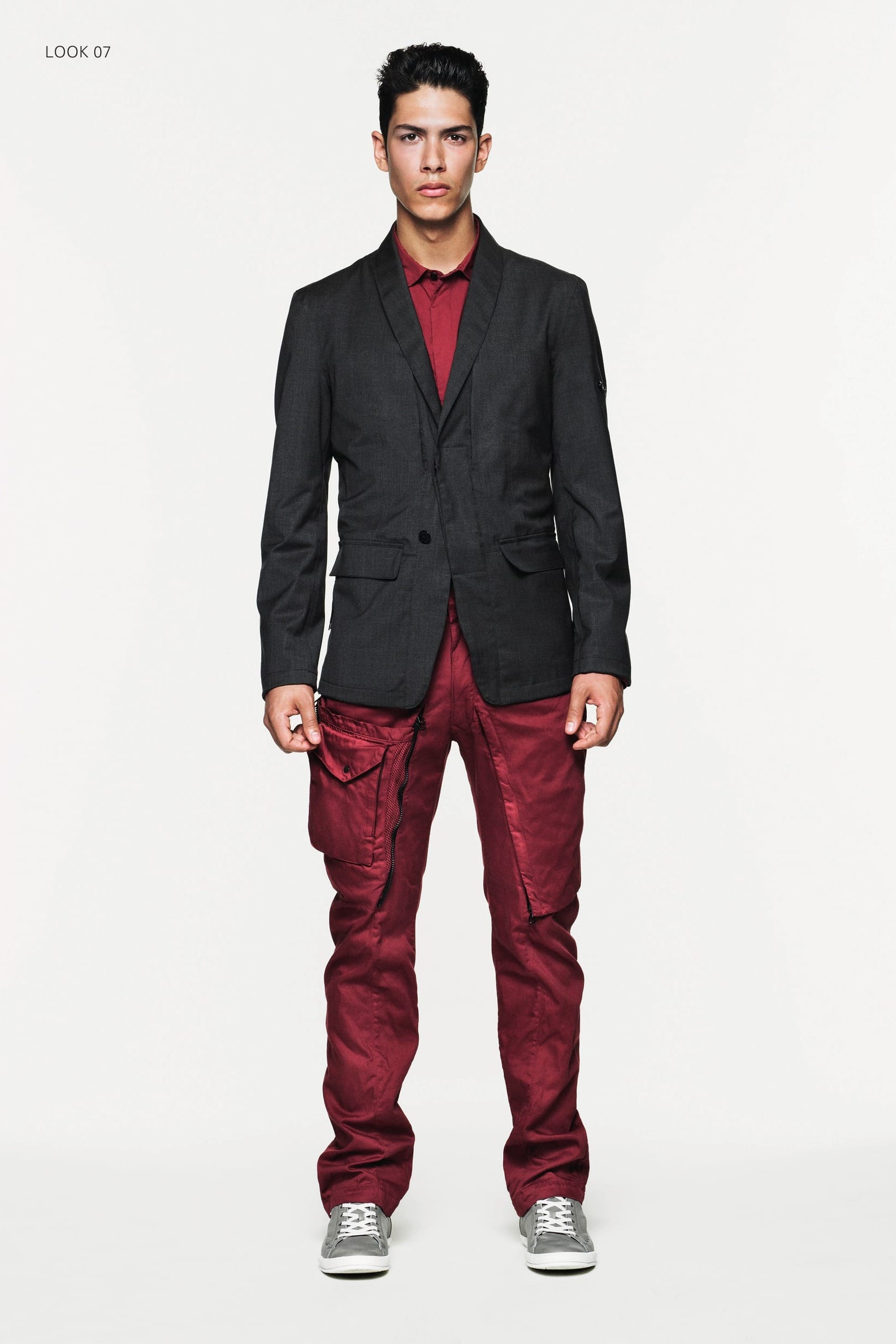
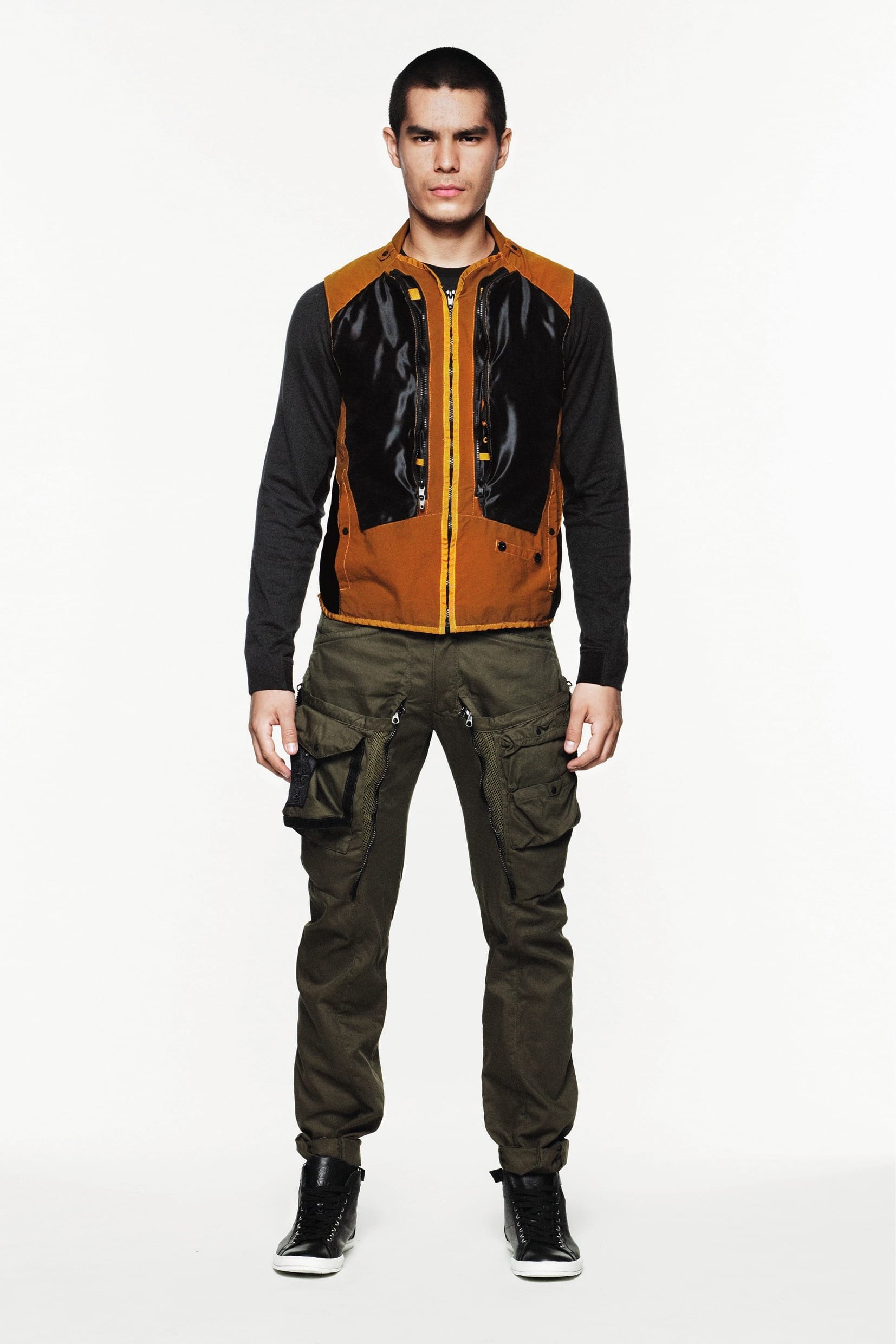
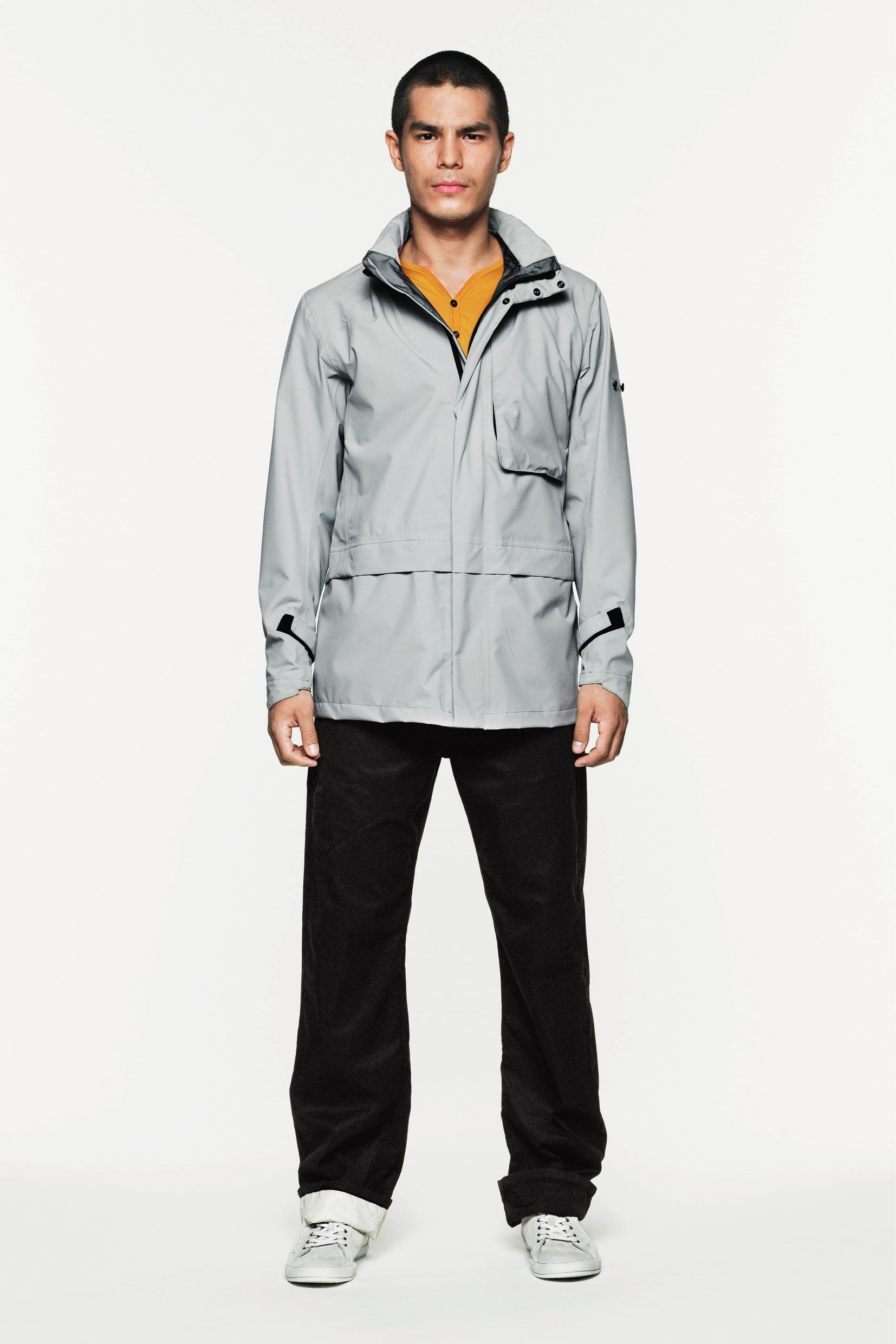
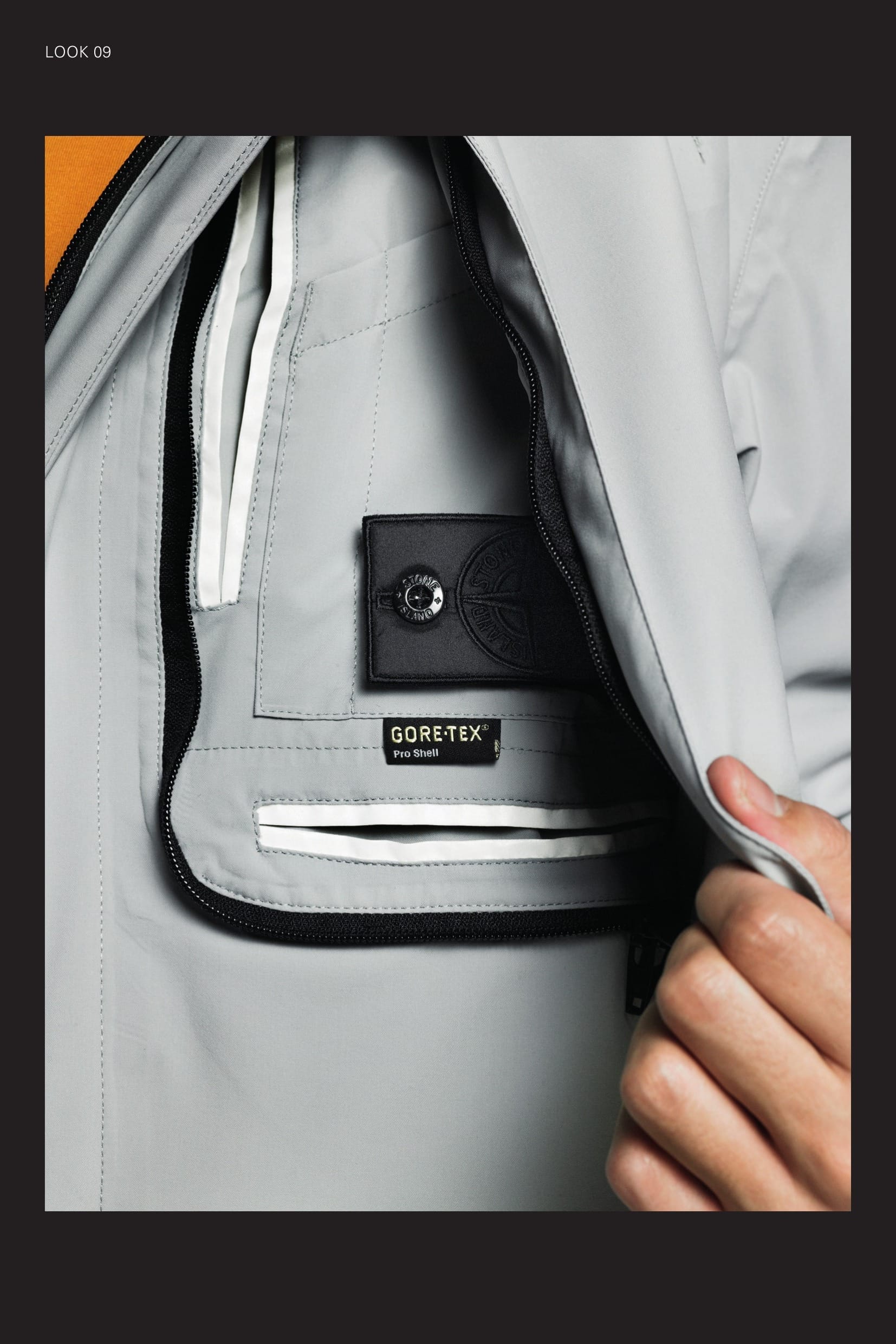
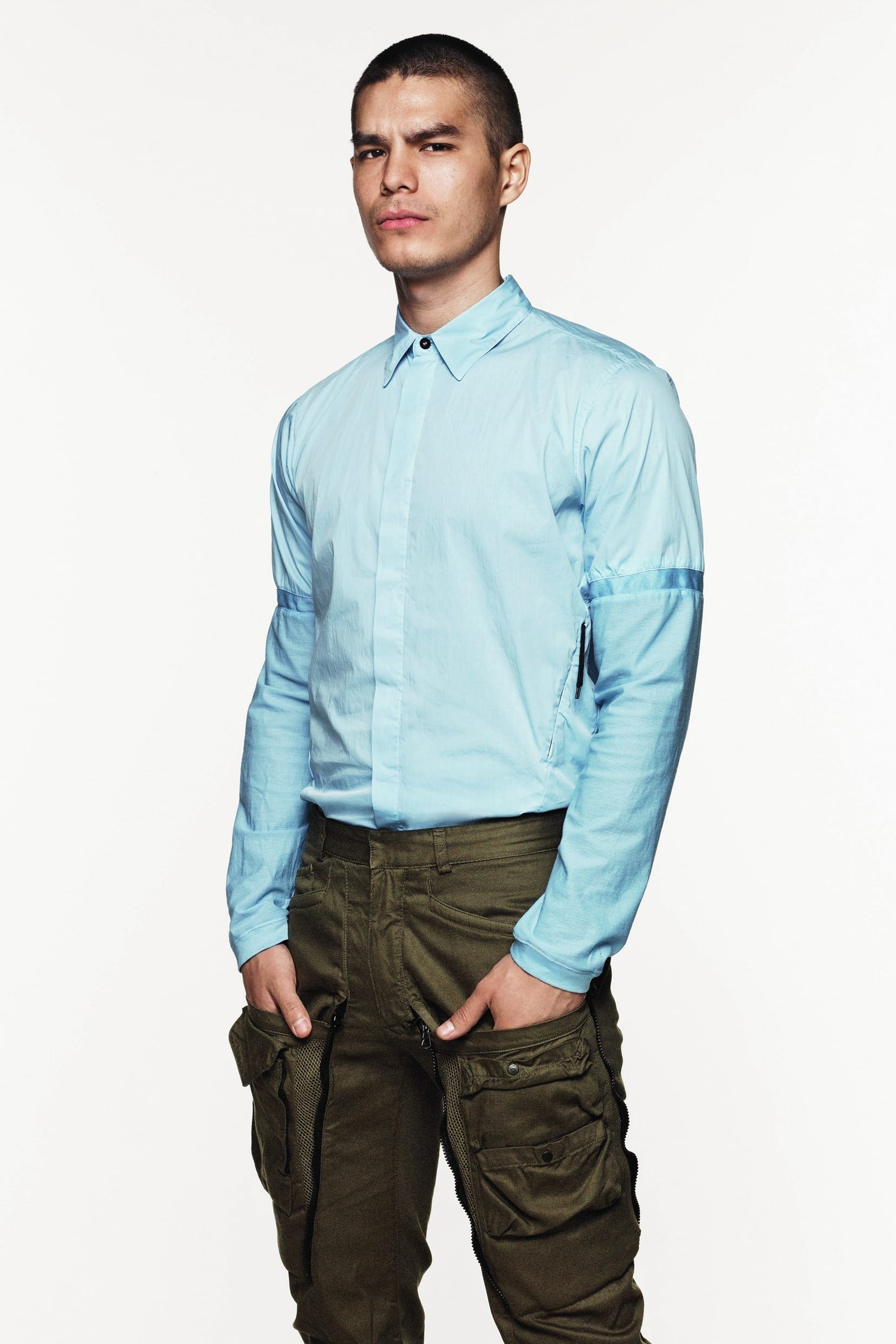
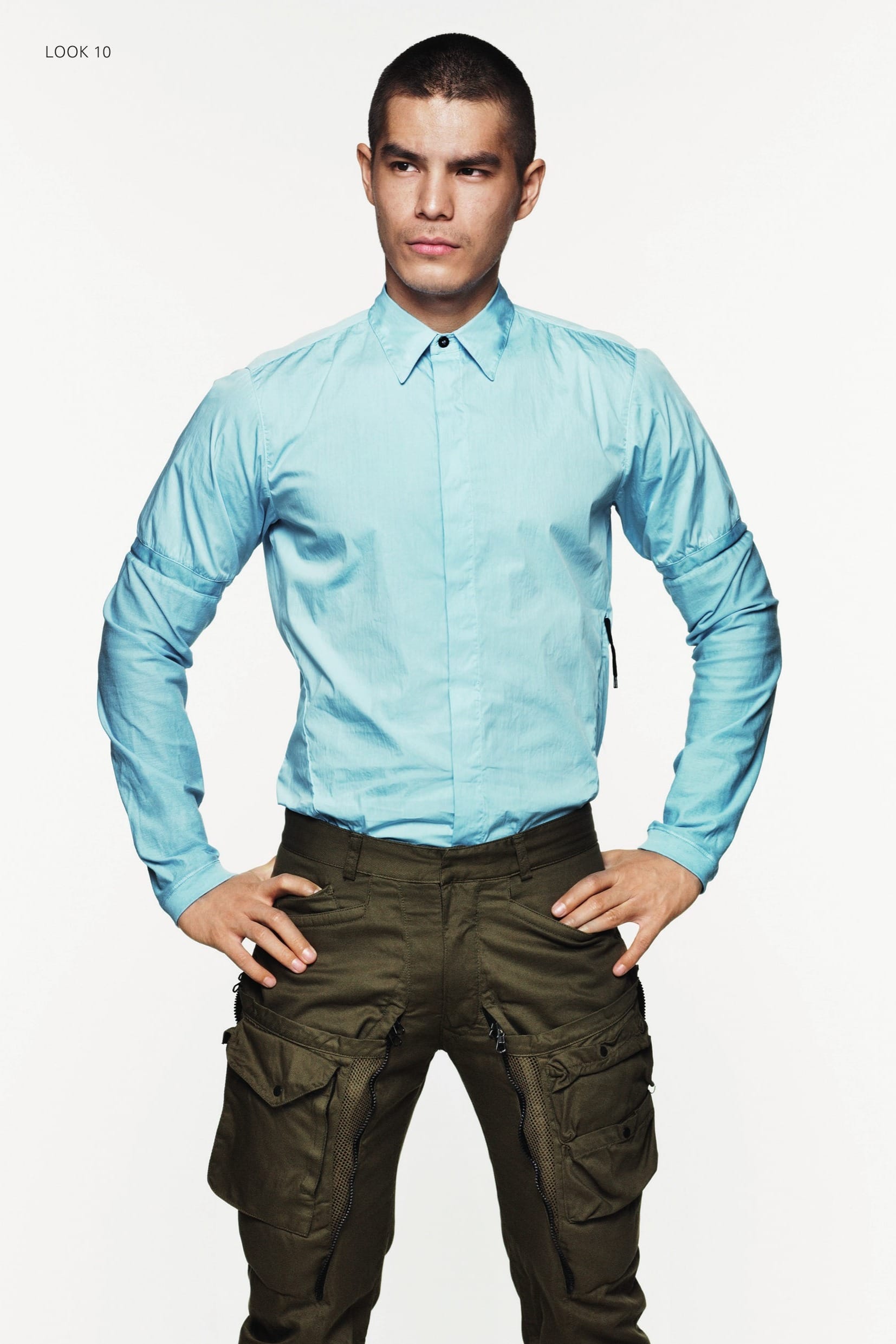
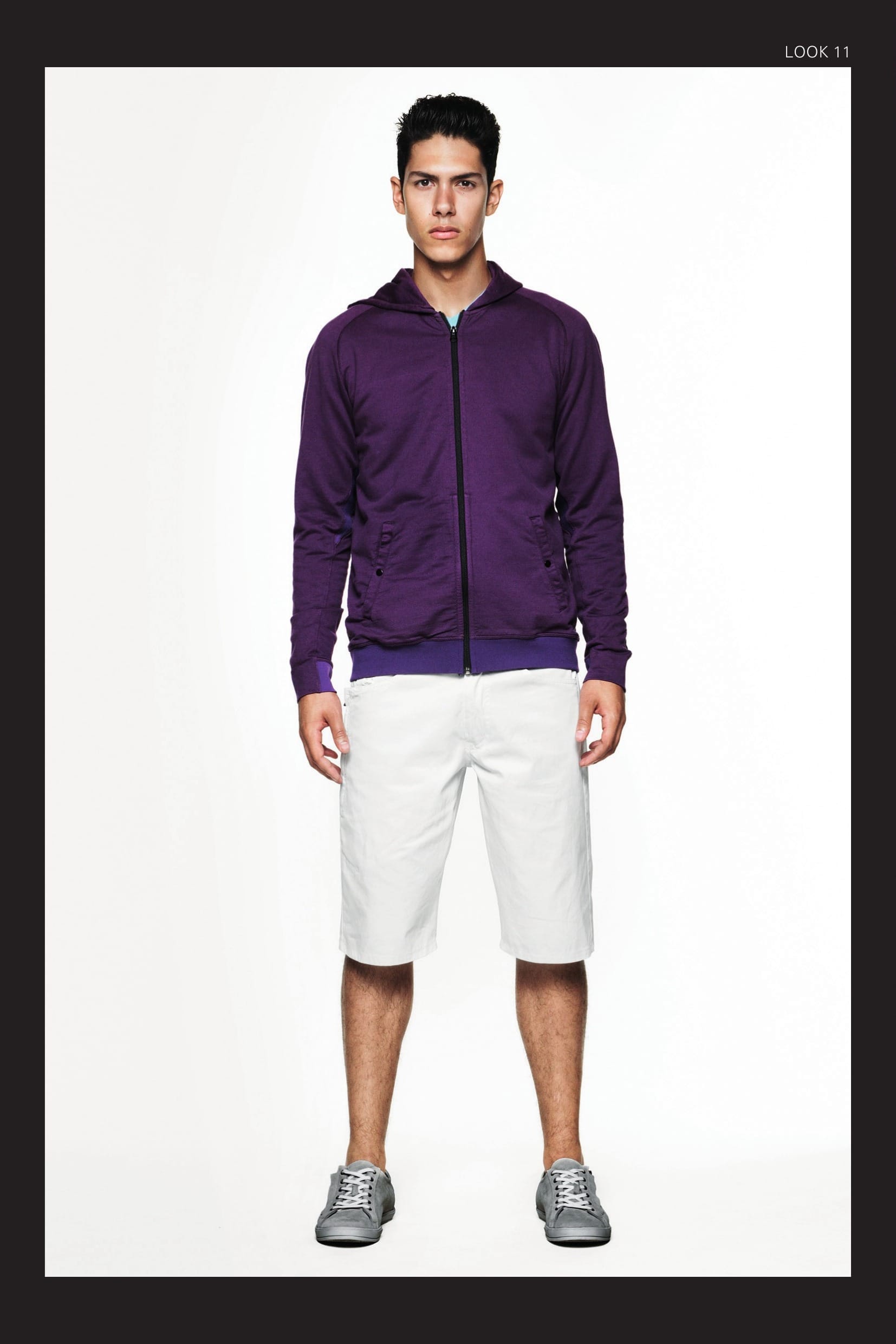
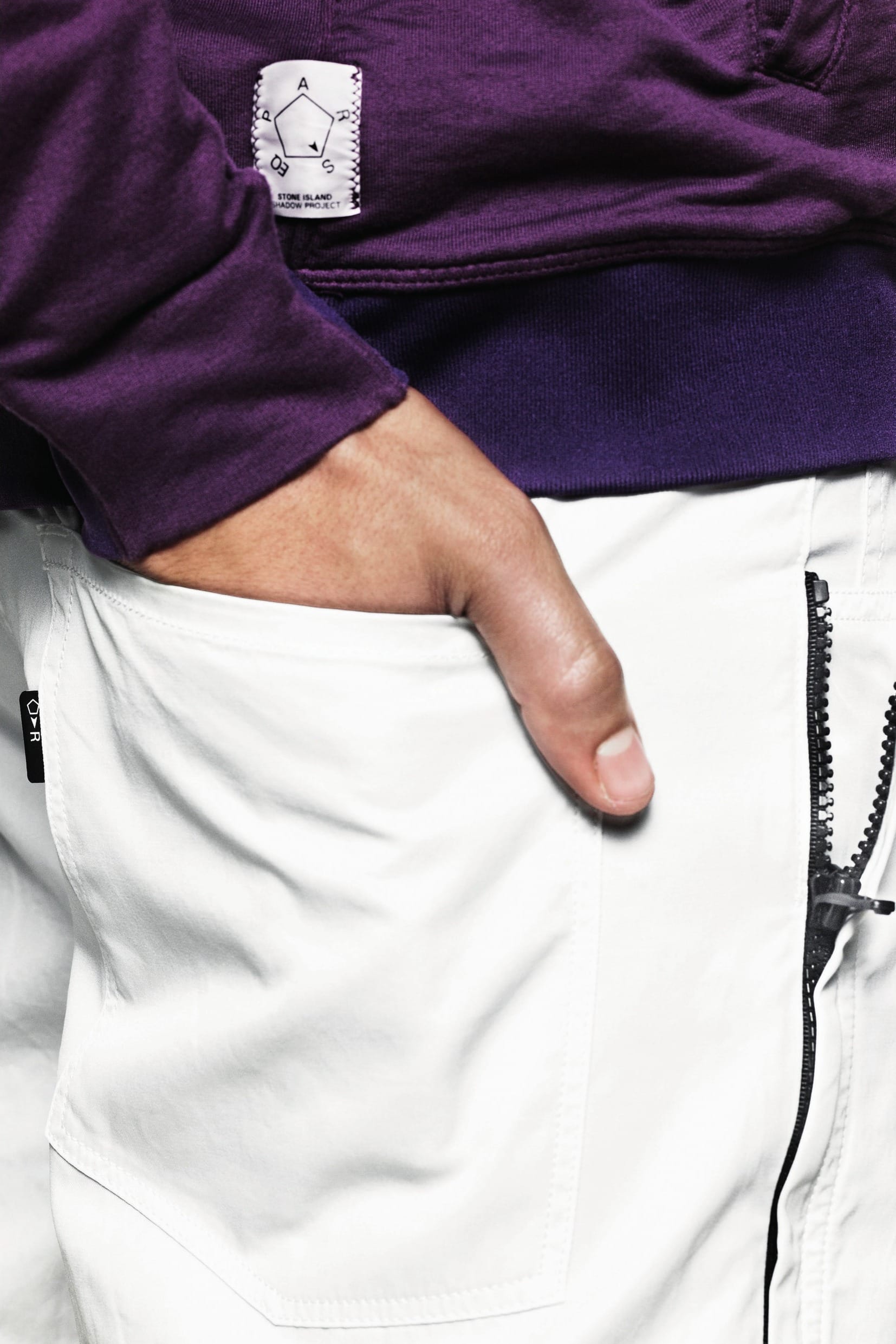
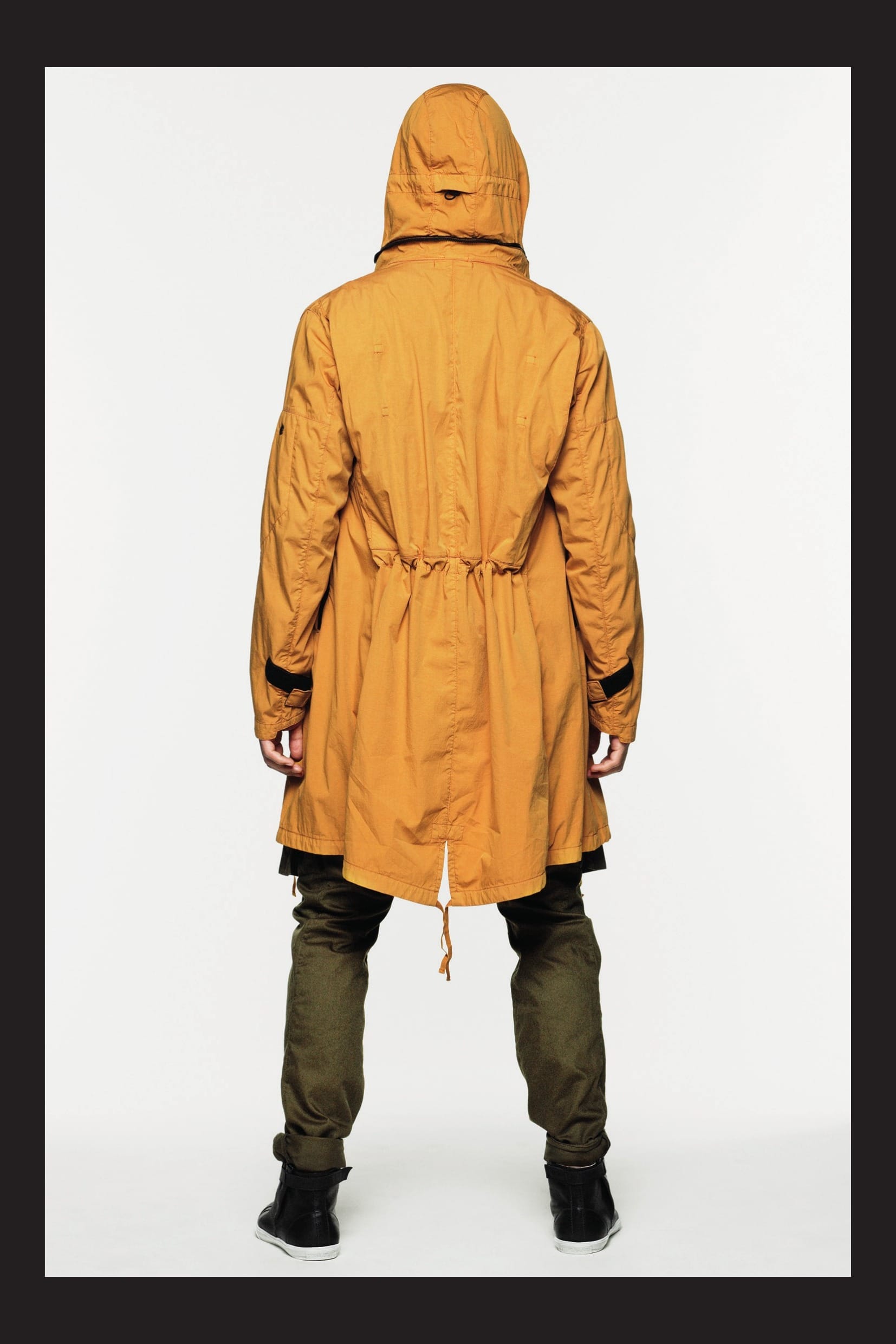
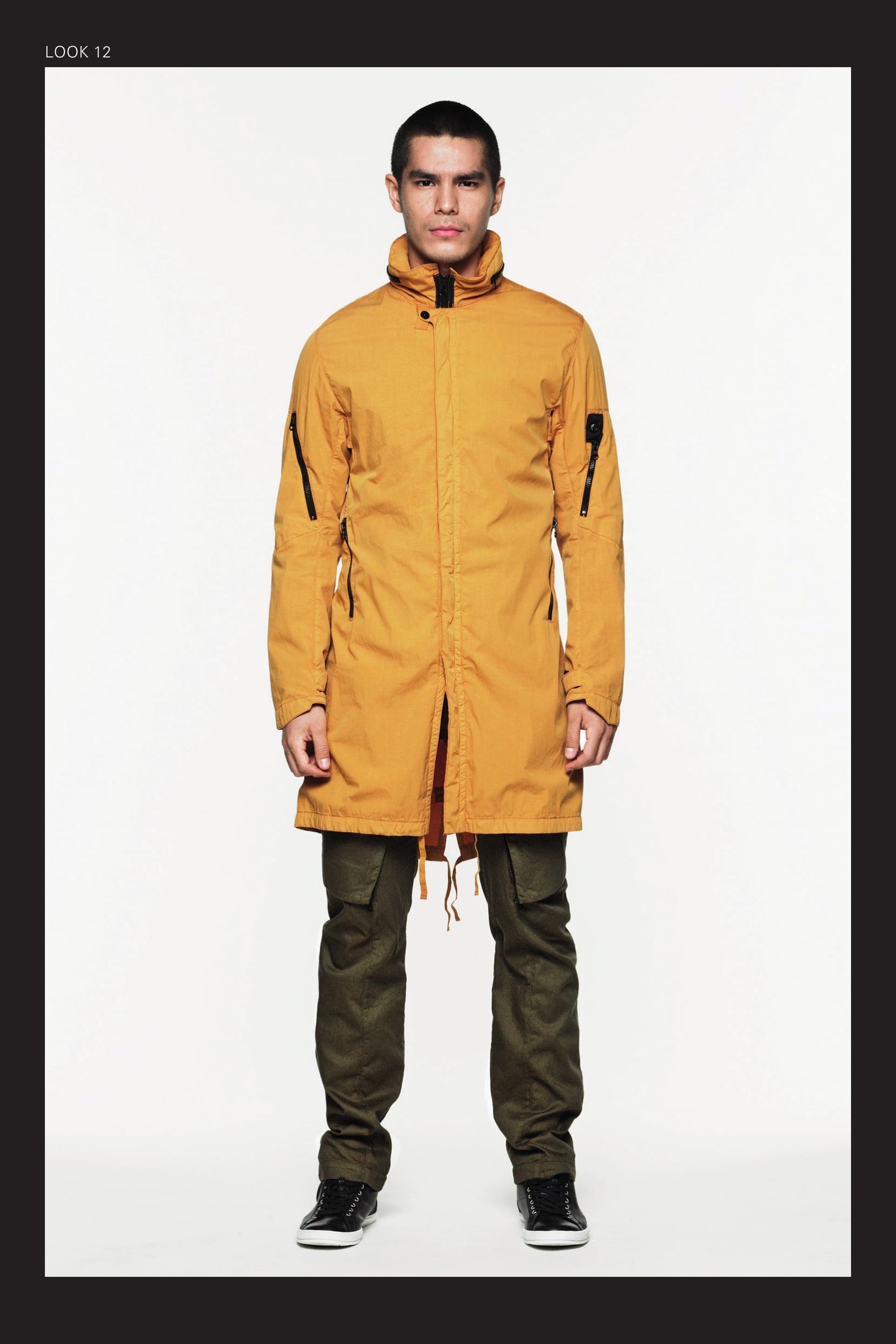
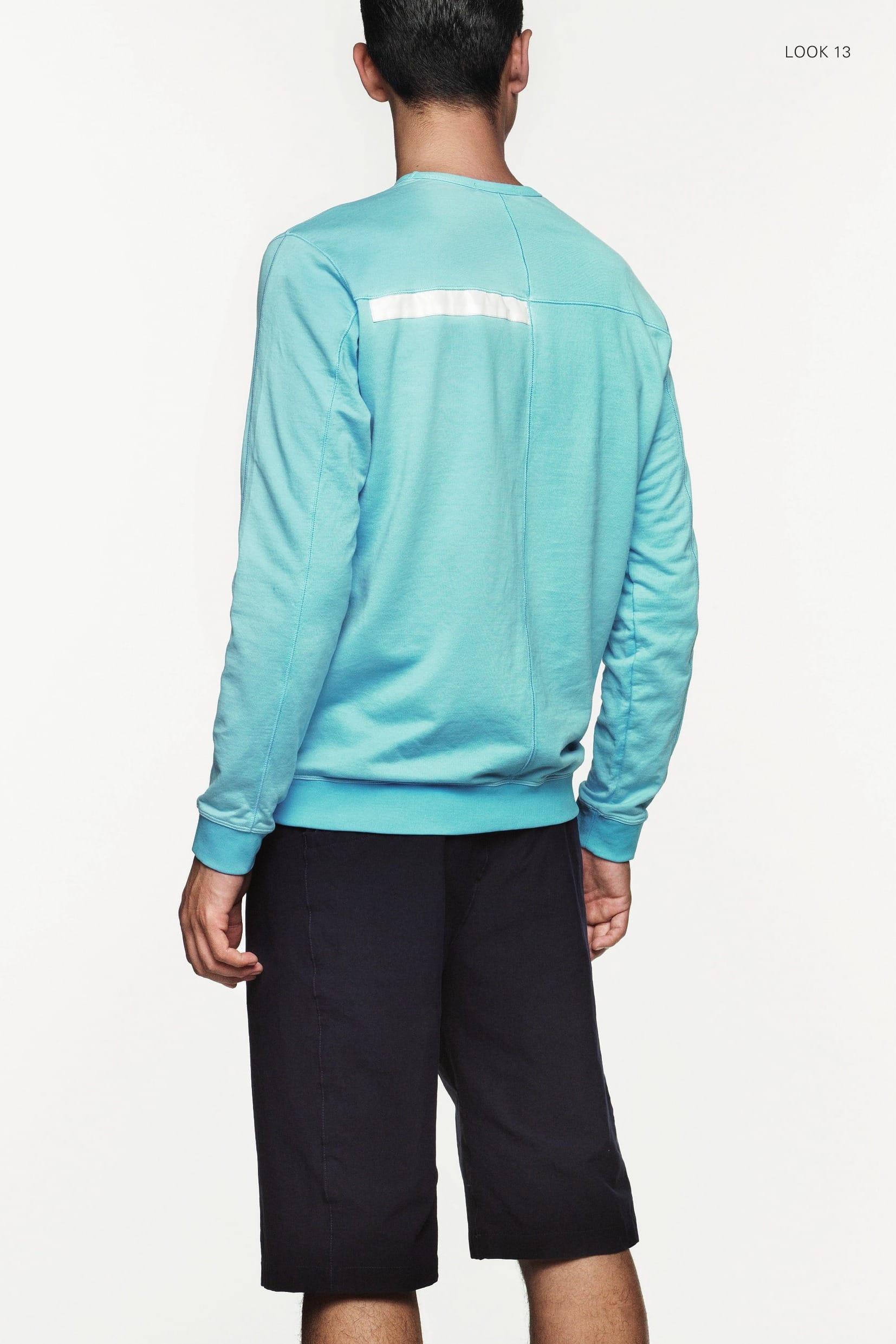
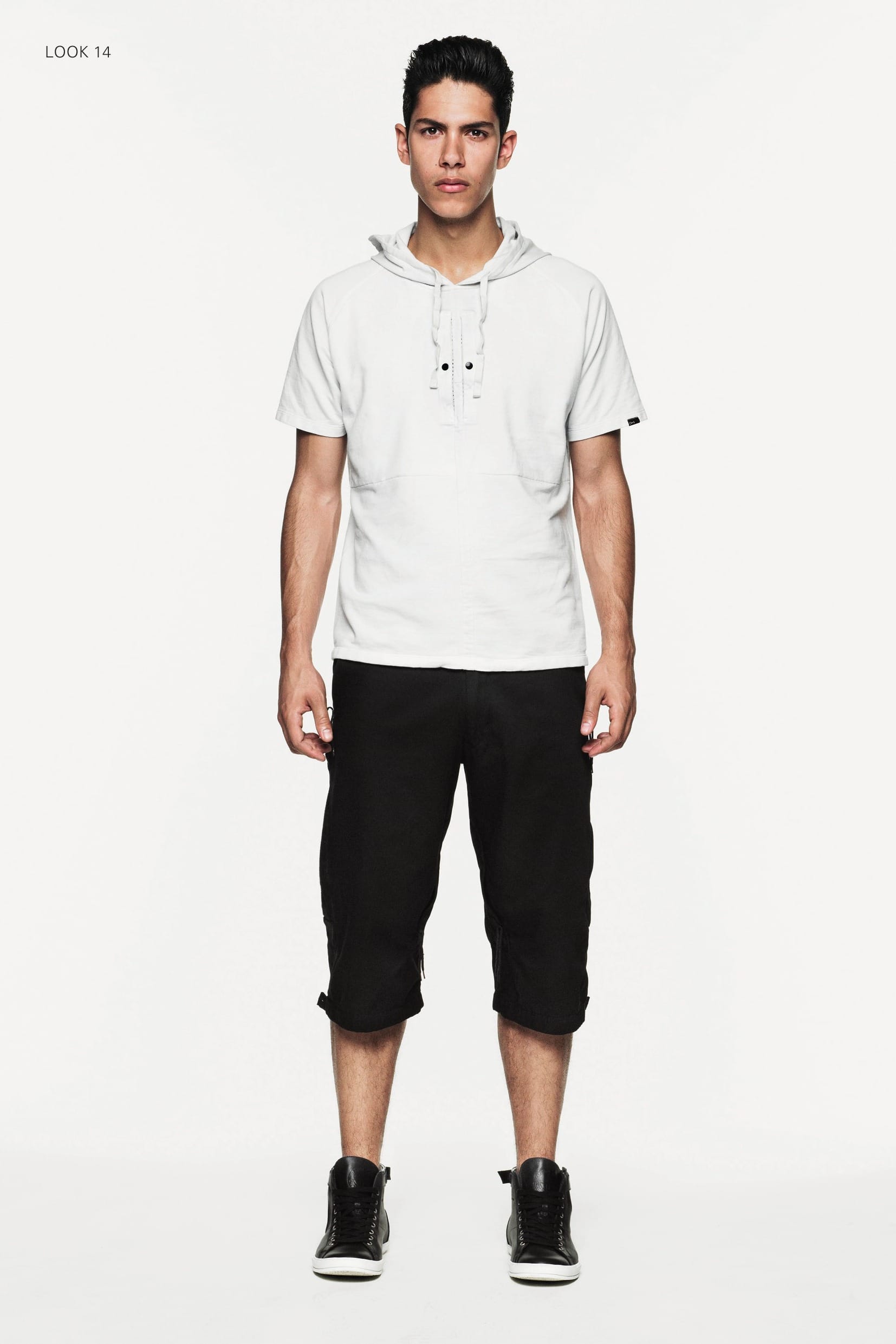
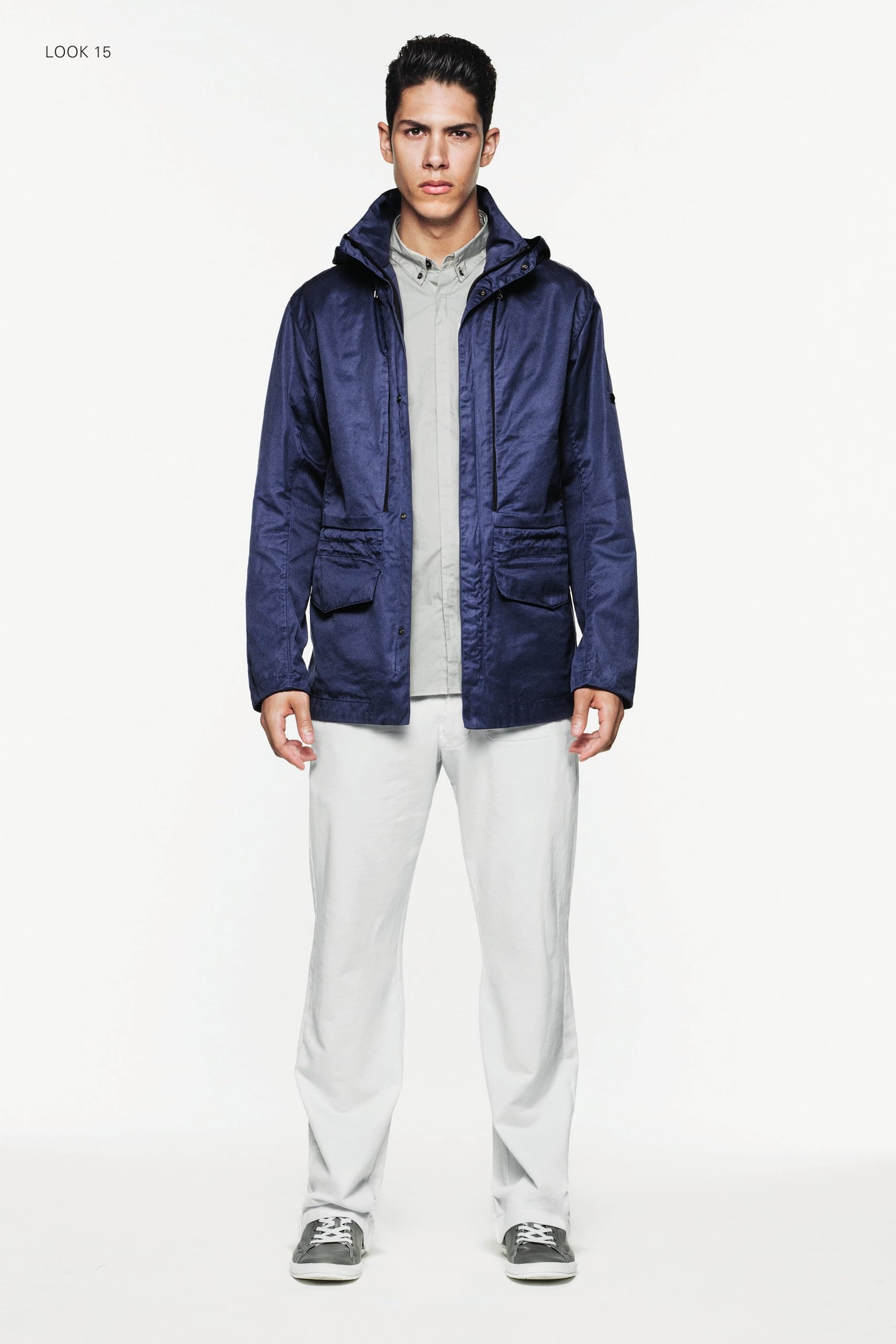
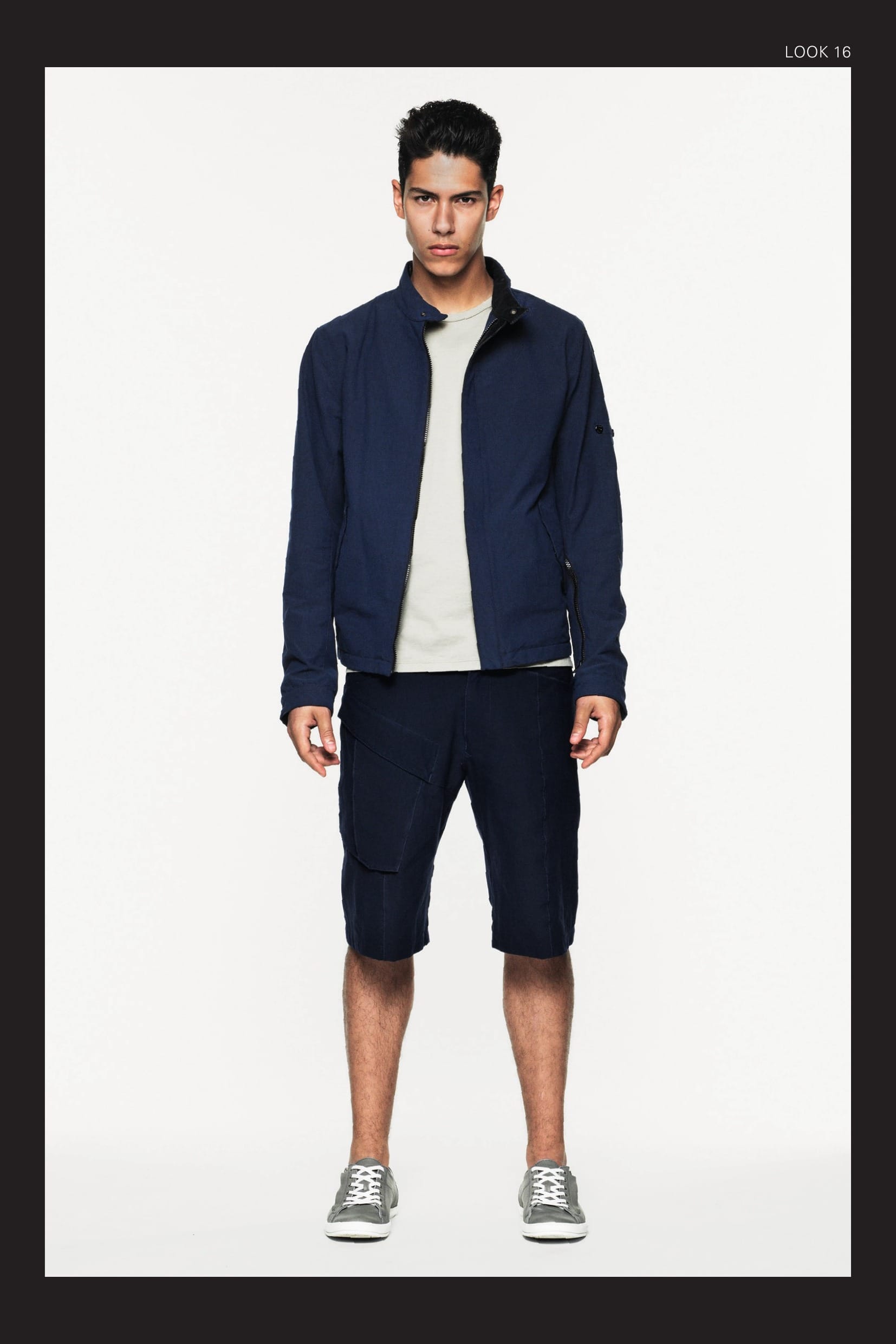
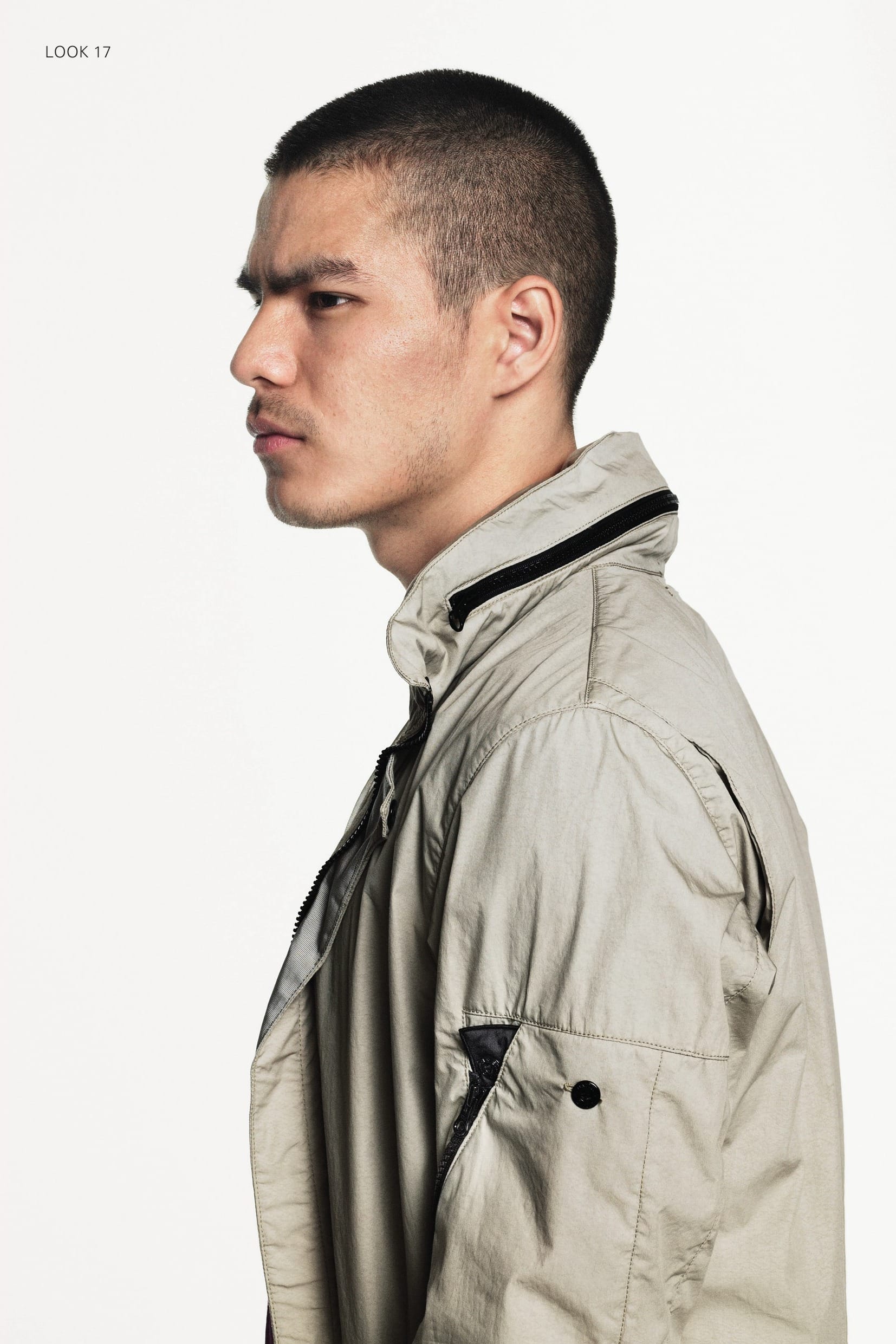
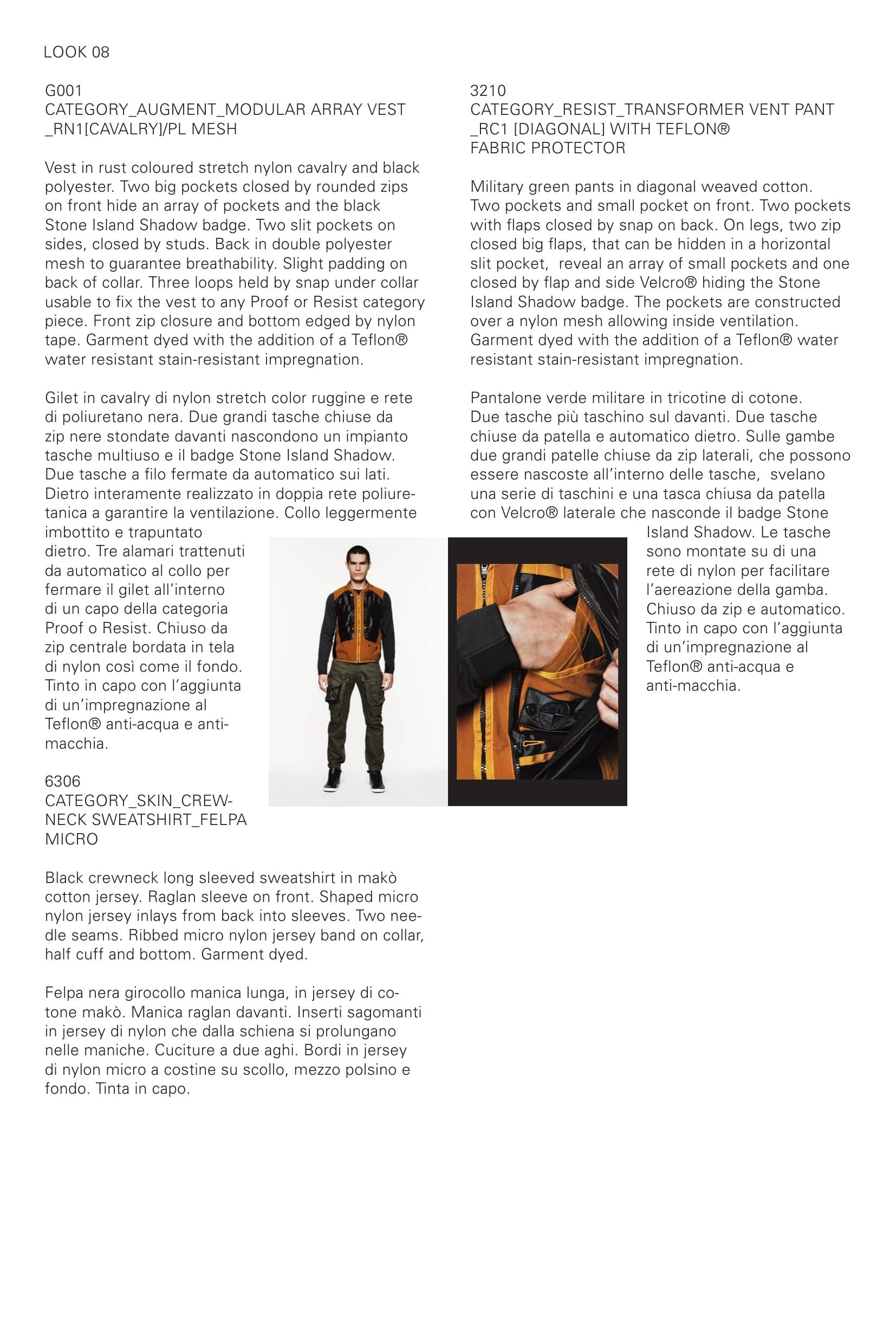
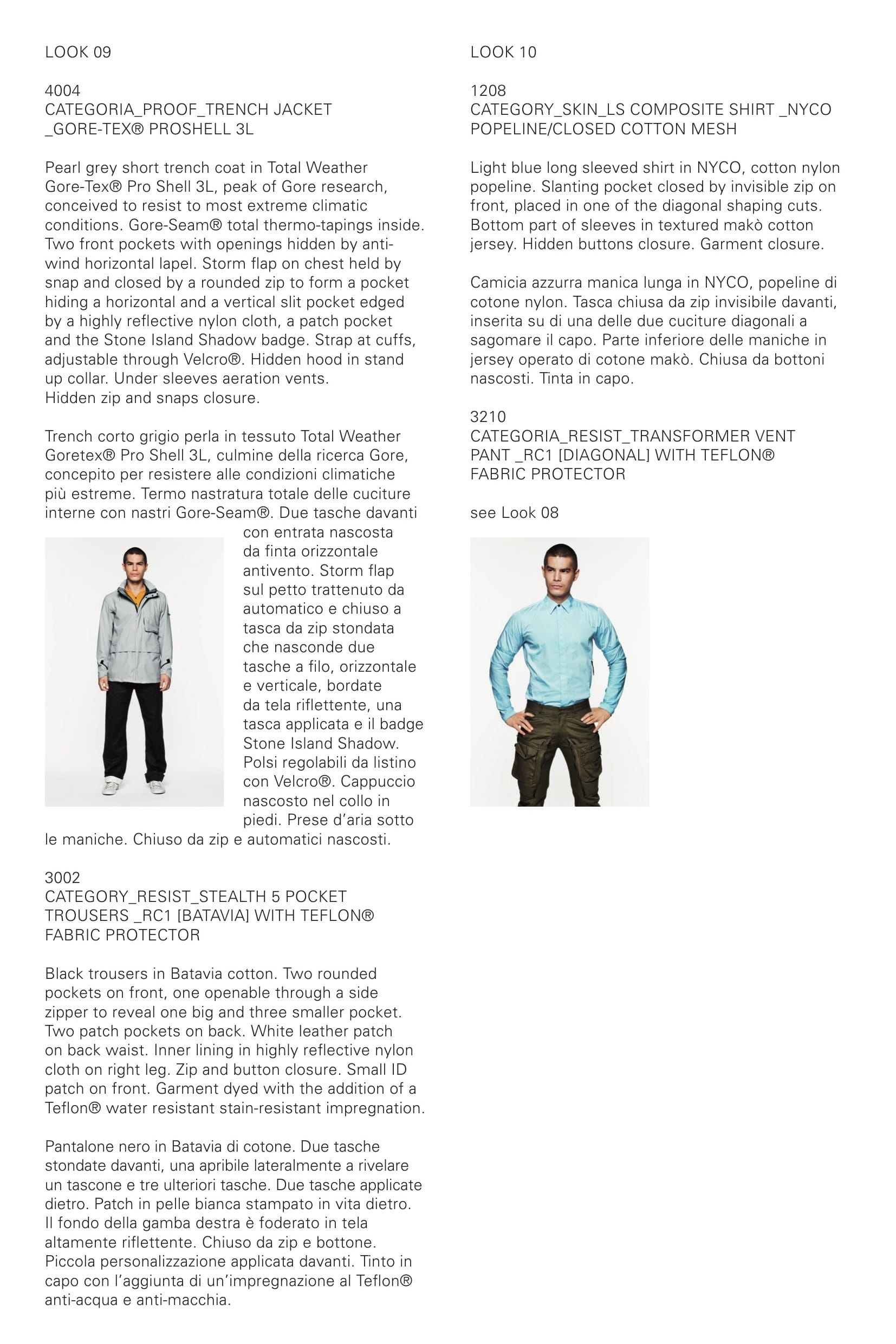
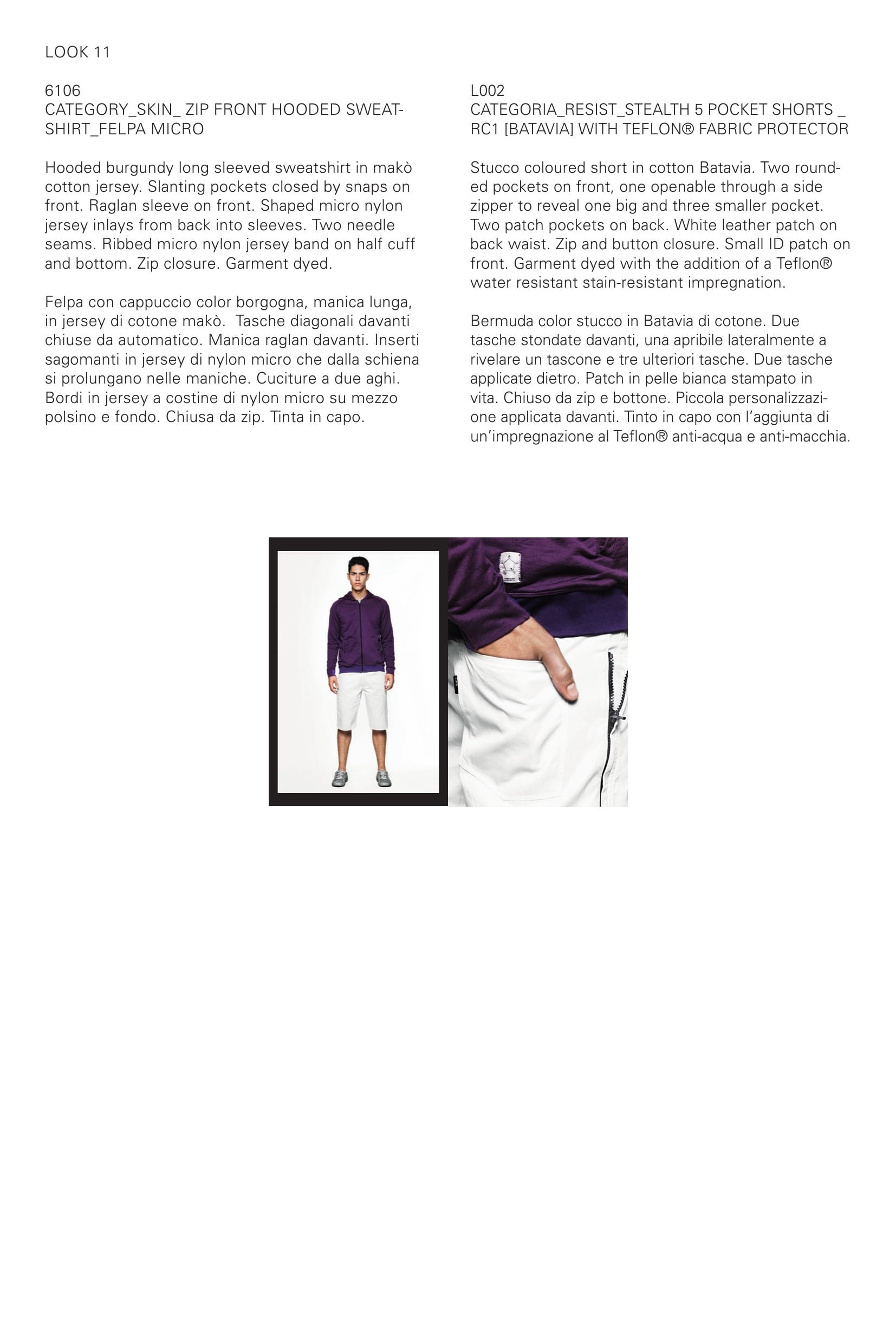
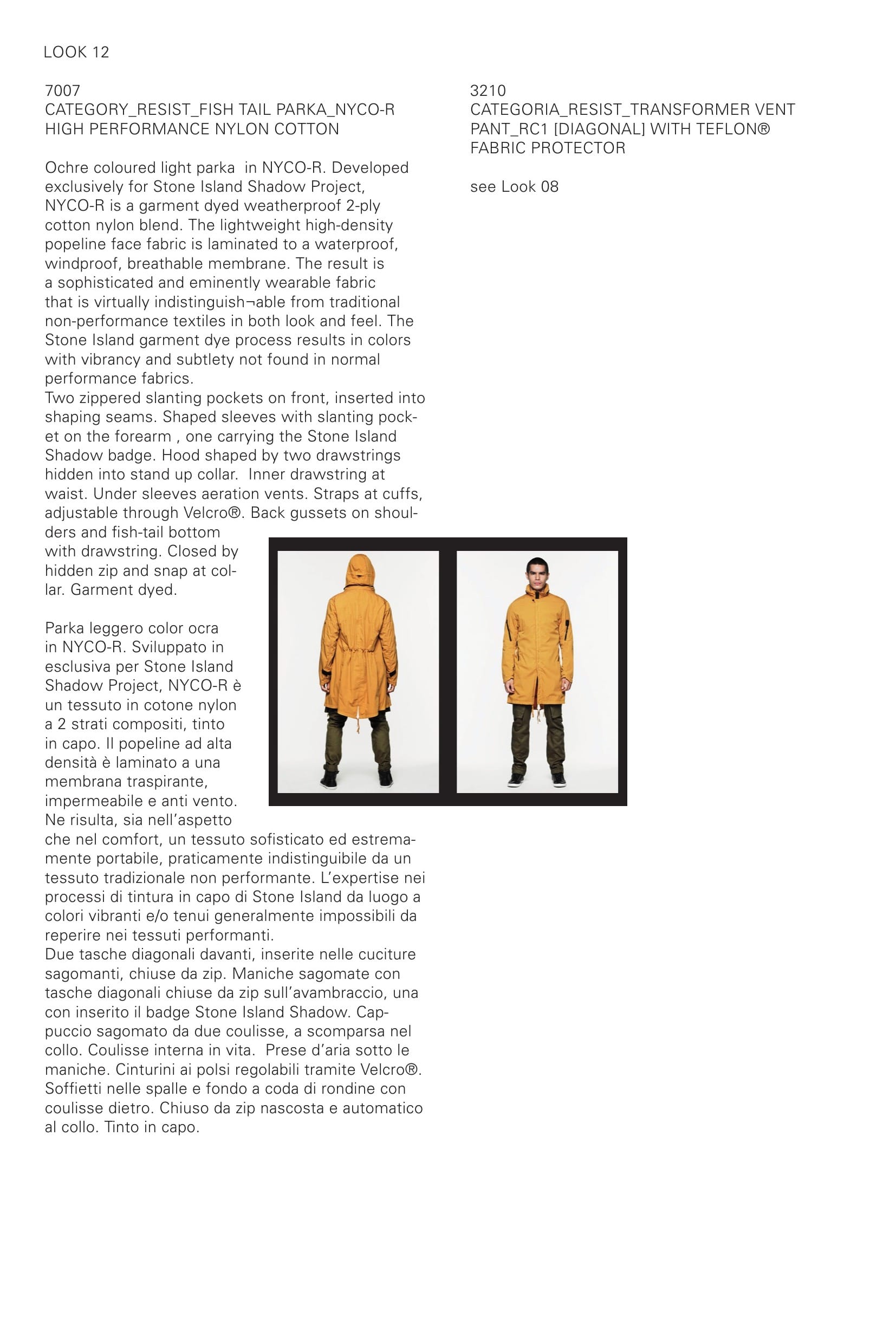
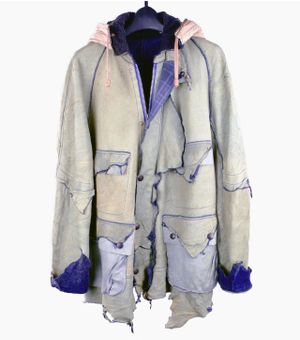
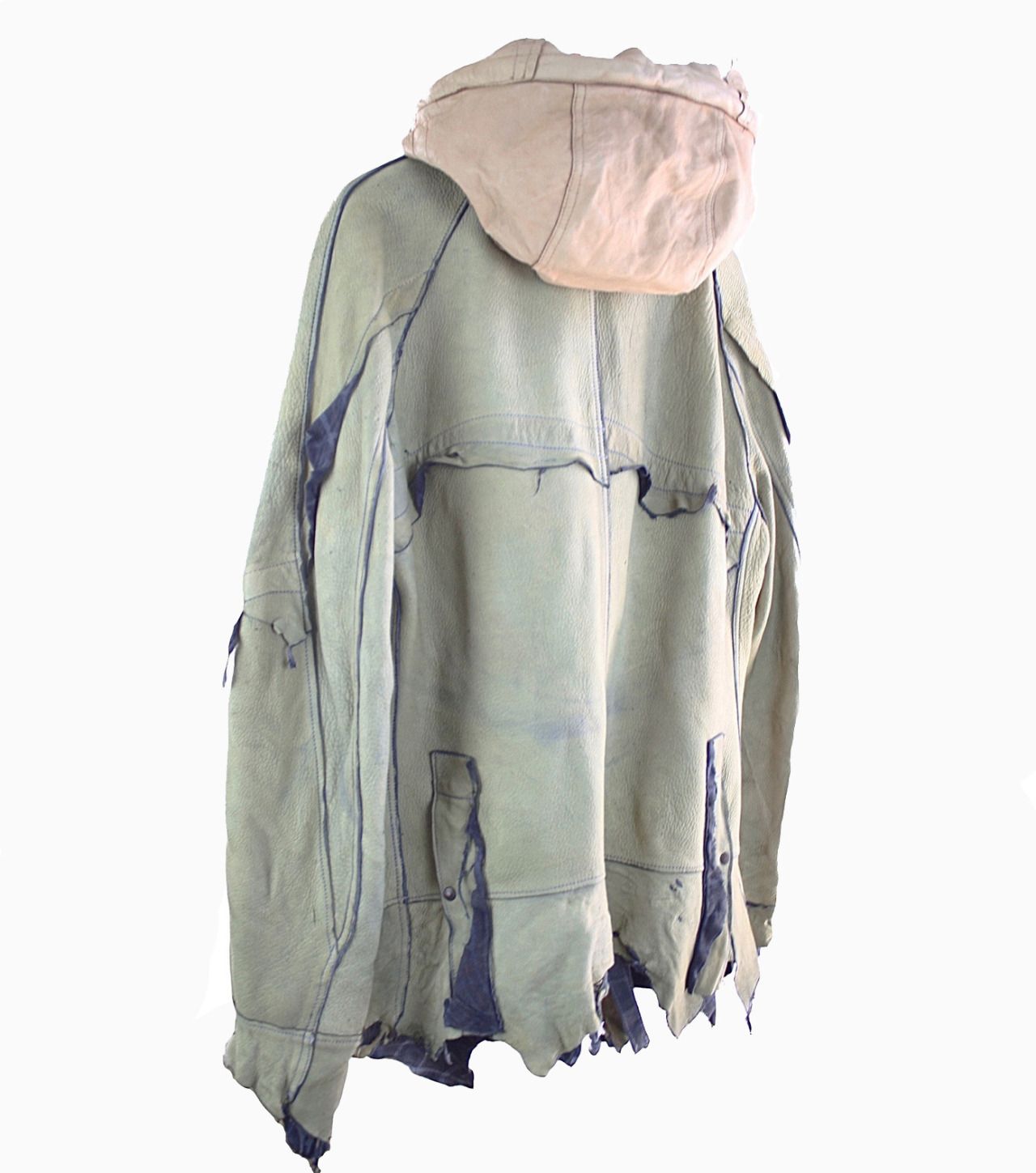
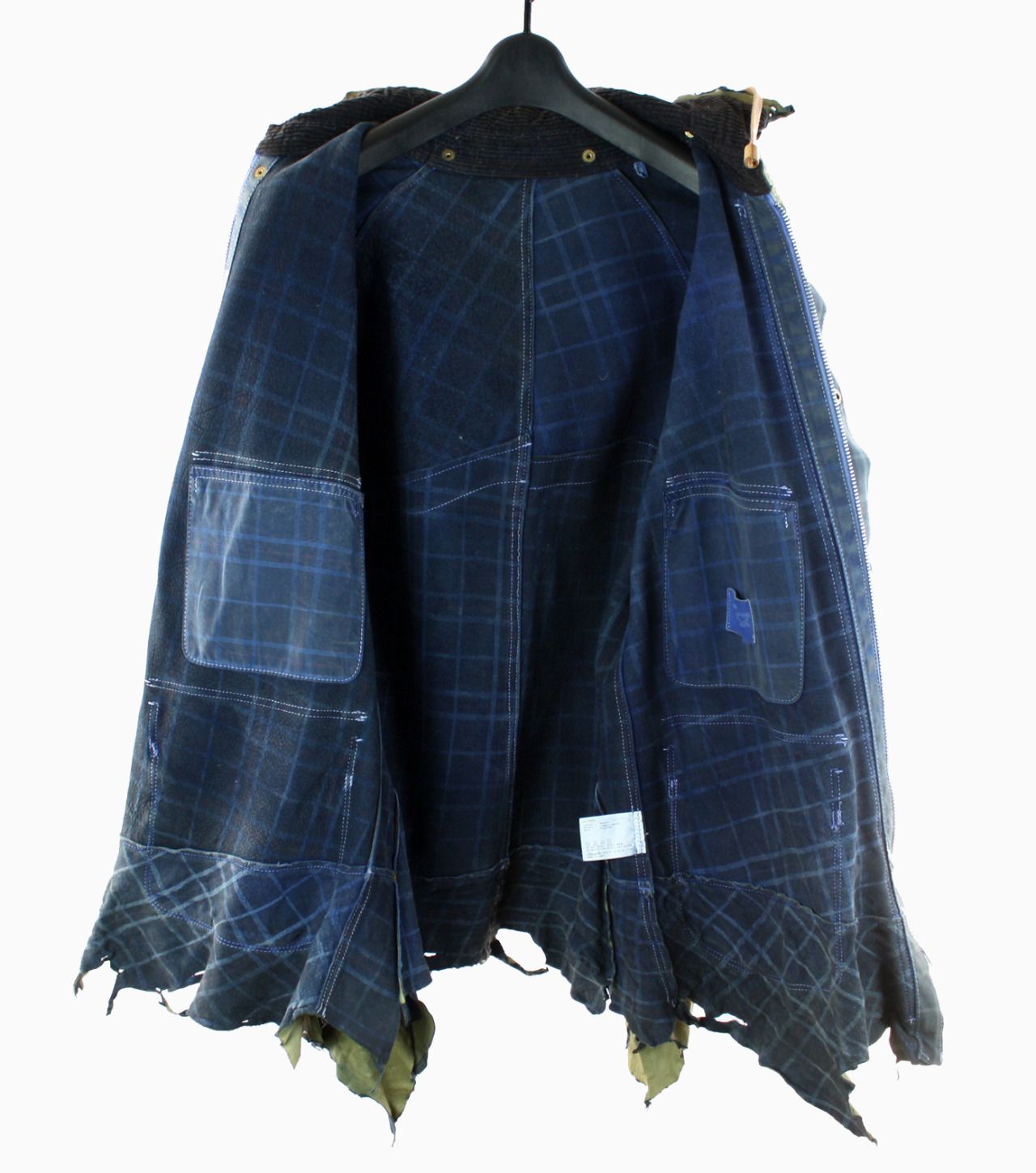
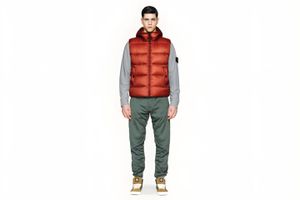
The 14th Stone Island Shadow Project collection is a mirage on the horizon; a heat haze of perspective shifting inversion and refraction. Vibrant and gritty, granular and loose, it's the freshness and intensity of youth tempered by process and exposure to the elements. West coast Zephyr inspired colors are turned up to maximum saturation, then slightly muted by treatments both softening and metallic. Materials have an easy, lived-in feel, but retain the underlying edge of technical performance and real use. Loose street and slope born shapes flow with relaxed tailoring and diffused prep looks. Graphics are minimal definitions; outlines and impressions of the underlying framework.
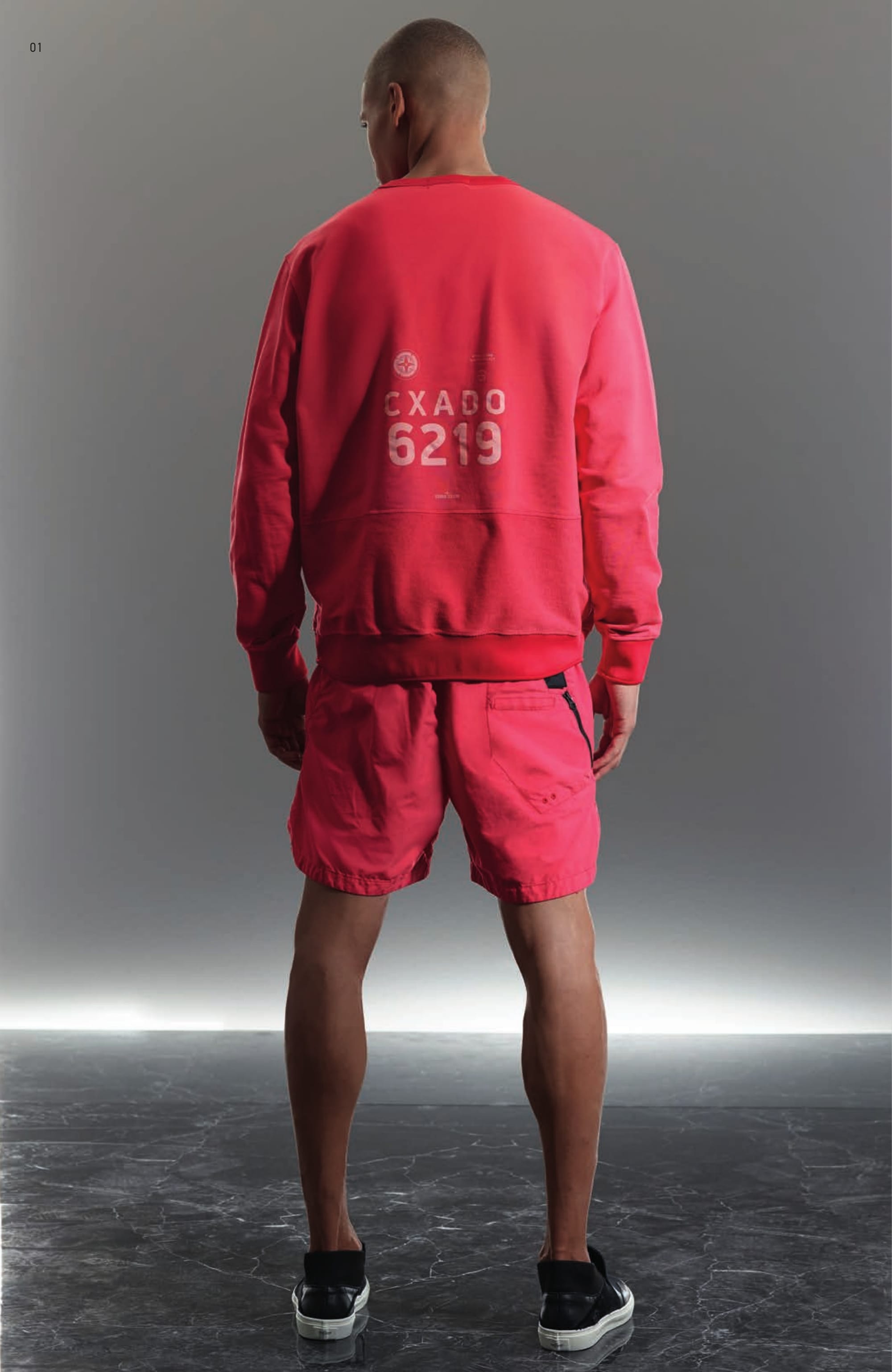
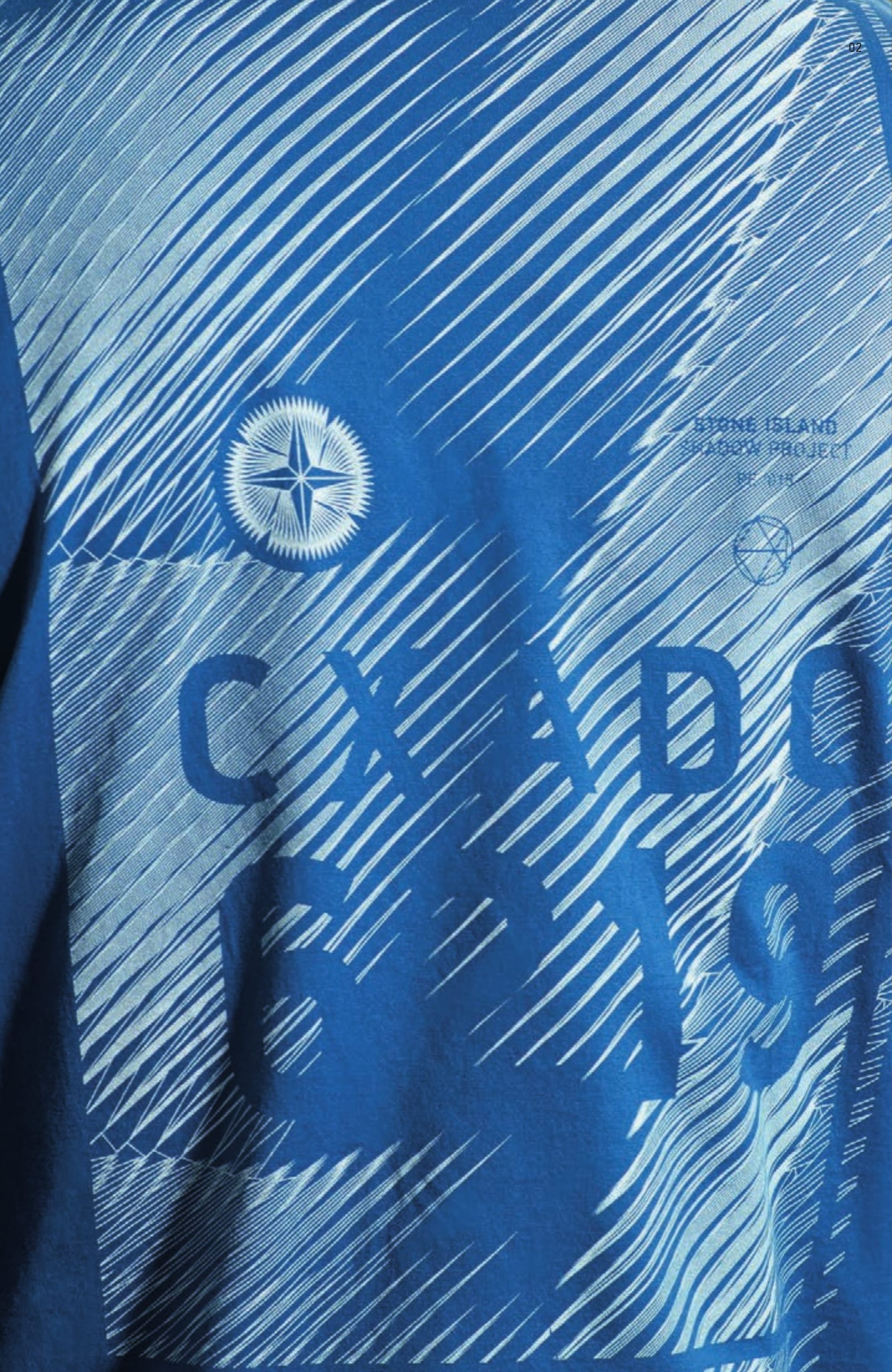
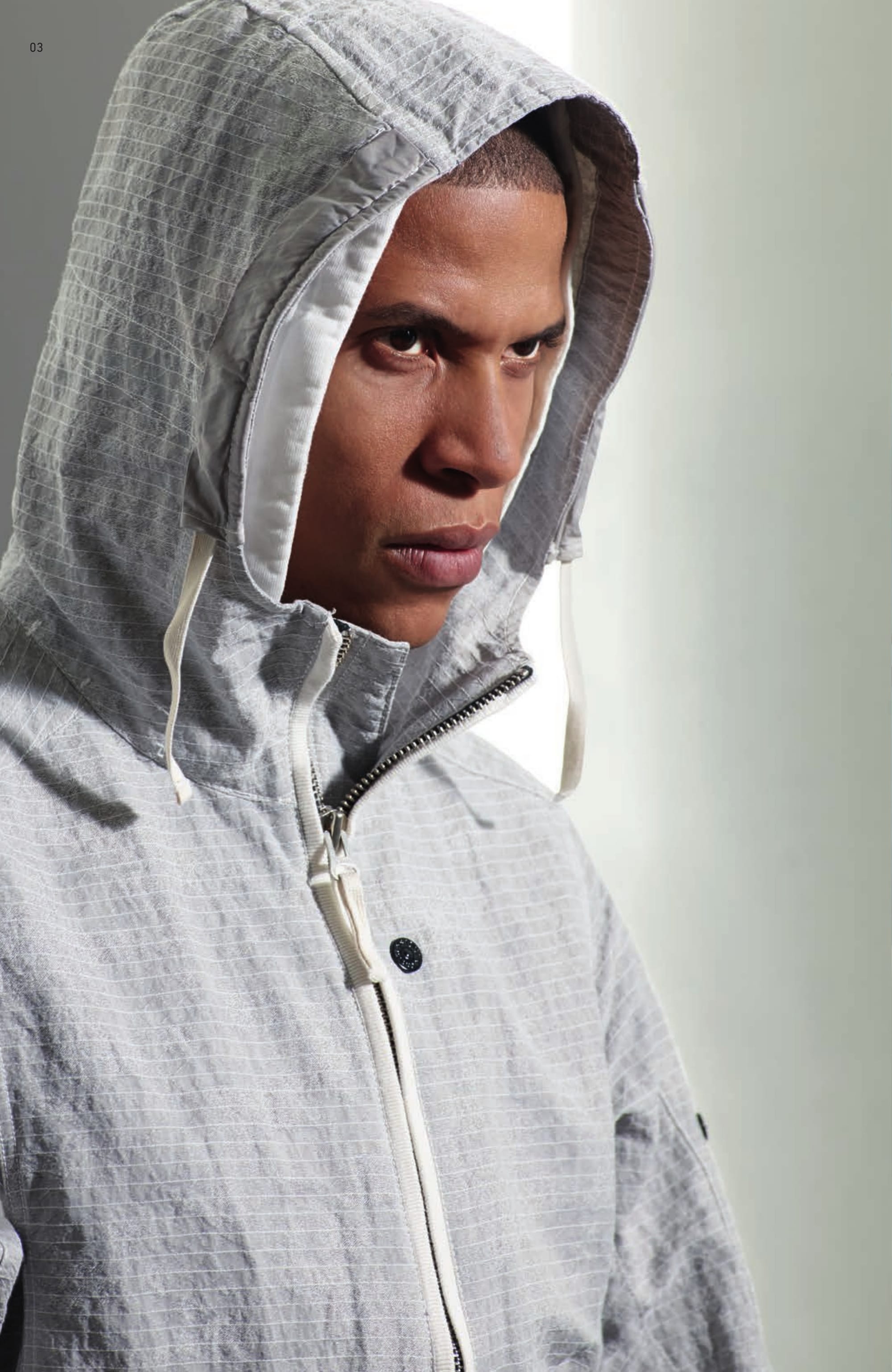
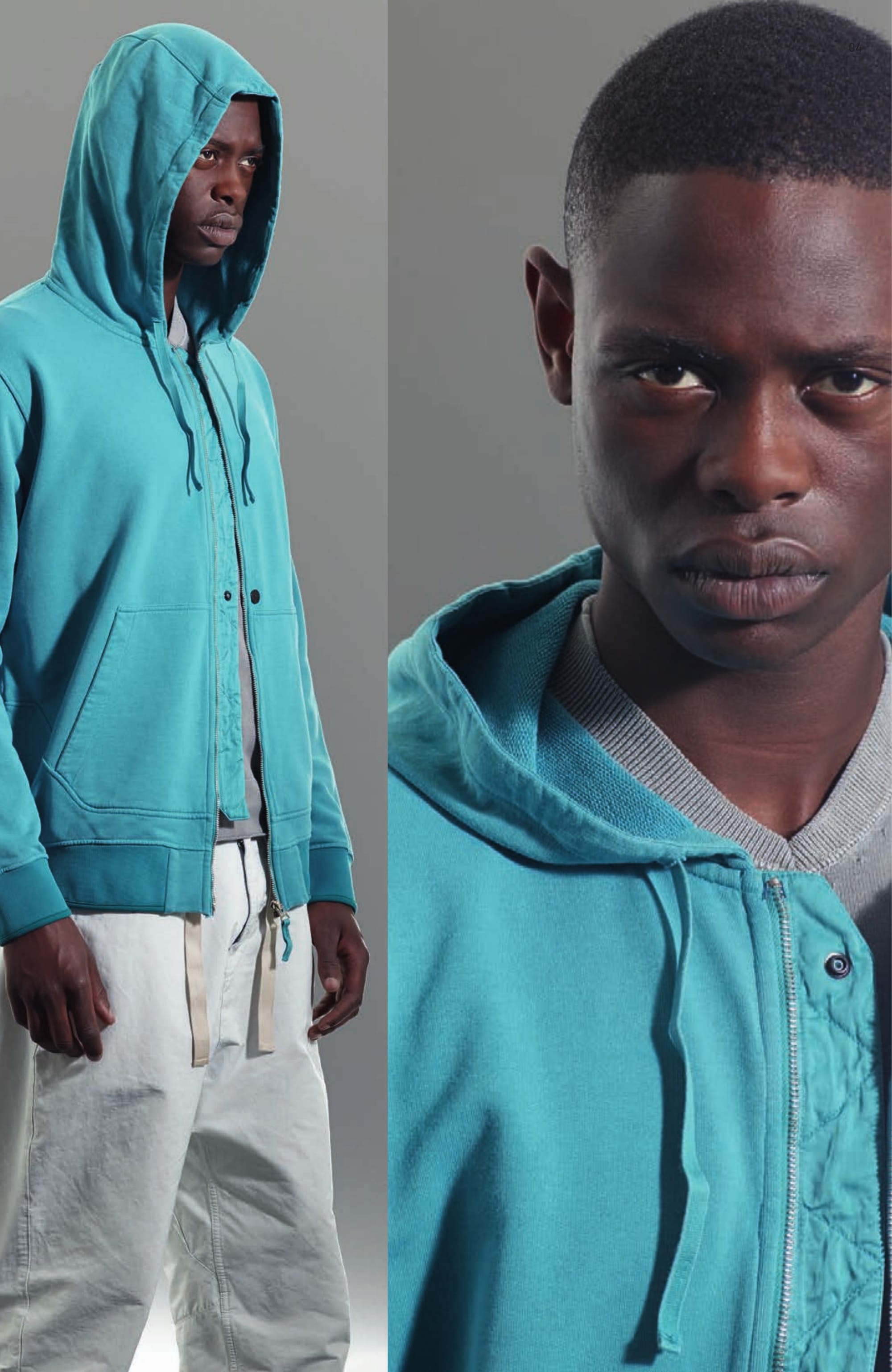
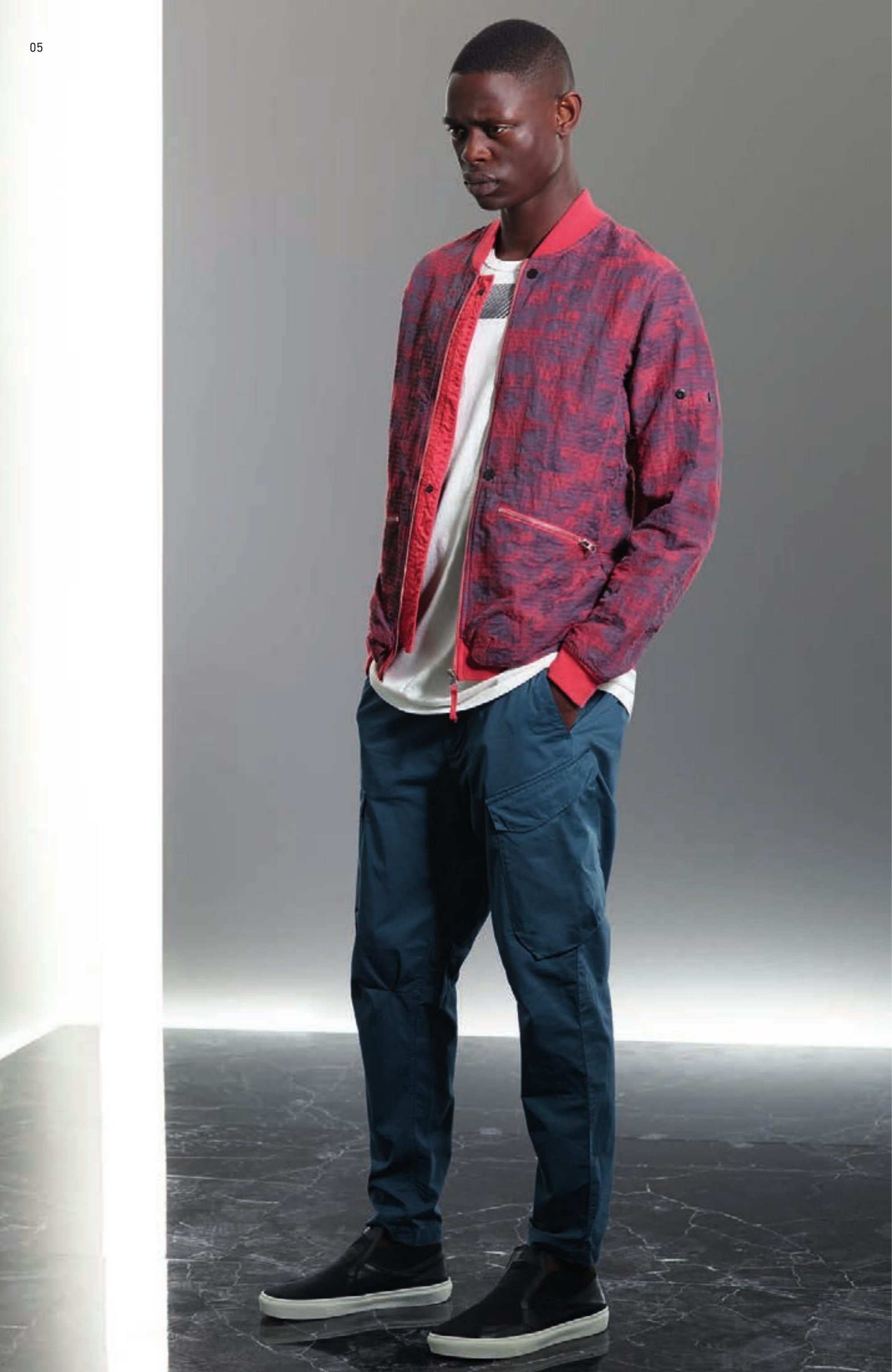
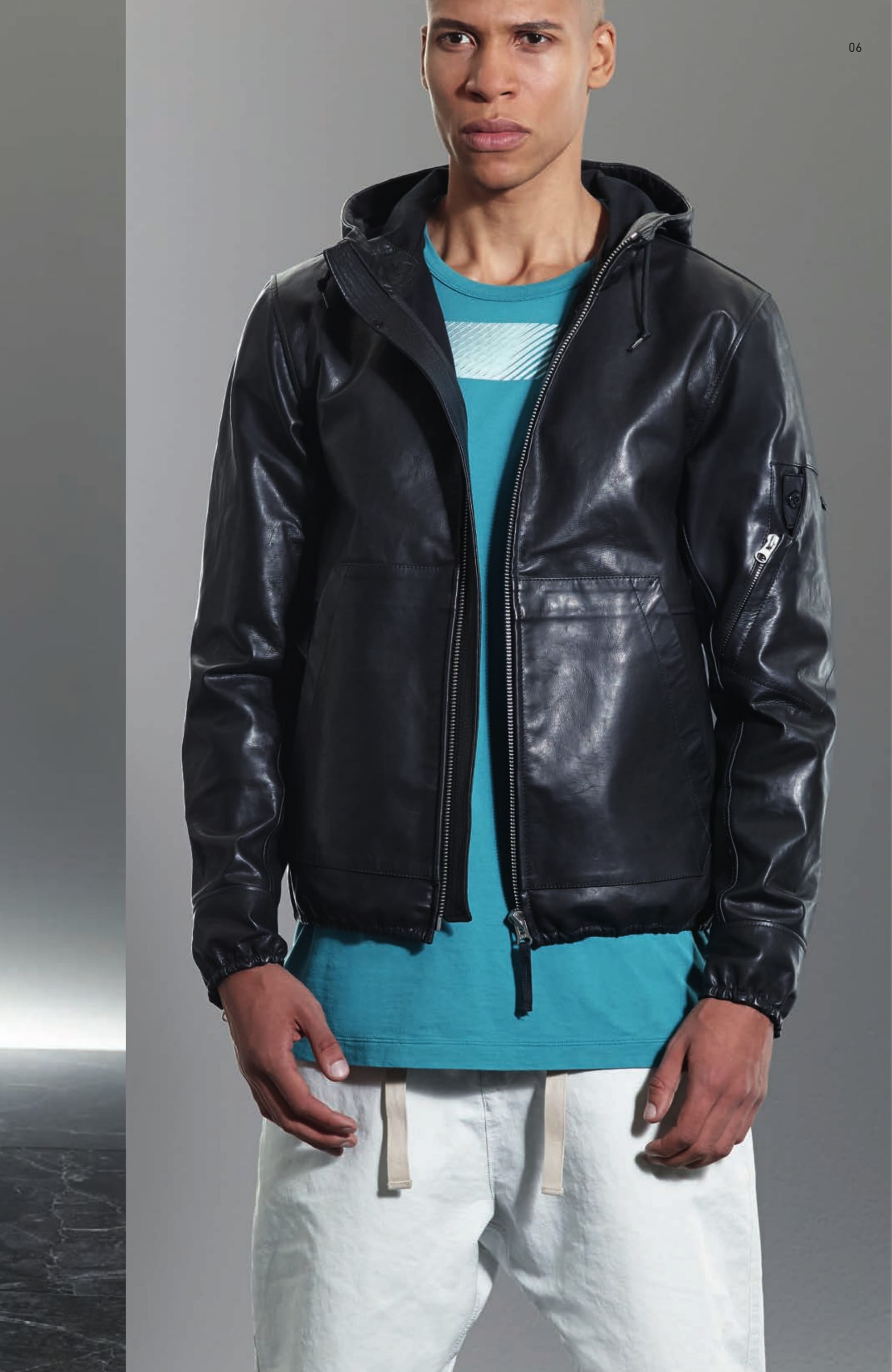
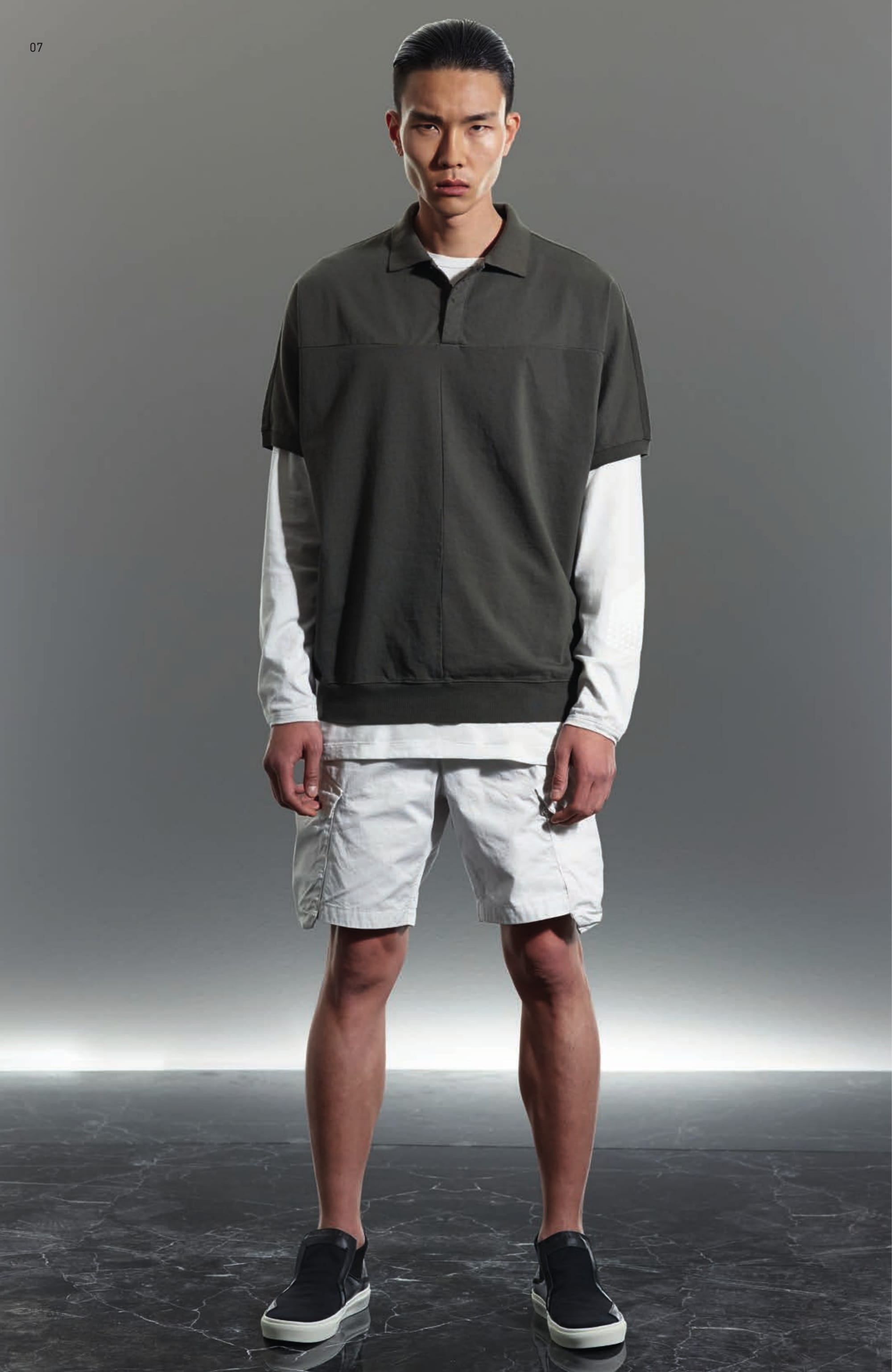
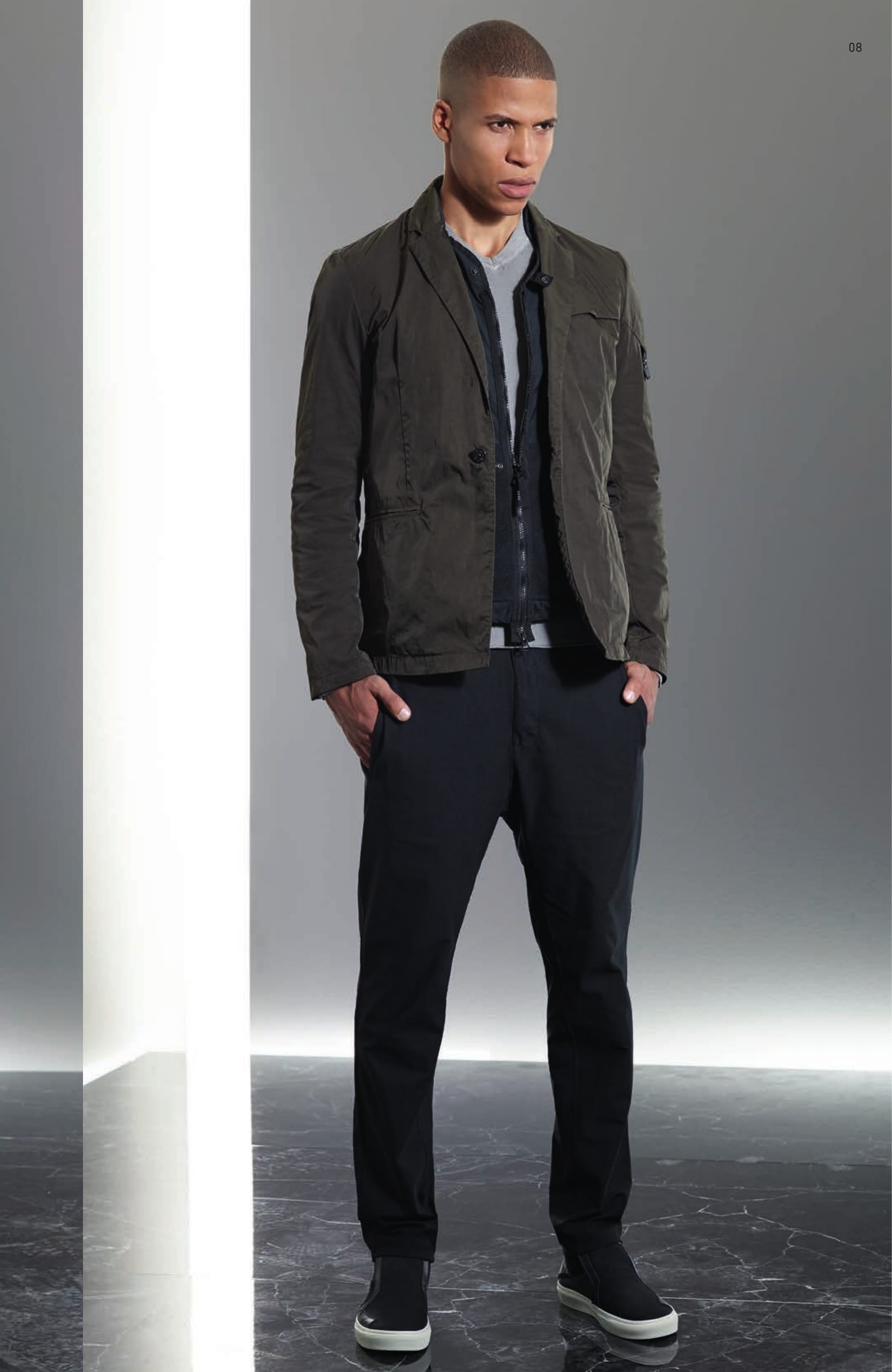
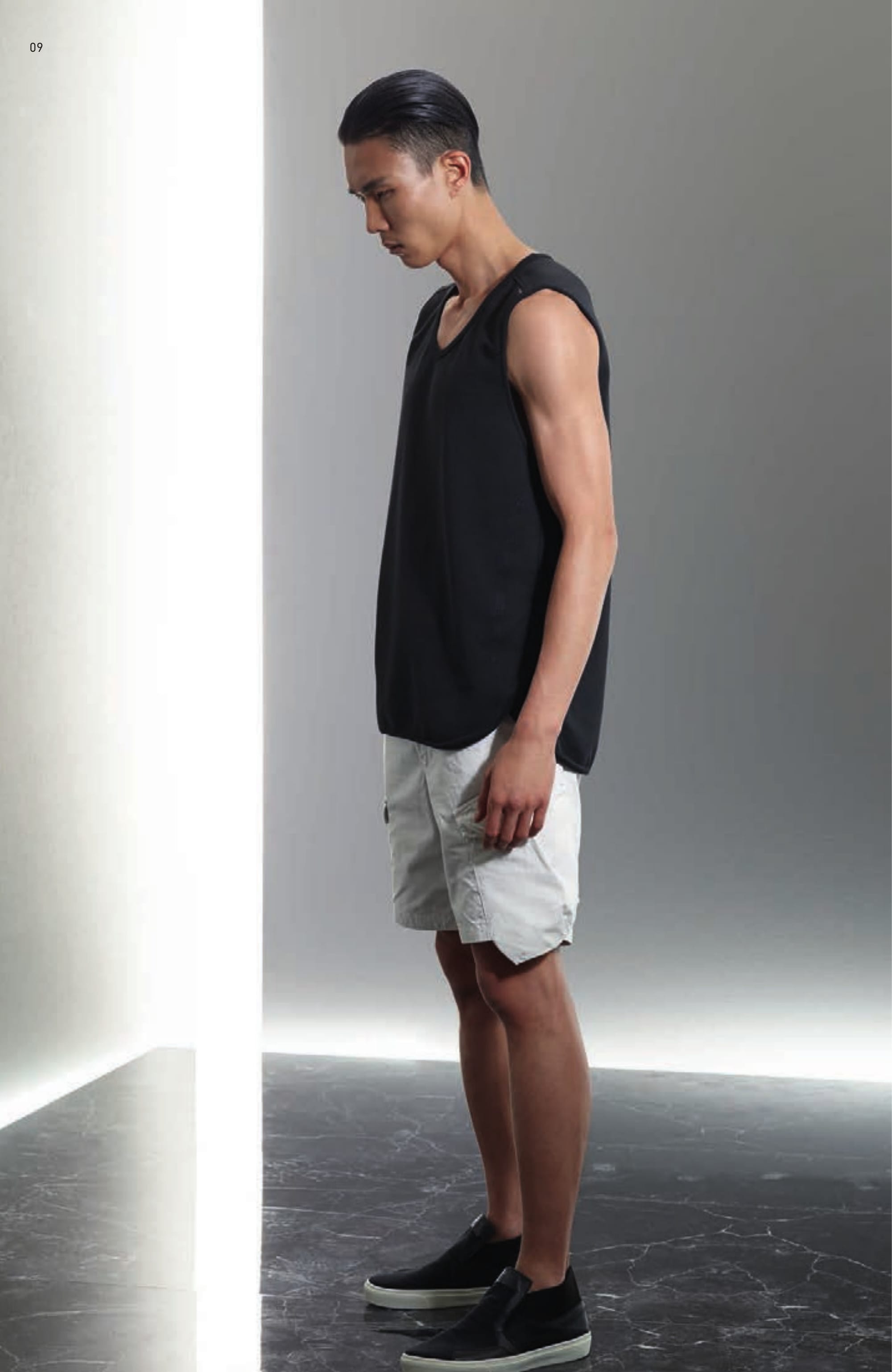
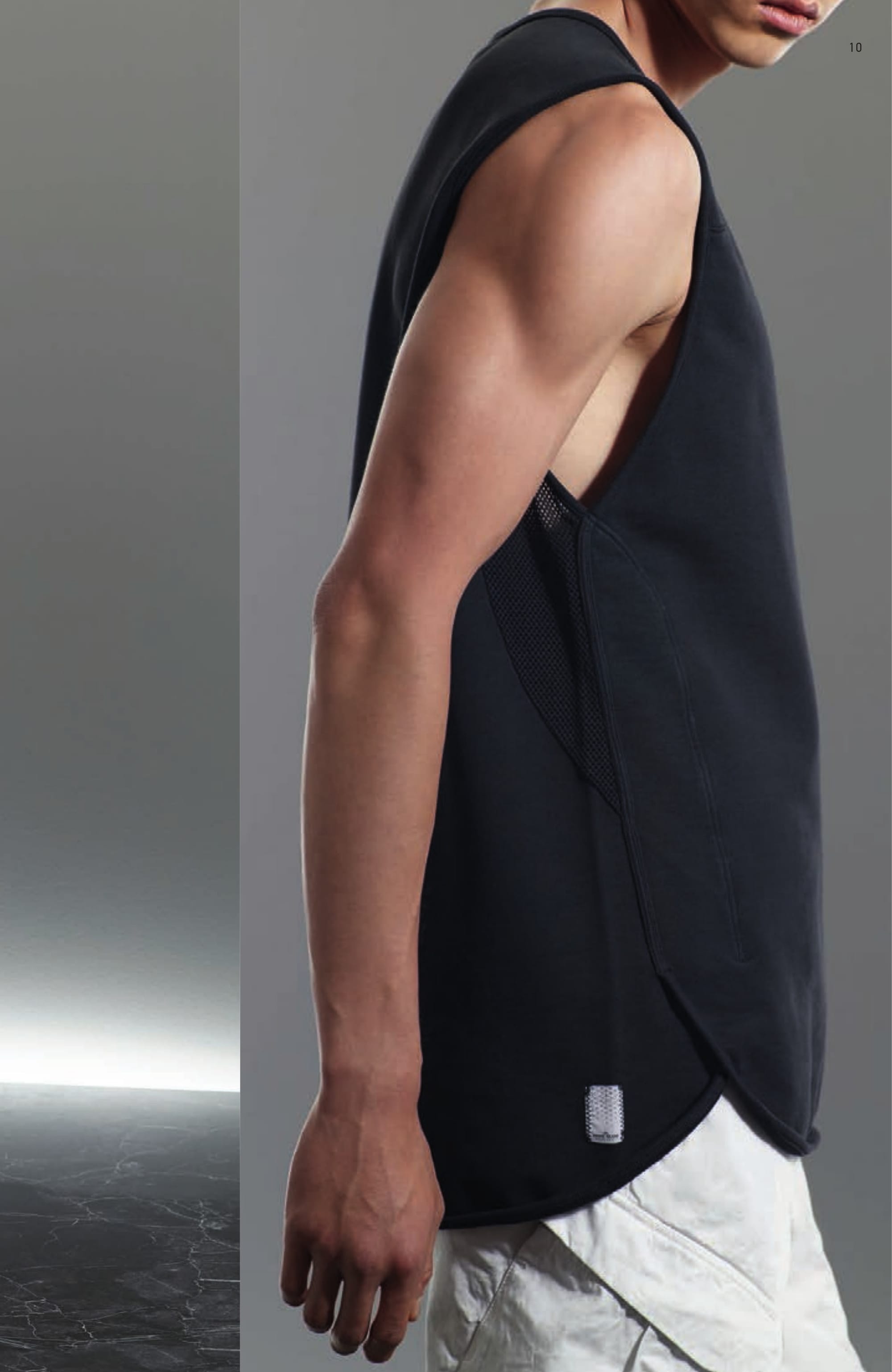
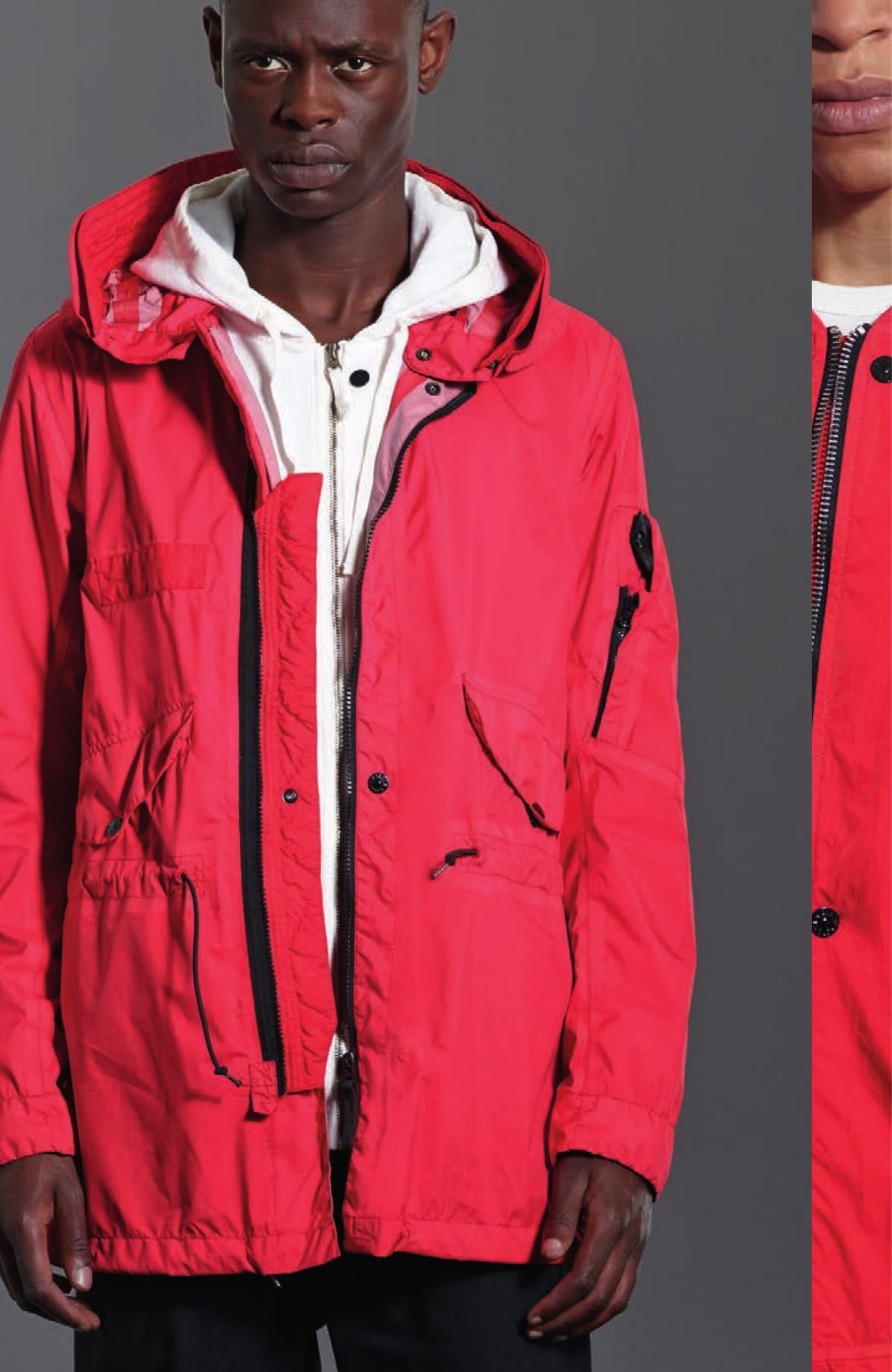
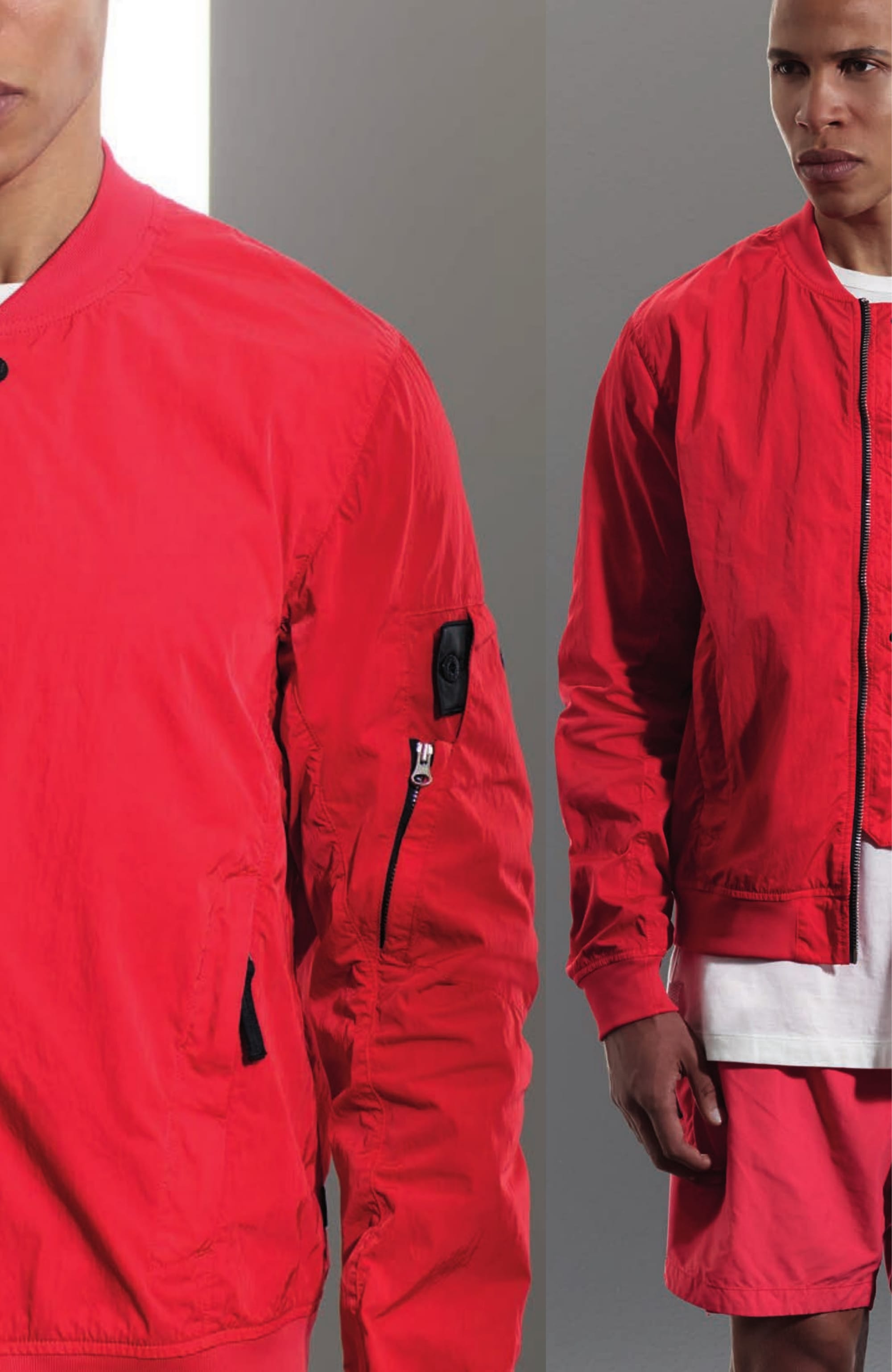
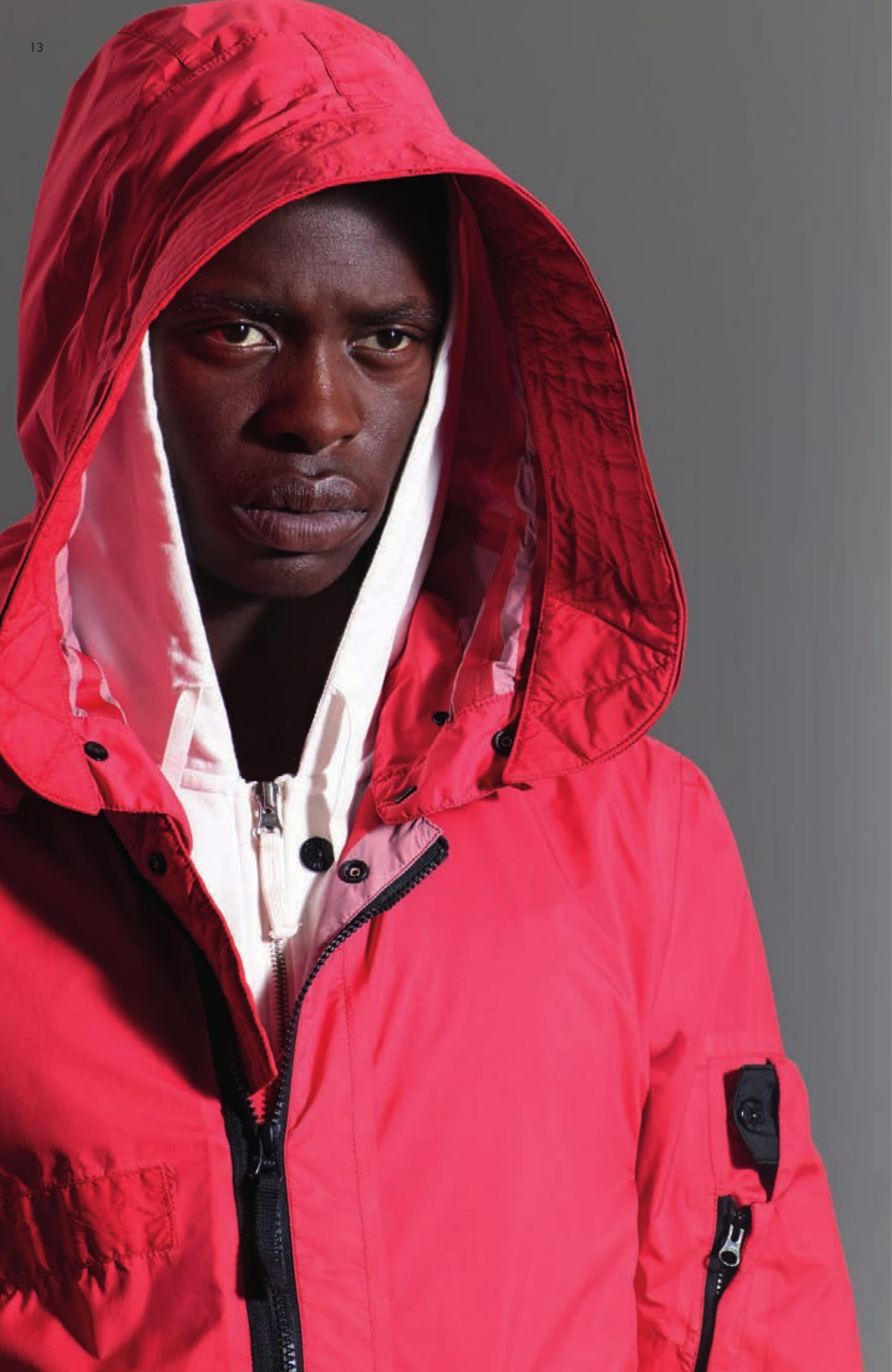
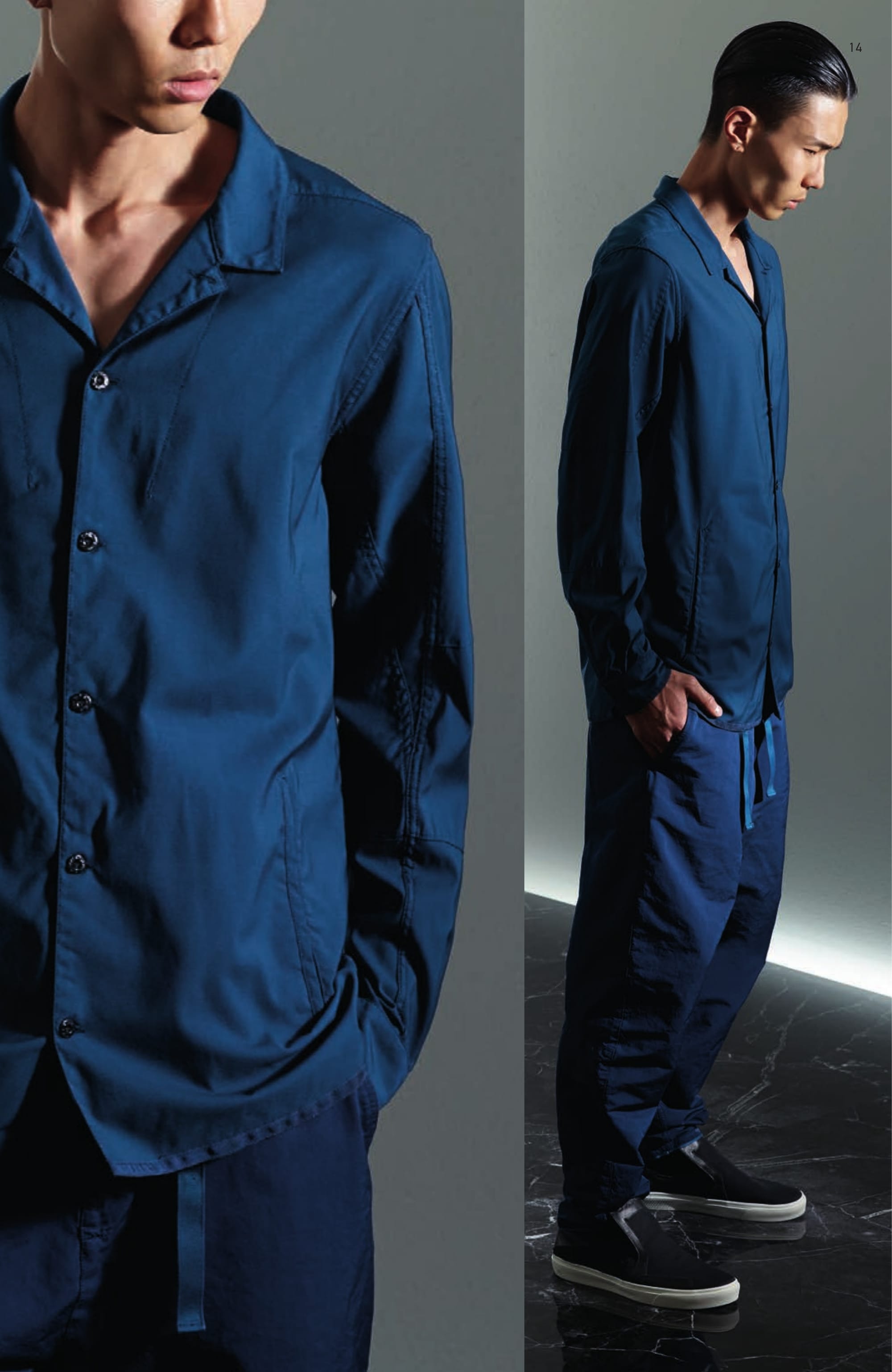
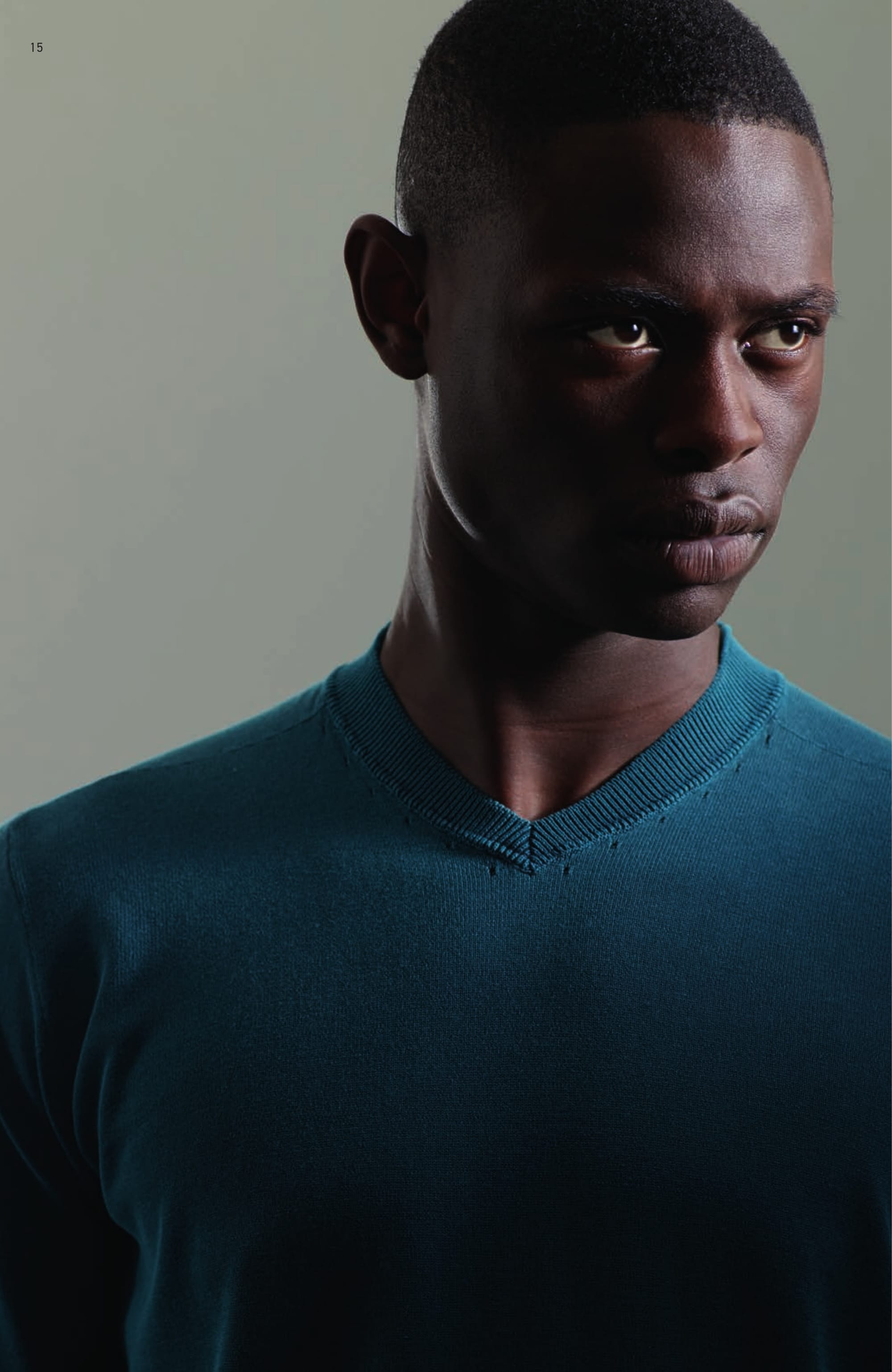
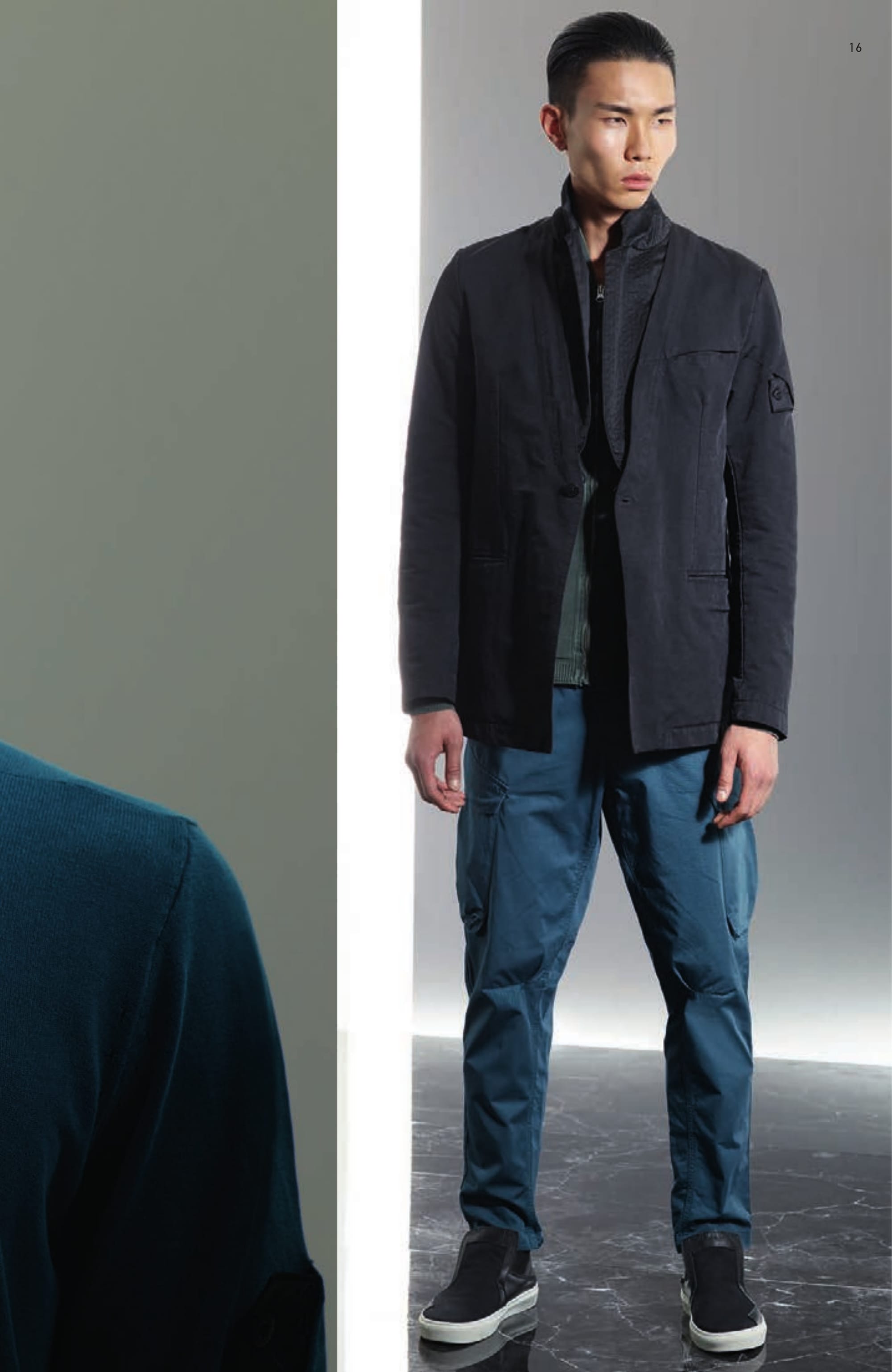
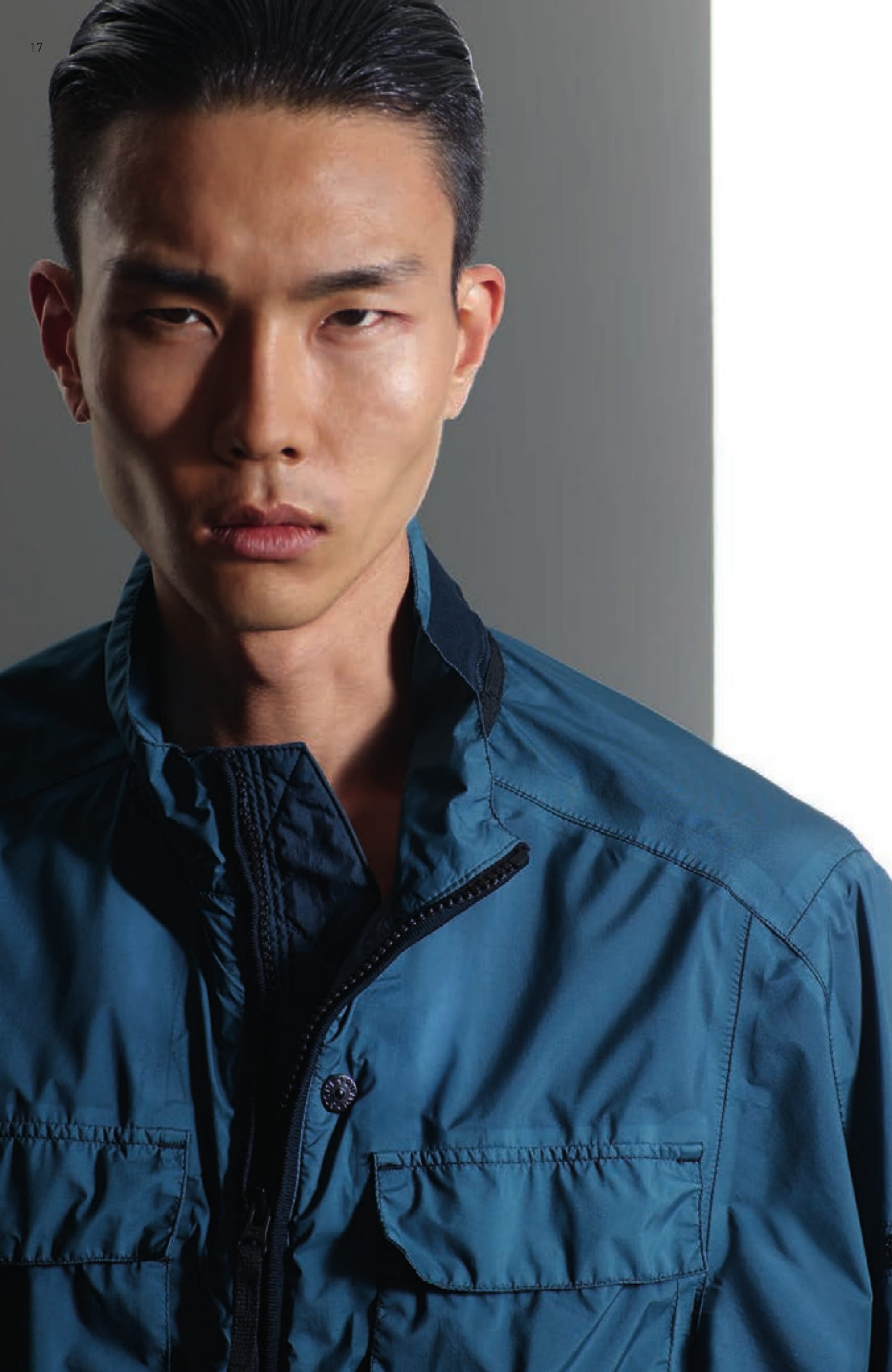
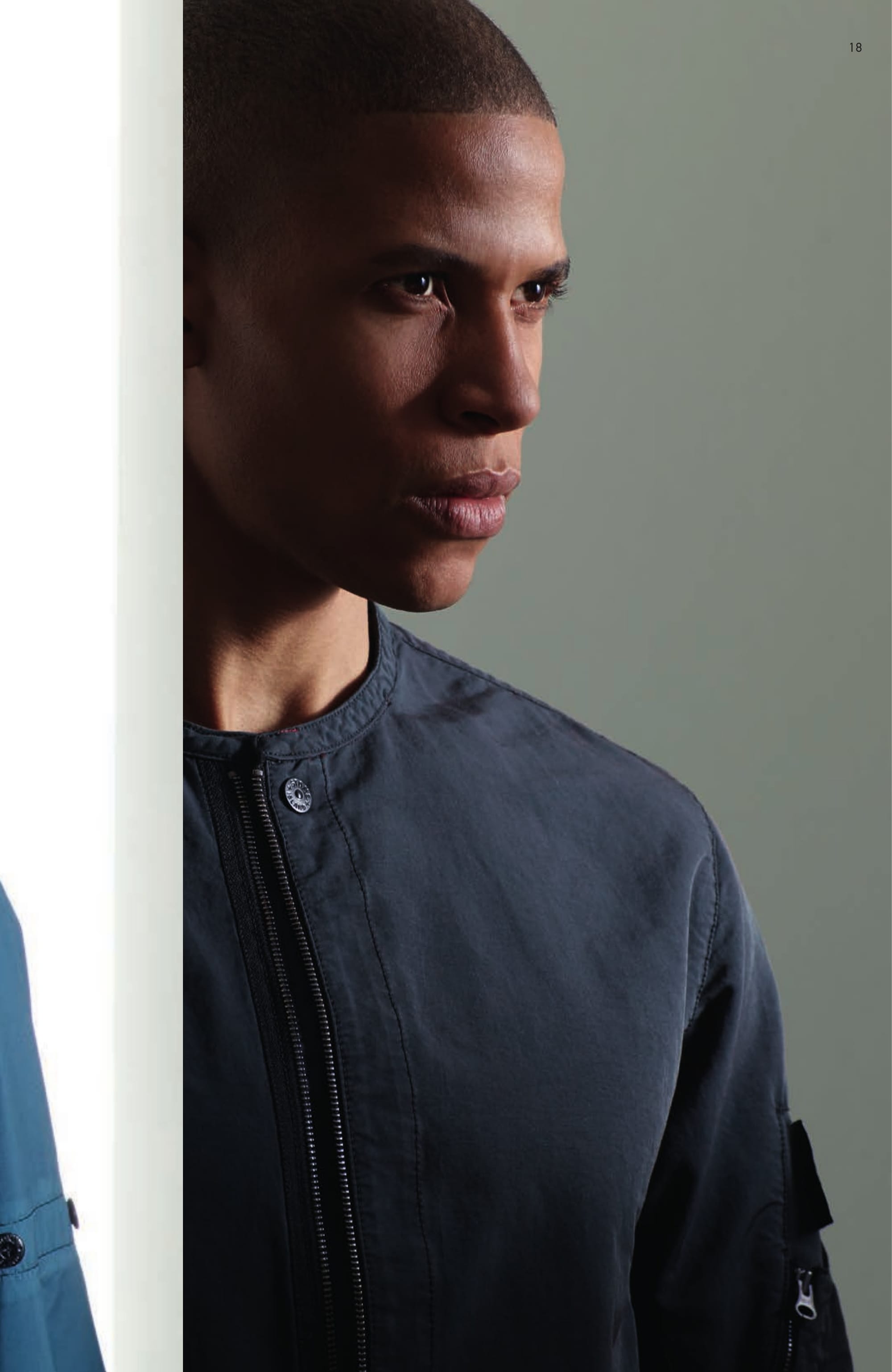
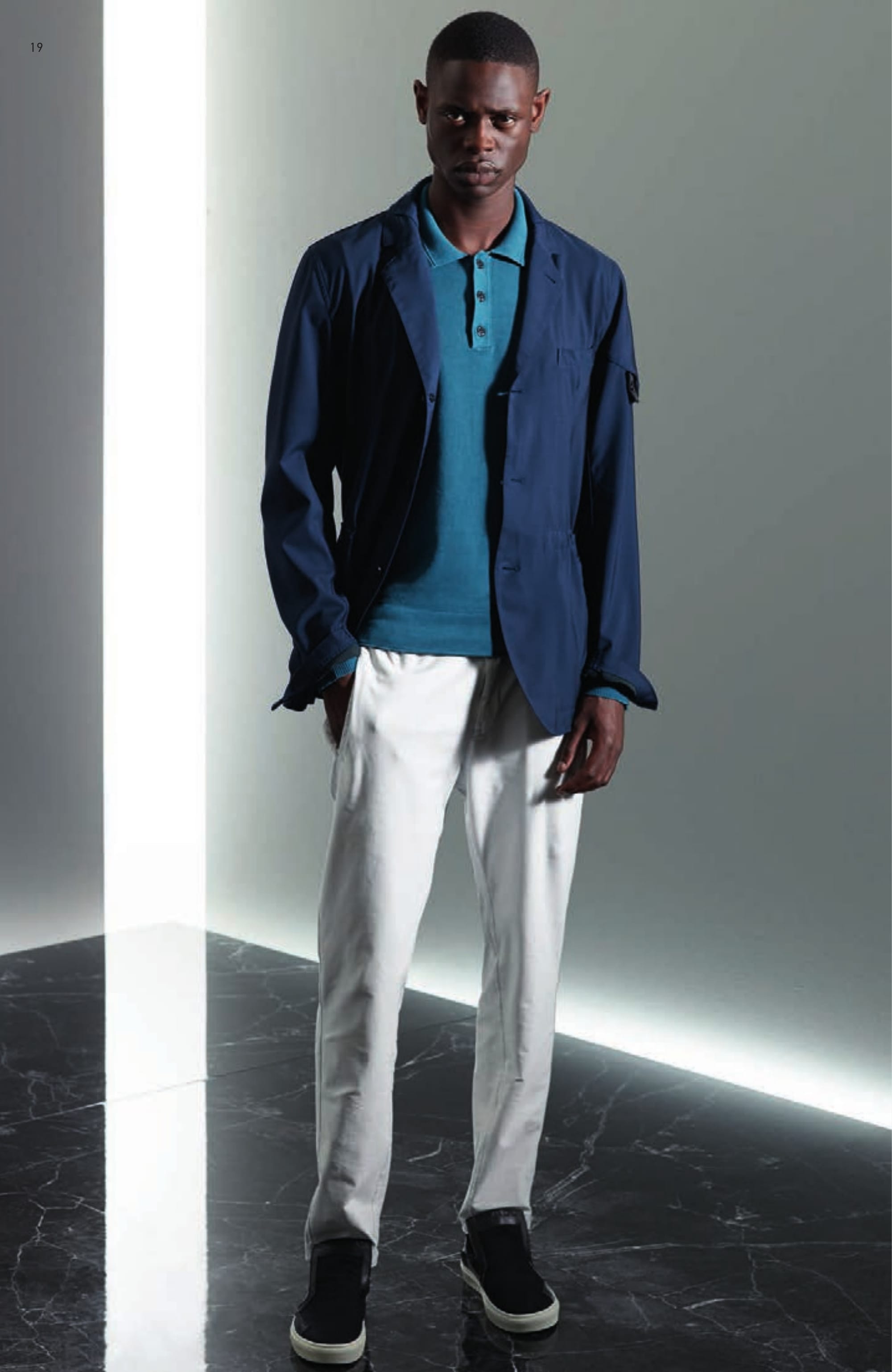
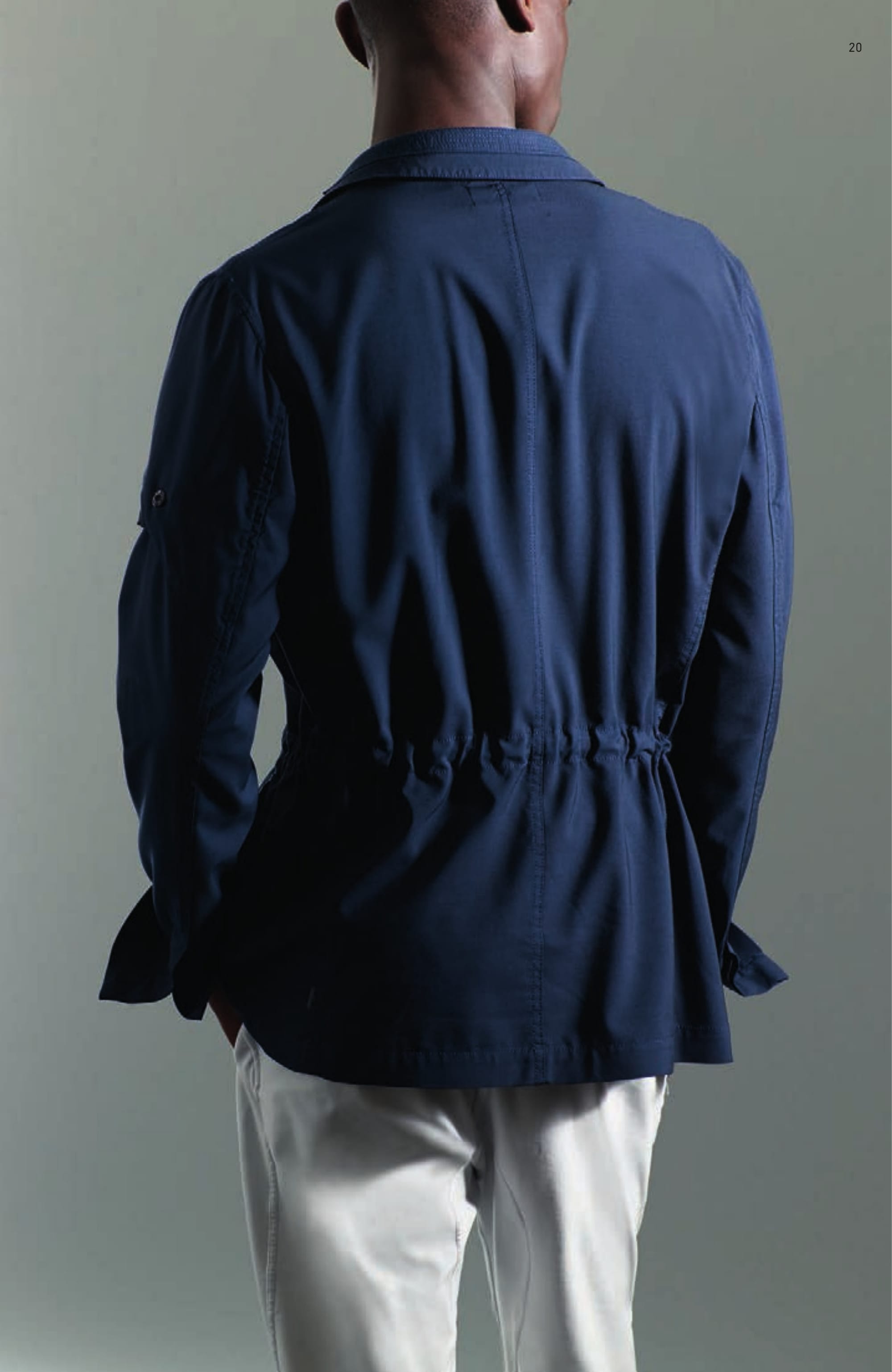
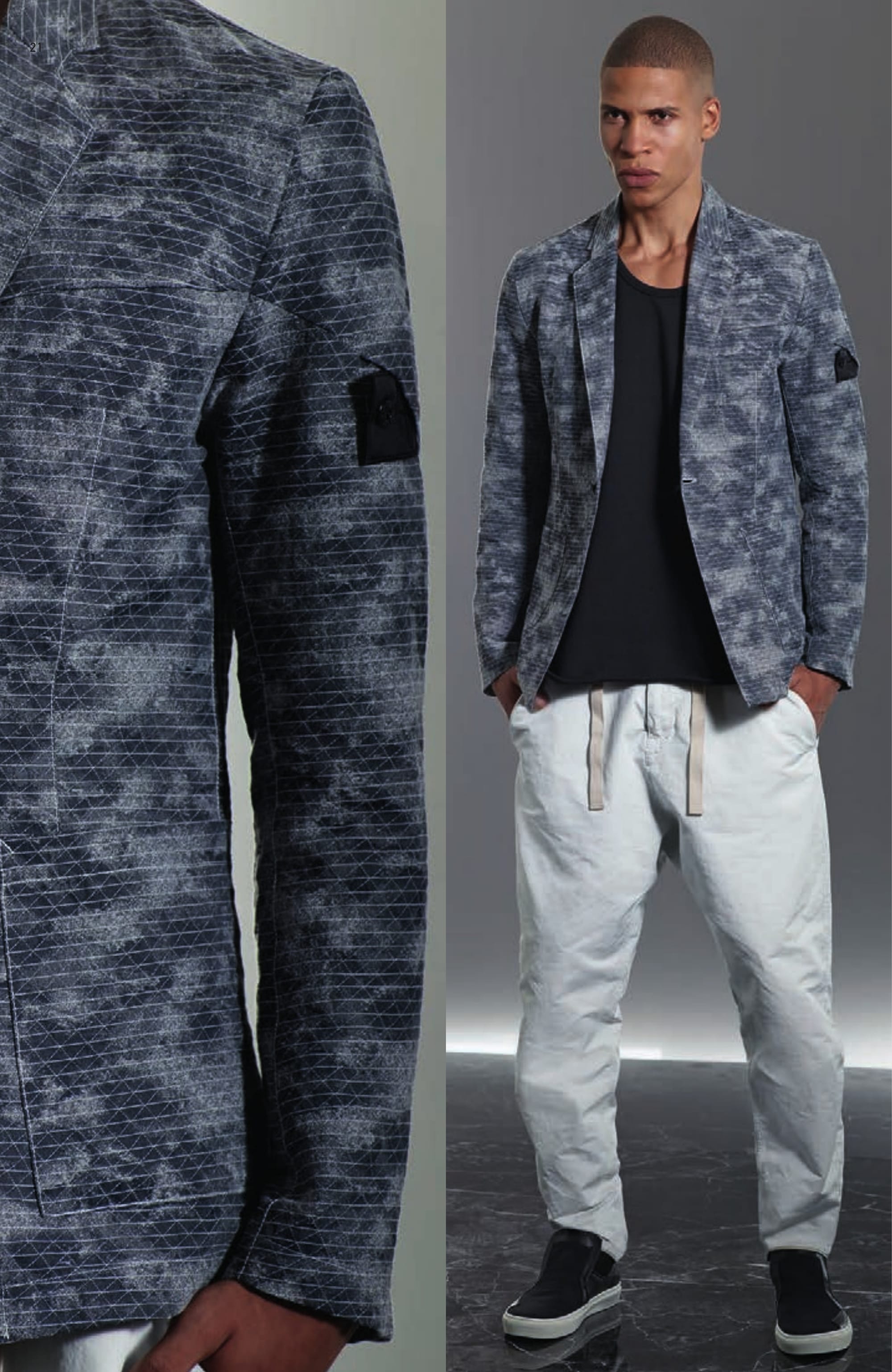
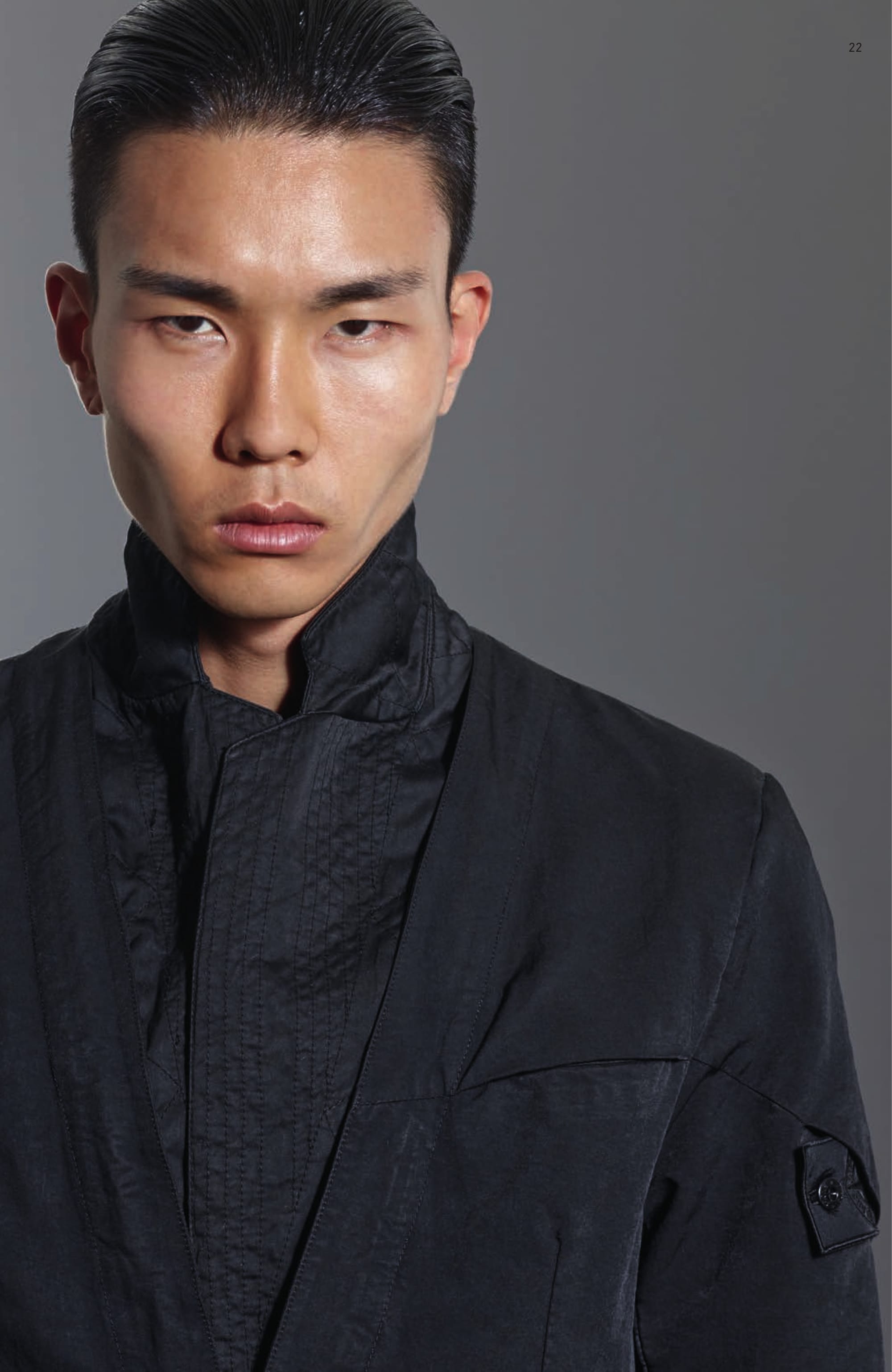
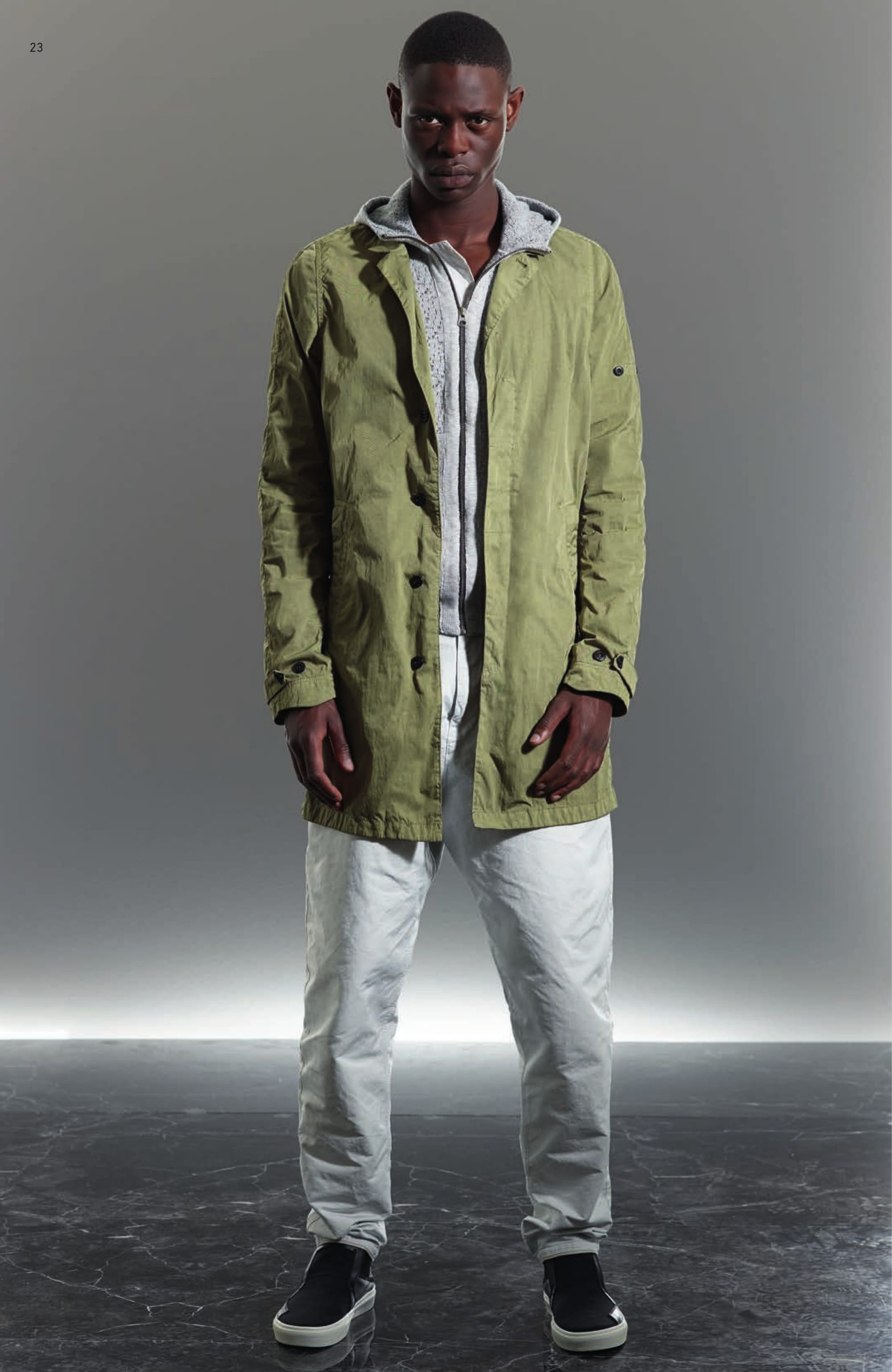
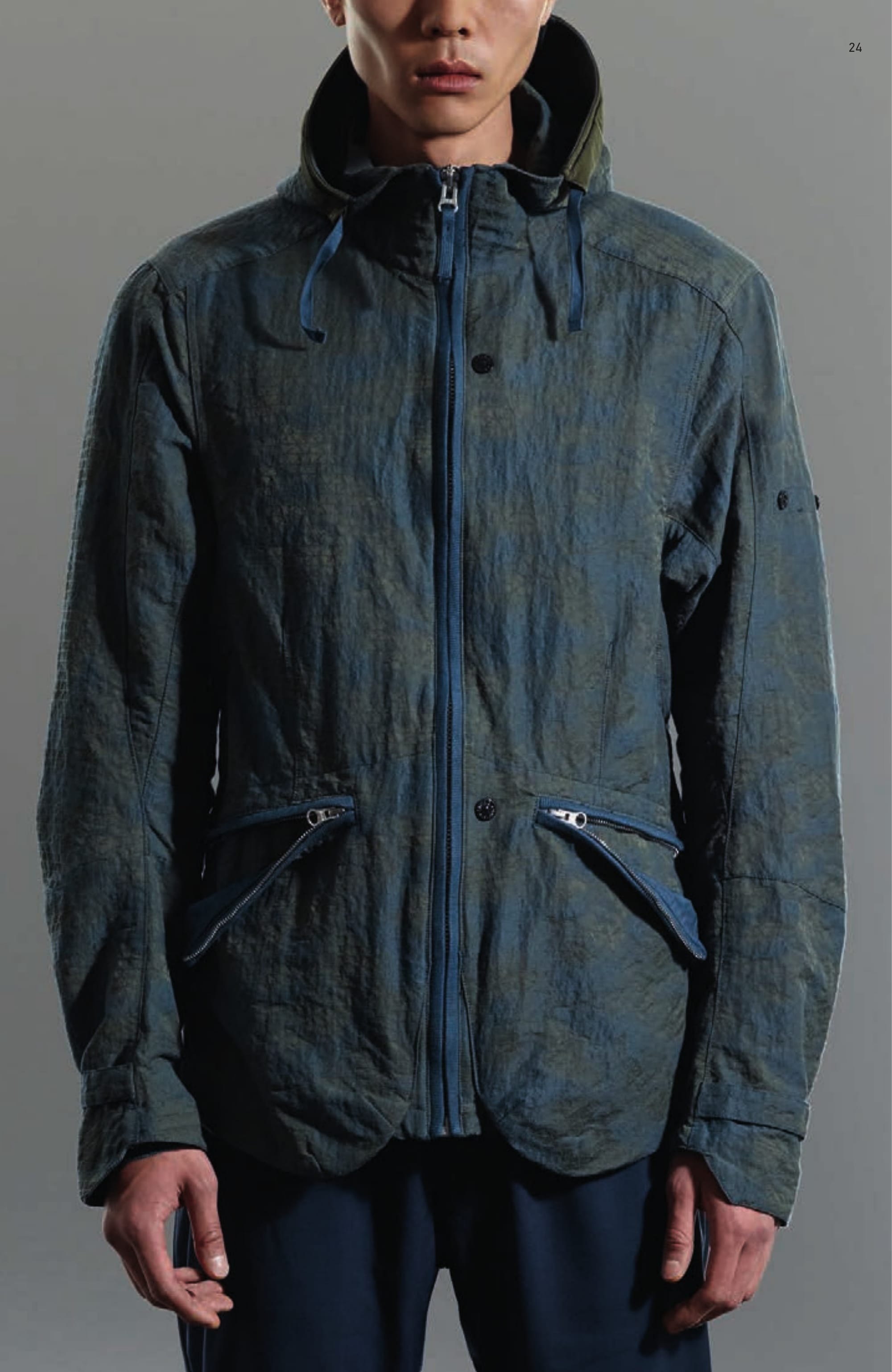
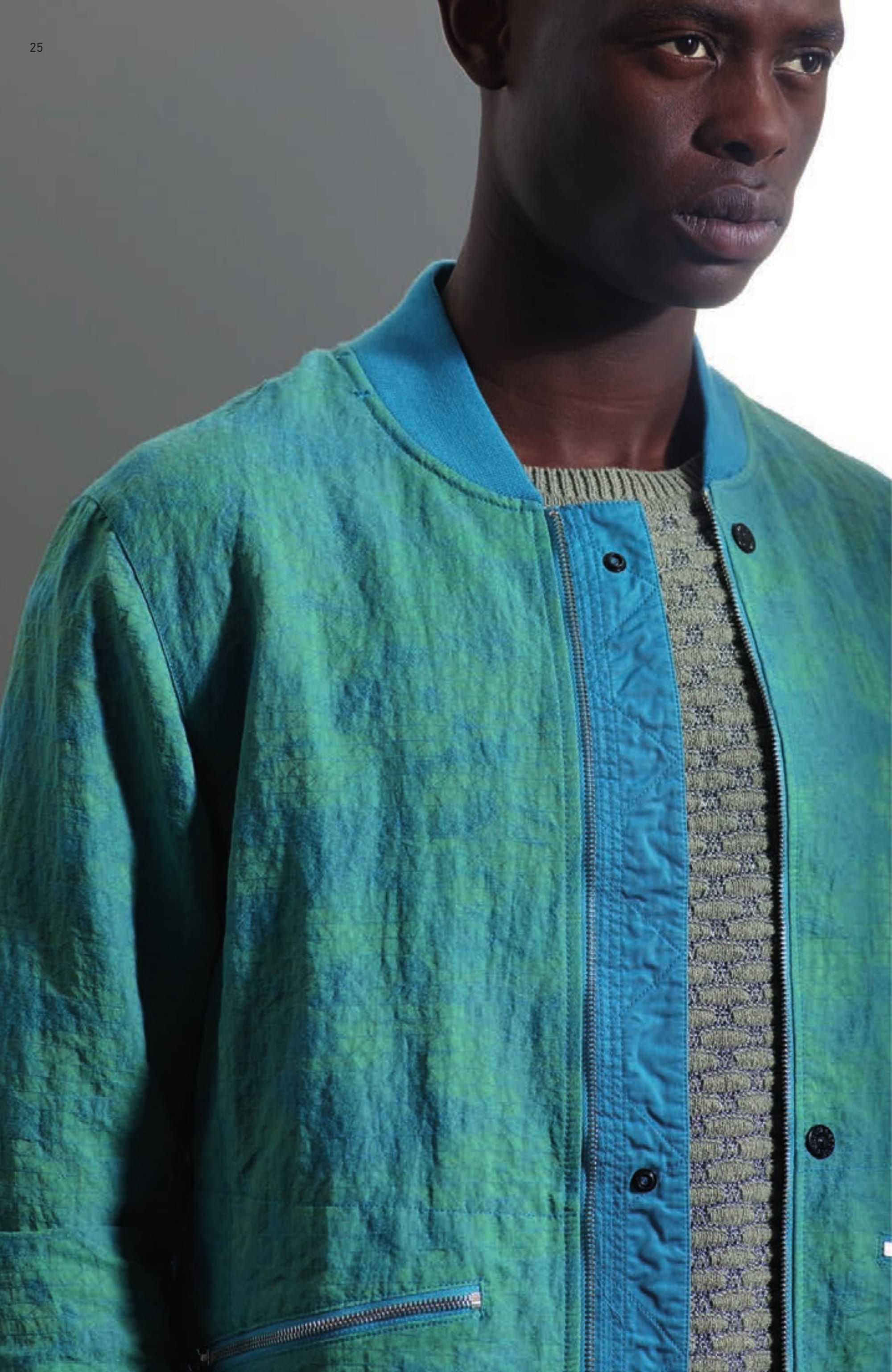
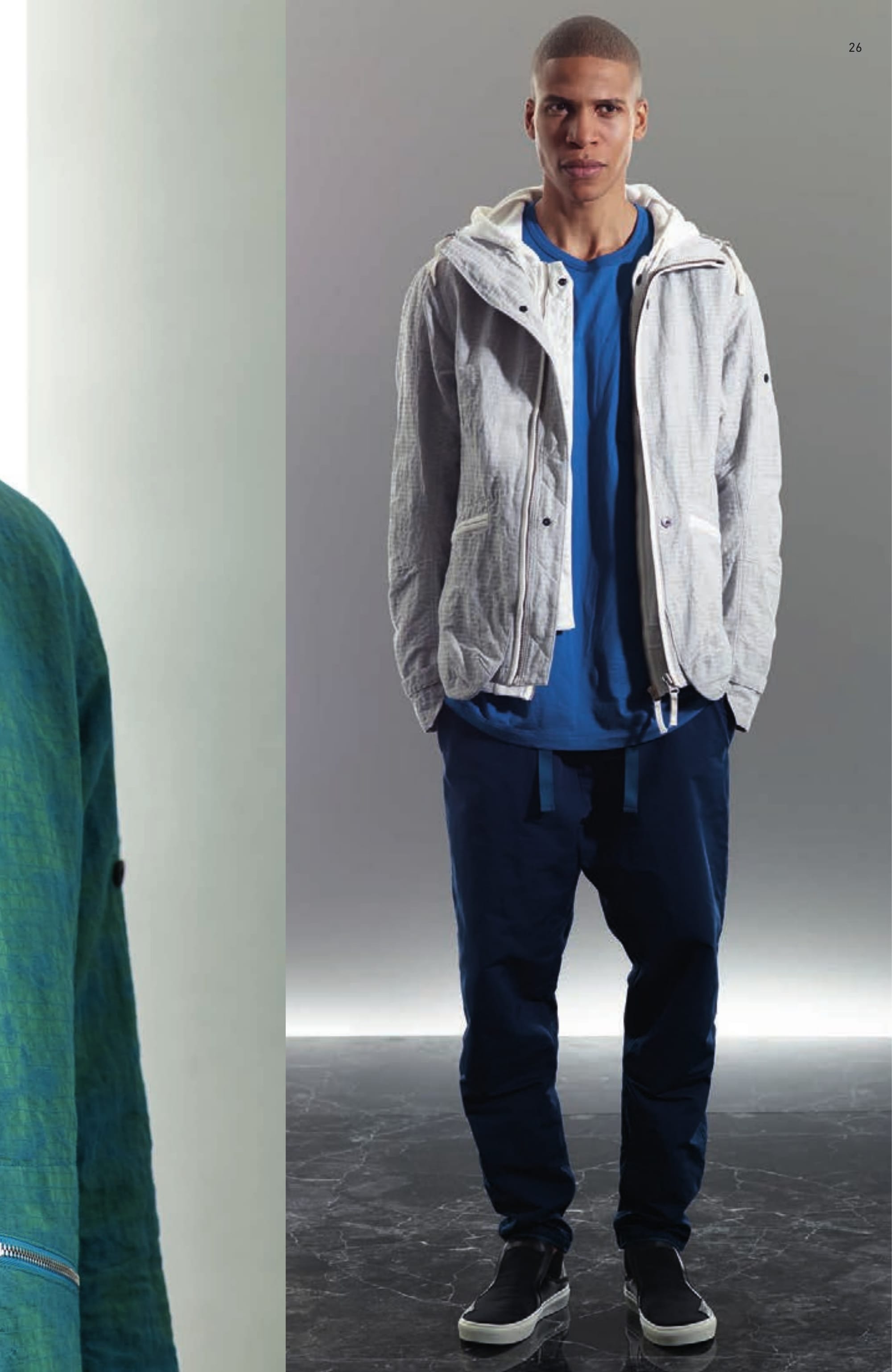
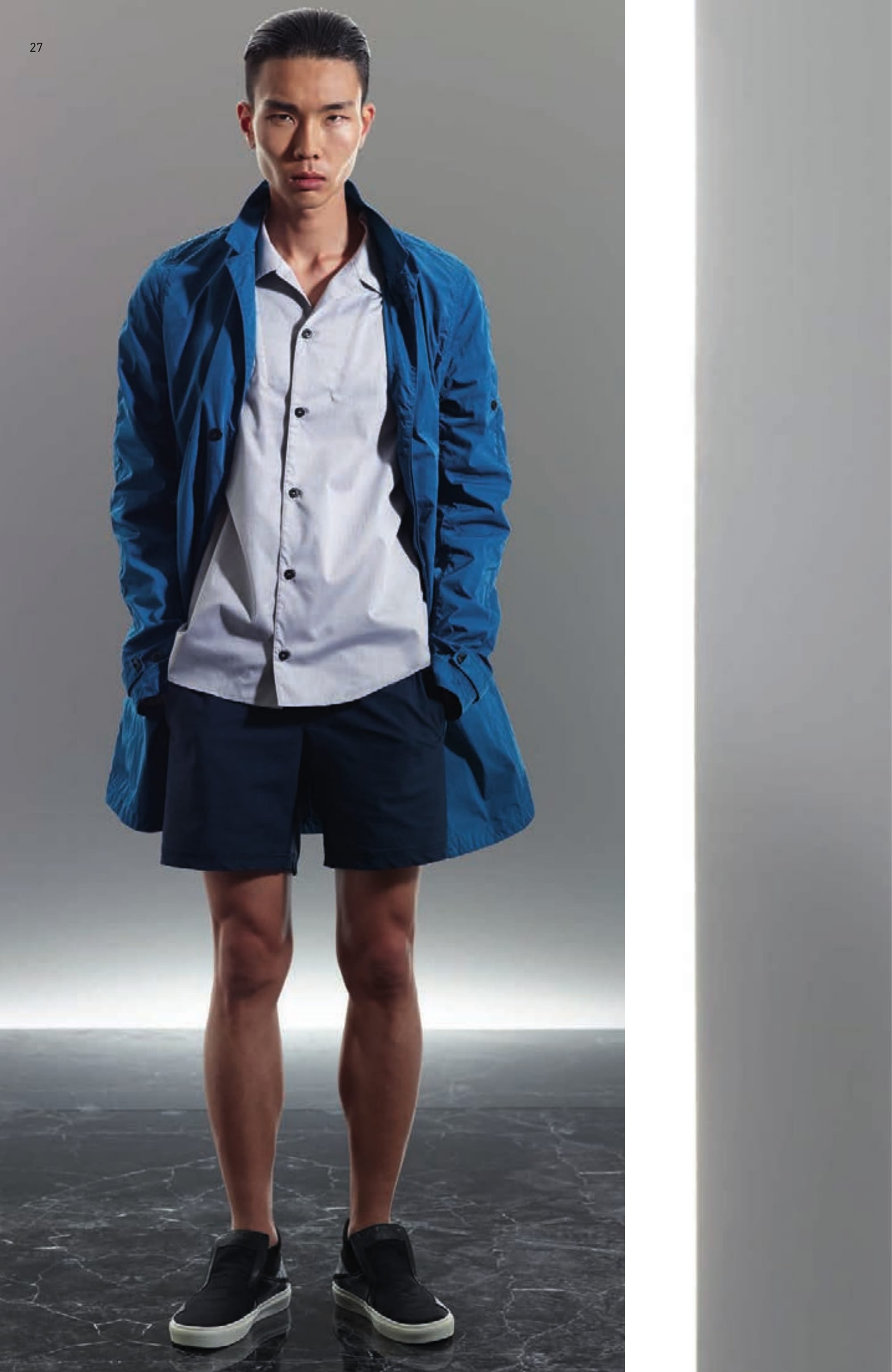
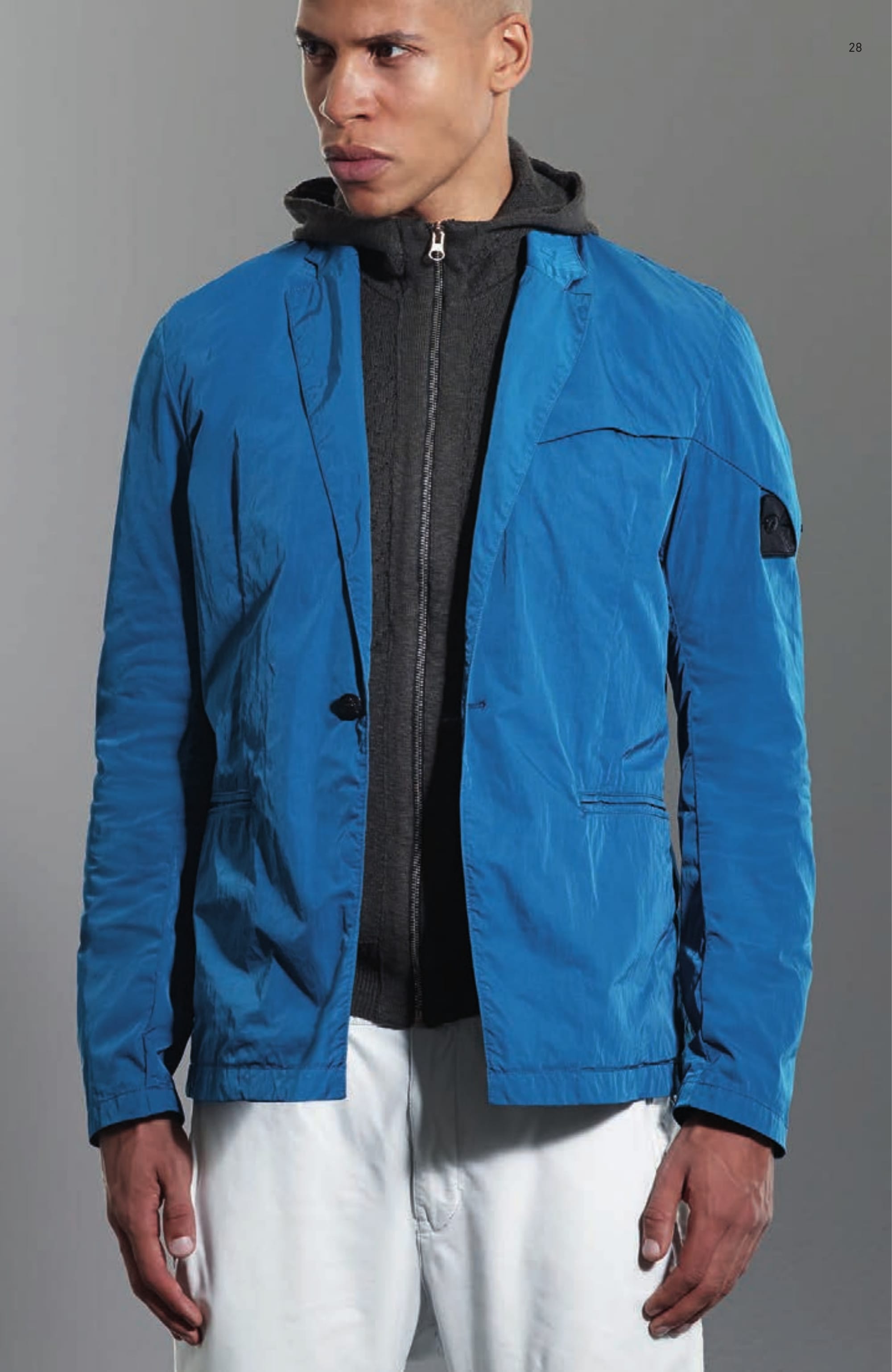
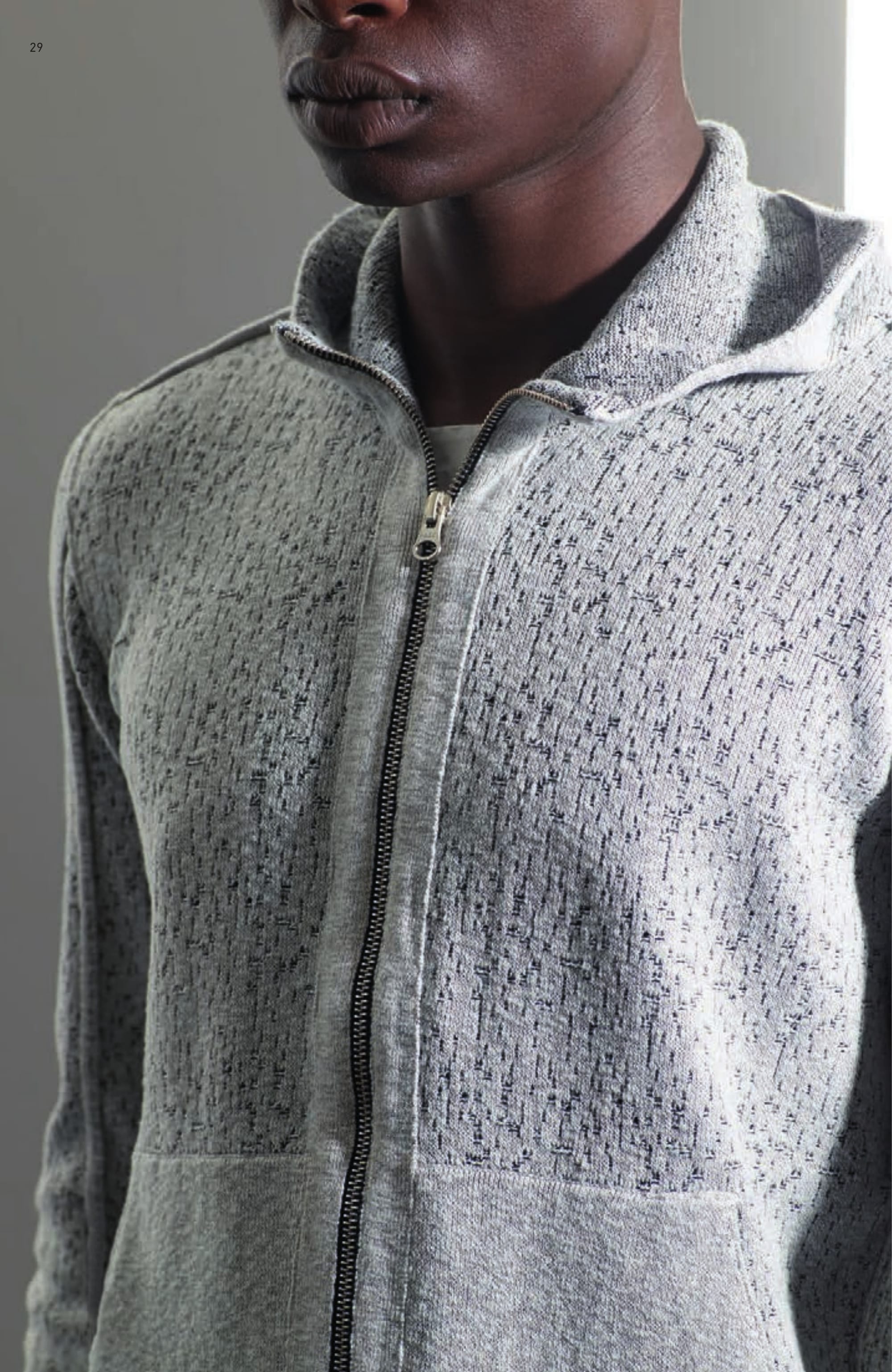
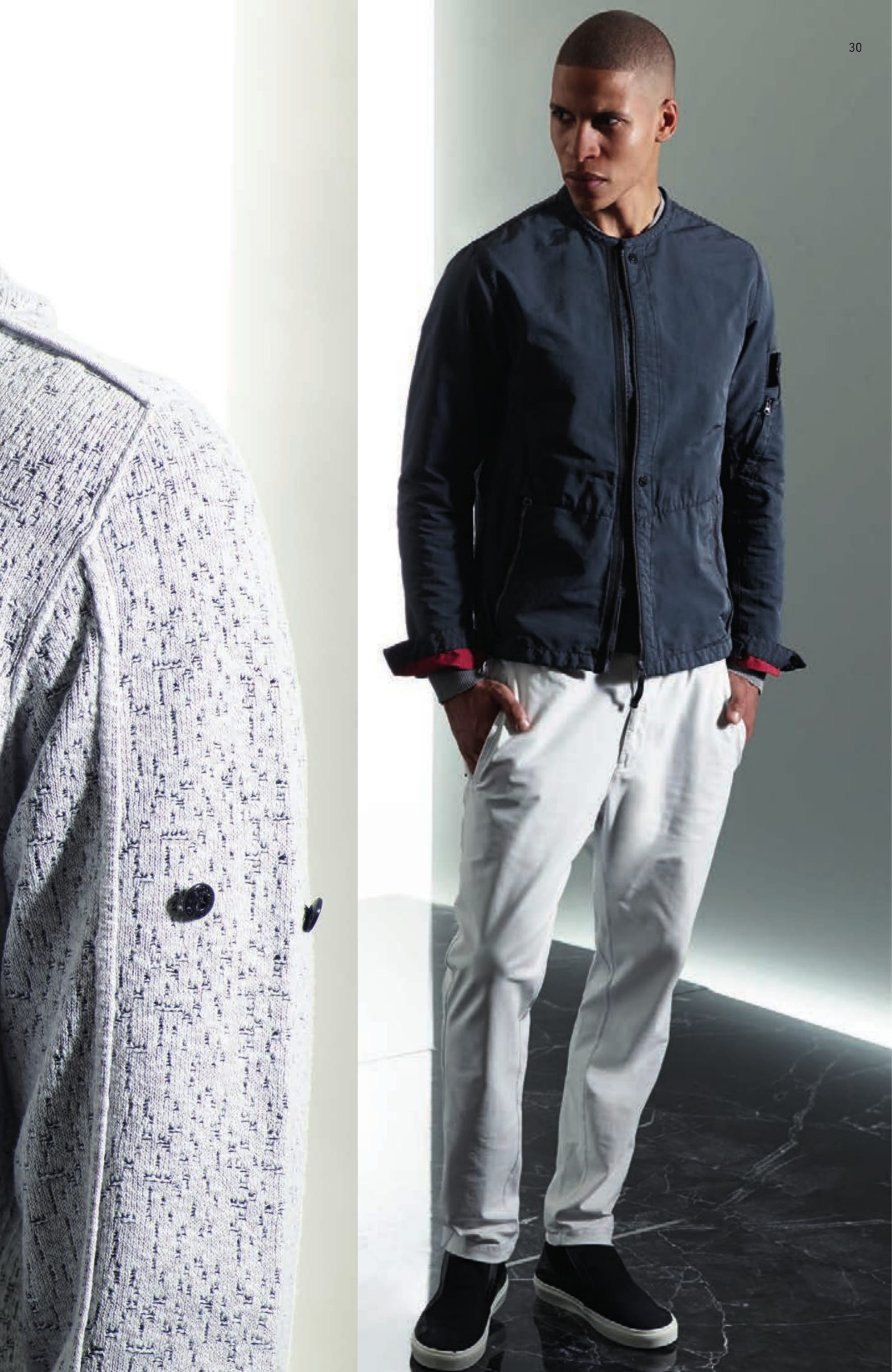
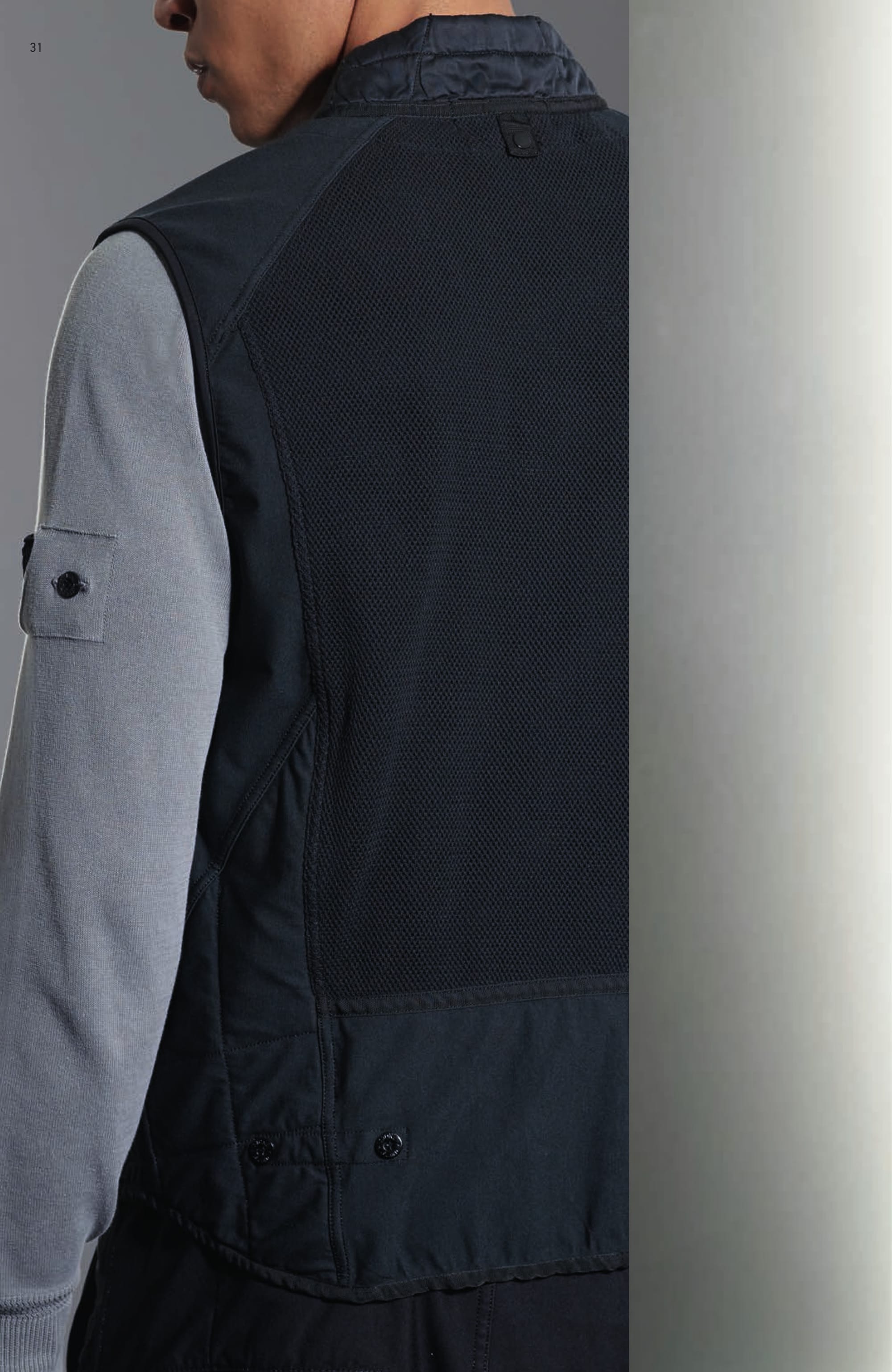
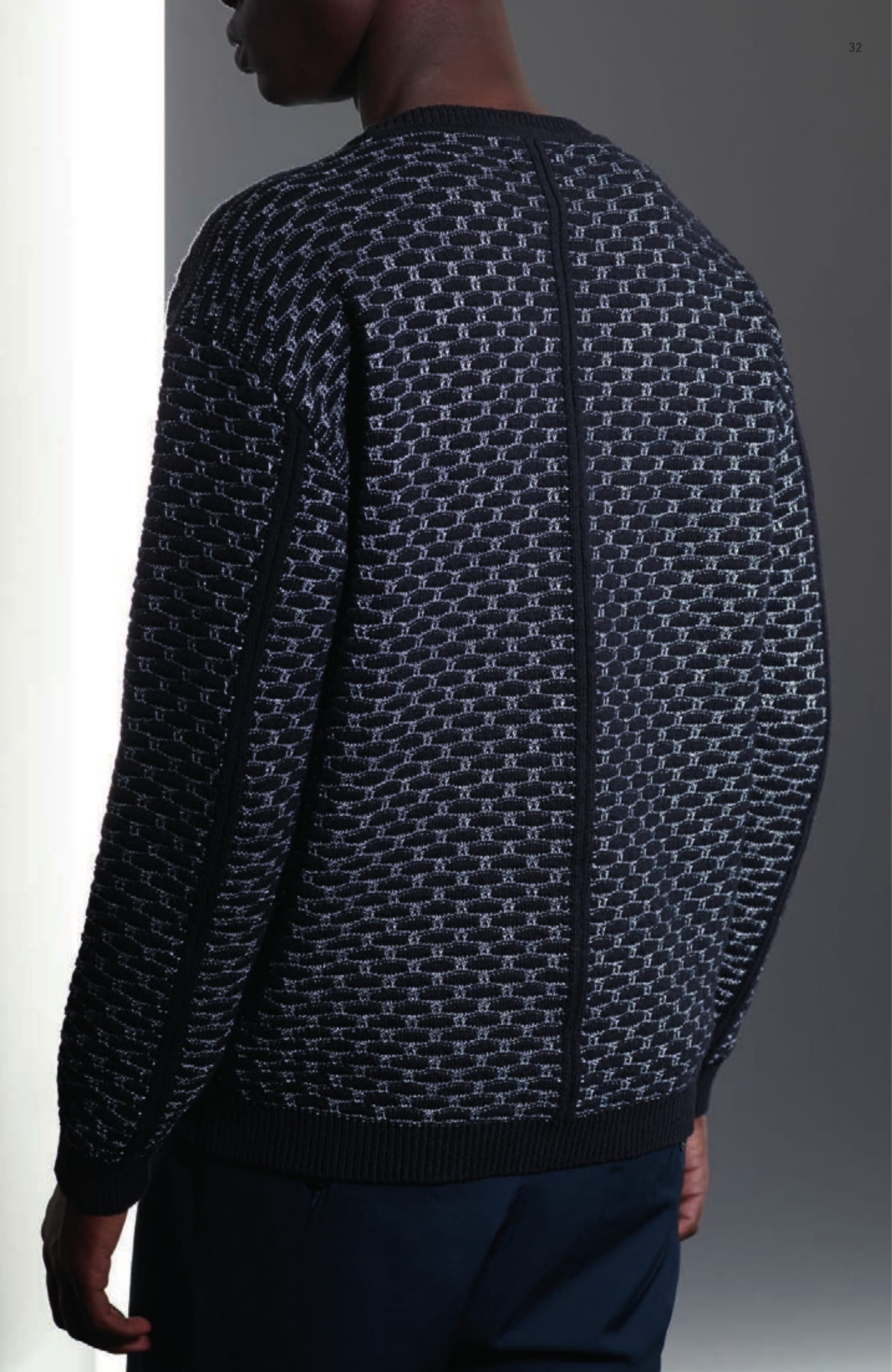
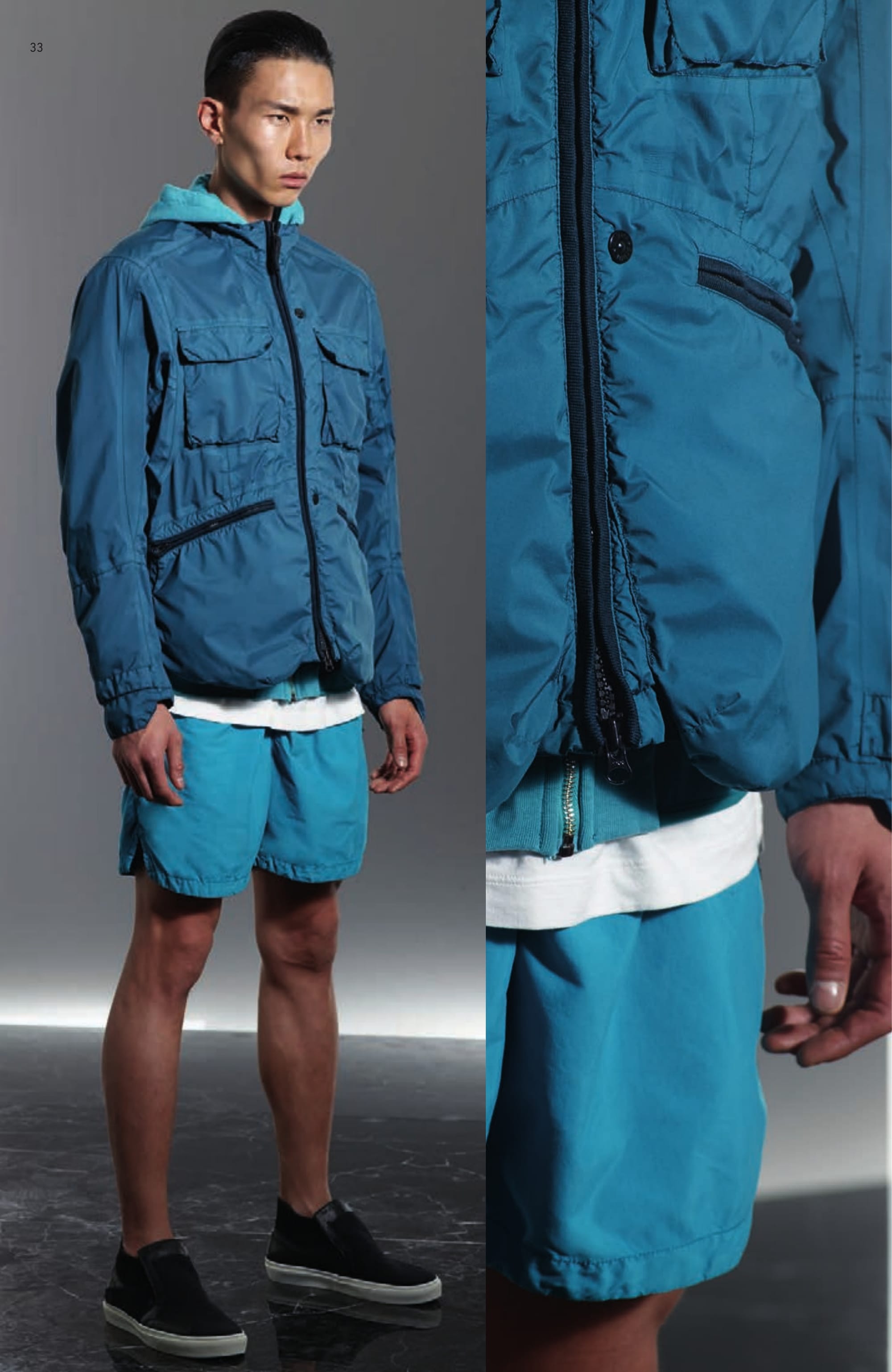
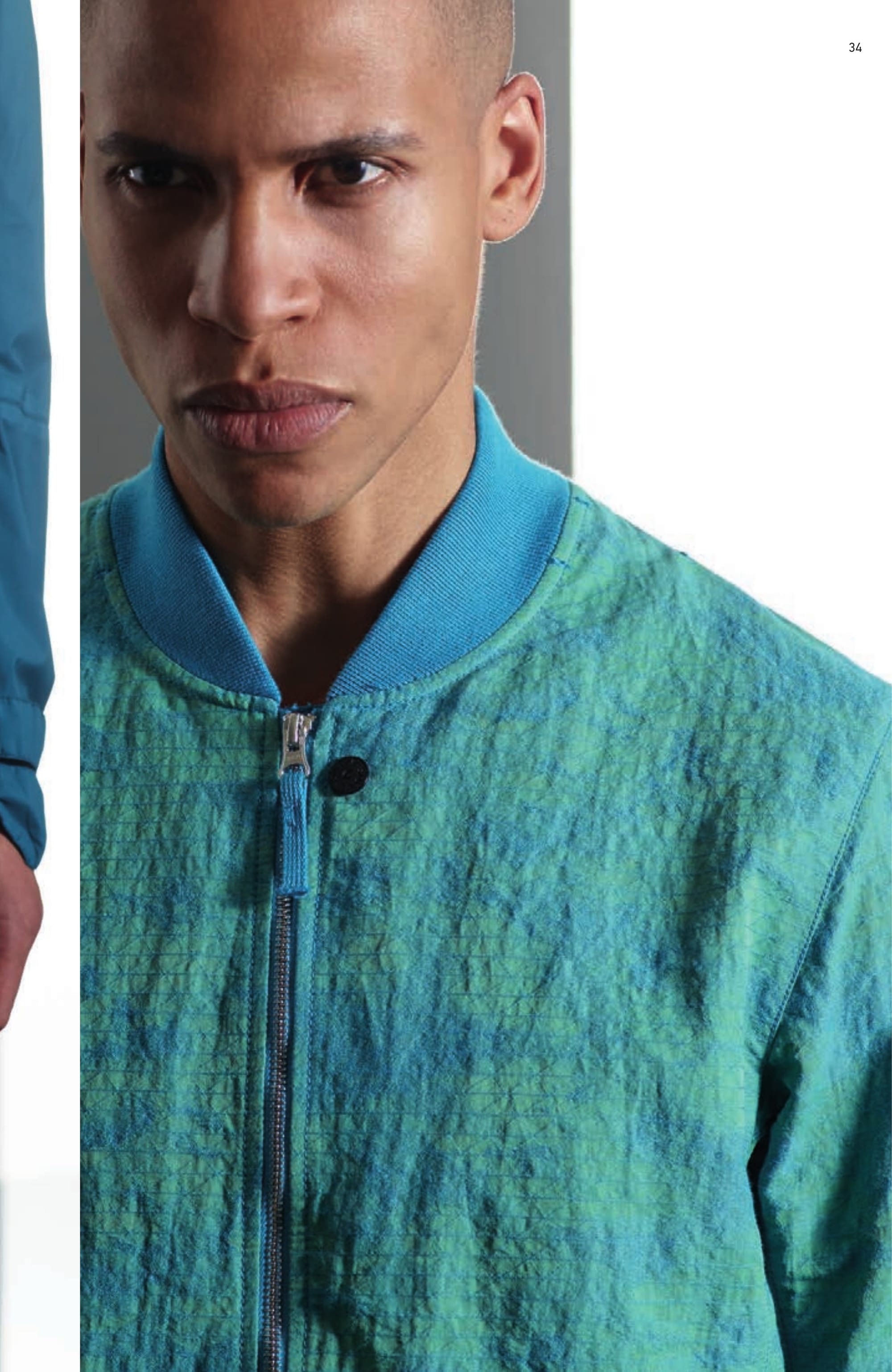
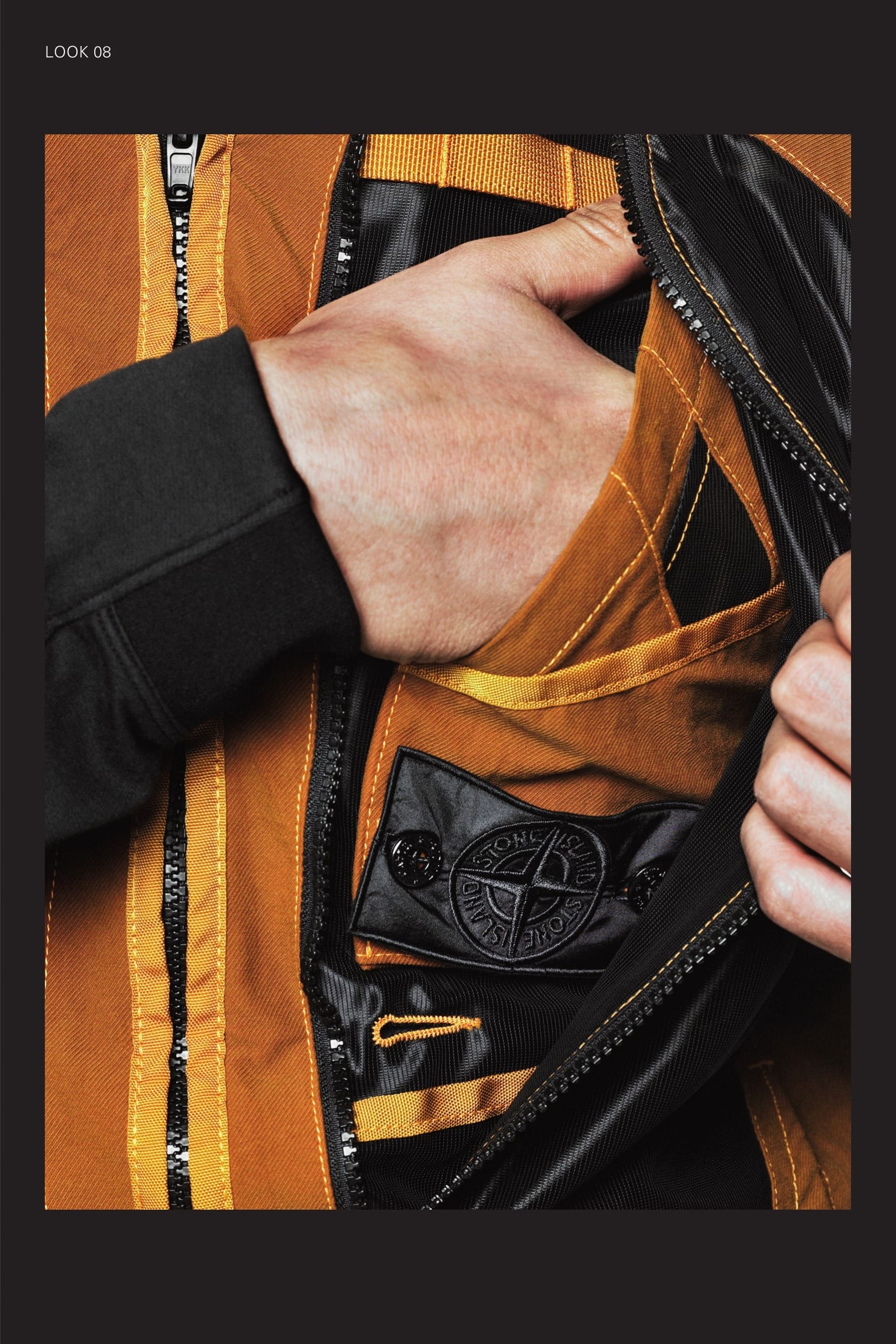
The Stone Island Shadow vector continues with the project's fourth seasonal capsule collection. Fueled by new reactions within the project's original conceptual core, fresh manifestations of fabric, style, detail, and interface emerge as the lightest, yet most comprehensive, offering thus far.
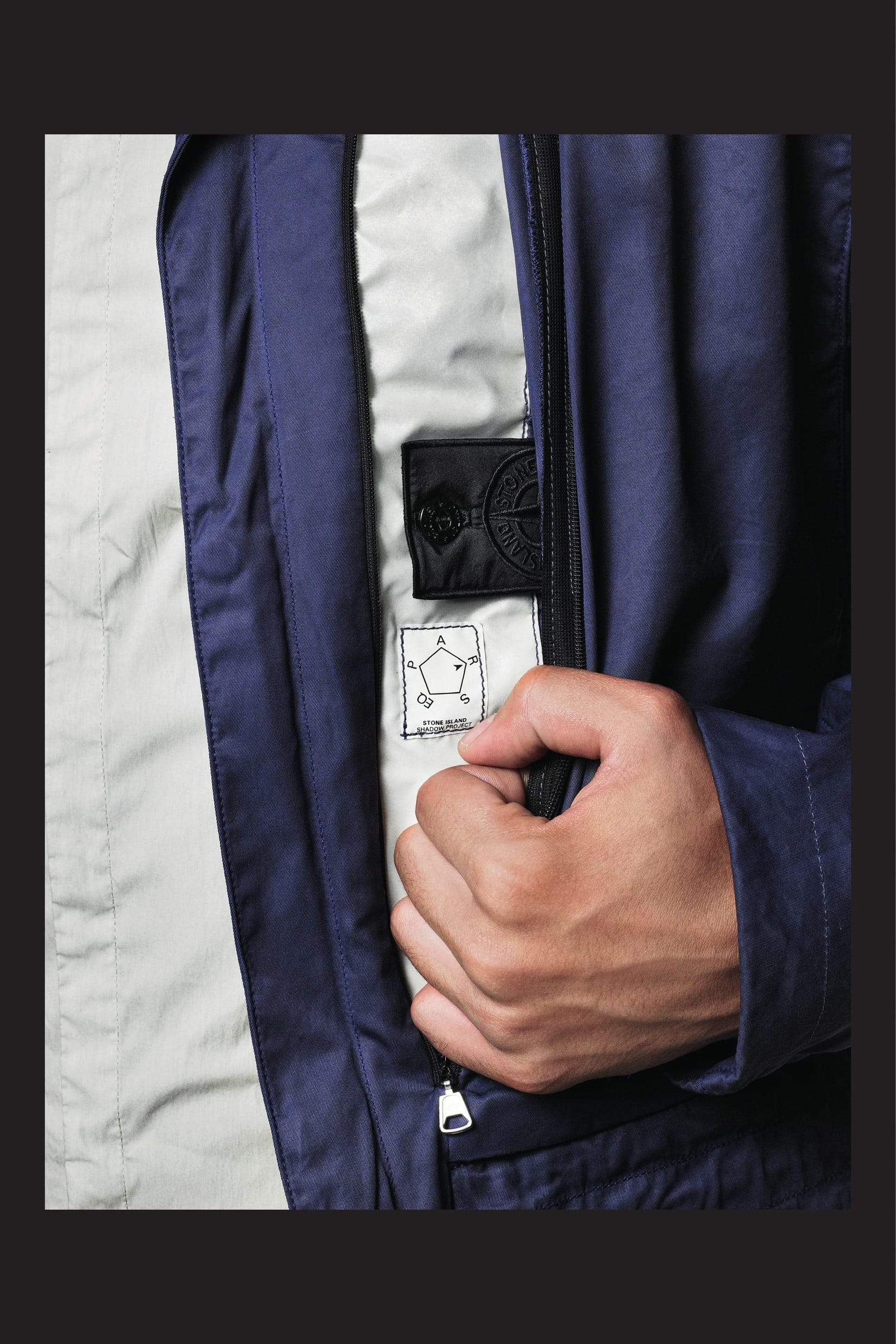
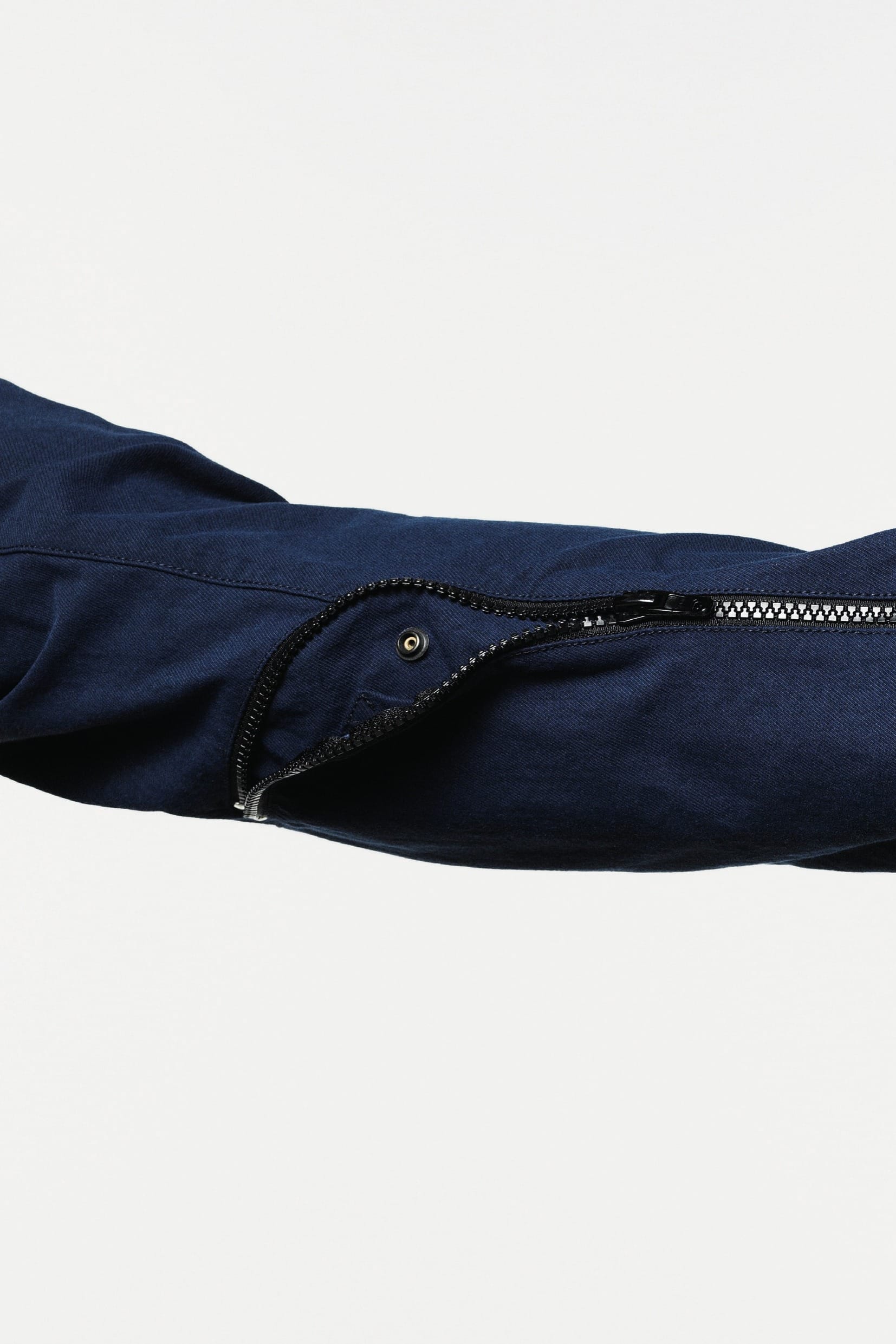
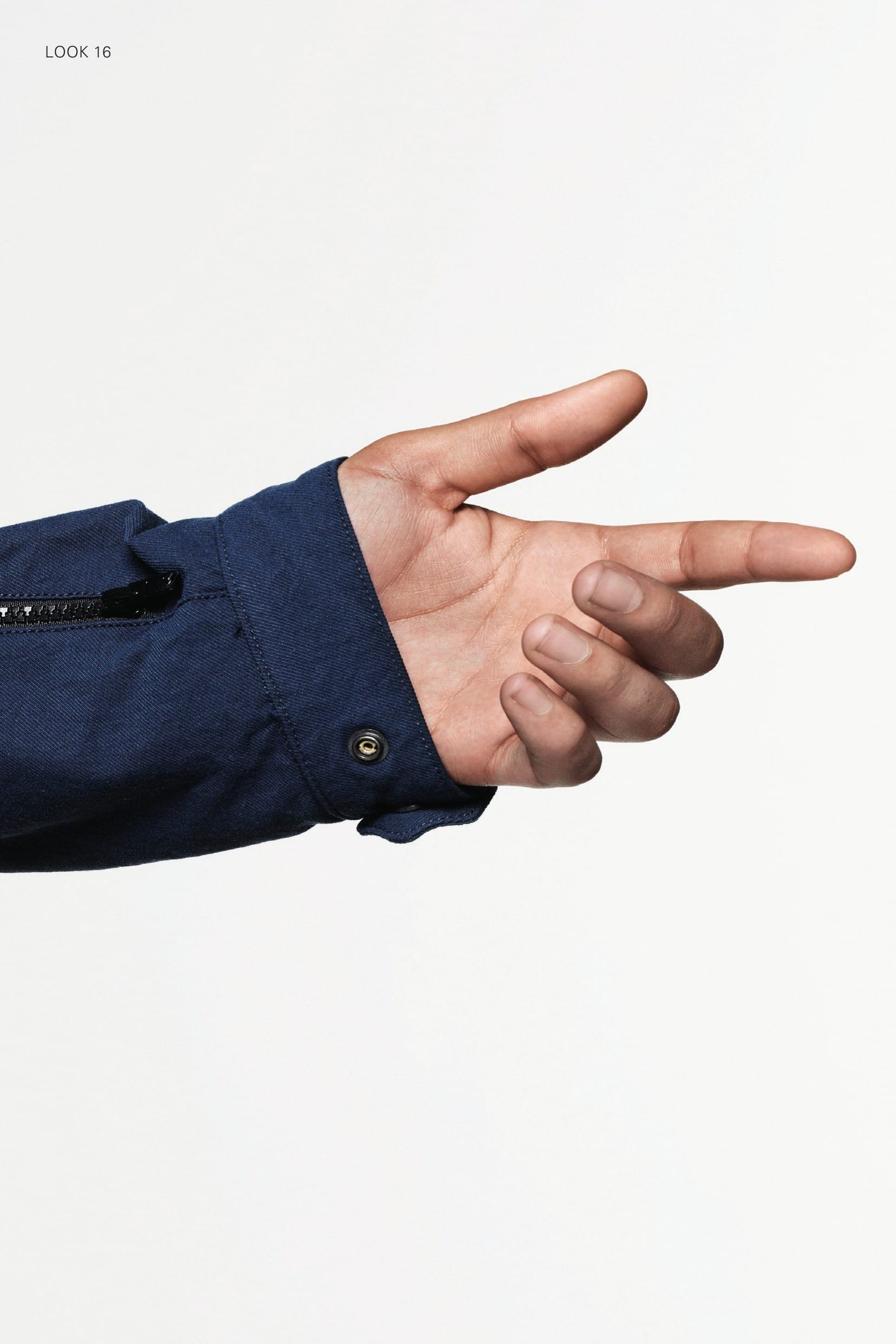
This unique trajectory begins, of course, at a unique point of origin — the inimitable constellation of research and development that is STONE ISLAND. Hidden detail and potential action lies at the heart of each and every Stone Island Shadow style.
Enfolding this in a simpler, softer way, a new focus can be brought to bear on both resolution of shape and fidelity of color. The goal is vibrancy and directness; stripping away the superfluous without sacrificing capability, and the lightness that can only be found by moving through one's environment with zero resistance.
Modular Performance Grid, PARSEQ is the organizational framework upon which the idea is built: PROOF, AUGMENT, RESIST, SKIN and EQUIP. All Shadow fabrics work together as part of the grid — breathable, moisture managing, skin-friendly and maintainable — chosen for their balance of performance technology and the aesthetic treatments for which Stone Island has been known since its inception.


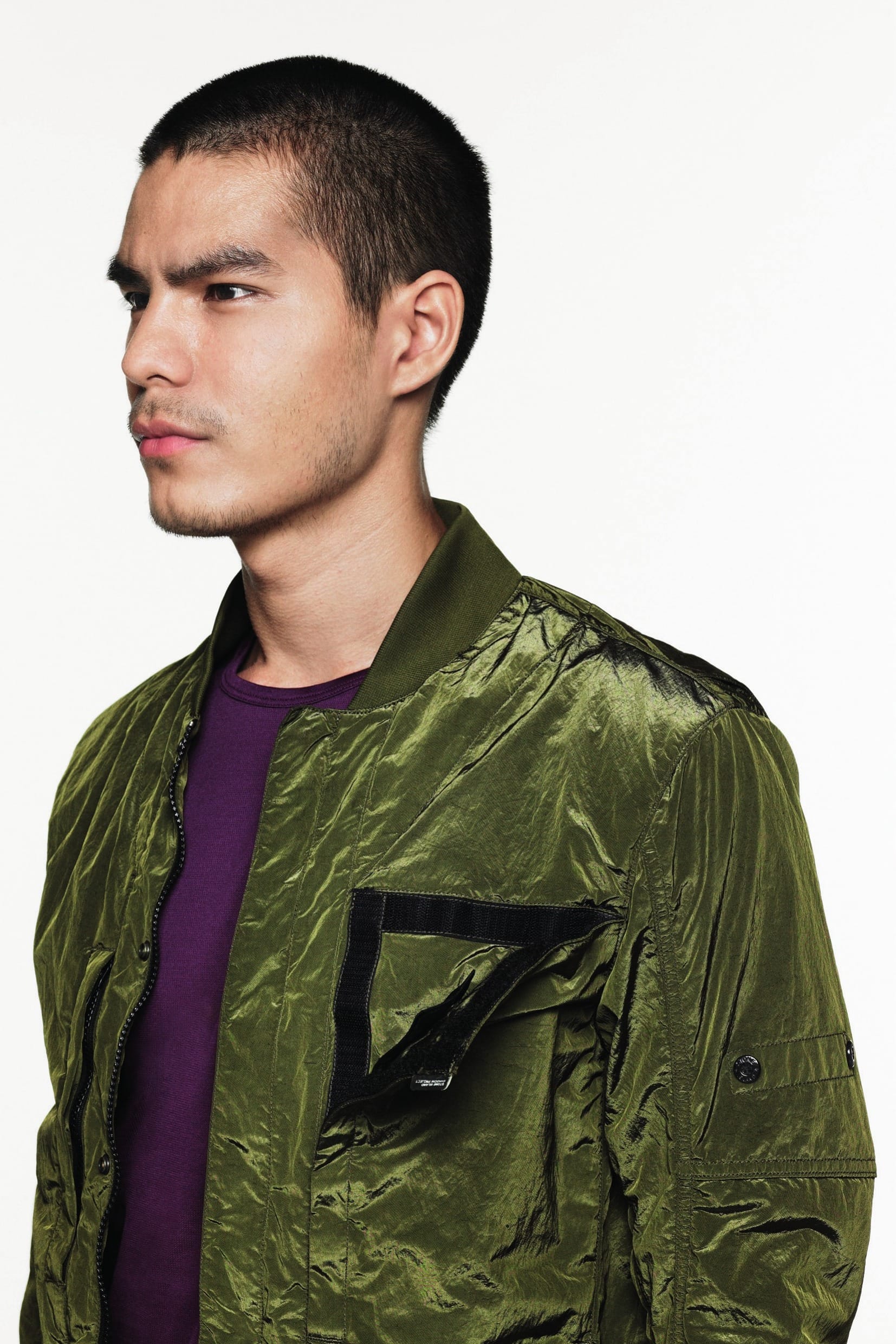
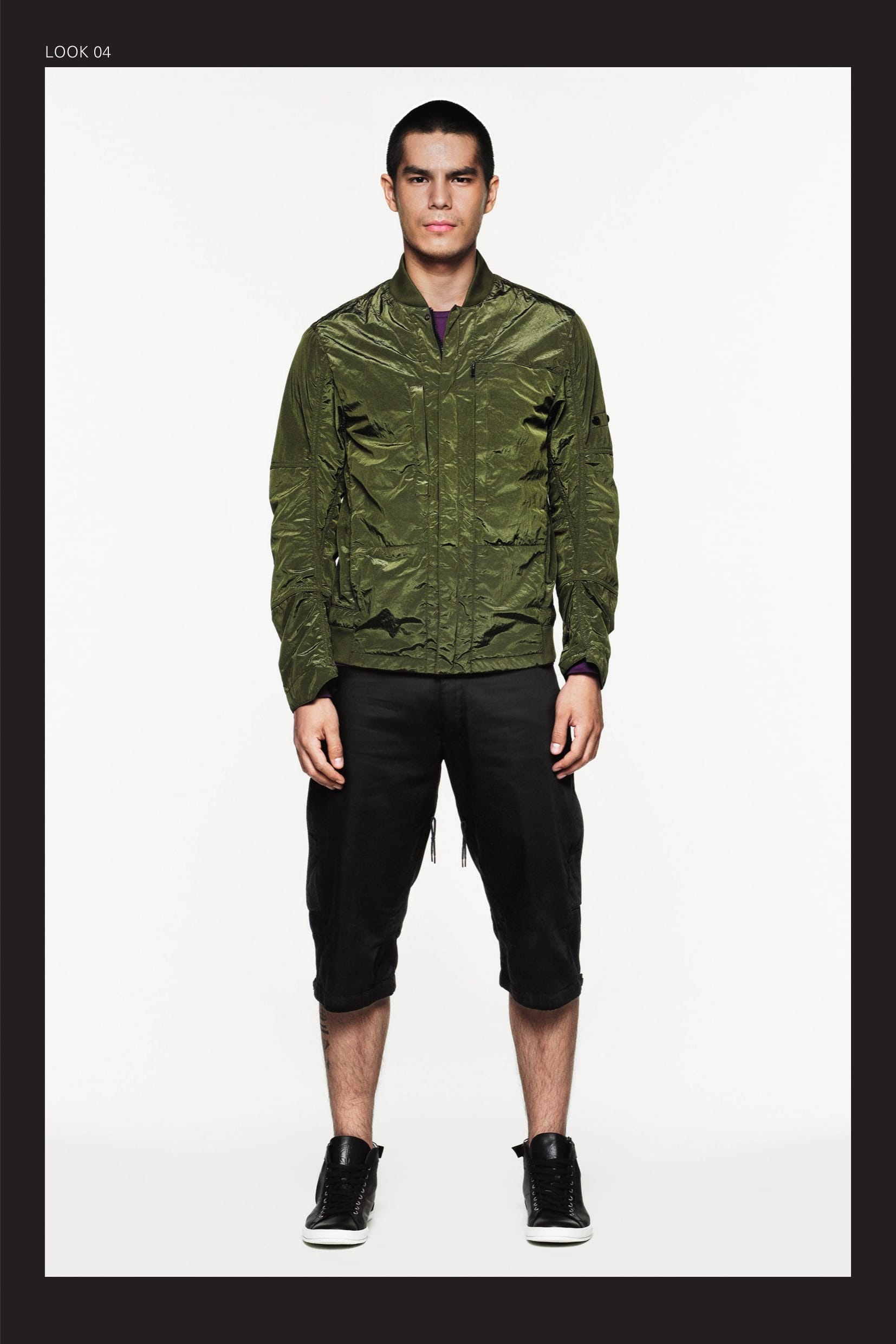
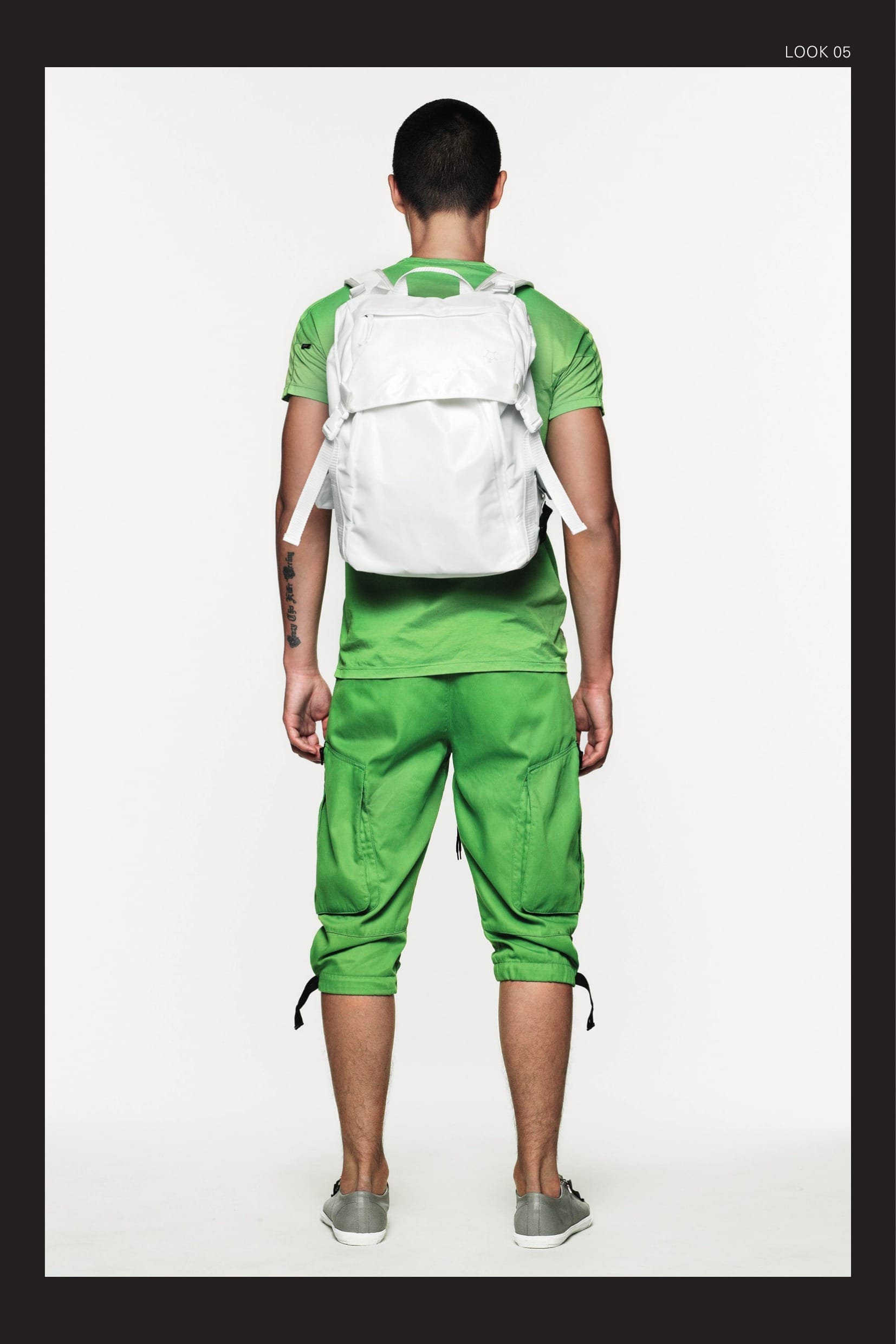
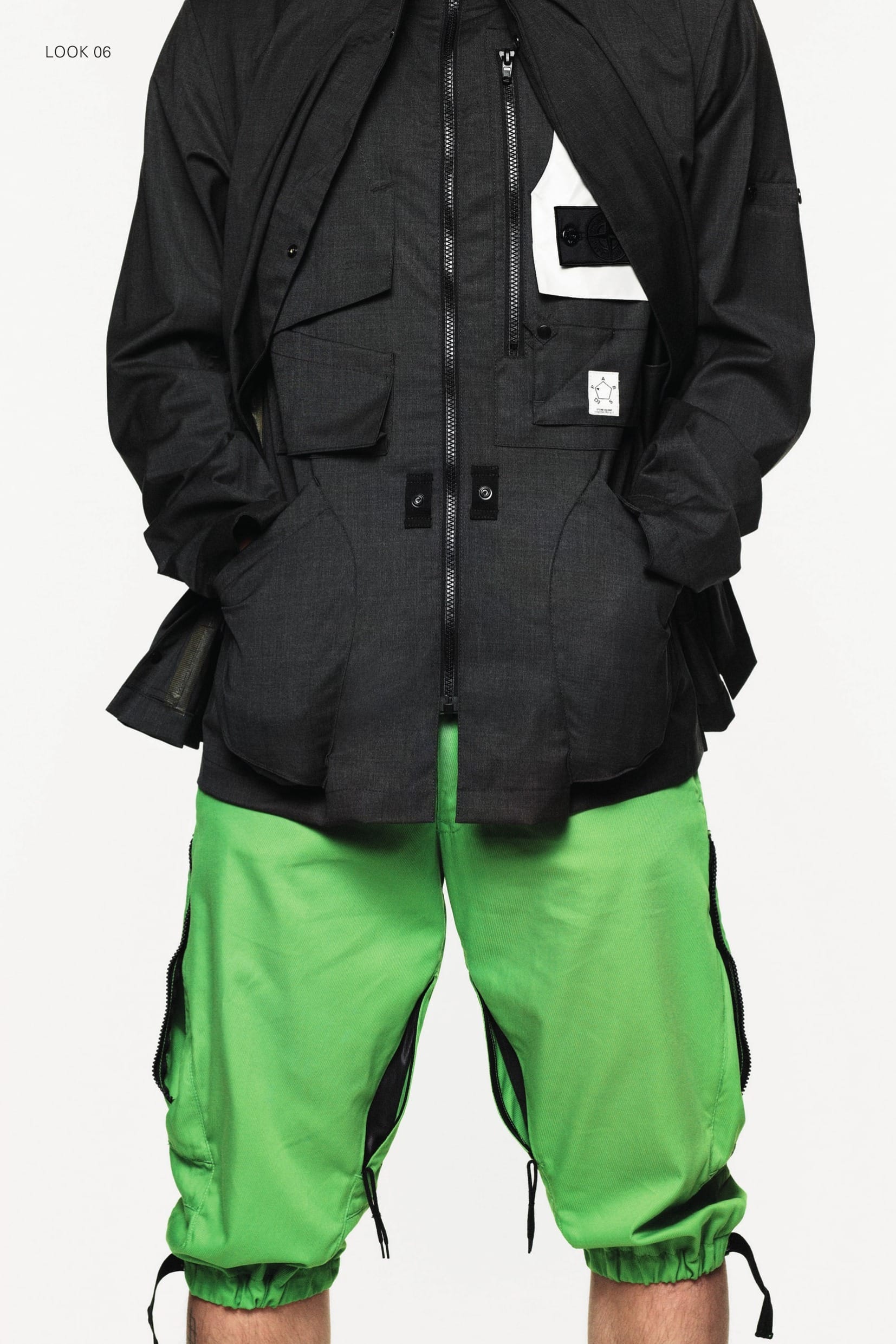

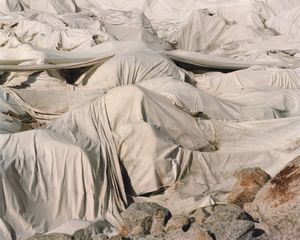
April 2024, FRIEZE No. 9 Cork Street Gallery, London
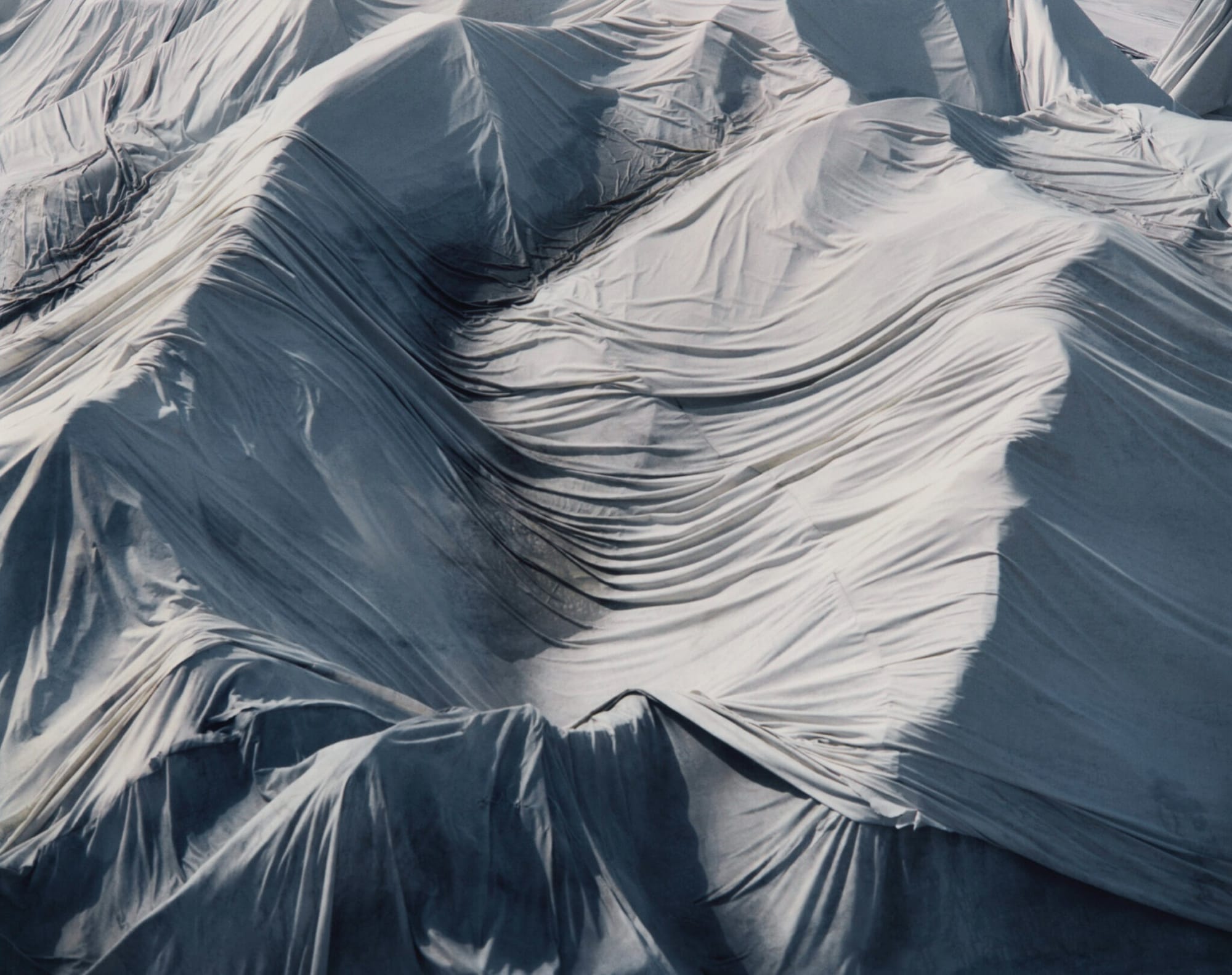
EXHIBITION: The Mountains Between Us, FRIEZE No 9 Cork St
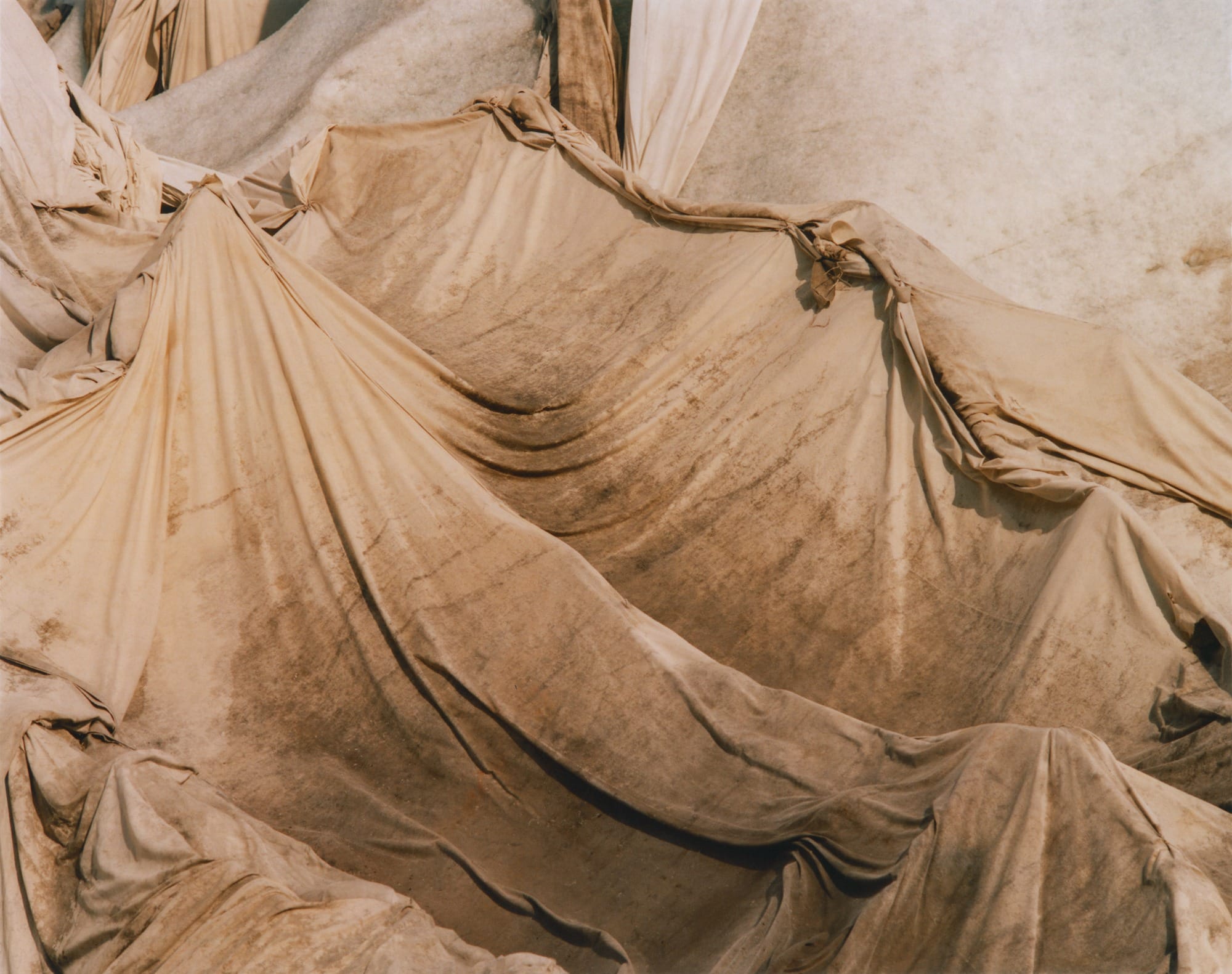
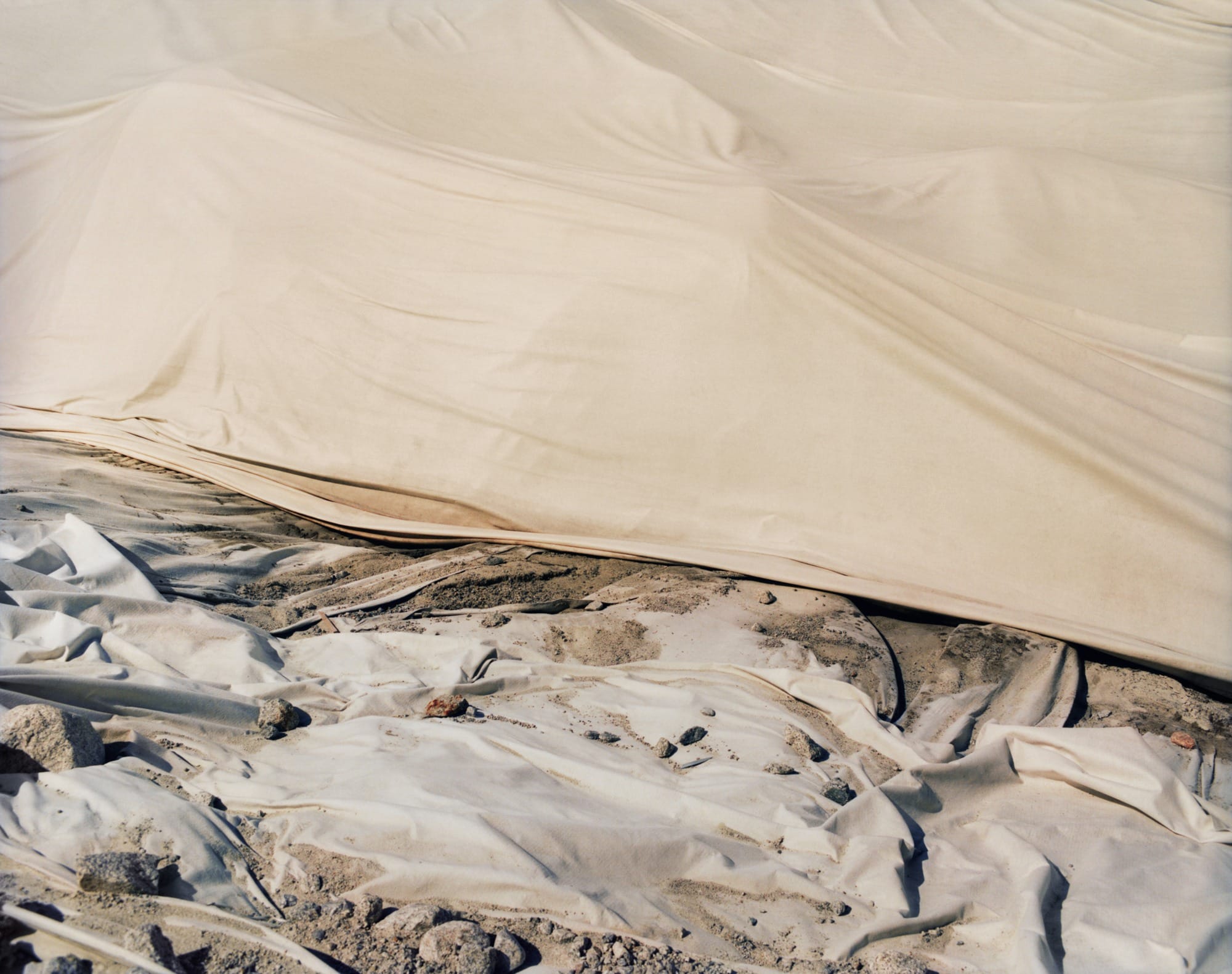
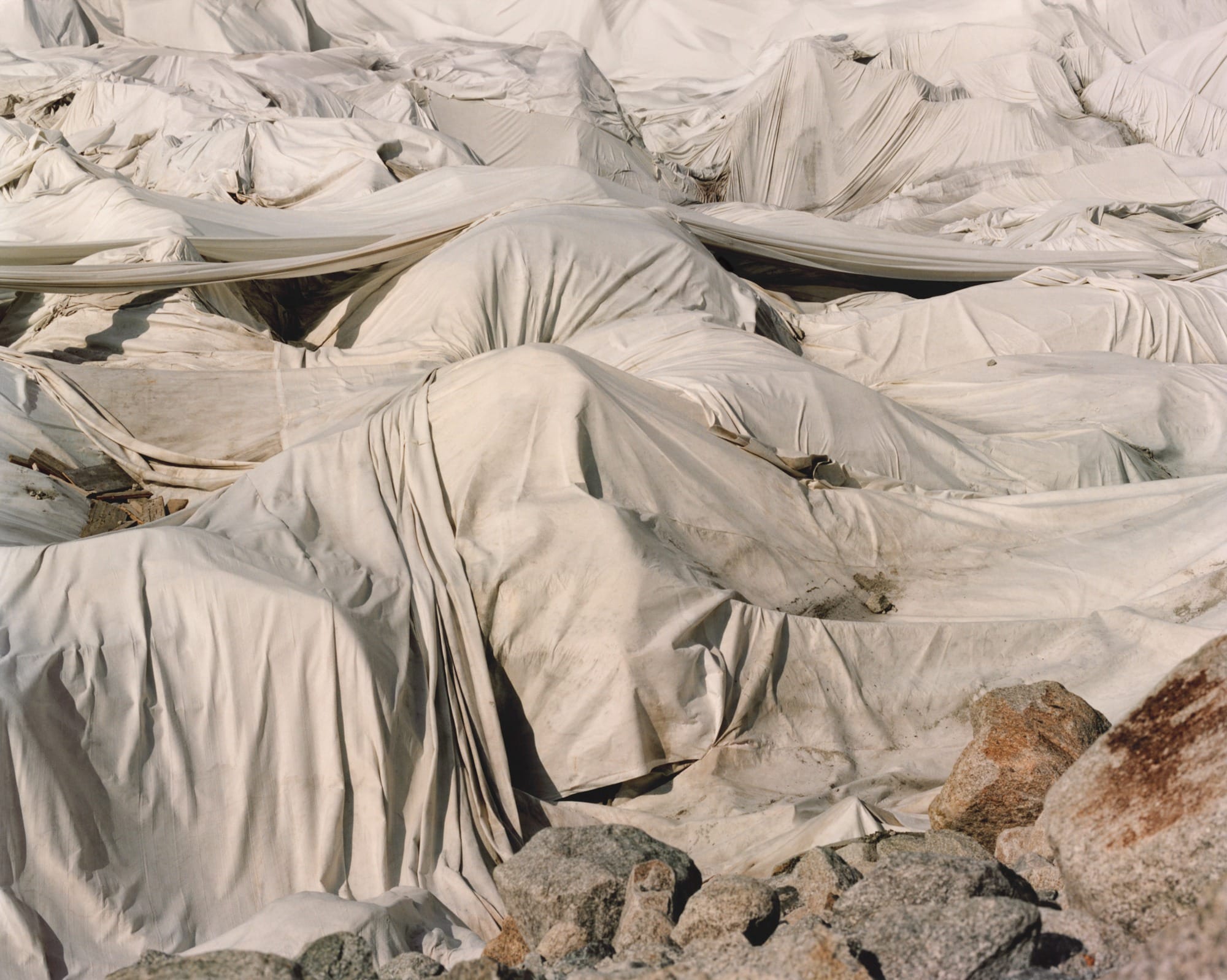
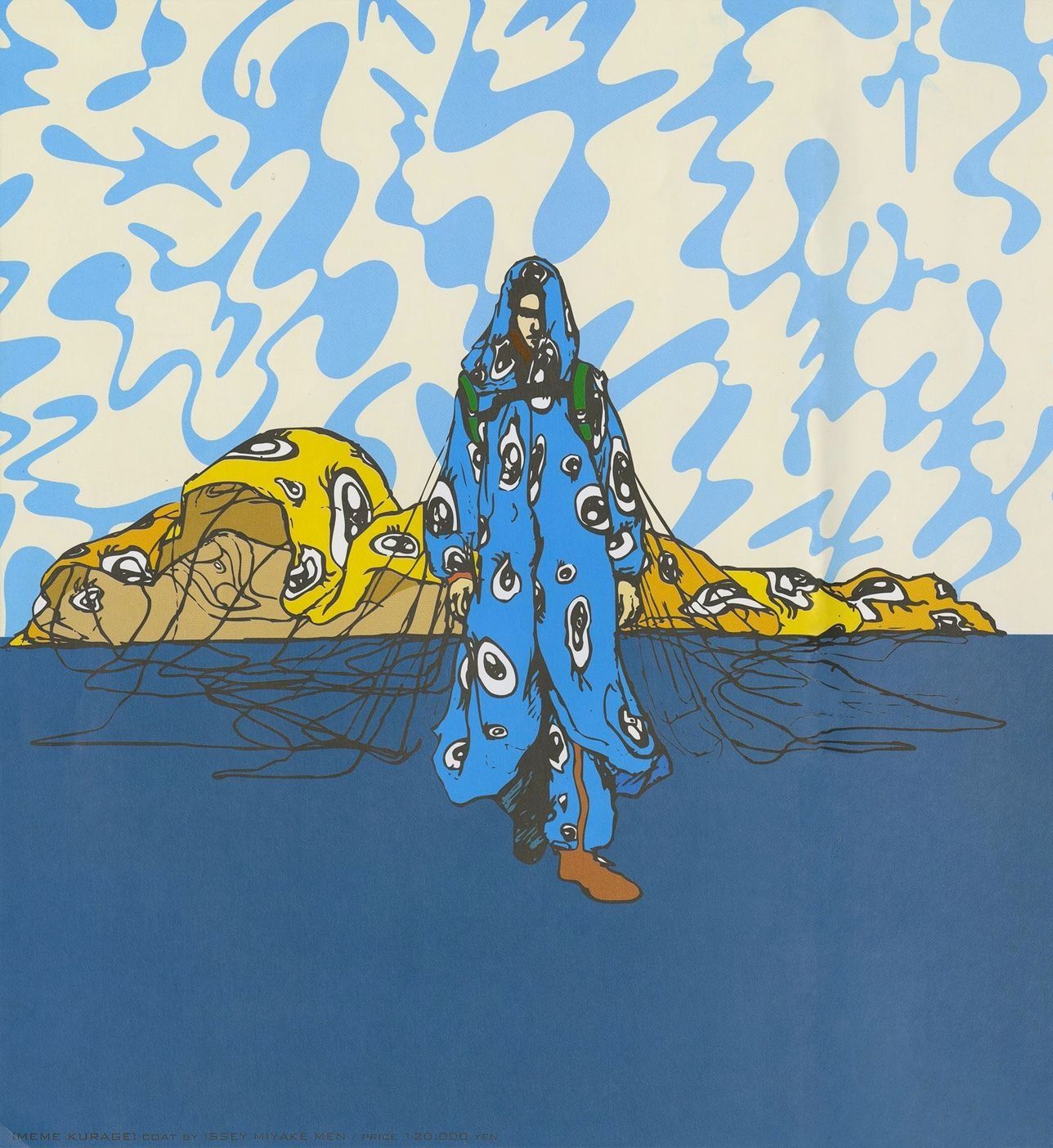
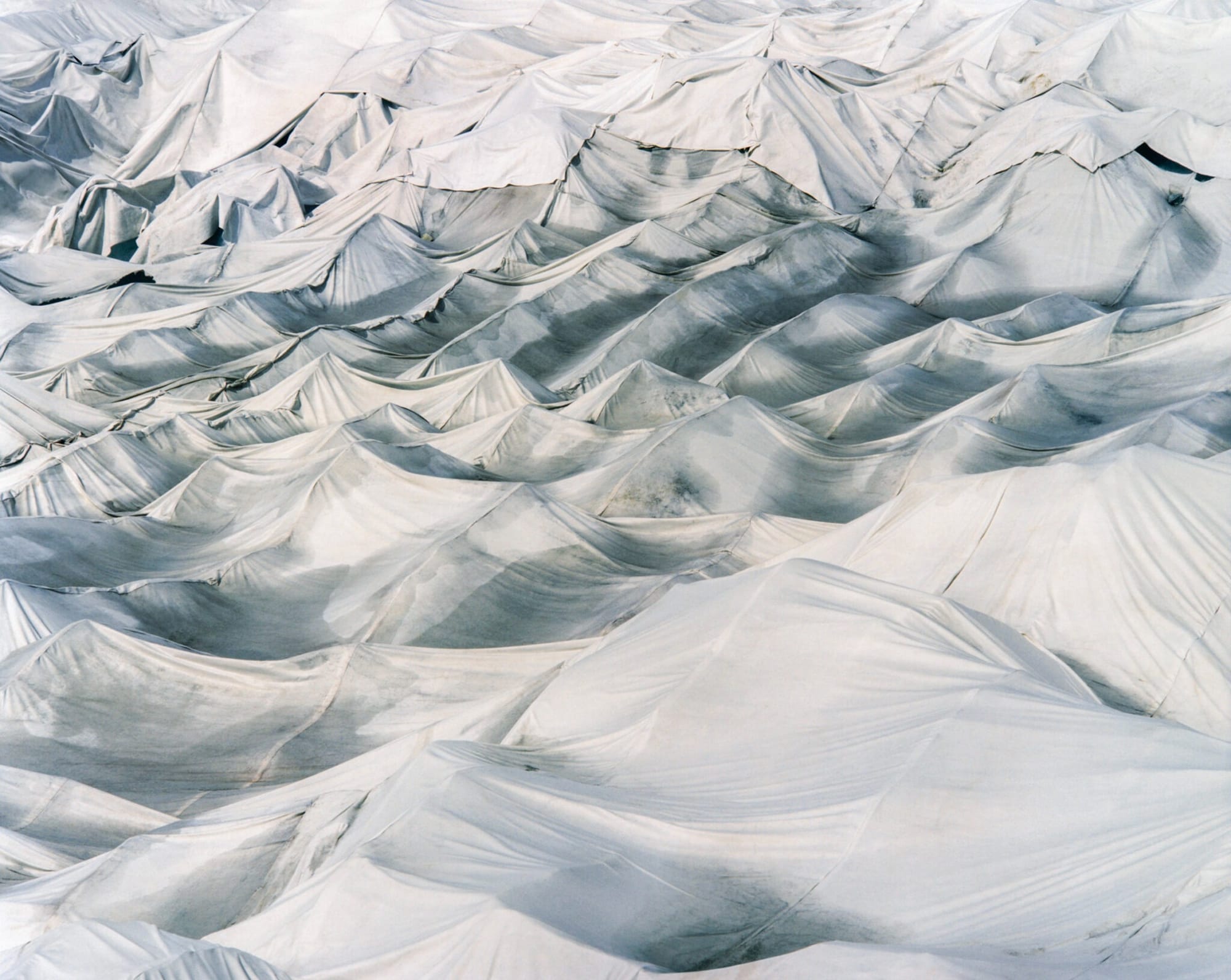
Weaving together photography, video and sculptural objects, lena_c_emery highlights the accelerated loss of mountain glaciers and the desperate conservation efforts currently employed to impede their decline. Under the continued influence of greenhouse-gas forced global warming, ice that took centuries to develop is vanishing in just a number of years. A fate experts predict for at least two-thirds of all glaciers by the end of this century. EMERY: In ‘The Mountains Between Us’, I capture the current environmental efforts undertaken to reduce the rate at which glaciers melt. Glaciers have held space for centuries, silently bearing witness to history. They’ve seen the world change in ways we can barely comprehend. Because my grandfather spent his life in these mountains, watching this particular glacier retreat and form lakes where there was previously only ice and at a pace that’s steadily increasing, feels deeply personal. The idea of covering these mammoths in fabric to stall the inevitable, feels both tragic and emblematic of our relationship with nature: The magnitude of loss countered by gestures that, though earnest, feel powerless. Visually these wrapped peaks evoke images of muddied tents, makeshift shelters that we’ve come to erect for those displaced by upheaval. This fragility, their fragility, our fragility, is a direct reflection of the imbalance we have sown, where those least responsible for ecological destruction are forced to bear its heaviest burdens. The title became a way to frame those divides. Mountains have always symbolised barriers, but perhaps they could also be reimagined as thread, shared histories and a collective belonging. The elemental particles composing our very being once danced amidst these ancient landscapes and if they disappear, part of us does too.

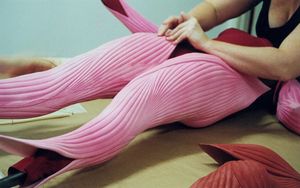
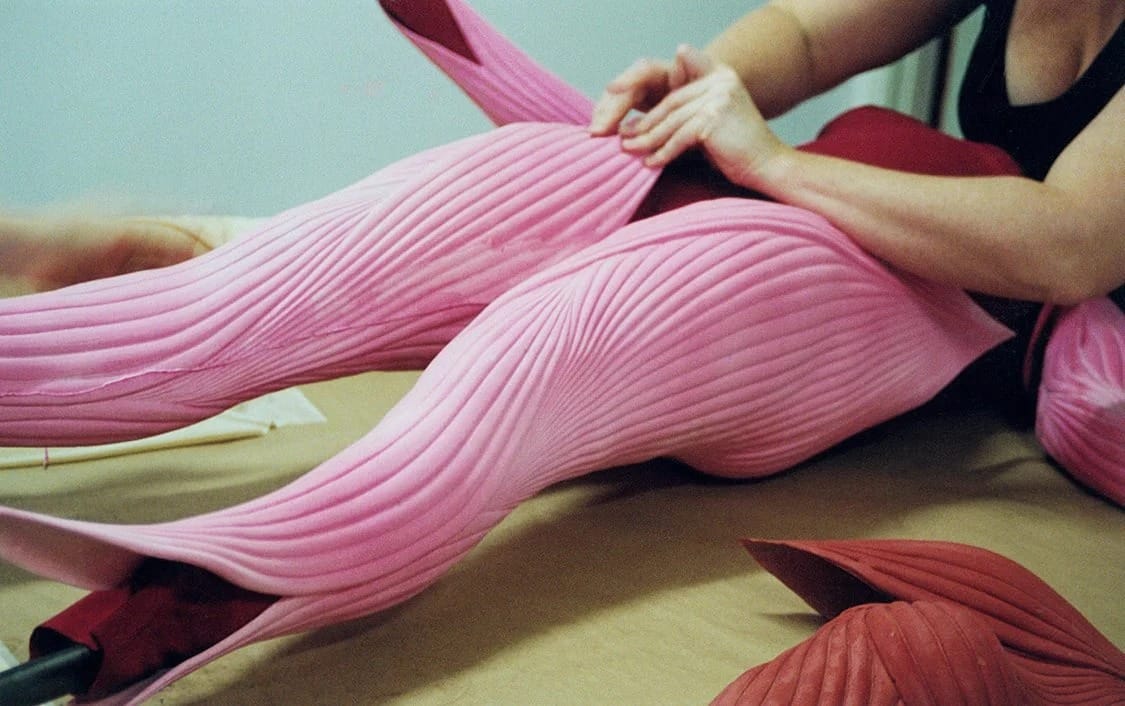
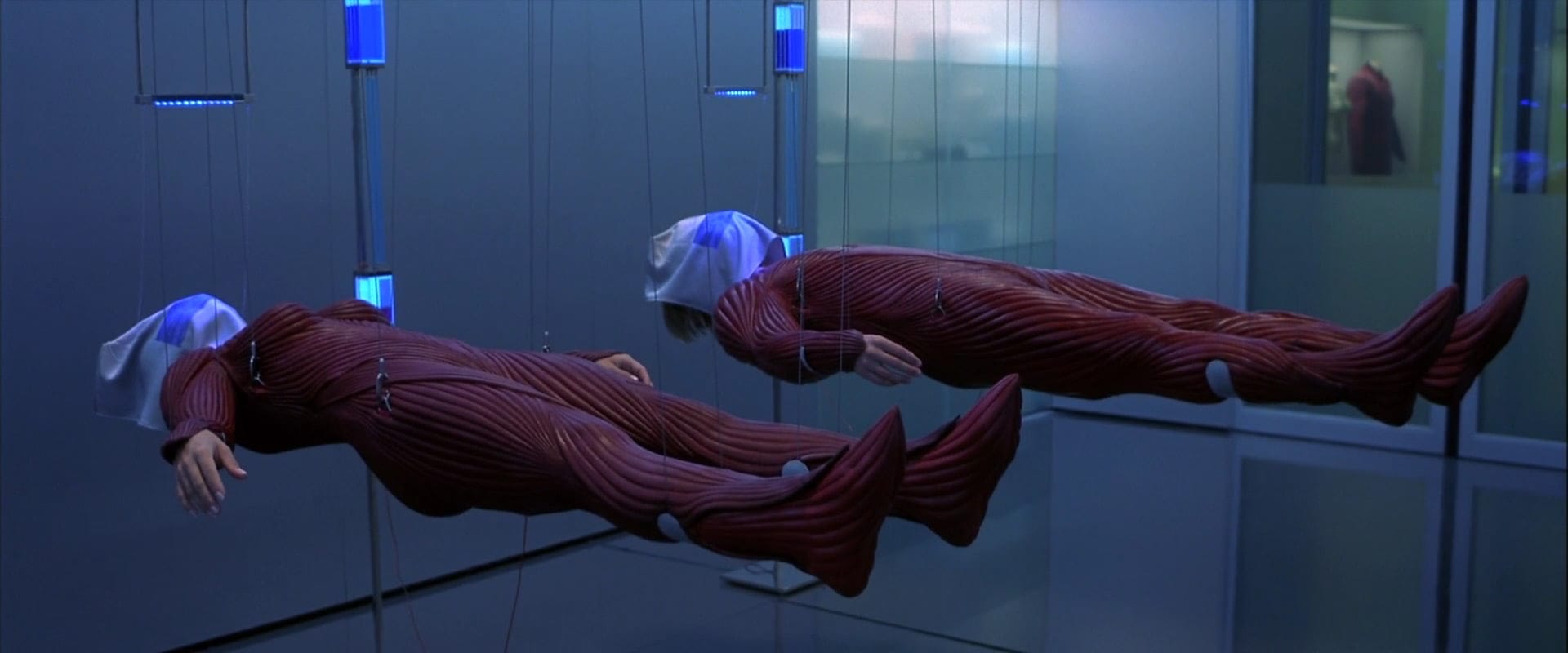
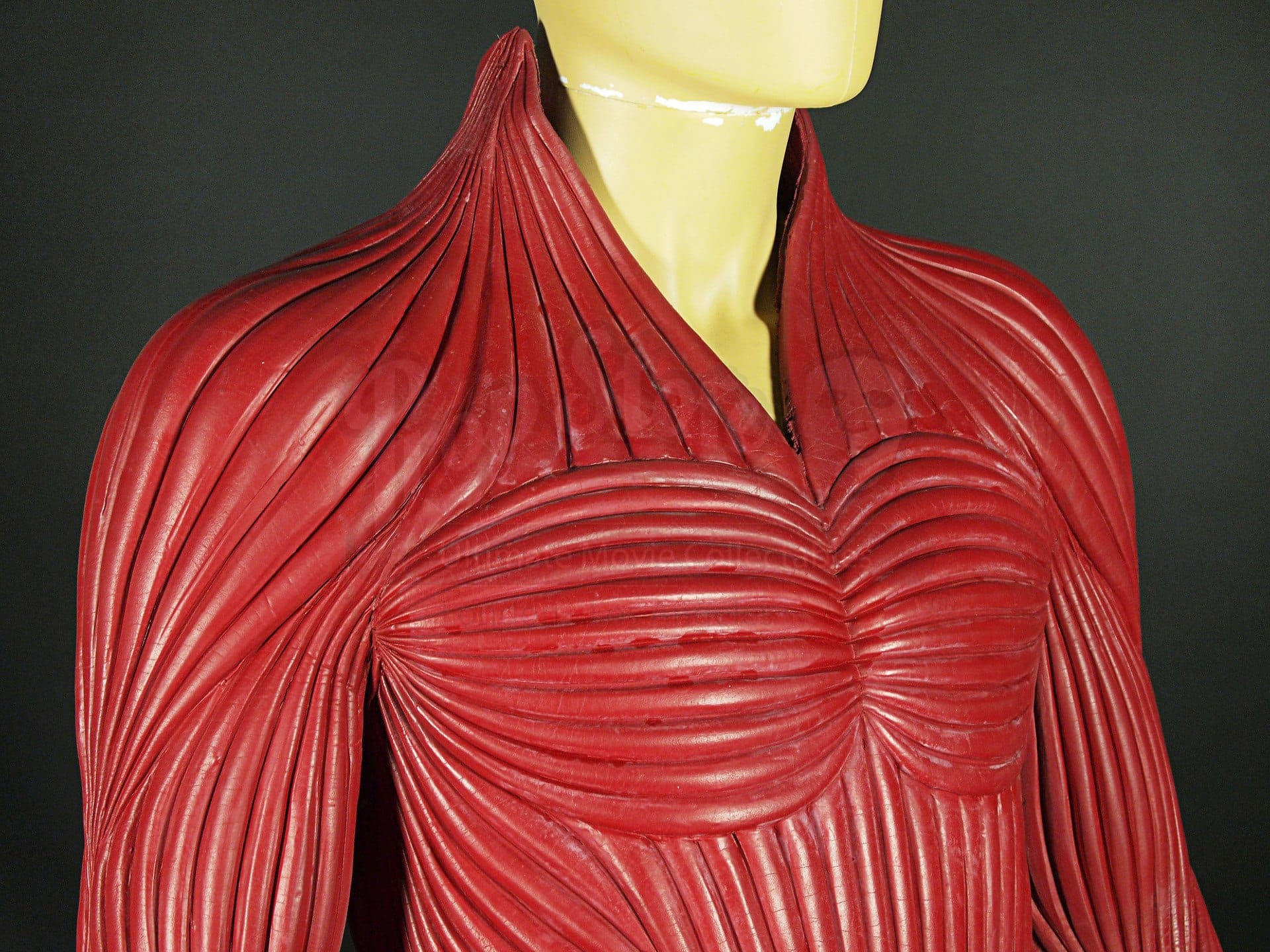
They were called the “muscle suits” in The Cell. Eiko Ishioka designed them to resemble exposed musculature, turning the body into a surreal anatomical armor that fit the film’s psychological and dreamlike visuals.
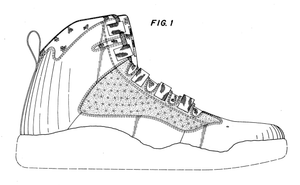
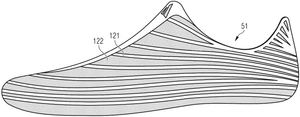
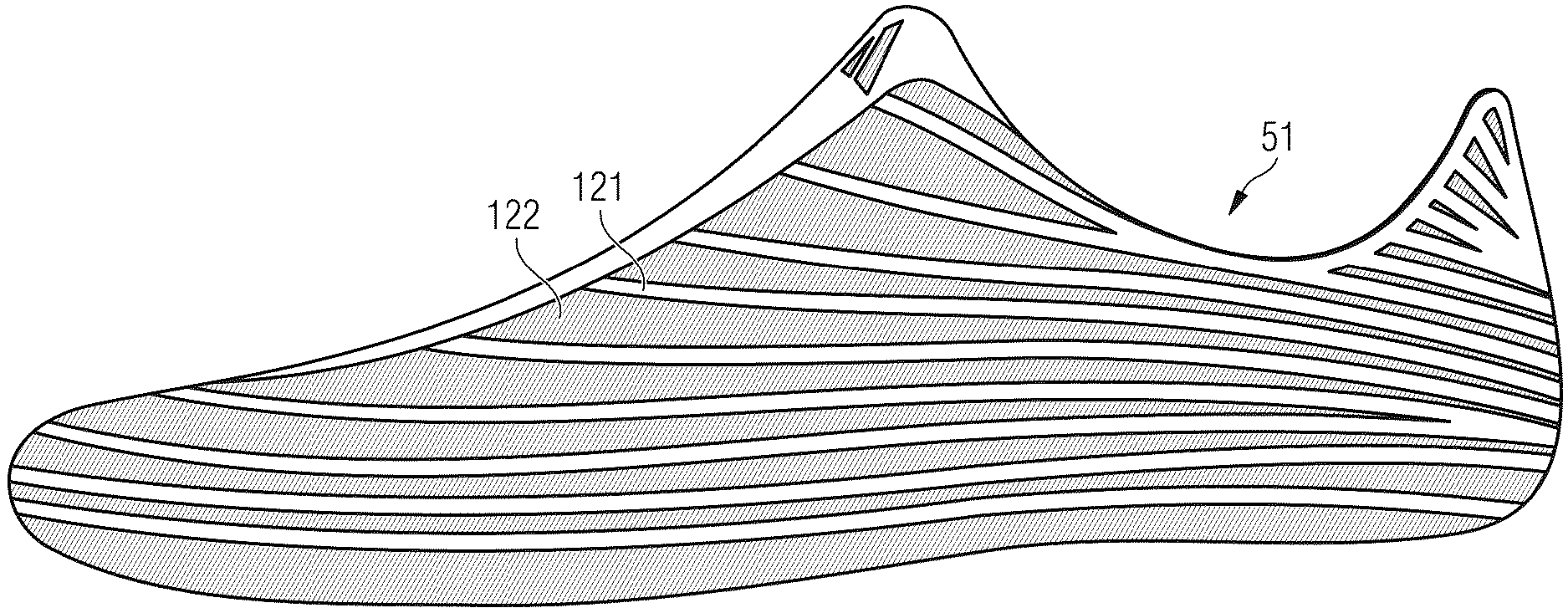
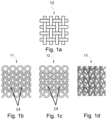
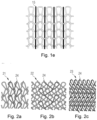
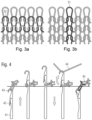
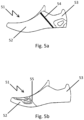
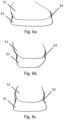
Figures from US patent application US20250160486A1, 'Knitted Shoe Upper', filed by Adidas AG (inventors Stefan Tamm, Carl Arnese and James Carnes; published 22 May 2025). The upper is knitted in one piece with two zones, a more elastic yarn and a stiffer yarn, placing stretch and support without seams or separate reinforcement panels. The drawings show the yarn zones and construction across forefoot, midfoot and heel.
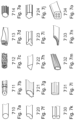
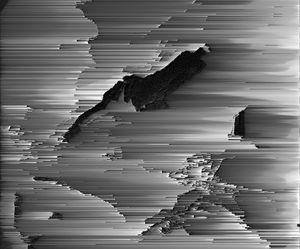
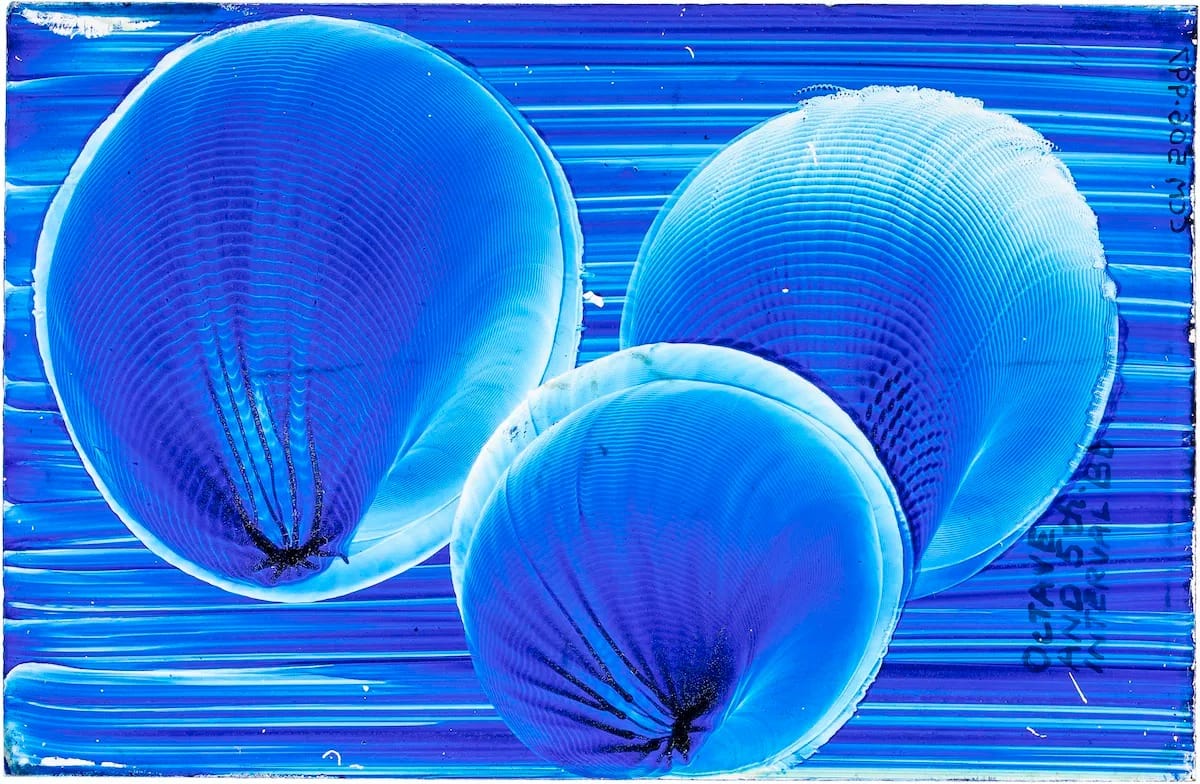
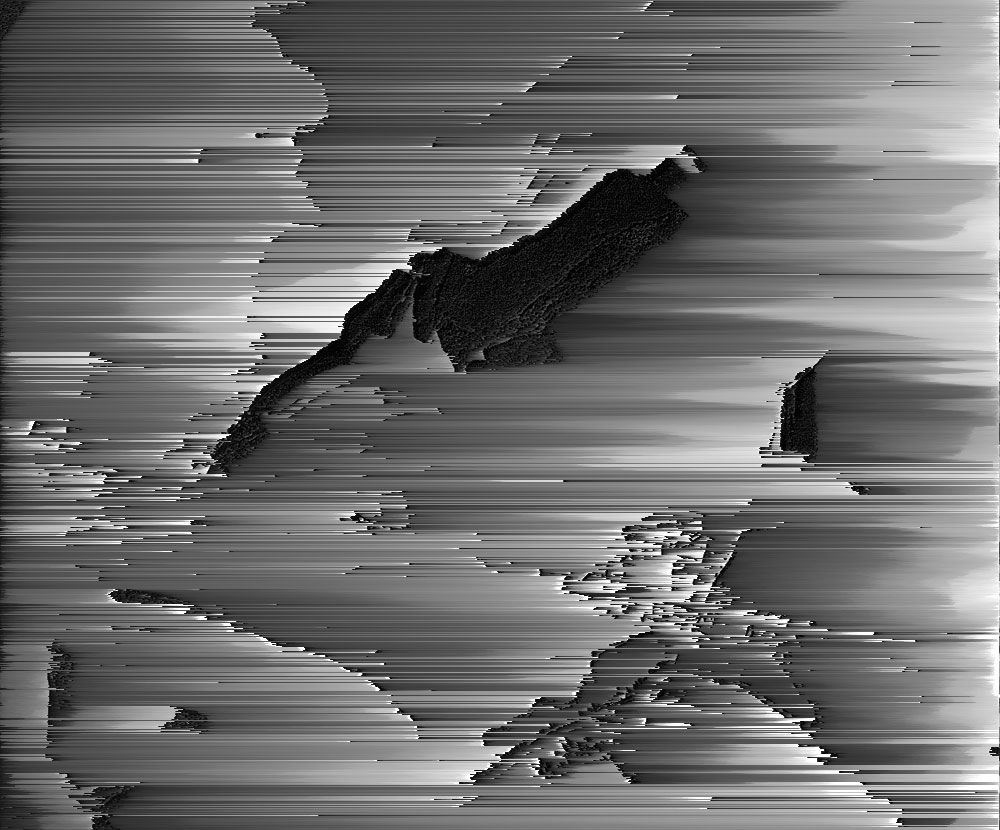
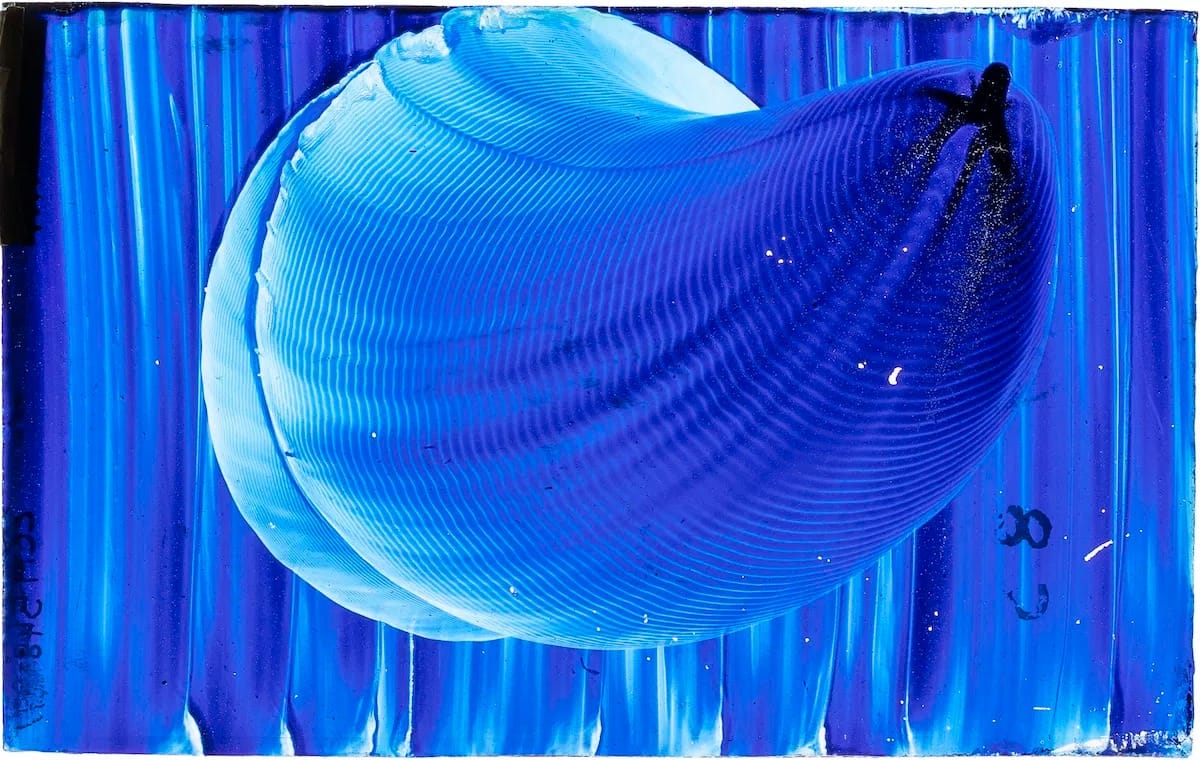
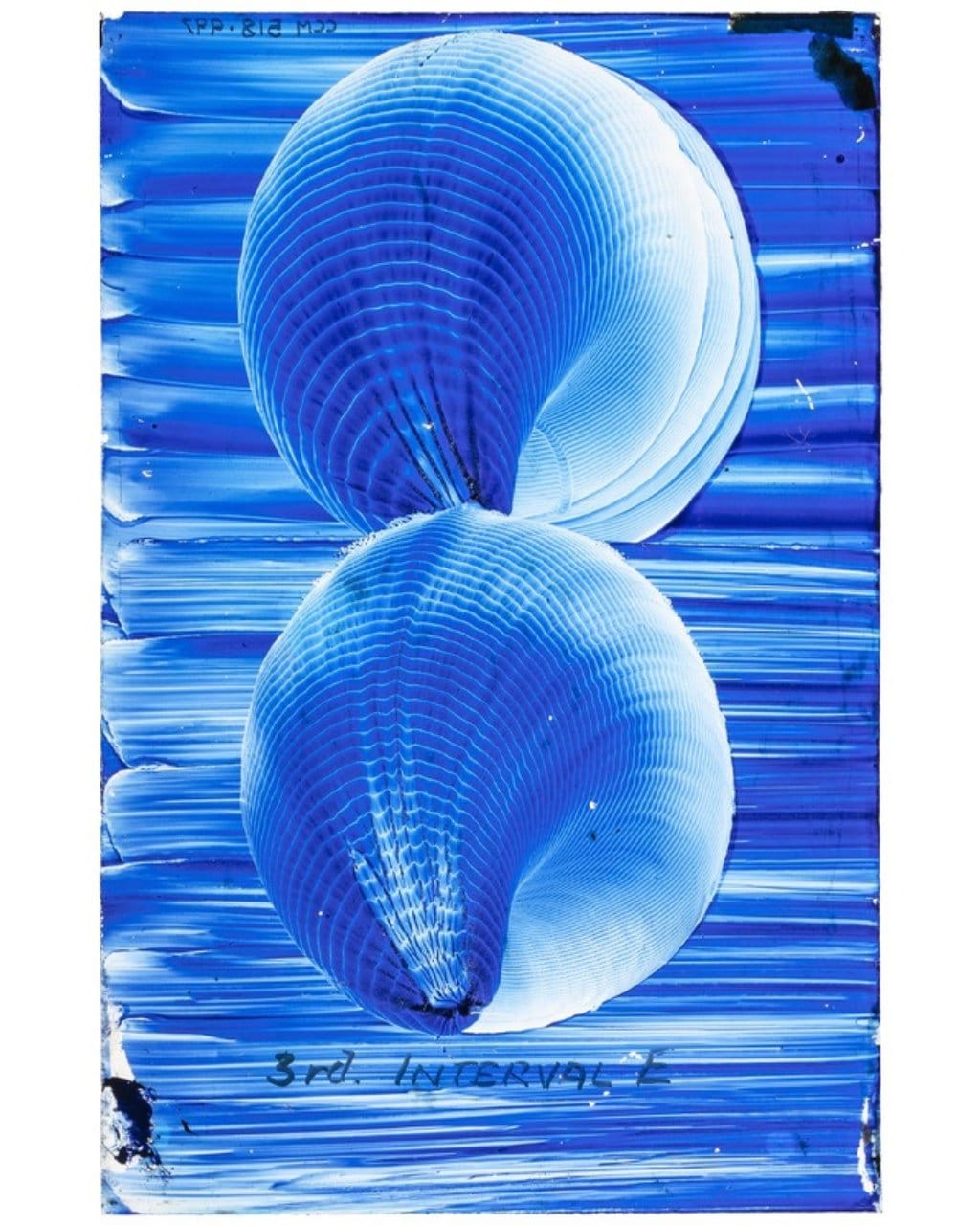
Made more than 100 years ago by a Welsh singer named Margaret Watts Hughes — not by her hand but rather using her voice and an Eidophone, a “recording” device of her own invention. She would sing into the Eidophone’s funnel and so make its diaphragm vibrate. She’d then bring this vibrating diaphragm in contact with a glass plate covered in pigment to create these wondrous images, akin to visual sound recordings, or what she called Voice Figures (and the more complex Impression Figures).
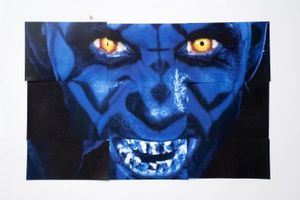
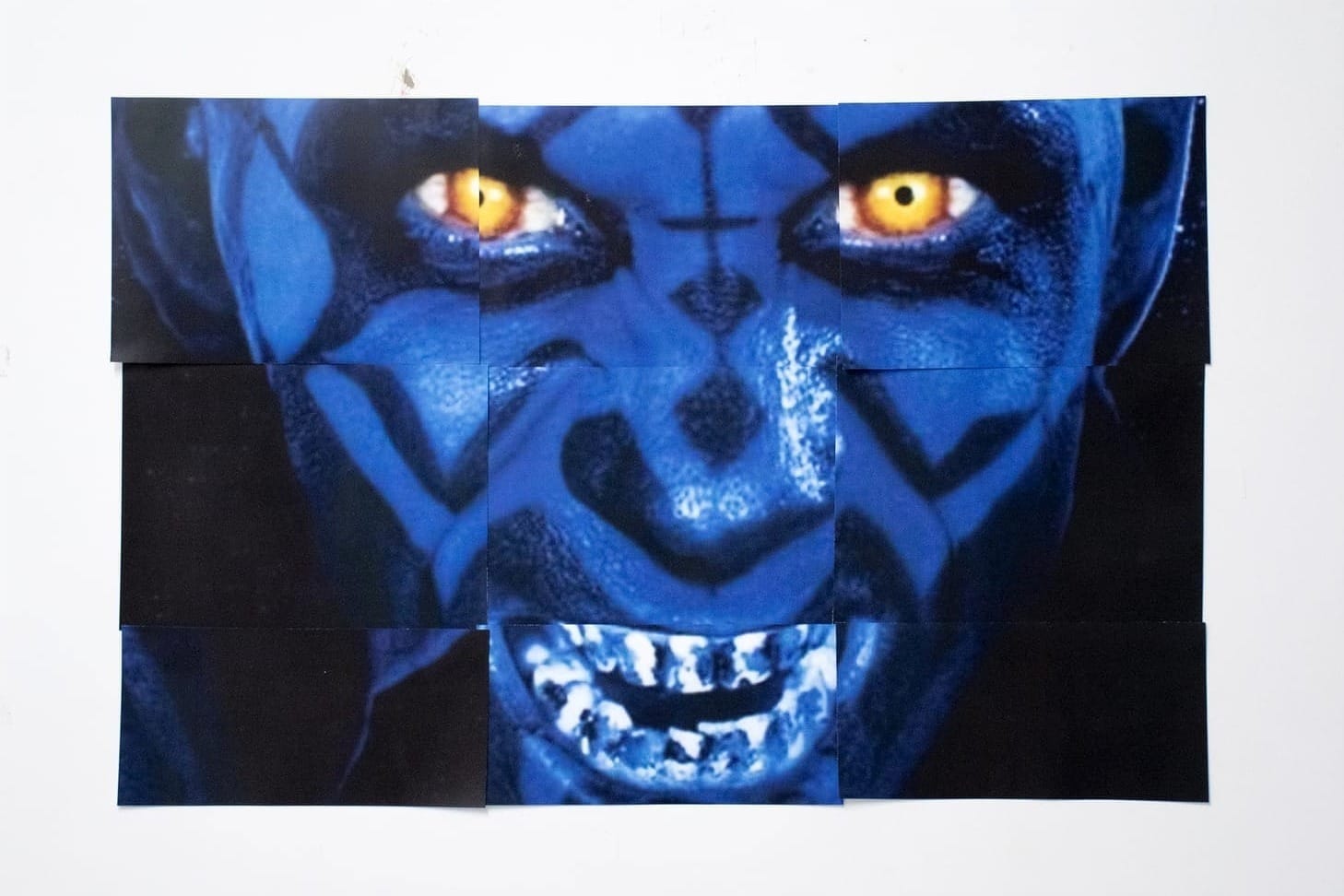
From the spitting image exhibiton curated by Pop Gun and Heart Gallery
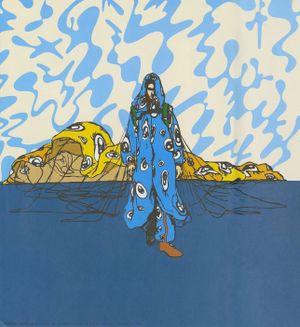
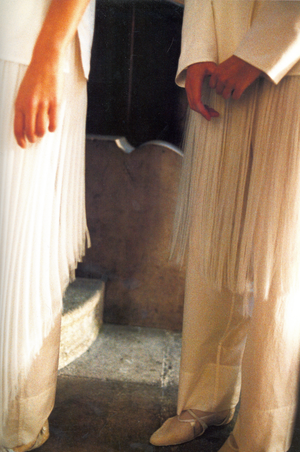
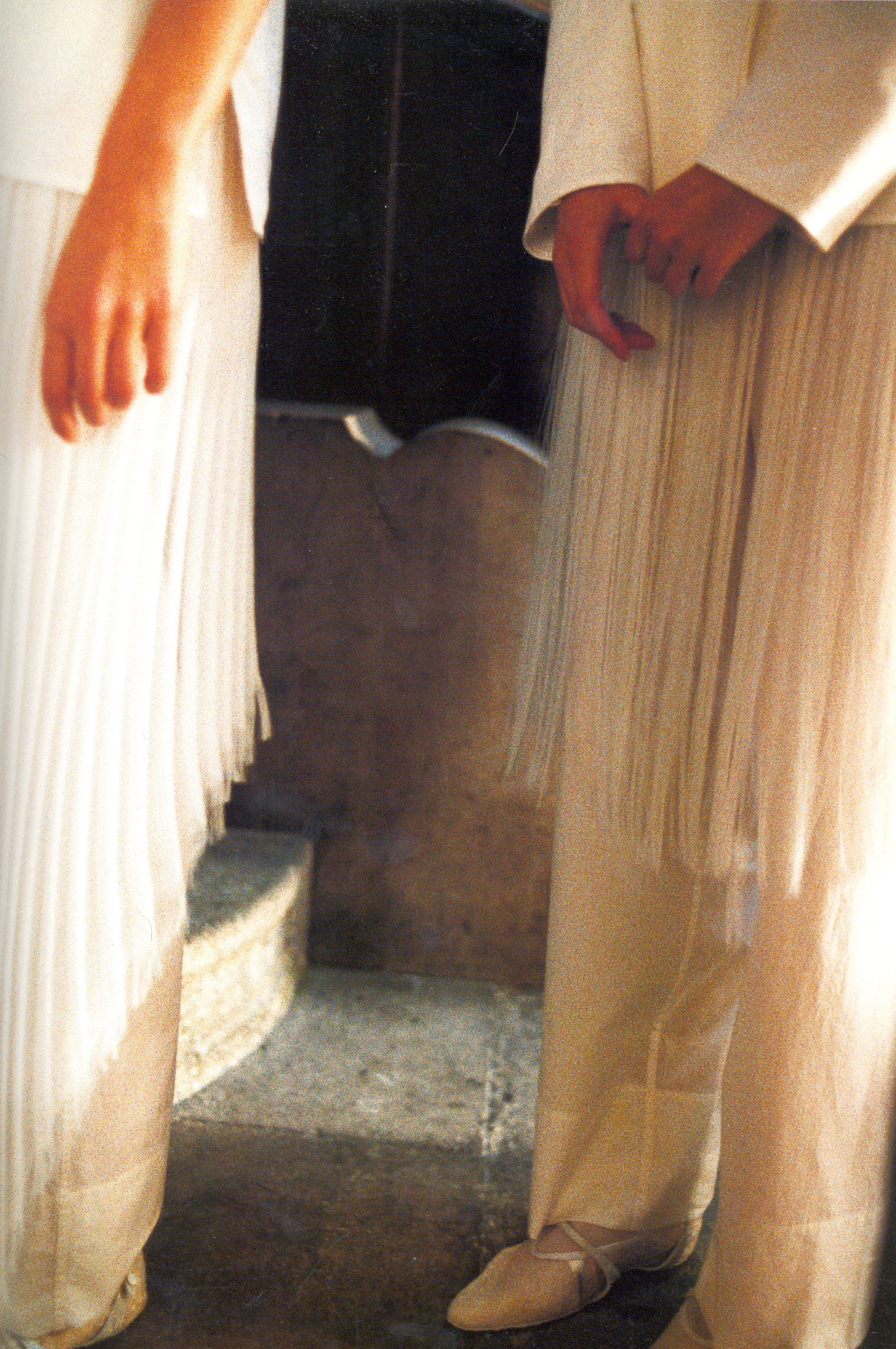
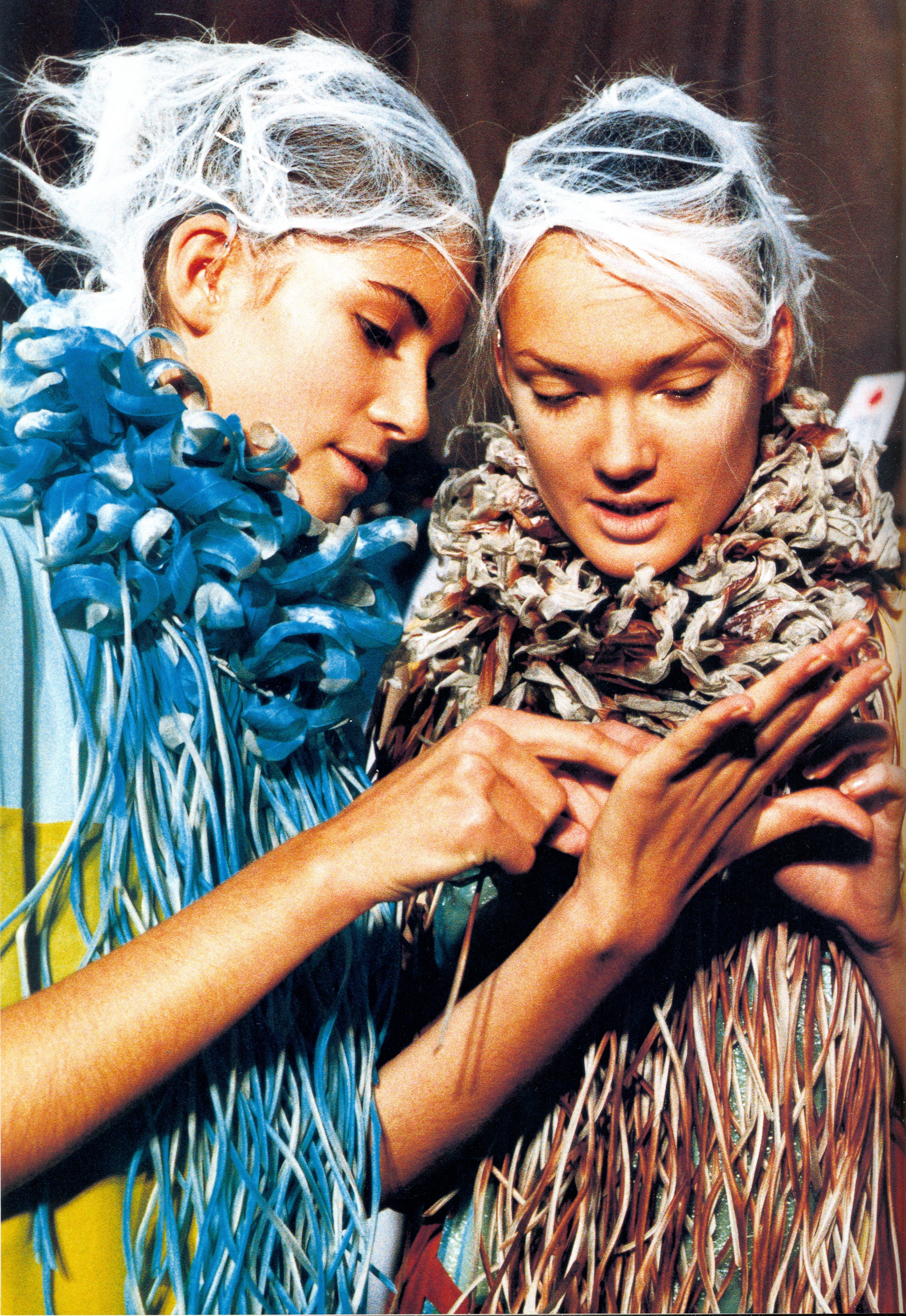
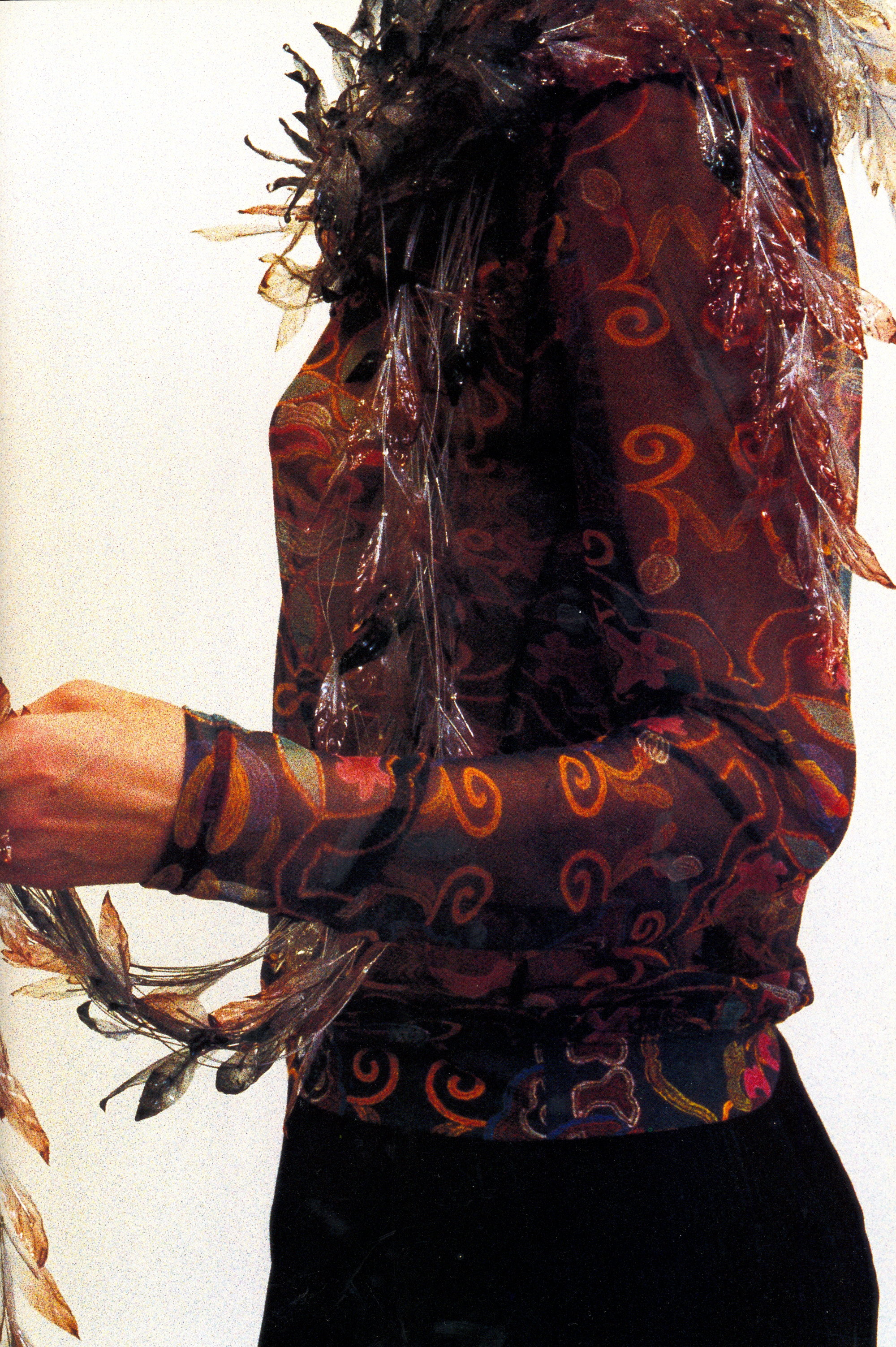
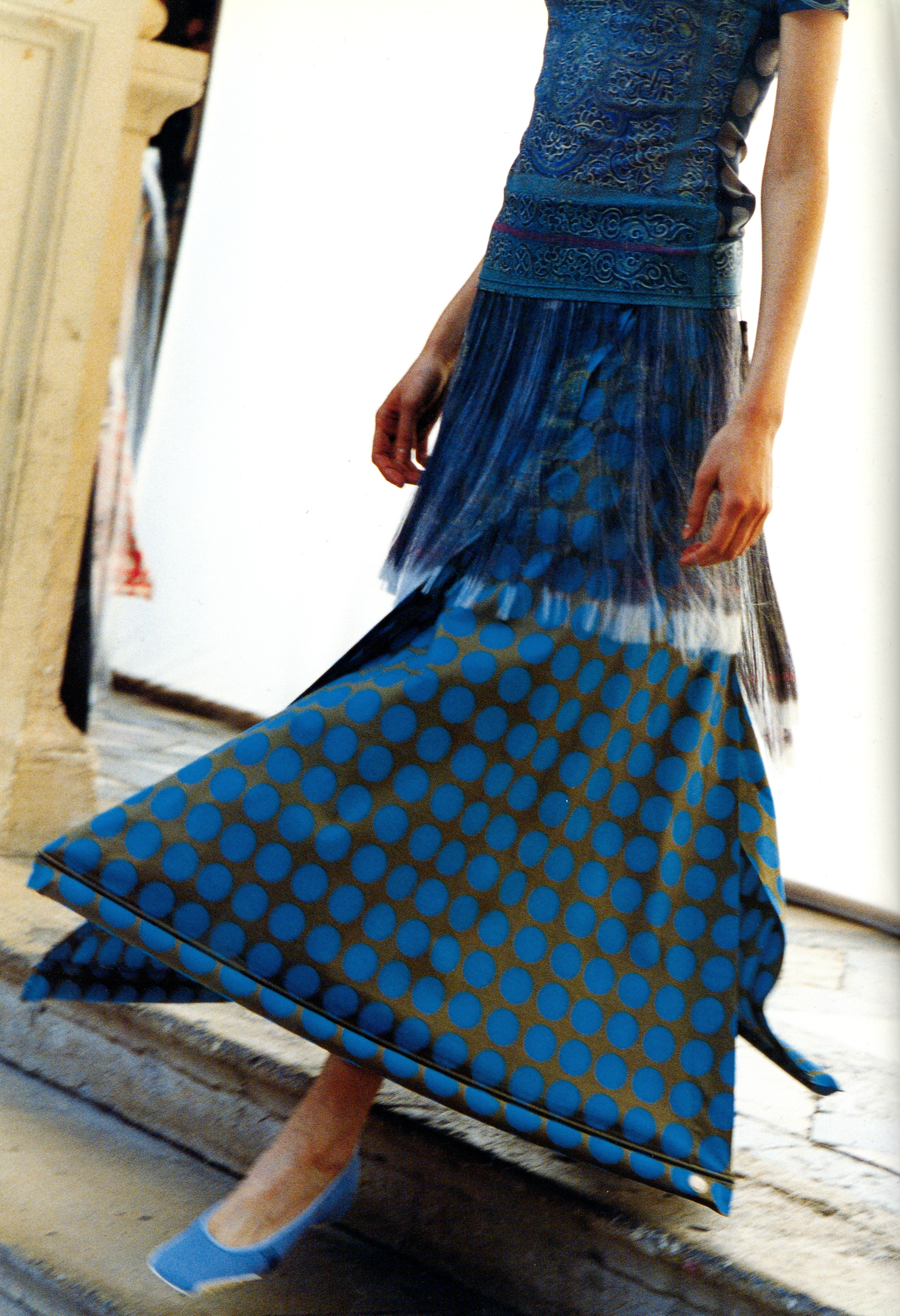
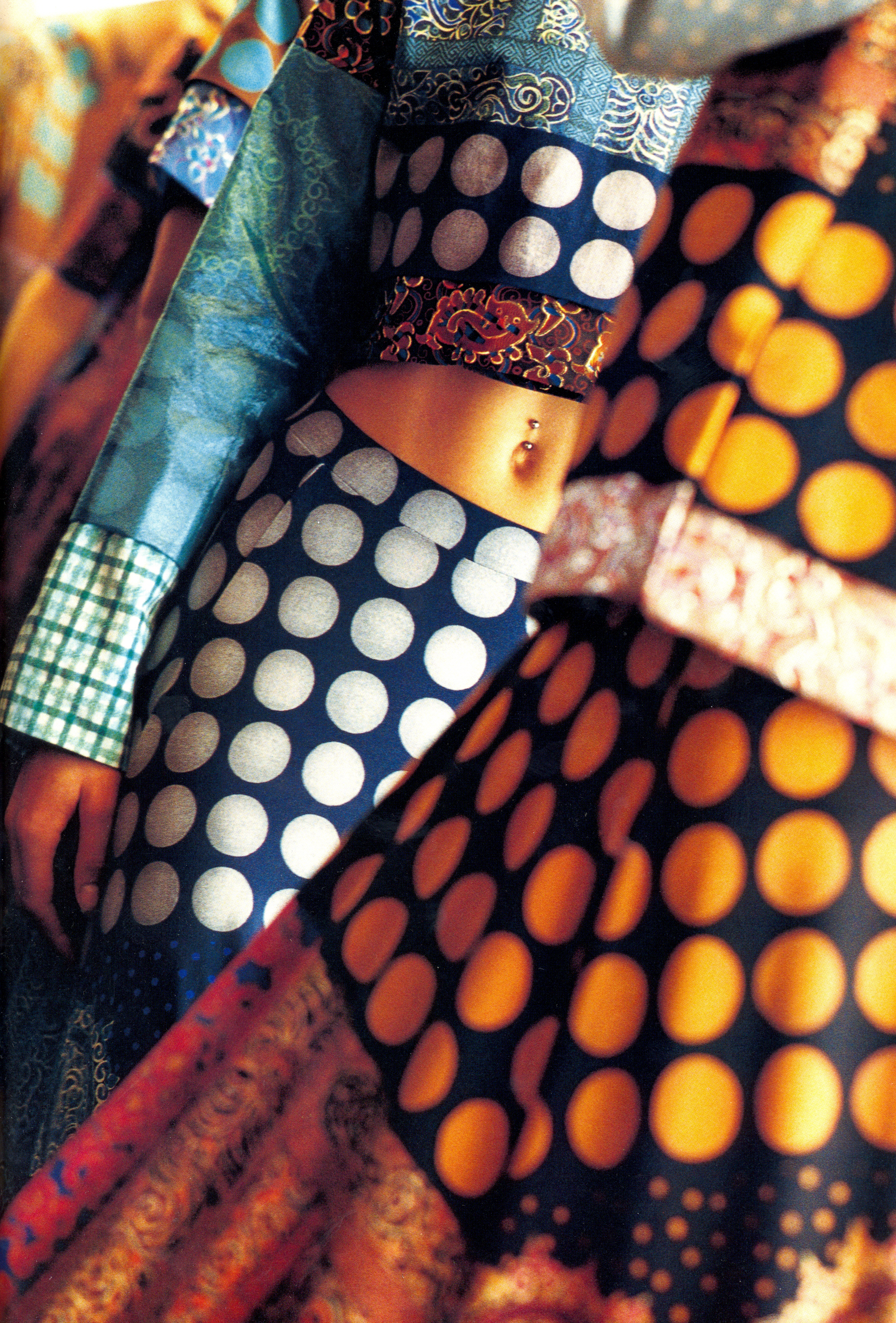
Silent Poets for Issey Miyake Spring/Summer 2001 is a hardcover lookbook photographed by Françoise Huguier. It presents imagery from Issey Miyake’s Spring/Summer 2001 collection and includes the collaboration CD Red Eyes Tribe at the back of the book. Japanese electronic duo Silent Poets produced the music for the runway show.
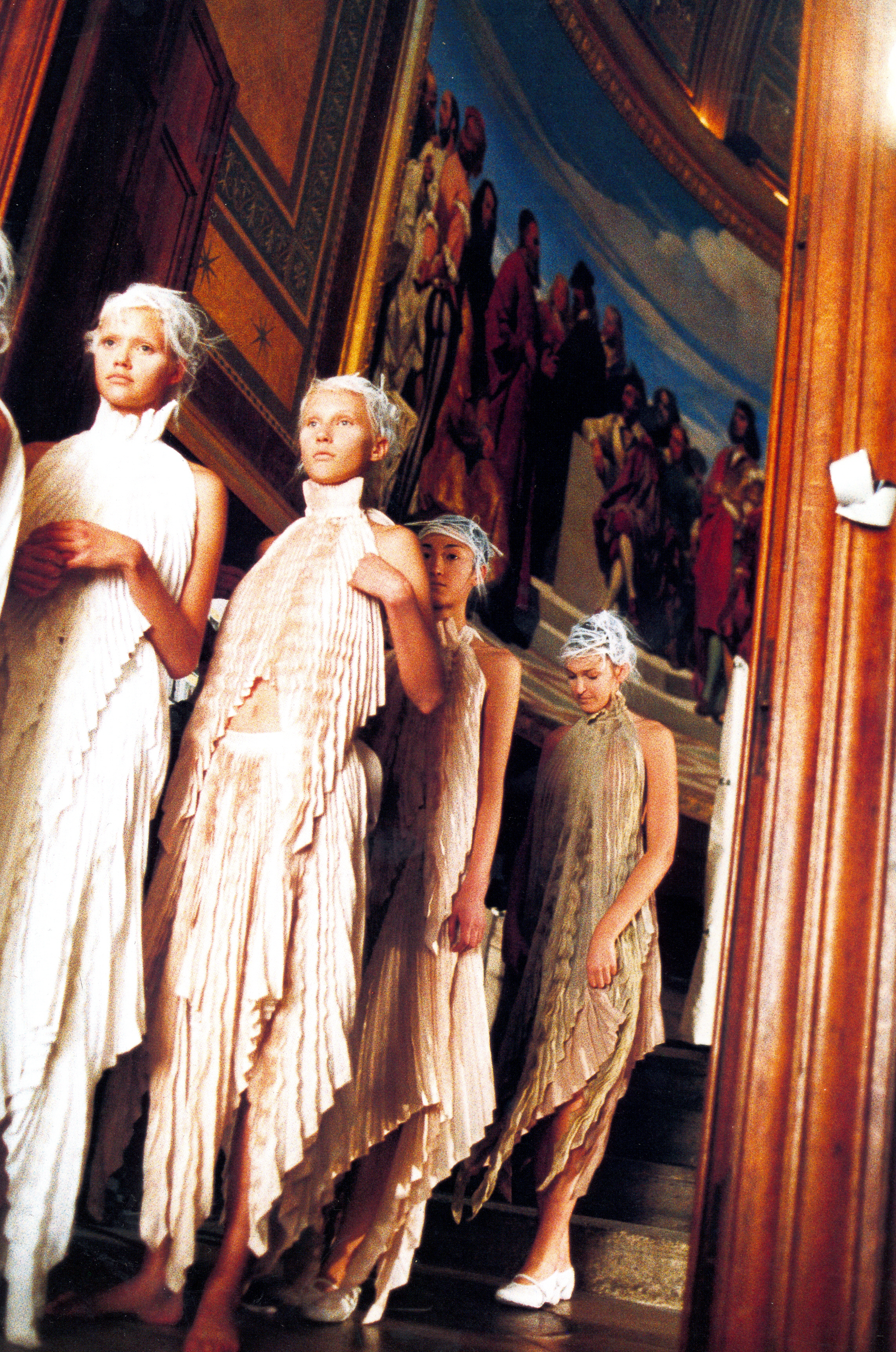
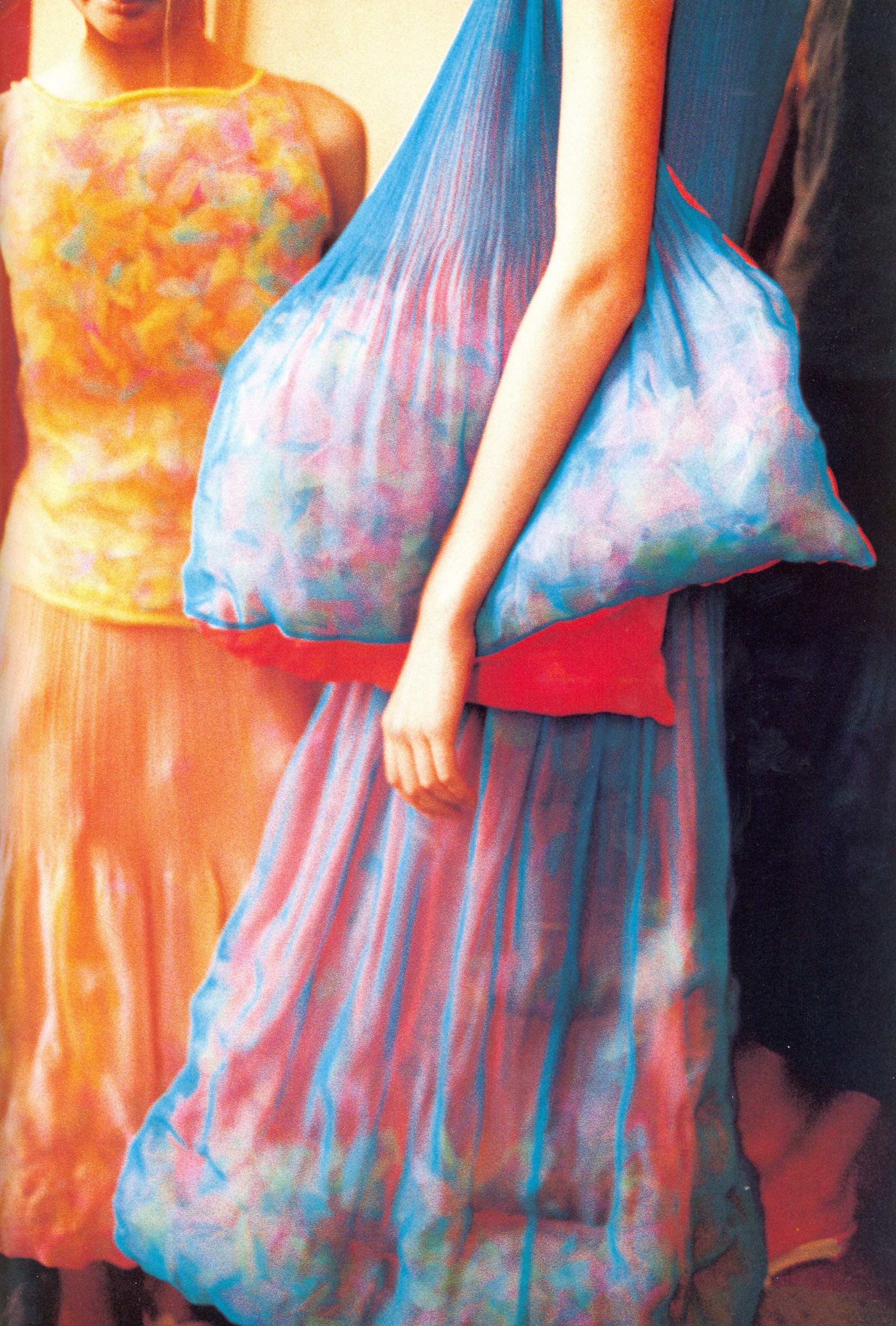
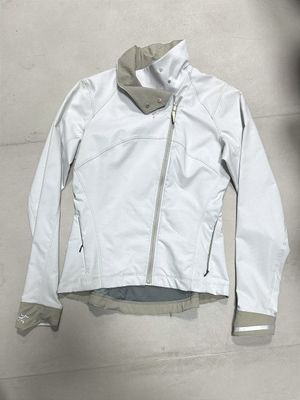
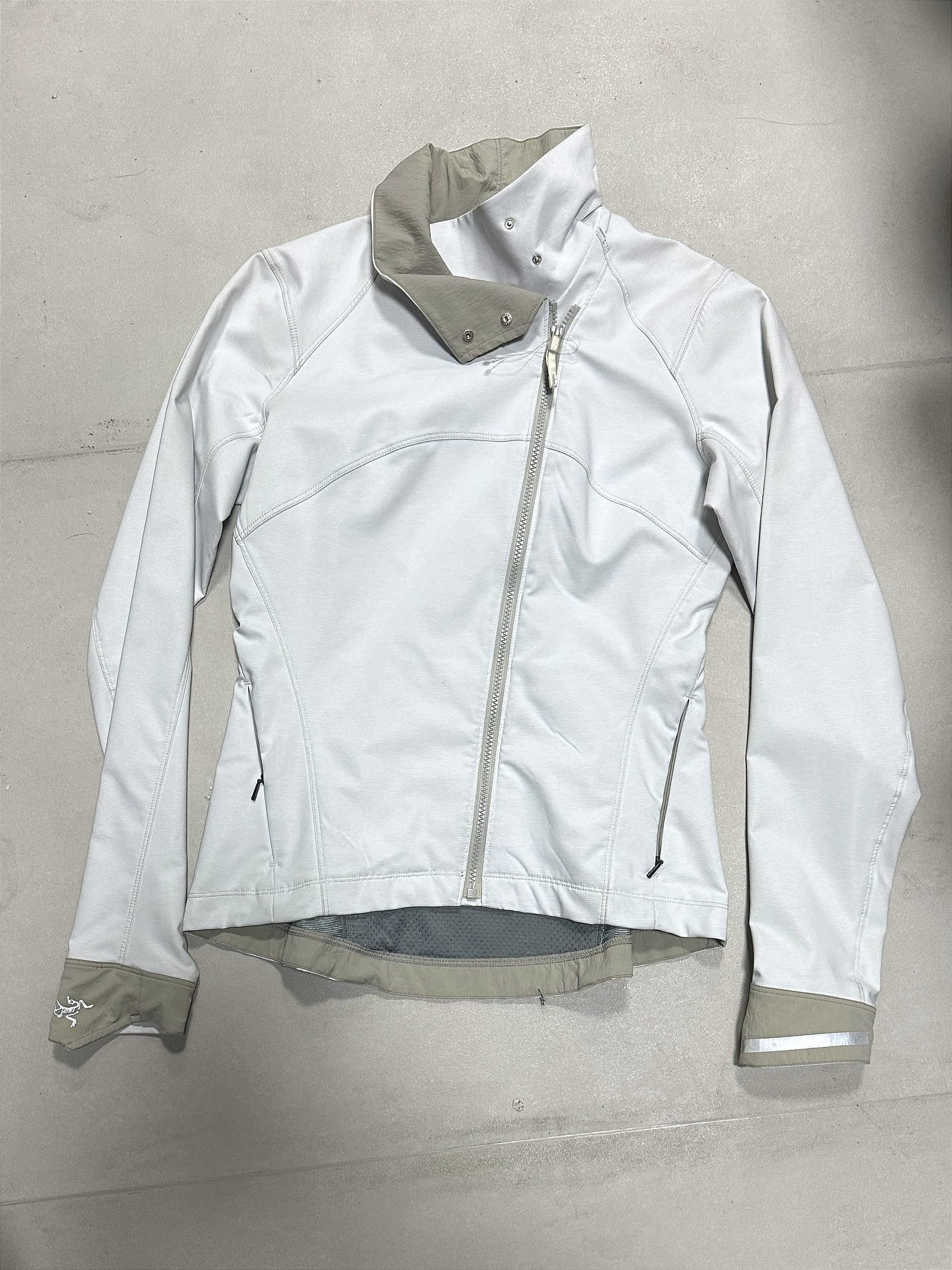
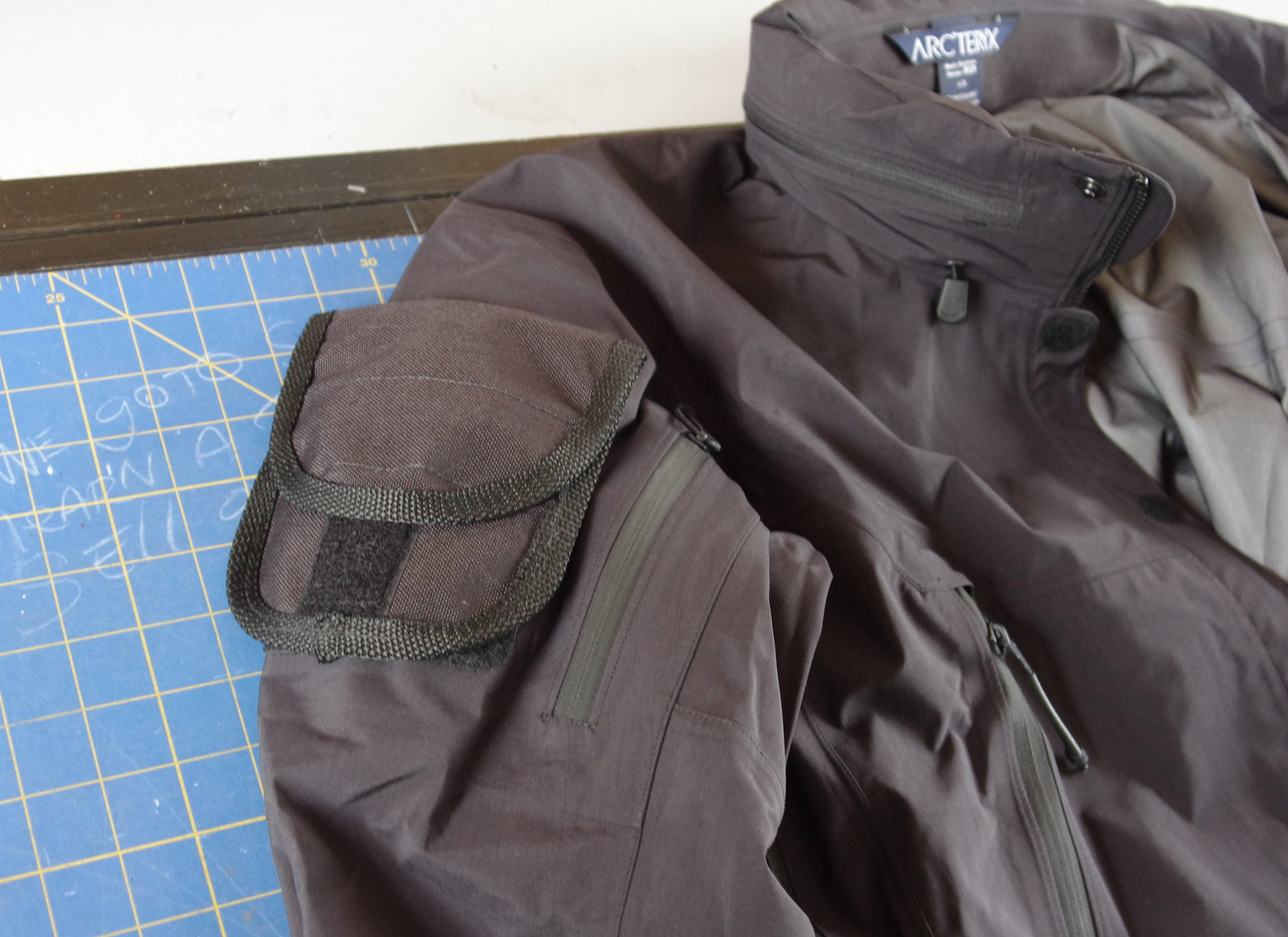
Arc’teryx A2B Commuter Jacket W Chalk 15536, released 2015. Technical soft shell with motoi lines.
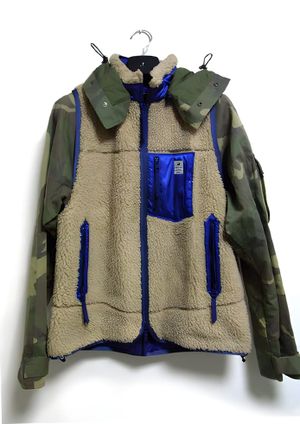
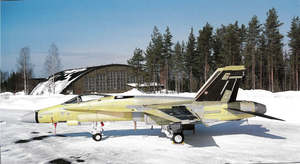
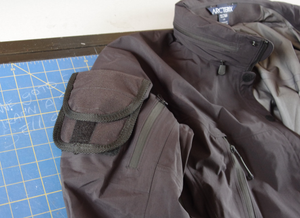
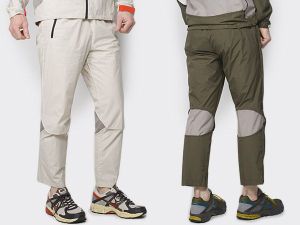
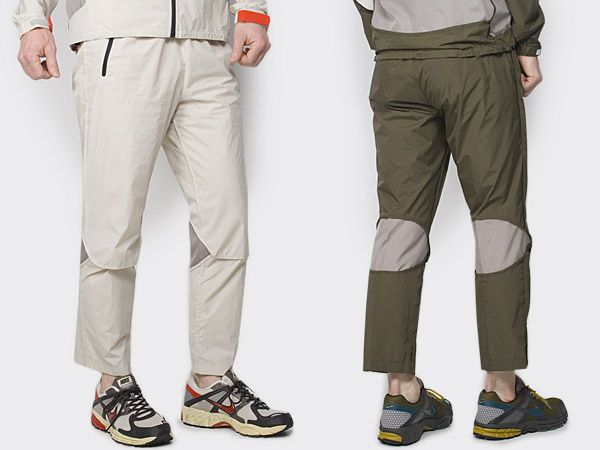
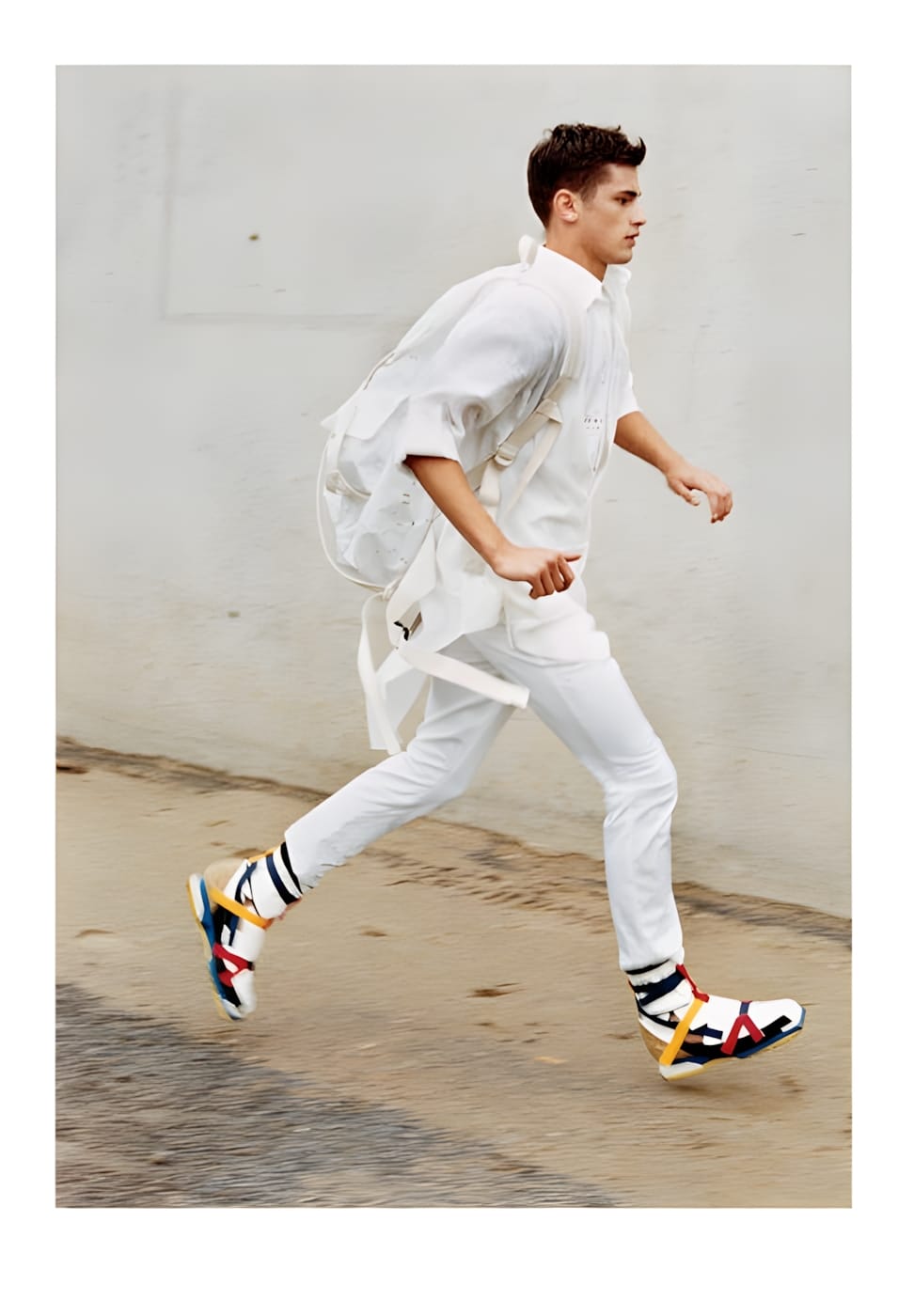
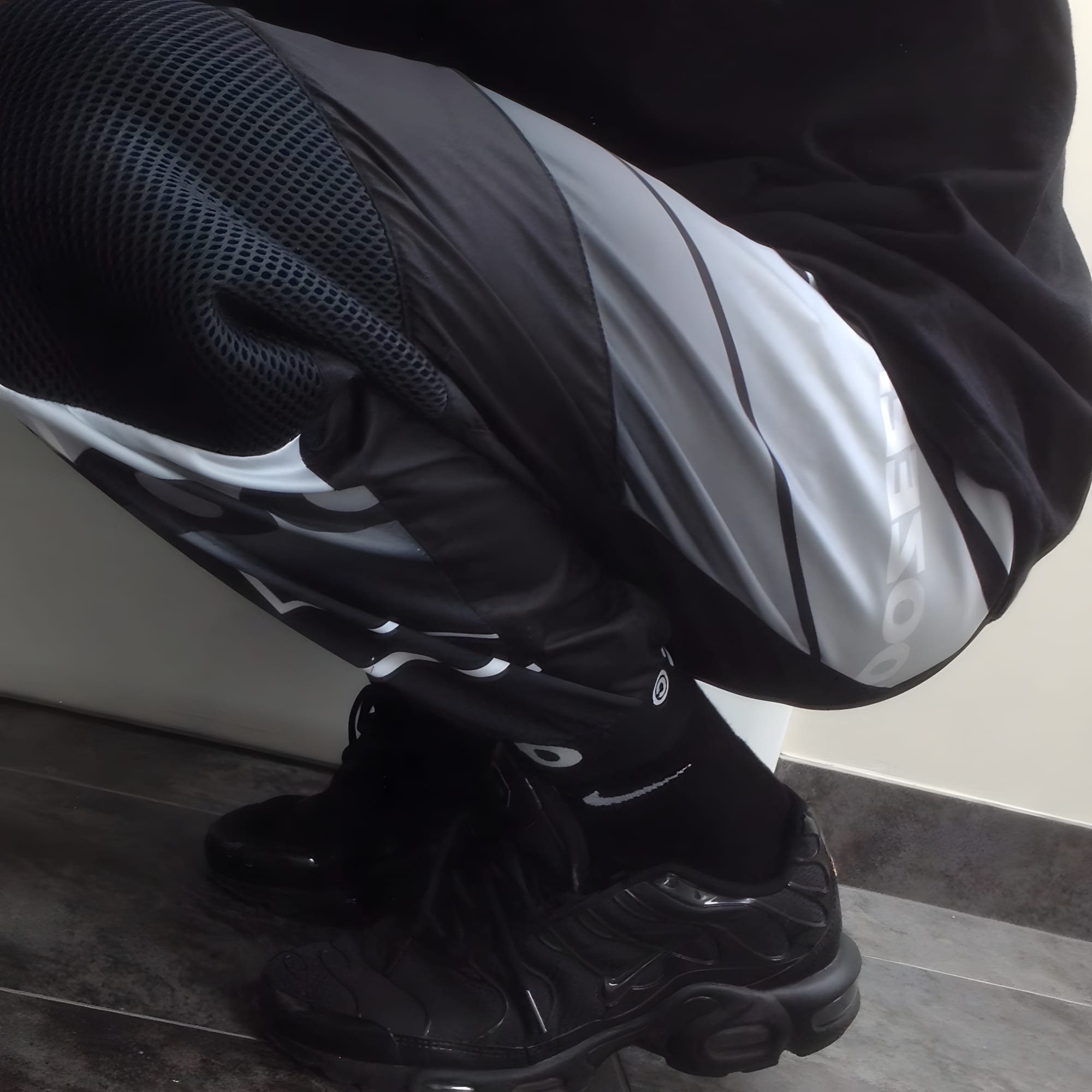
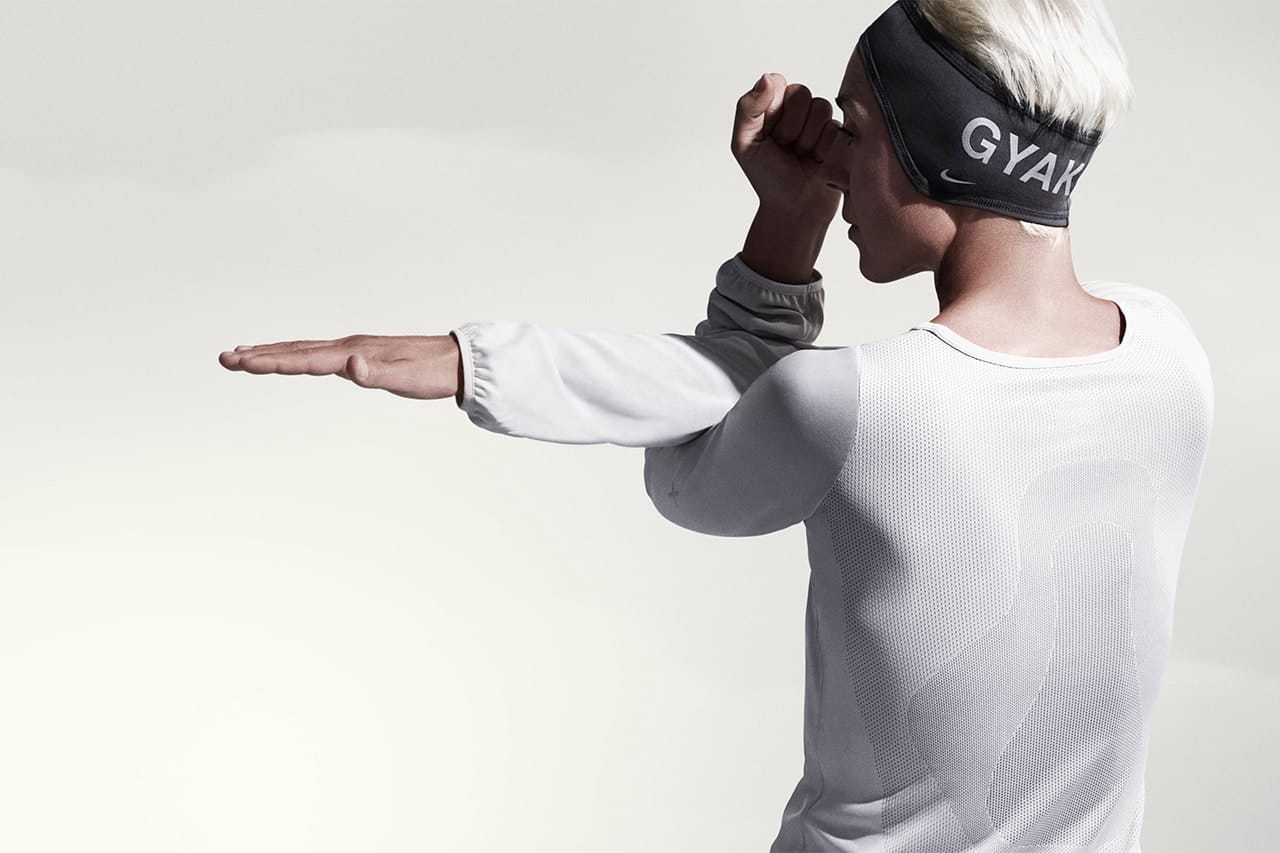
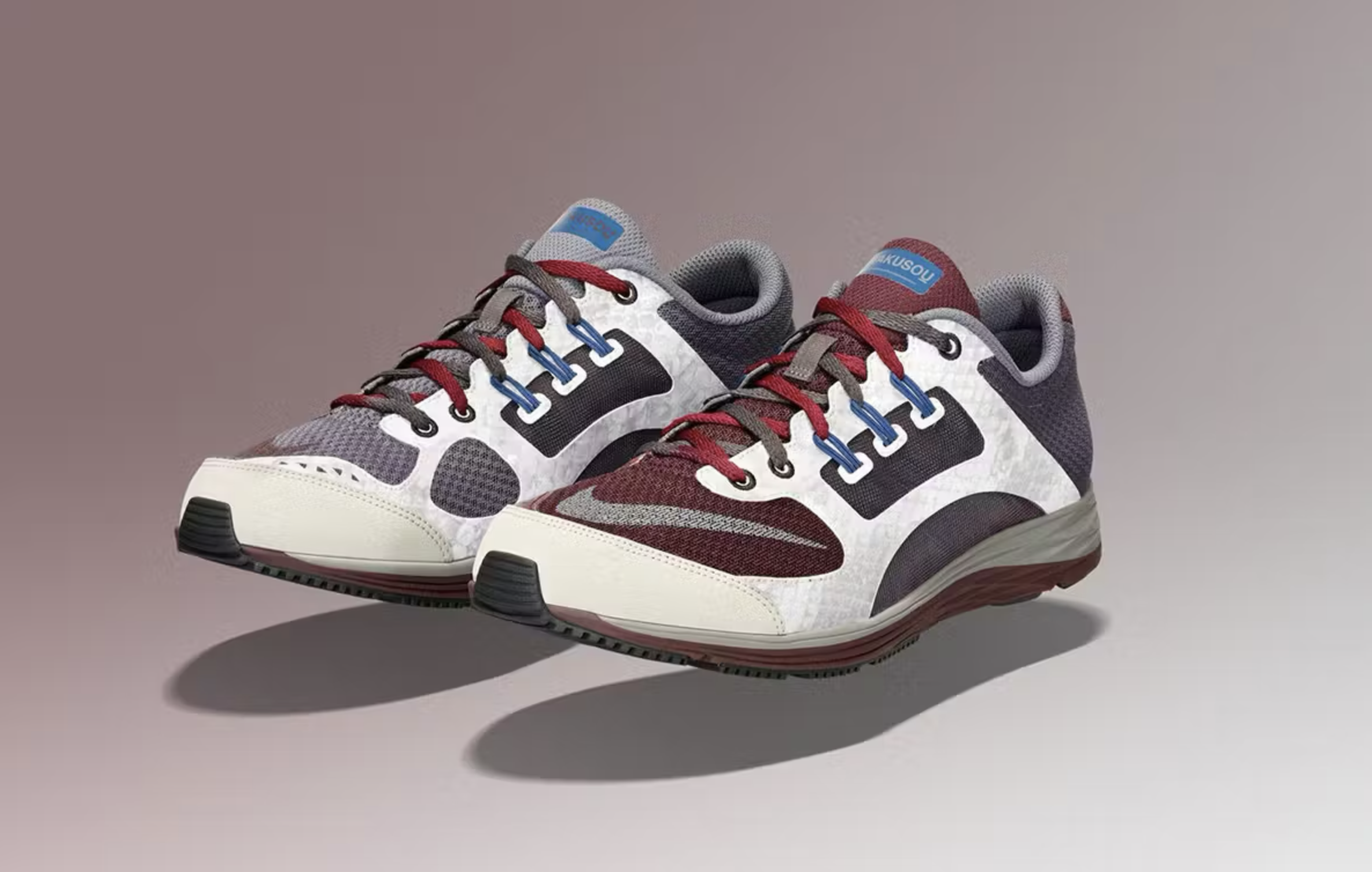
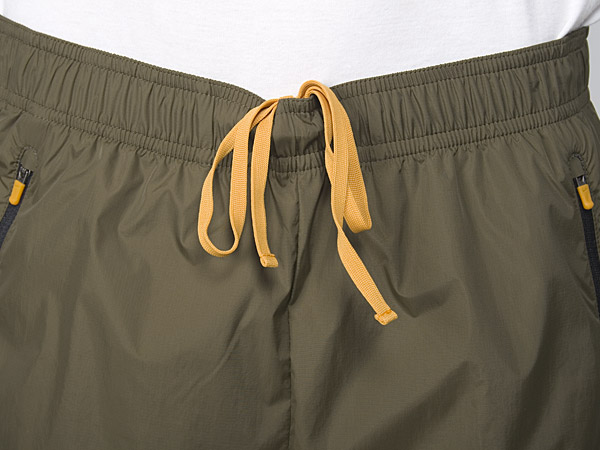
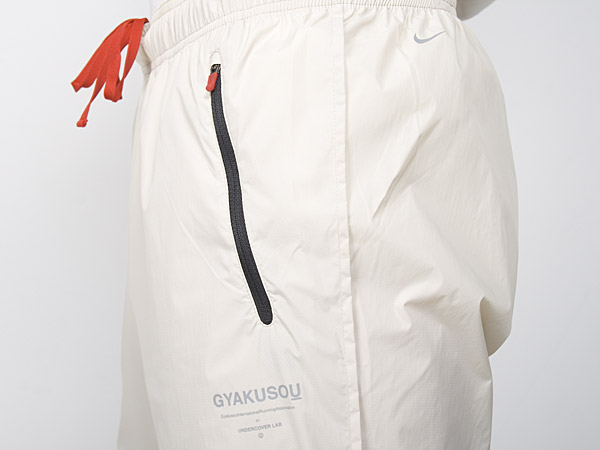
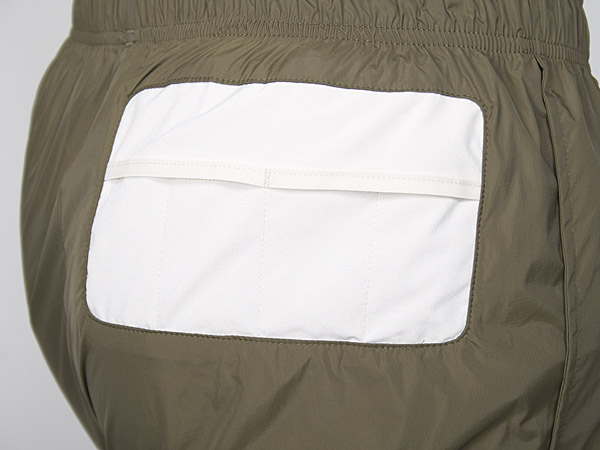
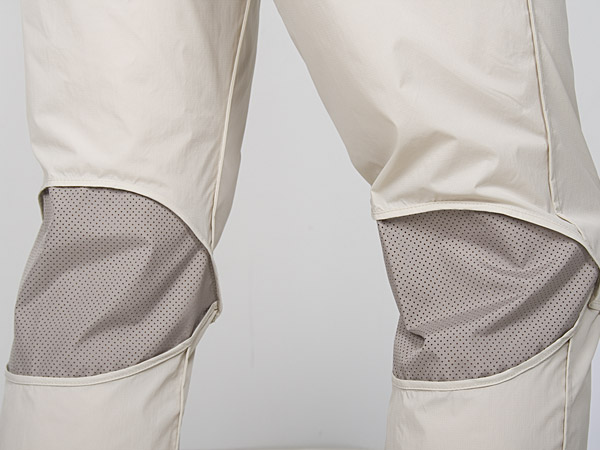
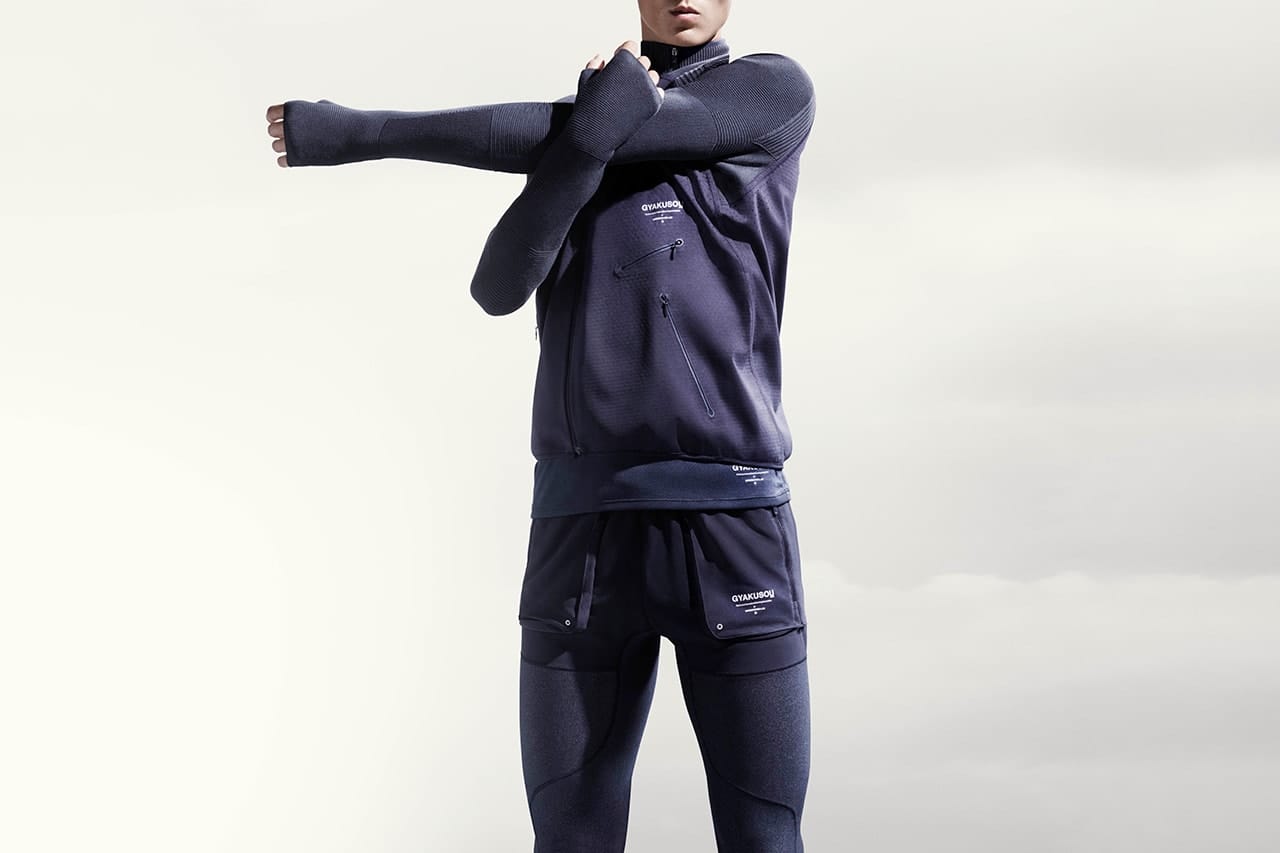
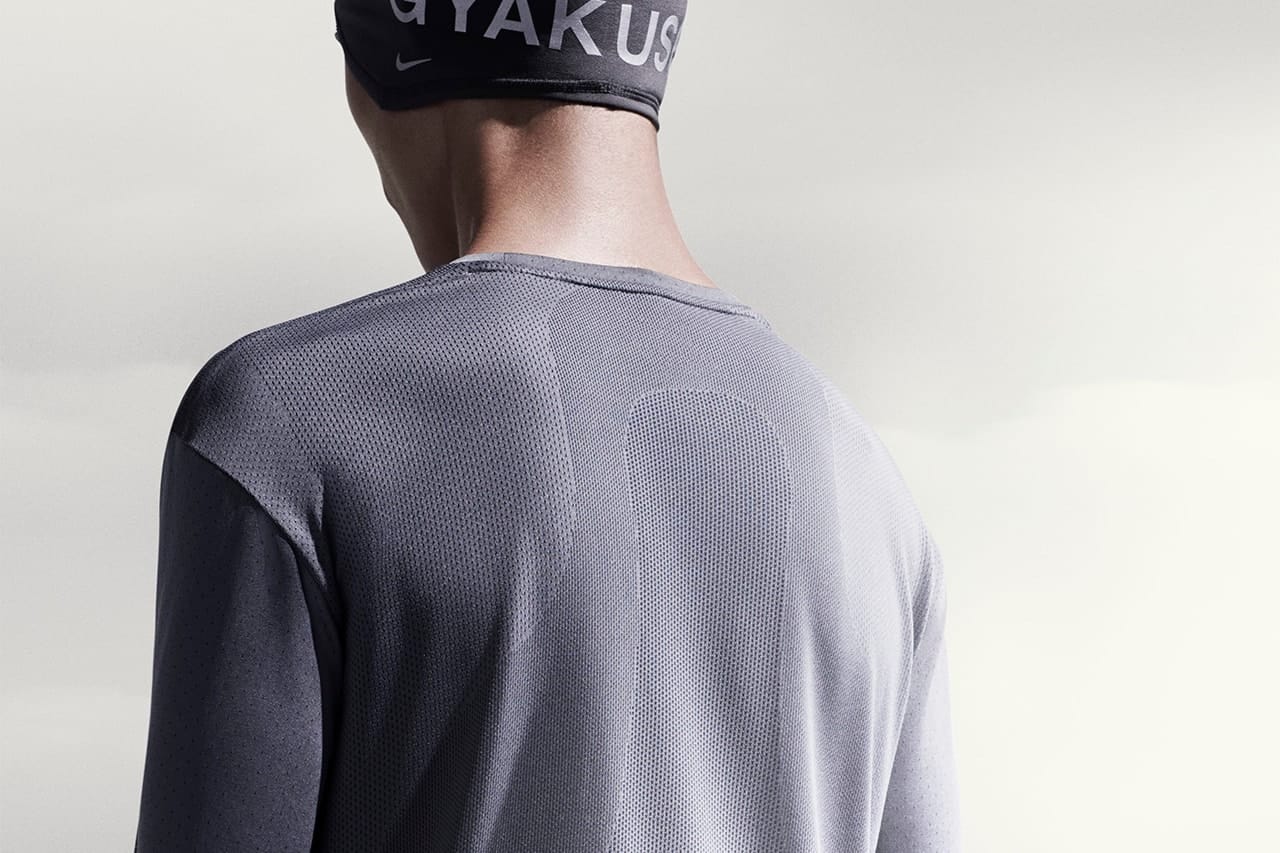
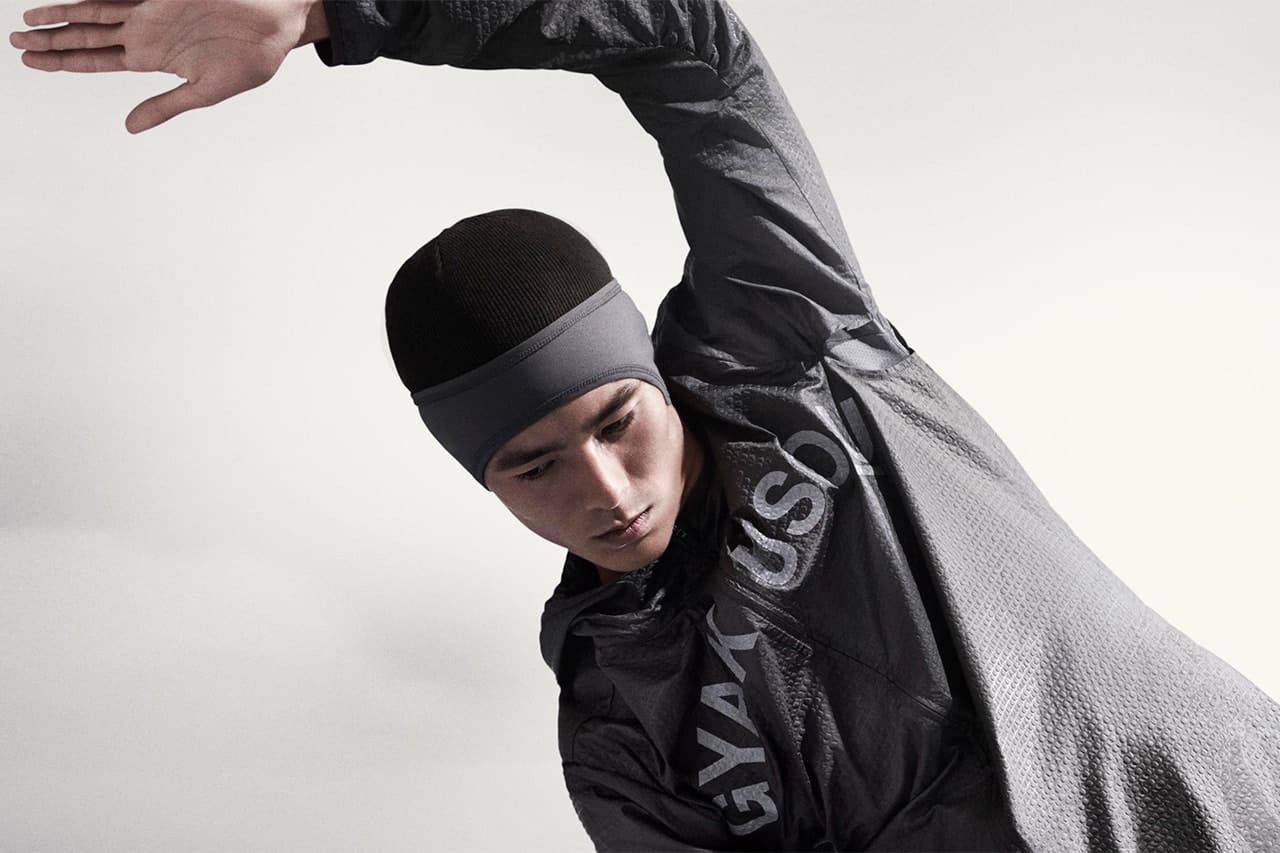
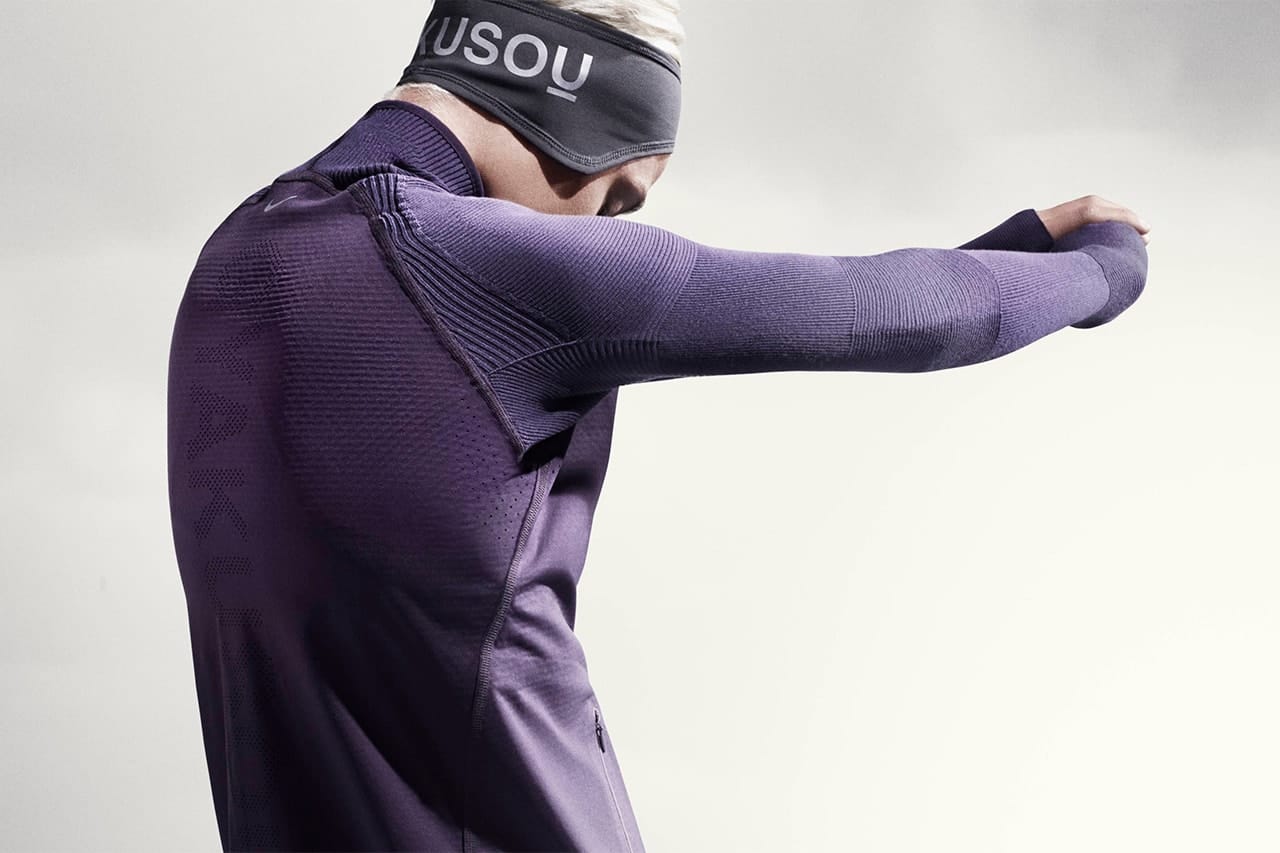
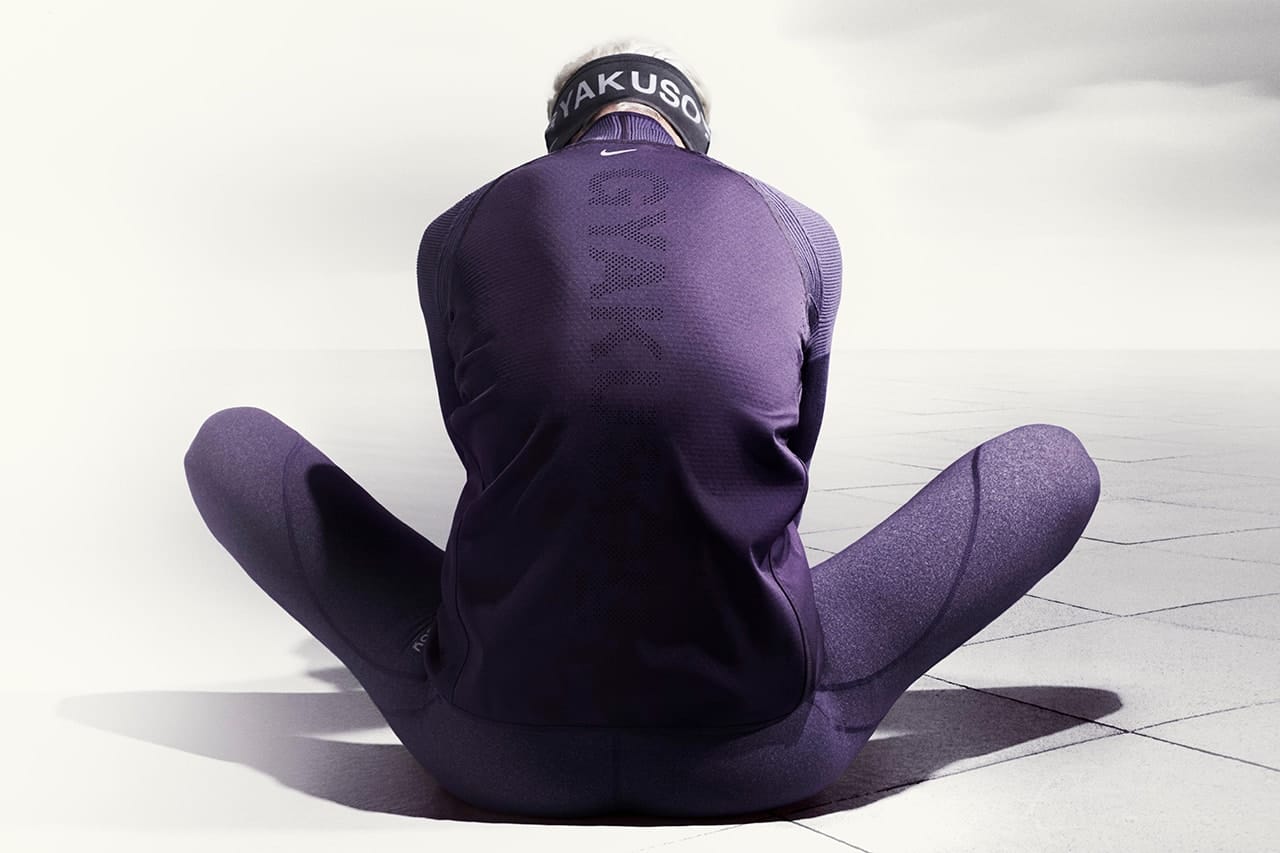
These pants a cut slightly shorter for better running comfort. Great for slightly harsher weather conditions. Insideout construction for seamless fit inside. From the Nike Running Gyakusou collection. Made in Japan.
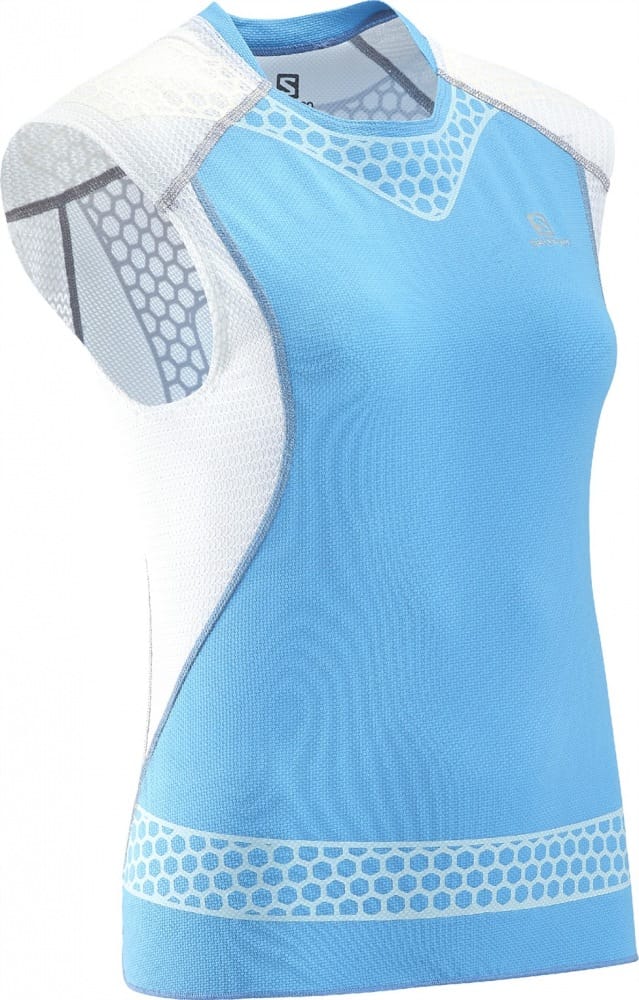
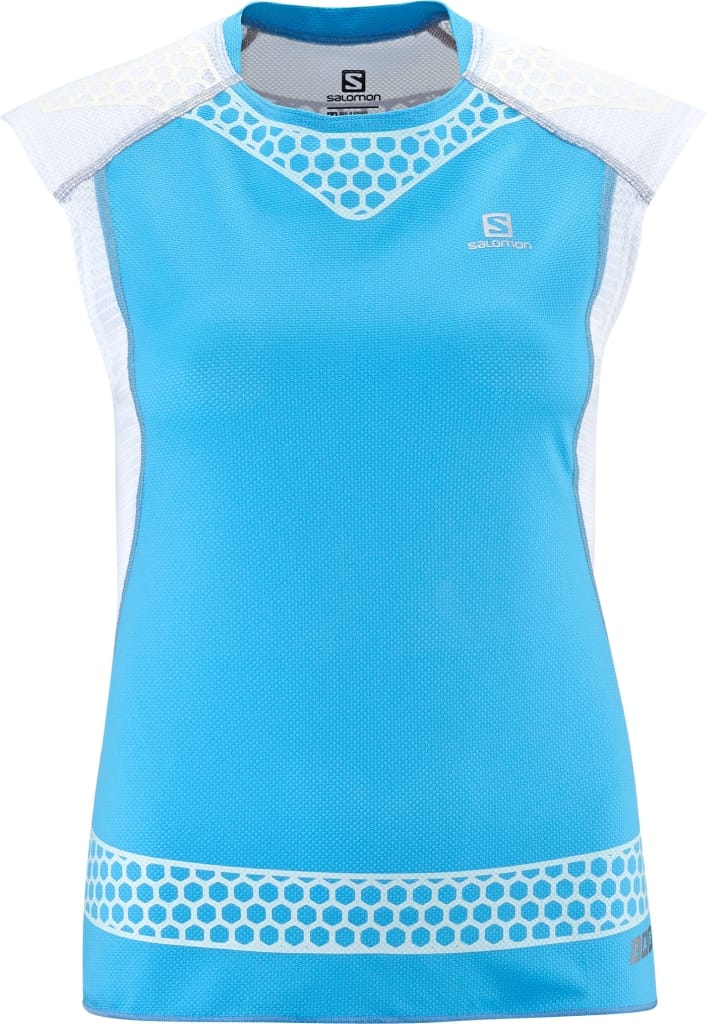
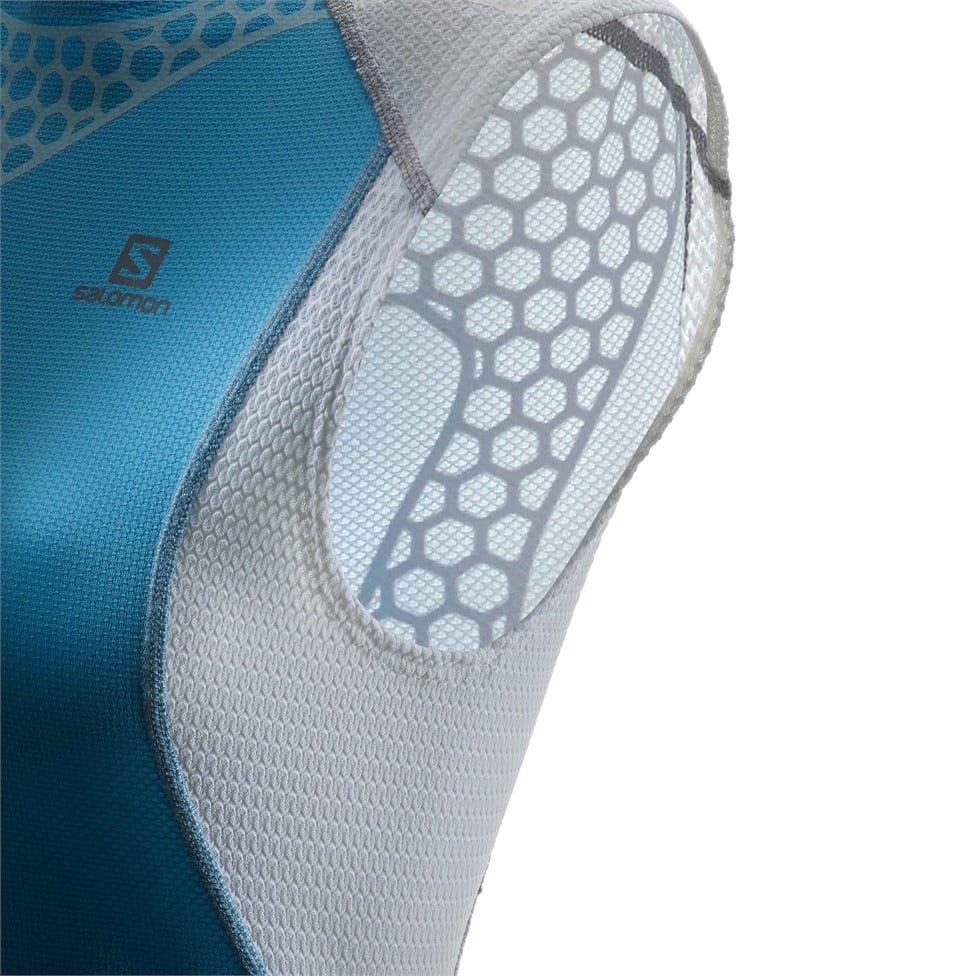
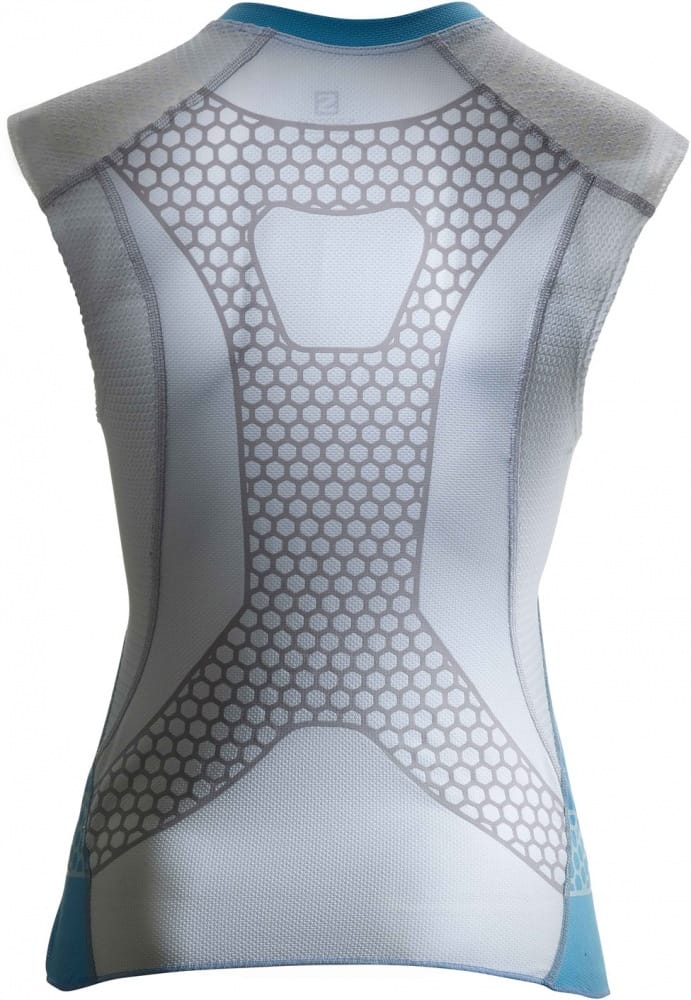
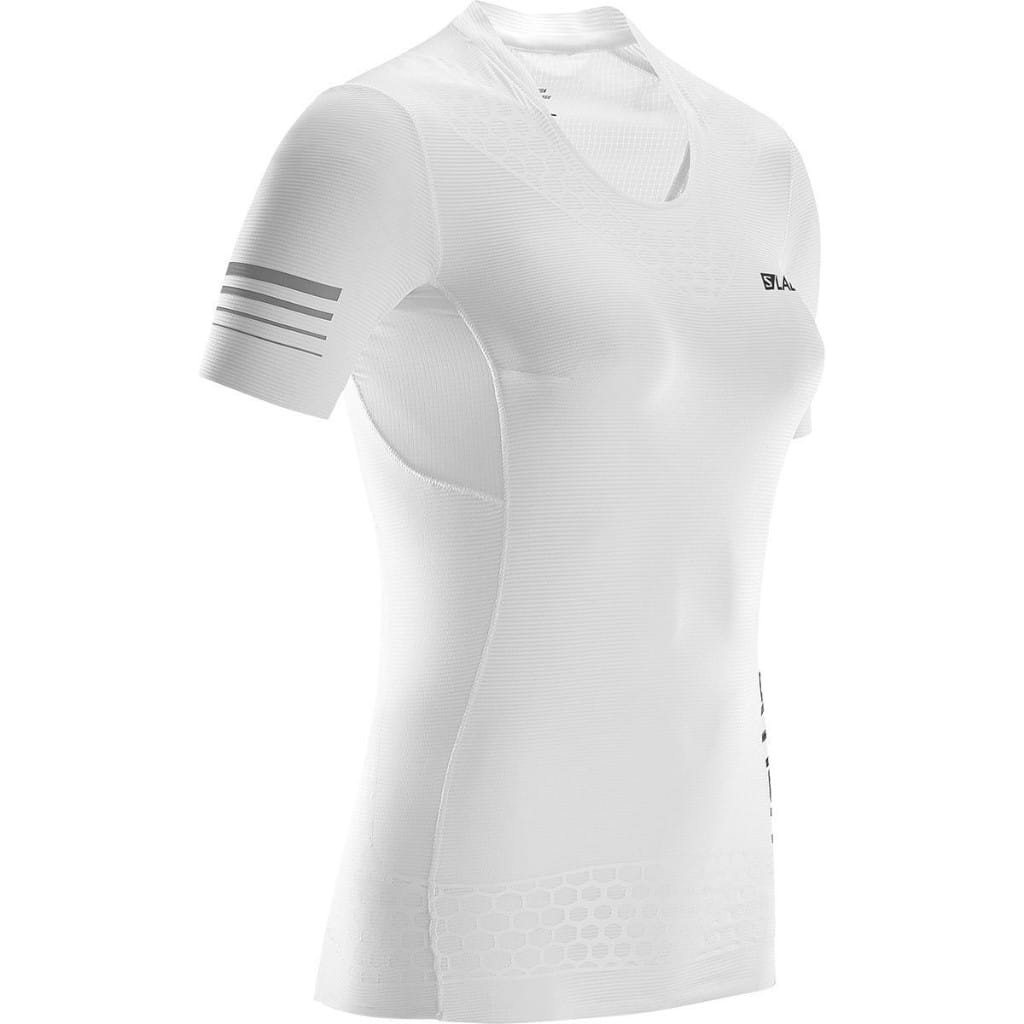
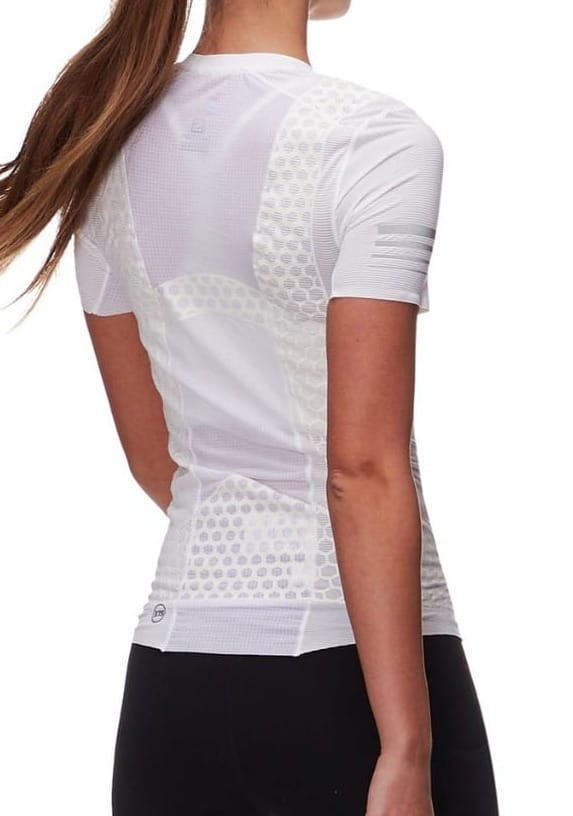
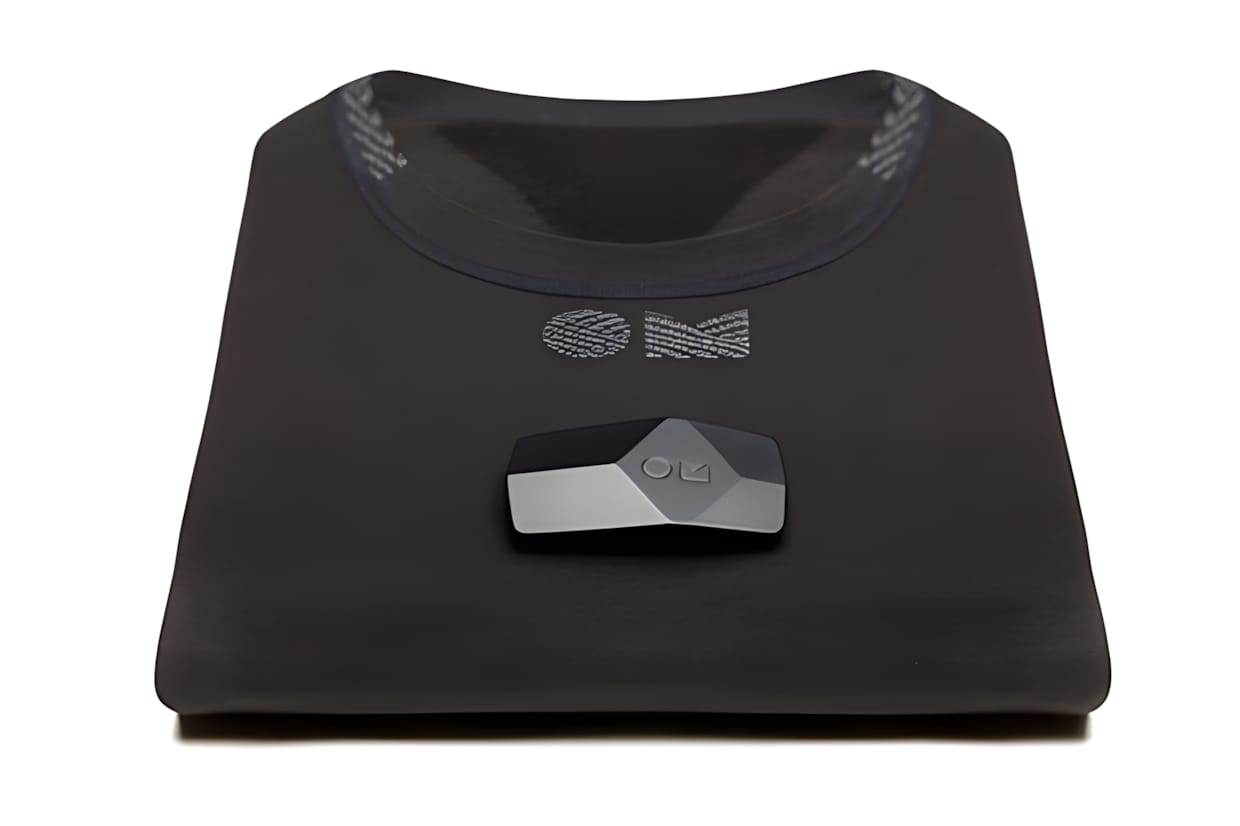
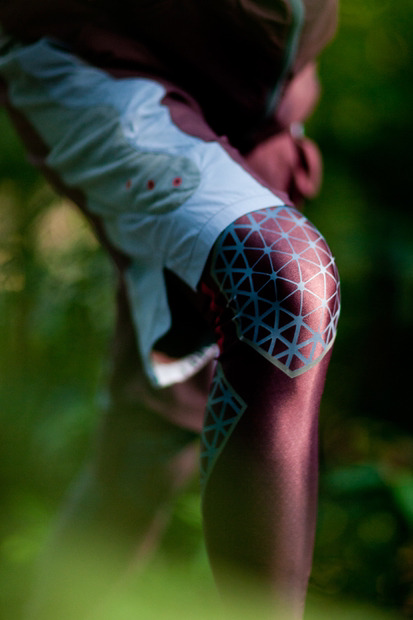
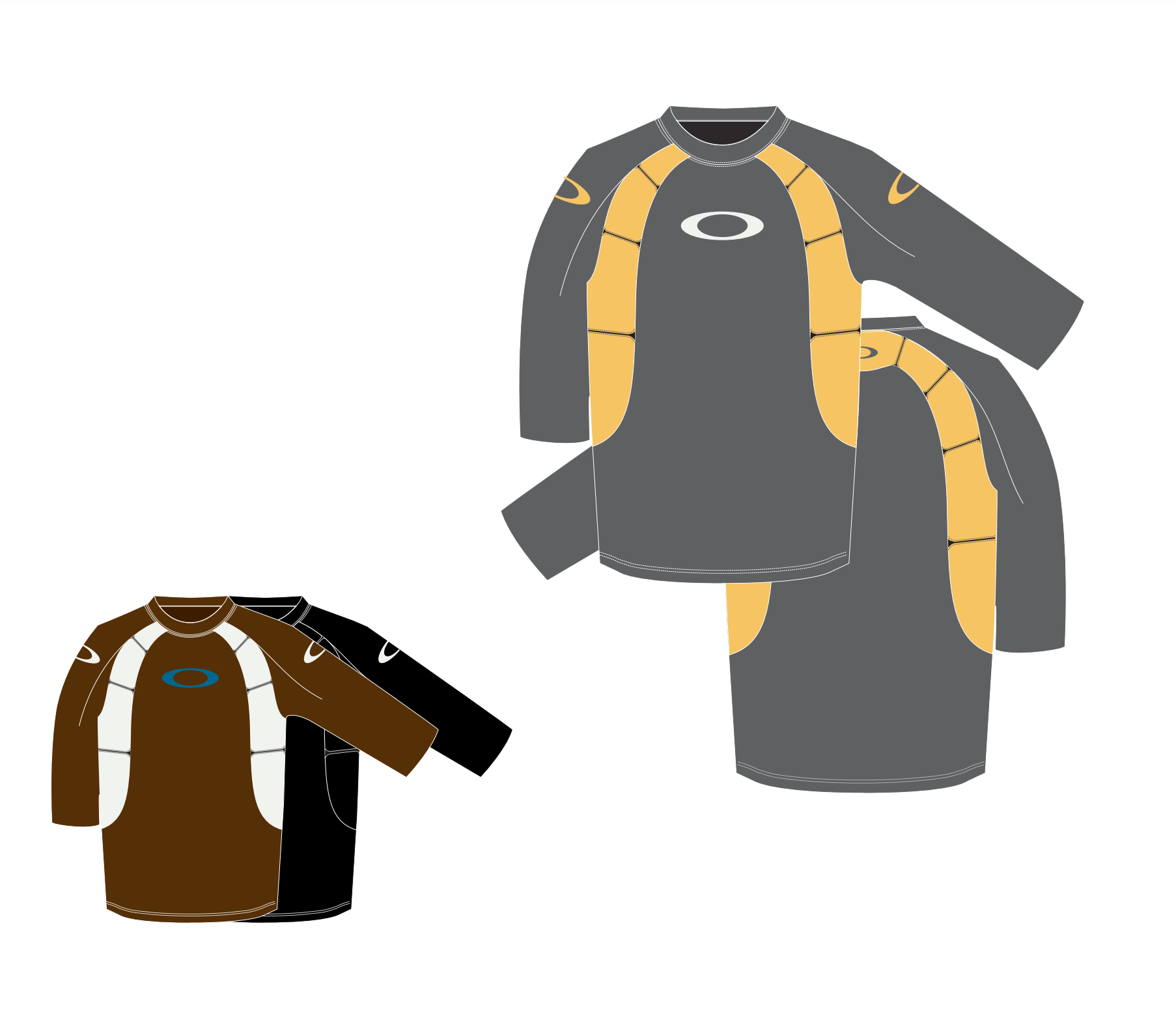
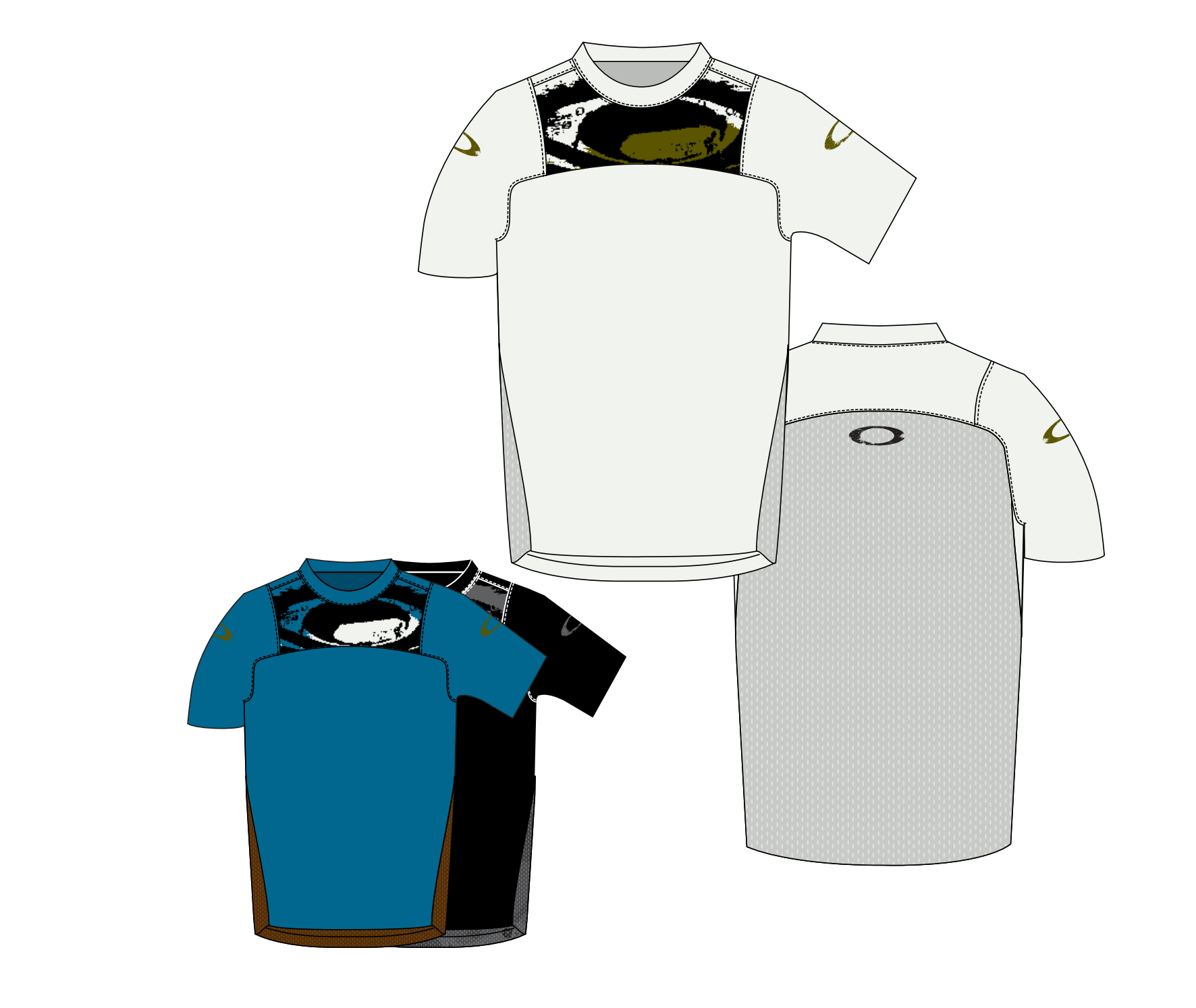
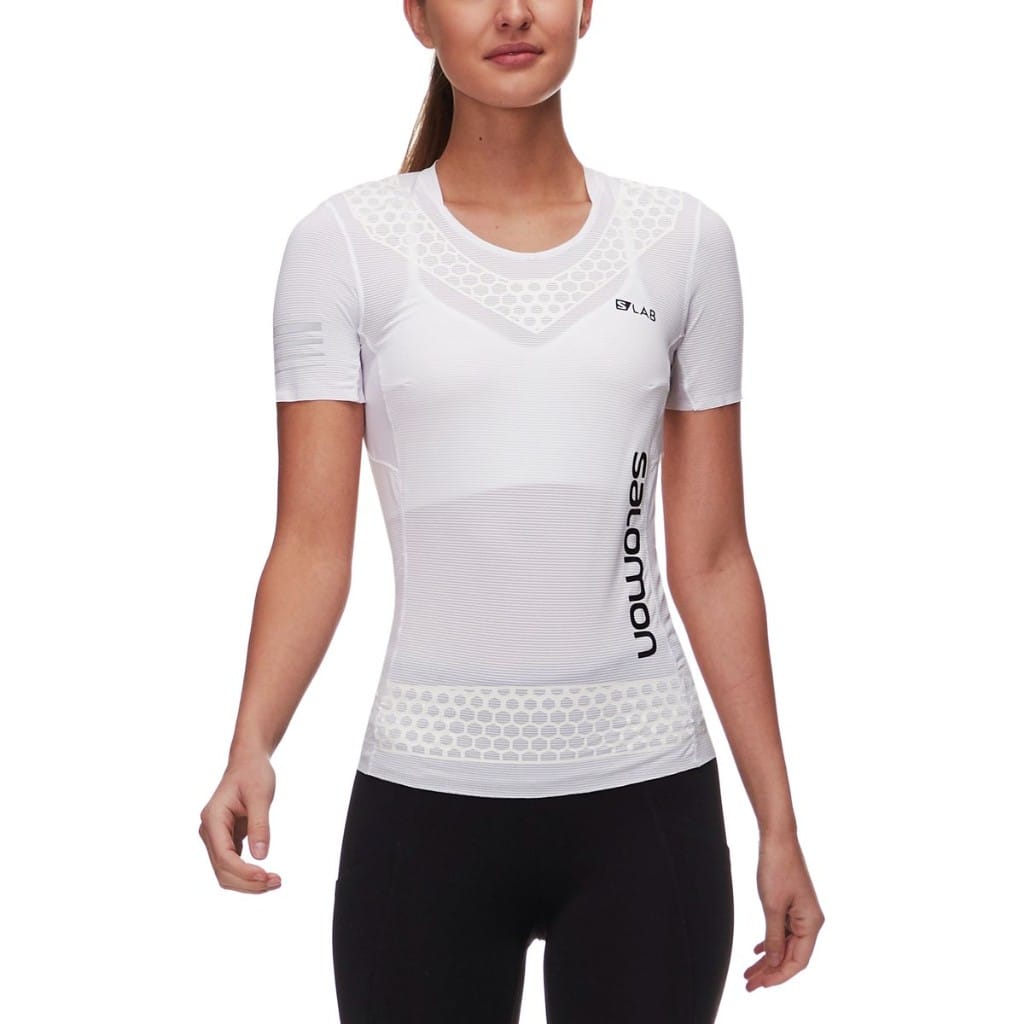
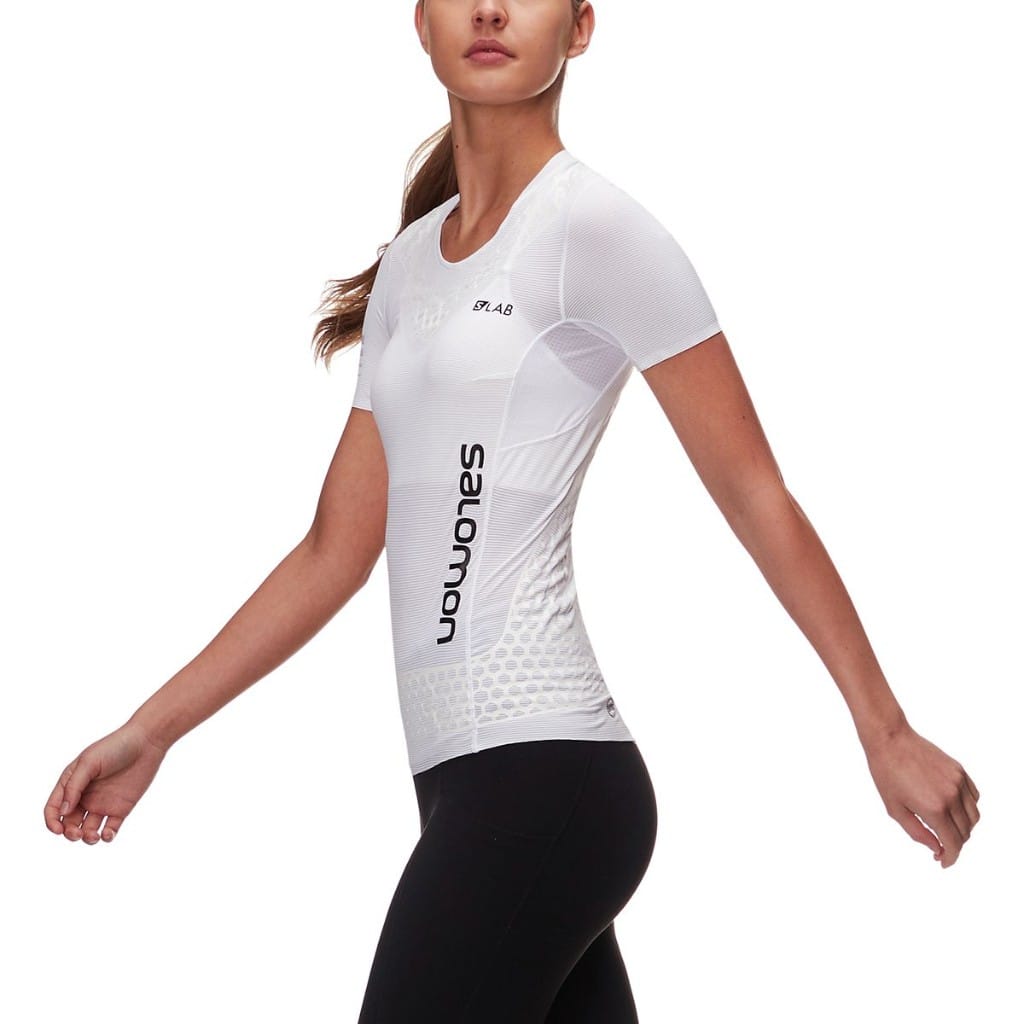
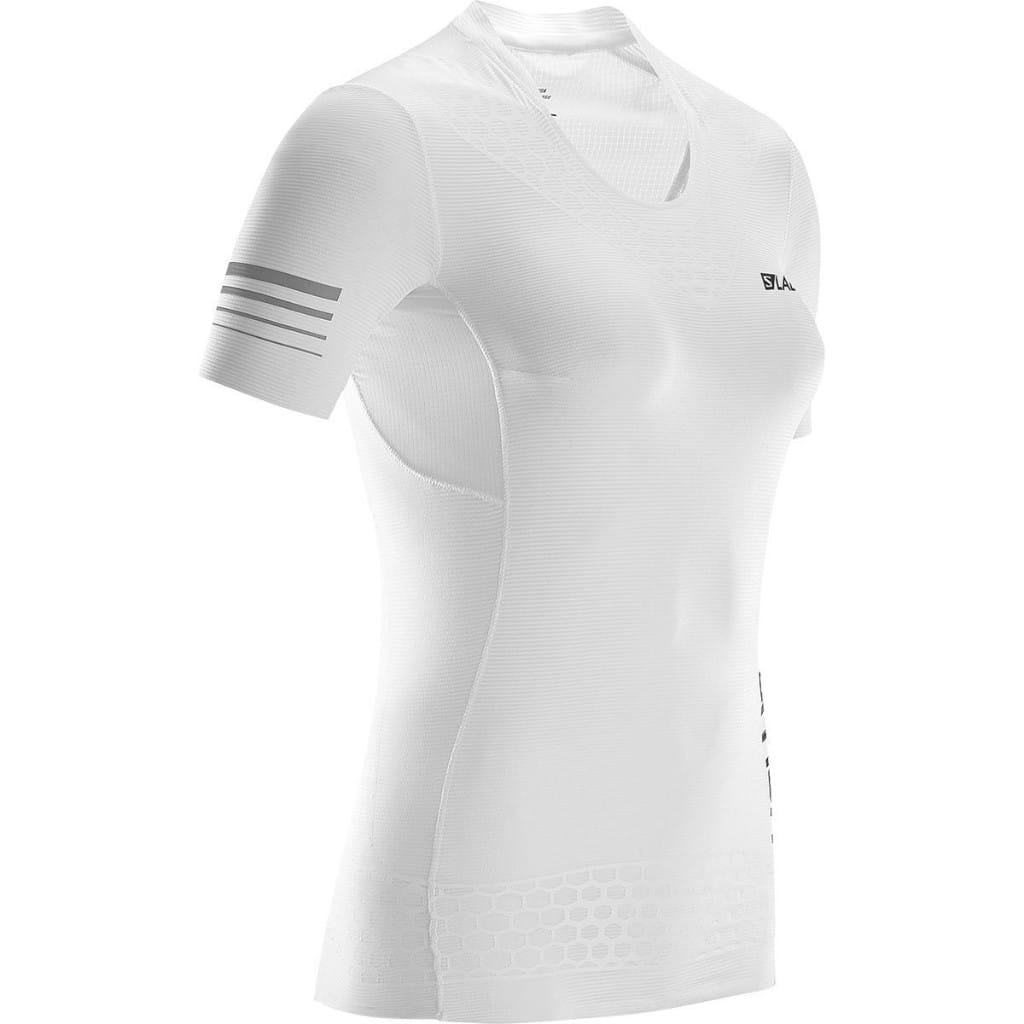
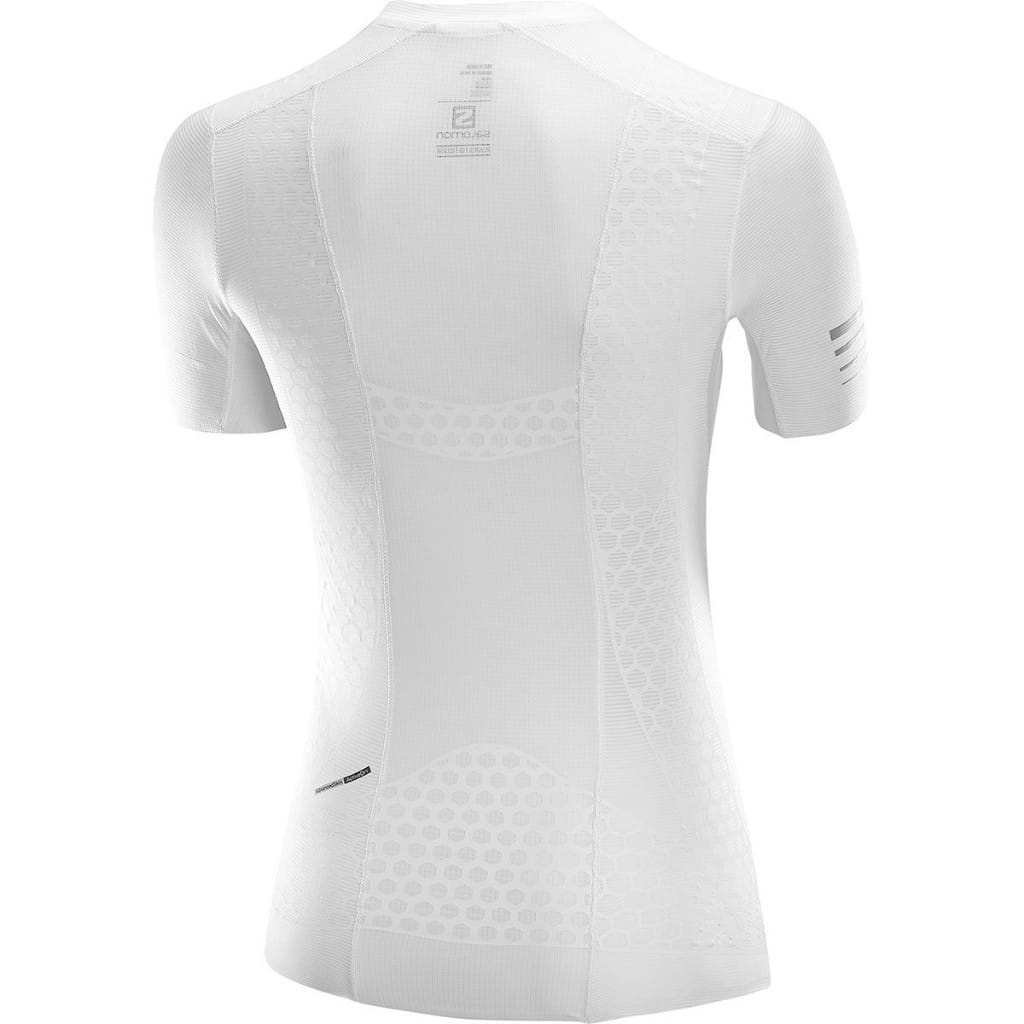
The women’s S/LAB EXO tee maps its support structure across the shoulders, spine and lower torso without turning the shirt into a hard compression shell. Open knit, 37.5 fabric and a skin fit keep it light enough for long trail efforts.
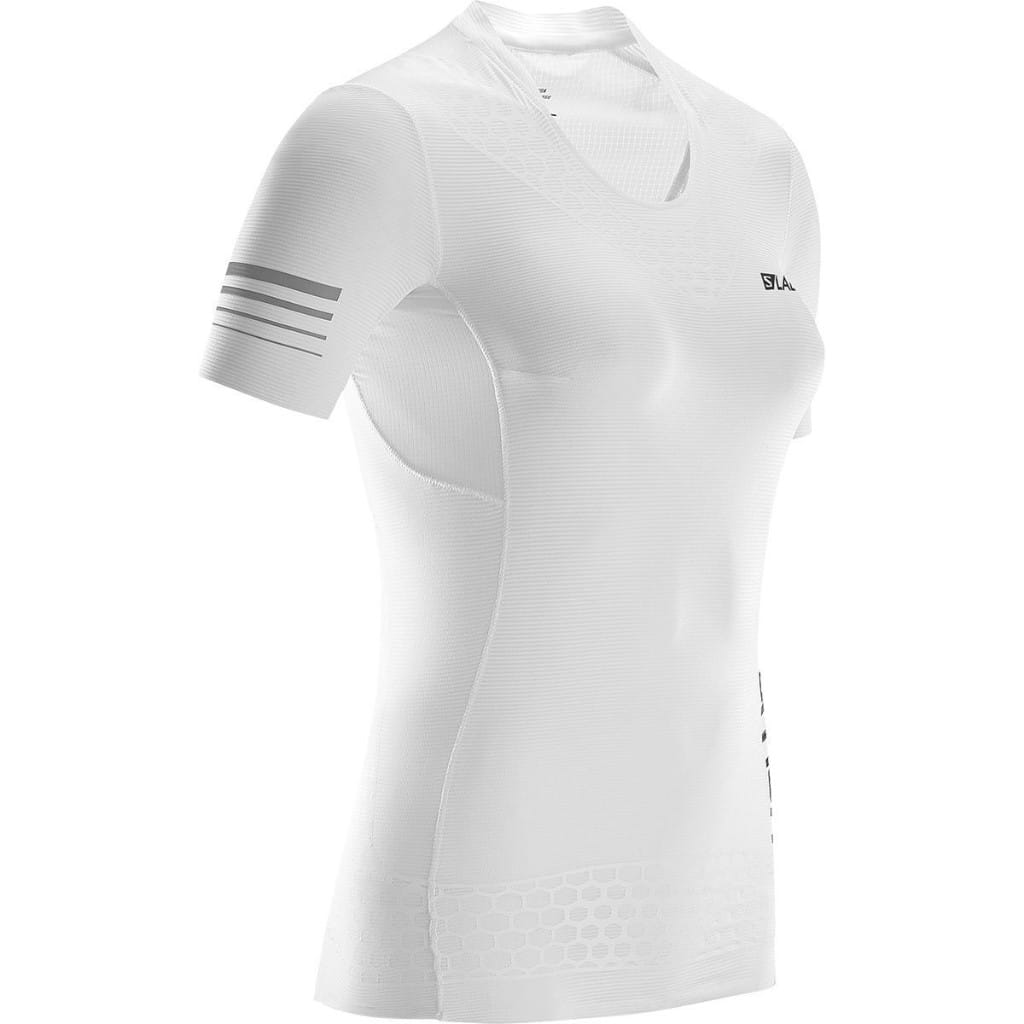
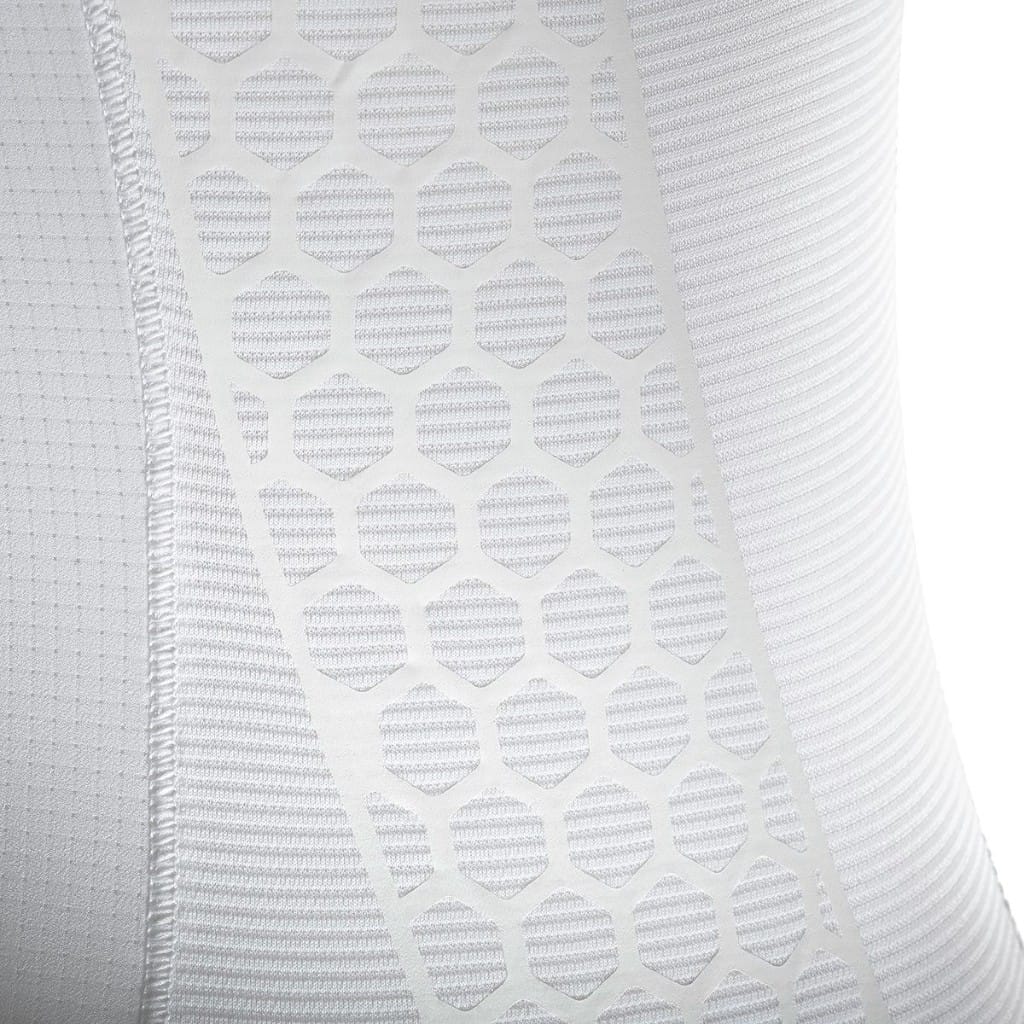
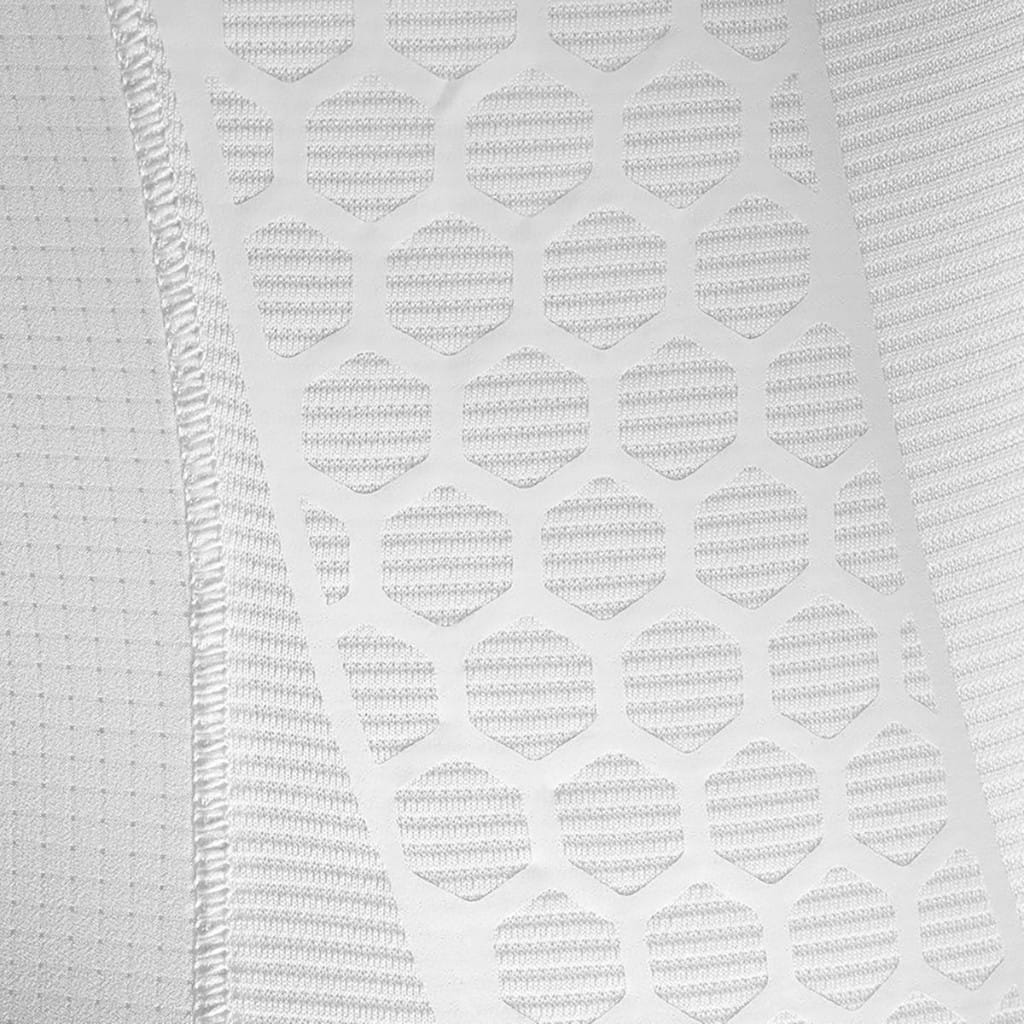
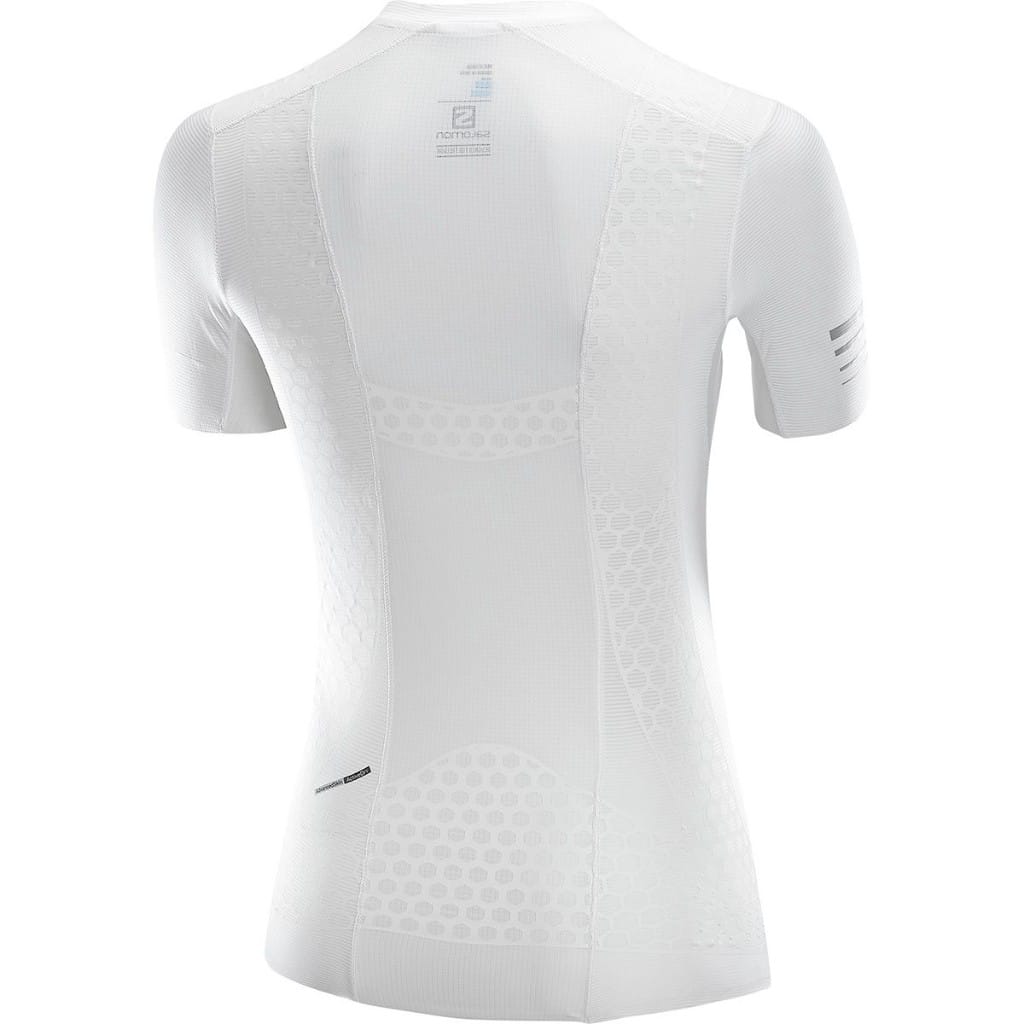

The women’s S/LAB EXO T-Shirt turns the EXO grid into mapped bands at the neckline, spine and hem. A form-fitting nylon stretch knit holds the structure close, while 37.5 thermoregulation and open mesh manage heat through long trail efforts.
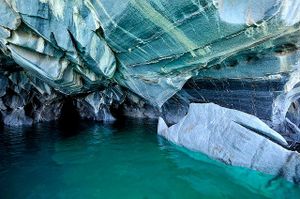
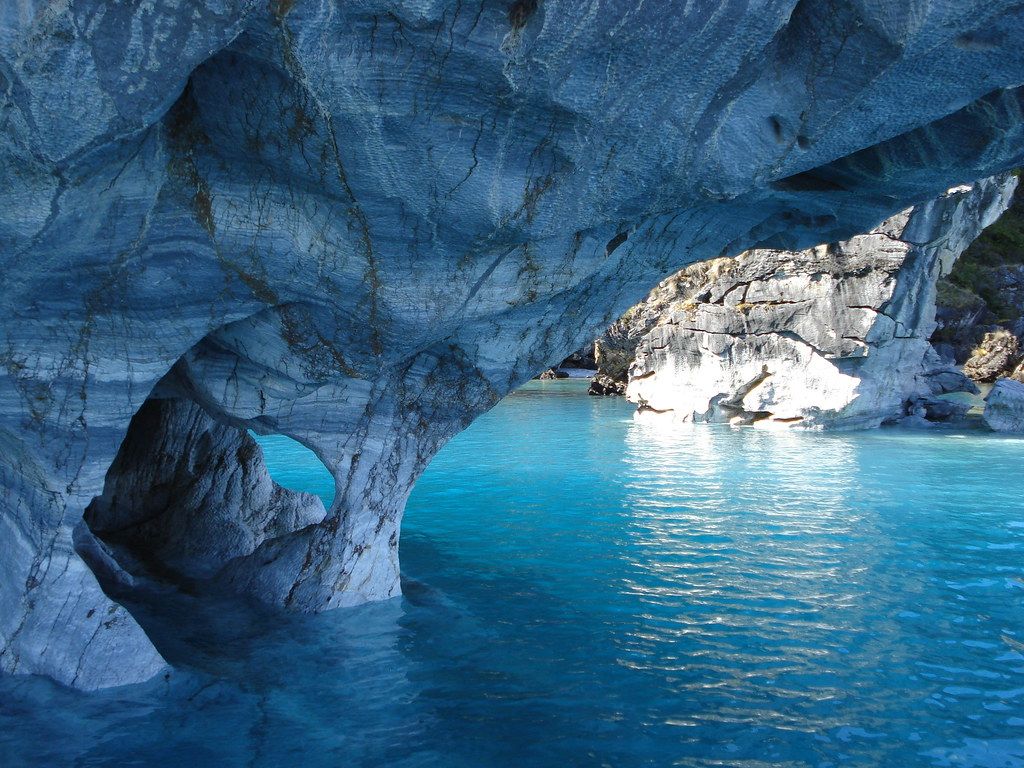
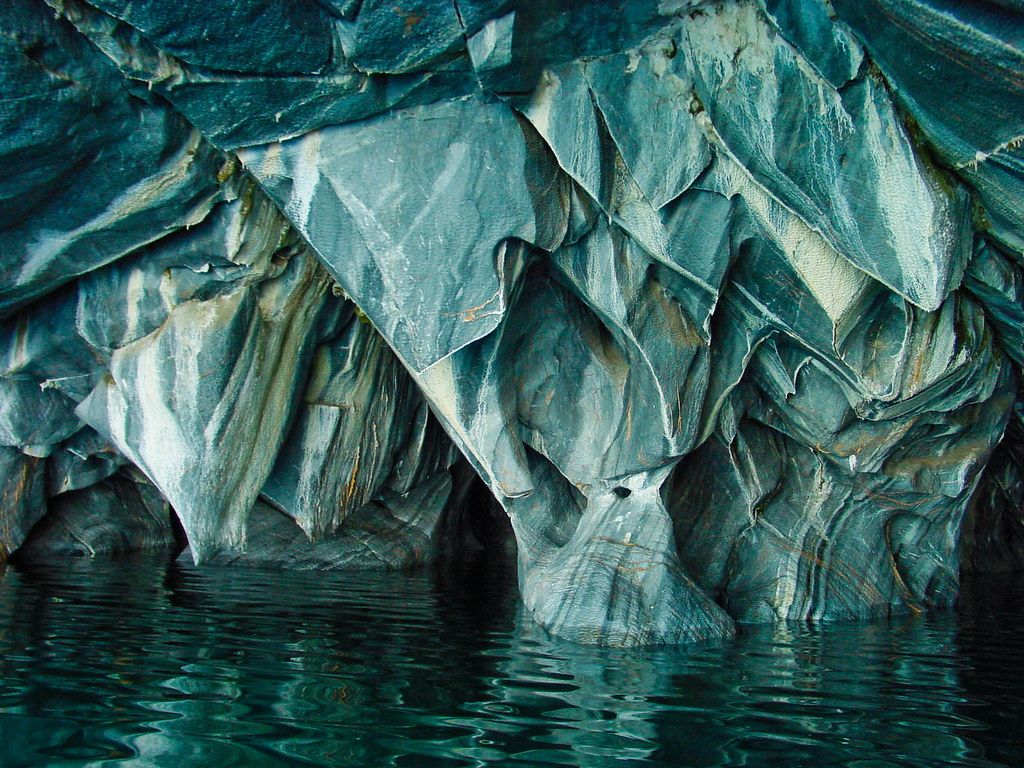
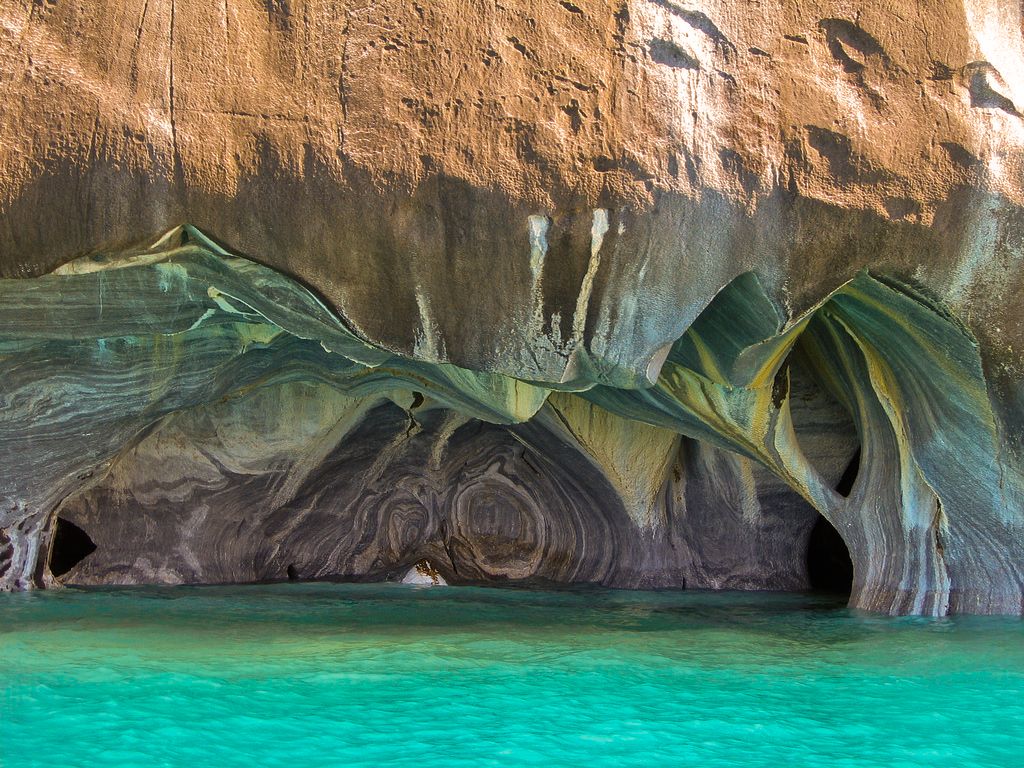
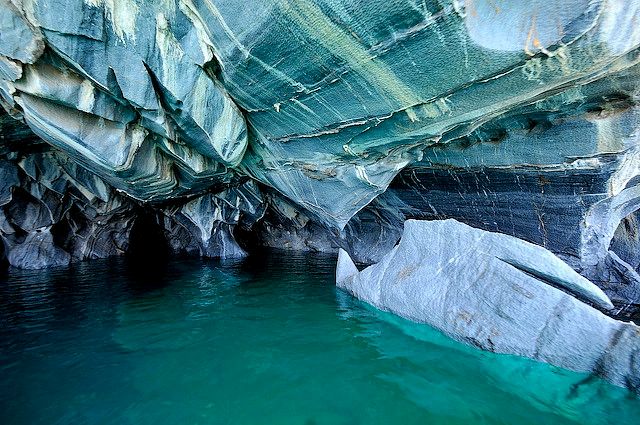
The Marble Caves, known as Marble Chapel and Marble Cathedral, are located at the center of the lake and were formed by waves over the past 6,000 years.
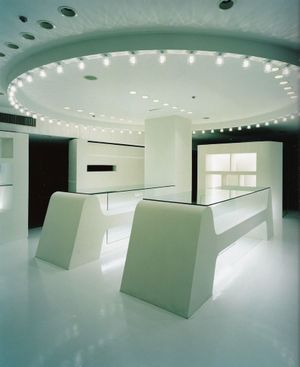

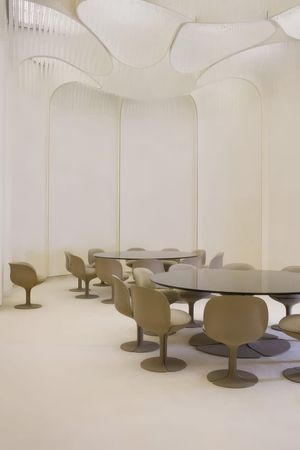
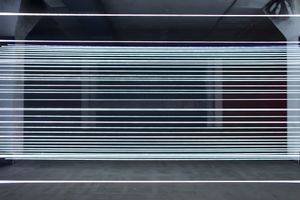
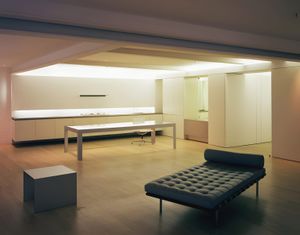
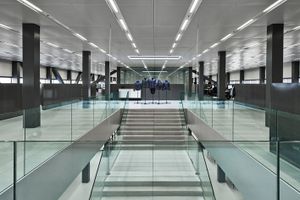
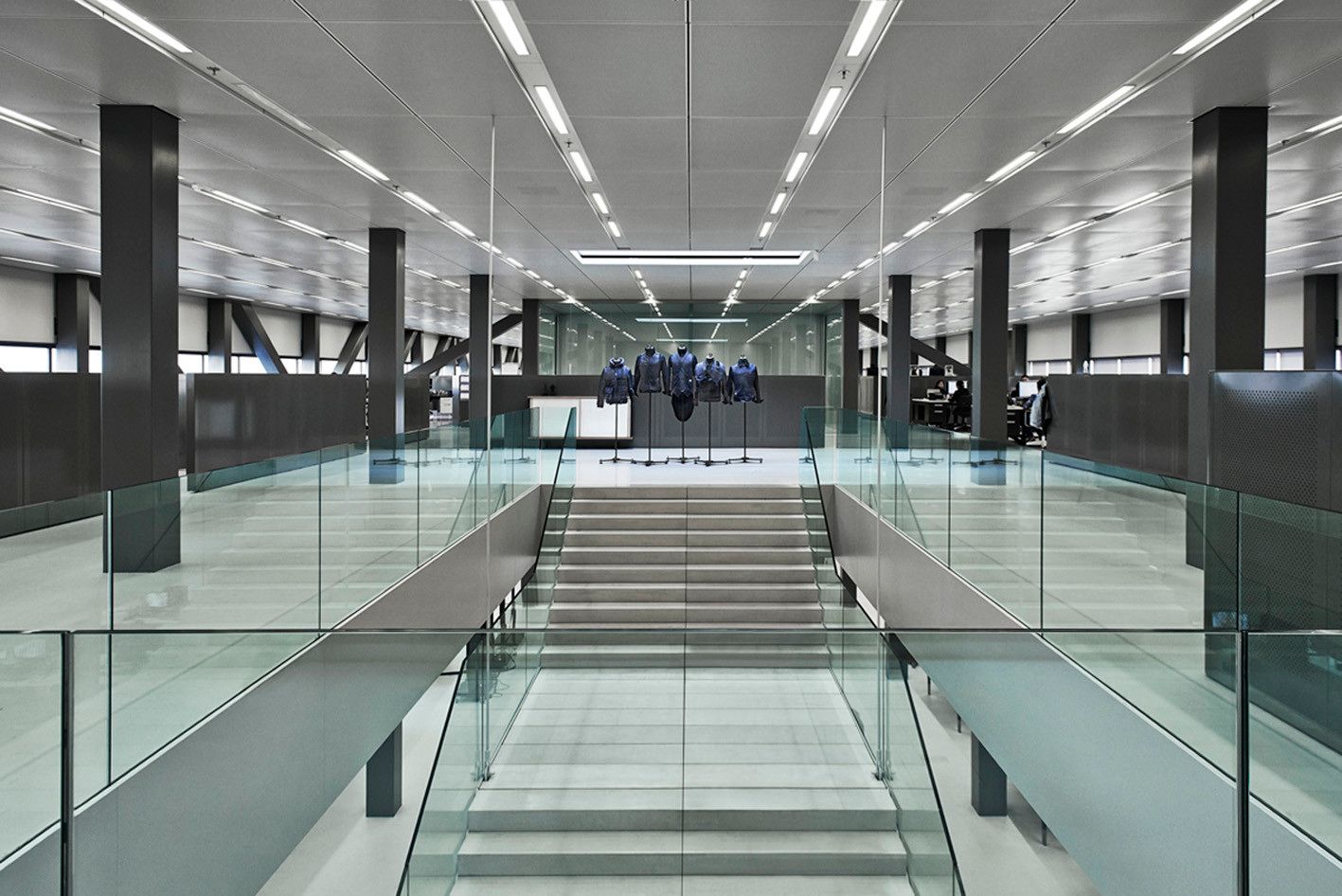
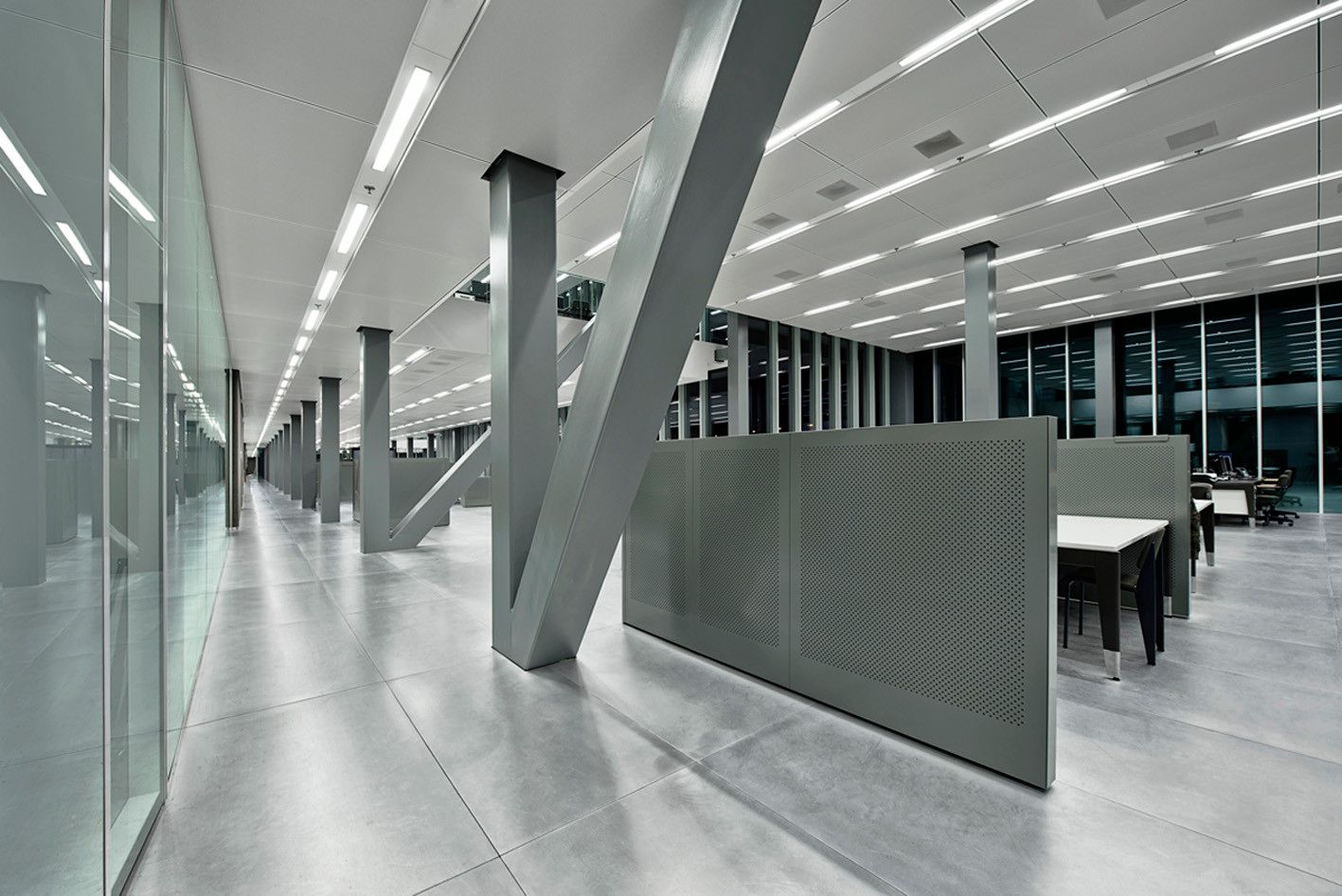
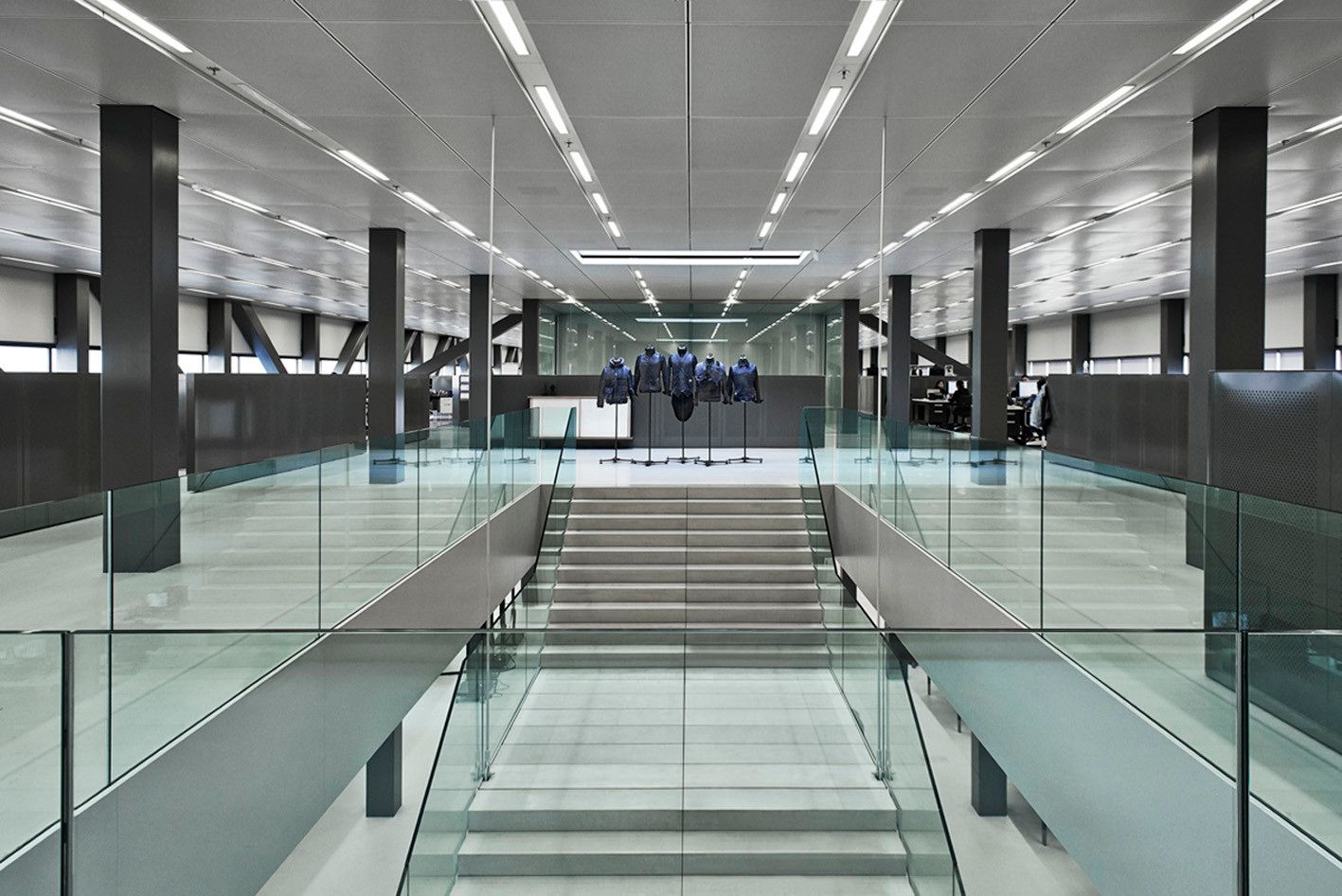
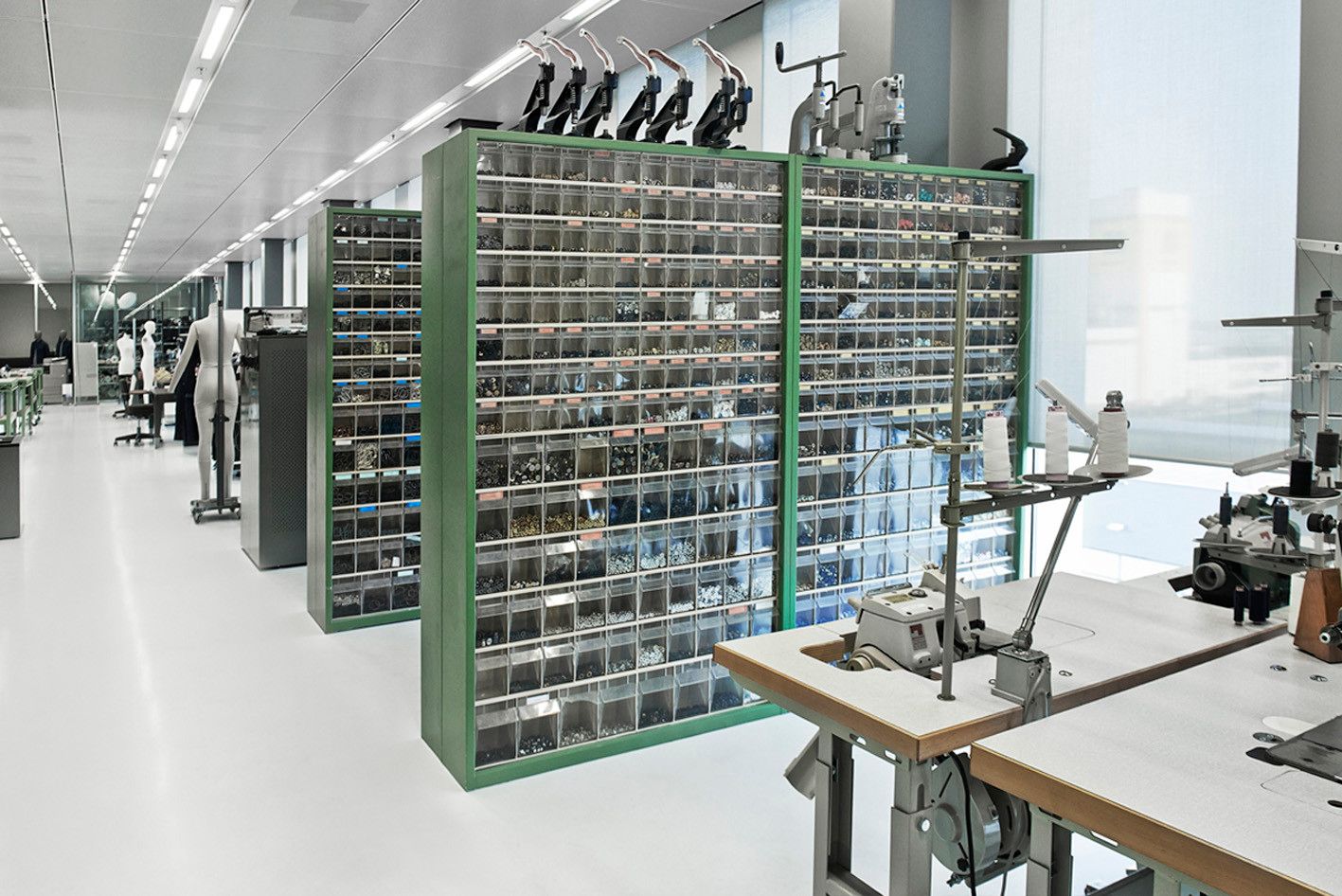
The horizontal building spans 27,500 square meters and stretches 140 meters in length. It comprises a central creative hub that houses G-Star RAW's essential departments. This creative center is encircled by offices, parking spaces, and supporting amenities. The differentiation between the functional support areas and the dynamic creative core is emphasized by the use of distinct materials. The outer ring is constructed from black concrete, giving it a solid and unified appearance, while the transparent glass facade reveals the vibrant creative core within. The lower section of the ring serves as a base for parking and drop-off purposes, as well as a platform for installations and events.

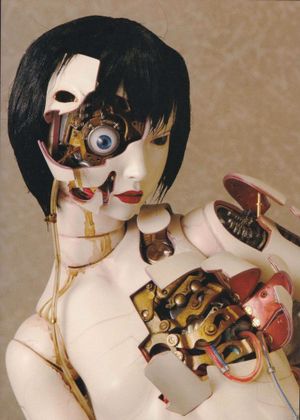
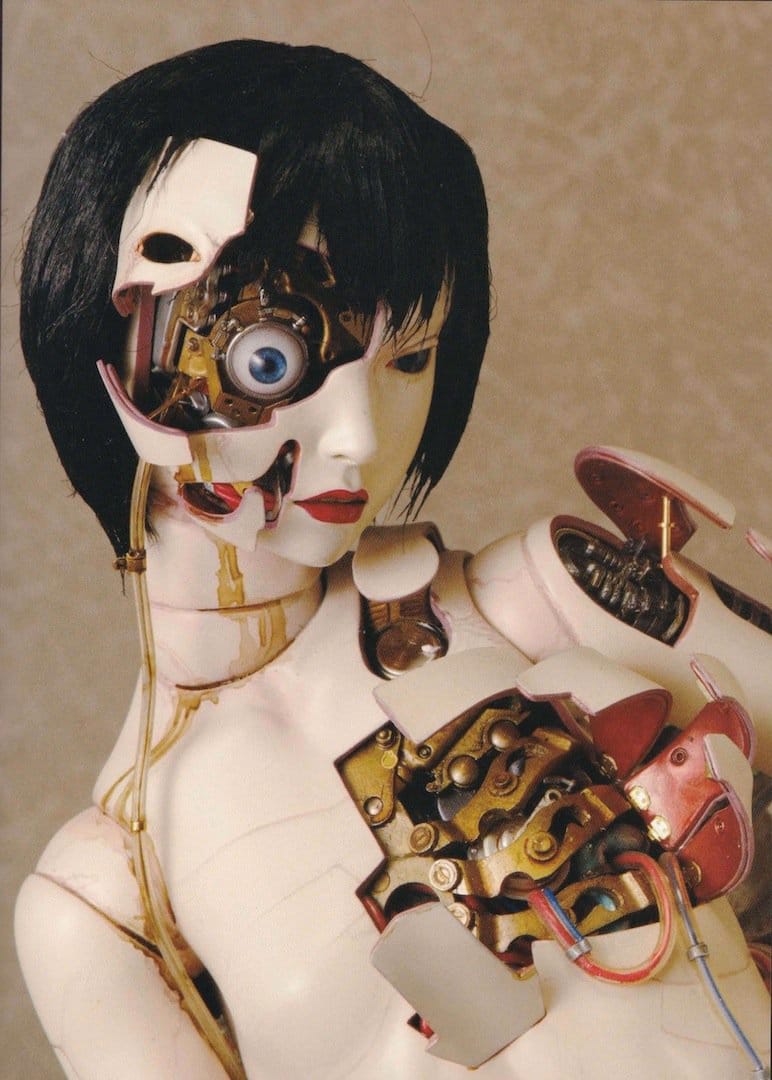
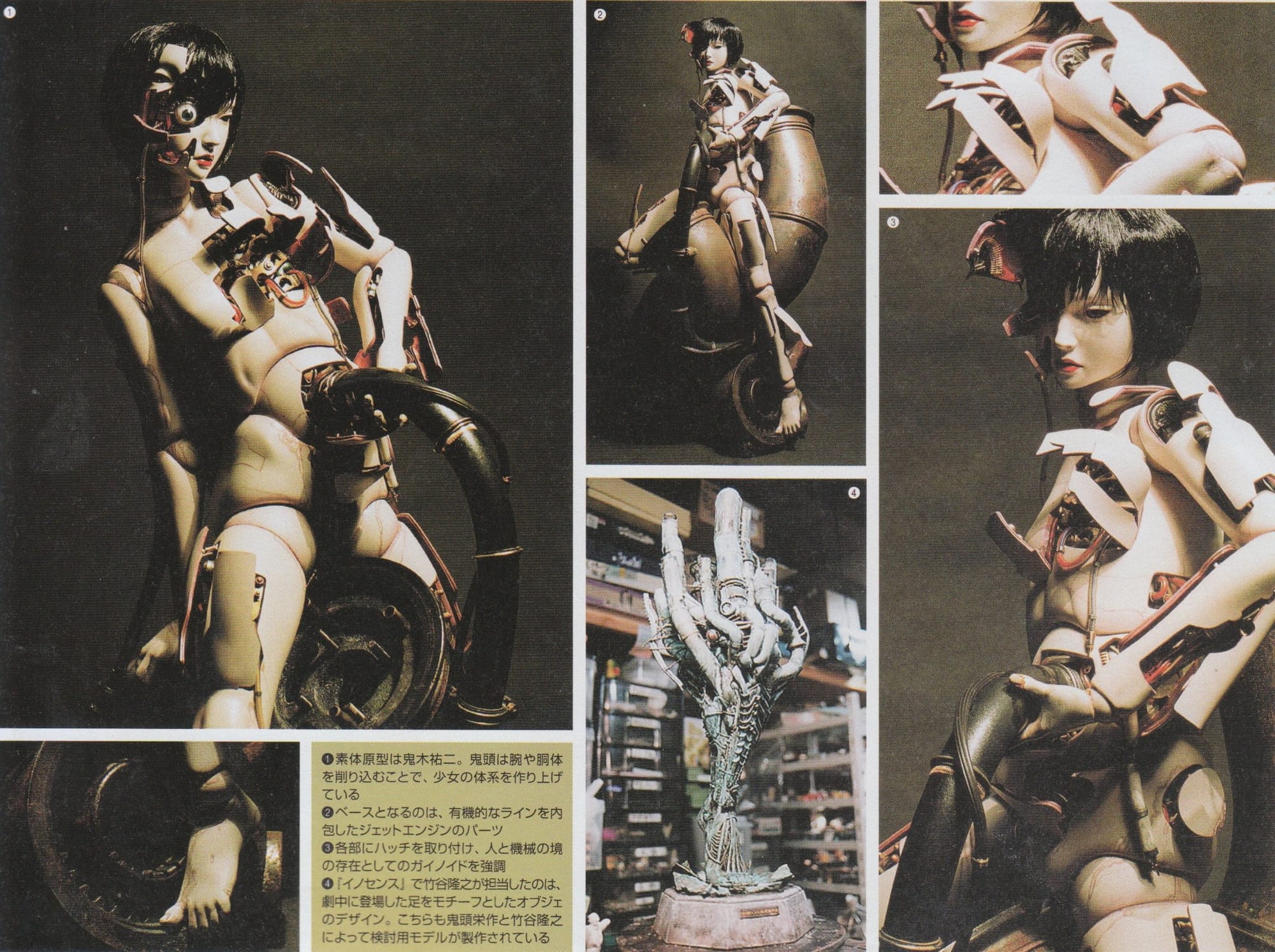
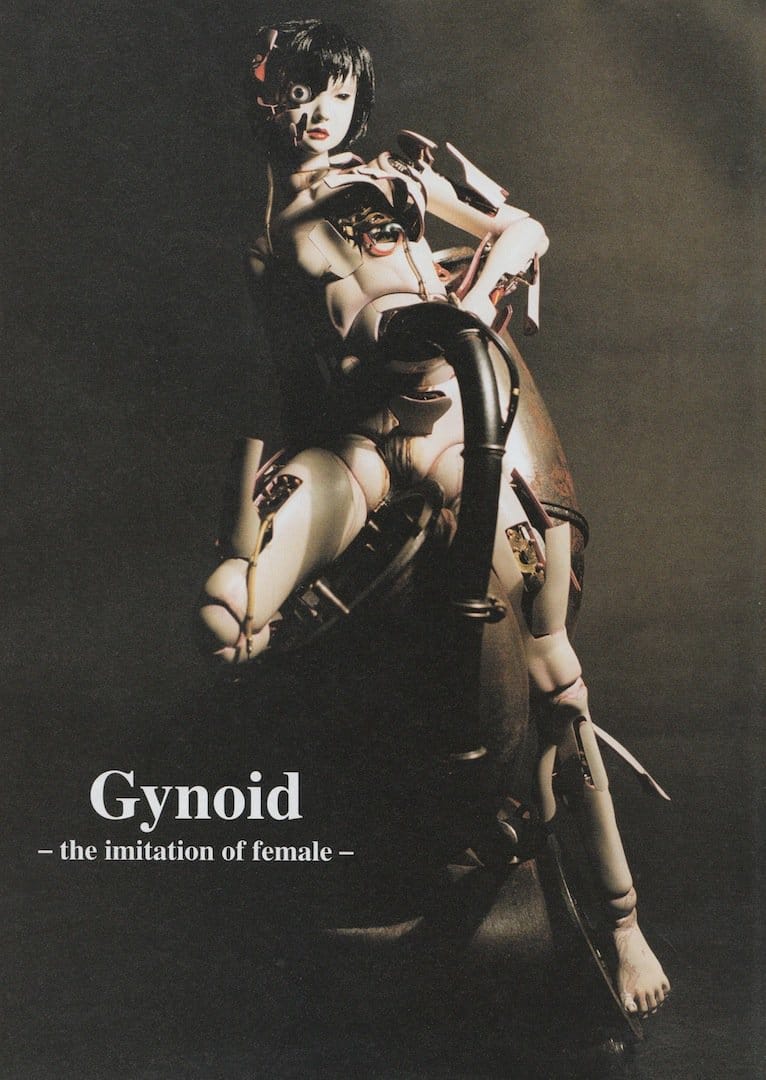
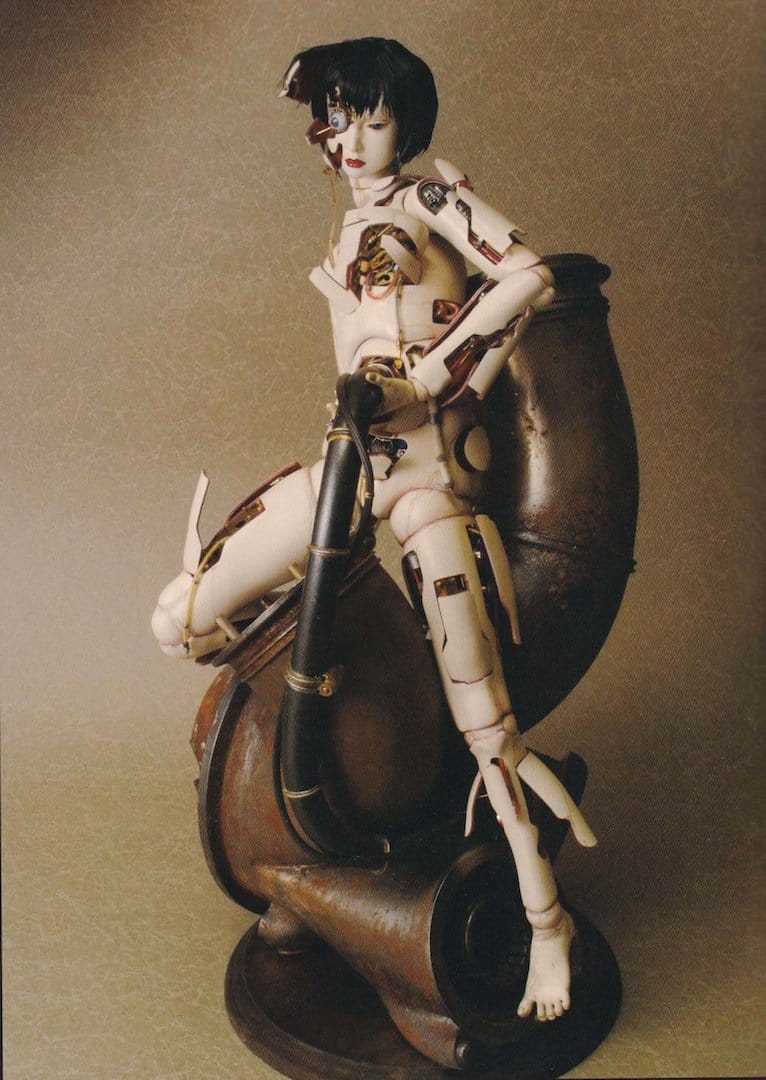
A 1/4-scale image model of the Gynoid from Mamoru Oshii's Ghost in the Shell: Innocence. Eisaku Kito modified the figure and built its opening panels and mechanical components; Yuji Oniki made the base body; Takayuki Takeya completed the hair, makeup and weathering.

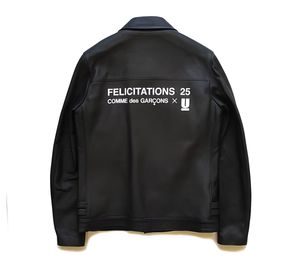
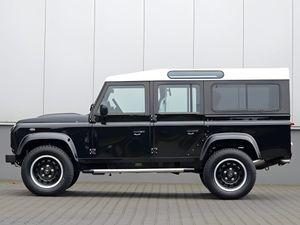
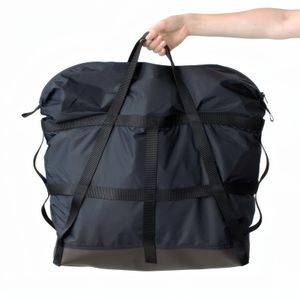
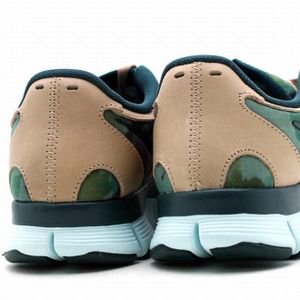

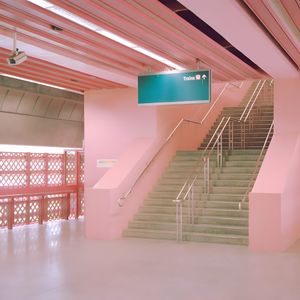
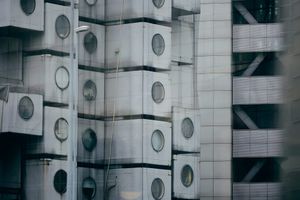
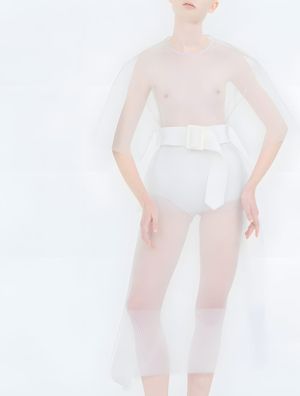

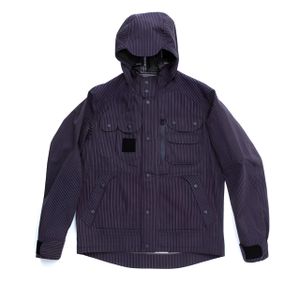
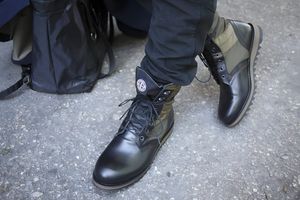
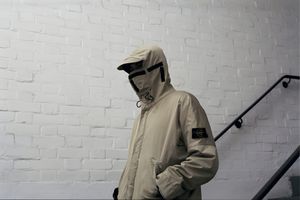
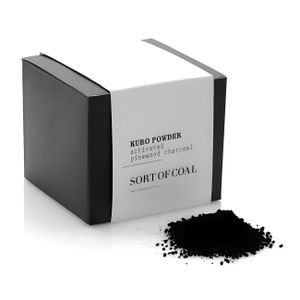
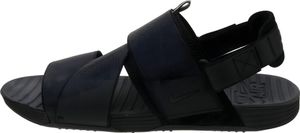
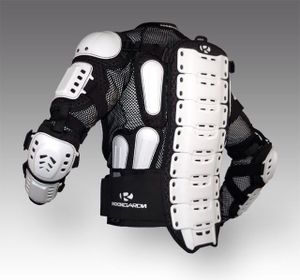
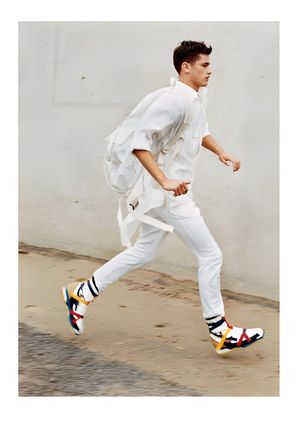
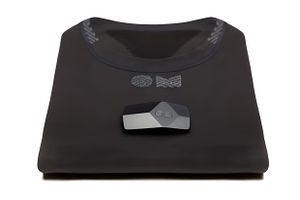
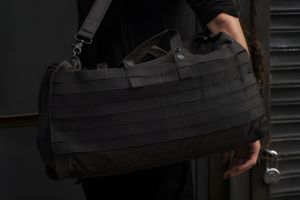
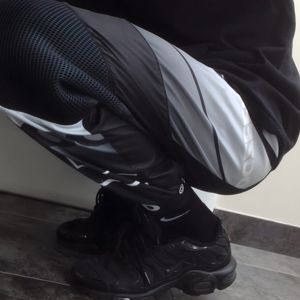
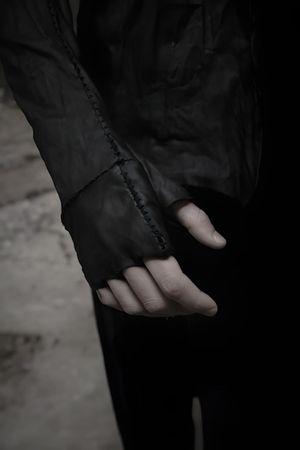
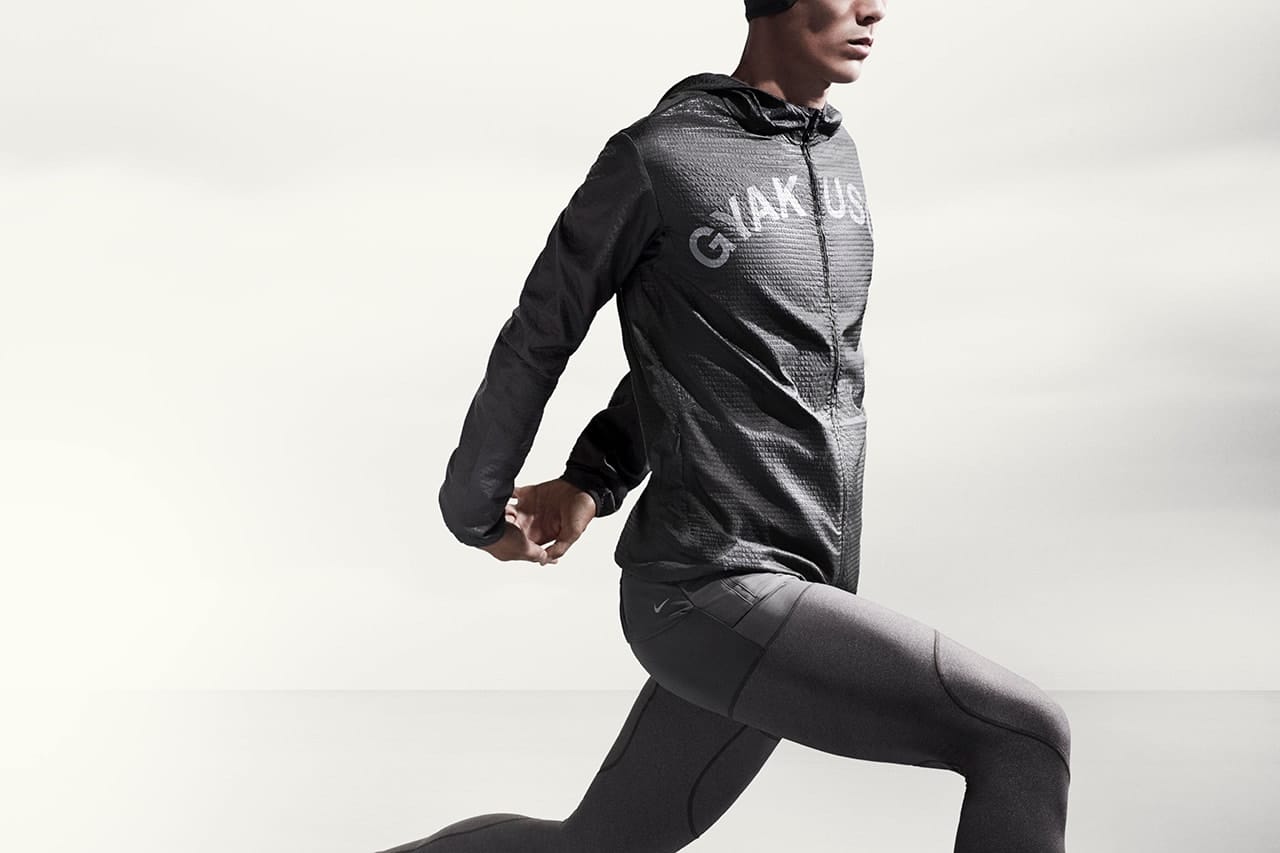
The Holiday 2014 collection is restored as the original seven-image studio set, separating it from the Holiday 2013 forest campaign.




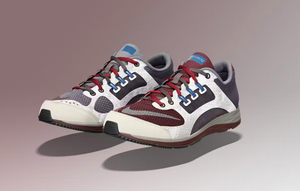
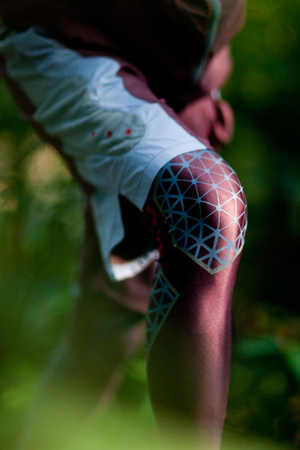


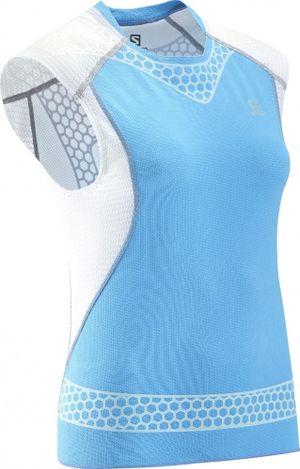
The women’s S/LAB EXO Tank treats support as a mapped structure. A polyurethane EXO Sensifit grid braces the upper chest, shoulders and spine, while Smart Skin places Actilite Pro jersey through the core and open stretch mesh at the heat zones. The skin fit keeps the grid engaged; flatlock seams and reflective marks finish the racing layer without adding bulk.