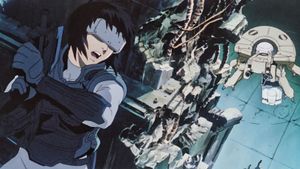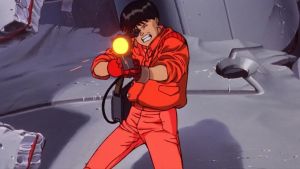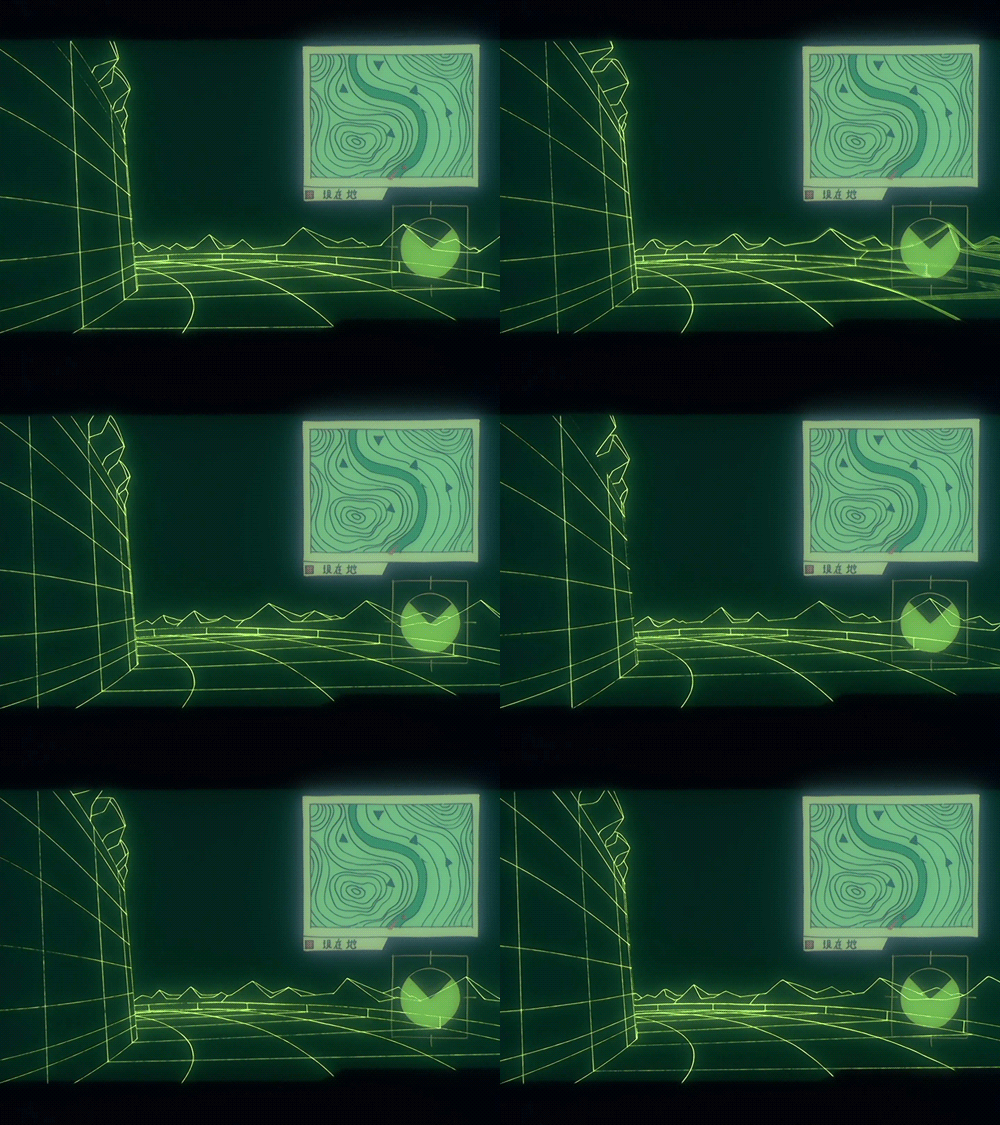
Motoko
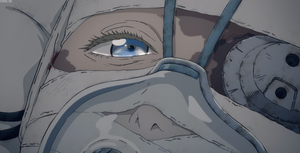
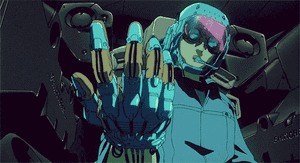
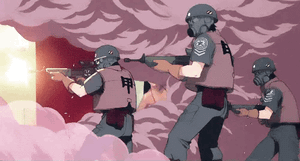
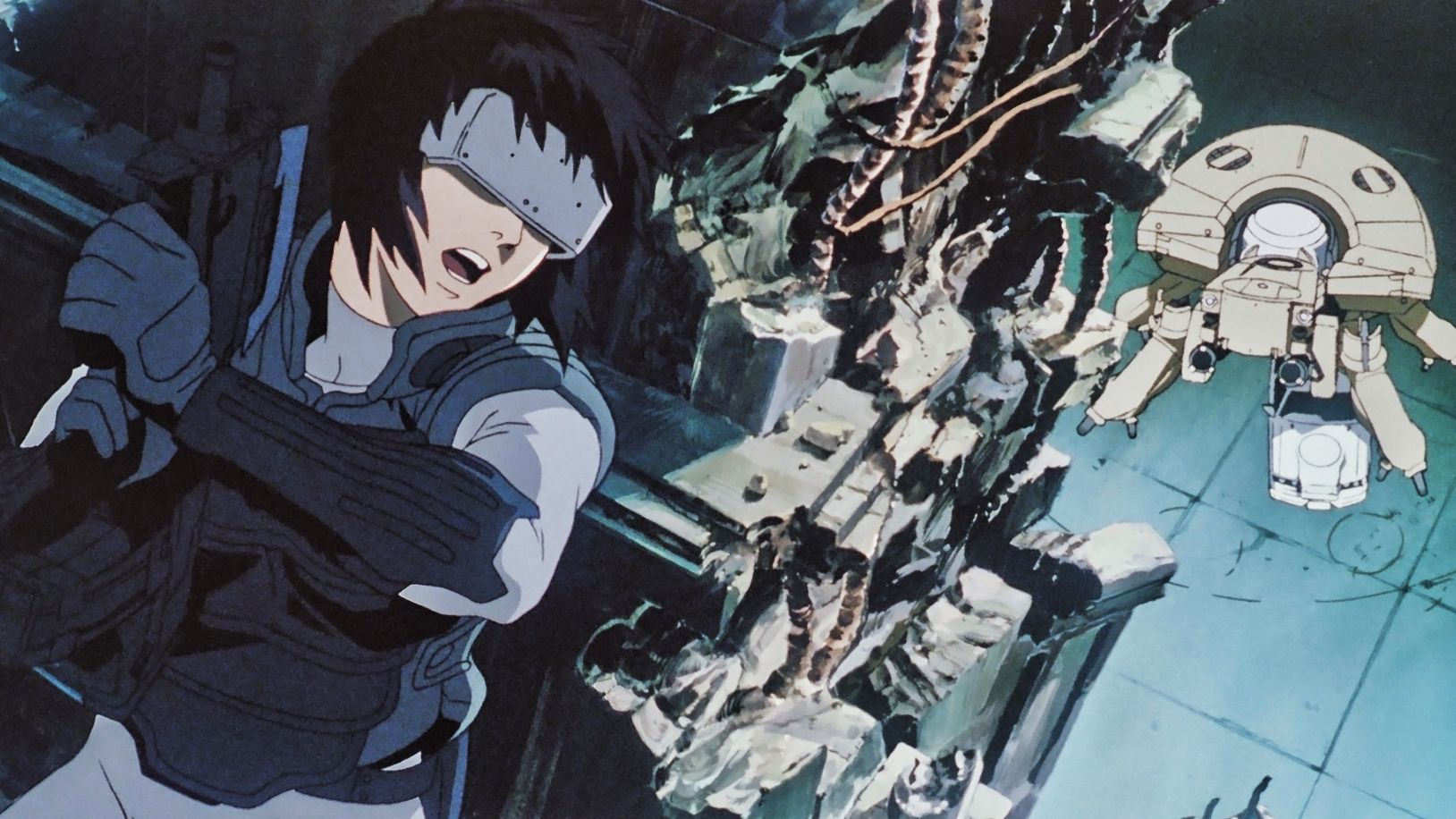
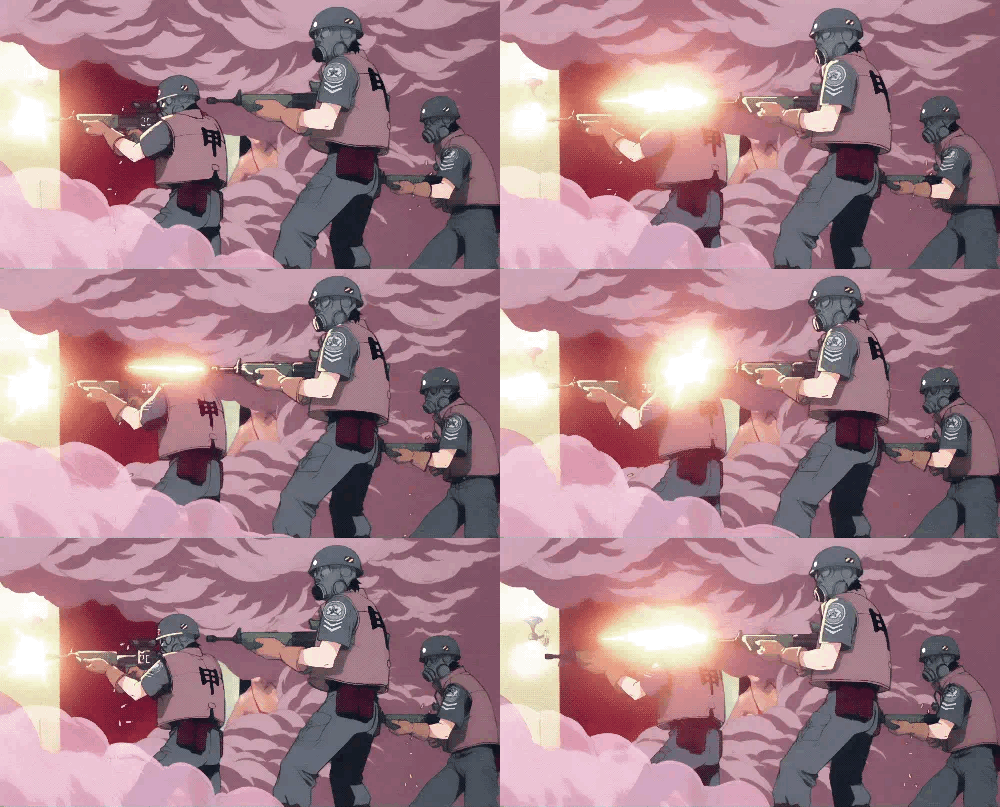
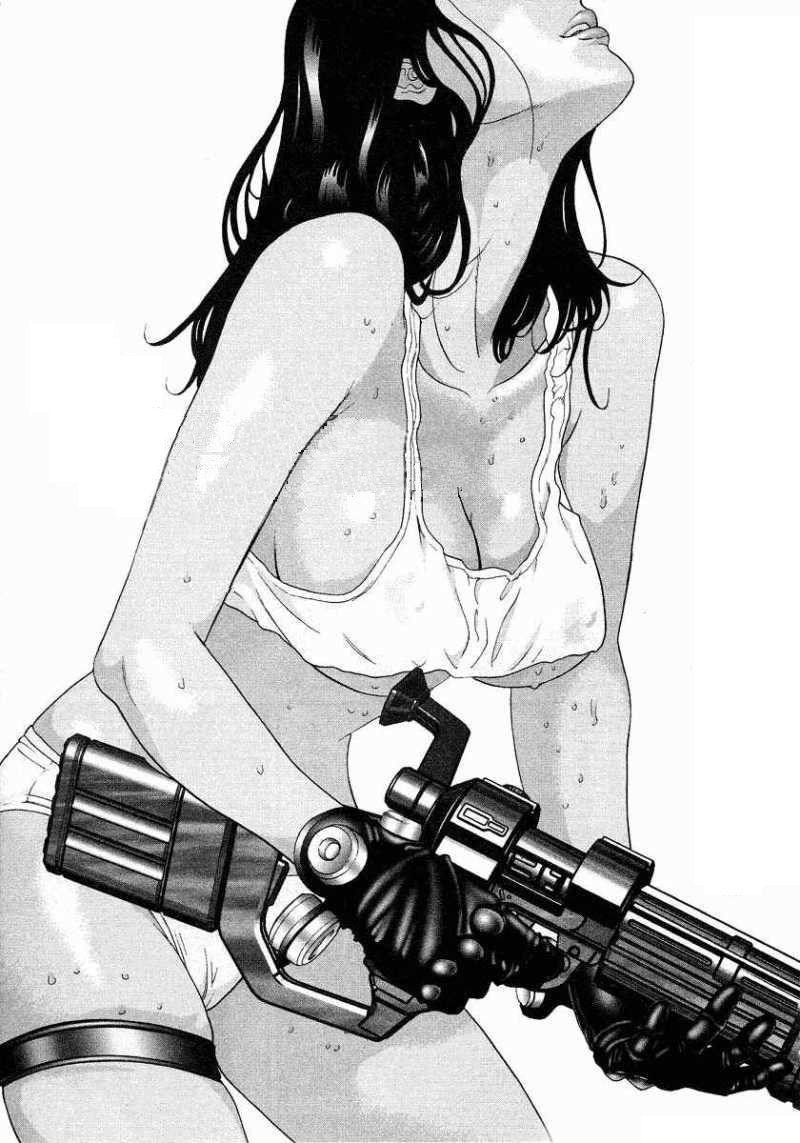
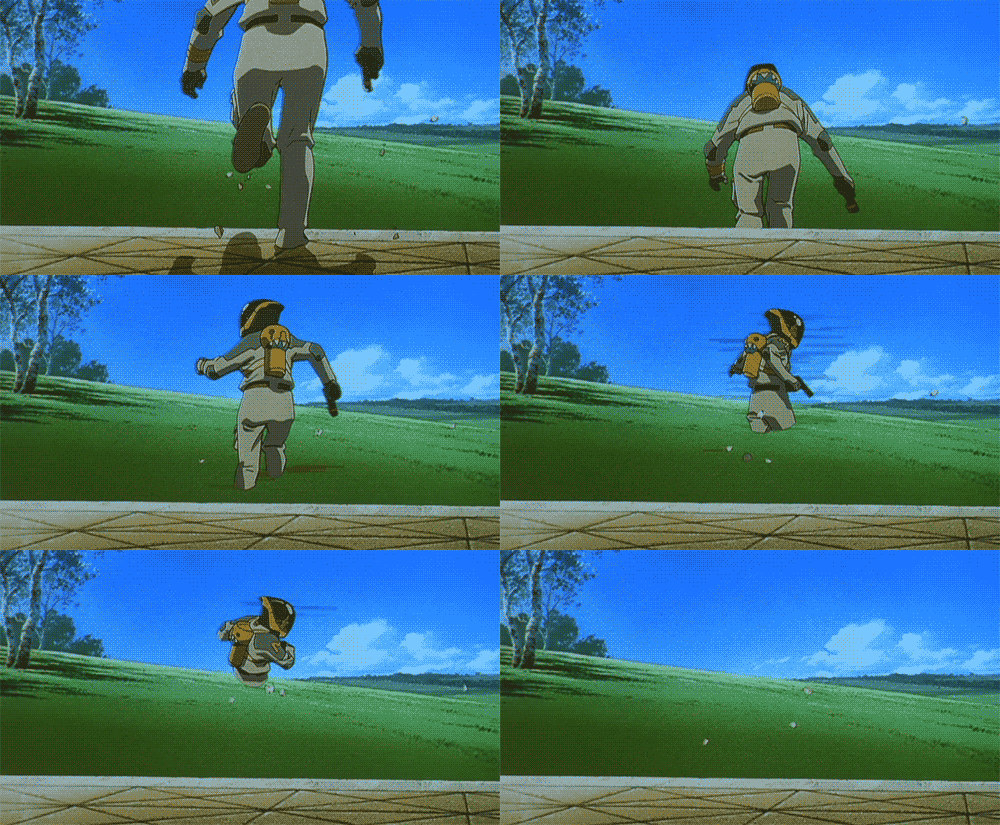
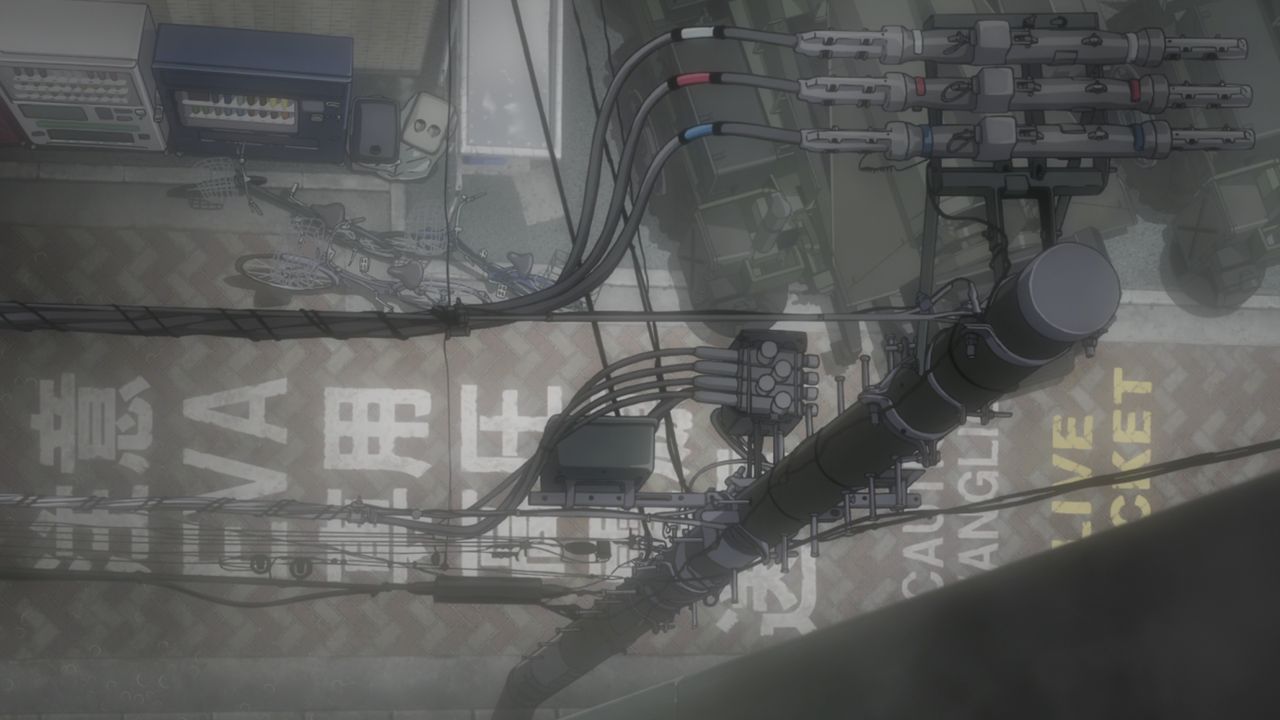
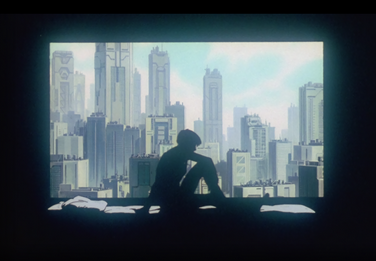
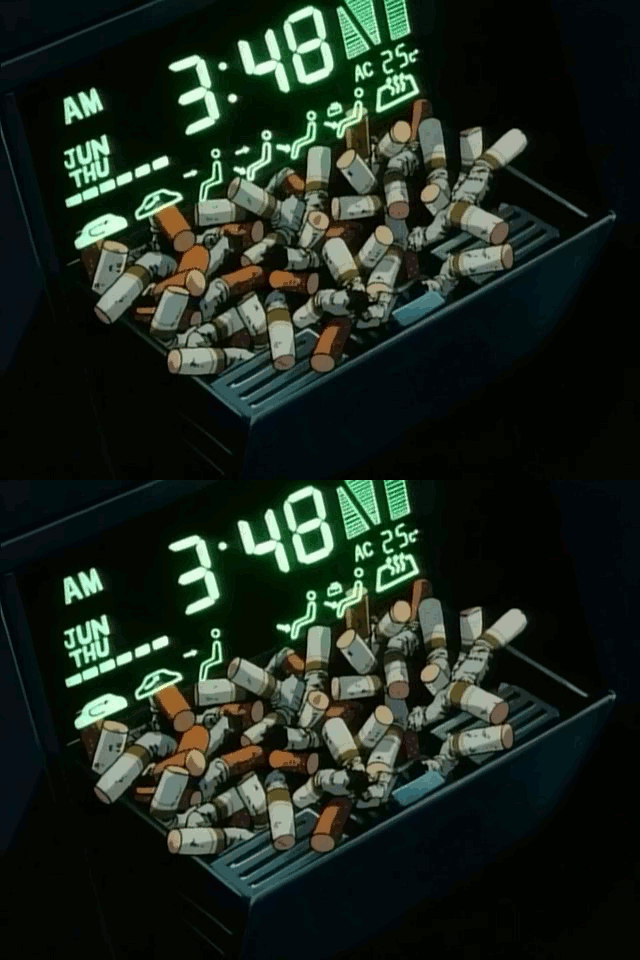
Ghost in the shell 1995
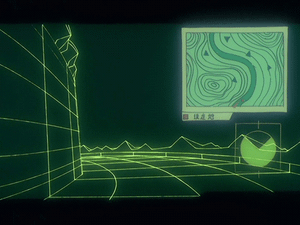
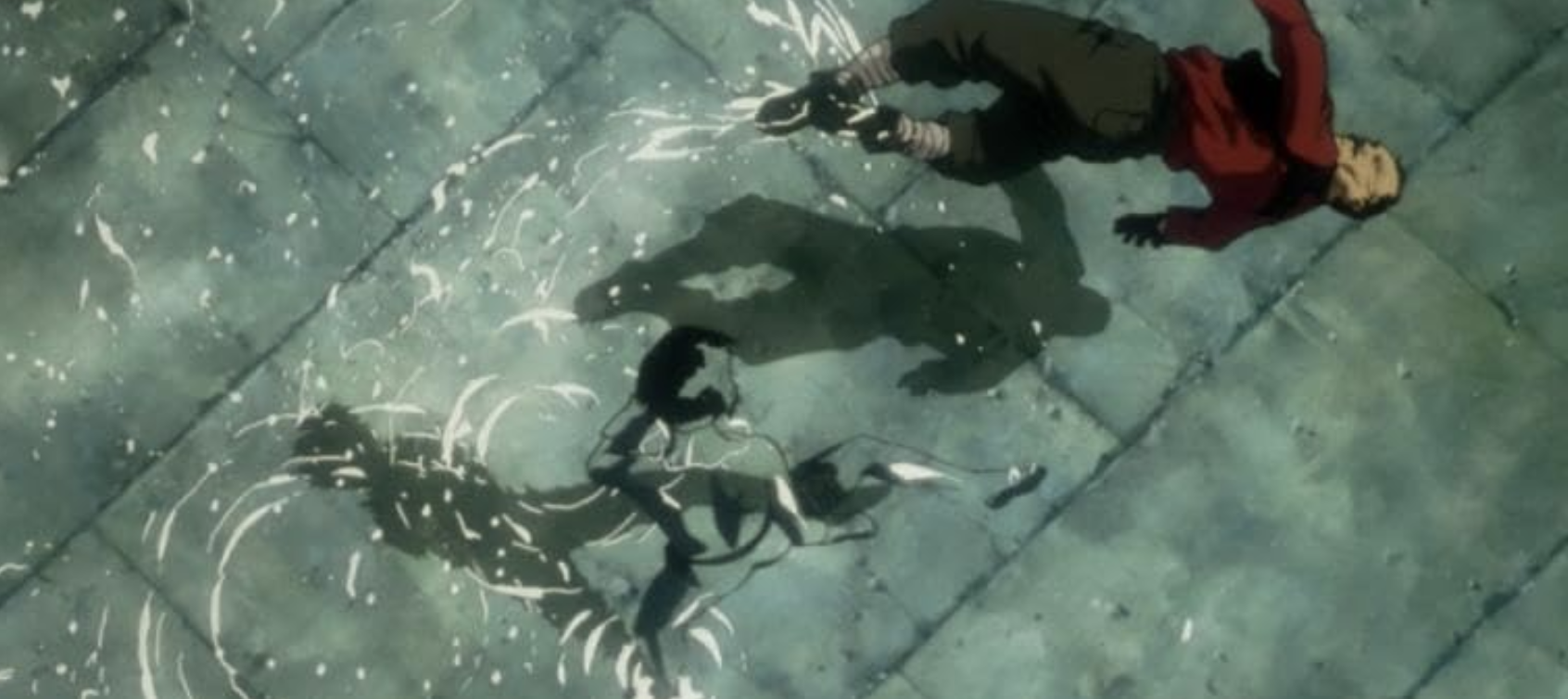
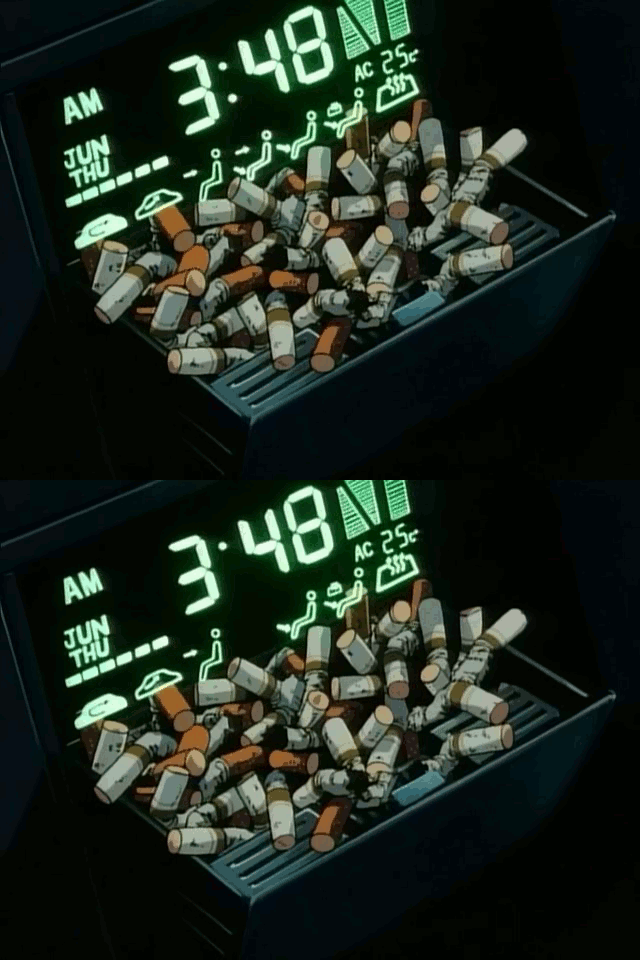
Ghost in the shell 1995
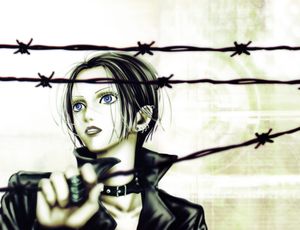
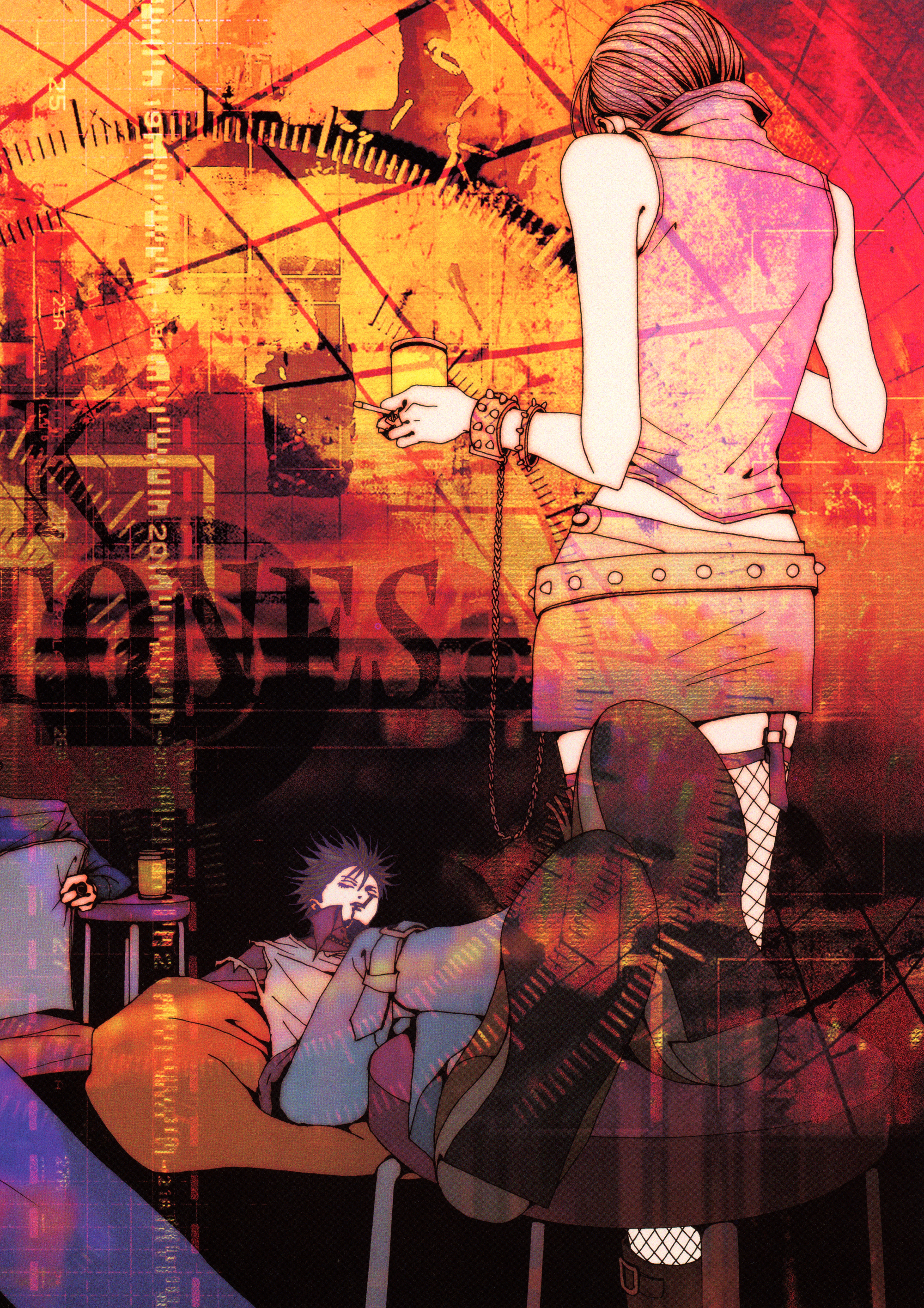
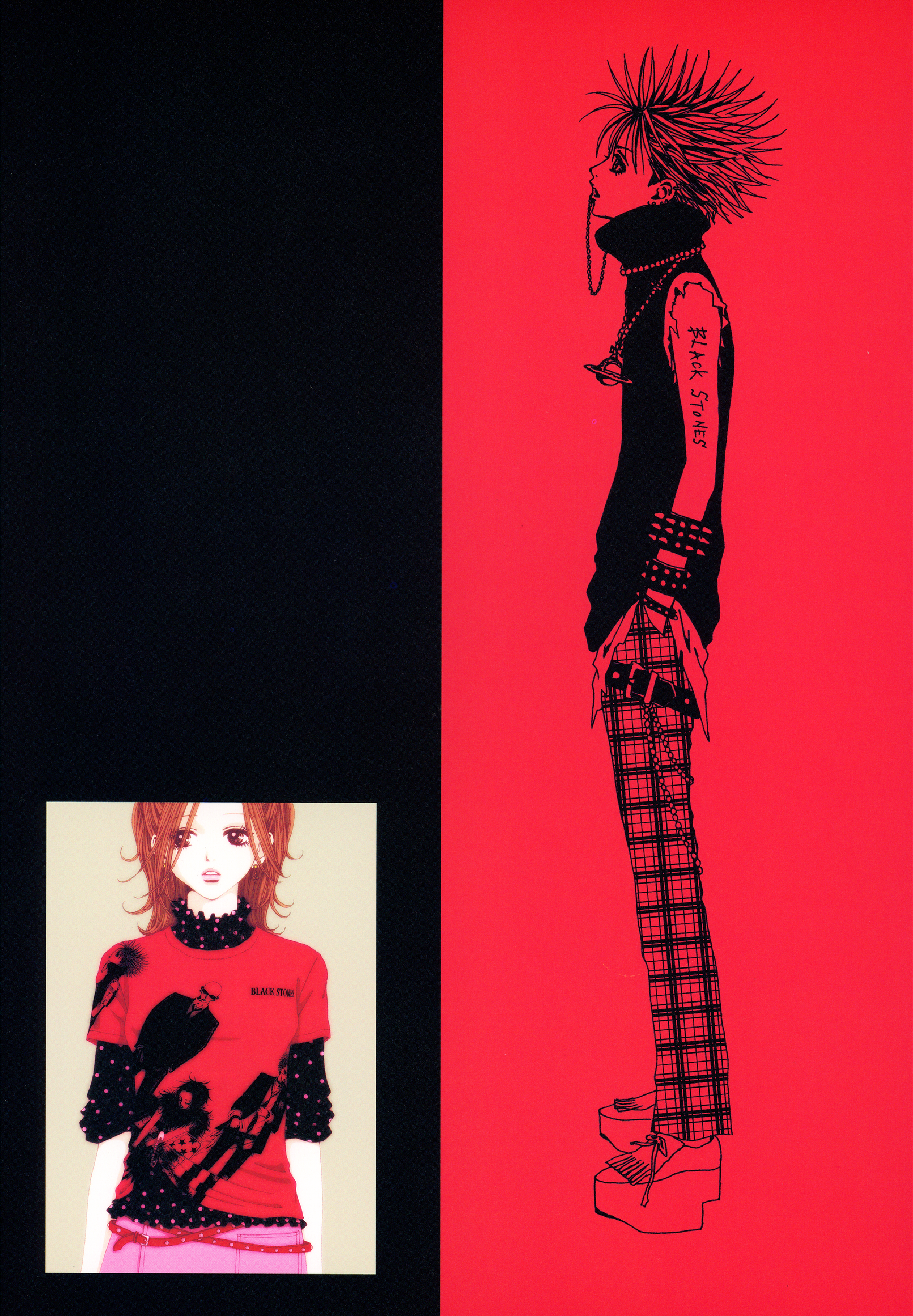
NANA 1st Illustrations gathers Nana Osaki, Nana Komatsu, Ren Honjo, Nobuo Terashima, Shinichi Okazaki, and Yasushi Takagi not as model sheets but as quiet romances in fabric and metal. Osaki’s black leather and lace feel like vows; her Vivienne Westwood Armour Ring glints like a promise she keeps. Komatsu floats in lighter textiles and soft palettes, a tender blur that finds light even when it trembles. Shinichi moves in bondage pants—wide legs, trailing straps, D-rings and chains—tempered by fitted tanks, layered belts, and combat boots; the strapwork turns his stride into music and cinches him closer when the stage goes still.
Ren and Yasu hold steadier lines—smoke, denim, talismanic hardware—anchors for the others’ weather. Here costume is character: friendship sewn into hems, devotion clasped in studs, defiance stitched in black. A Complete NANA 1st Illustrations book scan is available on the server. A Complete NANA 1st Illustrations book scan is available on the server.



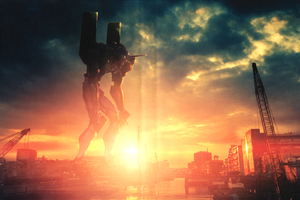
"The thread of human hope is spun with fragile lies. Those who weave it find solace in delusion, for truth is a burden too heavy for most hearts to bear."
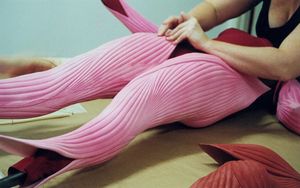
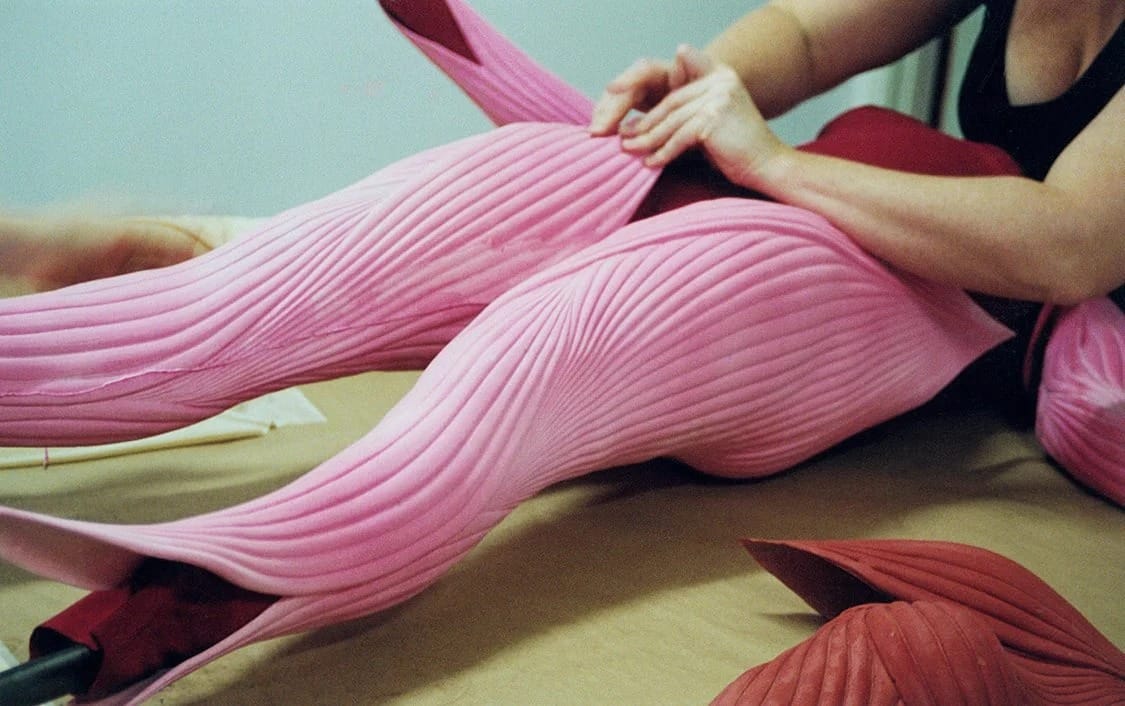
They were called the “muscle suits” in The Cell. Eiko Ishioka designed them to resemble exposed musculature, turning the body into a surreal anatomical armor that fit the film’s psychological and dreamlike visuals.
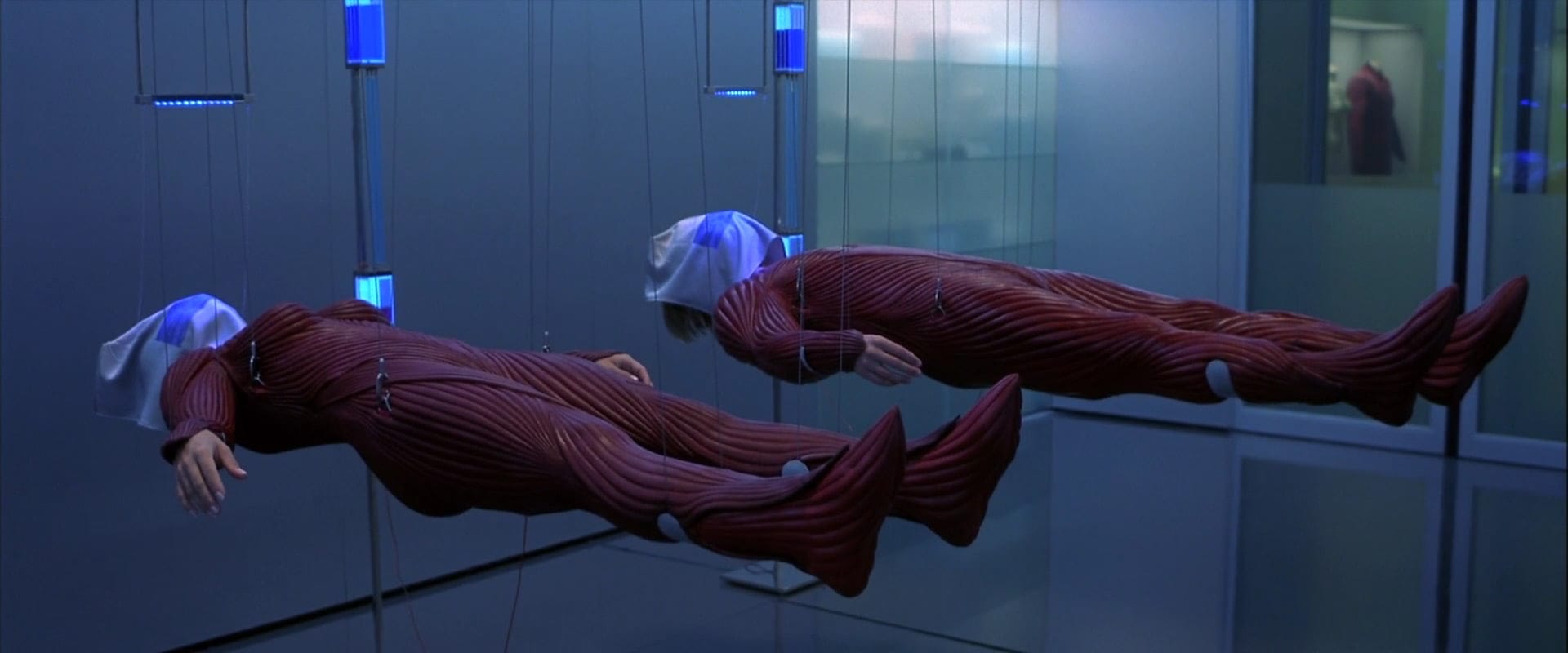
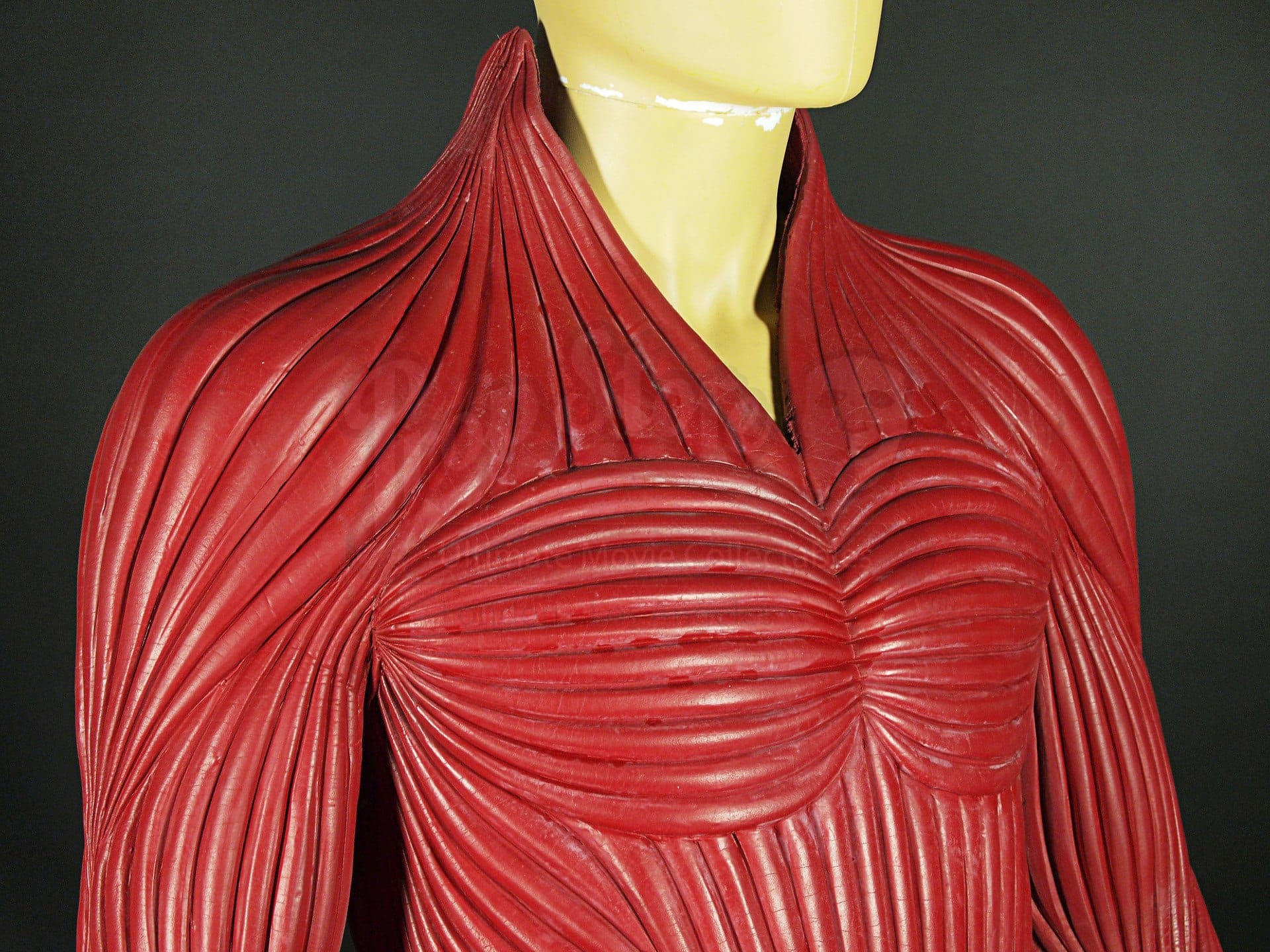

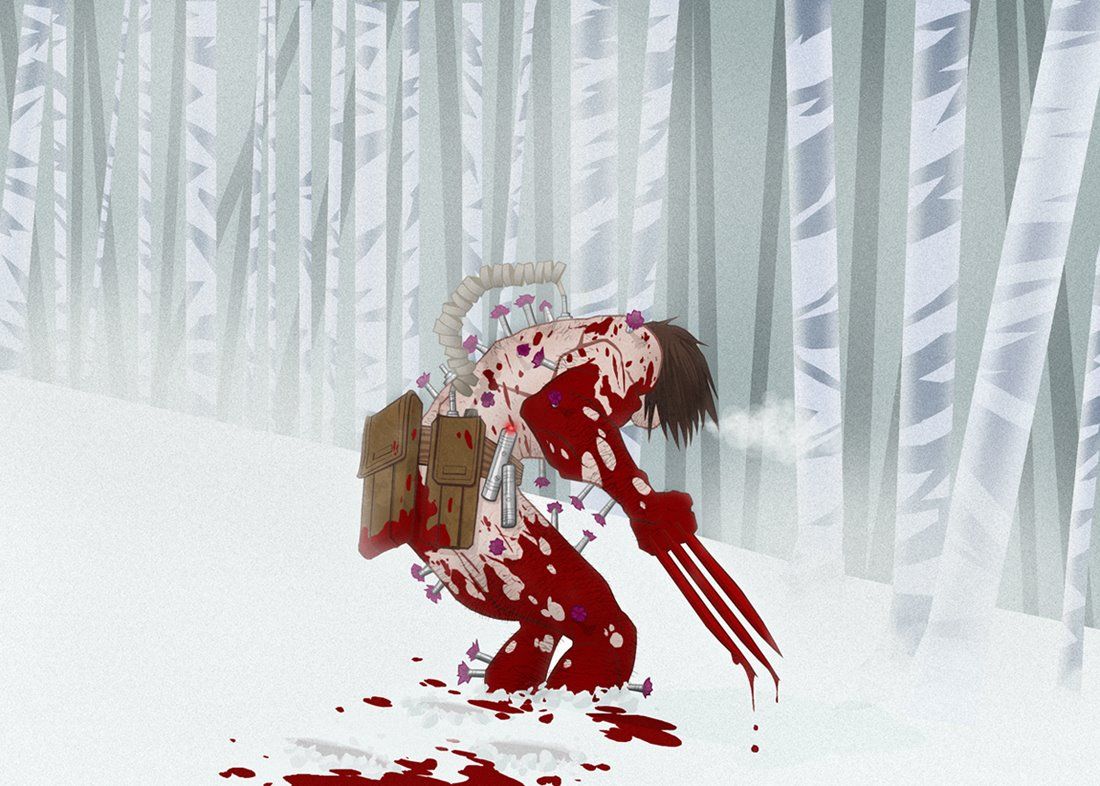
illustration by Yuki Yoshimoto
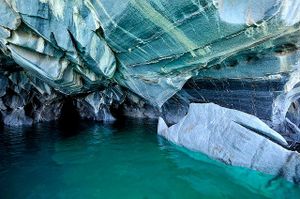
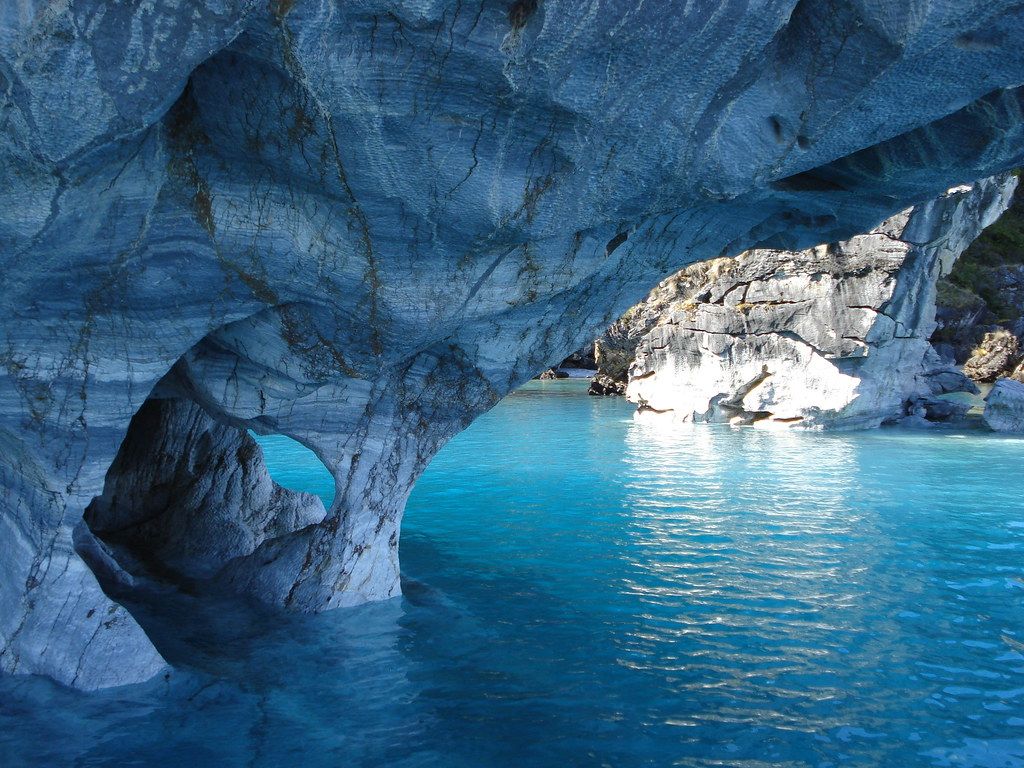
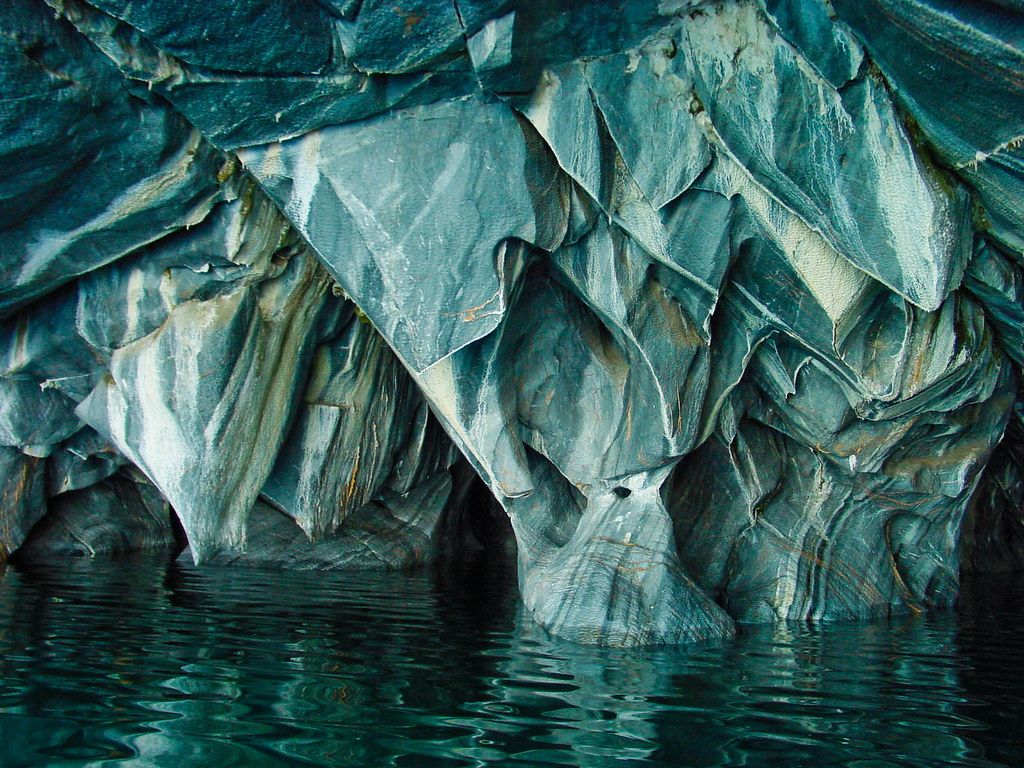
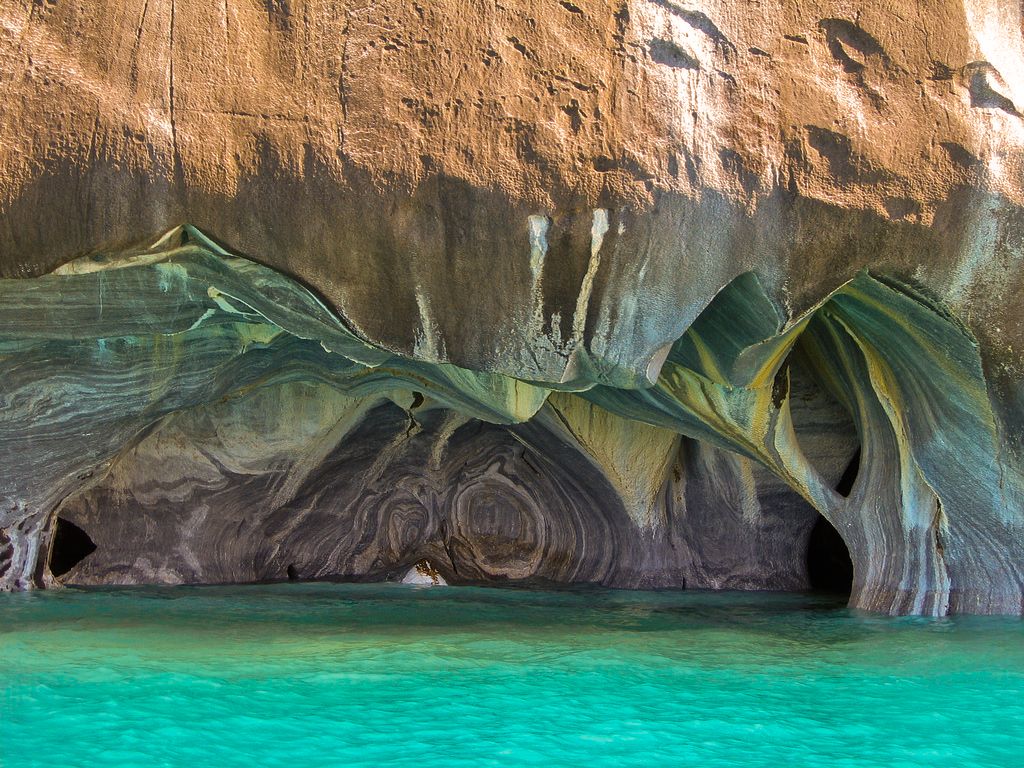
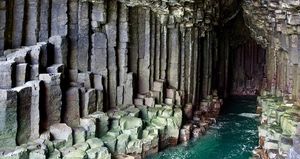
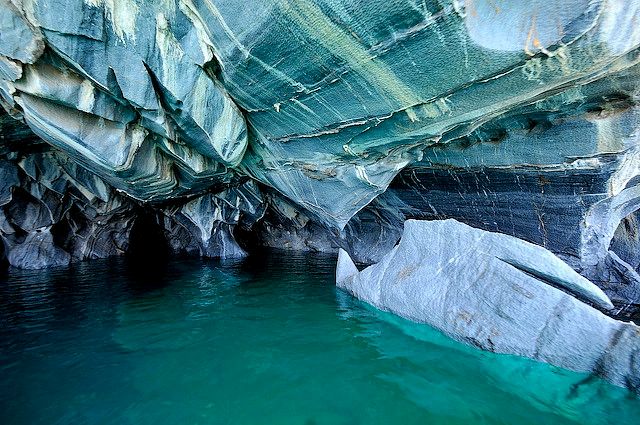
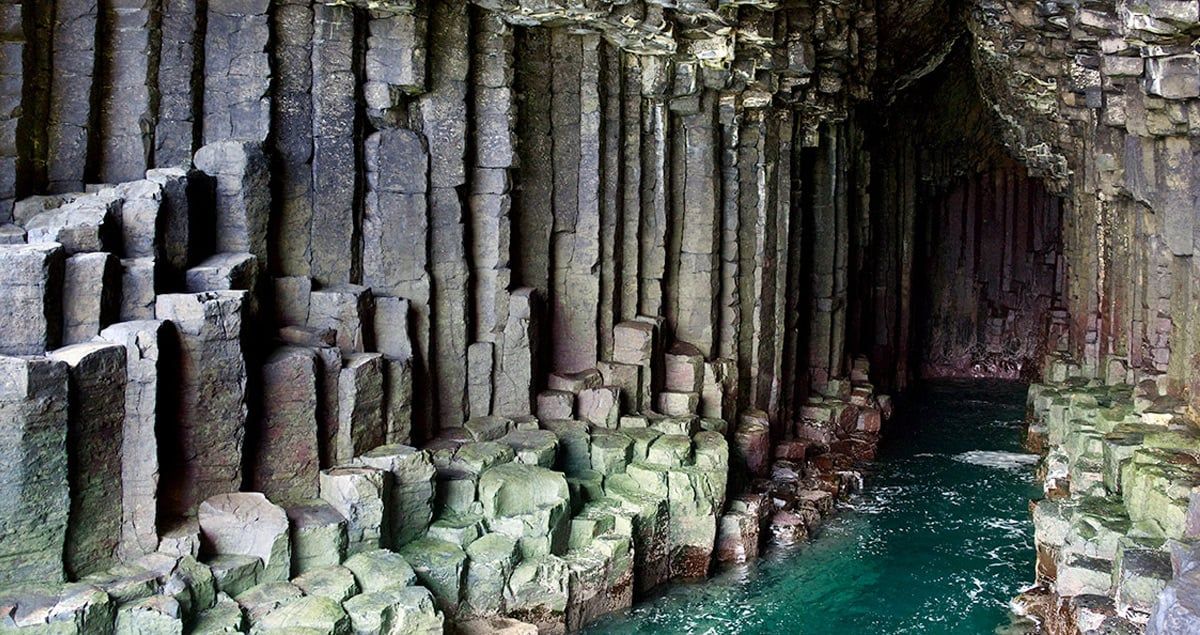
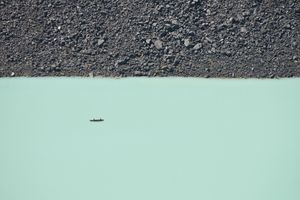
The Marble Caves, known as Marble Chapel and Marble Cathedral, are located at the center of the lake and were formed by waves over the past 6,000 years.
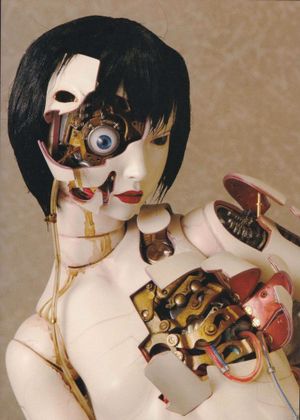
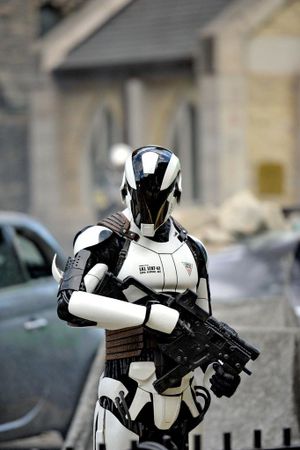
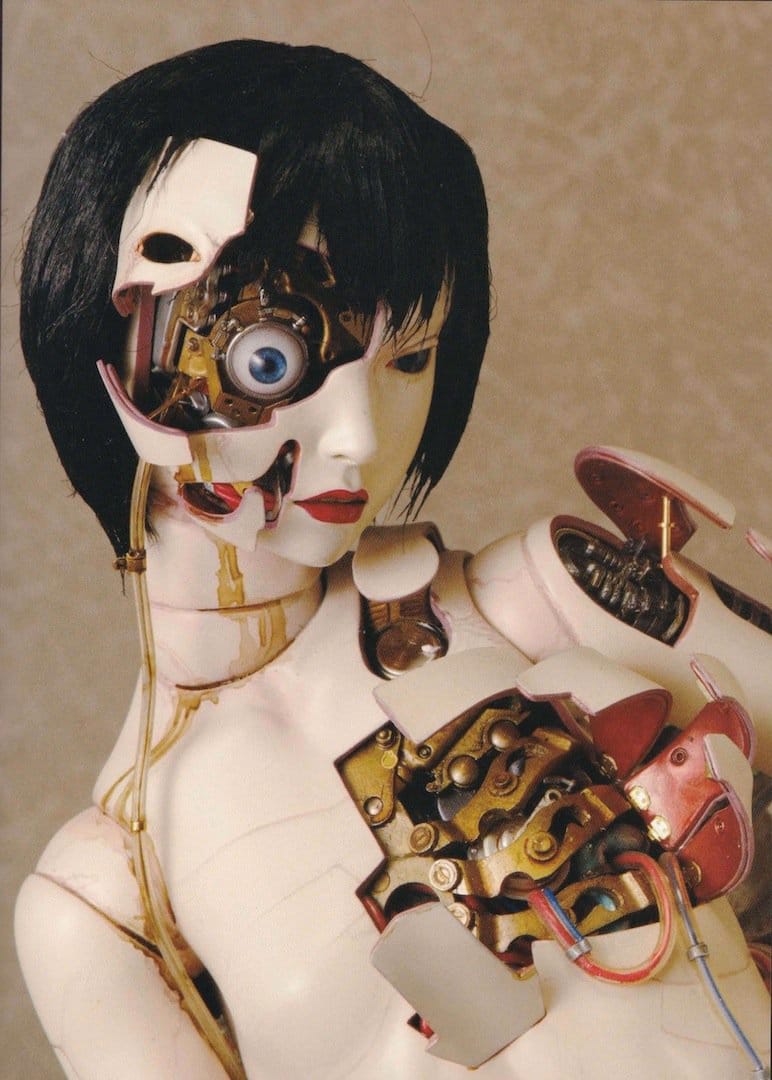
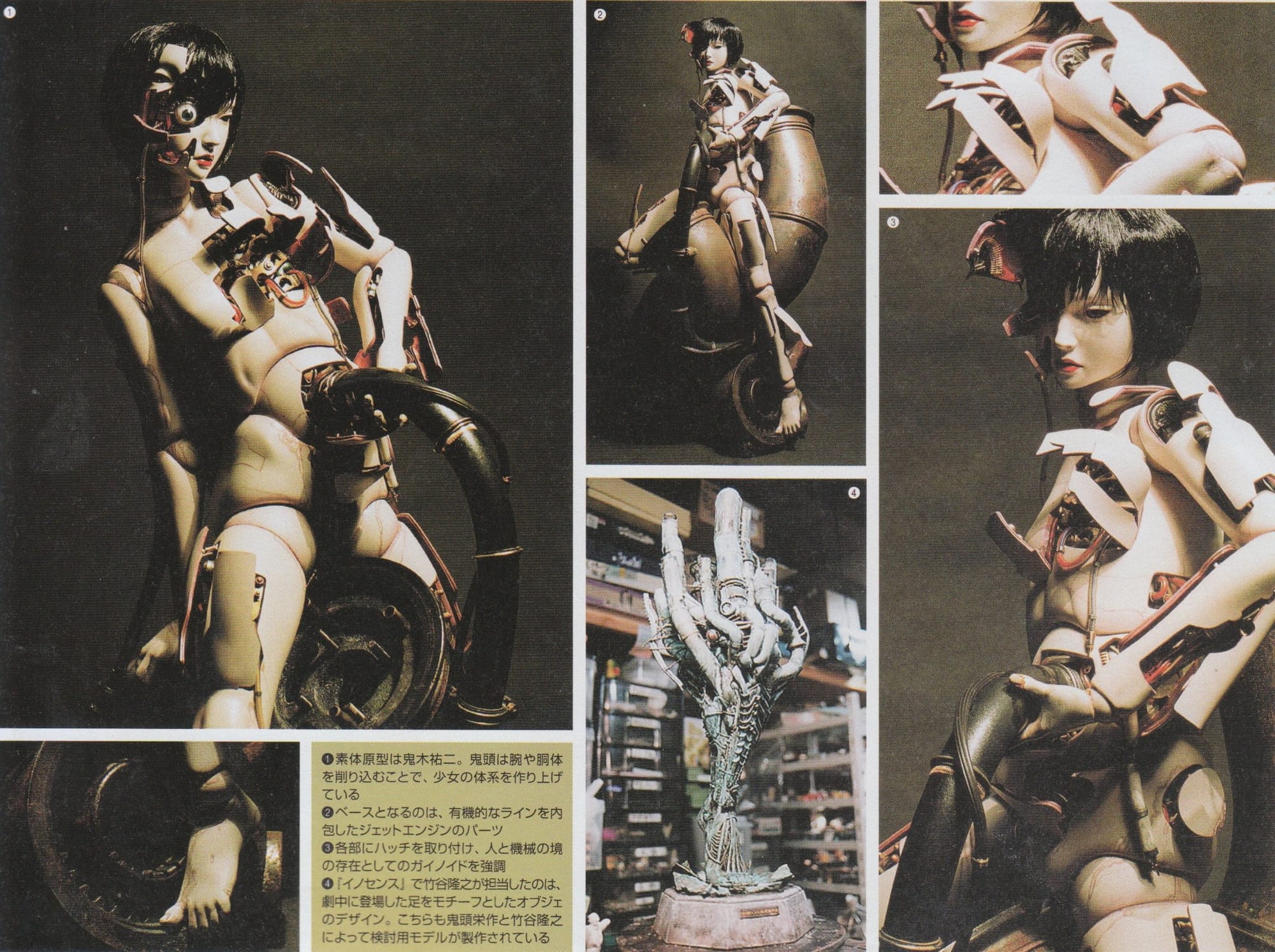
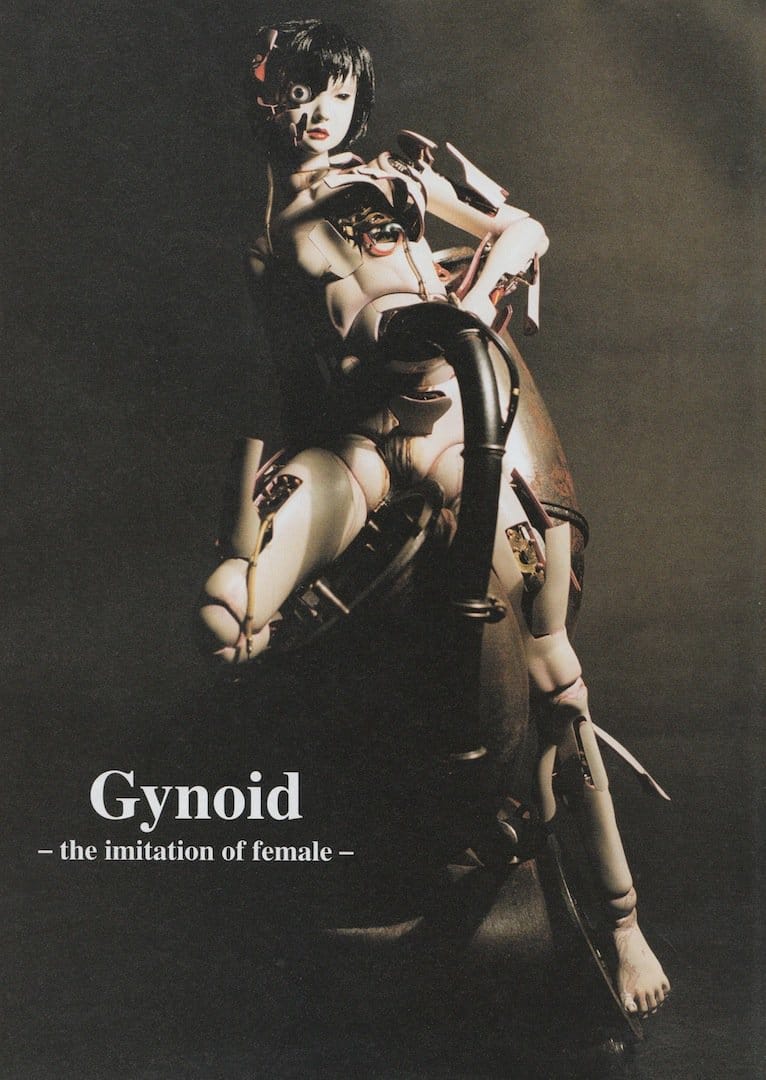
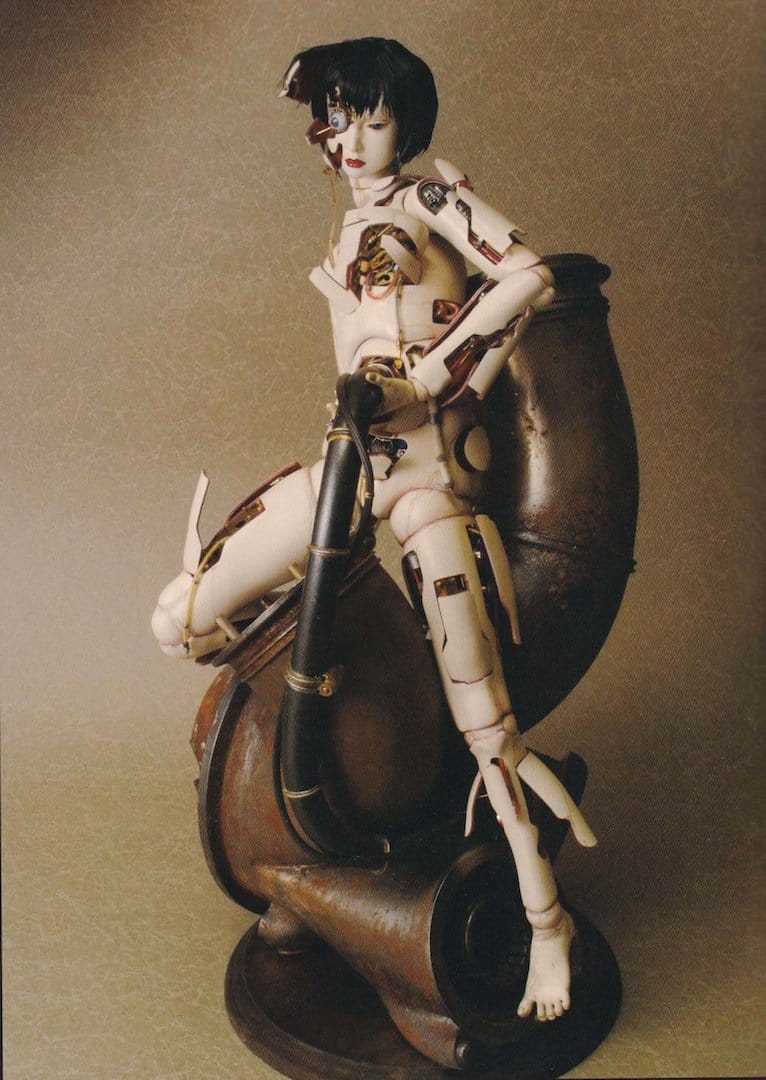
A 1/4-scale image model of the Gynoid from Mamoru Oshii's Ghost in the Shell: Innocence. Eisaku Kito modified the figure and built its opening panels and mechanical components; Yuji Oniki made the base body; Takayuki Takeya completed the hair, makeup and weathering.
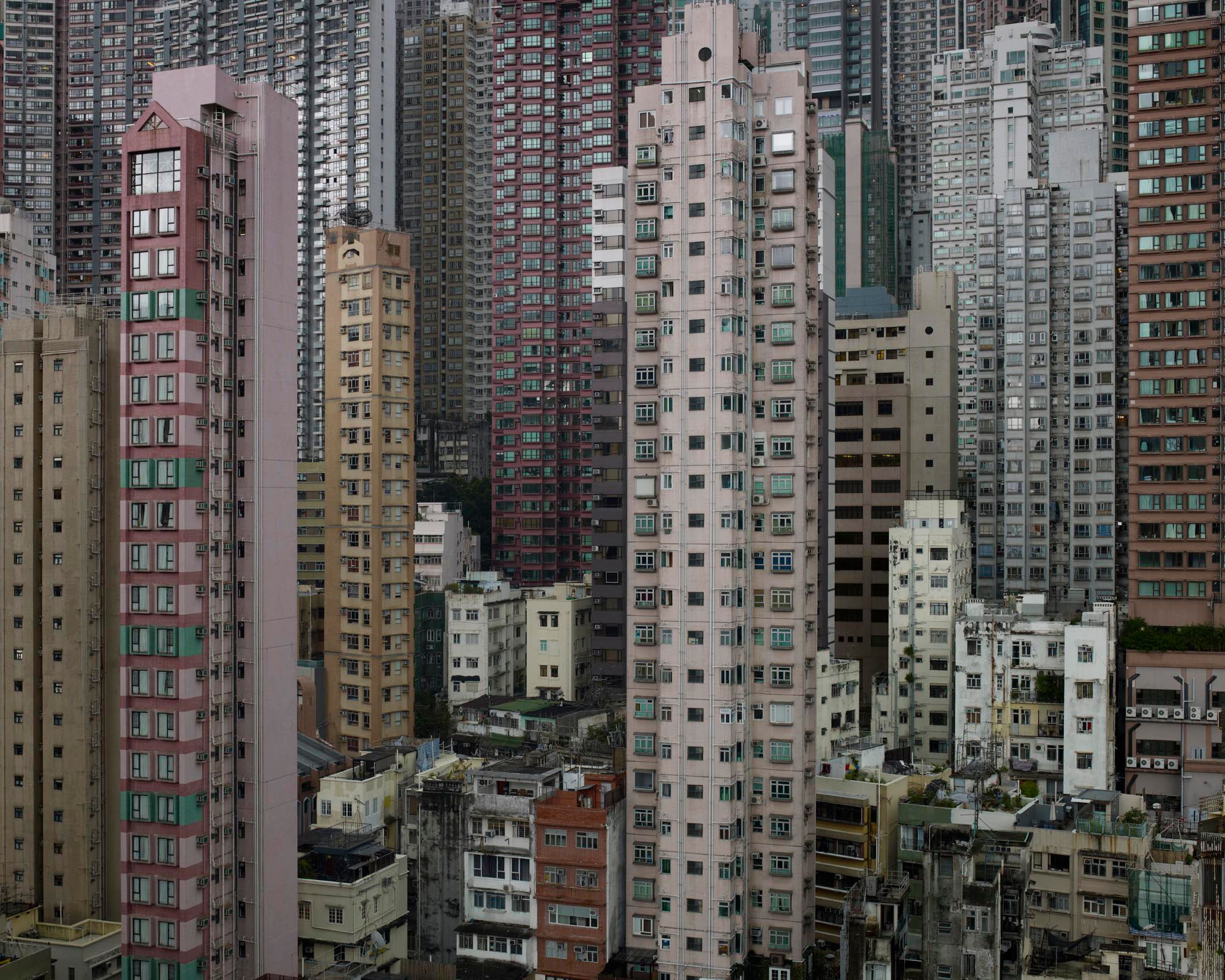
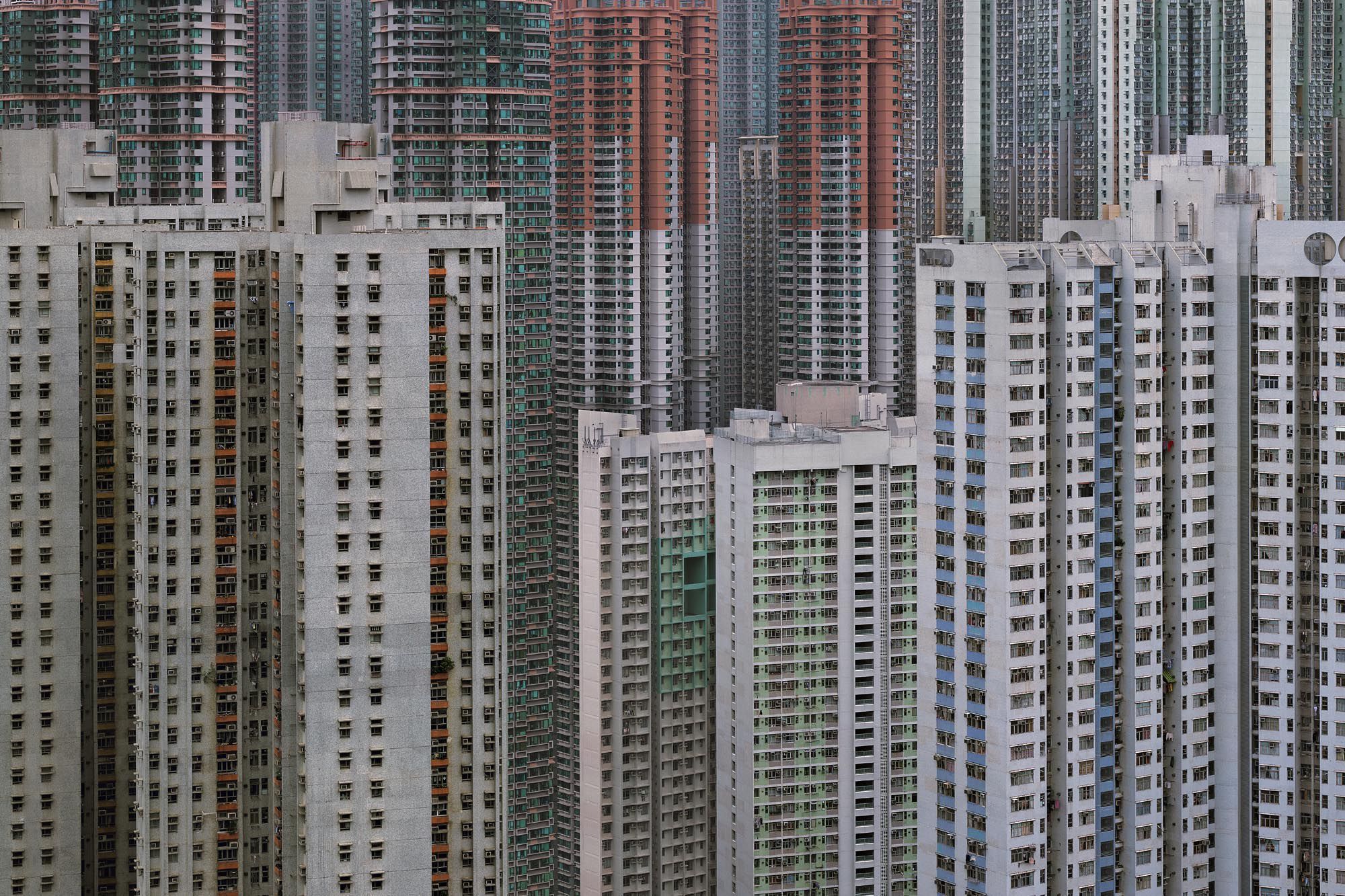
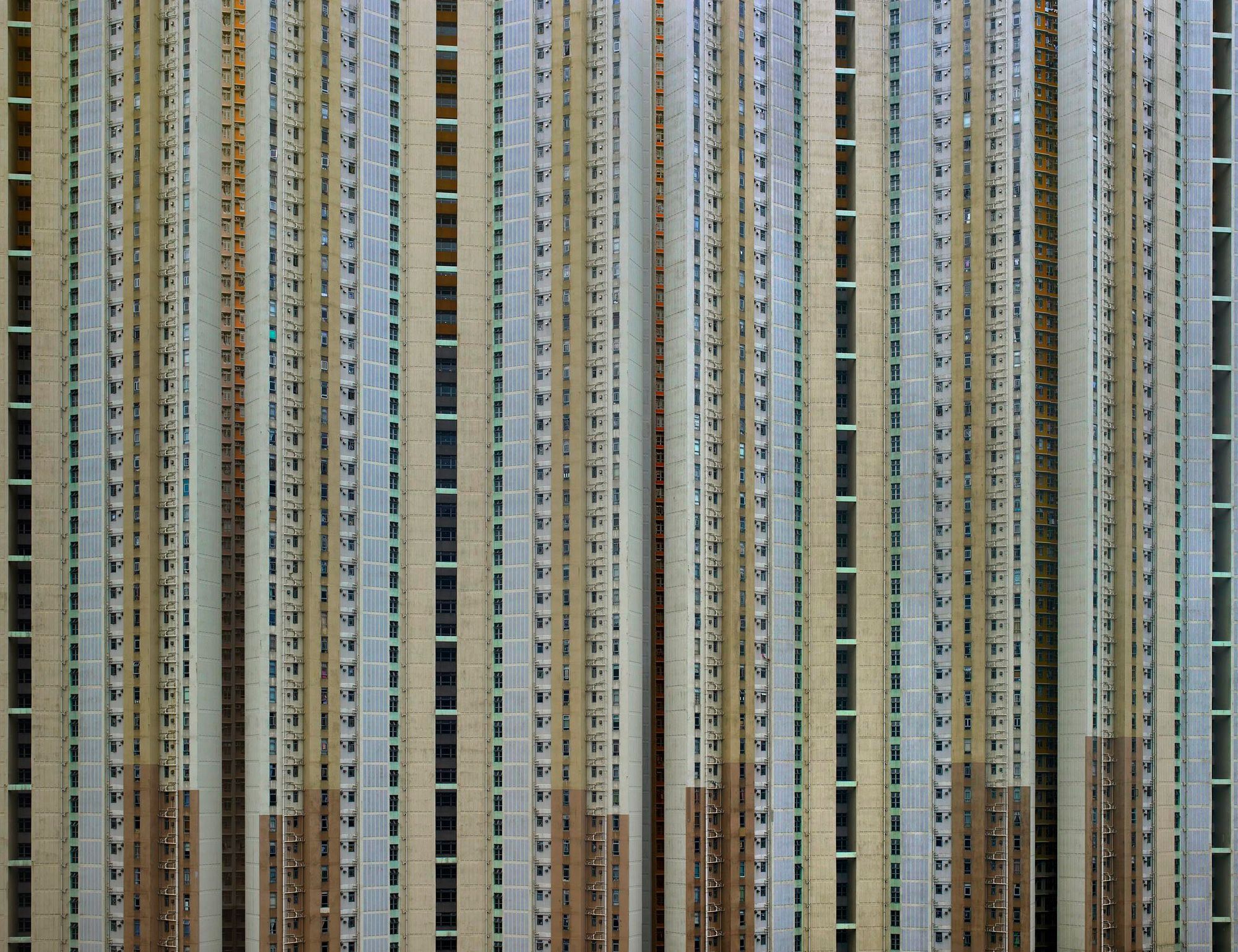
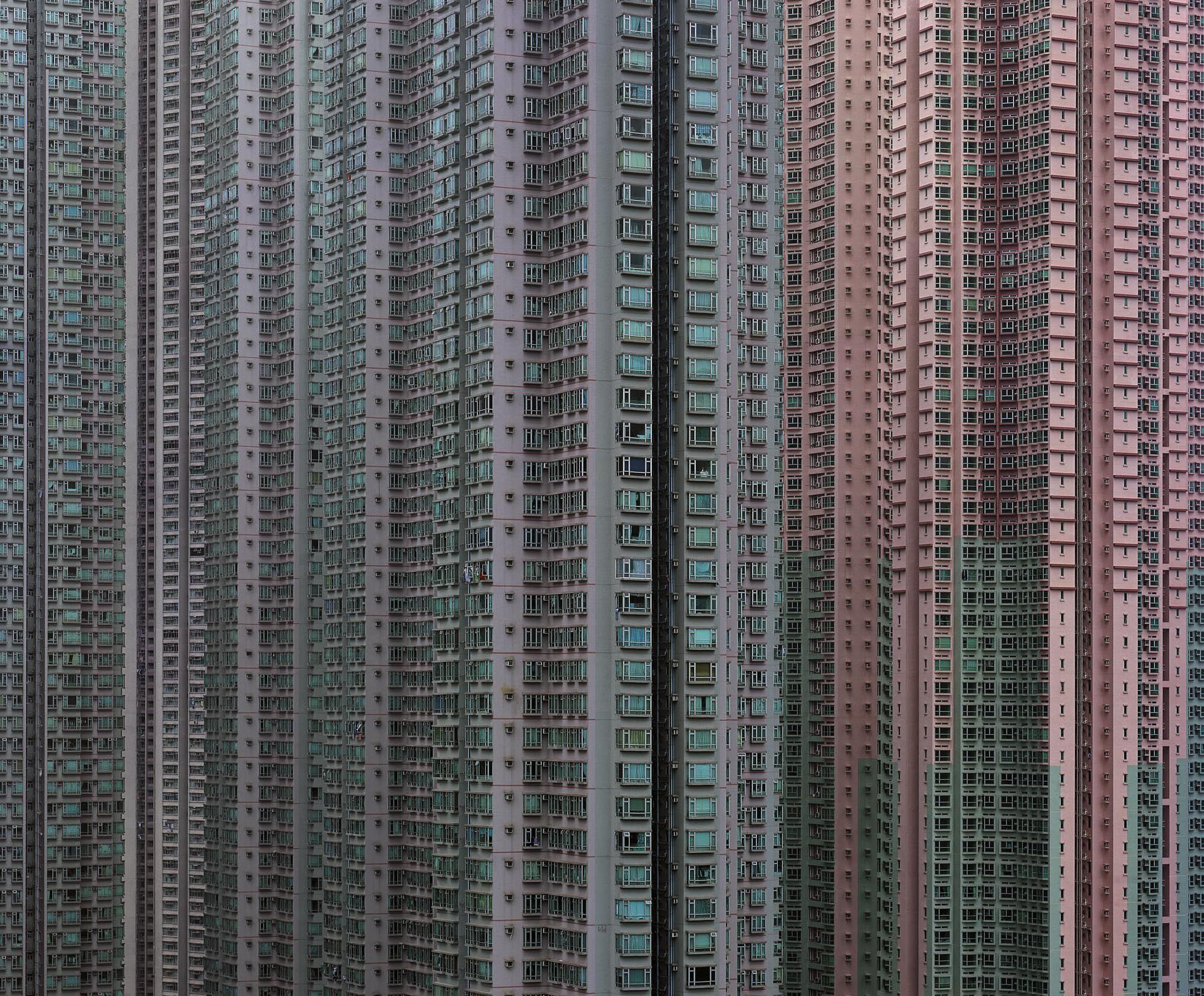
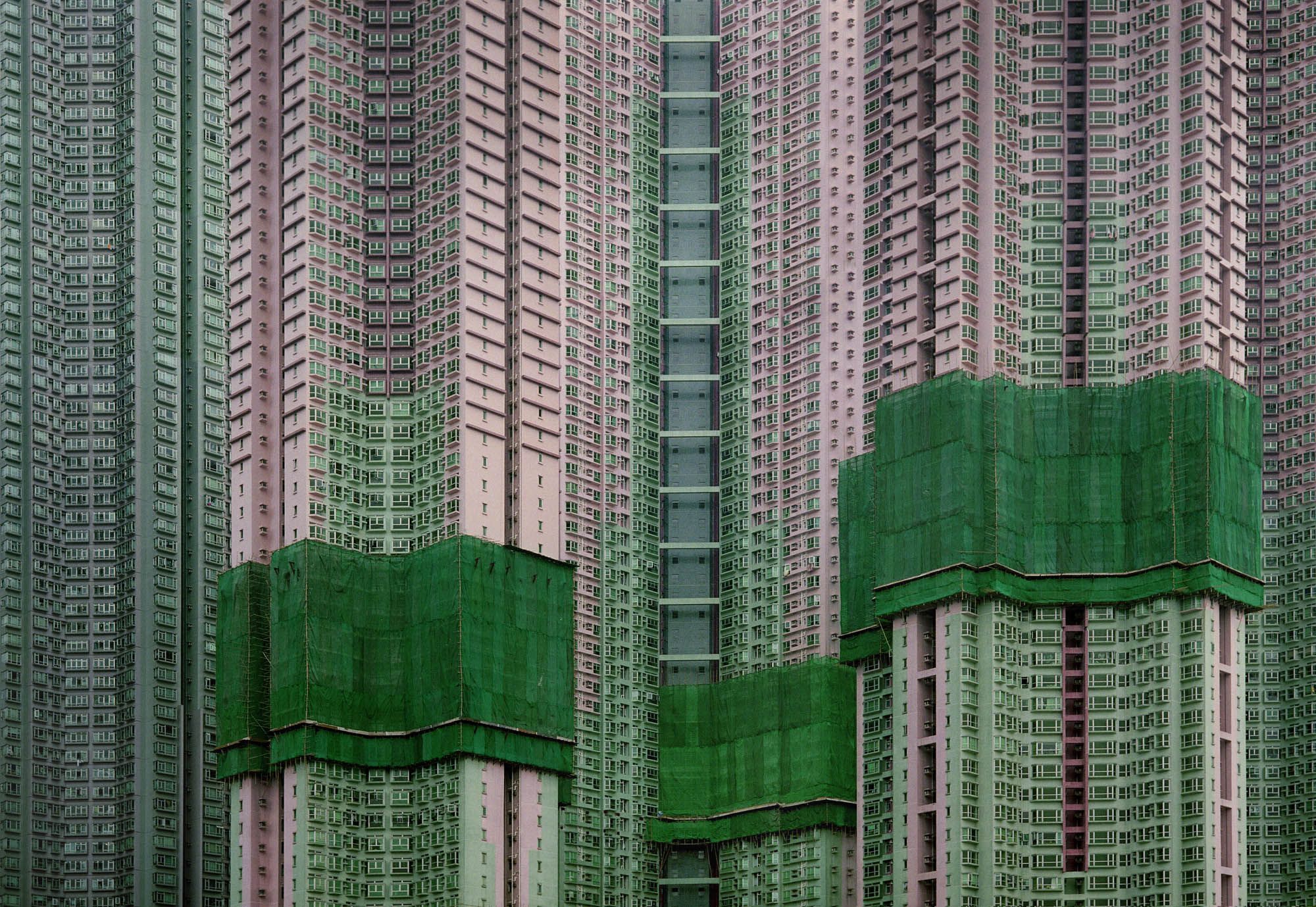
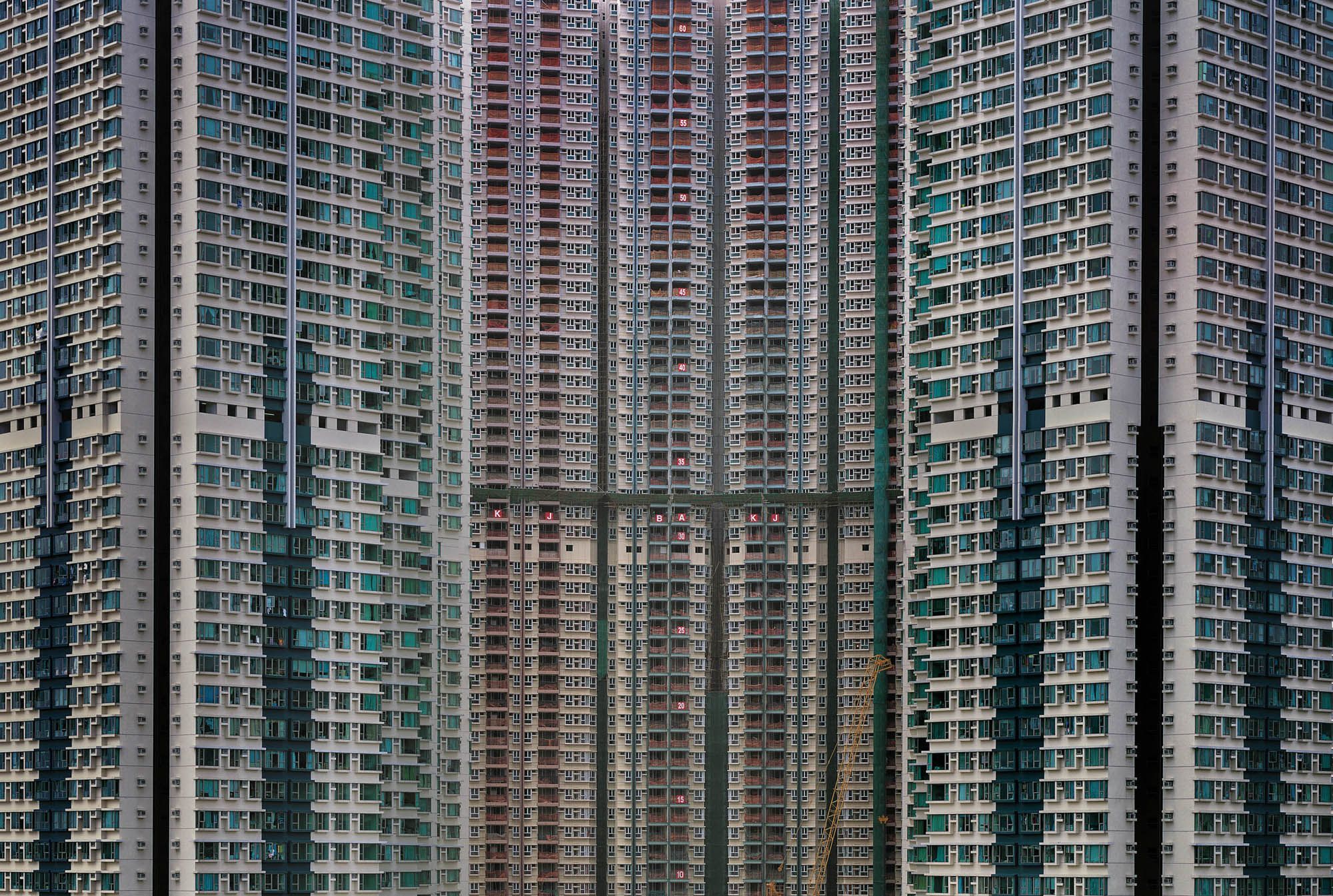
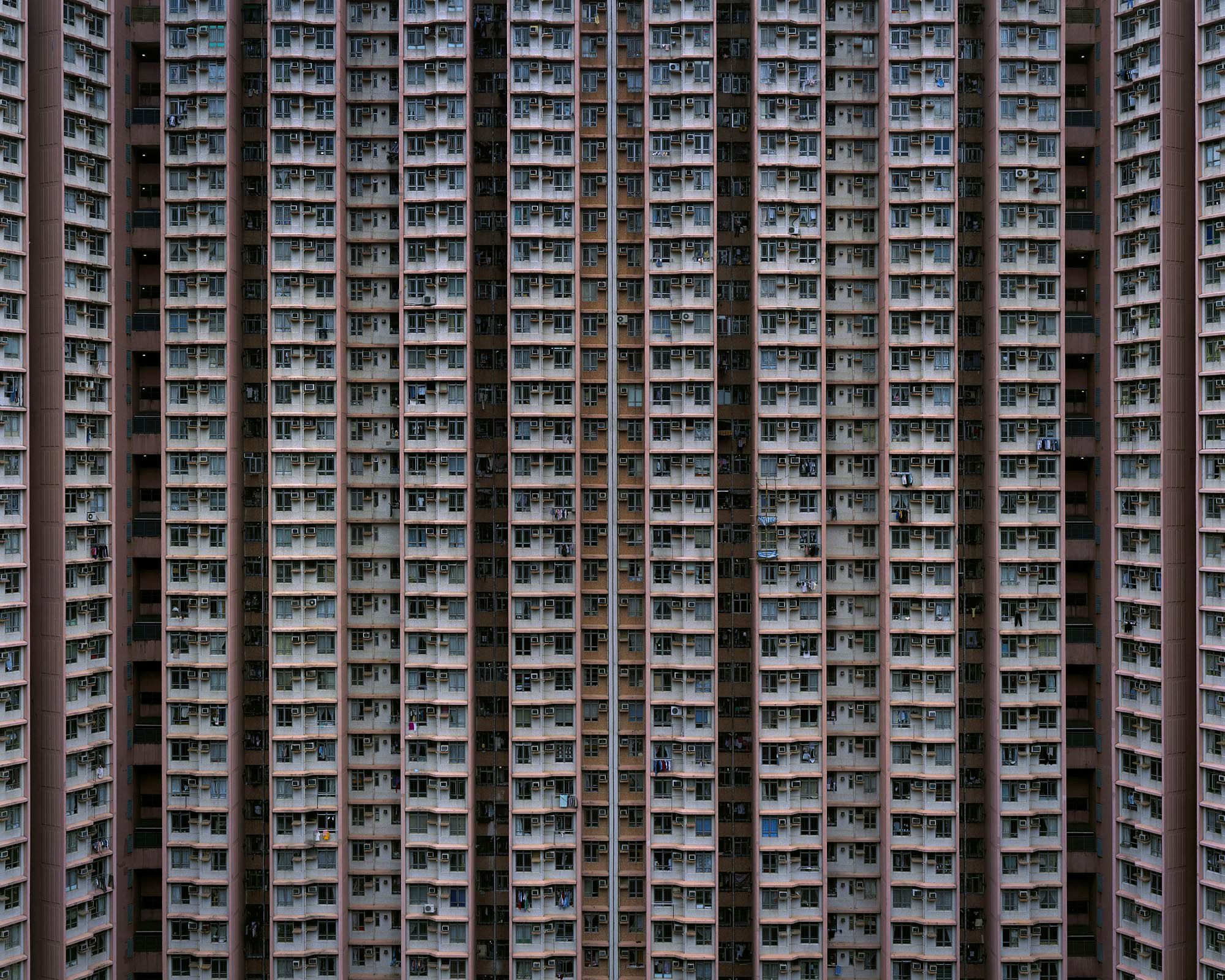
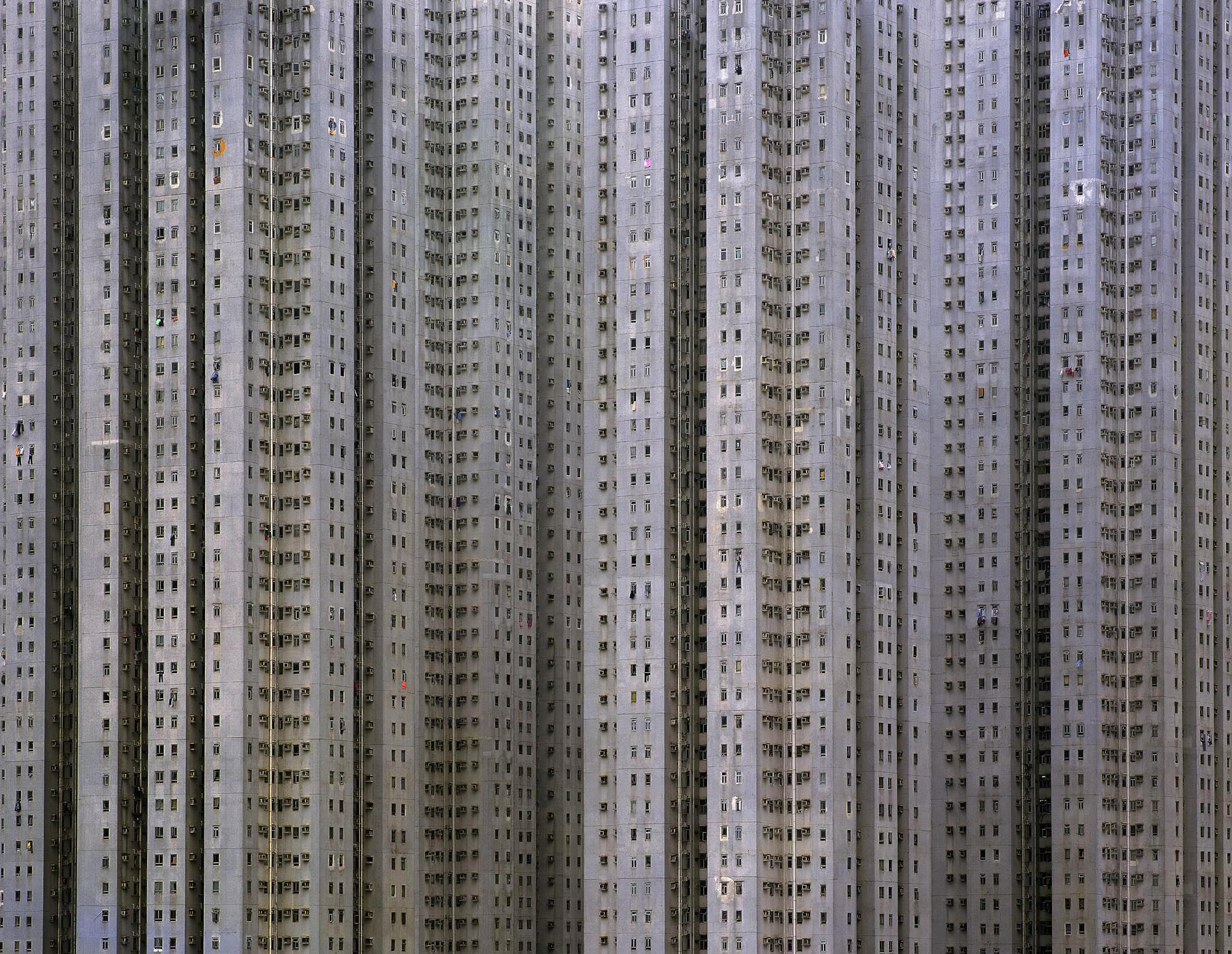
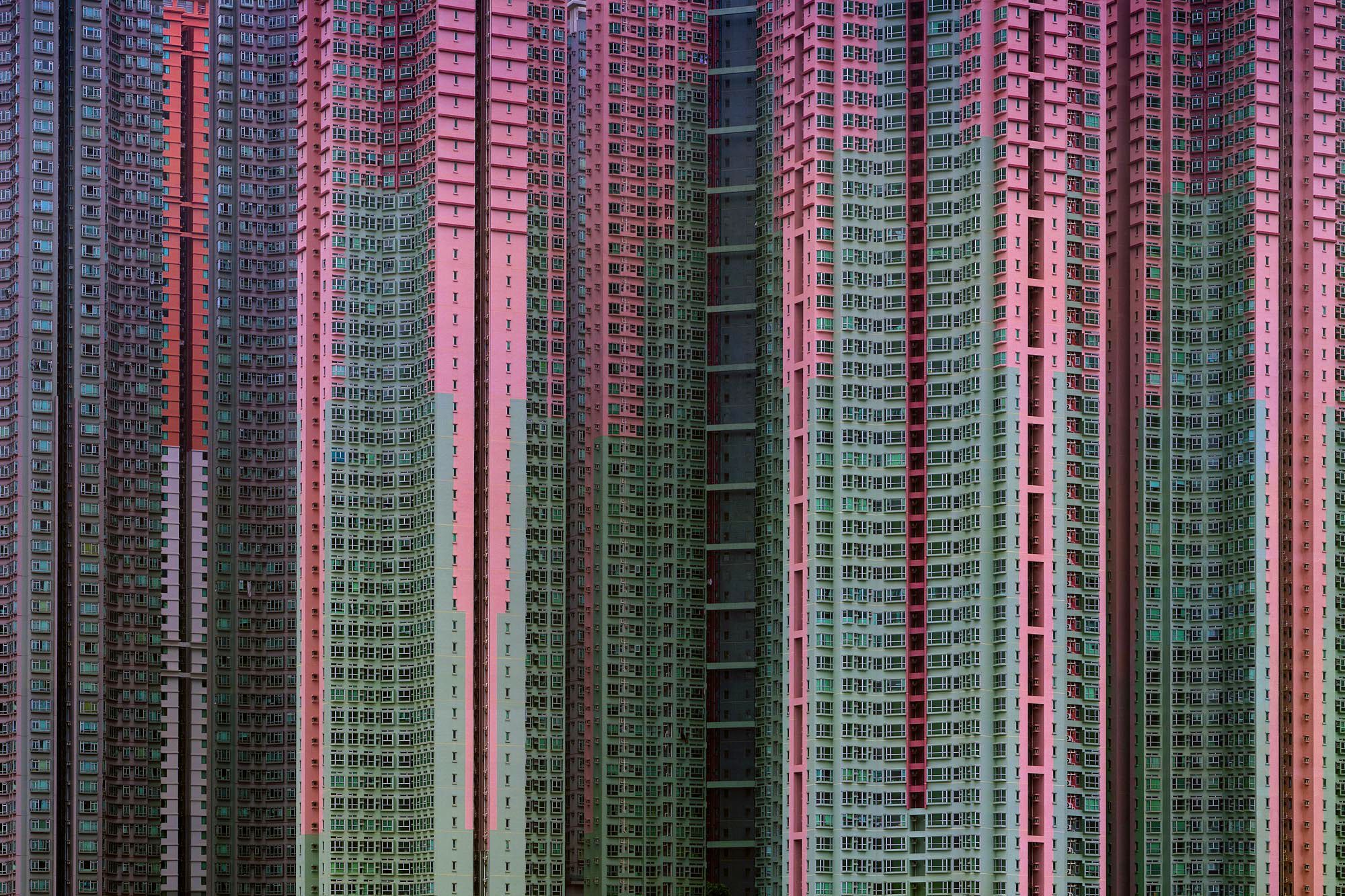
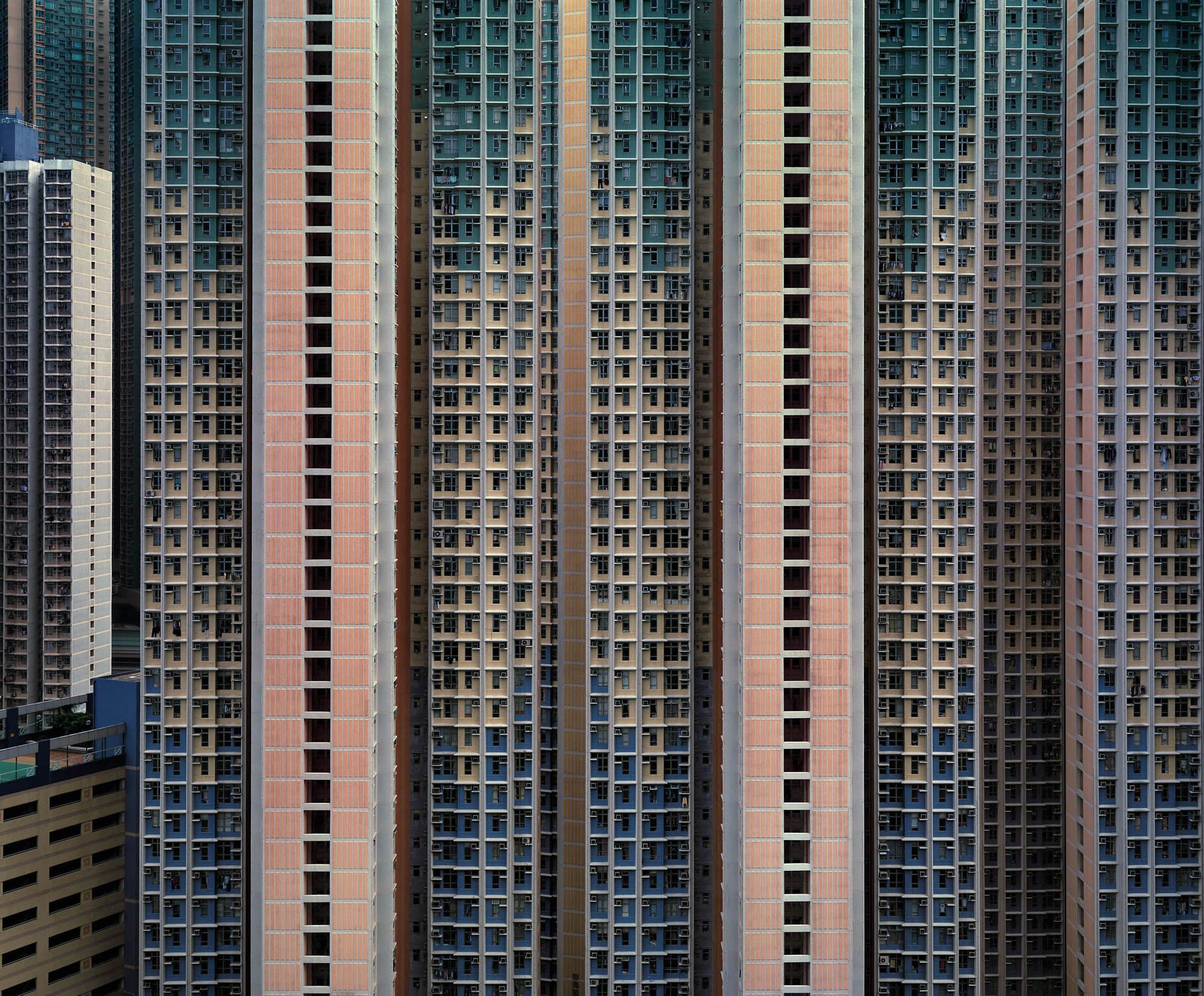
One of the most densely populated metropolitan areas in the world, Hong Kong has an overall density of nearly 6,700 people per square kilometer. The majority of its citizens live in flats in high-rise buildings, whose units can house as many as 10,000 people.
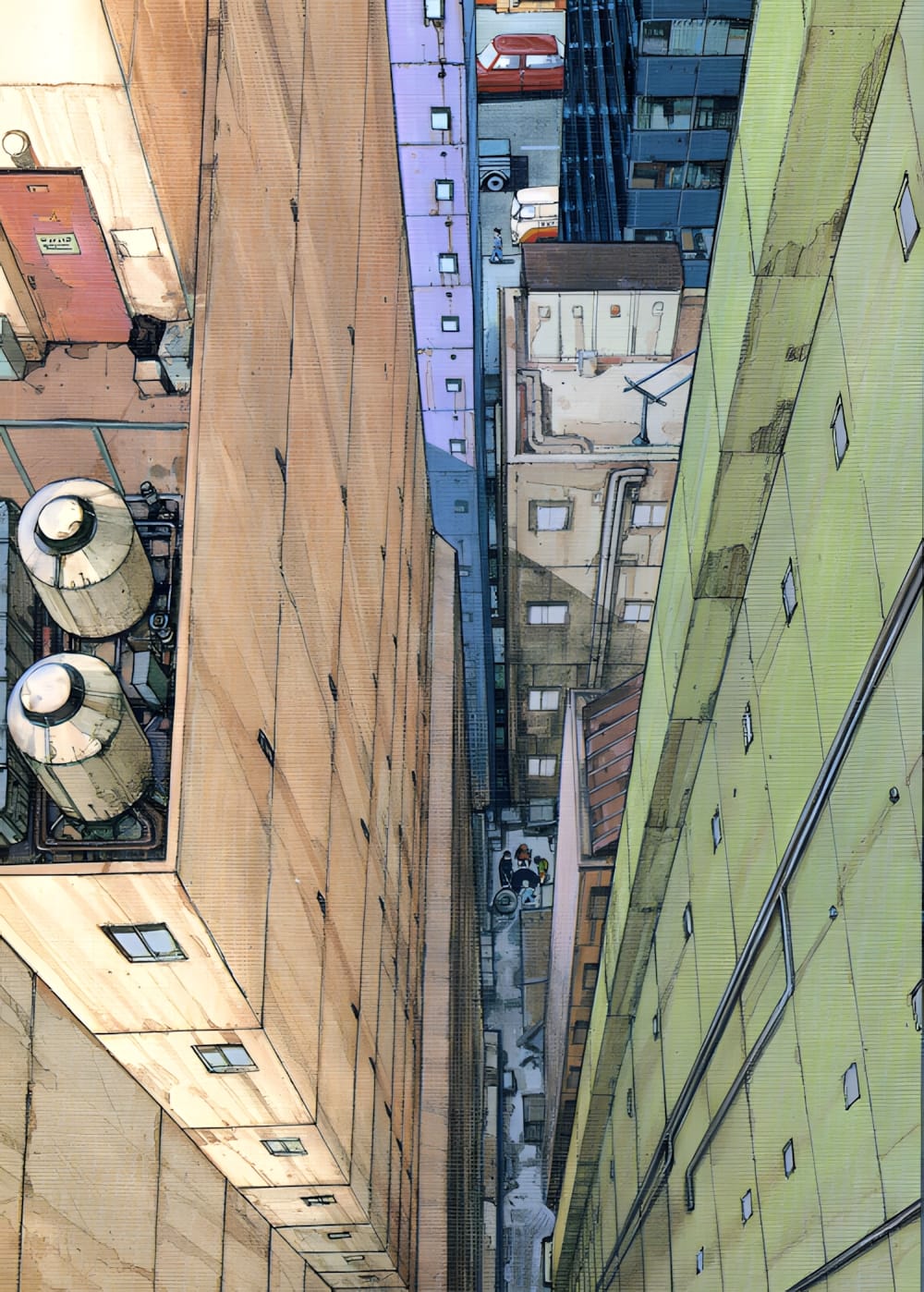
In Architecture of Density, Michael investigates these enormous city blocks, finding a mesmerizing abstraction in the buildings’ facades. The structures in the series are photographed without reference to the context of sky or ground, and many buildings are seen in a state of repair or construction: their walls covered with a grid of scaffolding or the soft coloured curtains that protect the streets below from falling debris. From a distance, such elements become a part of an intricate design. Upon closer inspection of each photograph, the anonymous public face of the city is full of rewarding detail – public space is private space, large swatches of colour give way to smaller pieces of people’s lives. The trappings of the people are still visible here: their days inform the detail of these buildings. Bits of laundry and hanging plants pepper the tiny rectangles of windows- the only irregularities in this orderly design. The images of Architecture of Density give one an inkling of what our cities could look like if grown continues unchecked.

By 20, she was the top female assassins in the world.

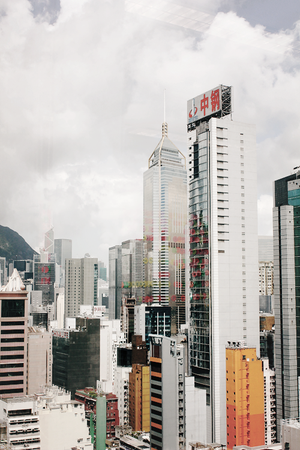
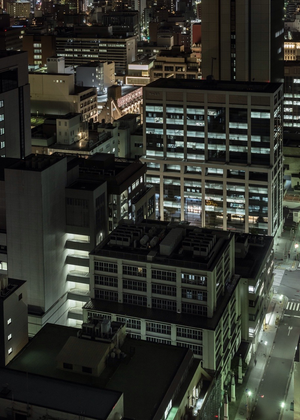
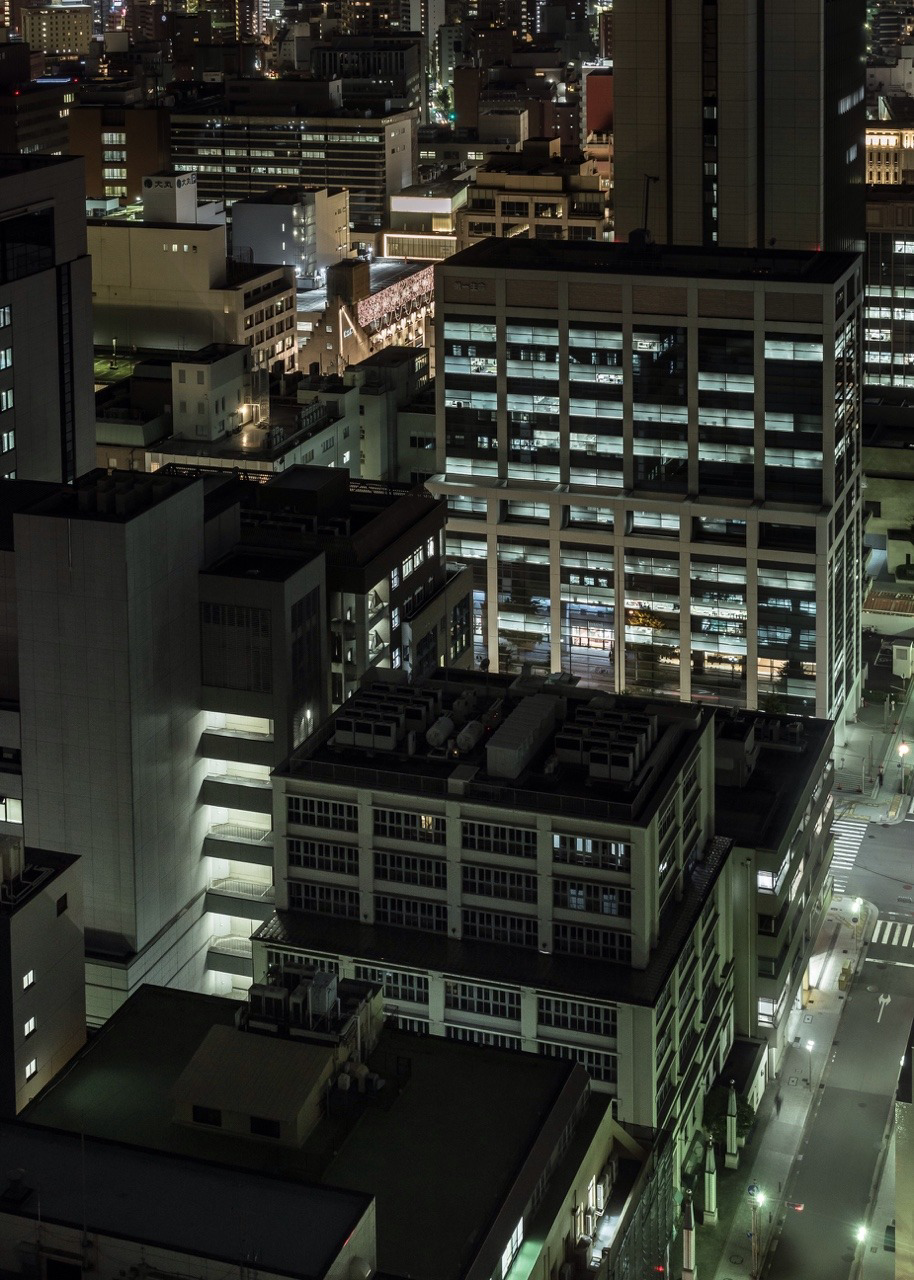
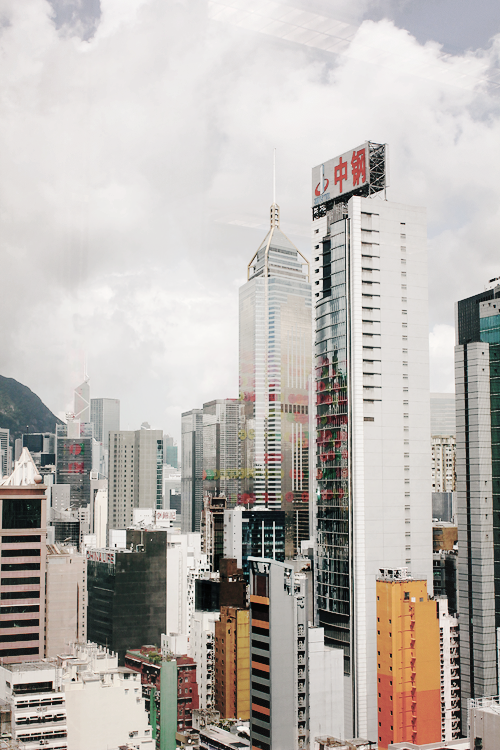
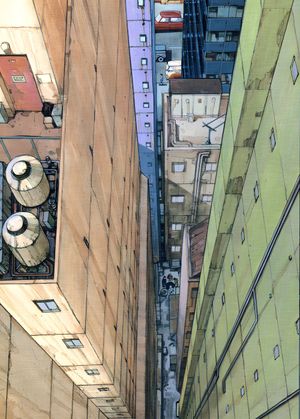
ingu's View from the Office looks across Hong Kong's Causeway Bay skyline toward Central Plaza. The Flickr description dates the scene to August 2011.

Faye Valentine, a bounty hunter in Cowboy Bebop, Shinichiro Watanabe's 1998 Sunrise series. She is one of the crew of the ship Bebop.

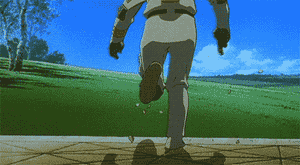
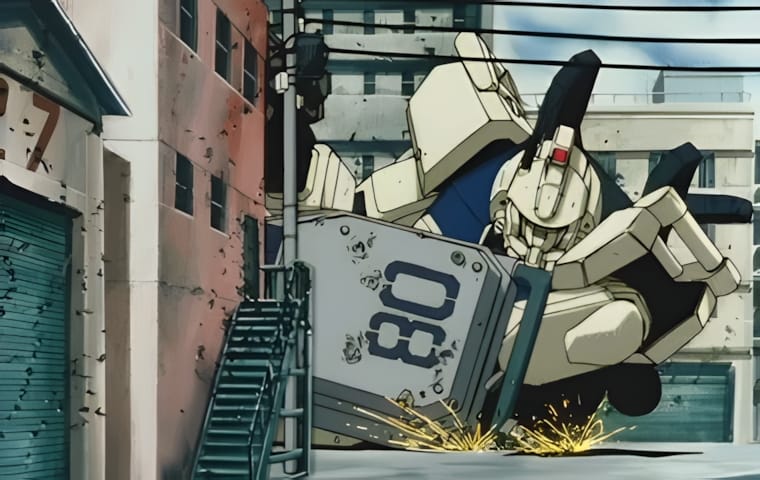
![Mobile Suit Gundam: The 08th MS Team — RX-79[G] Ground Type Urban Combat](https://storage.ghost.io/c/14/ee/14eef3be-ca5a-434b-8324-fa1f874026f1/content/images/size/w300/2026/06/58974068431.jpg)
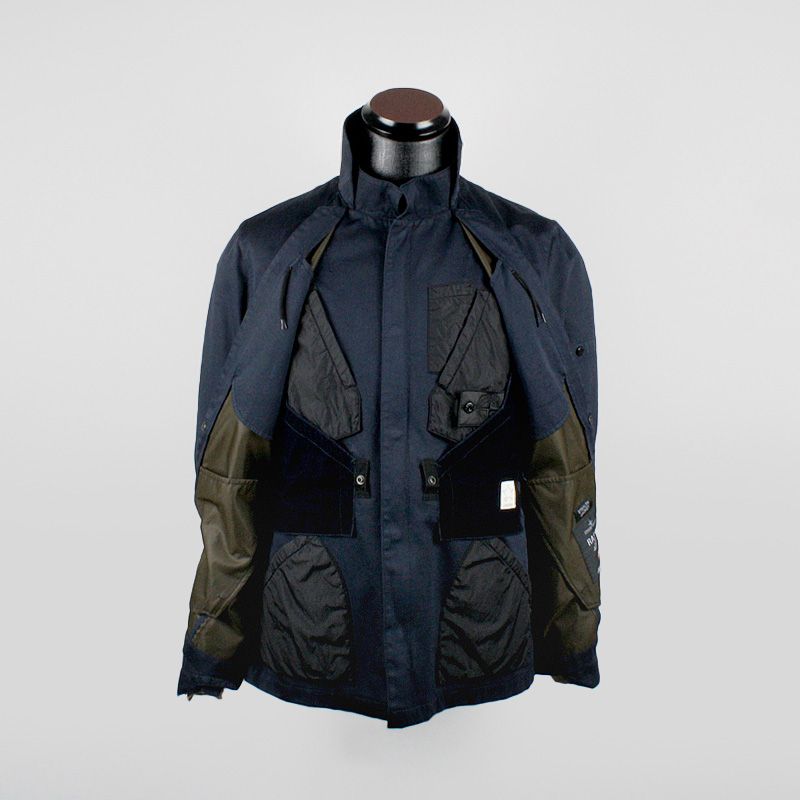
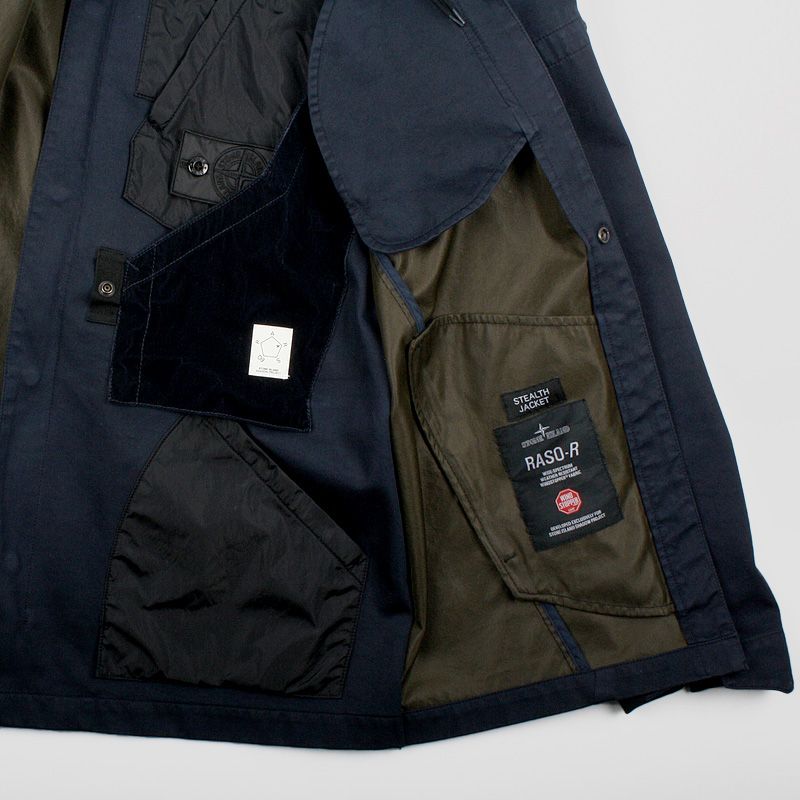
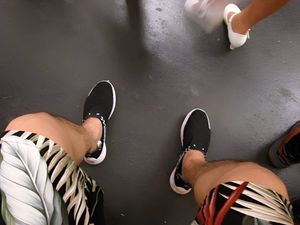


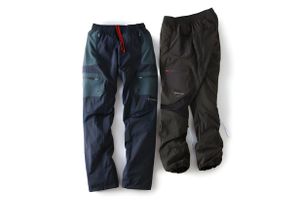
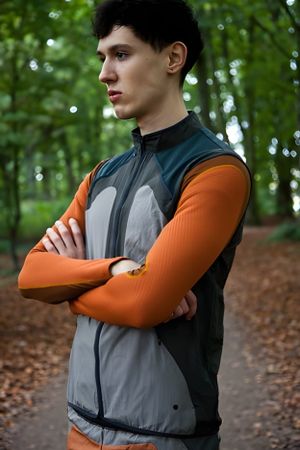

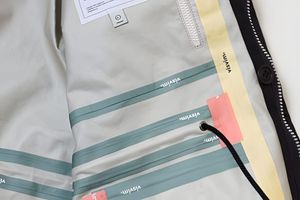
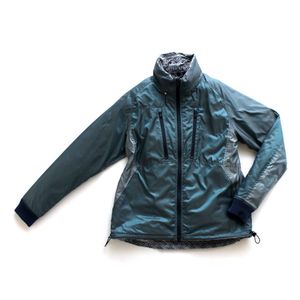
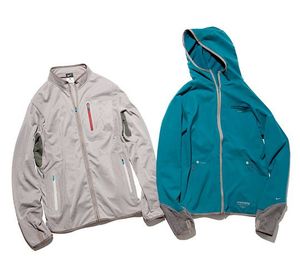
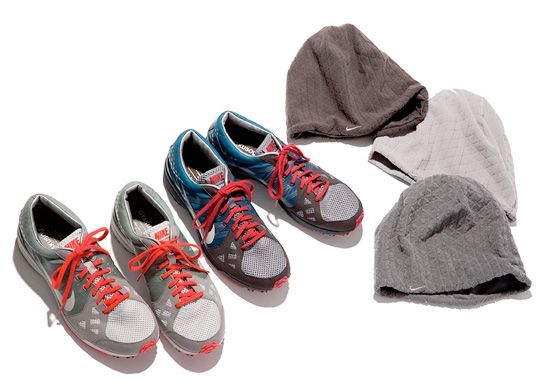
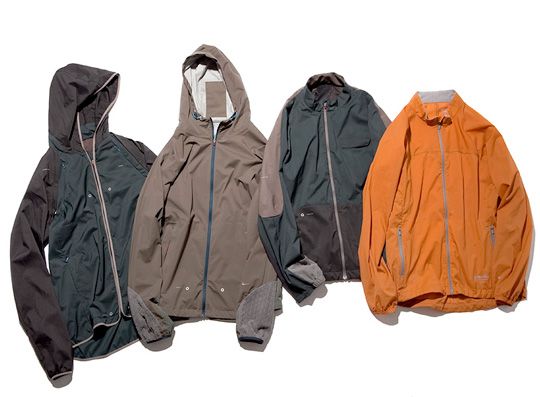
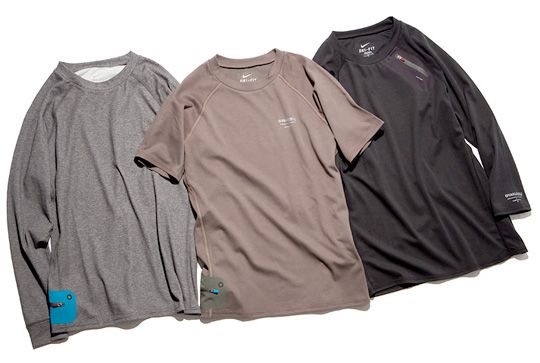
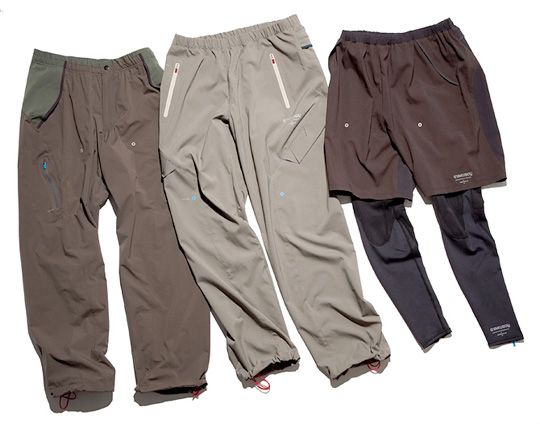
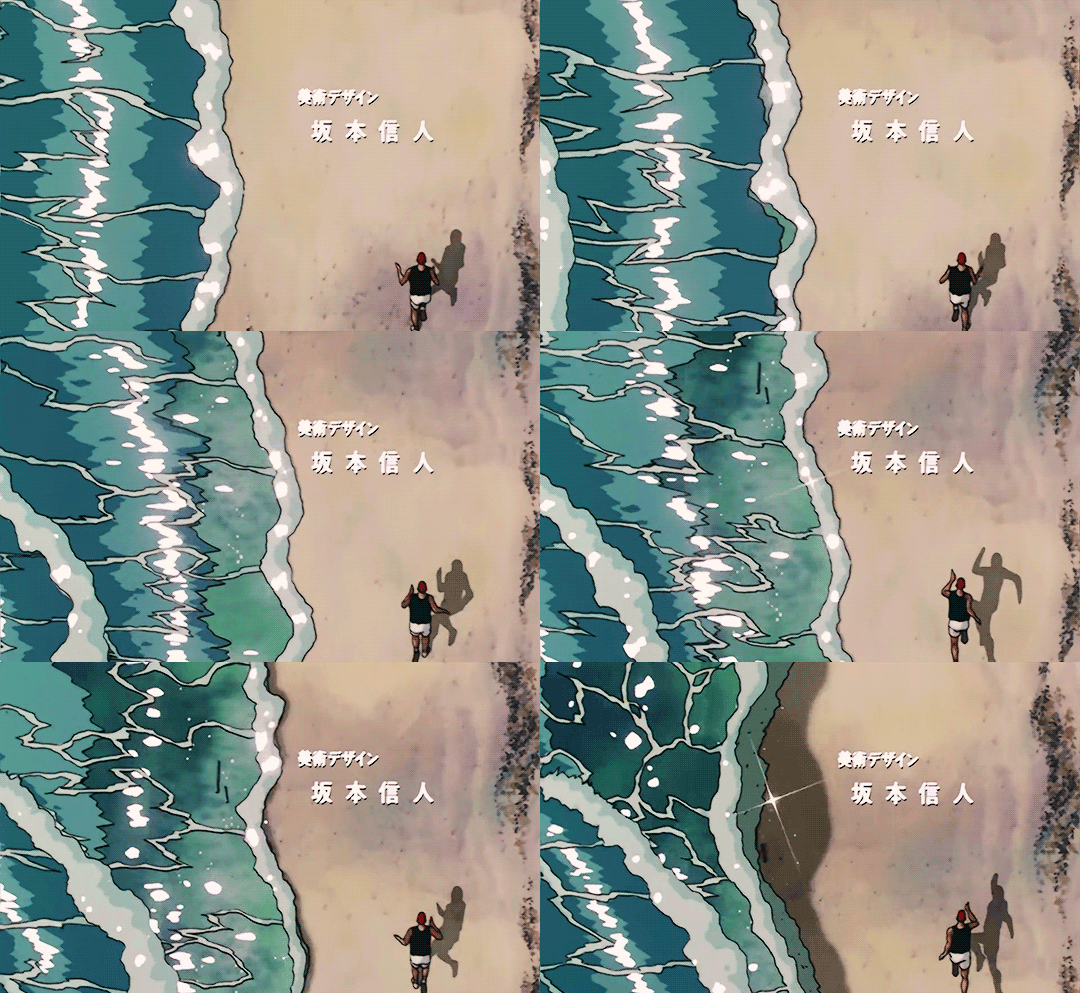
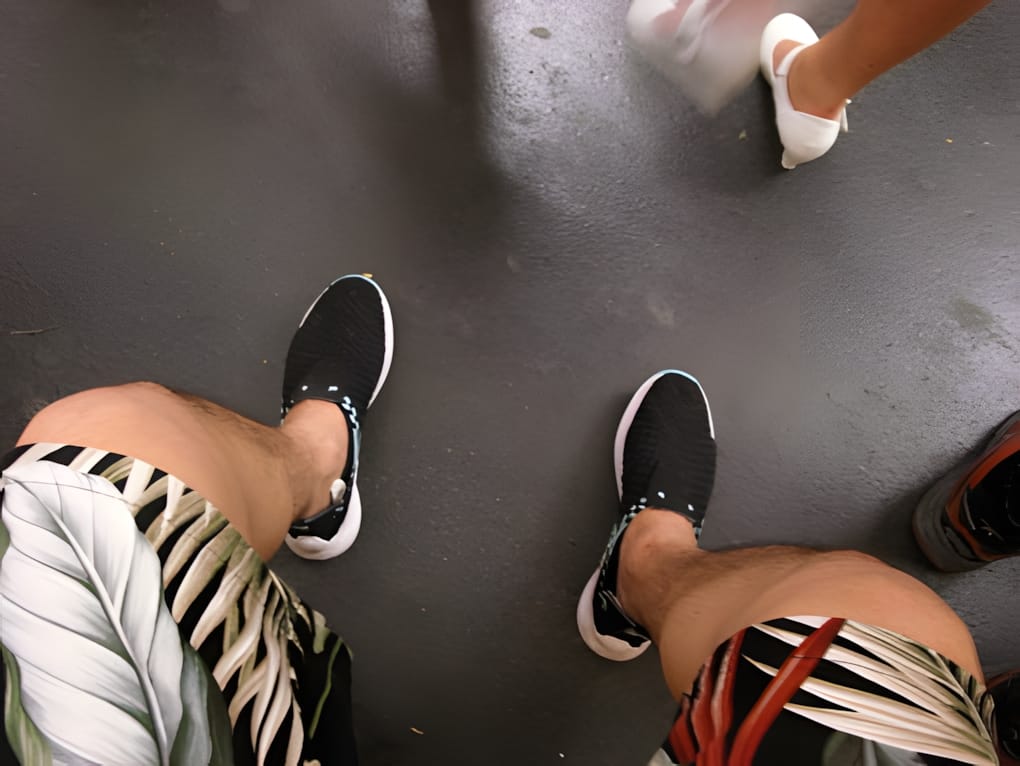
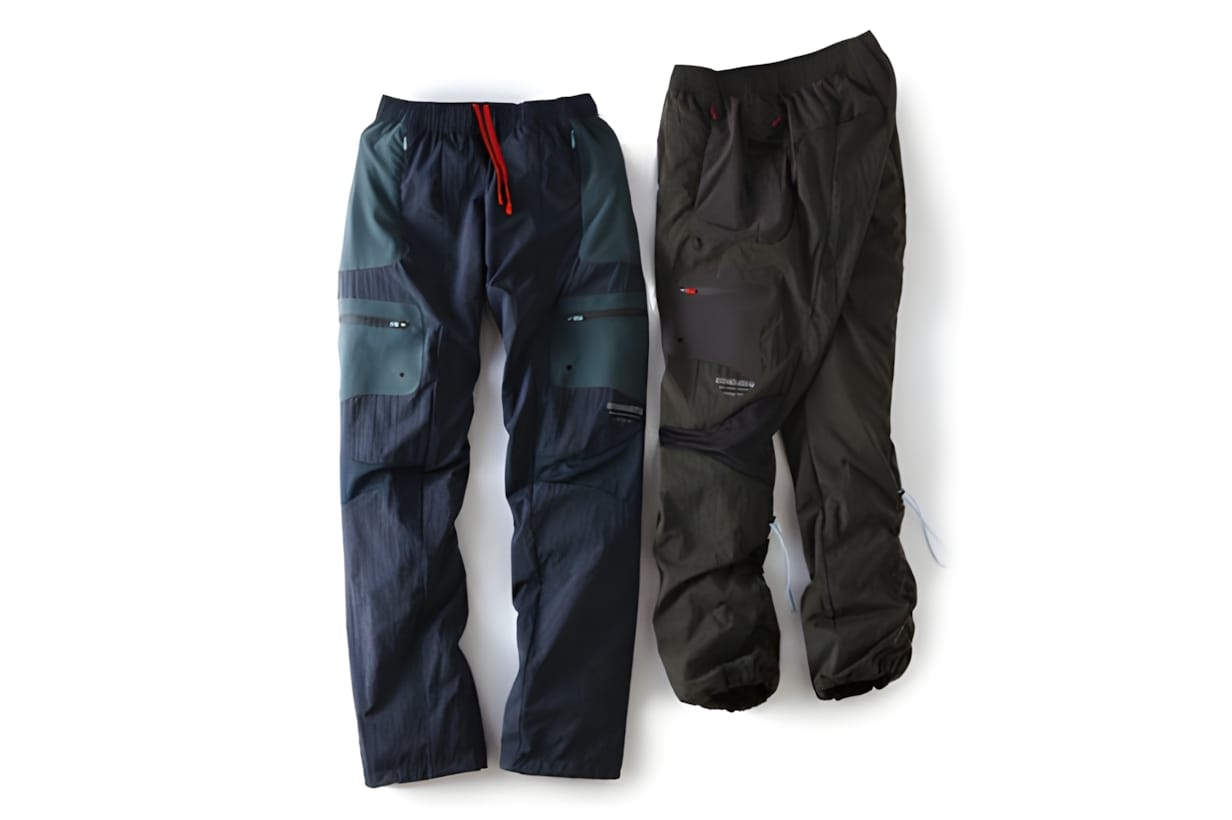
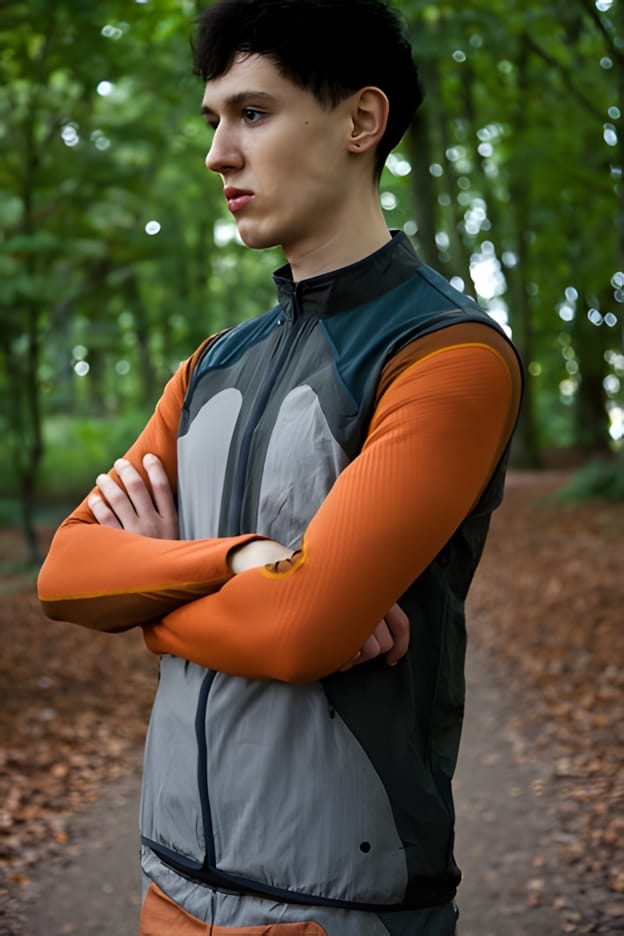
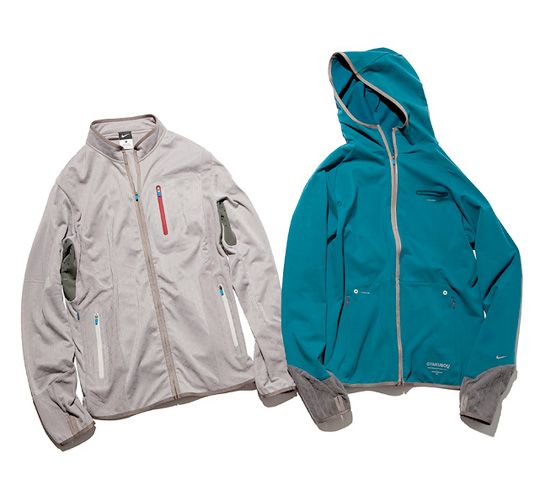
The theme, again, is running and the pieces – that include two editions of LUNARSPIDER – were developed by the running division of the swoosh brand, having technical attributes and performance as main concerns