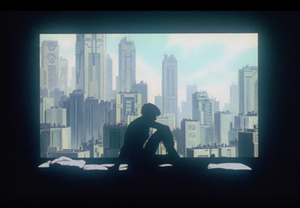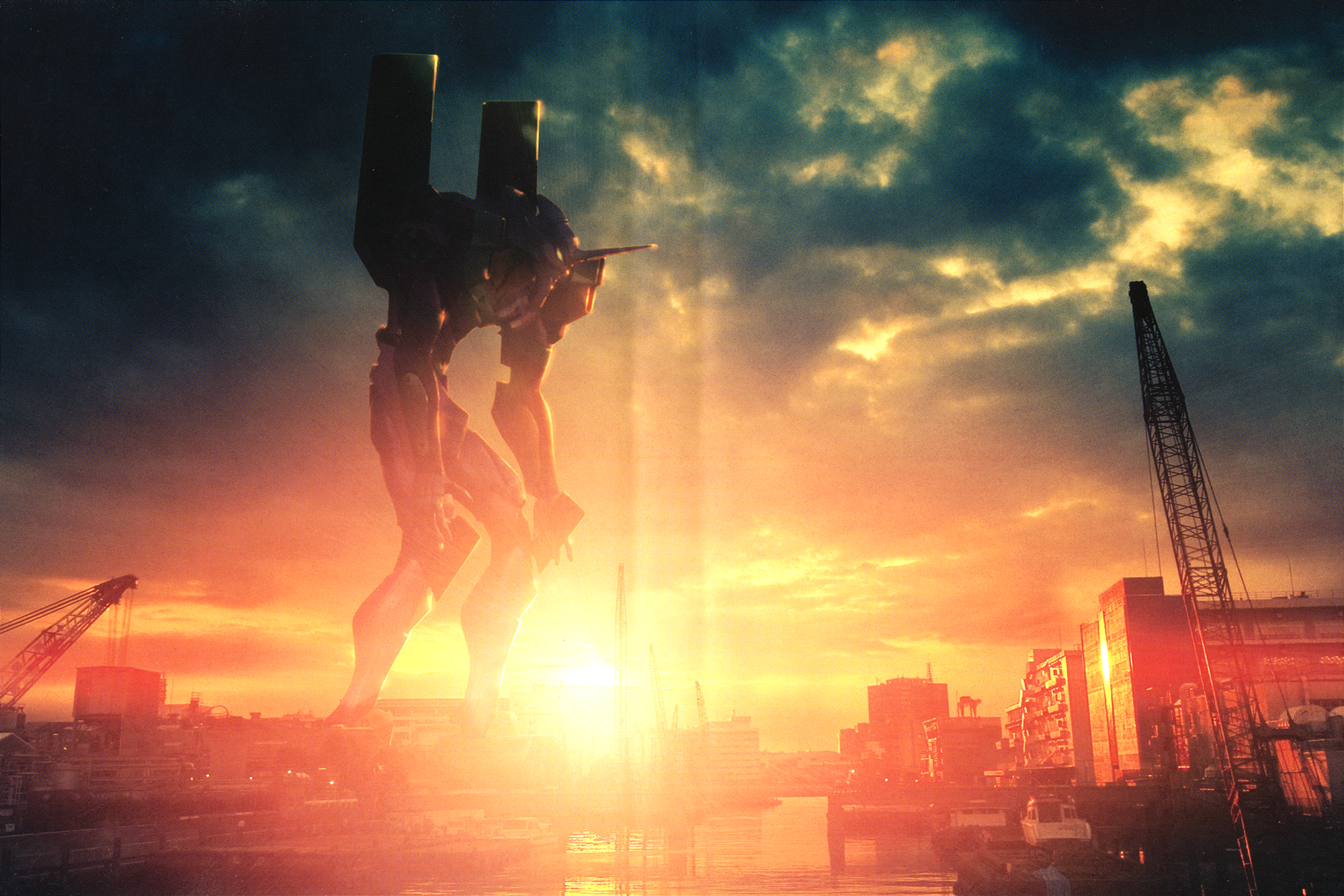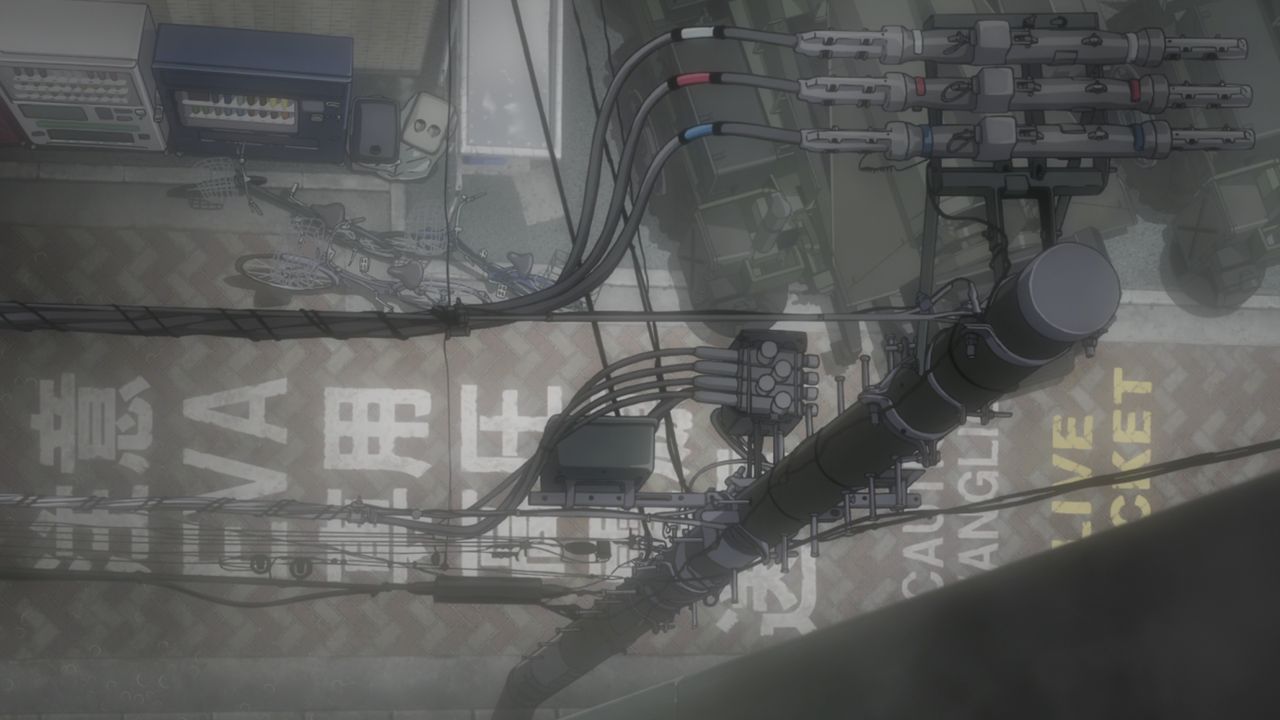
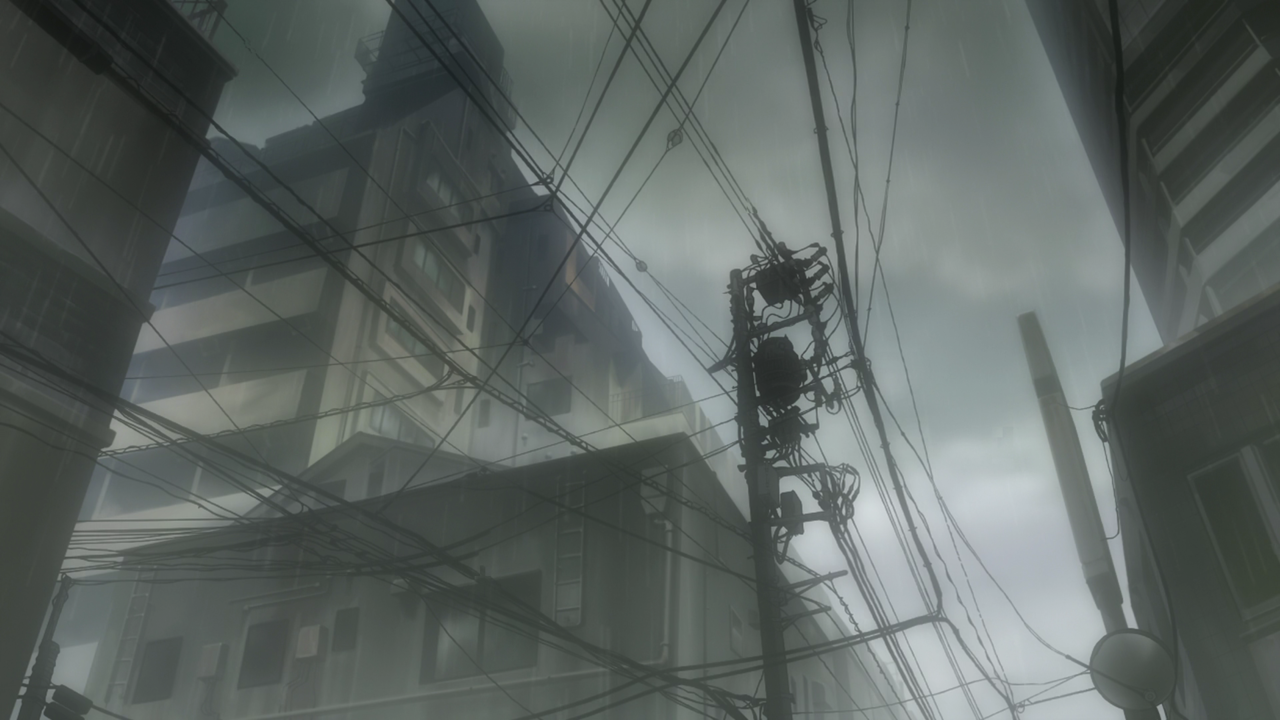
Animated Cityscape

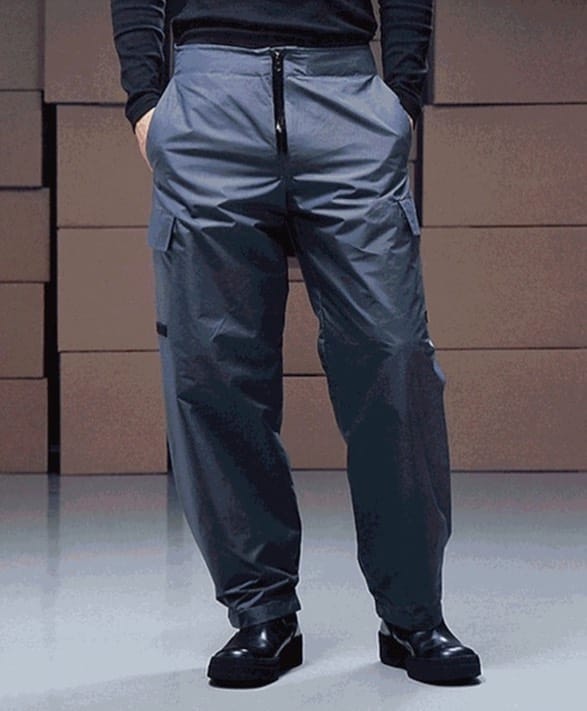
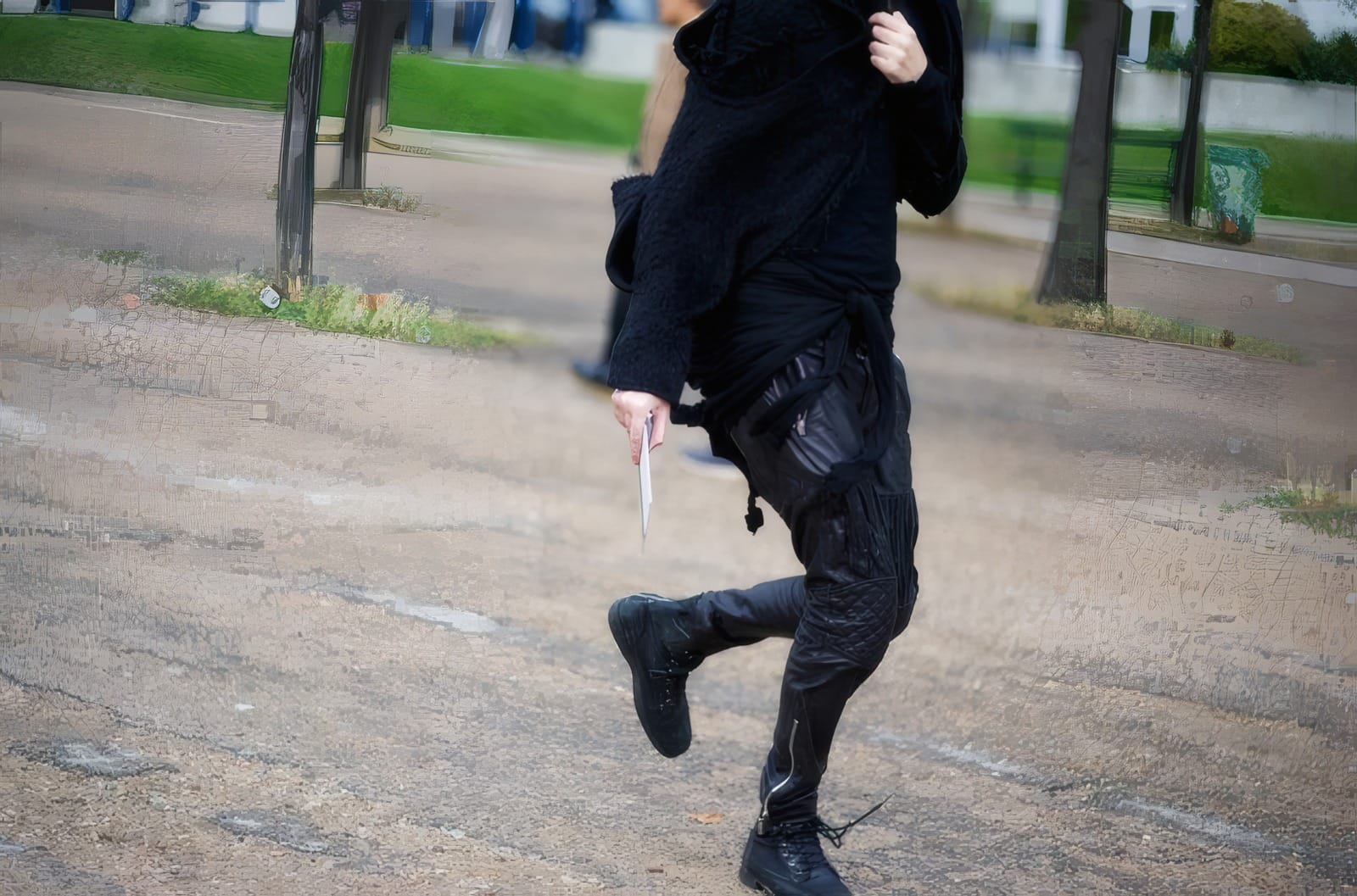
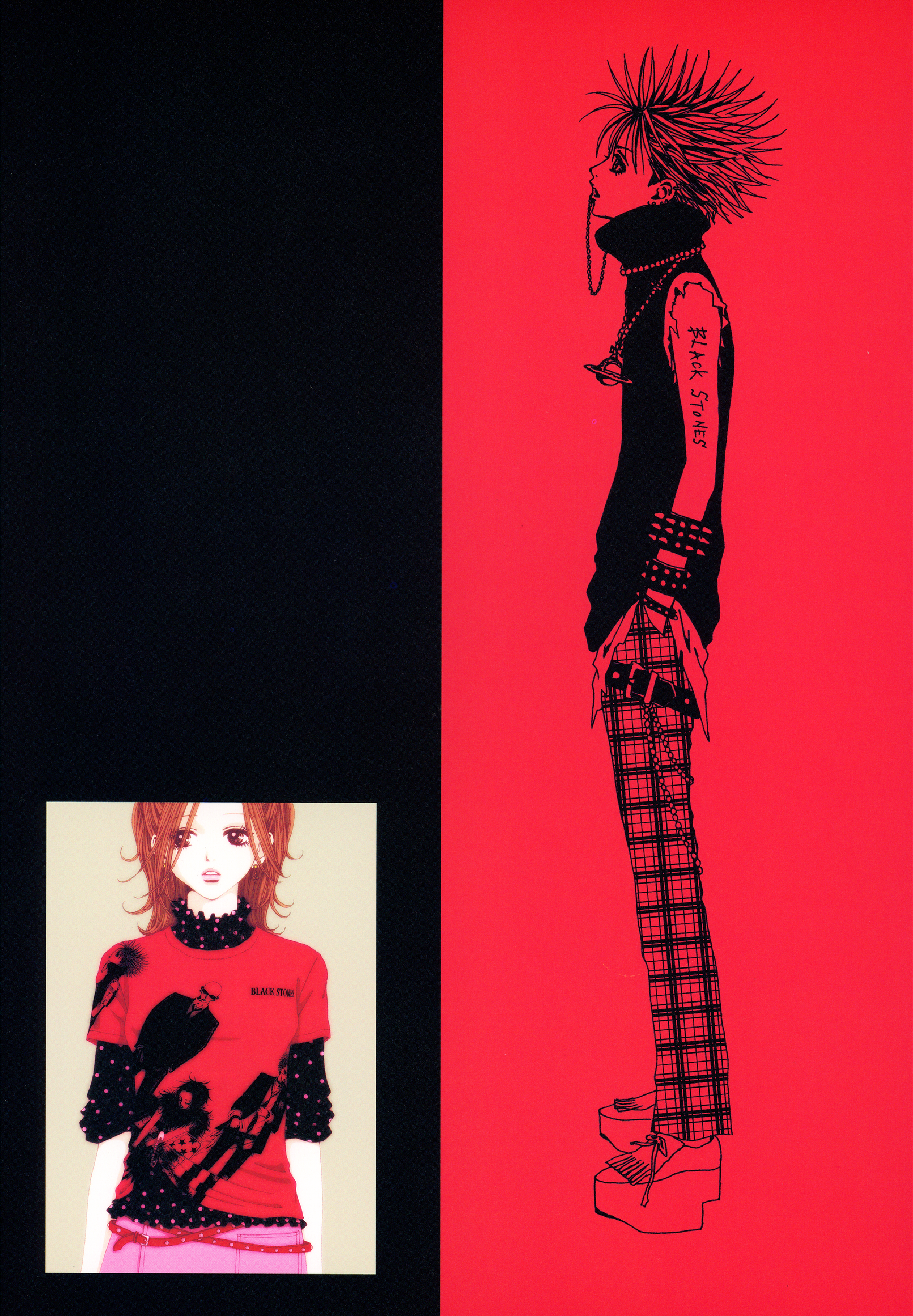
NANA 1st Illustrations gathers Nana Osaki, Nana Komatsu, Ren Honjo, Nobuo Terashima, Shinichi Okazaki, and Yasushi Takagi not as model sheets but as quiet romances in fabric and metal. Osaki’s black leather and lace feel like vows; her Vivienne Westwood Armour Ring glints like a promise she keeps. Komatsu floats in lighter textiles and soft palettes, a tender blur that finds light even when it trembles. Shinichi moves in bondage pants—wide legs, trailing straps, D-rings and chains—tempered by fitted tanks, layered belts, and combat boots; the strapwork turns his stride into music and cinches him closer when the stage goes still.
Ren and Yasu hold steadier lines—smoke, denim, talismanic hardware—anchors for the others’ weather. Here costume is character: friendship sewn into hems, devotion clasped in studs, defiance stitched in black. A Complete NANA 1st Illustrations book scan is available on the server. A Complete NANA 1st Illustrations book scan is available on the server.




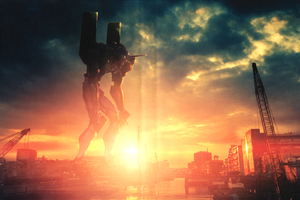
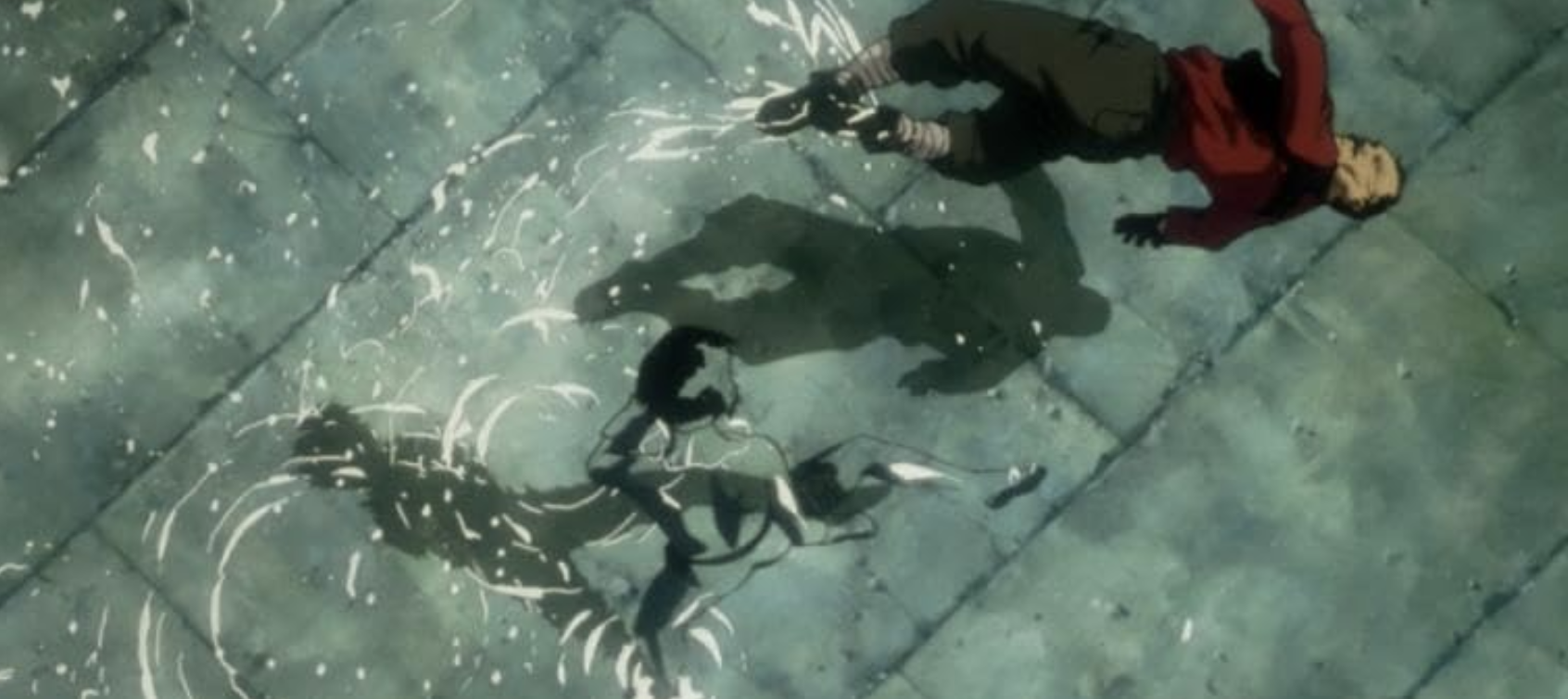
"The thread of human hope is spun with fragile lies. Those who weave it find solace in delusion, for truth is a burden too heavy for most hearts to bear."
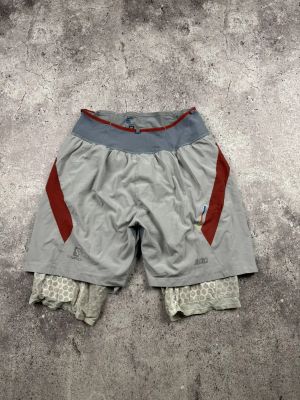
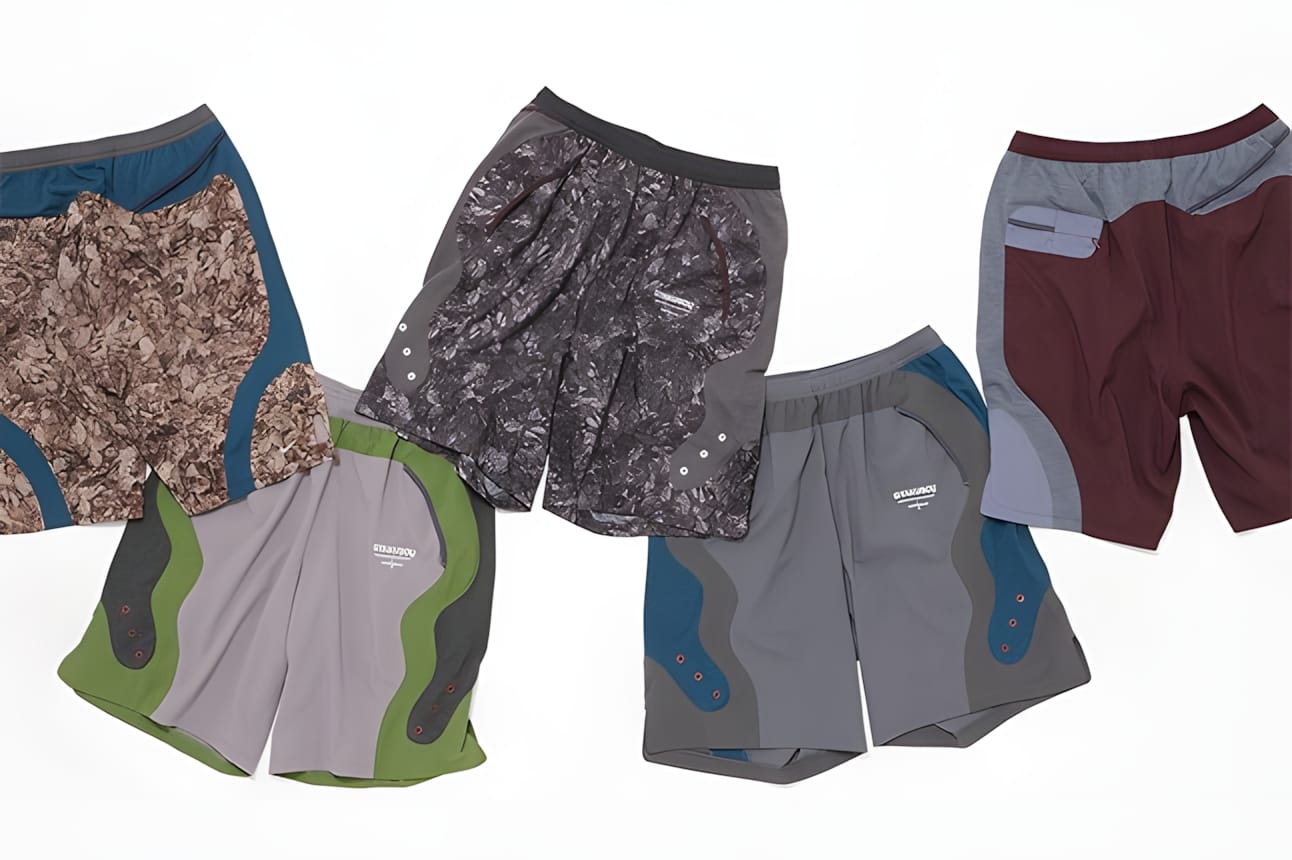
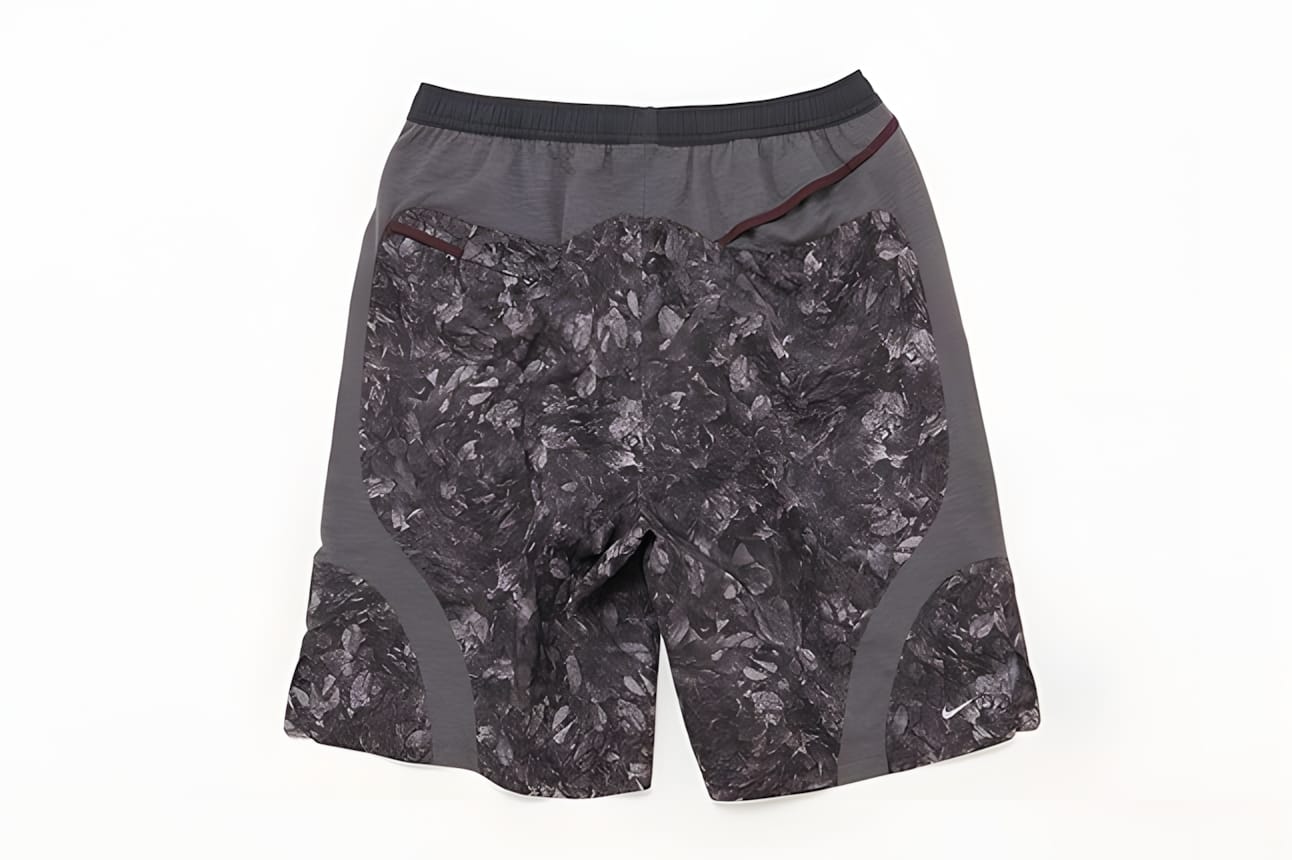
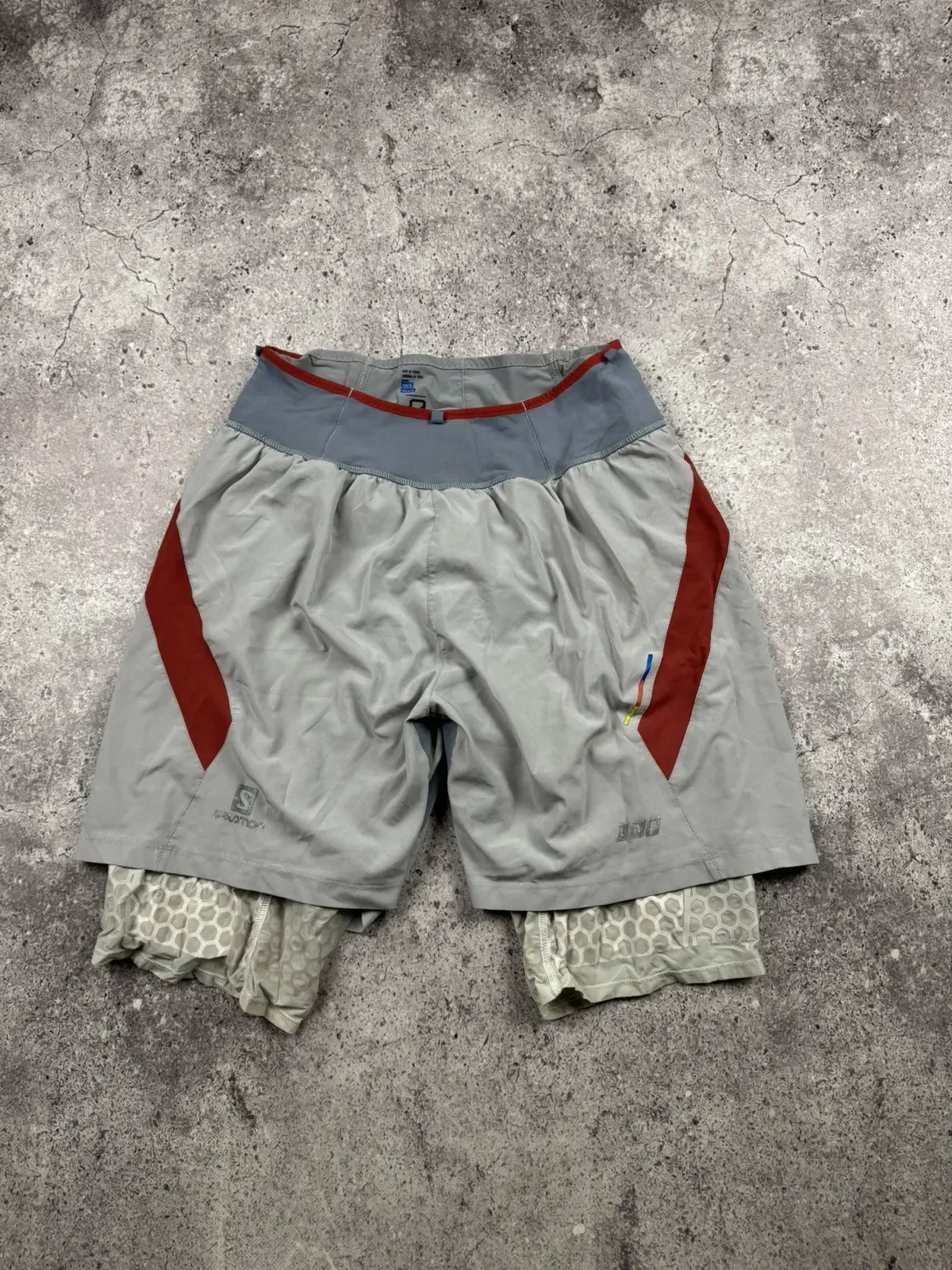
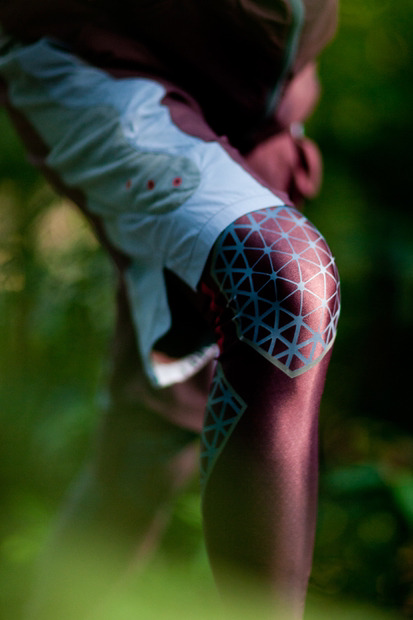
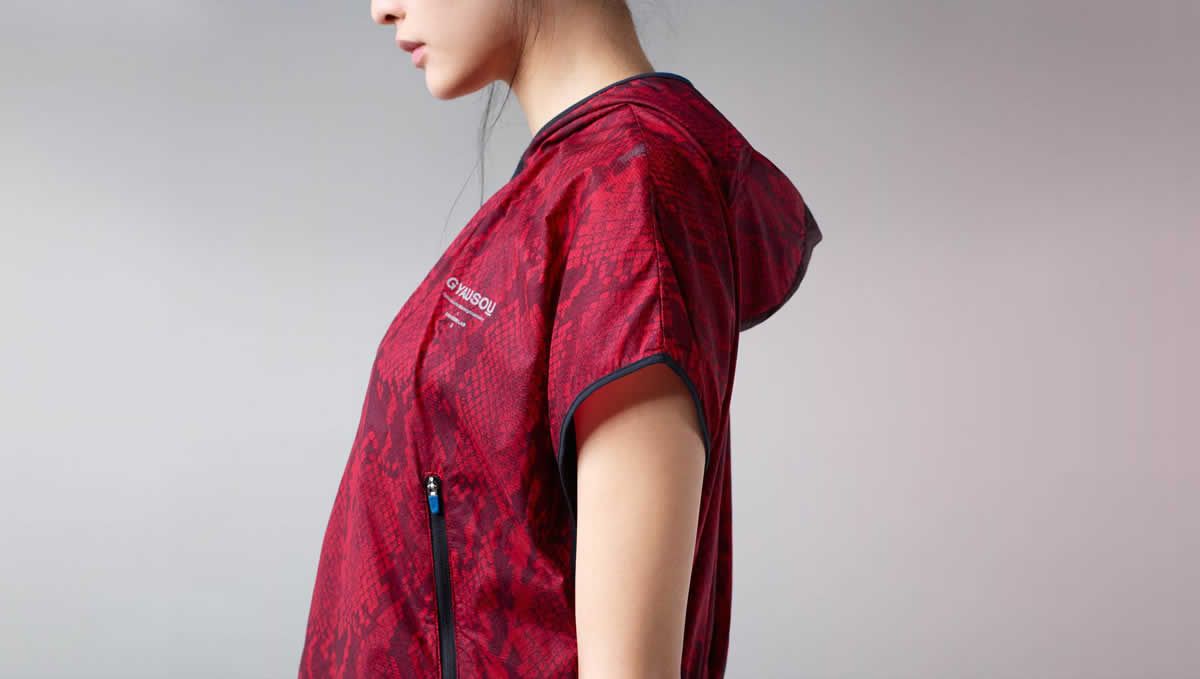
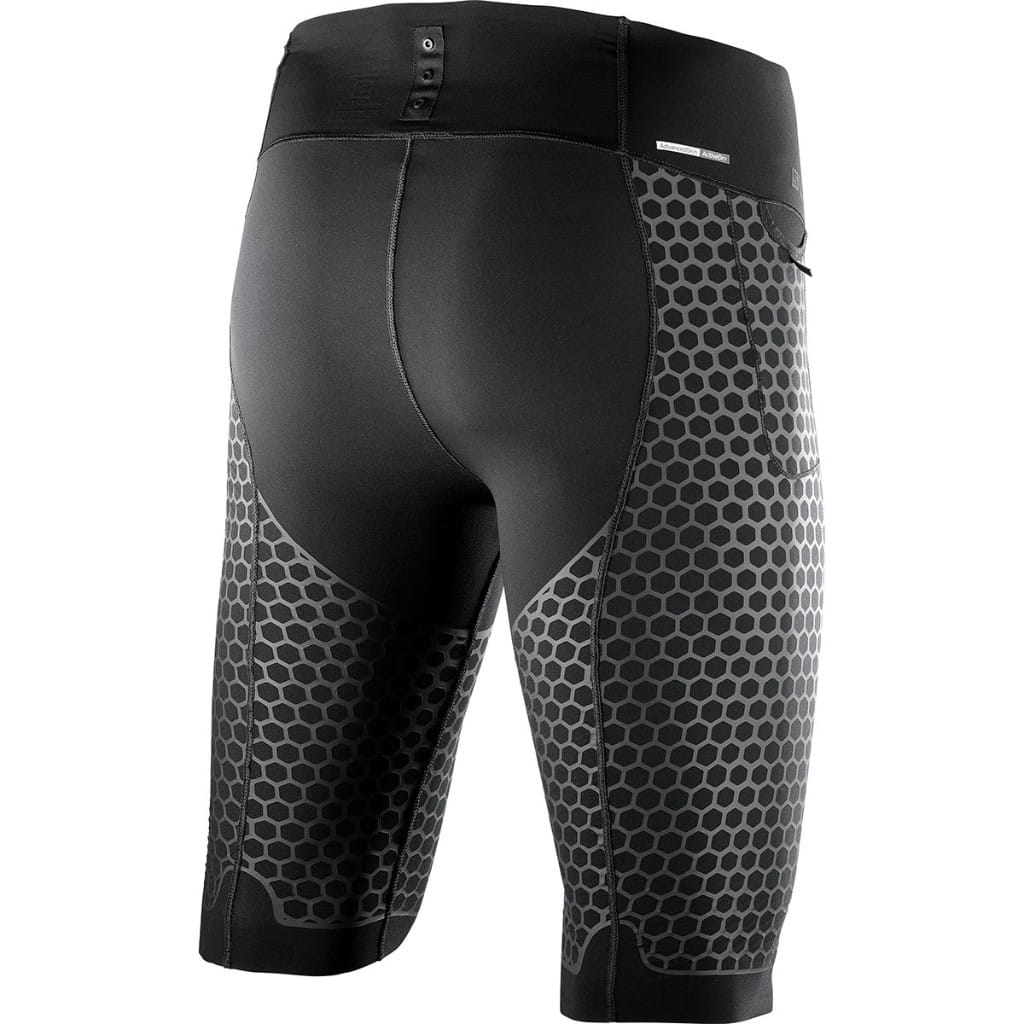
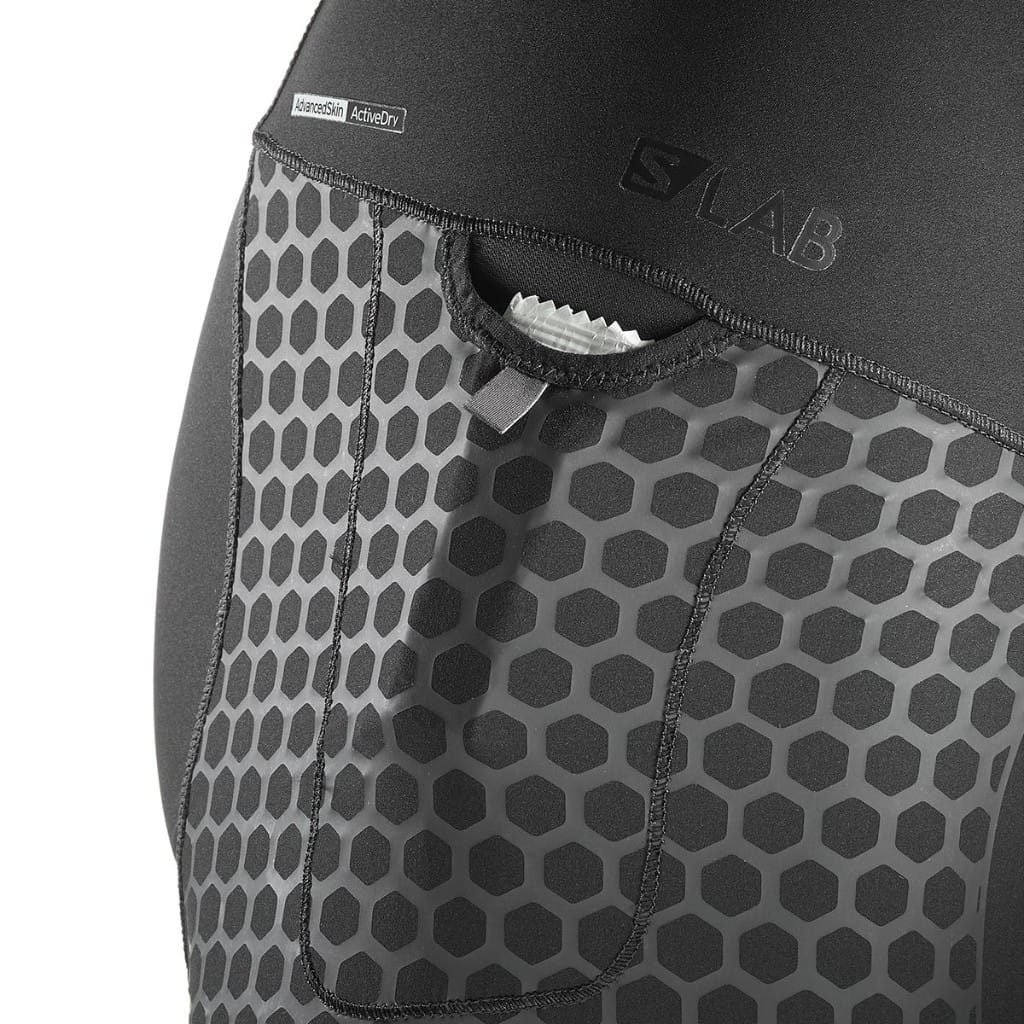
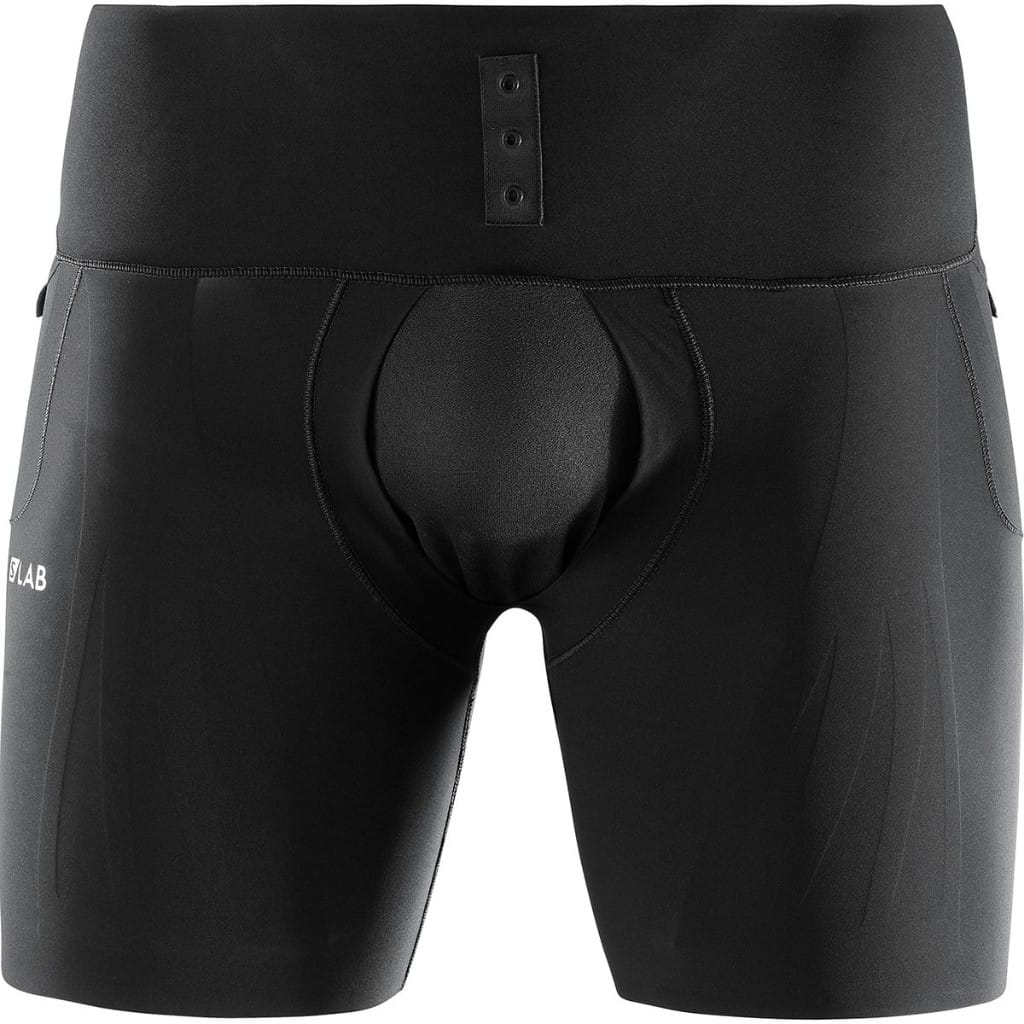
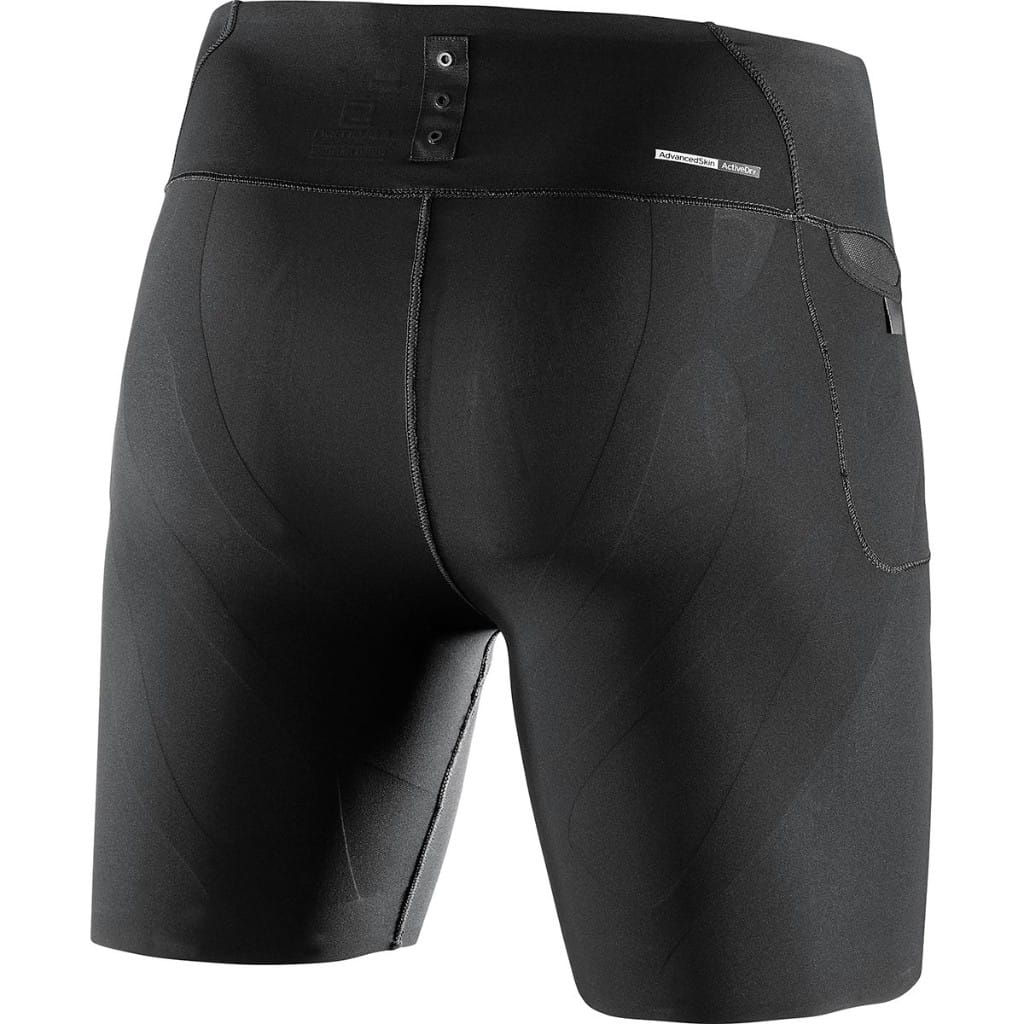
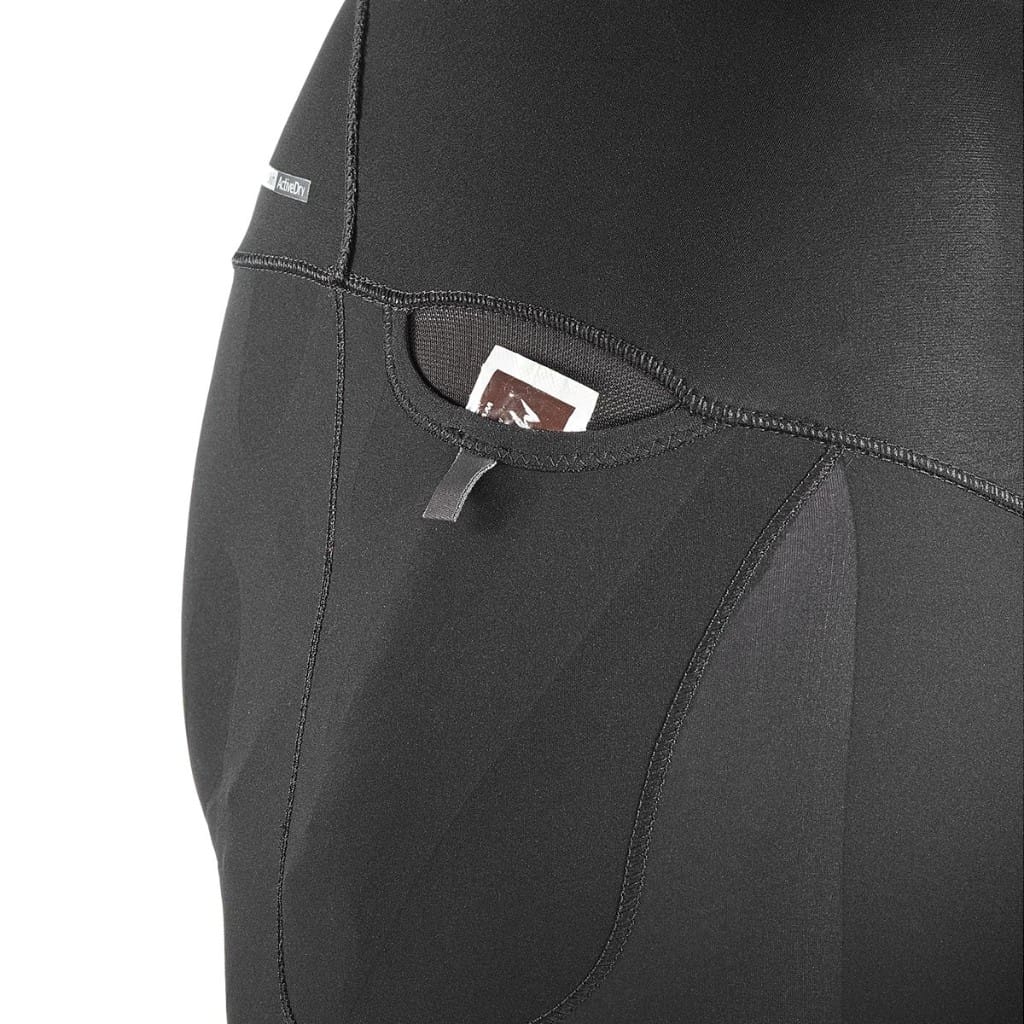
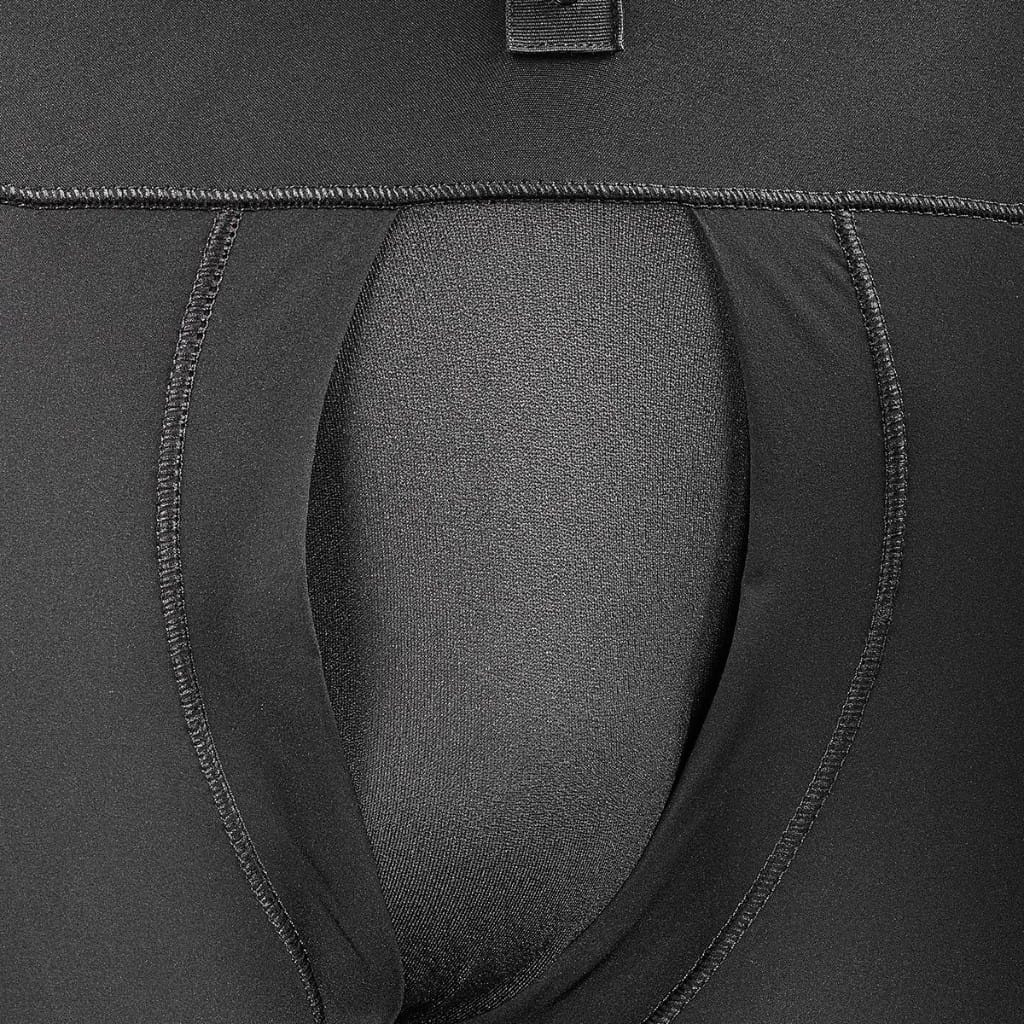
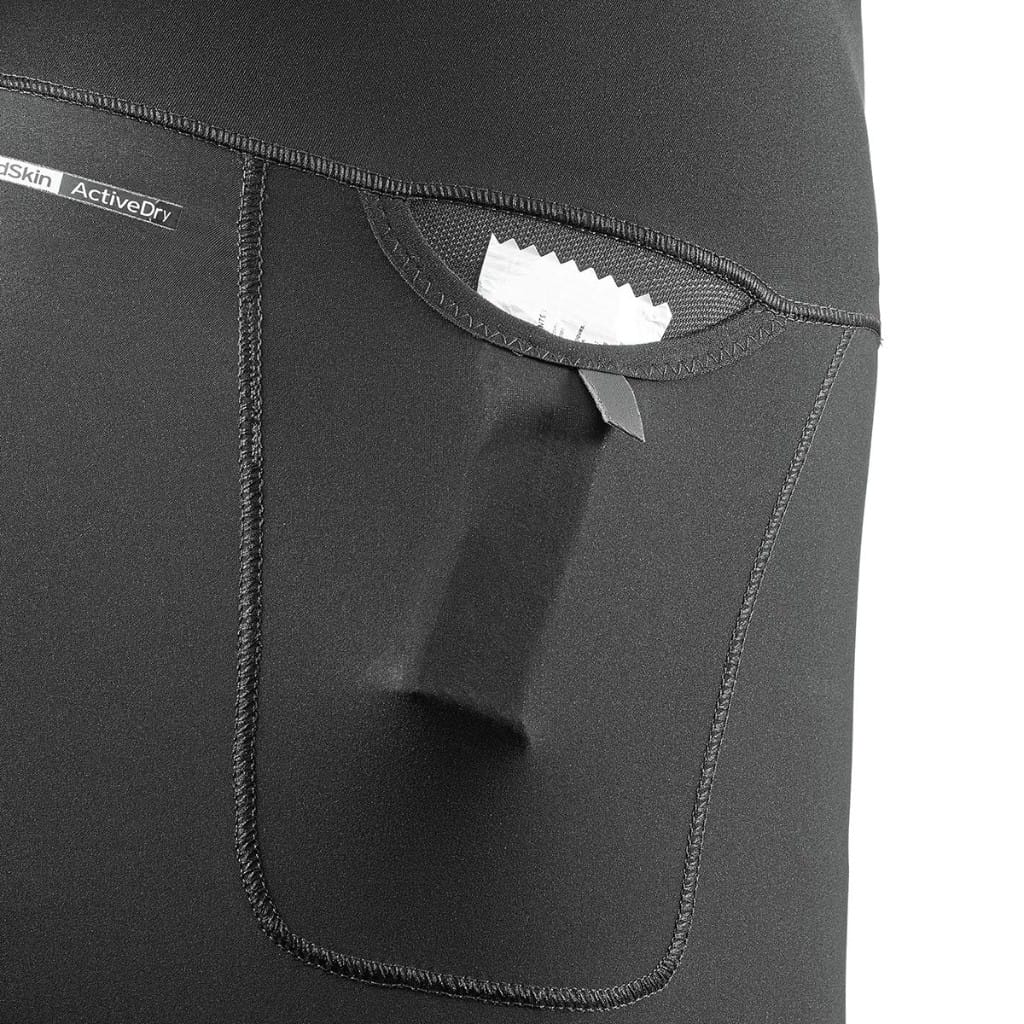
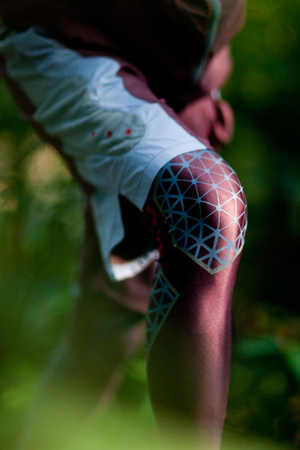
The S/LAB EXO Twinskin Short pairs an EXO Sensifit compression inner (72% nylon, 28% elastane) with a lightweight stretch-woven outer shell (88% polyester, 12% elastane) and a single-layer thigh panel to cut chafing. Two side, two rear and one front pocket. PU overlay, elastic waist.
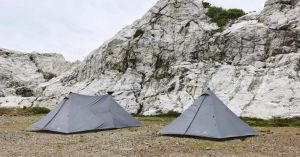
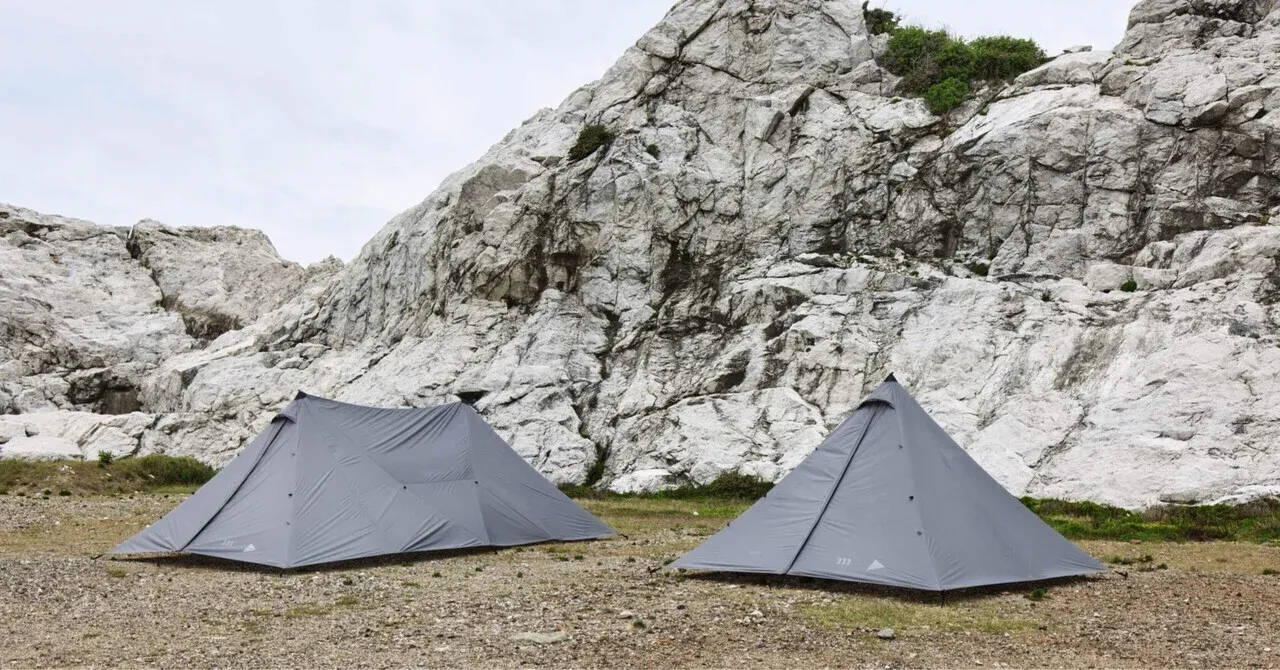
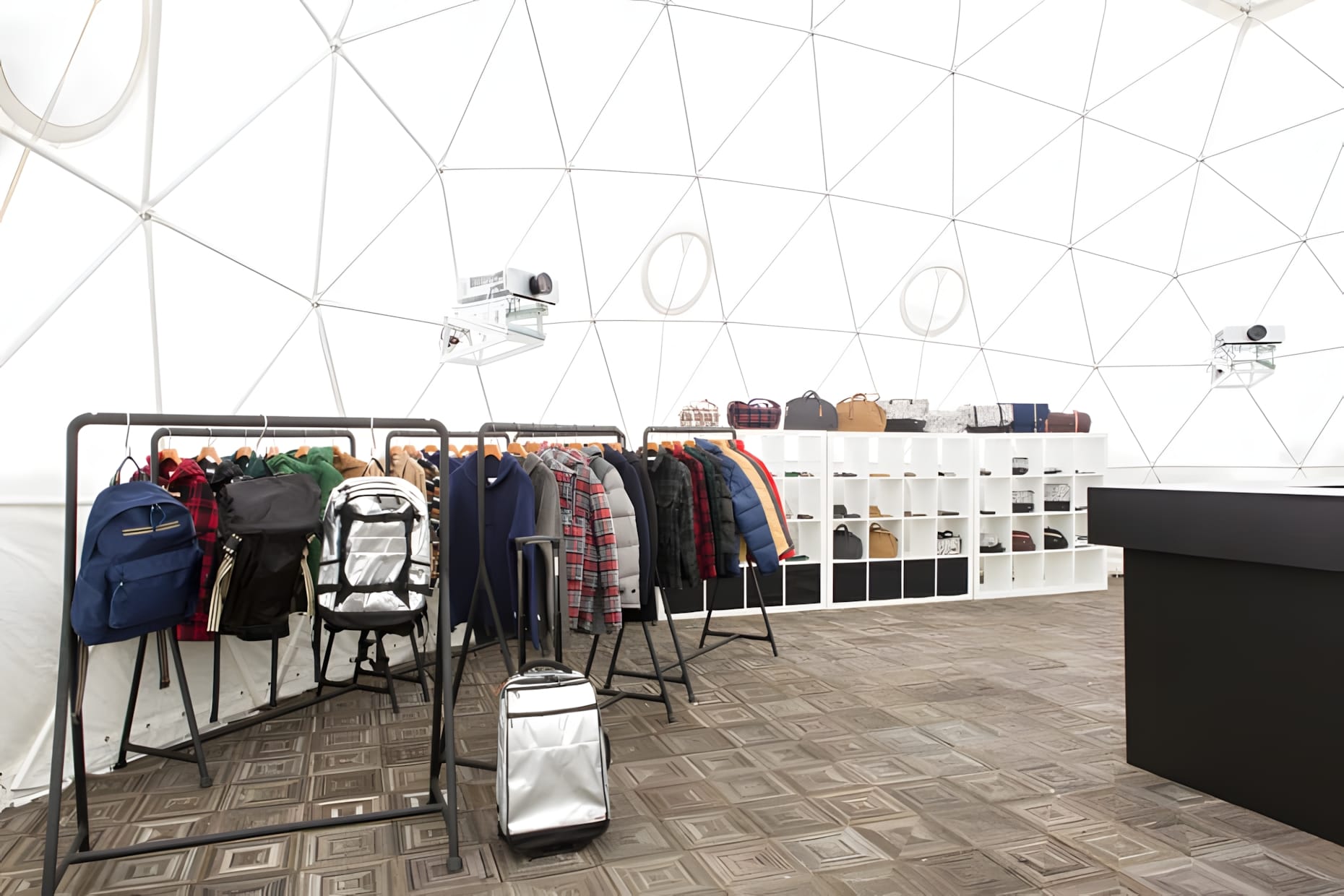
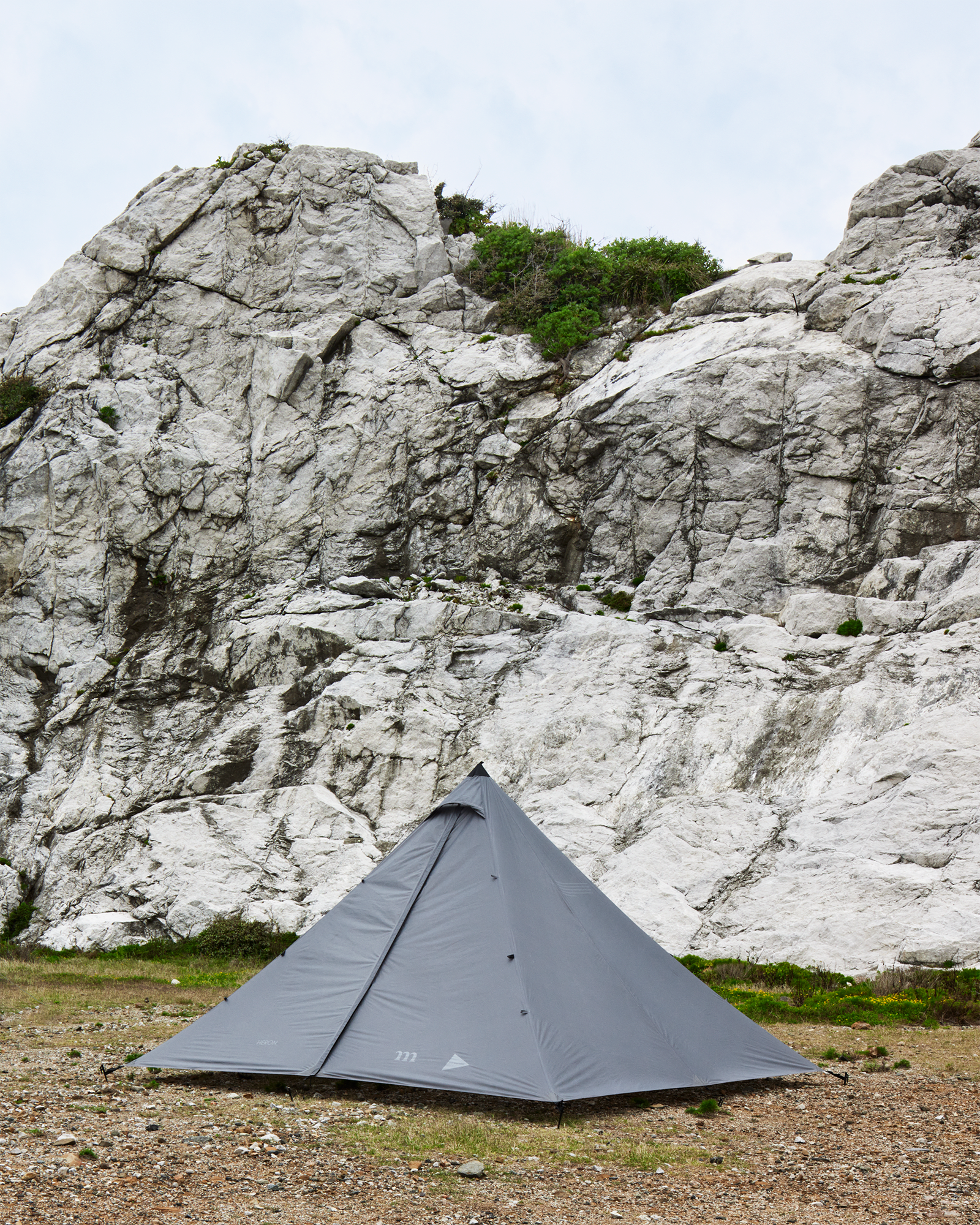
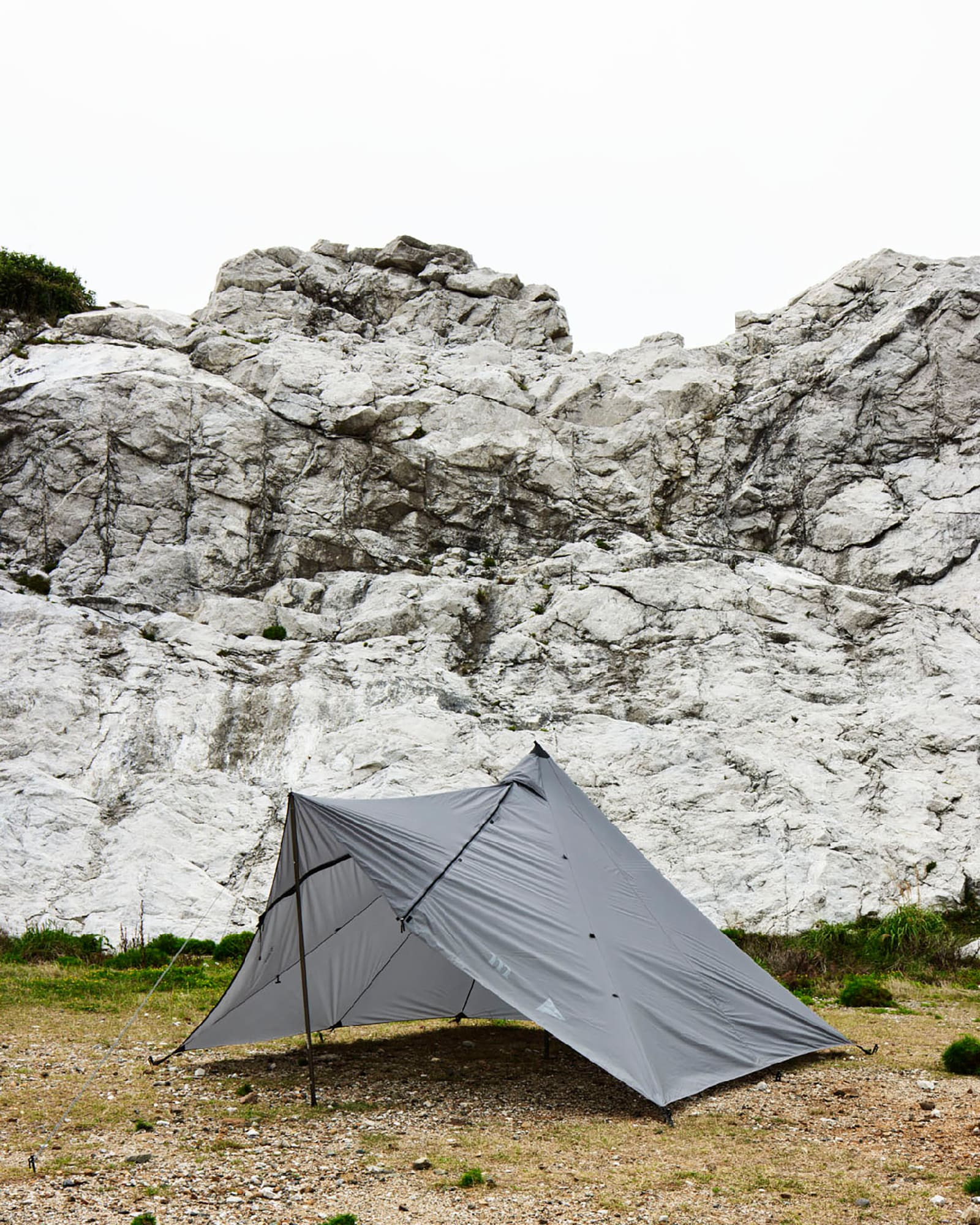
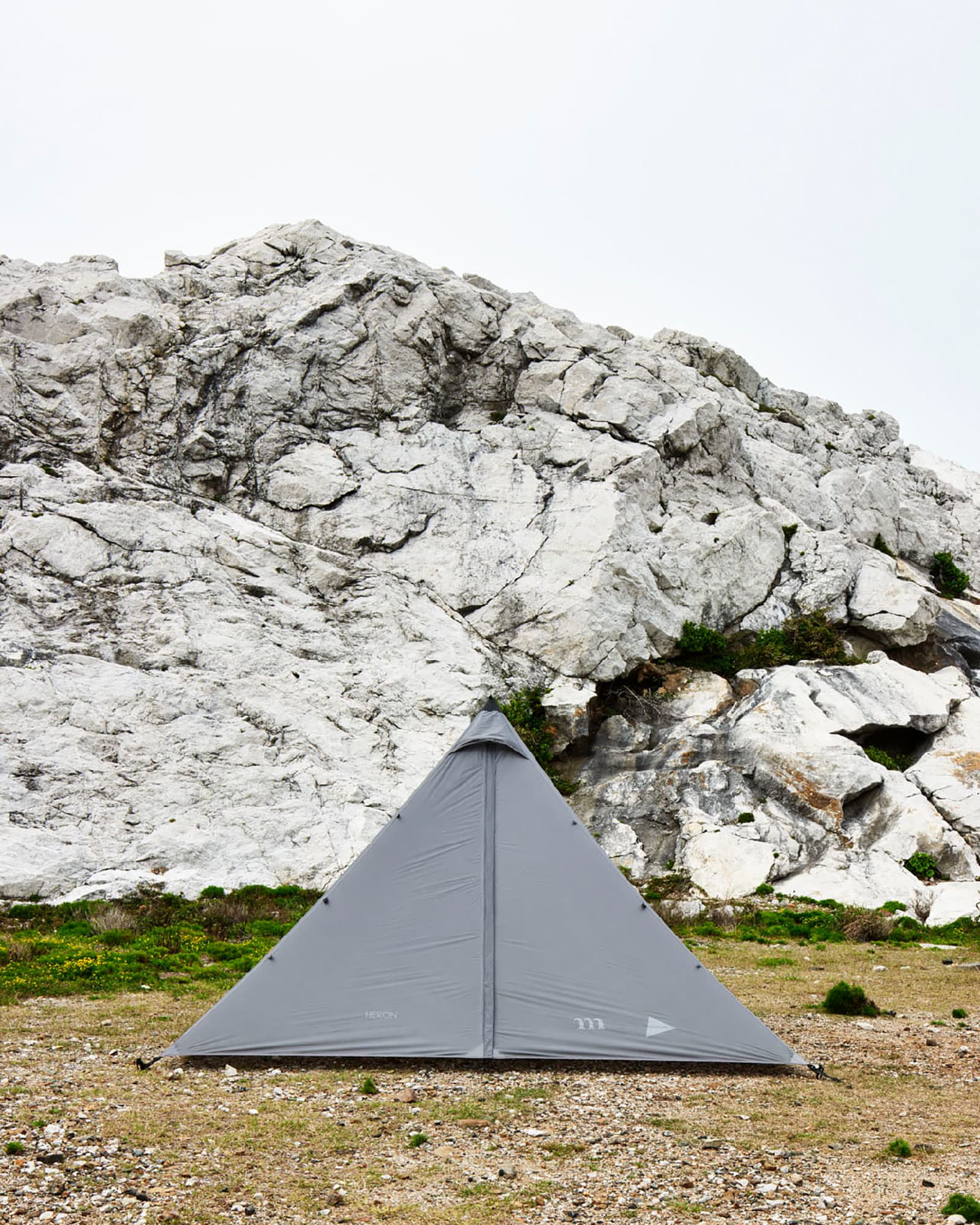
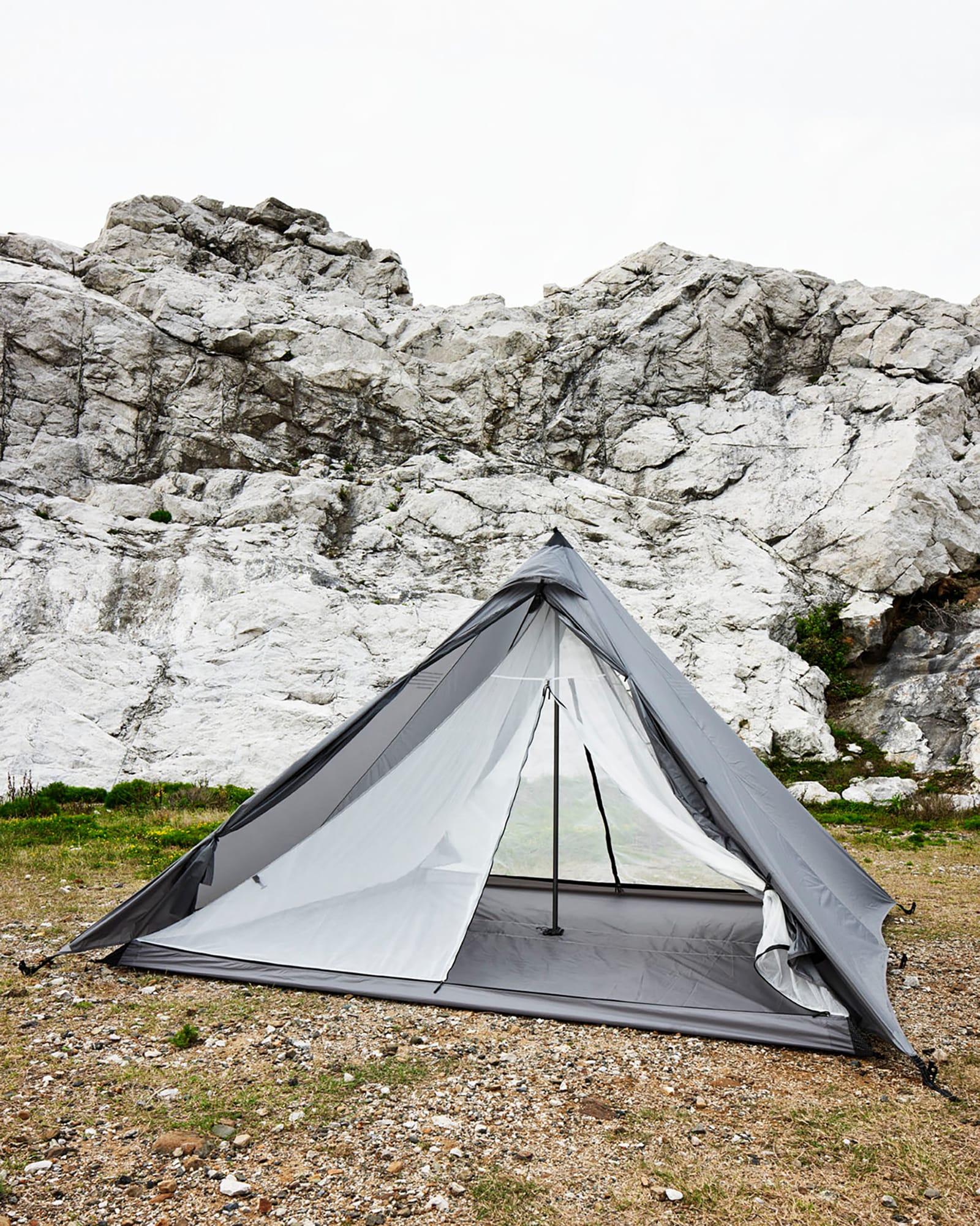
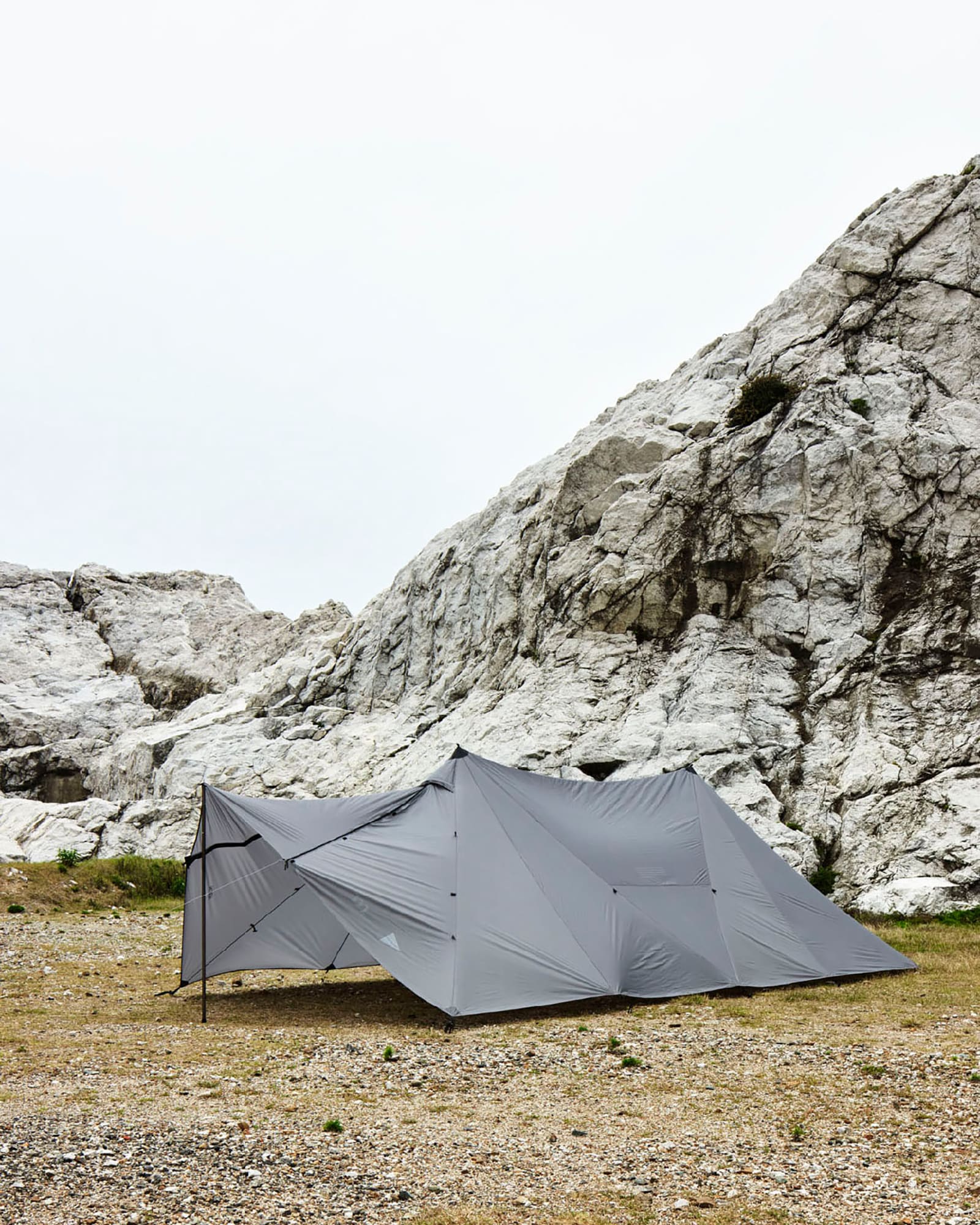
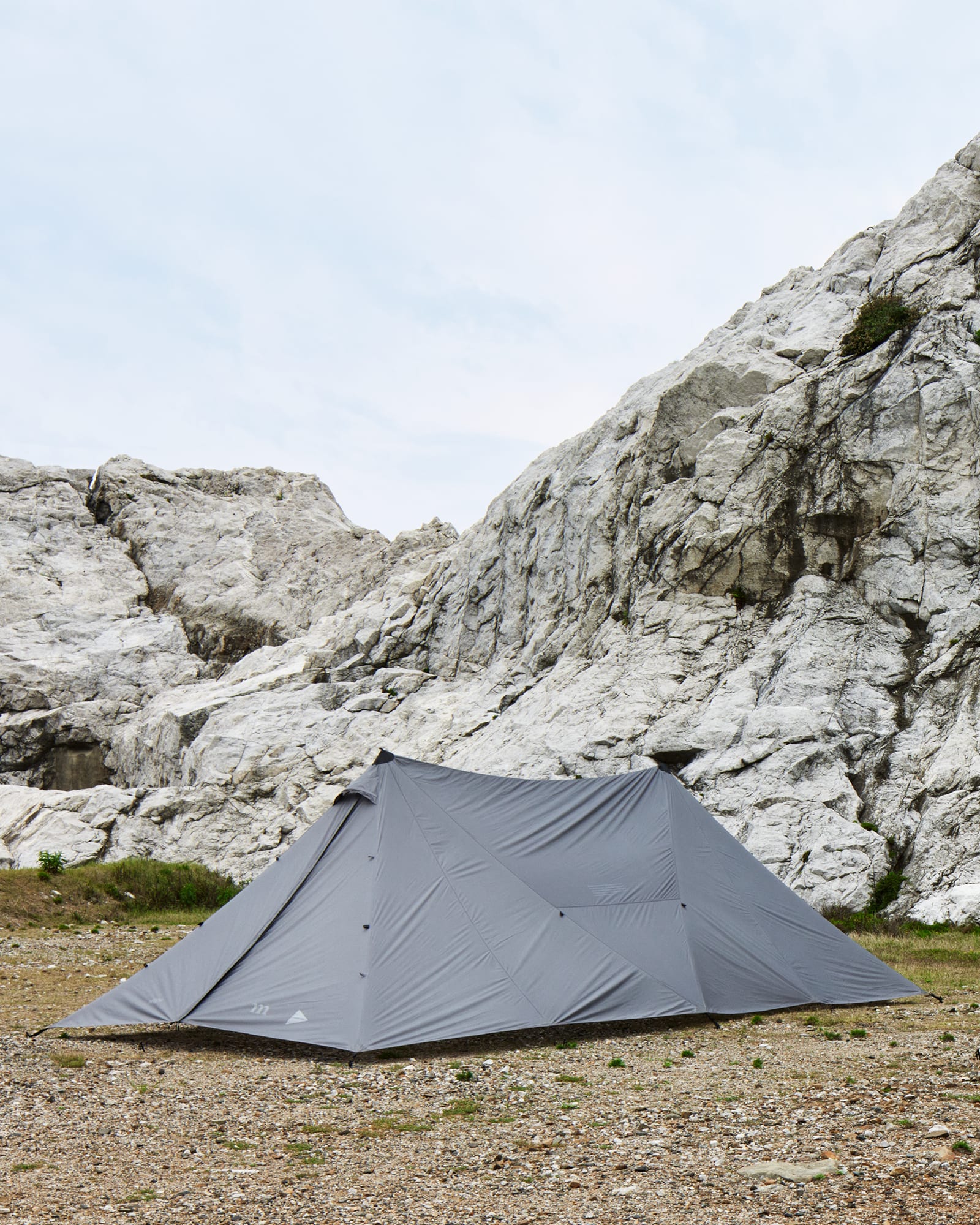
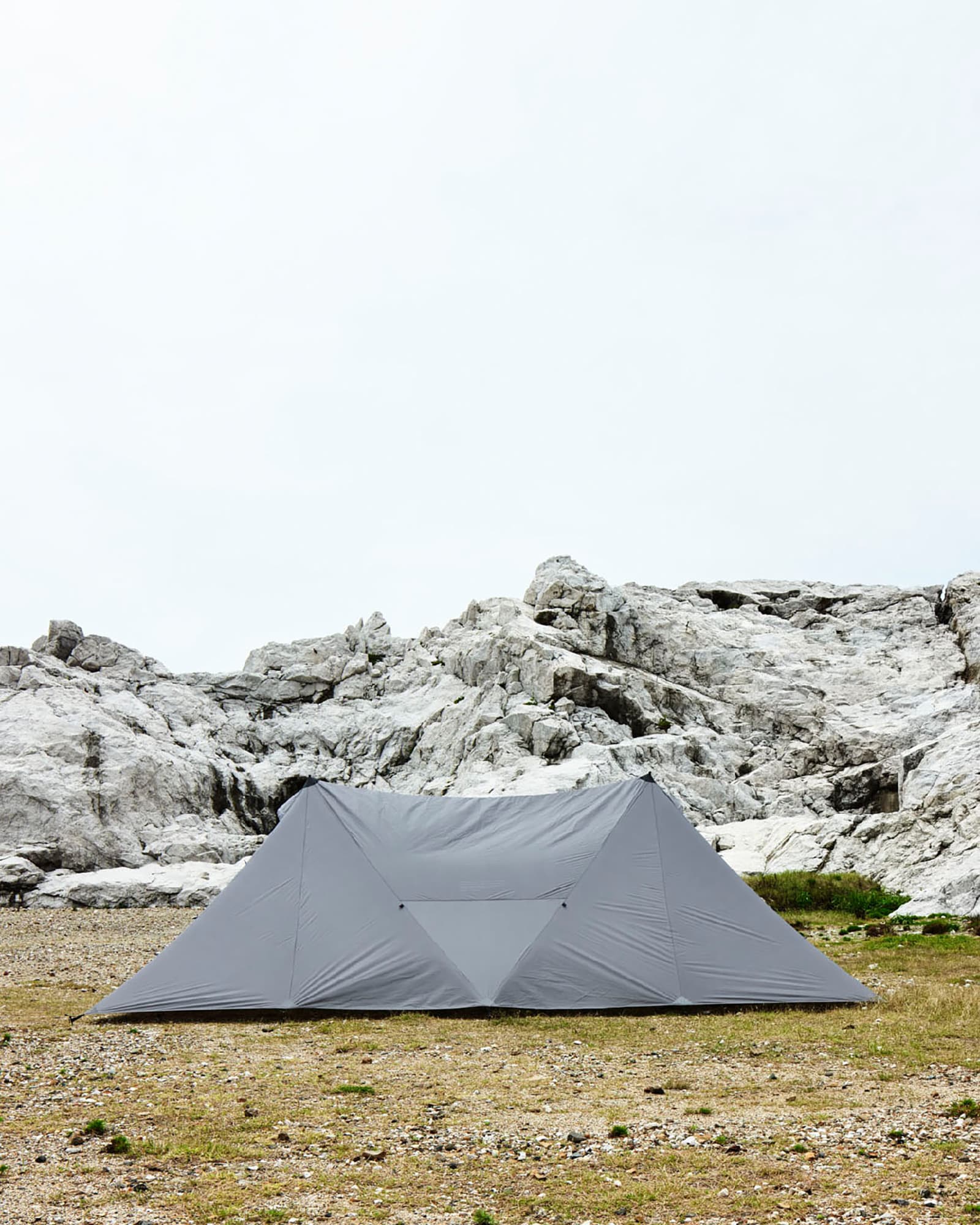
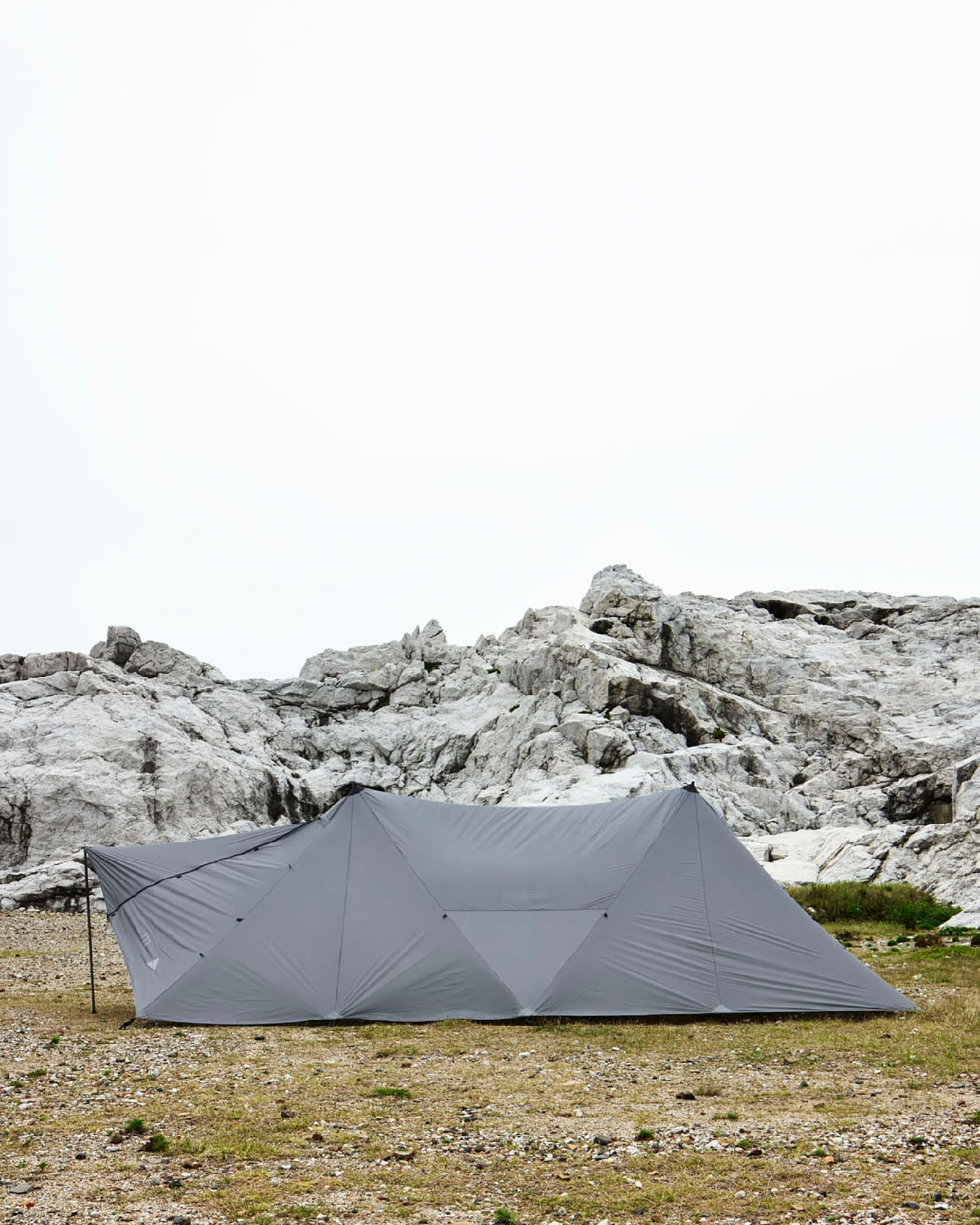
This tent boasts a straightforward structure, allowing for quick and effortless setup. To assemble, lay the flysheet on the ground and firmly secure the four corners with pegs. Then, raise the center pole at the top. The remarkable simplicity of this setup is unmatched by self-supporting dome-shaped tents, and its generous overhead clearance adds to its allure.
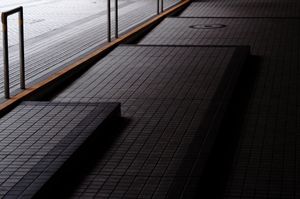
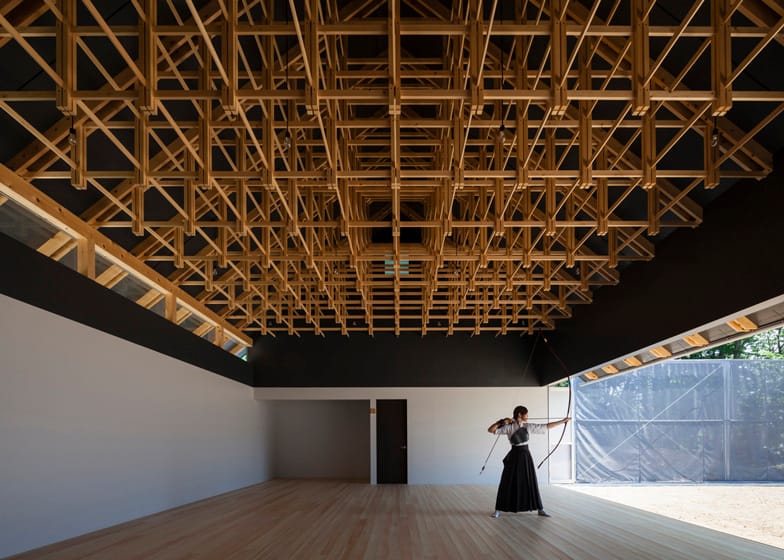
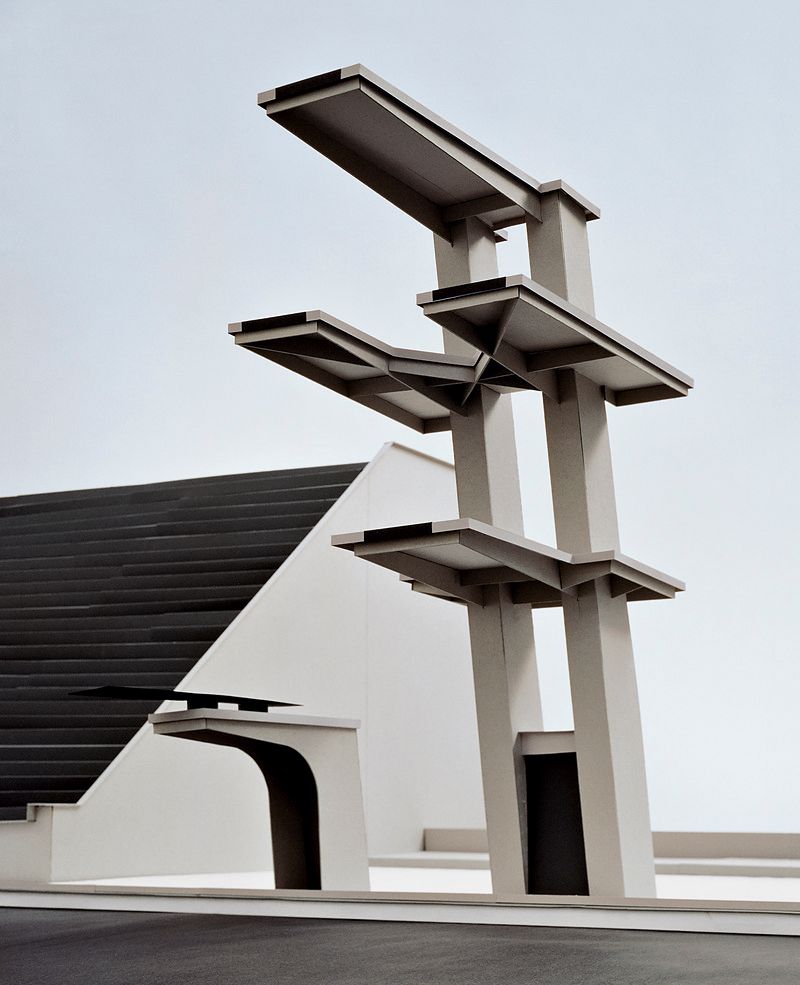
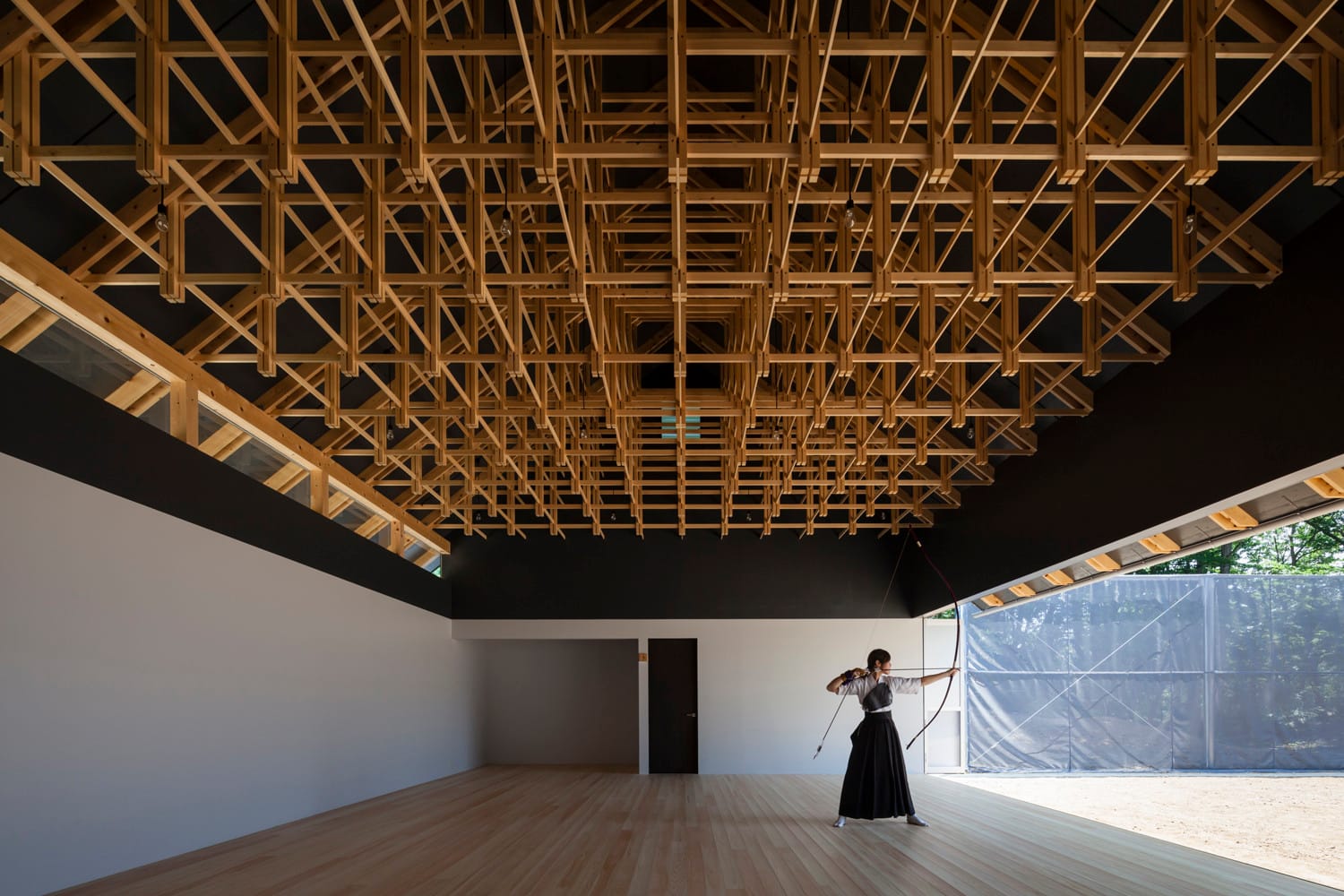
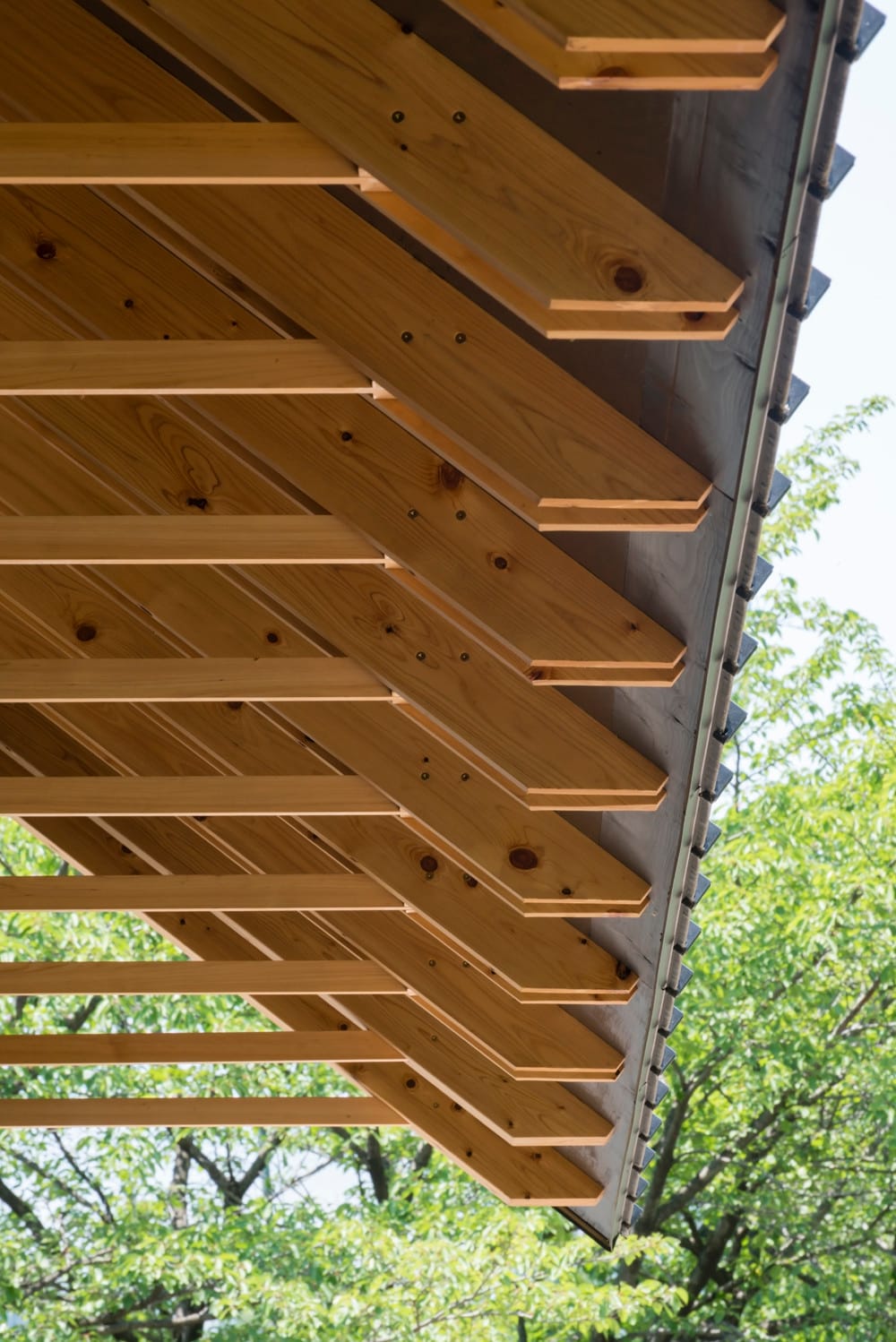
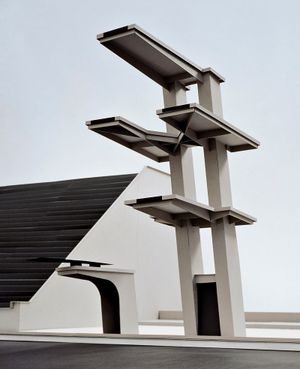
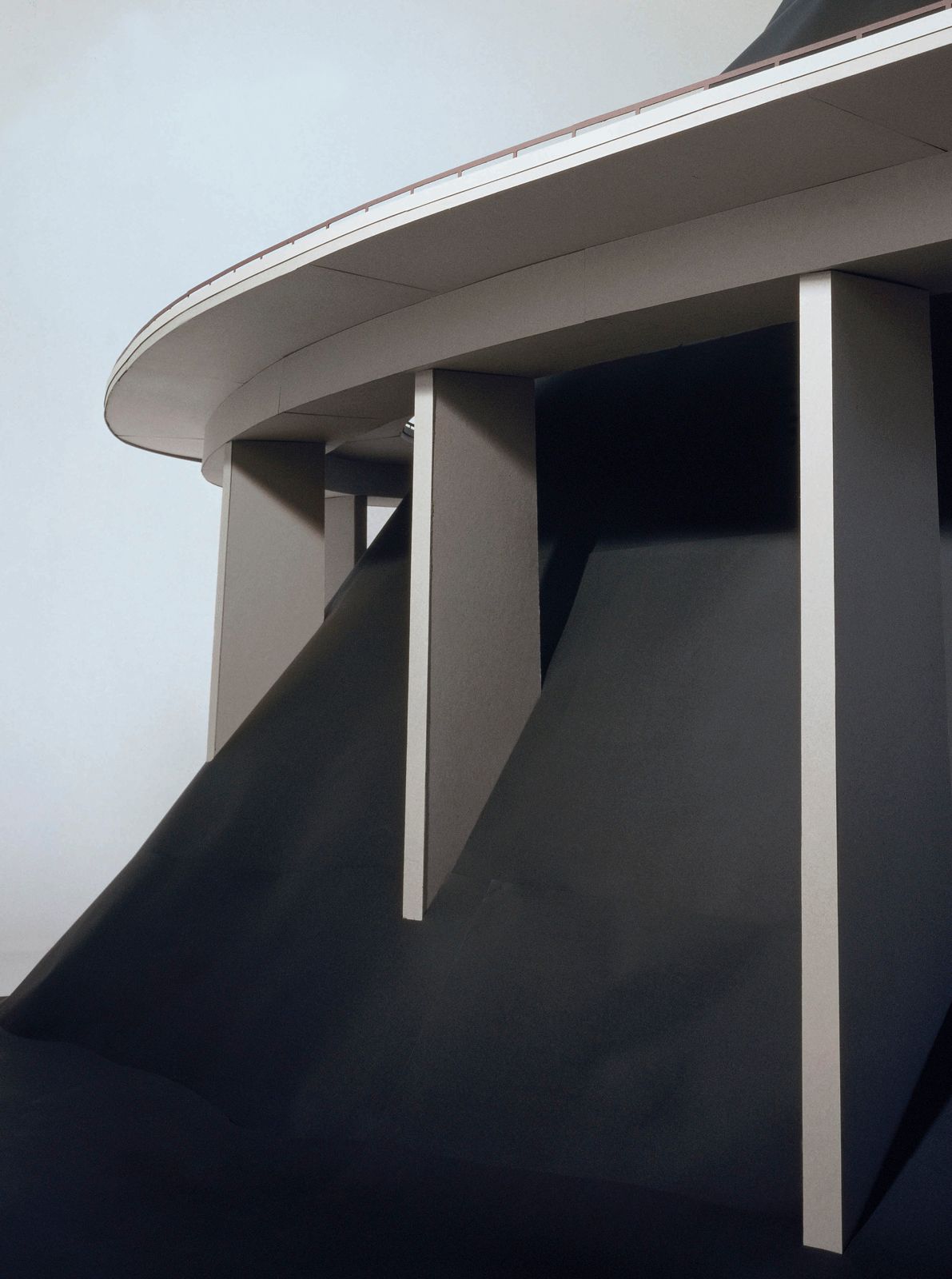
The Archery Hall, one of two sports pavilions FT Architects (Katsuya Fukushima, Hiroko Tominaga) built in 2013 at Kogakuin University, west Tokyo. Each is a column-free room of 7.2 by 10.8 m under an exposed timber roof of horizontal and vertical members, bolt-and-nut jointed. The archery hall uses small timber sections normally used for furniture. Photographs by Shigeo Ogawa.
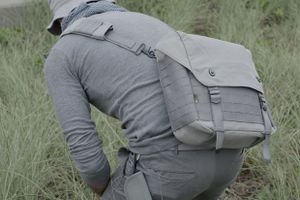
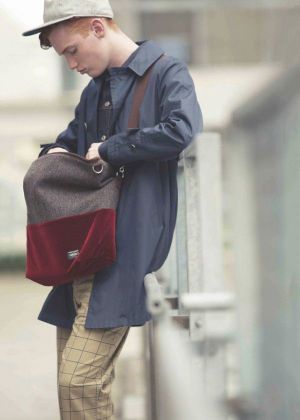
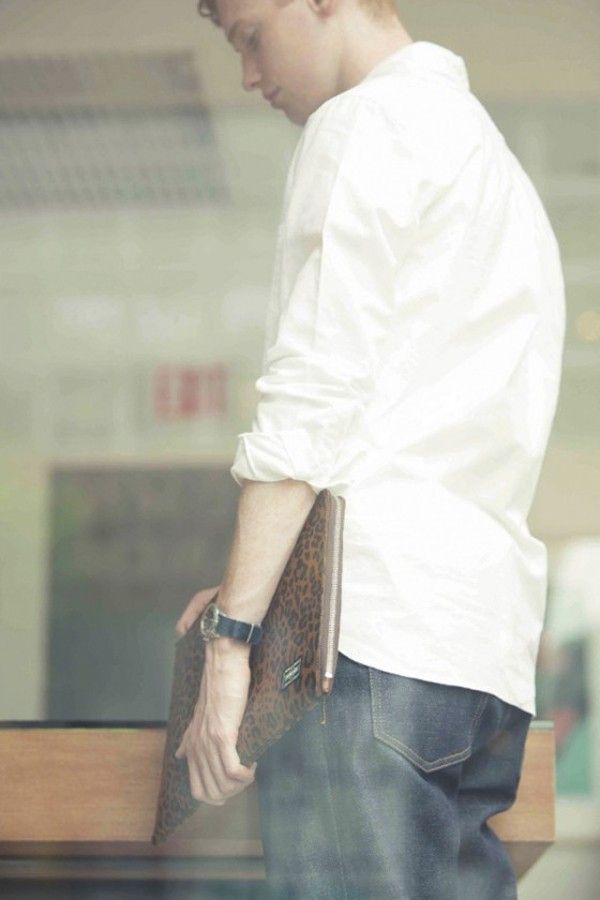
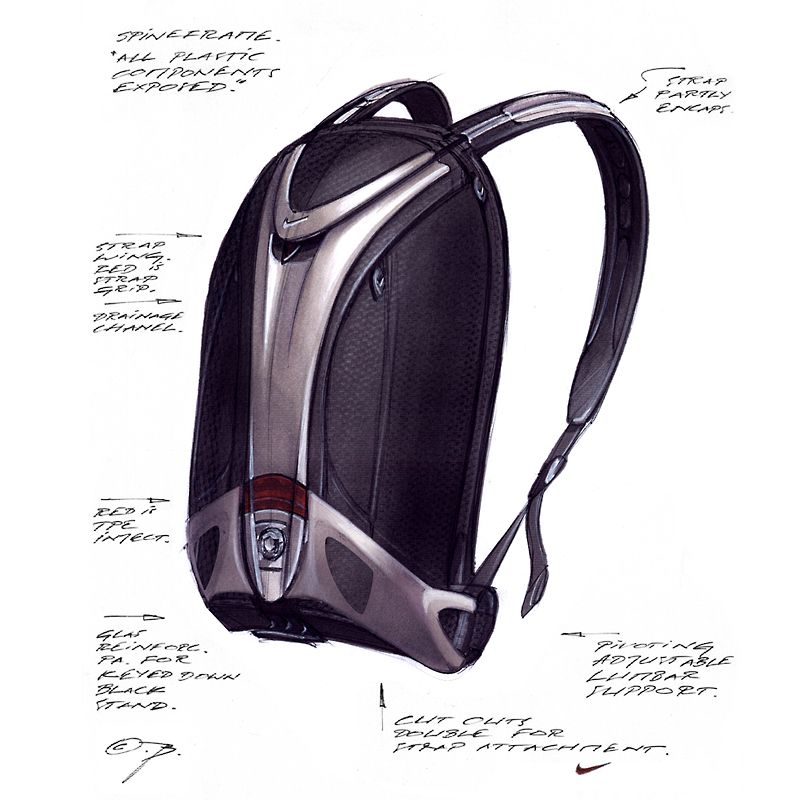
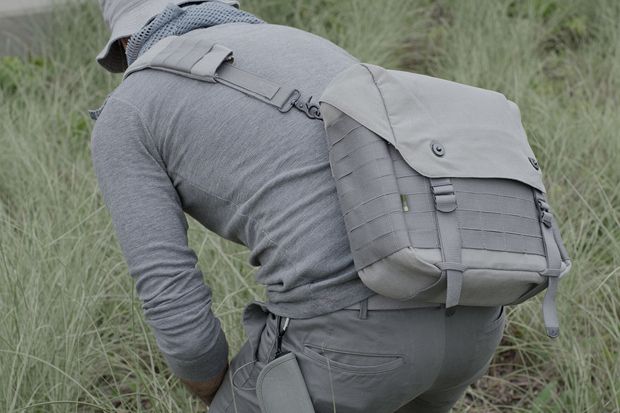
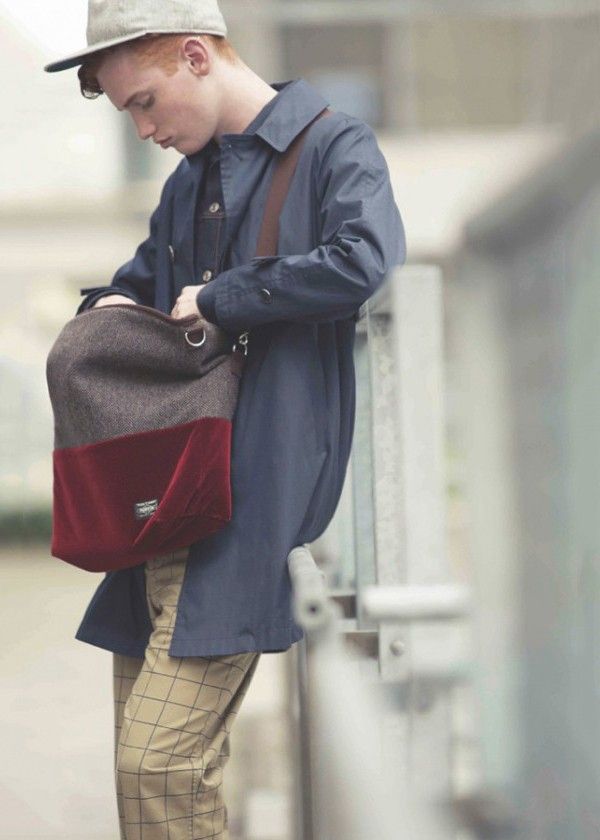
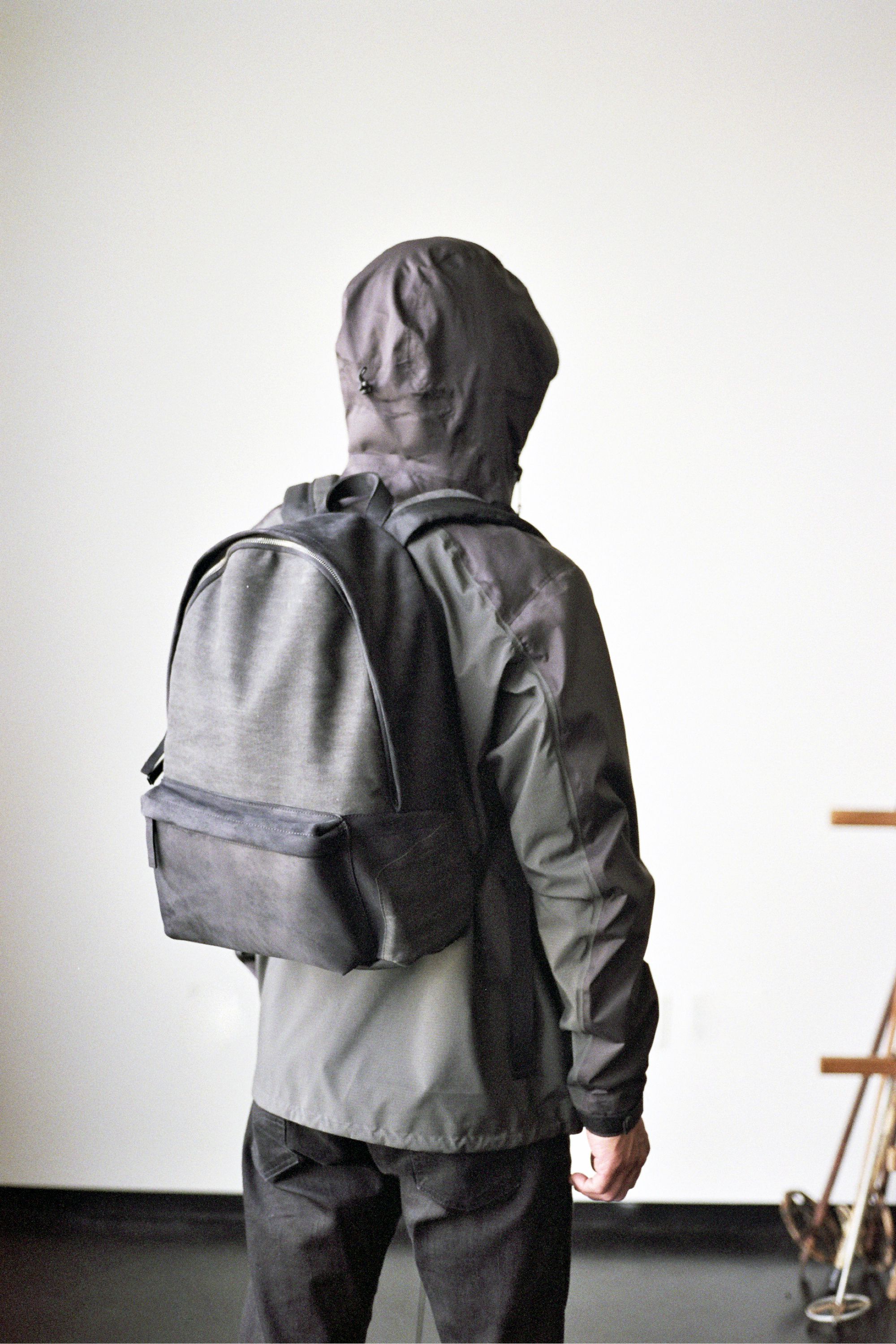
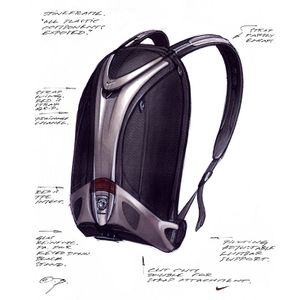
INSPIRED BY VIETNAM-ERA U.S. ARMY SURPLUS "BUTTPACKS" AND USING HARDWARE COMMON TO VINTAGE GASMASK BAGS, THE BUTTPACK ALLOWS DISCREET CARRY OF A LAPTOP AND A VARIETY OF GEAR ANYWHERE, SPECIALIZED OR EVERYDAY, WITHOUT A SECOND LOOK.
HIDDEN WATERPROOF ZIPPER ALLOWS FAST ACCESS THROUGH THE WEATHER FLAP, AND HIDDEN POCKETS SECURELY HOLD MEMORY CARDS AND PASSPORT. DRAG HANDLE, BELT AND LUGGAGE LOOPS ALLOW MULTIPLE CARRY OPTIONS. HOLDS UP TO A 14" LAPTOP.
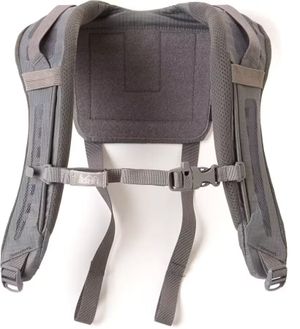
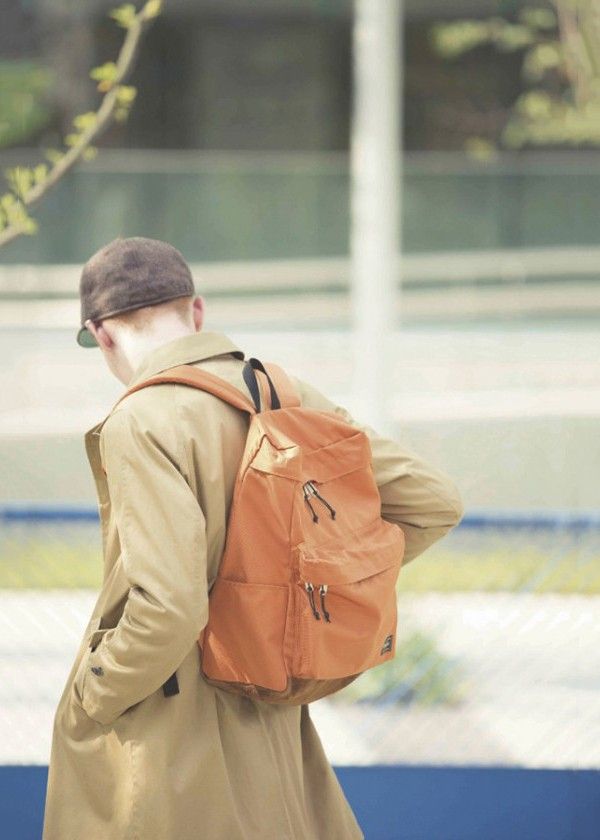
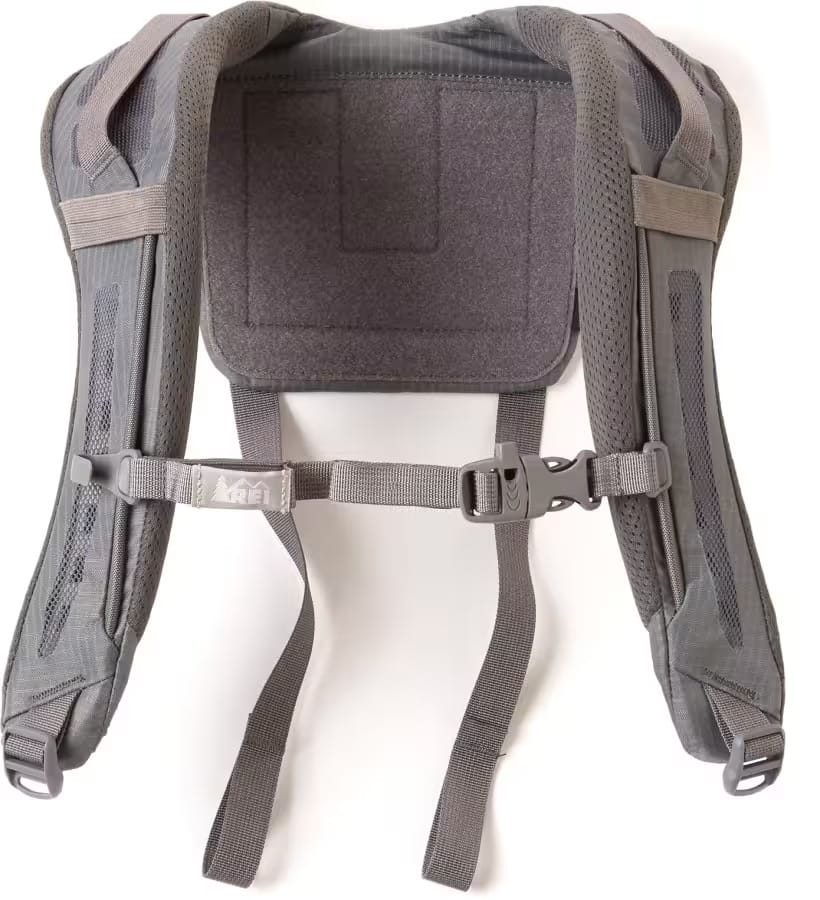
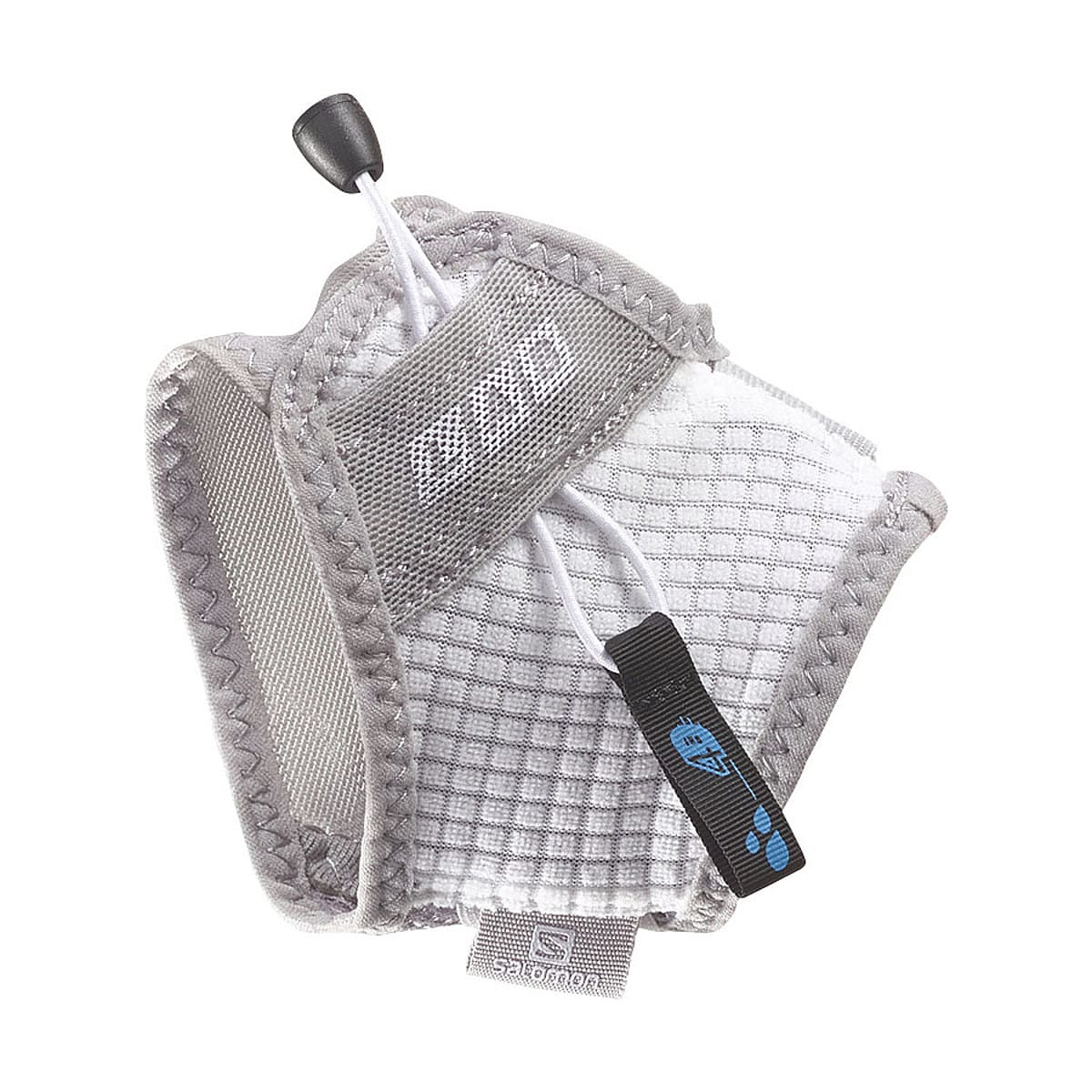
Padded mesh shoulder straps have body-mapped ventilation windows with clean bonded construction for optimal all-day comfort and breathability
Material(s) _ Nylon/closed-cell foam
Product Line _ Traverse
Fits Torso Length (in.) 15"-17" inches,16"-18" inches,17"-19" inches
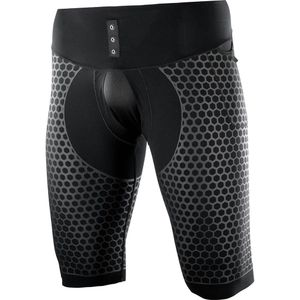
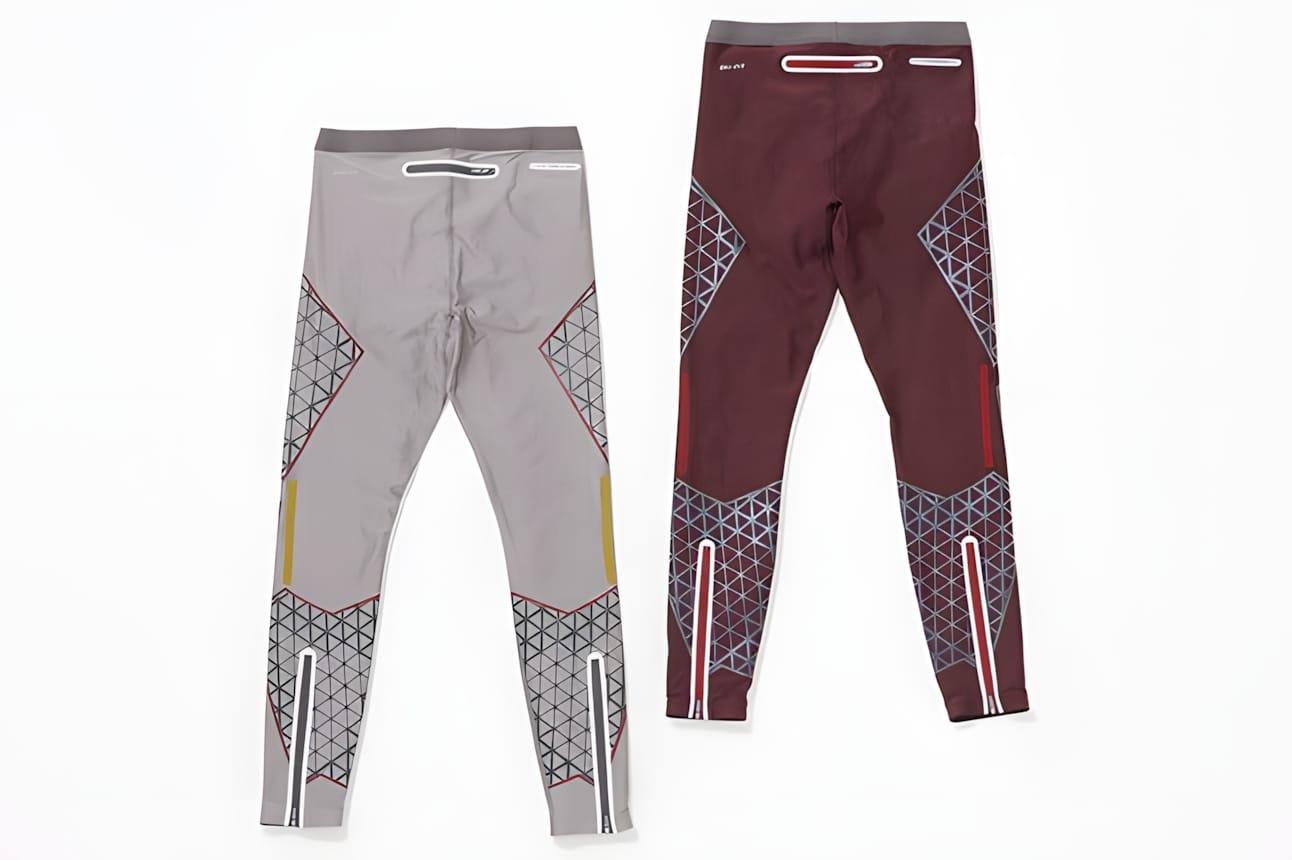
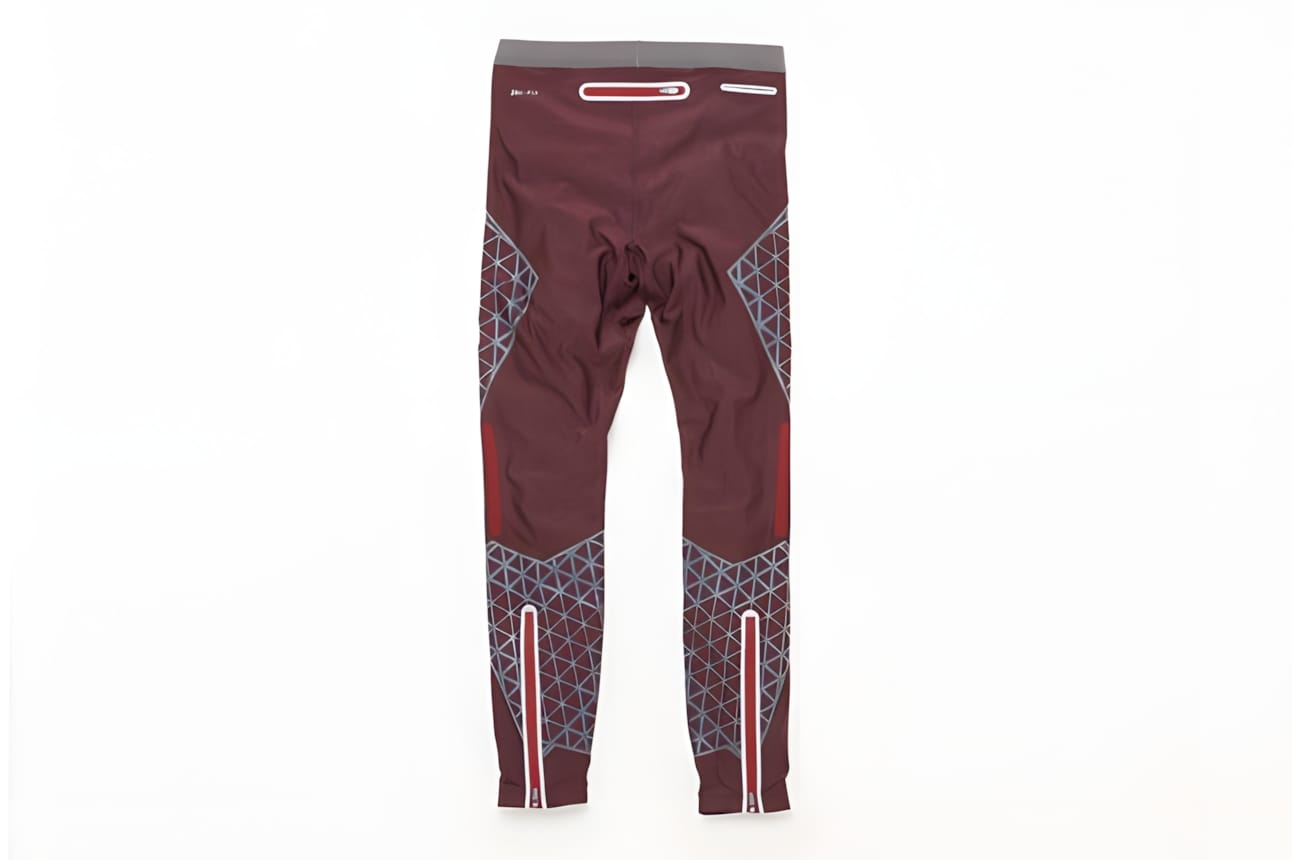
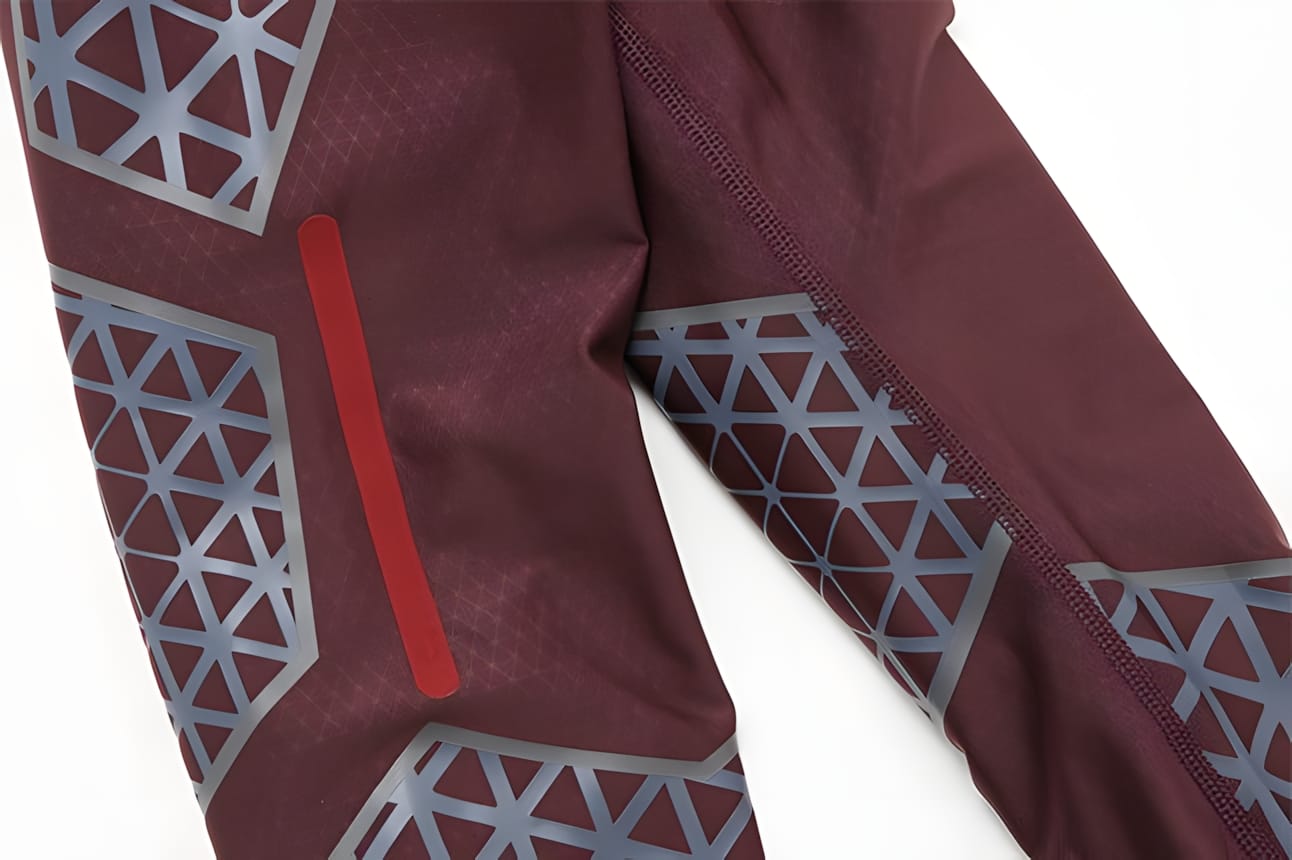
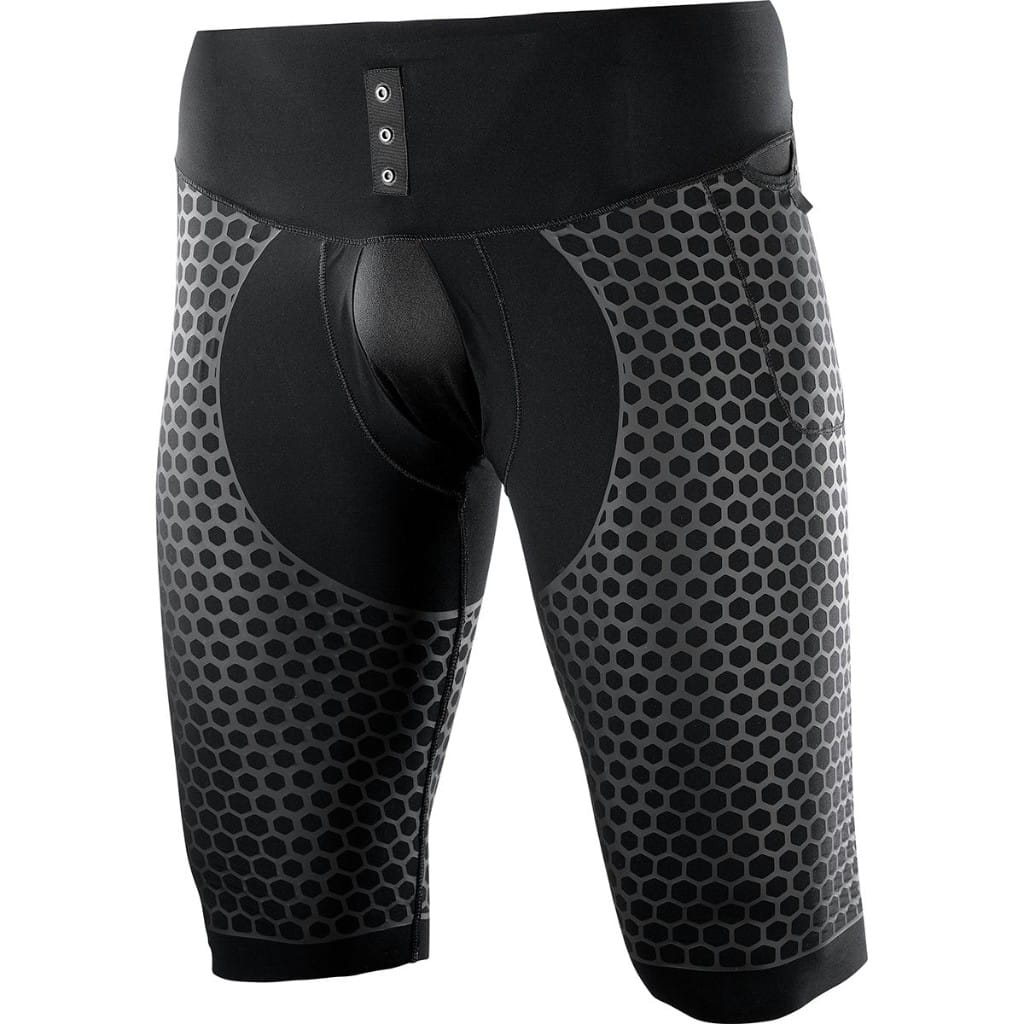
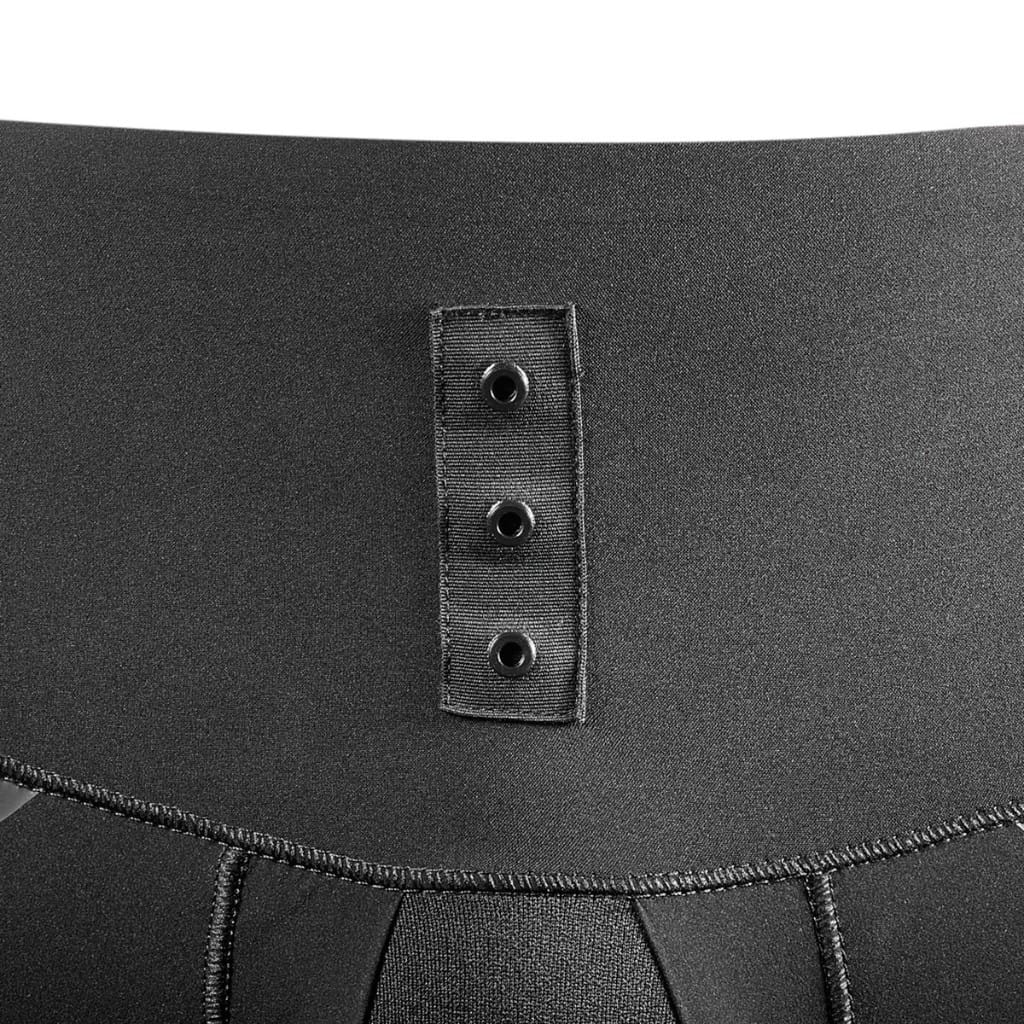
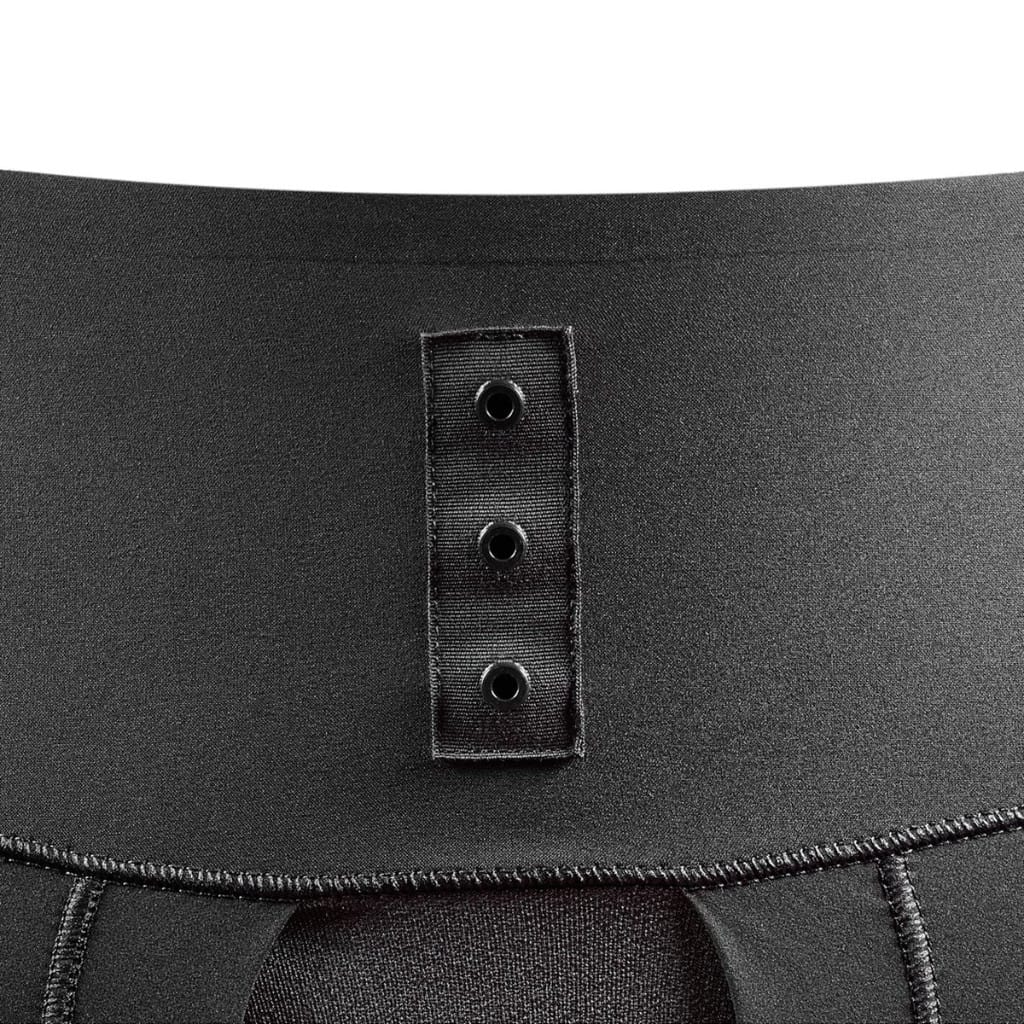
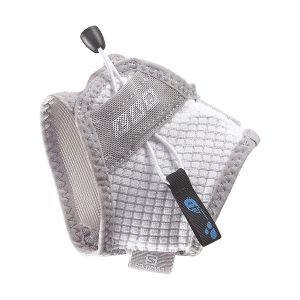
The S/LAB Support Half Tight is the close-fitting base of Salomon’s modular trail system. A stability-print version maps support through the thighs; the stripped-back variant keeps the stretch body, front opening and side gel pockets. Both terminate in the same wide waistband and three-eyelet modular tab.
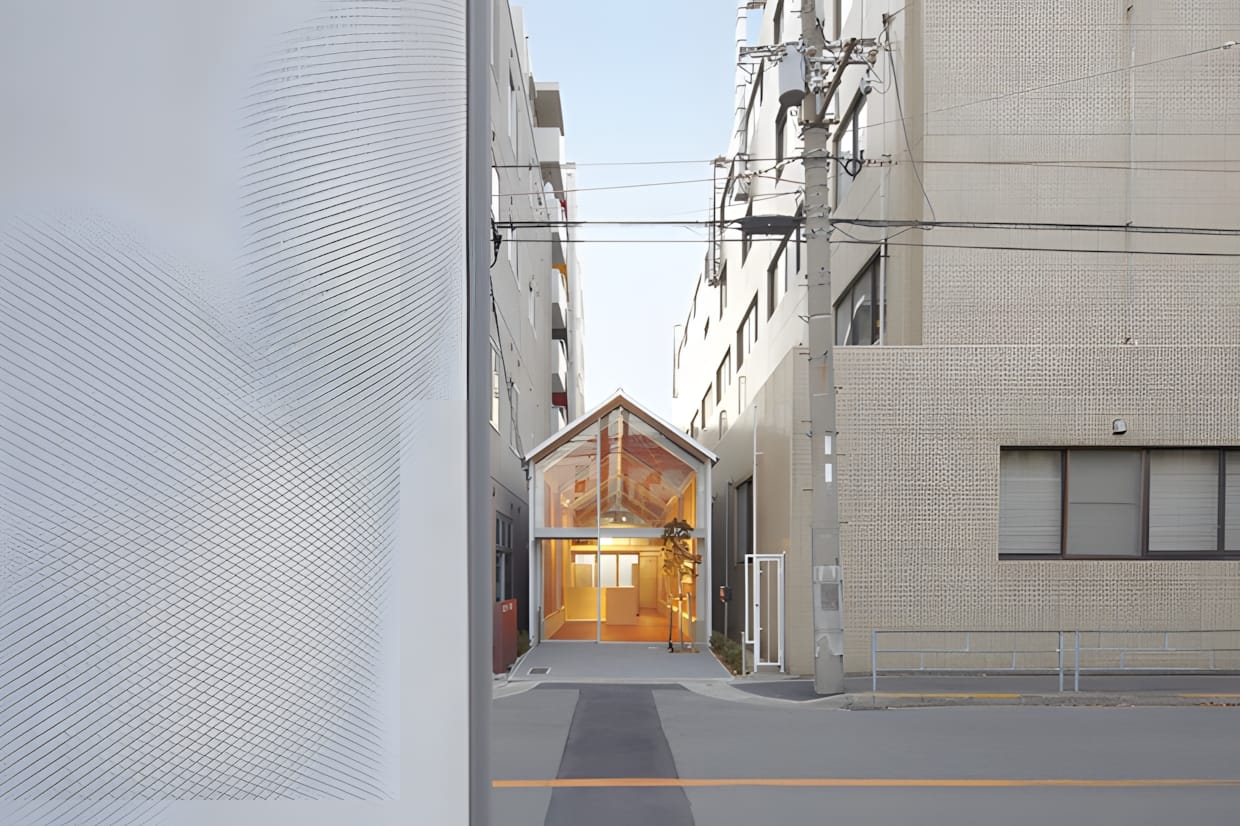
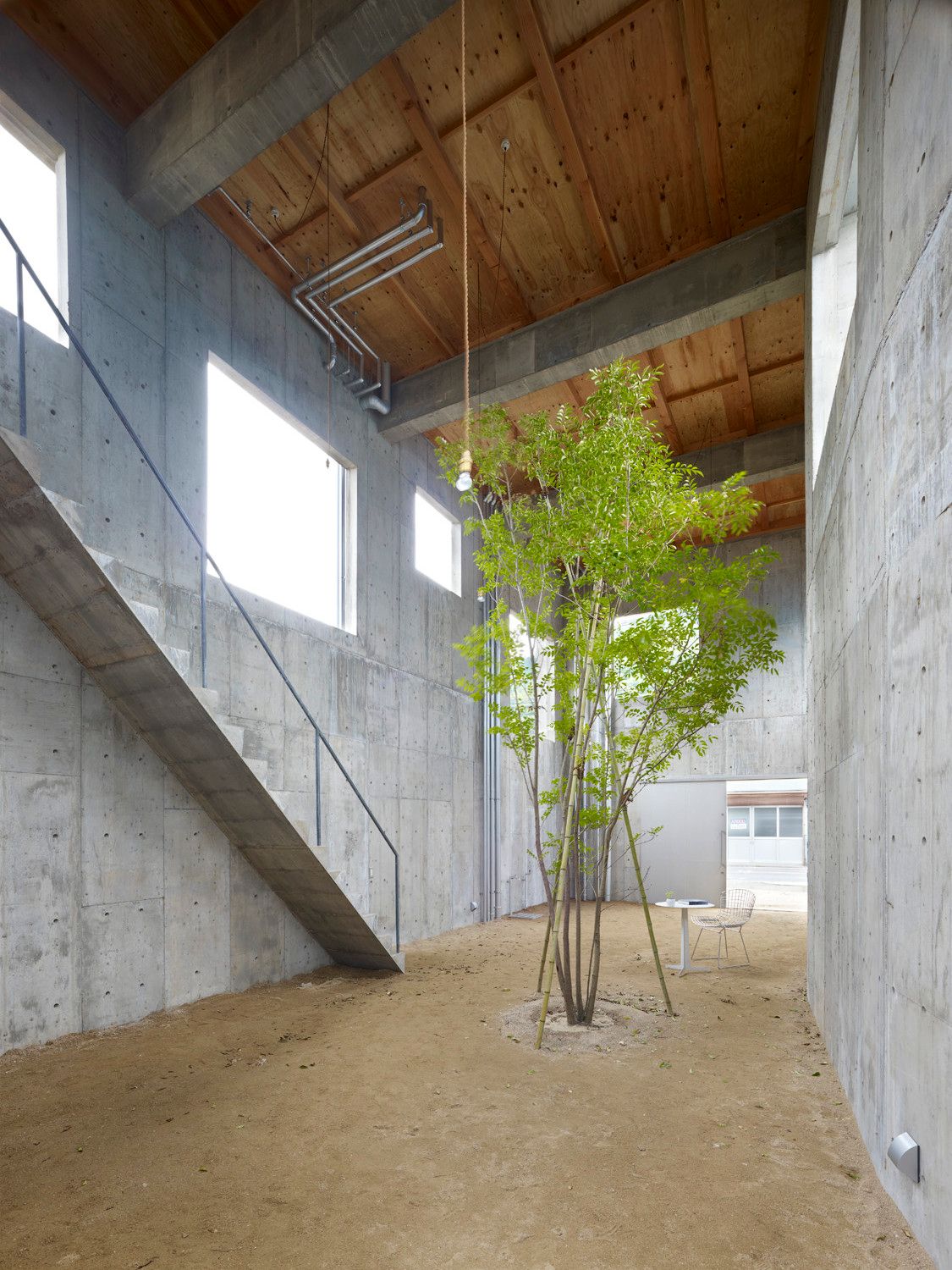
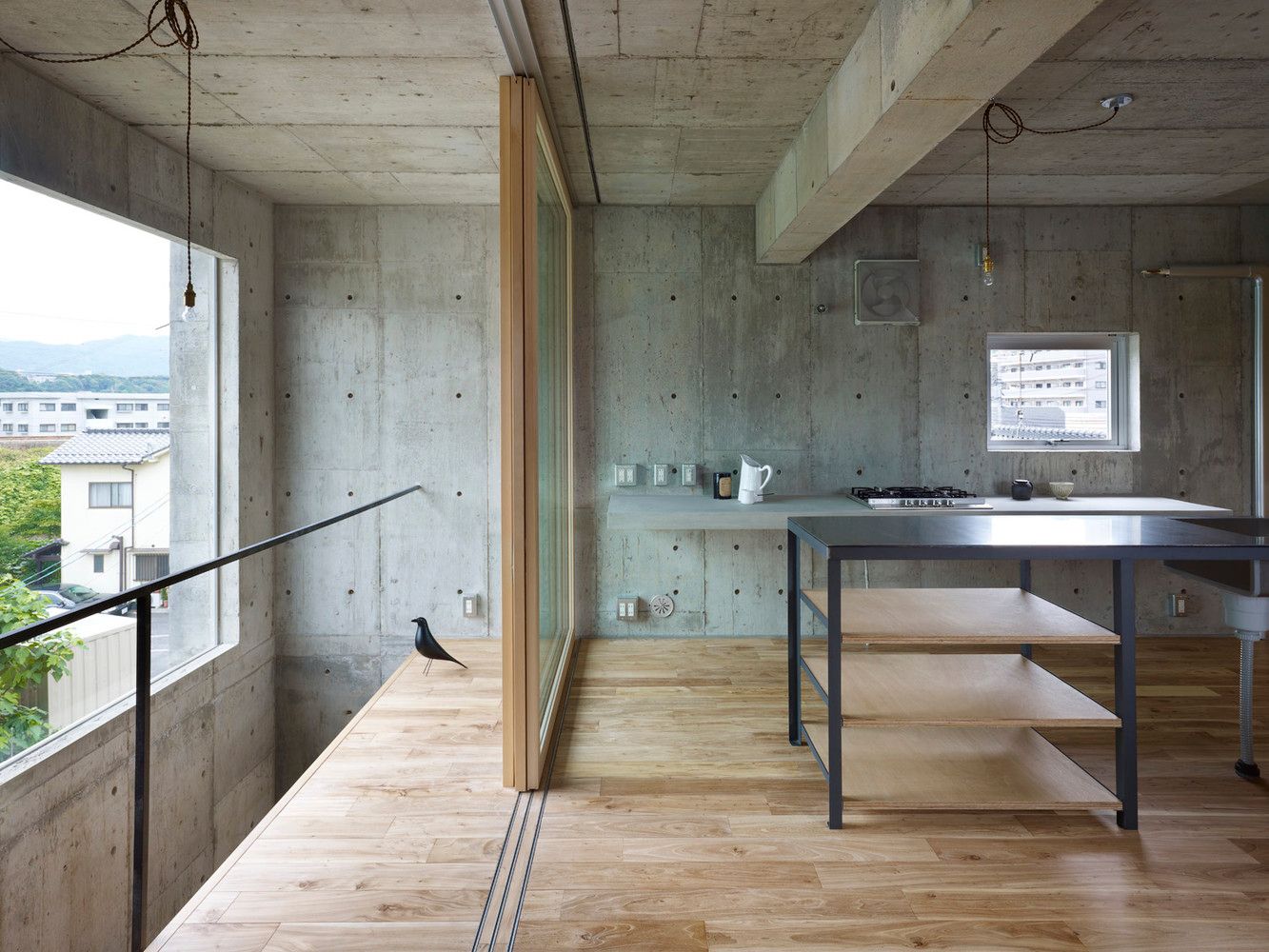
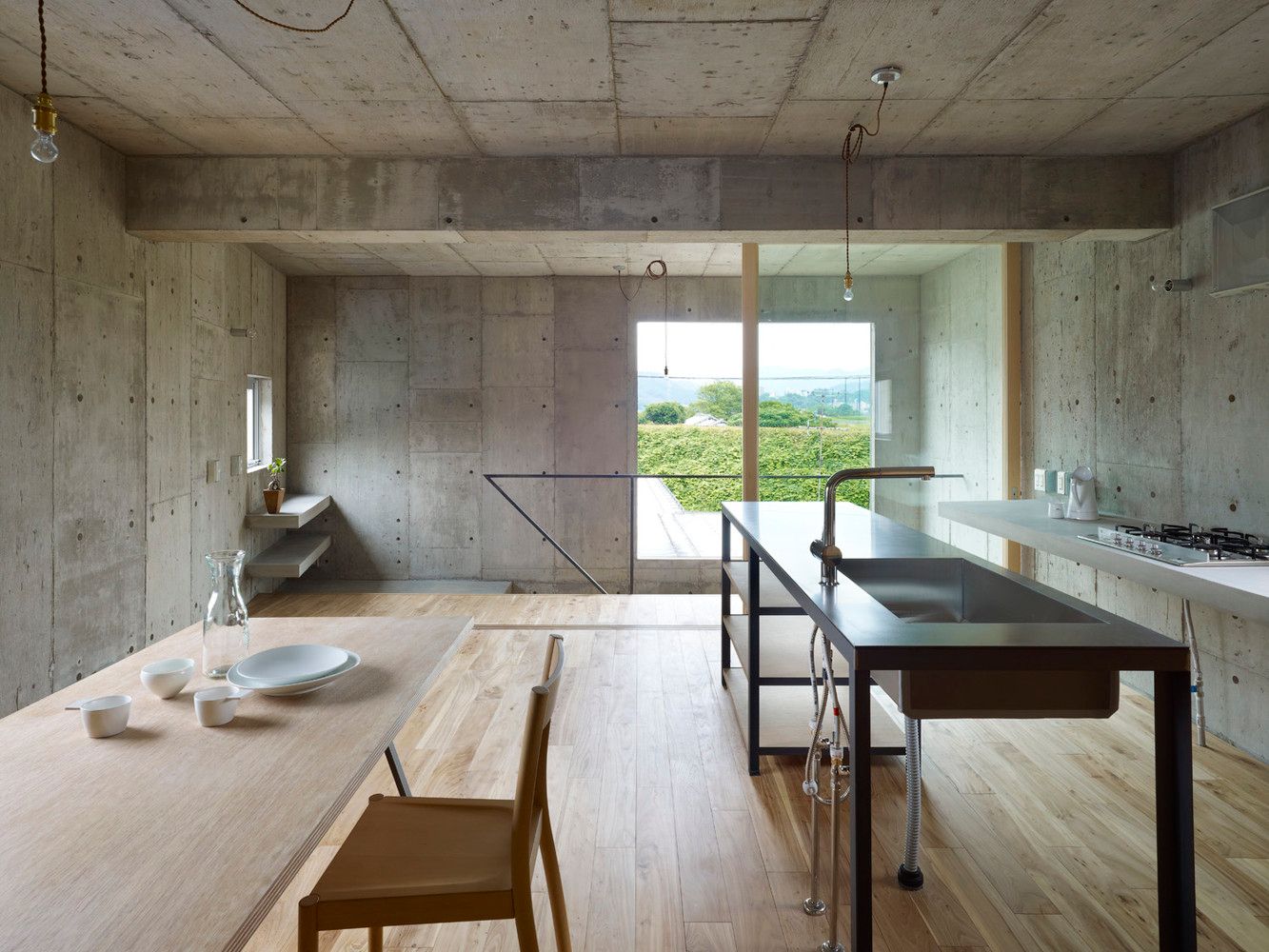
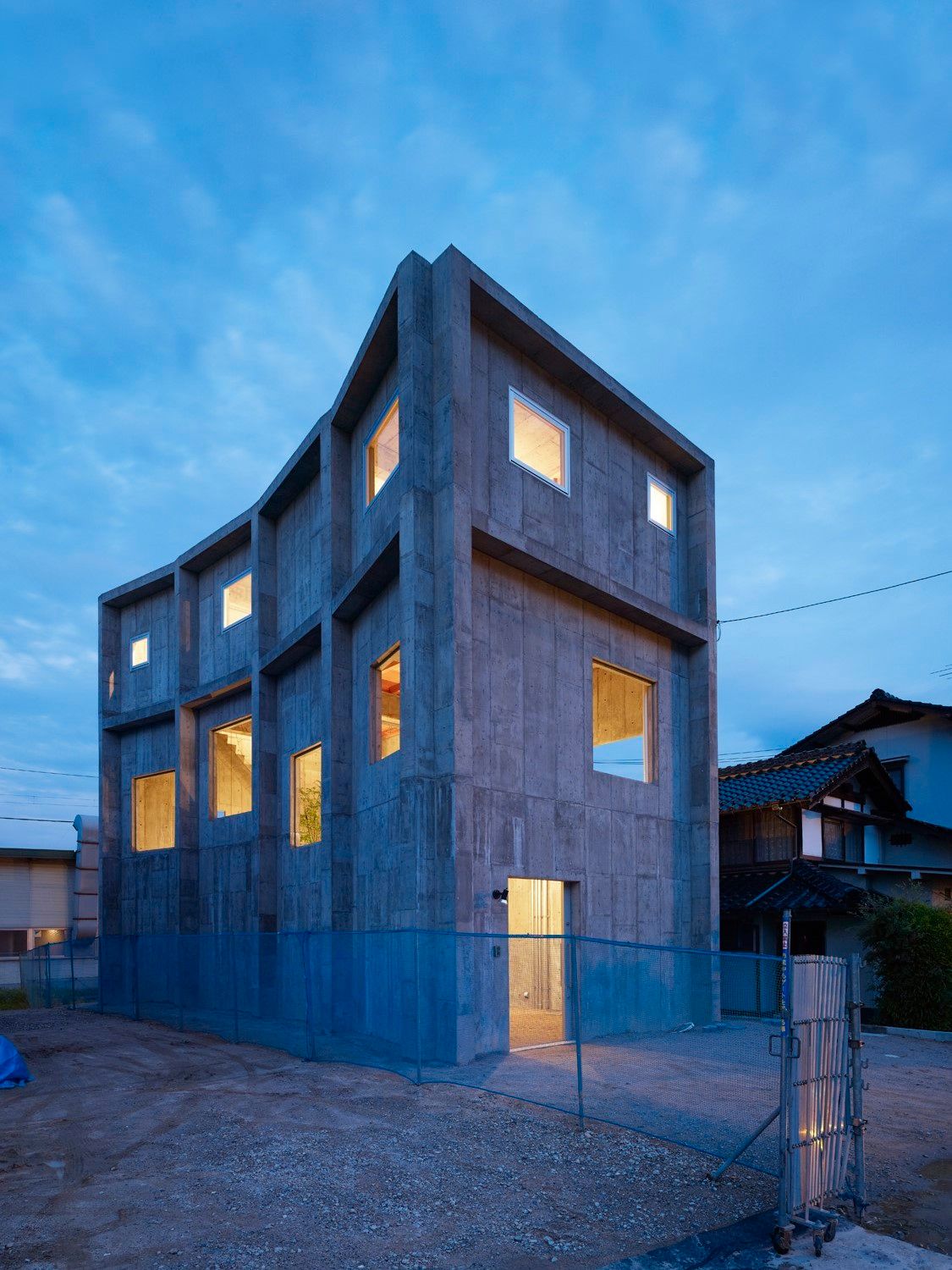
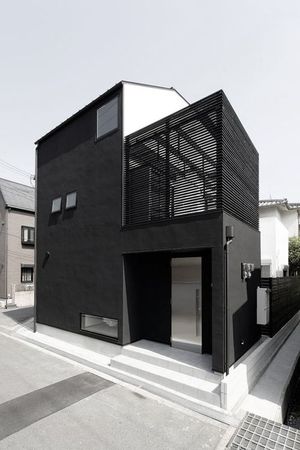
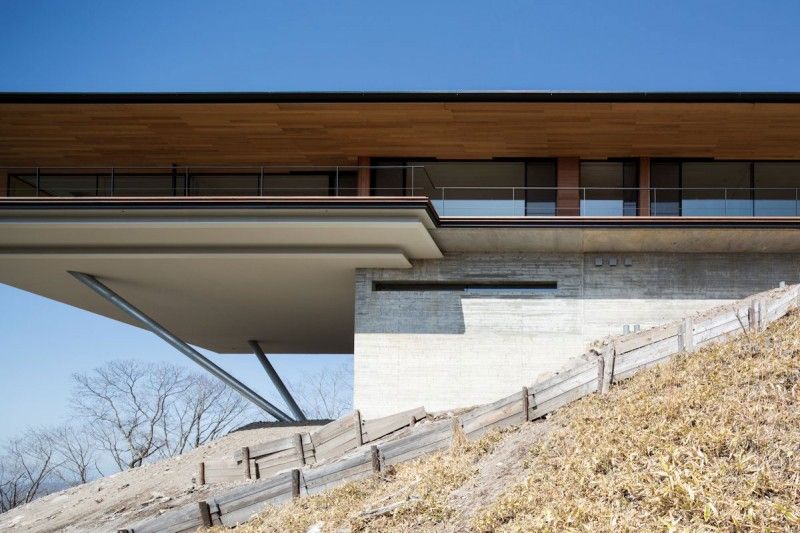
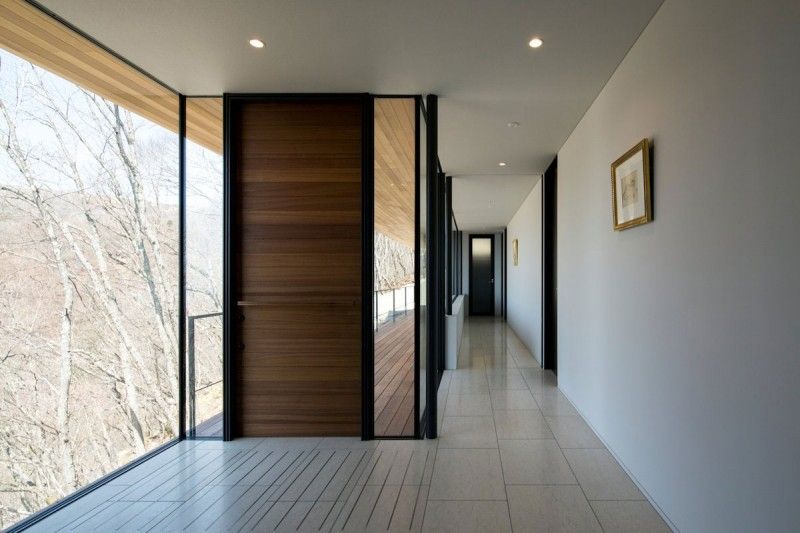
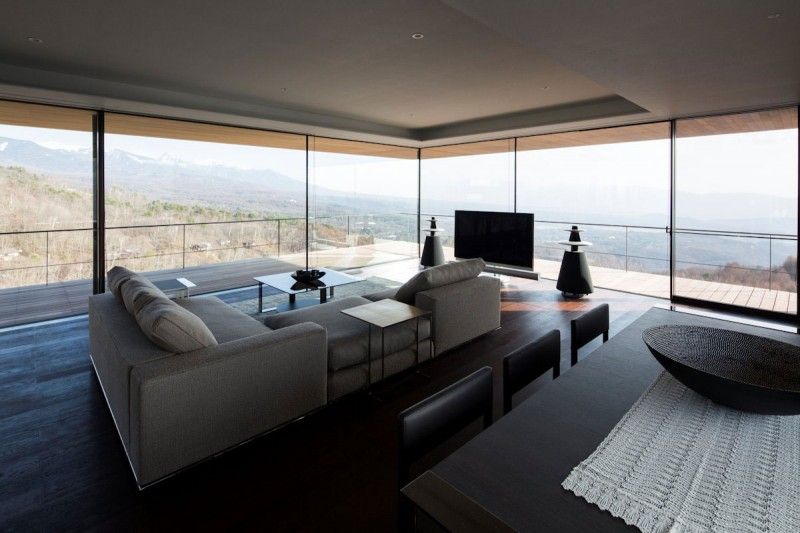
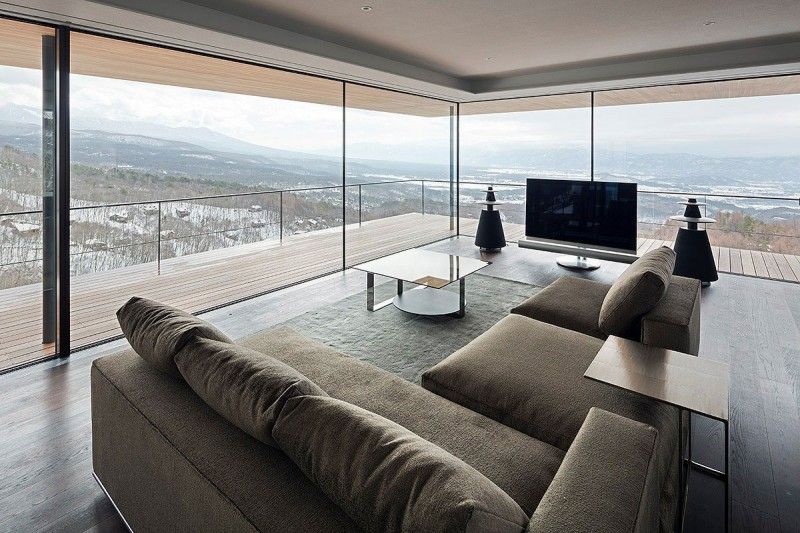
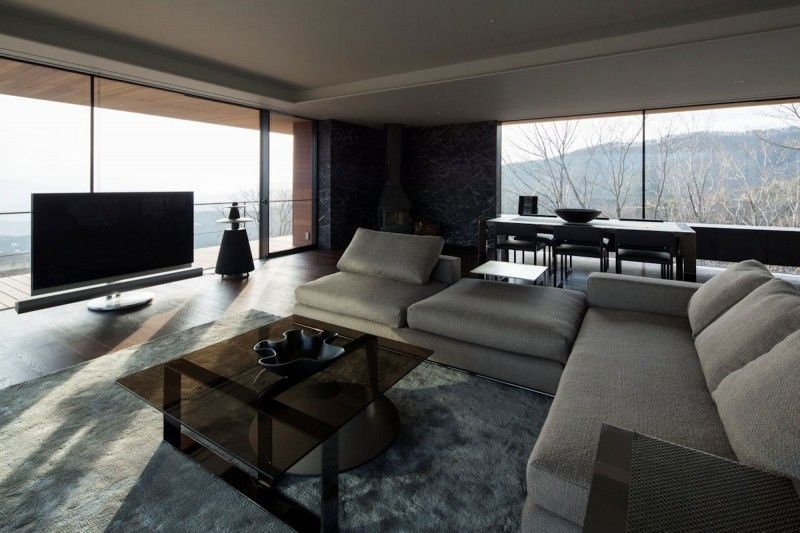
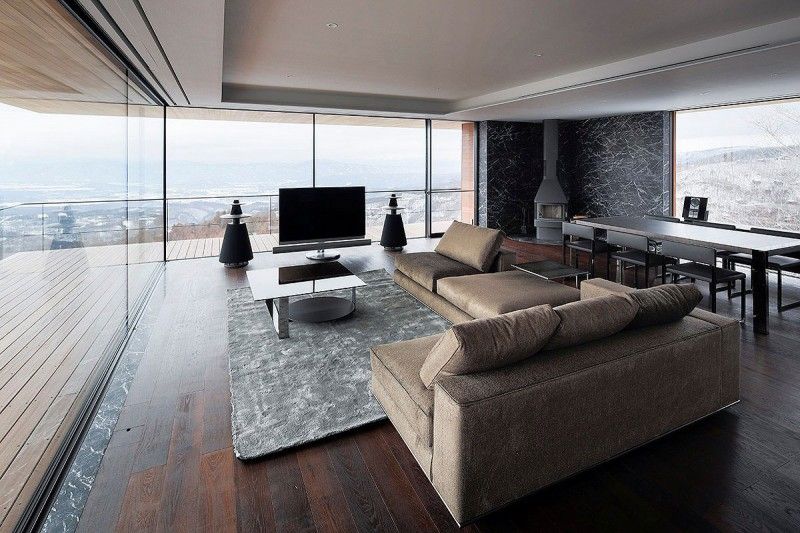
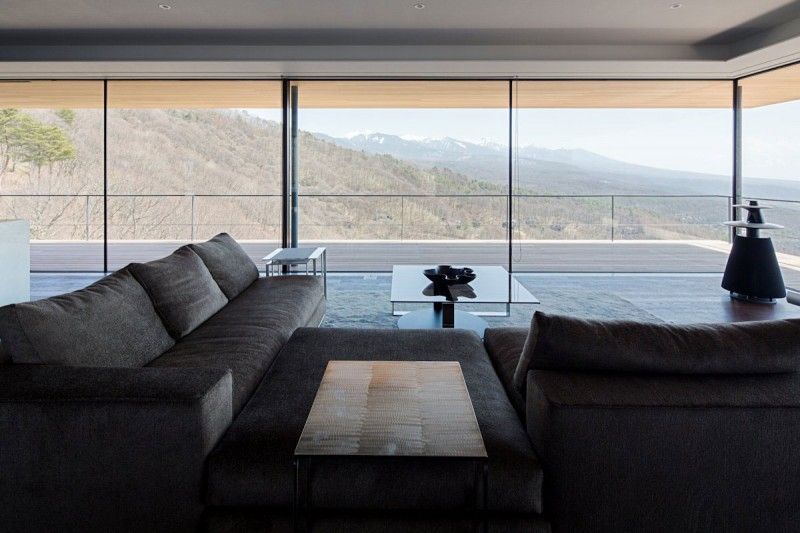
Text description provided by the architects. The House of Yagi is designed with the idea of an incomplete/complete form. Unlike other projects, the final stage of construction for this house was not aiming towards a finish stage, but to let the owner experience the sense of completion after living here. Interior space of the house is designed to maximize the interaction to its surrounding environment.


September 20, 2008 - Maj. Paul "Max" Moga, the first F-22A Raptor Demonstration Team pilot, roars his aircraft into a high g-force turn above Naval Air Station Oceana during the 50th Anniversary celebrations of the NAS Oceana Air Show in Virginia Beach, VA.

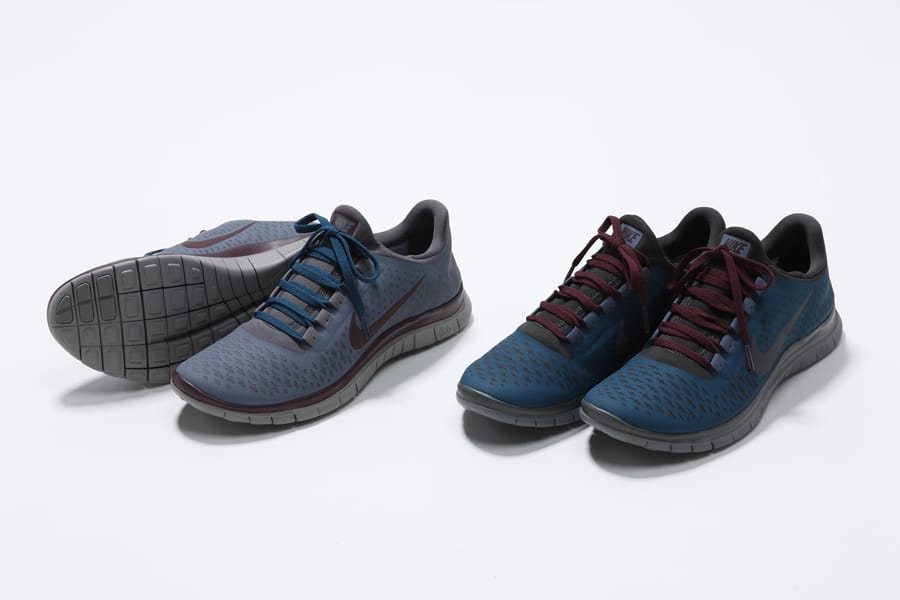
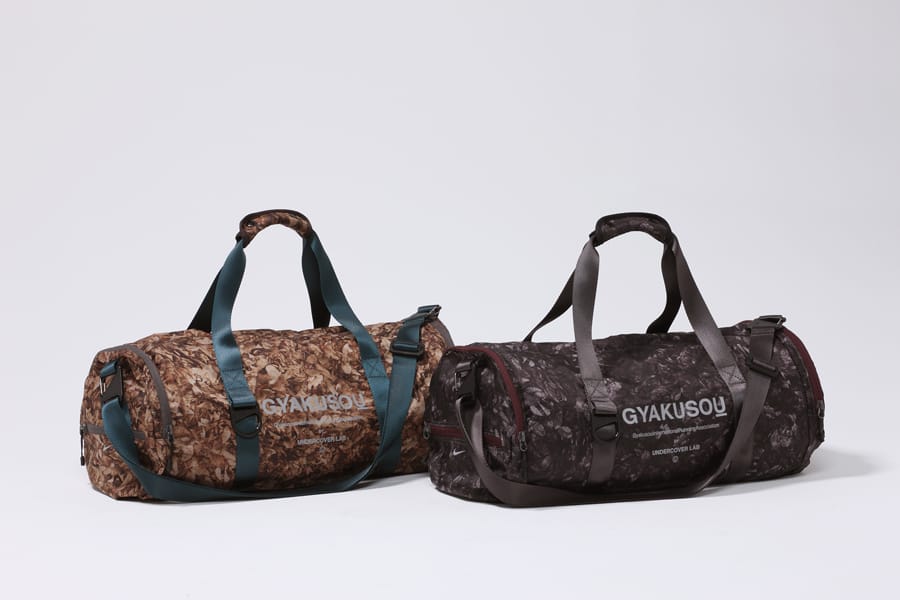
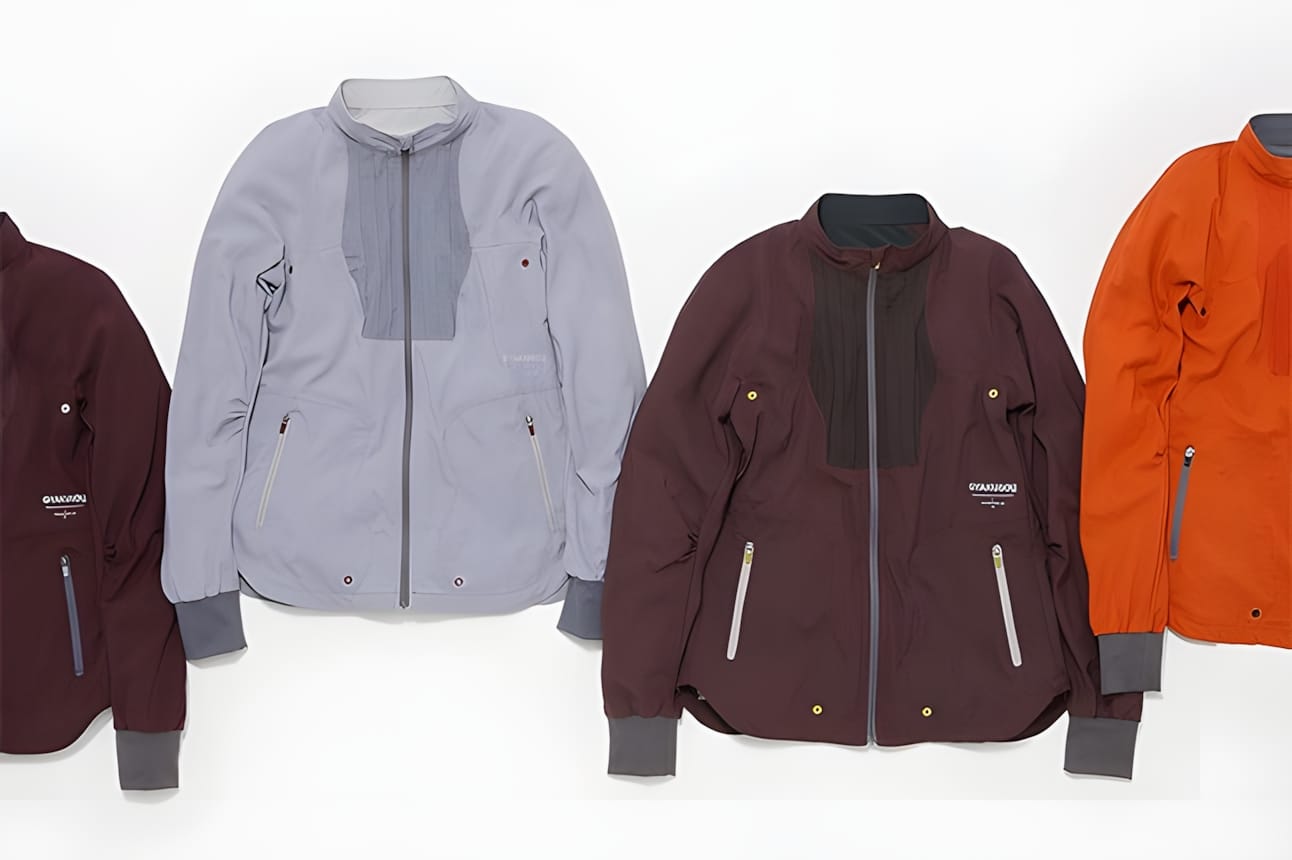
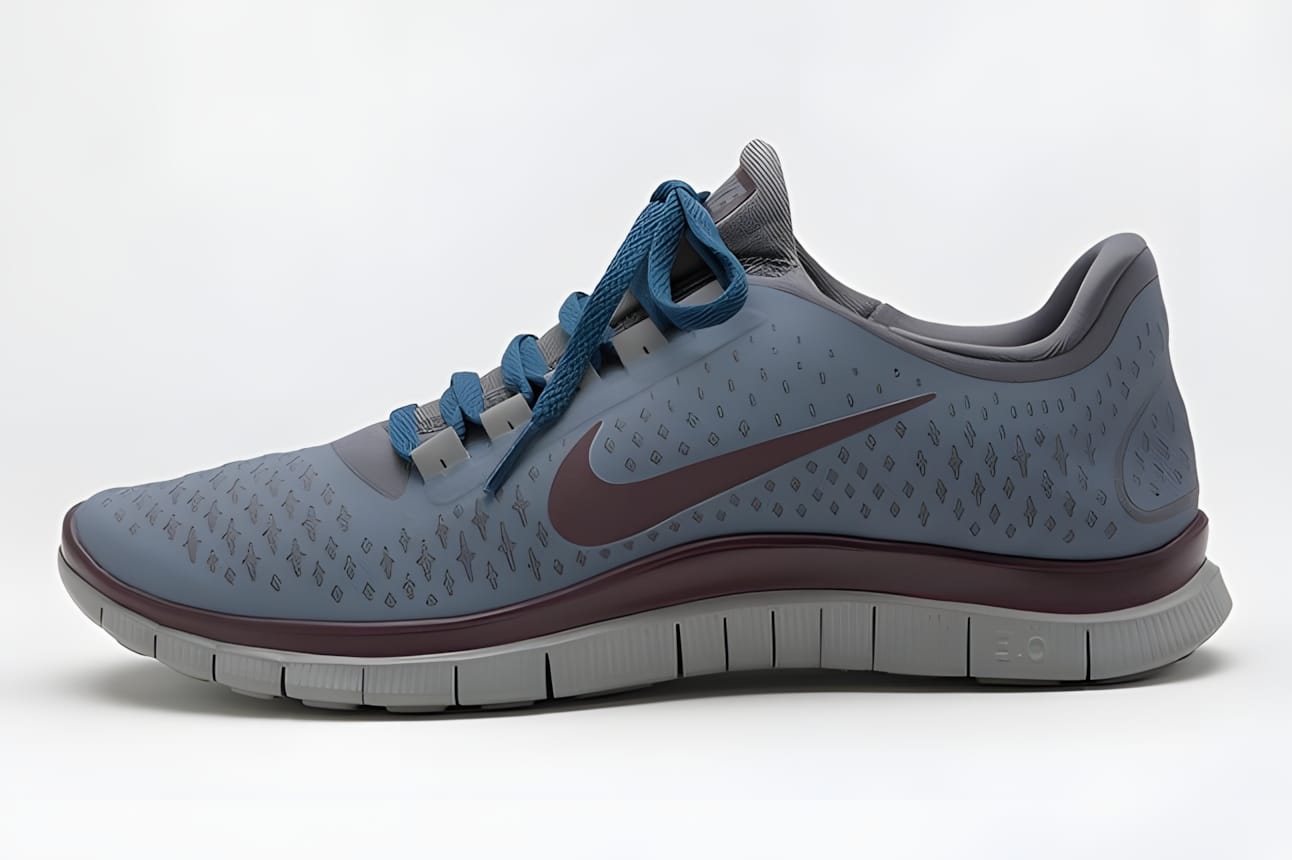
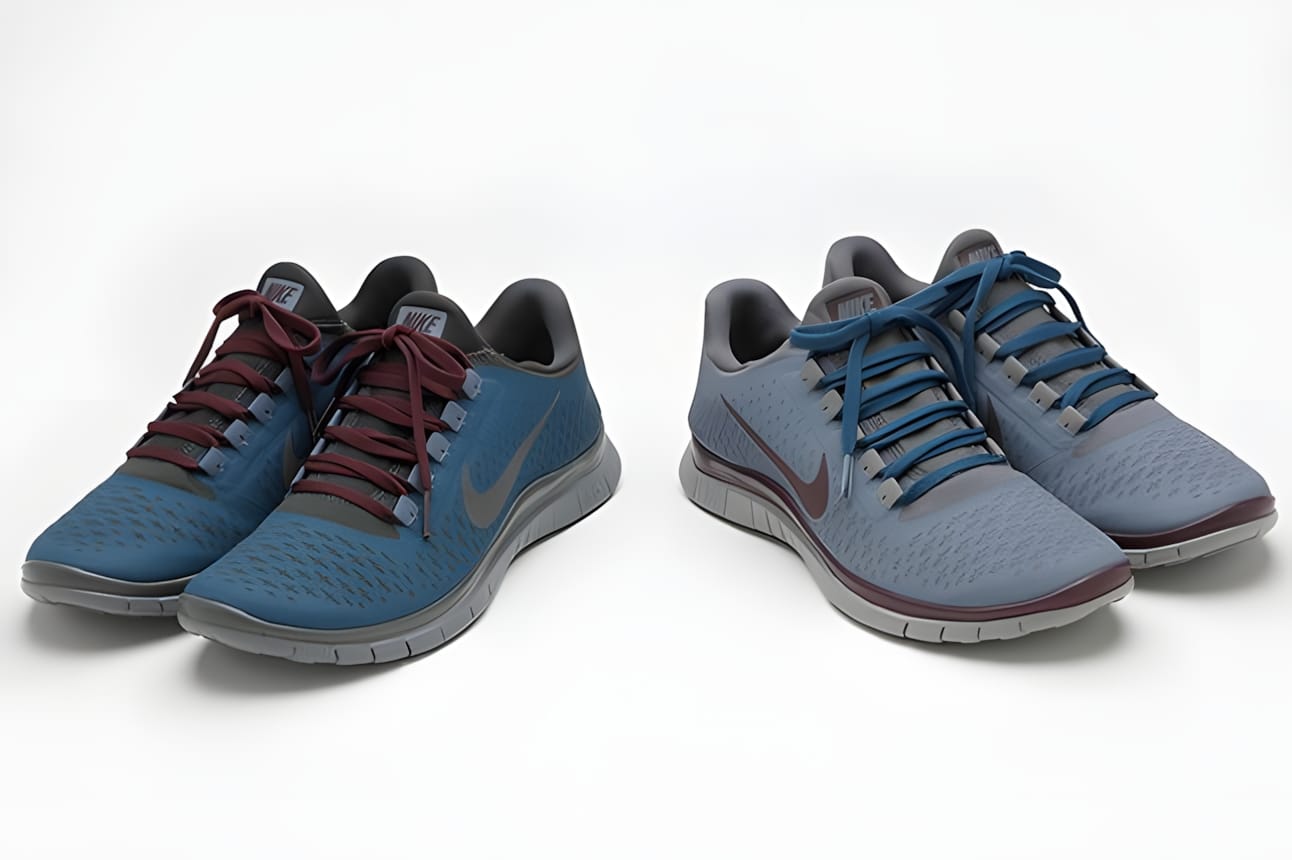
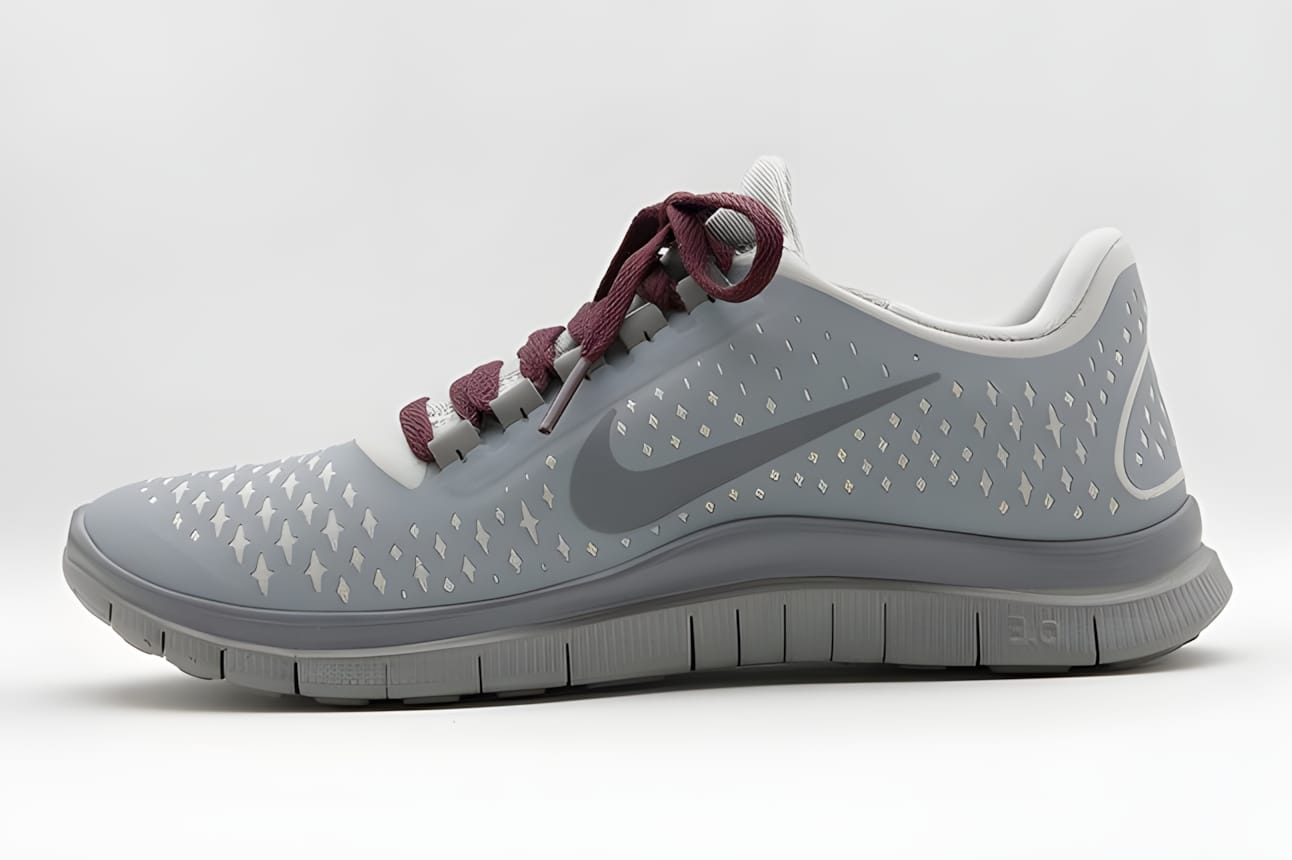
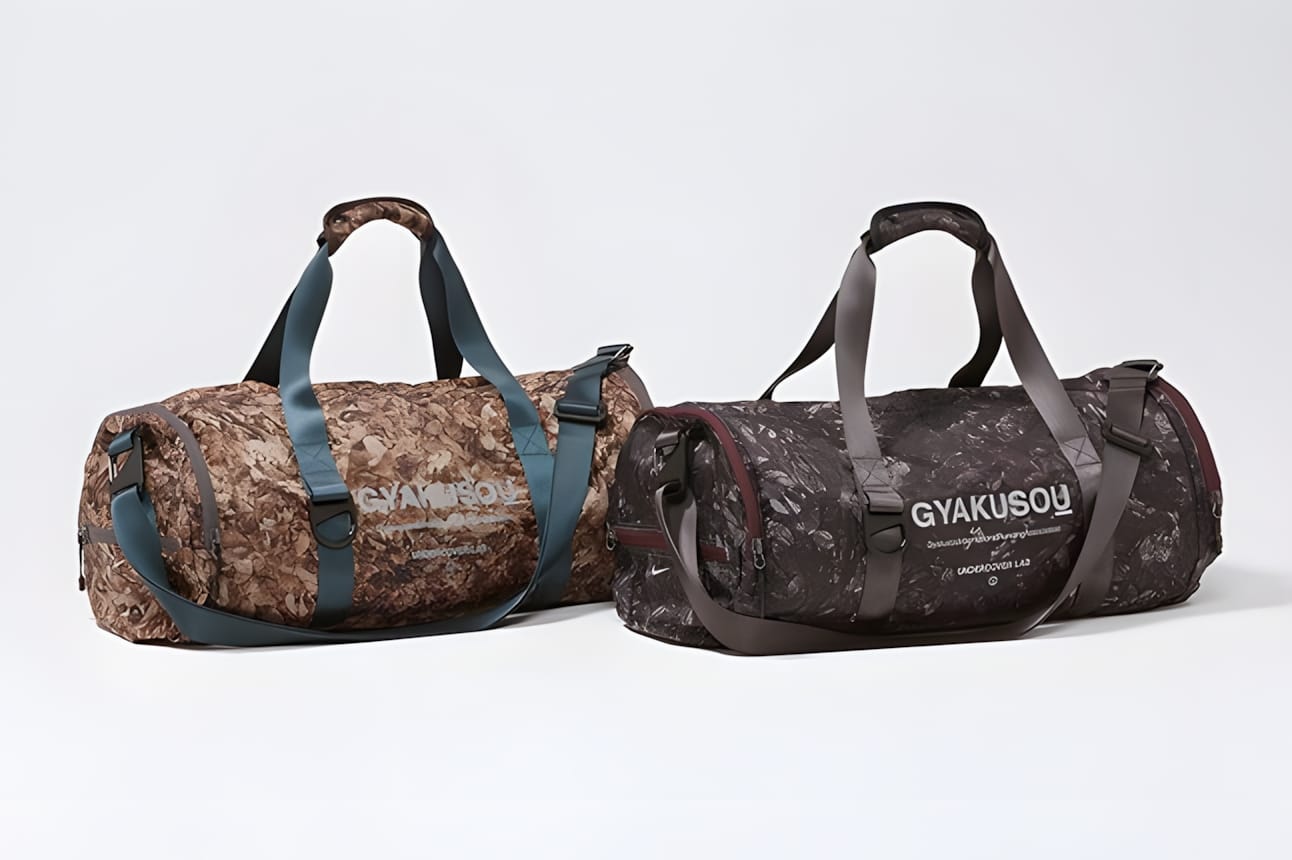
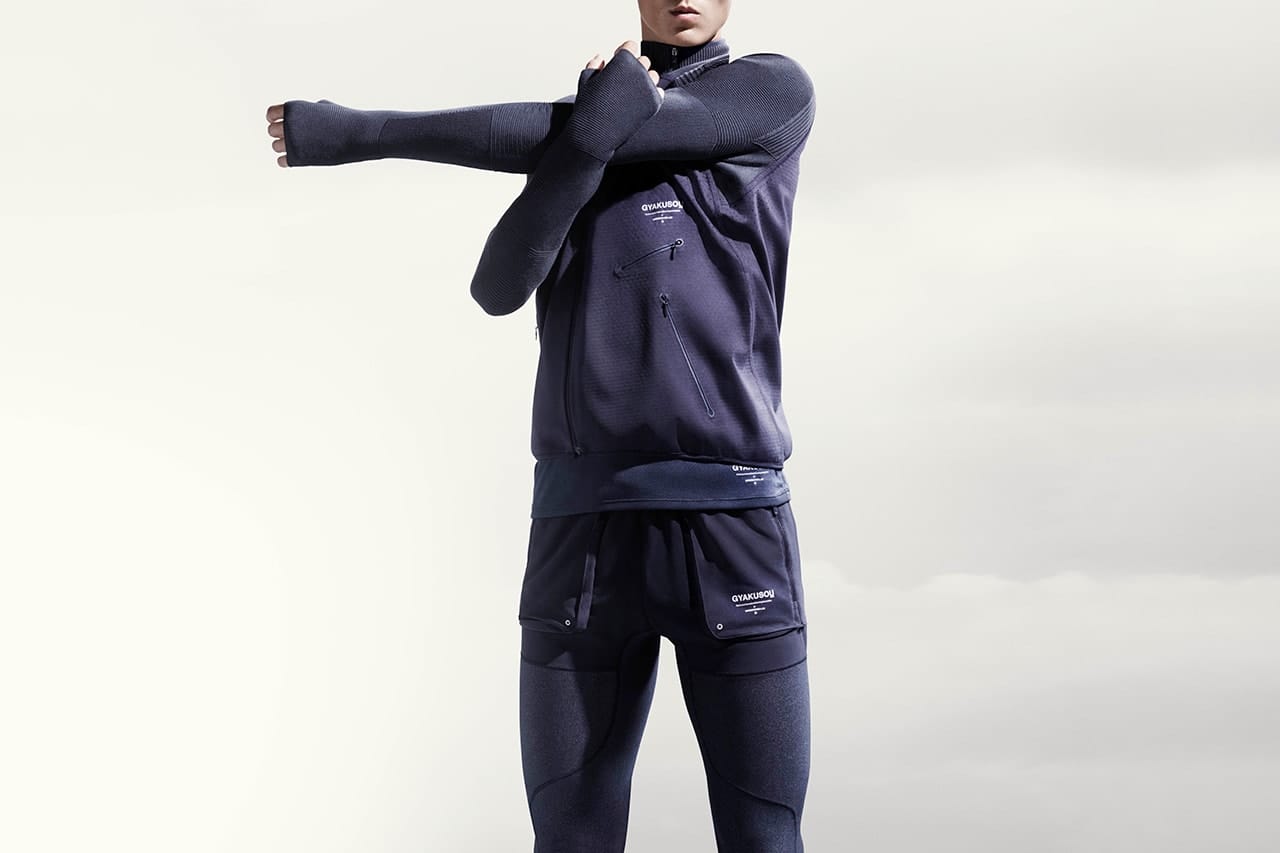
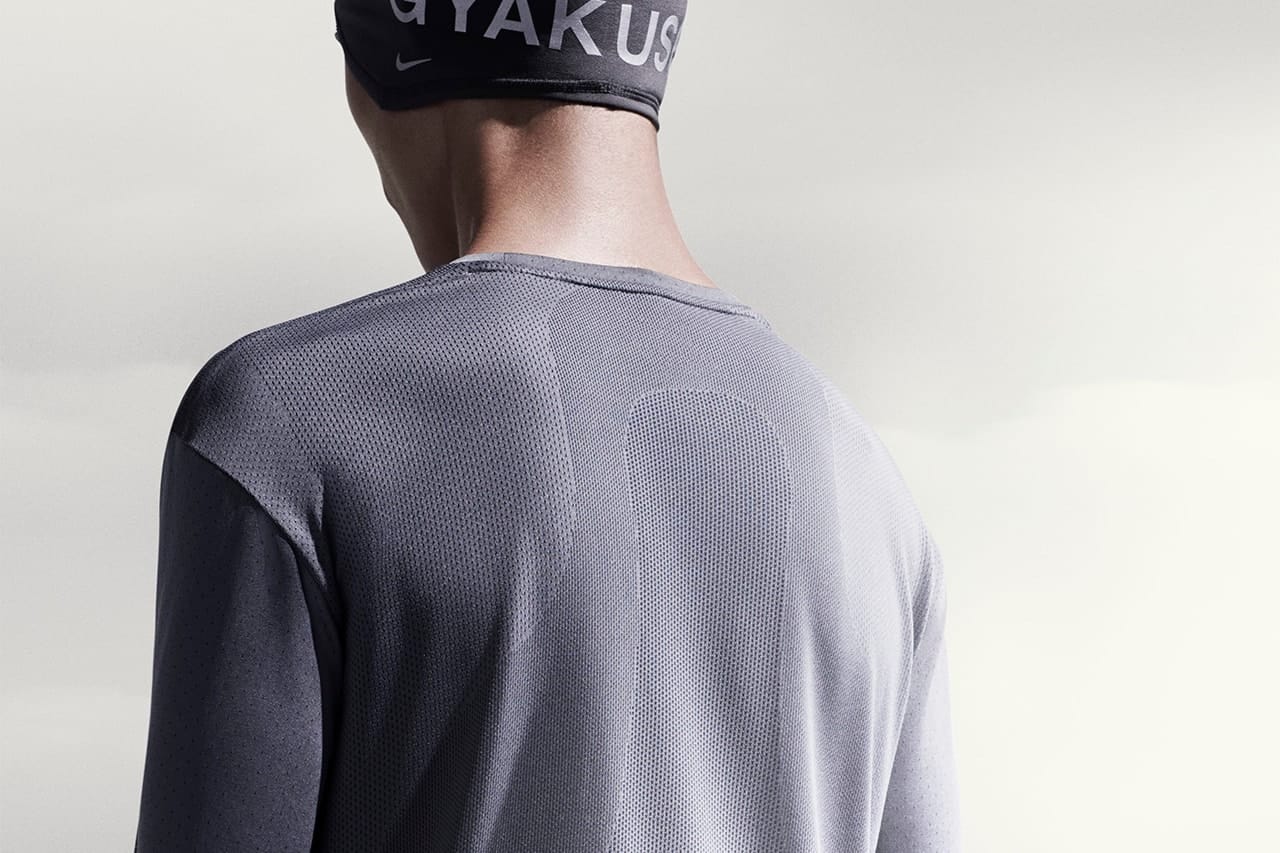
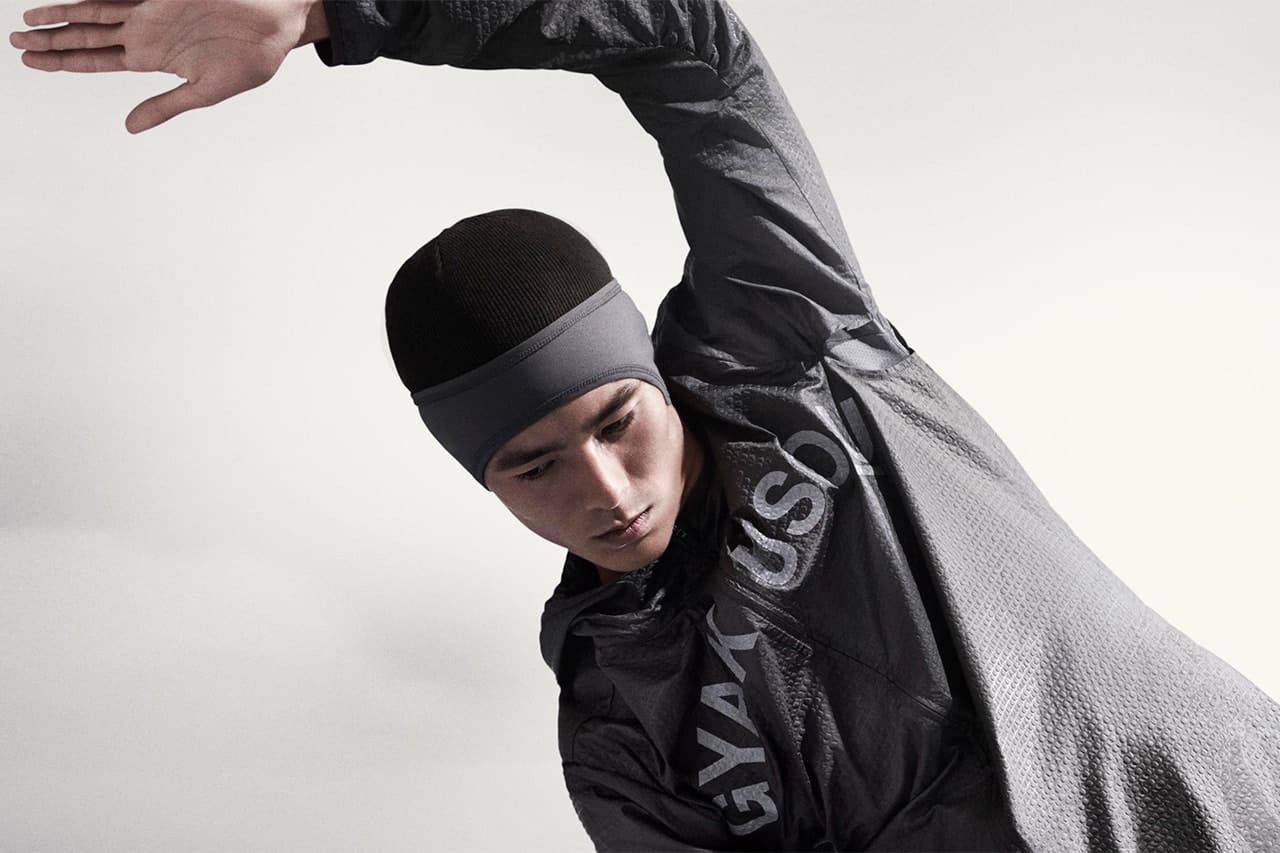
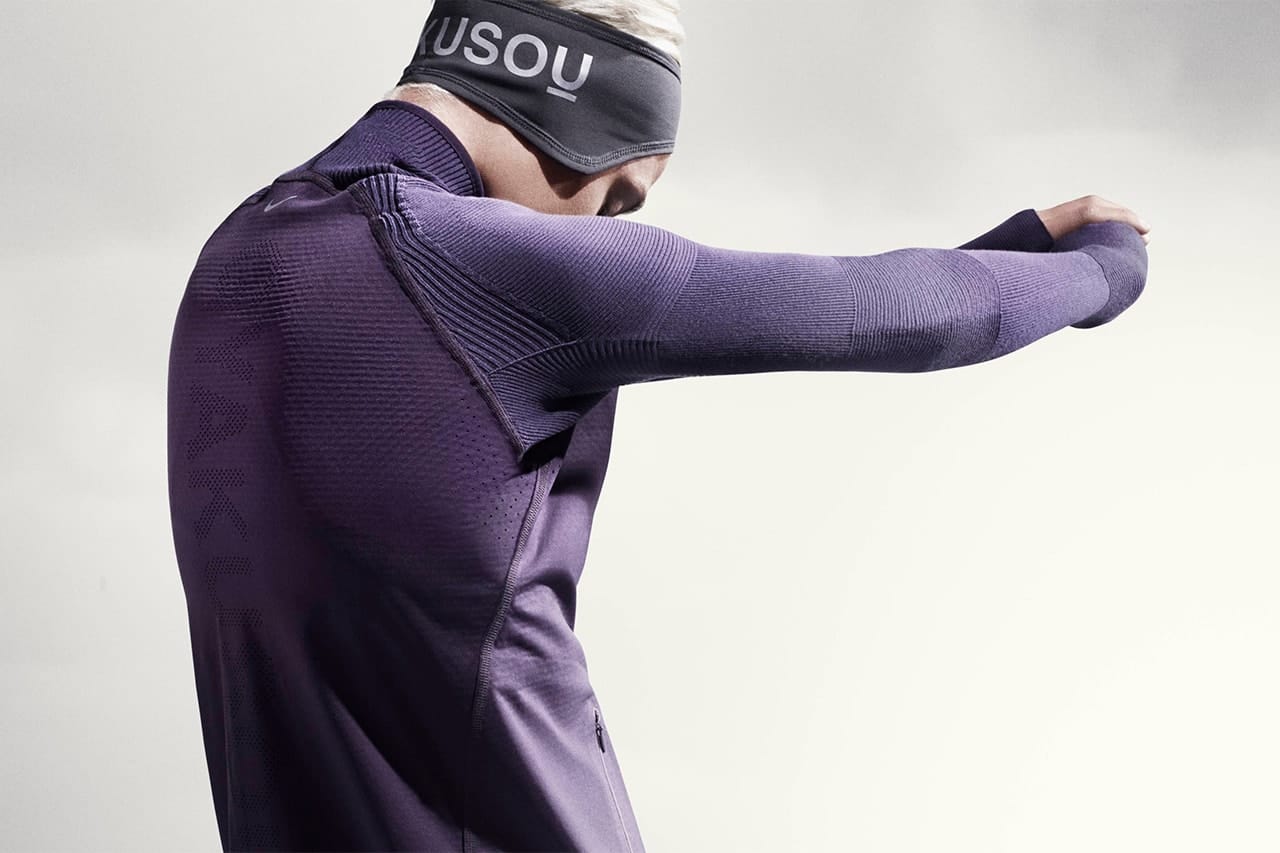
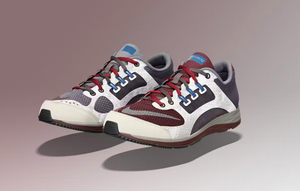
The Holiday 2014 collection is restored as the original seven-image studio set, separating it from the Holiday 2013 forest campaign.
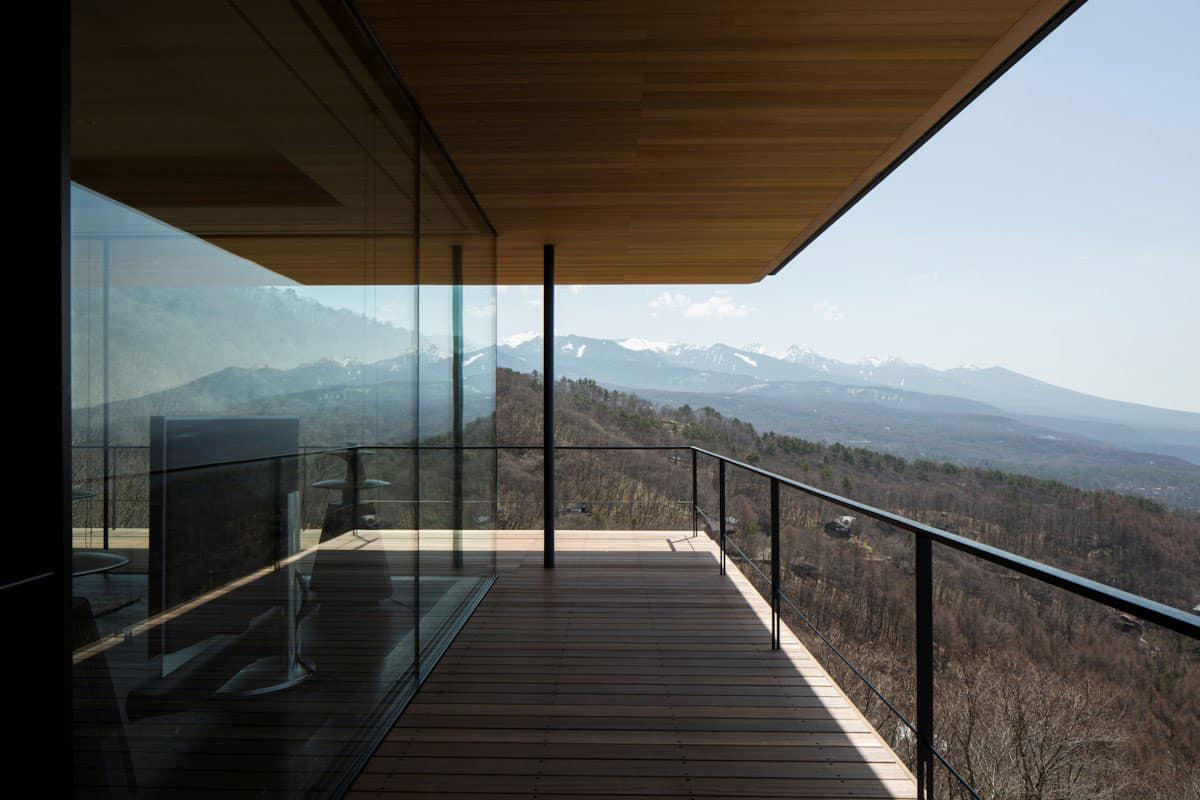
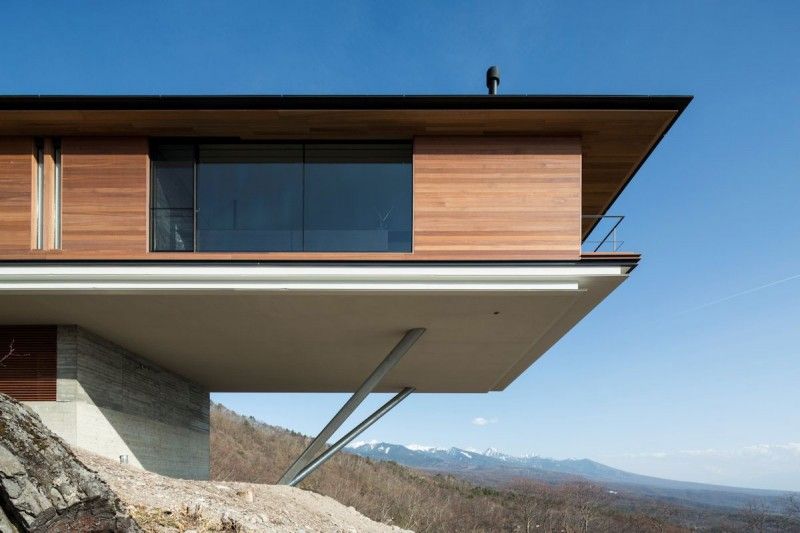
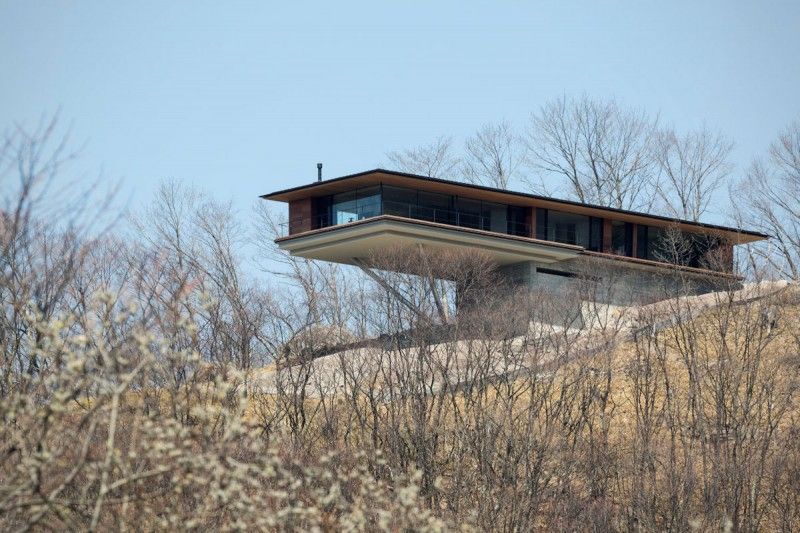
This private residence was designed by Kidosaki Architects Studio. It is located on the edge of the Yatsugatake Mountains in Nagano, Japan.
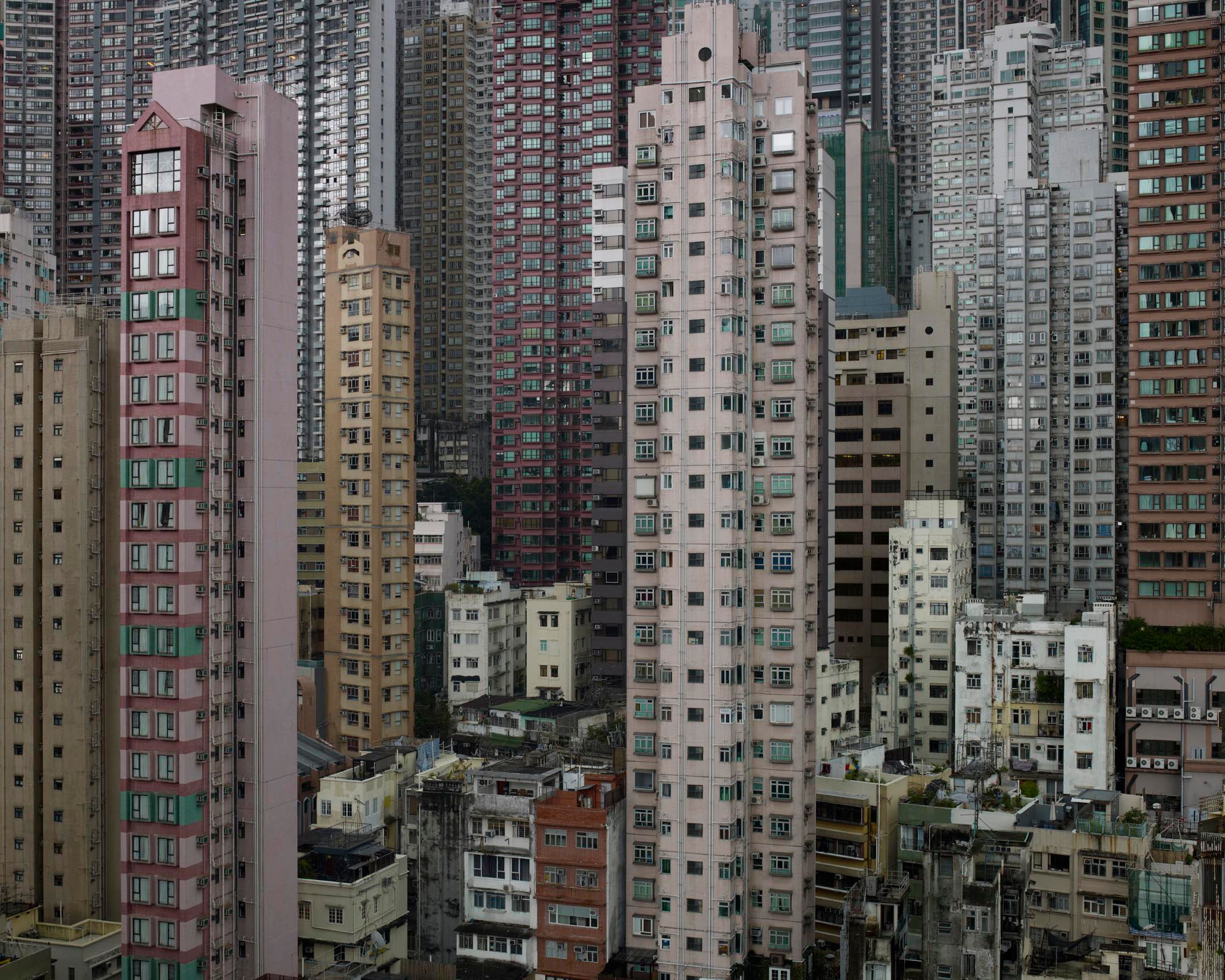
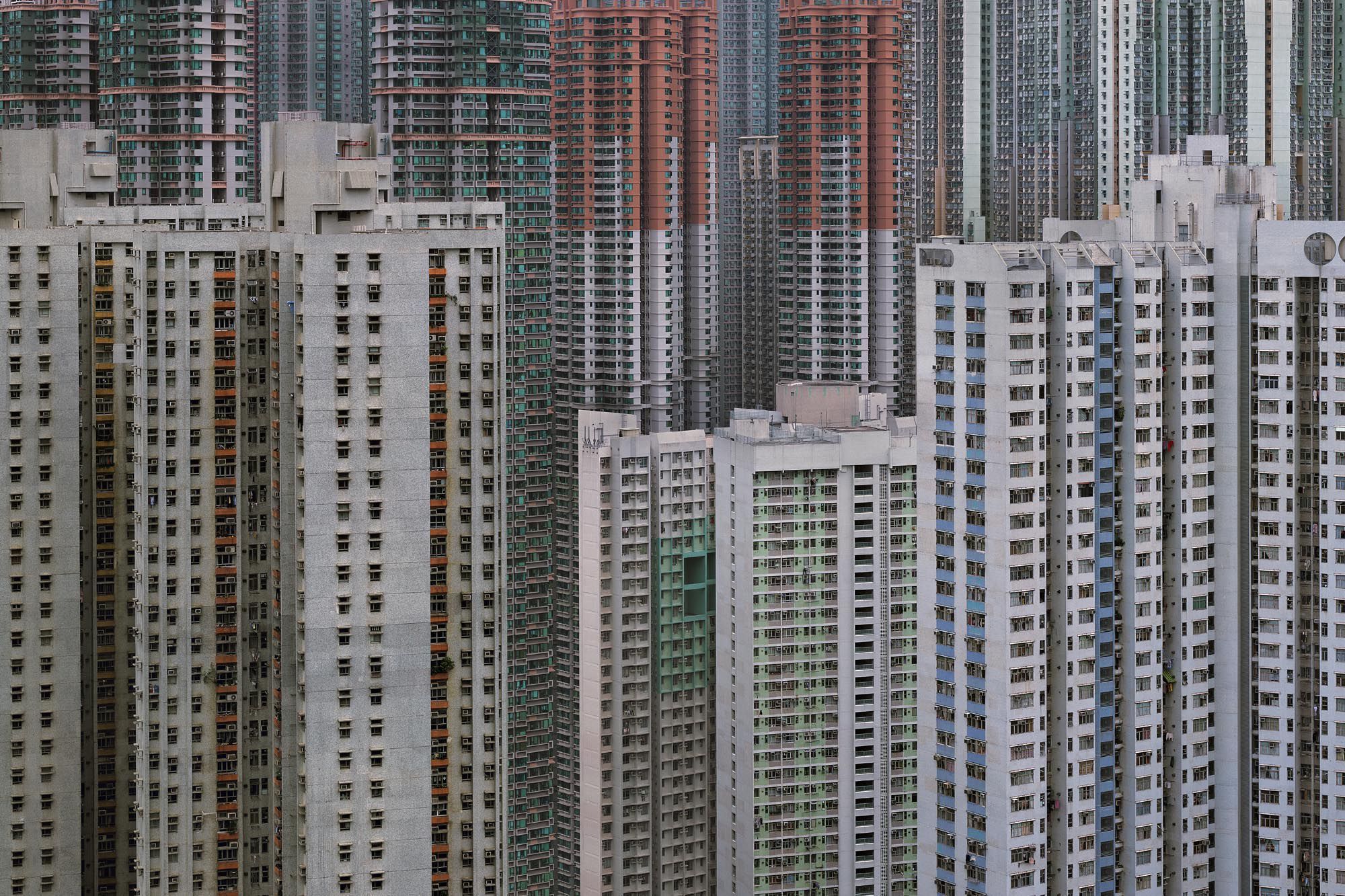
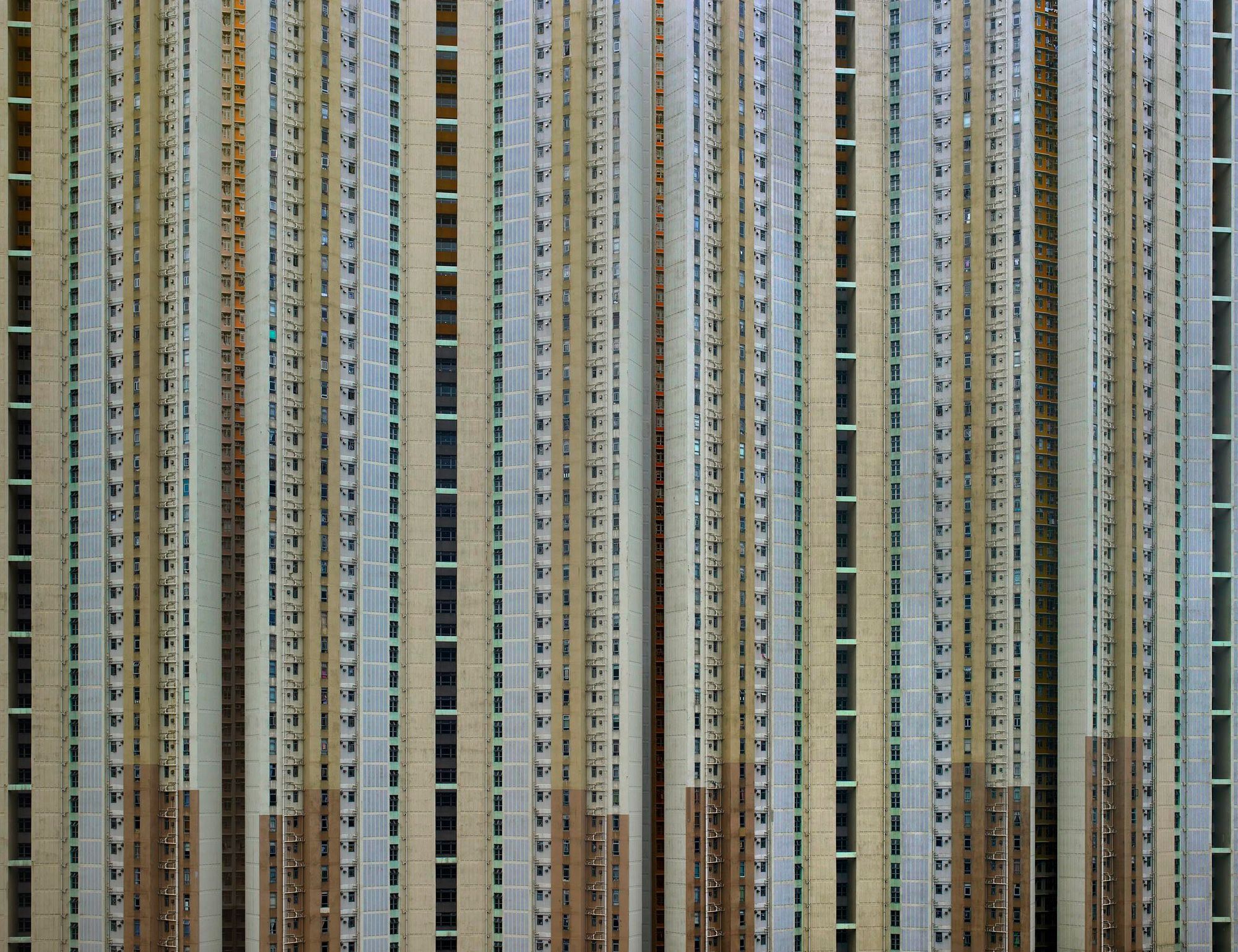
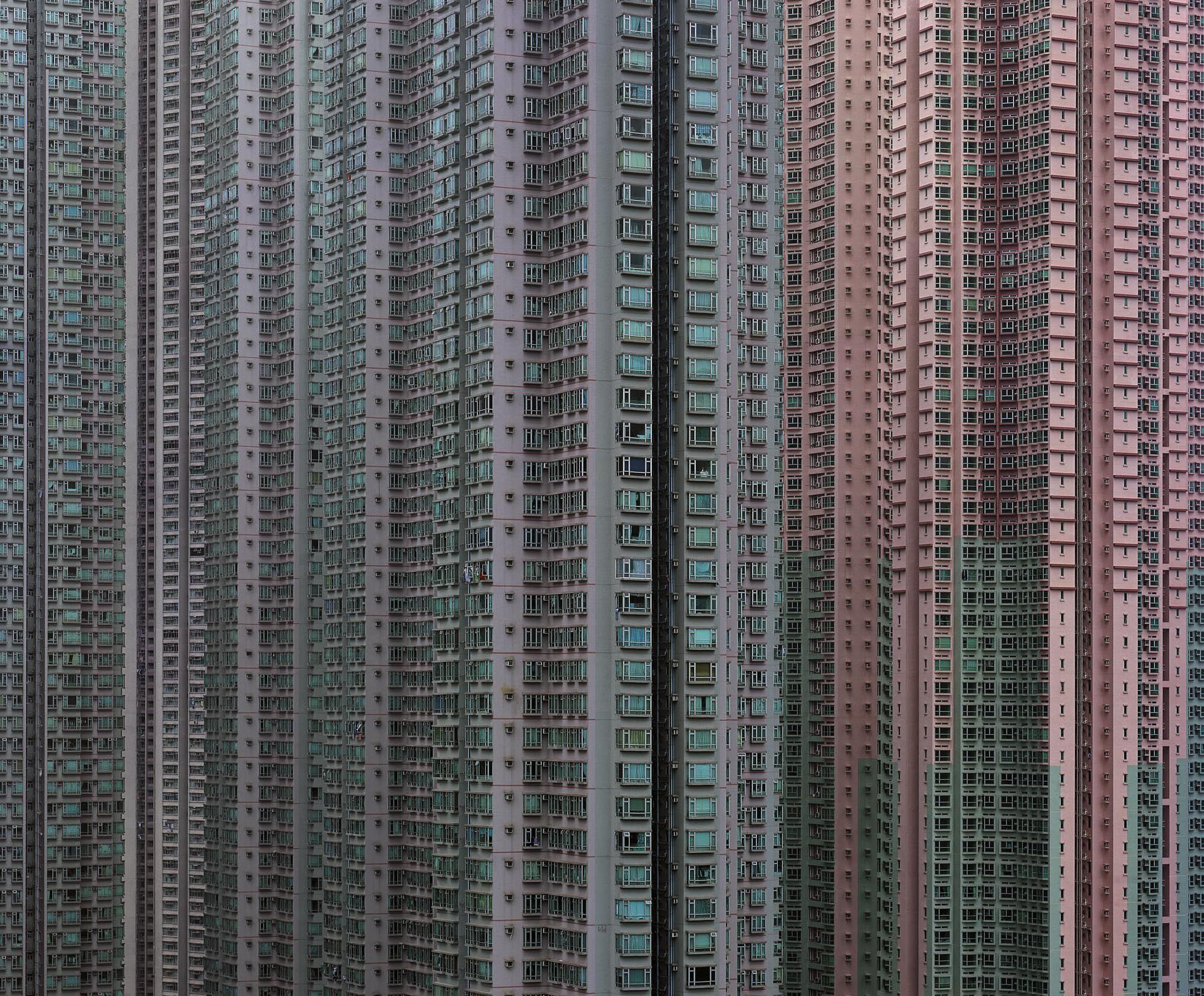
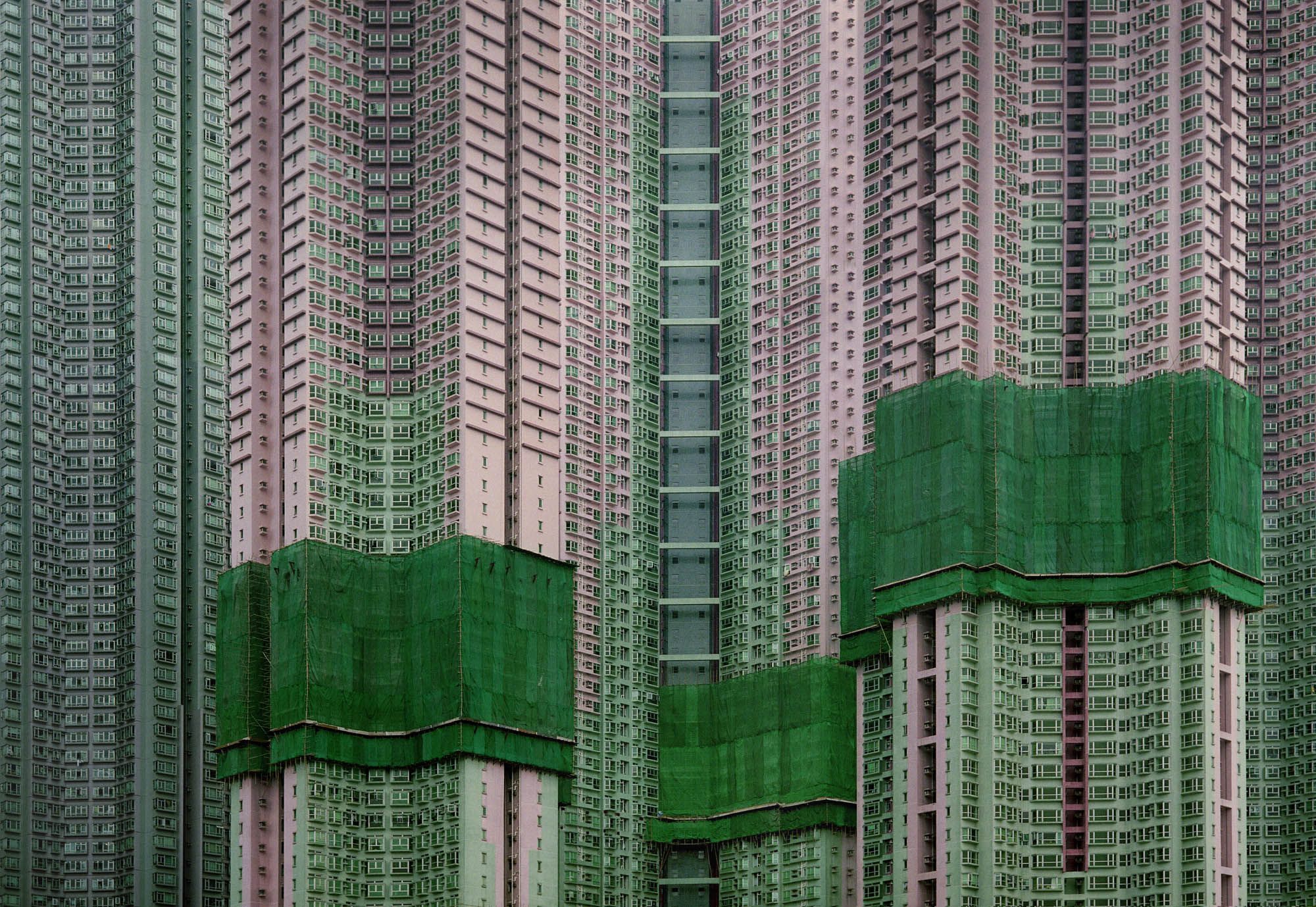
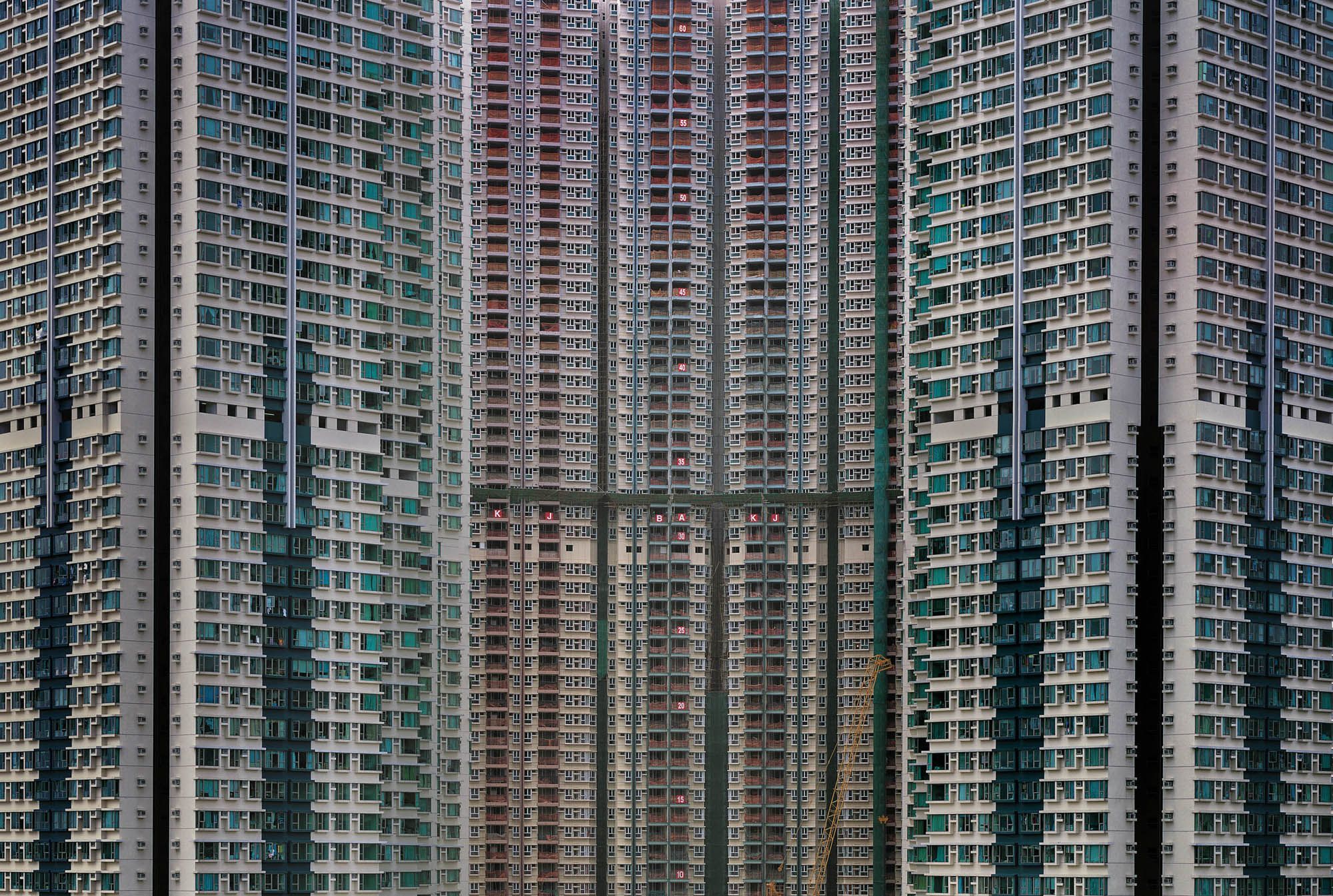
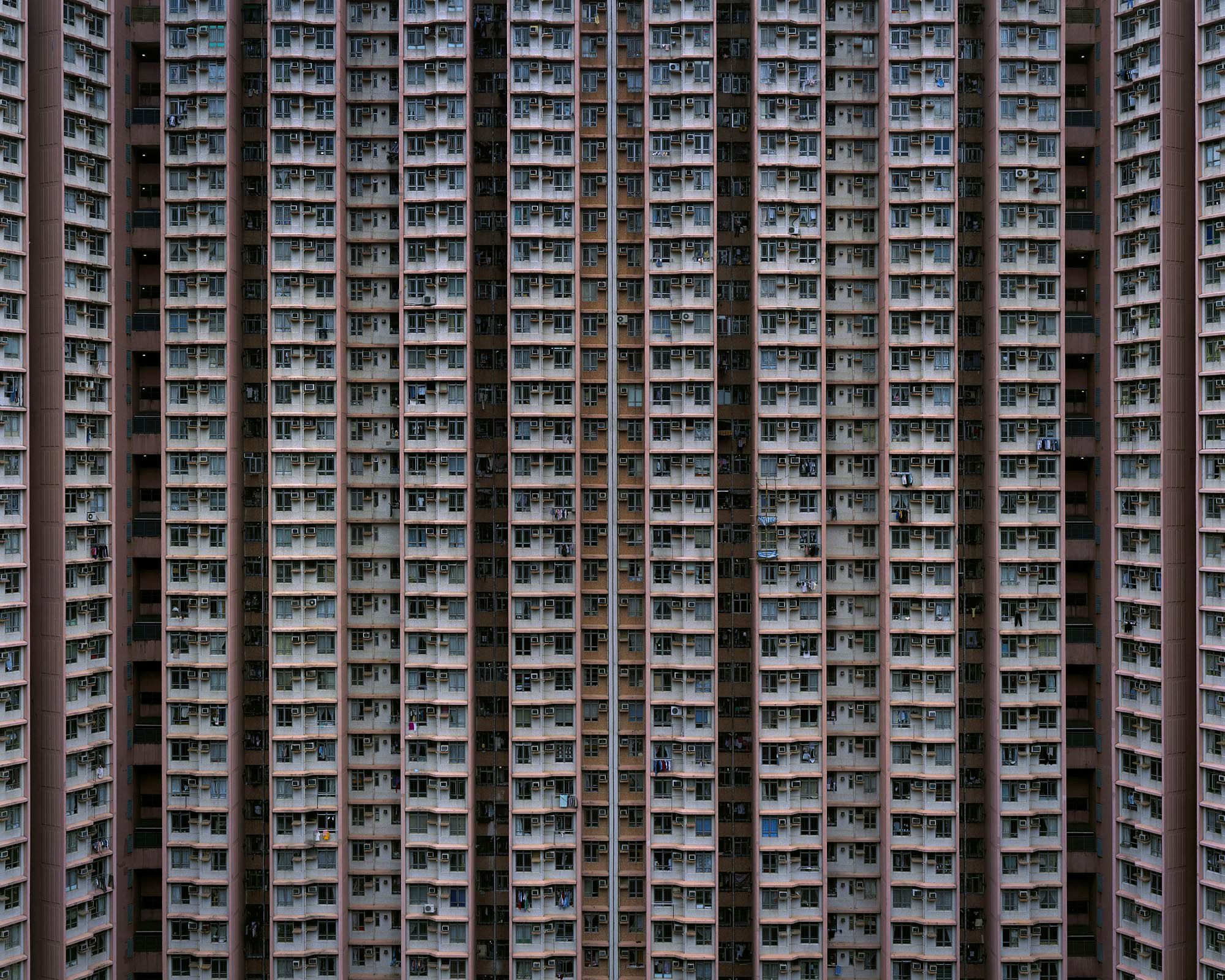
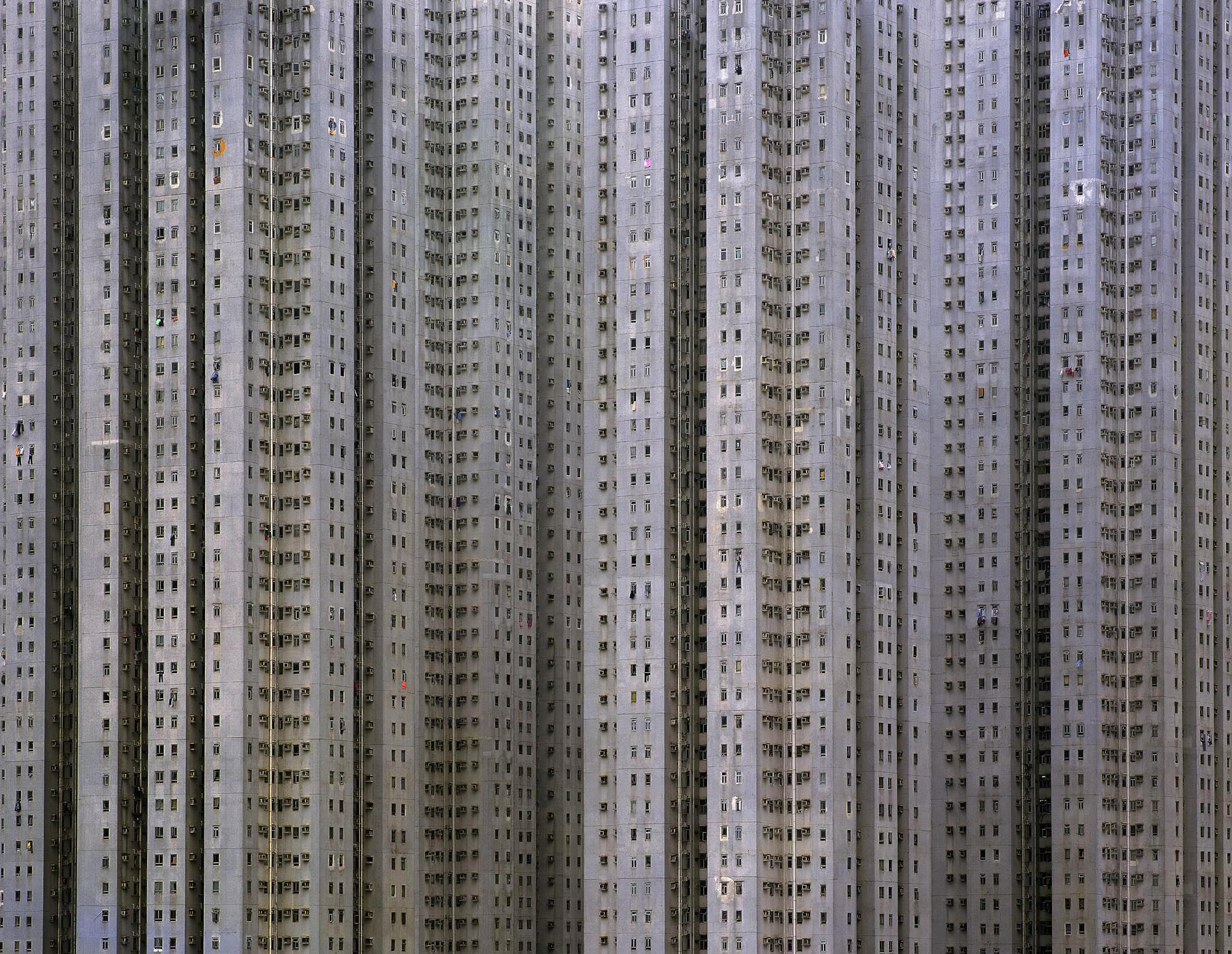
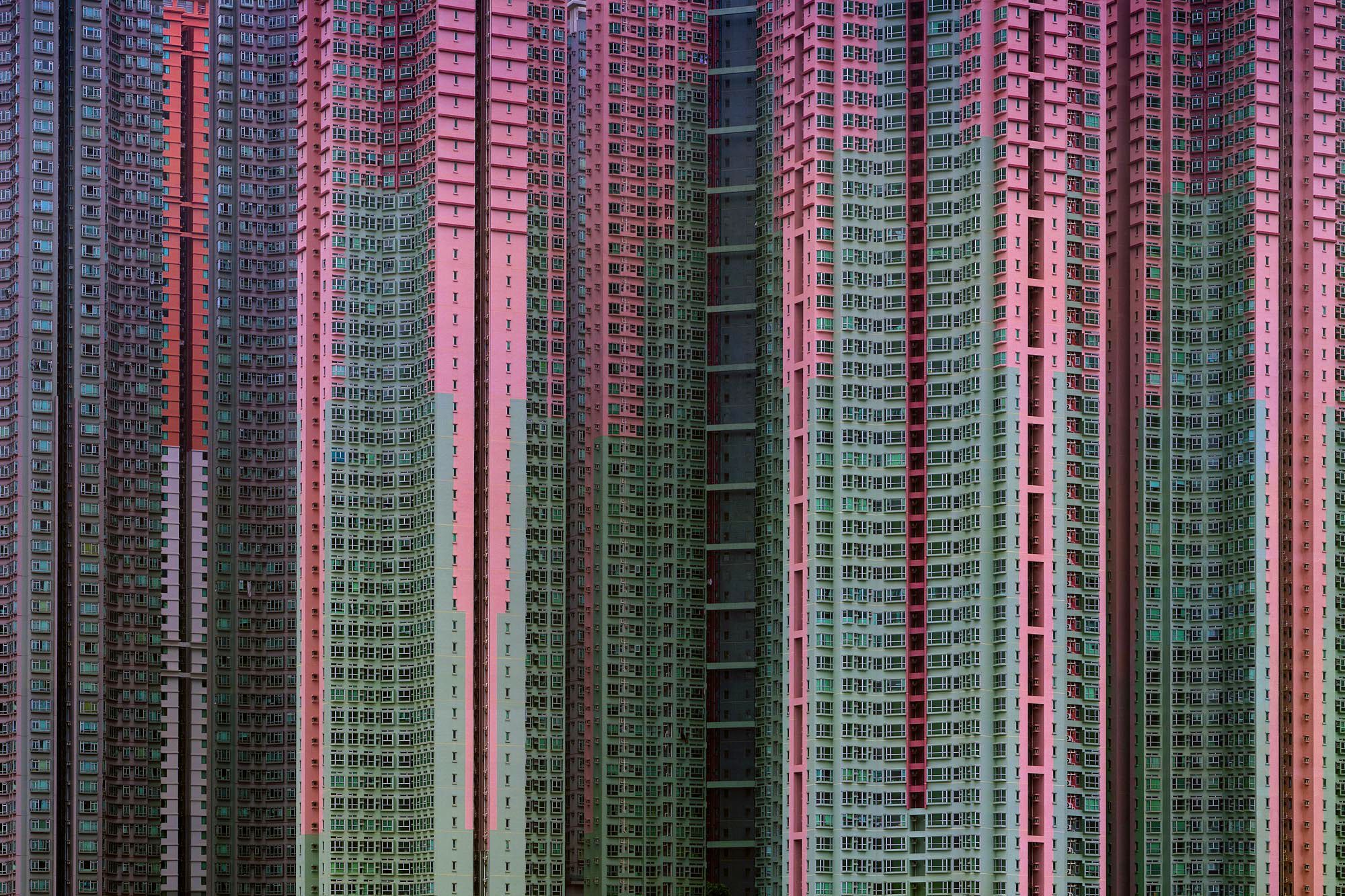
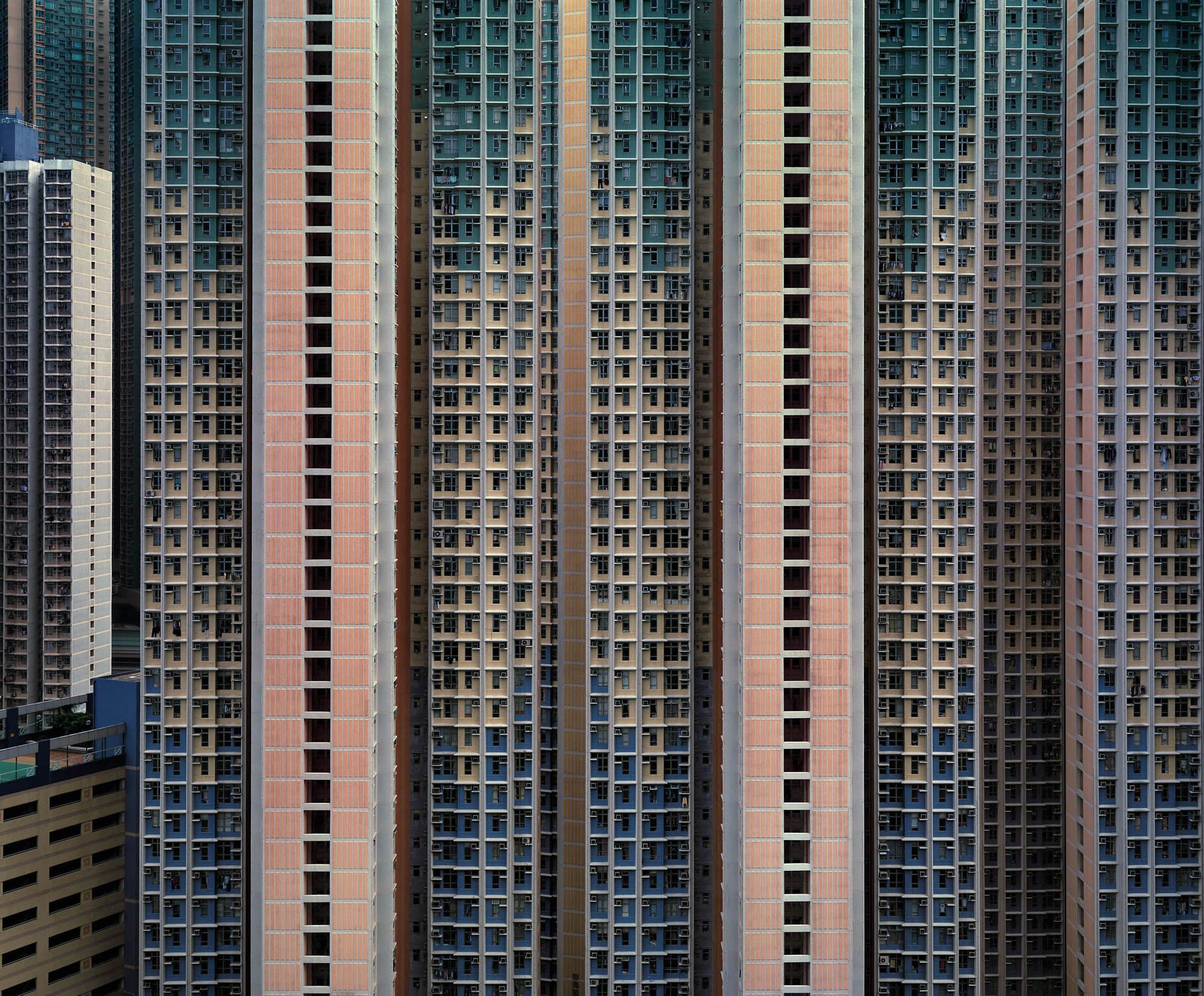
One of the most densely populated metropolitan areas in the world, Hong Kong has an overall density of nearly 6,700 people per square kilometer. The majority of its citizens live in flats in high-rise buildings, whose units can house as many as 10,000 people.
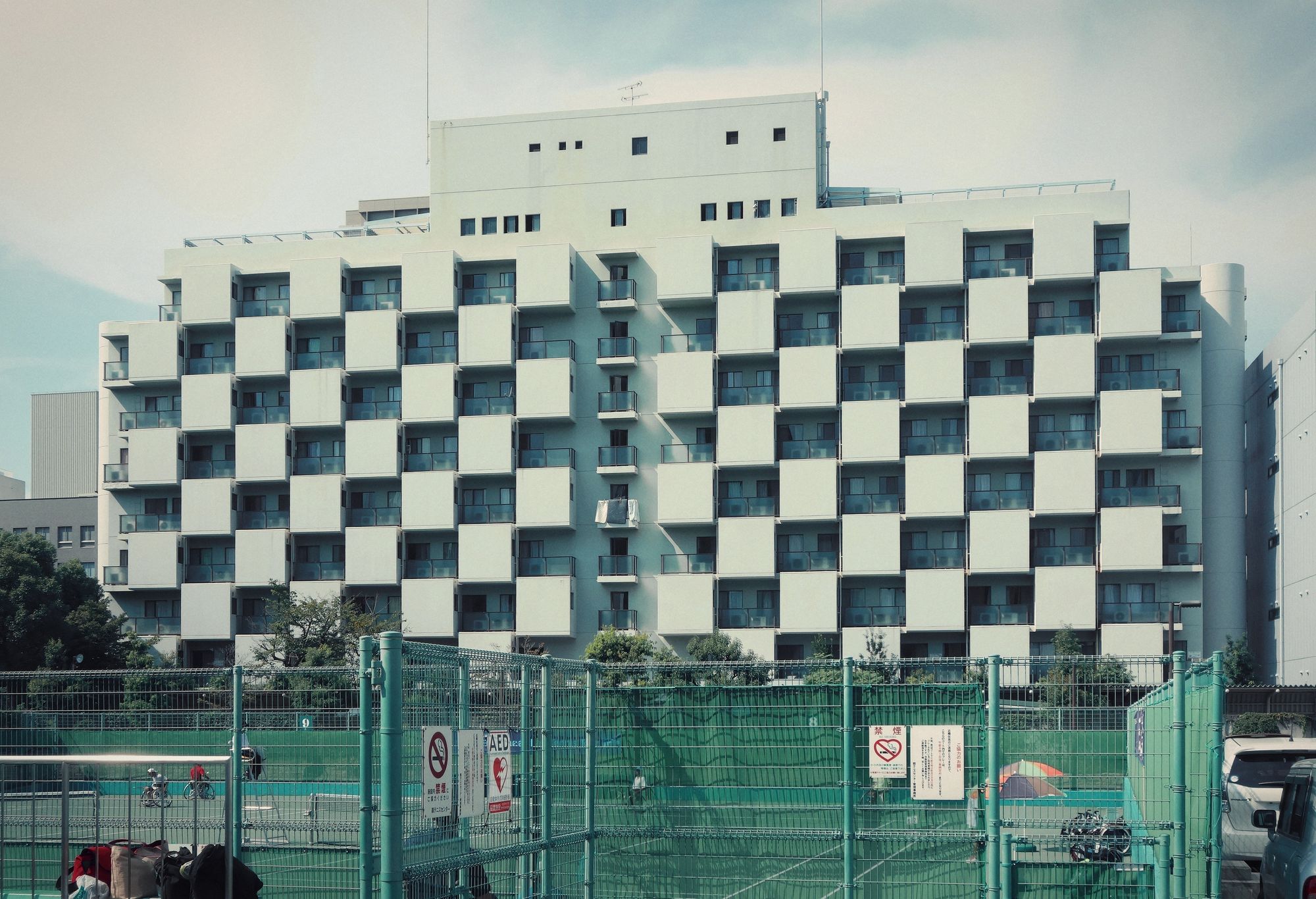
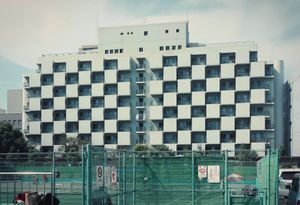
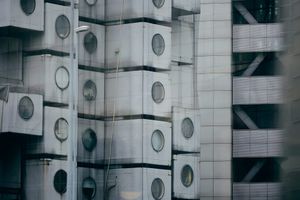
In Architecture of Density, Michael investigates these enormous city blocks, finding a mesmerizing abstraction in the buildings’ facades. The structures in the series are photographed without reference to the context of sky or ground, and many buildings are seen in a state of repair or construction: their walls covered with a grid of scaffolding or the soft coloured curtains that protect the streets below from falling debris. From a distance, such elements become a part of an intricate design. Upon closer inspection of each photograph, the anonymous public face of the city is full of rewarding detail – public space is private space, large swatches of colour give way to smaller pieces of people’s lives. The trappings of the people are still visible here: their days inform the detail of these buildings. Bits of laundry and hanging plants pepper the tiny rectangles of windows- the only irregularities in this orderly design. The images of Architecture of Density give one an inkling of what our cities could look like if grown continues unchecked.



By 20, she was the top female assassins in the world.
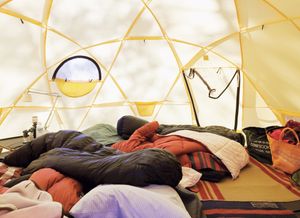
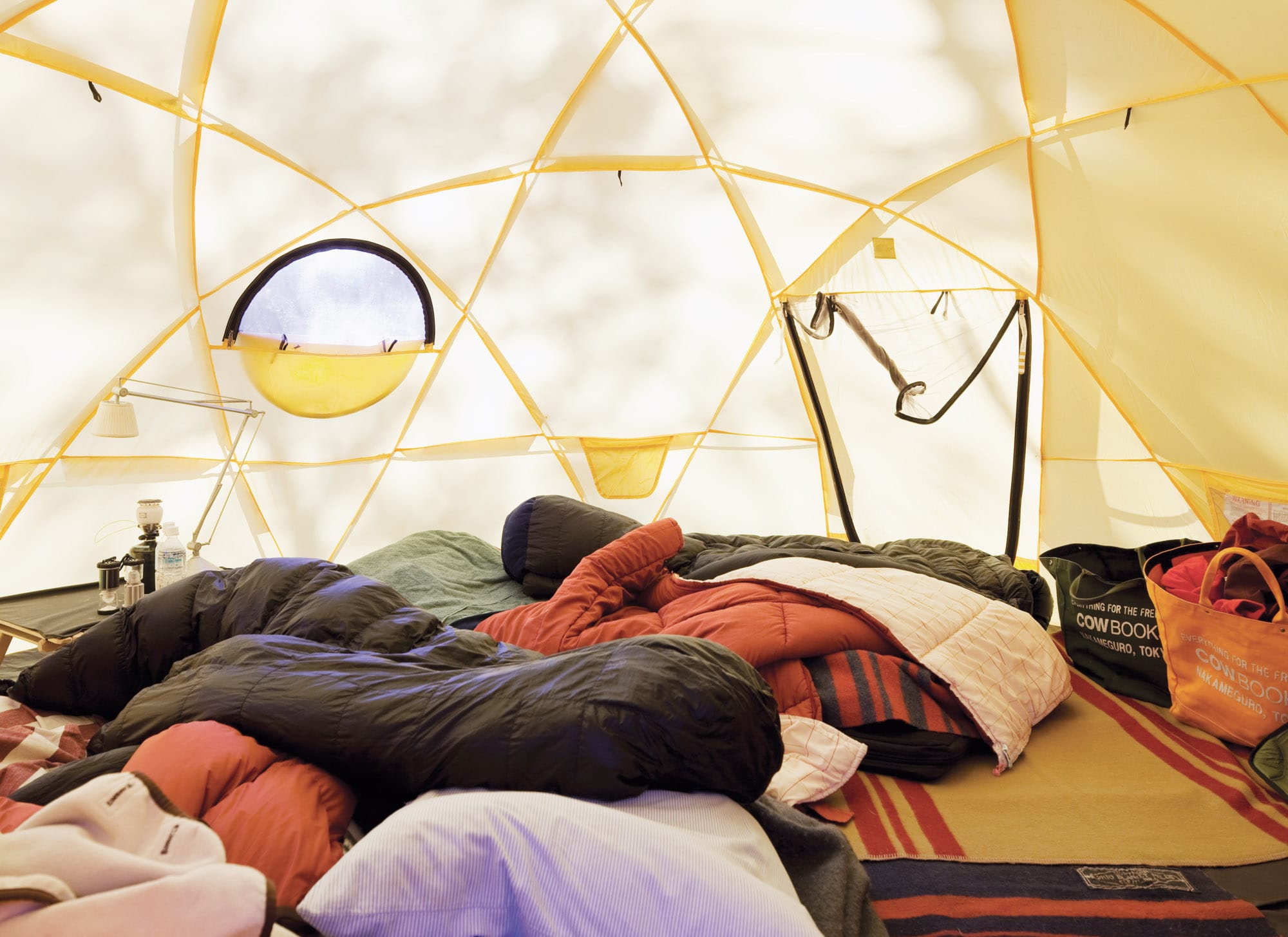
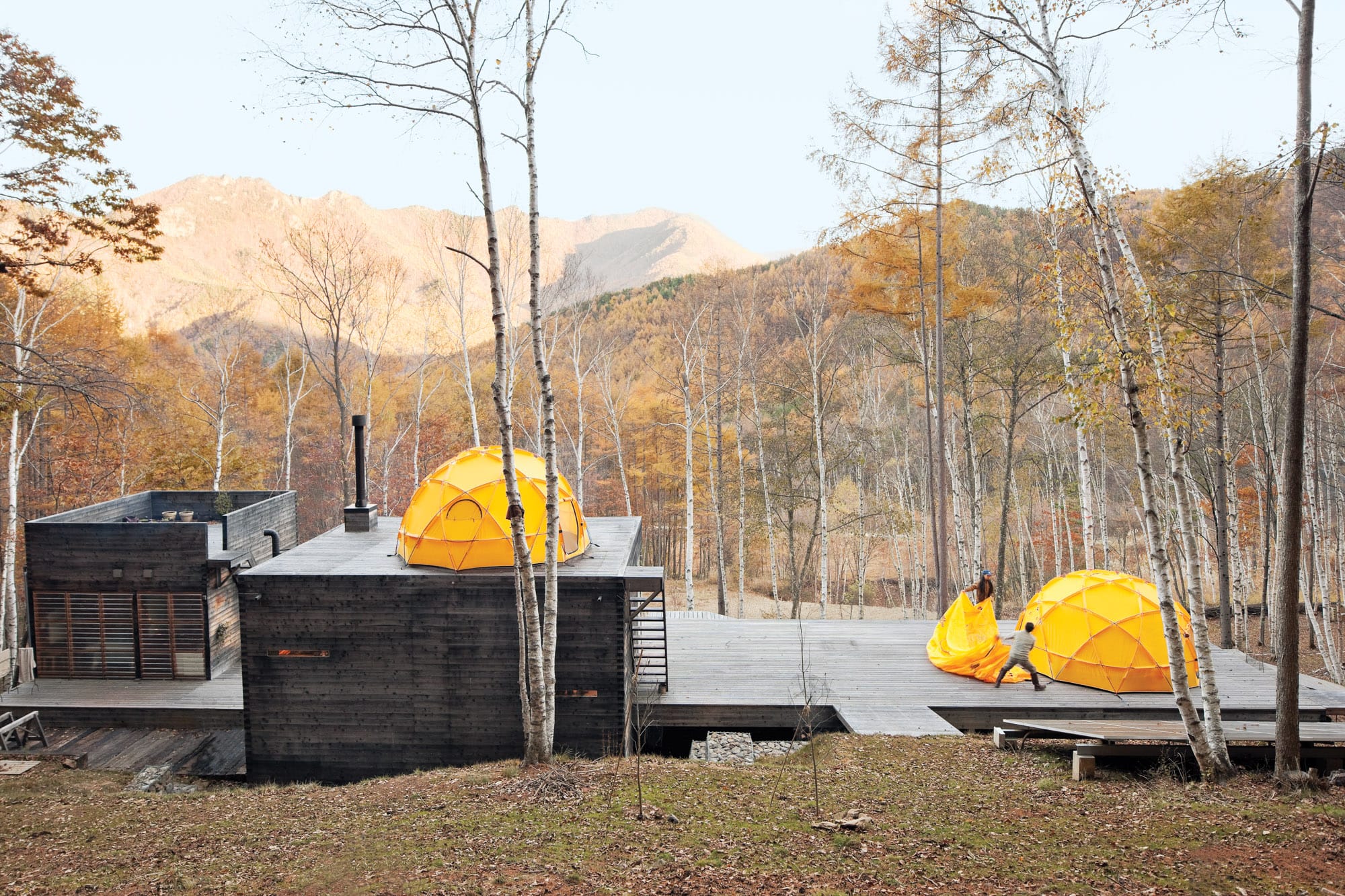
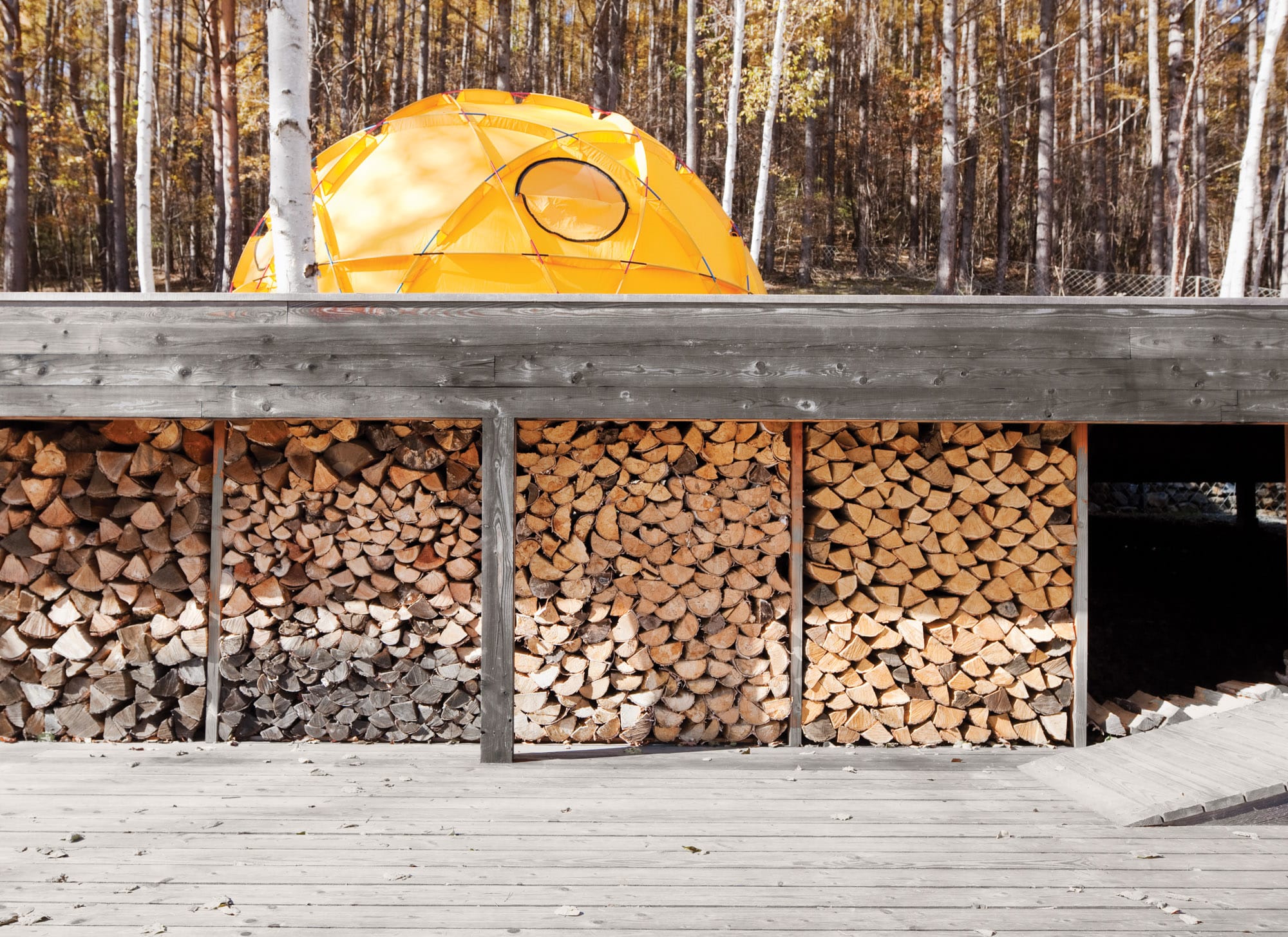
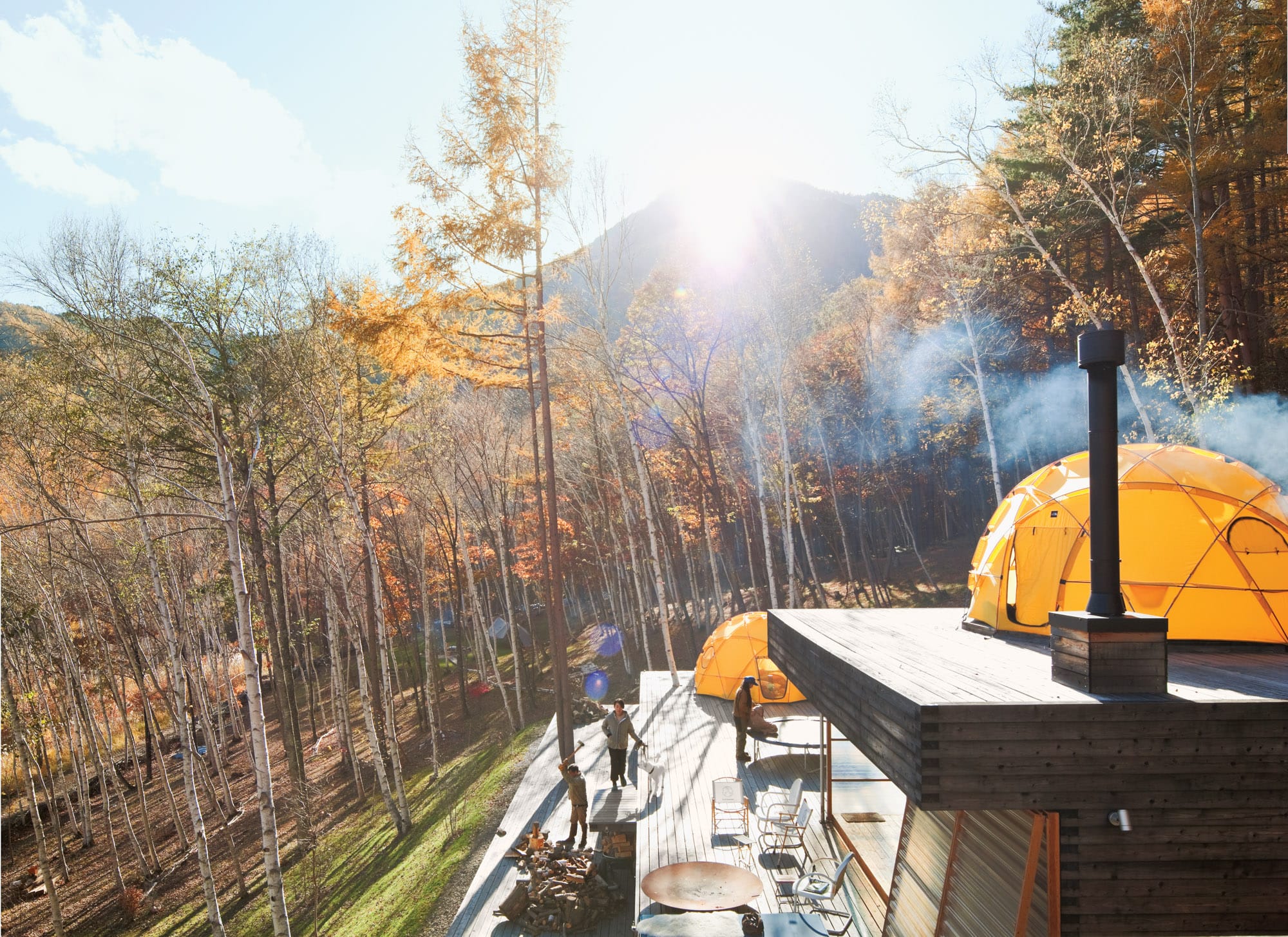
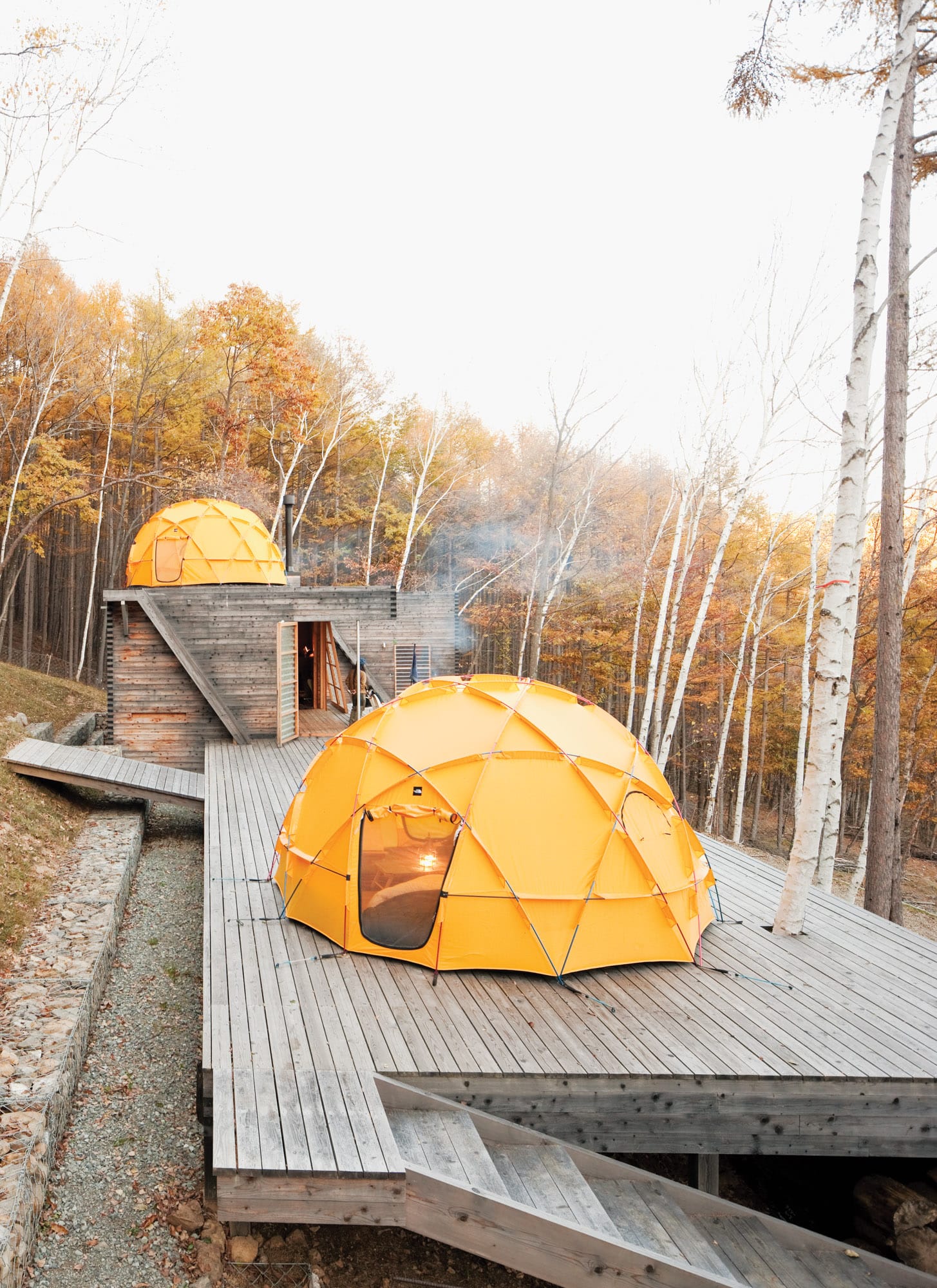
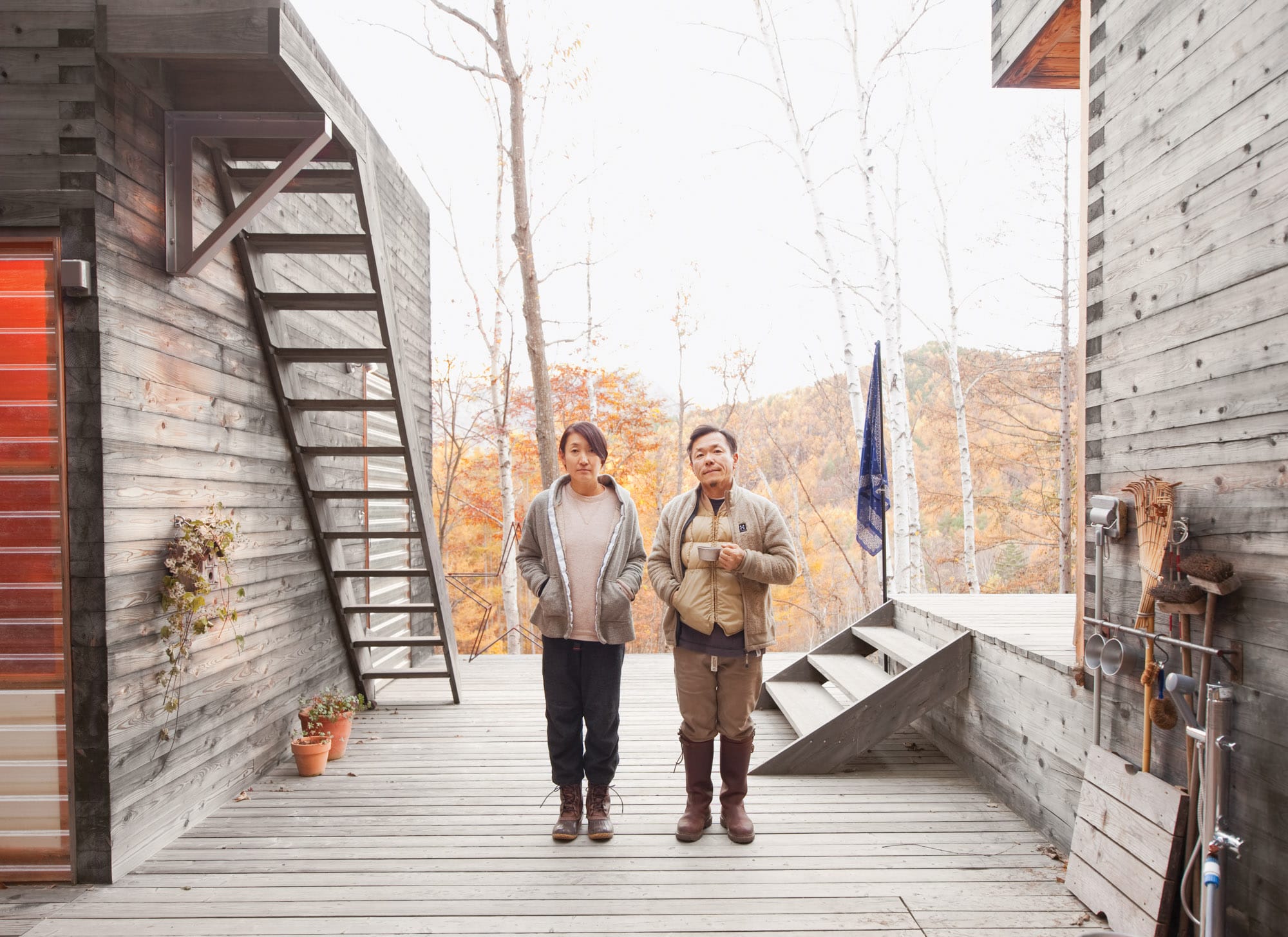
Designed by architect Shin Ohori of General Design for Setsumasa and Mami Kobayashi, founders of General Research. Located in the Chichibu mountain range northwest of Tokyo, the site serves as both a personal weekend shelter and a field-testing ground for product development.
The structure is built on an elevated platform using locally harvested larch wood and features removable walls made from fiber-reinforced plastic. It includes two yellow dome tents used as permanent sleeping areas—one placed on a secondary deck and the other on the roof of the main volume. The central enclosed space houses a kitchen and dining area.
The shelter is equipped with electricity, hot water, internet access, and basic amenities, including a clawfoot bathtub. The location is remote but accessible, allowing the Kobayashis to engage in maintenance tasks and outdoor work while still performing professional duties remotely. The architecture is intentionally simple and functional, emphasizing modularity, environmental responsiveness, and a hybrid of modernist design with primitive outdoor living elements.
The project operates as a live-in testing platform for lifestyle and gear integration in a real-world setting, merging domestic space with performance wear prototyping. It represents an approach to architecture and living that prioritizes adaptability, utility, and a direct relationship with the natural environment.
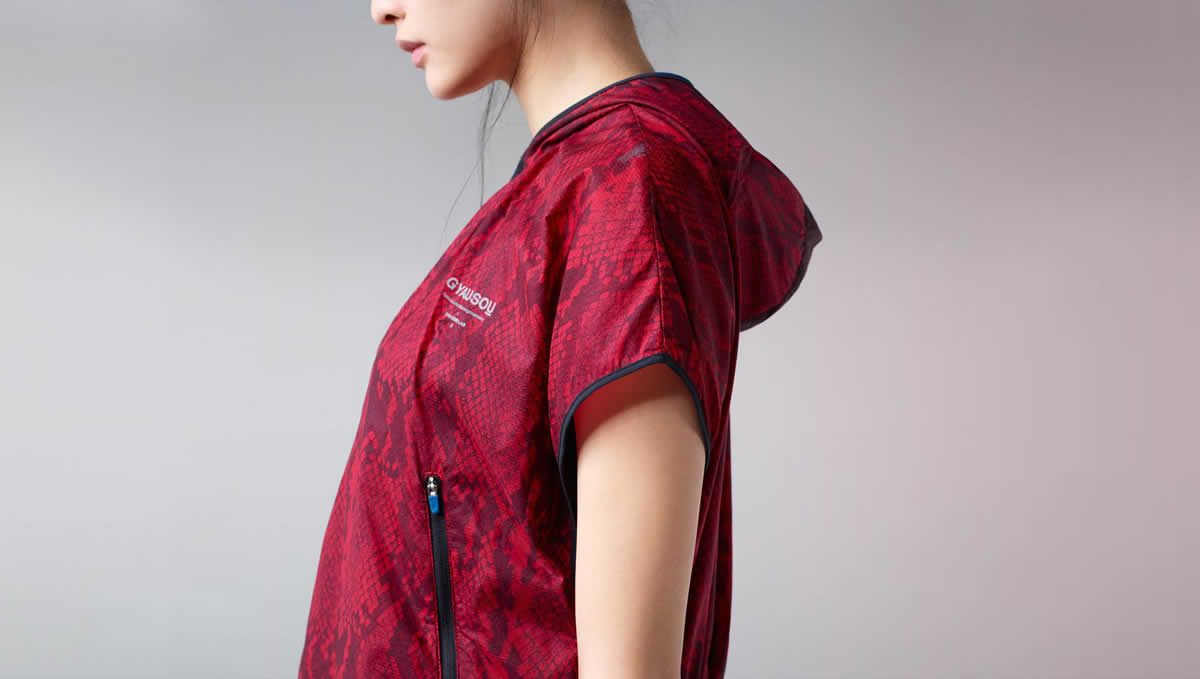
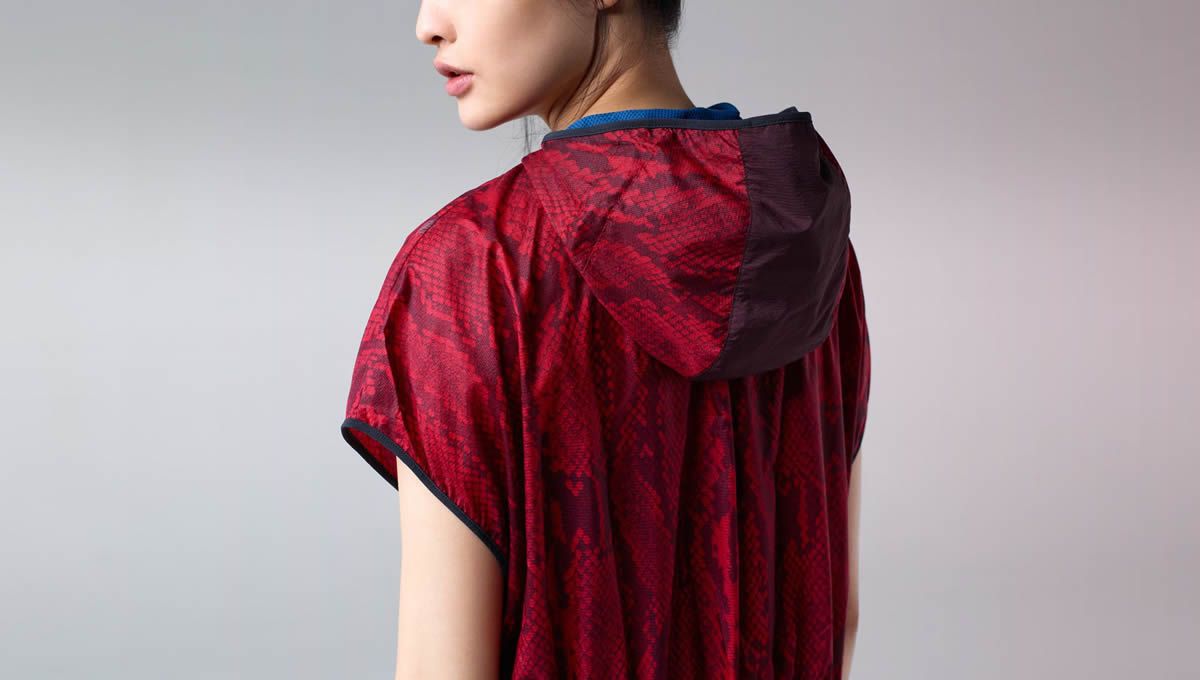
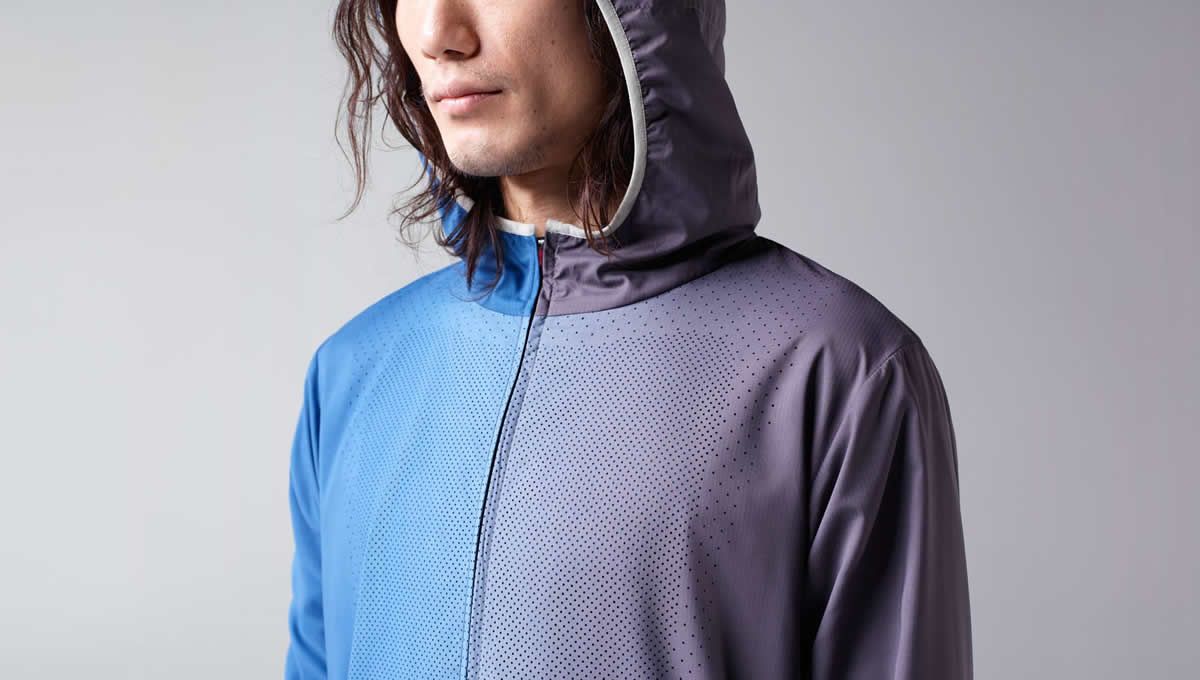
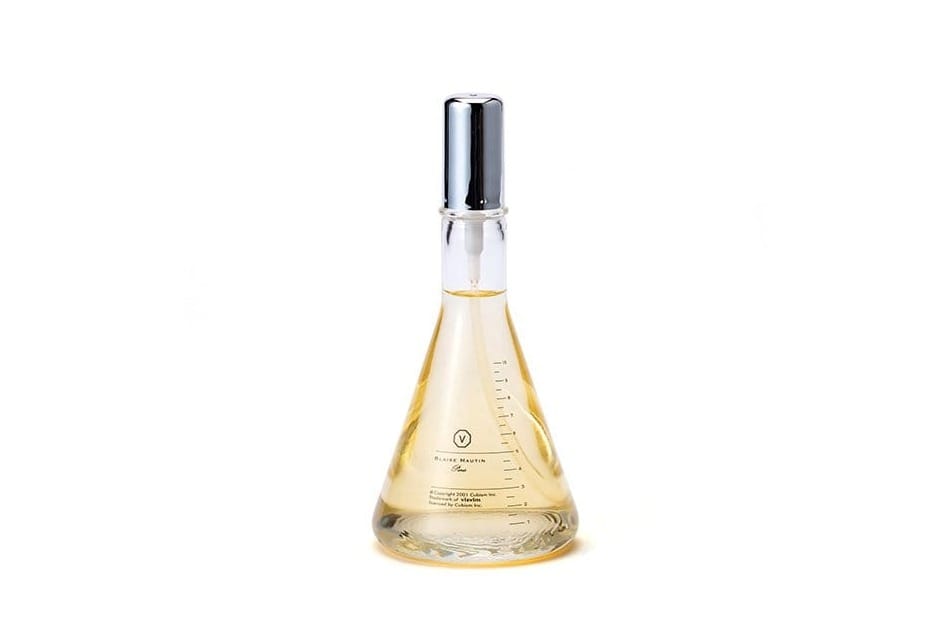
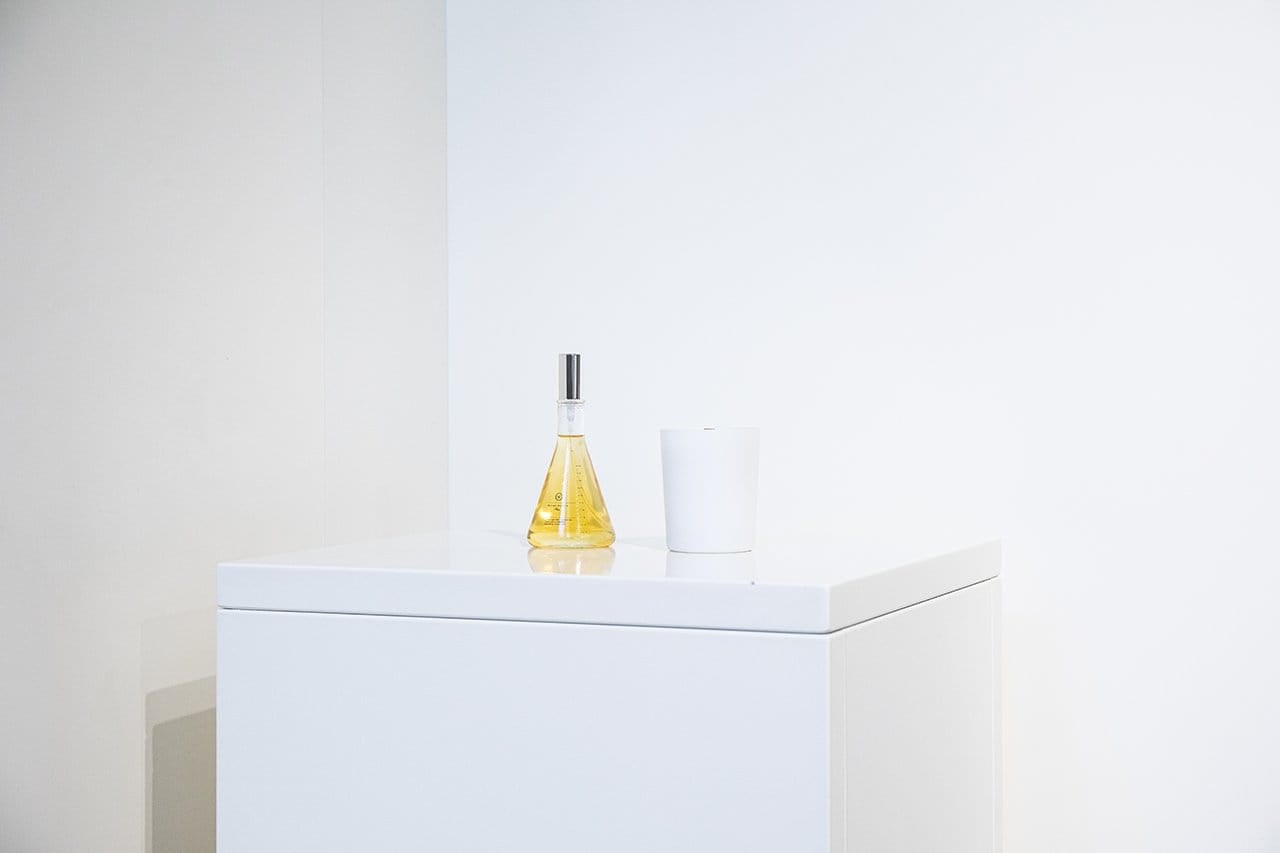
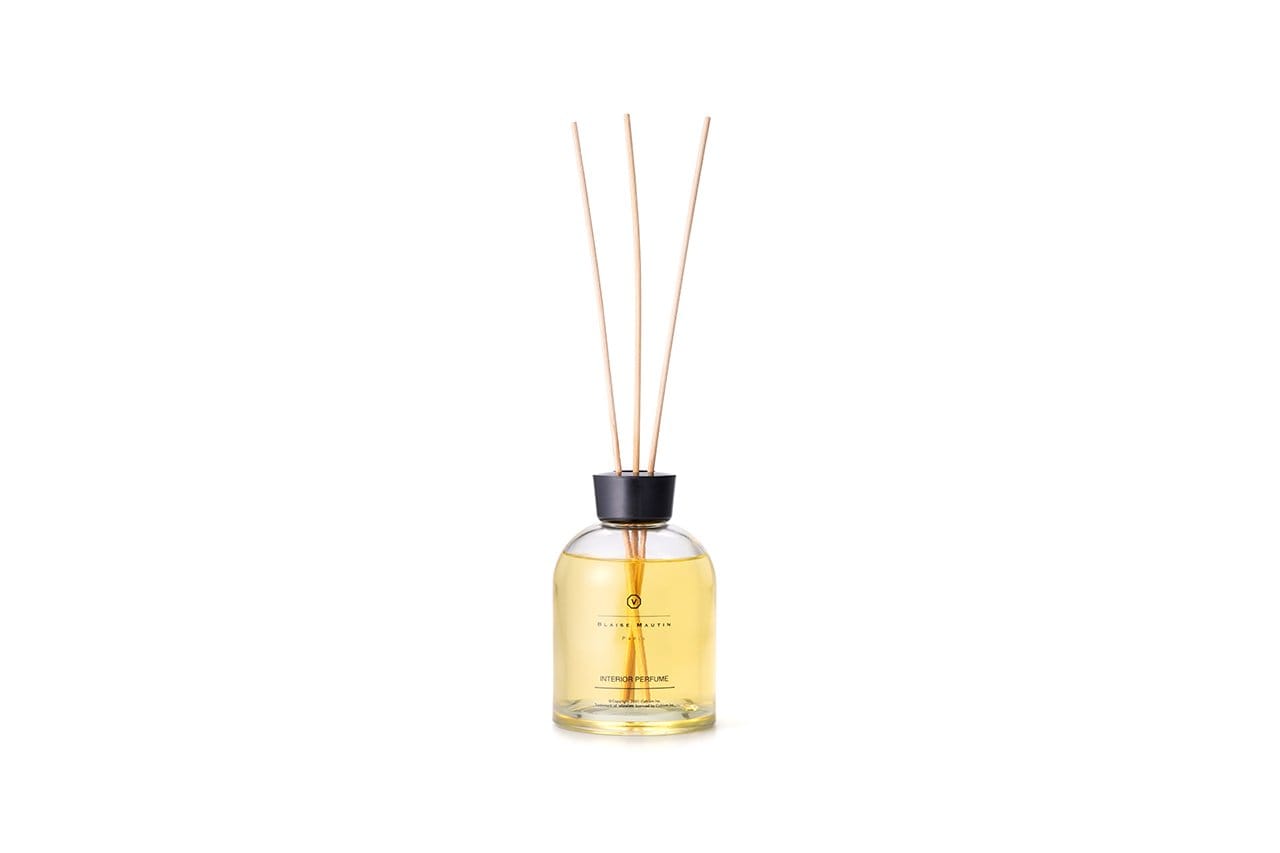
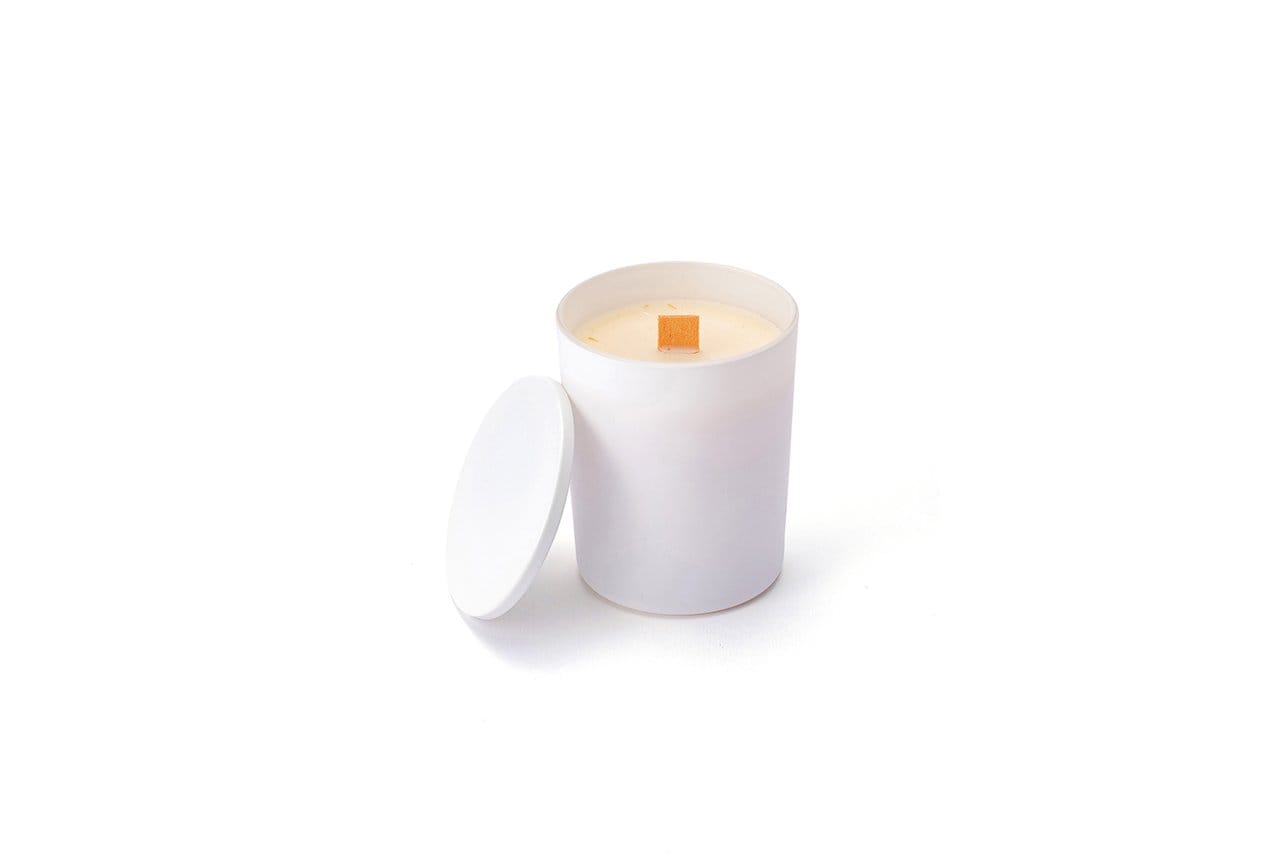
The SUBSECTION SERIES is a fragrance collection by Visvim, inspired by founder Hiroki Nakamura’s encounter with French fragrance designer Blaise Mautin over 20 years ago. The series includes candles, room sprays, and diffusers, each available in various scents. Notable fragrances are NO.1 F.I.L., a blend featuring patchouli and sandalwood, and NO.7 KYOTO, inspired by a morning visit to Kyoto’s Sanjusangendo temple.

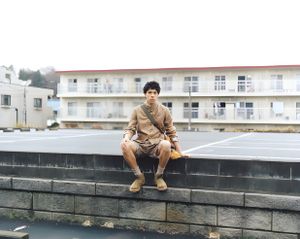
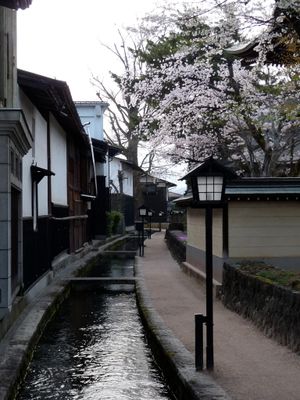
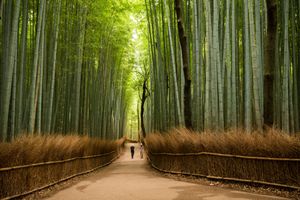
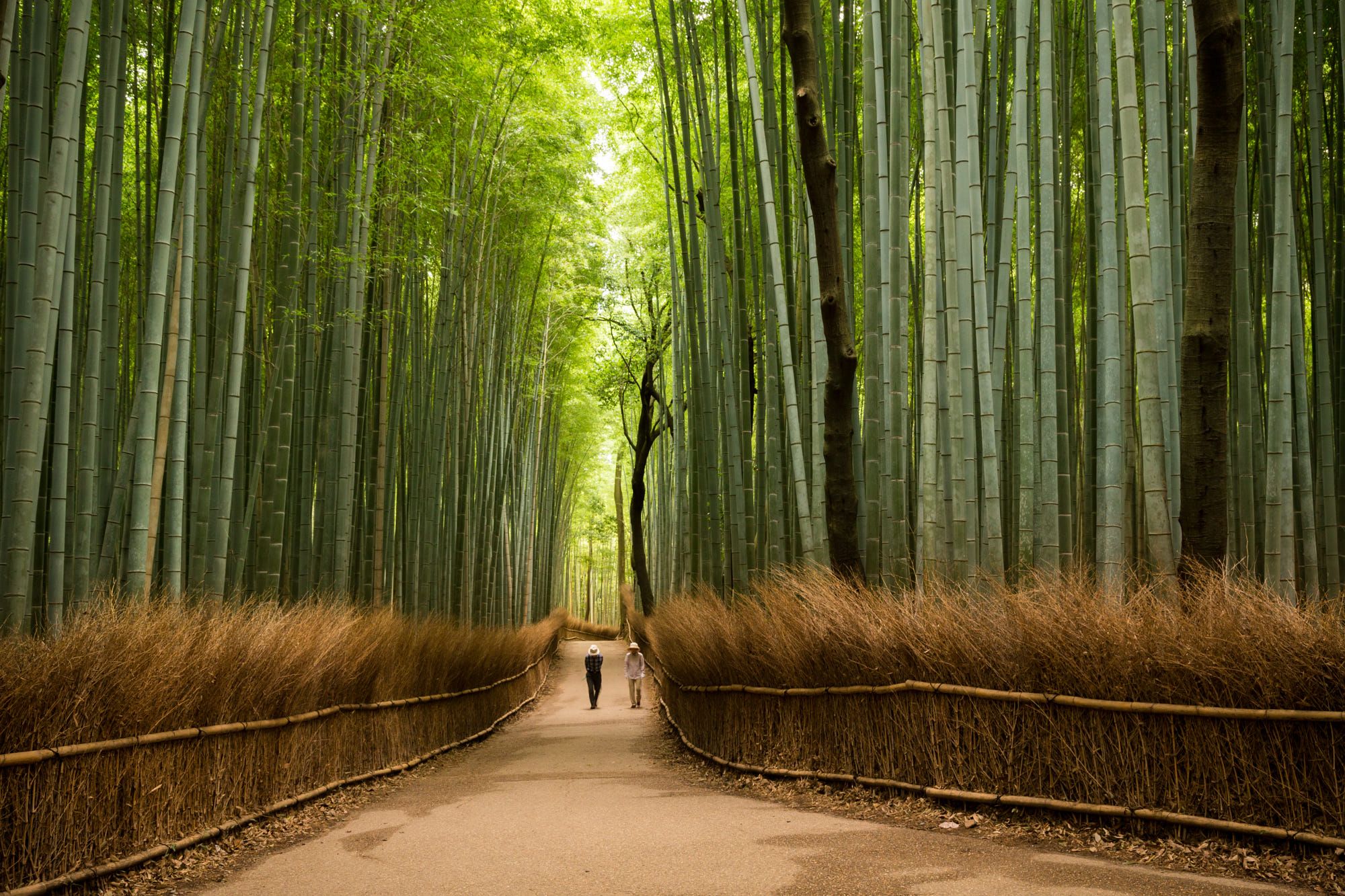
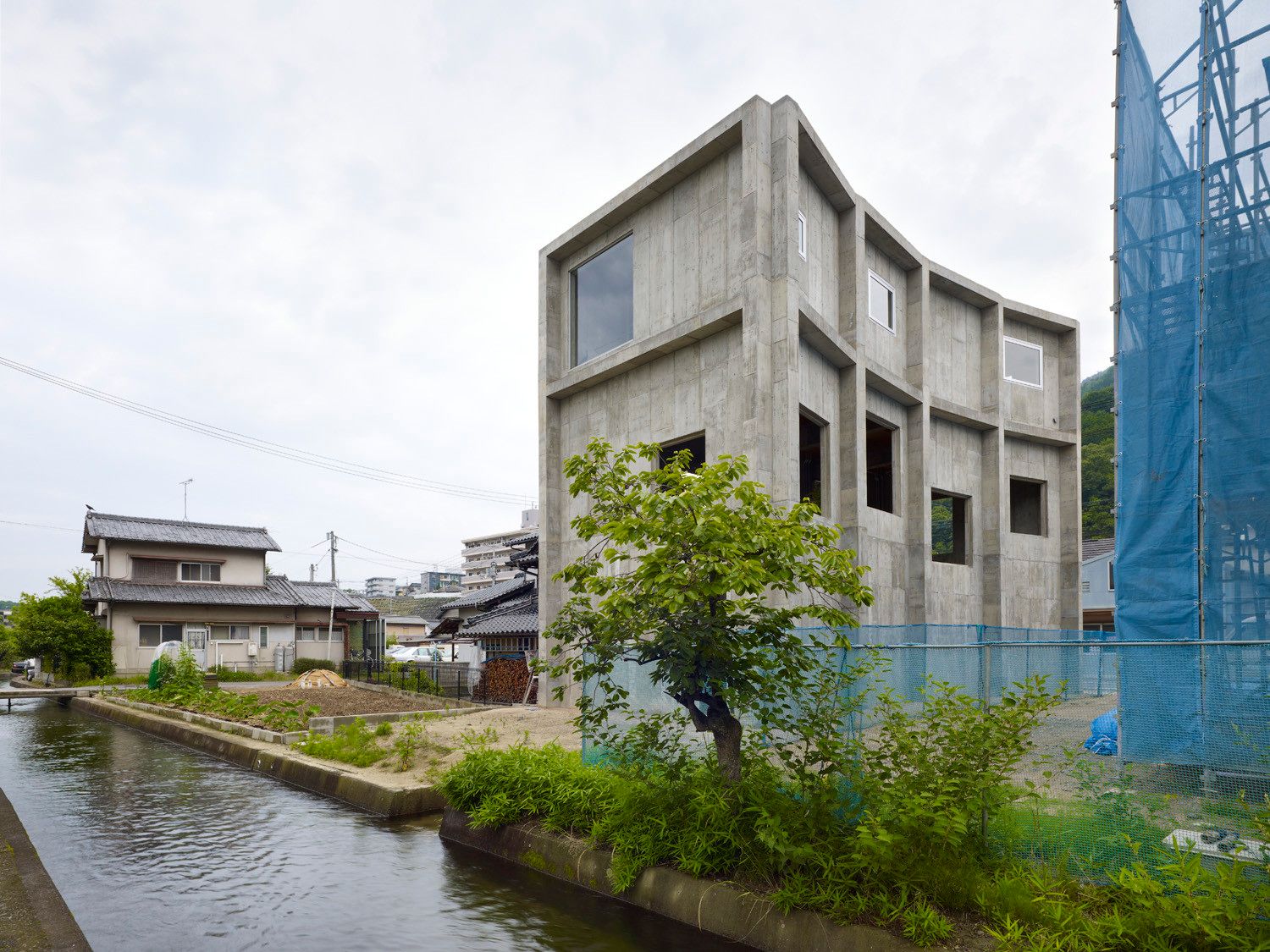
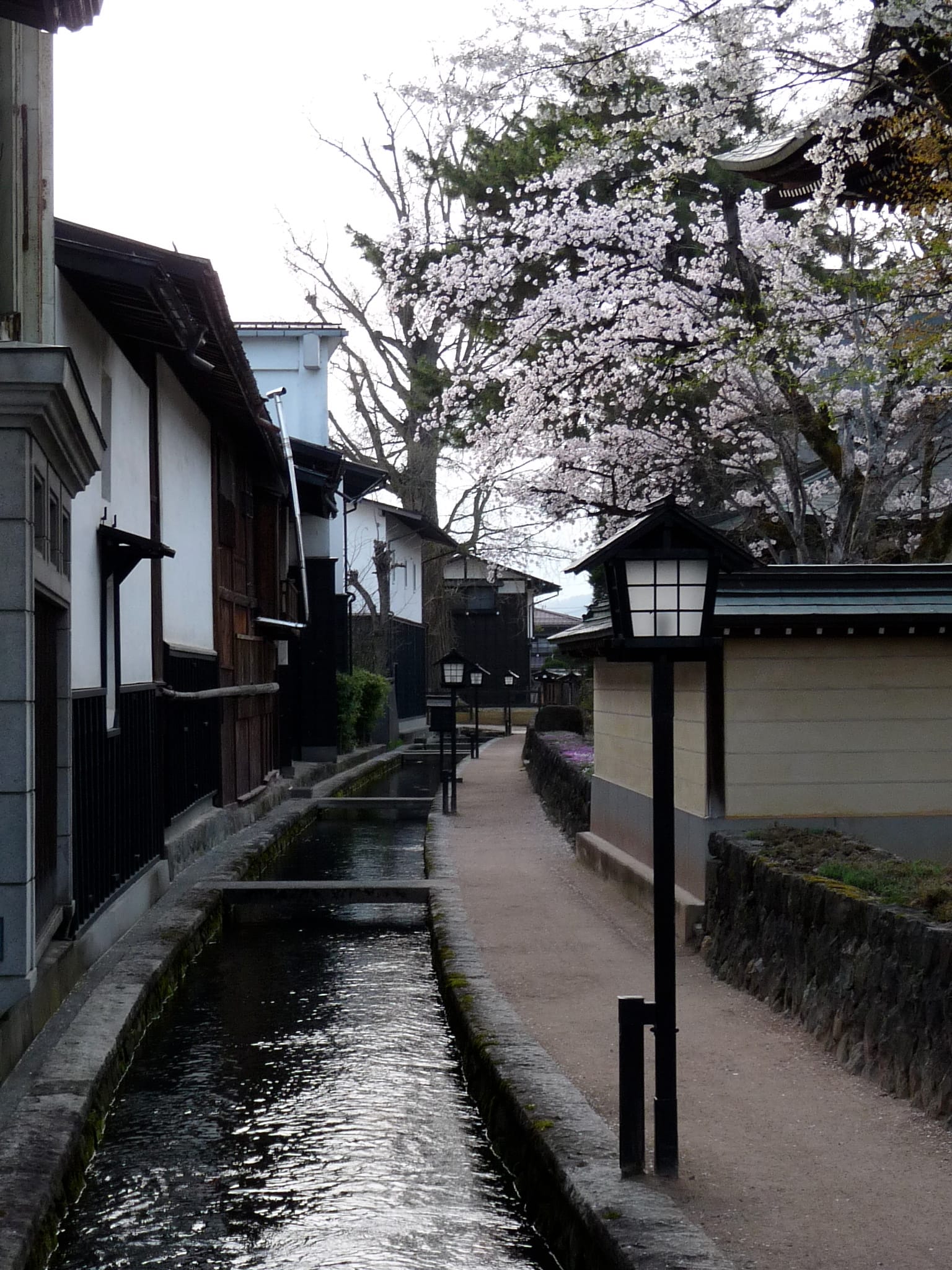
Dan's Hida-Furukawa (飛騨古川) follows the Seto River canal through the preserved old town of Furukawa in Hida City, Gifu Prefecture. The photograph was taken on April 15, 2009.

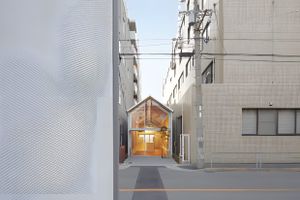

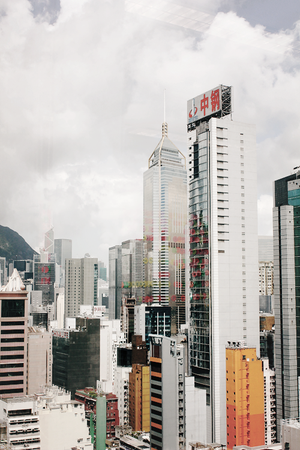
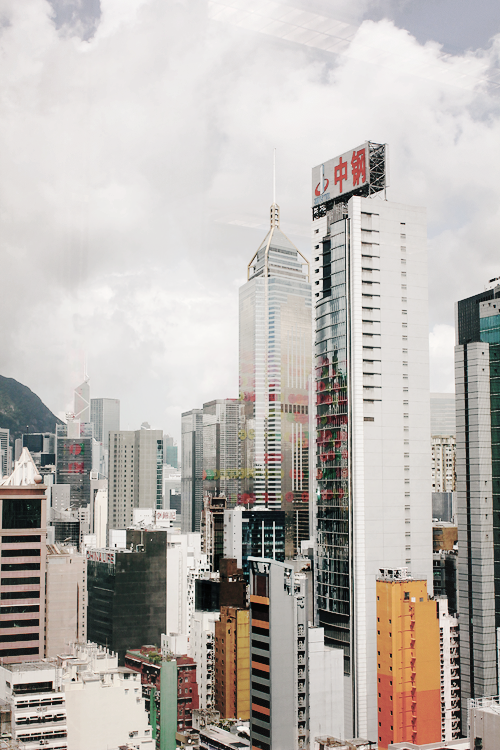
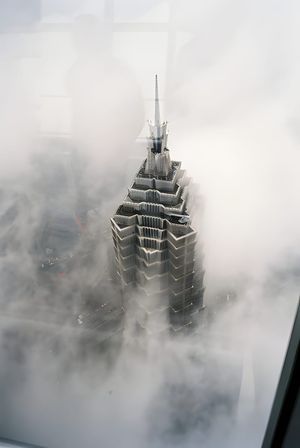
ingu's View from the Office looks across Hong Kong's Causeway Bay skyline toward Central Plaza. The Flickr description dates the scene to August 2011.
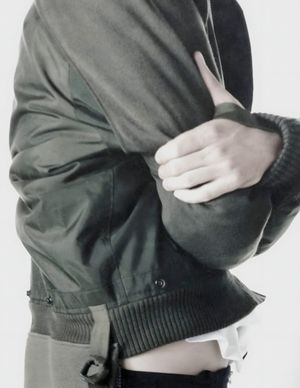
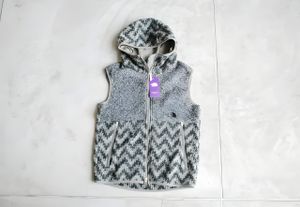
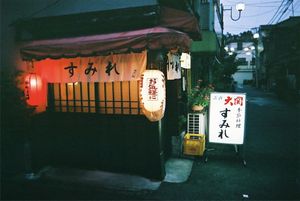
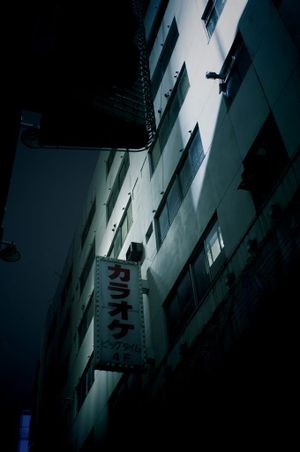
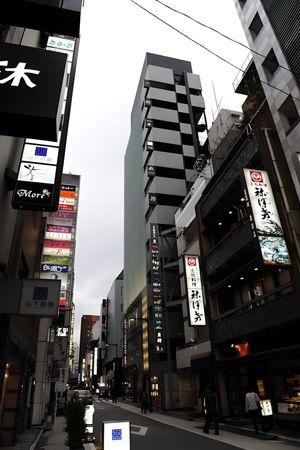
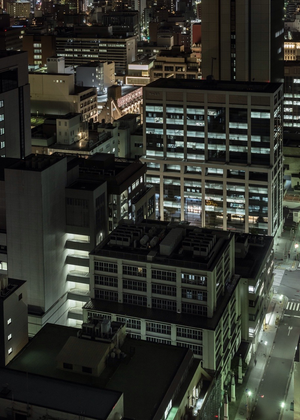
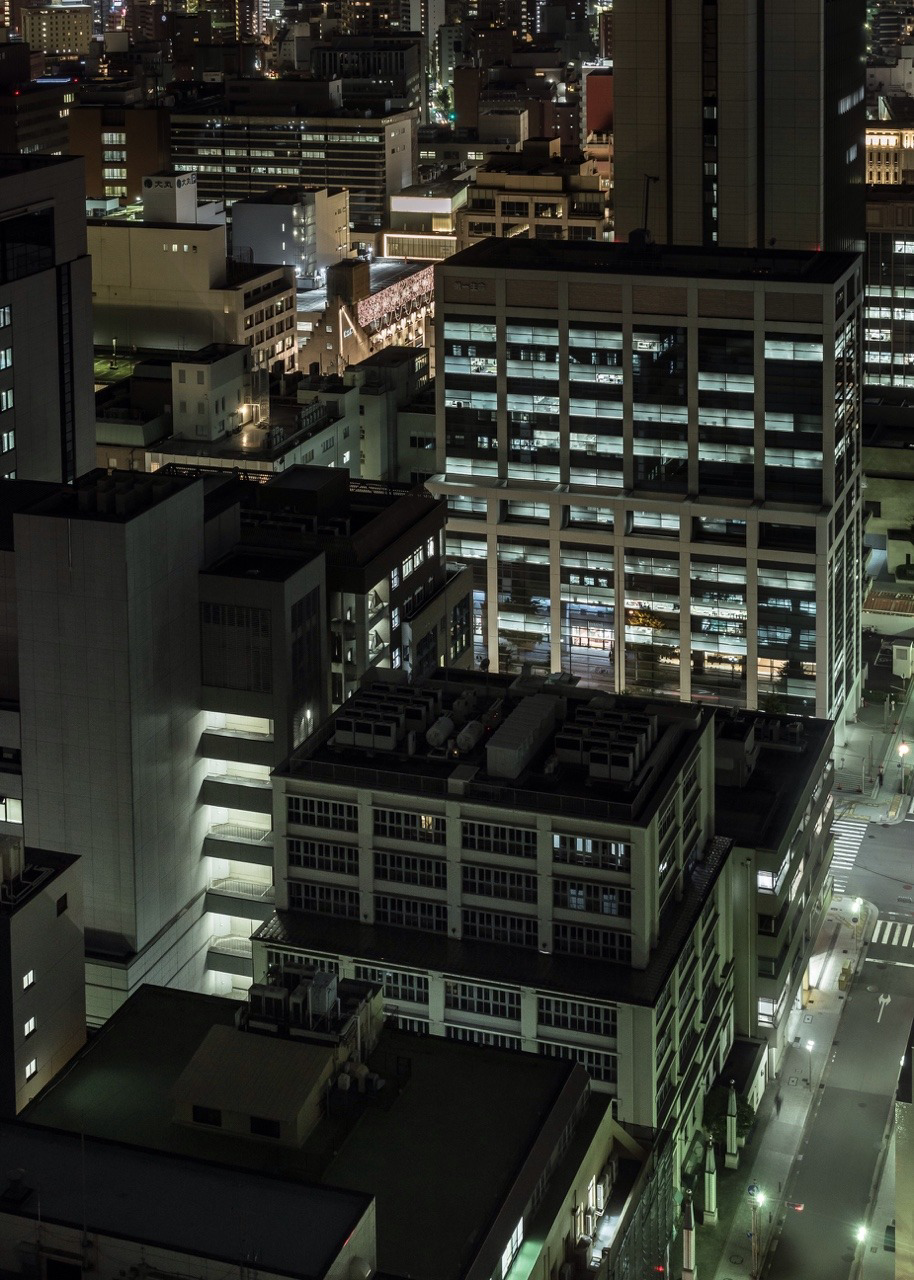
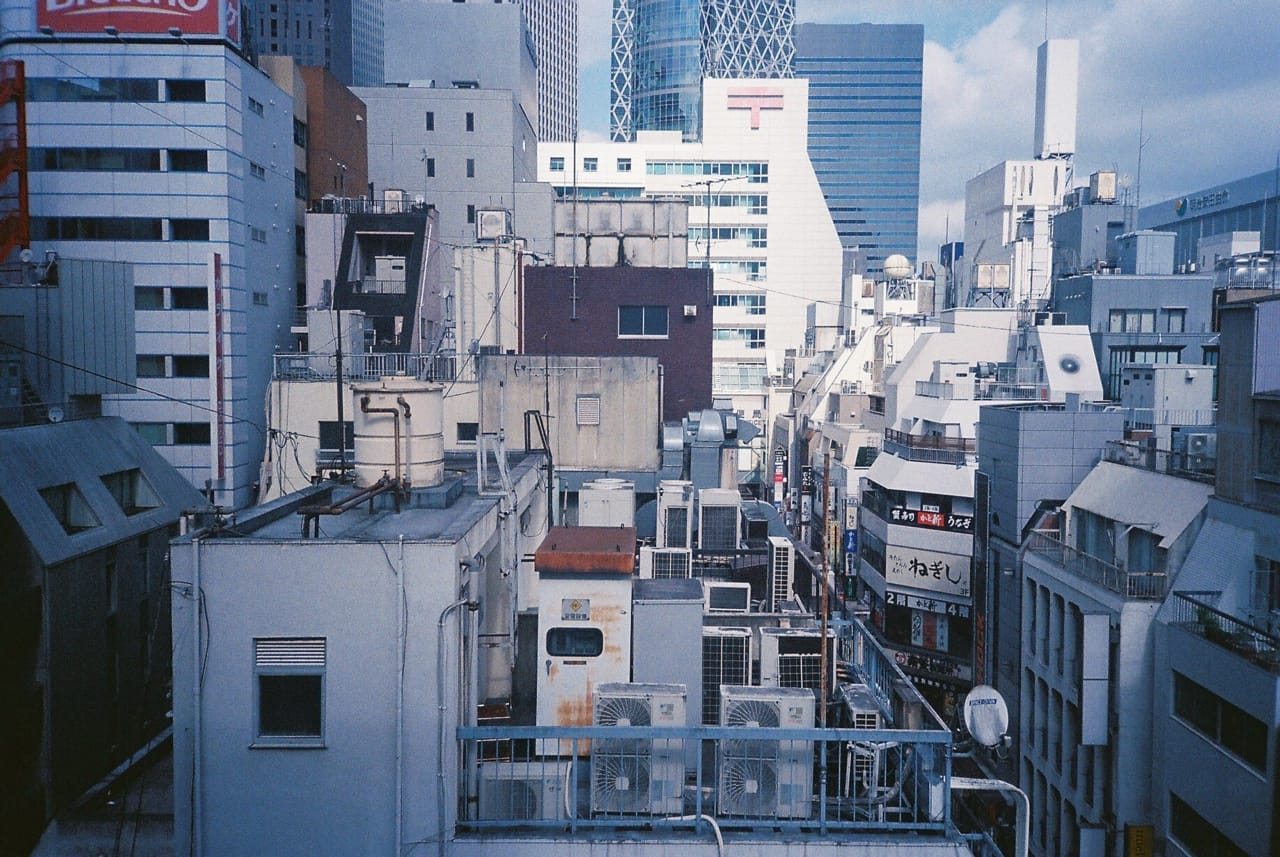
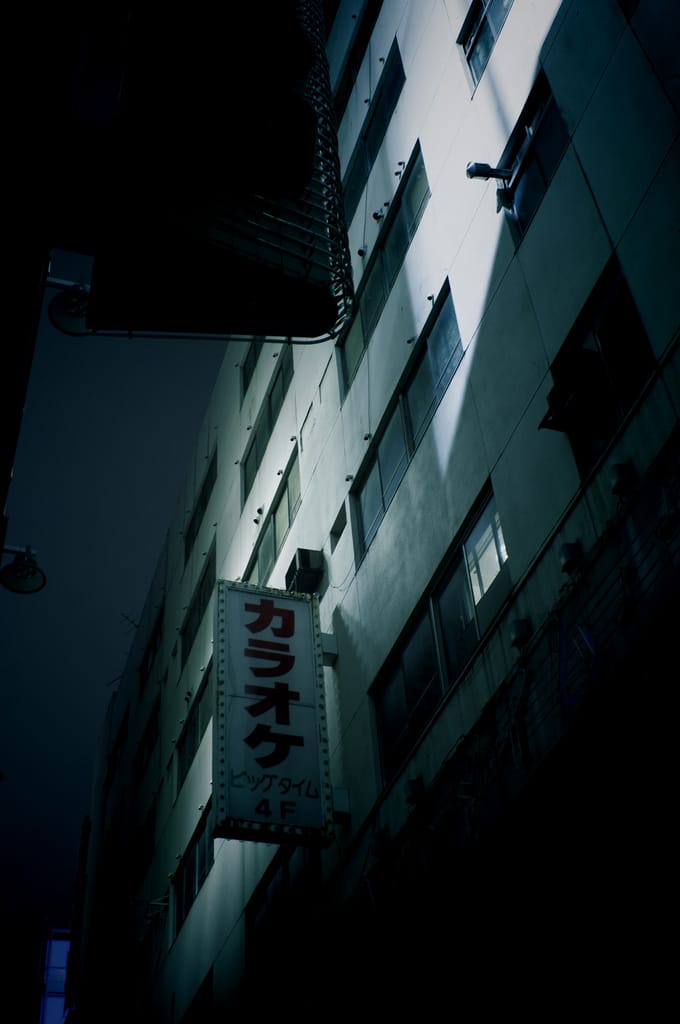
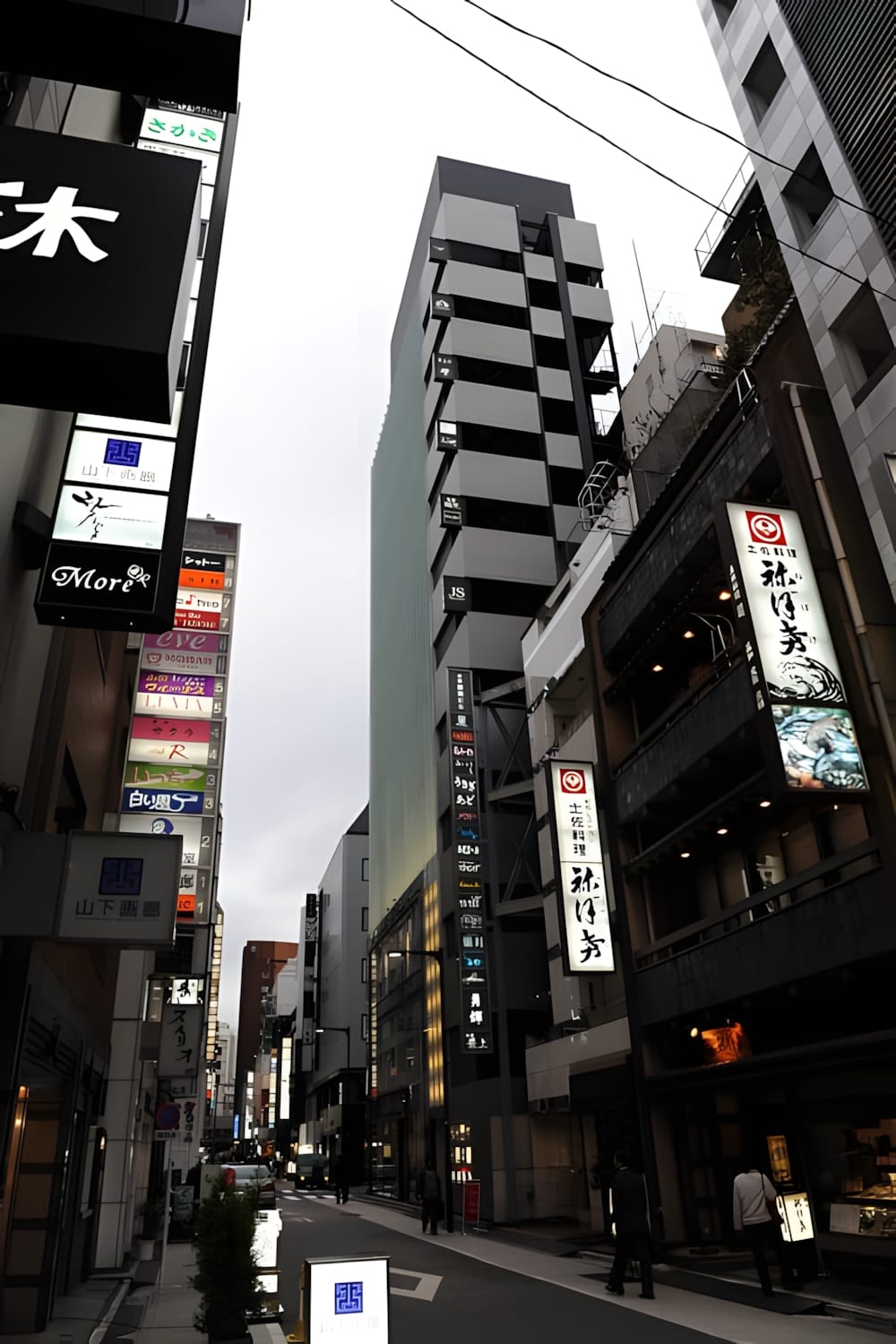
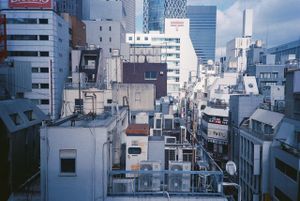
perscape's Building / 建物 looks up along a tiled Shinjuku facade at night, where an illuminated sign reads カラオケ ビッグタイム 4F. The source tags identify a Pentax KX with an SMC Takumar 28mm F3.5 lens.
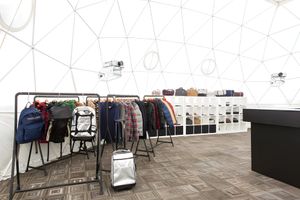
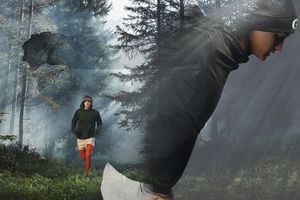
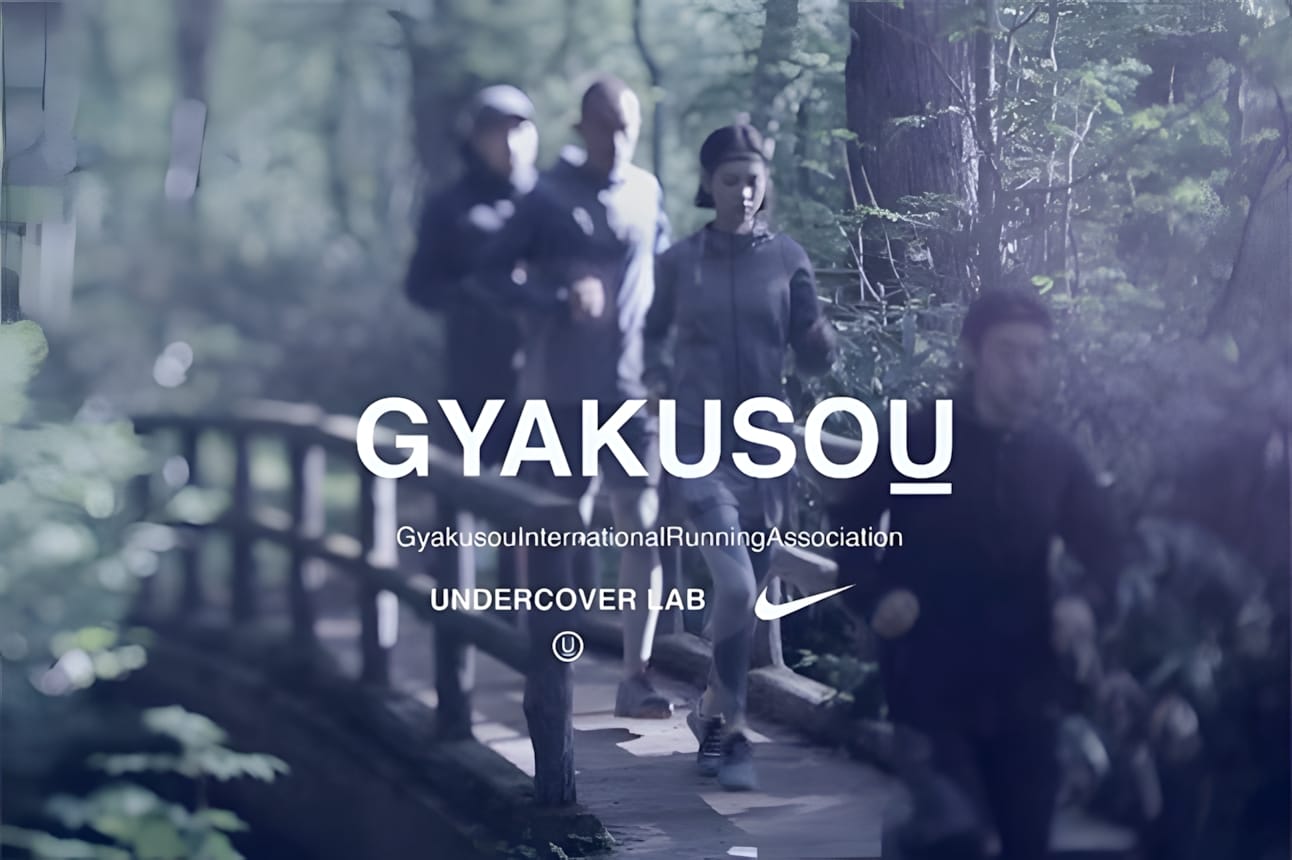
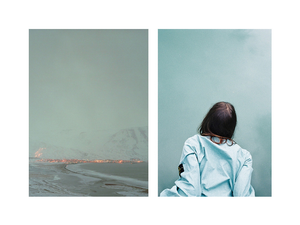
Campaign sequence from the Holiday 2013 archive set.
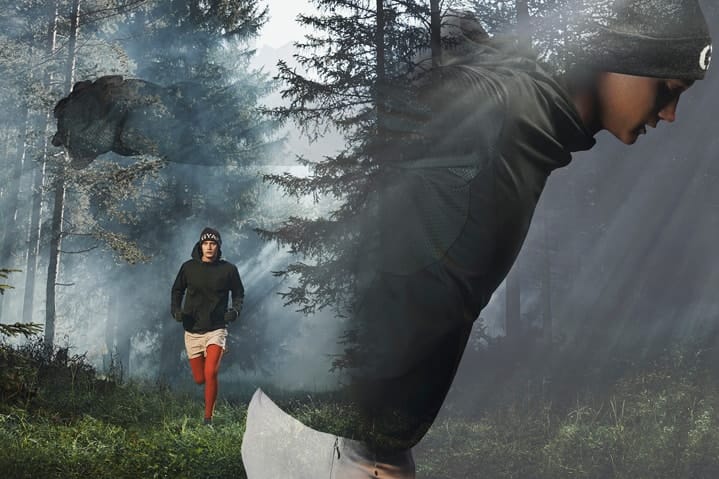
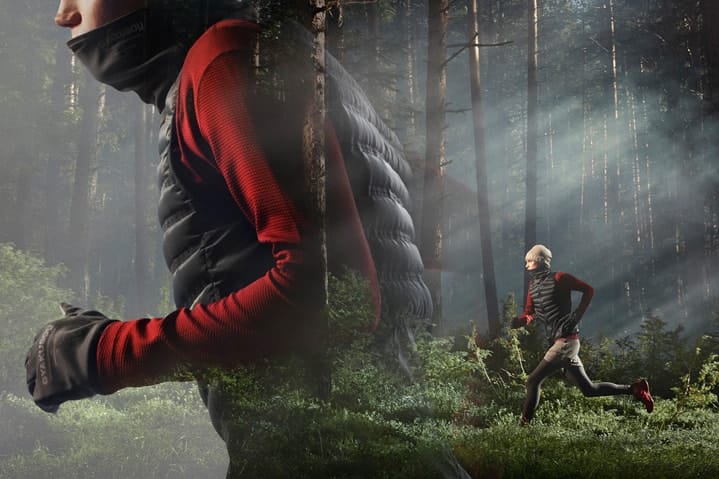
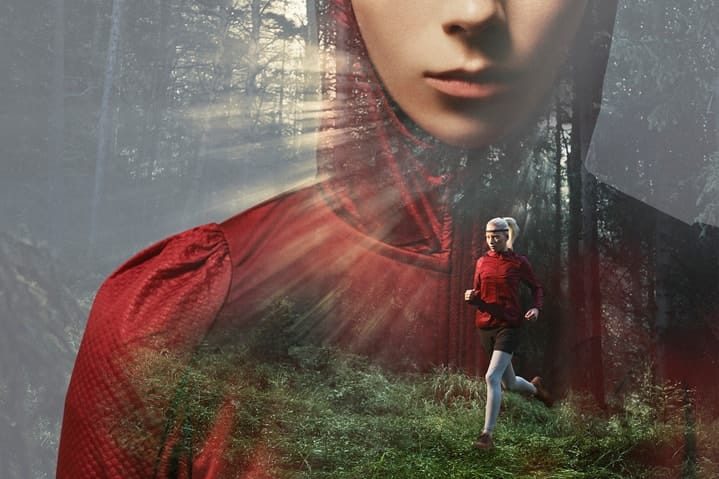

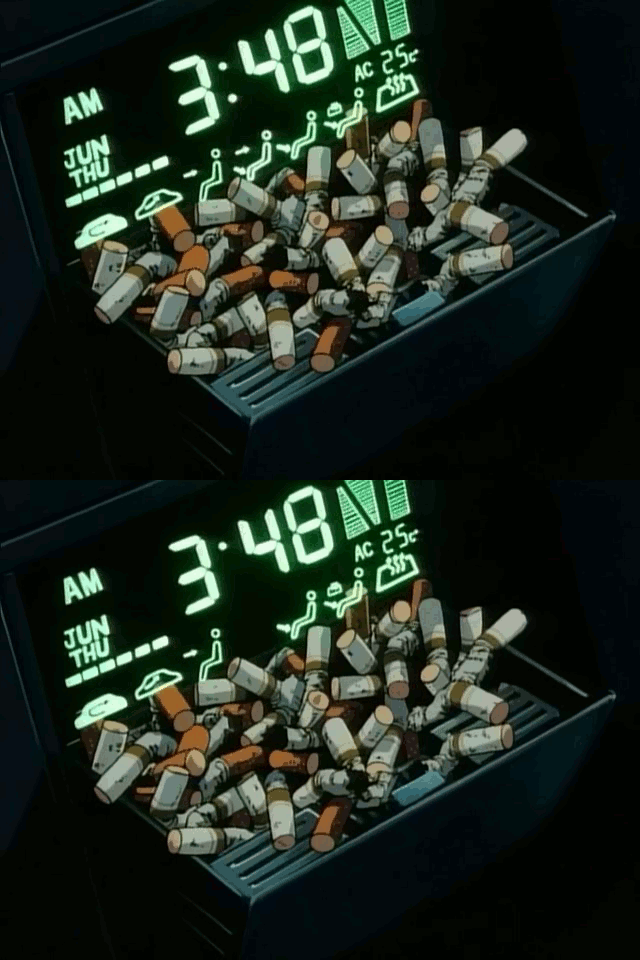
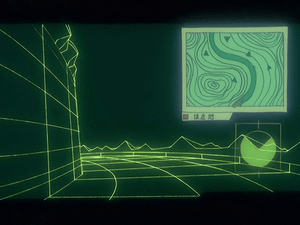
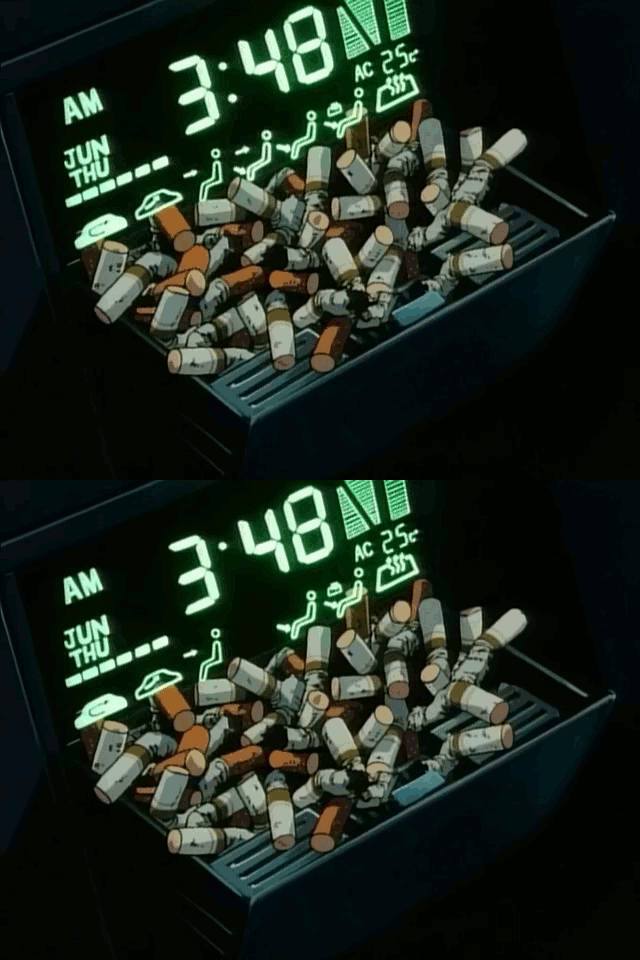
Faye Valentine, a bounty hunter in Cowboy Bebop, Shinichiro Watanabe's 1998 Sunrise series. She is one of the crew of the ship Bebop.

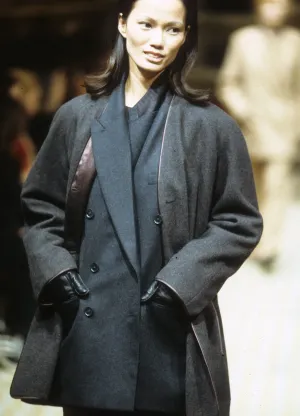
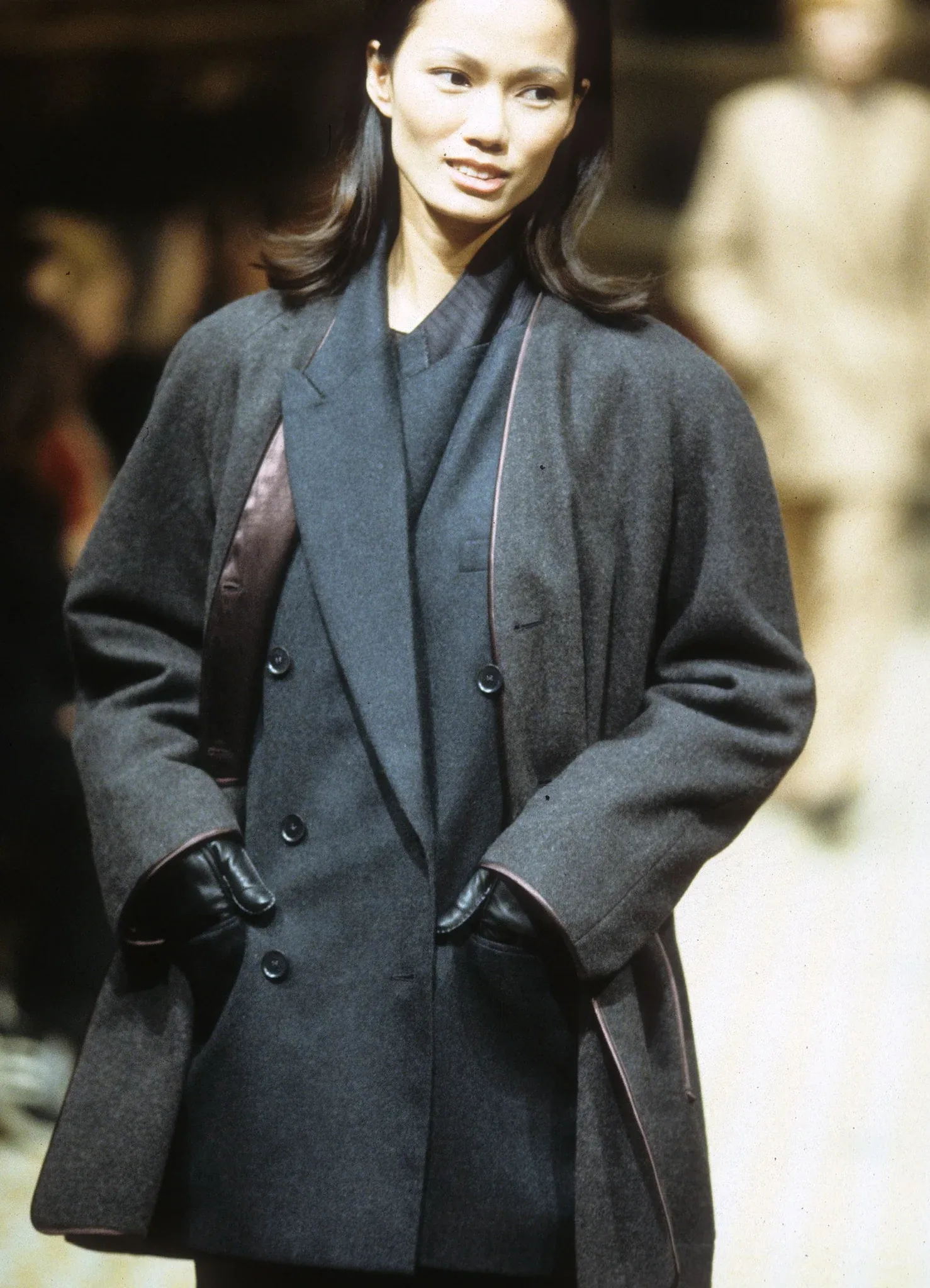
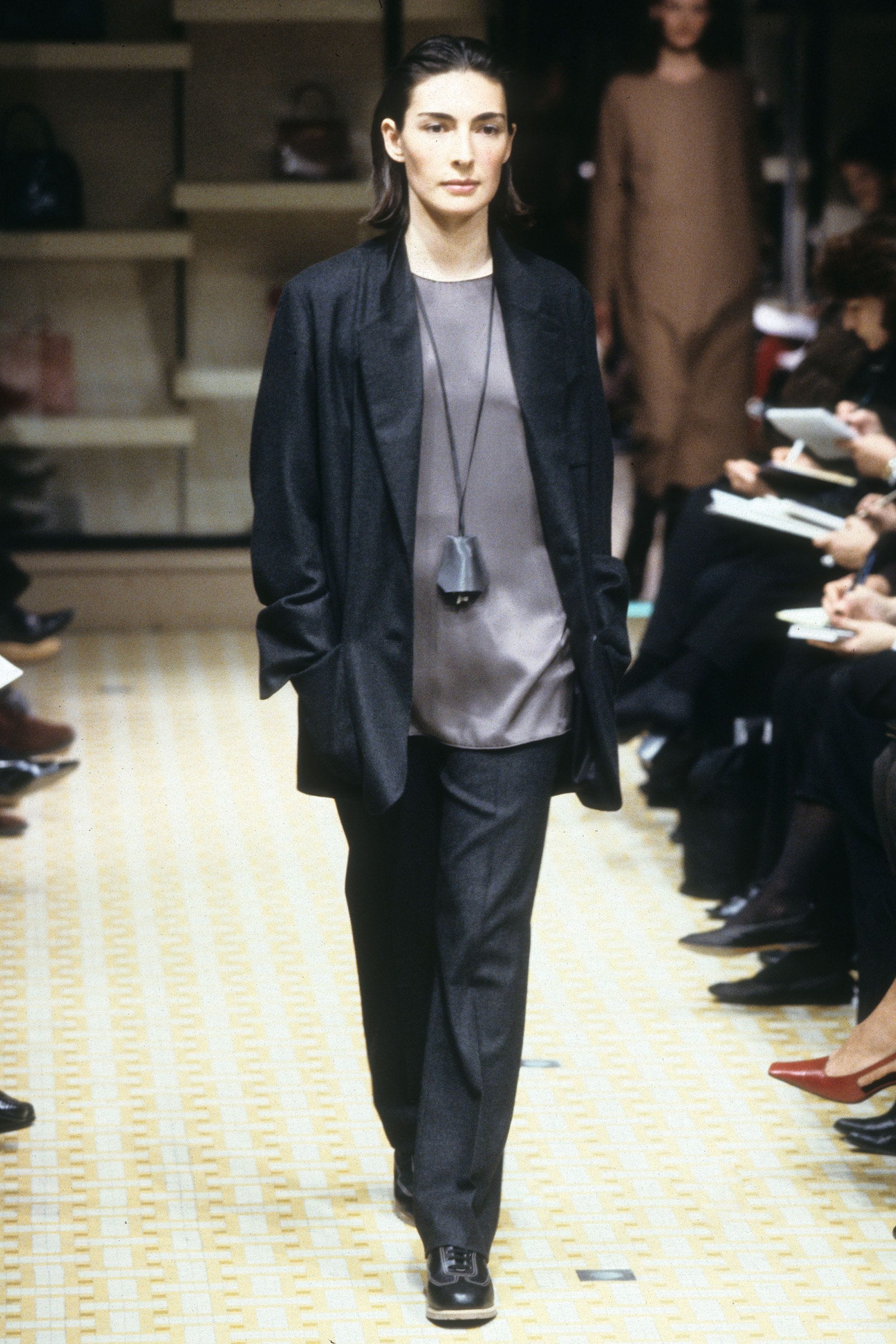
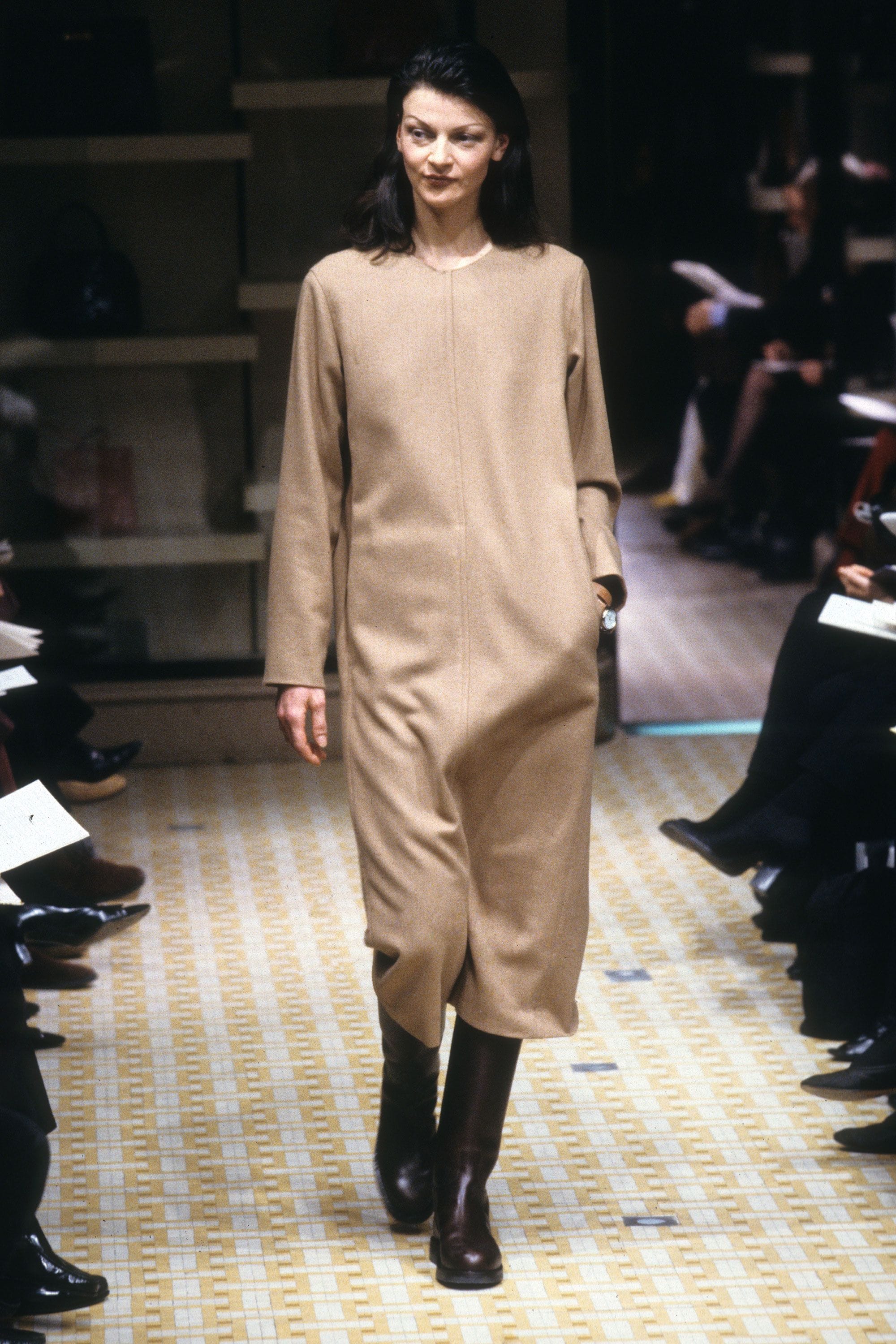
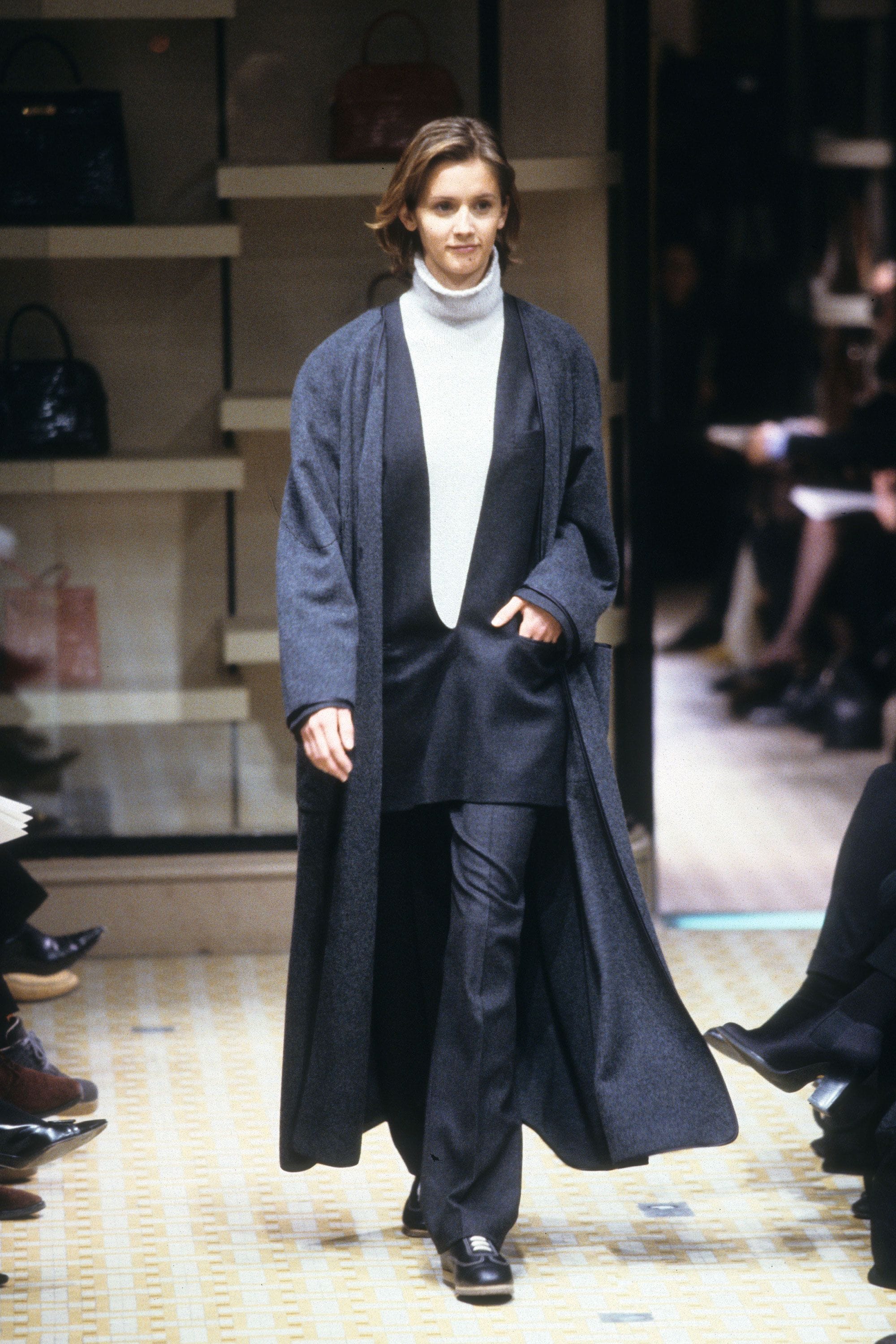
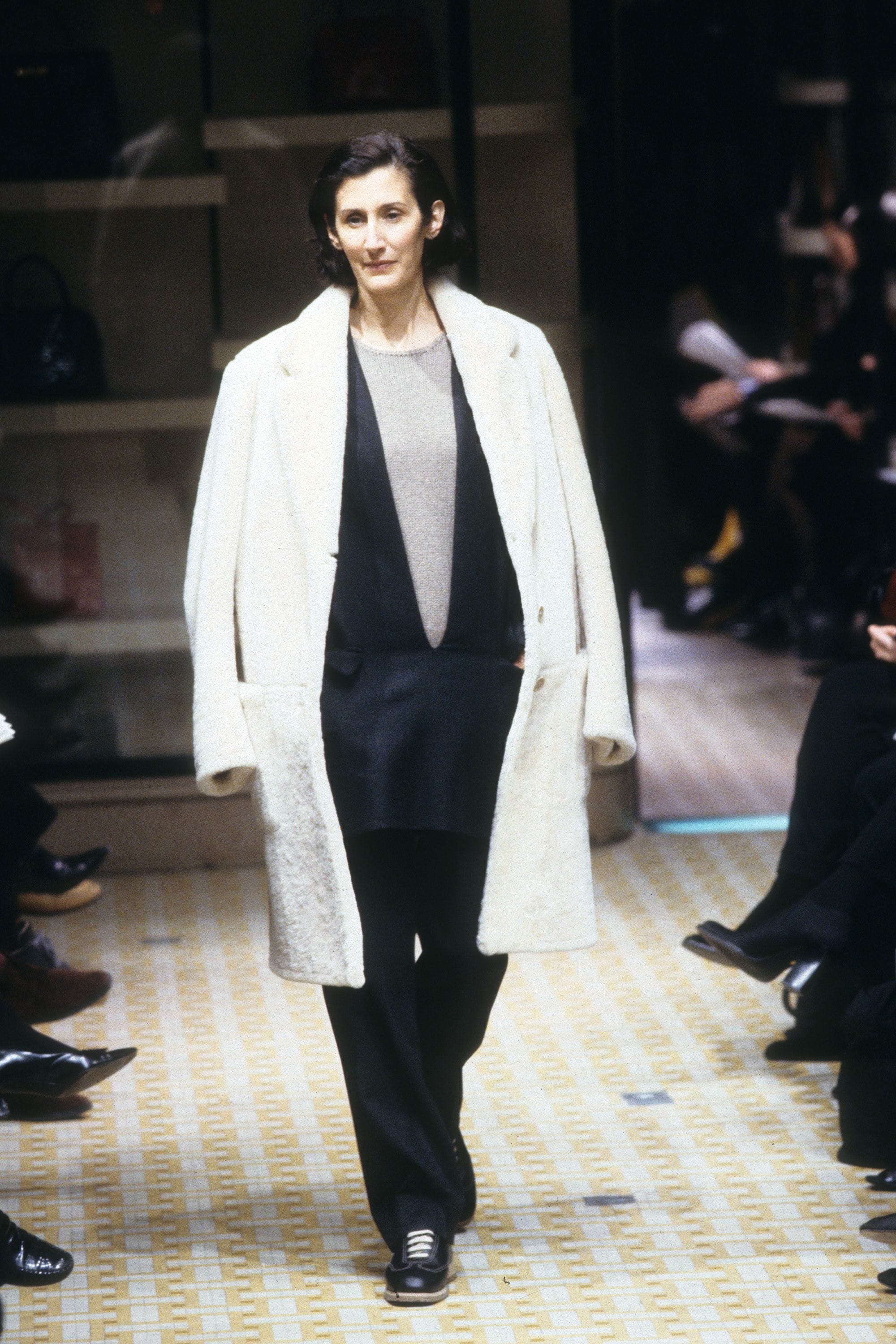
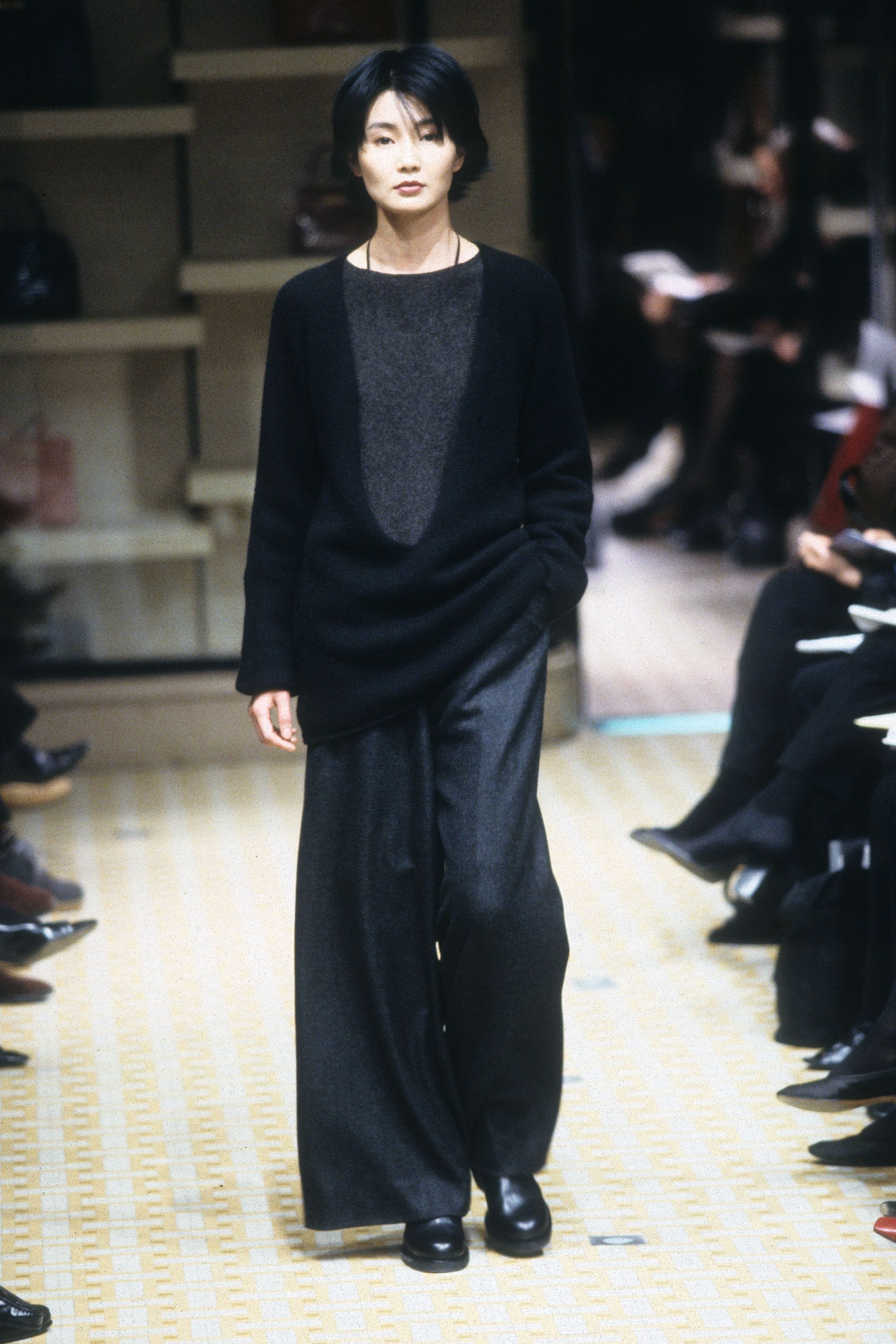
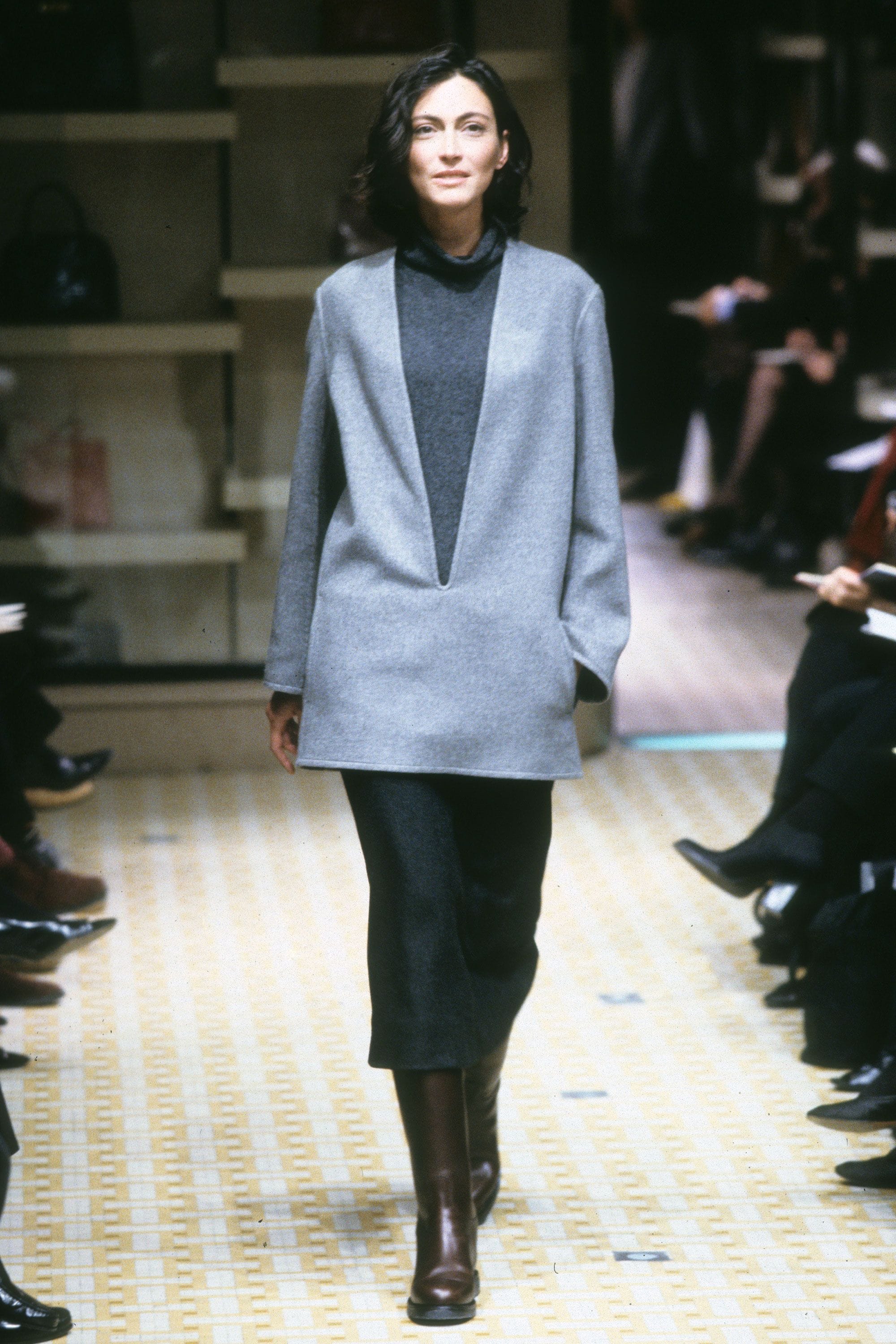
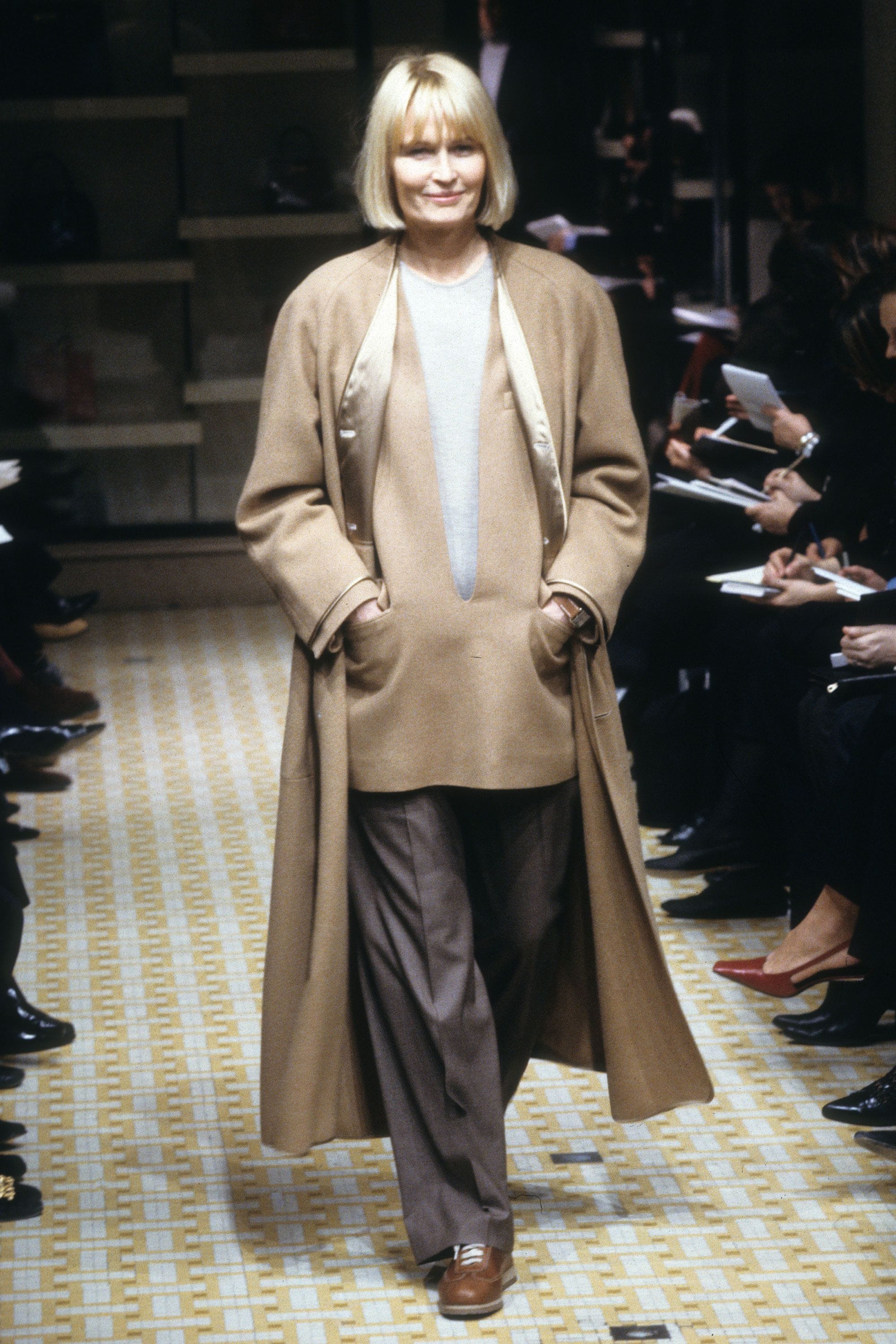
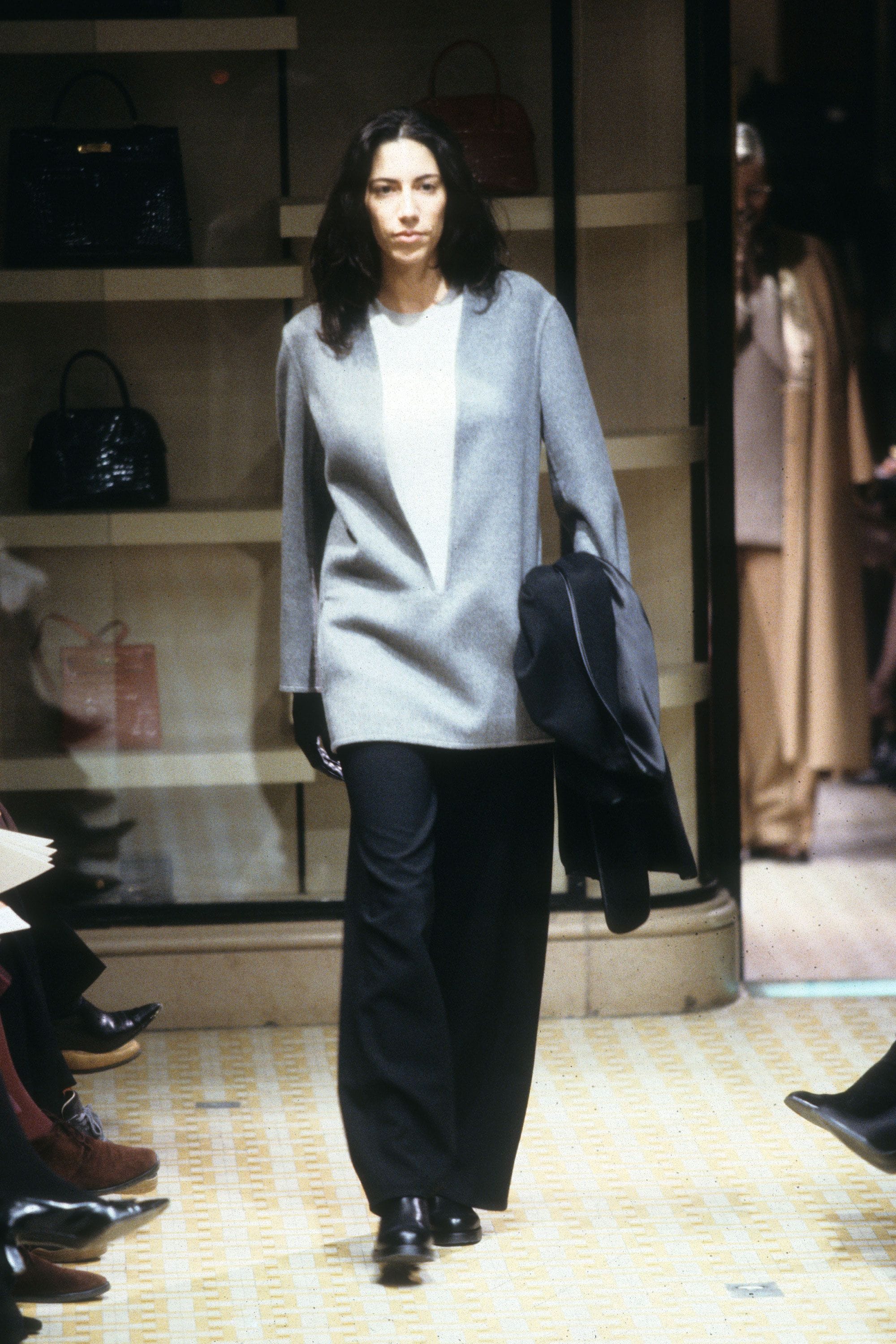
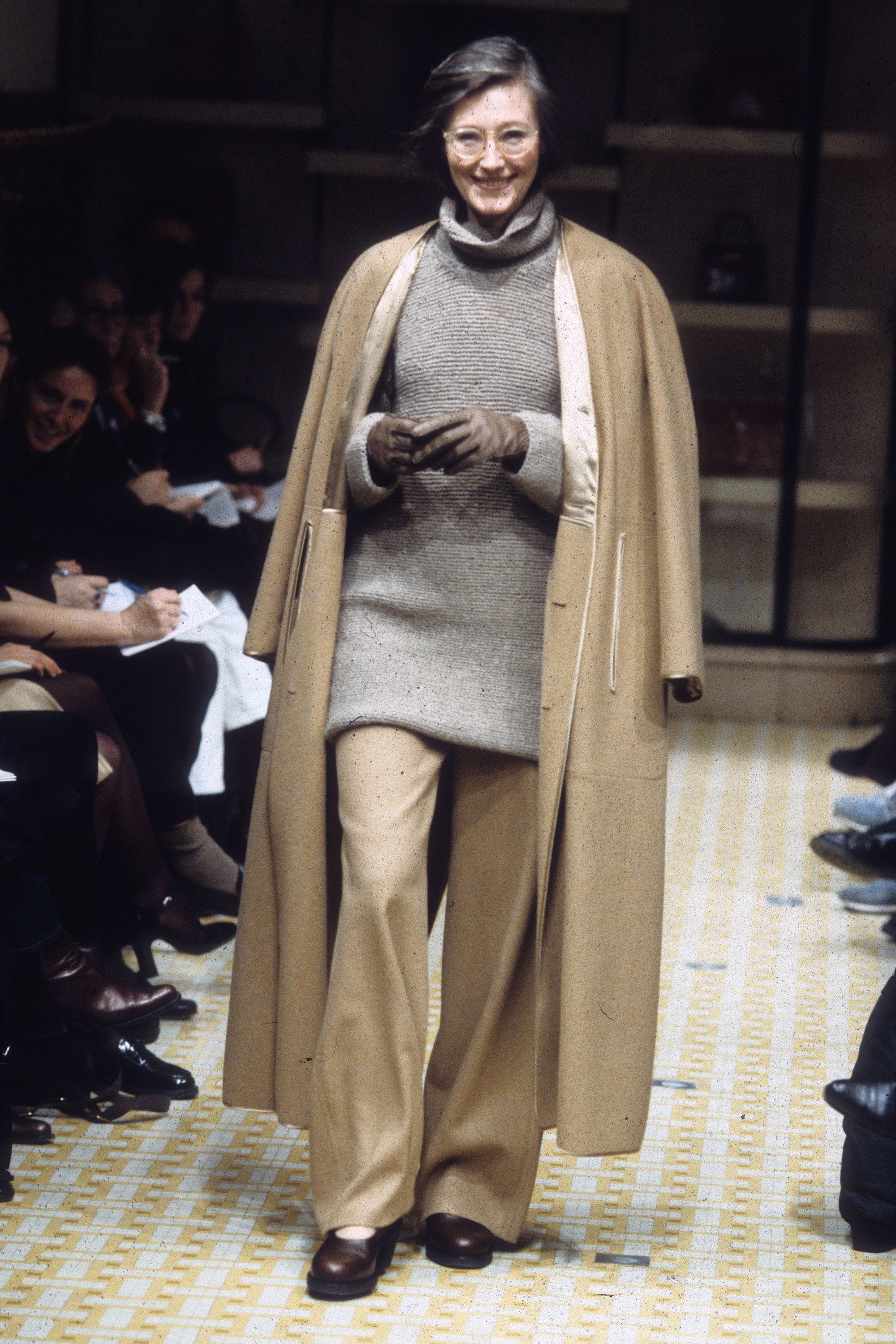
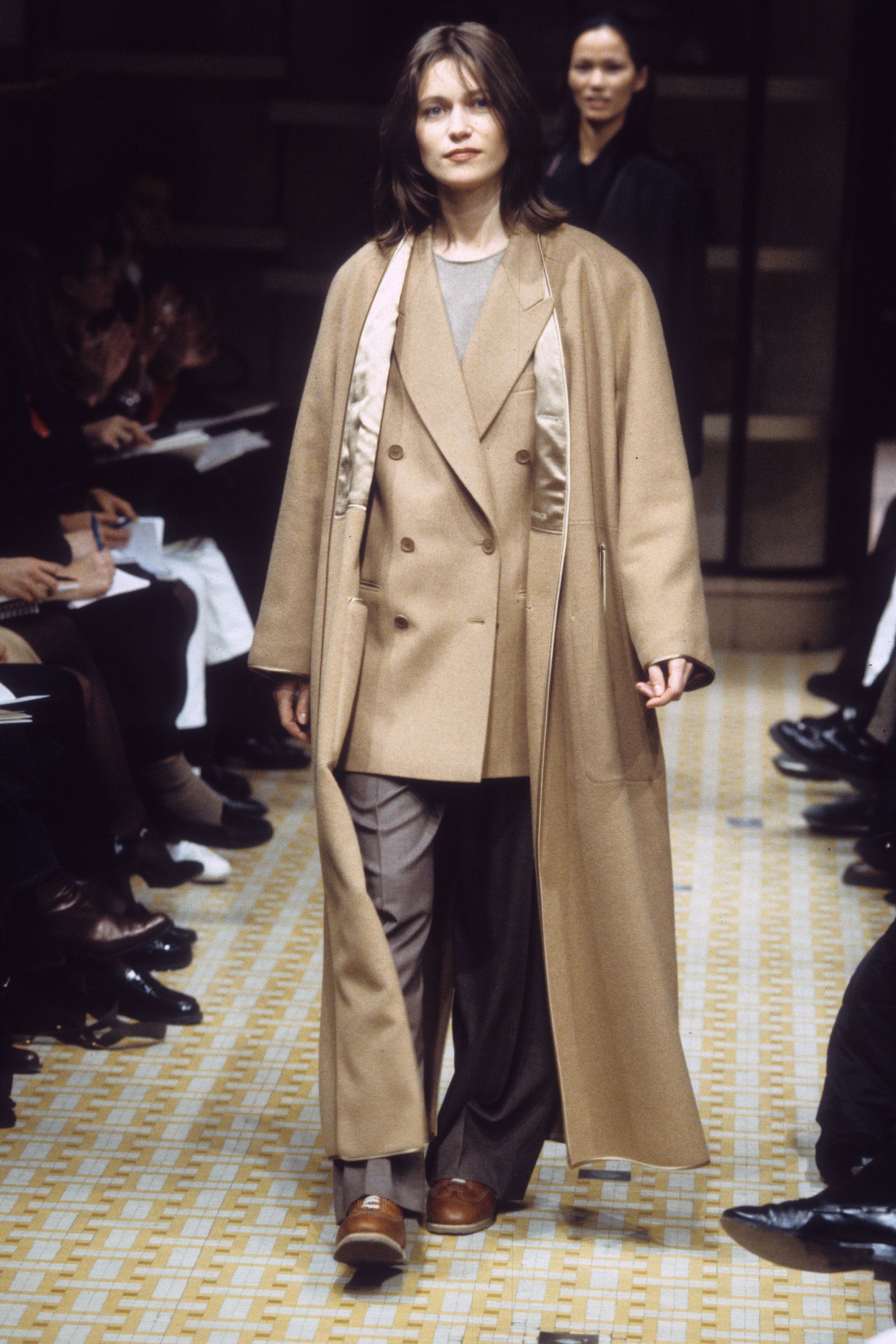
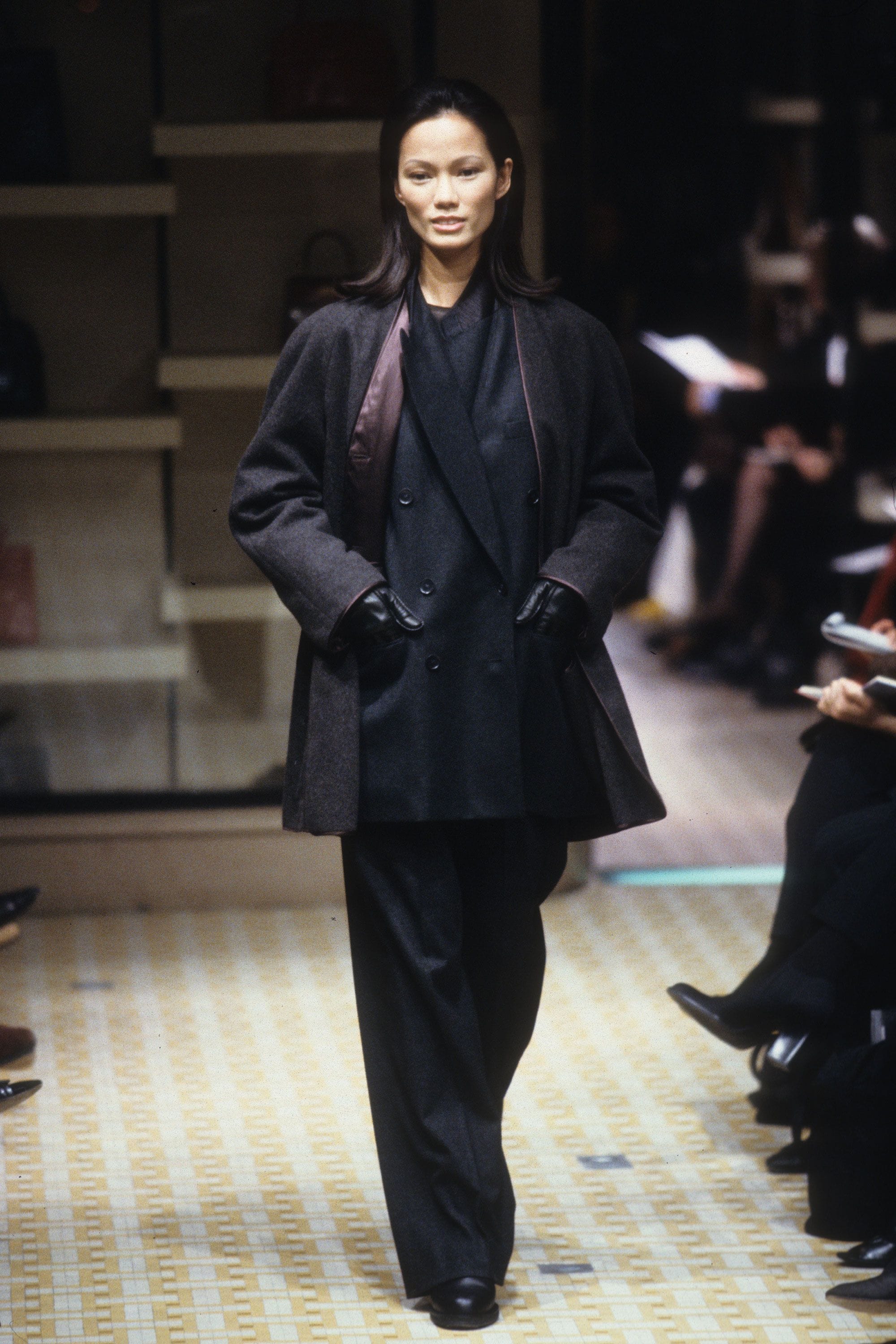
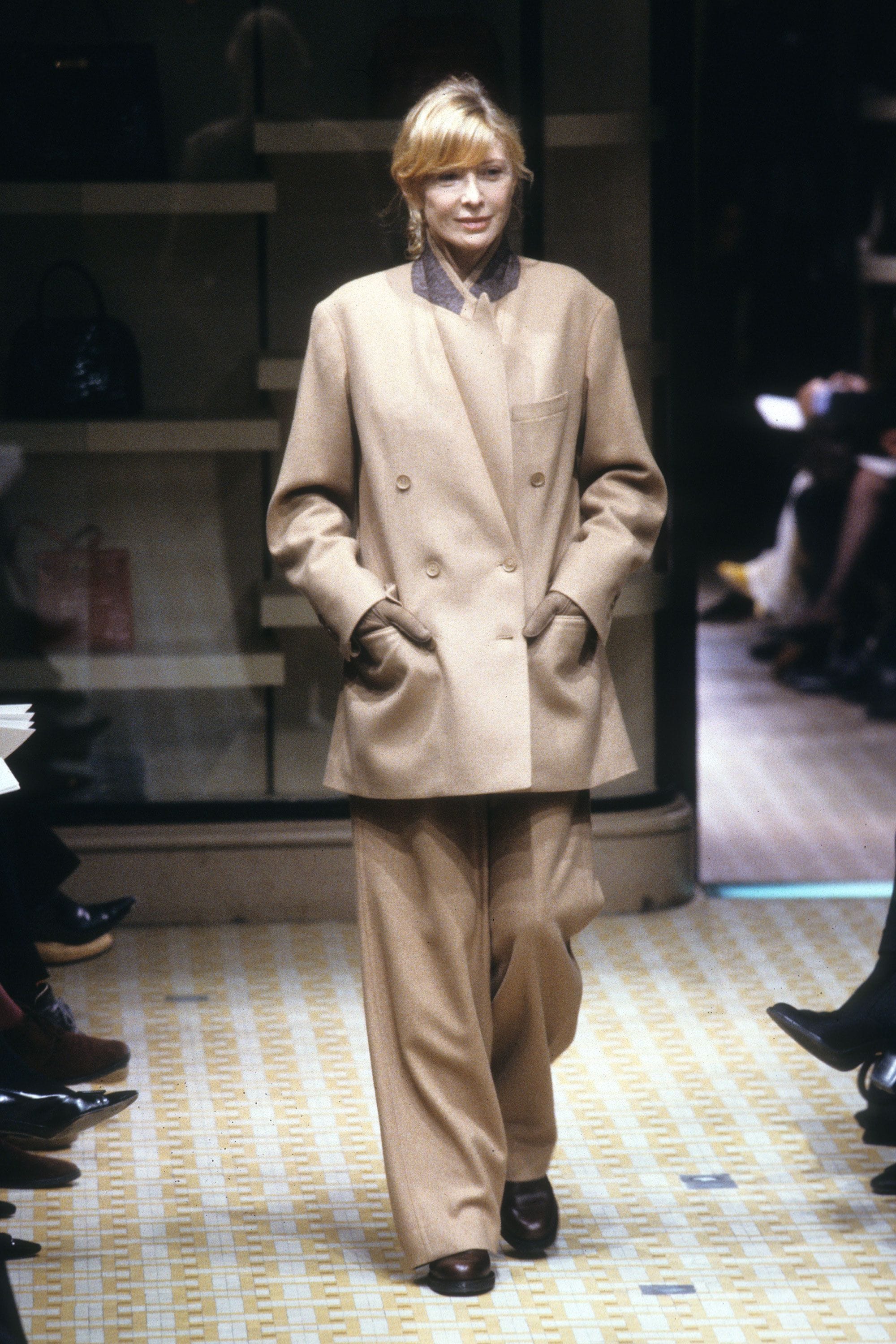
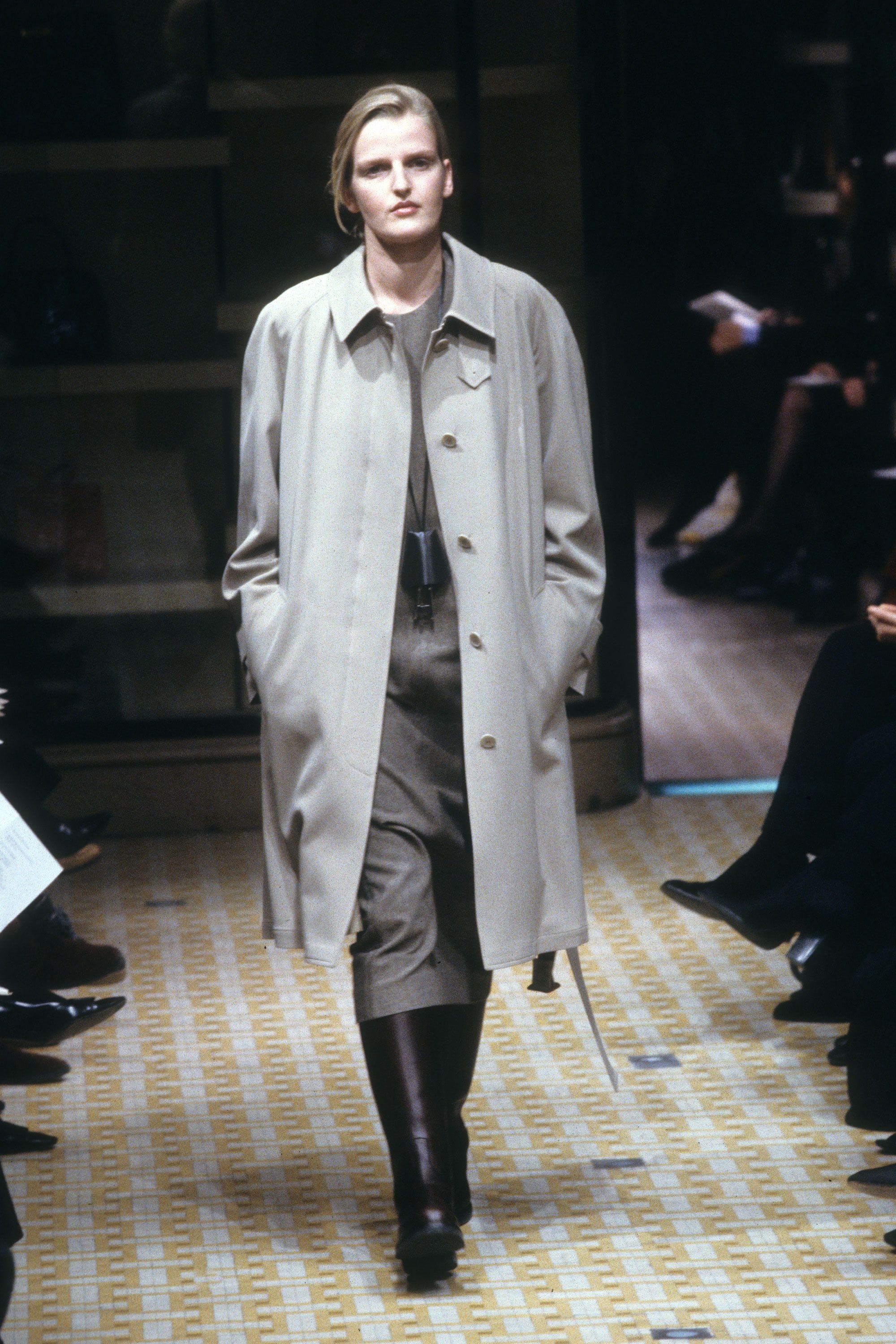
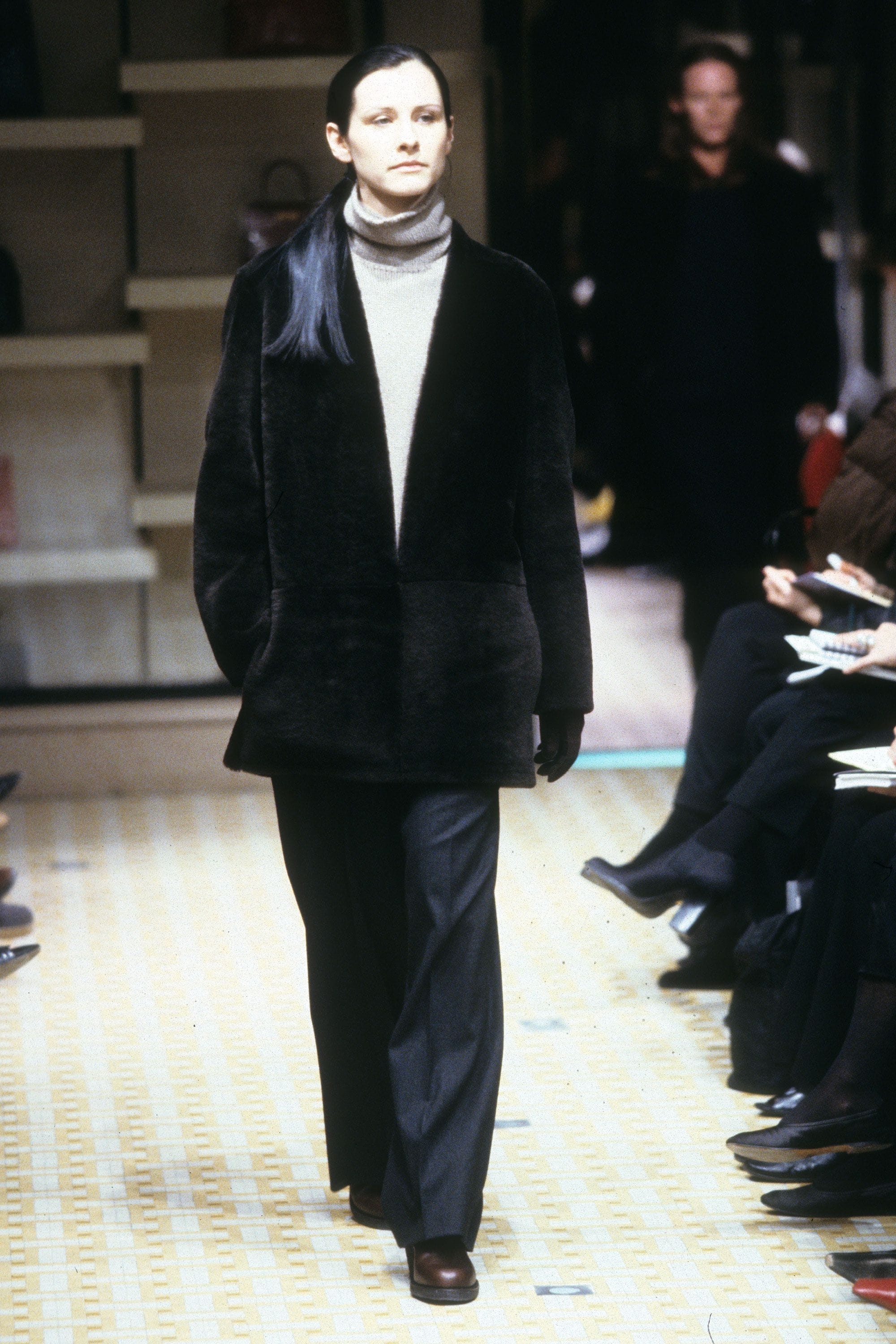
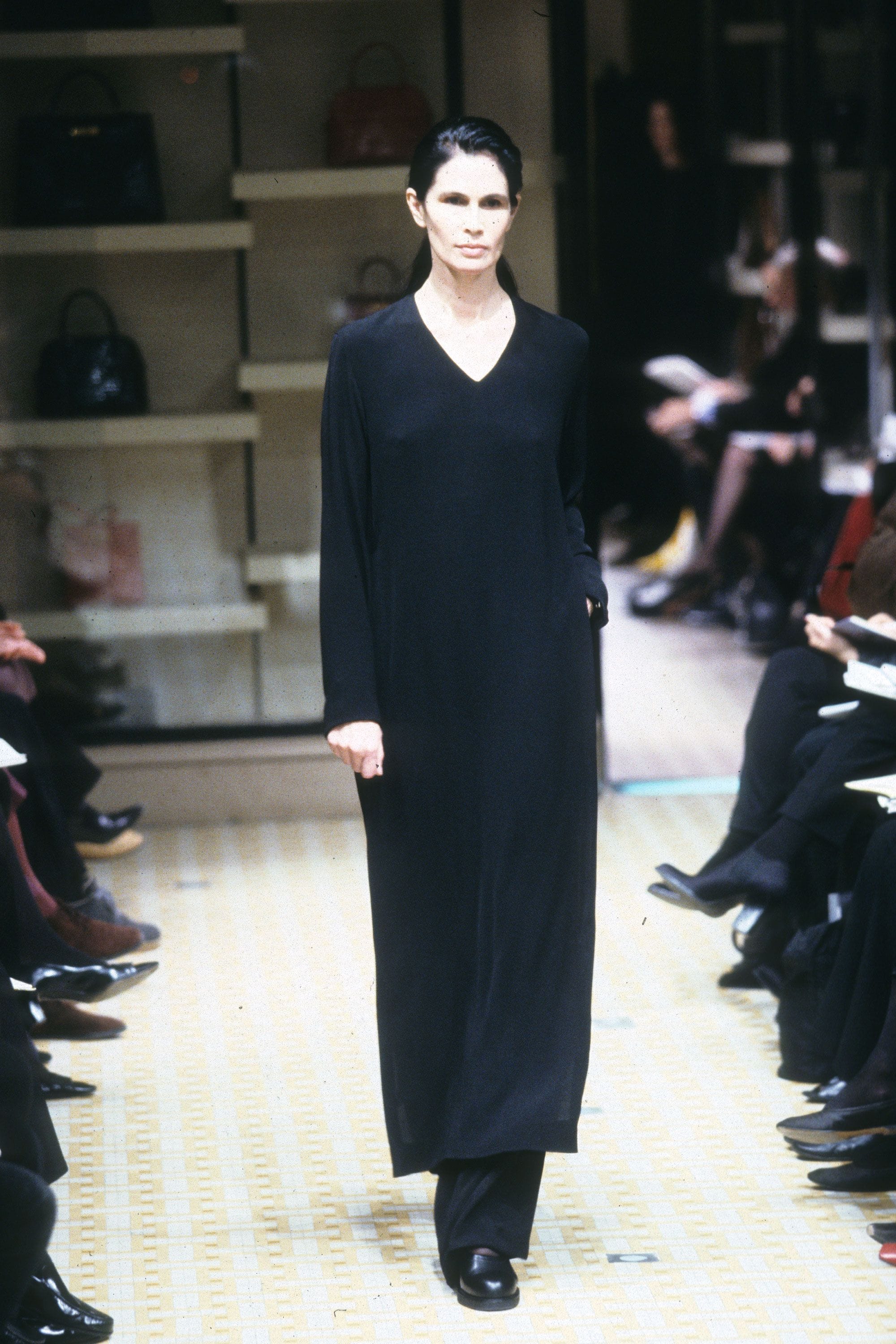
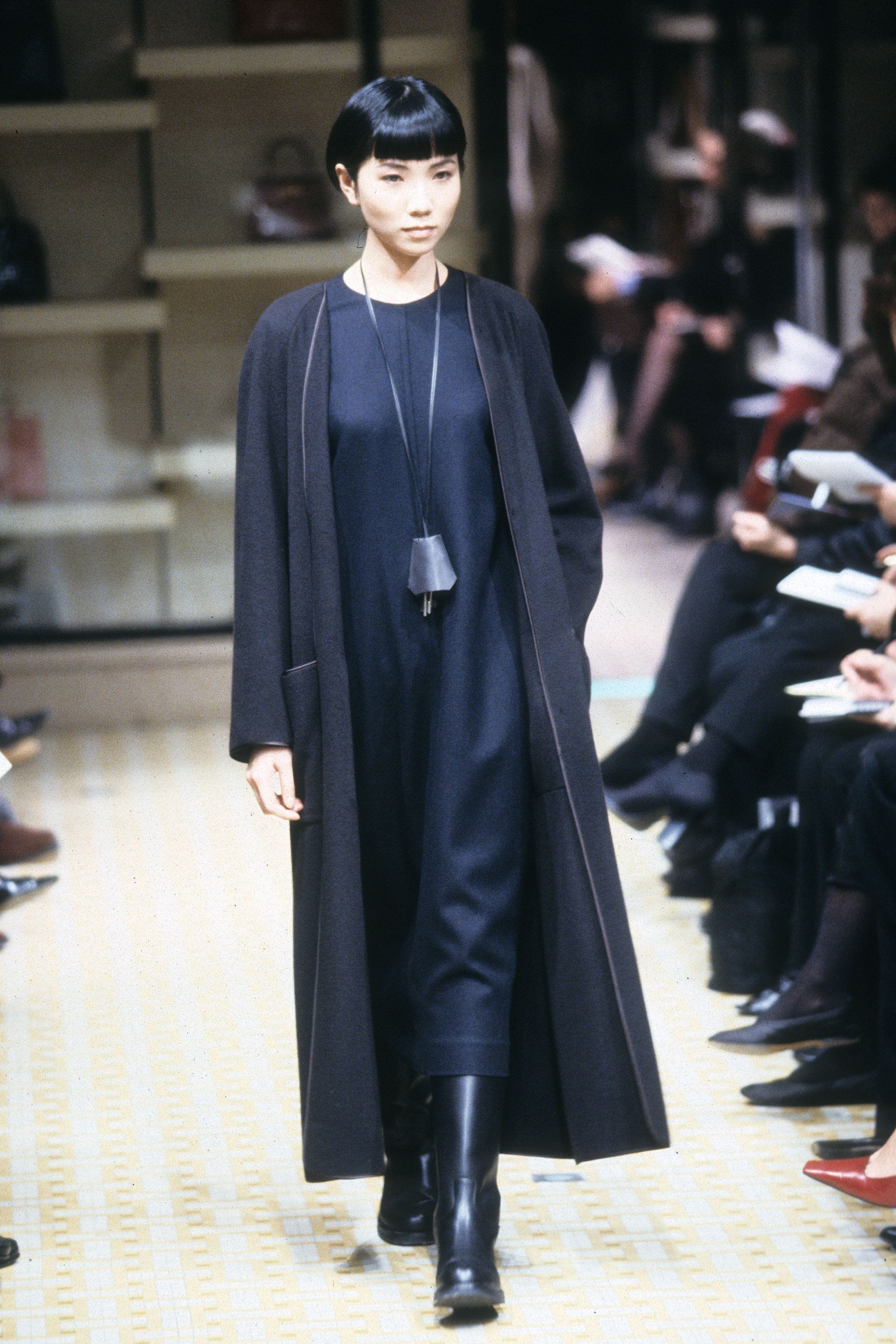
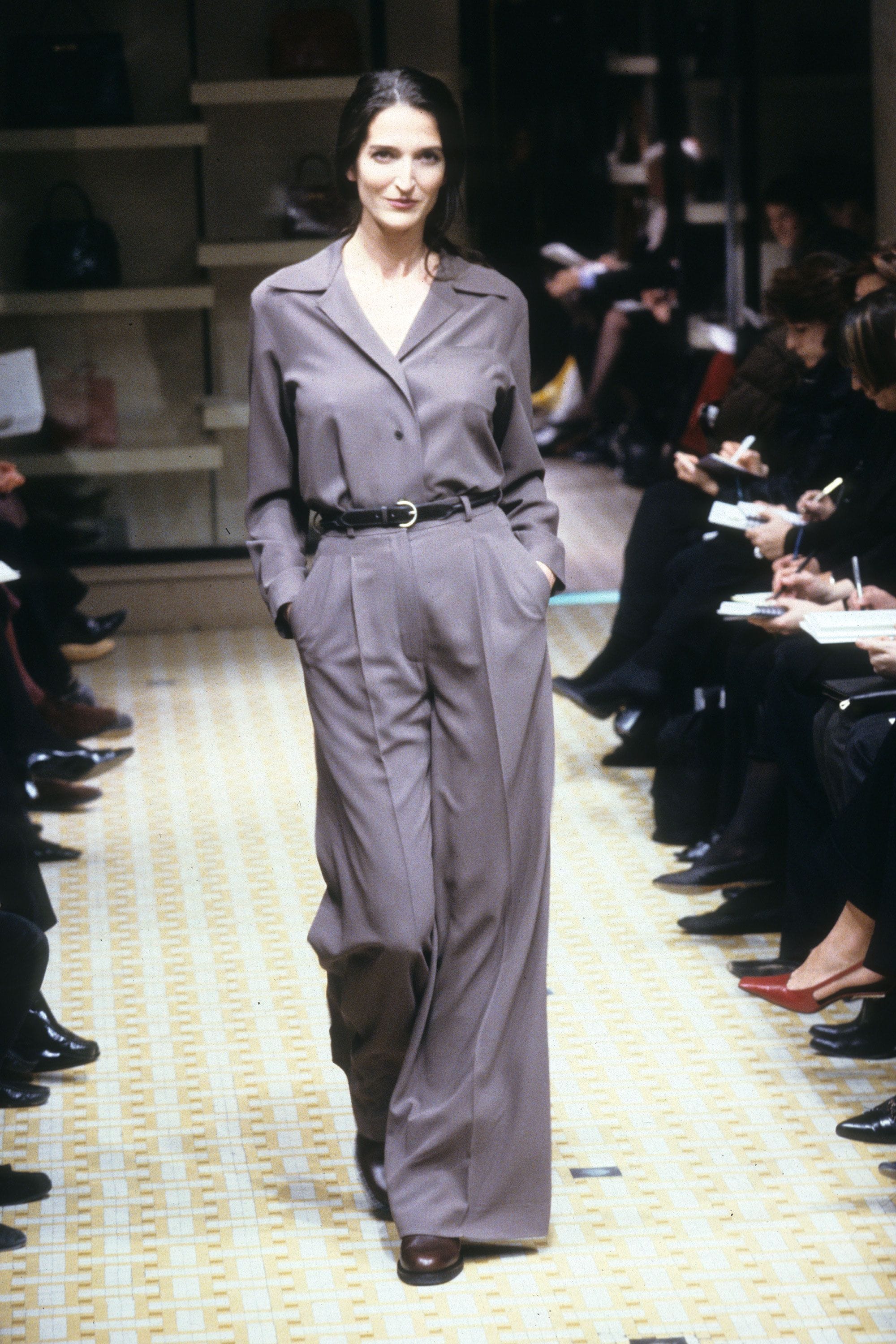
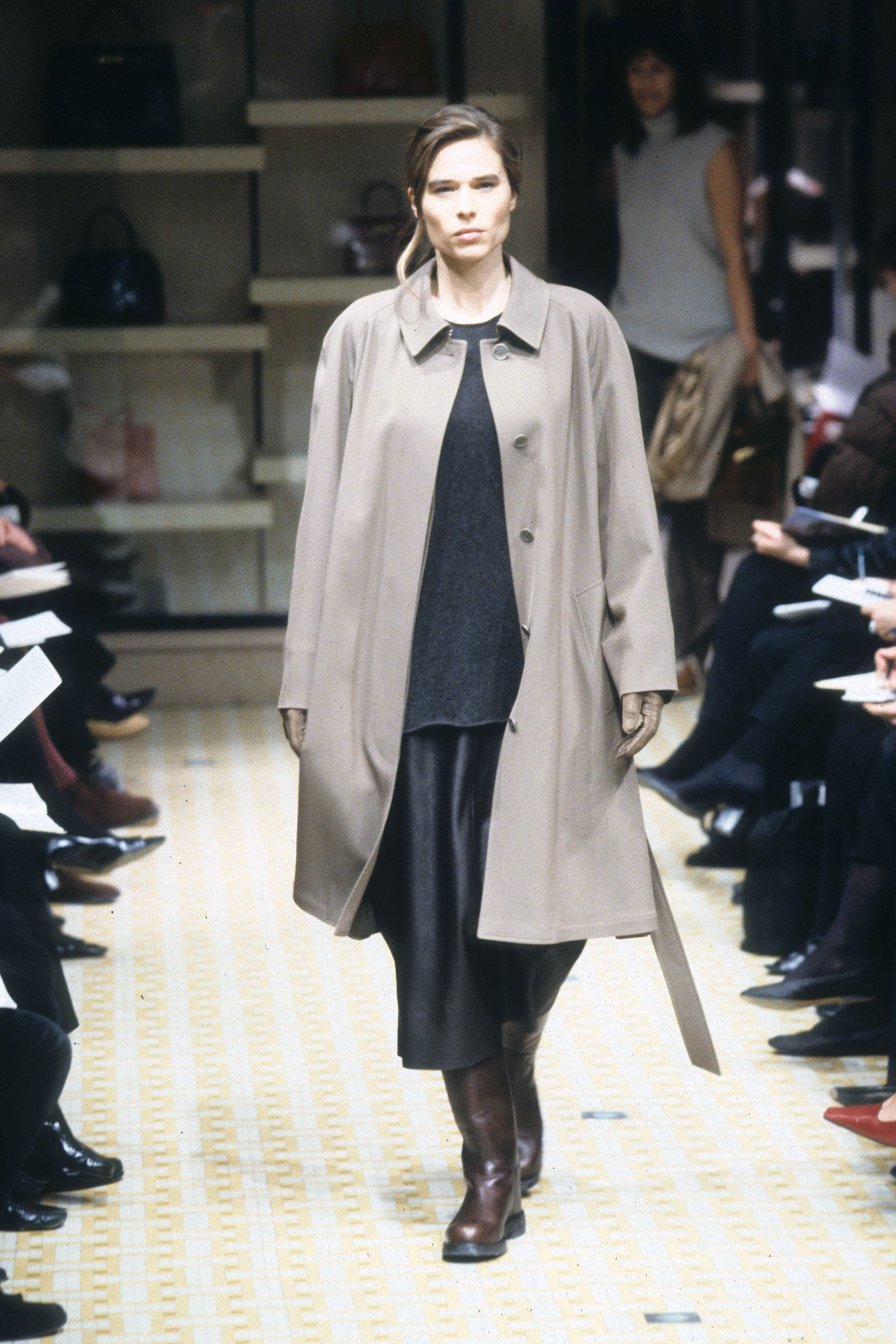
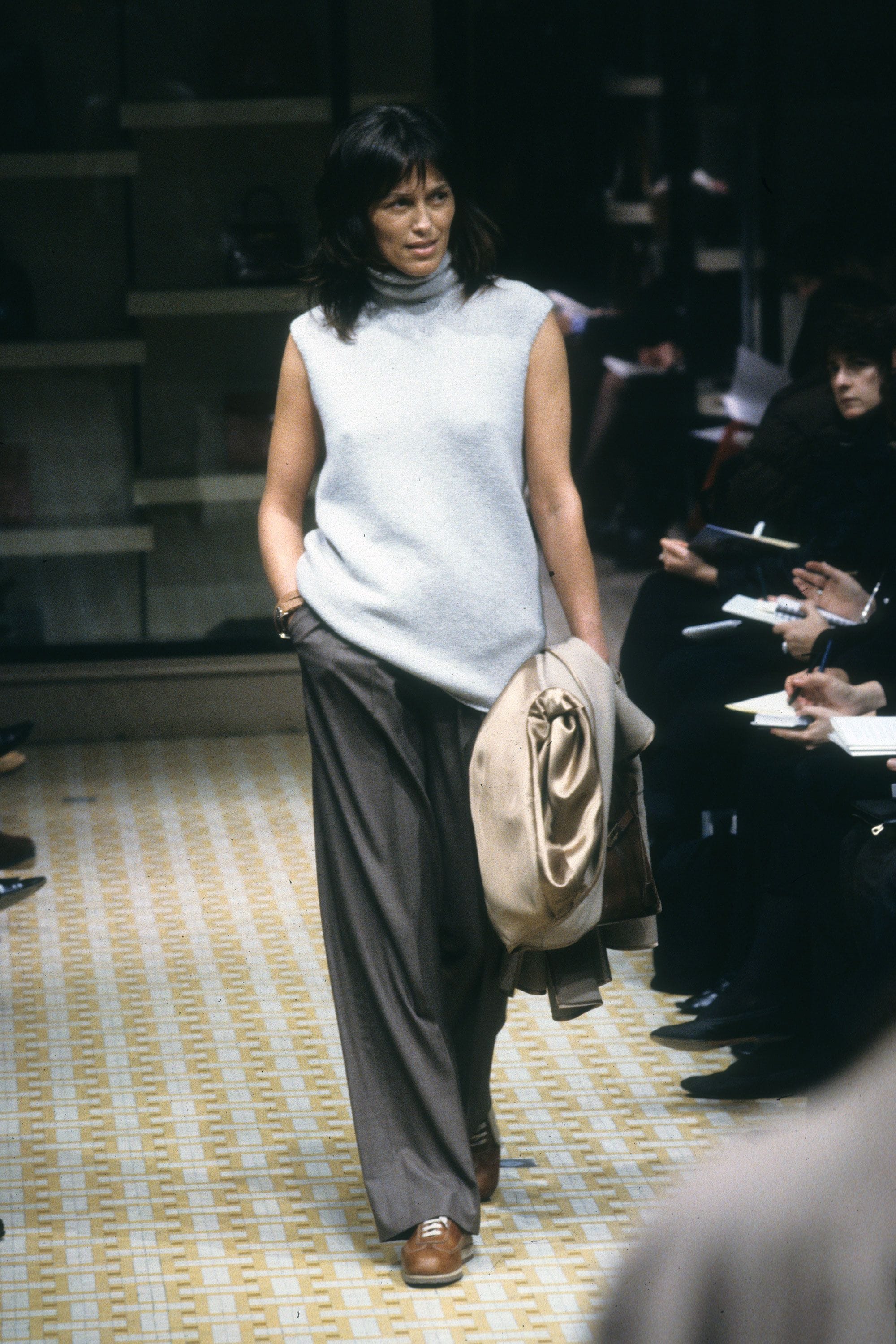
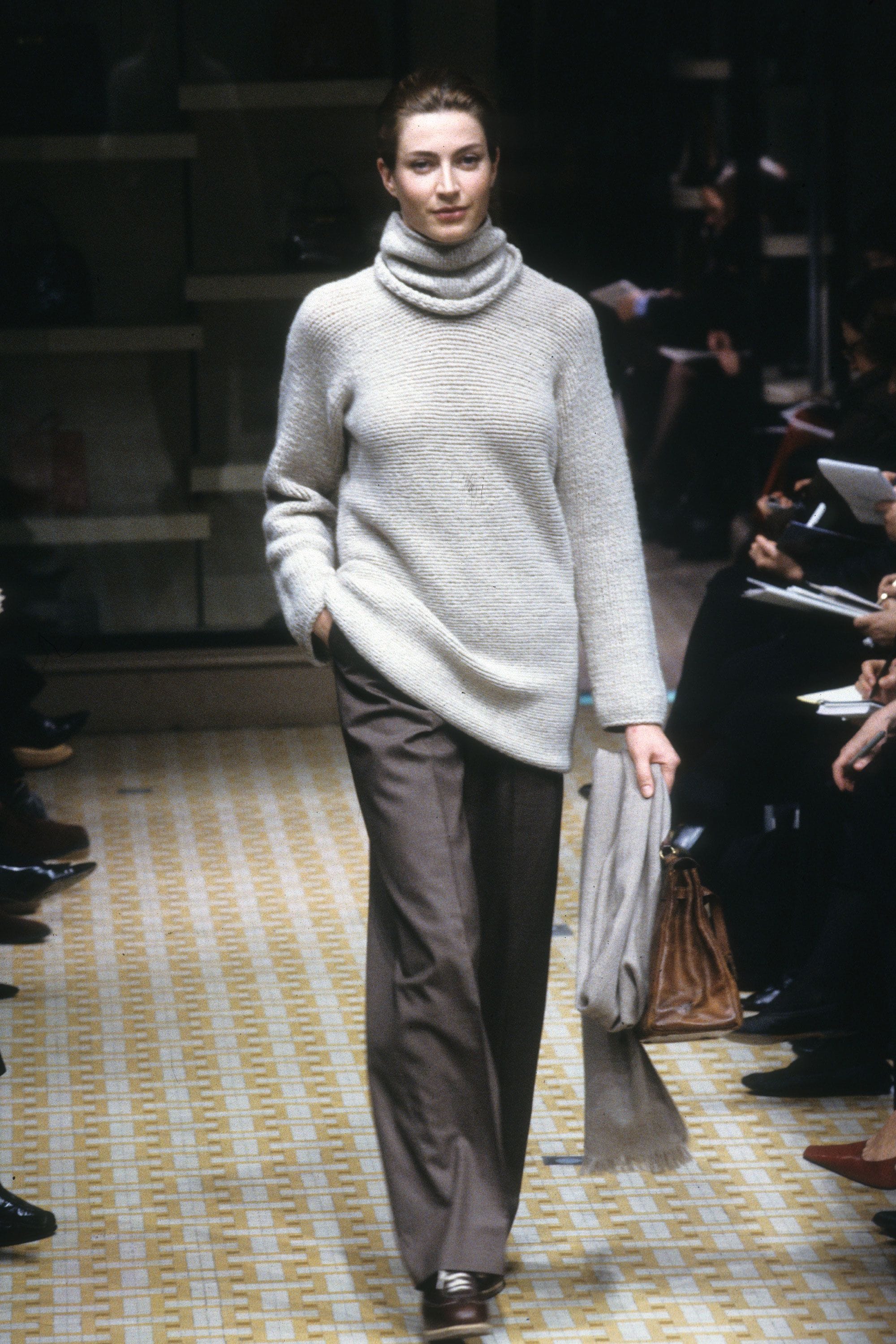
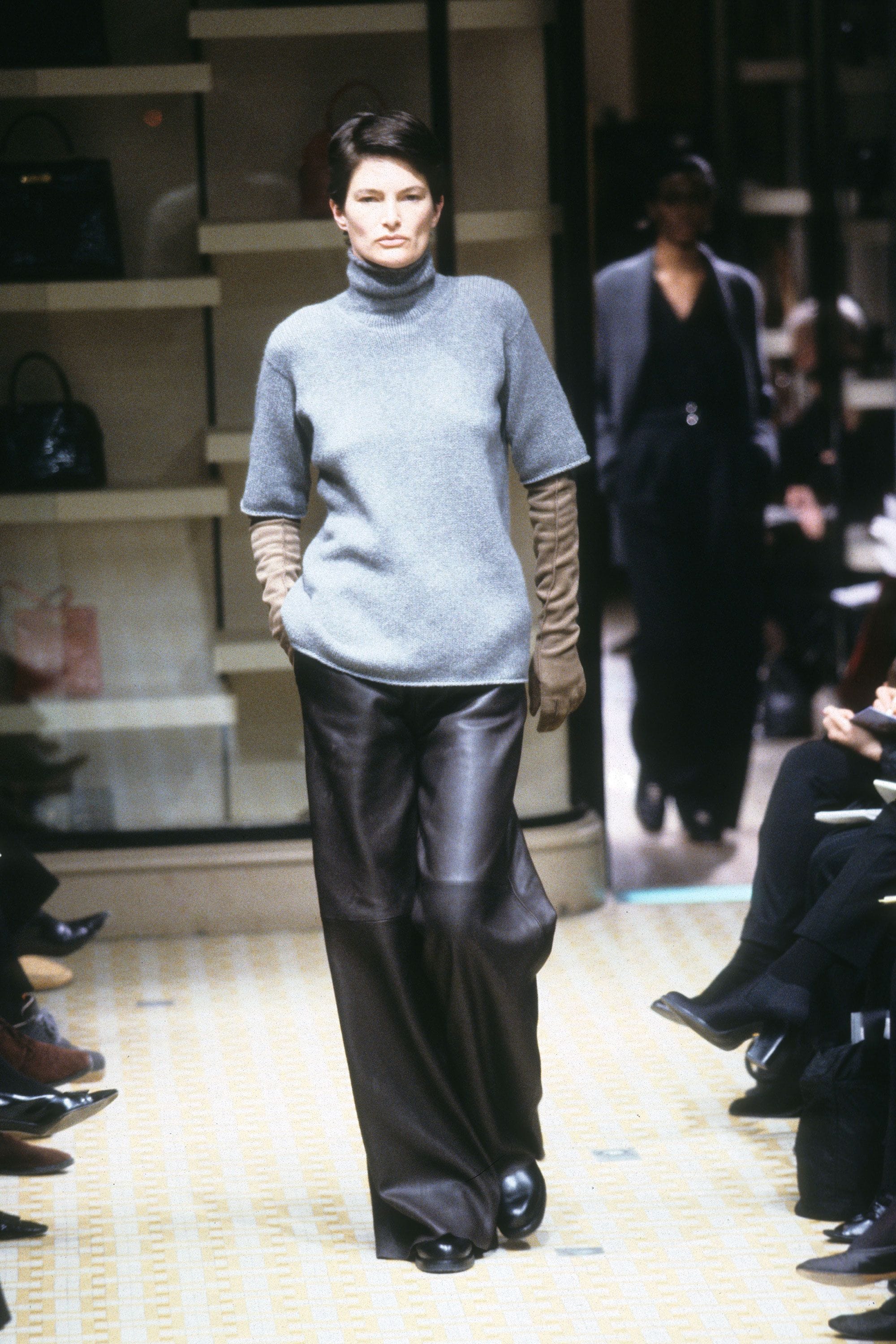
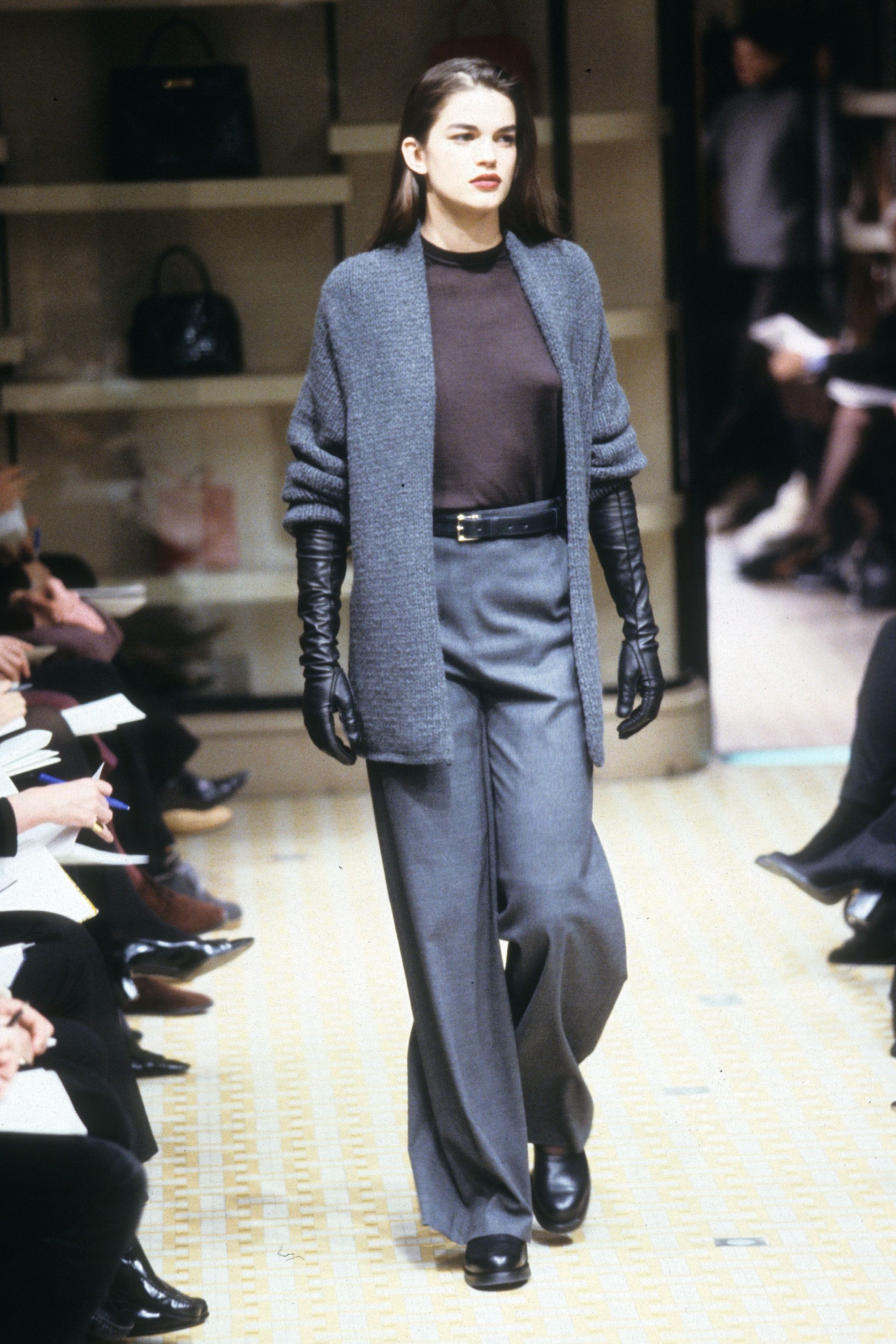
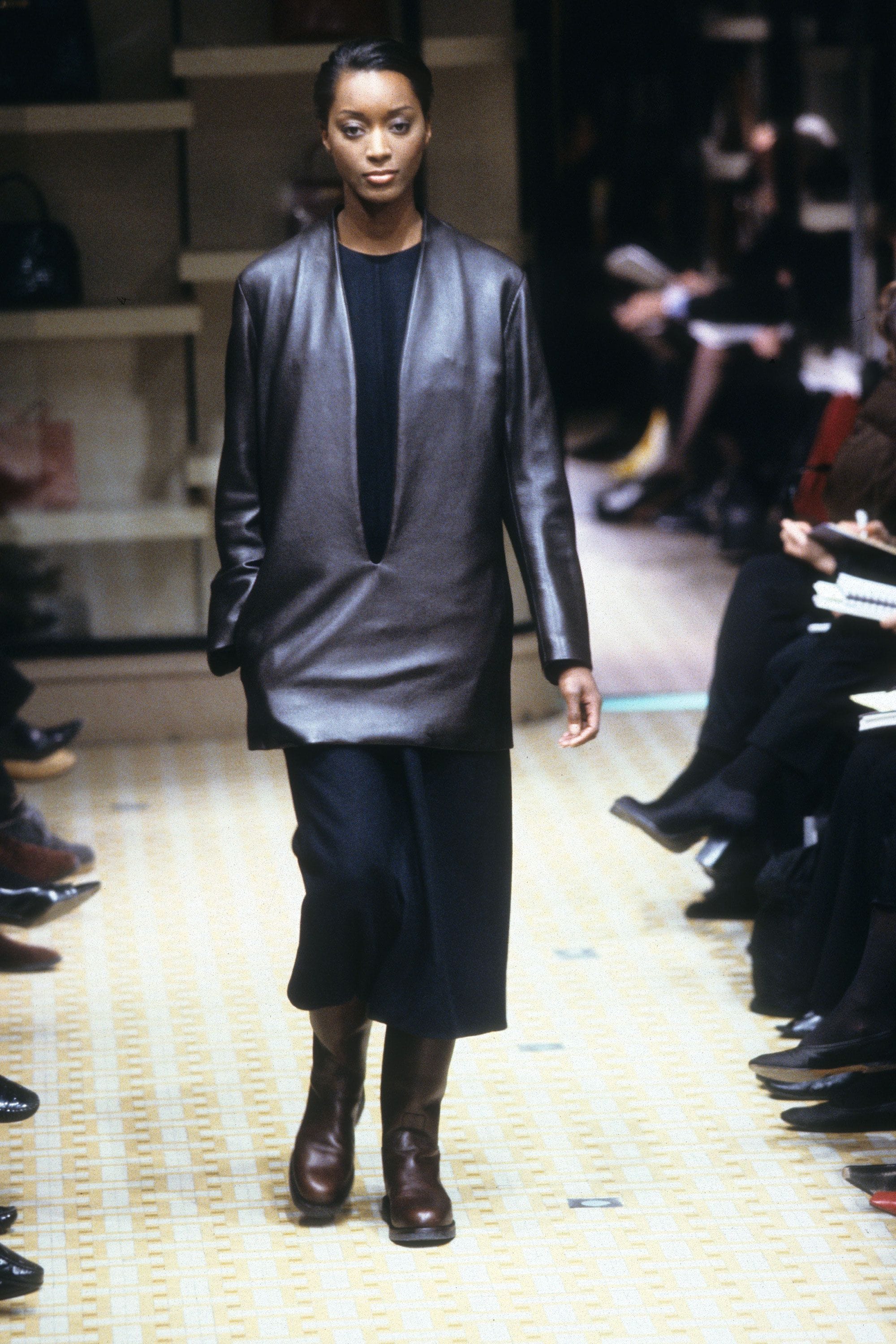
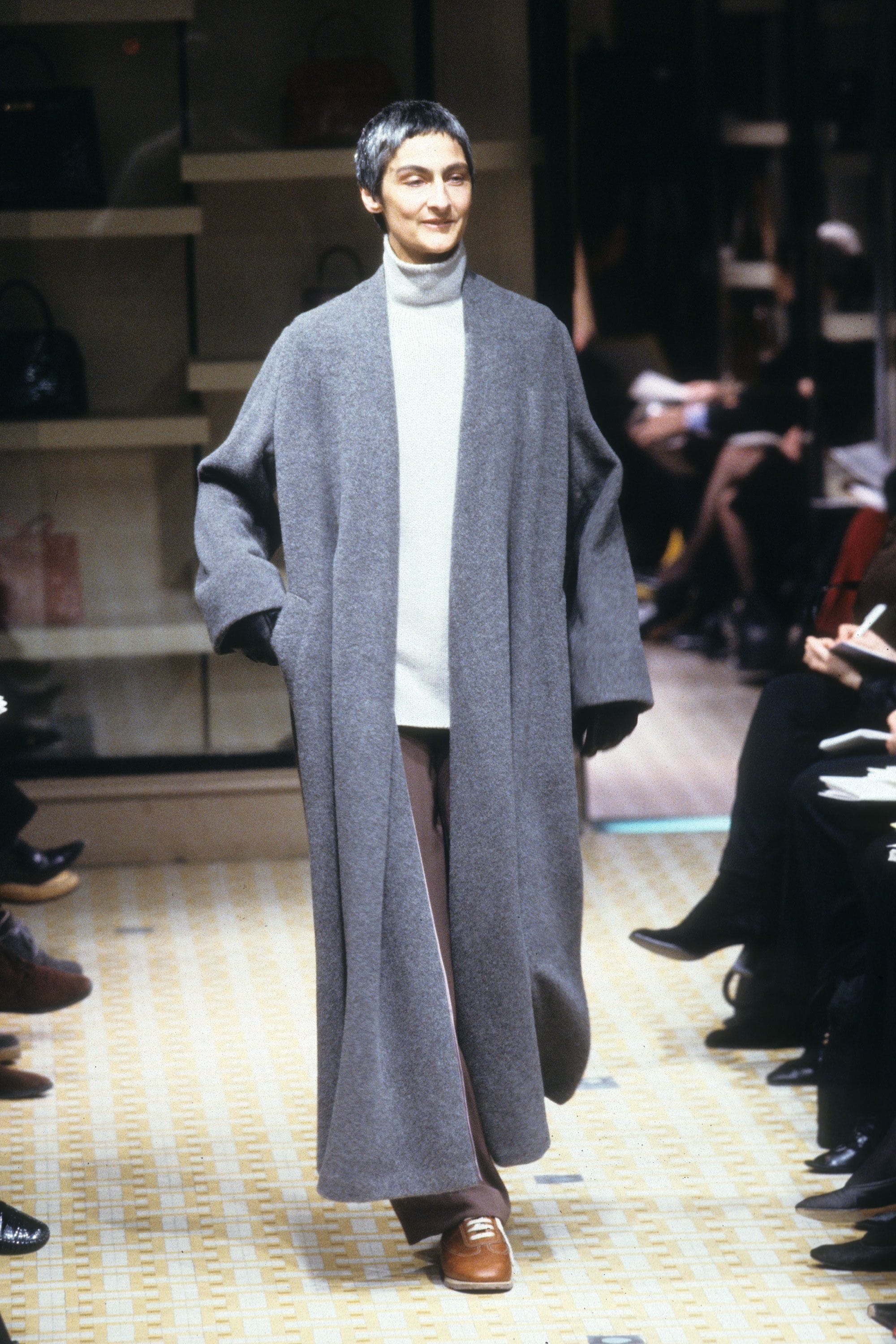
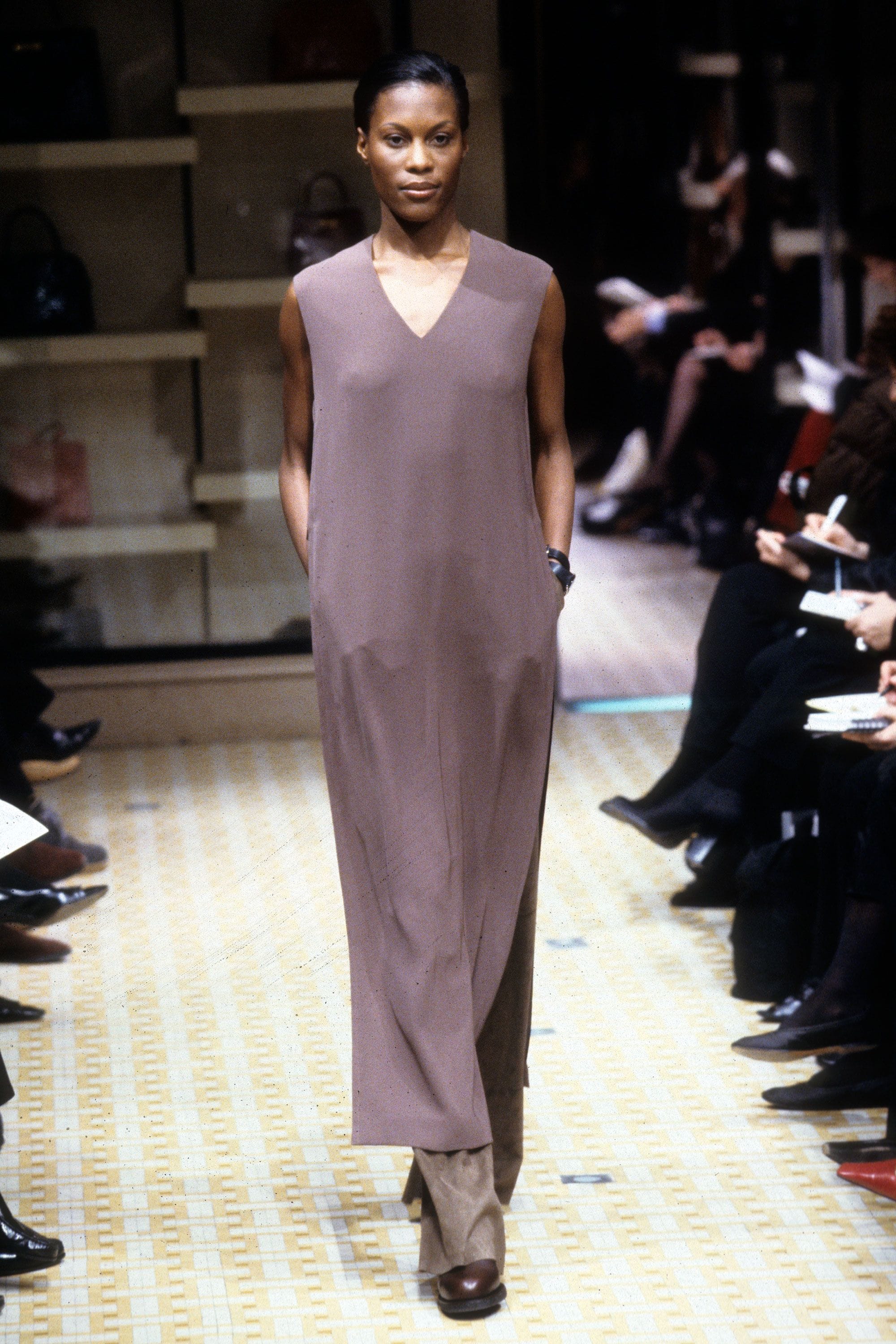
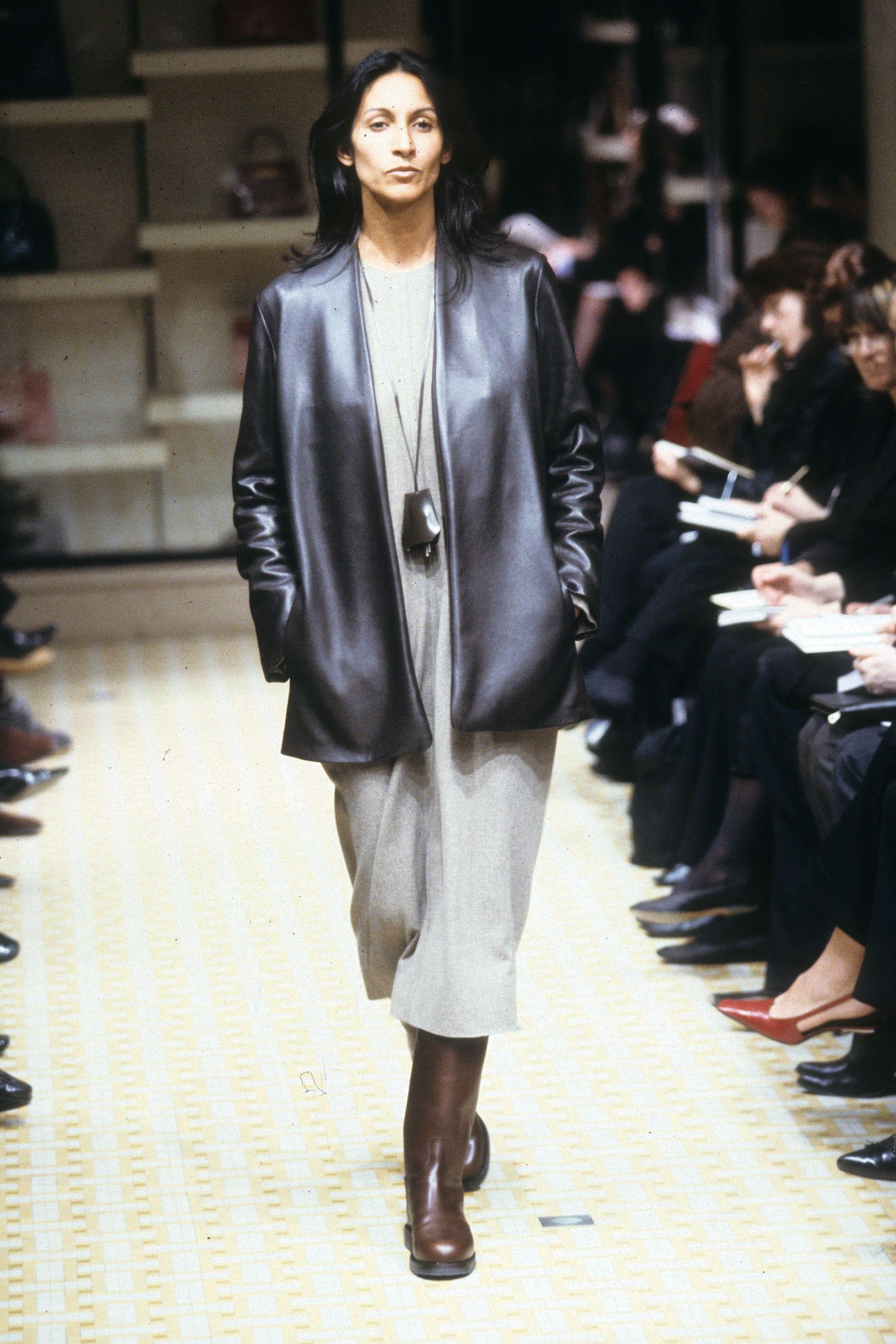
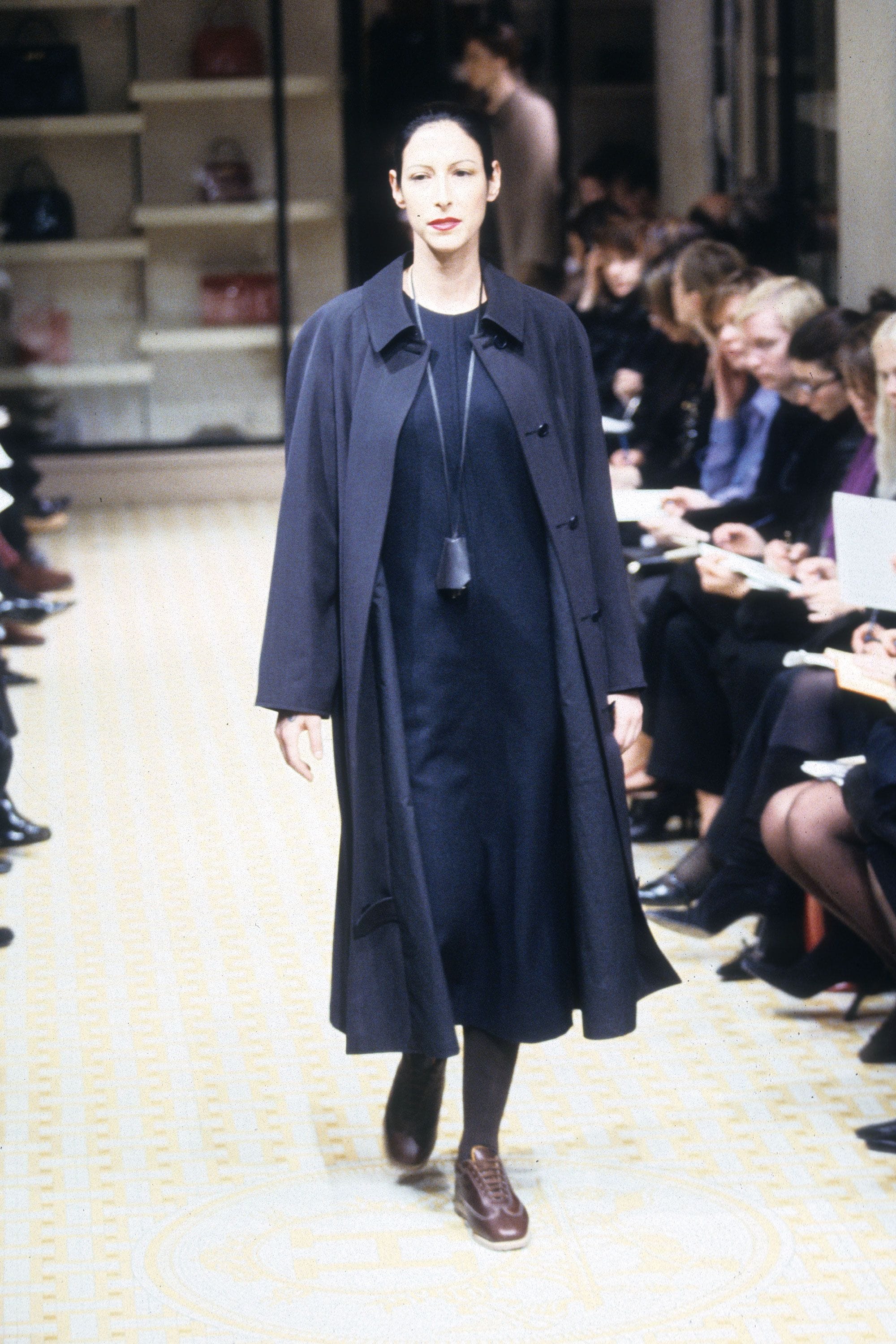
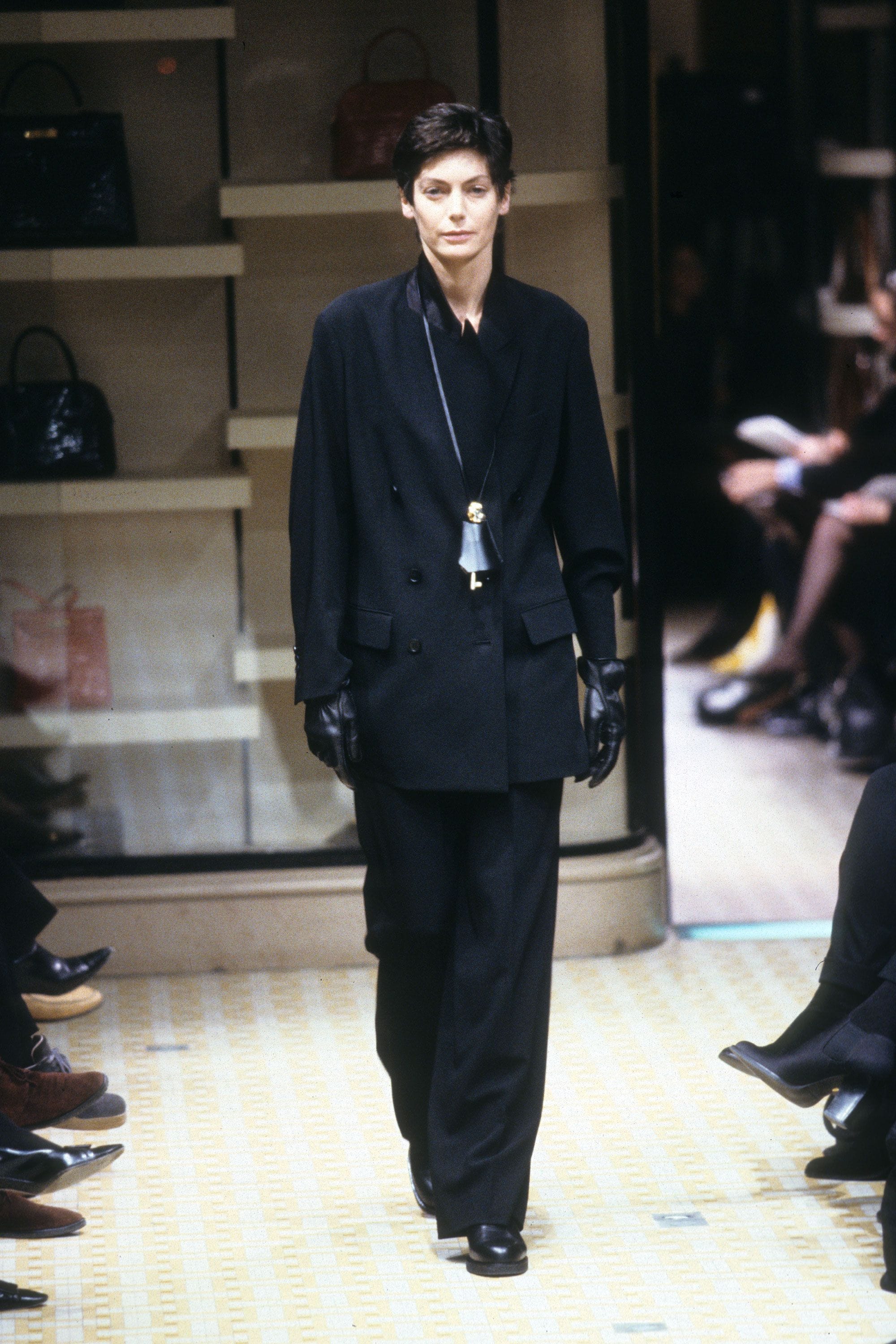
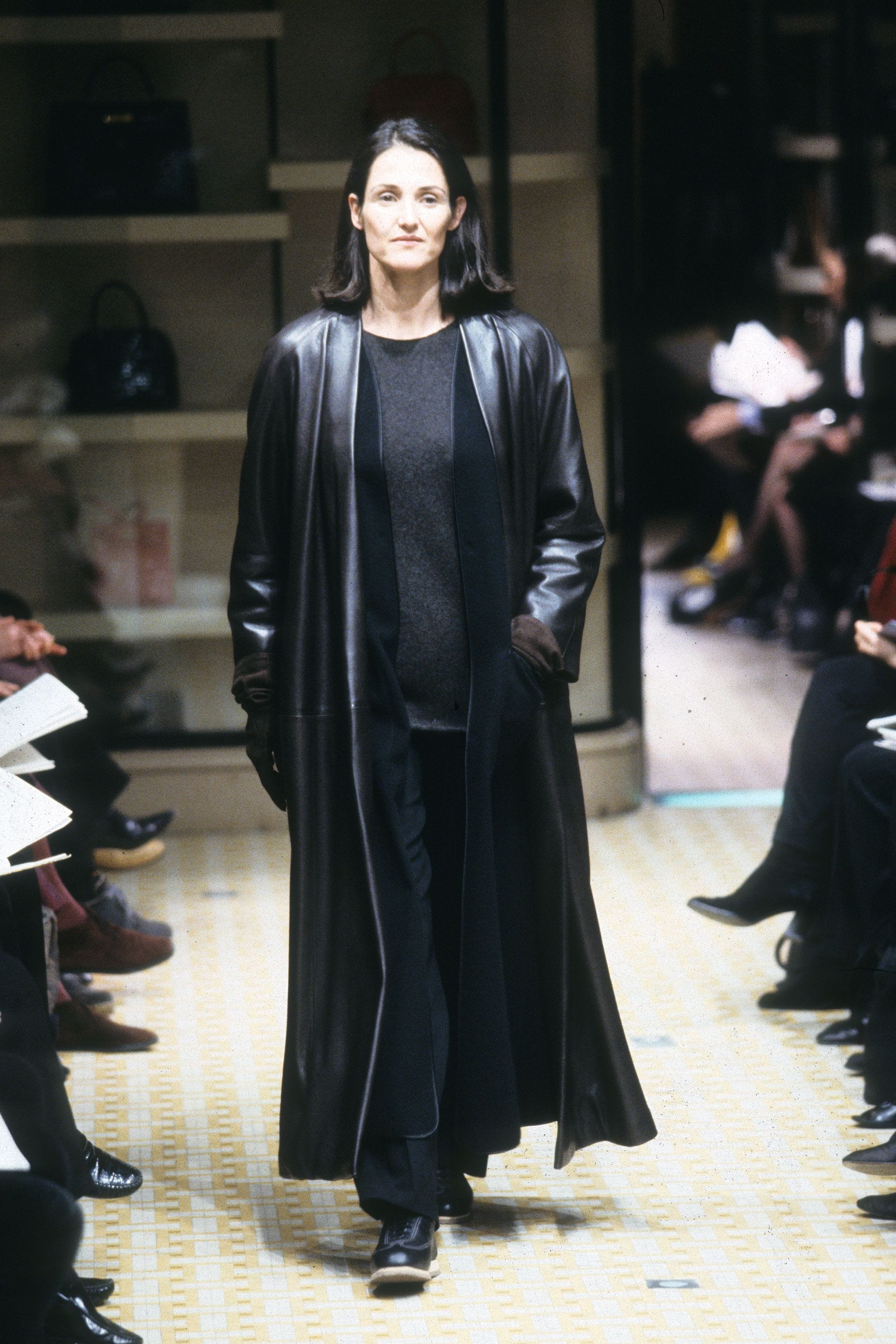
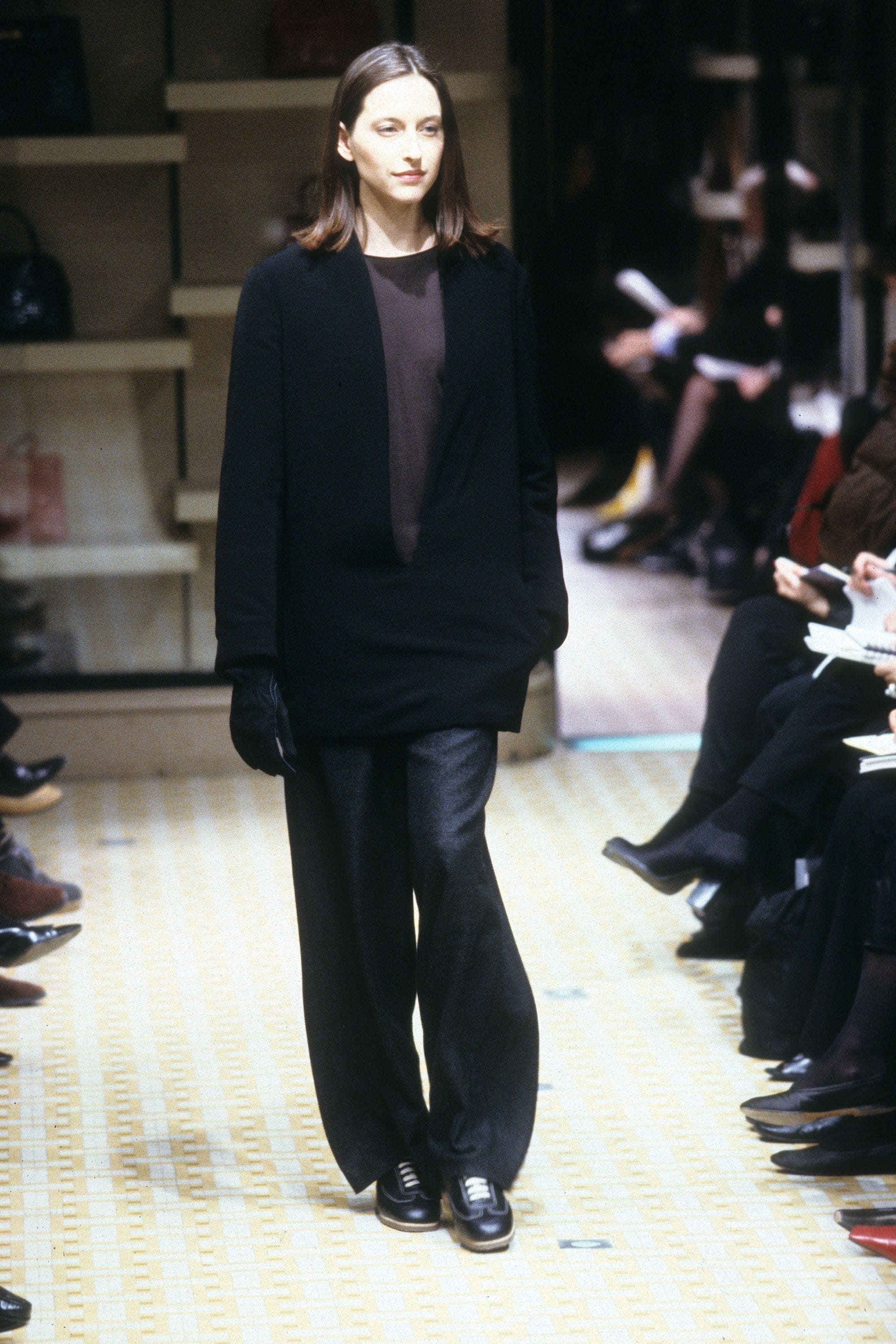
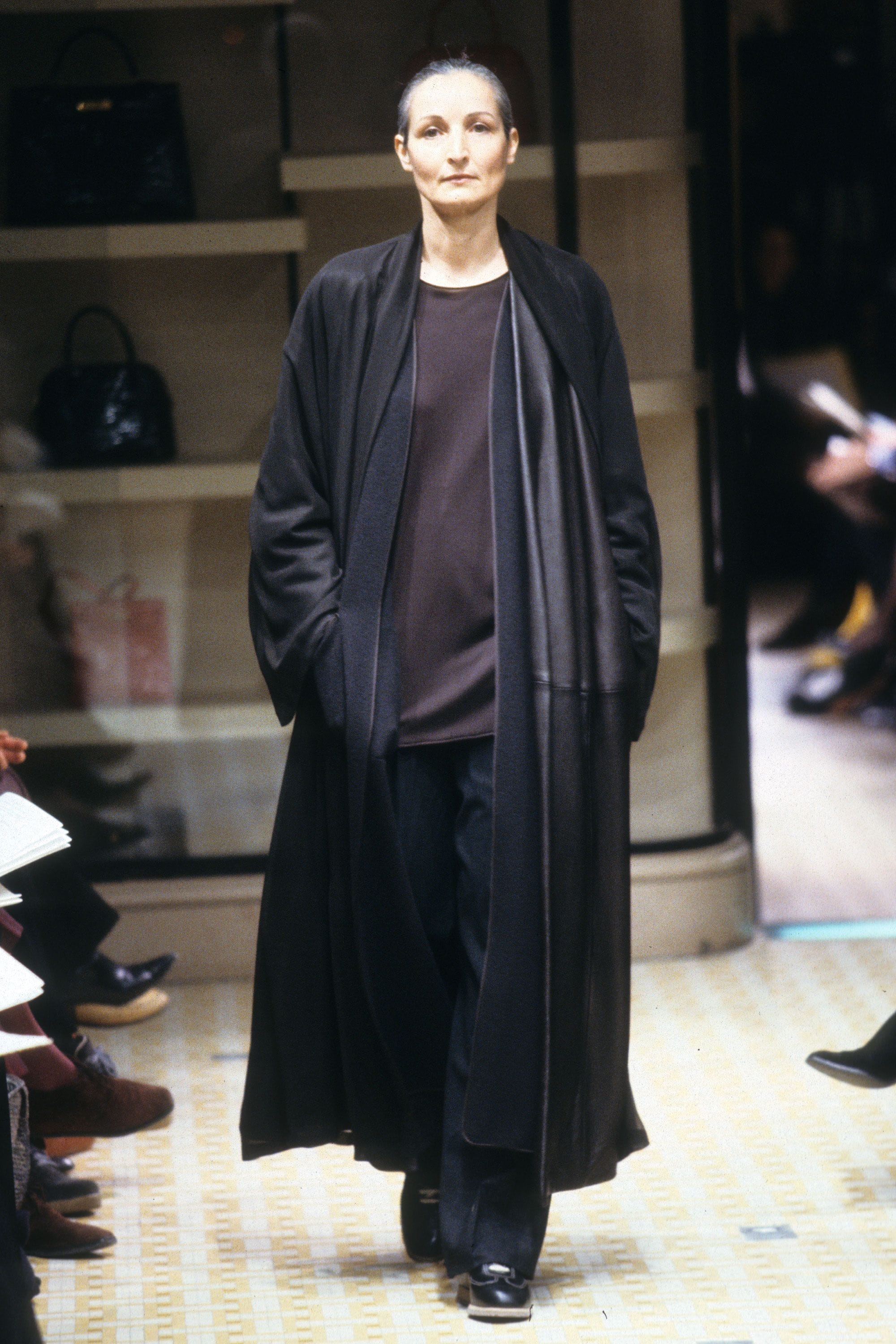
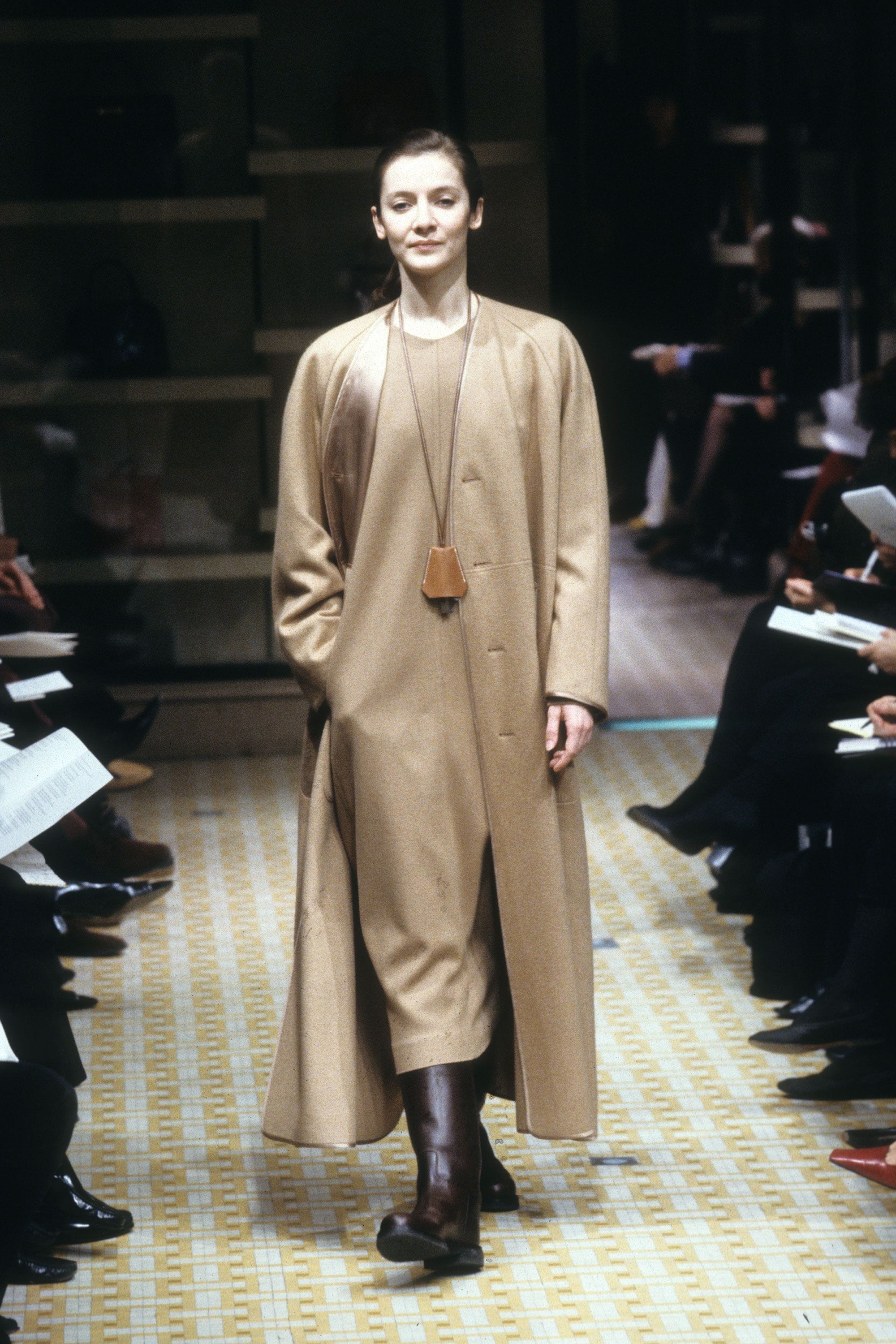
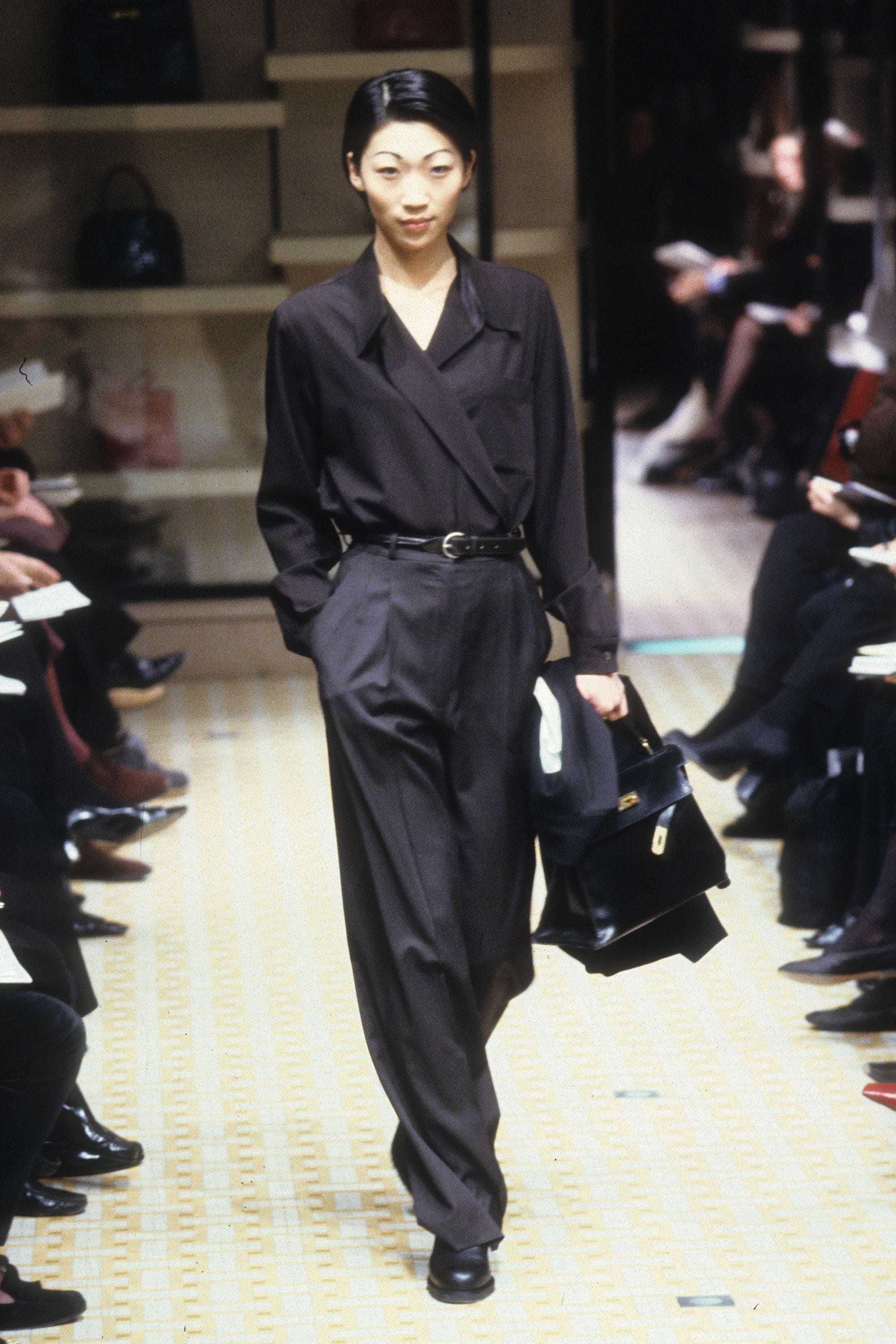
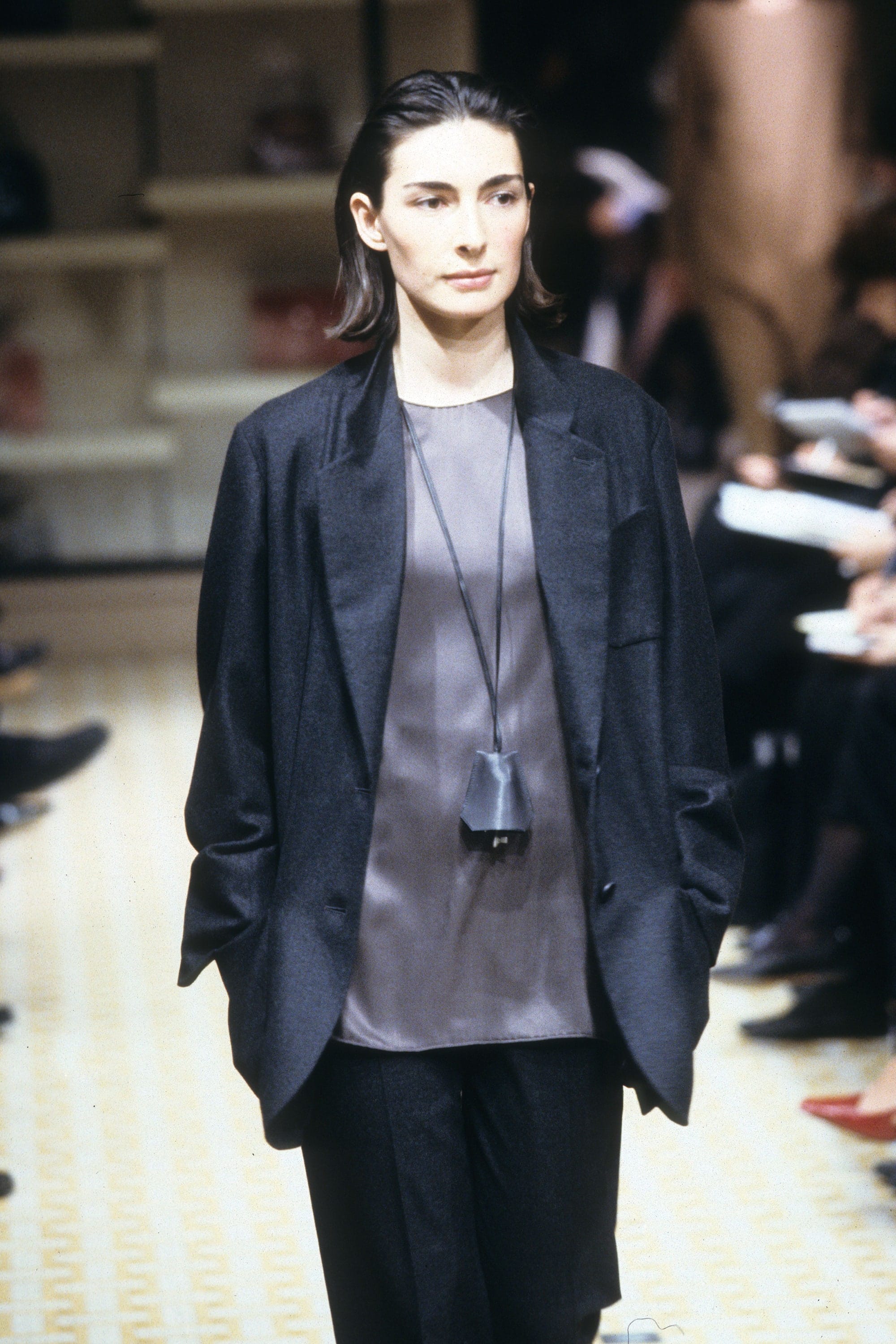
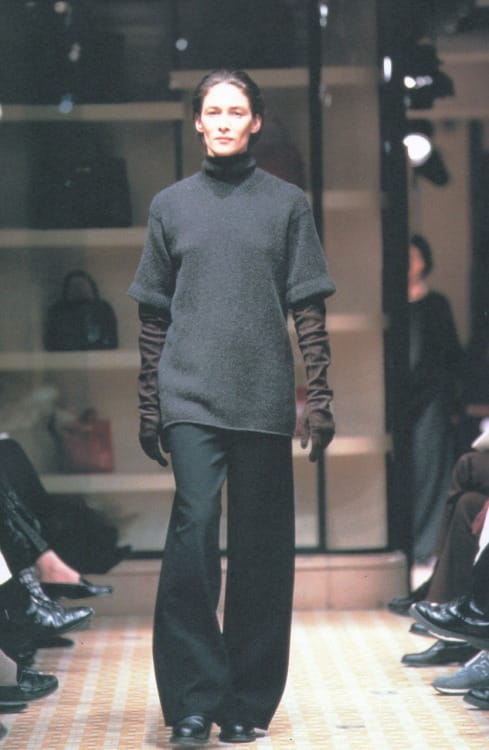
Hermès Fall 1998, inside the Margiela years: a private uniform with the lights left low.
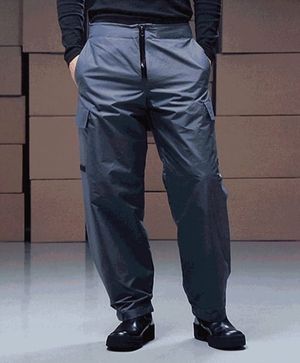
The house codes are still there, but drained of announcement. Long coats, sleeveless shells, leather sleeves, flat boots, gloves, cashmere, grey wool, tobacco brown, black. Luxury held like a tool, not a trophy.
It is almost hostile in how little it performs. Monastic, office-punk, weatherproof, expensive without asking to be seen. A wardrobe for people who know exactly what they are looking at.
![Mobile Suit Gundam: The 08th MS Team — RX-79[G] Ground Type Urban Combat](https://storage.ghost.io/c/14/ee/14eef3be-ca5a-434b-8324-fa1f874026f1/content/images/size/w300/2026/06/58974068431.jpg)

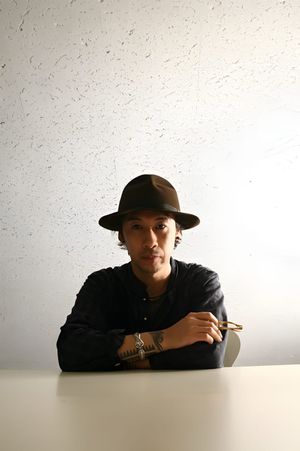
Interview with Jun Takahashi on Undercover AW13
Q: After two years away from the Paris catwalks, why was now the right time to show a runway collection?
A: After the earthquake disaster, we Japanese were spiritually in the worst state. It’s been two years since then and everyone is hoping to improve the present situation. I am one of them. I chose to have a runway show in Paris in order to restore myself. I thought it would work because going back to the runway was one of the things I had been hoping to do.
Q: Talking of the scar that Japan’s earthquake left on you, did it creatively affect your AW13 collection?
A: I was craving for creation, and that resulted in those one-off dresses. Two years ago, mentally and financially I wasn’t able to create such things. Those one-off pieces are my original works and made intuitively by myself. I am the only one who could make them. They are sacred works to me. I guess I like things where you can feel human warmth.
Q: Why did you call the show ‘Anatomicouture’? Was your intention to expose the inner bones of the garments?
A: It is a mentality of exposing the inner self, corresponding to my desire to reveal my creation and what’s going on in my head.
Q: Despite the skeleton and organ motifs, the collection is beautiful and seductive – does this come back to your interest in the contrast between ugly and beautiful?
A: Ugliness and beauty co-exist in human mentality. I always want to express those emotions.
Q: The AW13 show had the feel of punk performance art – why did you stage it like theatre?
A: Because the theme of this collection is related to human emotions, I thought my theme could be conveyed much better with such staging effects that would move people’s hearts. That’s why I used songs by Cat Power and James Blake. All the songs are great and meaningful and helped me convey what I wanted to express through the lyrics of songs too.
Q: When did your love of fashion start, and how did that lead to Undercover?
A: When I was little I loved drawing and had a twisted personality. I was so into punk during my high school years. My interest in fashion arose when I was around 15 years old and I was hoping to become a designer. At 18, I entered Bunka Fashion College. I was questioning about learning ‘design’ from teachers who were much older than me. So I told myself that I would learn only techniques in the school, nothing else.
Q: Undercover was considered part of a new wave of Japanese designers. How did your approach differ from the likes of Rei Kawakubo and Yohji Yamamoto?
A: I am not sure if Undercover is part of a new wave and I don’t really care. But Rei influenced me a lot on things like breaking stereotypes.
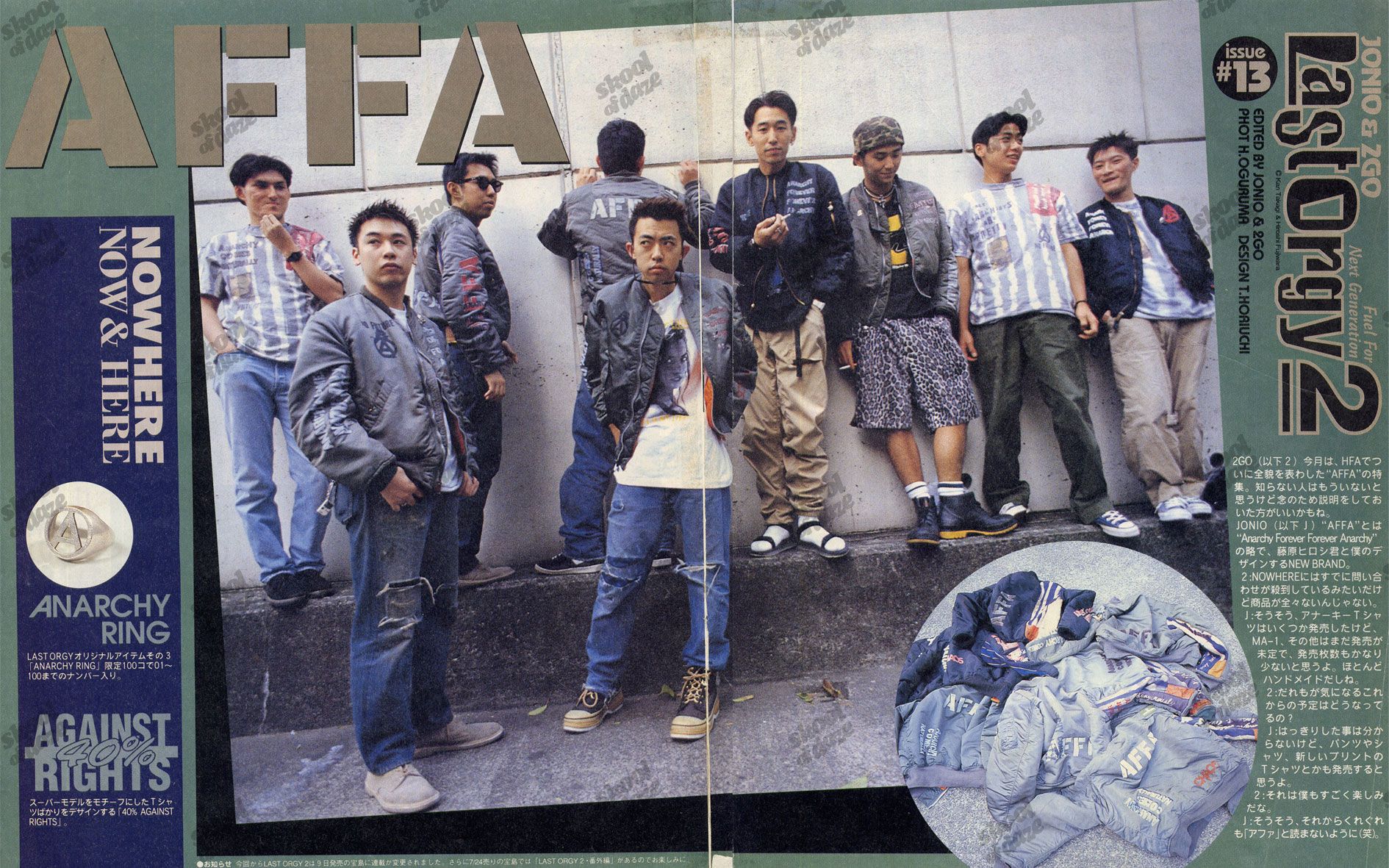
Q: You and your friend Hiroshi Fujiwara collected vintage Seditionaries pieces and published a book about them, and you even appeared in a show of Vivienne Westwood’s designs in Tokyo in 1990. Can you describe the impact punk made on you and explain why it still resonates today?
A: To me, punk means a spirit that questions and abolishes conventional ideas. That is my fundamental principle. You can apply the principle to fashion design. It depends on each season, but I instil punk interpretation into my designs in many ways – for example, by fusing two contradicting elements or applying techniques that are generally considered taboo.
Q: You recently designed lines for Uniqlo and Nike – how did you enjoy those two experiences? Did they feed back into your work with Undercover?
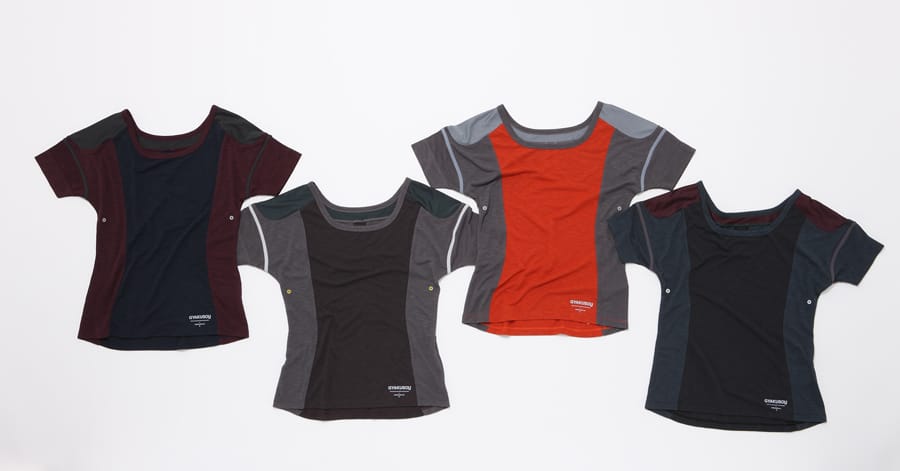
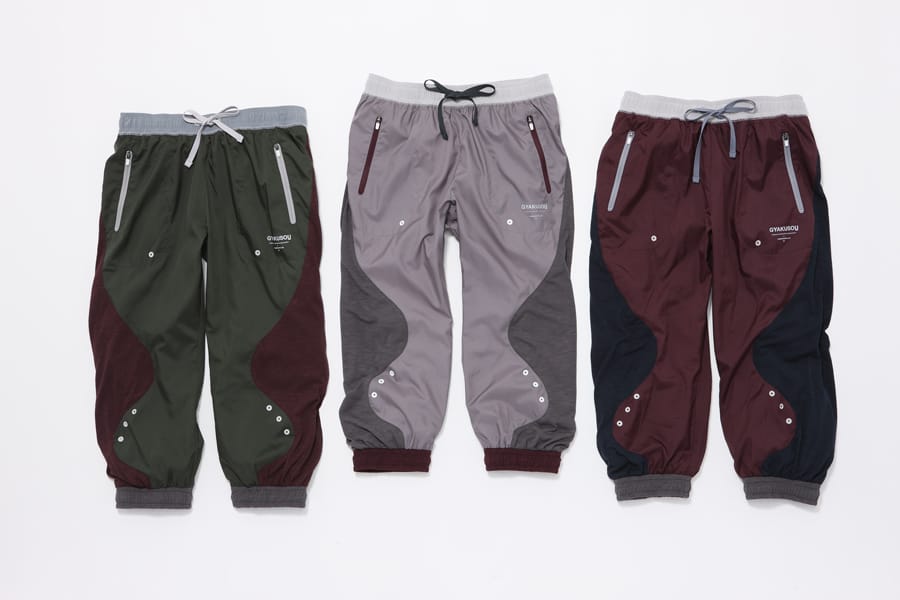
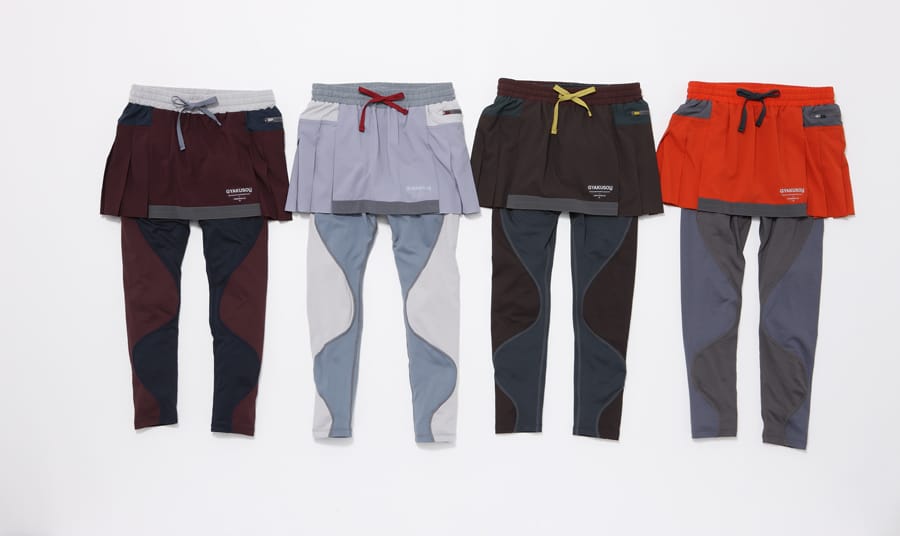
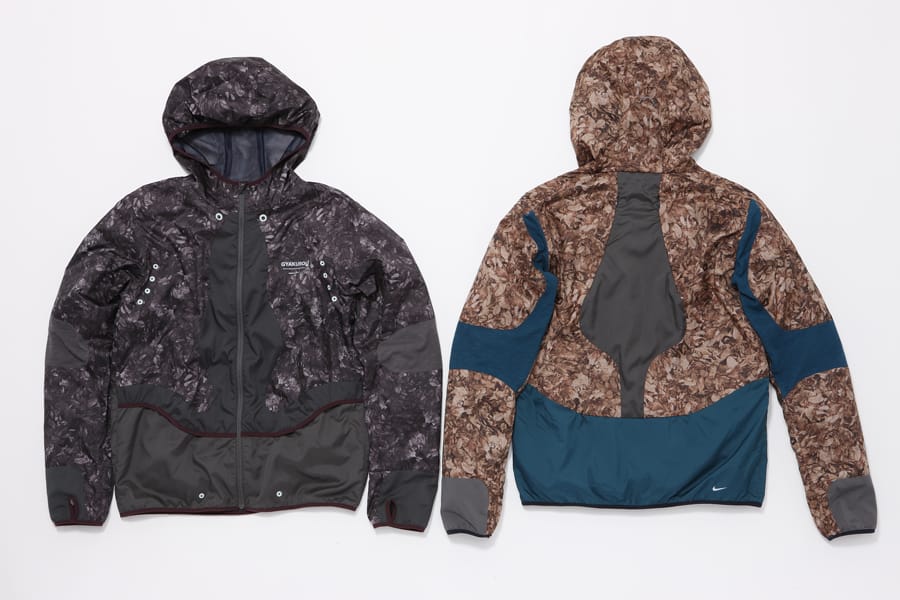
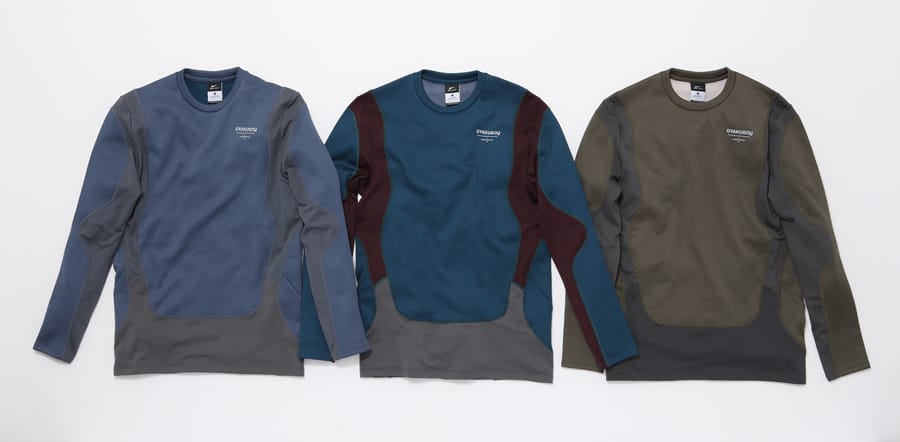
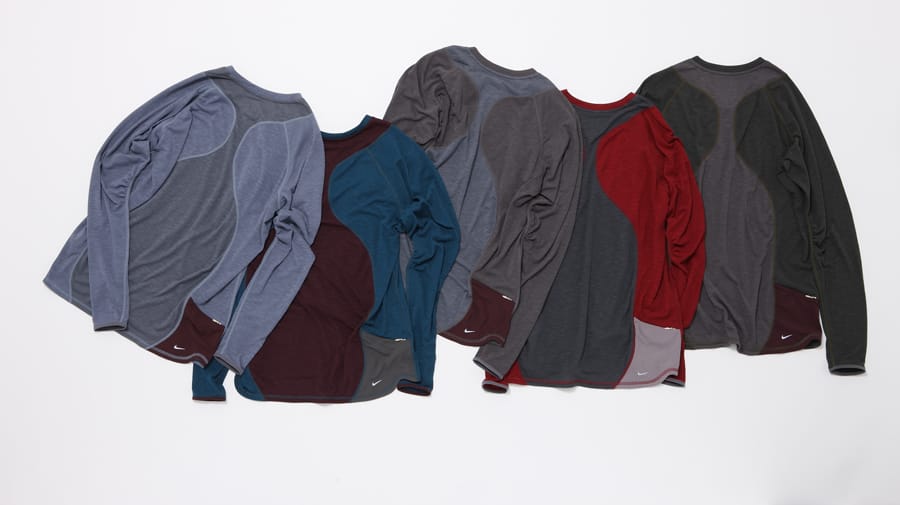
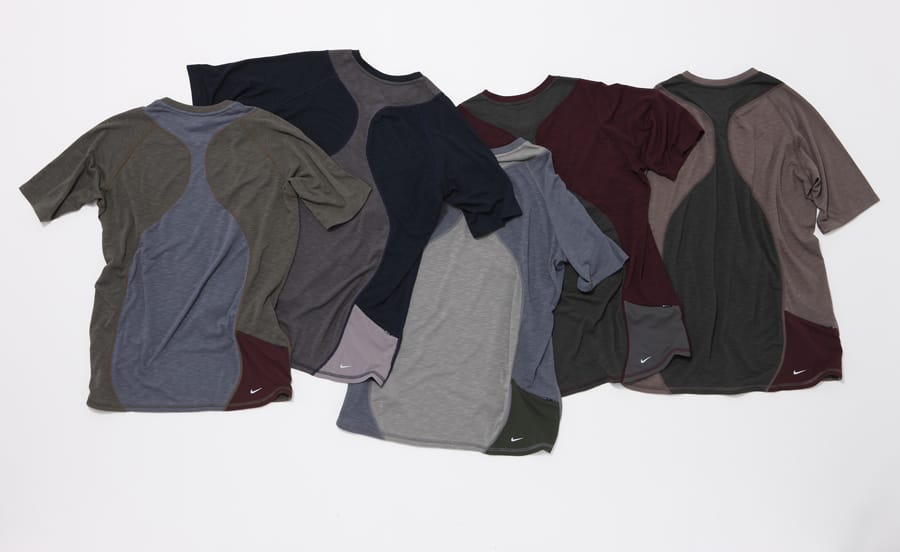
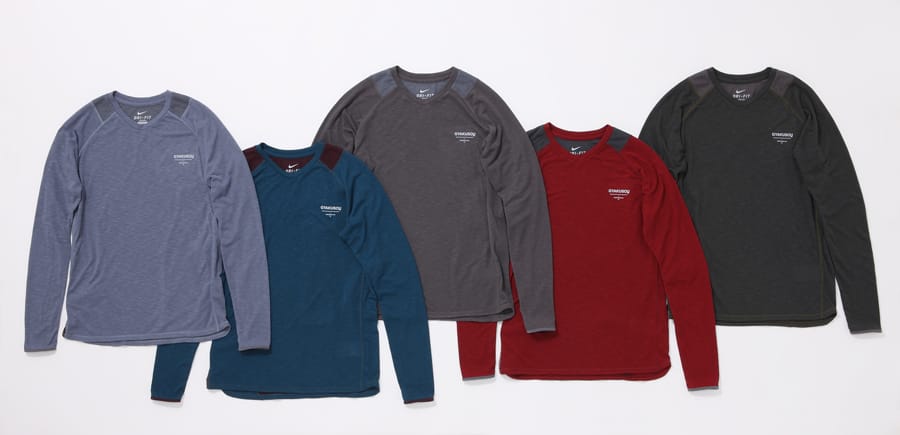
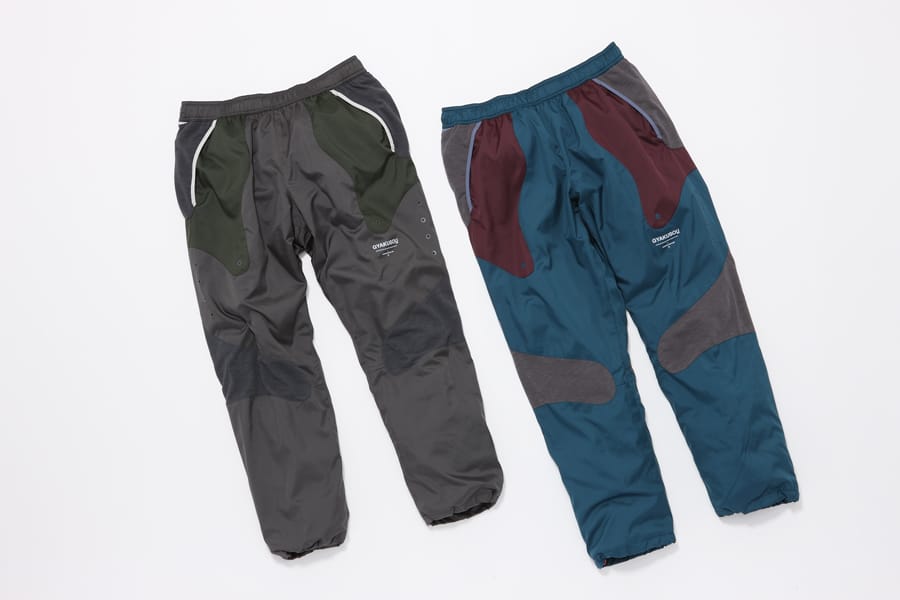
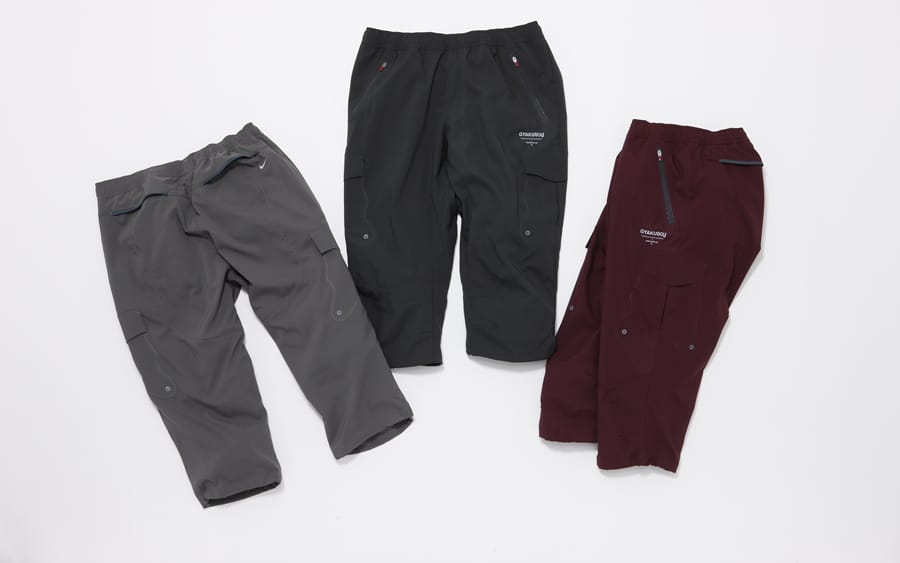
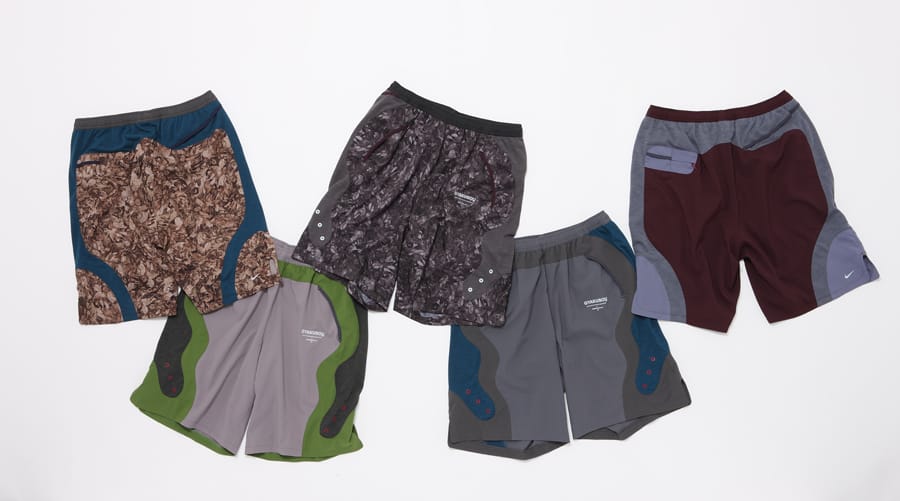
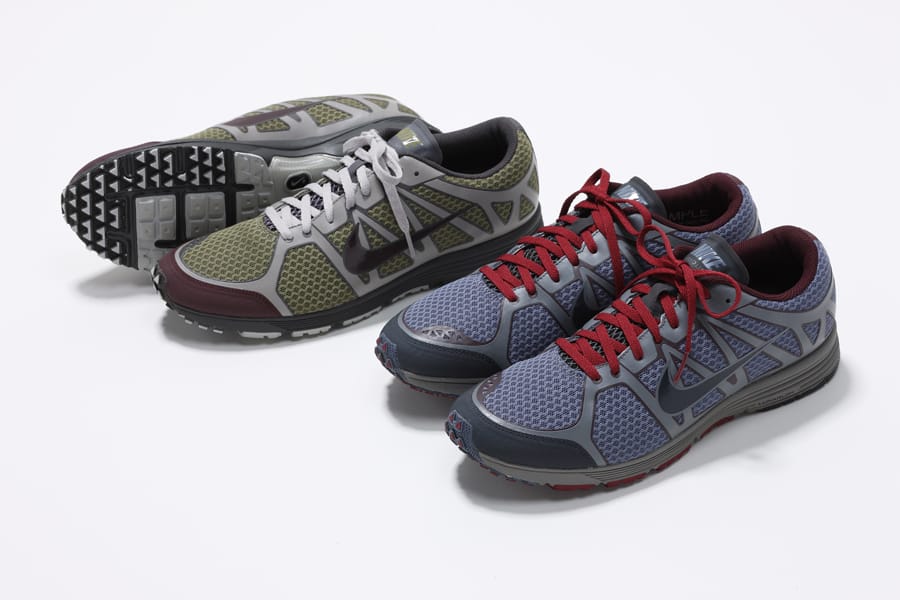
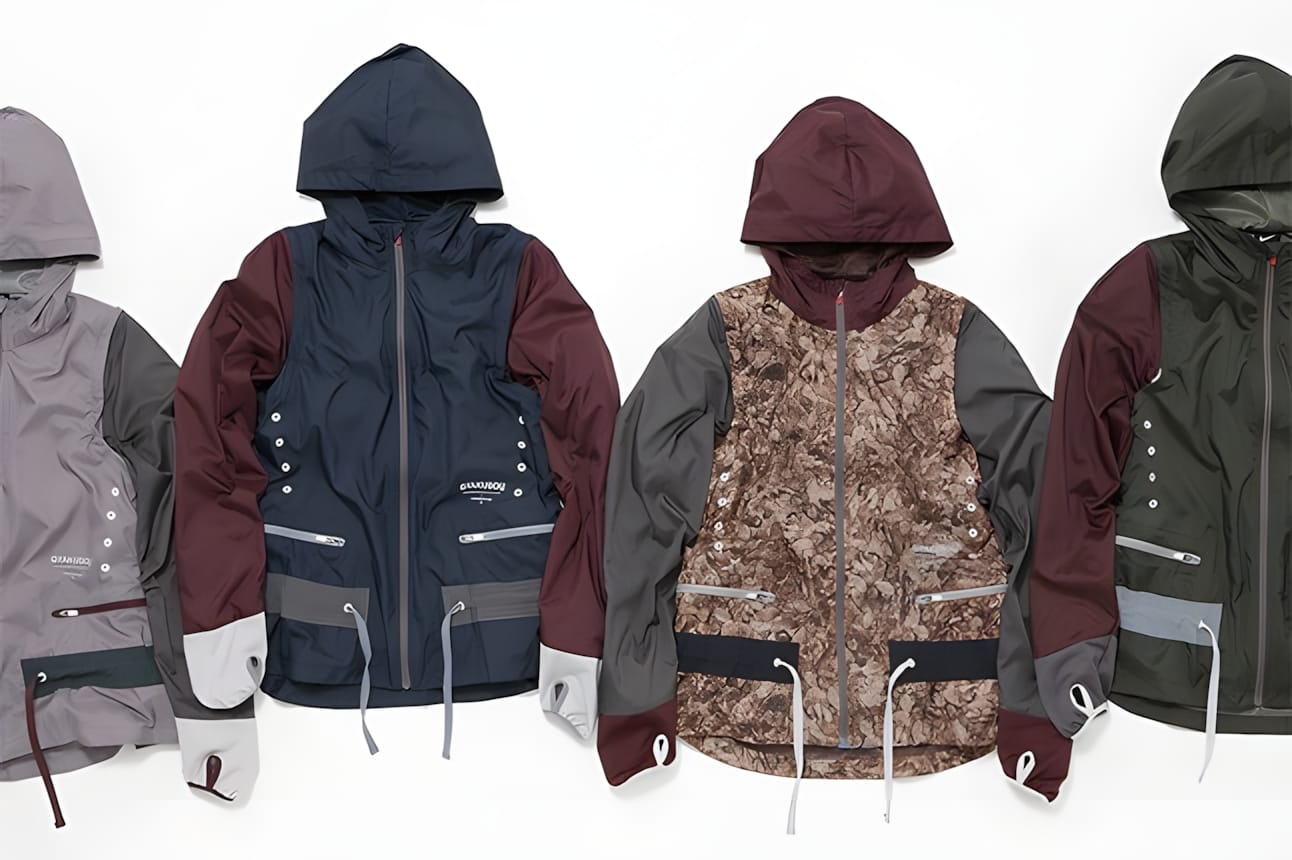
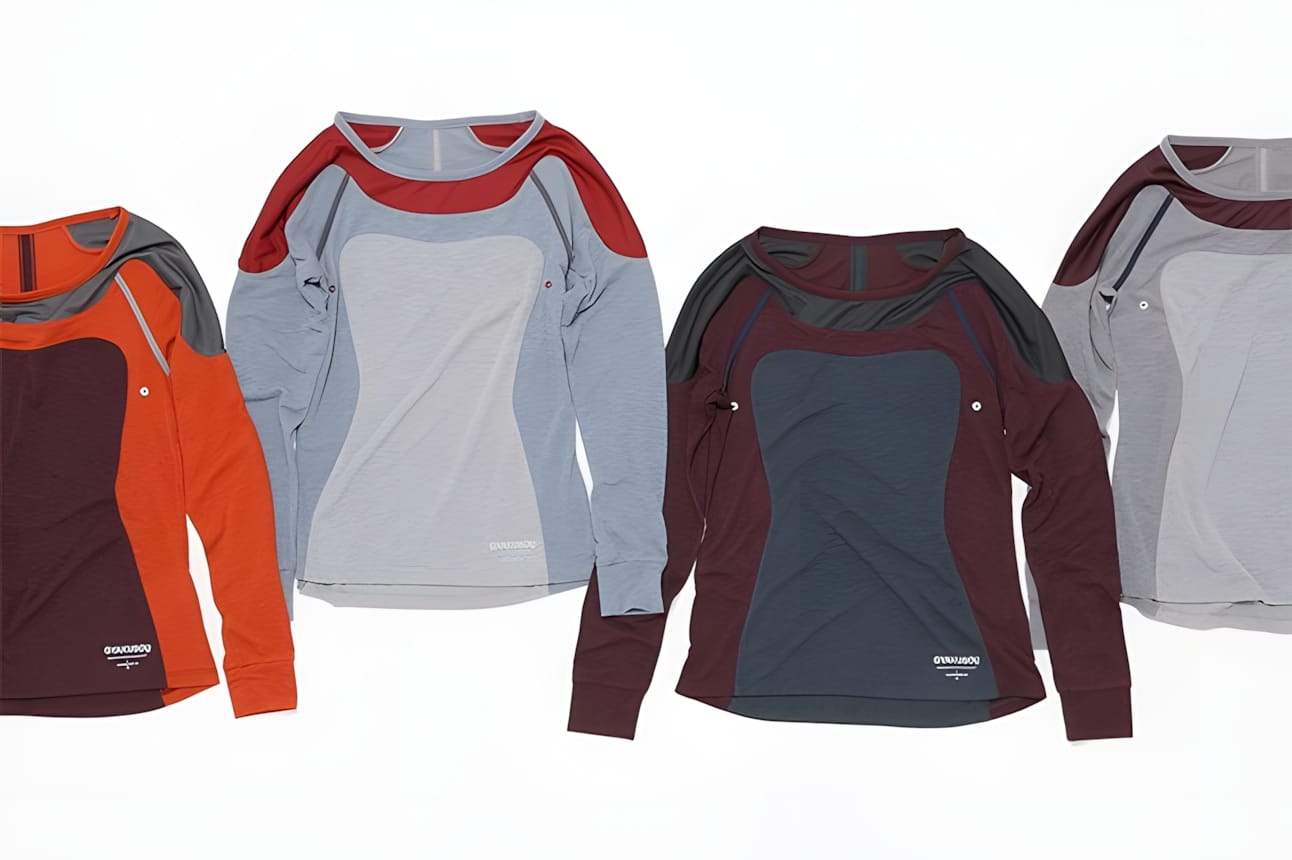
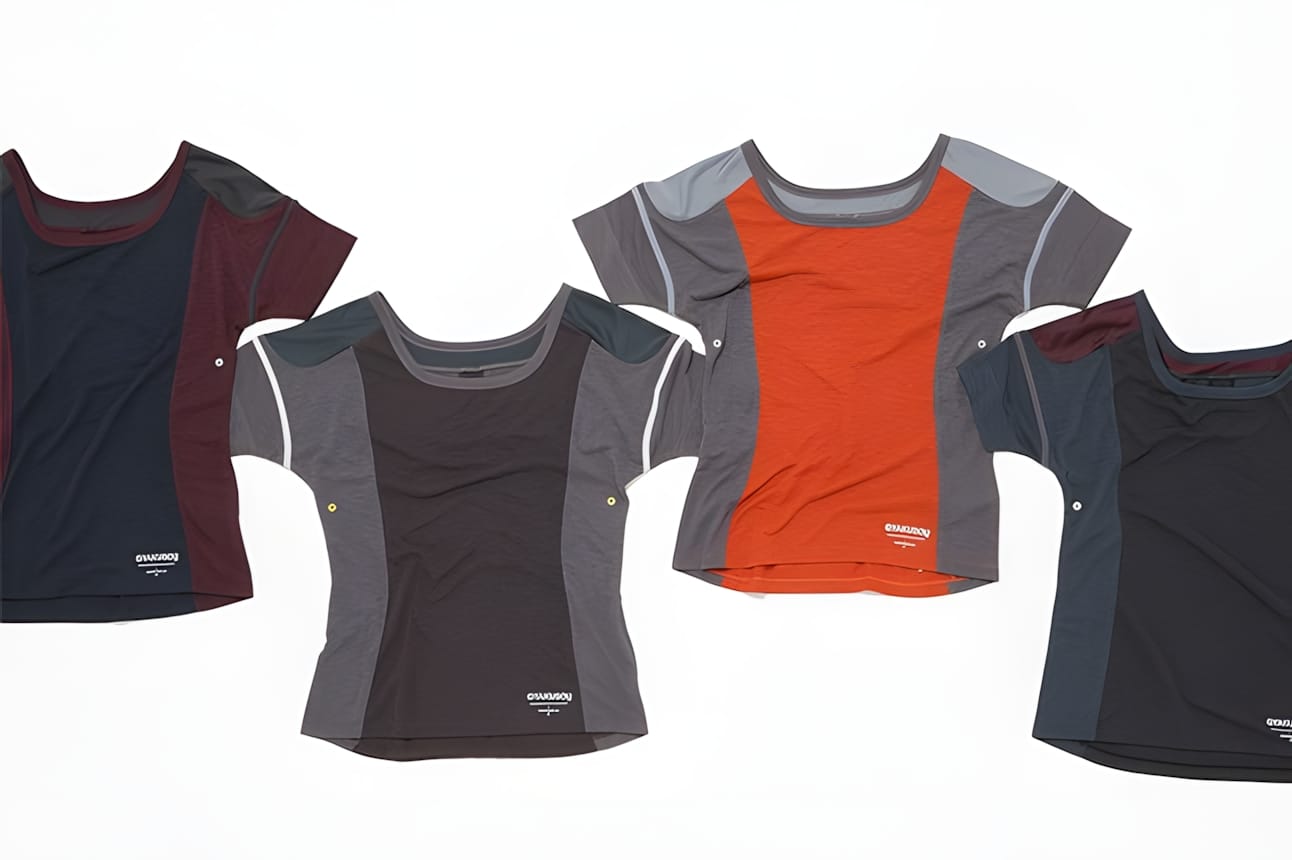
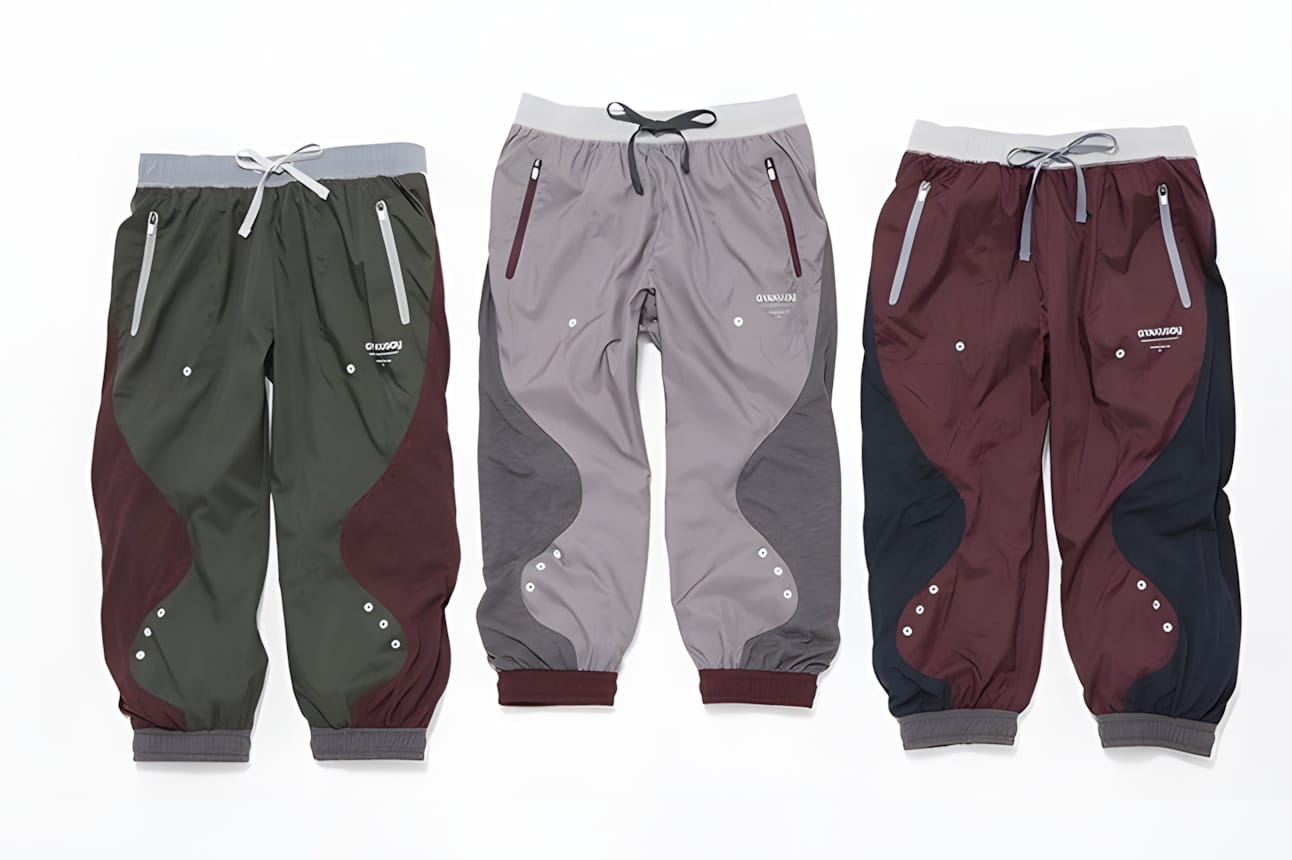
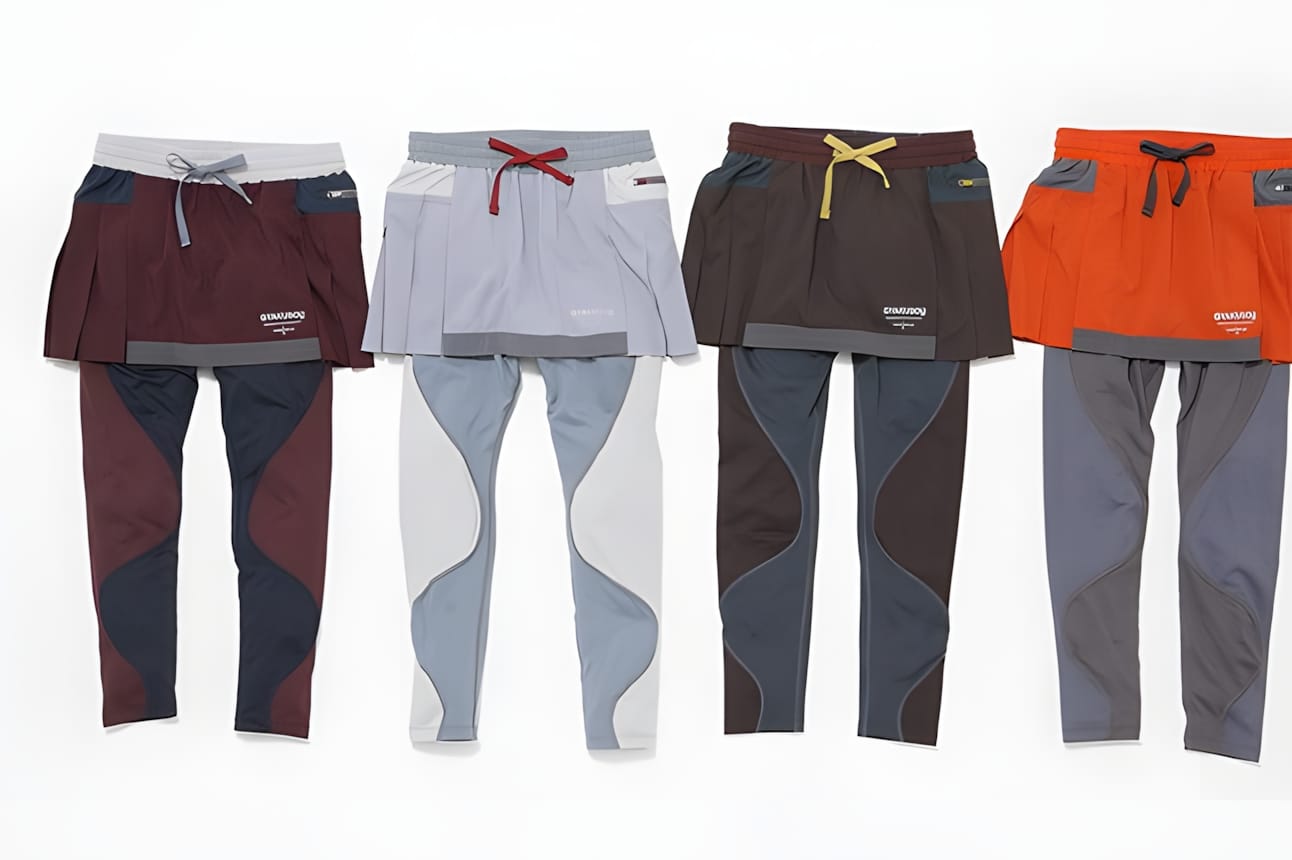
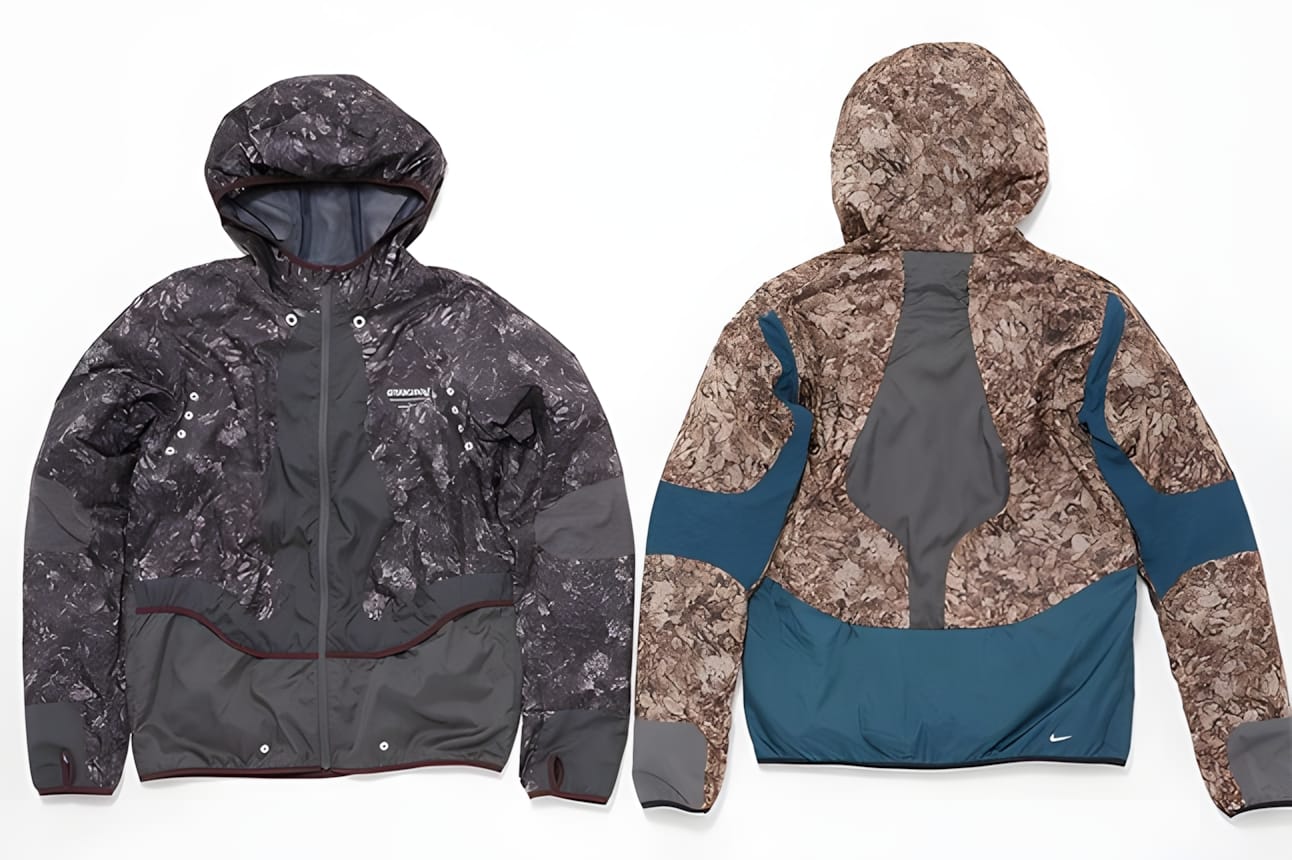
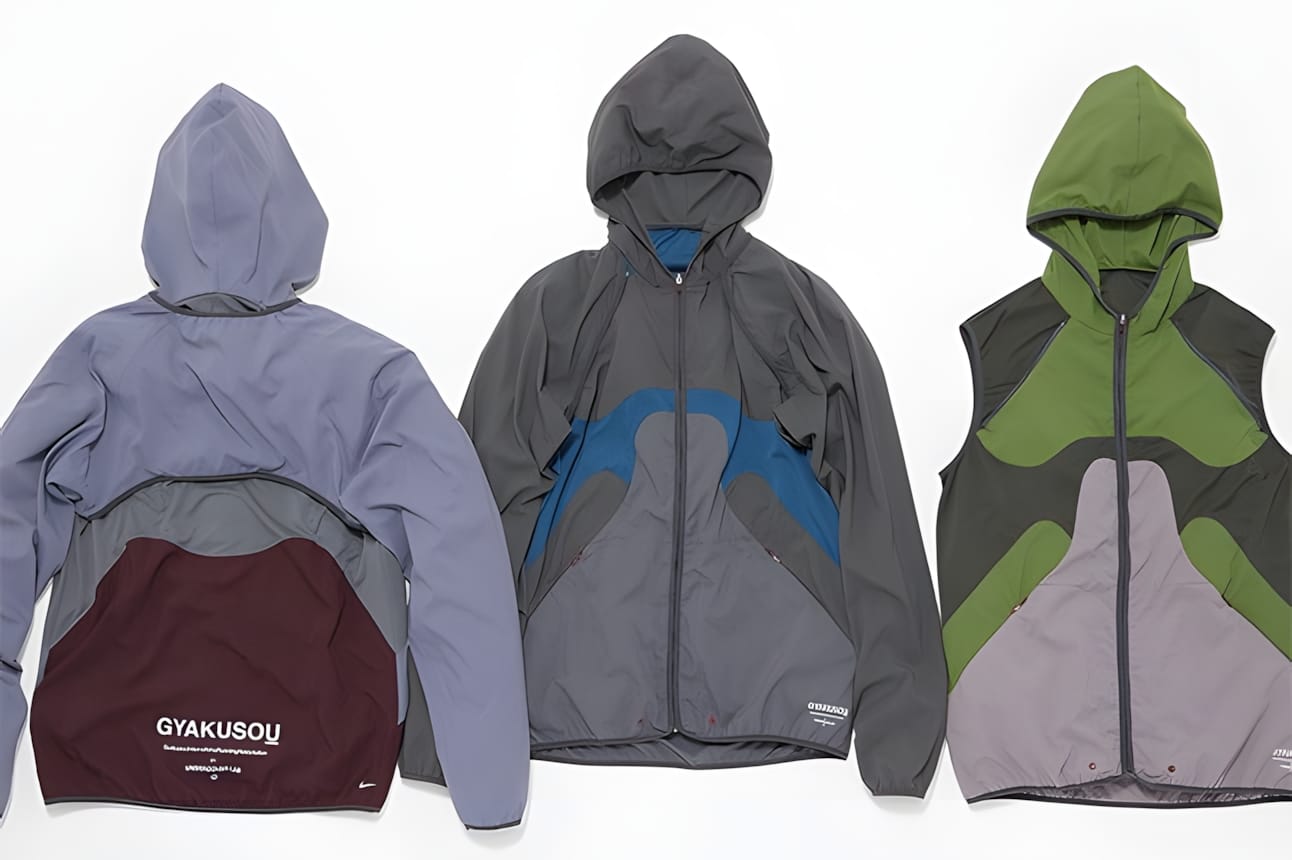
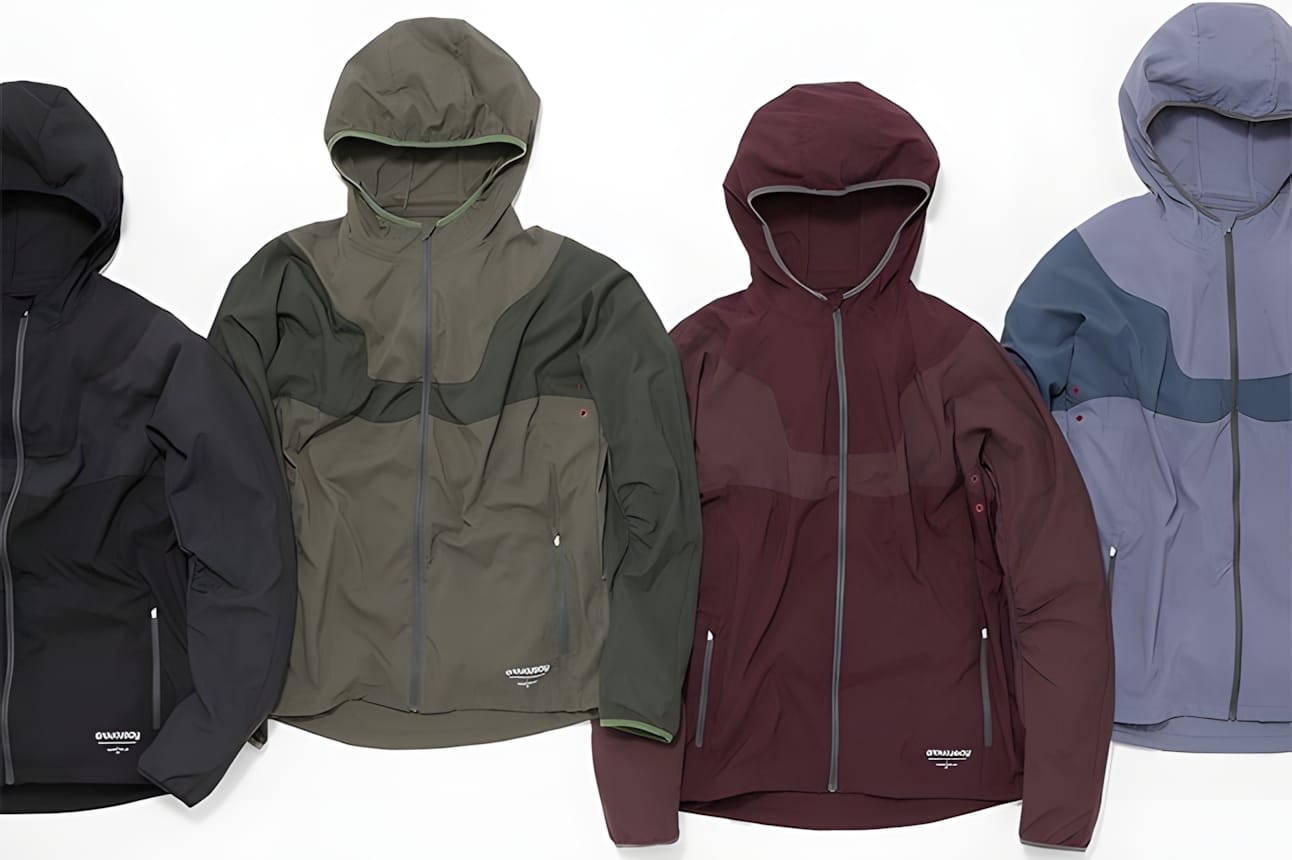
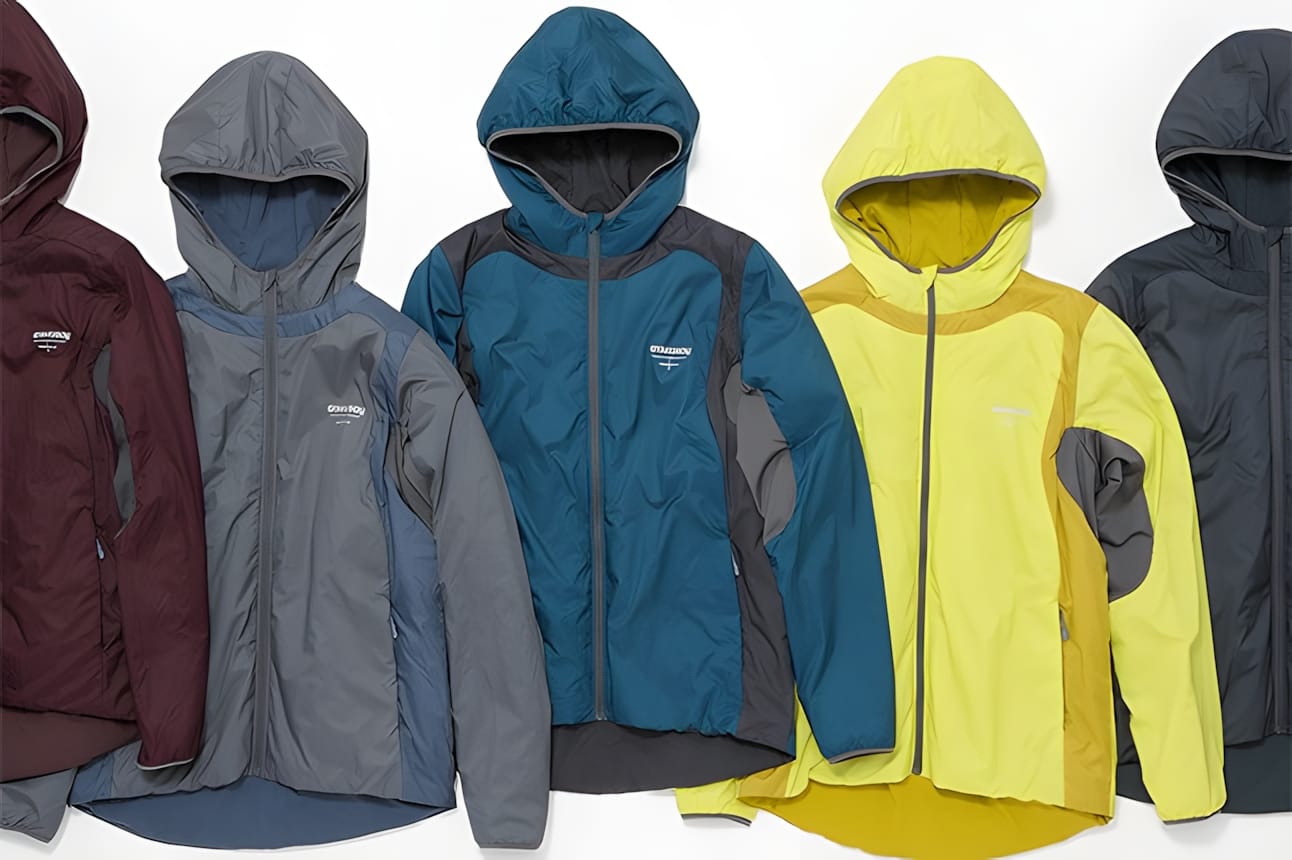
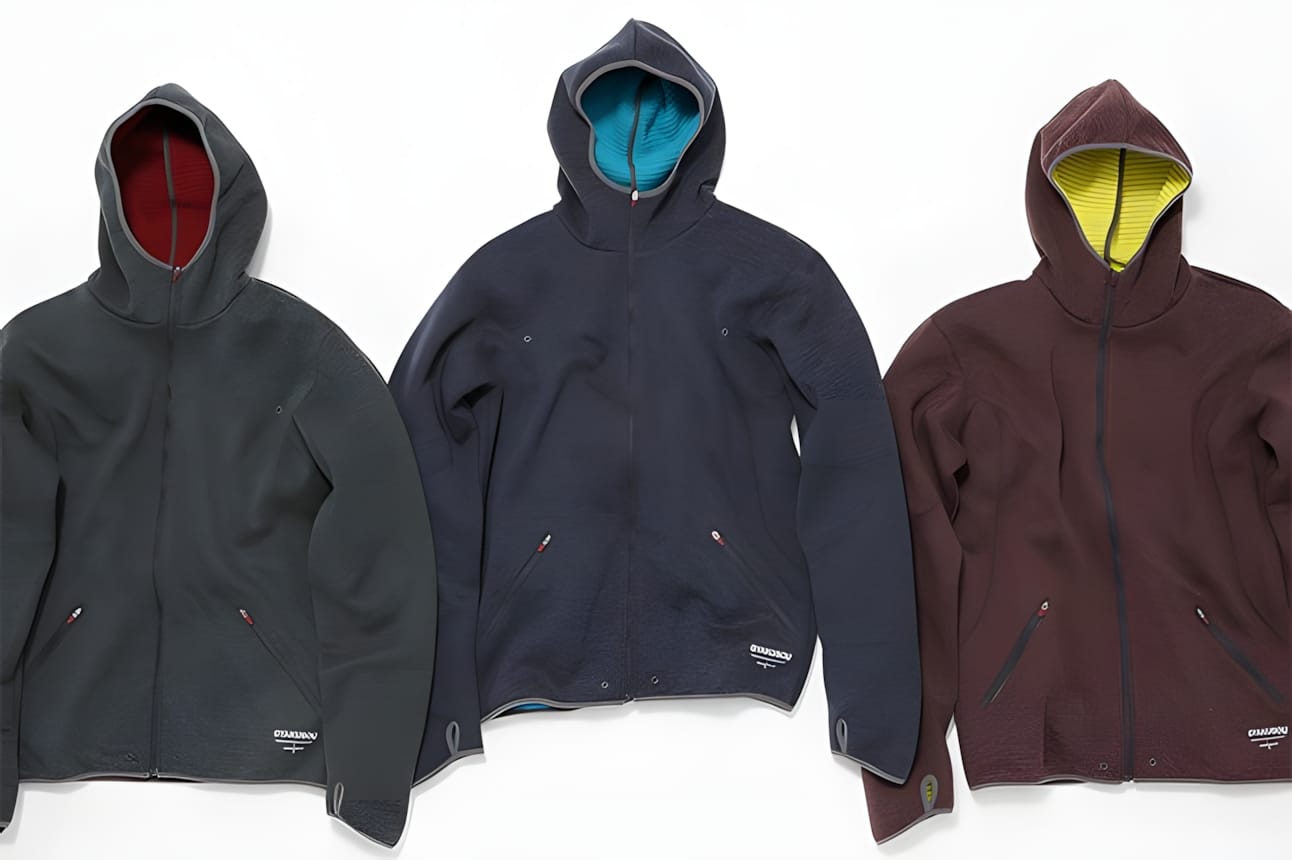
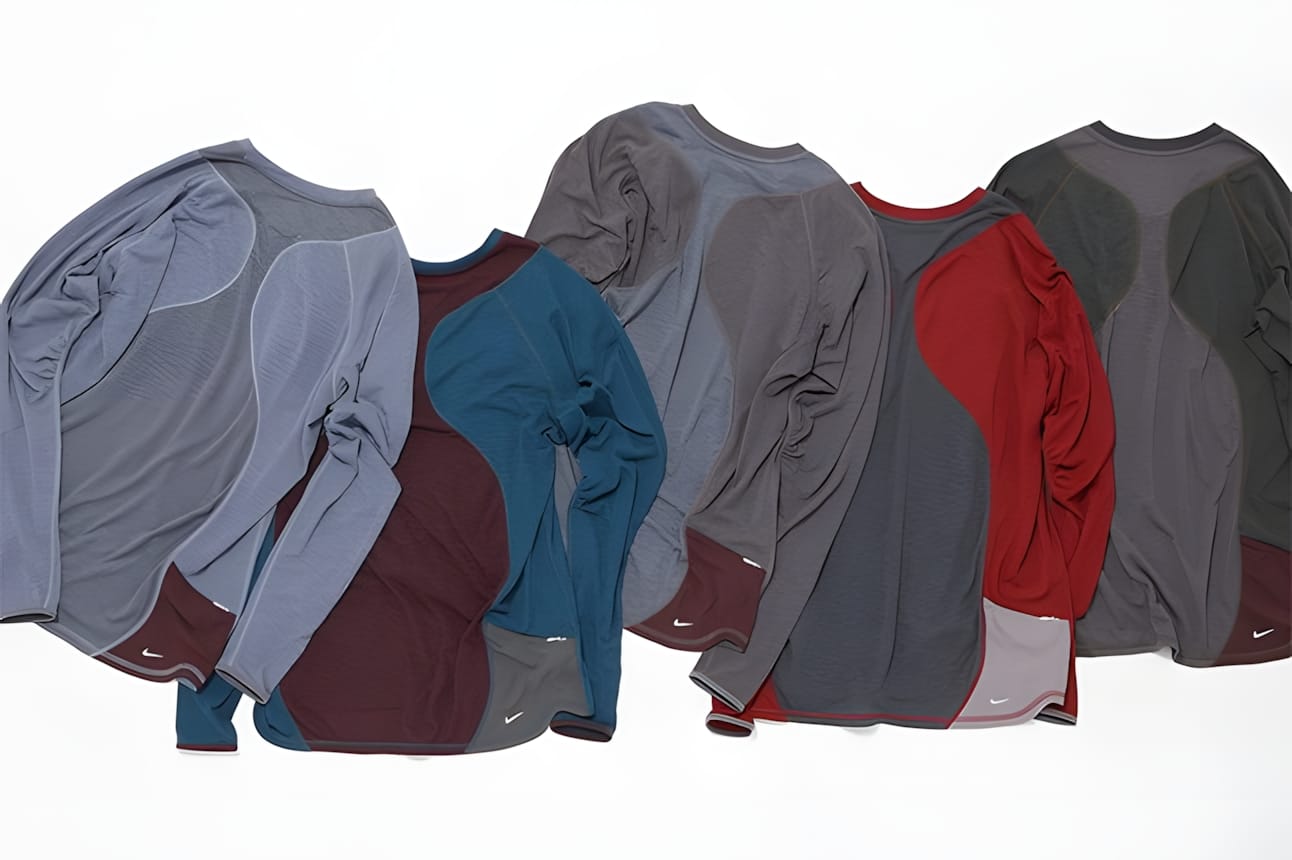
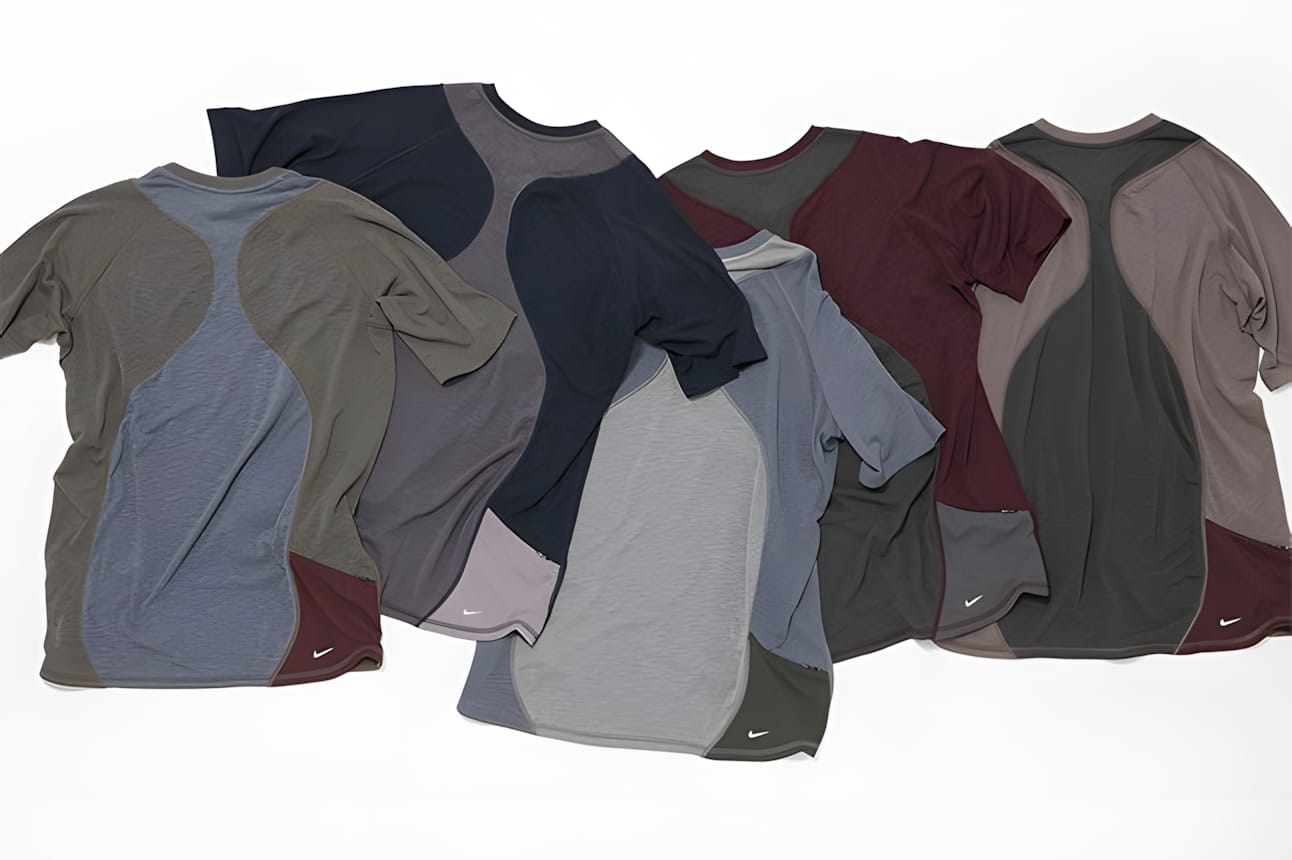
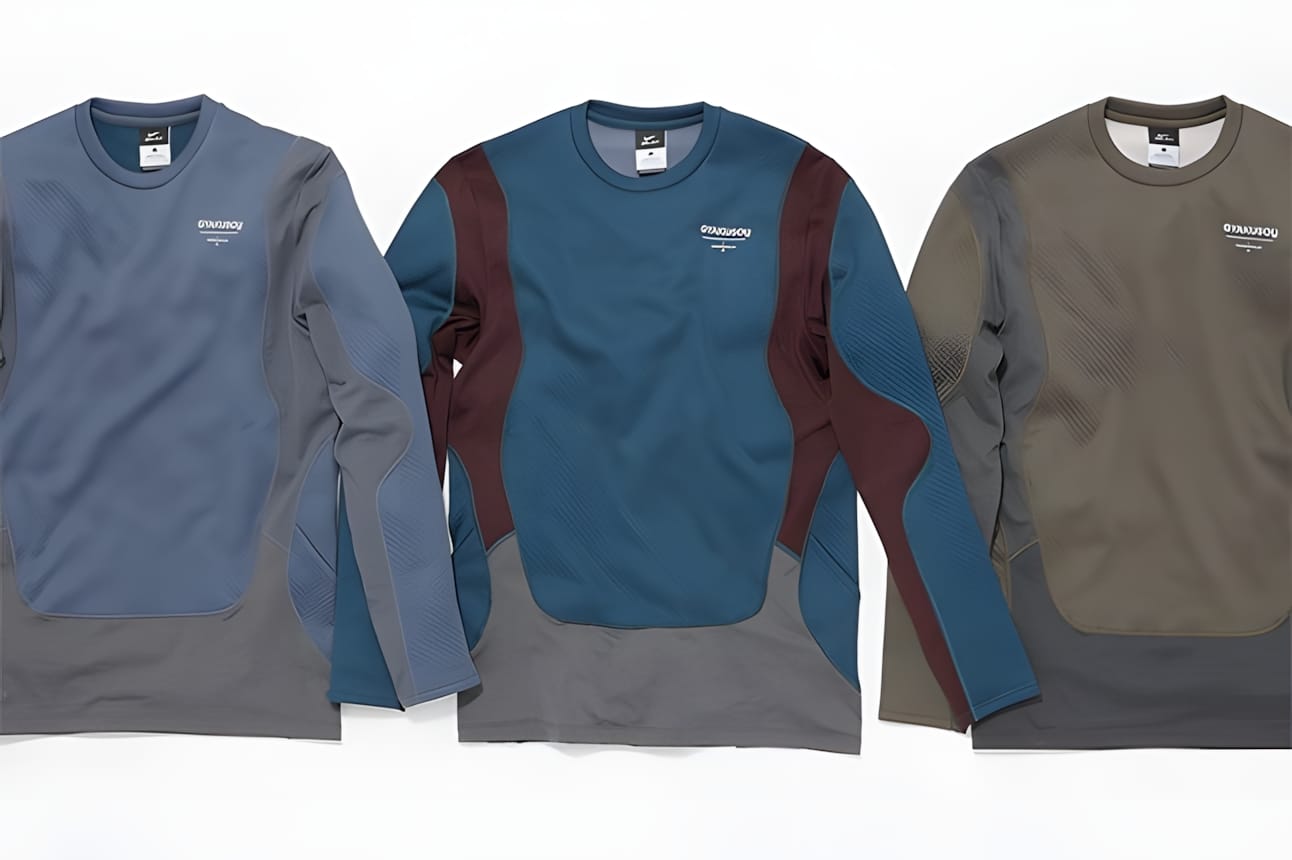
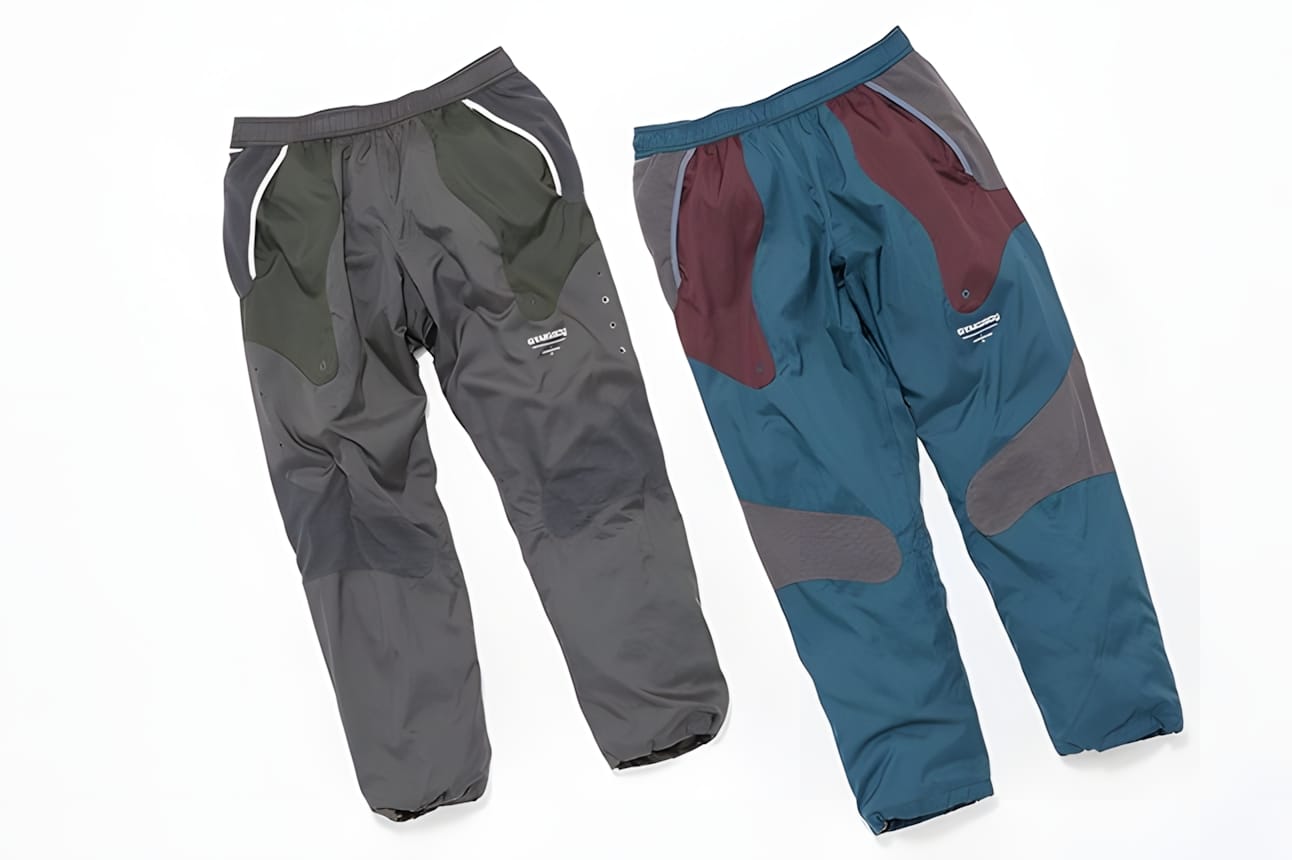
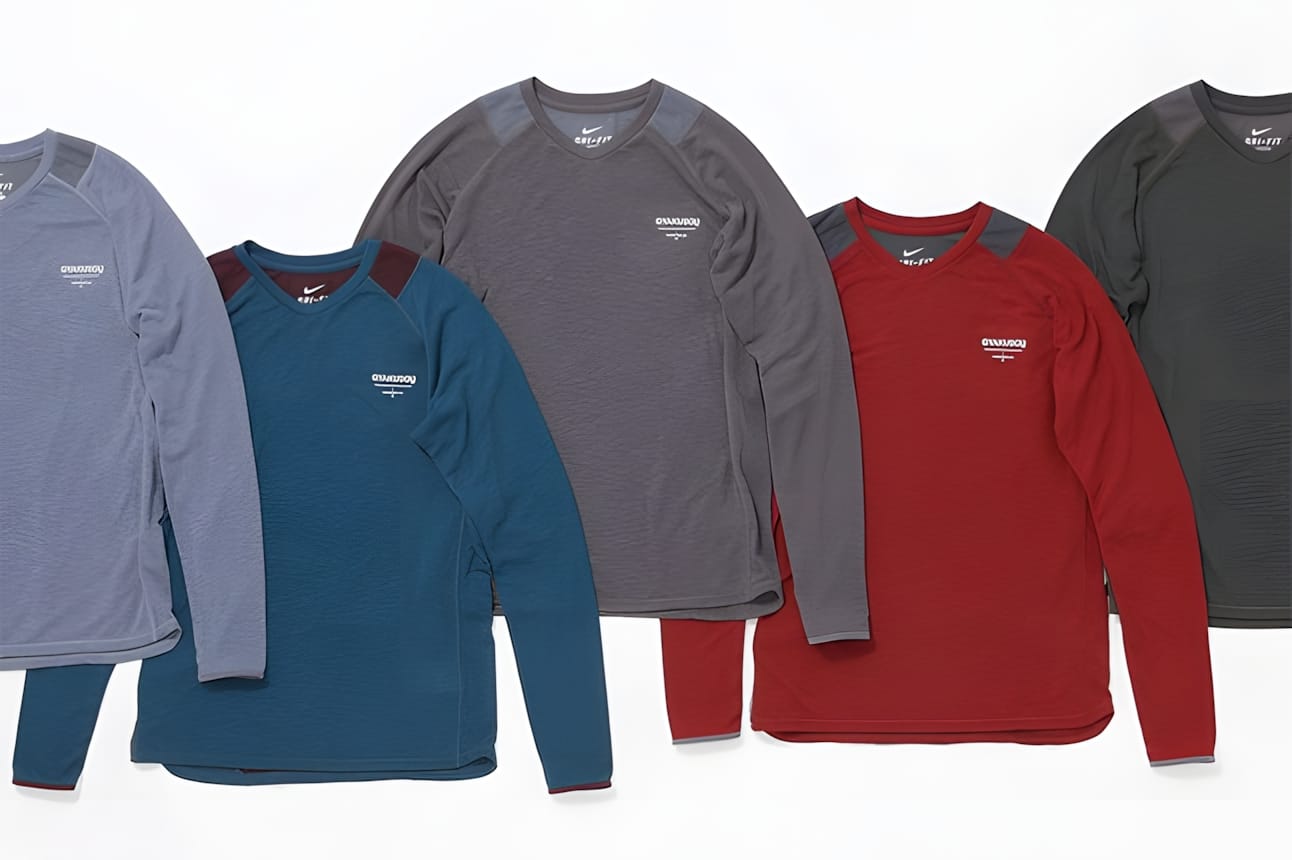
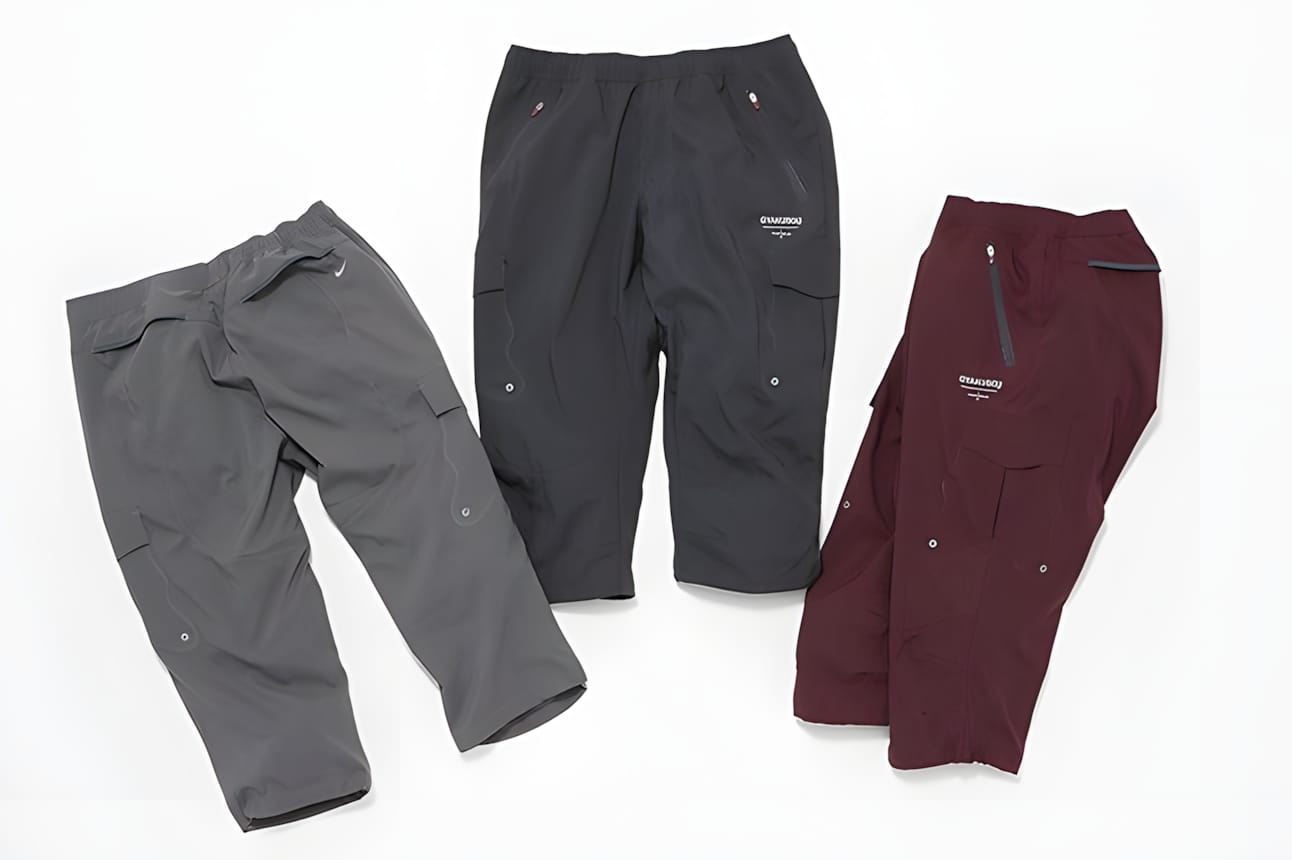
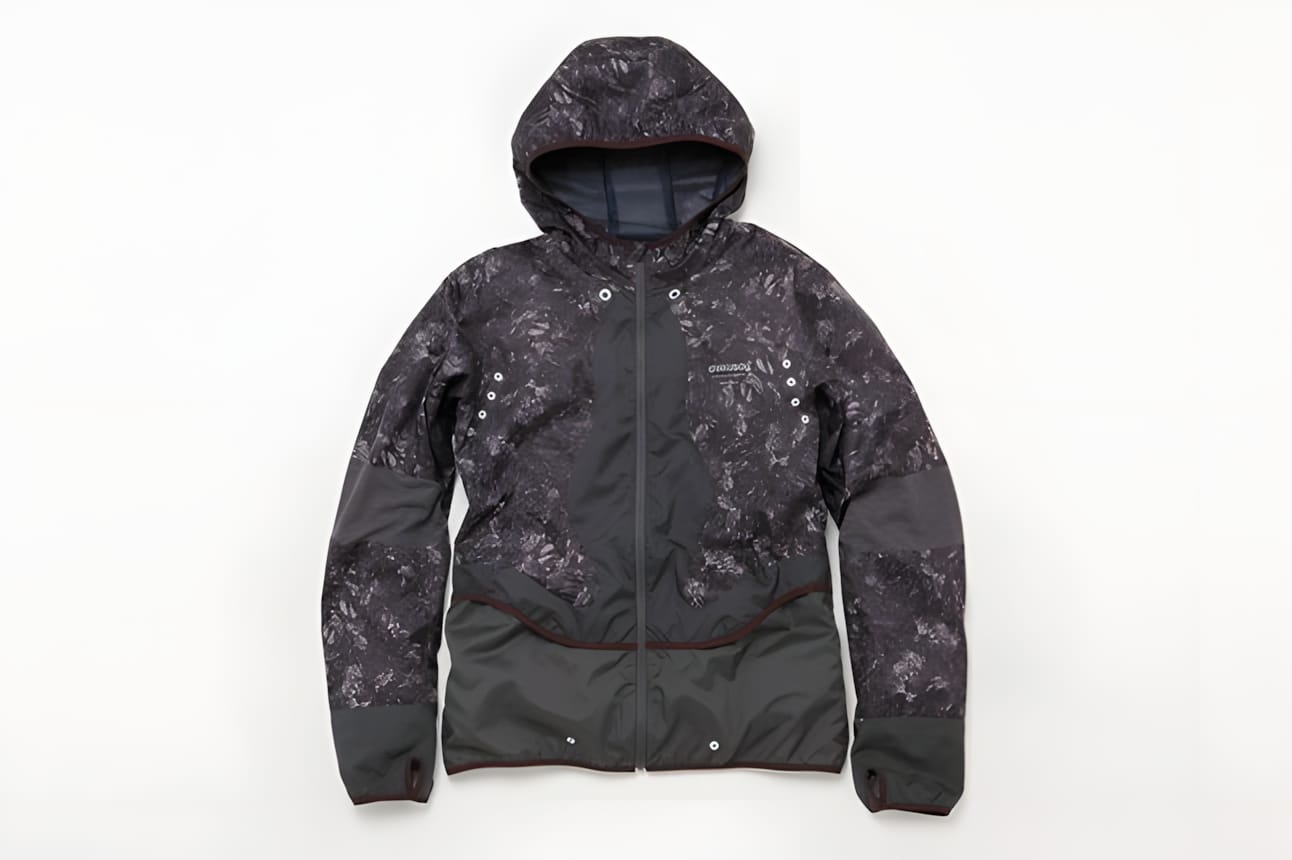
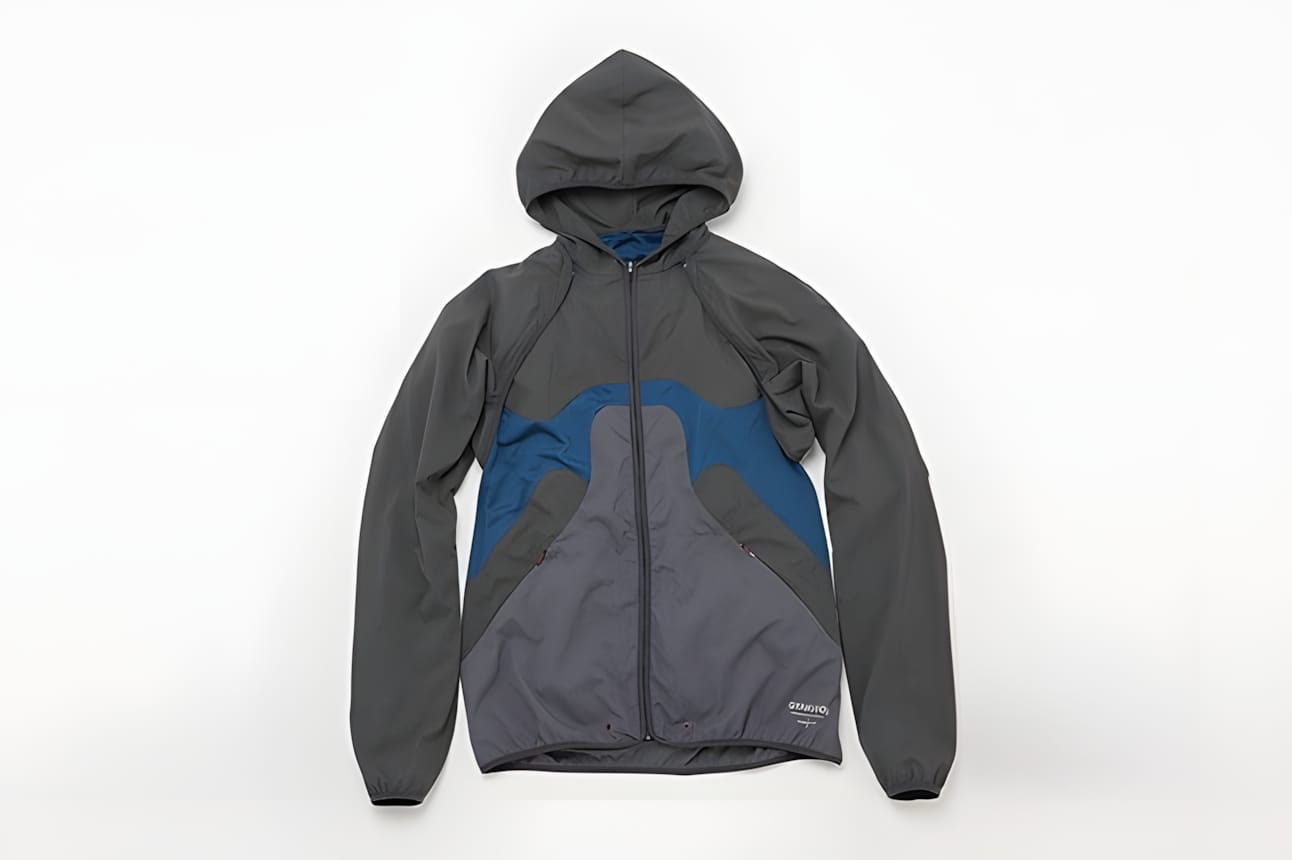
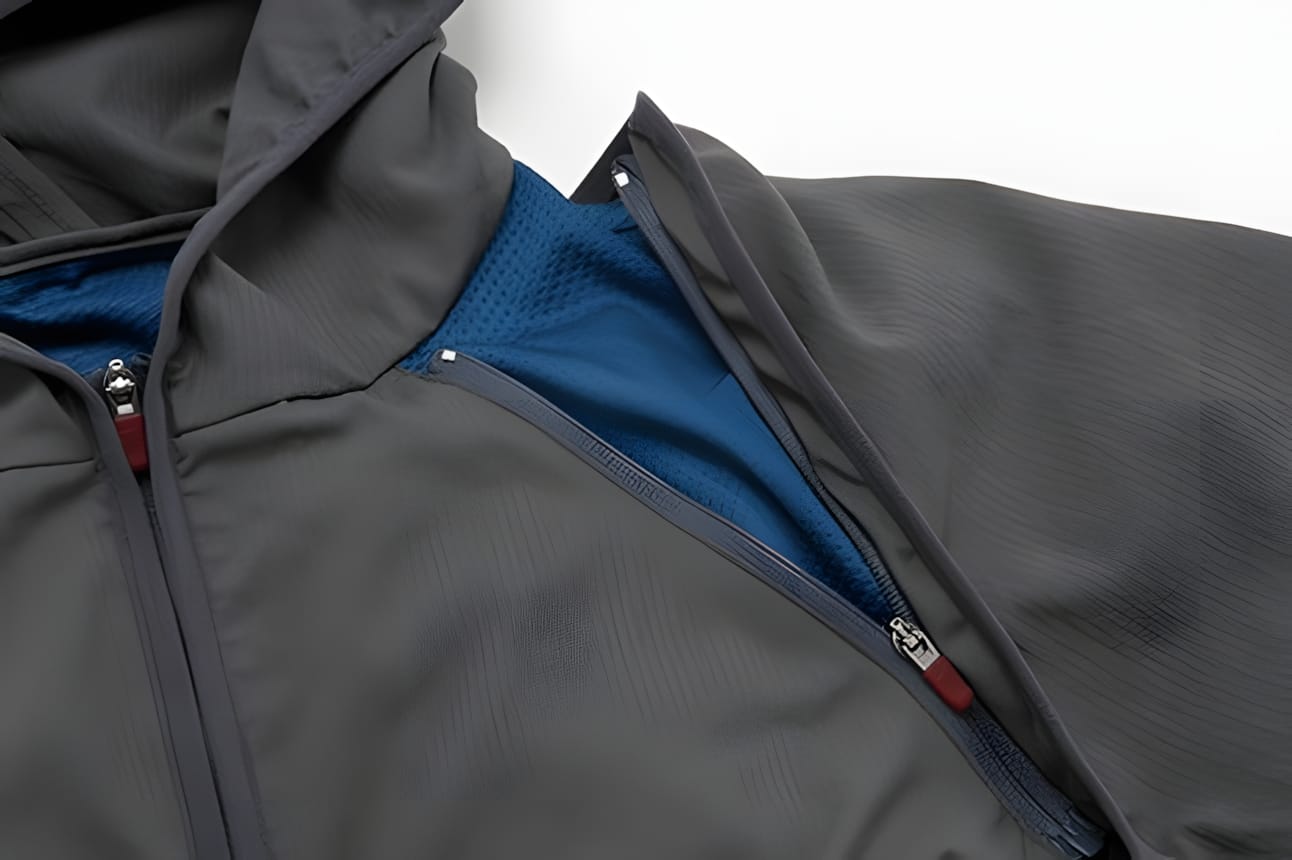
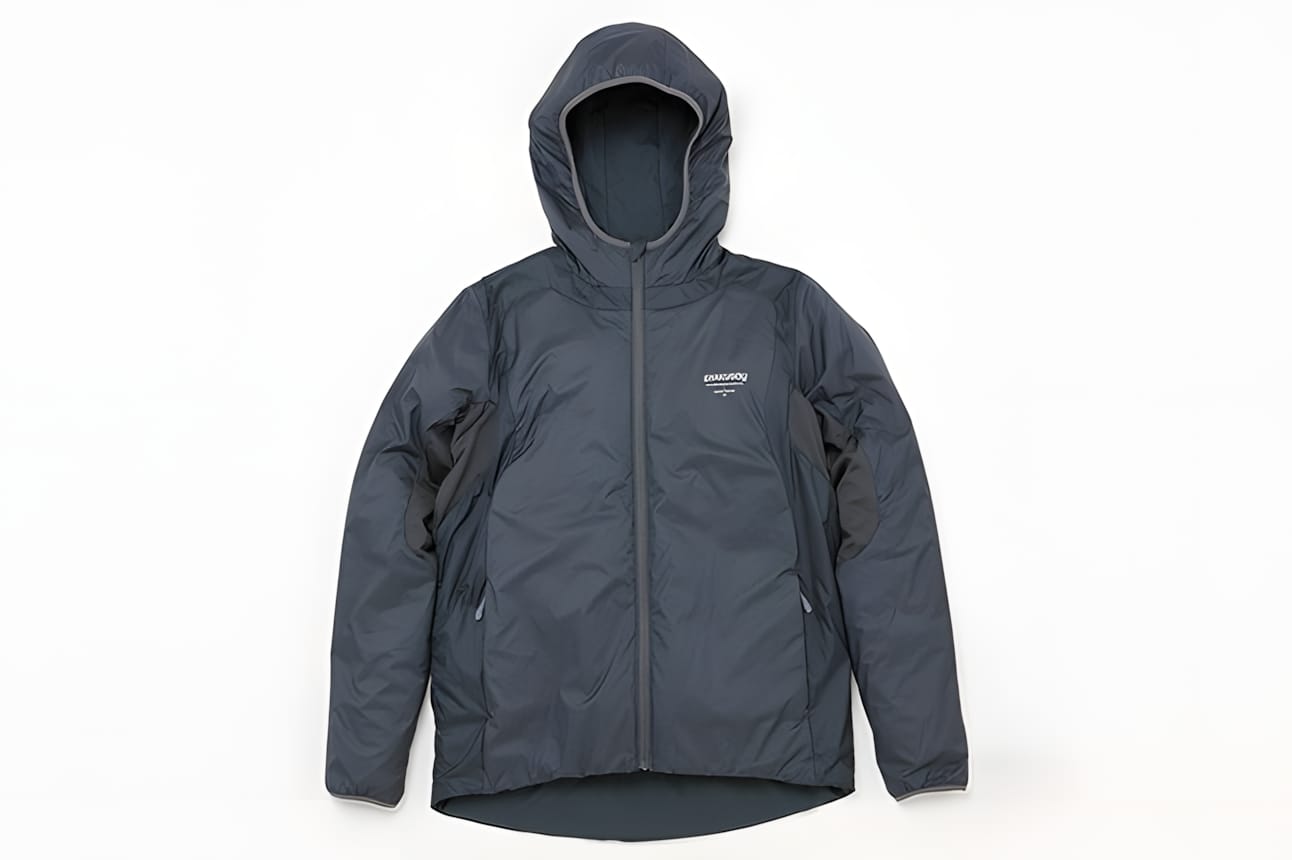
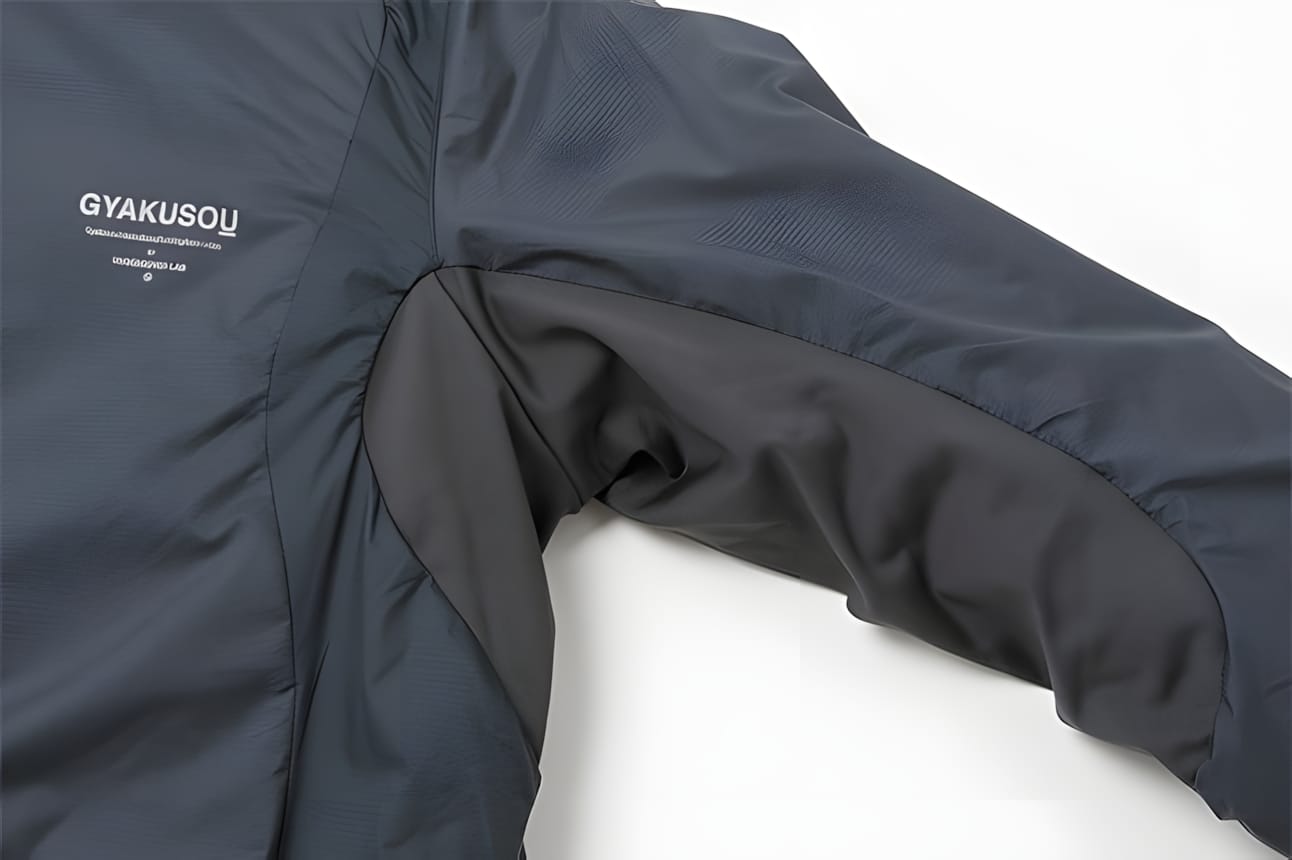
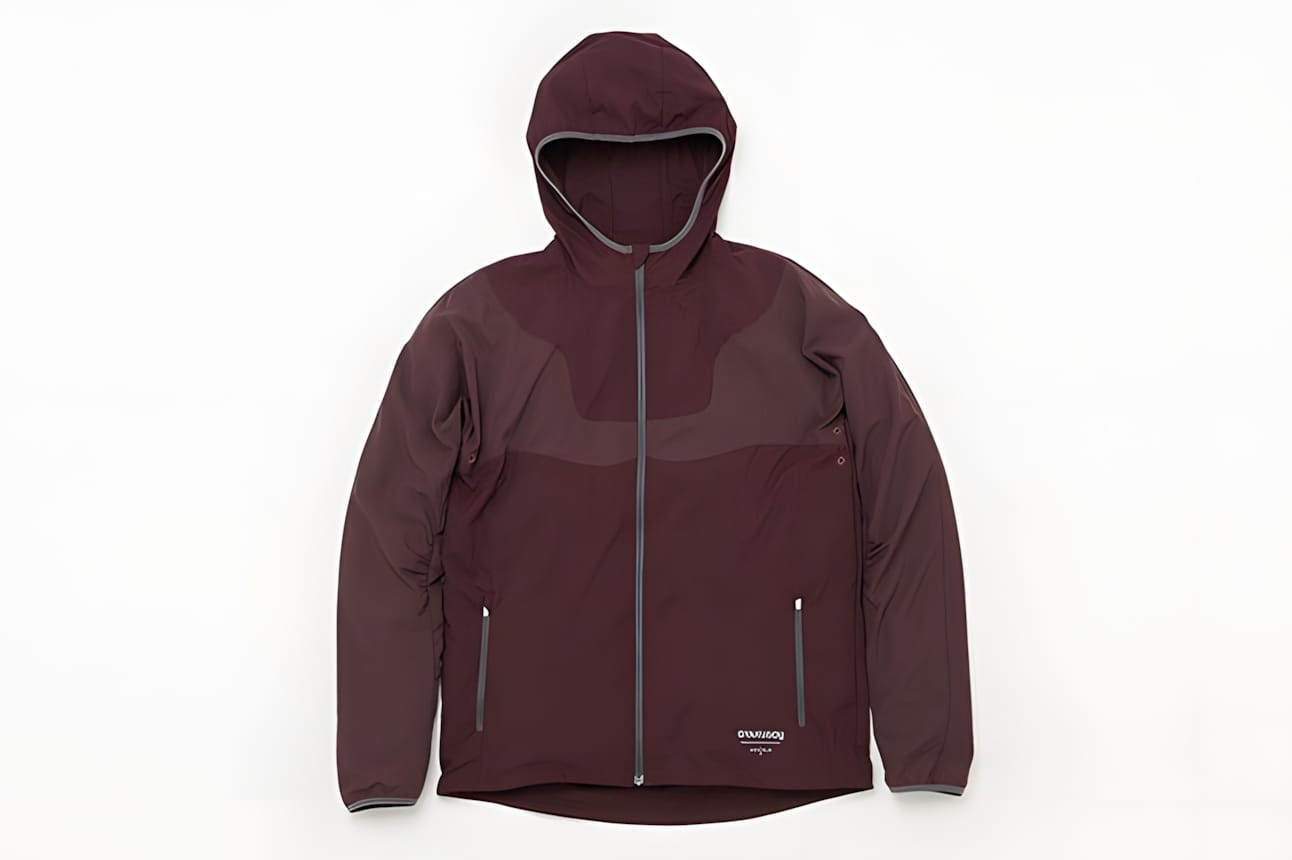
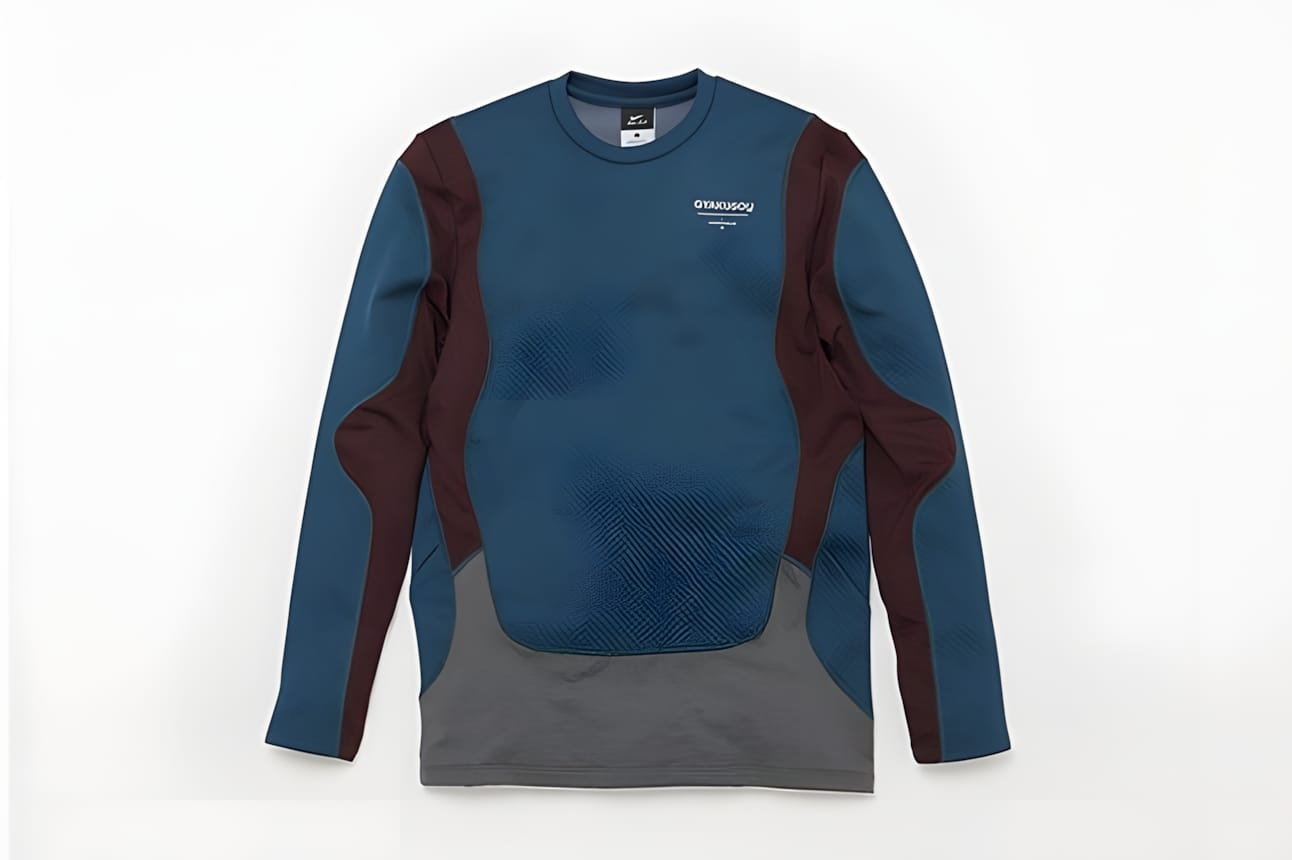
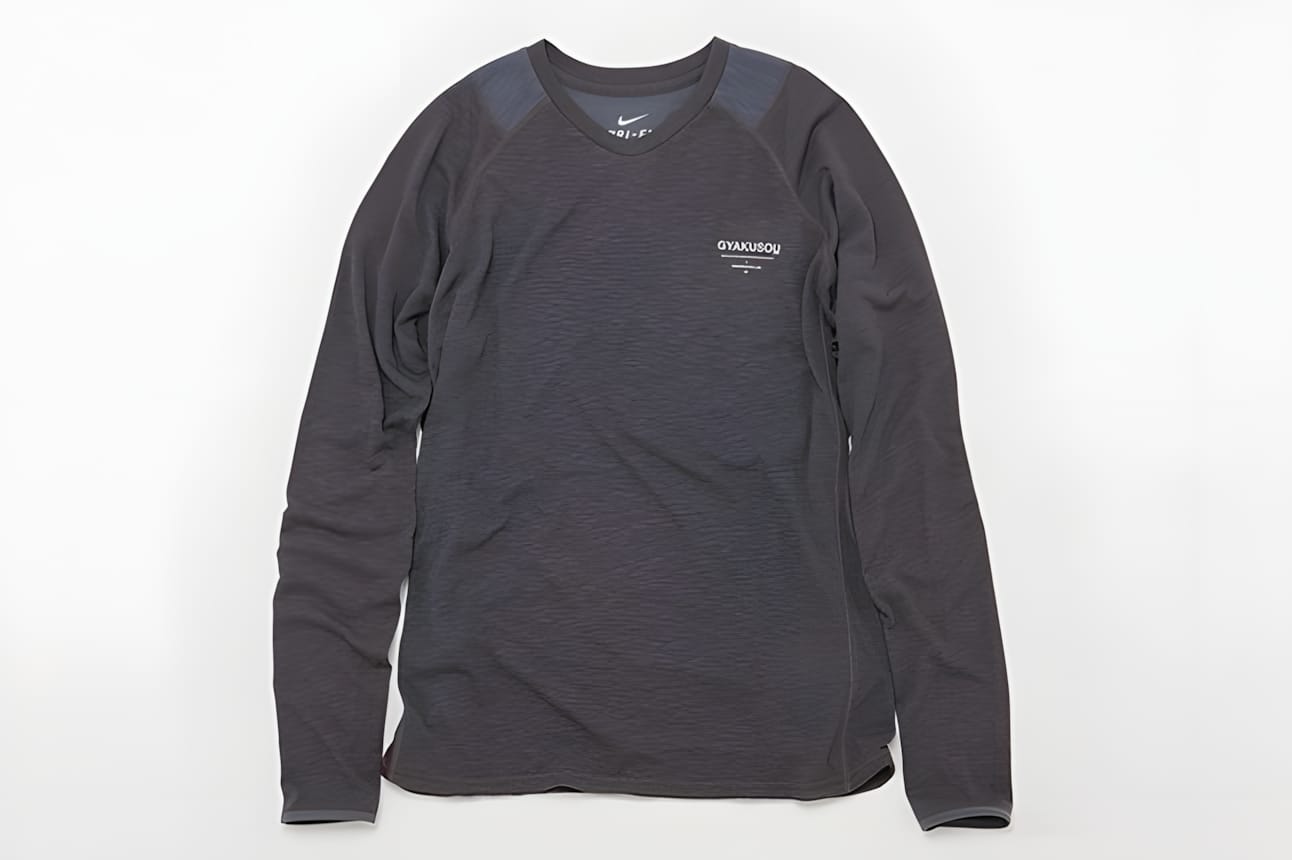
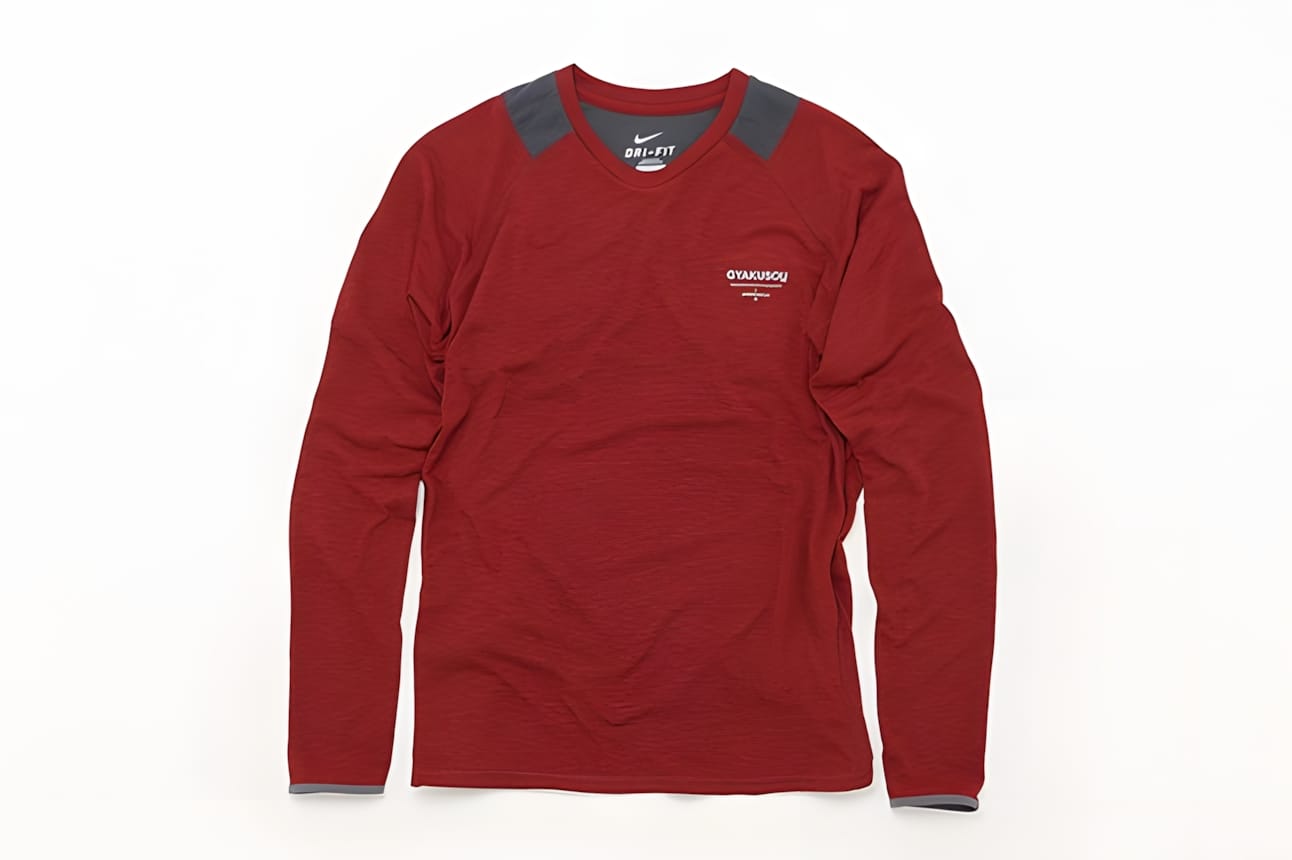
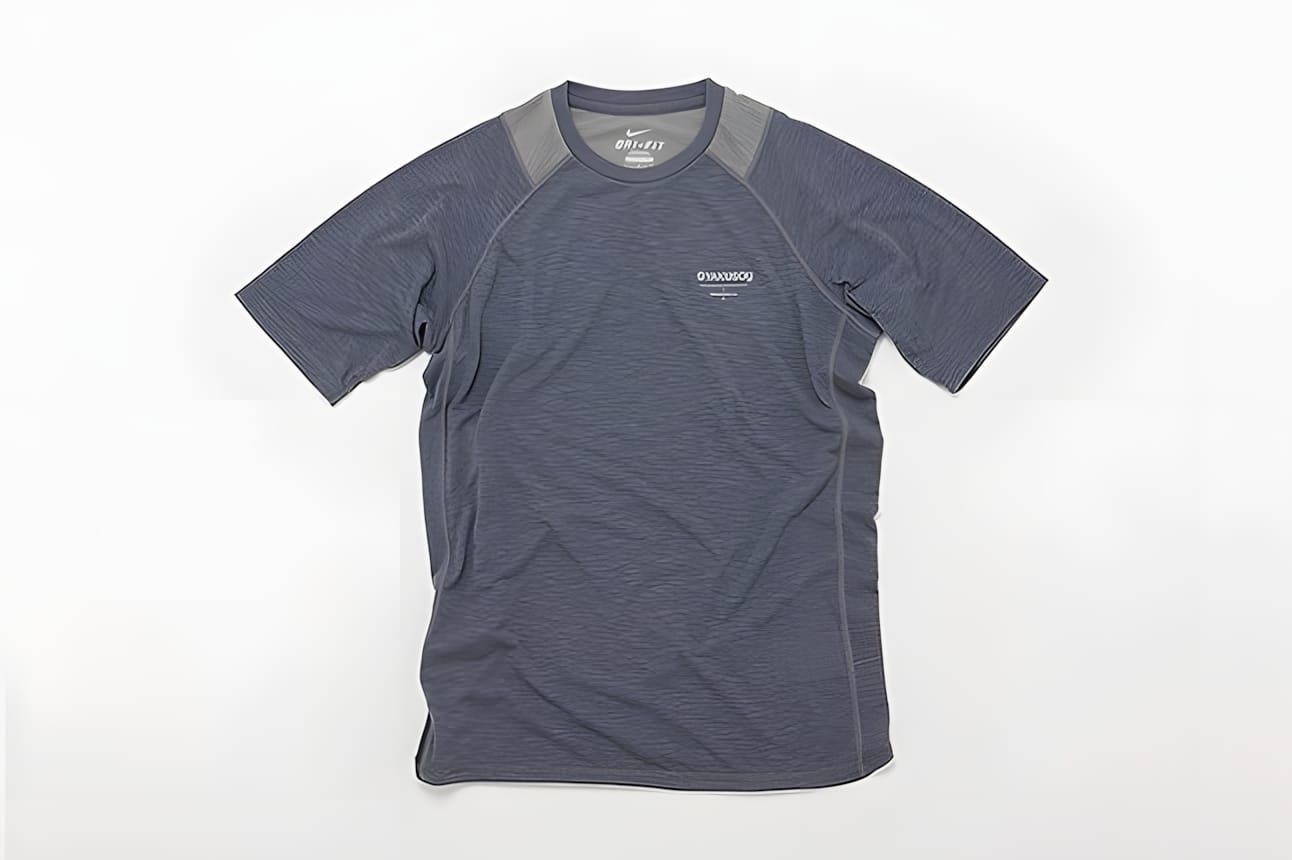
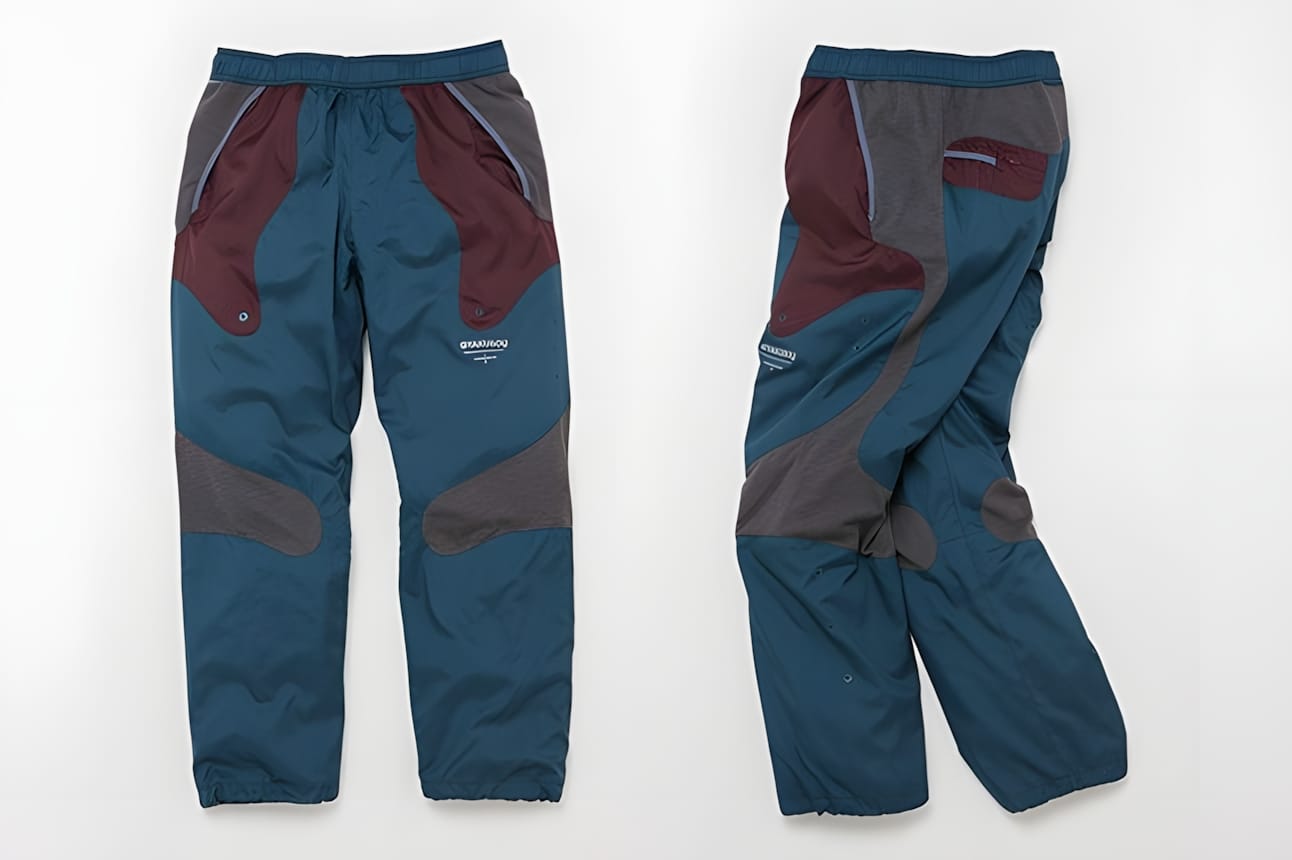
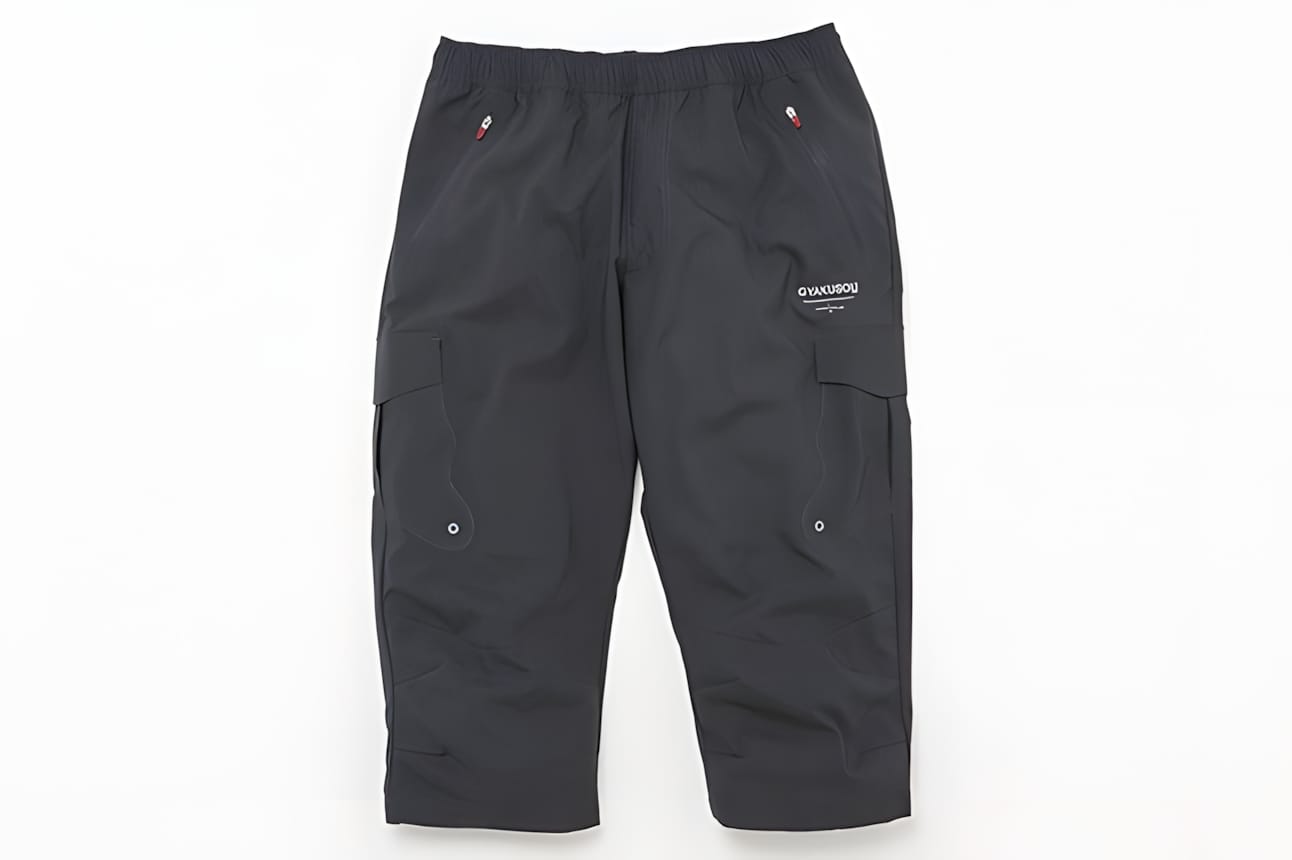
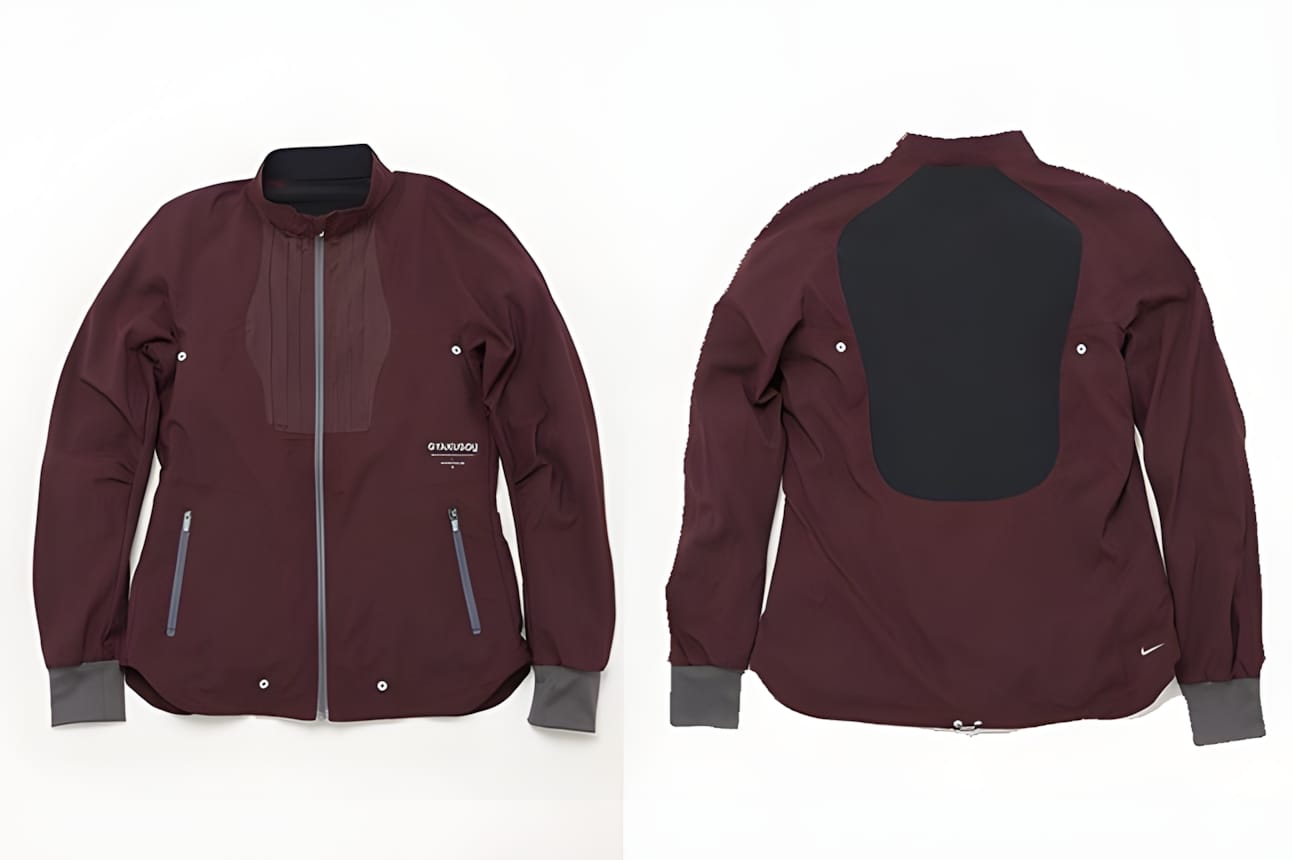
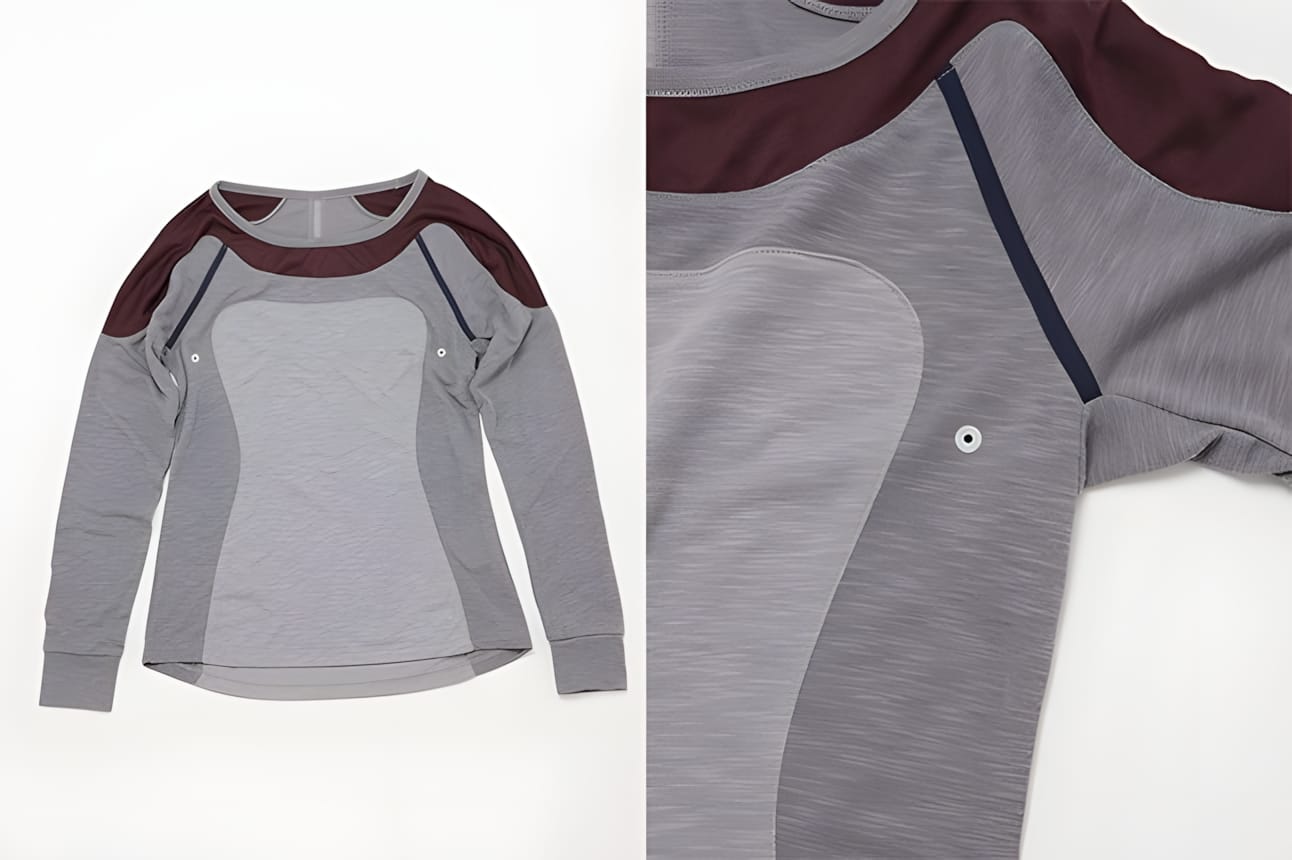
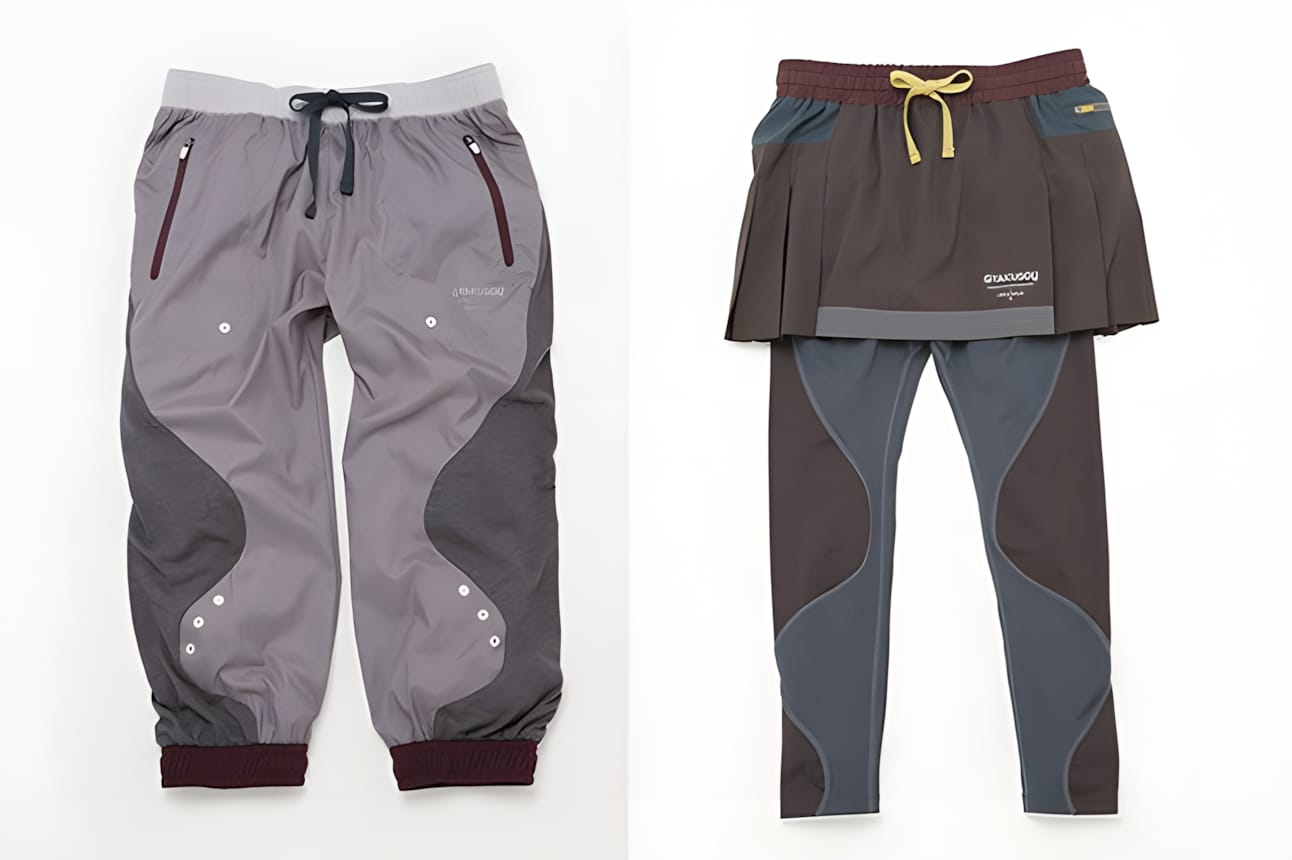
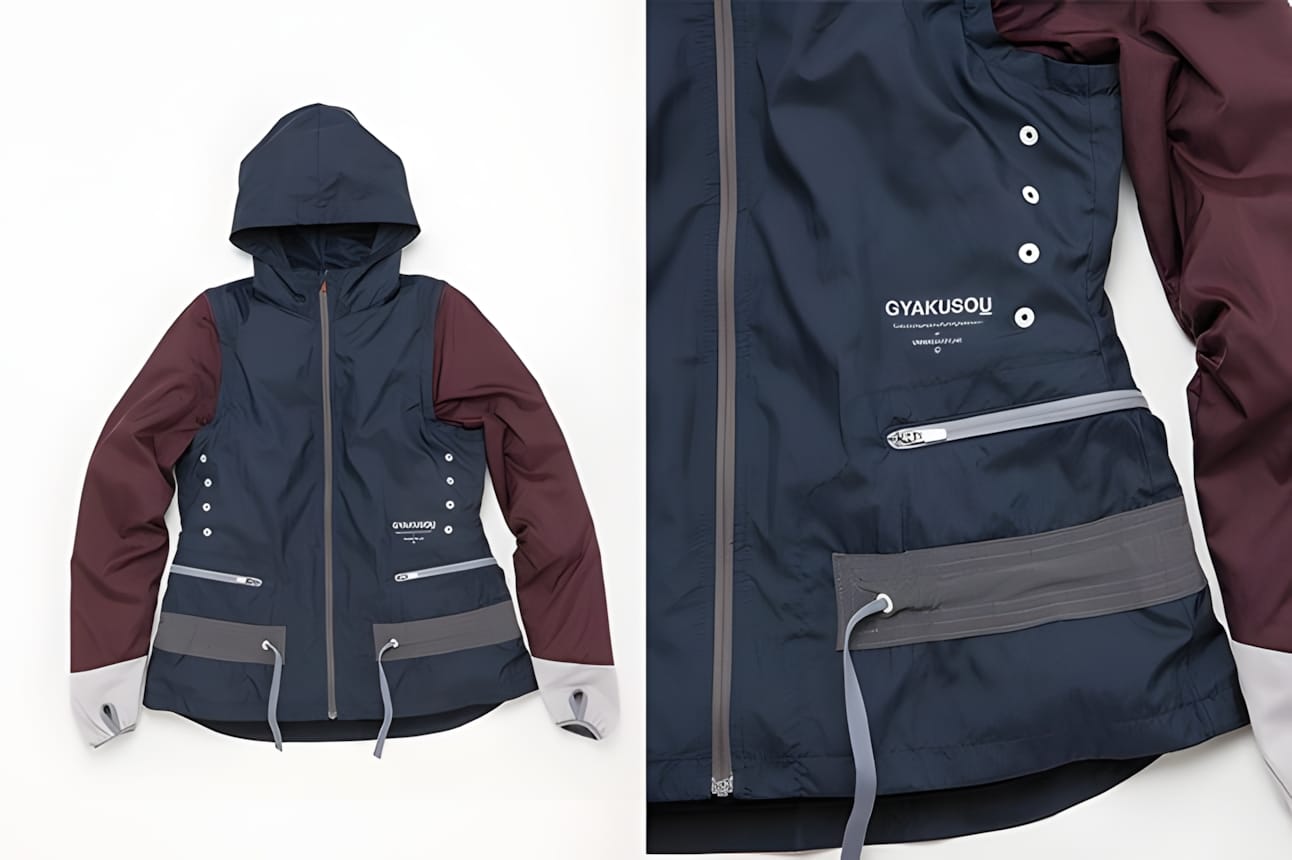
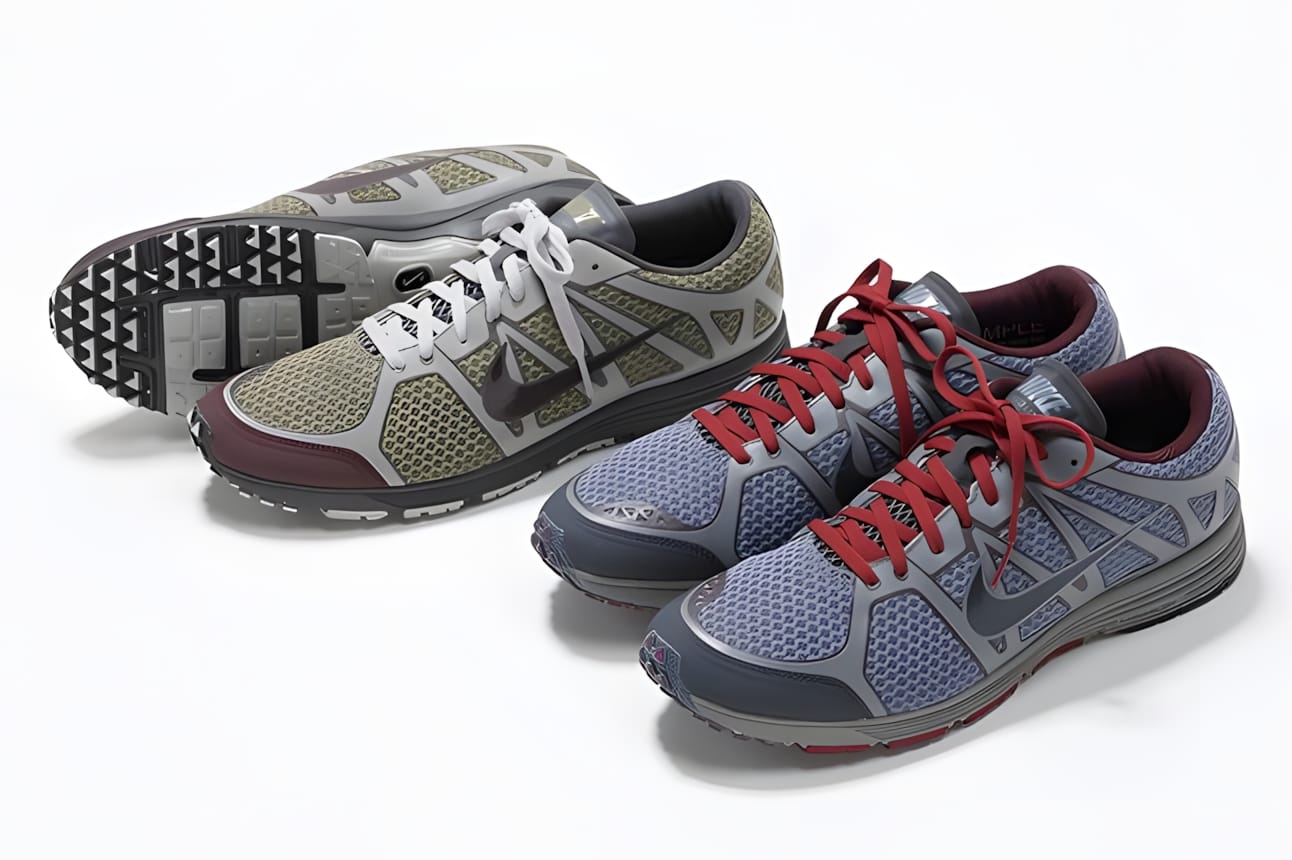
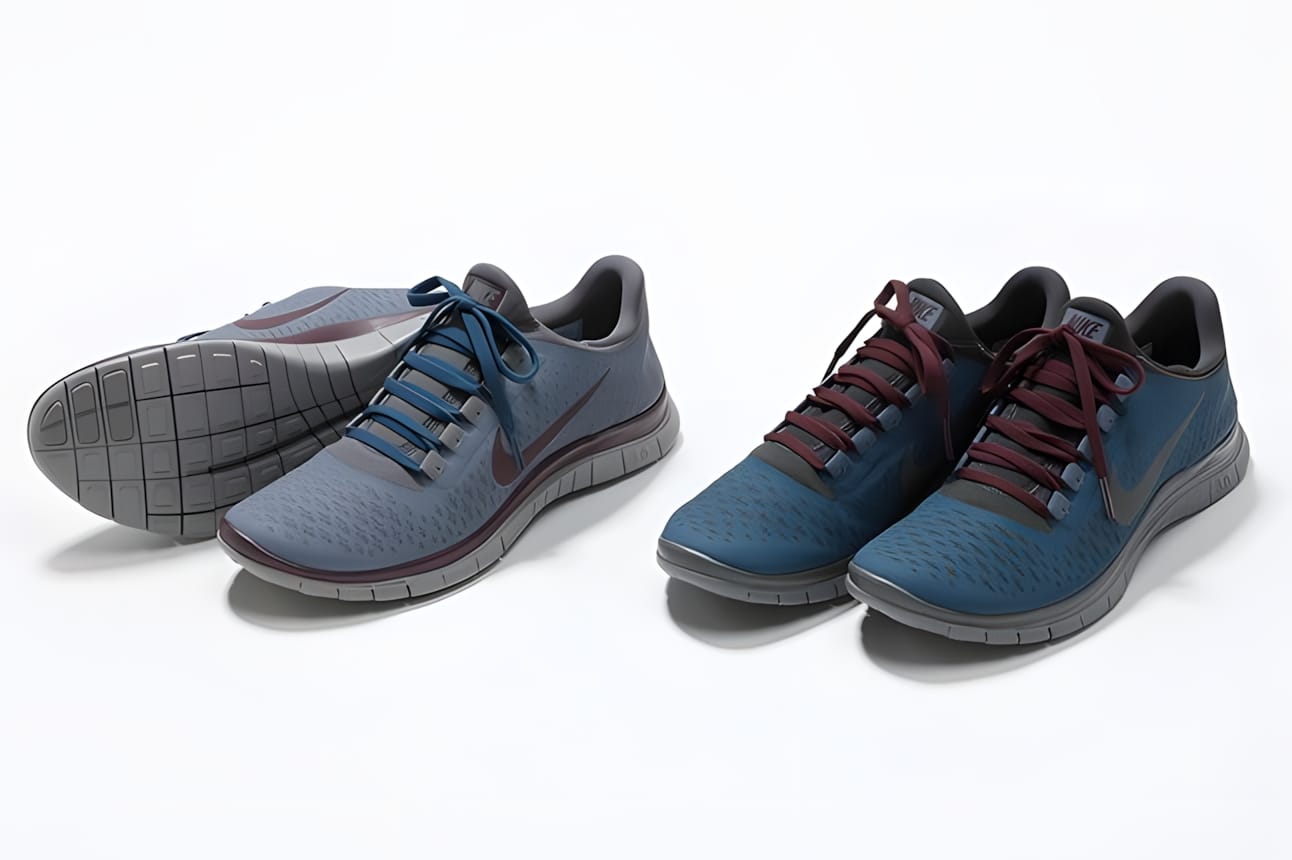
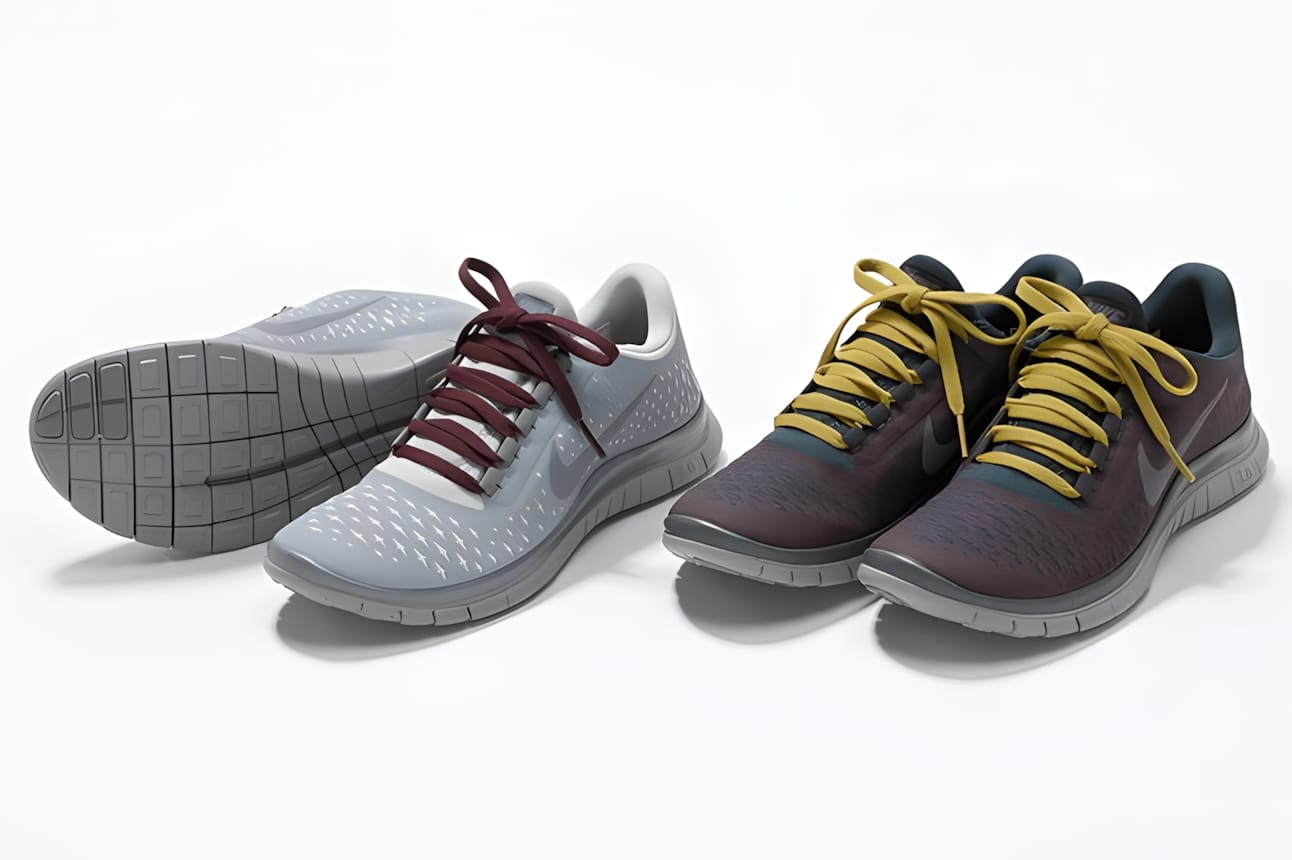
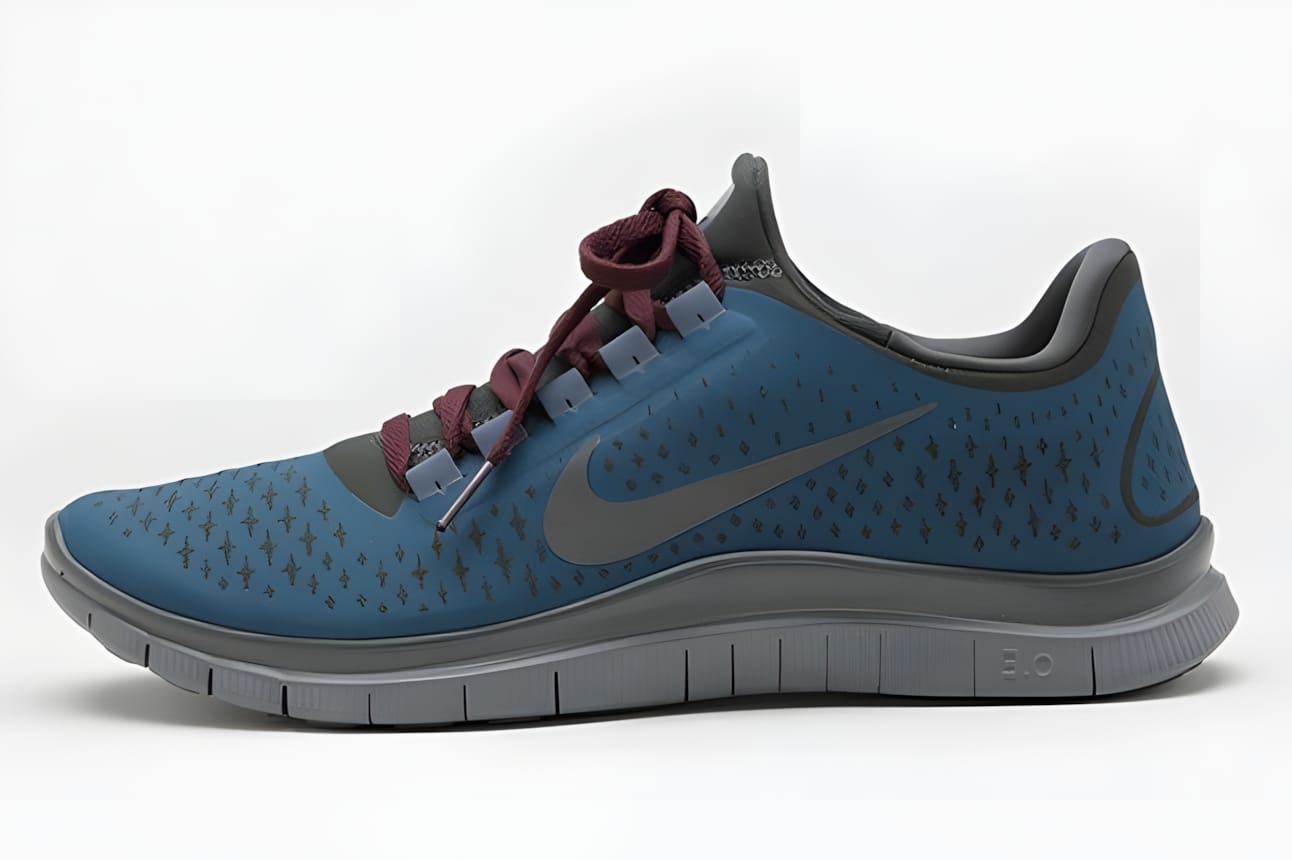
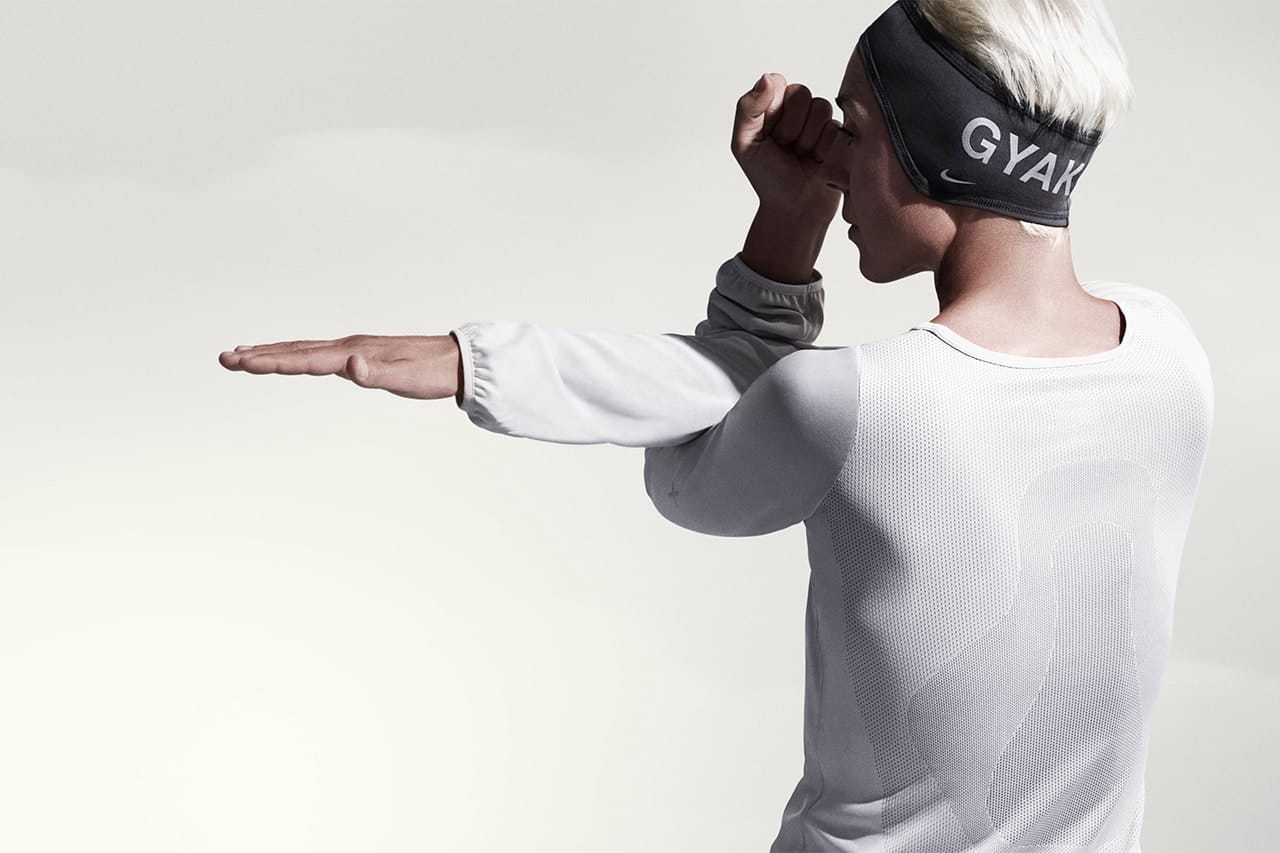
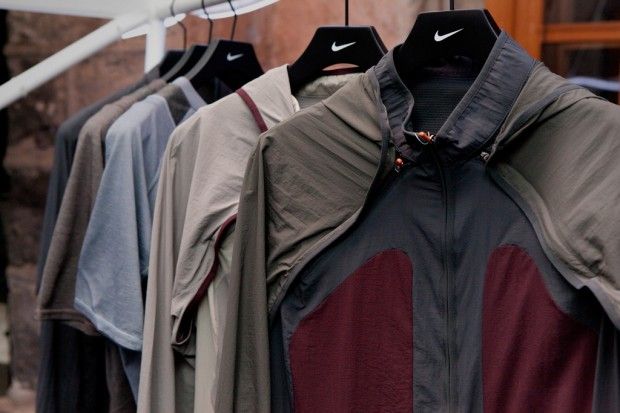
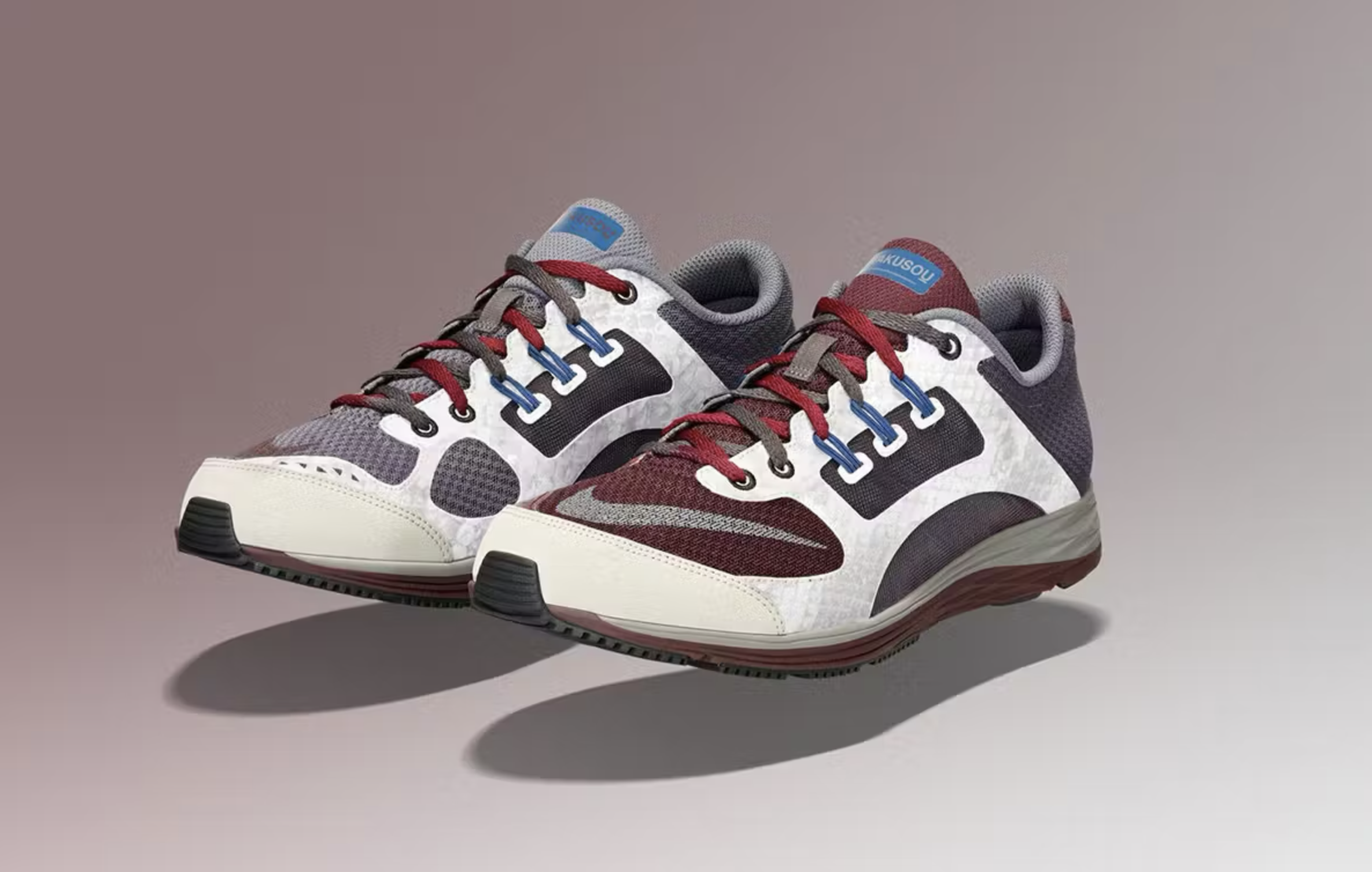
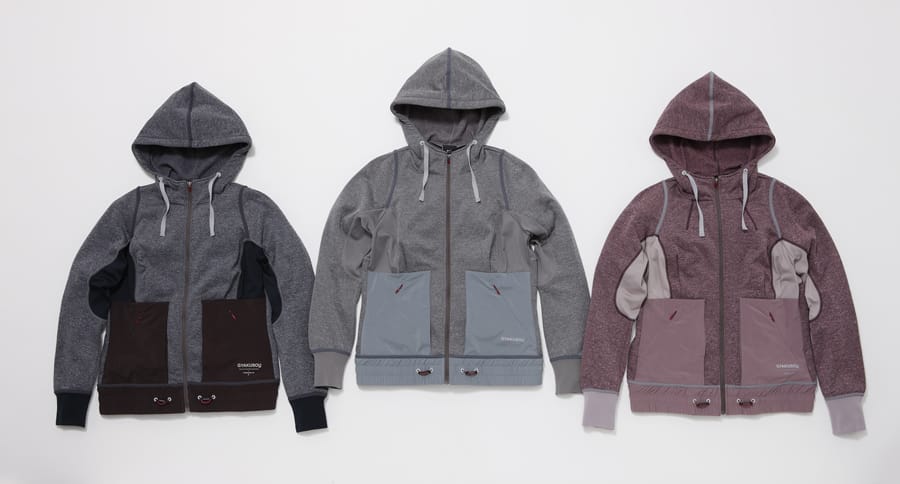
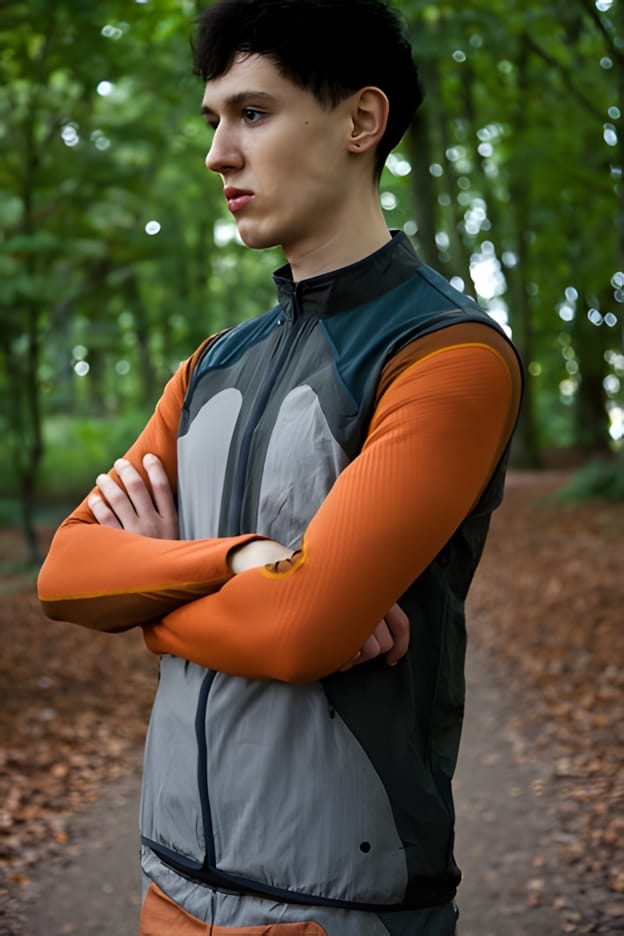
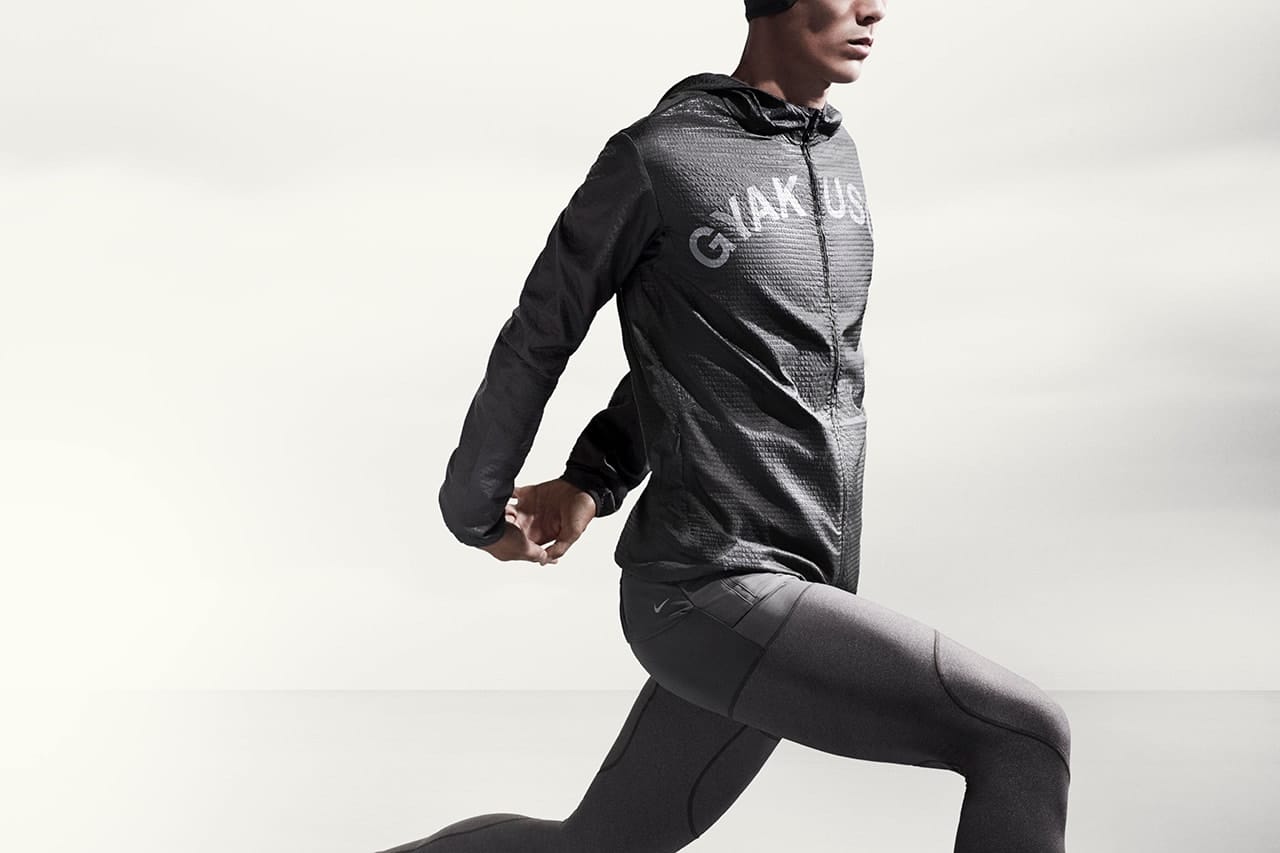
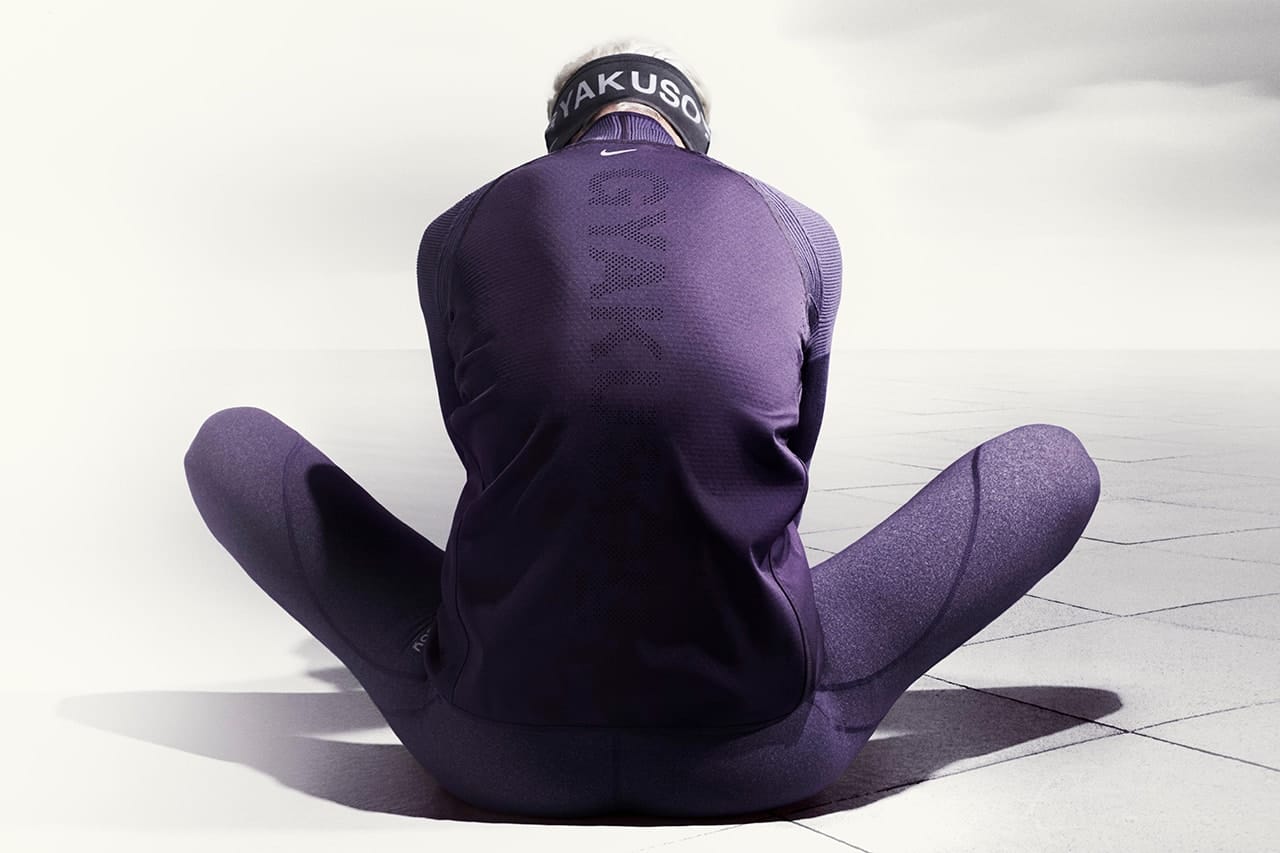
A: The Uniqlo and Nike collaborations are totally different types of designs from that of Undercover. Therefore the collaborations didn’t really affect my work with Undercover. But for my career as a designer, both collaborations became good experiences. Working with Uniqlo gave me the opportunity to learn about the creation of mass products and newly standard items that are totally different from designing avant-garde pieces. As for the collaboration with Nike, I am very satisfied both as a designer and as a runner with the fact that I have been able to create products which integrate necessary functions for running with fashion-design aesthetics, which had often perhaps been missing in the existing sportswear.
Q: You’ve talked in the past of the difficulties with keeping up with the six-month cycle of fashion shows, and skipped showing in Paris for a couple of seasons – how are you currently finding working within the fashion calendar?
A: Right now, I’ve come to the conclusion that the six-month cycle is appropriate. Themes of each Undercover collection vary by season. If we could spend more than six months on a collection, and if we continue to work with the same theme for a year, it would be difficult to keep up the tension towards the theme and I am afraid that the freshness would be lost.
Q: AW13 got a great response. Will we be seeing you back on the runway next season?
A: I could strongly feel that a lot of people were waiting for Undercover and I was very thankful about it. I will be back on the runway next season.
Q: Next year will mark the 20th since you began showing as Undercover. How do you feel you’ve evolved in that time?
A: I went through many phases and experienced many things. There was a time we faced various troubles, or we jumped into things just by force of circumstances. But nothing was wasted. I am responsible for all success and failure of Undercover. I will go forward without being ashamed of the paths I’ve chosen.