Related_
EMERY MOUNTAINS
April 2024, FRIEZE No. 9 Cork Street Gallery, London
EXHIBITION: The Mountains Between Us, FRIEZE No 9 Cork St
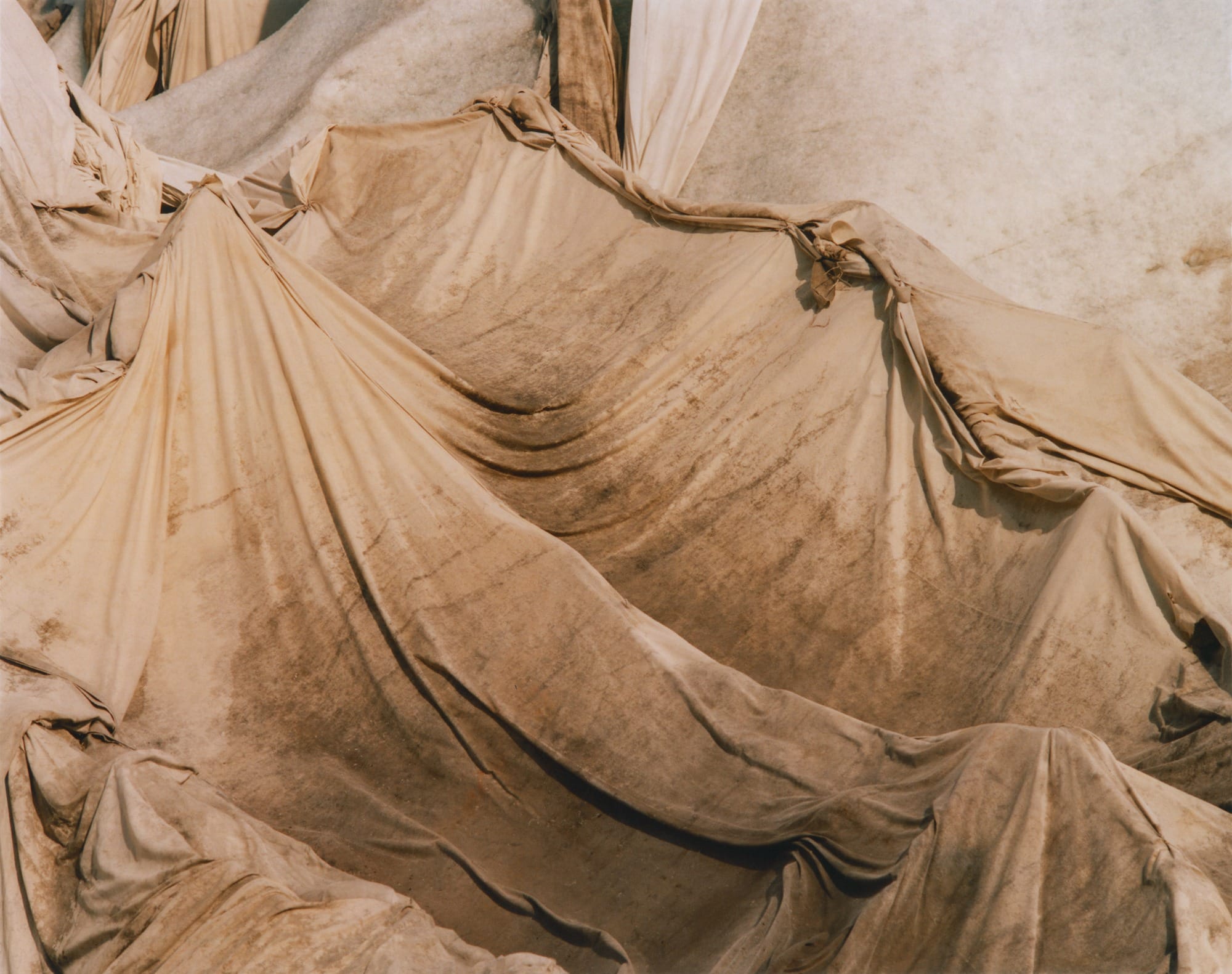
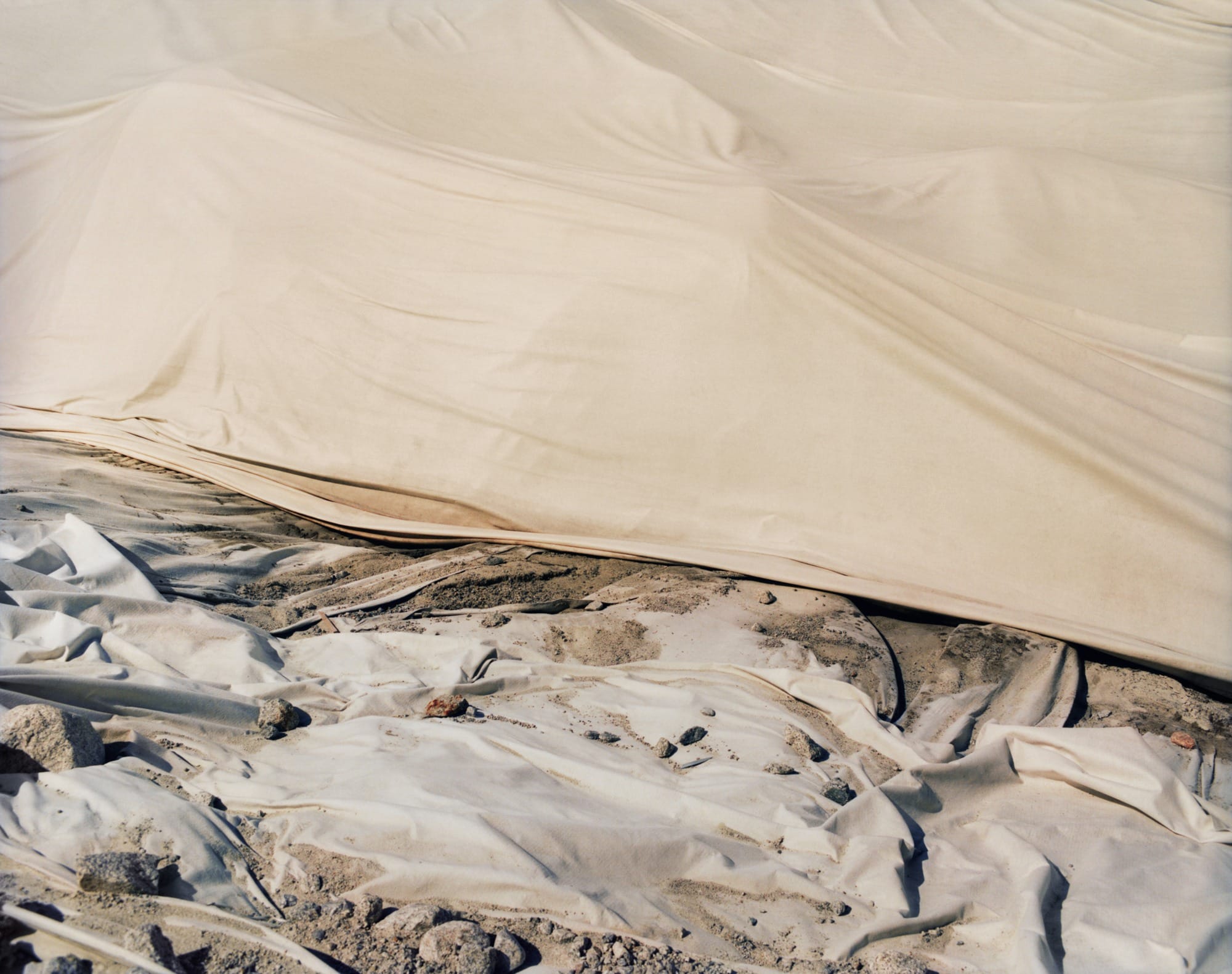
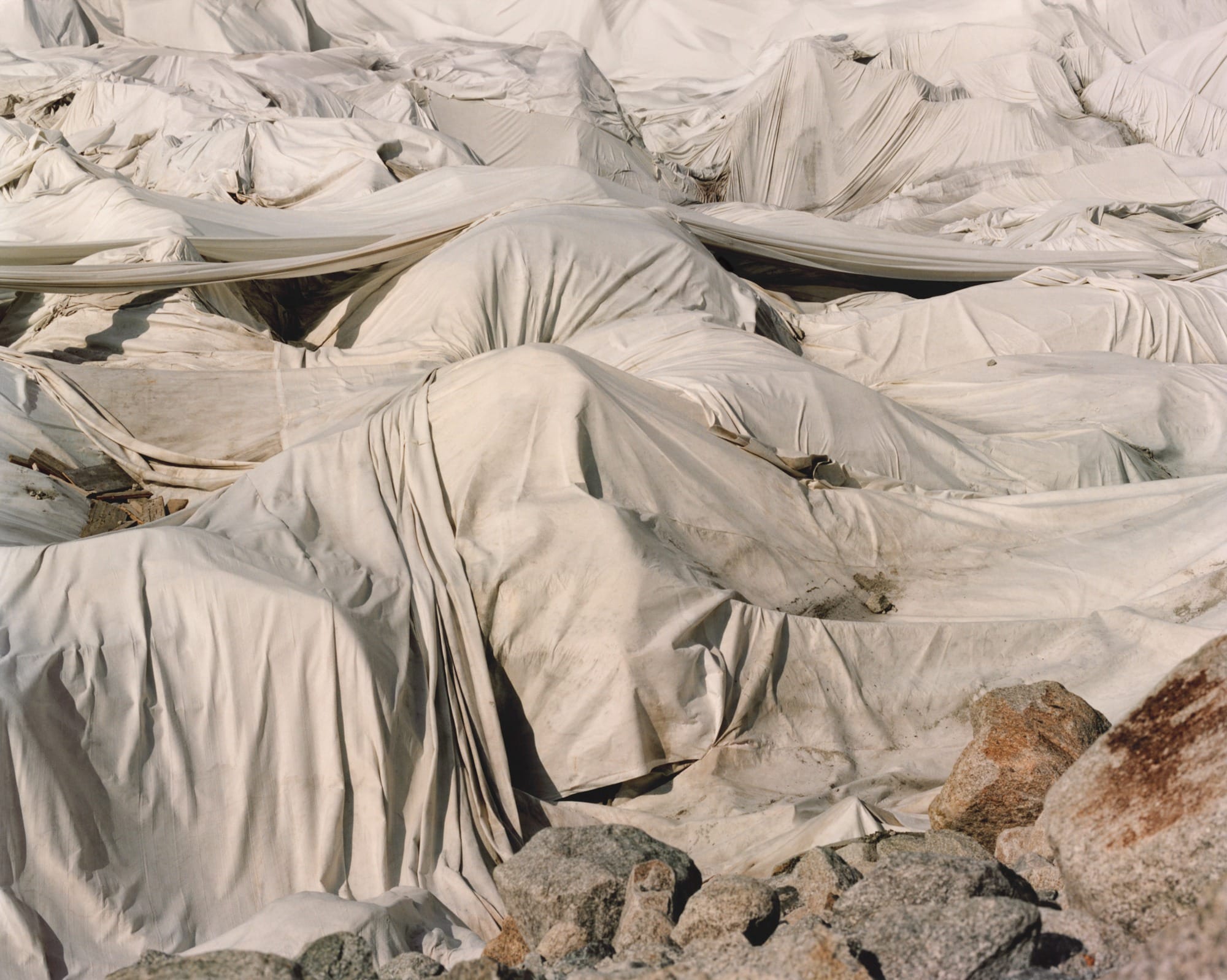
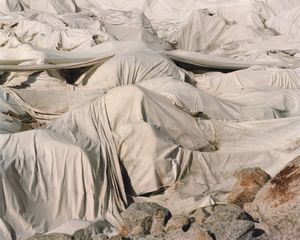
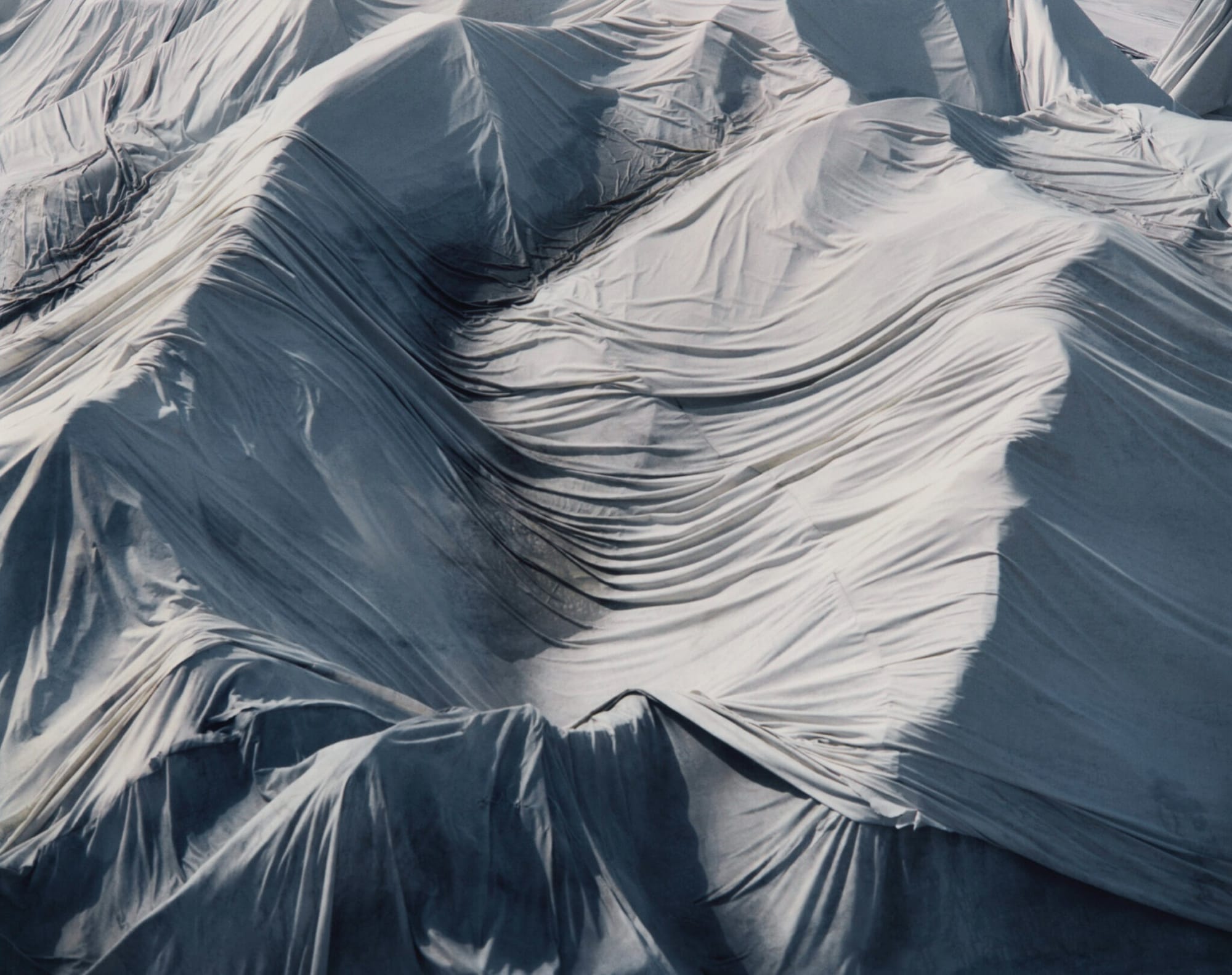
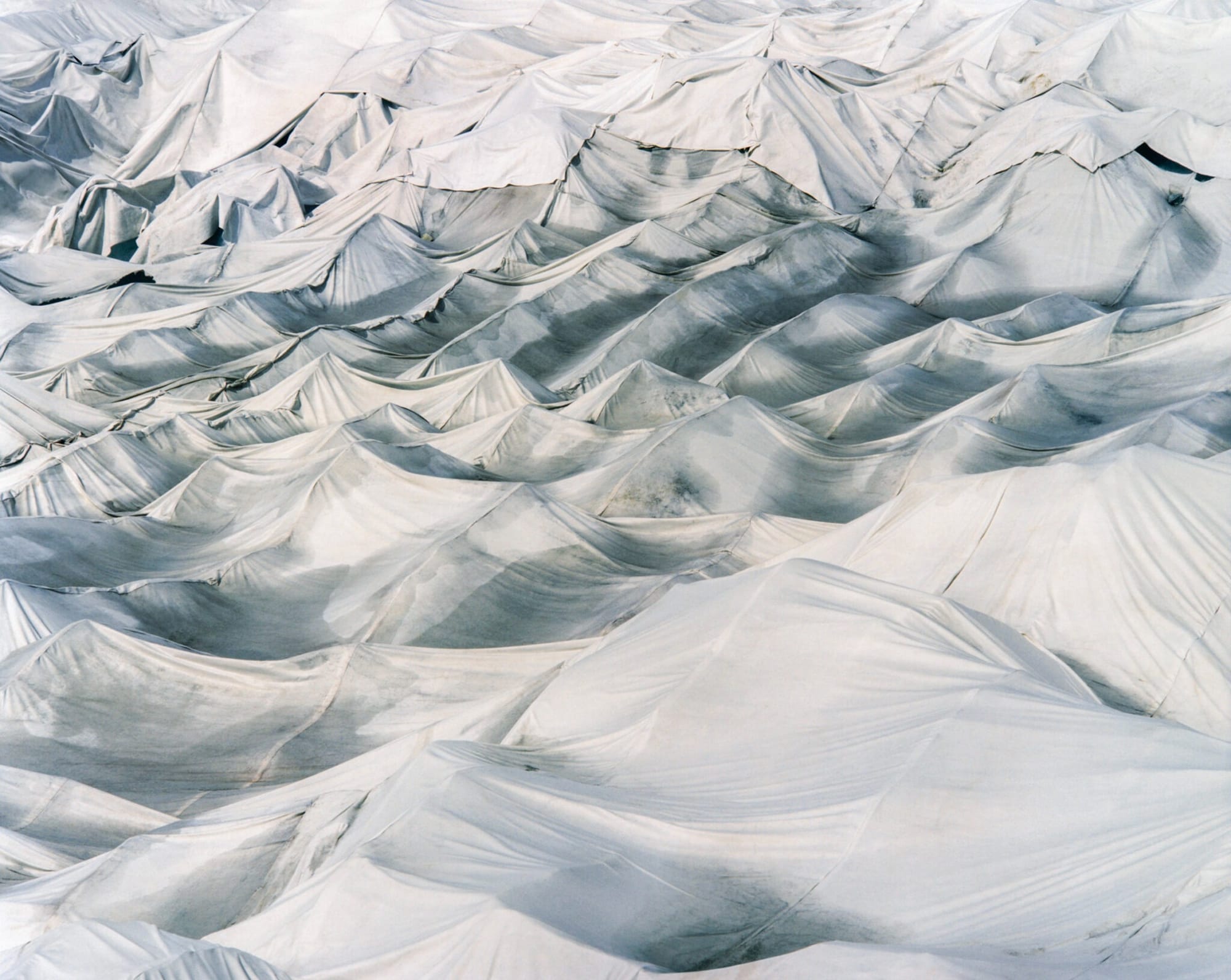
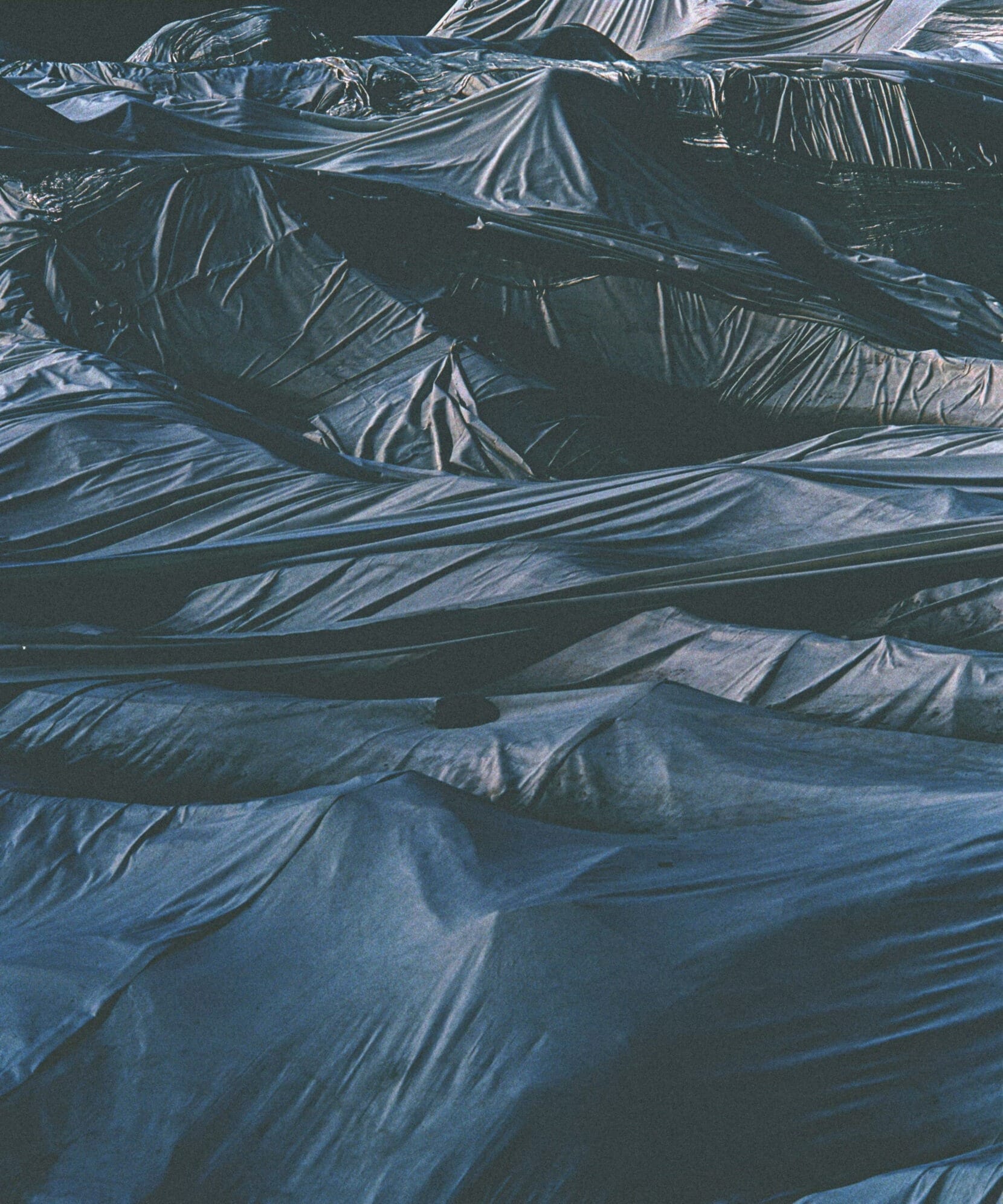
Weaving together photography, video and sculptural objects, lena_c_emery highlights the accelerated loss of mountain glaciers and the desperate conservation efforts currently employed to impede their decline. Under the continued influence of greenhouse-gas forced global warming, ice that took centuries to develop is vanishing in just a number of years. A fate experts predict for at least two-thirds of all glaciers by the end of this century. EMERY: In ‘The Mountains Between Us’, I capture the current environmental efforts undertaken to reduce the rate at which glaciers melt. Glaciers have held space for centuries, silently bearing witness to history. They’ve seen the world change in ways we can barely comprehend. Because my grandfather spent his life in these mountains, watching this particular glacier retreat and form lakes where there was previously only ice and at a pace that’s steadily increasing, feels deeply personal. The idea of covering these mammoths in fabric to stall the inevitable, feels both tragic and emblematic of our relationship with nature: The magnitude of loss countered by gestures that, though earnest, feel powerless. Visually these wrapped peaks evoke images of muddied tents, makeshift shelters that we’ve come to erect for those displaced by upheaval. This fragility, their fragility, our fragility, is a direct reflection of the imbalance we have sown, where those least responsible for ecological destruction are forced to bear its heaviest burdens. The title became a way to frame those divides. Mountains have always symbolised barriers, but perhaps they could also be reimagined as thread, shared histories and a collective belonging. The elemental particles composing our very being once danced amidst these ancient landscapes and if they disappear, part of us does too.
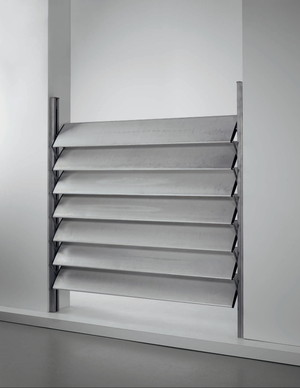
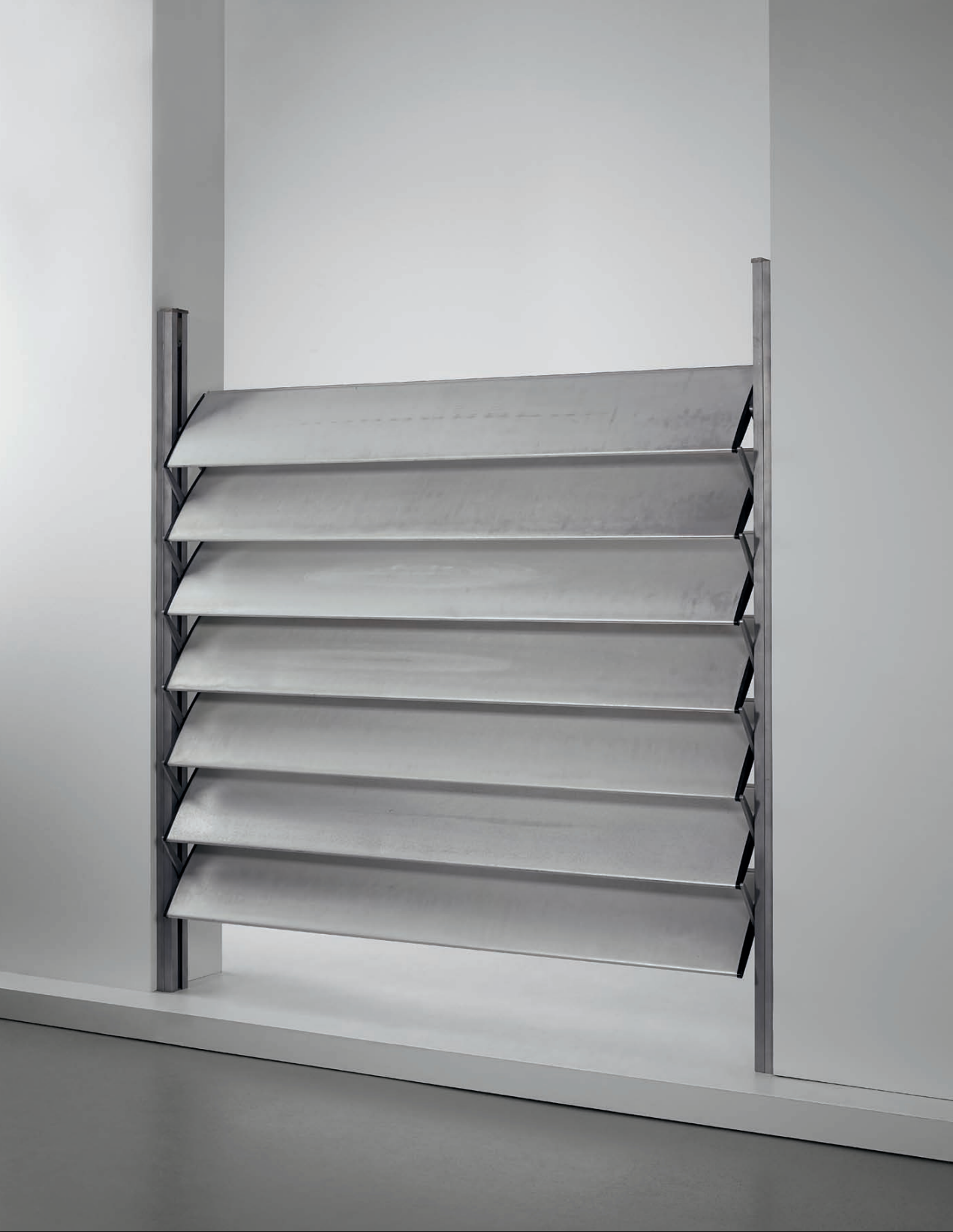
Seven-panelled sun-shutter, Jean Prouvé
Jean Prouvé 1901-1984 Seven-panelled sun-shutter, from the Cité scolaire de La Dullague, Béziers, designed 1956, executed circa 1962-1965 Aluminium, metal. 185.5 x 184.4 x 8.3 cm (73 x 72 5/8 x 3 1/4 in.) Manufactured by Les Atelier Jean Prouvé, Nancy, France.
Estimate £12,000-15,000 $17,800-22,300 €16,300-20,400 provenance Cité scolaire de La Dullague, Béziers, France, circa 1962-1965 exhibited Architecture Biennale, Venice, 7 June-23 November, 2014
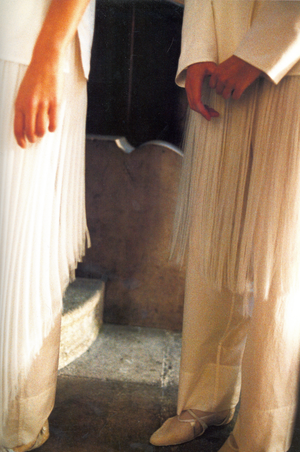
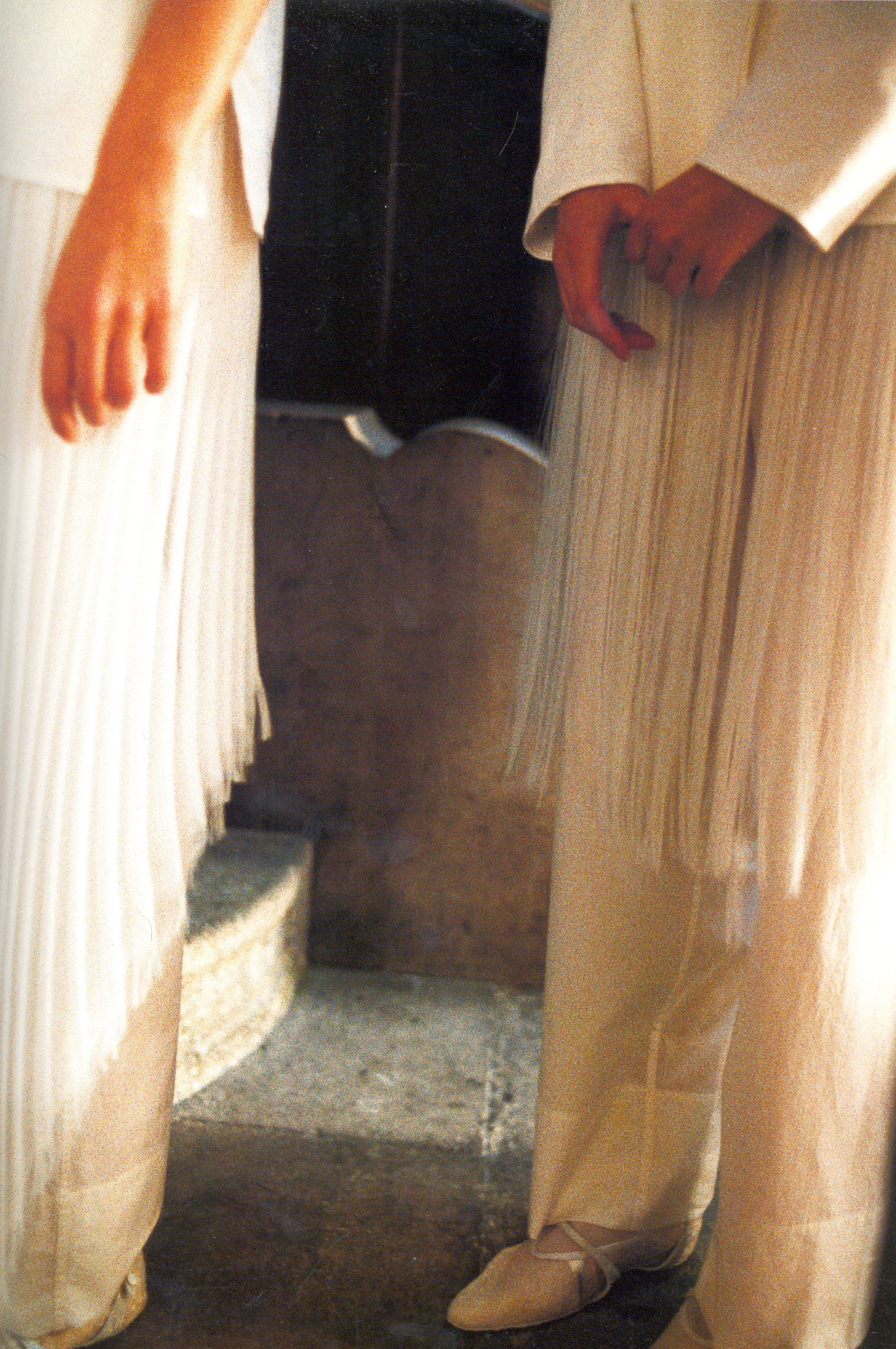
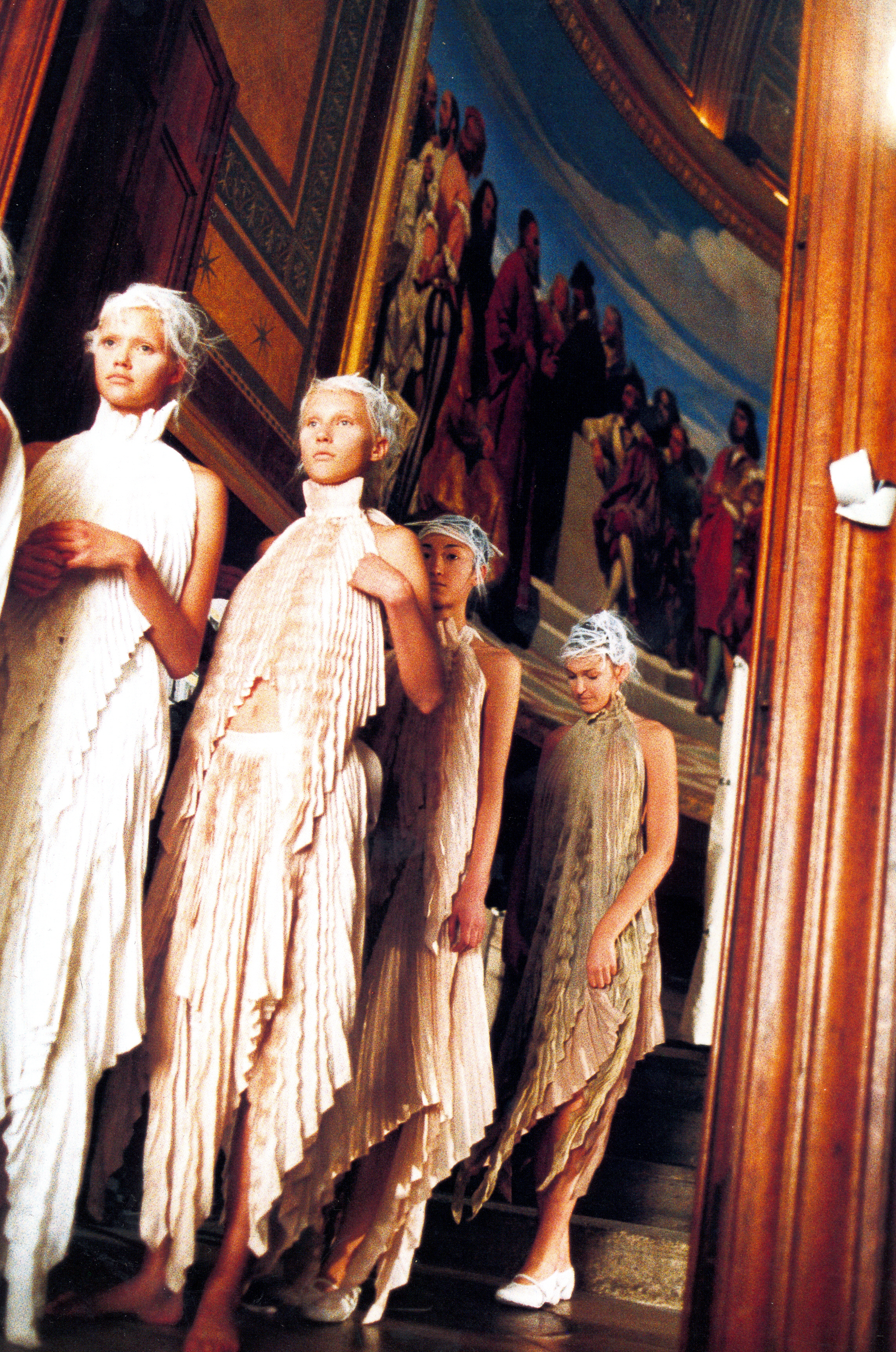
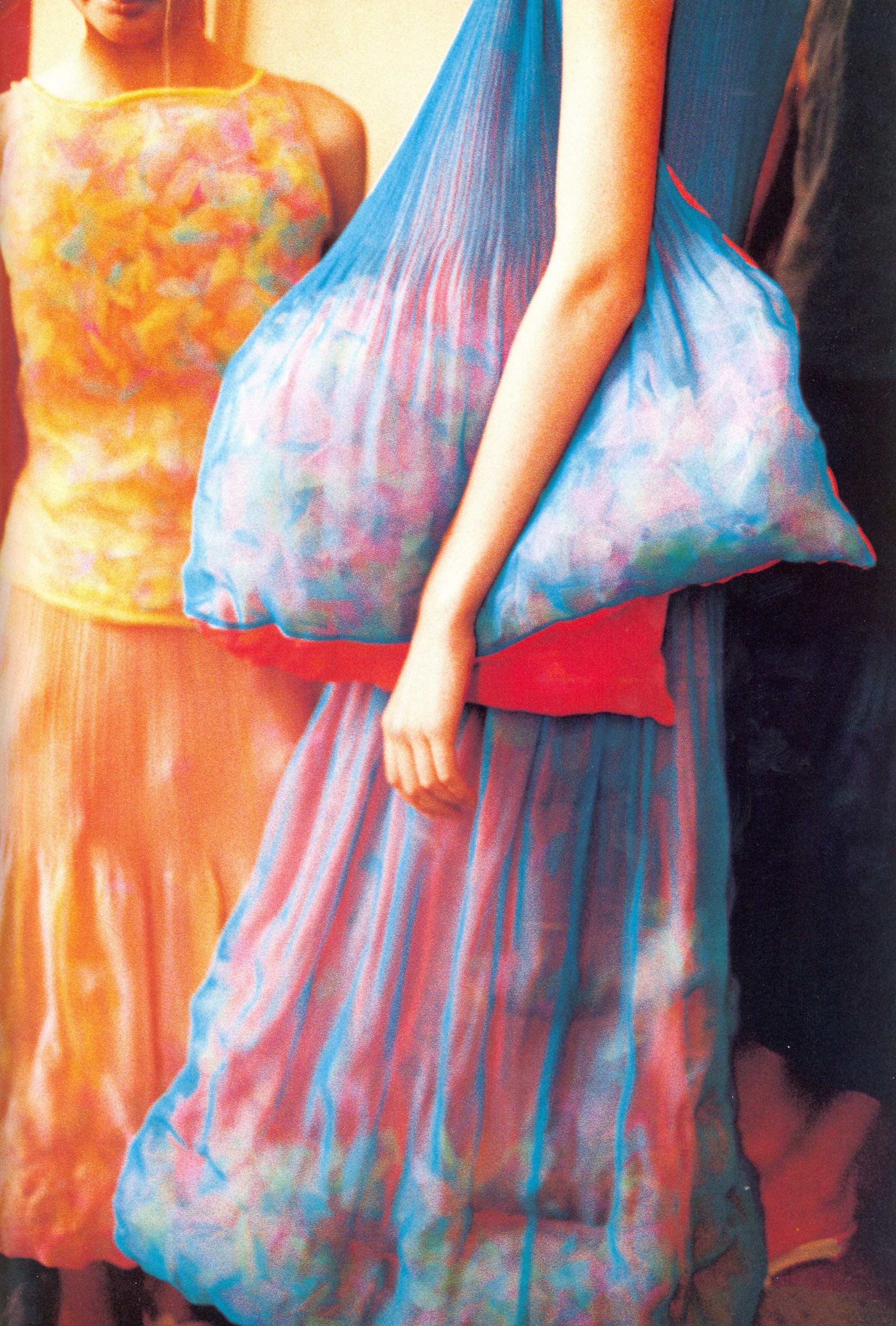
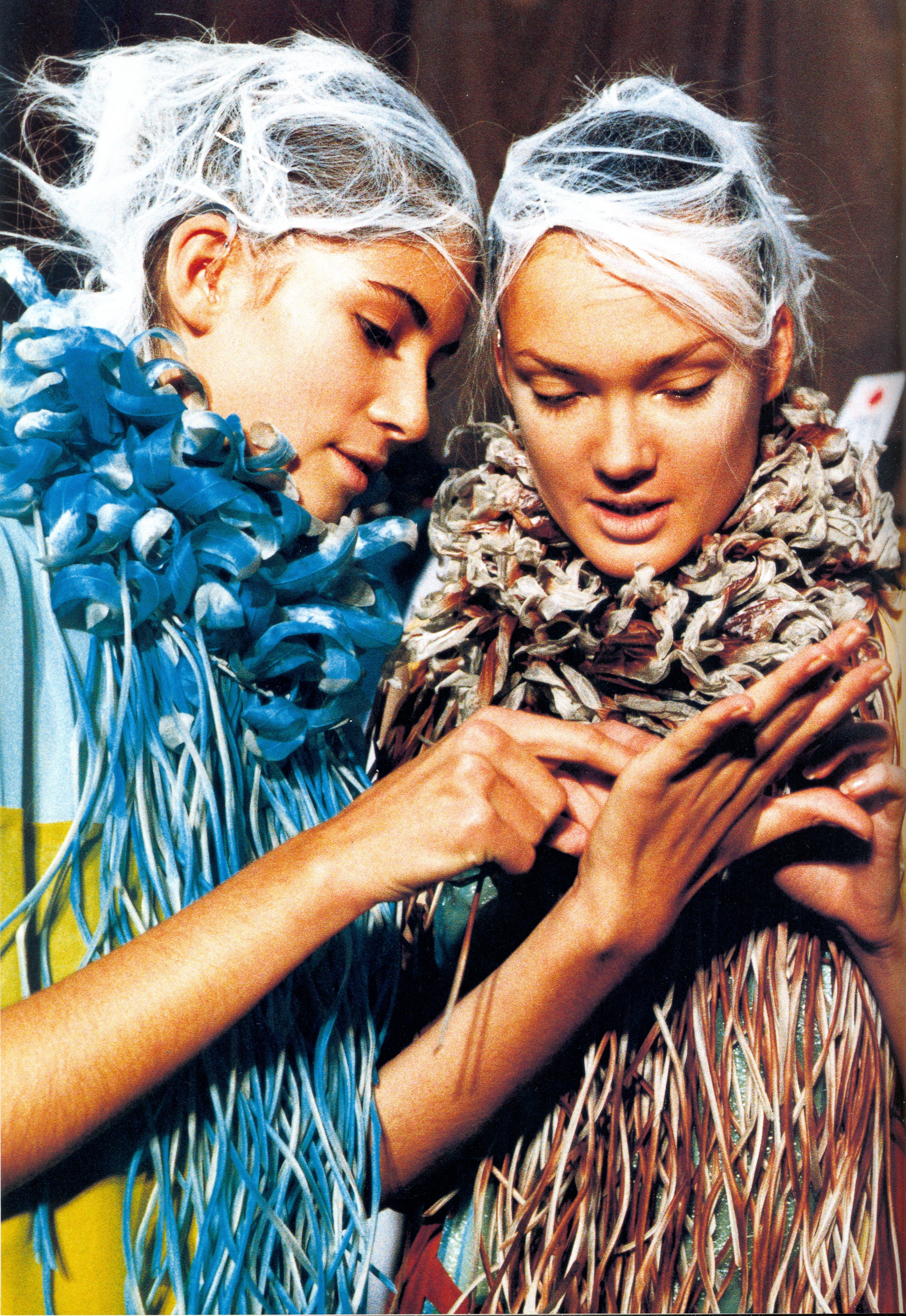
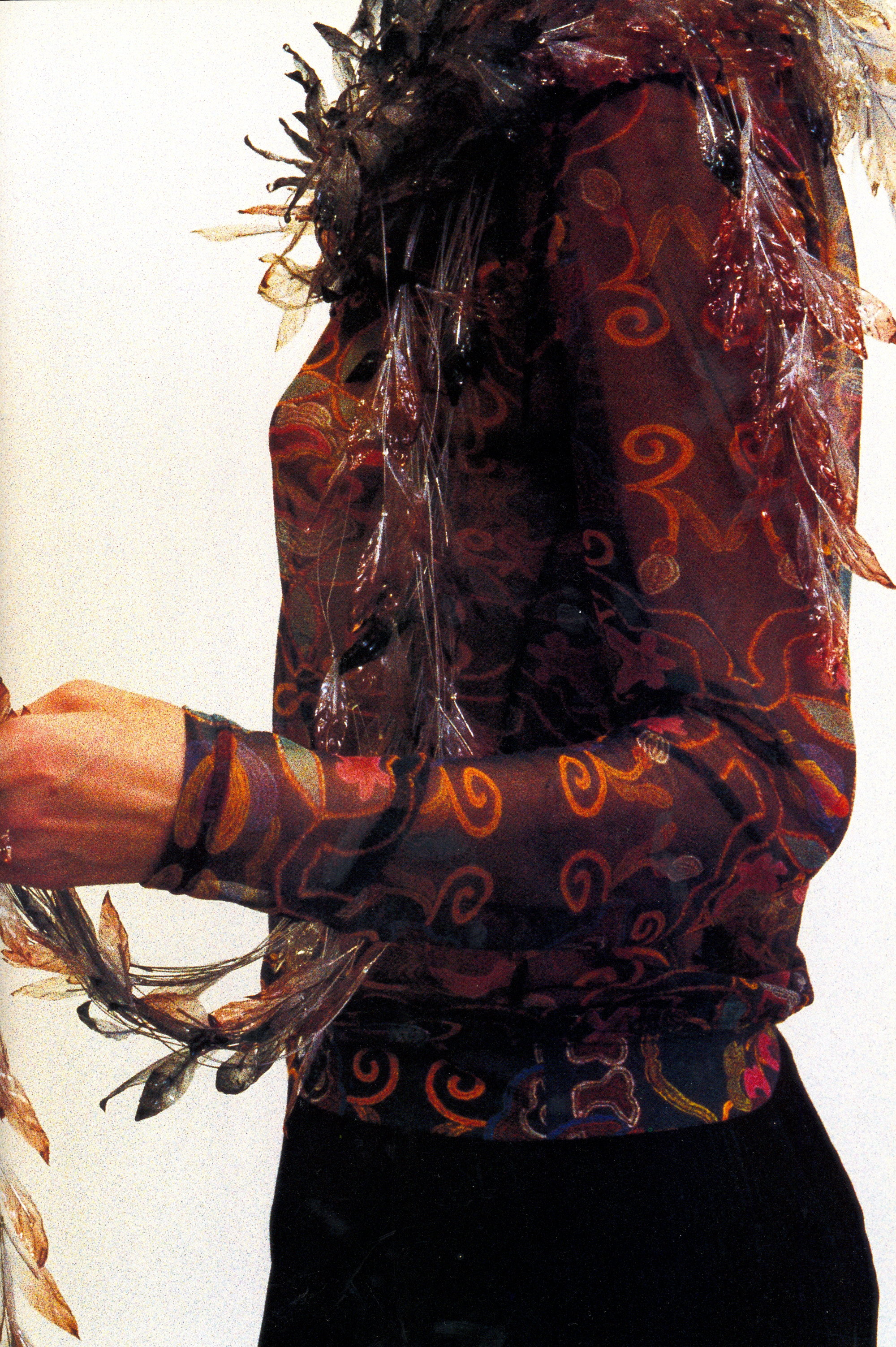
Silent Poets for Issey Miyake
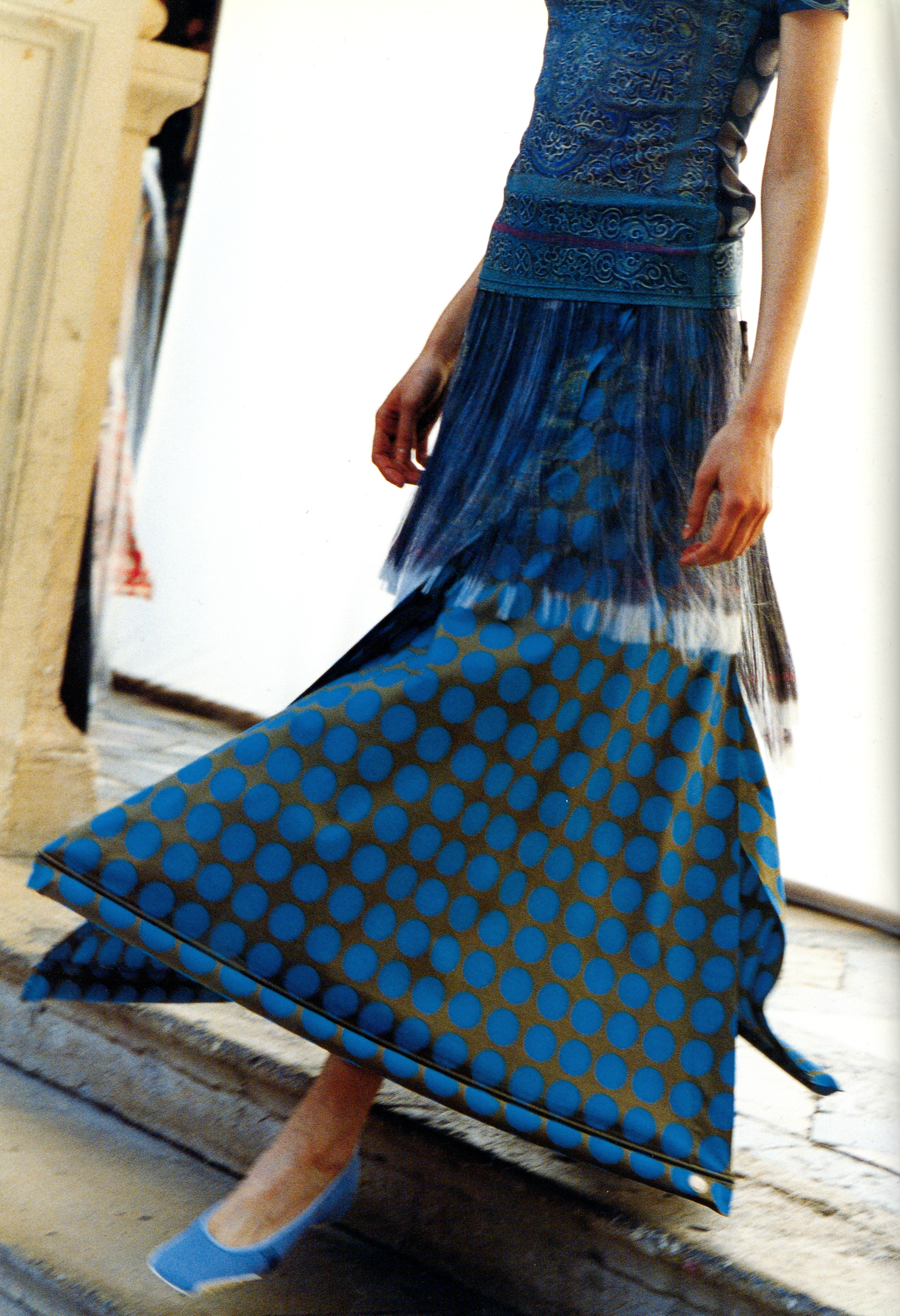
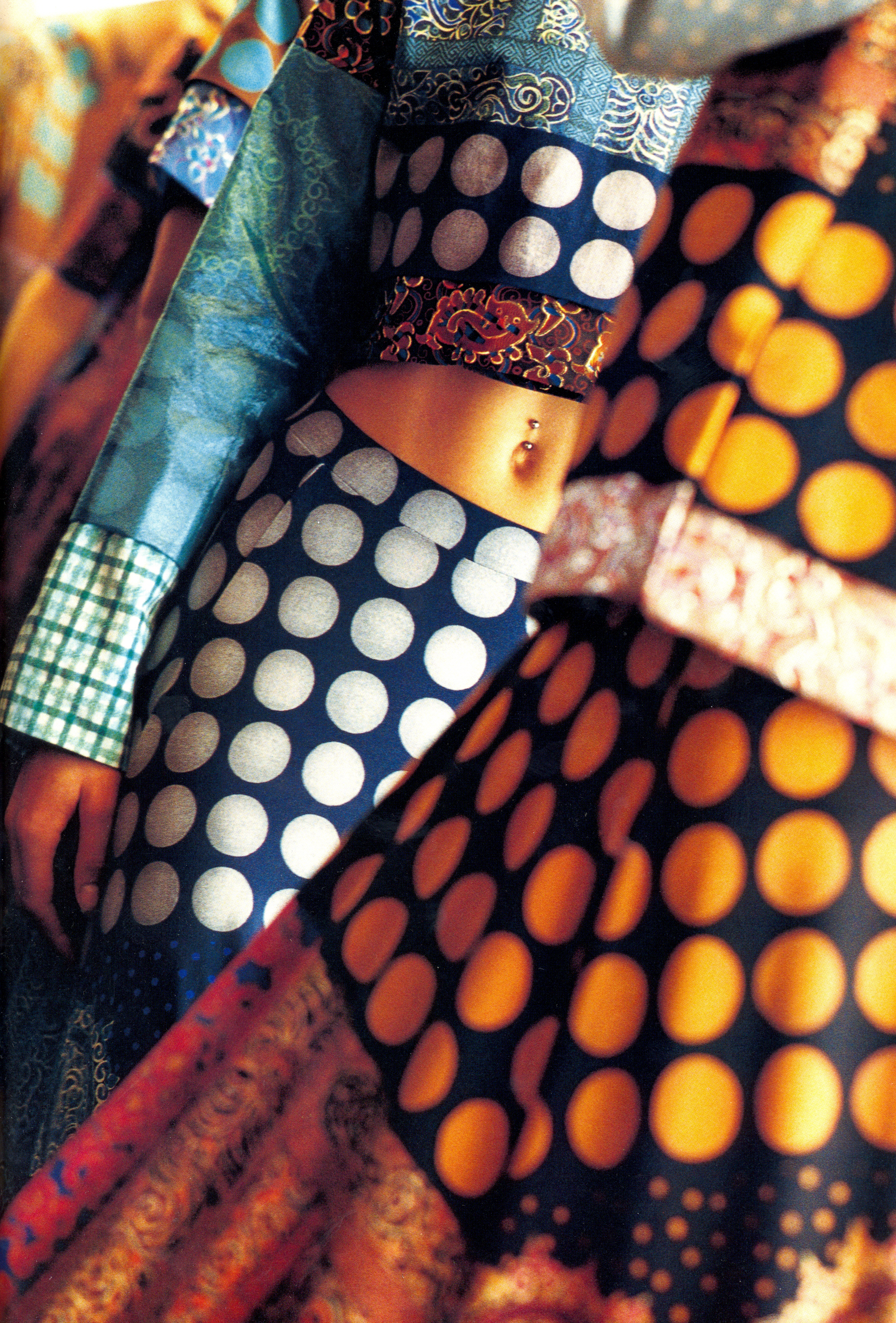
Silent Poets for Issey Miyake Spring/Summer 2001 is a hardcover lookbook photographed by Françoise Huguier. It presents imagery from Issey Miyake’s Spring/Summer 2001 collection and includes the collaboration CD Red Eyes Tribe at the back of the book. Japanese electronic duo Silent Poets produced the music for the runway show.
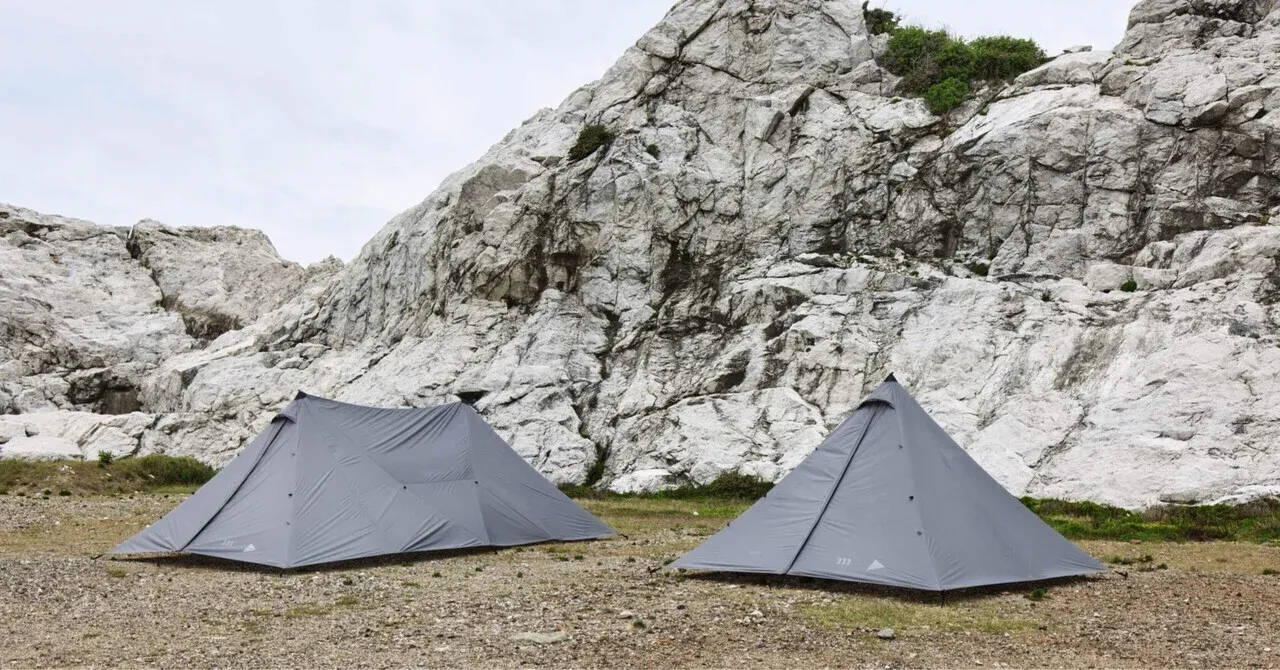
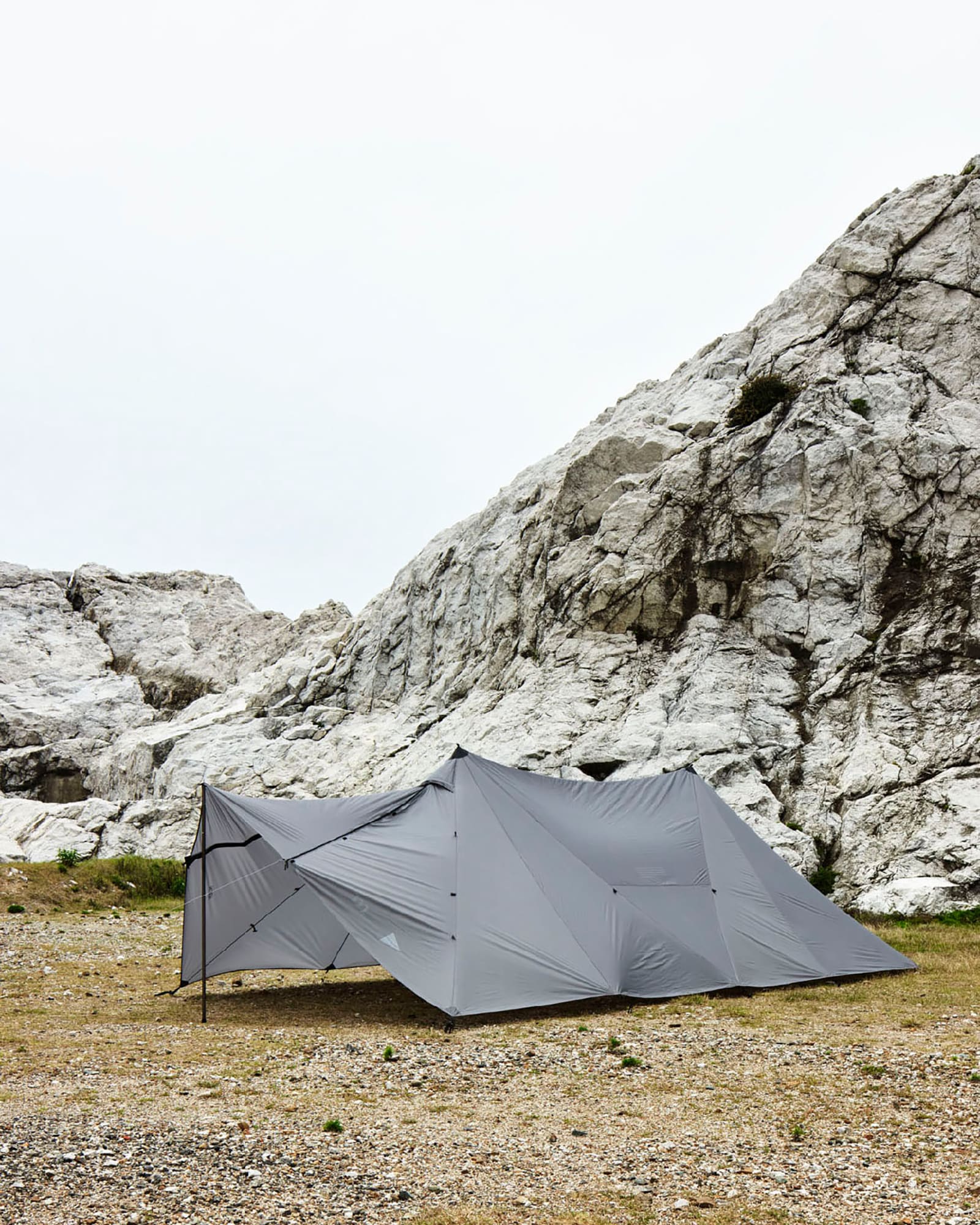
and wander x Muraco Designs Heron Tent Shelter Sets
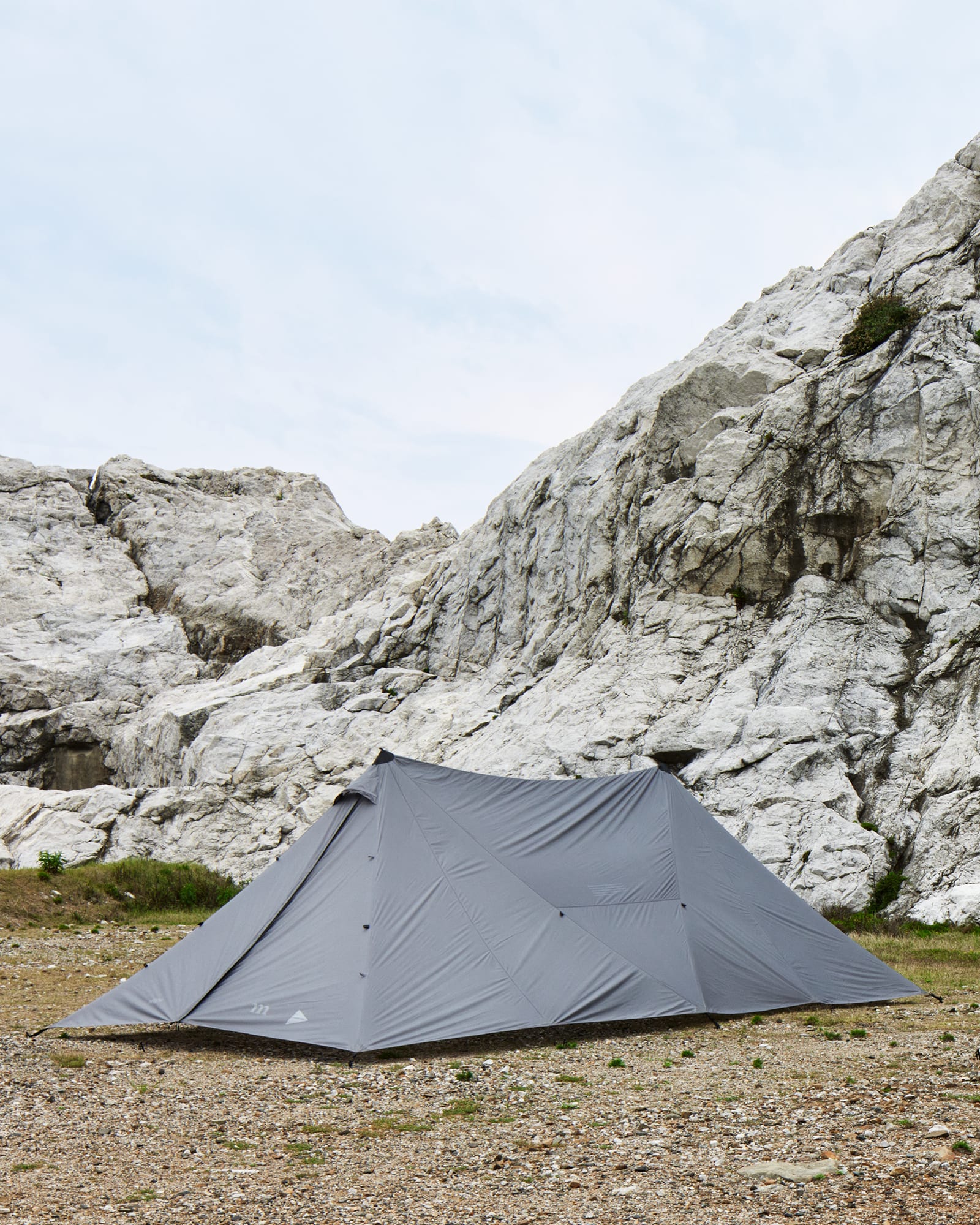
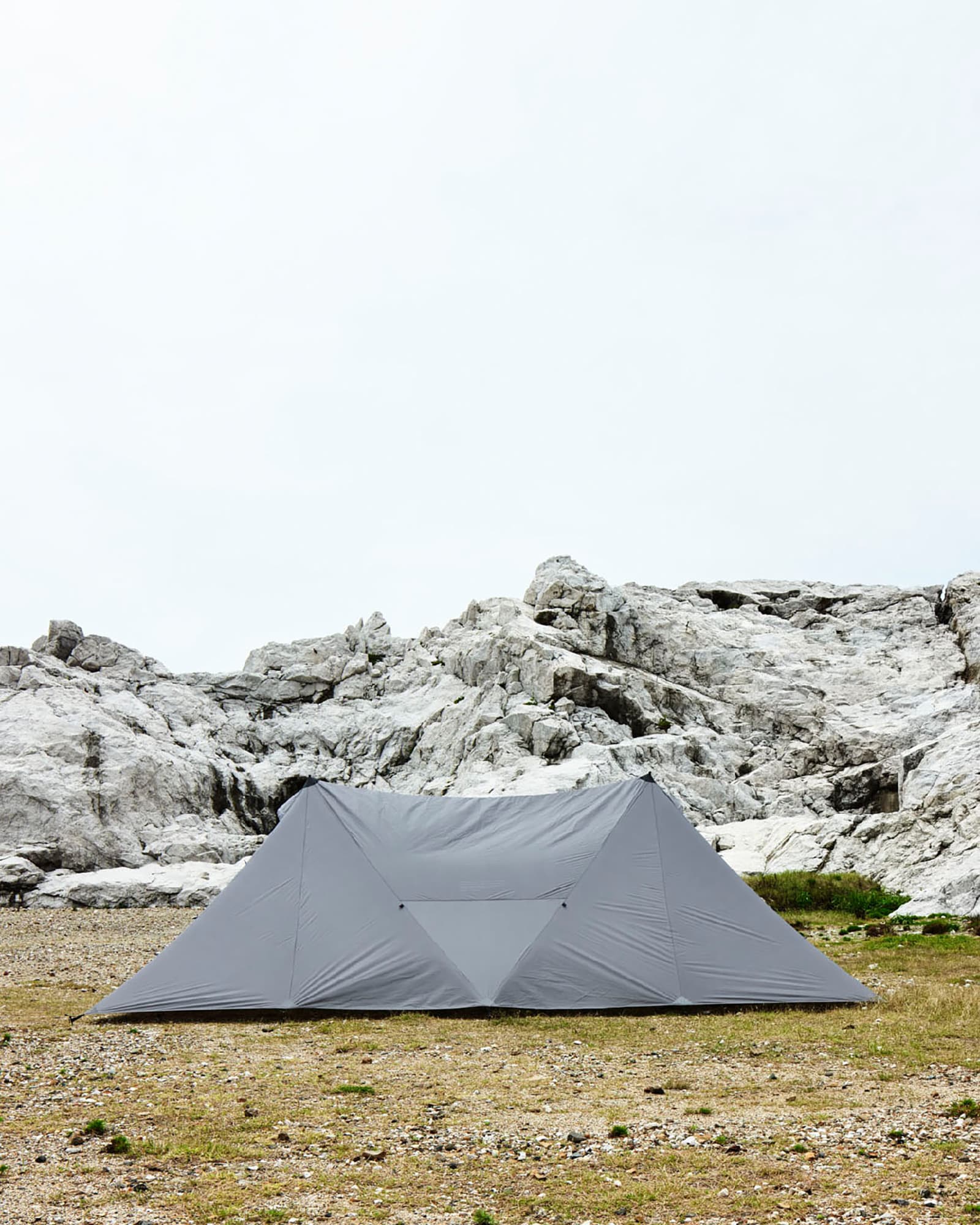
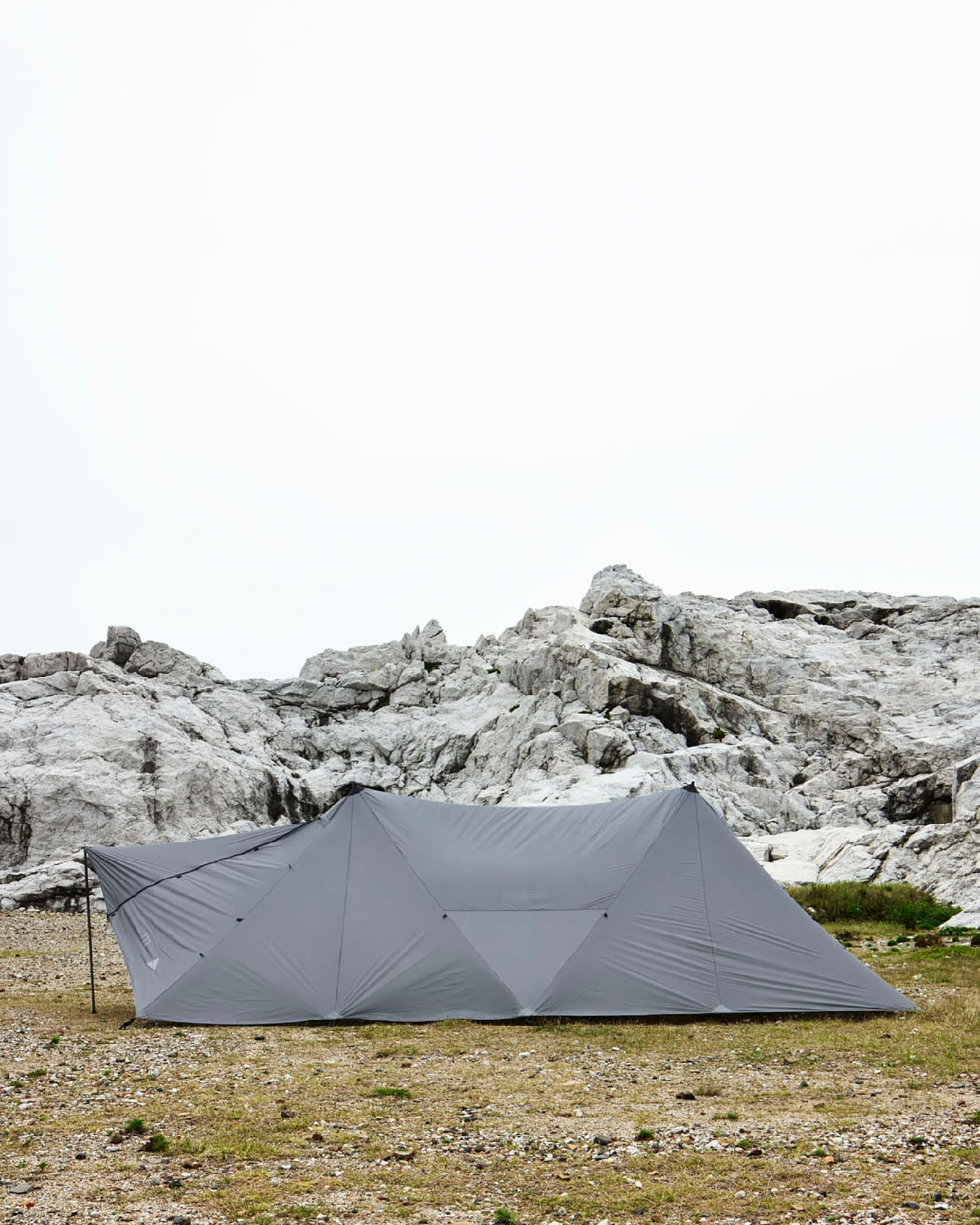
This tent boasts a straightforward structure, allowing for quick and effortless setup. To assemble, lay the flysheet on the ground and firmly secure the four corners with pegs. Then, raise the center pole at the top. The remarkable simplicity of this setup is unmatched by self-supporting dome-shaped tents, and its generous overhead clearance adds to its allure.
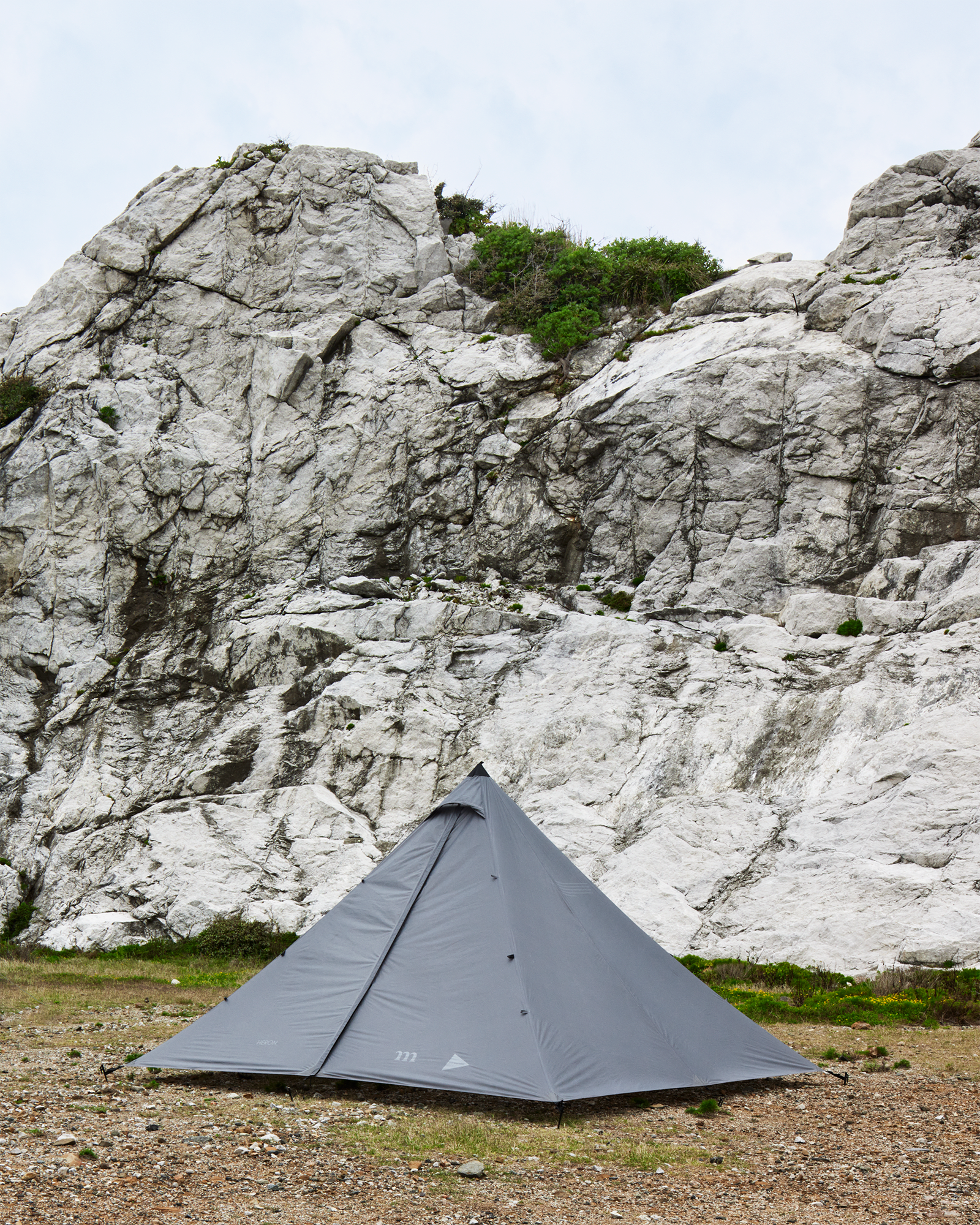
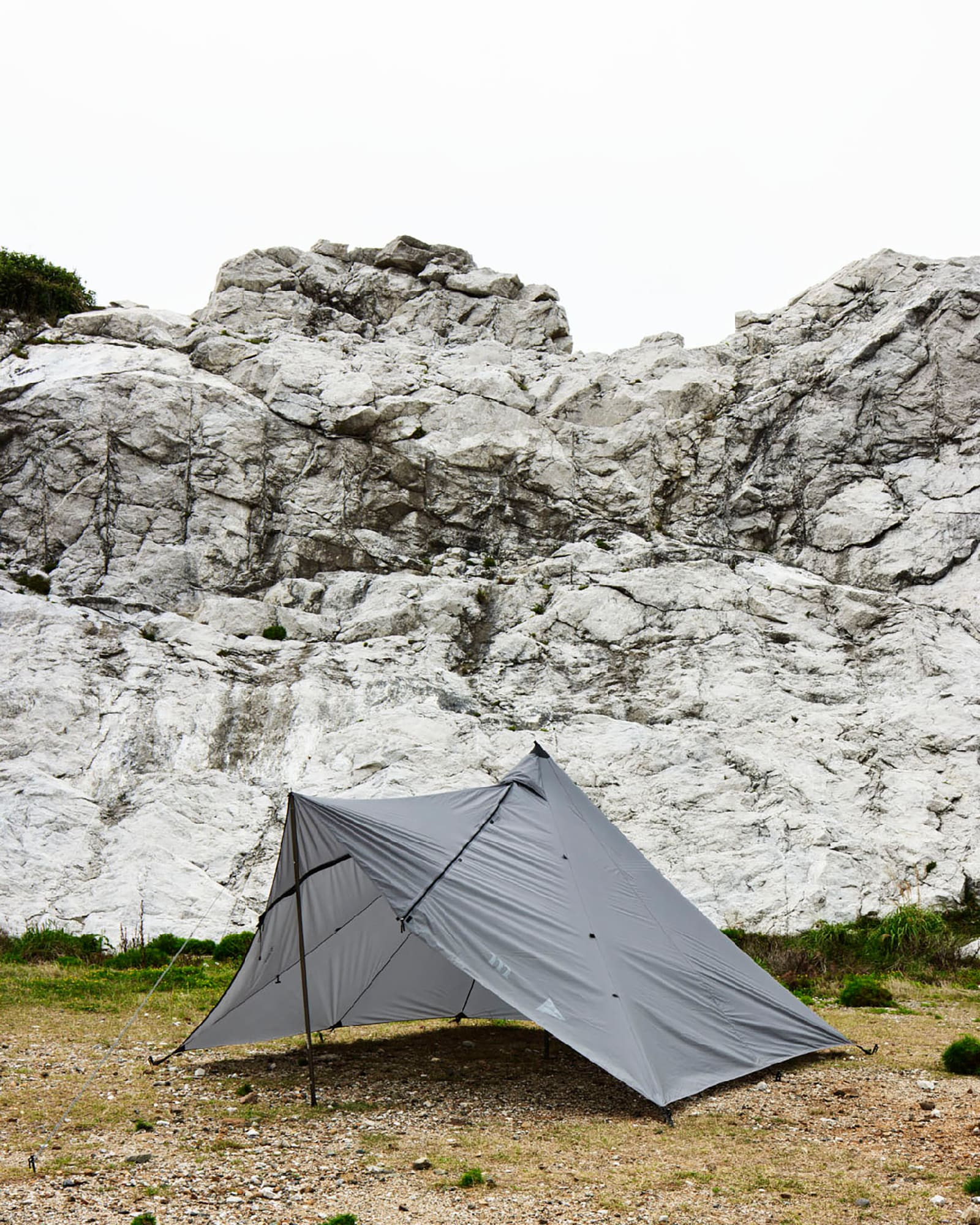
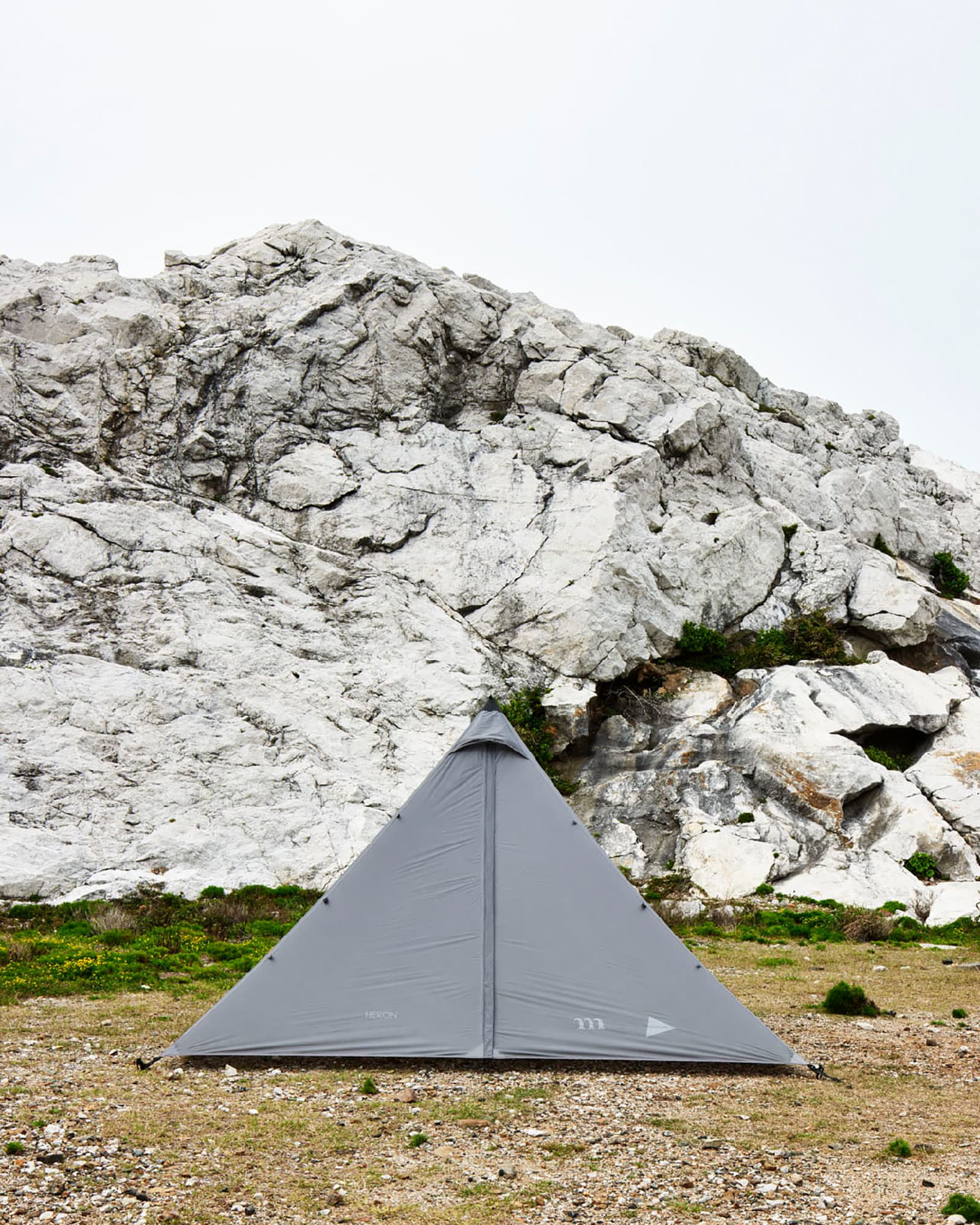
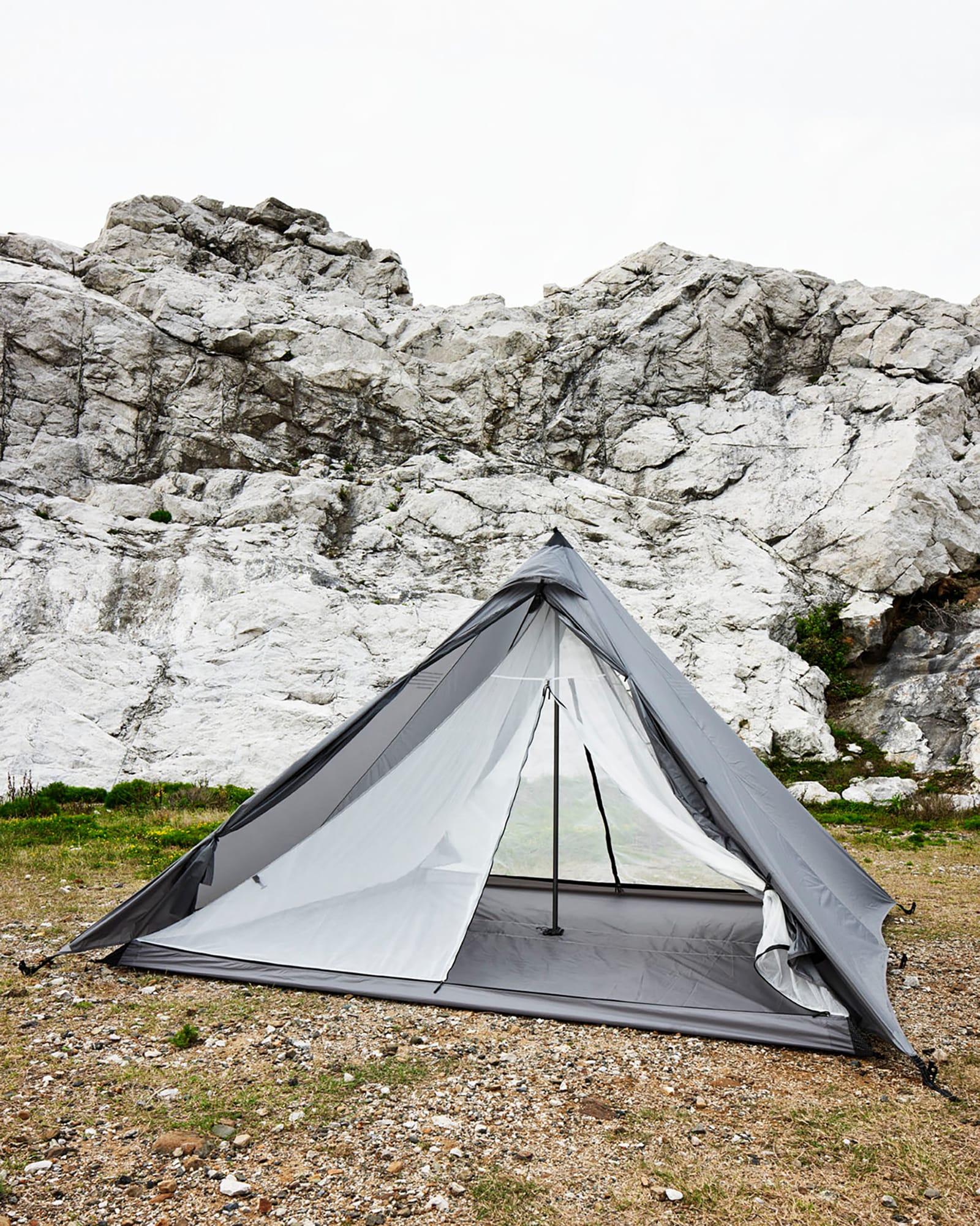
HERON 2POLE TENT SHELTER SET
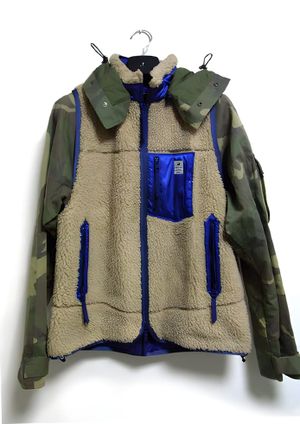
SASQUATCHfabrix. — SASFAB 2-in-1 Coat/Gilet
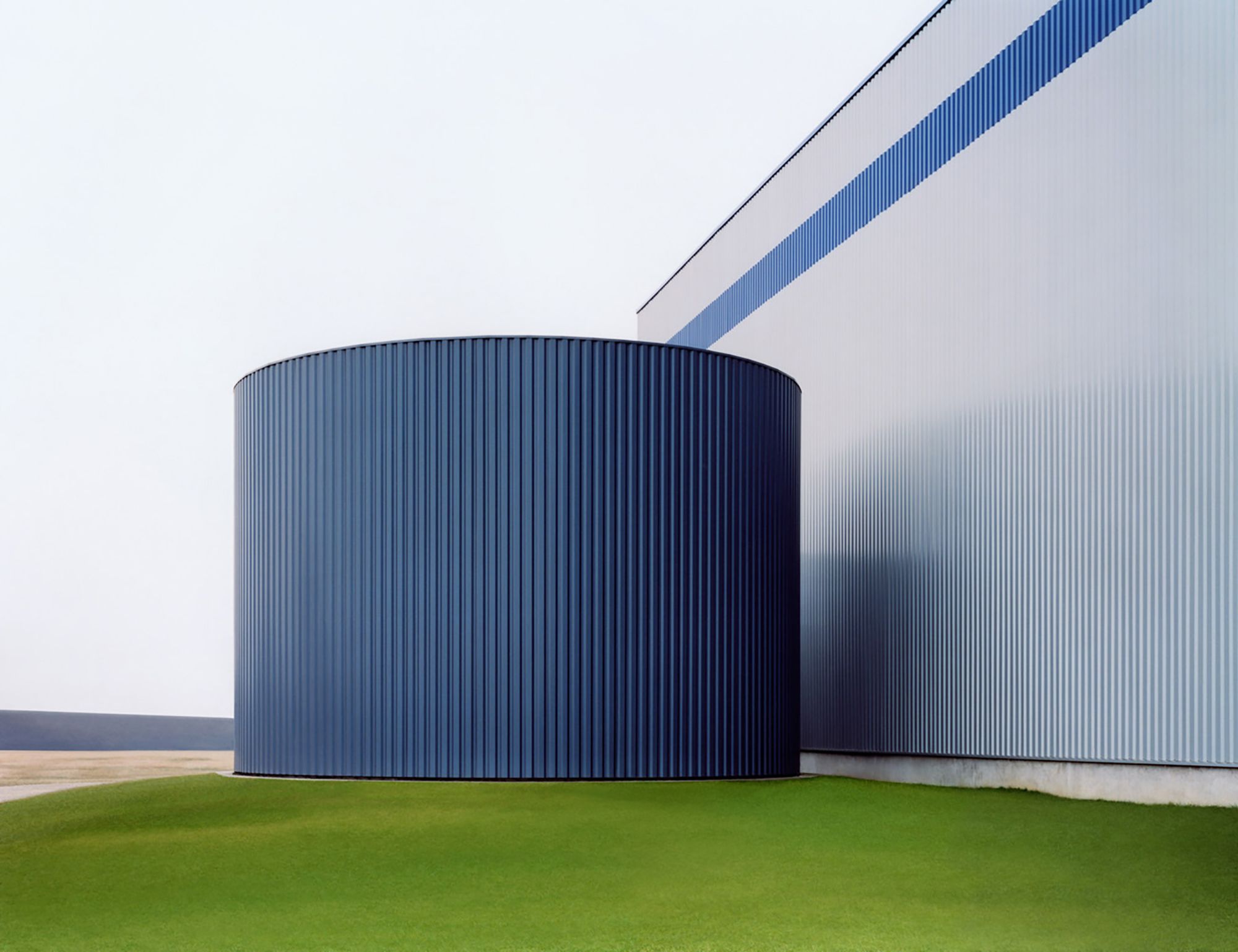
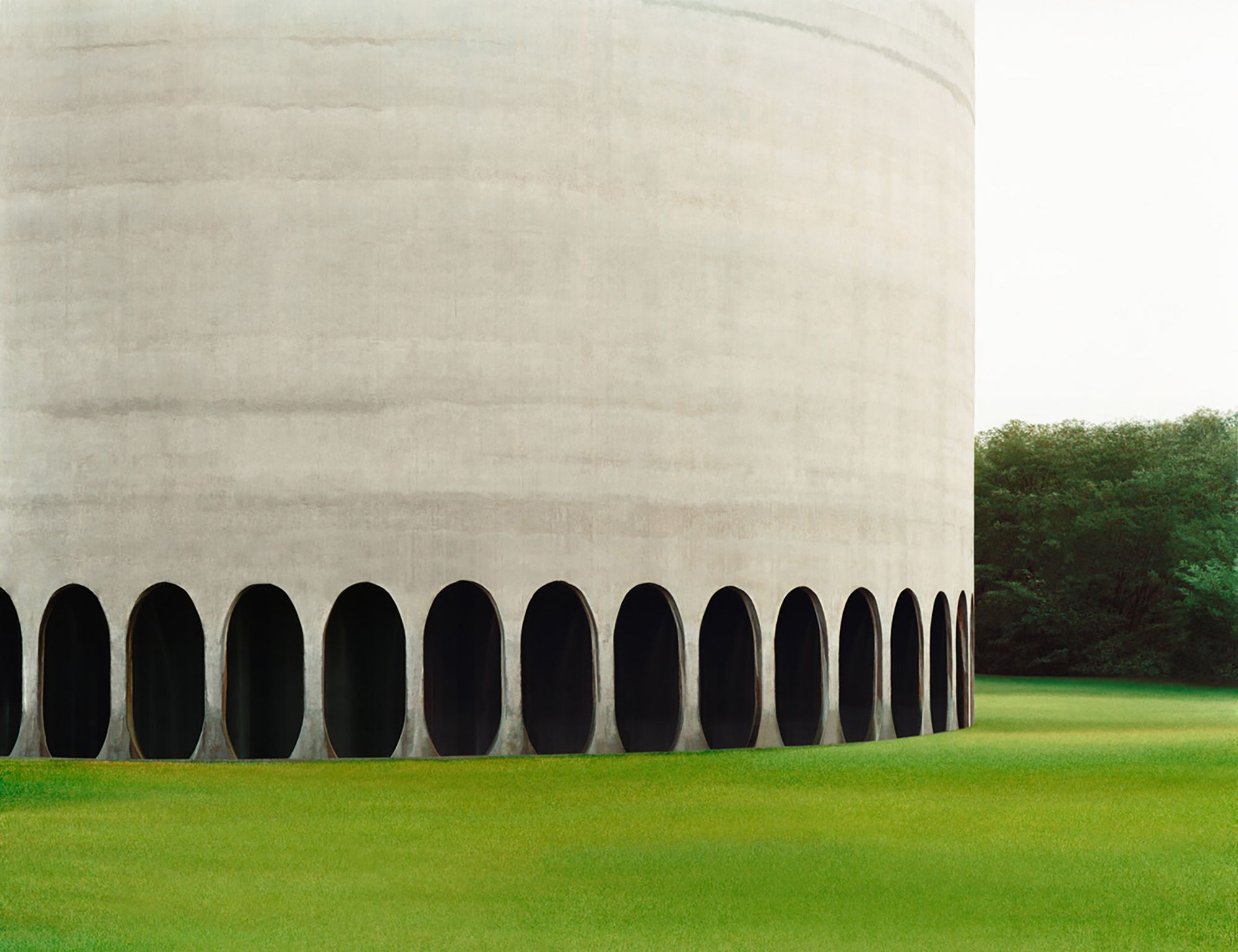
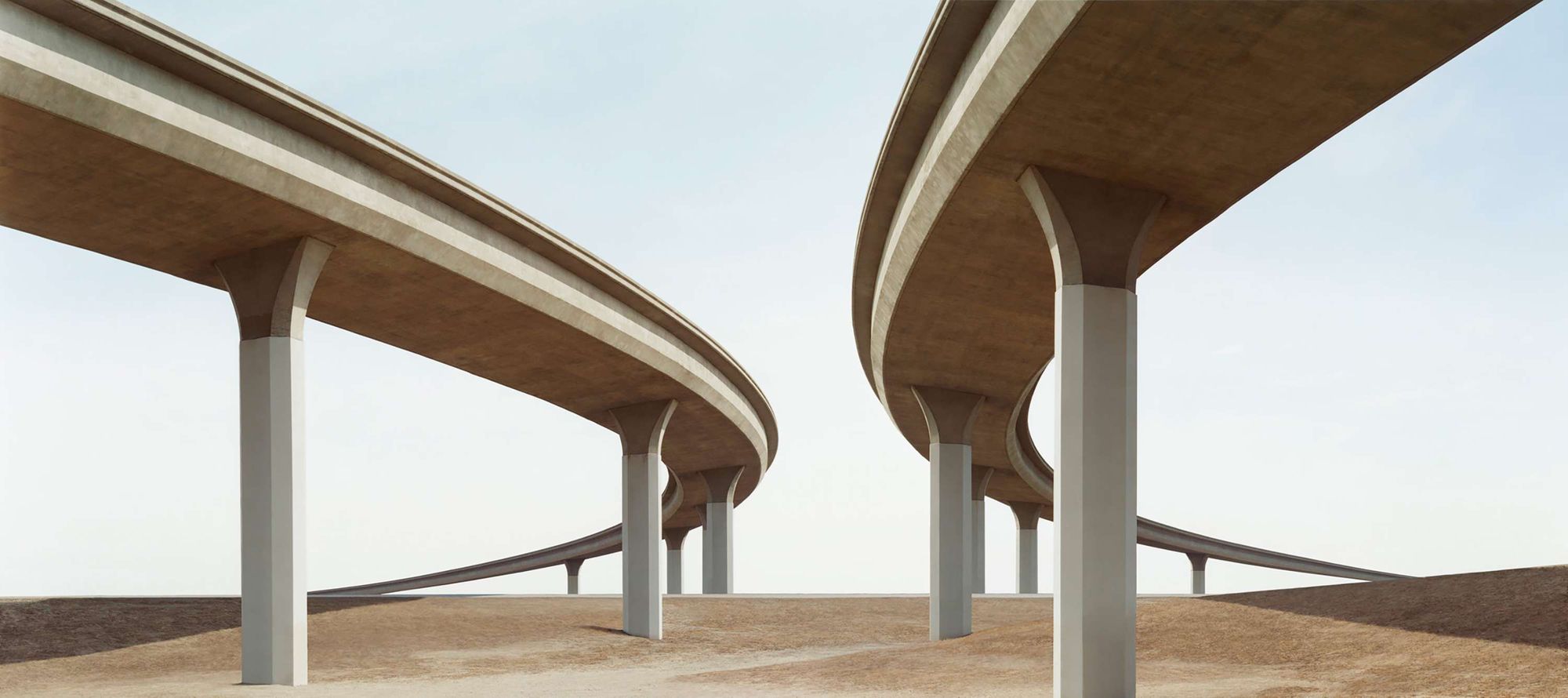
Form #7, Josef Schulz, 2003
Josef Schulz is a photographer known for capturing images of modern warehouses and factories, which are typically considered mundane industrial structures with little architectural significance. These buildings, produced worldwide, follow standardized plans and materials, lacking distinct external features to reveal their specific purposes.
Schulz's approach involves studying the essence of his craft through these photographs. He employs digital image processing to remove any elements hinting at the buildings' age, location, or surroundings, transforming them into virtual blueprints. By emphasizing colors, shapes, and symmetries, he turns the buildings into block-like structures, resembling toy architecture and presenting them as idealized versions of themselves.
In this process, Schulz blurs the line between photographic and painted reality to optimize the images. Simultaneously, he reduces the physical buildings to their design concepts and the photographic reality to its virtual representation. His intent is to diverge from the typical pursuit of making digital images appear as real as possible. This approach might leave the viewer perplexed, as they struggle to distinguish between authentic elements captured by the camera and those created through digital tools.
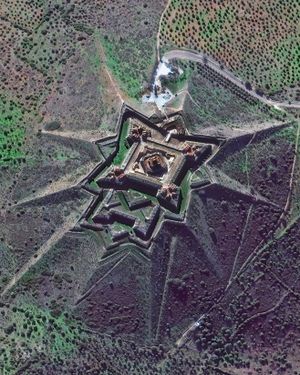
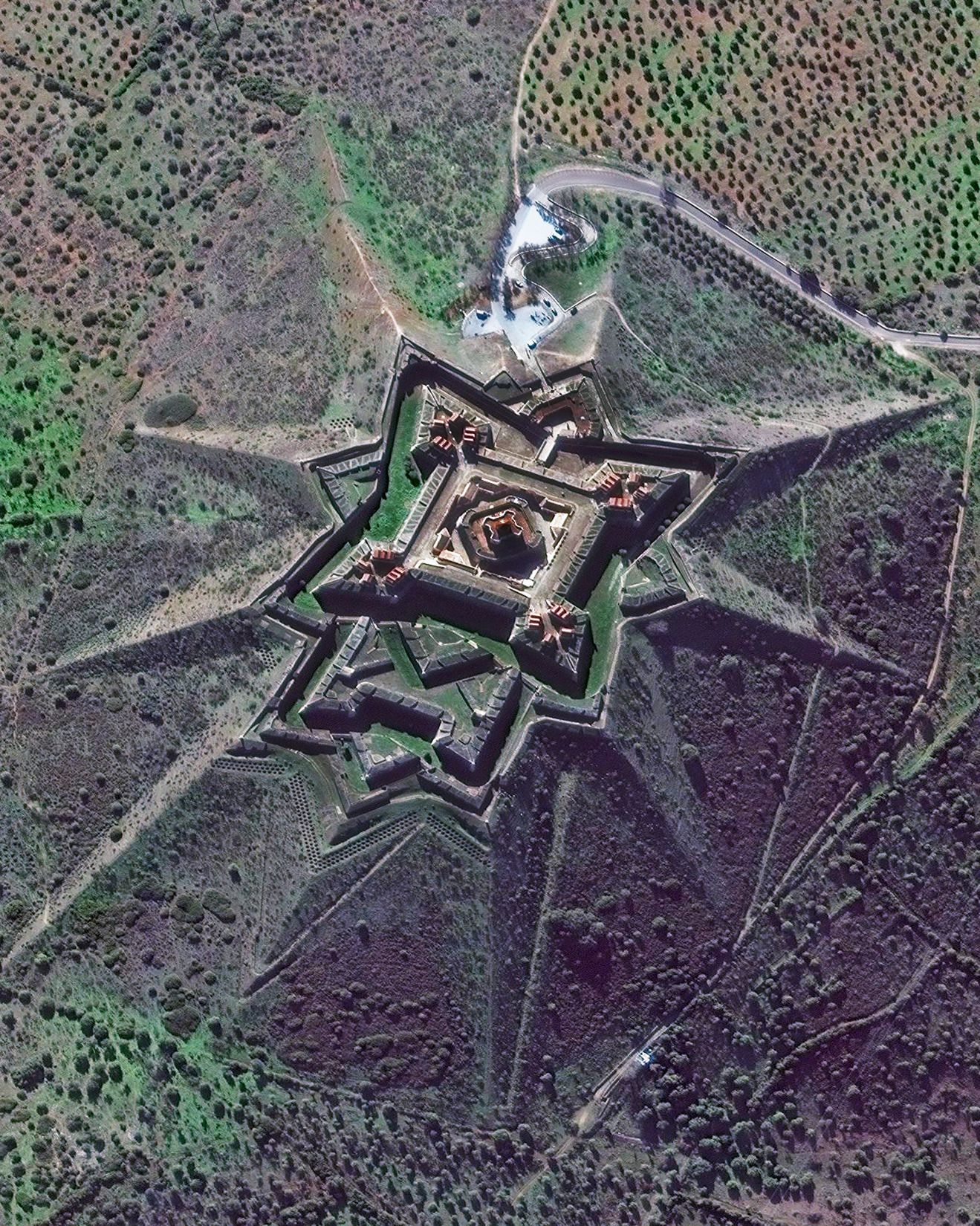
Nossa Senhora da Graça Fort
The Nossa Senhora da Graça Fort is an eighteenth century fort in the village of Alcáçova, Portugal. Its prominent position atop Monte da Graça (Hill of Grace) made it an important stronghold during the Seven Years’ War, War of the Oranges and the Peninsular War. The fort is part of the Garrison Border Town of Elvas and its Fortifications, a UNESCO World Heritage Site.
38.894444°, -7.164167°
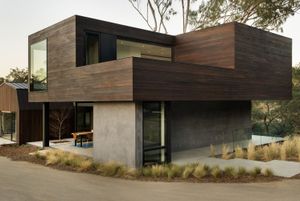
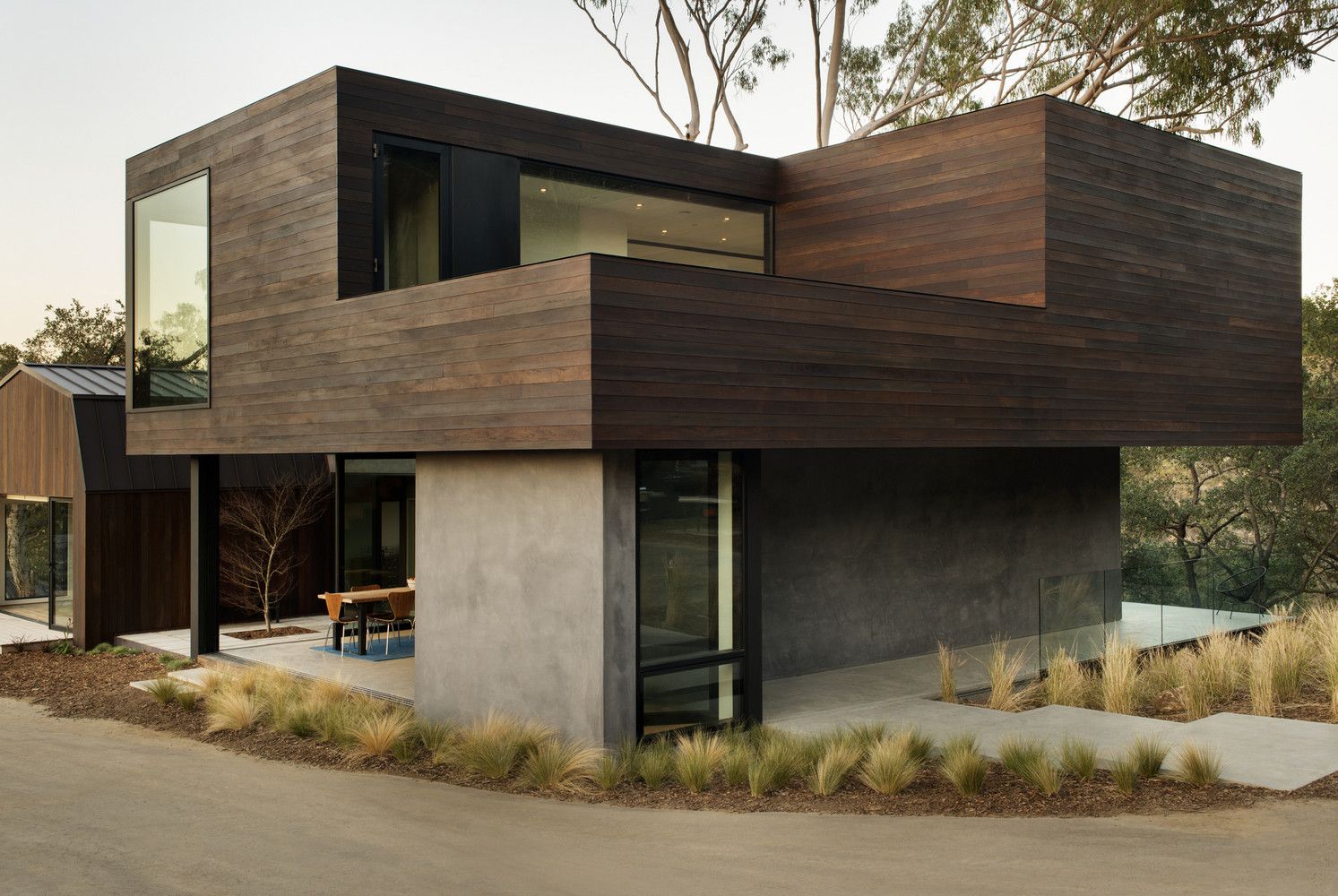
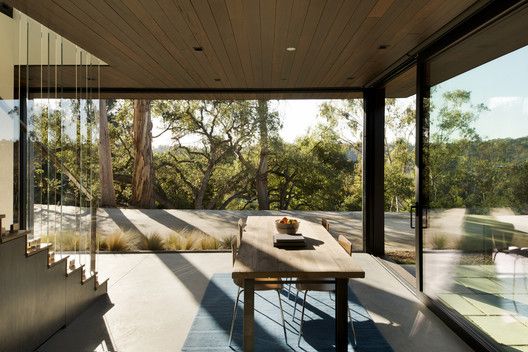
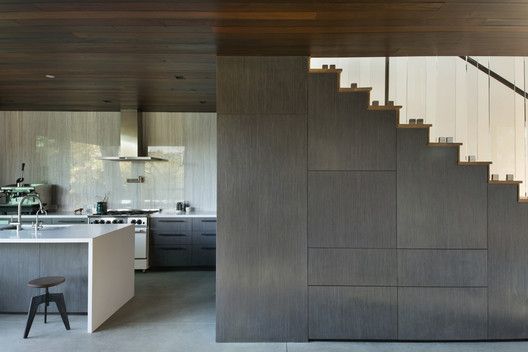
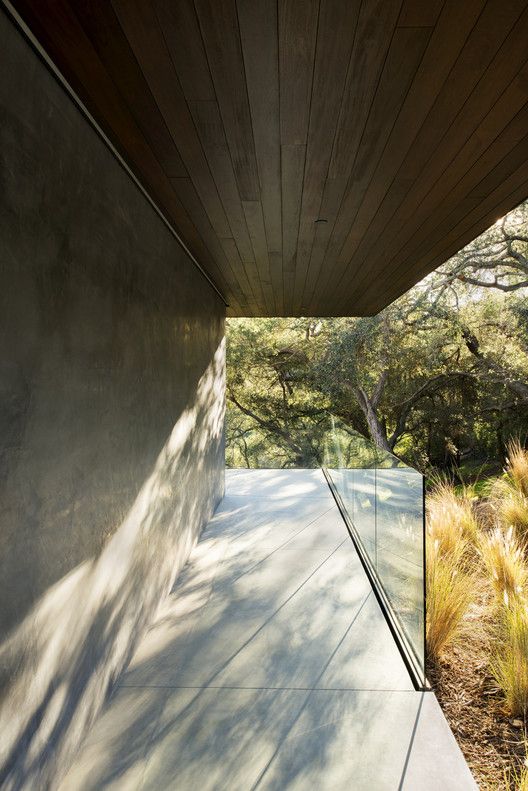
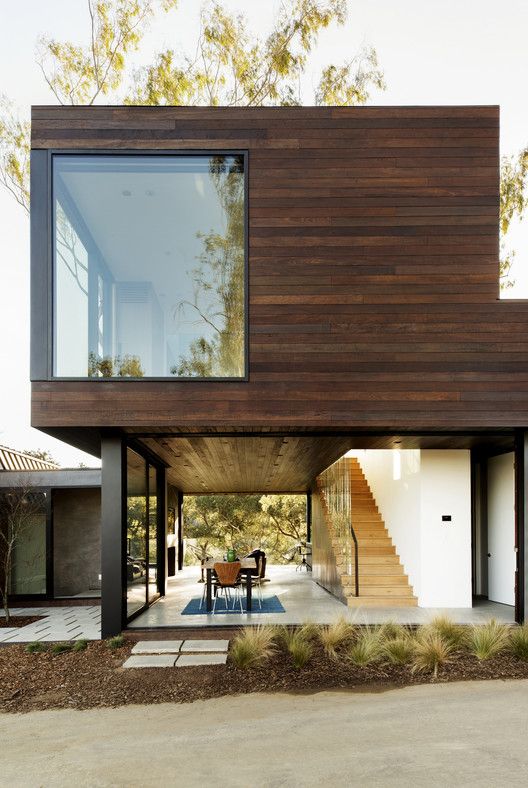
Oak Pass Guest House by Walker Workshop
Beverly Hills, United States of America.
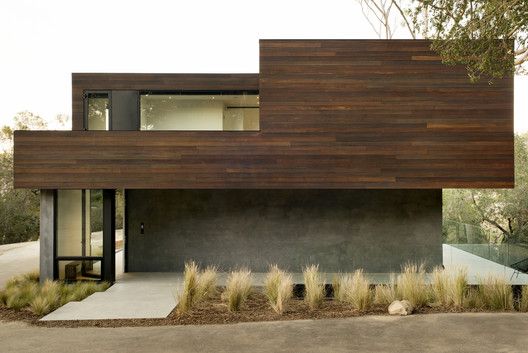
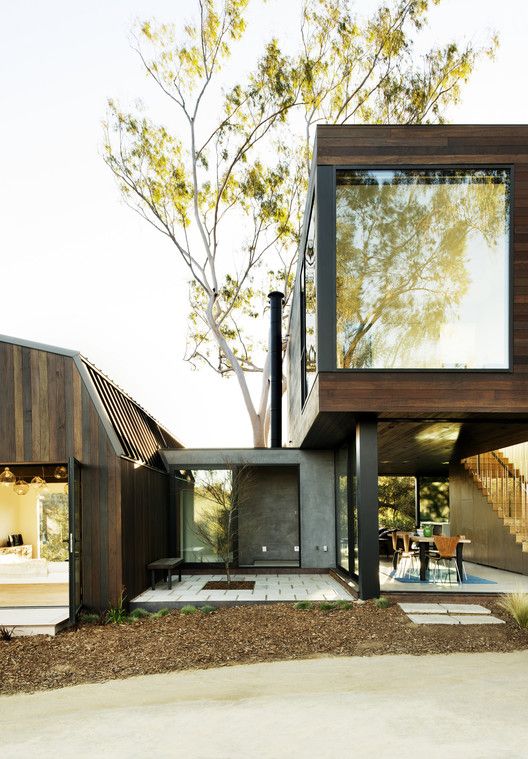
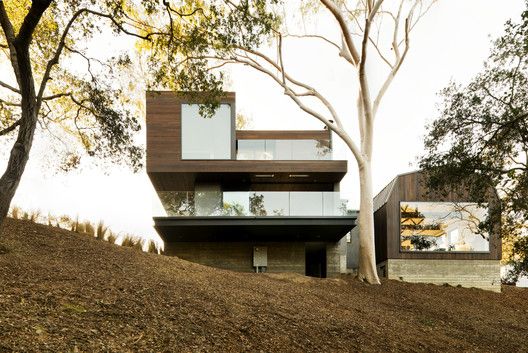
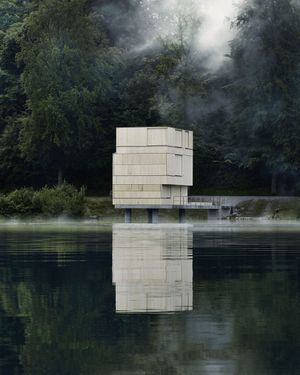
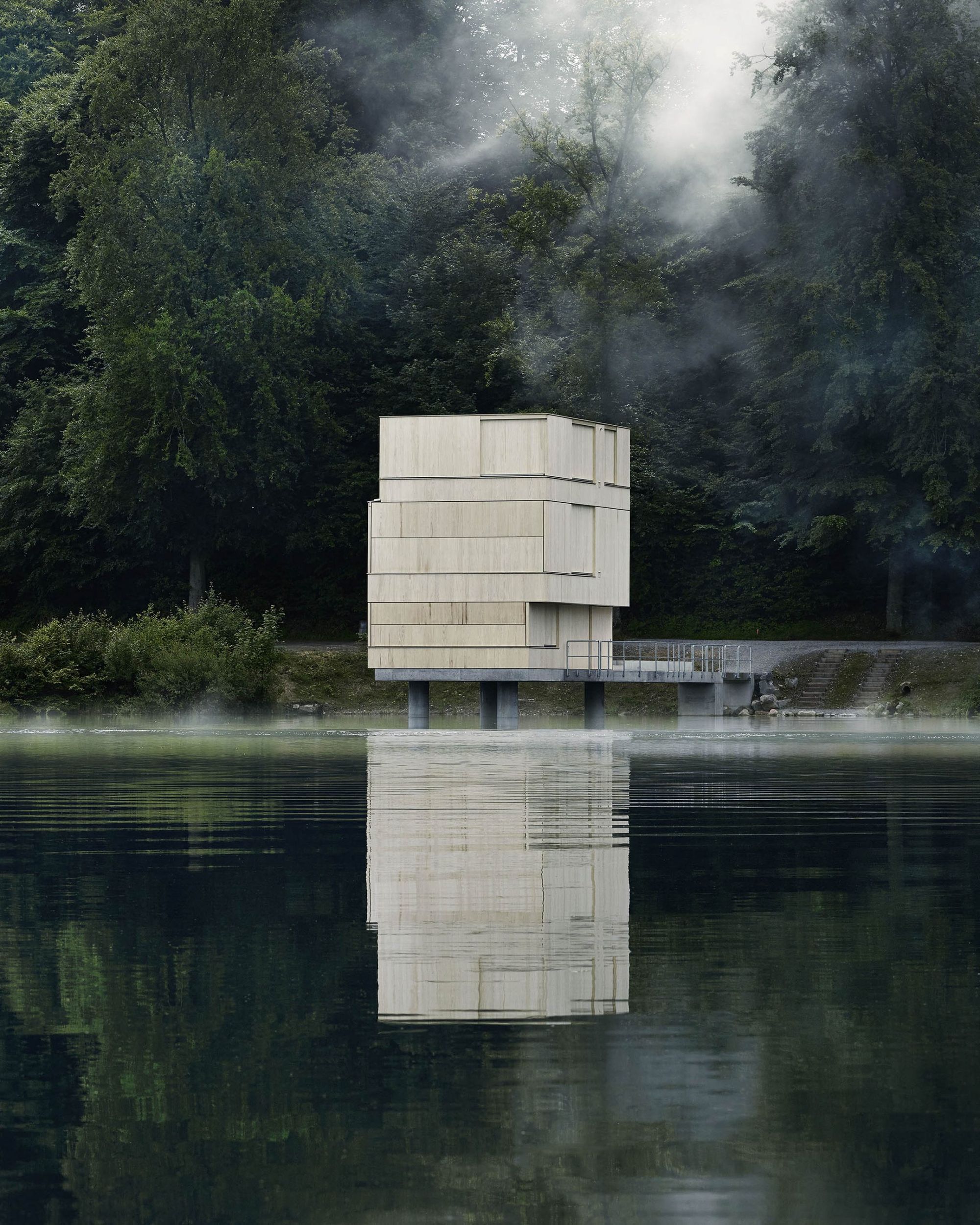
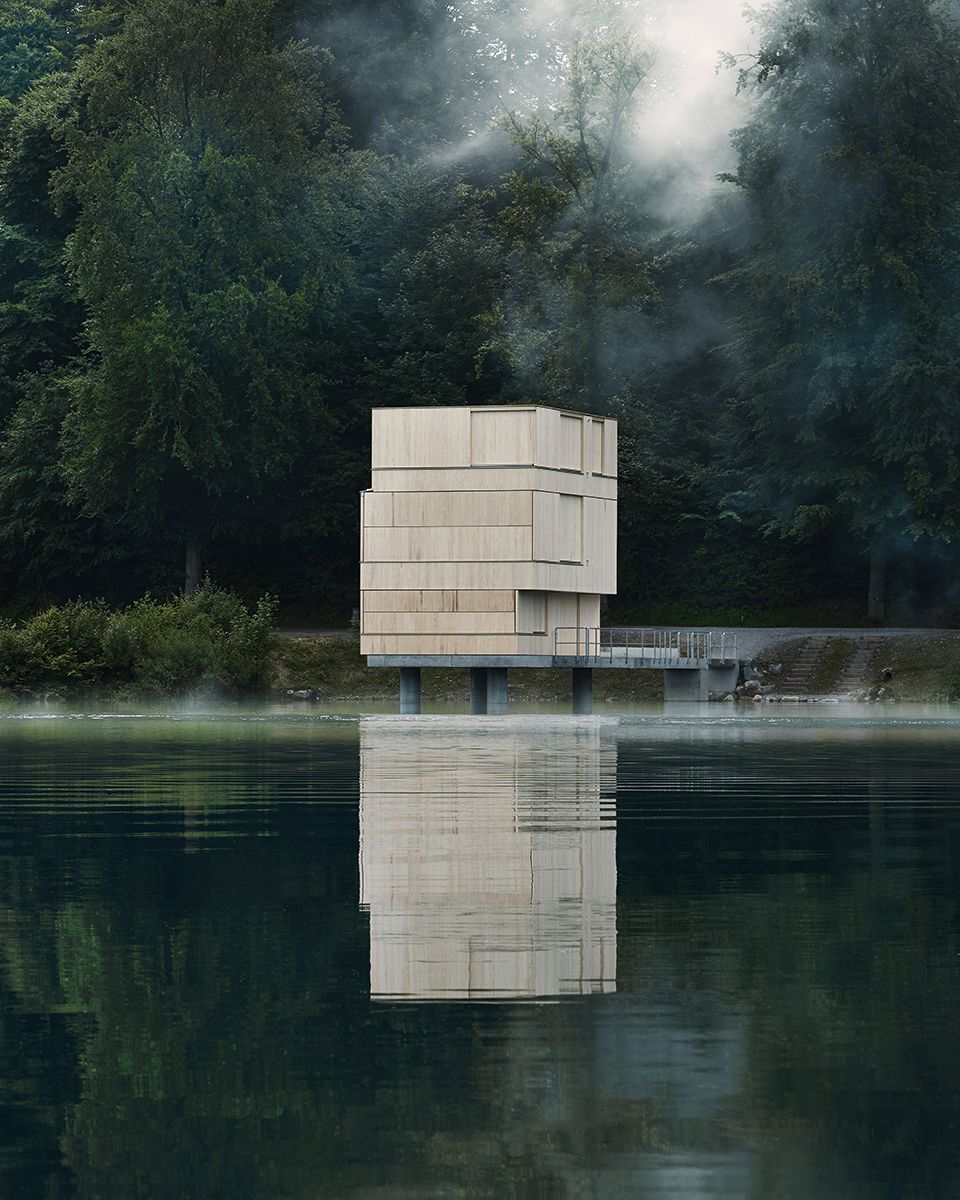
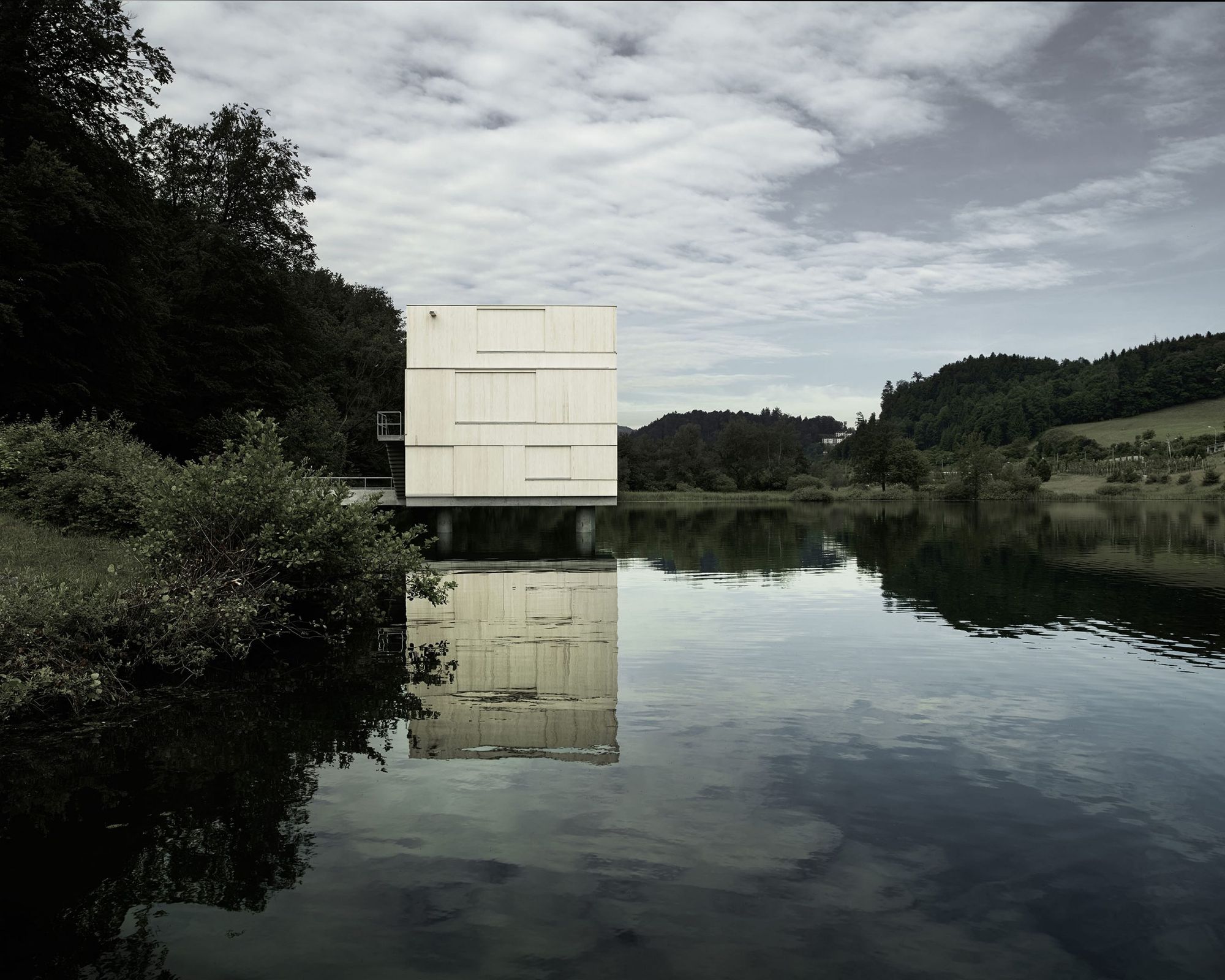
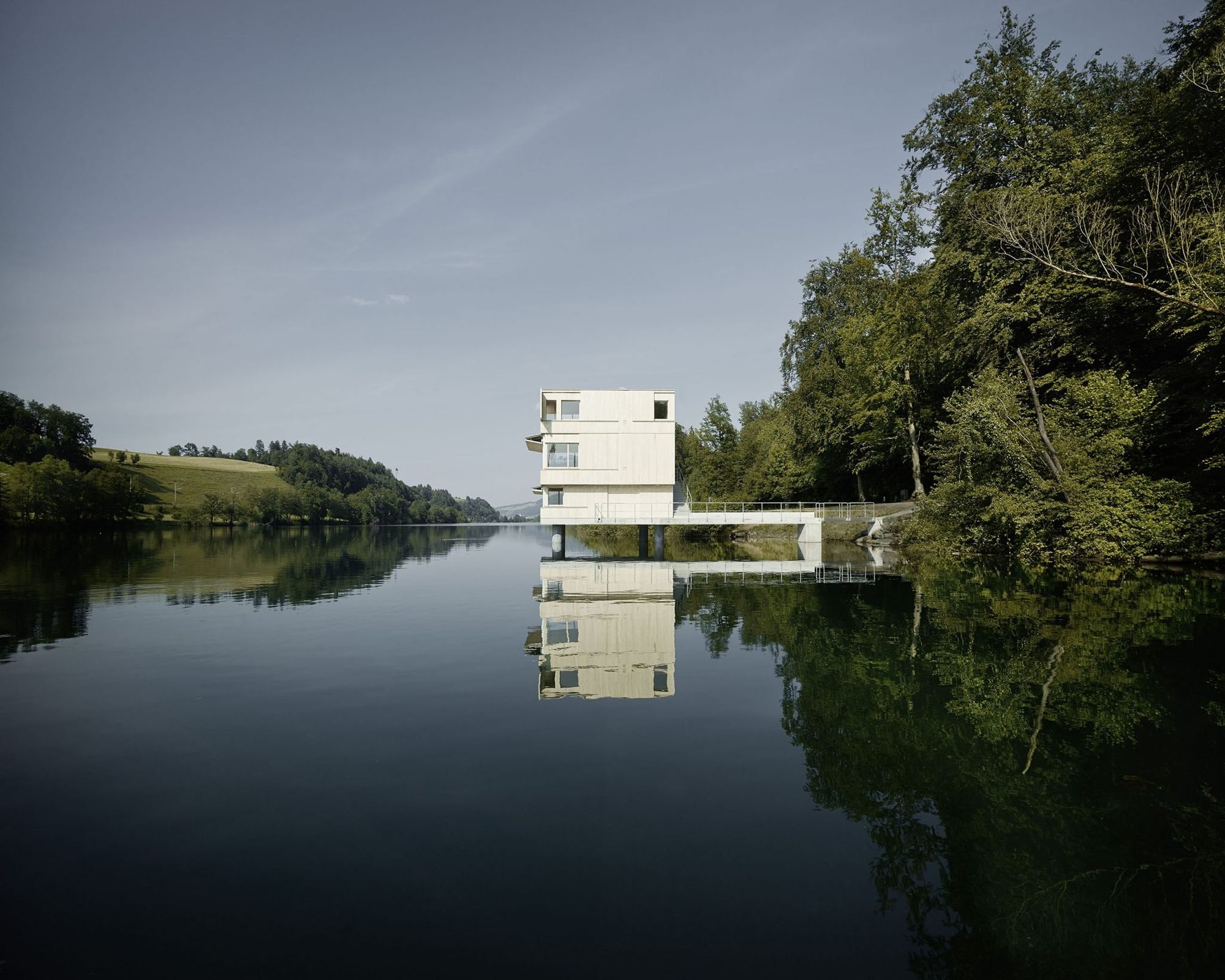
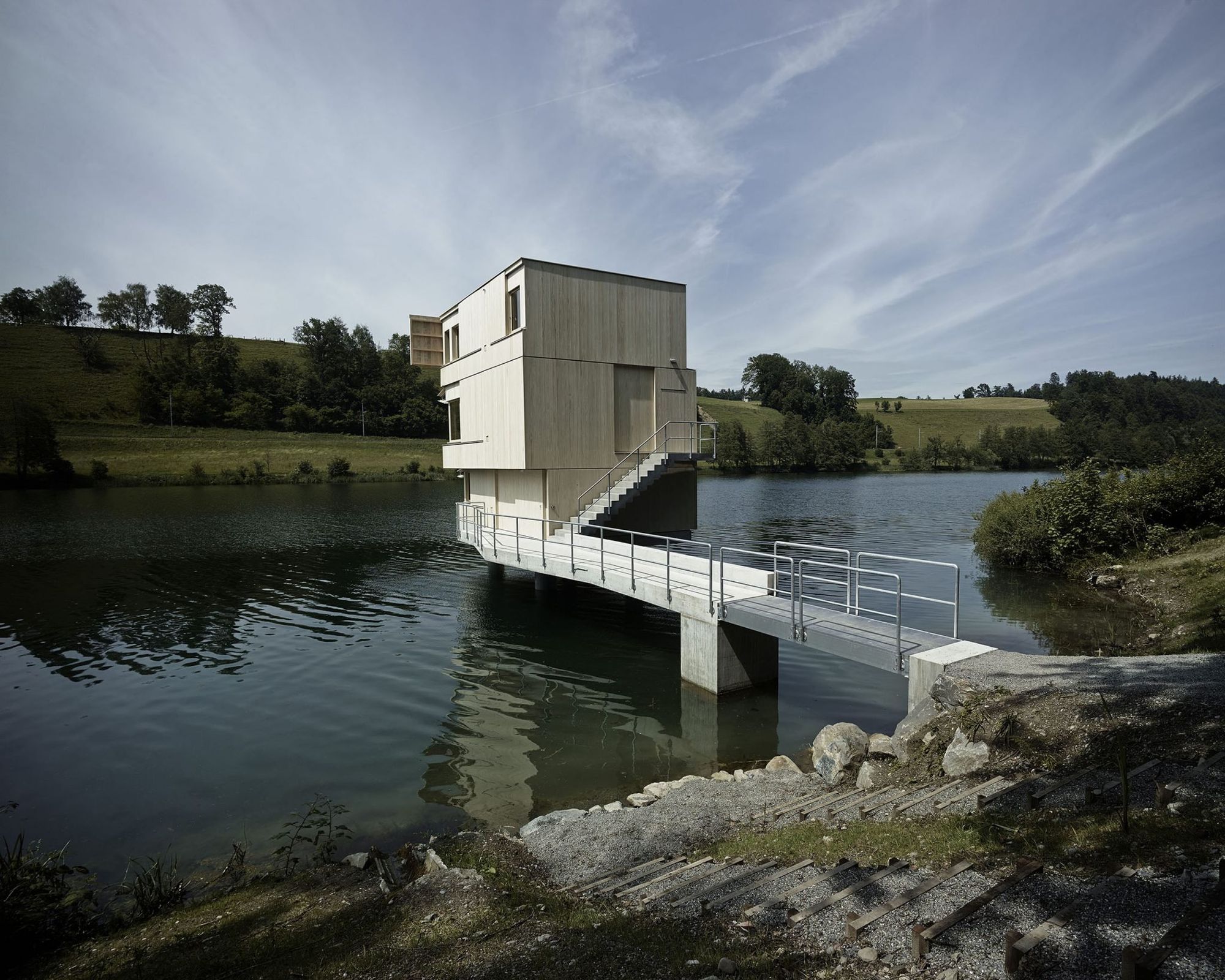
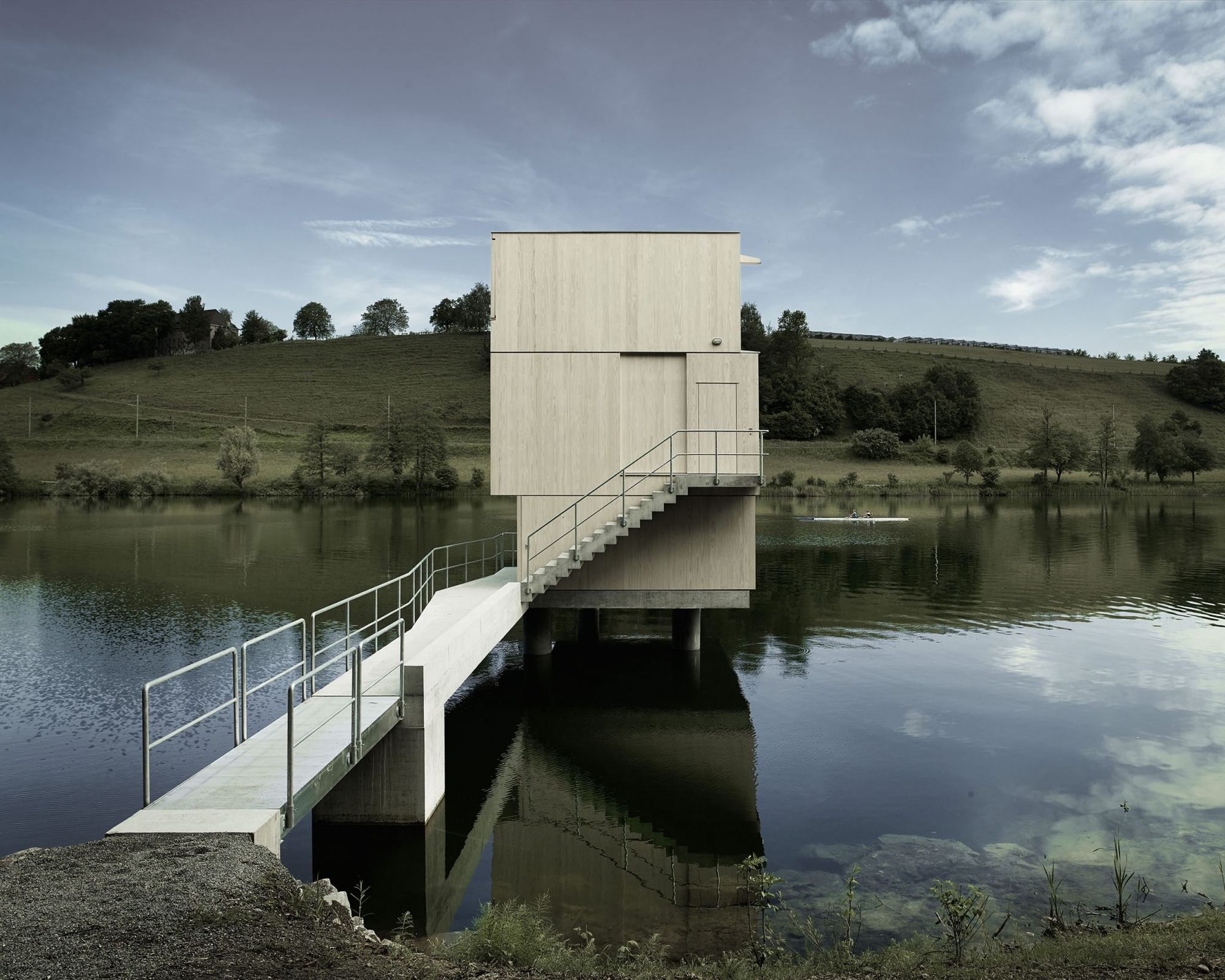
Lake Rotsee Refuge by AFGH Architekten firm
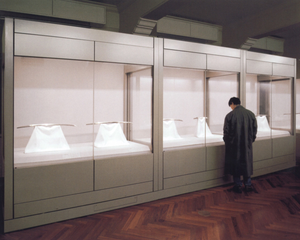
Arms 1 1999-2004 Chromogenic print Thomas Struth

Sonoya Mizuno as Dr. Azumi Fujita — Netflix MANIAC (2018)
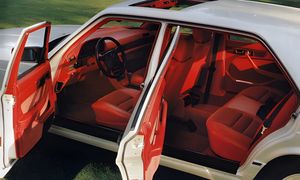
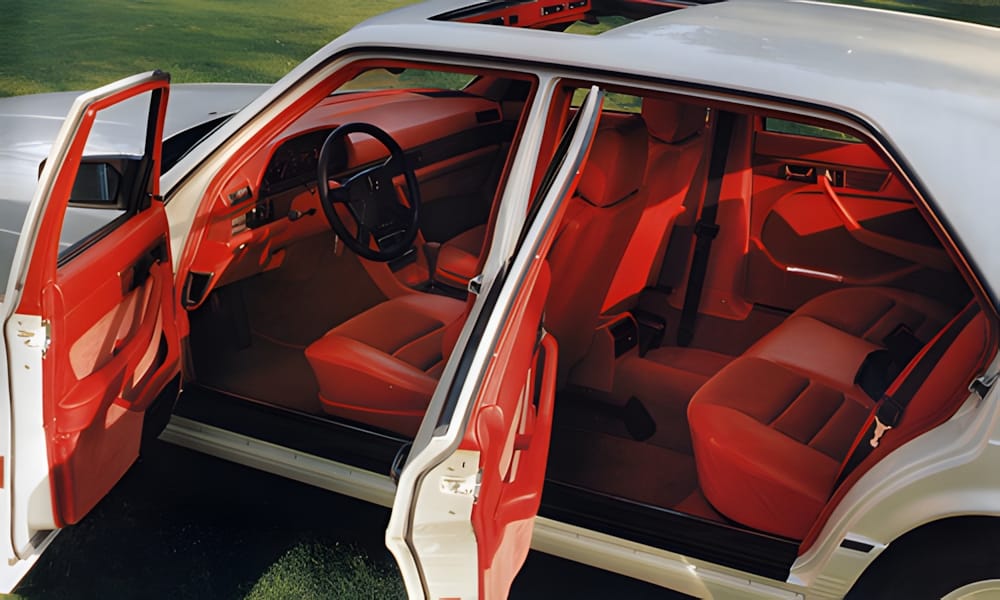
Mercedes-Benz W126 S-Class — Red Leather Interior
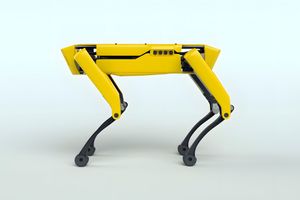
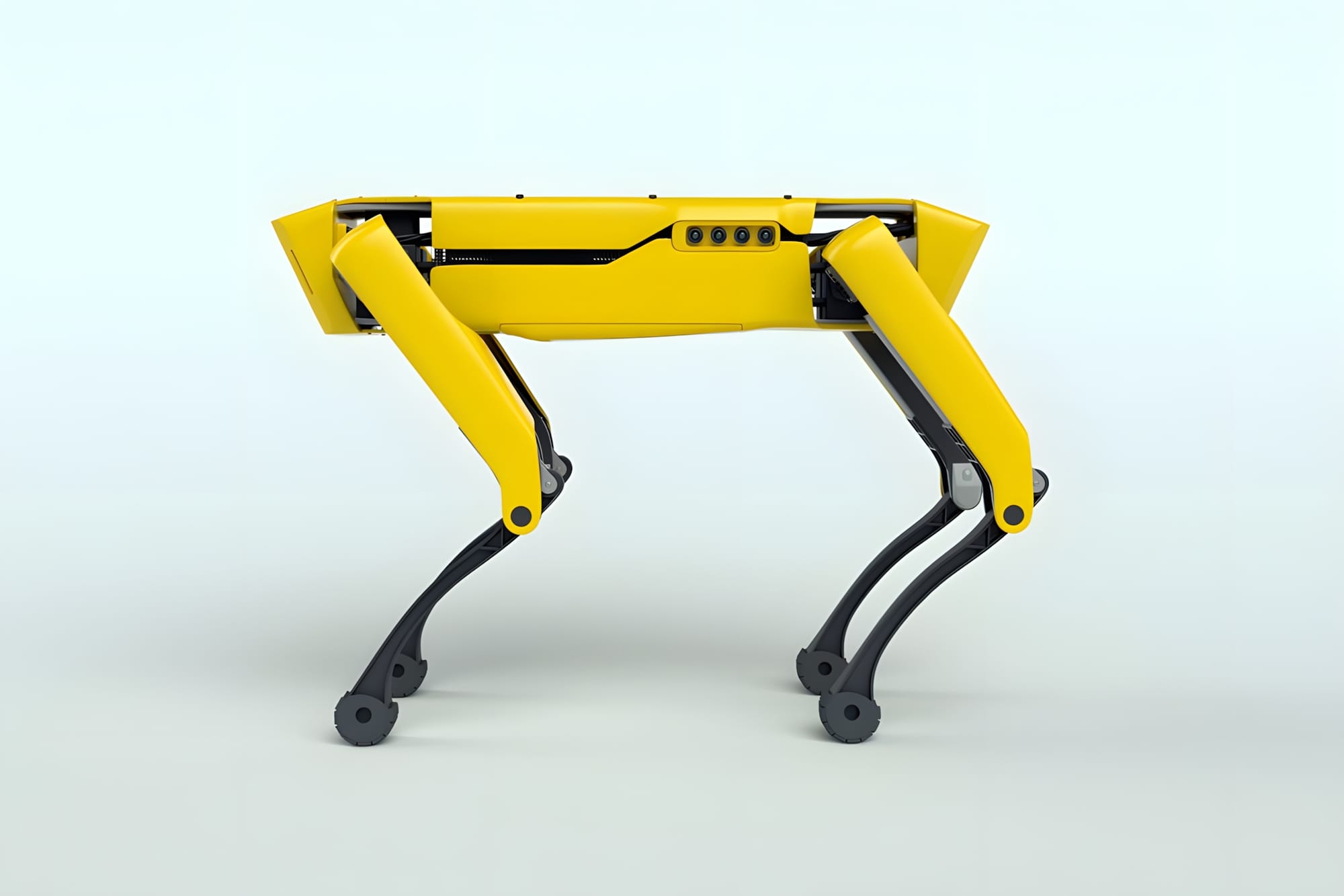
Boston Dynamics SpotMini Quadruped Robot
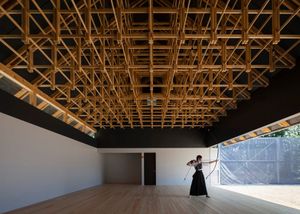
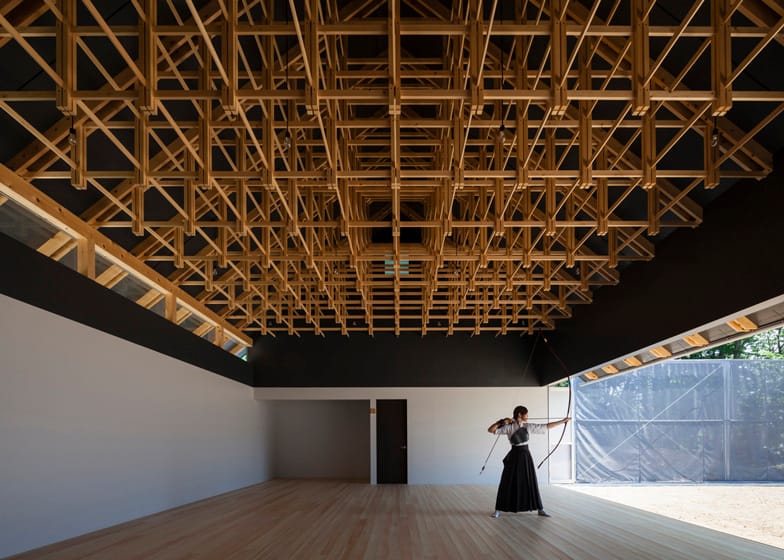
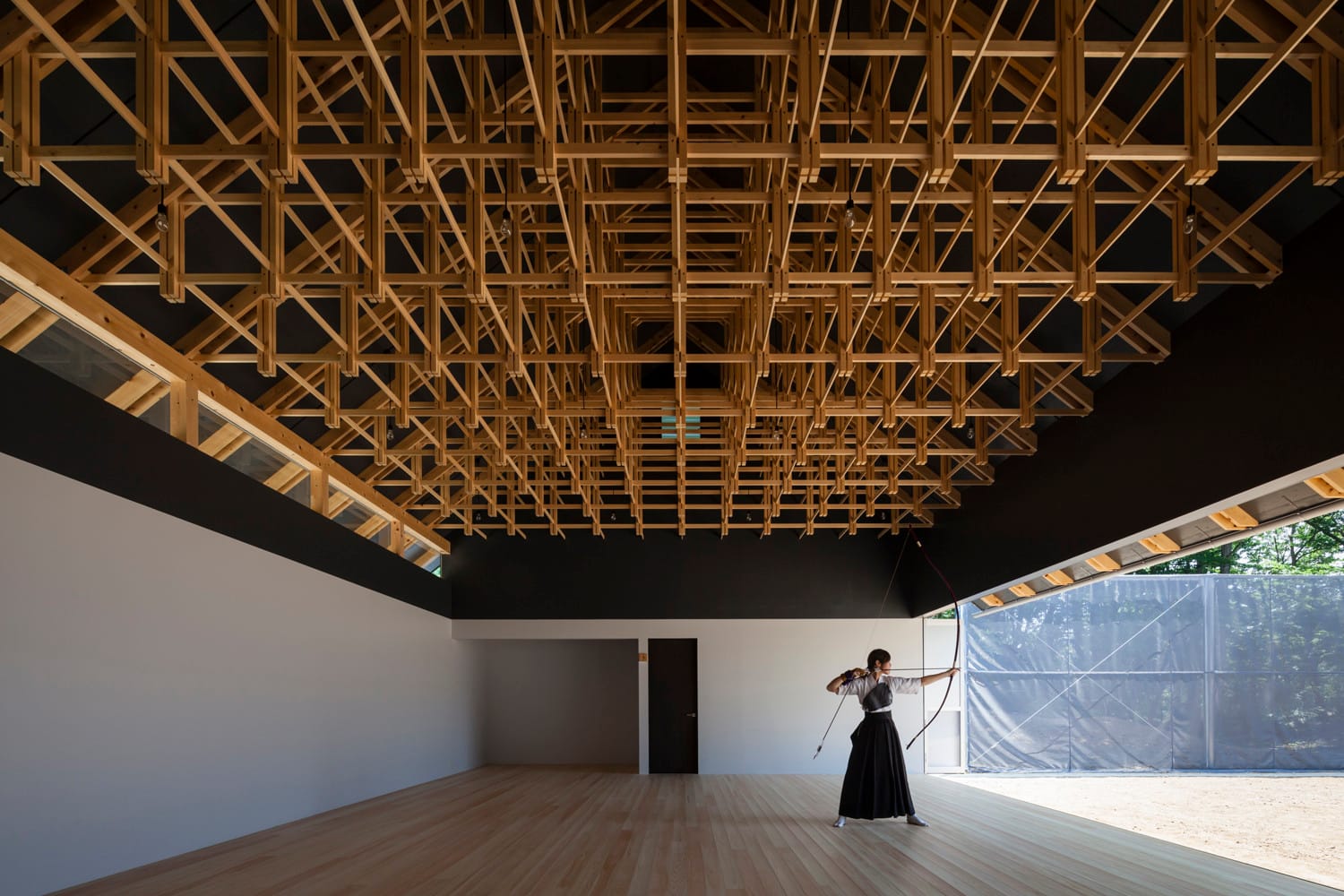
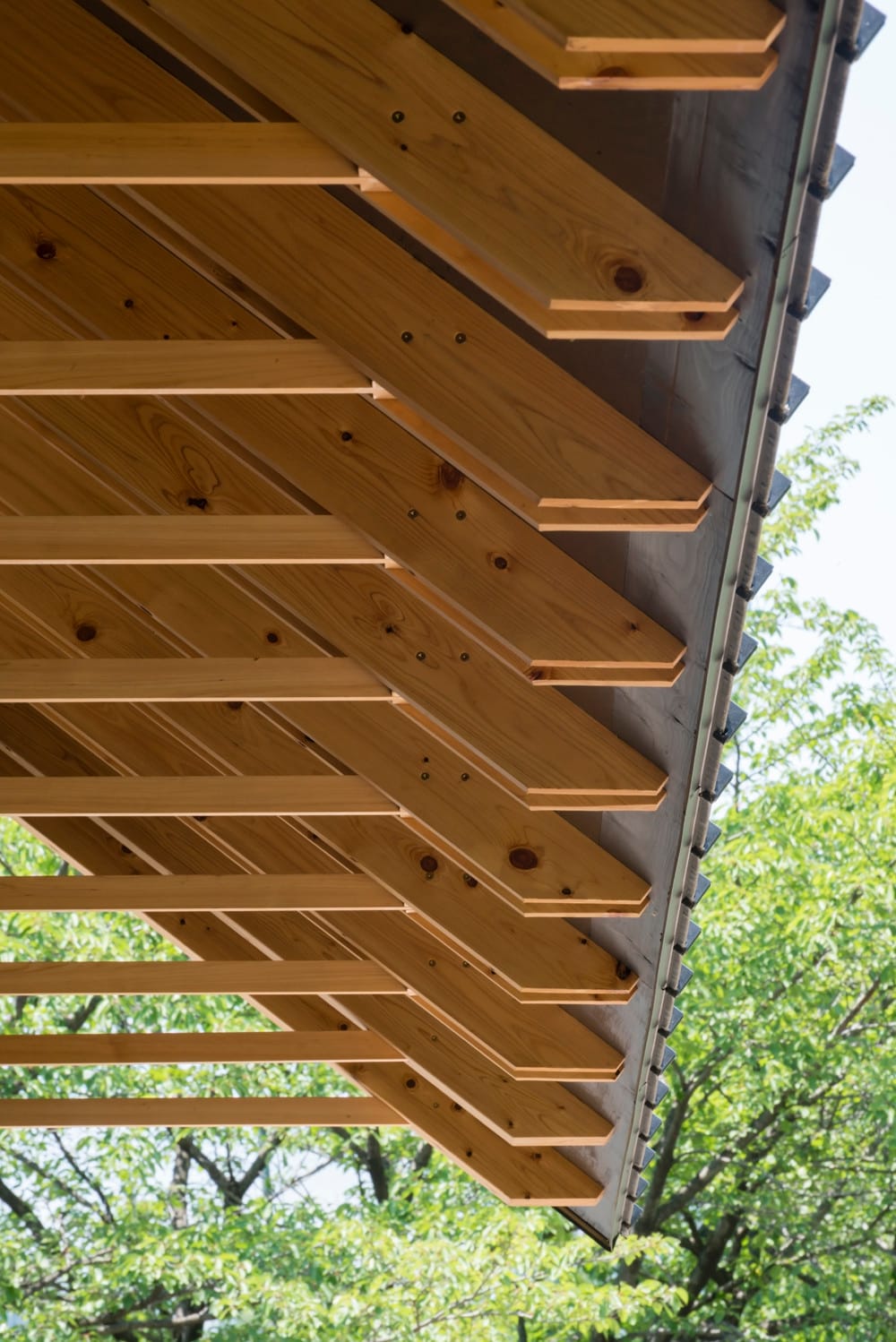
Kogakuin University Archery Hall
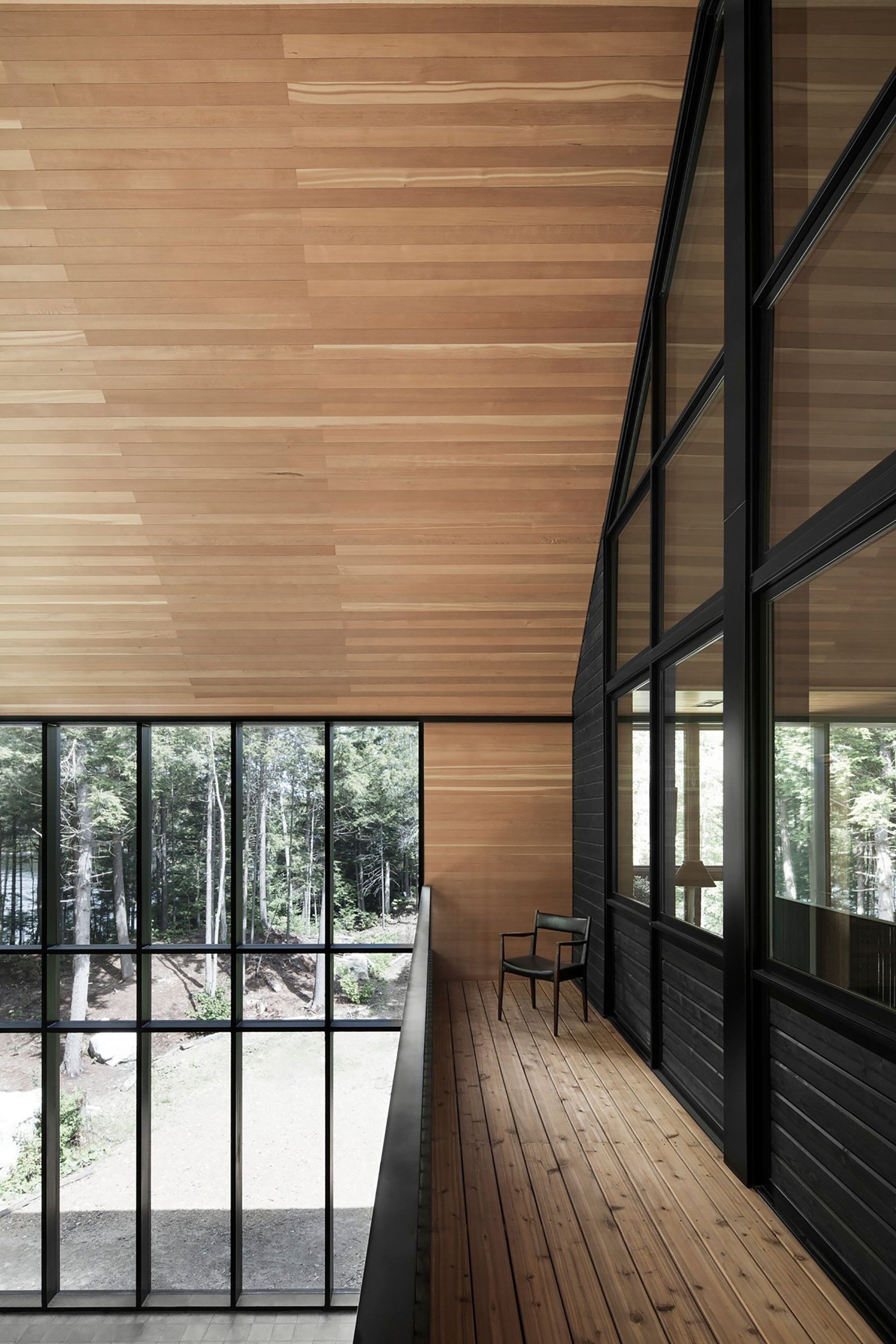
The Archery Hall, one of two sports pavilions FT Architects (Katsuya Fukushima, Hiroko Tominaga) built in 2013 at Kogakuin University, west Tokyo. Each is a column-free room of 7.2 by 10.8 m under an exposed timber roof of horizontal and vertical members, bolt-and-nut jointed. The archery hall uses small timber sections normally used for furniture. Photographs by Shigeo Ogawa.
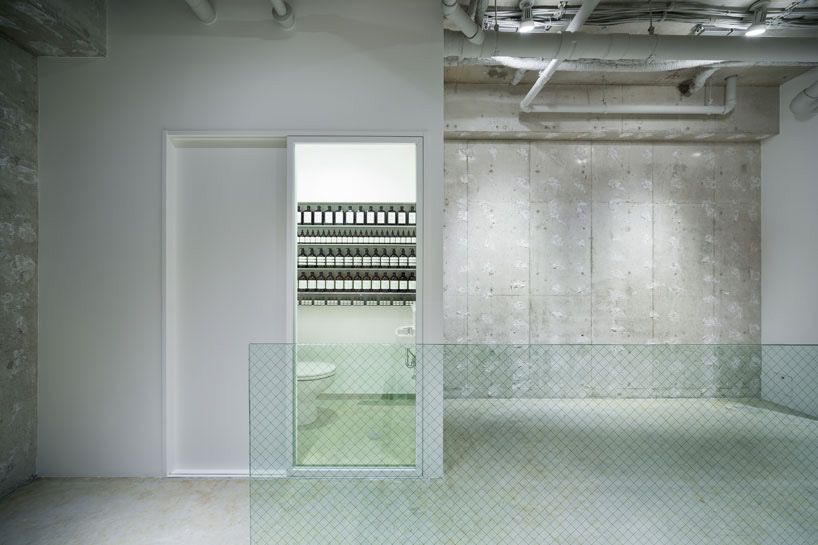
Aesop Kawaramachi Shop by Torafu Architects
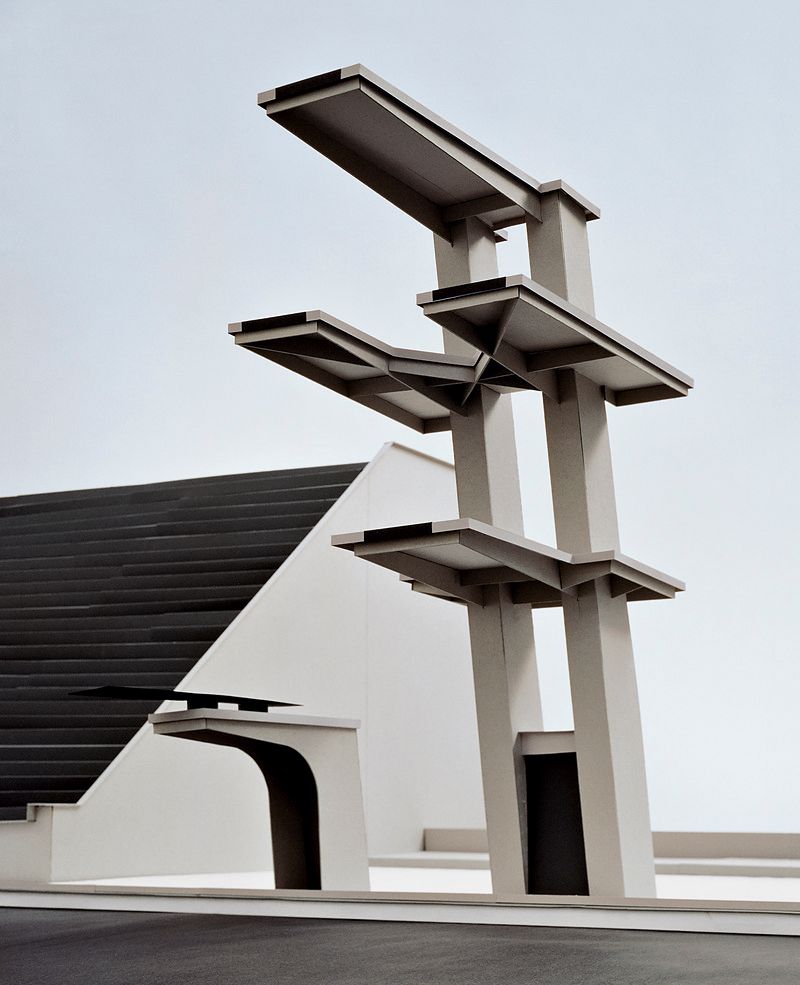
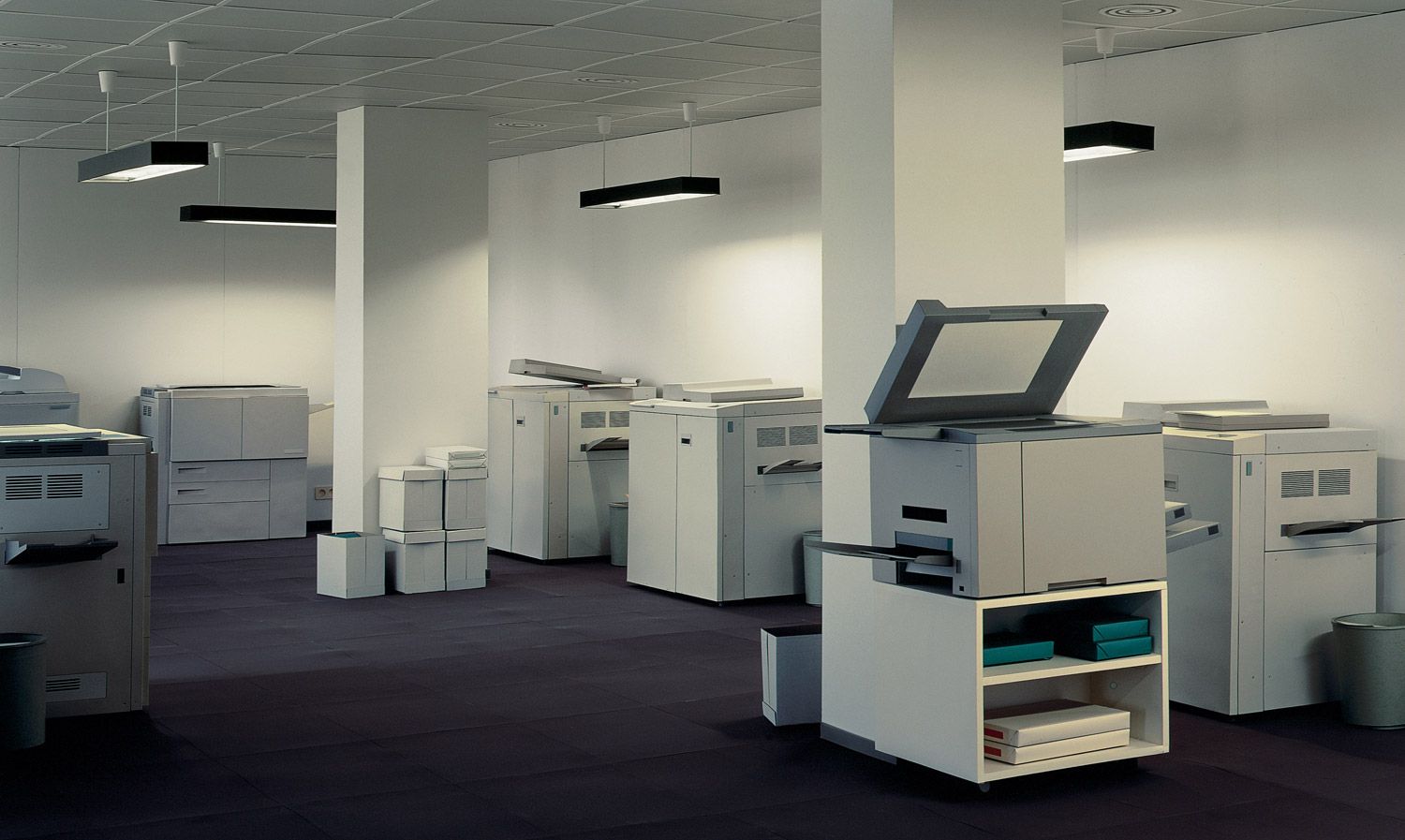
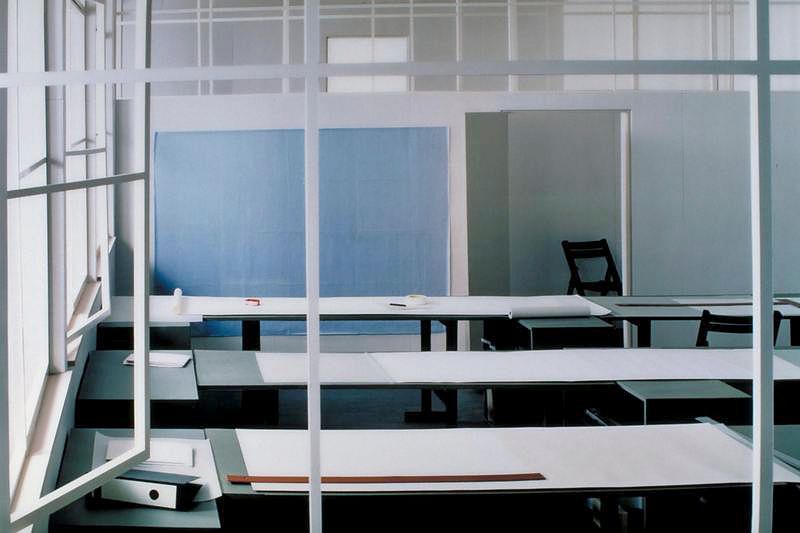
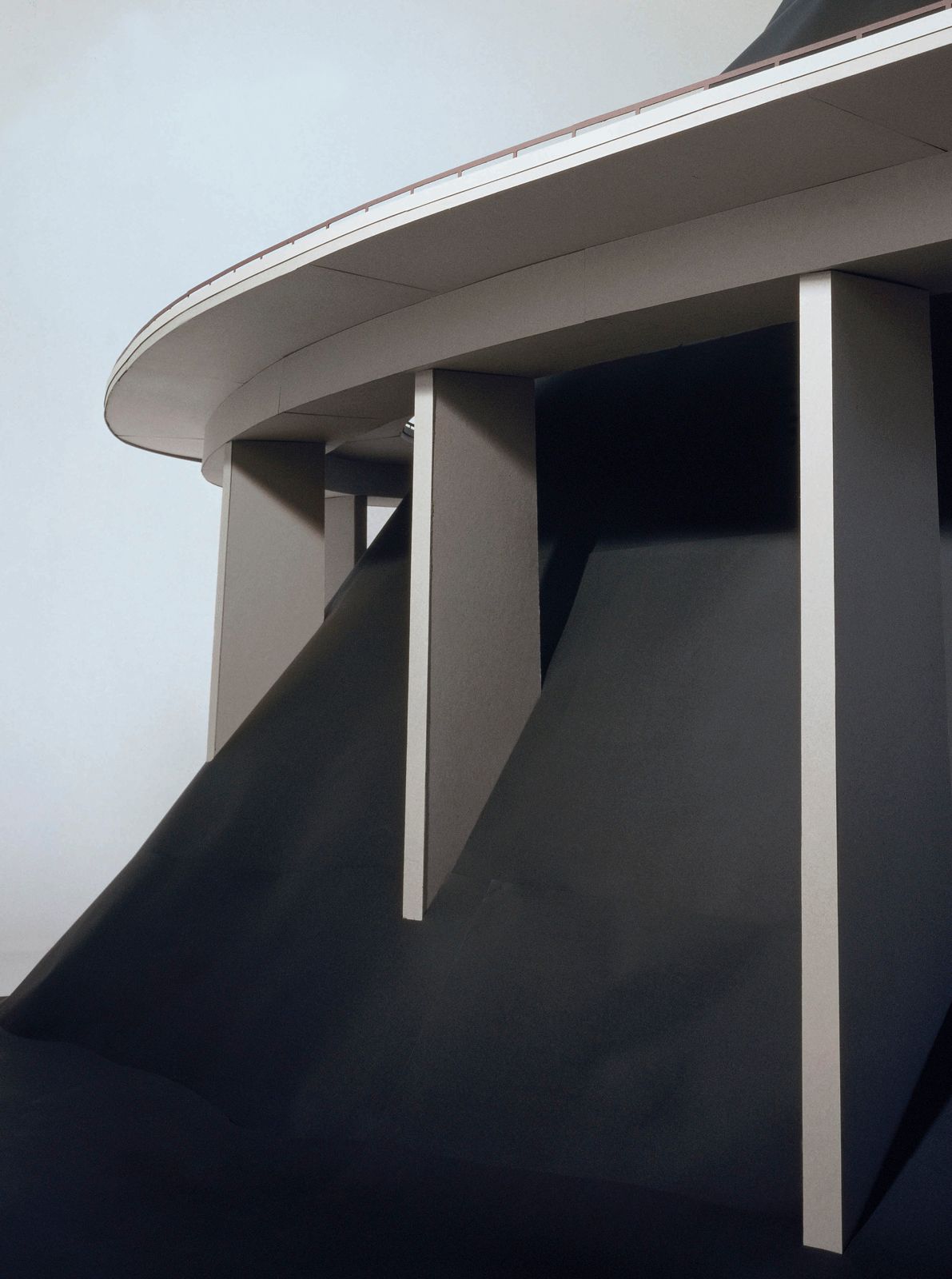
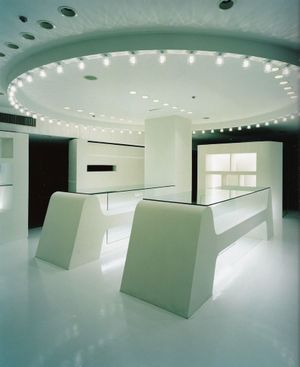
Thomas Demand
Jean Paul GAULTIER KYOTO BAL (2002)

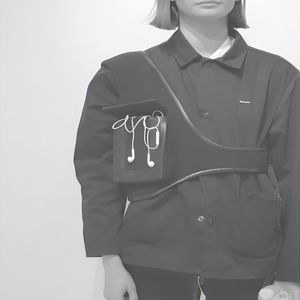
NEIGHBORHOOD Utility Vest
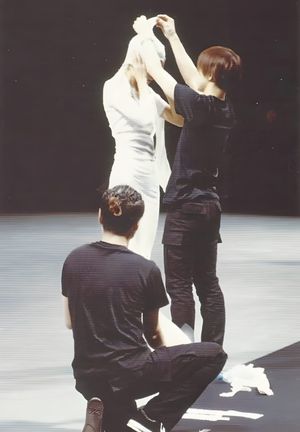
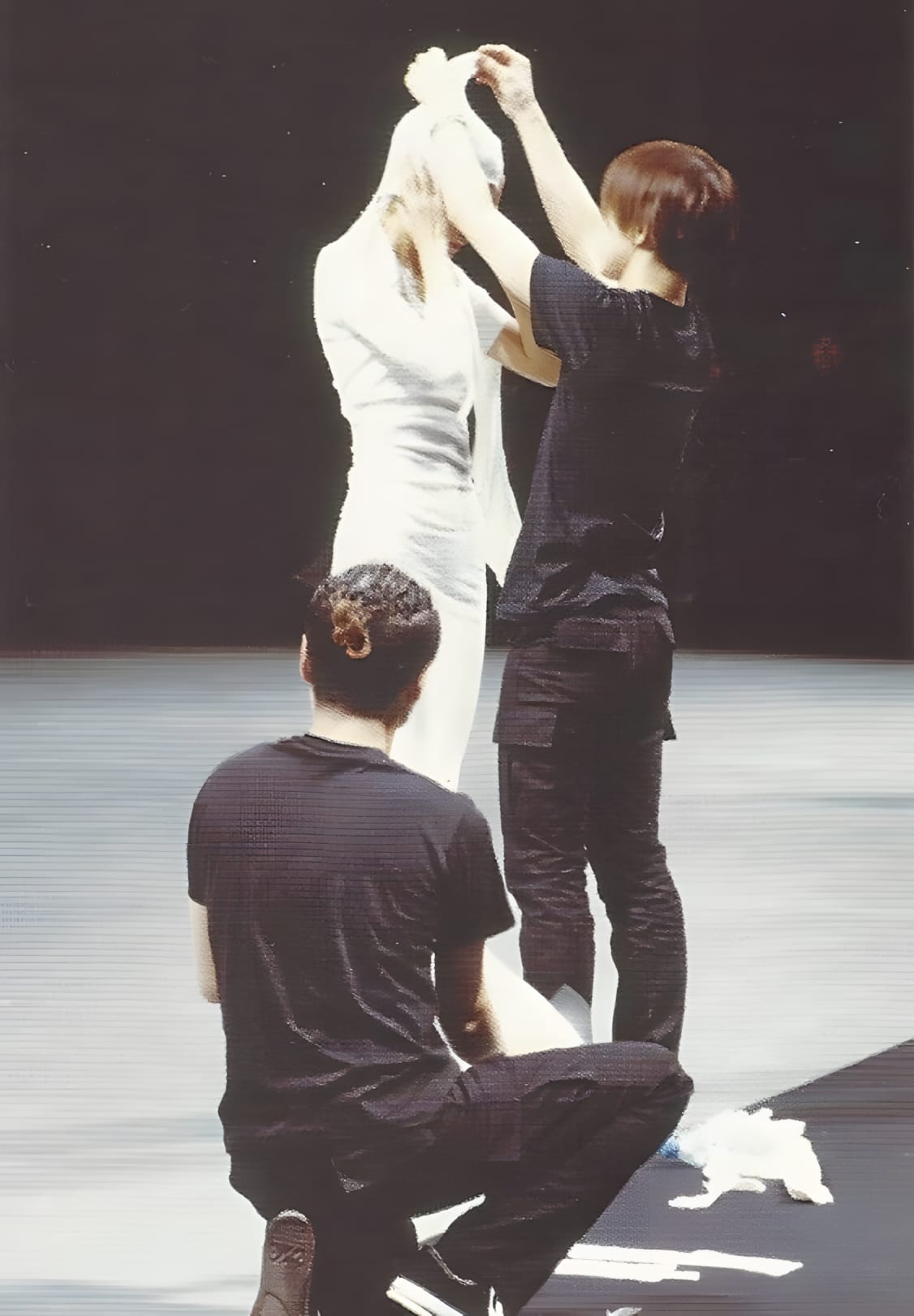
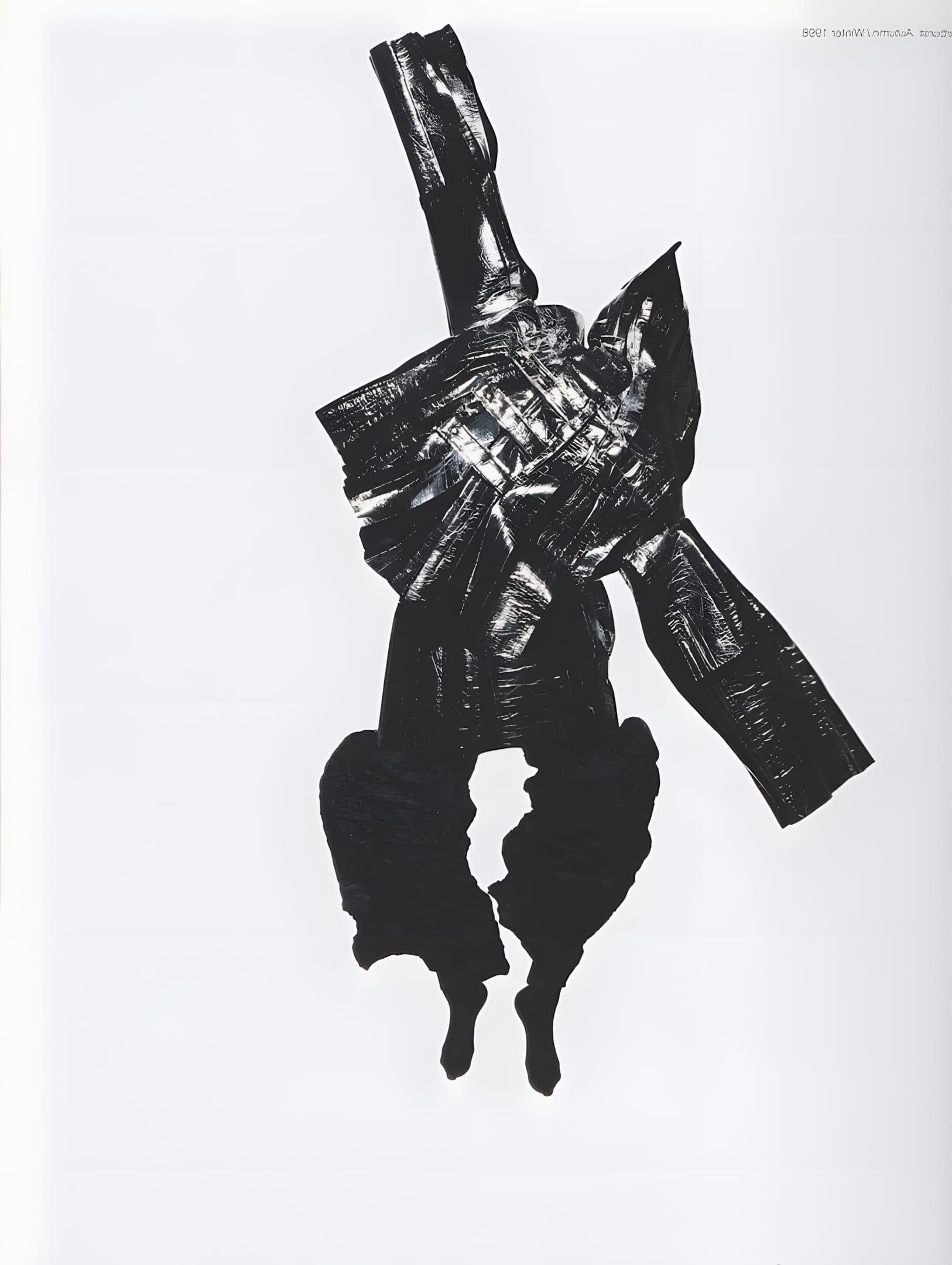
Issey Miyake Spring/Summer 1999 — A-POC Runway
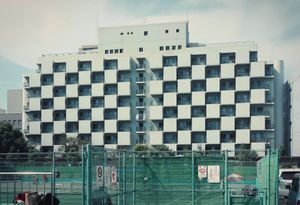
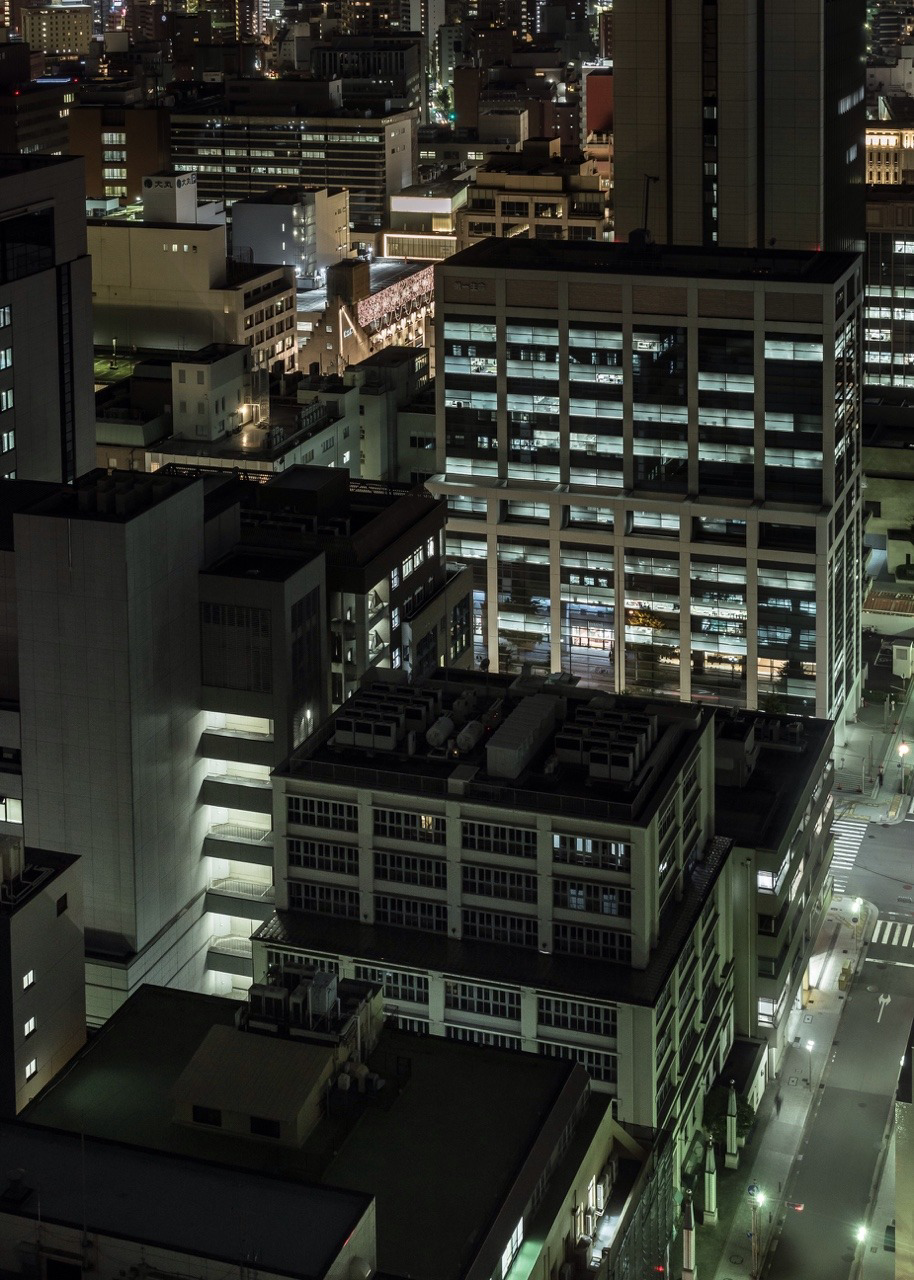
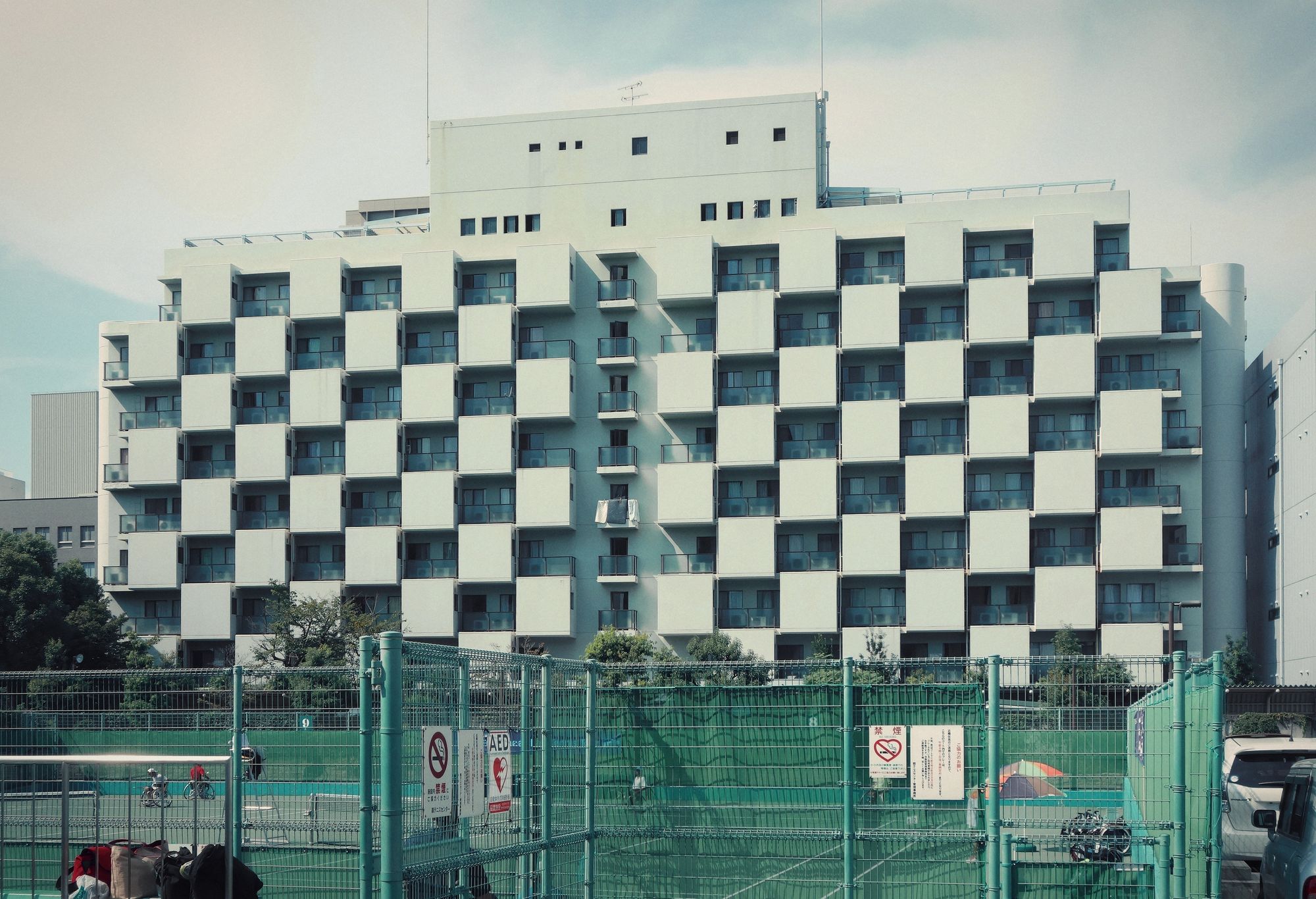
Sumitomo Hospital Seisen-ryo Apartments
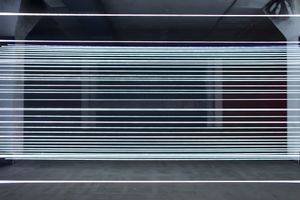
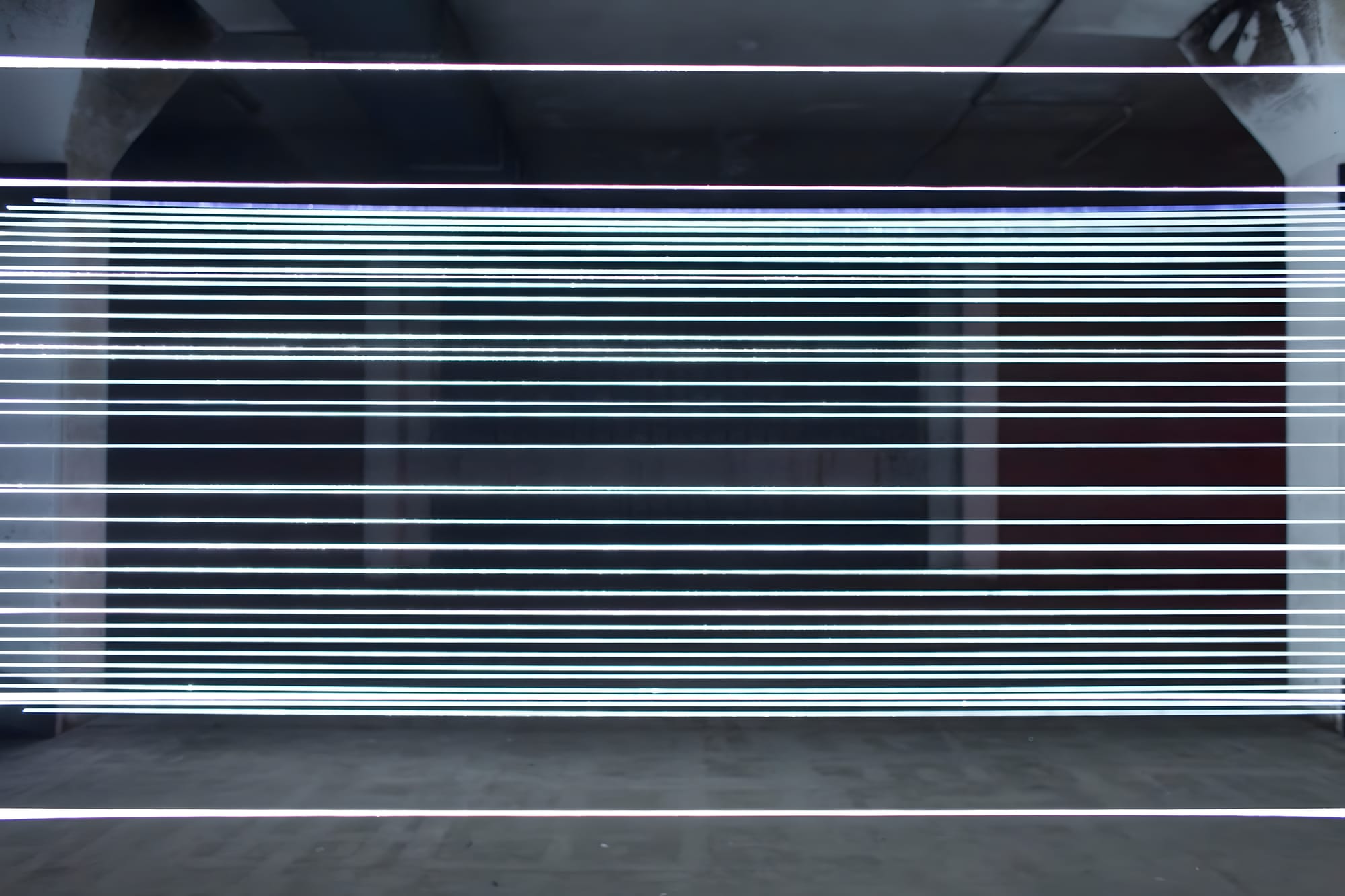
Ryoji Ikeda — test pattern
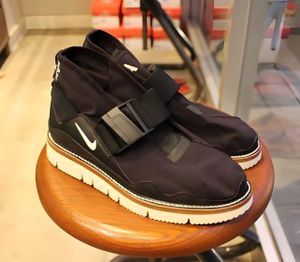
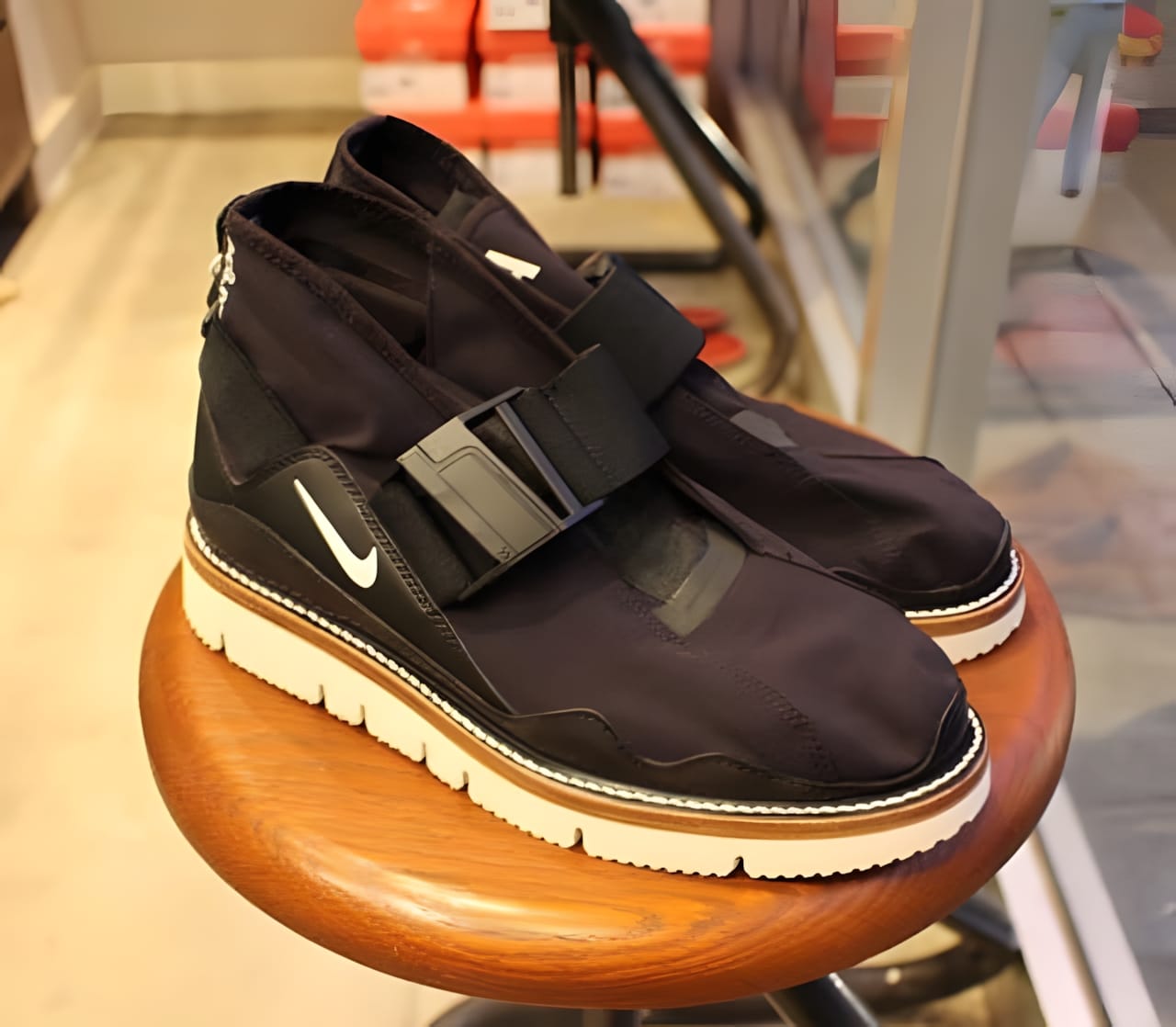
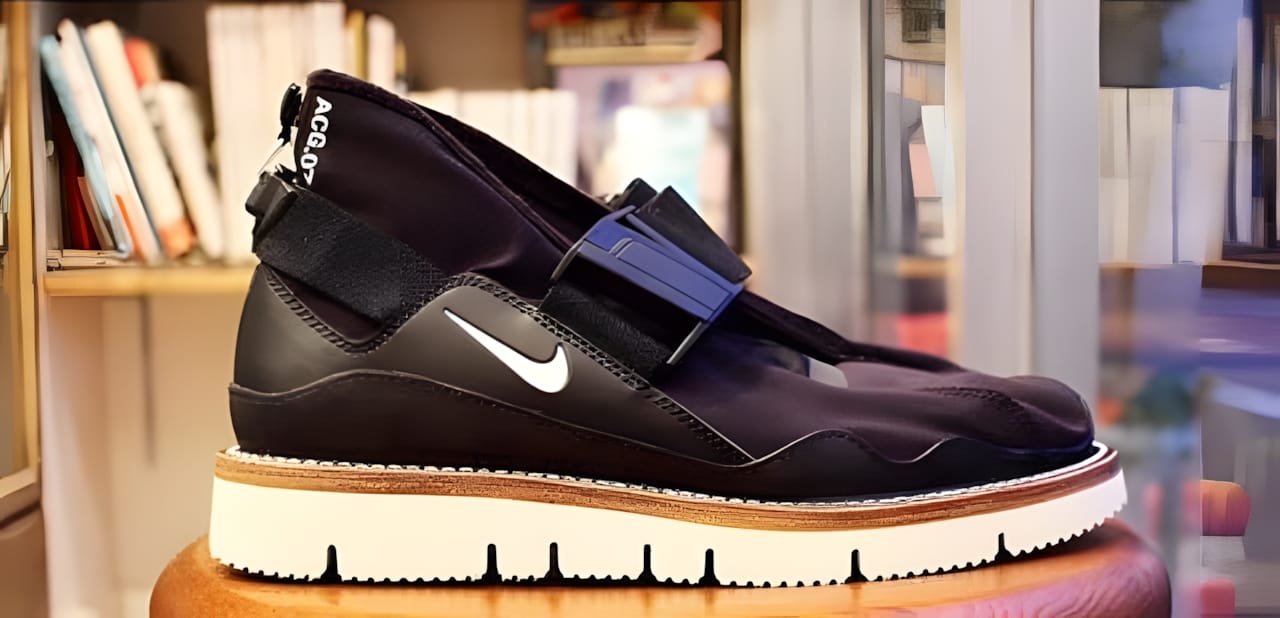
Nike Komyuter Black/Summit White (AA2211-001)
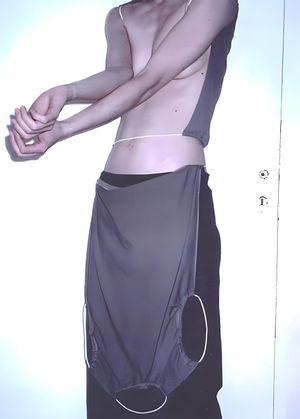
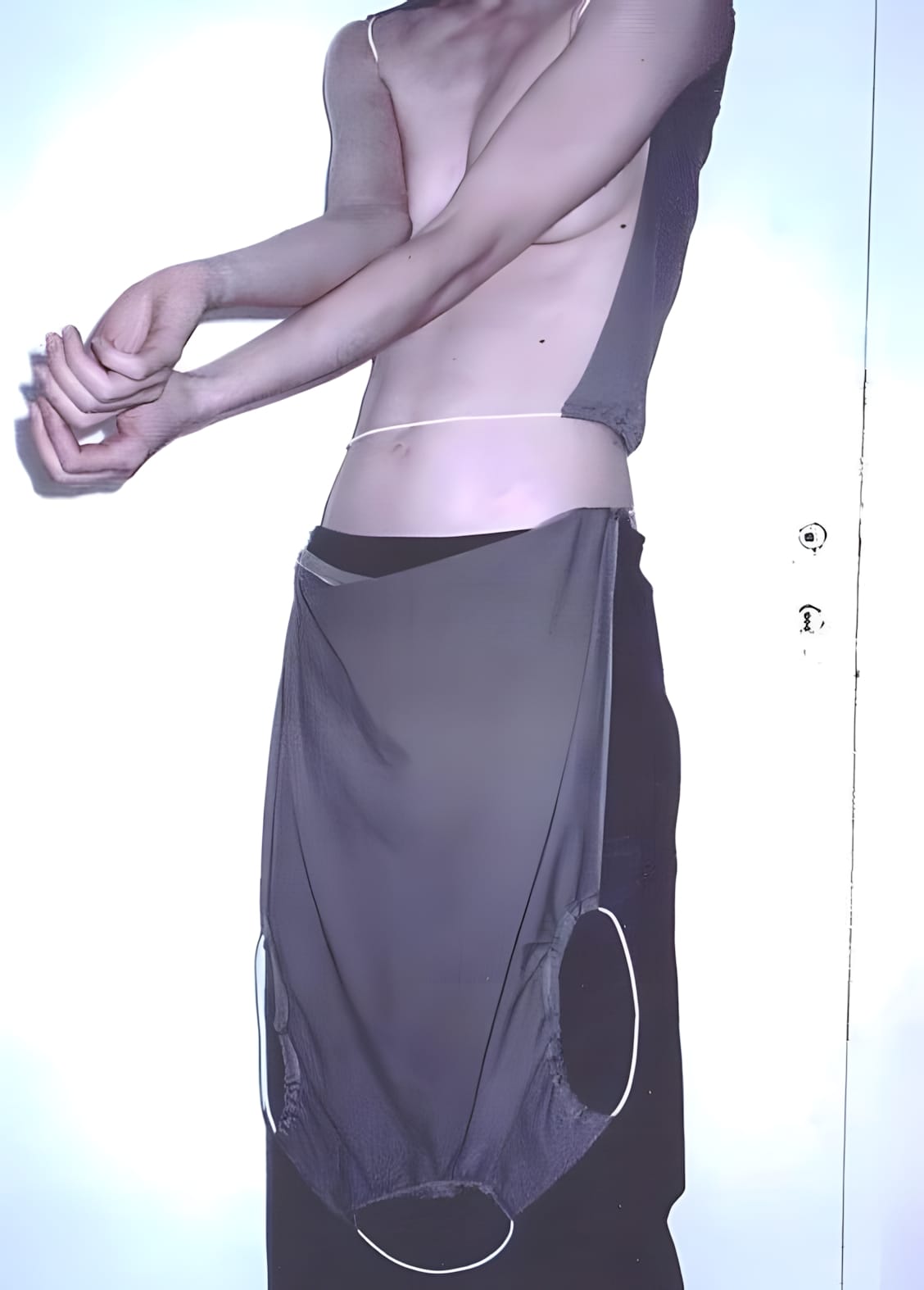
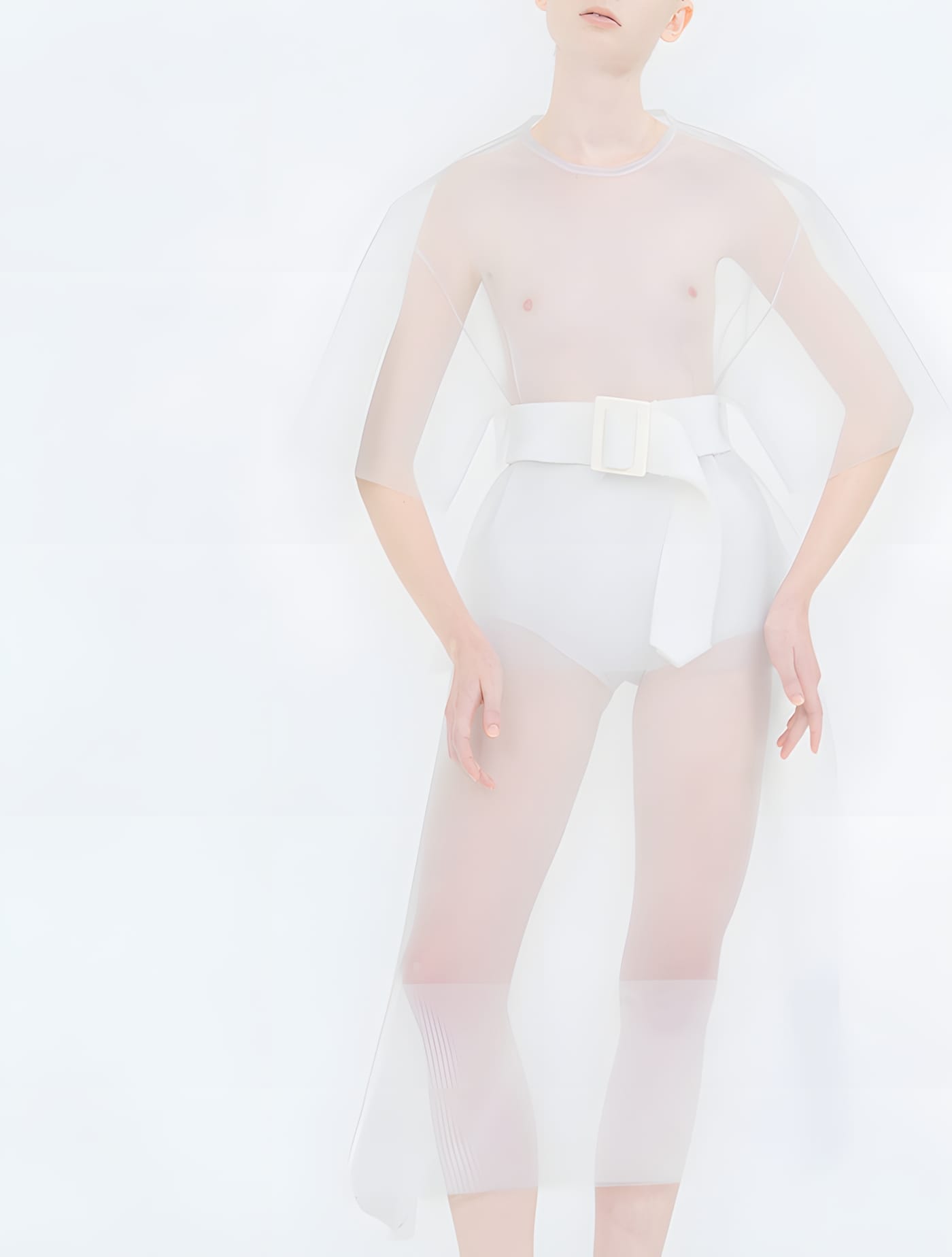
Rick Owens Draped Wrap Skirt, circa 1998
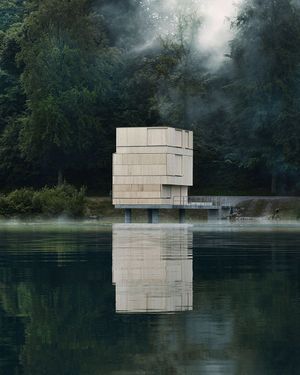
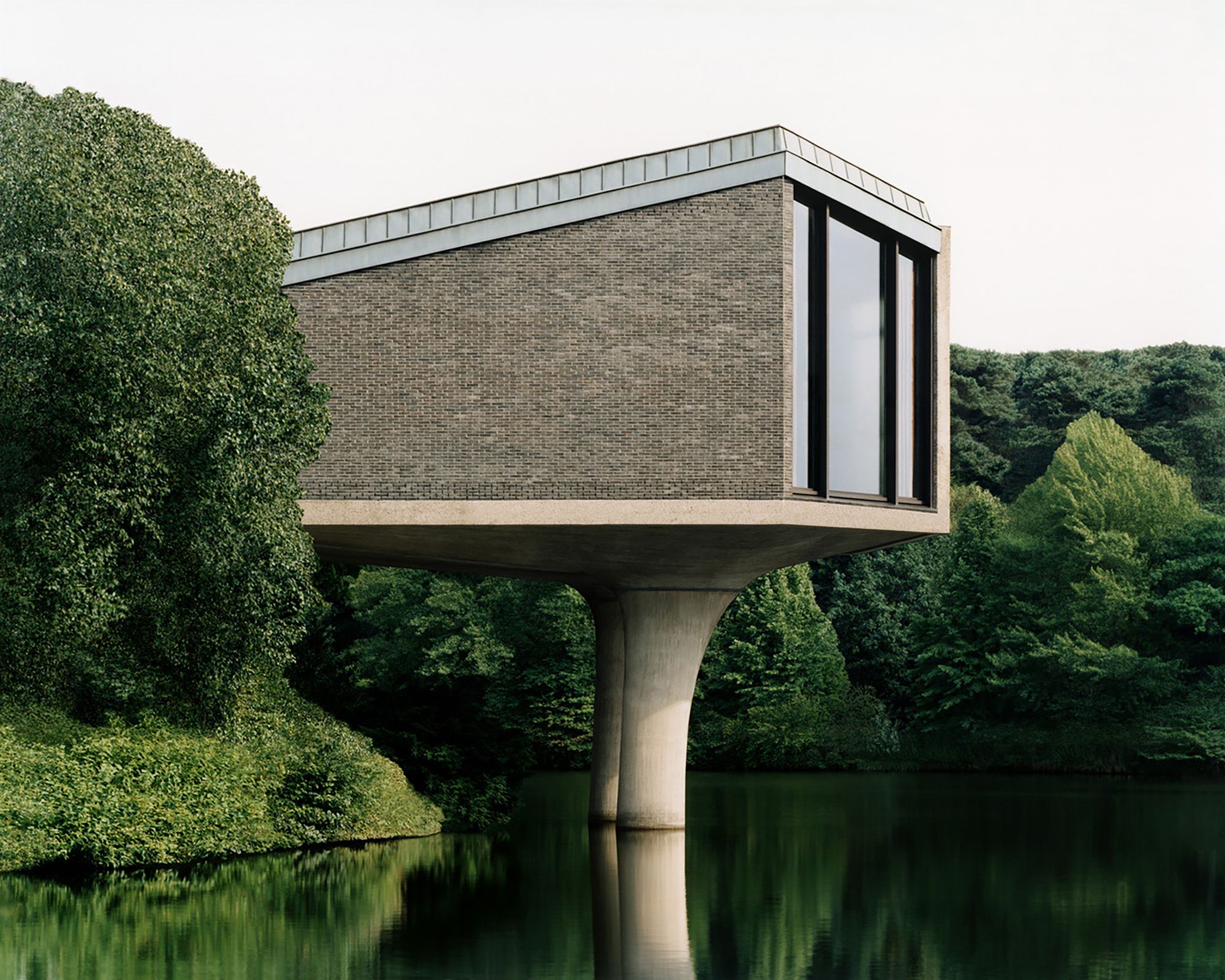
Andreas Fuhrimann Gabrielle Hächler - Zielturm Rotsee, Rotsee Luzern
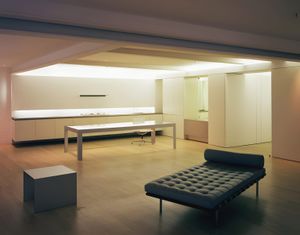
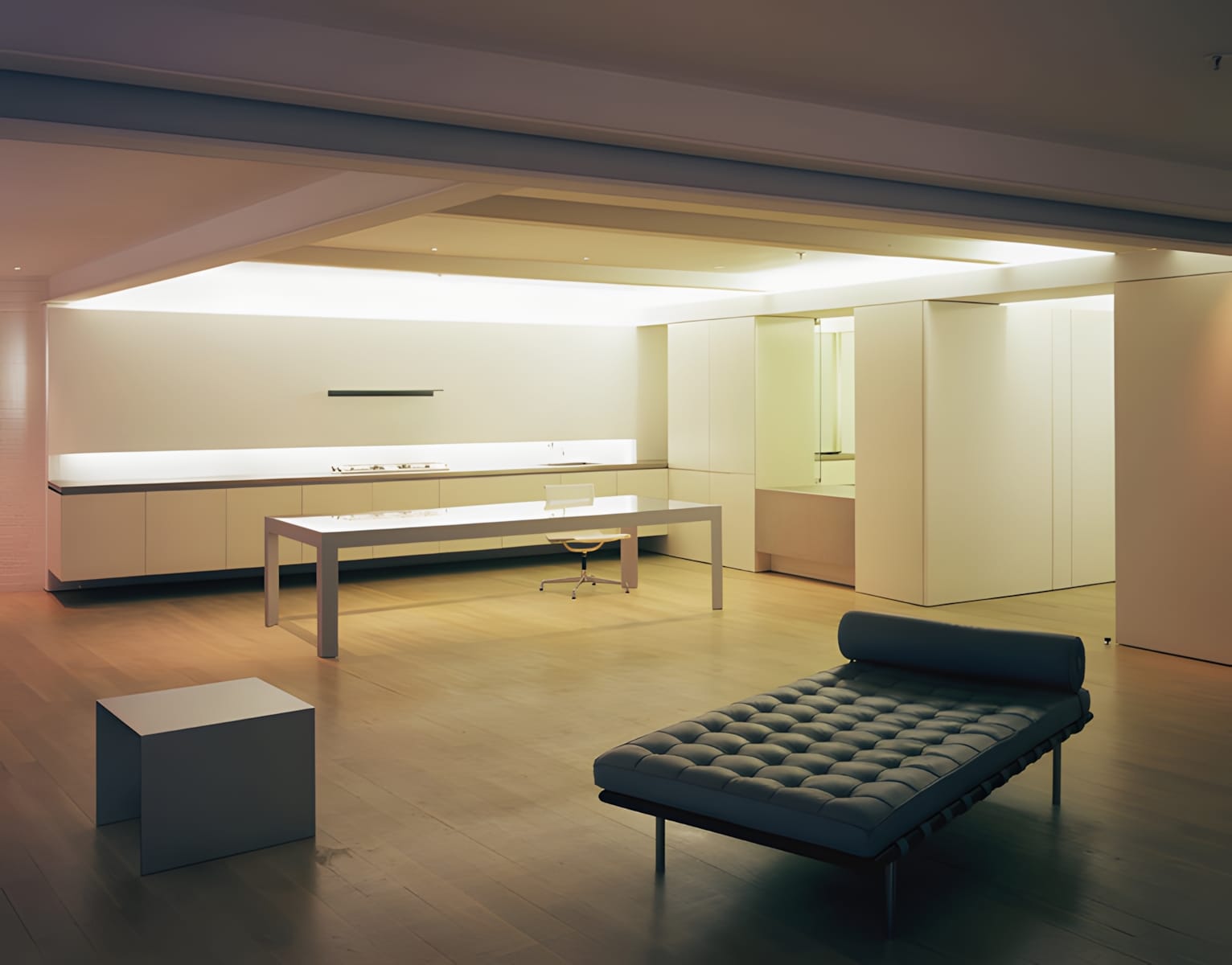
Mies van der Rohe Barcelona Daybed for Knoll
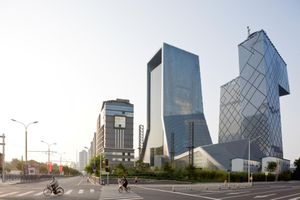
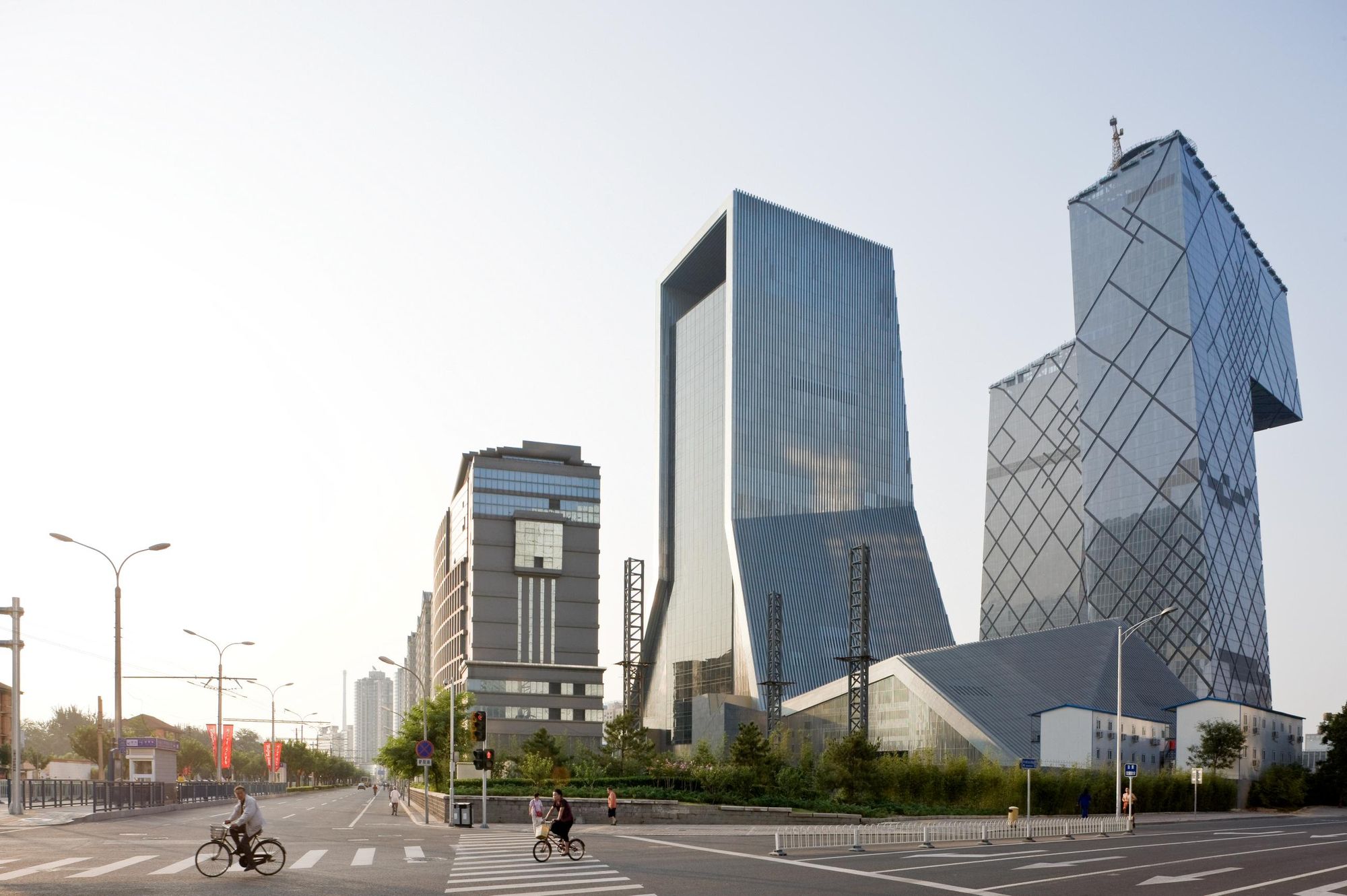
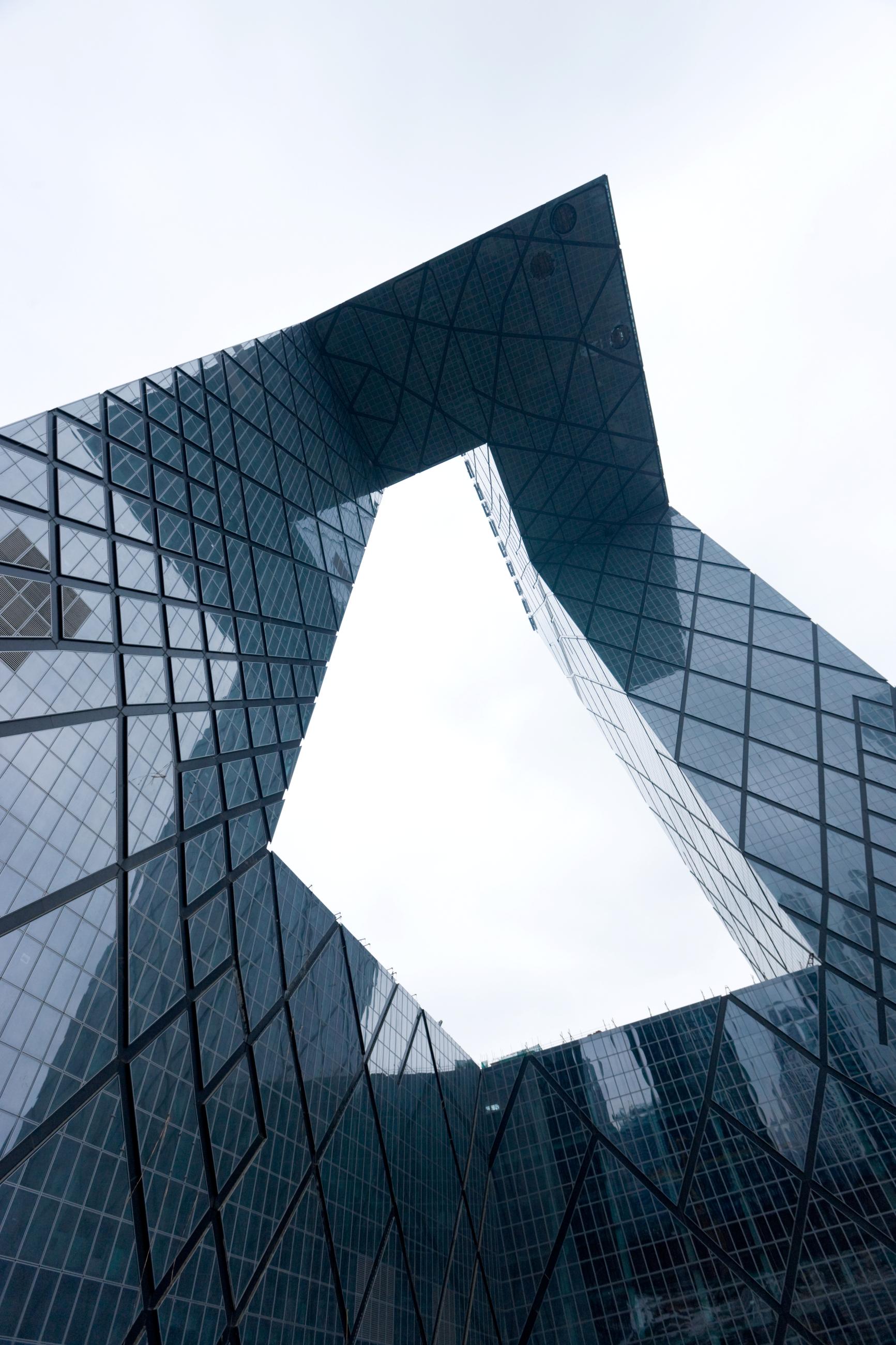
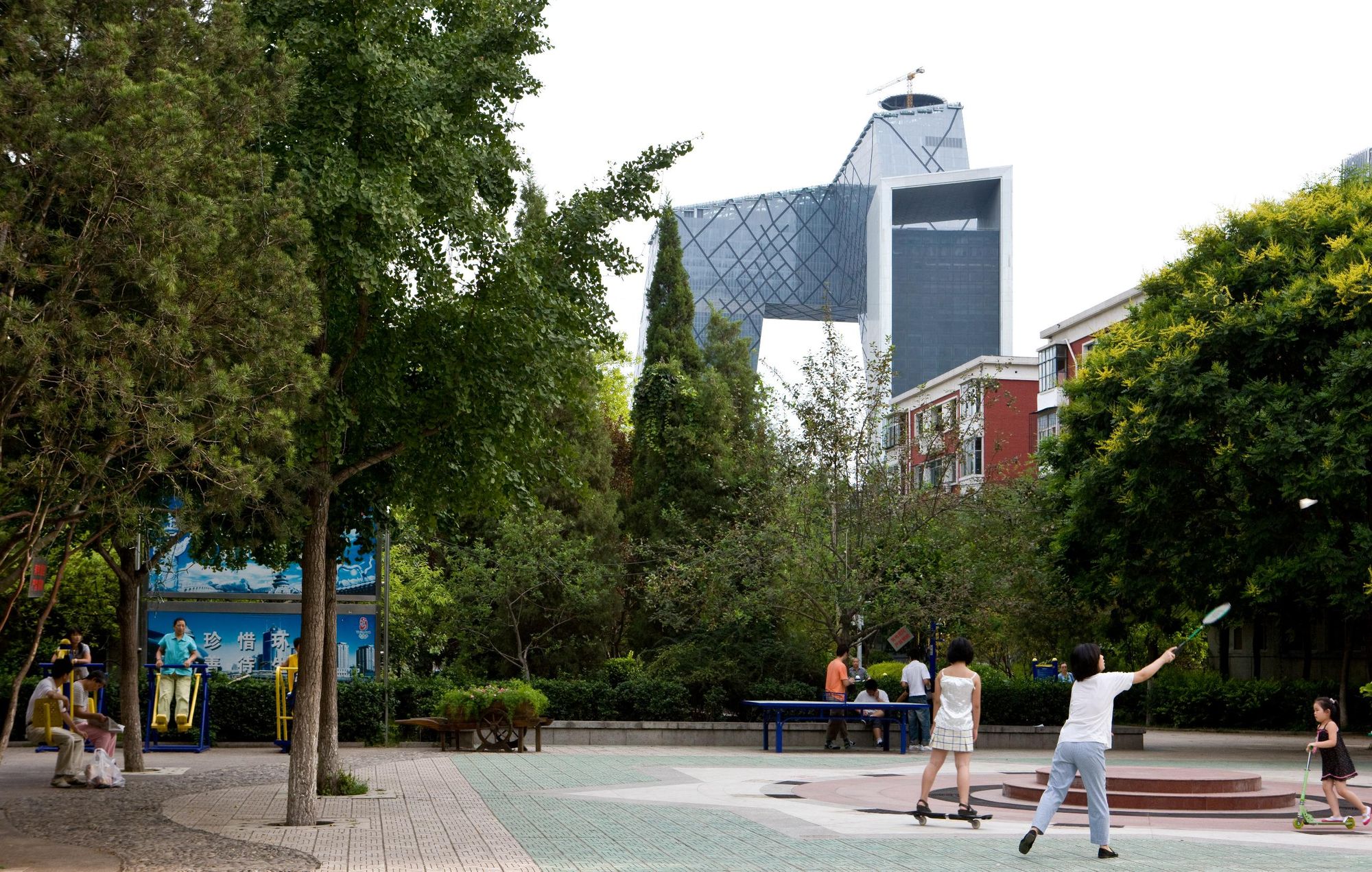
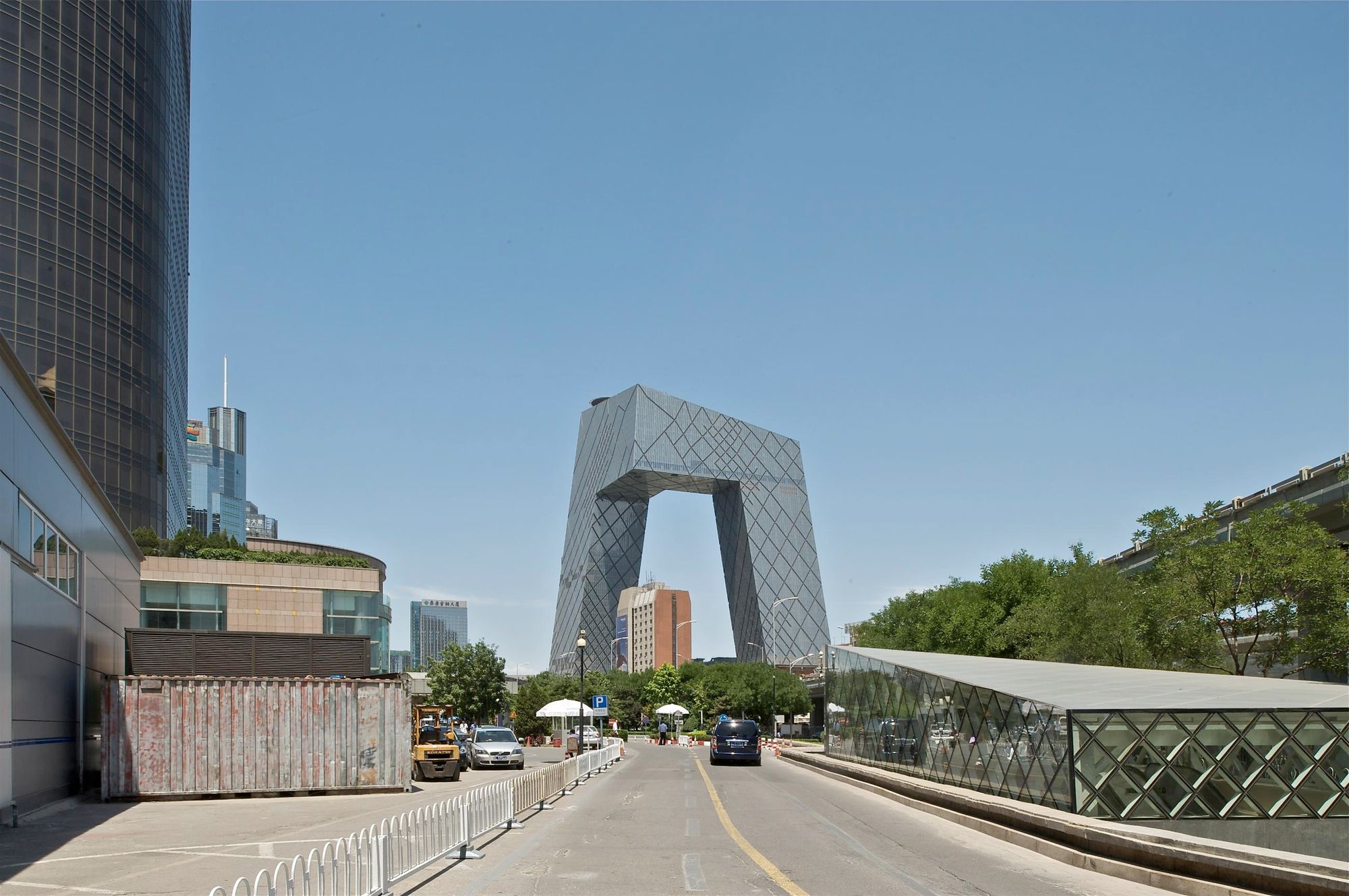
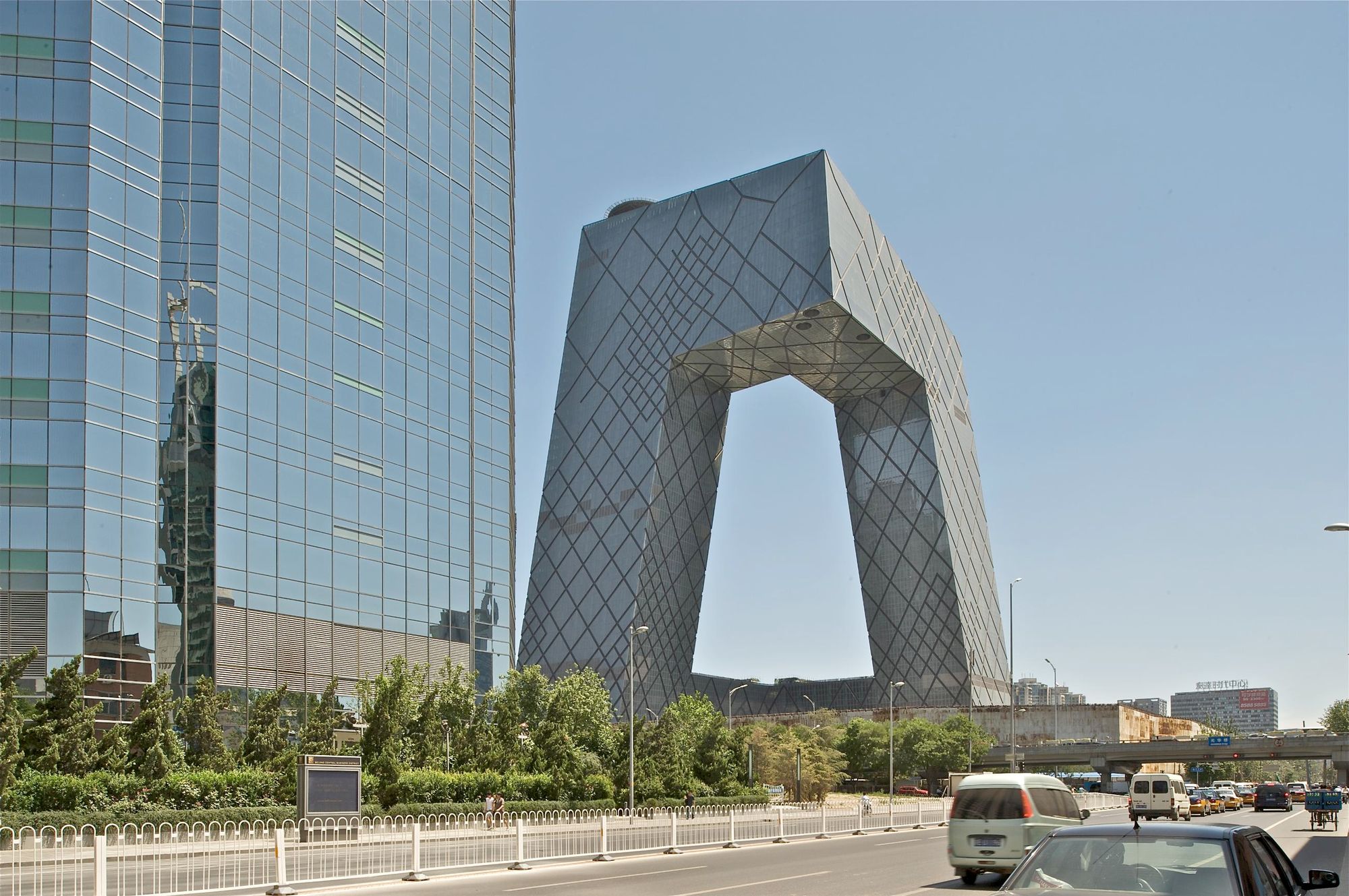
China Central Television (CCTV) Headquarters
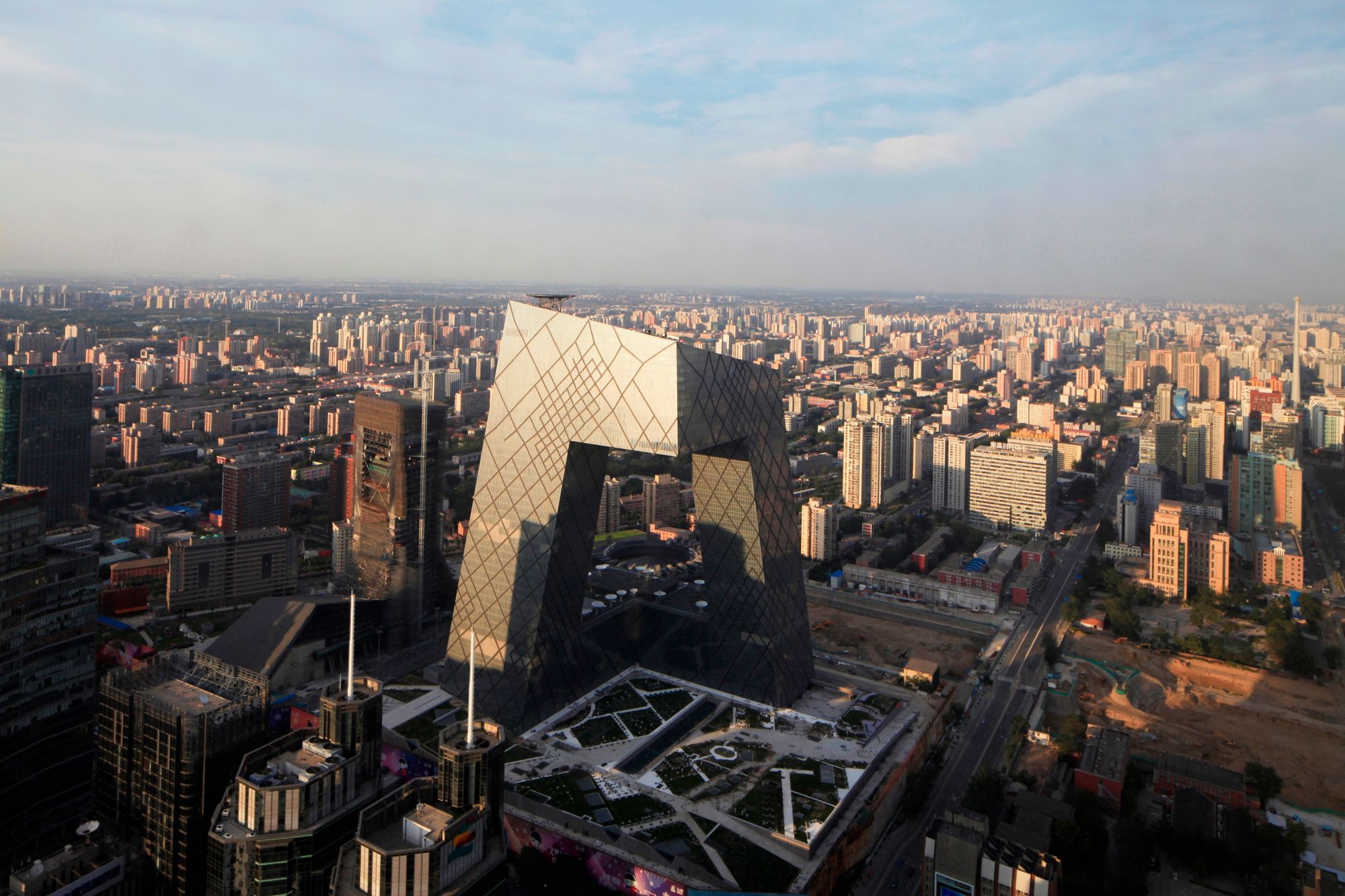
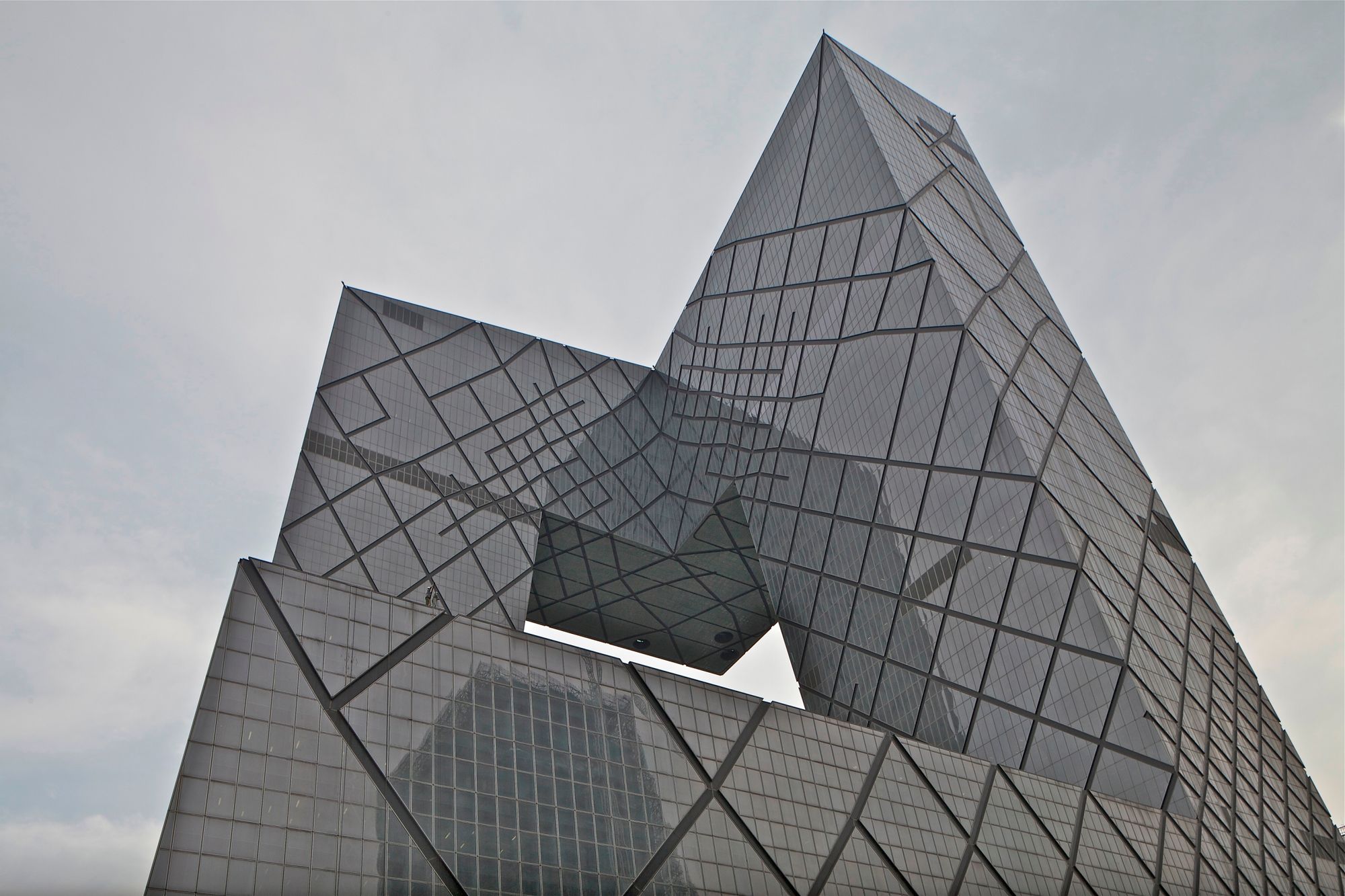
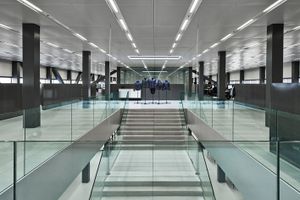
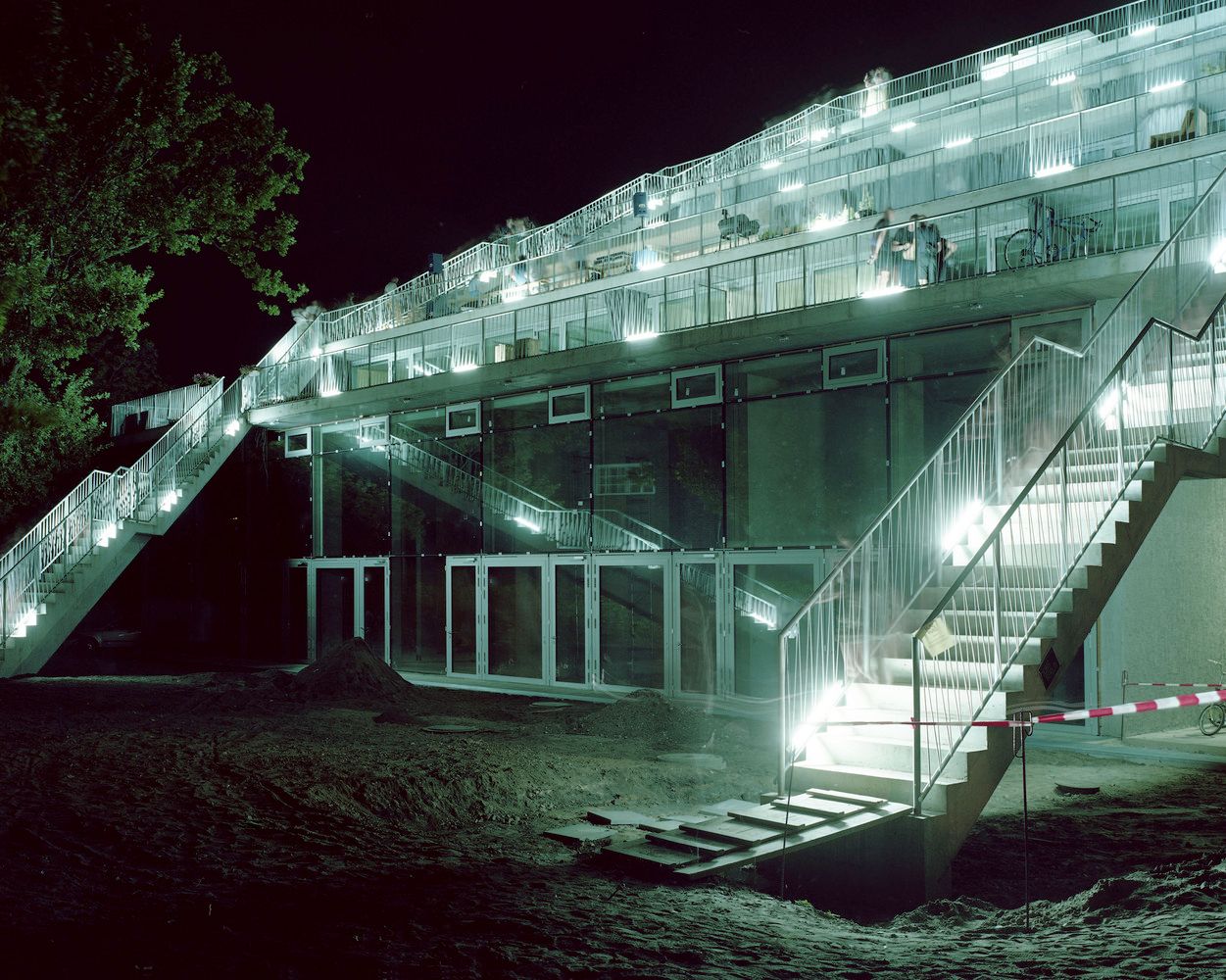
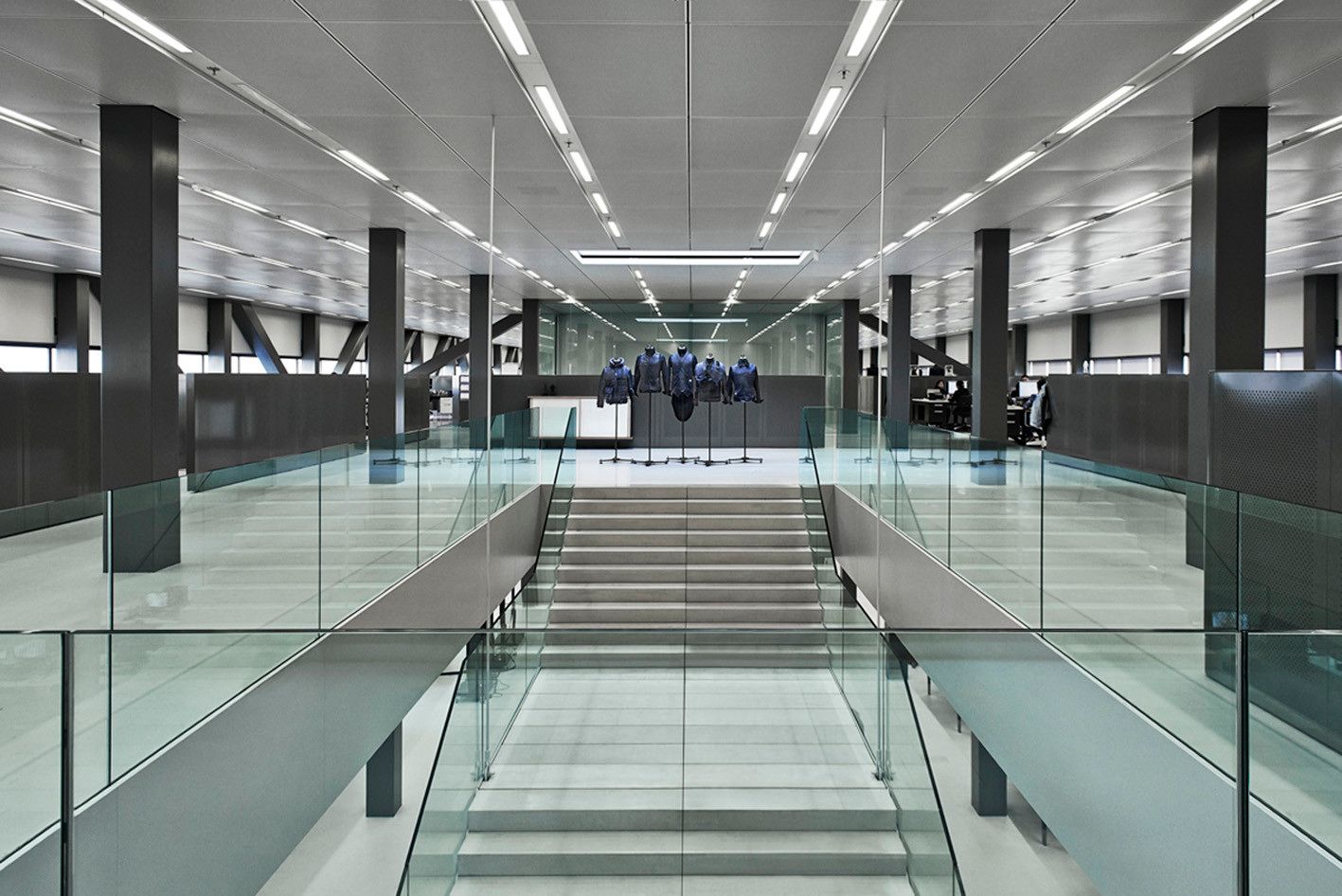
G-Star RAW HQ / OMA
The horizontal building spans 27,500 square meters and stretches 140 meters in length. It comprises a central creative hub that houses G-Star RAW's essential departments. This creative center is encircled by offices, parking spaces, and supporting amenities. The differentiation between the functional support areas and the dynamic creative core is emphasized by the use of distinct materials. The outer ring is constructed from black concrete, giving it a solid and unified appearance, while the transparent glass facade reveals the vibrant creative core within. The lower section of the ring serves as a base for parking and drop-off purposes, as well as a platform for installations and events.
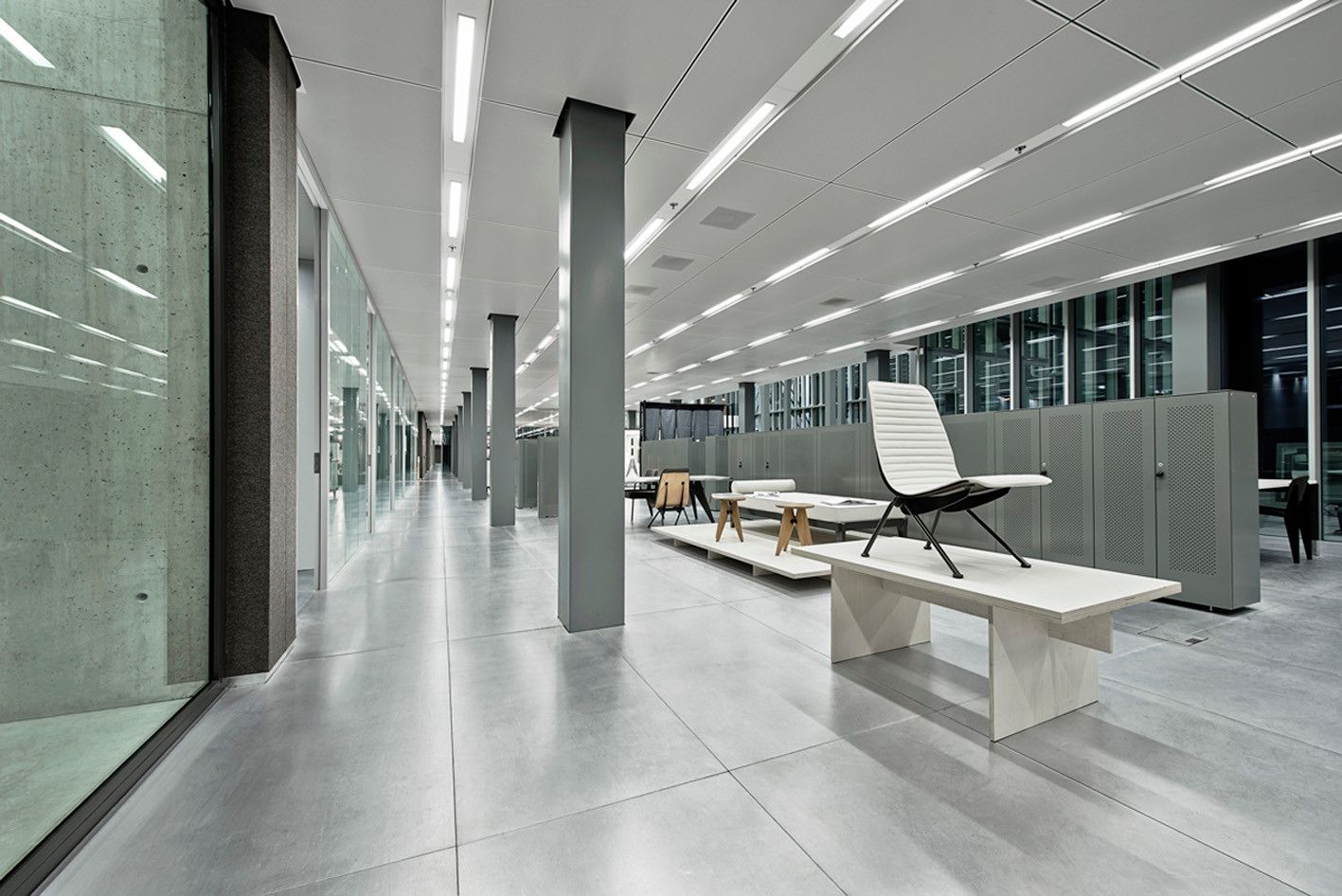
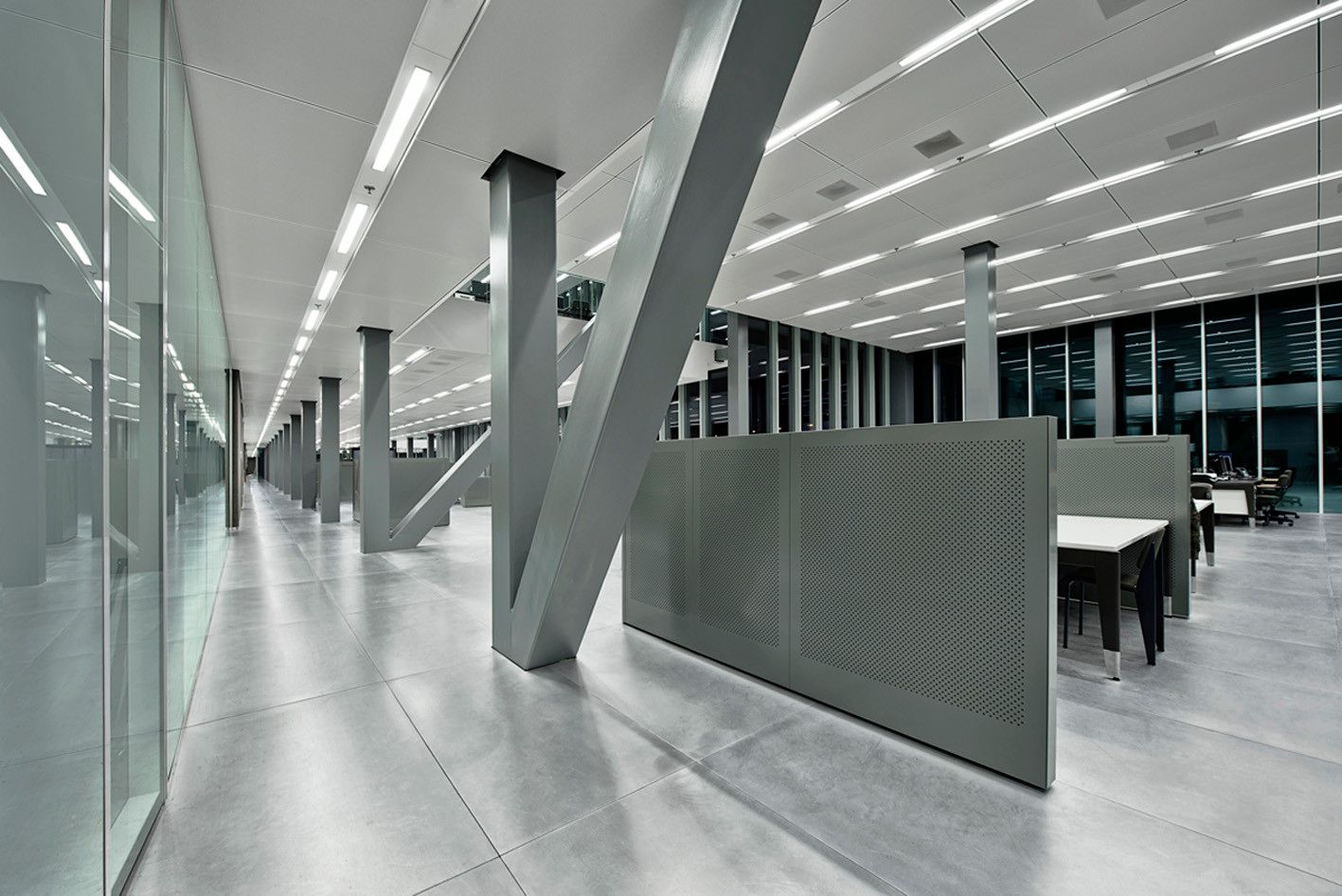
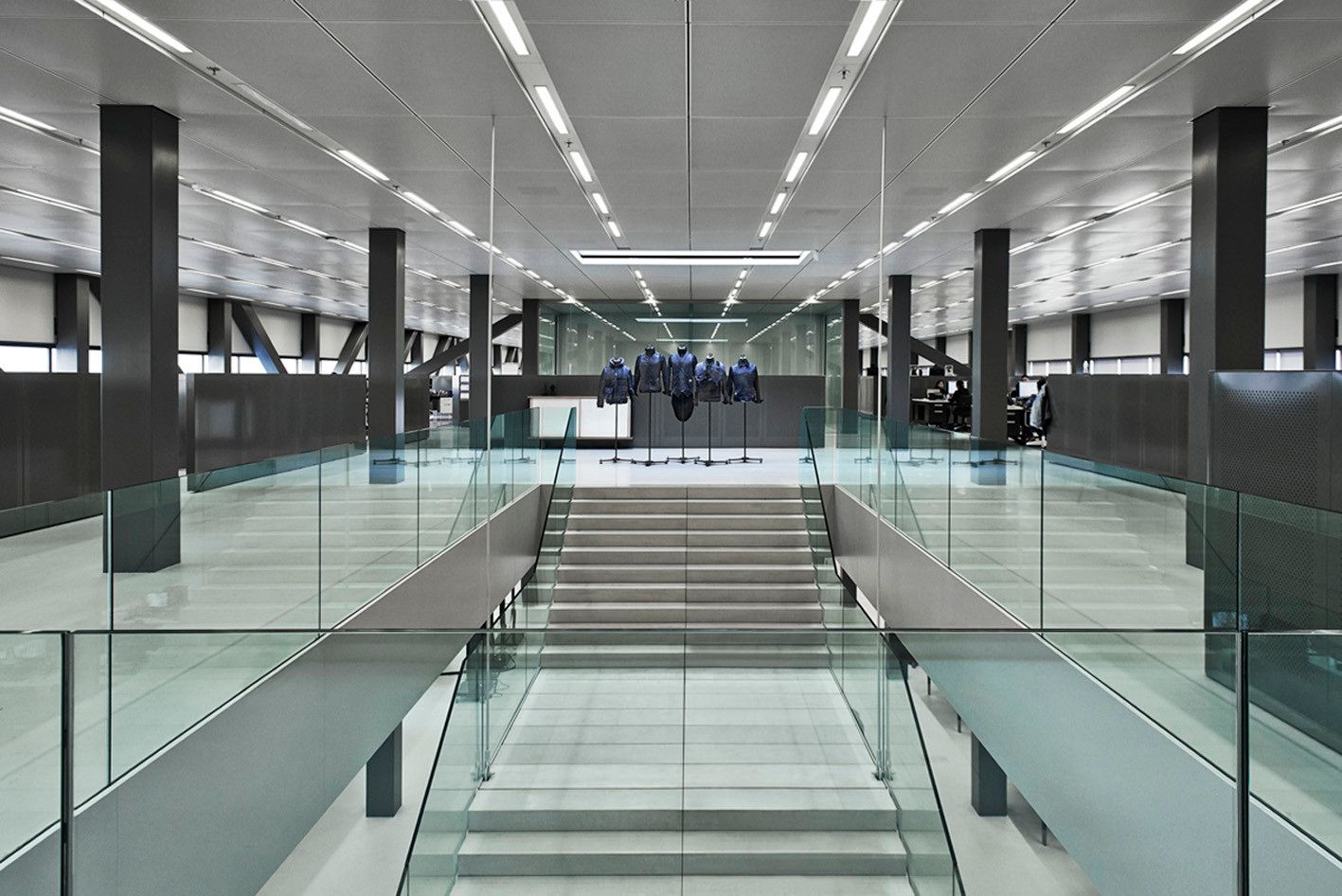
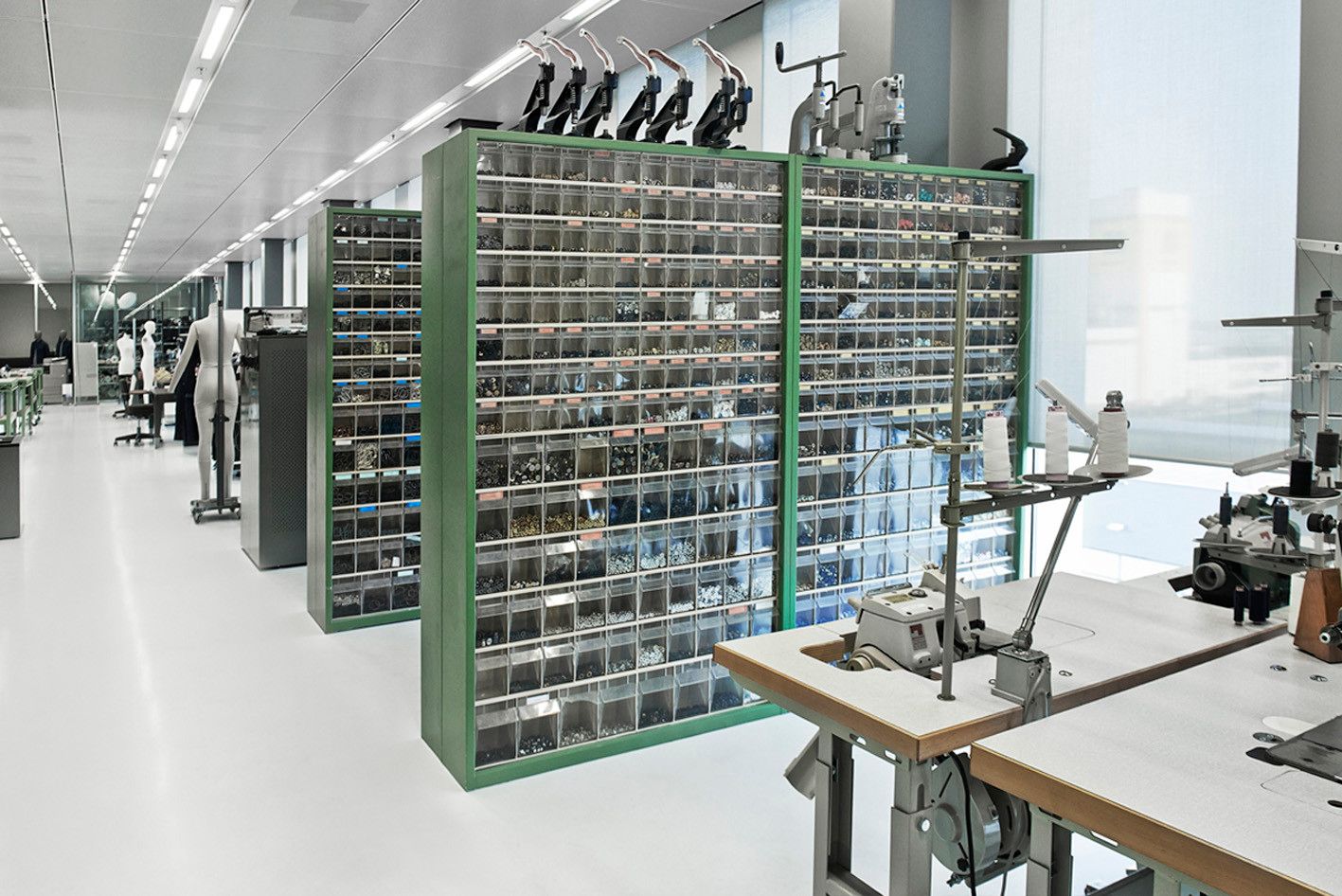
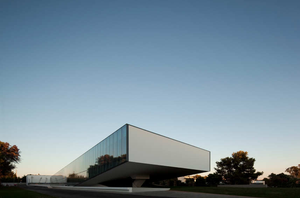
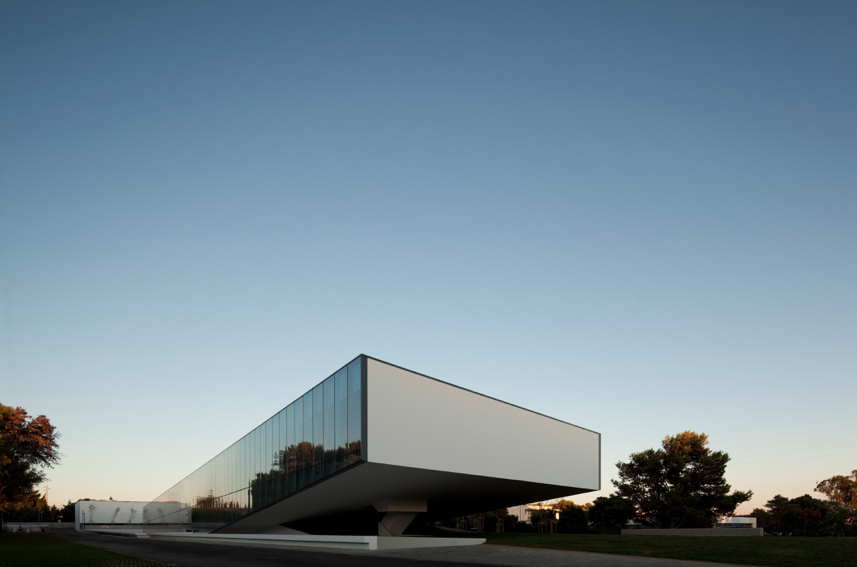
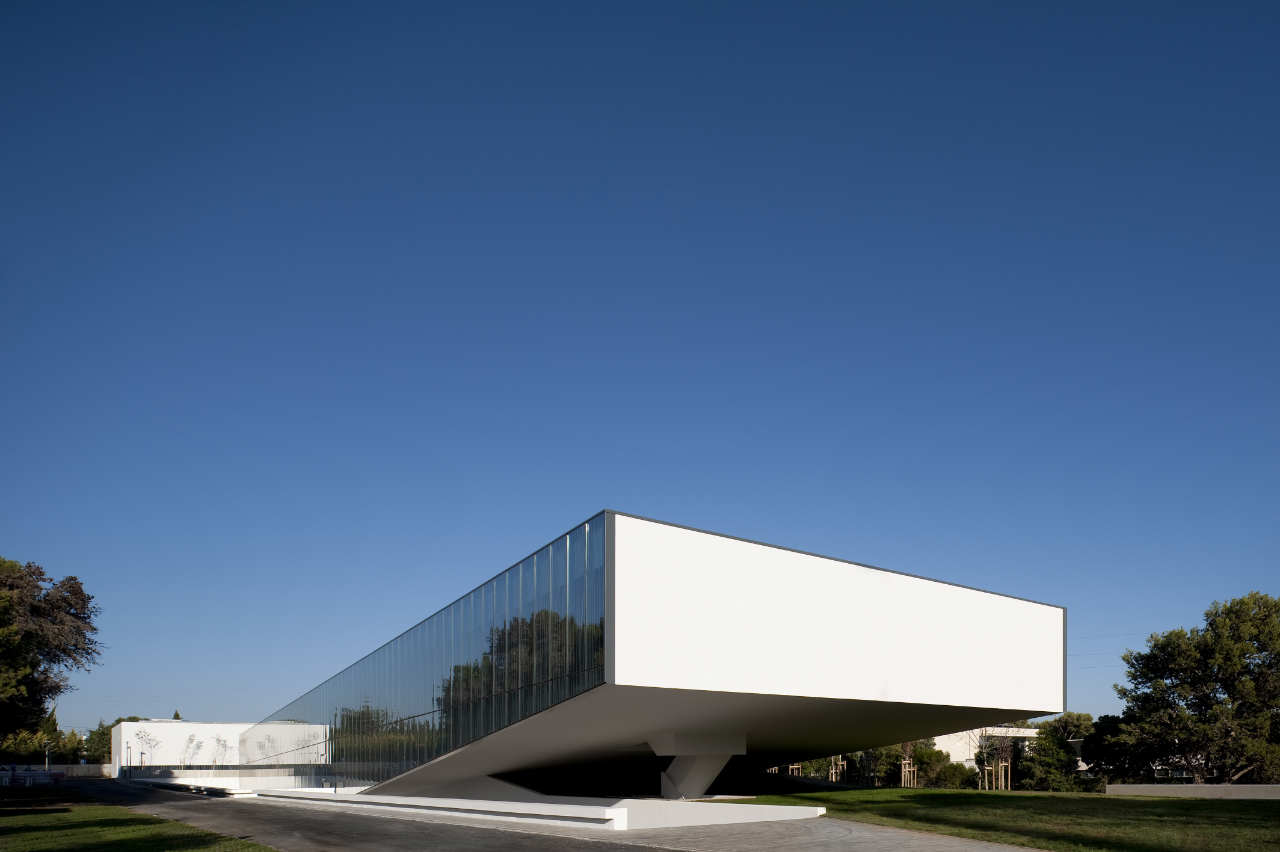
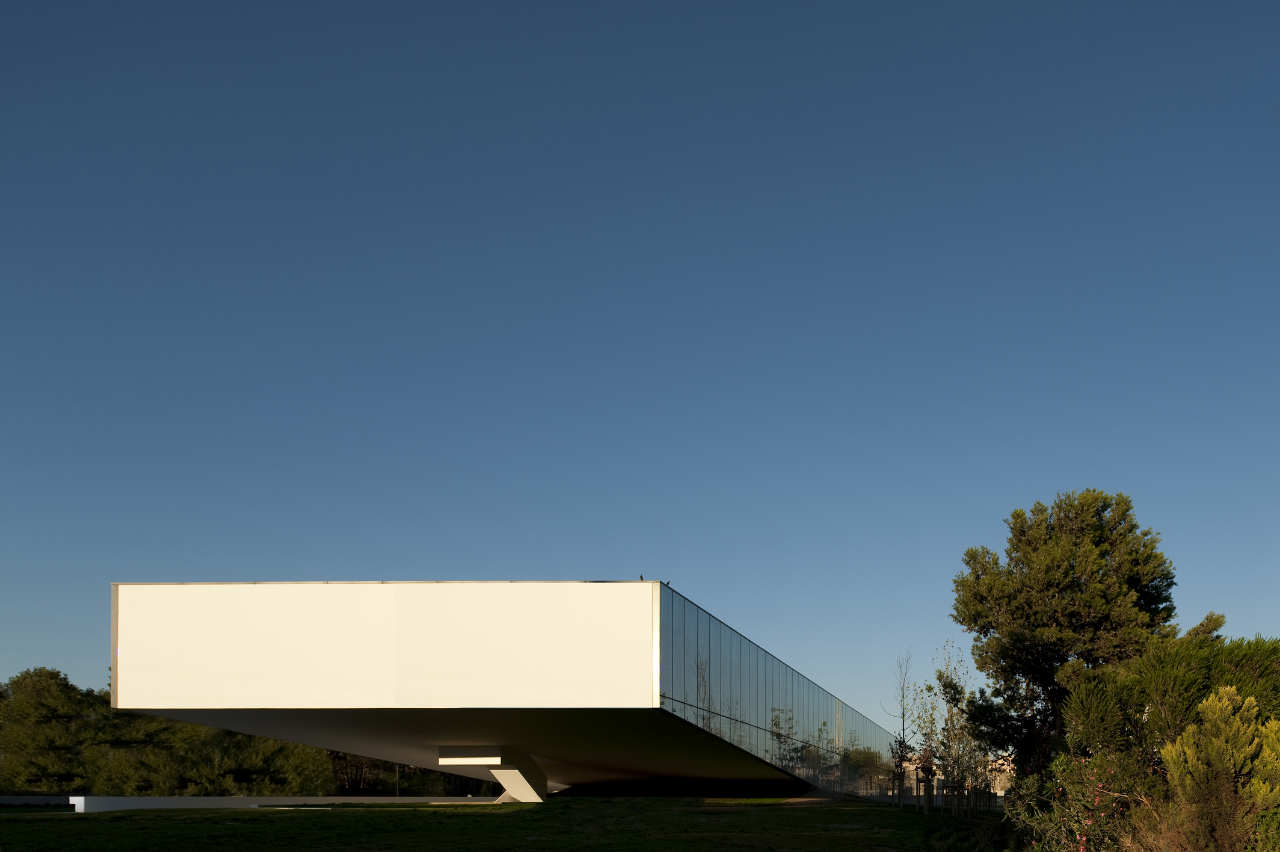
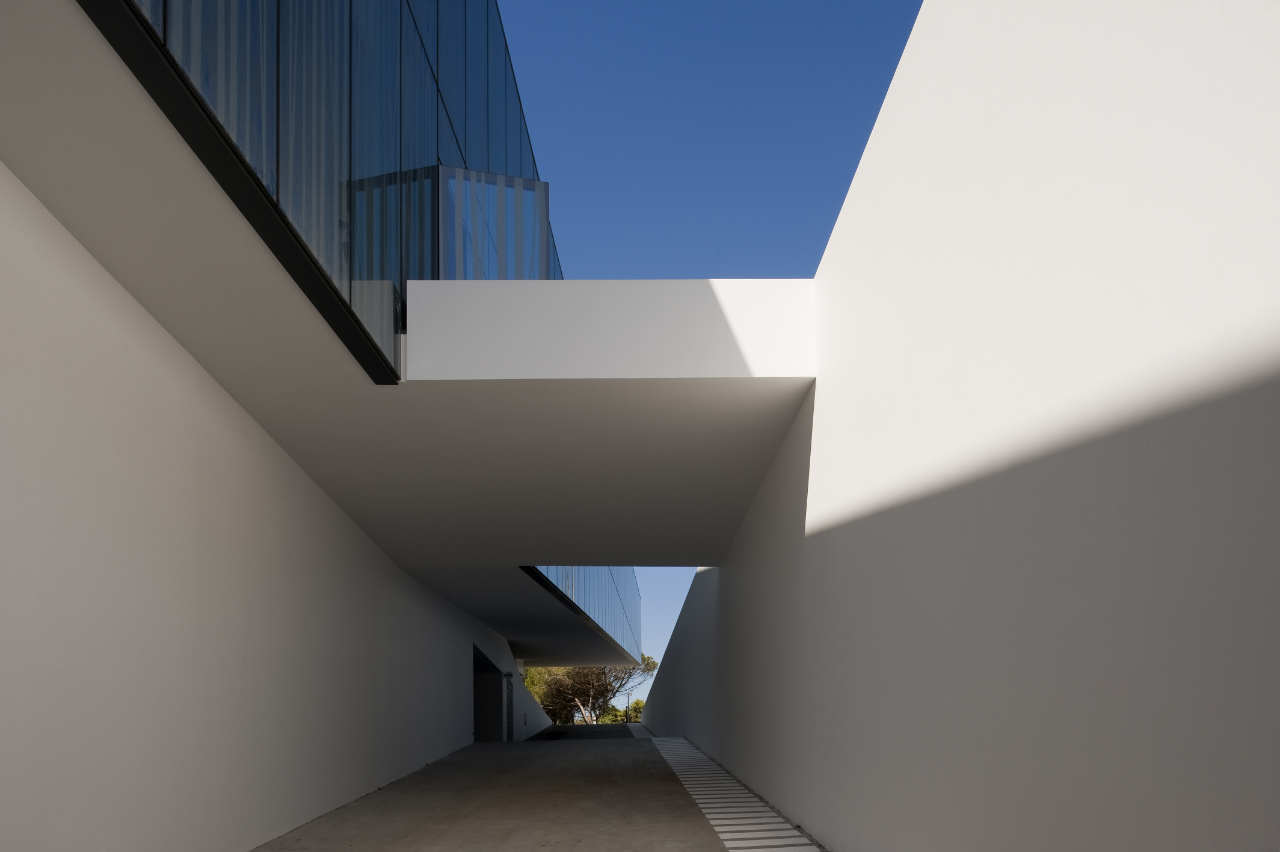
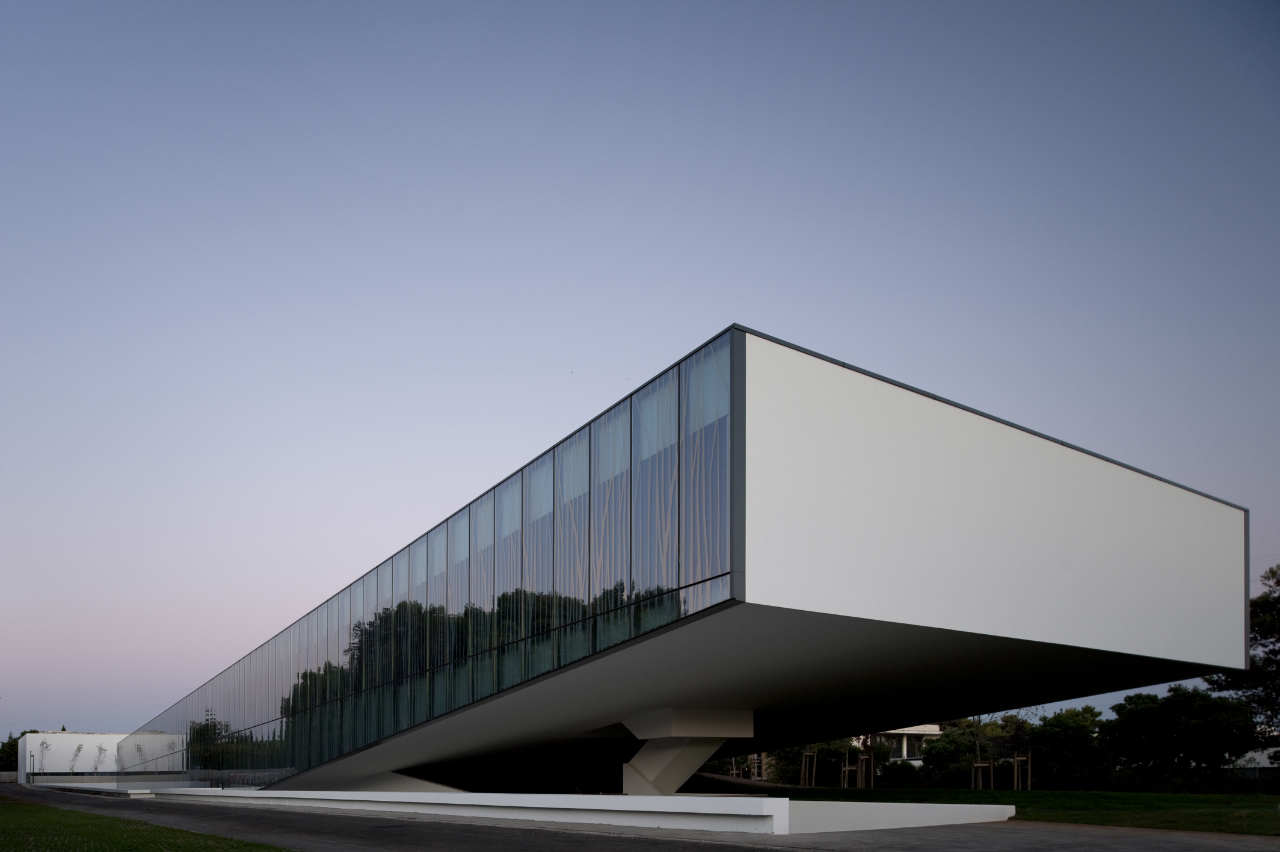
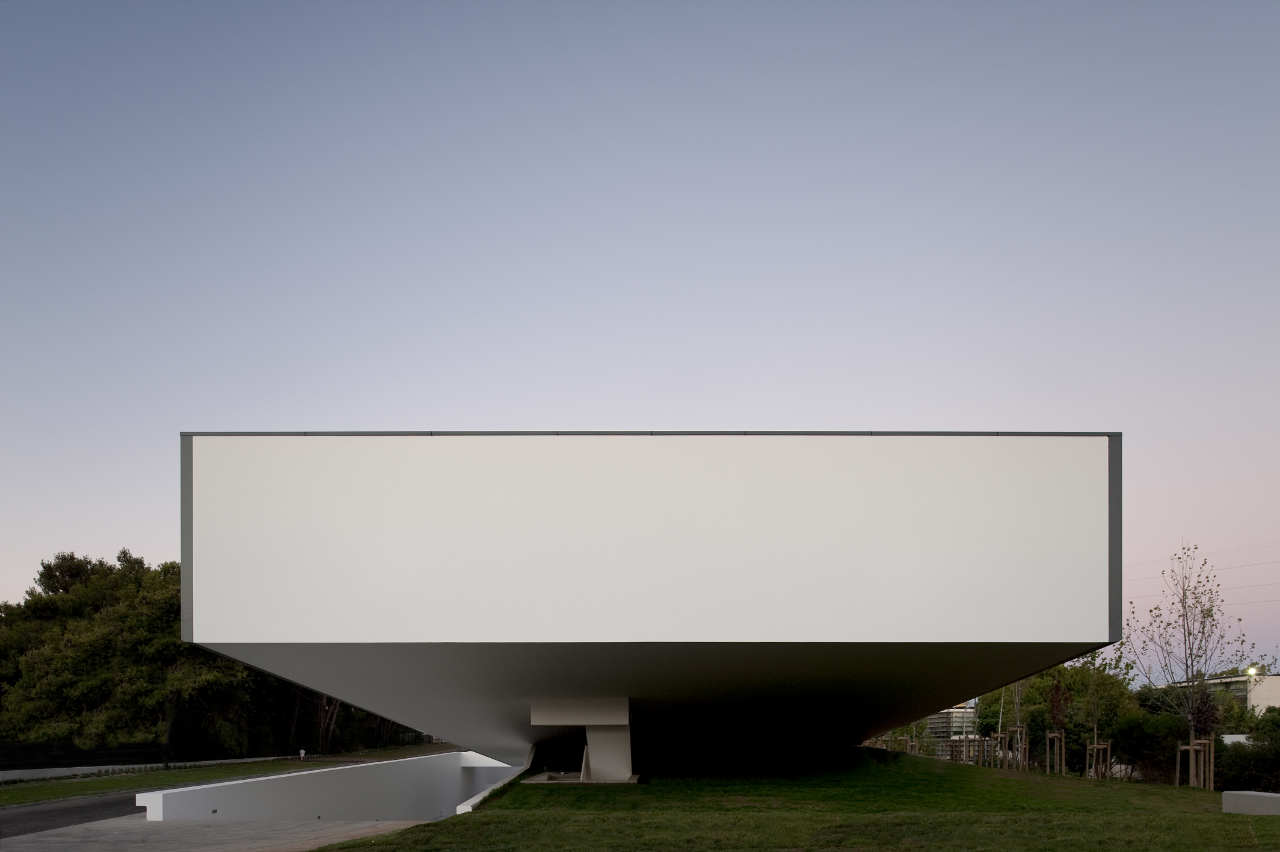
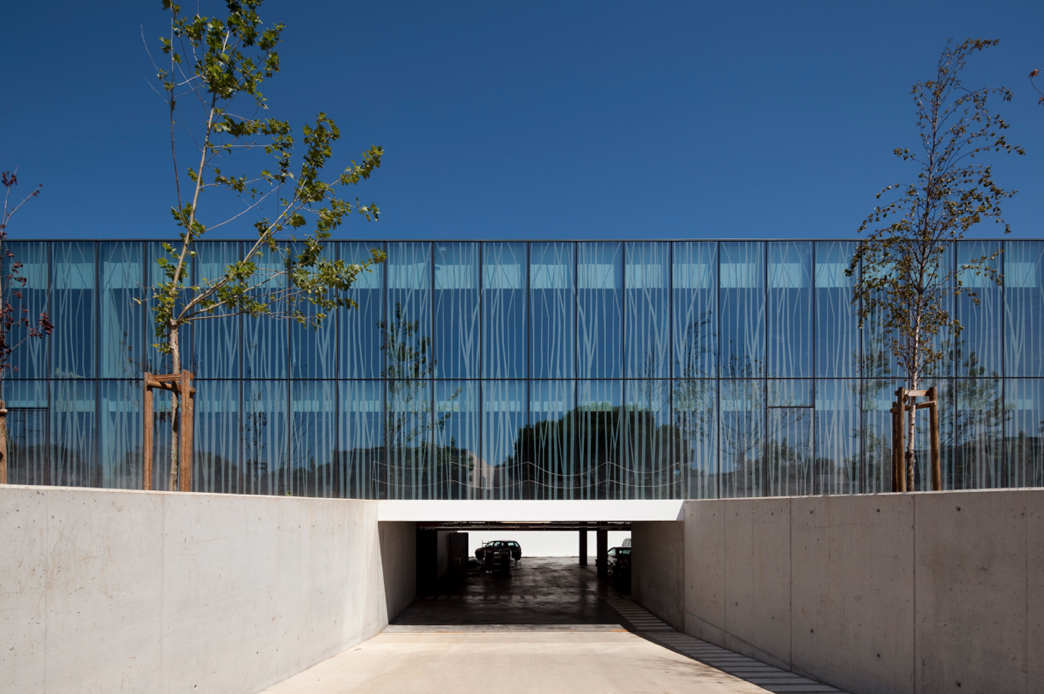
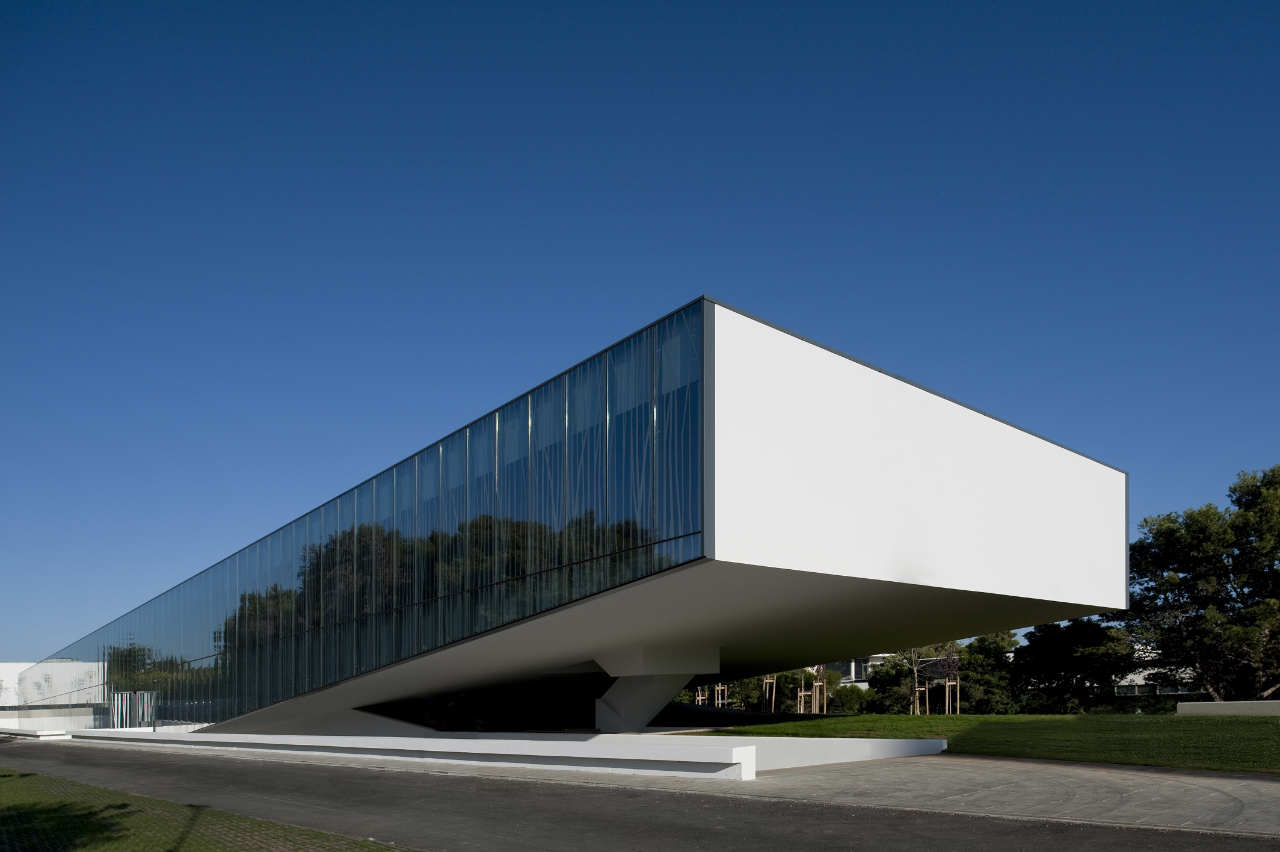
Alcatel Head Office by Frederico Valsassina Architects
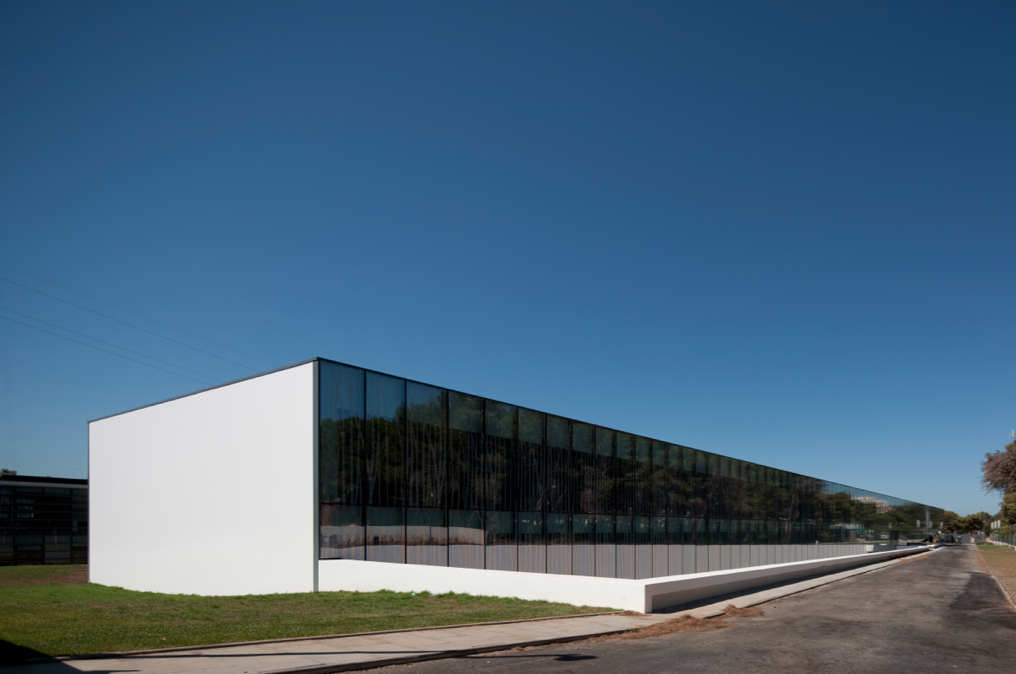
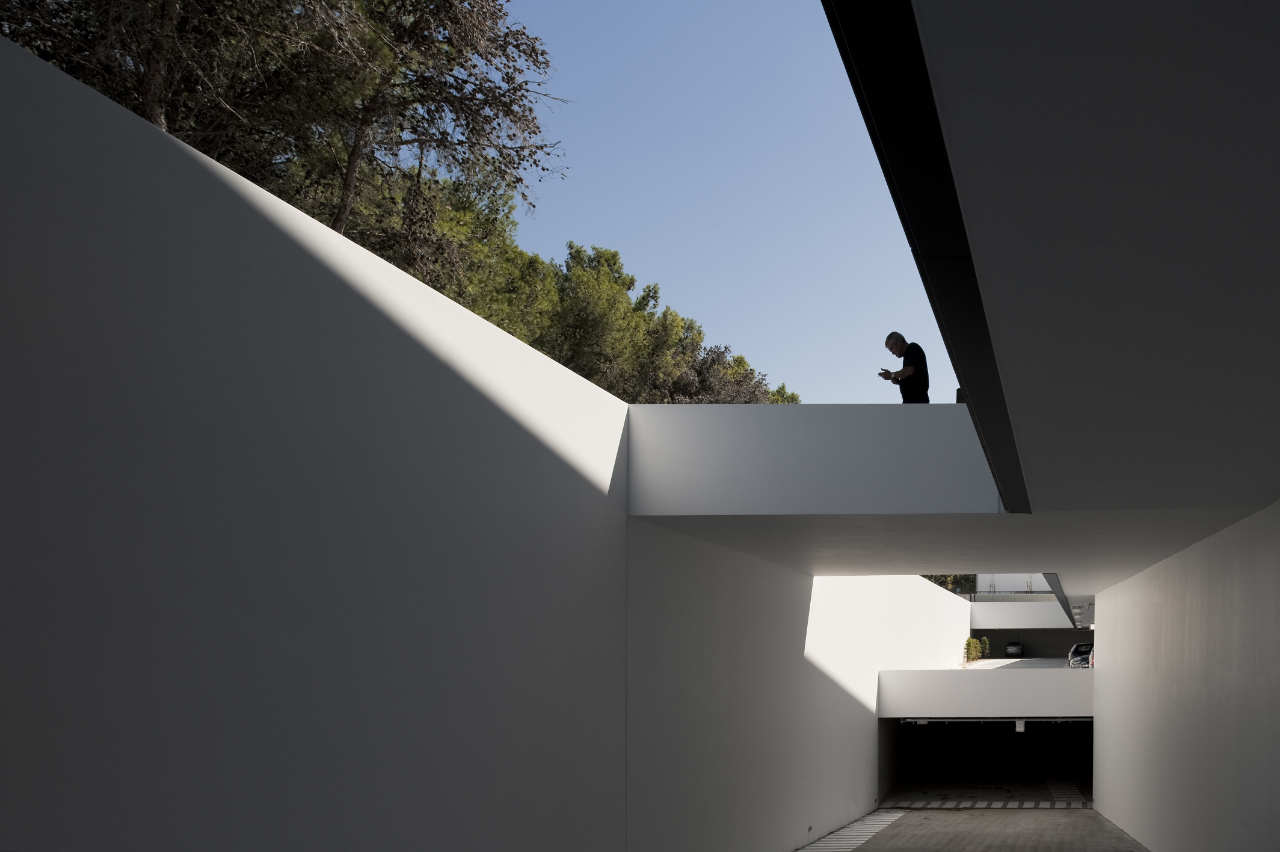
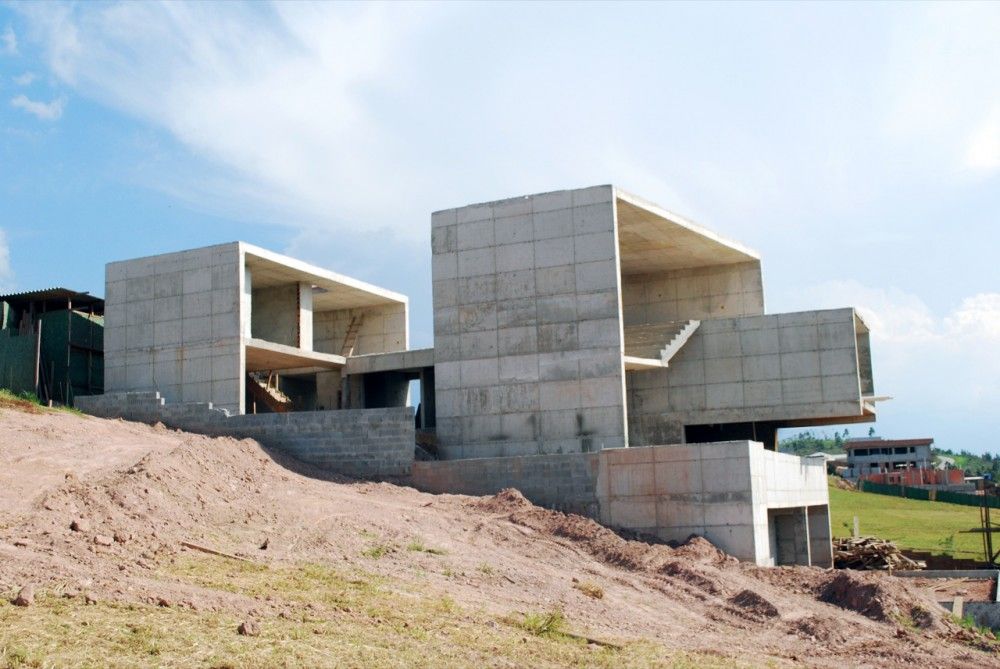
Residência Itahye / Apiacás Arquitetos + Brito Antunes Arquitetura
Designed to be implanted in a plot of a condominium in the city of Santana do Parnaíba, it was possible to develop the project of this house with the contribution of its future resident who, in an unusual way in these situations, he agreed with a house that would establish a more frank relationship with the street.
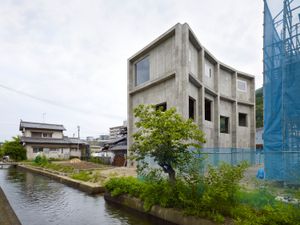
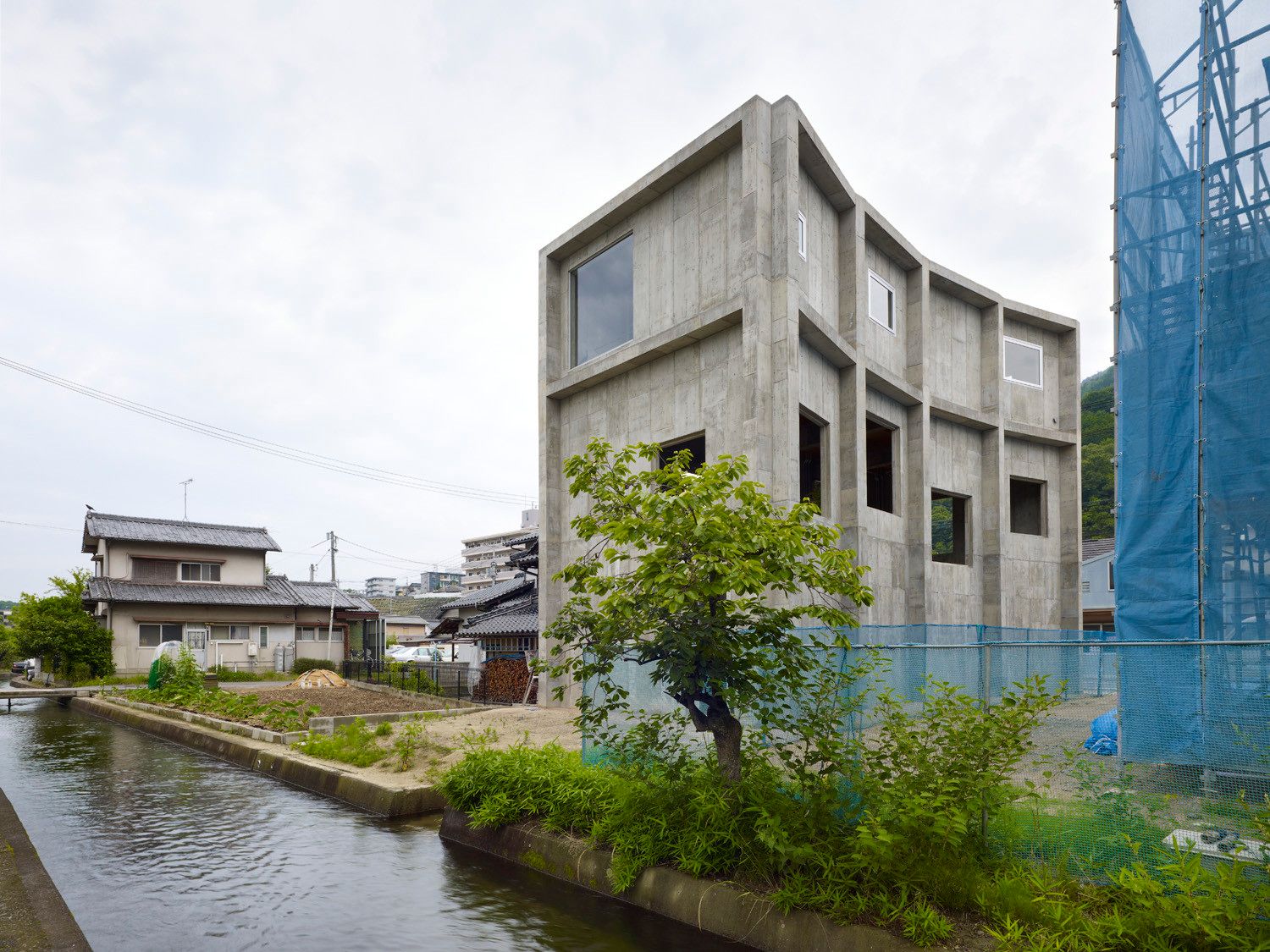
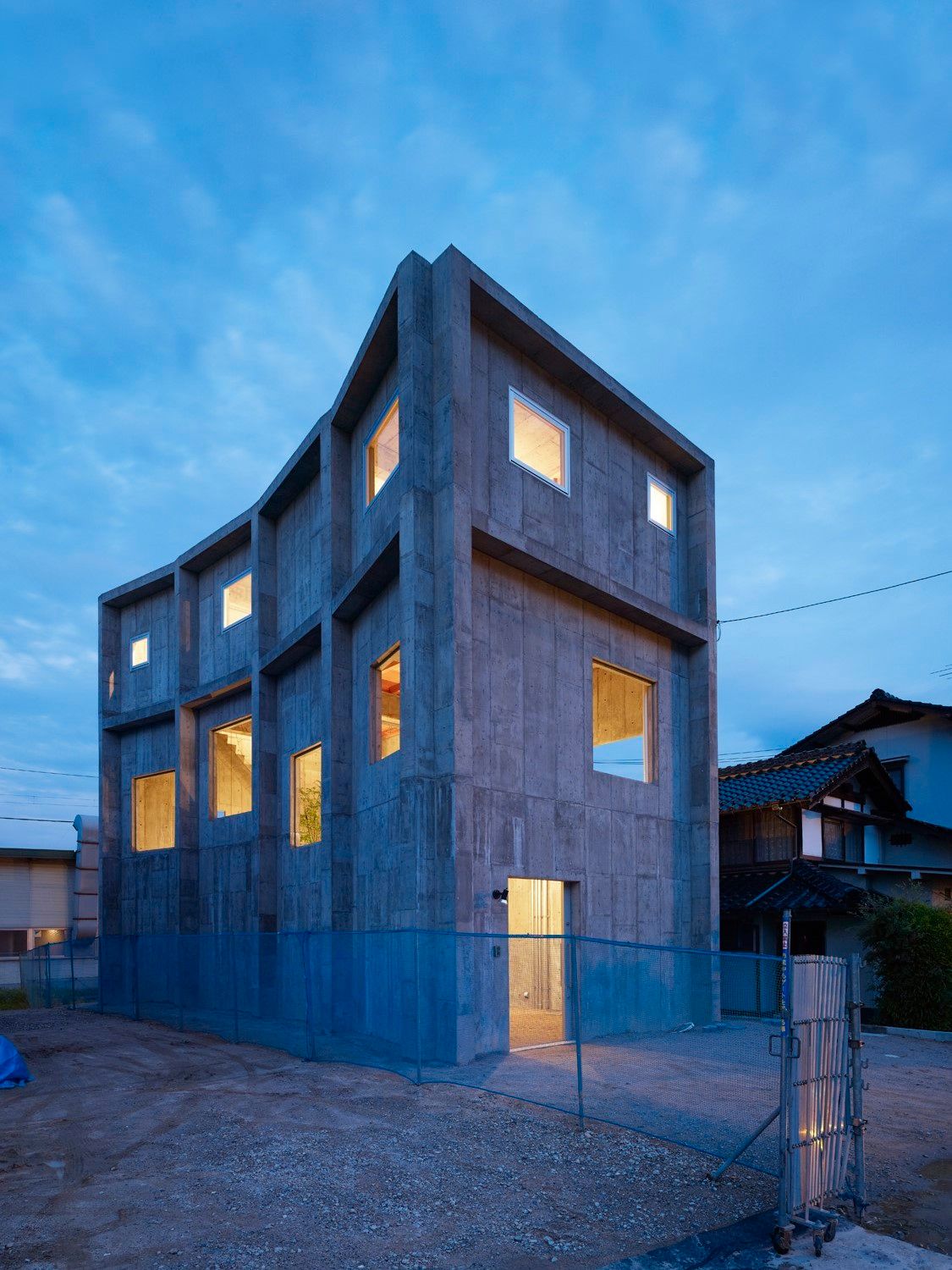
The House of Yagi by Suppose Design Office + Ohno Japan
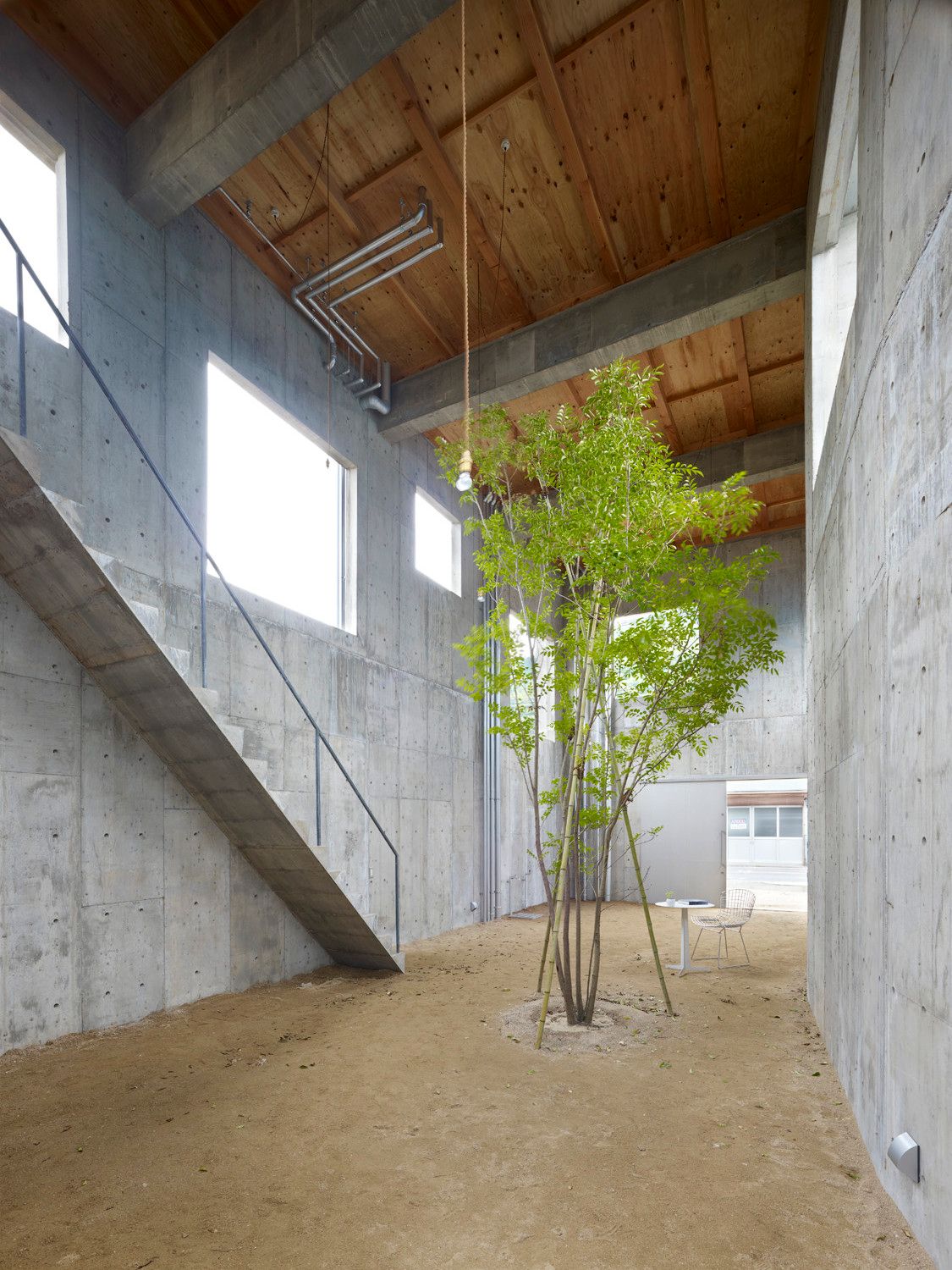
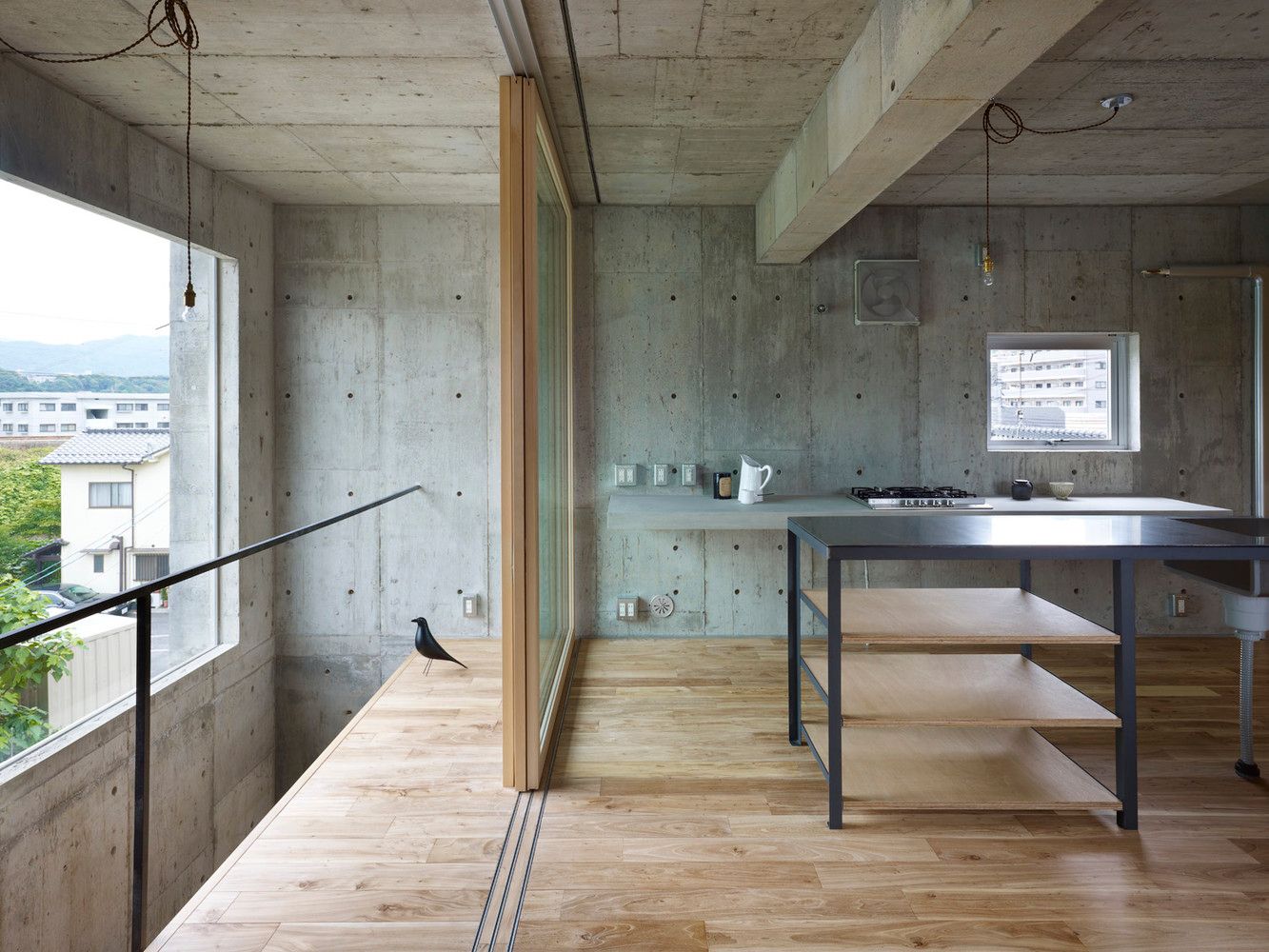
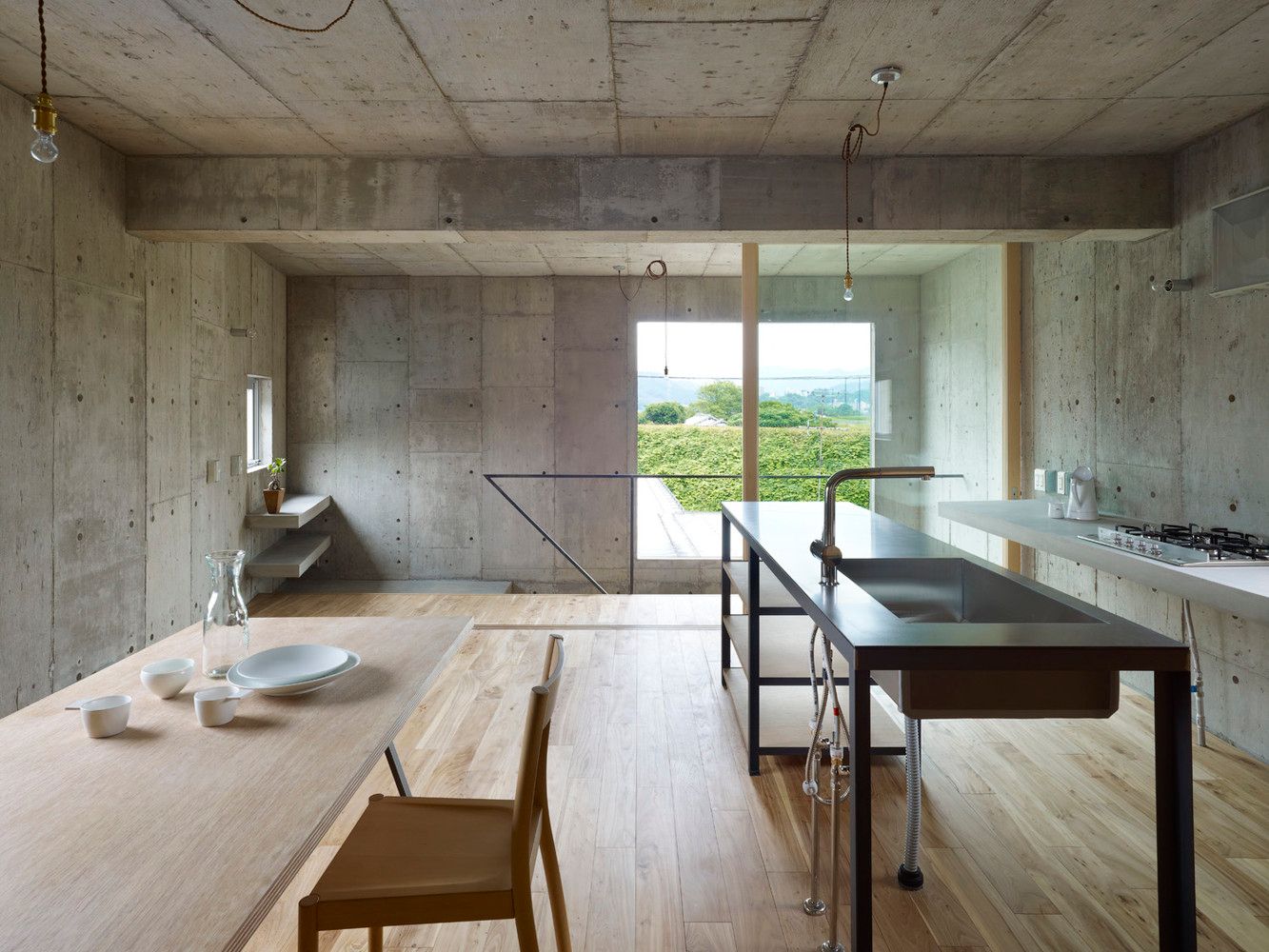
Text description provided by the architects. The House of Yagi is designed with the idea of an incomplete/complete form. Unlike other projects, the final stage of construction for this house was not aiming towards a finish stage, but to let the owner experience the sense of completion after living here. Interior space of the house is designed to maximize the interaction to its surrounding environment.

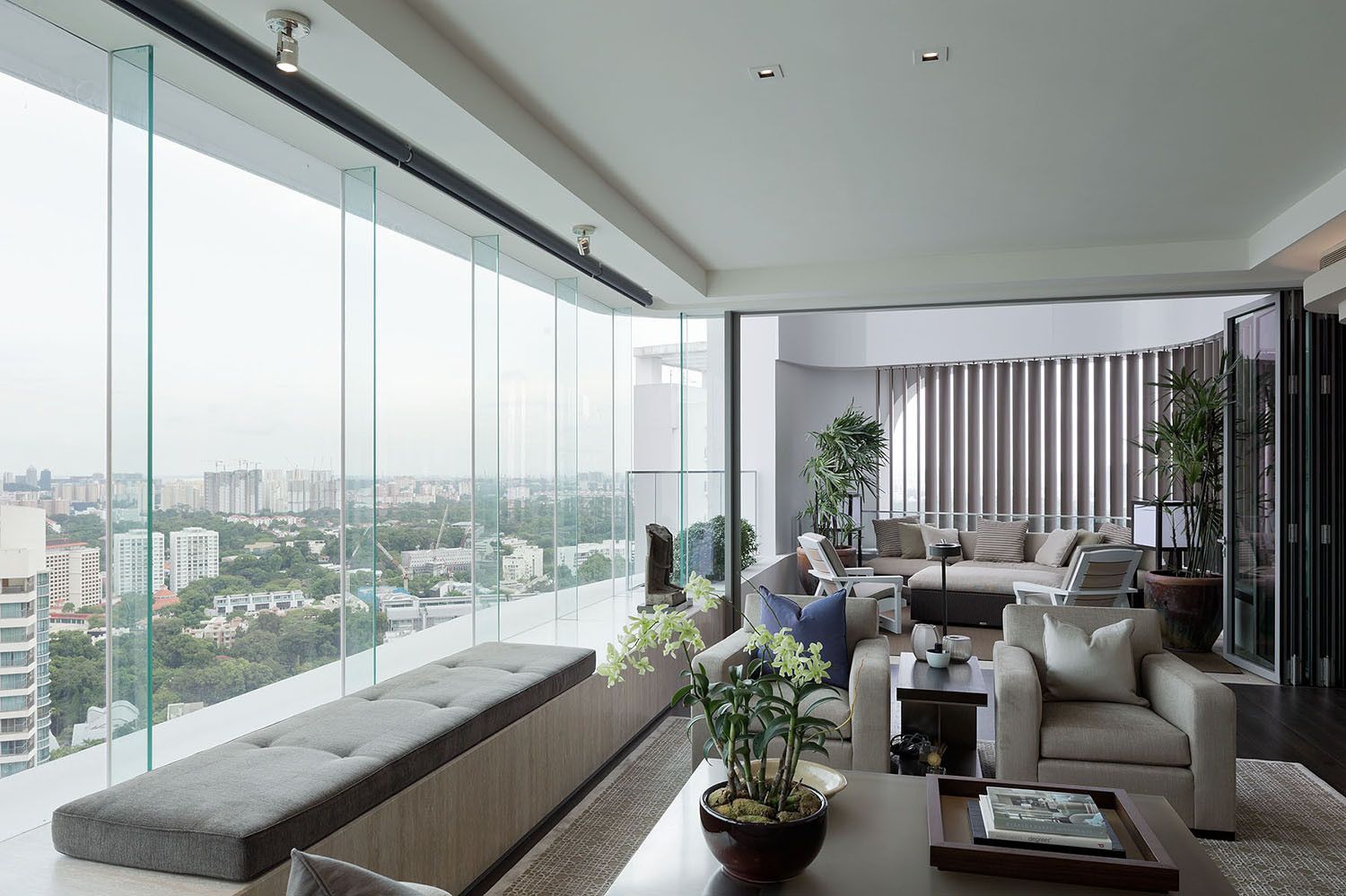
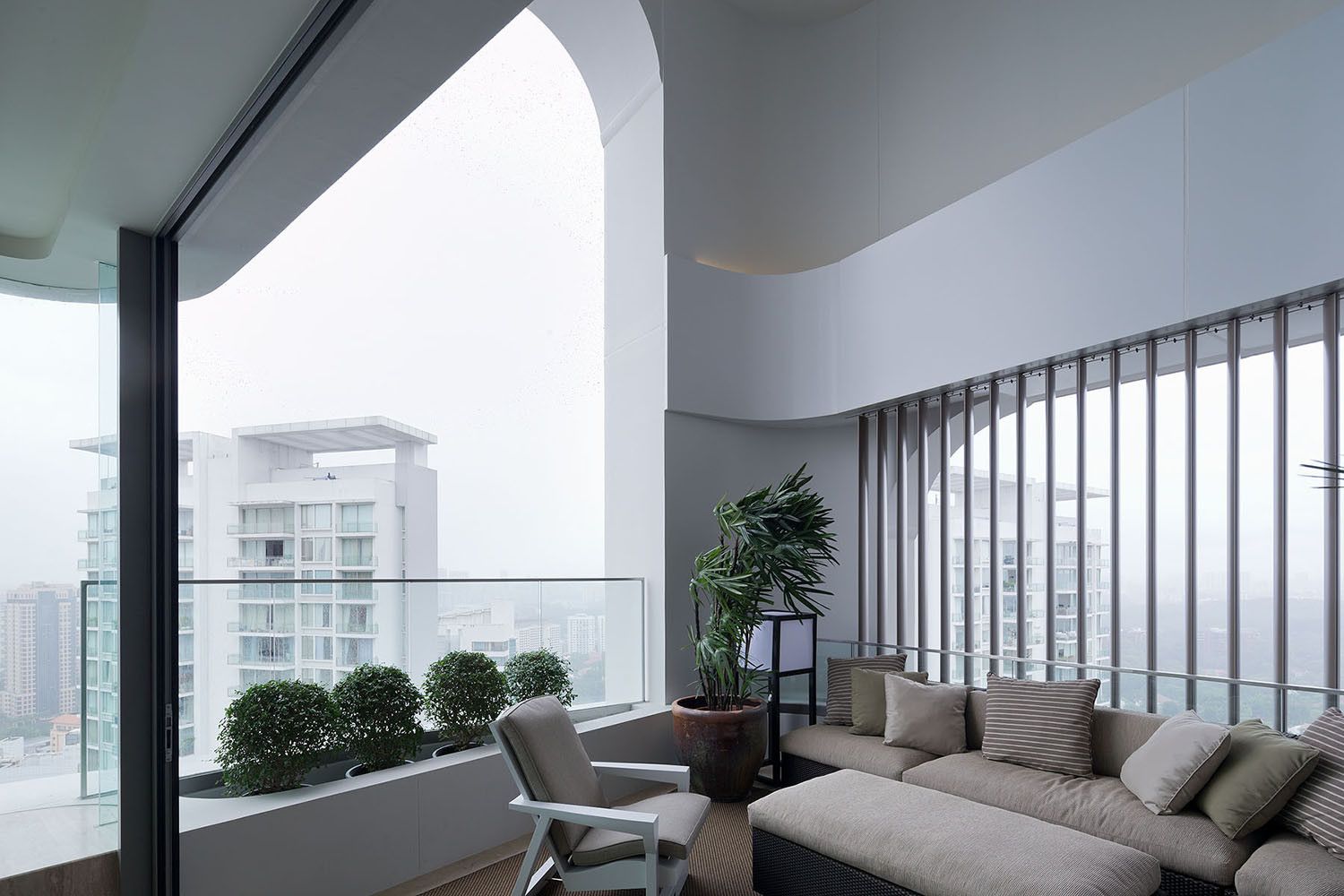
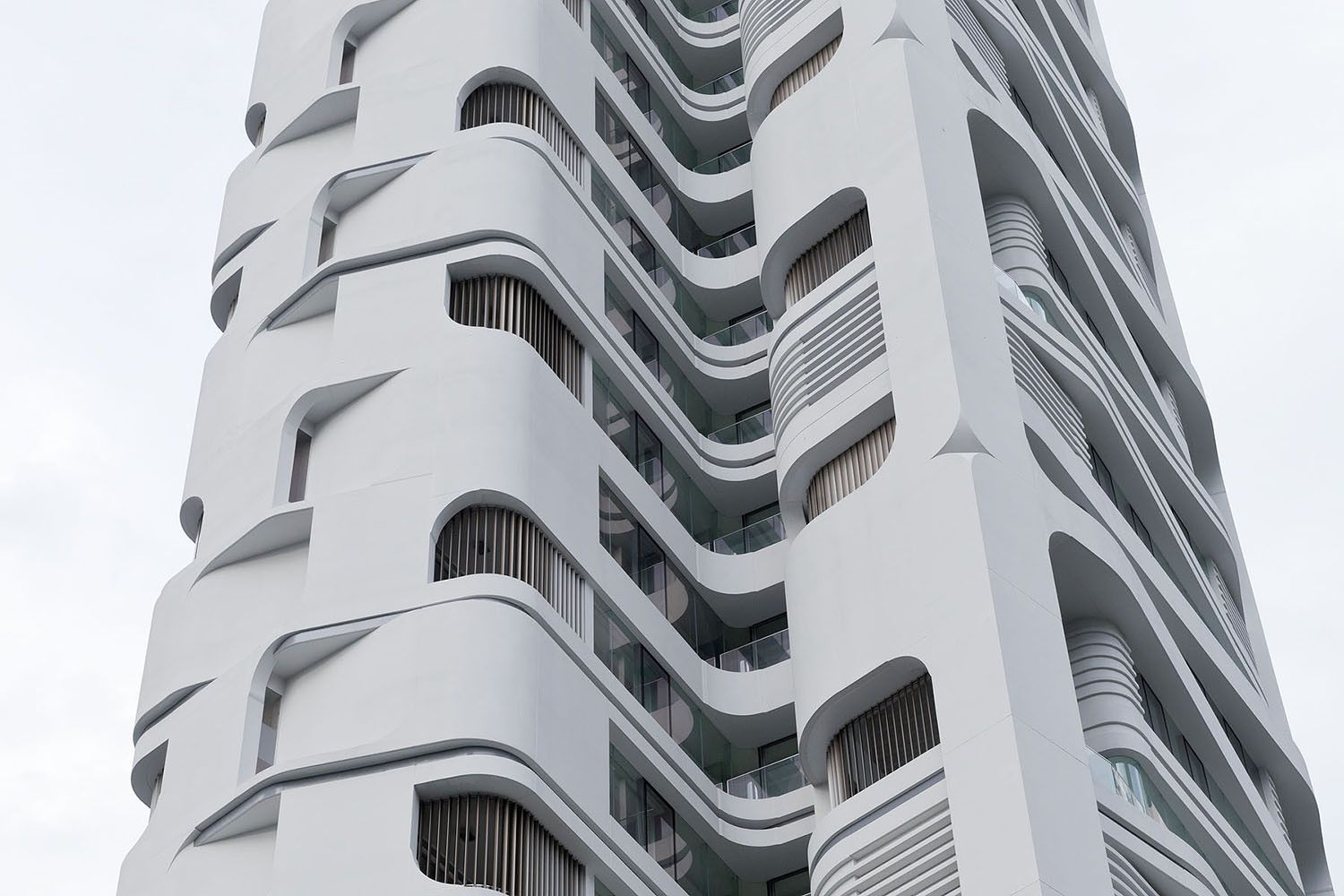
Ardmore Residence by UNStudio in Singapore
The primary concept for the design of the 36 storey, 17.178 m² residential tower is a multi-layered architectural response to the natural landscape inherent to the ‘Garden City’ of Singapore. This landscape concept is integrated into the design by means of four large details: the articulation of the facade, which through its detailing creates various organic textures and patterns; expansive views across the city made possible by large glazed areas, bay windows and double-height balconies; the interior ‘living landscape’ concept adopted for the design of the two apartment types and the introduction of transparency and connectivity to the ground level gardens by means of a raised structure supported by an open framework.
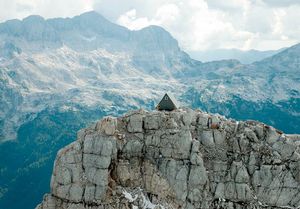
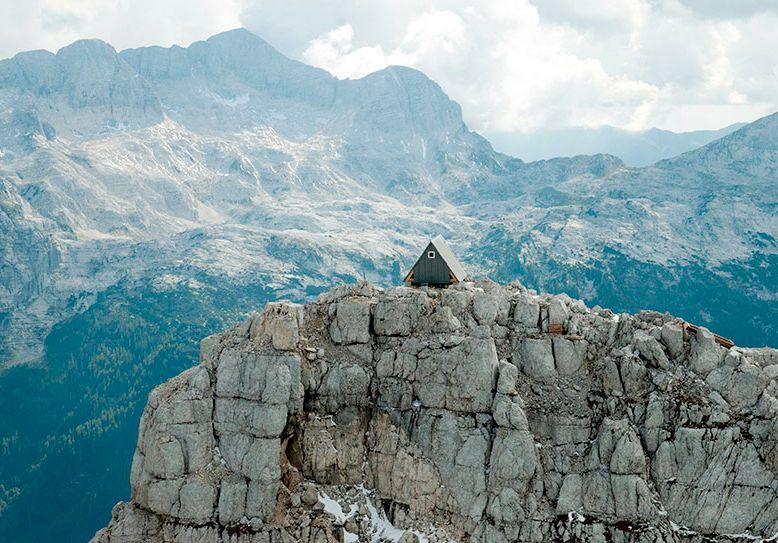
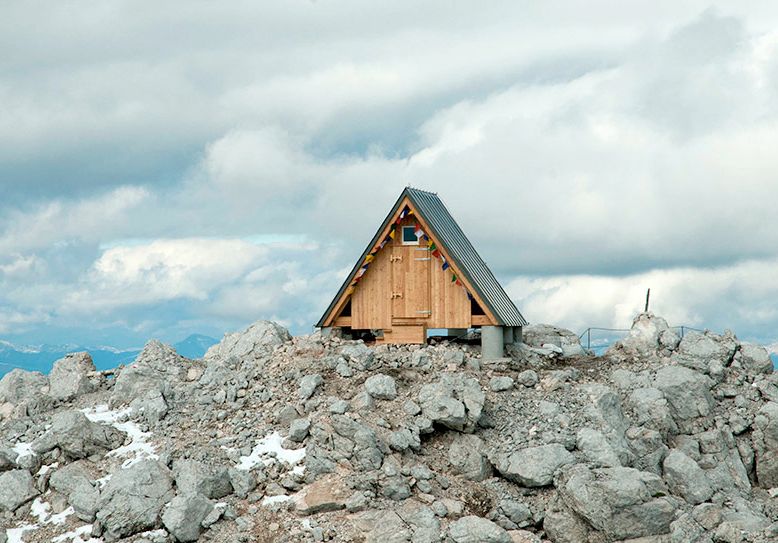
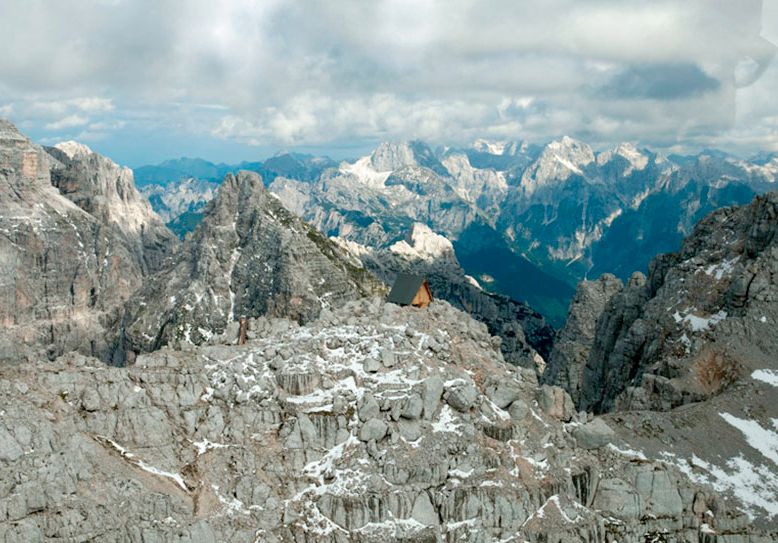
Giovanni Pesamosca’s Alpine Cabin in Friuli, Italy
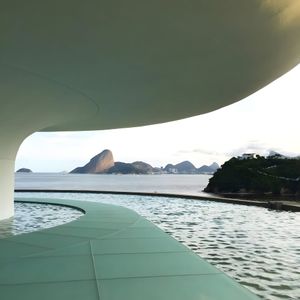
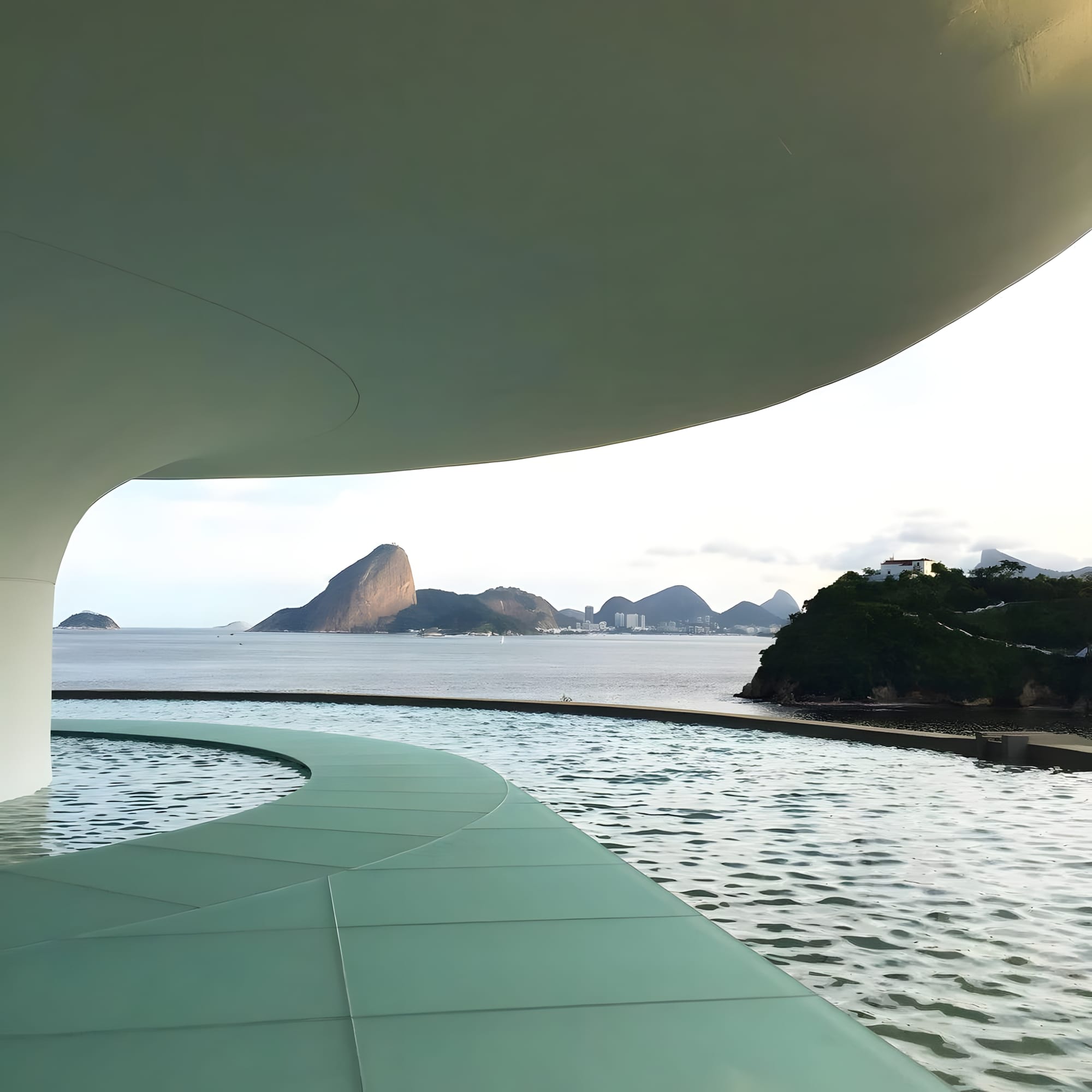
Oscar Niemeyer's MAC Niterói — Louis Vuitton Cruise 2017 Venue
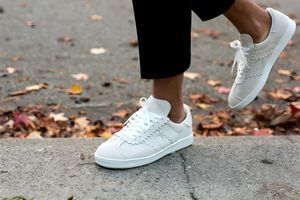
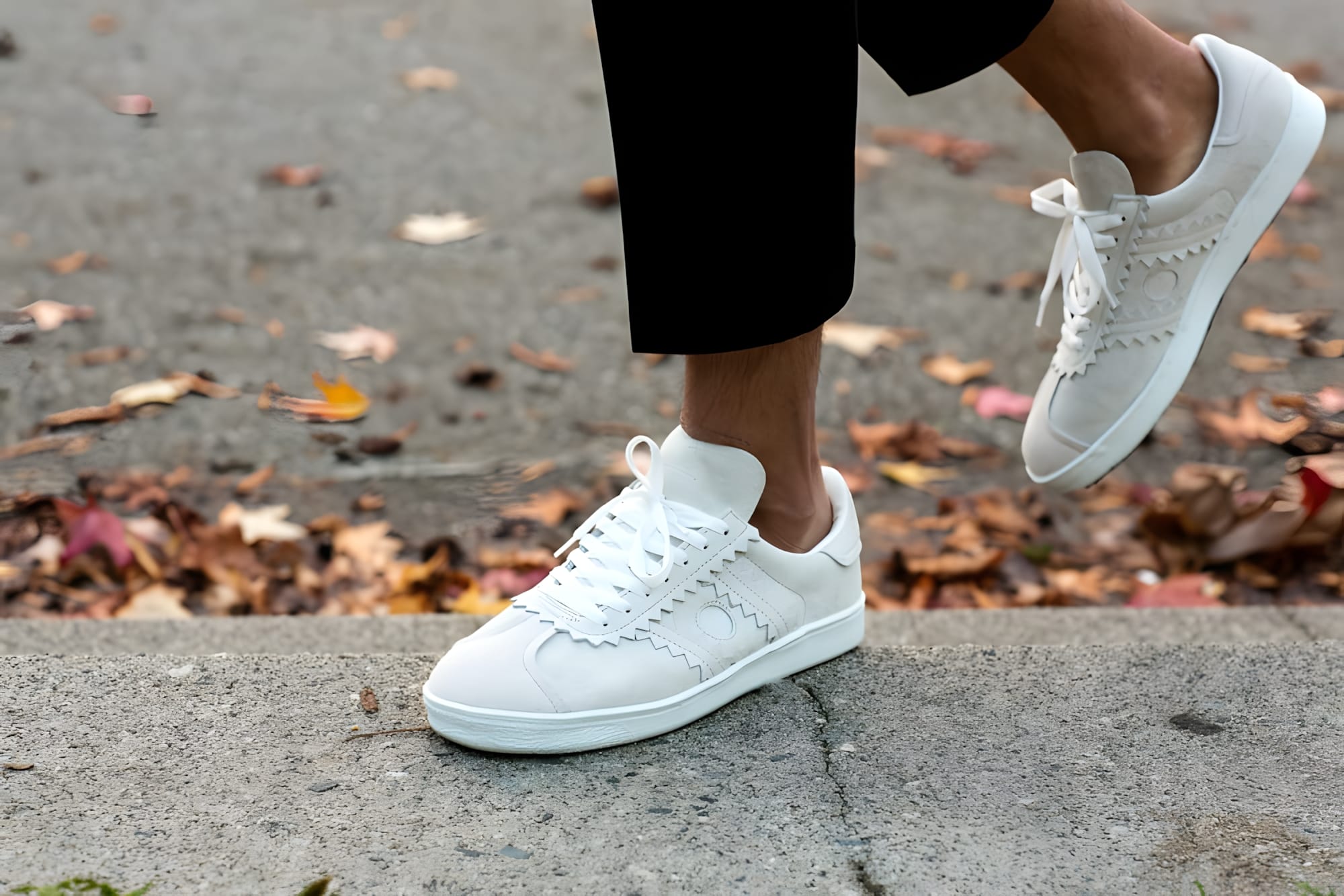
adidas Y-3 Yohji Court — Footwear White (EF2554)
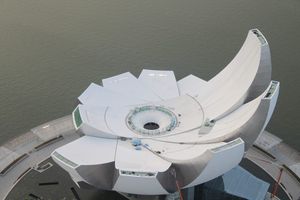
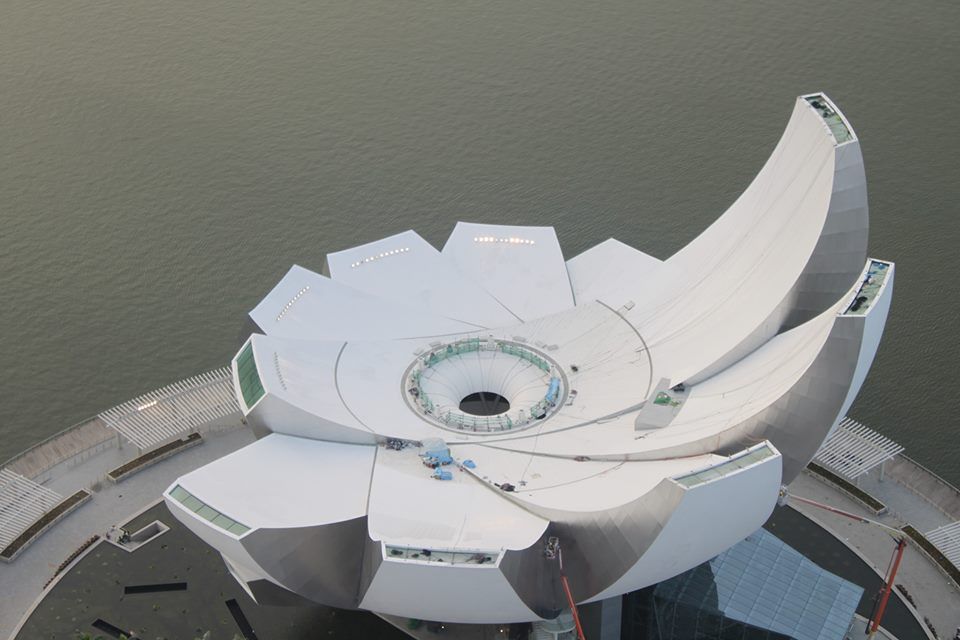
ArtScience Museum (艺术科学博物馆)
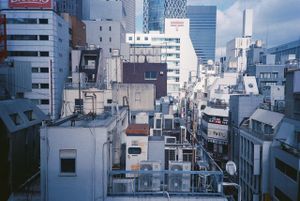
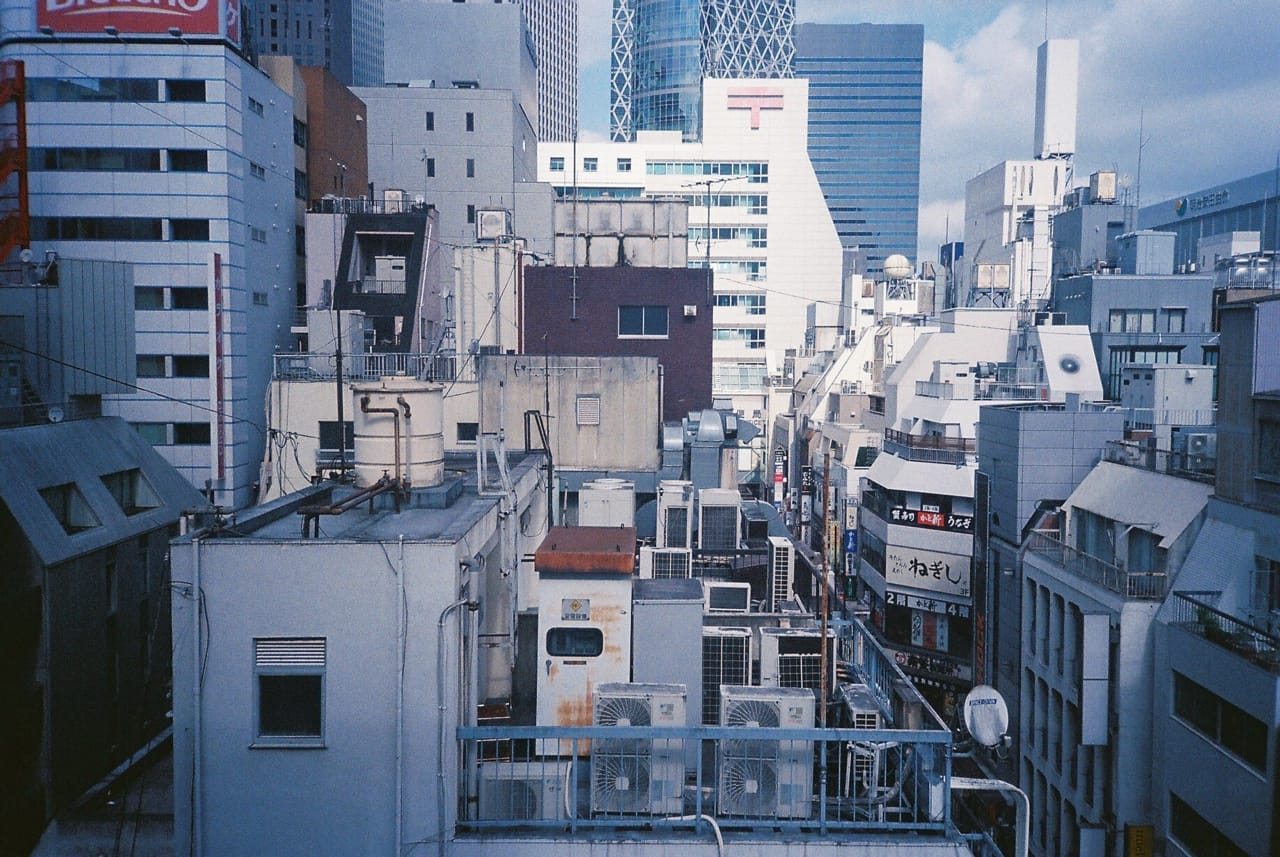
Tokyo Rooftops Ginza
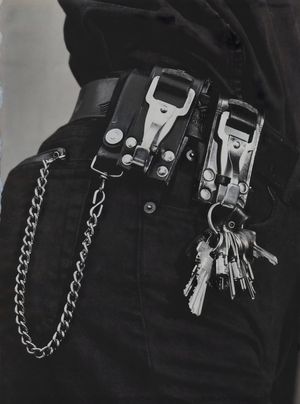
Bruce Weber for Calvin Klein Jeans — 1991 Campaign

Karborn — Evidence of Time Travel
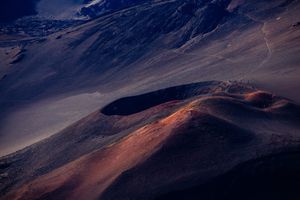
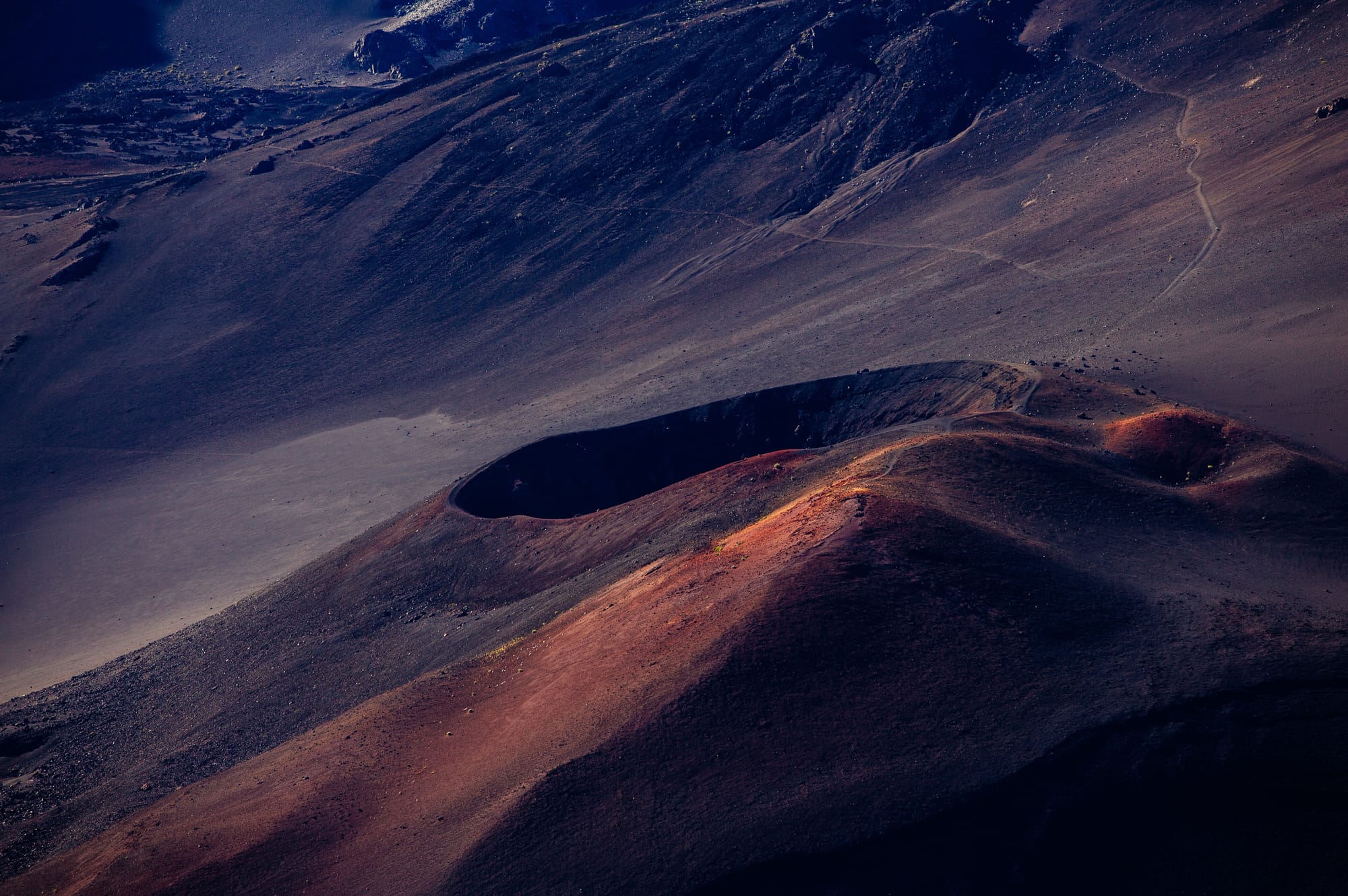
Haleakalā Crater — Volcanic Landscape, Maui
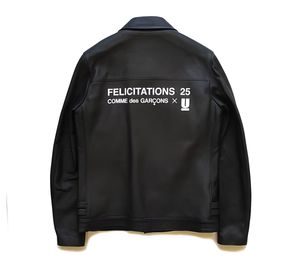
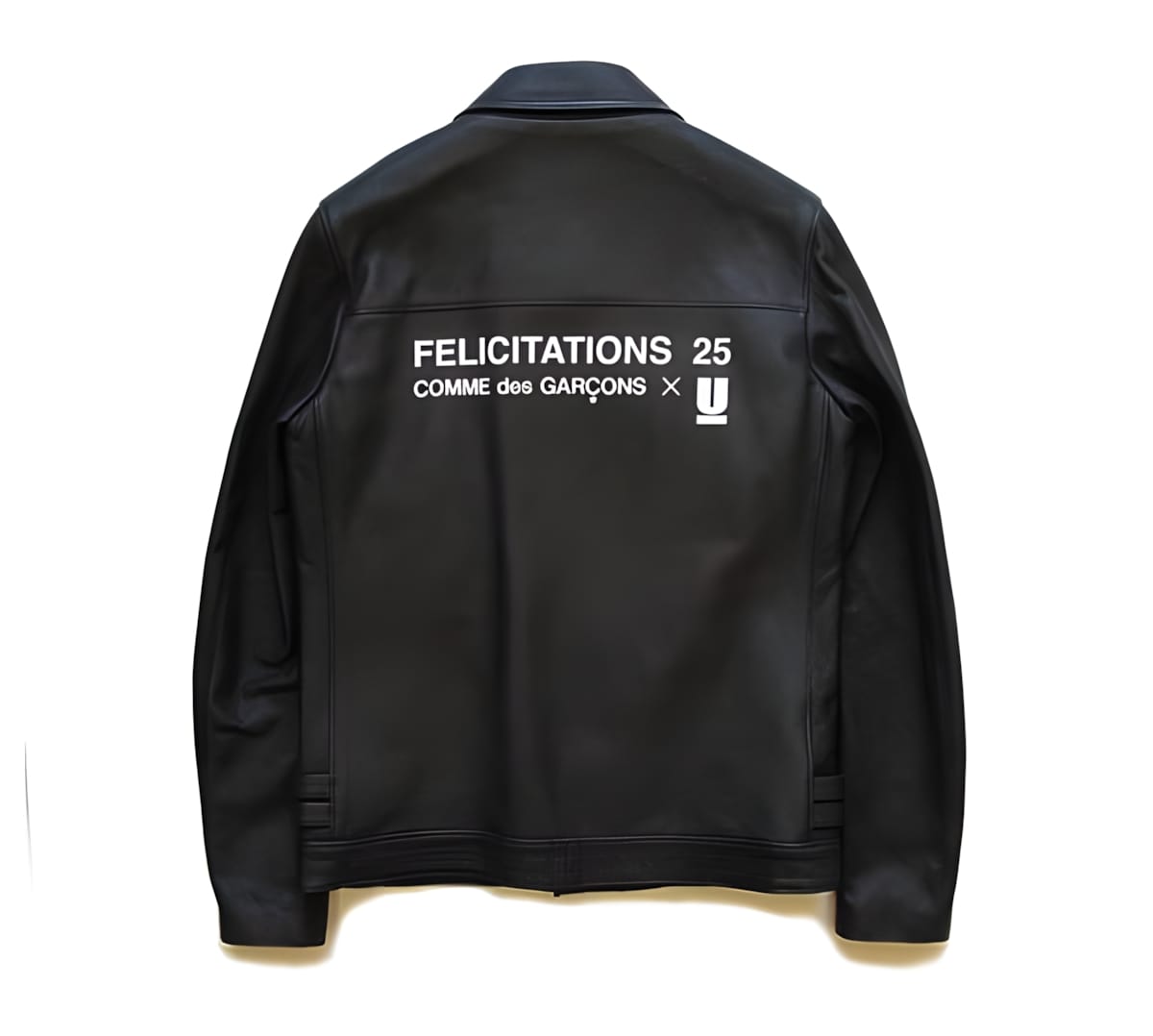
Comme des Garçons × Undercover Felicitations 25 Leather Jacket

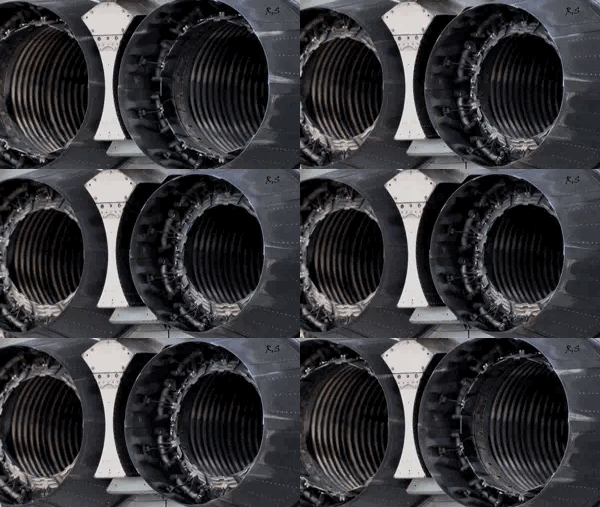
MIG 1.42 - PROTOTYPE
Prototype Russian fighter jet spotted on Bing Maps. Built to rival the American F-22 Raptor, the jet lost out to the Su-47.


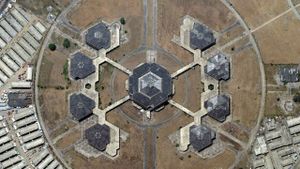
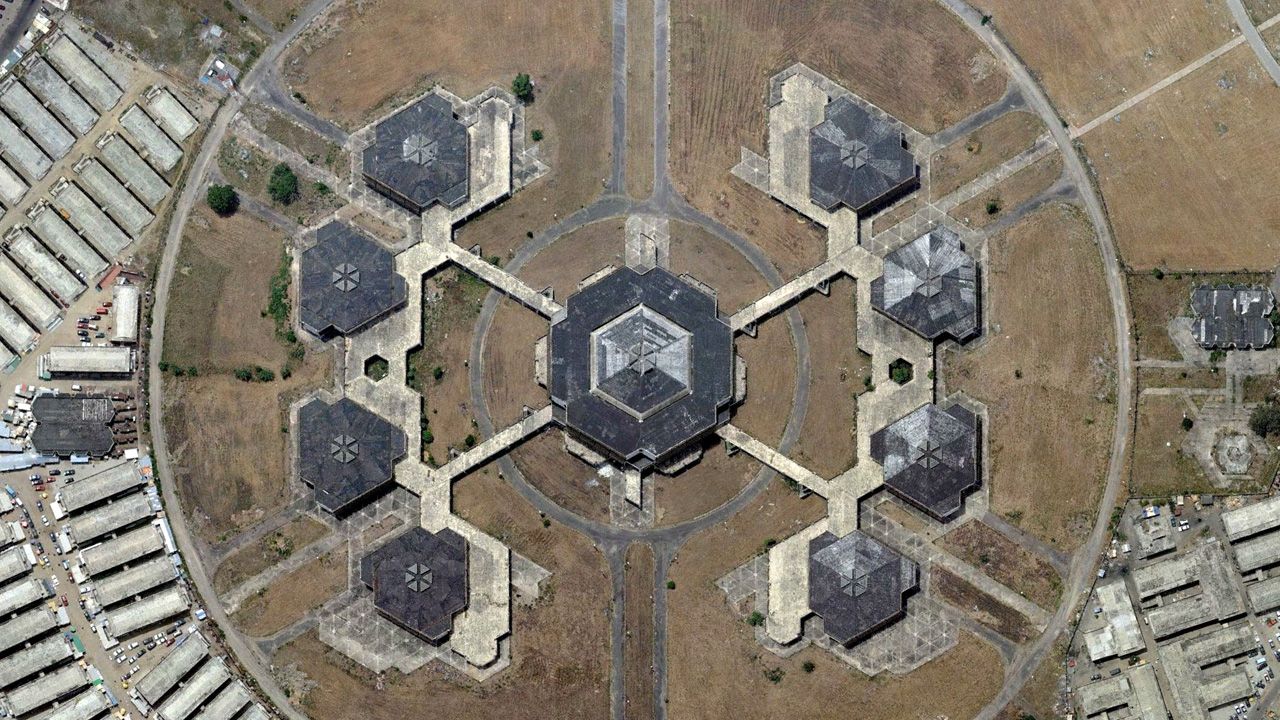
Aerial view of the Lagos fair ground designed and constructed by Energoprojekt, (Yugoslavia), completed 1976-77.
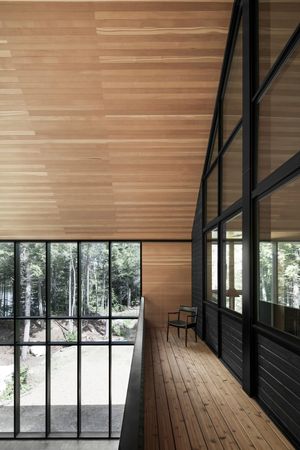
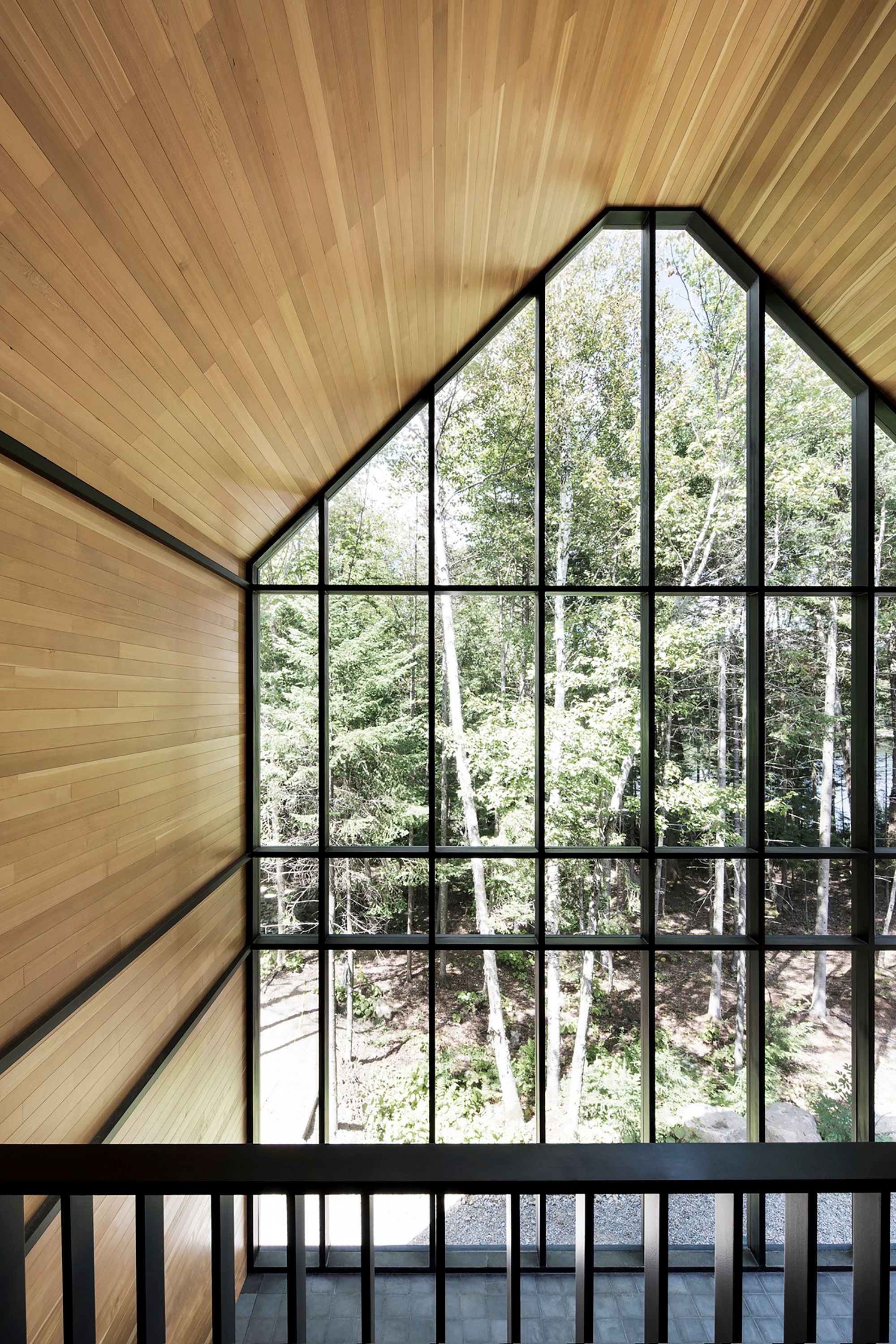
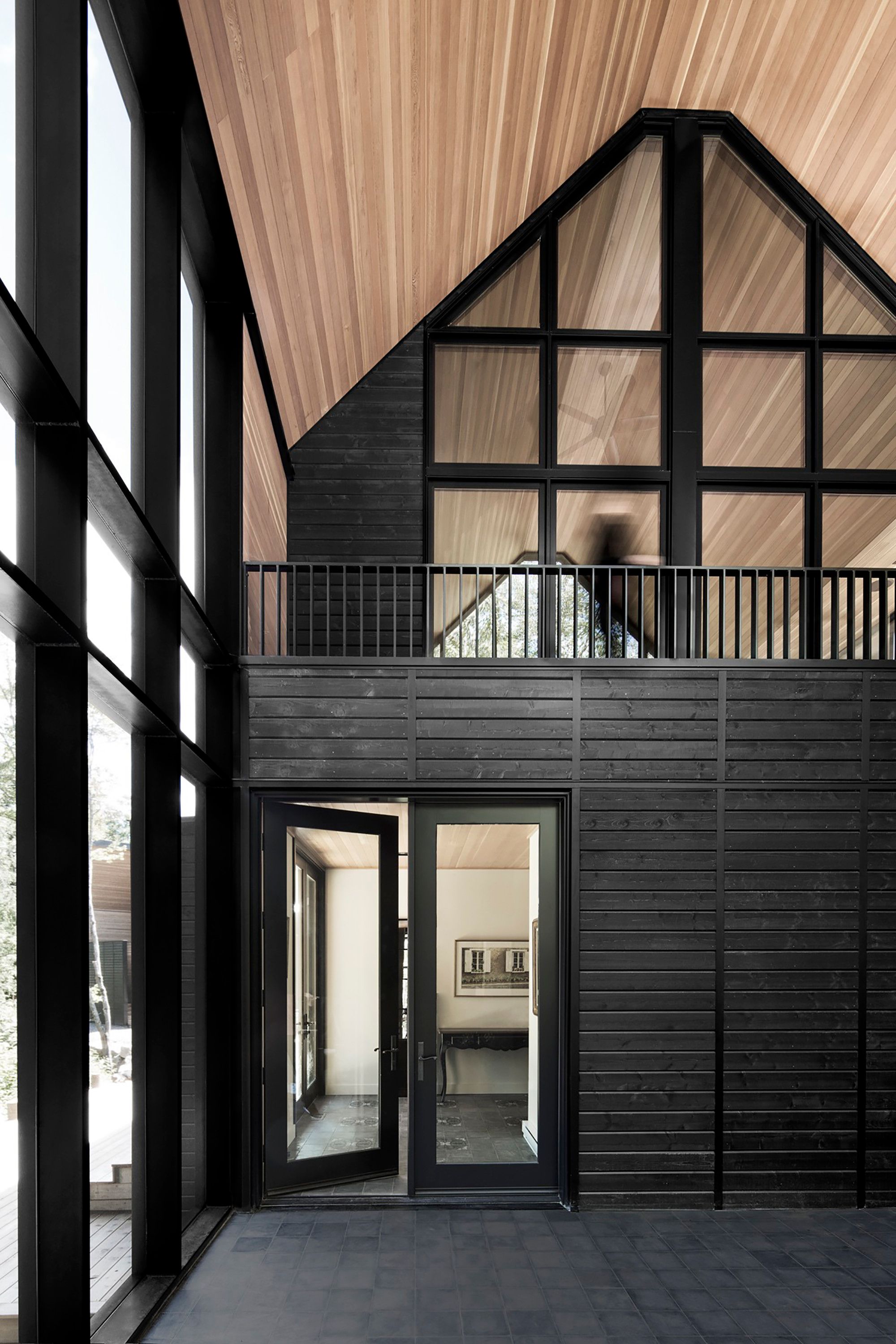
Les Marais par Alain Carle Architecte, Canada
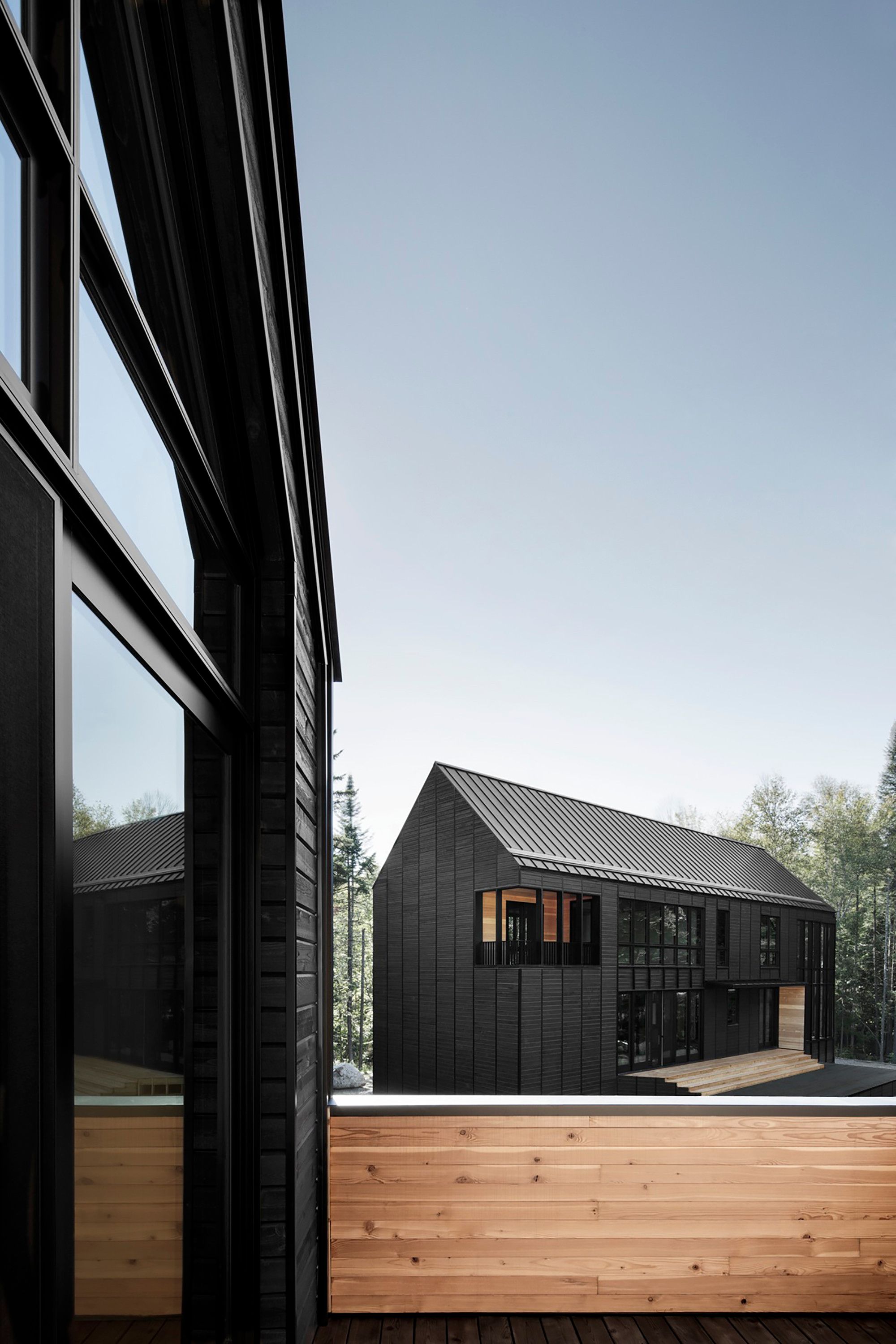
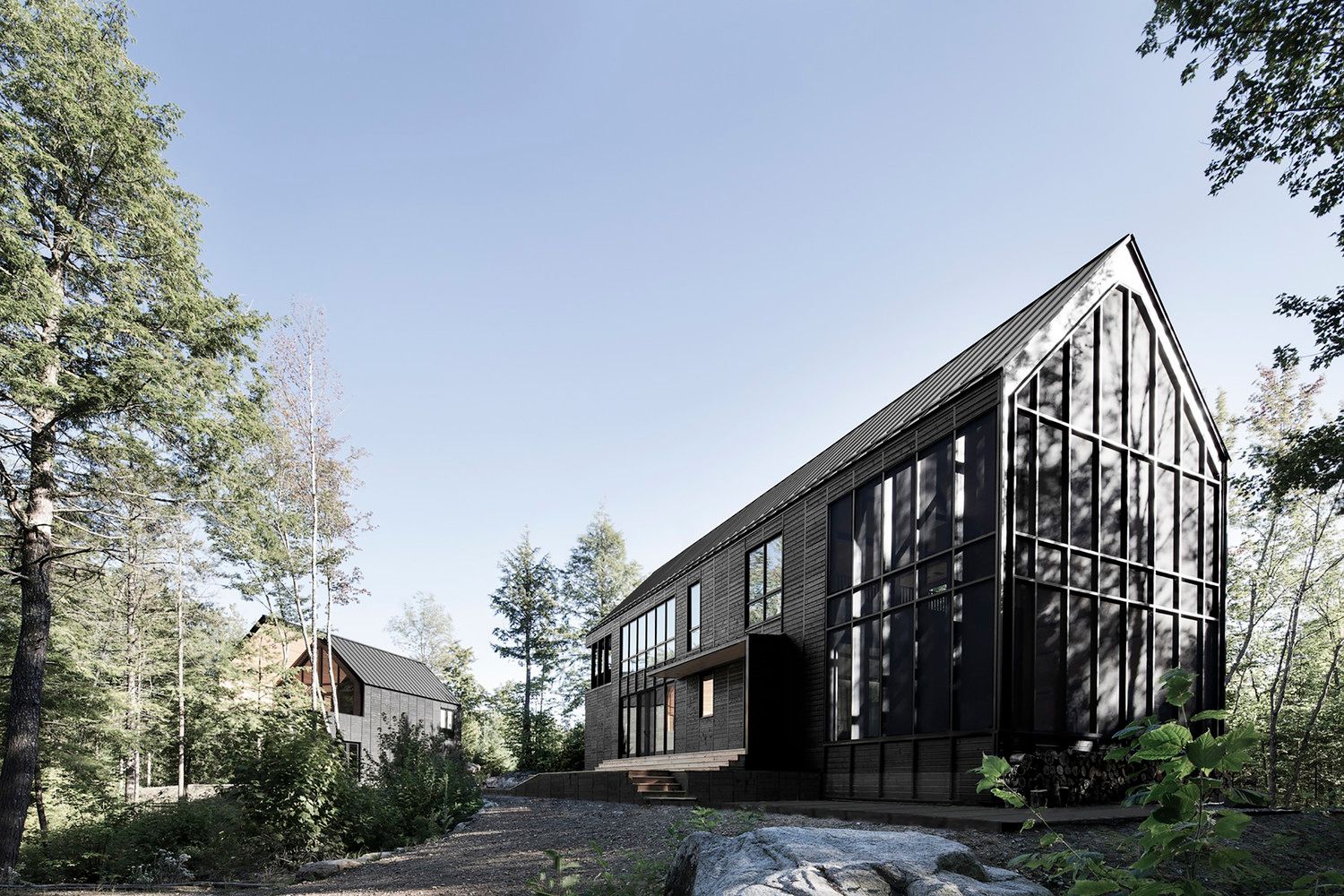
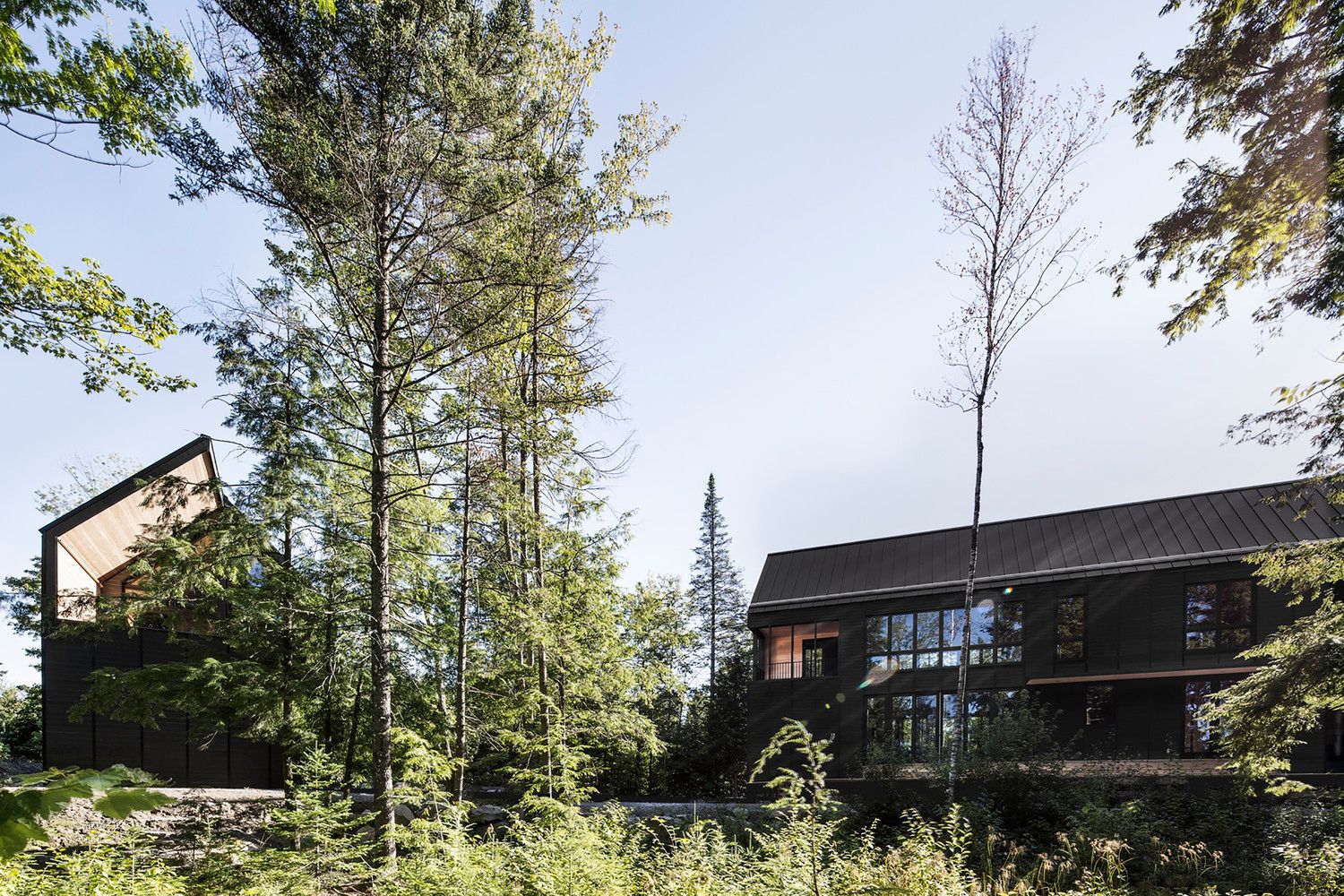
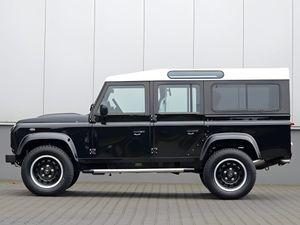
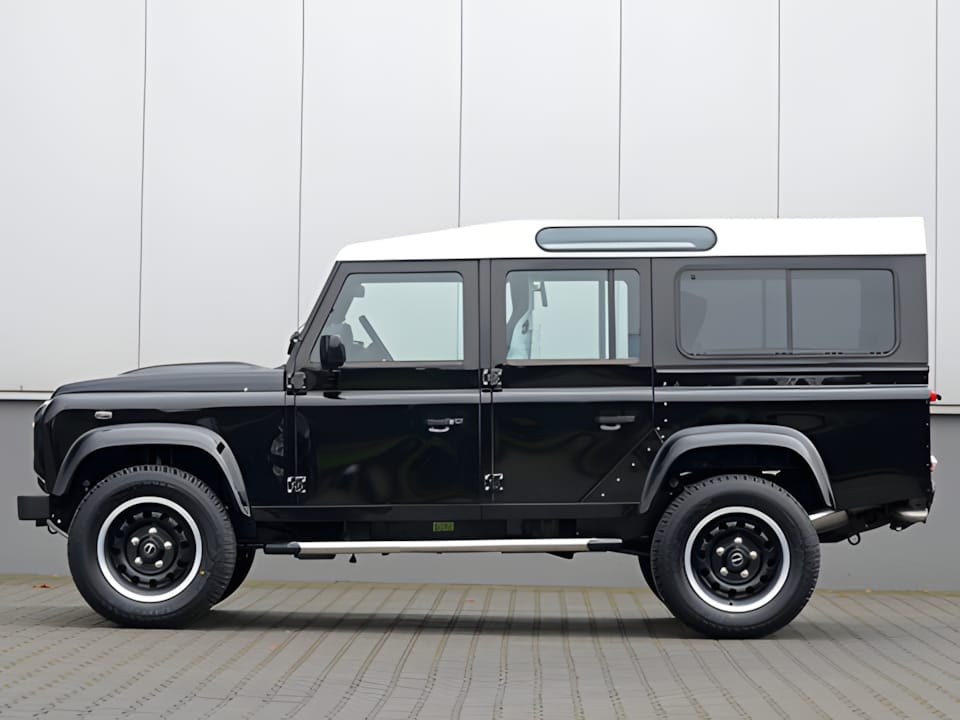
Land Rover Defender 110 Station Wagon in Black
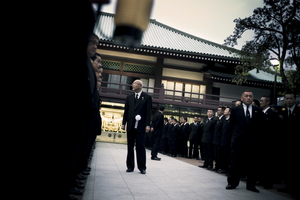
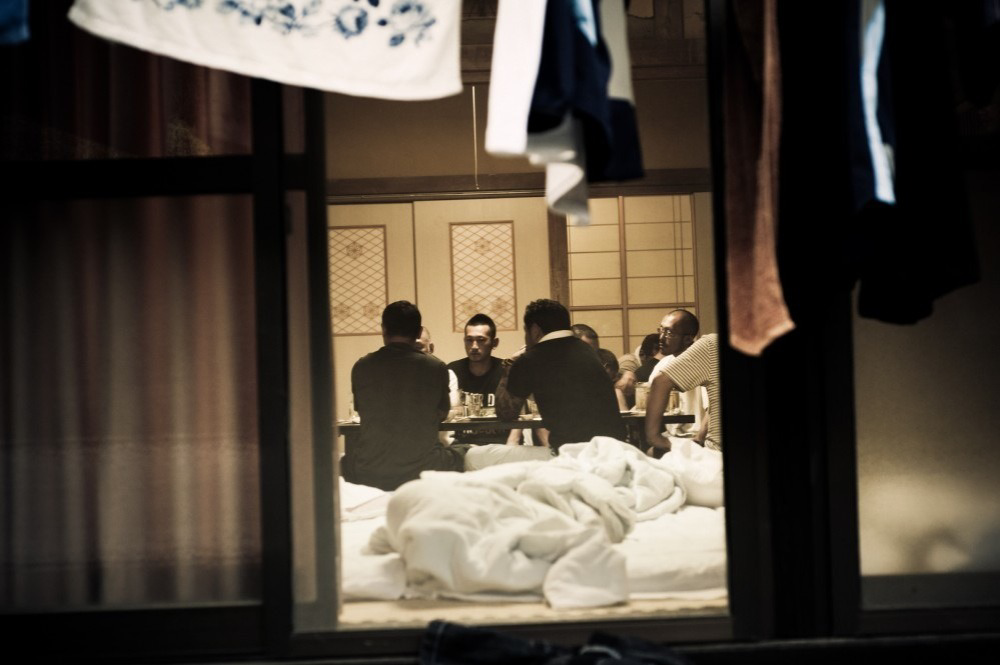
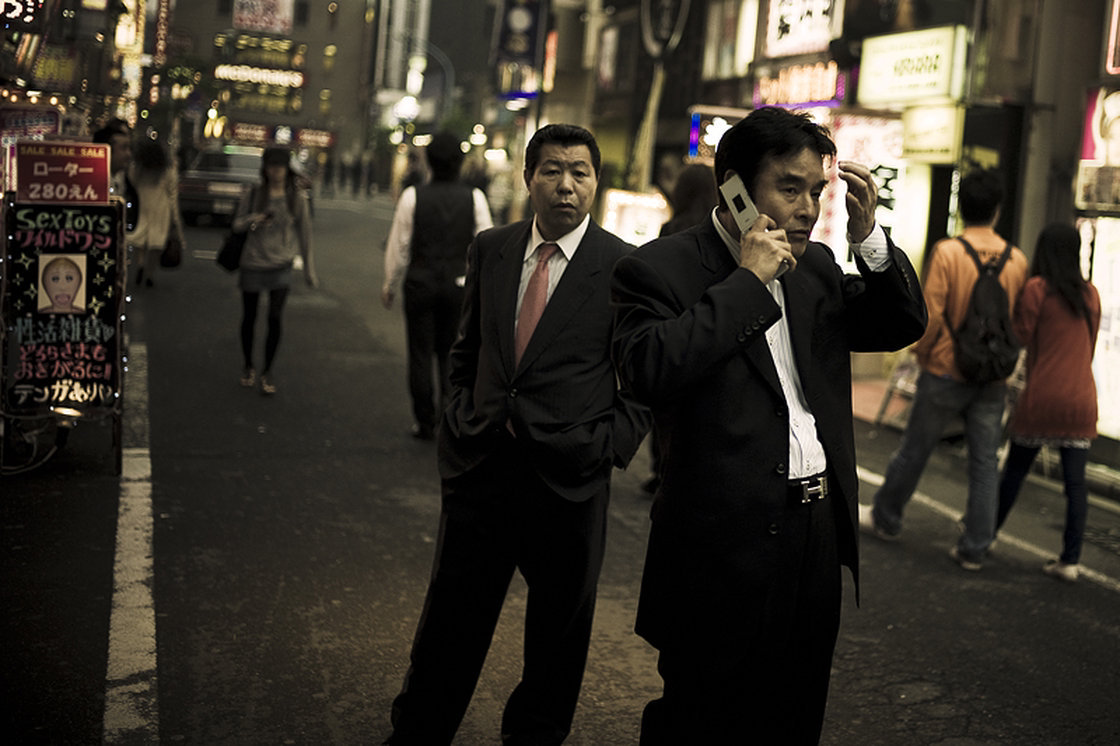
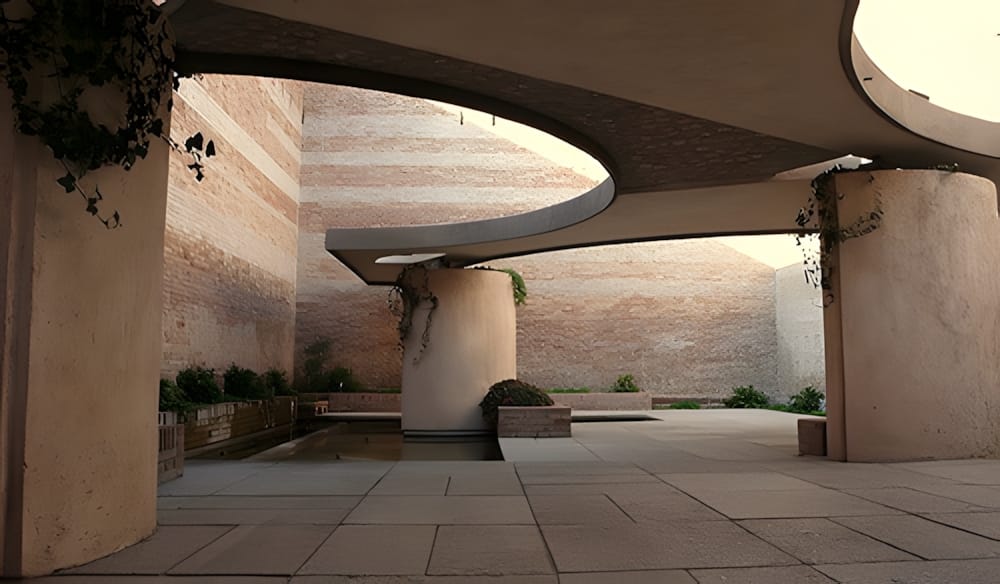
Carlo Scarpa — Fondazione Querini Stampalia Garden, Venice
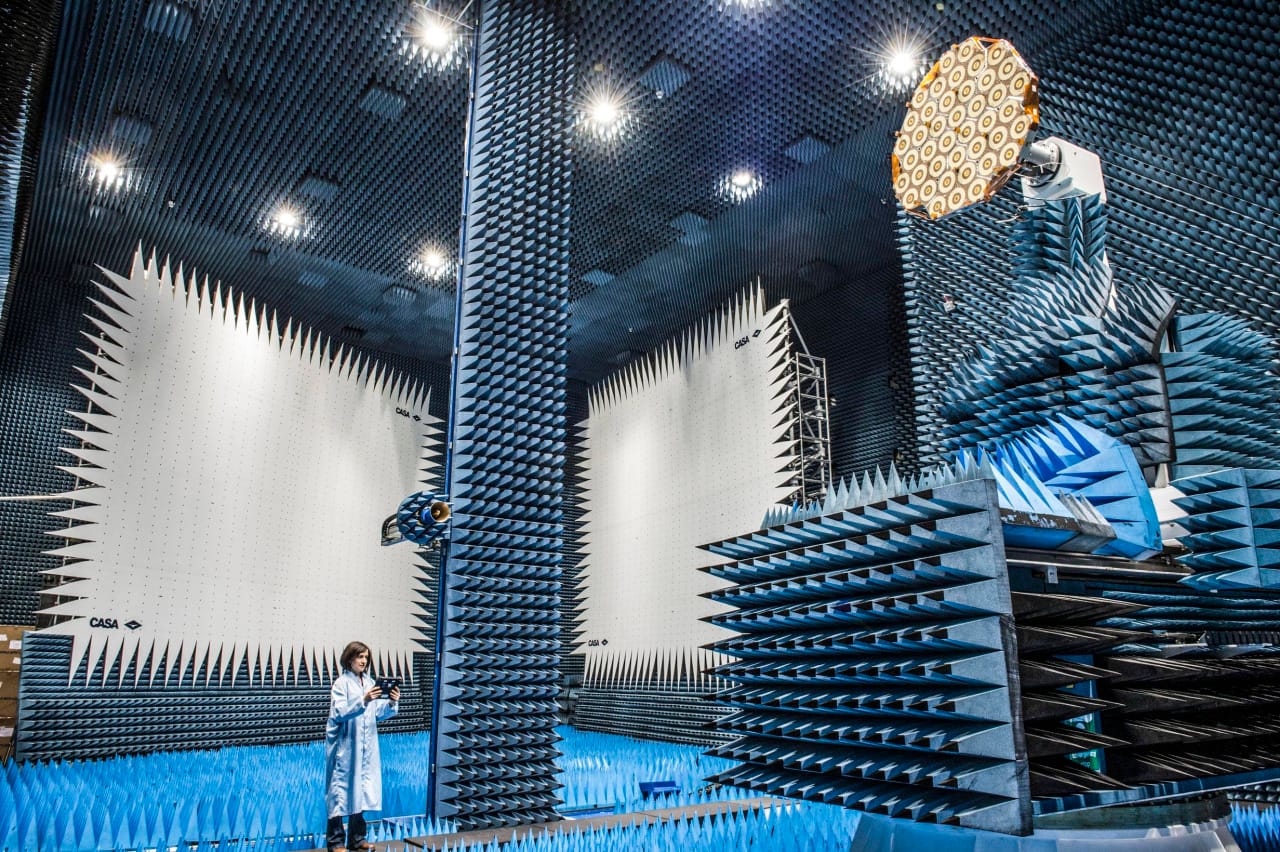
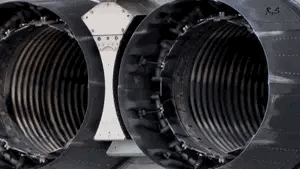
ESA HERTZ Anechoic Chamber — Antenna Test Facility at ESTEC
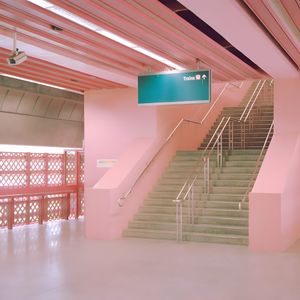
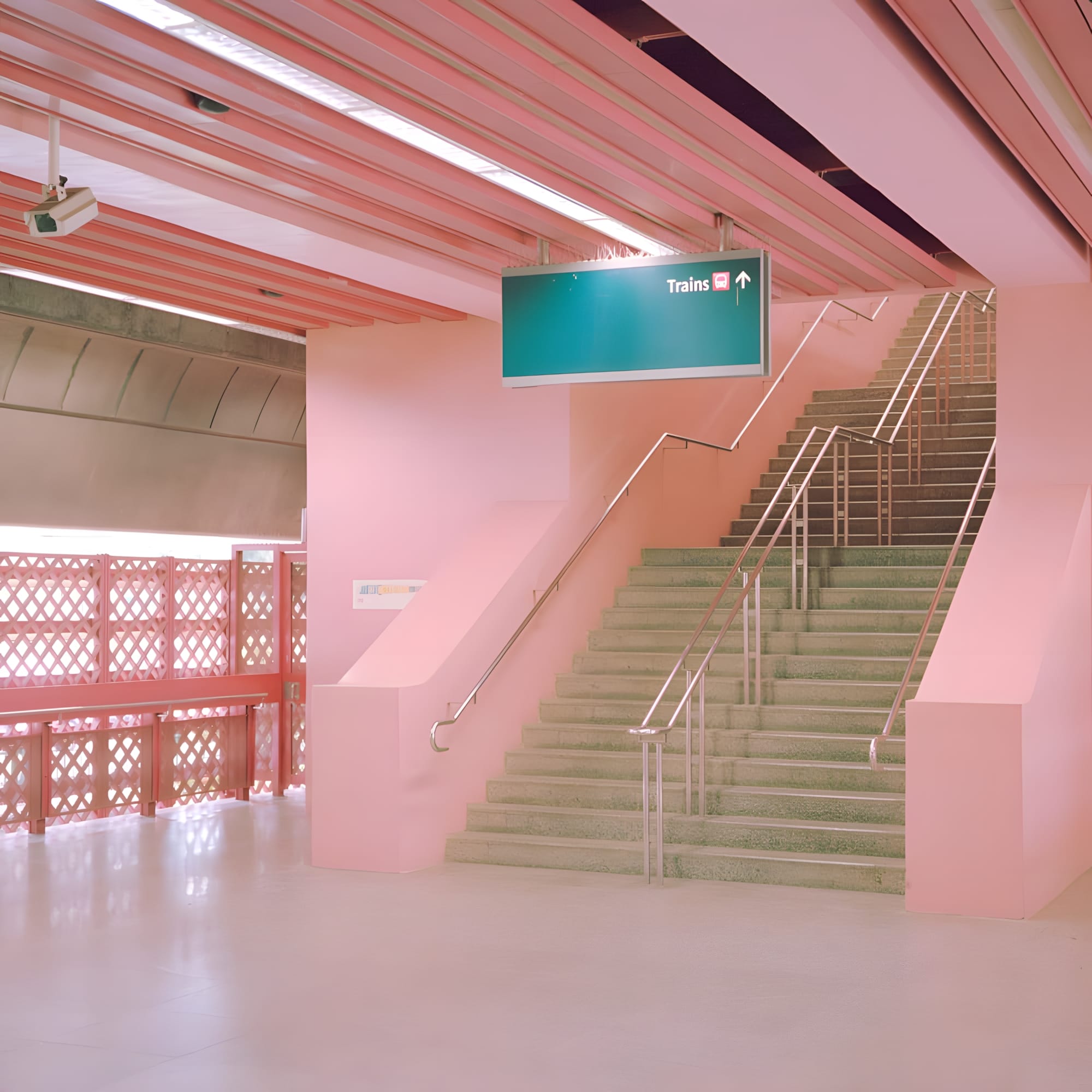
Redhill MRT Station — Singapore
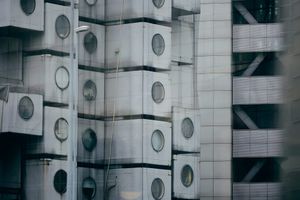
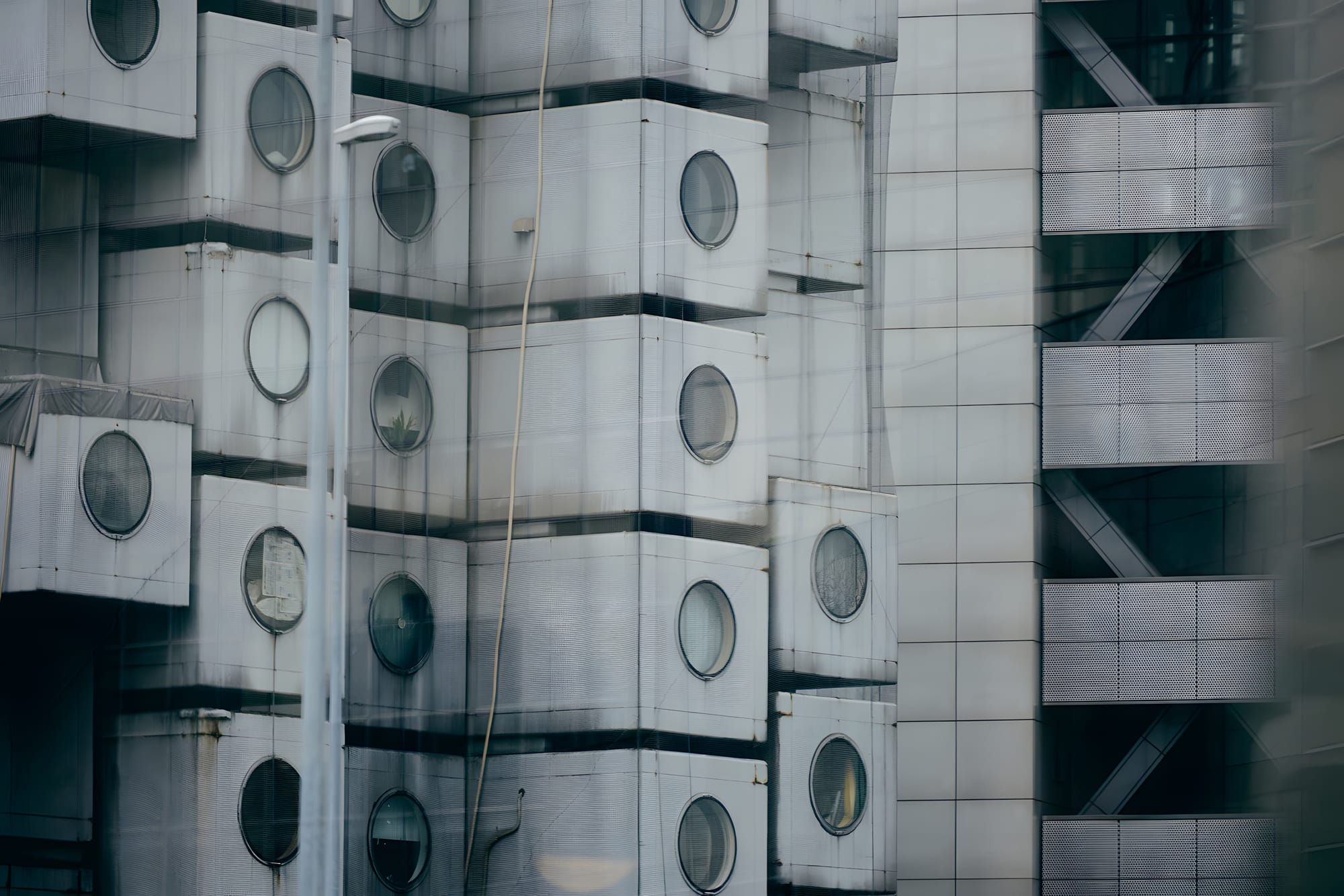
Nakagin Capsule Tower — Exterior Detail, Tokyo 2016
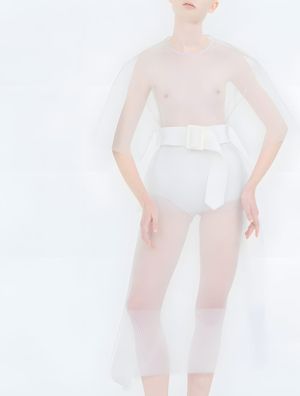
Melitta Baumeister Spring/Summer 2015 Ready-to-Wear
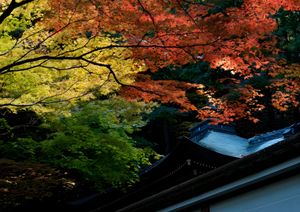
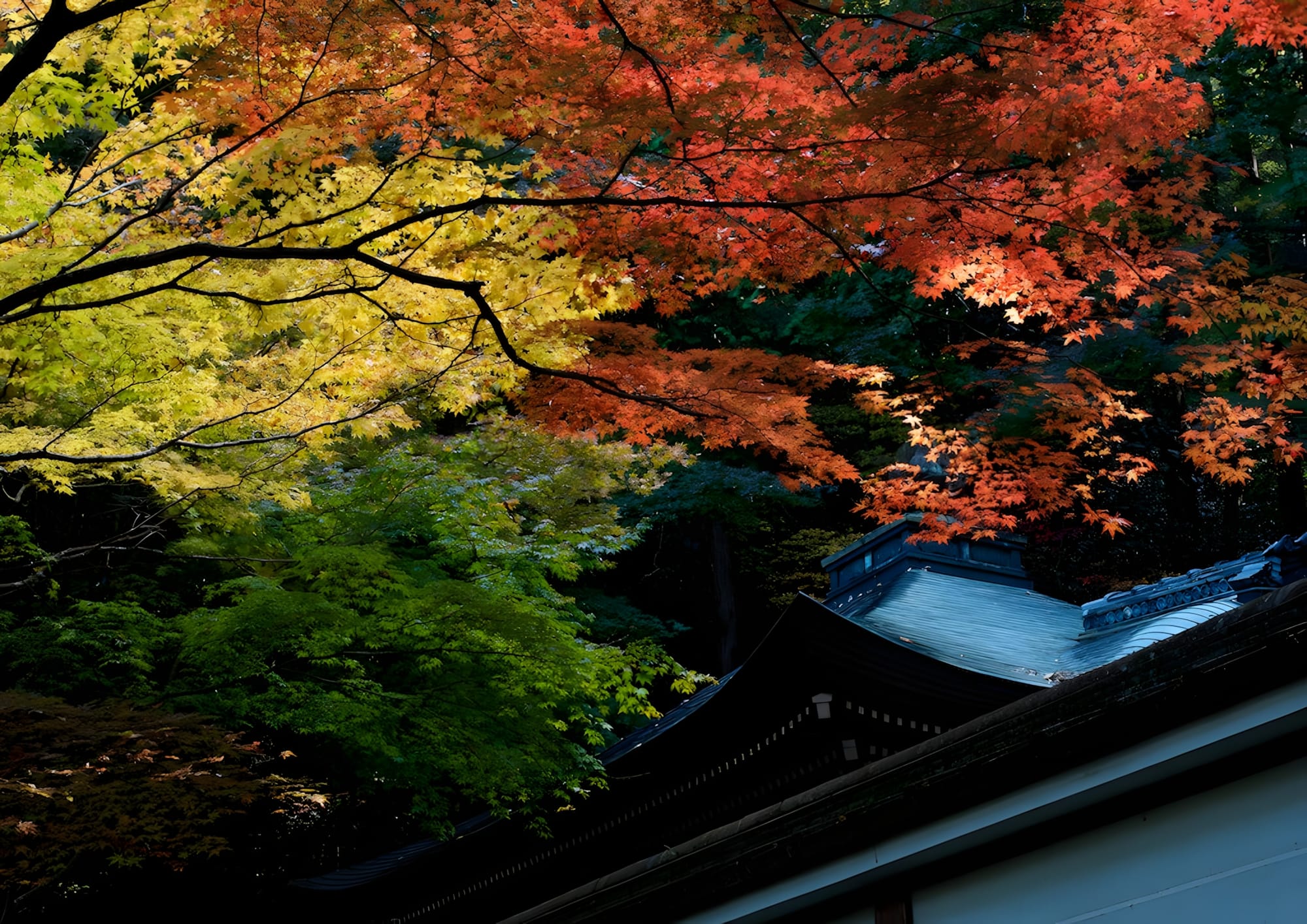
Nanzenji Temple Autumn Foliage, Higashiyama, Kyoto
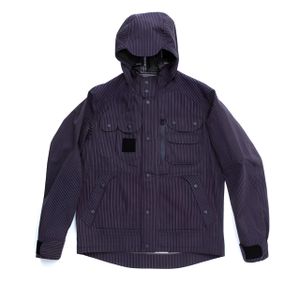
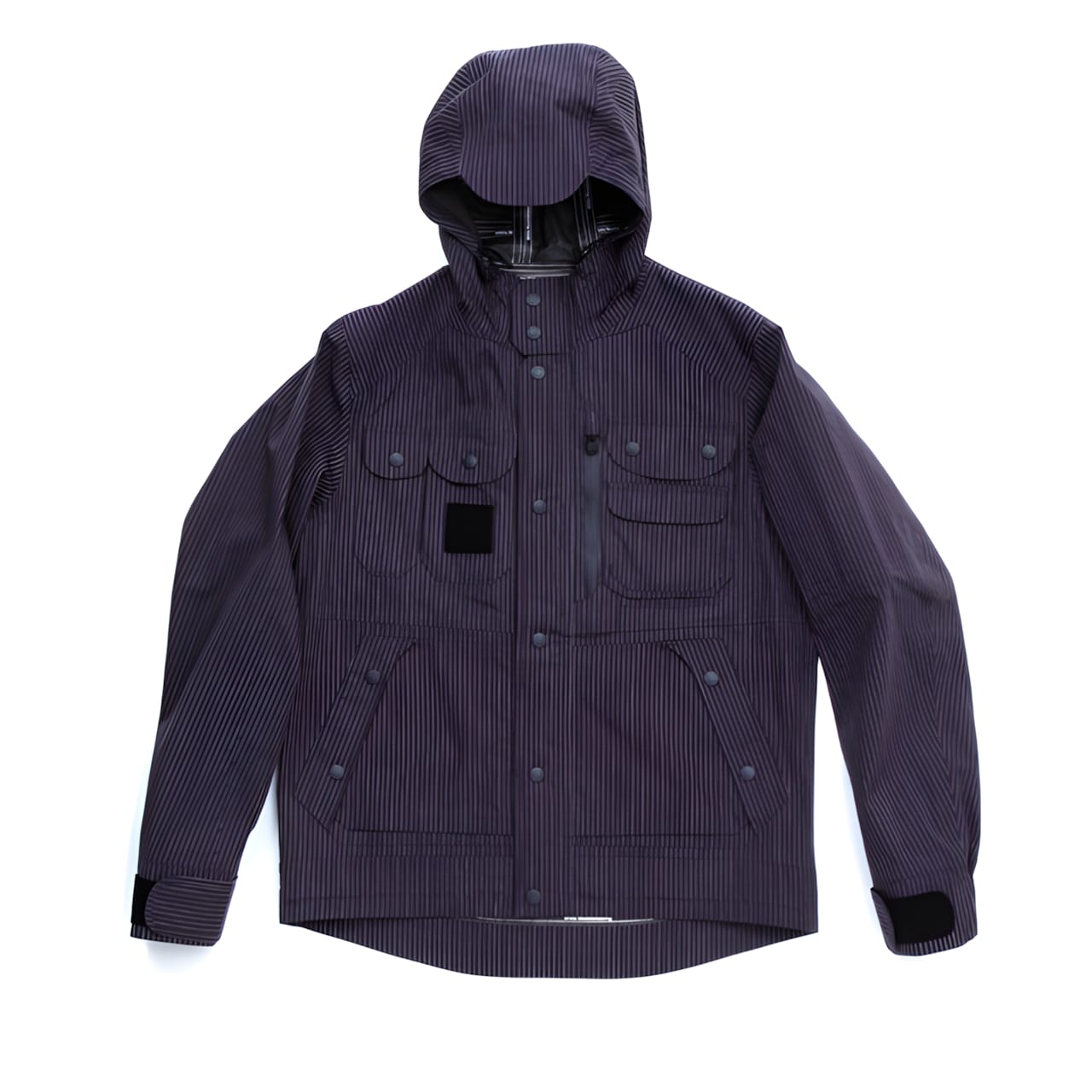
CP Company Multi-Pocket Goggle Hooded Jacket in Grey
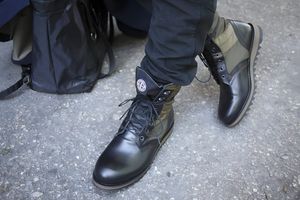
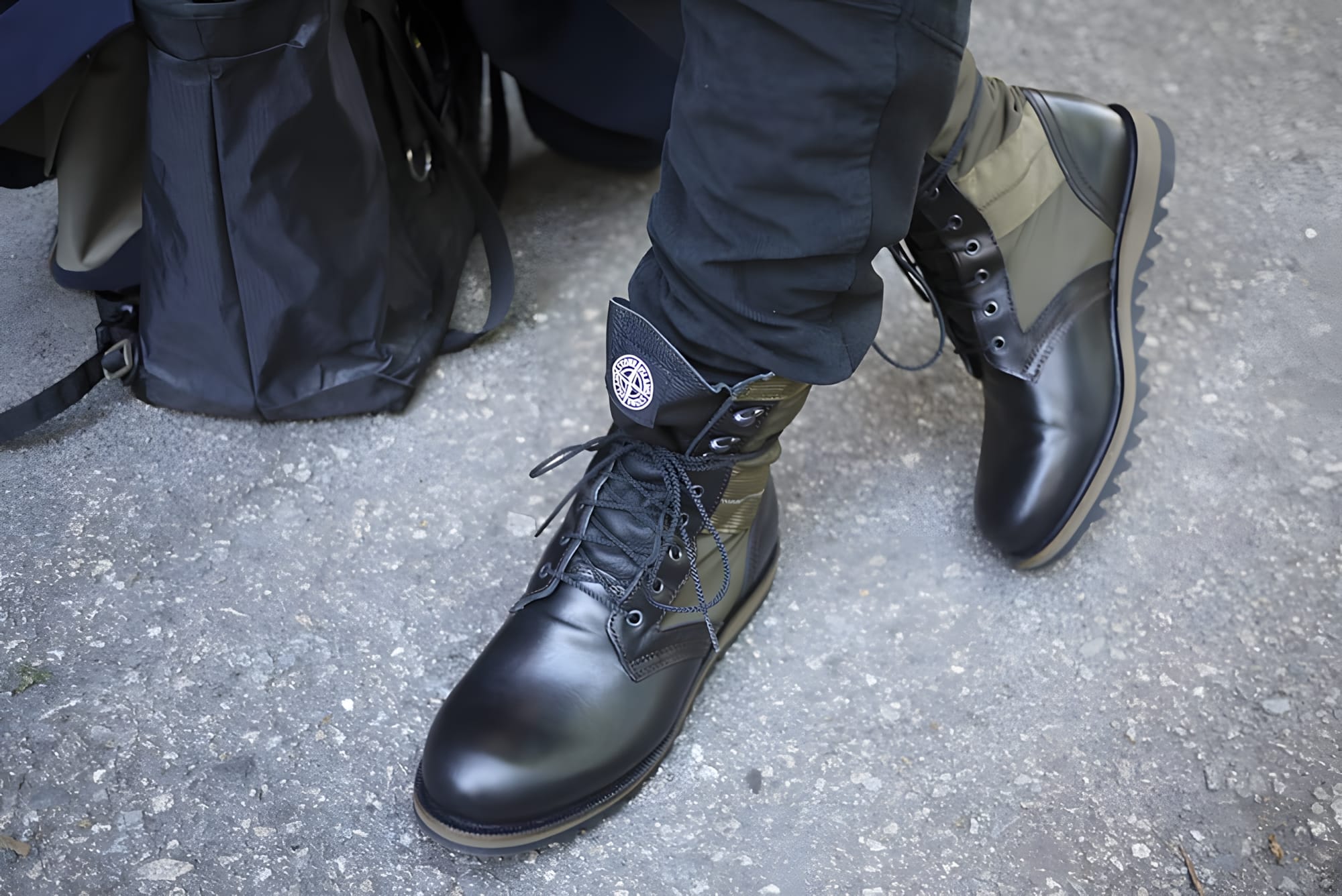
Stone Island × Diemme Military Boot (2012)
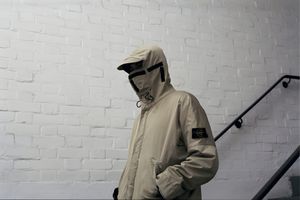
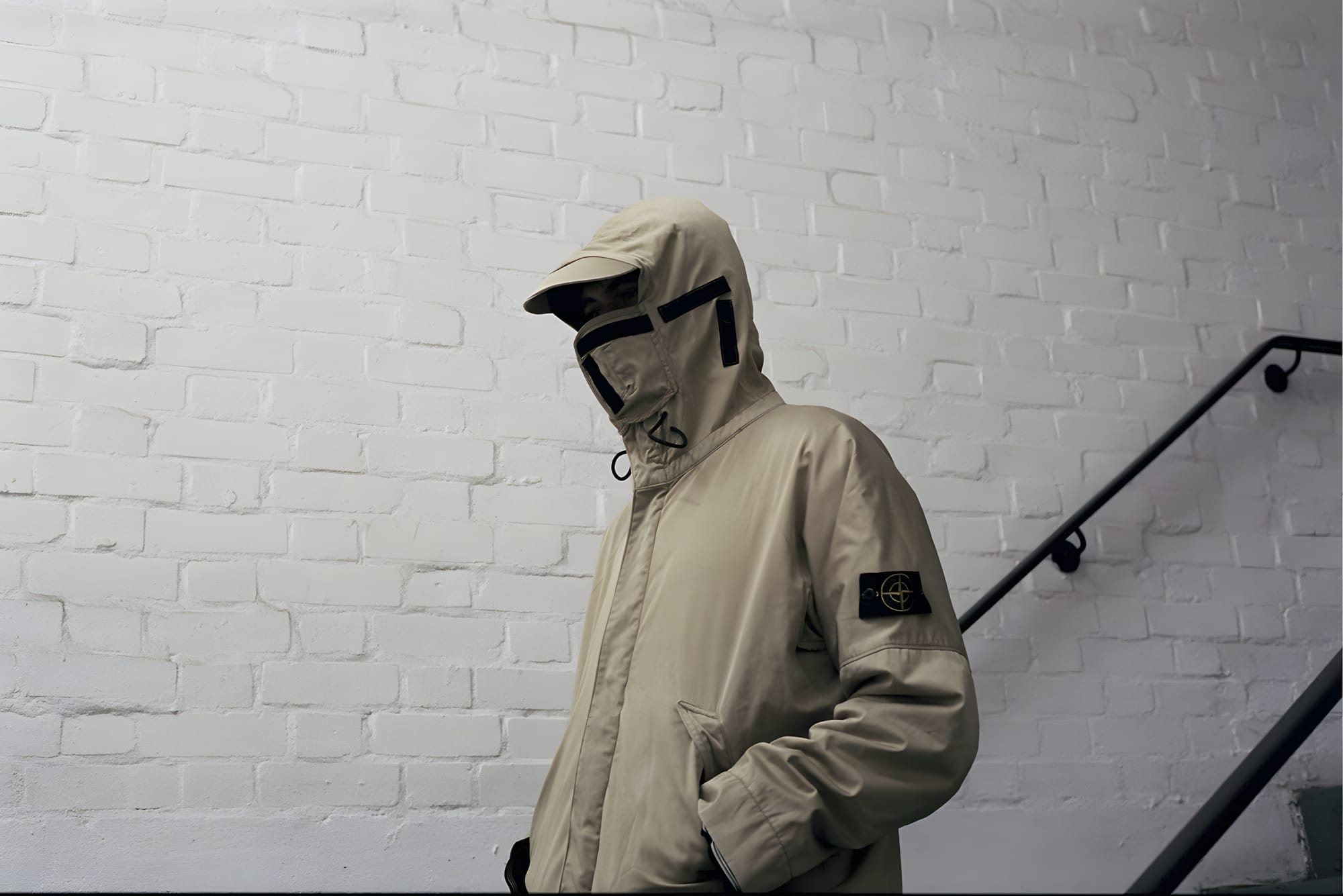
Stone Island Raso Floccato Riot Mask Jacket AW2004
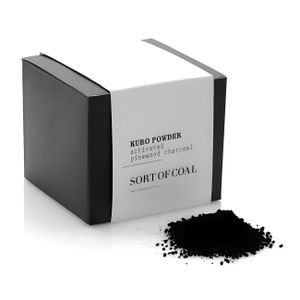
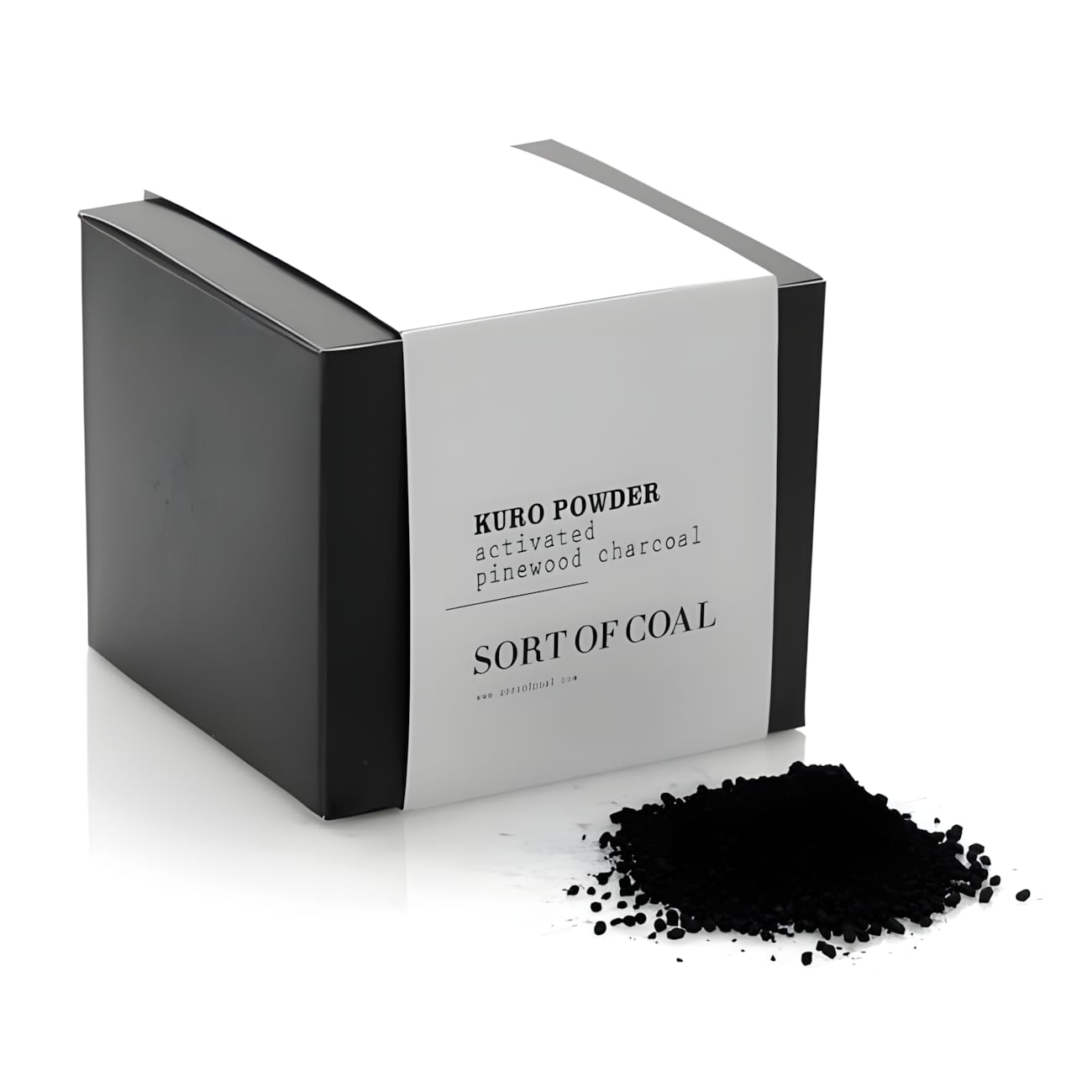
Sort of Coal — Edible Kuro Charcoal Powder
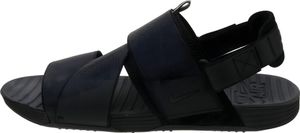
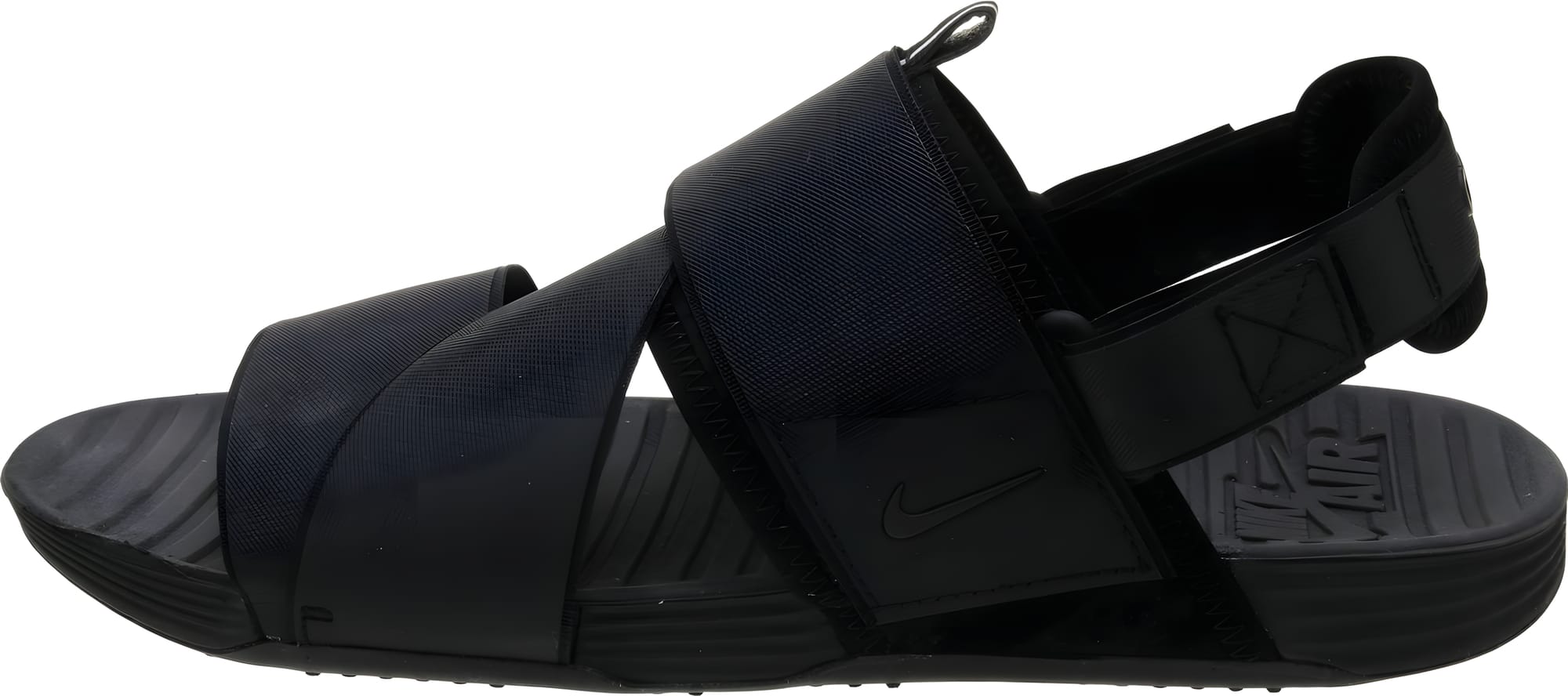
Nike Air Solarsoft Zigzag Sandal in Black
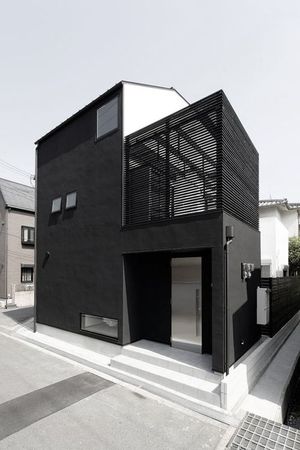
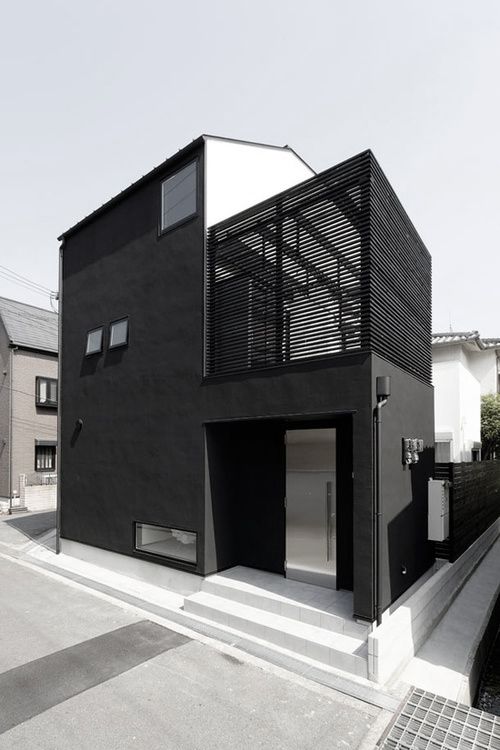
black house with stainless steel door
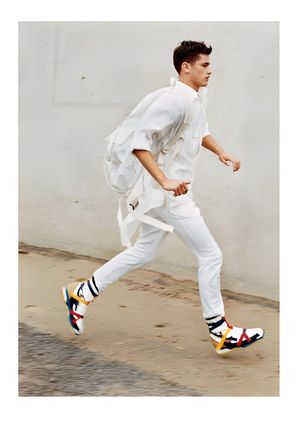
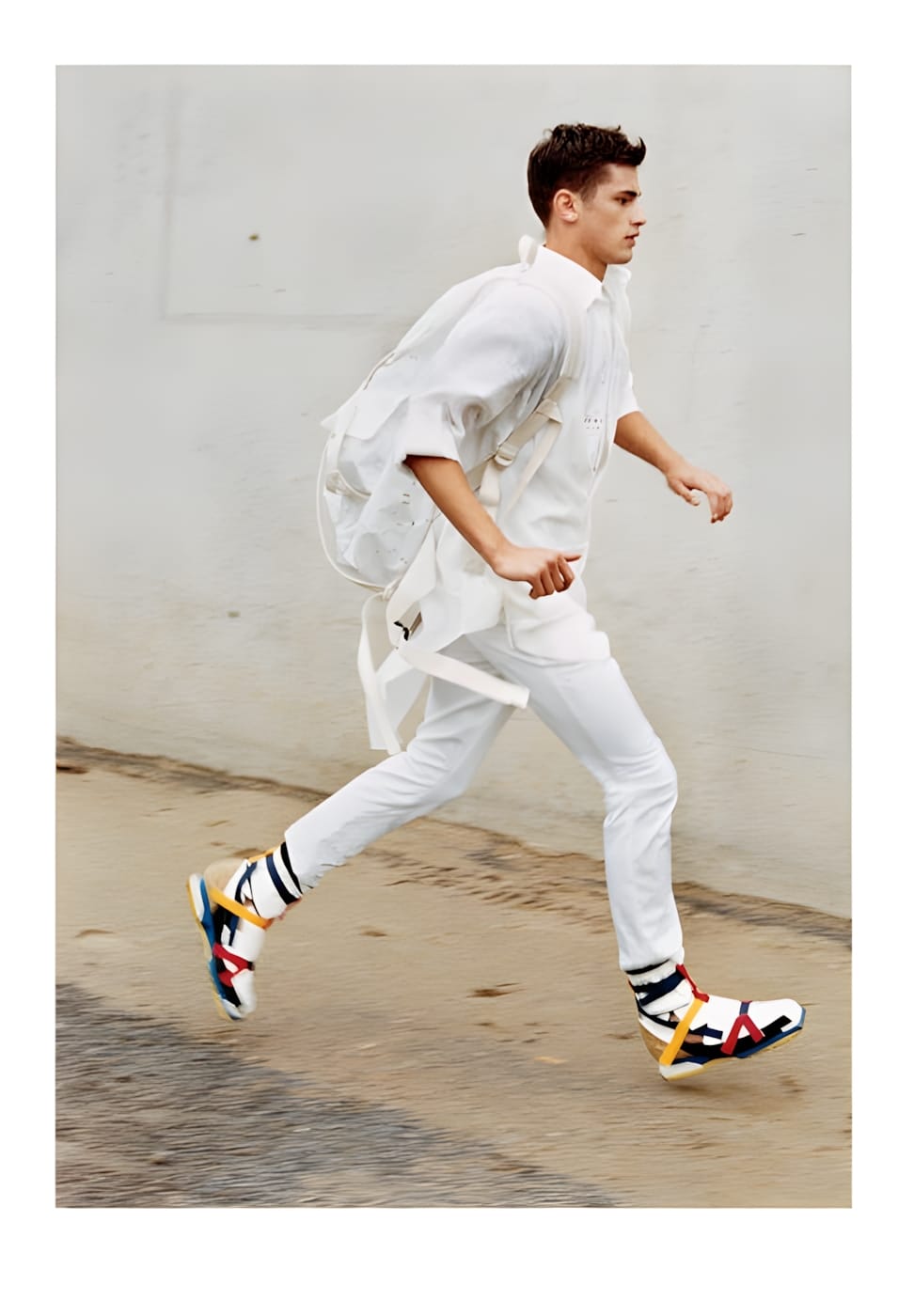
Raf Simons SS2008 De Stijl Hiking Boot — White Multicolor
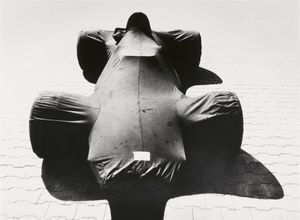
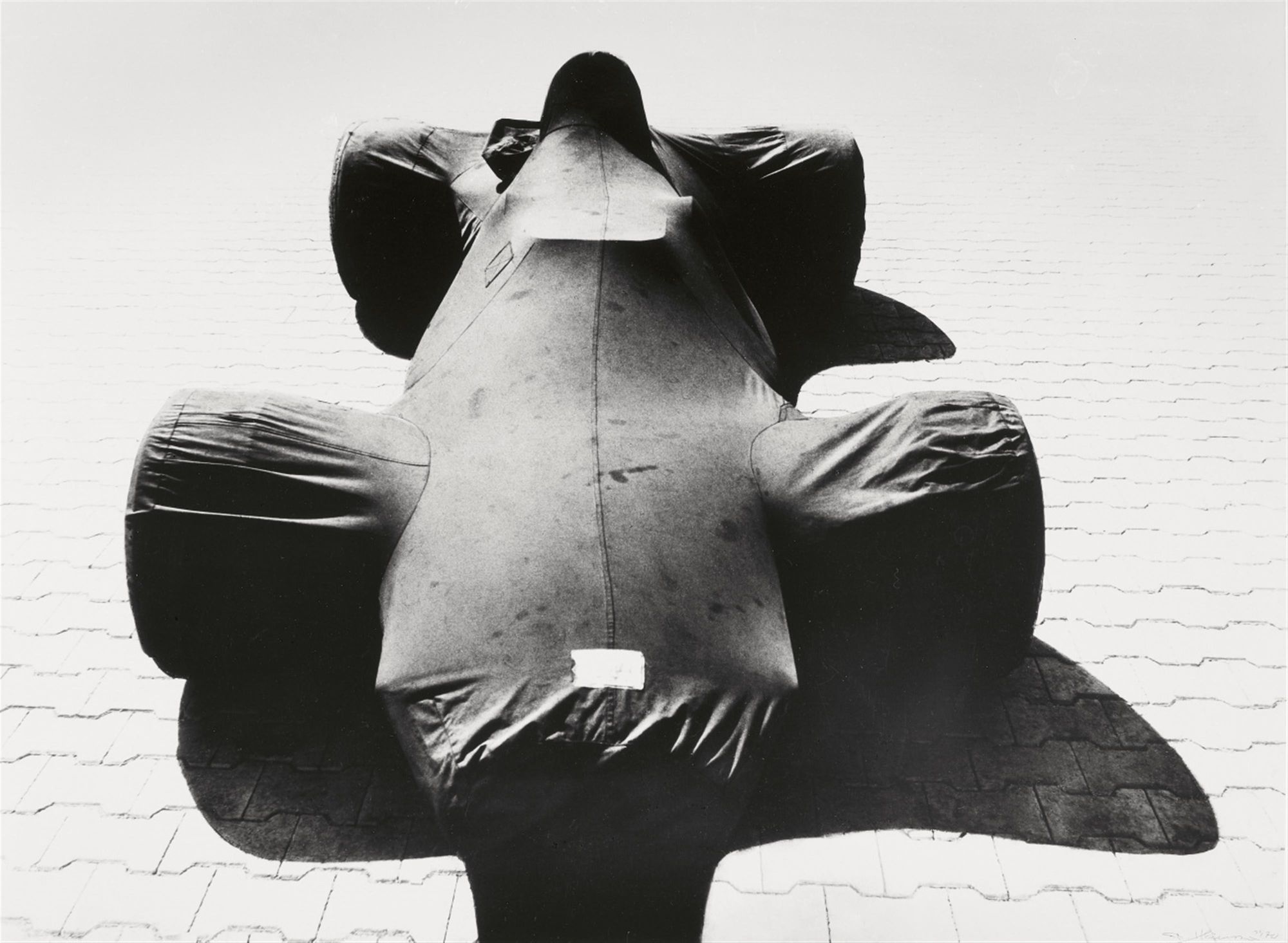
Robert Häusser J.R. 5-9-70
Gelatin silver print, printed 1999. 43.5 x 58.8 cm. Signed and dated in ballpoint pen lower right. Signed, dated, titled in ballpoint pen as well as photographer's thumb print on the verso. - Framed under glass.
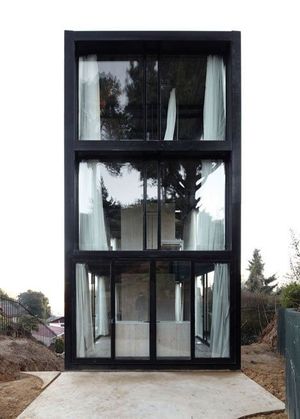
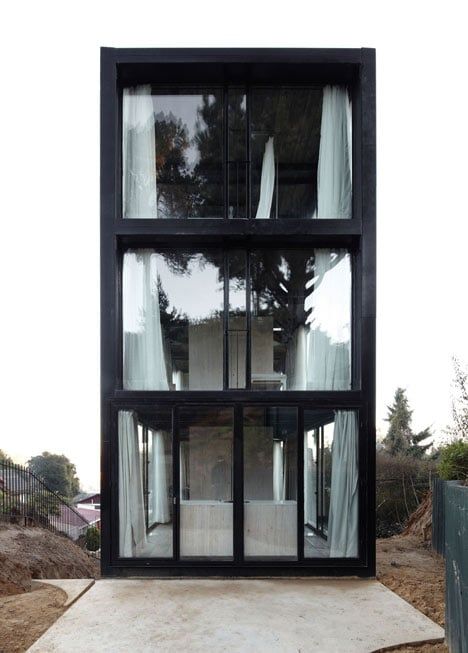
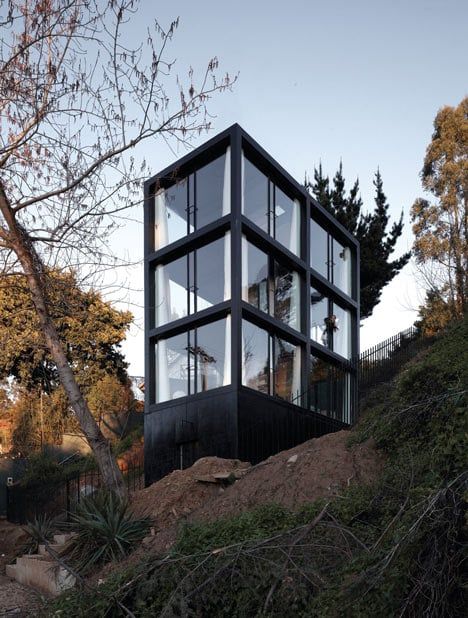
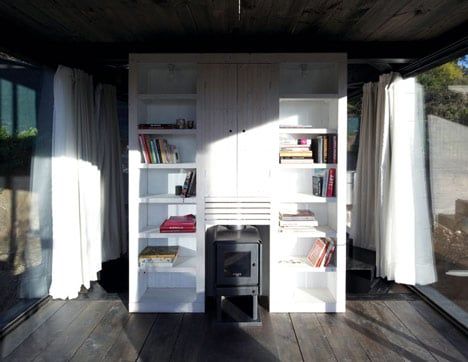
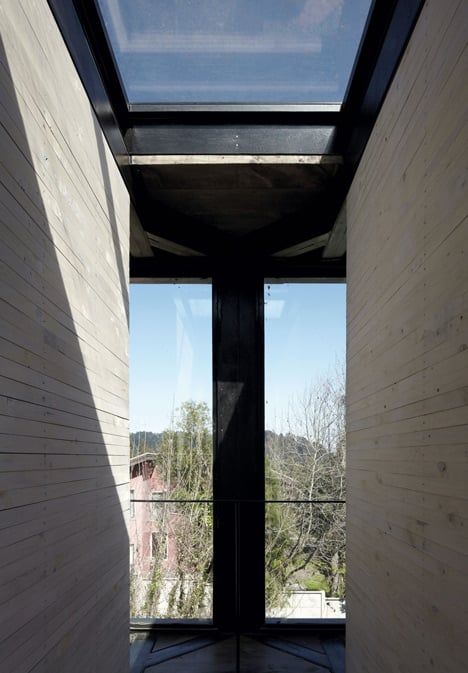
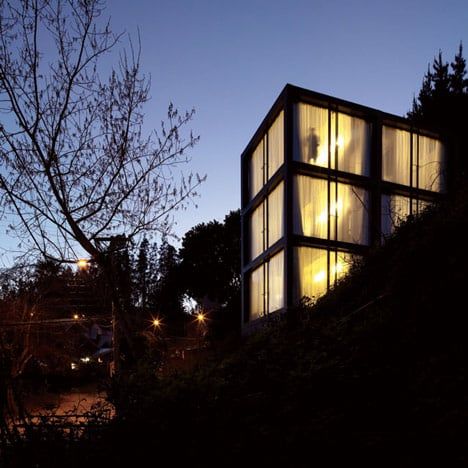
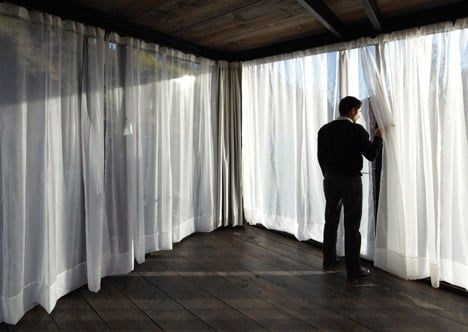
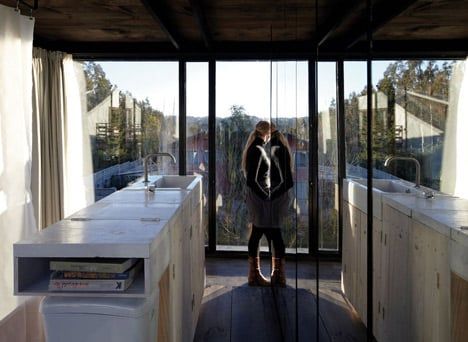
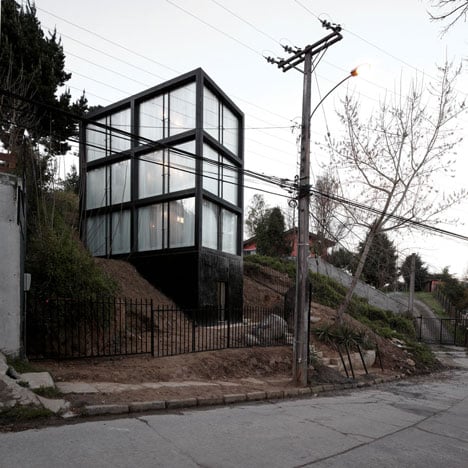
Earthquake-proof house on a hillside in western Chile by architects Pezo von Ellrichshausen
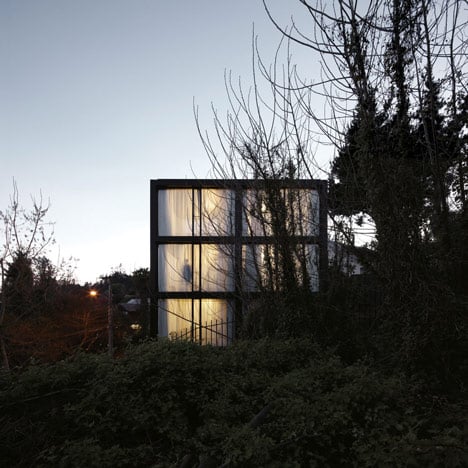
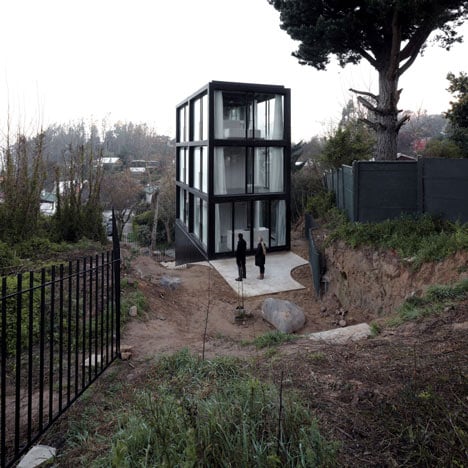
This earthquake-proof house on a hillside in western Chile by architects Pezo von Ellrichshausen has six rooms with glass walls (+ photos by Cristobal Palma).
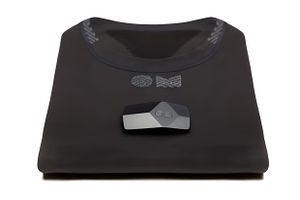
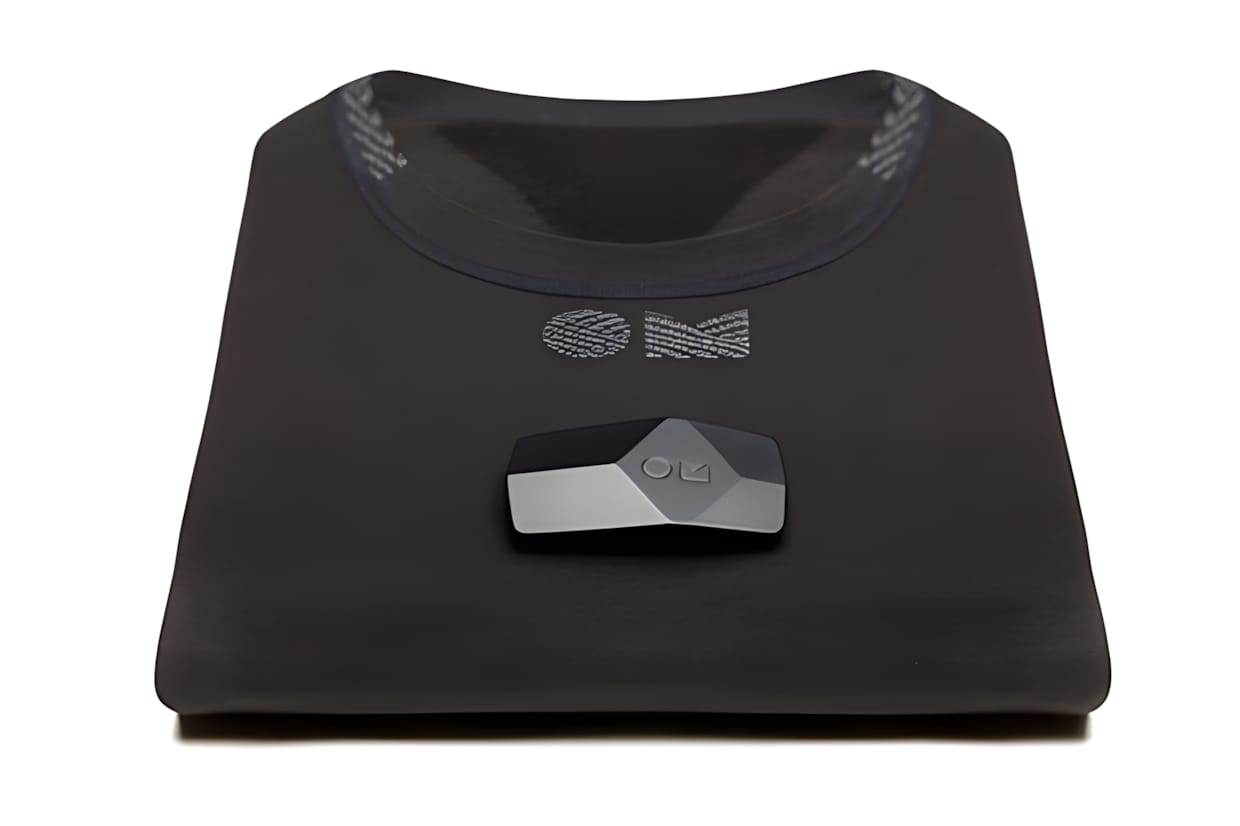
OMsignal Biometric Smartwear Shirt
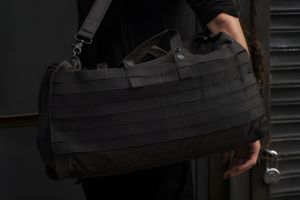
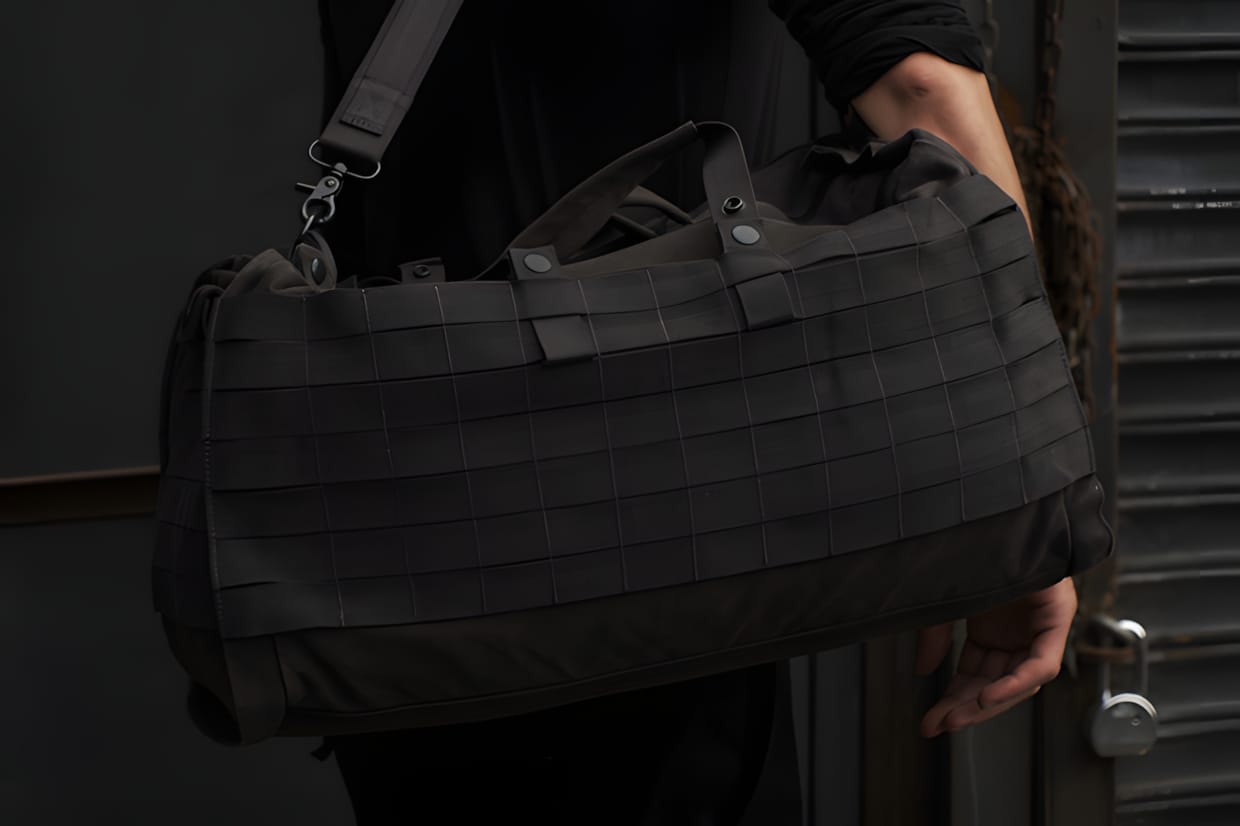
Able Archer Duffel Bag — Black MOLLE
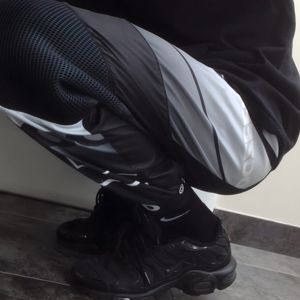
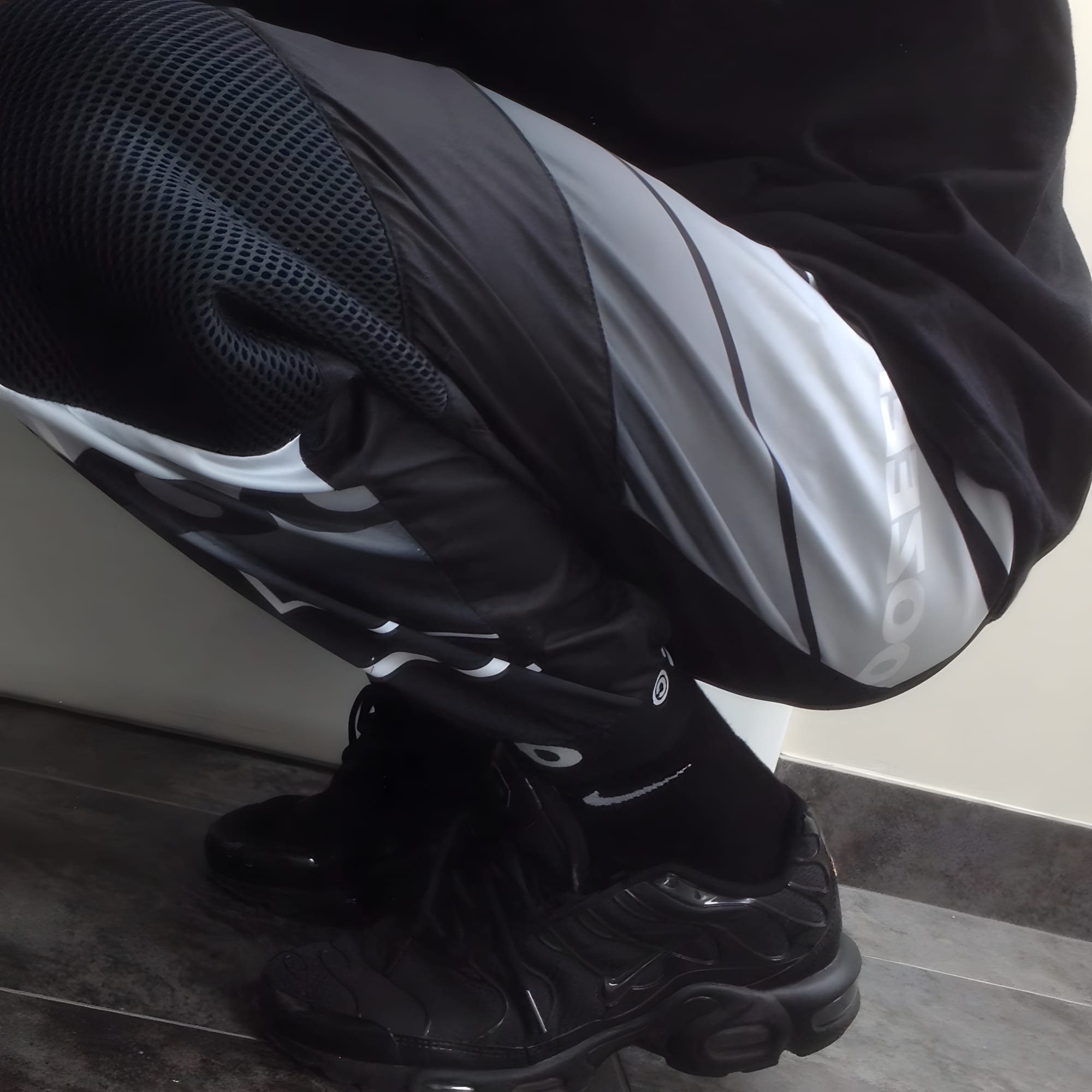
Nike Air Max Plus TN Triple Black
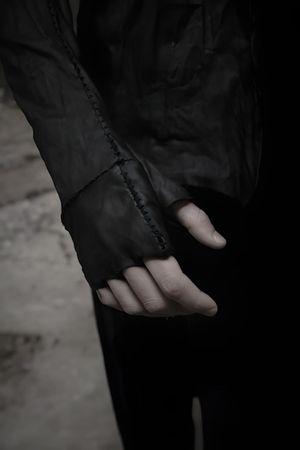
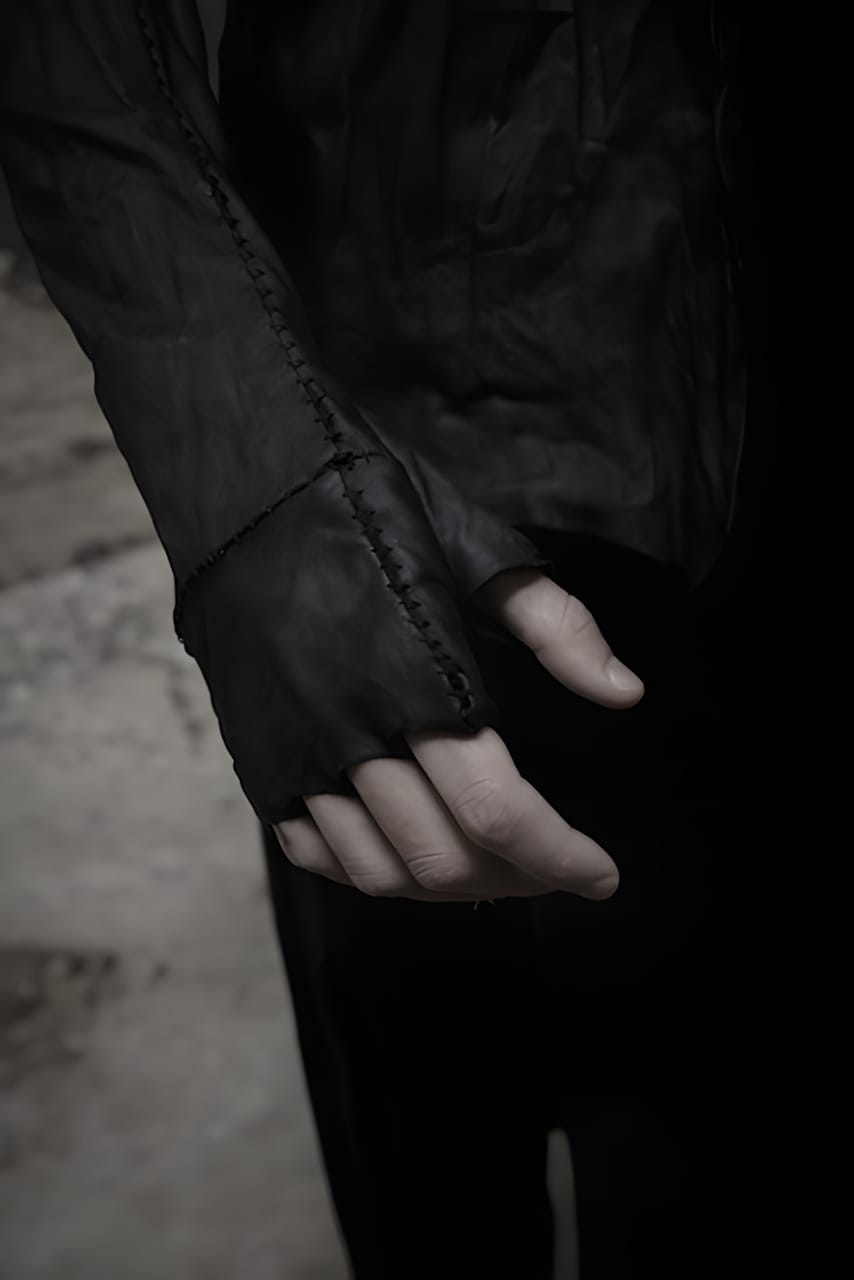
Obscur Black Leather Fingerless Glove Gauntlet

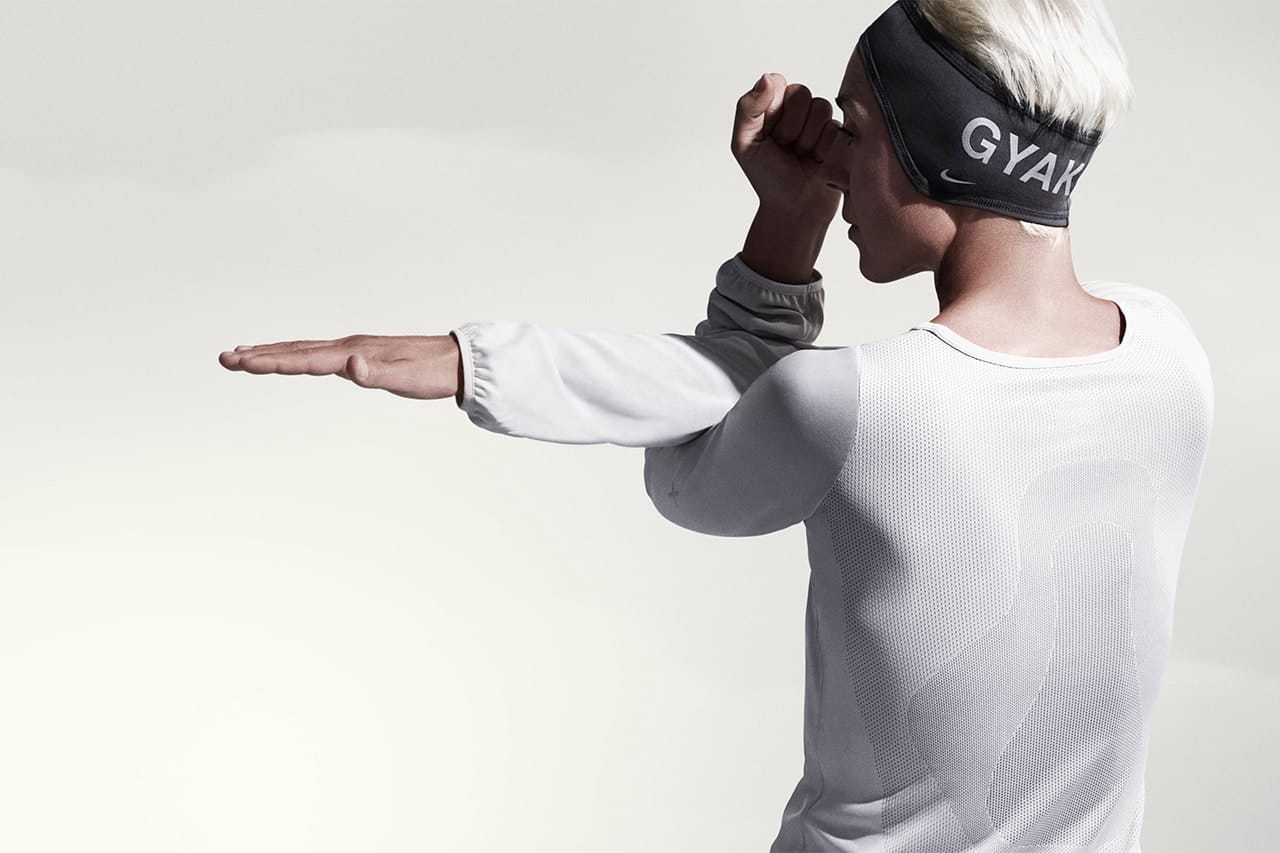
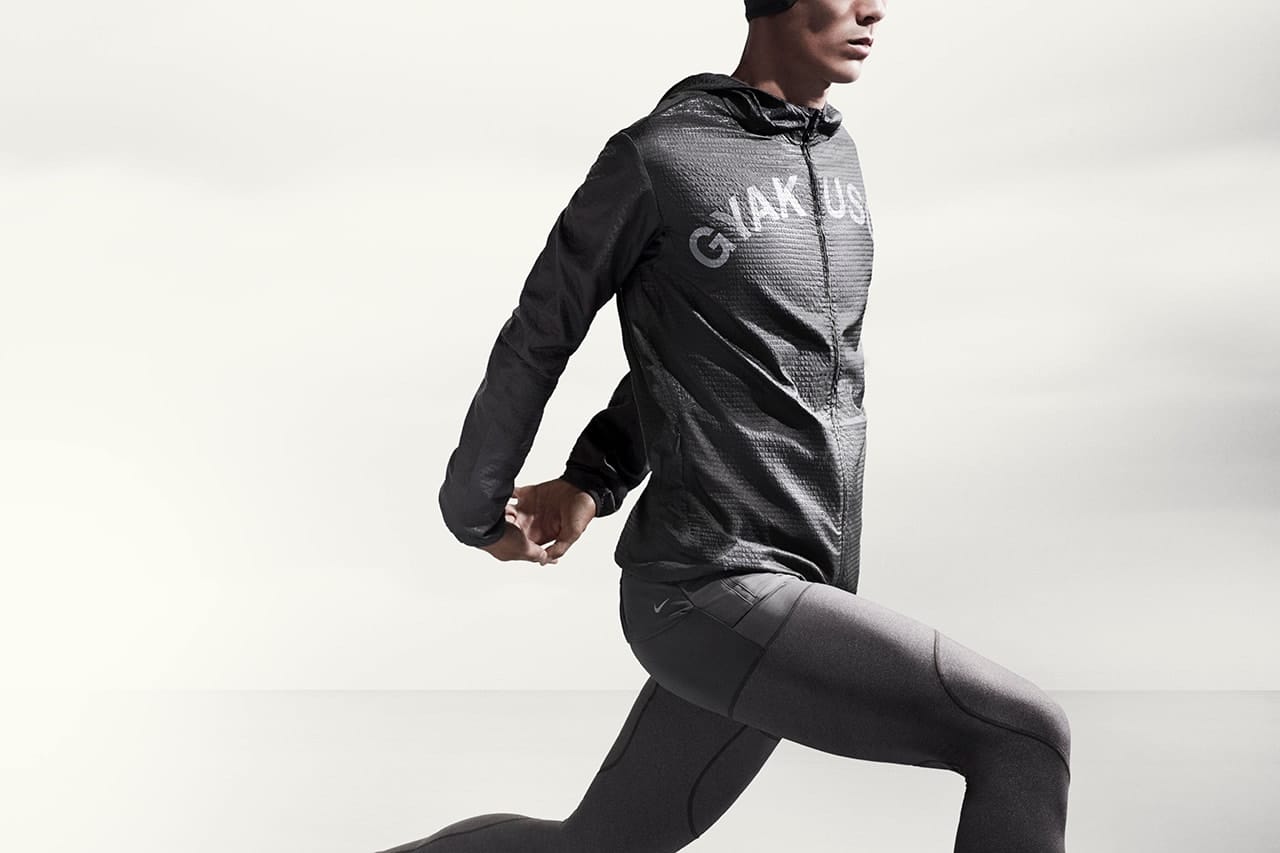
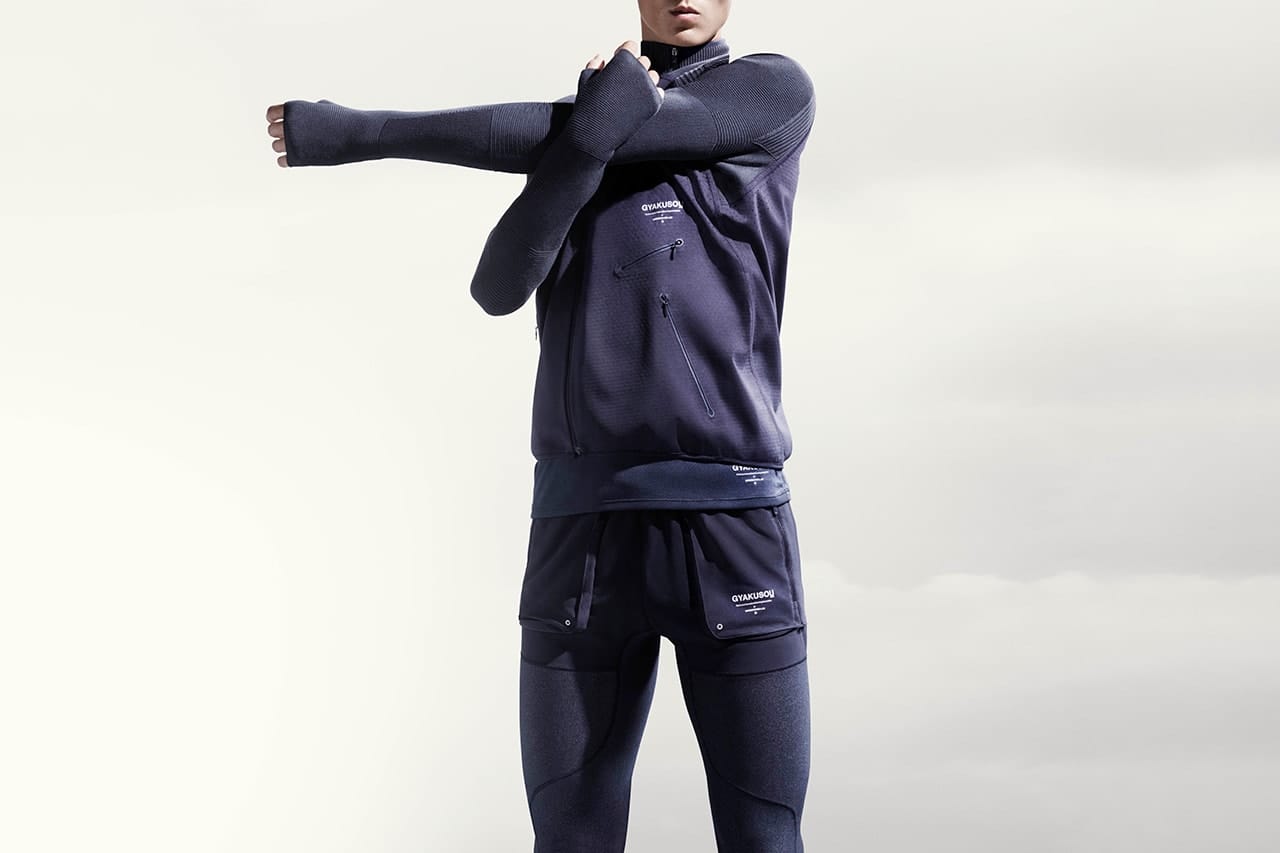
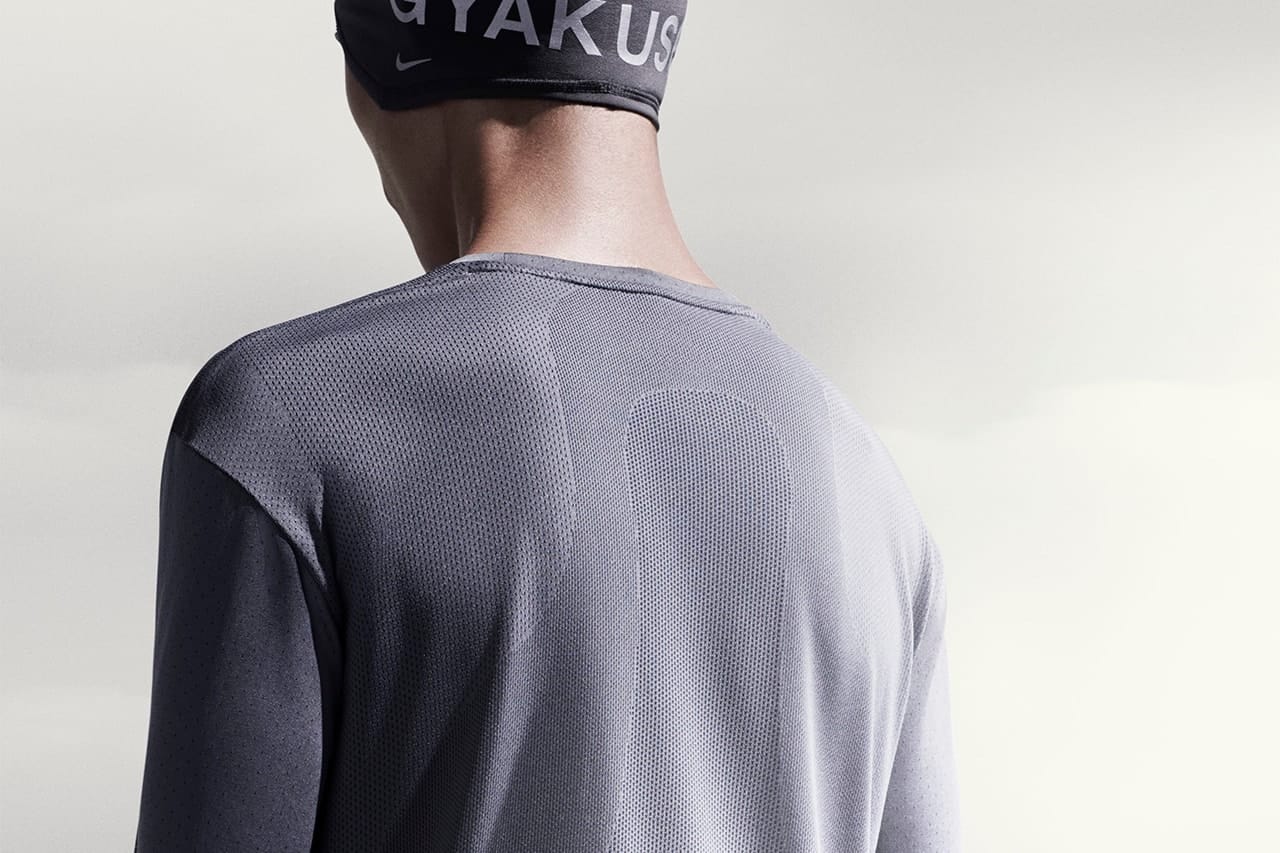
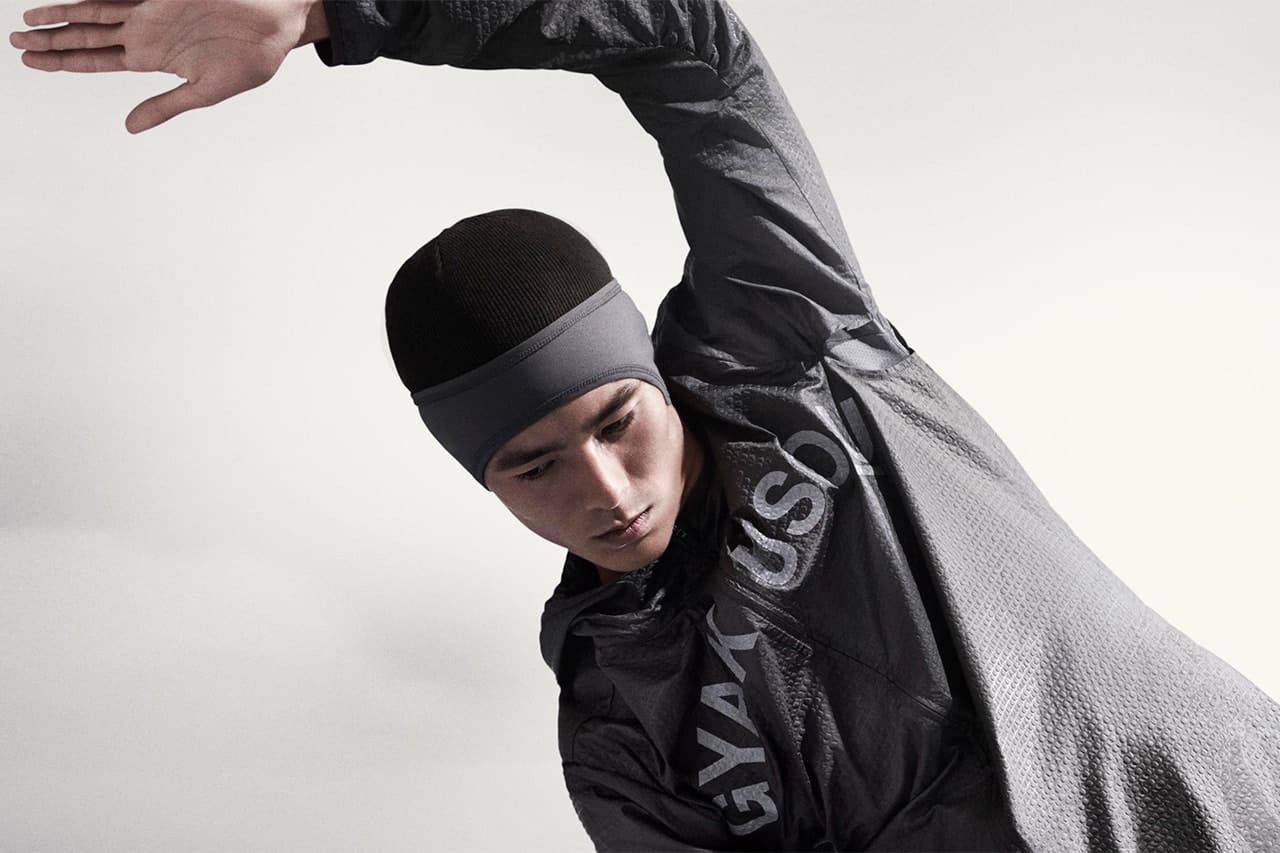
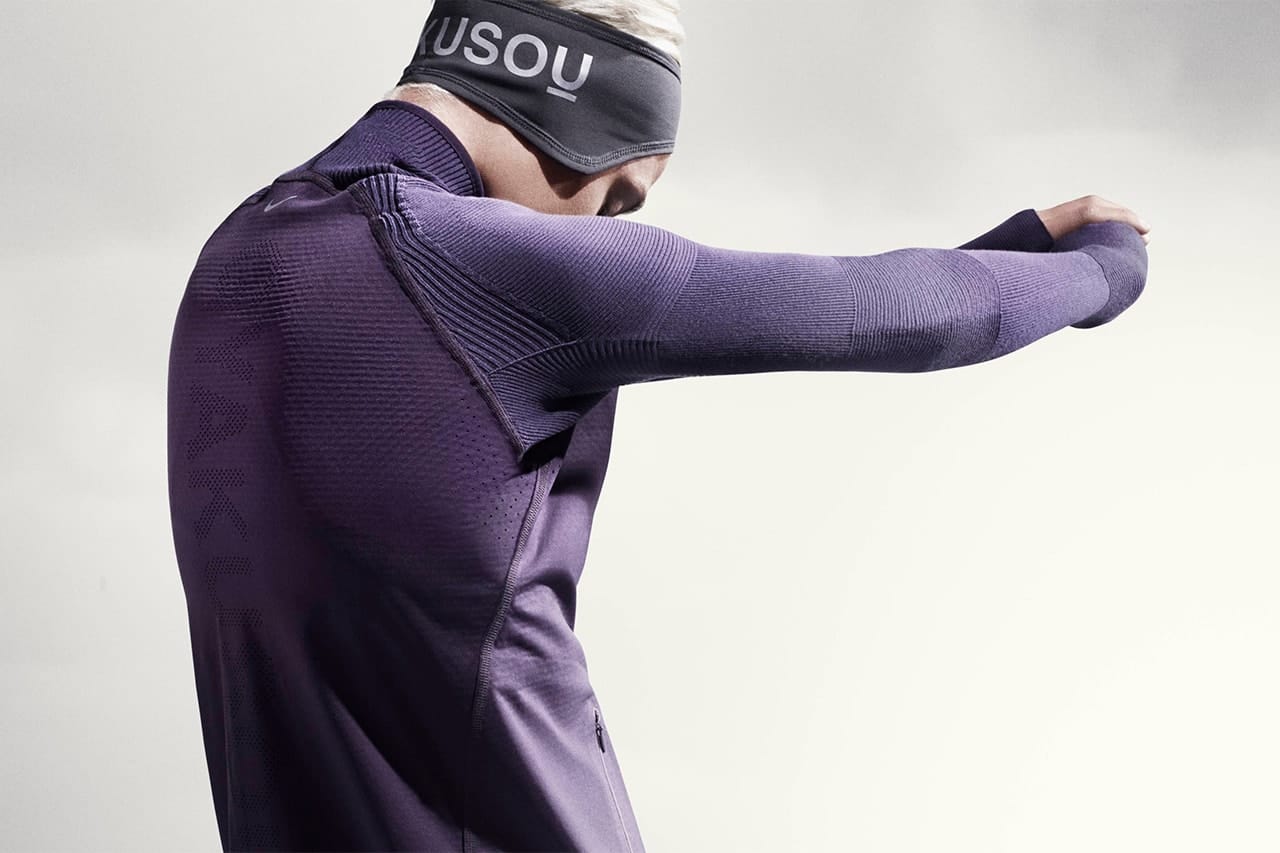
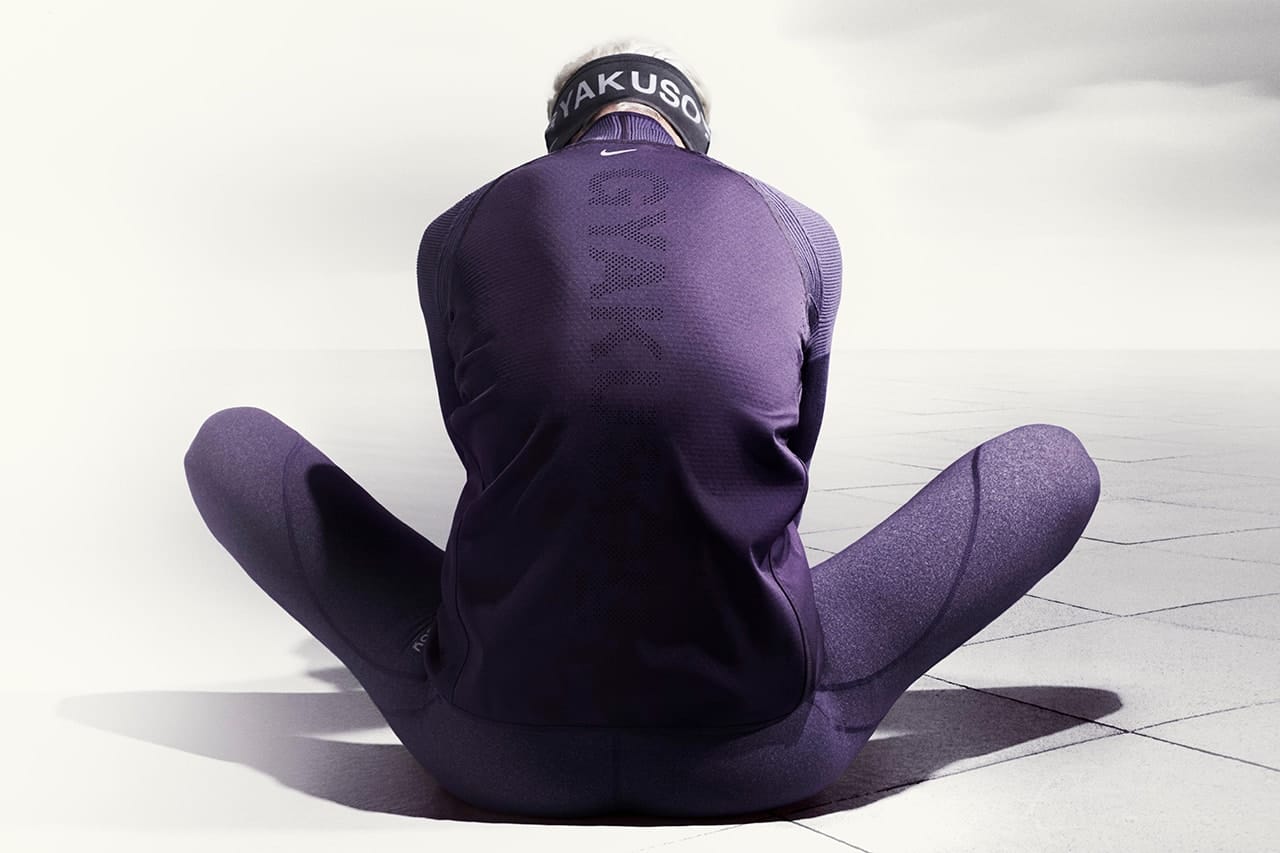
Nike x Undercover Gyakusou Holiday 2014
The Holiday 2014 collection is restored as the original seven-image studio set, separating it from the Holiday 2013 forest campaign.

Maison Martin Margiela x Kanye West Yeezus Tour Custom Outfits


Nendoroid Solid Snake
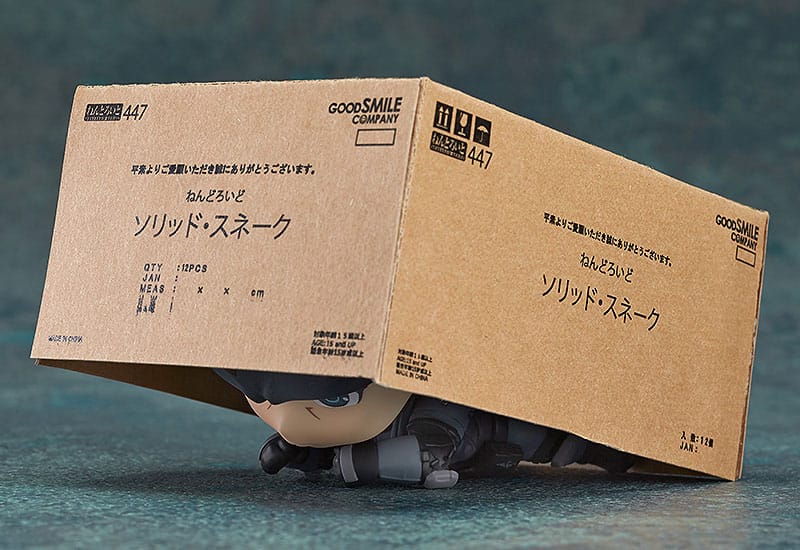
Nendoroid Solid Snake (#447) by Good Smile Company, a super-deformed figure of the Metal Gear Solid character. Comes with the cardboard box, swappable faces and poses.
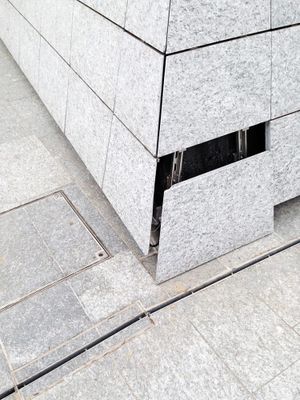
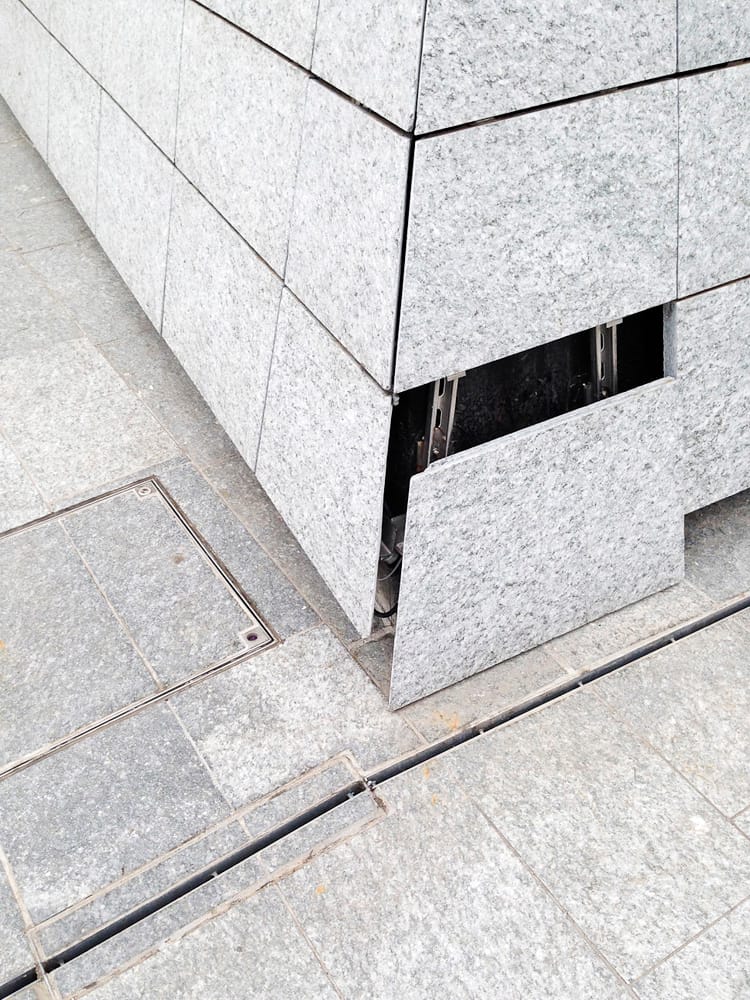
Anti-Skateboarding Deterrents — Granite Architecture Detail
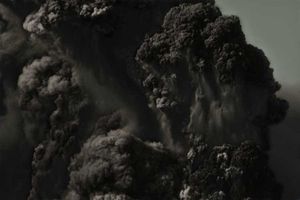
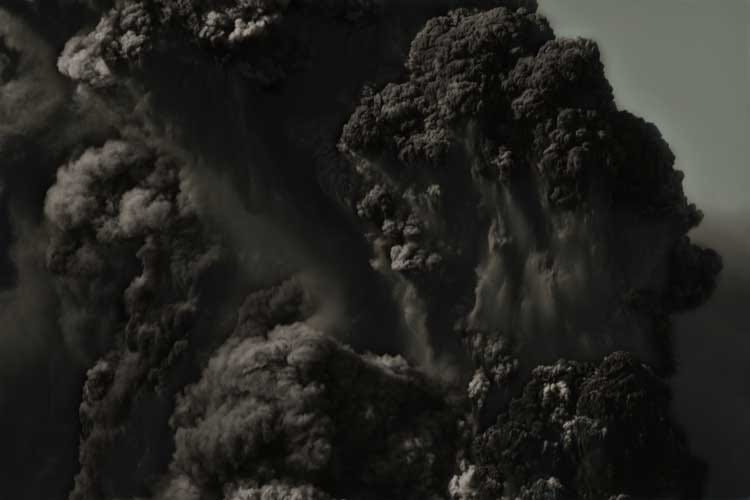
Mount Sinabung Eruption
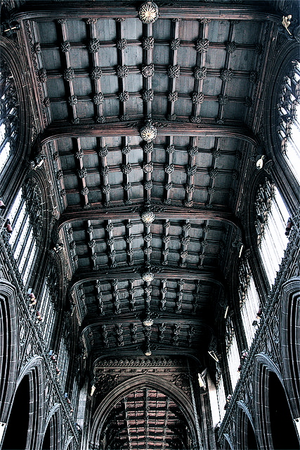
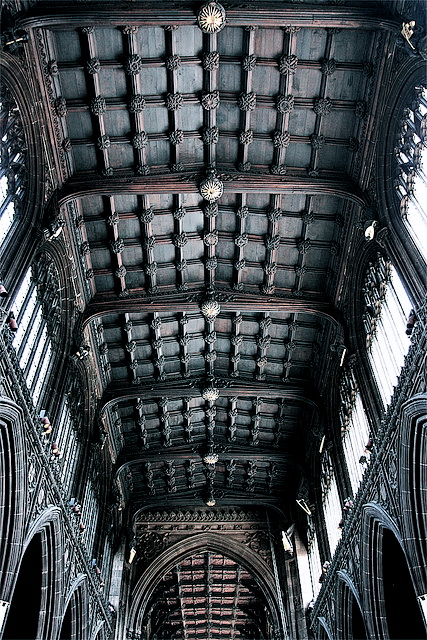
Manchester Cathedral Wooden ceiling
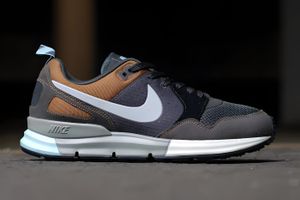
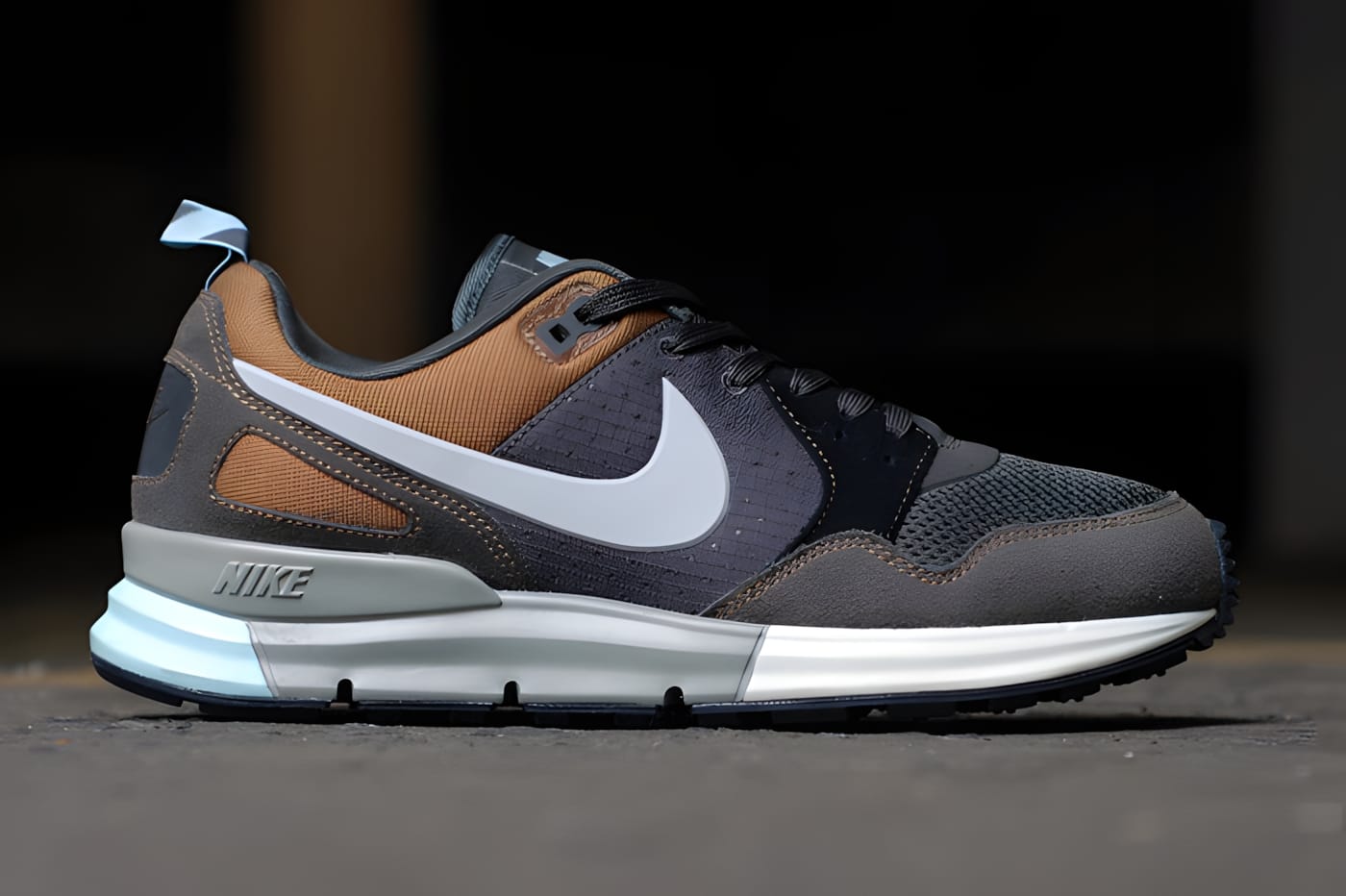
Nike Lunar Pegasus 89
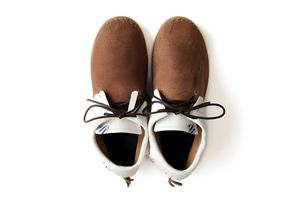
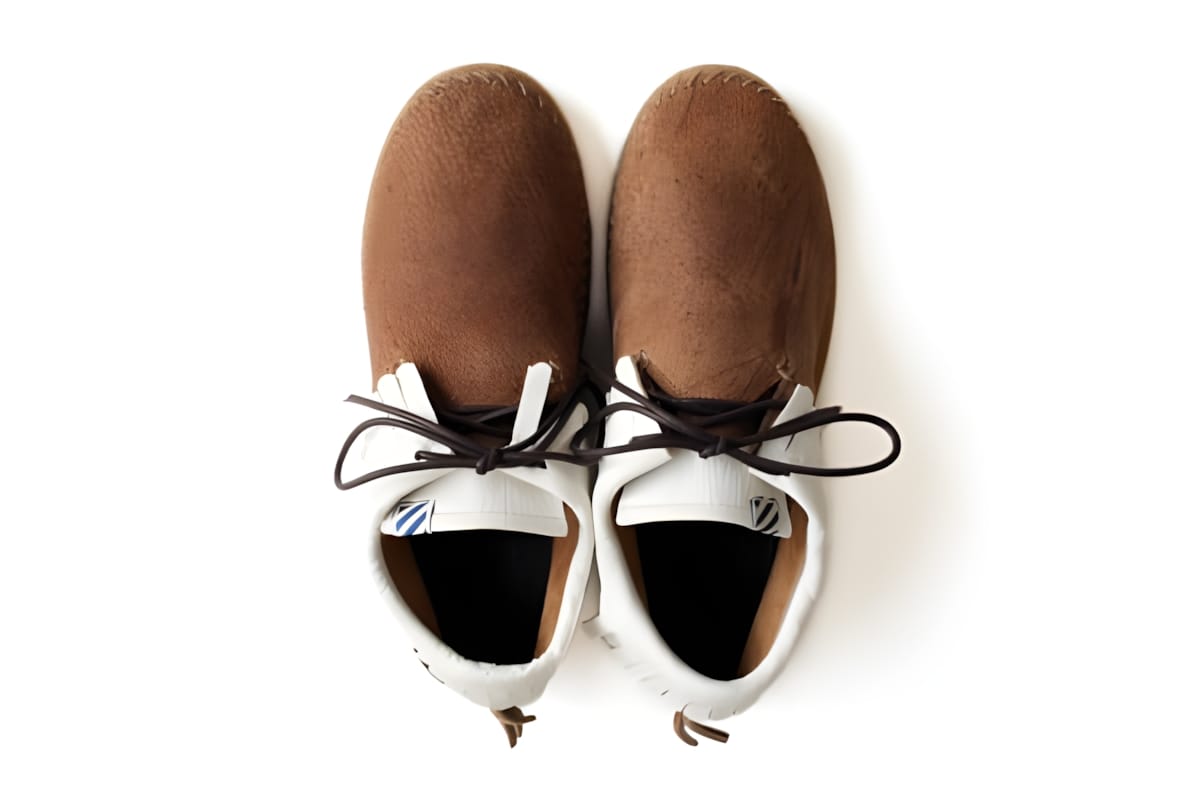
visvim FBT Lhamo-Folk
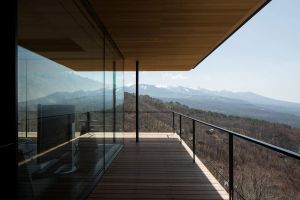
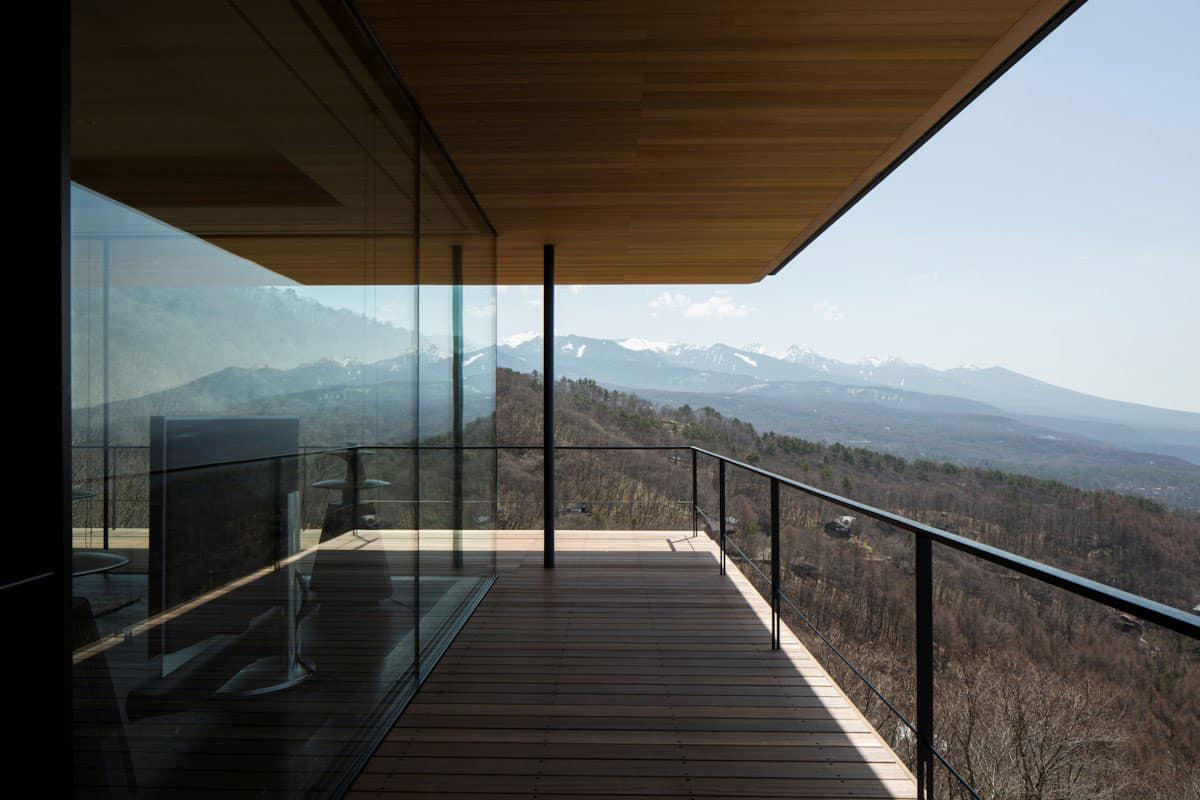
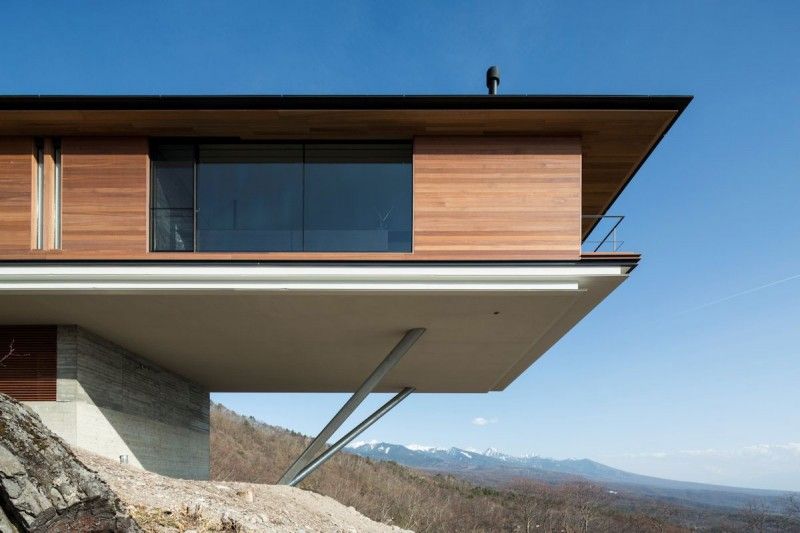
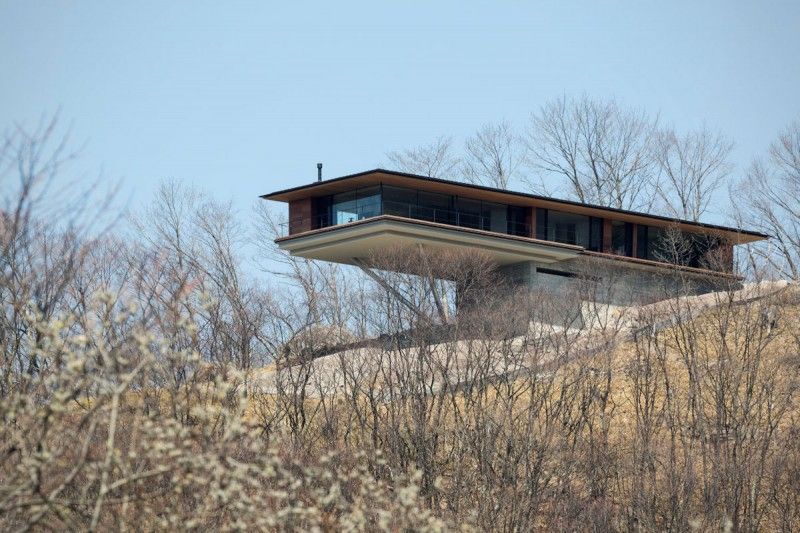
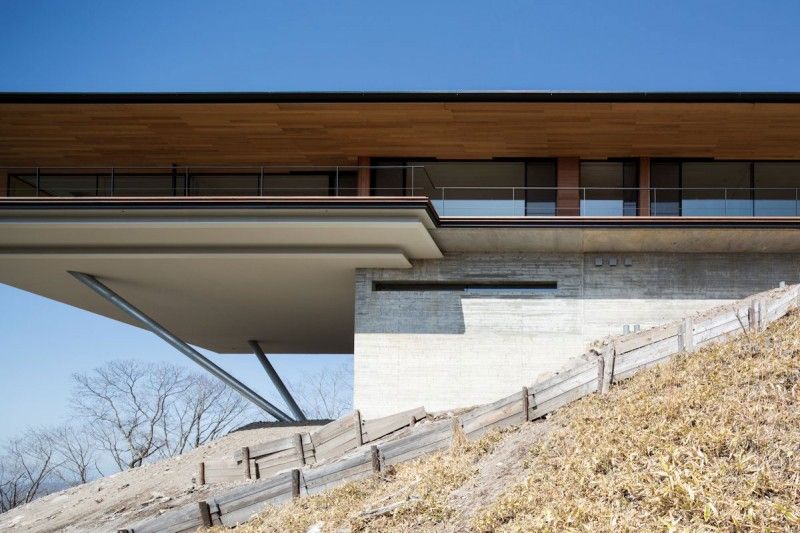
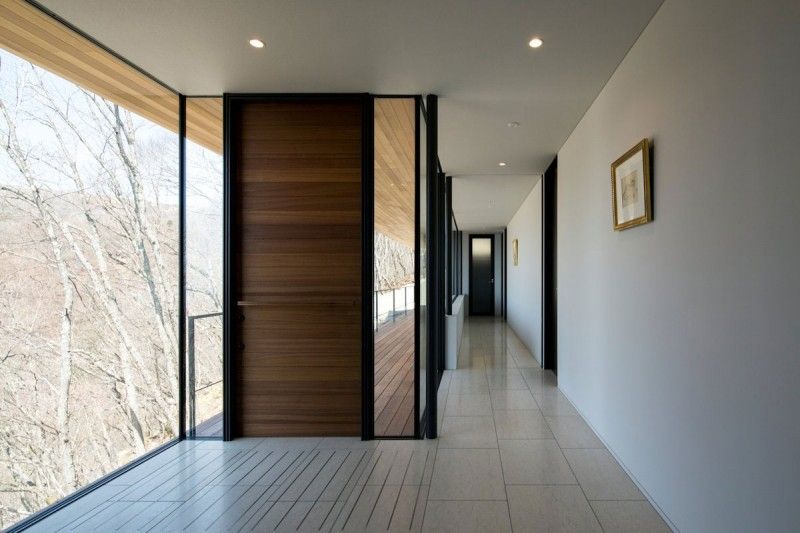
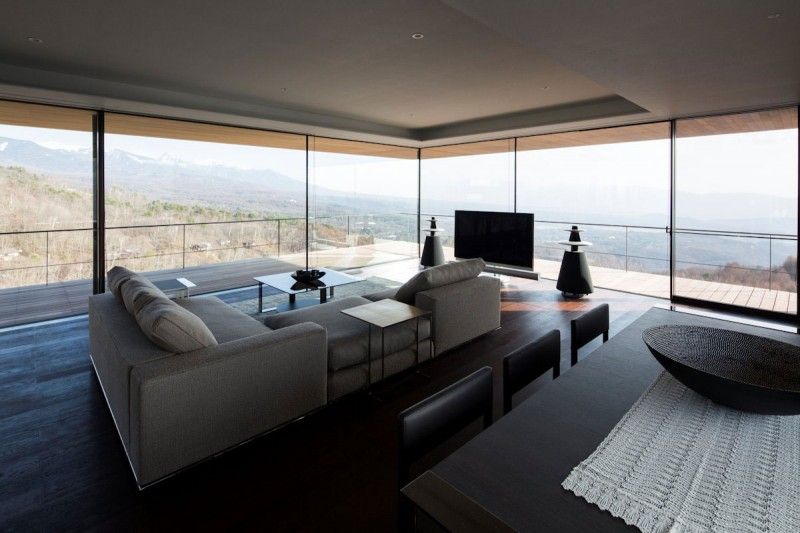
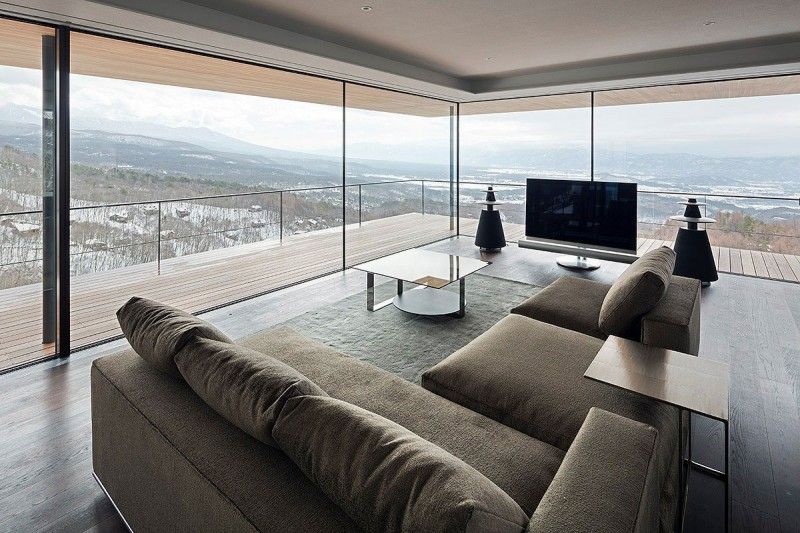
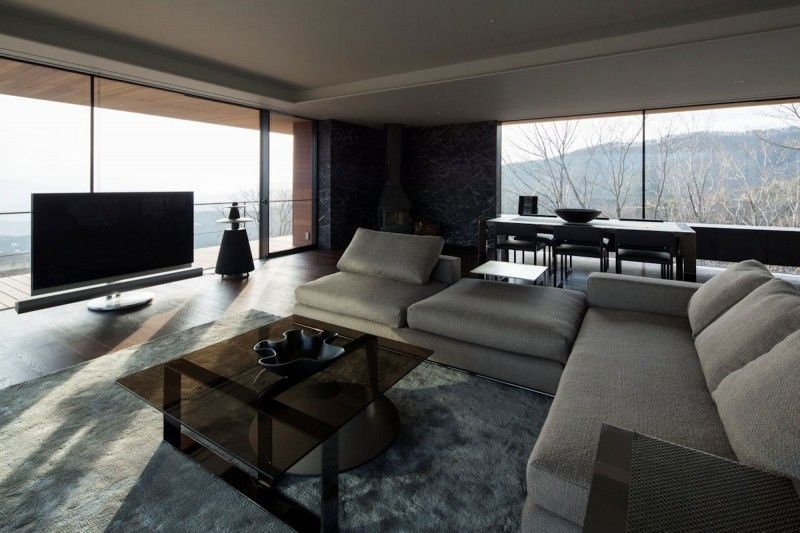
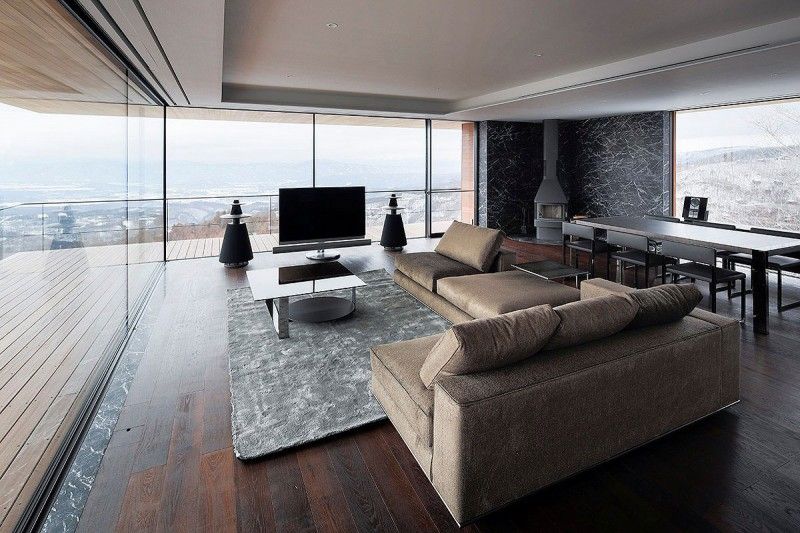
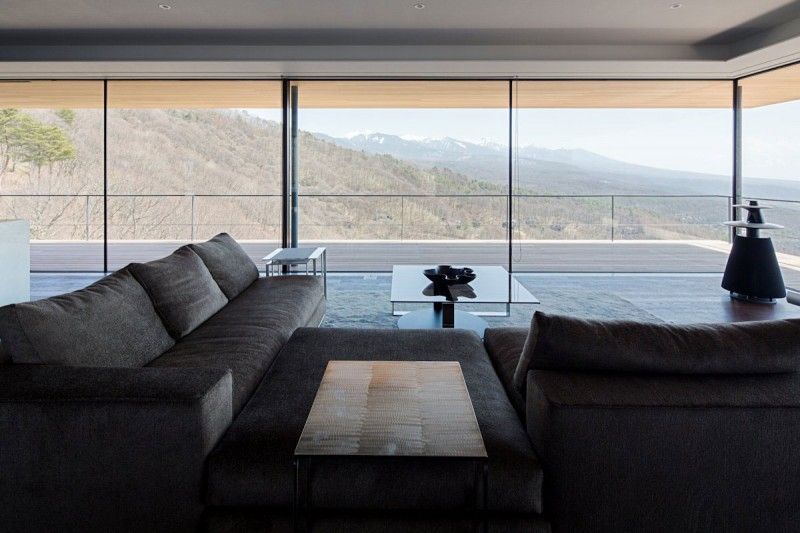
House in Yatsugatake by Kidosaki Architects Studio
This private residence was designed by Kidosaki Architects Studio. It is located on the edge of the Yatsugatake Mountains in Nagano, Japan.
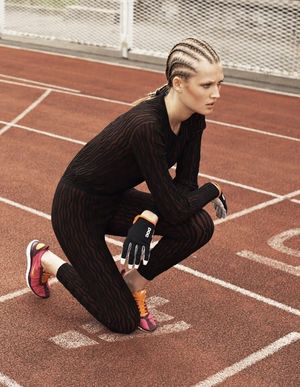
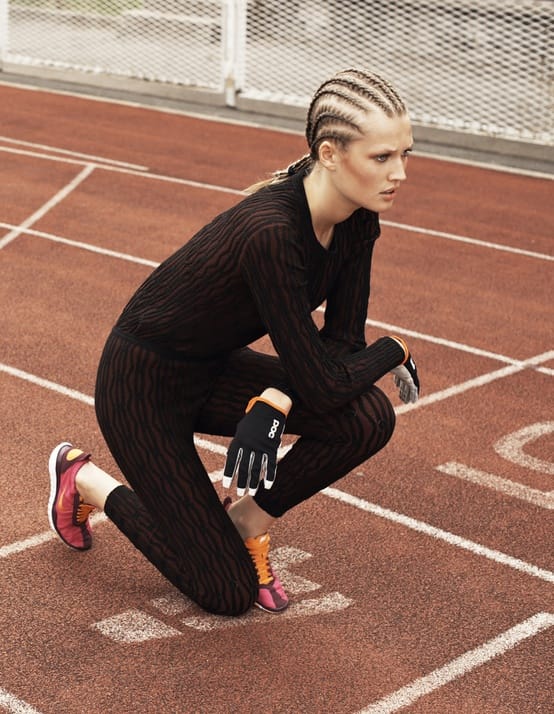
Toni Garrn by Philip Gay, Just Do It, Interview Germany 2012
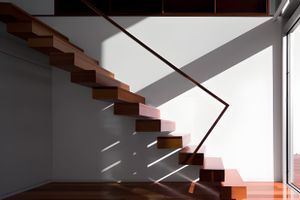
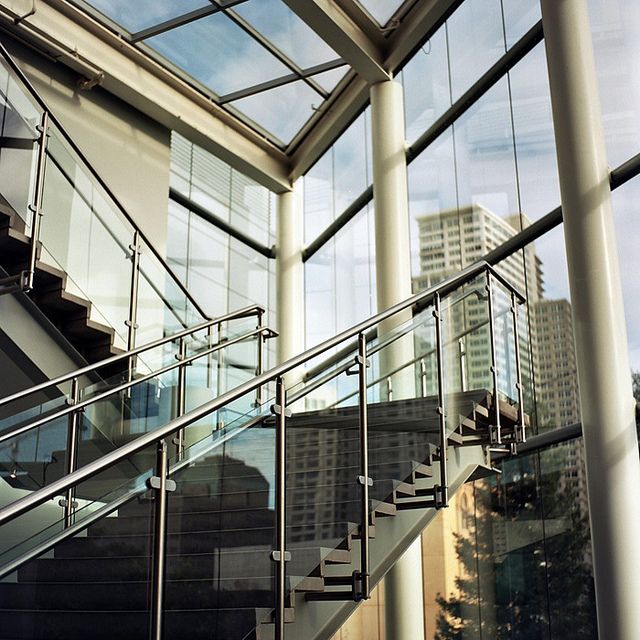
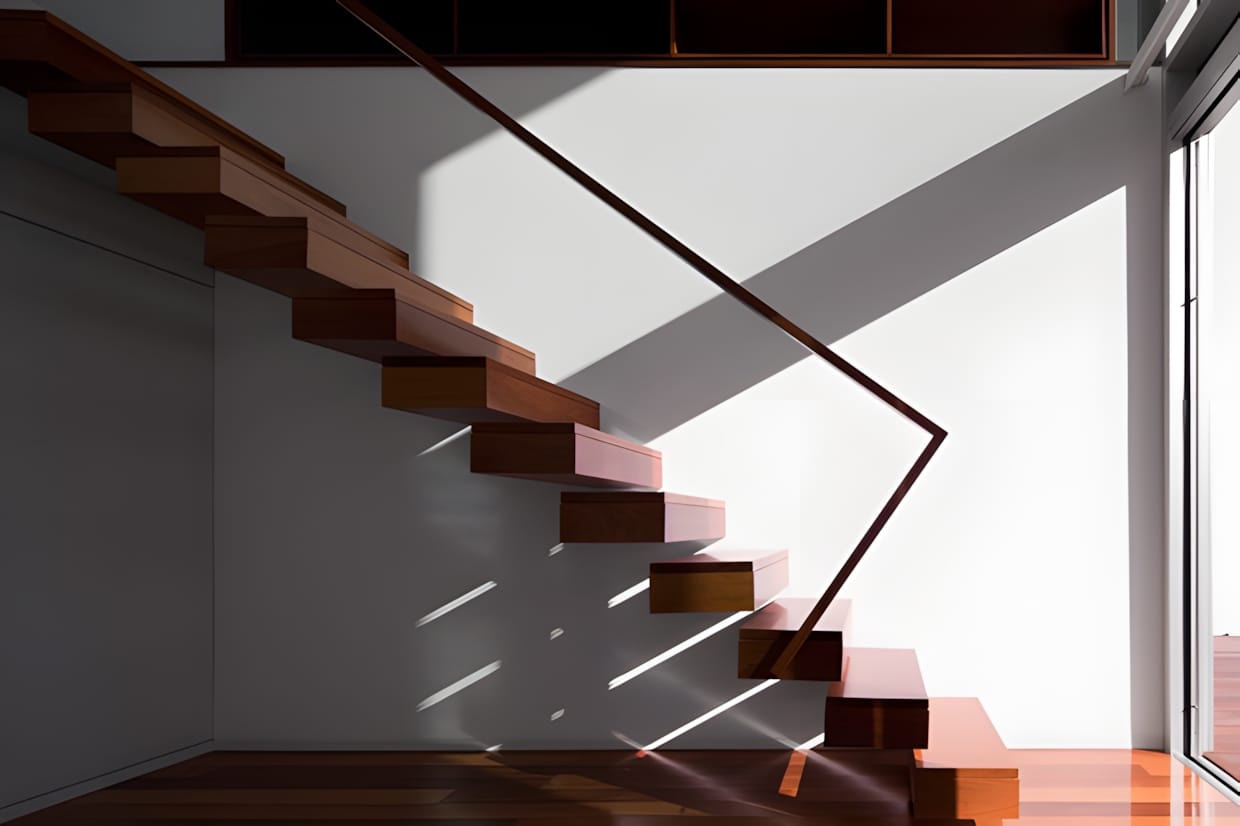
Floating Timber Staircase with Angular Steel Rail
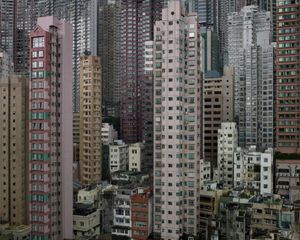
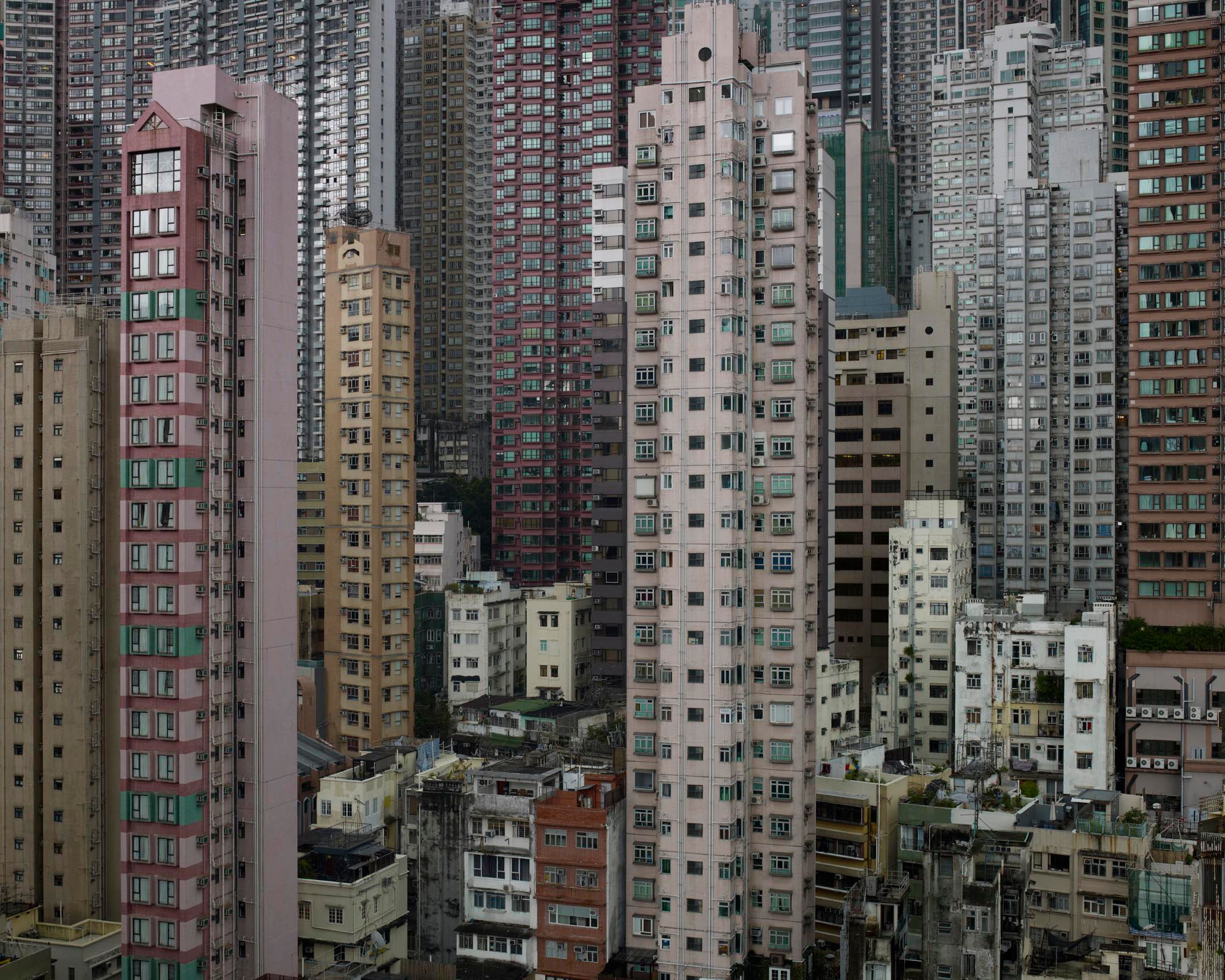
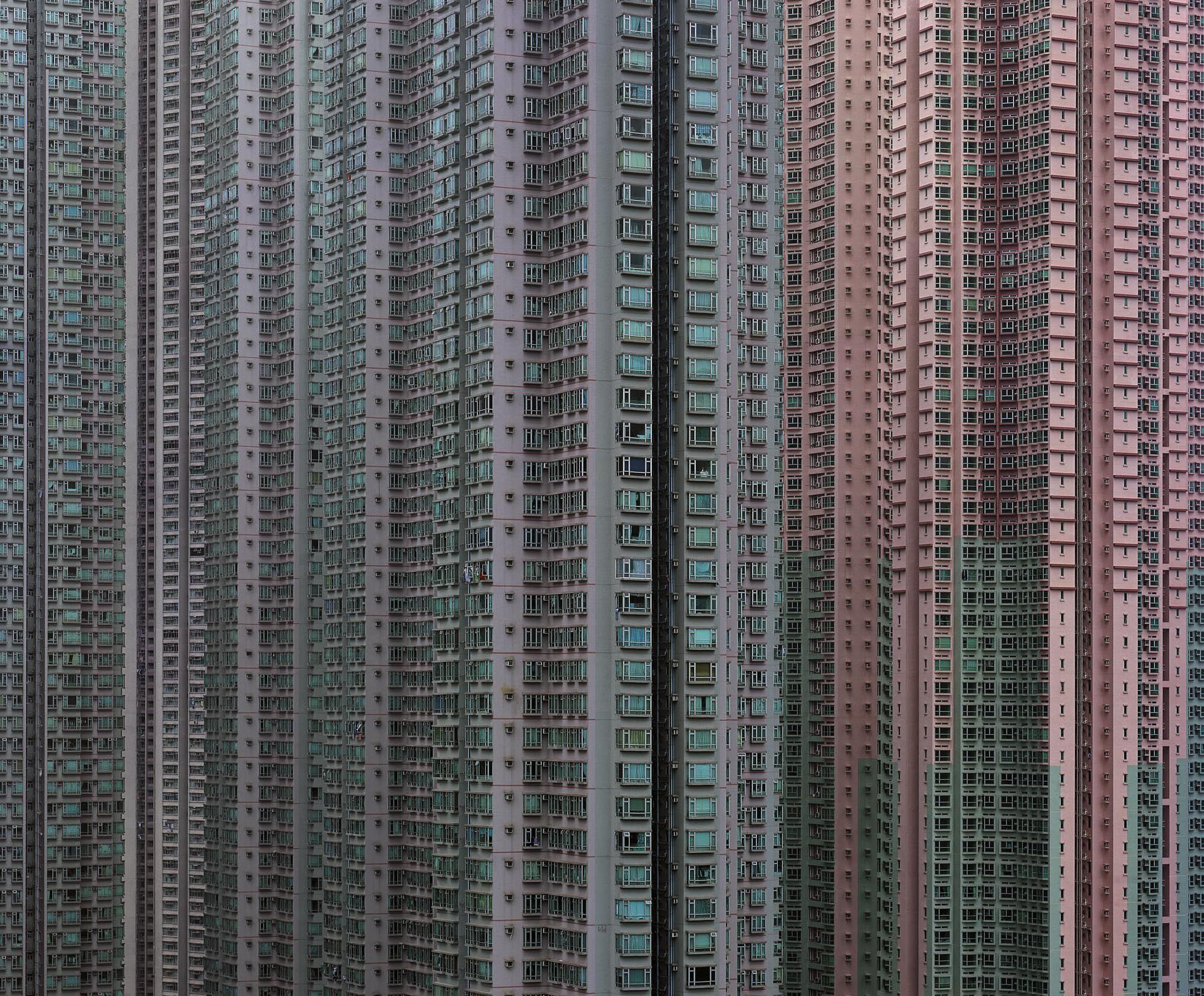
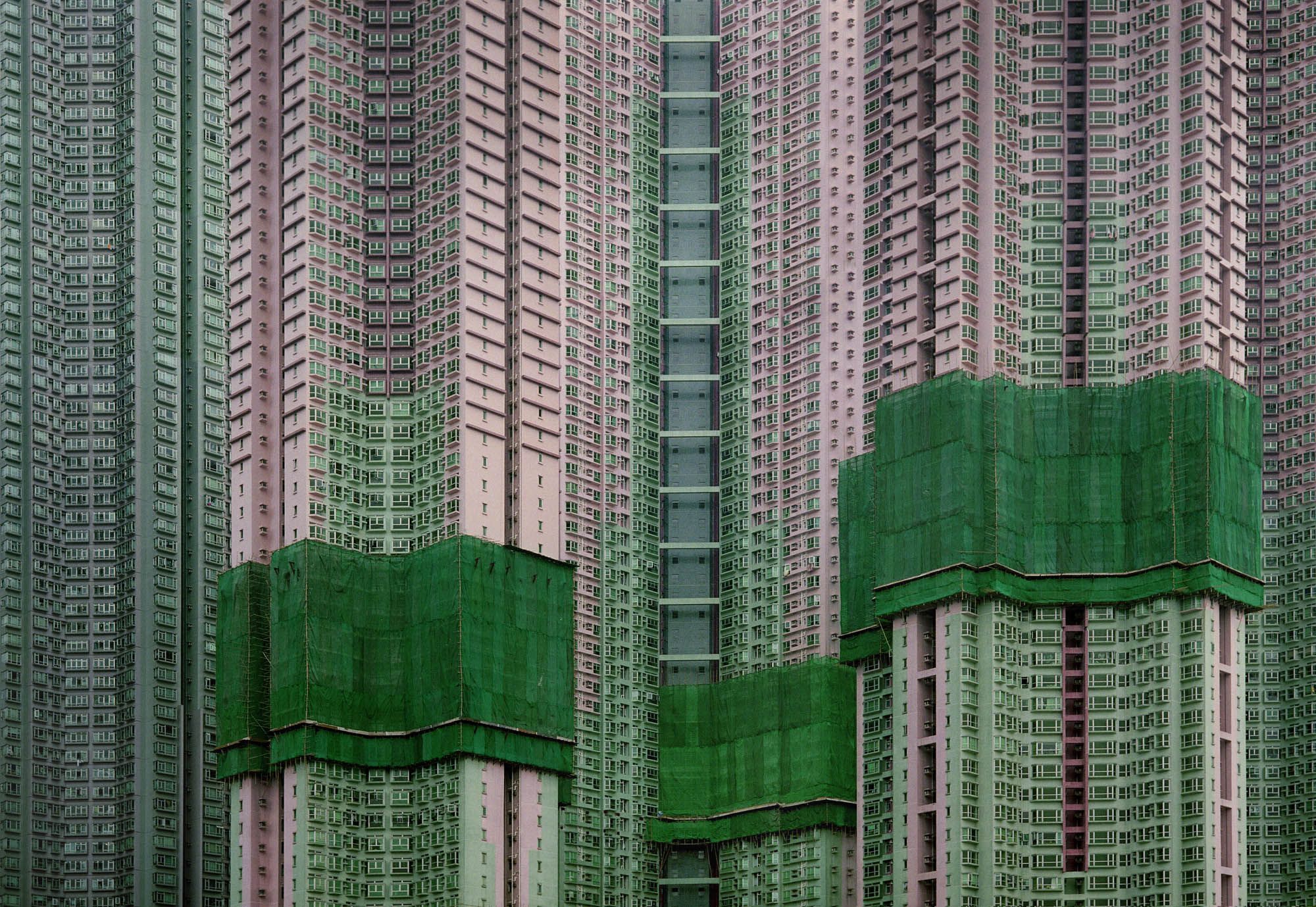
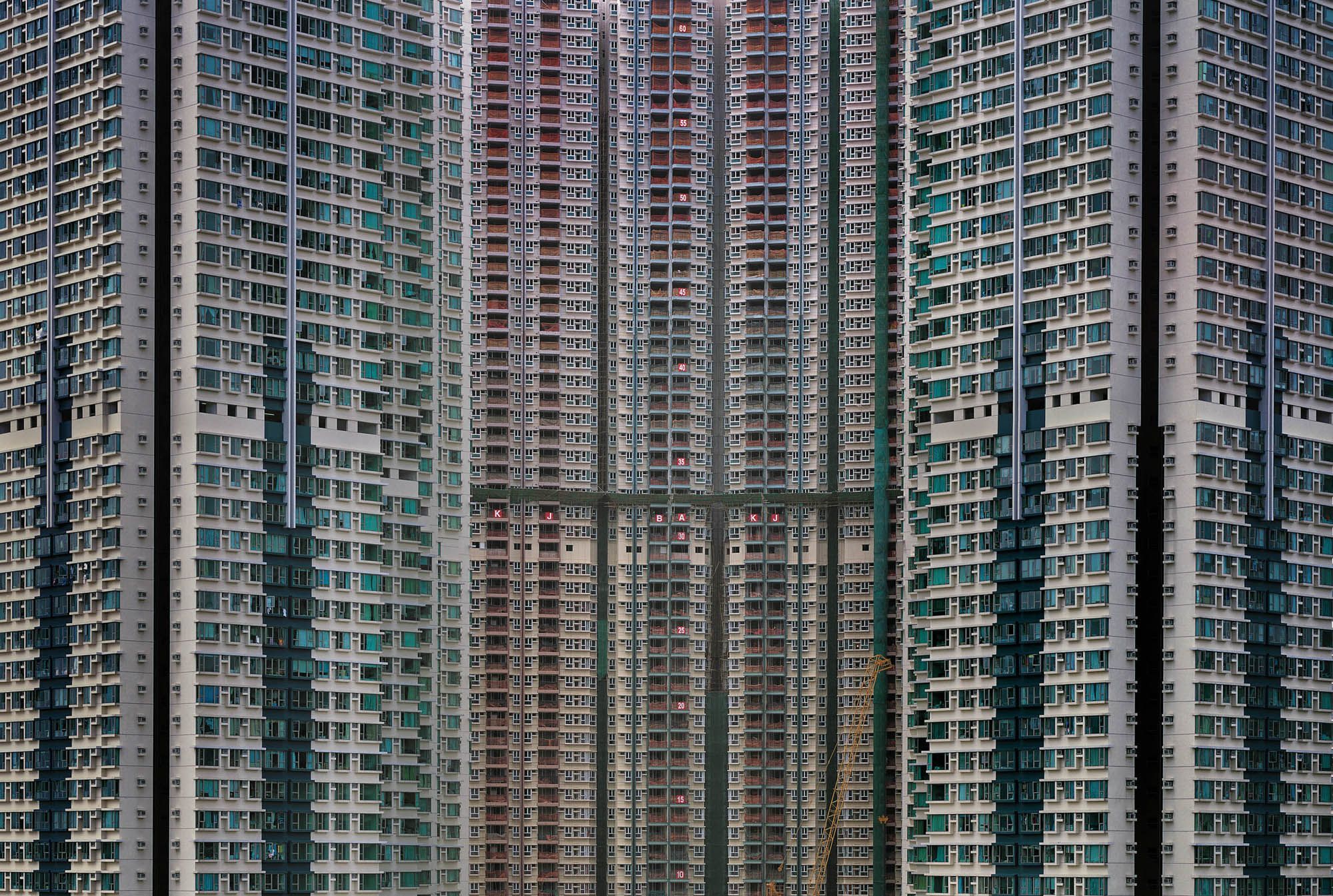
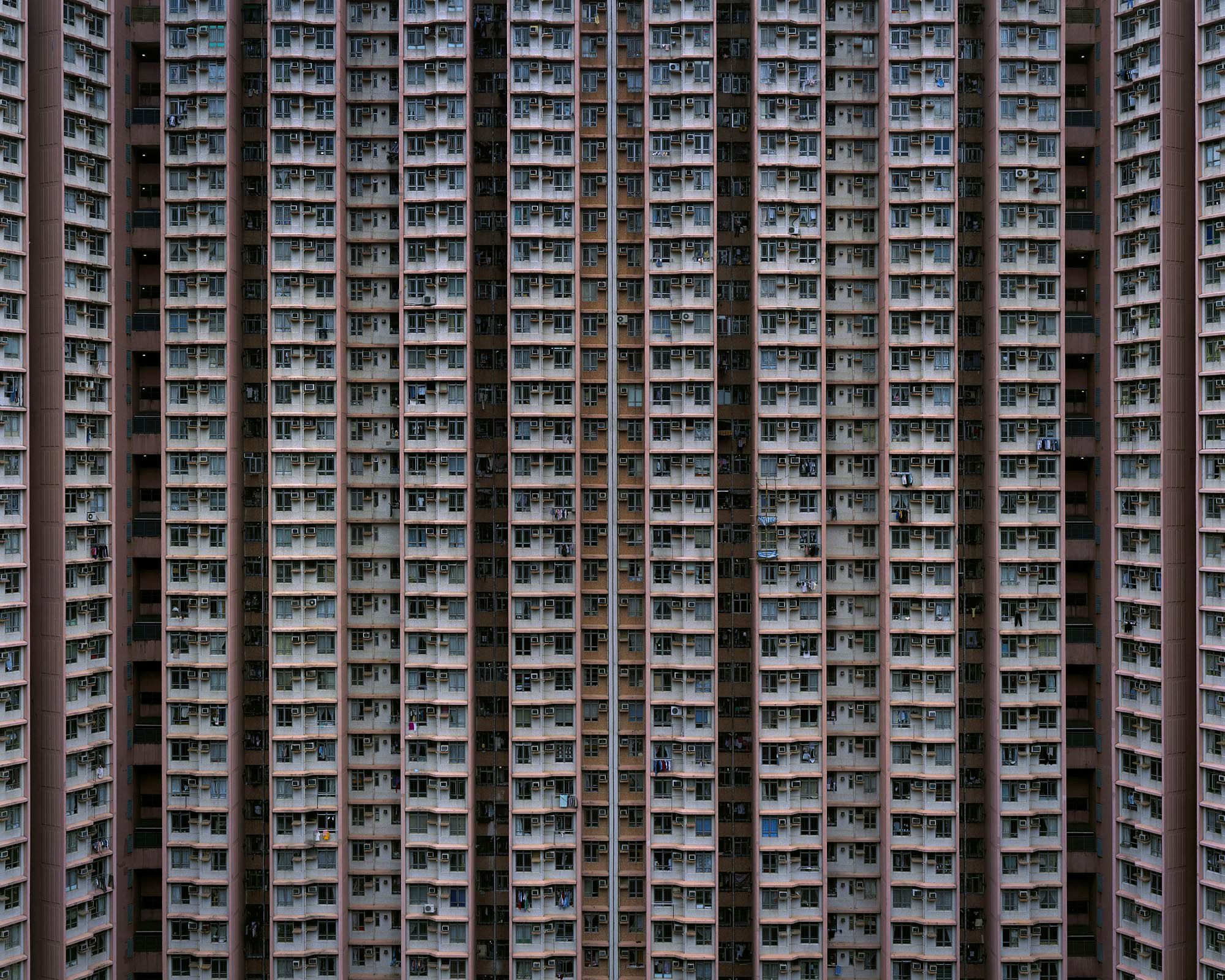
Michael Wolf Architecture of Density
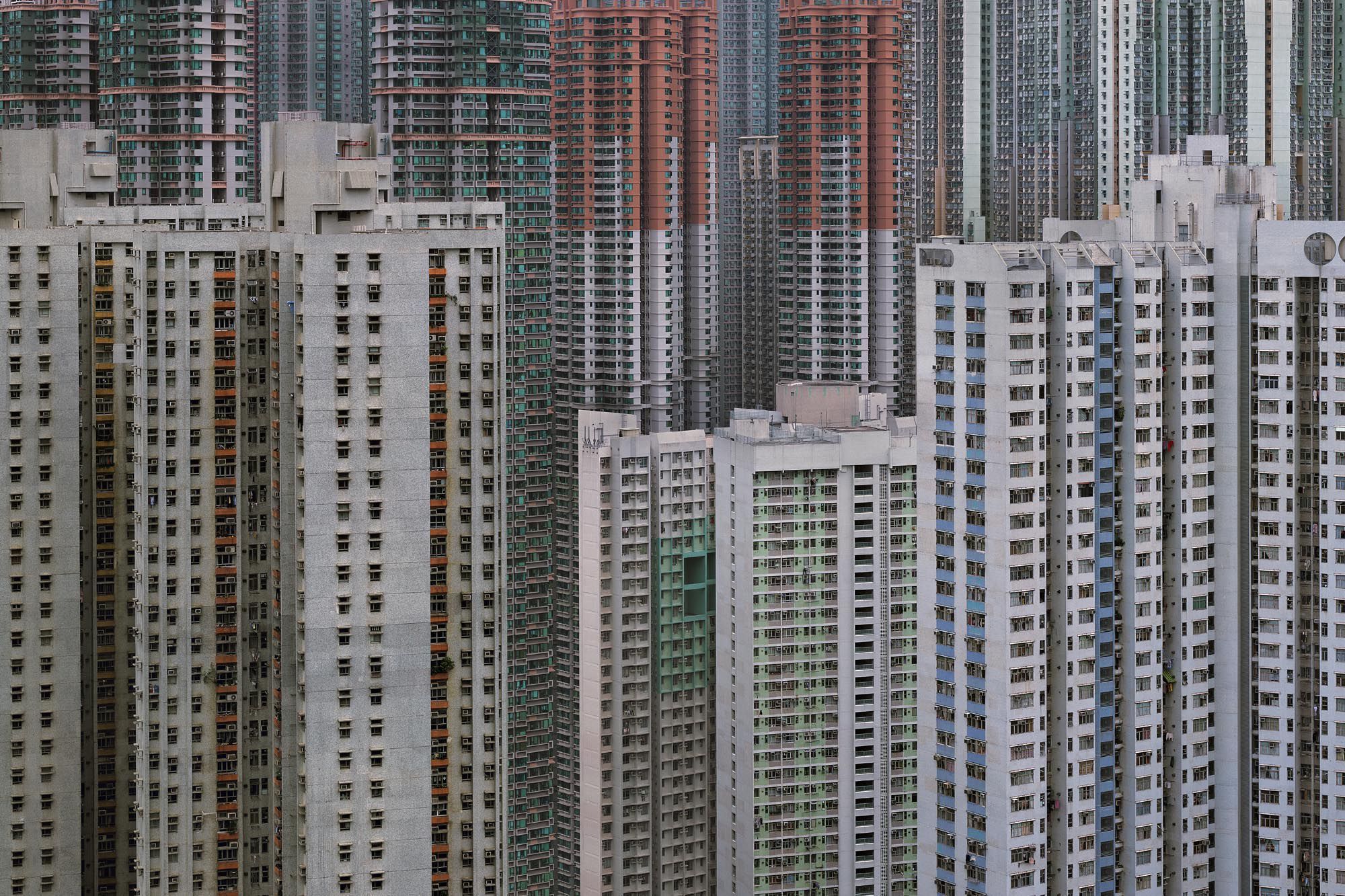
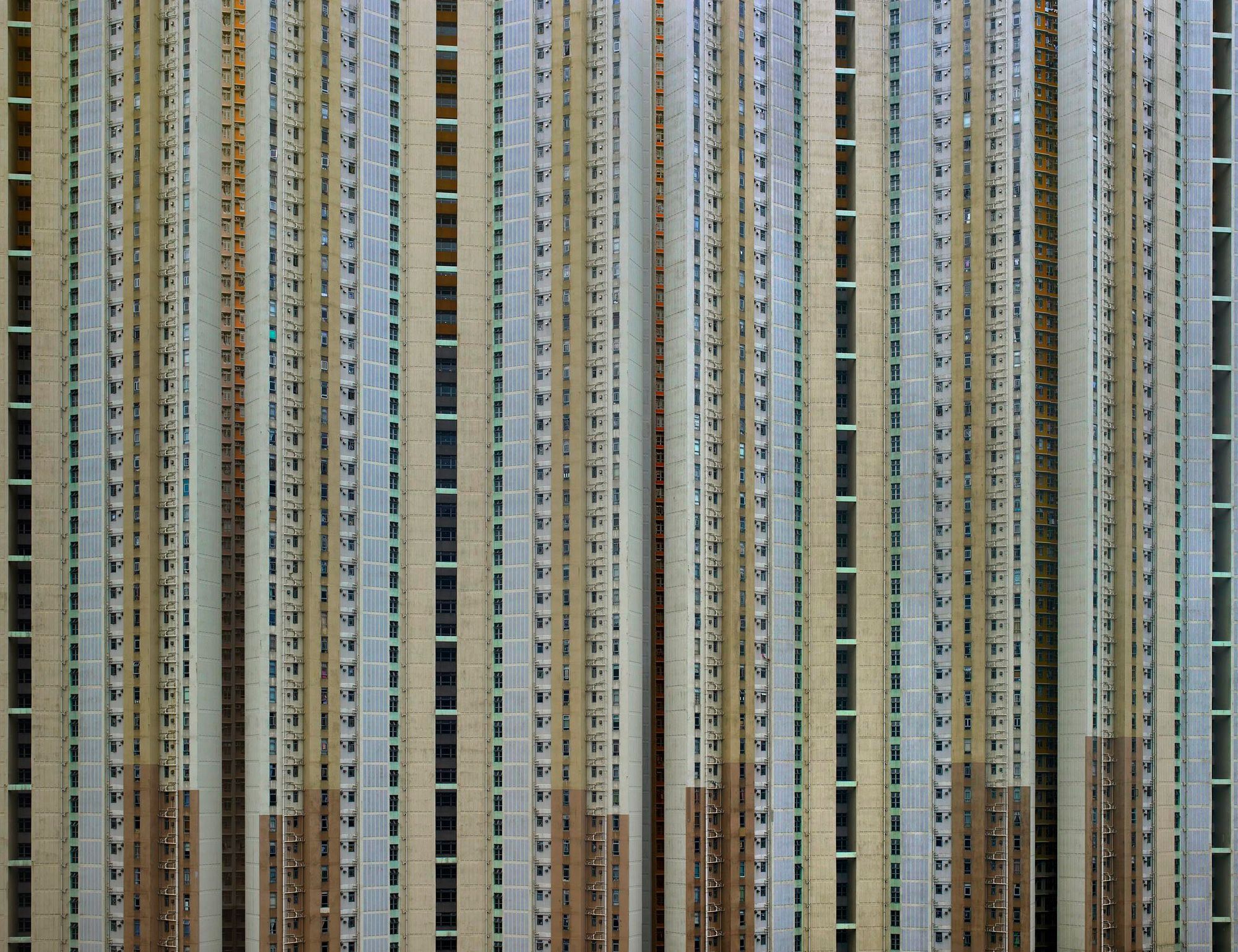
One of the most densely populated metropolitan areas in the world, Hong Kong has an overall density of nearly 6,700 people per square kilometer. The majority of its citizens live in flats in high-rise buildings, whose units can house as many as 10,000 people.
In Architecture of Density, Michael investigates these enormous city blocks, finding a mesmerizing abstraction in the buildings’ facades. The structures in the series are photographed without reference to the context of sky or ground, and many buildings are seen in a state of repair or construction: their walls covered with a grid of scaffolding or the soft coloured curtains that protect the streets below from falling debris. From a distance, such elements become a part of an intricate design. Upon closer inspection of each photograph, the anonymous public face of the city is full of rewarding detail – public space is private space, large swatches of colour give way to smaller pieces of people’s lives. The trappings of the people are still visible here: their days inform the detail of these buildings. Bits of laundry and hanging plants pepper the tiny rectangles of windows- the only irregularities in this orderly design. The images of Architecture of Density give one an inkling of what our cities could look like if grown continues unchecked.
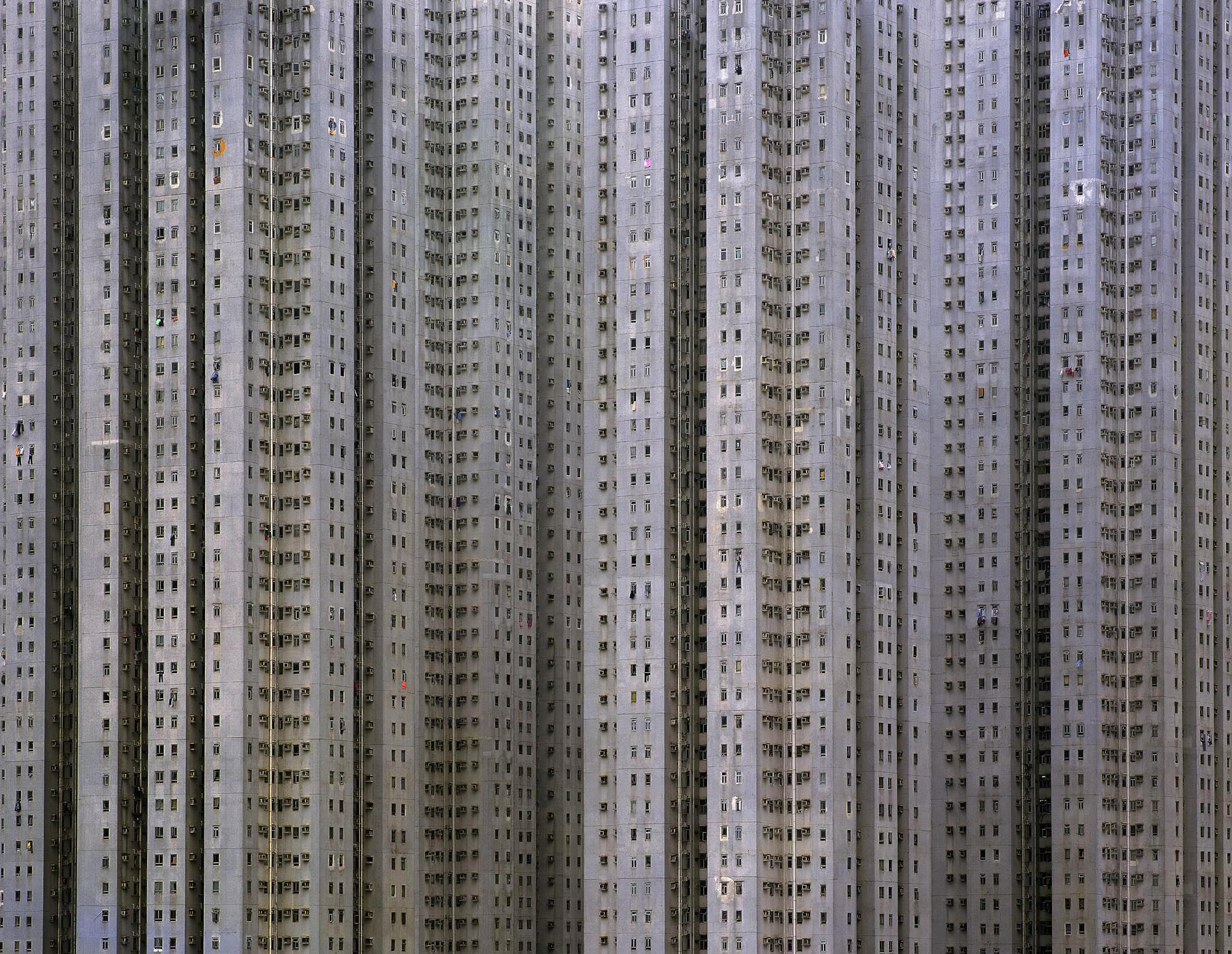
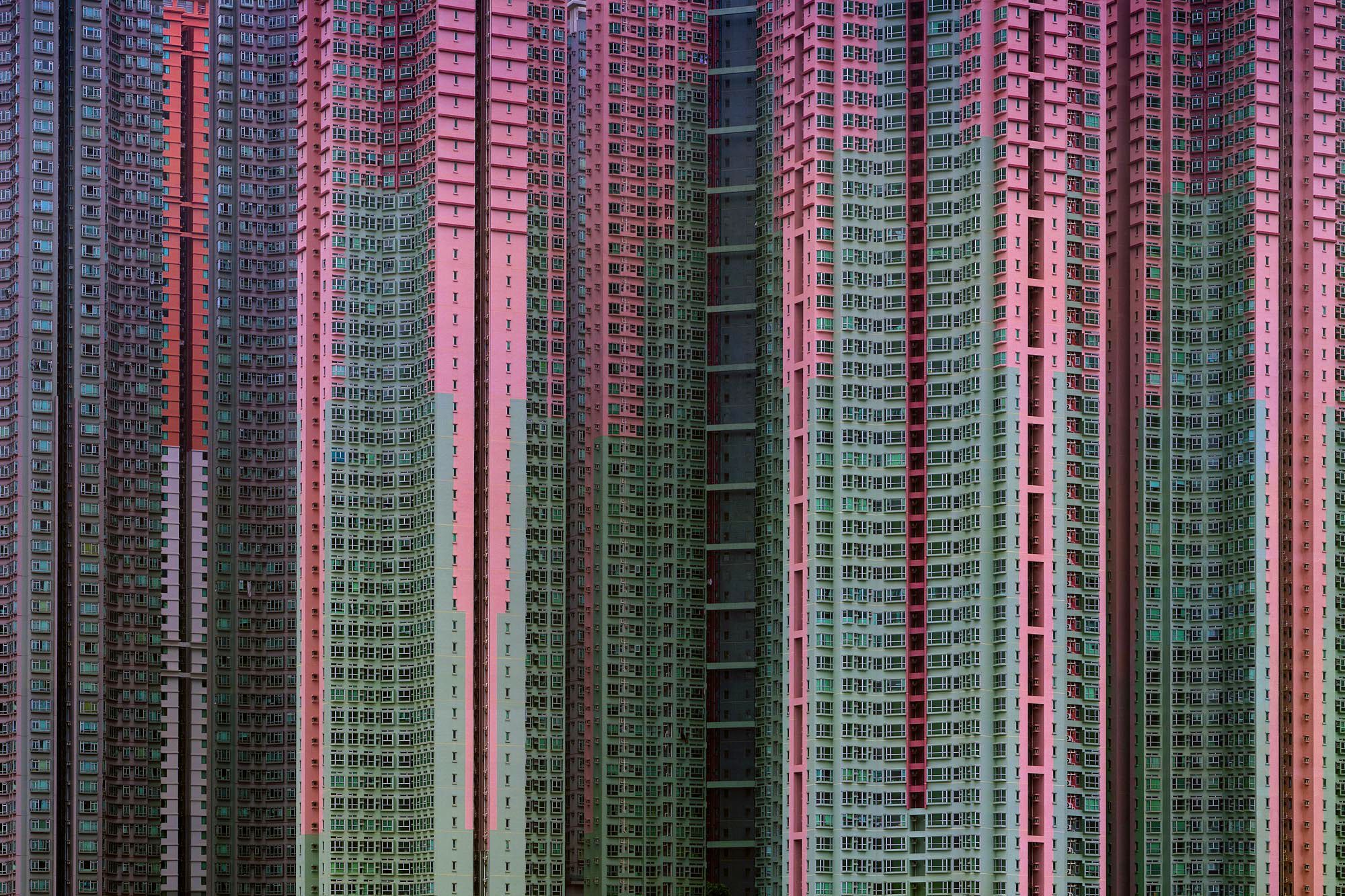
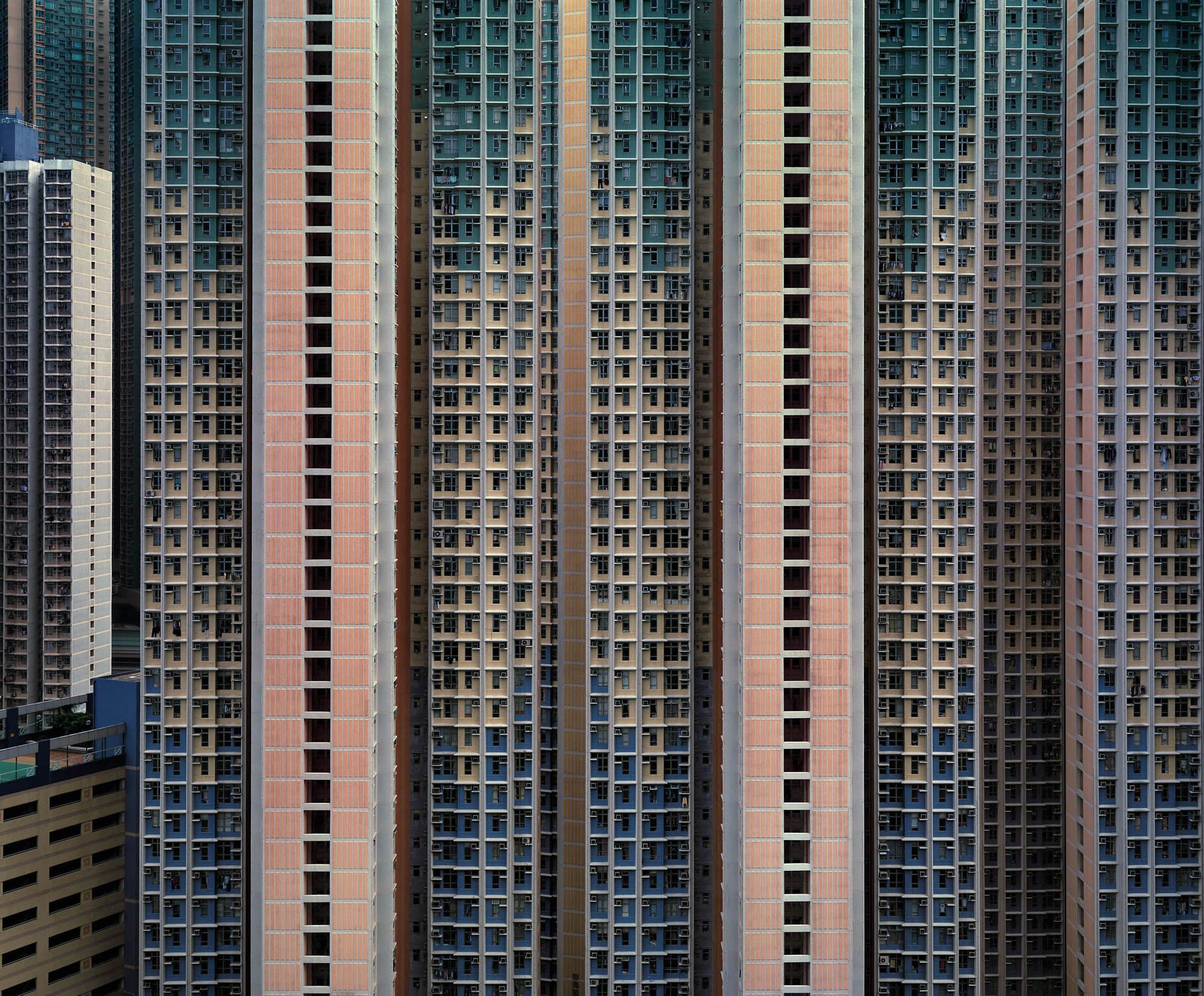
Urbastyle Bench Paris 1 — La Défense
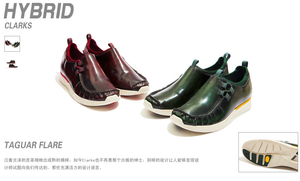

Undercover Jun Takahashi L9F01 Low-Top Sneaker in Bordeaux
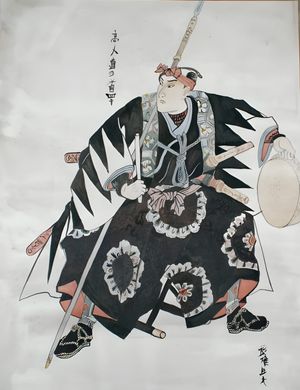
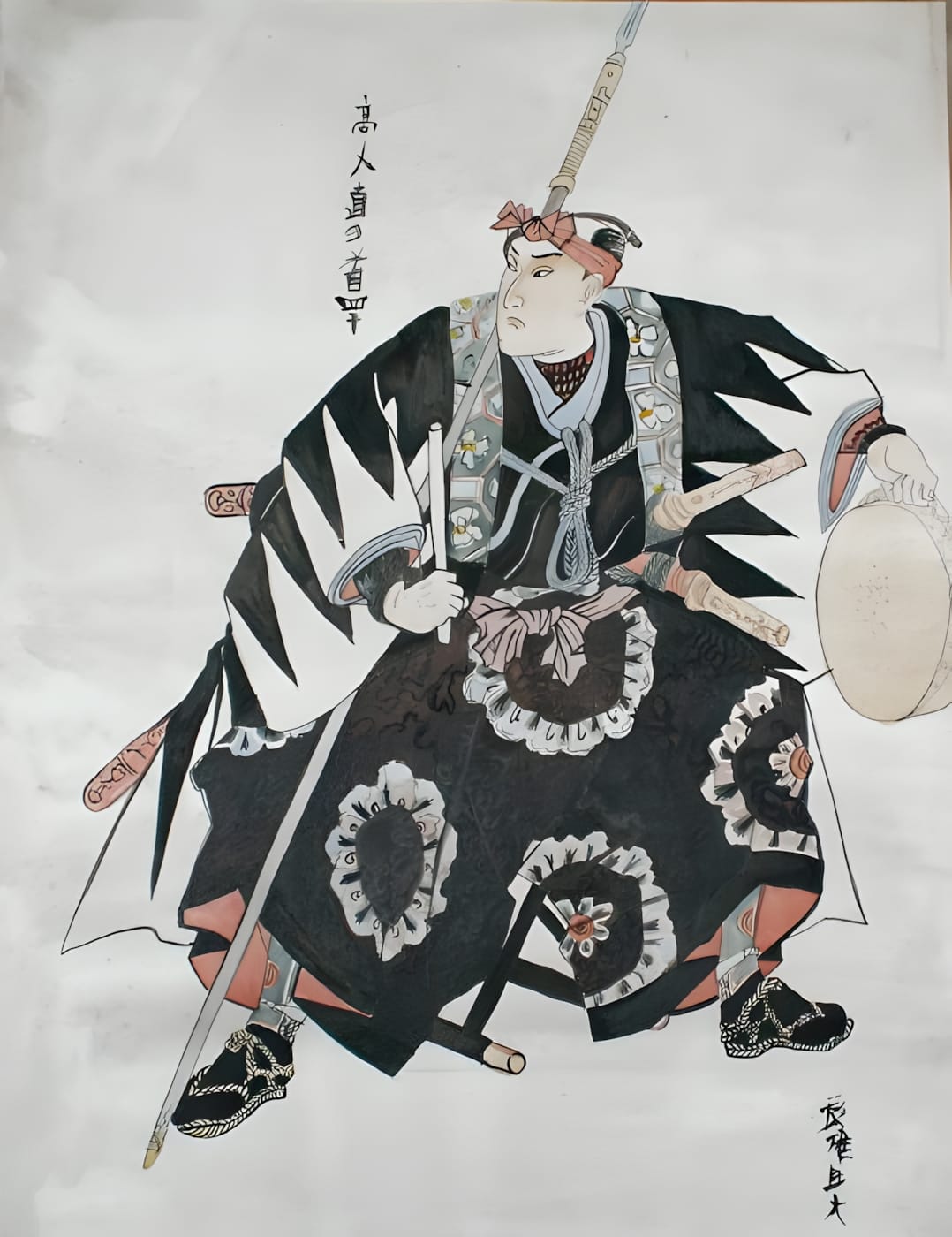
Japanese Warrior Figure — Edo/Meiji Period Ink Painting
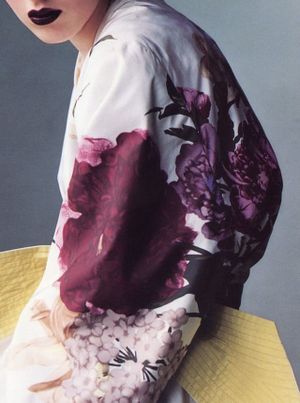
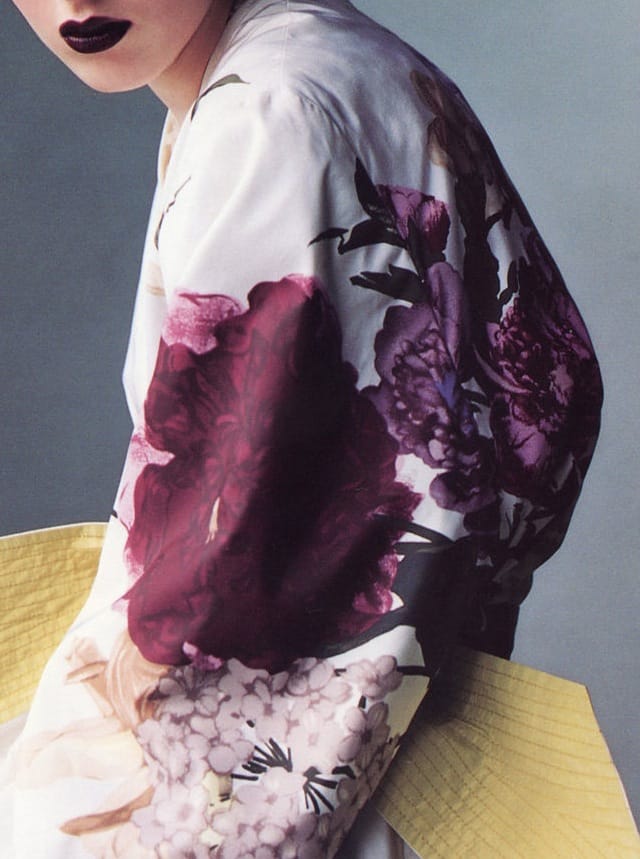
Floral Botanical Print Textile — Kimono or Wrap Garment
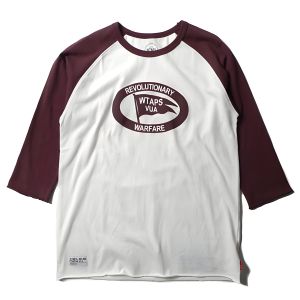
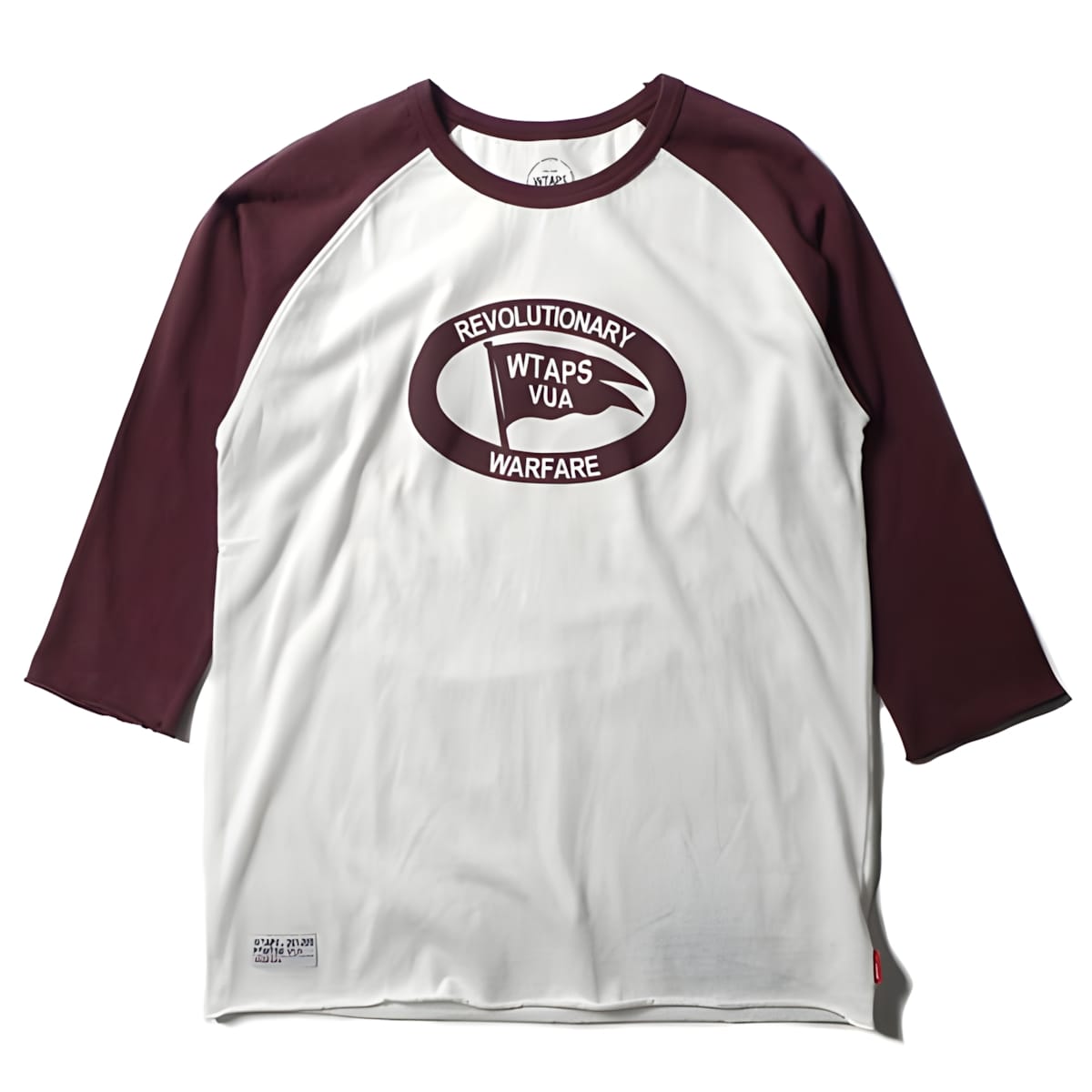
WTAPS 11AW Ian L/S Tee — Cotton Raglan
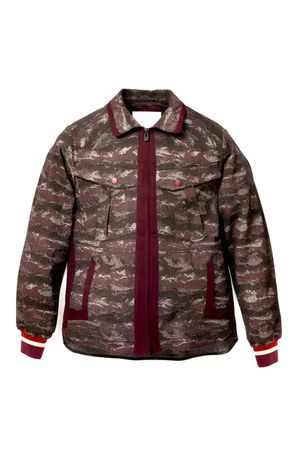
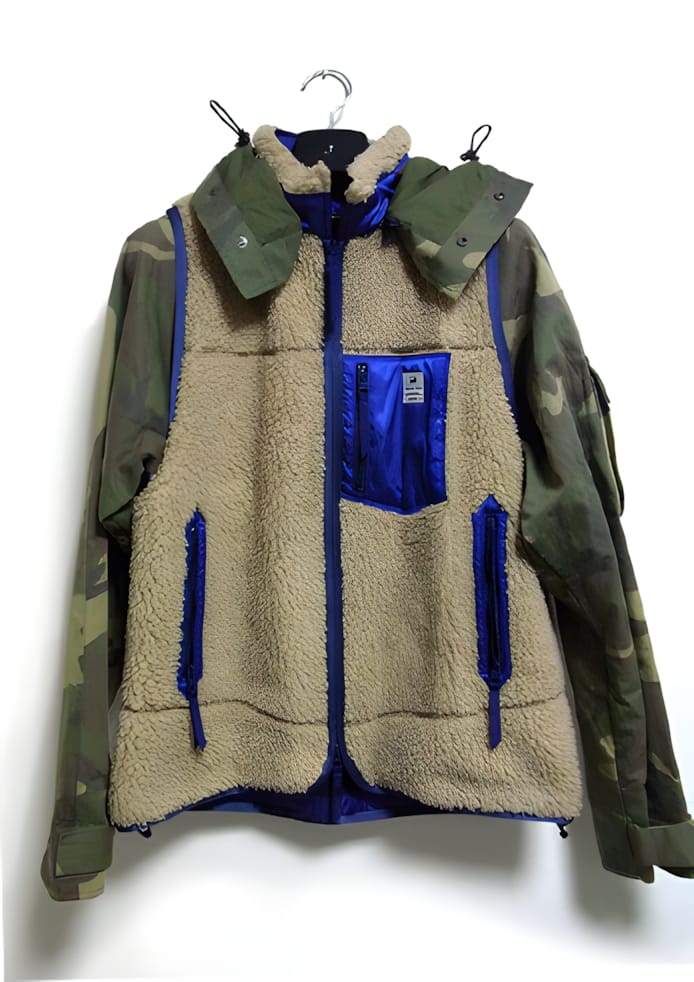
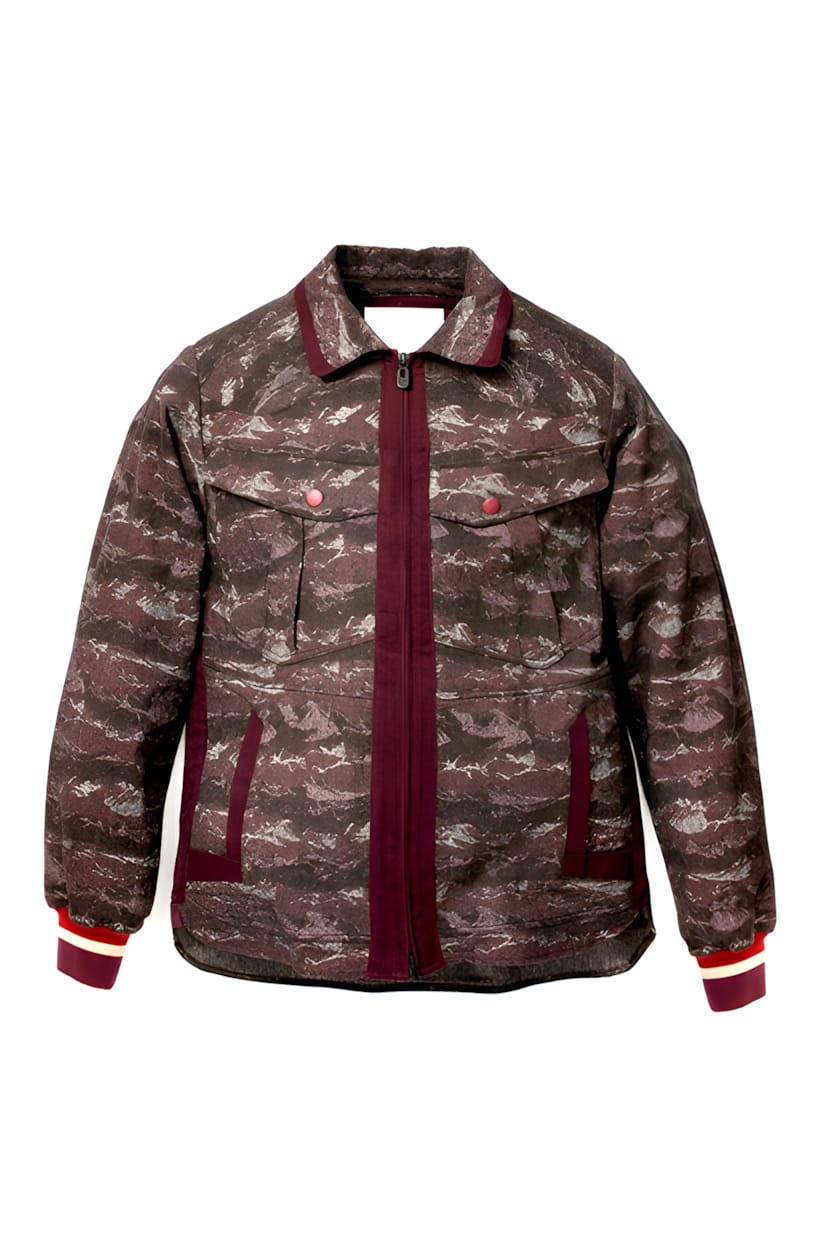
White Mountaineering Camouflage Jacket
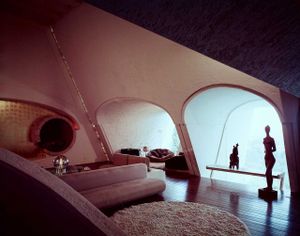
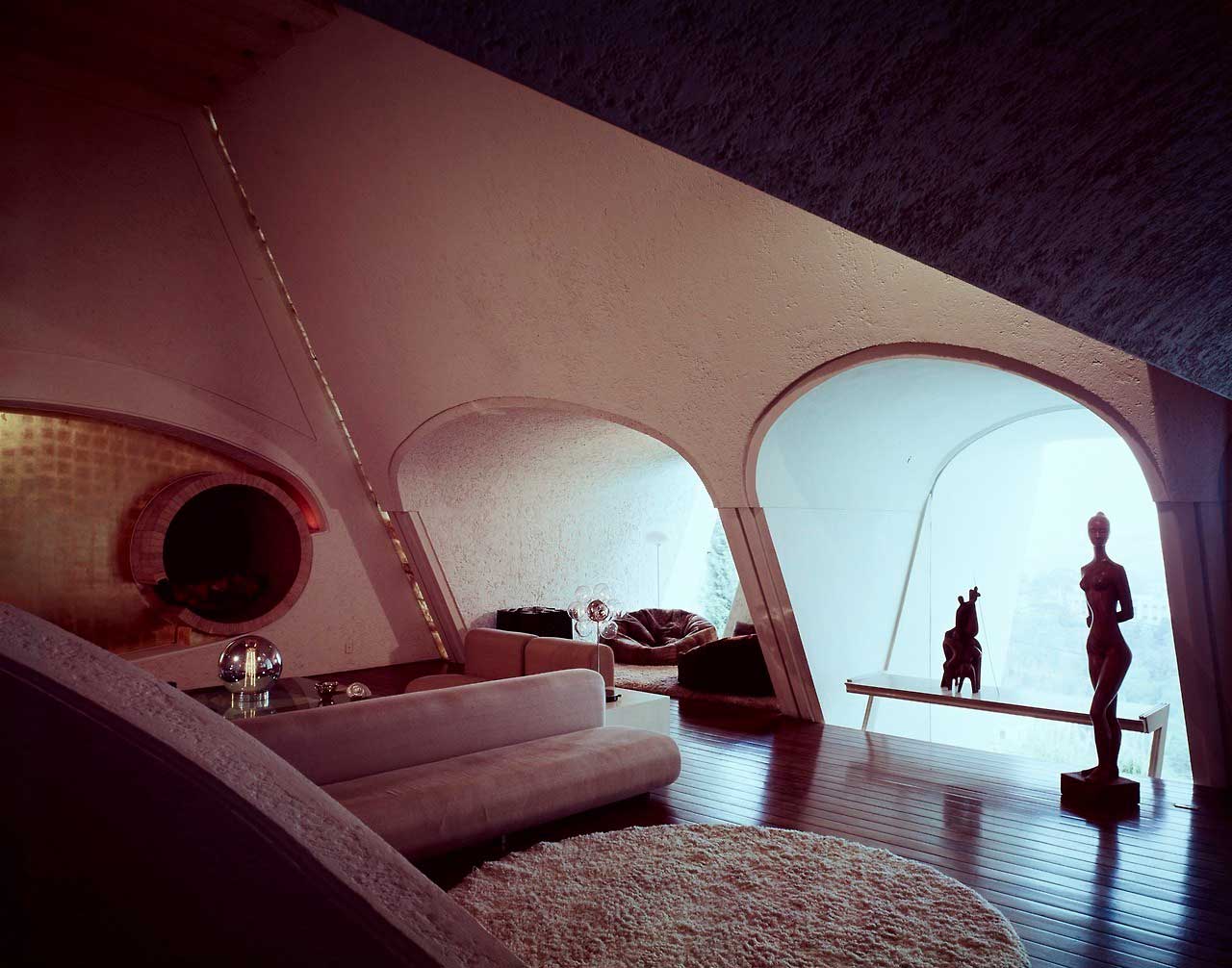
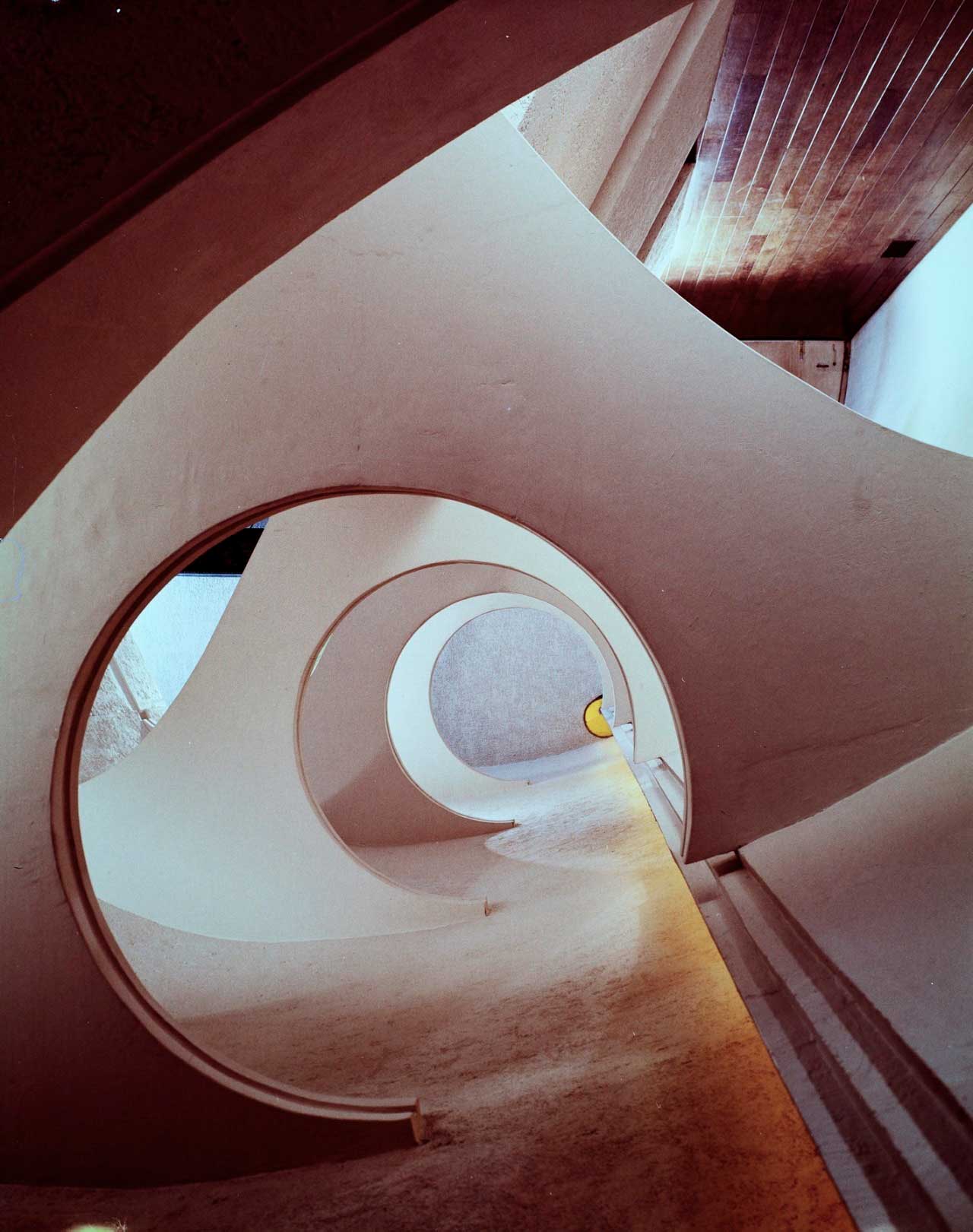
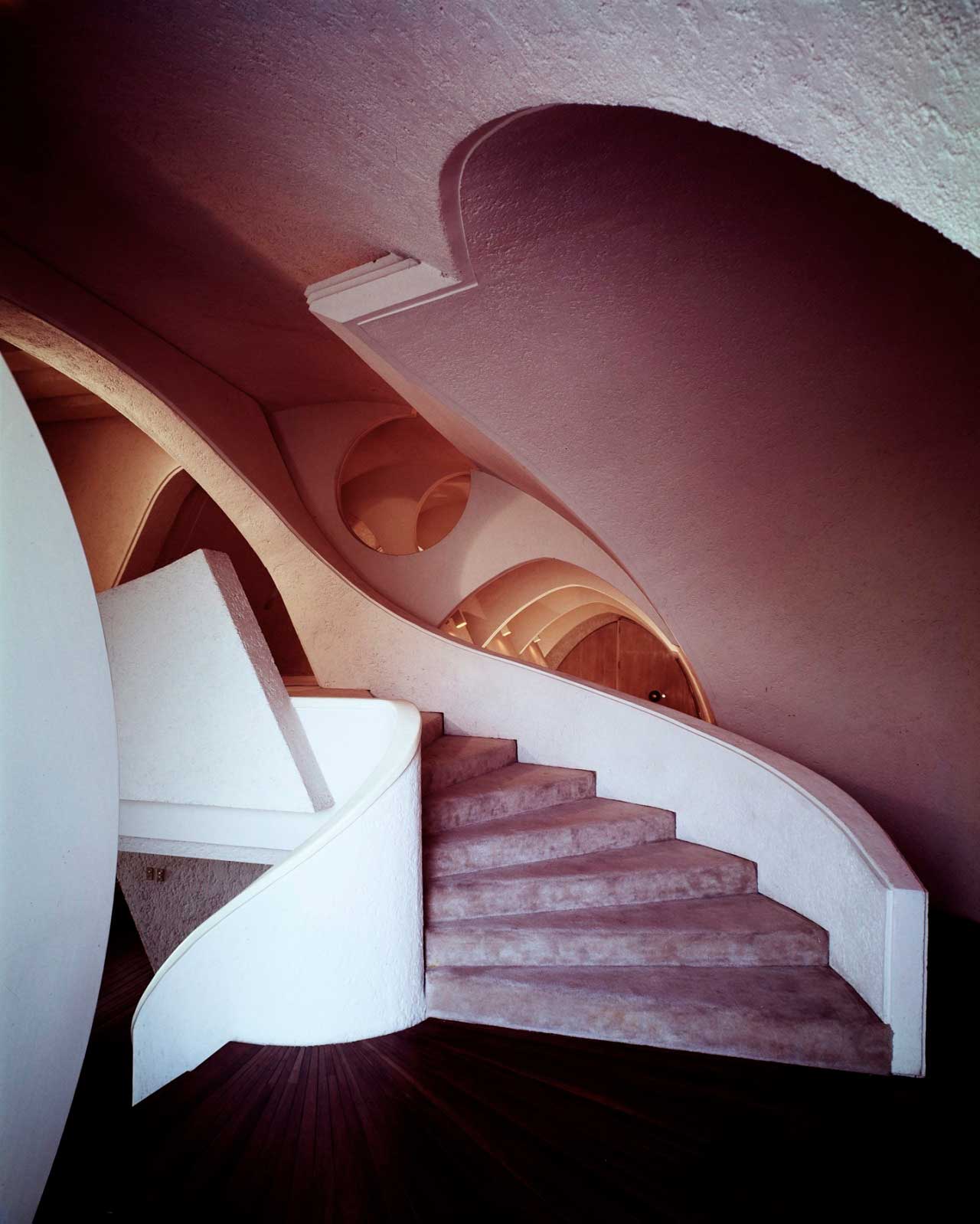
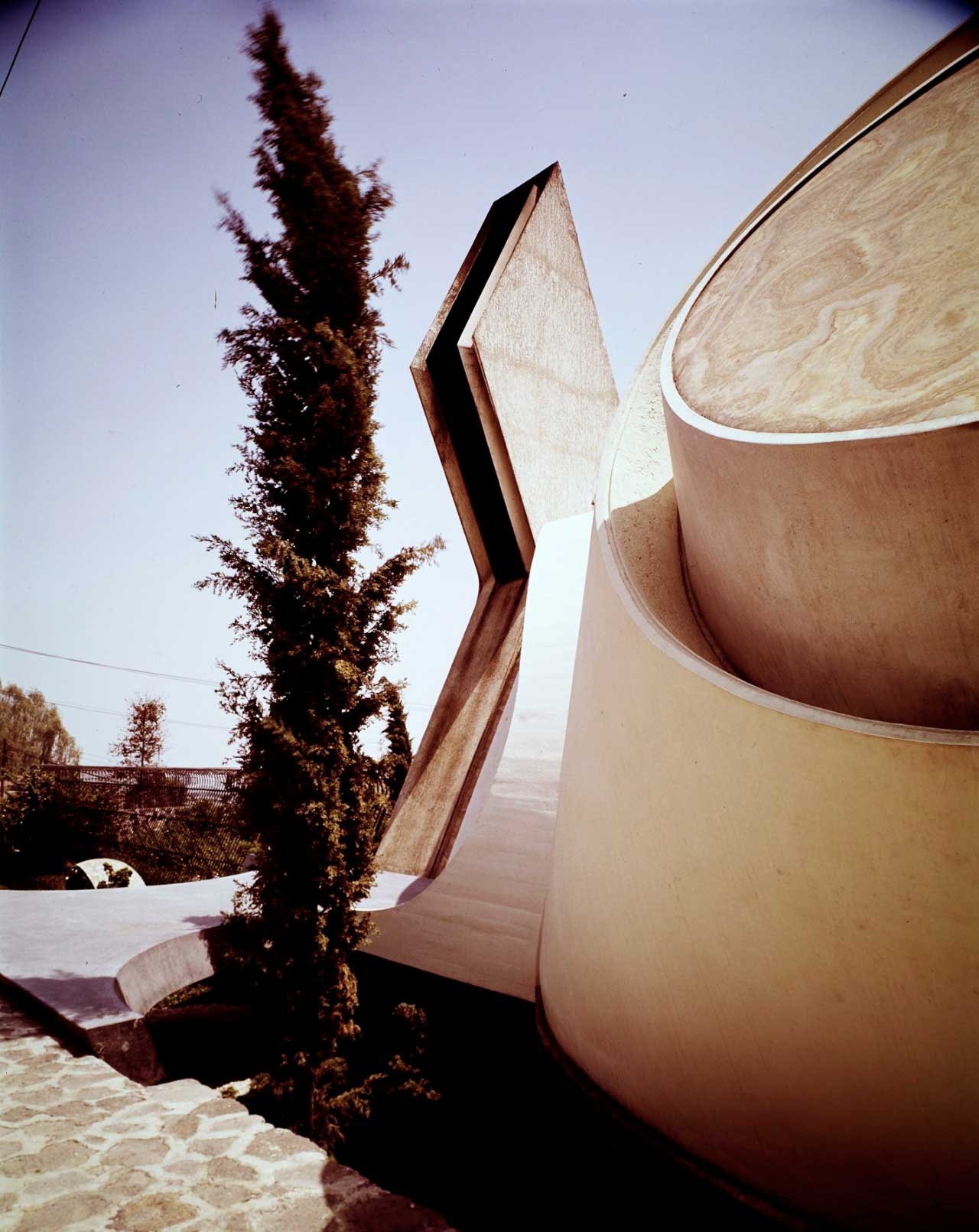
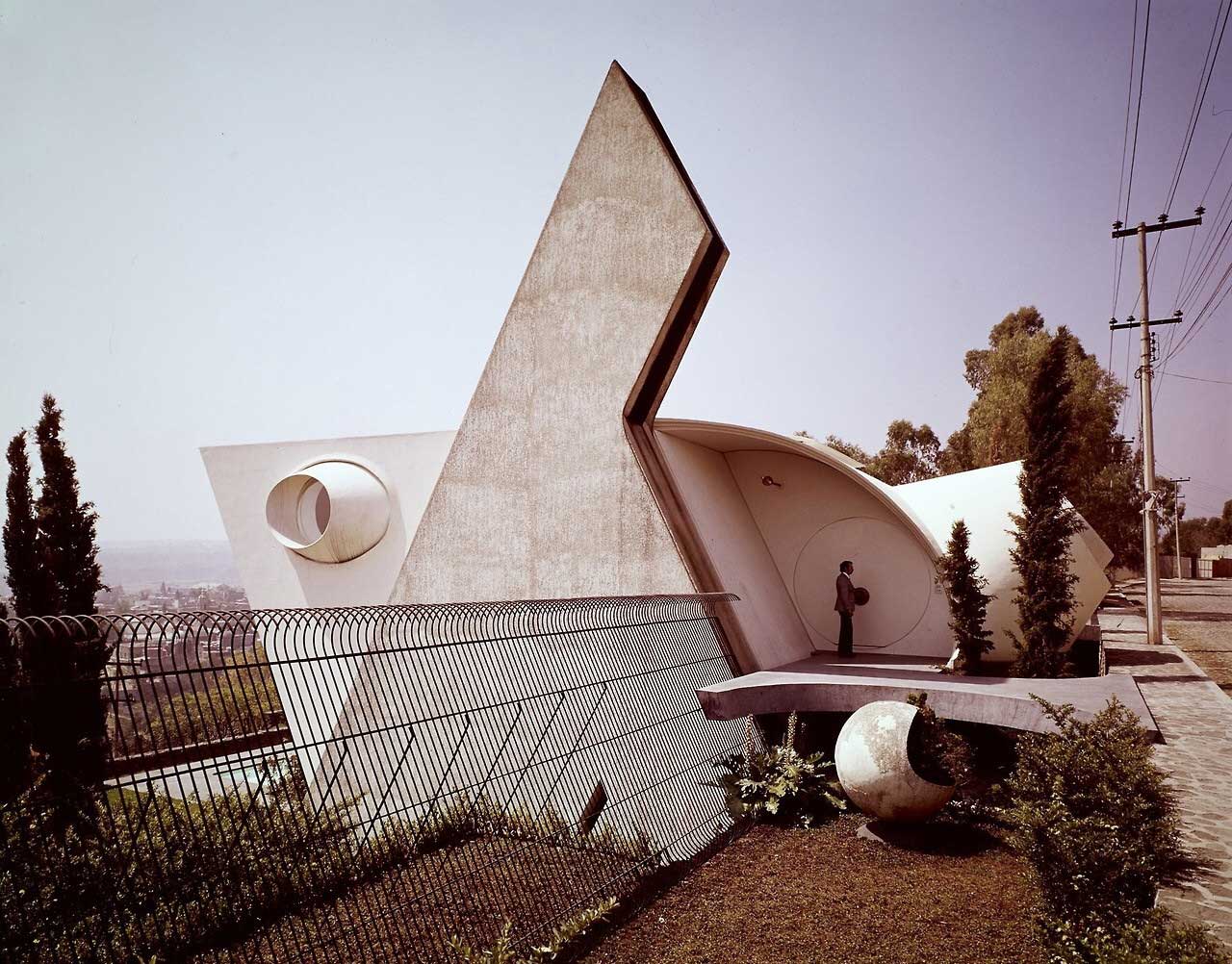
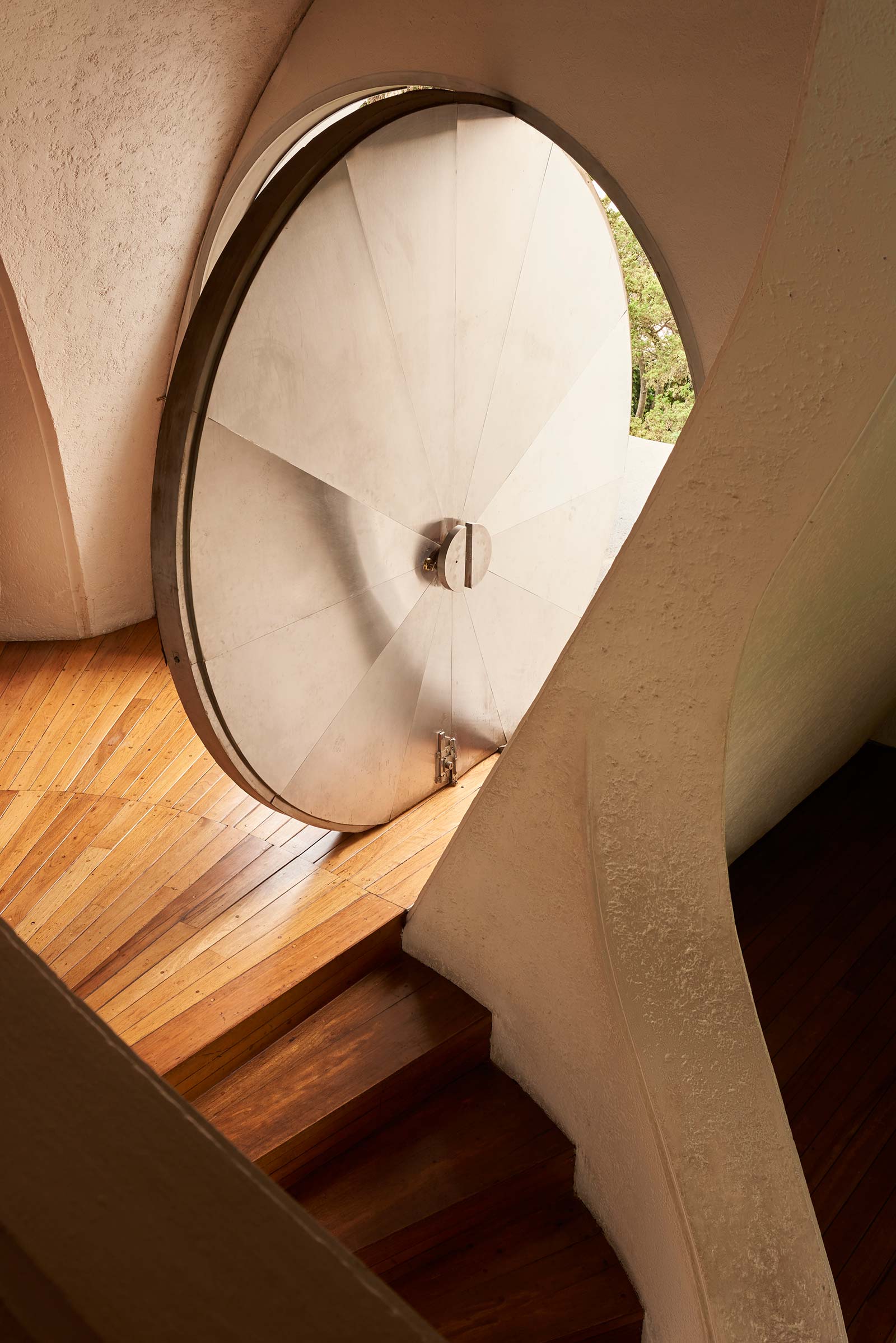
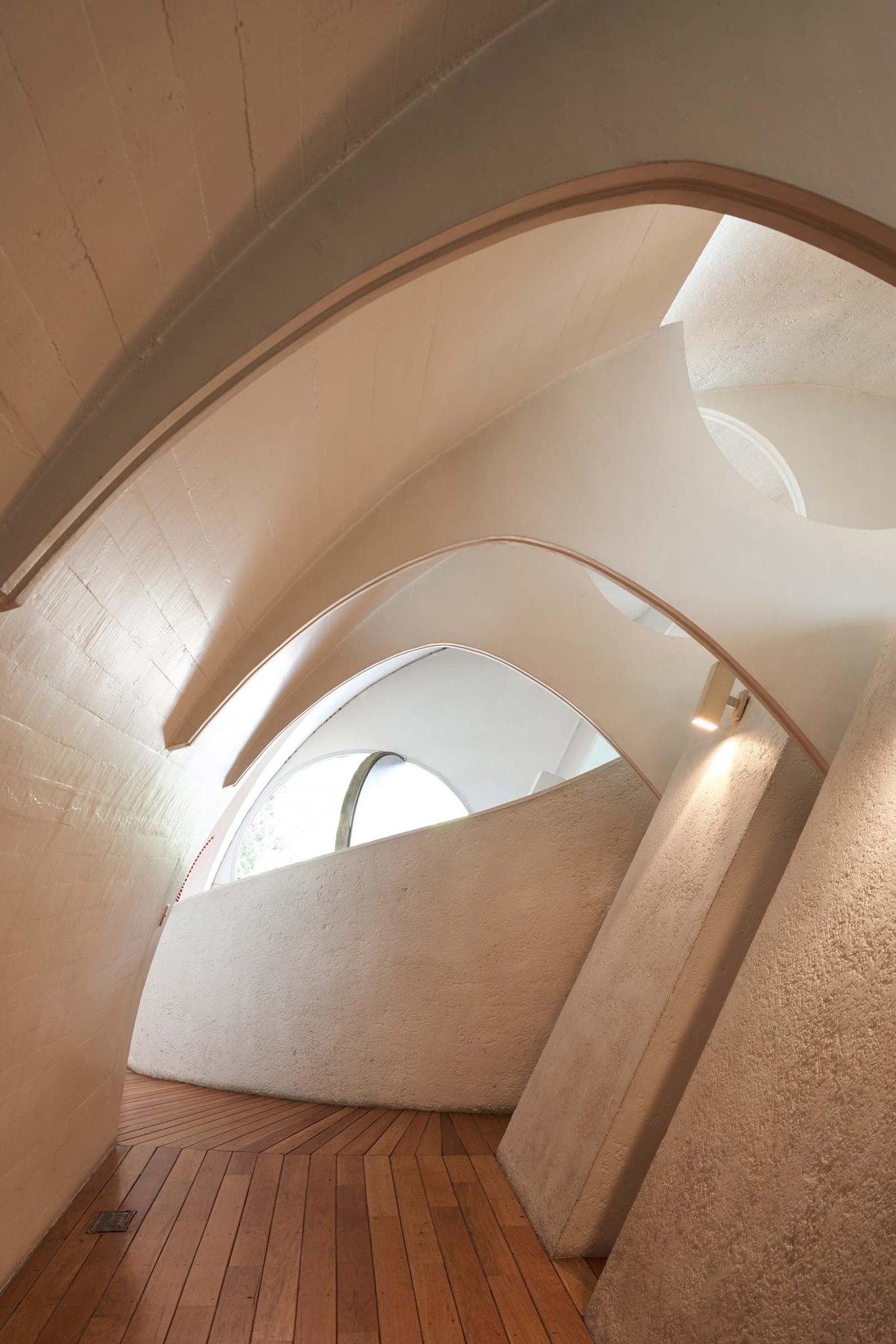
Amalia Hernández House / Agustín Hernández Navarro
Agustín Hernández Navarro is a Mexican sculptor and architect born in Mexico City. He is the son of politician Lamberto Hernández and Amalia Navarro and studied at the National Autonomous University of Mexico. Leading exponent of “emotional” architecture in his country, Hernandez has fused elements from Mexico’s Pre-columbian past in his contemporary architecture. He usually starts by designing the vertical elements of a building, such as the stairs, as he feels these are of much importance. As organic nature, his architecture unites structure, form, and function.
Sacai Paris — Before the Show, Street Snap by Masataka Matsumura
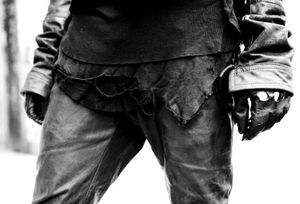
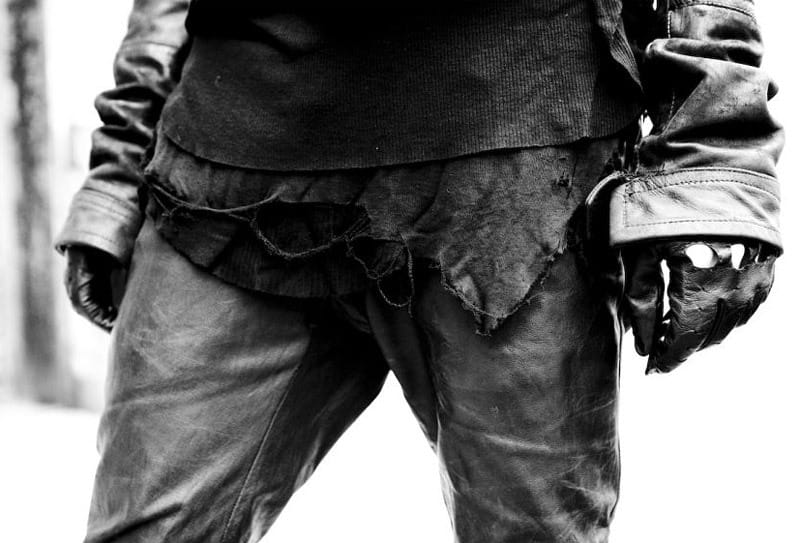
Distressed Layers and Leather Gloves — Jeff P. Elstone
Jeff P. Elstone's black-and-white fashion detail concentrates on layered distressed textiles, dark trousers and deconstructed fingerless leather gloves.
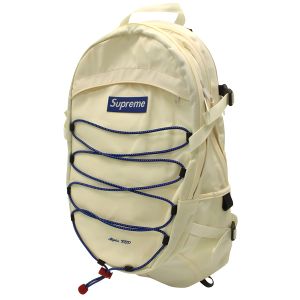
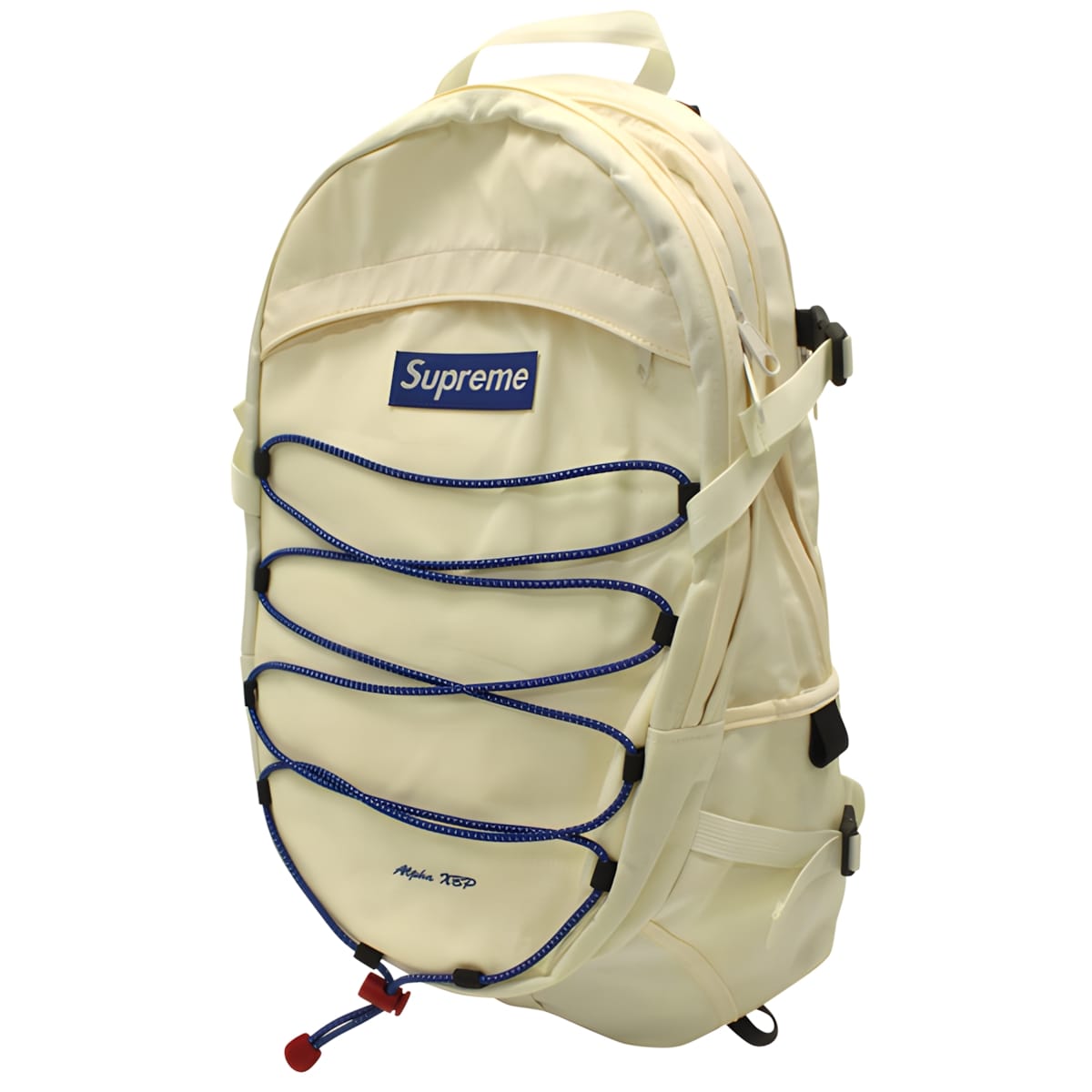
Supreme 18th Anniversary Alpha XBP Backpack
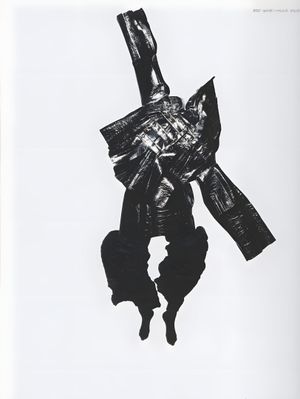
Irving Penn × Issey Miyake — Two Miyake Warriors
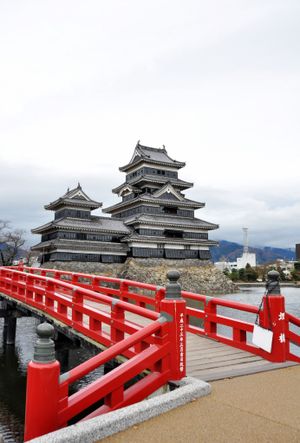
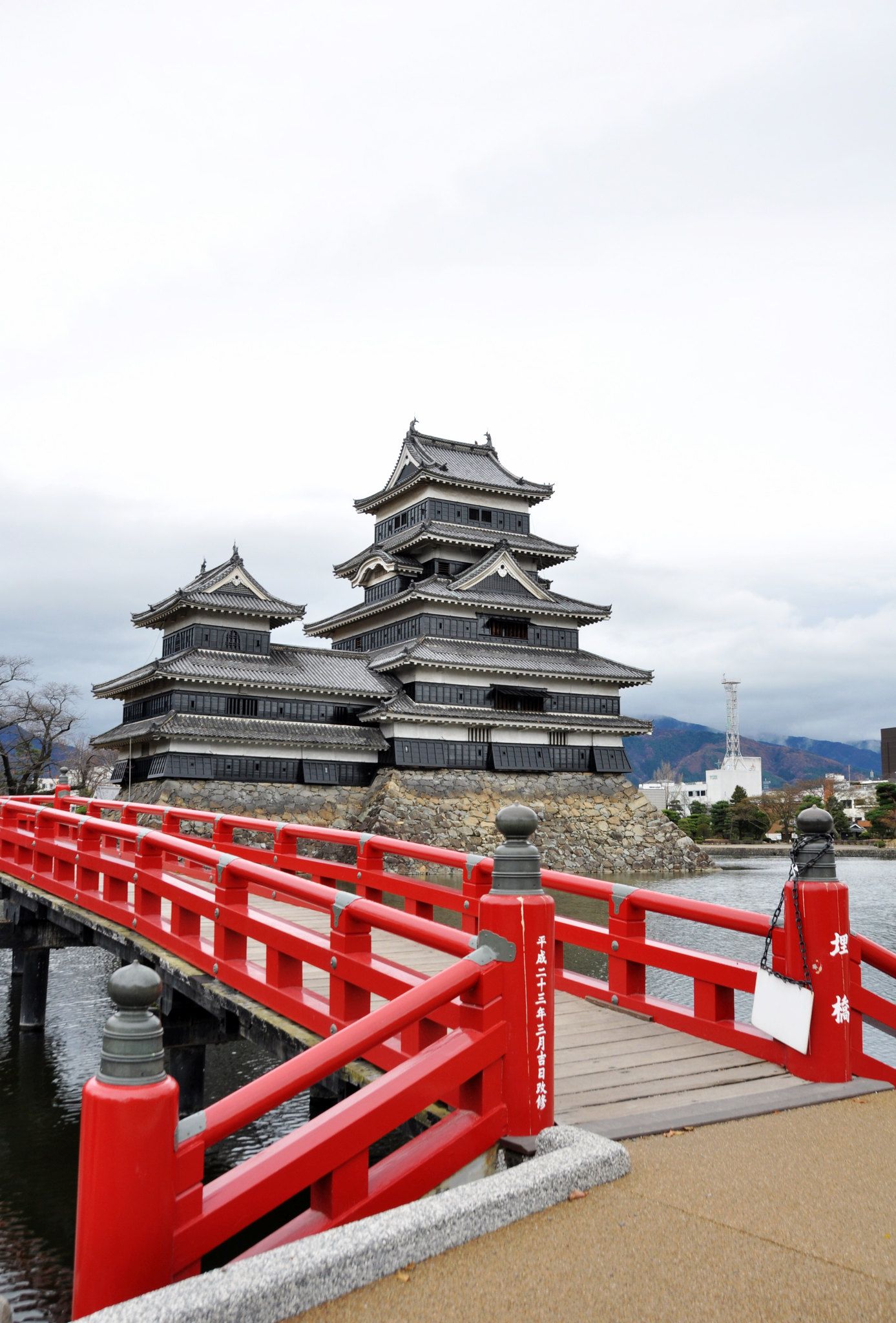
Matsumoto Castle, Nagano Prefecture