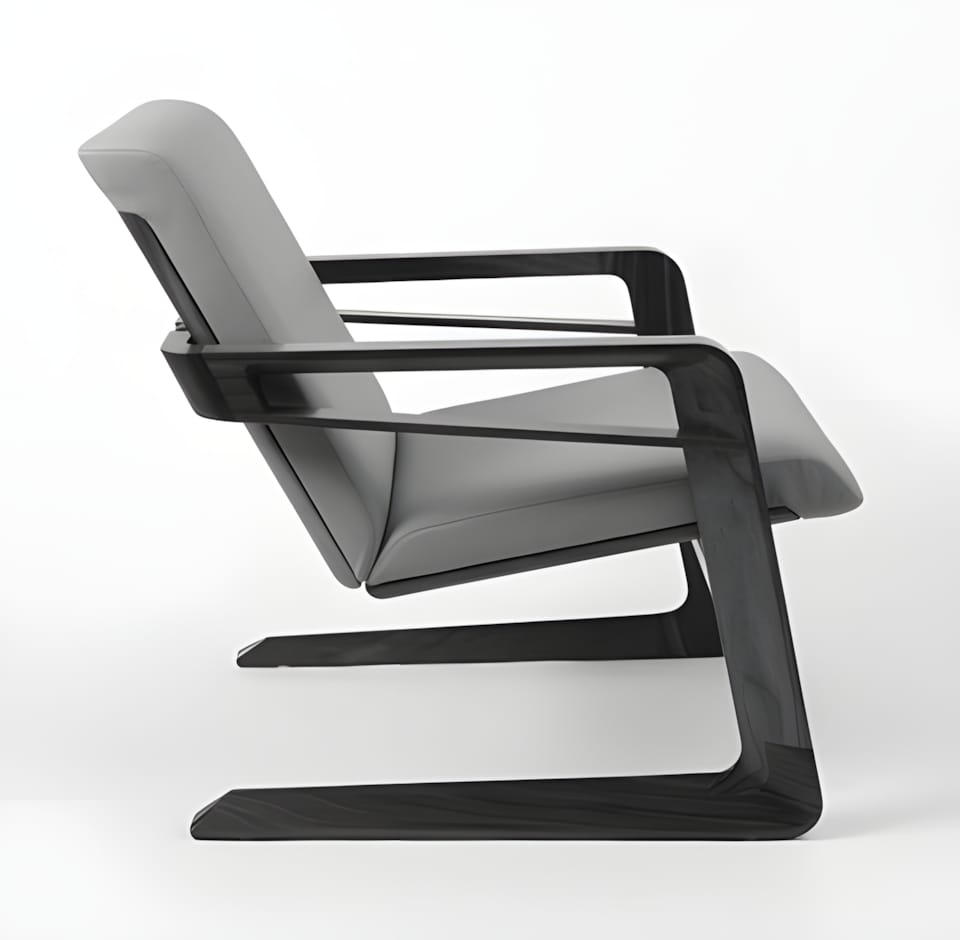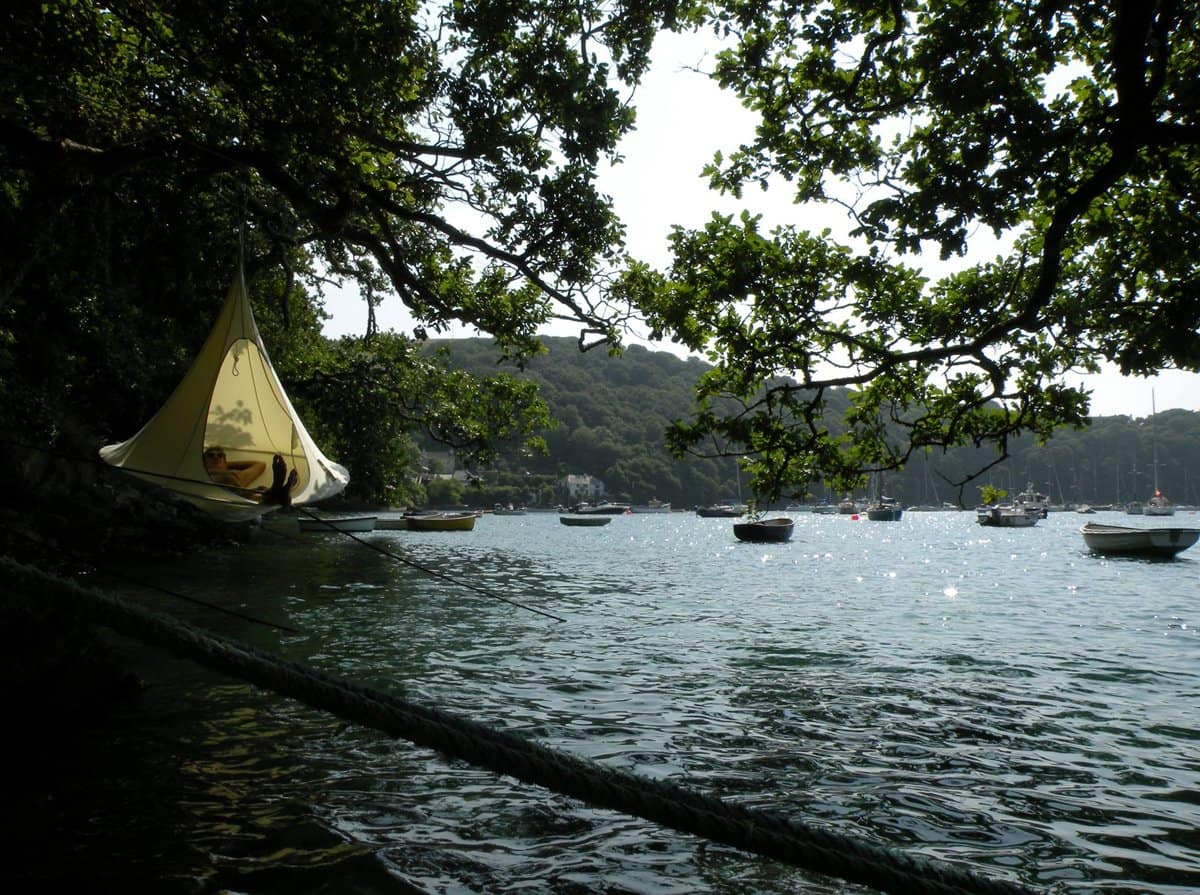
Cacoon Hanging Chair
The Cacoon Hanging Chair is constructed with robust engineering to support a weight of up to 200kg or 440lbs. This product was designed in the UK by the collaborative effort of Nick and Sarah, a husband and wife team.
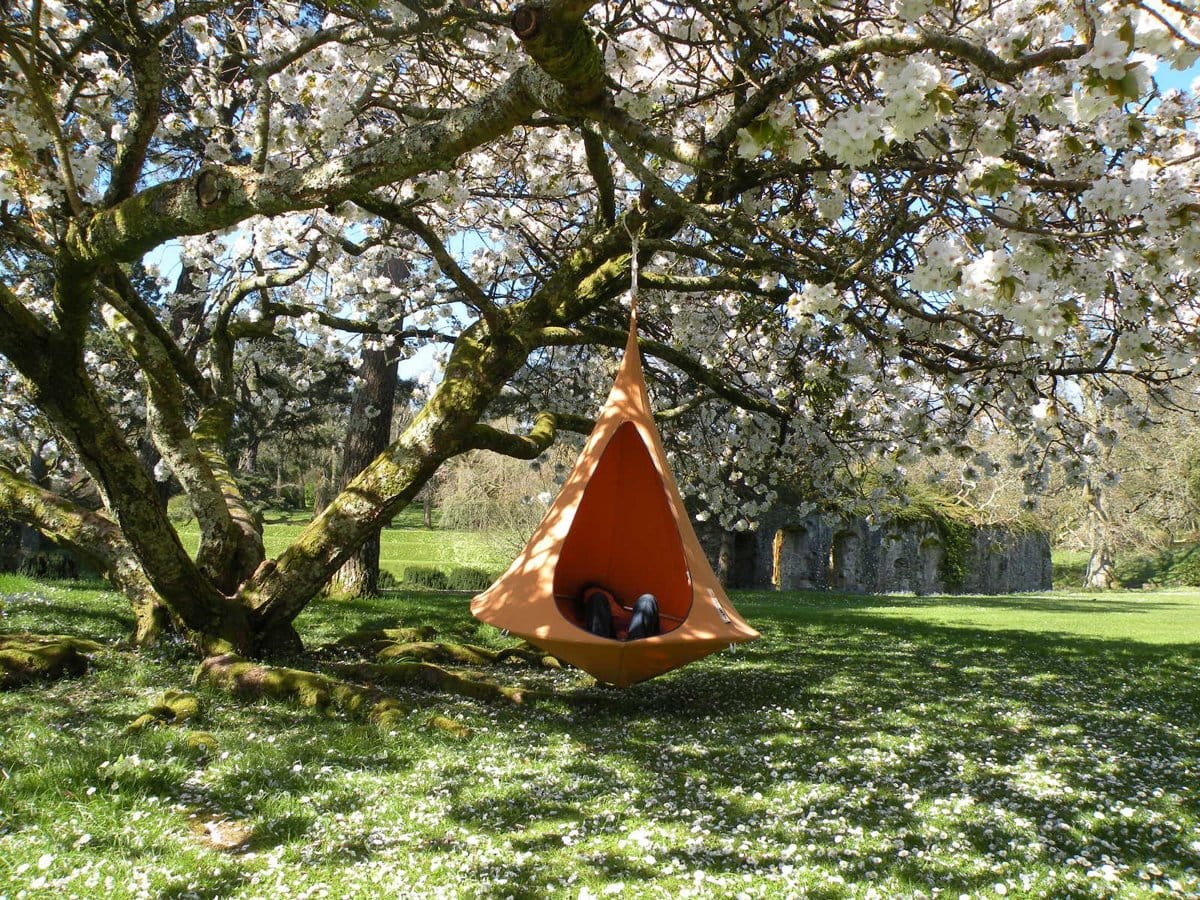
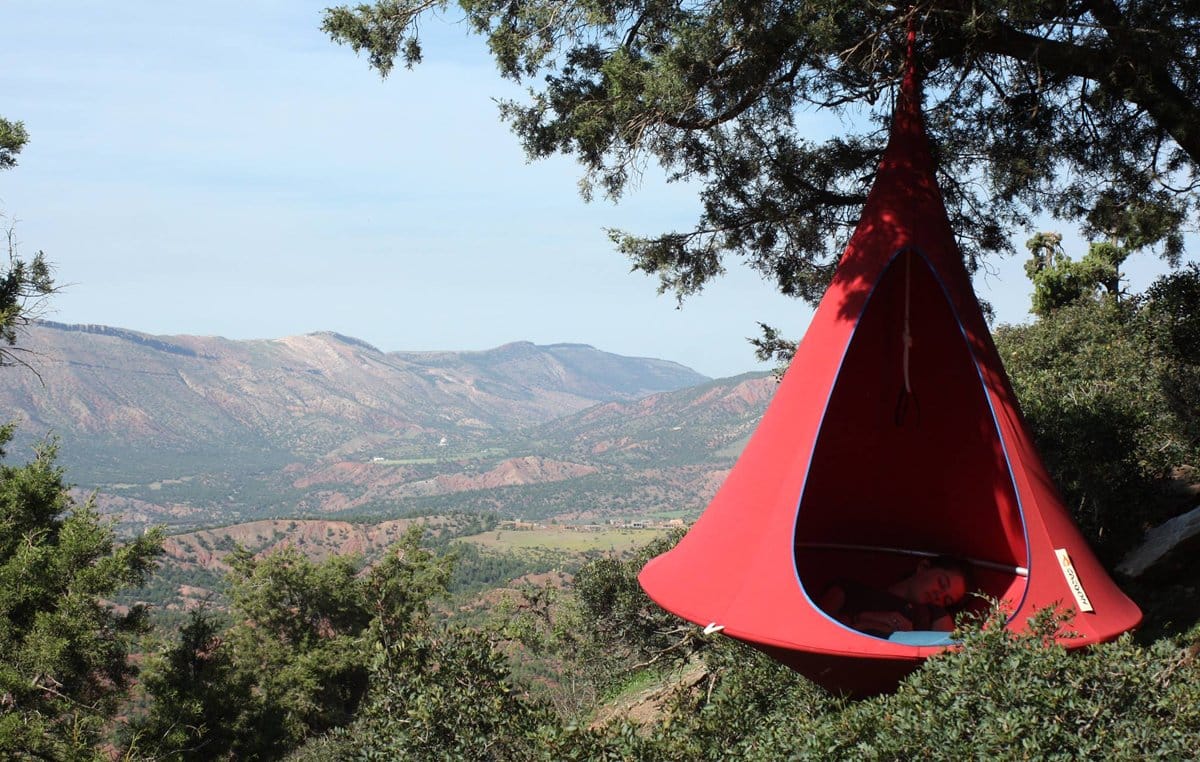
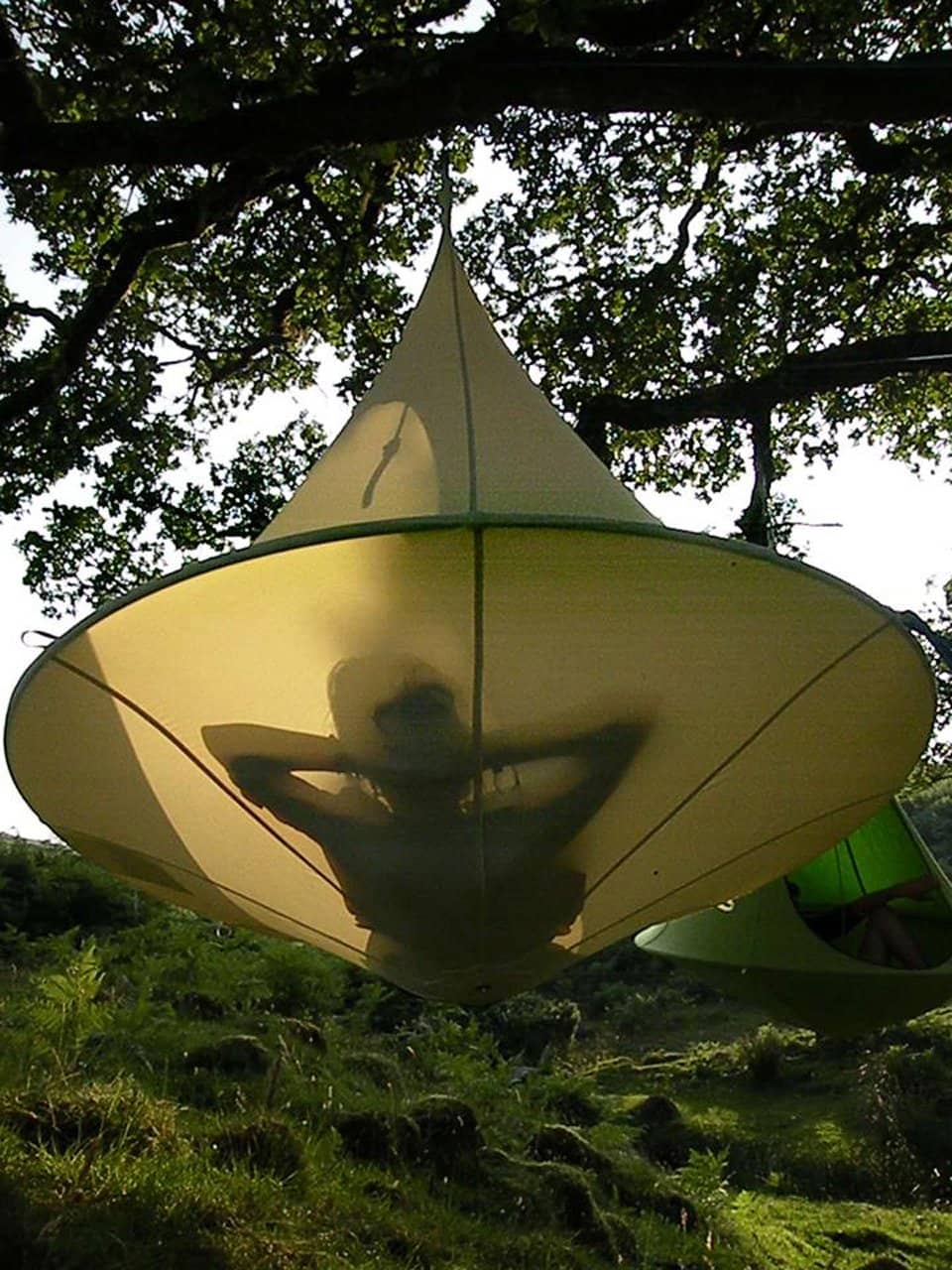
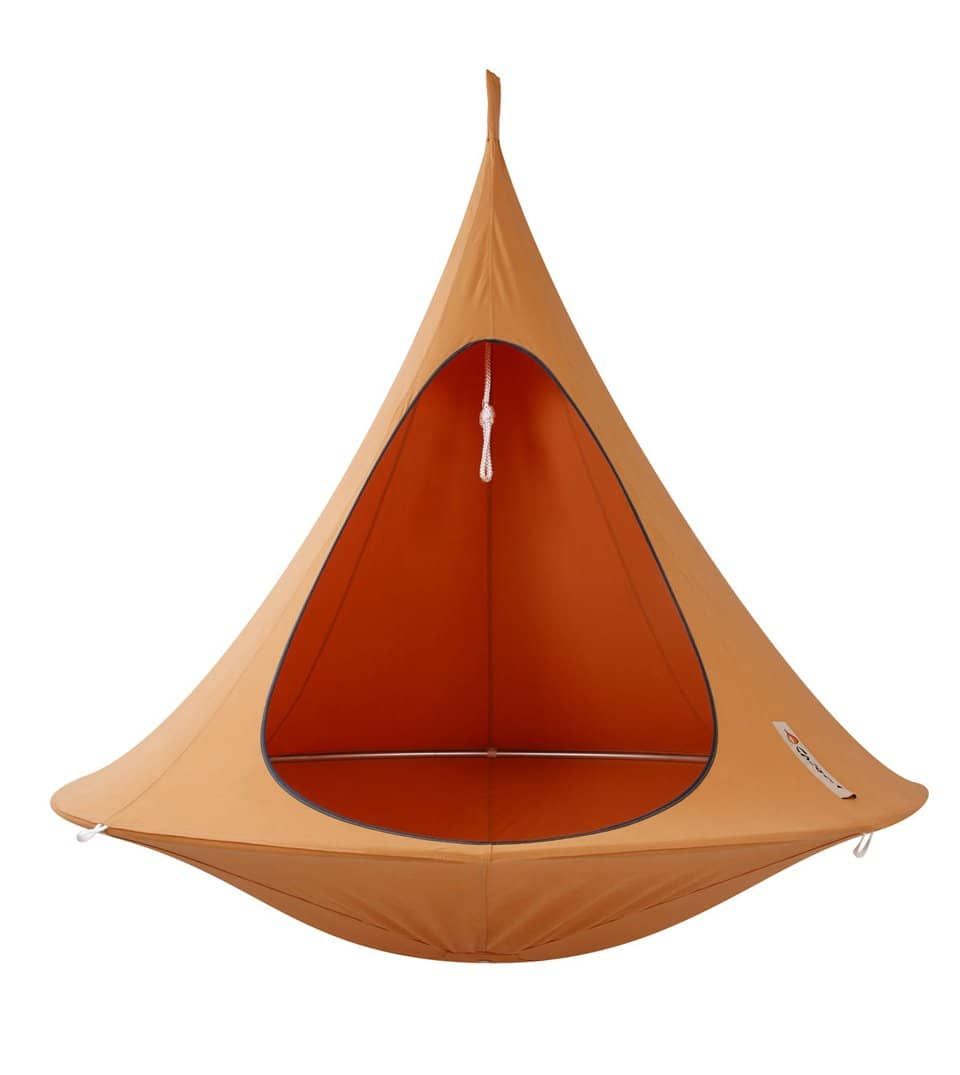
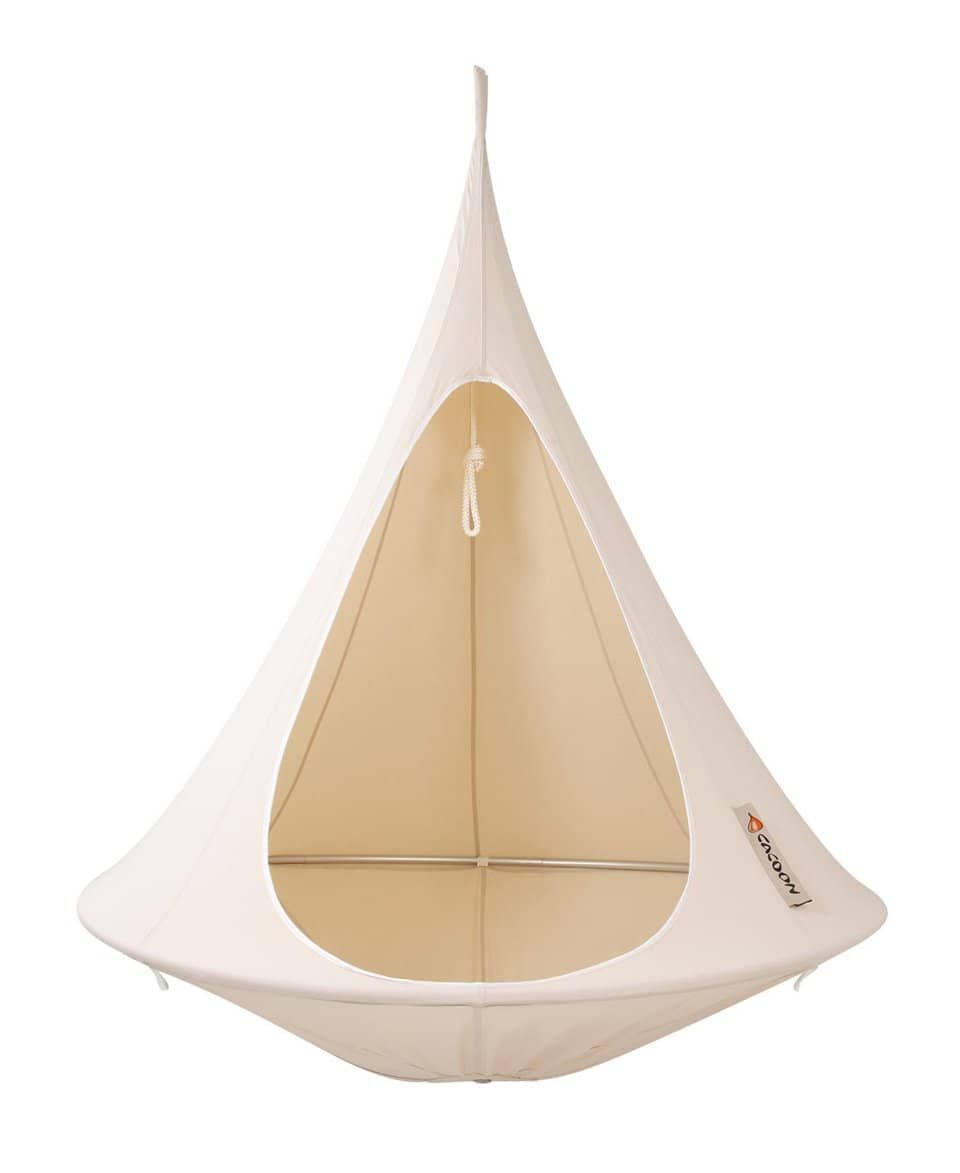
The Cacoon Hanging Chair is constructed with robust engineering to support a weight of up to 200kg or 440lbs. This product was designed in the UK by the collaborative effort of Nick and Sarah, a husband and wife team.
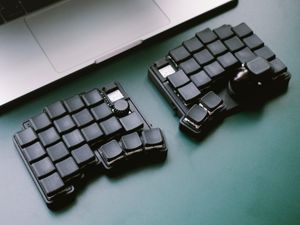
The Inspired by kumakey’s “roBa,” the moNa2 is a small wireless split keyboard developed by shakupan and pooh.polo, designed to keep a desk feeling open and unclaimed. Two compact halves sit apart with a quiet gap between them, leaving room for a notebook or tools without forcing a single, monolithic footprint.
The layout is restrained: low, close spacing with a built-in thumb-controlled ball that keeps basic navigation under the hand instead of pushing you toward a mouse. The whole object reads as light hardware rather than a centerpiece, favors packing and redeploying—such as magnets on the underside so the halves can join together for transport.
It runs wire-free and is meant to be adjusted over time rather than treated as a fixed appliance. Typical usage notes describe it lasting roughly a couple of weeks of frequent daily use before needing attention again, with the exact cadence depending on how it’s set up and used.
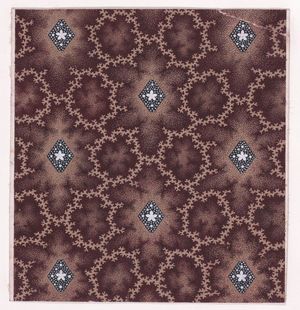
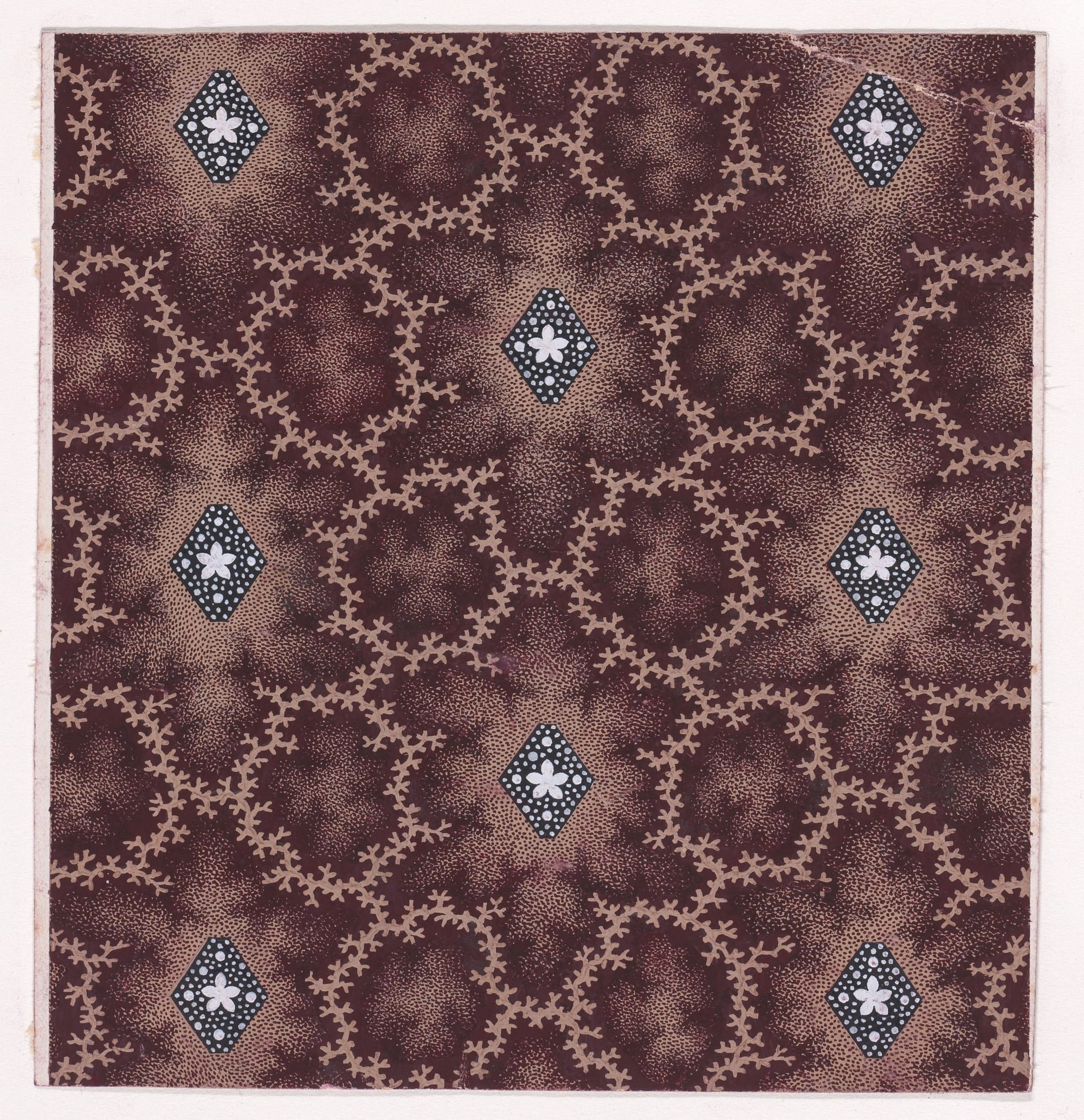
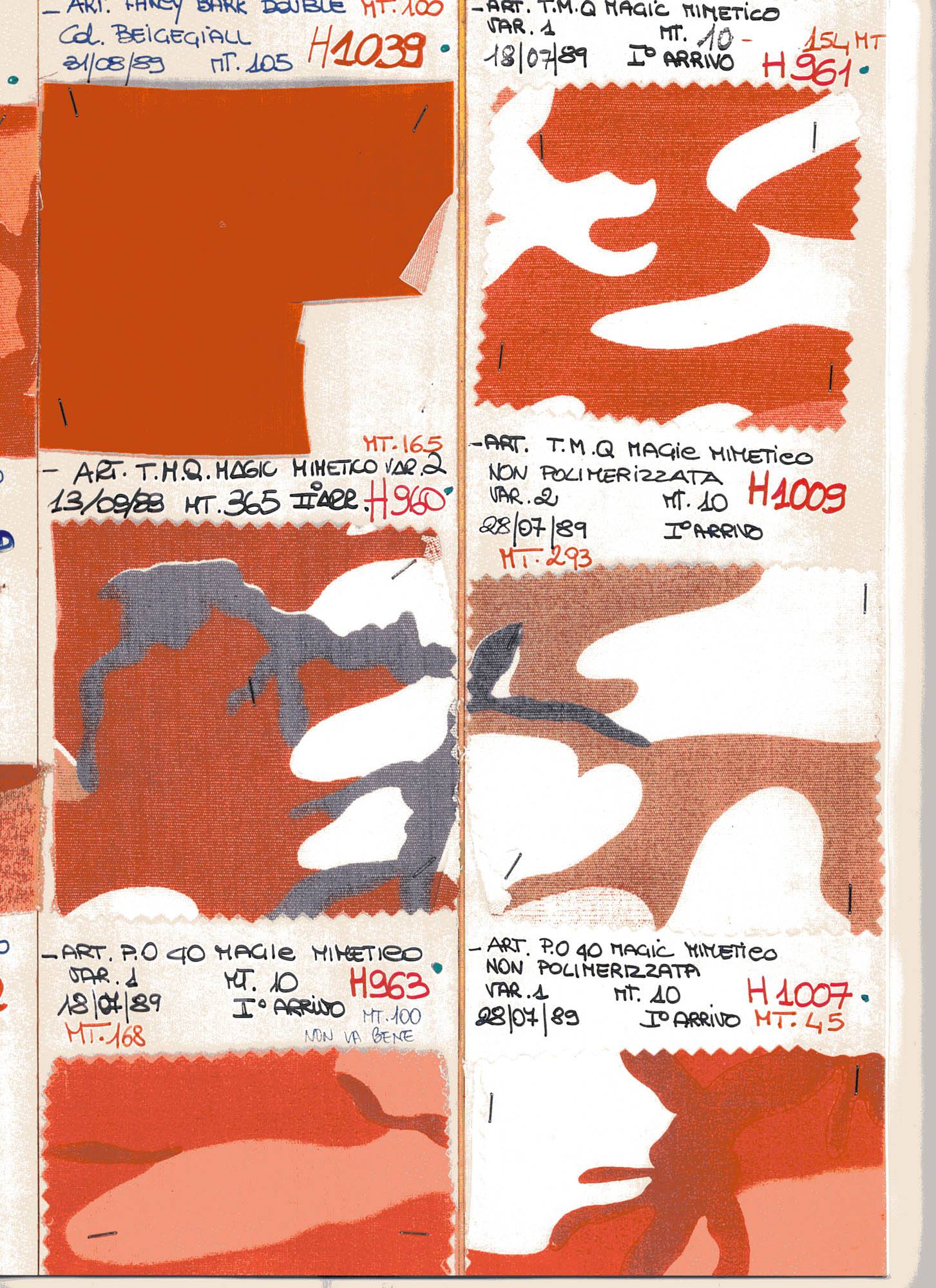
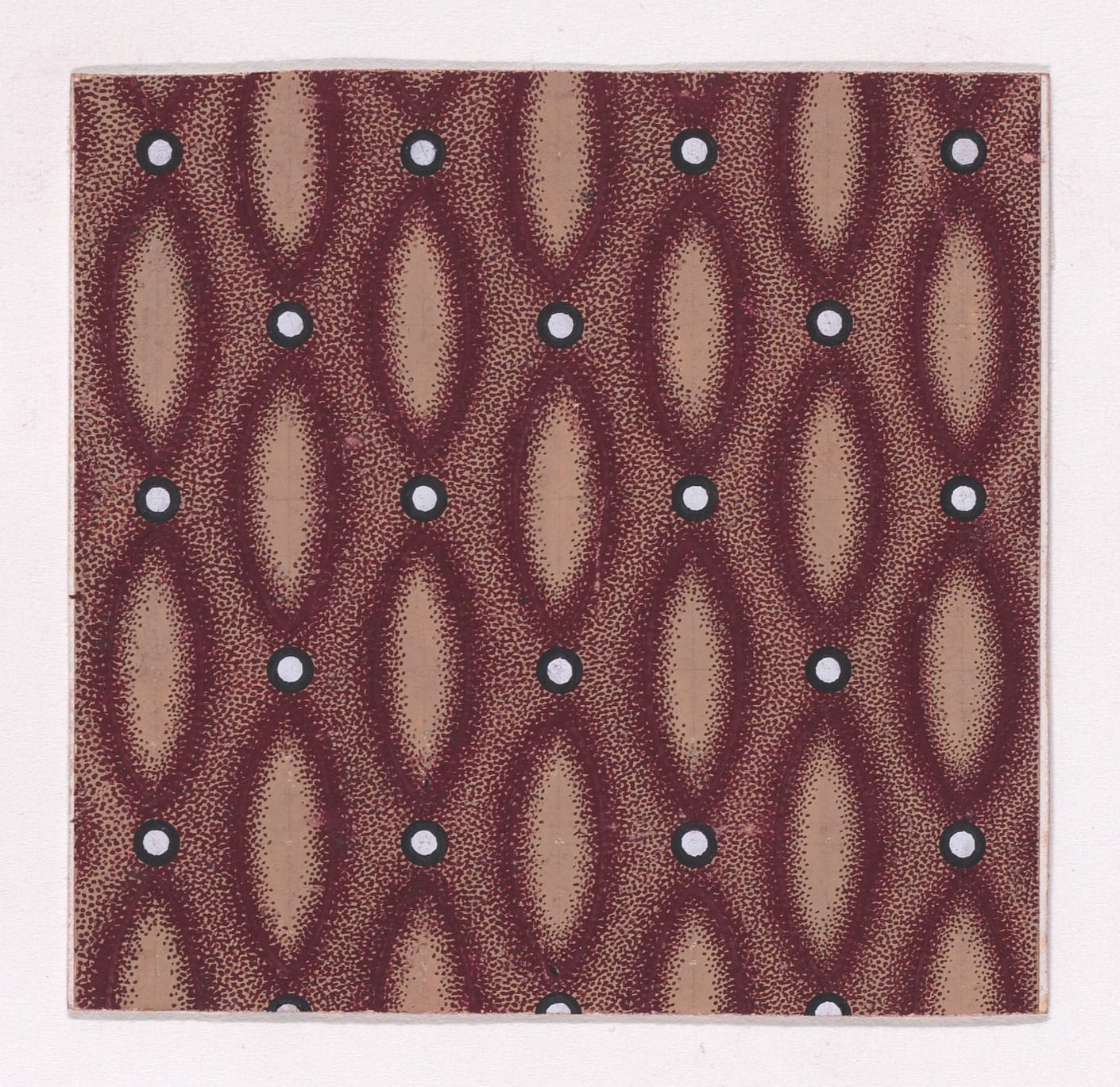
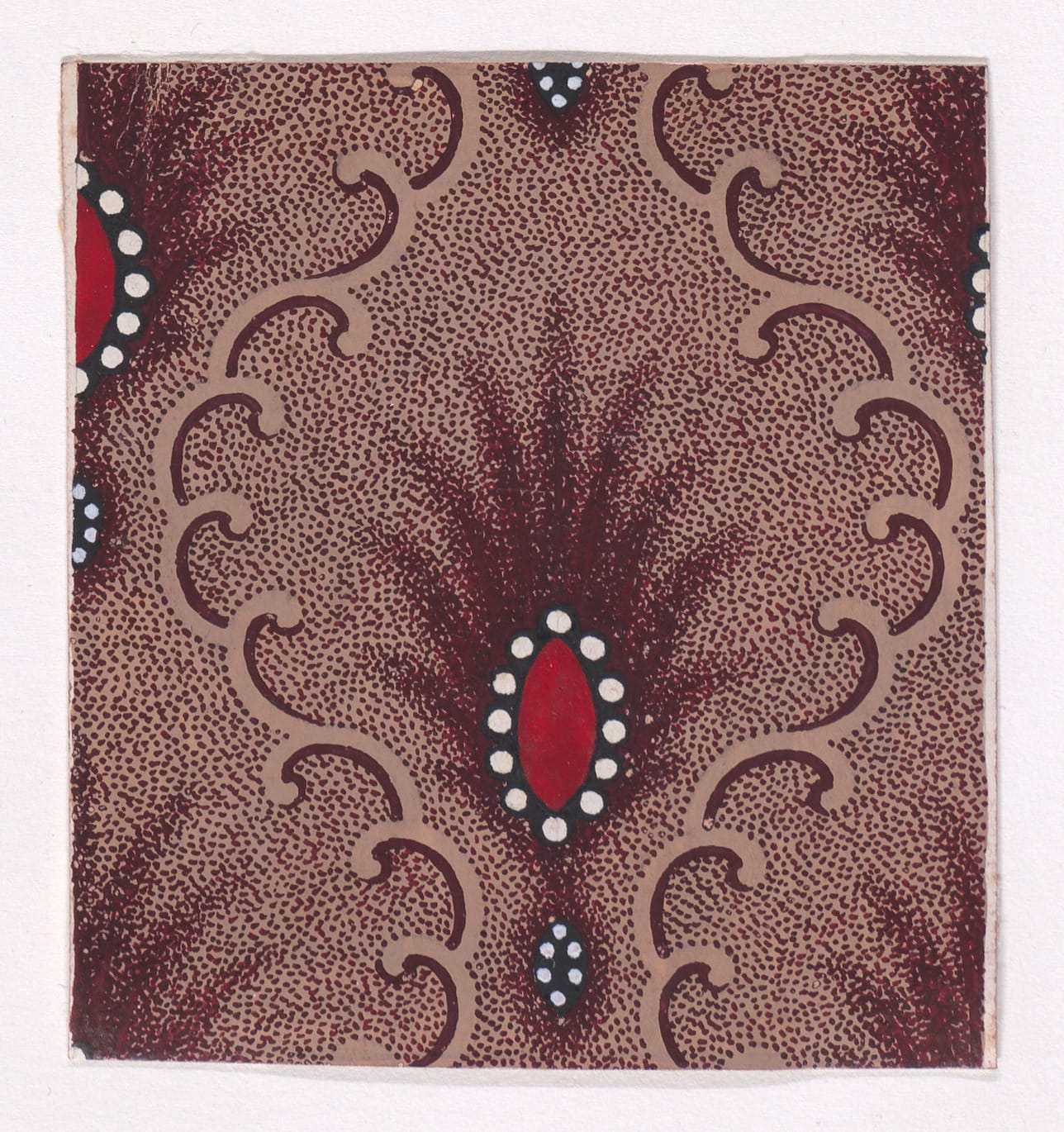
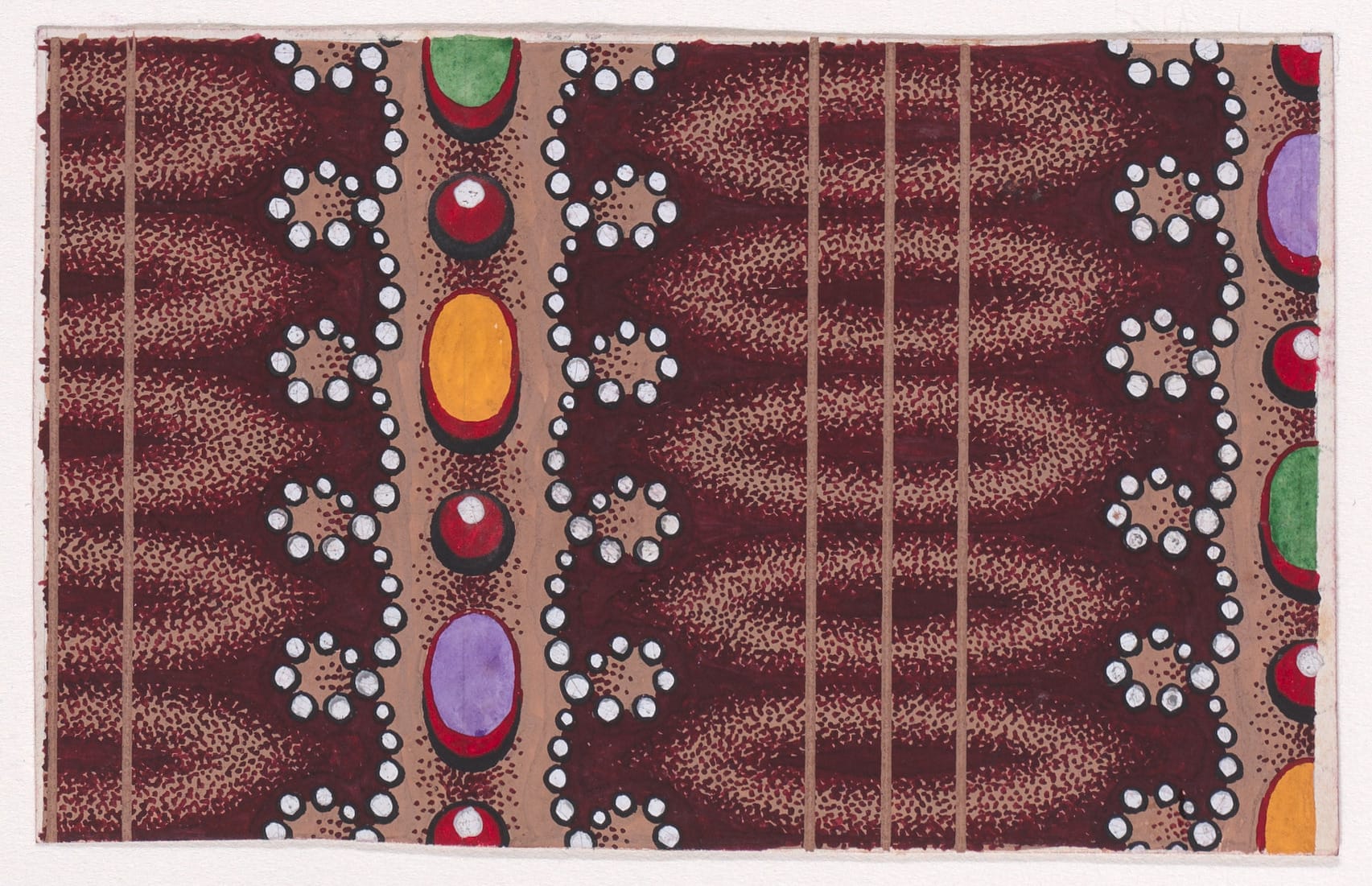
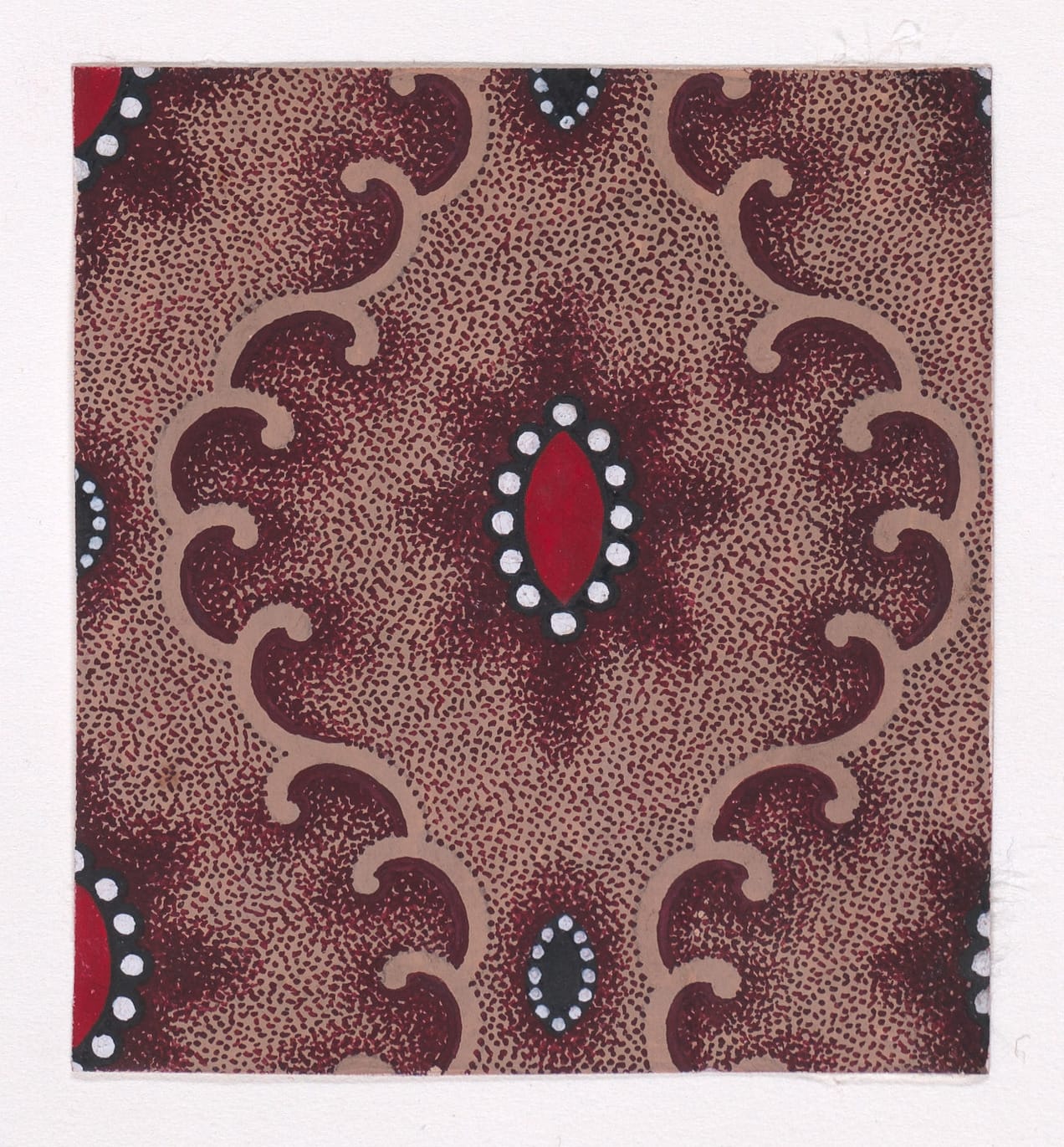
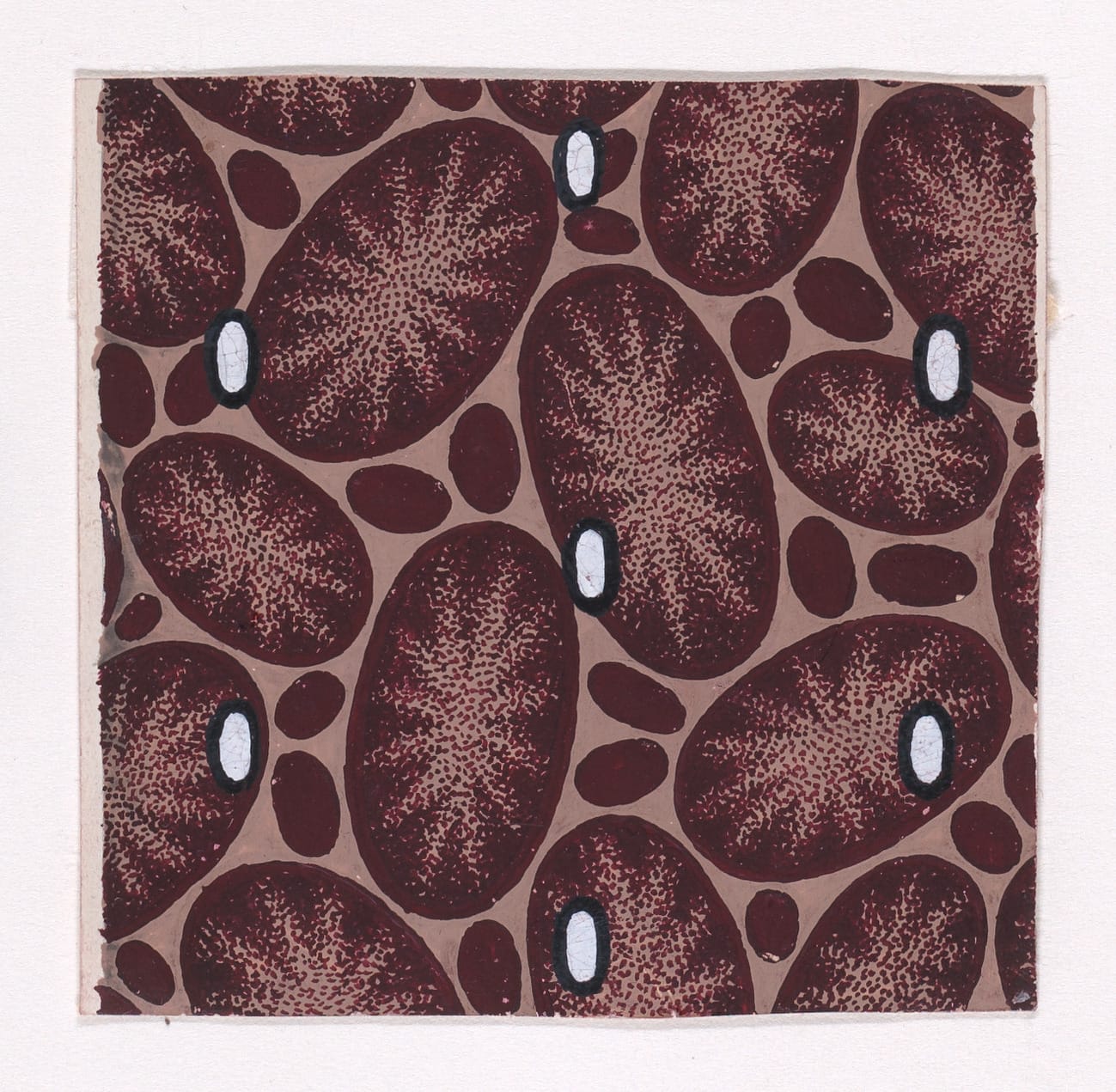
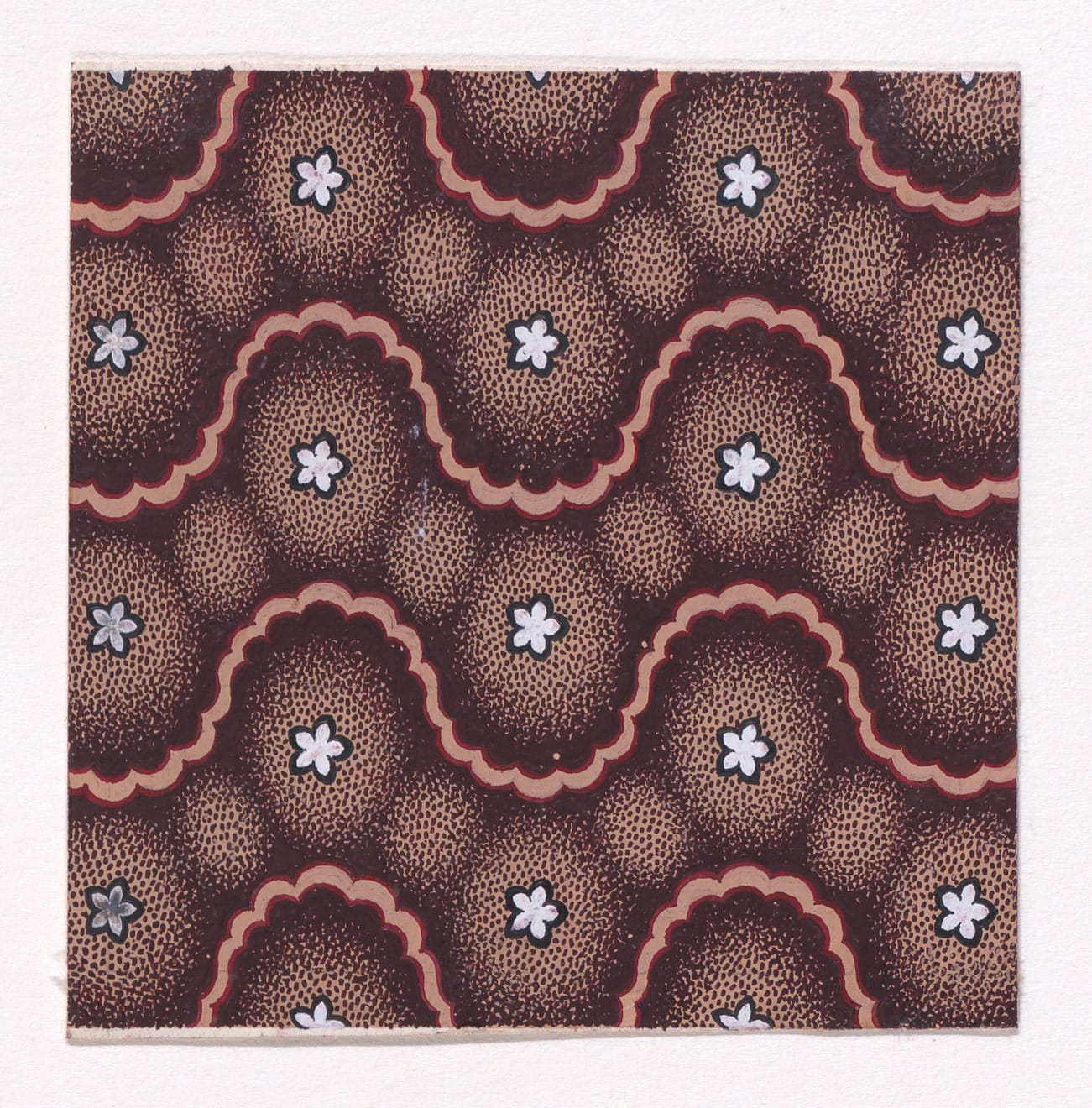
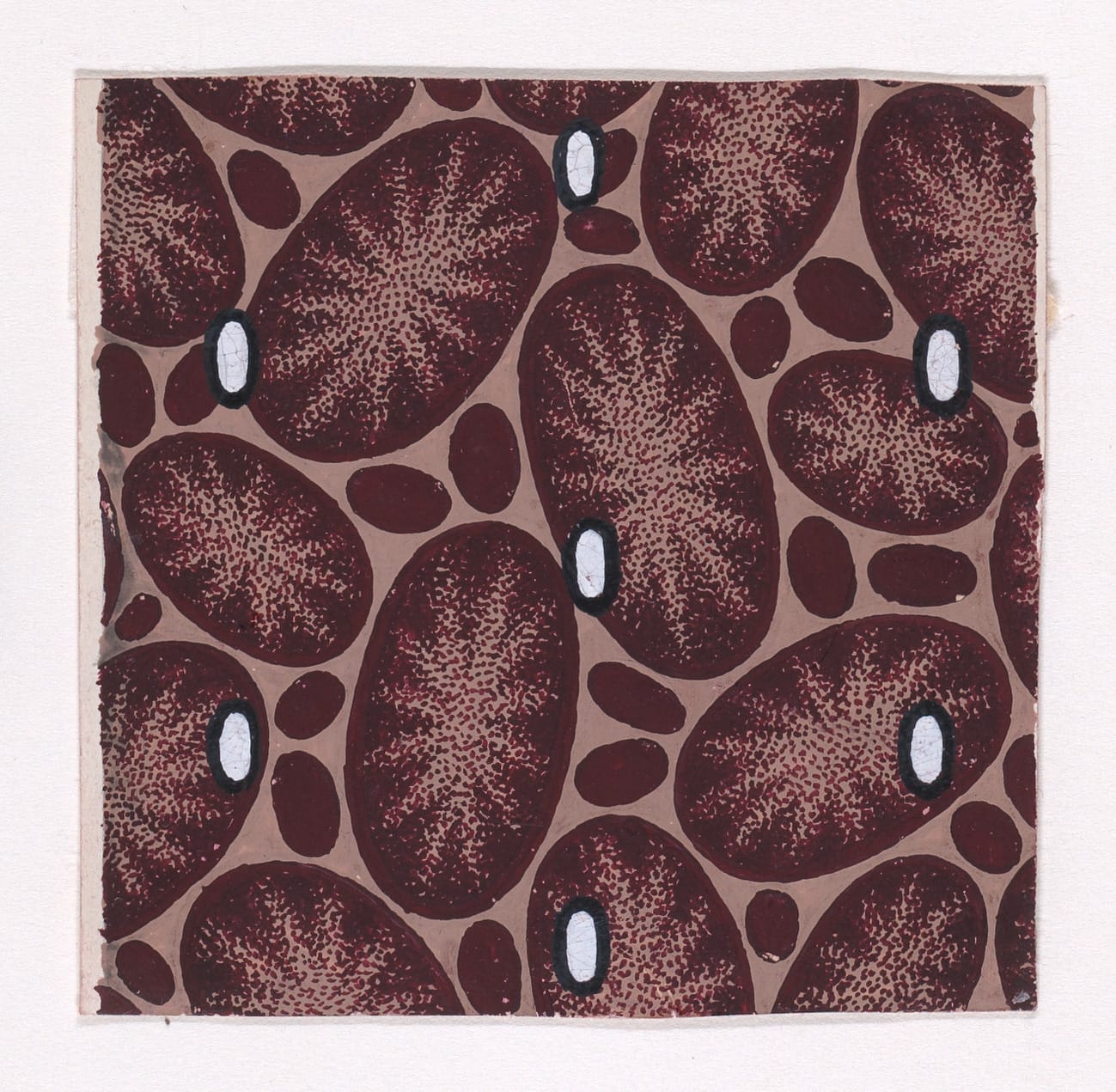
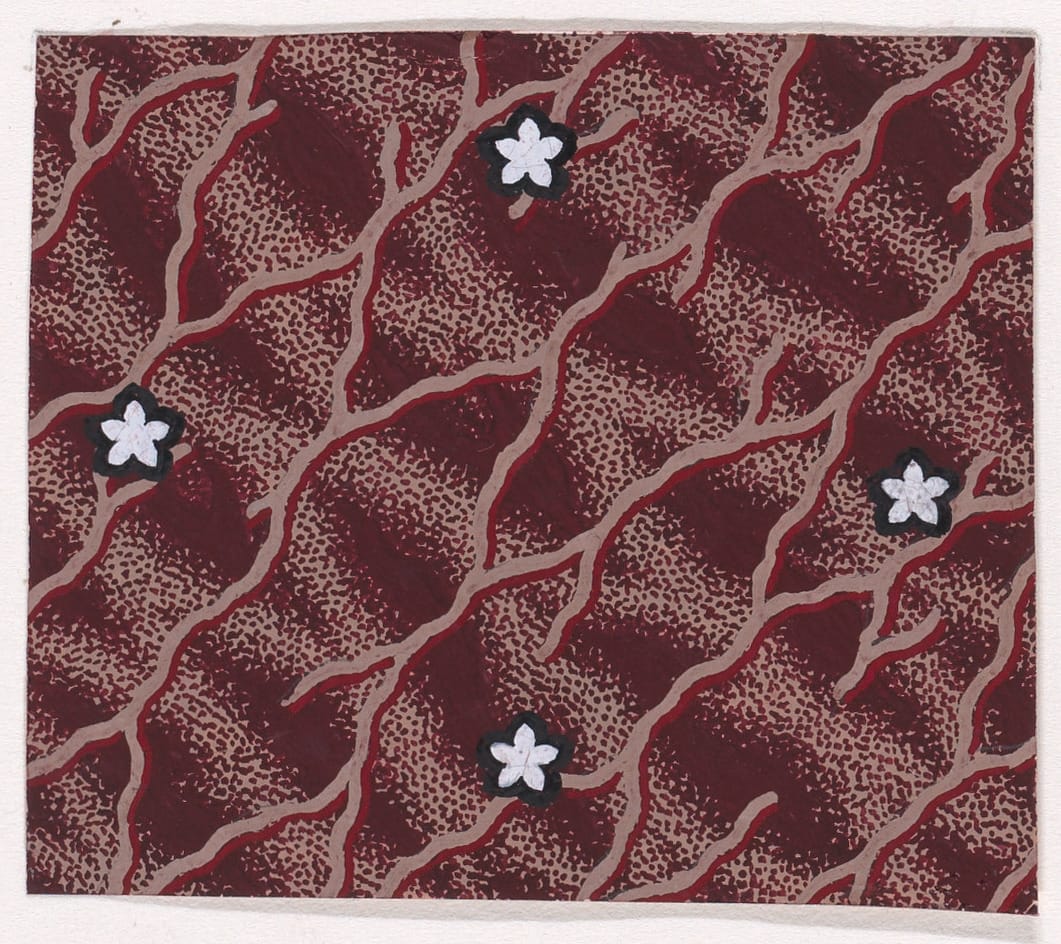
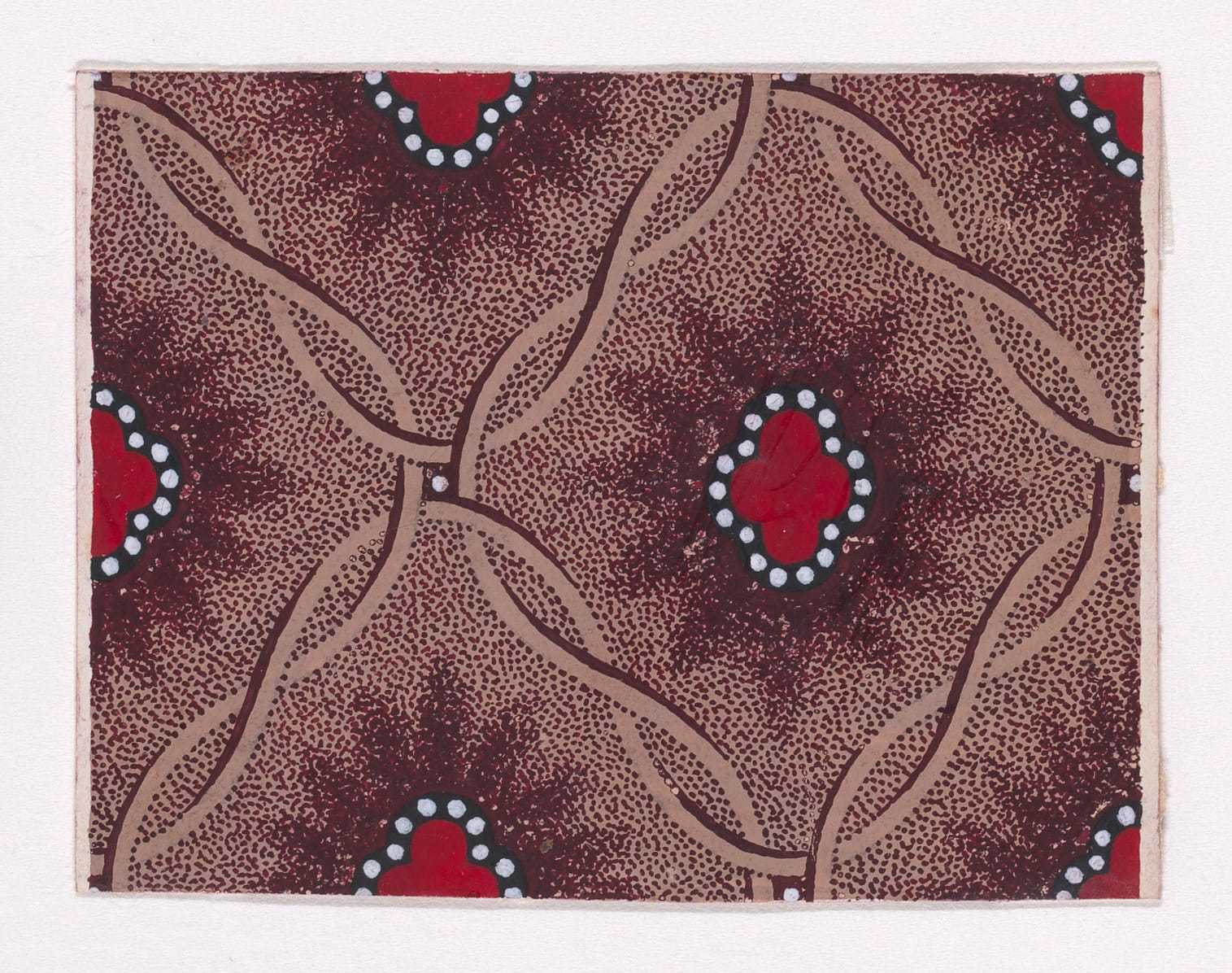
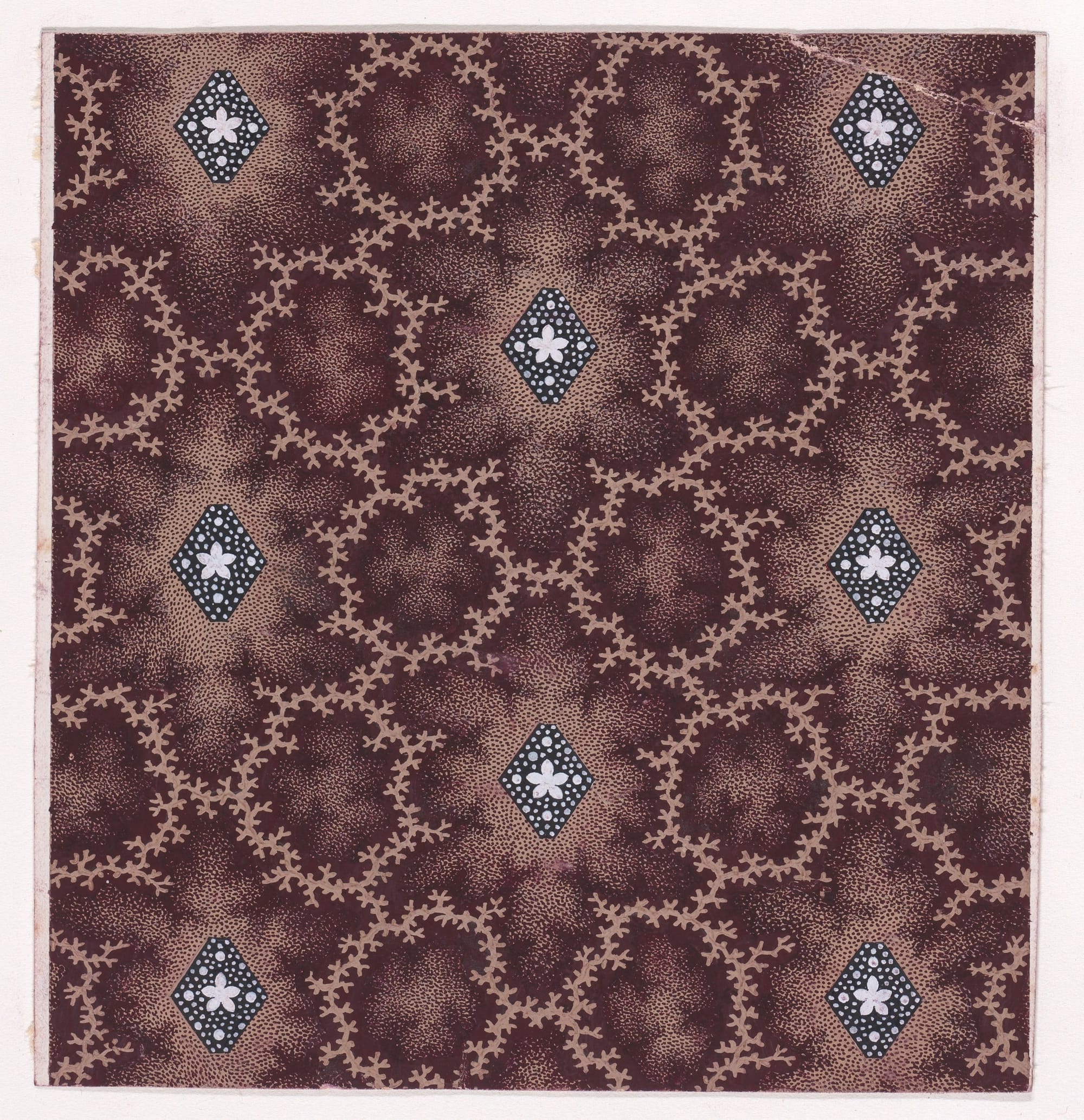
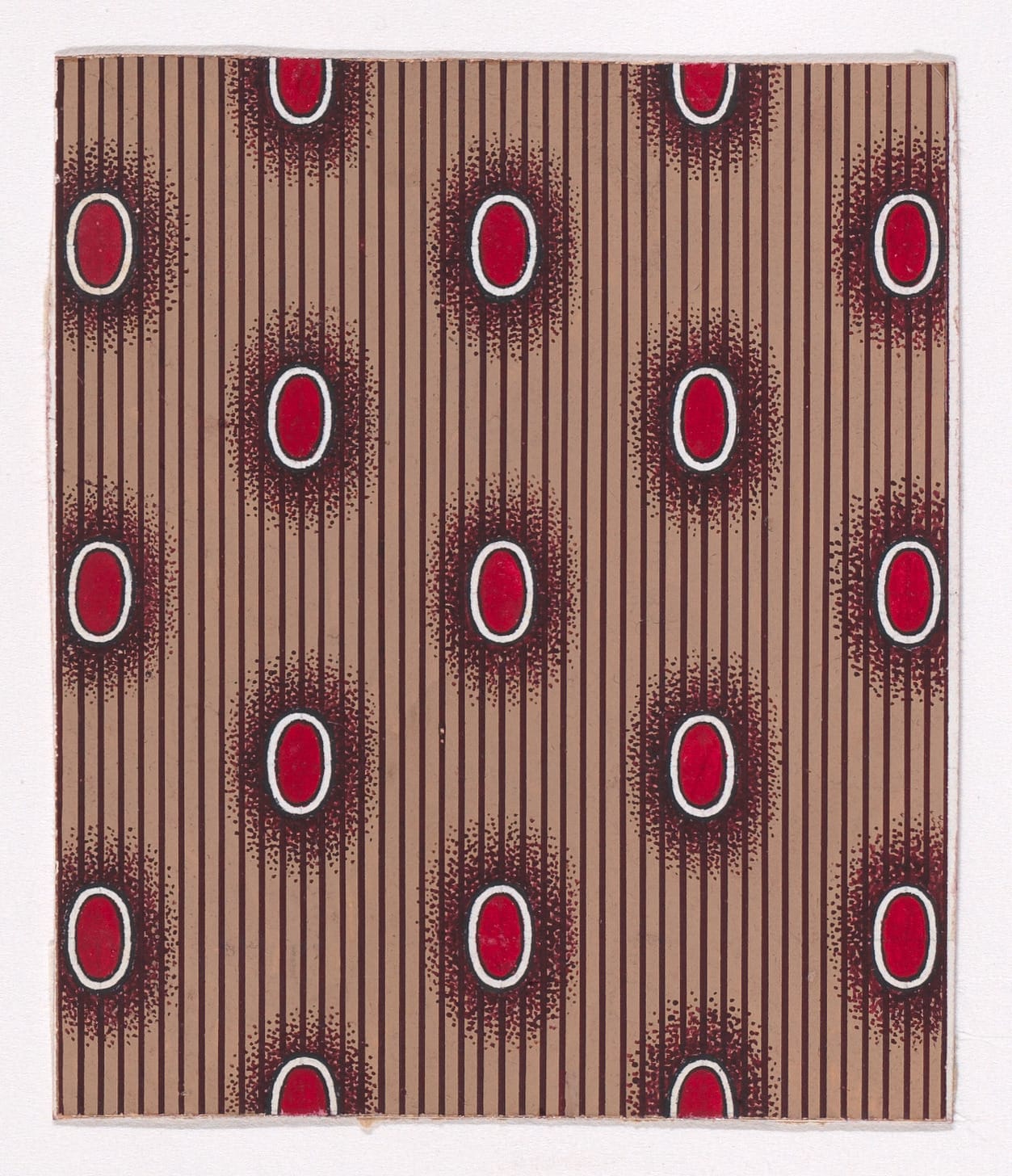
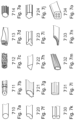
Anonymous textile prototypes, Mulhouse, Alsace, c.1840. Rectilinear design sheets generated within the industrial print studios of the Haut-Rhin. Each document encodes surface strategies for mass deployment—pearl rows, abstract chromatic fields, simulated resist-dye grounds. Executed as precision studies for repeat application, they reflect Mulhouse’s role as a nineteenth-century vector hub of textile innovation and print chemistry.
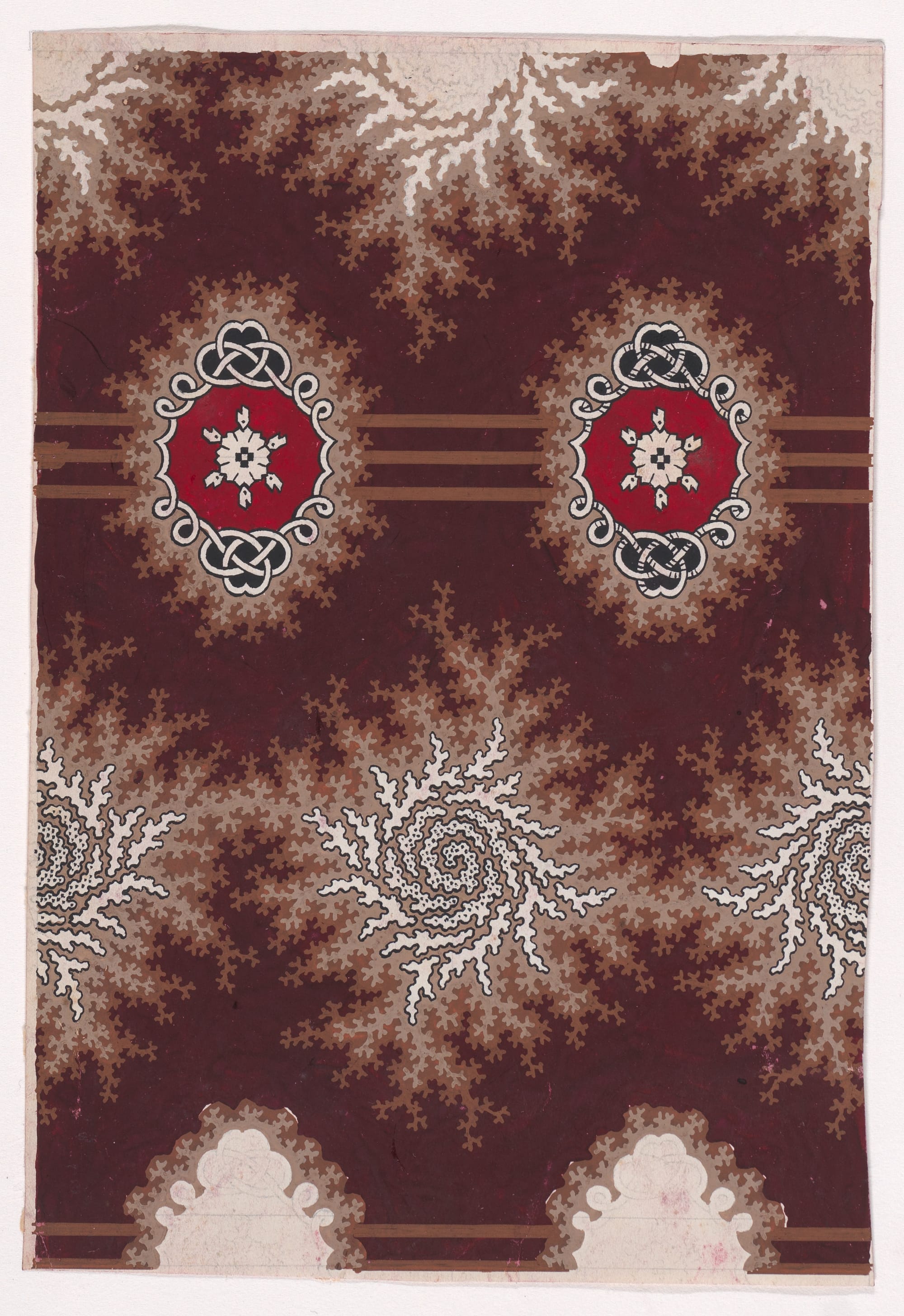
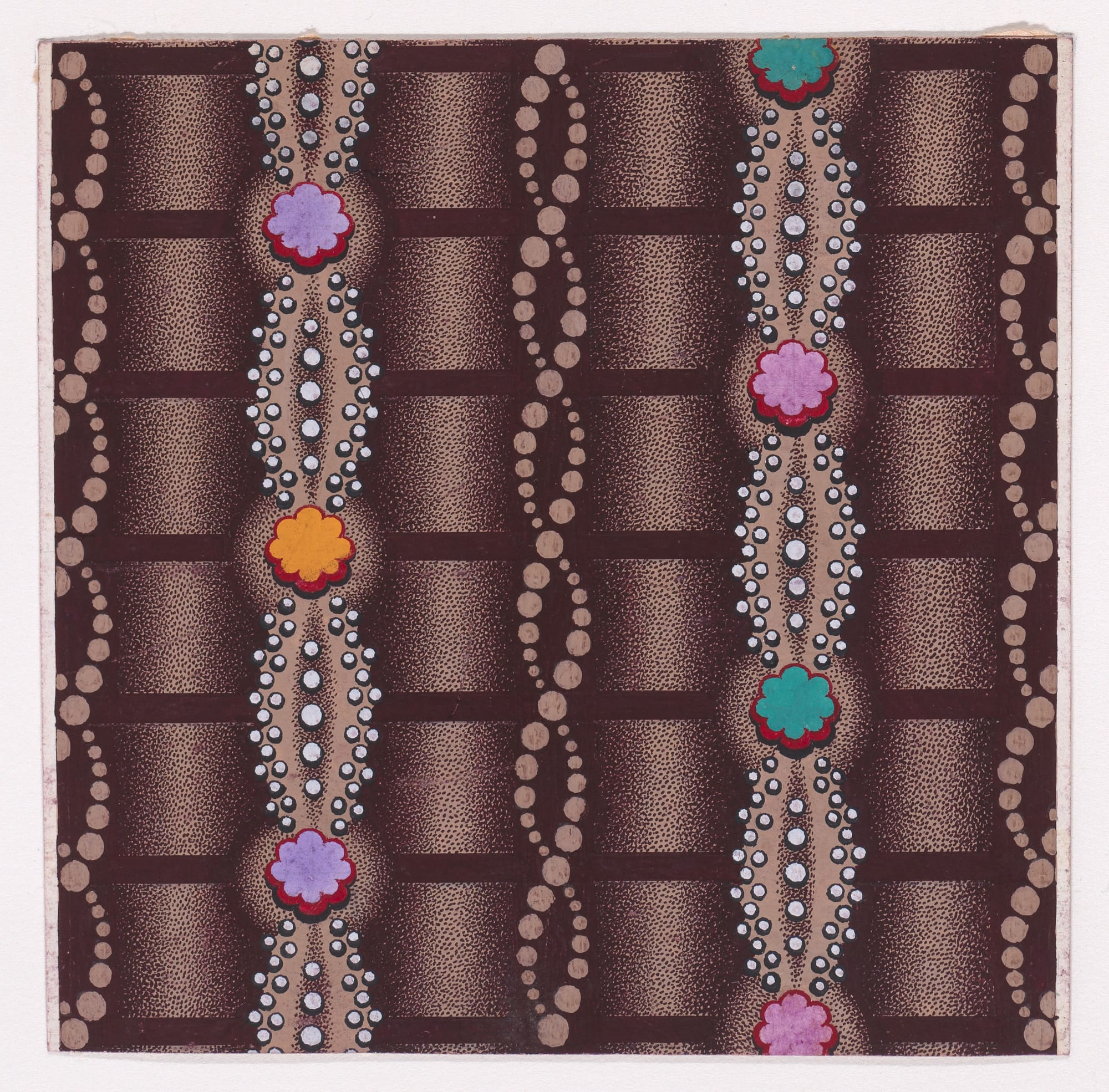
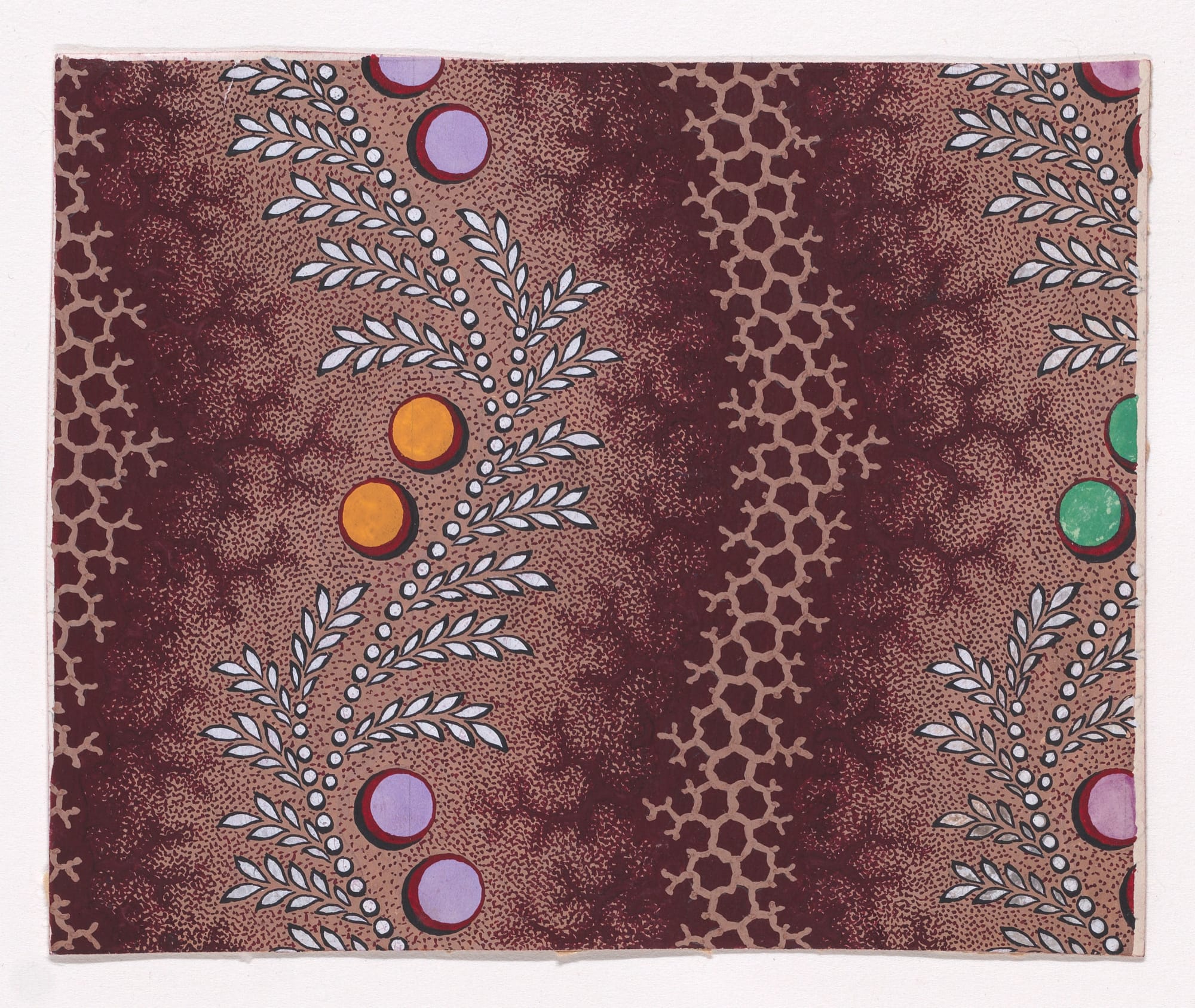
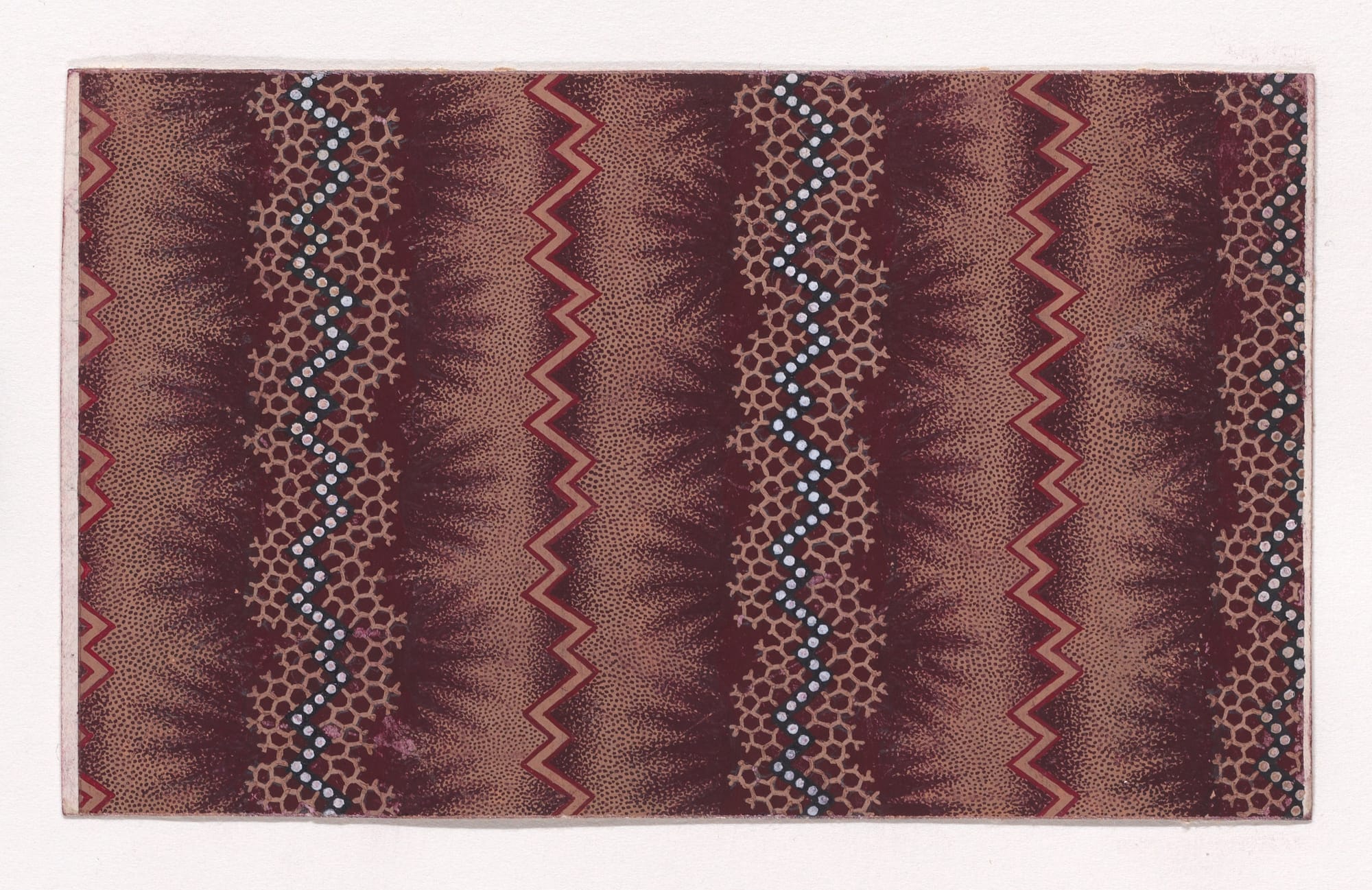
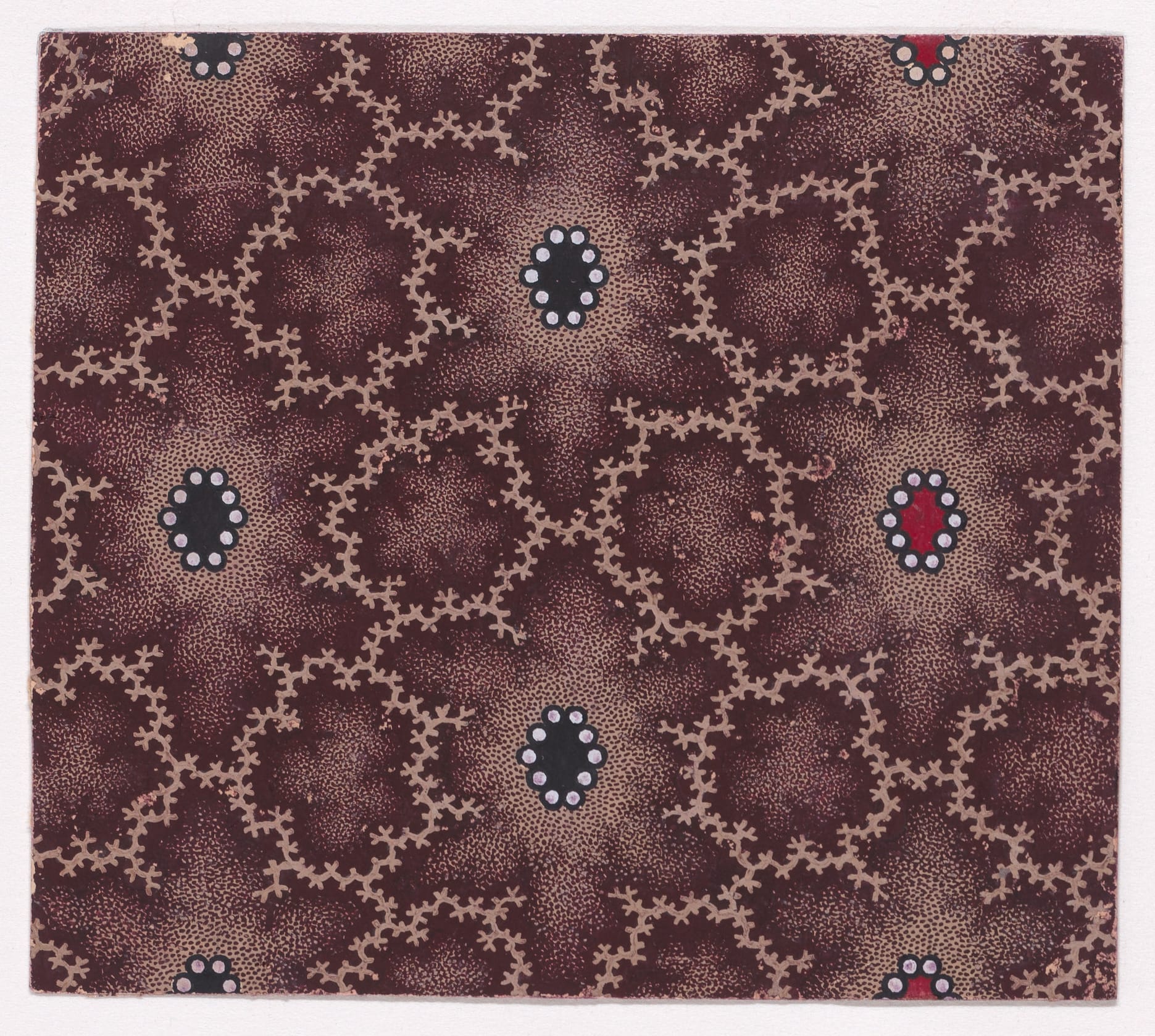
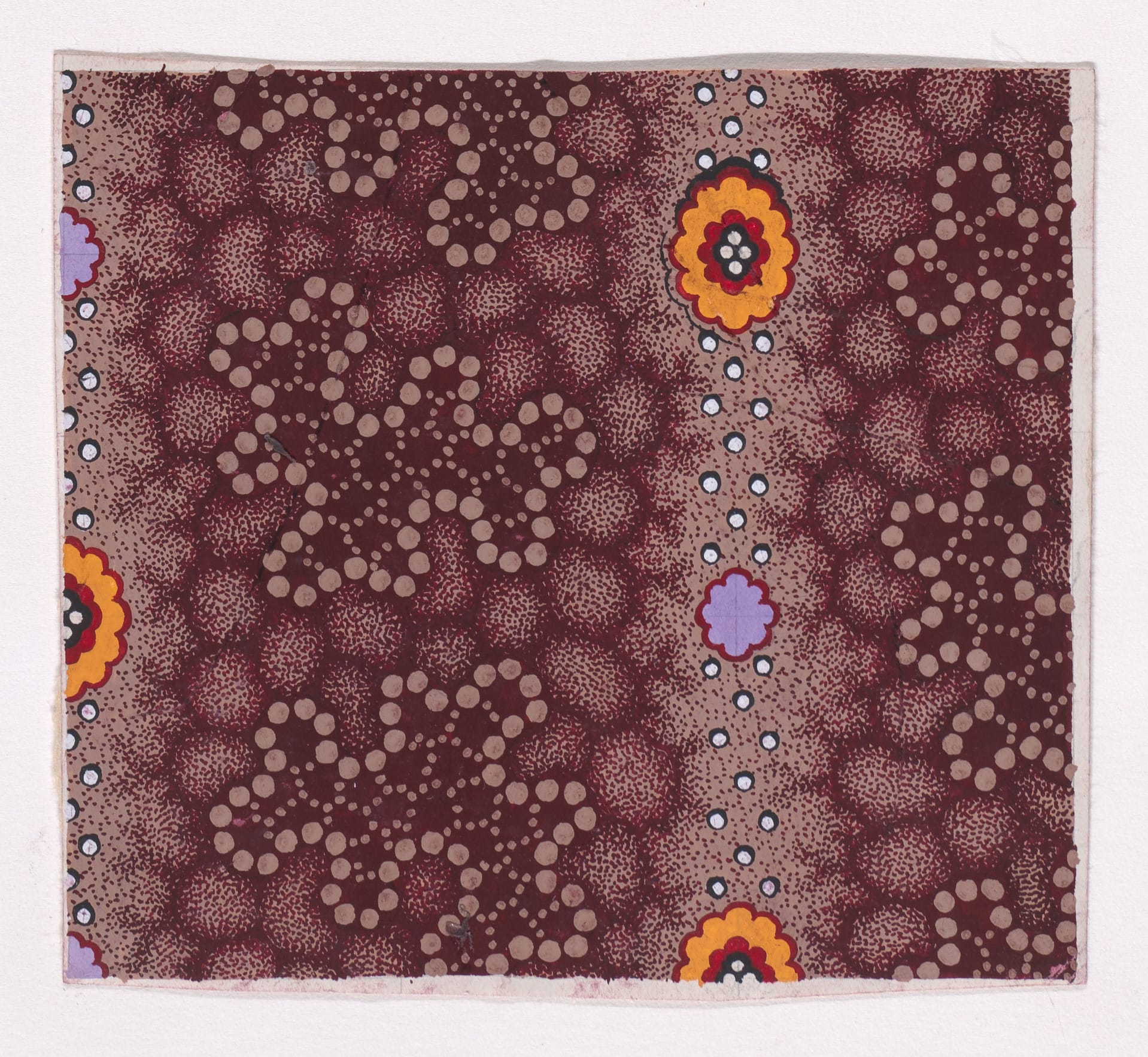
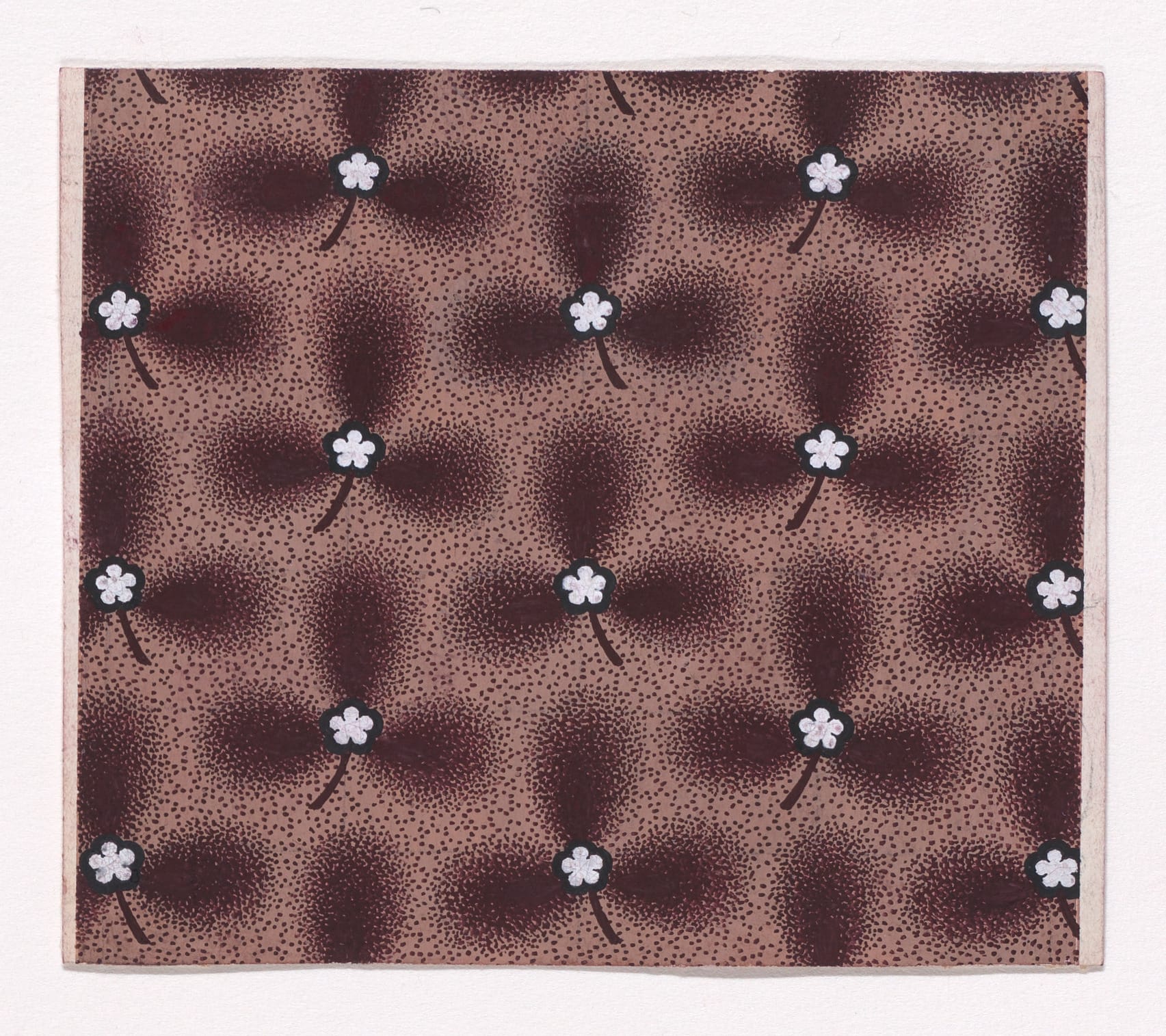
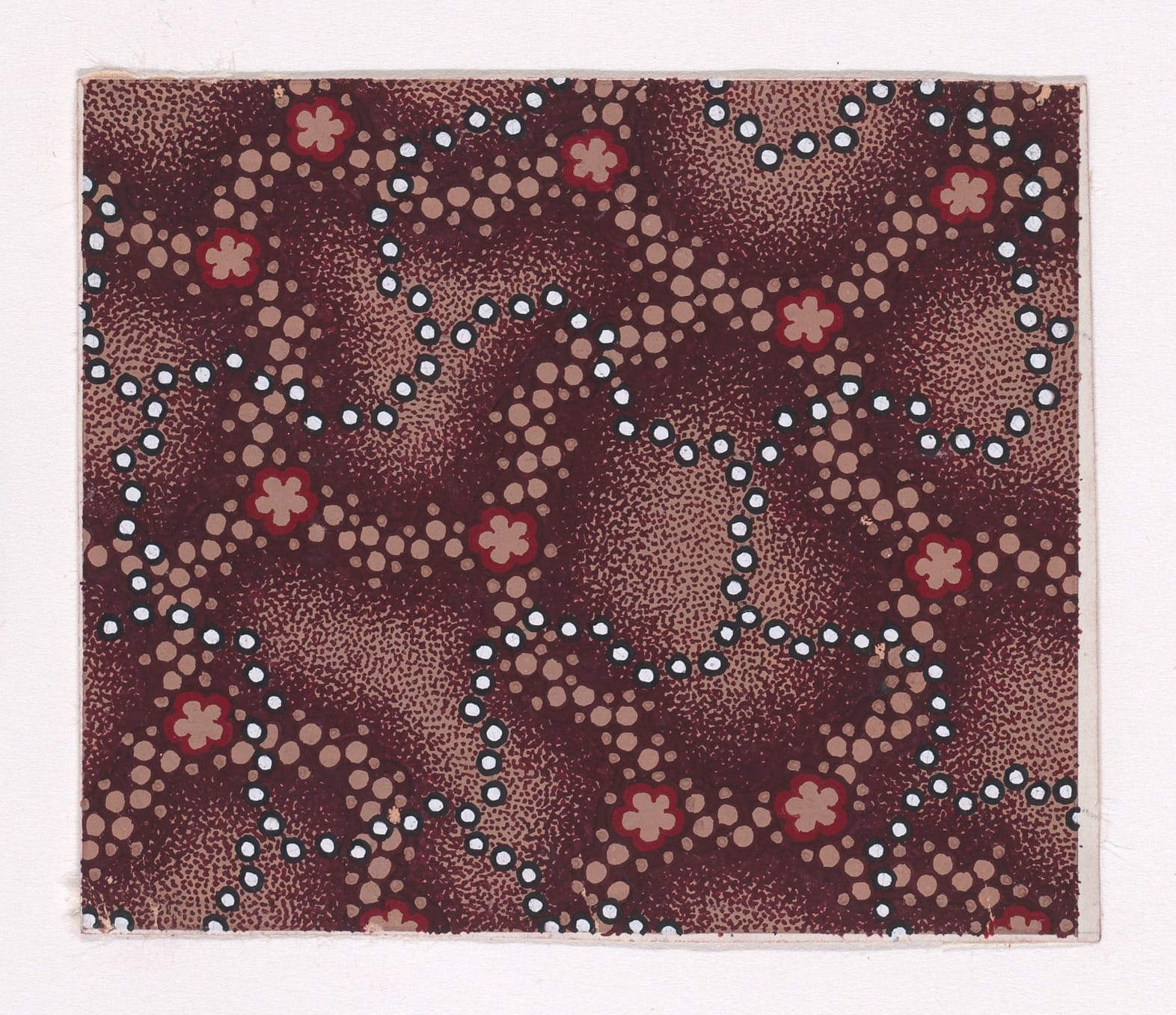




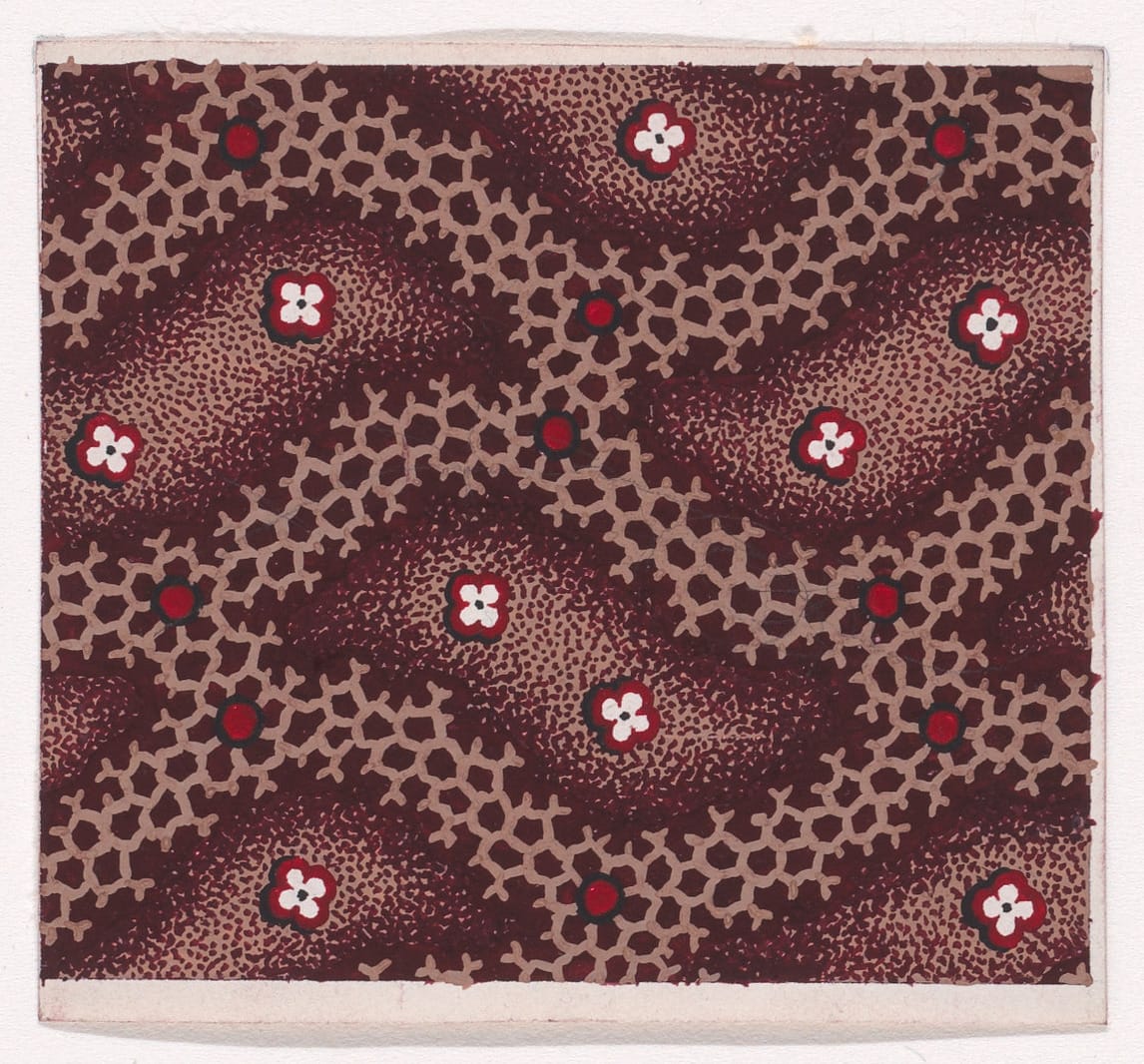
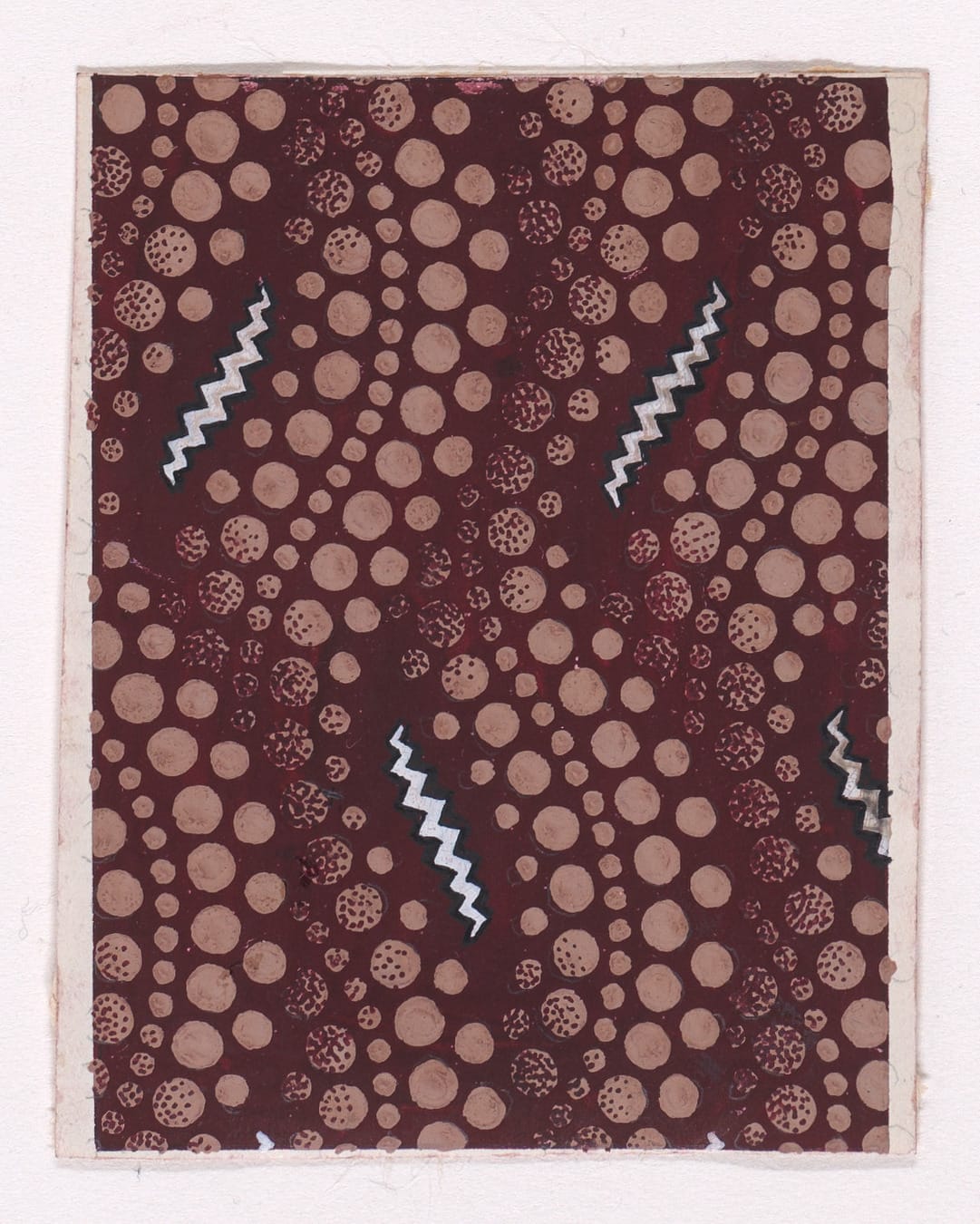
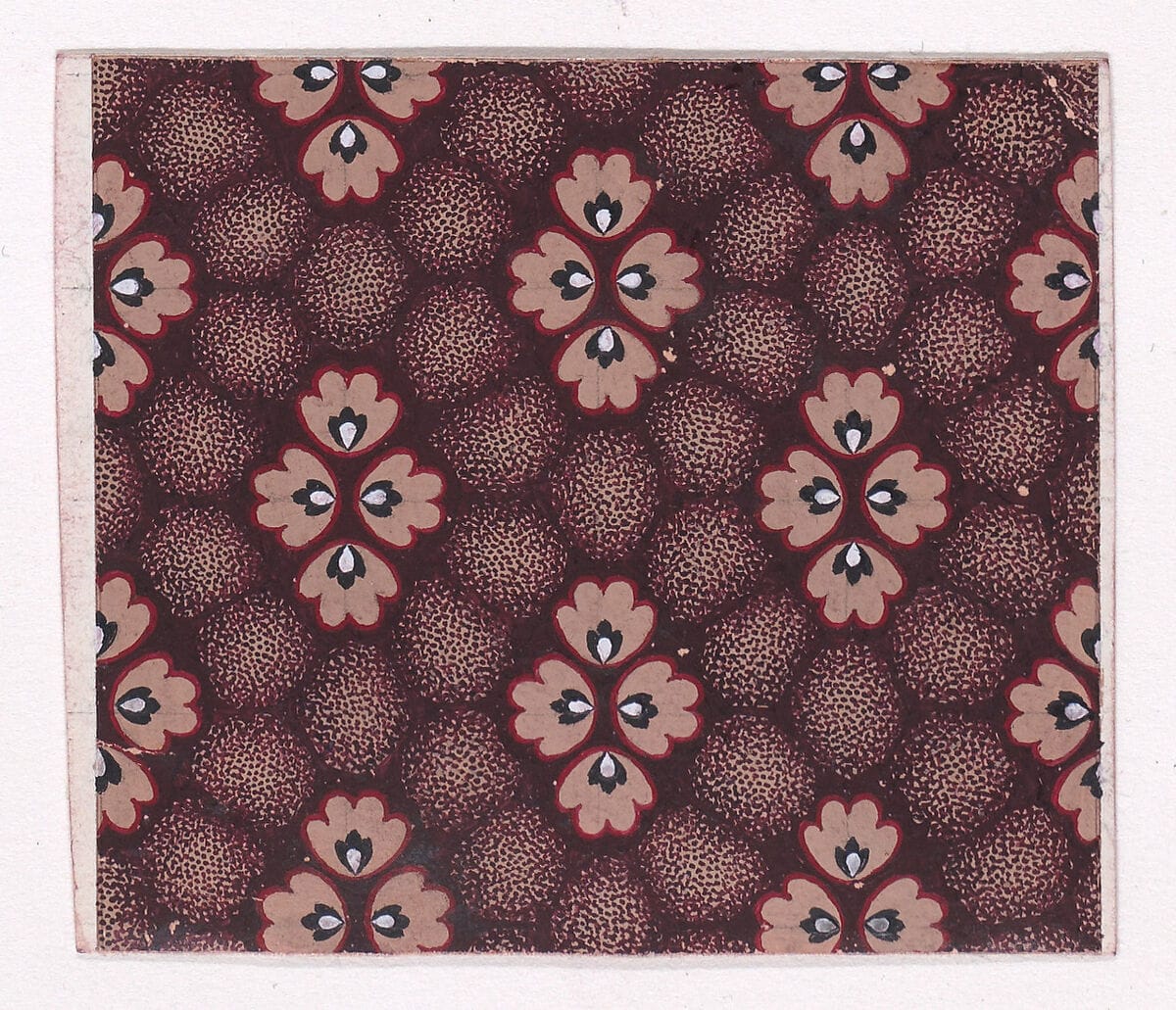
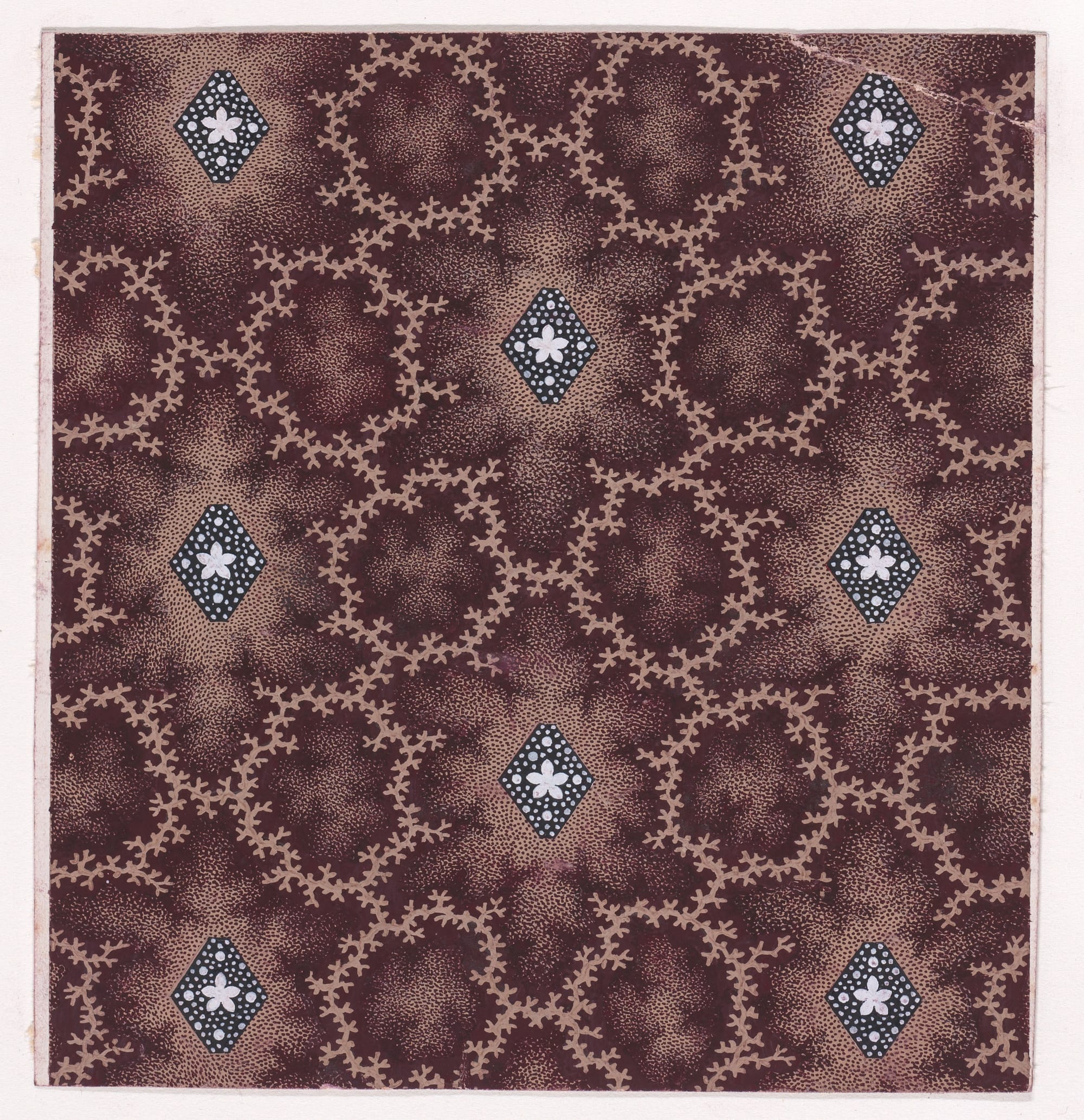
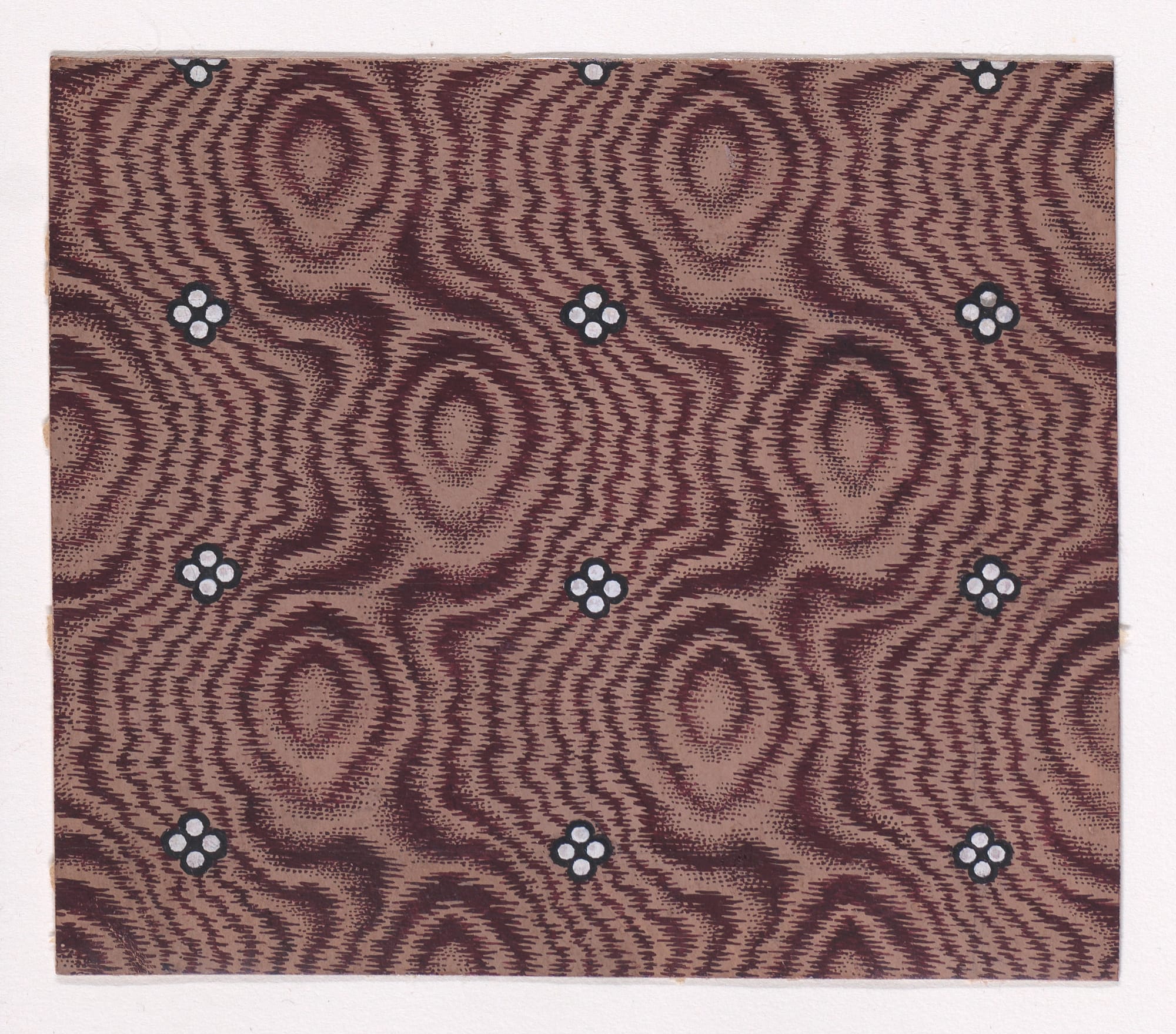
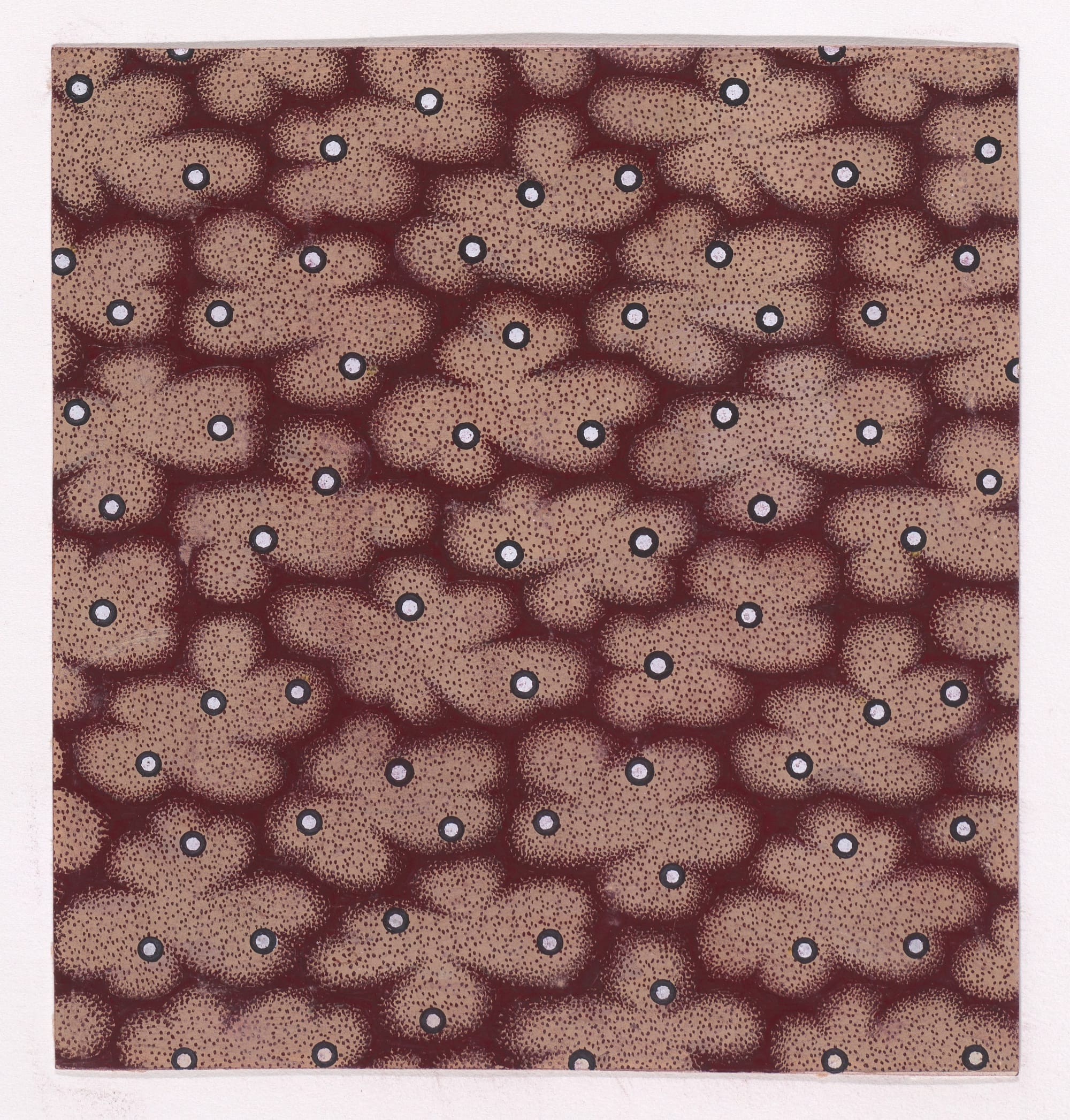
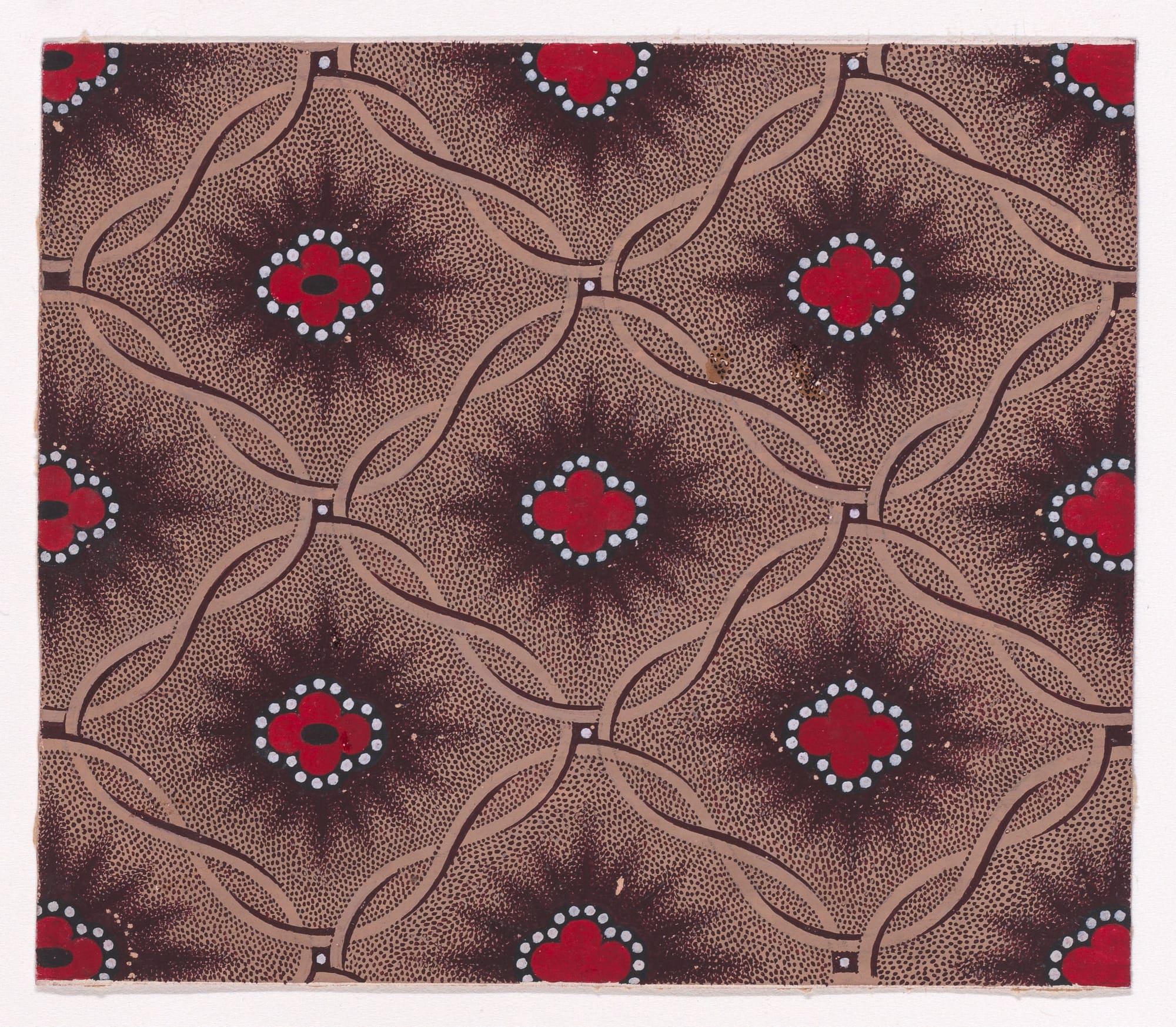
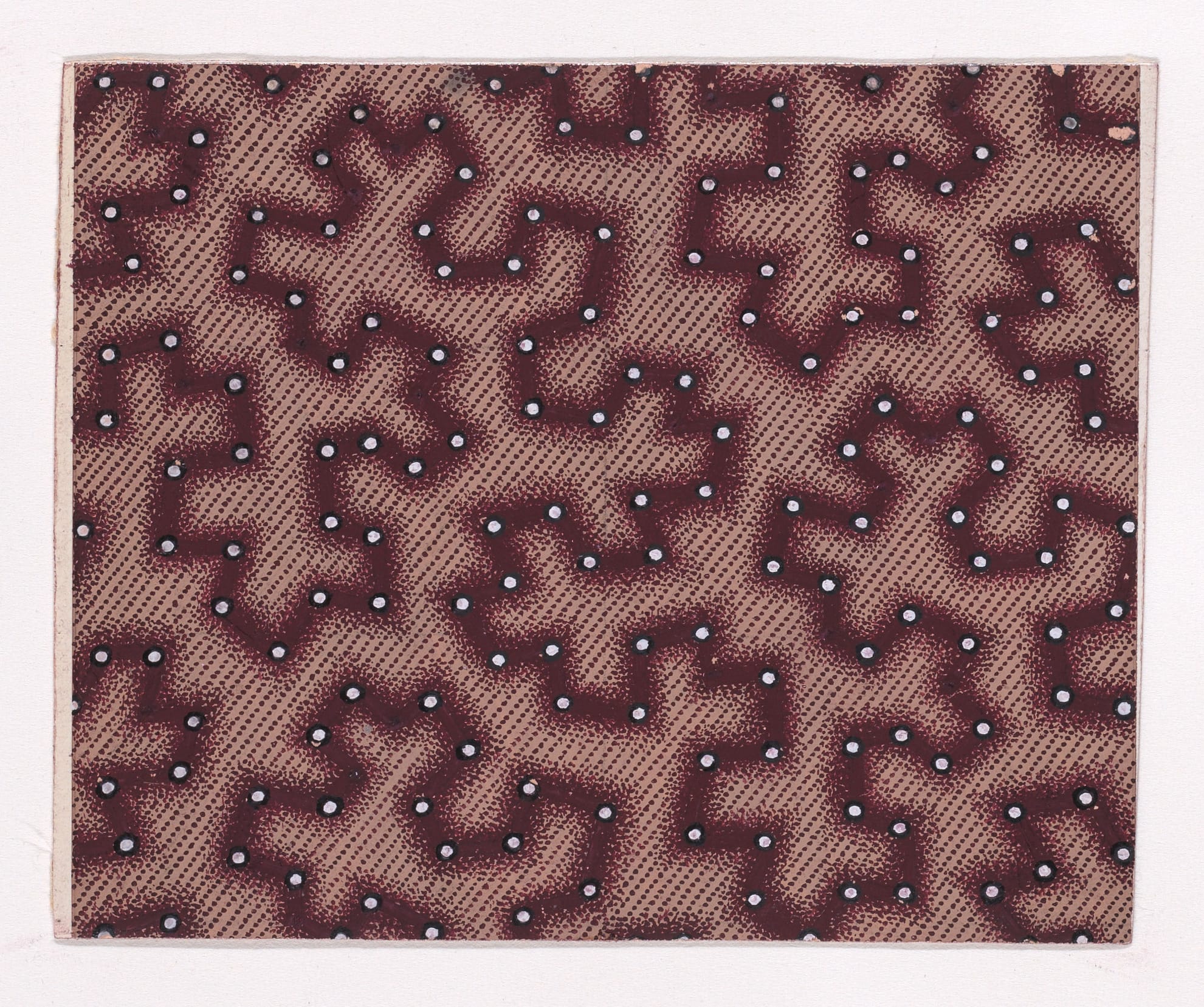
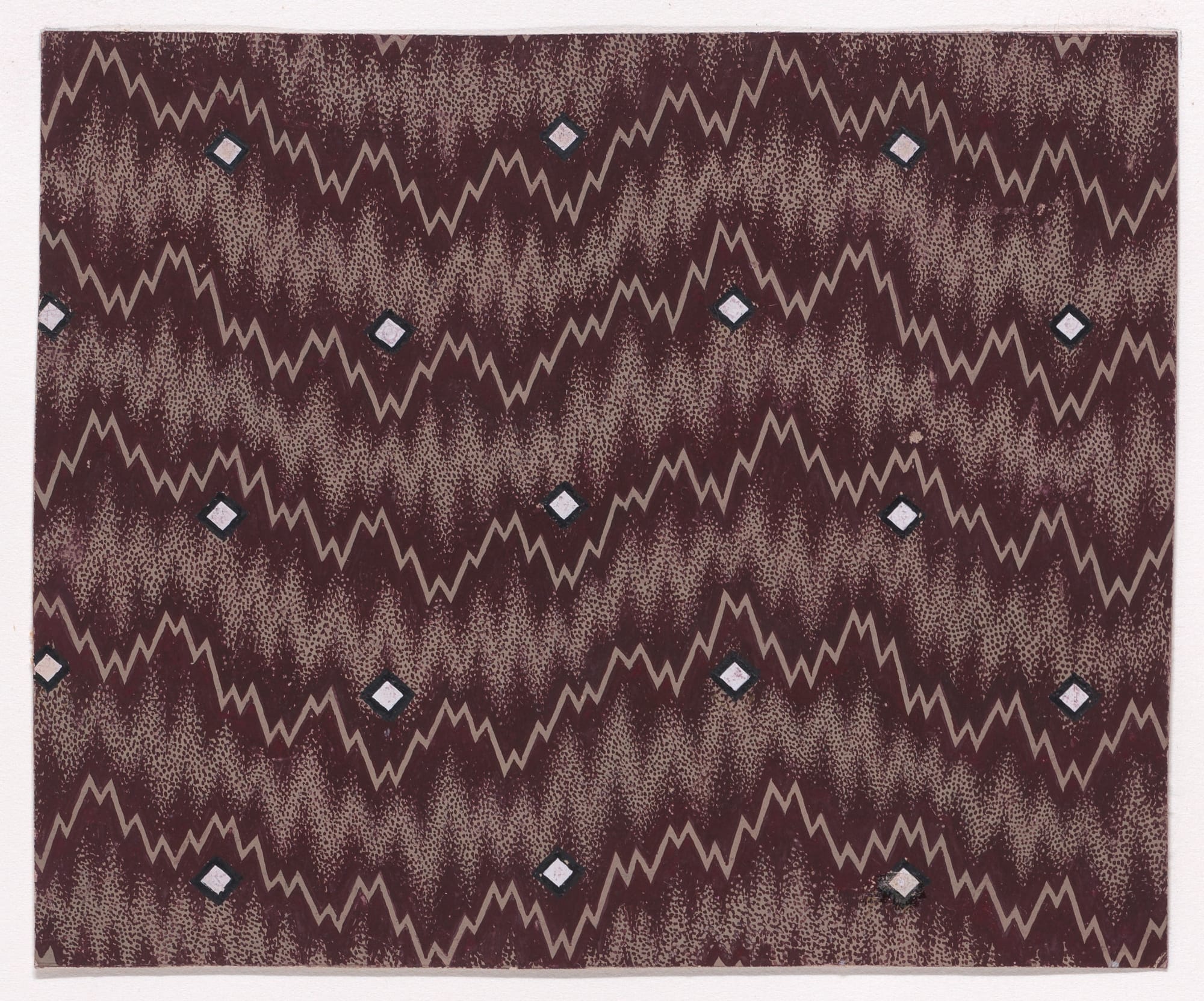
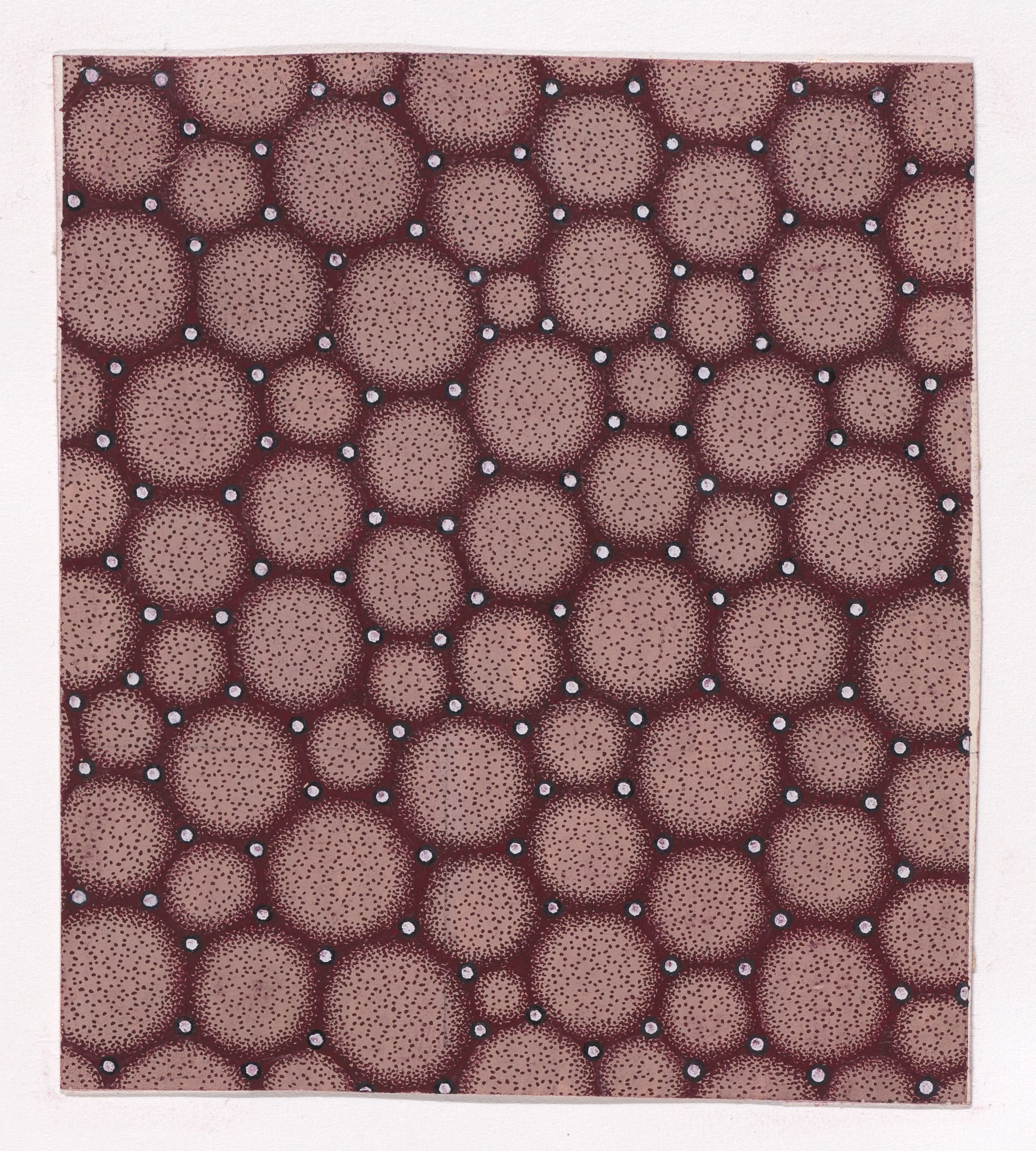
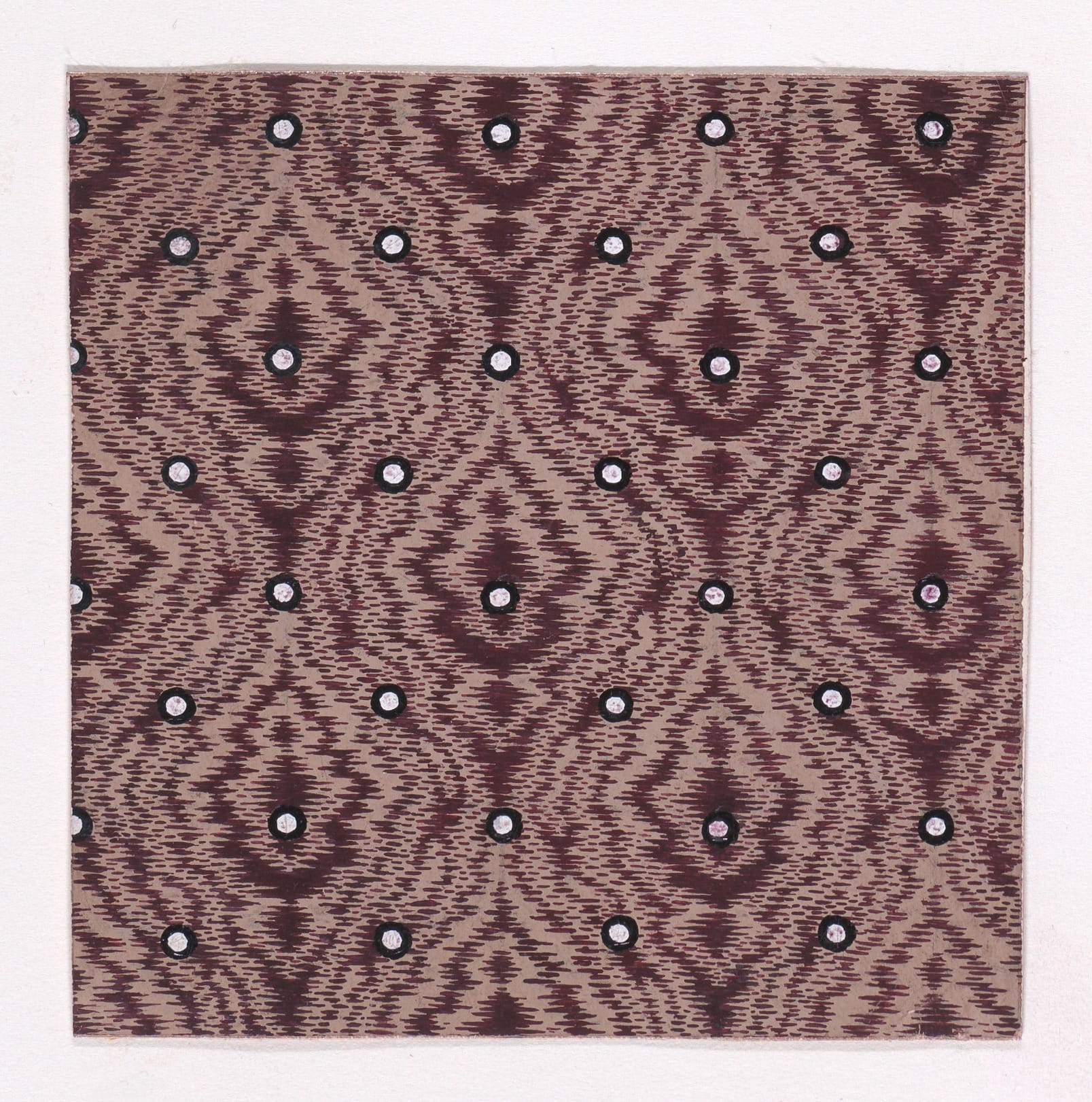

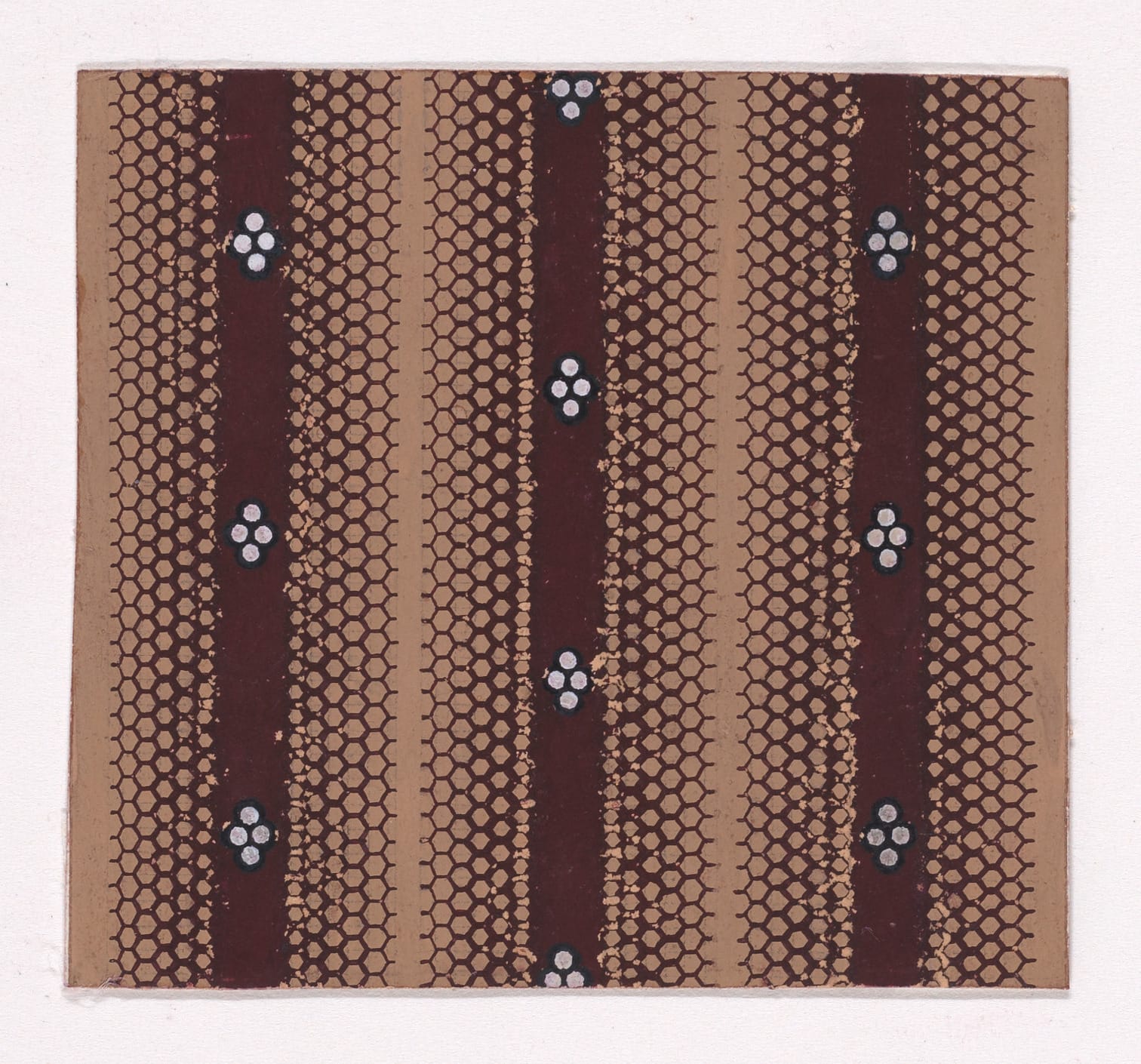
April 2024, FRIEZE No. 9 Cork Street Gallery, London
EXHIBITION: The Mountains Between Us, FRIEZE No 9 Cork St
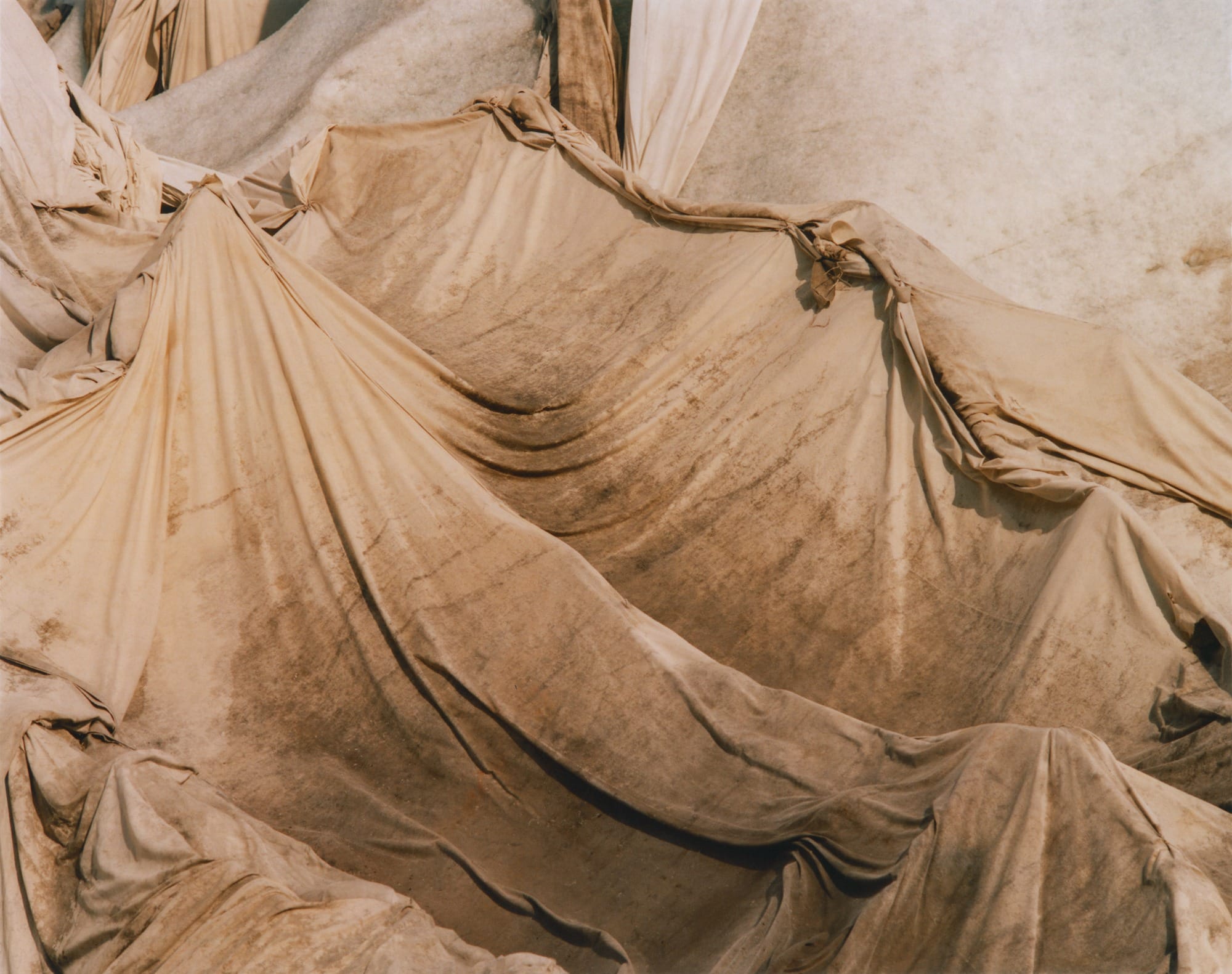
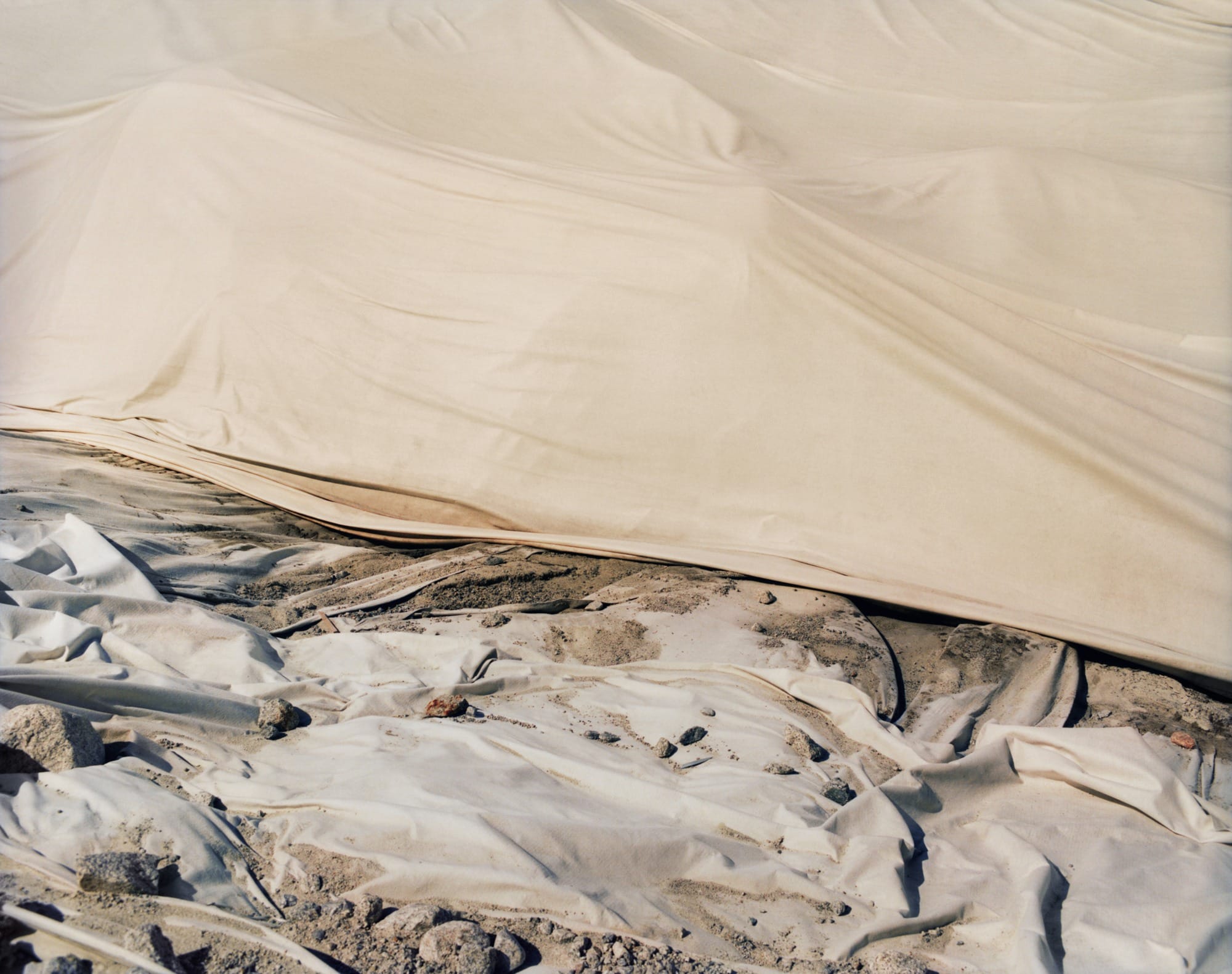
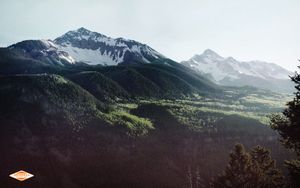
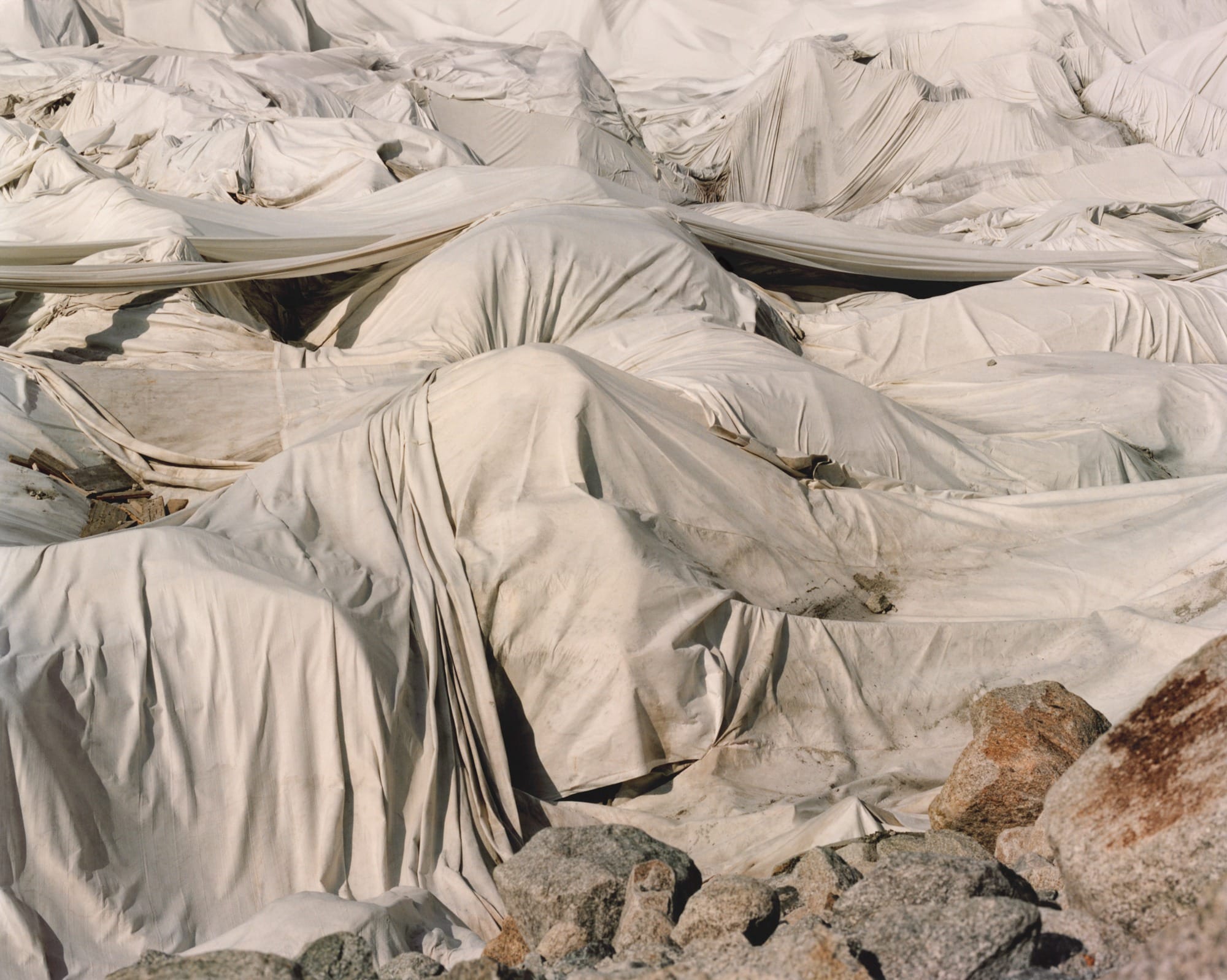
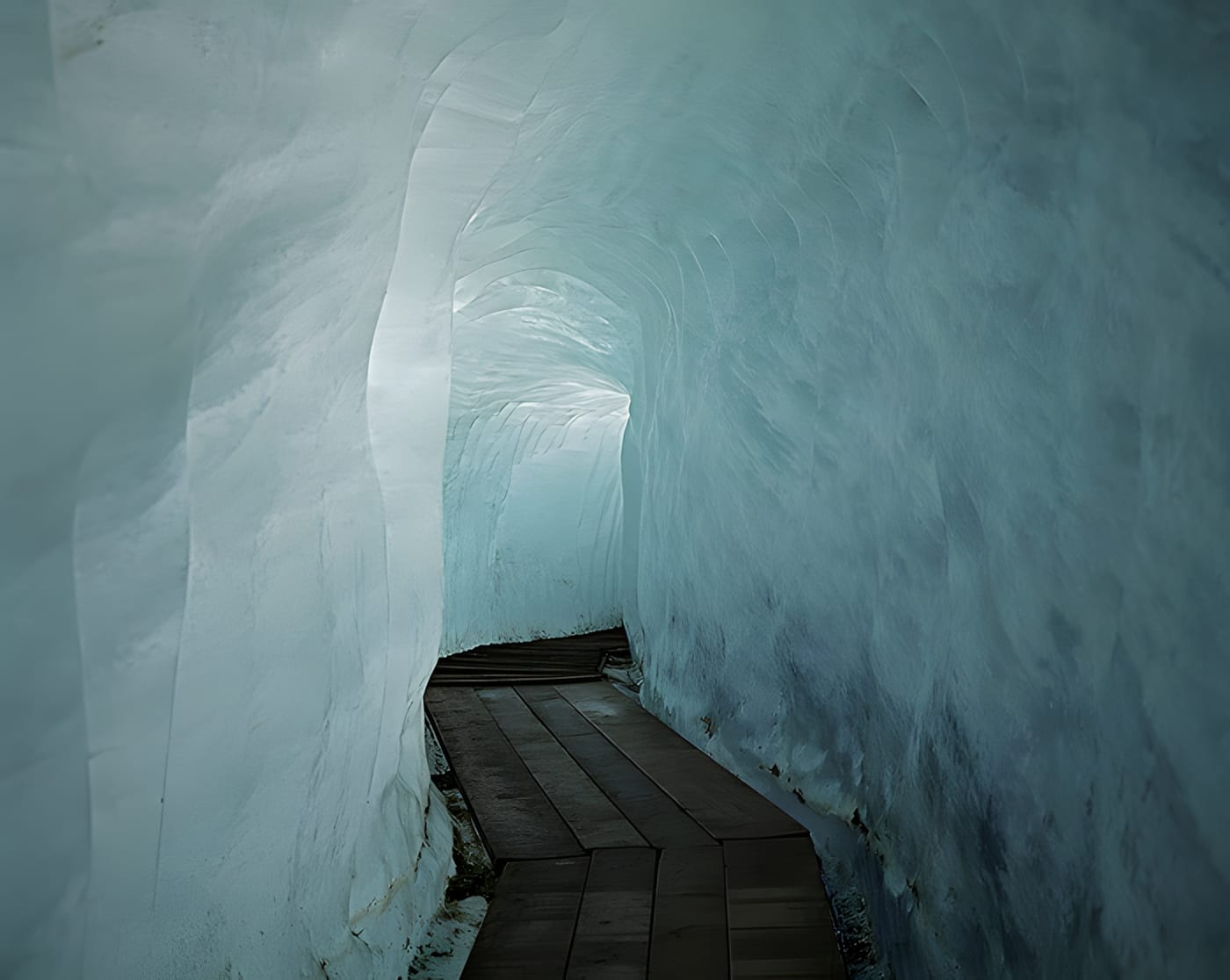
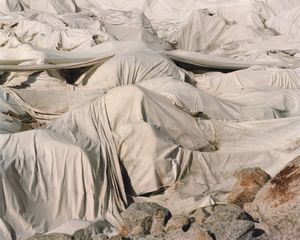
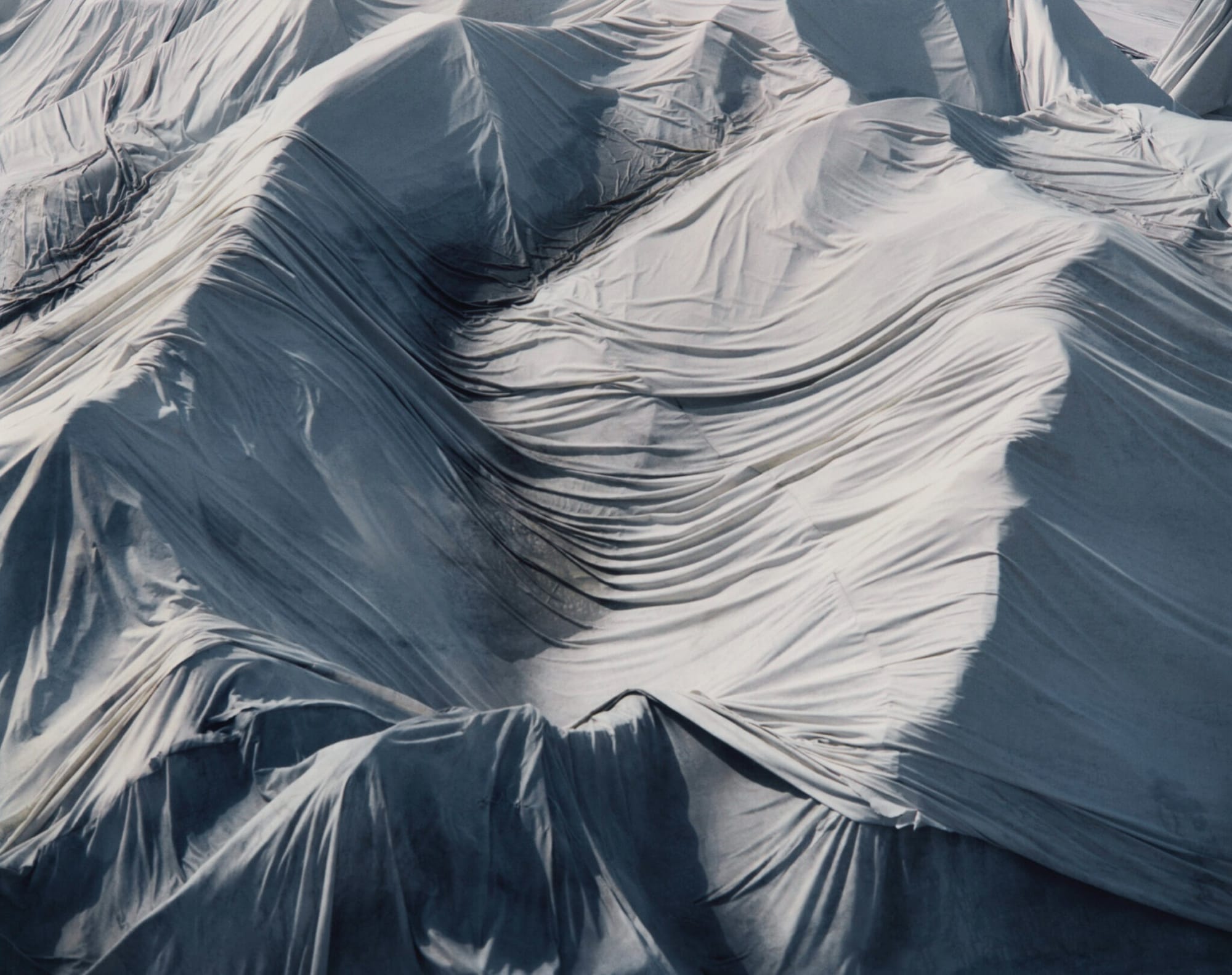
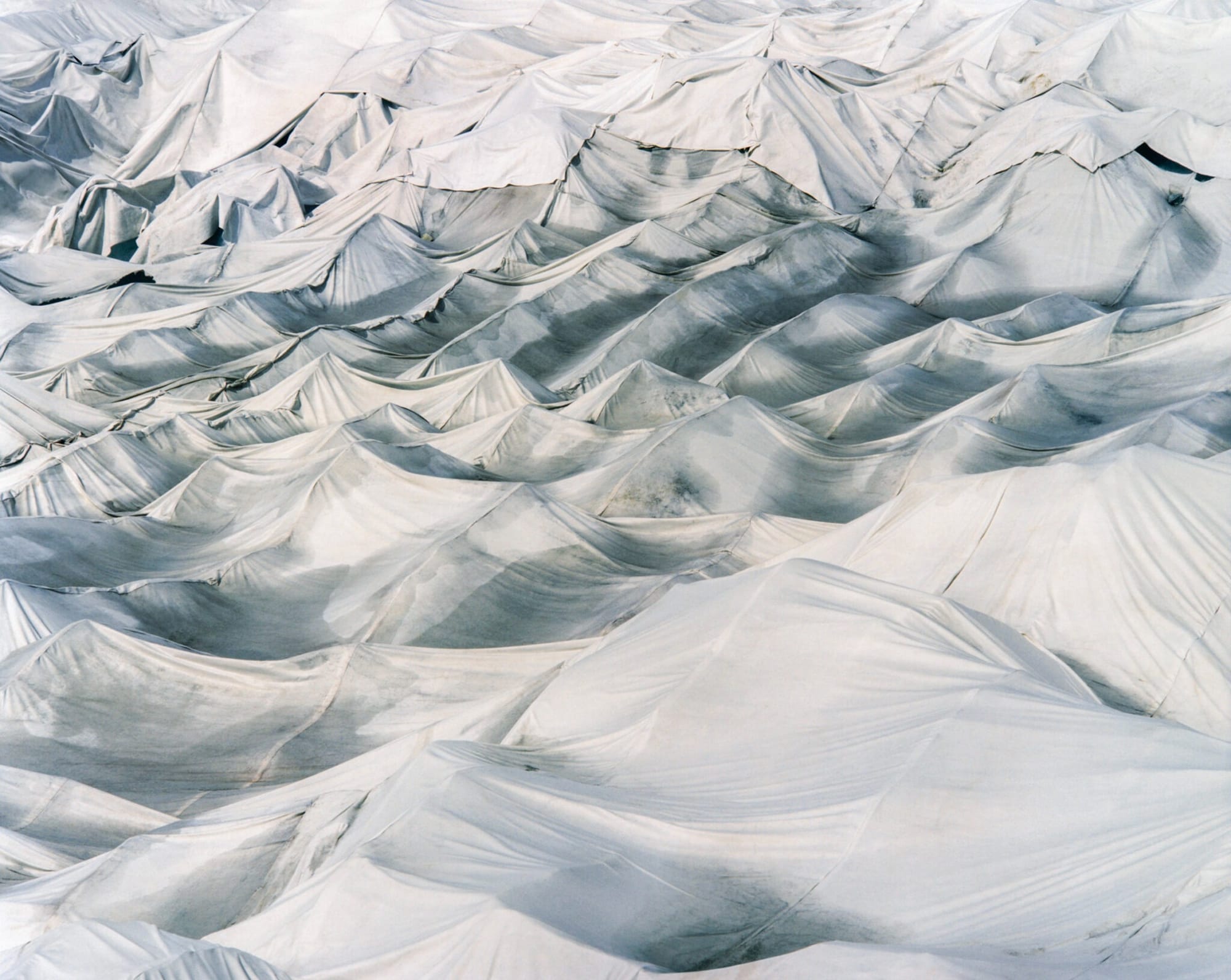
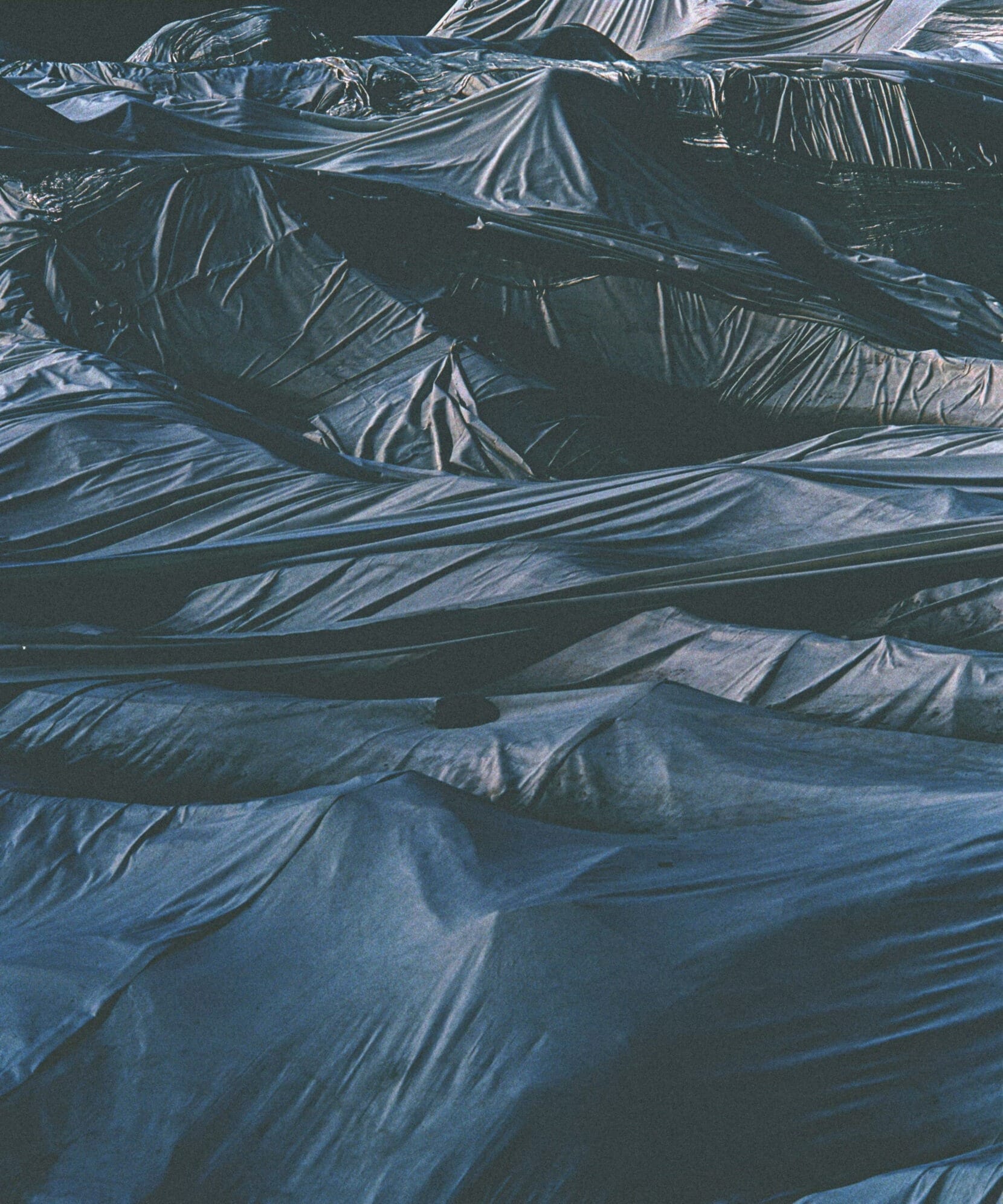
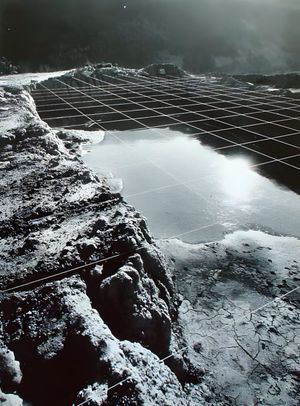
Weaving together photography, video and sculptural objects, lena_c_emery highlights the accelerated loss of mountain glaciers and the desperate conservation efforts currently employed to impede their decline. Under the continued influence of greenhouse-gas forced global warming, ice that took centuries to develop is vanishing in just a number of years. A fate experts predict for at least two-thirds of all glaciers by the end of this century. EMERY: In ‘The Mountains Between Us’, I capture the current environmental efforts undertaken to reduce the rate at which glaciers melt. Glaciers have held space for centuries, silently bearing witness to history. They’ve seen the world change in ways we can barely comprehend. Because my grandfather spent his life in these mountains, watching this particular glacier retreat and form lakes where there was previously only ice and at a pace that’s steadily increasing, feels deeply personal. The idea of covering these mammoths in fabric to stall the inevitable, feels both tragic and emblematic of our relationship with nature: The magnitude of loss countered by gestures that, though earnest, feel powerless. Visually these wrapped peaks evoke images of muddied tents, makeshift shelters that we’ve come to erect for those displaced by upheaval. This fragility, their fragility, our fragility, is a direct reflection of the imbalance we have sown, where those least responsible for ecological destruction are forced to bear its heaviest burdens. The title became a way to frame those divides. Mountains have always symbolised barriers, but perhaps they could also be reimagined as thread, shared histories and a collective belonging. The elemental particles composing our very being once danced amidst these ancient landscapes and if they disappear, part of us does too.
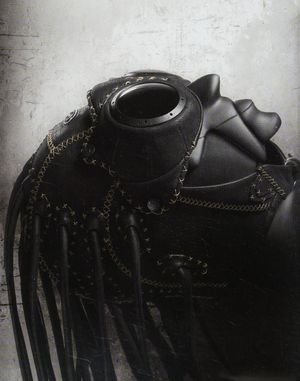
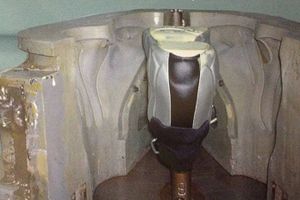
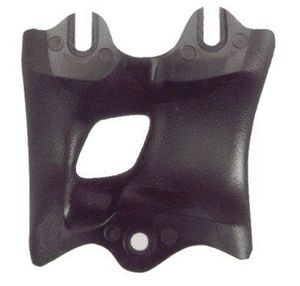
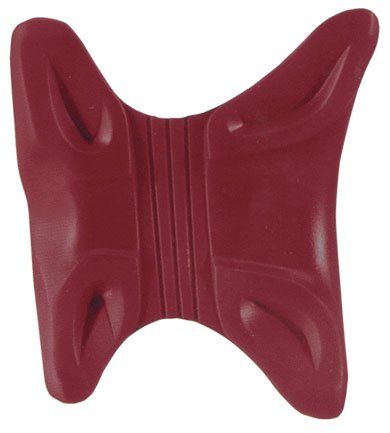
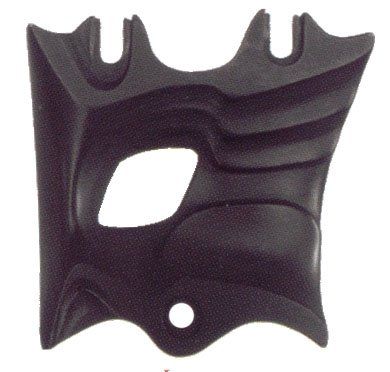
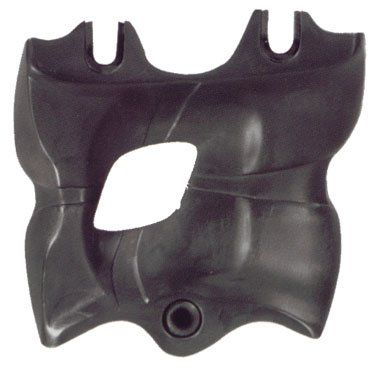
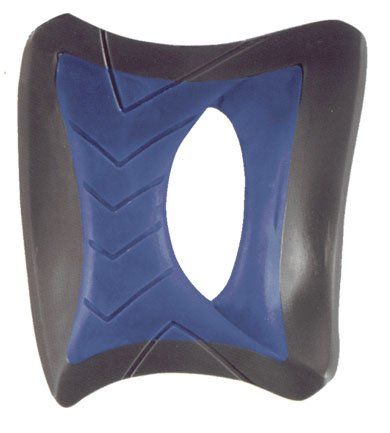
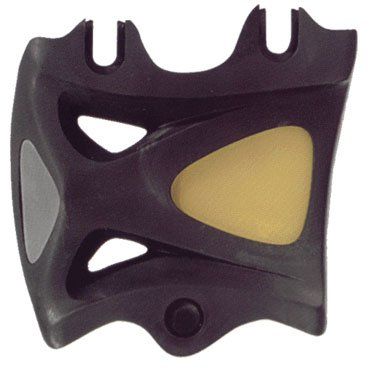
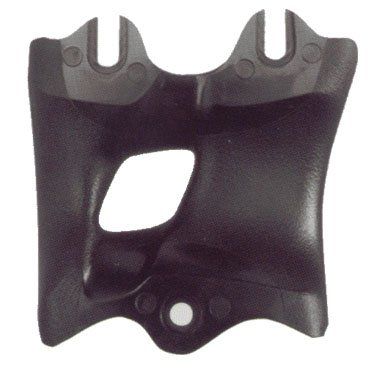
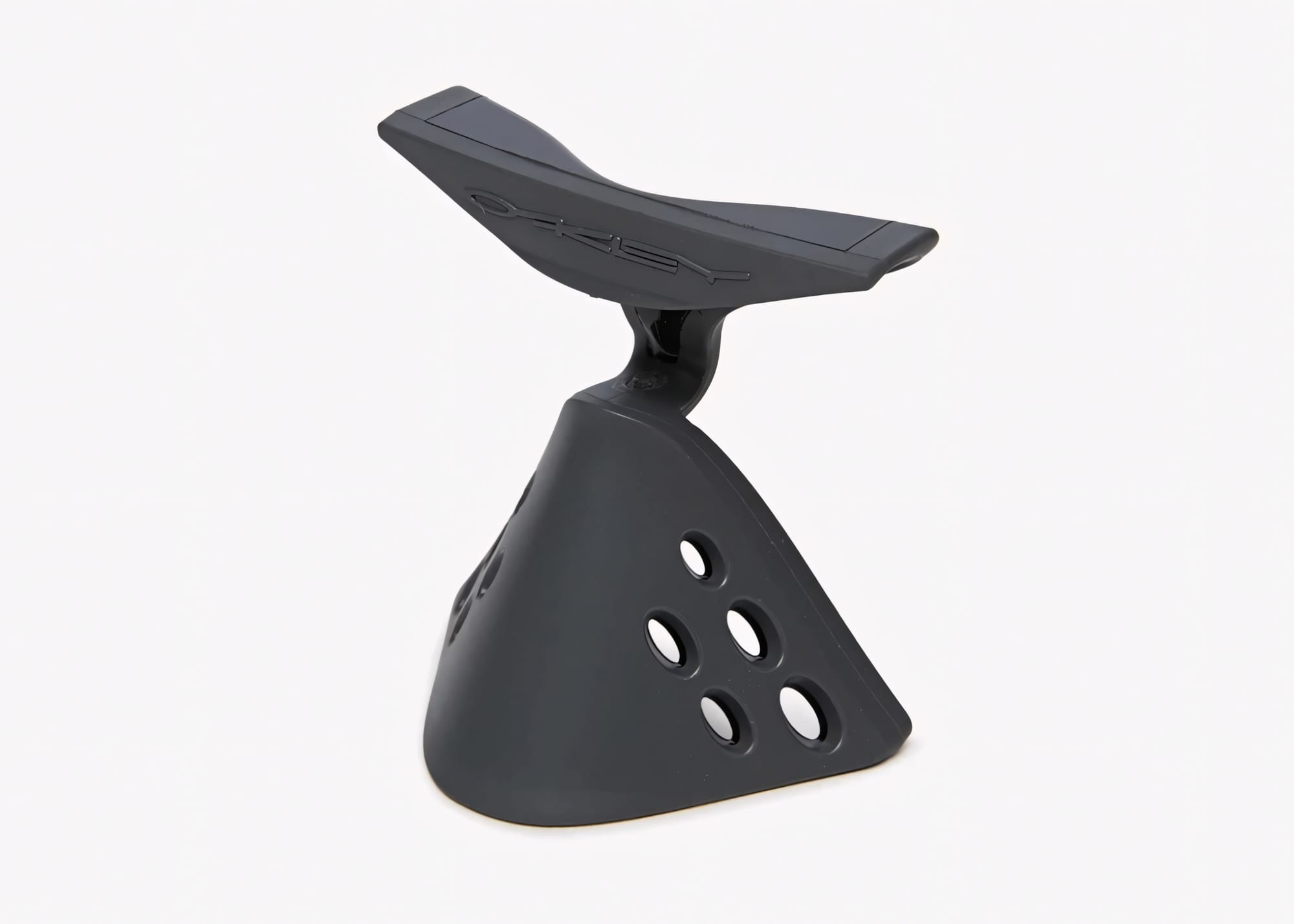
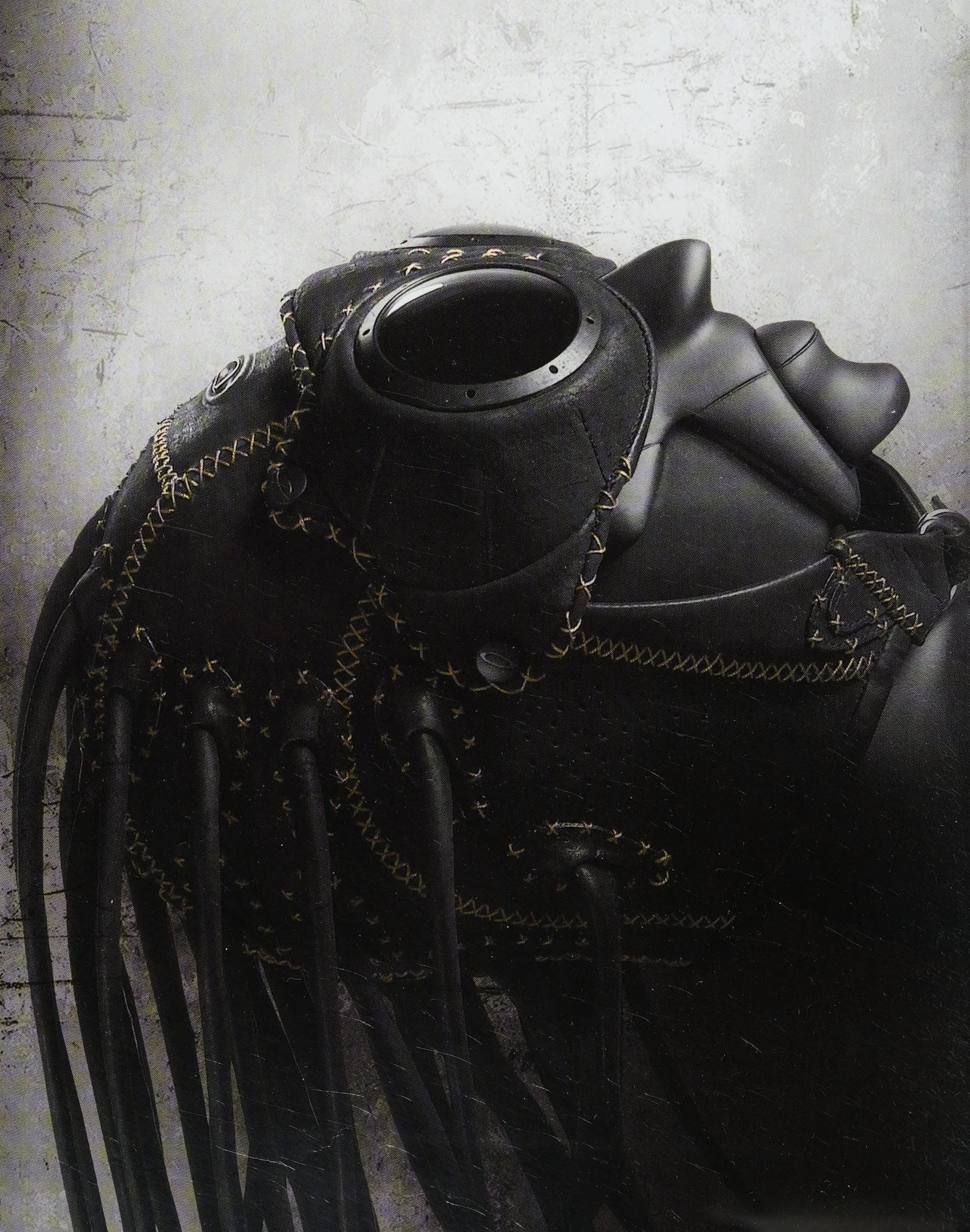
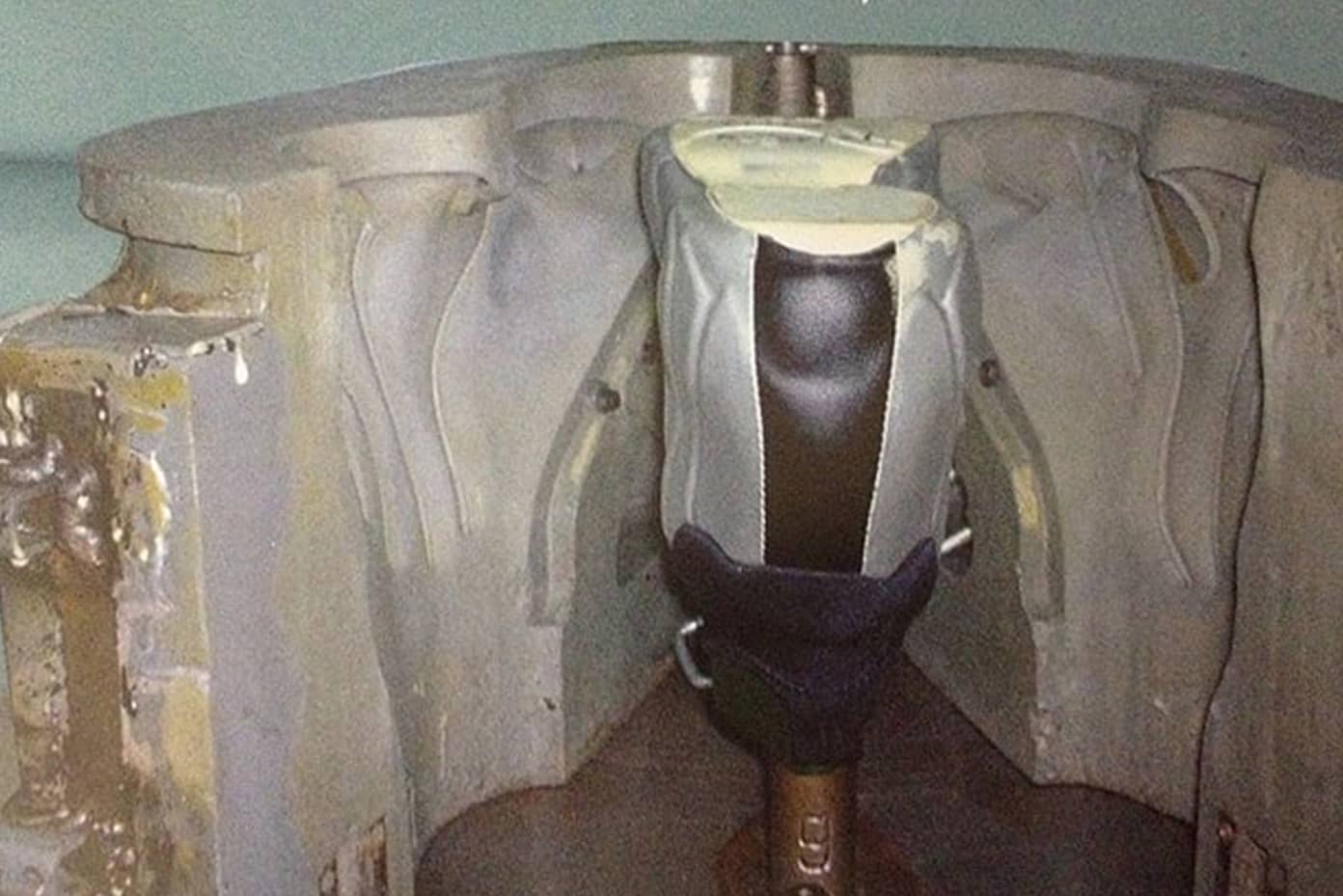
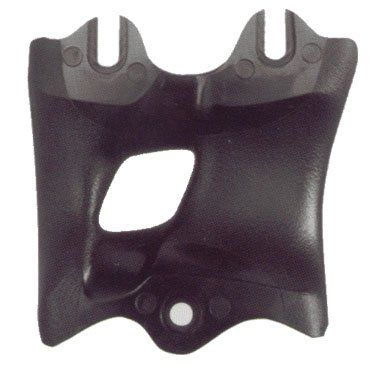
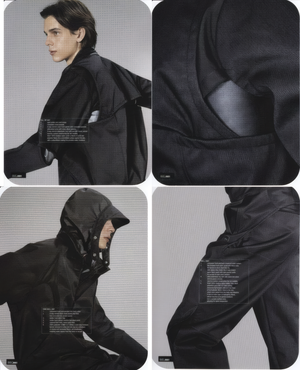
The Oakley Medusa Helmet (2002) is an early-2000s performance helmet concept associated with Oakley’s then-expanding push into technical equipment beyond eyewear. The design is defined by aggressive surfacing, pronounced vent geometry, and a highly sculptural shell intended to signal speed and impact protection.
Functionally, the Medusa emphasizes airflow and coverage through a dense network of vents and channeling, paired with a shell profile that reads more armored than minimal. Fit and retention appear to follow common helmet conventions of the era, with the distinctive elements concentrated in the exterior shell tooling and vent architecture rather than hidden internal mechanisms. As a result, the helmet is often discussed as much for its styling and cultural placement as for technical specifics.
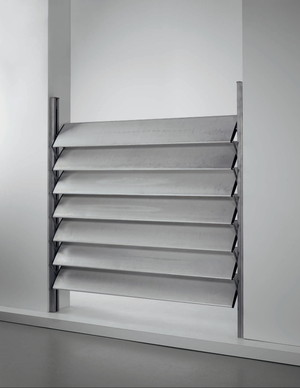
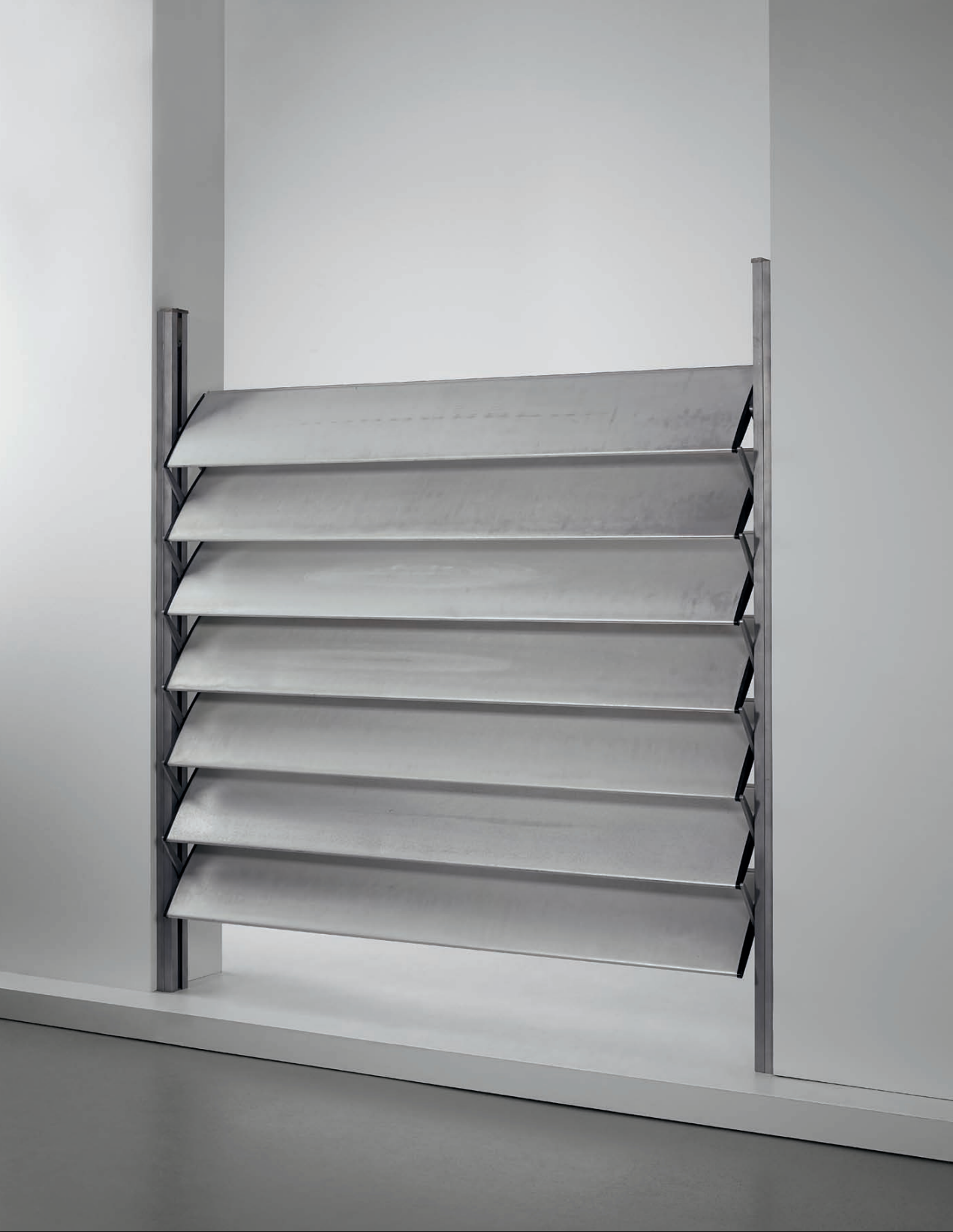
Jean Prouvé 1901-1984 Seven-panelled sun-shutter, from the Cité scolaire de La Dullague, Béziers, designed 1956, executed circa 1962-1965 Aluminium, metal. 185.5 x 184.4 x 8.3 cm (73 x 72 5/8 x 3 1/4 in.) Manufactured by Les Atelier Jean Prouvé, Nancy, France.
Estimate £12,000-15,000 $17,800-22,300 €16,300-20,400 provenance Cité scolaire de La Dullague, Béziers, France, circa 1962-1965 exhibited Architecture Biennale, Venice, 7 June-23 November, 2014
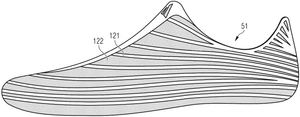
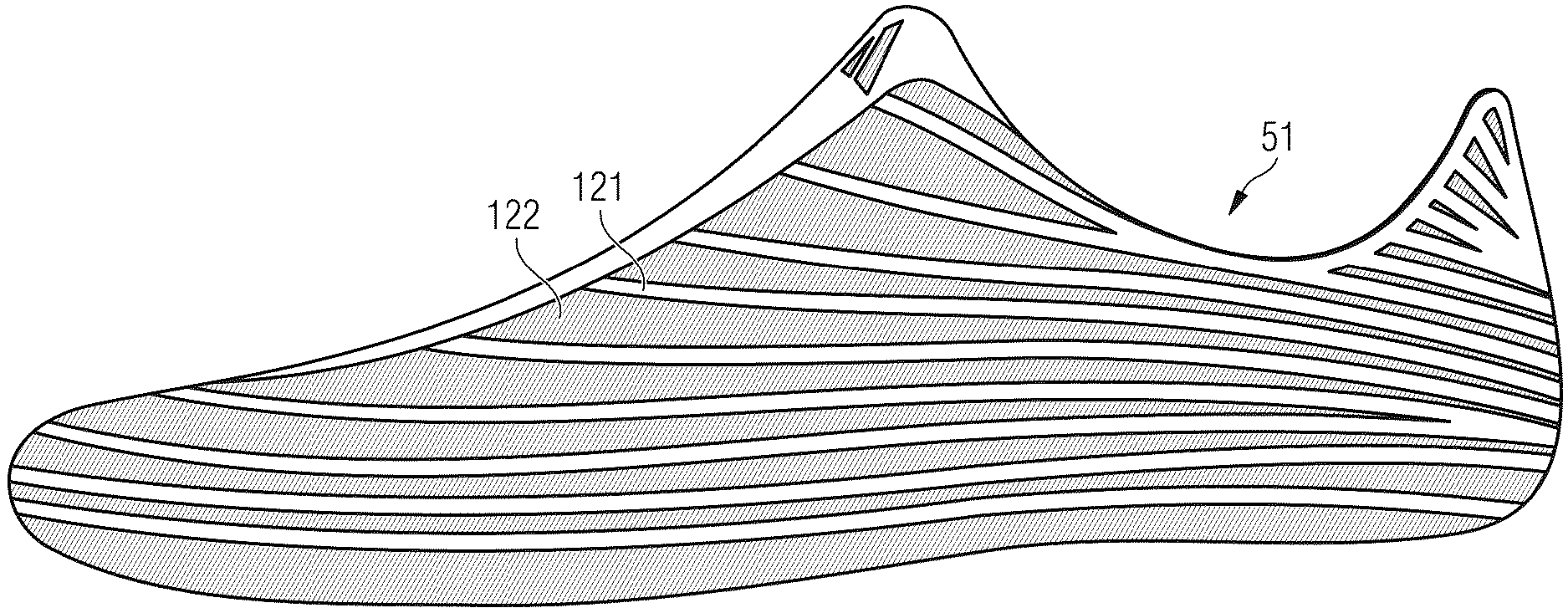
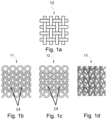
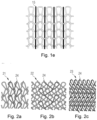
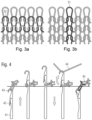
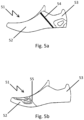
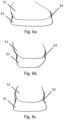
Figures from US patent application US20250160486A1, 'Knitted Shoe Upper', filed by Adidas AG (inventors Stefan Tamm, Carl Arnese and James Carnes; published 22 May 2025). The upper is knitted in one piece with two zones, a more elastic yarn and a stiffer yarn, placing stretch and support without seams or separate reinforcement panels. The drawings show the yarn zones and construction across forefoot, midfoot and heel.


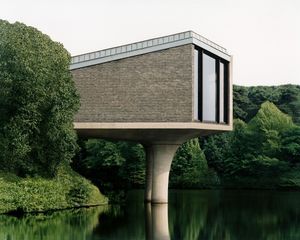
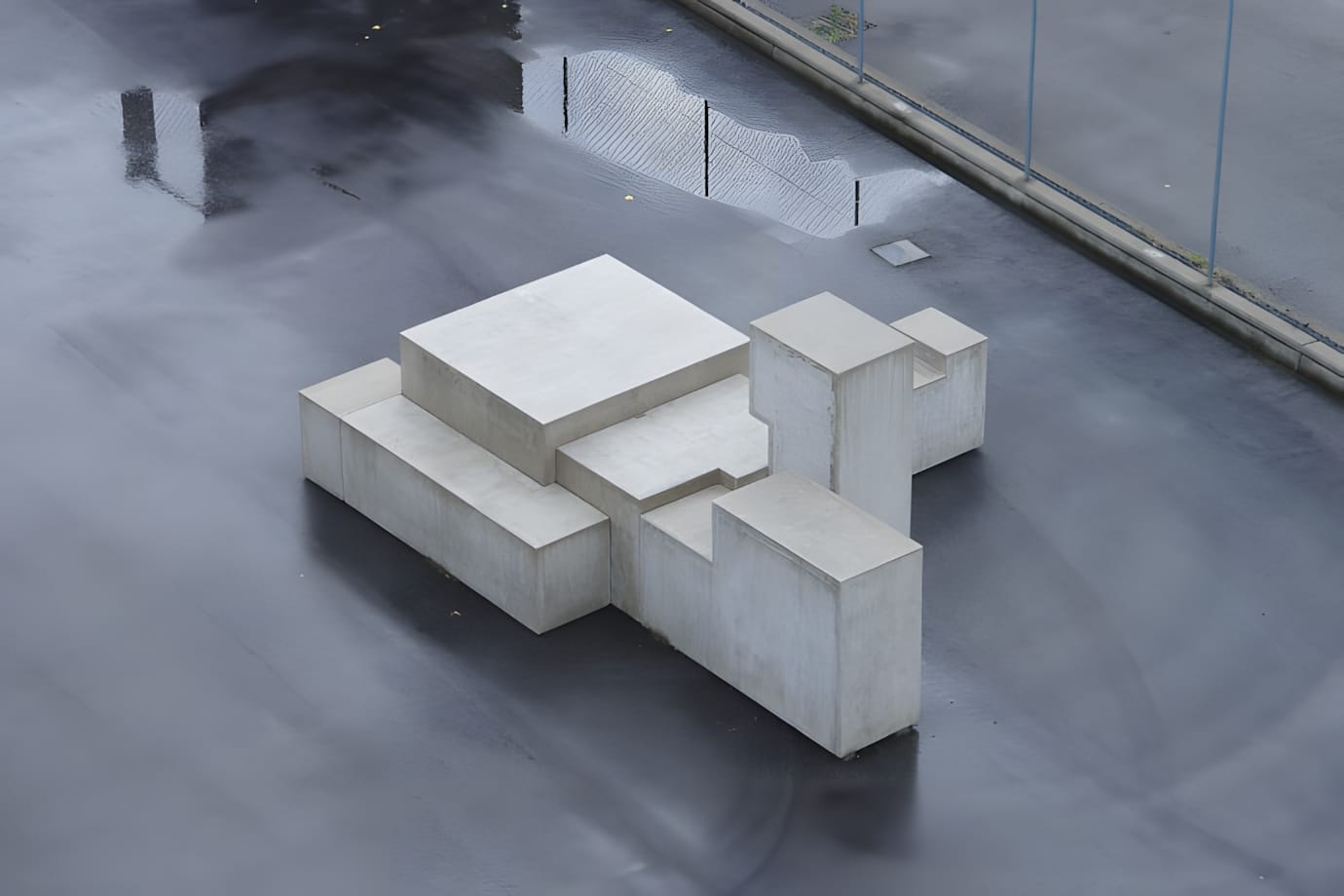
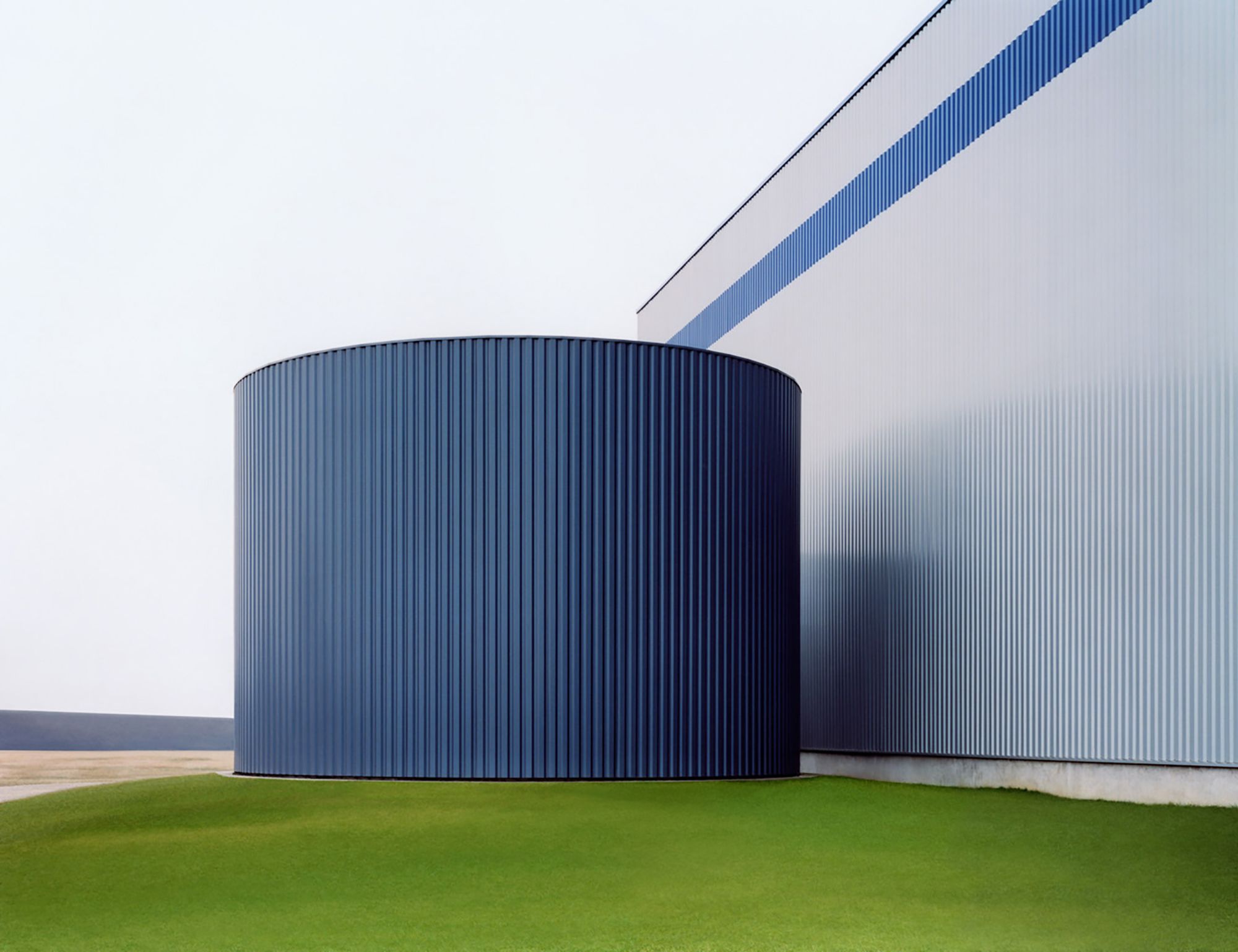
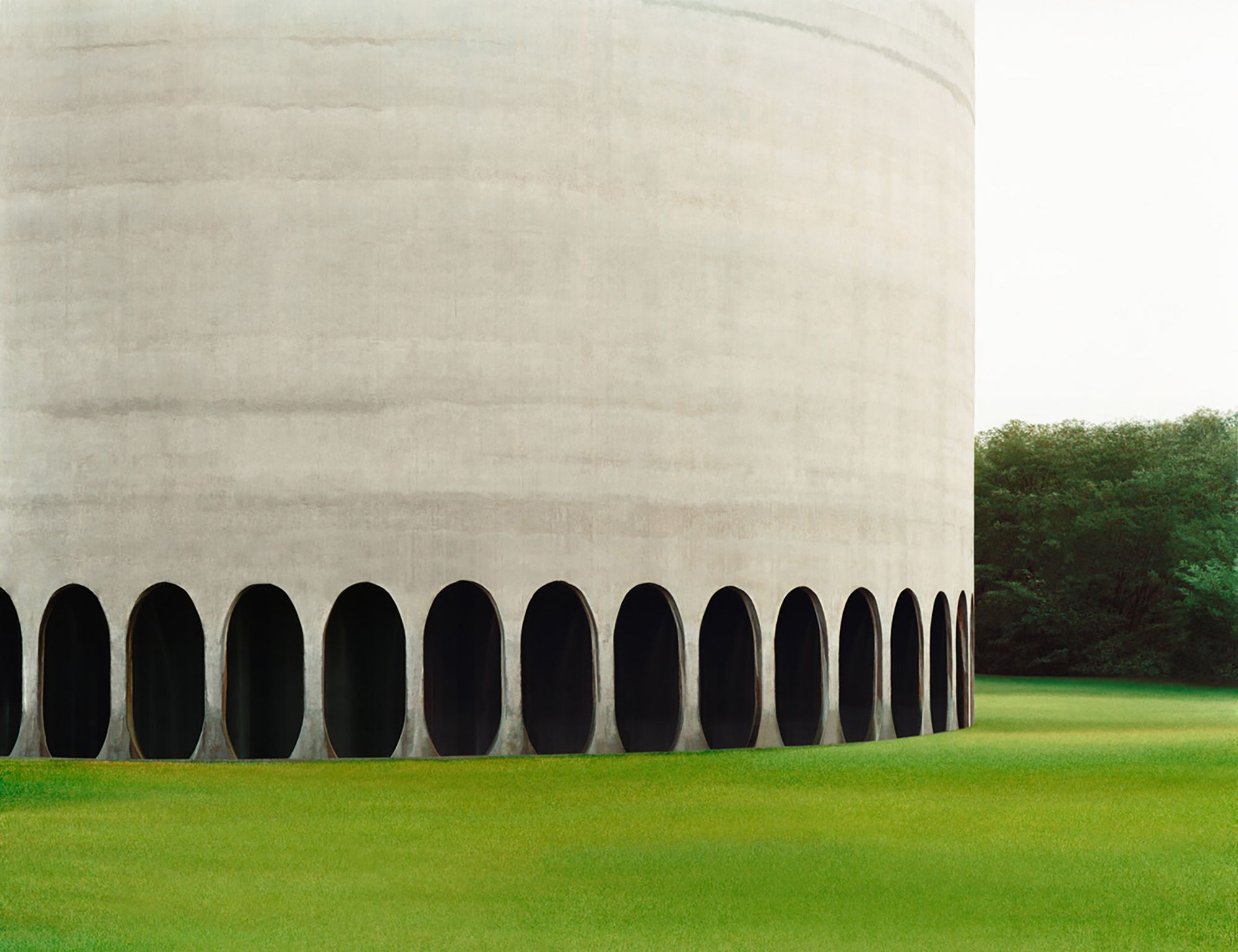
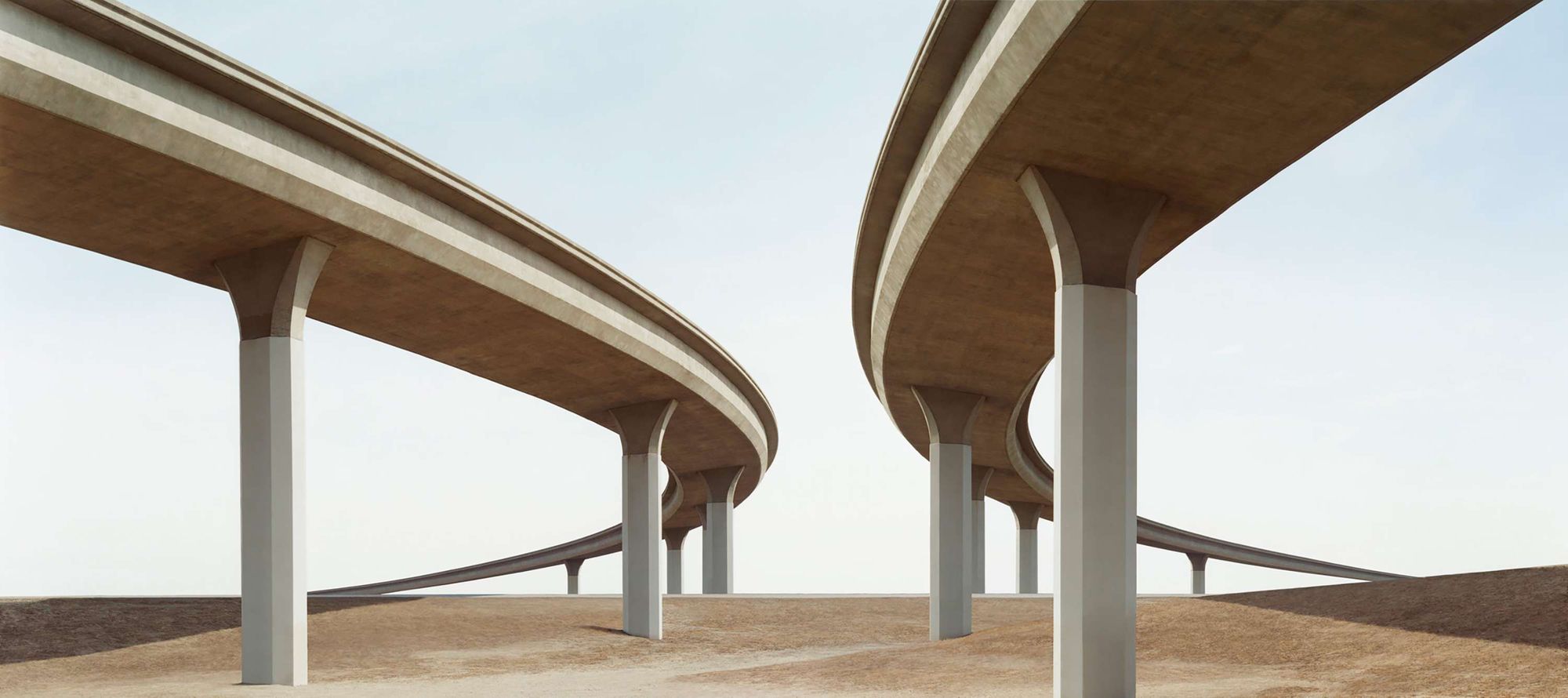
Josef Schulz is a photographer known for capturing images of modern warehouses and factories, which are typically considered mundane industrial structures with little architectural significance. These buildings, produced worldwide, follow standardized plans and materials, lacking distinct external features to reveal their specific purposes.
Schulz's approach involves studying the essence of his craft through these photographs. He employs digital image processing to remove any elements hinting at the buildings' age, location, or surroundings, transforming them into virtual blueprints. By emphasizing colors, shapes, and symmetries, he turns the buildings into block-like structures, resembling toy architecture and presenting them as idealized versions of themselves.
In this process, Schulz blurs the line between photographic and painted reality to optimize the images. Simultaneously, he reduces the physical buildings to their design concepts and the photographic reality to its virtual representation. His intent is to diverge from the typical pursuit of making digital images appear as real as possible. This approach might leave the viewer perplexed, as they struggle to distinguish between authentic elements captured by the camera and those created through digital tools.
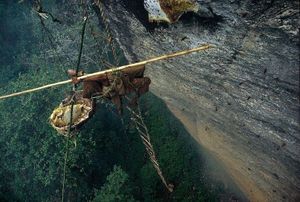
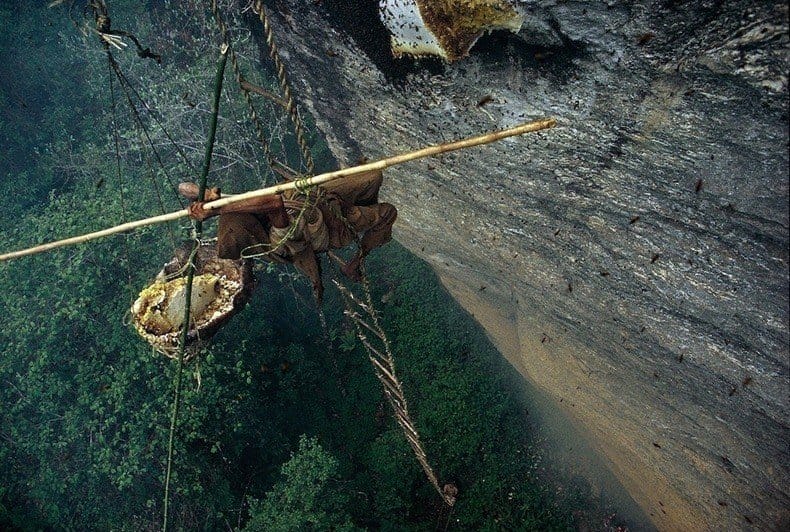
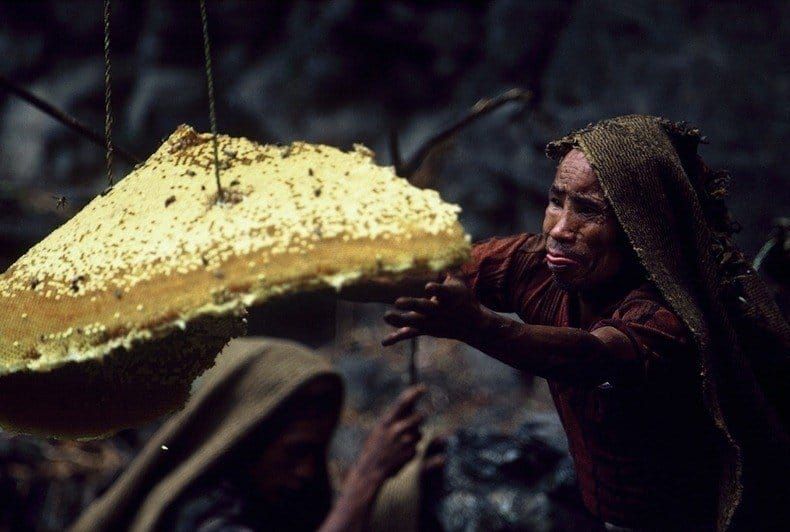
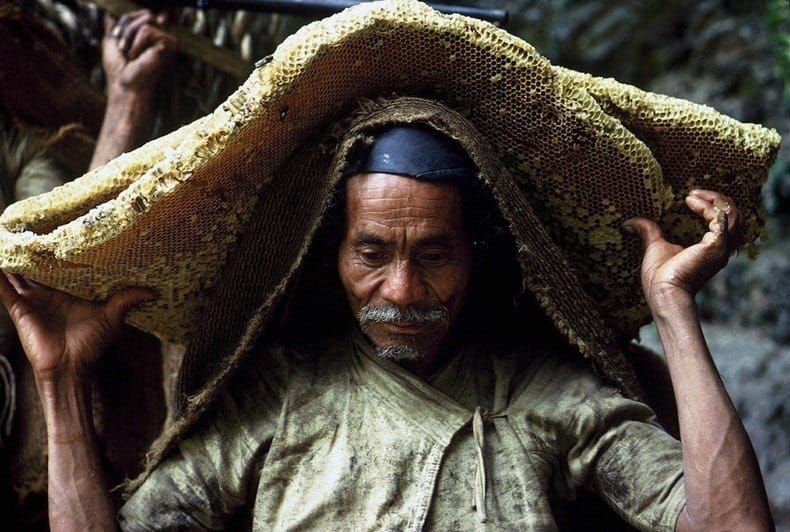
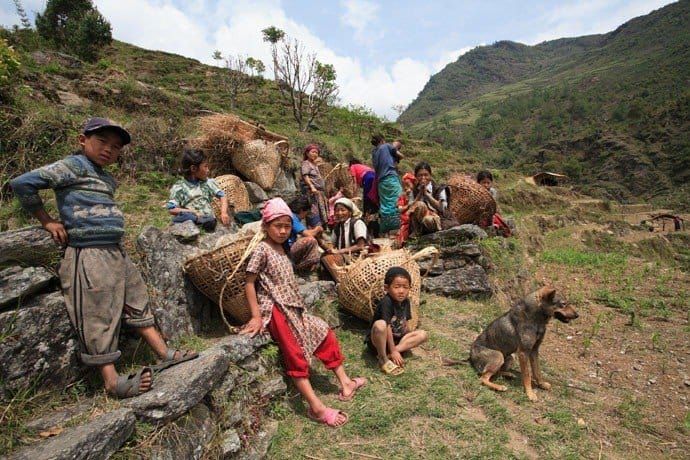
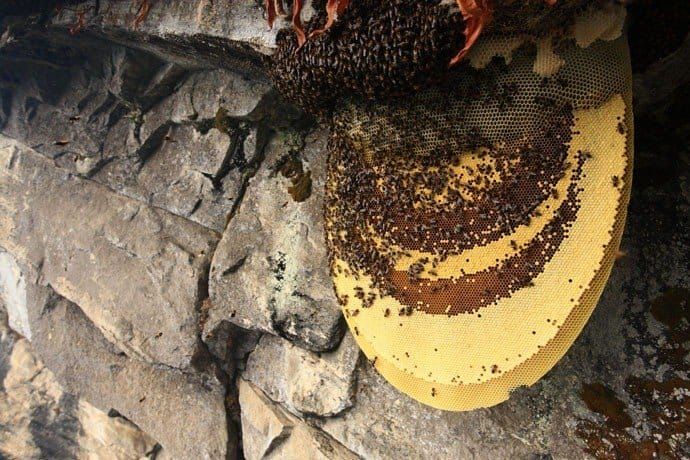
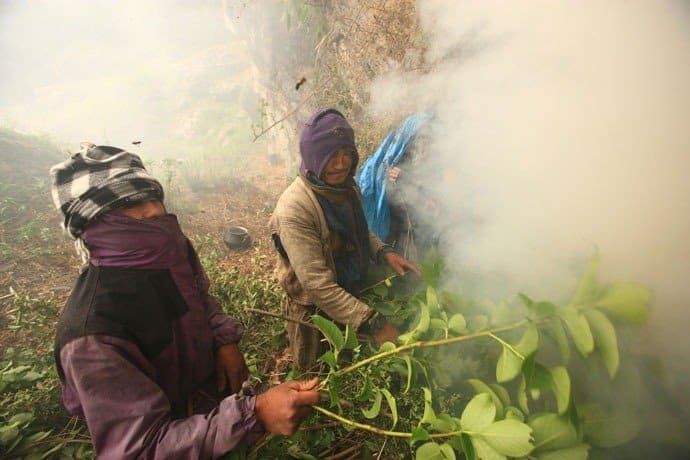
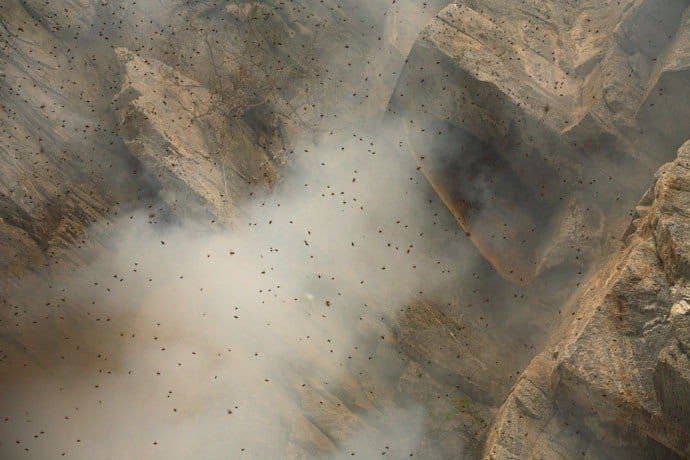
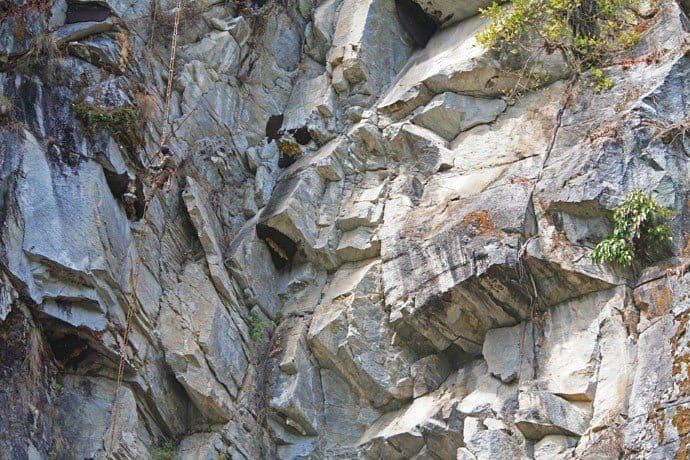
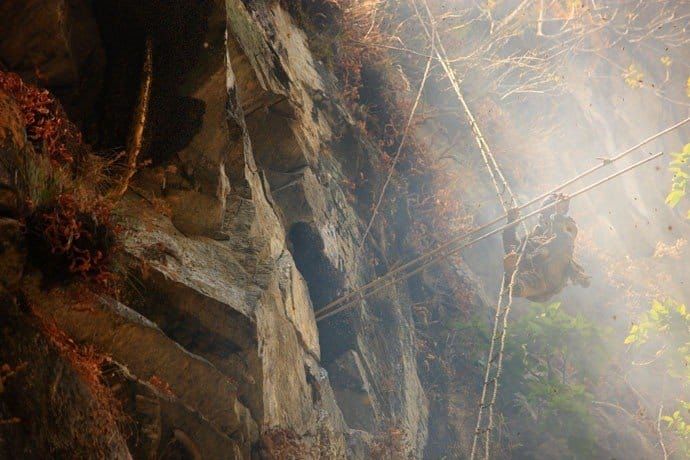
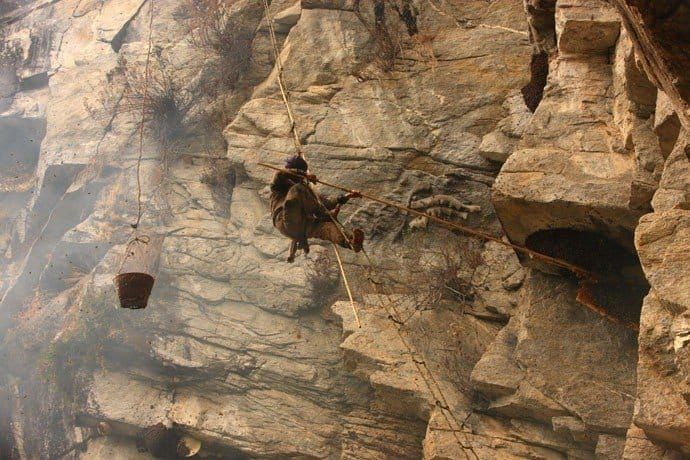
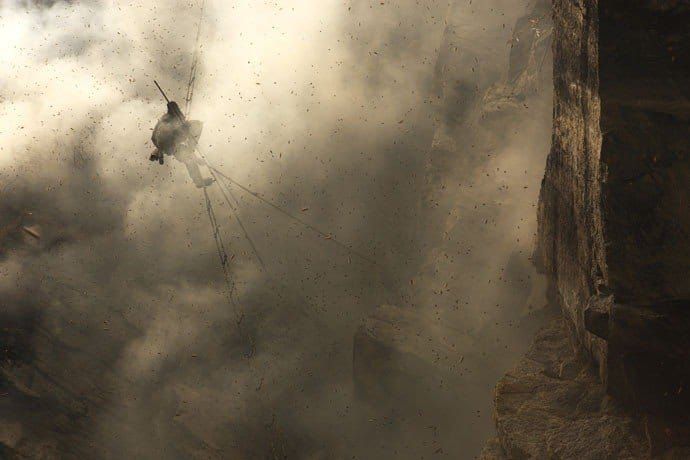
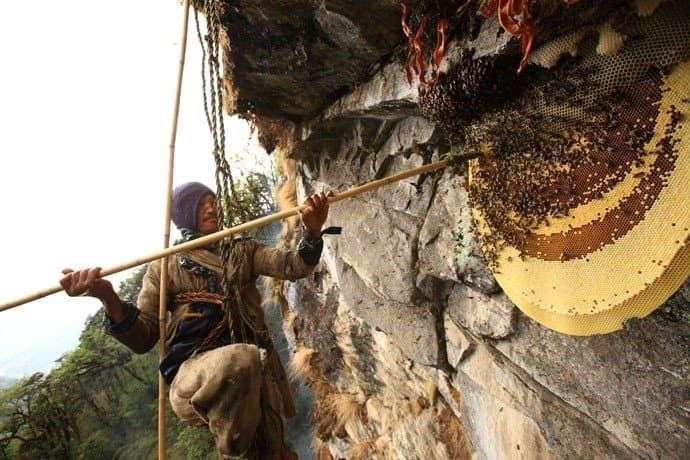
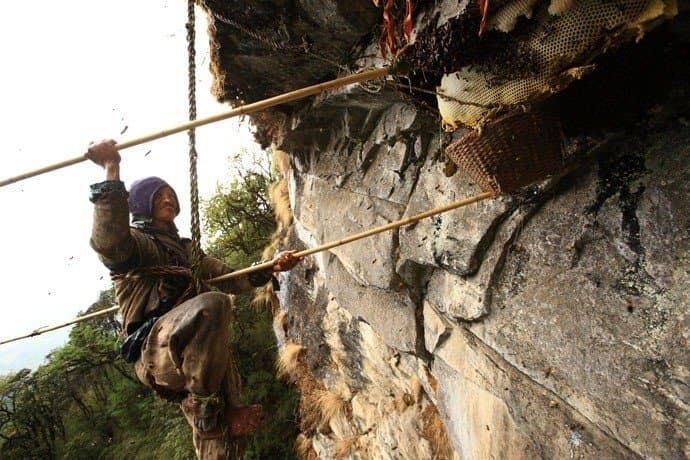
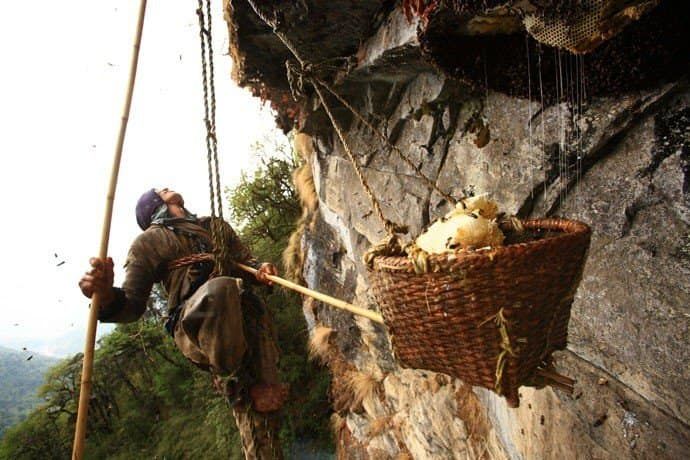
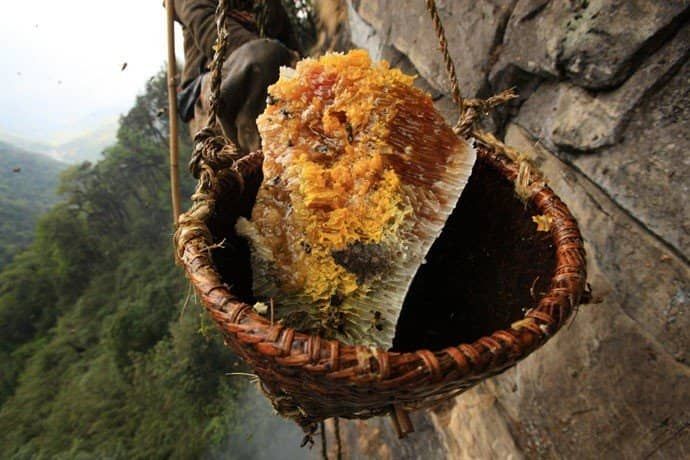
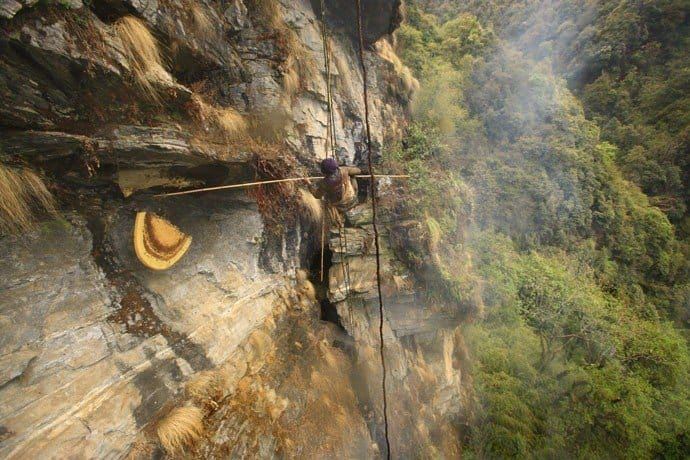
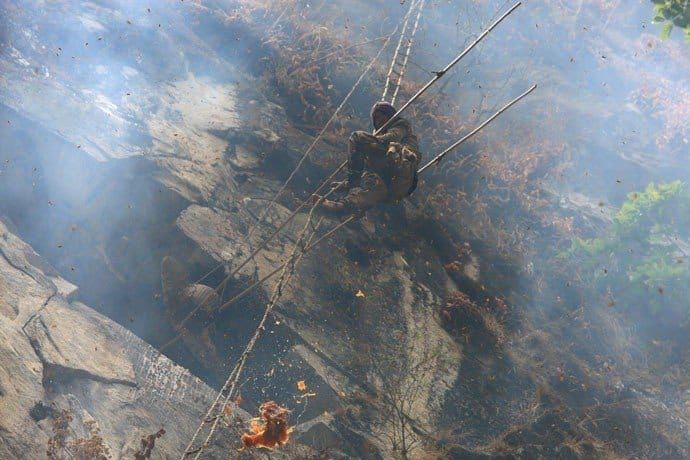
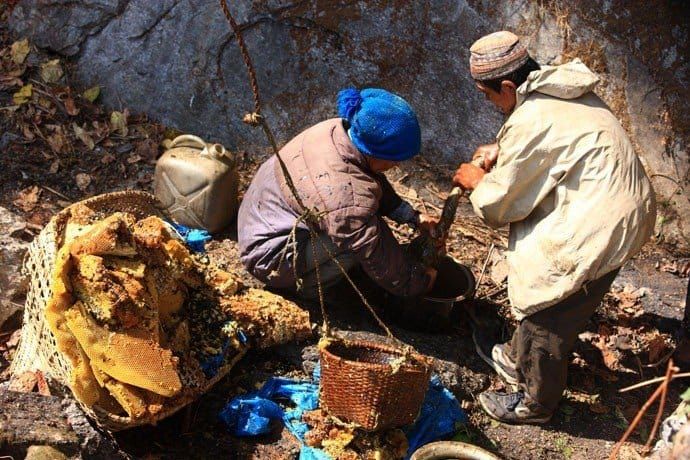
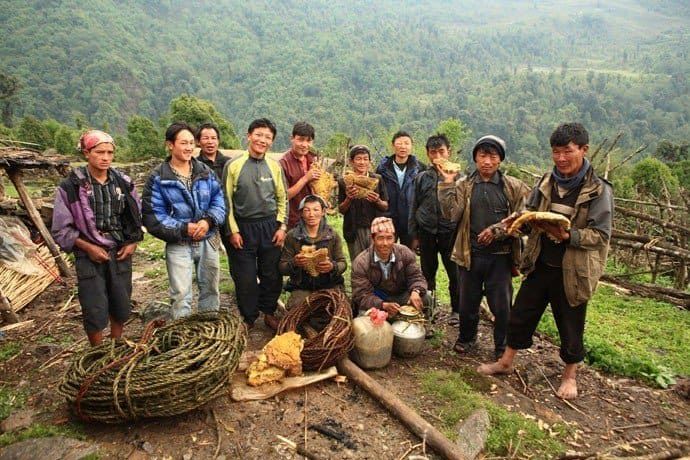
Nepal is home to the Apis Laboriosa, the biggest honey bee on the planet, and honey hunting plays a significant role in the local way of life. The bees build their hives on the cliffs of the country's foothills, which adds complexity to the honey hunting process. Local honey hunters use rope ladders and baskets to access the combs after driving the bees away with smoke from a fire underneath the hives. They carefully collect the honey treasure from the combs while dealing with territorial bees. The harvesting occurs once a year and begins with a harvest ritual that varies across towns, often starting with a prayer and the offering of flowers, rice, and fruits.
This unique aspect of Nepali culture is captivating, and tourists have the opportunity to witness the bravery of the honey hunters, explore the fascination of the Nepali landscape, and admire the intricate homes of the honey bees.
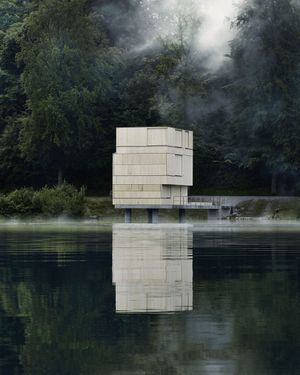
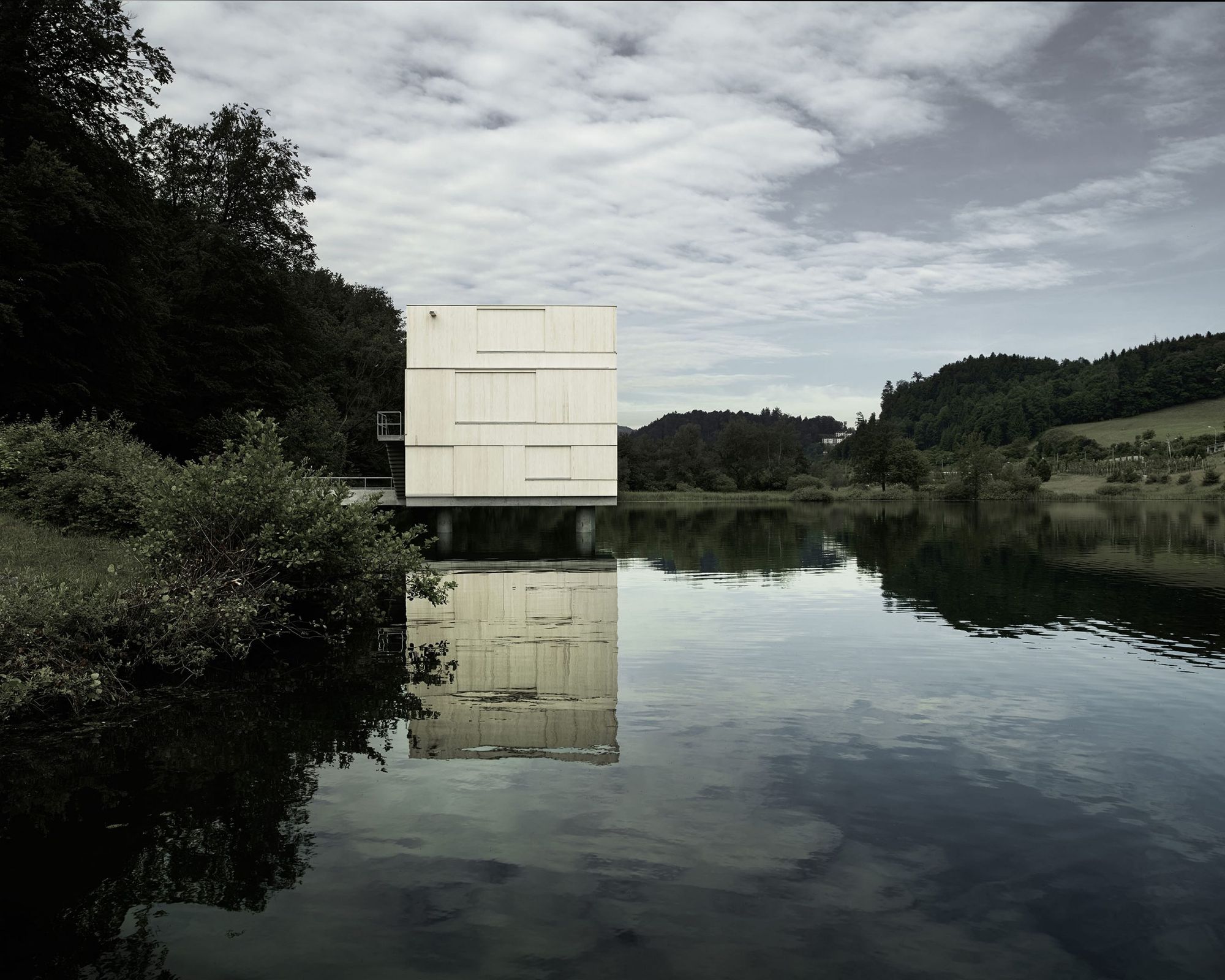
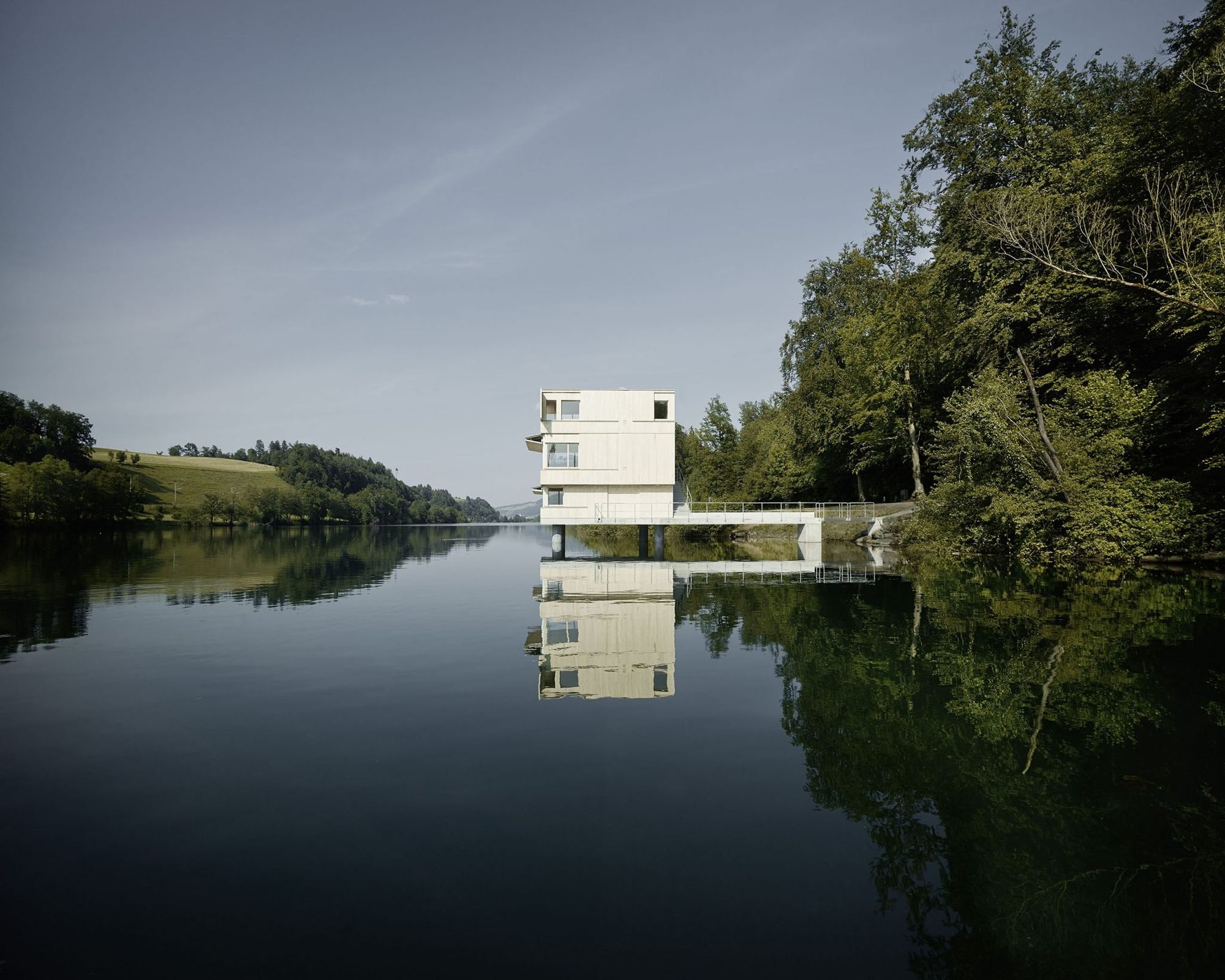
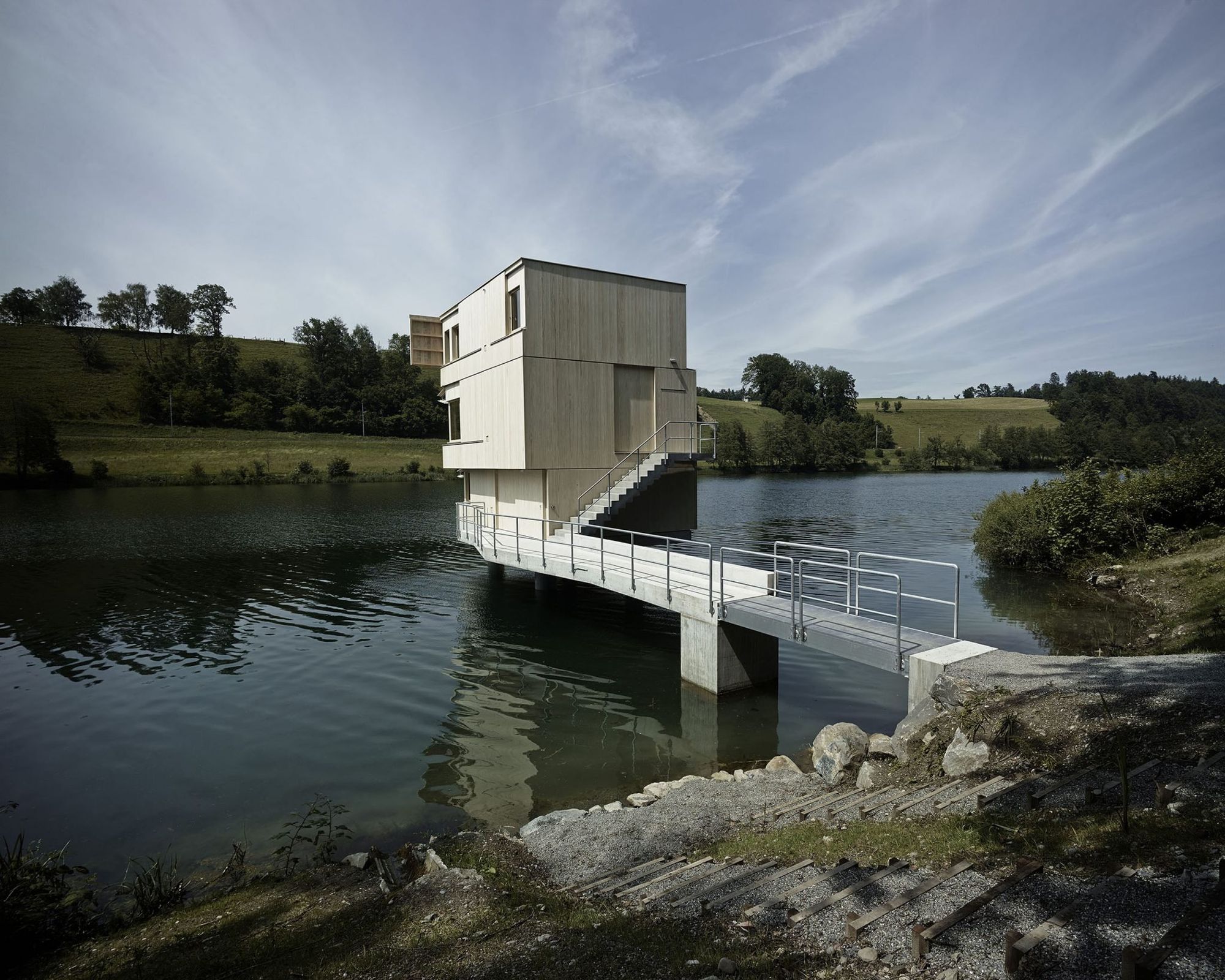
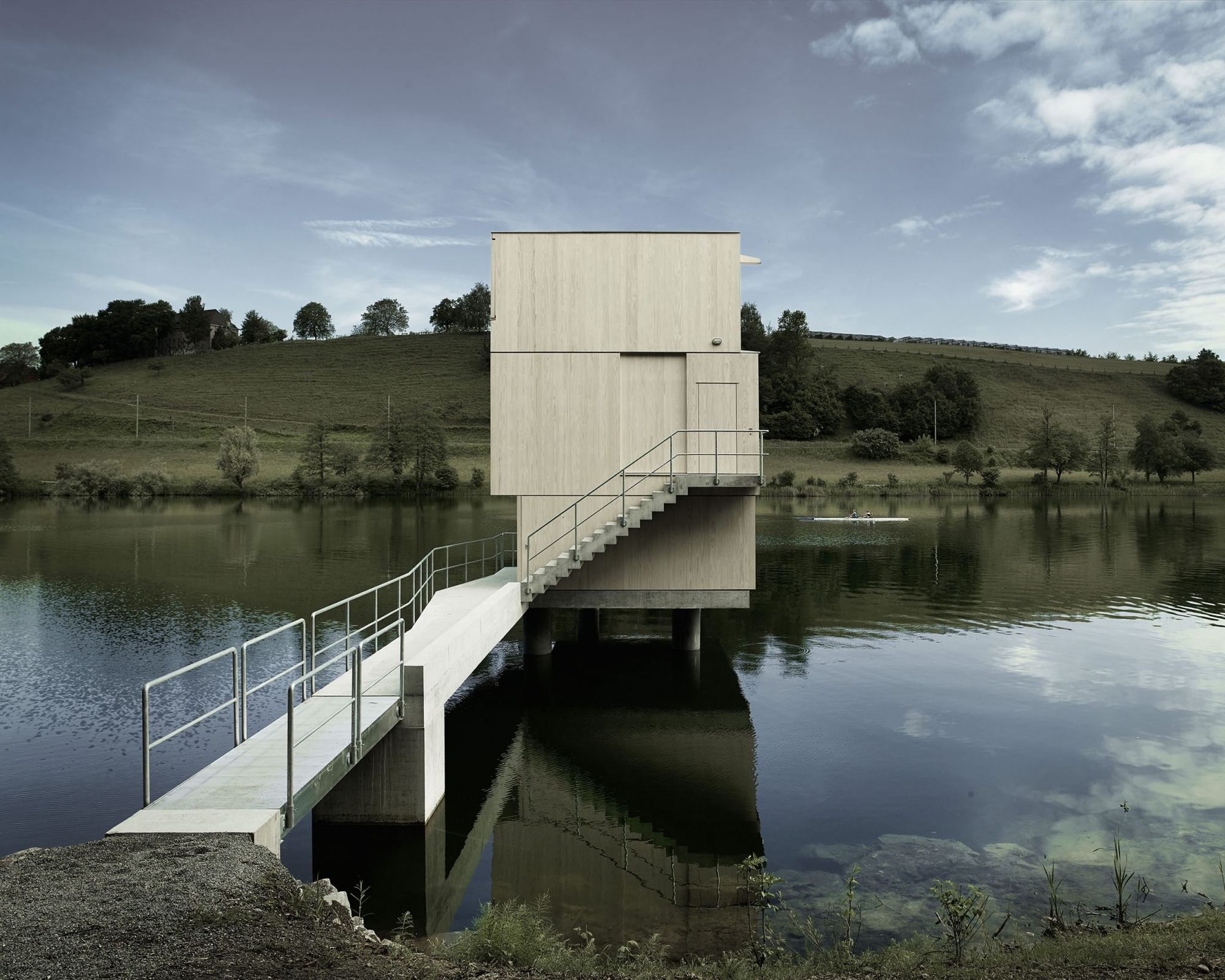
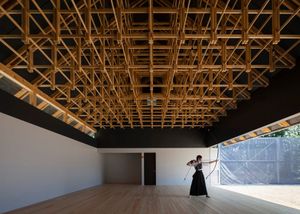
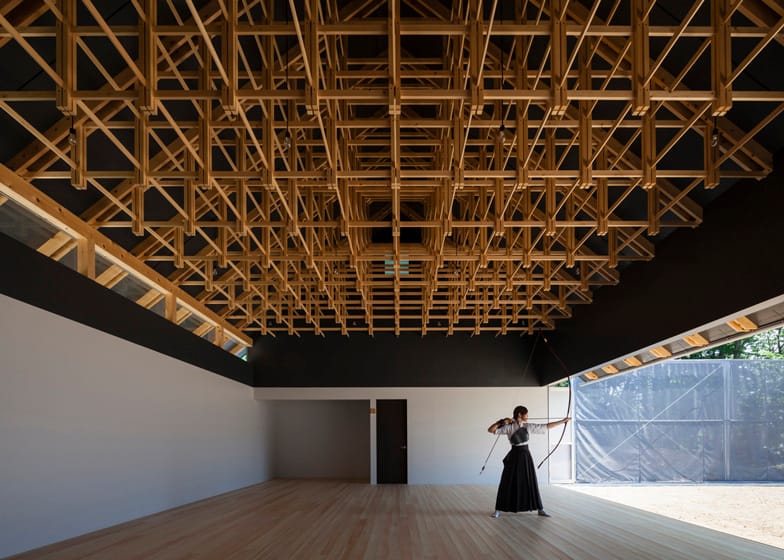
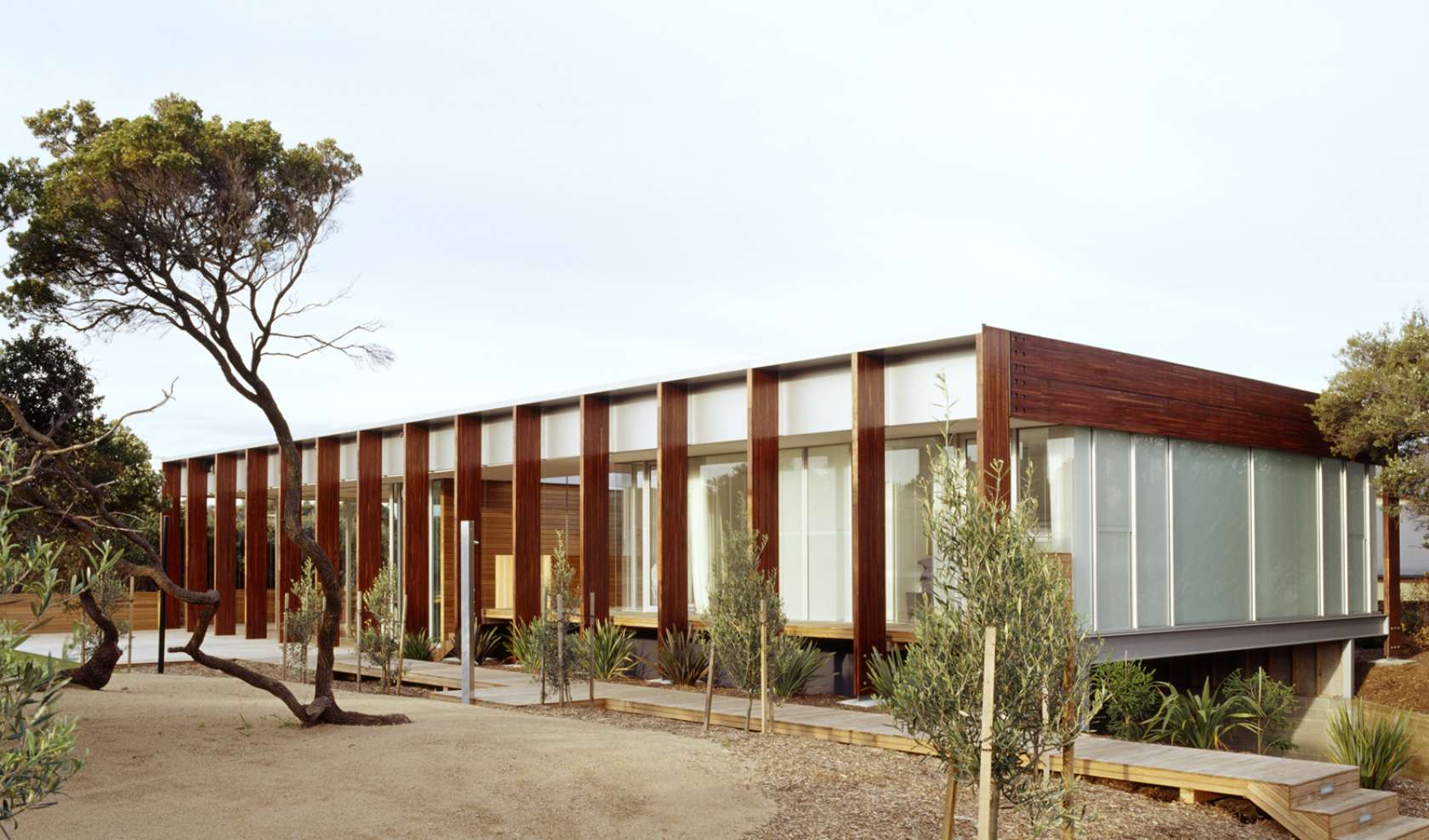
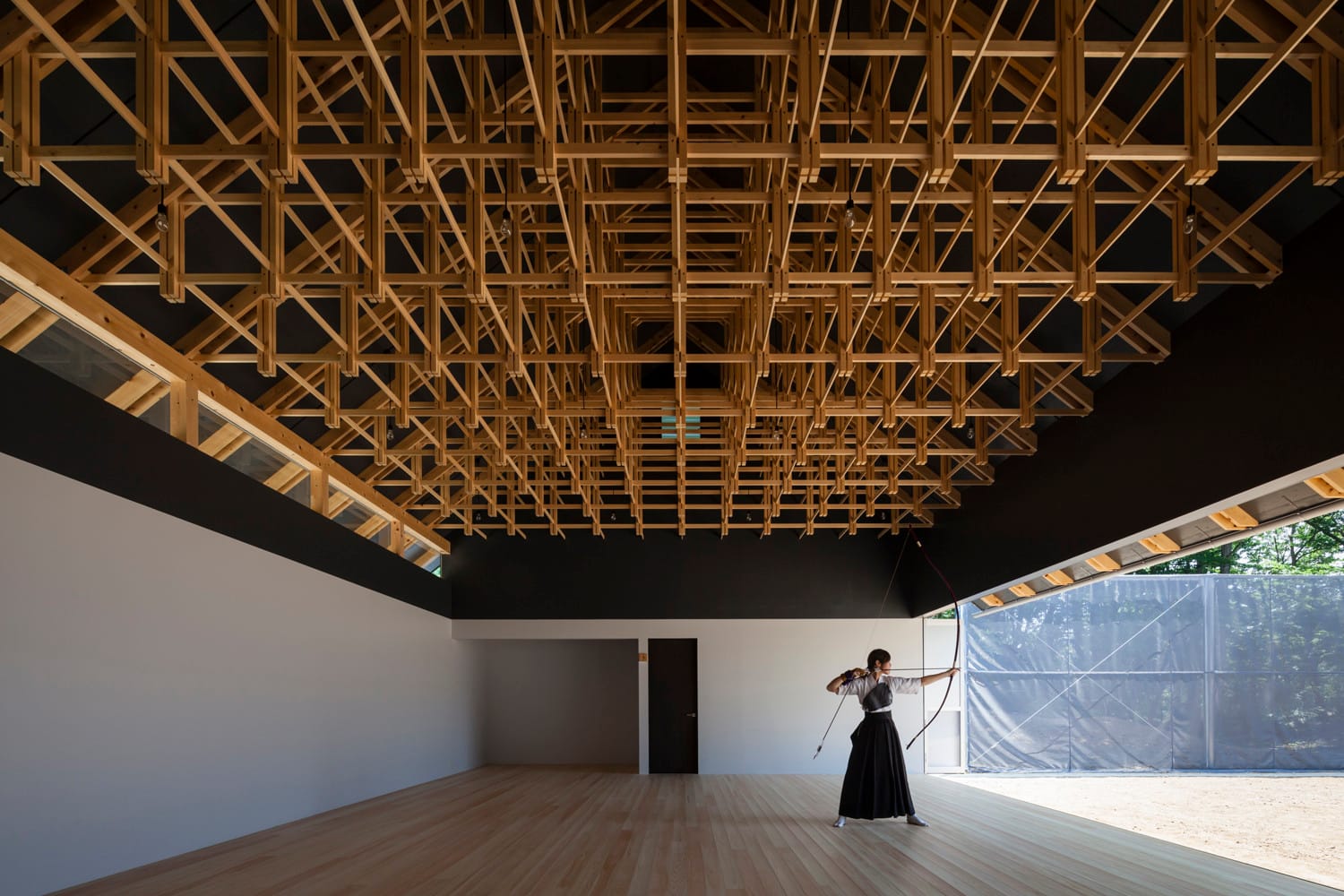
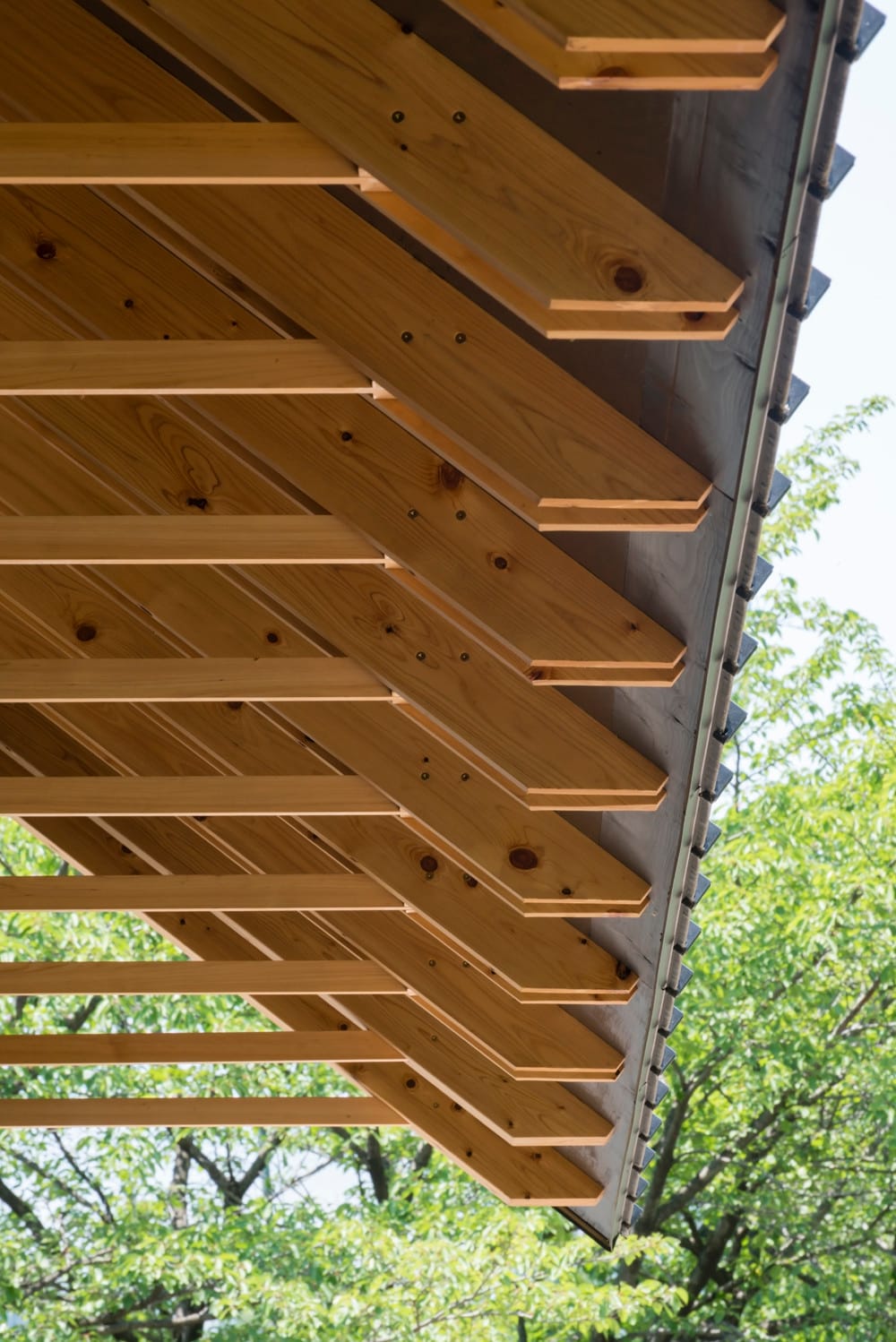
The Archery Hall, one of two sports pavilions FT Architects (Katsuya Fukushima, Hiroko Tominaga) built in 2013 at Kogakuin University, west Tokyo. Each is a column-free room of 7.2 by 10.8 m under an exposed timber roof of horizontal and vertical members, bolt-and-nut jointed. The archery hall uses small timber sections normally used for furniture. Photographs by Shigeo Ogawa.
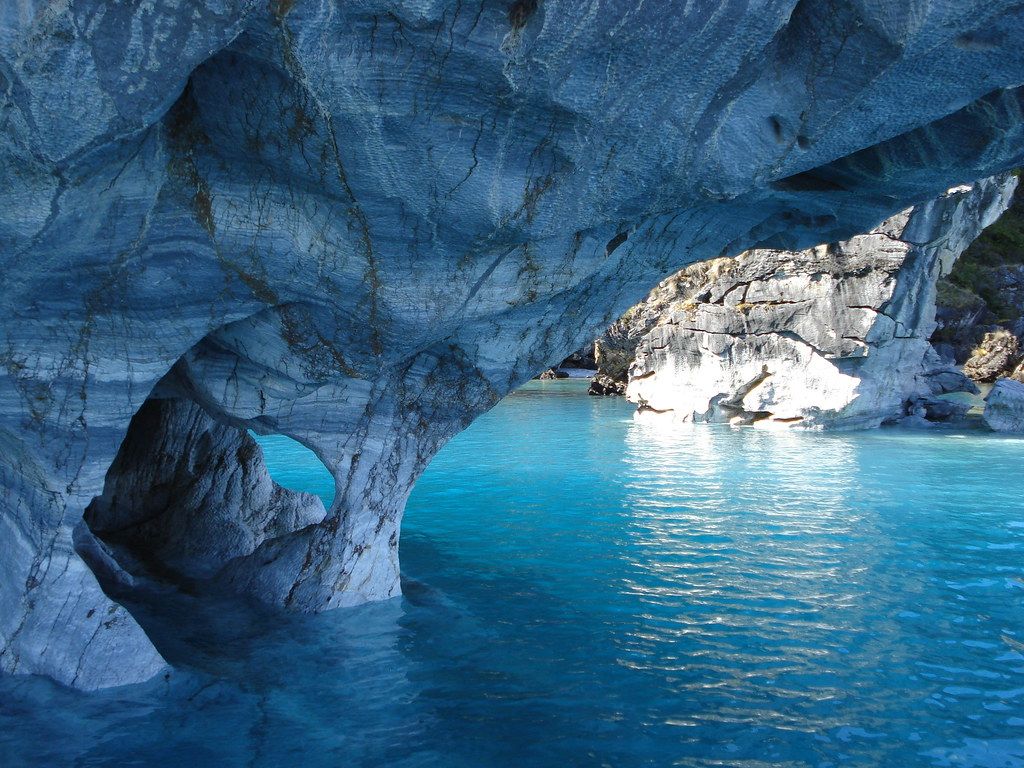
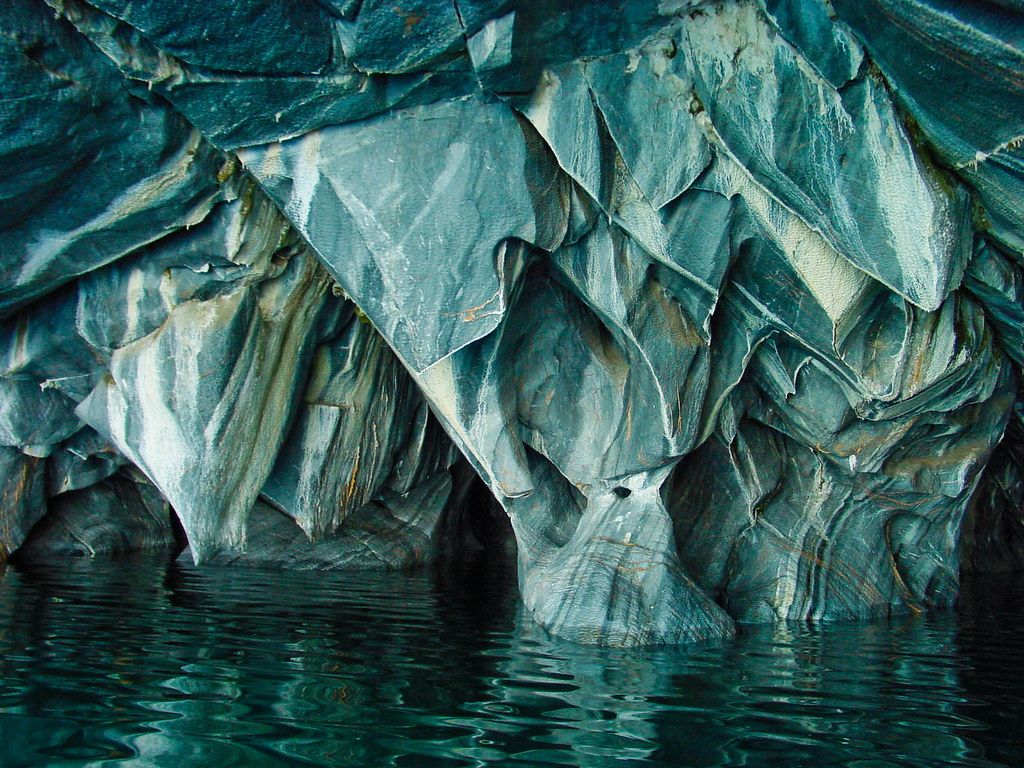
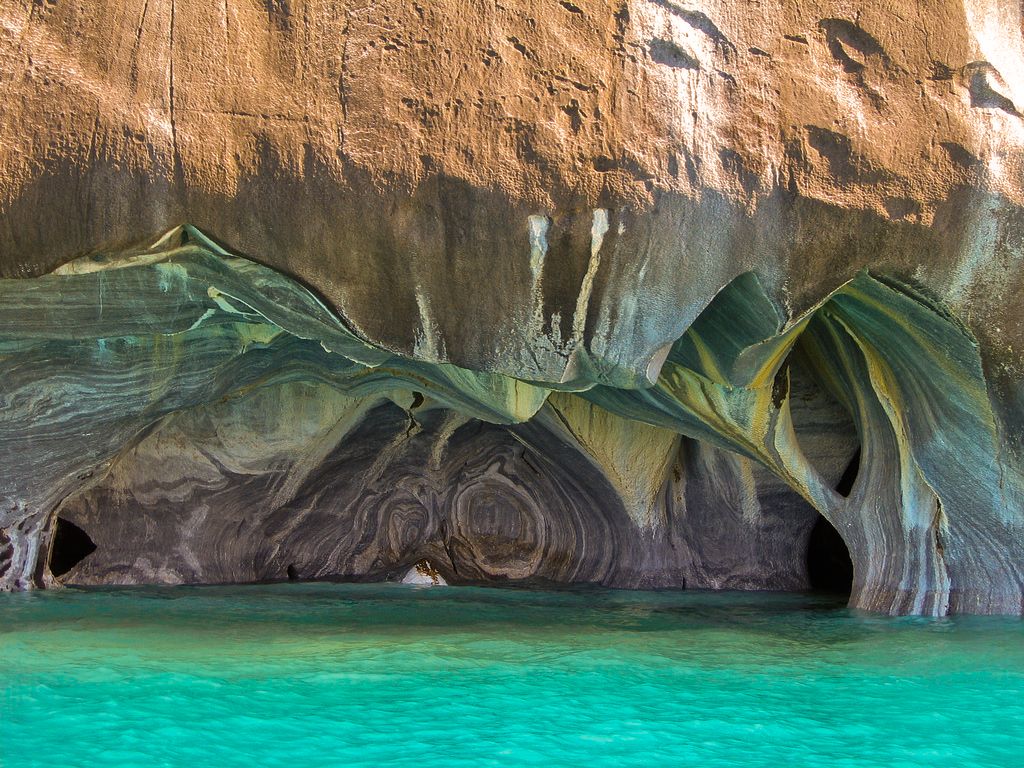
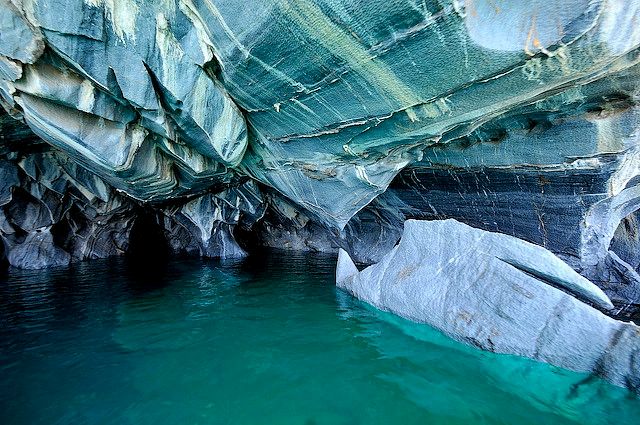
The Marble Caves, known as Marble Chapel and Marble Cathedral, are located at the center of the lake and were formed by waves over the past 6,000 years.

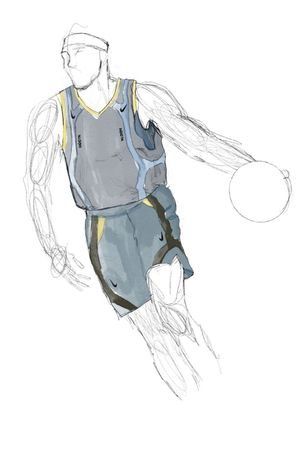
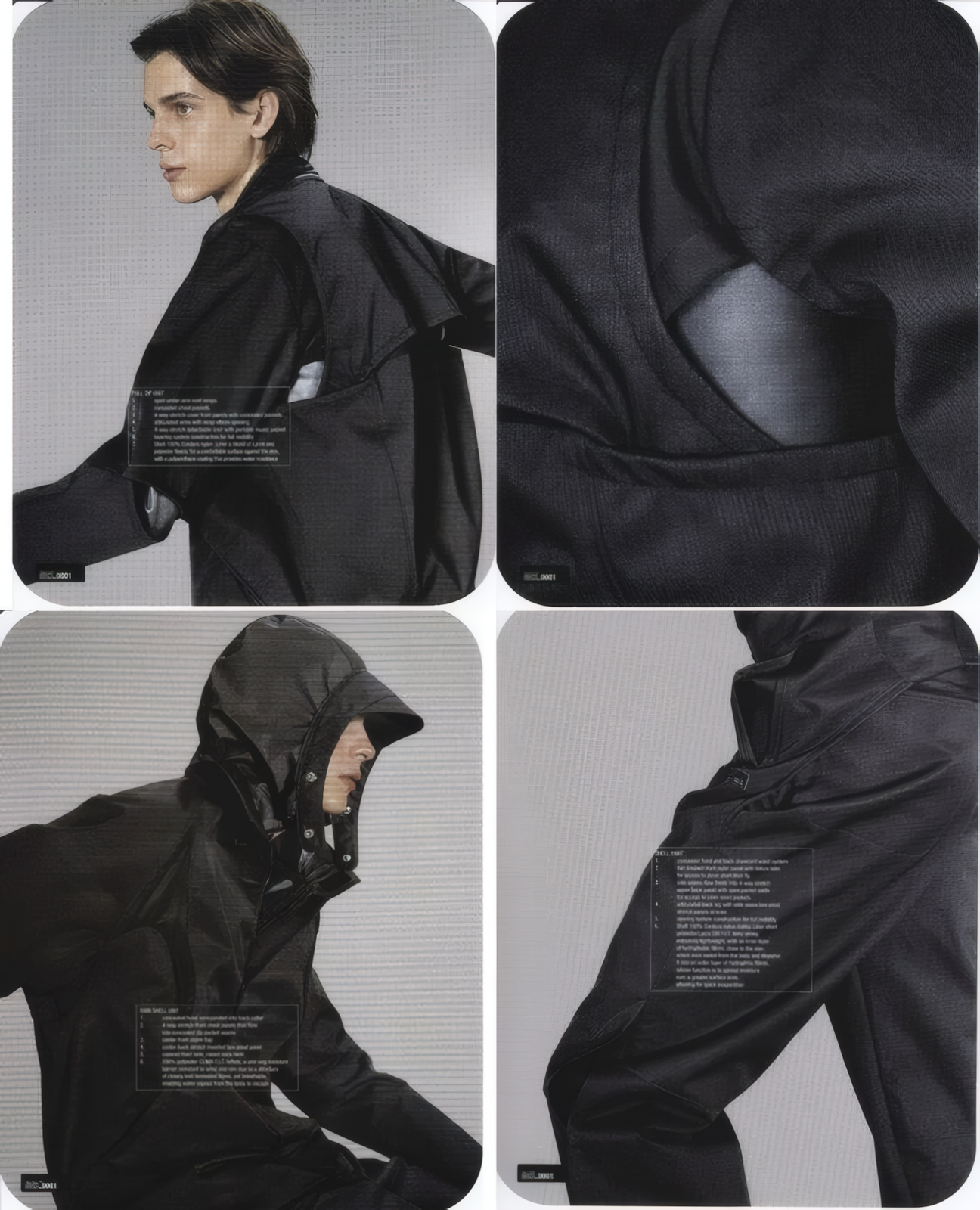
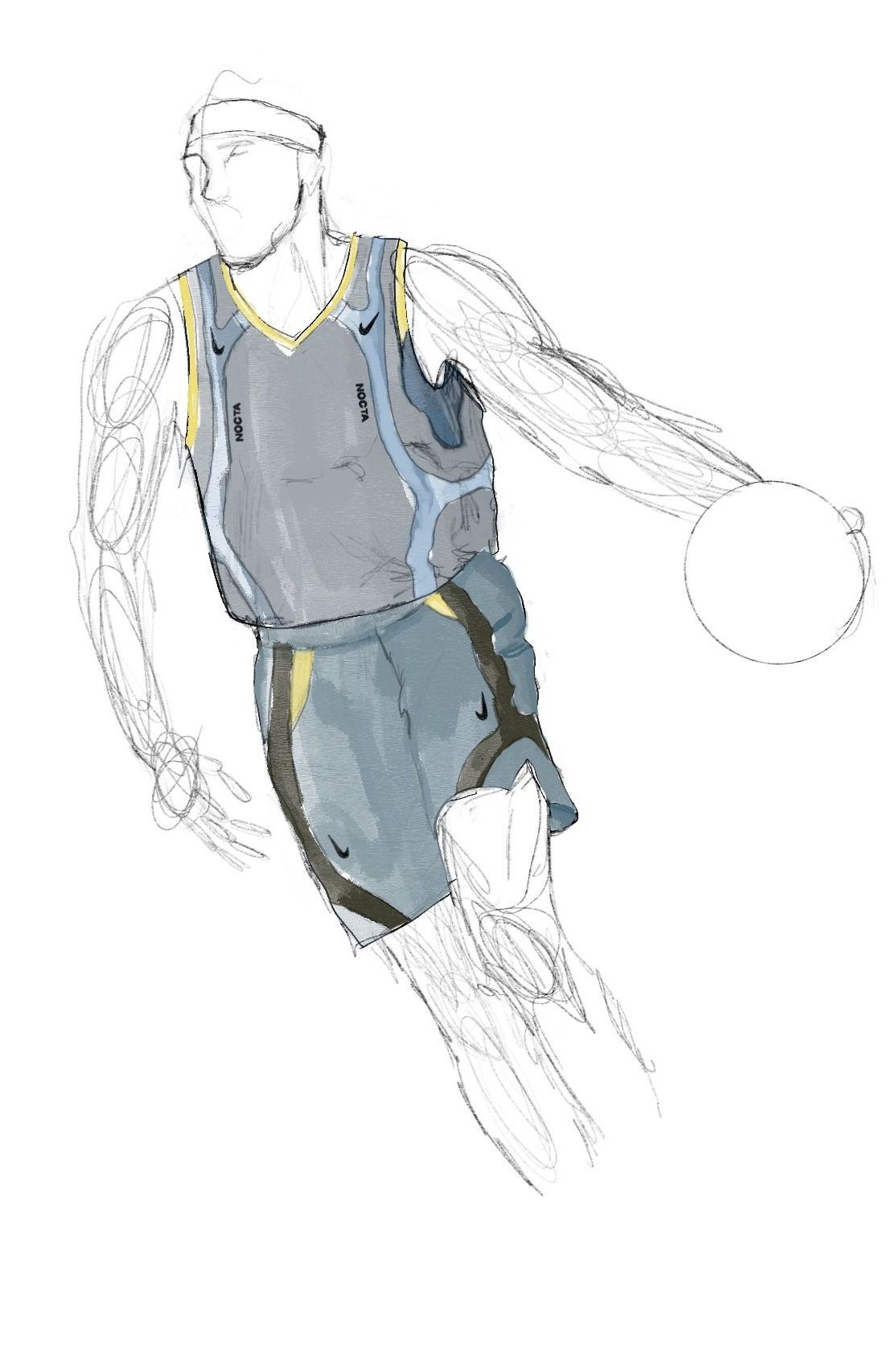
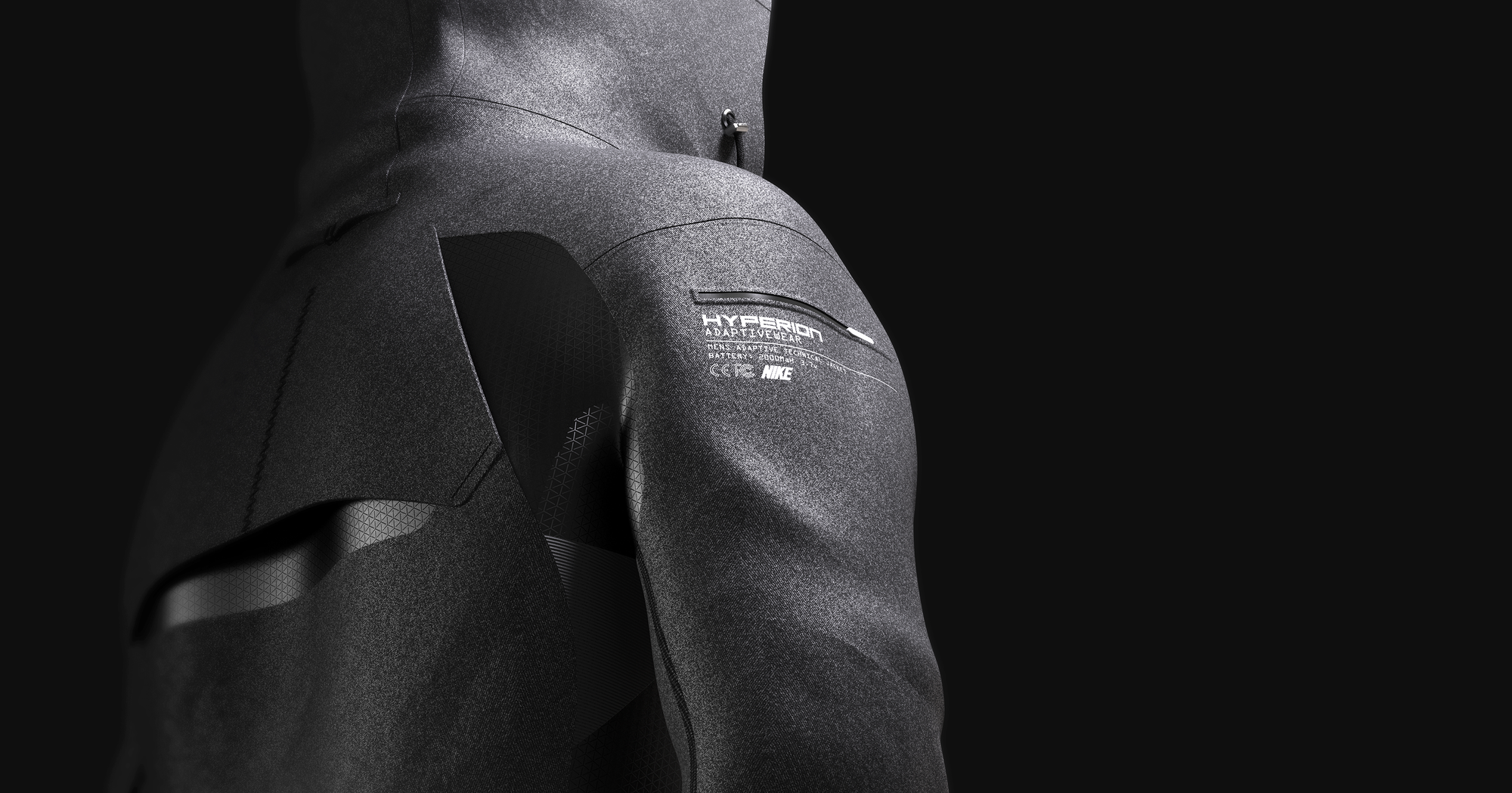
A concept for a Nike training jacket by designer Joseph Cooper: a close-fitting panelled shell with mapped zones and bonded seams. A sportswear design study.
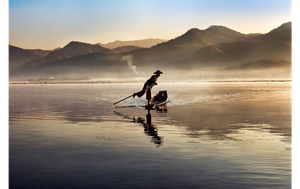
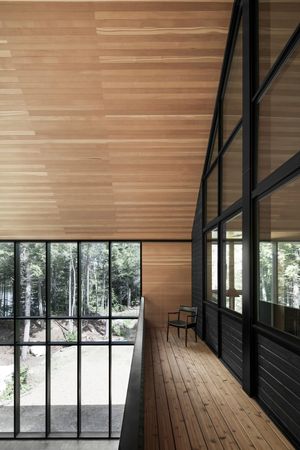
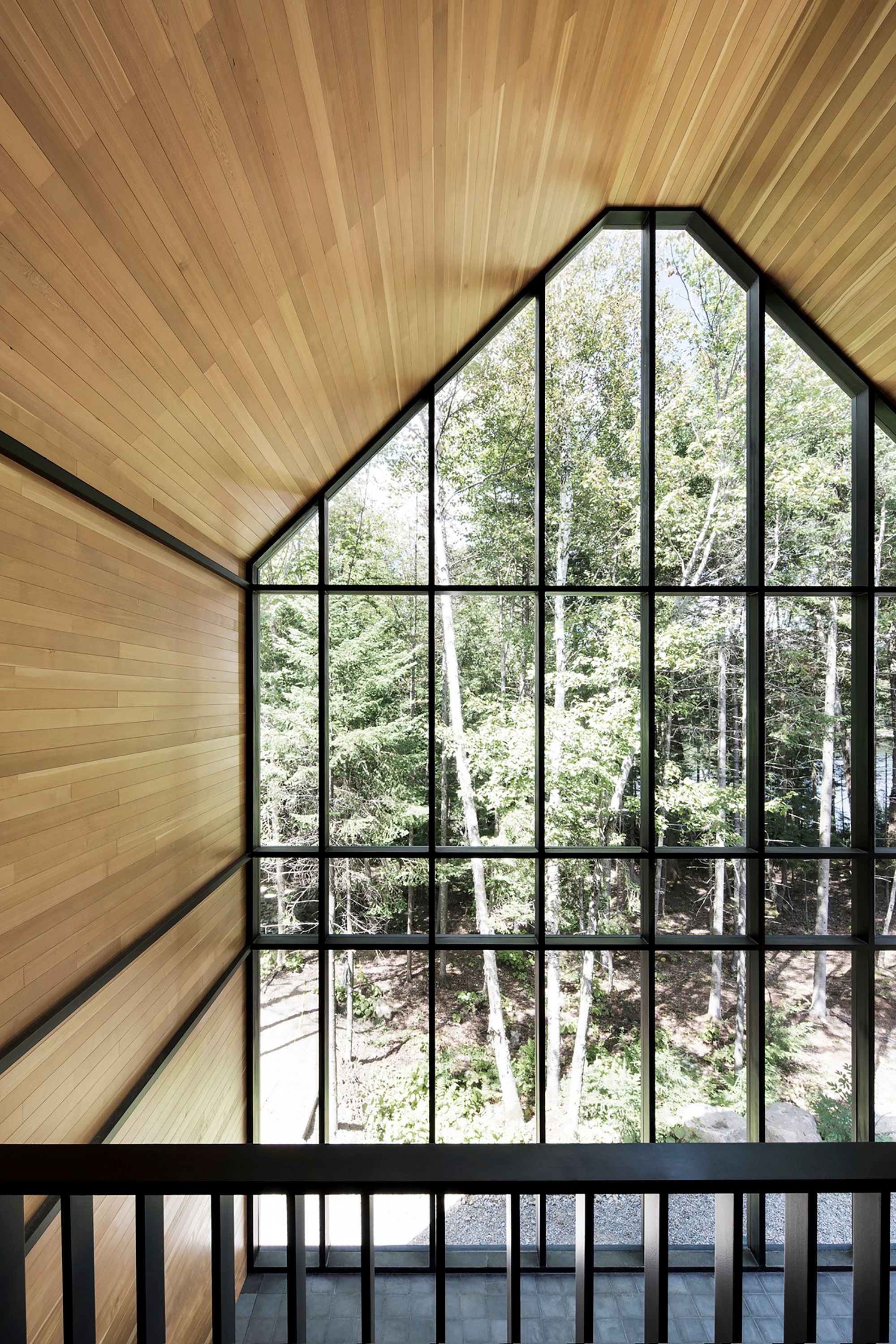
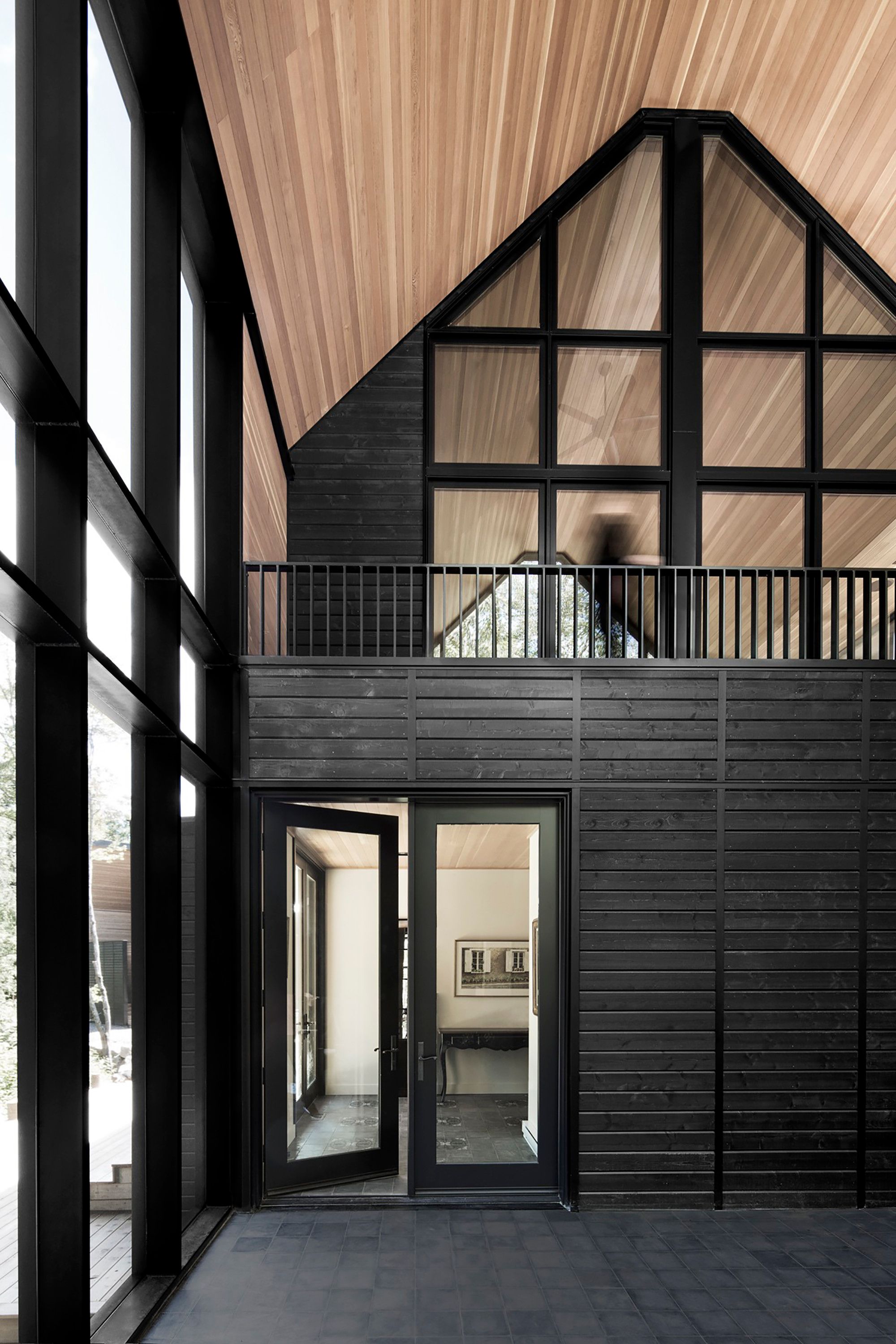

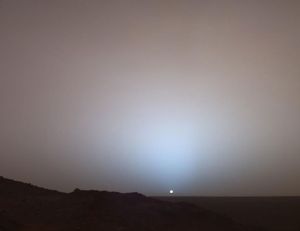
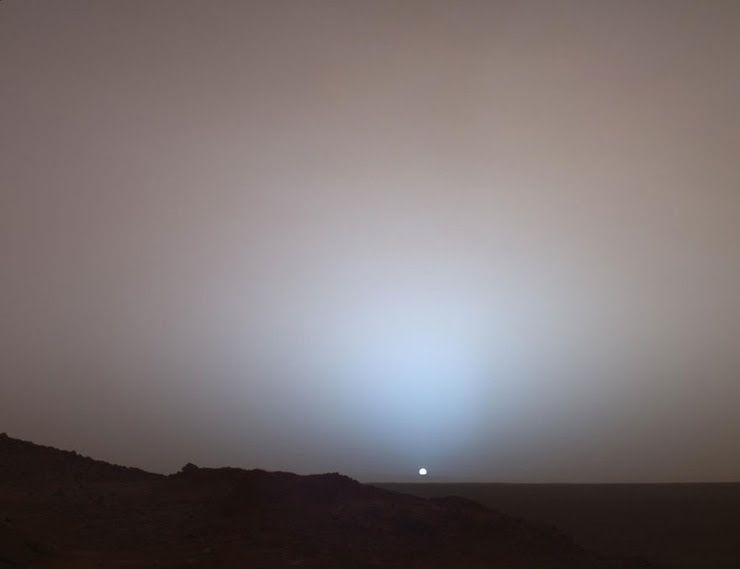
On May 19, 2005, NASA's Mars Exploration Rover Spirit captured this stunning view as the Sun sank below the rim of Gusev crater on Mars. This Panoramic Camera mosaic was taken around 6:07 in the evening of the rover's 489th Martian day, or sol.
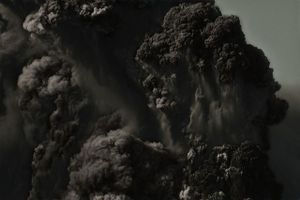
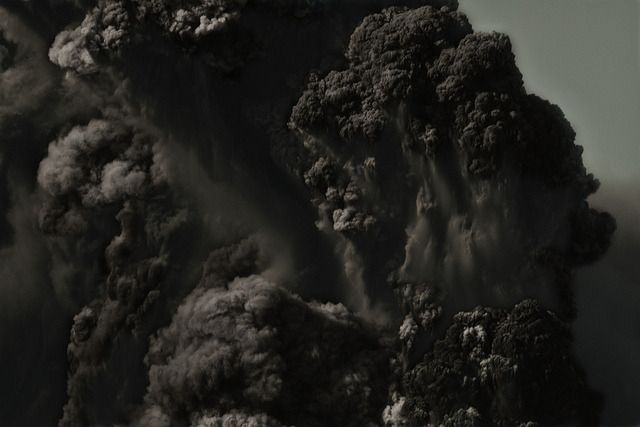
Sunset and twilight images are occasionally acquired by the science team to determine how high into the atmosphere the Martian dust extends, and to look for dust or ice clouds. Other images have shown that the twilight glow remains visible, but increasingly fainter, for up to two hours before sunrise or after sunset. The long Martian twilight (compared to Earth's) is caused by sunlight scattered around to the night side of the planet by abundant high altitude dust. Similar long twilights or extra-colorful sunrises and sunsets sometimes occur on Earth when tiny dust grains that are erupted from powerful volcanoes scatter light high in the atmosphere.
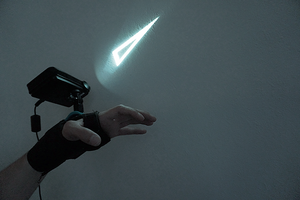
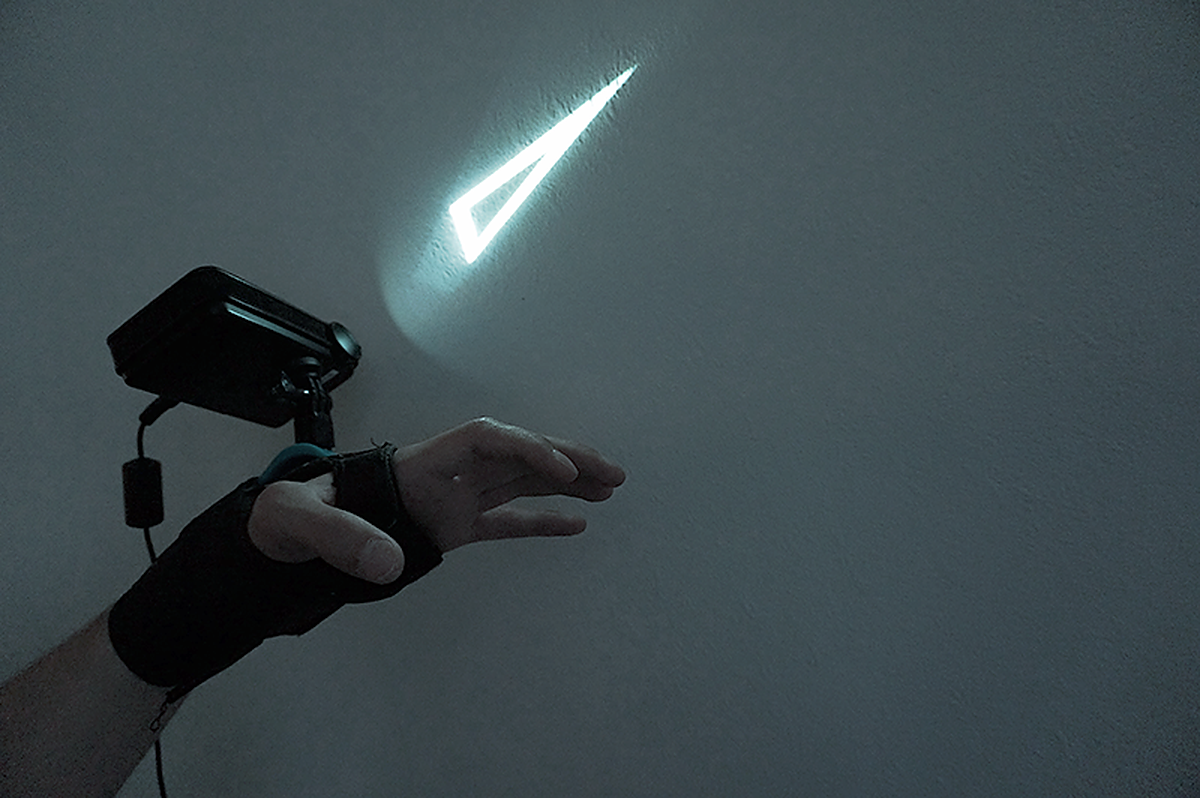
cf-12: _electronic.spellbook/ upgraded to 「 beamgun 」。
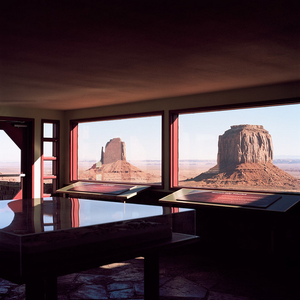
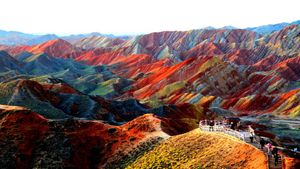
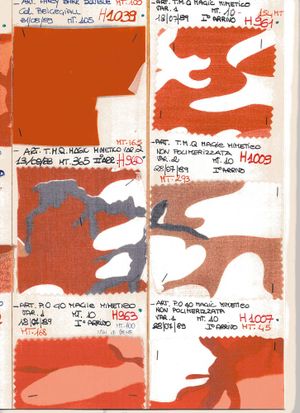
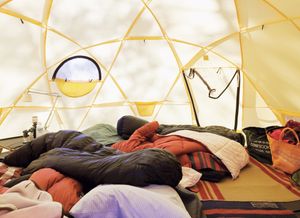
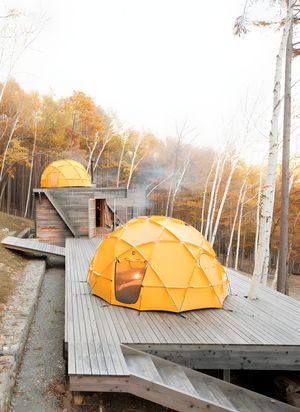
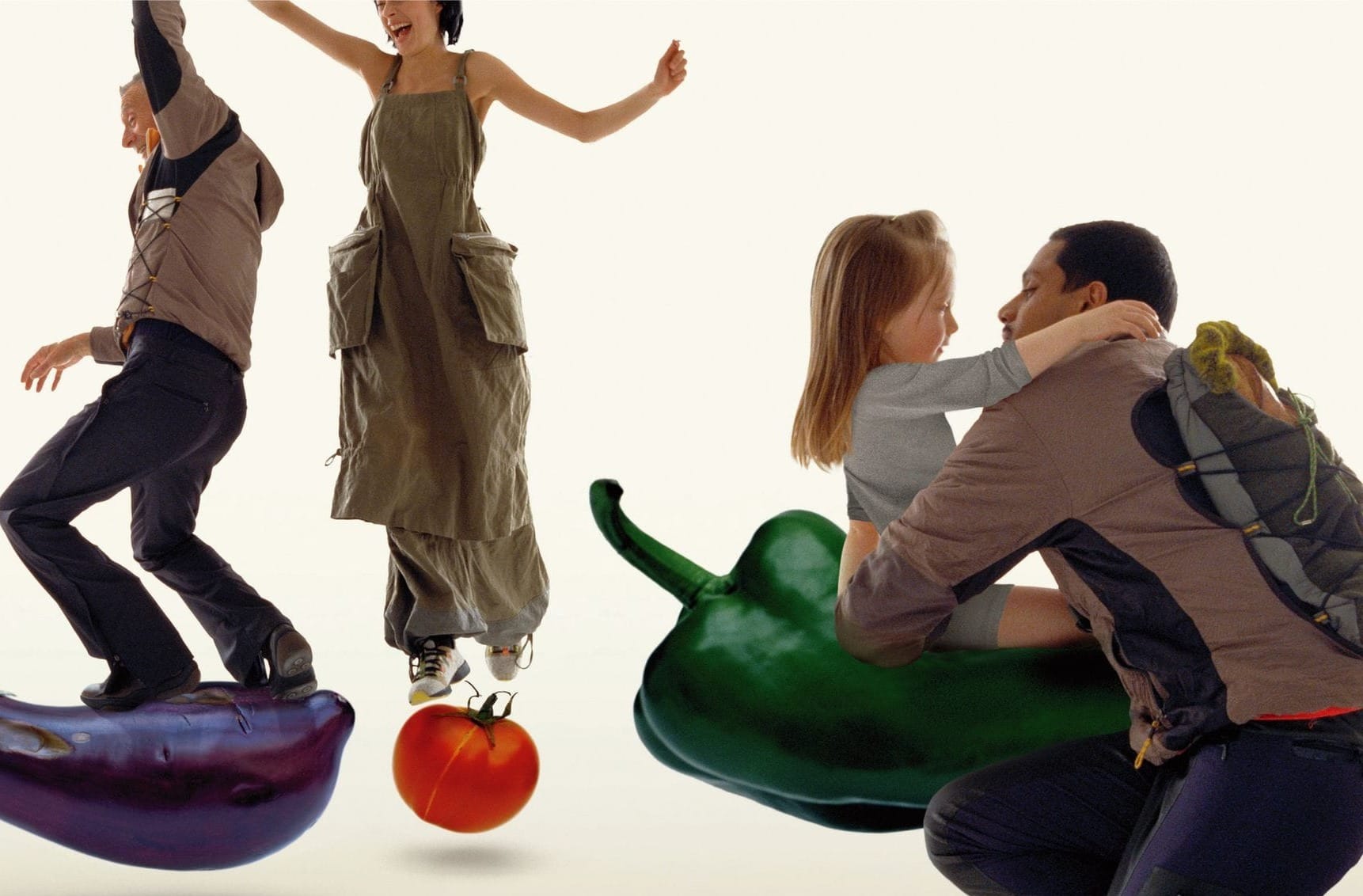
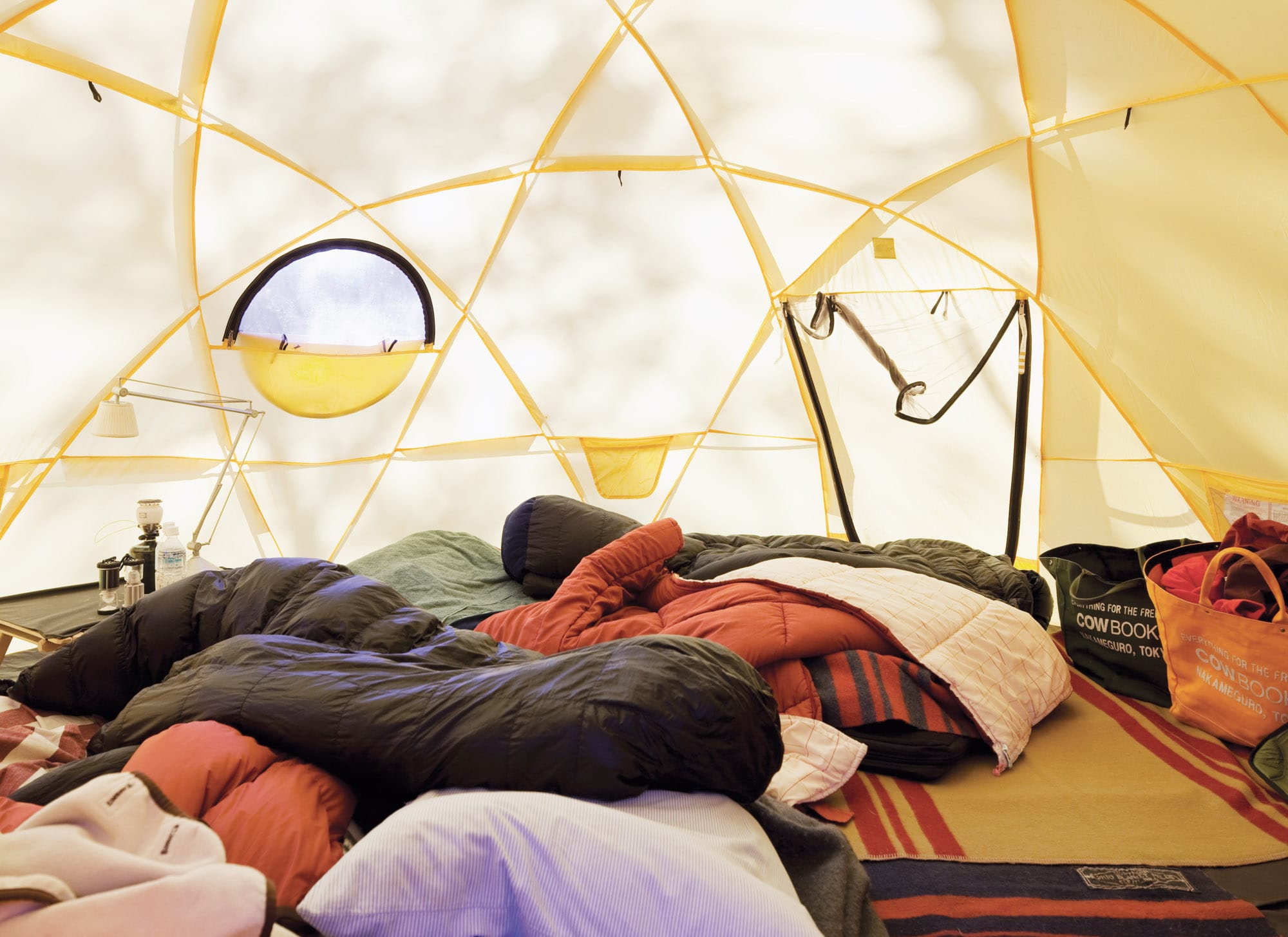
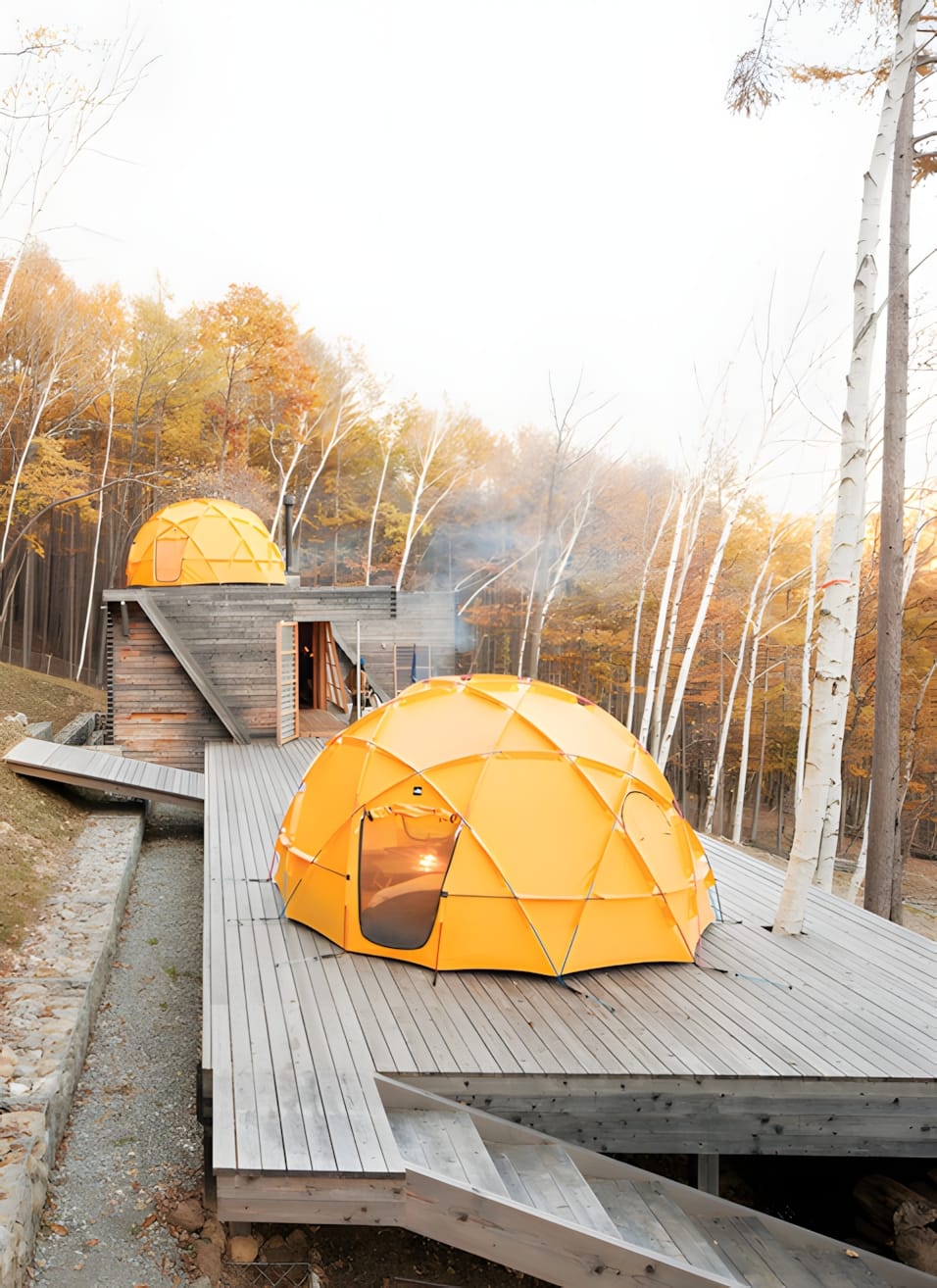
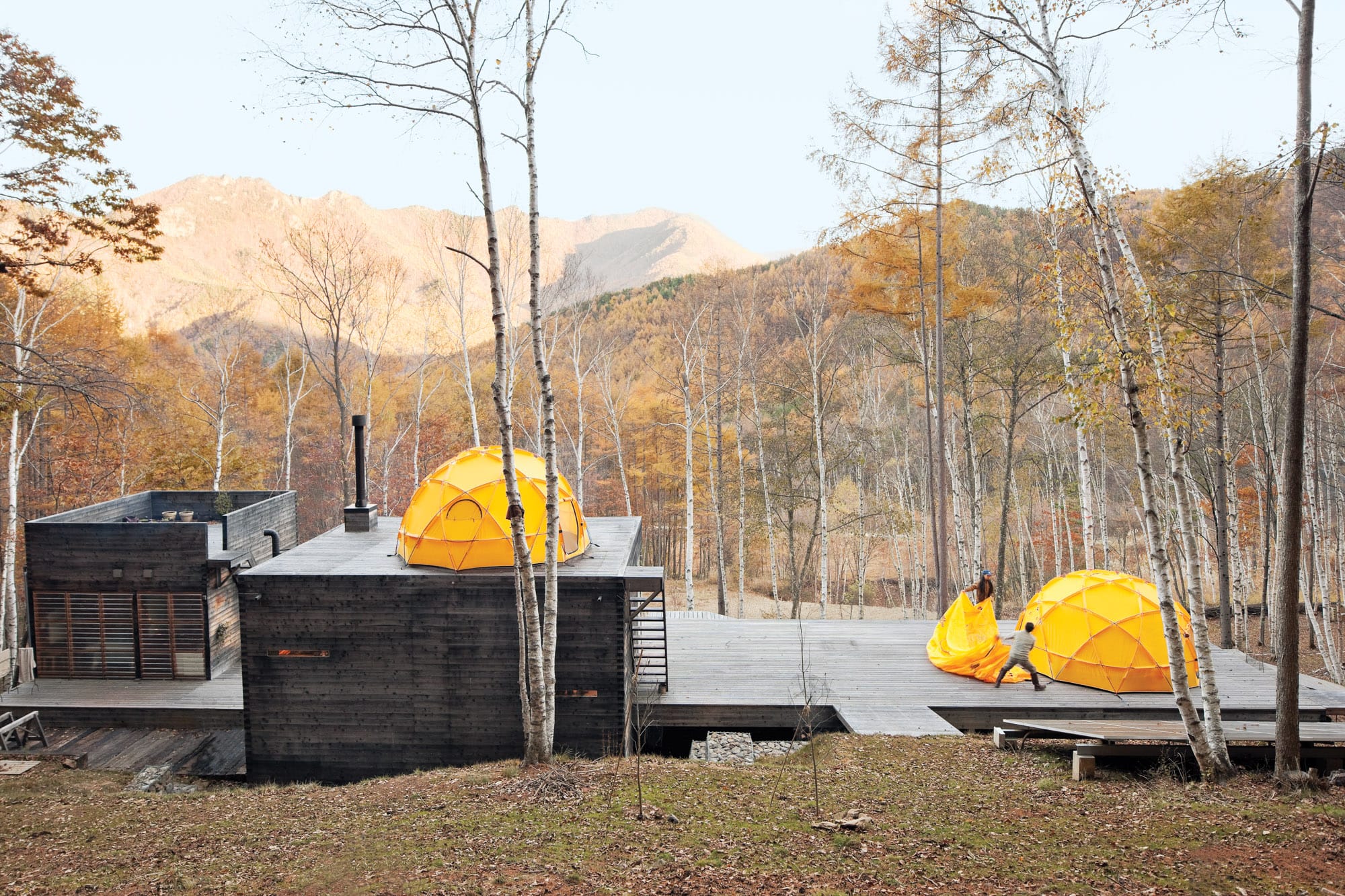
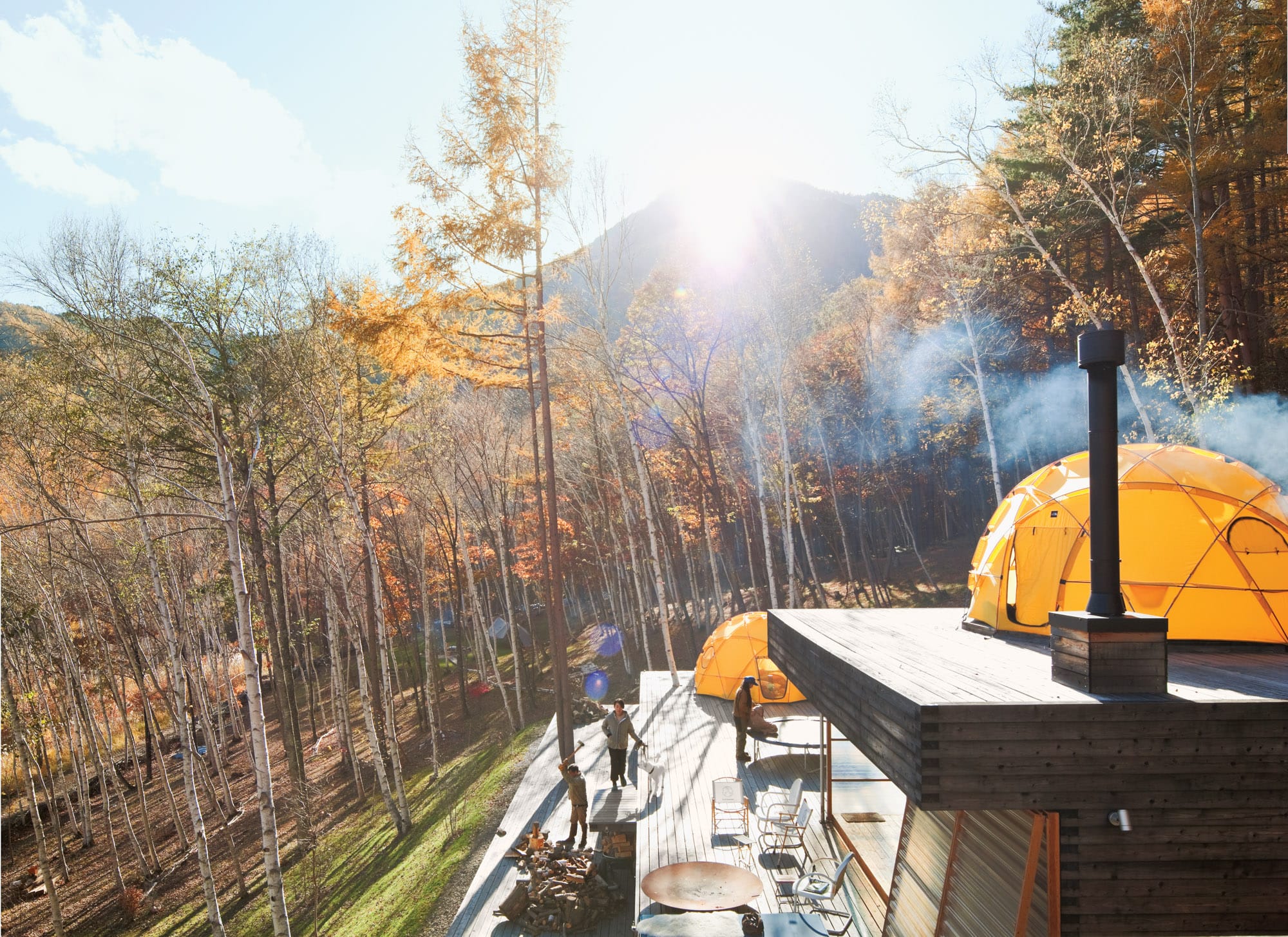
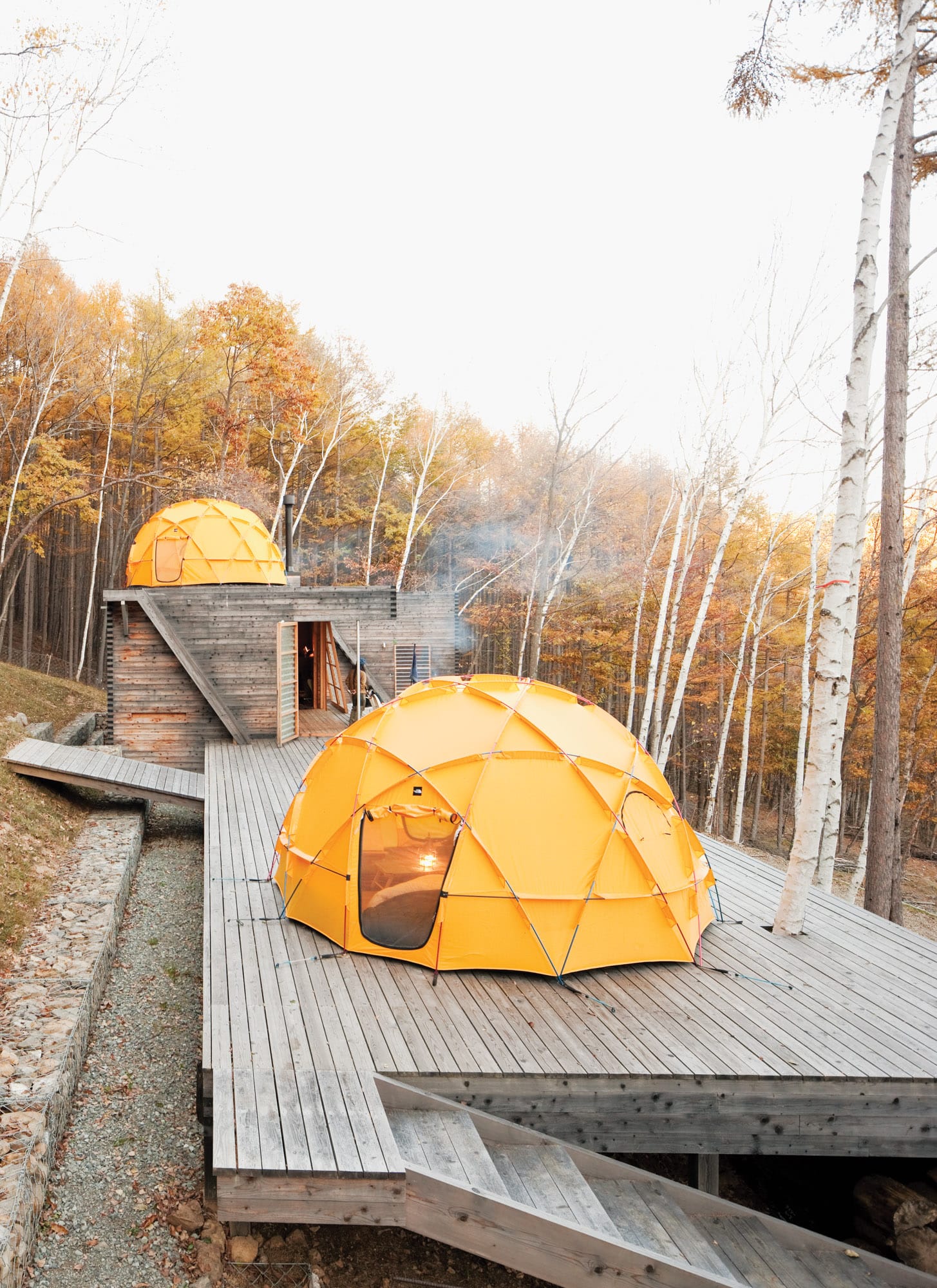
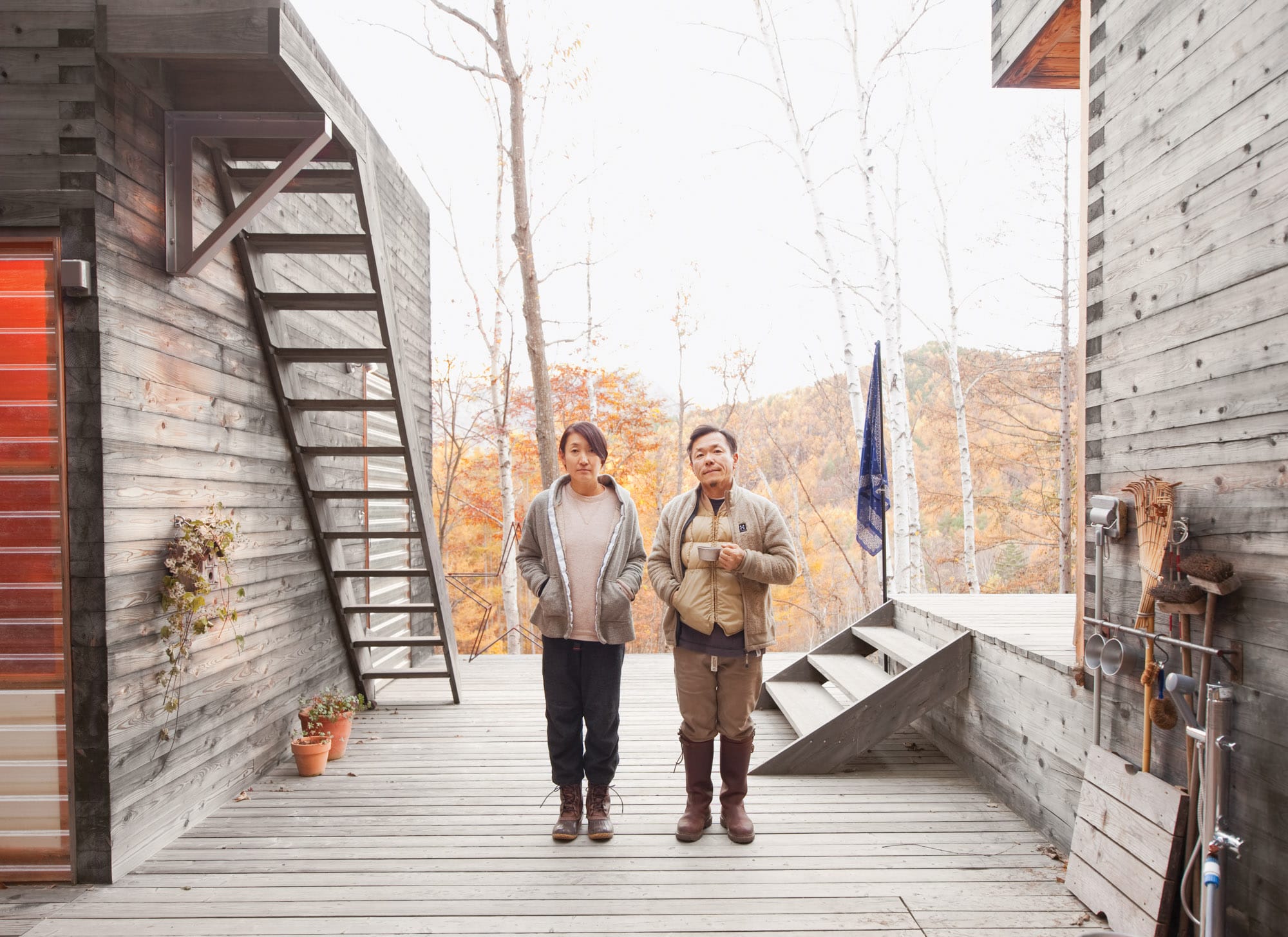
Designed by architect Shin Ohori of General Design for Setsumasa and Mami Kobayashi, founders of General Research. Located in the Chichibu mountain range northwest of Tokyo, the site serves as both a personal weekend shelter and a field-testing ground for product development.
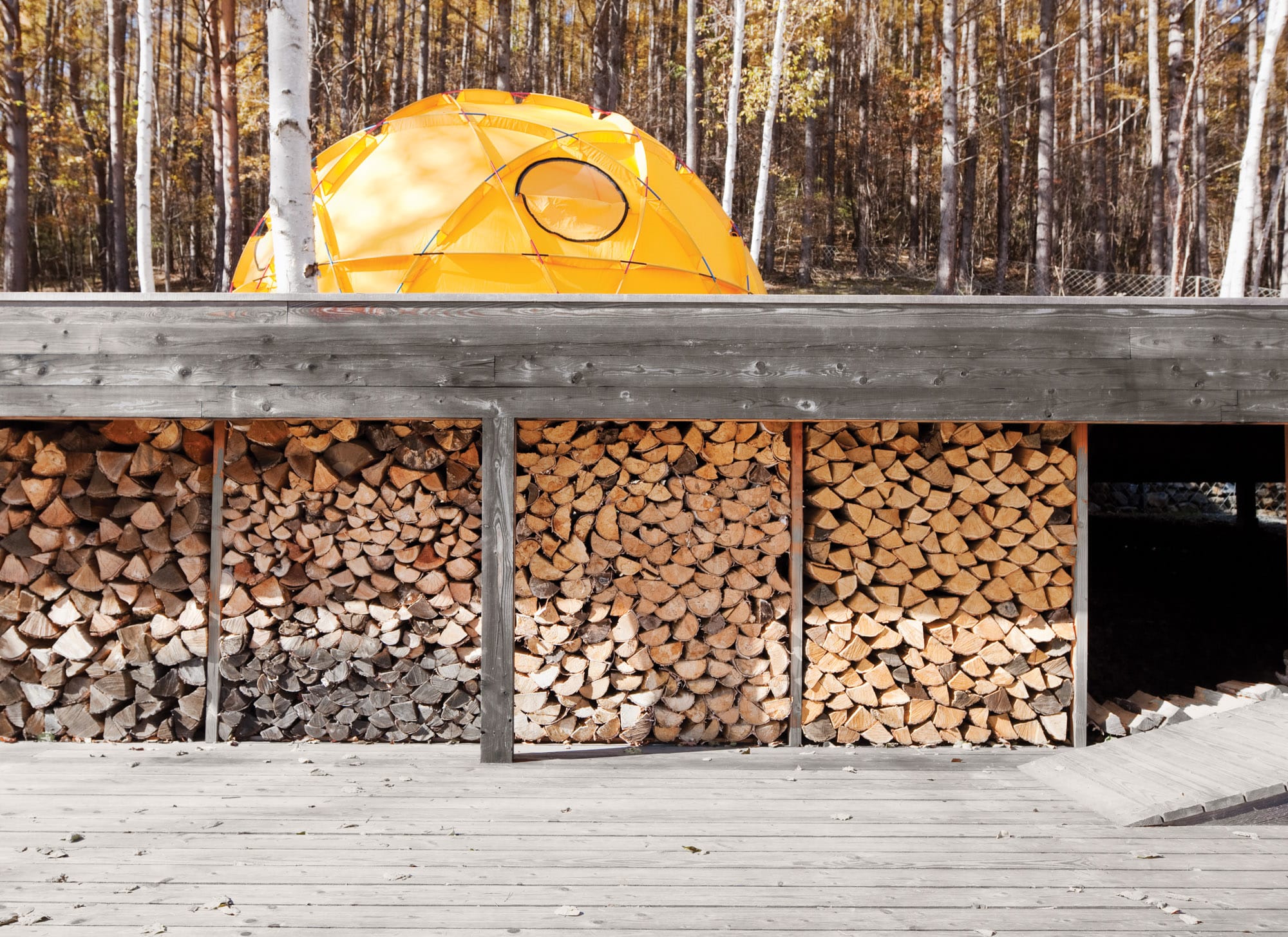
The structure is built on an elevated platform using locally harvested larch wood and features removable walls made from fiber-reinforced plastic. It includes two yellow dome tents used as permanent sleeping areas—one placed on a secondary deck and the other on the roof of the main volume. The central enclosed space houses a kitchen and dining area.
The shelter is equipped with electricity, hot water, internet access, and basic amenities, including a clawfoot bathtub. The location is remote but accessible, allowing the Kobayashis to engage in maintenance tasks and outdoor work while still performing professional duties remotely. The architecture is intentionally simple and functional, emphasizing modularity, environmental responsiveness, and a hybrid of modernist design with primitive outdoor living elements.
The project operates as a live-in testing platform for lifestyle and gear integration in a real-world setting, merging domestic space with performance wear prototyping. It represents an approach to architecture and living that prioritizes adaptability, utility, and a direct relationship with the natural environment.
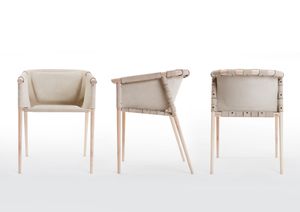
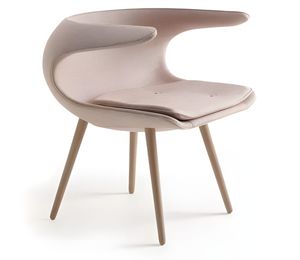
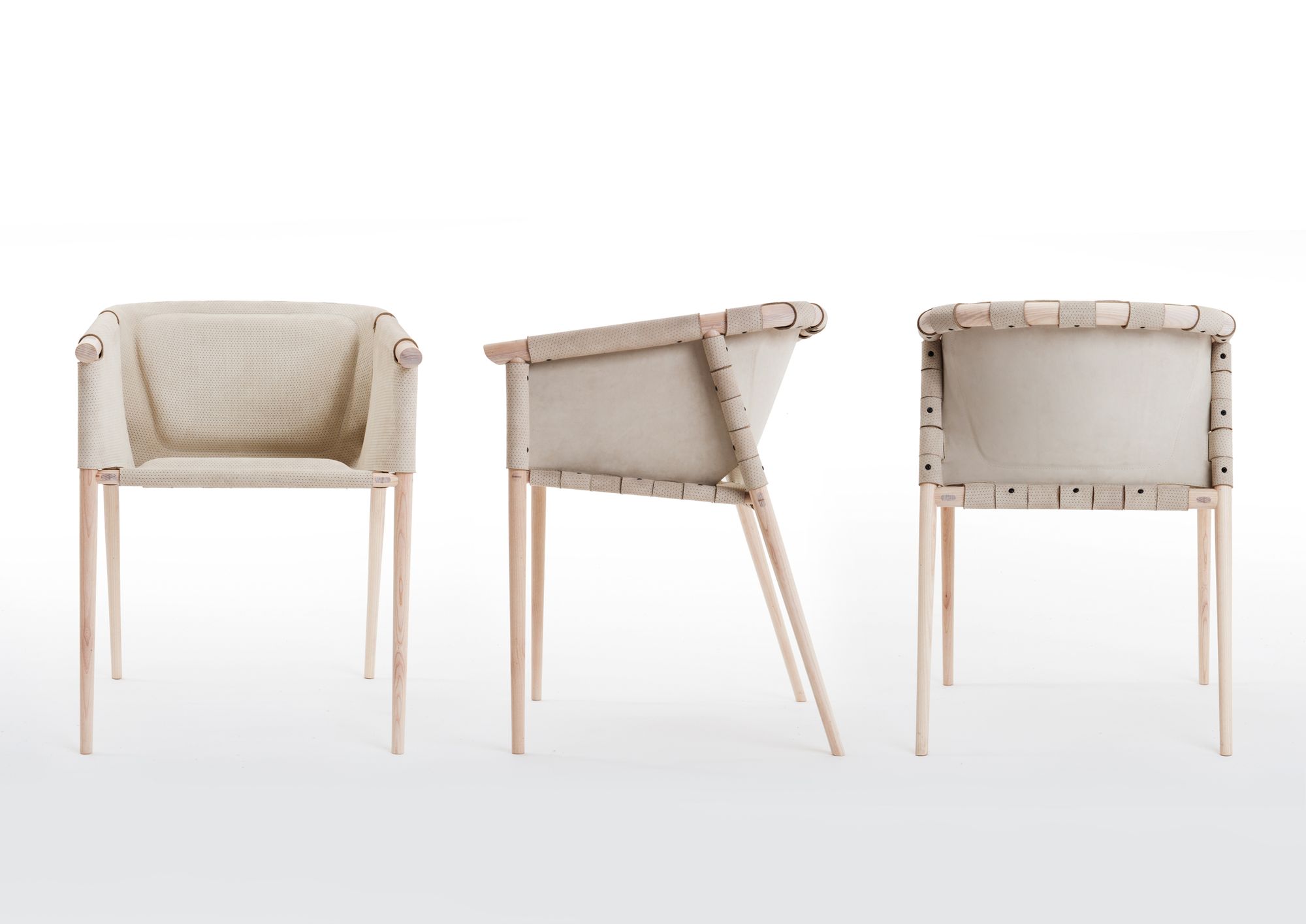
The Cargo Chair, manufactured by portuguese brand De La Espada, designed by Benjamin Hubert
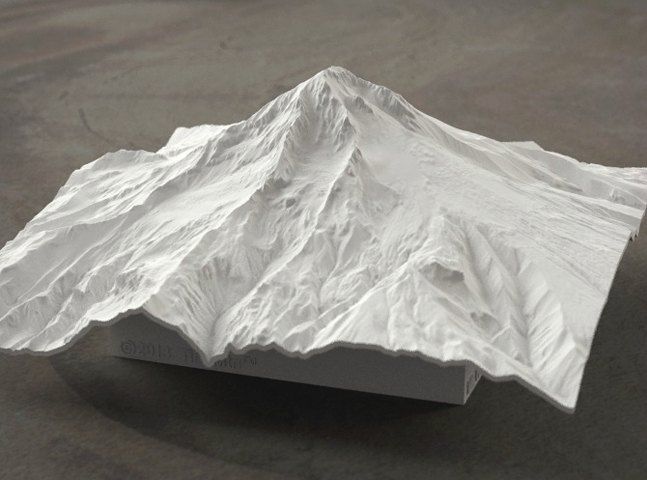
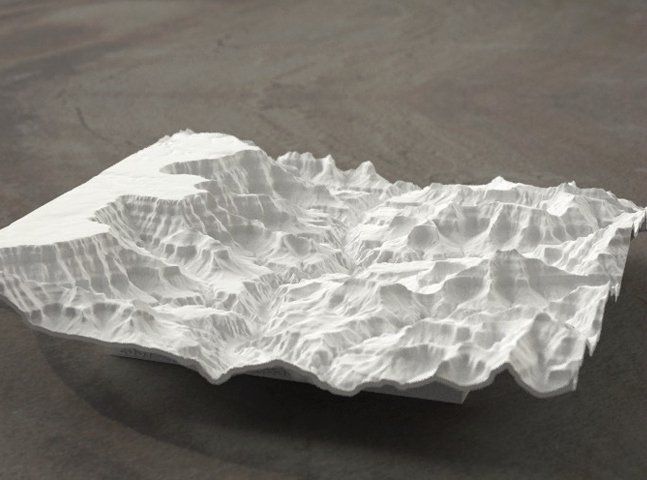
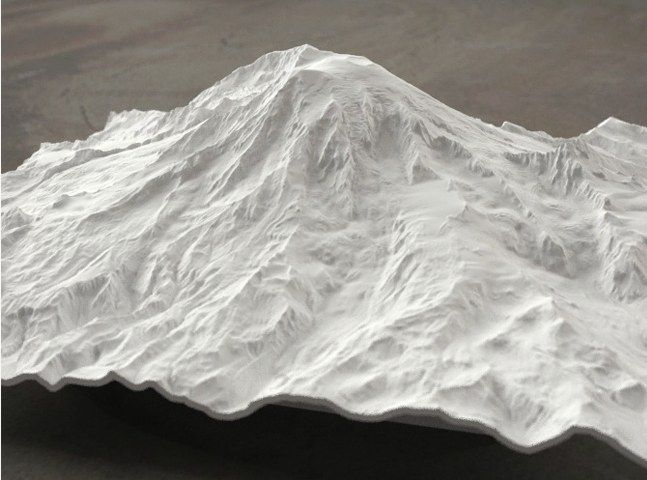
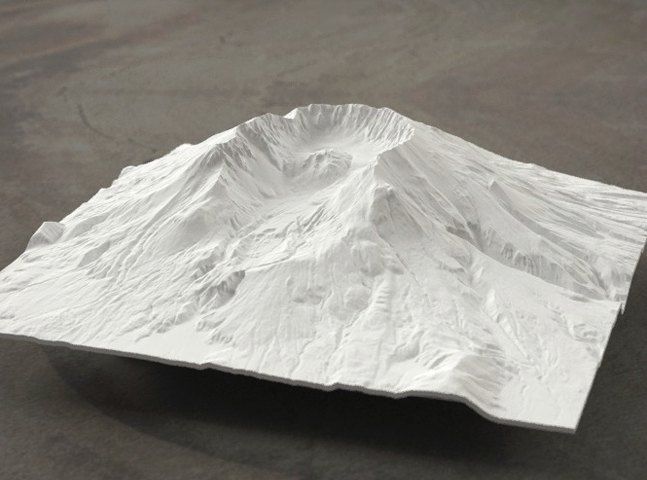
TinyMtn crafts 3D-printed mini sculptures of some of the most storied peaks and valleys in the United States. Whether you want to remember the time you backpacked through Yosemite or peered over the edge of the Grand Canyon, TinyMtn offers a bit of a topographic reminder. Each comes on a small stand with the name, peak, and coordinates displayed, and makes for an ideal piece of art for the adventurer at heart.
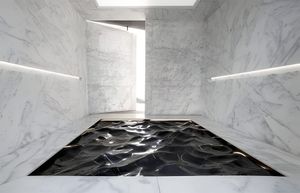
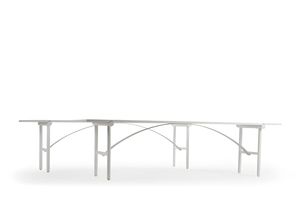
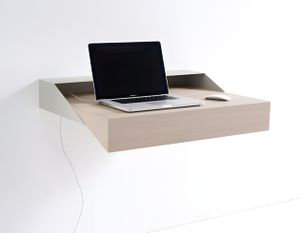
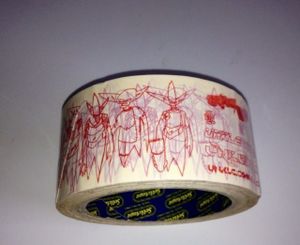
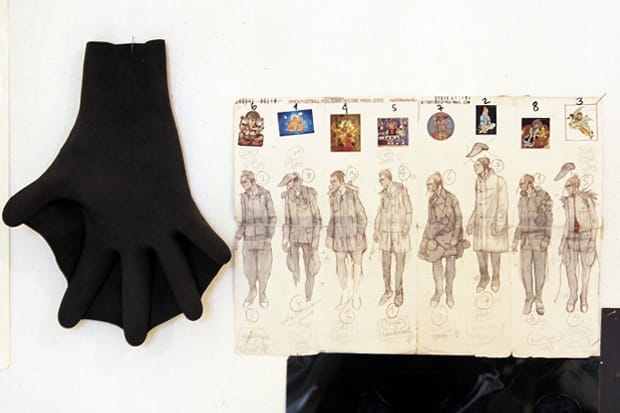
Work by Aitor Throup, a British artist and designer who develops clothing and figures through drawing. His ink-and-wash figures include the project 'When Football Hooligans Become Hindu Gods'.
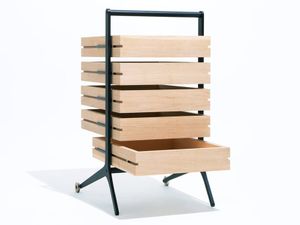
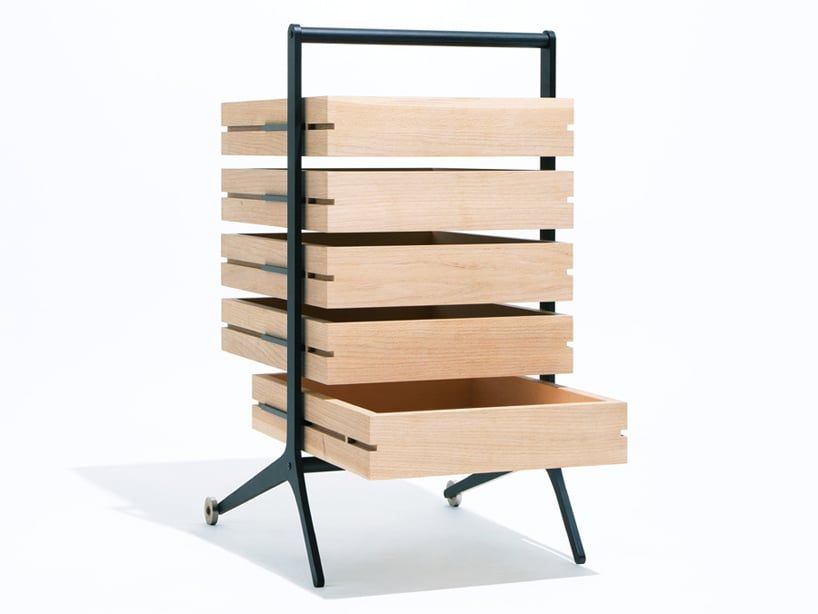
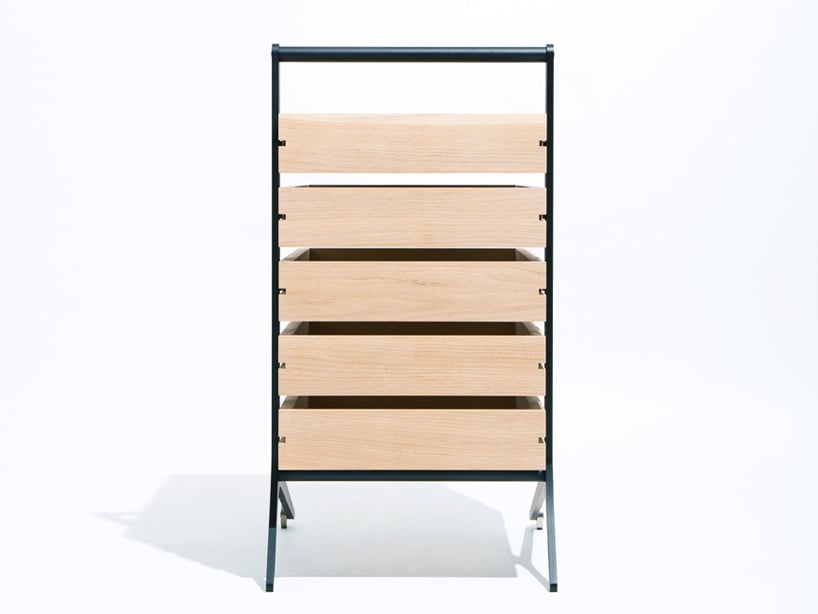
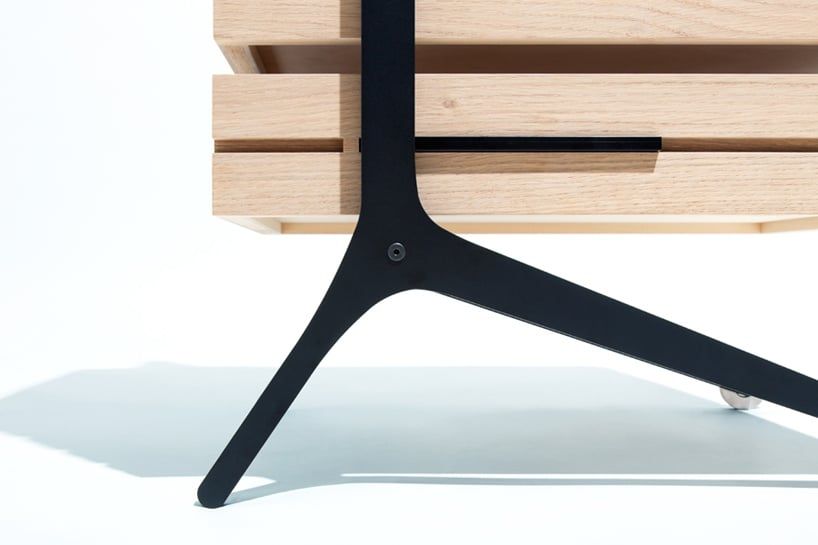
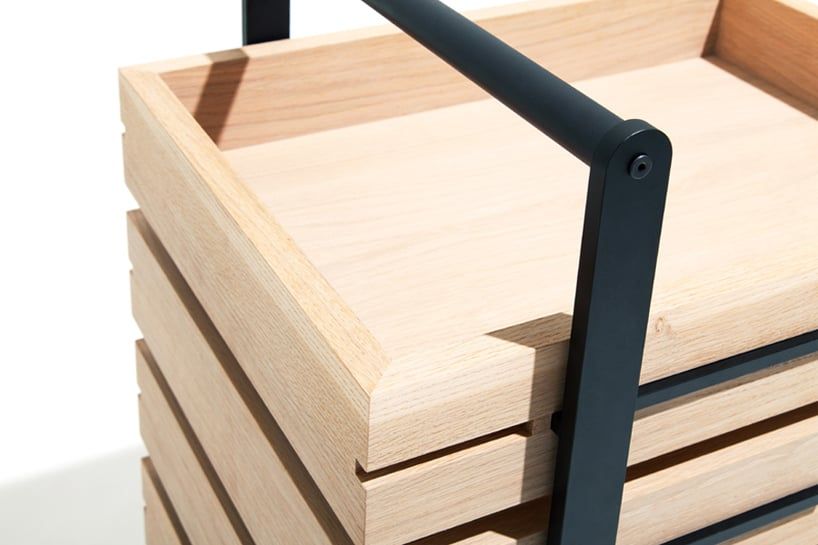
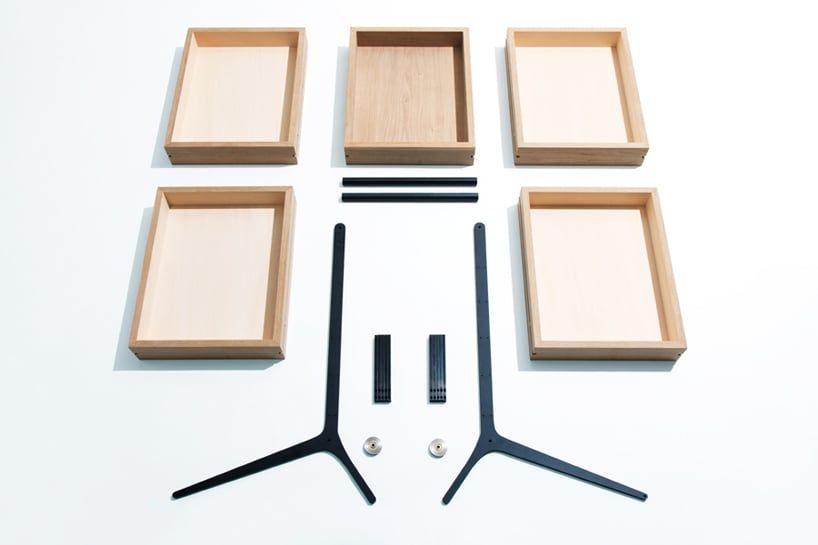
"Bon Drawer" is a set of stacked oak veneer boxes which sit within a light metal frame on wheels, making the storage unit easy to move around. designed by keiji ashizawa, the furniture piece’s five trays can each be fully removed from the structure to become display boxes, revealing and offering easier access to the objects inside.
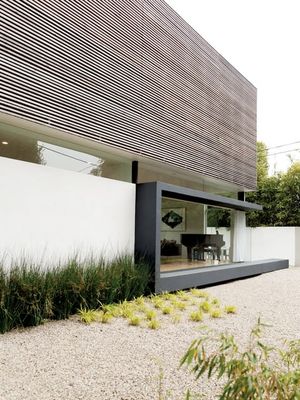
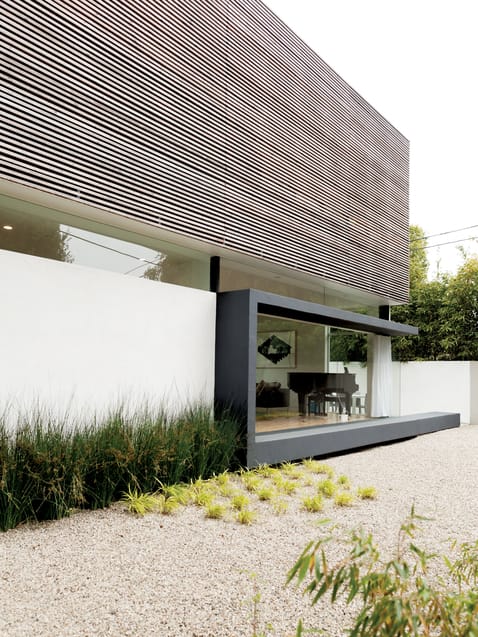
A residence by Lee + Mundwiler Architects, organised as a folded, ribbon-like volume that wraps living spaces around a courtyard, with an angular exterior of clean planes.
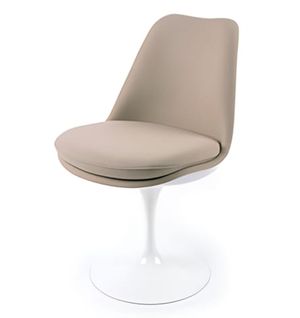
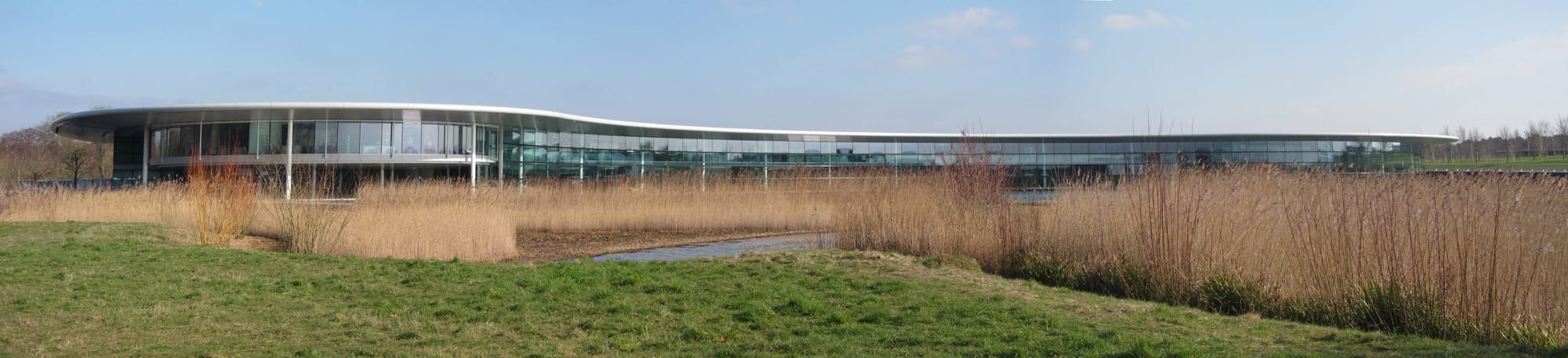
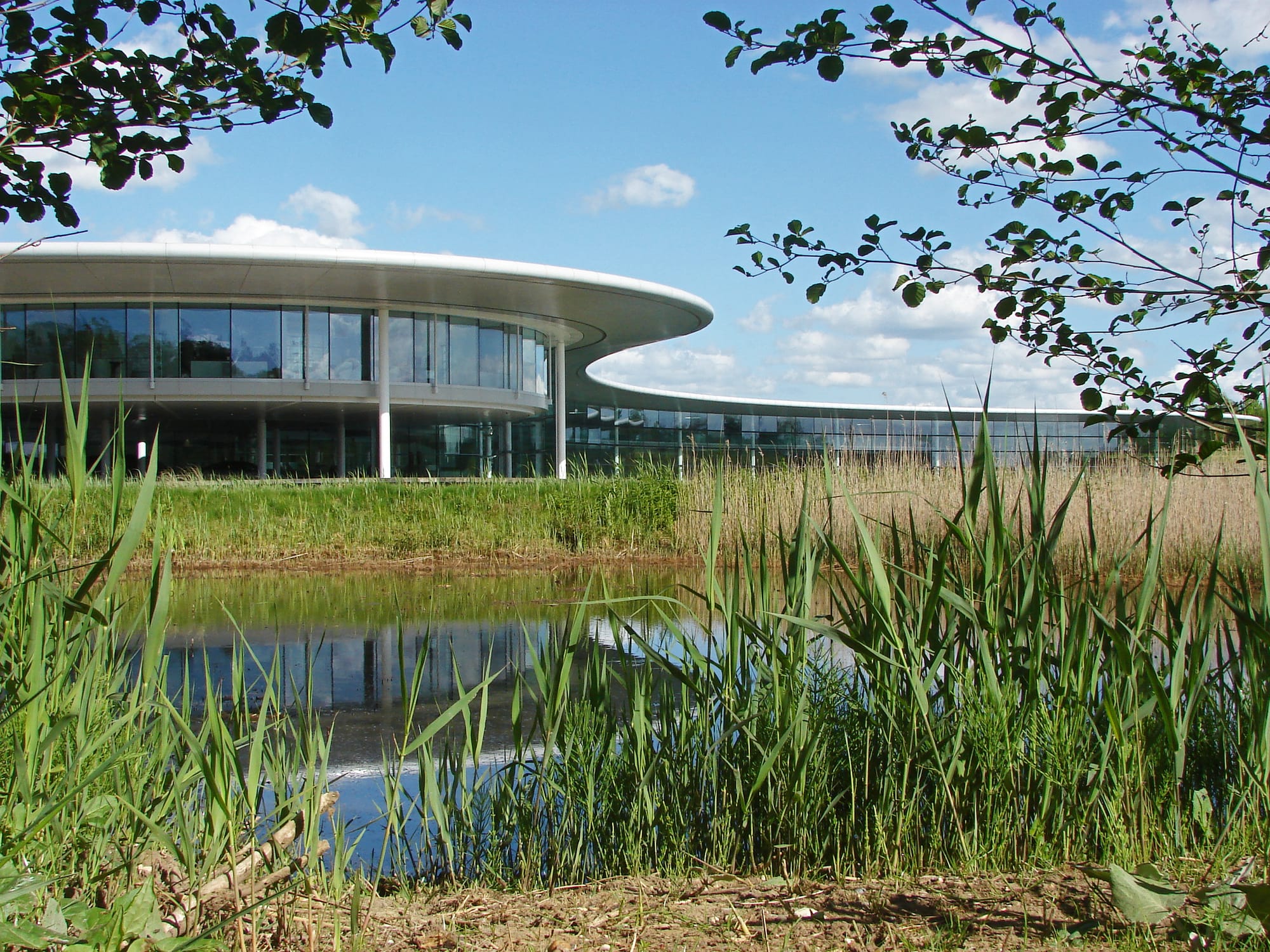
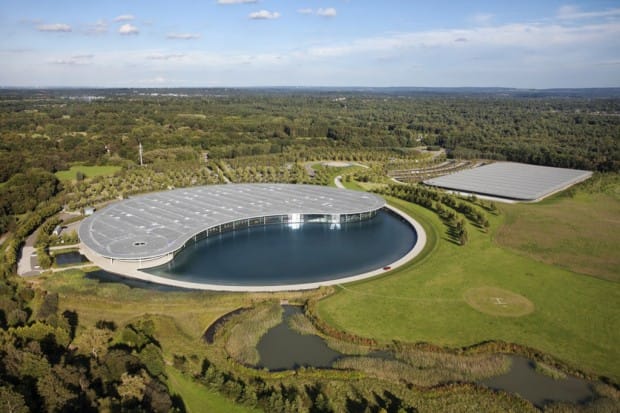
The McLaren Technology Centre in Woking, Surrey, headquarters of the McLaren Group, by Foster + Partners, completed 2004. In plan it is a semicircle completed by a lake, which feeds the building's cooling and wind-tunnel systems. A continuous curved glass wall fronts a grid of exposed structure and services. The adjacent McLaren Production Centre shares its language.