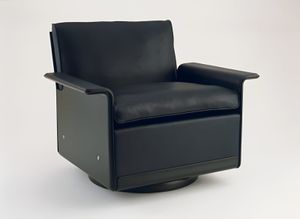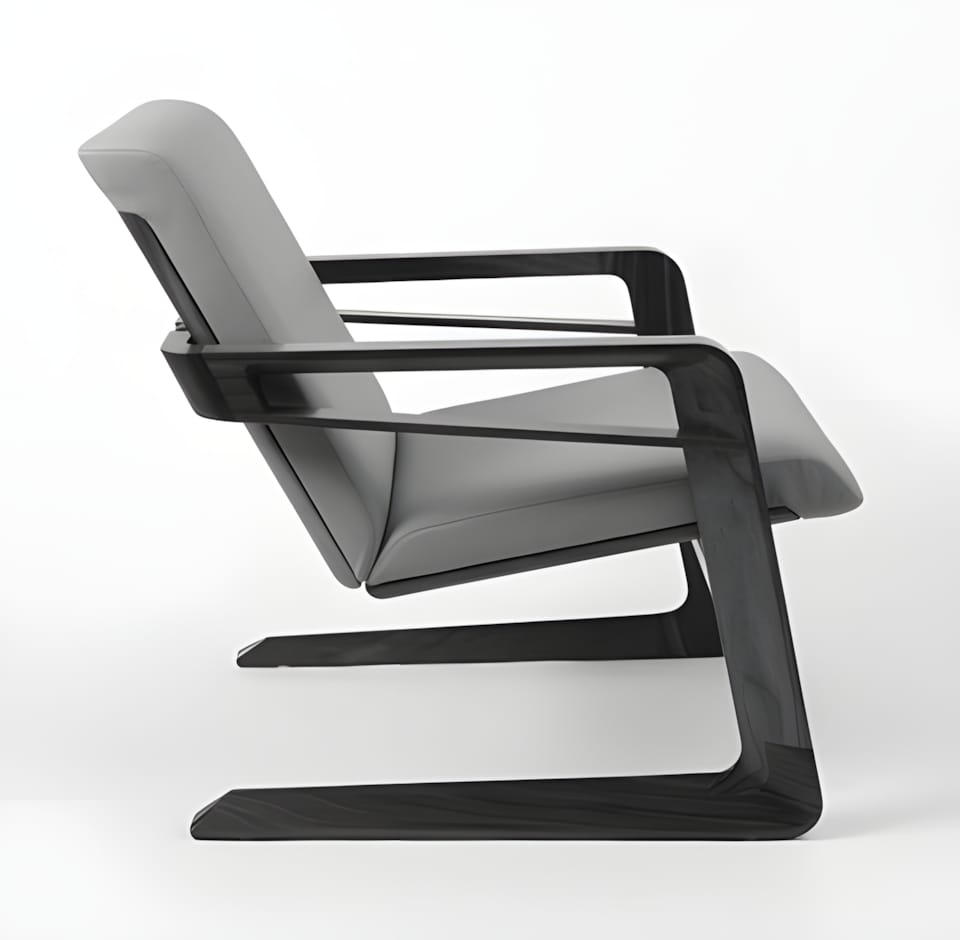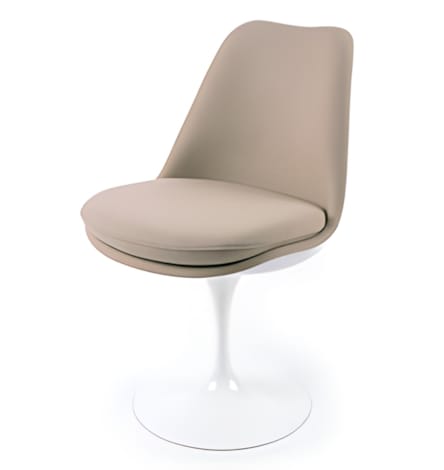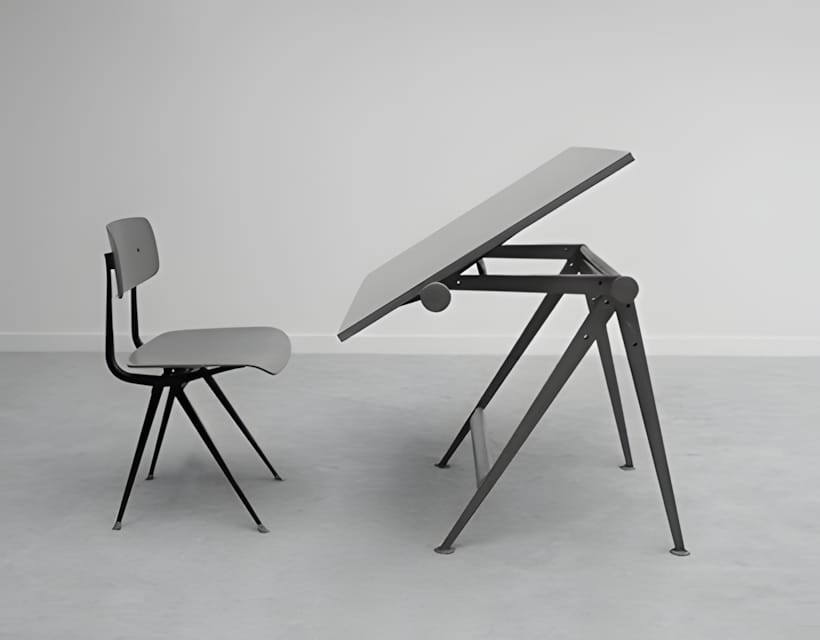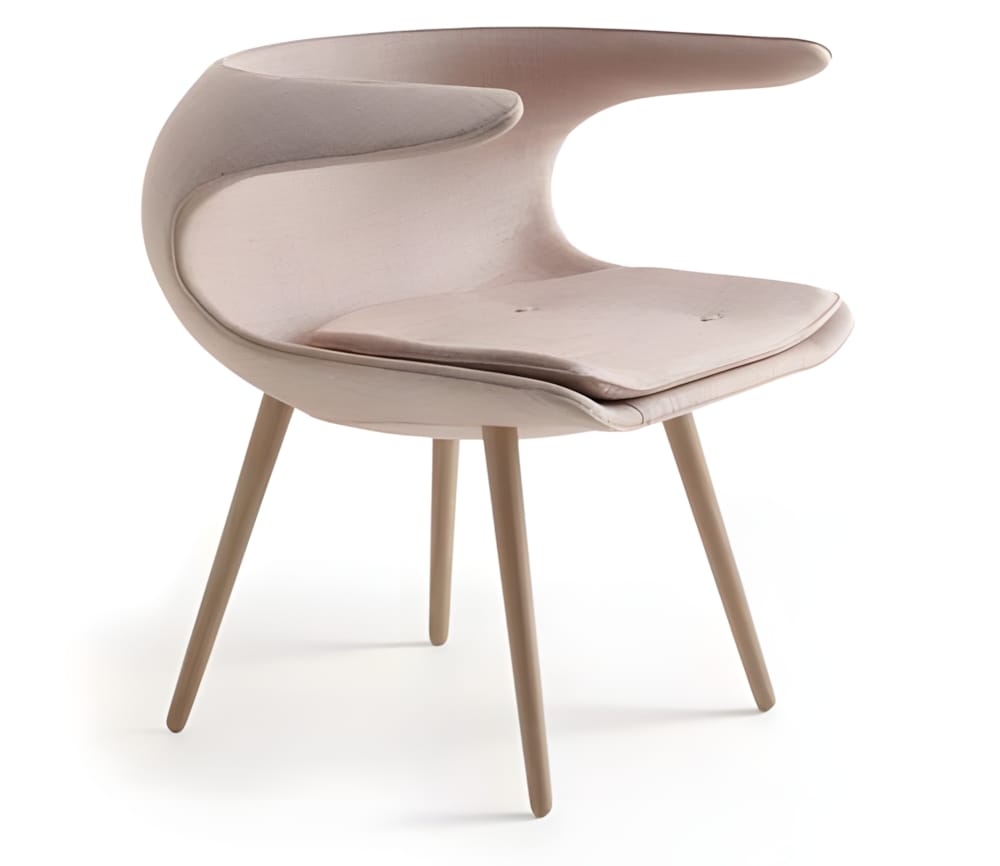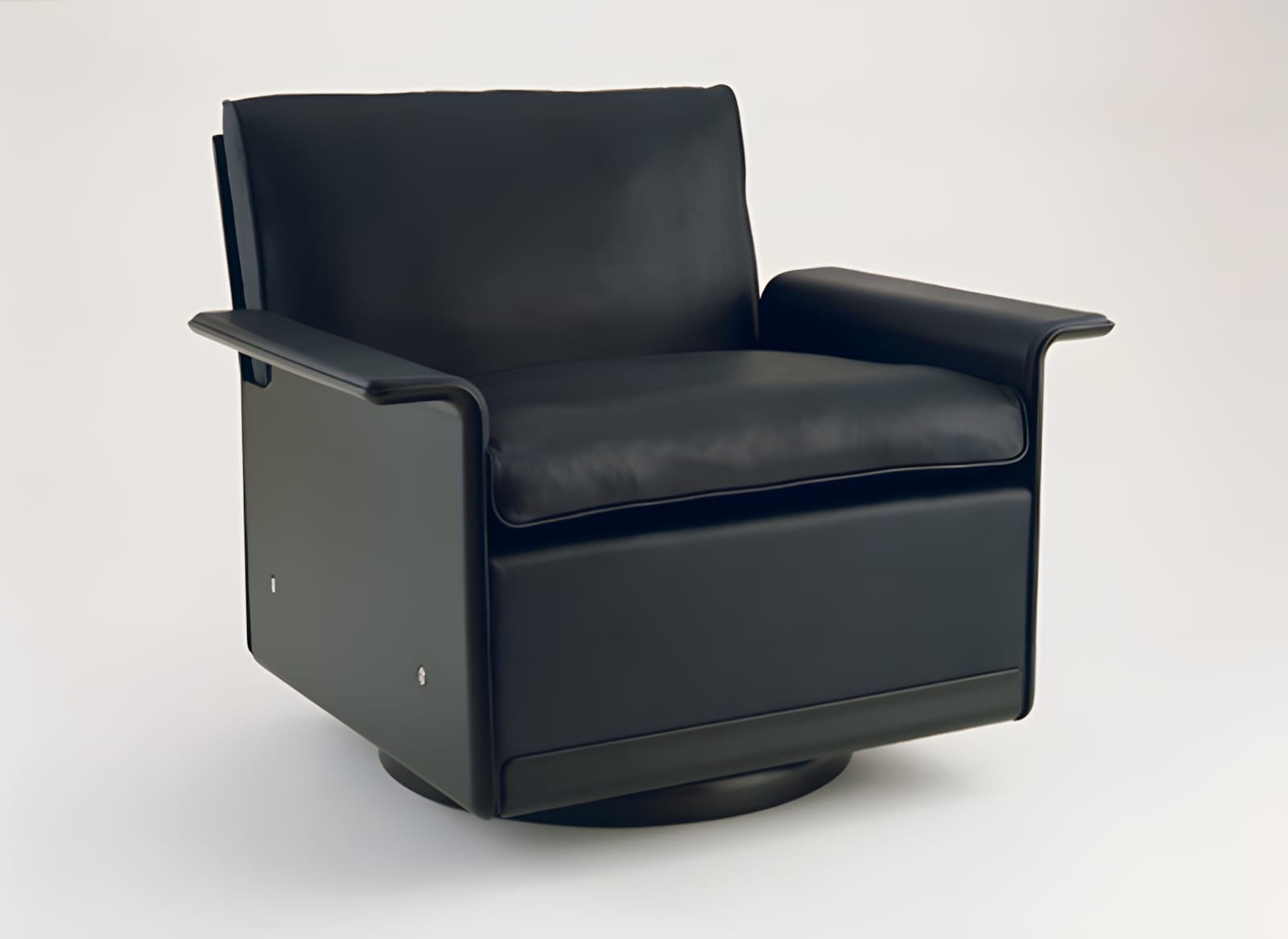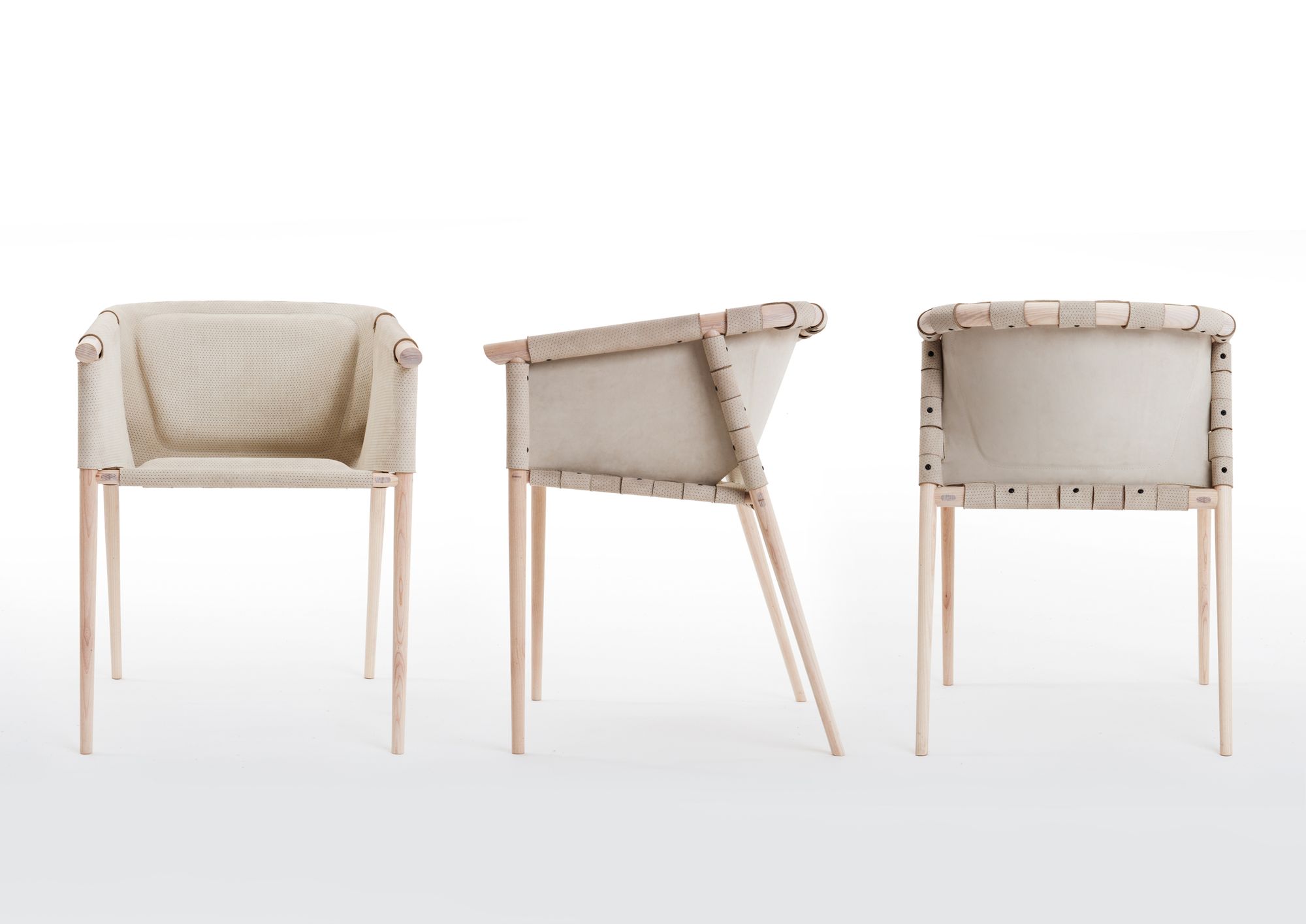
Cargo Chair by Benjamin Hubert
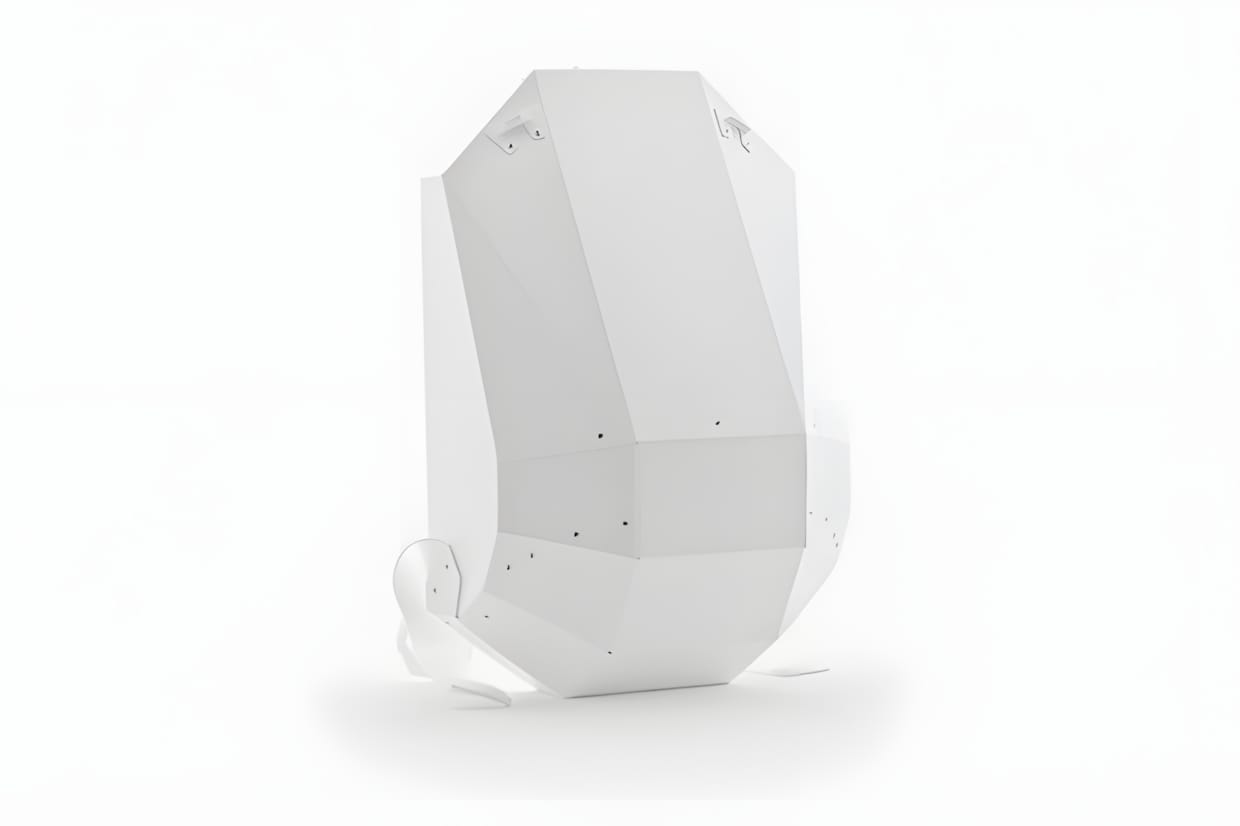
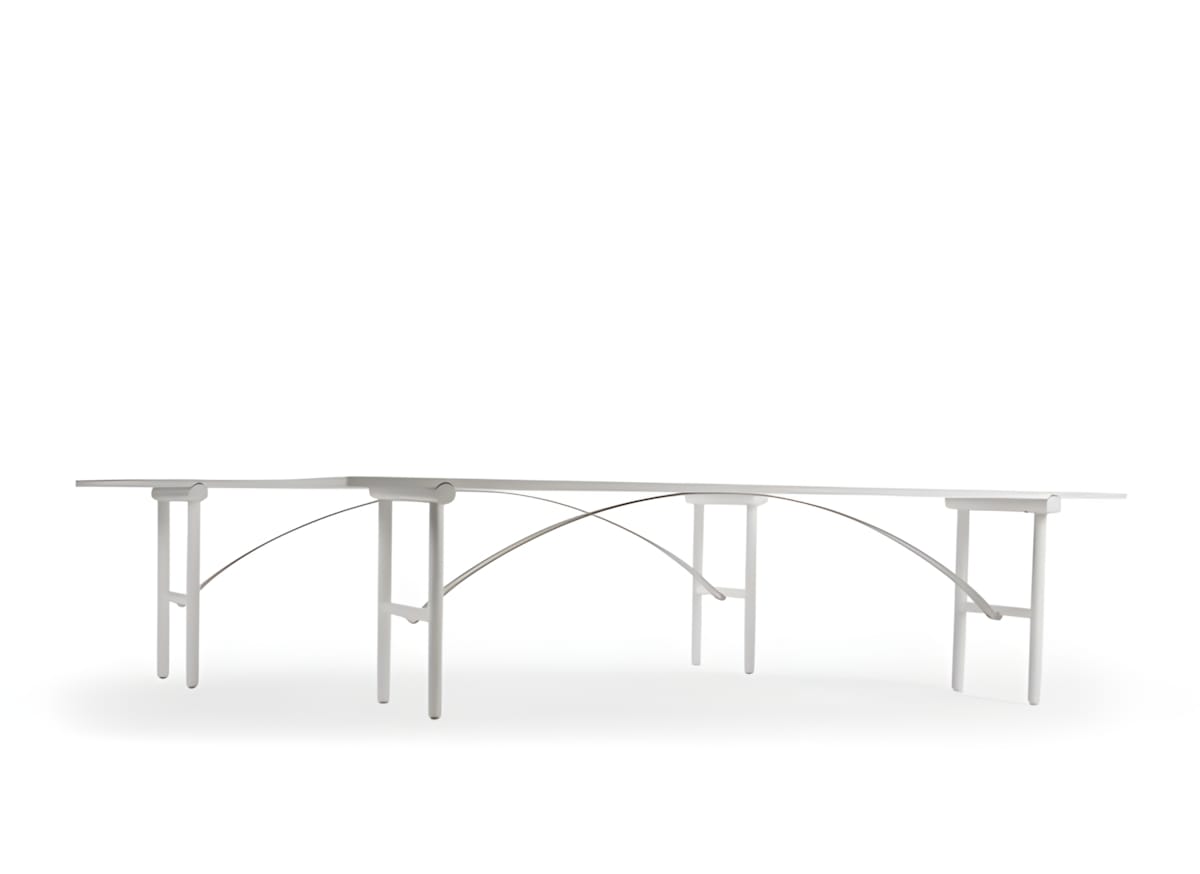
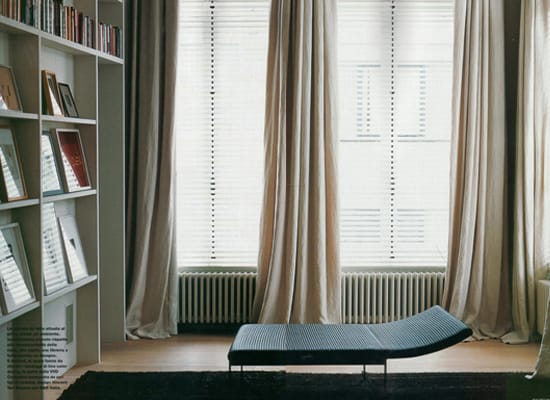
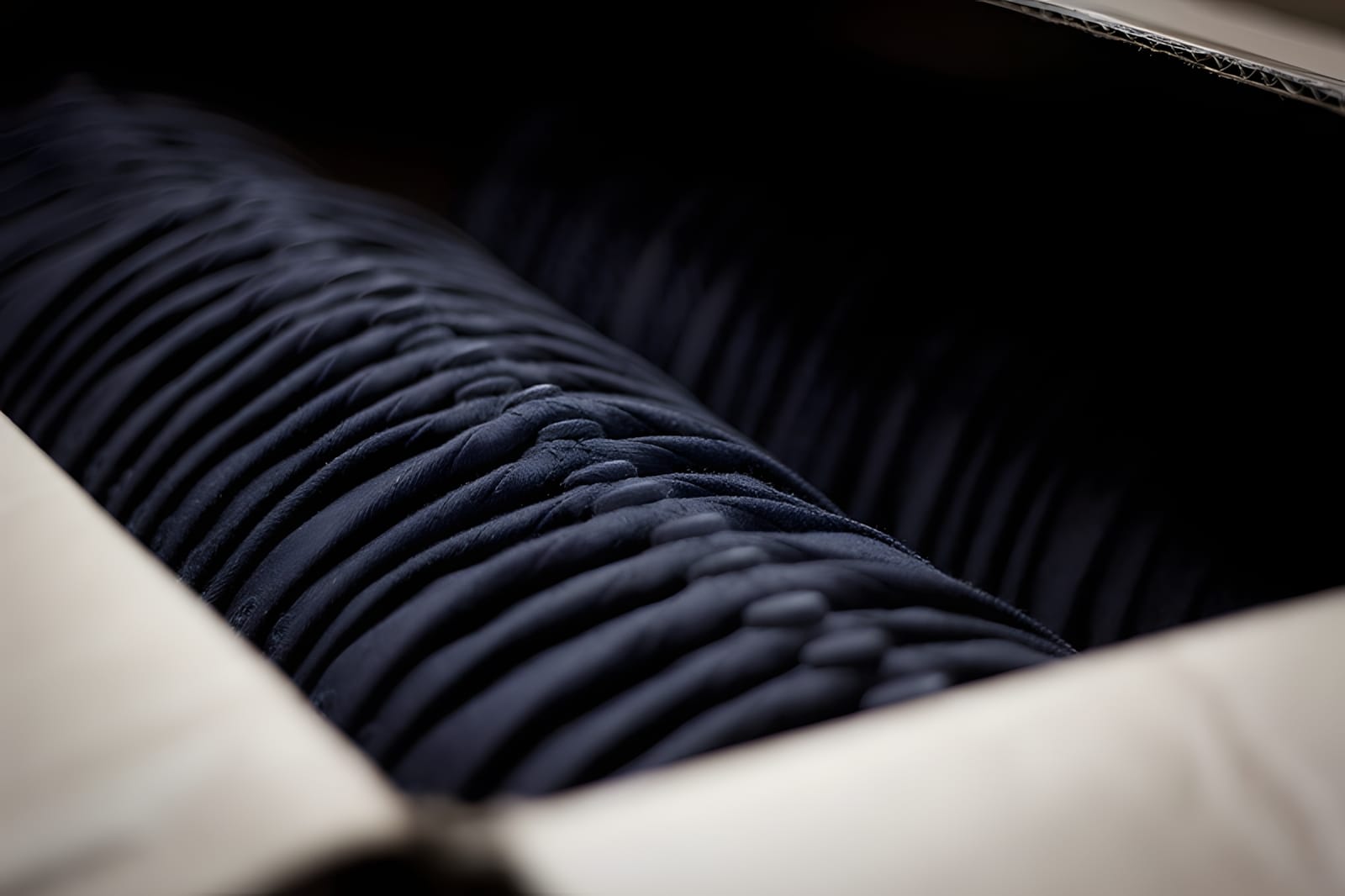
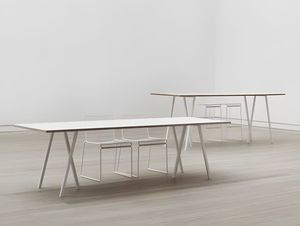
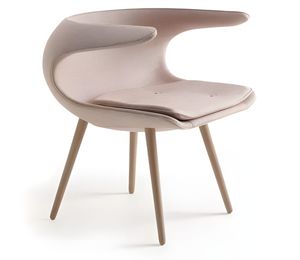
The Cargo Chair, manufactured by portuguese brand De La Espada, designed by Benjamin Hubert
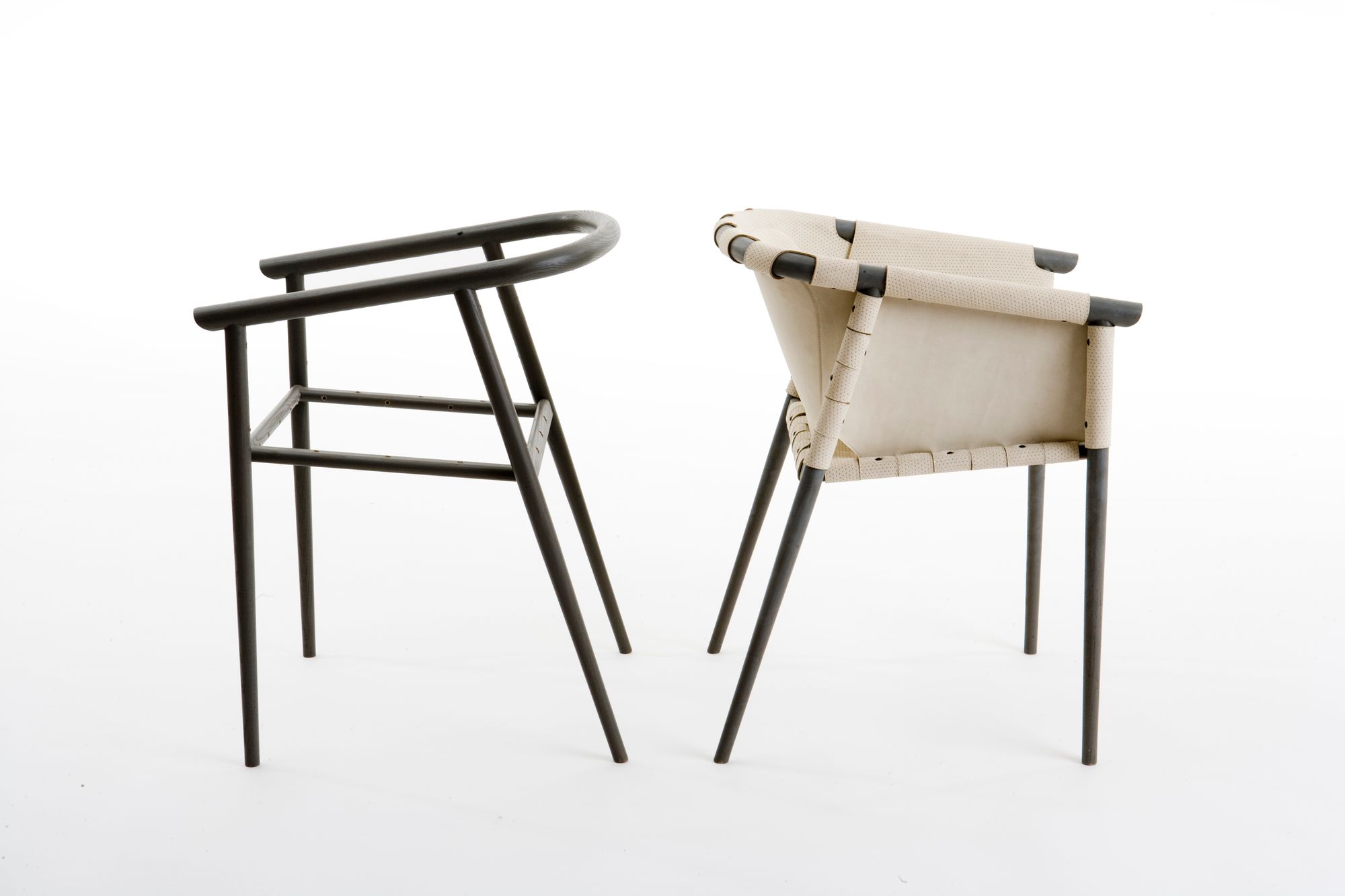
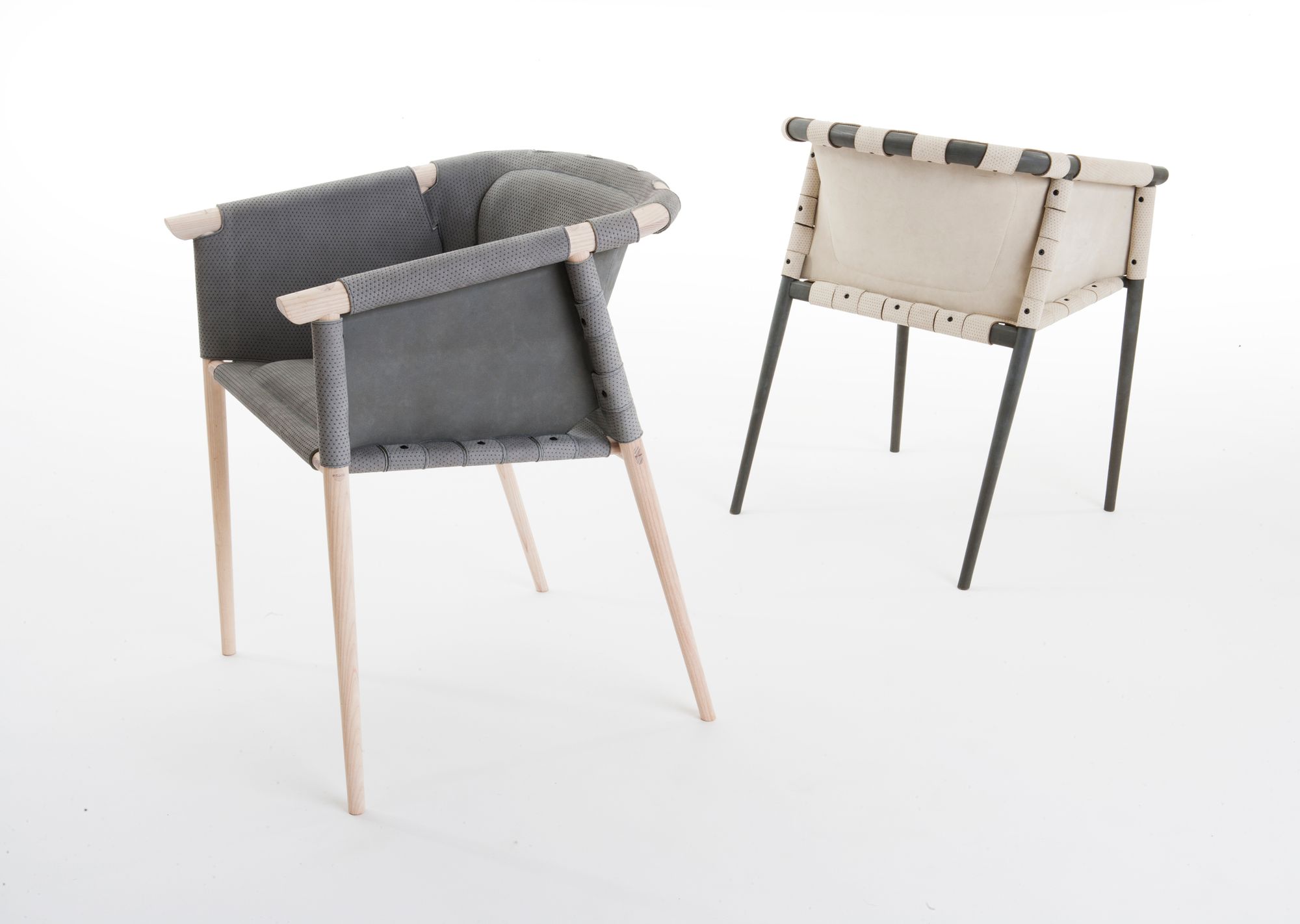
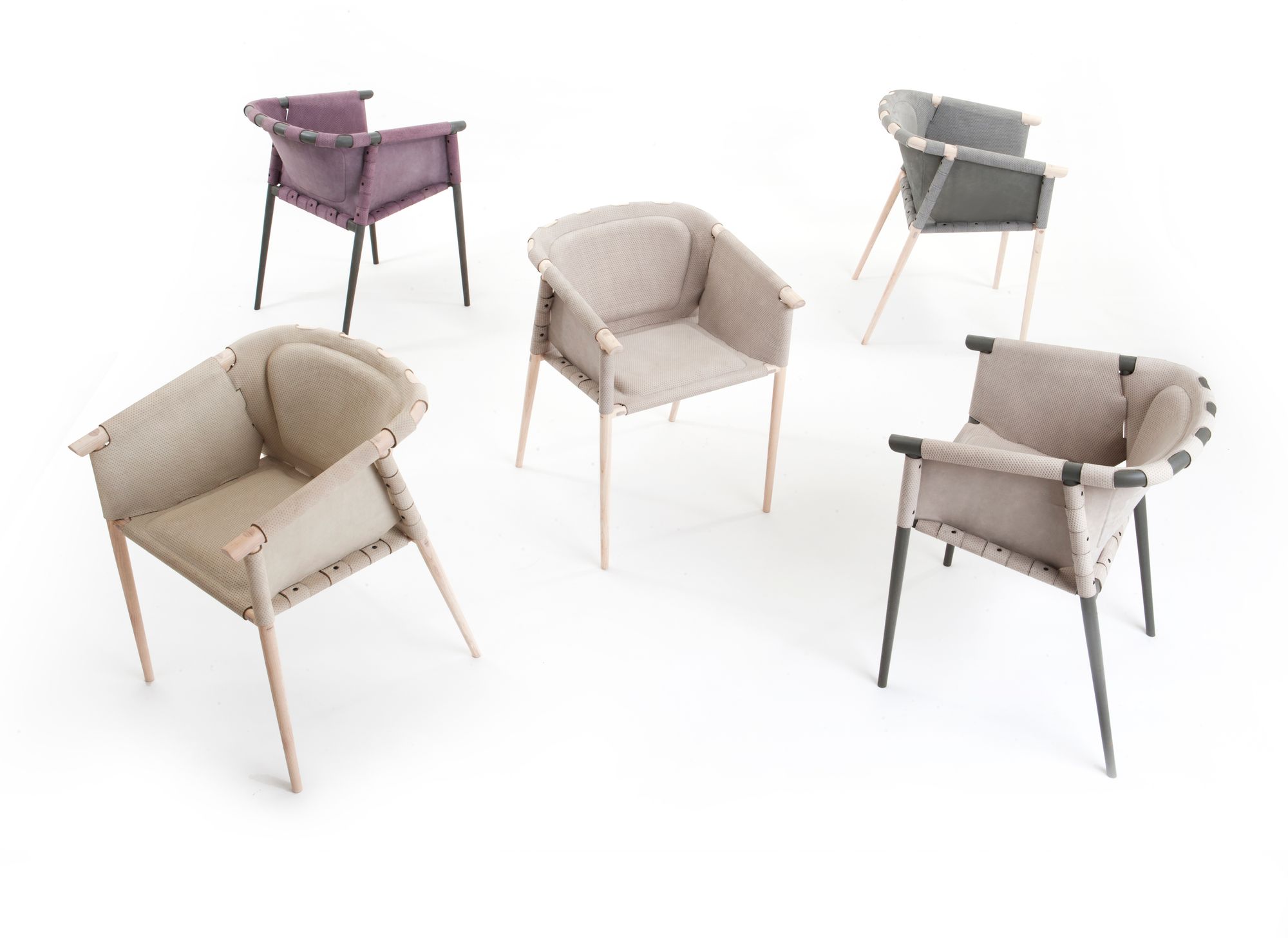
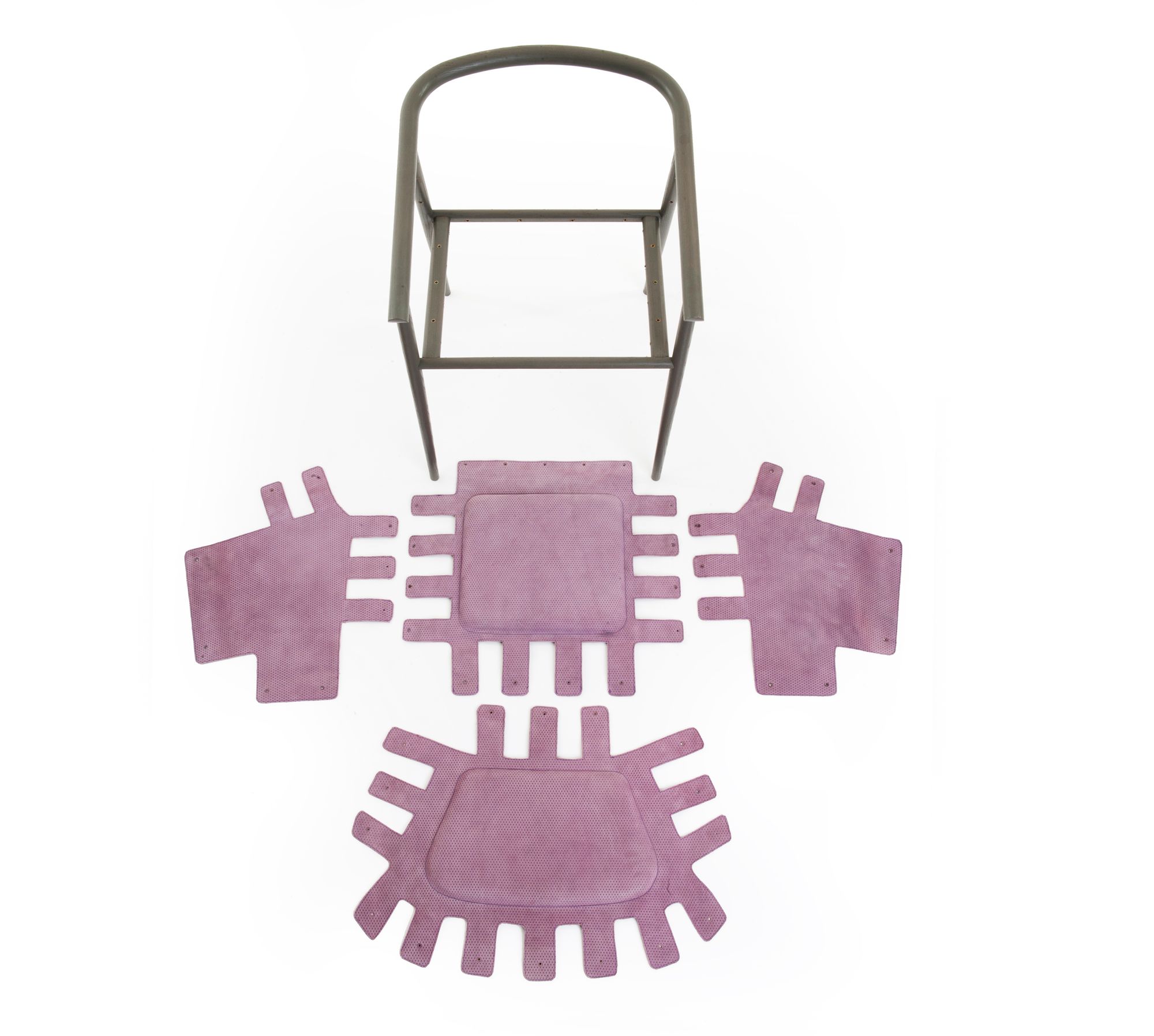
The Cargo Chair, manufactured by portuguese brand De La Espada, designed by Benjamin Hubert
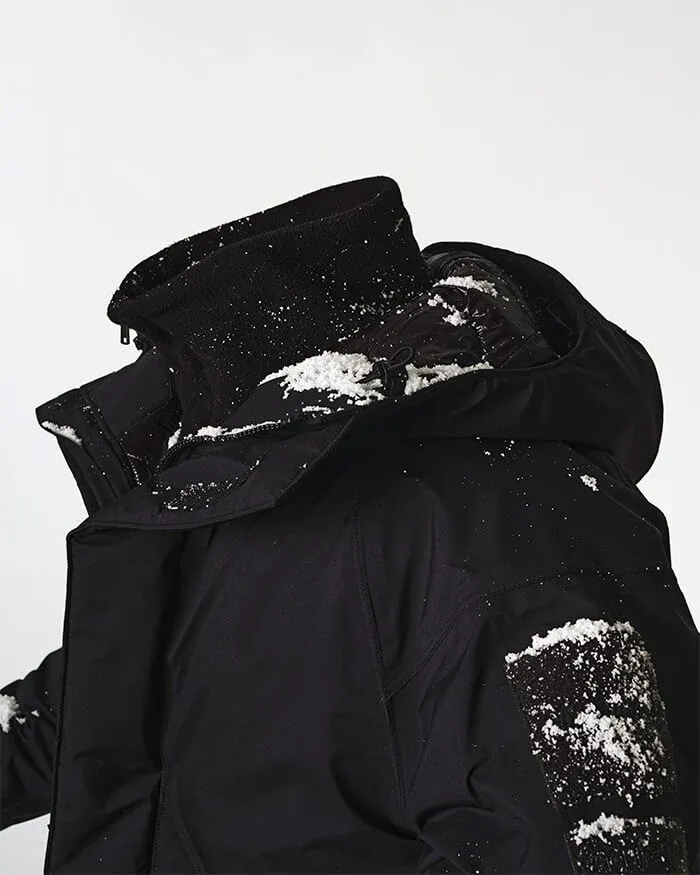
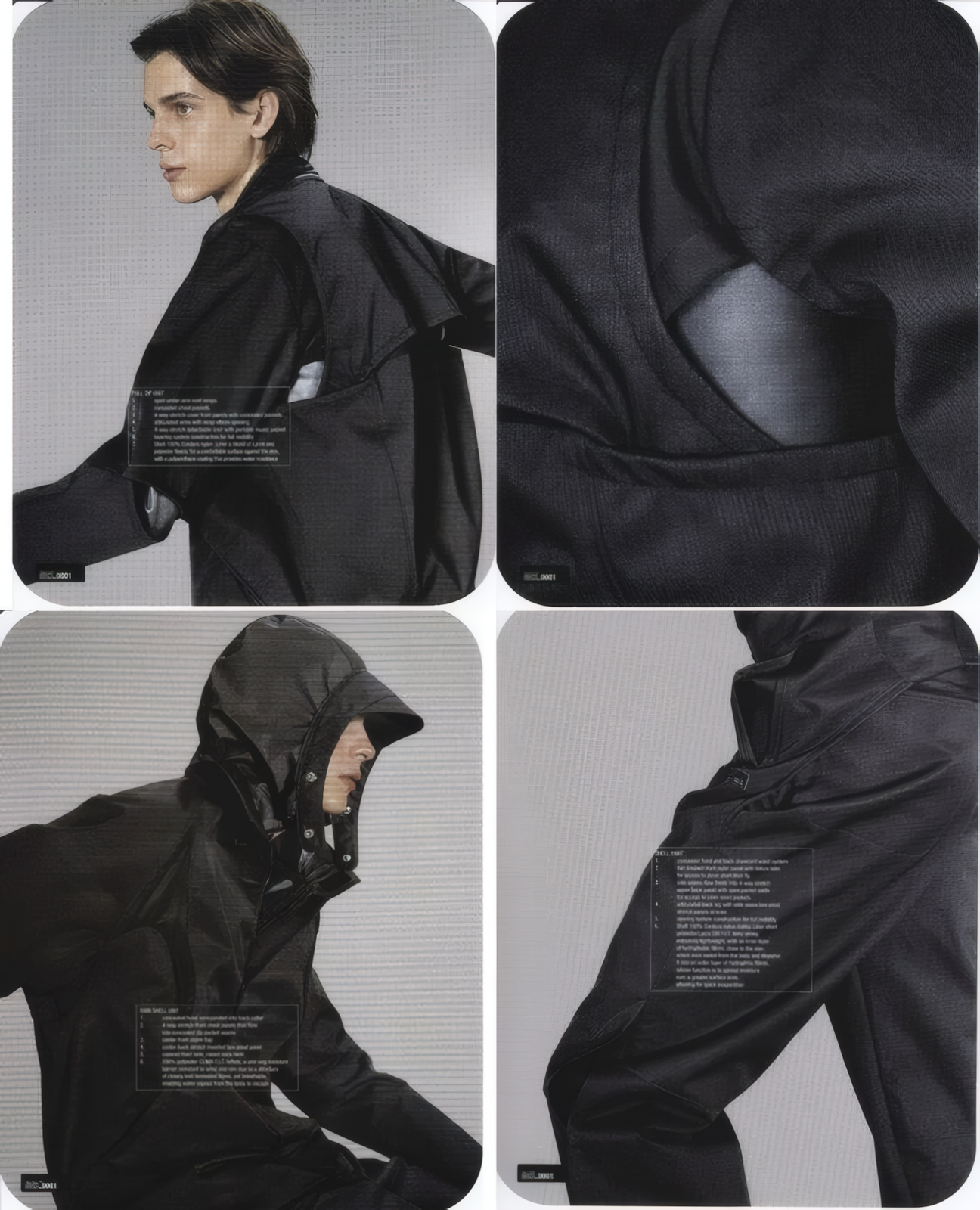
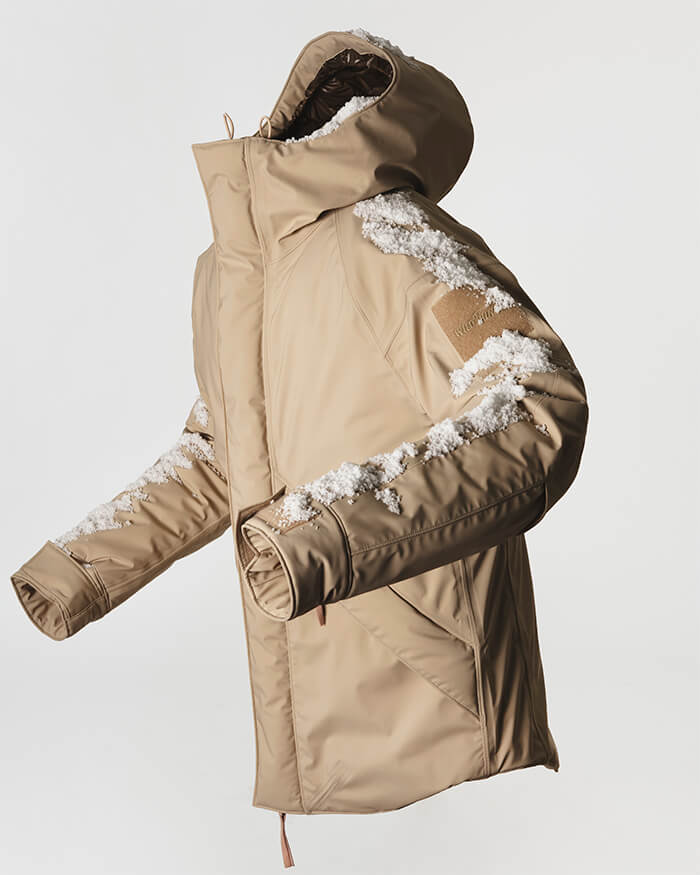
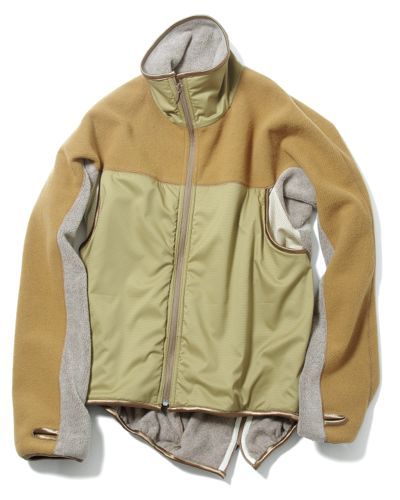
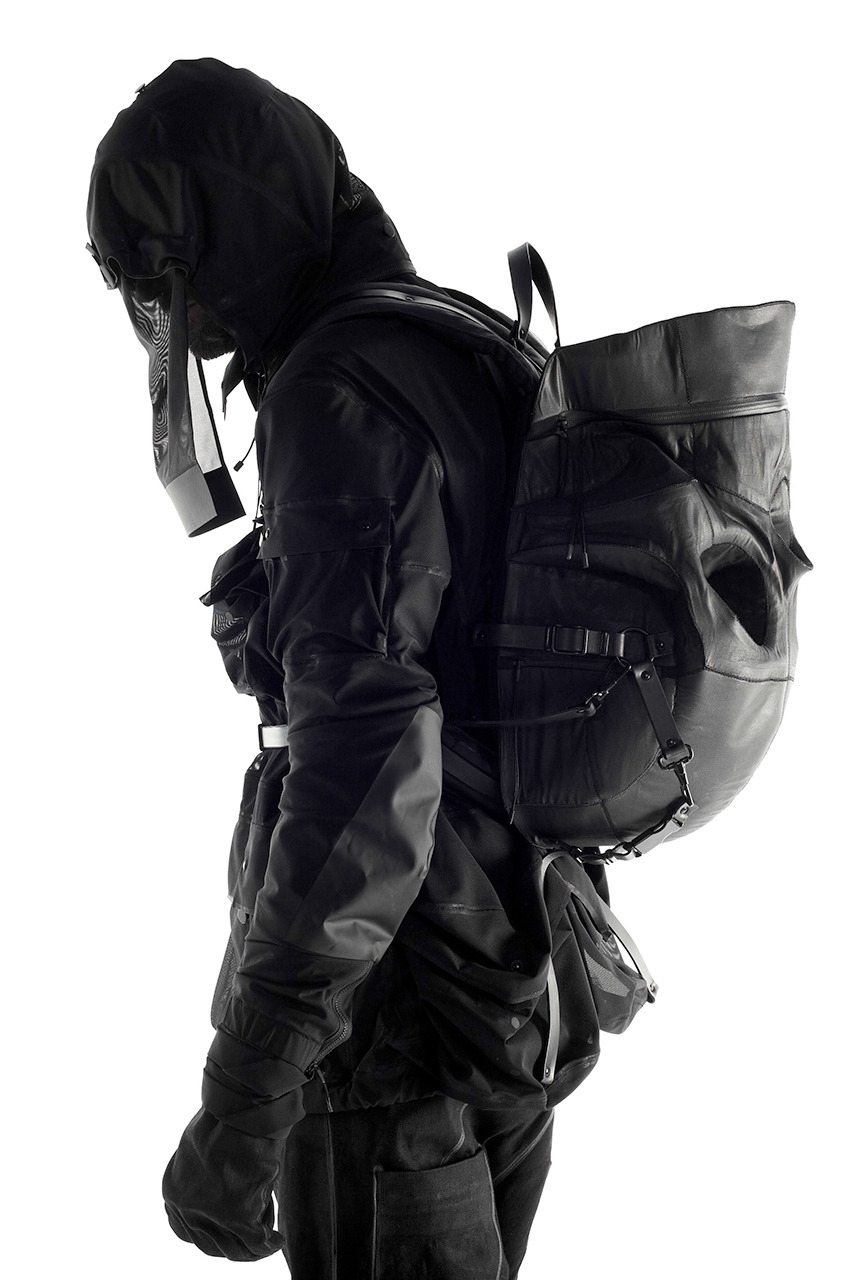
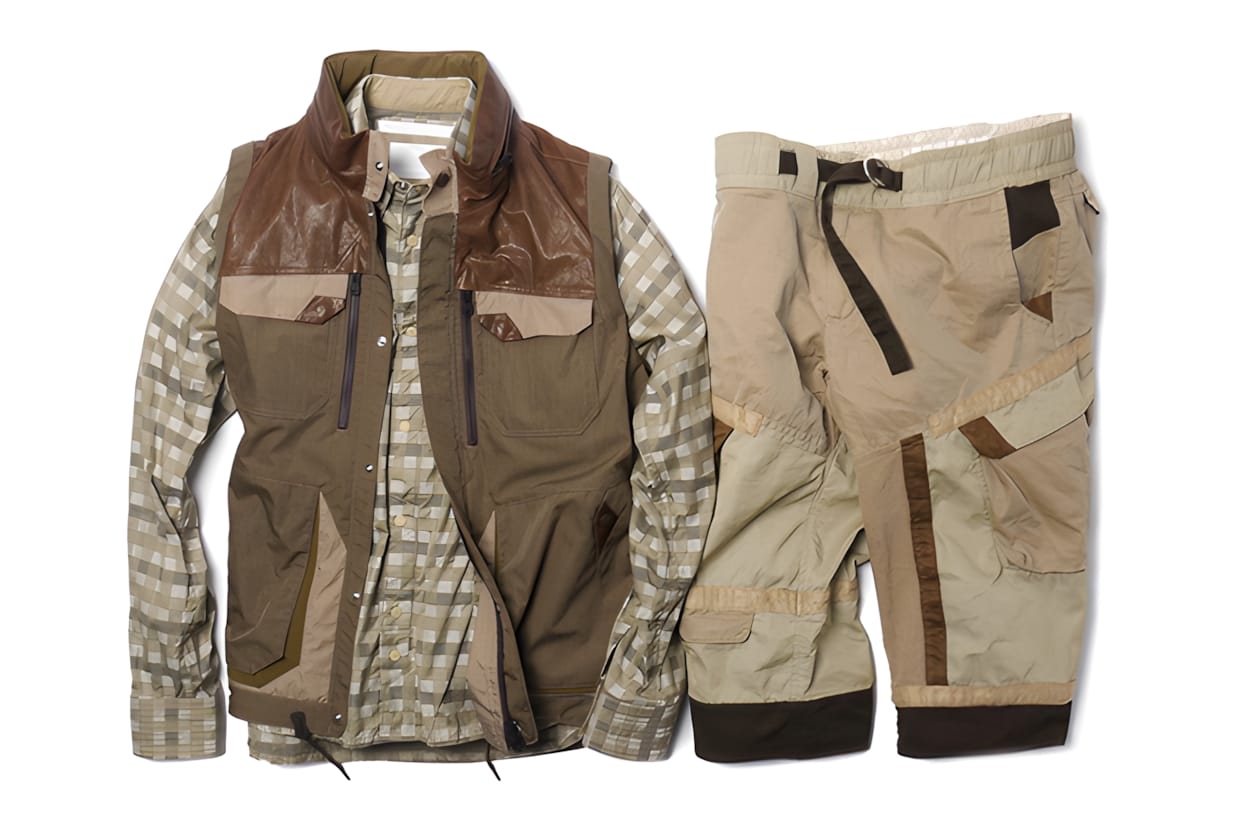
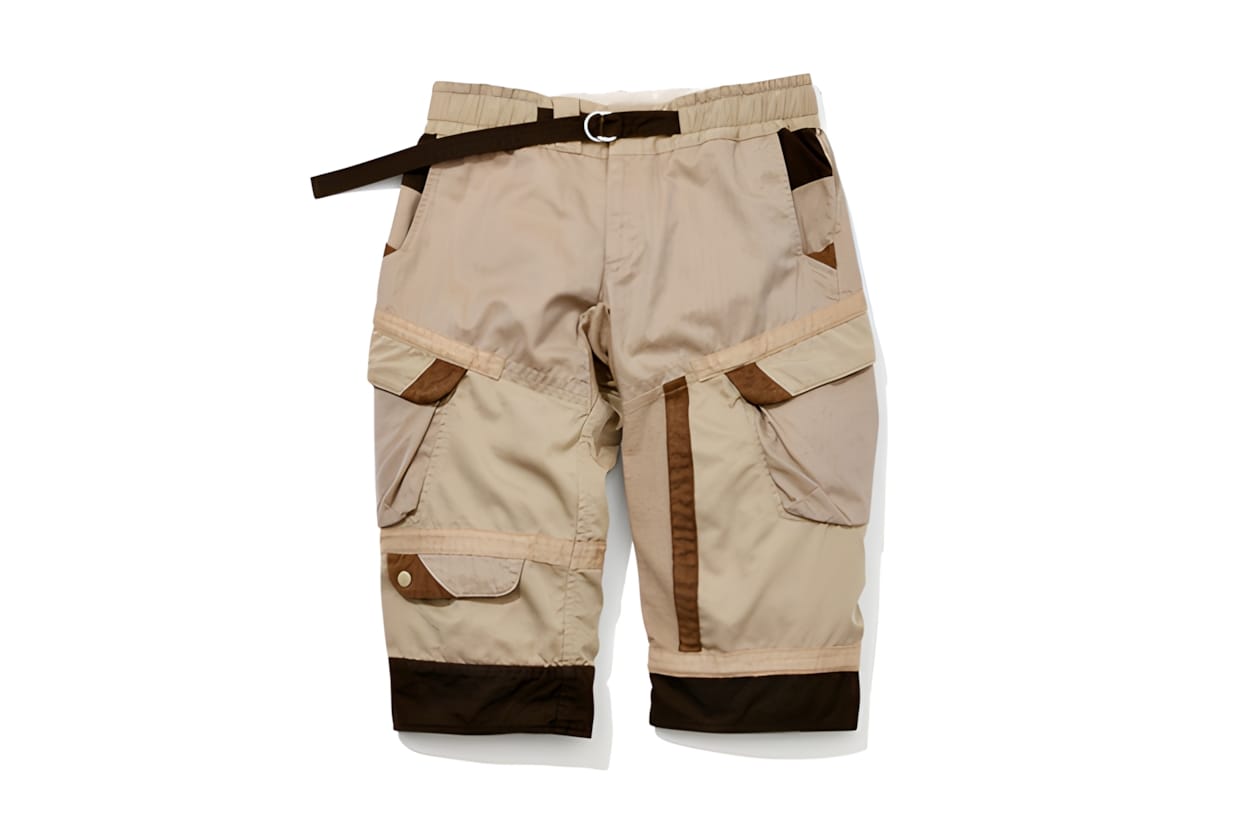
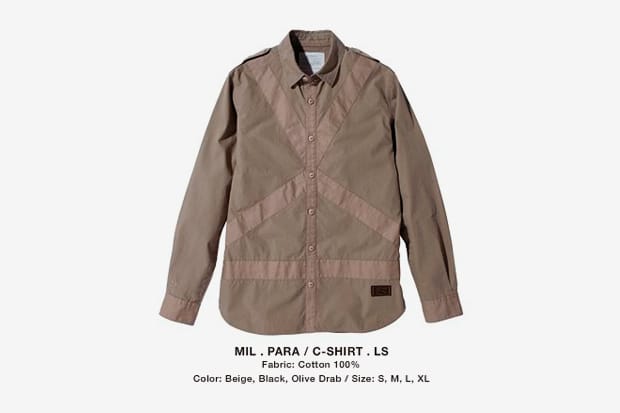
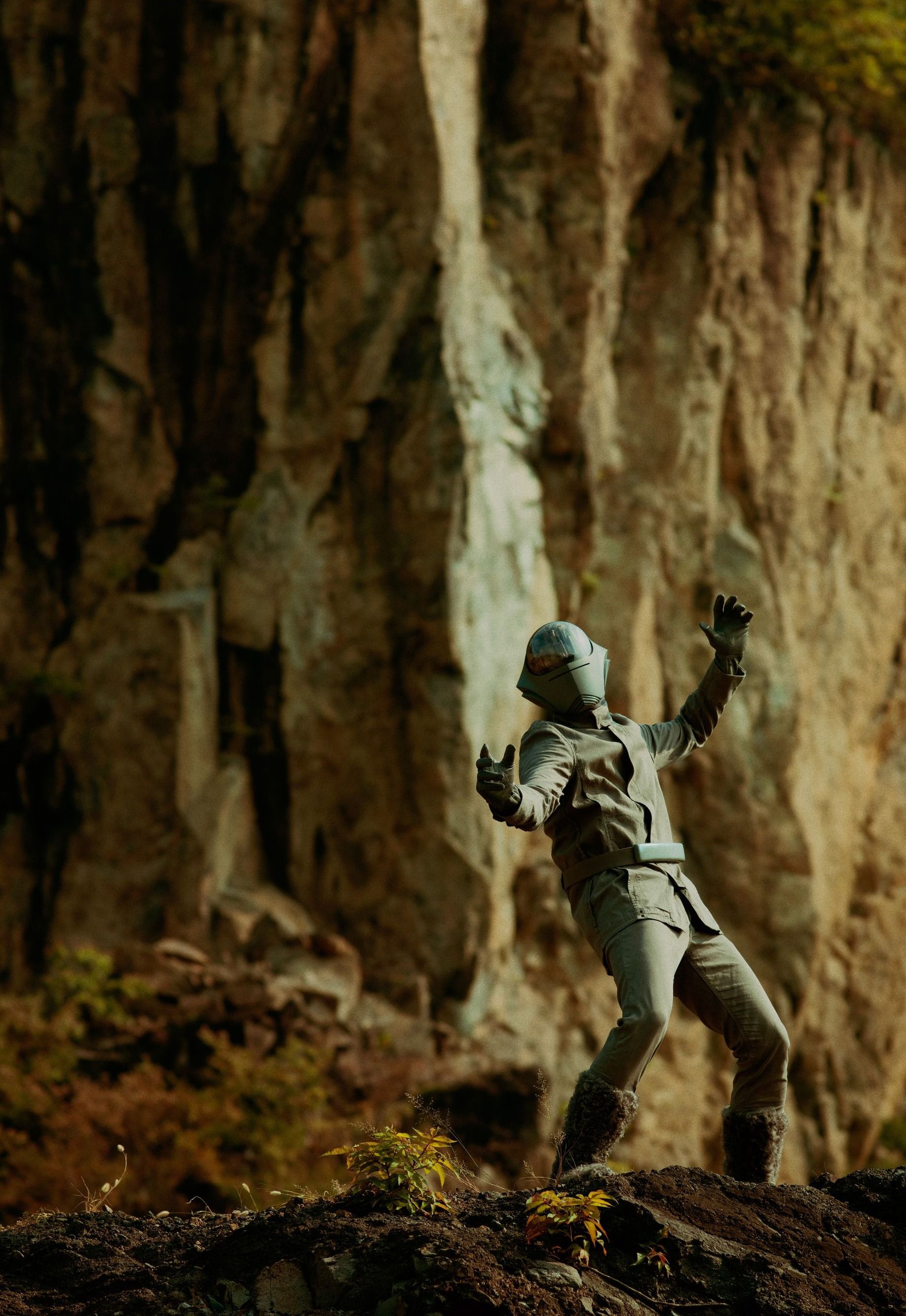
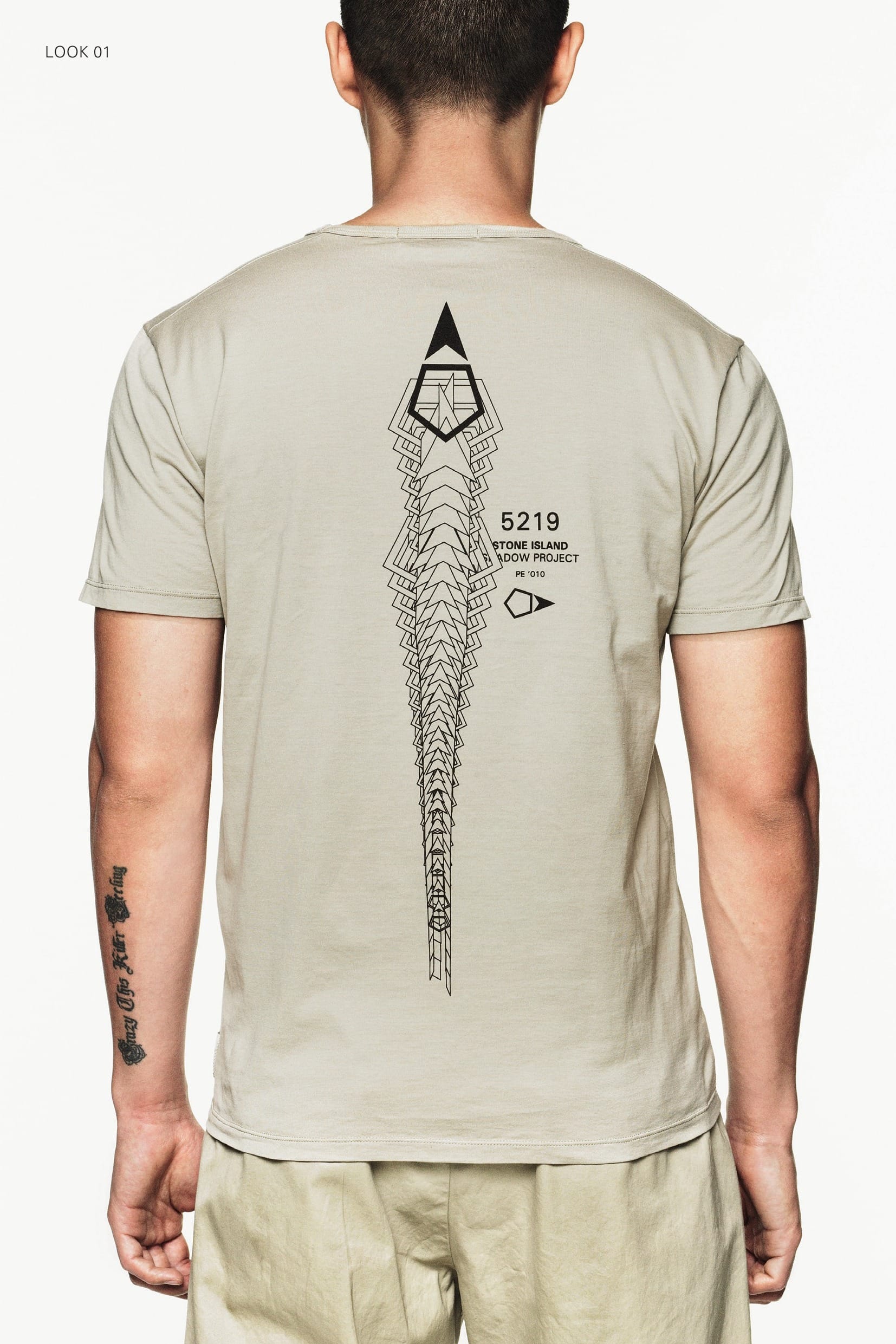
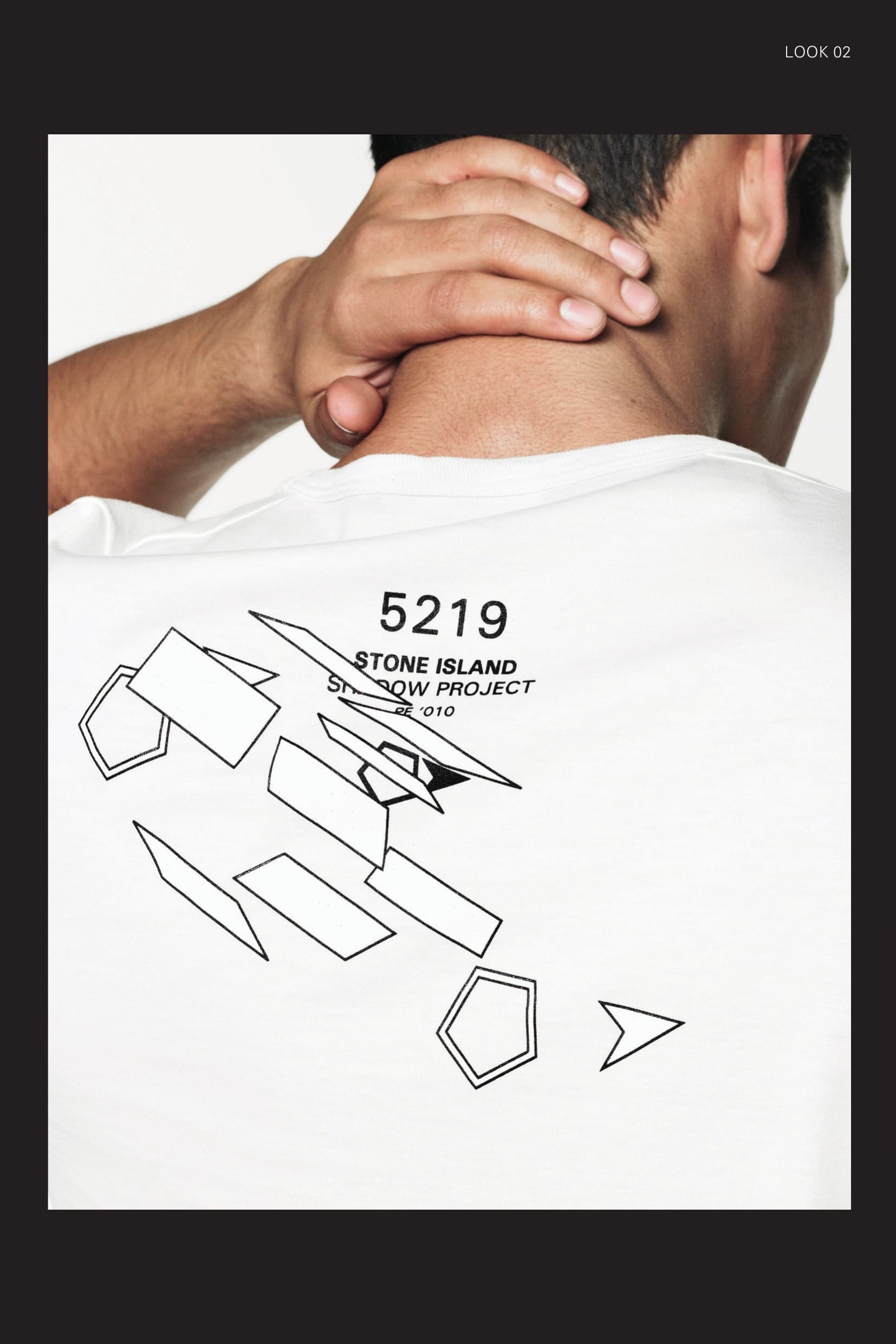
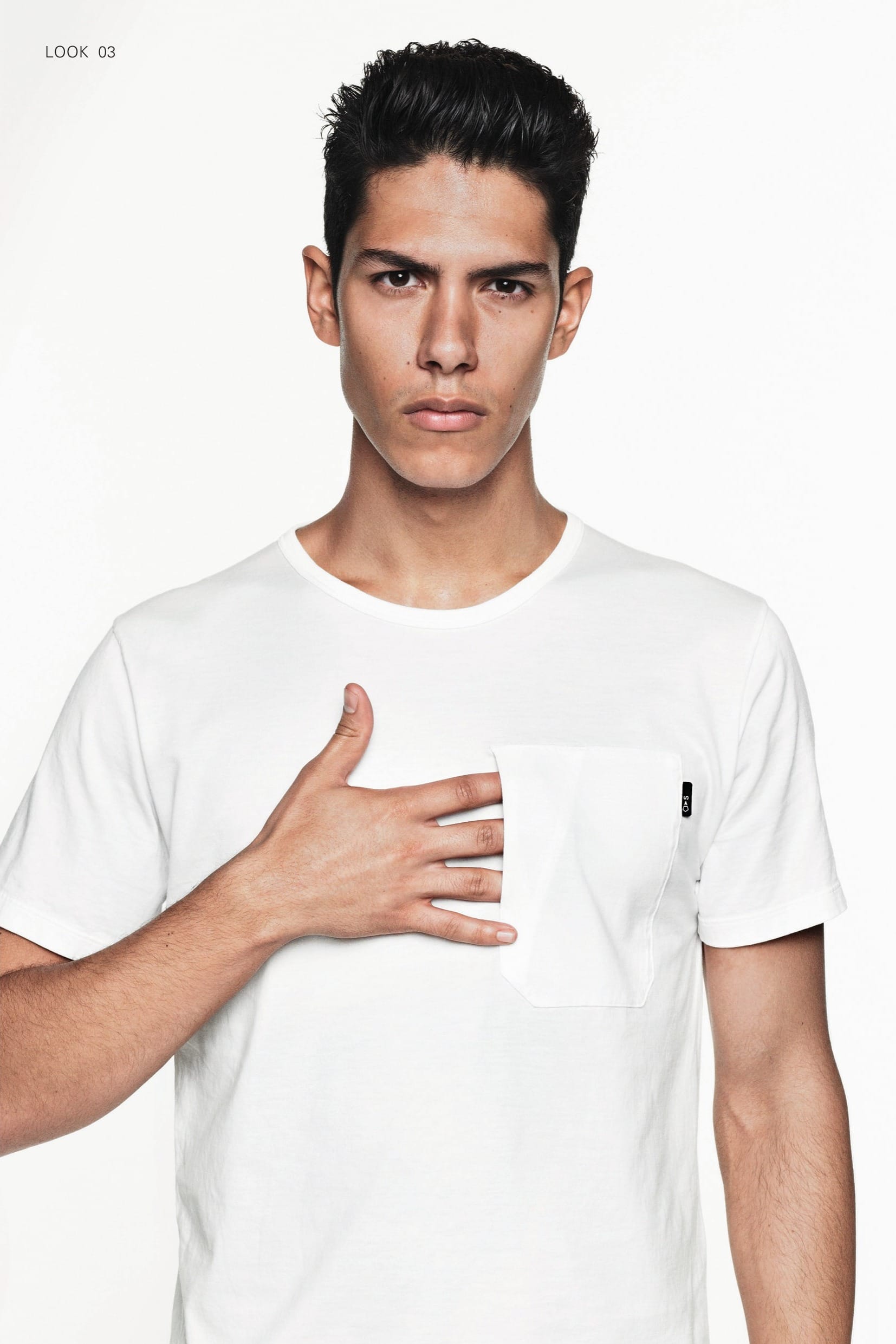
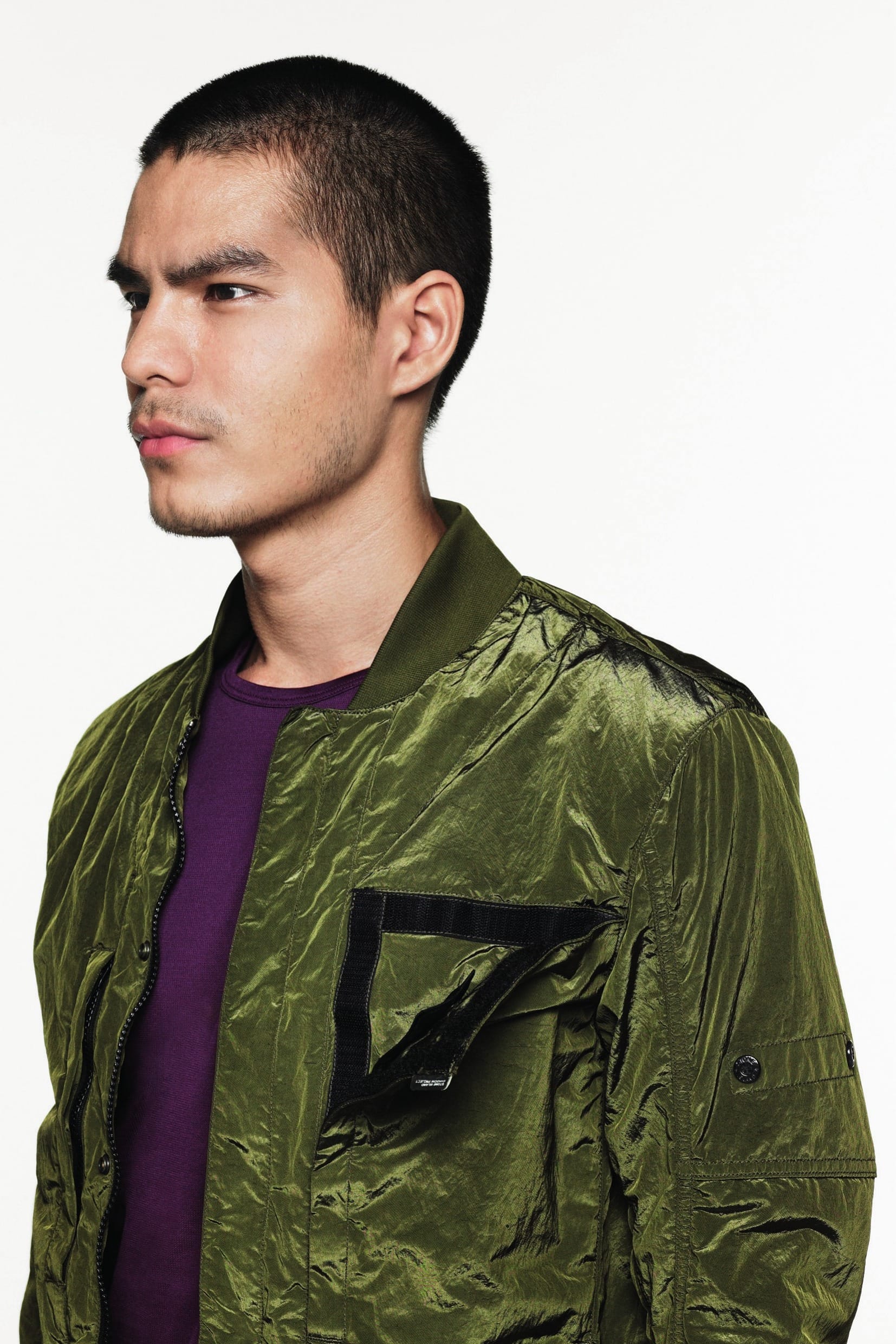
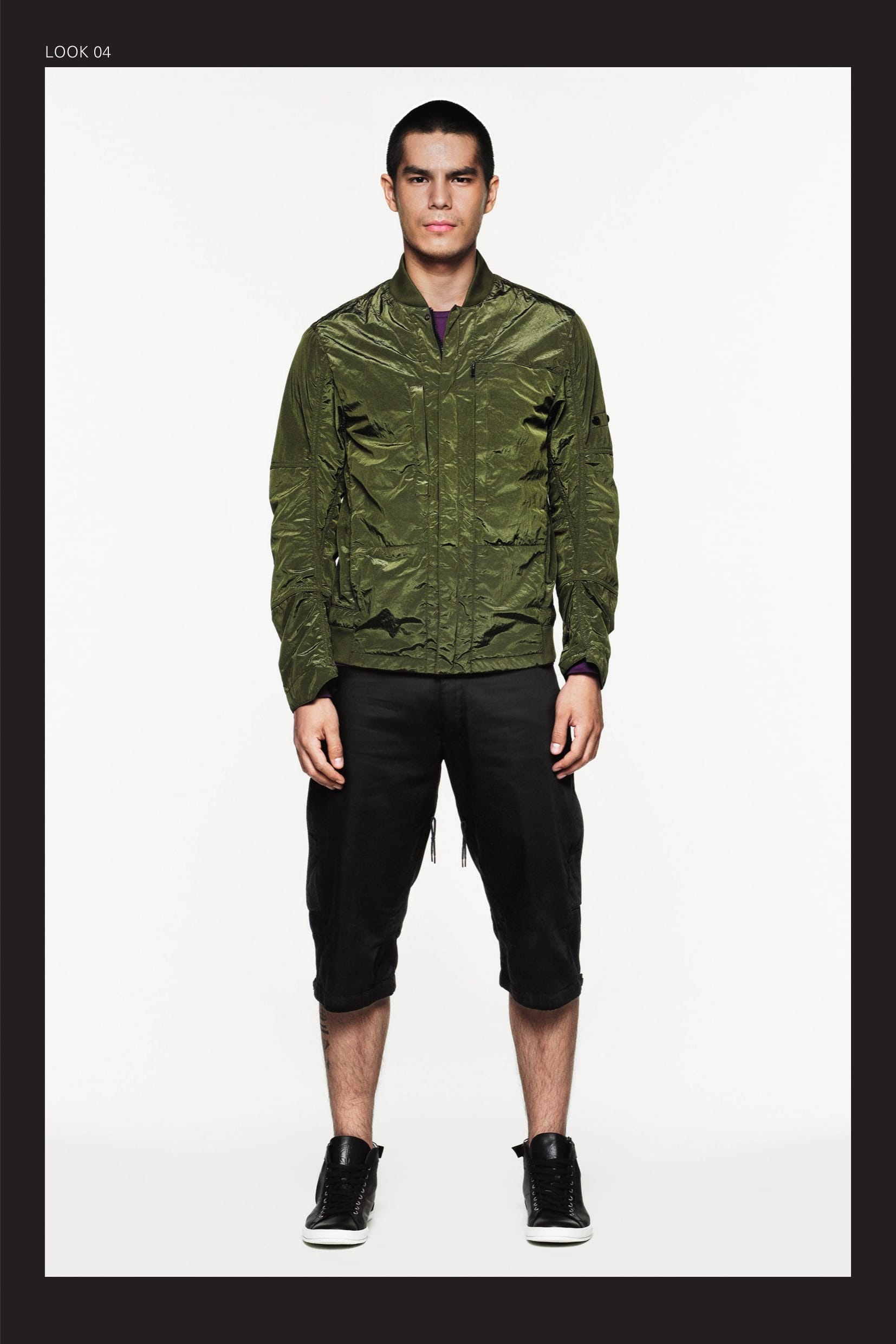
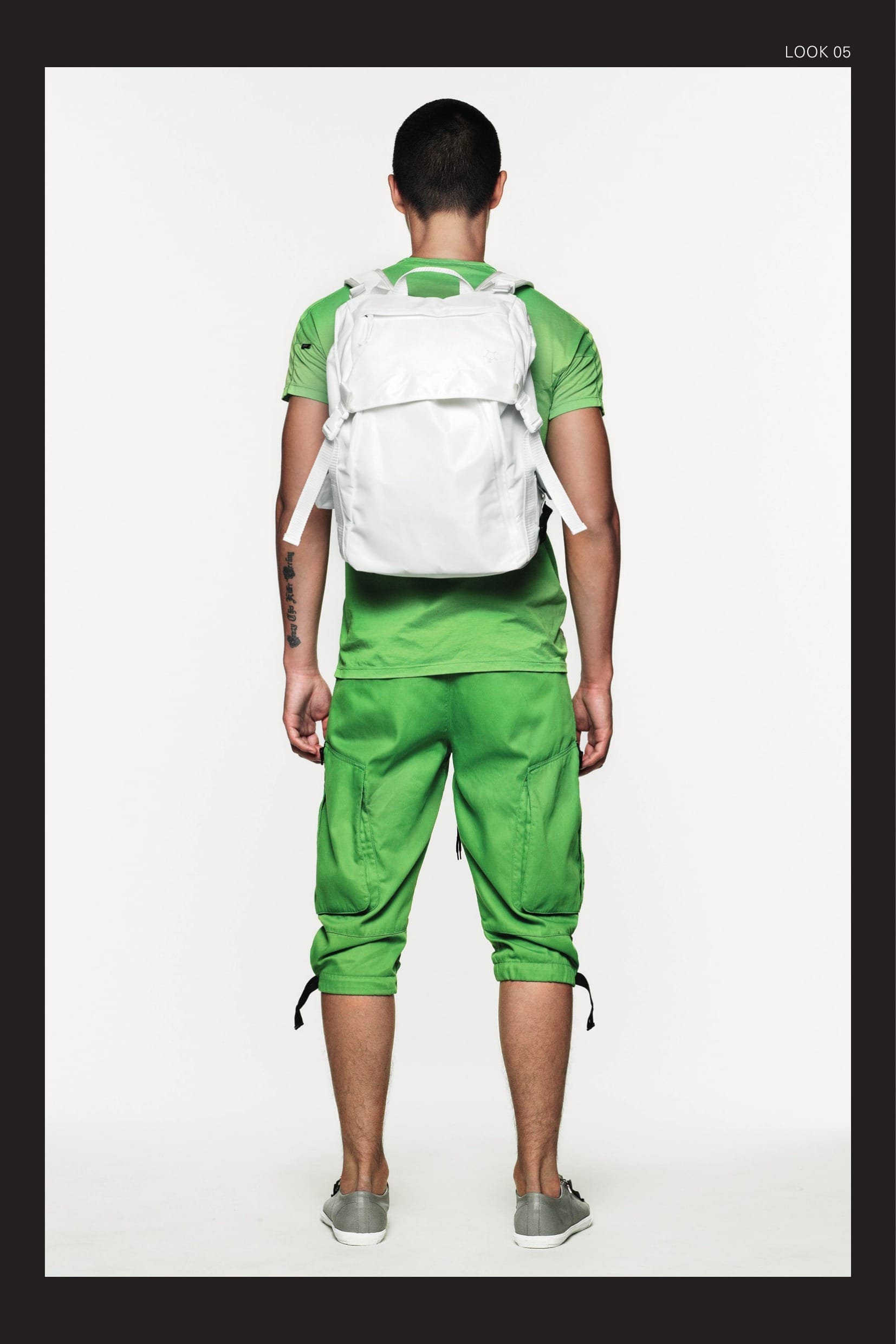
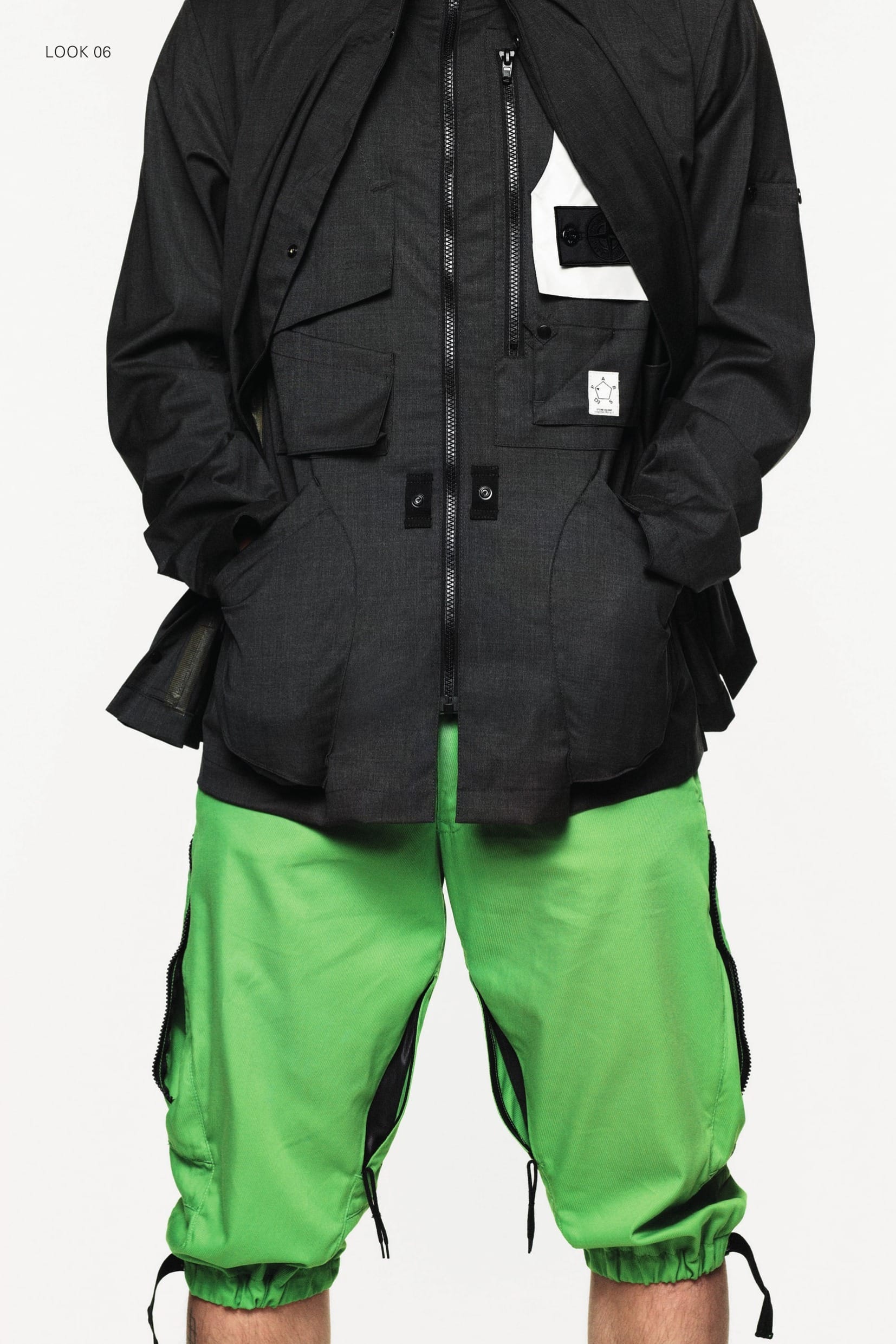
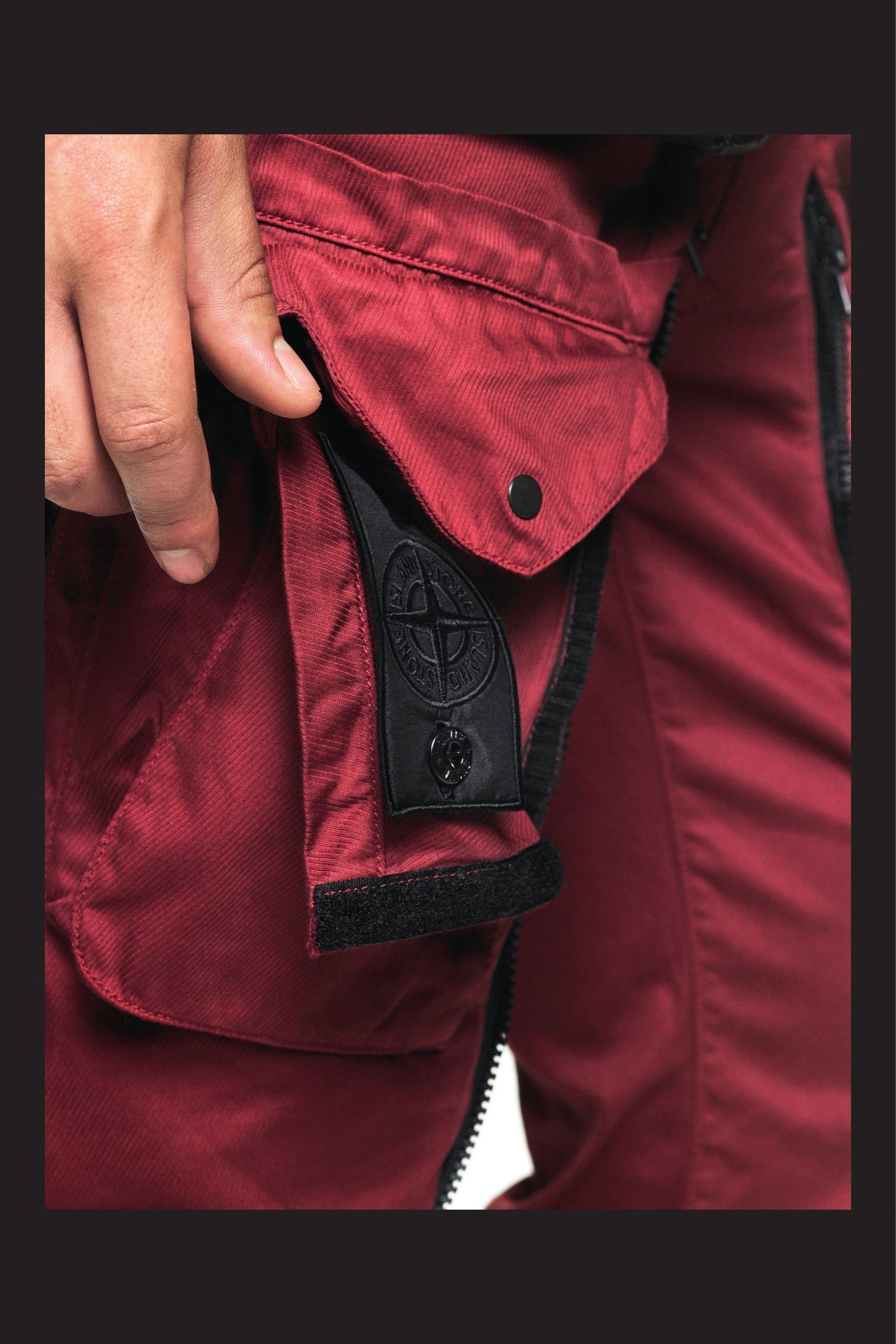
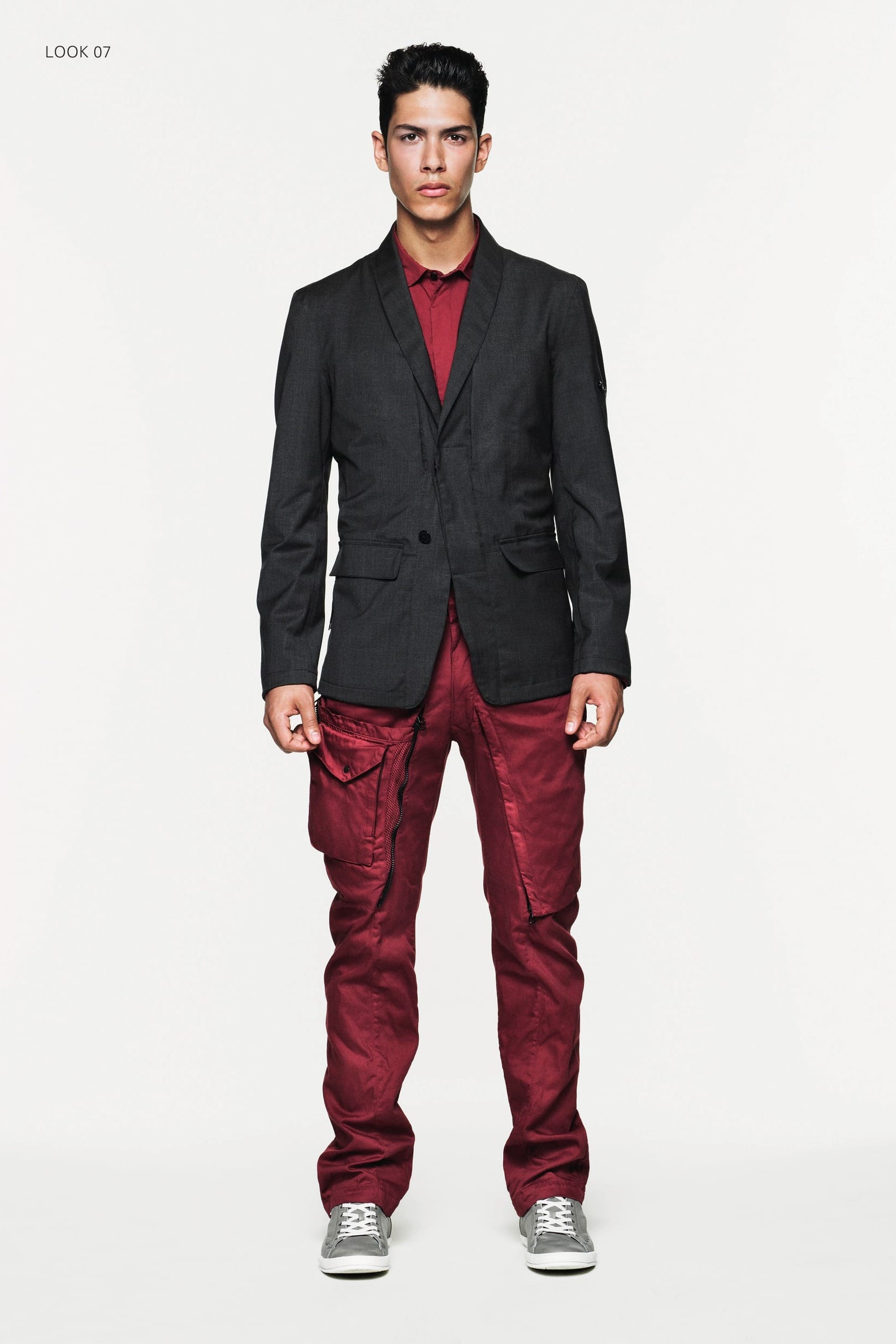
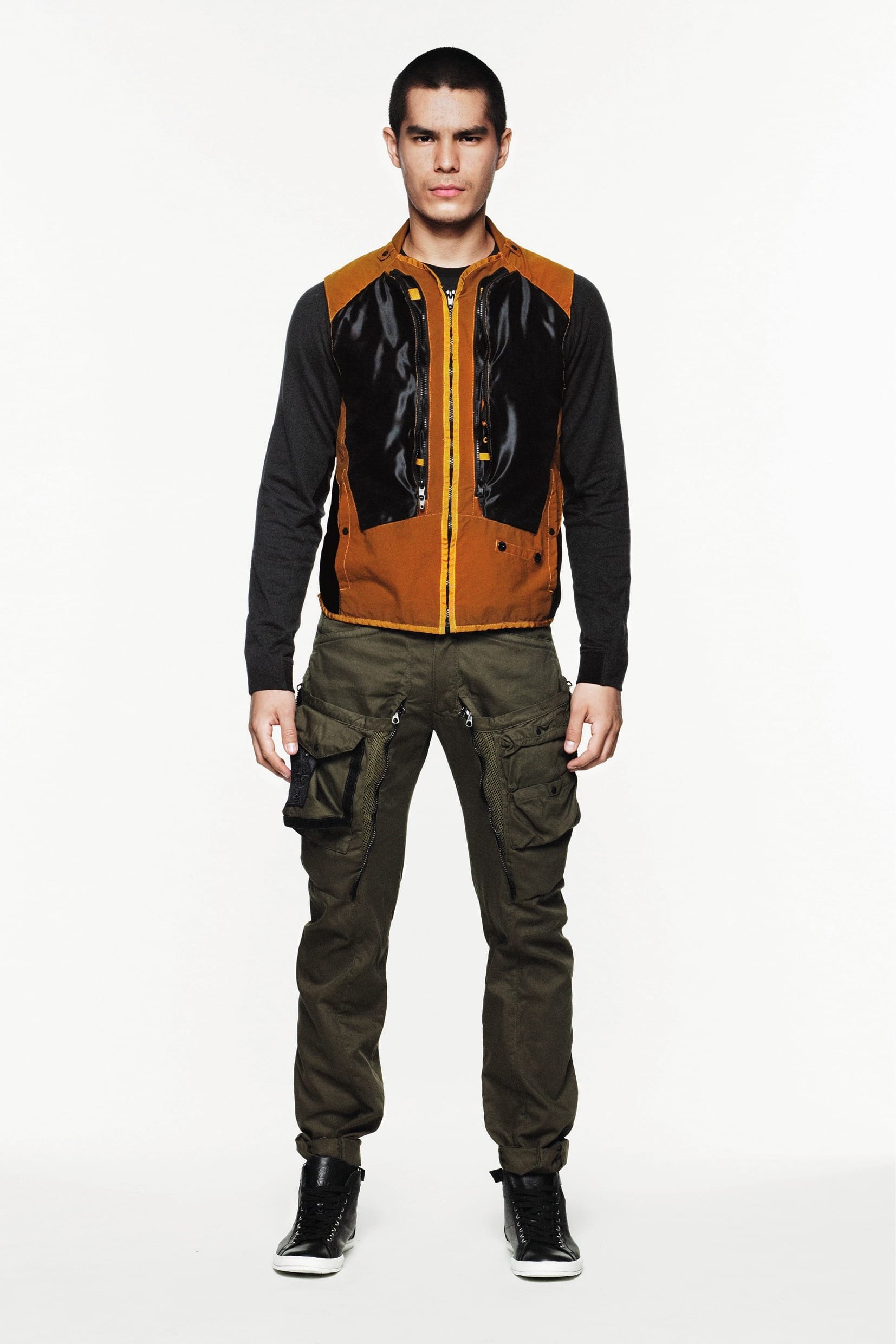
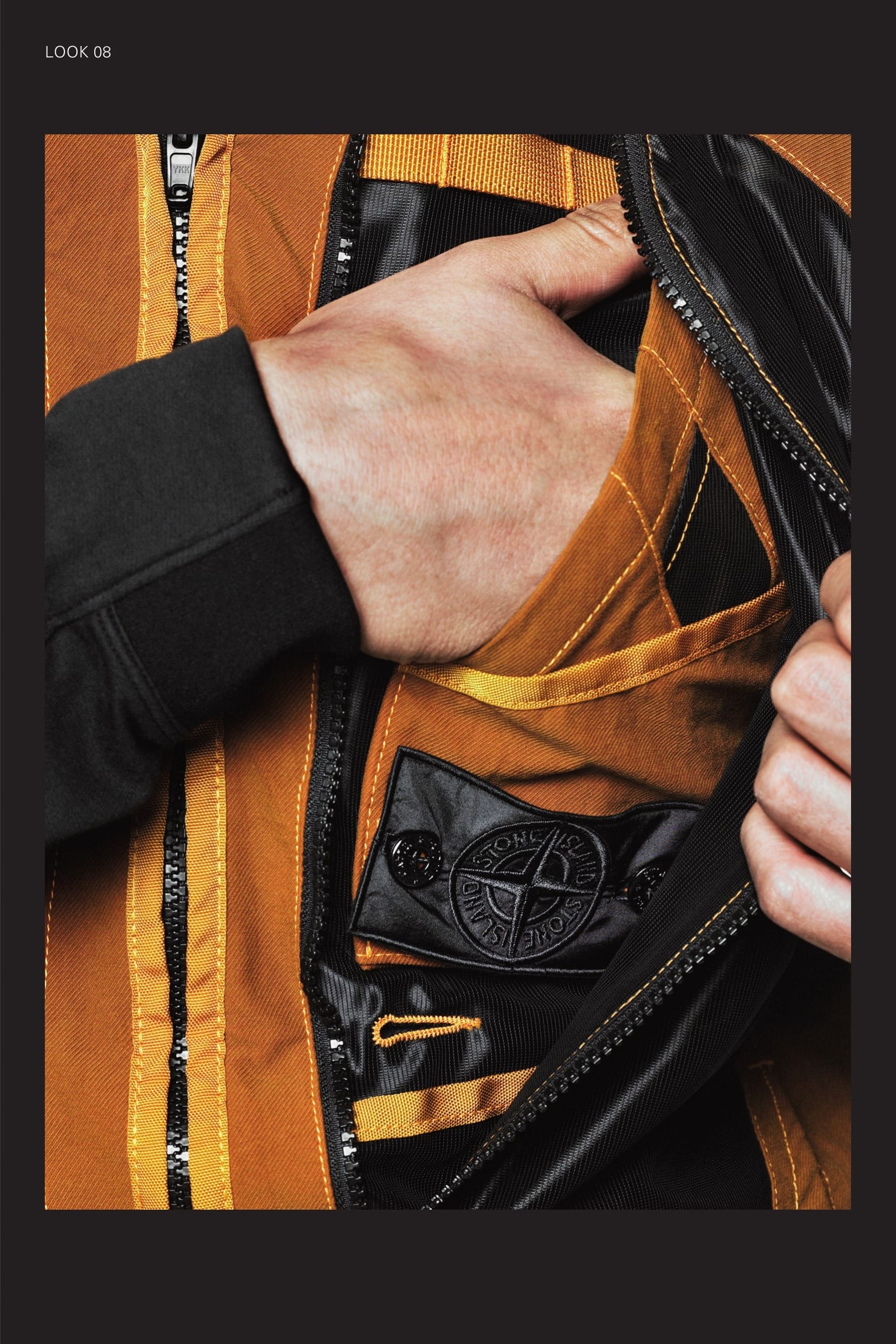
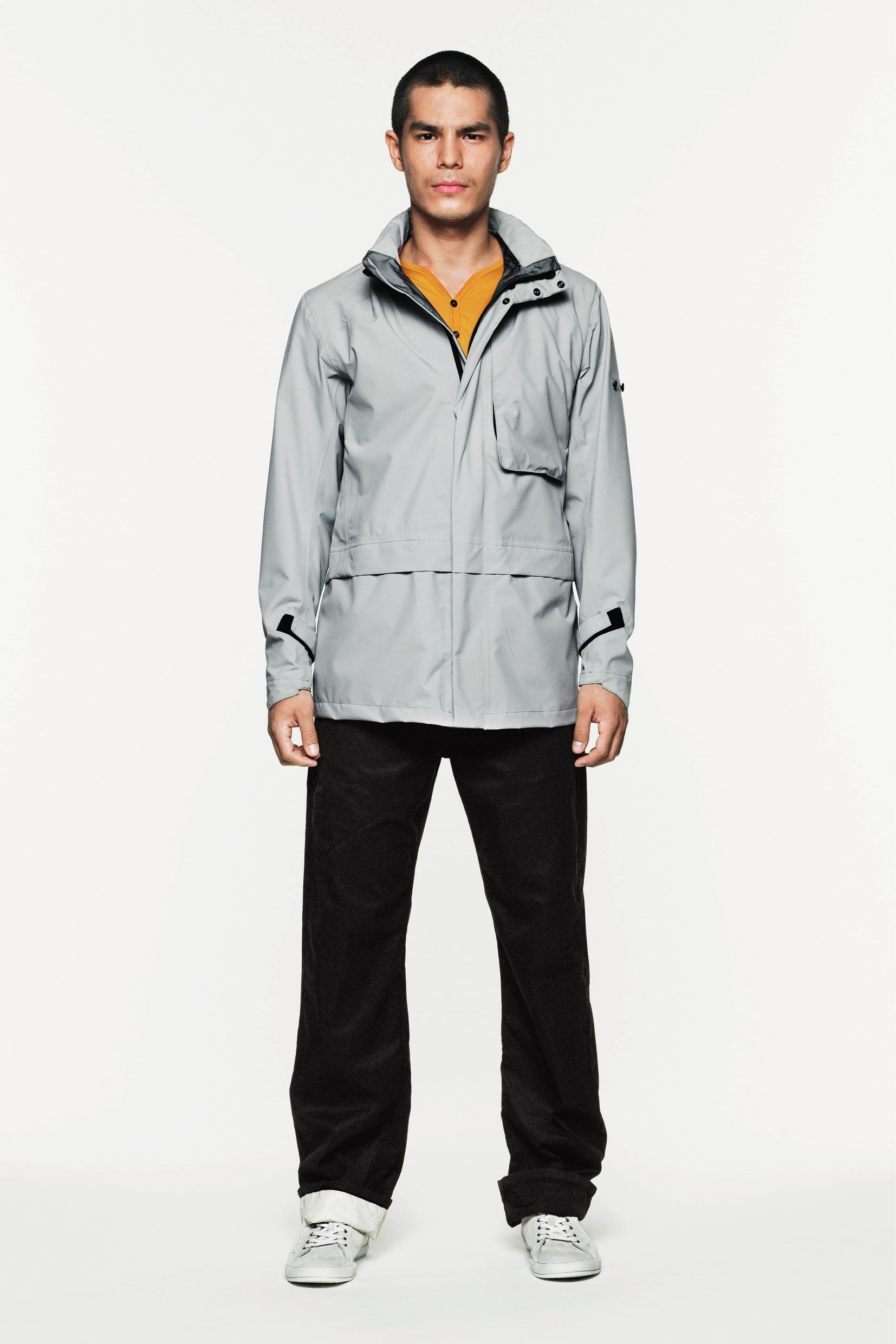
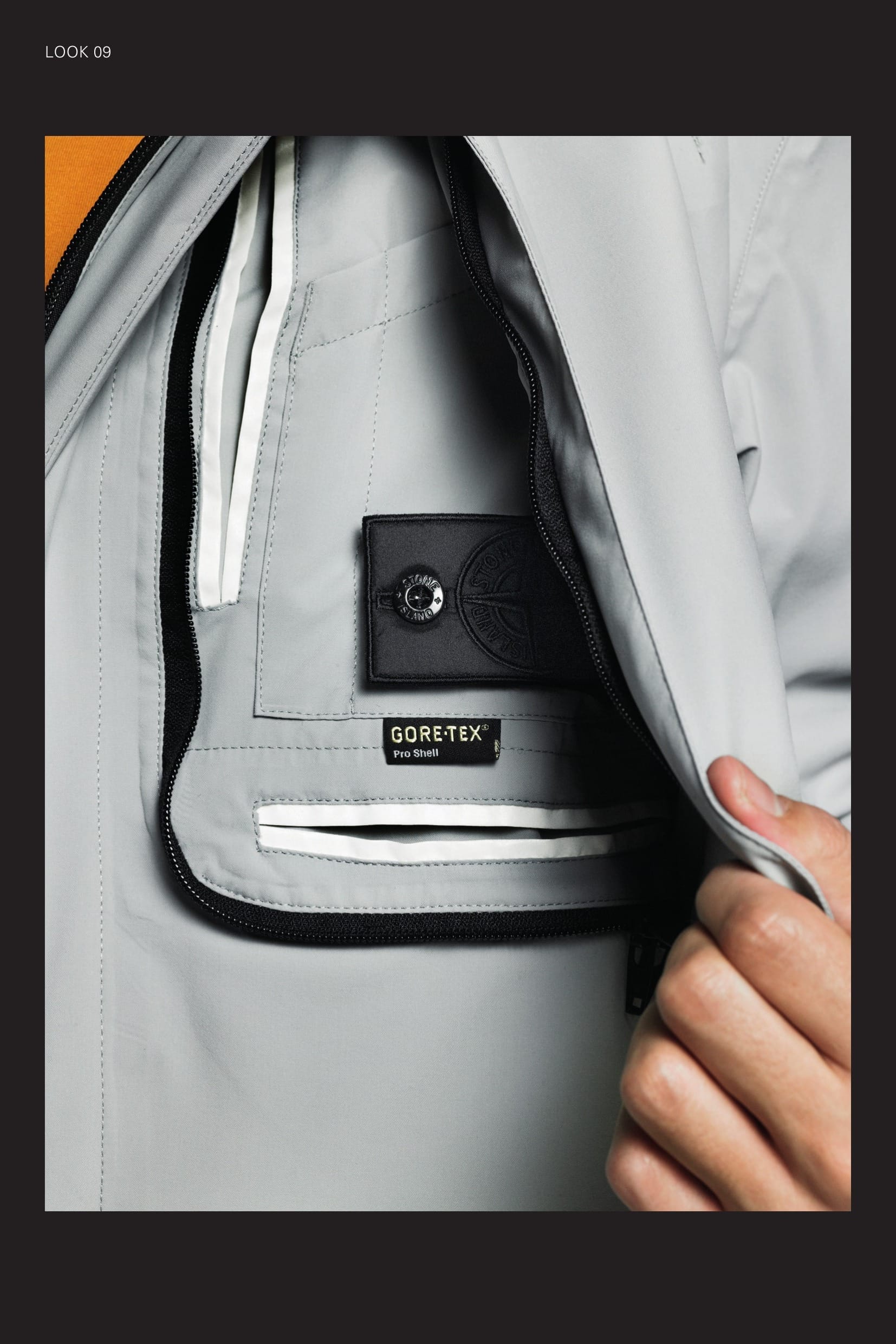
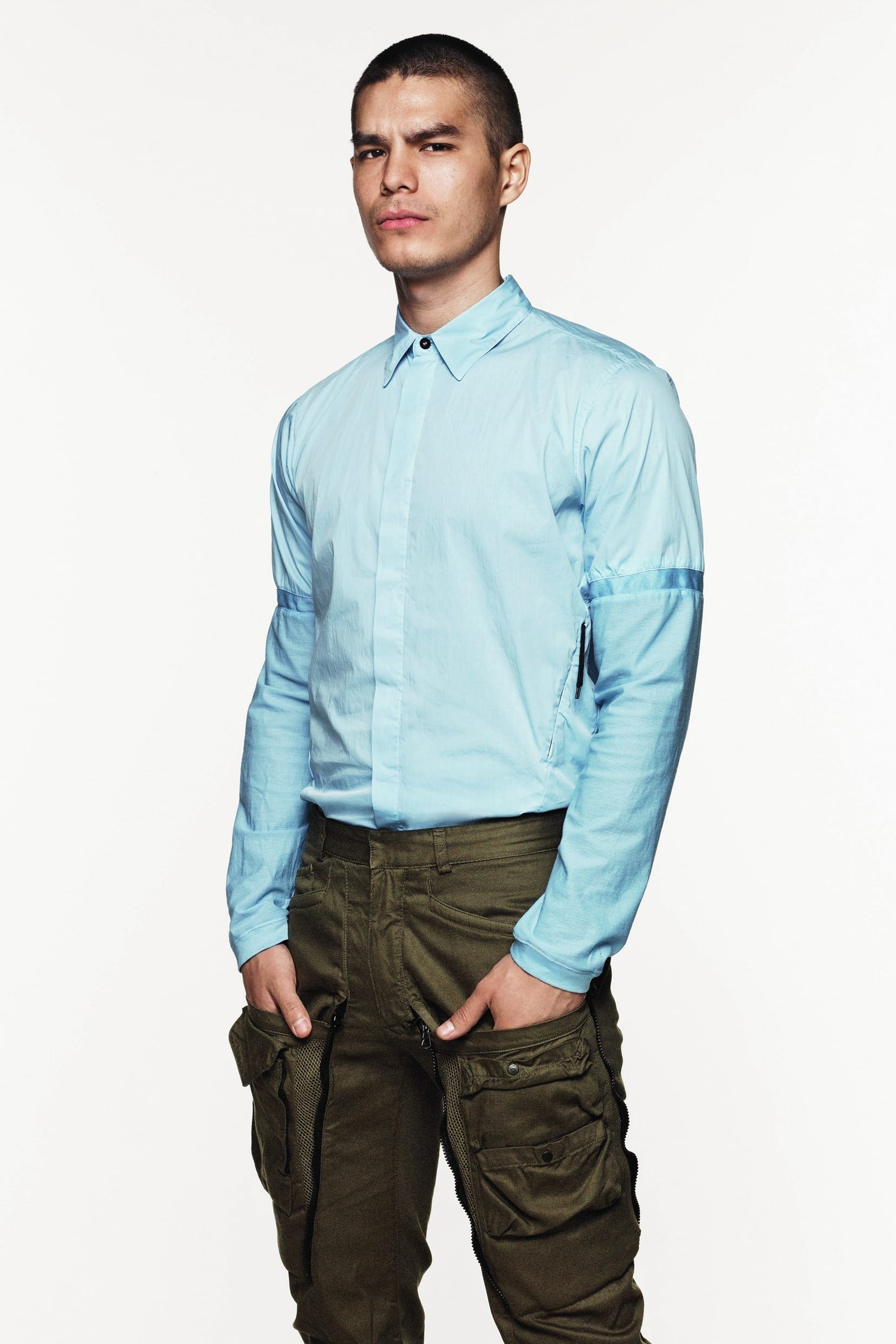
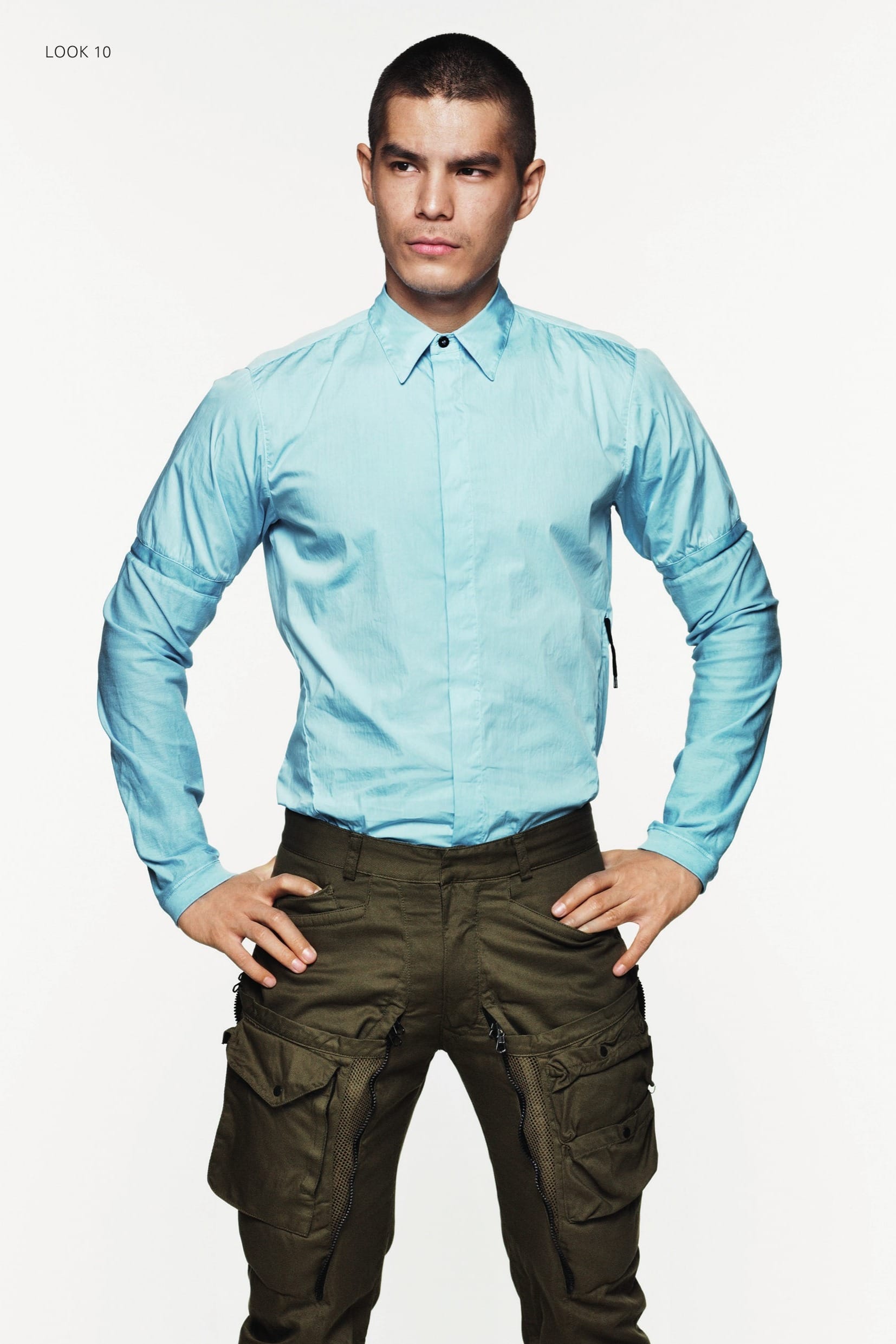
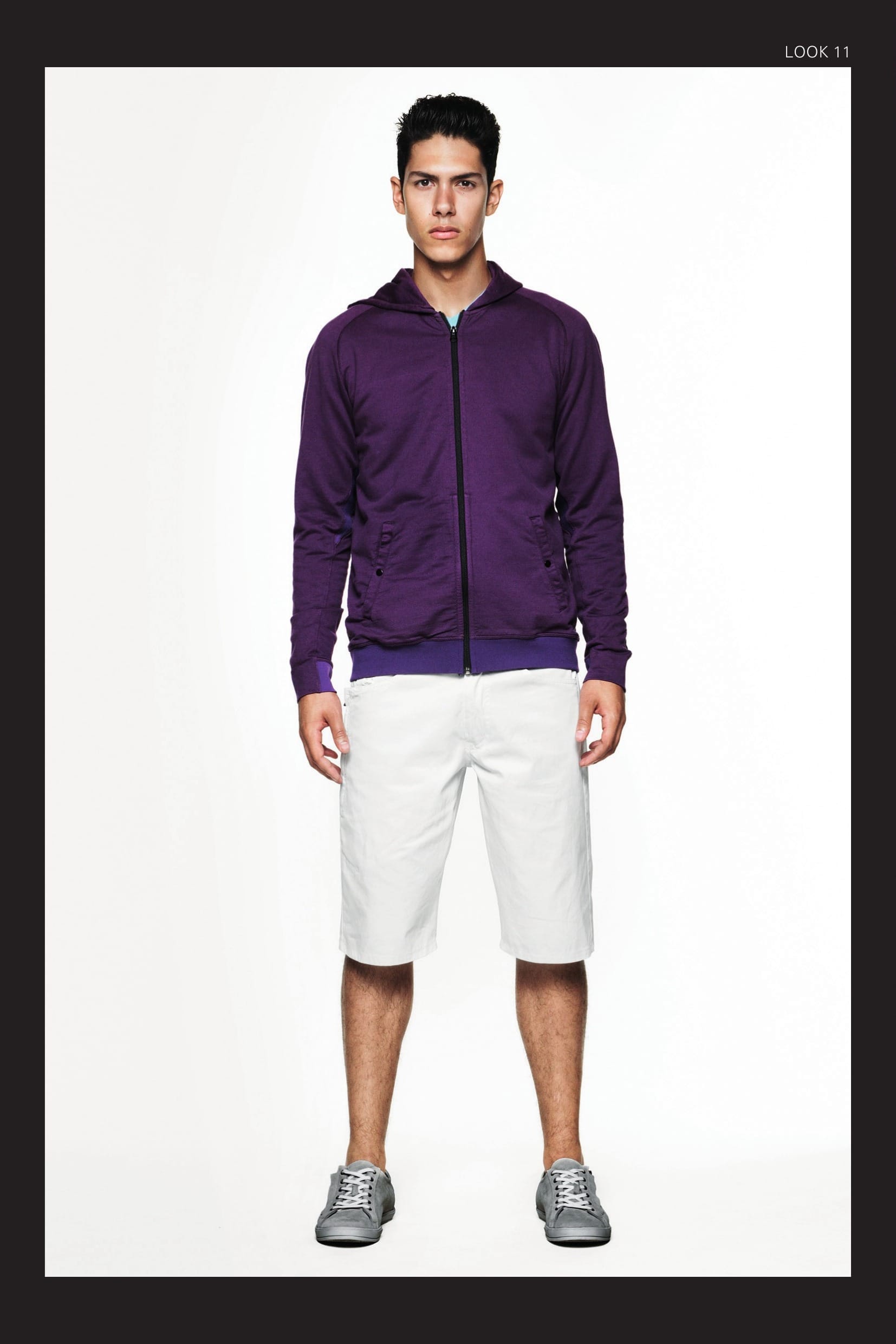
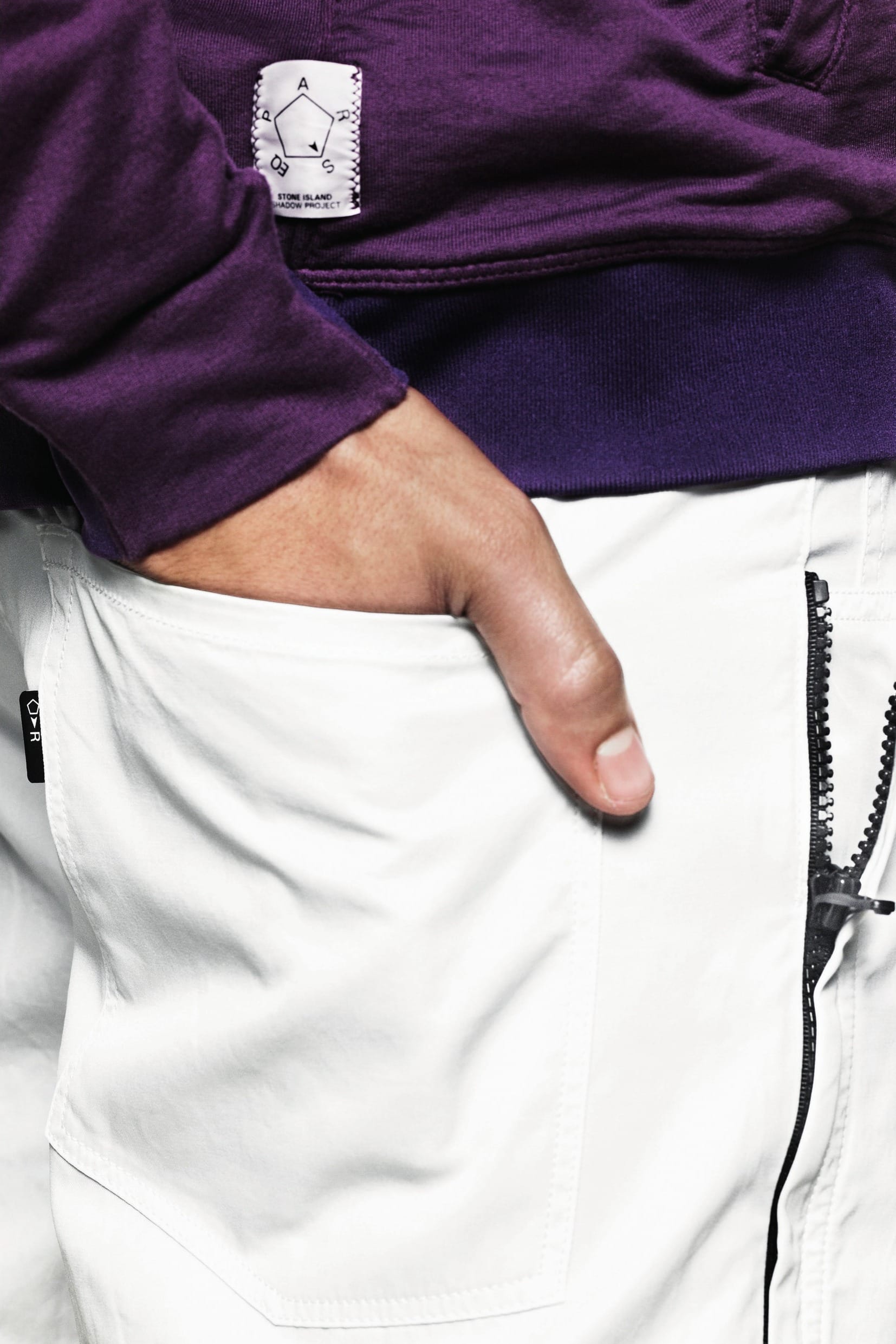
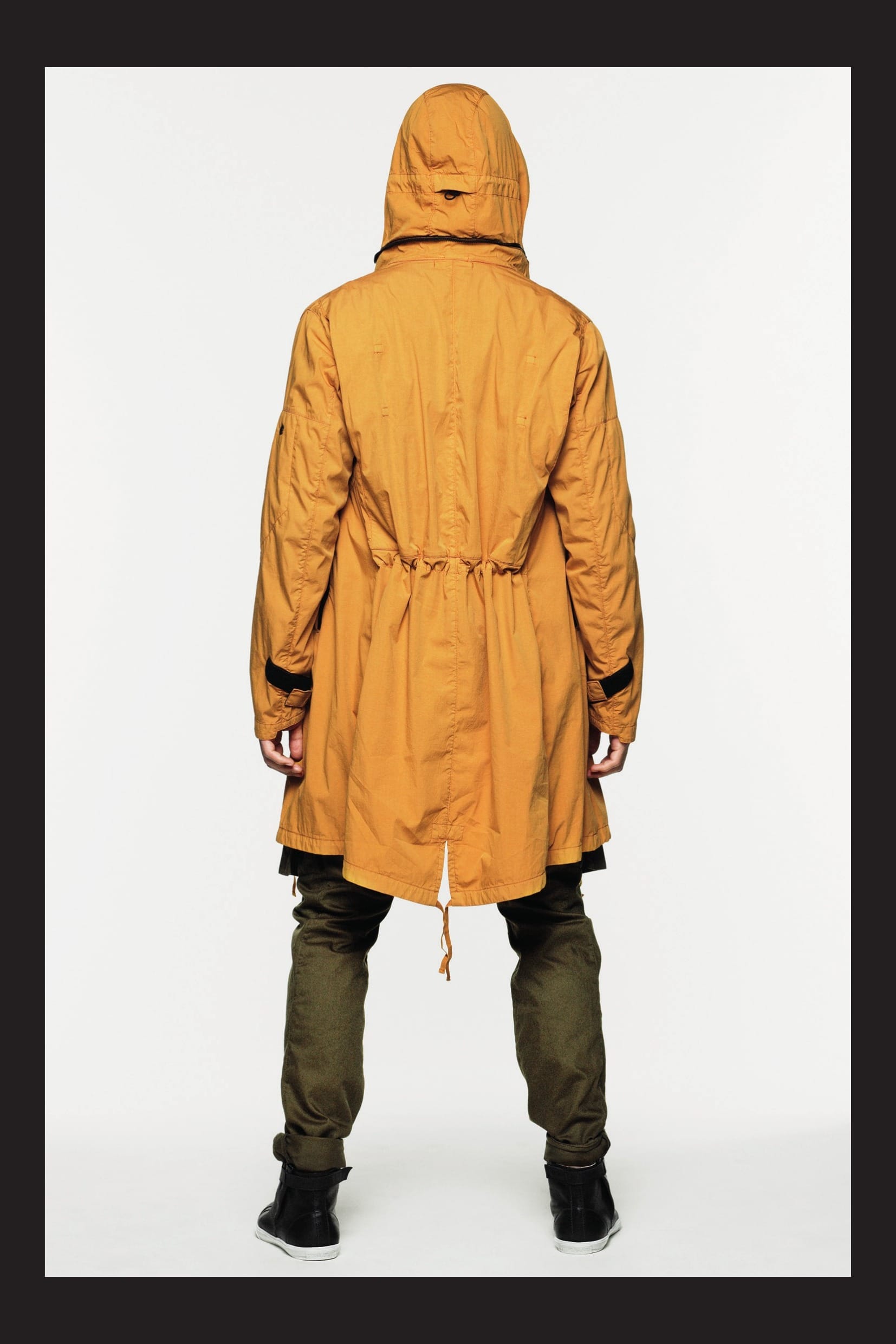
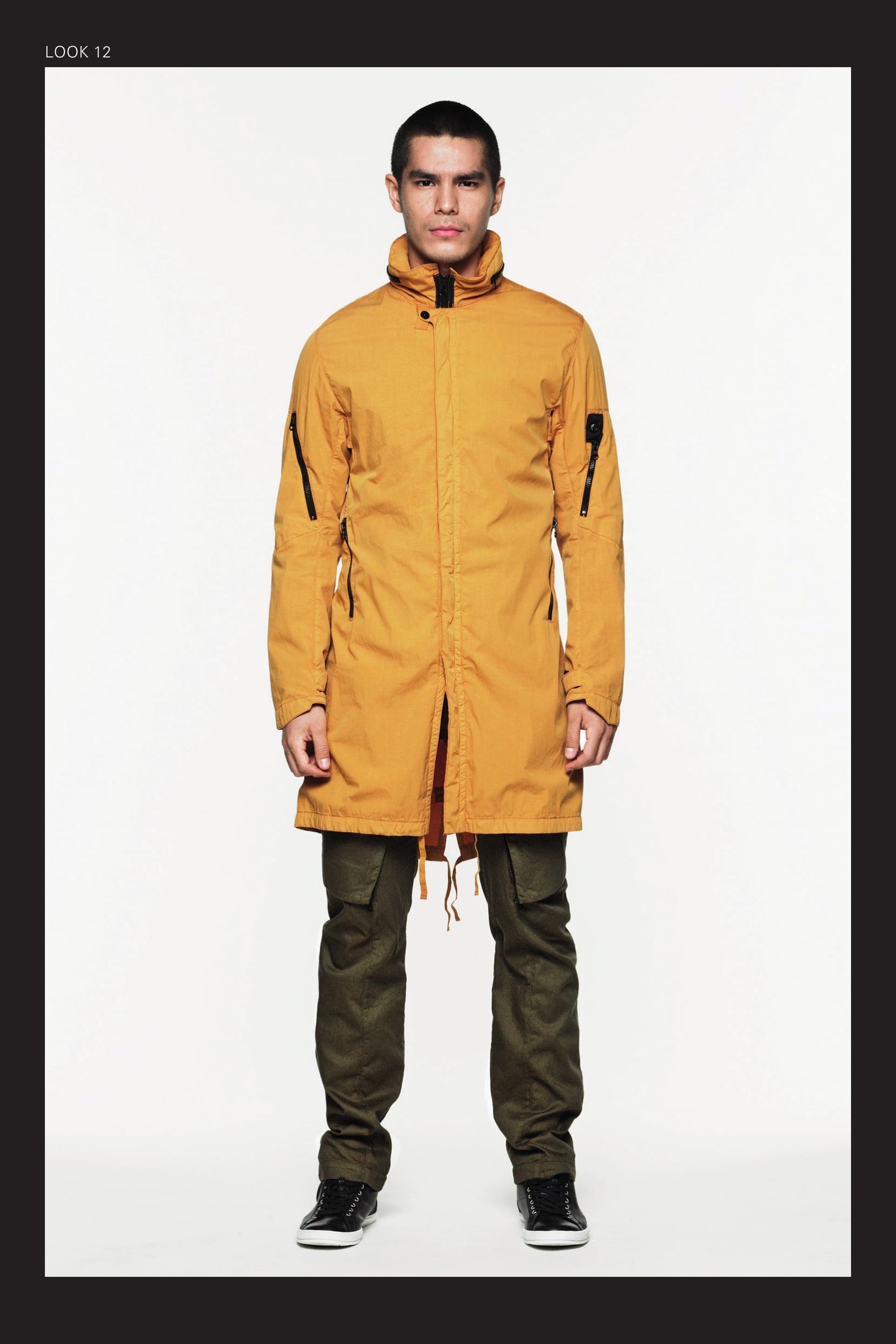
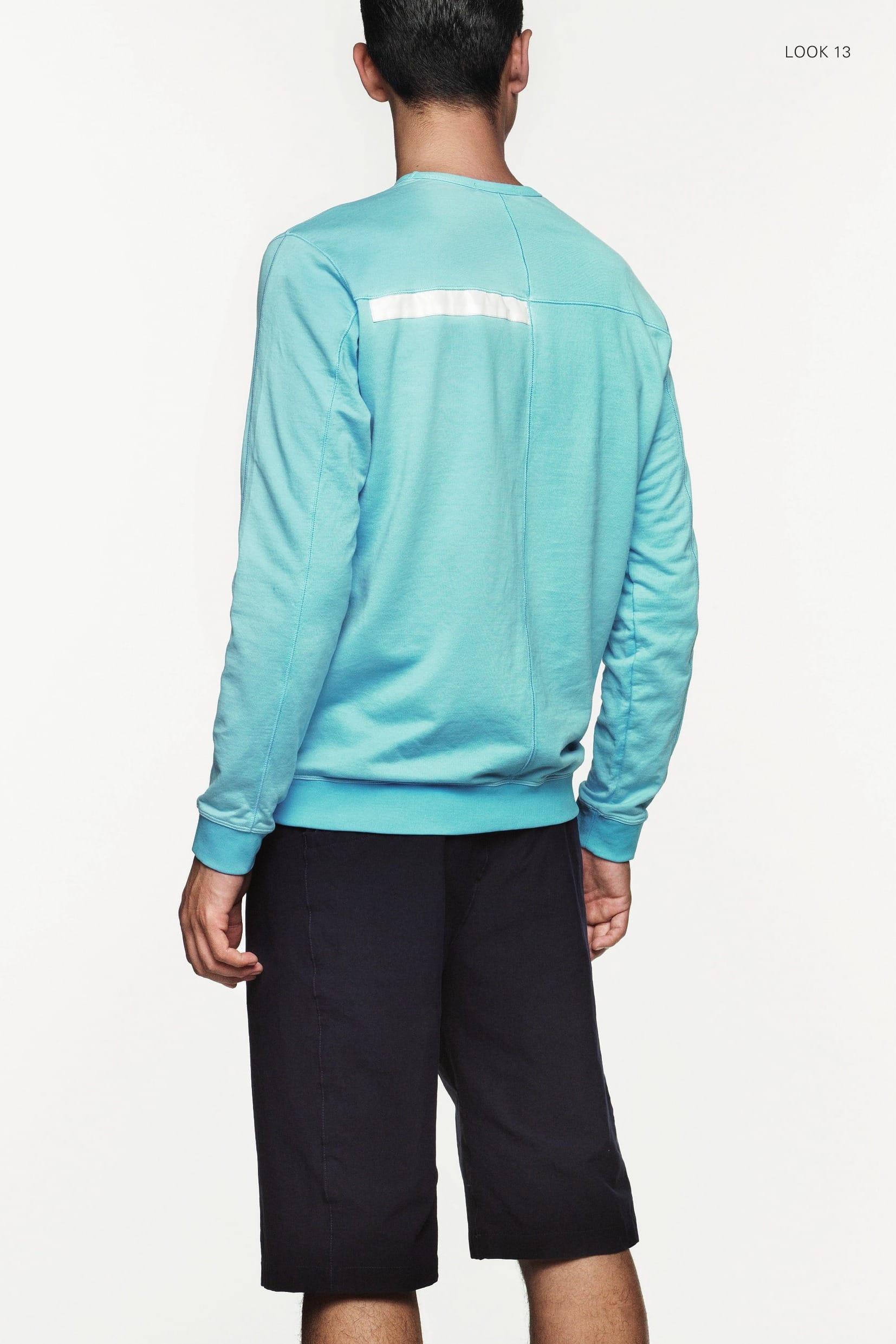
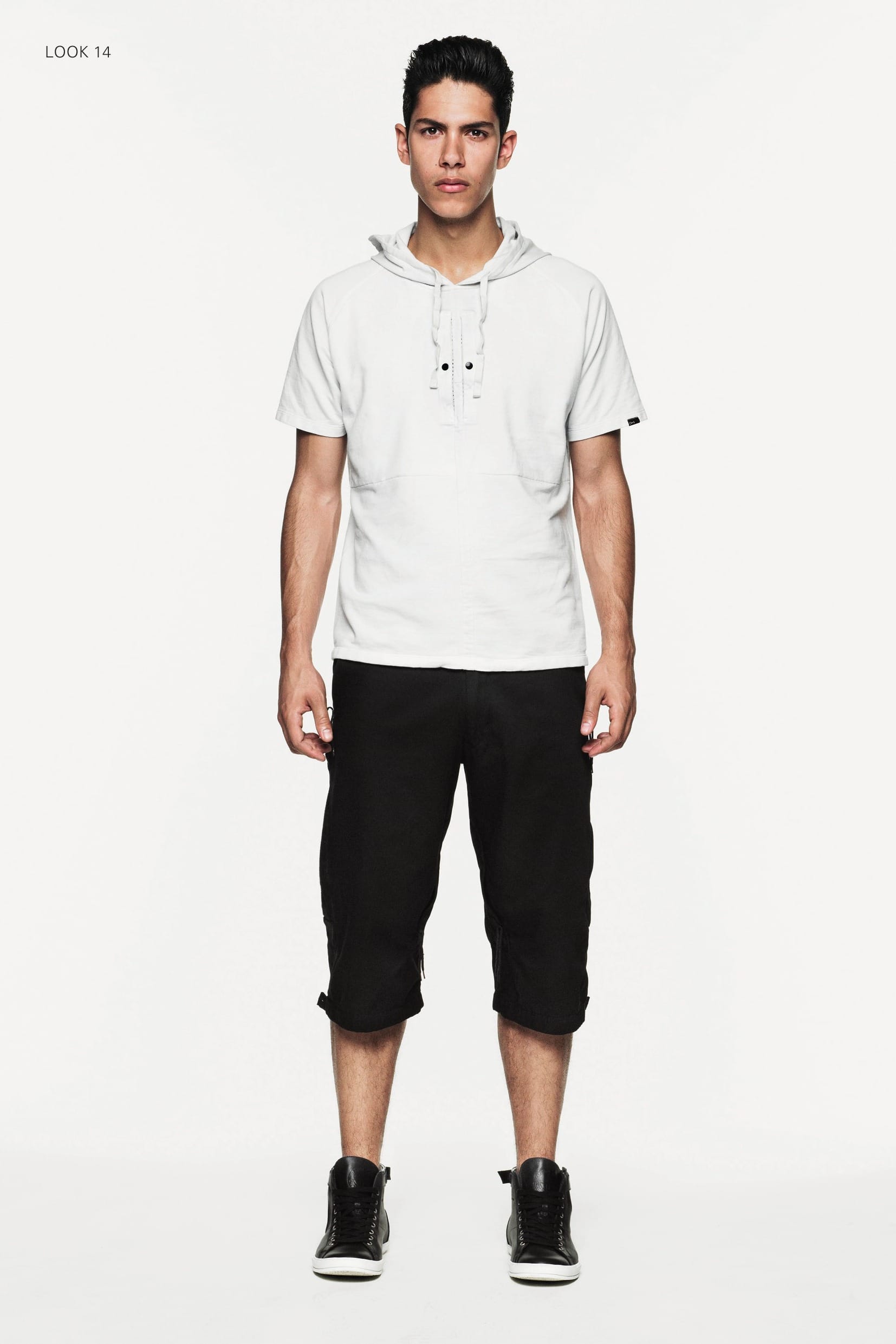
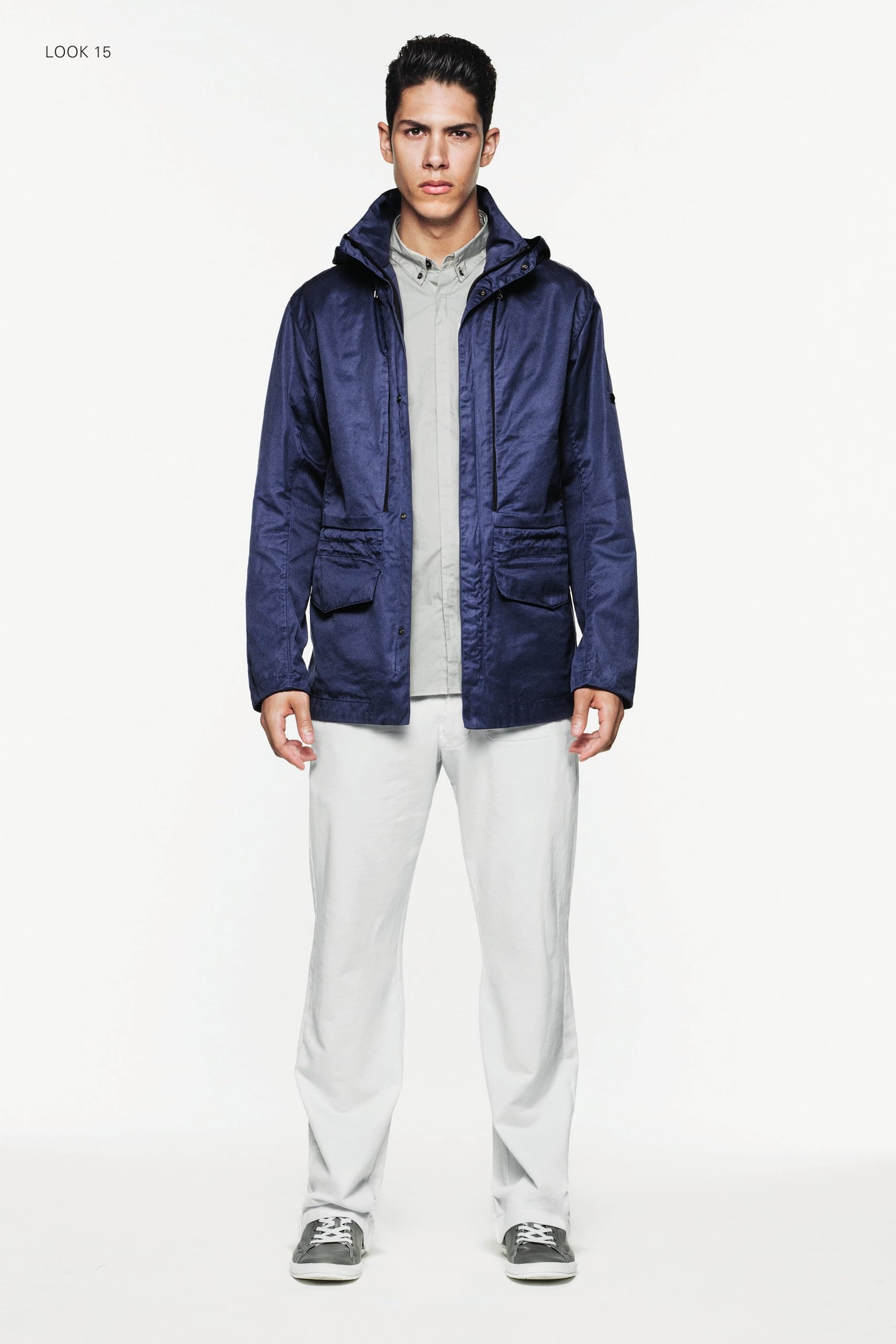
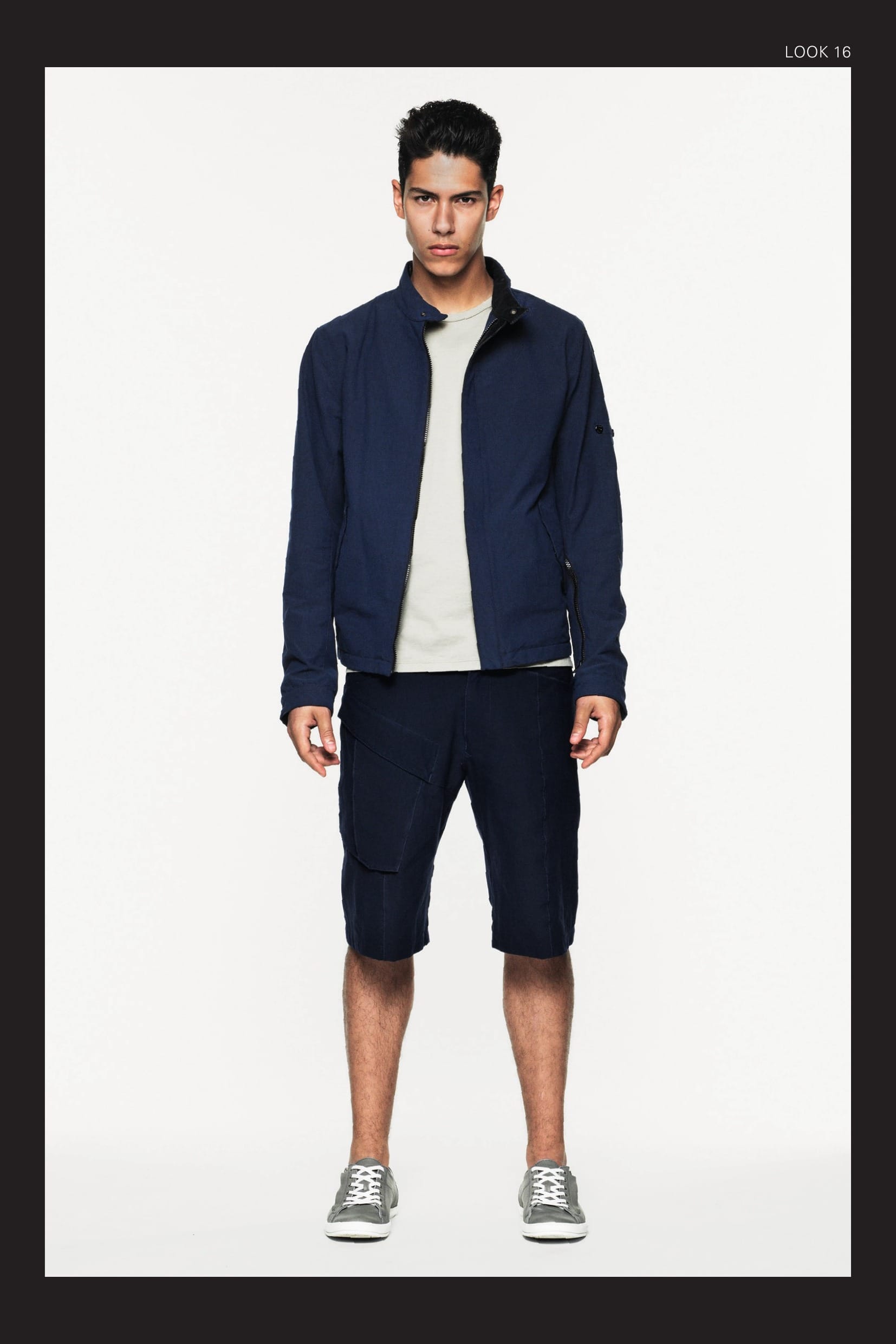
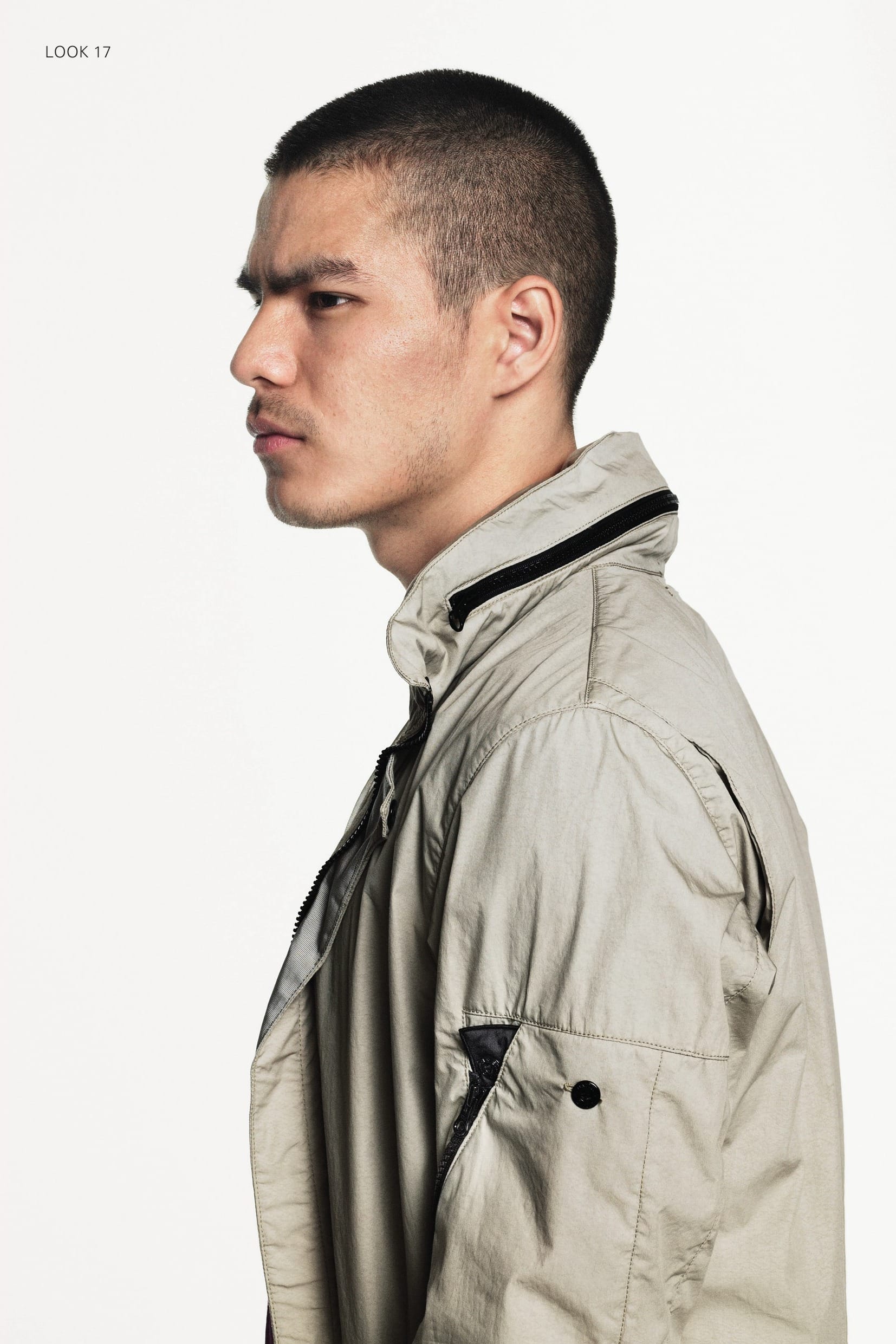
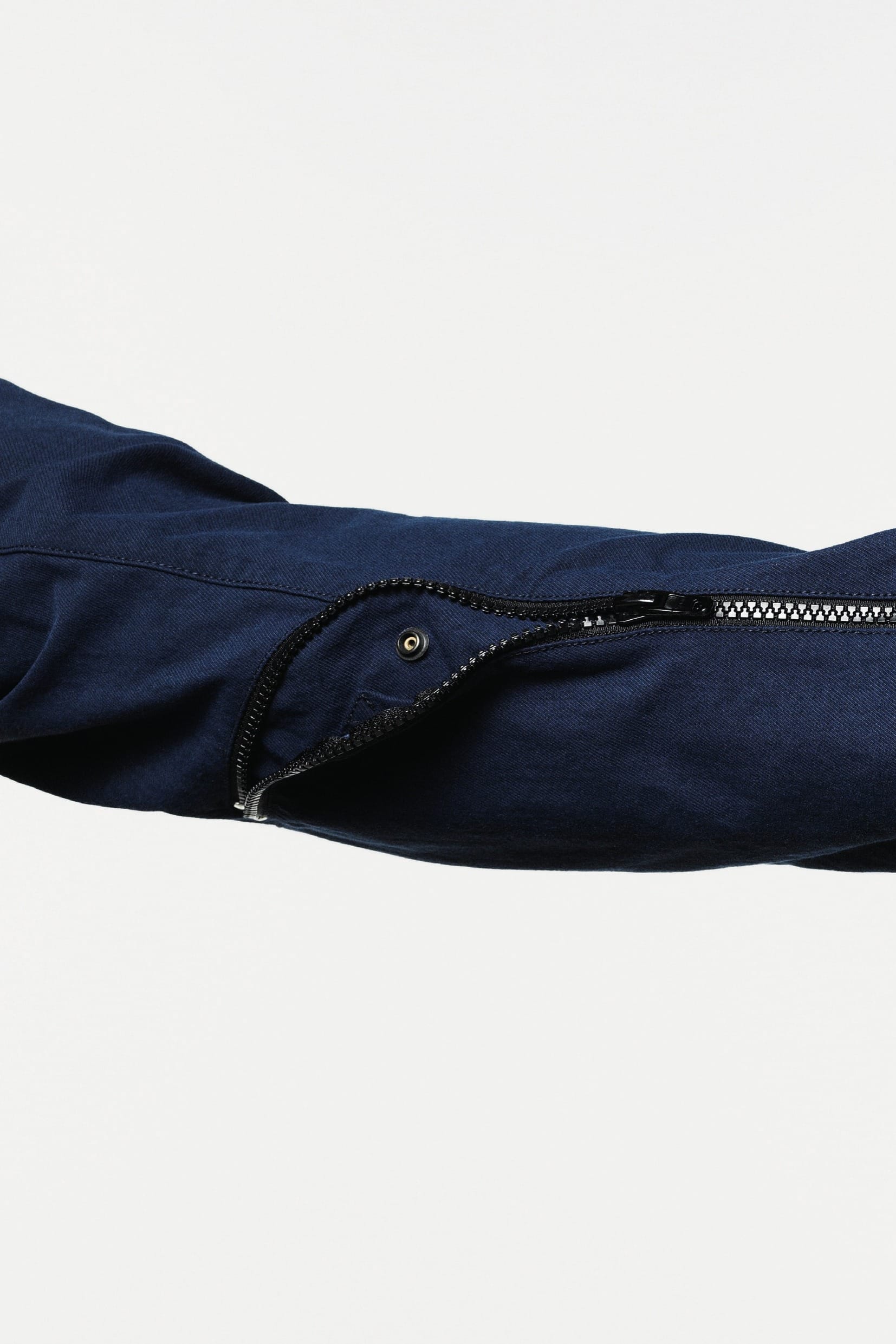
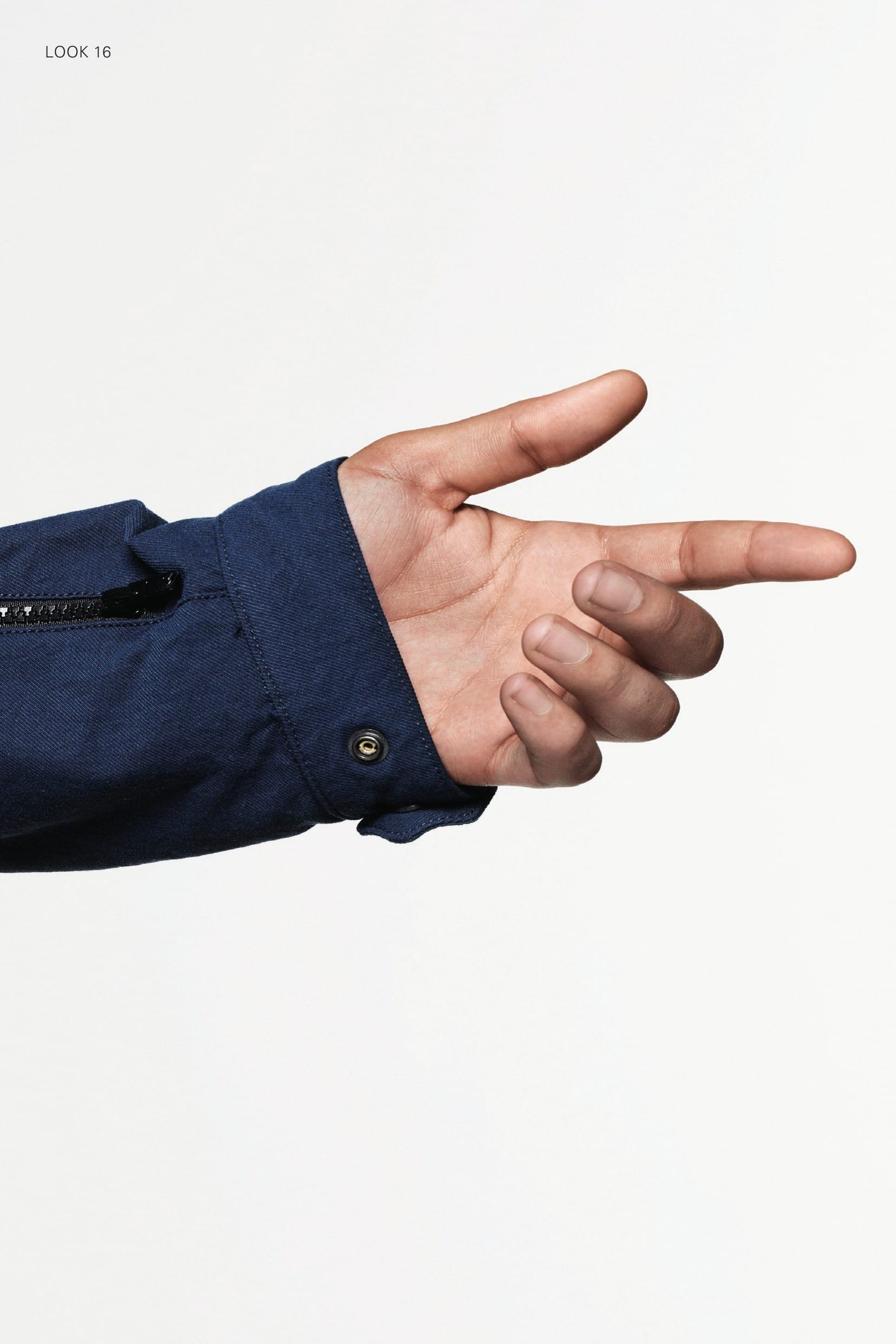
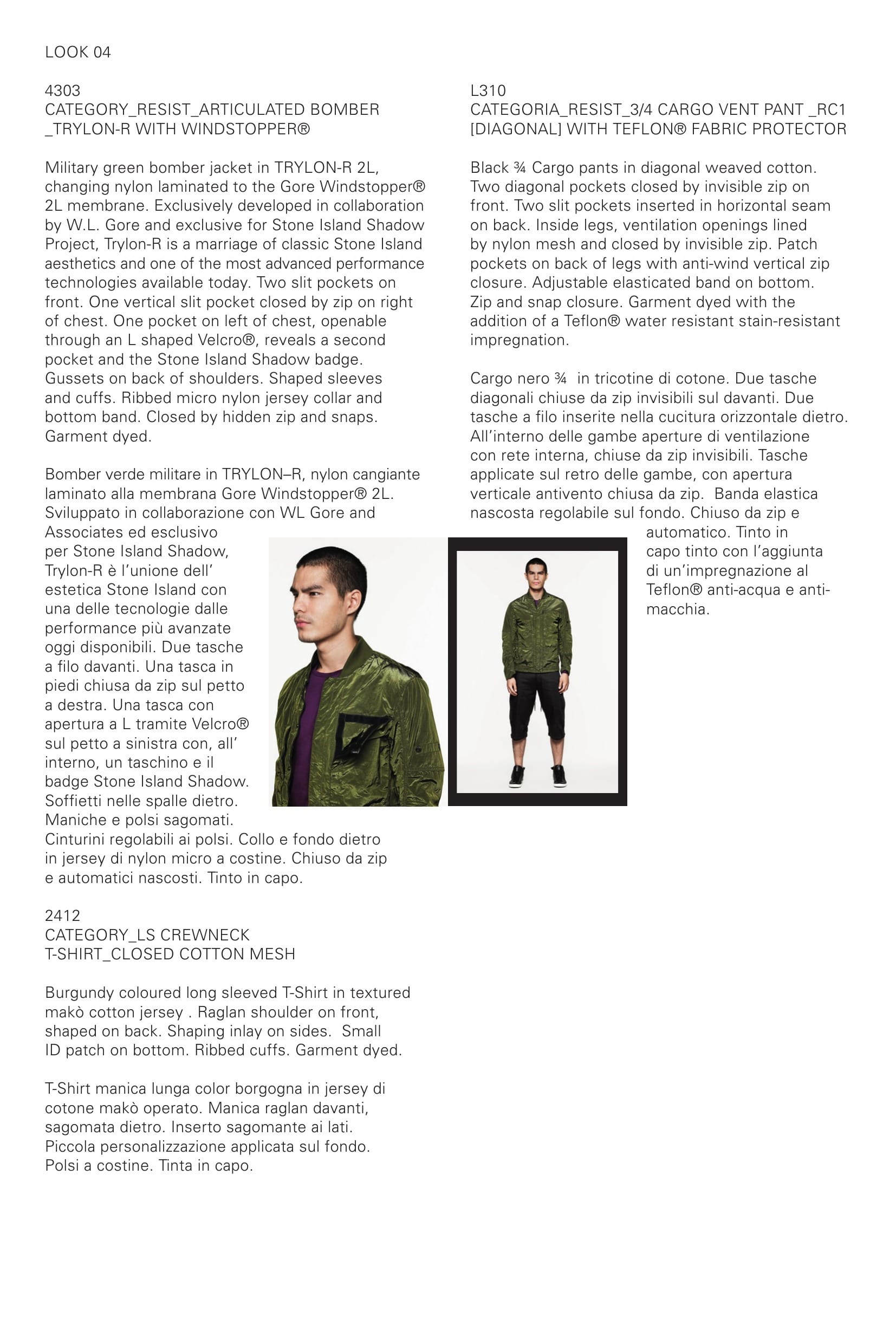
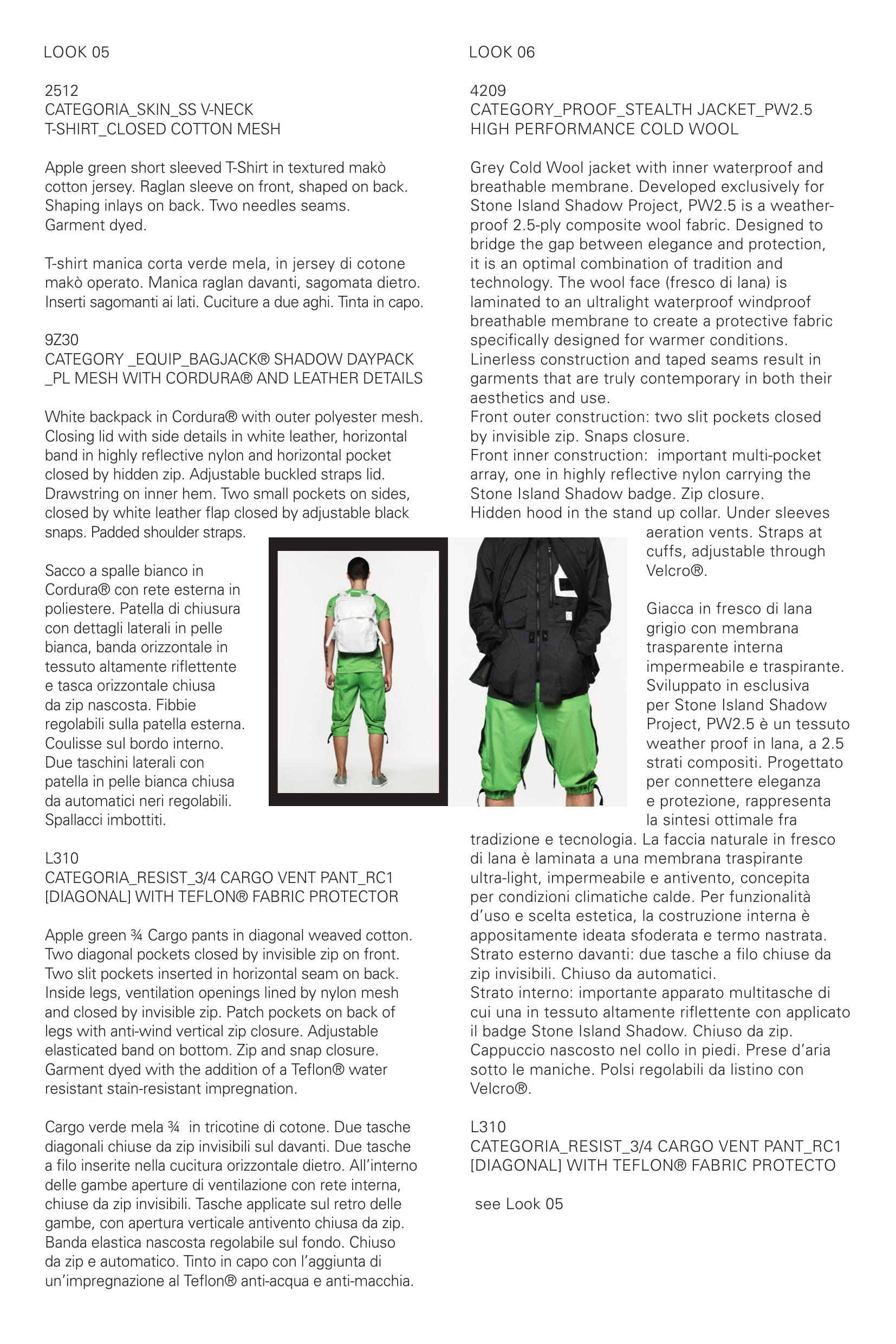
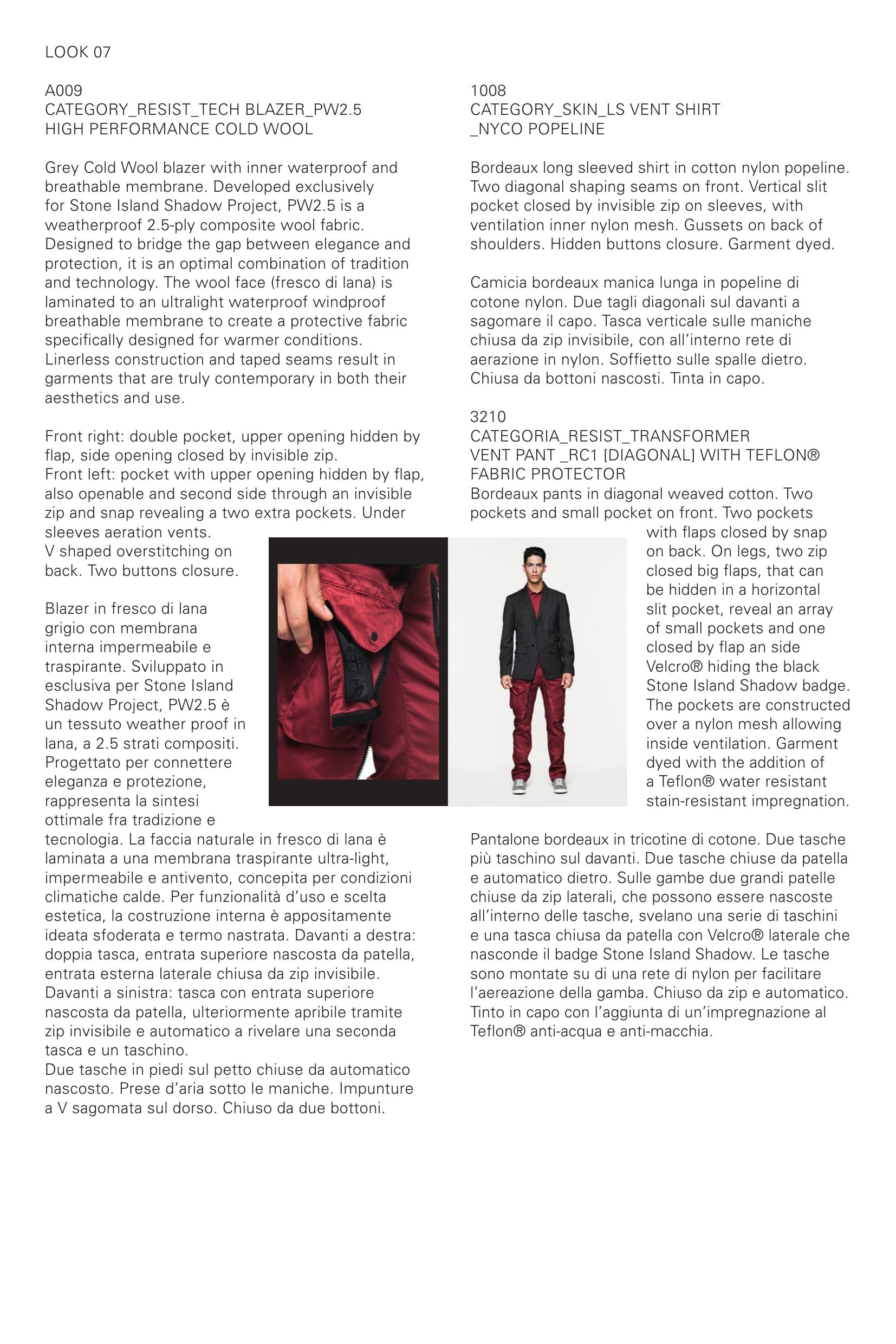
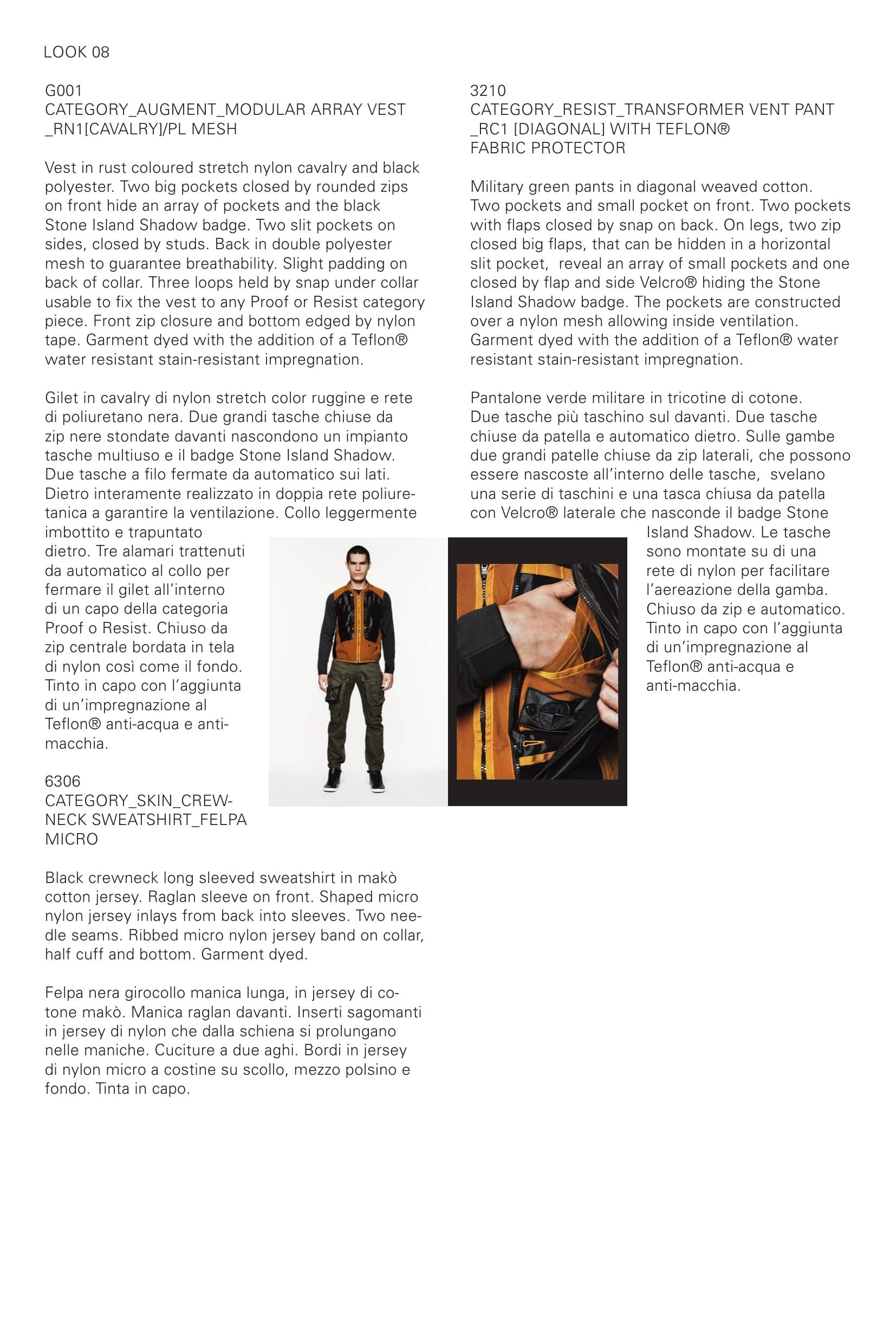
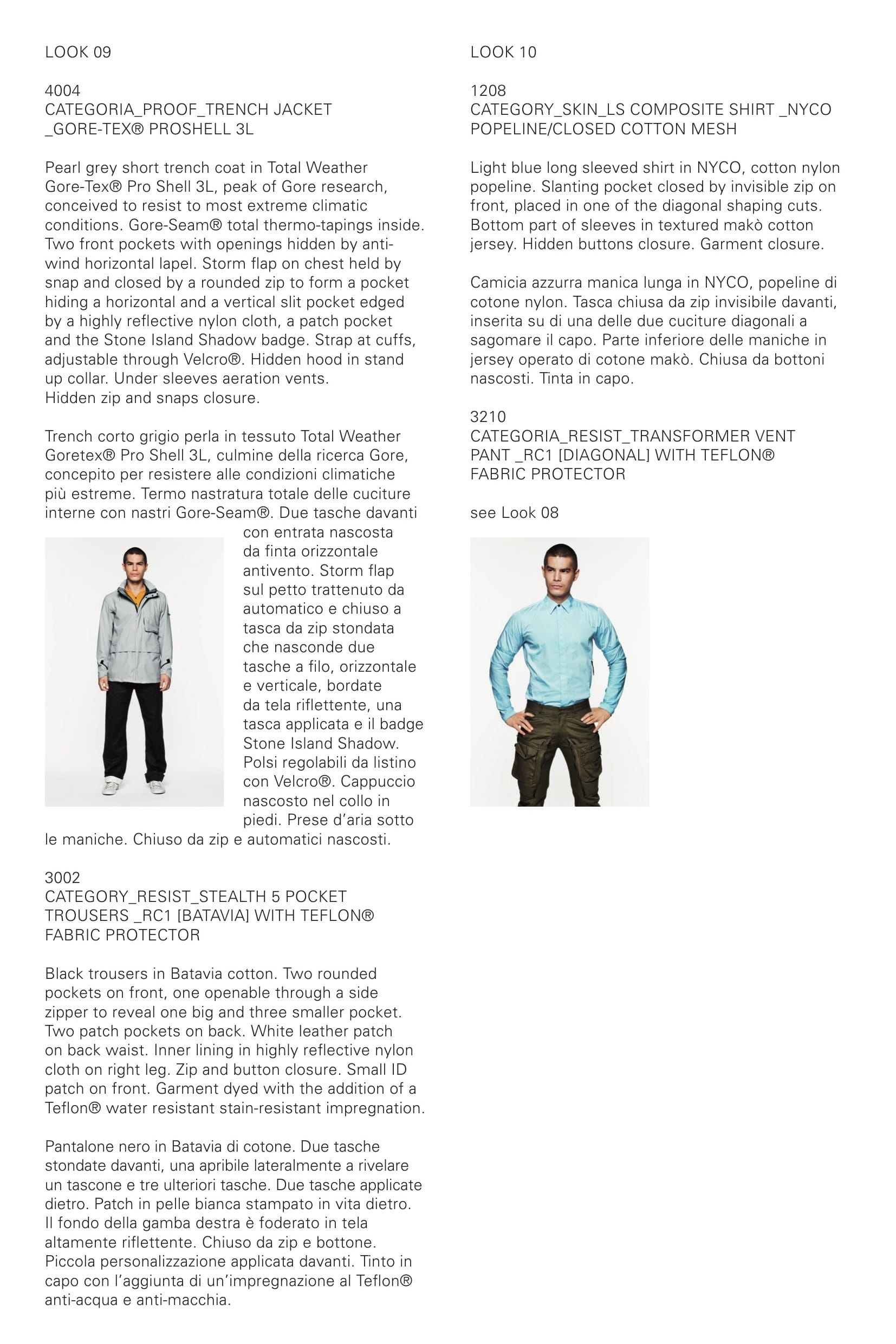
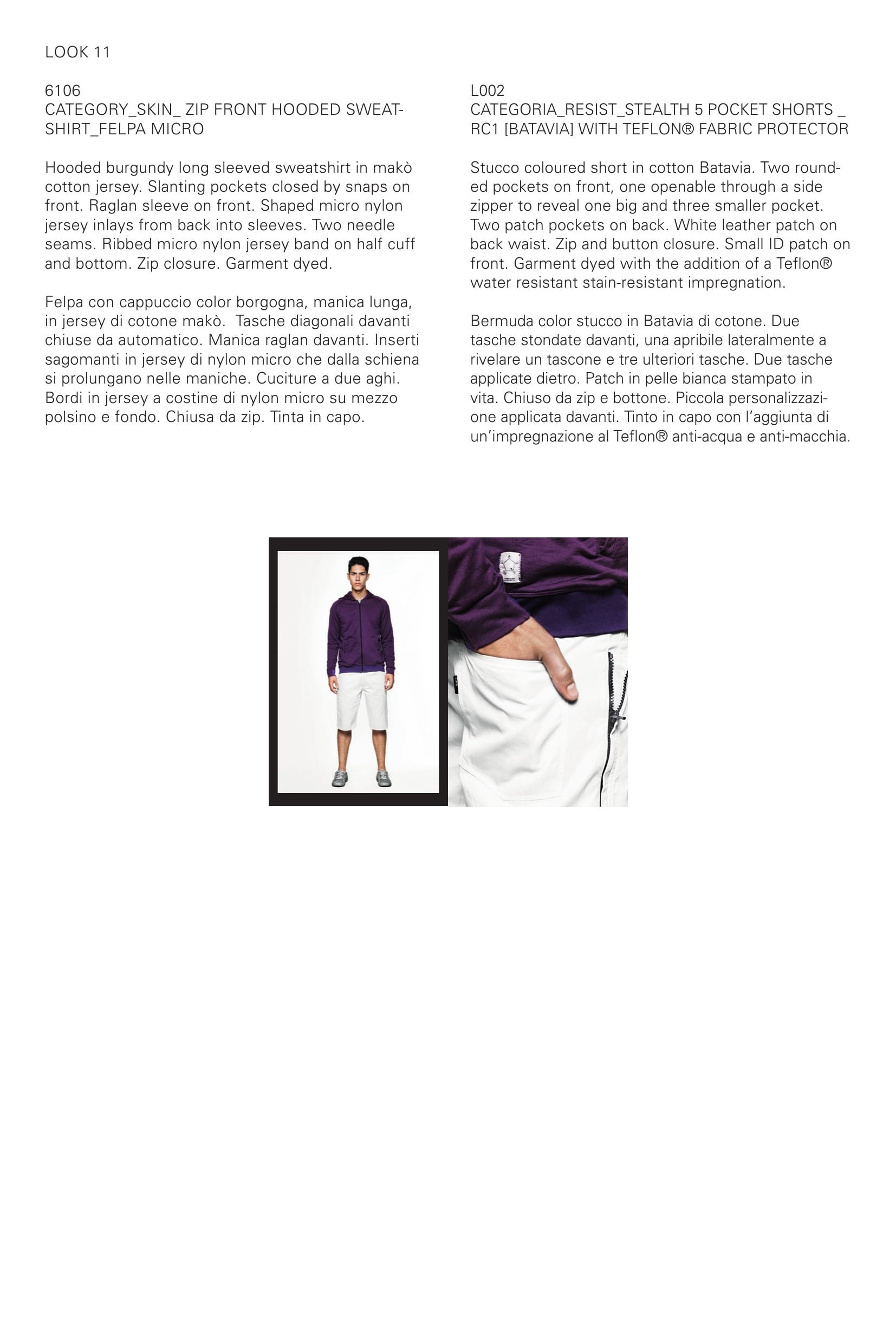
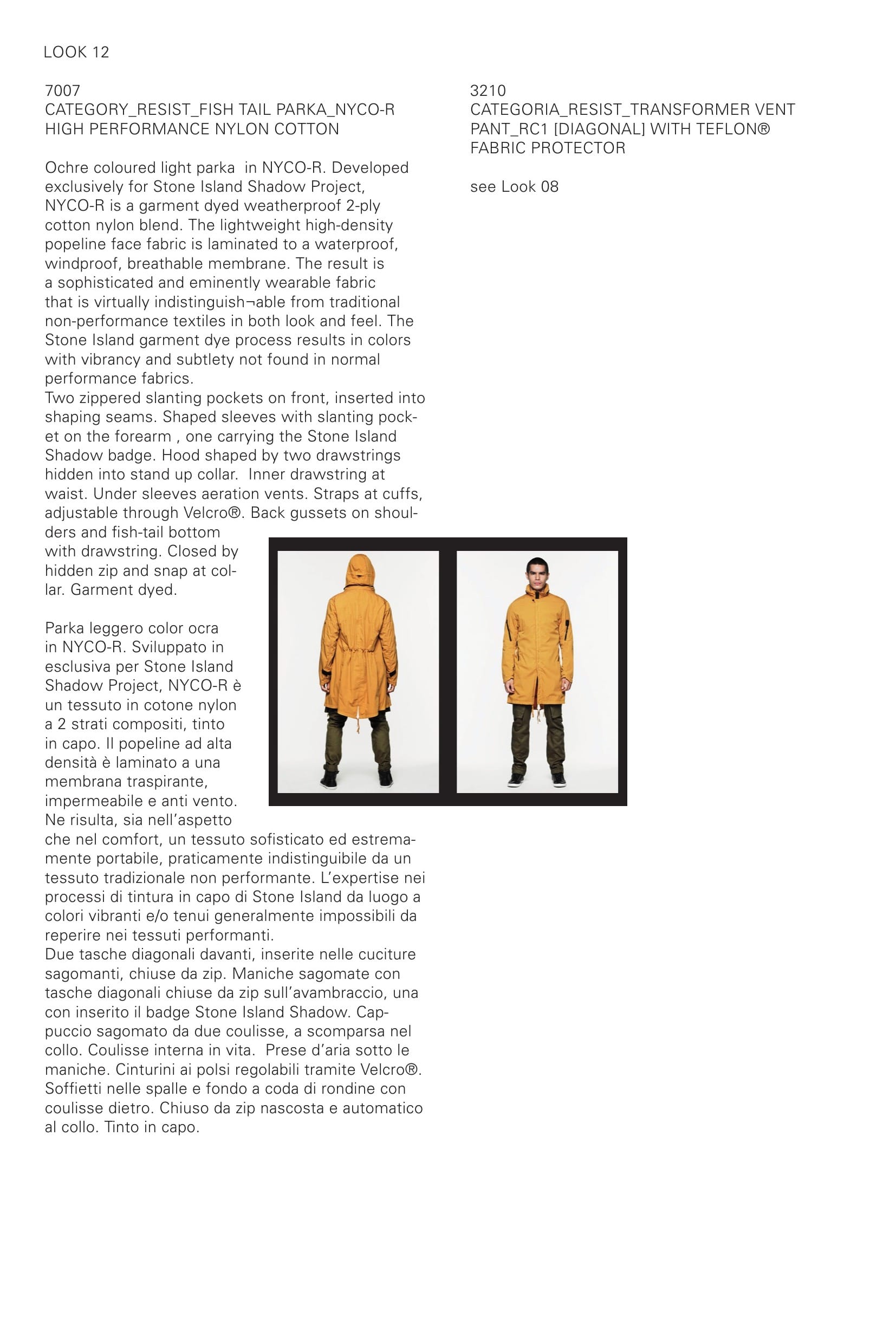
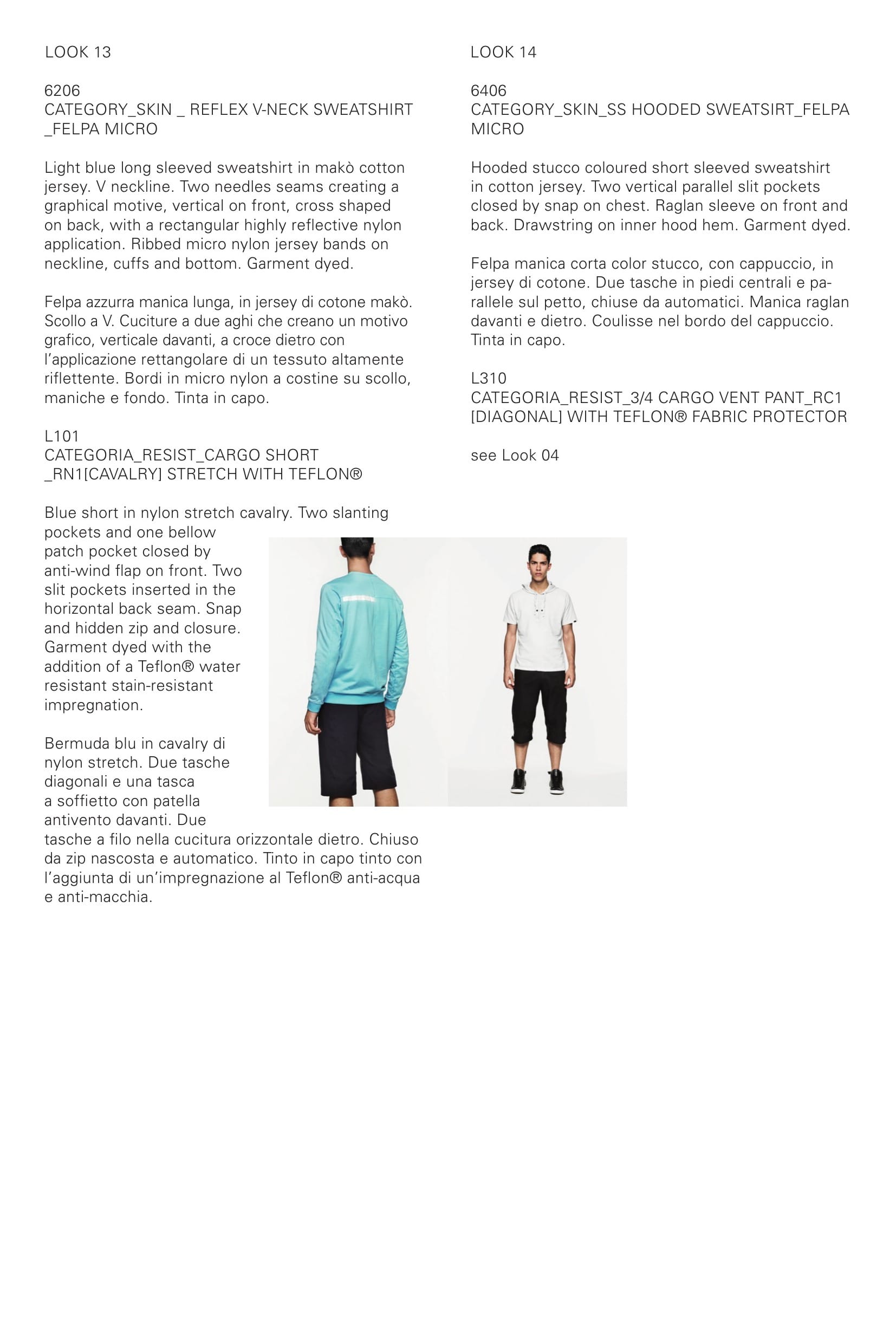
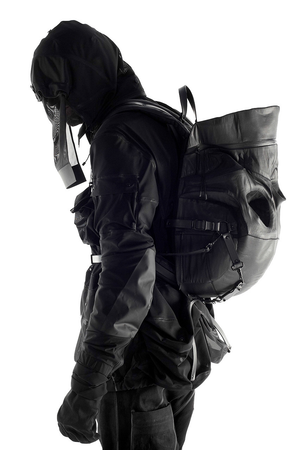
The Stone Island Shadow vector continues with the project's fourth seasonal capsule collection. Fueled by new reactions within the project's original conceptual core, fresh manifestations of fabric, style, detail, and interface emerge as the lightest, yet most comprehensive, offering thus far.
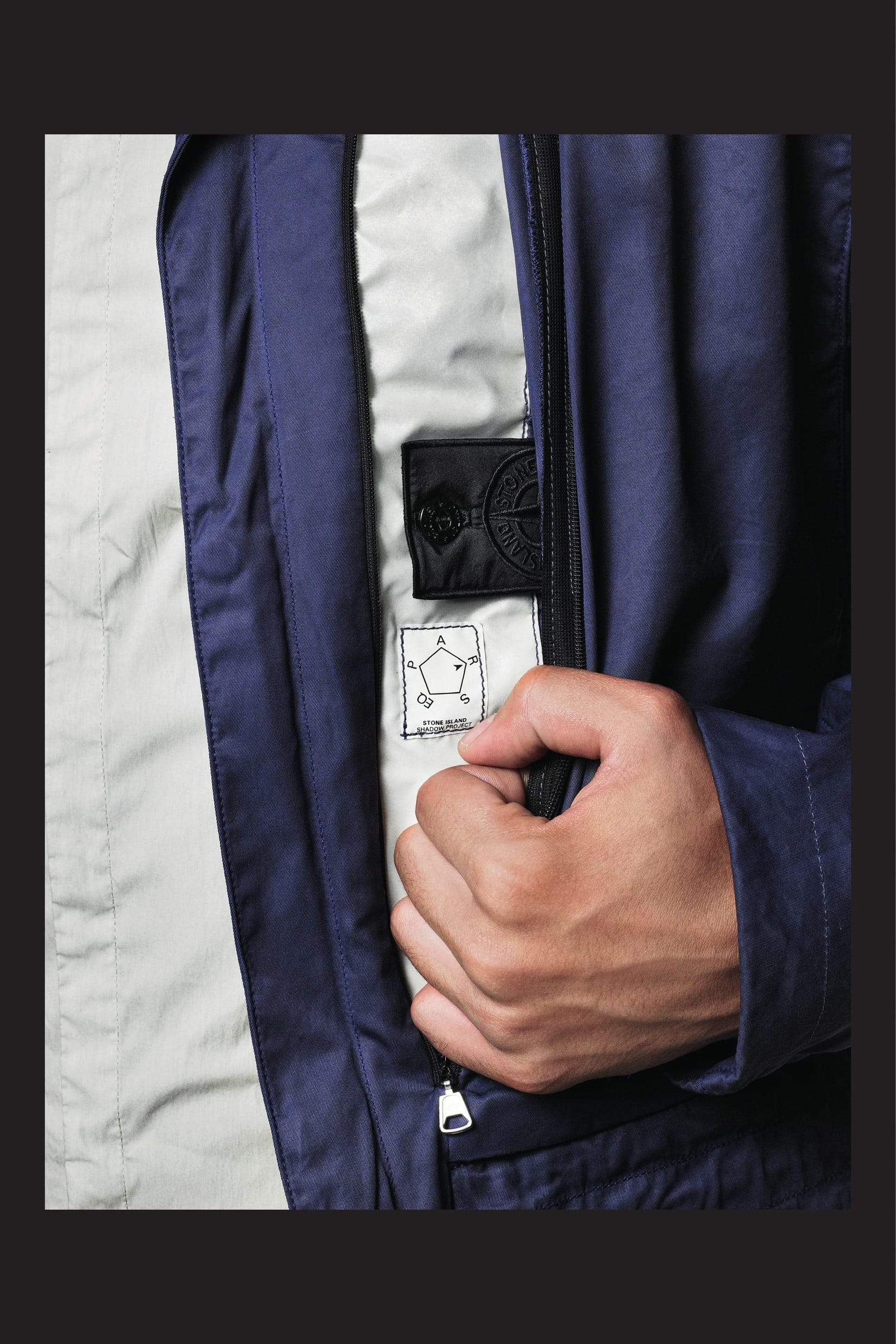
This unique trajectory begins, of course, at a unique point of origin — the inimitable constellation of research and development that is STONE ISLAND. Hidden detail and potential action lies at the heart of each and every Stone Island Shadow style.
Enfolding this in a simpler, softer way, a new focus can be brought to bear on both resolution of shape and fidelity of color. The goal is vibrancy and directness; stripping away the superfluous without sacrificing capability, and the lightness that can only be found by moving through one's environment with zero resistance.
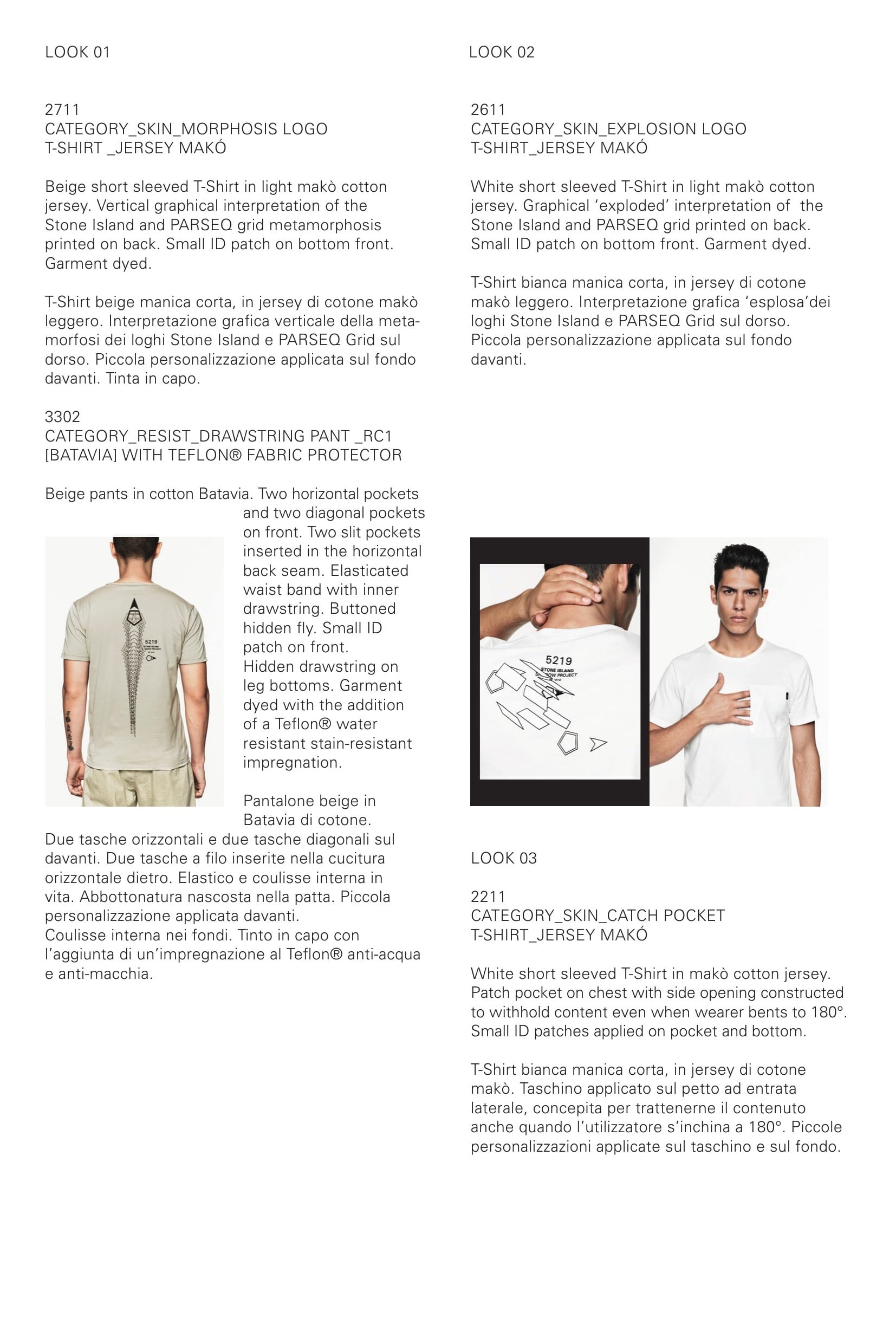
Modular Performance Grid, PARSEQ is the organizational framework upon which the idea is built: PROOF, AUGMENT, RESIST, SKIN and EQUIP. All Shadow fabrics work together as part of the grid — breathable, moisture managing, skin-friendly and maintainable — chosen for their balance of performance technology and the aesthetic treatments for which Stone Island has been known since its inception.



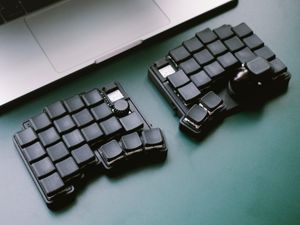
The Inspired by kumakey’s “roBa,” the moNa2 is a small wireless split keyboard developed by shakupan and pooh.polo, designed to keep a desk feeling open and unclaimed. Two compact halves sit apart with a quiet gap between them, leaving room for a notebook or tools without forcing a single, monolithic footprint.
The layout is restrained: low, close spacing with a built-in thumb-controlled ball that keeps basic navigation under the hand instead of pushing you toward a mouse. The whole object reads as light hardware rather than a centerpiece, favors packing and redeploying—such as magnets on the underside so the halves can join together for transport.
It runs wire-free and is meant to be adjusted over time rather than treated as a fixed appliance. Typical usage notes describe it lasting roughly a couple of weeks of frequent daily use before needing attention again, with the exact cadence depending on how it’s set up and used.
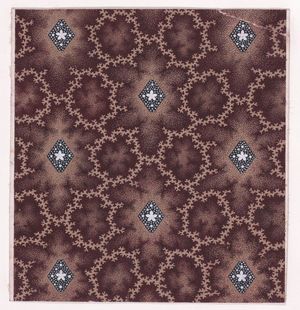
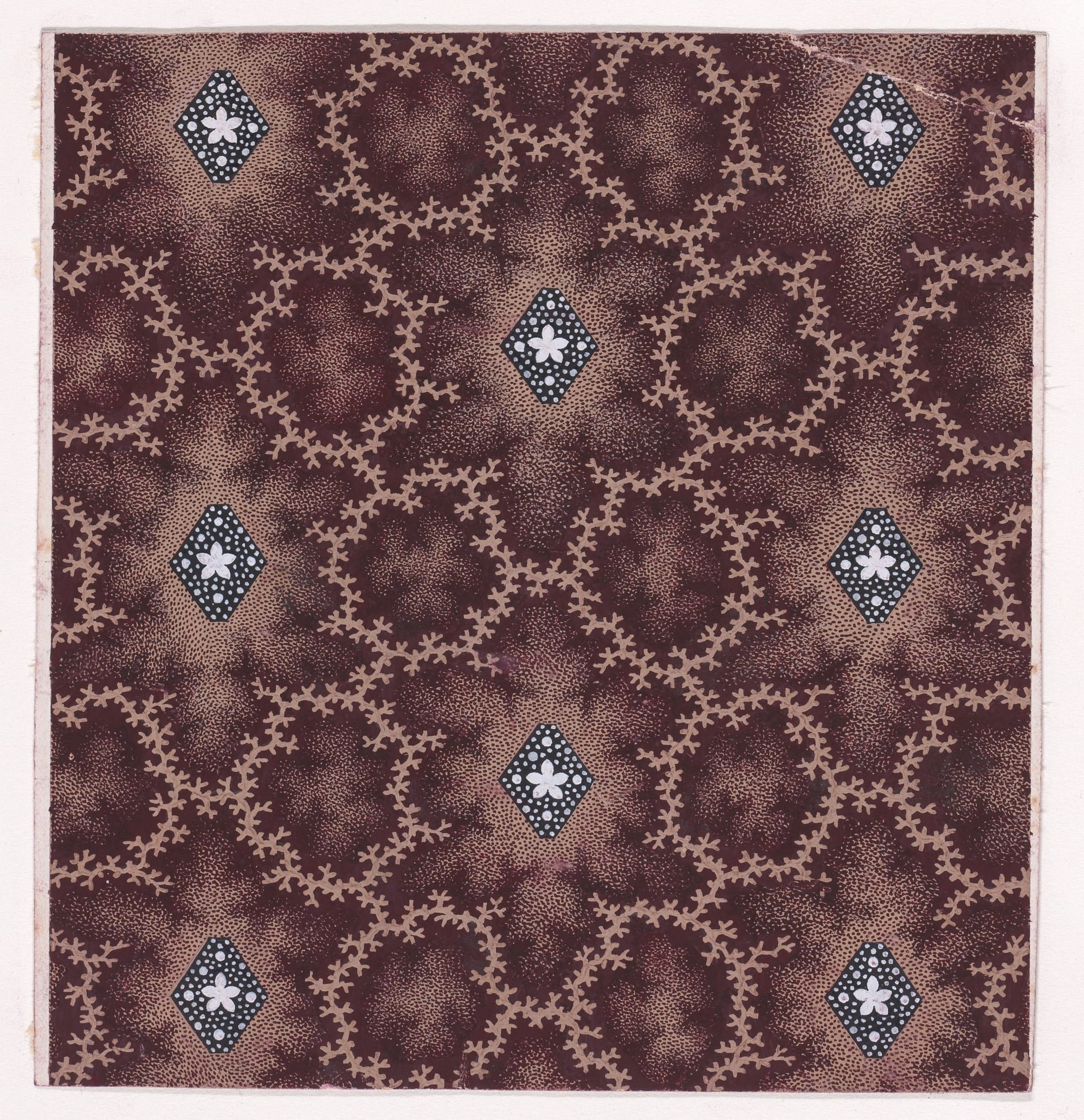
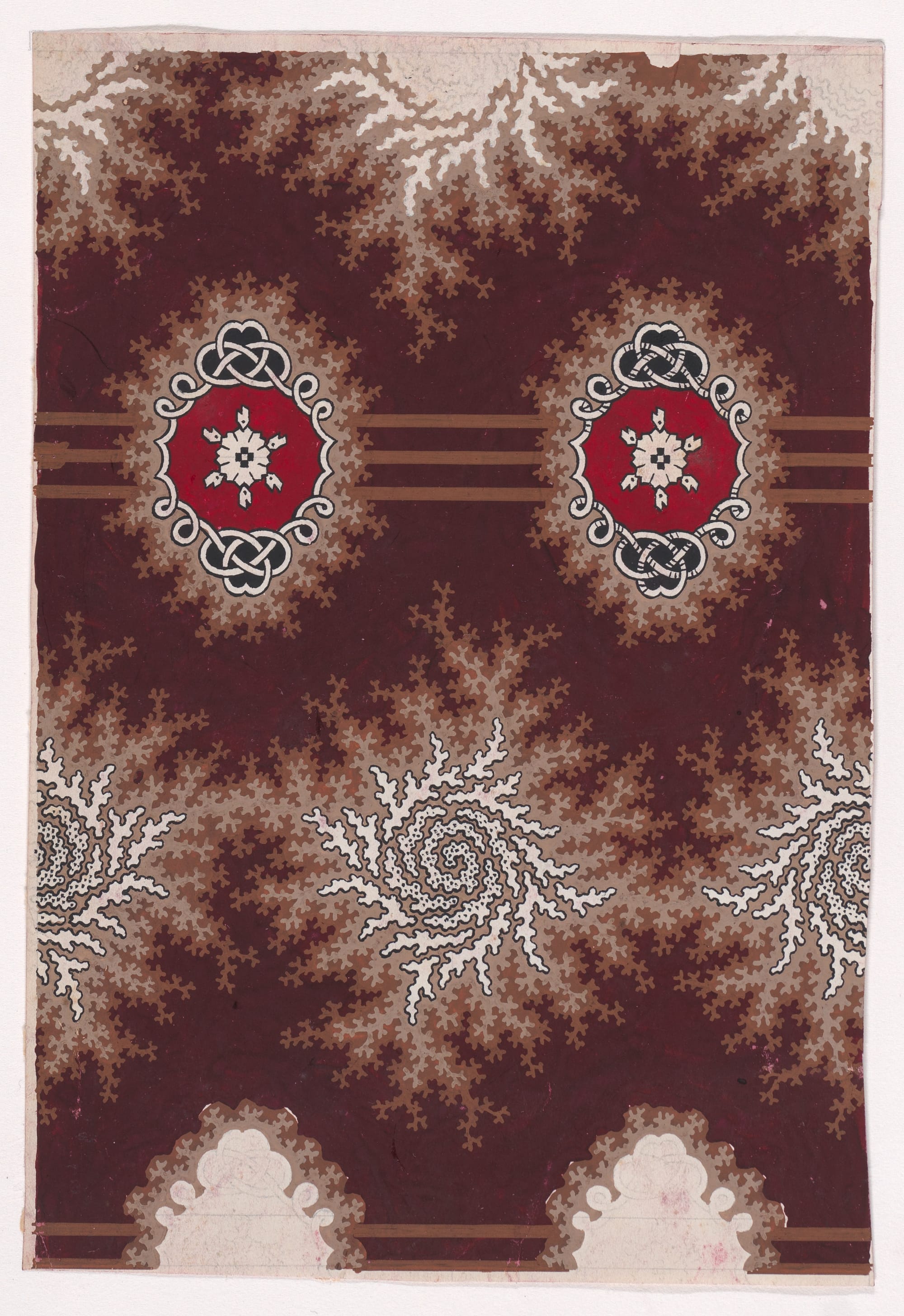
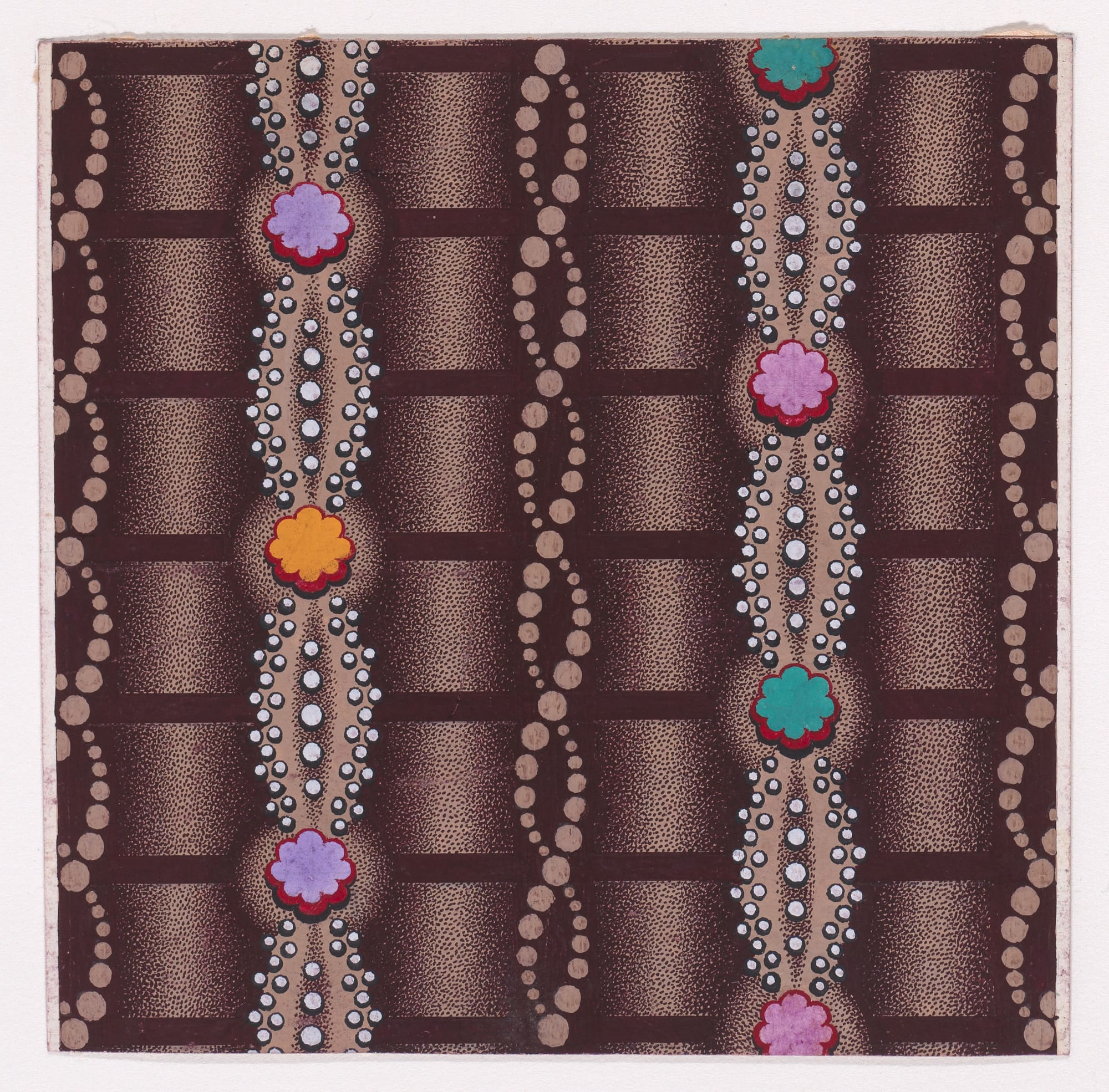
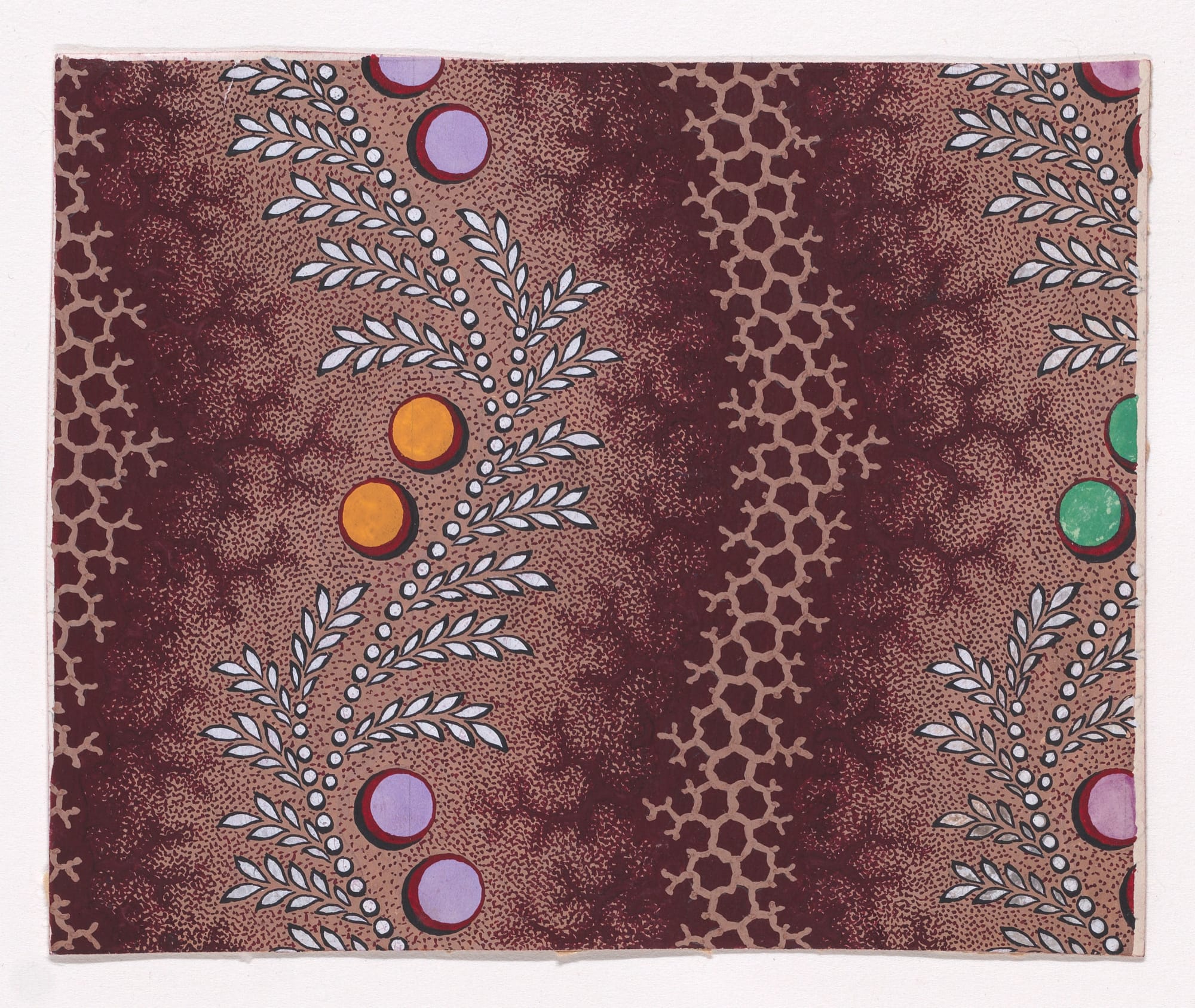
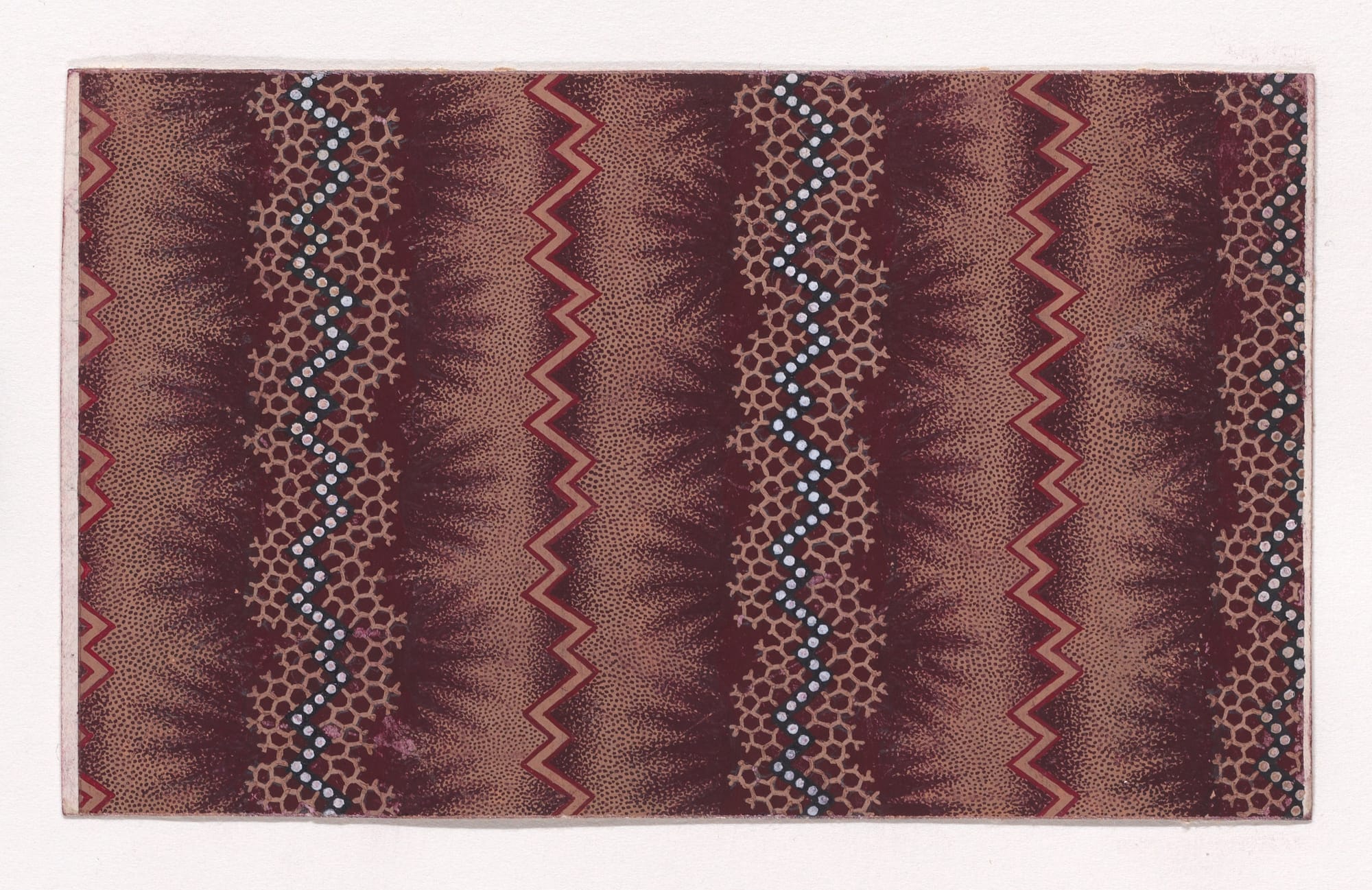
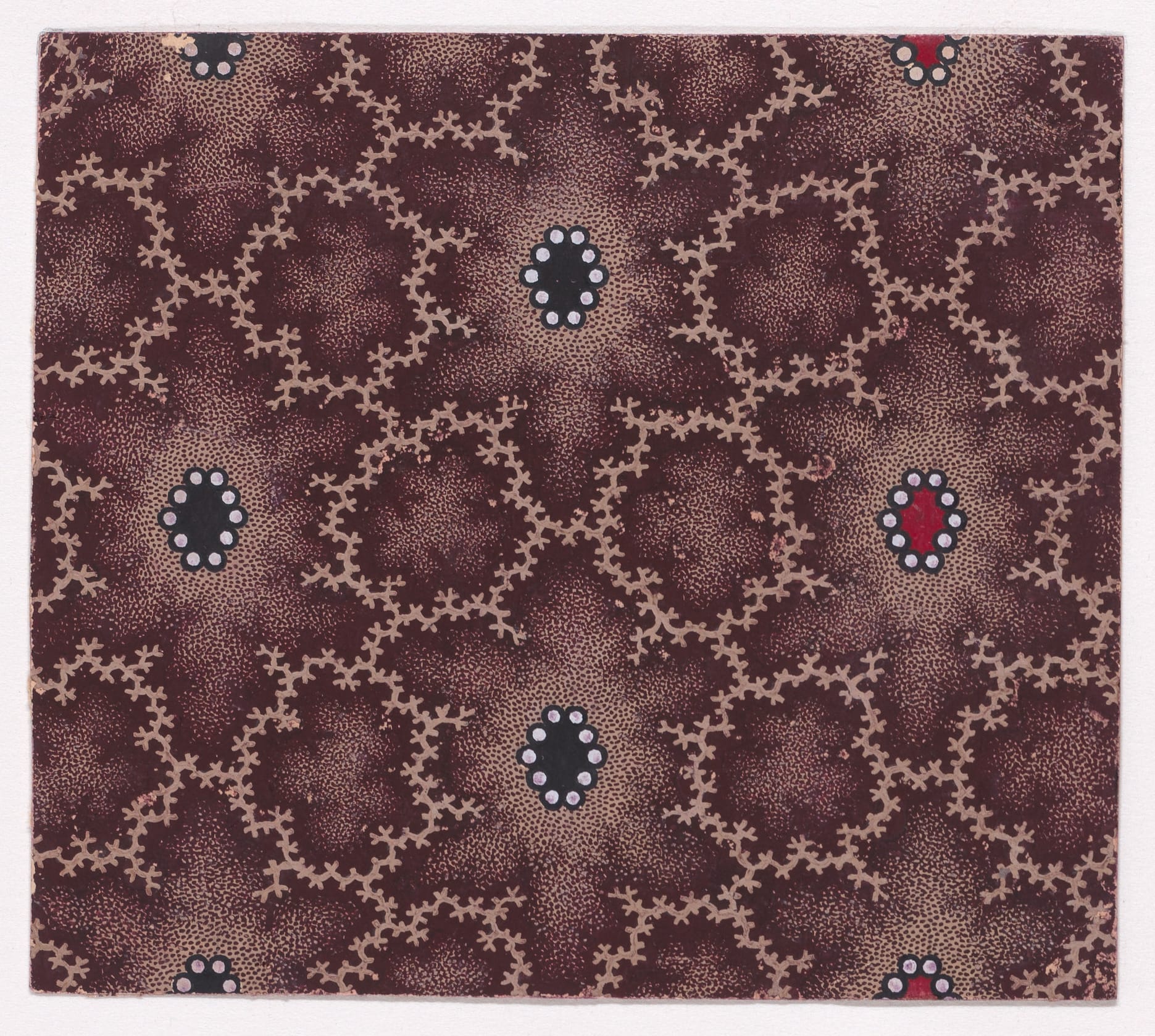
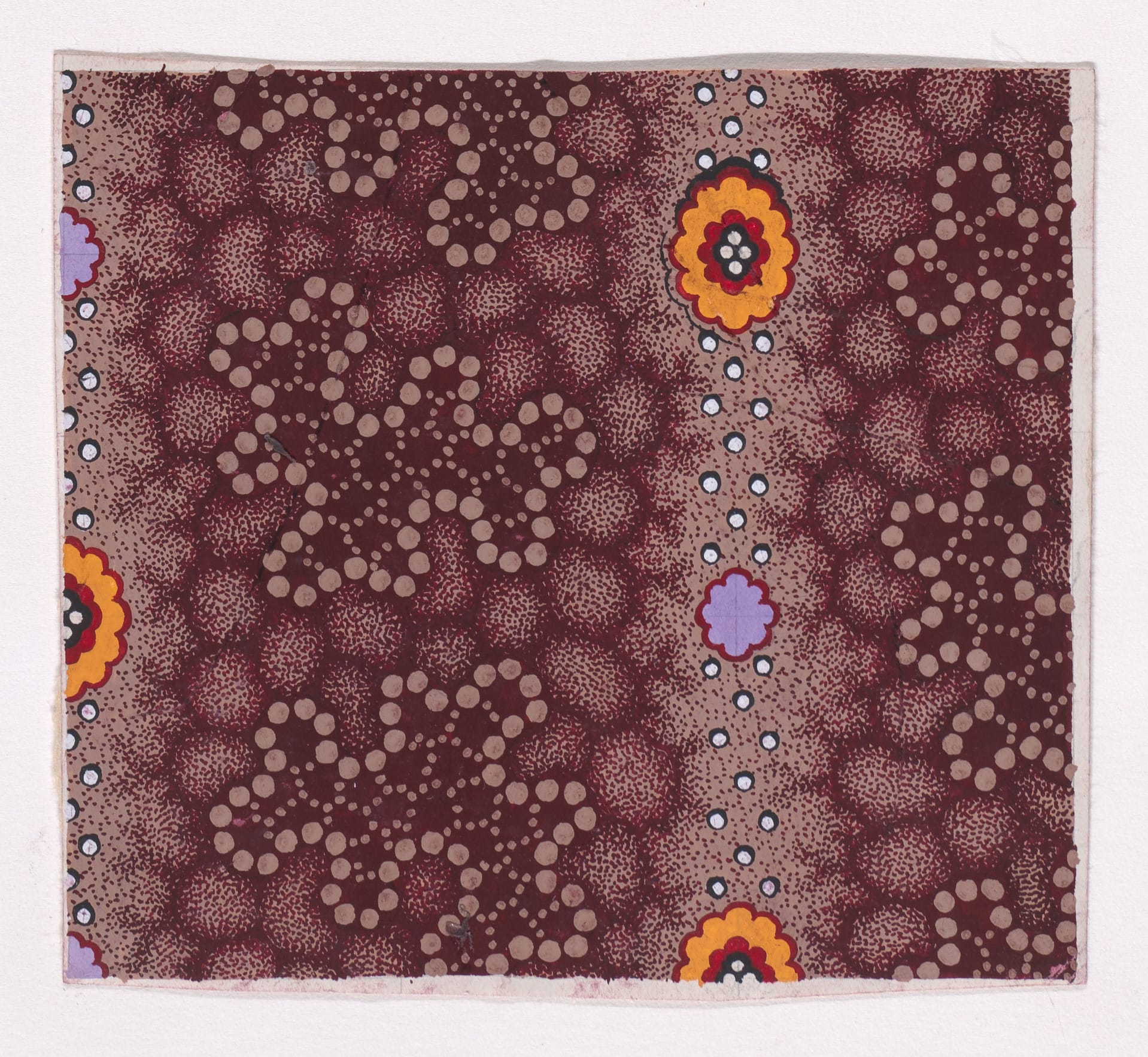
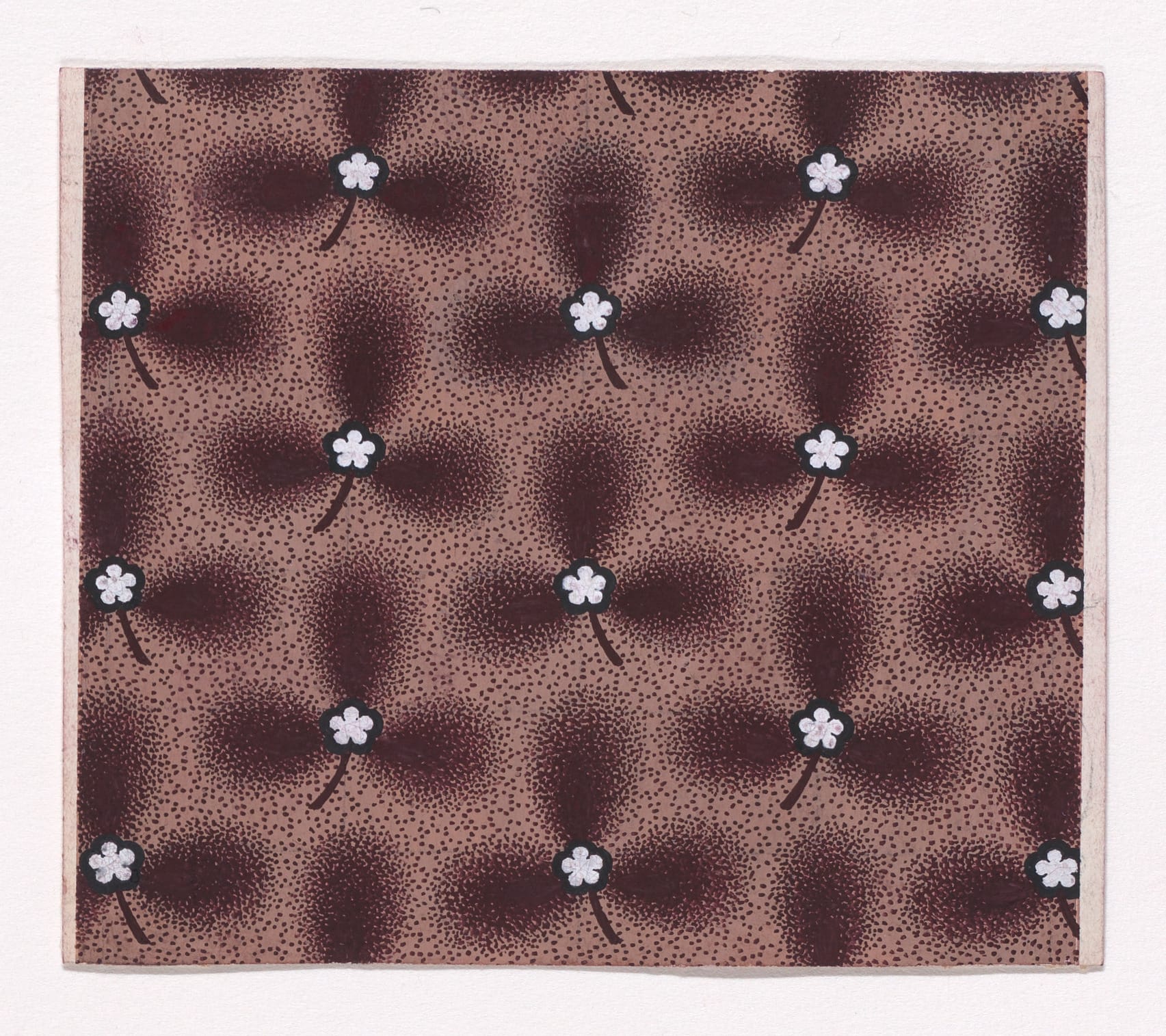
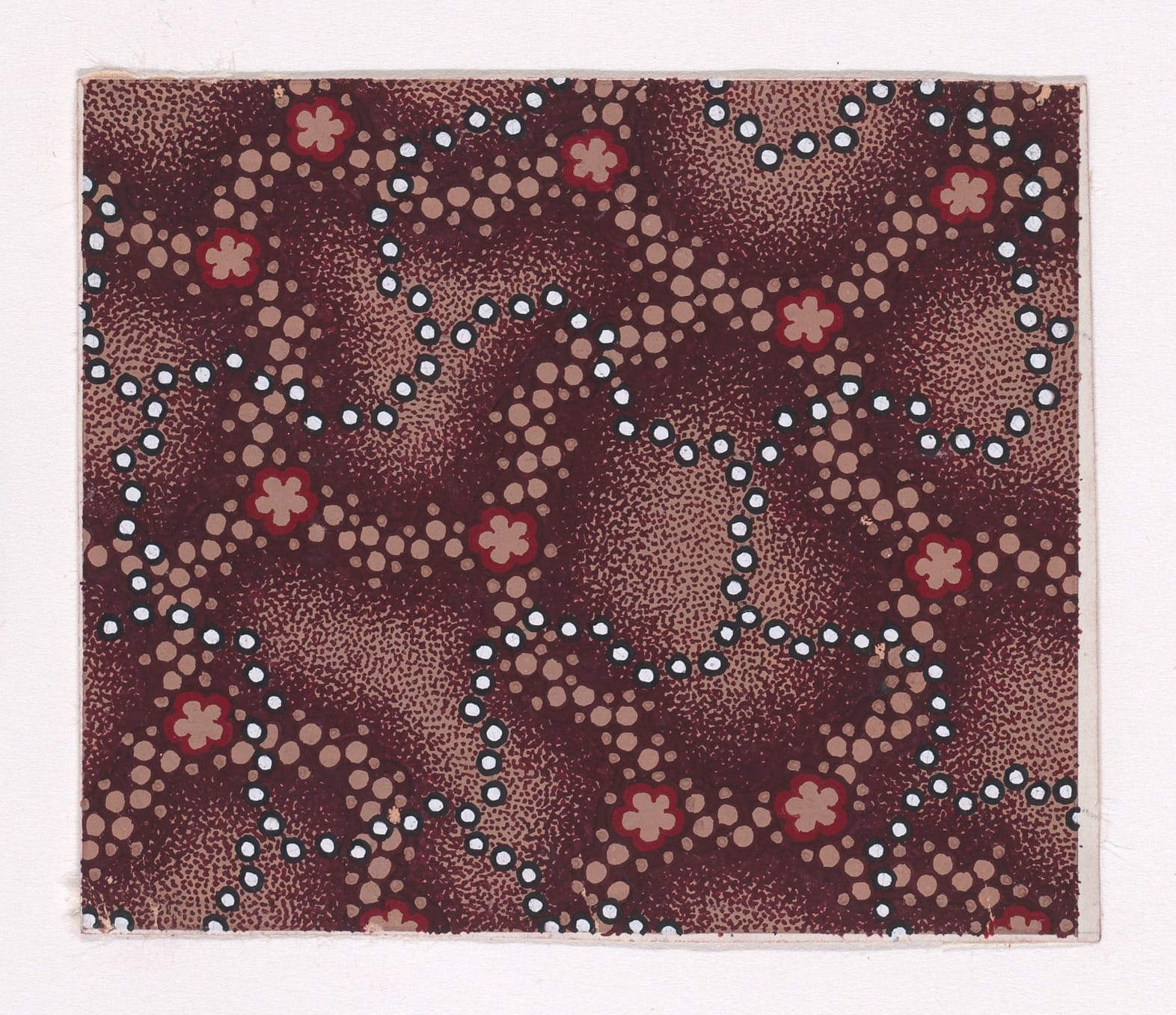
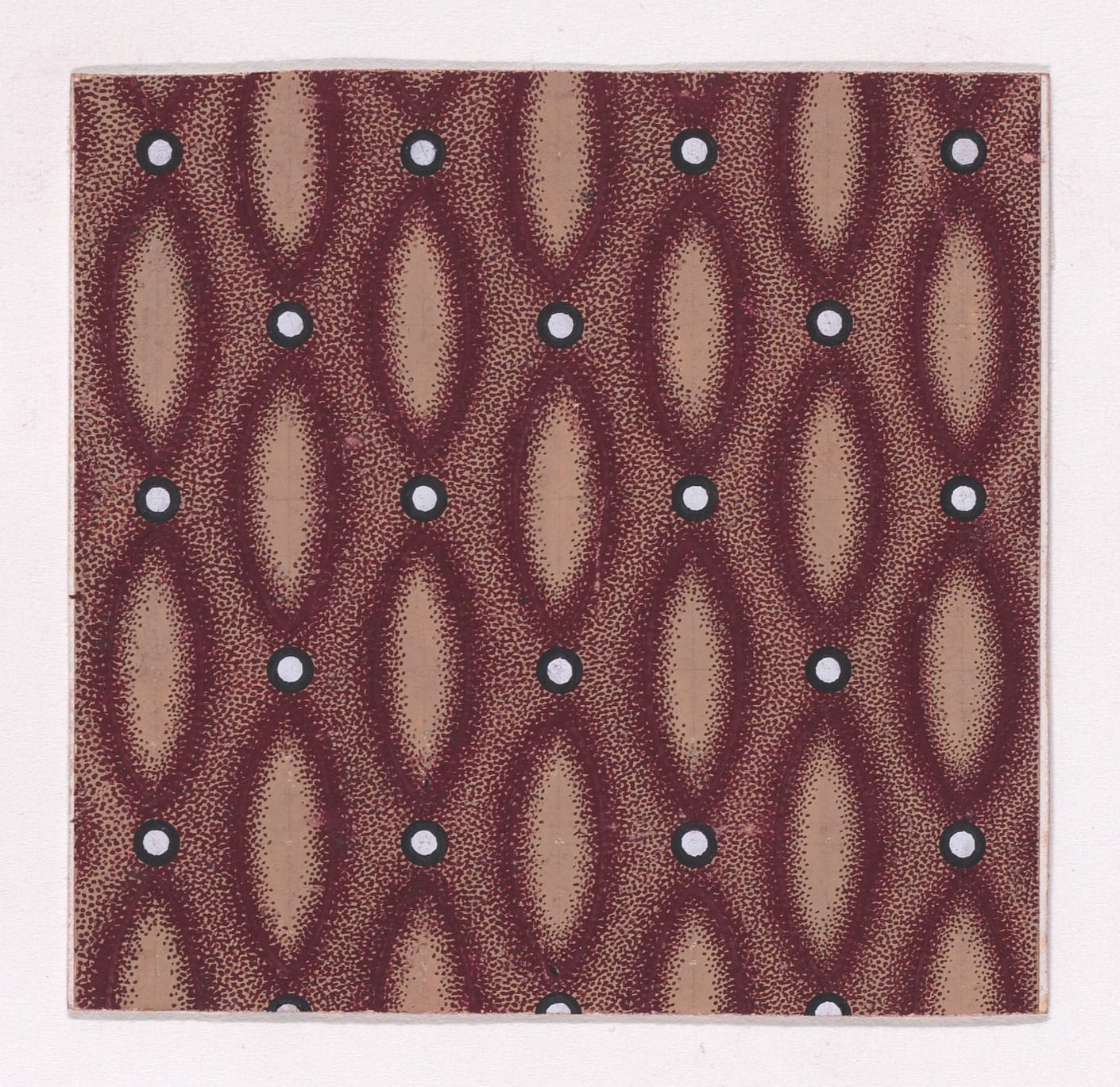
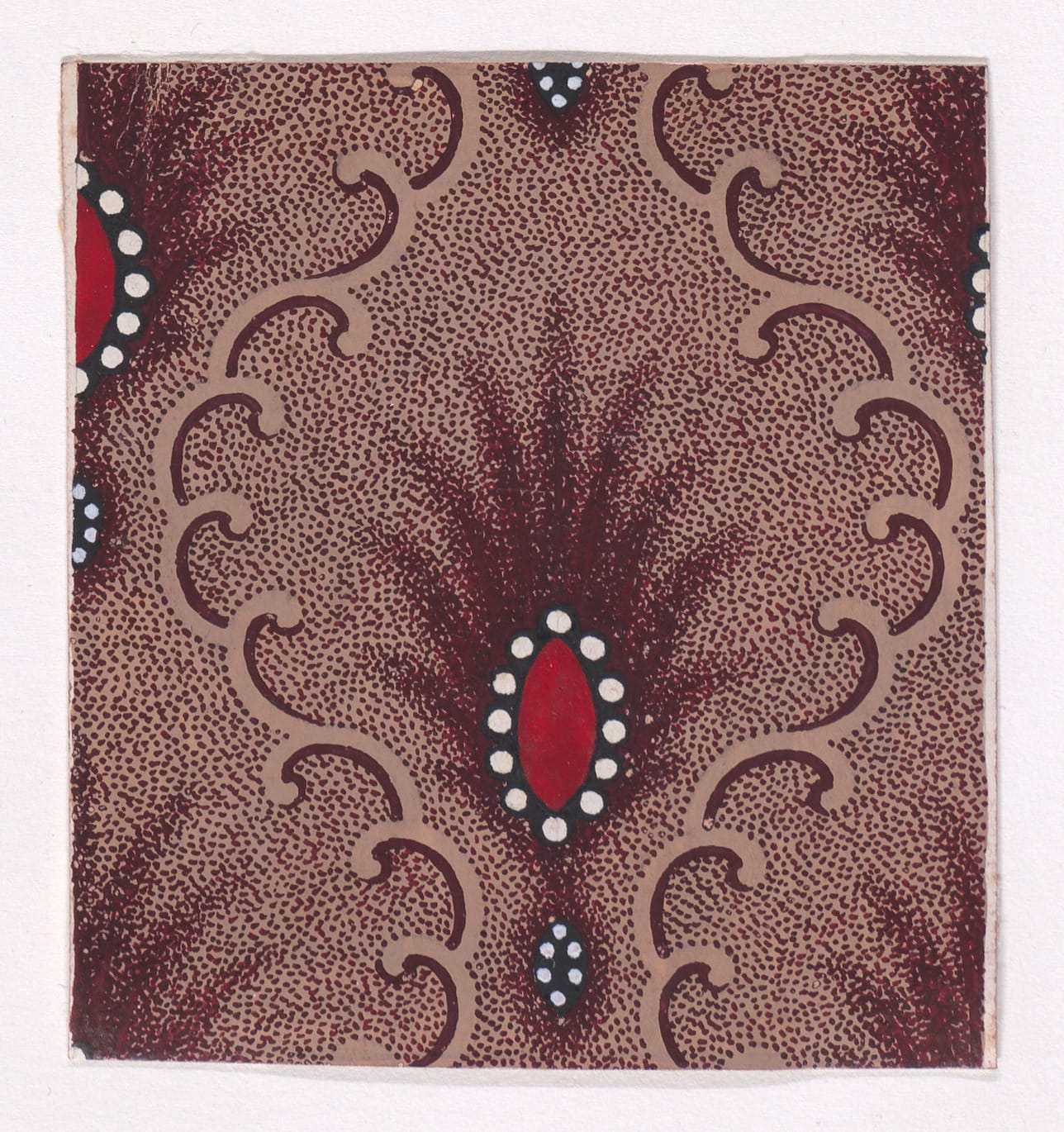
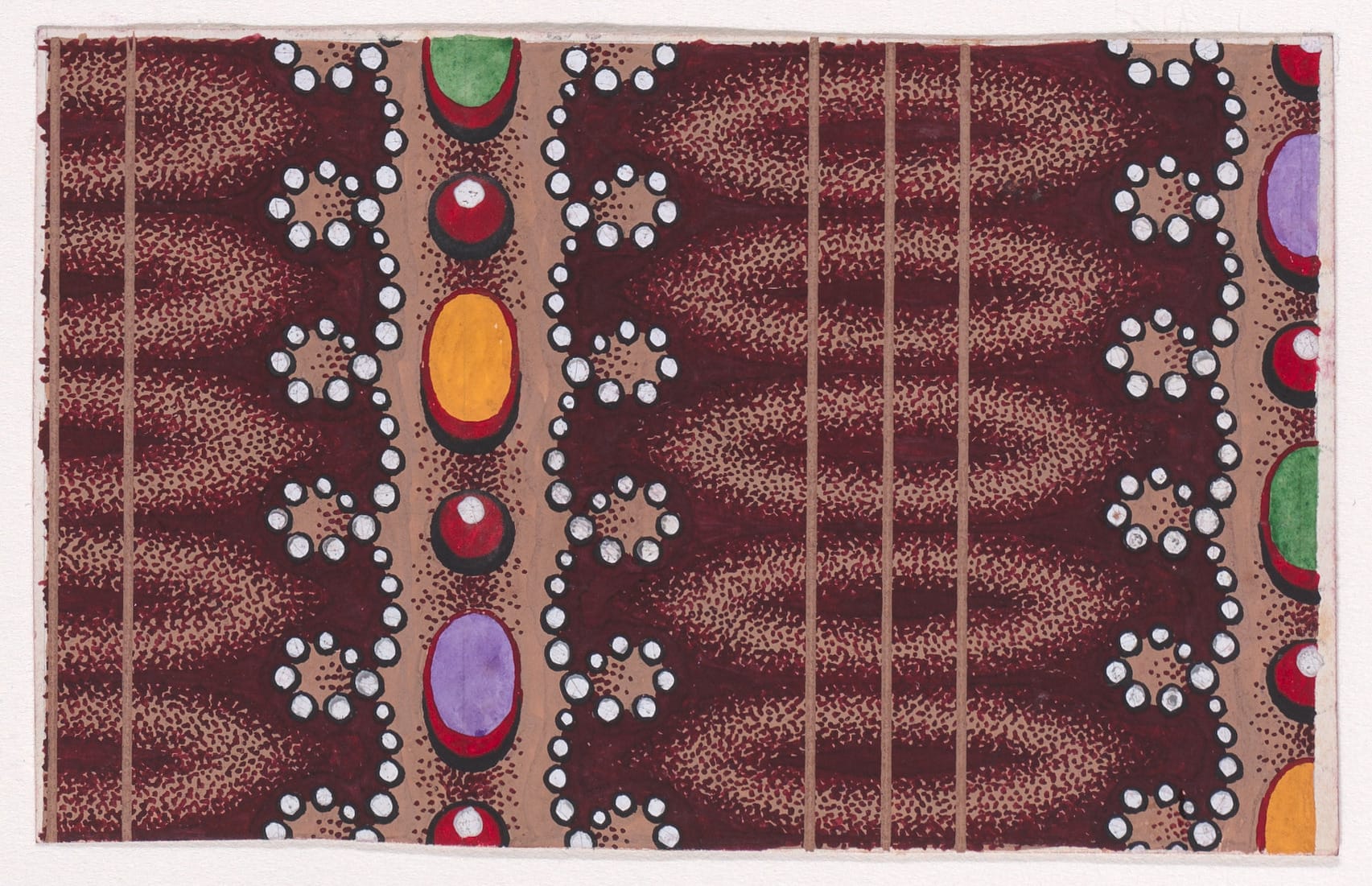
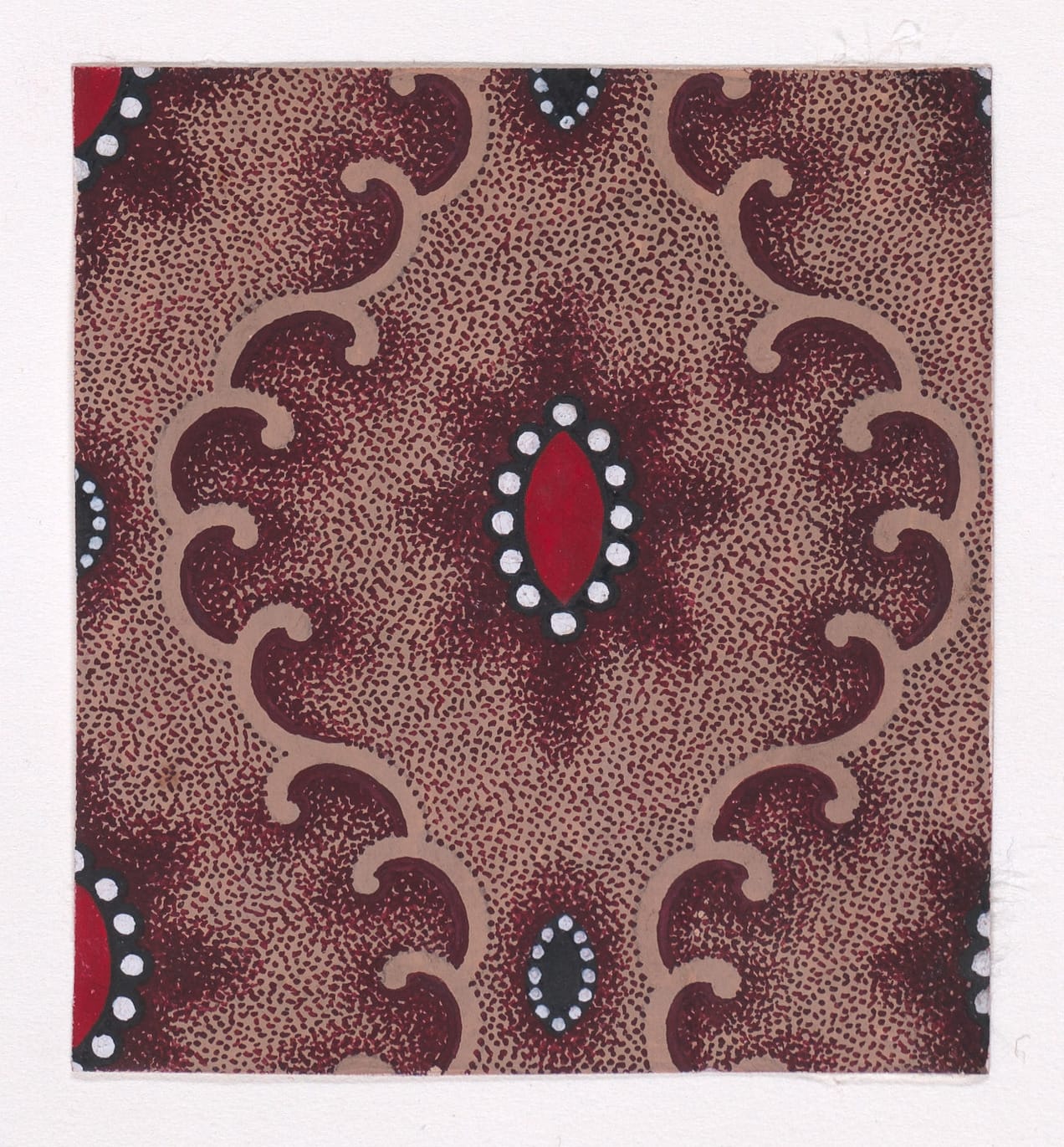
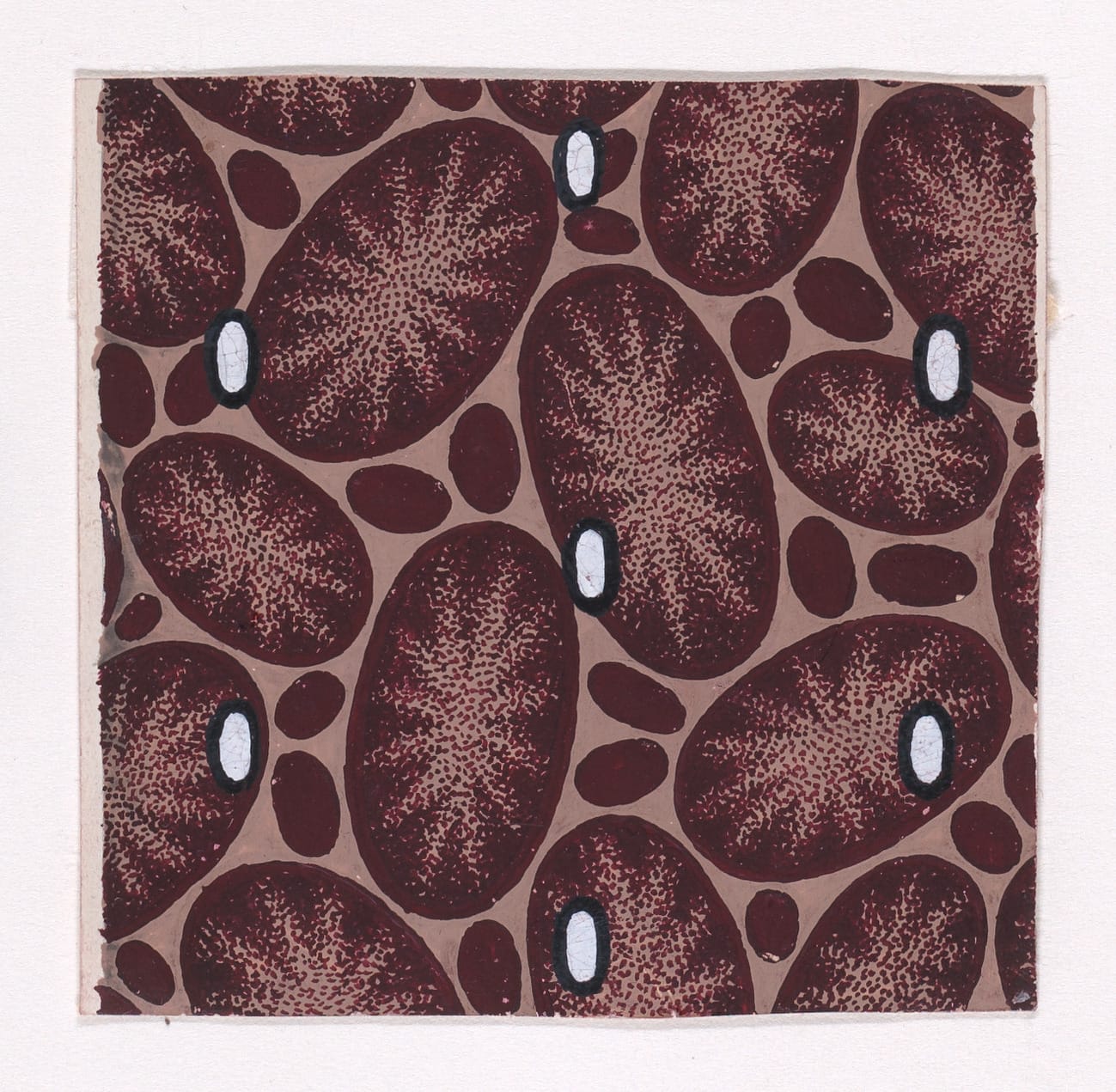
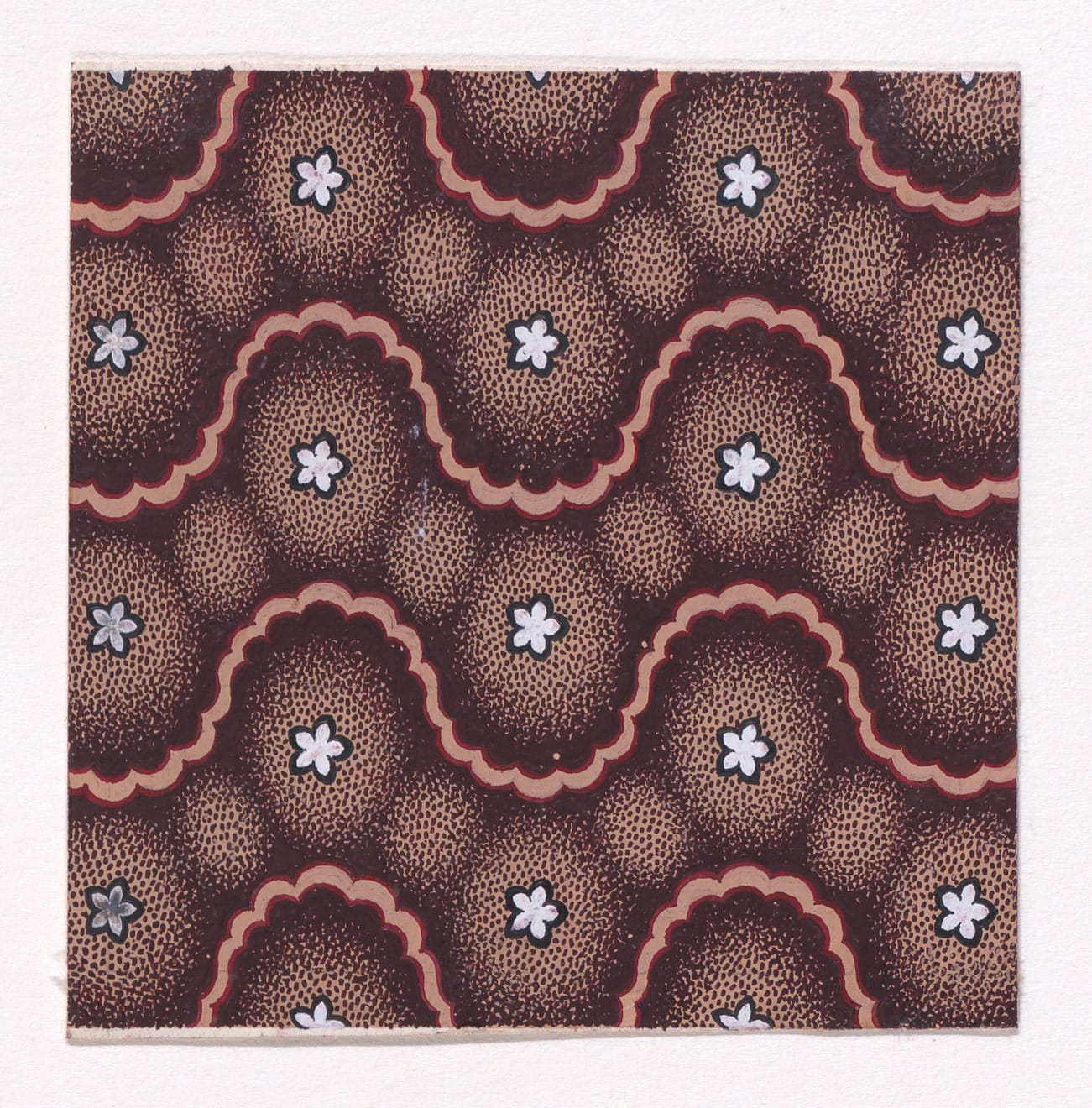
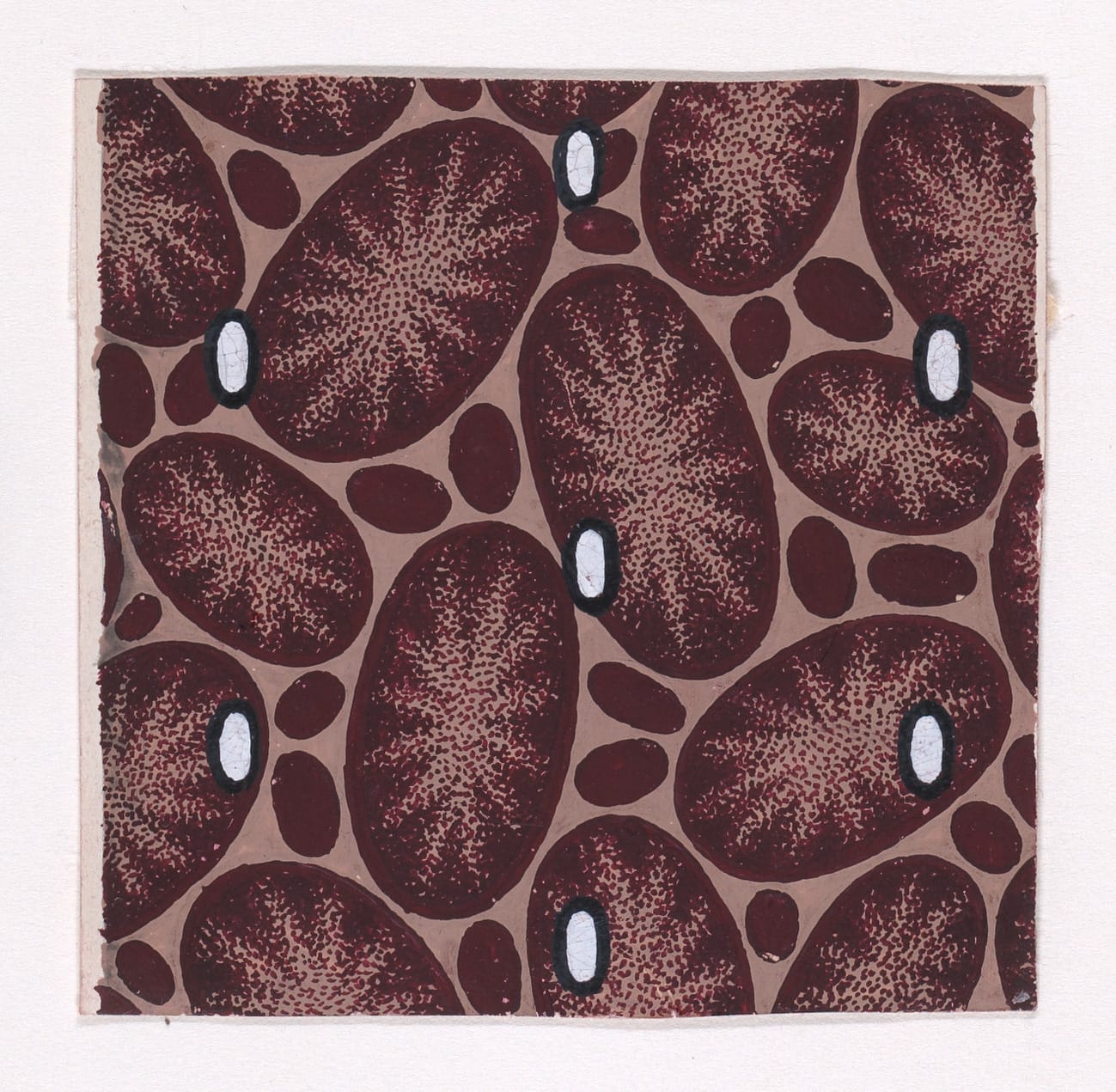
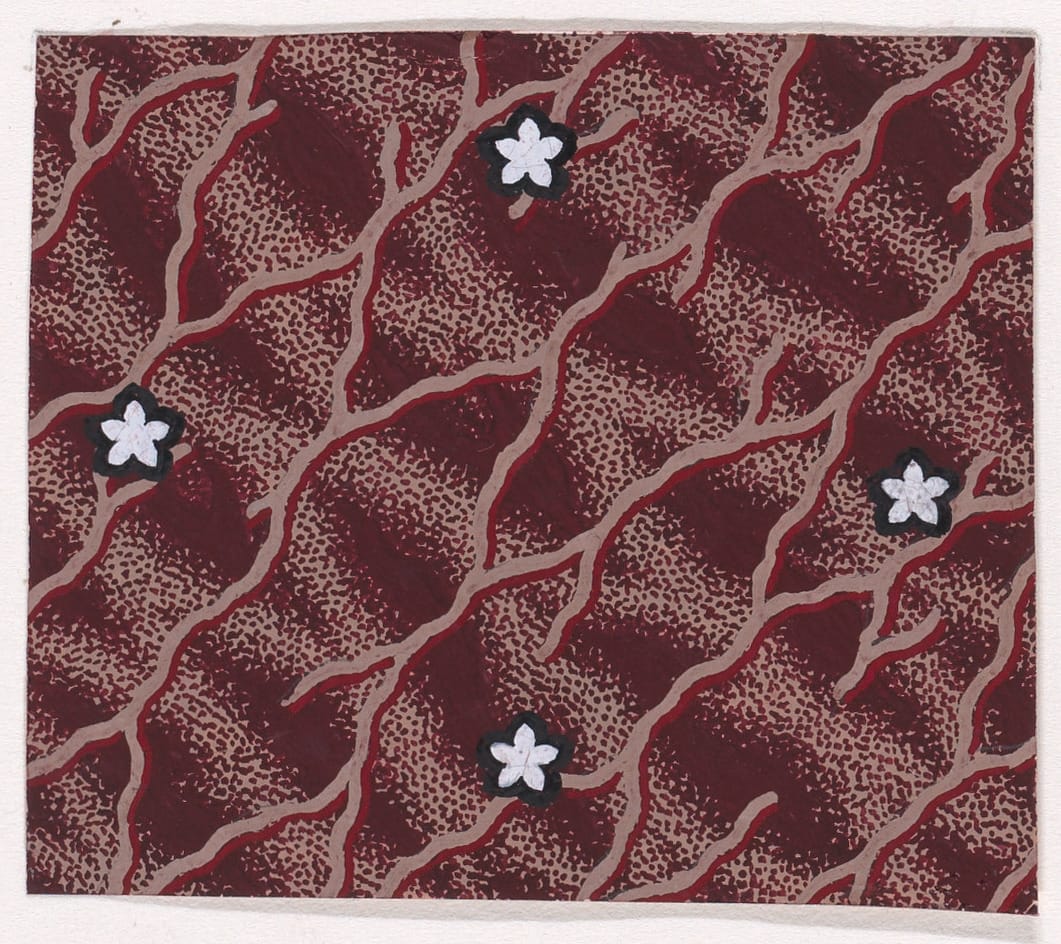
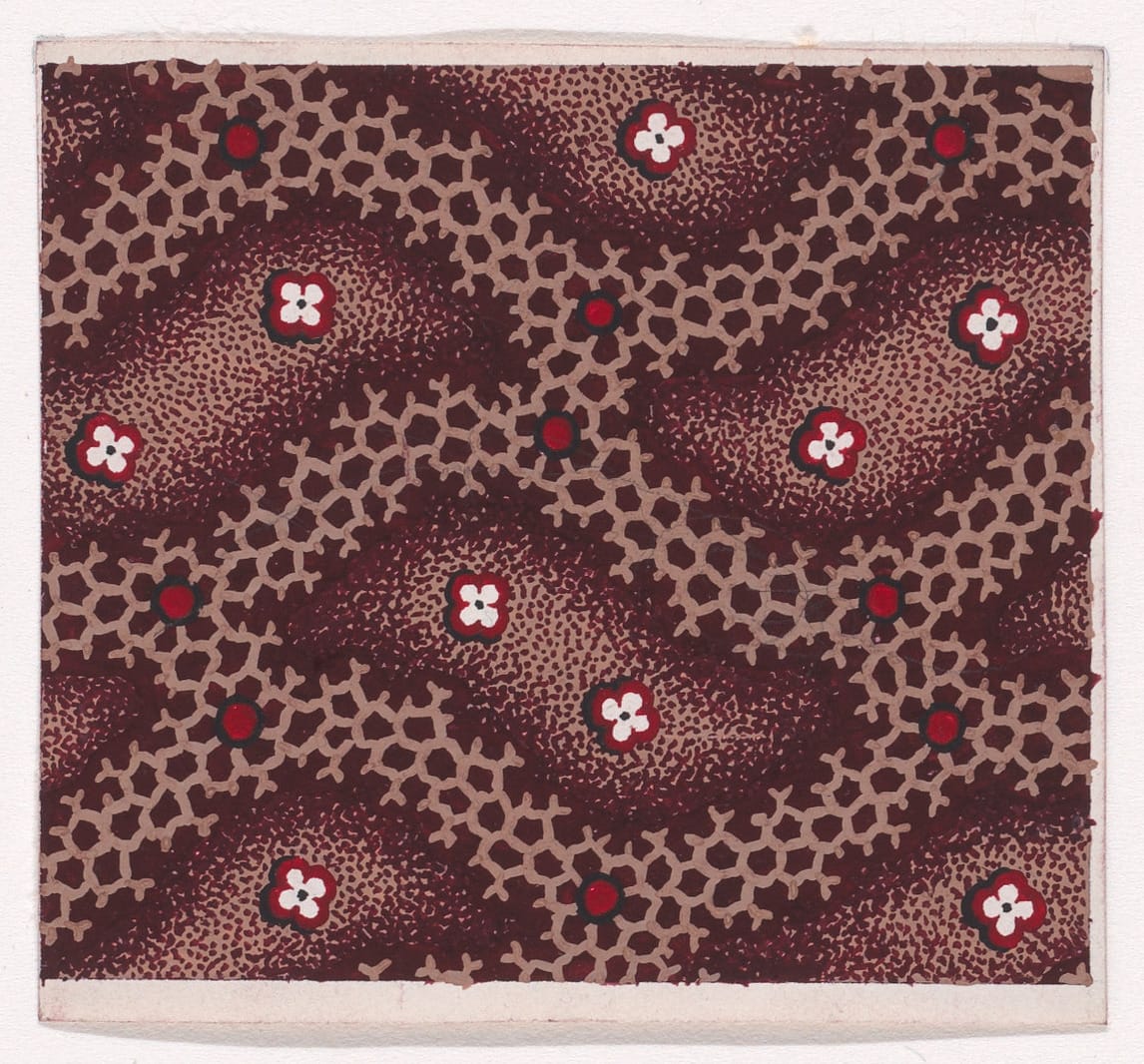
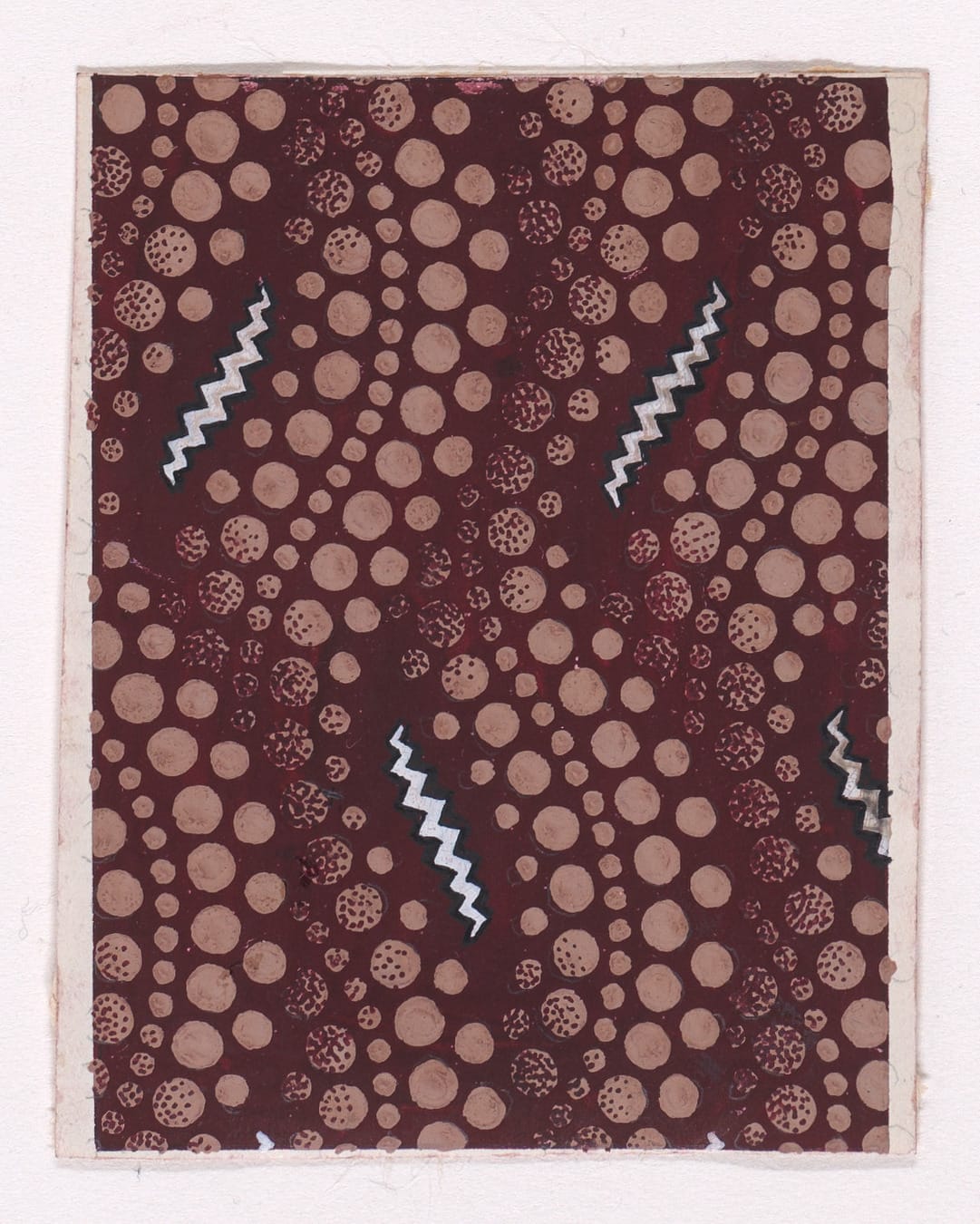
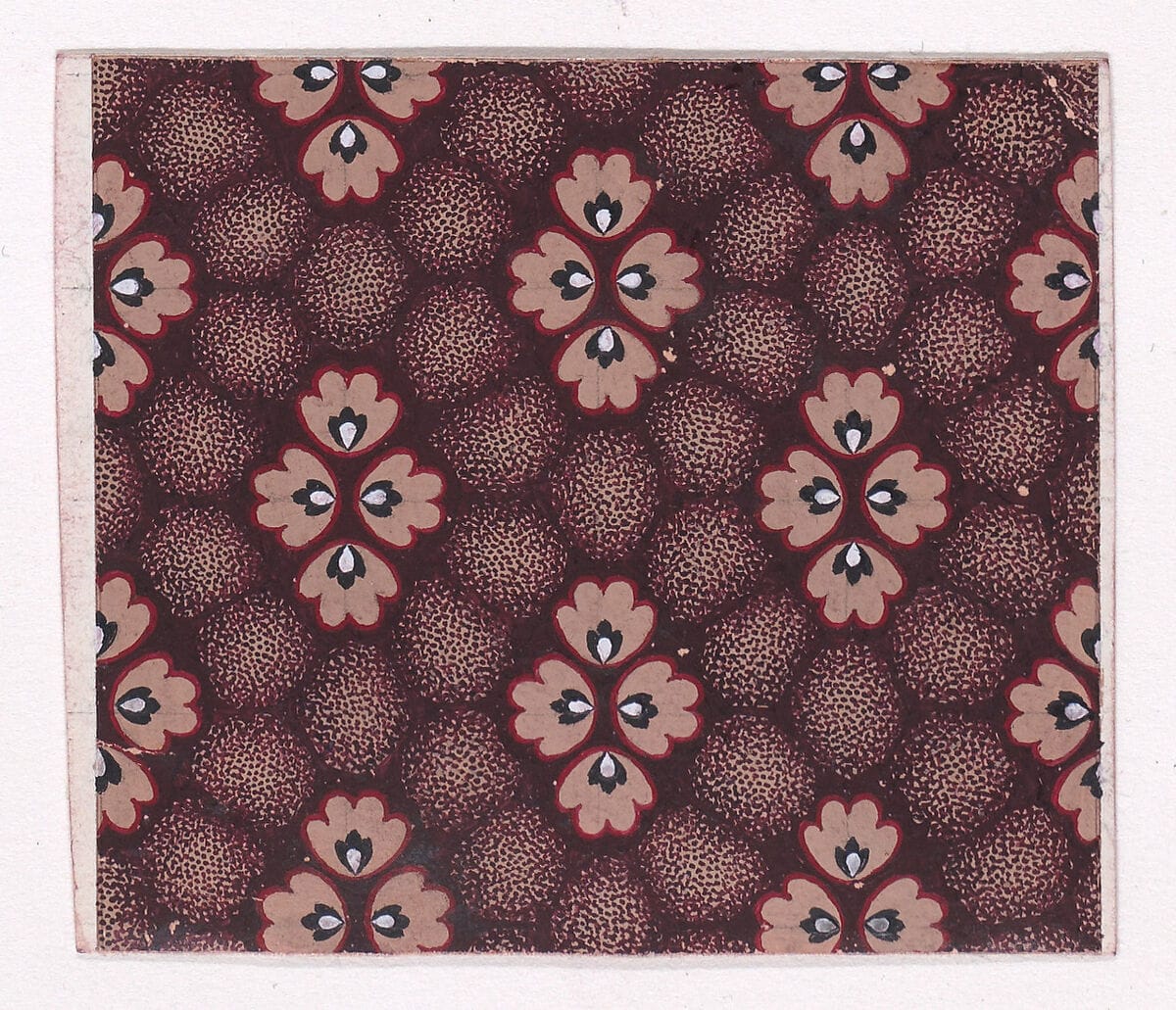
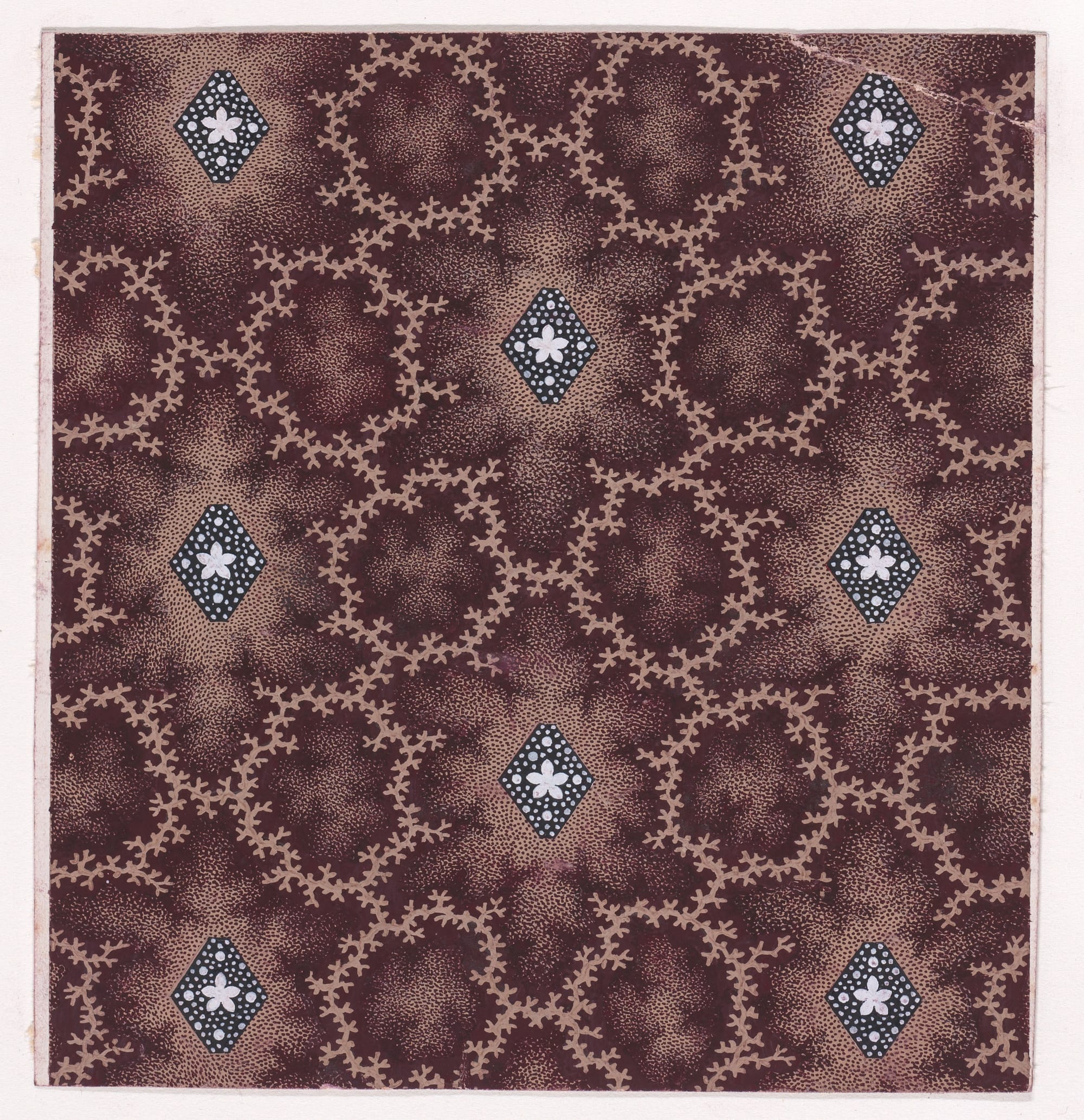
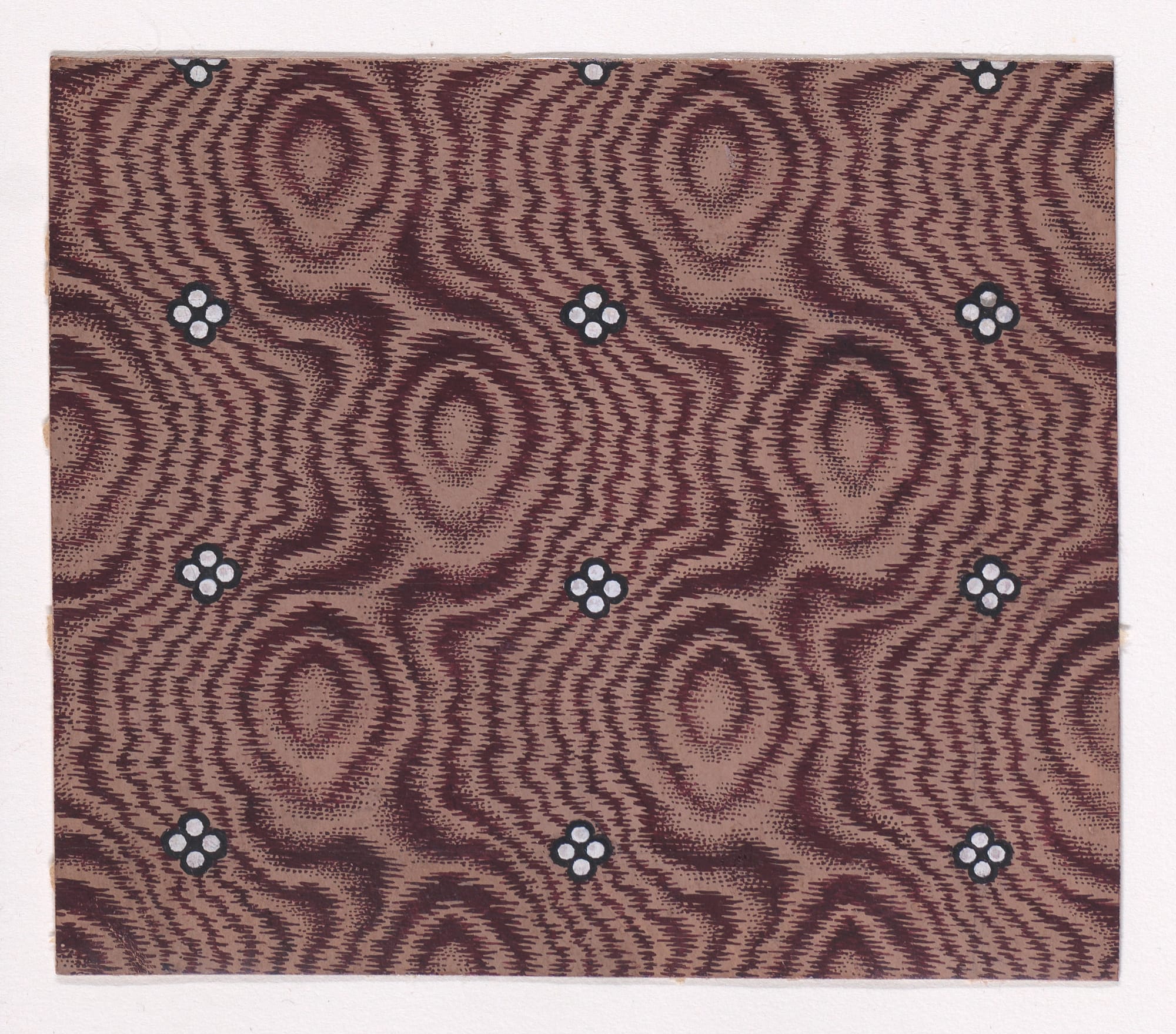
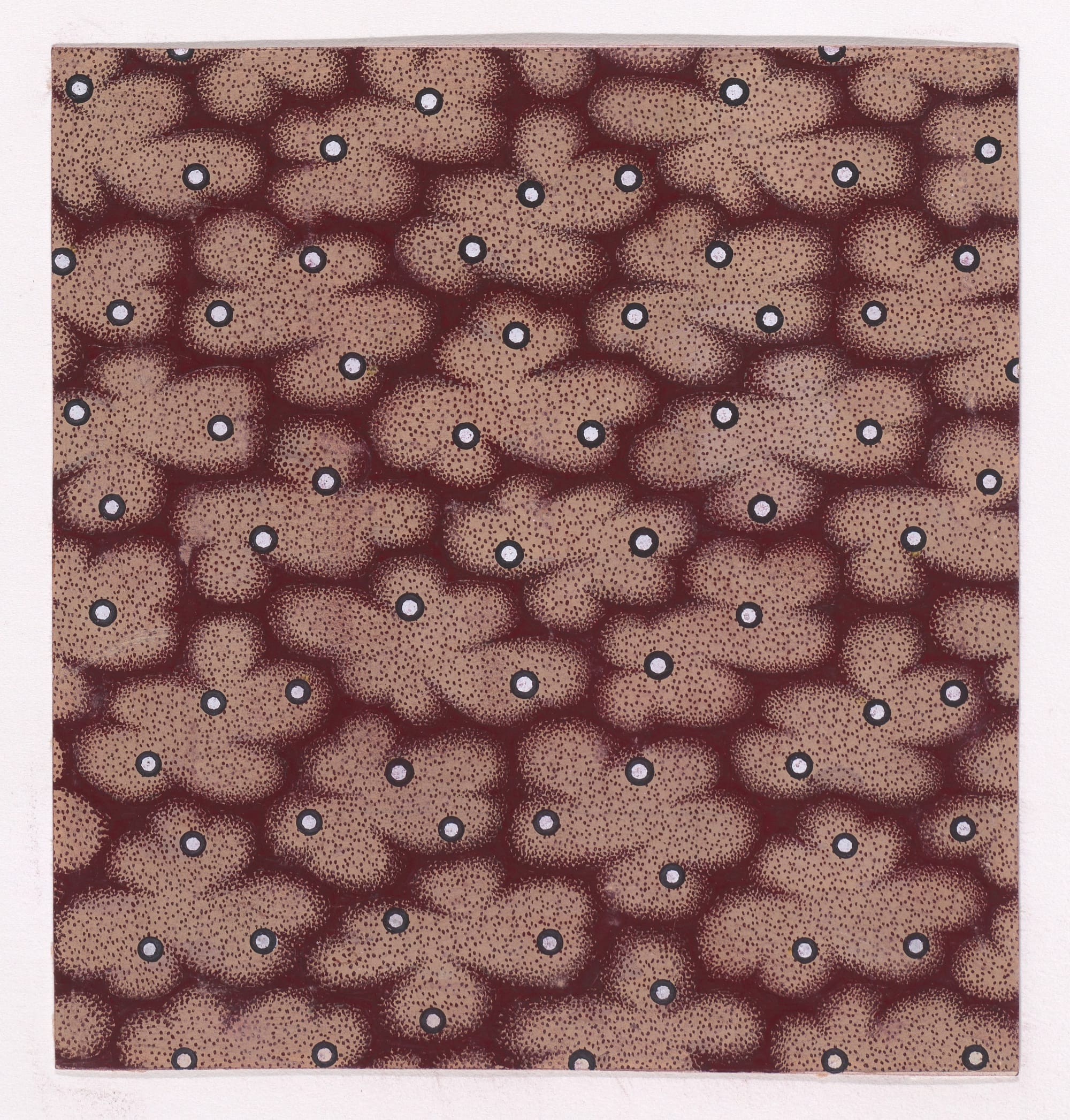
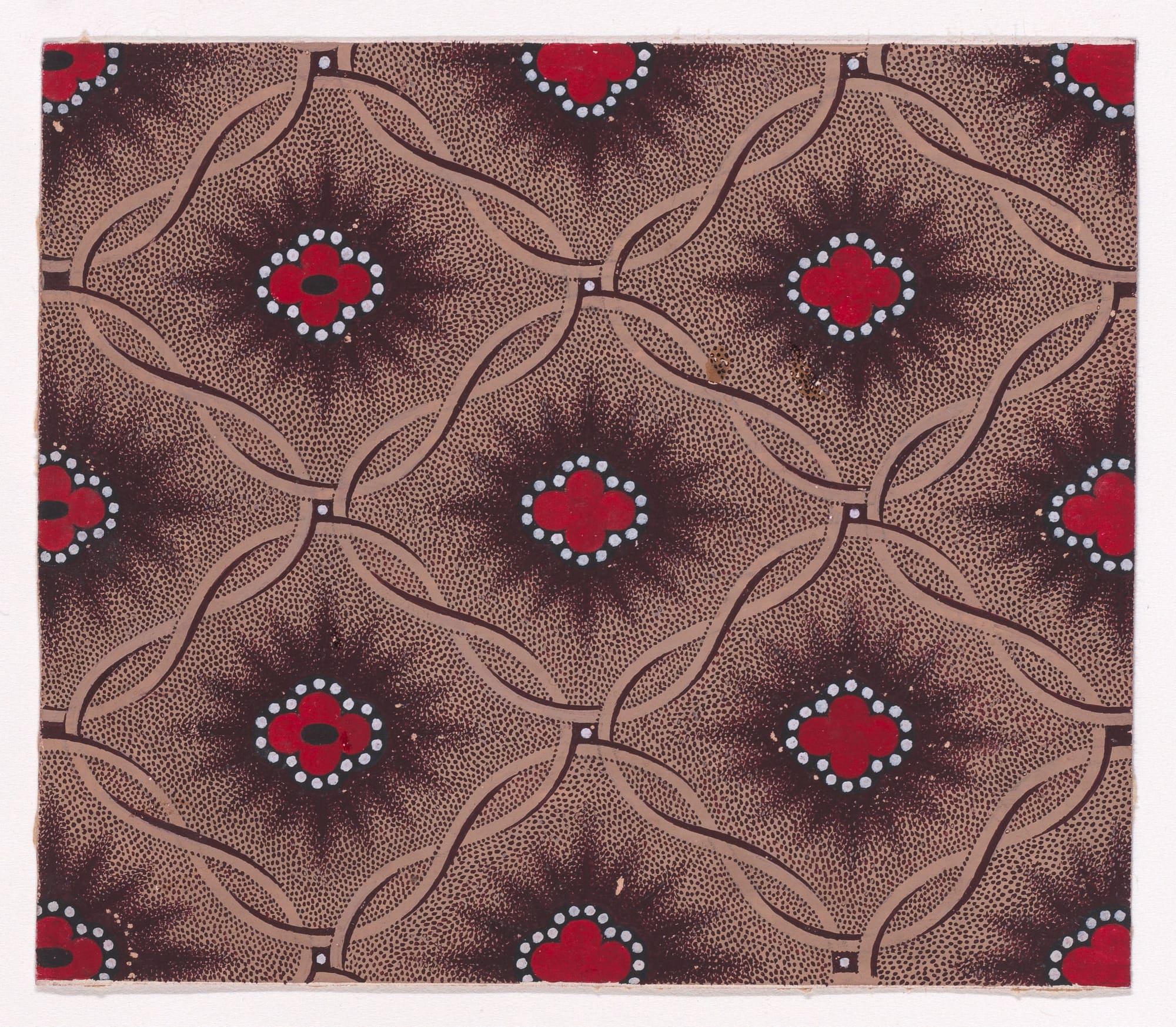
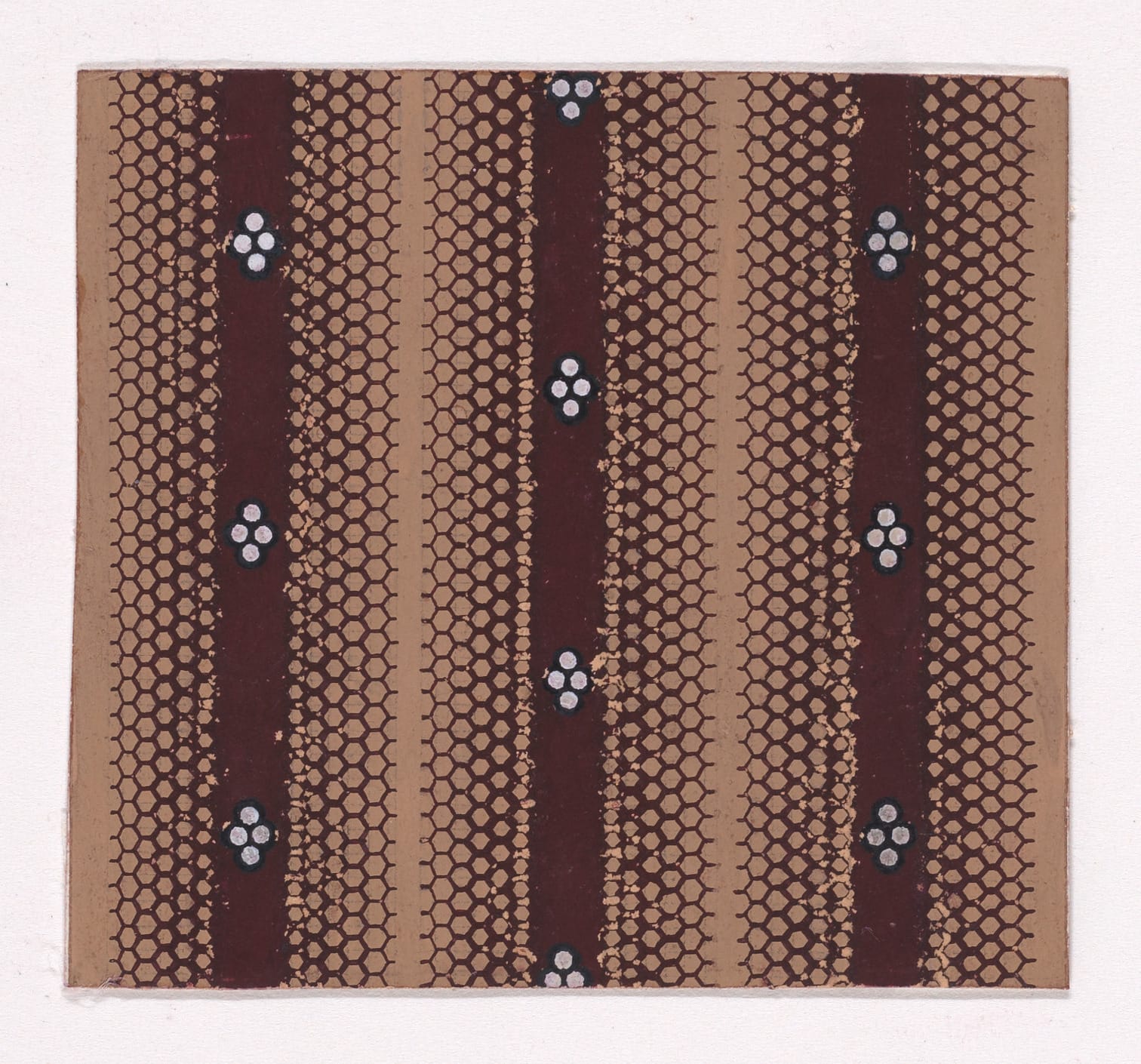
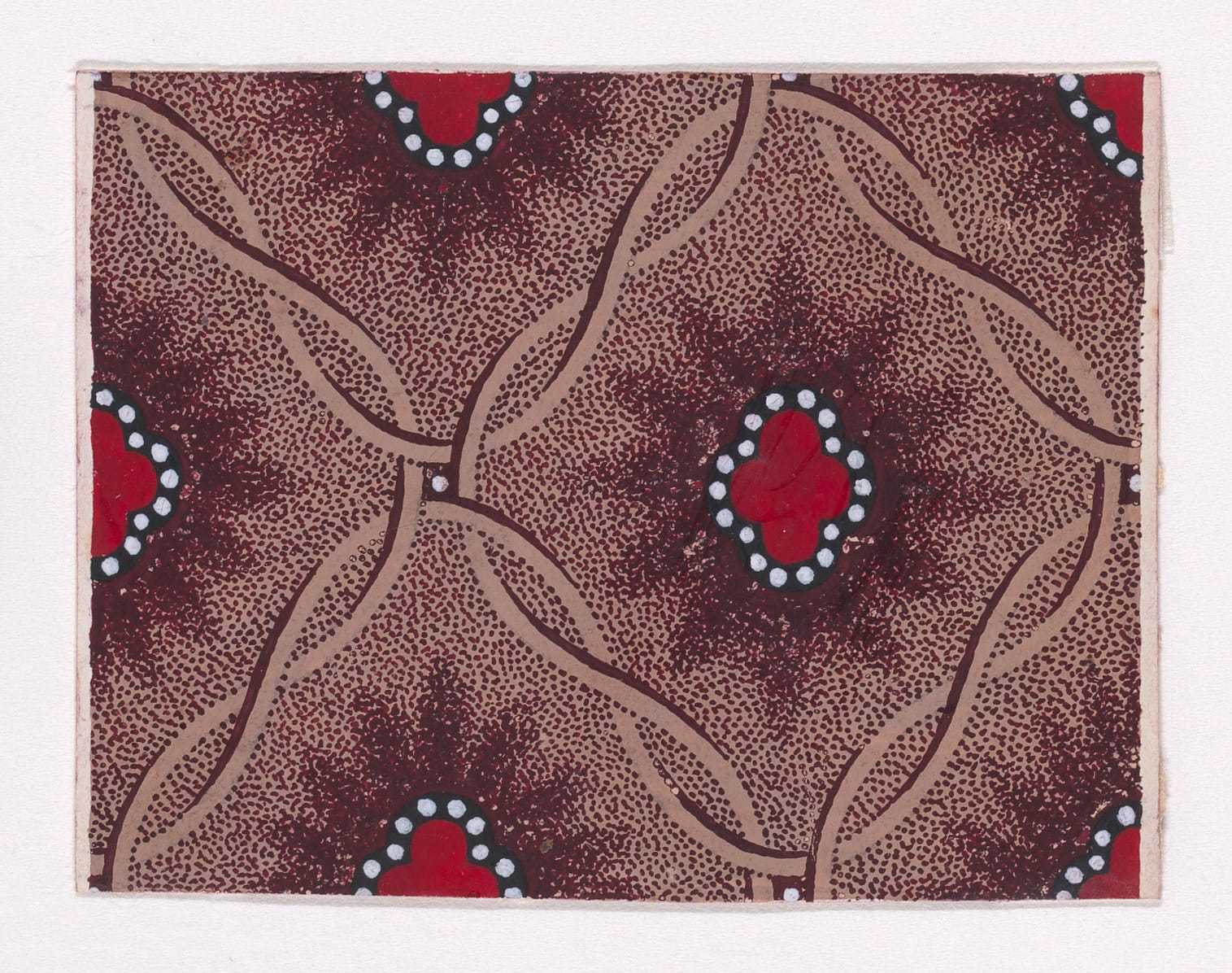
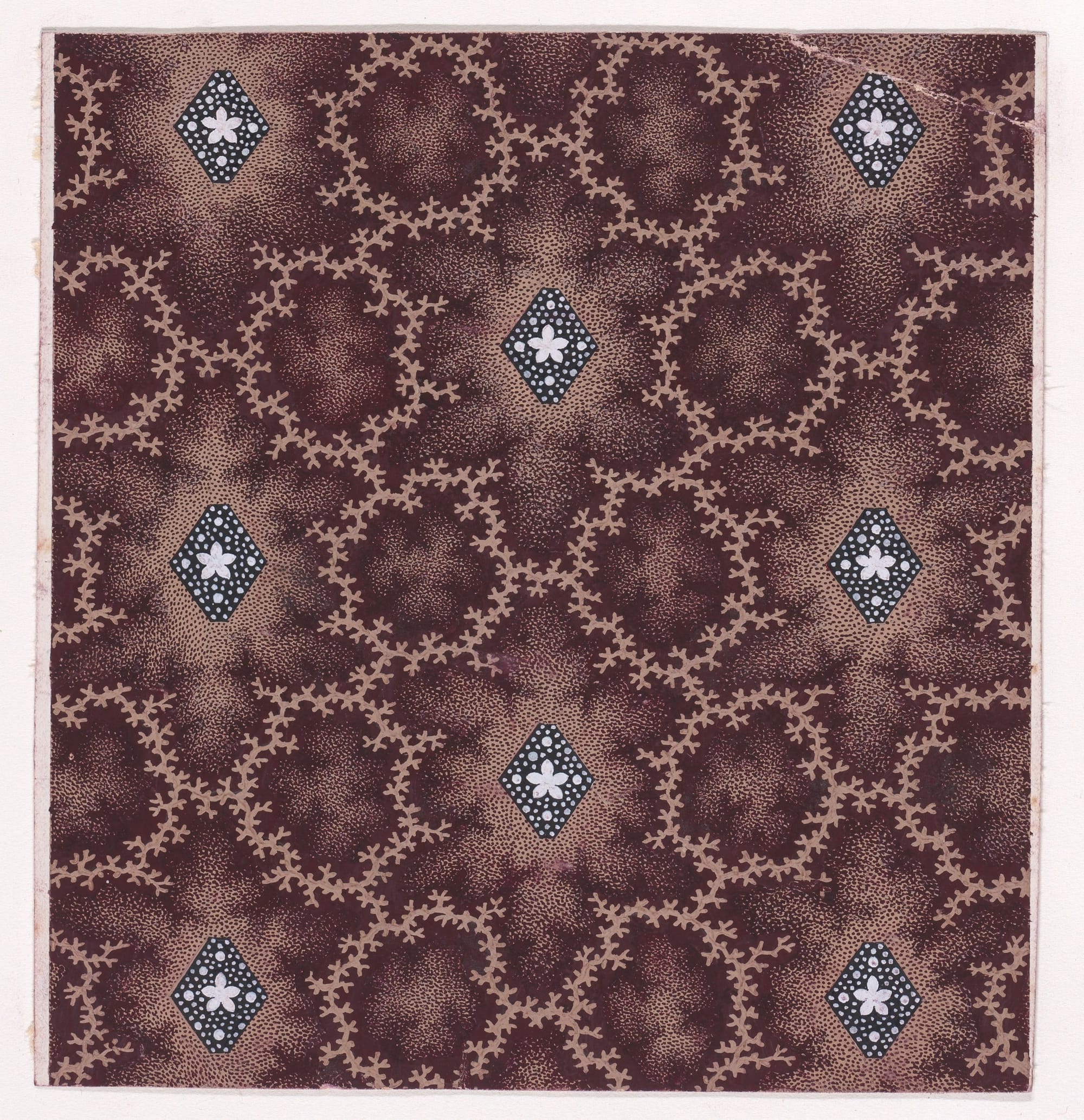
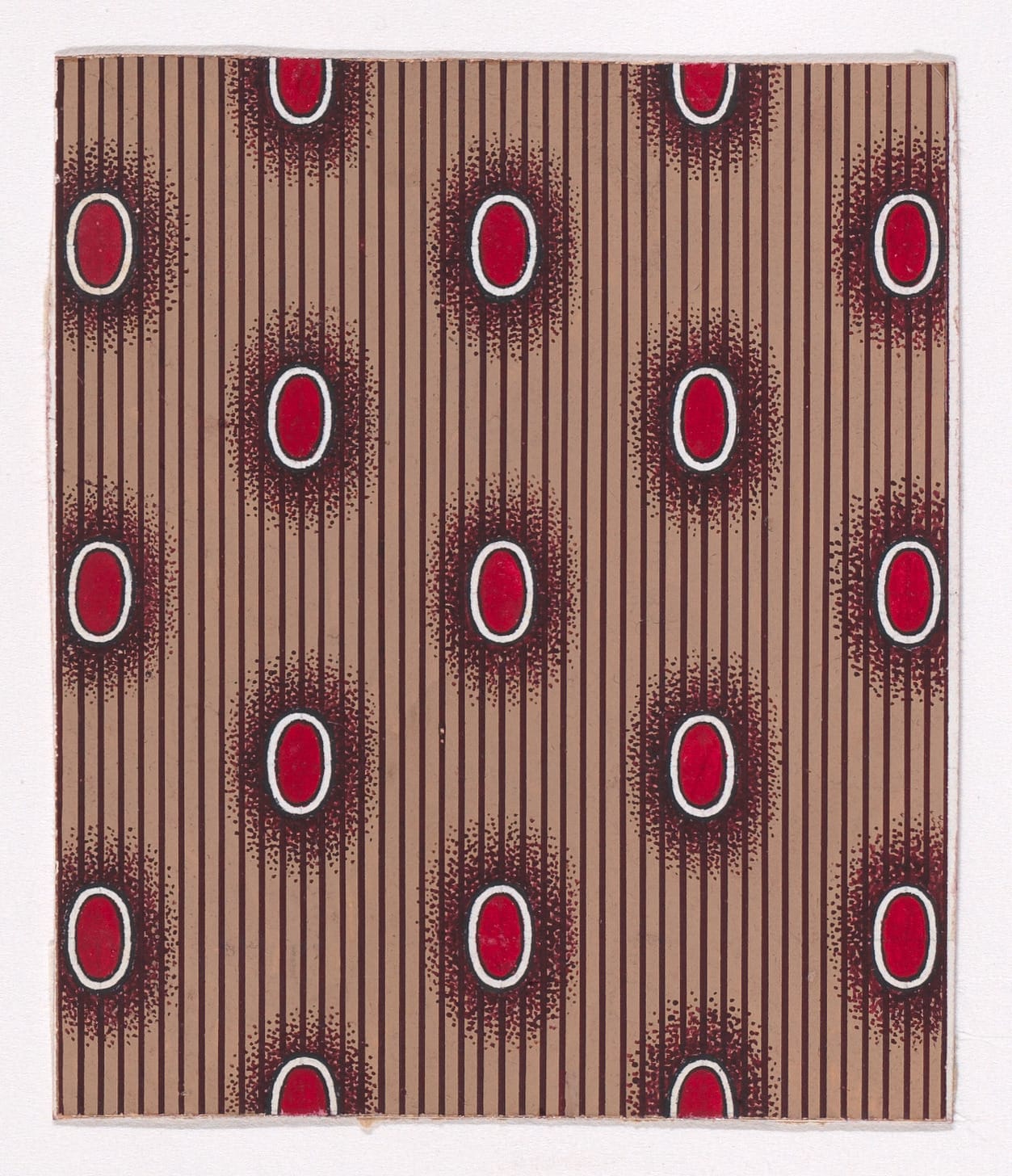
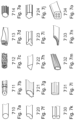
Anonymous textile prototypes, Mulhouse, Alsace, c.1840. Rectilinear design sheets generated within the industrial print studios of the Haut-Rhin. Each document encodes surface strategies for mass deployment—pearl rows, abstract chromatic fields, simulated resist-dye grounds. Executed as precision studies for repeat application, they reflect Mulhouse’s role as a nineteenth-century vector hub of textile innovation and print chemistry.




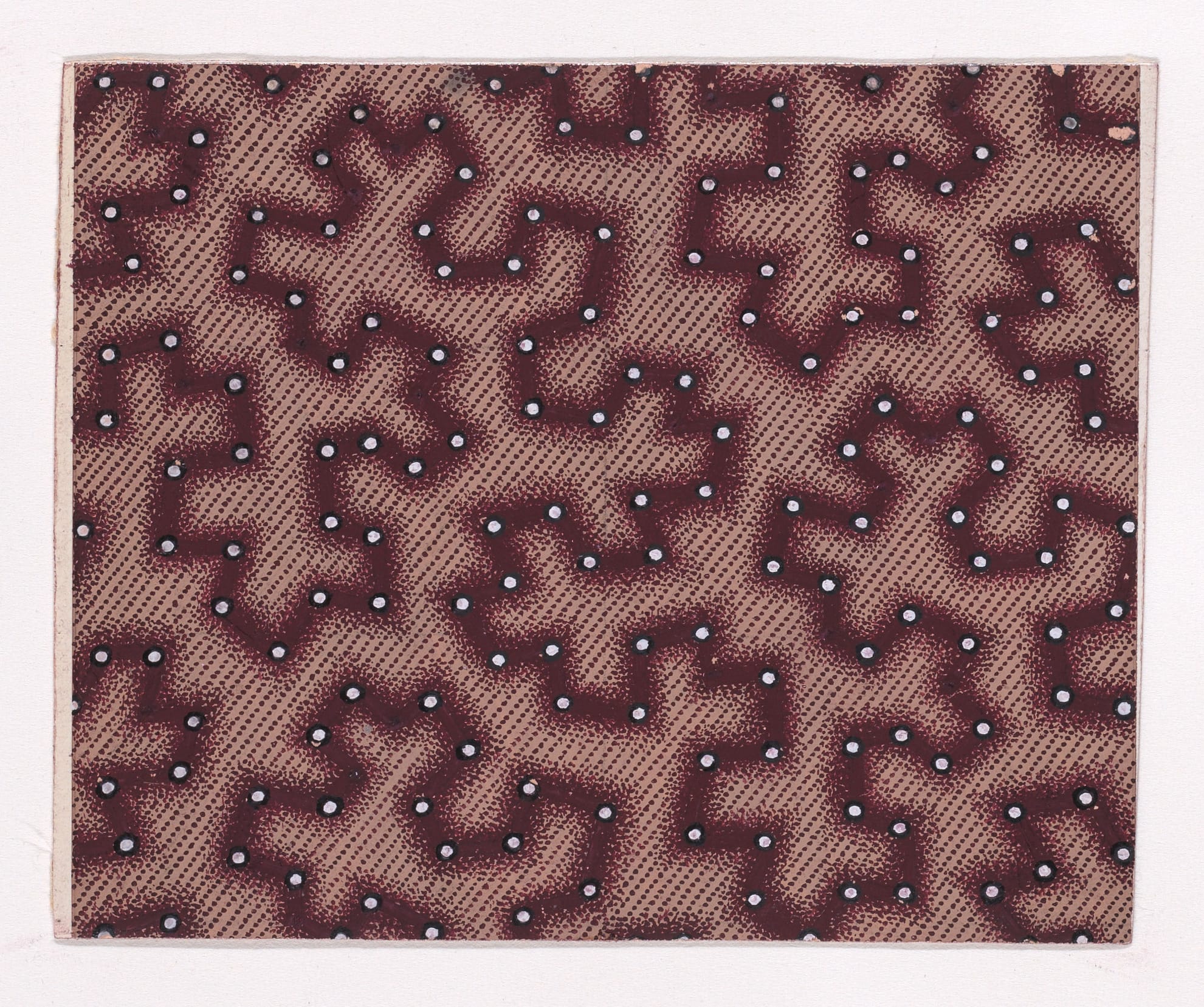
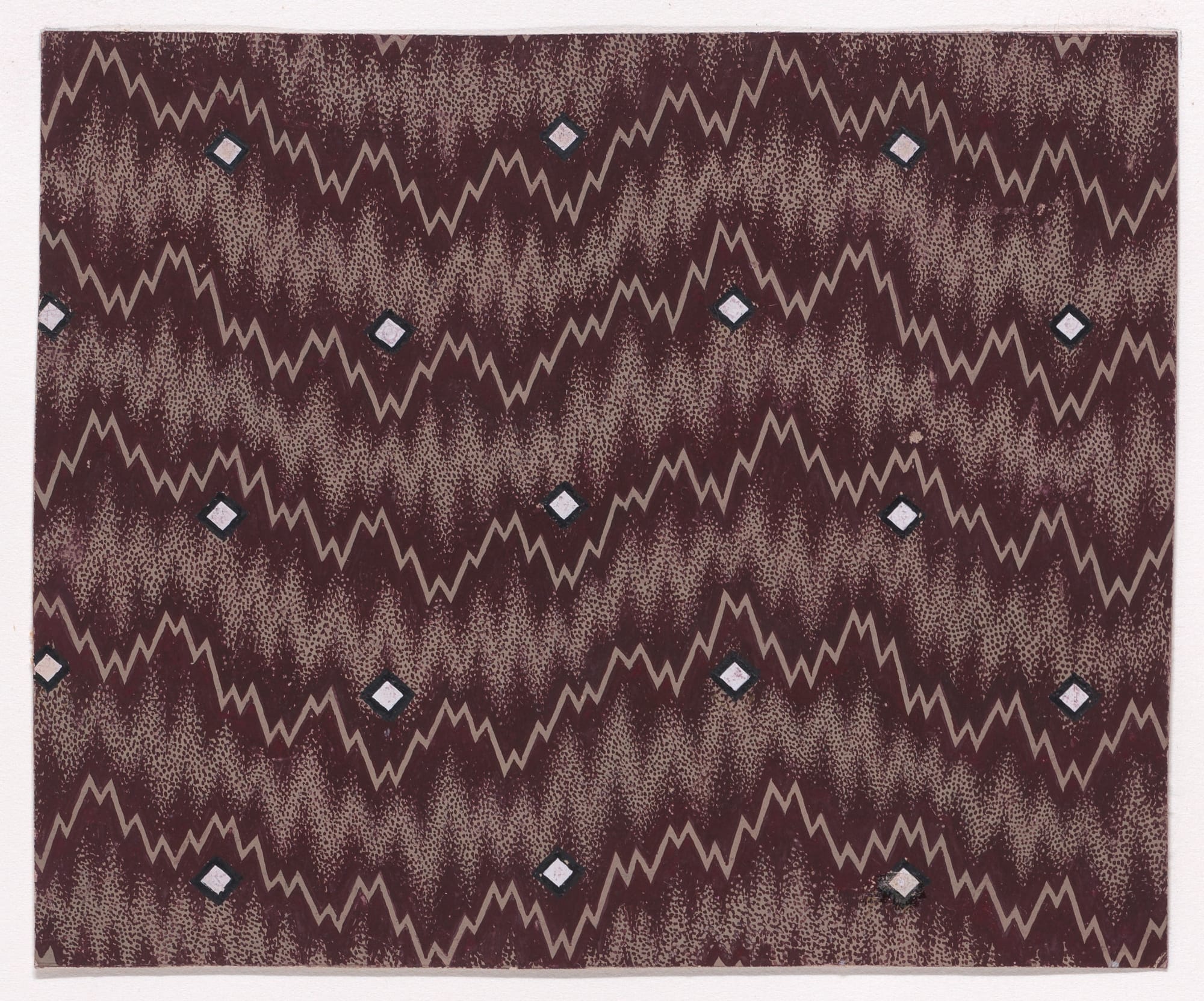
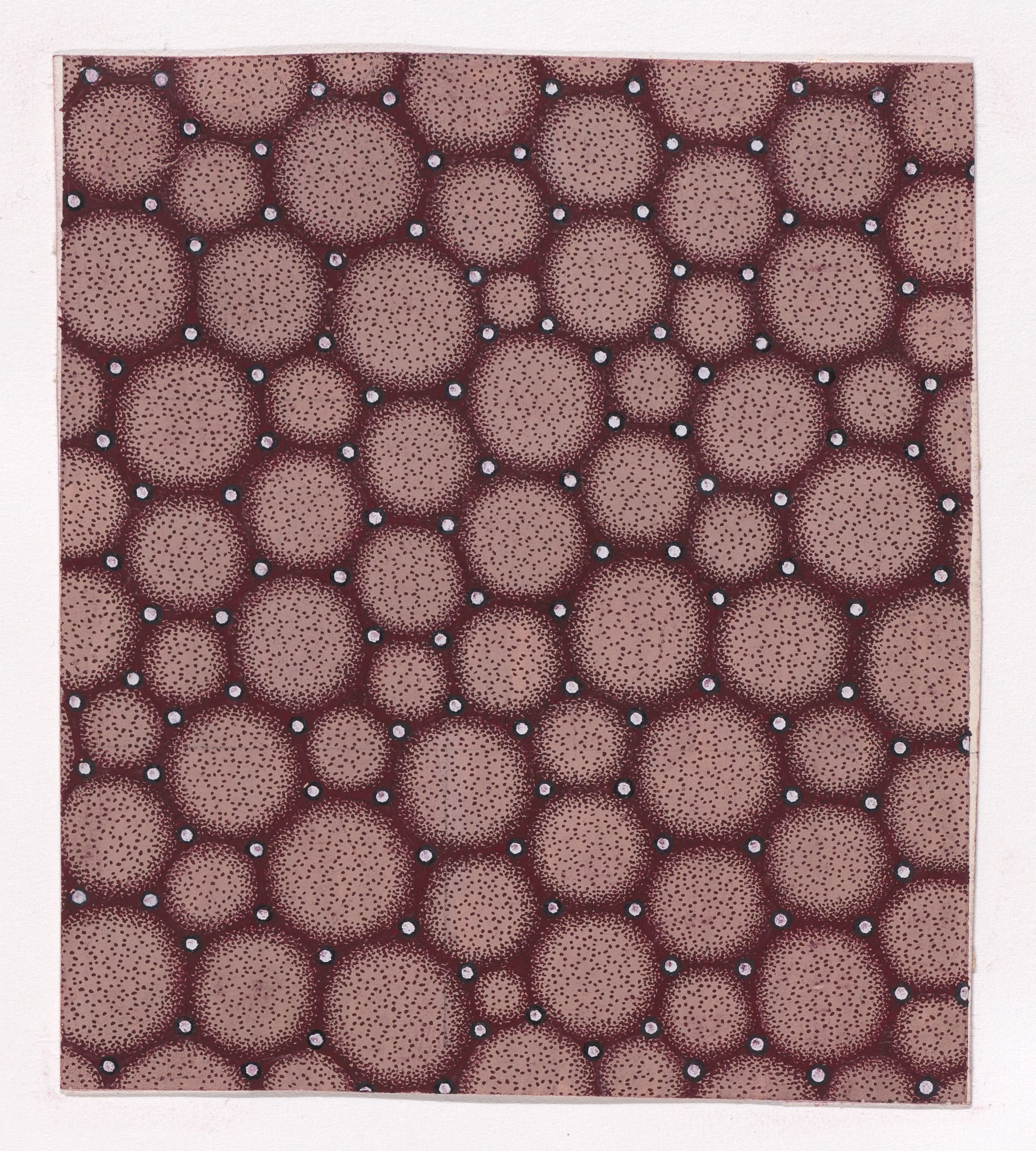
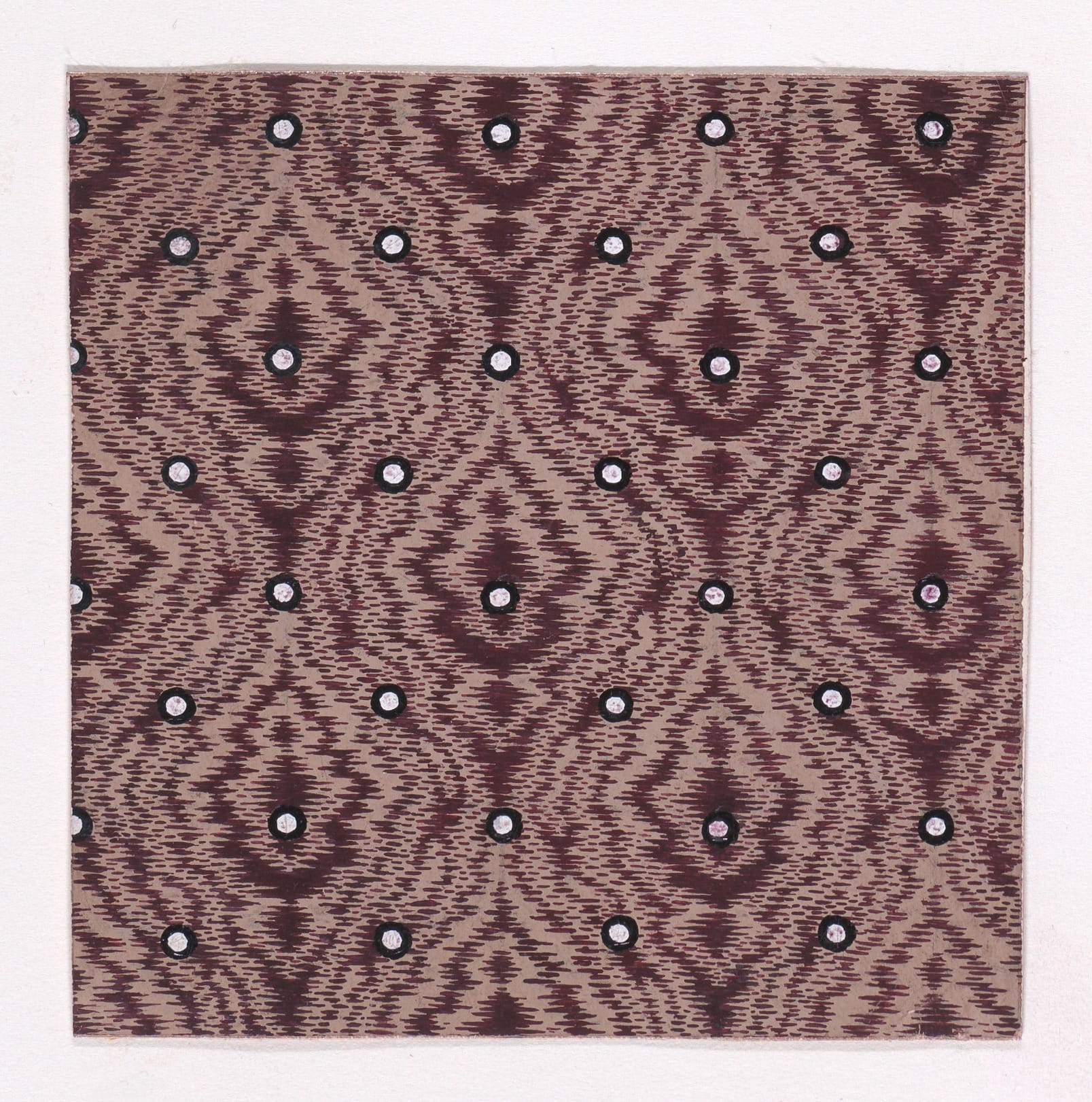

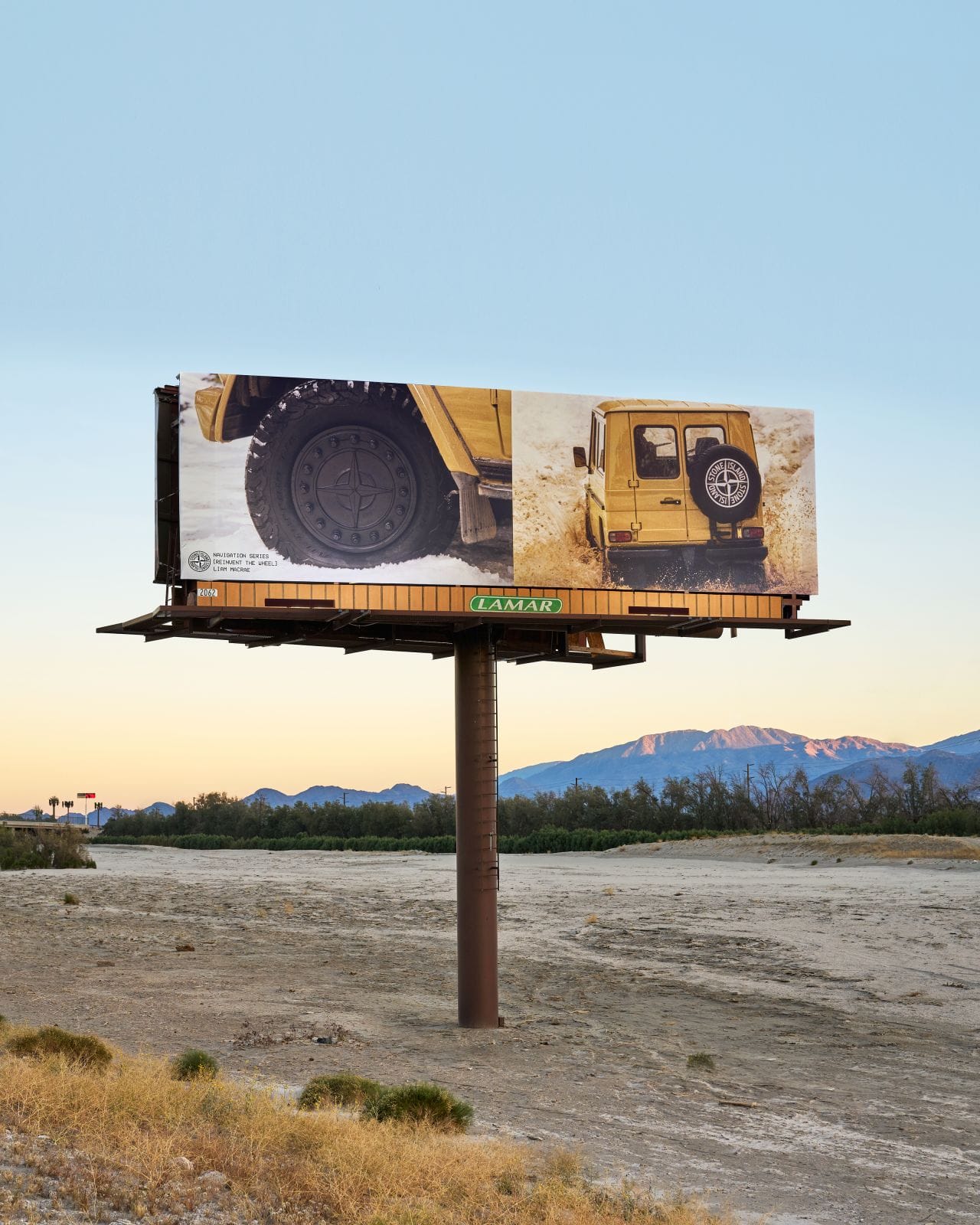
![stone island navigation series [reinvent the wheel] by liam macrae](https://storage.ghost.io/c/14/ee/14eef3be-ca5a-434b-8324-fa1f874026f1/content/images/size/w300/2025/08/stone-island-liam-macrae-navigation-series-002-1.jpg)
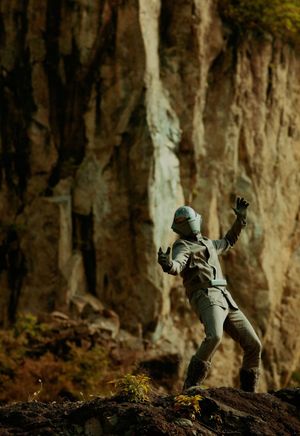
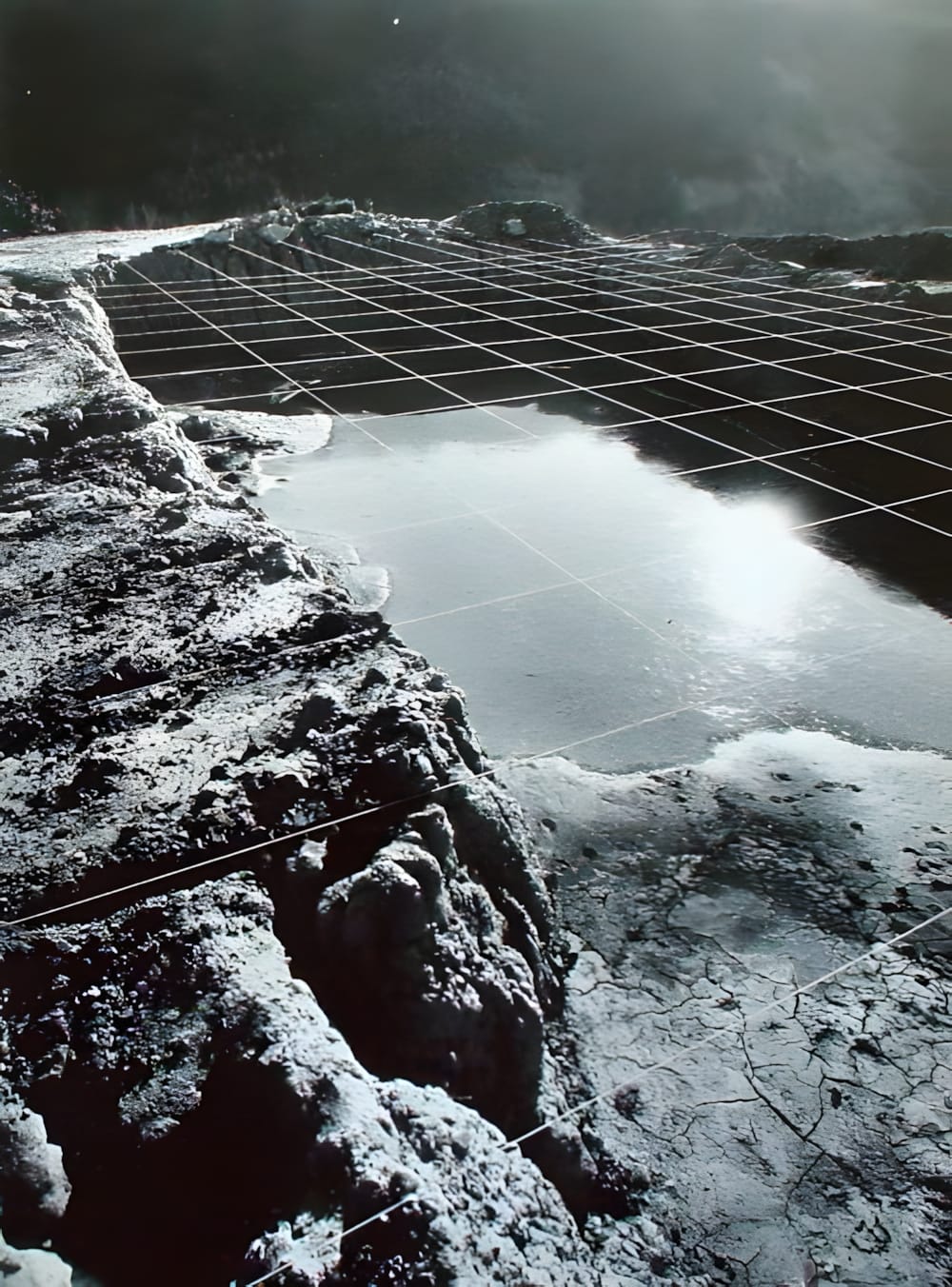
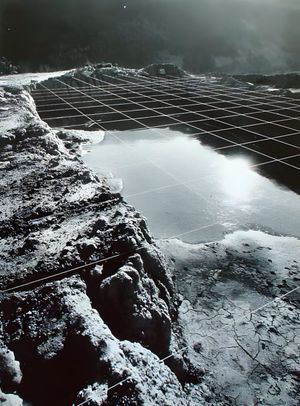
Stone Island’s Navigation Series: Reinvent the Wheel, photographed by Liam MacRae, is part of the brand’s ongoing study of orientation and movement. The work frames navigation as both physical and symbolic—referencing terrain, direction, and systems of guidance. Within the series, “Reinvent the Wheel” emphasizes reinterpreting established structures of travel and perception, continuing Stone Island’s research into exploration and the mechanics of wayfinding.

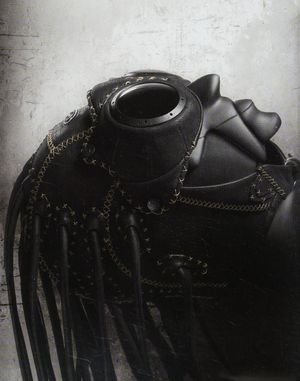
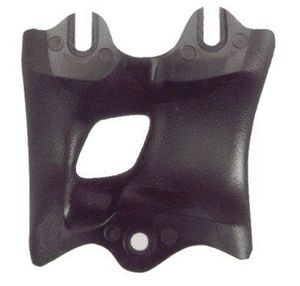
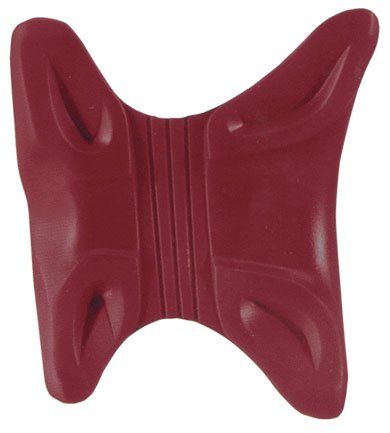
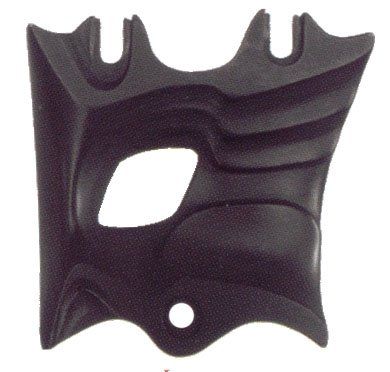
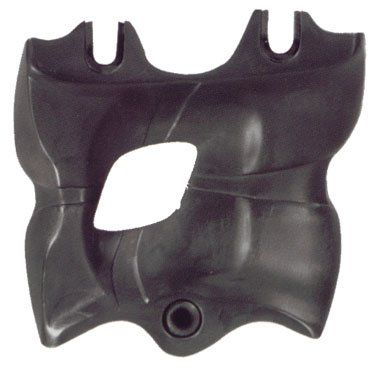
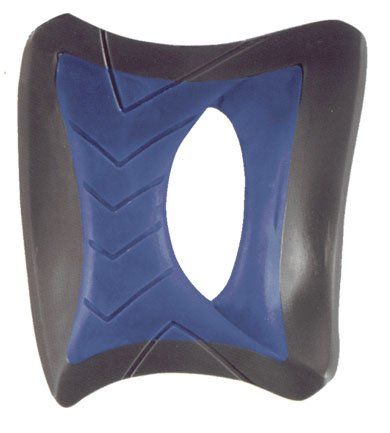
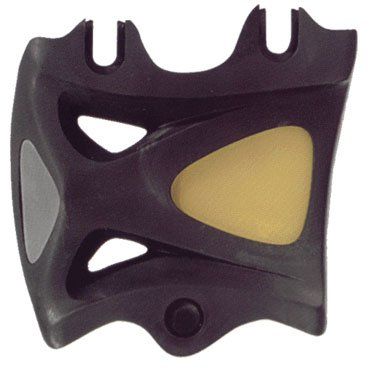
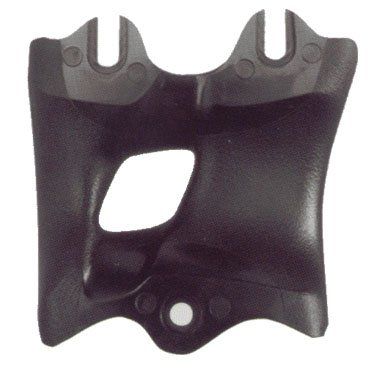
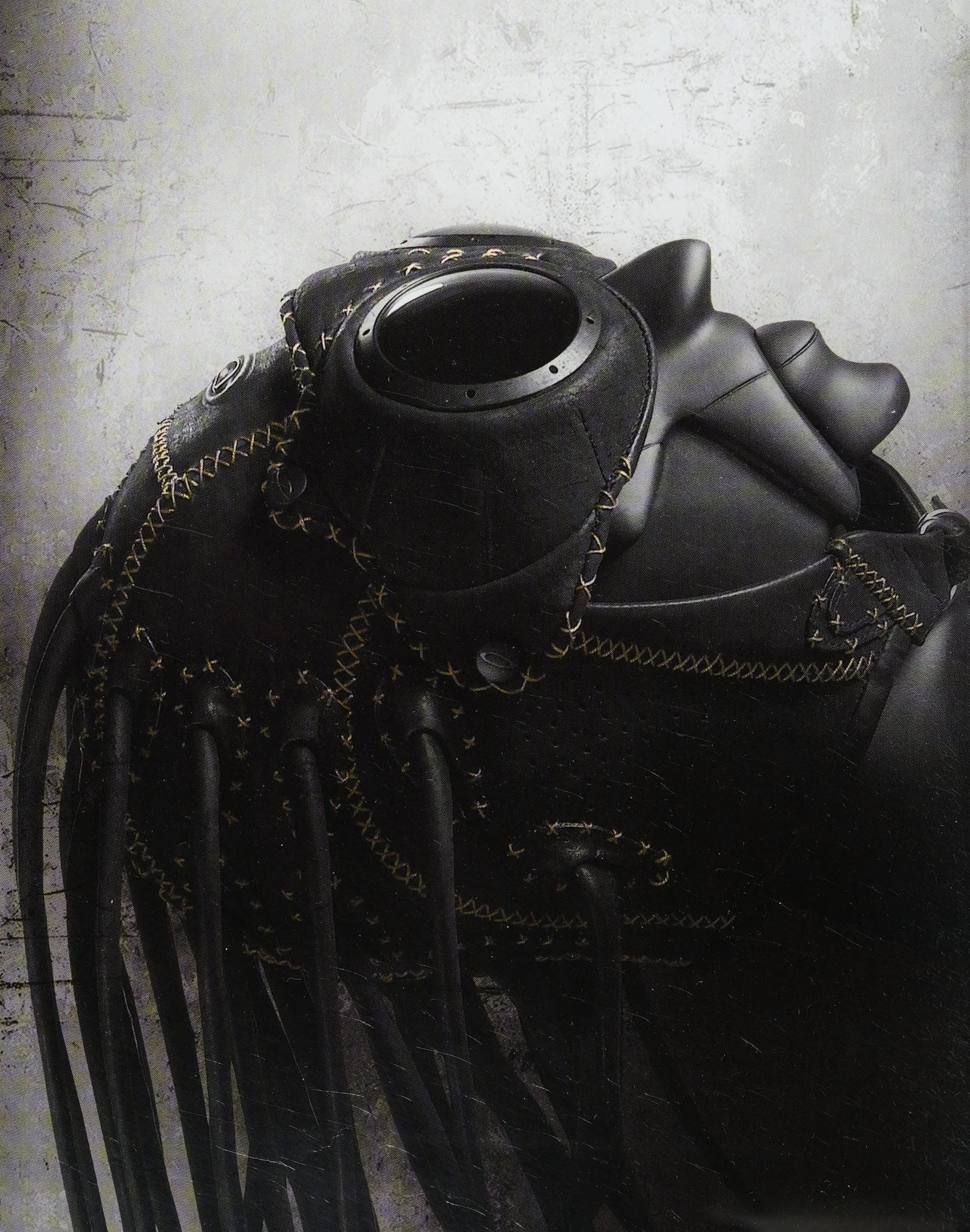
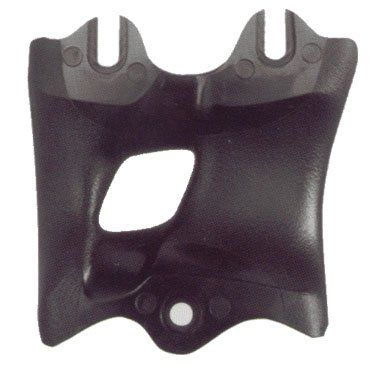
The Oakley Medusa Helmet (2002) is an early-2000s performance helmet concept associated with Oakley’s then-expanding push into technical equipment beyond eyewear. The design is defined by aggressive surfacing, pronounced vent geometry, and a highly sculptural shell intended to signal speed and impact protection.
Functionally, the Medusa emphasizes airflow and coverage through a dense network of vents and channeling, paired with a shell profile that reads more armored than minimal. Fit and retention appear to follow common helmet conventions of the era, with the distinctive elements concentrated in the exterior shell tooling and vent architecture rather than hidden internal mechanisms. As a result, the helmet is often discussed as much for its styling and cultural placement as for technical specifics.
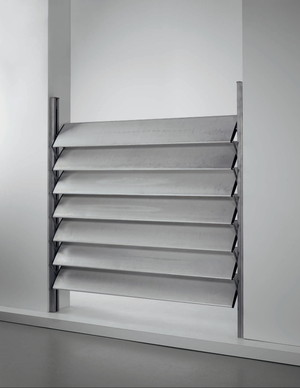
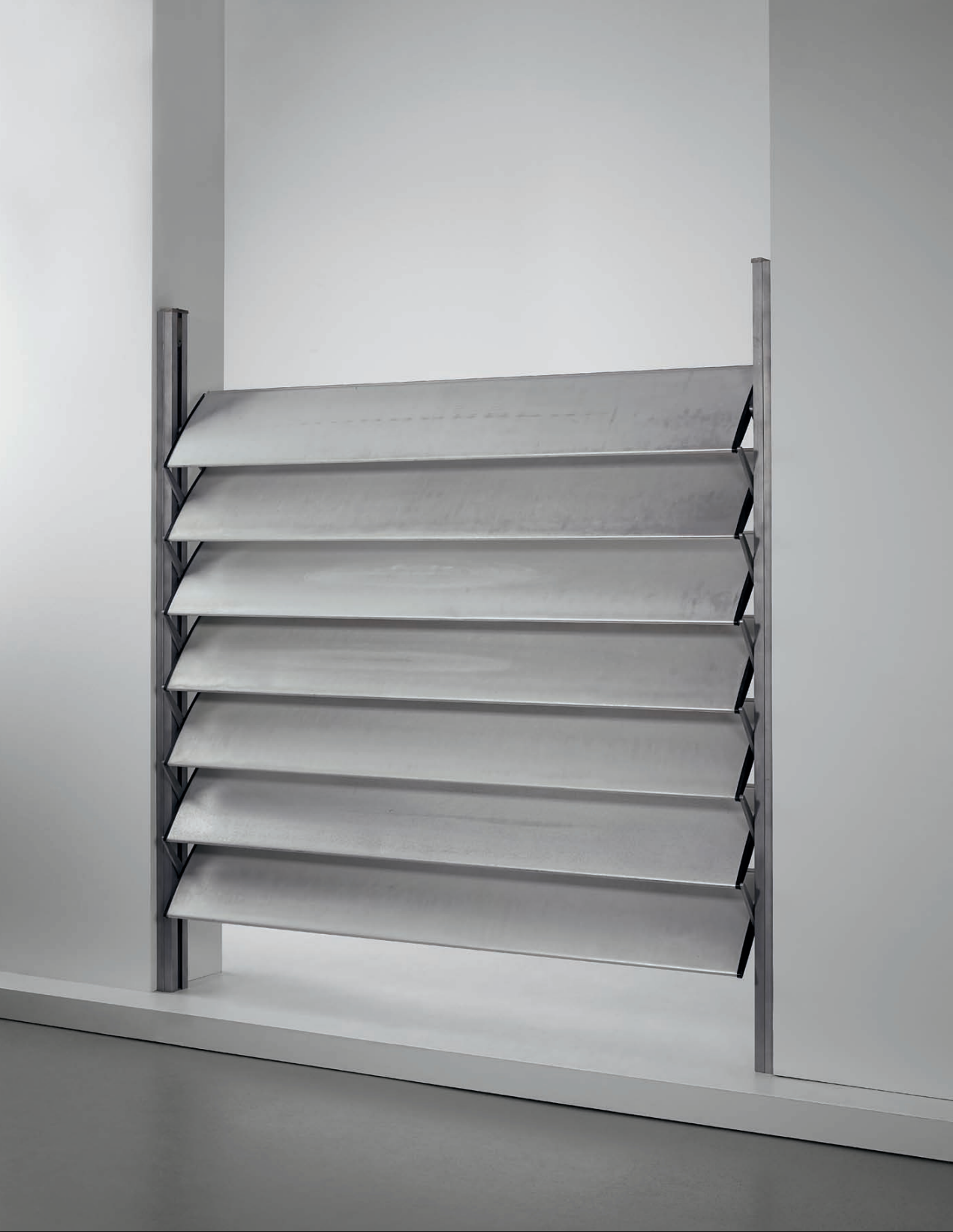
Jean Prouvé 1901-1984 Seven-panelled sun-shutter, from the Cité scolaire de La Dullague, Béziers, designed 1956, executed circa 1962-1965 Aluminium, metal. 185.5 x 184.4 x 8.3 cm (73 x 72 5/8 x 3 1/4 in.) Manufactured by Les Atelier Jean Prouvé, Nancy, France.
Estimate £12,000-15,000 $17,800-22,300 €16,300-20,400 provenance Cité scolaire de La Dullague, Béziers, France, circa 1962-1965 exhibited Architecture Biennale, Venice, 7 June-23 November, 2014
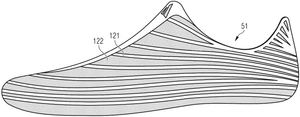
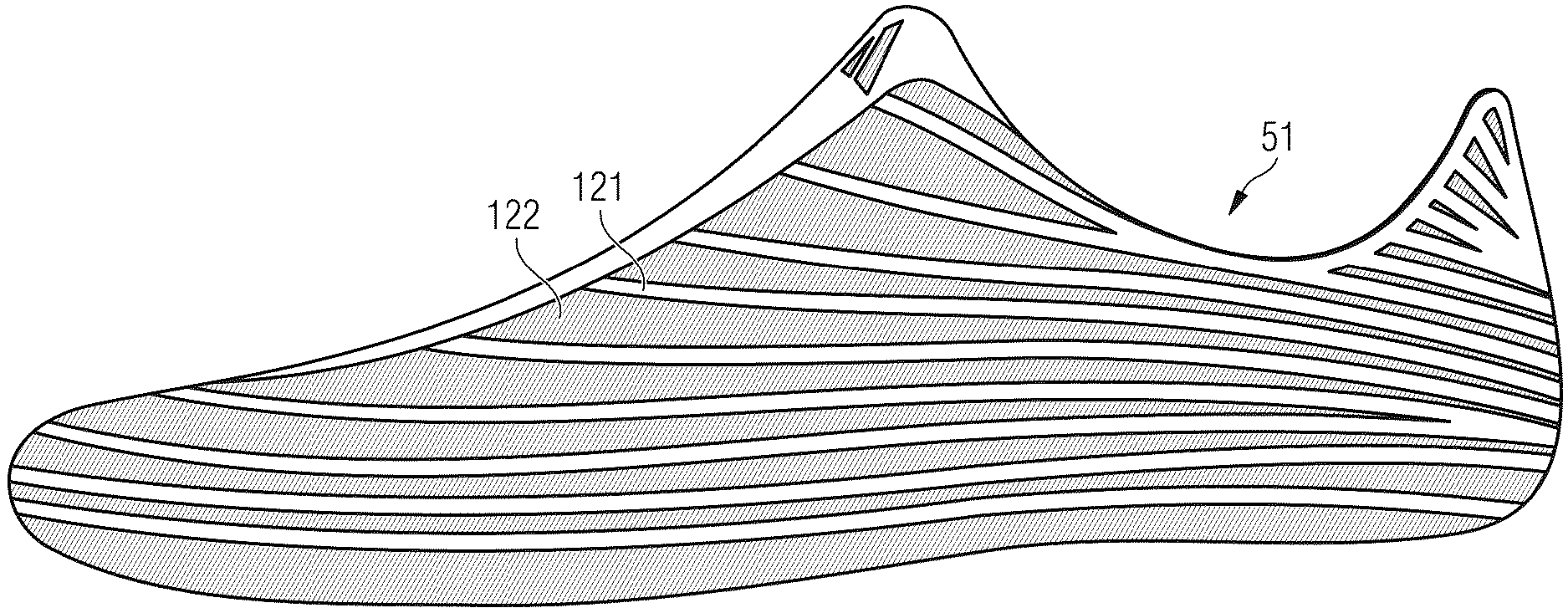
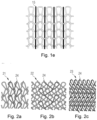
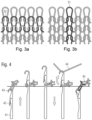
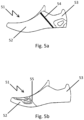
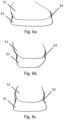
Figures from US patent application US20250160486A1, 'Knitted Shoe Upper', filed by Adidas AG (inventors Stefan Tamm, Carl Arnese and James Carnes; published 22 May 2025). The upper is knitted in one piece with two zones, a more elastic yarn and a stiffer yarn, placing stretch and support without seams or separate reinforcement panels. The drawings show the yarn zones and construction across forefoot, midfoot and heel.
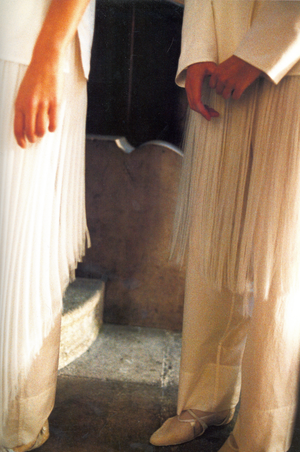
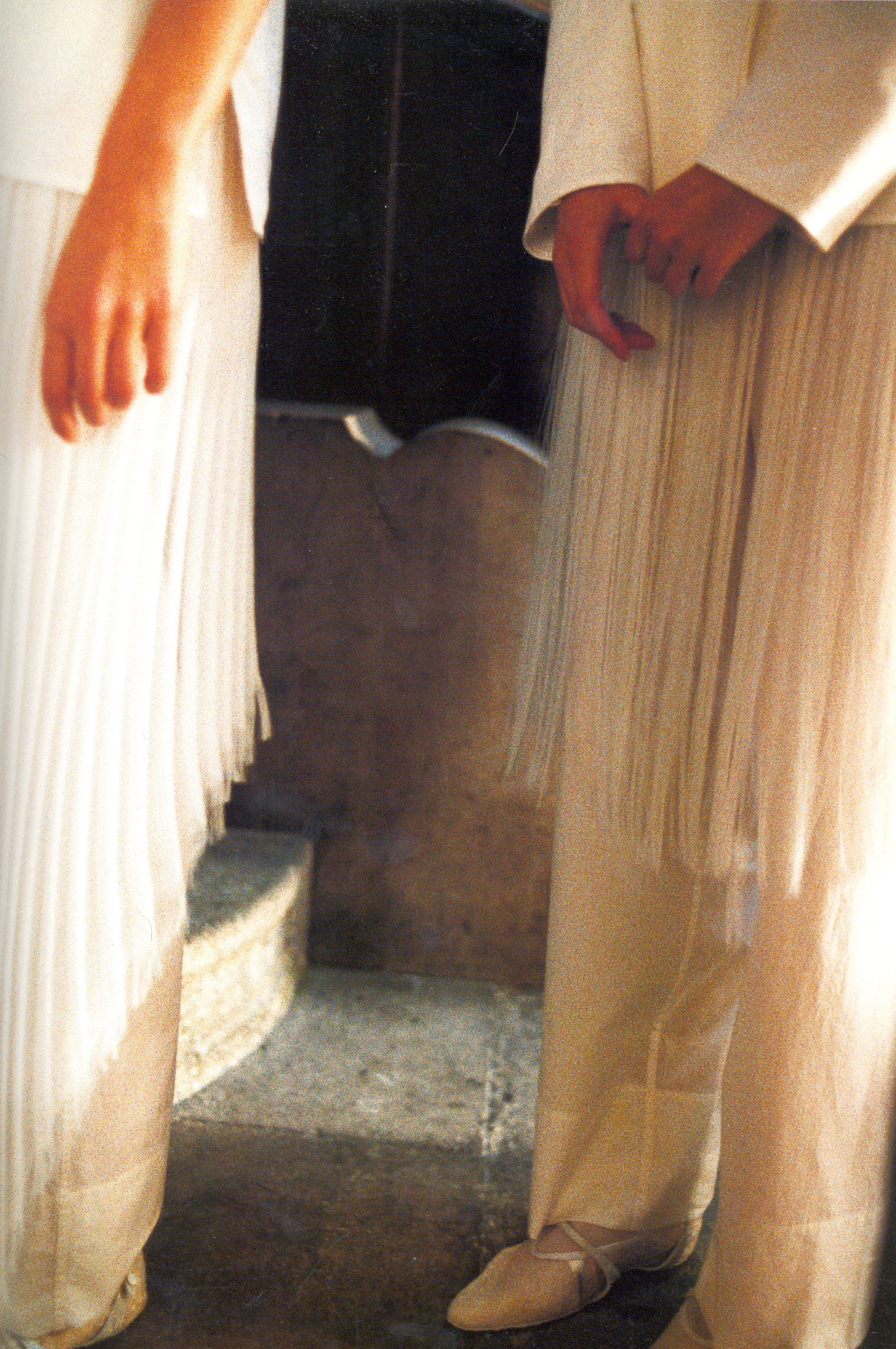
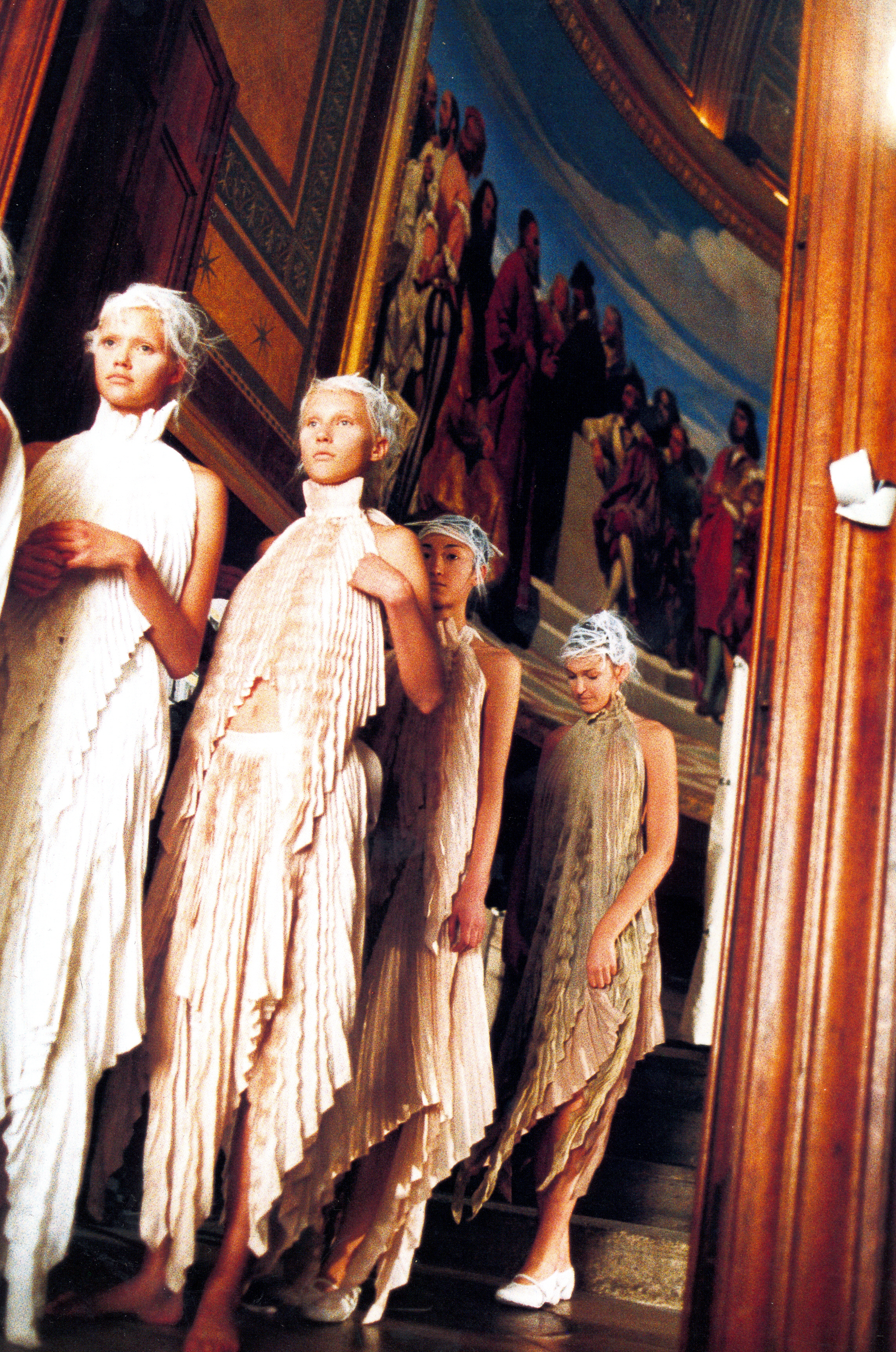
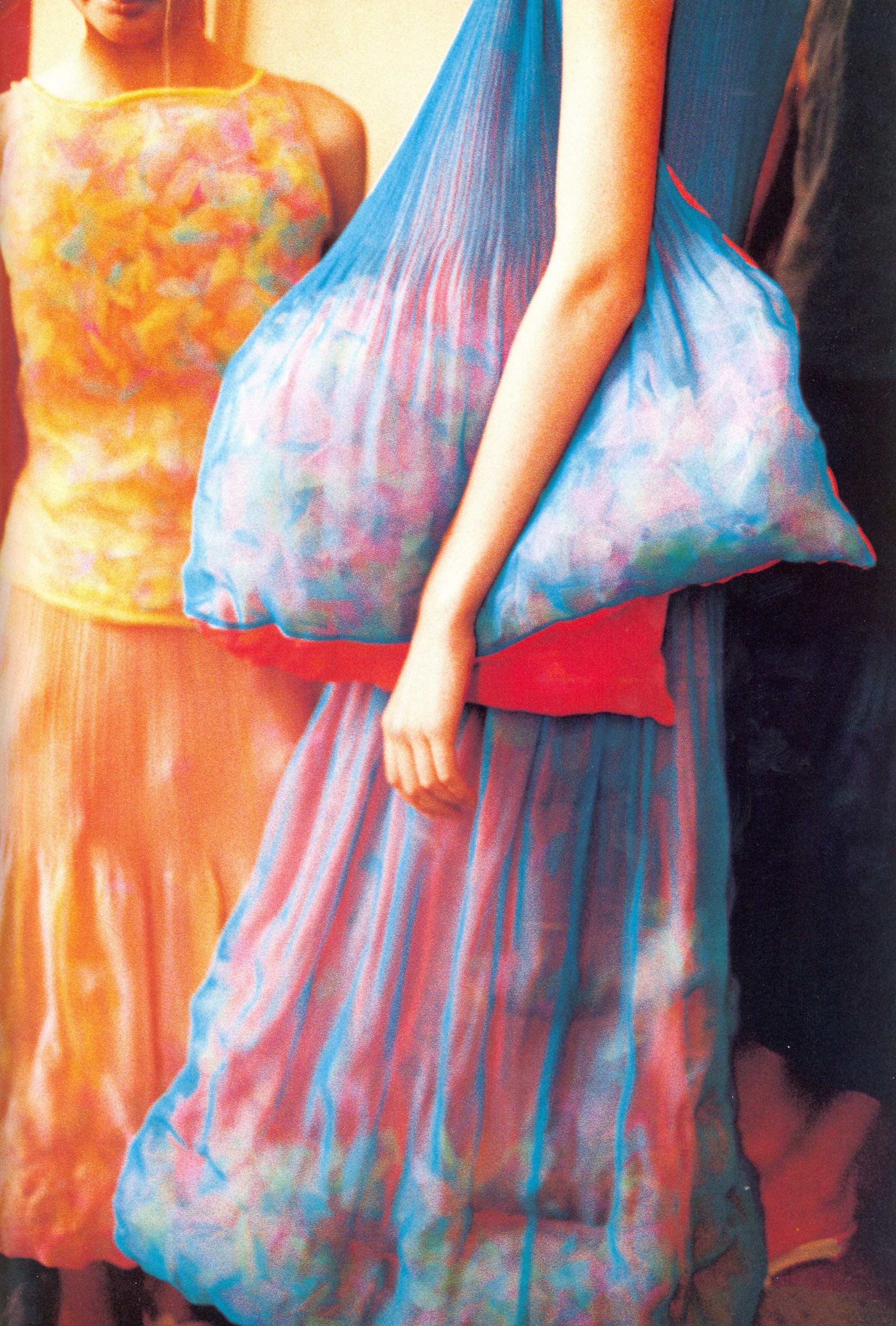
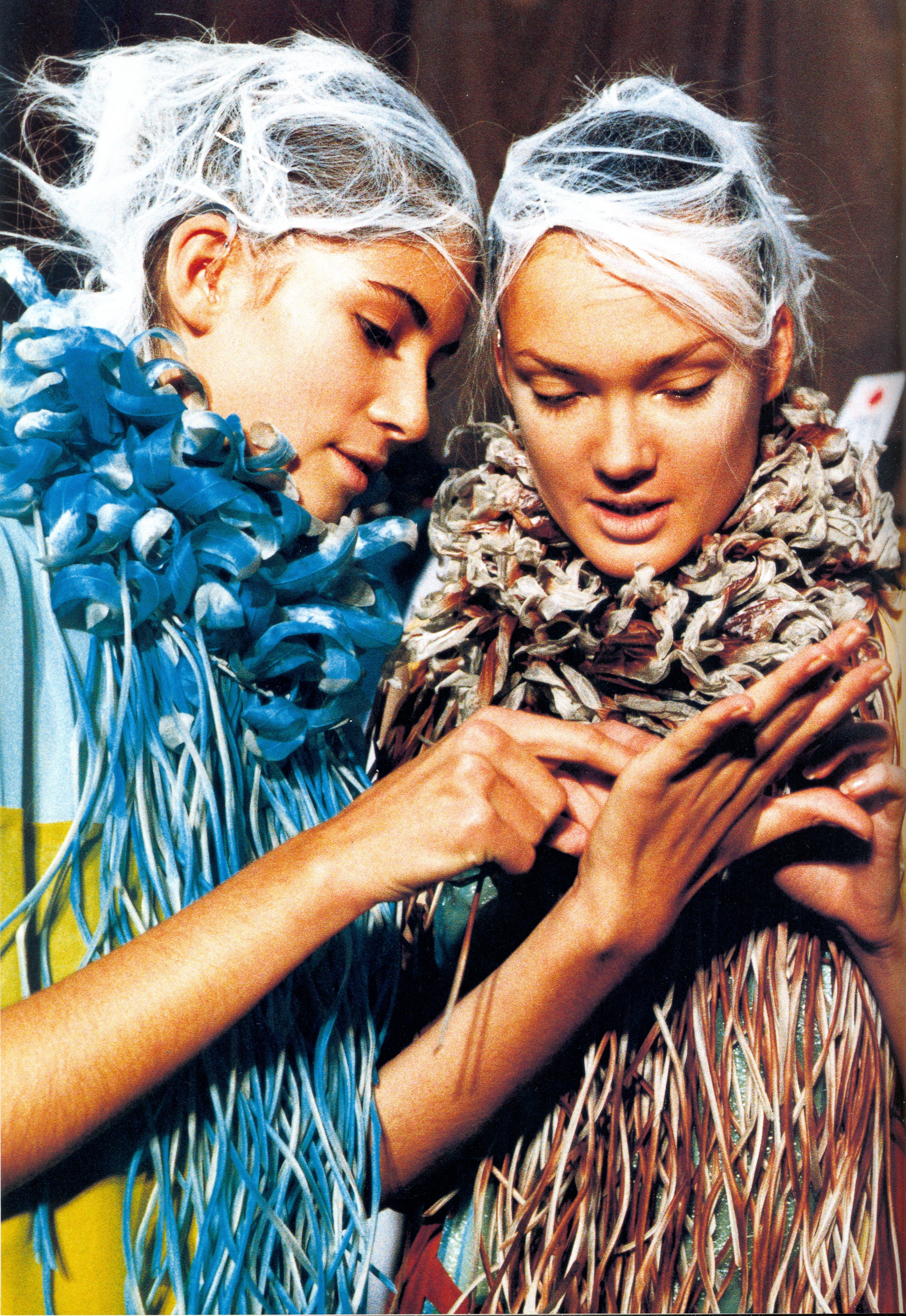
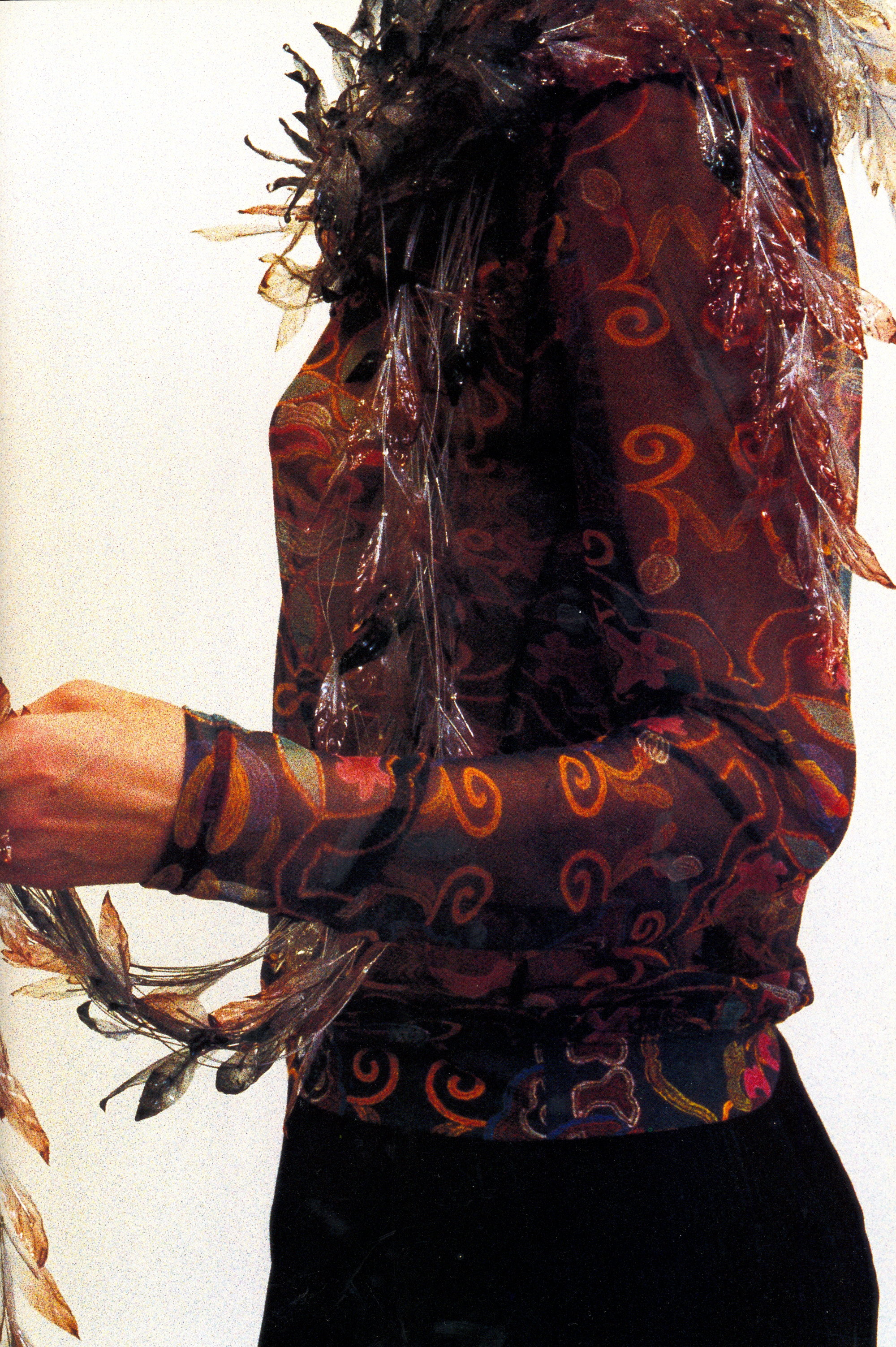
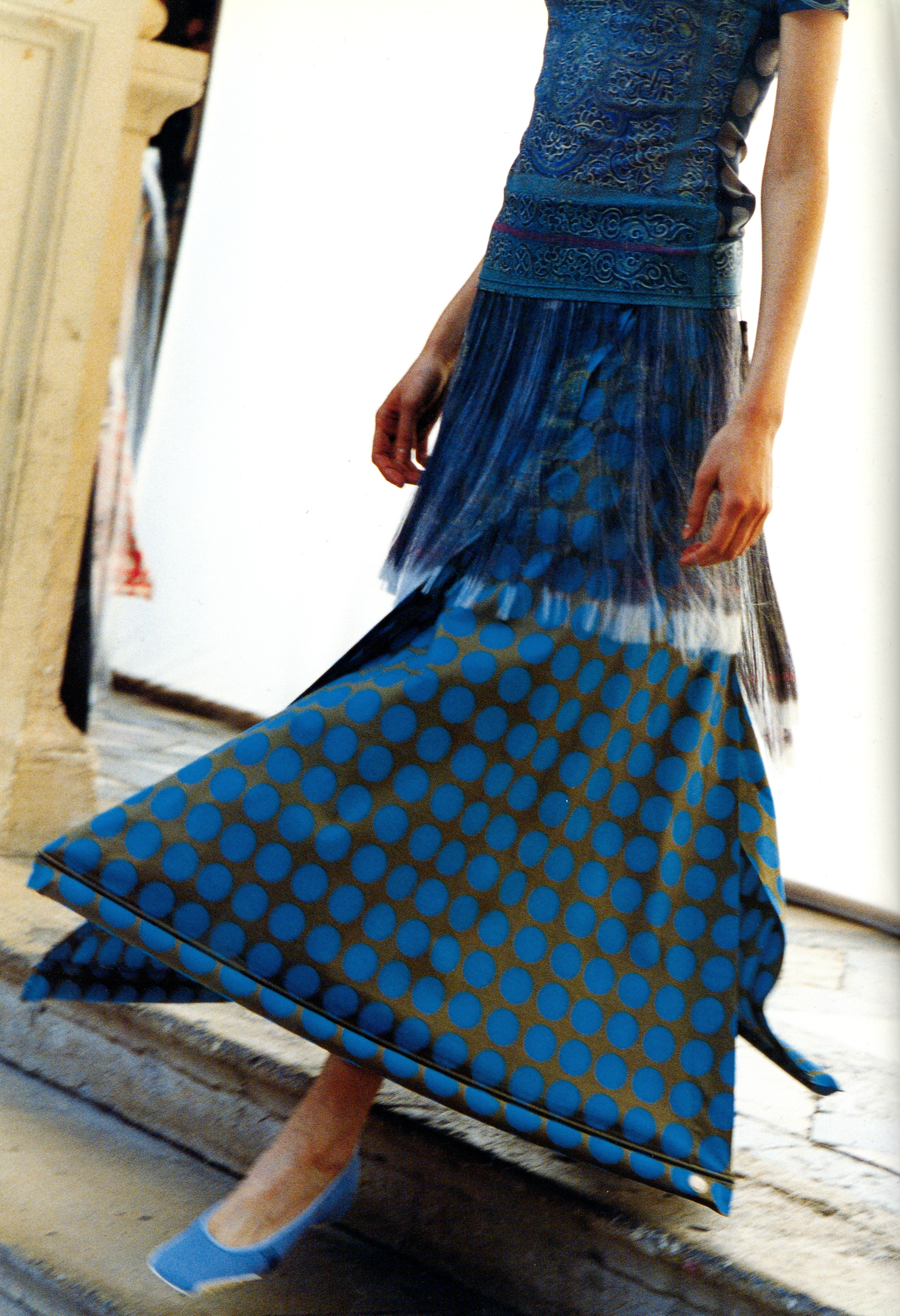
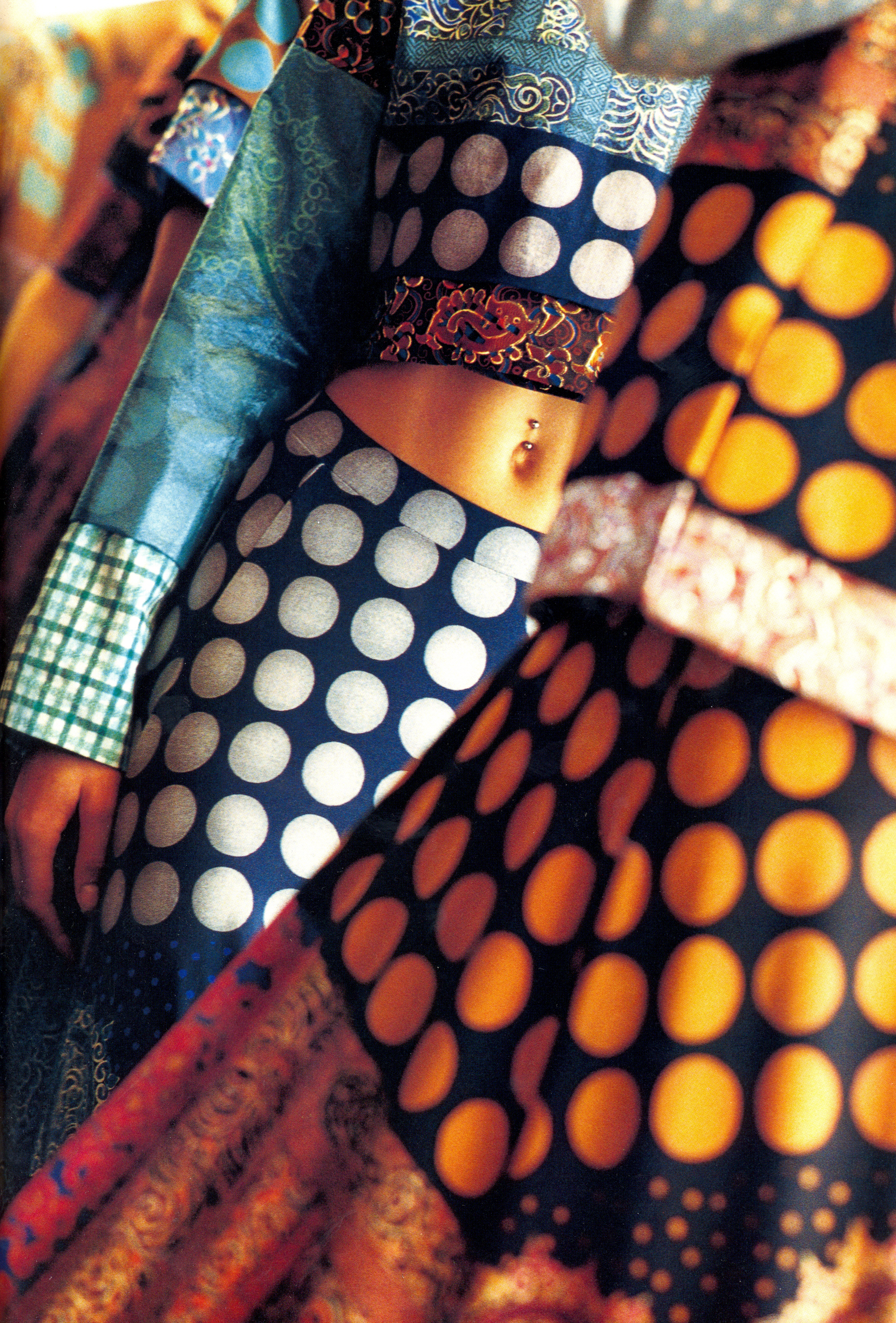
Silent Poets for Issey Miyake Spring/Summer 2001 is a hardcover lookbook photographed by Françoise Huguier. It presents imagery from Issey Miyake’s Spring/Summer 2001 collection and includes the collaboration CD Red Eyes Tribe at the back of the book. Japanese electronic duo Silent Poets produced the music for the runway show.
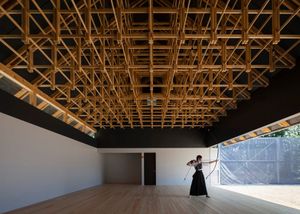
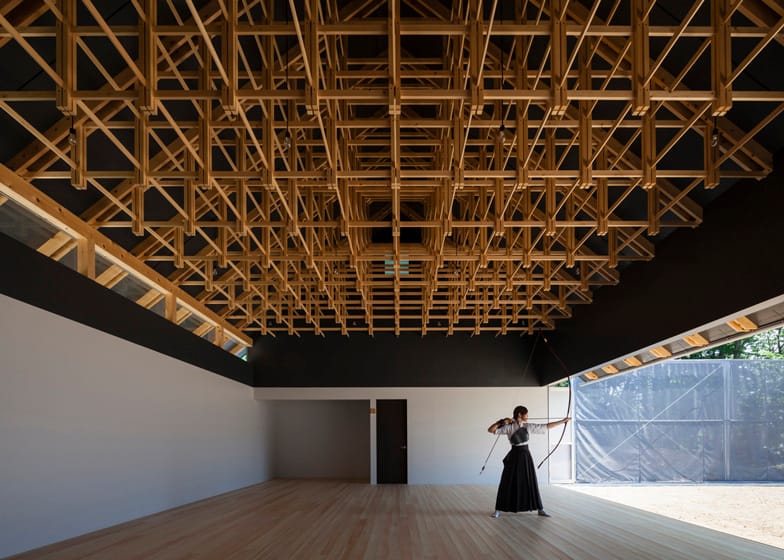
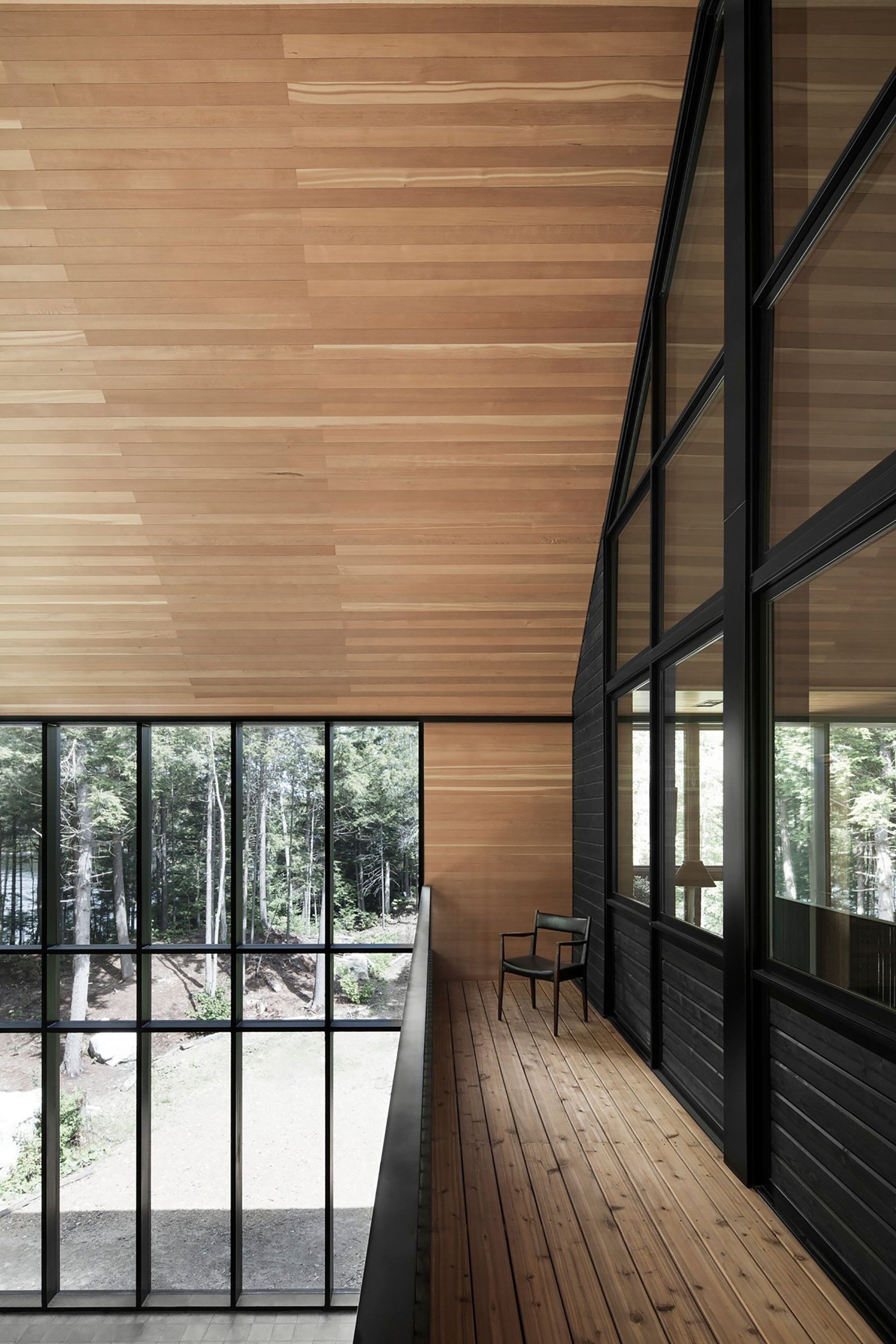
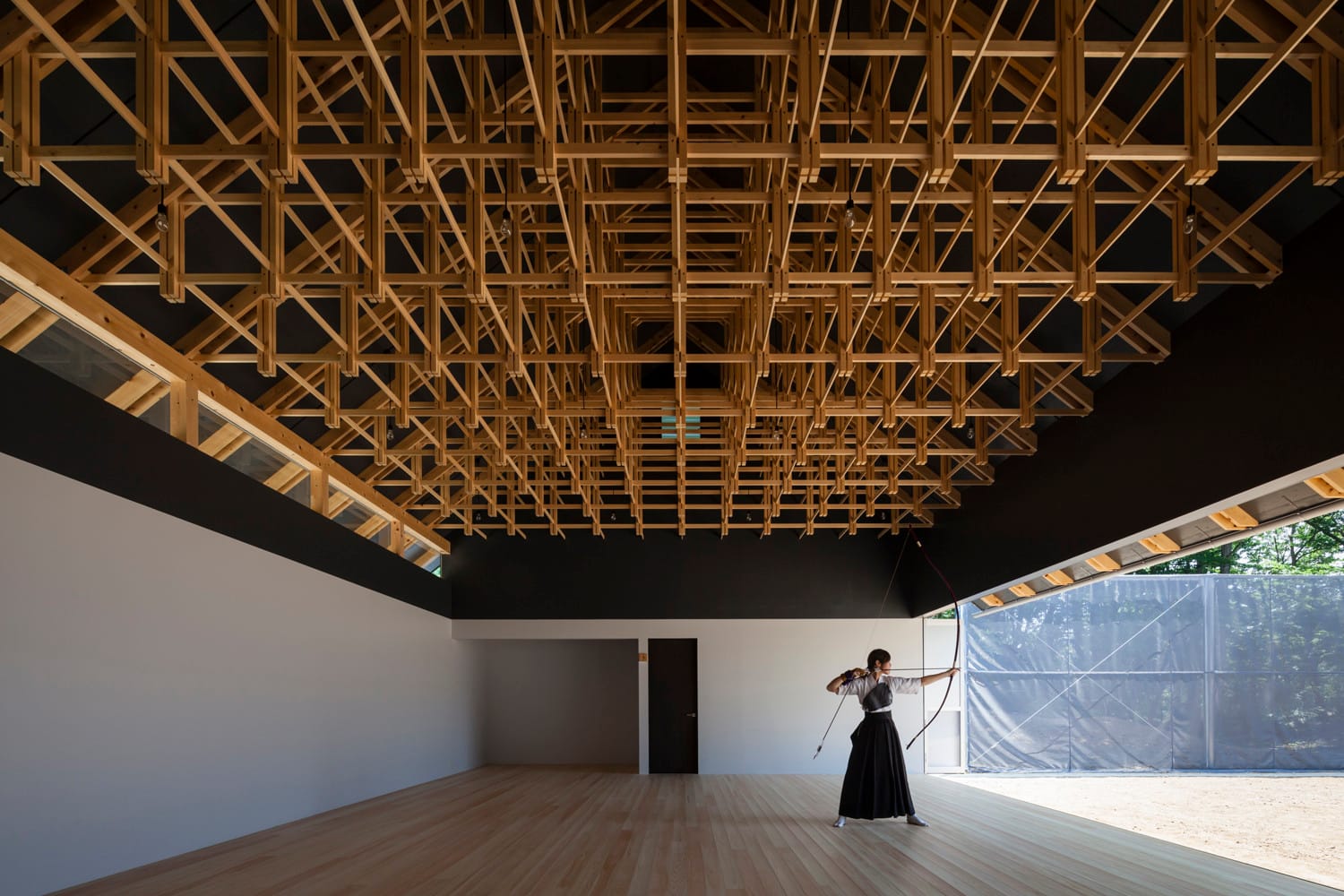
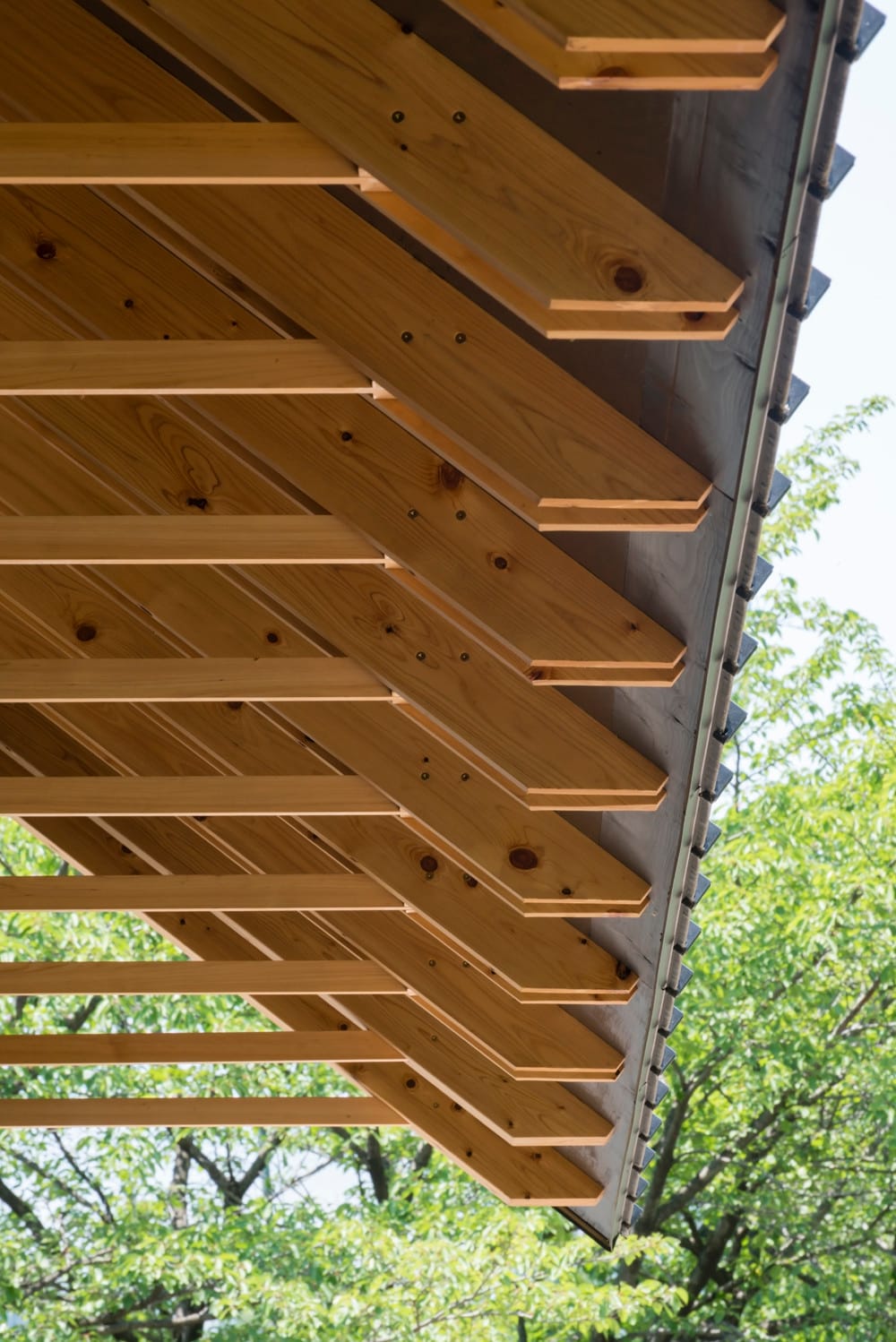
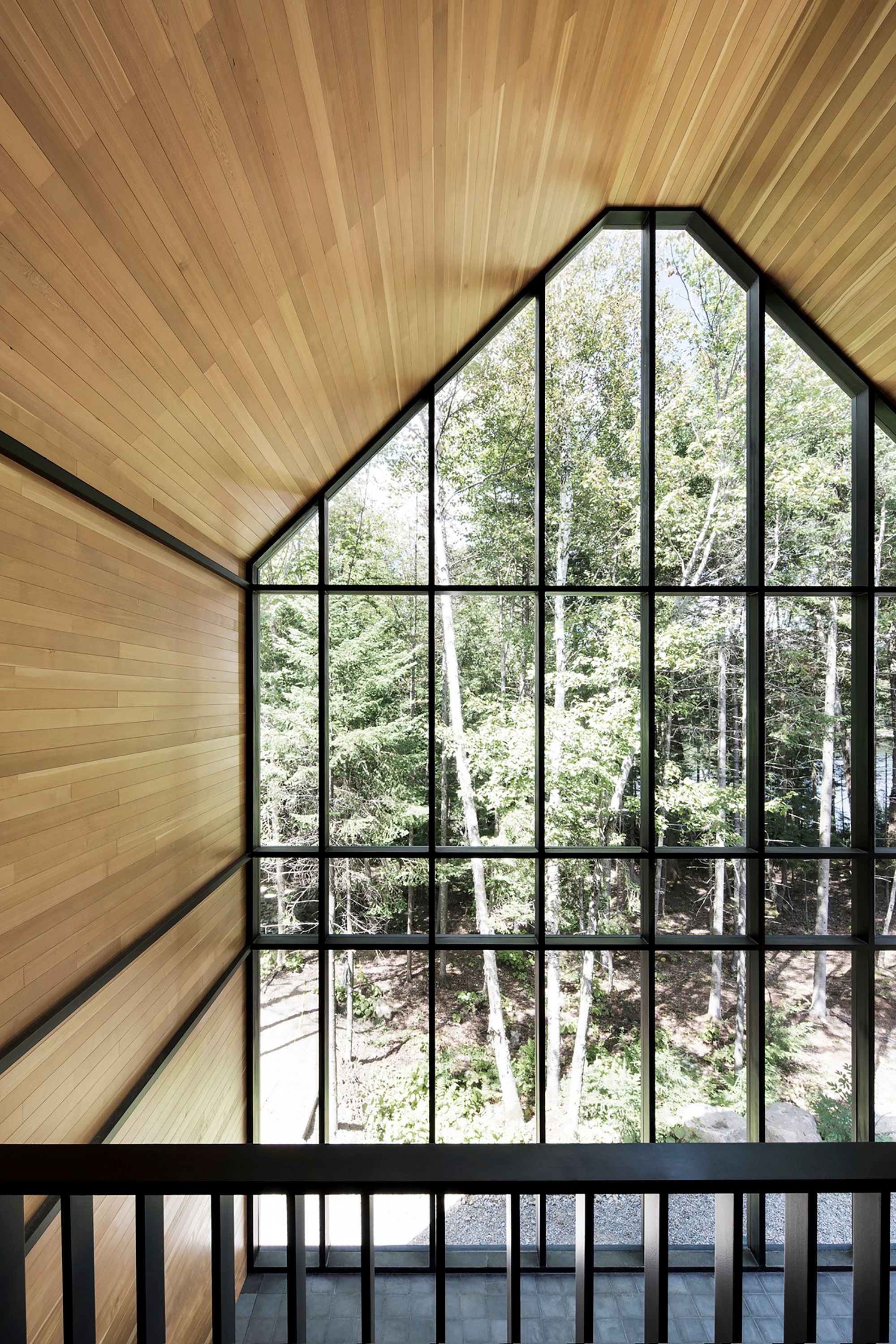
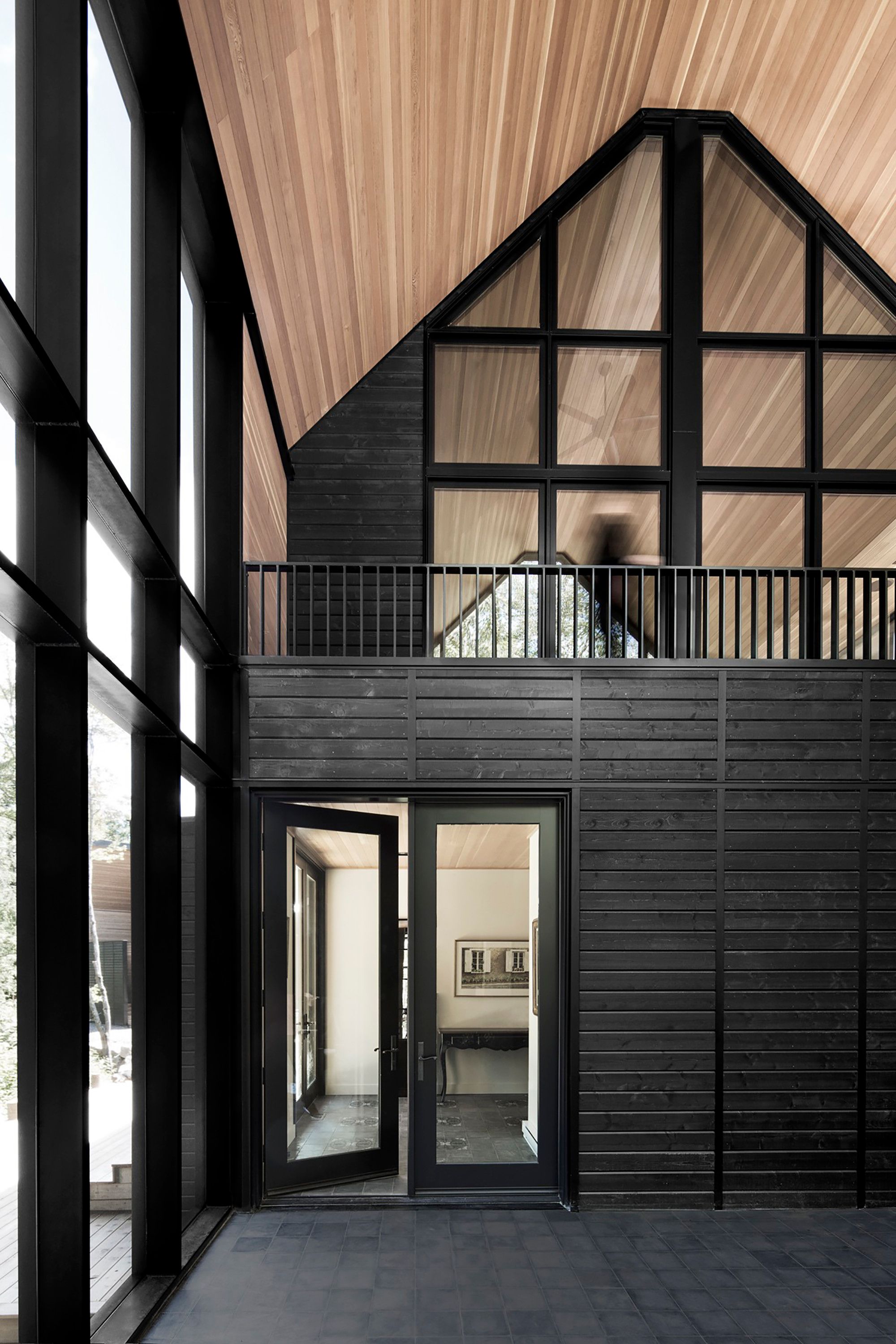
The Archery Hall, one of two sports pavilions FT Architects (Katsuya Fukushima, Hiroko Tominaga) built in 2013 at Kogakuin University, west Tokyo. Each is a column-free room of 7.2 by 10.8 m under an exposed timber roof of horizontal and vertical members, bolt-and-nut jointed. The archery hall uses small timber sections normally used for furniture. Photographs by Shigeo Ogawa.

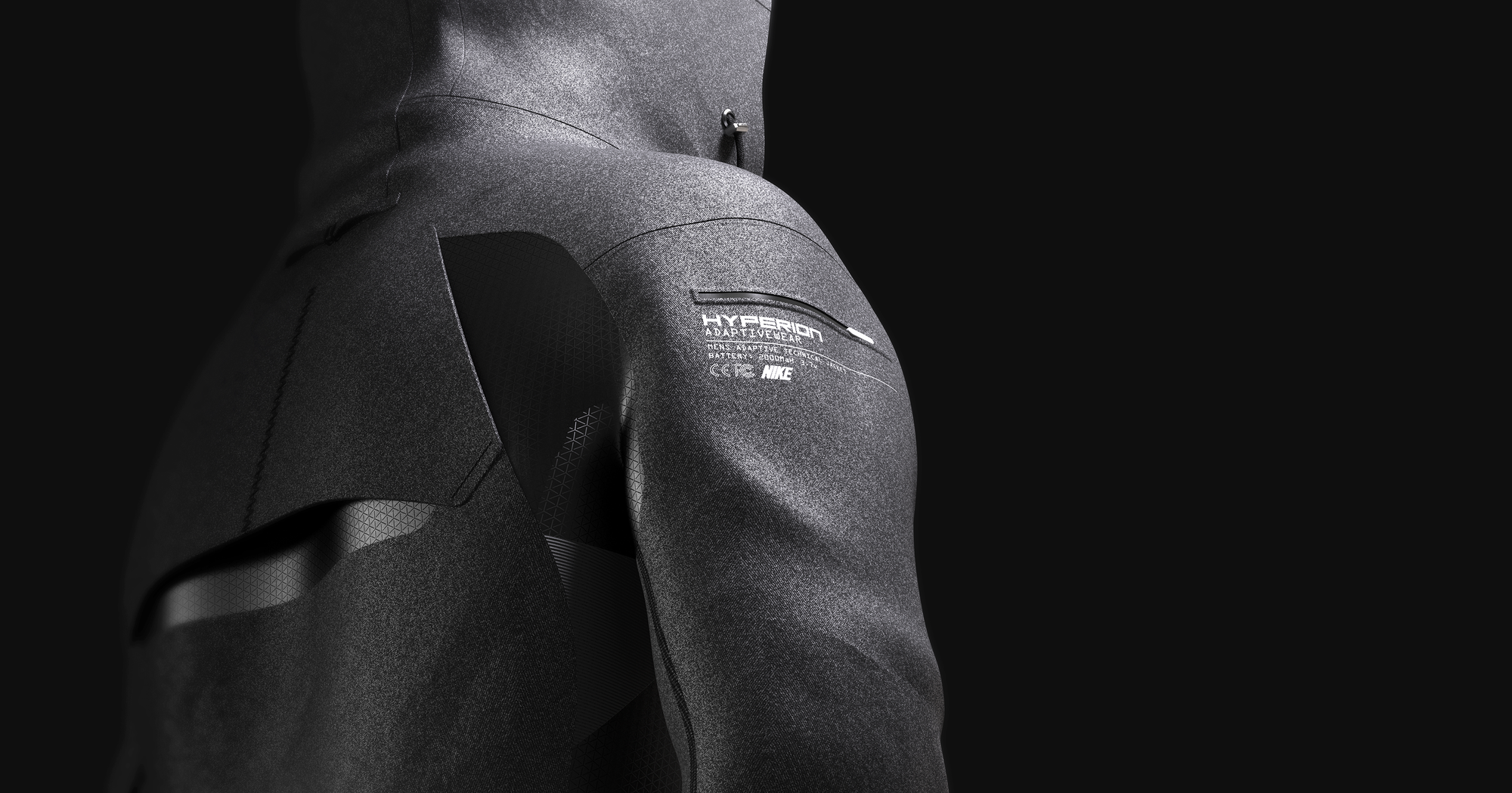
A concept for a Nike training jacket by designer Joseph Cooper: a close-fitting panelled shell with mapped zones and bonded seams. A sportswear design study.
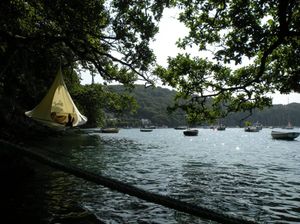
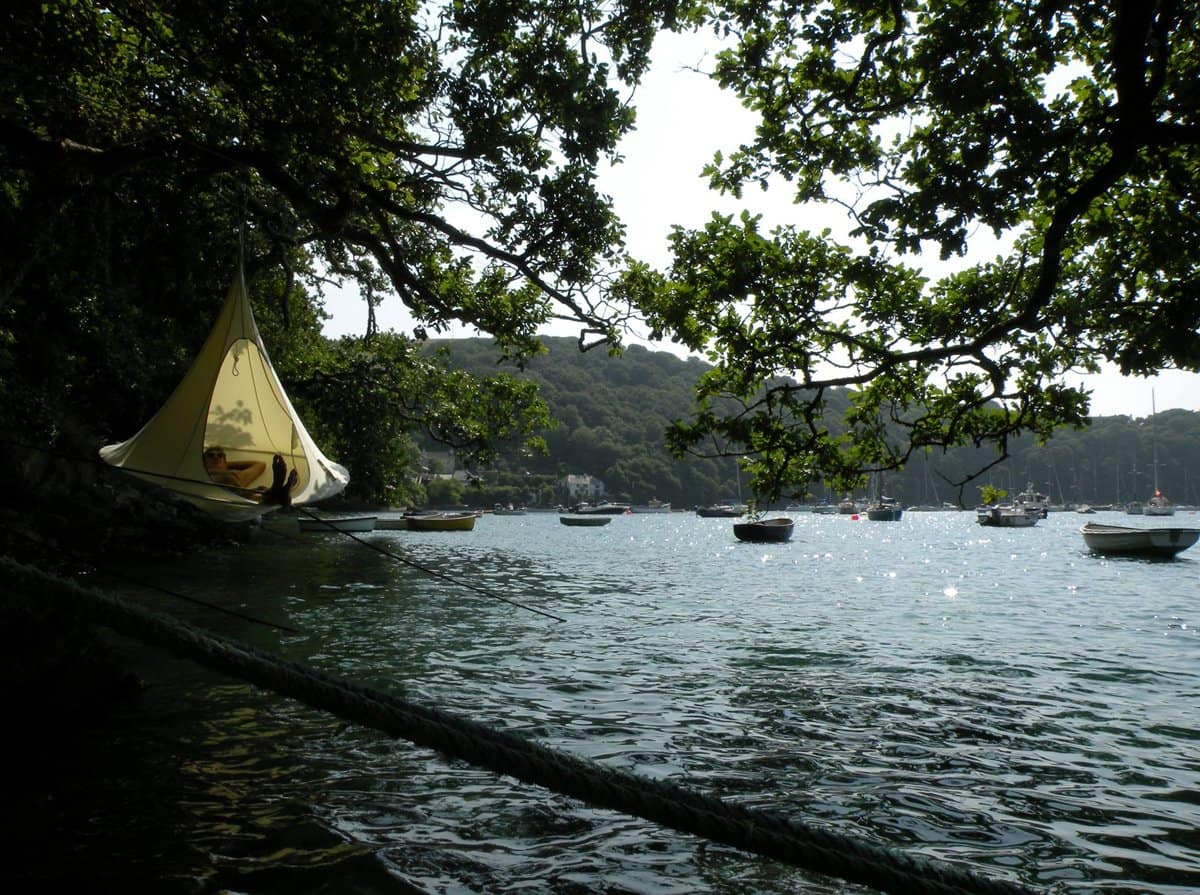
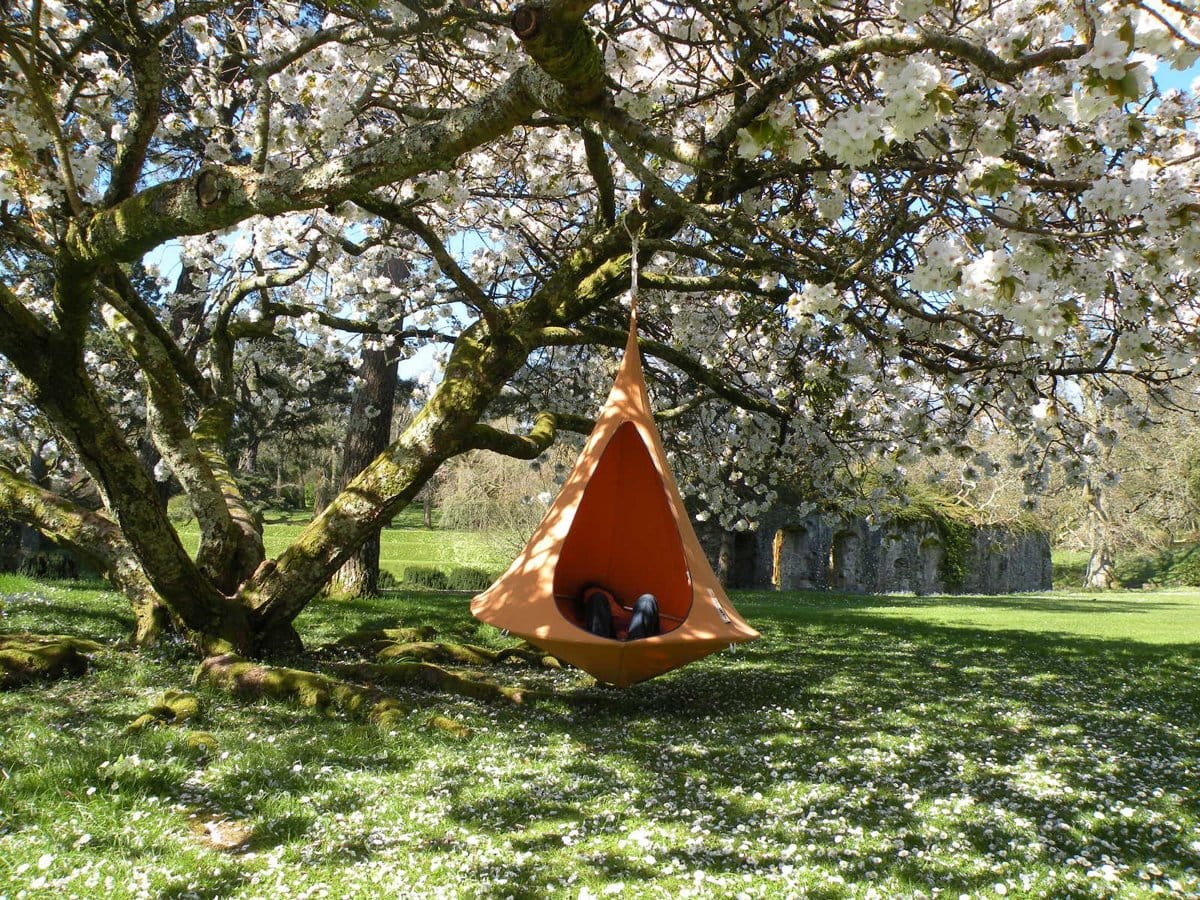
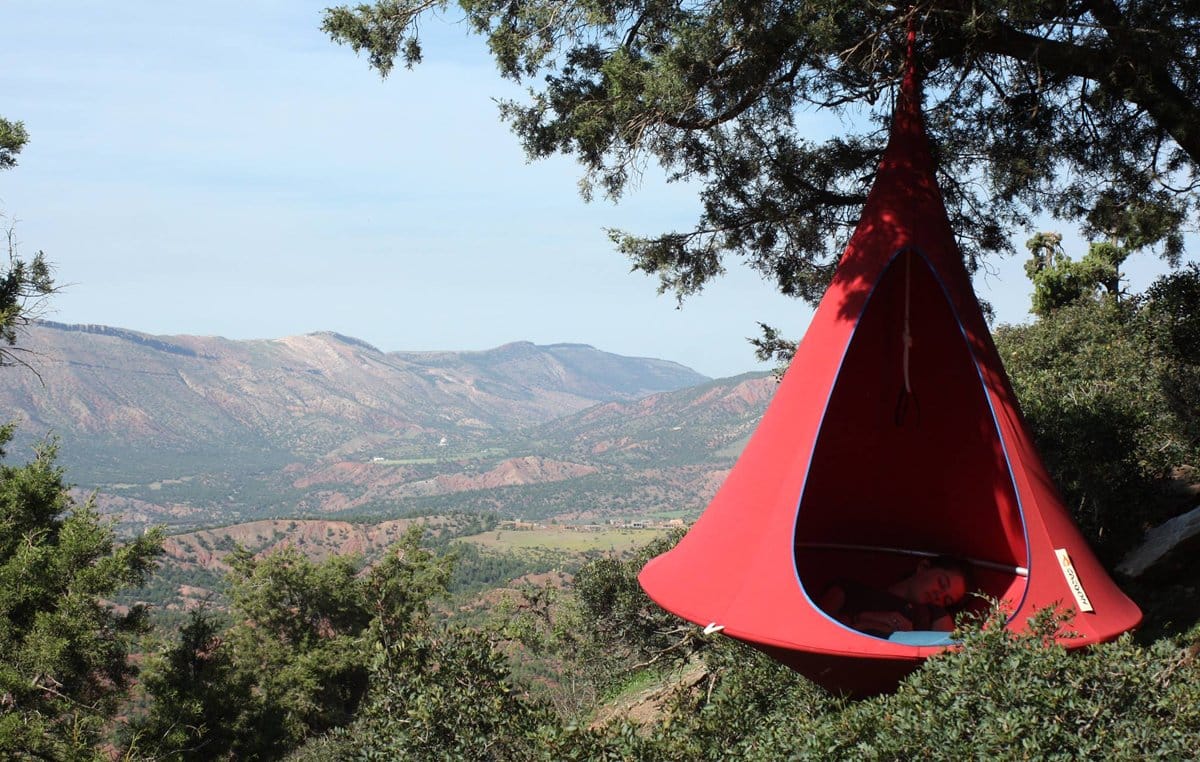
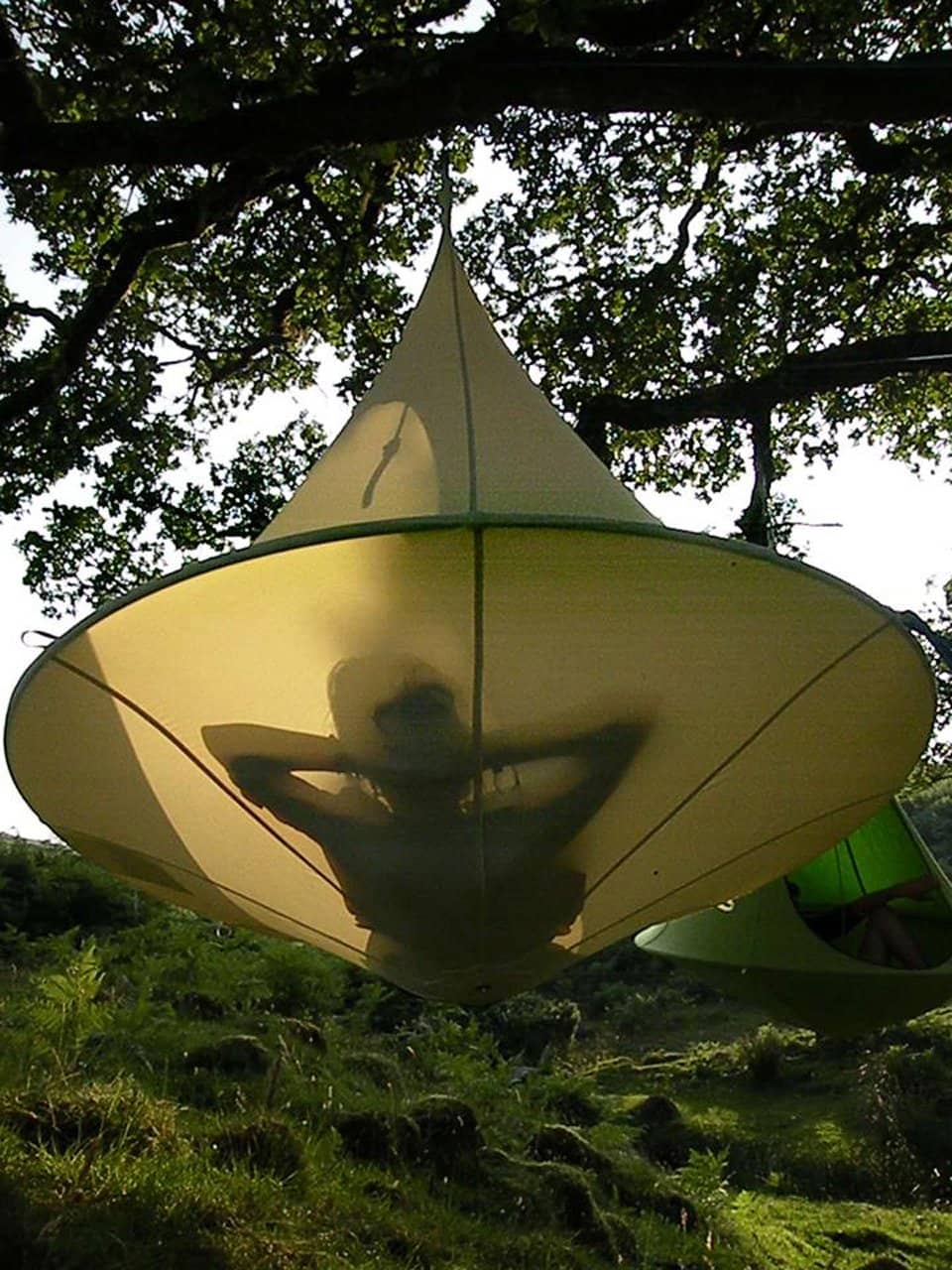
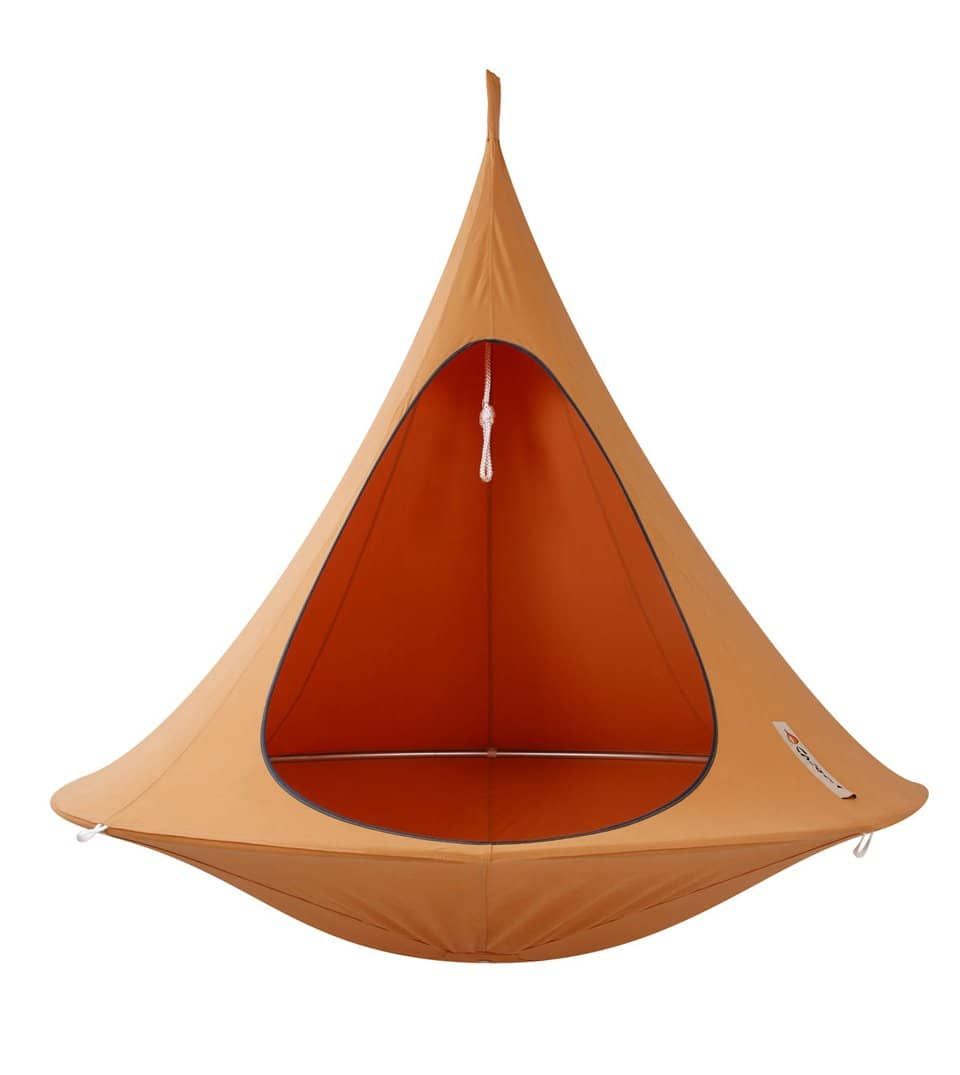
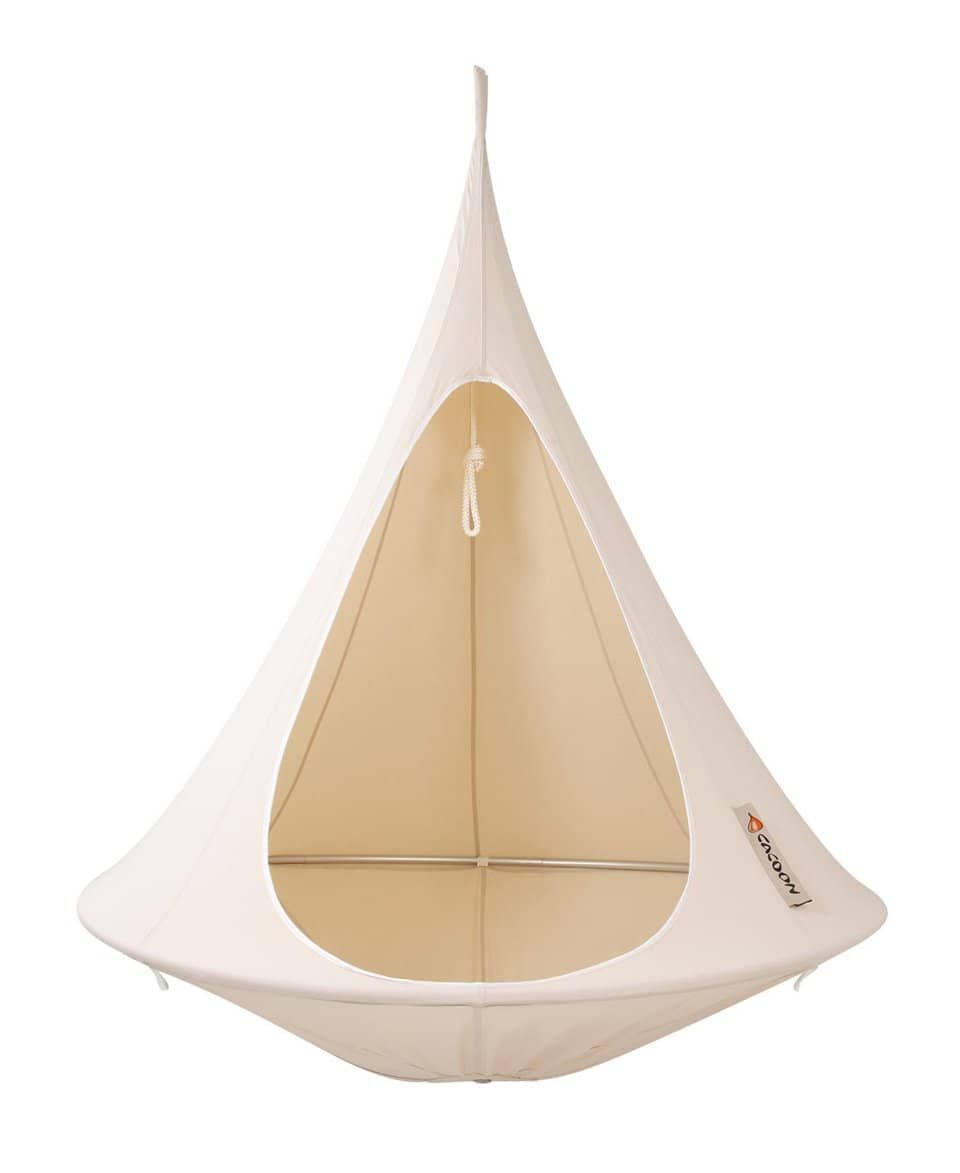
The Cacoon Hanging Chair is constructed with robust engineering to support a weight of up to 200kg or 440lbs. This product was designed in the UK by the collaborative effort of Nick and Sarah, a husband and wife team.


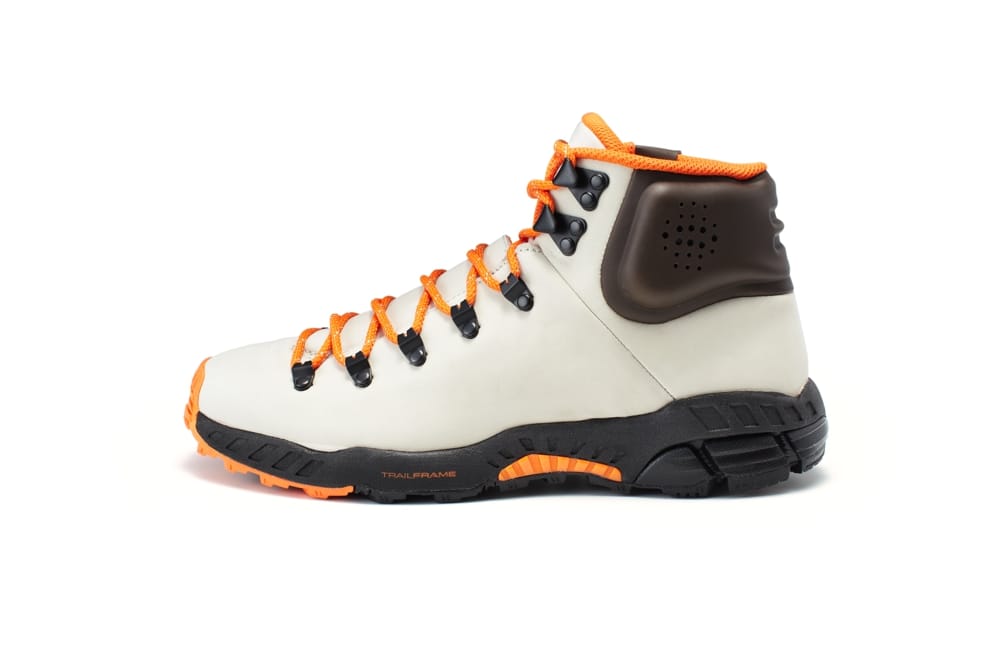
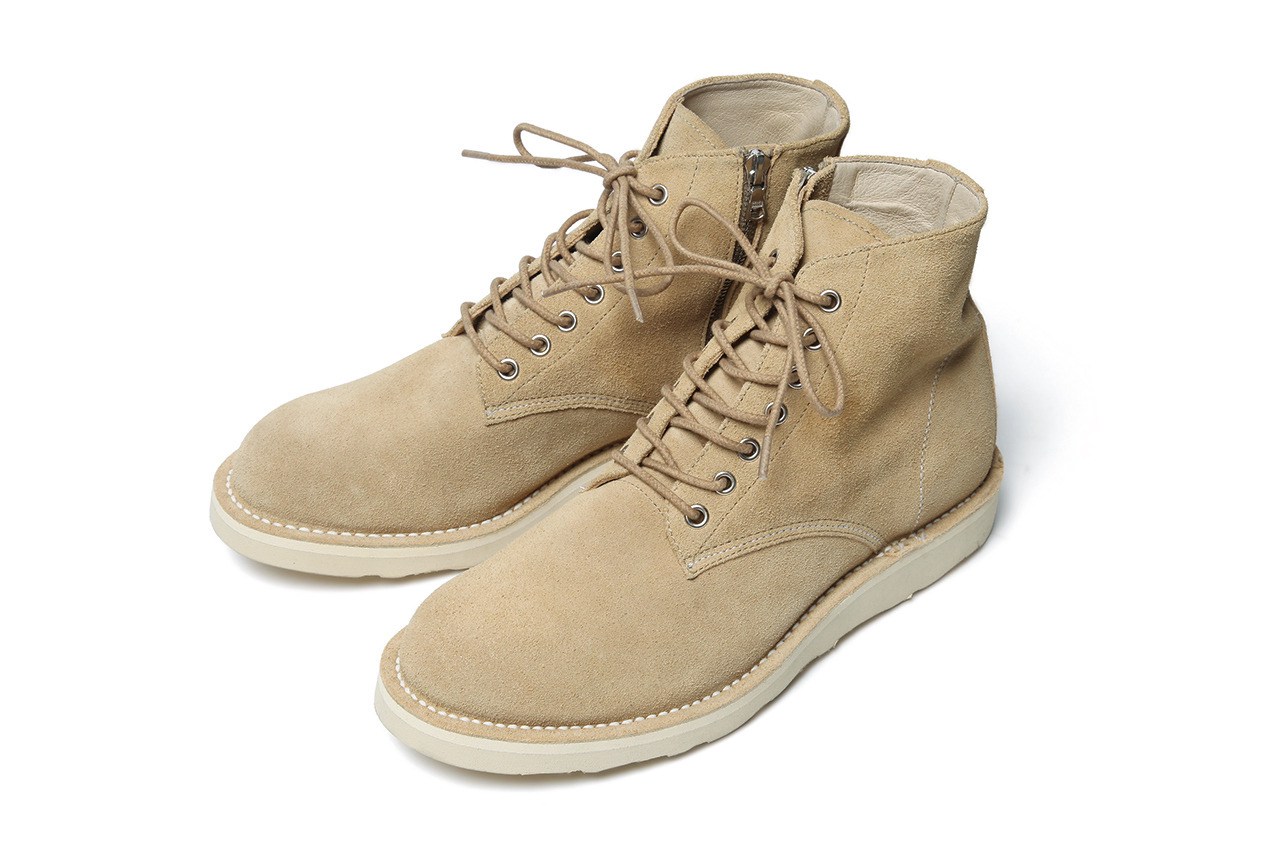
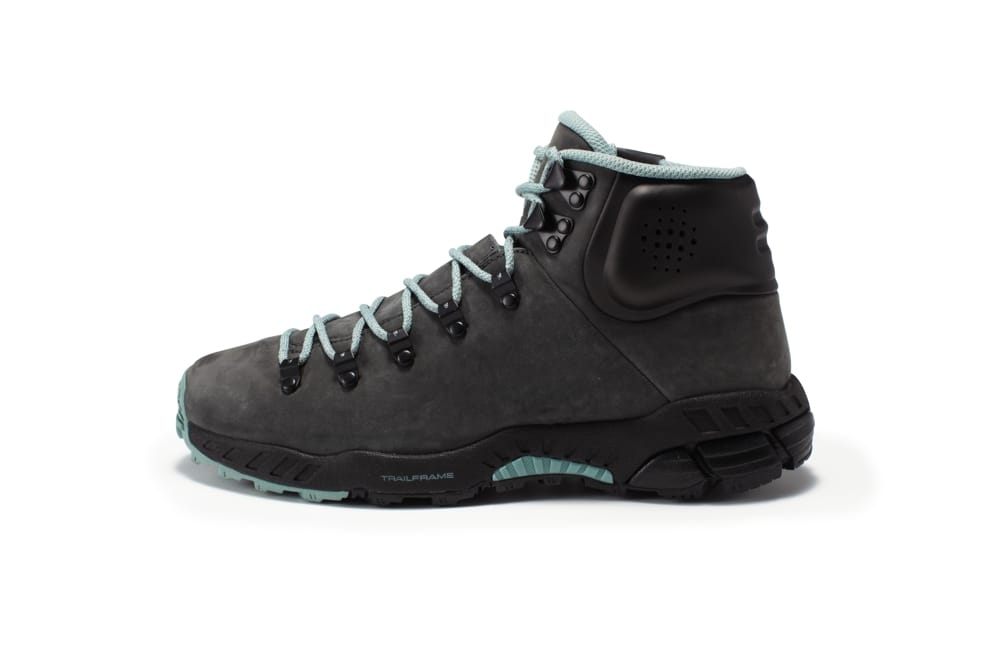
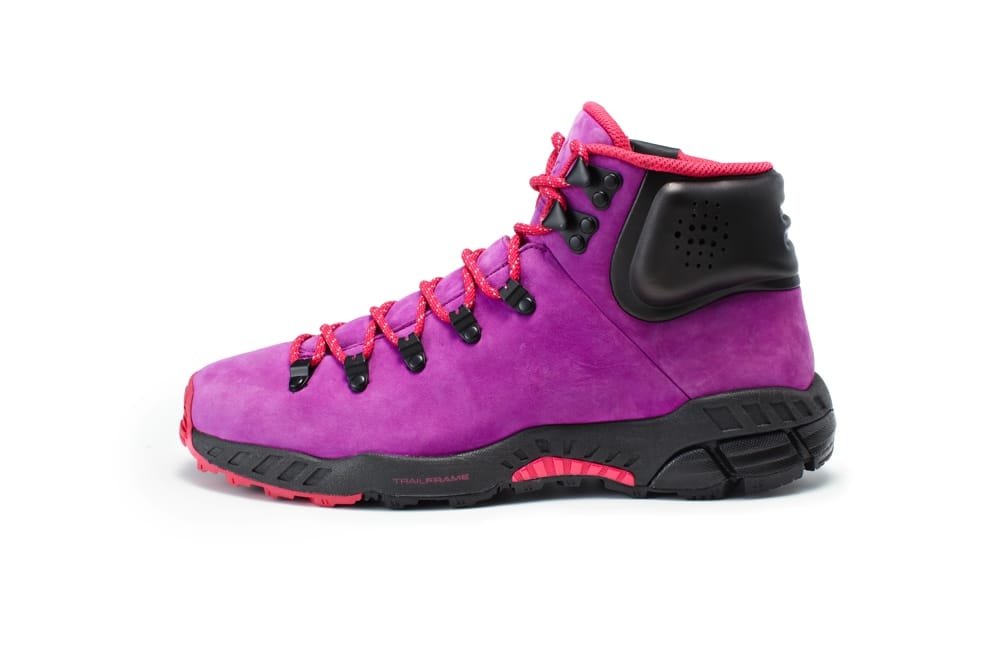
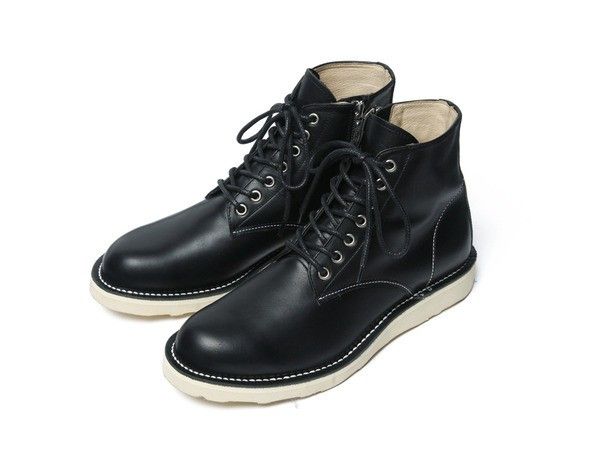
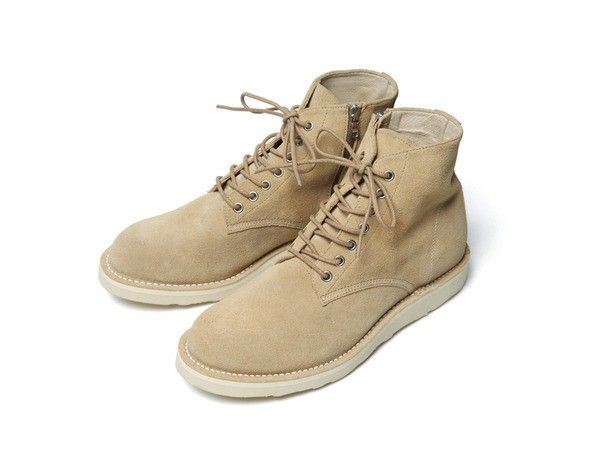
The Nike ACG Zoom Meriwether is a lightweight, weather-resistant boot built on a responsive Zoom Air platform, it offers impact protection without the bulk of traditional hiking boots. The water-resistant suede upper is paired with a medial zip for easy on-off, while the integrated lacing system keeps the fit secure without adding unnecessary weight or complexity.
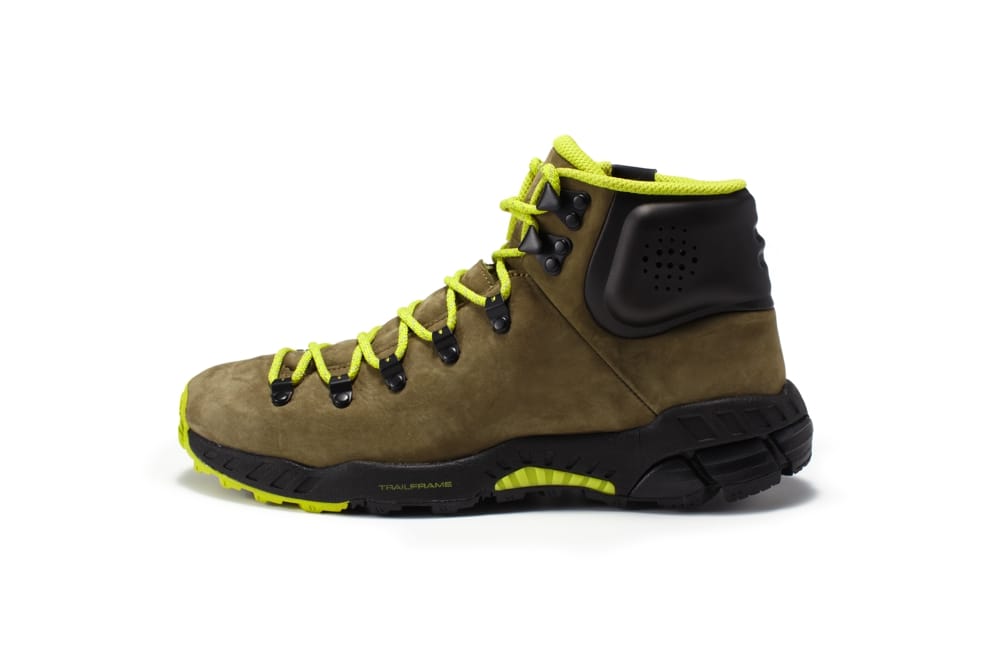
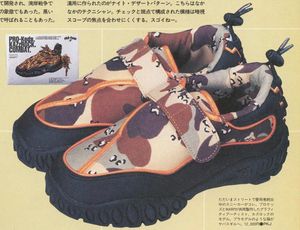
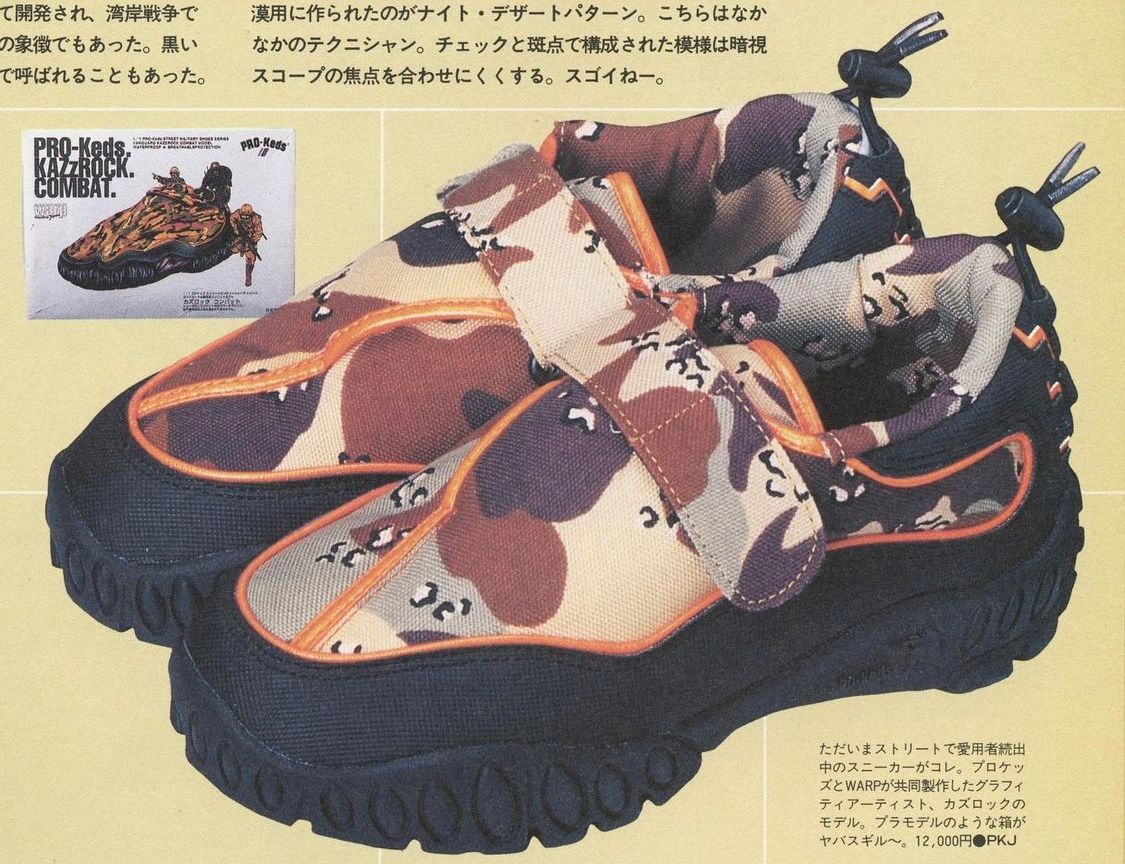
From their street military shoes series
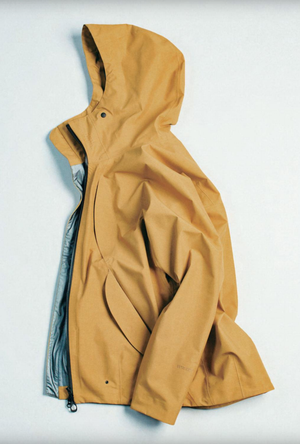
“Everyone pays attention to what is right before his eyes. What sets a manufacturer apart is giving painstaking detail to what is not readily visible.”
— Tosaku Nishida, The Founder of Goldwin
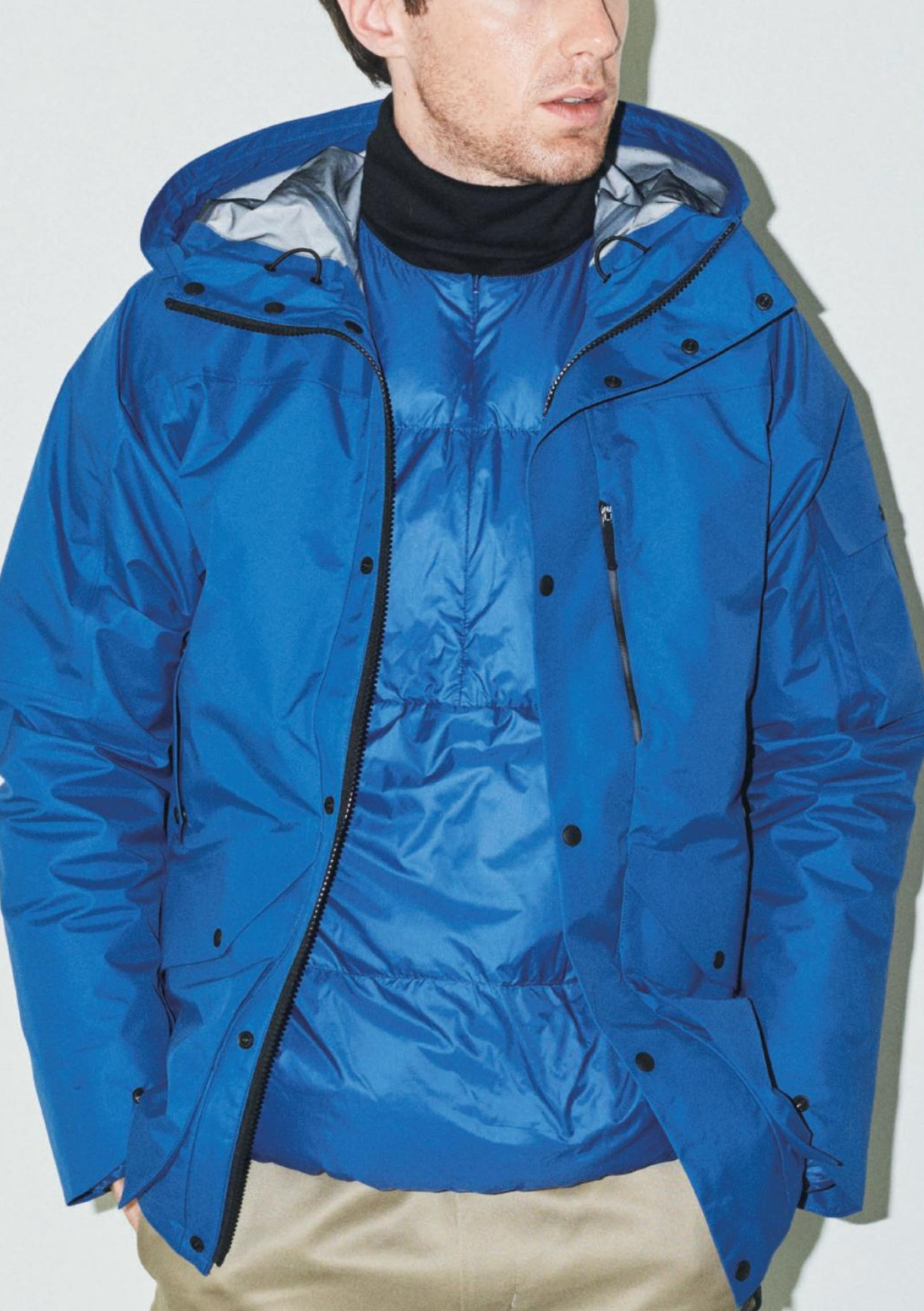
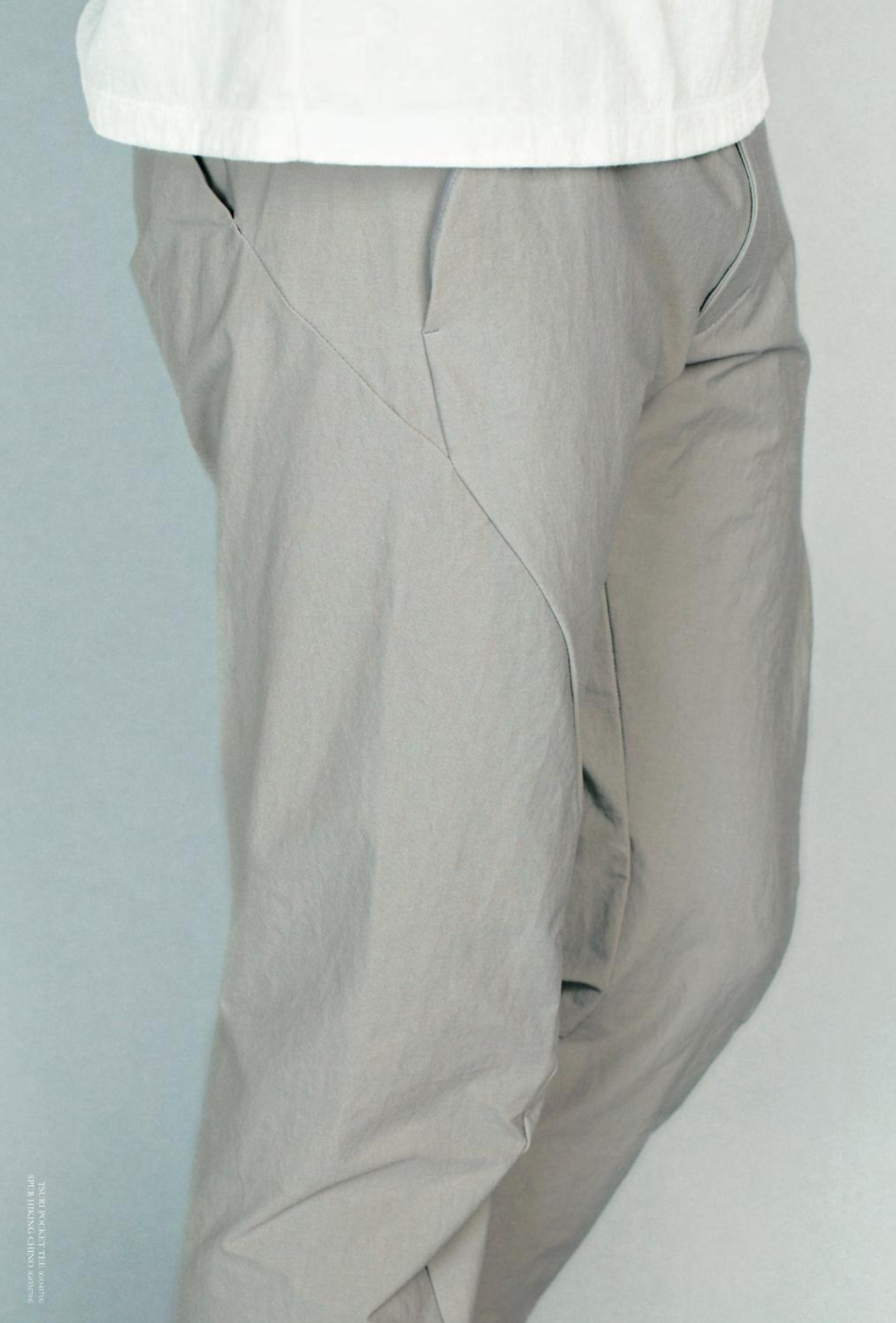
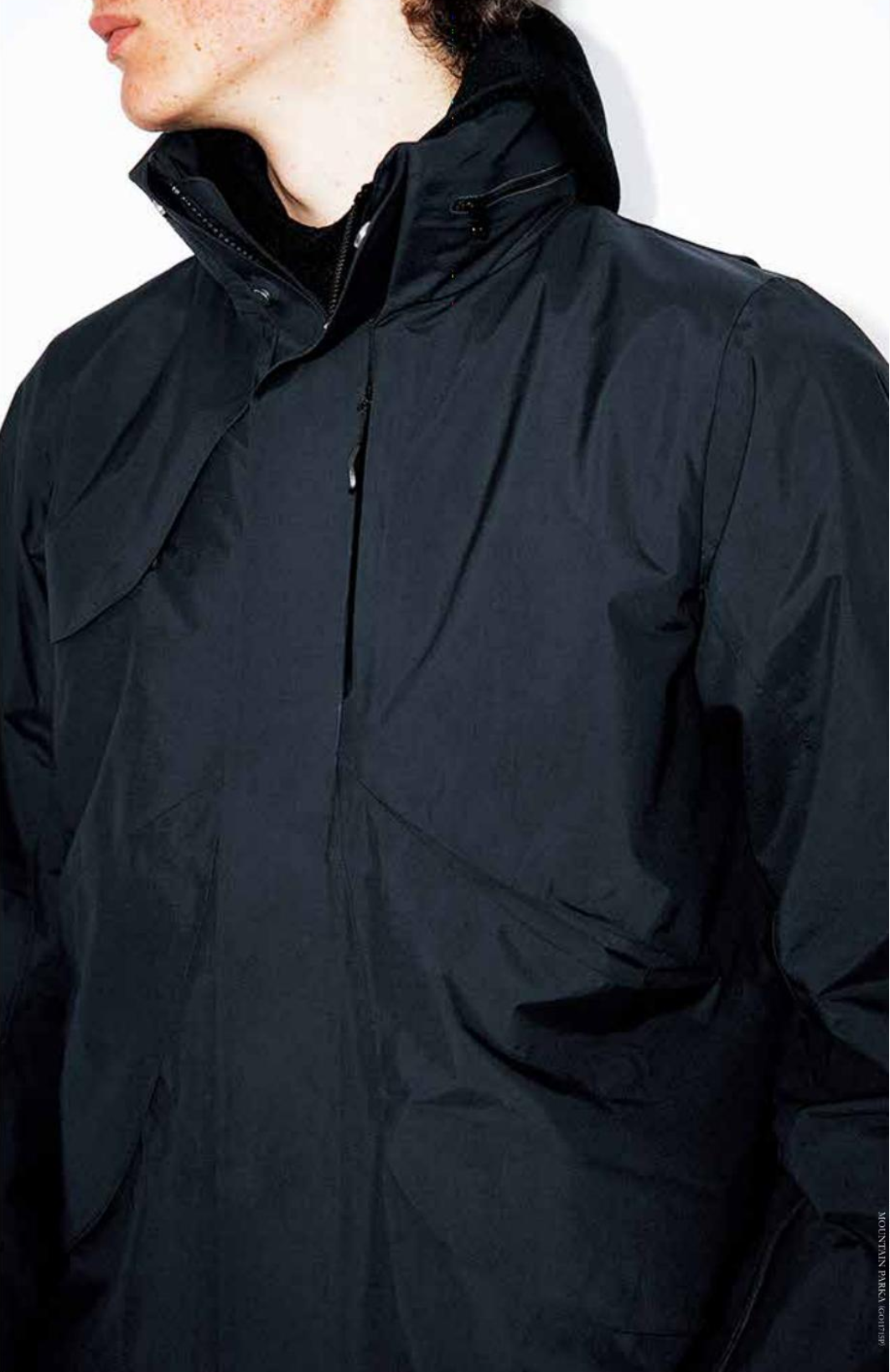
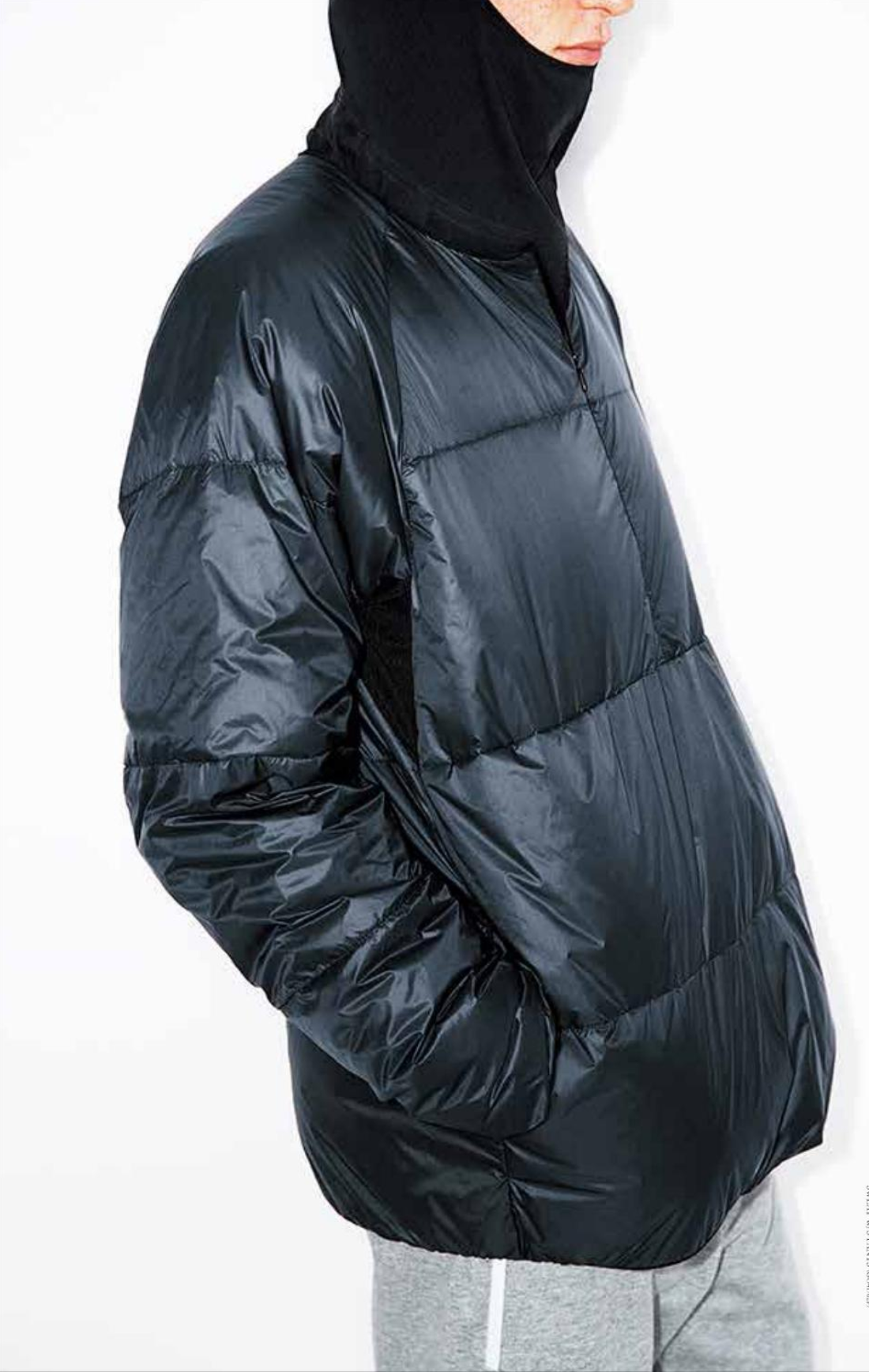
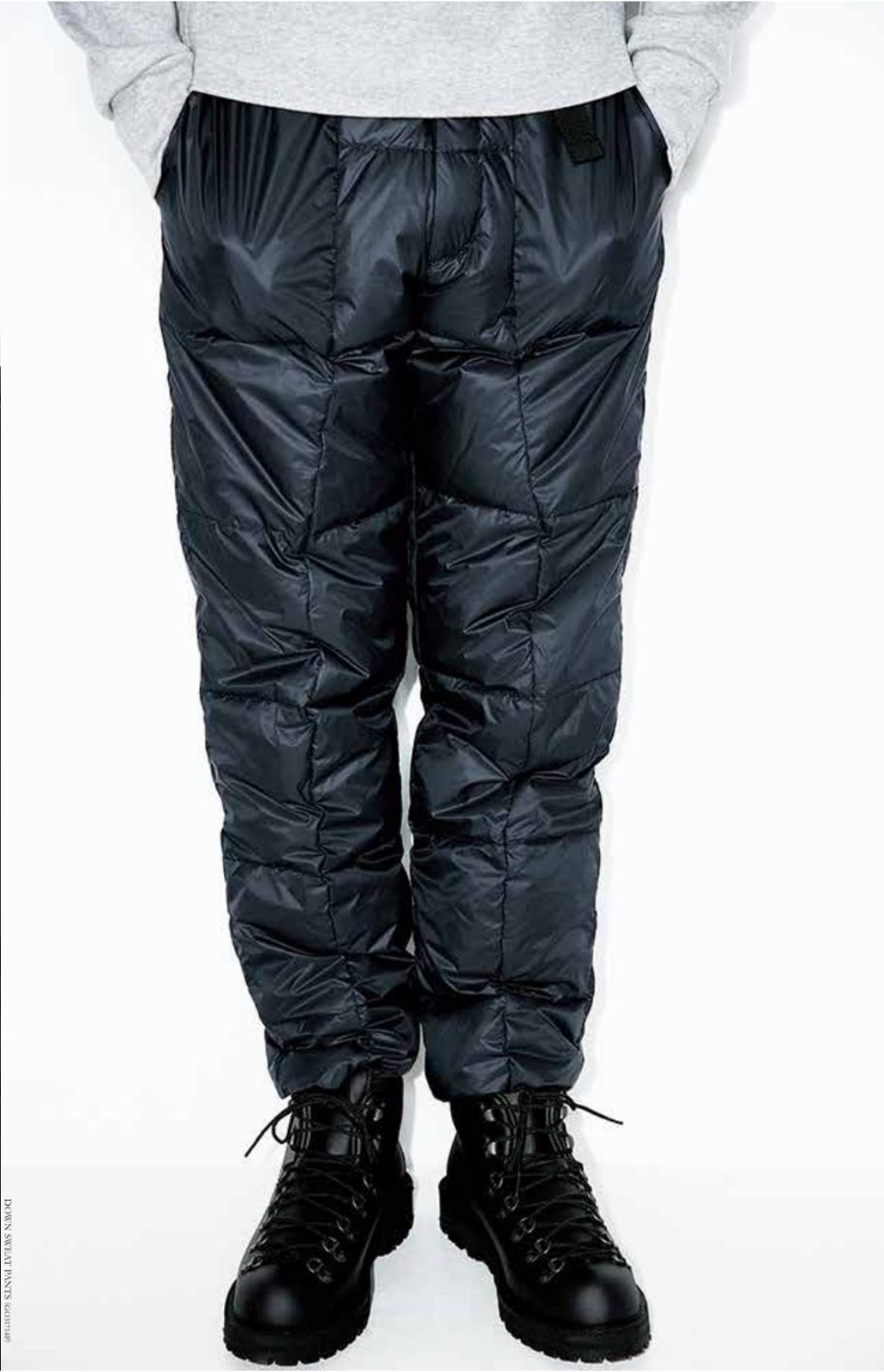
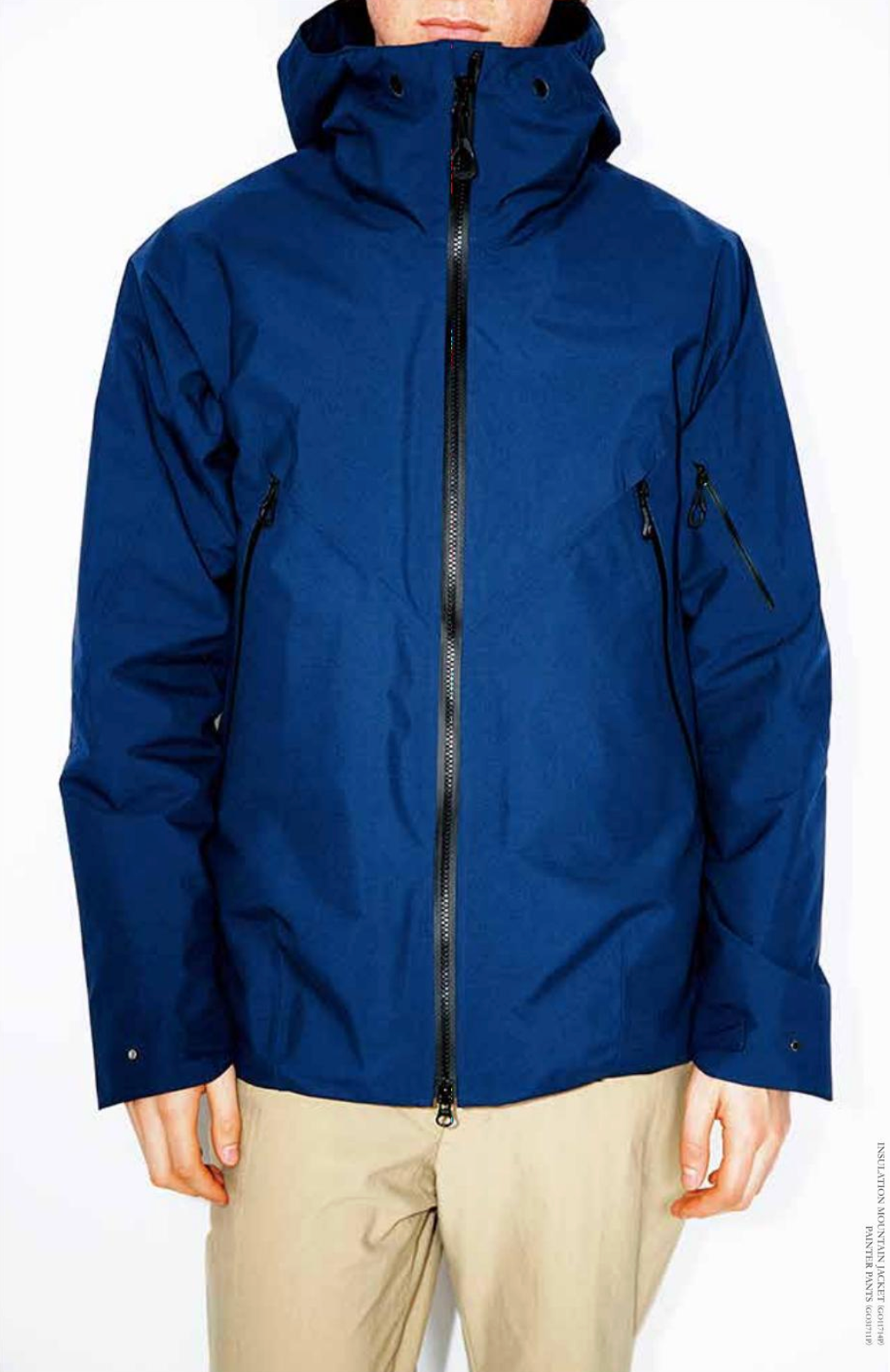
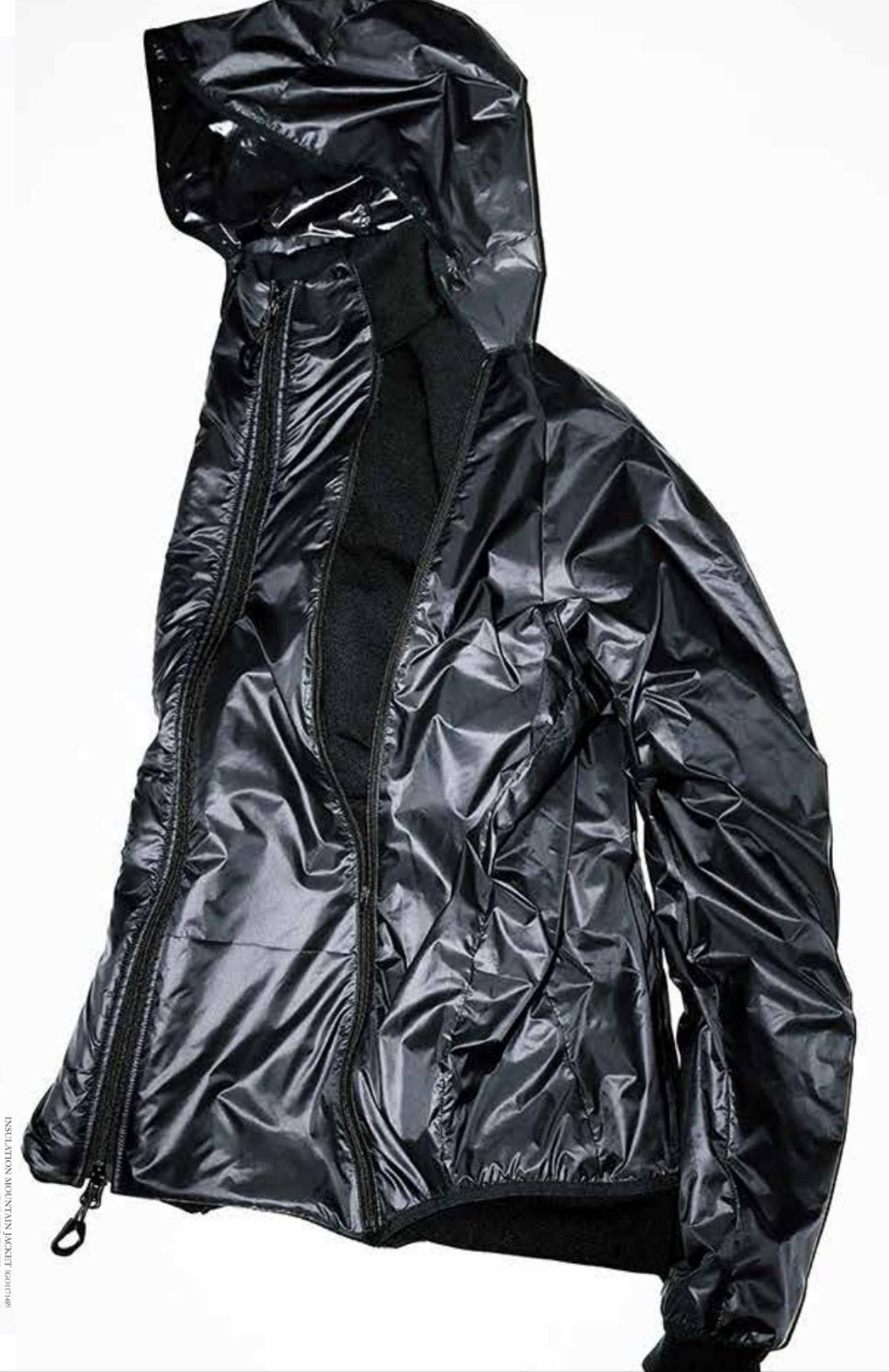
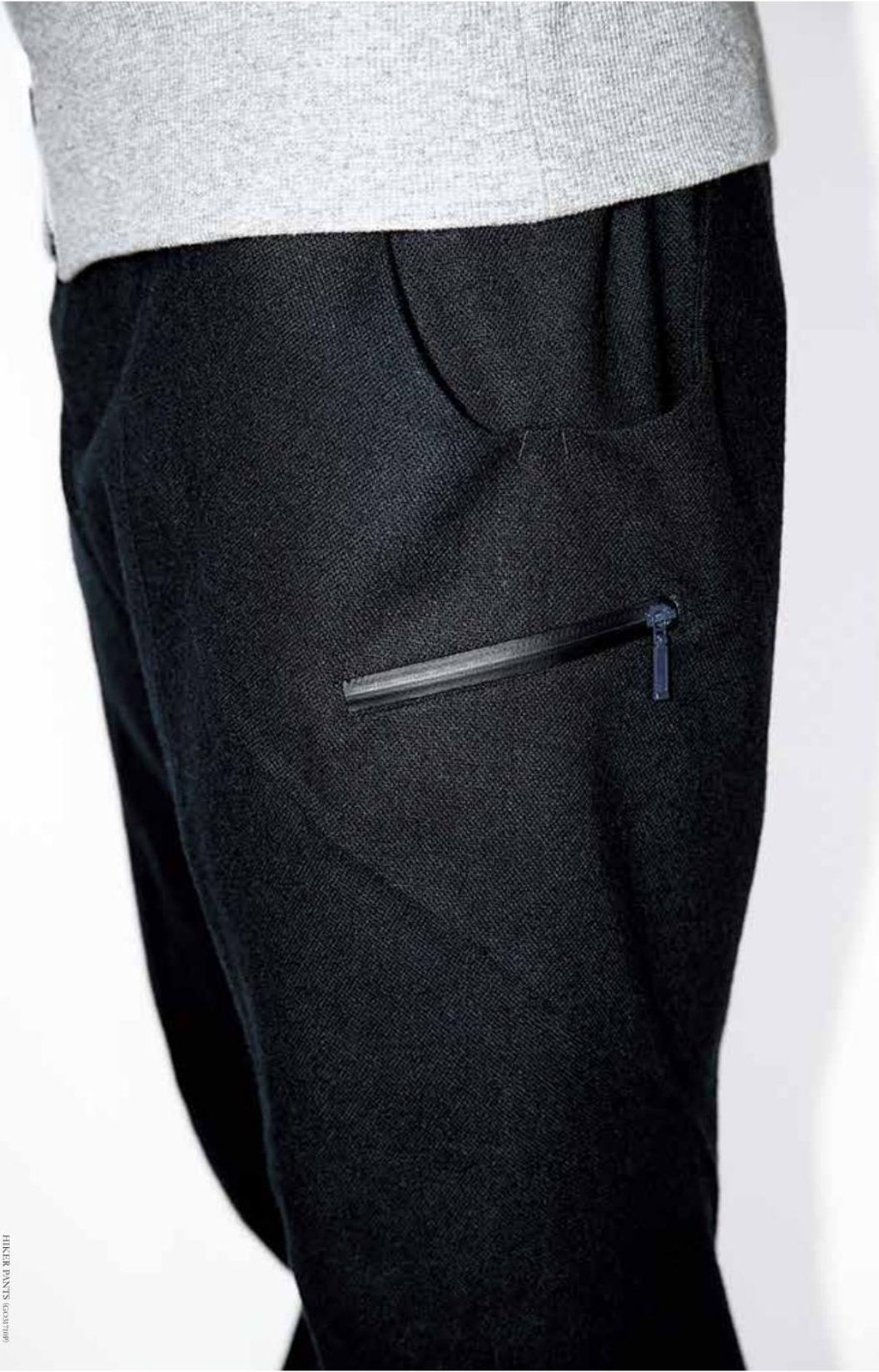
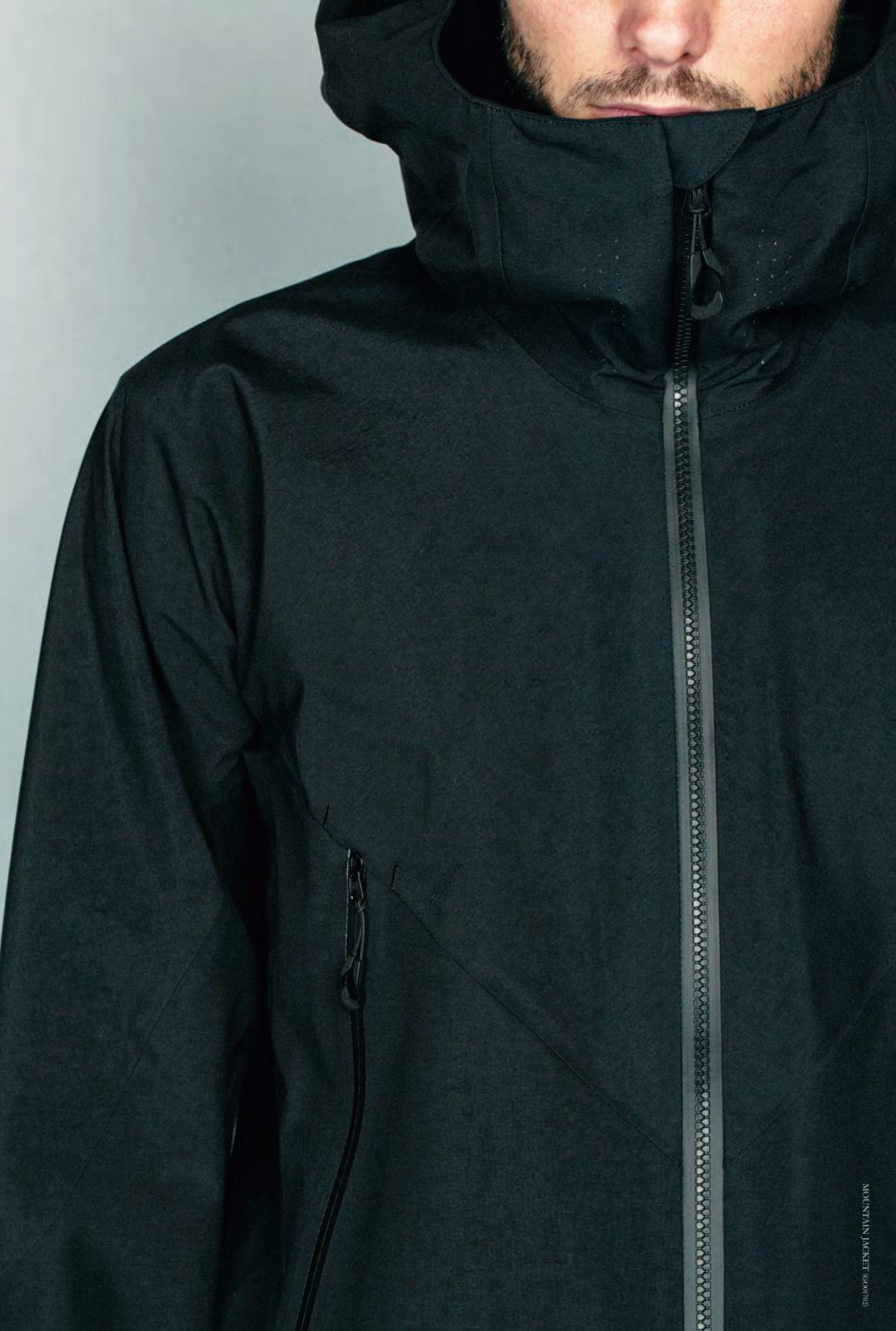
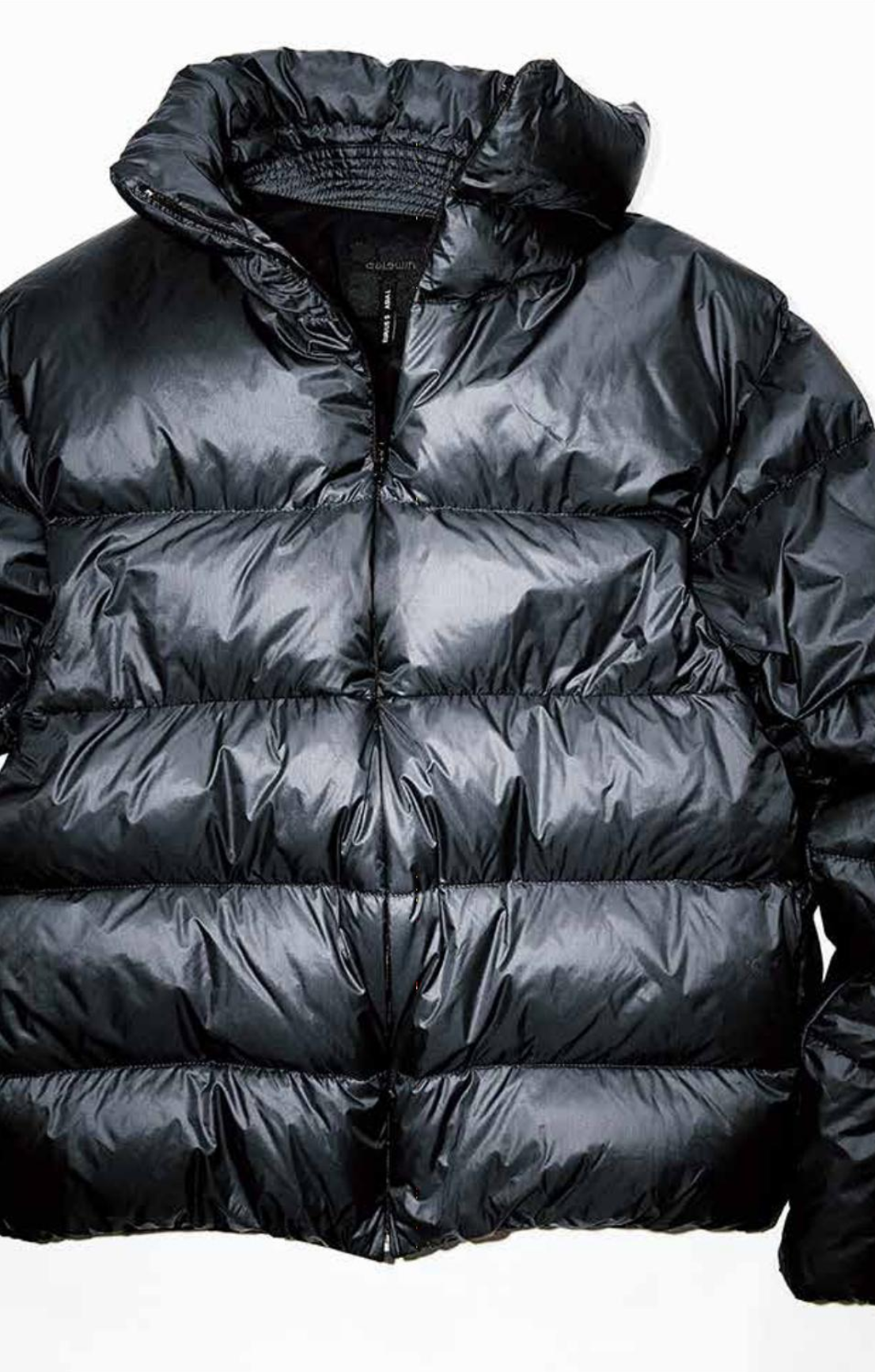
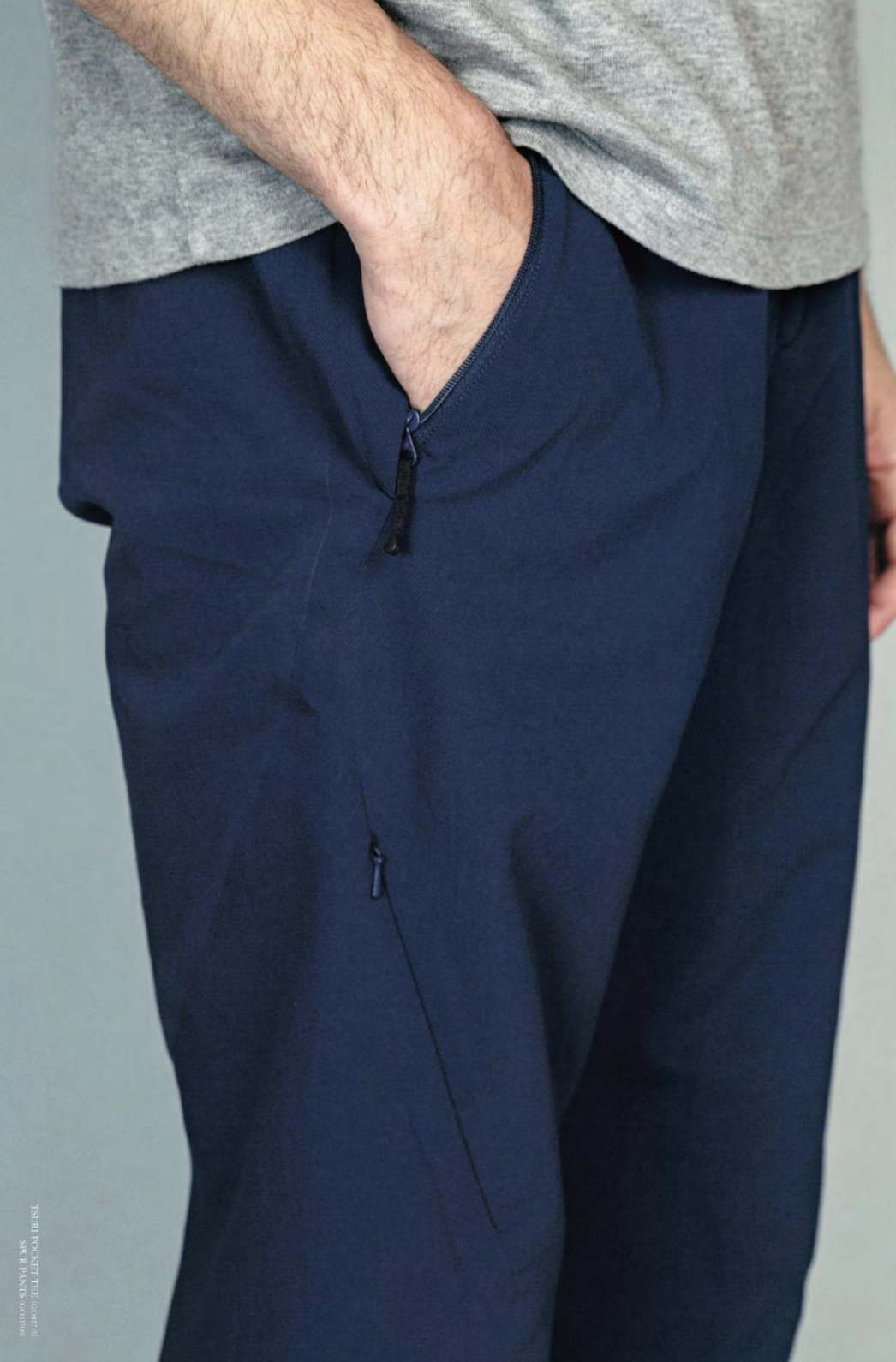
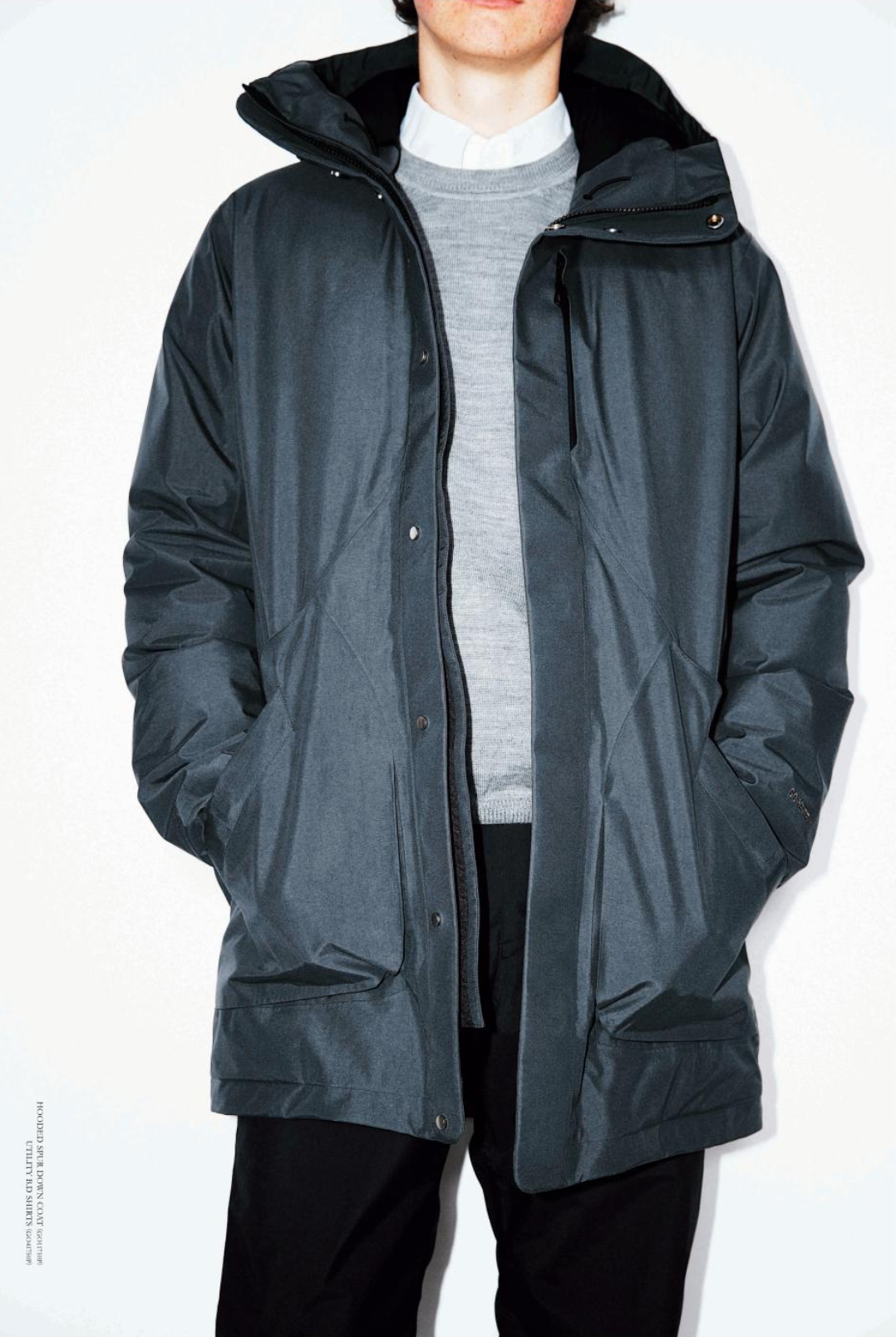




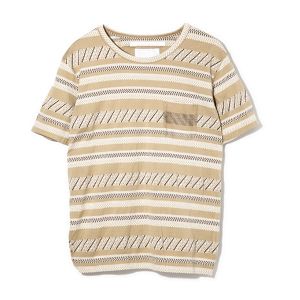
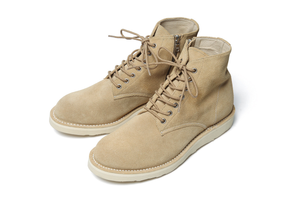
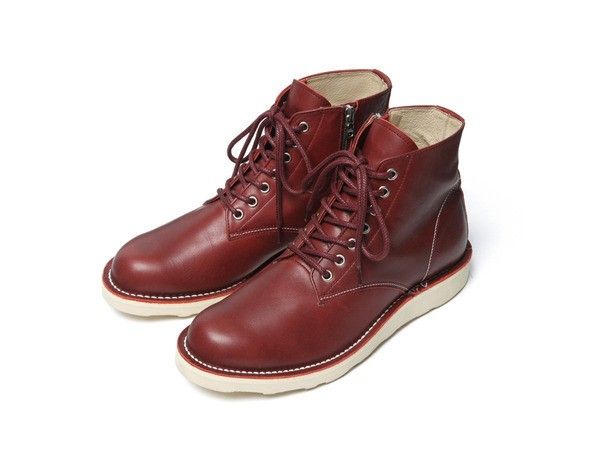
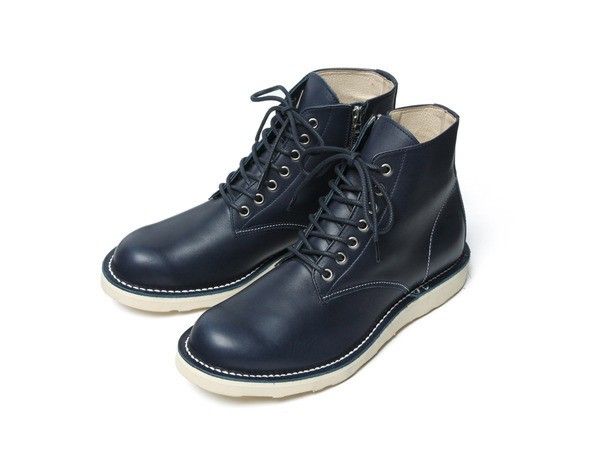
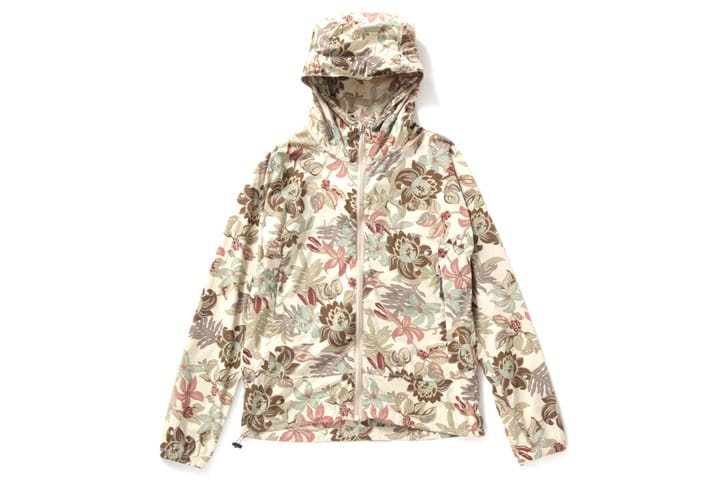
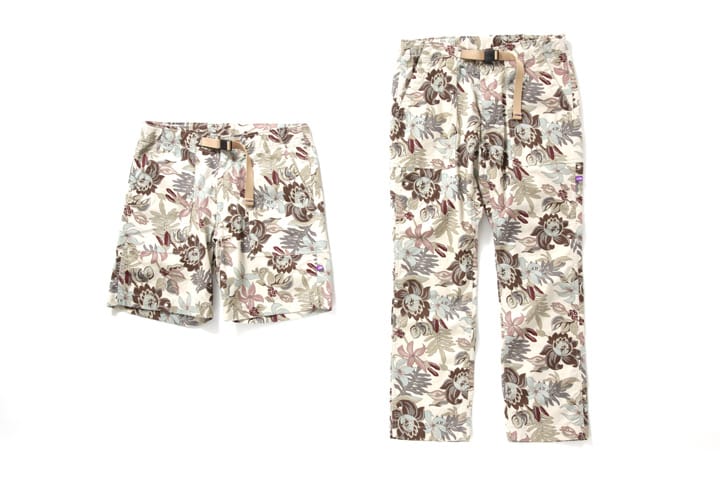
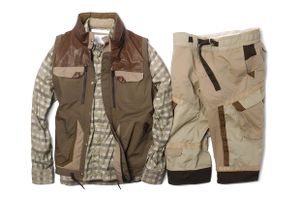
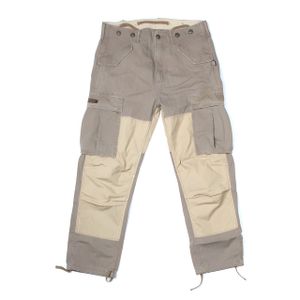
The North Face Purple Label's Spring/Summer 2013 Vintage Nylon Taffeta Print Collection applies a floral pattern to a cotton/nylon hooded parka, matching cargo shorts and full-length trousers.
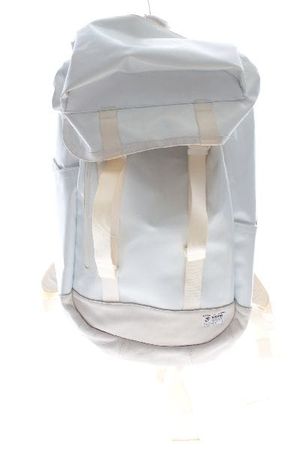
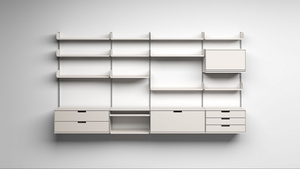
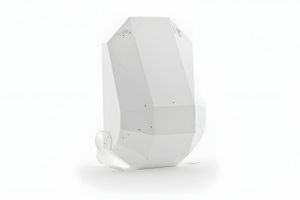
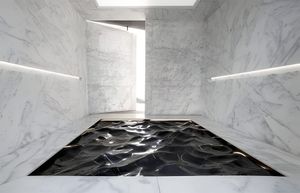

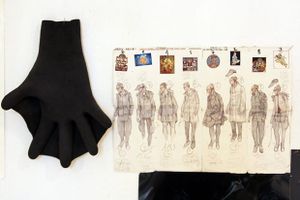
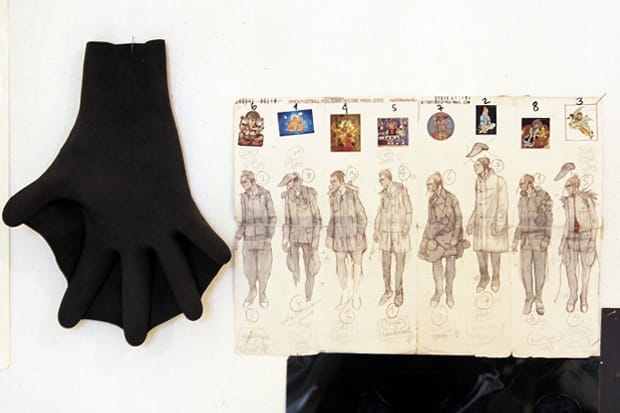
Work by Aitor Throup, a British artist and designer who develops clothing and figures through drawing. His ink-and-wash figures include the project 'When Football Hooligans Become Hindu Gods'.
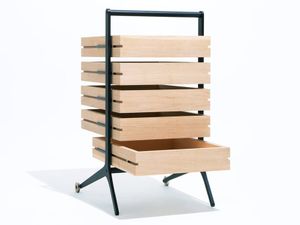
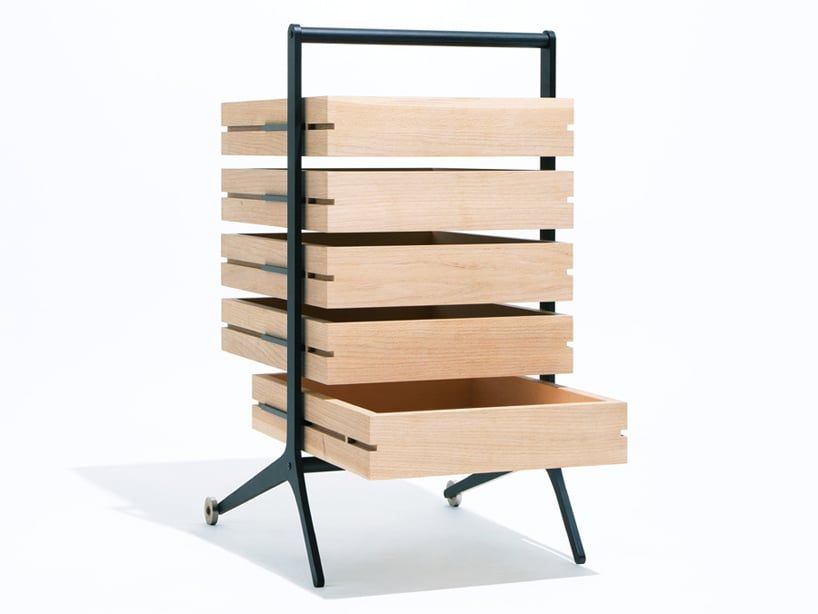
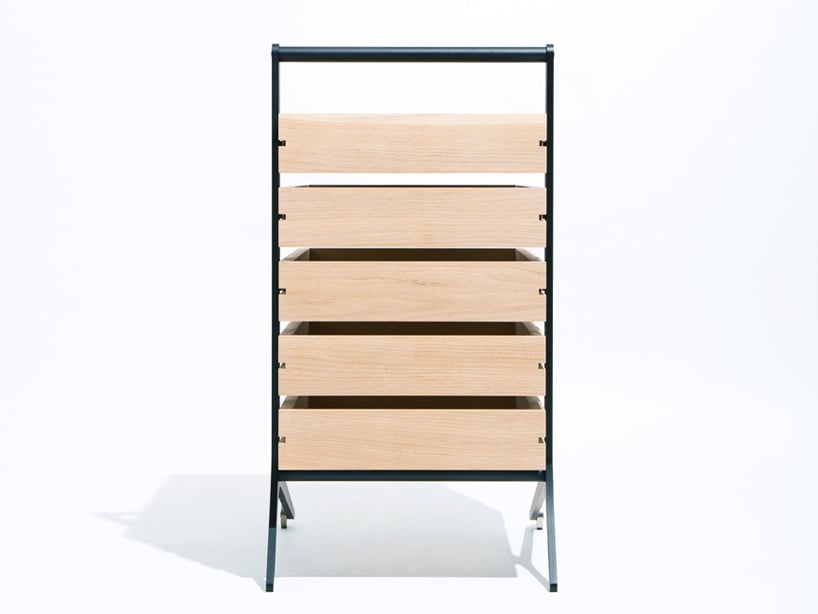
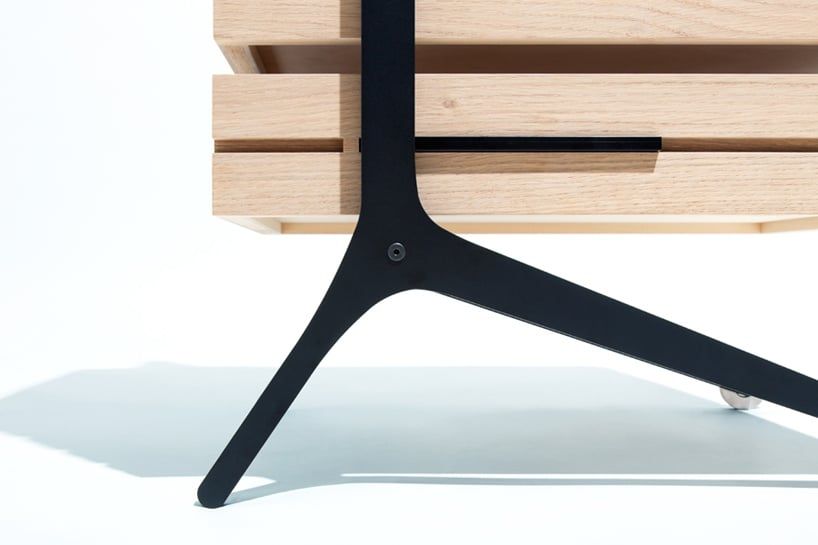
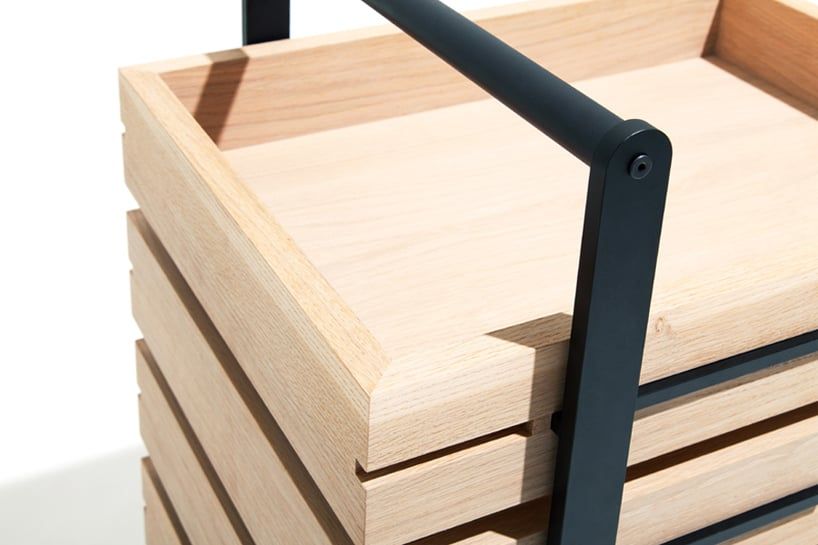
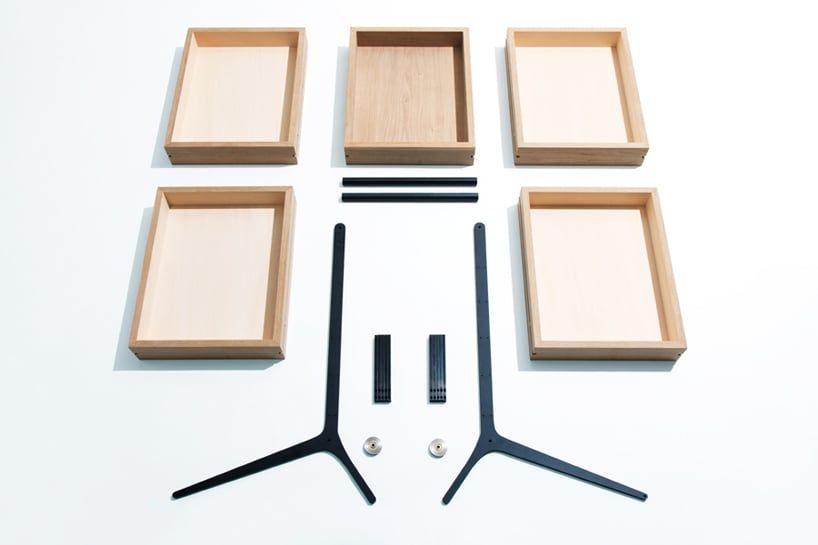
"Bon Drawer" is a set of stacked oak veneer boxes which sit within a light metal frame on wheels, making the storage unit easy to move around. designed by keiji ashizawa, the furniture piece’s five trays can each be fully removed from the structure to become display boxes, revealing and offering easier access to the objects inside.
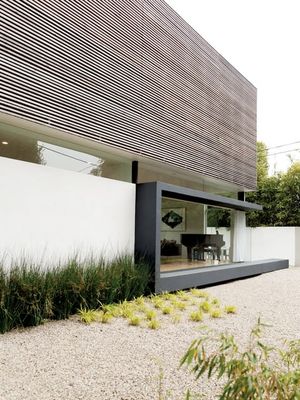
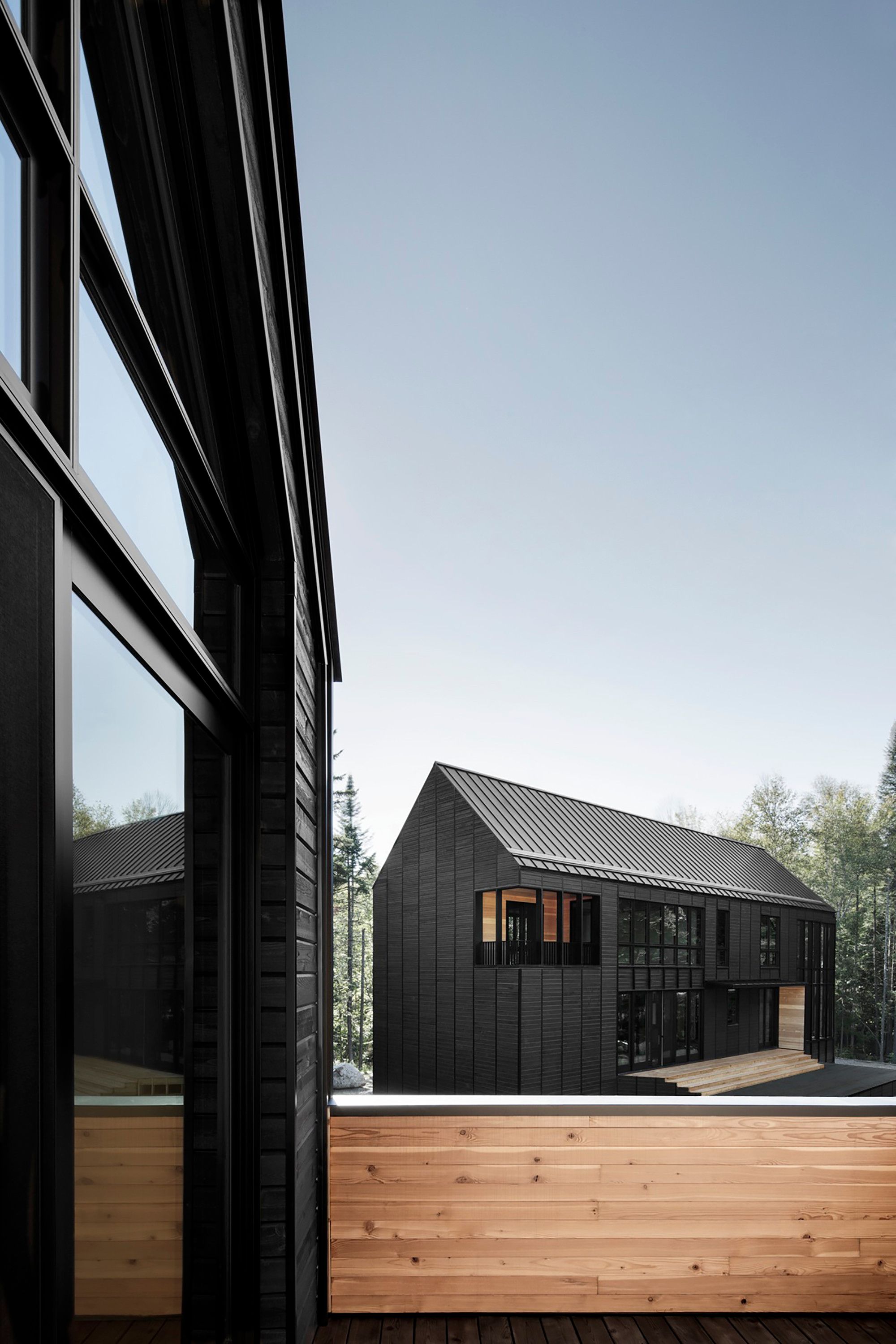
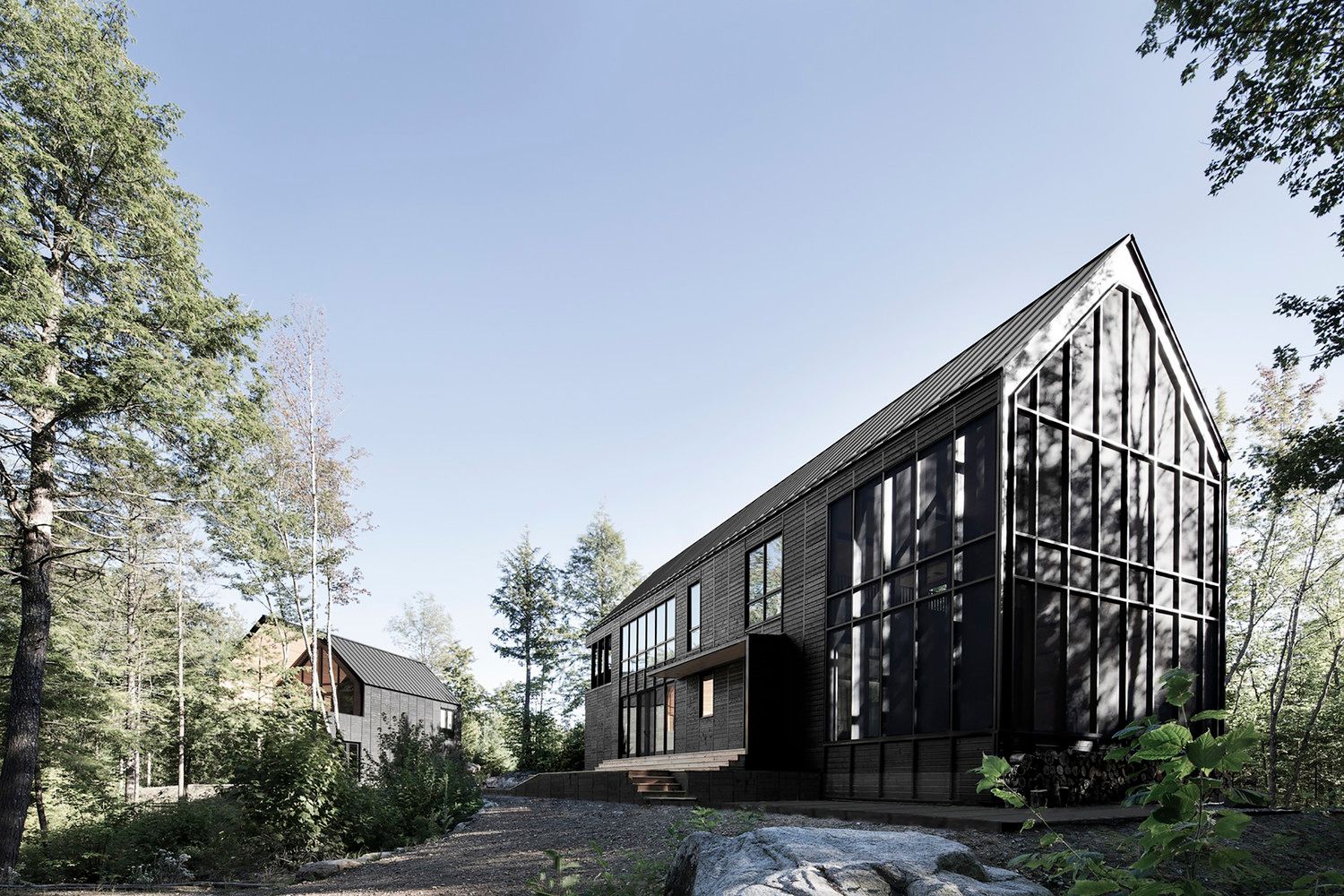
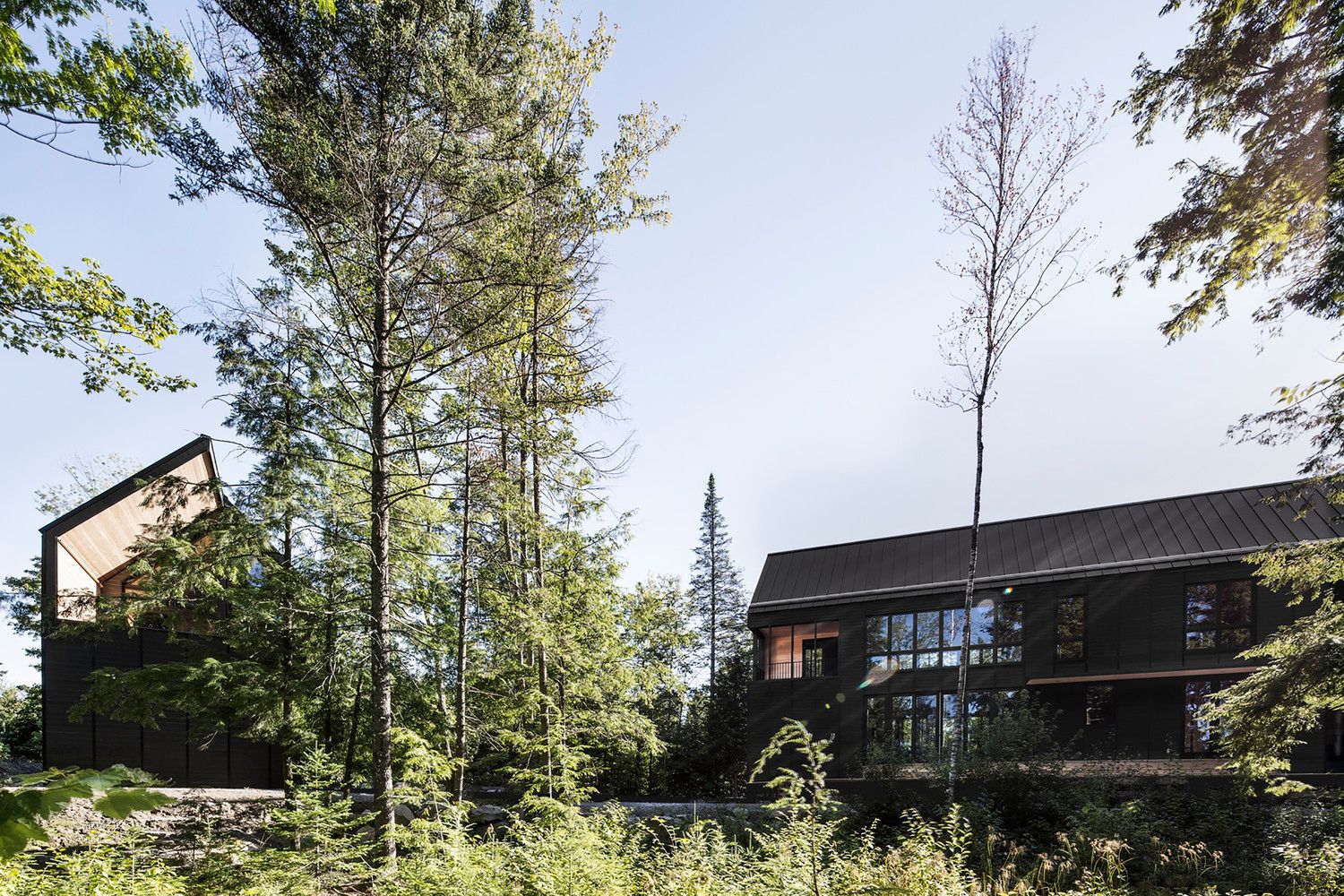
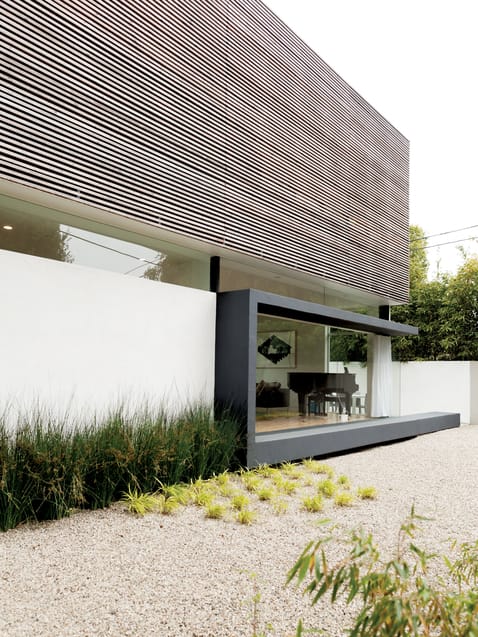
A residence by Lee + Mundwiler Architects, organised as a folded, ribbon-like volume that wraps living spaces around a courtyard, with an angular exterior of clean planes.
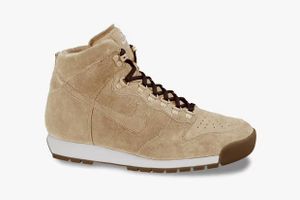
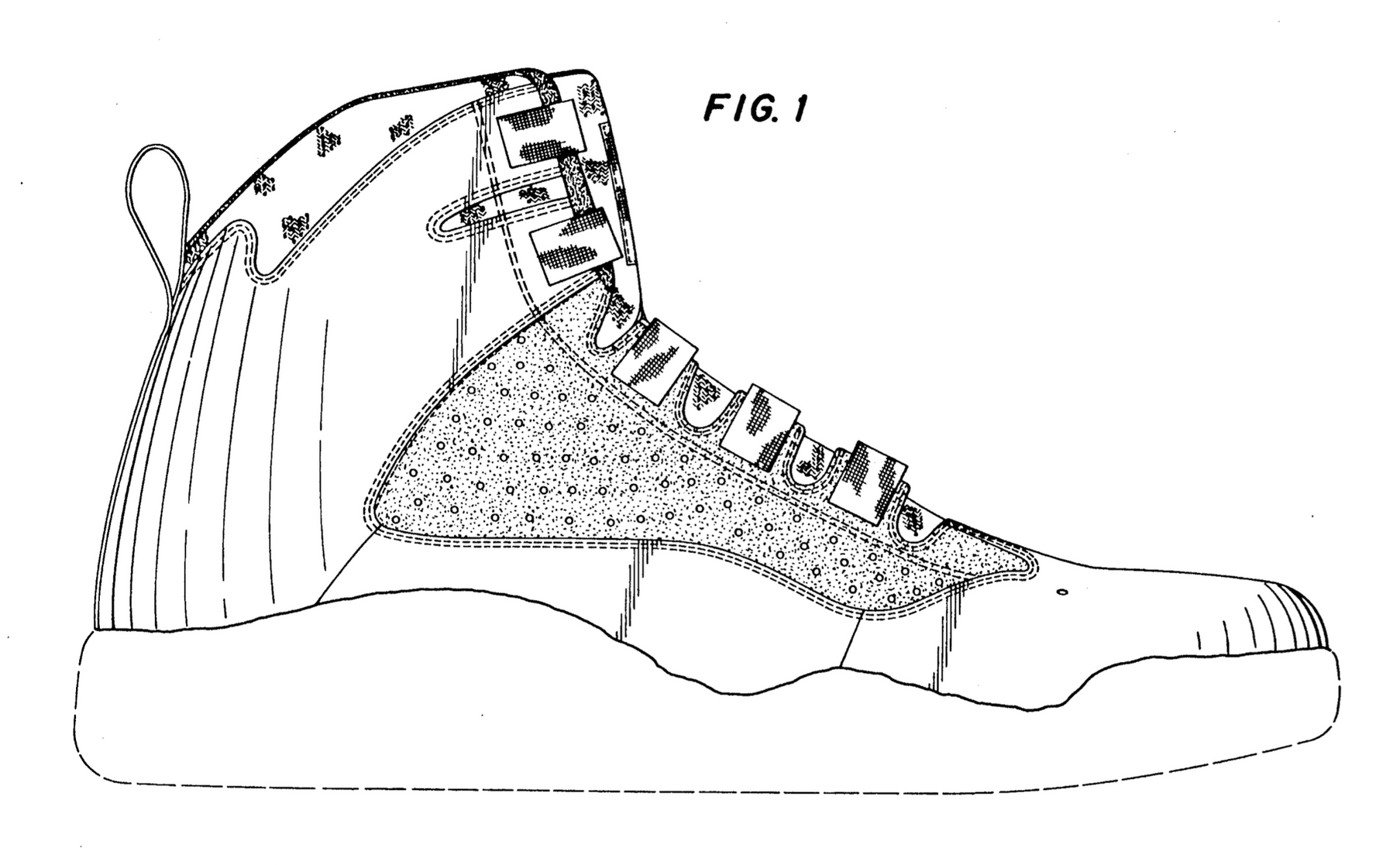
1980年代の名作として知られるラバドームとダンク、それぞれアウトドアとバスケットボールというカテゴリーが異なるプロダクトのデザインを組み合わせた魅惑のハイブリッド機種にニューモデルが登場。本作は、アッパー全体に天然皮革のスウェードを採用。単色のソリッドな外観に映えるカラーシューレース使いが効果的で、クラシックなアウトドアシューズの雰囲気を漂わせたルックスに仕上げられている。また、シューズ内部には高次元のクッショニング&反発性を併せ持つ「ZOOM AIR」のソックライナーを搭載し、履きやすさにも配慮されたモダンスニーカーブーツだ。

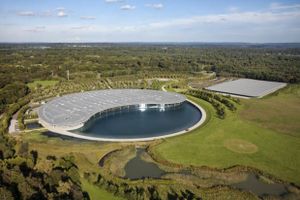
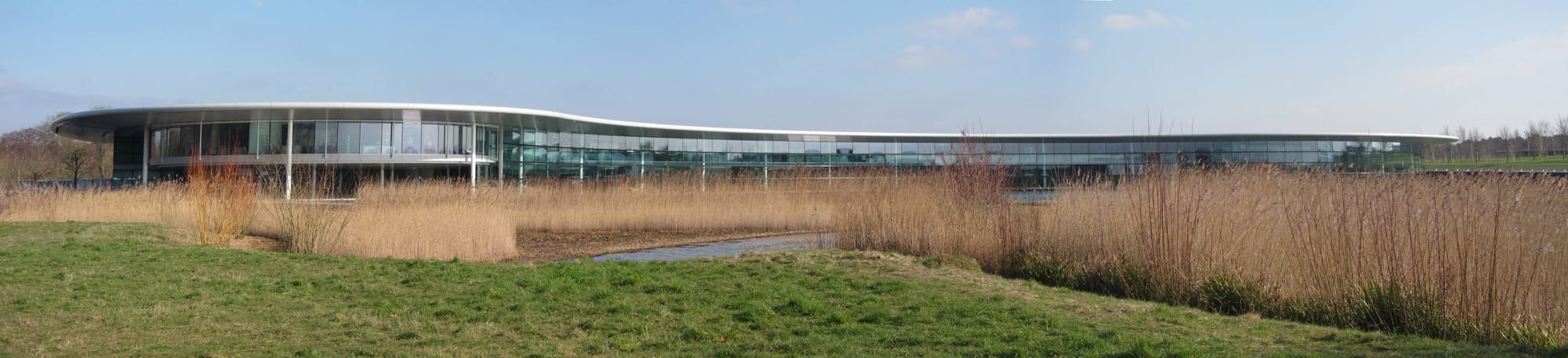
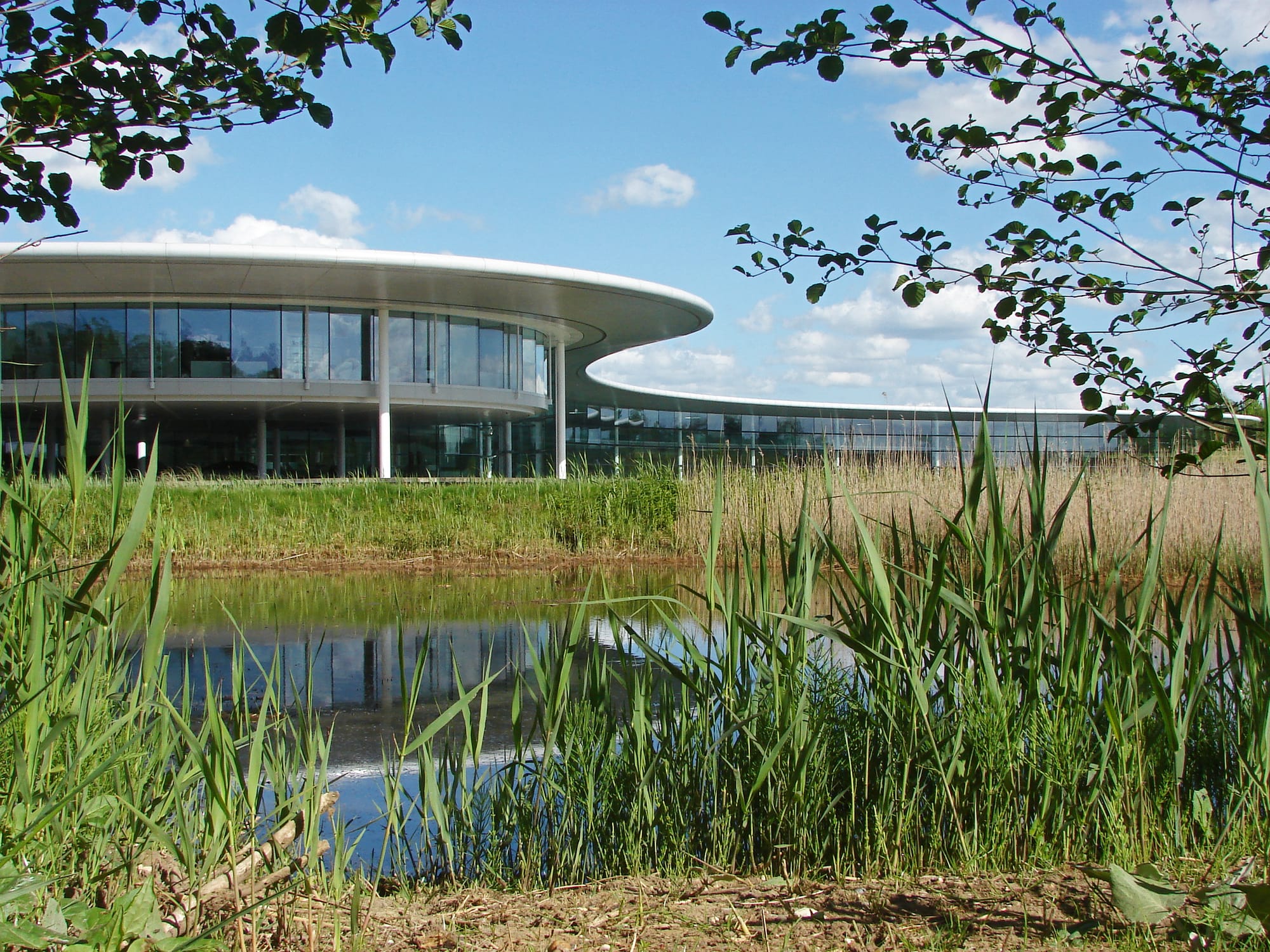
The McLaren Technology Centre in Woking, Surrey, headquarters of the McLaren Group, by Foster + Partners, completed 2004. In plan it is a semicircle completed by a lake, which feeds the building's cooling and wind-tunnel systems. A continuous curved glass wall fronts a grid of exposed structure and services. The adjacent McLaren Production Centre shares its language.


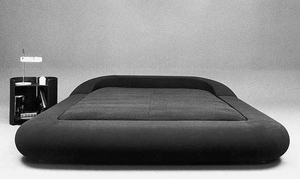
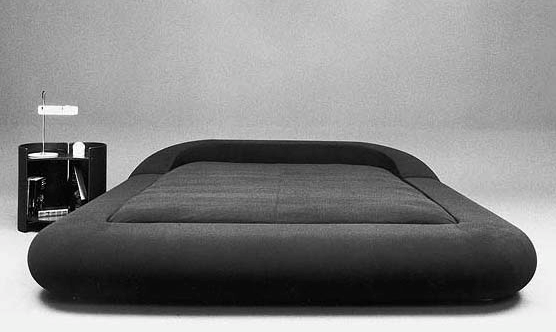
Gae Aulenti designed the Tennis bed for Knoll International in 1971. A broad, low platform on a wide plinth, it holds the mattress as a single low volume close to the floor.

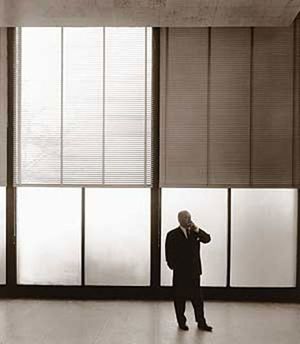
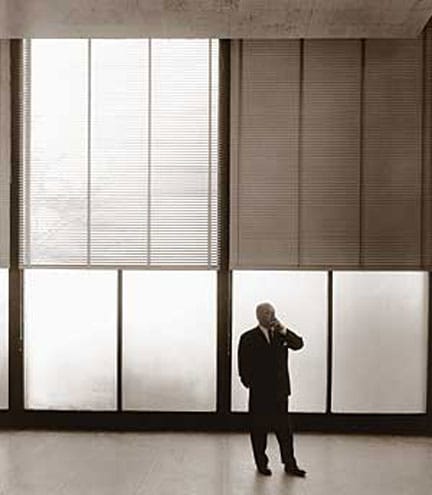
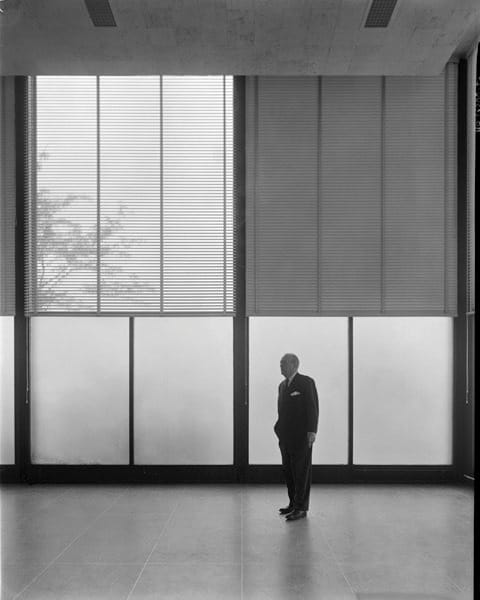
Ludwig Mies van der Rohe inside Crown Hall in 1956, photographed by Bill Engdahl (Hedrich-Blessing). Crown Hall, completed that year, houses the IIT College of Architecture in Chicago, where Mies was director; its roof hangs from four exterior plate girders, leaving the interior column-free.

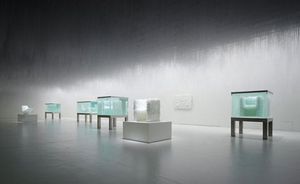
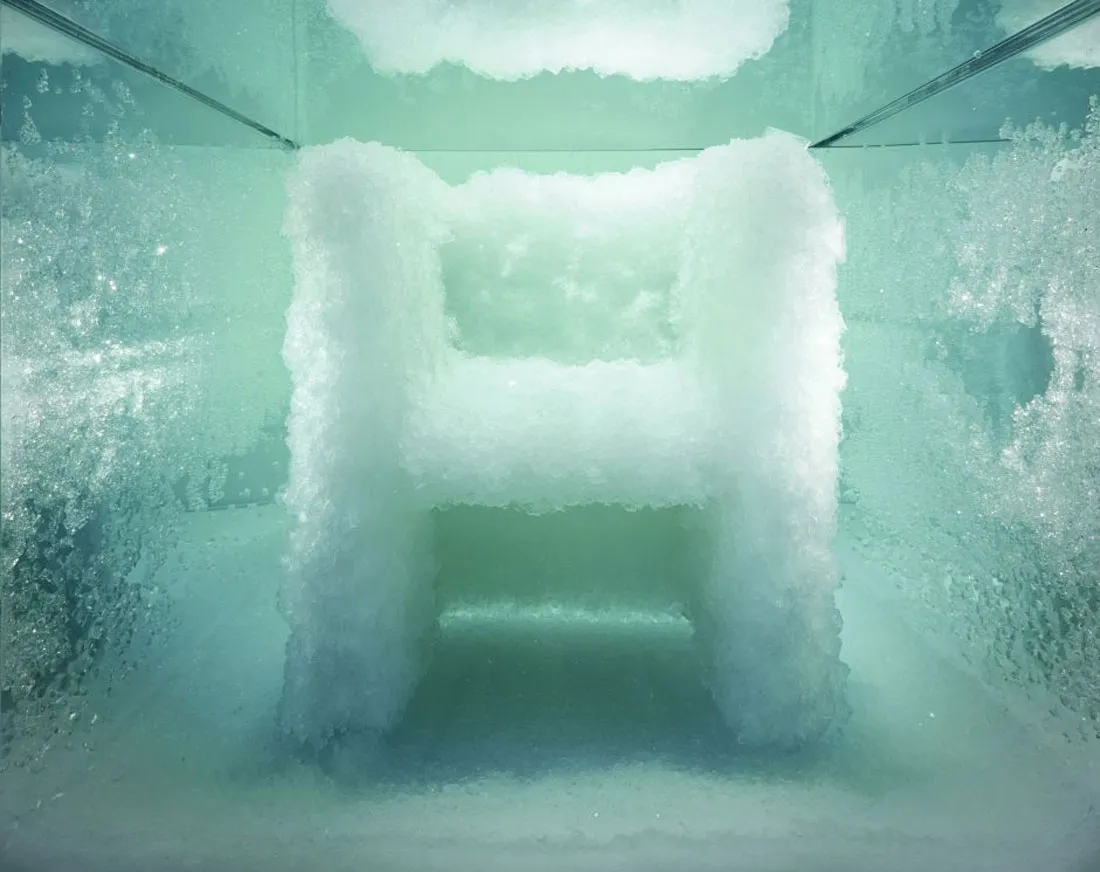
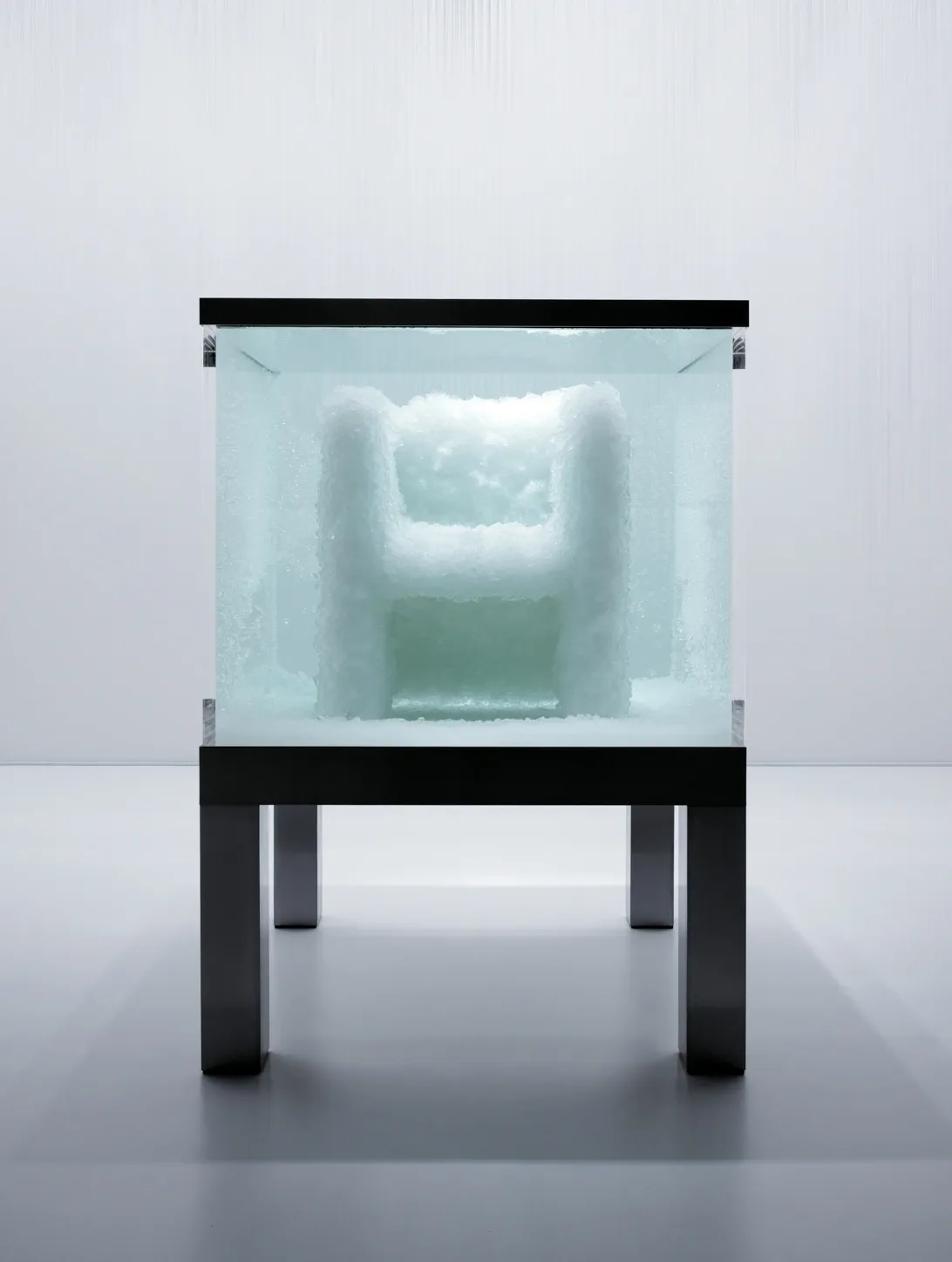
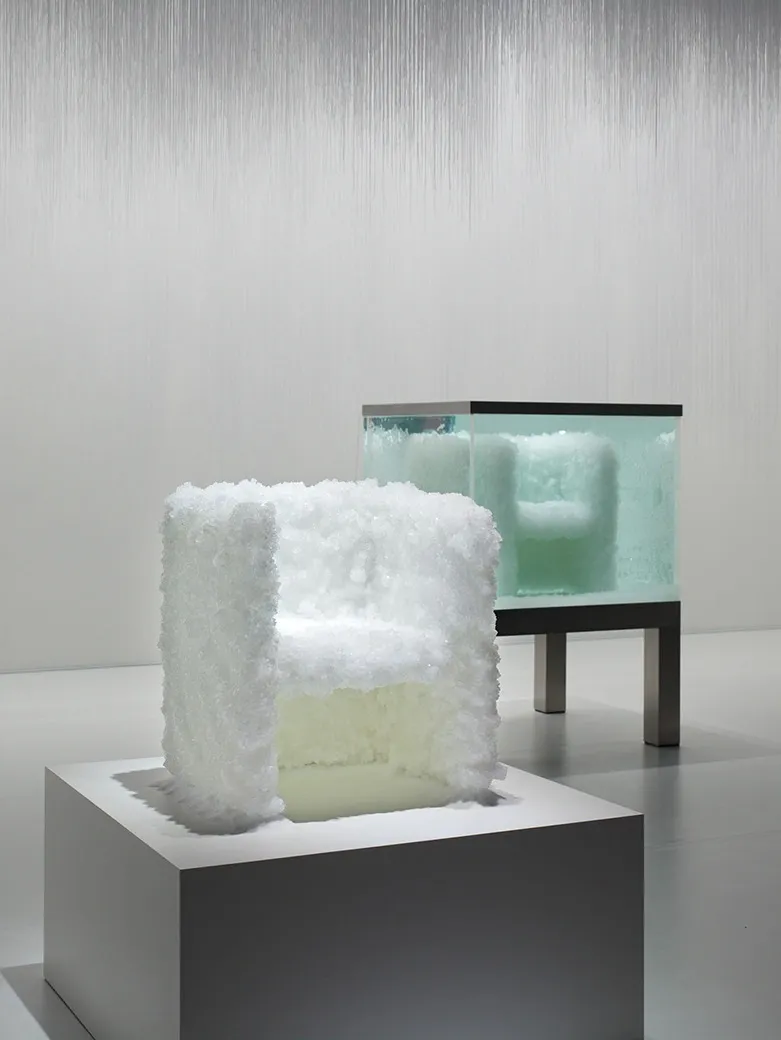
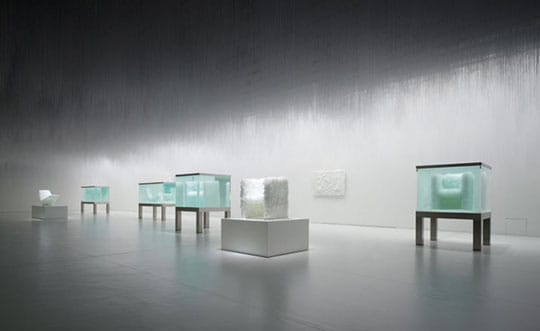
Tokujin Yoshioka's Venus chair (2008) is grown rather than made: a frame is submerged in a tank and natural crystals accrete over it to form the seat and back, so each chair is unique. First shown in Tokyo.