Related_
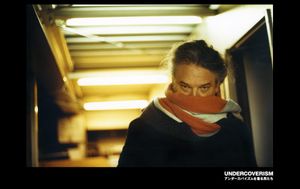
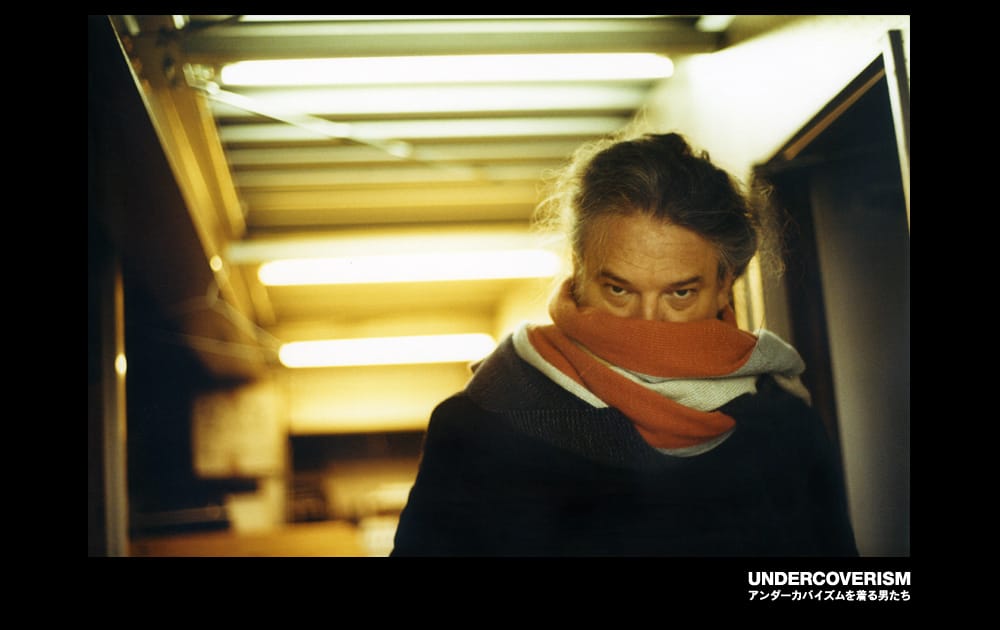
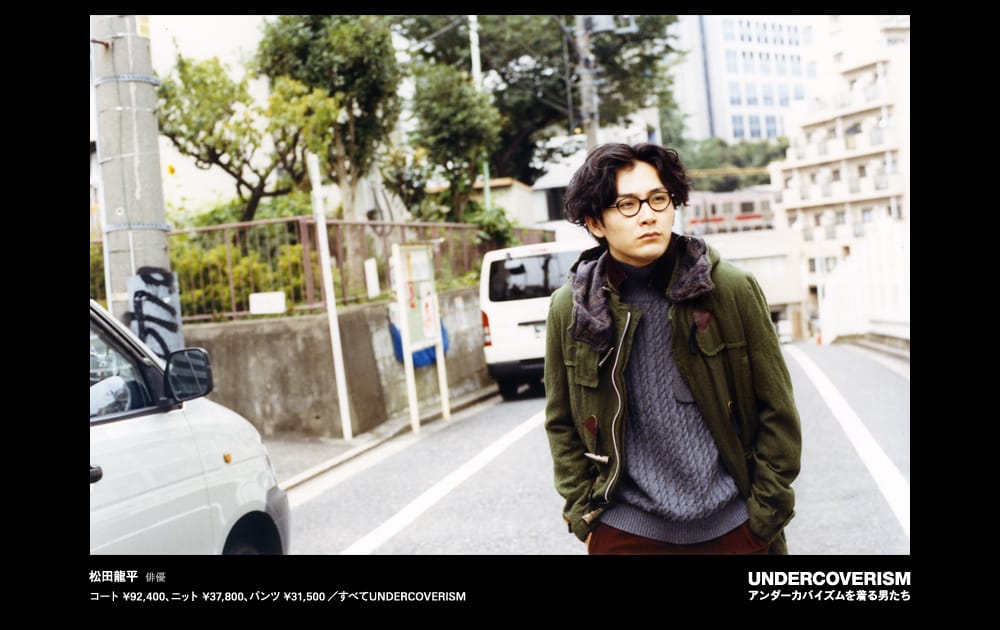
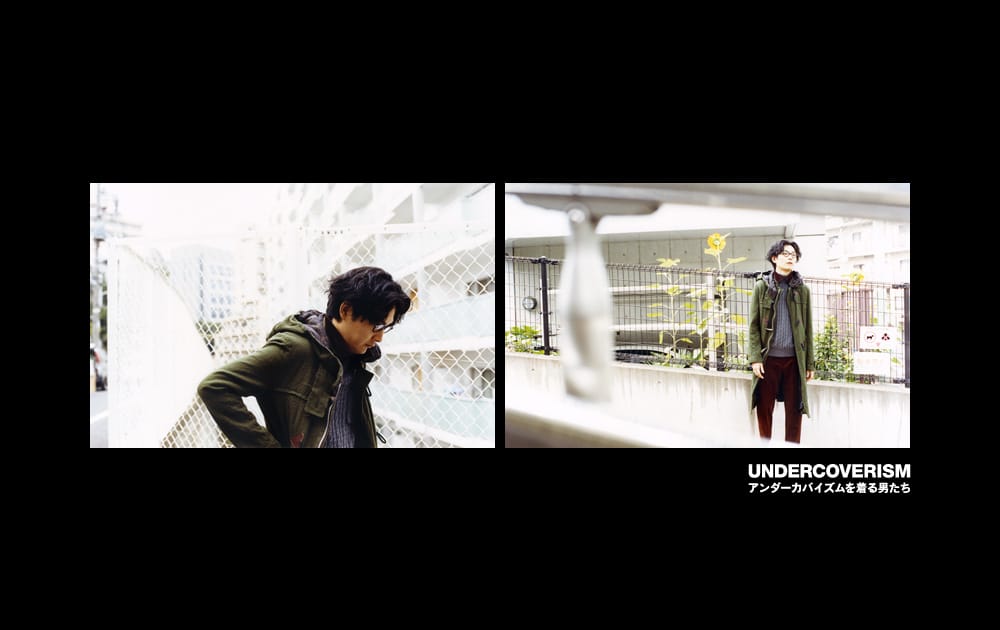
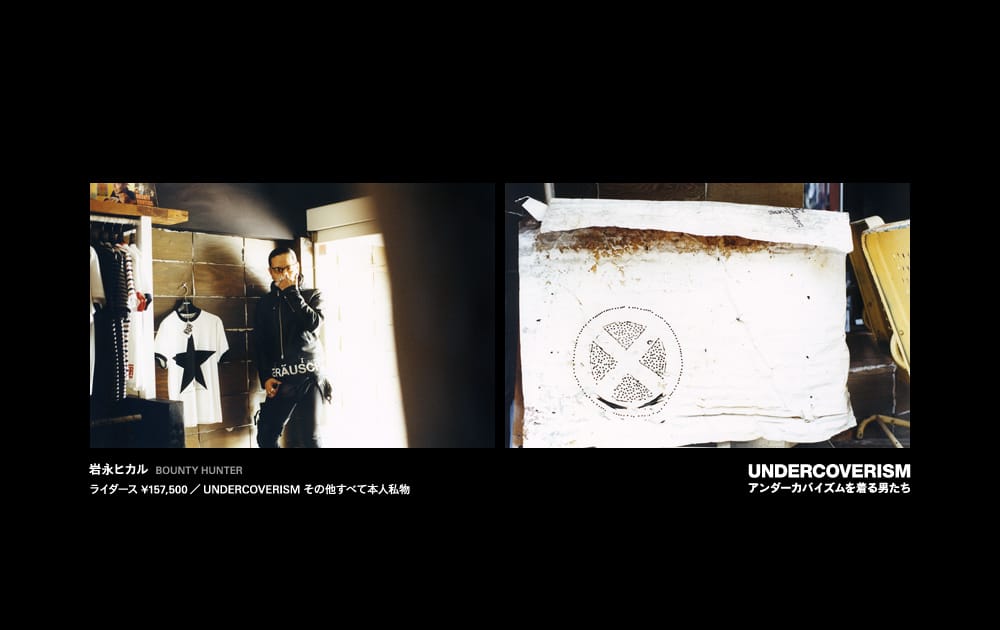
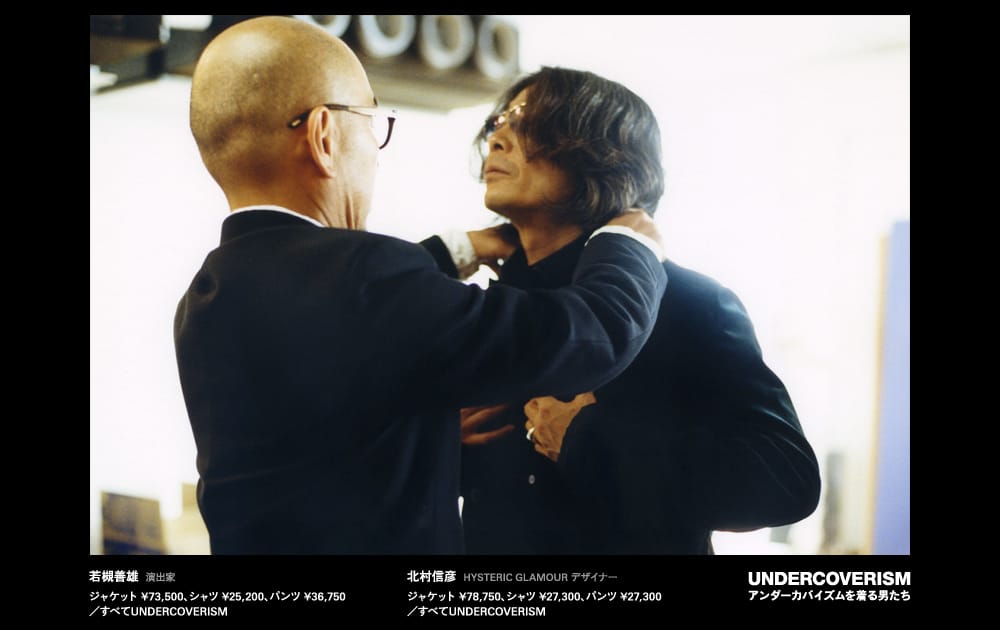
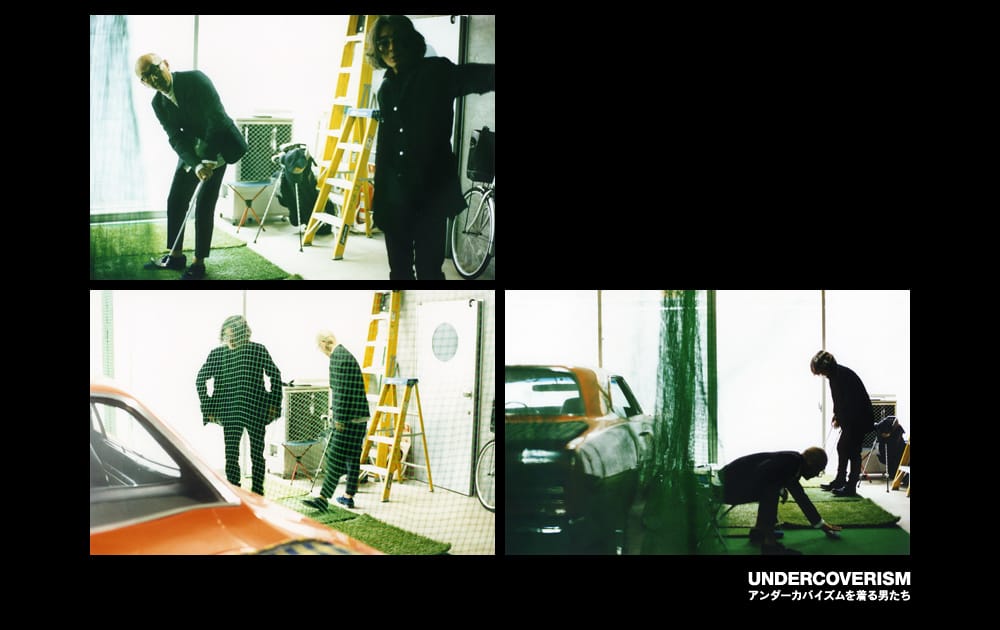
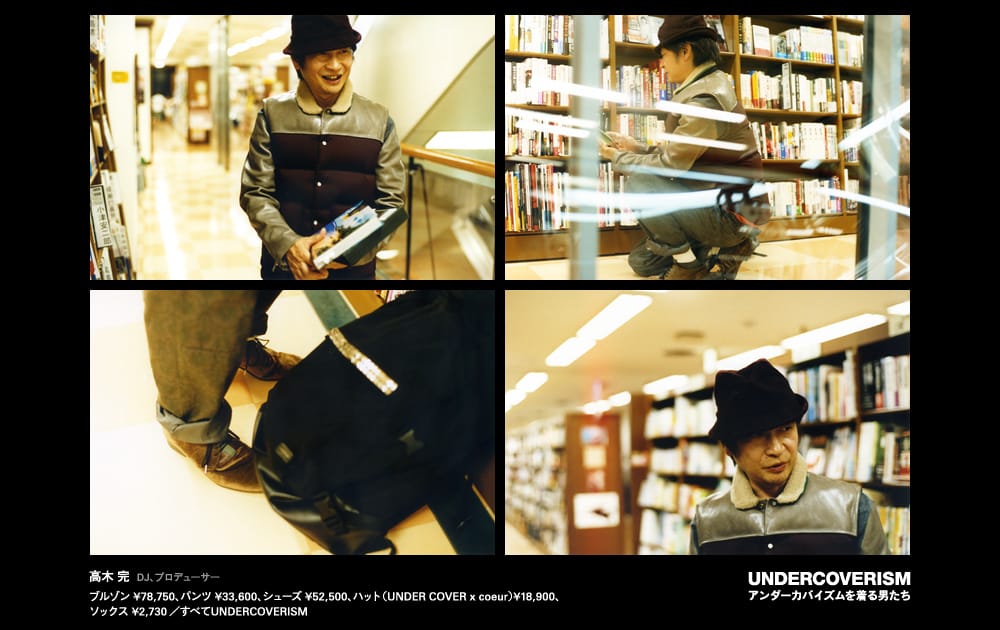
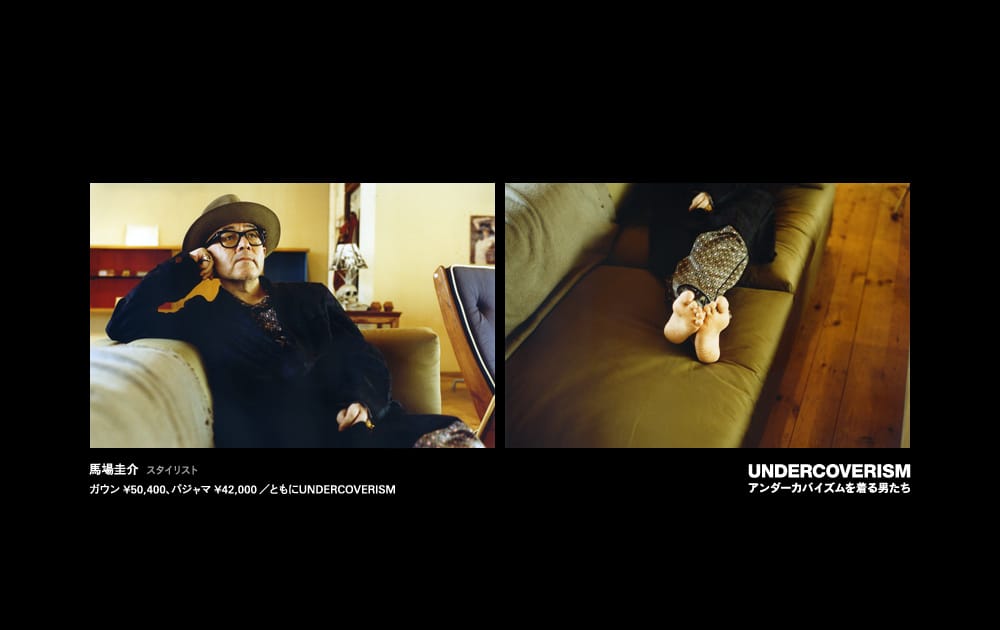
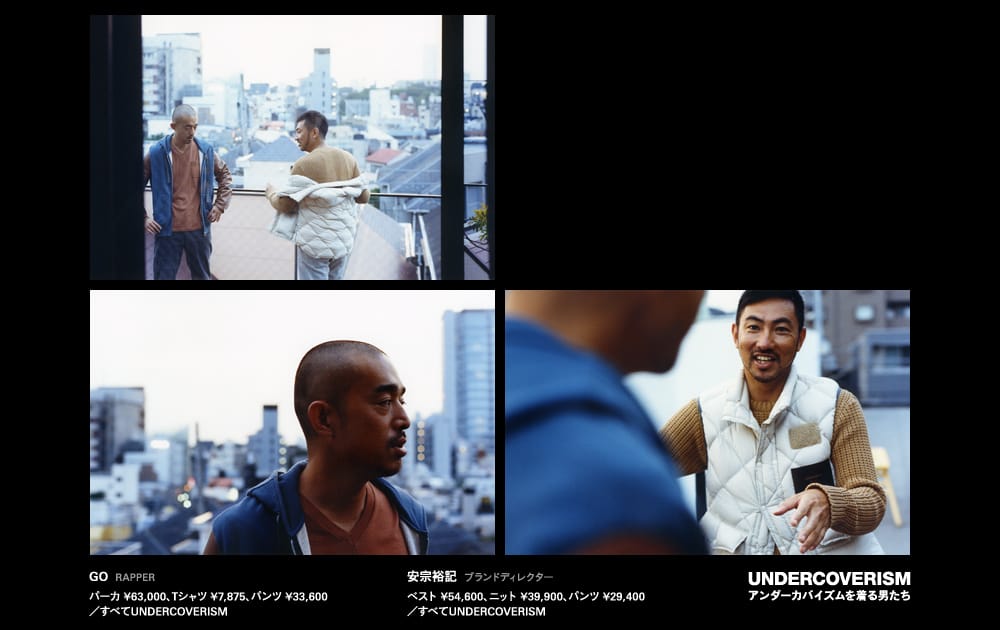
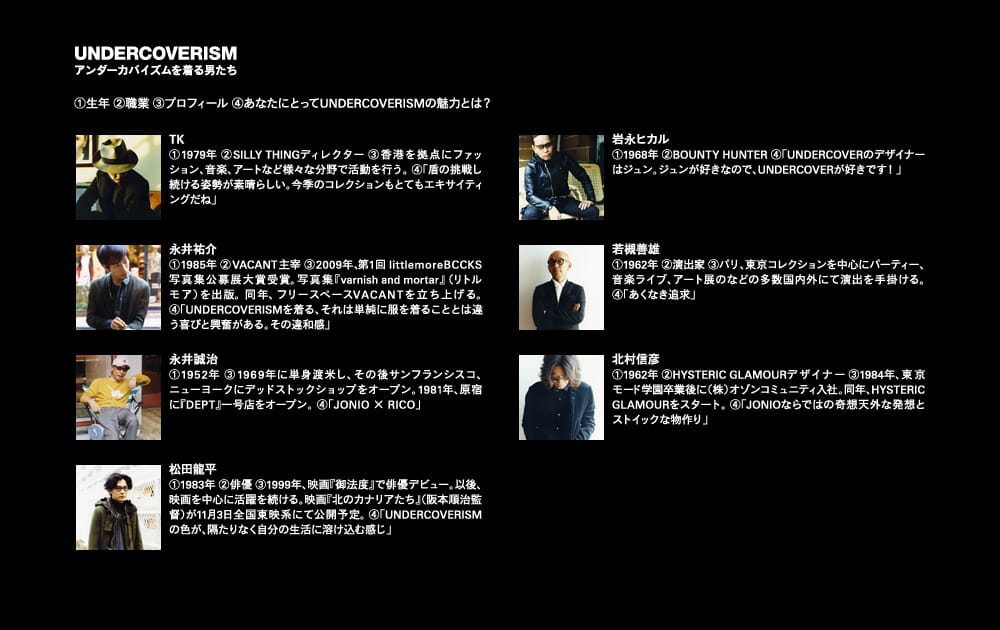
UNDERCOVERISM — The Men Who Wear Undercoverism
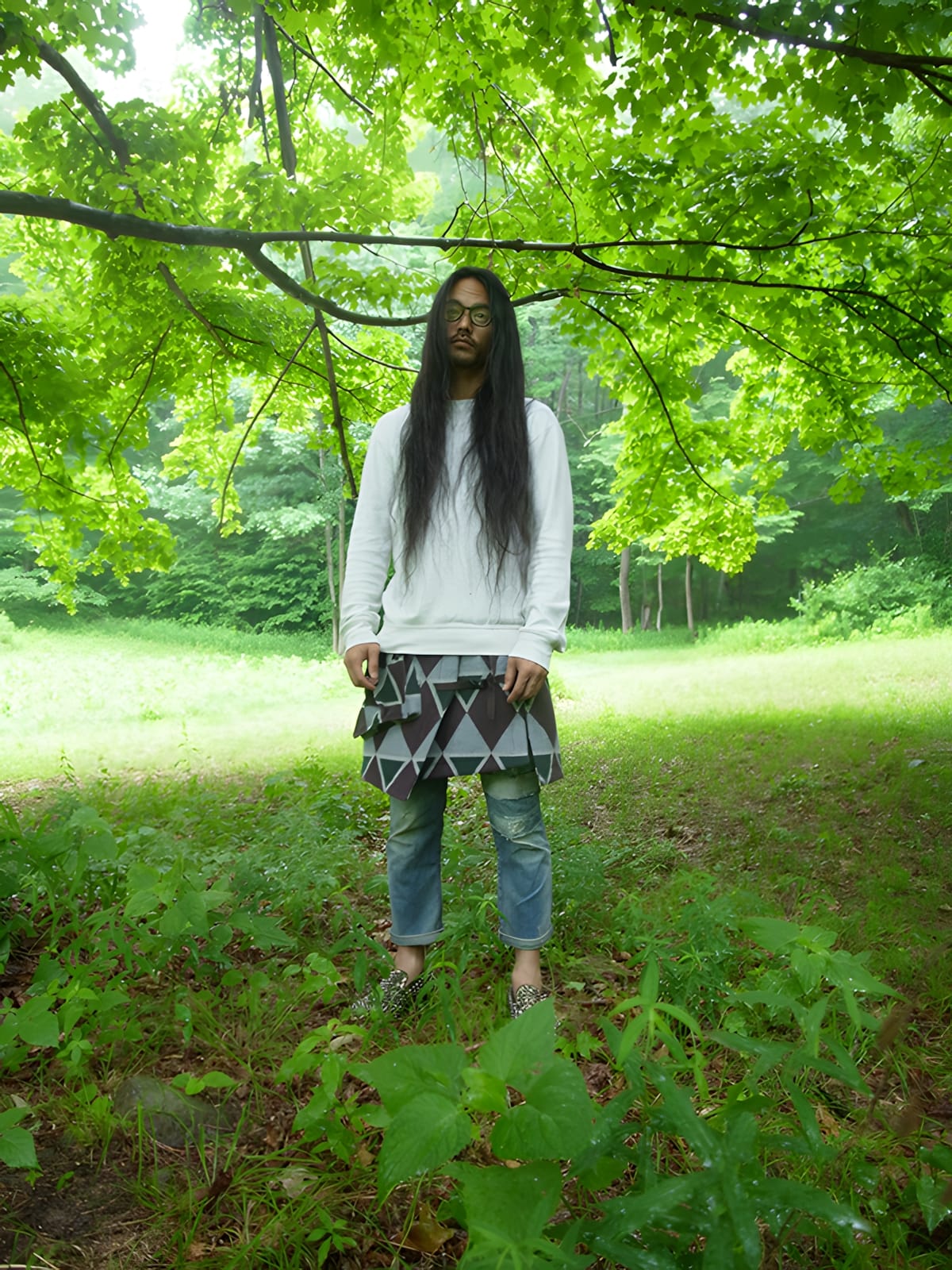
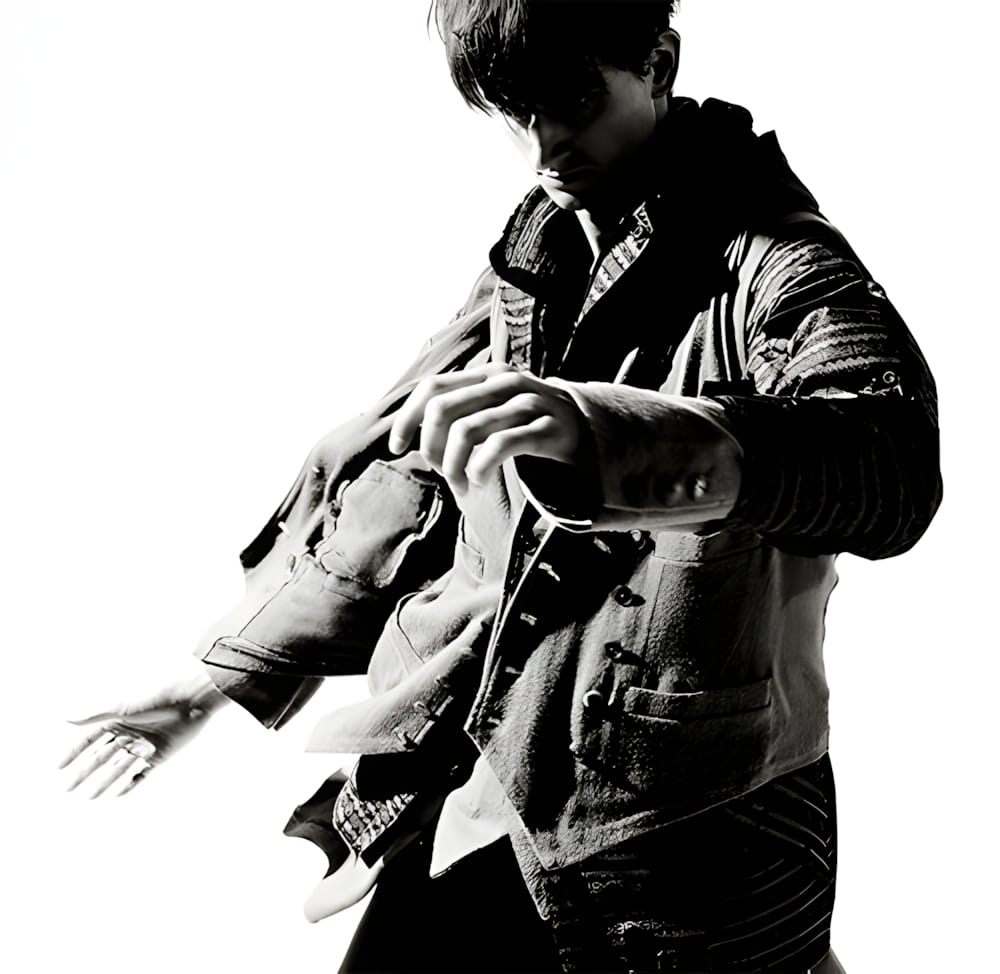
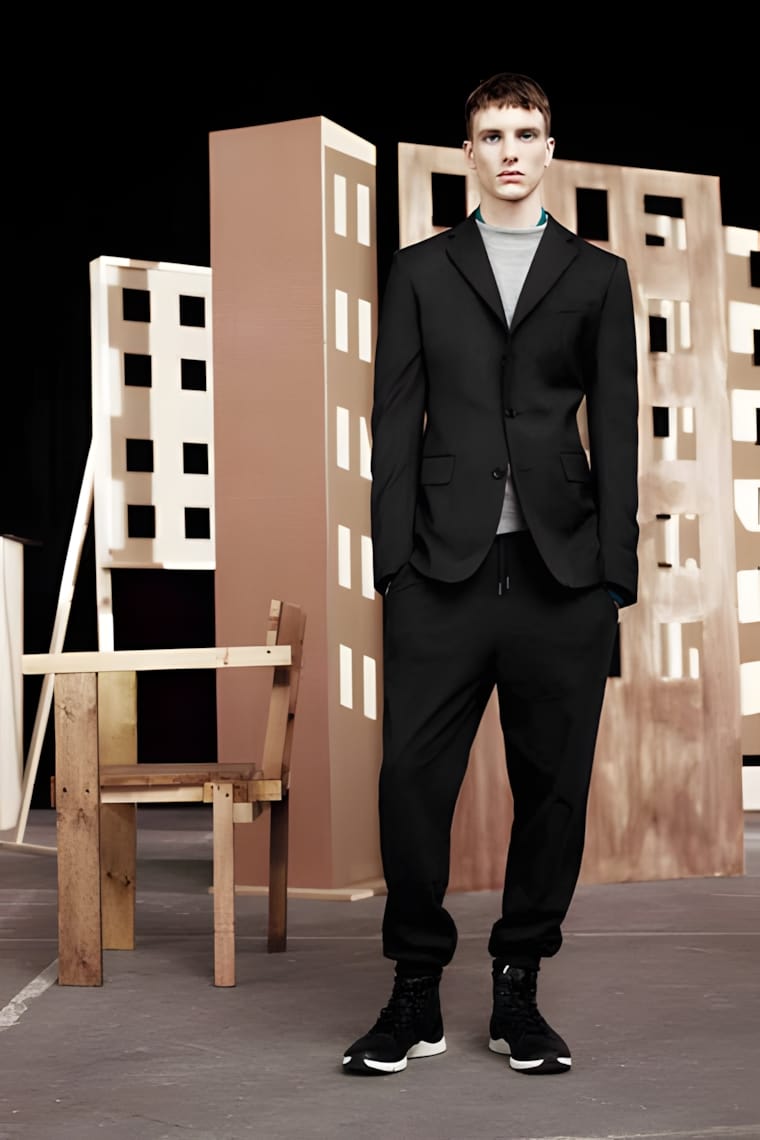
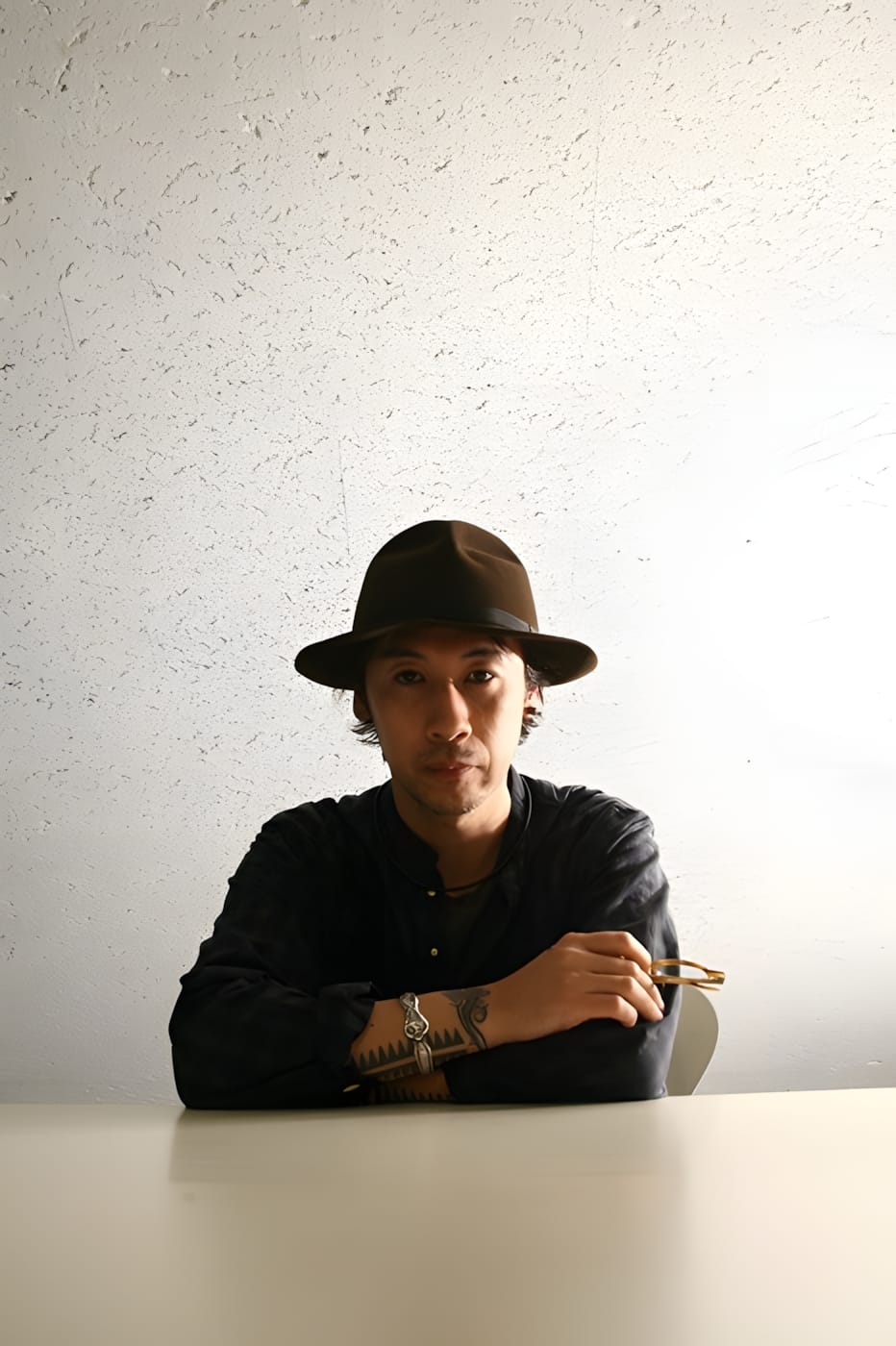
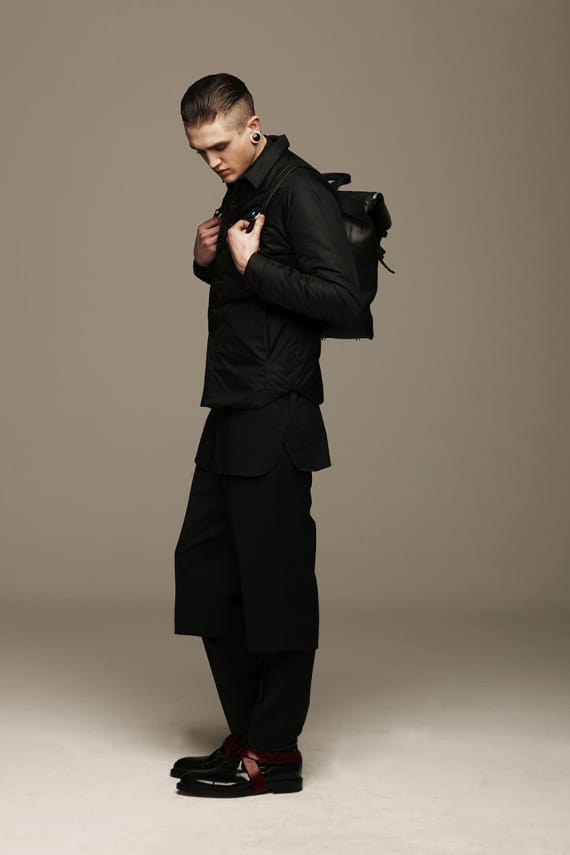
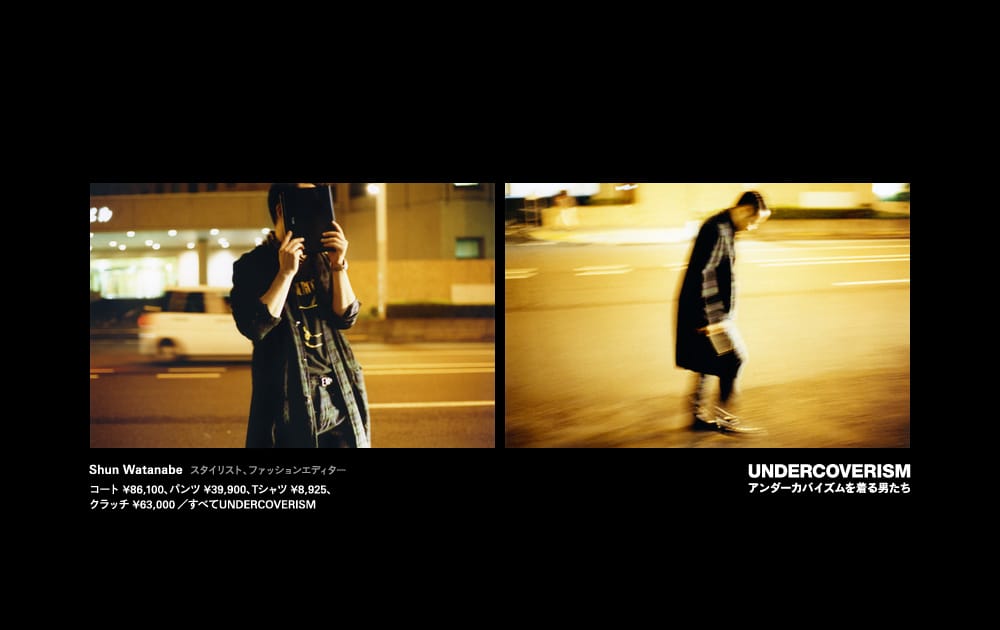
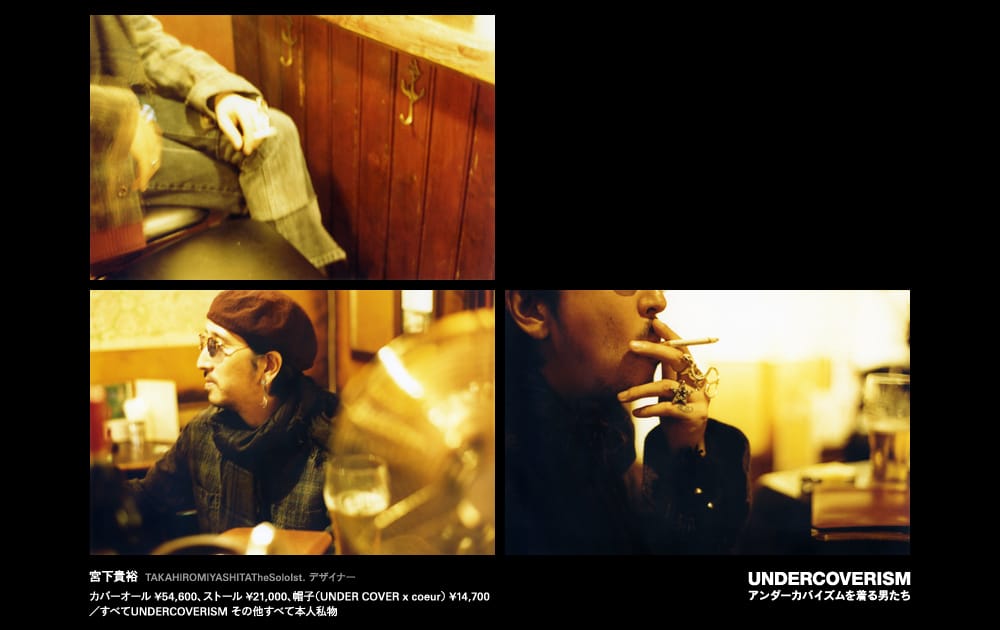
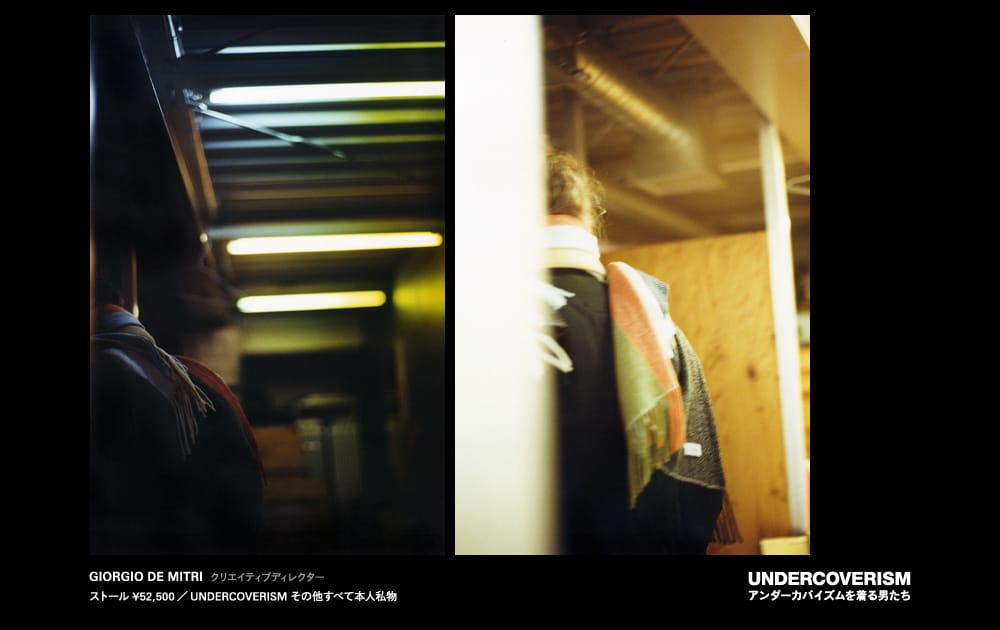
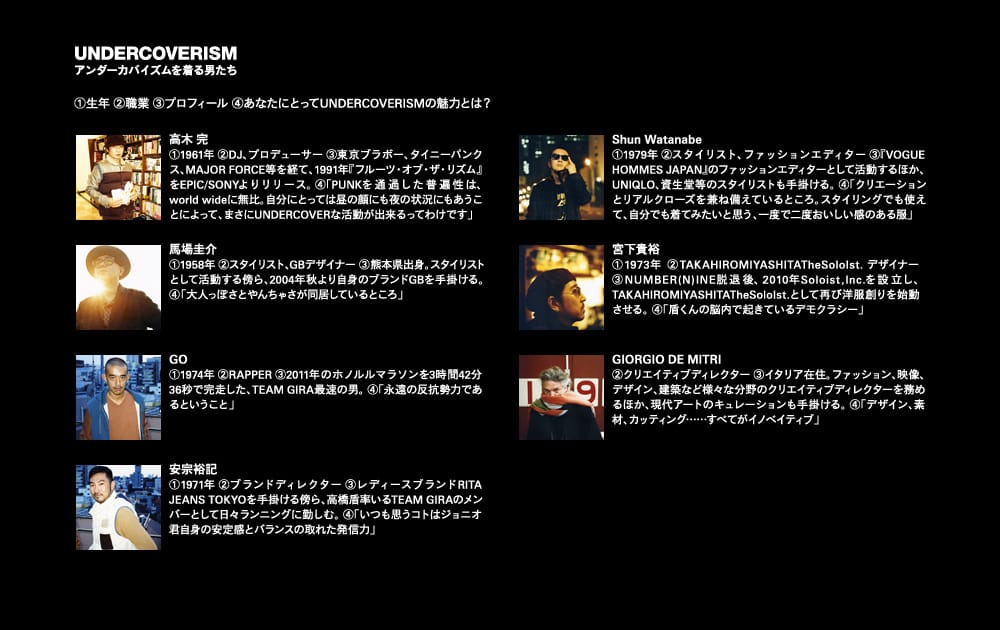
UNDERCOVERISM 2012–13 Fall/Winter portrait feature The Men Who Wear Undercoverism, photographed by Taro Mizutani with text by Issey Enomoto.
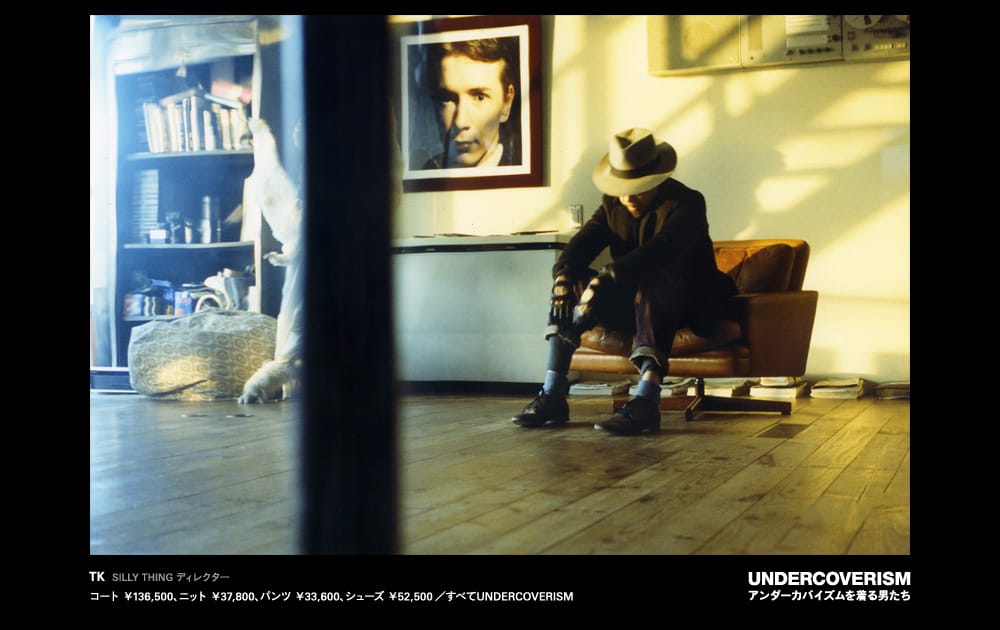
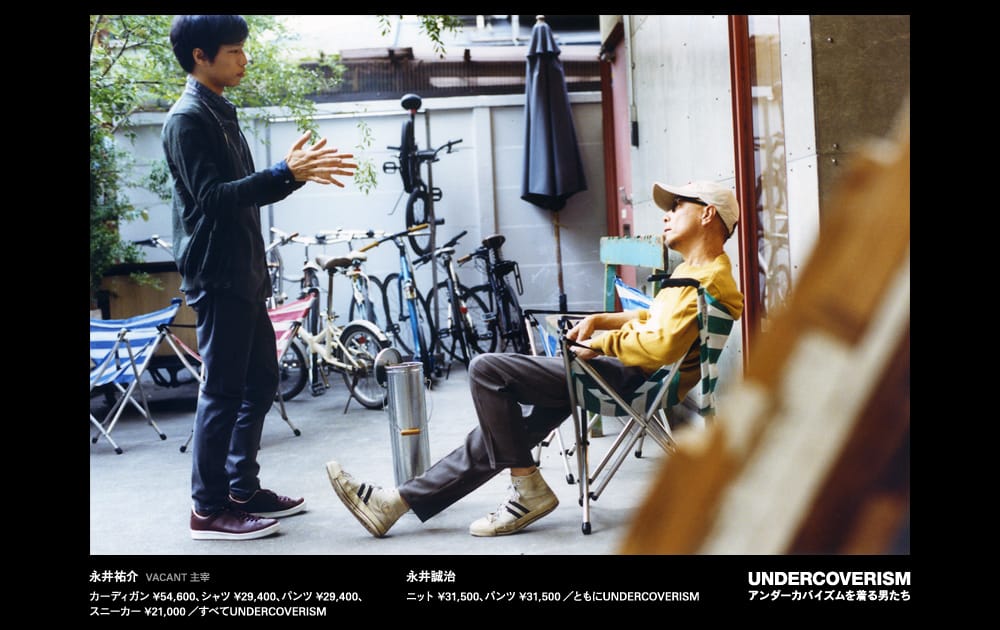
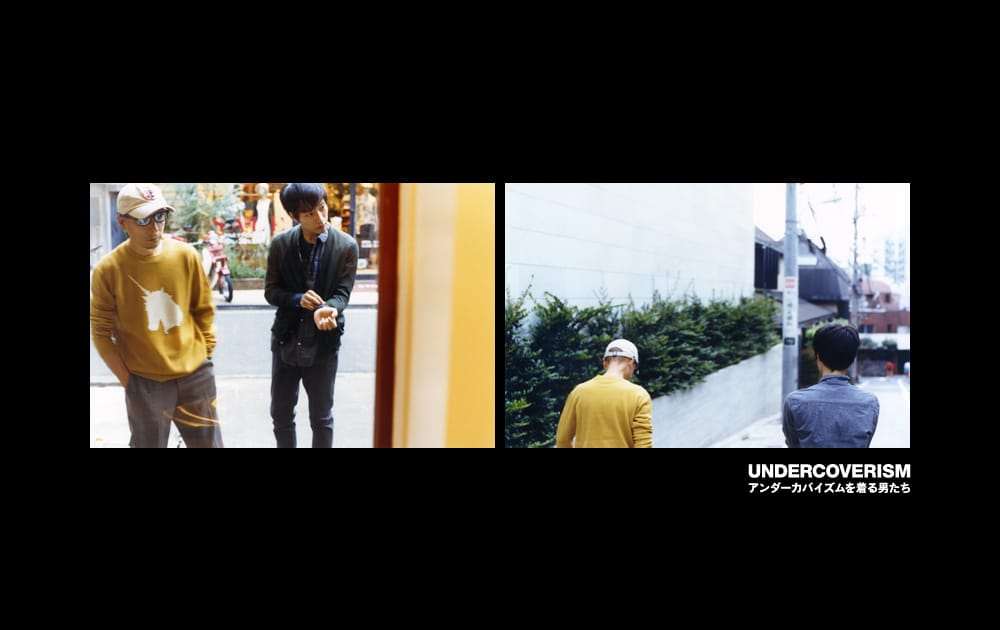
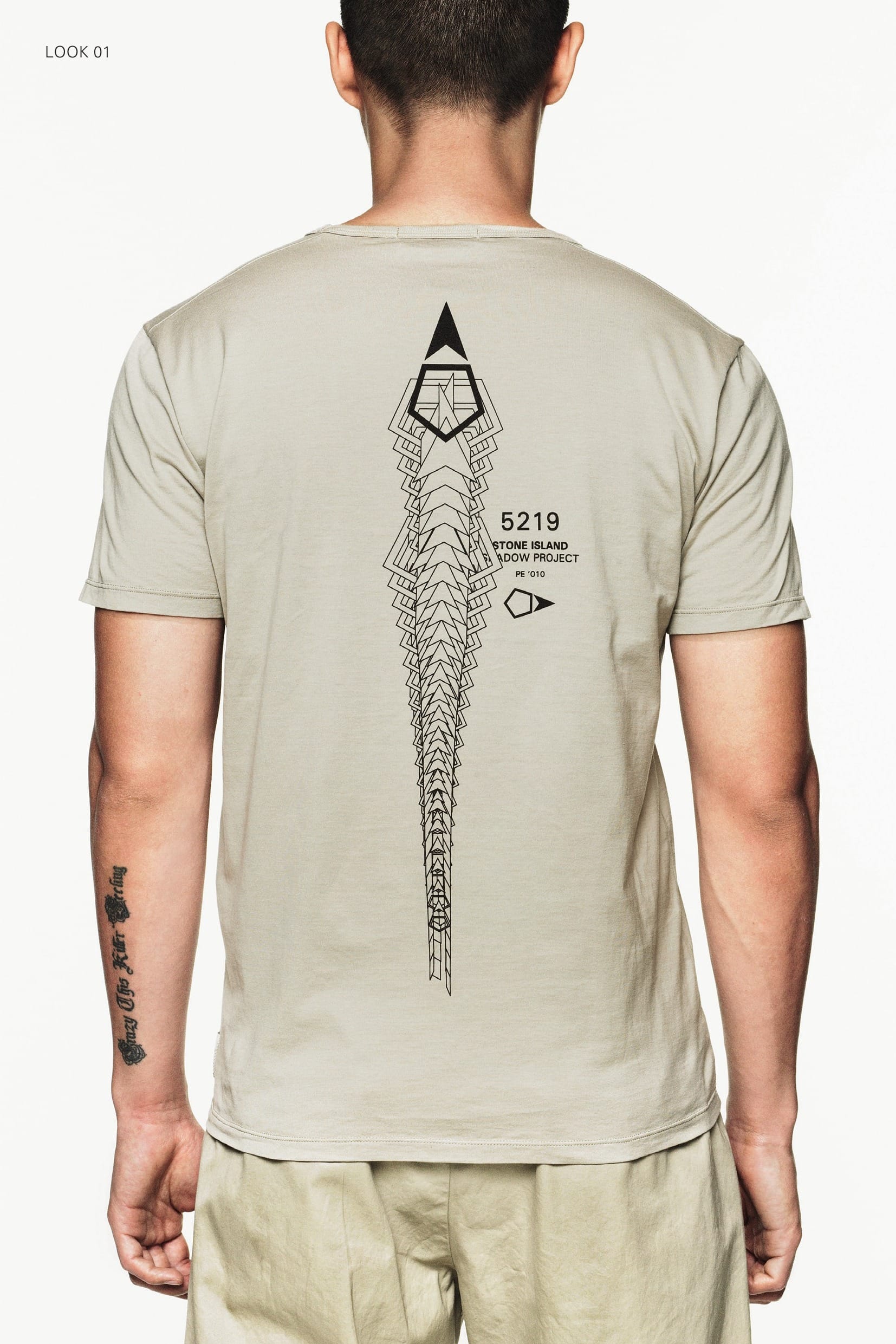
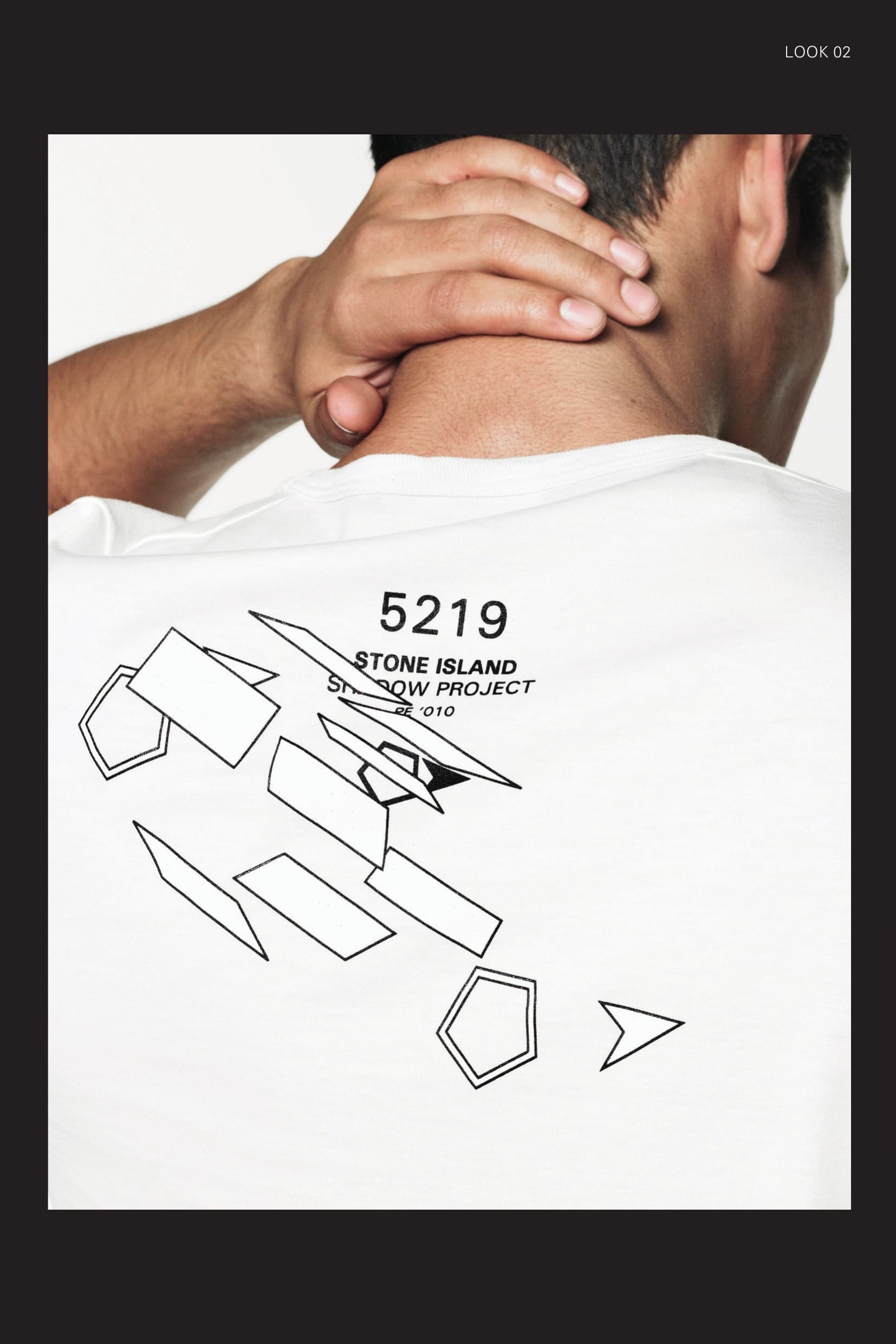
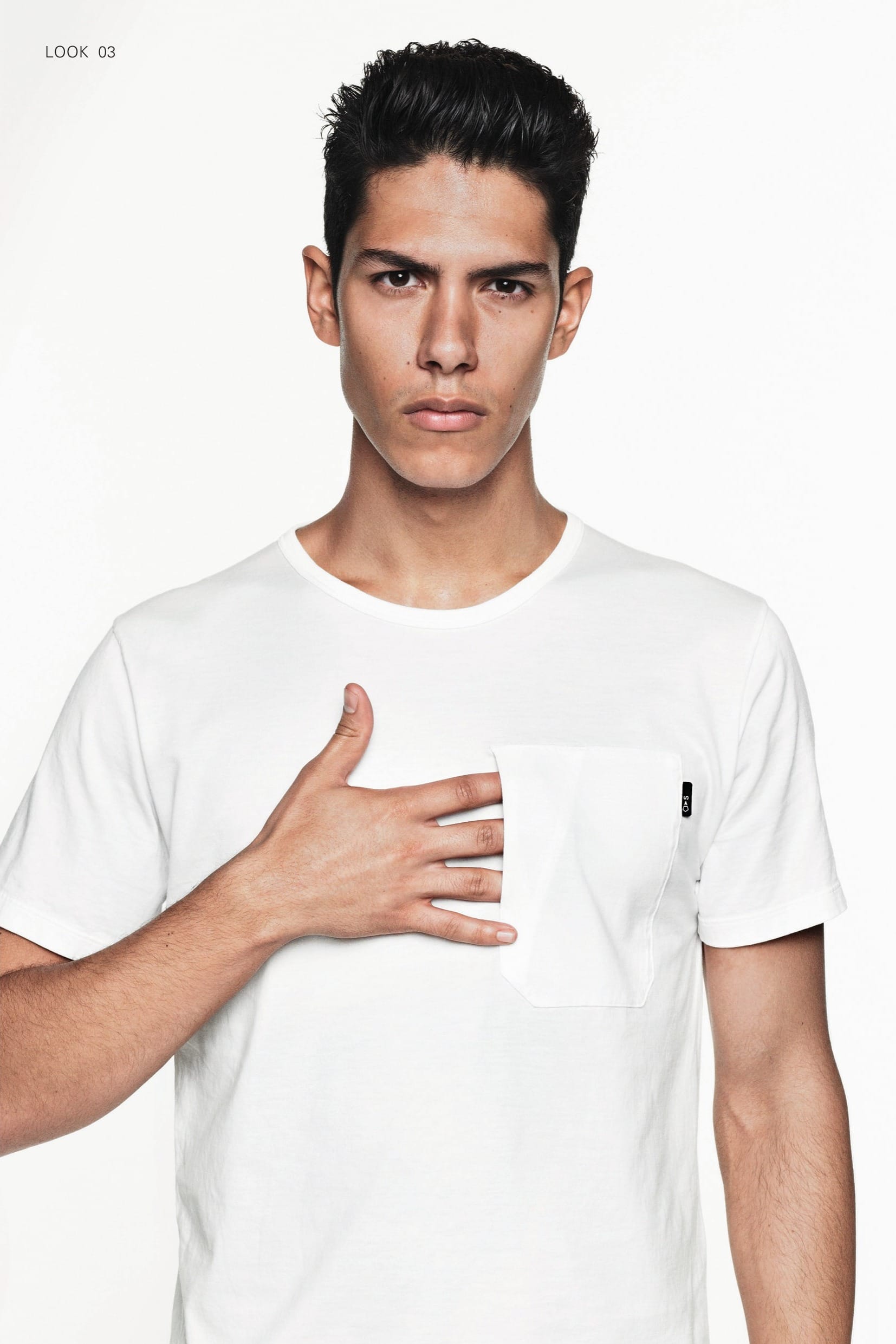
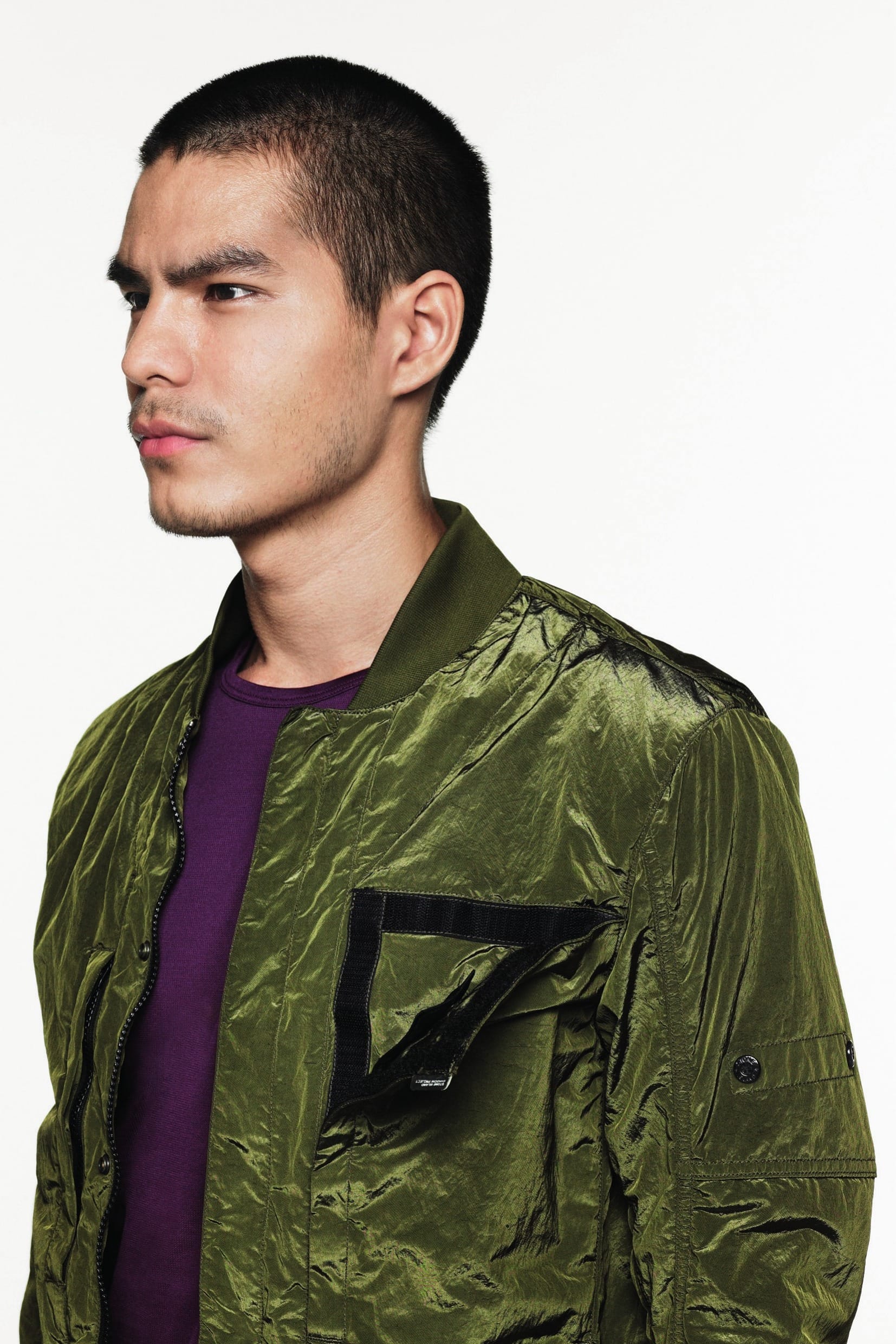
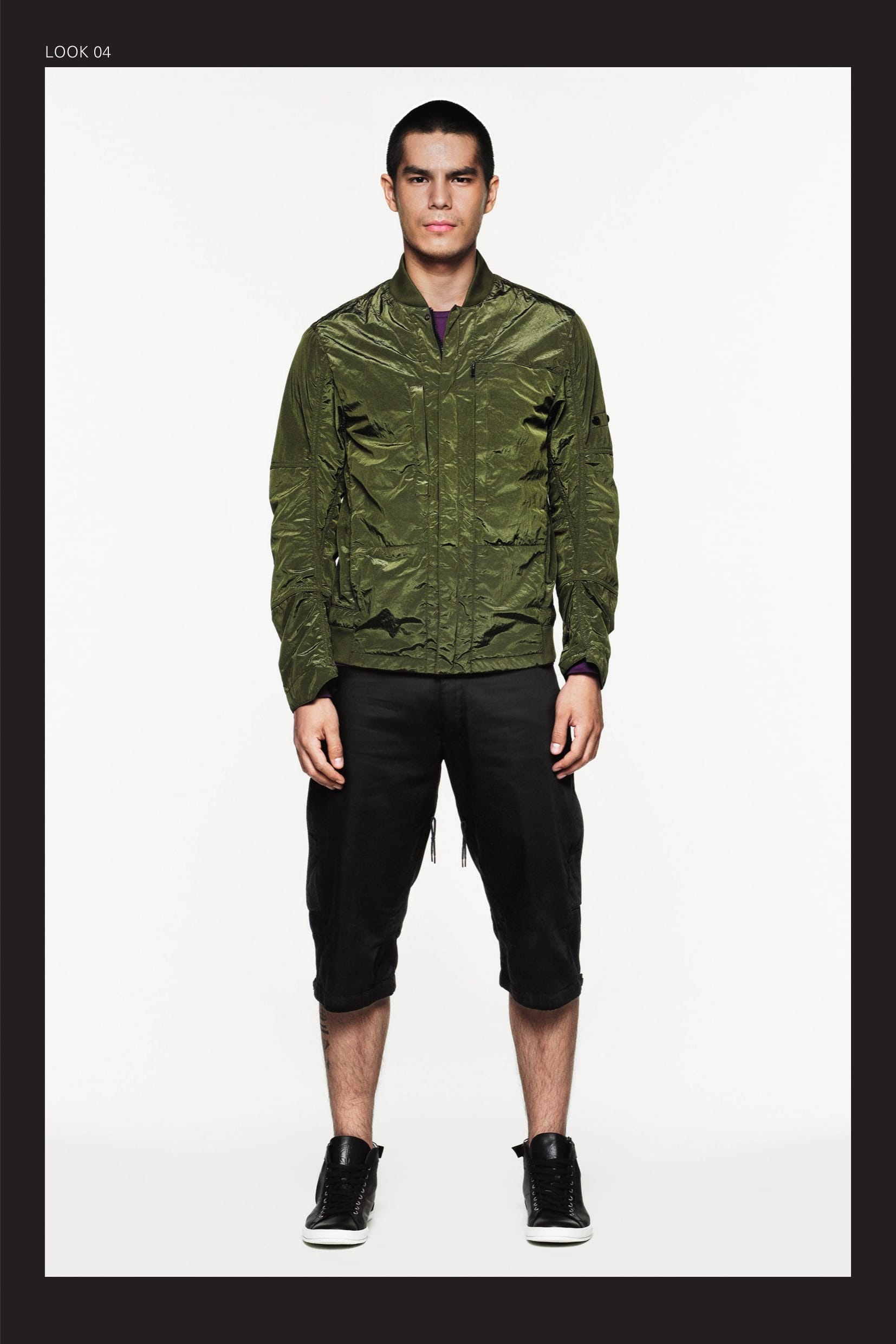
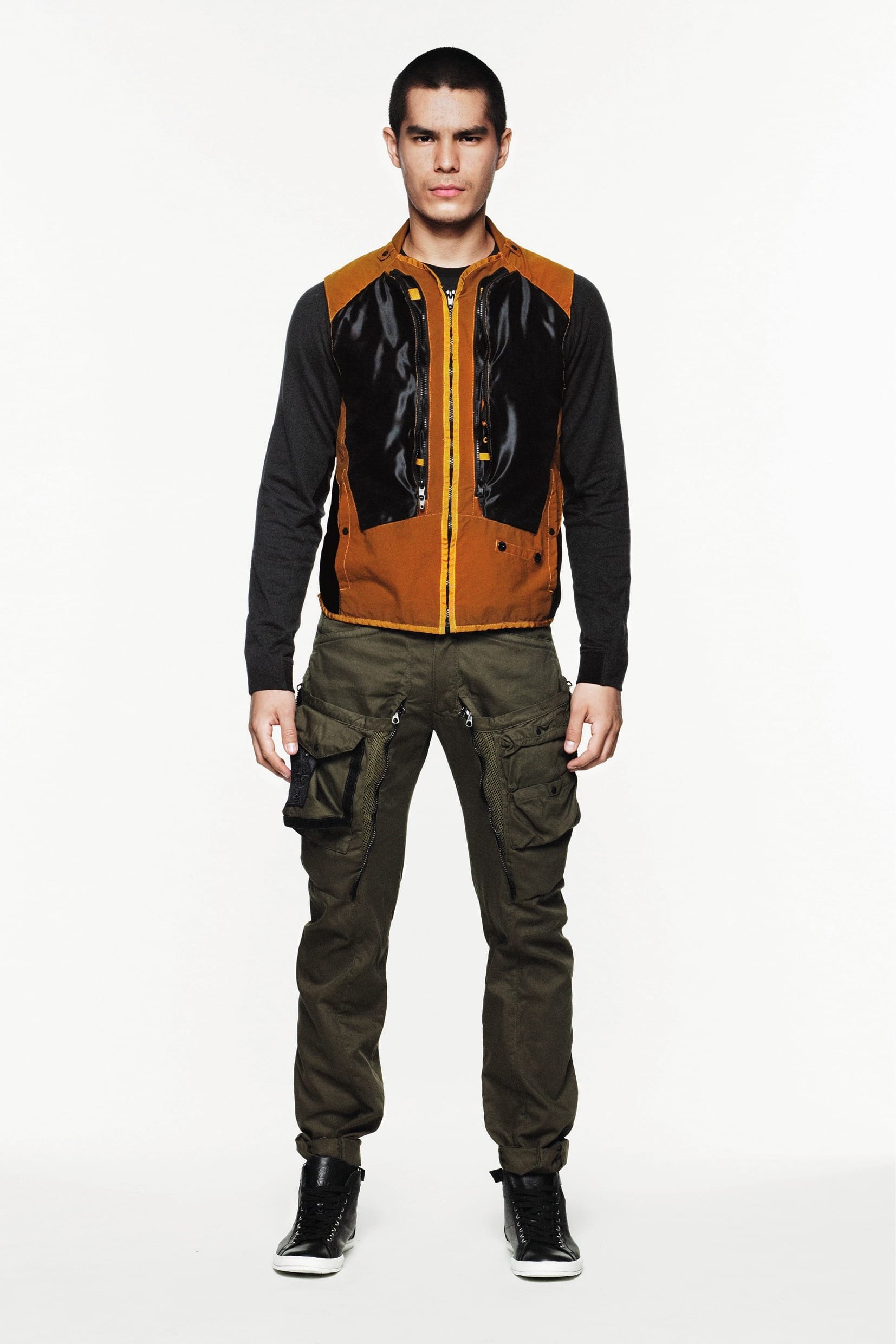
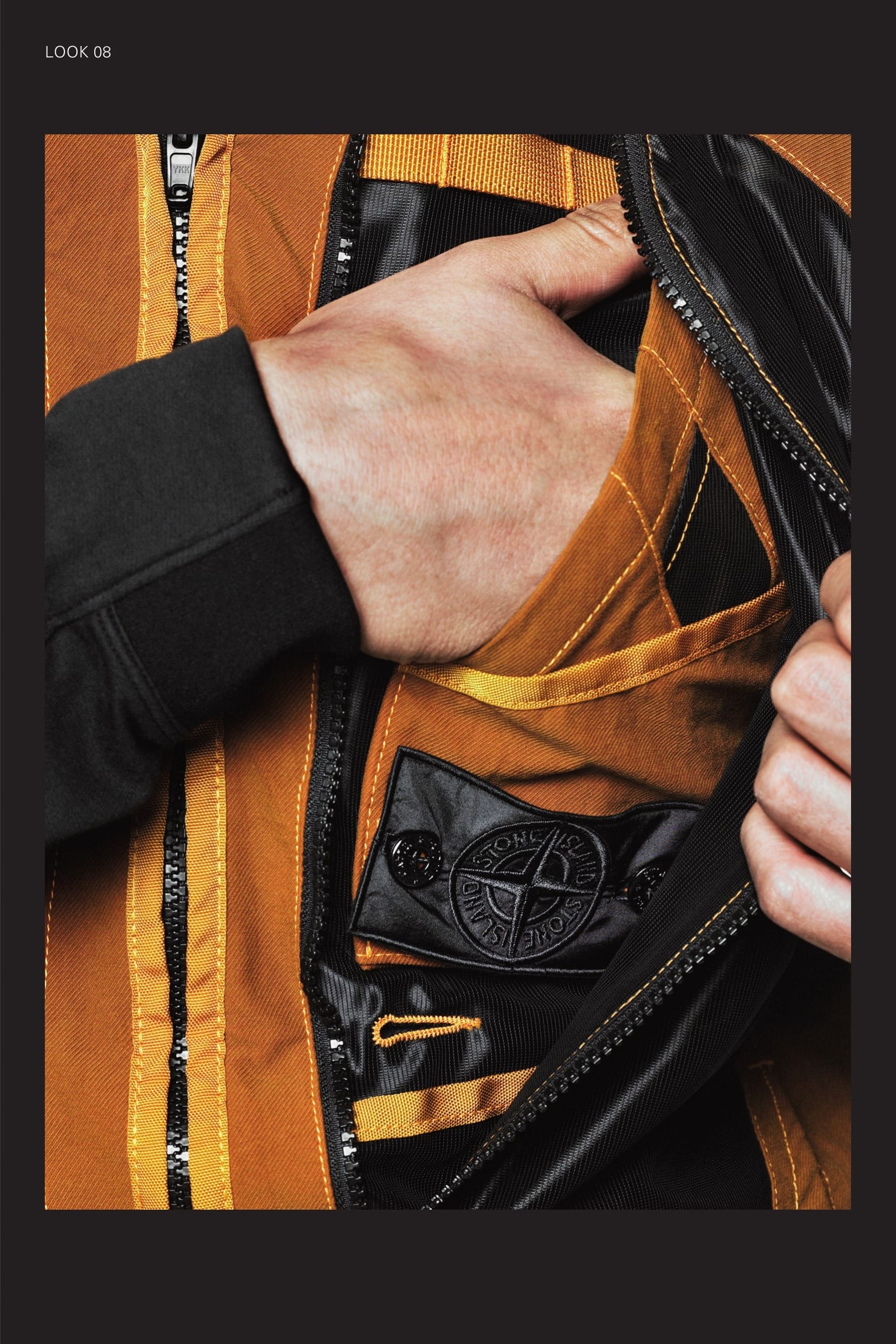
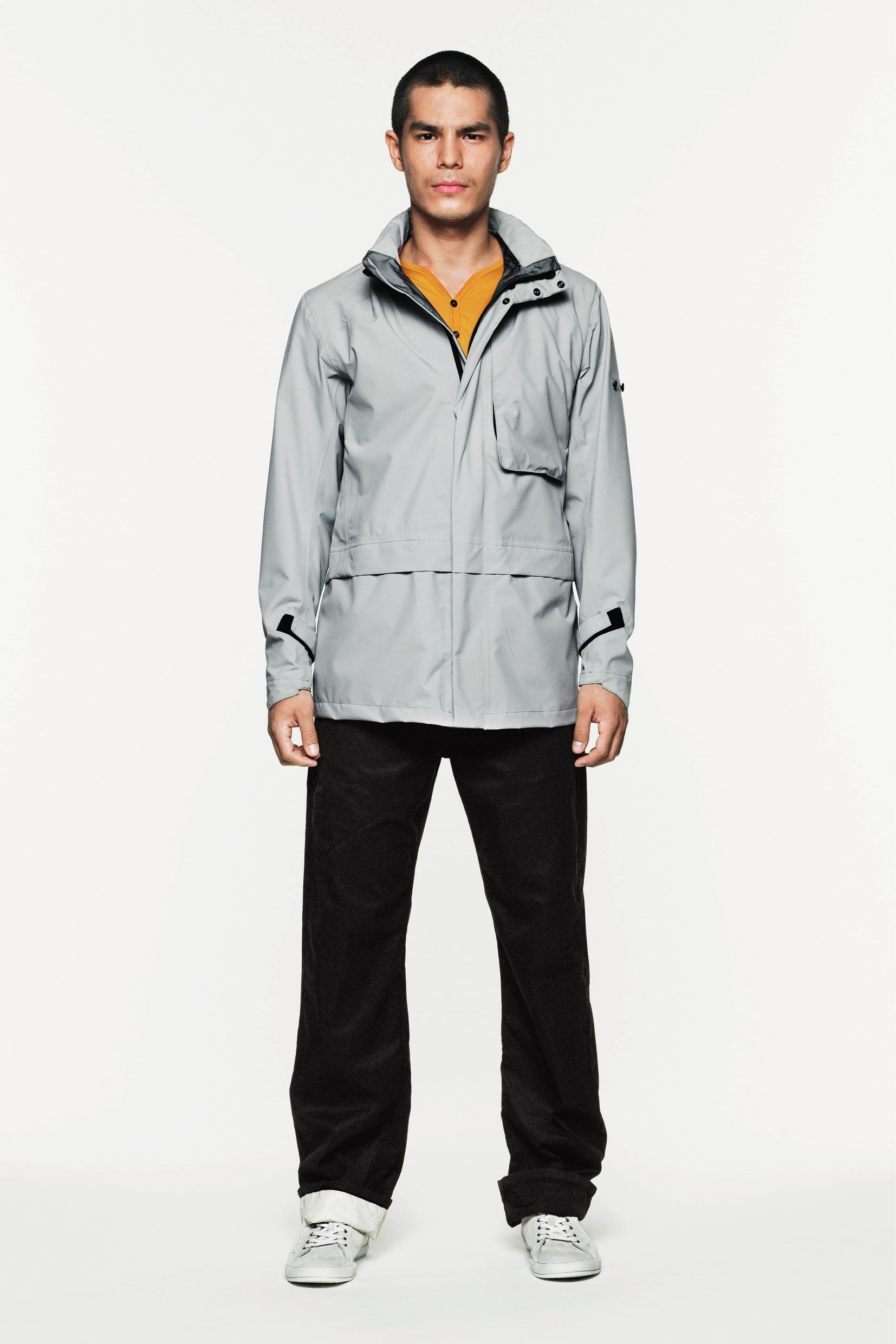
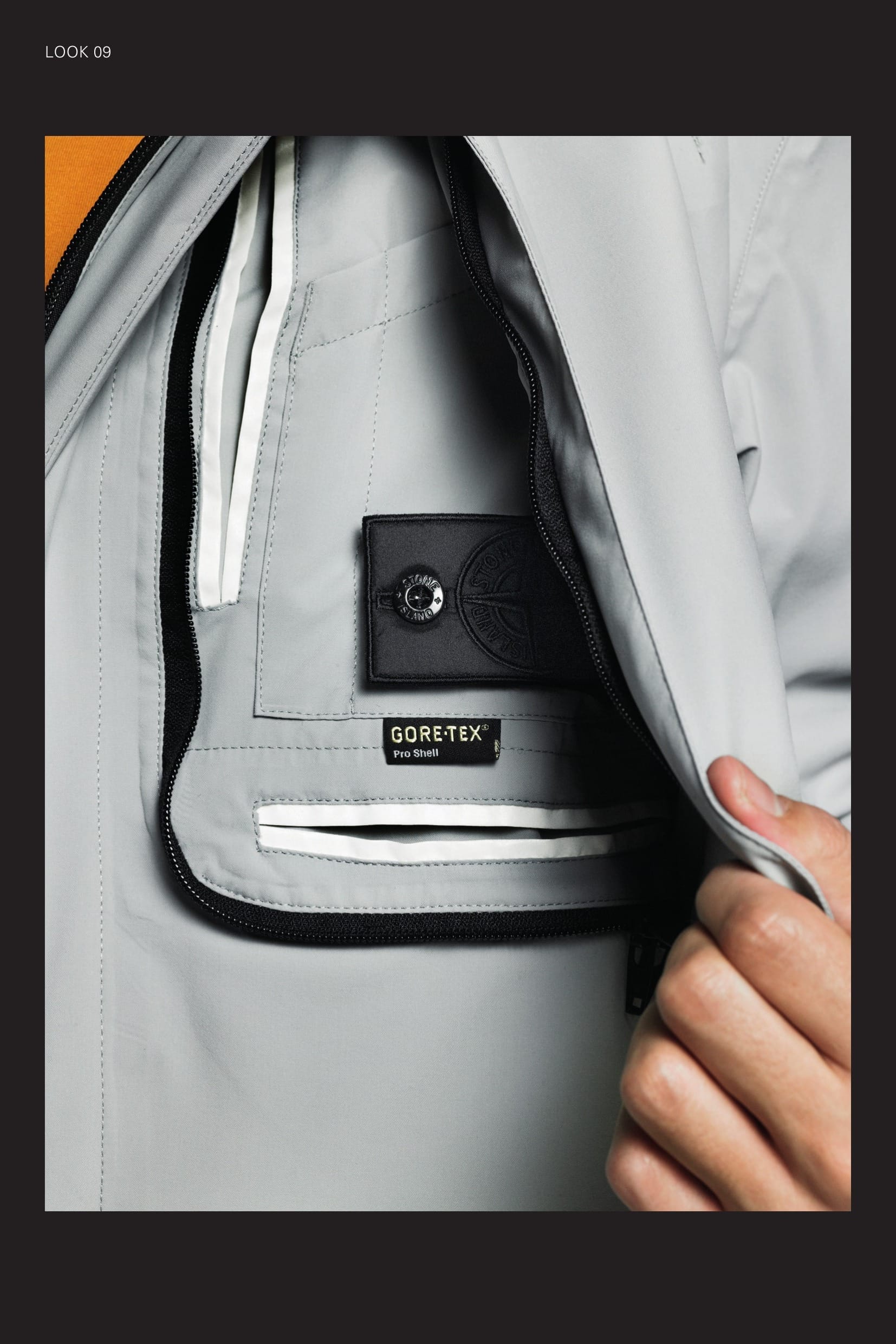
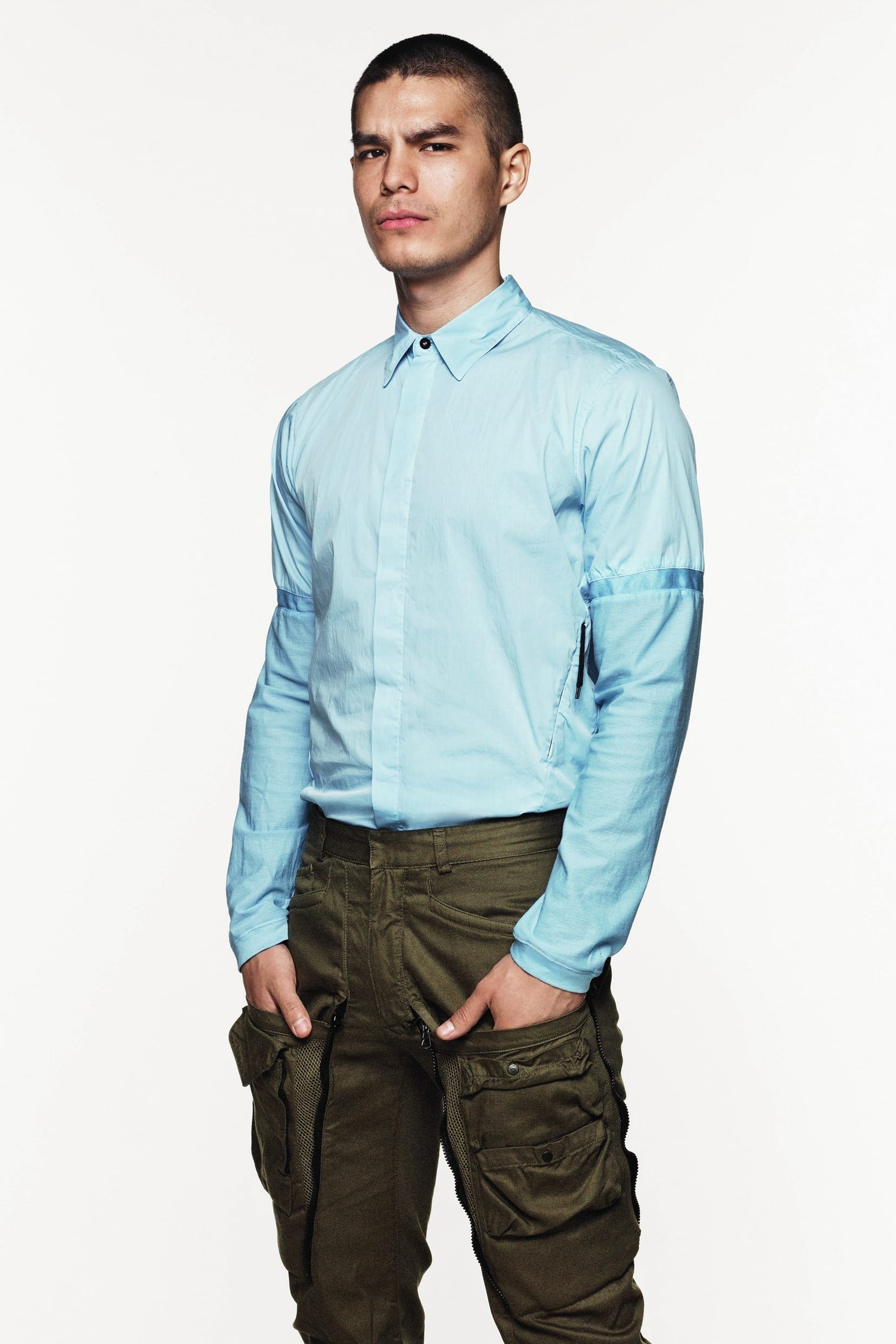
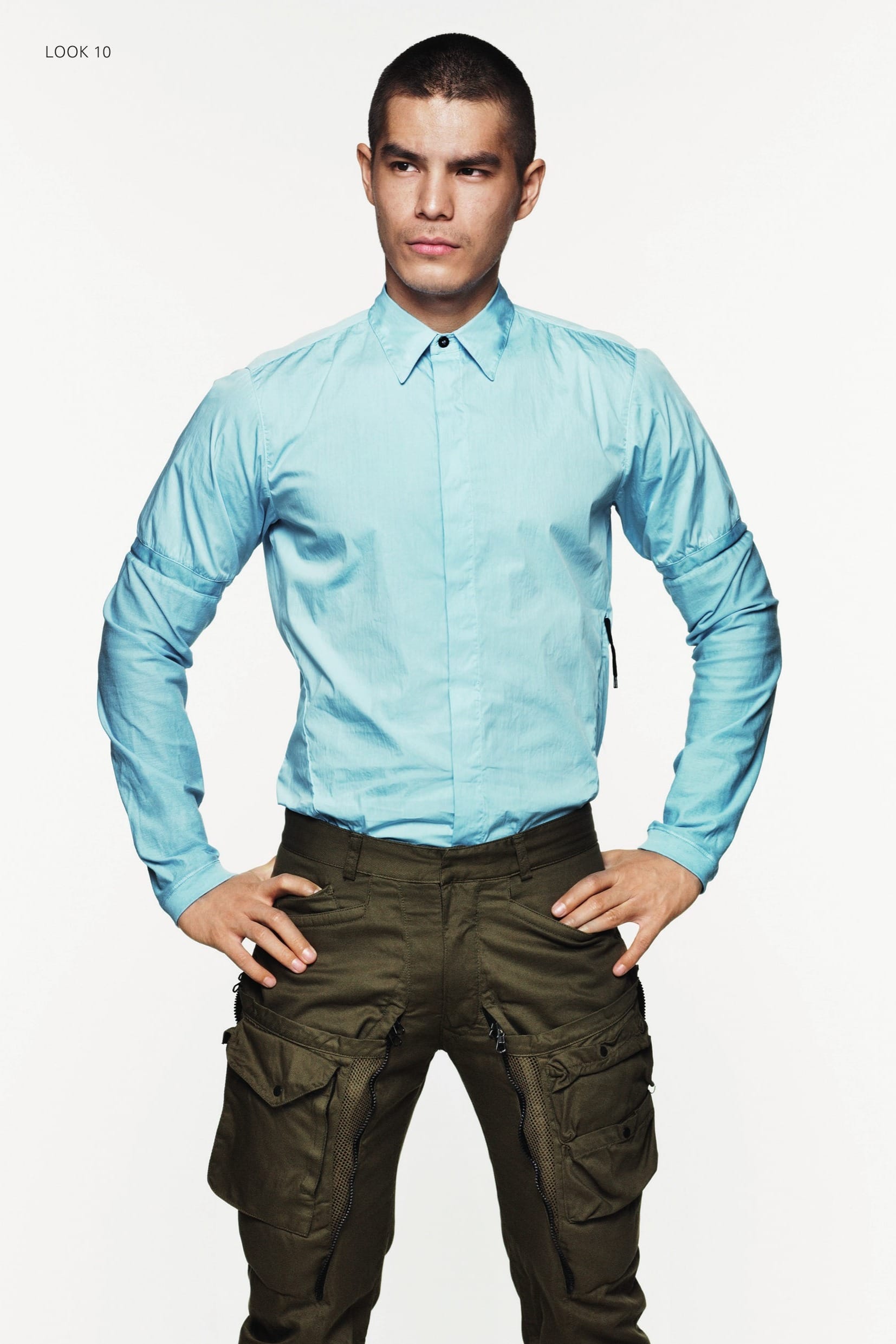
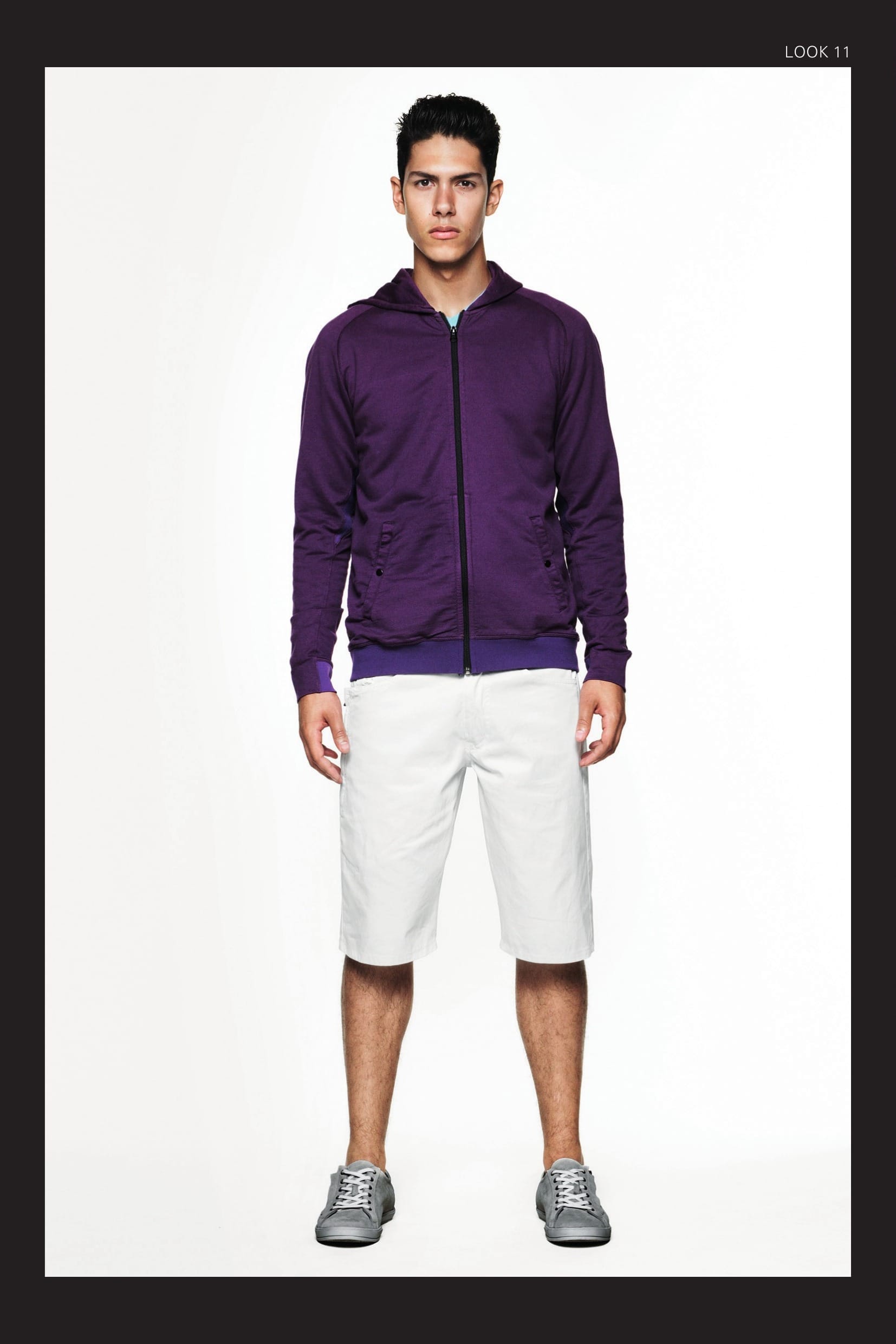
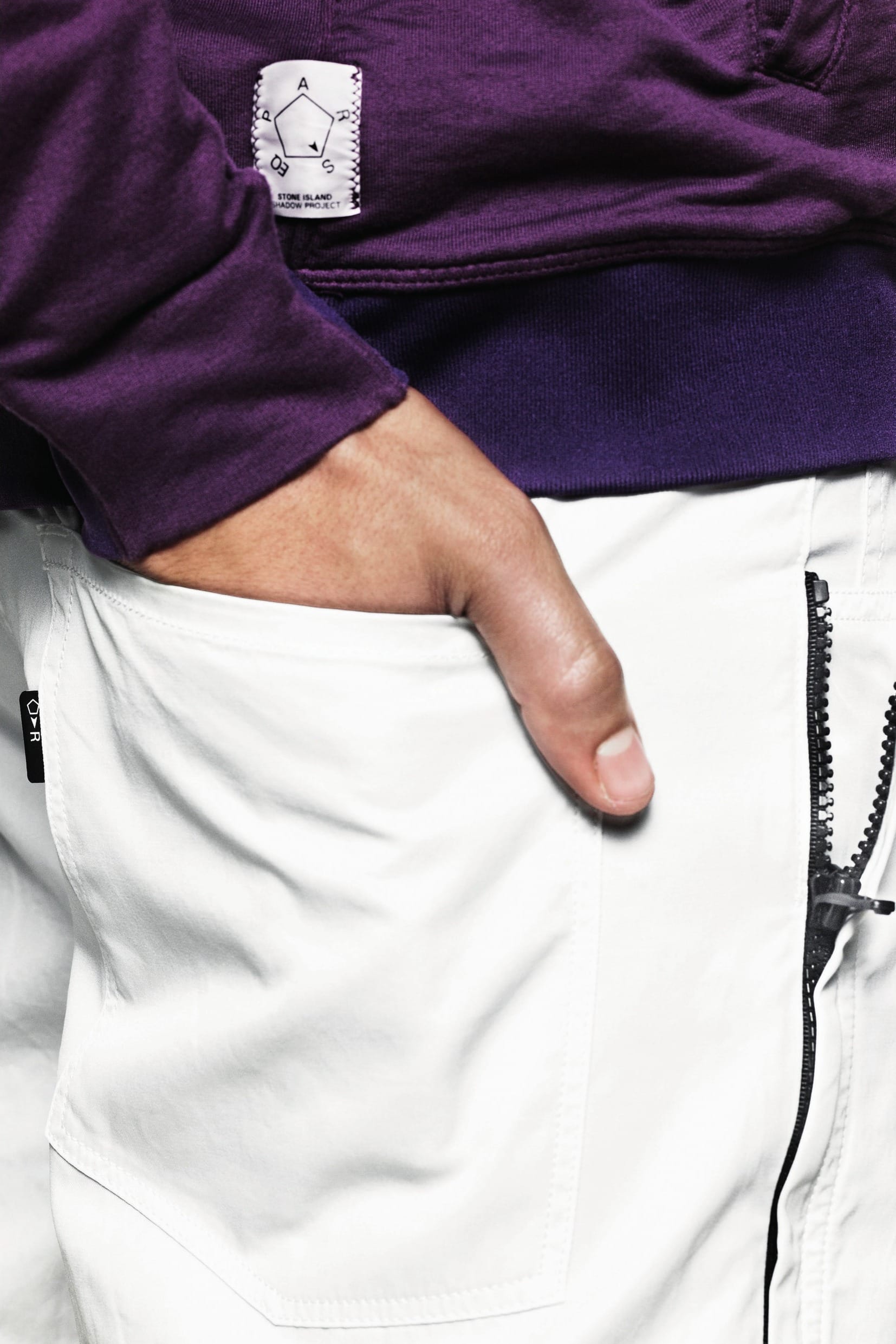
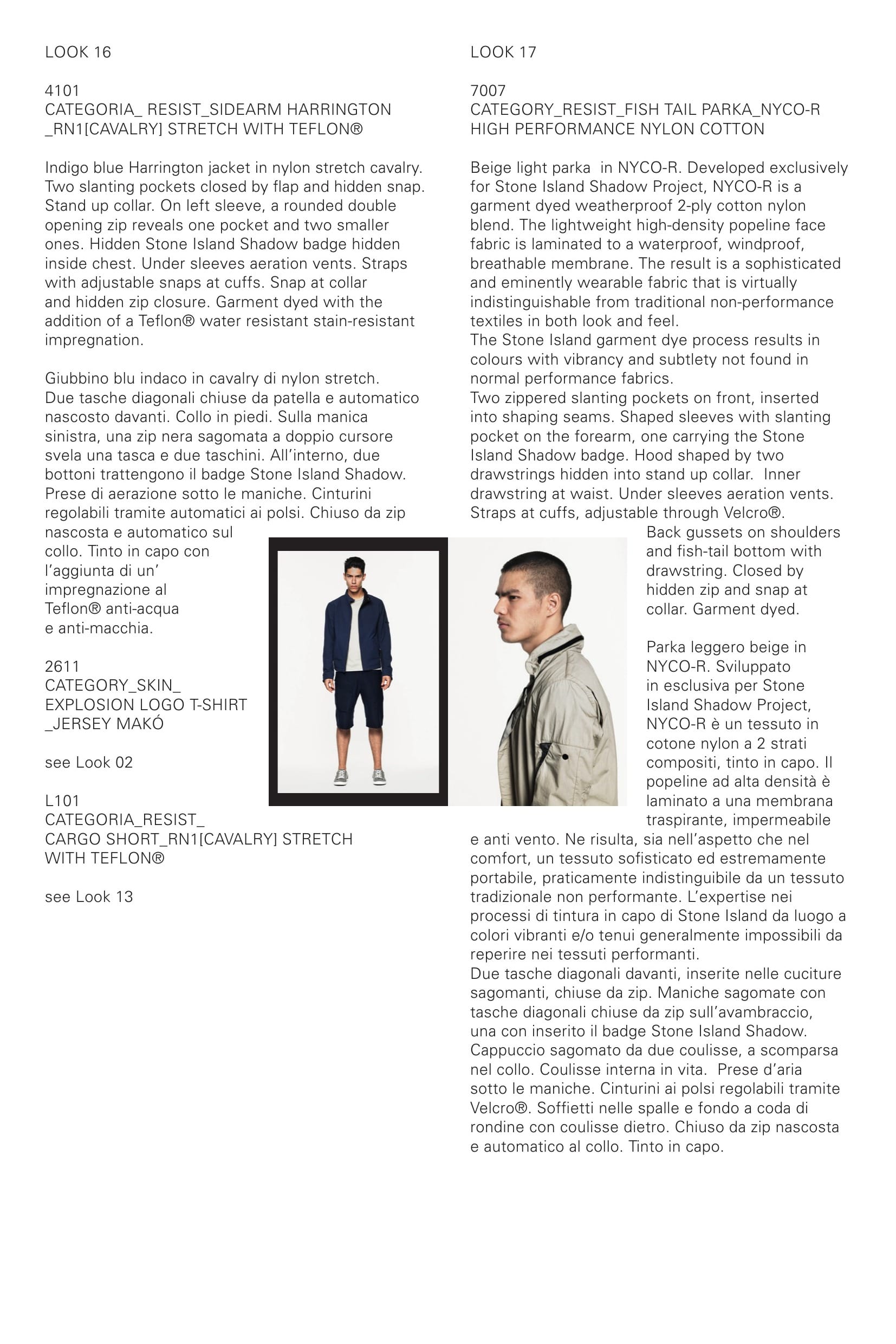
Stone Island Shadow Project SS2010 Lookbook
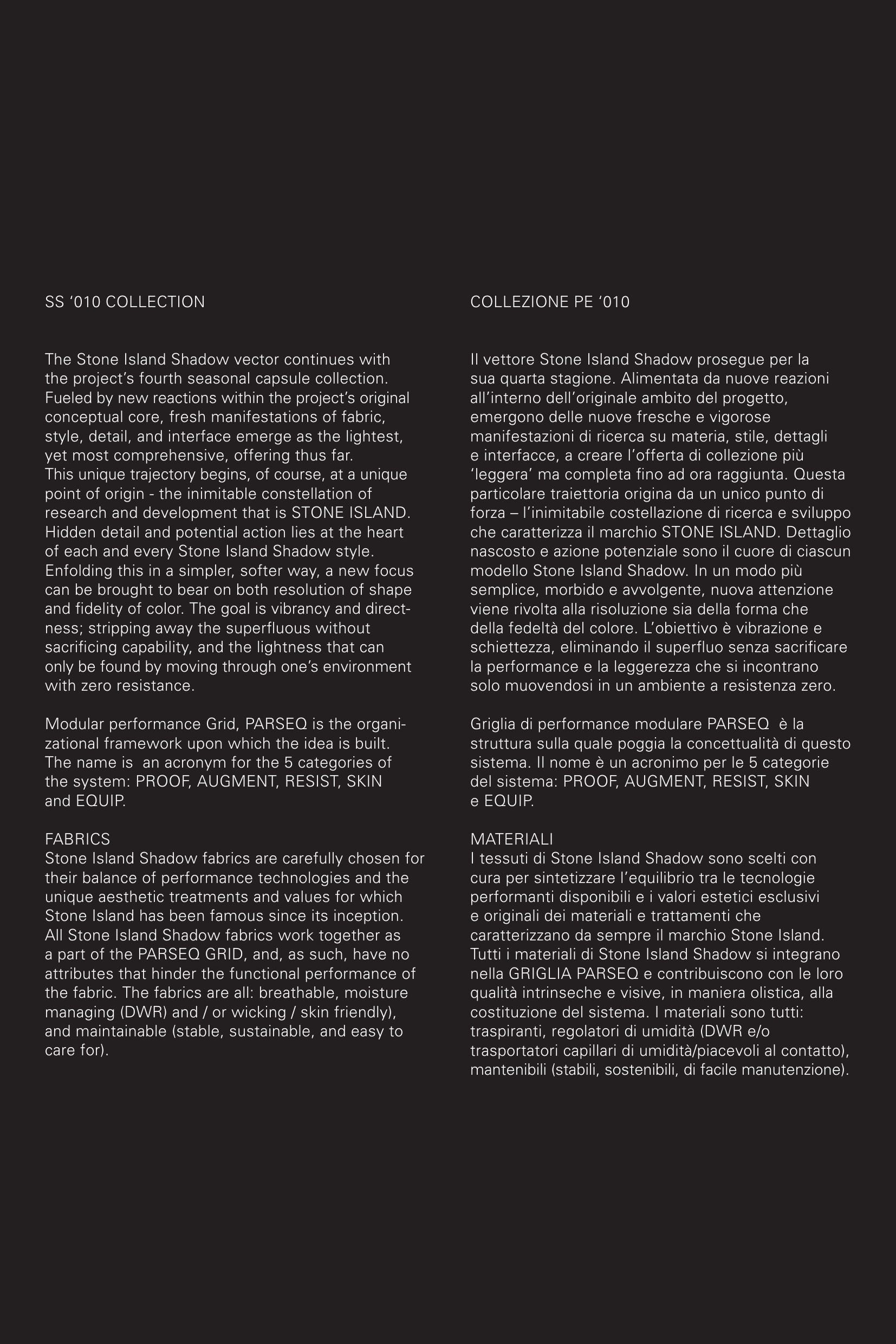
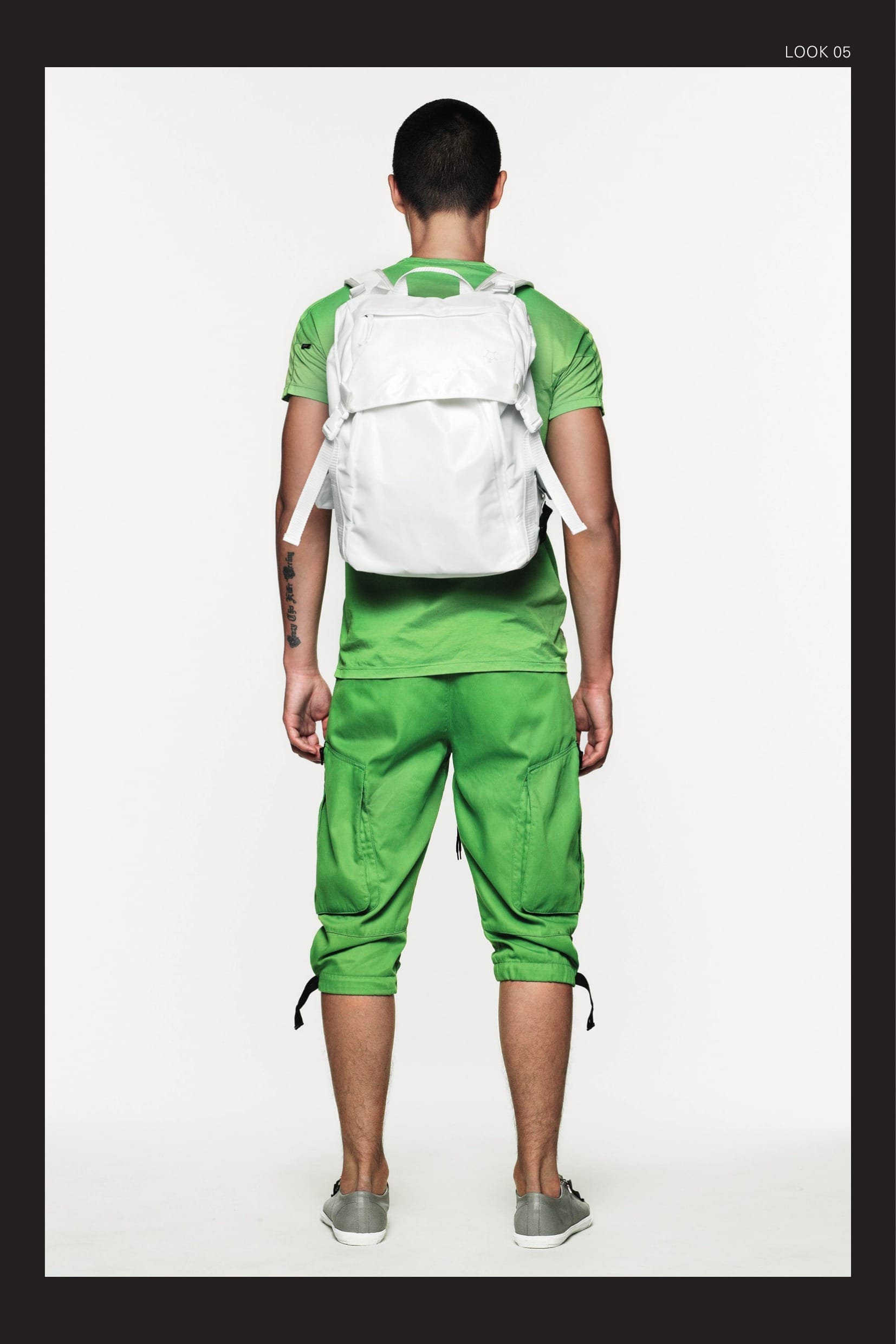
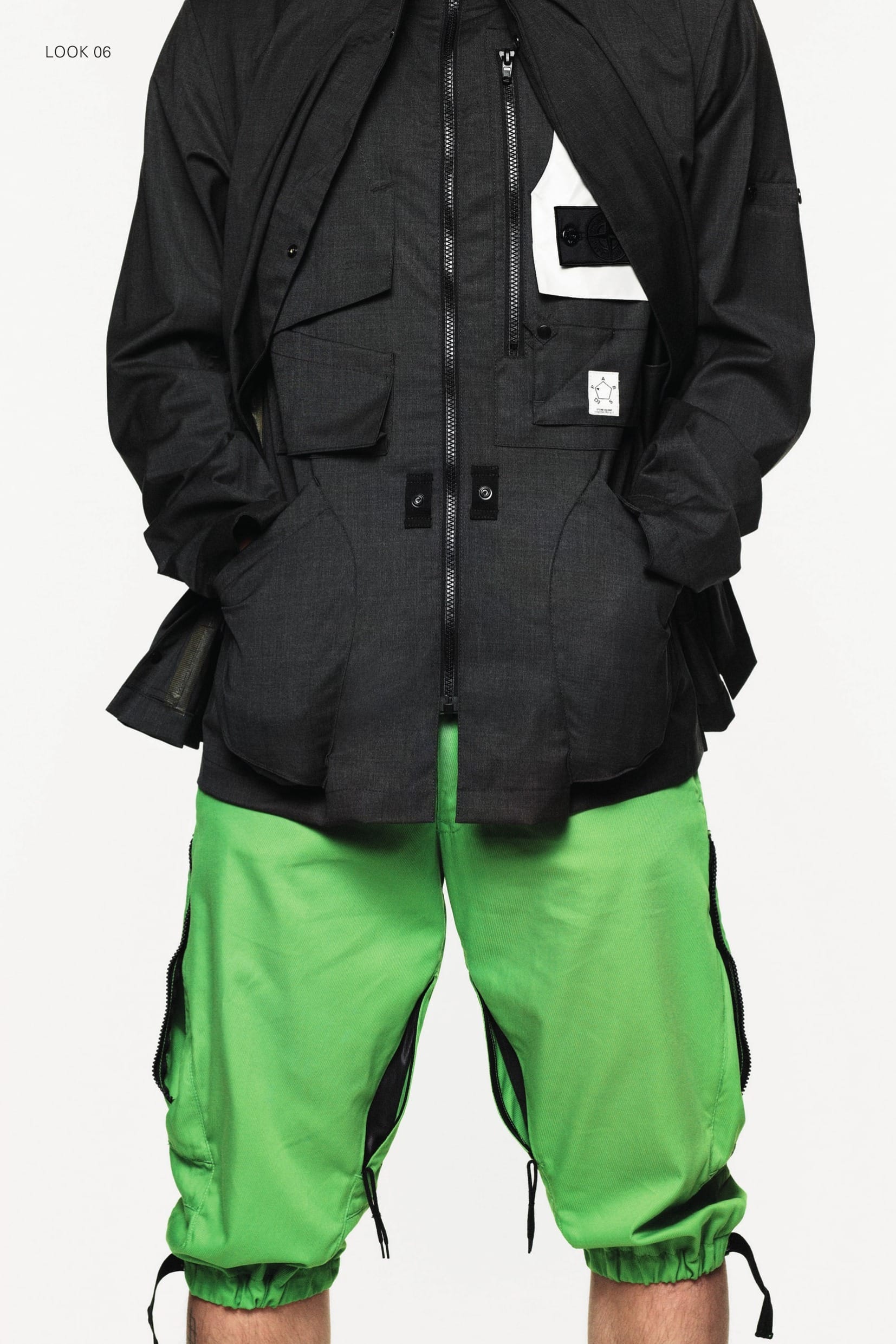
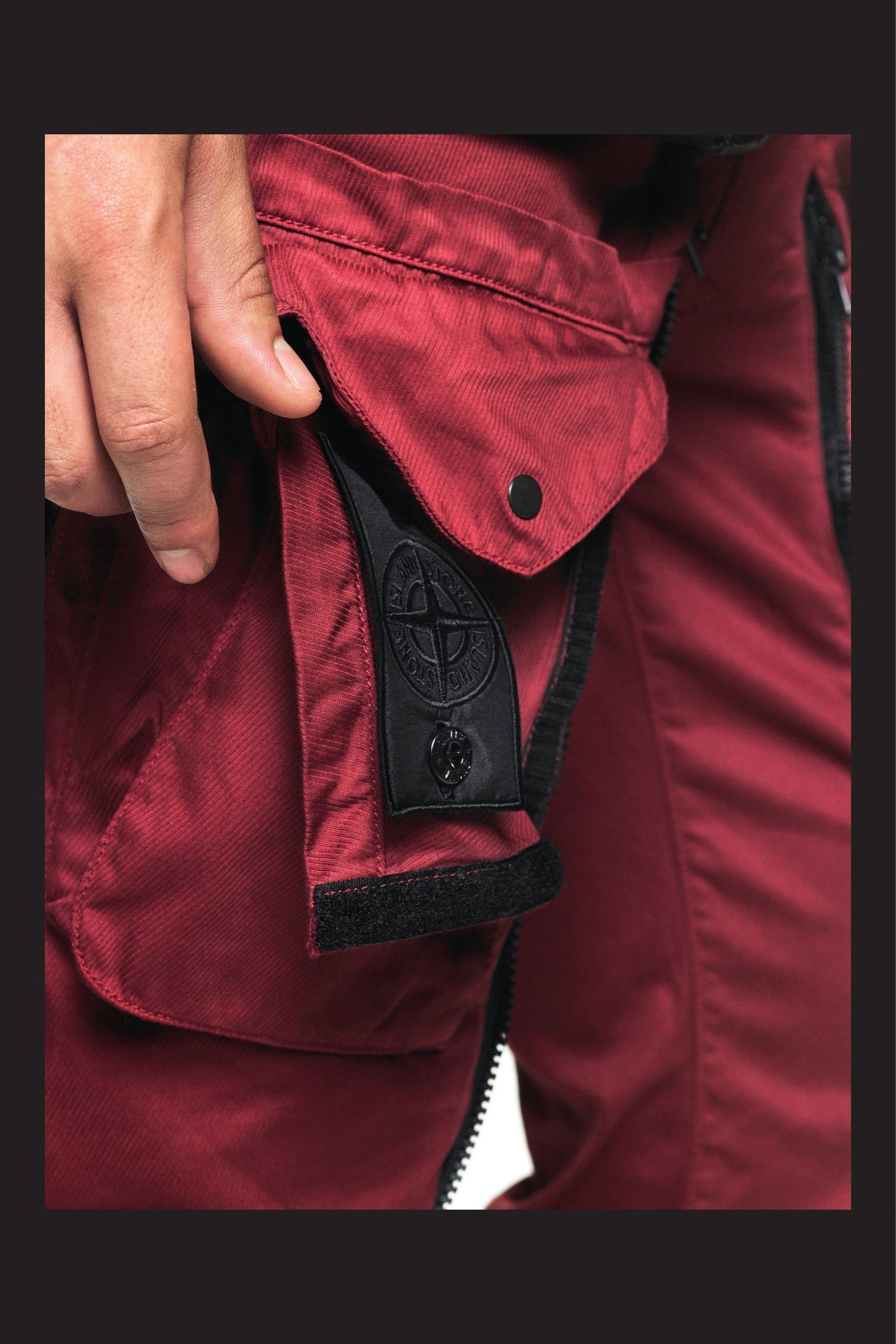
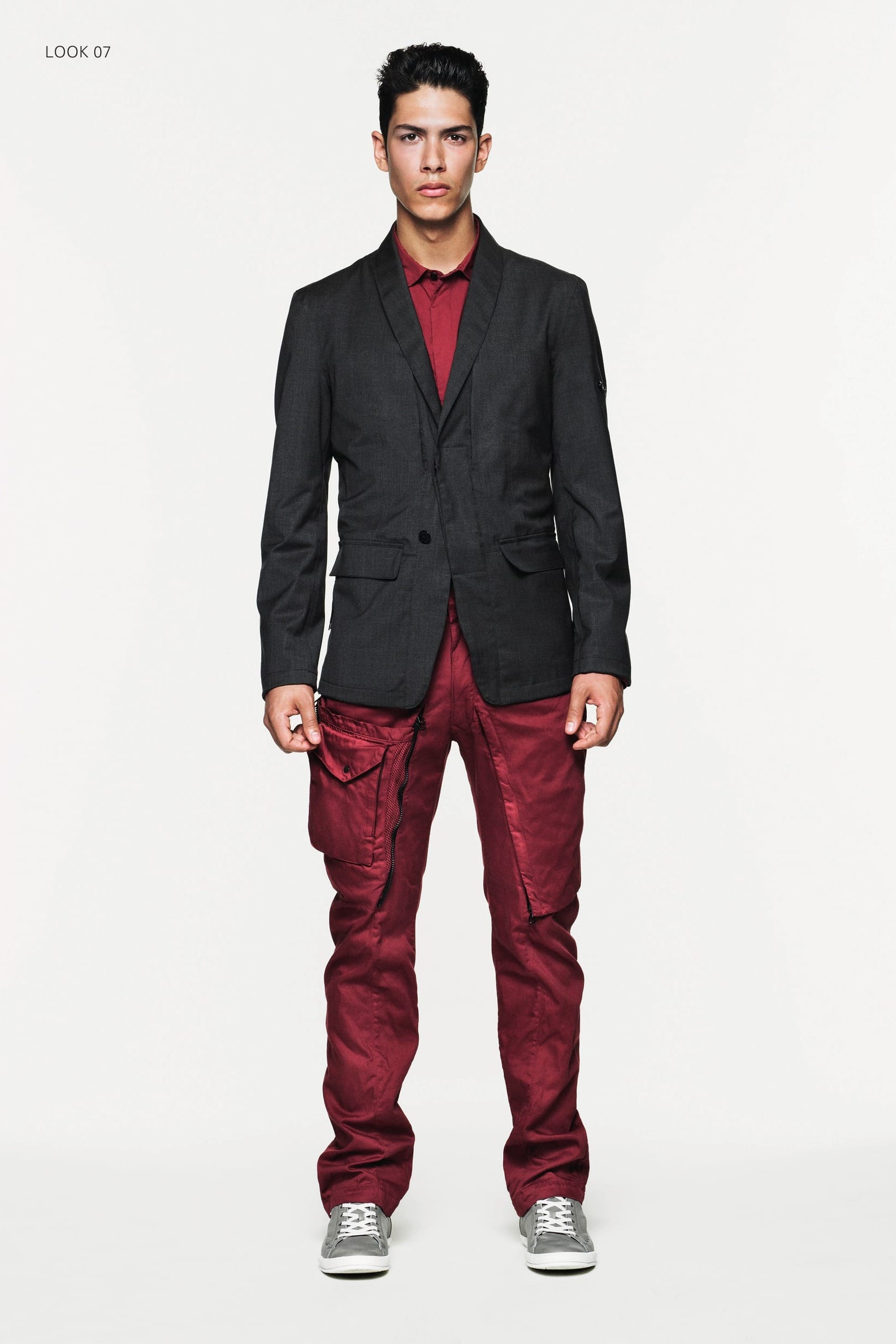
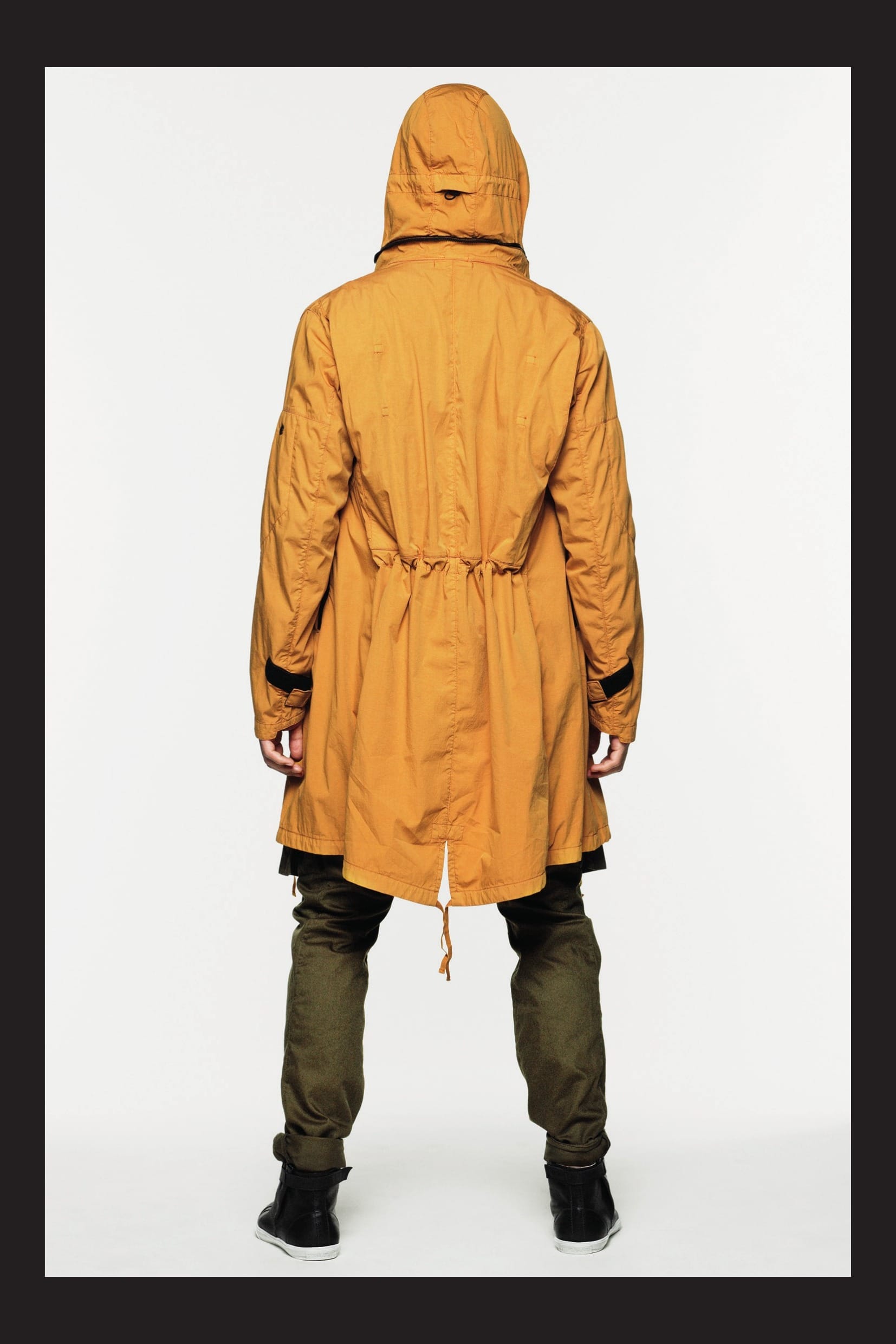
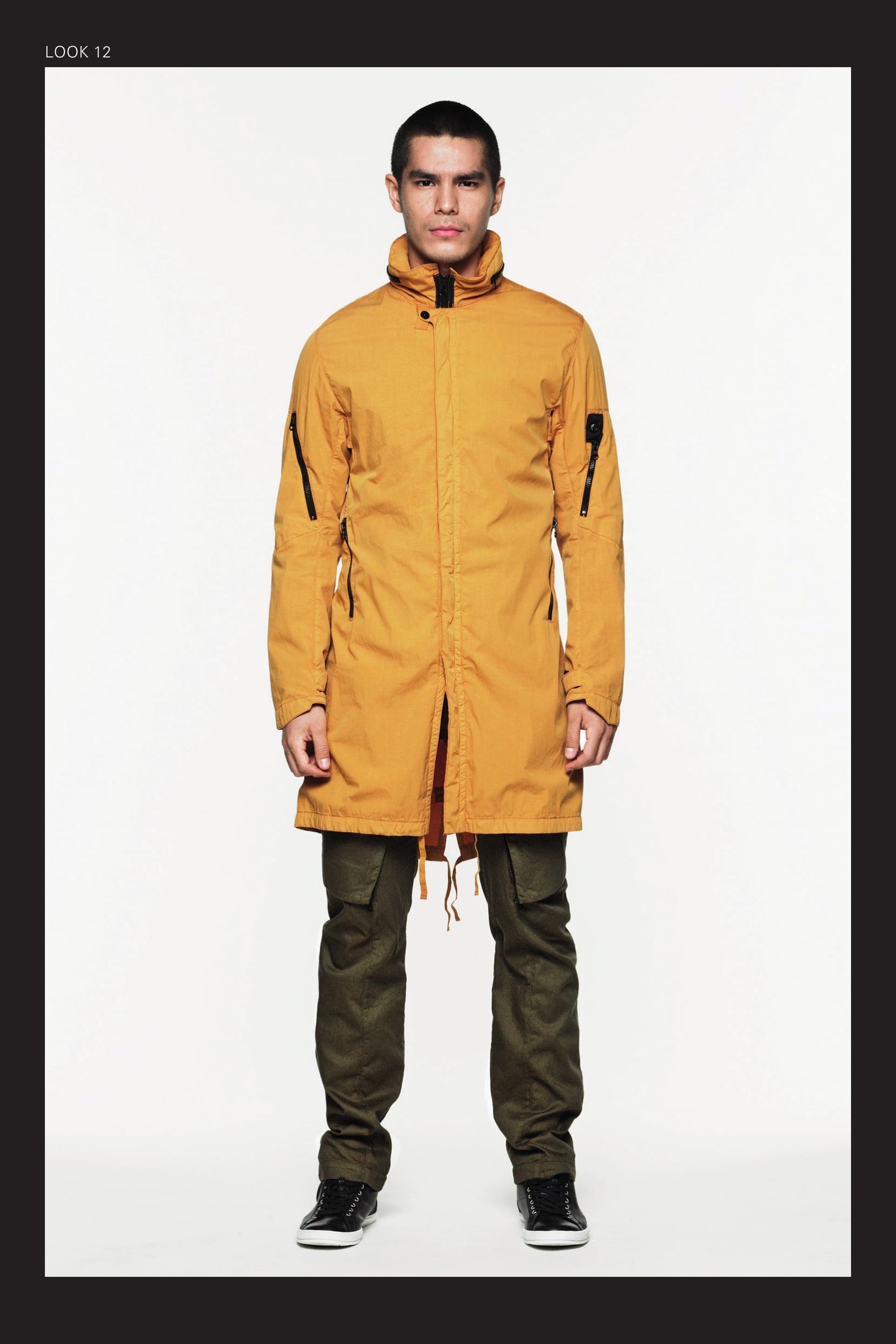
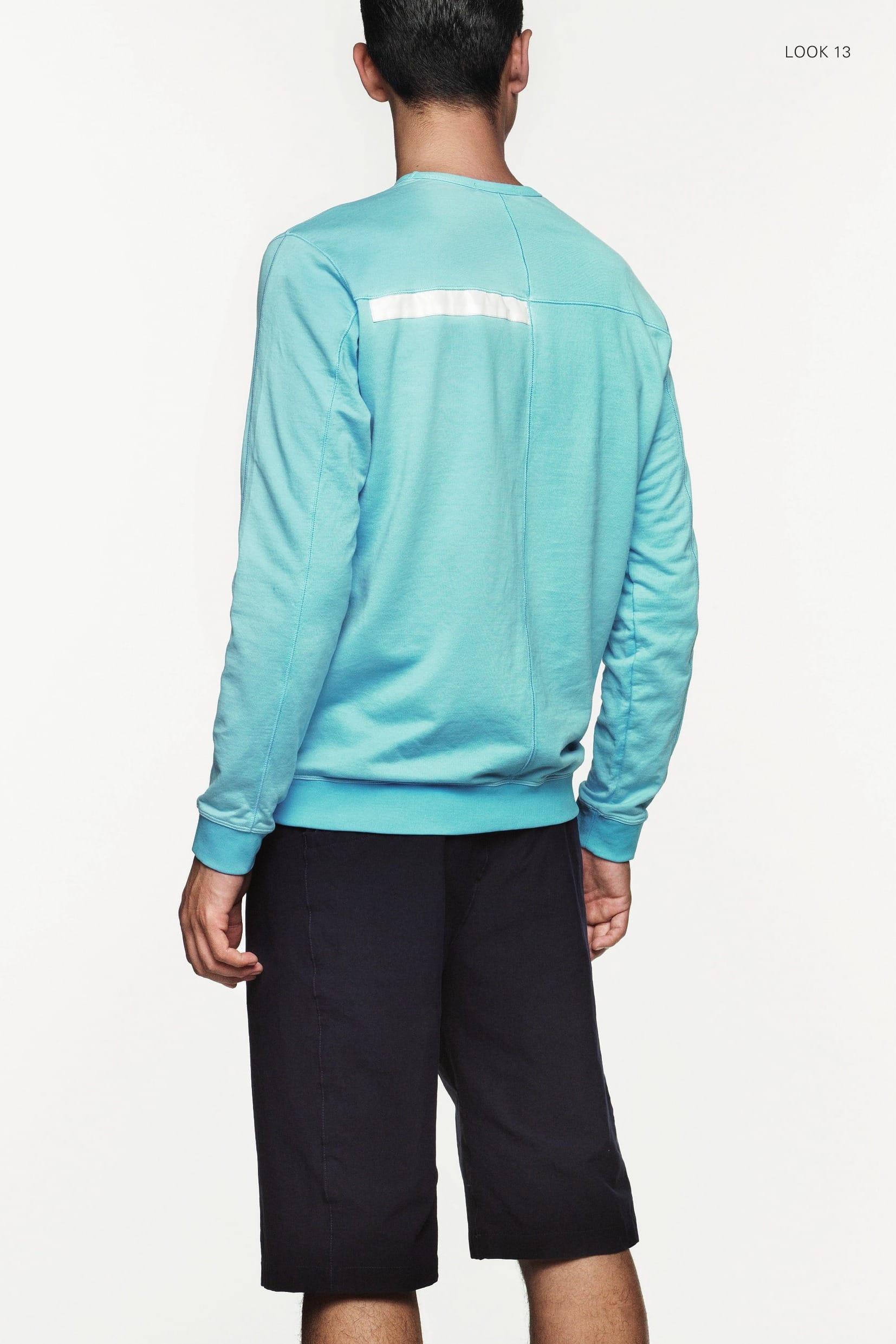
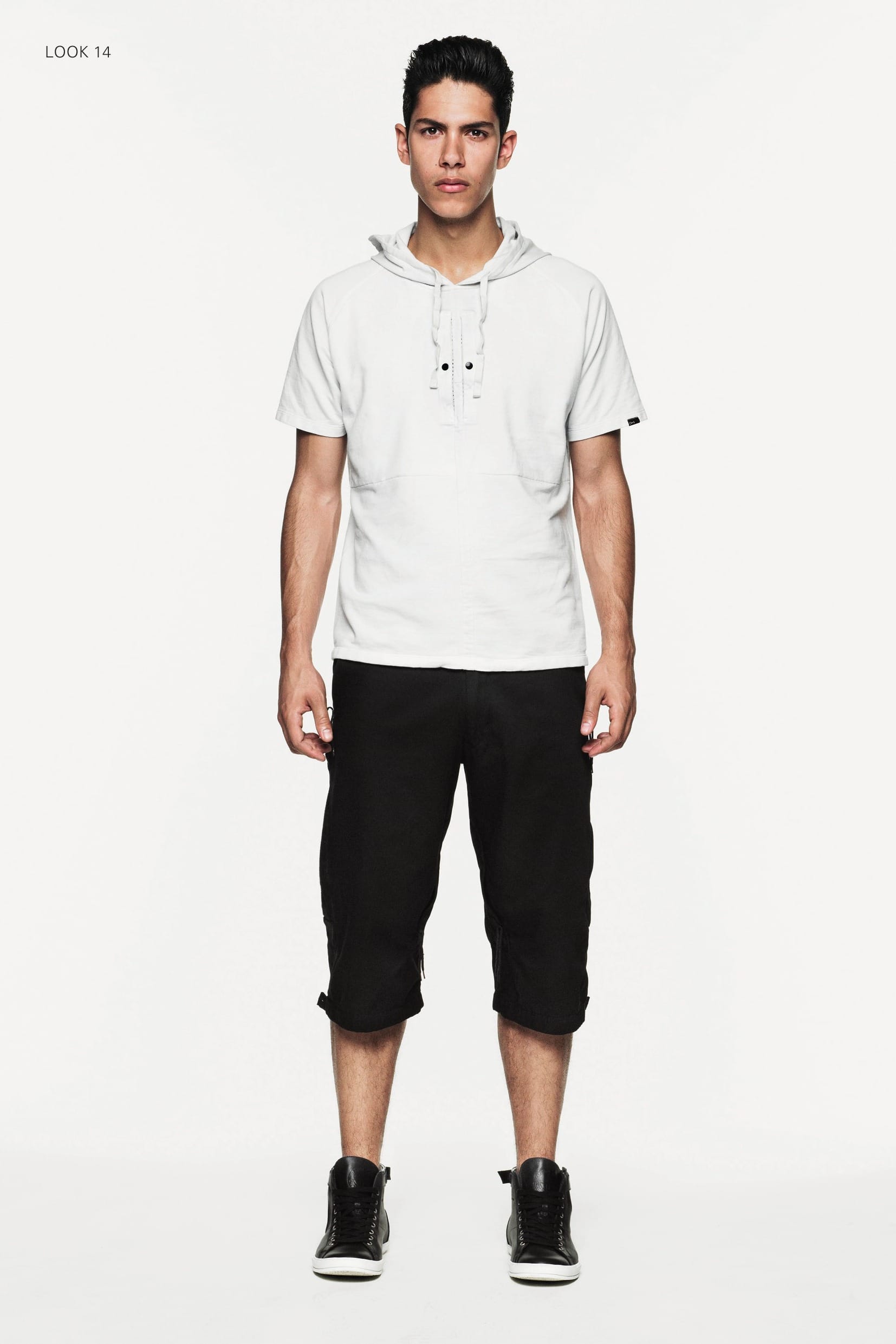
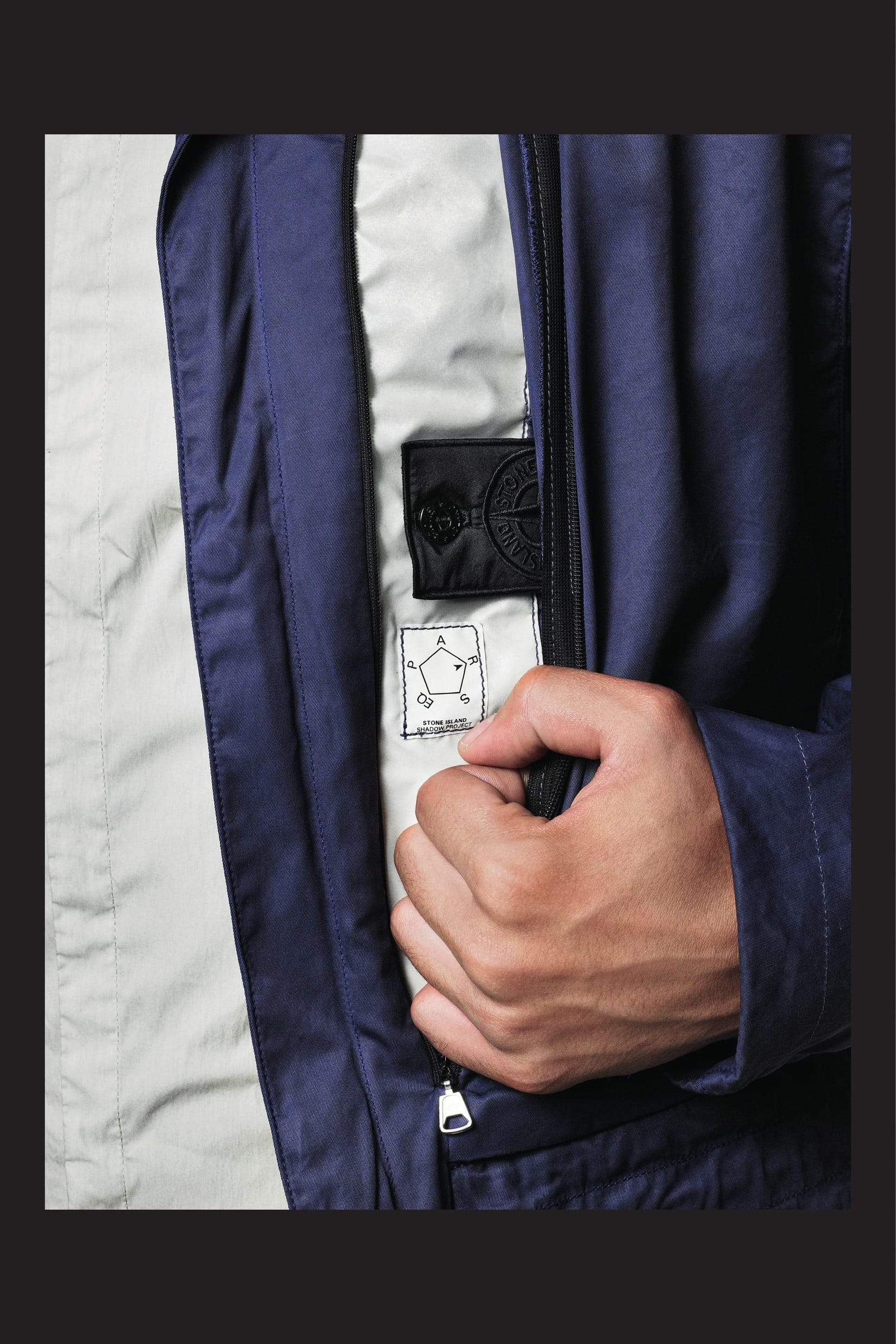
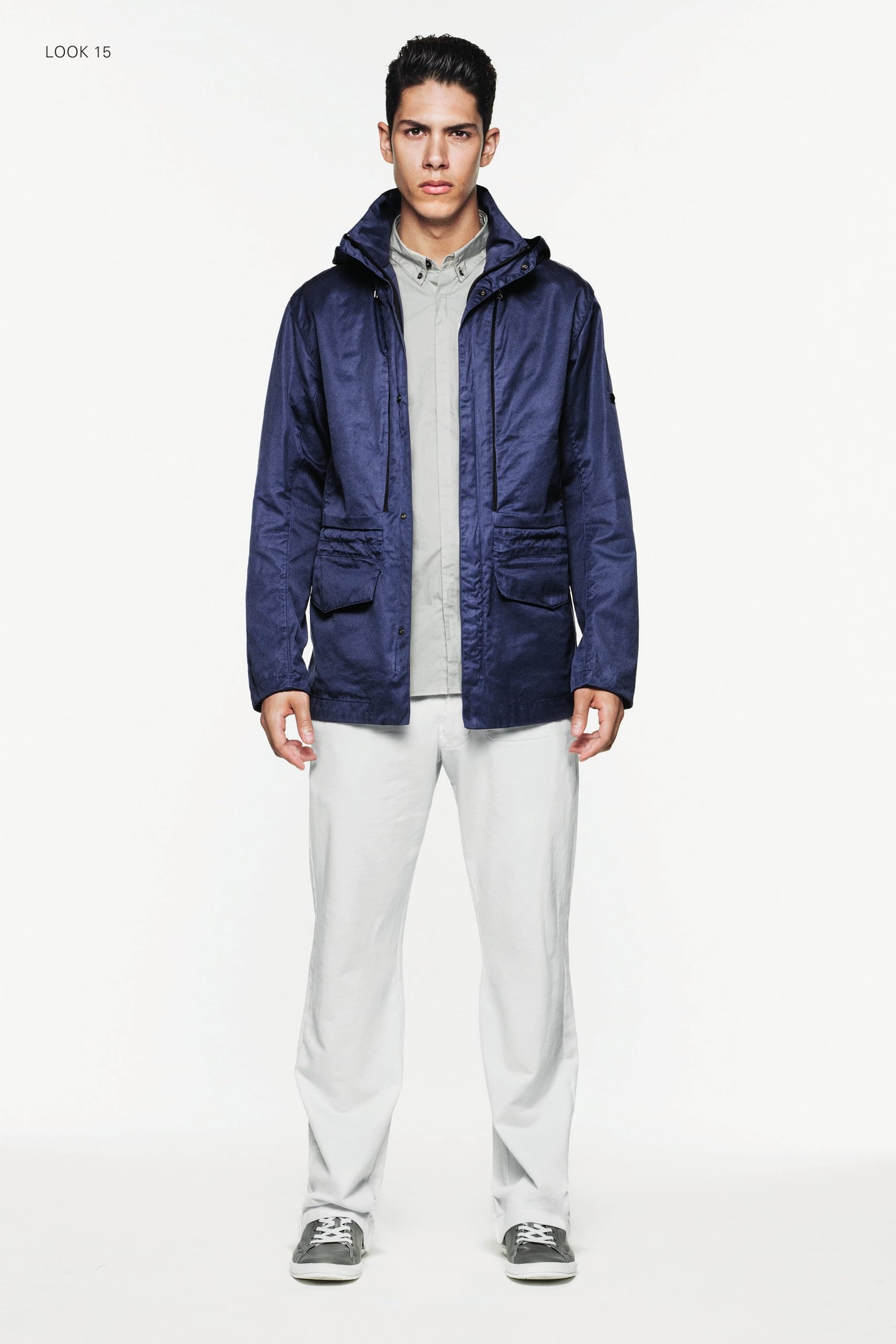
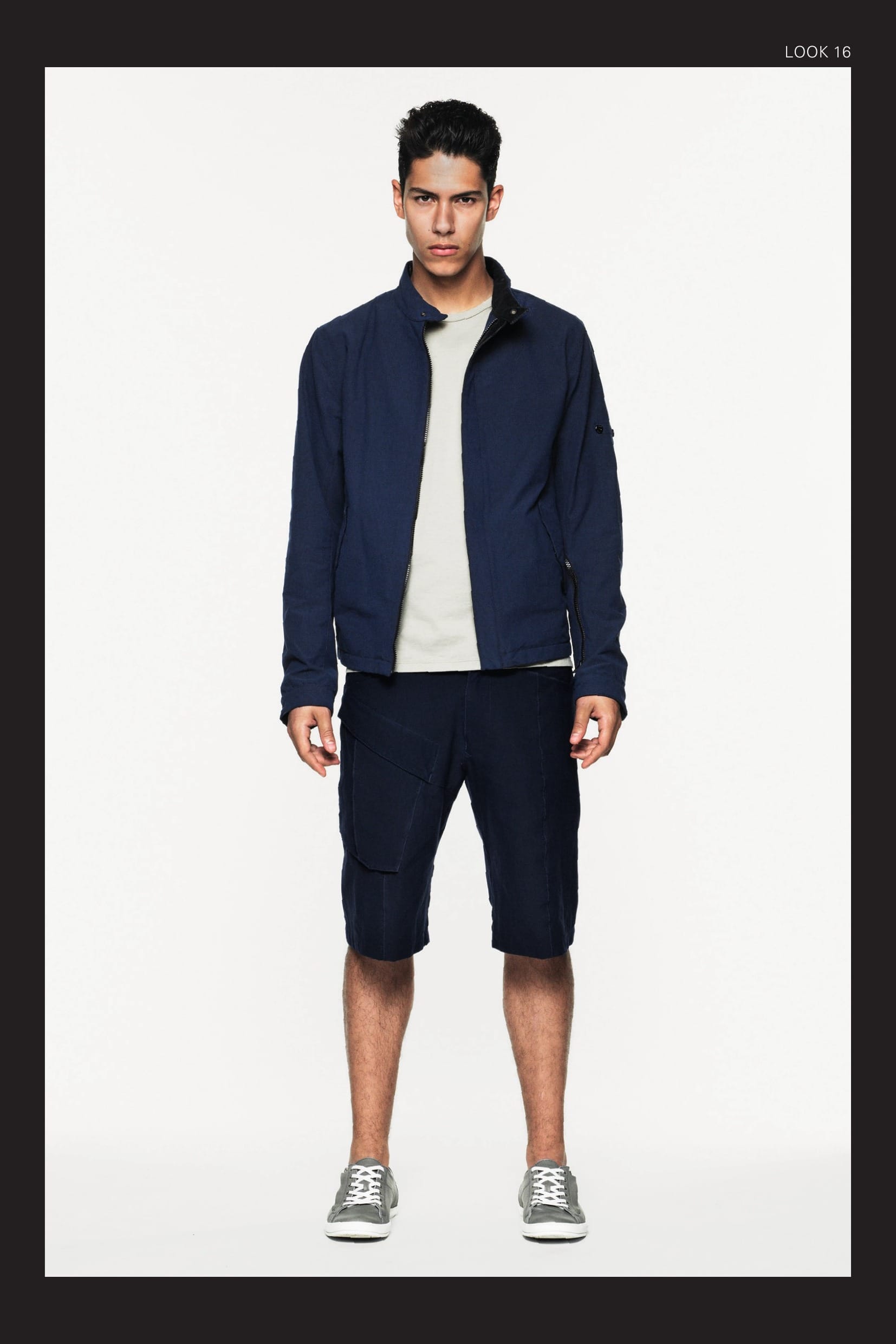
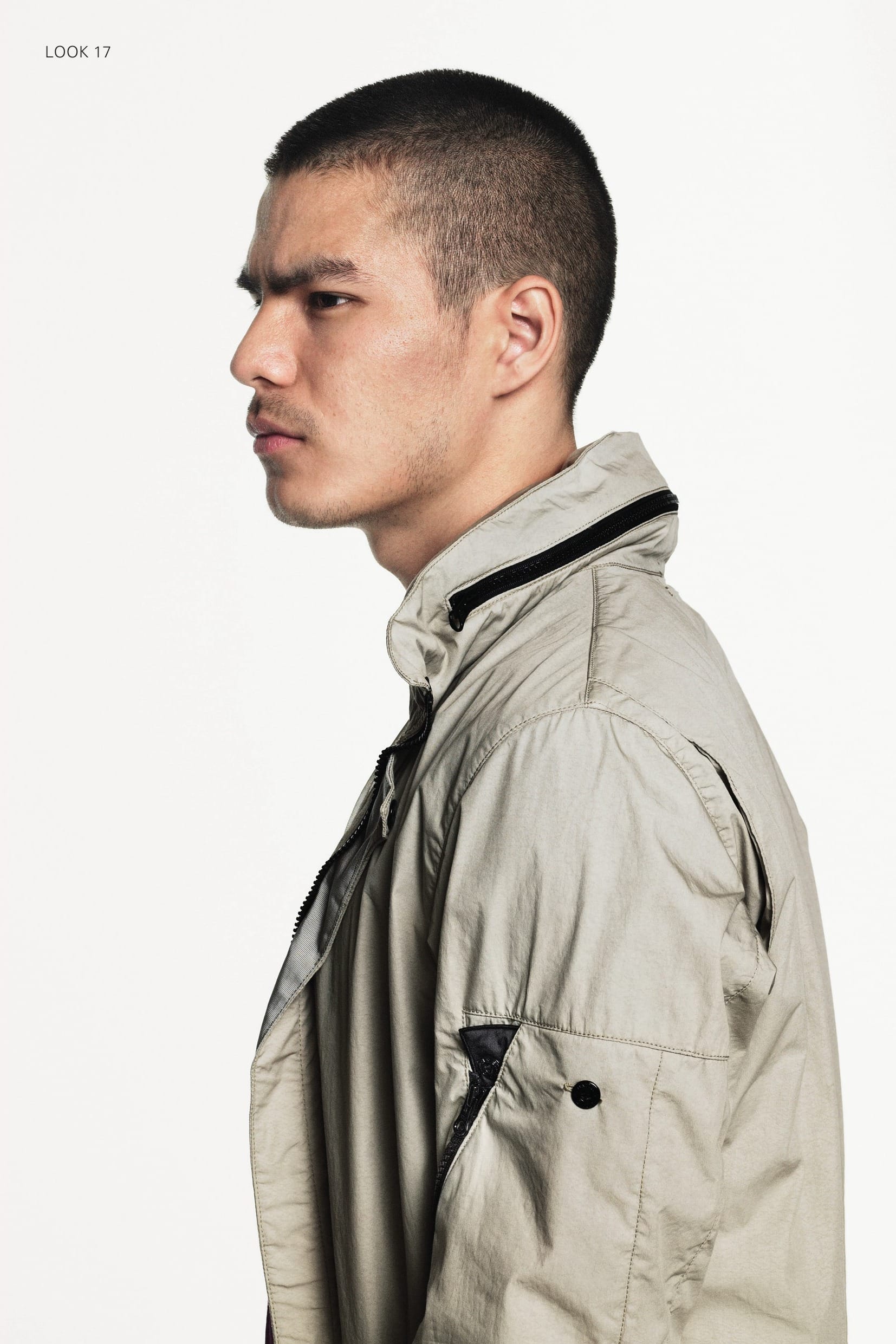
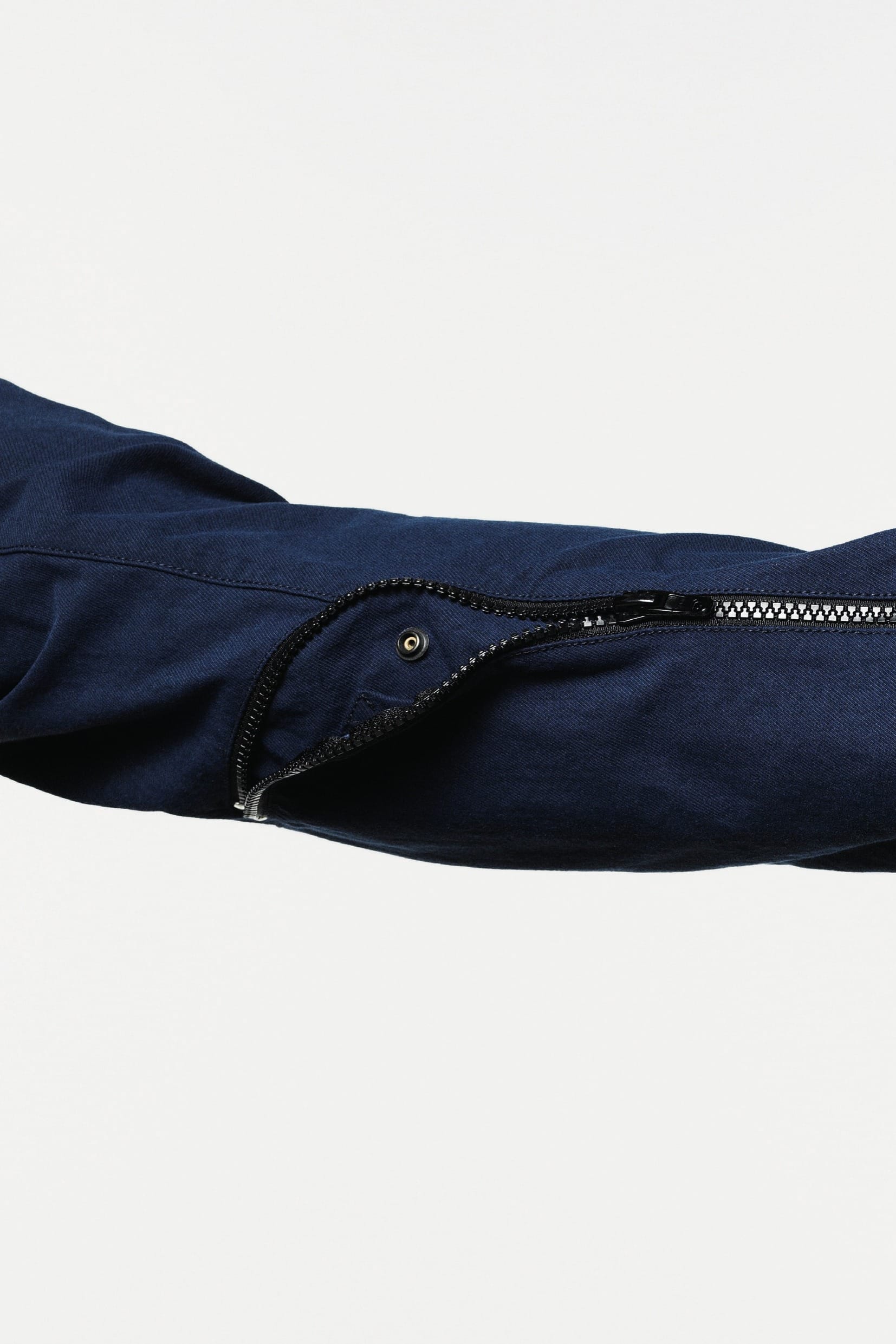
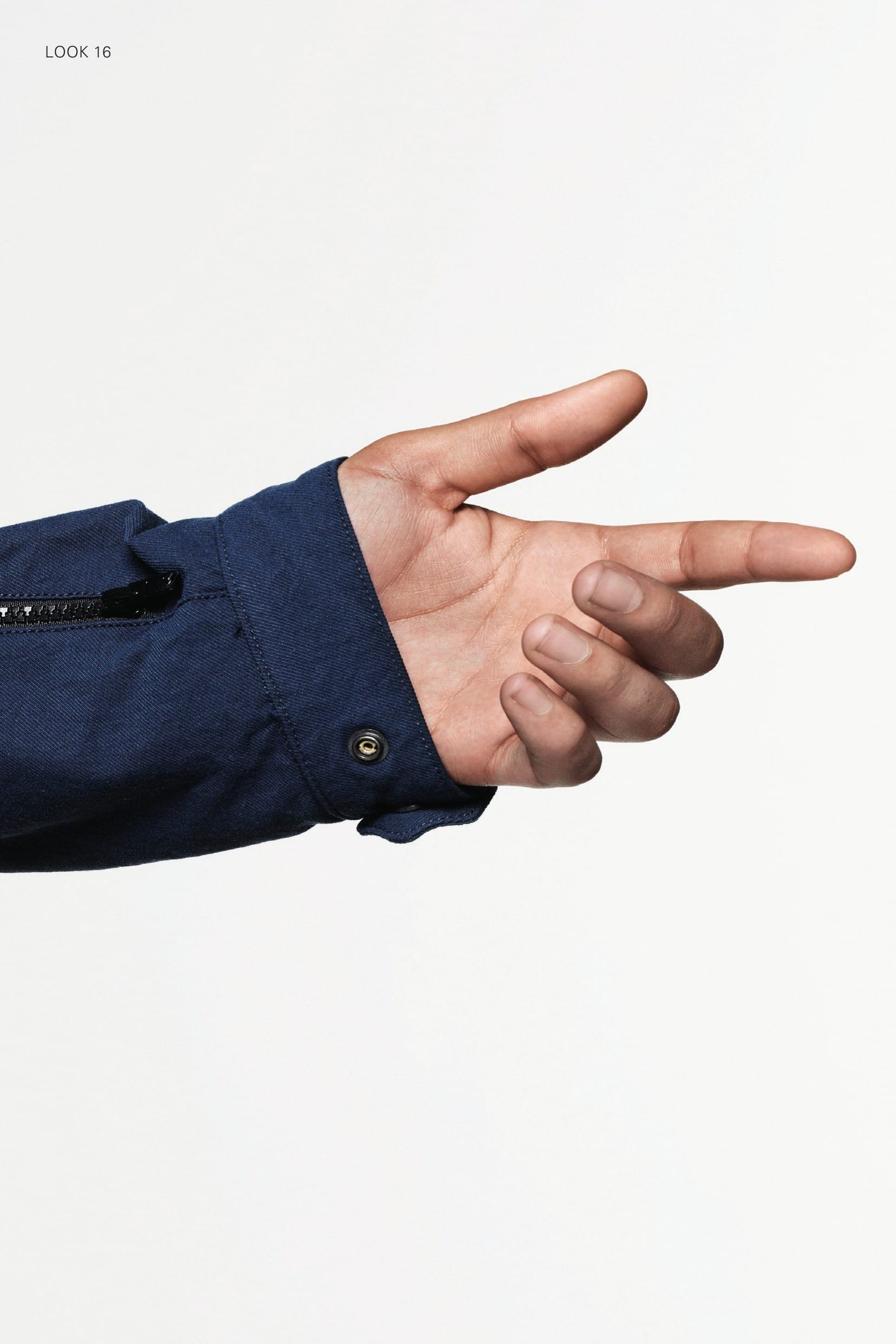
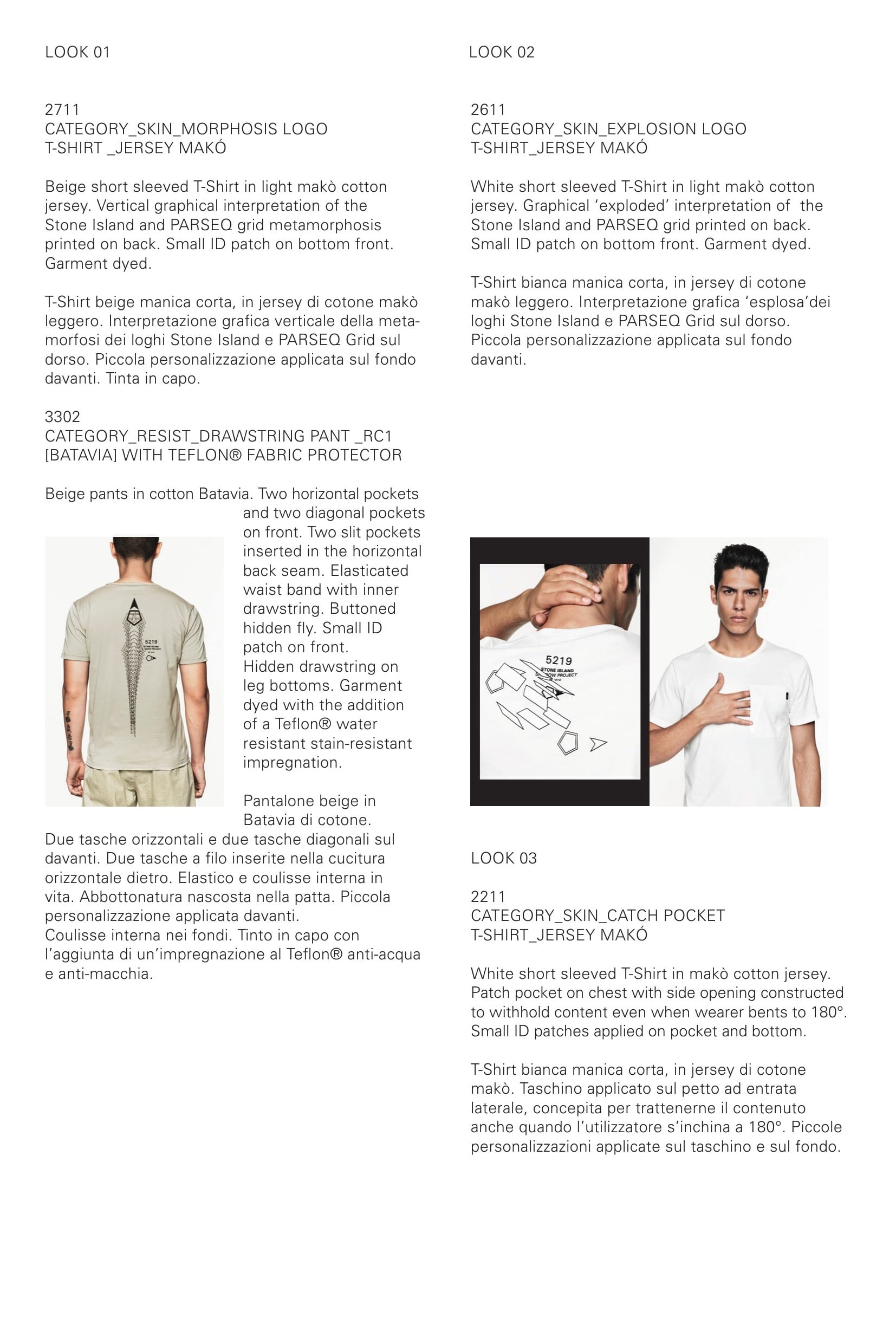
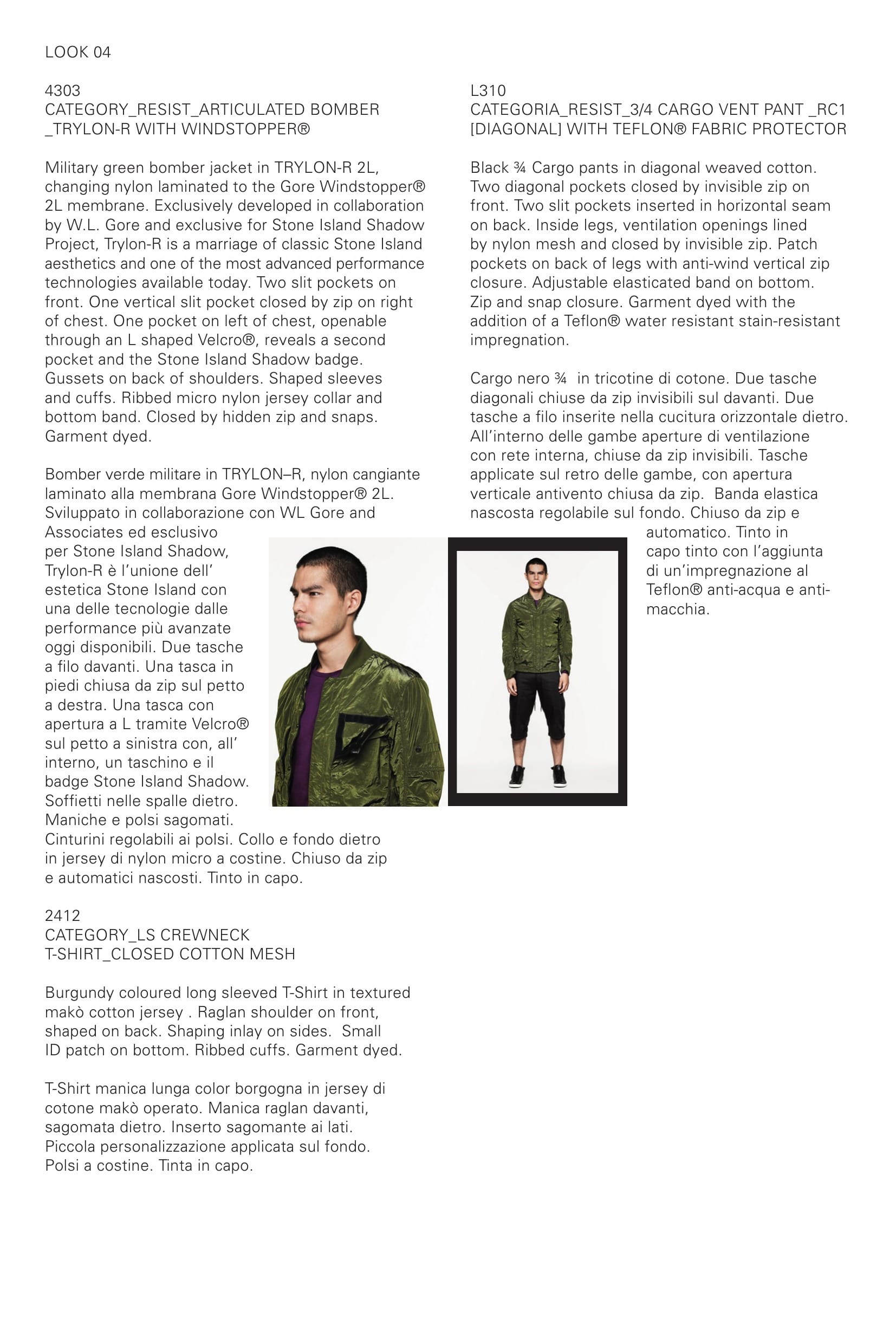
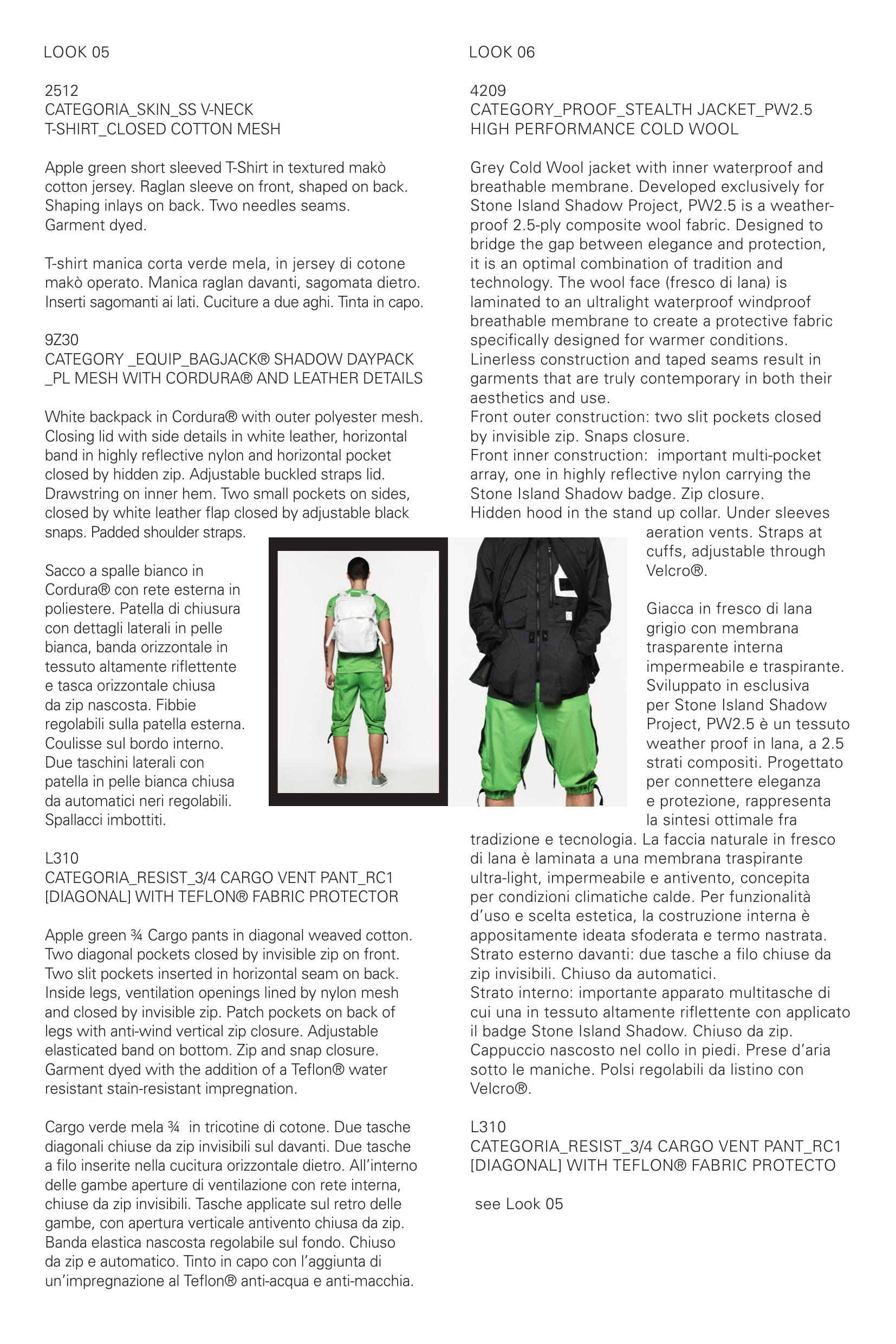
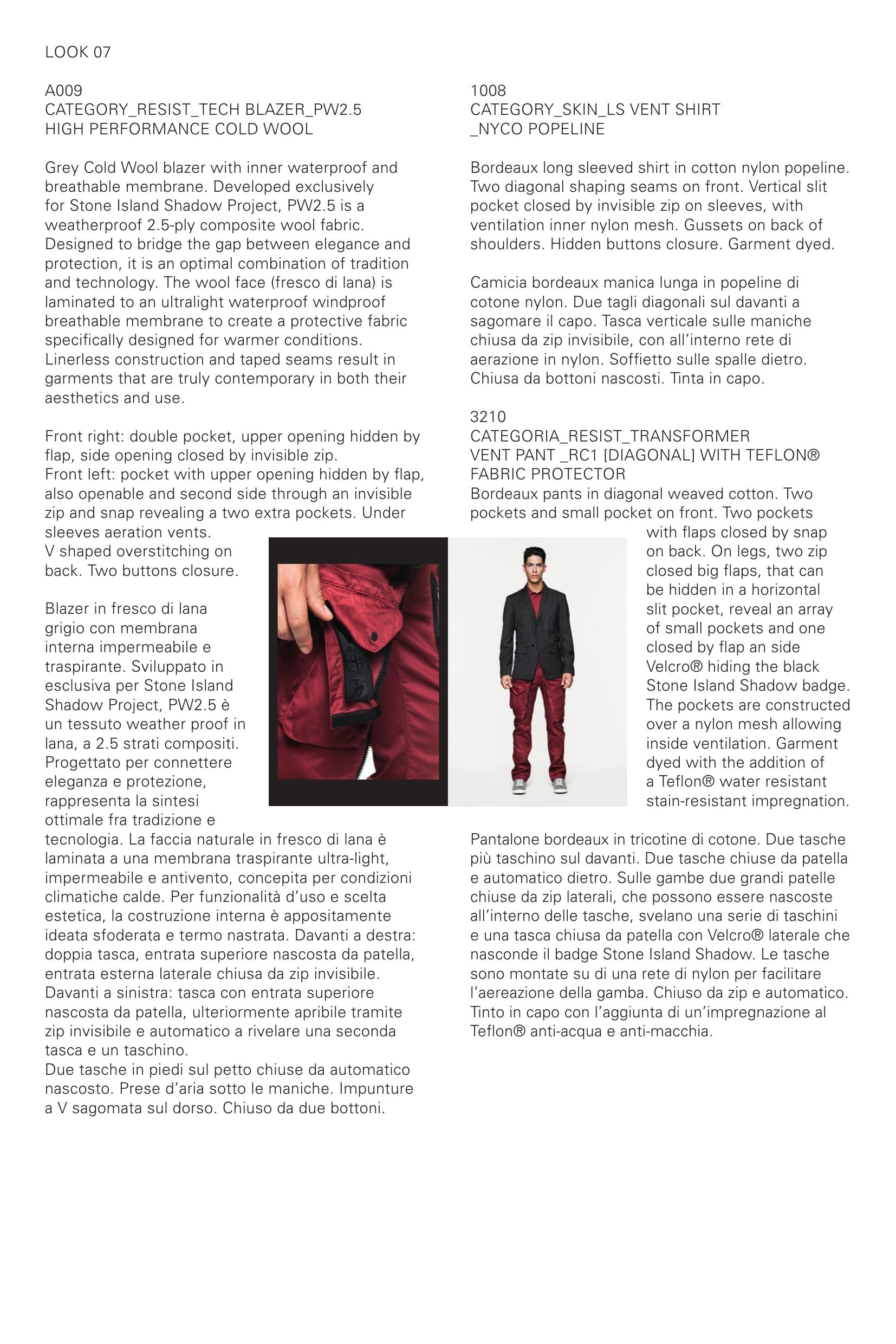
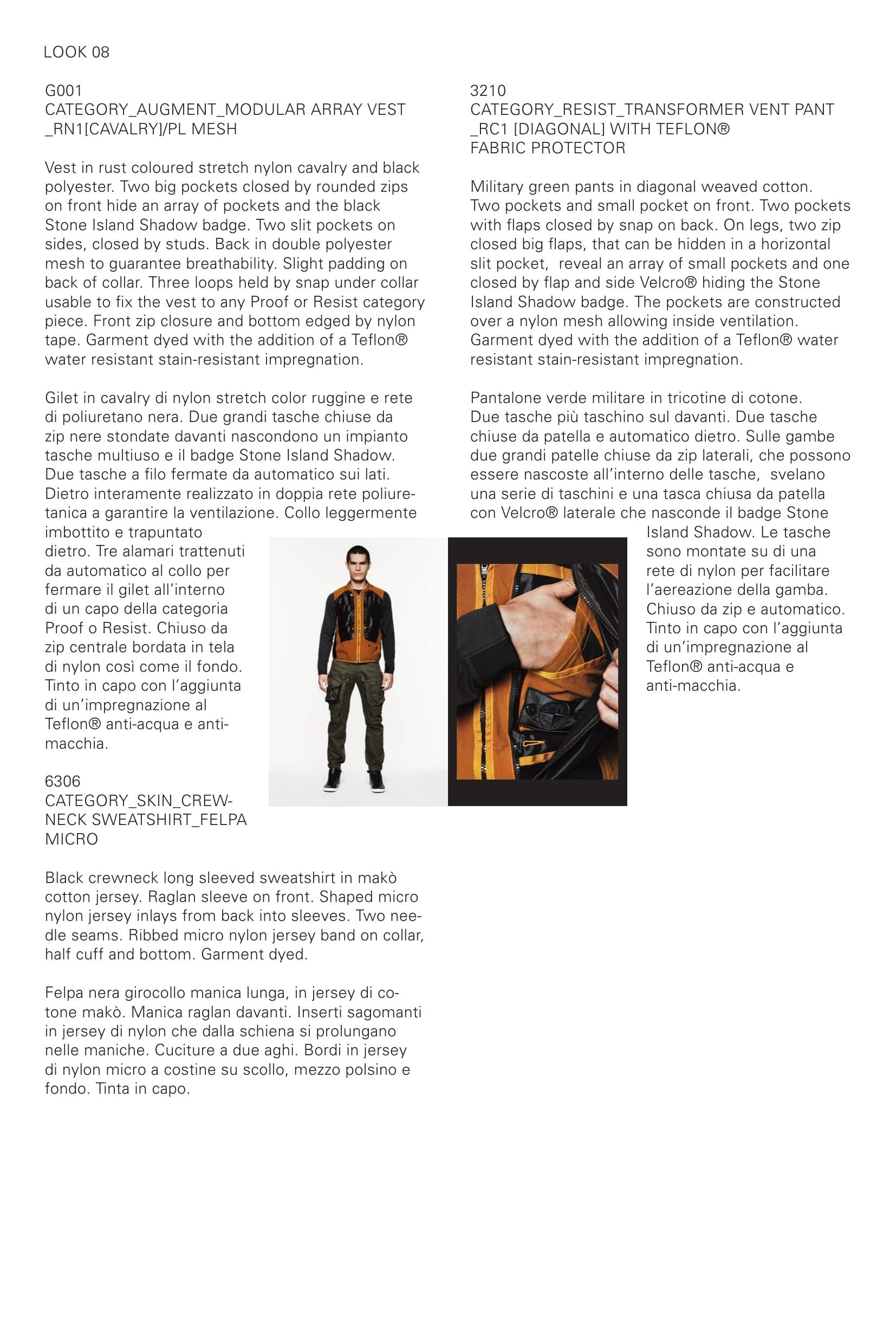
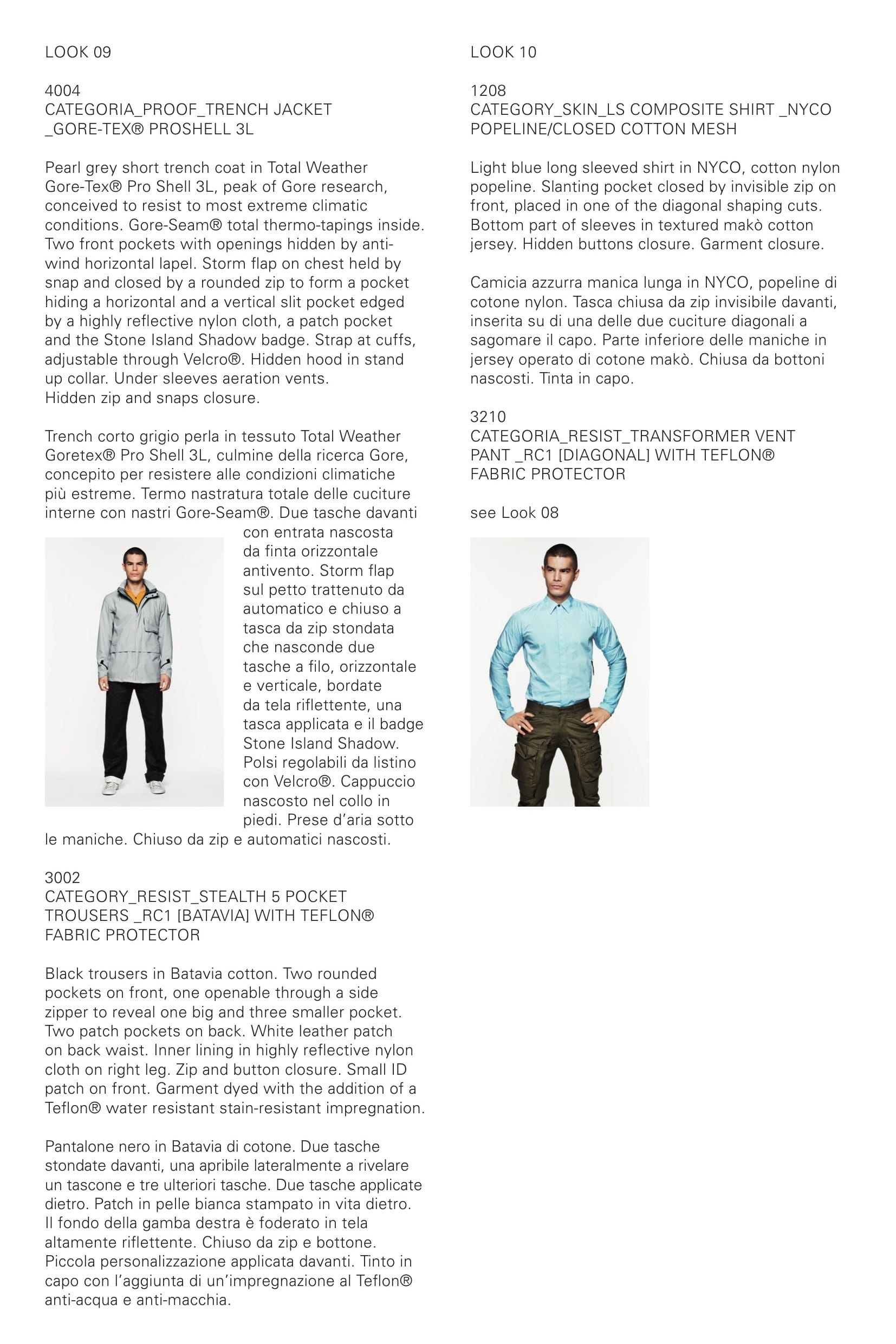
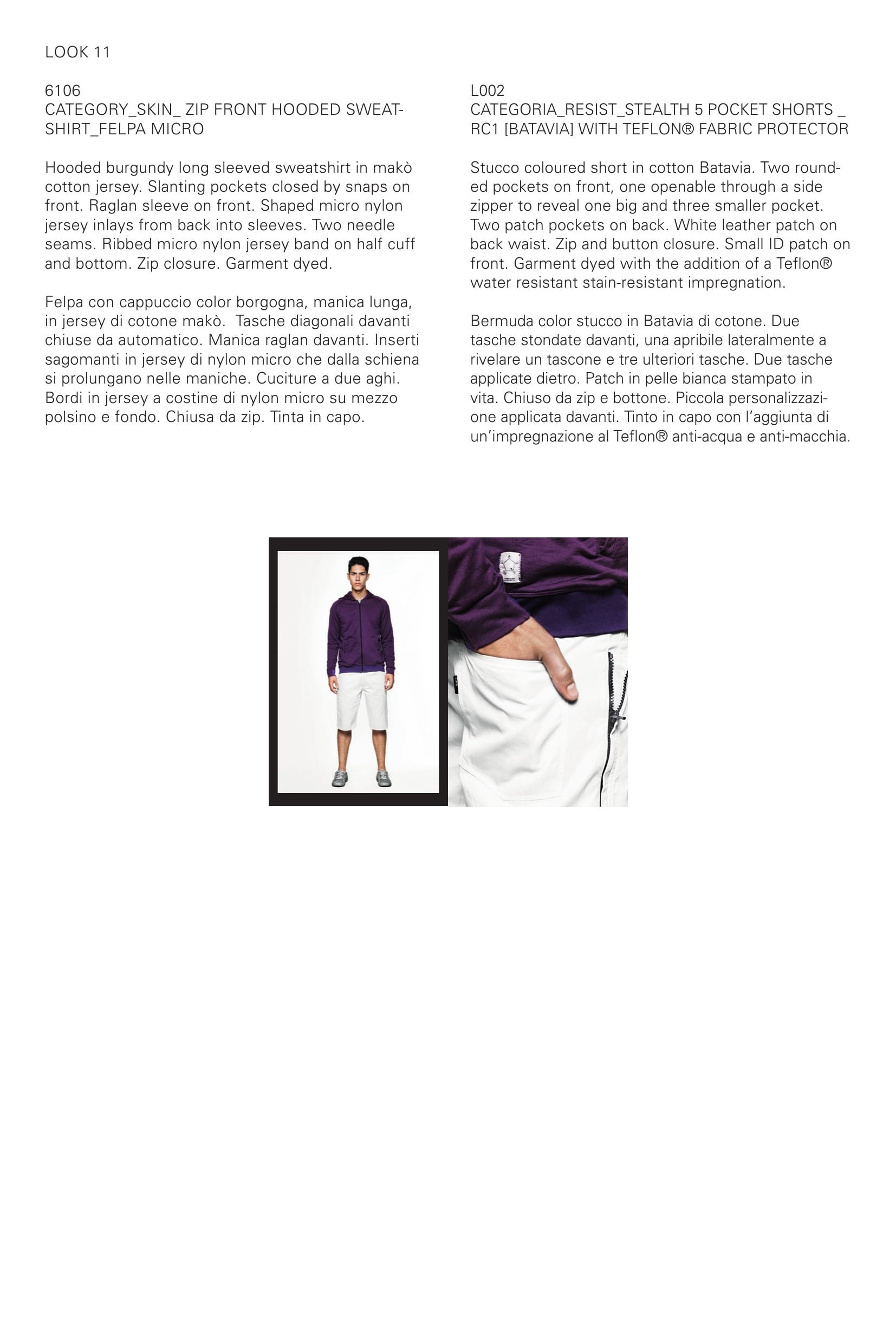
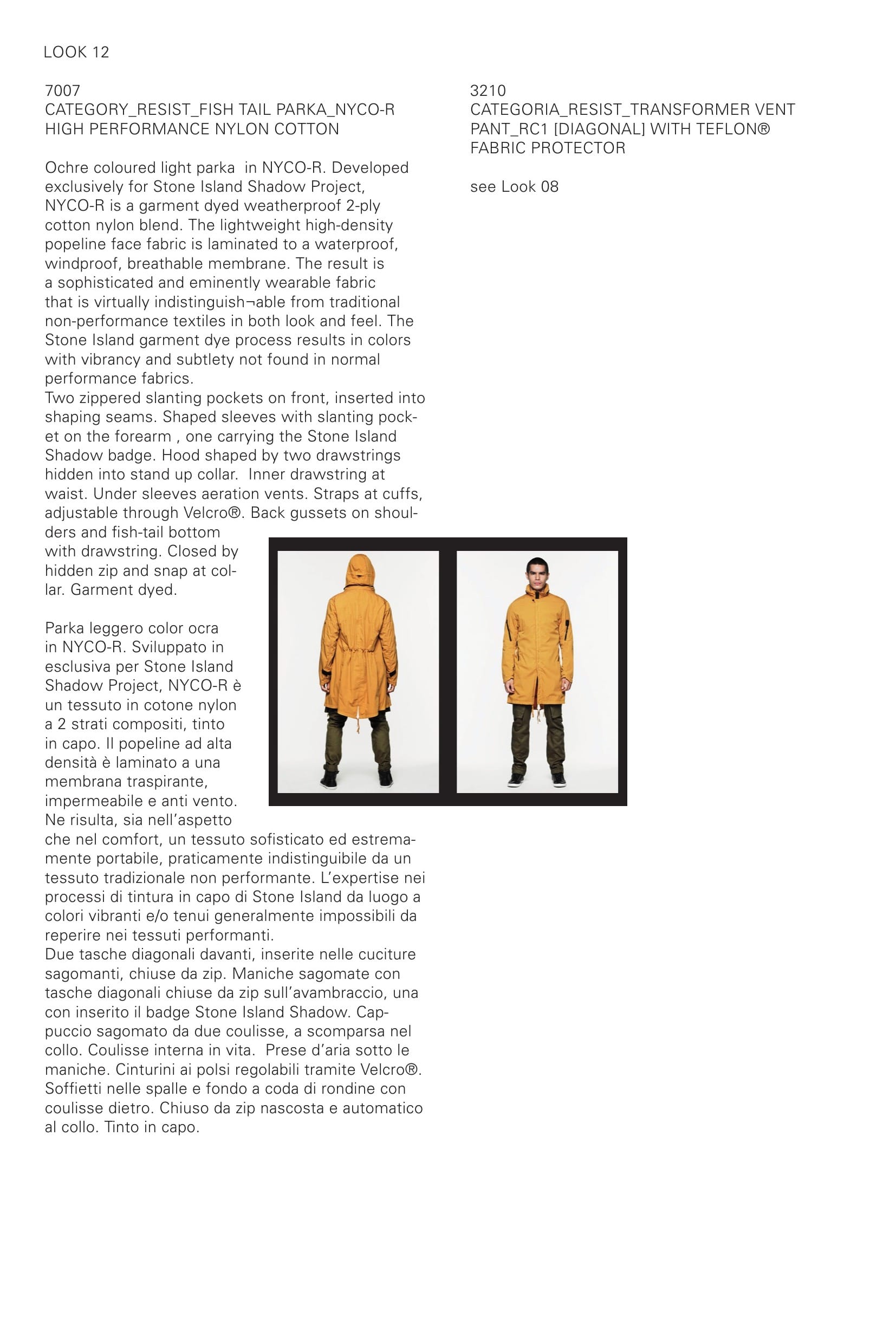
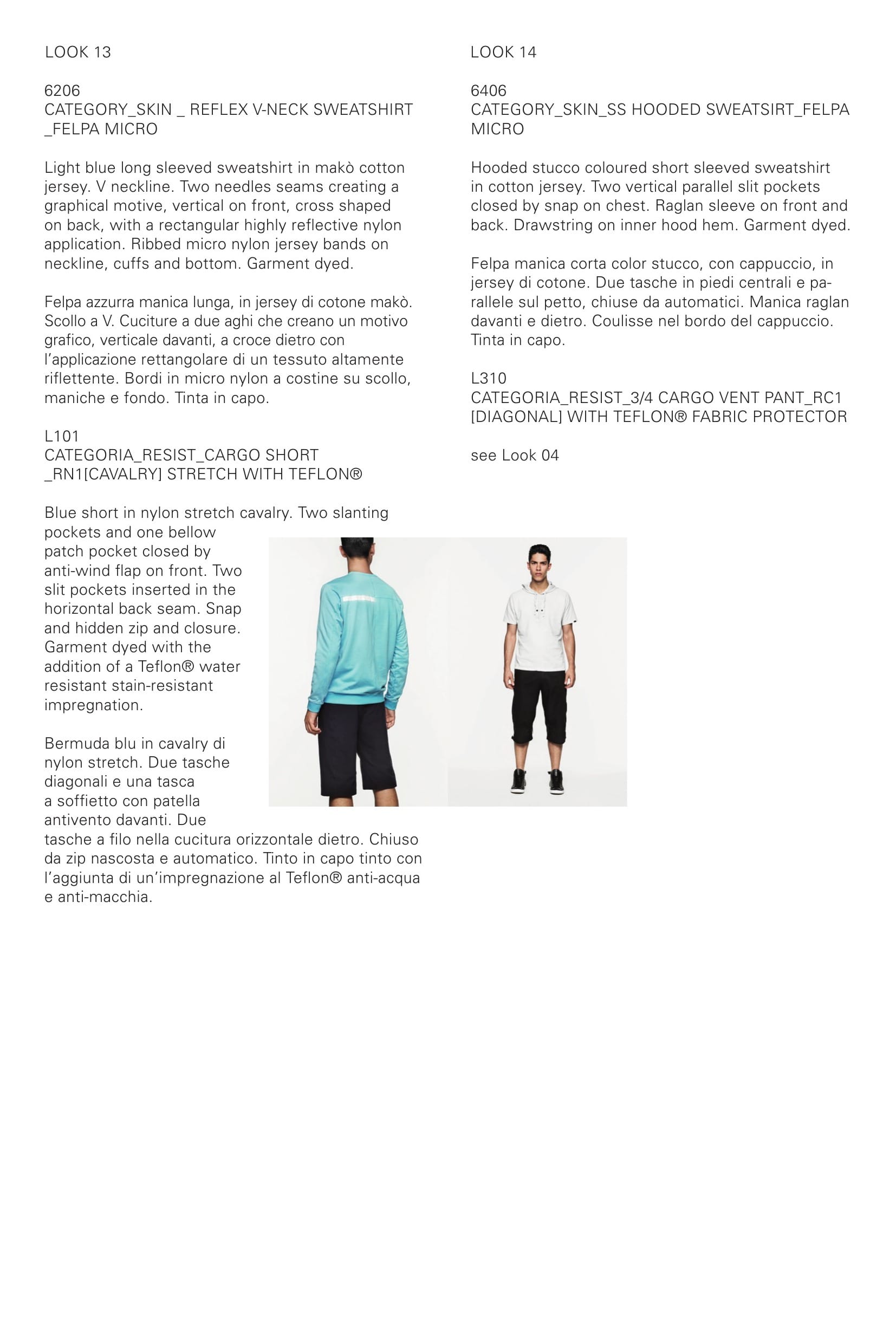
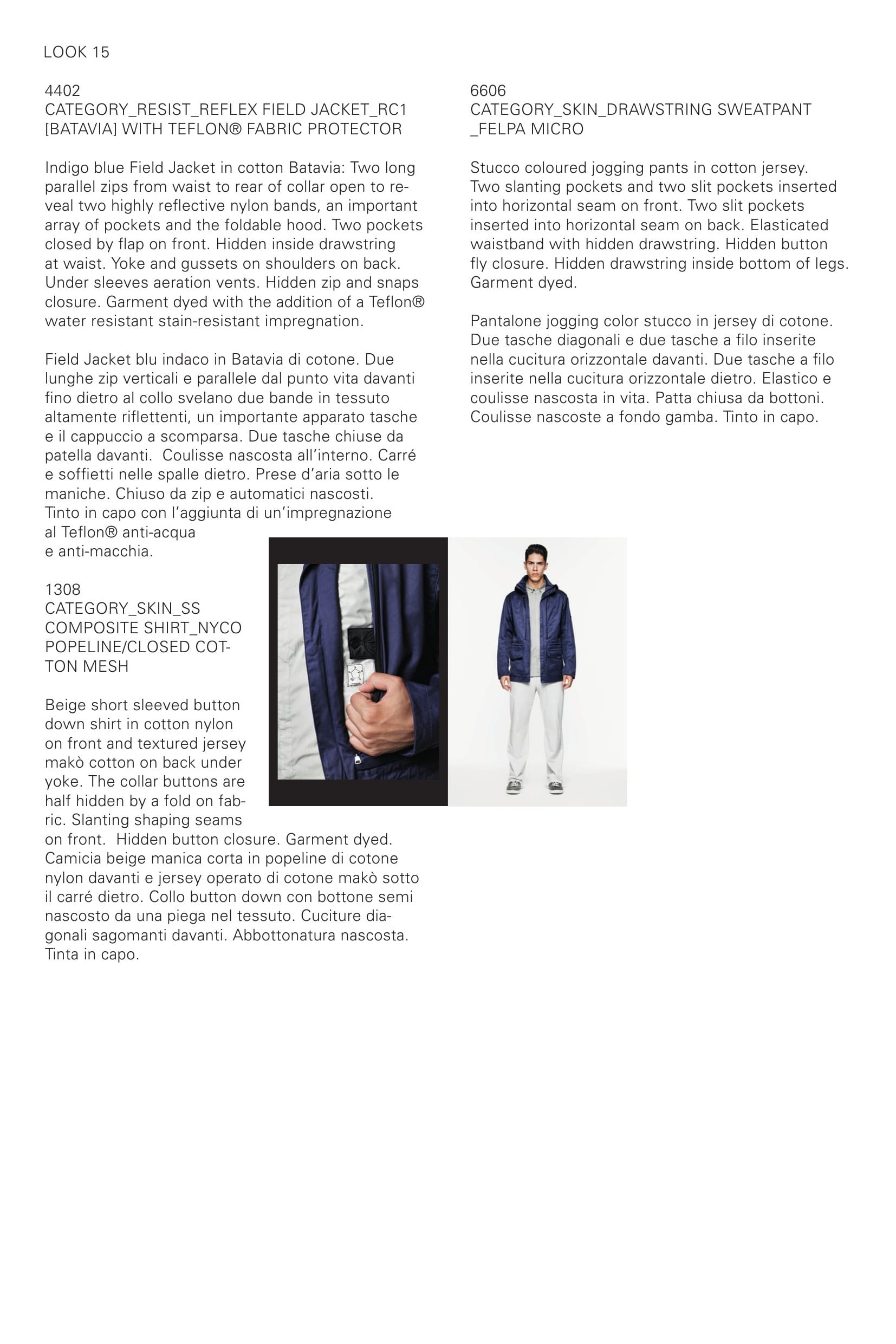
The Stone Island Shadow vector continues with the project's fourth seasonal capsule collection. Fueled by new reactions within the project's original conceptual core, fresh manifestations of fabric, style, detail, and interface emerge as the lightest, yet most comprehensive, offering thus far.
This unique trajectory begins, of course, at a unique point of origin — the inimitable constellation of research and development that is STONE ISLAND. Hidden detail and potential action lies at the heart of each and every Stone Island Shadow style.
Enfolding this in a simpler, softer way, a new focus can be brought to bear on both resolution of shape and fidelity of color. The goal is vibrancy and directness; stripping away the superfluous without sacrificing capability, and the lightness that can only be found by moving through one's environment with zero resistance.
Modular Performance Grid, PARSEQ is the organizational framework upon which the idea is built: PROOF, AUGMENT, RESIST, SKIN and EQUIP. All Shadow fabrics work together as part of the grid — breathable, moisture managing, skin-friendly and maintainable — chosen for their balance of performance technology and the aesthetic treatments for which Stone Island has been known since its inception.


![stone island navigation series [under the radar] by liam macrae](https://storage.ghost.io/c/14/ee/14eef3be-ca5a-434b-8324-fa1f874026f1/content/images/size/w300/2025/09/stone-island-navigation-series-under-the-radar-liam-macrae-techspec-02.jpg)
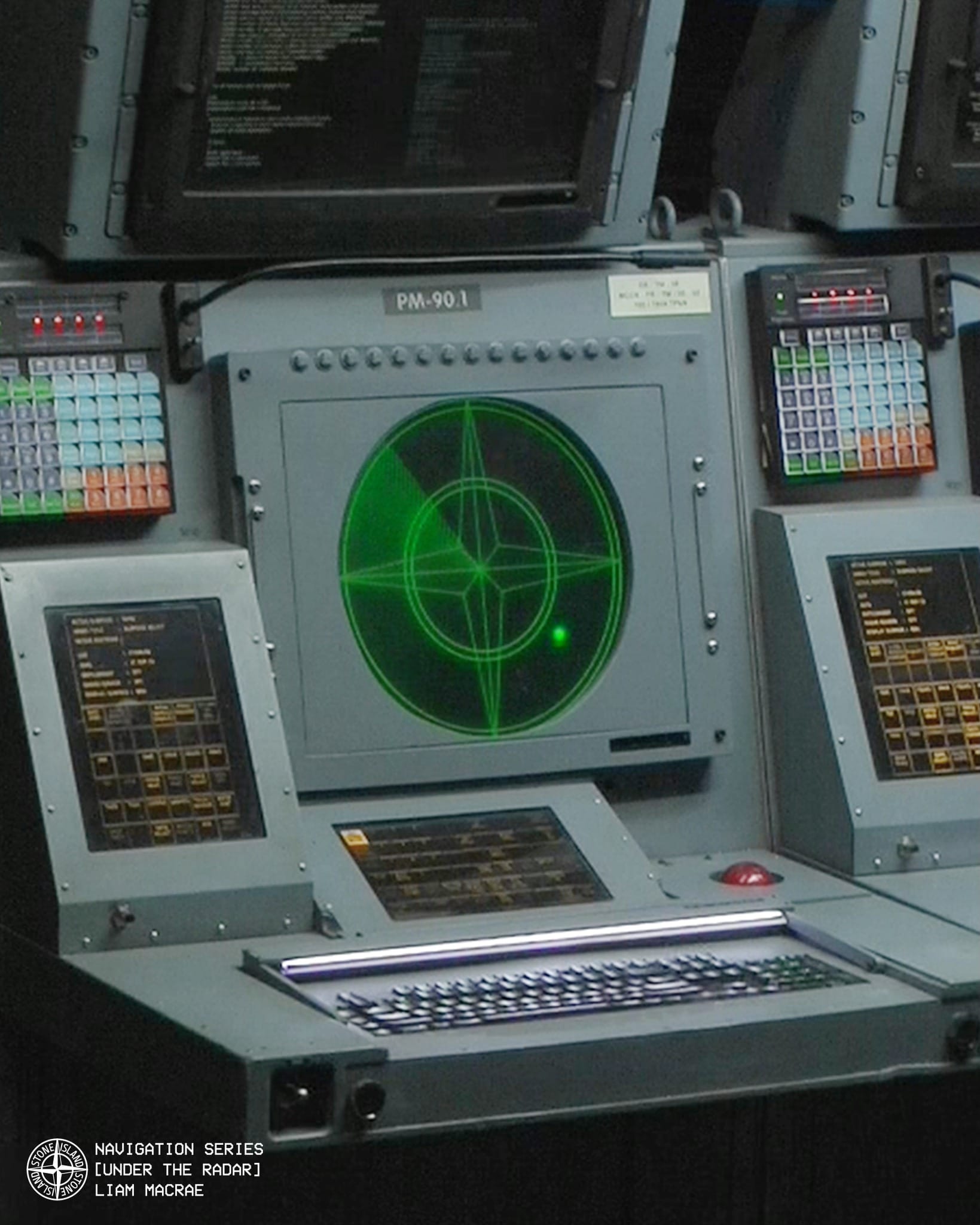
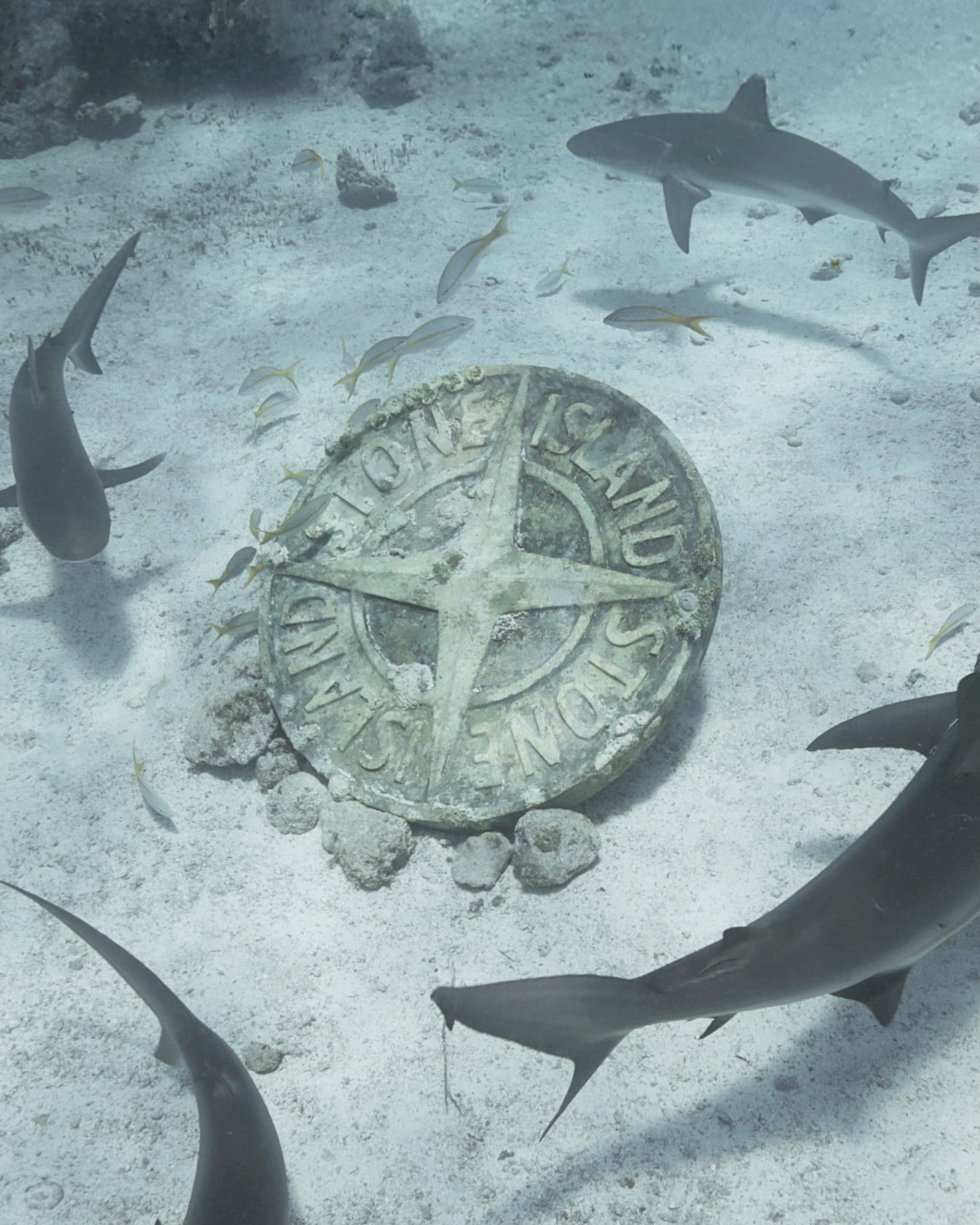
stone island navigation series [under the radar] by liam macrae
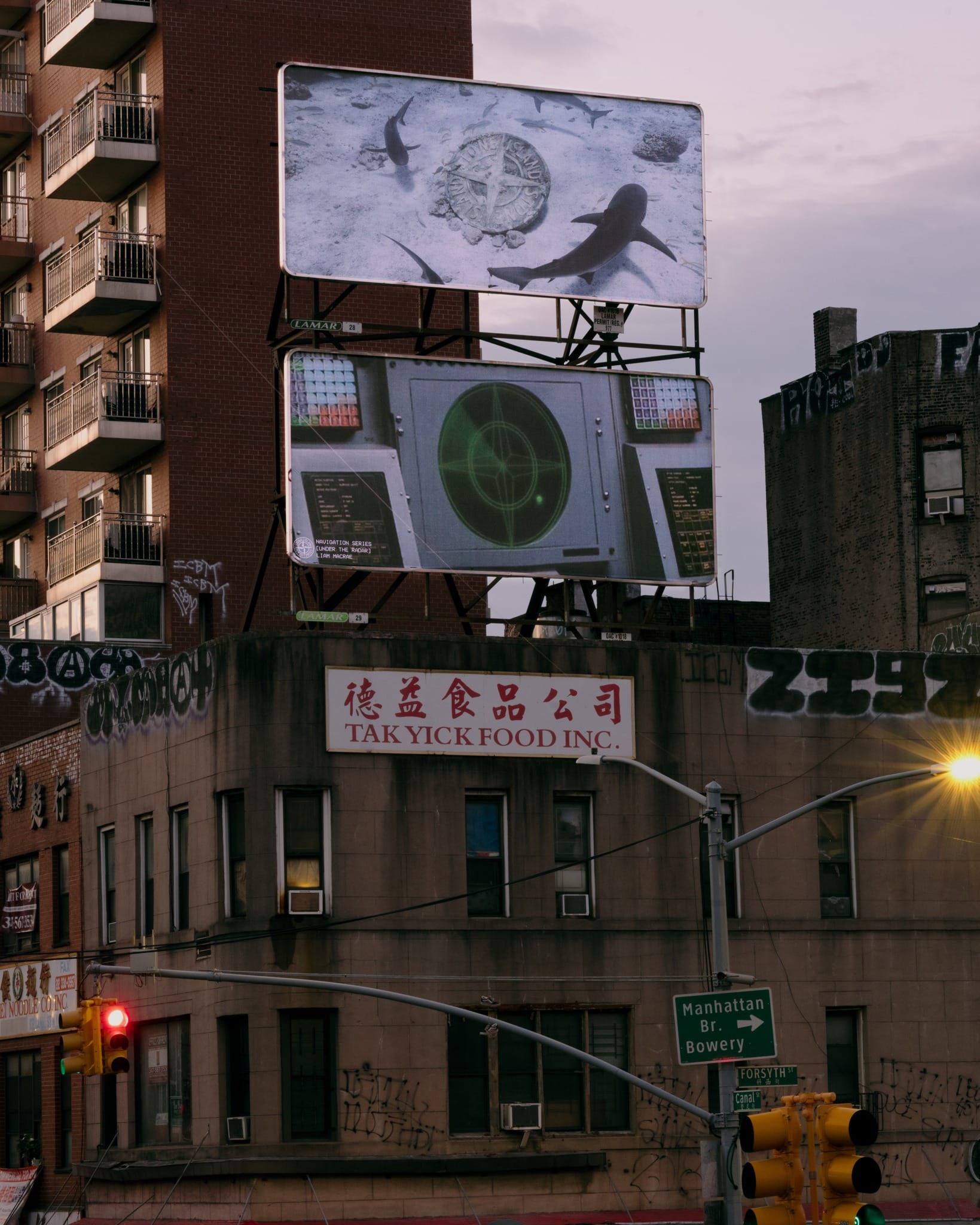
Stone Island’'s Navigation Series: Under the Radar by Liam MacRae examines sonar, signal, and instinct in aquatic navigation. Radar sweeps above are mirrored by sharks circling below, drawn to a submerged emblem that acts as both marker and transmission. The study observes how symbol and frequency converge—technology tracing, nature responding.
moNa2 keyboard
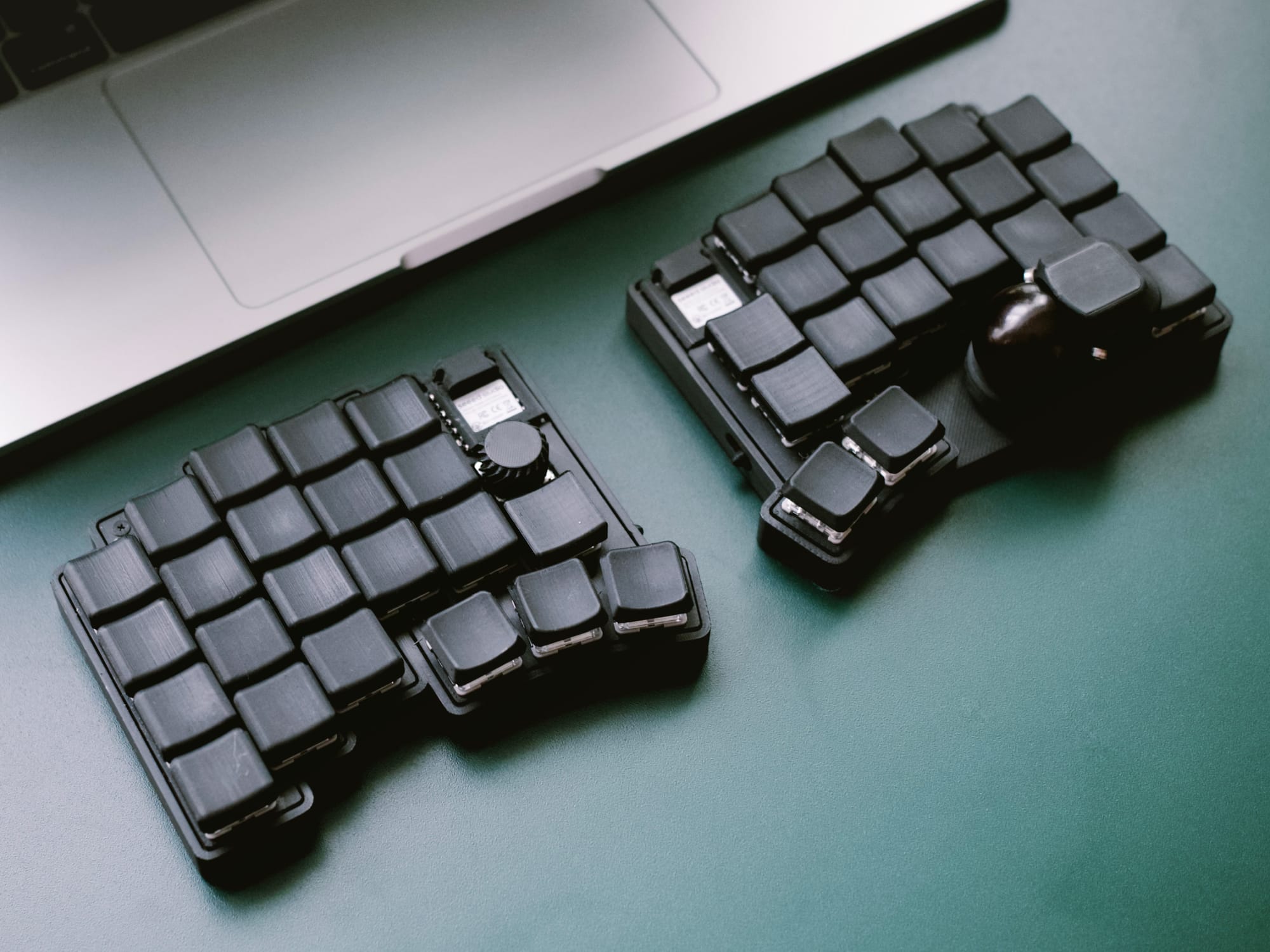
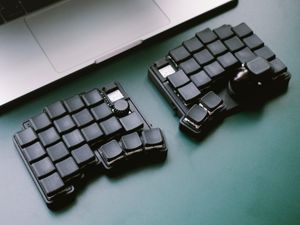
The Inspired by kumakey’s “roBa,” the moNa2 is a small wireless split keyboard developed by shakupan and pooh.polo, designed to keep a desk feeling open and unclaimed. Two compact halves sit apart with a quiet gap between them, leaving room for a notebook or tools without forcing a single, monolithic footprint.
The layout is restrained: low, close spacing with a built-in thumb-controlled ball that keeps basic navigation under the hand instead of pushing you toward a mouse. The whole object reads as light hardware rather than a centerpiece, favors packing and redeploying—such as magnets on the underside so the halves can join together for transport.
It runs wire-free and is meant to be adjusted over time rather than treated as a fixed appliance. Typical usage notes describe it lasting roughly a couple of weeks of frequent daily use before needing attention again, with the exact cadence depending on how it’s set up and used.
100 CAMOUFLAGE PATTERNS BY NENDO GRAPHIXXX
100 royalty free eps and ai files
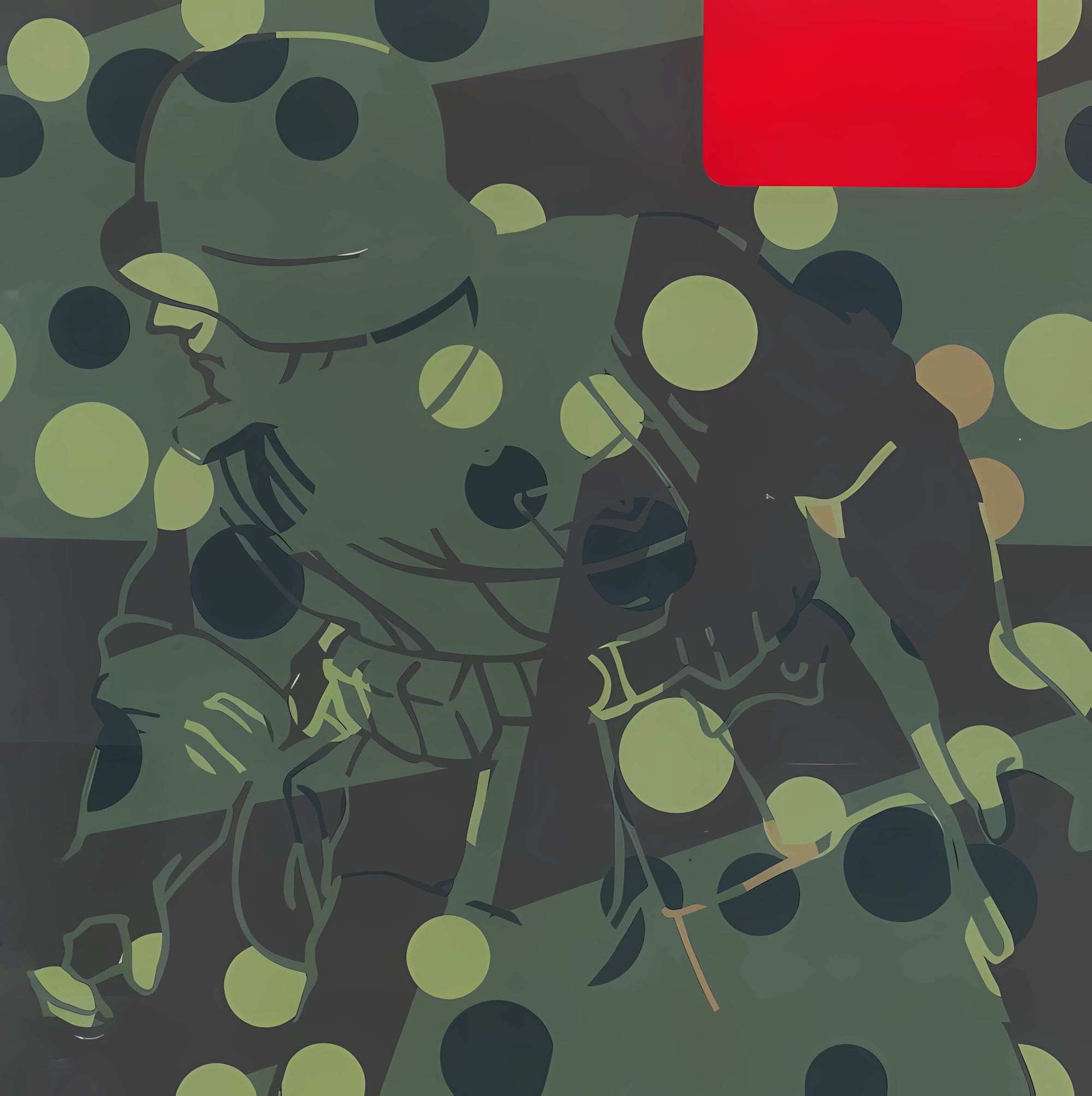
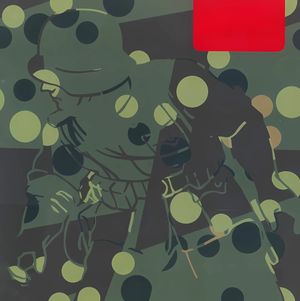
This collection of camouflage patterns originally released with a royalty-free CD-ROM containing seamless vector files that can be used for web pages, graphic design, 3D mapping, desktop wallpapers etc. The data is provided in both Ai and PDF file format and can be downloaded below or through the server page.
Nendo graphixxx is a Japanese graphics outfit set up by Kazuo Anazawa, Tsuyoshi Kusano and Kentaro Fujimoto.
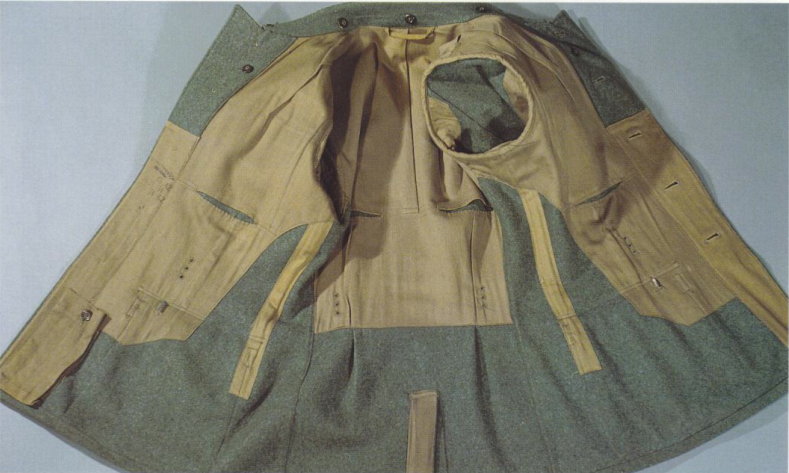
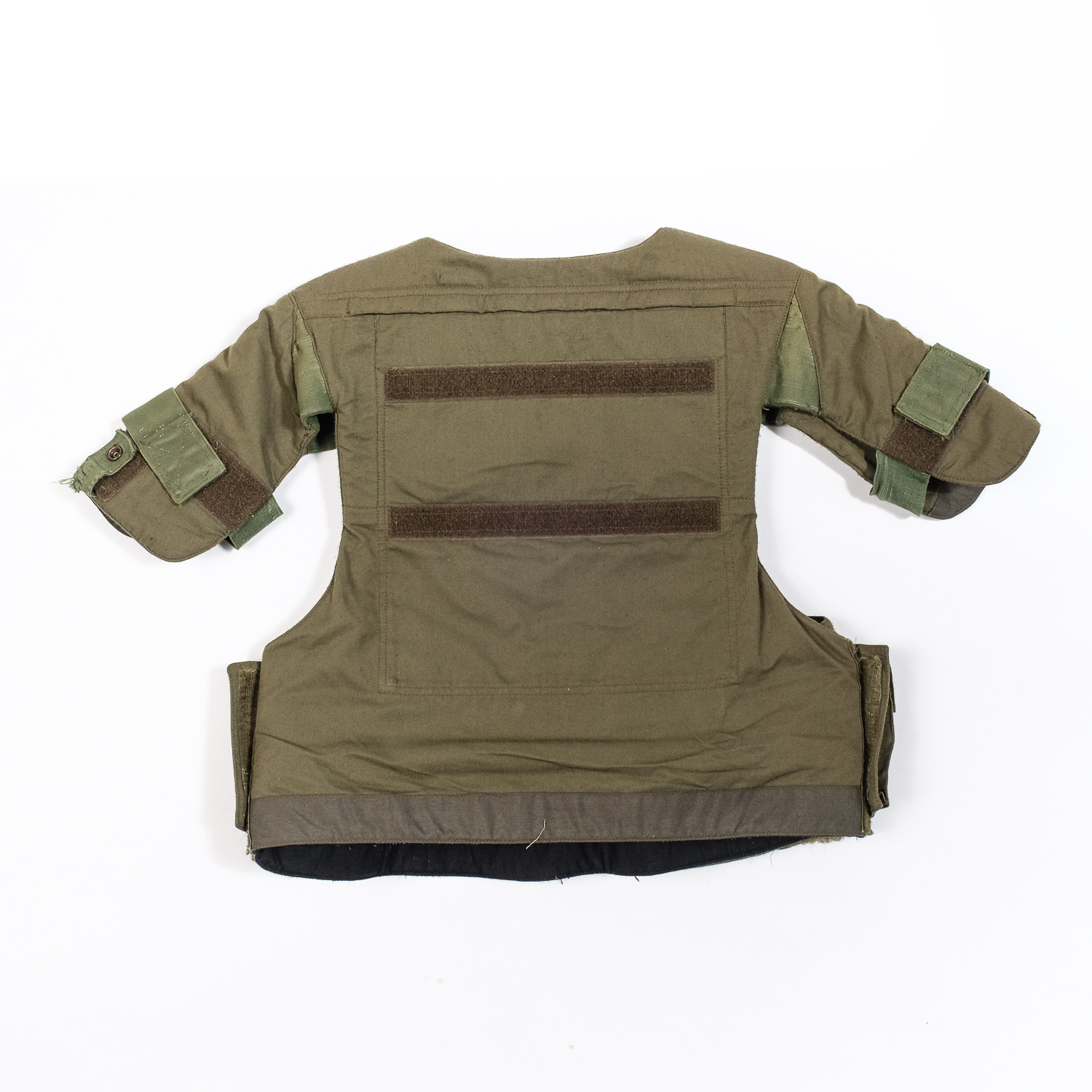
Lightning Archives Military Jackets (revised edition)
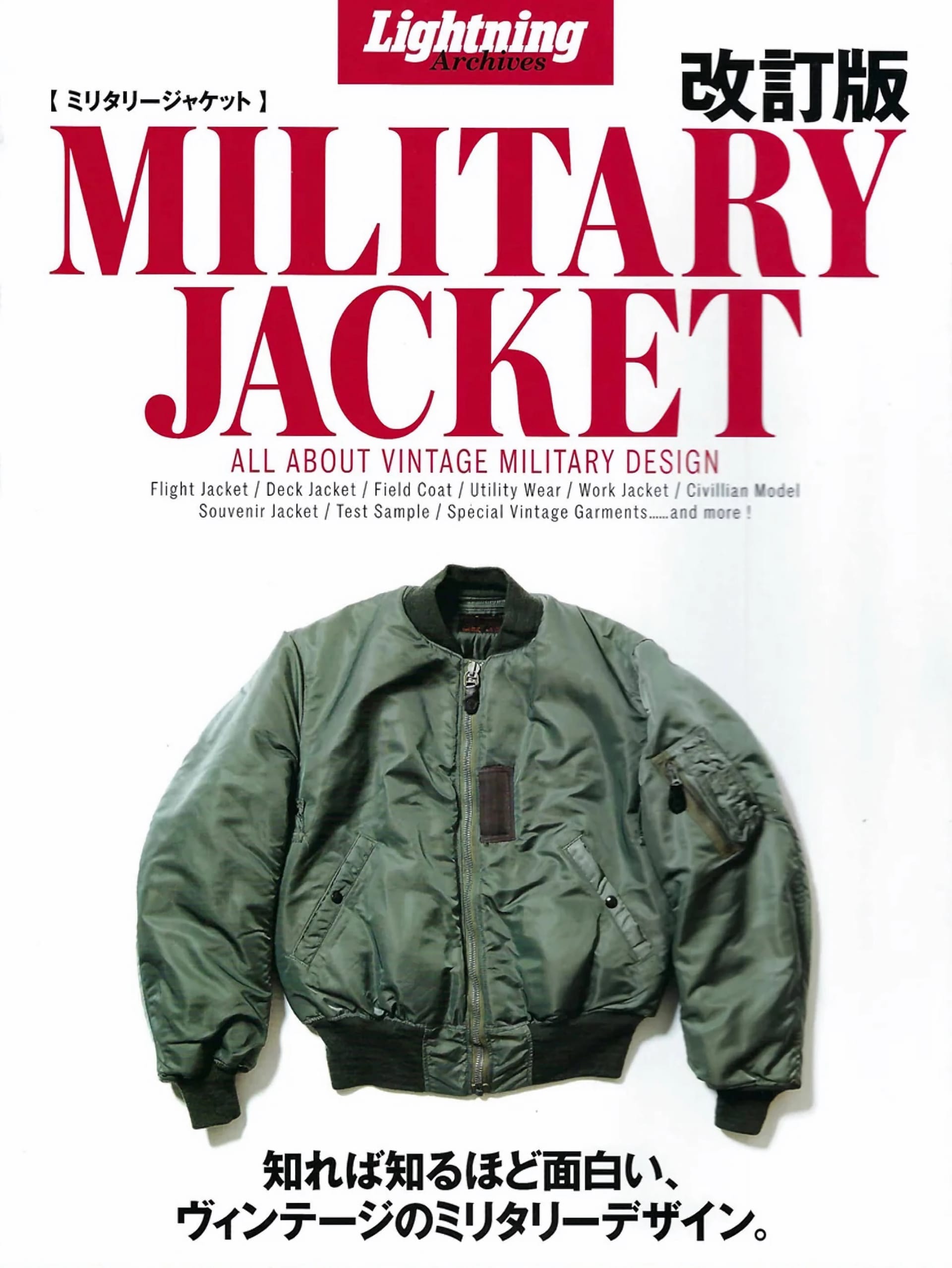
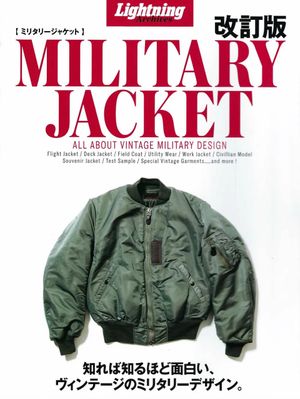
Lightning Archives Military Jackets (revised edition) is a reference volume that assembles hundreds of vintage military jackets—from field coats to flight and bomber styles—into a 242-page photographic index, printed in Japan. Each garment is reduced to front, back, and detail shots, annotated with brief data about model, era, and origin, turning decades of conflict and logistics into orderly rows of fabric, hardware, and serial numbers. The revised edition simply expands and updates this taxonomy, confirming that uniforms designed for war now circulate as images and commodities, stripped of purpose, filed away as another closed chapter in a series of collectible books.
Download link available below or through the server page.
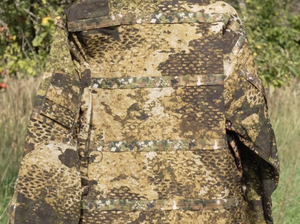
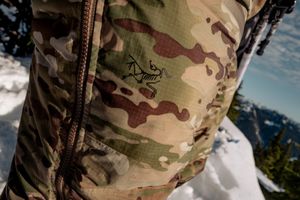
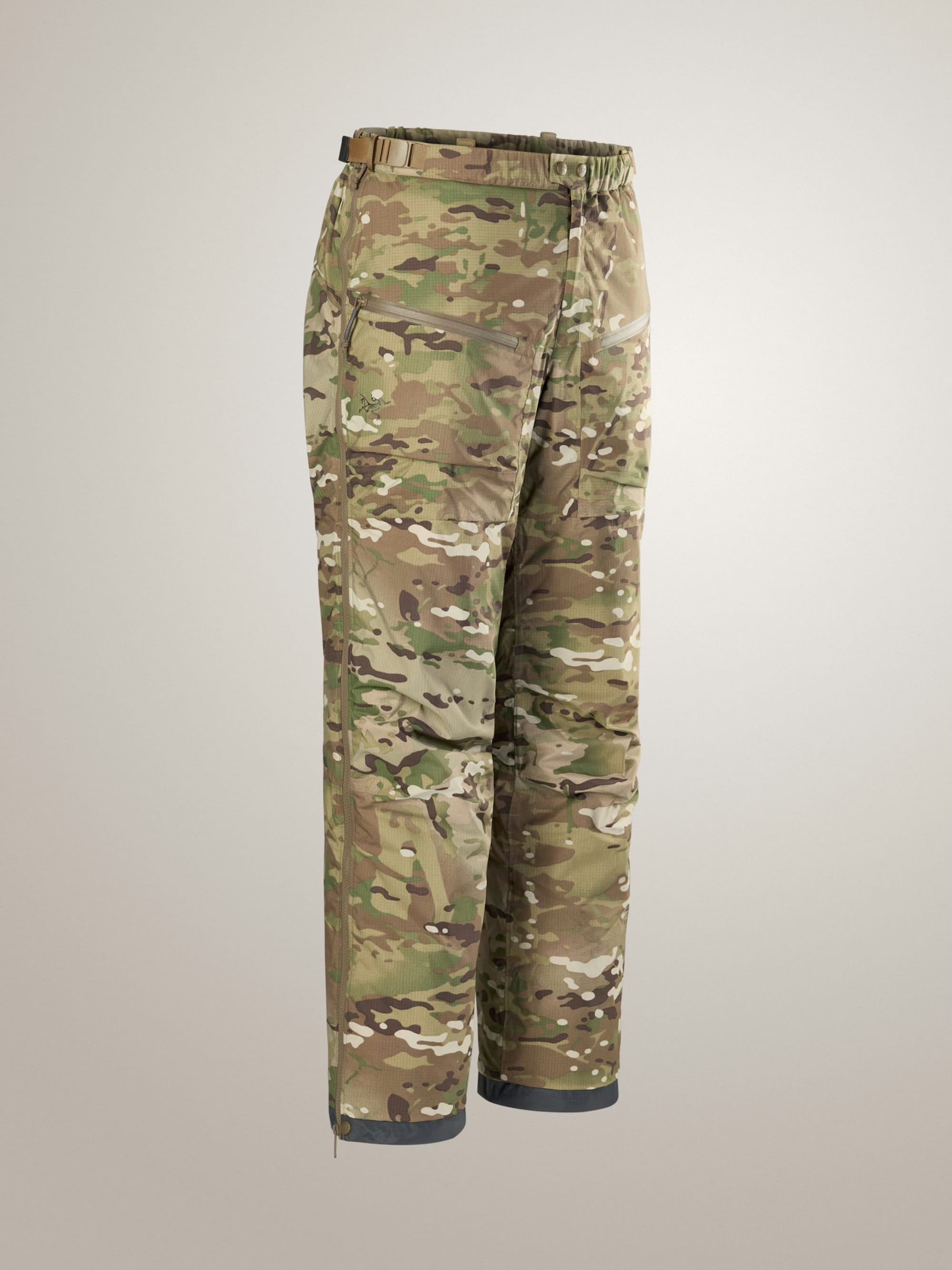
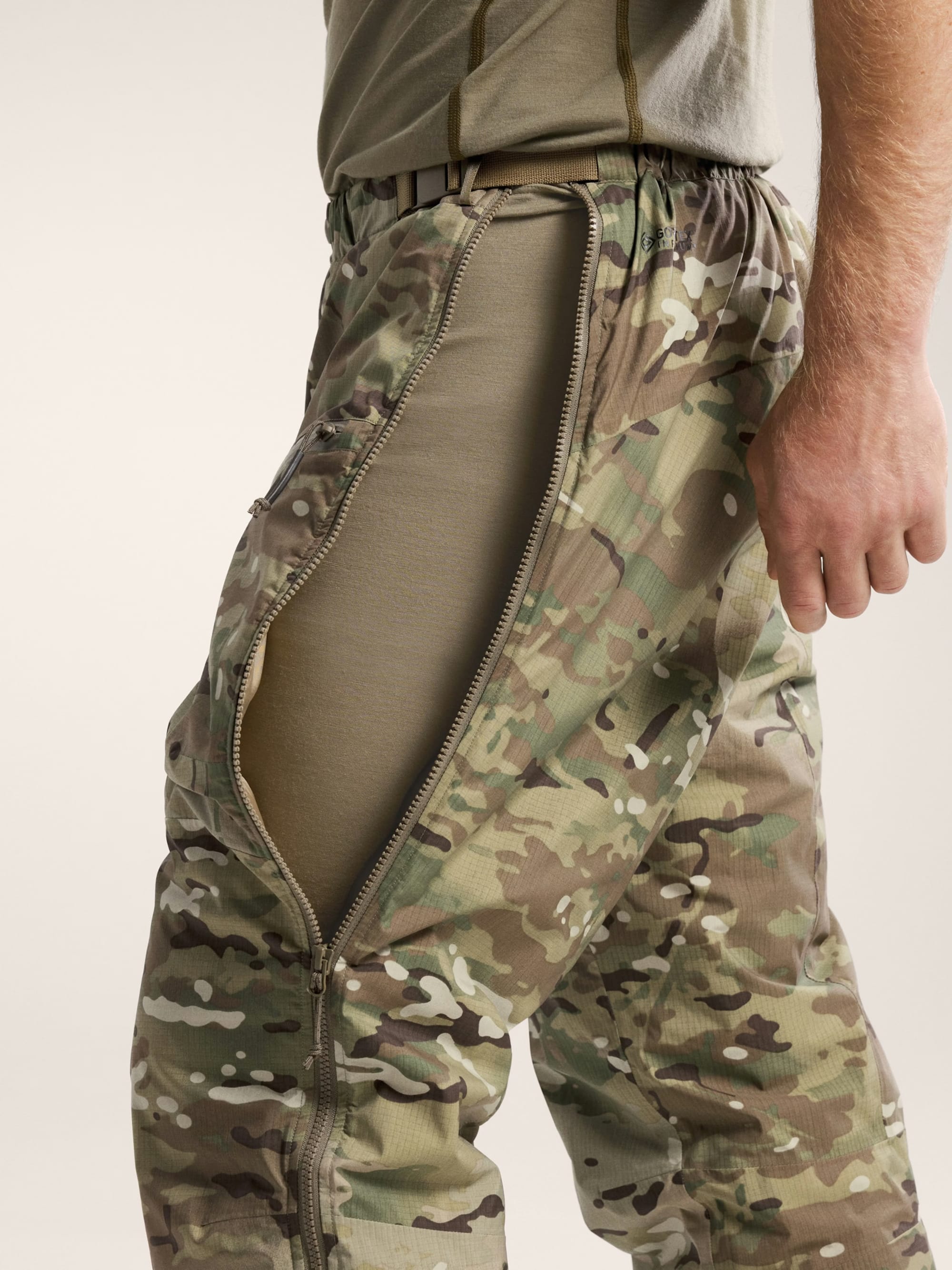
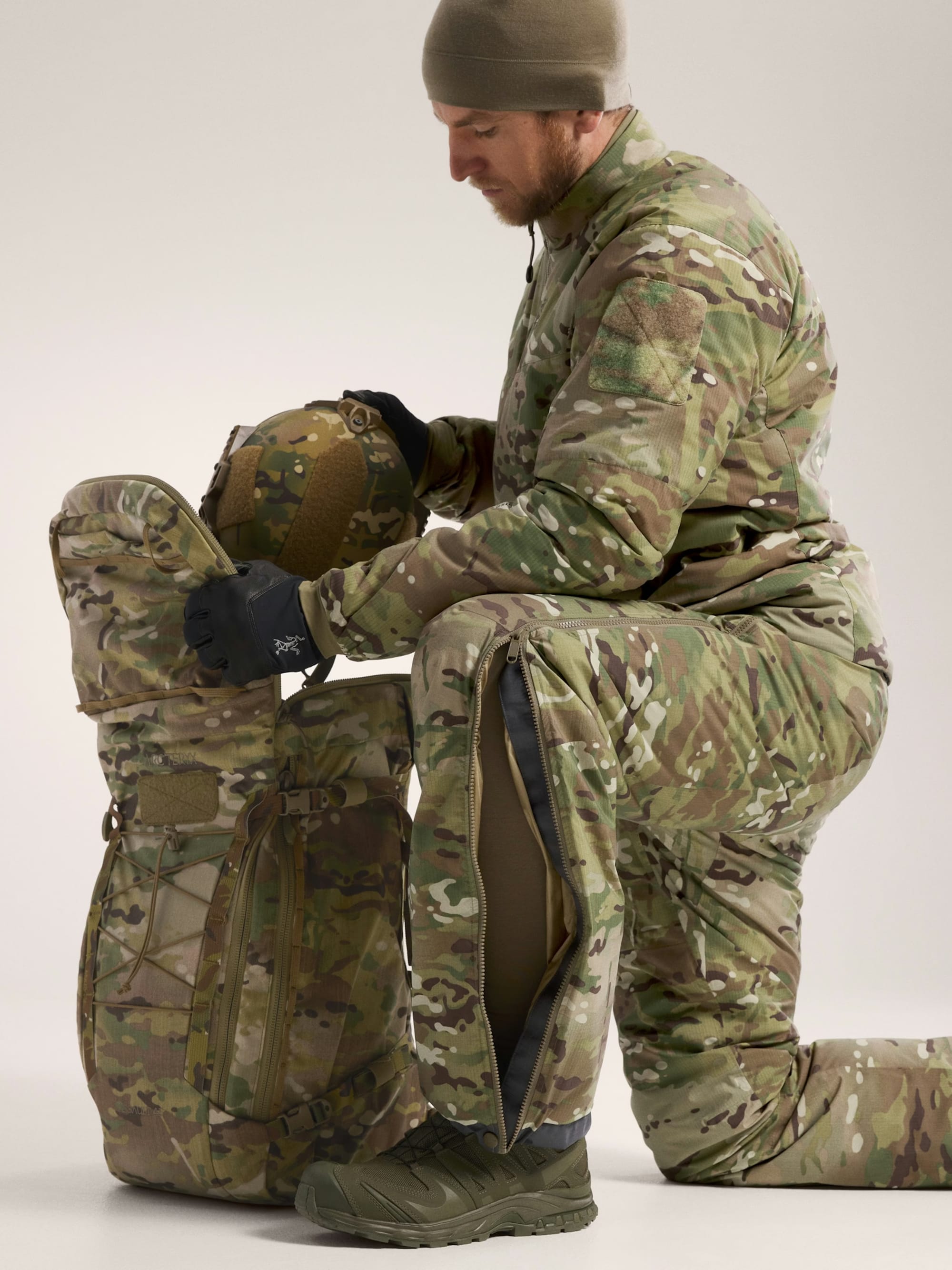
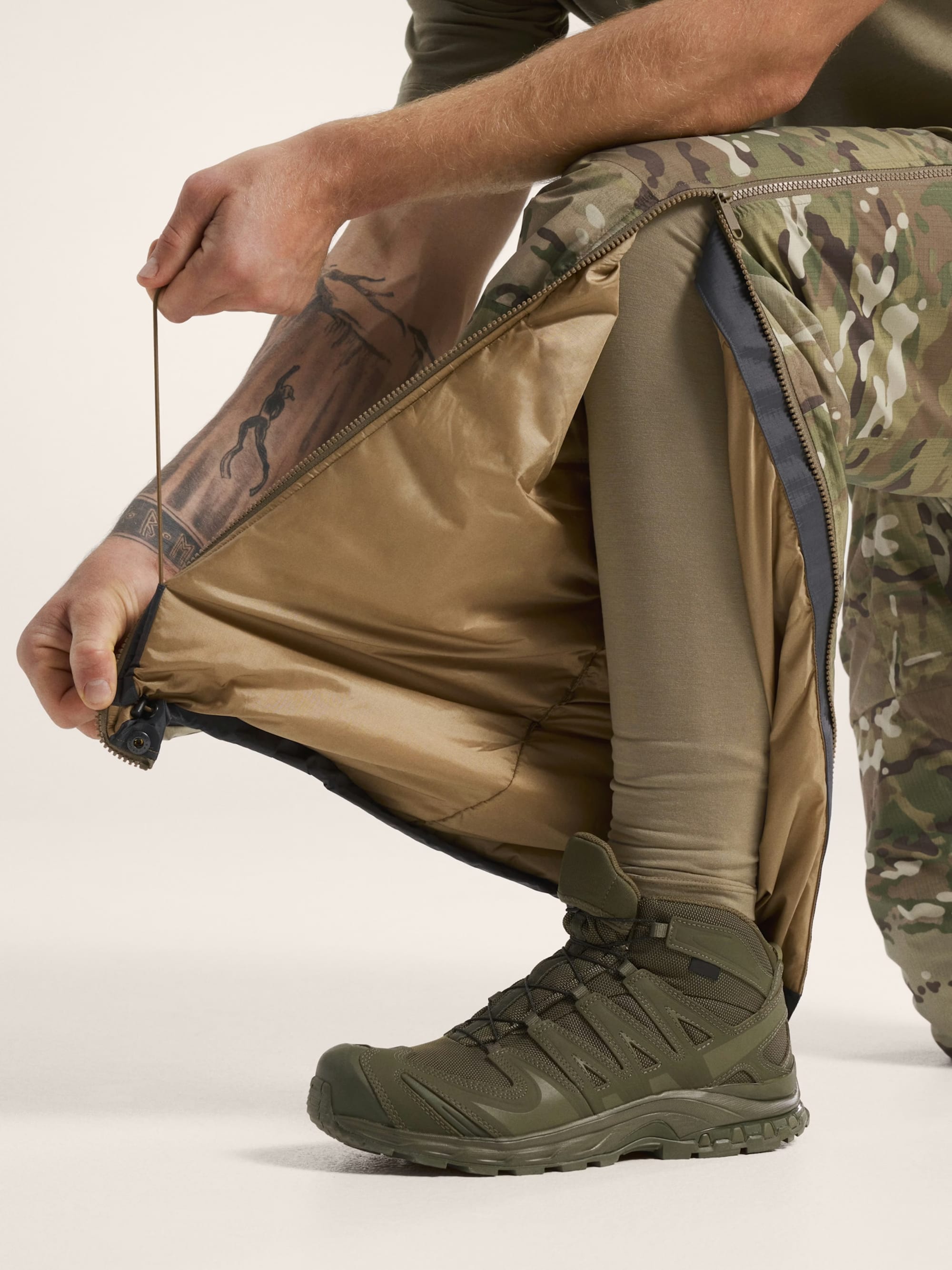
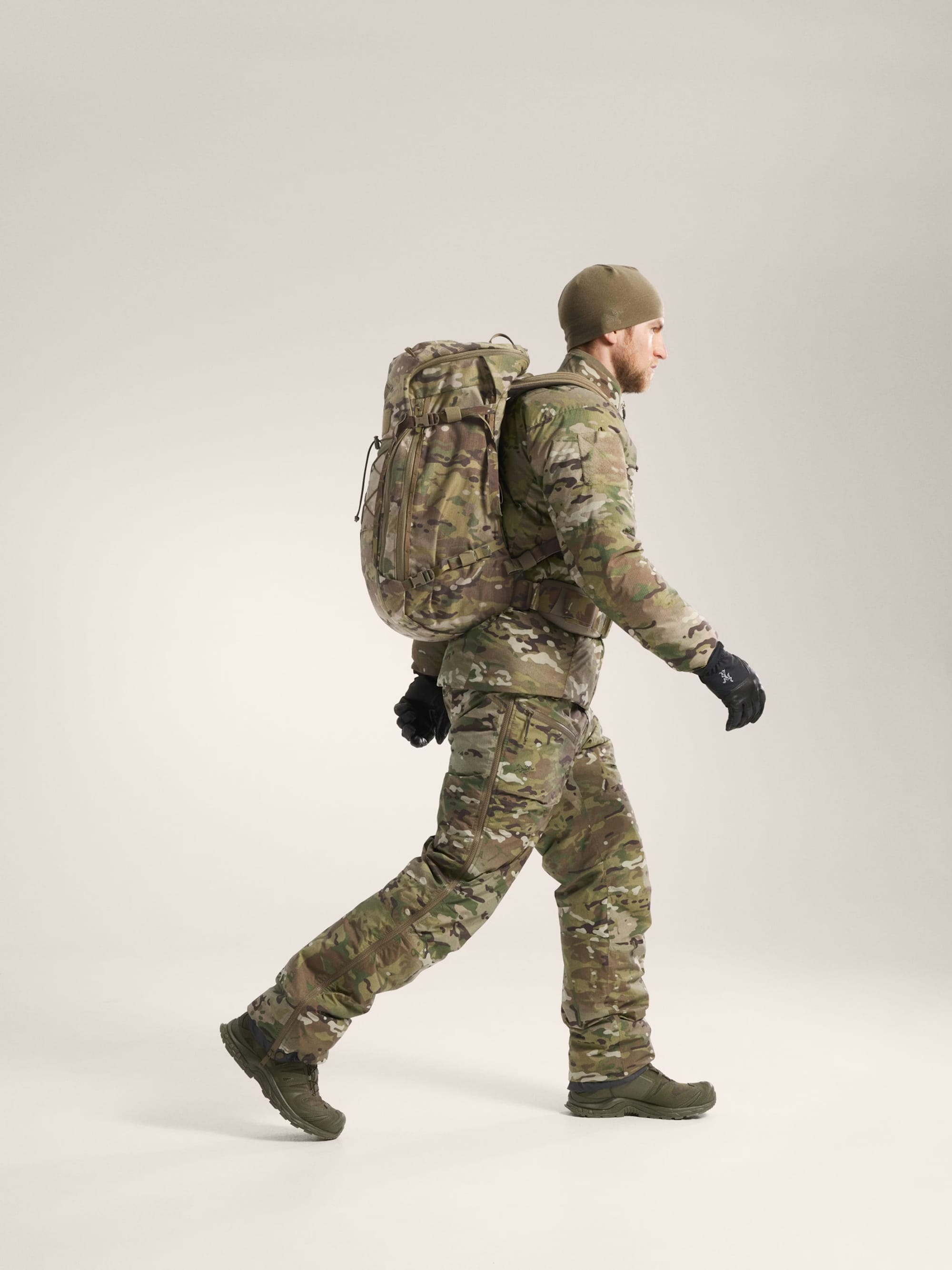
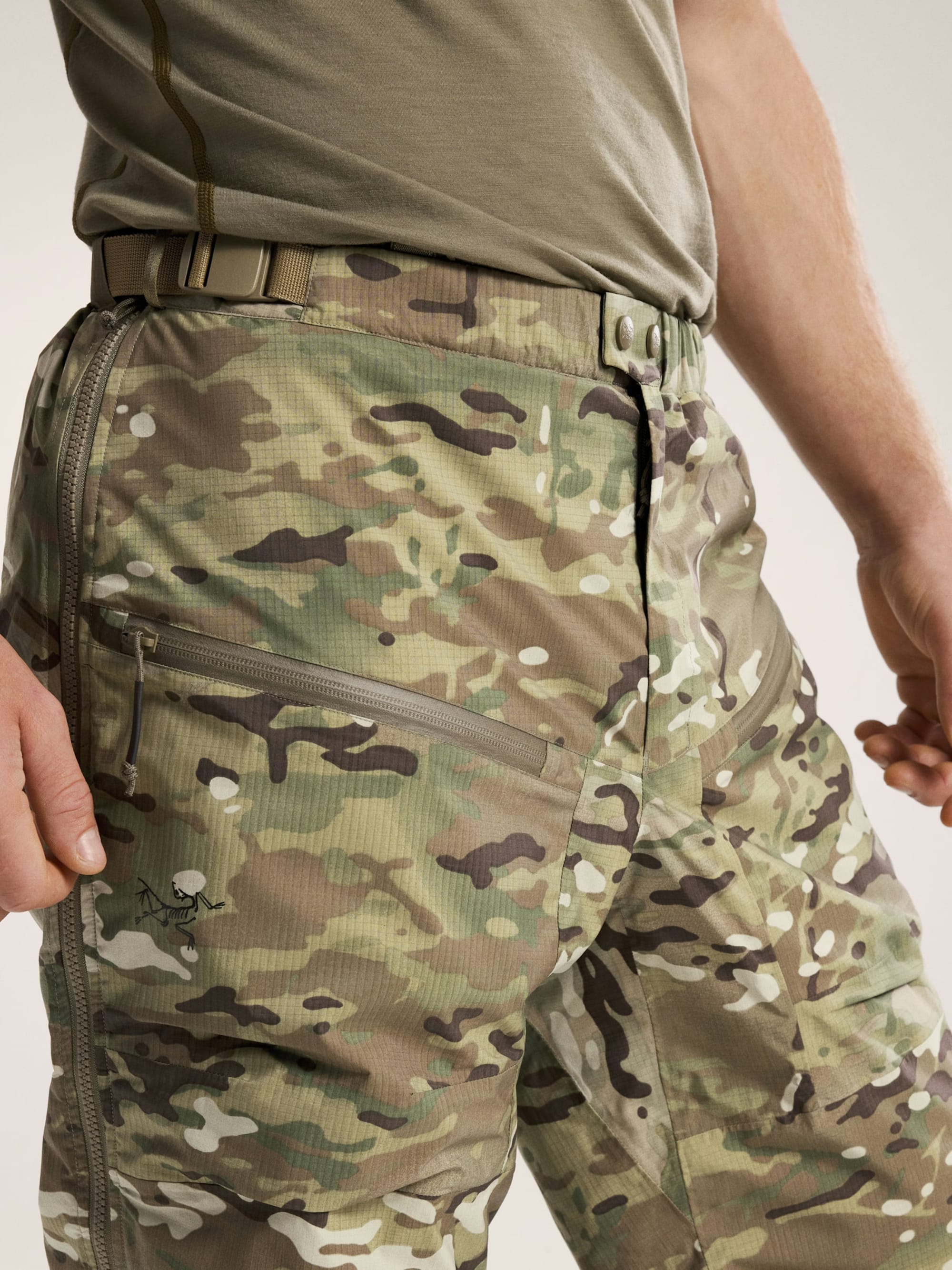
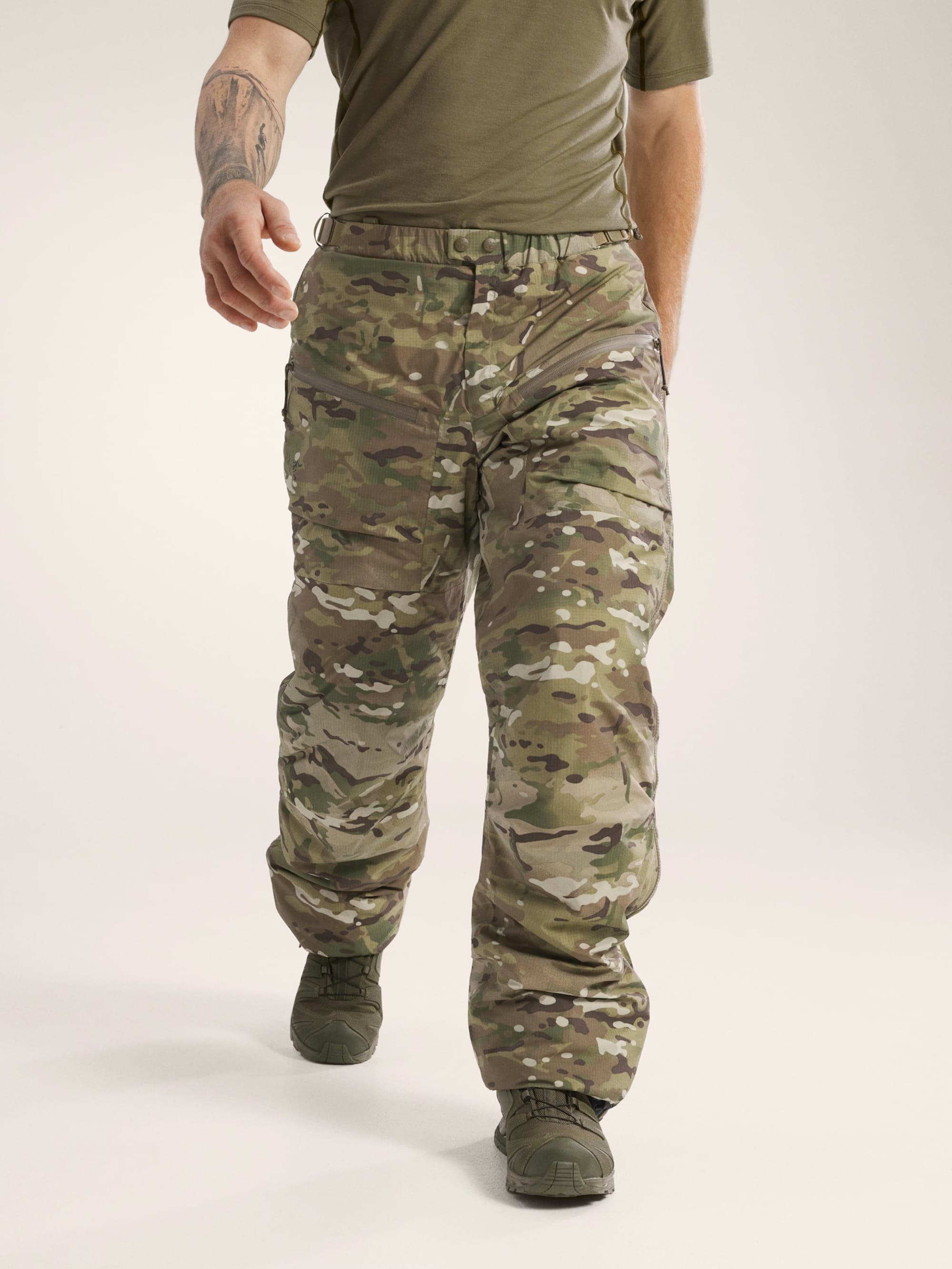
Arc'teryx LEAF Cold WX Pant LT (Gen2.1) Multicam
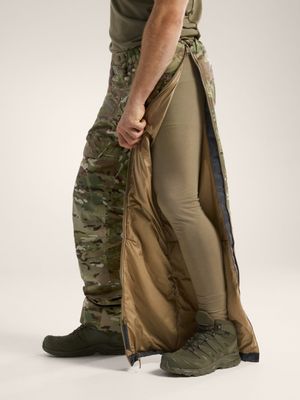
Arc'teryx LEAF Cold WX Pant LT Gen 2.1 MultiCam
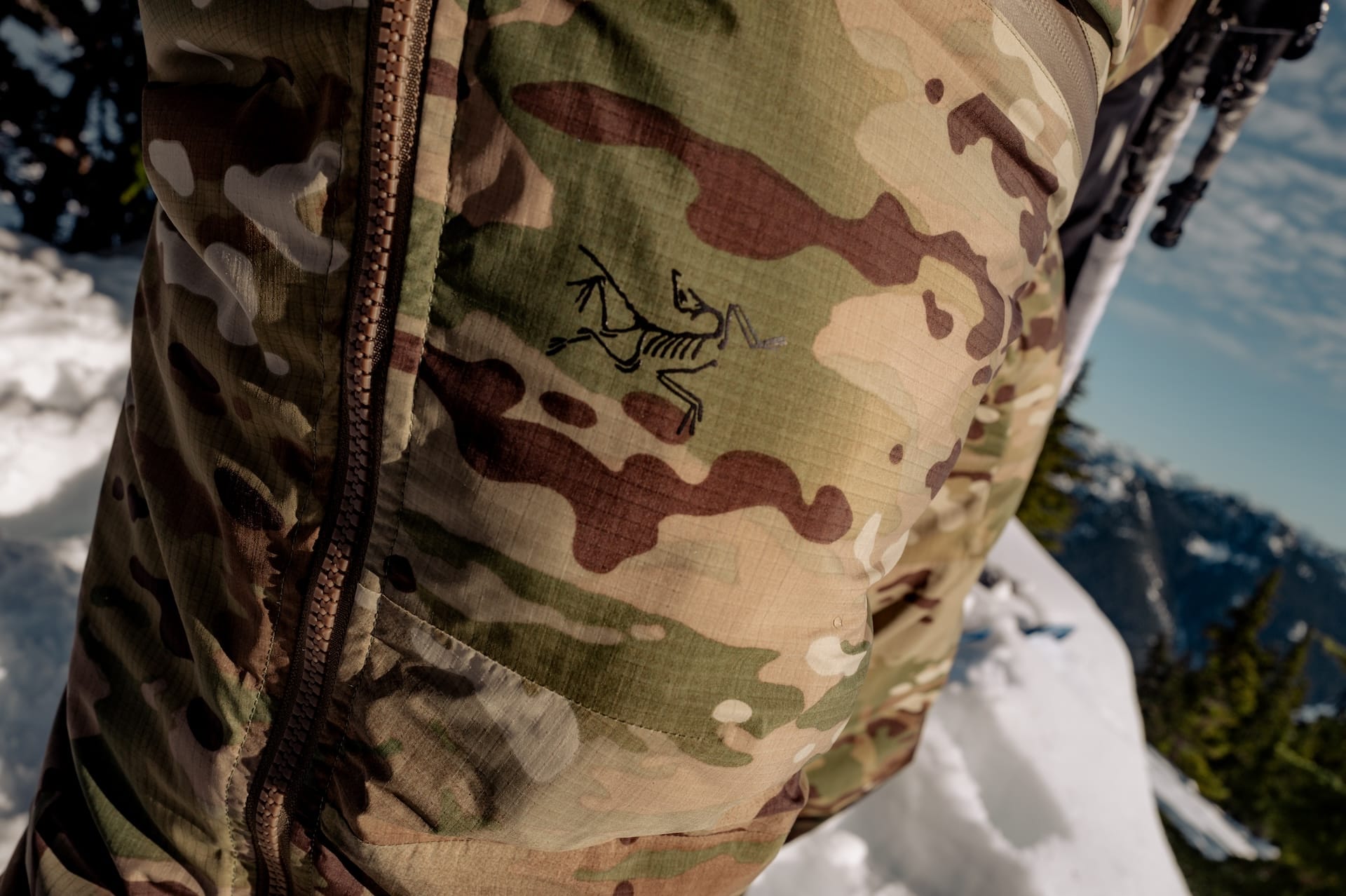
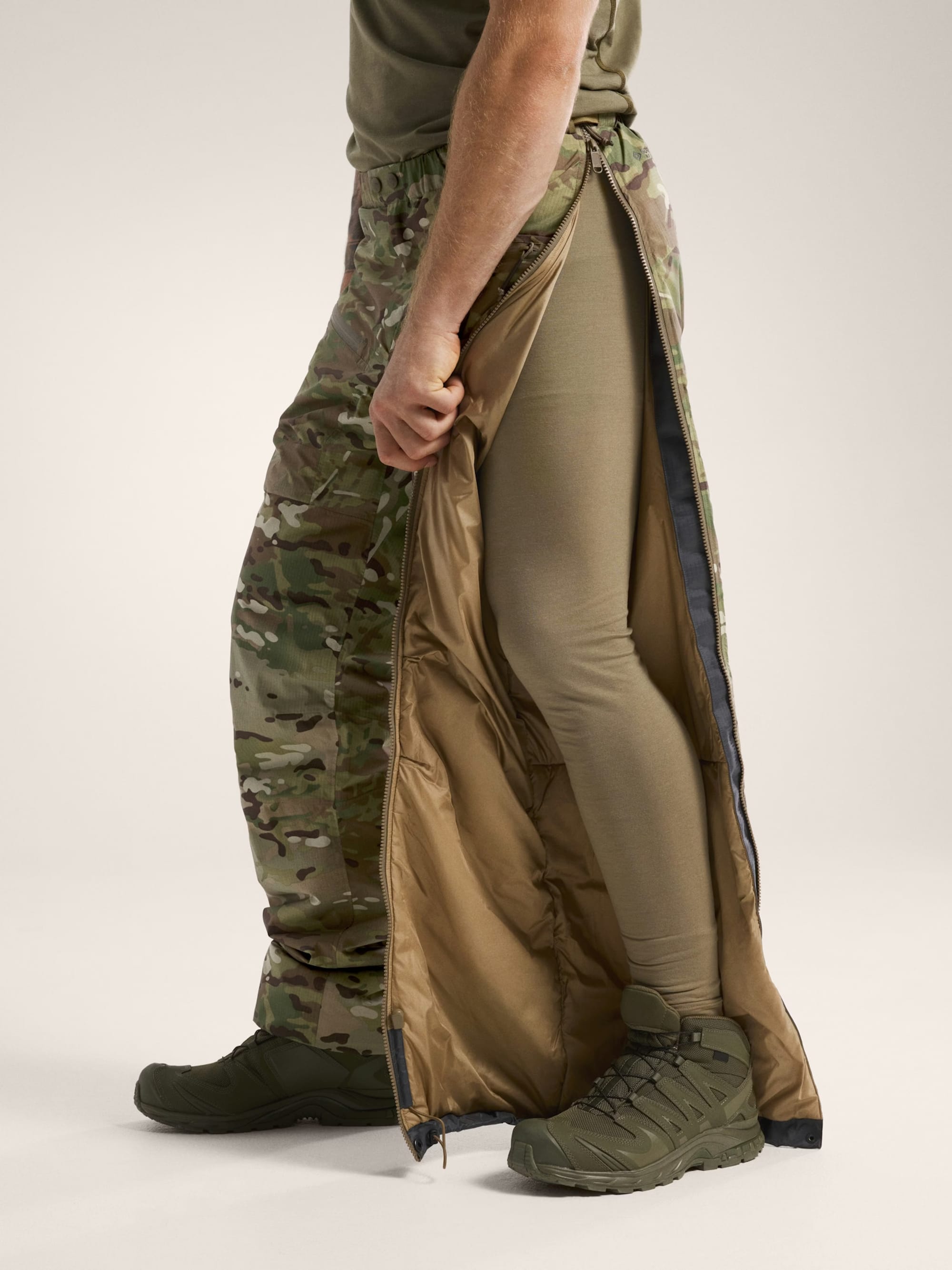
Arc'teryx LEAF Cold WX Pant LT Gen 2.1 MultiCam Men’s is a synthetic insulated, windproof cold-weather pant intended for direct-action use in low temperatures. A hybrid materials build reinforces high-wear areas at the seat, knees, and ankles to improve durability and service life. Full-length side zips enable quick on/off over boots and allow adjustable ventilation. Fit is stabilized with an elasticized, adjustable nylon web waist and suspender loops for optional suspenders. Cargo pockets provide storage for hats, gloves, and small accessories. PFAS Warning: made with PFAS (per- and polyfluoroalkyl substances) chemicals.
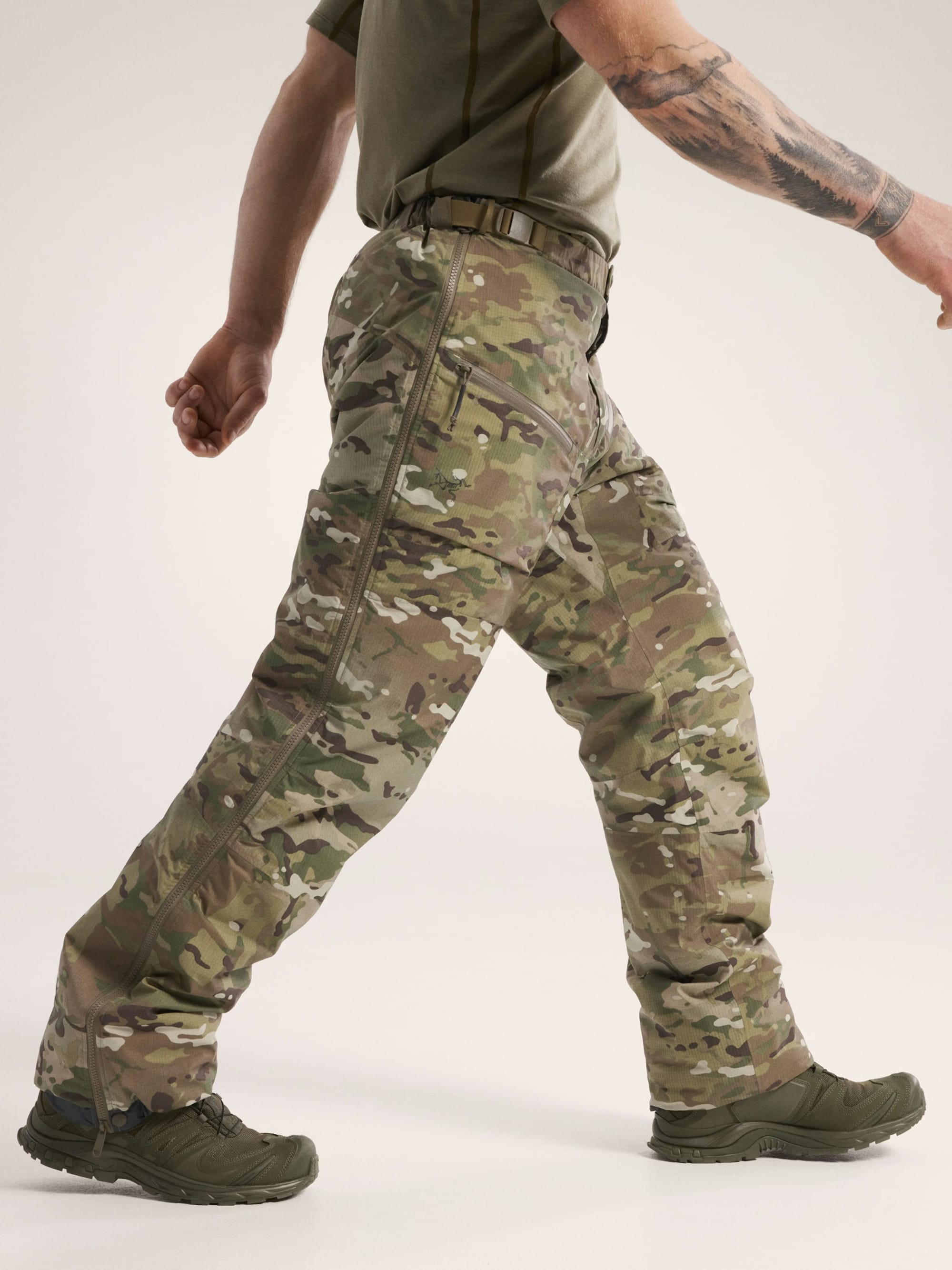
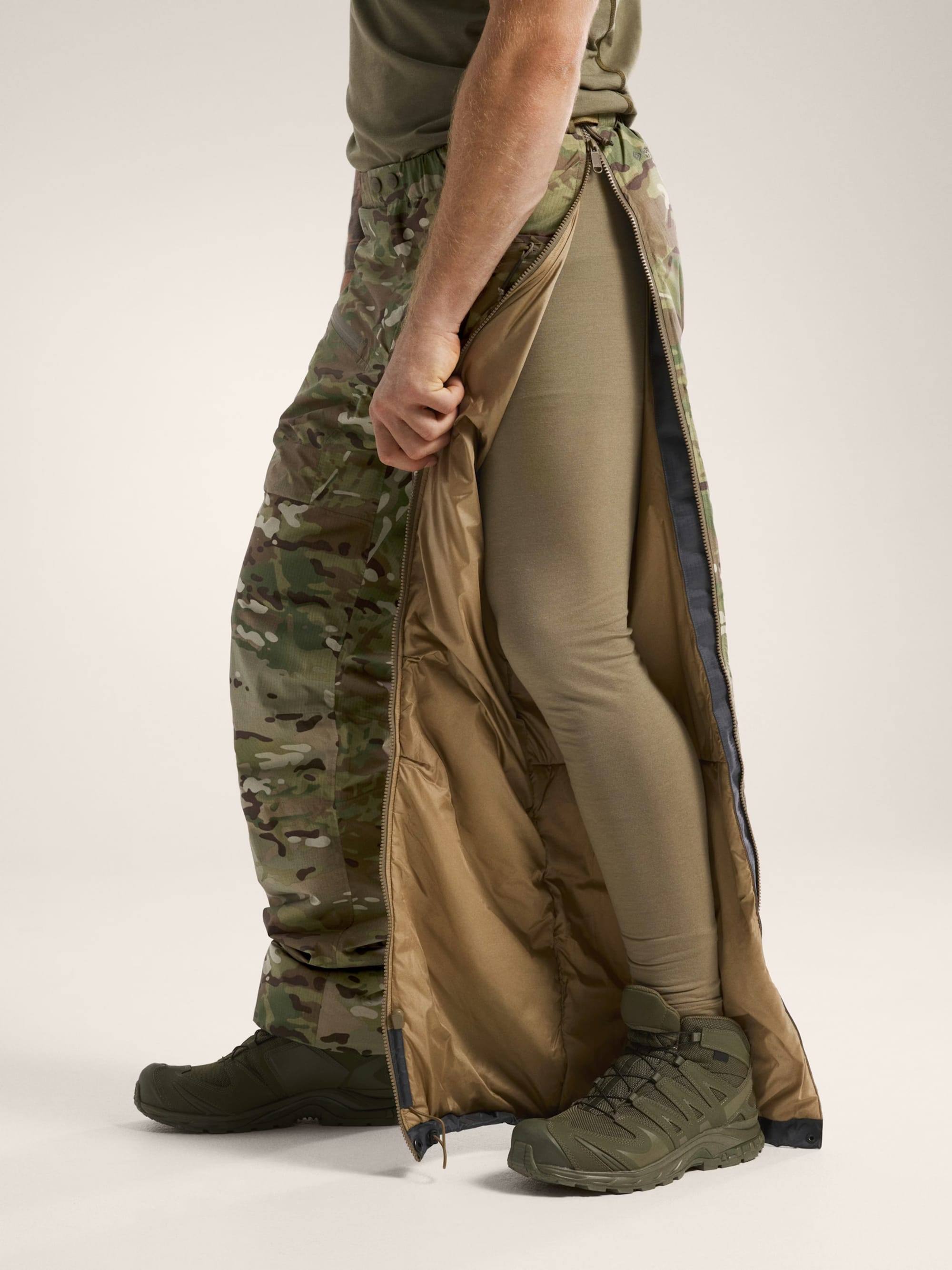
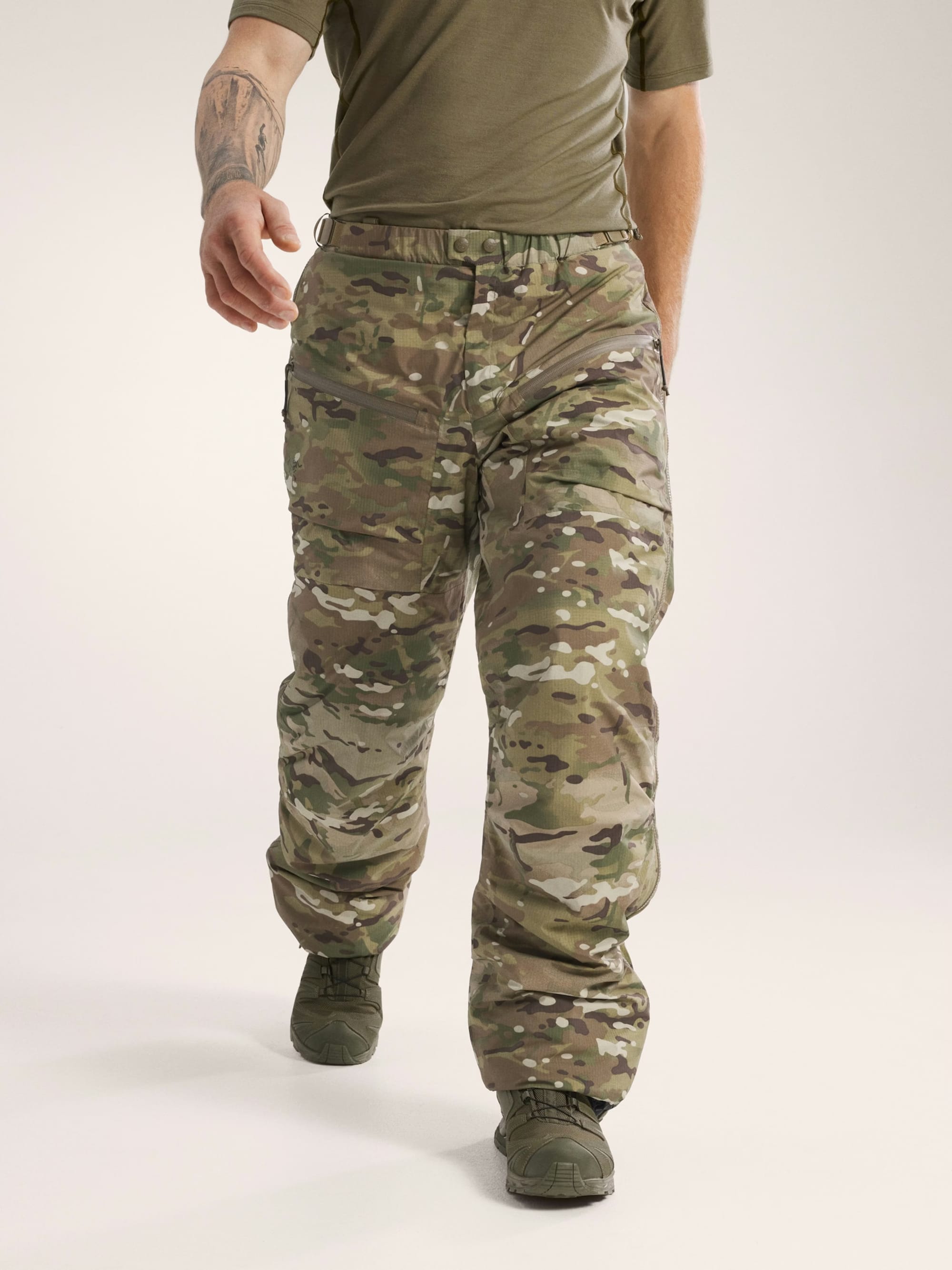
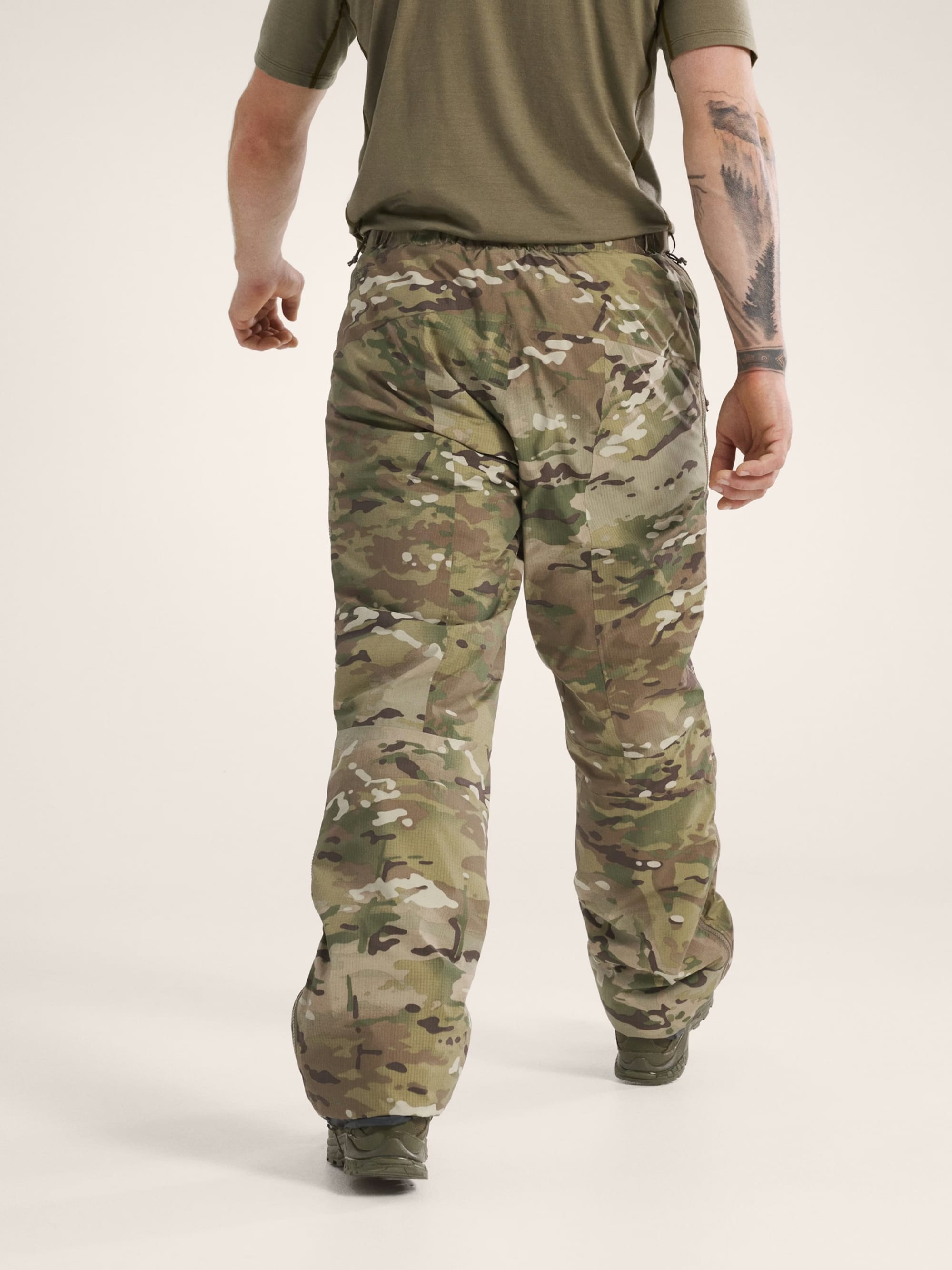
ARC'TERYX LEAF ASSAULT PANT AR MULTICAM GEN2
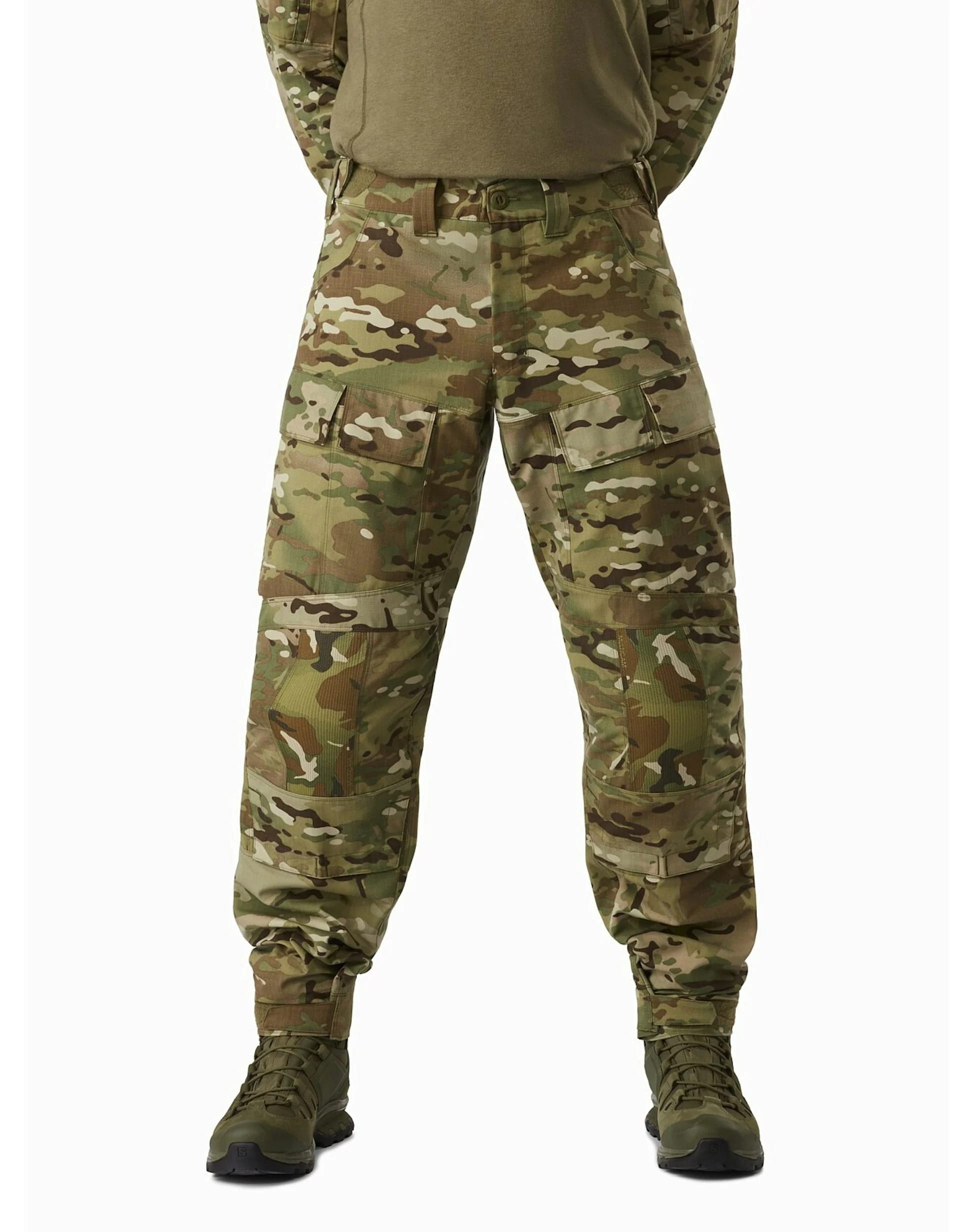
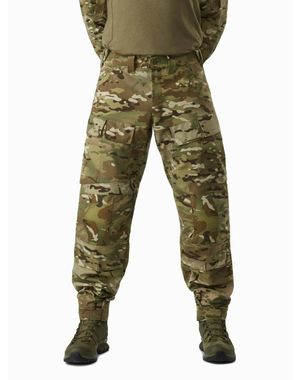
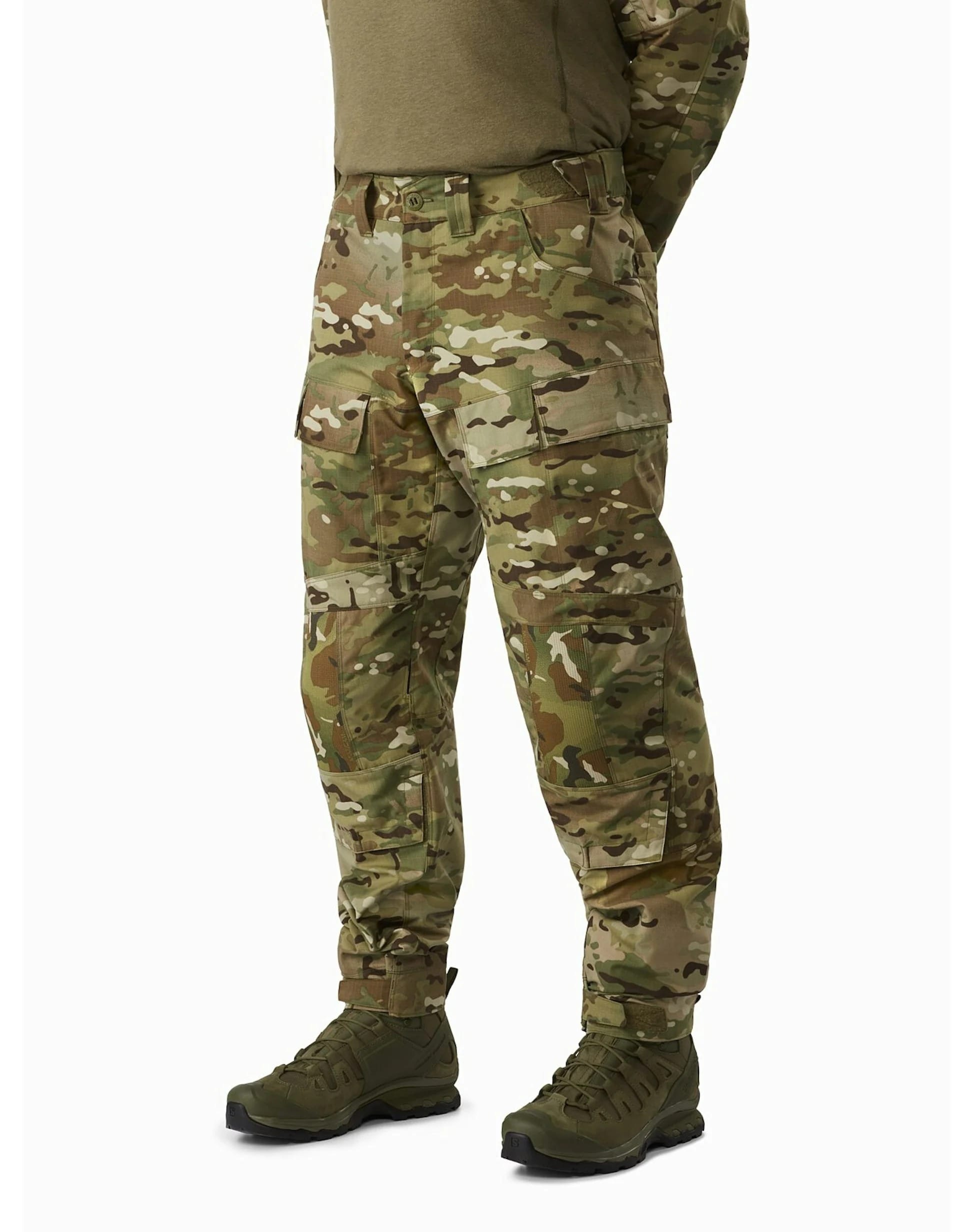
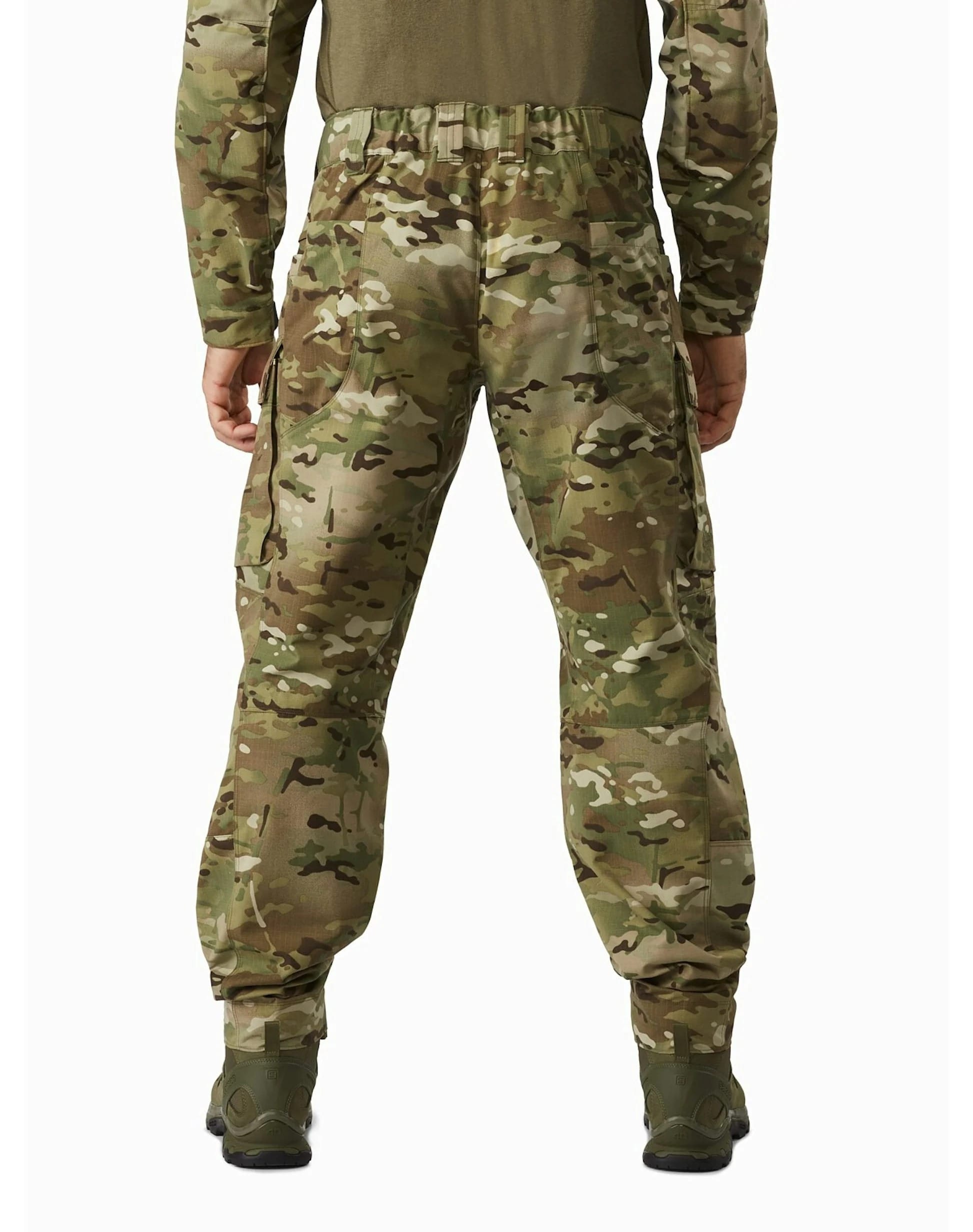
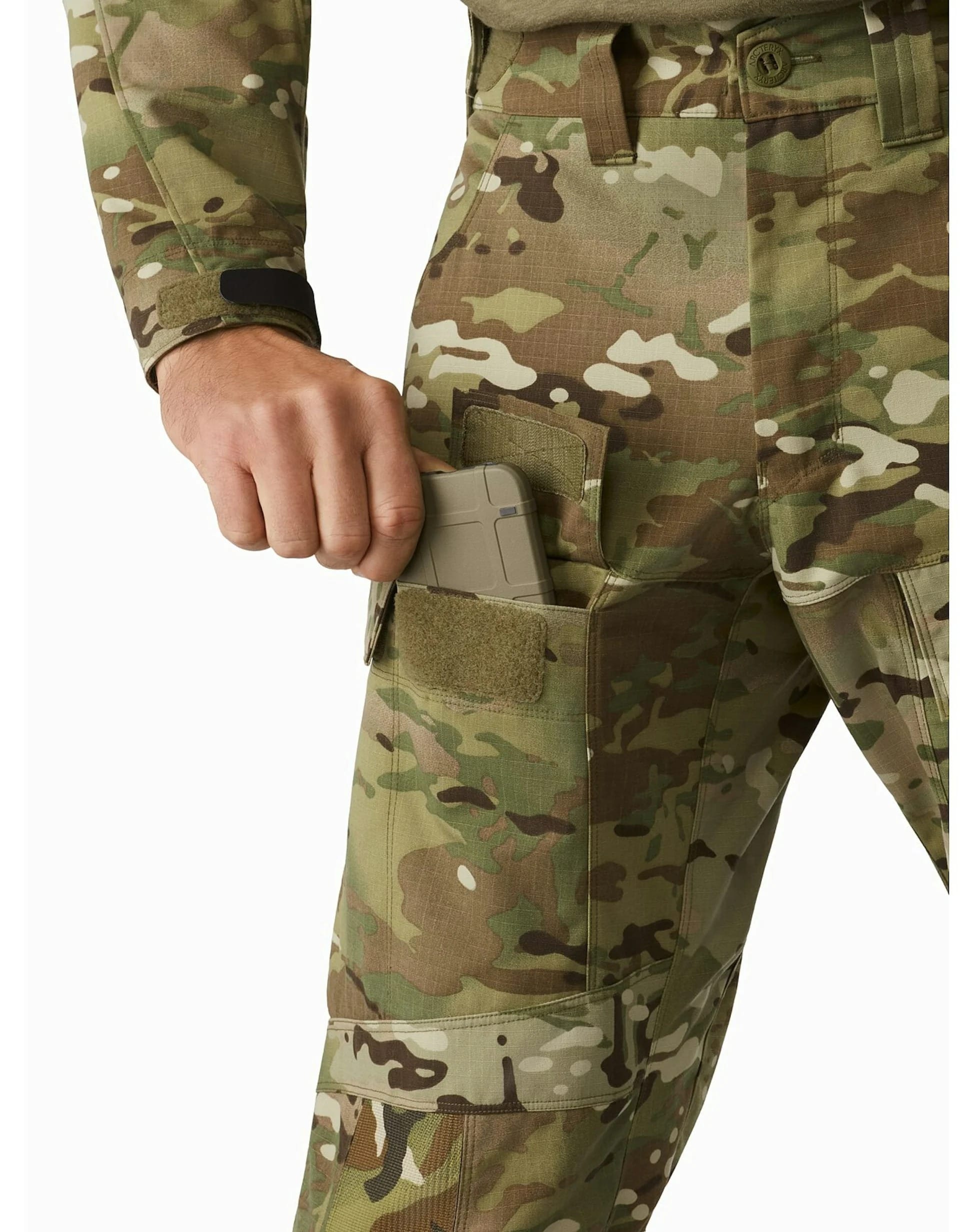
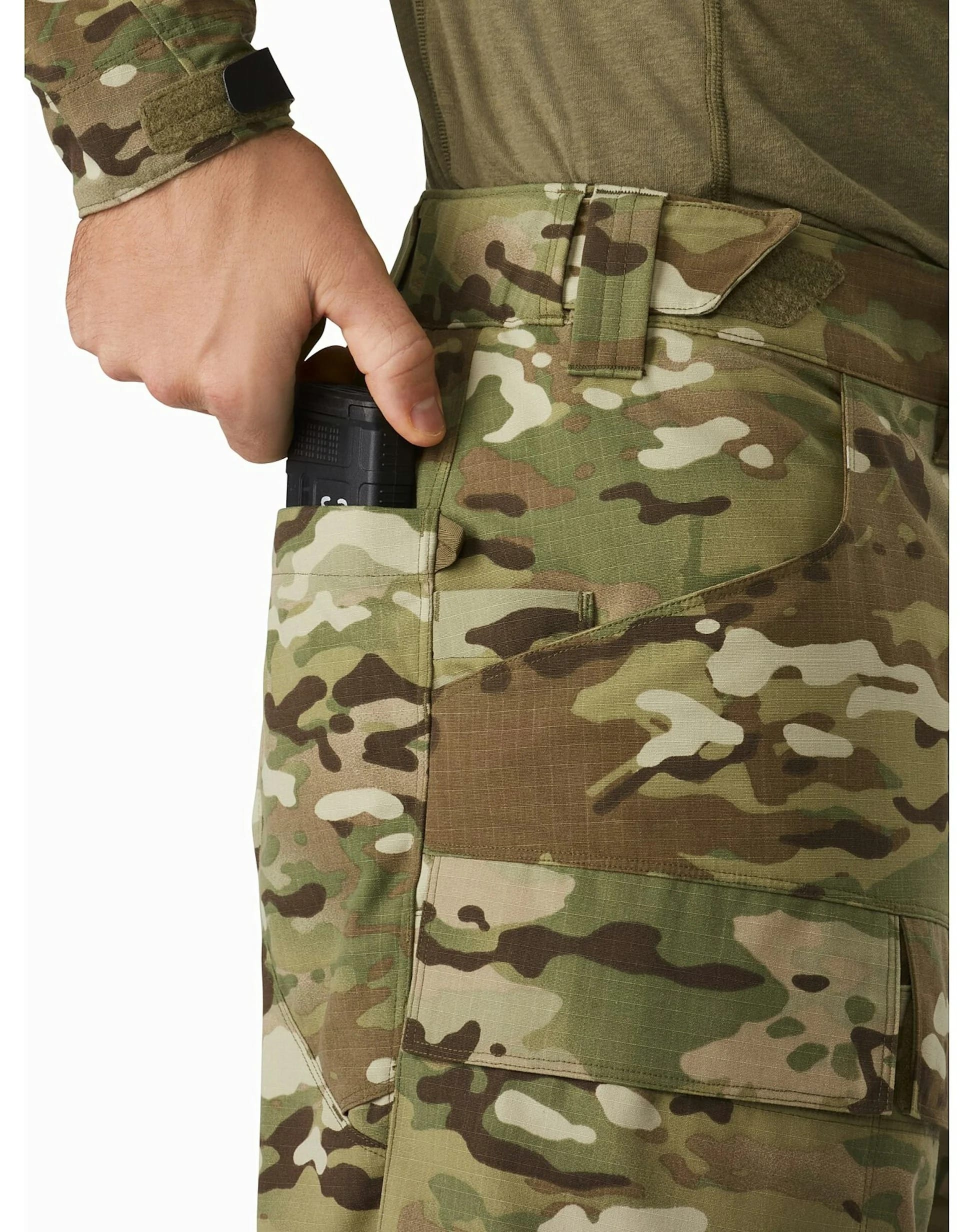
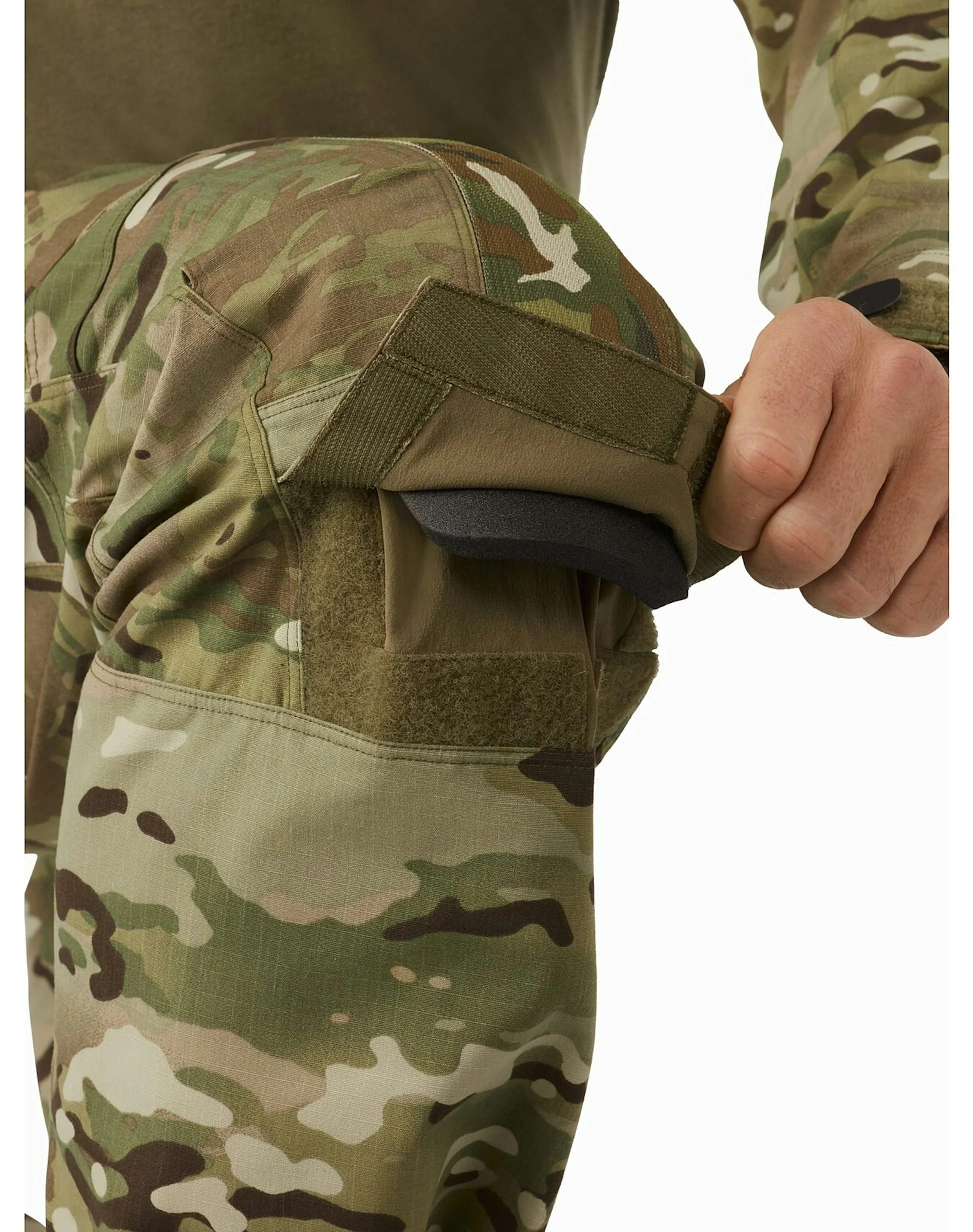
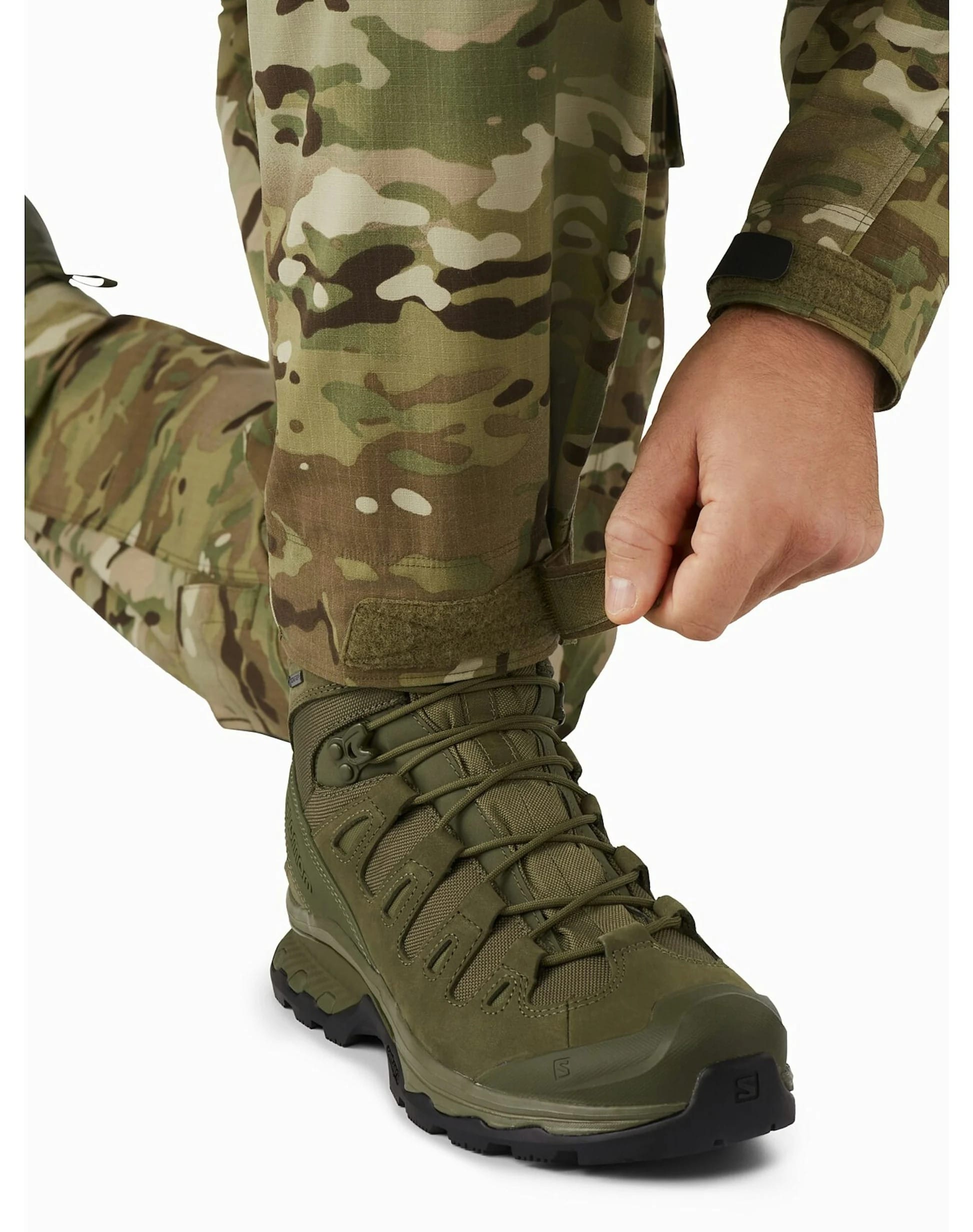
ARC’TERYX LEAF Assault Pant AR Men’s – MultiCam (Gen2) is a durable, mission-focused field pant designed for mobility, load carriage, and compatibility with boots and protective equipment. The articulated build combines a gusseted crotch for unrestricted movement with an internal knee-cap sleeve that accepts removable soft knee pads or LEAF knee caps (sold separately). Velcro® ankle cuff closures seal over boots to reduce snagging and debris entry. Storage is optimized for work in vehicles and with PPE: hand pockets include an internal folding-knife pocket, expandable cargo flap pockets provide dump-pocket capacity, elongated drop-in seat pockets handle longer items, and thigh pockets are positioned for access when seated, harnessed, or wearing kit.
Materials include NYCO Ripstop Cordura® 6.5 oz (50% nylon / 50% cotton) for balanced abrasion resistance and breathability, plus UFP EV®50 10 mm removable foam knee pads for impact protection.
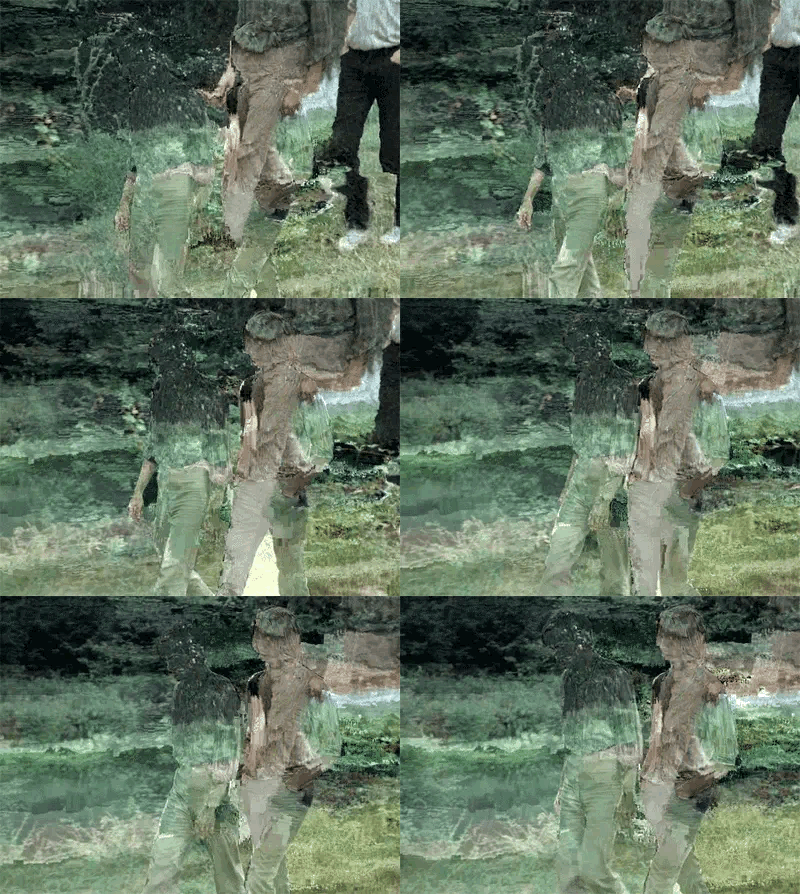
Invisible: Abbott Thayer and the Art of Camouflage
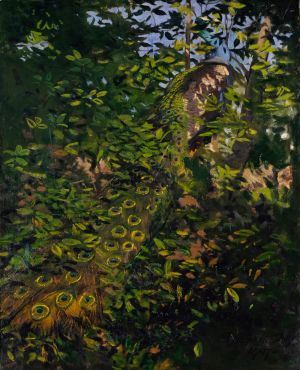
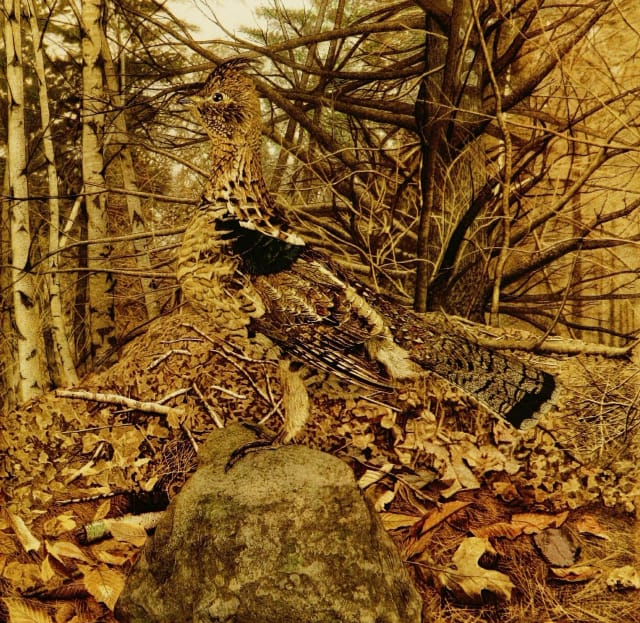
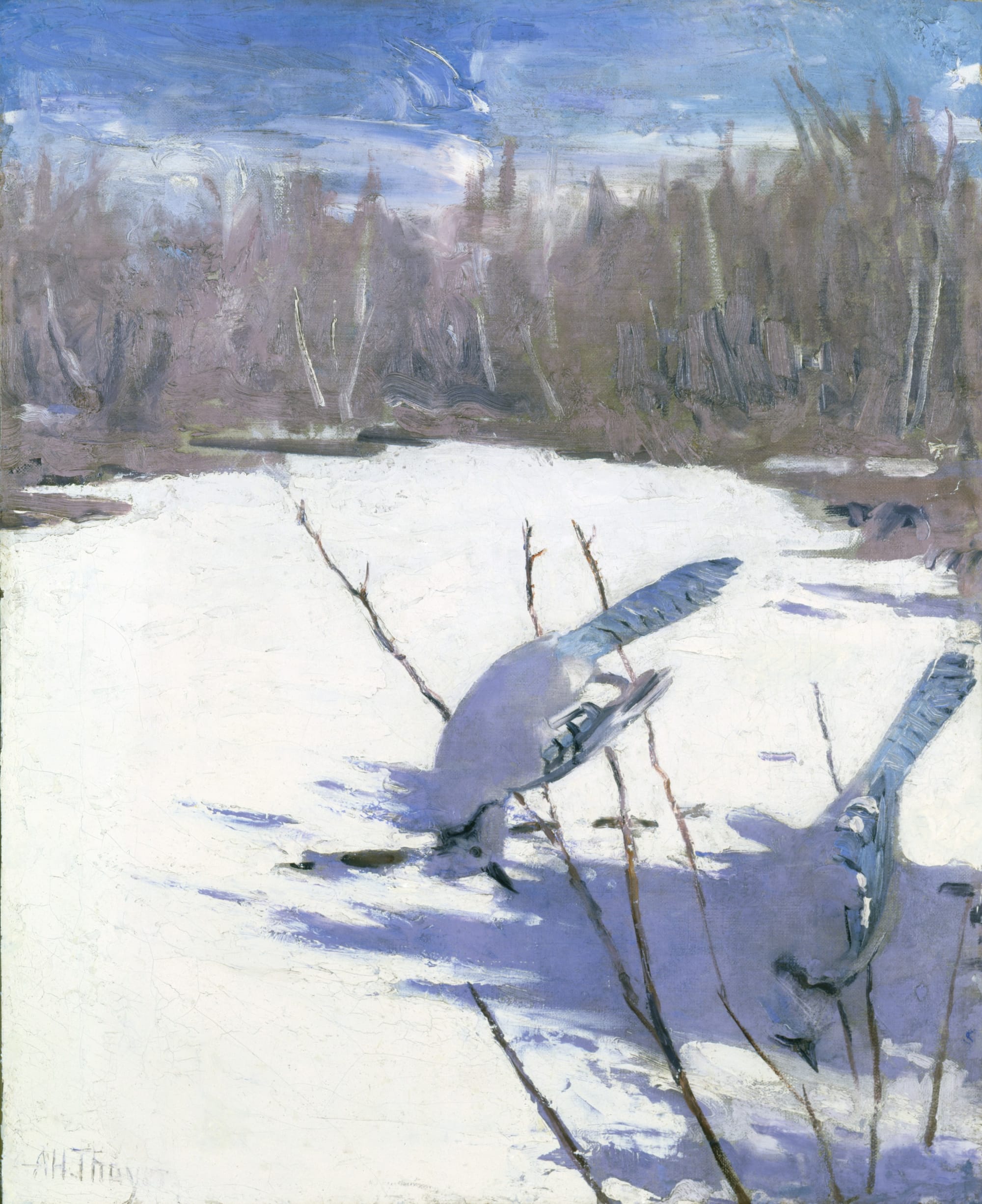
Abbott H. Thayer is now best known for his portraiture and paintings of angels, such as this one from 1887 held by the Smithsonian American Art Museum. He was also obsessed with nature, particularly how animals could disappear through their color patterns into a landscape.
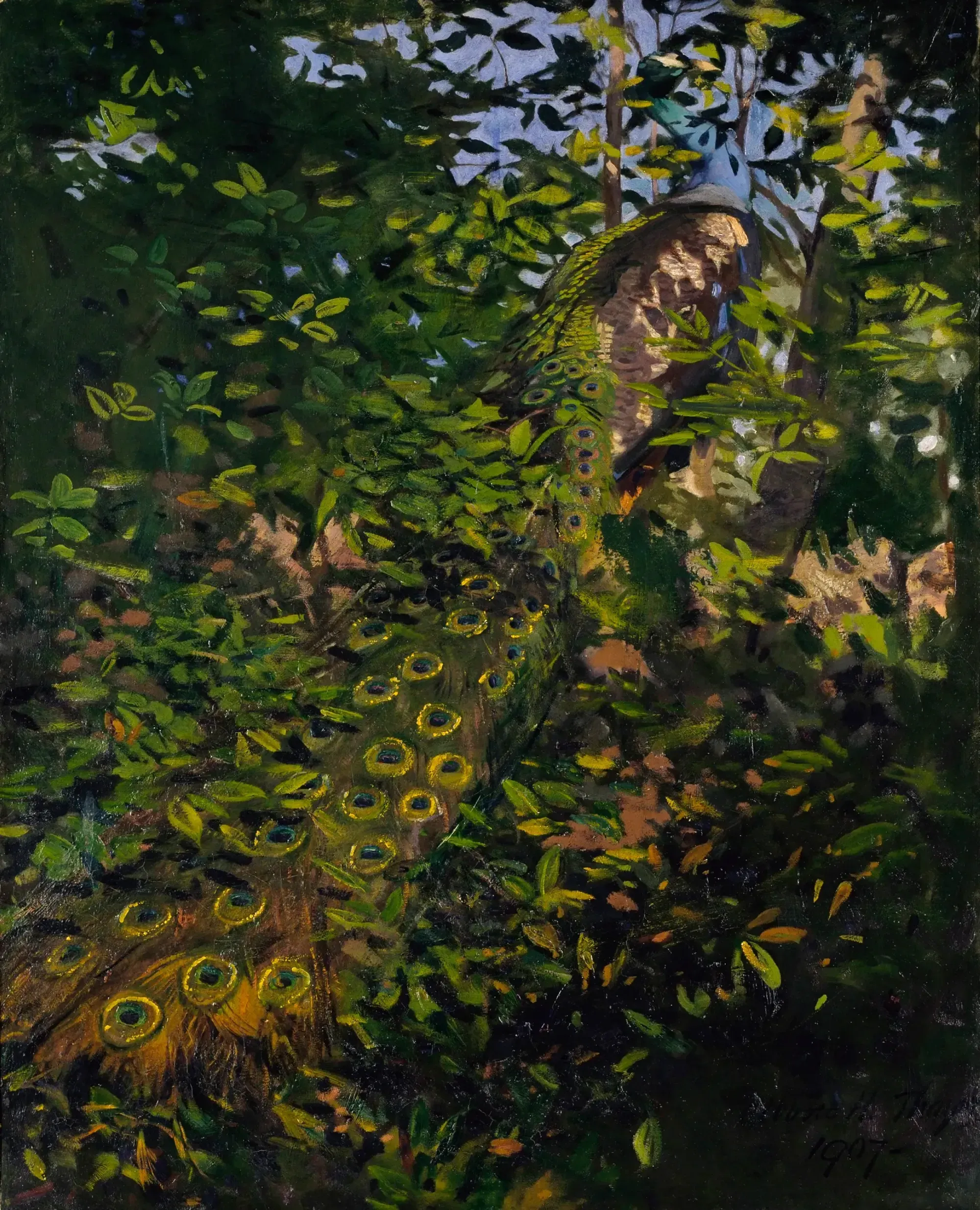
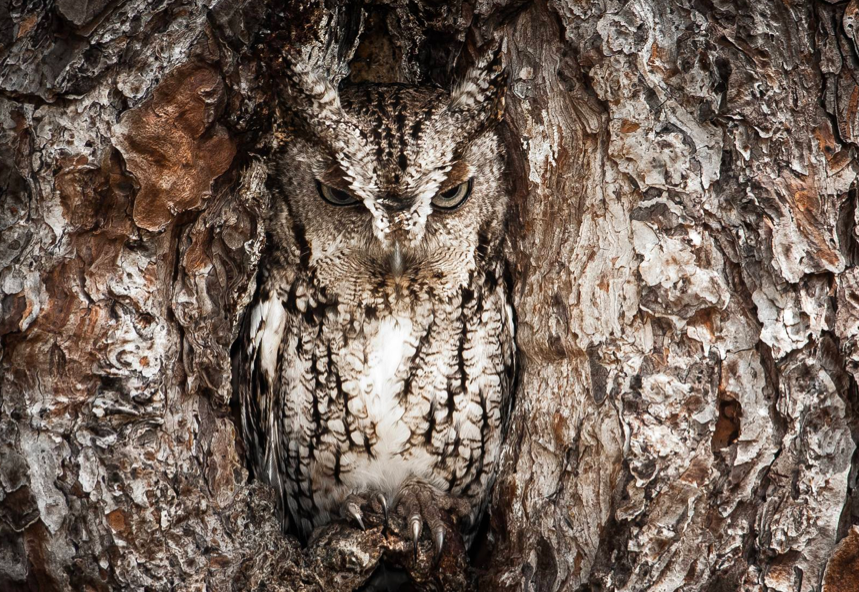
Thayer identified two visual phenomena undergirding this invisibility: “obliterative countershading” and “disruptive patterning.” In the first, animal skins achieve an illusion of monochrome flatness via coloration darkest in sunlit parts and lightest in areas generally bathed in shadows: examples include the light bellies of otherwise dark rabbit coats or the silver undersides of sharks. The resulting visual compression of a three-dimensional form produces an illusion of monochrome flatness. The second principle takes this illusion to the next level of protective concealment: mottled patterns corresponding to the animal’s habitat disrupt the contours of its flat silhouette, resulting in an impression of not being there.
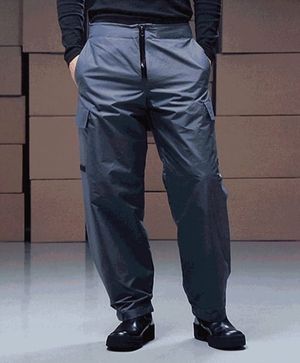
Dockers Equipment For Legs by Massimo Osti
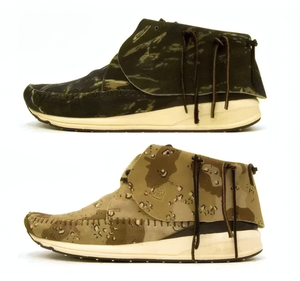
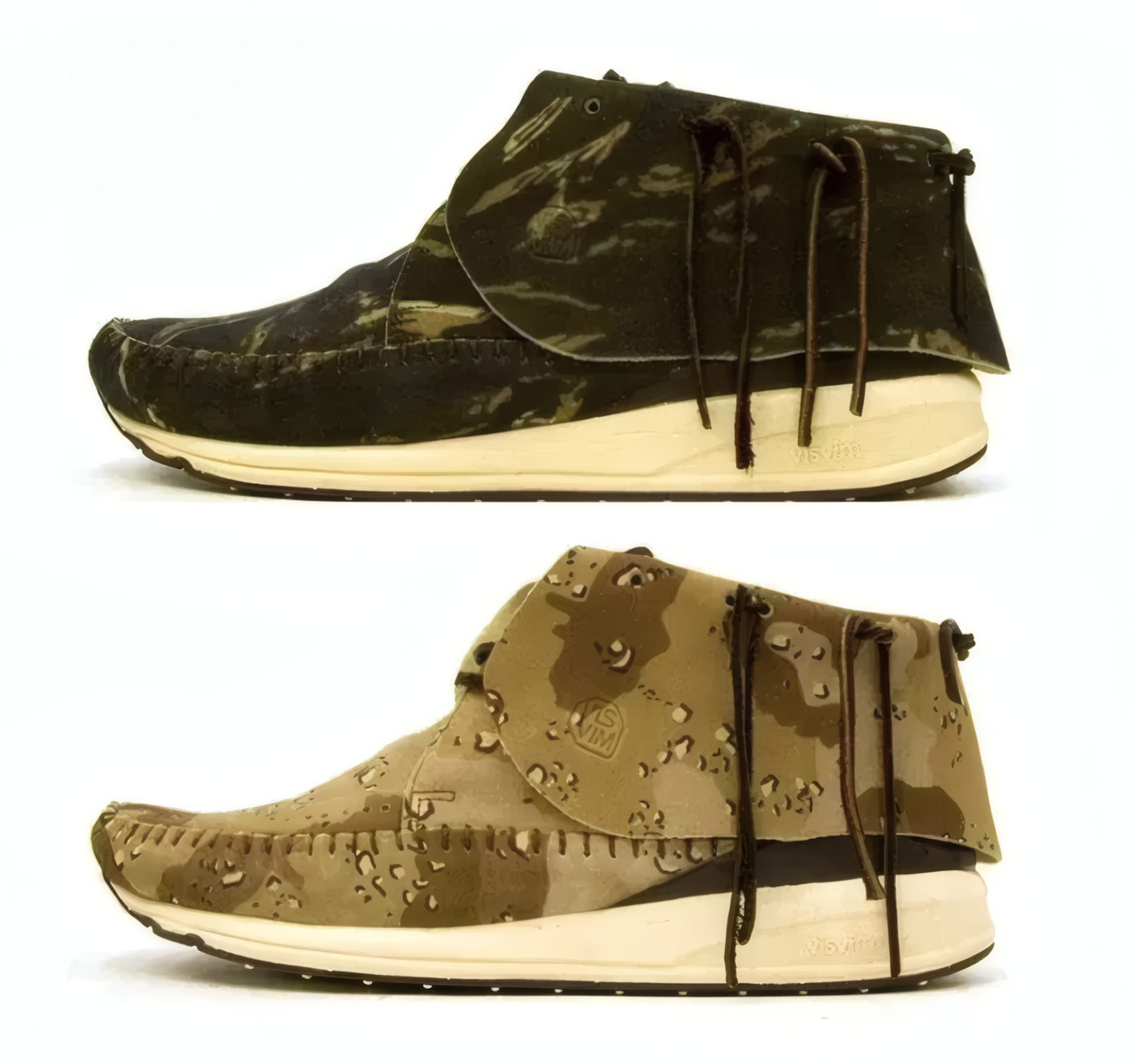
Visvim Camo G Line FBT
Junior M.A.F.I.A.
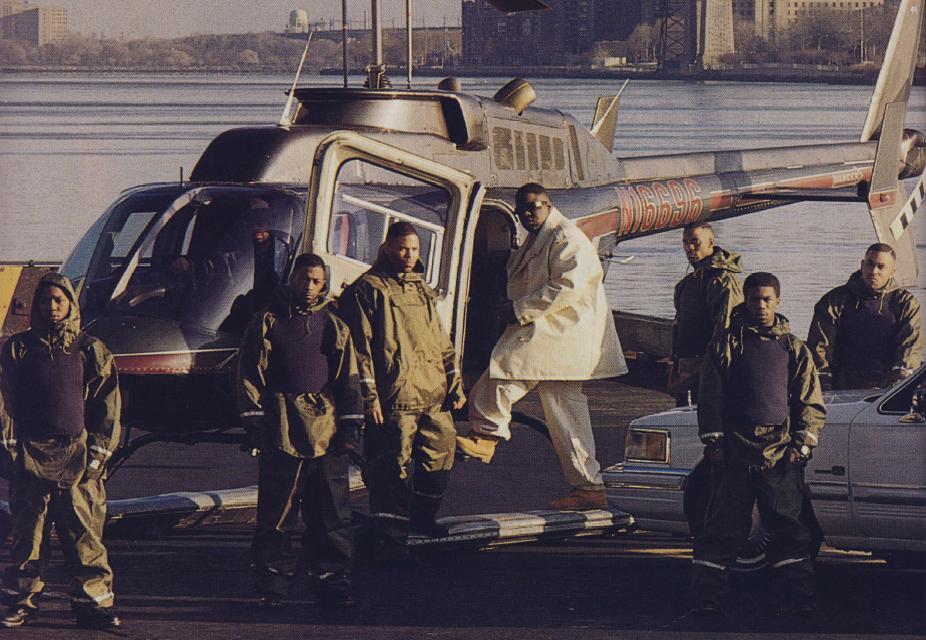
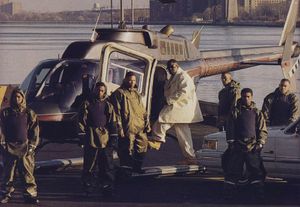
The members of Junior M.A.F.I.A. met as childhood friends of The Notorious B.I.G. All the members were under the age of twenty when the group was formed. The group was composed of three separate groups and two individual artists. The 6s, or 666, (Lil' Caesar, Bugsy, Capone, Chico, and Nino Brown) who claim to know right from wrong and practice it; the Sixes knew Biggie before he was rapping (the other members other than Lil' Kim were added on to the group but still were very close to Biggie). The Snakes (cousins Larceny and Trife) who represent the enraged attitude expressed in a large number of America’s youth, MC Klepto, who offered insight on a life of “boostin' and hustlin'”, and Lil' Kim, (a.k.a Big Momma or The Lieutenant), the only female in the group, who showed the ghetto life from a woman’s point of view. The Notorious B.I.G. acted as the "godfather" to the group.
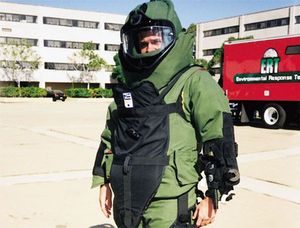
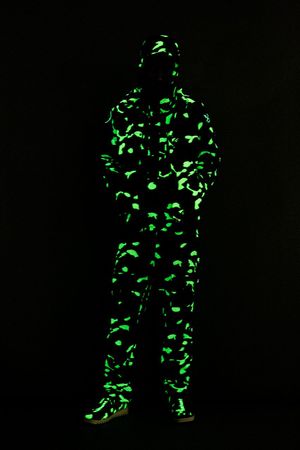
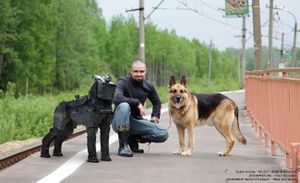
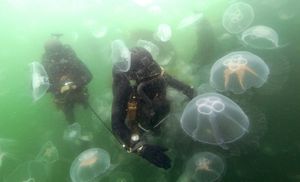
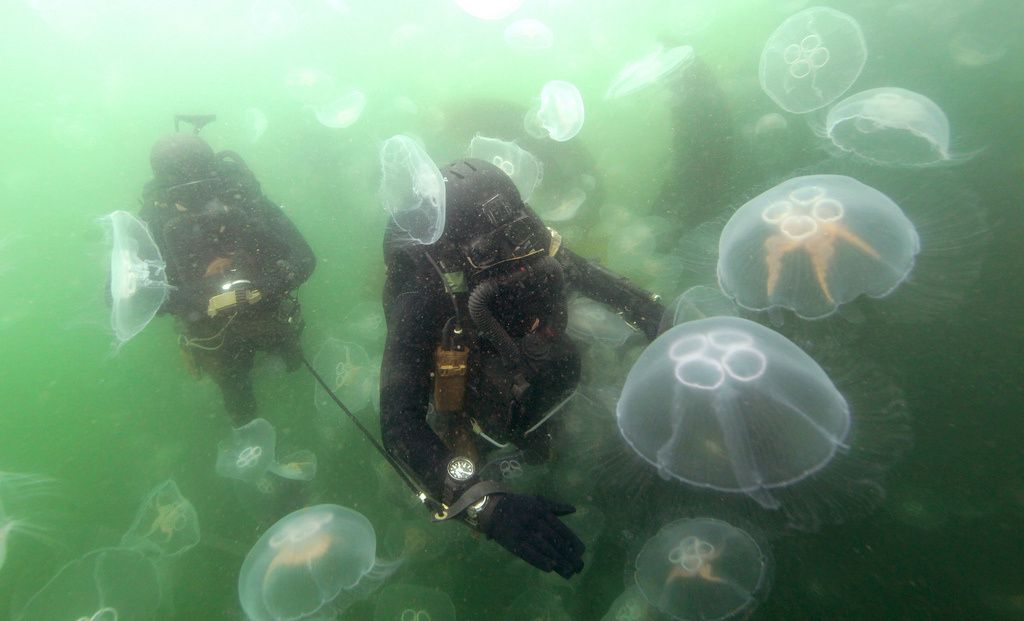
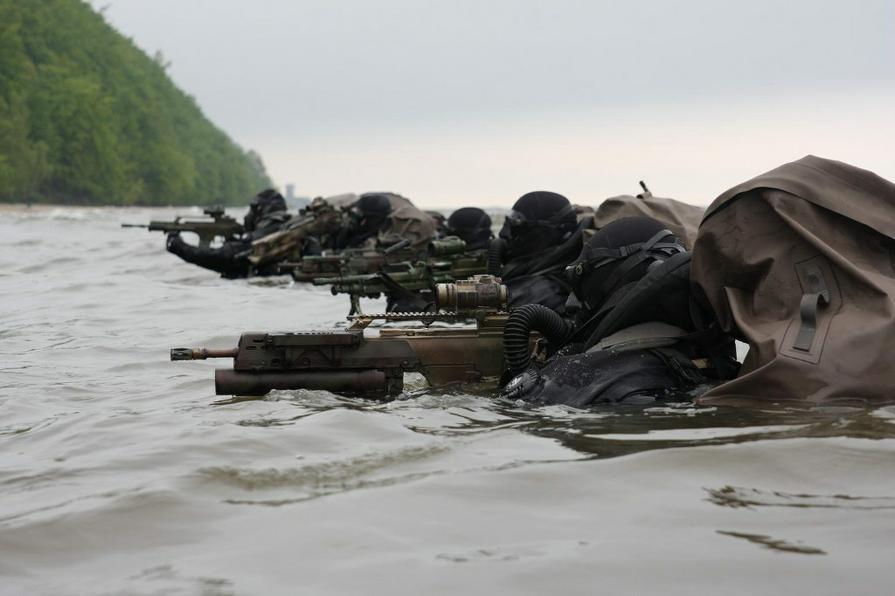
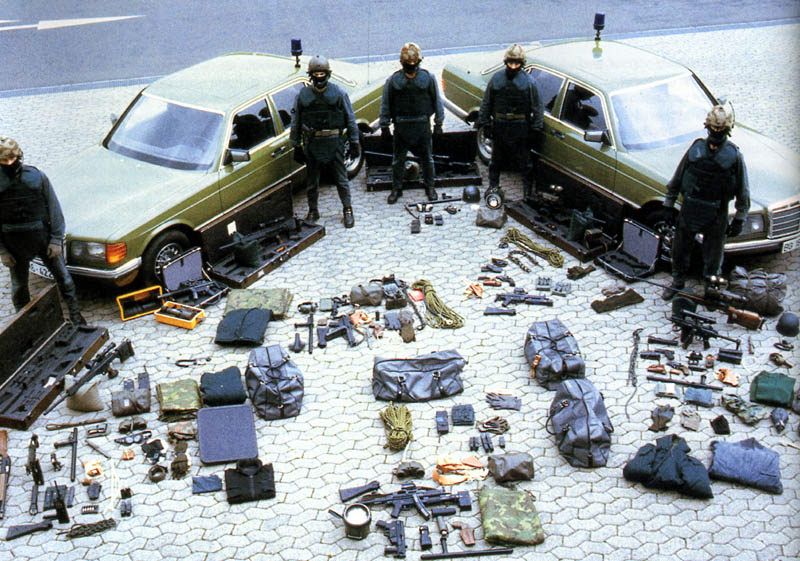
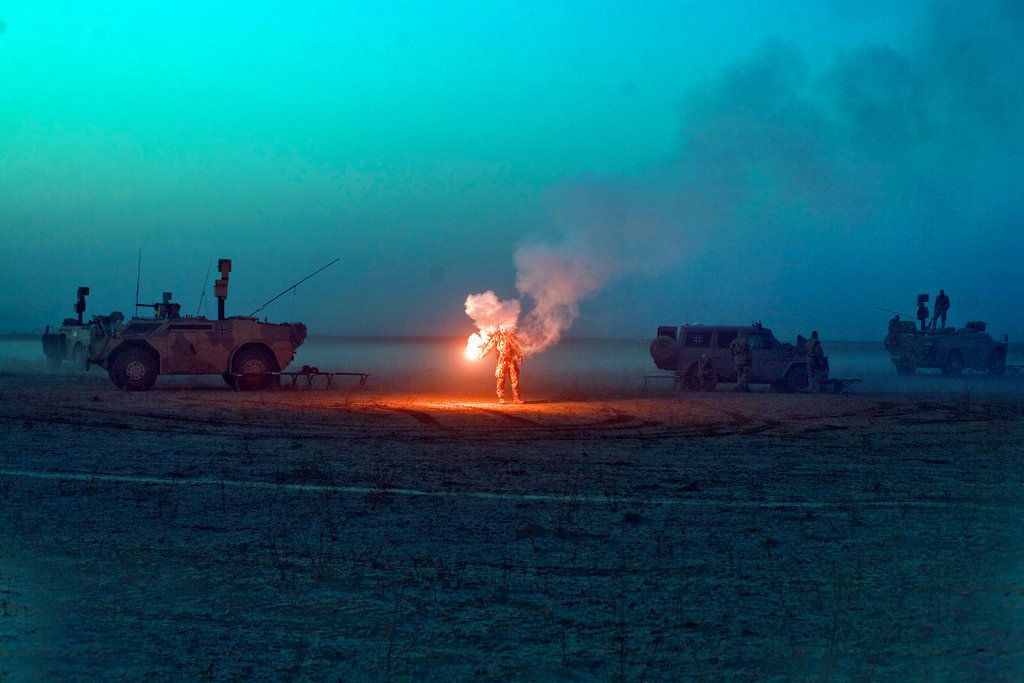
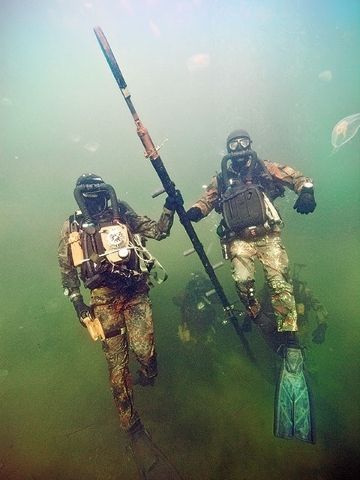
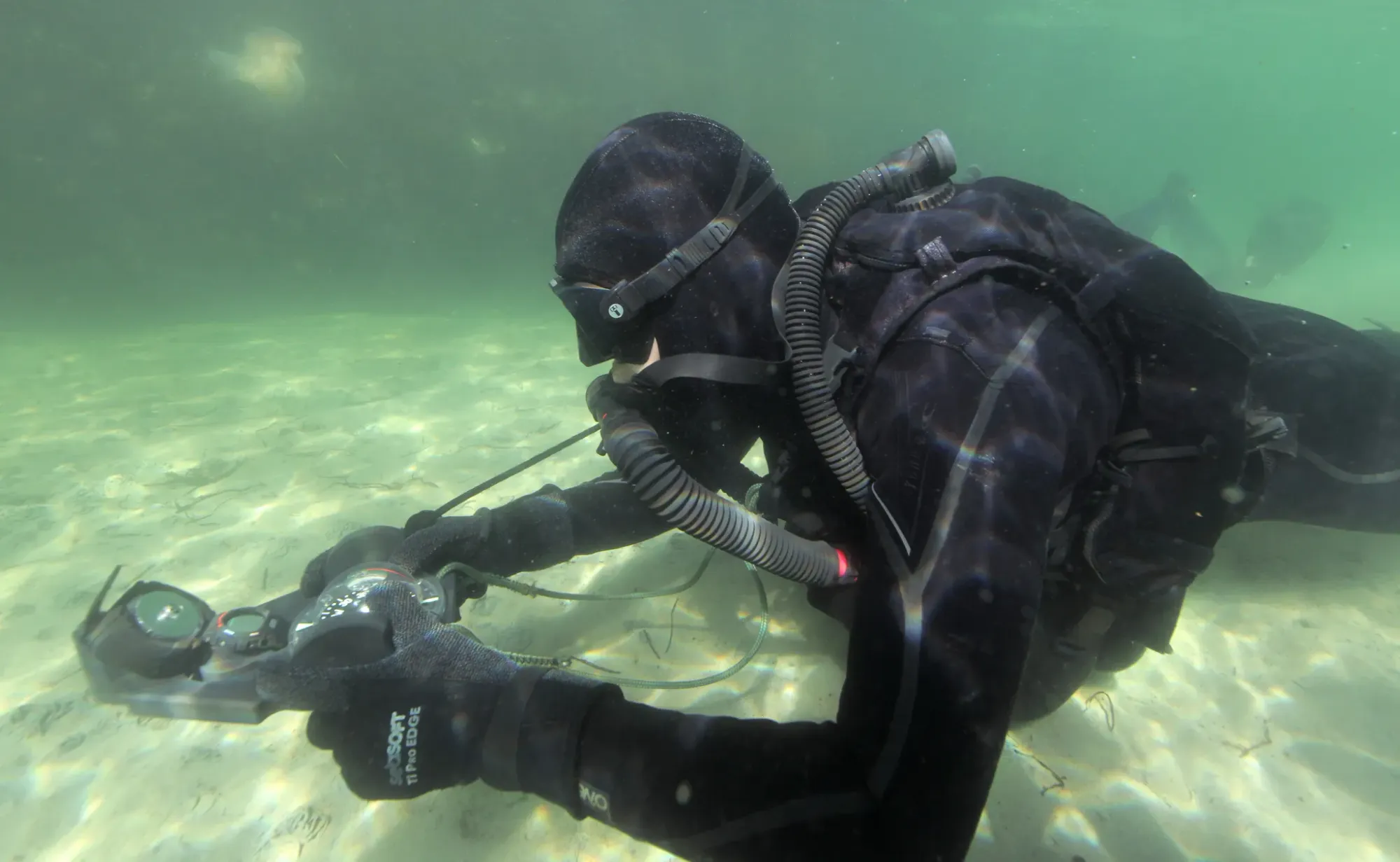
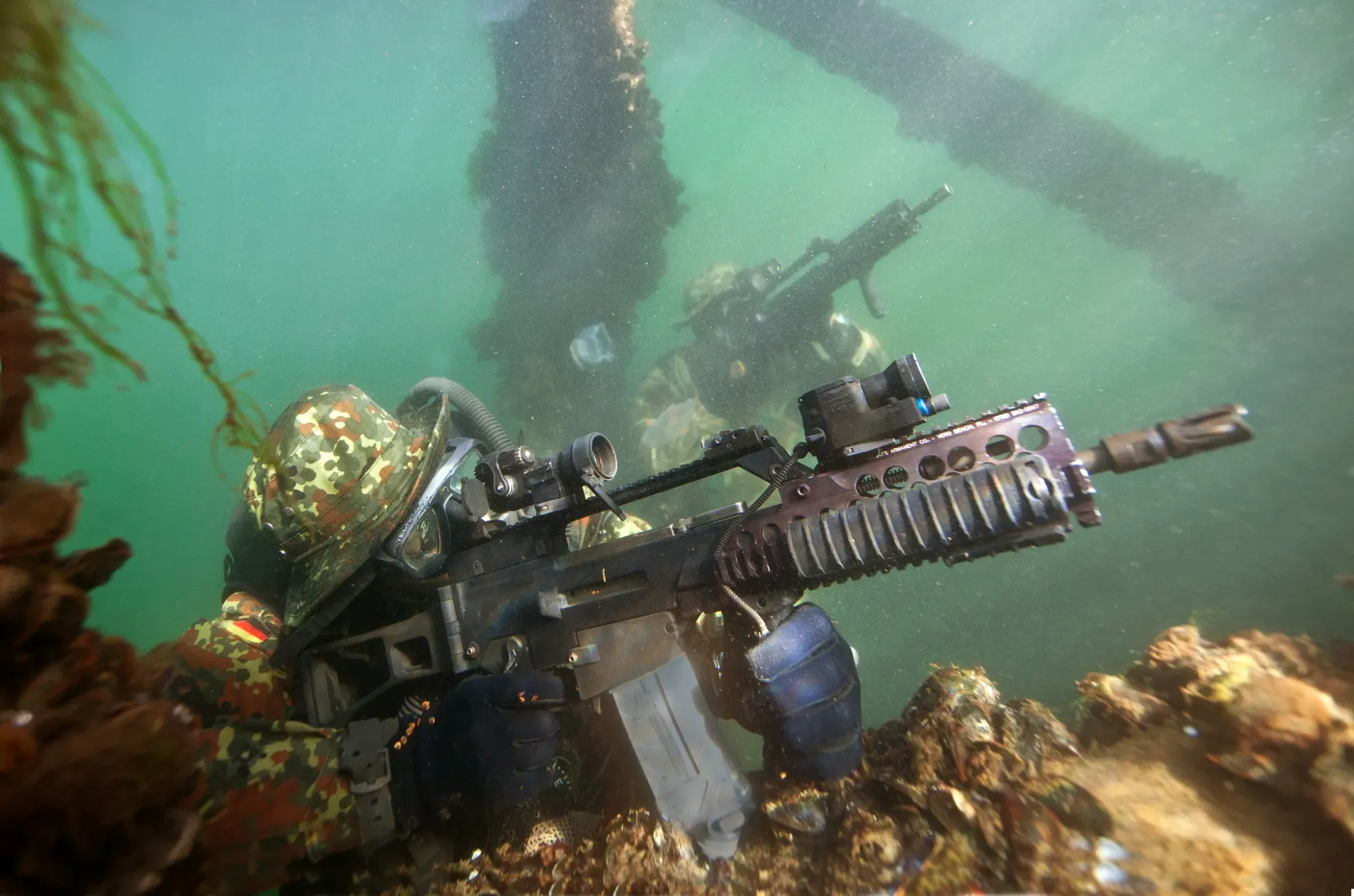
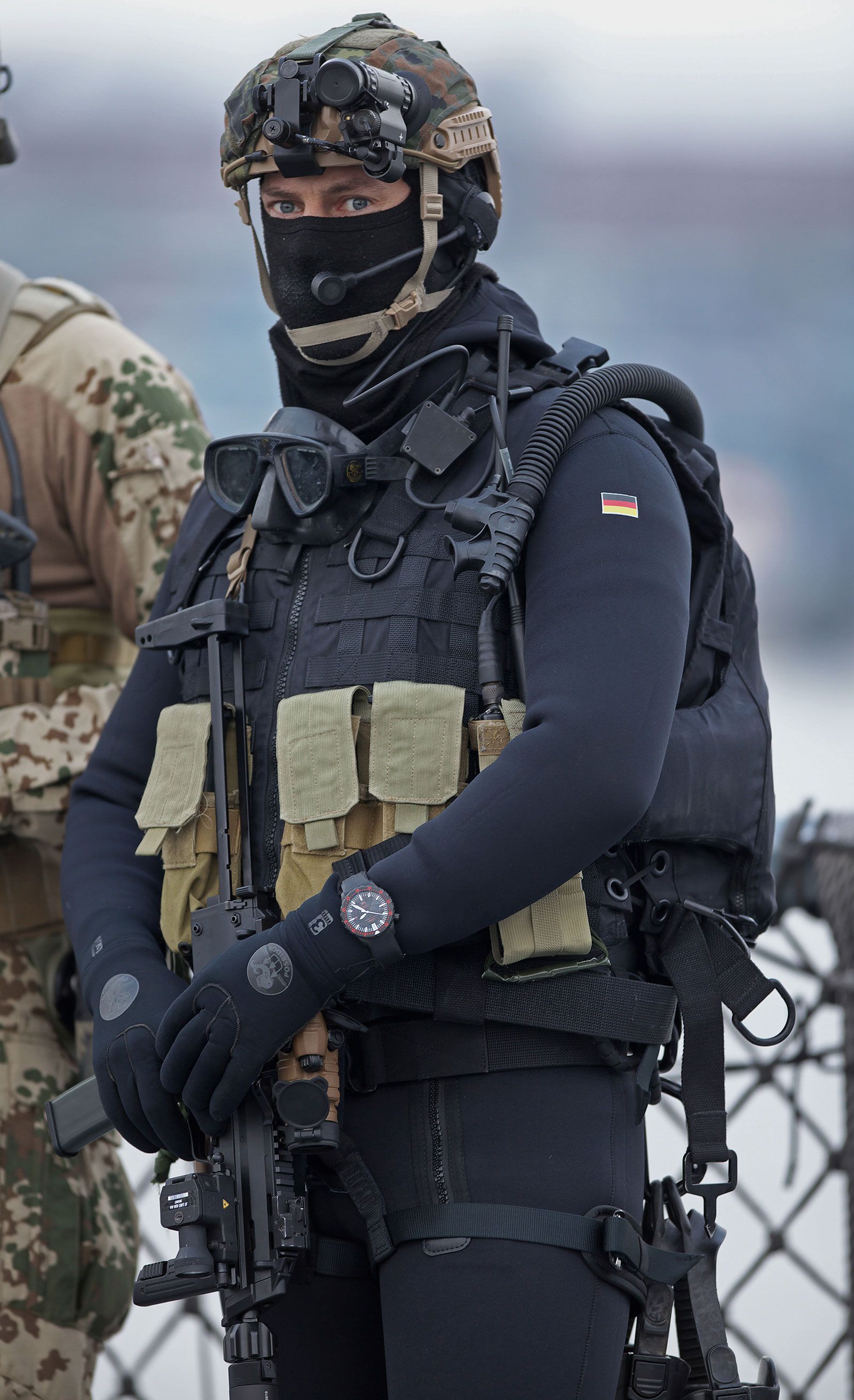
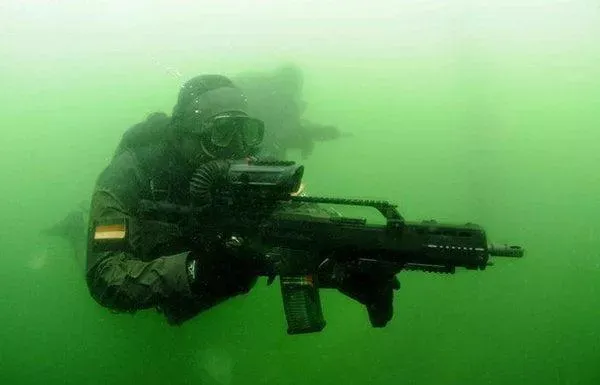
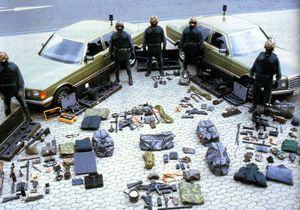
Combat Swimmers German Special Forces
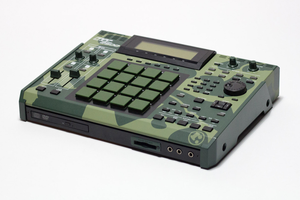
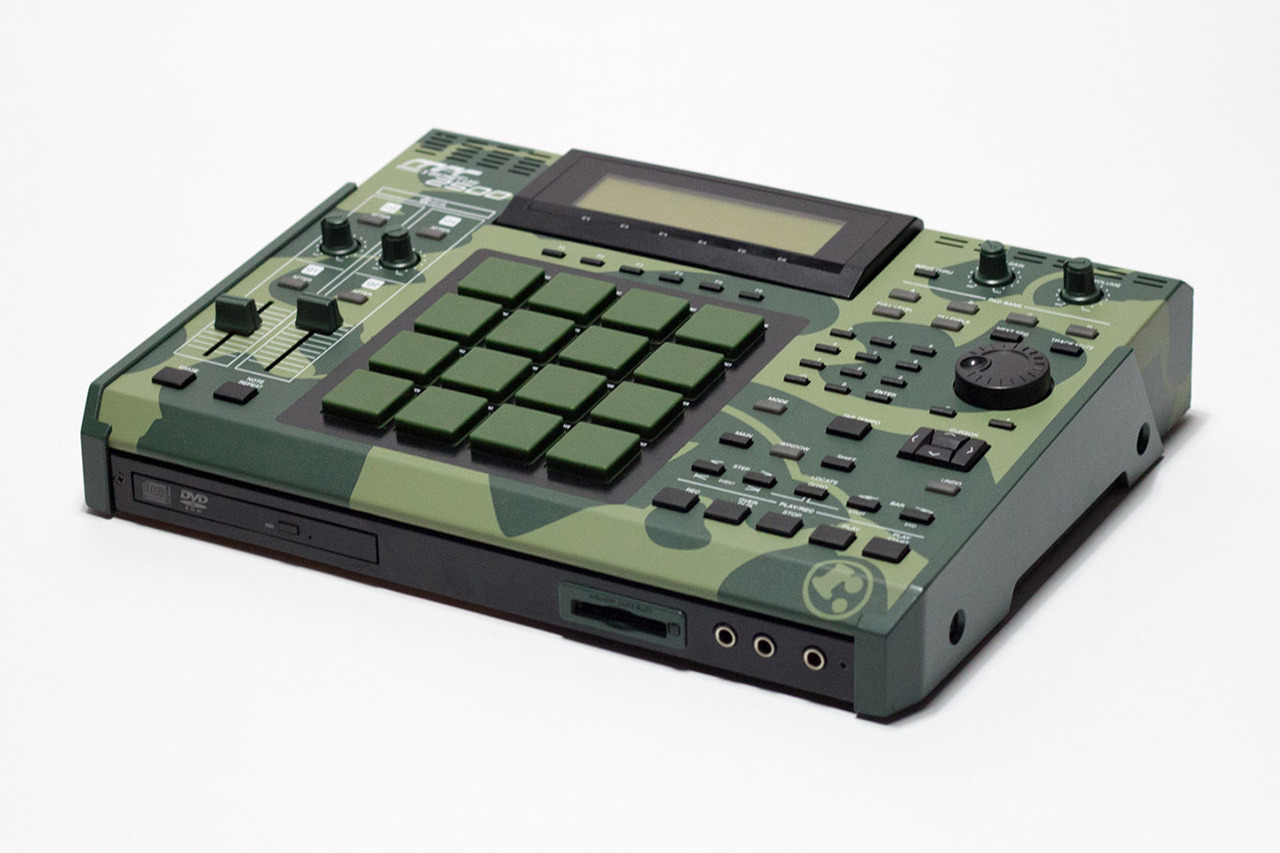
Distinct Life x USUAL Custom Akai MPC 2500
This harmonious collaboration between Distinct Life and USUAL pays homage to the late great producer via a custom creation rendition of the MPC 2500 — an instrument made popular by J. Dilla.
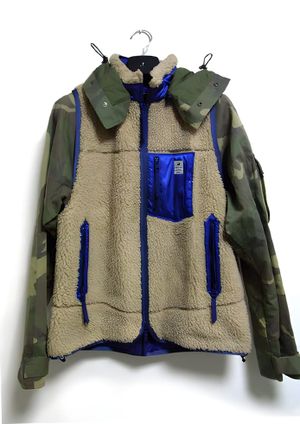
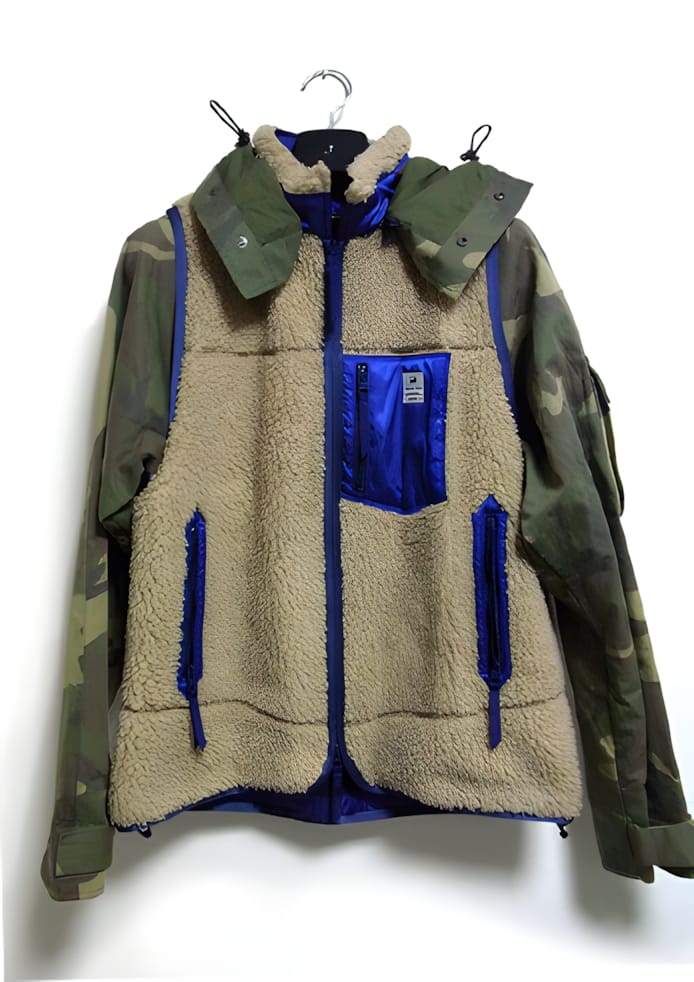
SASQUATCHfabrix. — SASFAB 2-in-1 Coat/Gilet
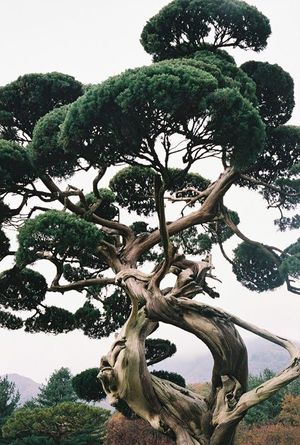
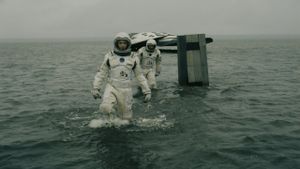
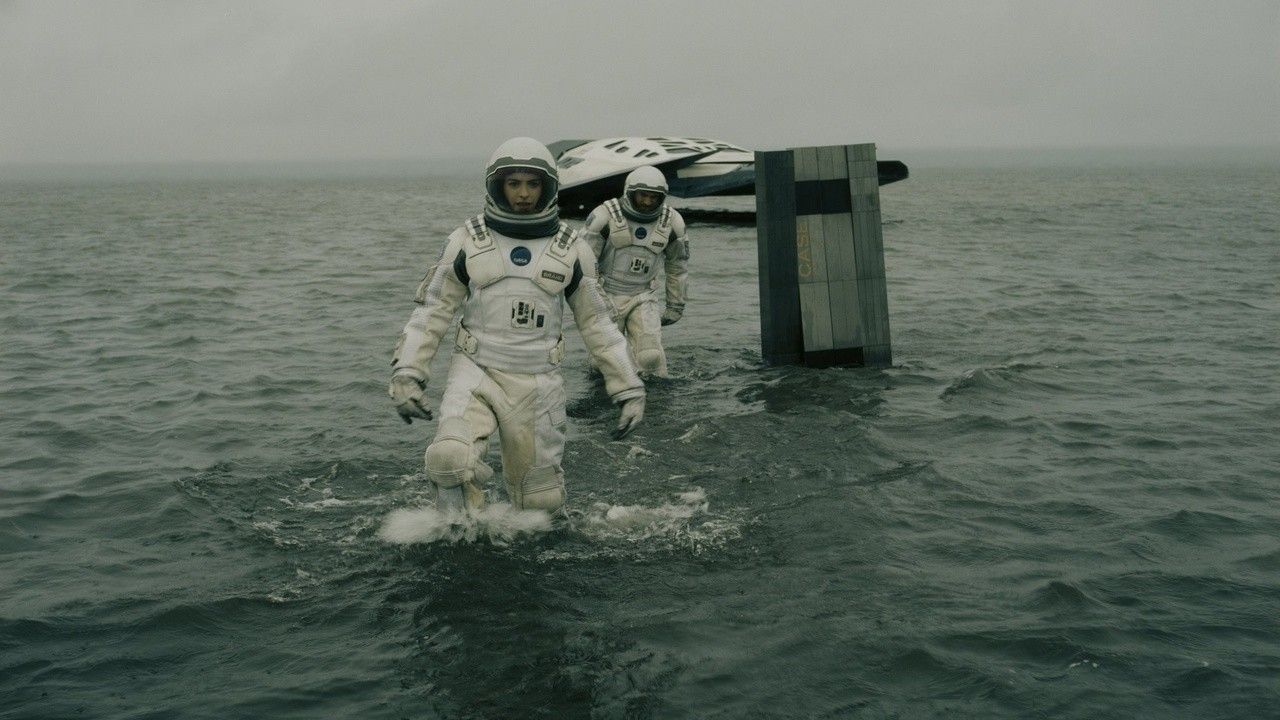
Miller's planet from interstellar
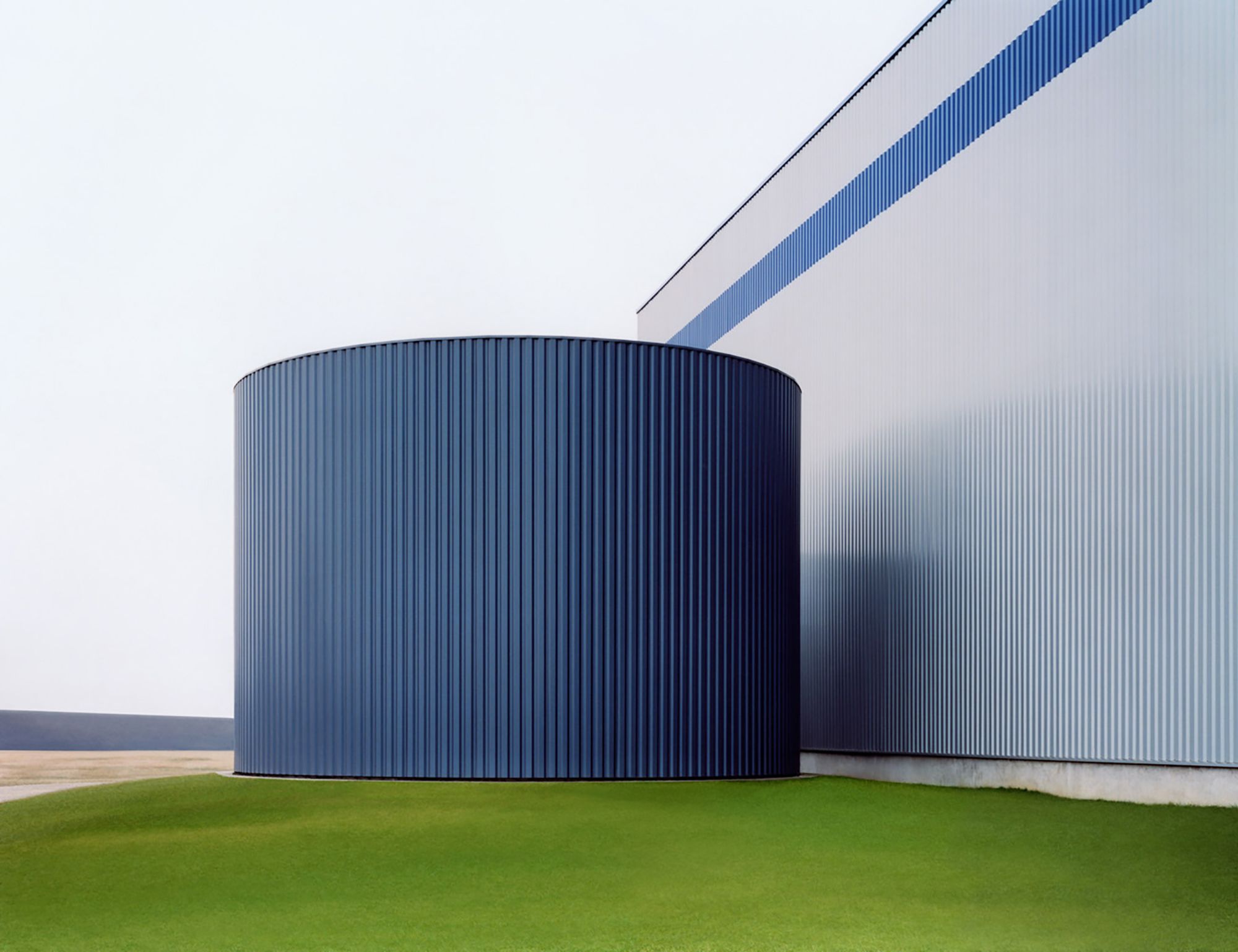
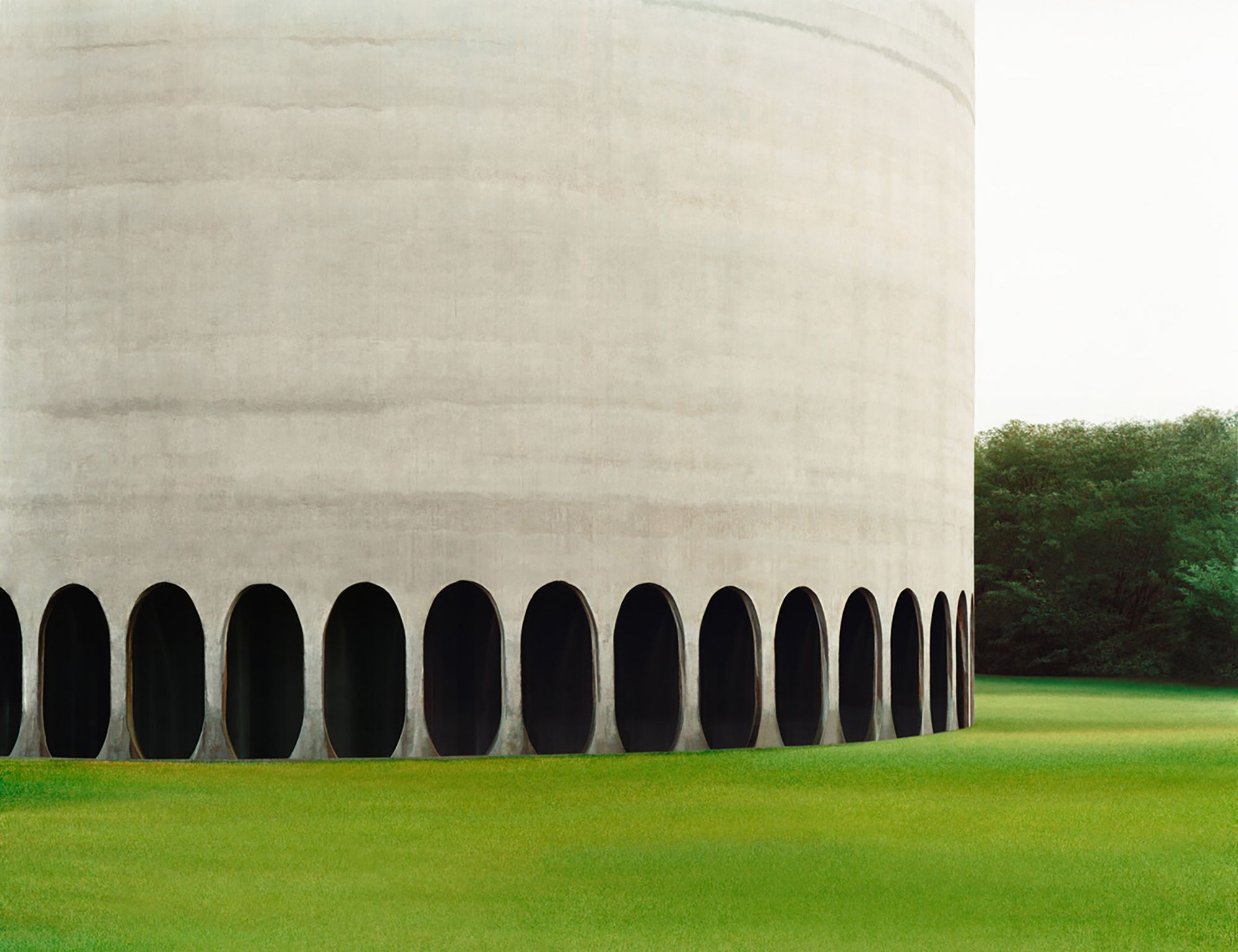
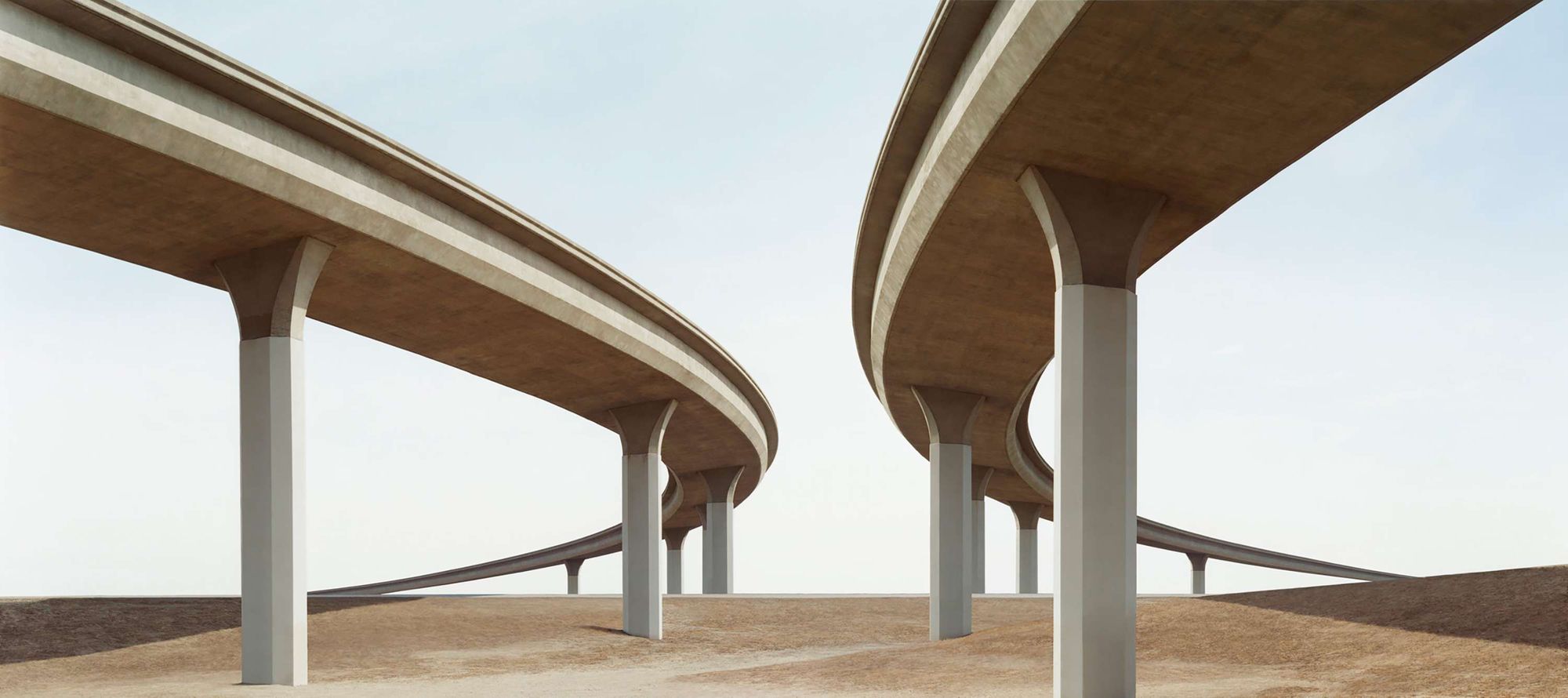
Form #7, Josef Schulz, 2003
Josef Schulz is a photographer known for capturing images of modern warehouses and factories, which are typically considered mundane industrial structures with little architectural significance. These buildings, produced worldwide, follow standardized plans and materials, lacking distinct external features to reveal their specific purposes.
Schulz's approach involves studying the essence of his craft through these photographs. He employs digital image processing to remove any elements hinting at the buildings' age, location, or surroundings, transforming them into virtual blueprints. By emphasizing colors, shapes, and symmetries, he turns the buildings into block-like structures, resembling toy architecture and presenting them as idealized versions of themselves.
In this process, Schulz blurs the line between photographic and painted reality to optimize the images. Simultaneously, he reduces the physical buildings to their design concepts and the photographic reality to its virtual representation. His intent is to diverge from the typical pursuit of making digital images appear as real as possible. This approach might leave the viewer perplexed, as they struggle to distinguish between authentic elements captured by the camera and those created through digital tools.
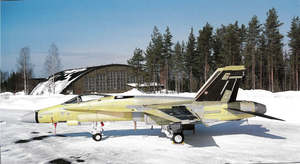
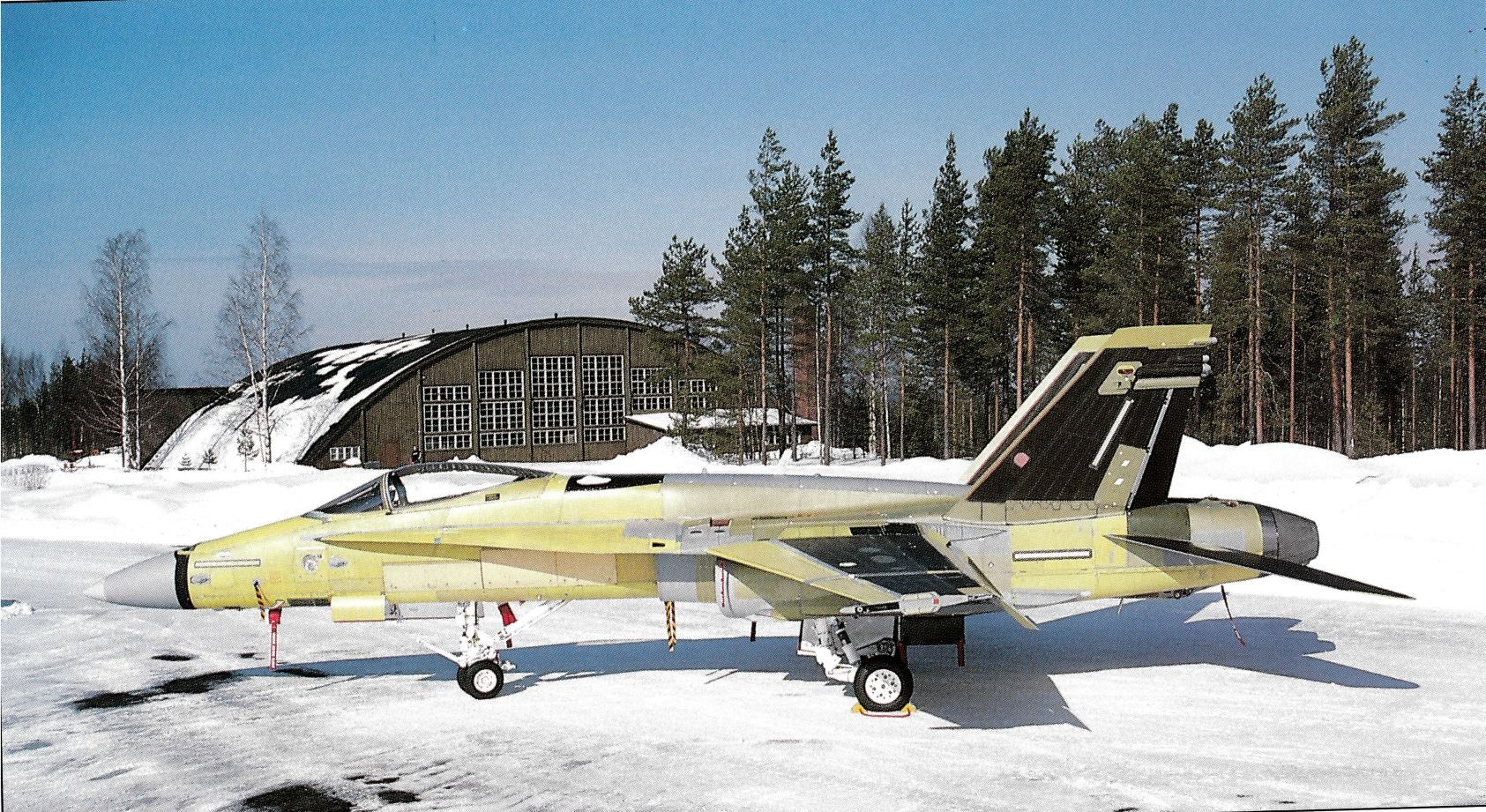
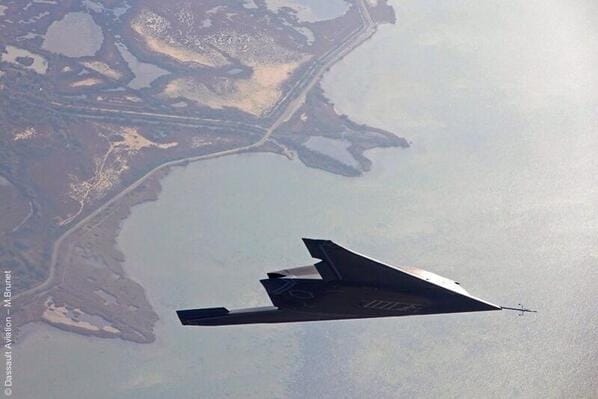
Canard-Delta Aircraft in Winter Testing
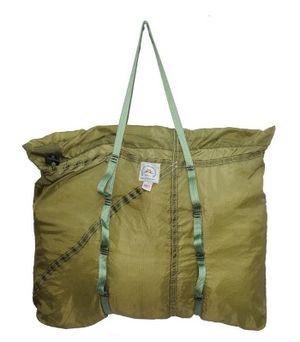
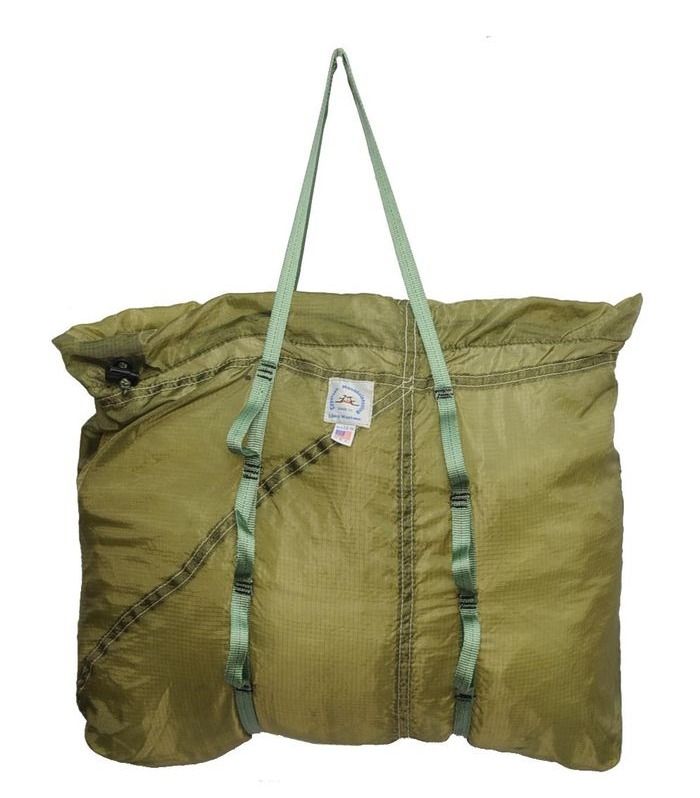
Epperson Mountaineering Large Climb Tote
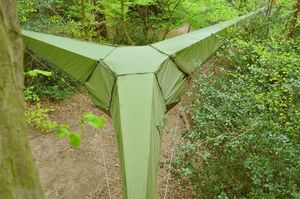
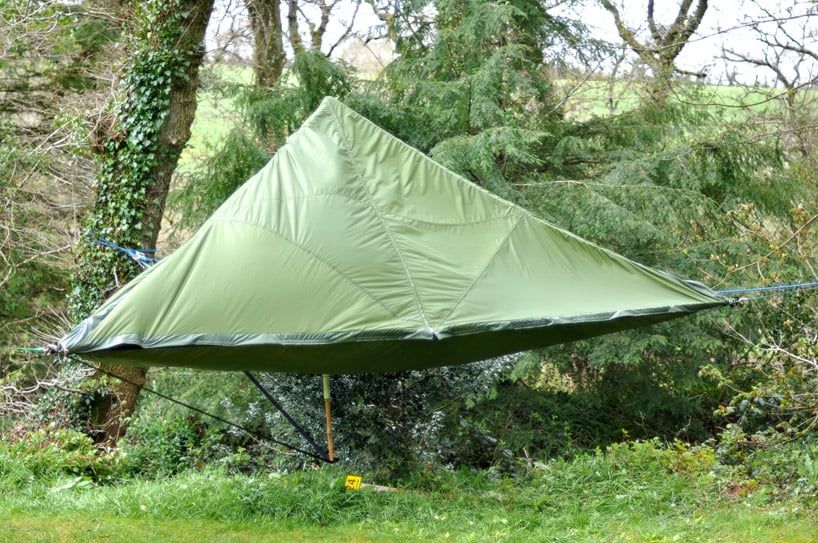
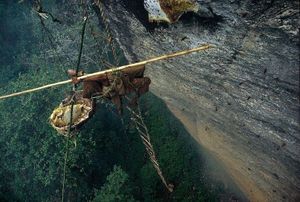
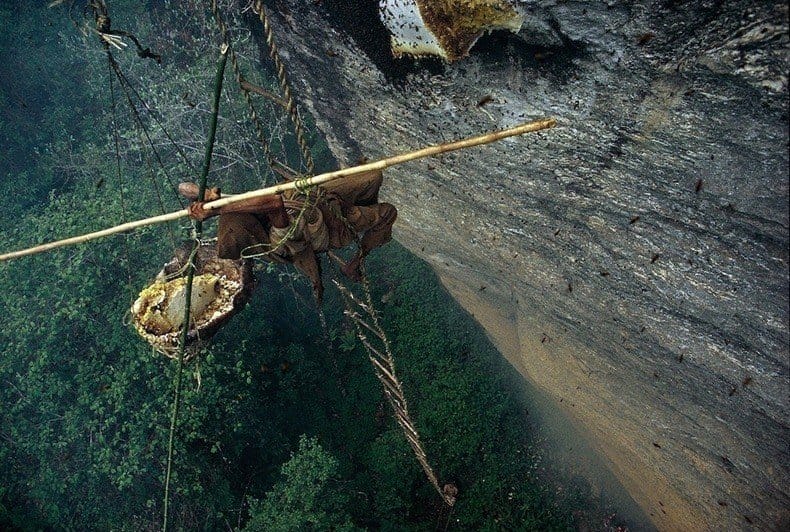
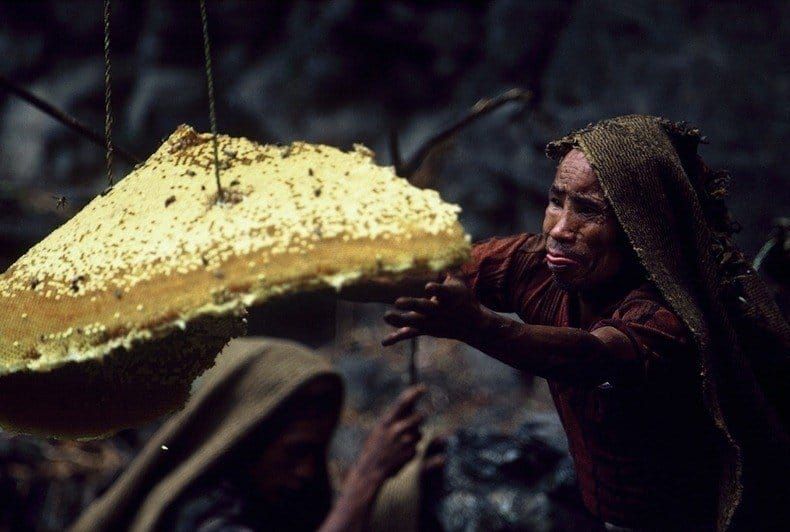
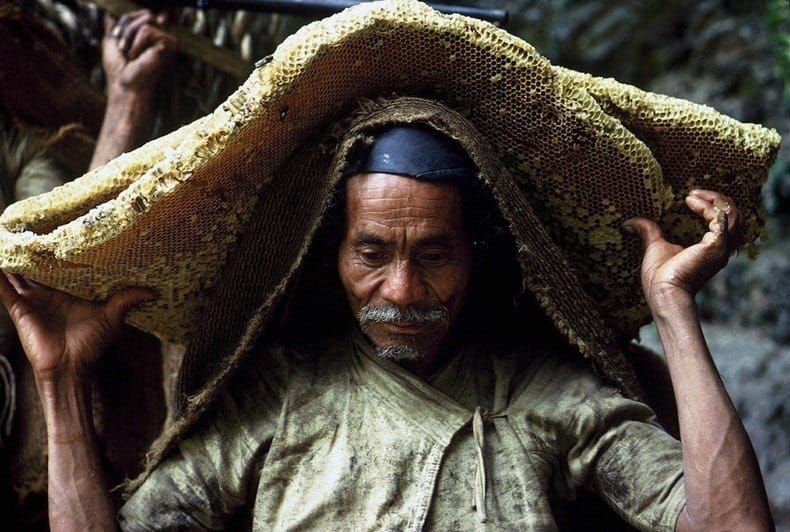
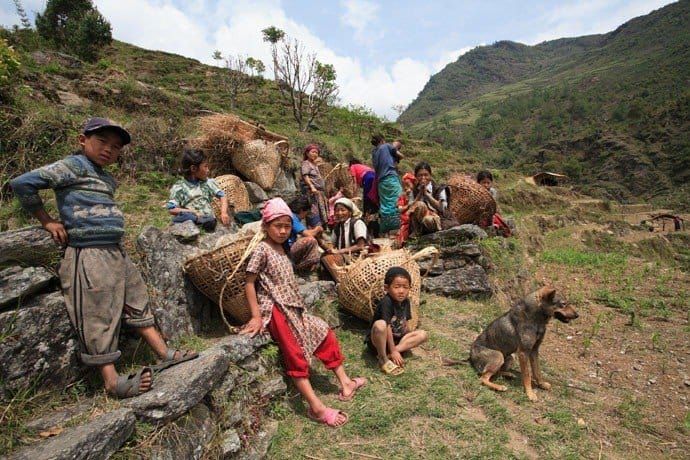
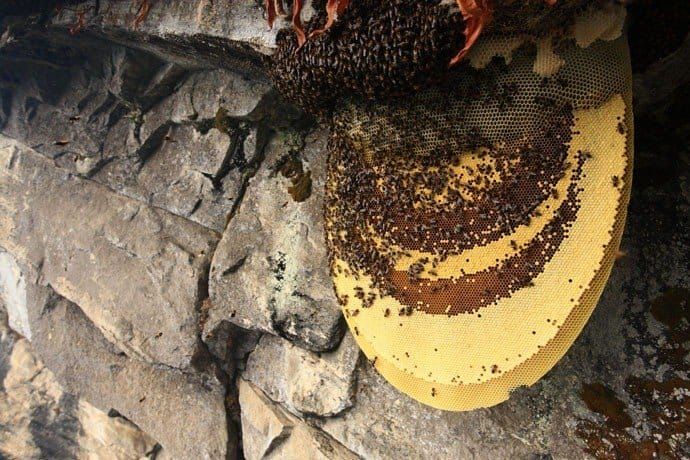
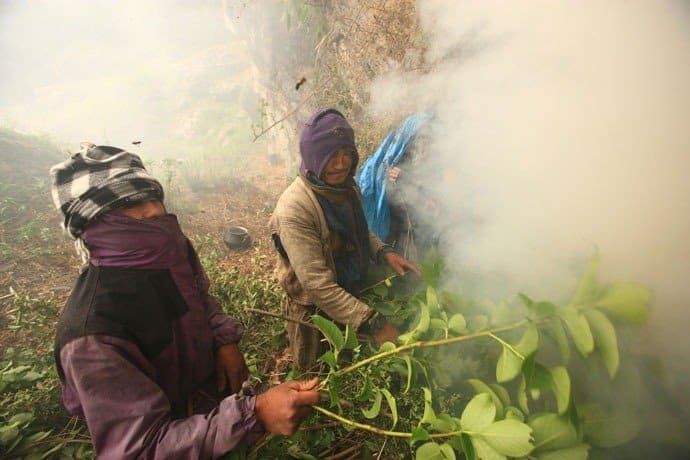
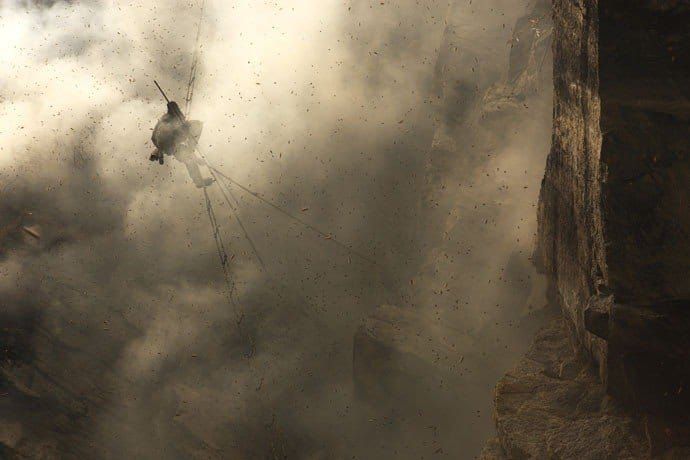
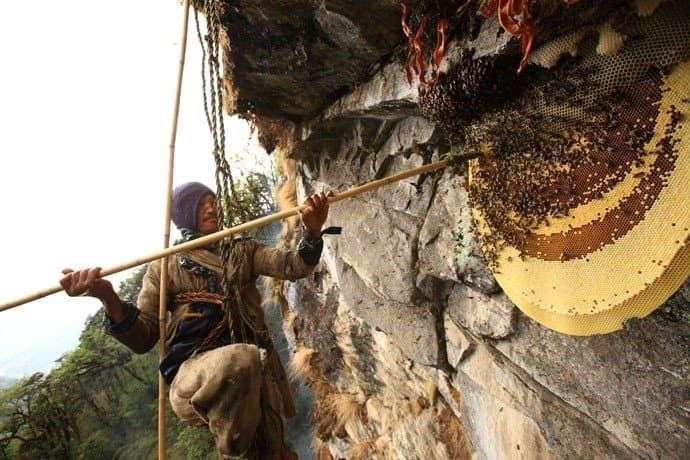
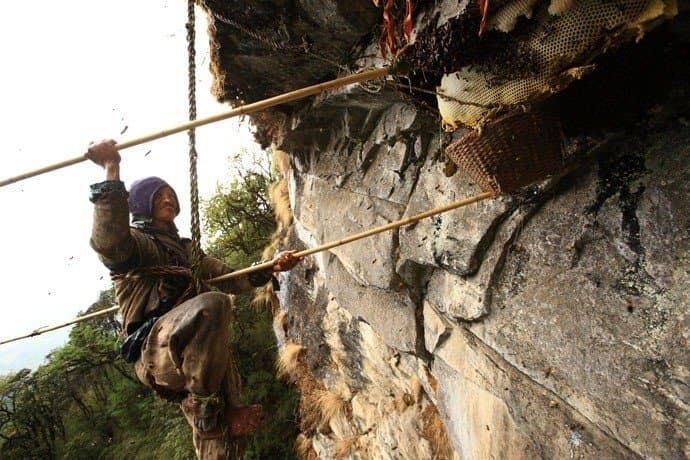
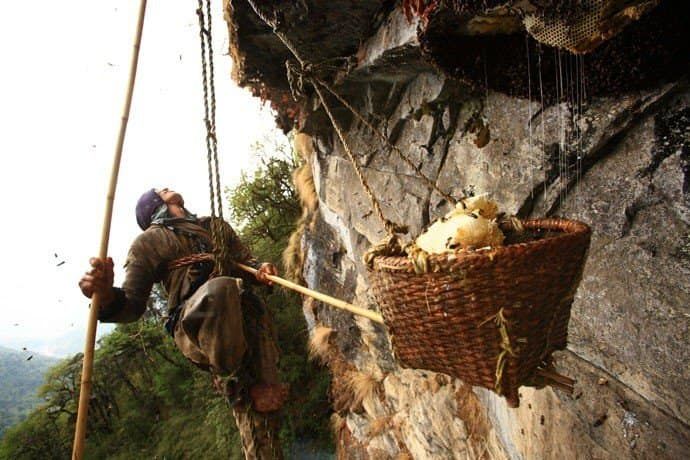
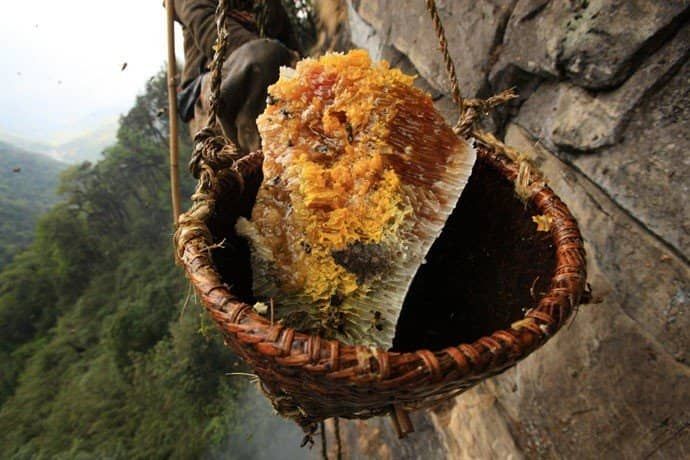
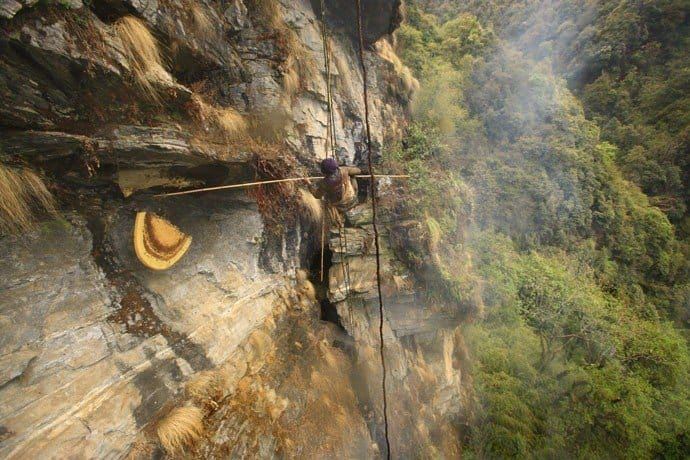
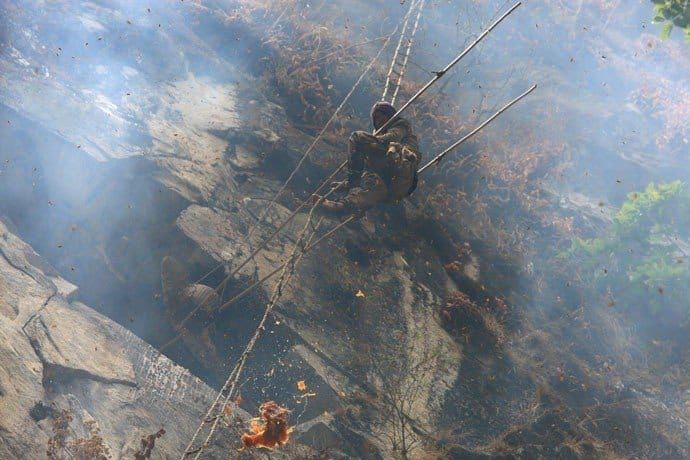
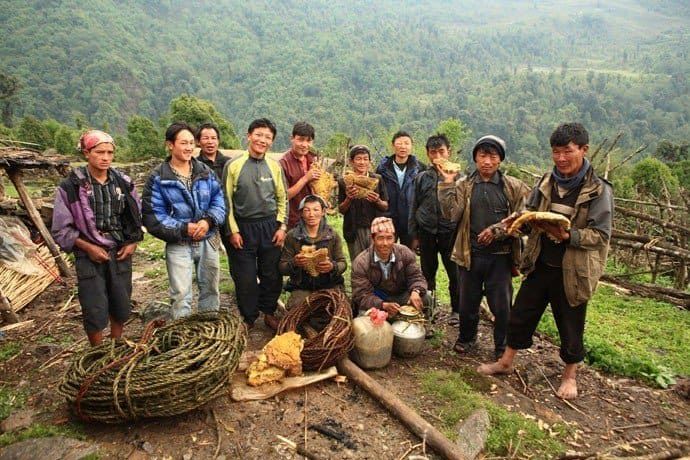
The Honey Hunters Of Nepal
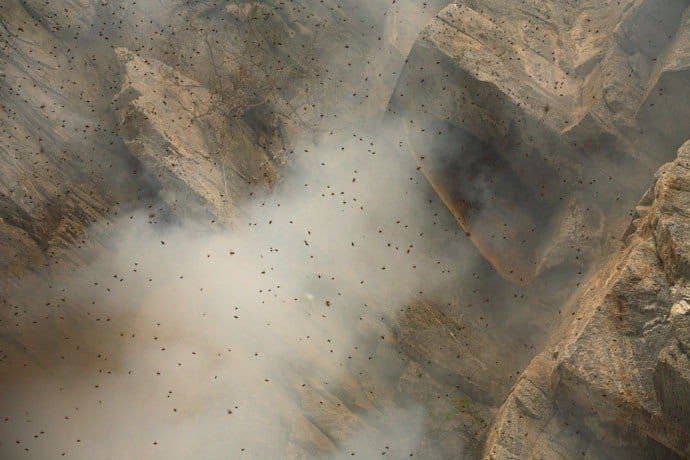
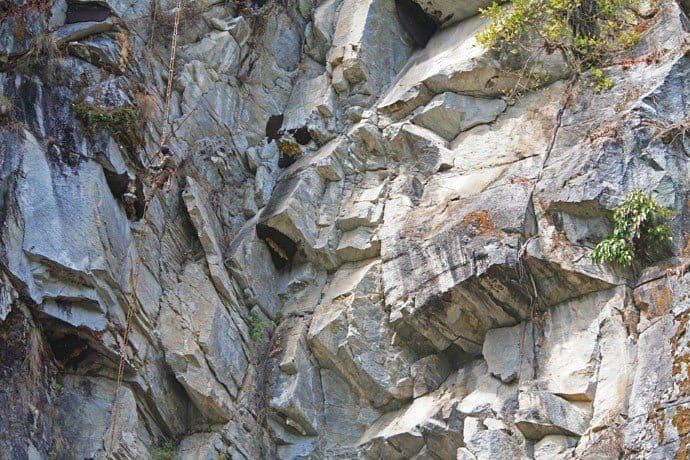
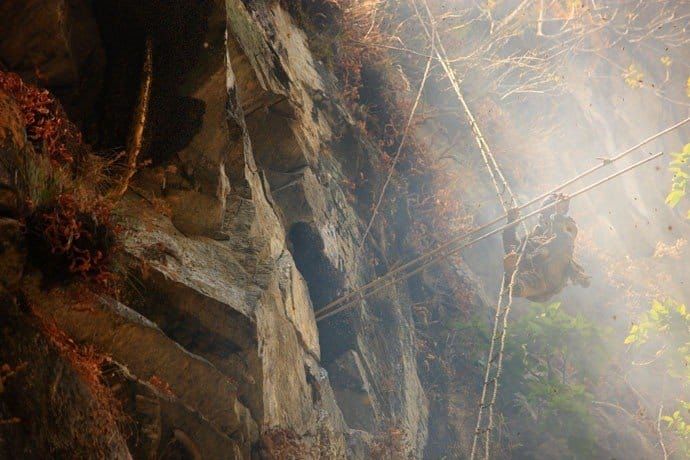
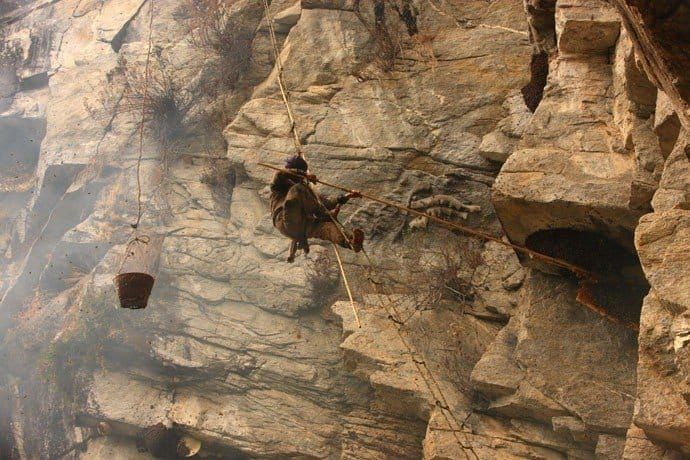
Nepal is home to the Apis Laboriosa, the biggest honey bee on the planet, and honey hunting plays a significant role in the local way of life. The bees build their hives on the cliffs of the country's foothills, which adds complexity to the honey hunting process. Local honey hunters use rope ladders and baskets to access the combs after driving the bees away with smoke from a fire underneath the hives. They carefully collect the honey treasure from the combs while dealing with territorial bees. The harvesting occurs once a year and begins with a harvest ritual that varies across towns, often starting with a prayer and the offering of flowers, rice, and fruits.
This unique aspect of Nepali culture is captivating, and tourists have the opportunity to witness the bravery of the honey hunters, explore the fascination of the Nepali landscape, and admire the intricate homes of the honey bees.

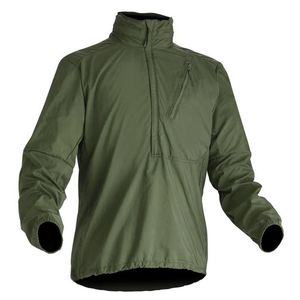
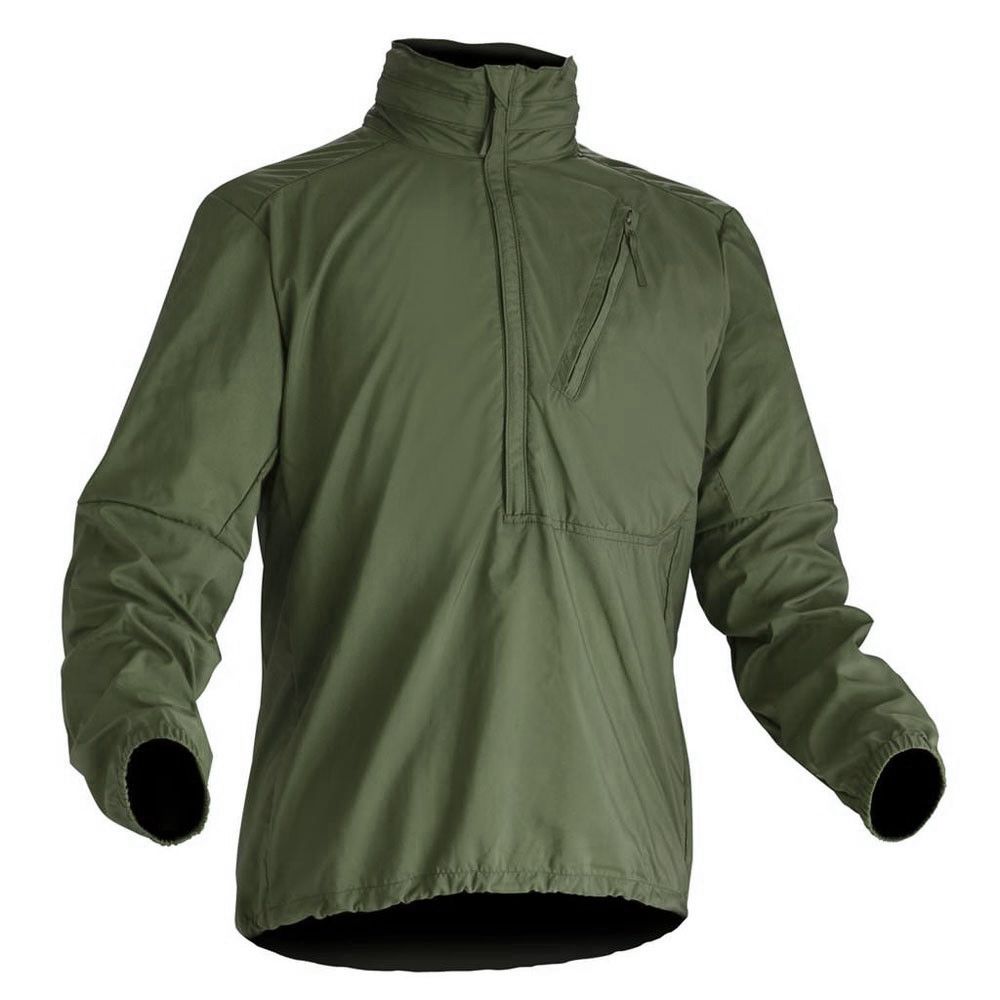
Wild Things Wind Shirt WT 1.0
A minimally constructed, articulated stow-away hood fits the head snugly, allowing a helmet to be worn over it. The fit of the shirt is generous enough to pull over a mid layer, but fitted enough to keep the wind out. Features include elasticized sleeve cuffs, an adjustable hem, and an angled chest pocket.
Fit: Under Body Armor
Weight: 10 oz
Berry Amendment Compliant: 100% Made in U.S.A.Features:
- 1/2 zip pullover
- One angled chest pocket
- Concealed zippers
- Adjustable shock cord hem
- Stow-away hood
- Elastic wrists
- Dropped tail
Materials:
- 70 denier textured Nylon with silicone encapsulation
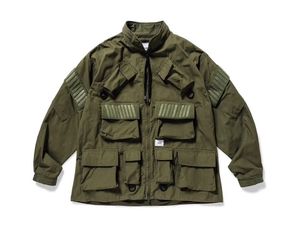
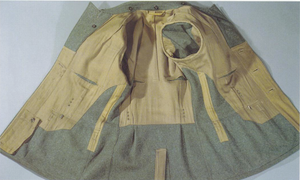
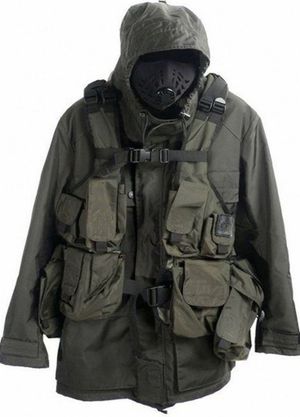
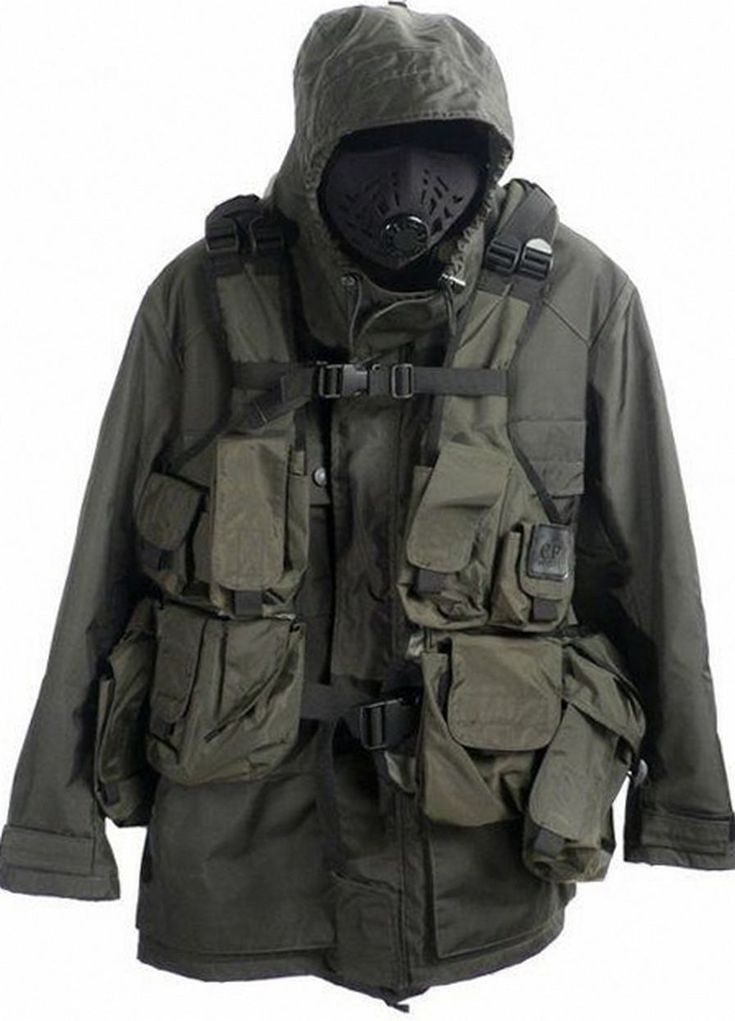
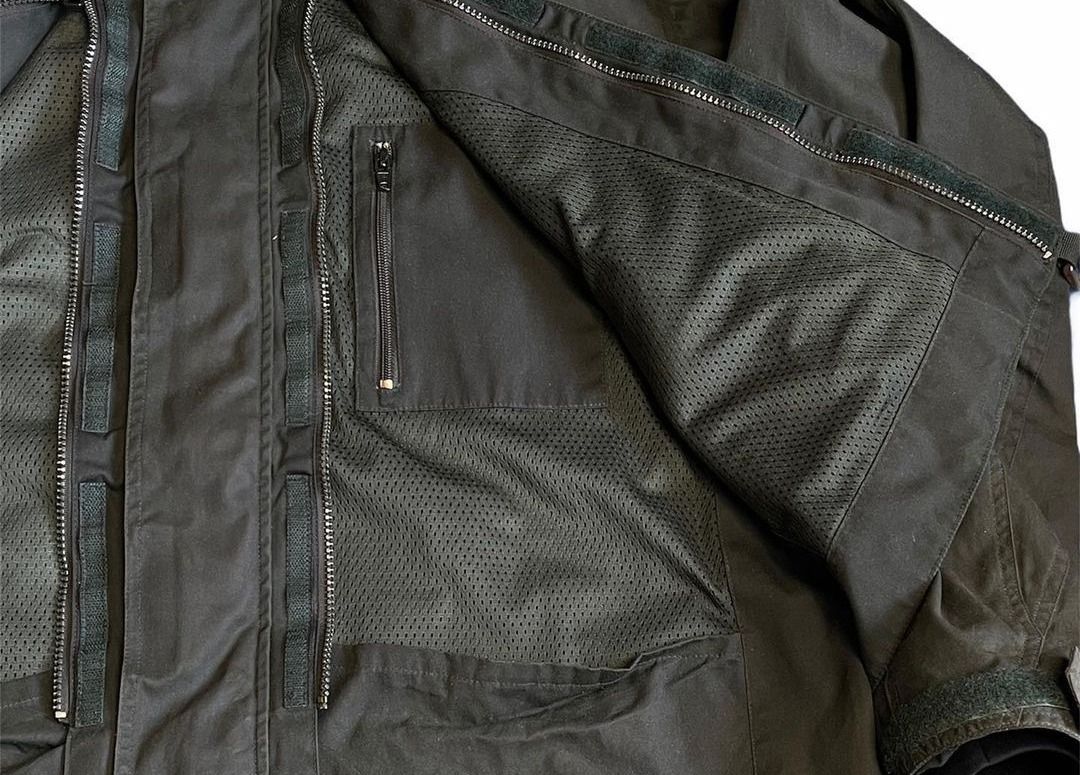
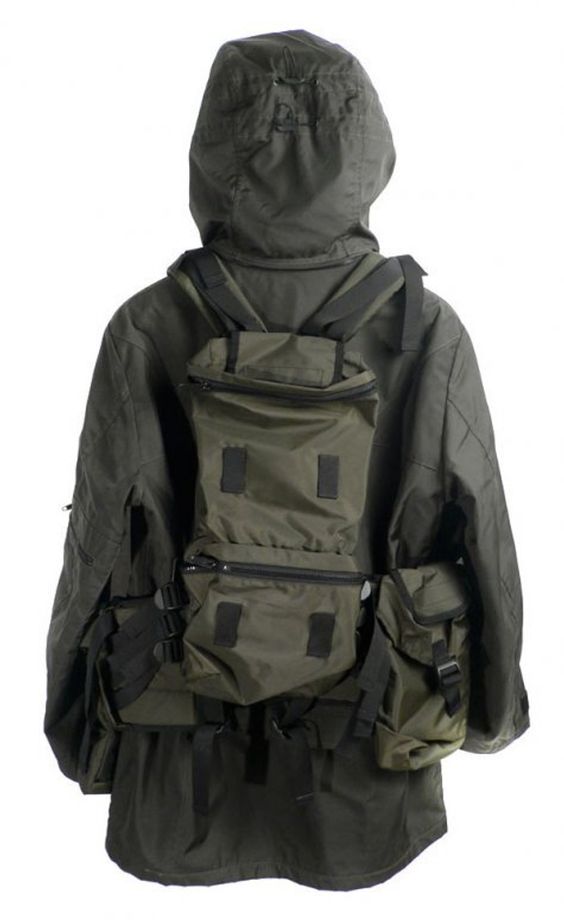
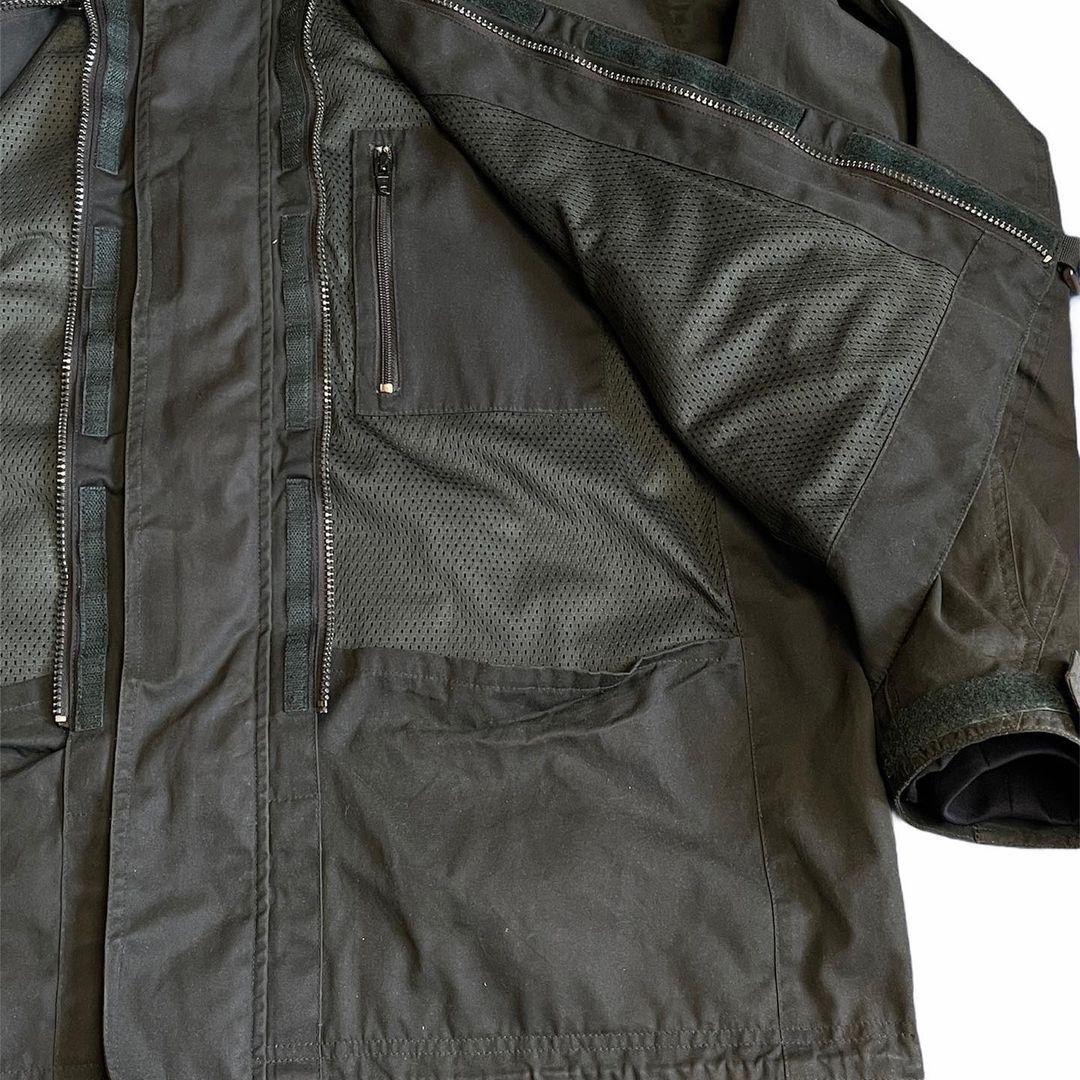
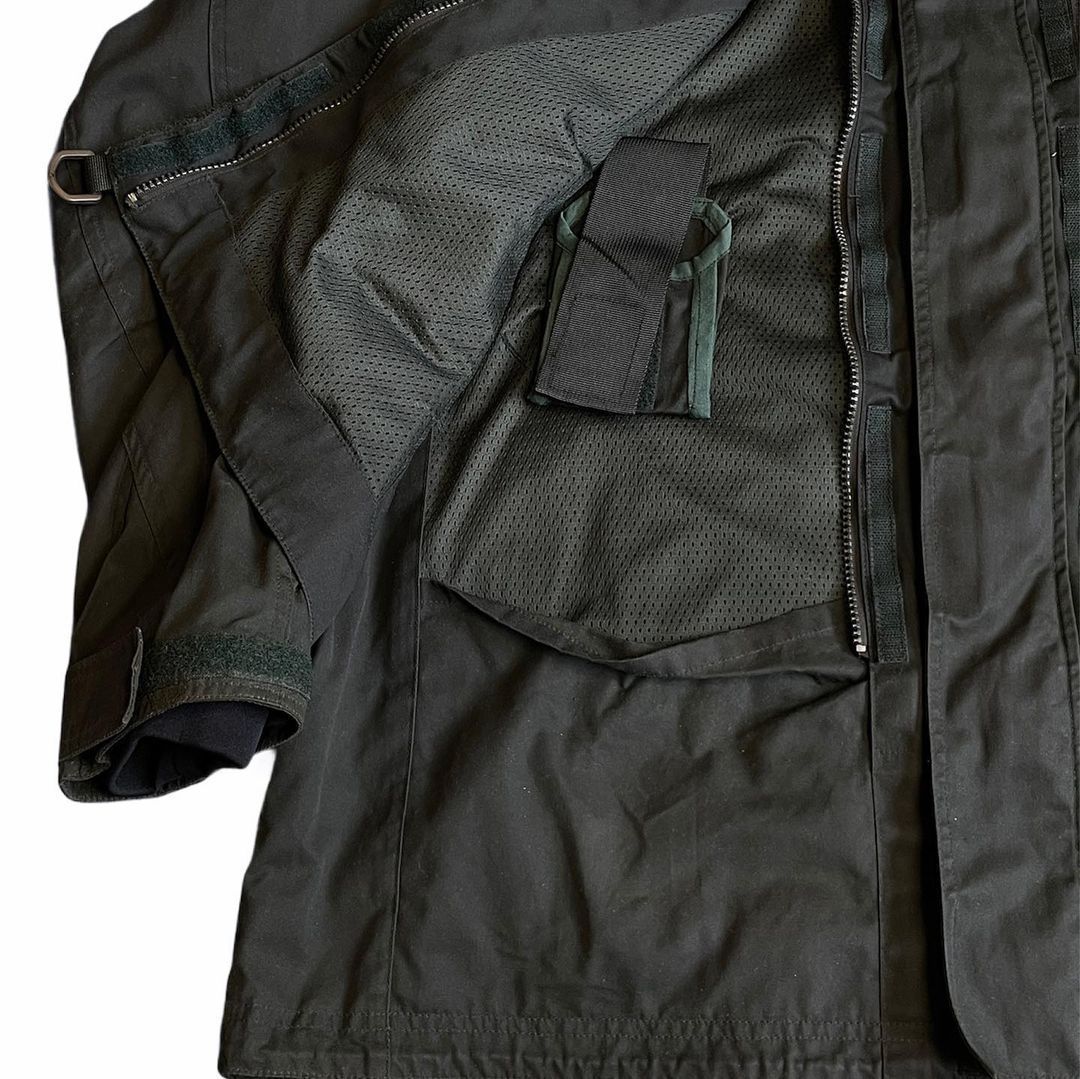
cp company urban protection jacket

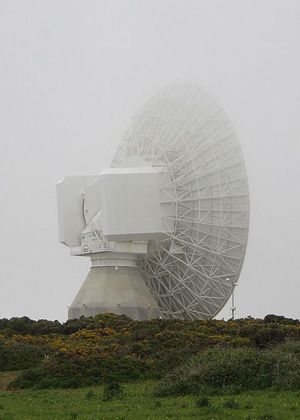
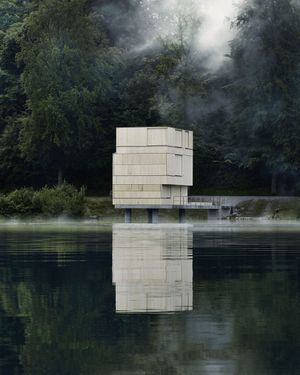
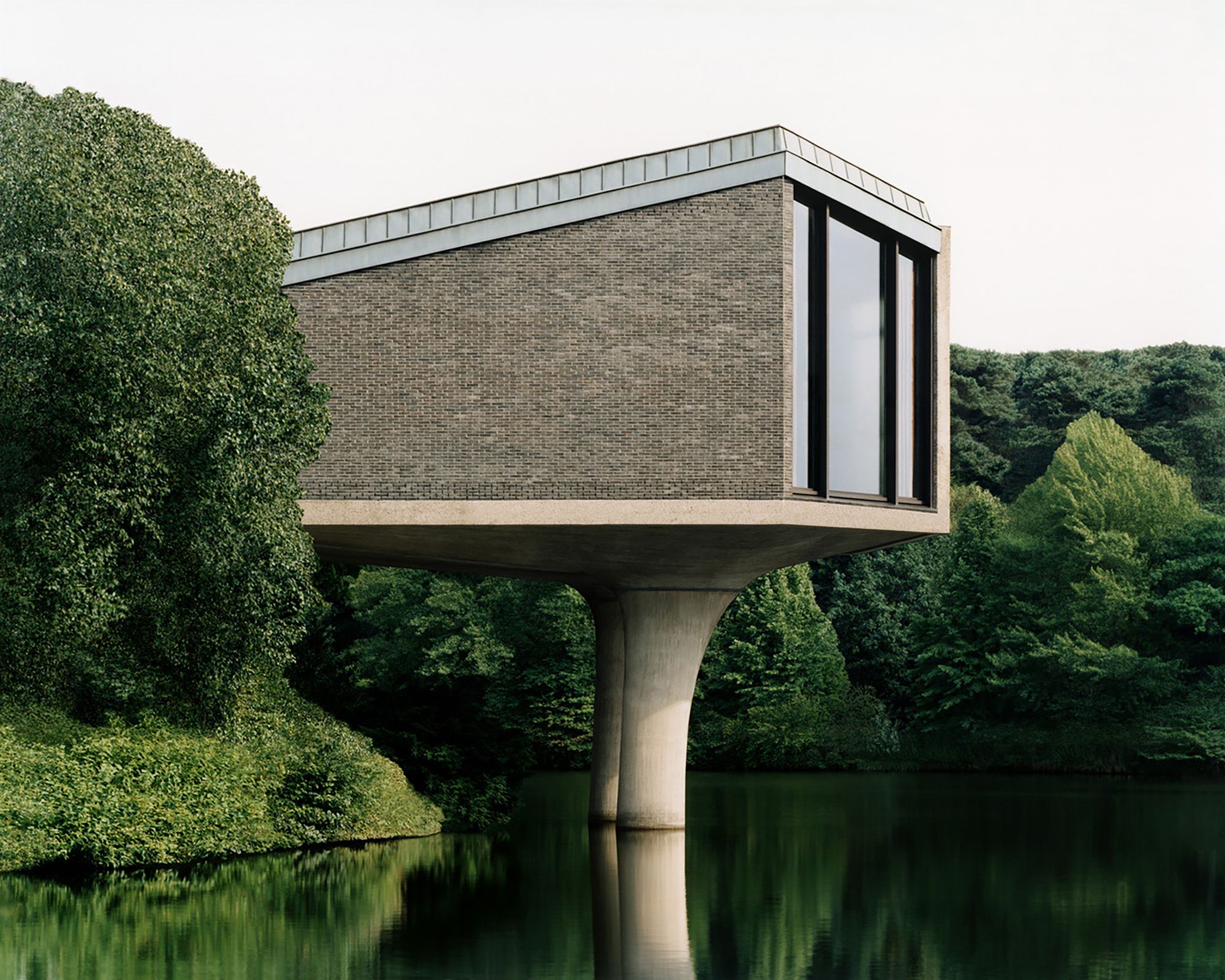
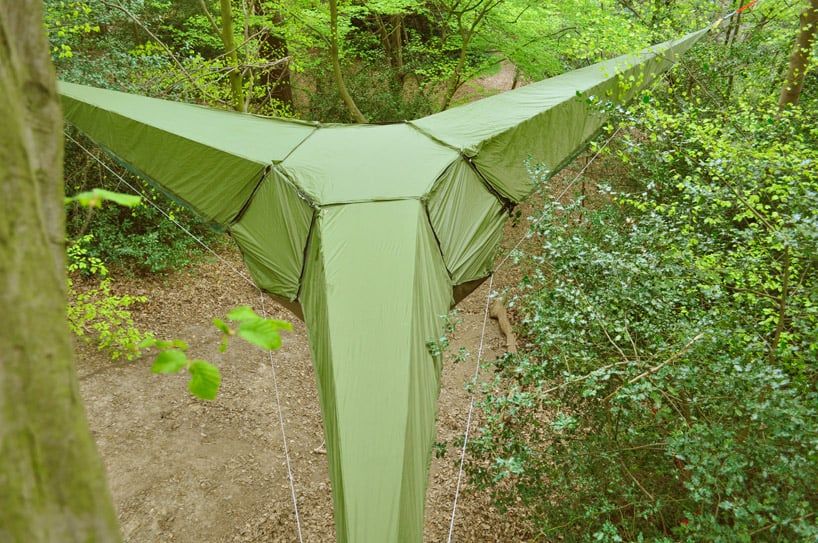
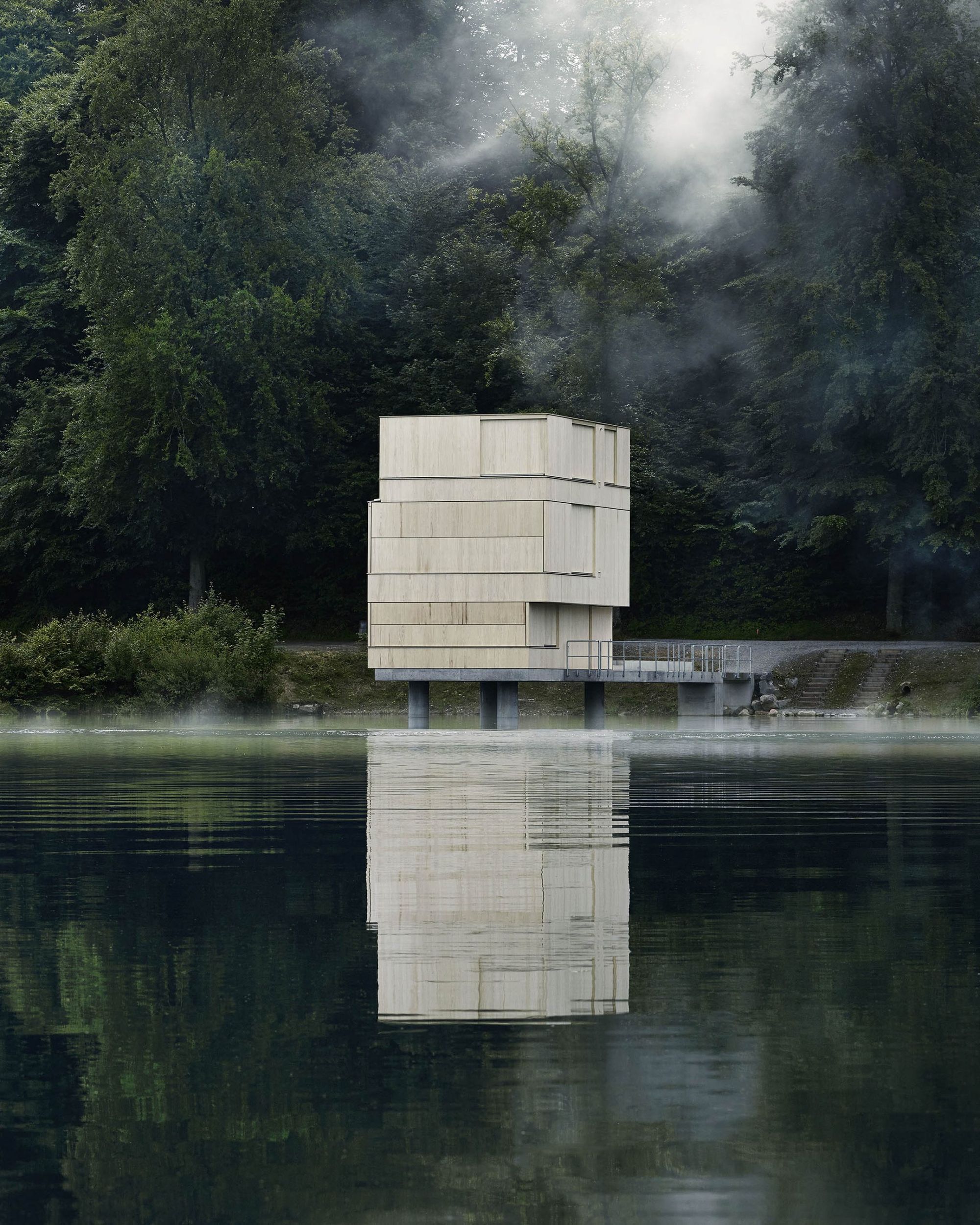
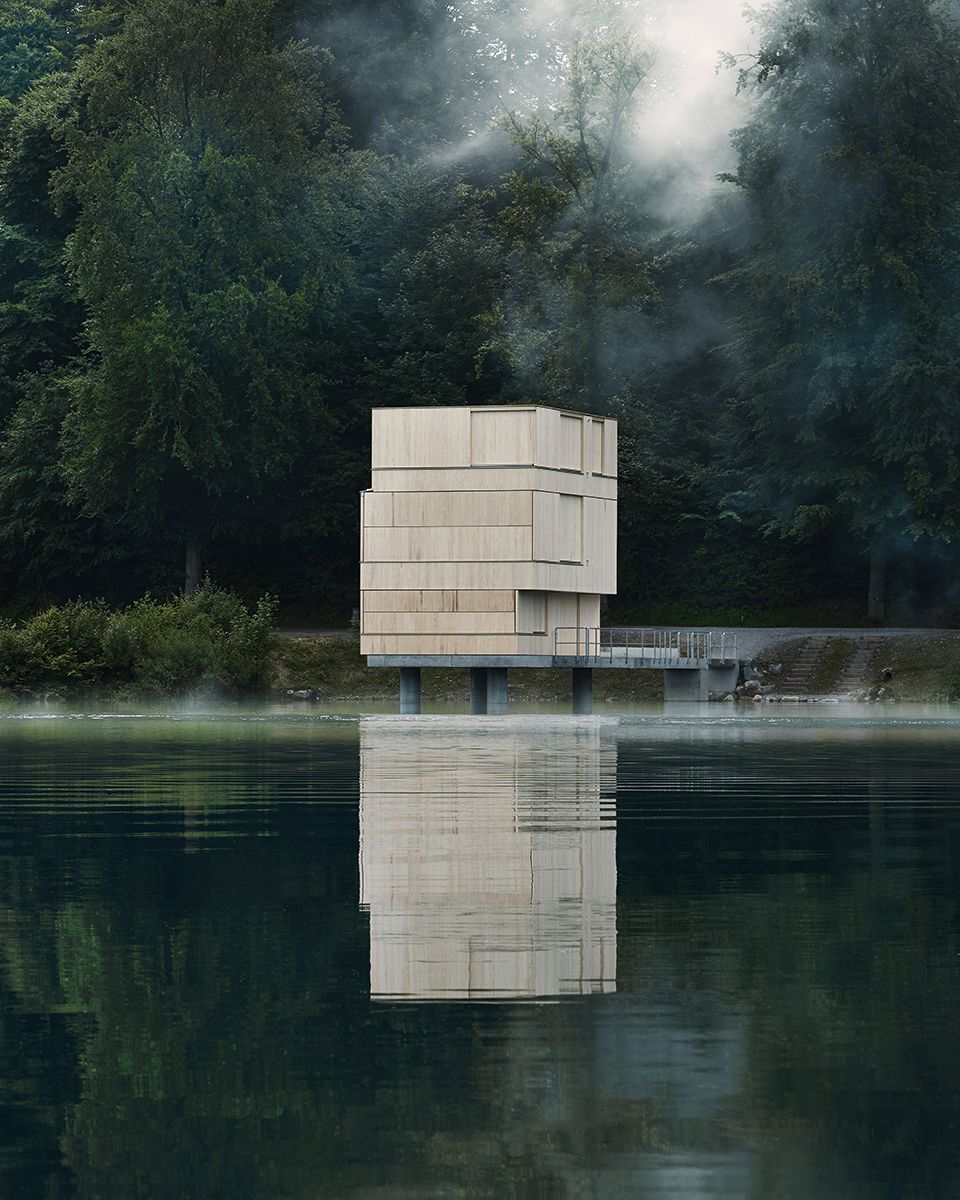
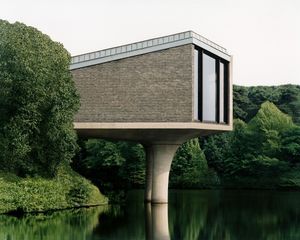
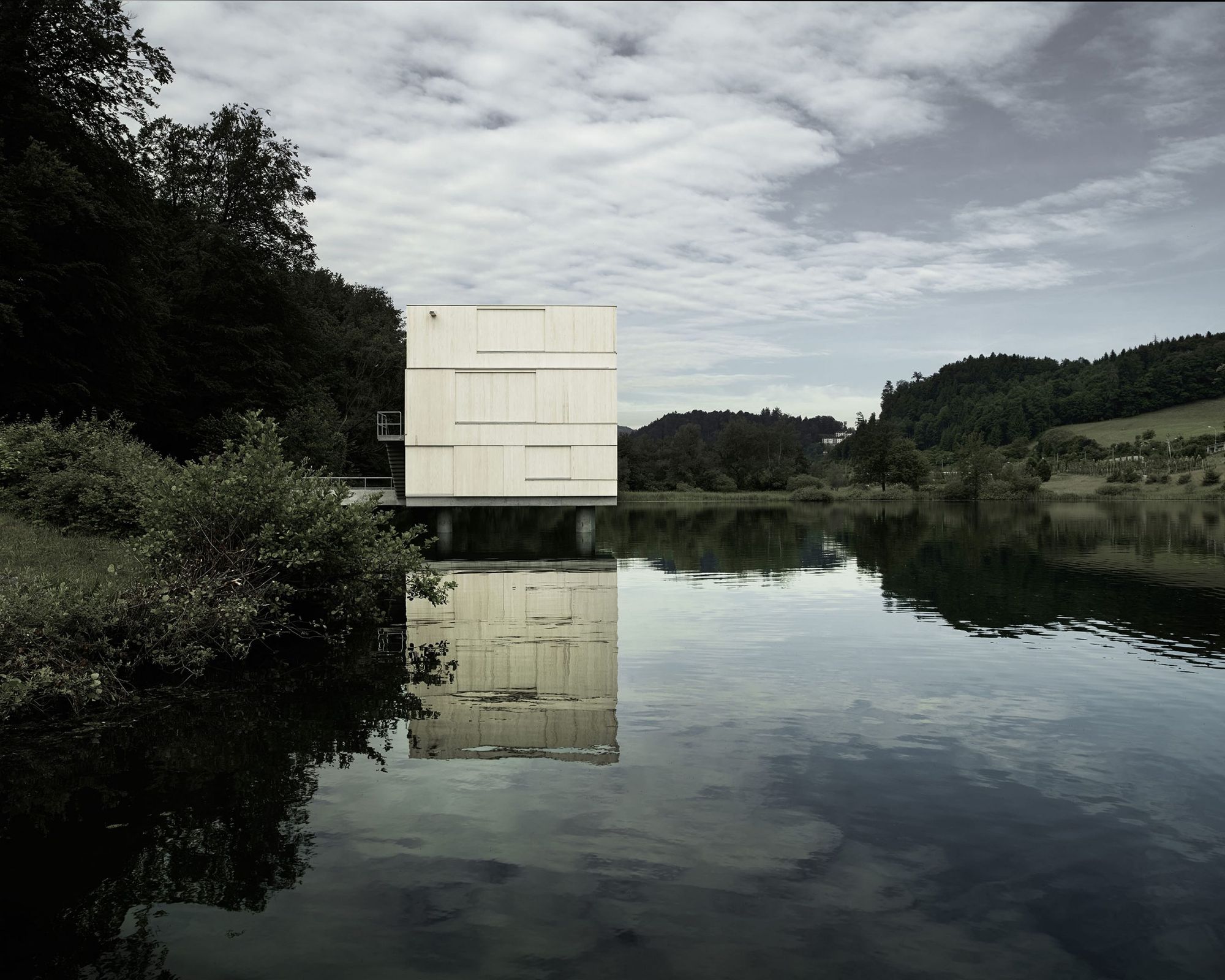
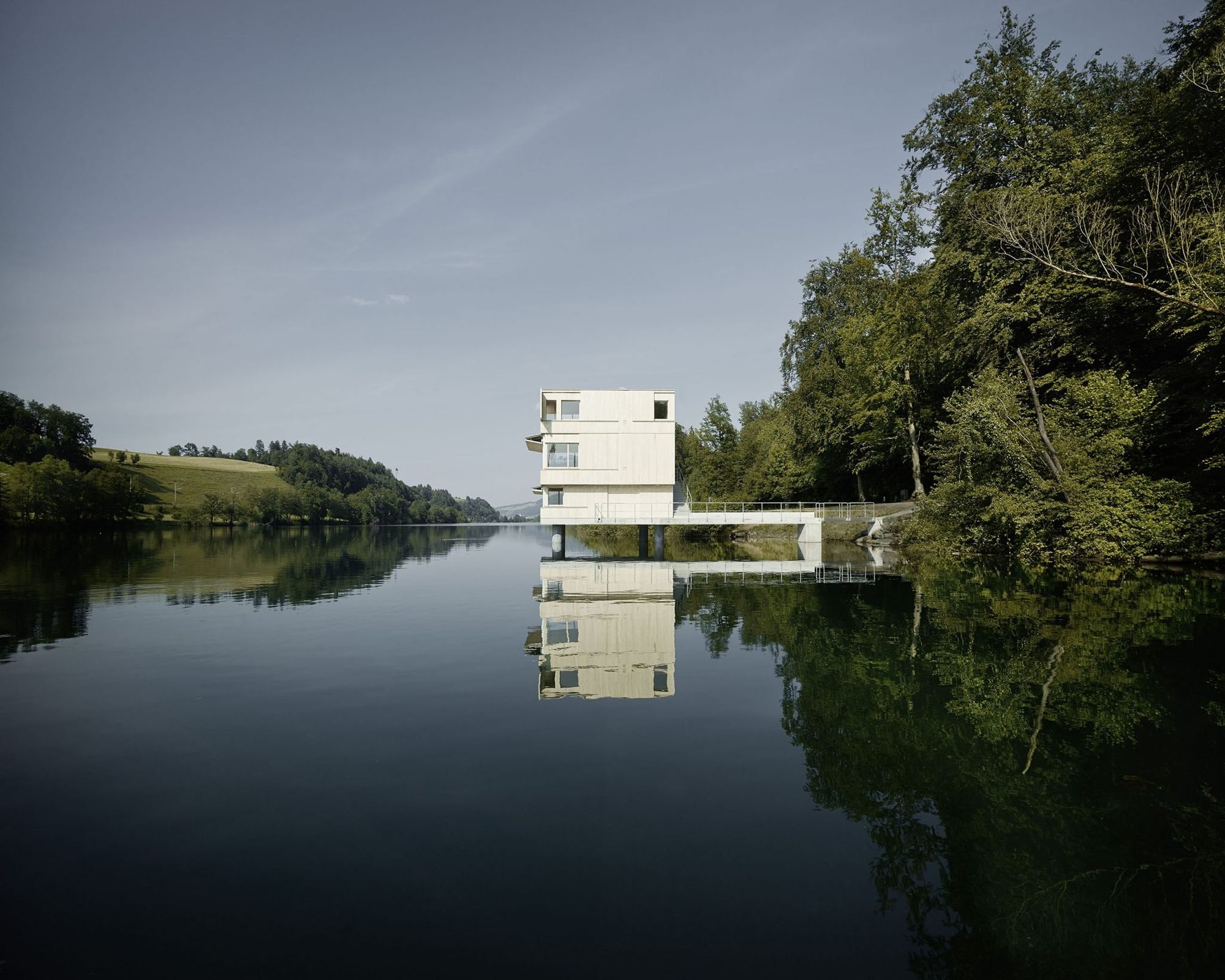
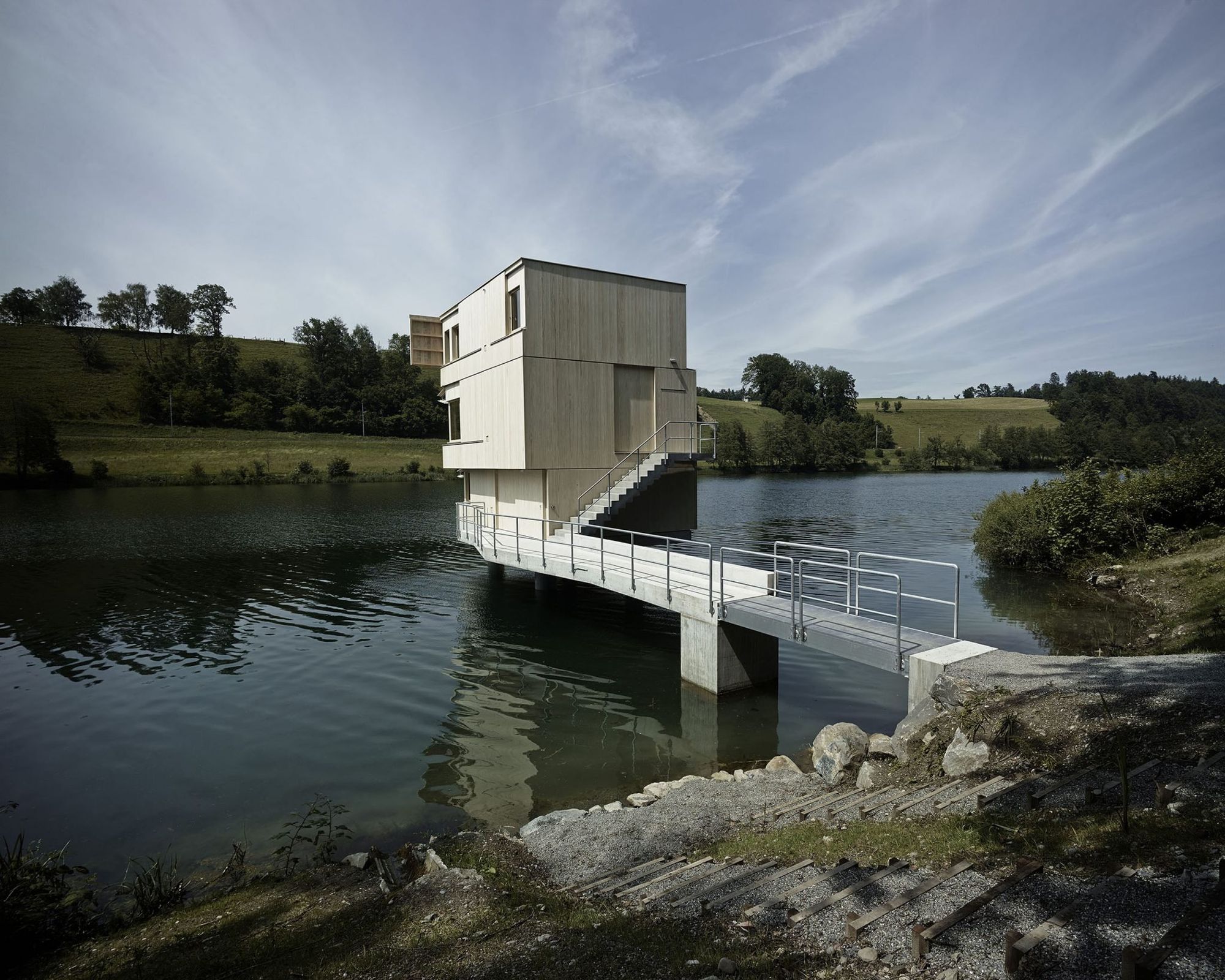
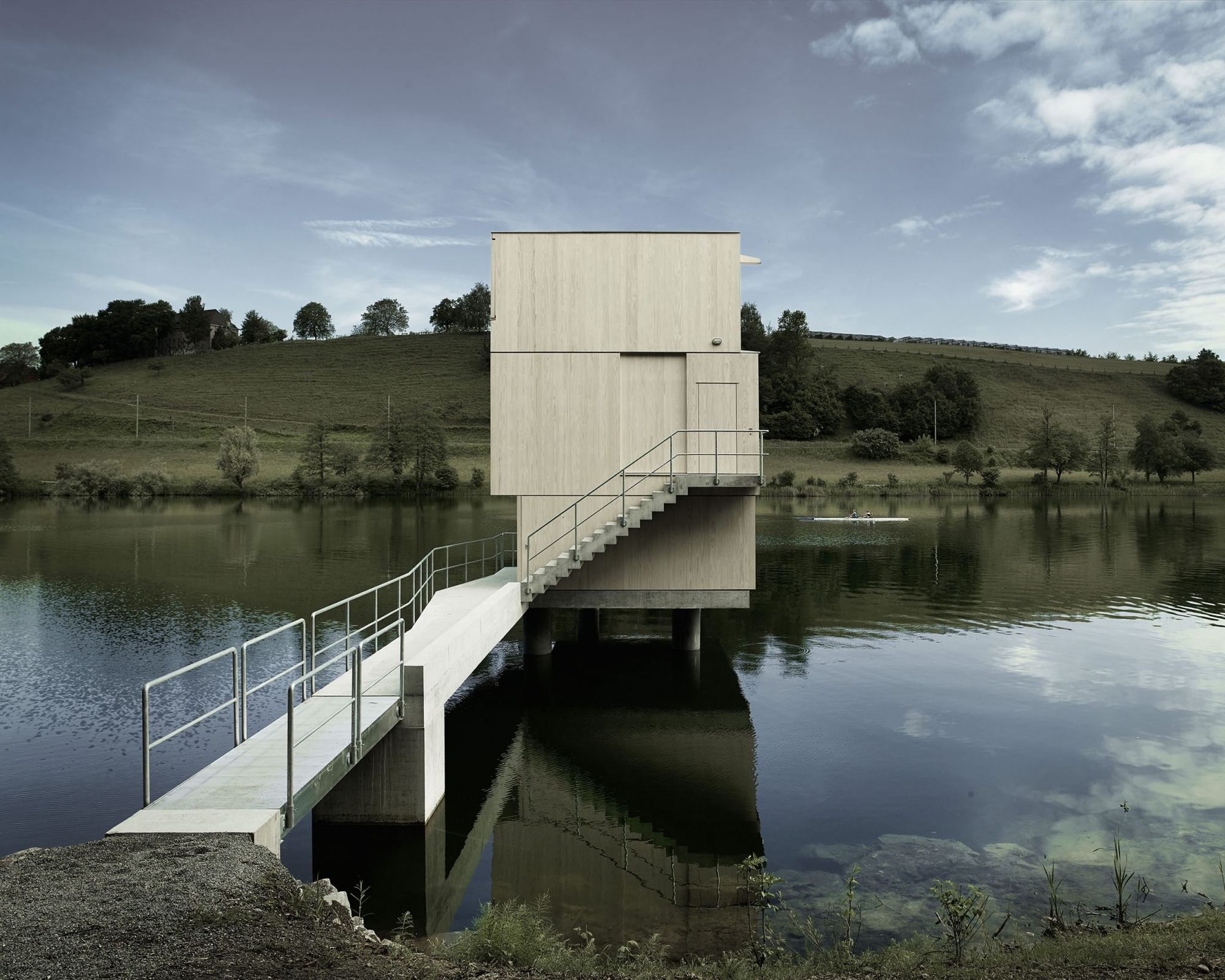
Lake Rotsee Refuge by AFGH Architekten firm
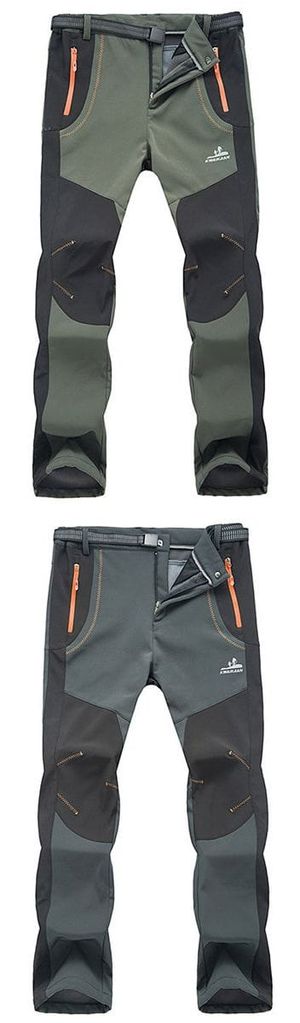
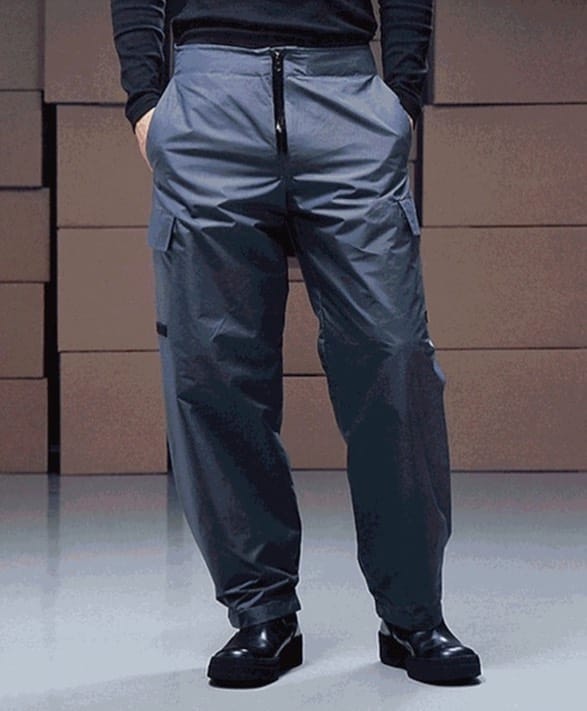
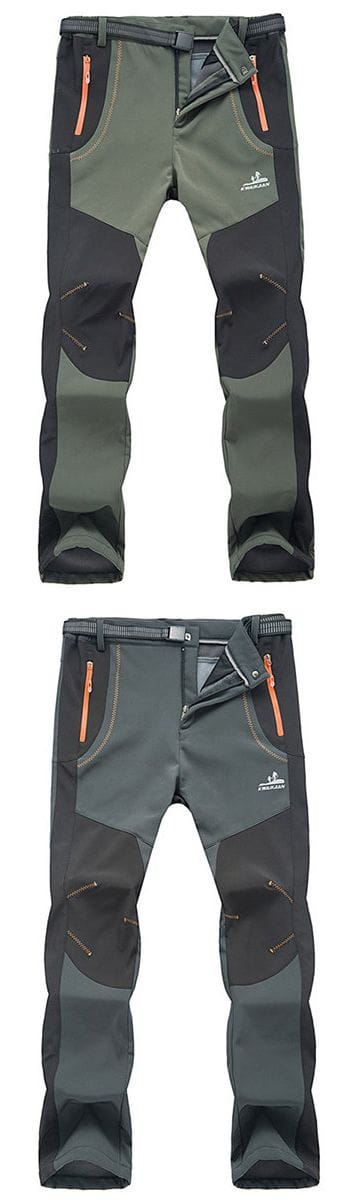
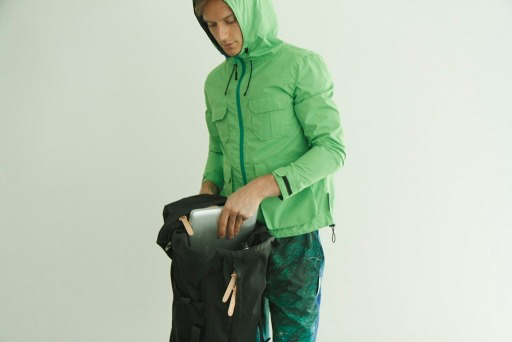
Fleece-Lined Hiking Pants — Technical Outdoor Apparel
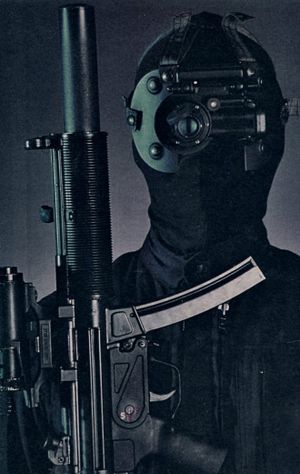
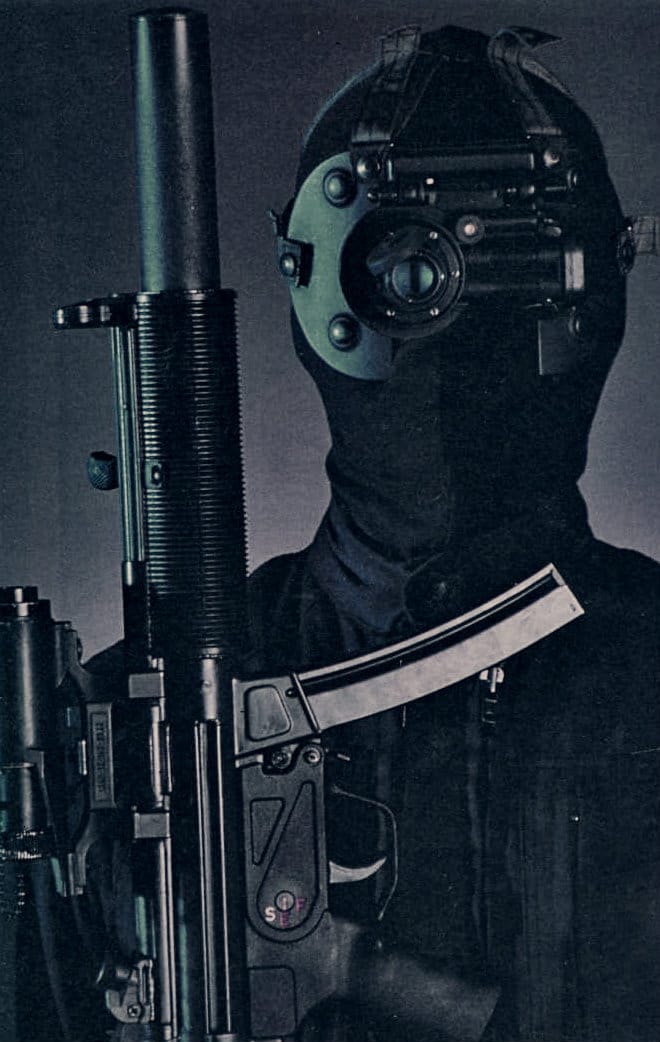
GIGN Operator MP5SD Night Vision
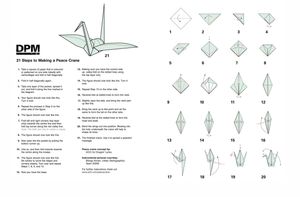
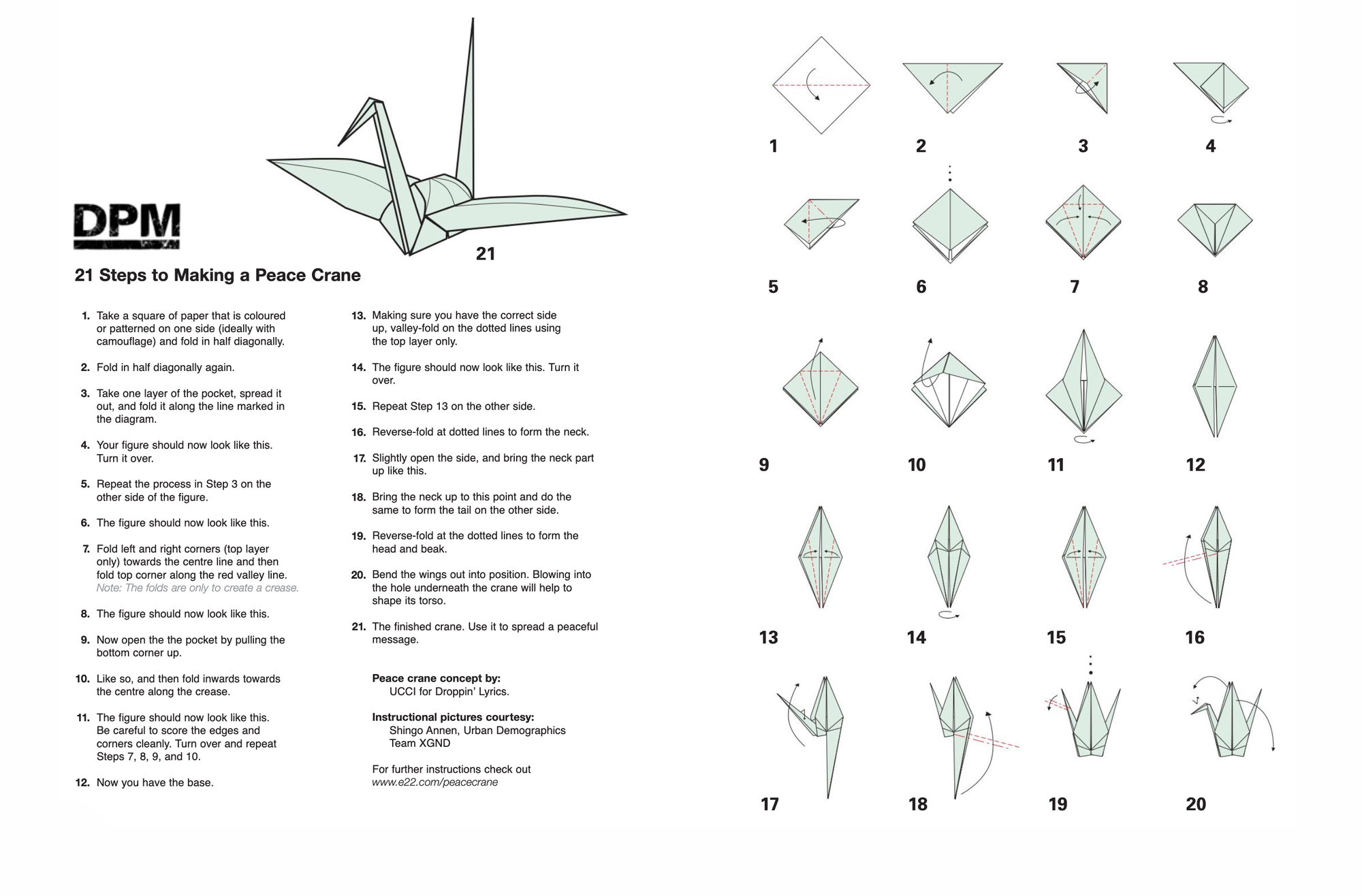
DPM PEACE CRANE OPERATION
created by urban demographics / original concept by UCCI for droppin' lyrics
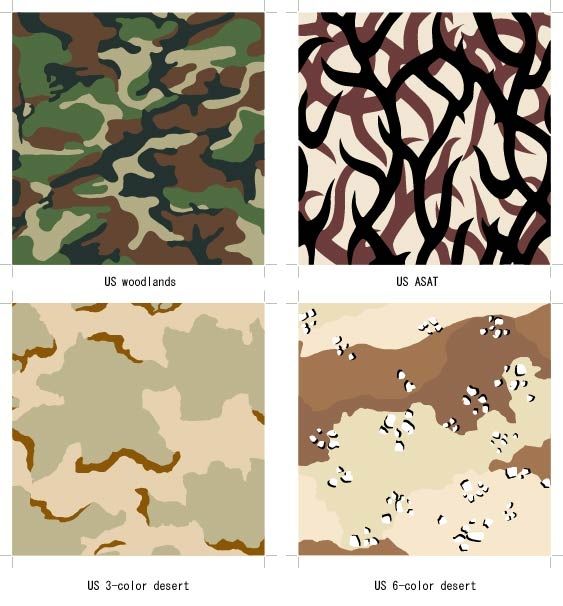
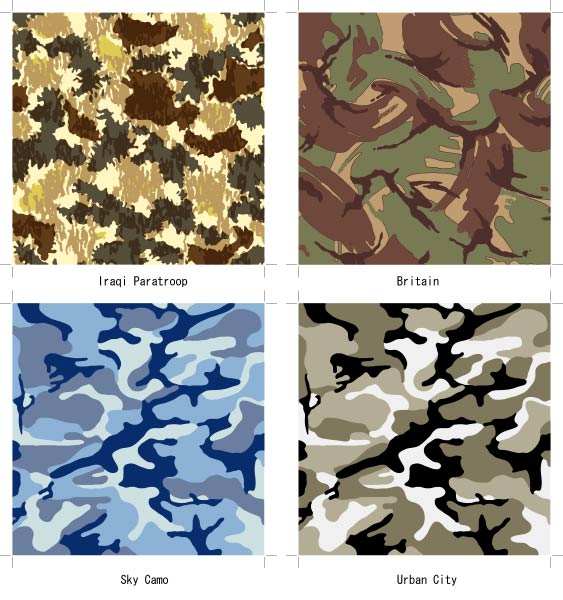
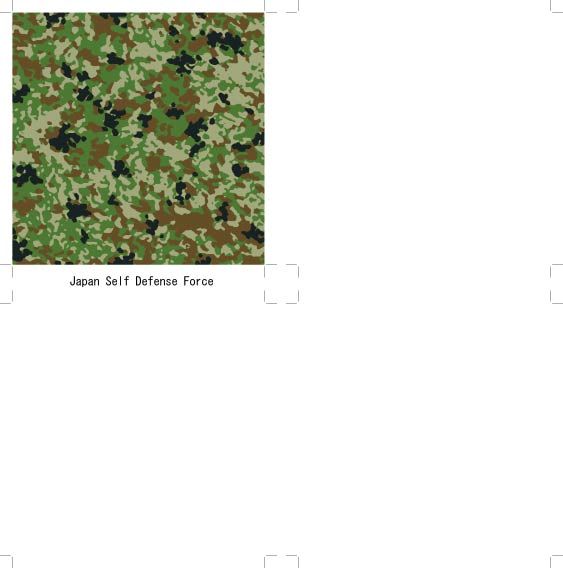
In the Age of Hawk vs. Dove, the Crane Rises
Operation Peace Crane is a grassroots project designed to spread the the Origami Peace Crane throughout the physical and cyber world. Since its invention centuries ago, with roots dating back even further, the paper crane has been by far the most popular fold, and has come to symbolize peace around the world. Most notably, thousand-linked cranes are delivered to atomic bomb sites and Hiroshima and Nagasaki, as the need for a nuclear-free, peaceful world becomes more relevant yet.
Normally, origami cranes are folded using colorful origami paper, and traditional patterns. We hereby propose a new movement by spreading the crane with camouflage patterns of military around the world. Using the camouflage on the cranes represents the irony of war and peace that are inherent in our society, as if one cannot exist without the other. Today, we must confront the stark reality that the military complex is a worldwide industry, sponsored by the government (not to mention tax payers), which in turn supports the lifestyles of the unassuming public. We must not forget that we share equal responsibility in the proliferation of arms in the world today . We also understand that the mere presence of military force overseas alarm the foreign citizens and governments, instead of stabilizing politically volatile areas. Upon further introspection into the history of camouflage, its evolution and adaptation of design to the ever-changing political balance is parallel to the way humans have adjusted to the economical needs of the world, only to stray away from values of nature, ironically. It must also be noted that the camouflage patterns used herein do not represent any political messages, except for those calling for immediate and everlasting peace.
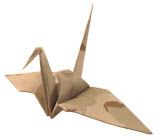
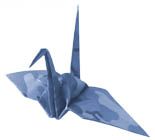
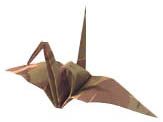
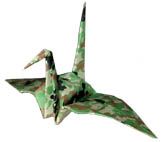
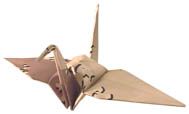
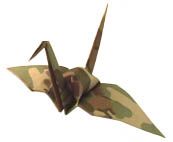
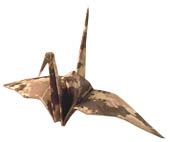
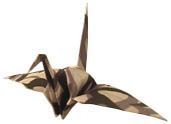
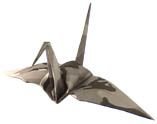
Reality is not immutable like a rock, rather it is dynamic like water. Although it may be a strong force, we can shape the future by taking part in it, no matter how small the drop. We sincerely hope that this project, done literally by the hands of the people, would reach the hearts of those who desperately seek peace, as we speak. Lastly, the only way to reach true peace will not come from agitated fear, but from true knowledge and inner peace.
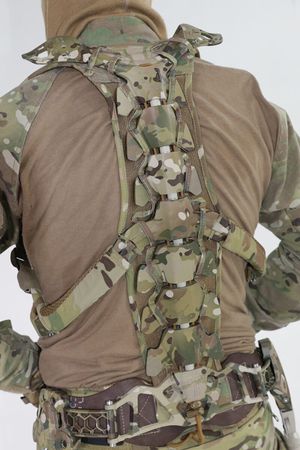
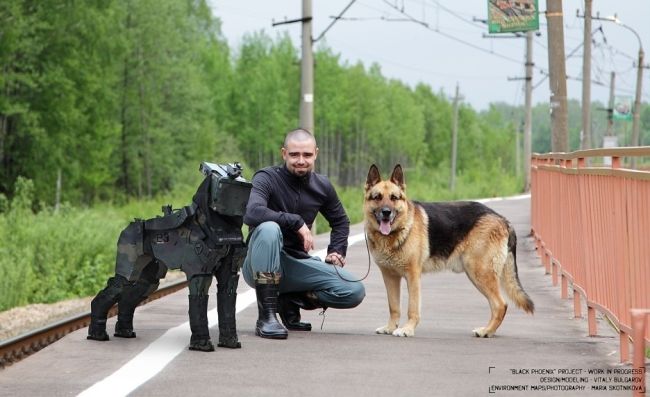
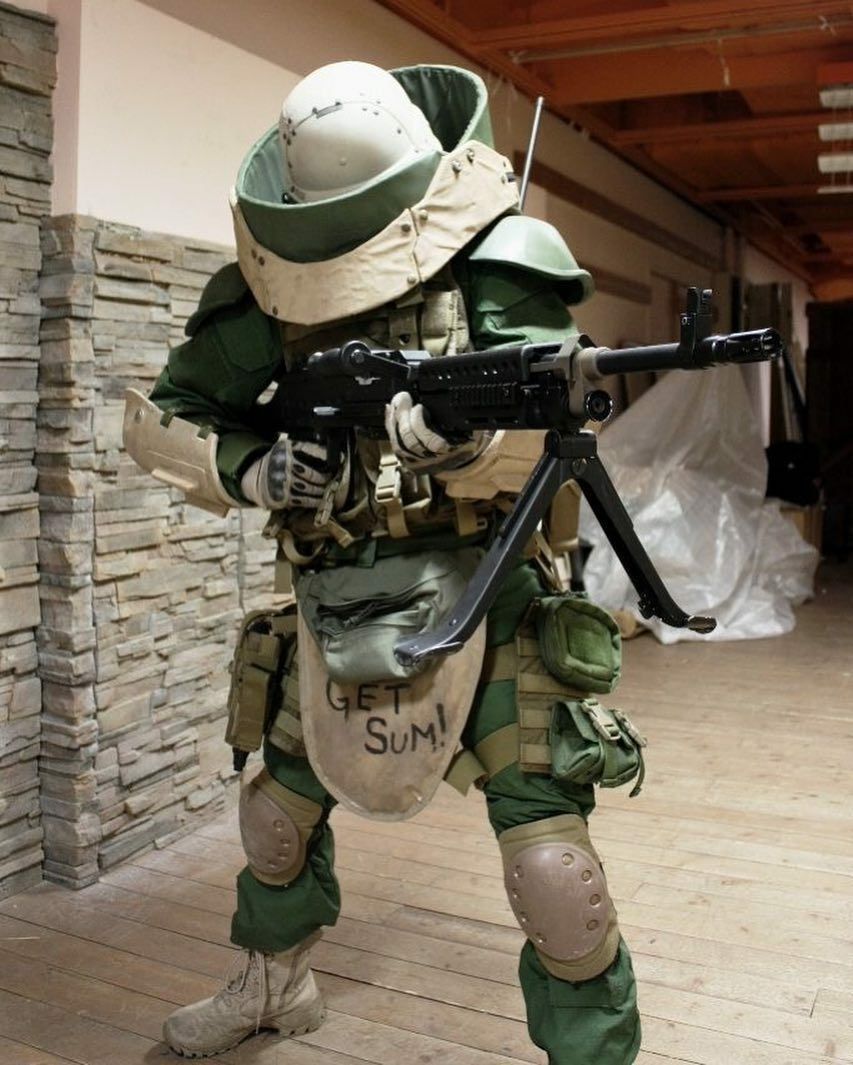
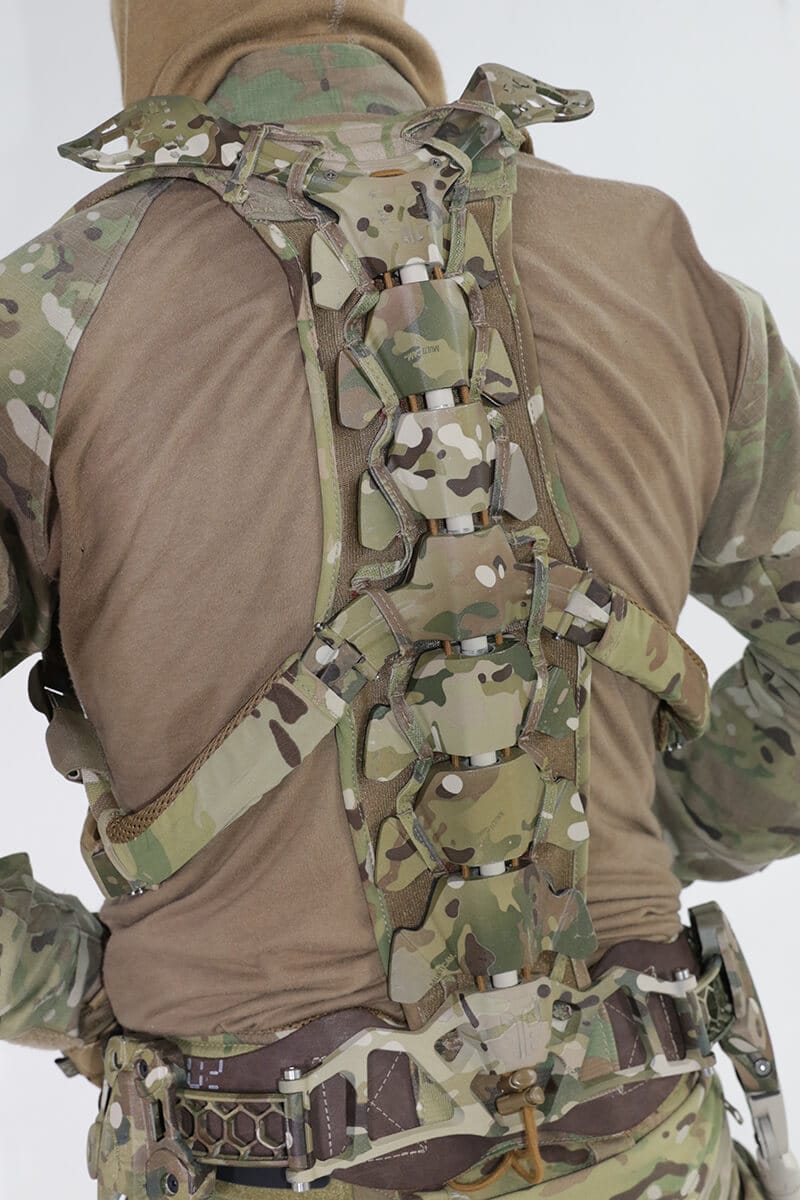
Mawashi UPRISE Tactical Exoskeleton
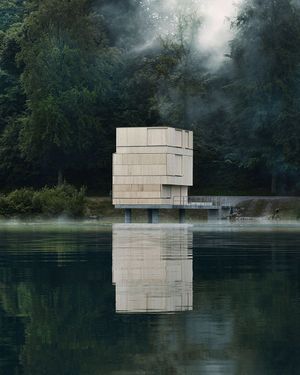
Andreas Fuhrimann Gabrielle Hächler - Zielturm Rotsee, Rotsee Luzern
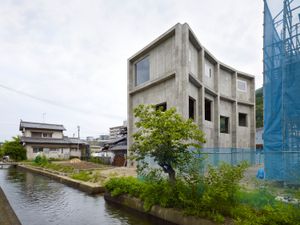
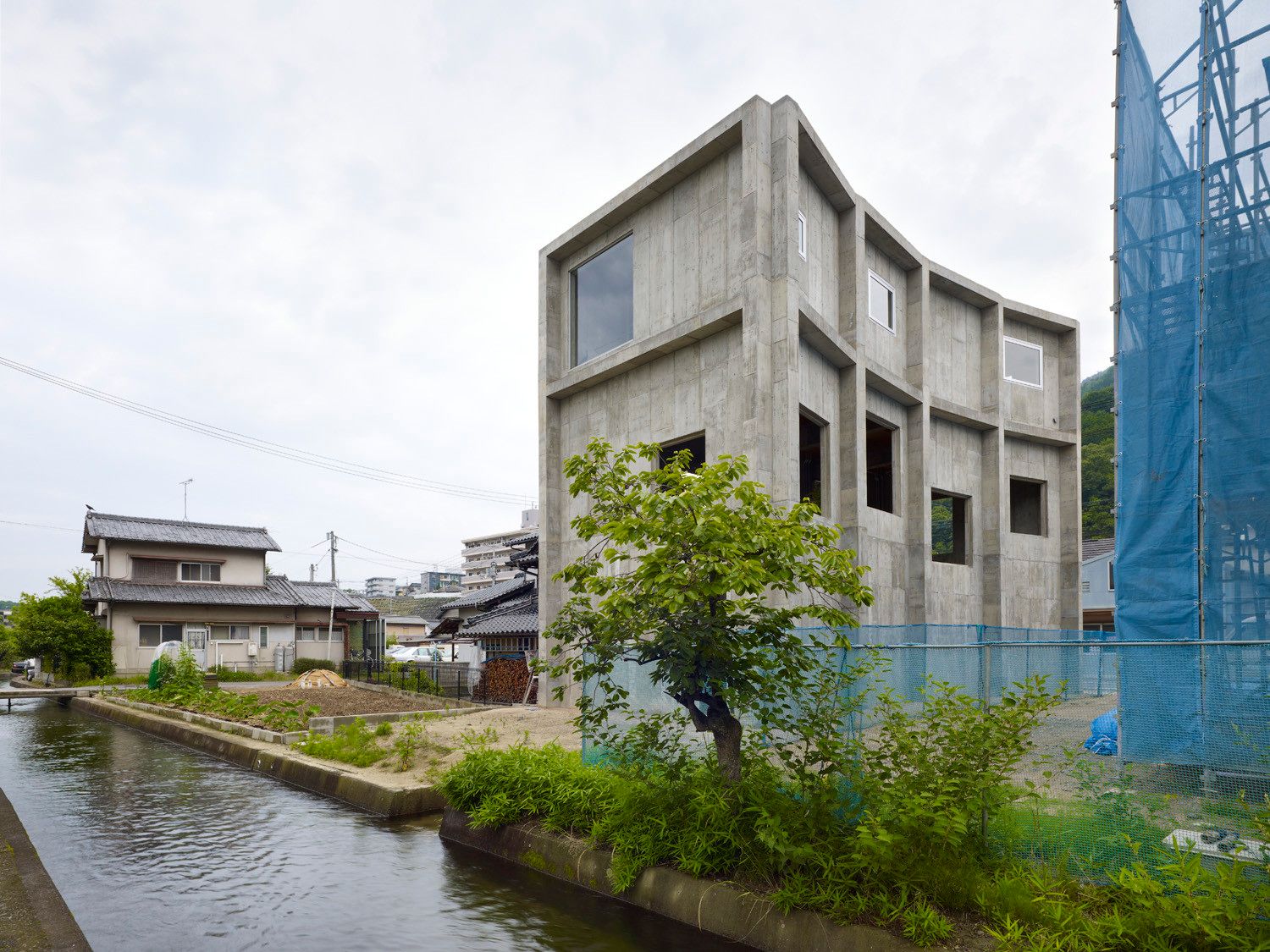
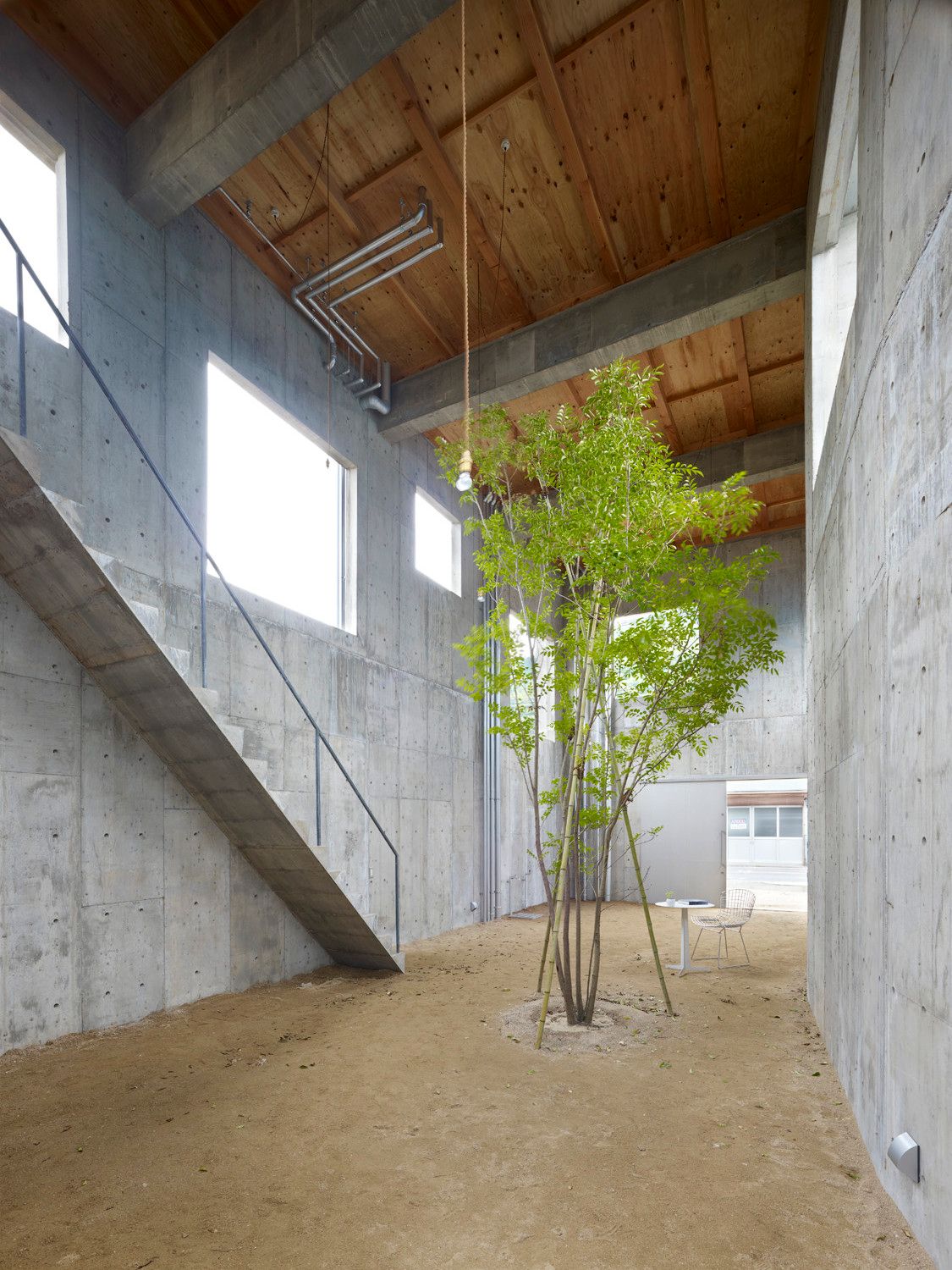
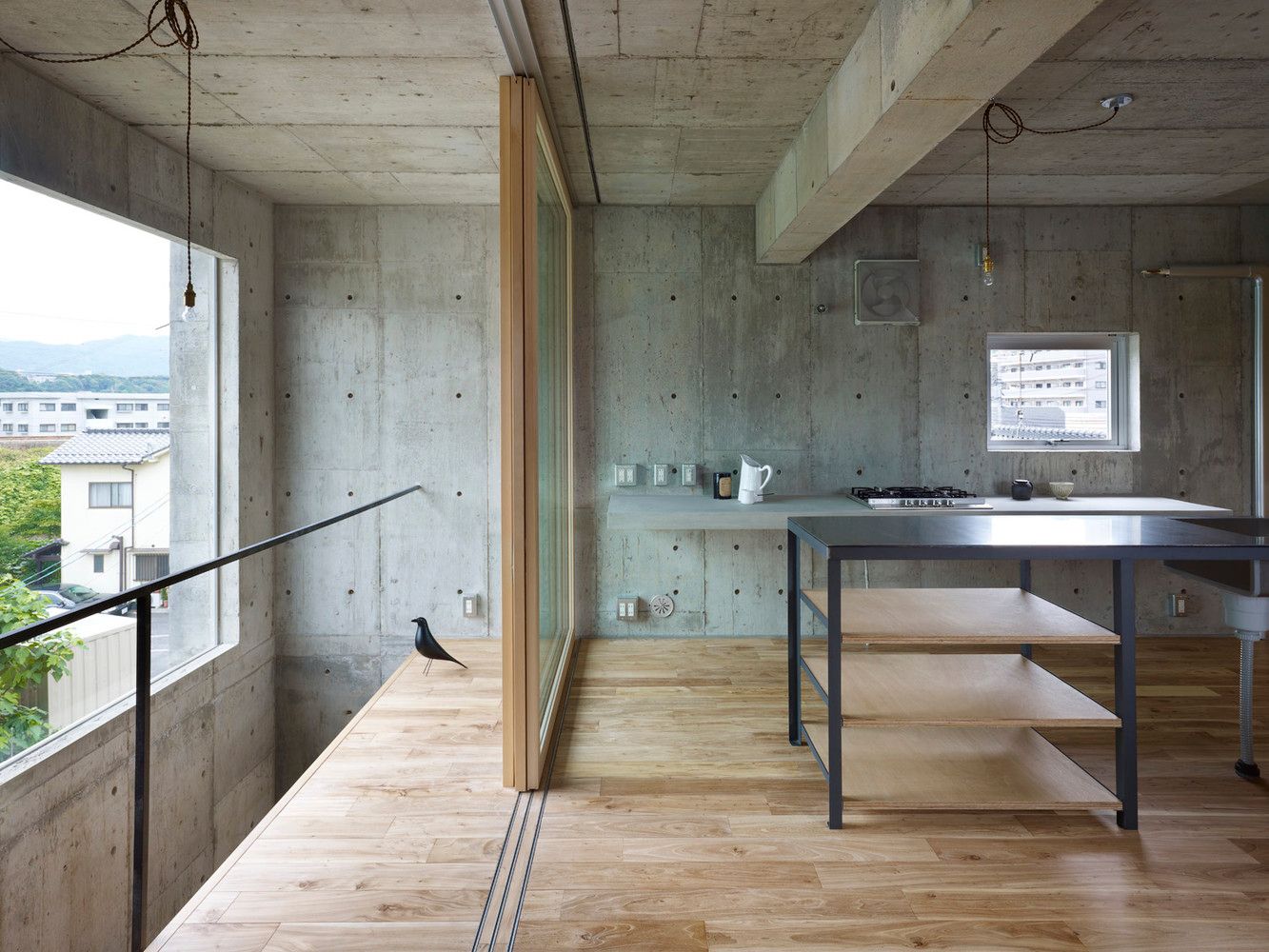
The House of Yagi by Suppose Design Office + Ohno Japan
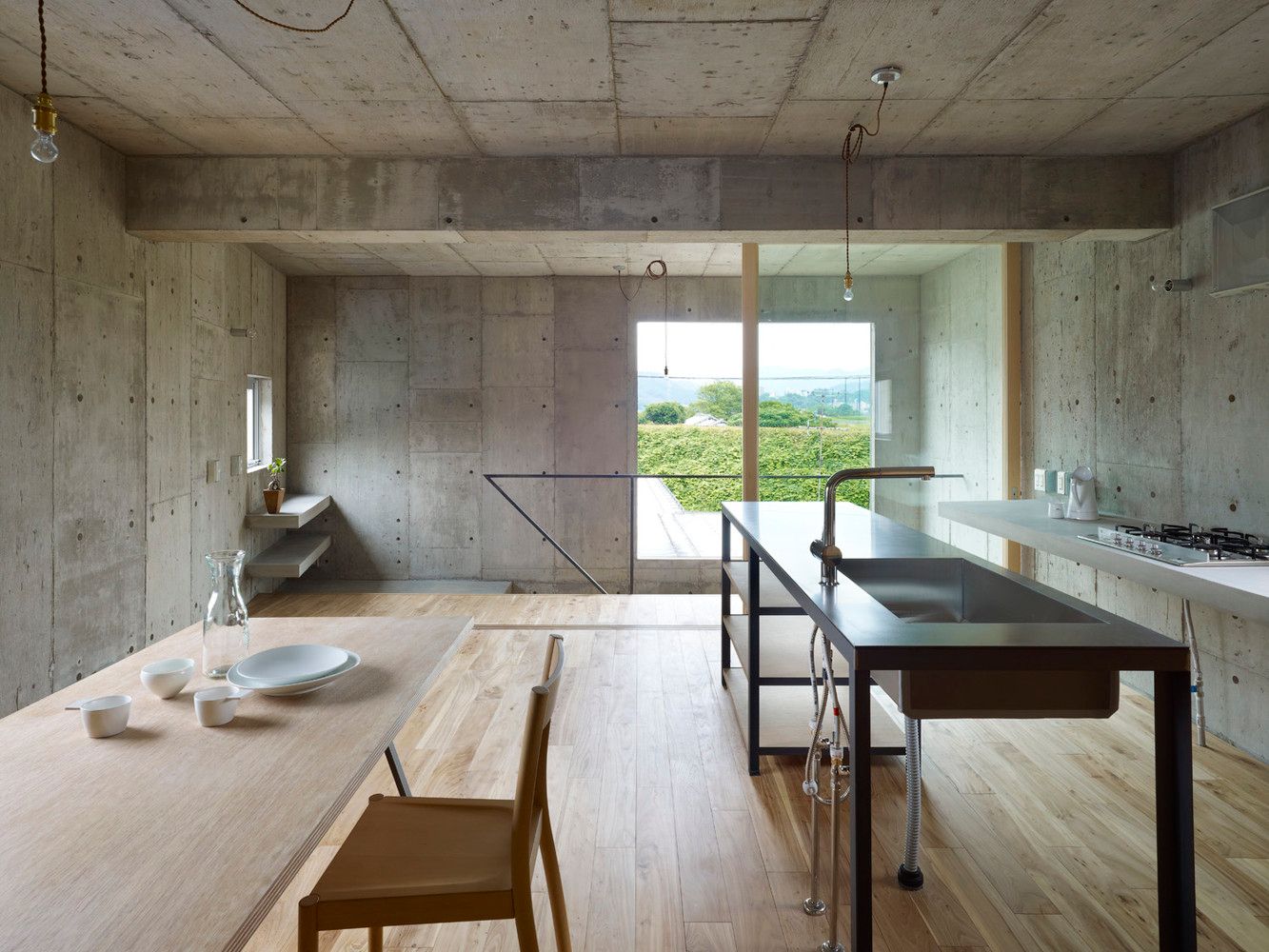
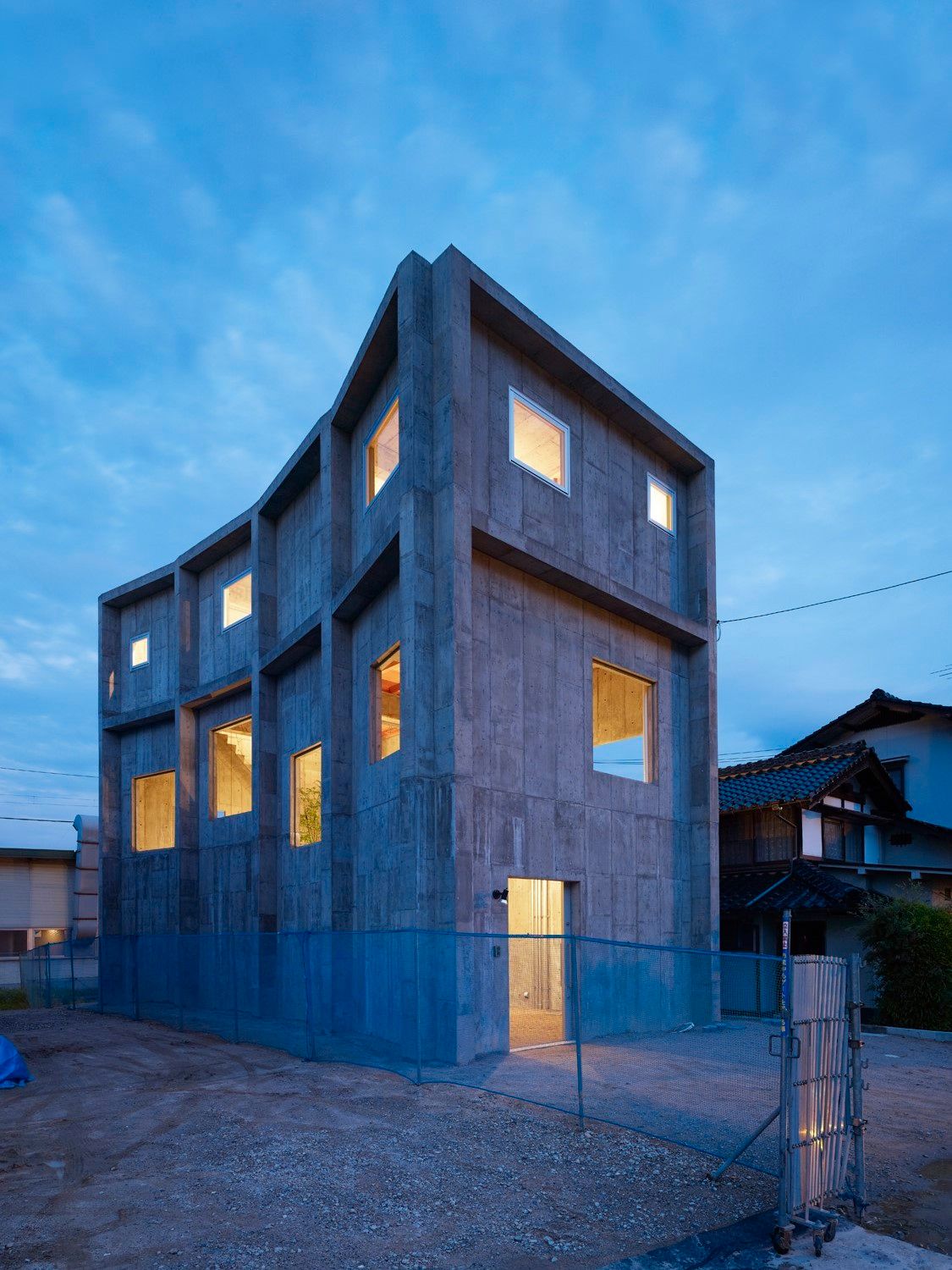
Text description provided by the architects. The House of Yagi is designed with the idea of an incomplete/complete form. Unlike other projects, the final stage of construction for this house was not aiming towards a finish stage, but to let the owner experience the sense of completion after living here. Interior space of the house is designed to maximize the interaction to its surrounding environment.
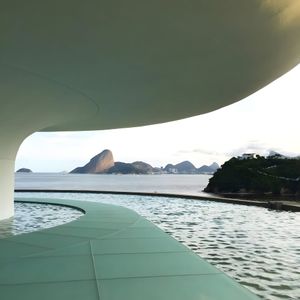
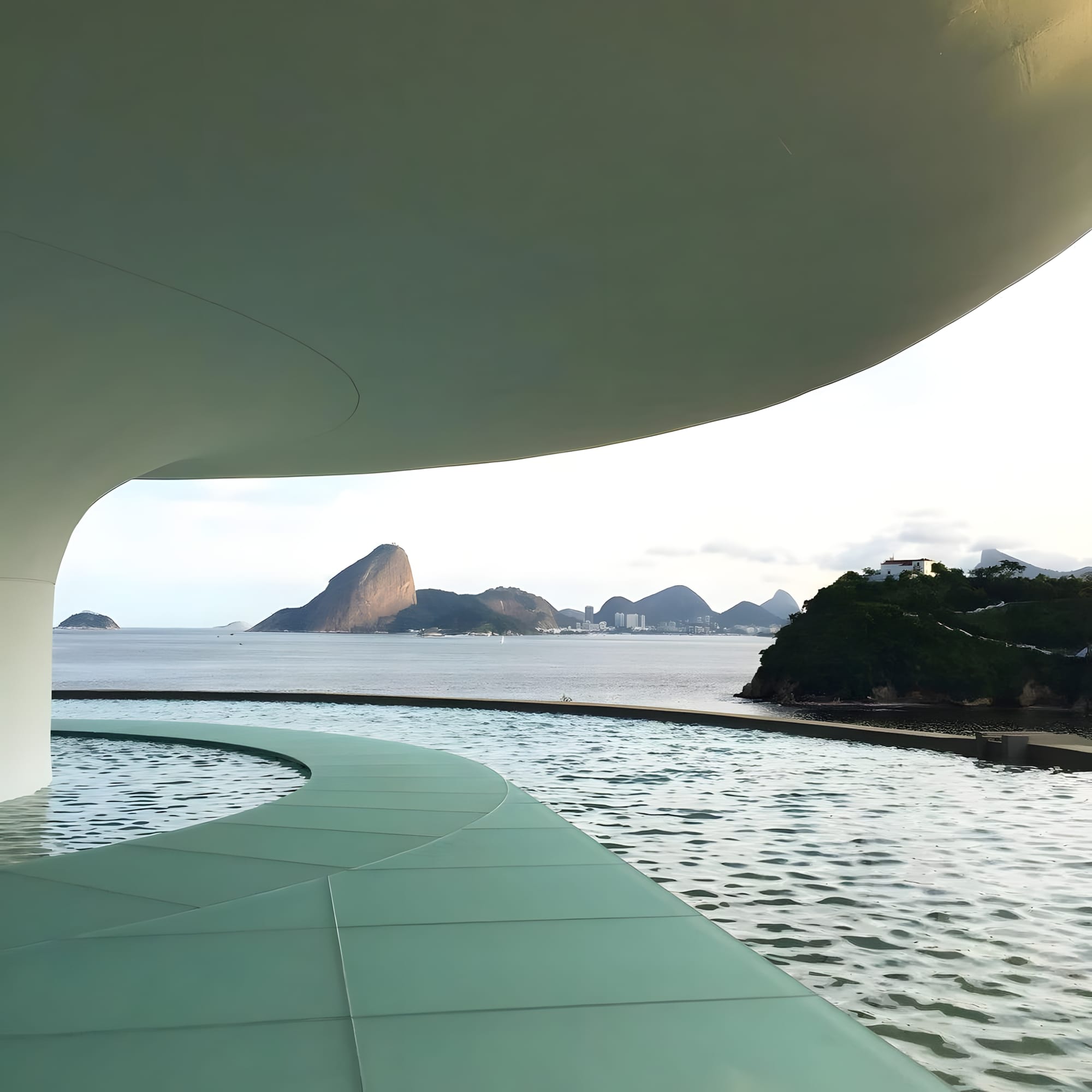
Oscar Niemeyer's MAC Niterói — Louis Vuitton Cruise 2017 Venue
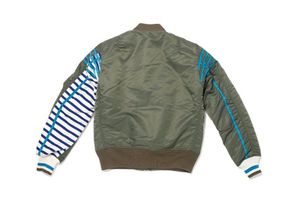
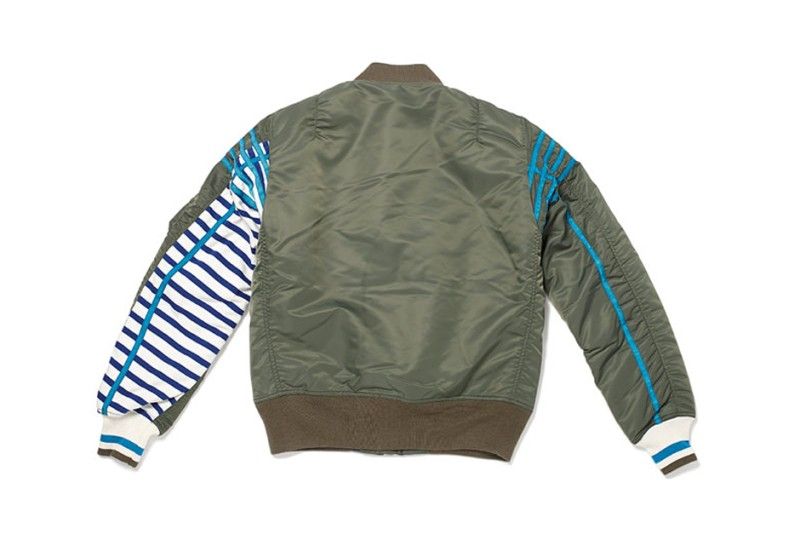
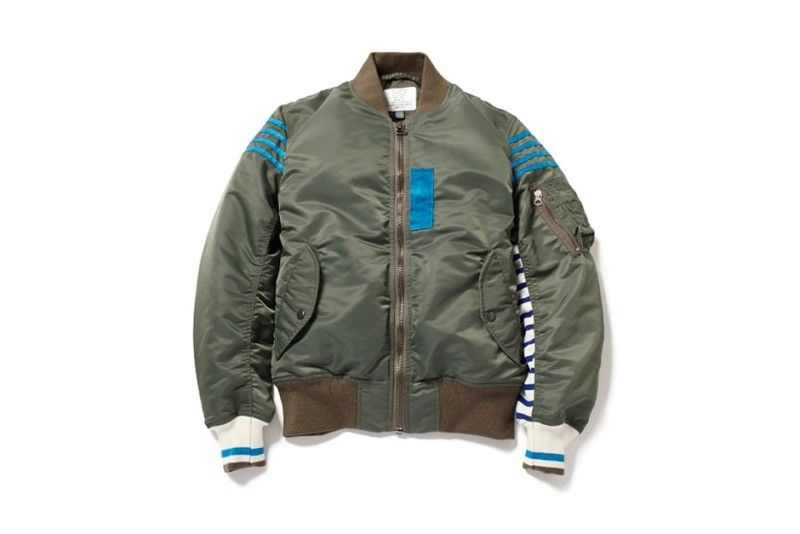
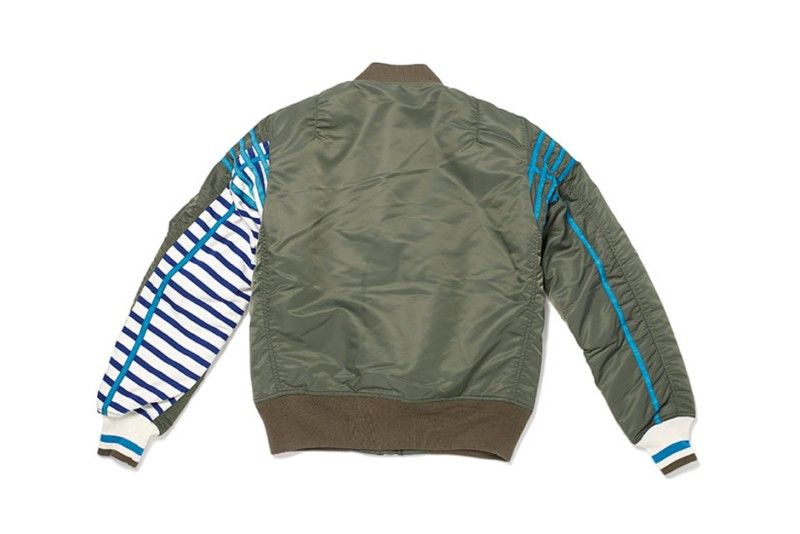
Avirex x Fragment Design MA-1 Jacket
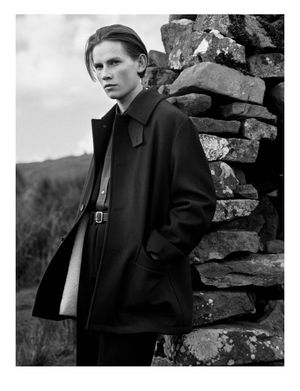
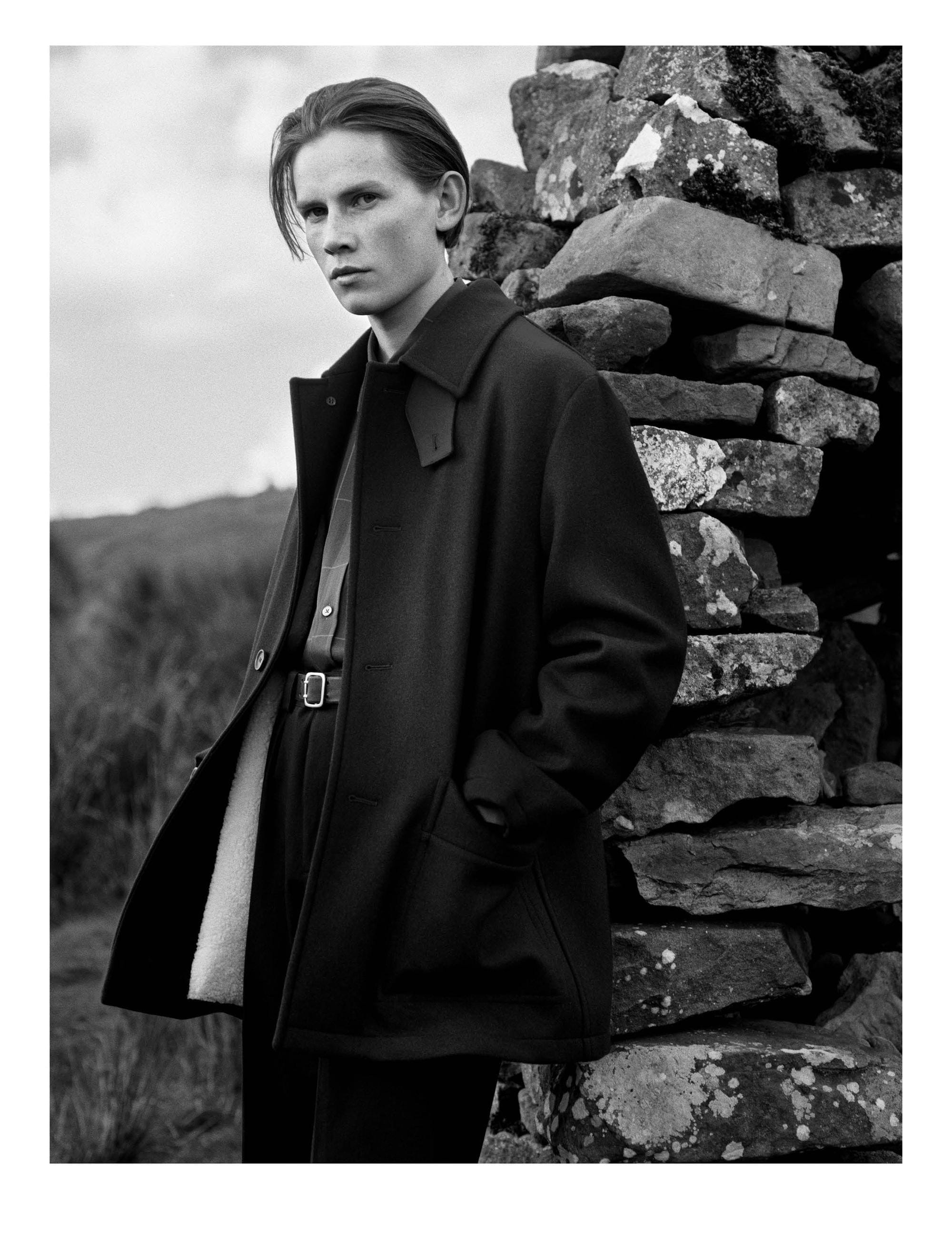
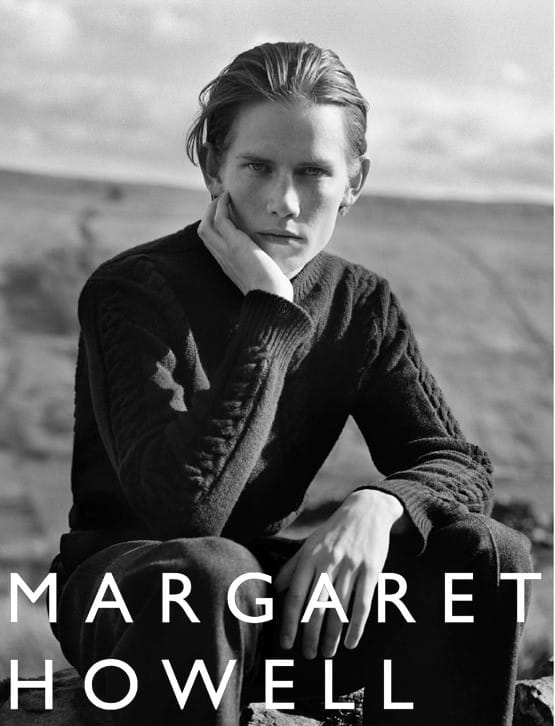
Margaret Howell Autumn/Winter 2016 Campaign
Gustav Frich photographed by Alasdair McLellan and styled by Beat Bolliger for Margaret Howell Autumn/Winter 2016.
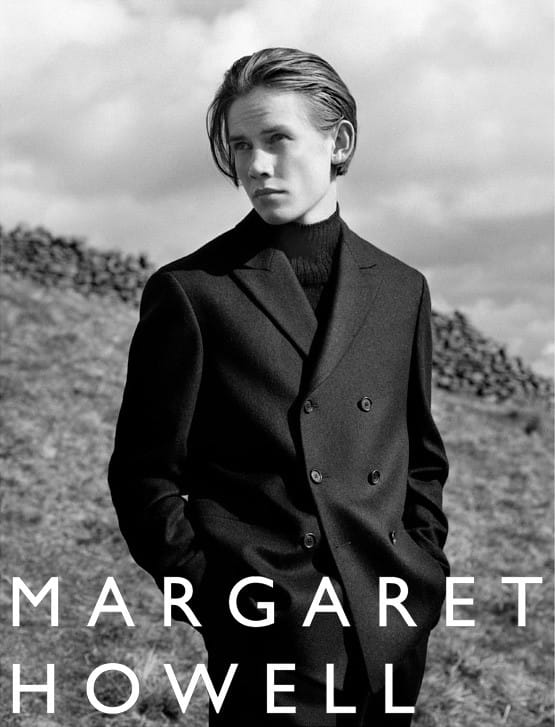
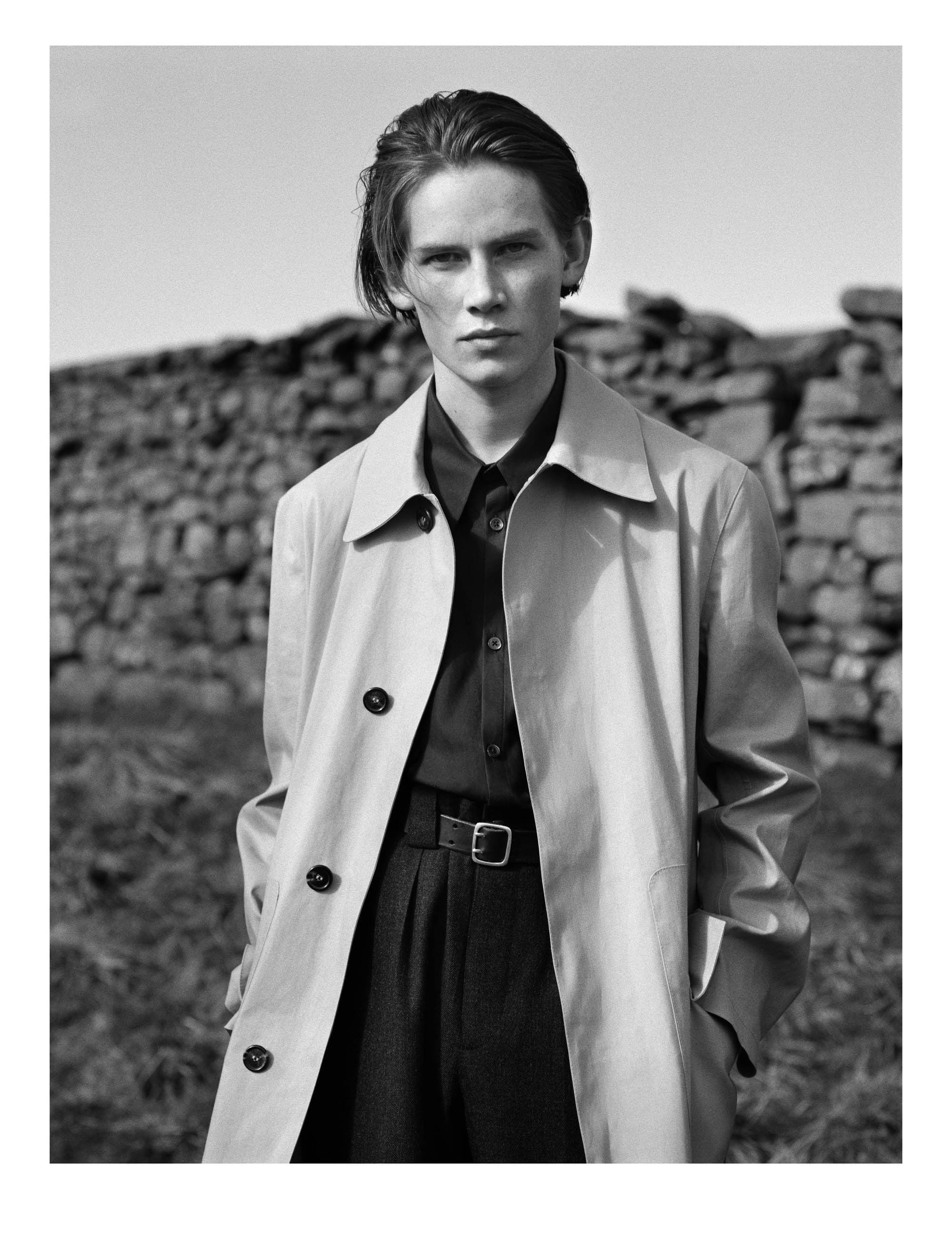
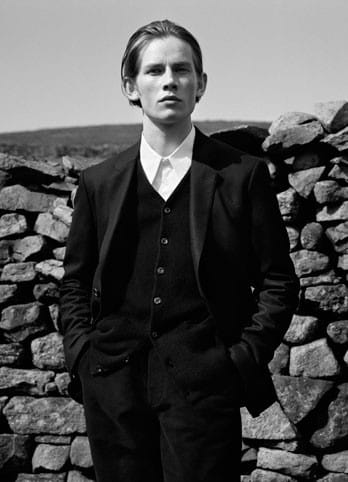
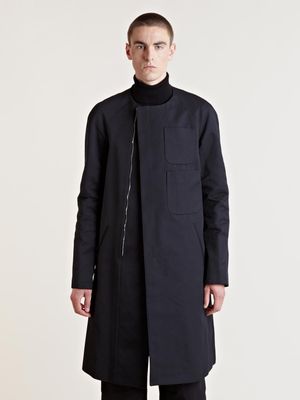
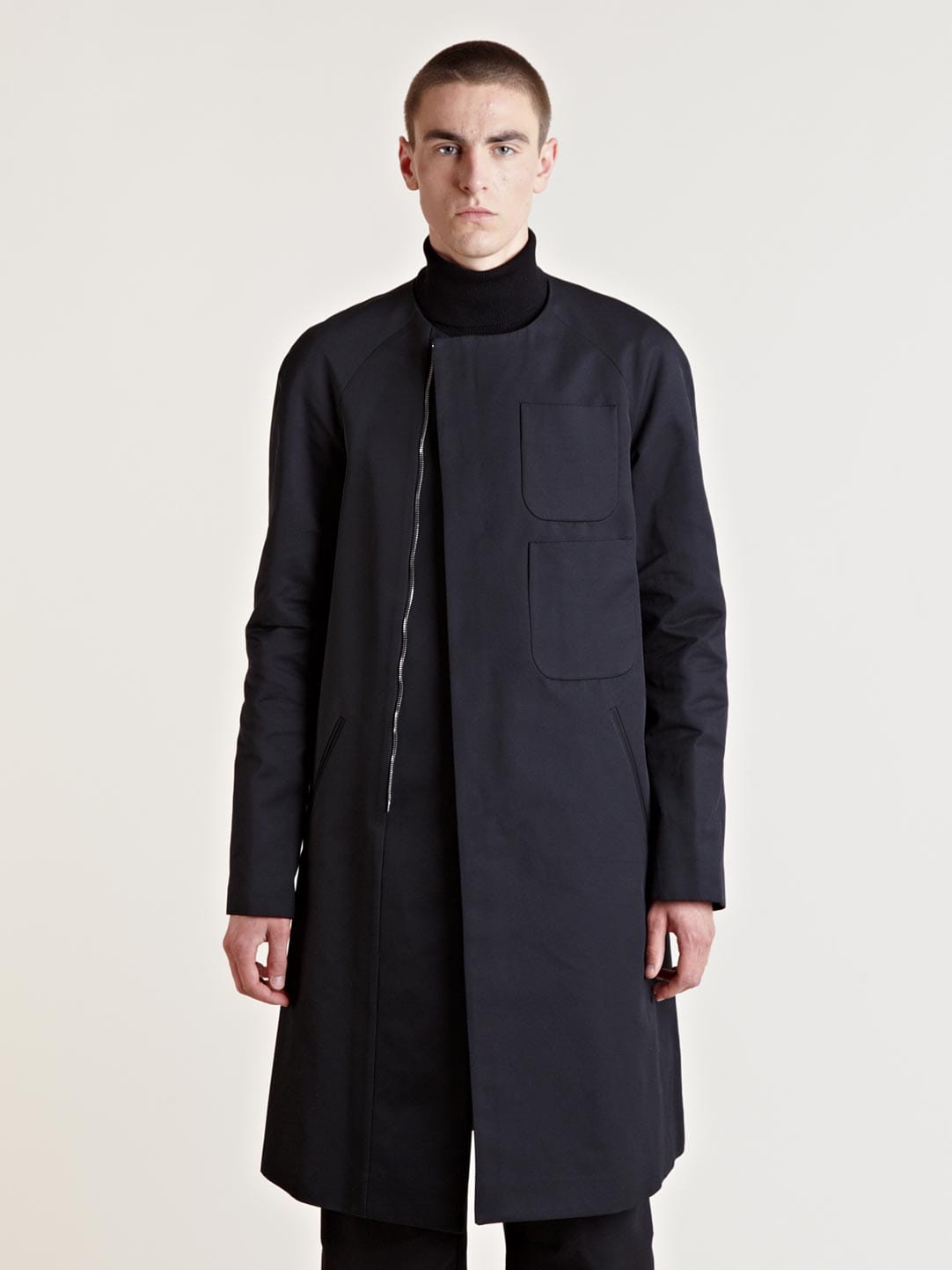
Raf Simons — Men's Raglan-Sleeve Archive Coat

Nanzenji Temple Autumn Foliage, Higashiyama, Kyoto
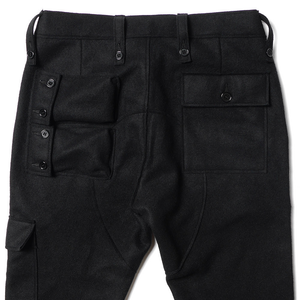
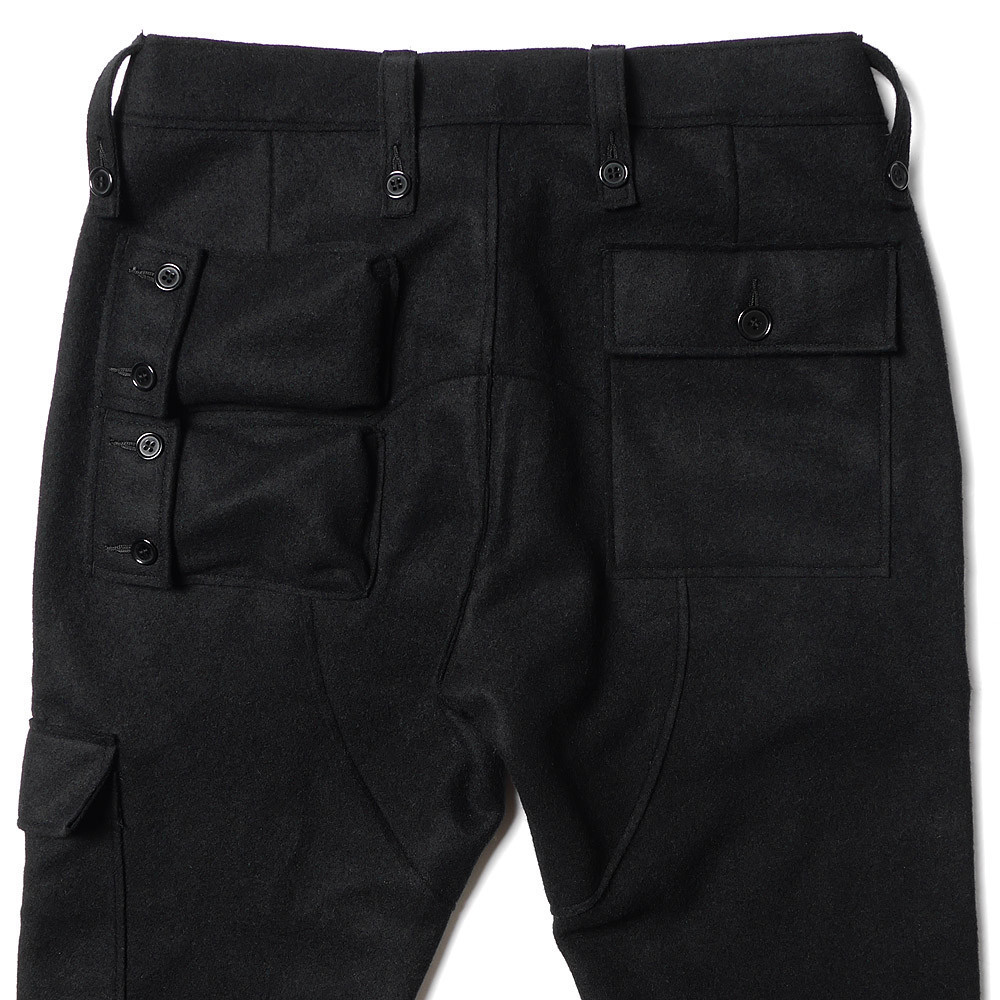
4503 JOHNUNDERCOVER Pant
Back detail from the 4503 pant from JOHNUNDERCOVER's "Cold Blood" Collection.
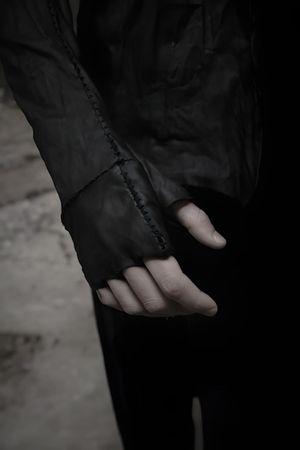
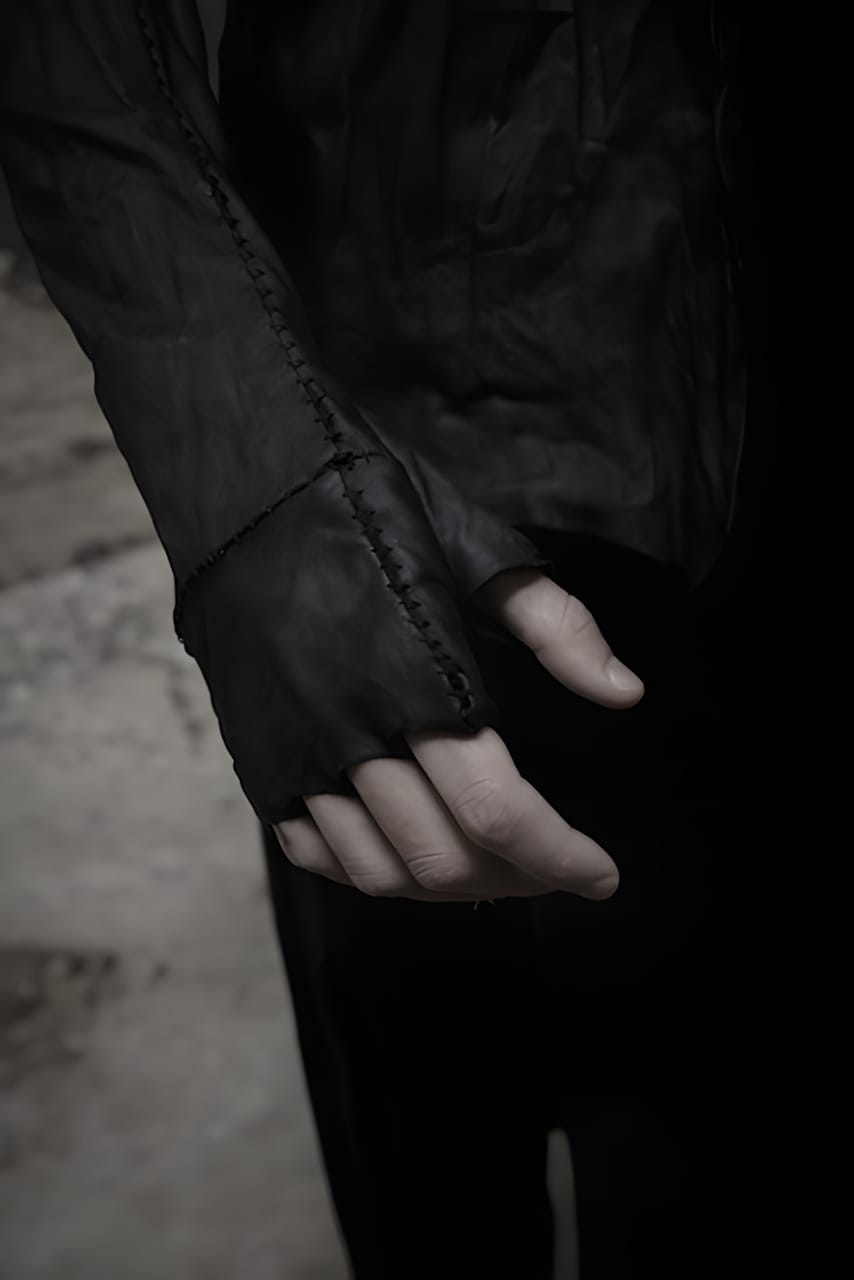
Obscur Black Leather Fingerless Glove Gauntlet
Remembering Tim Hetherington
via moodmail
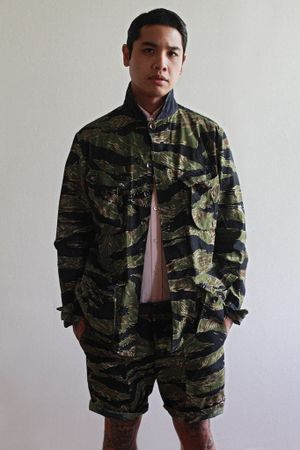
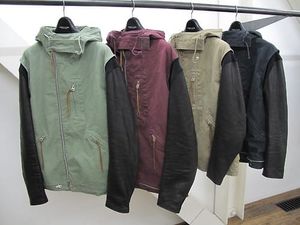
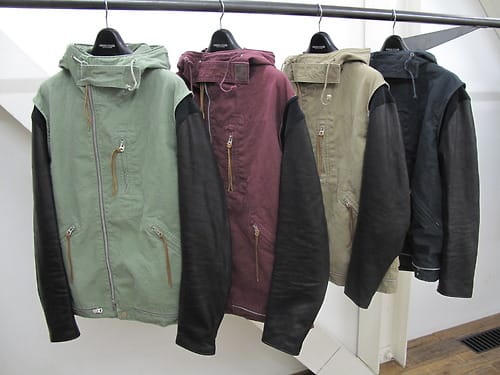
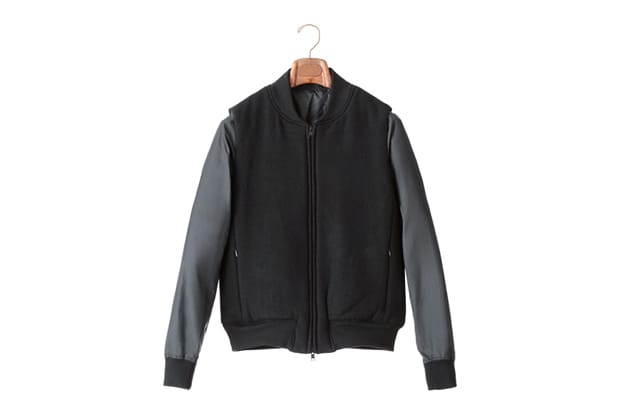
UNDERCOVER Fall/Winter 2013 Leather-Sleeve Army Jacket
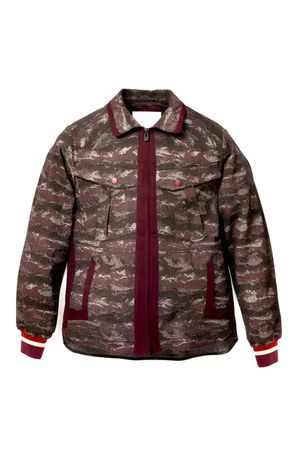
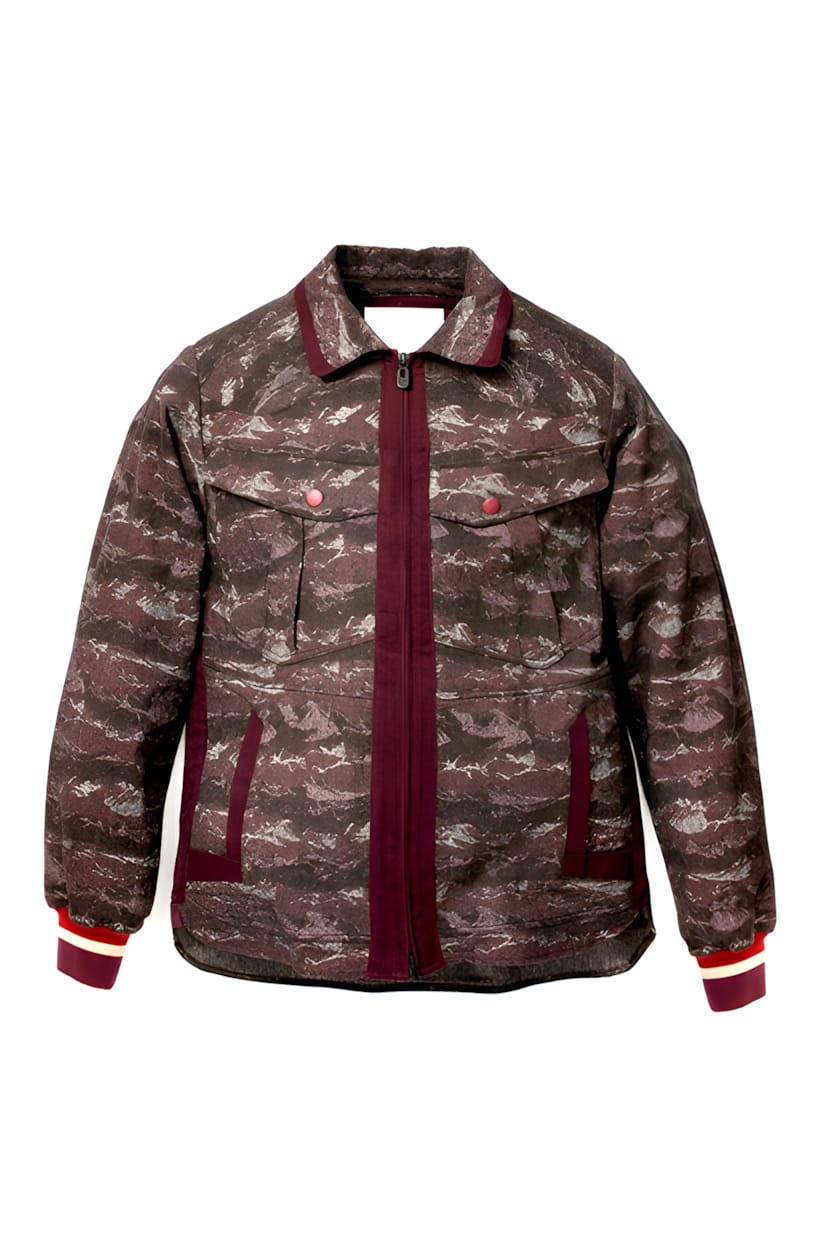
White Mountaineering Camouflage Jacket
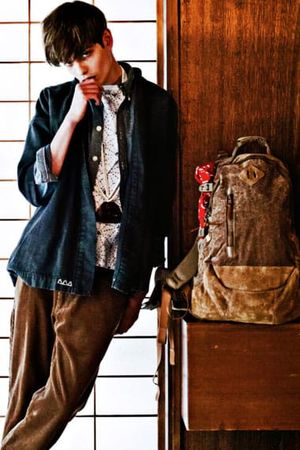
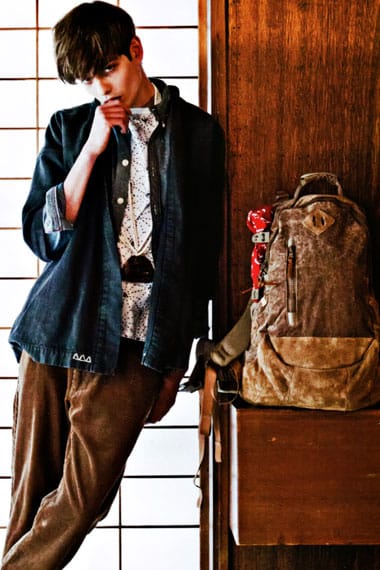
Visvim Sanjuro Kimono
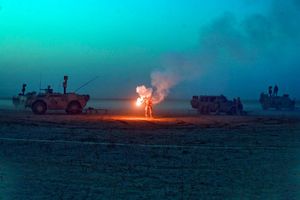
Aleppo, Syria. 2013. Photograph by Moises Saman
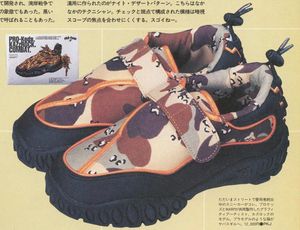
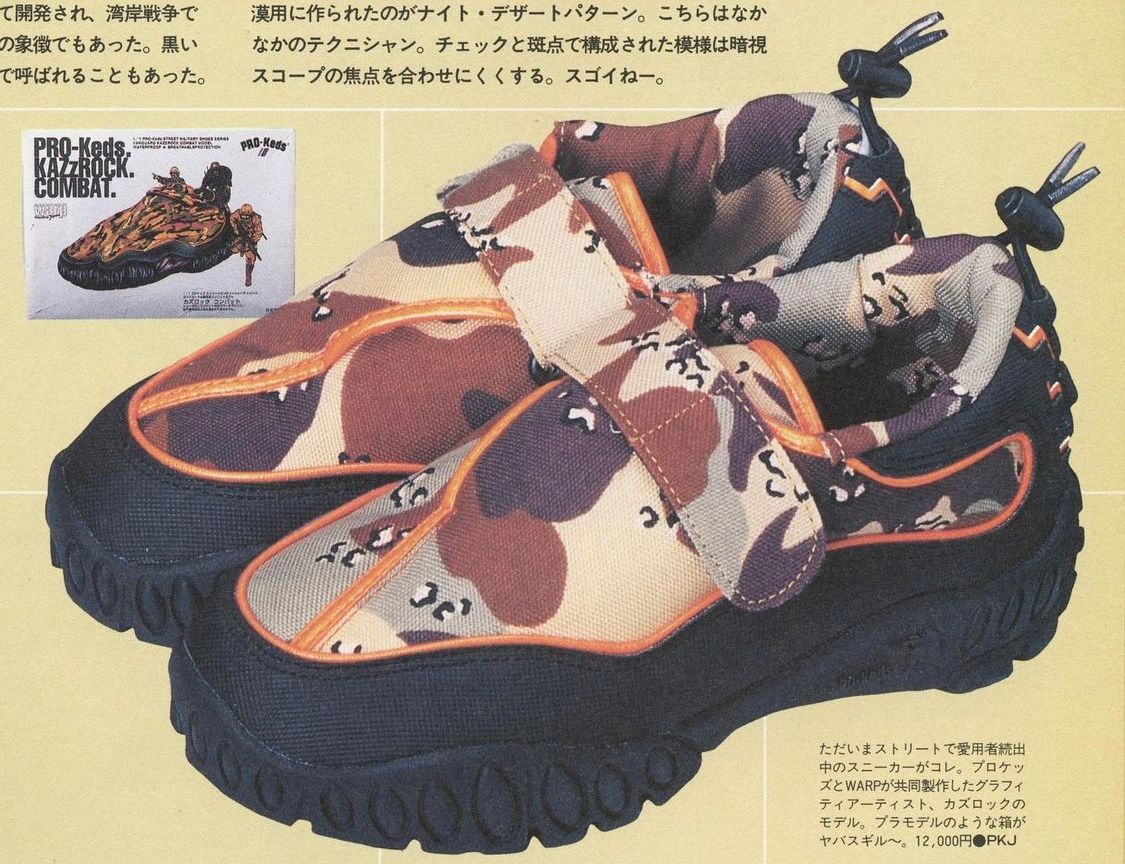
PRO-Keds KAZzROCK Combat
From their street military shoes series
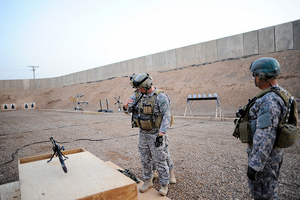
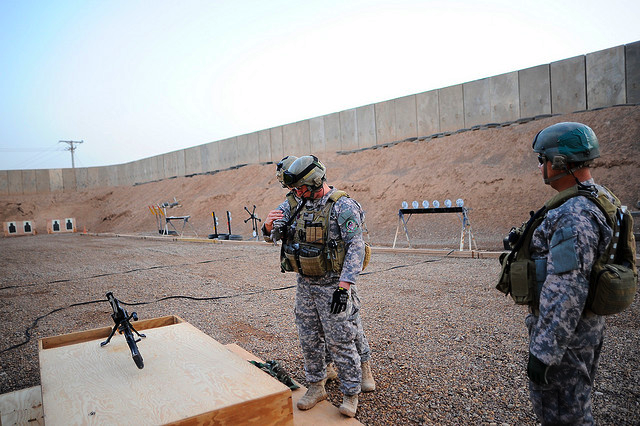
M240 Machine-Gun Range Training
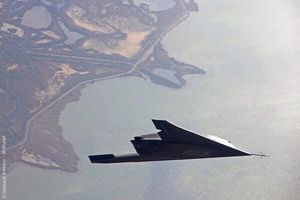
Dassault nEUROn — European Stealth UCAV Demonstrator
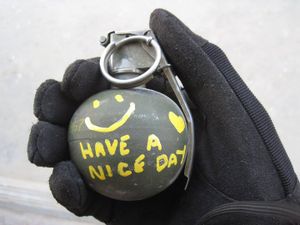
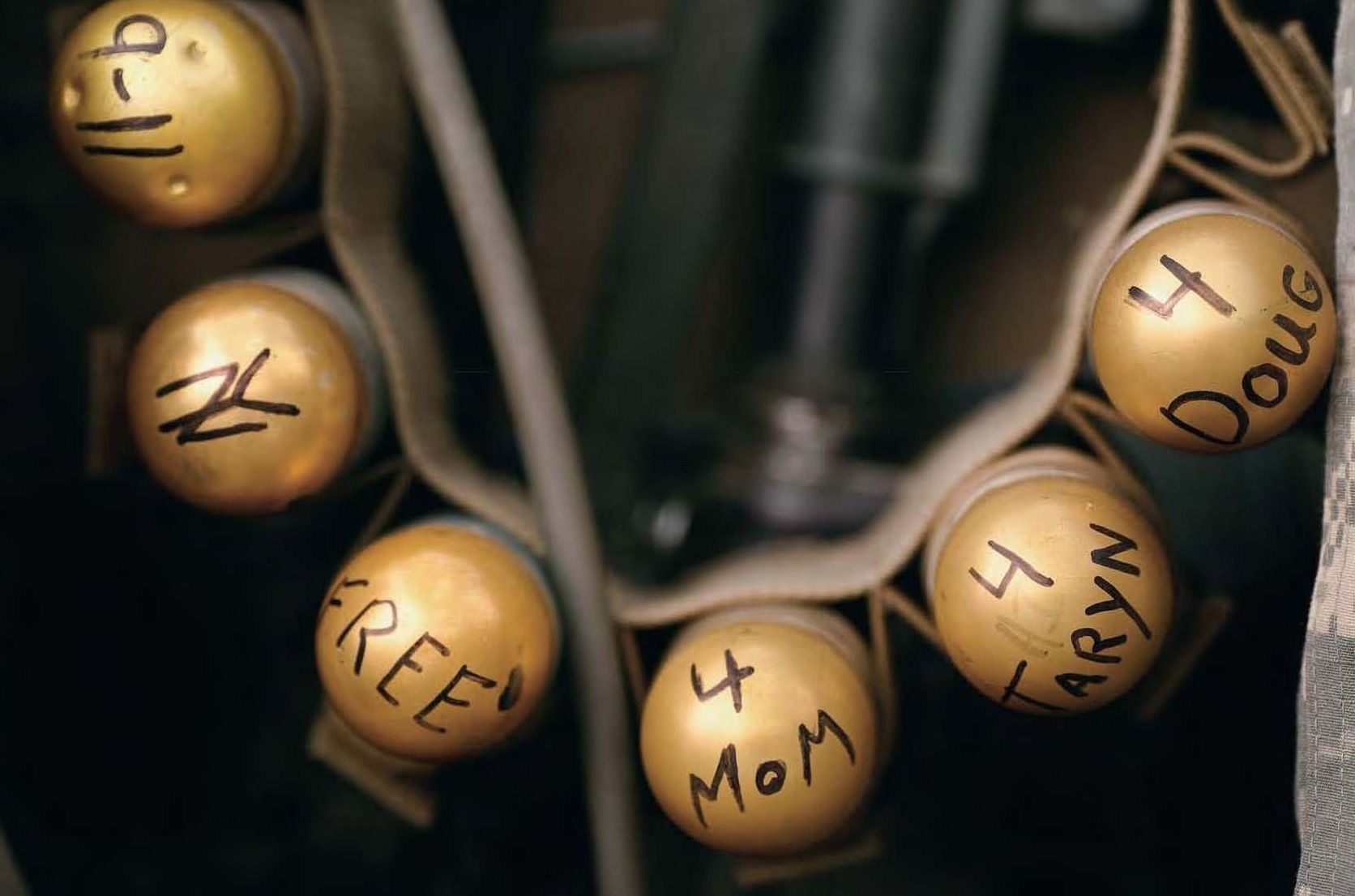
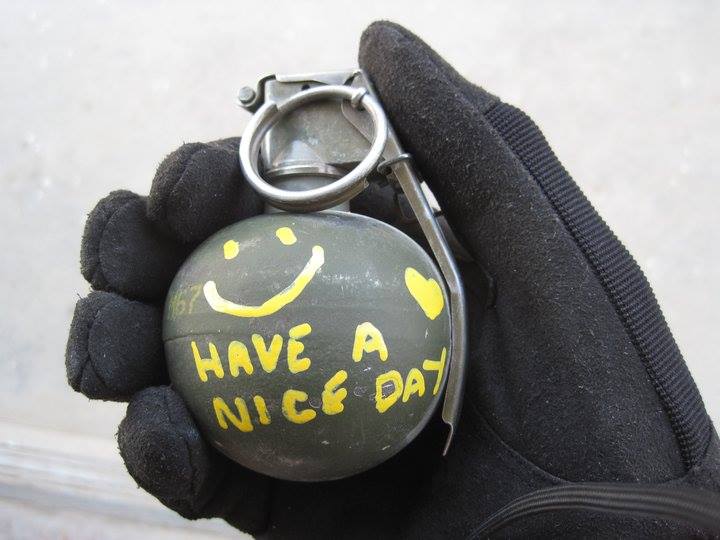
Have a Nice Day — M67 Grenade
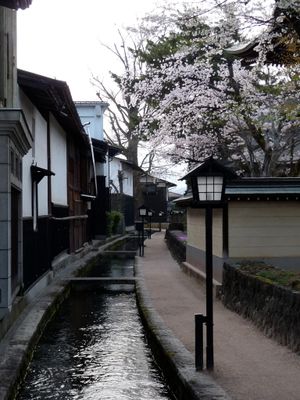
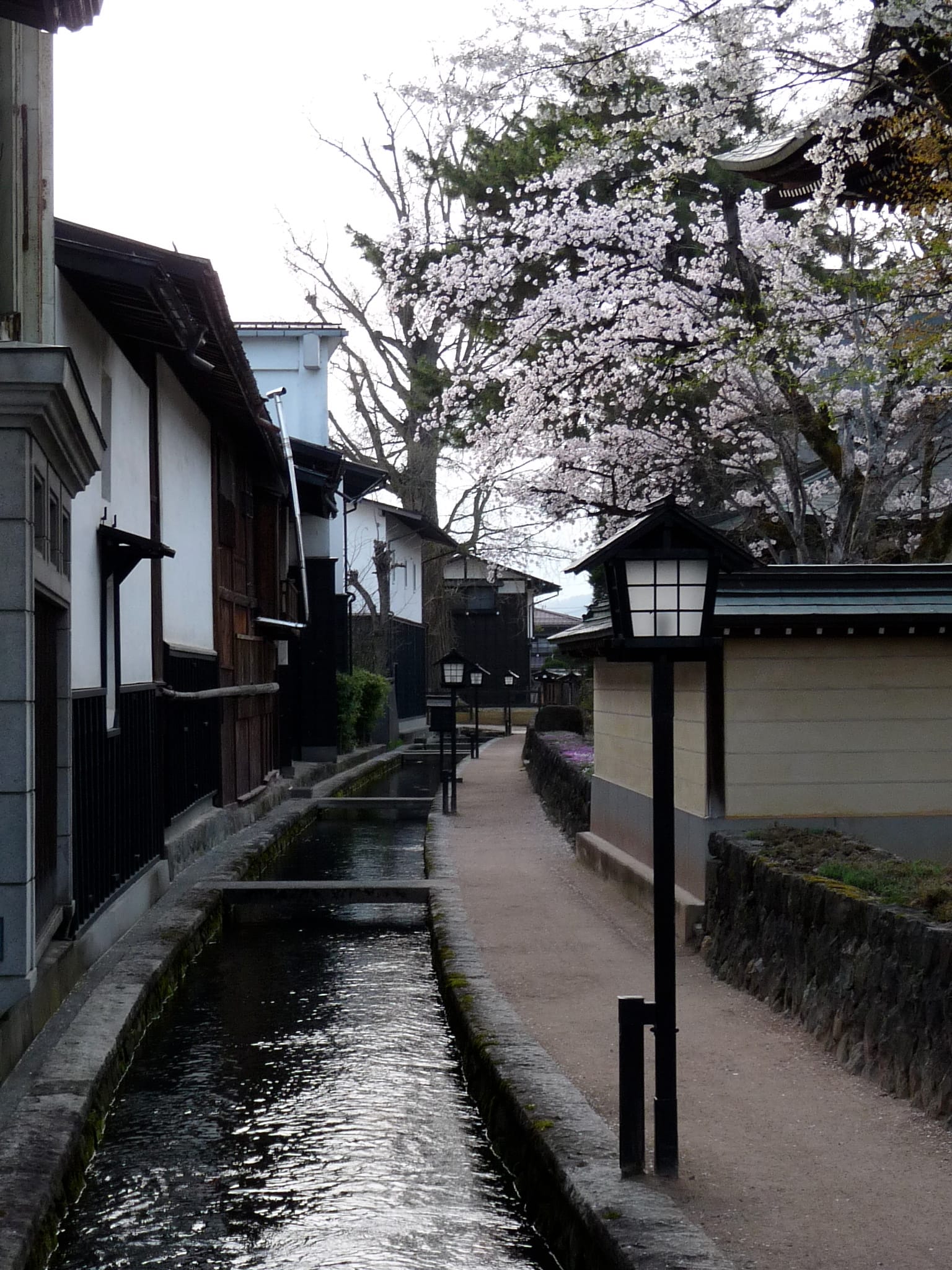
Hida-Furukawa (飛騨古川) — Dan
Dan's Hida-Furukawa (飛騨古川) follows the Seto River canal through the preserved old town of Furukawa in Hida City, Gifu Prefecture. The photograph was taken on April 15, 2009.
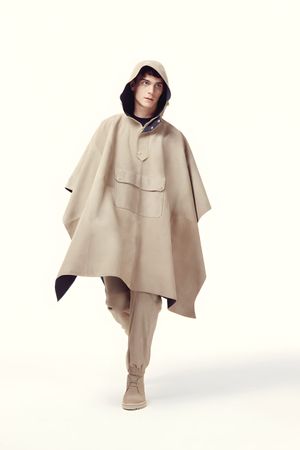
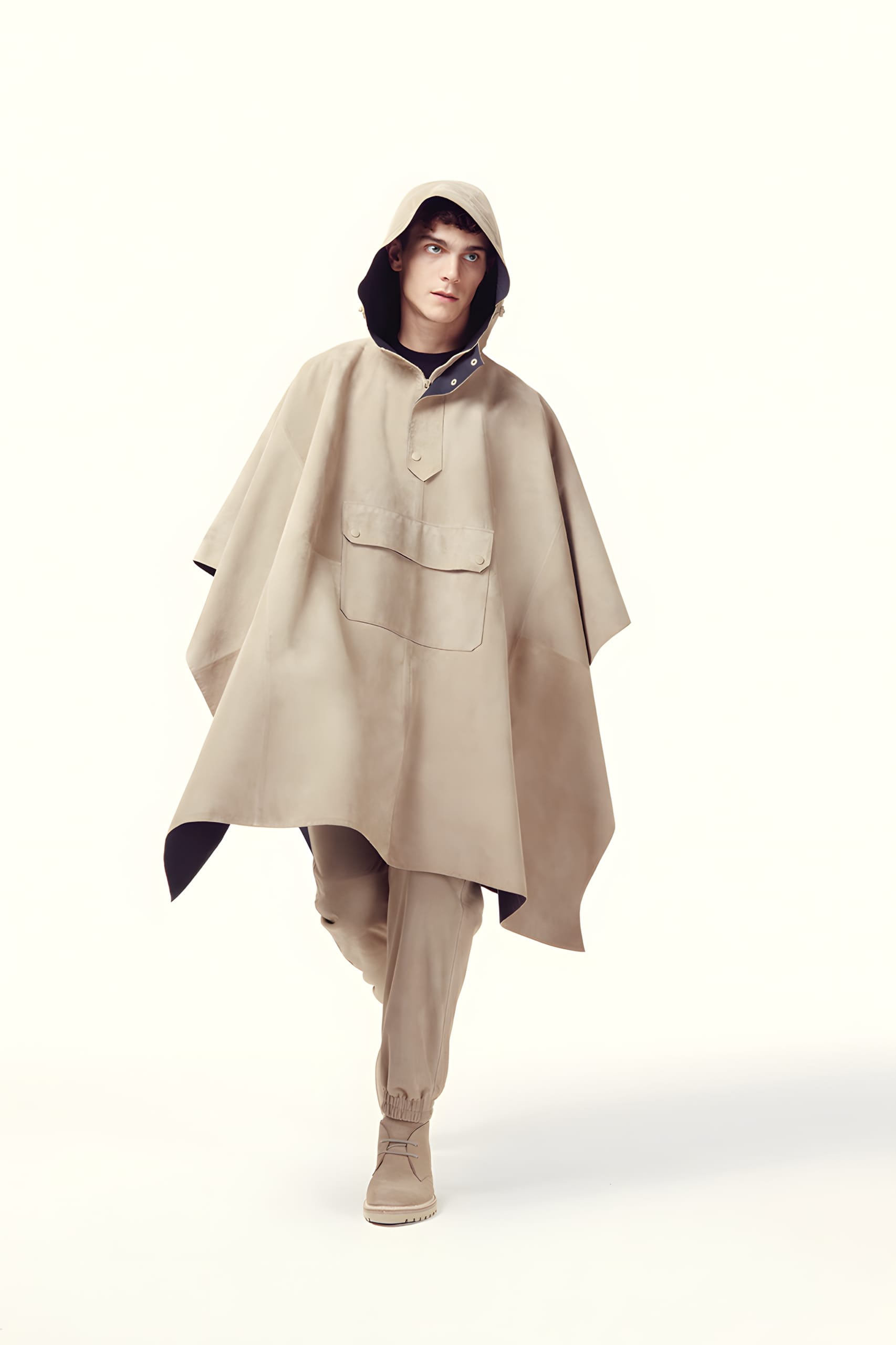
Bally Spring/Summer 2014 Menswear — Hooded Utility Poncho
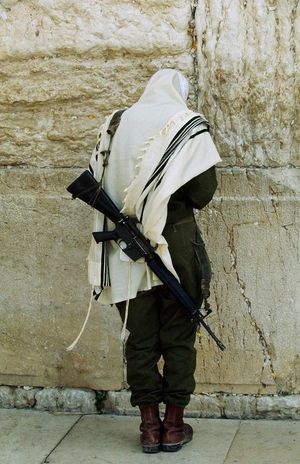
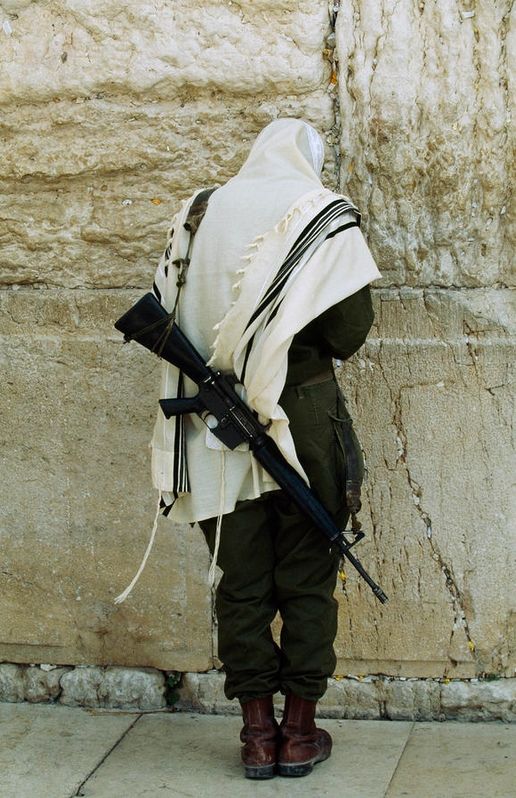
Israeli Soldier With Rifle Praying
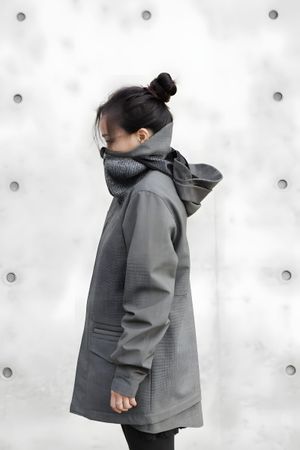
Undercover Diaplex Autumn/Winter 2007 Collection
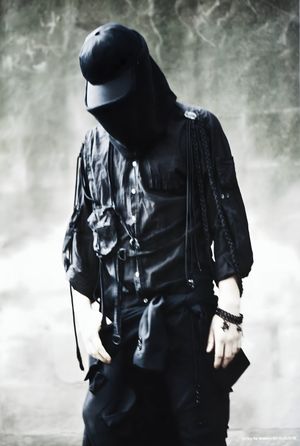
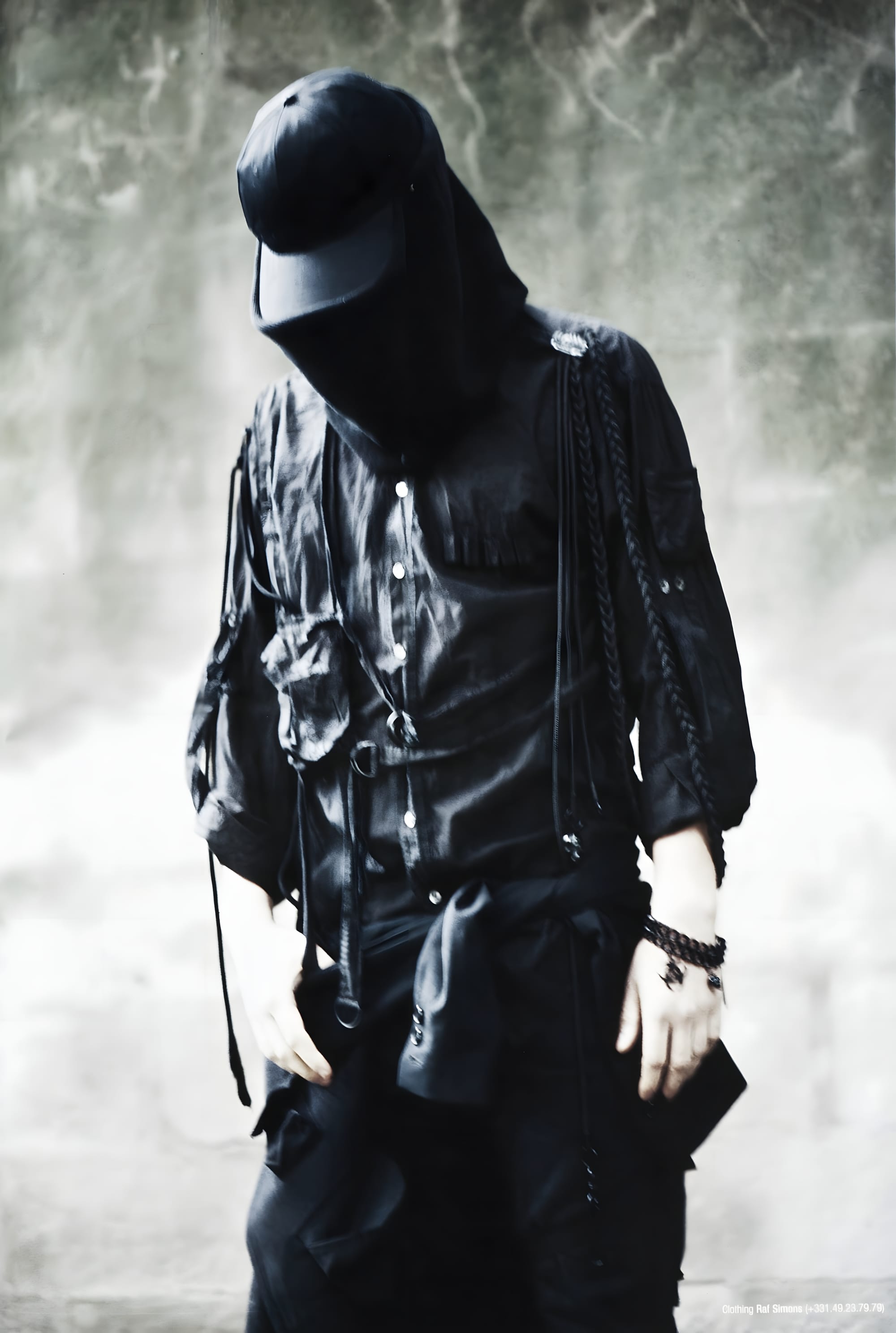
Raf Simons Menswear Lookbook — Photography by David Armstrong
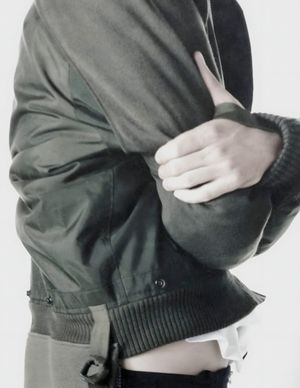
Nonnative Wrecking Walls FW2013 Bomber Jacket
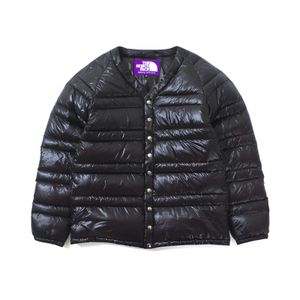
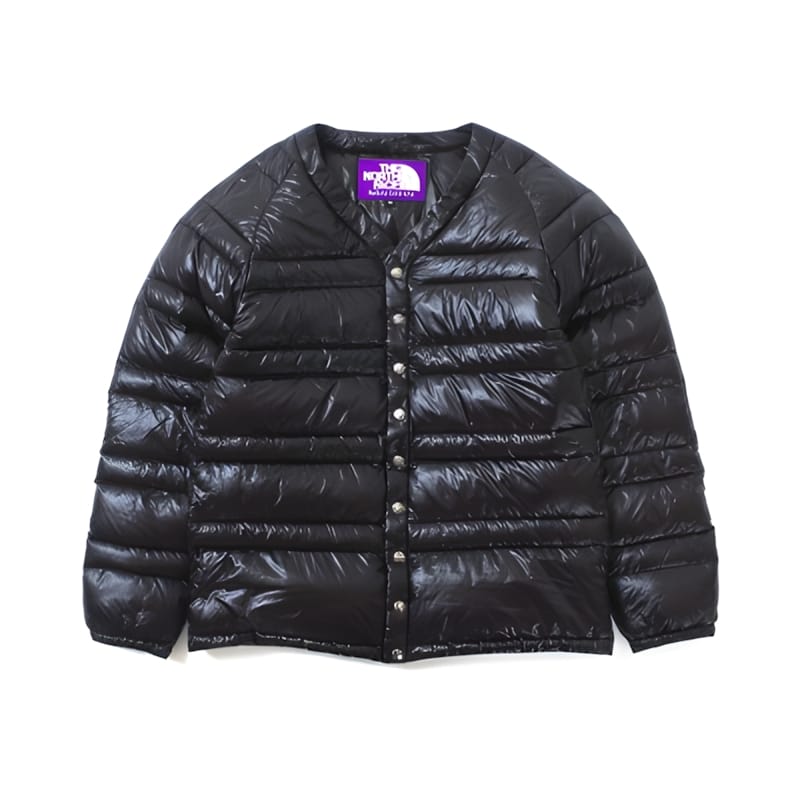
The North Face Purple Label Down Cardigan
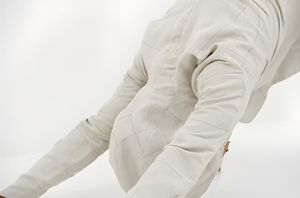
Devoa Panelled Jacket
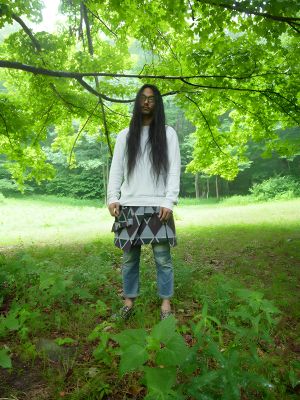
Kapital Fall/Winter 2013 "Indigenous" Lookbook
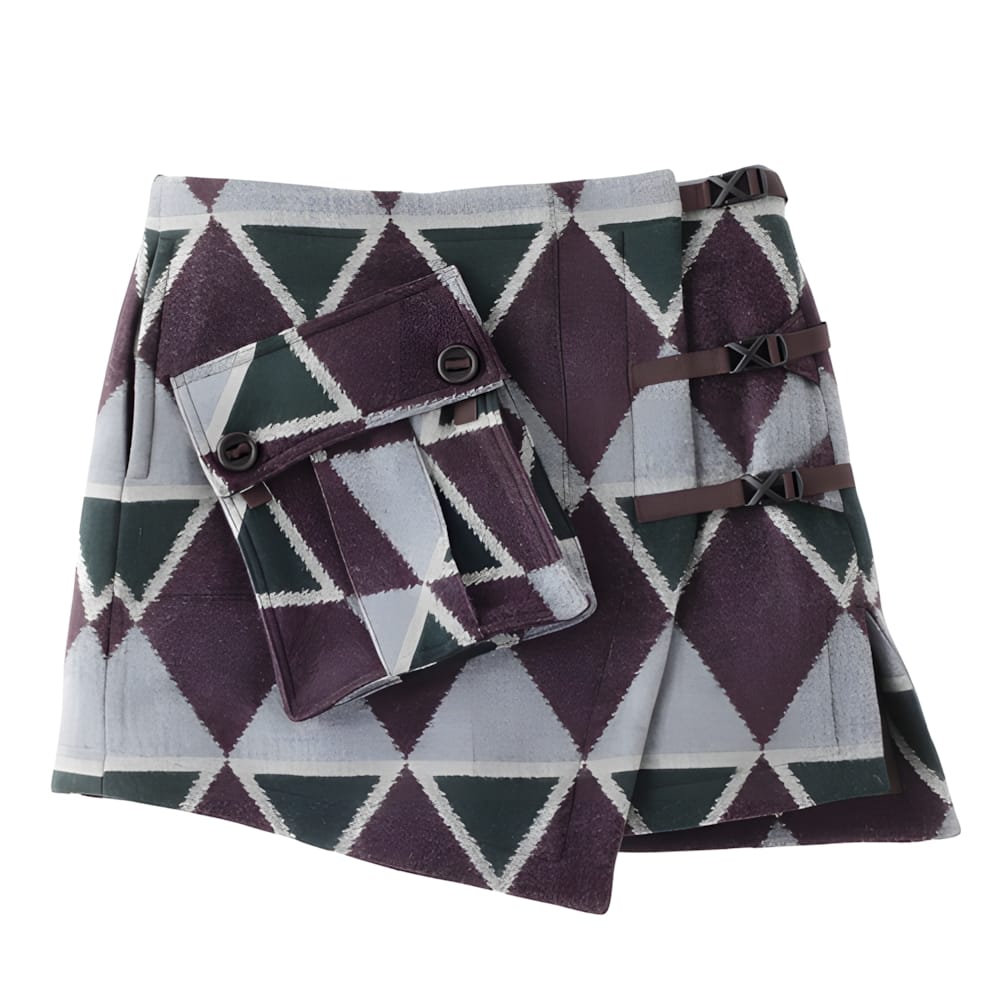
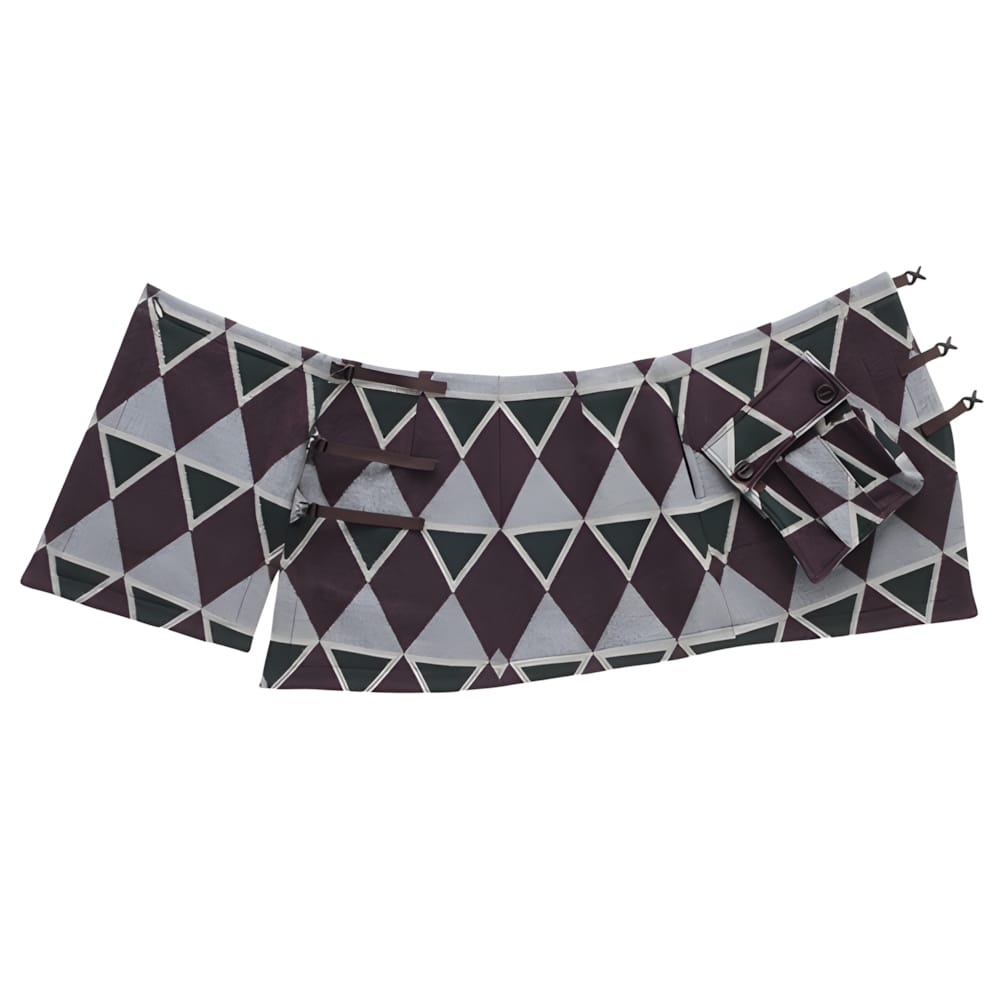
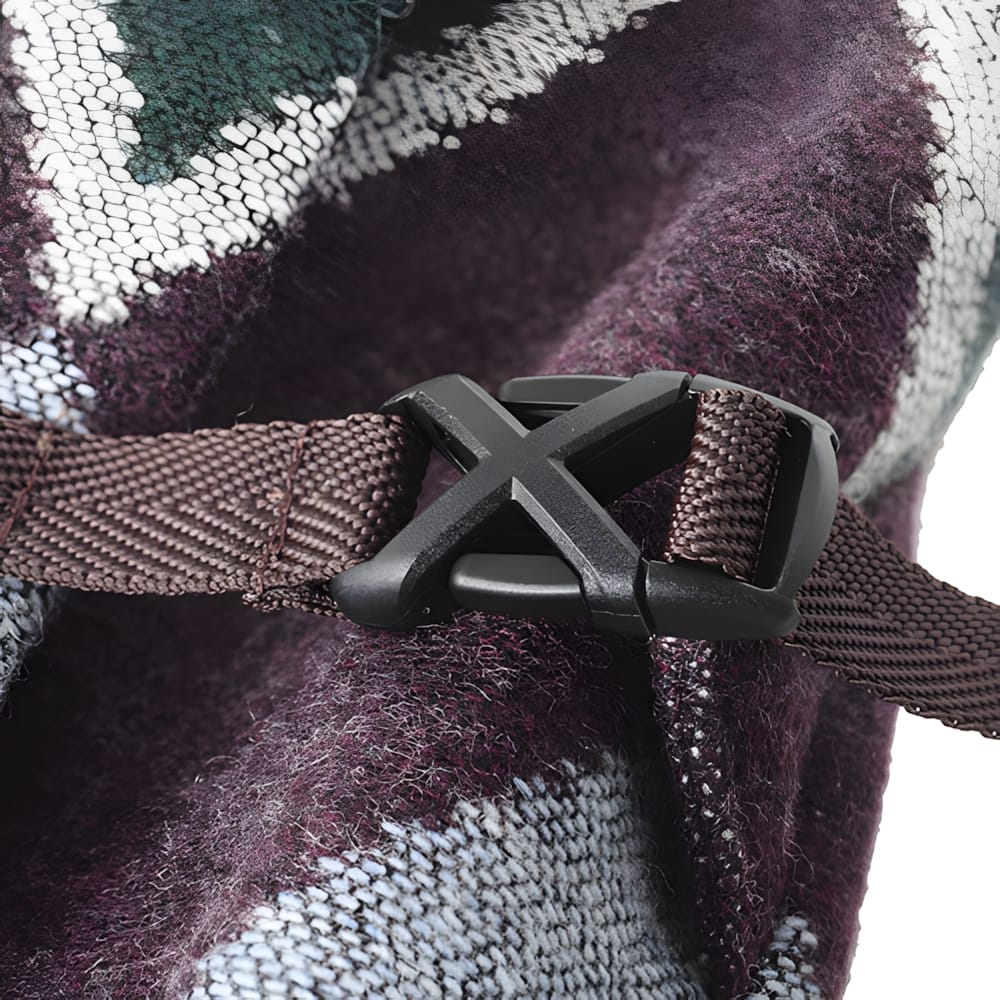
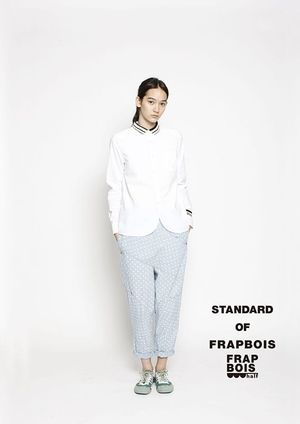
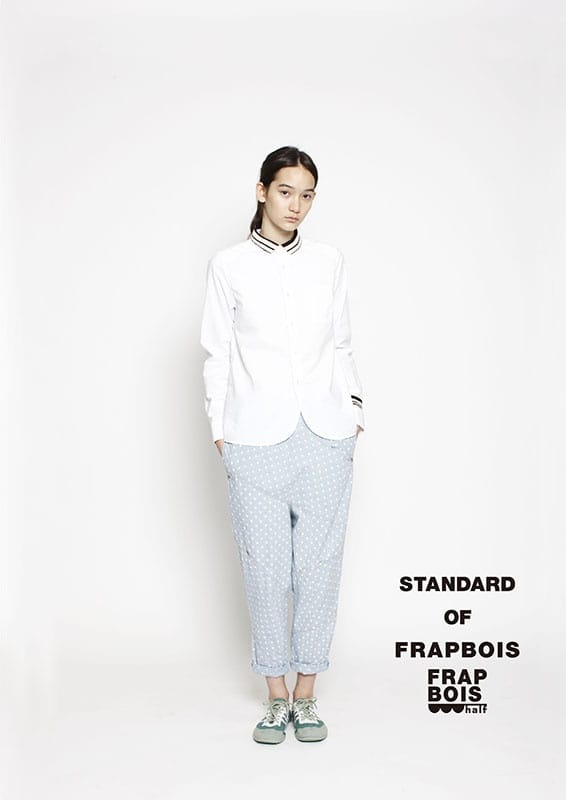
STANDARD OF FRAPBOIS — Polka-Dot Trousers

LONG CLOTHING Clip Pants in Black and White Tartan

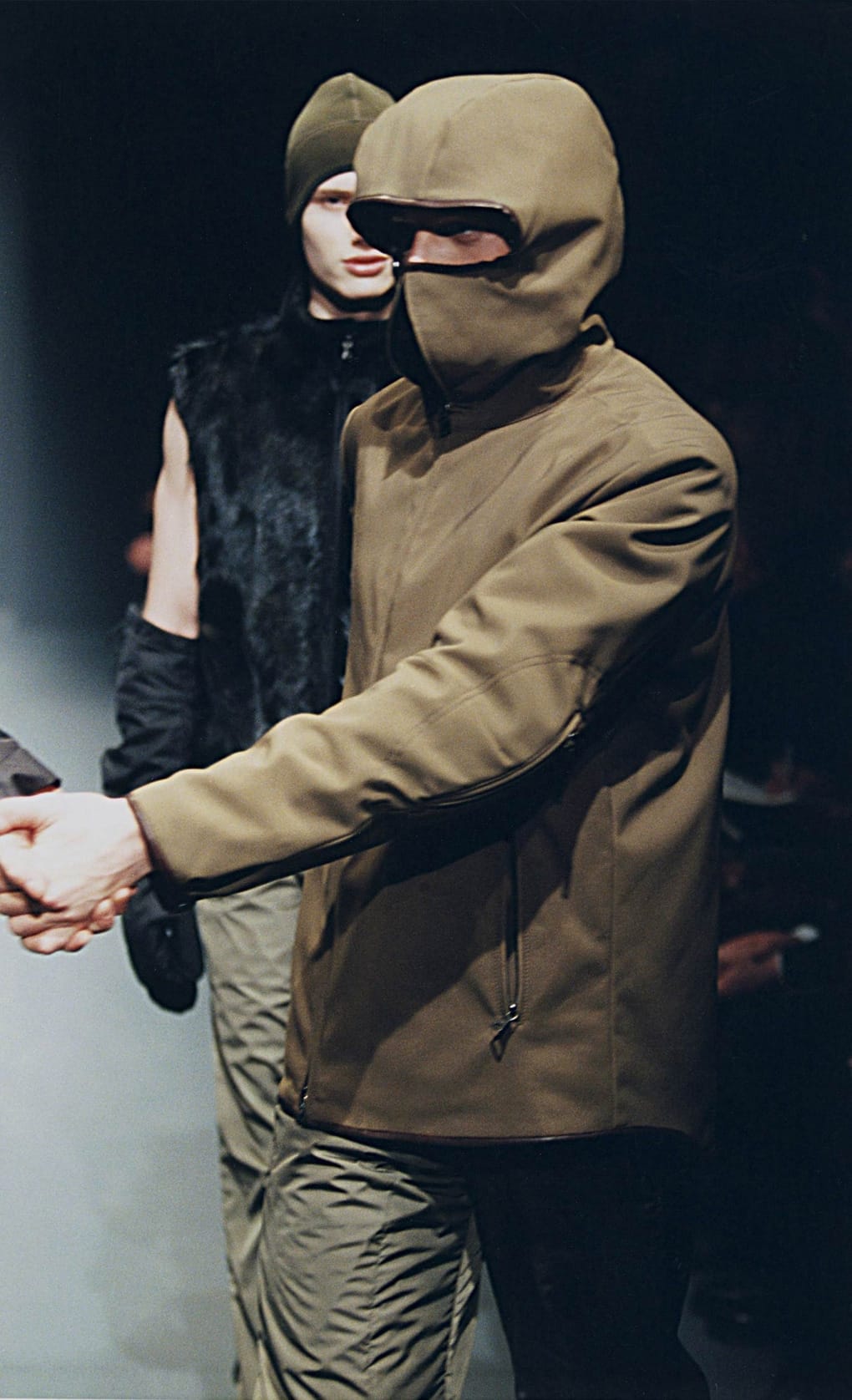
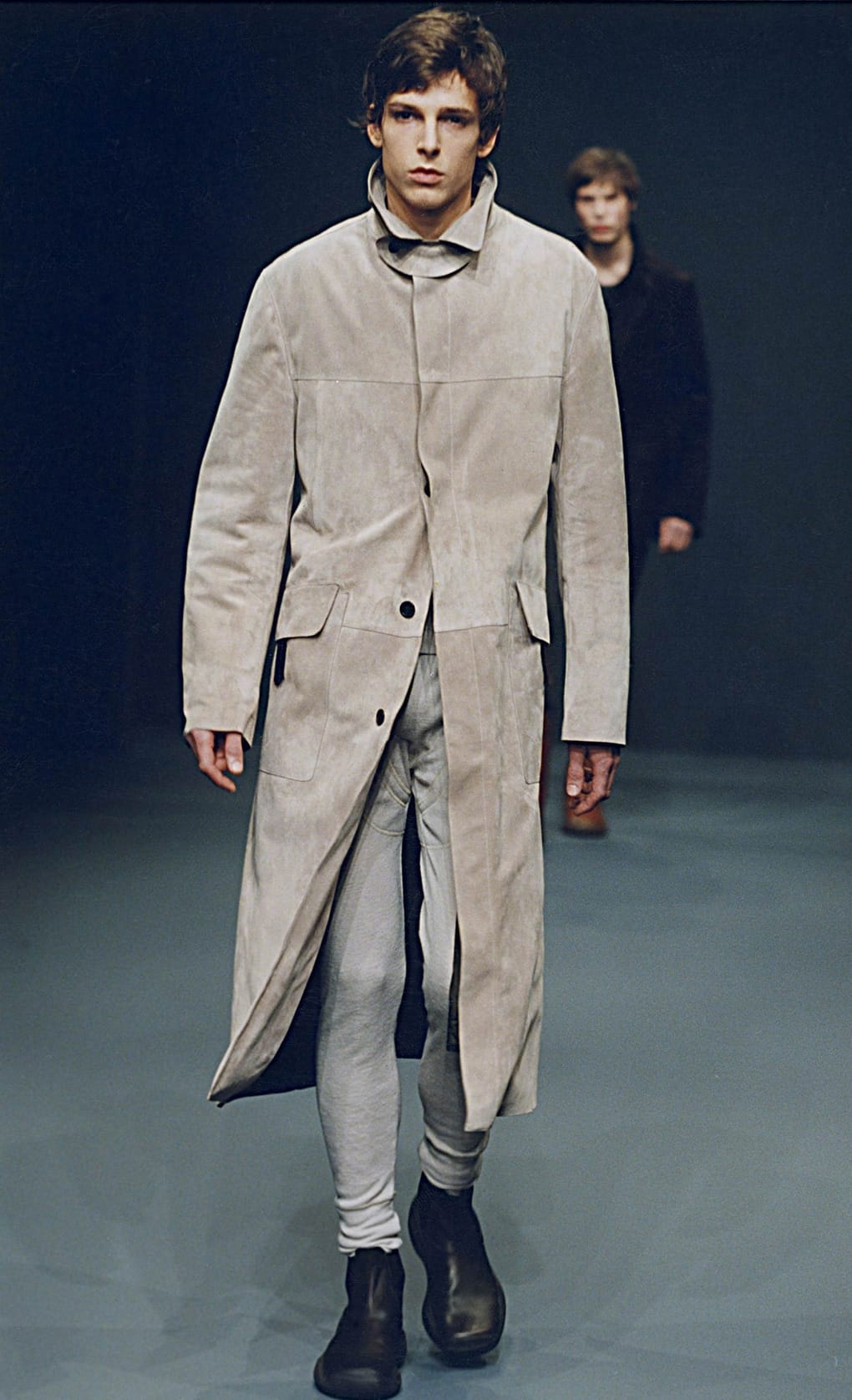
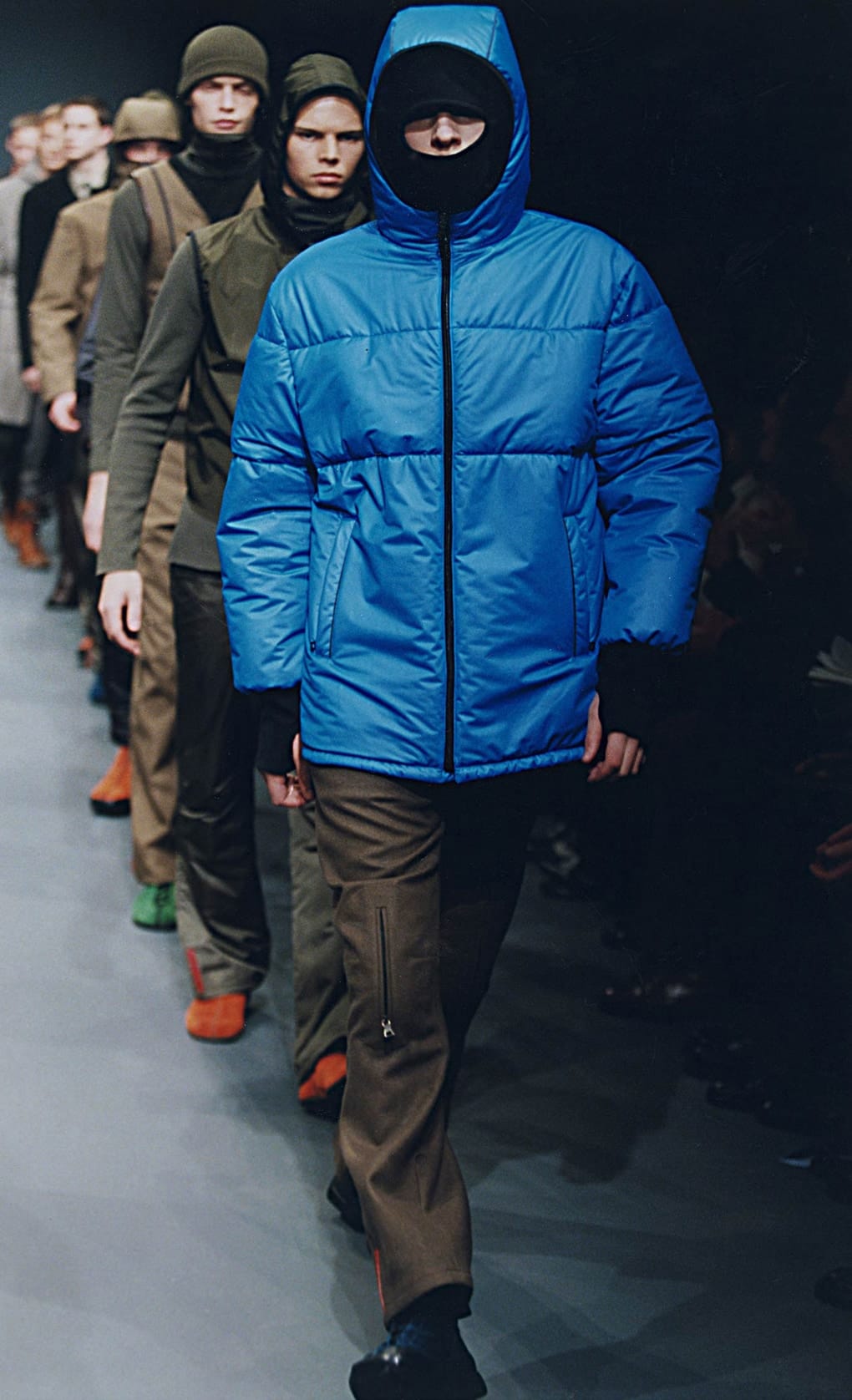
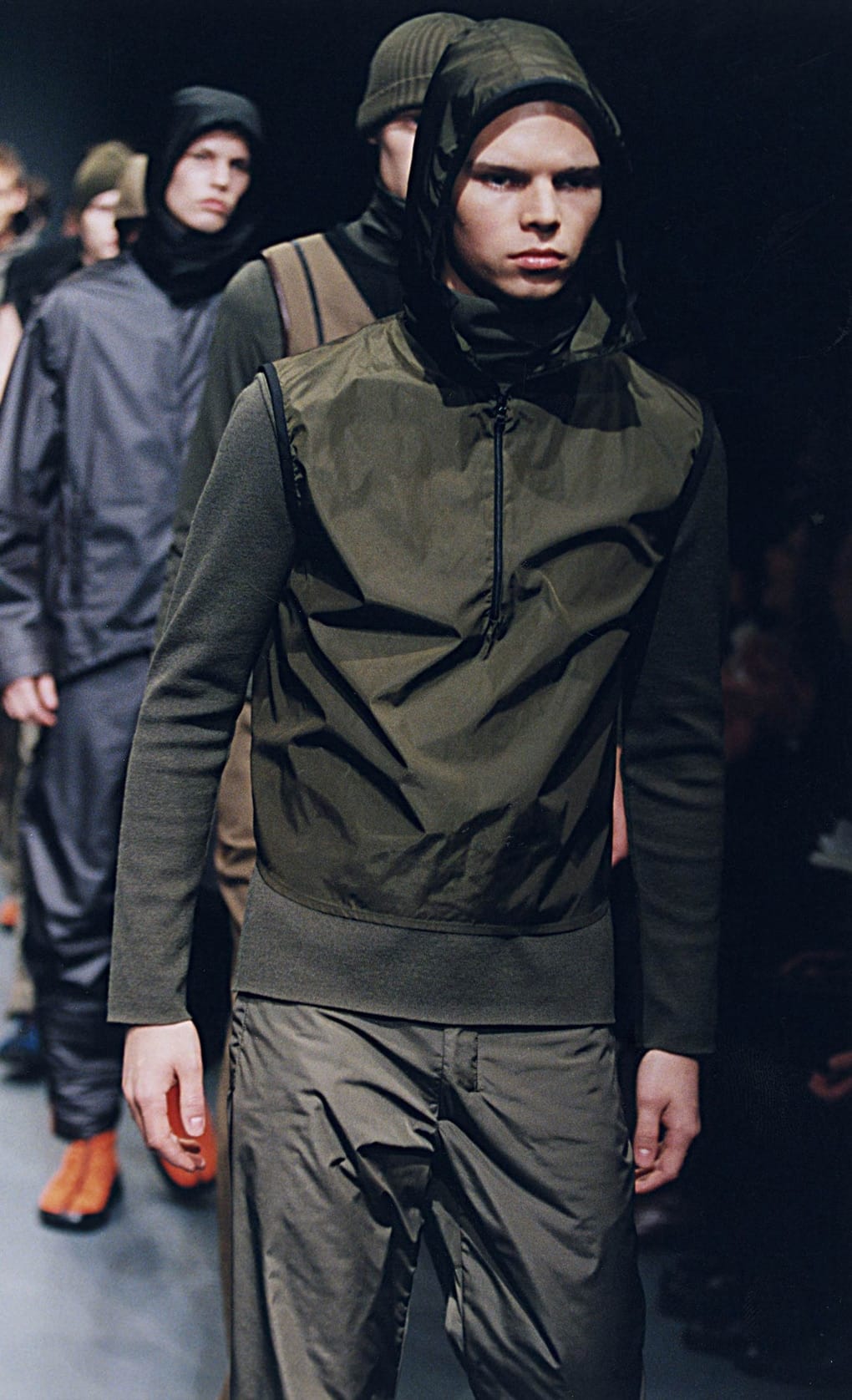
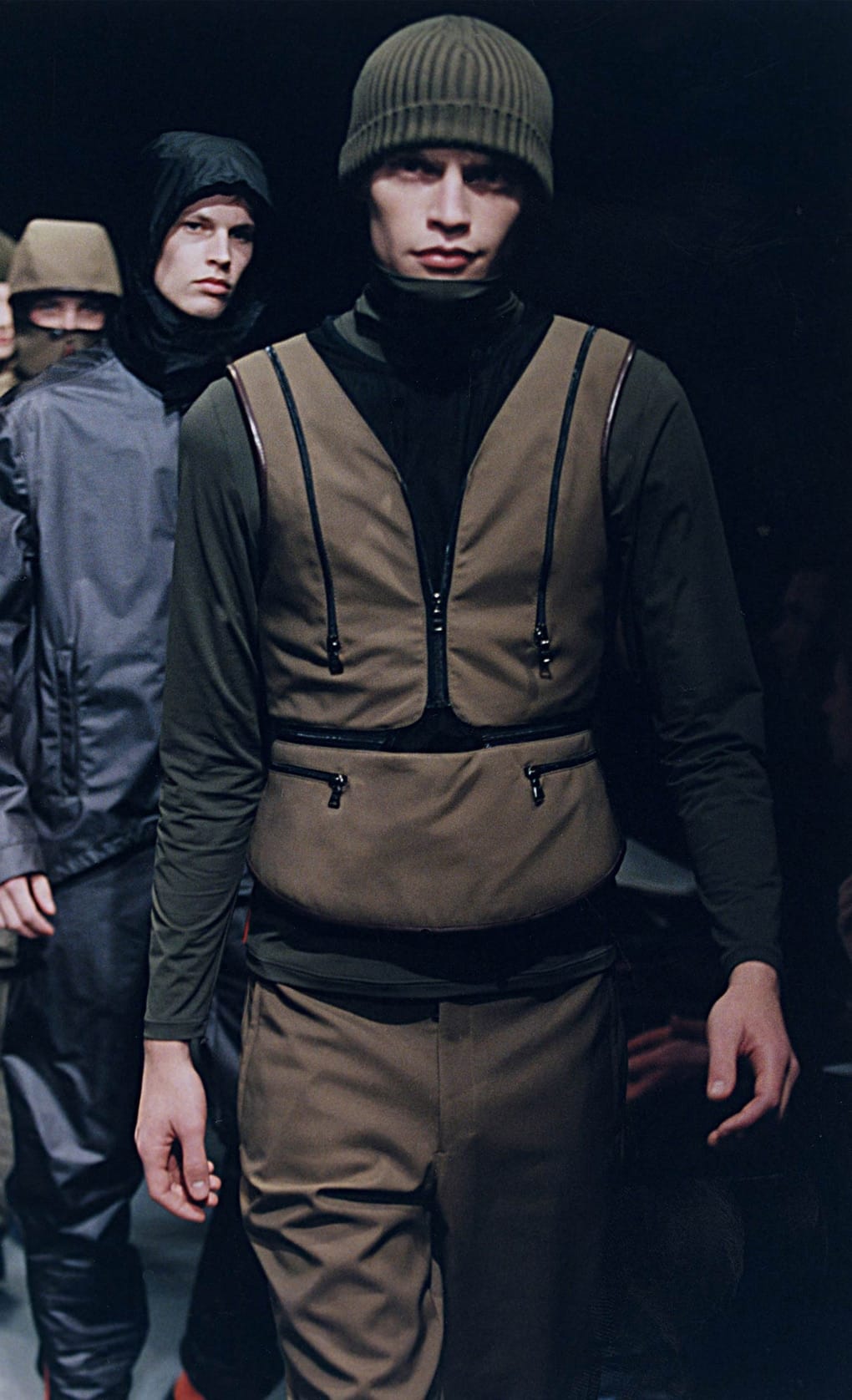
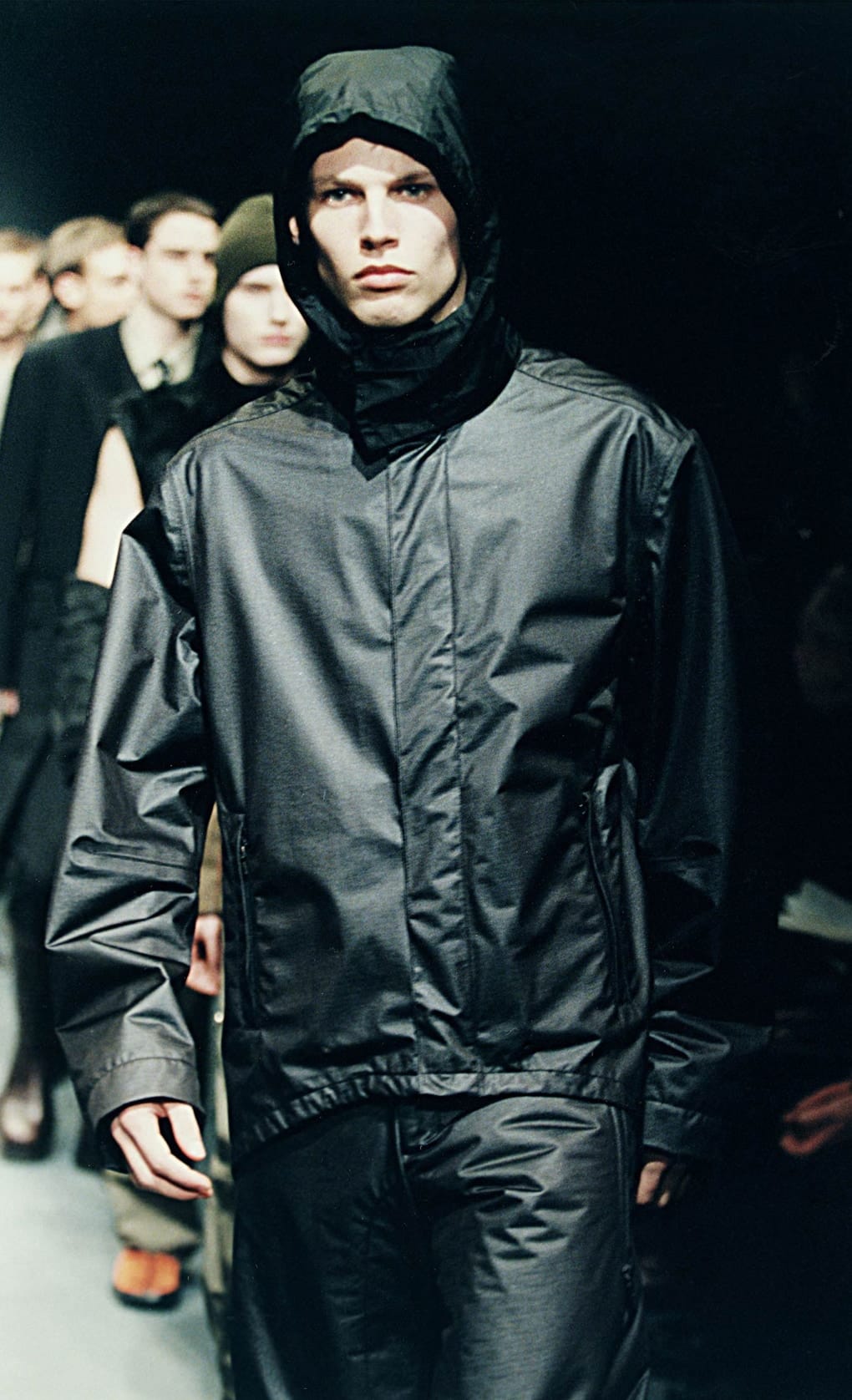
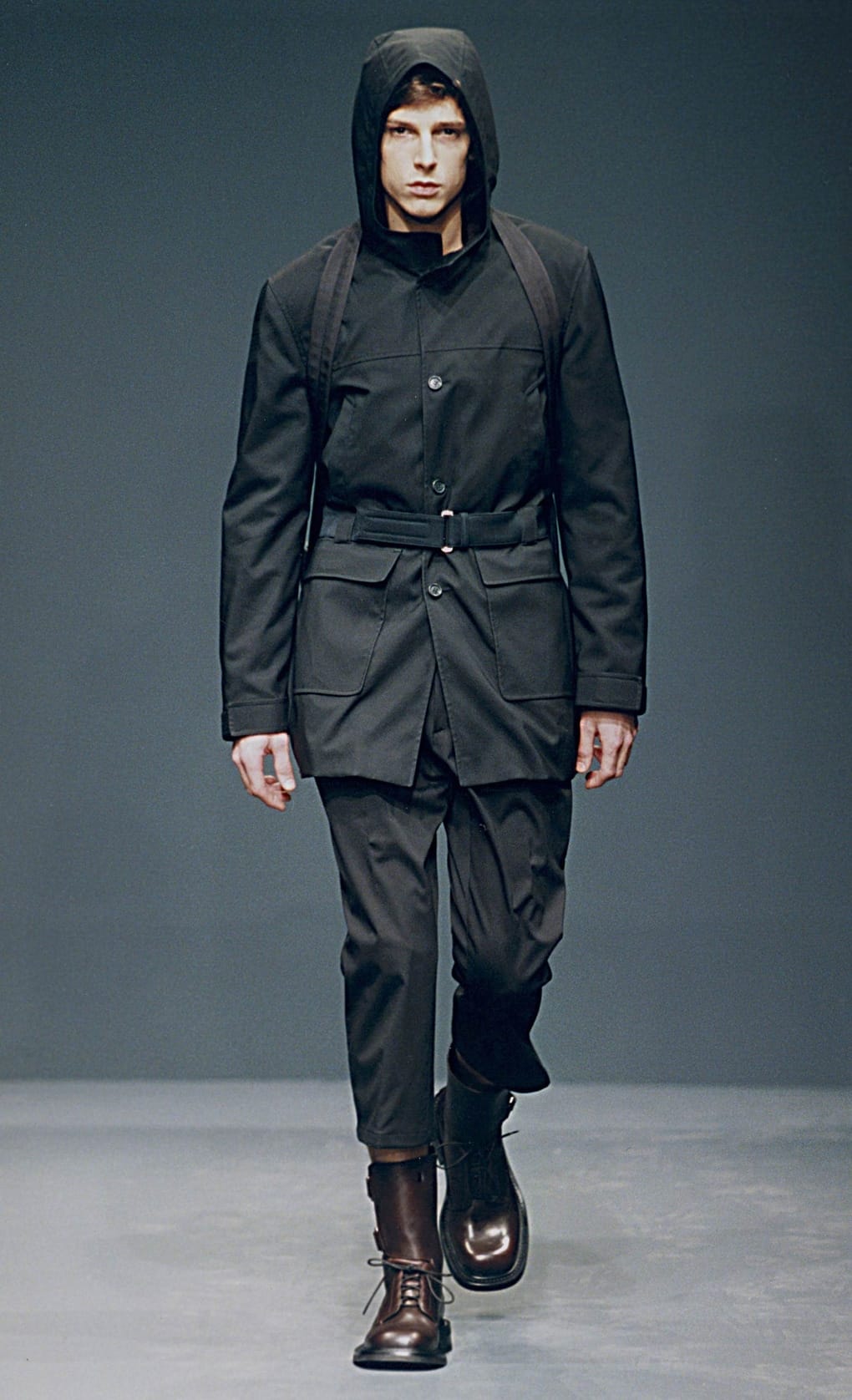
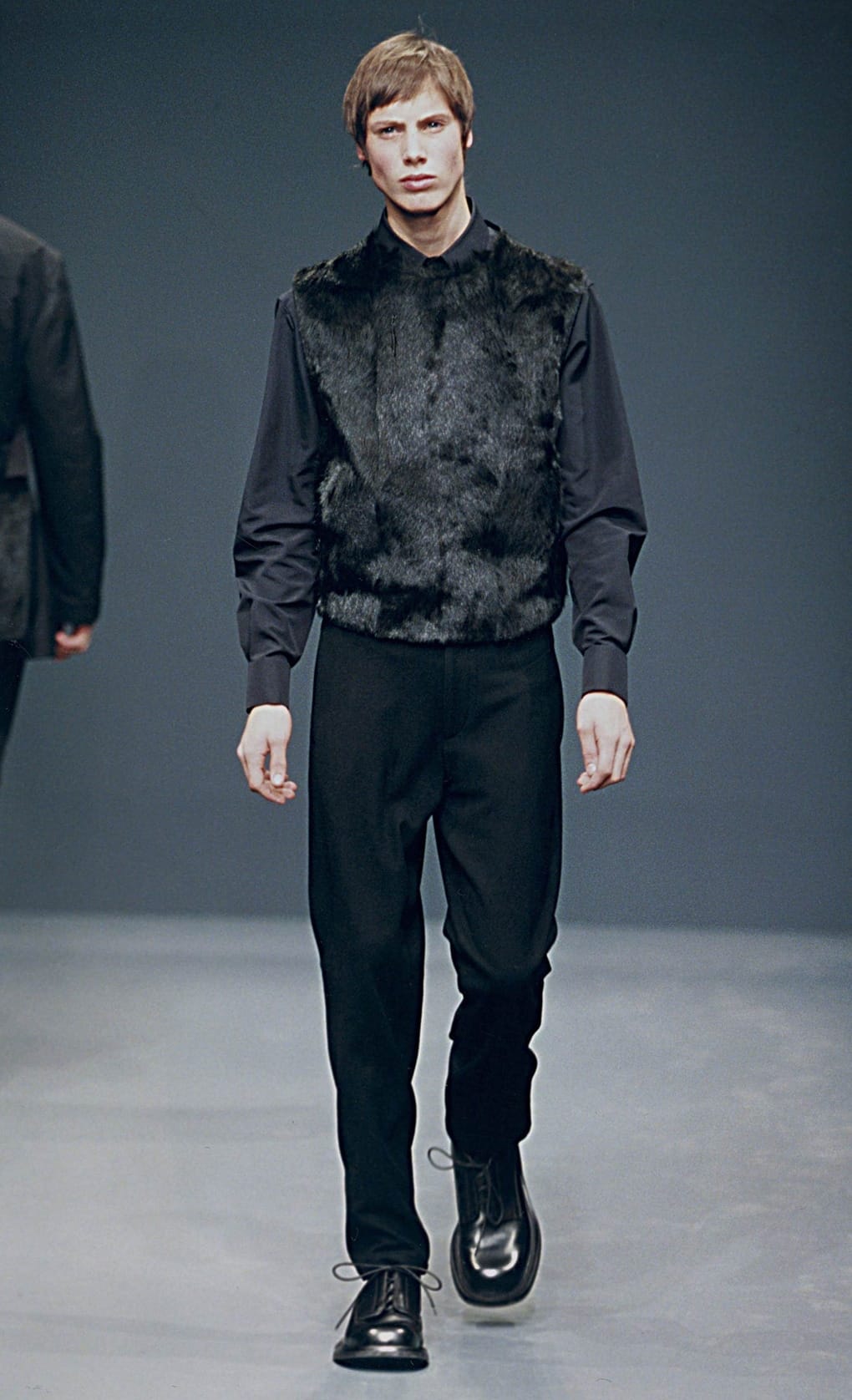
Prada Fall/Winter 1999 Menswear
Prada's Fall/Winter 1999 menswear collection moves from muted tailoring and leather into technical outerwear, close-fitting performance layers, and a final return to dark suiting. This complete sequence preserves all 80 runway looks in the official order.
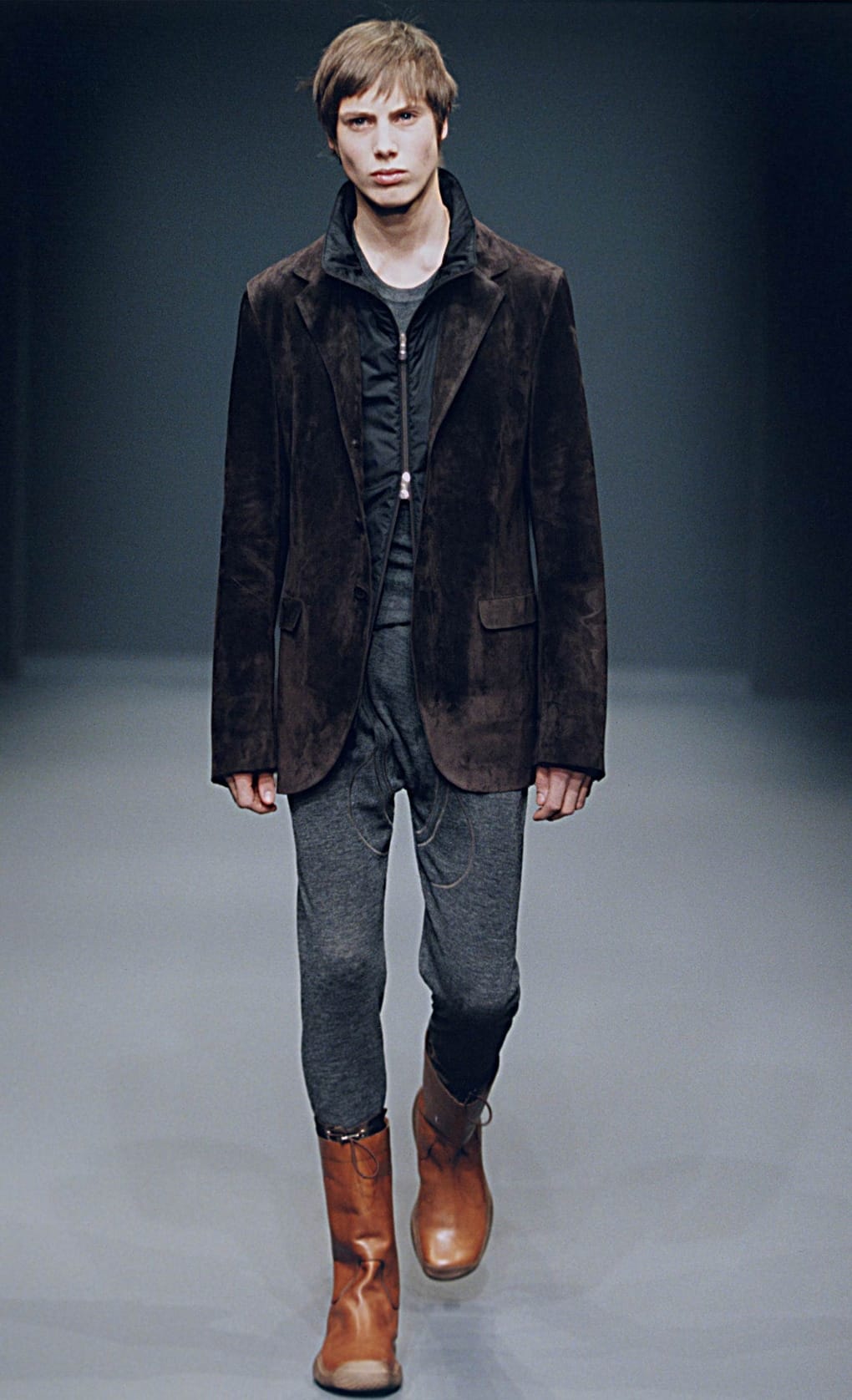
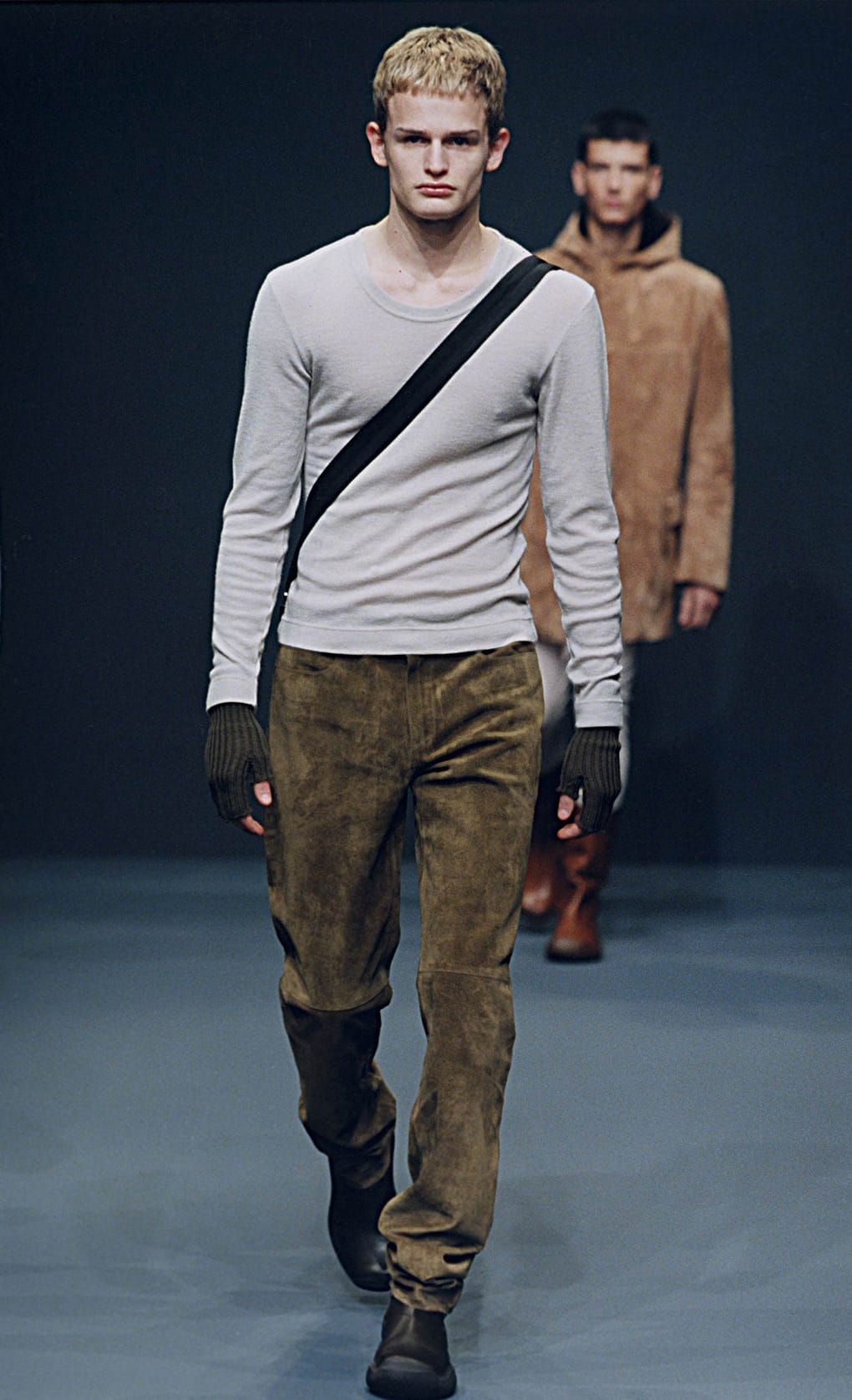
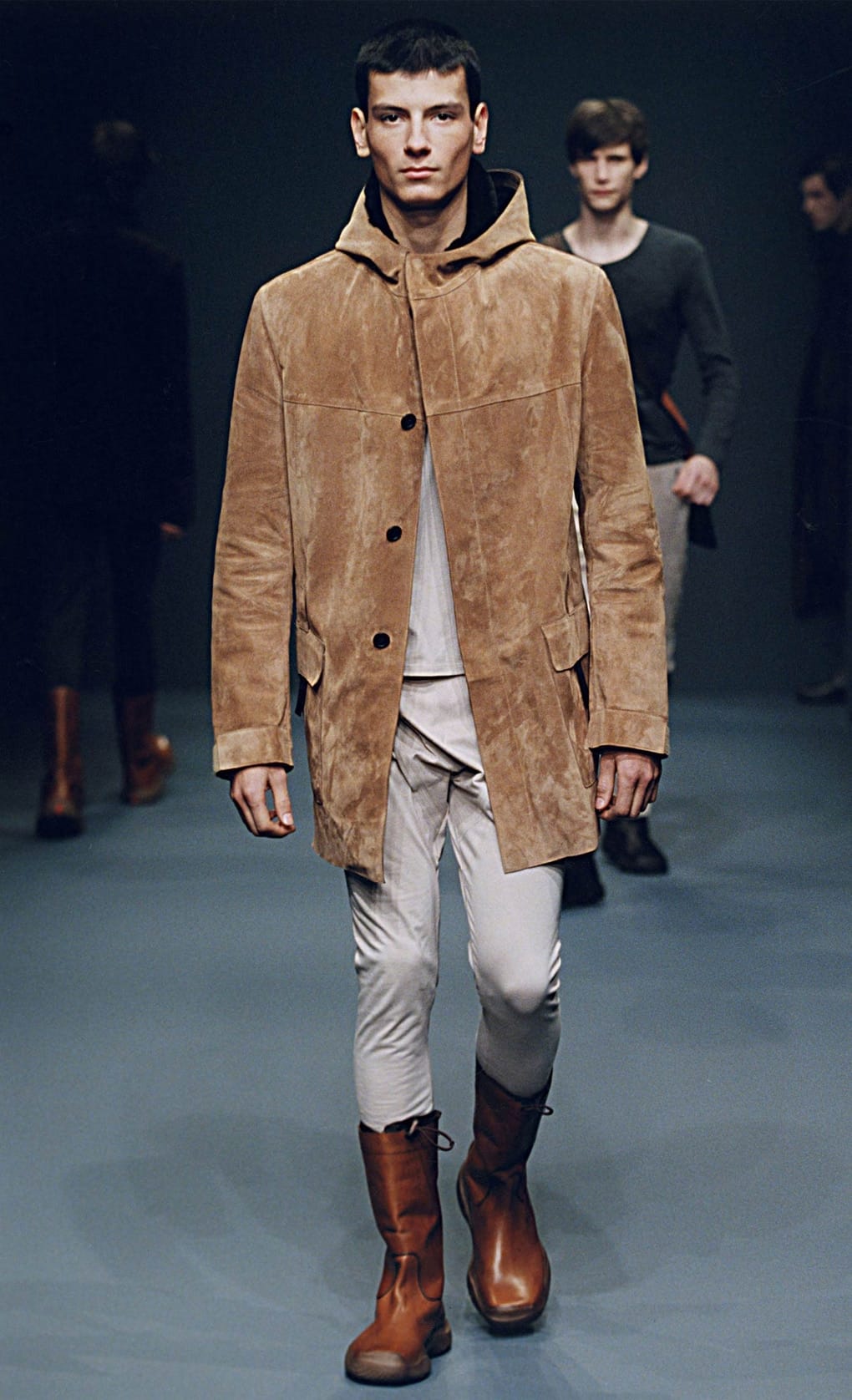
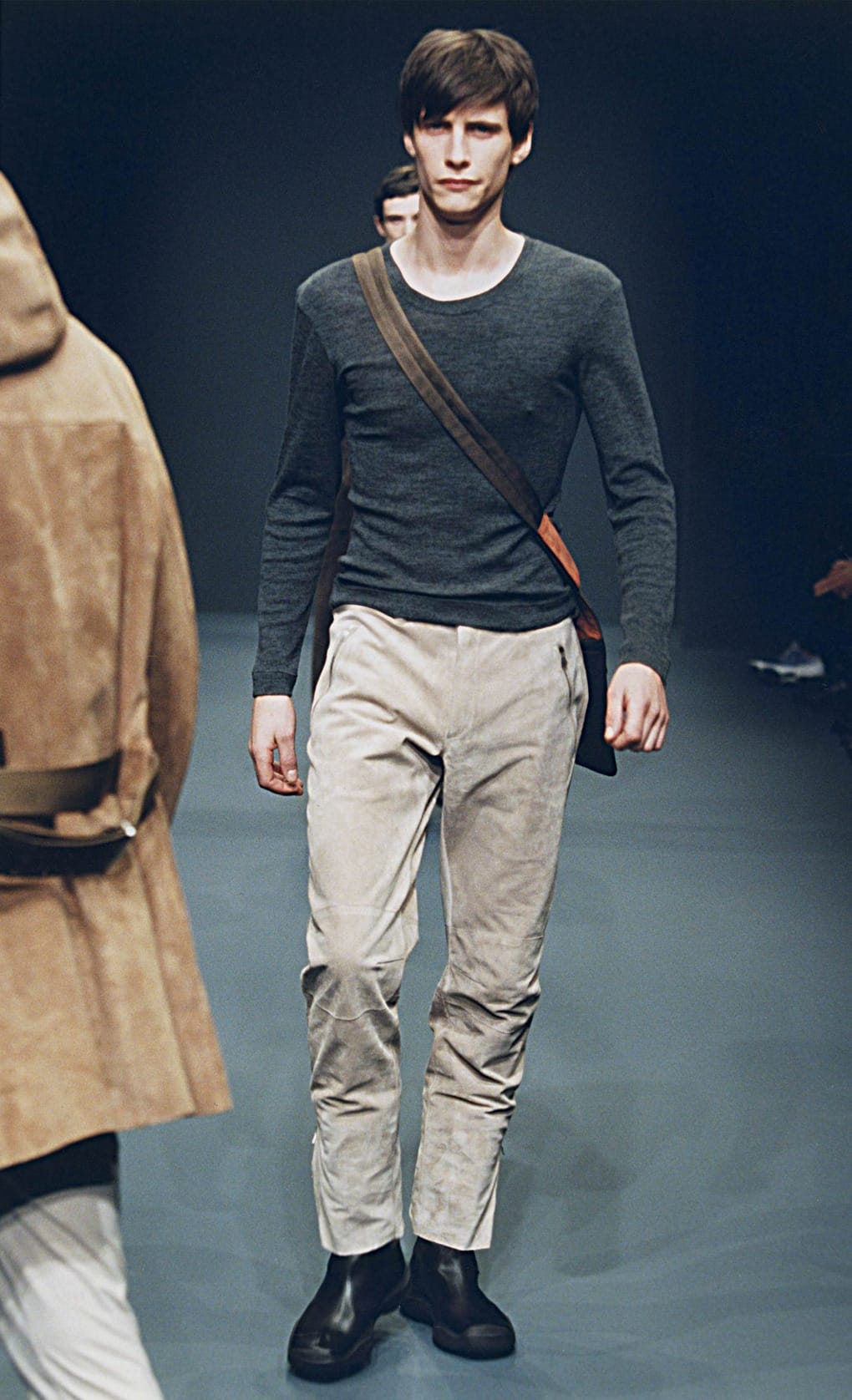
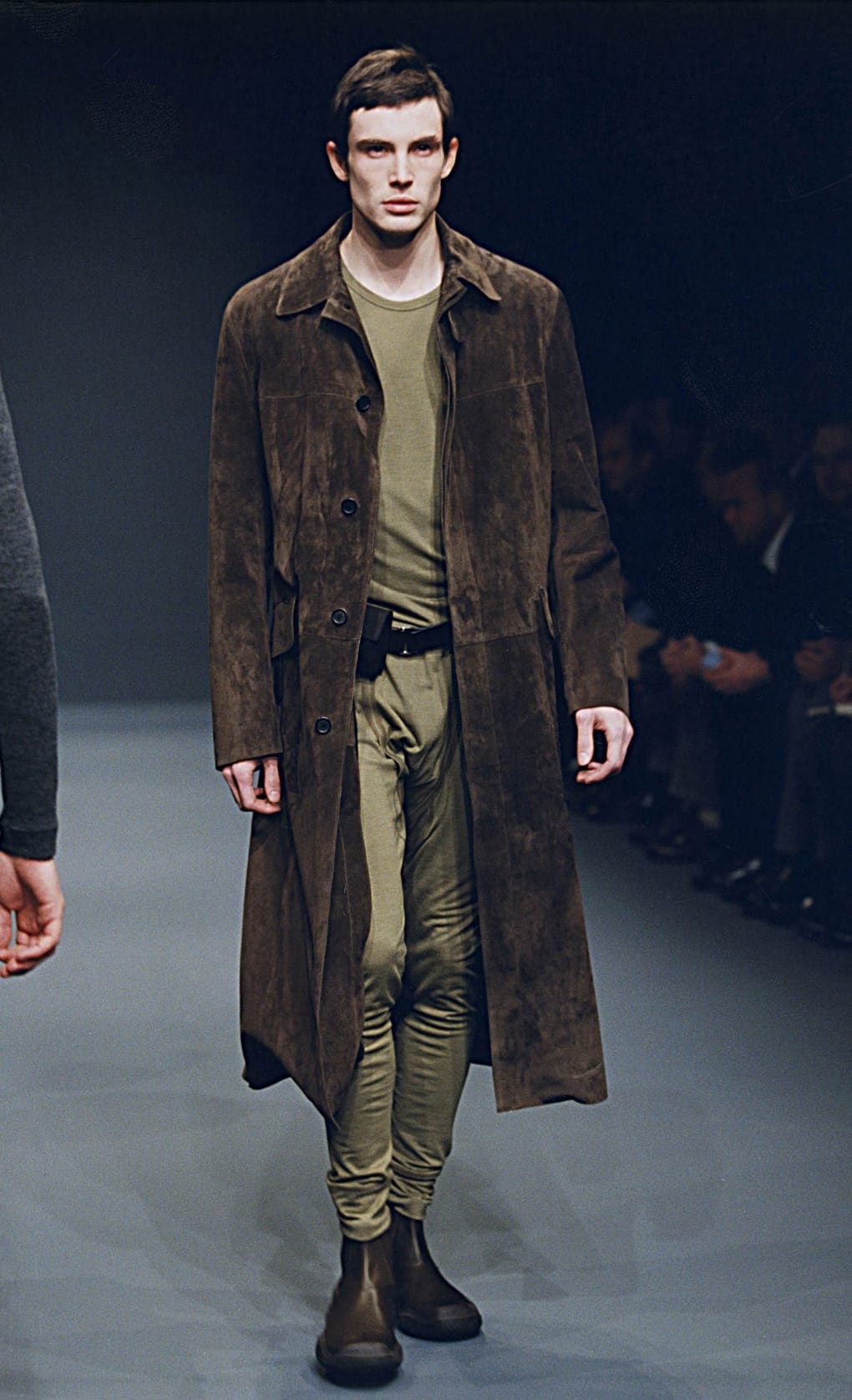
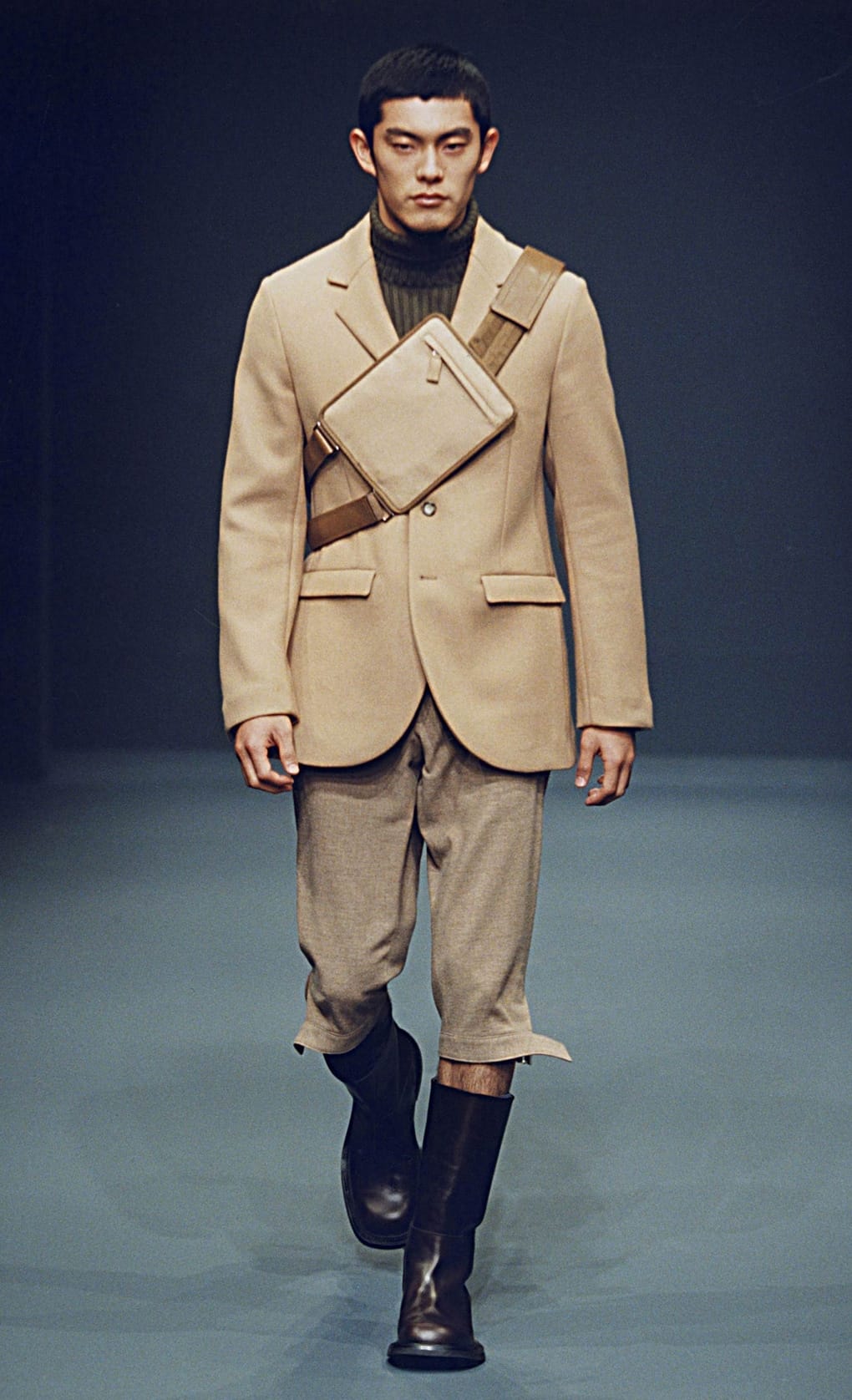
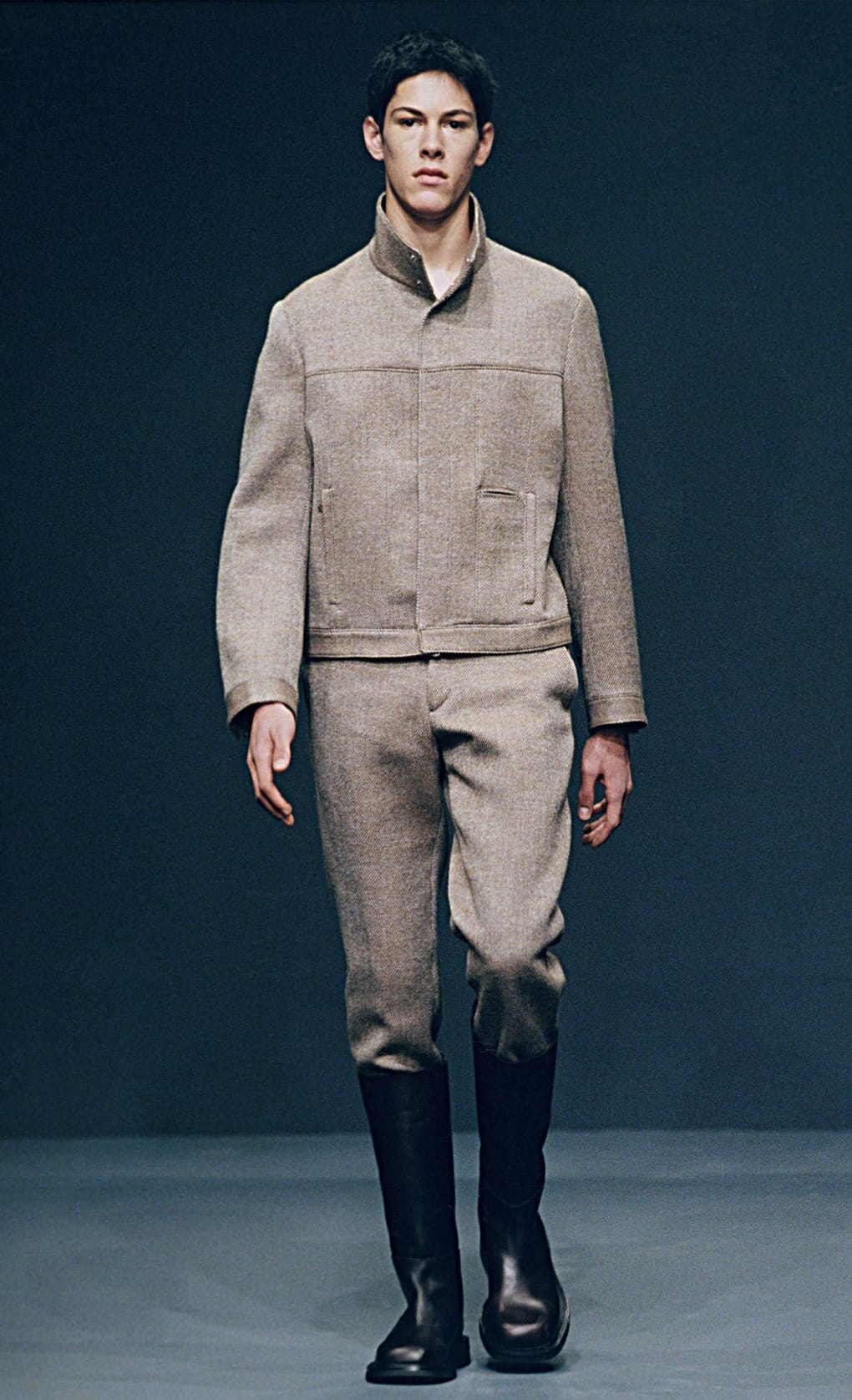
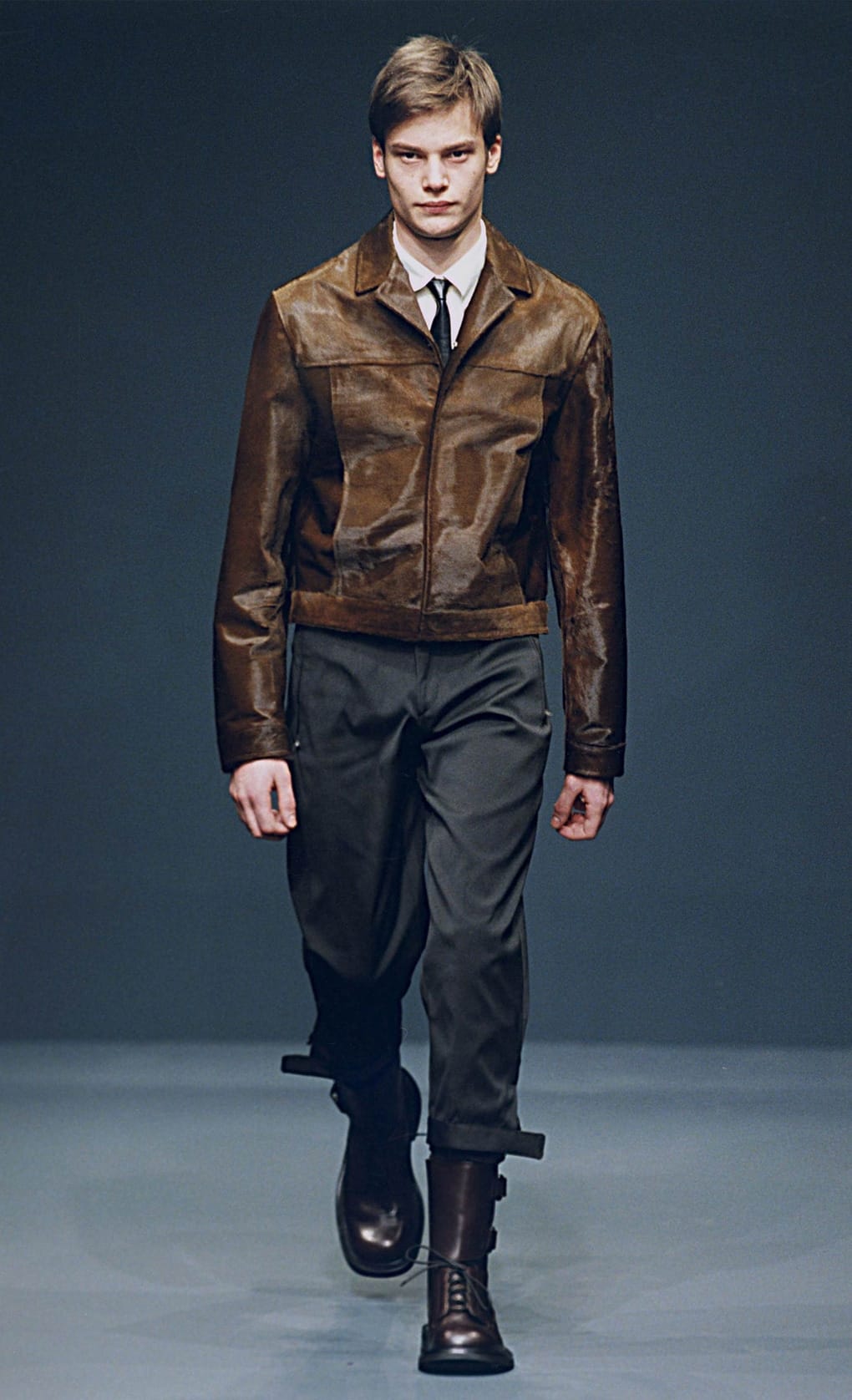
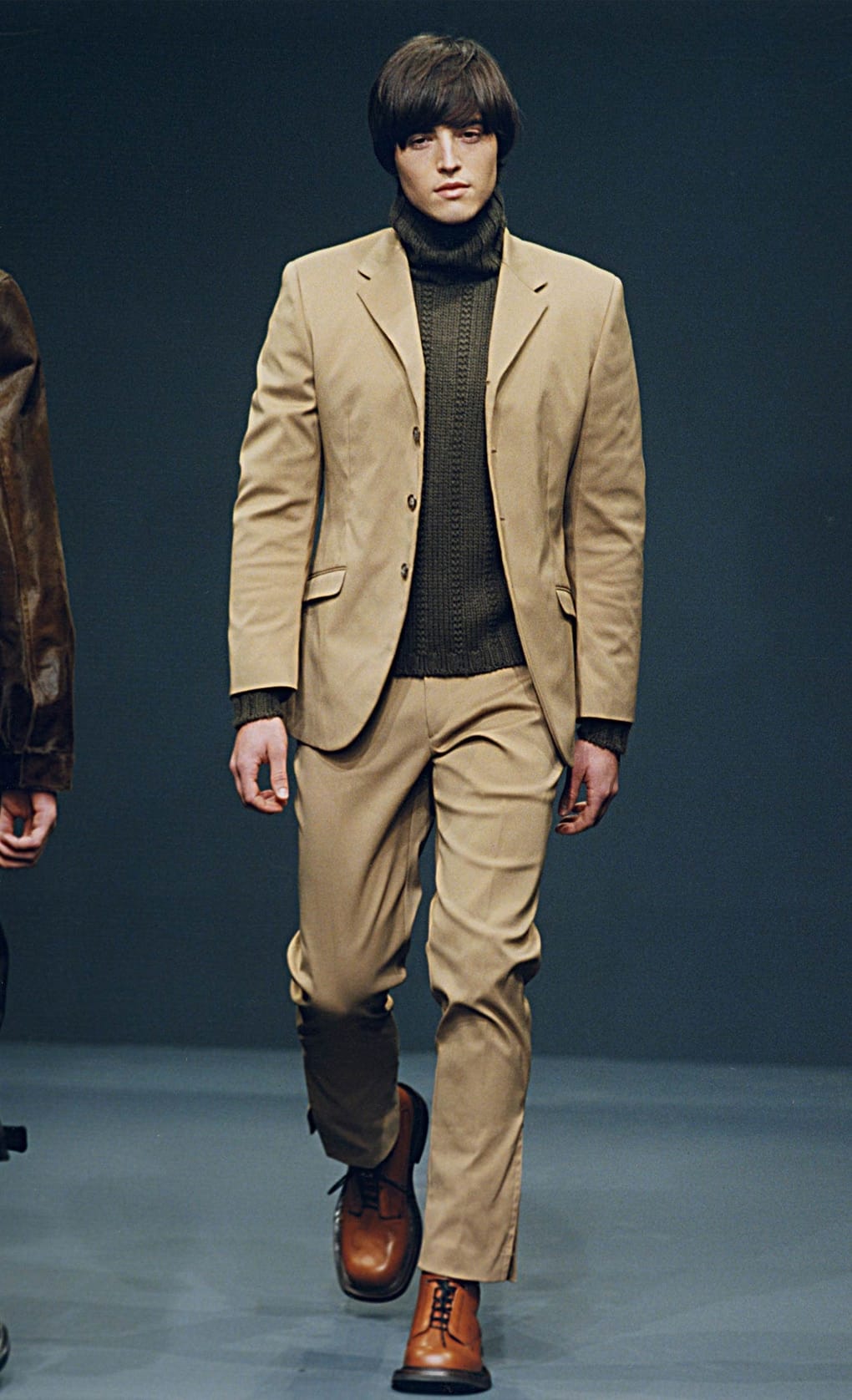
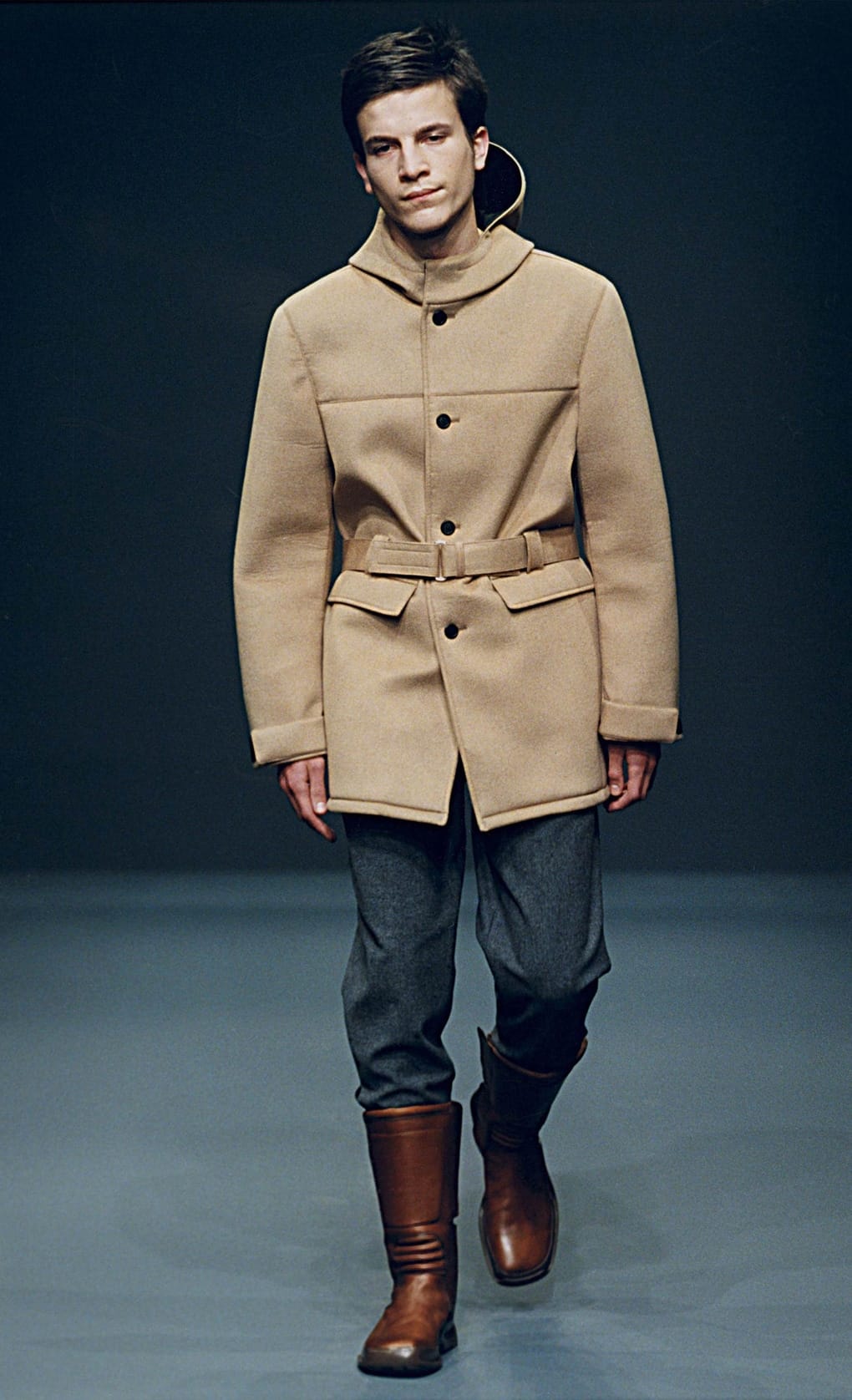
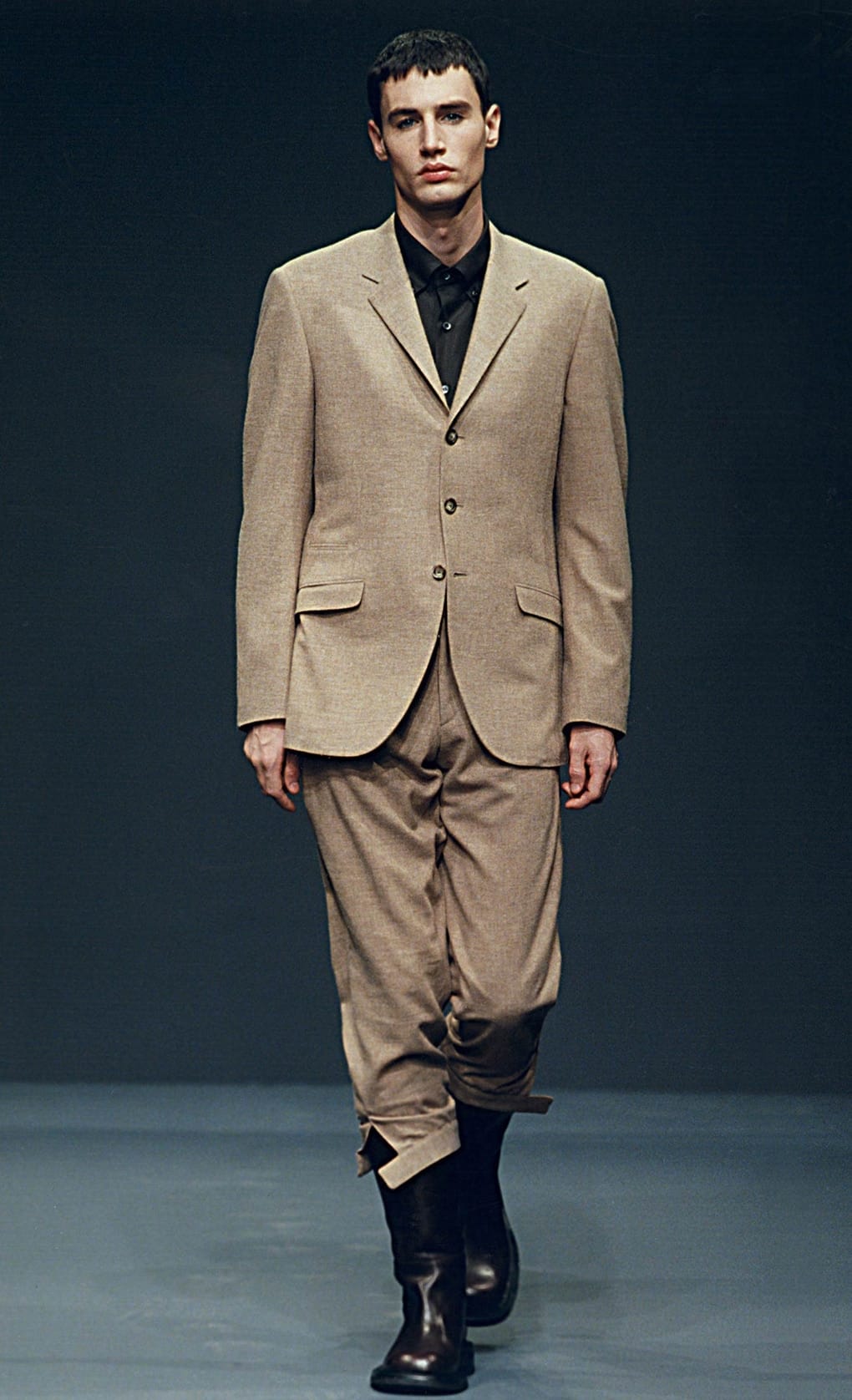
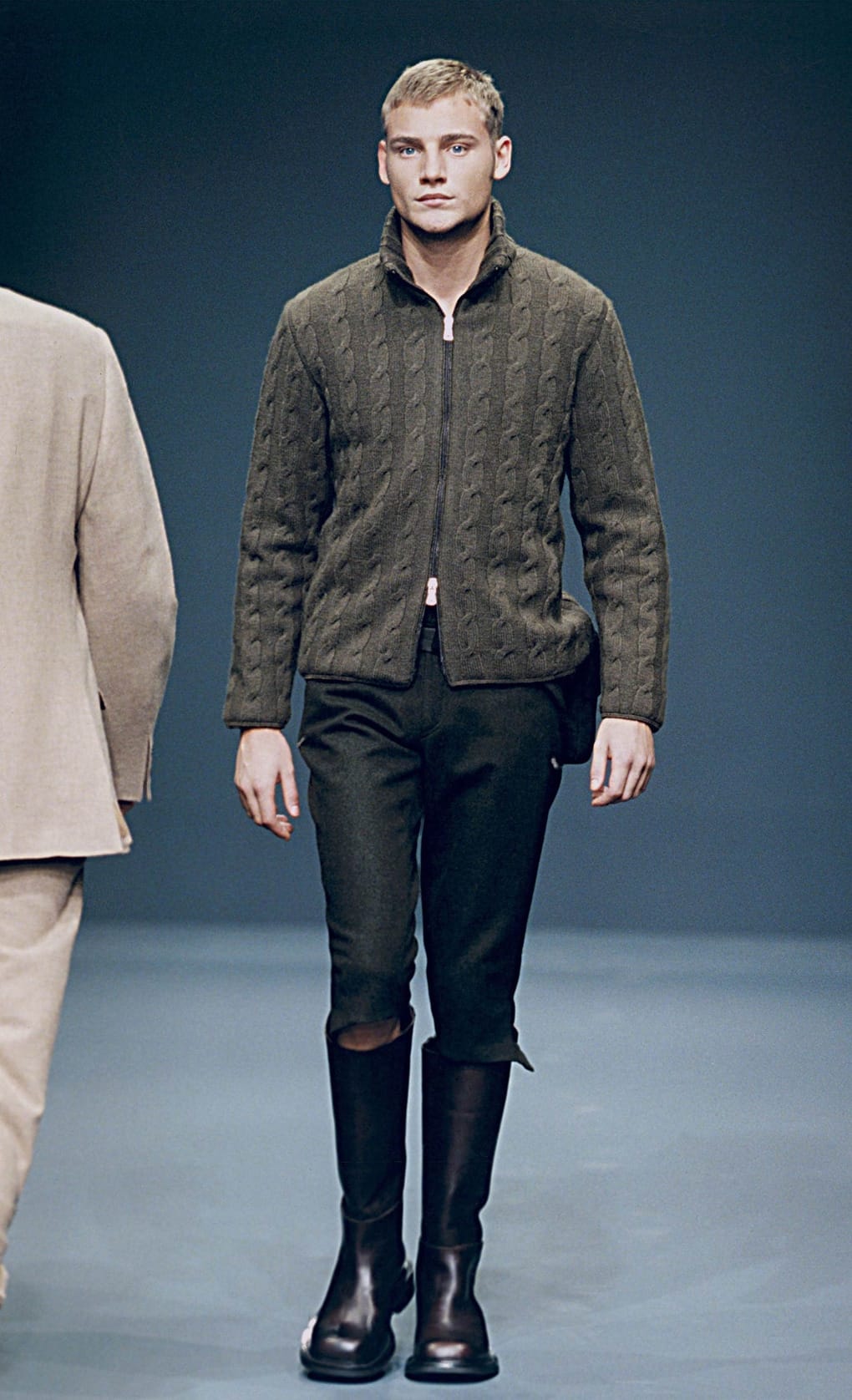
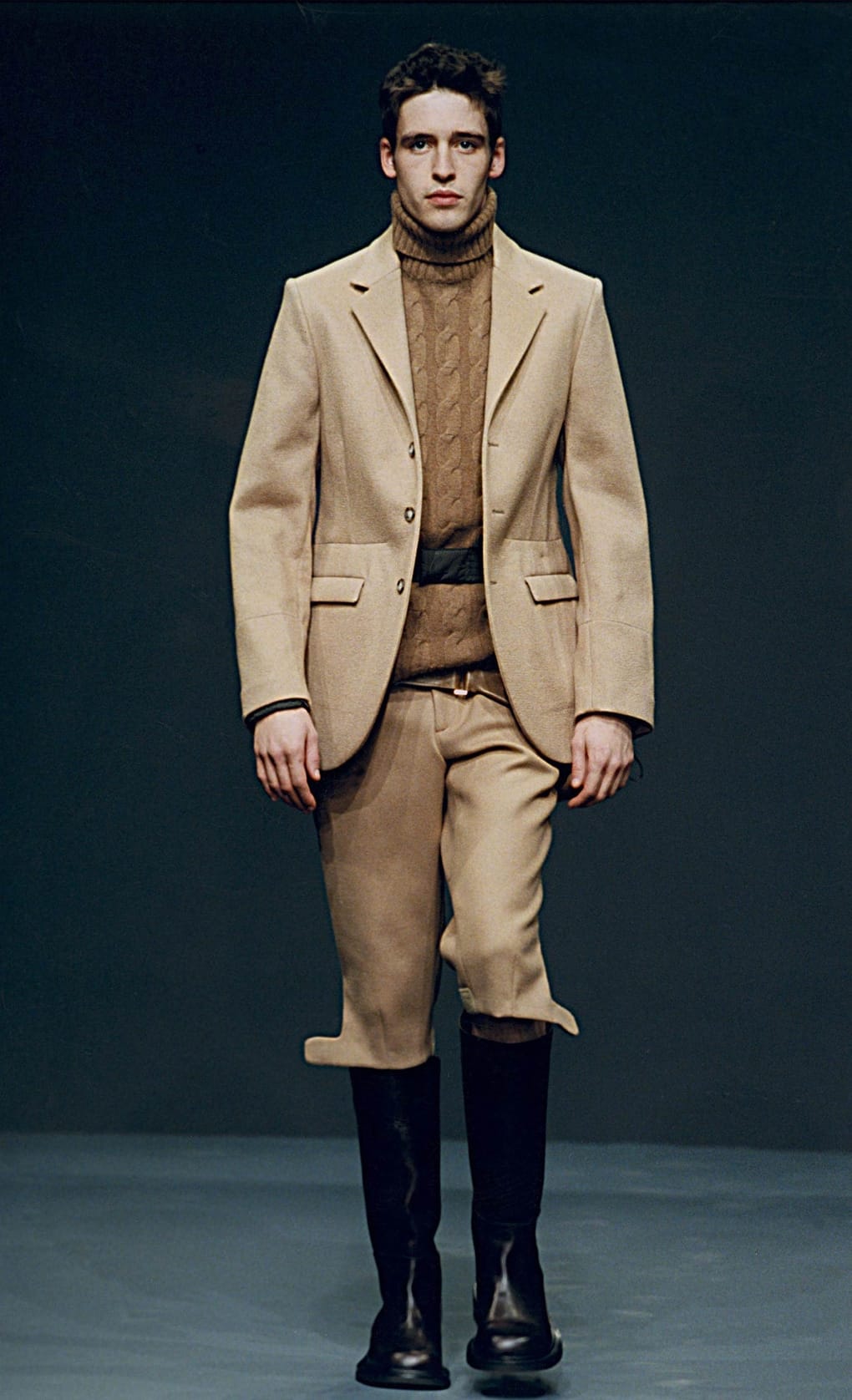
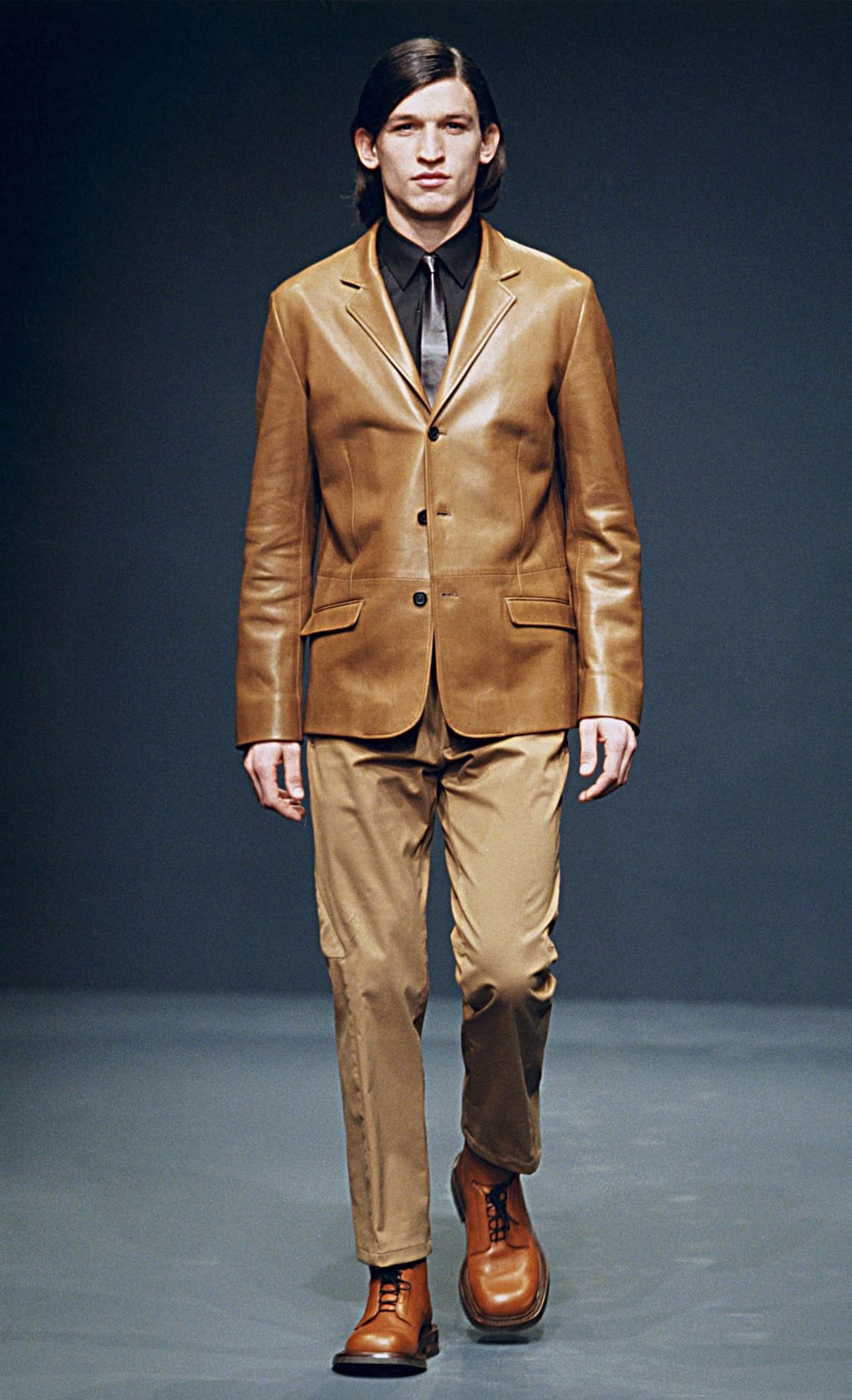
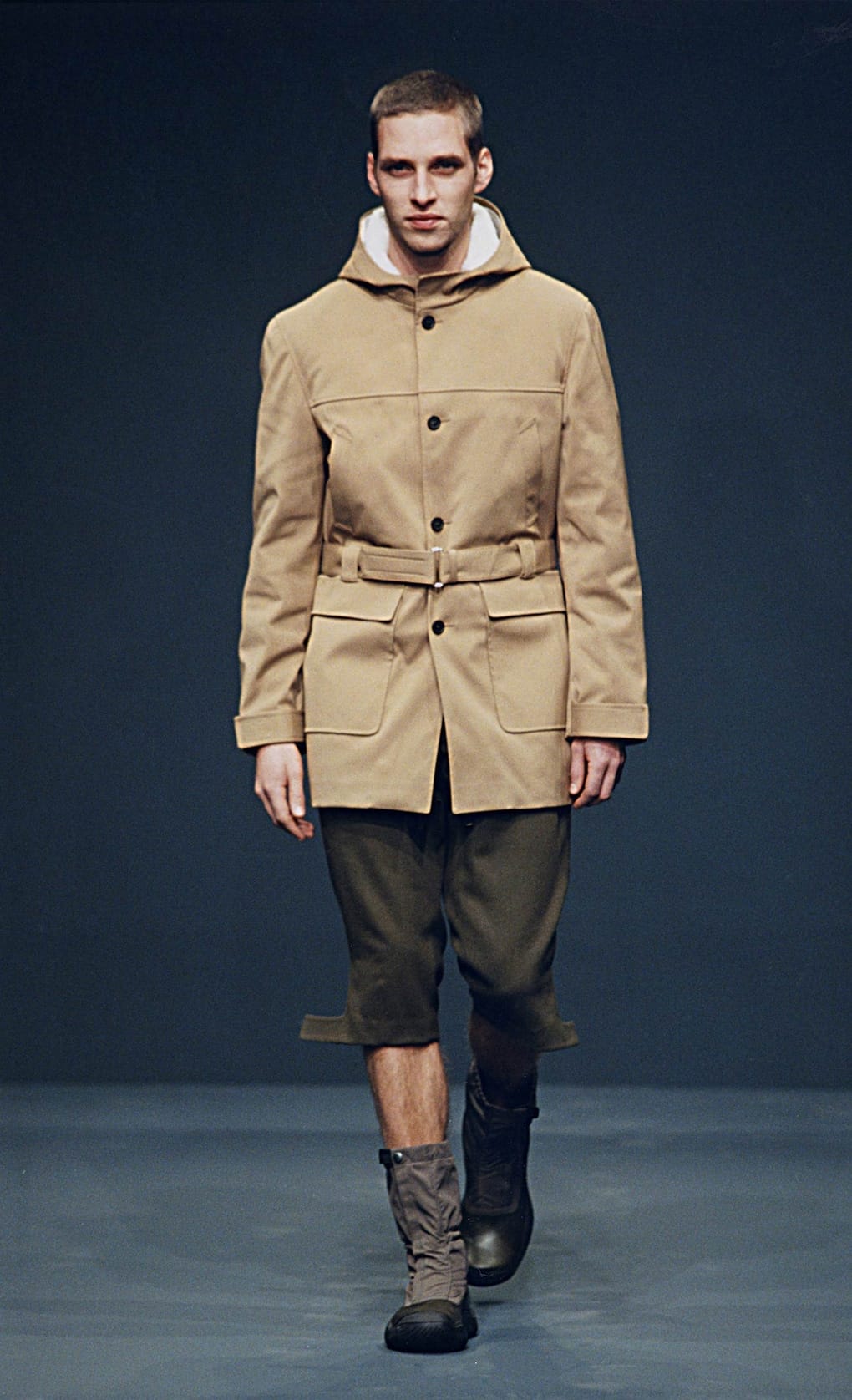
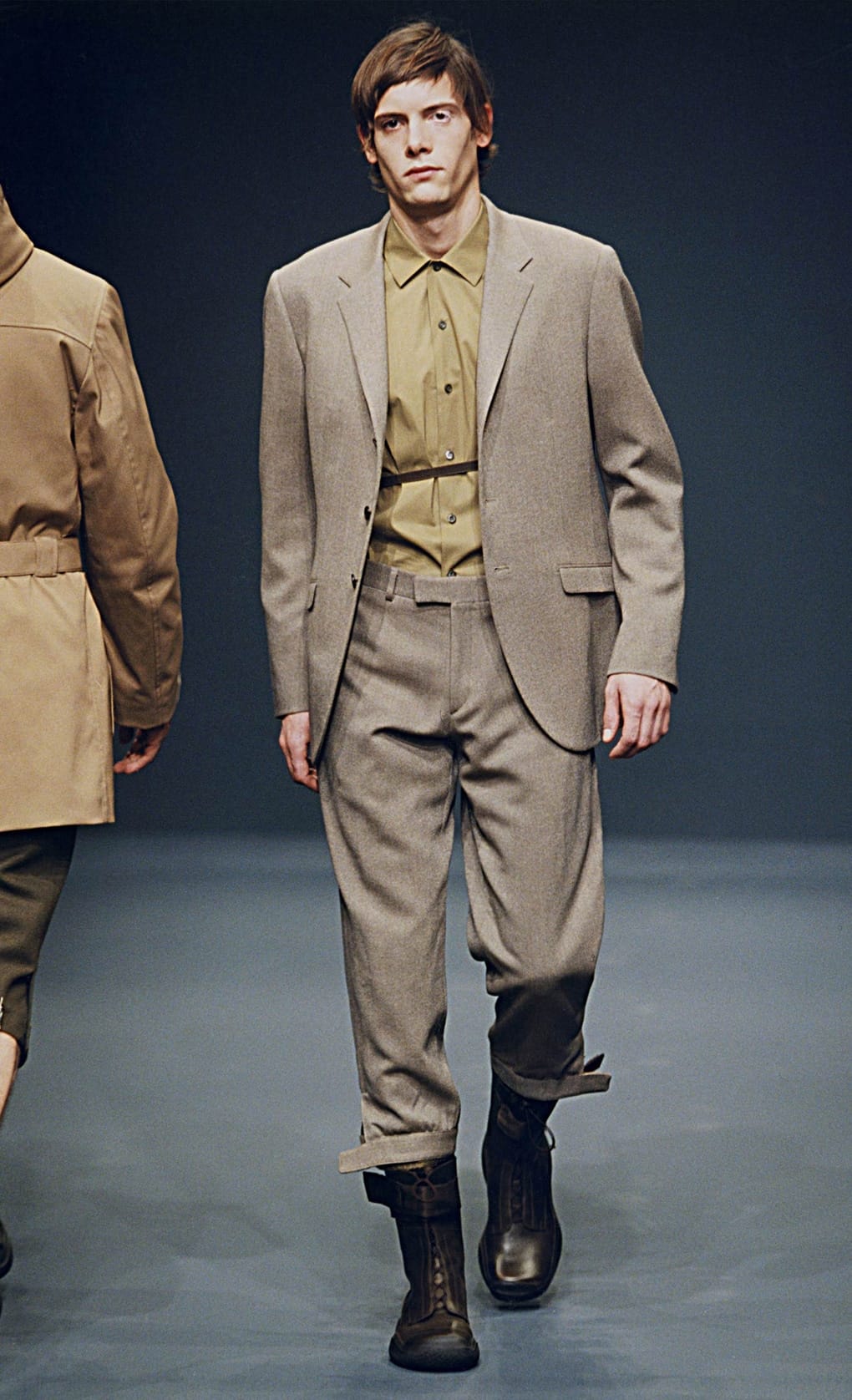
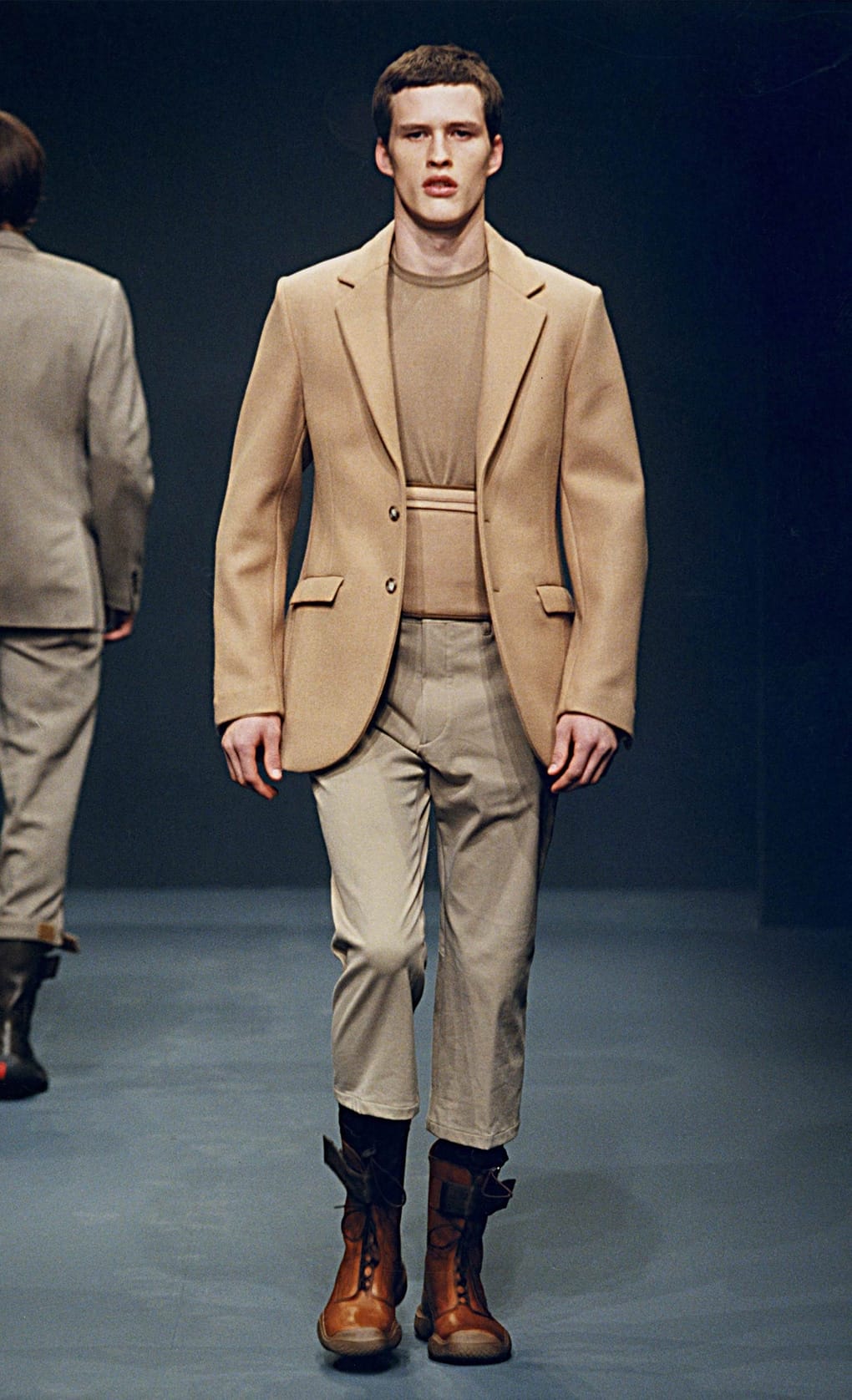
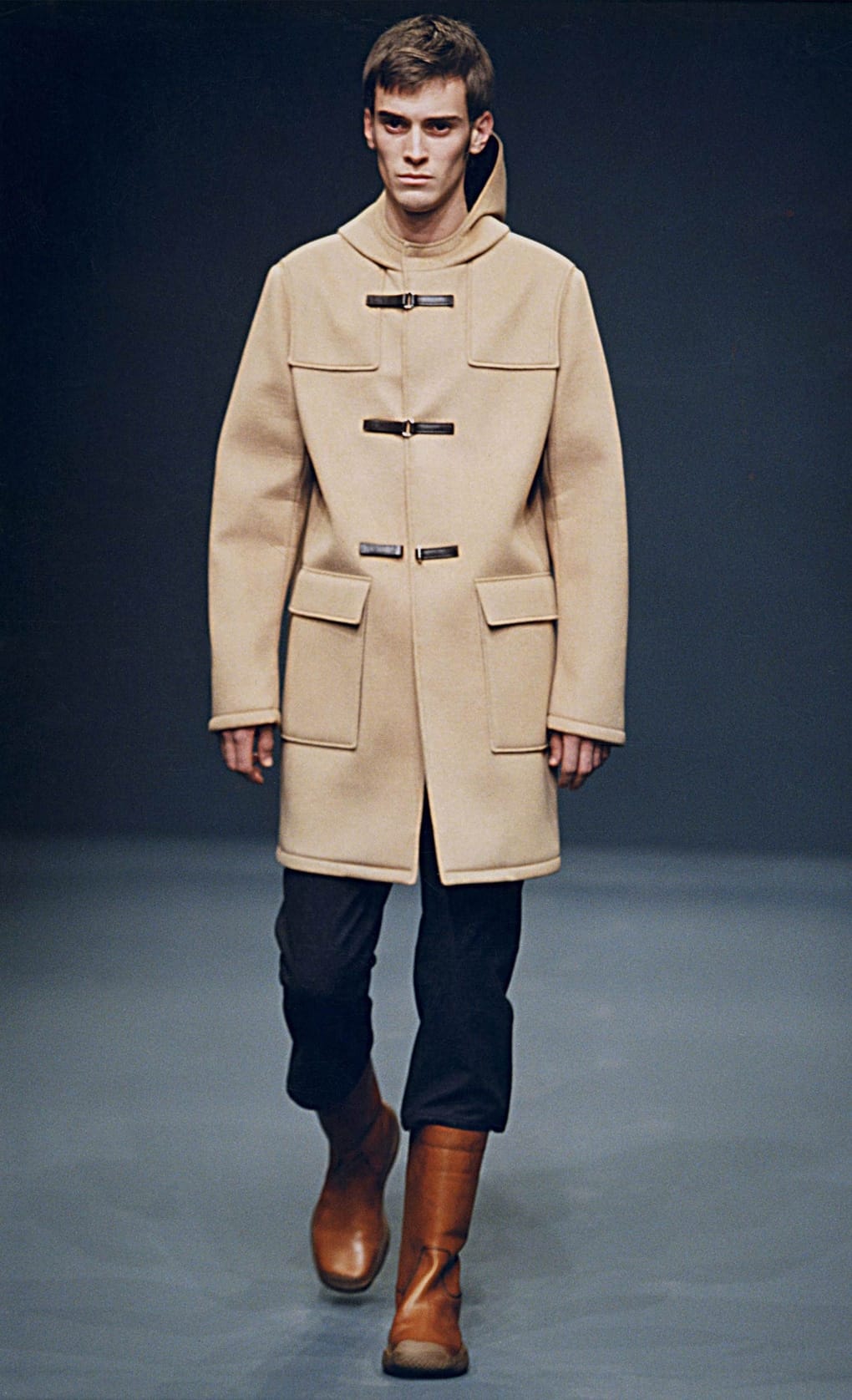
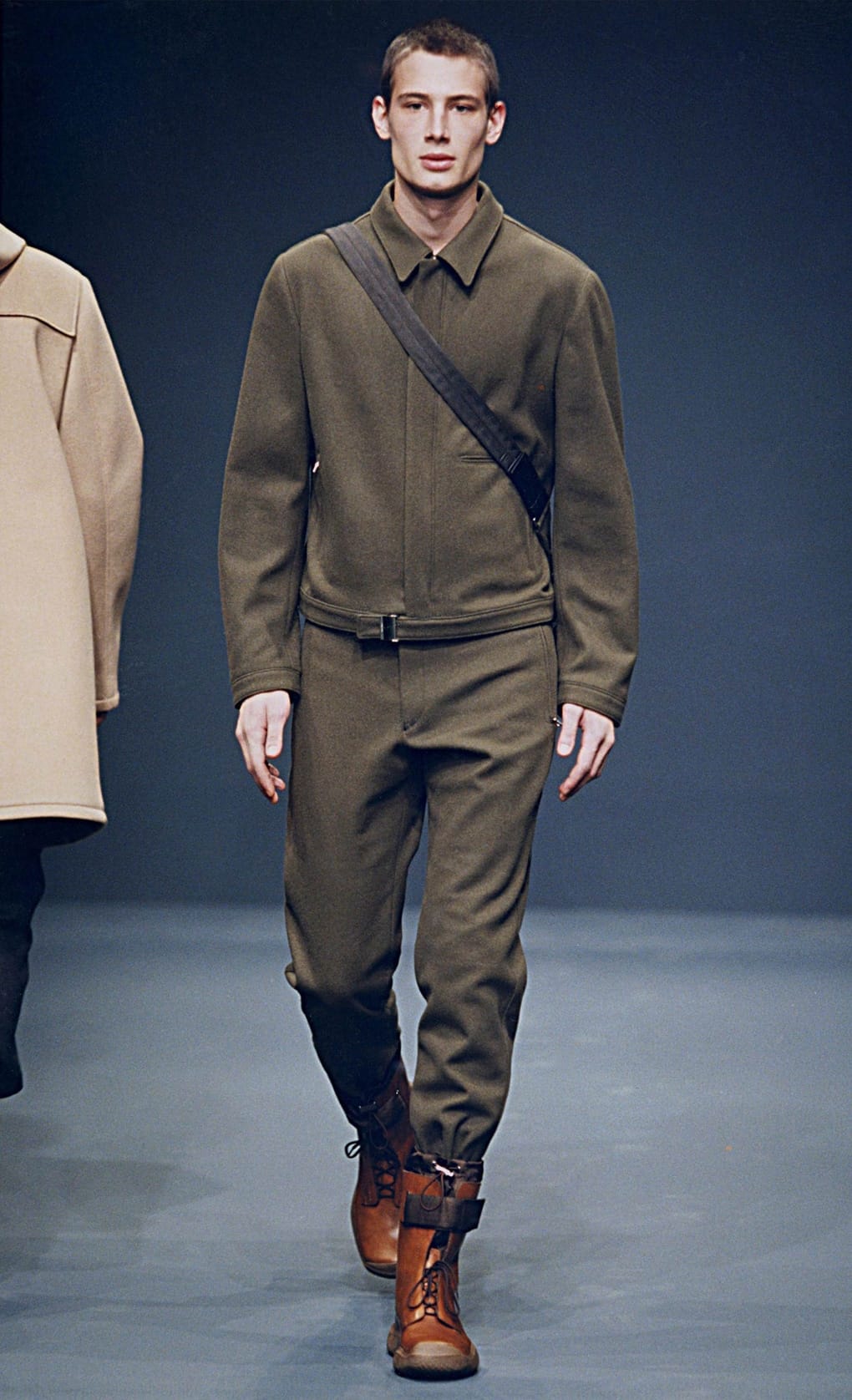
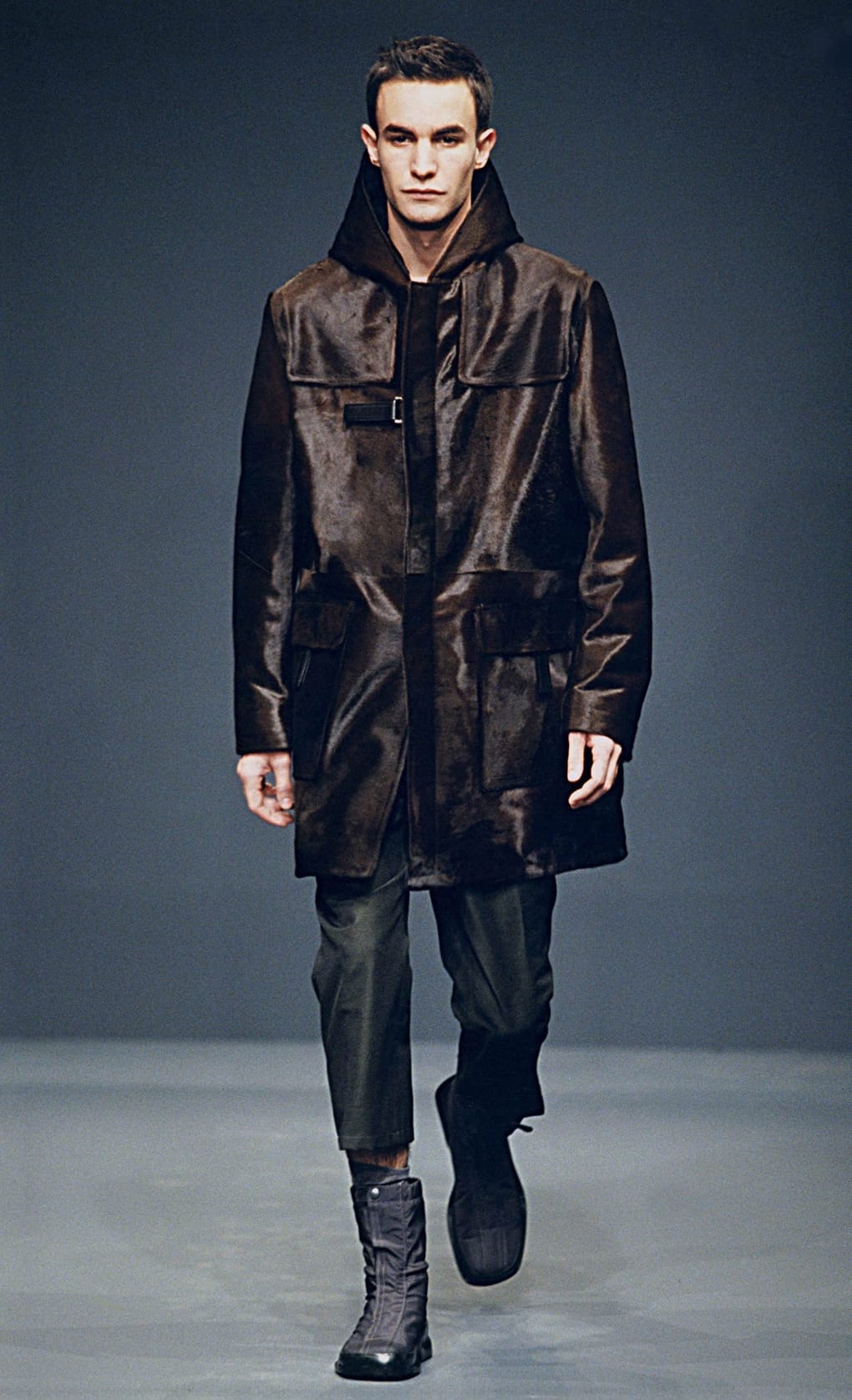
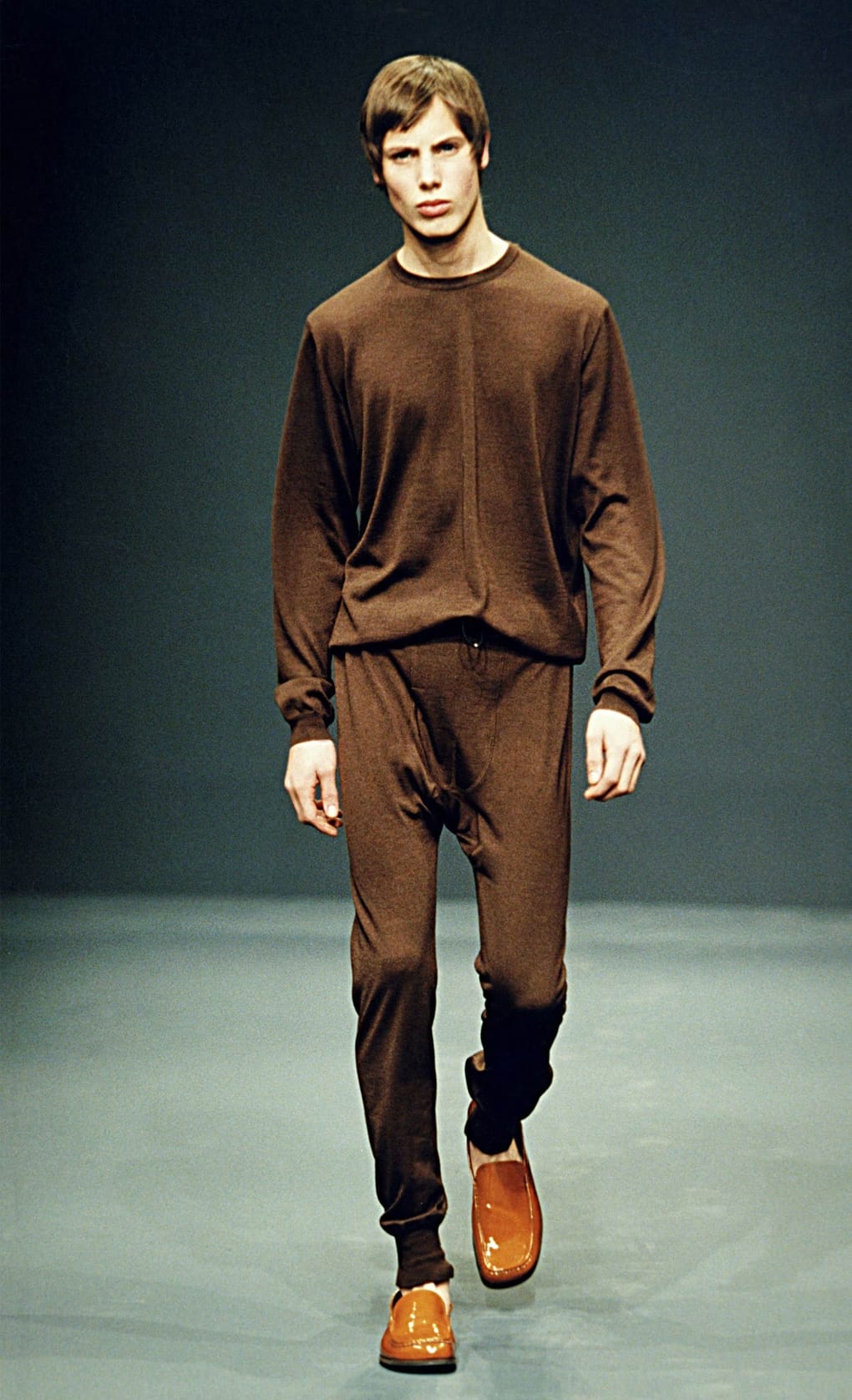
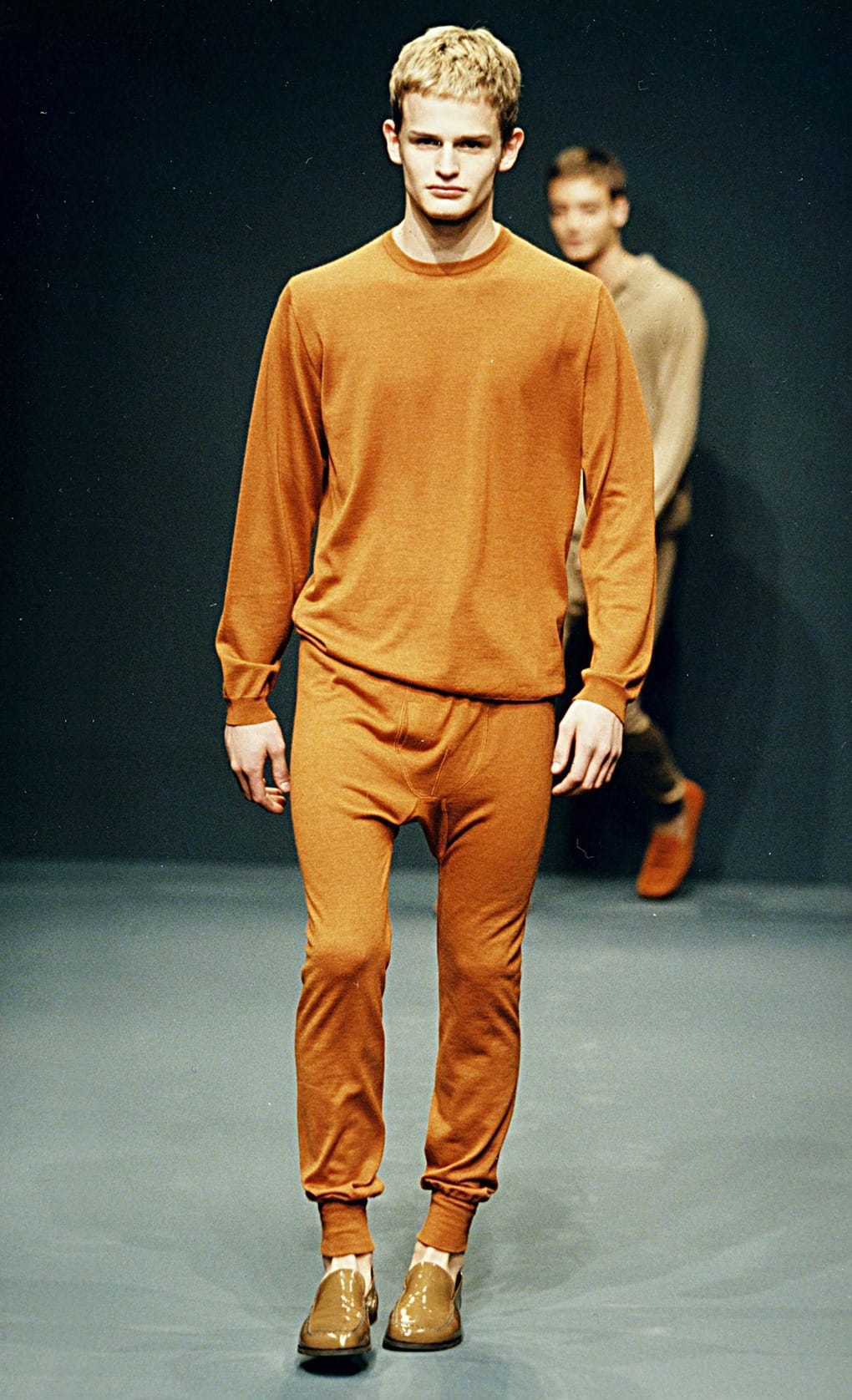
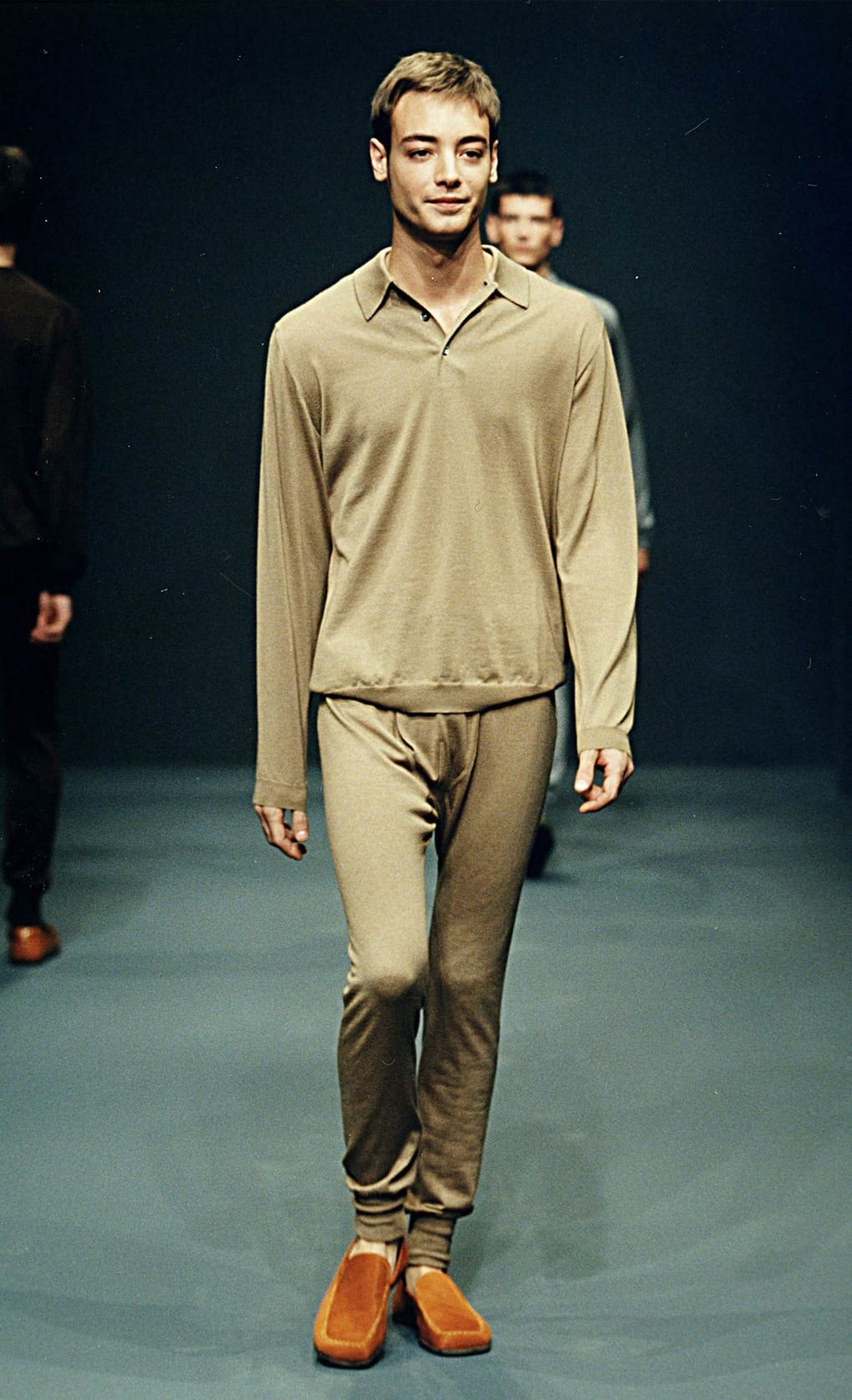
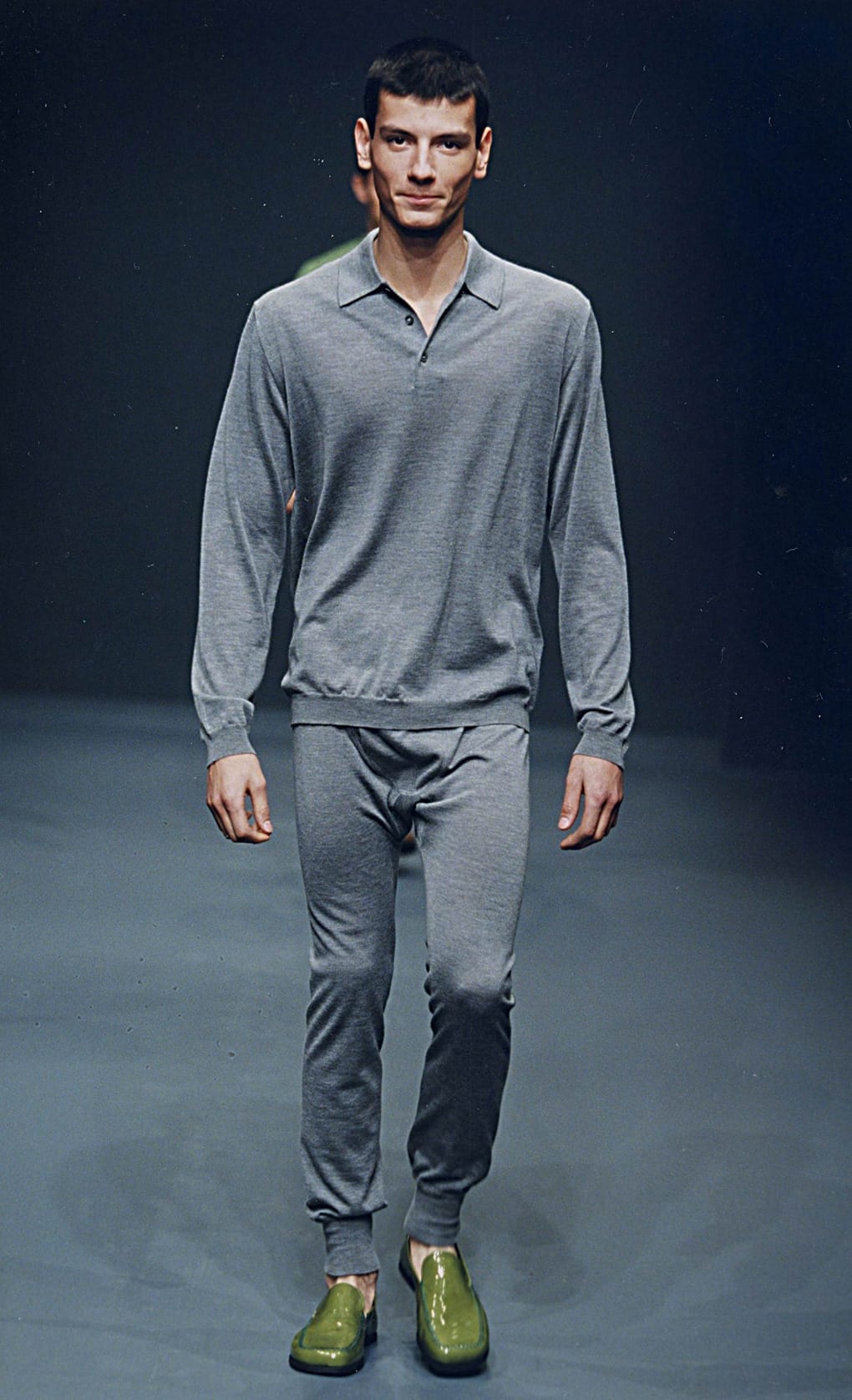
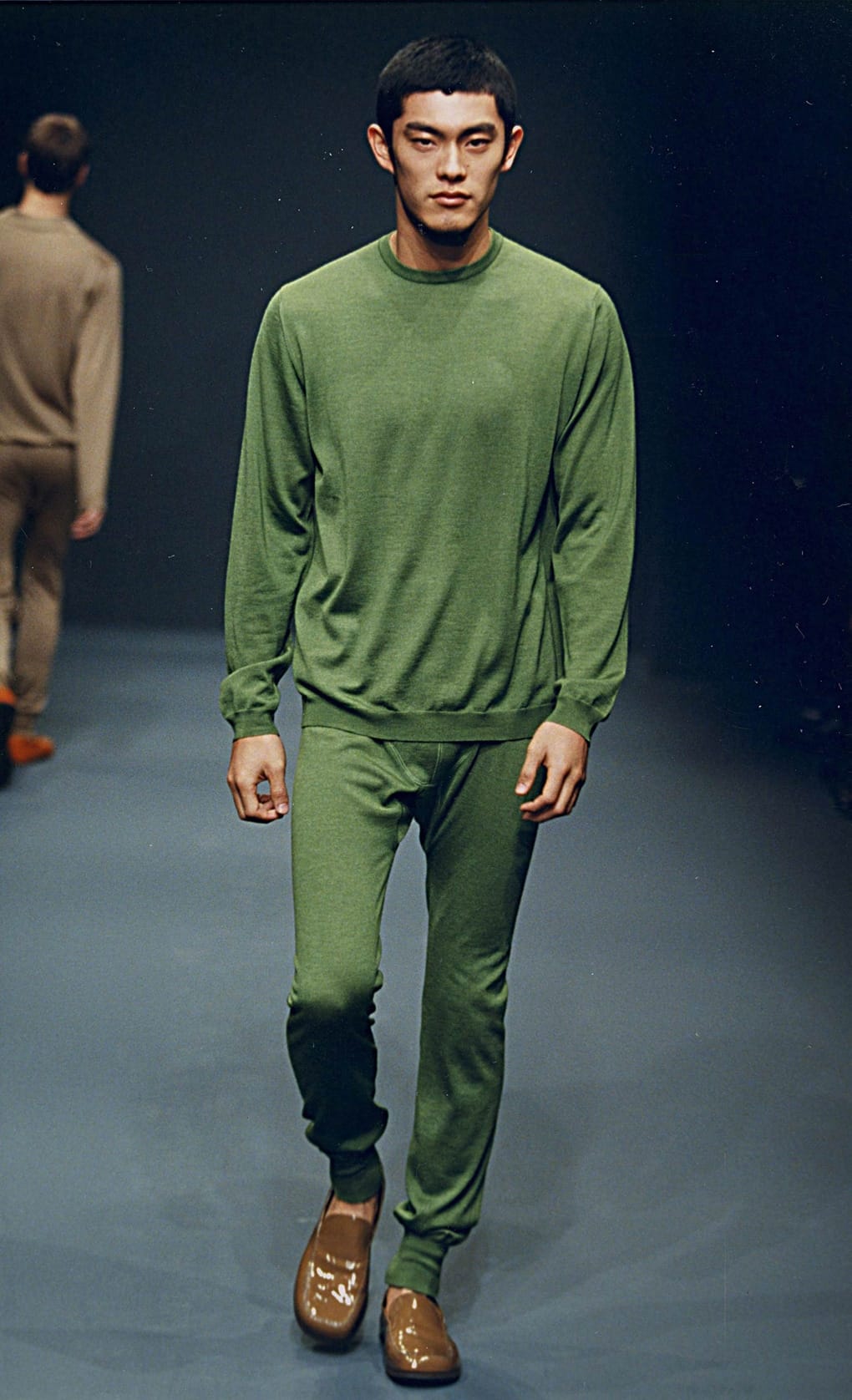
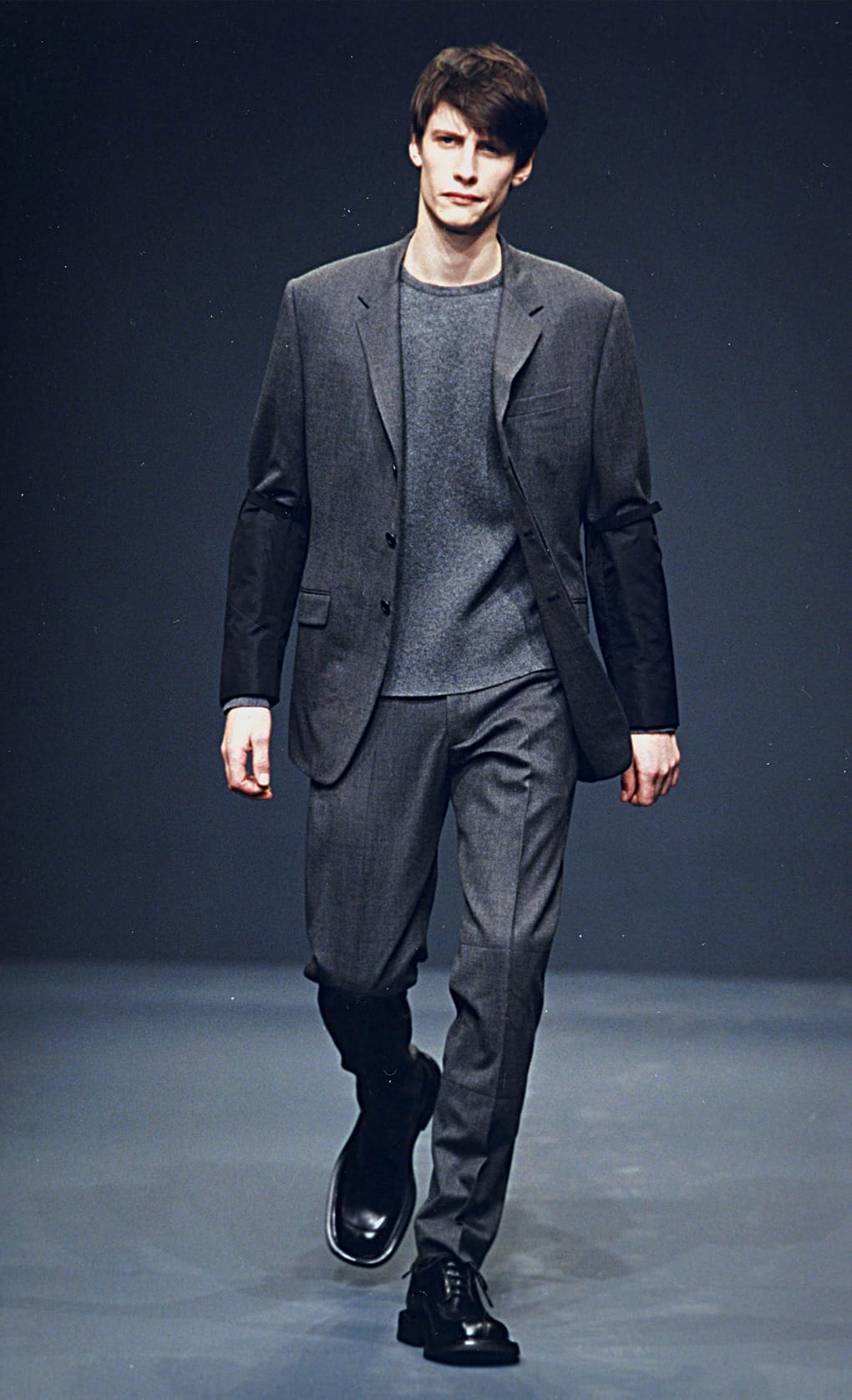
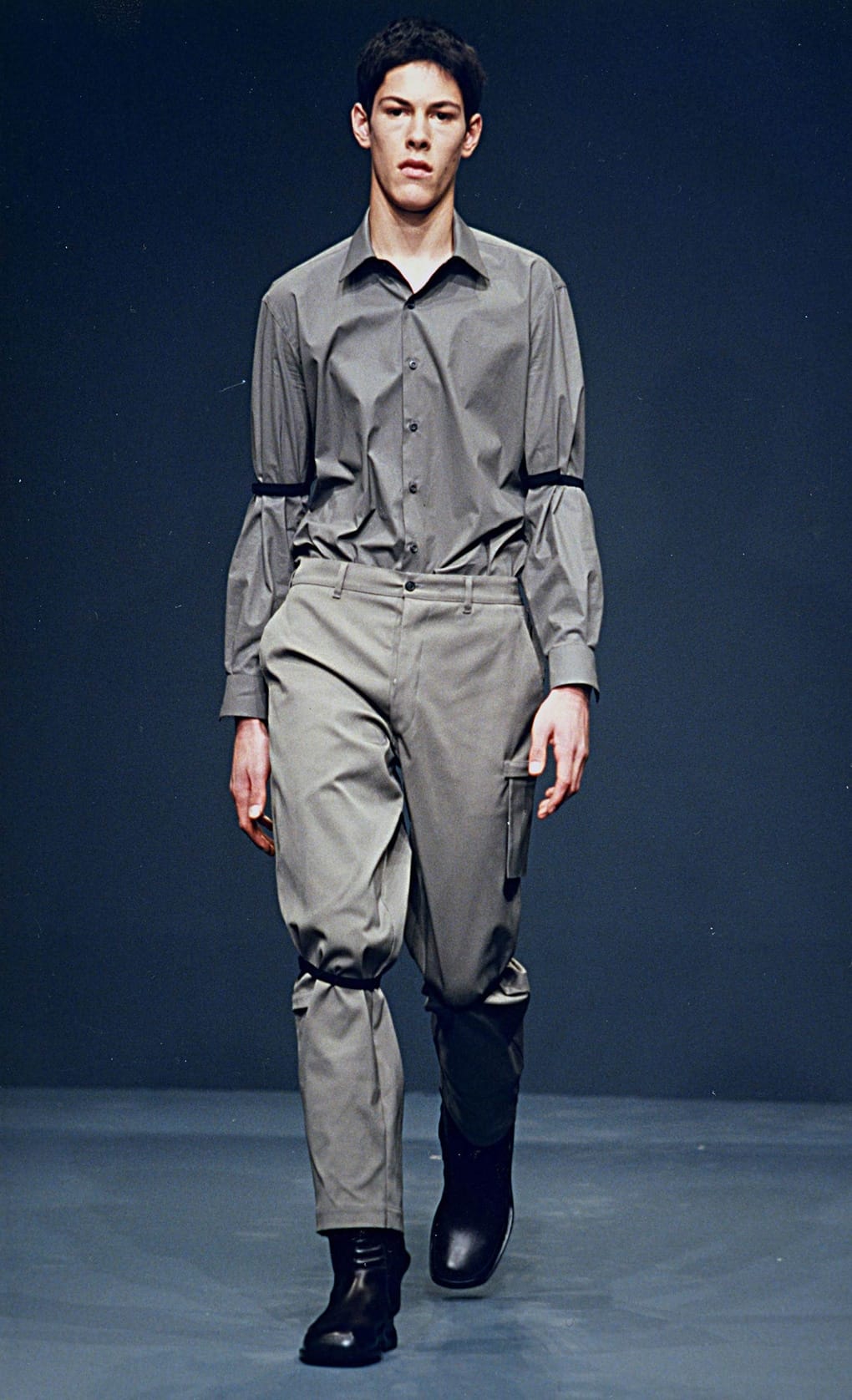
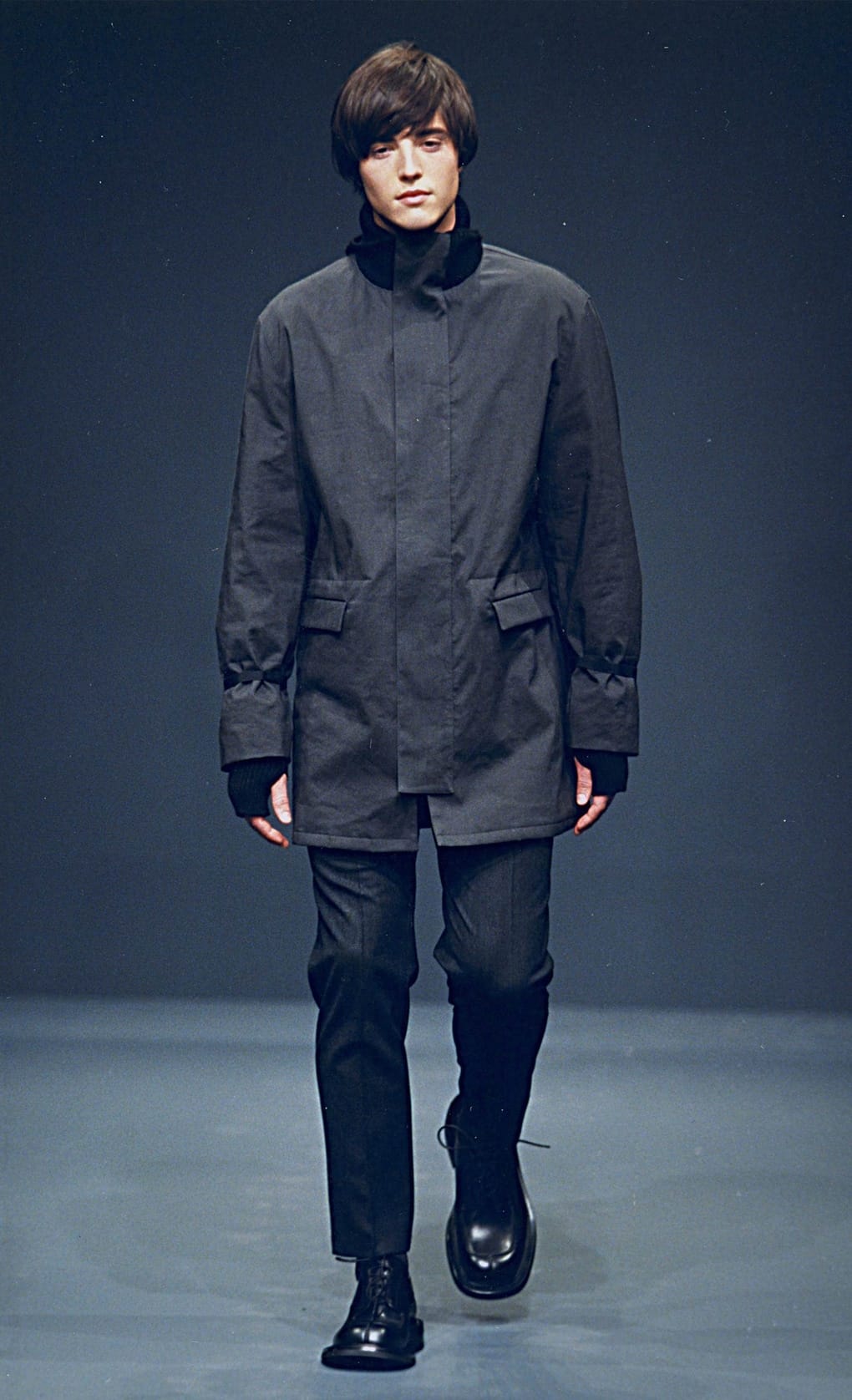
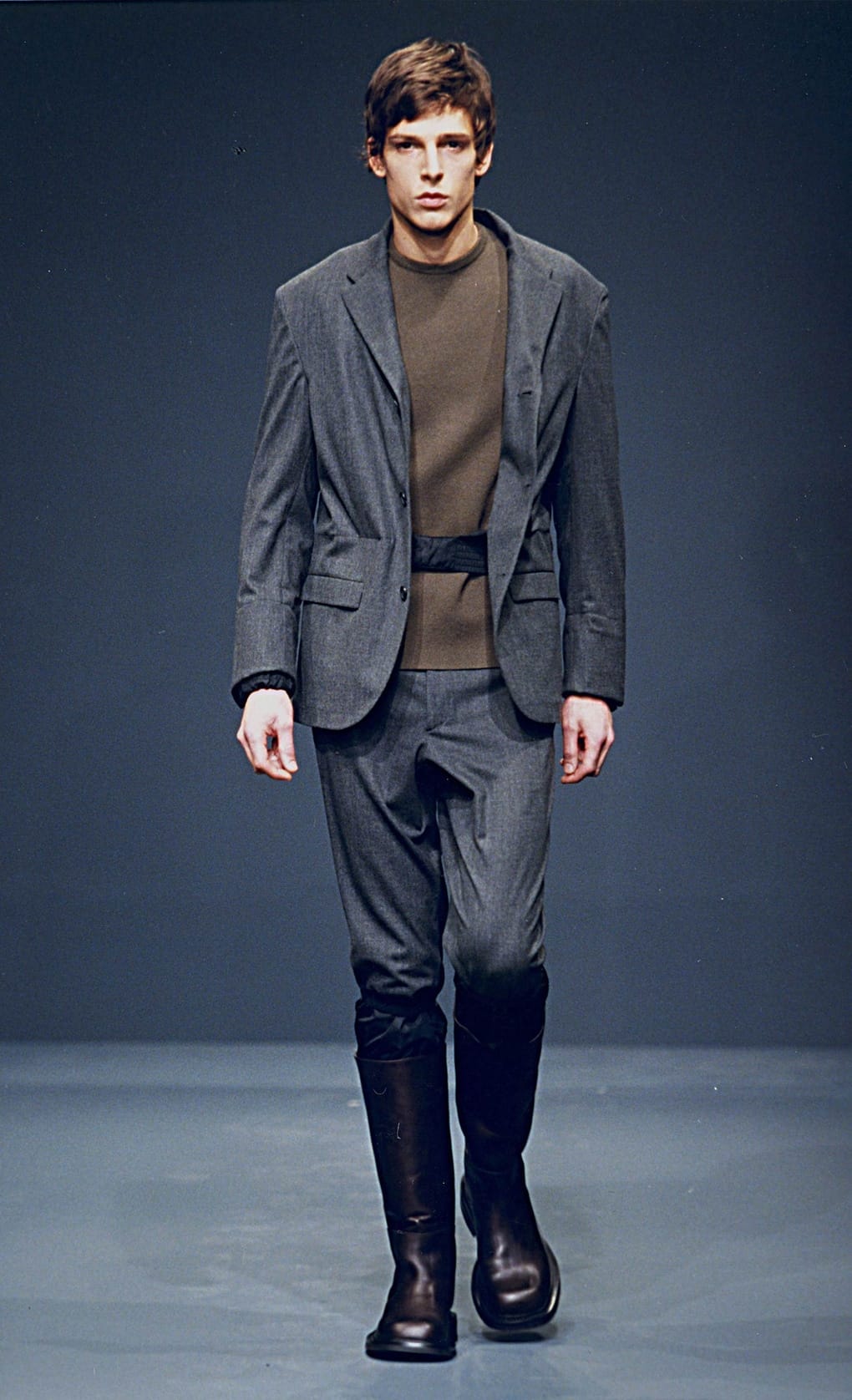
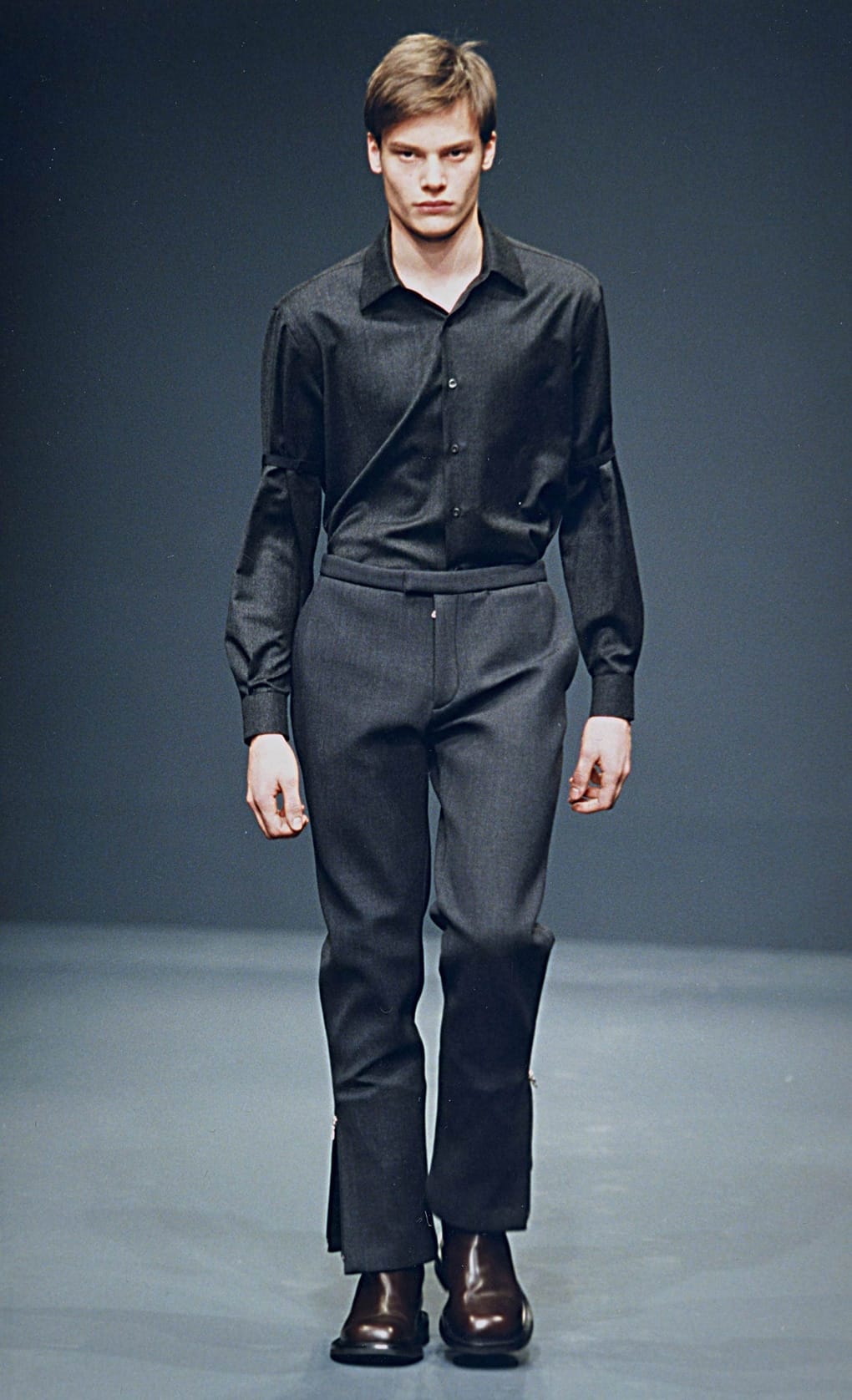
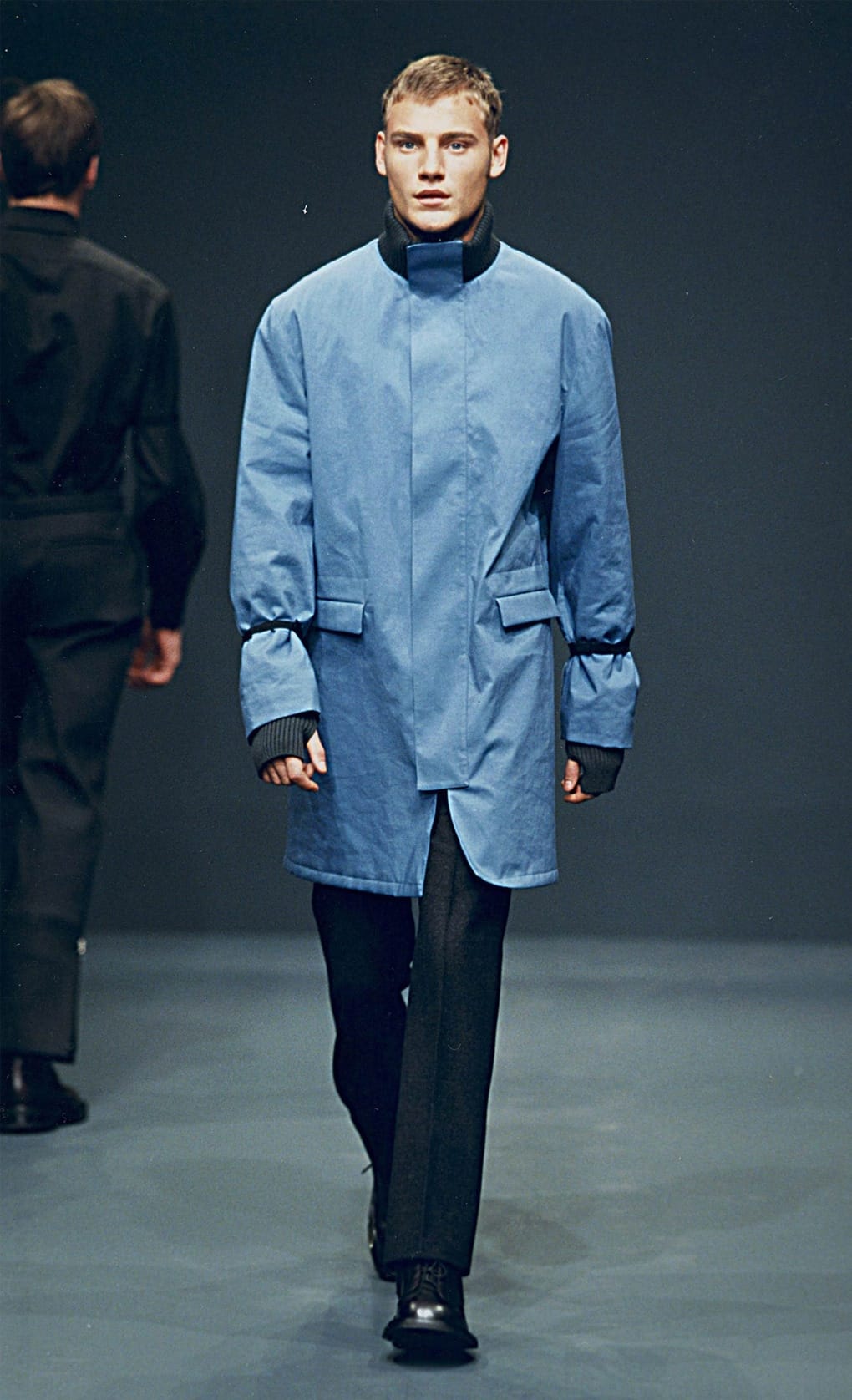
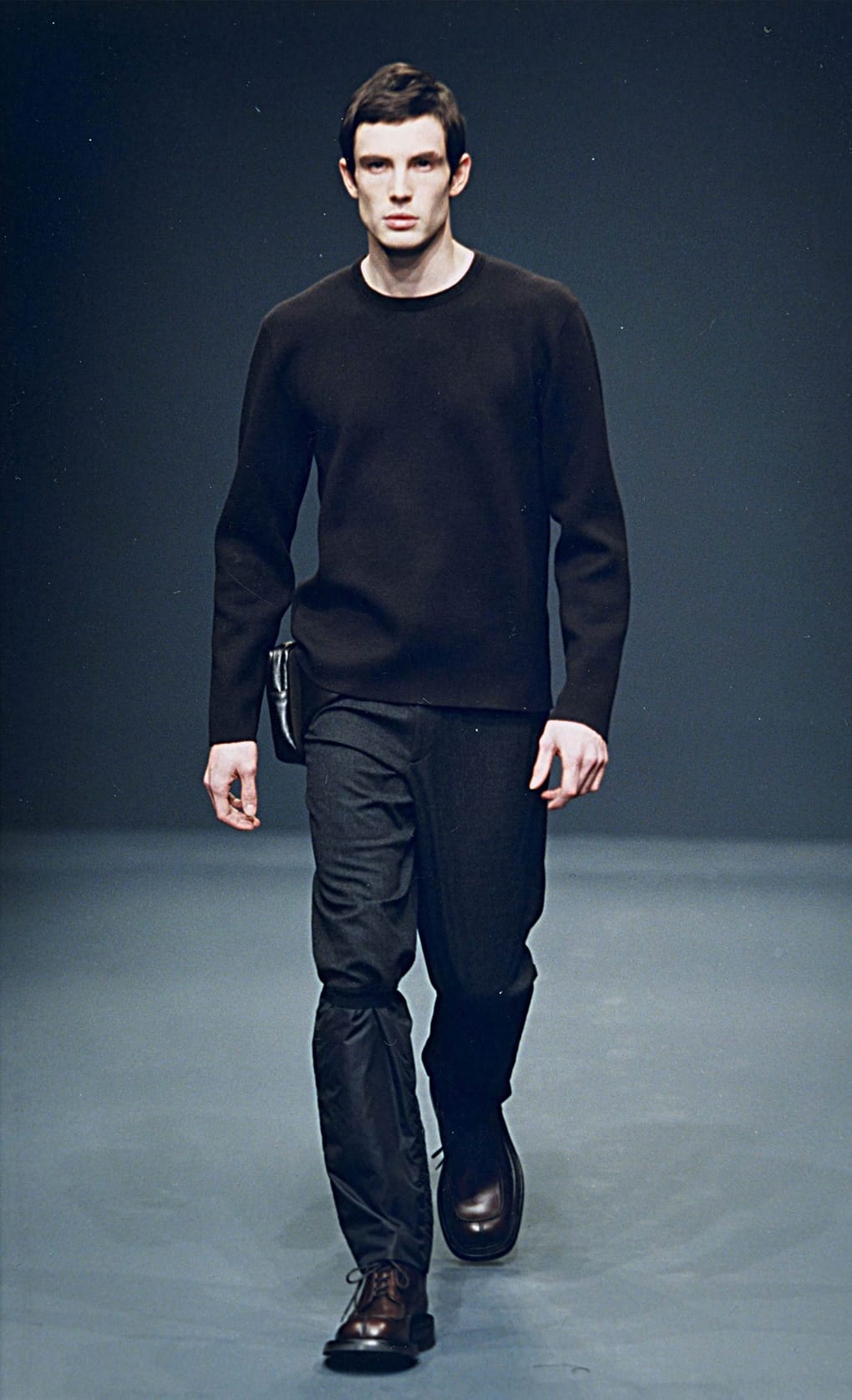
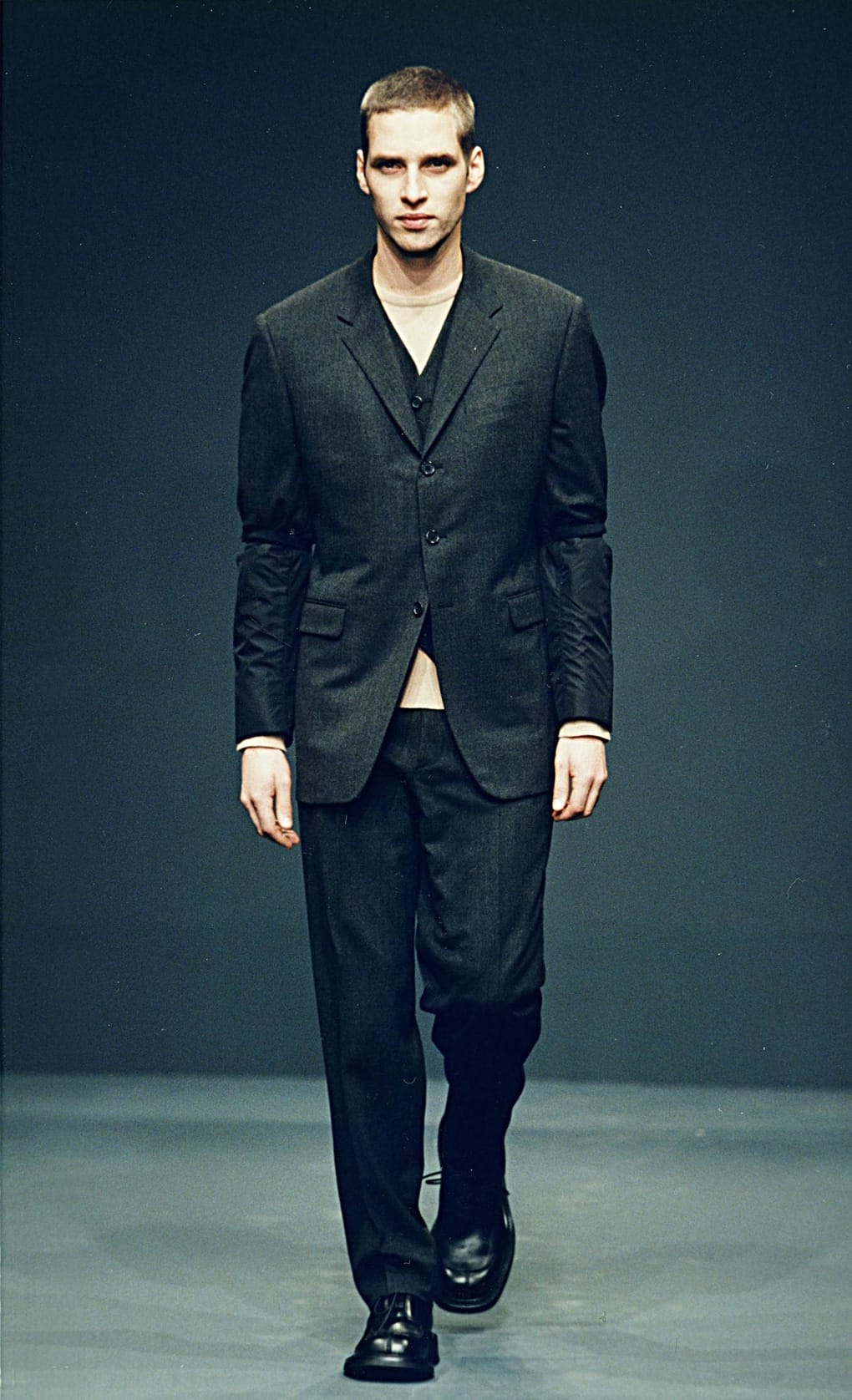
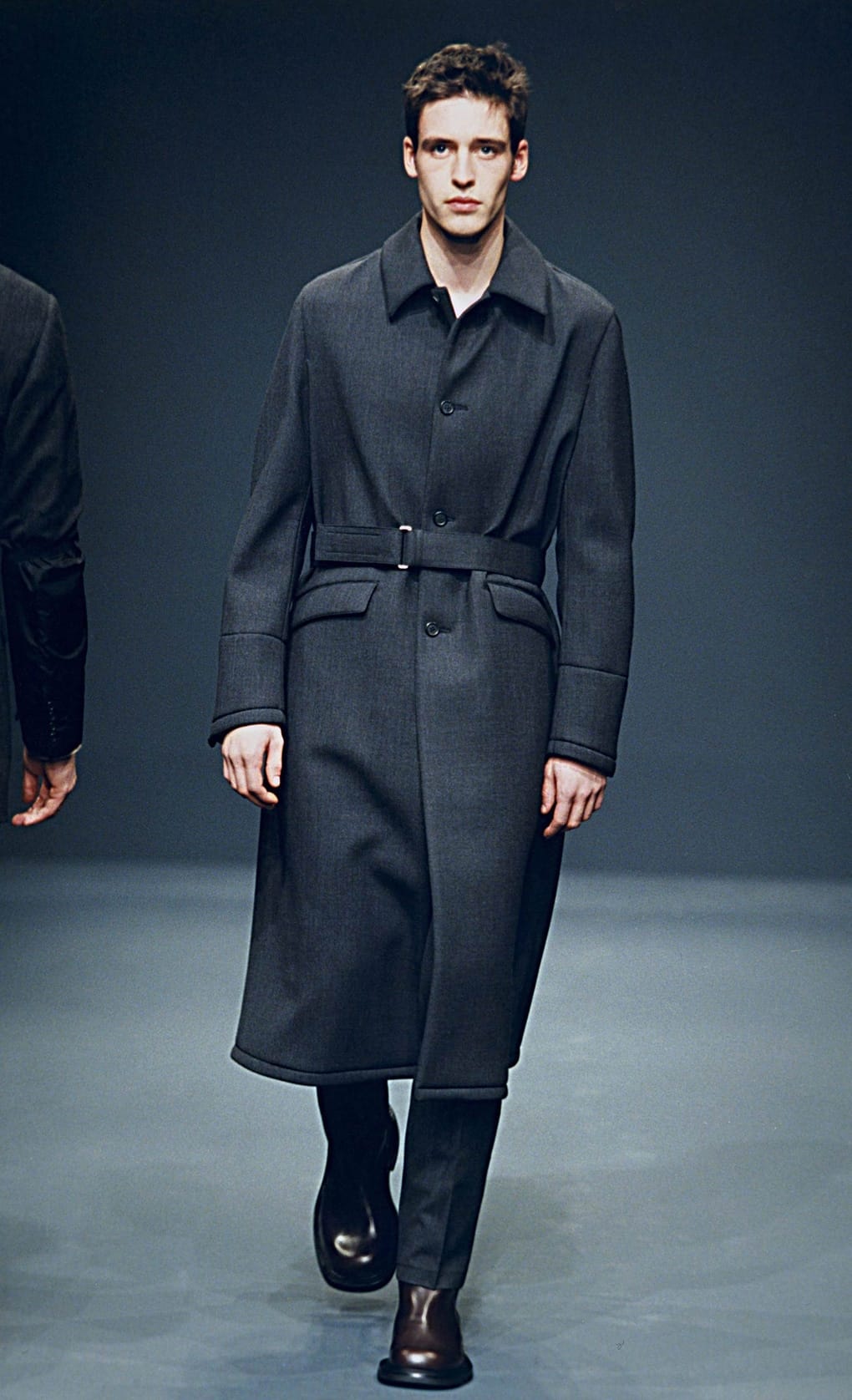
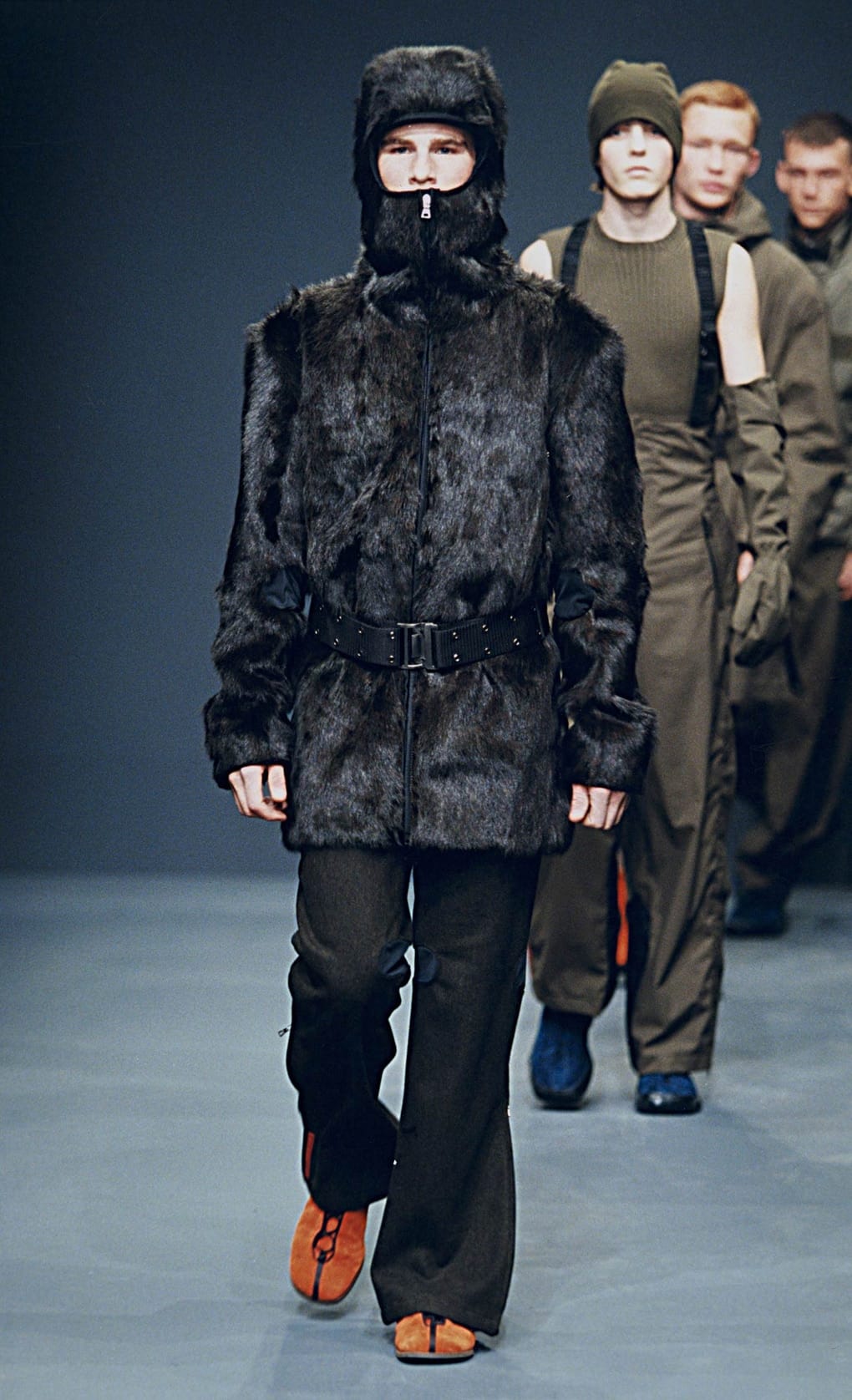
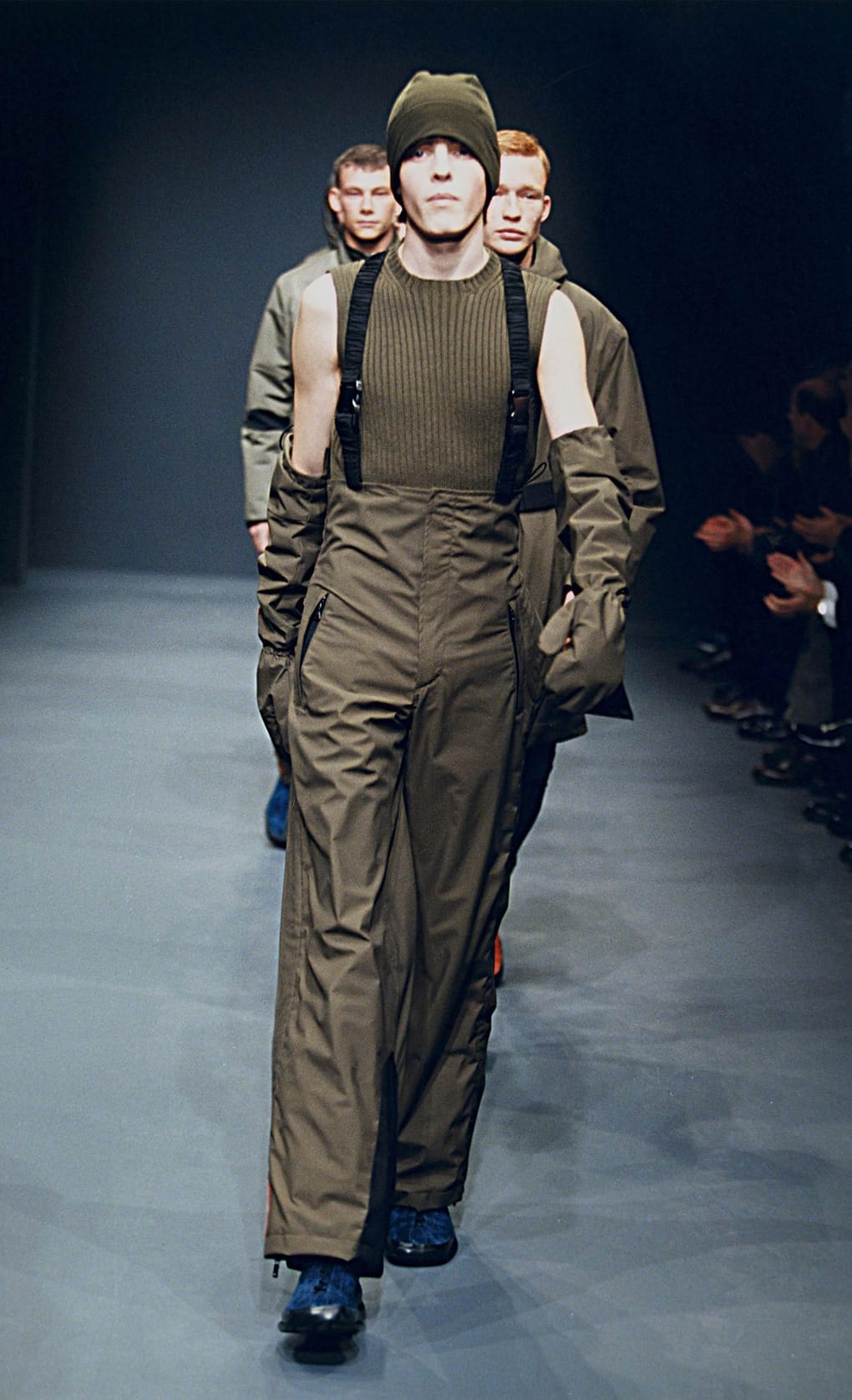
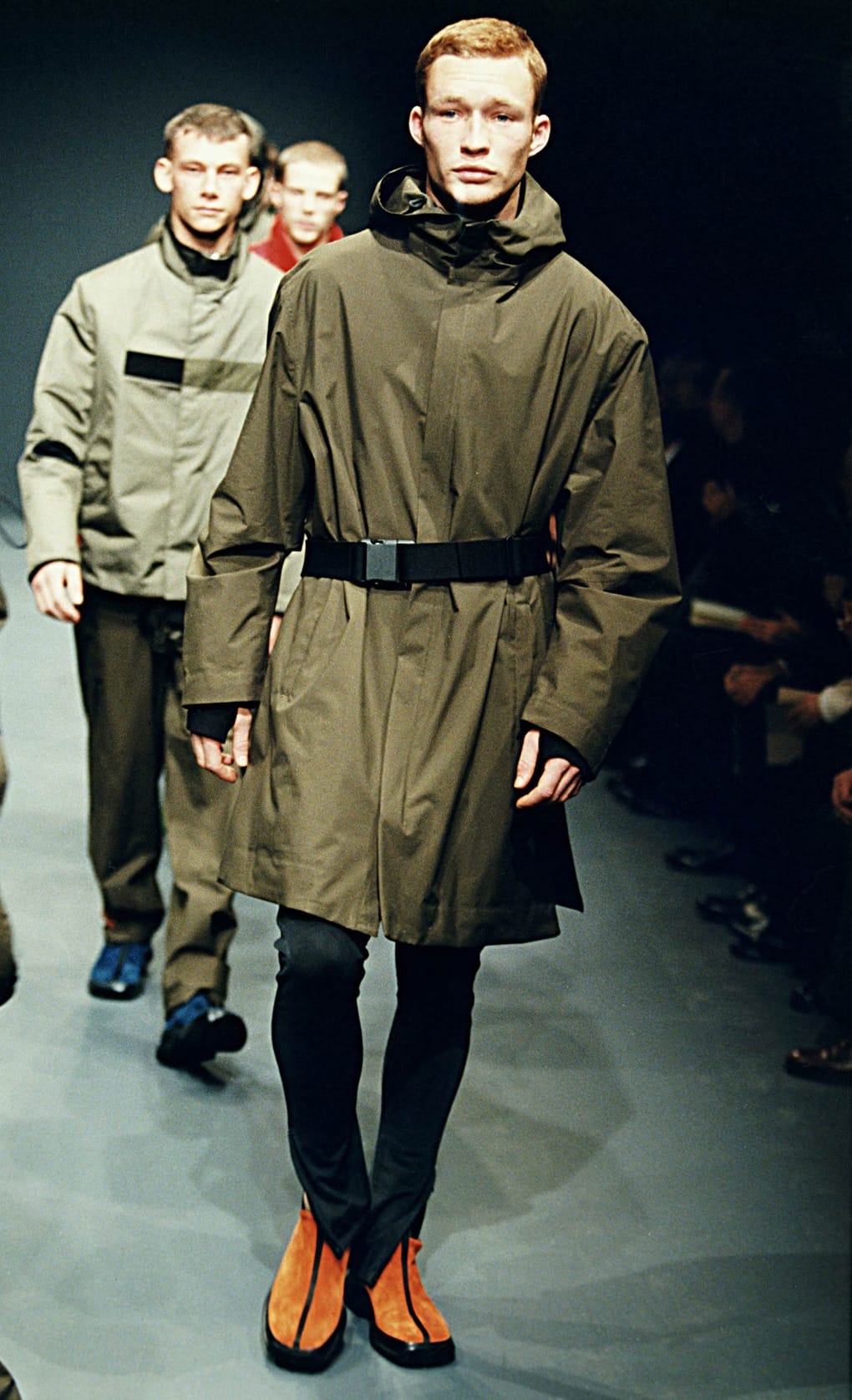
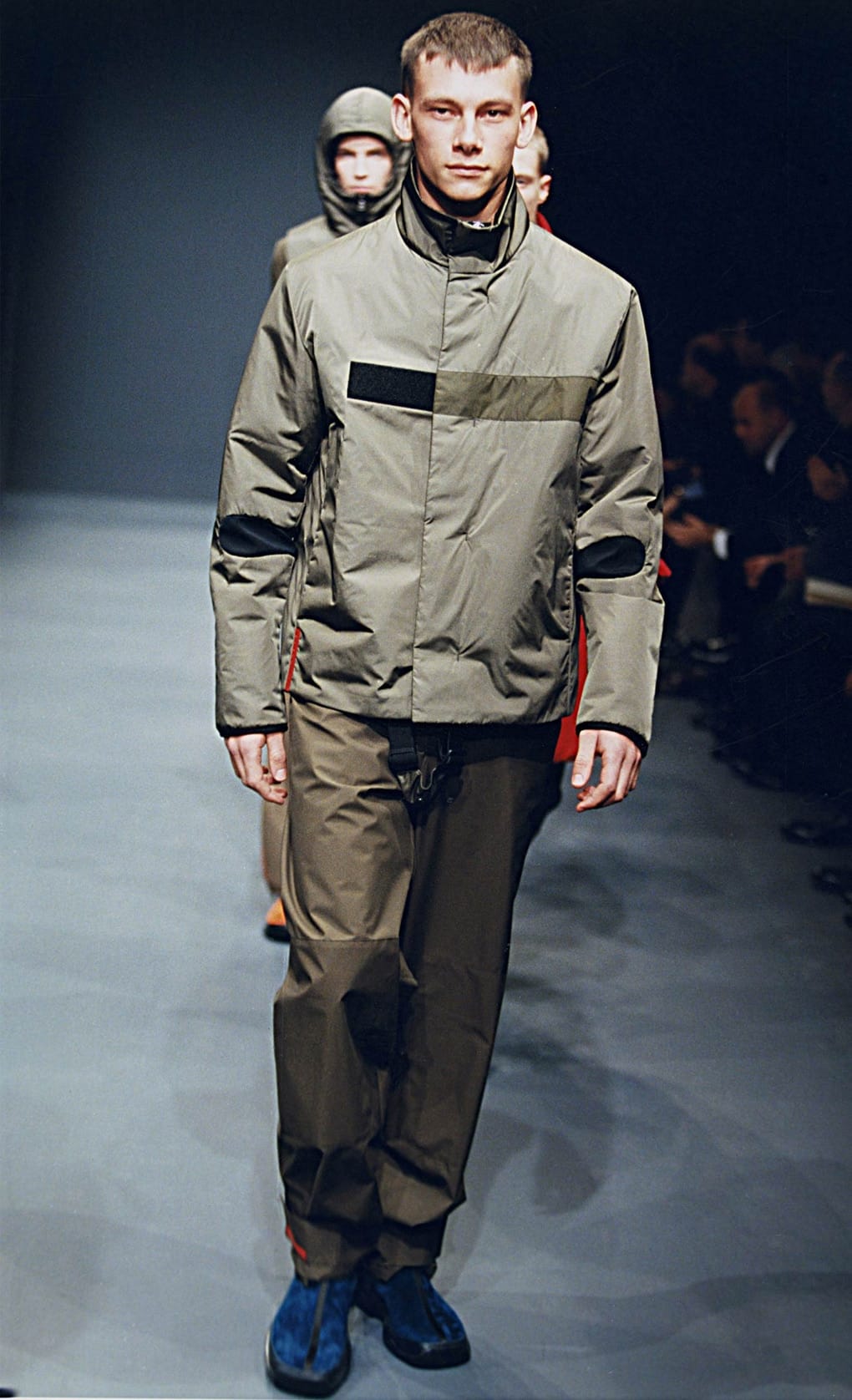
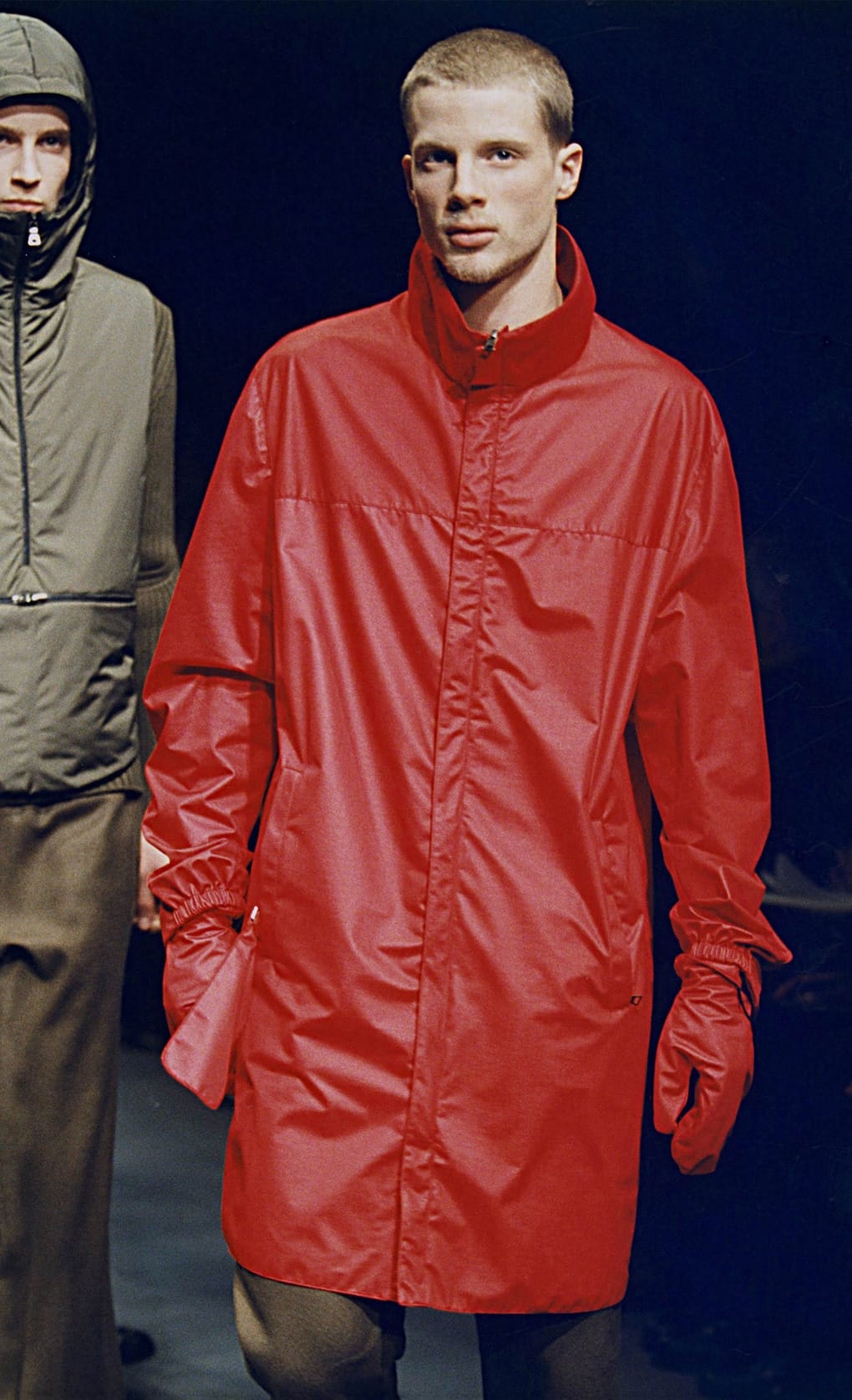
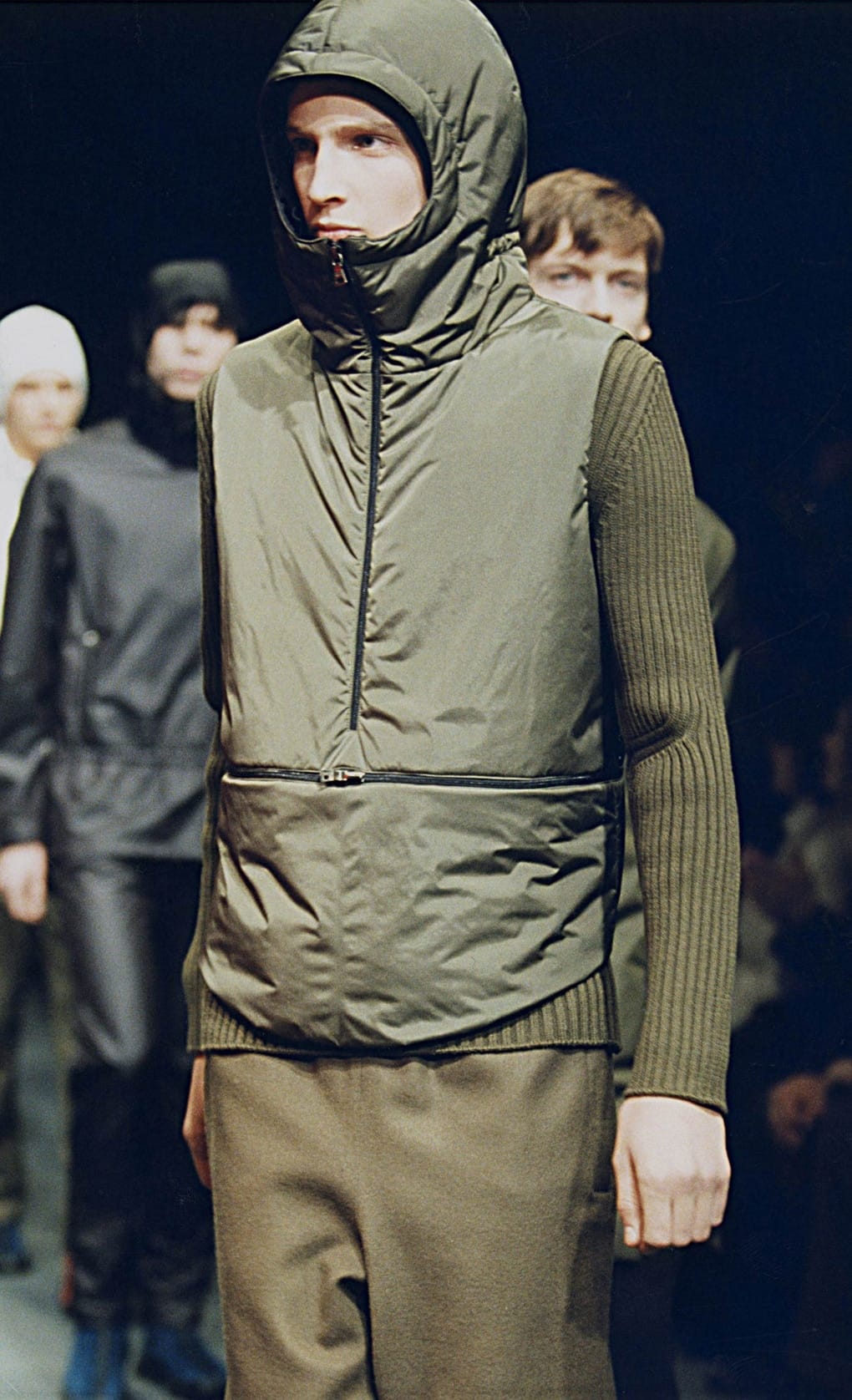
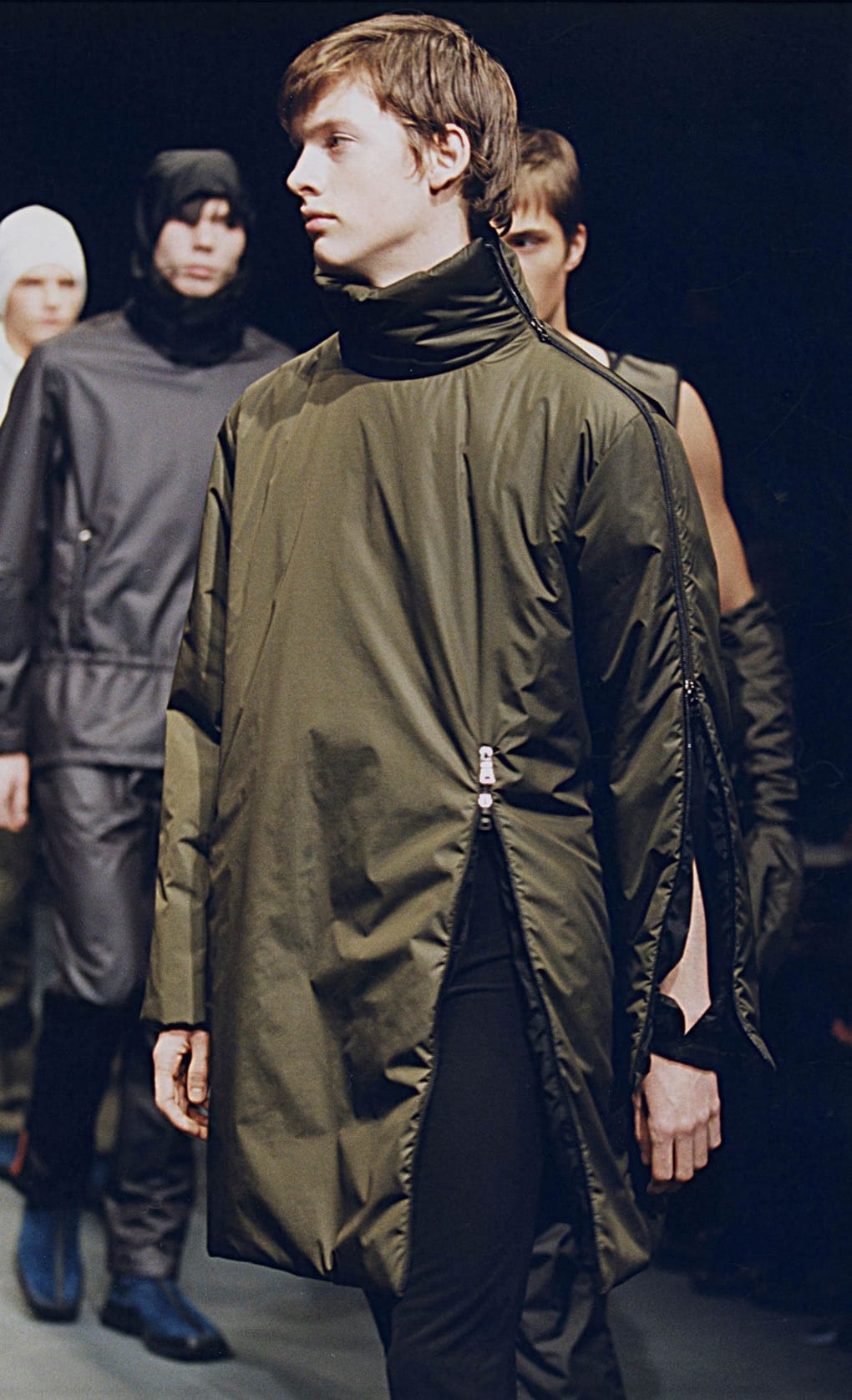
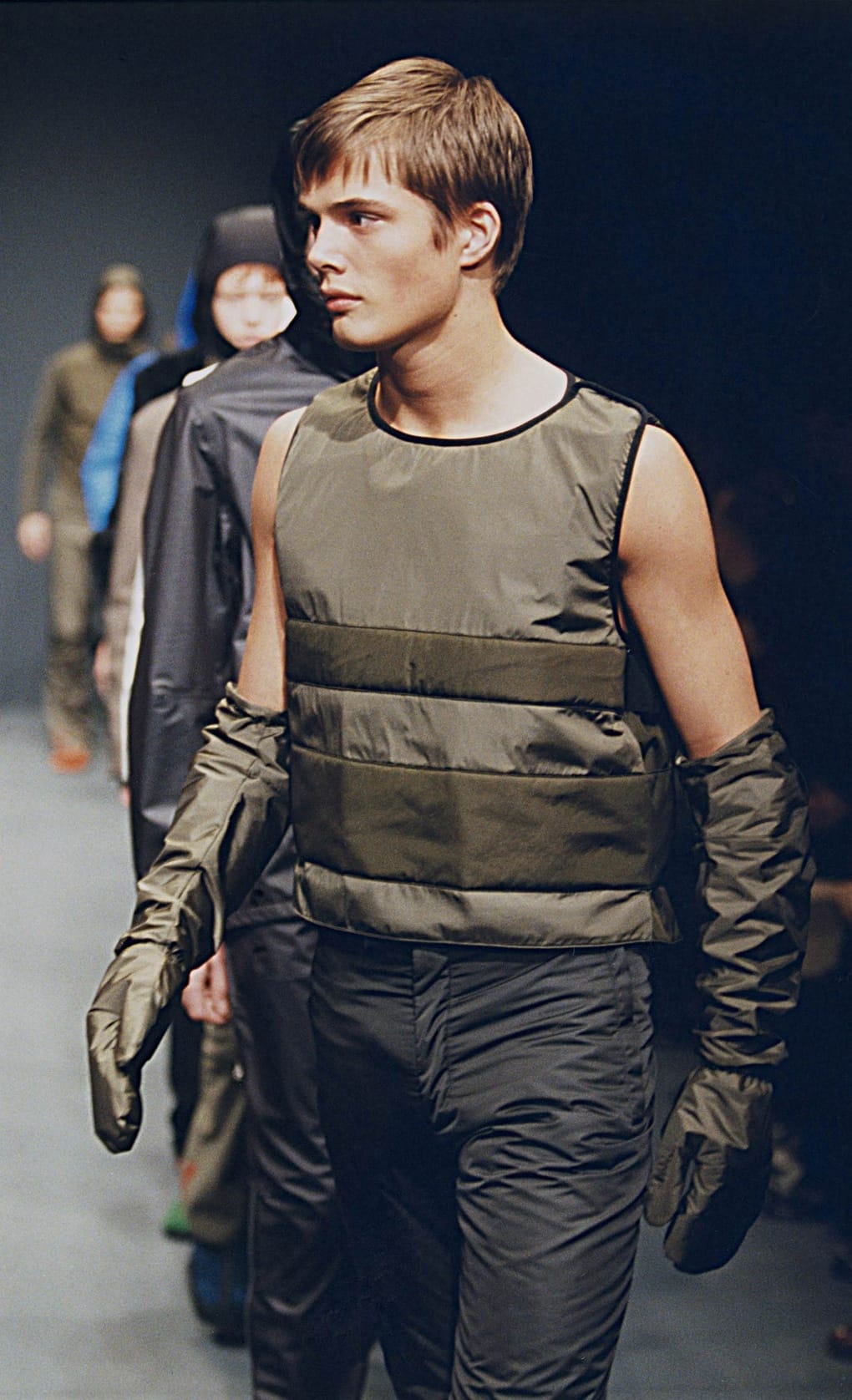
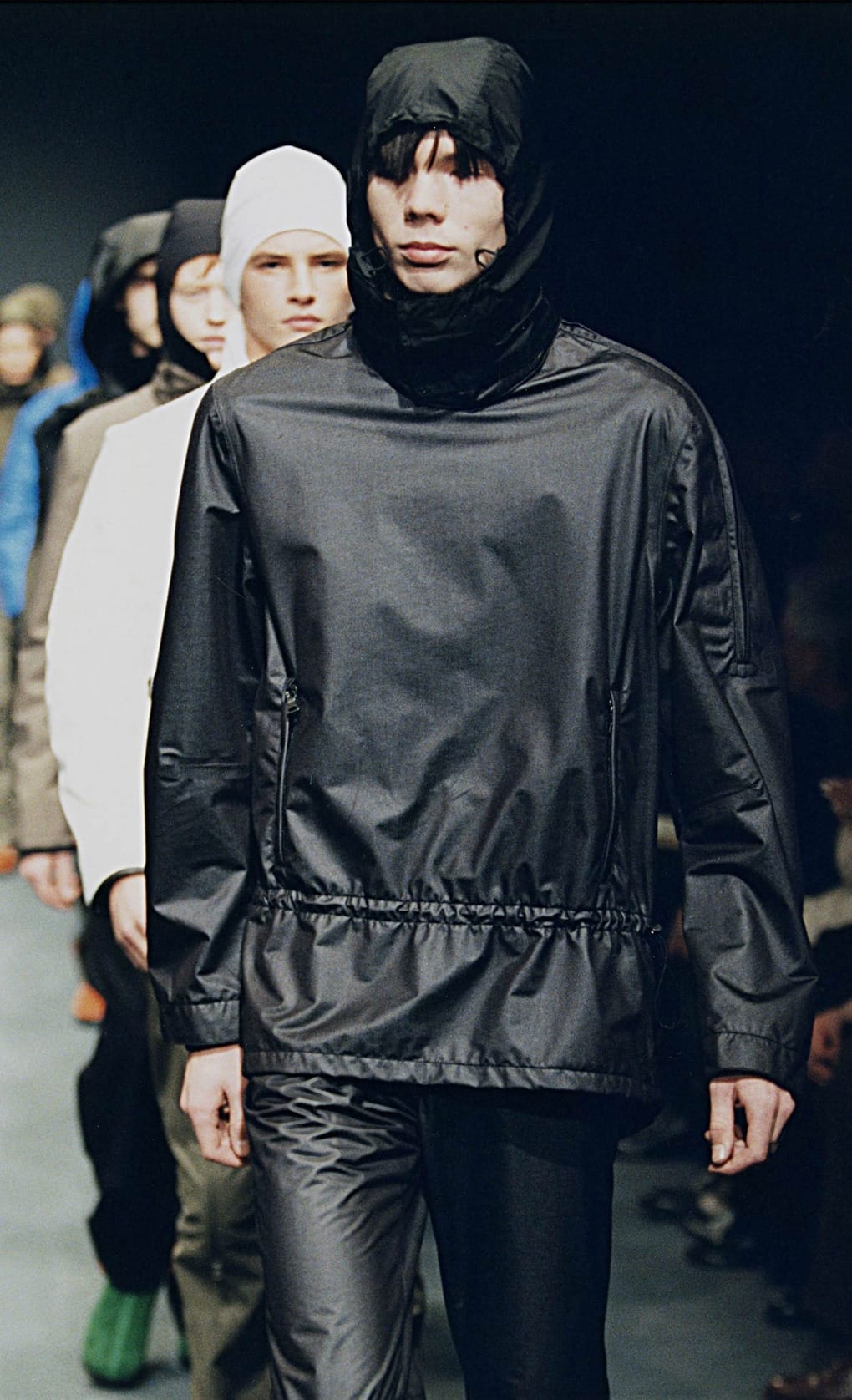
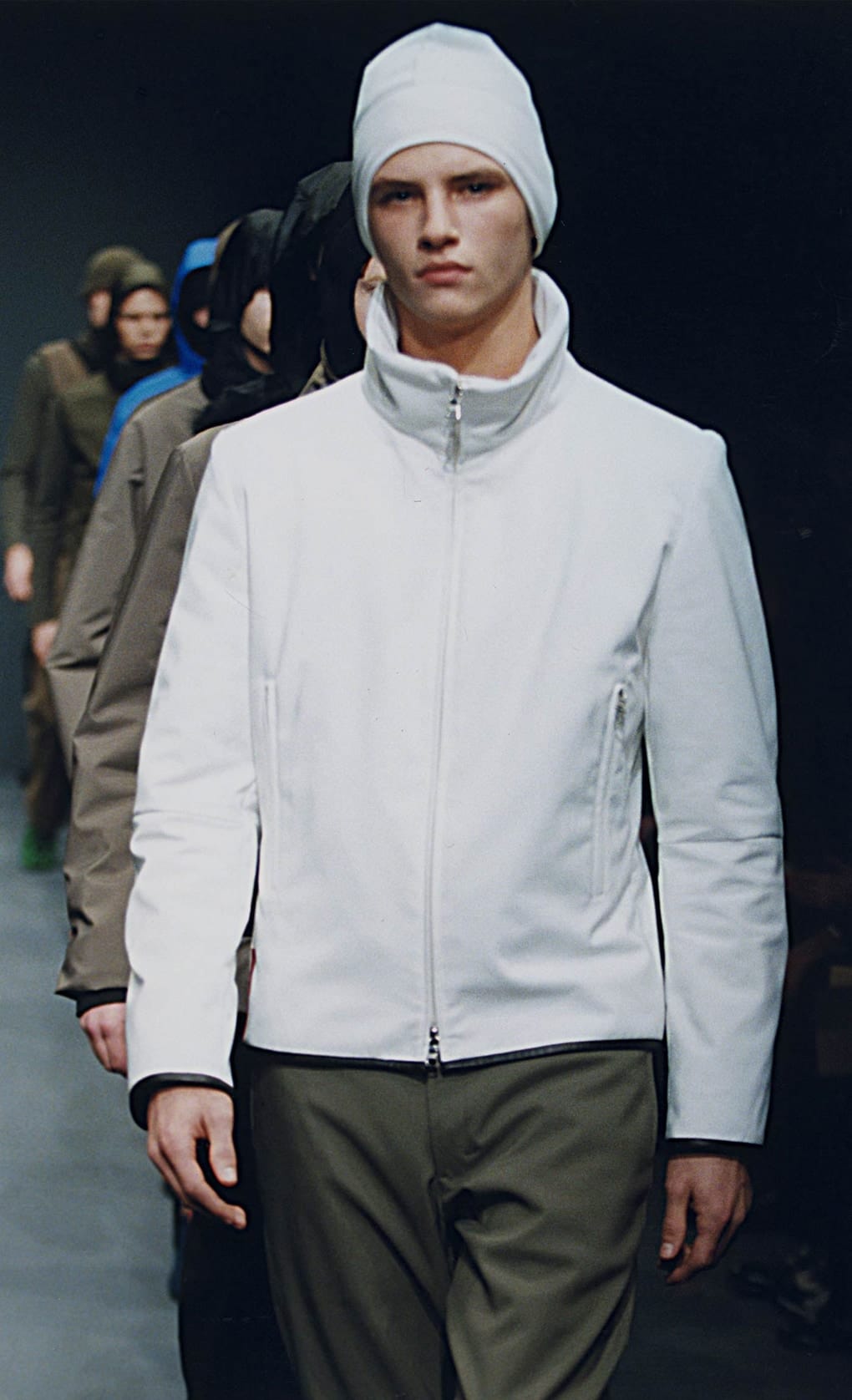
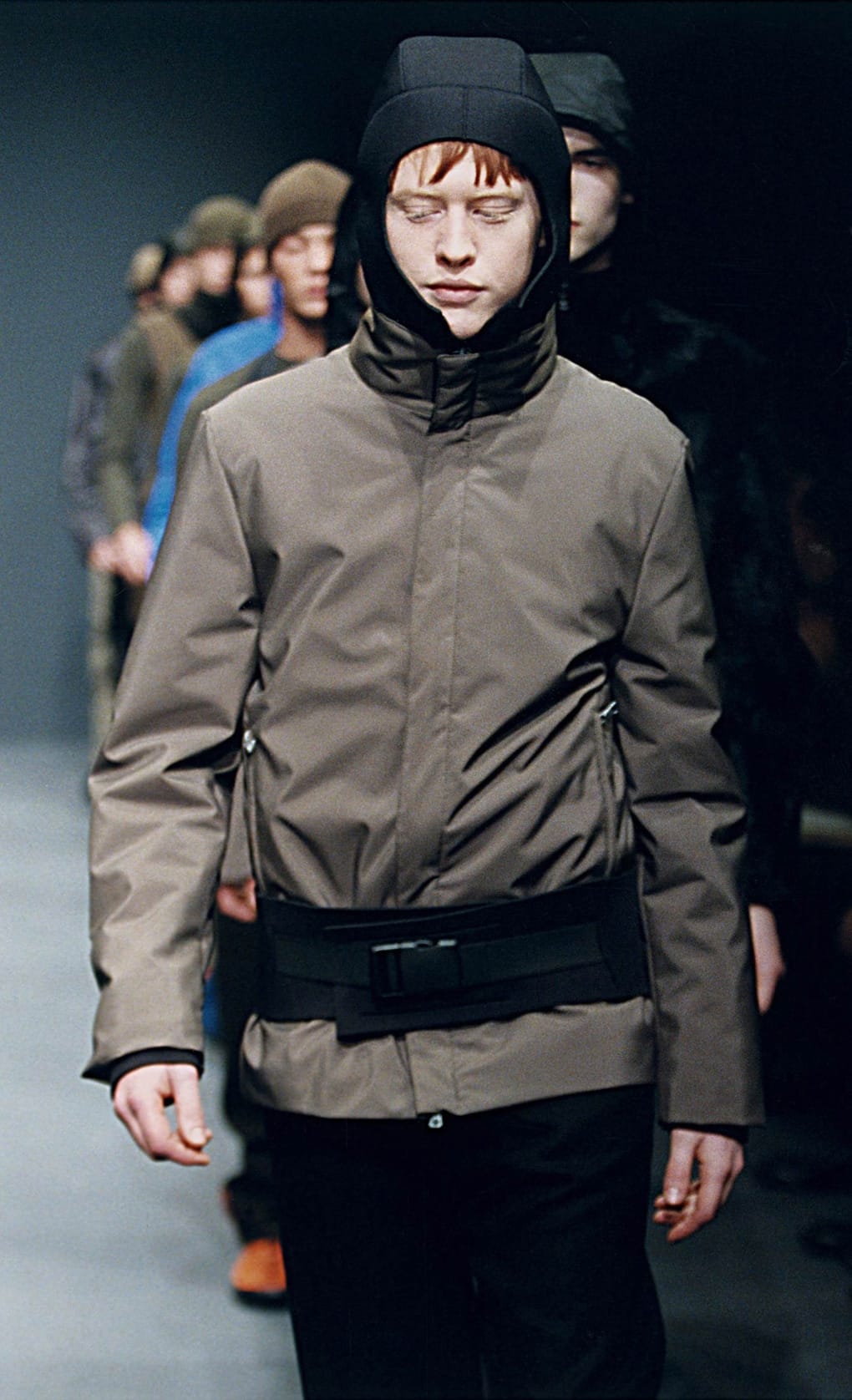
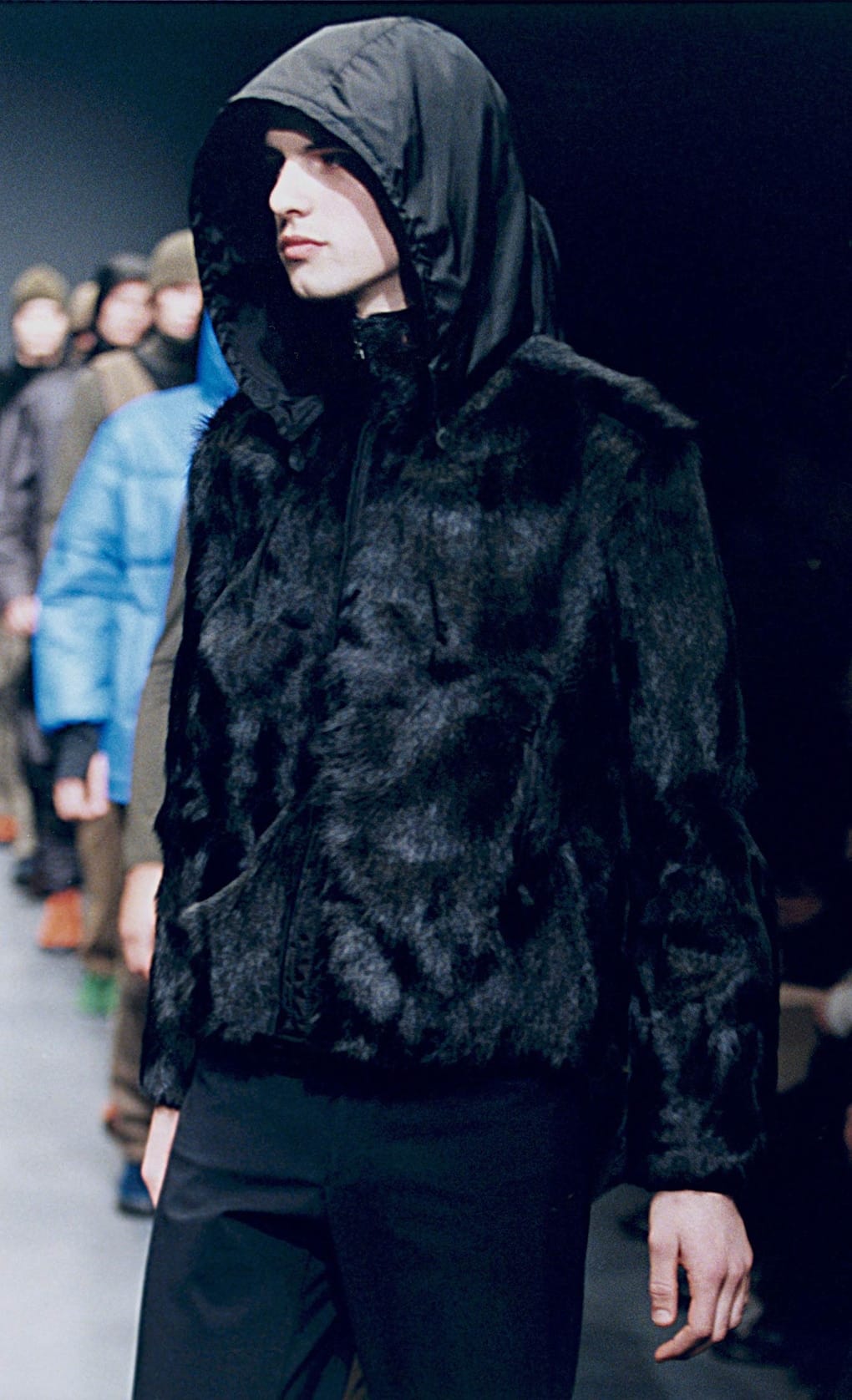
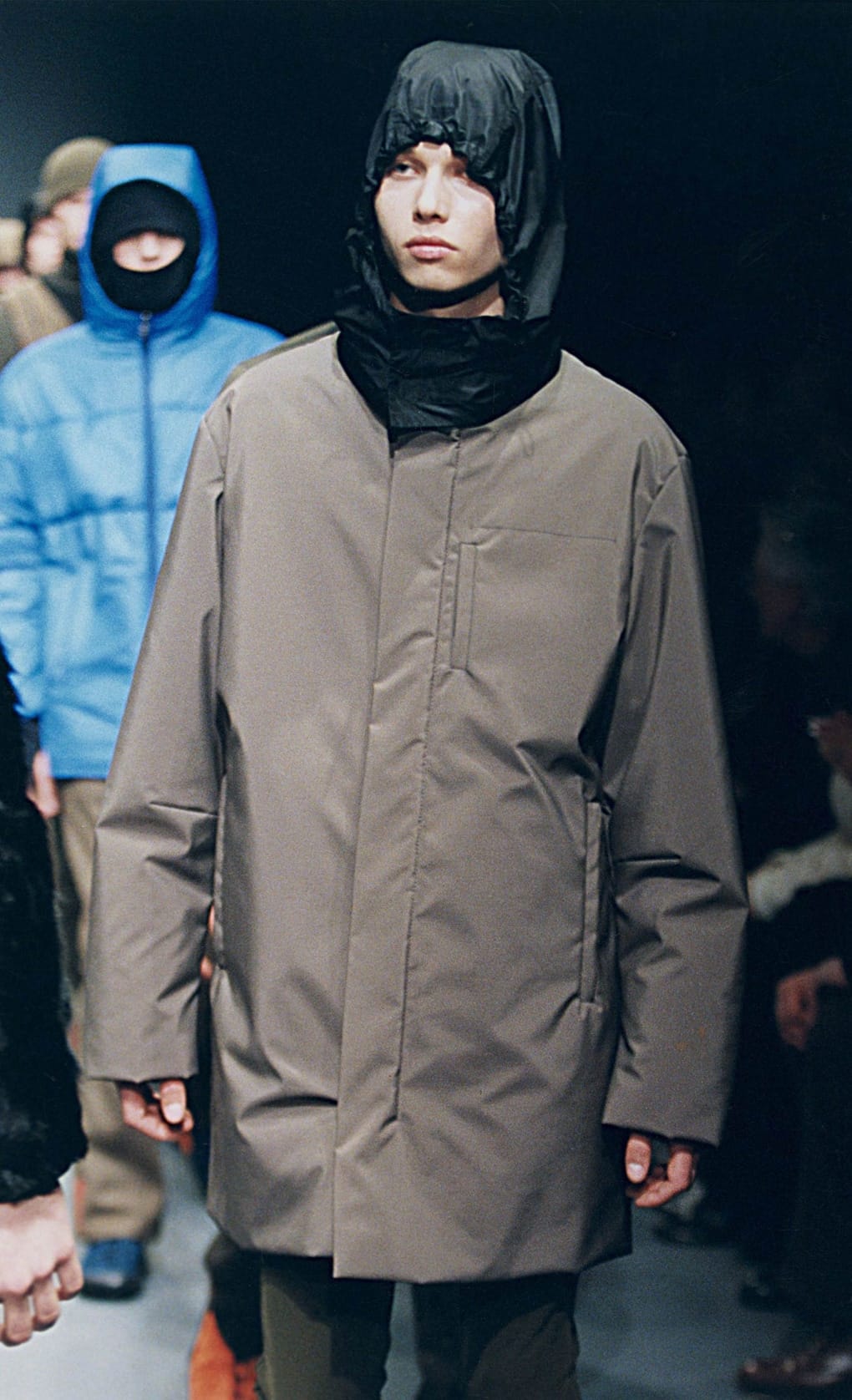
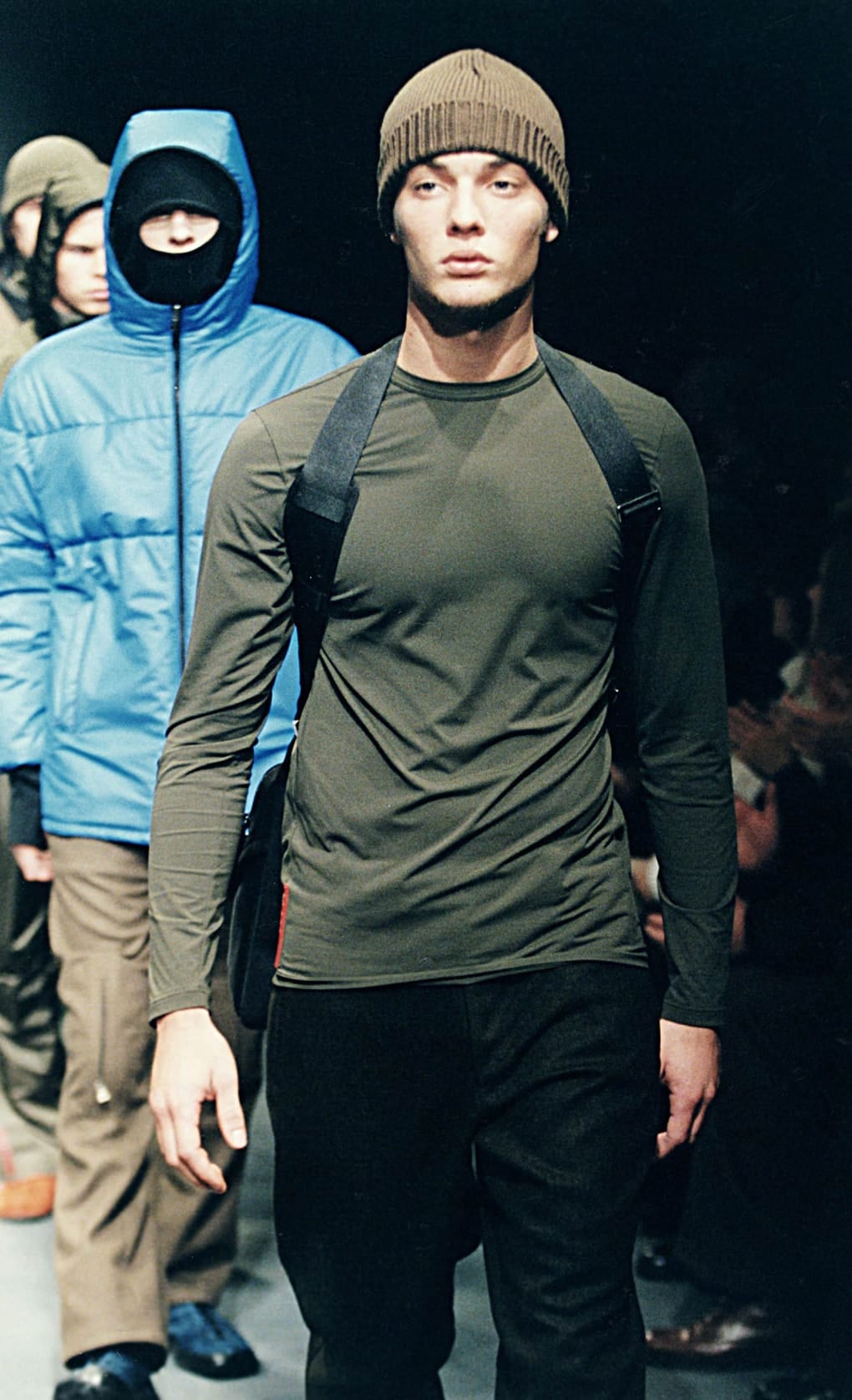
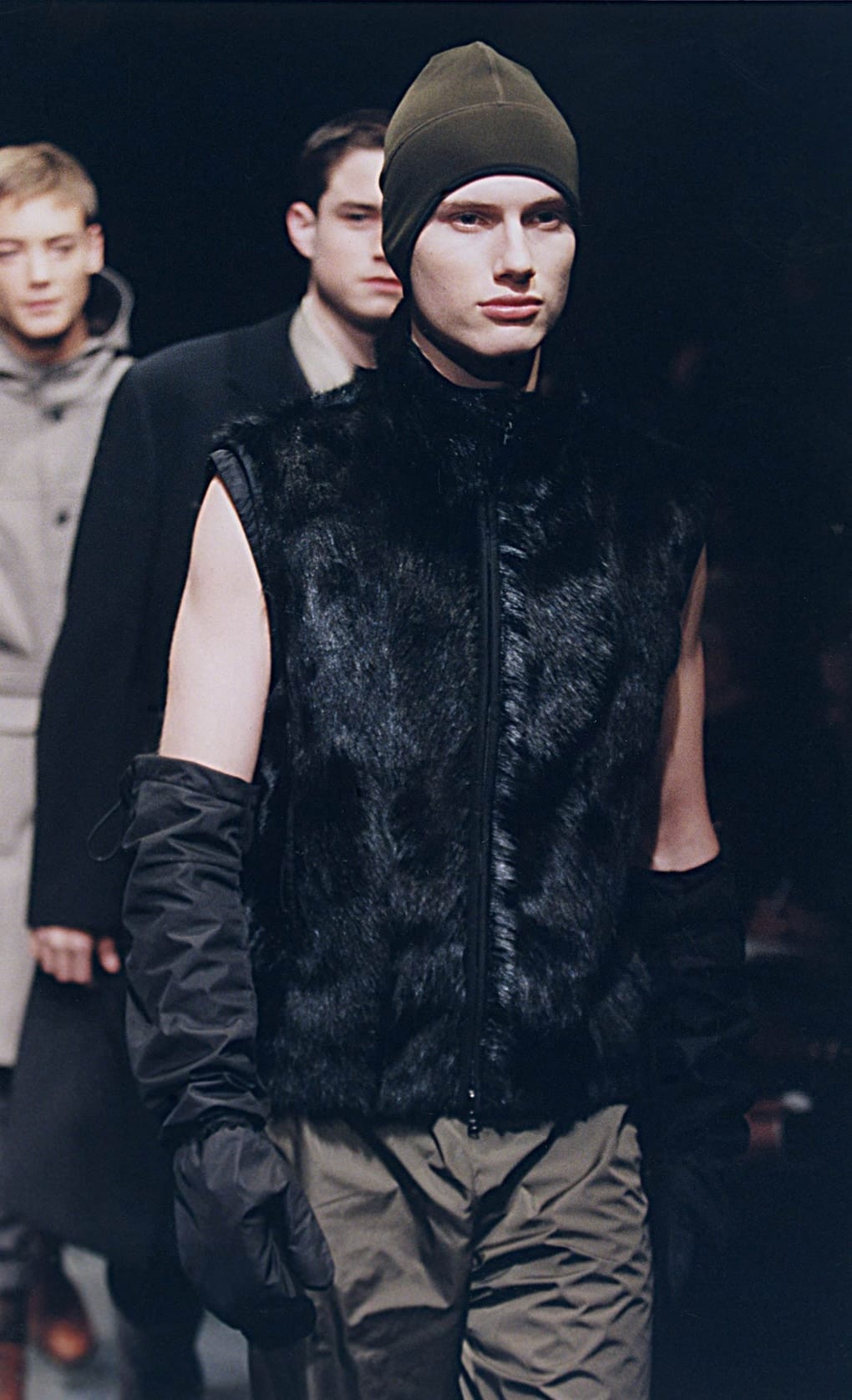
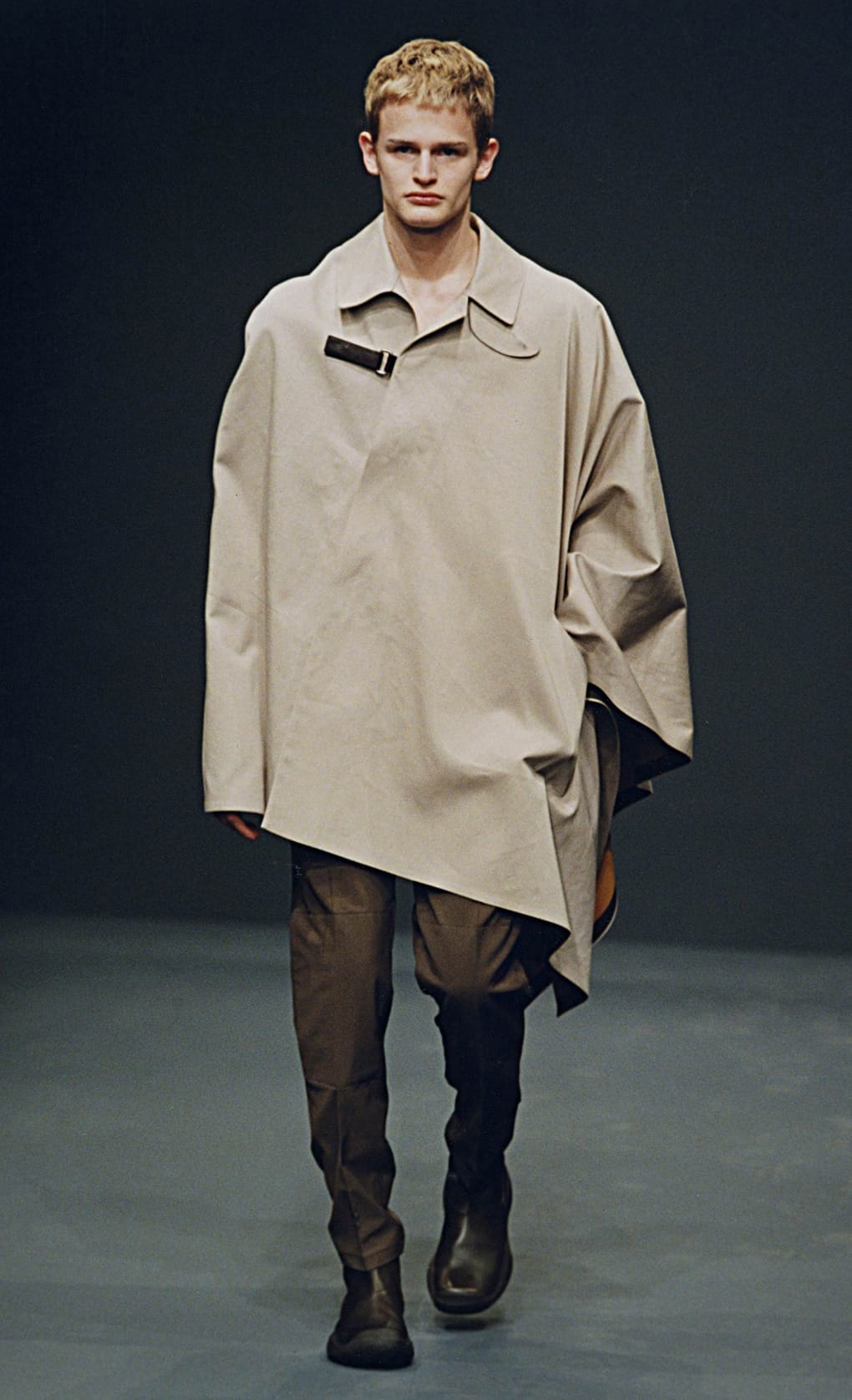
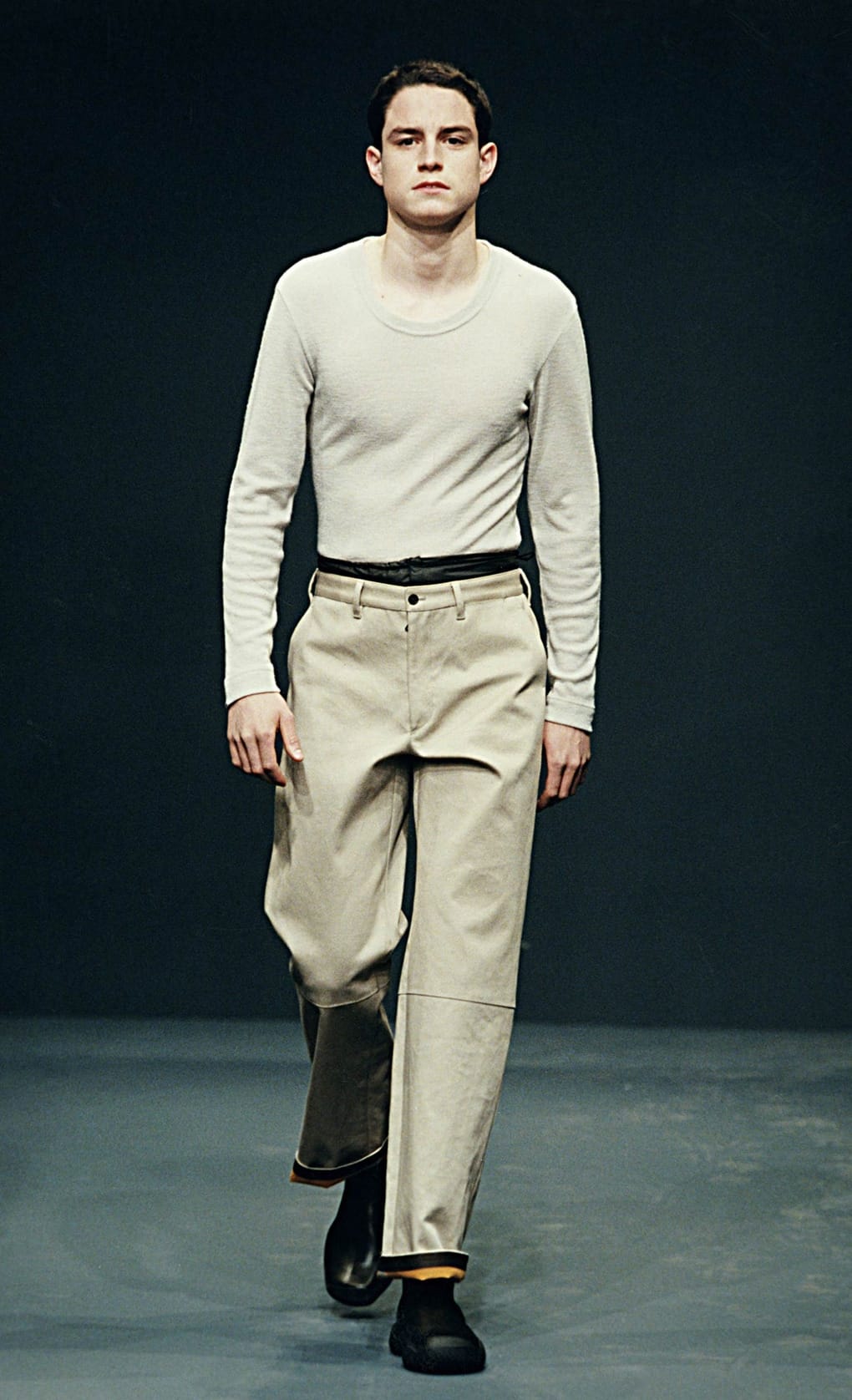
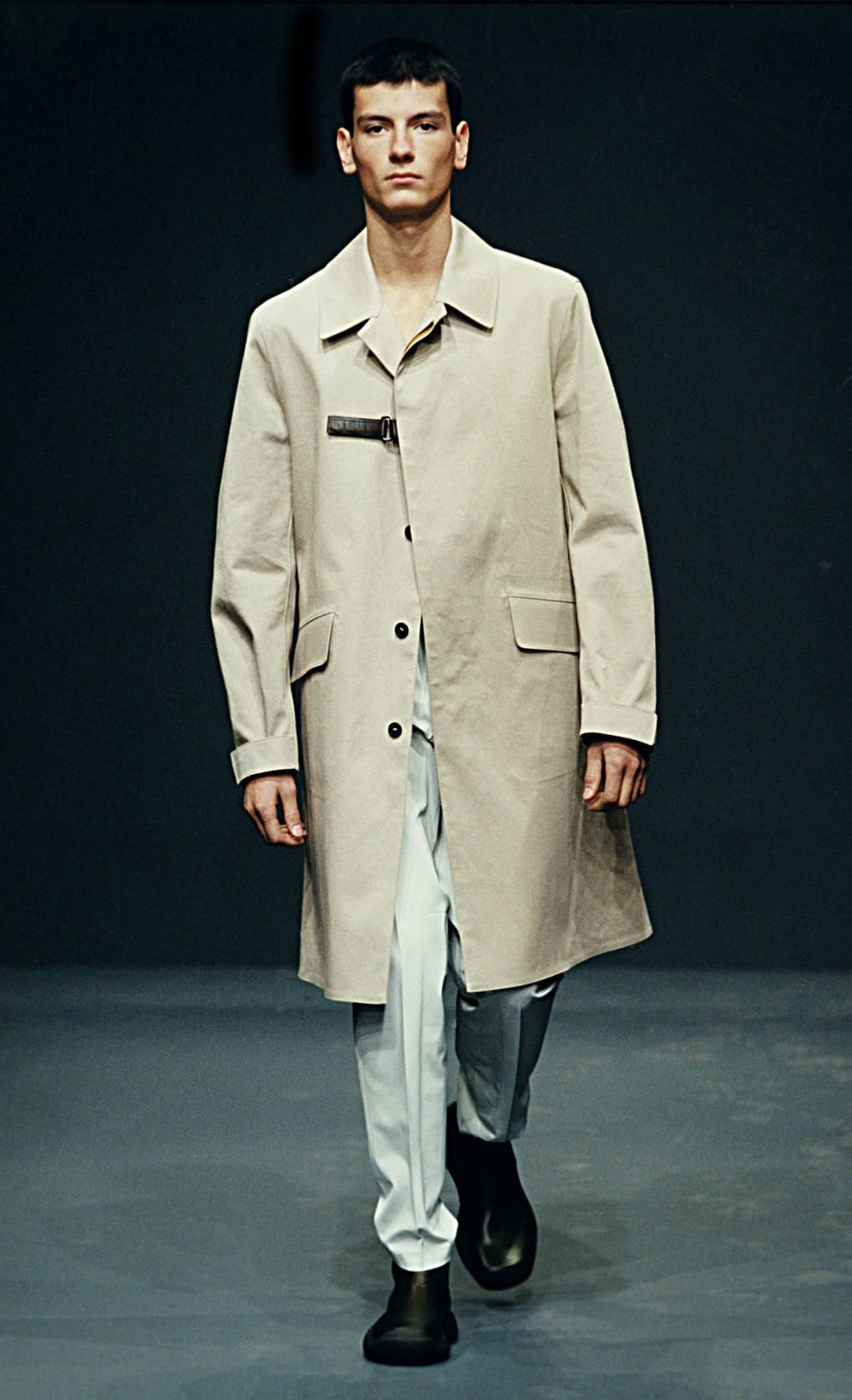
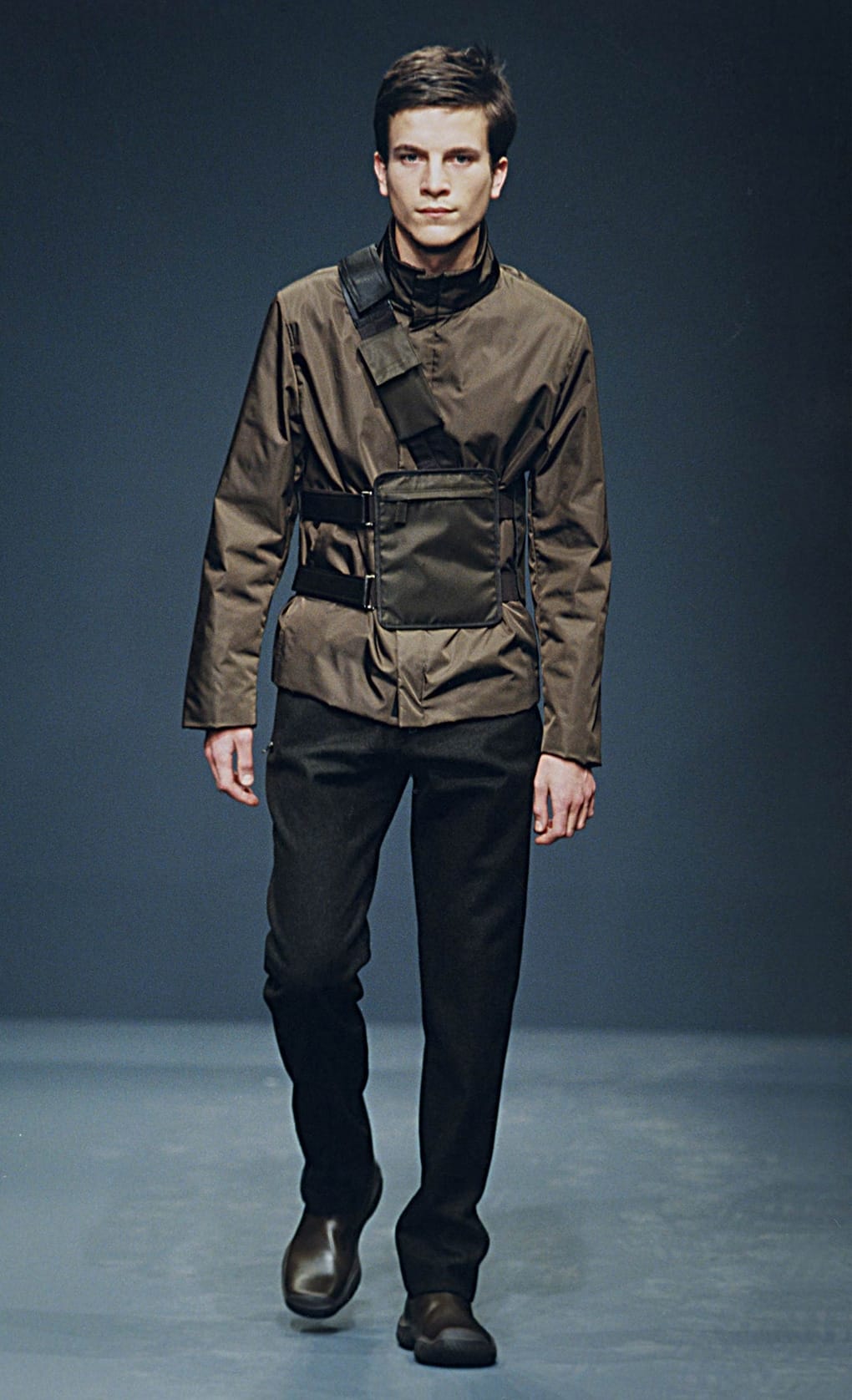
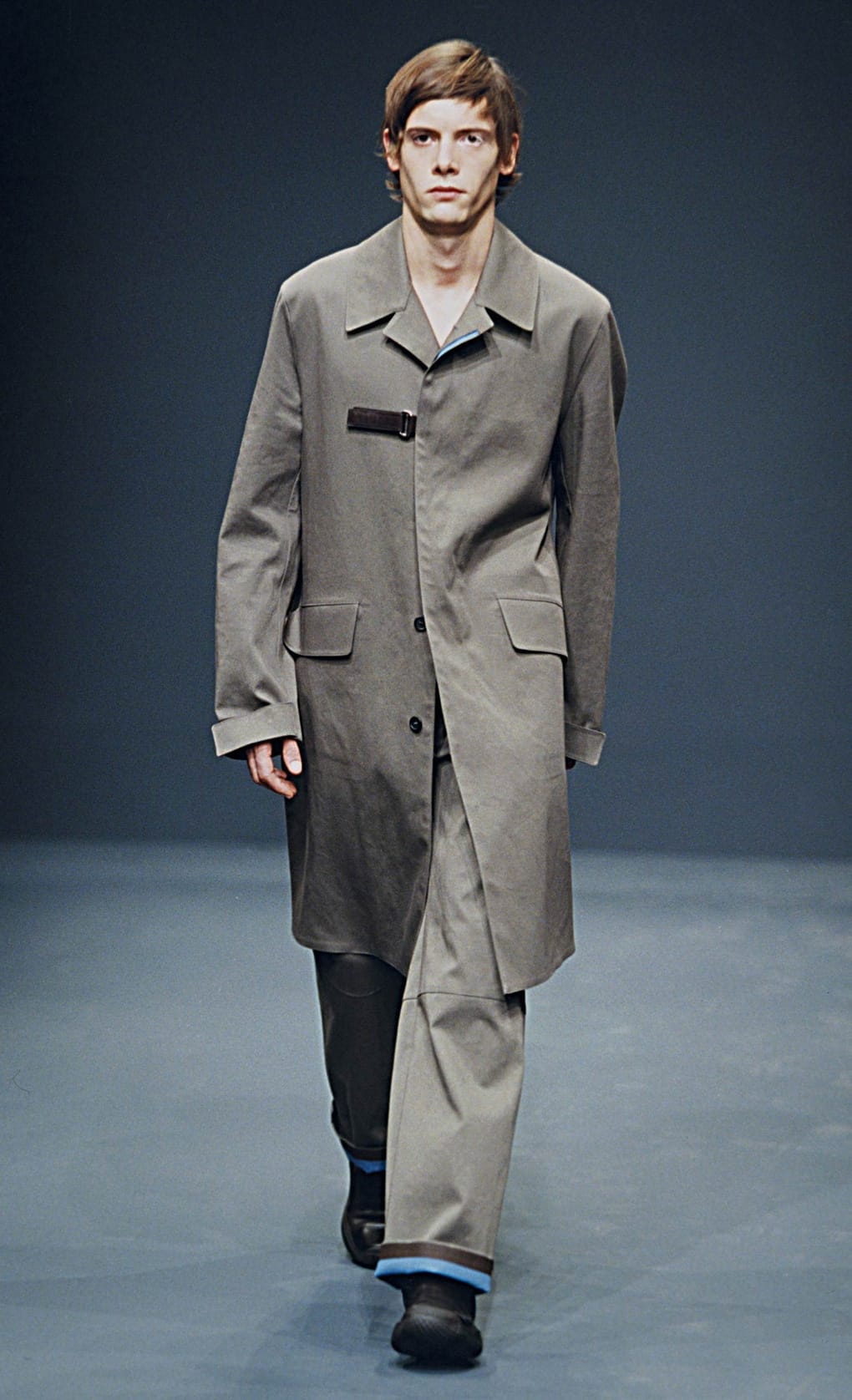
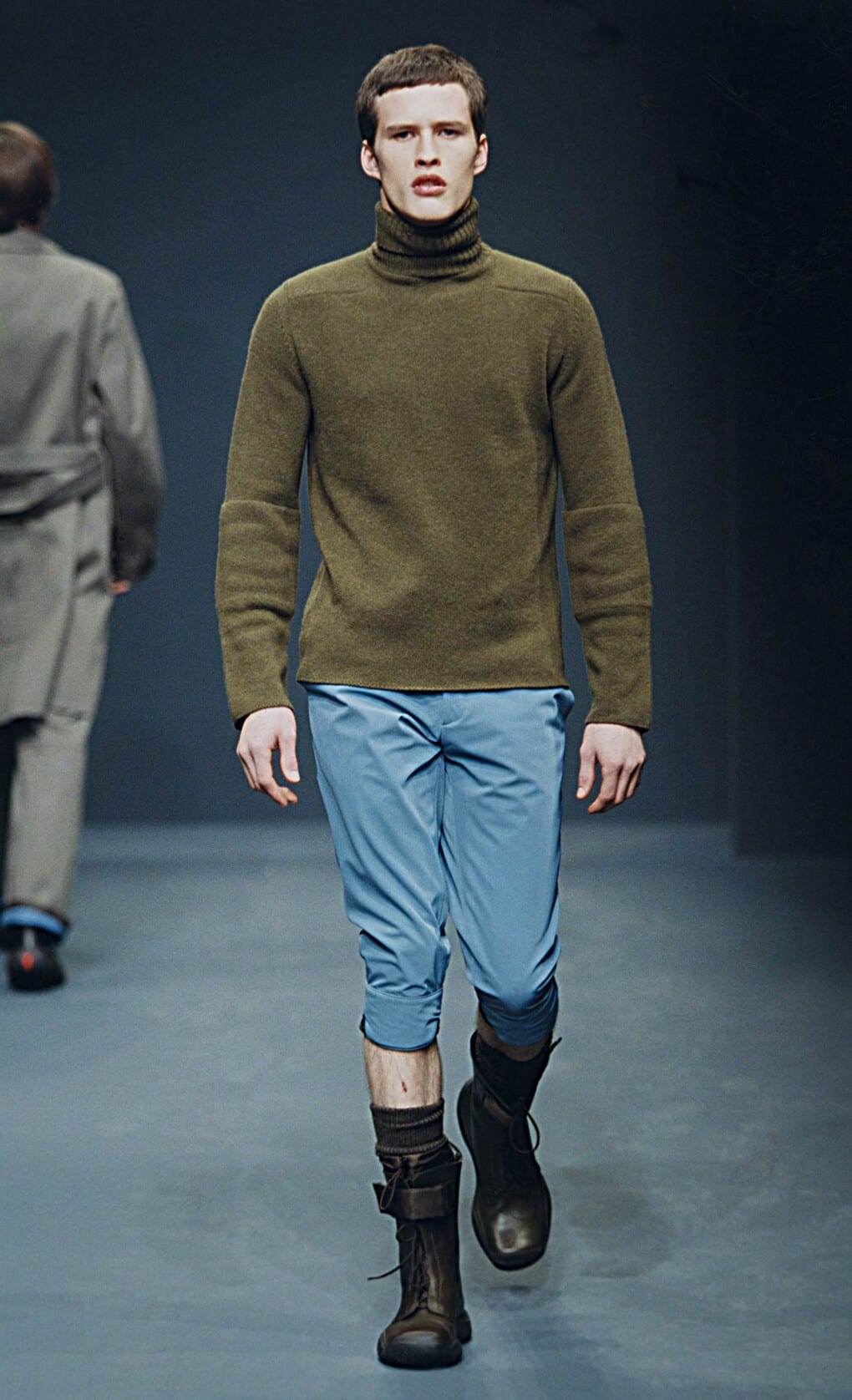
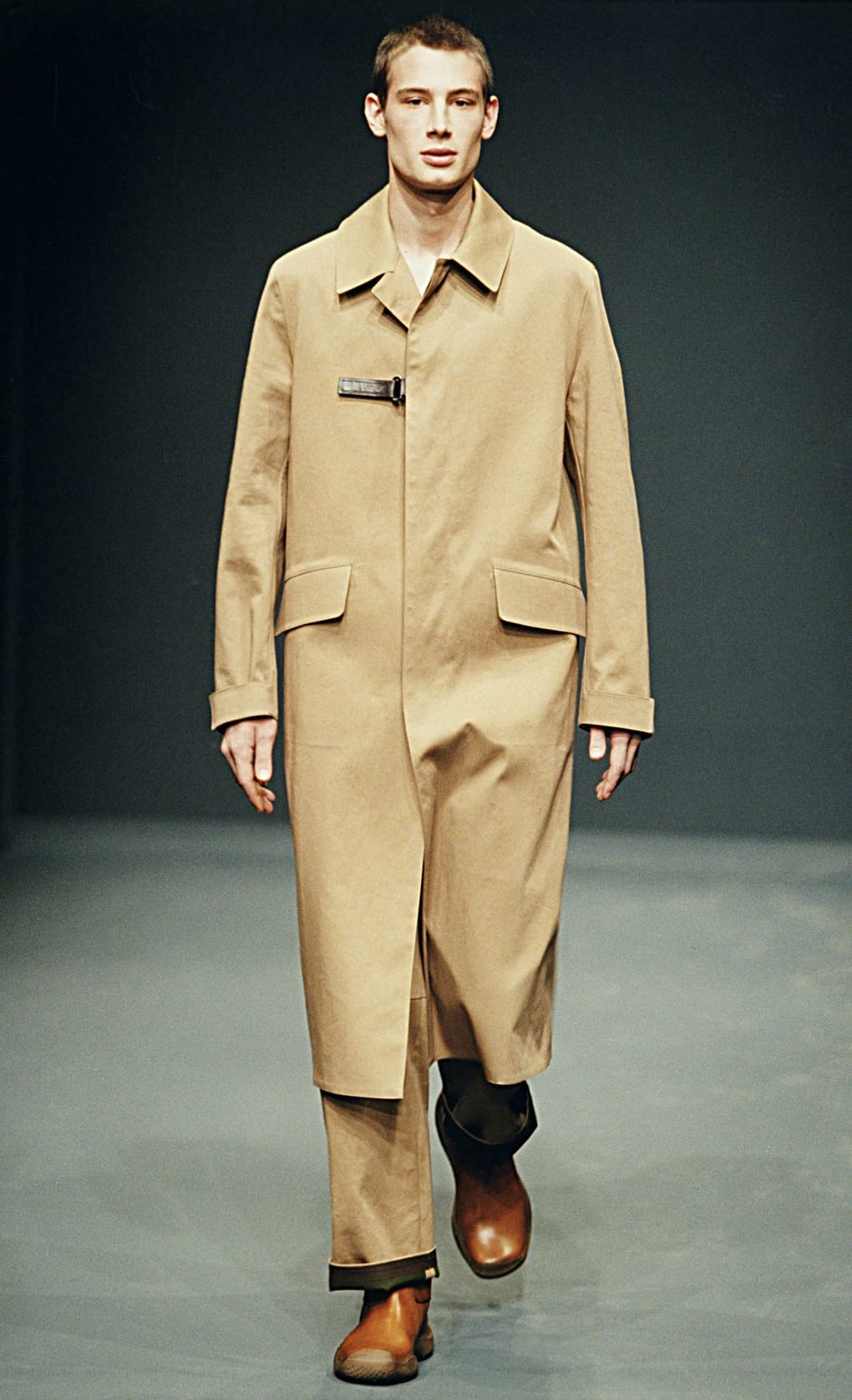
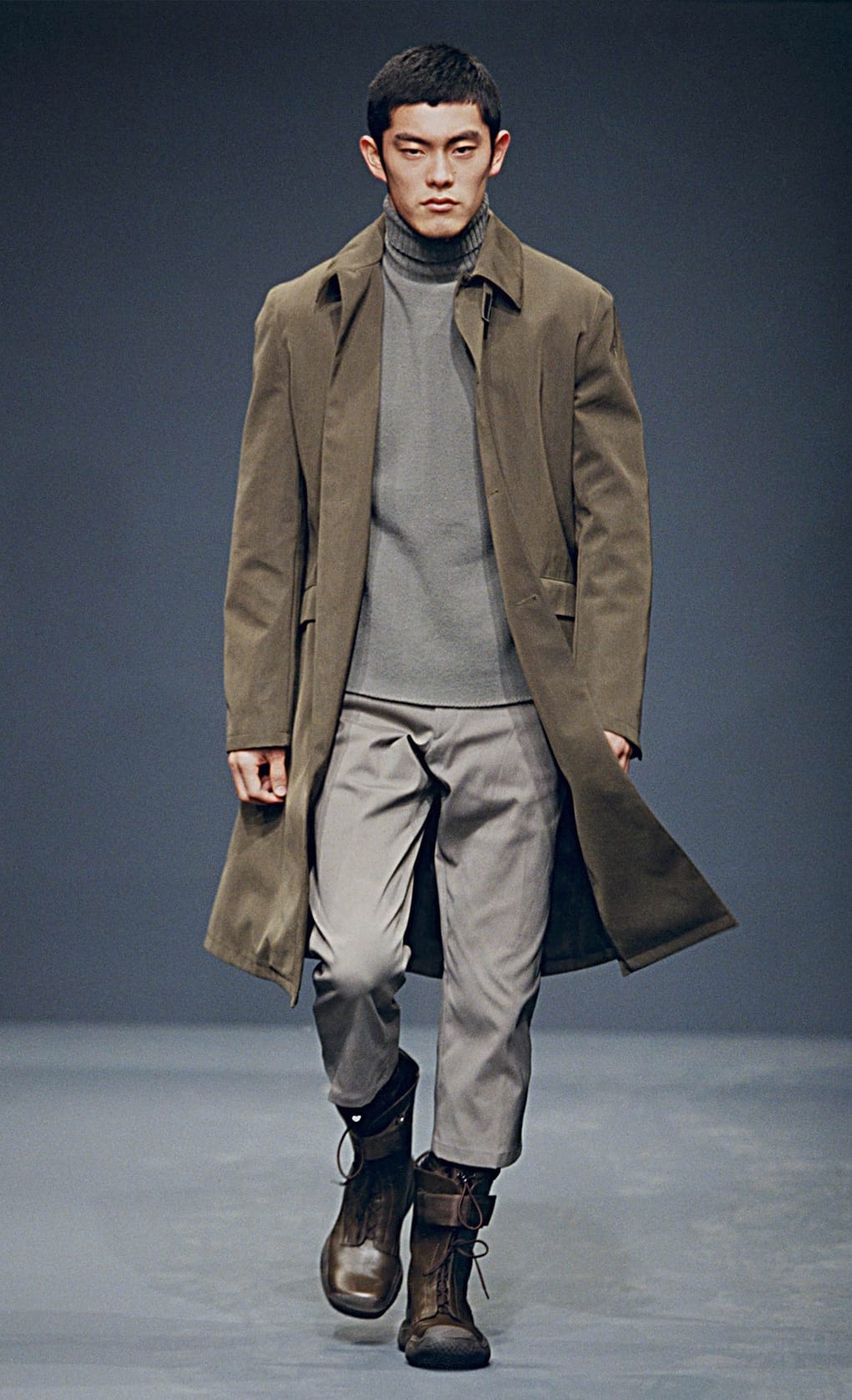
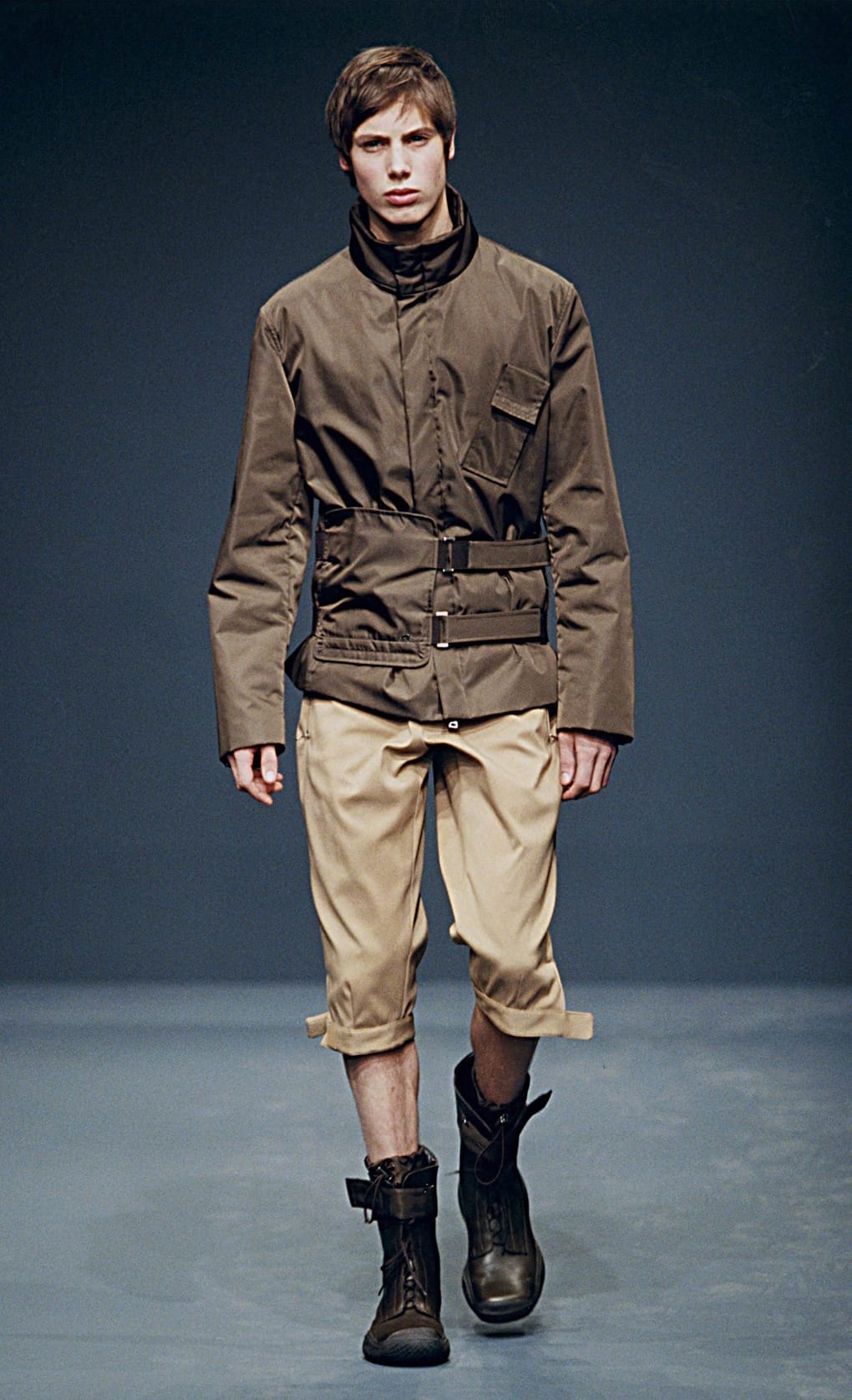
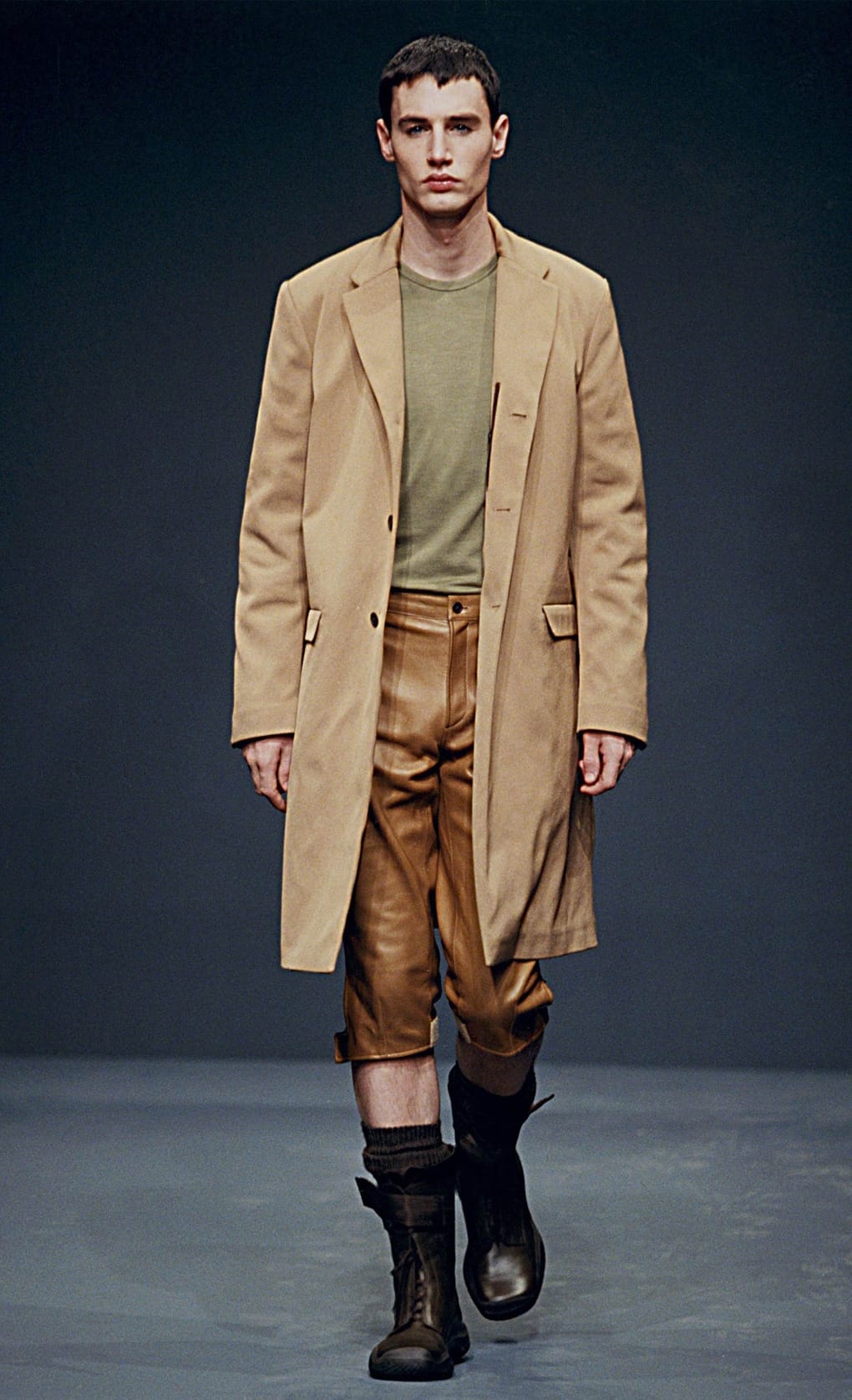
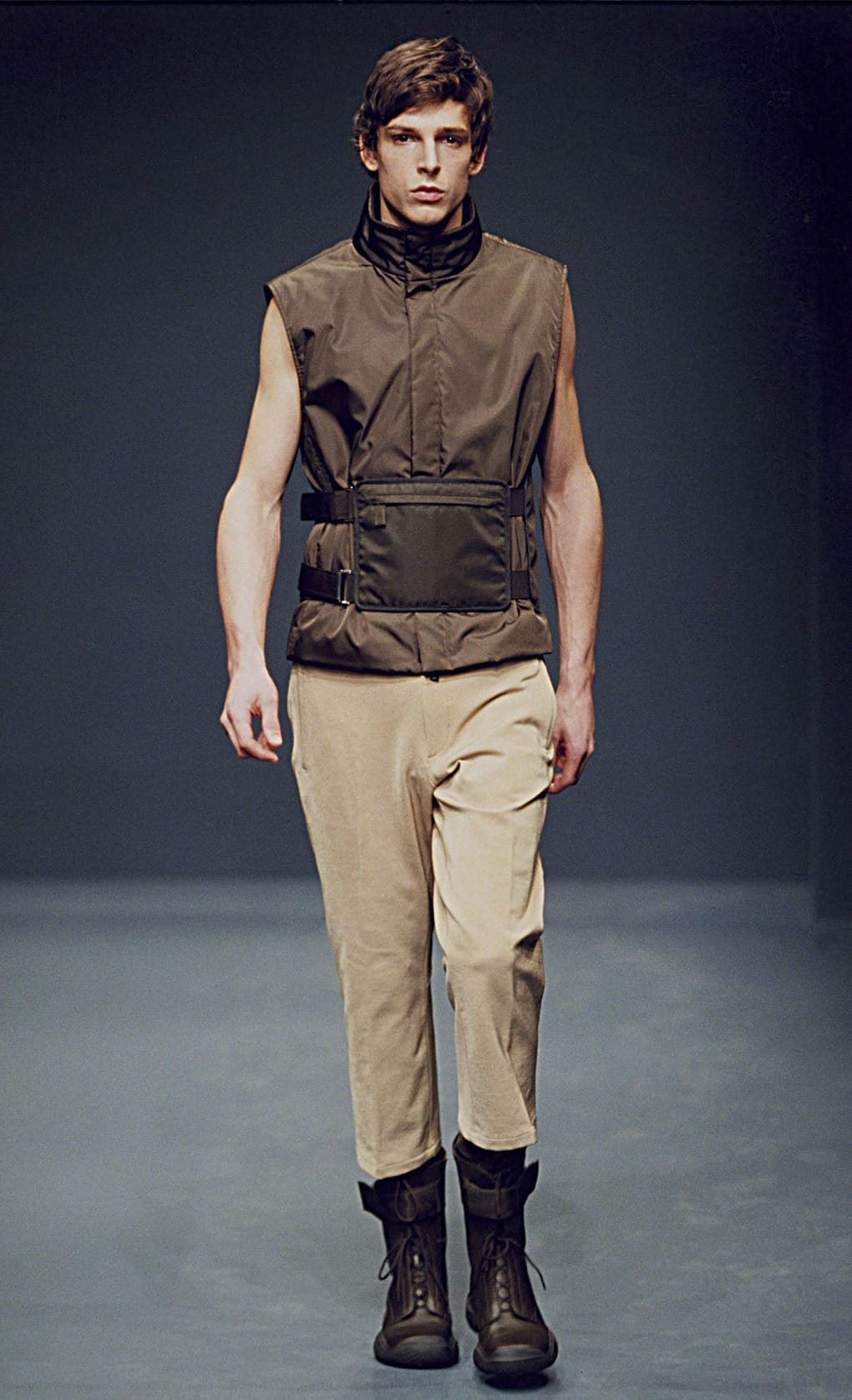
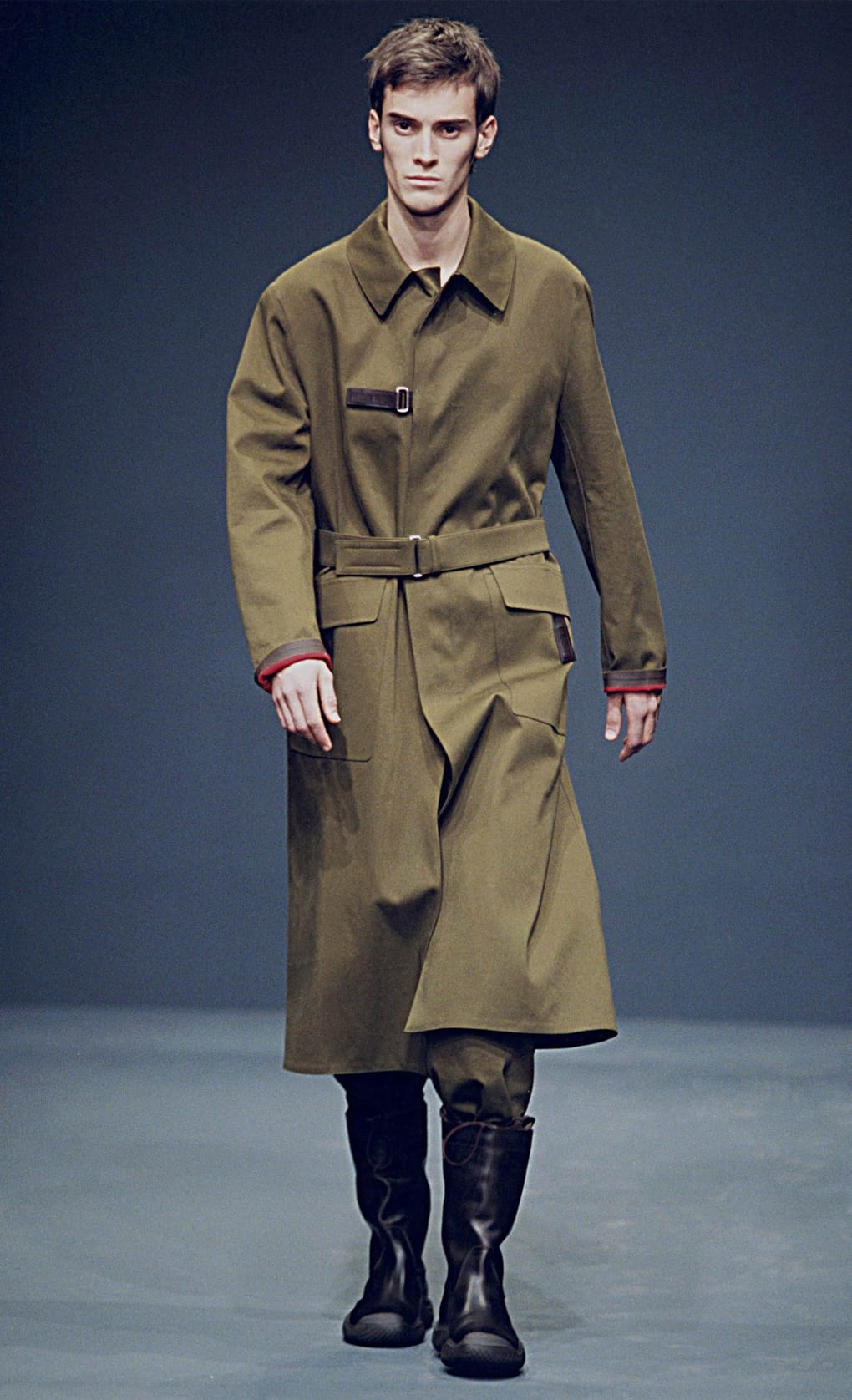
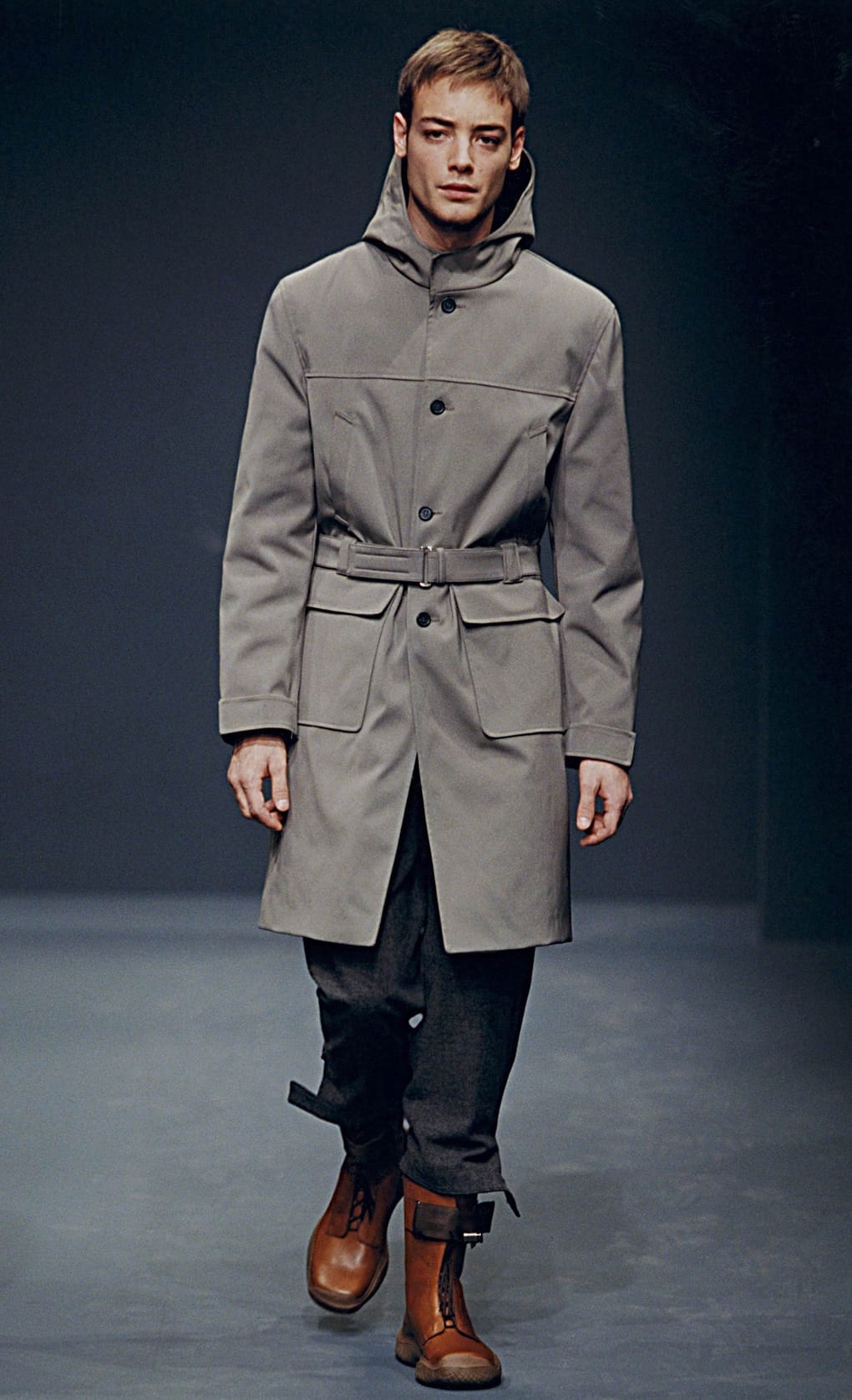
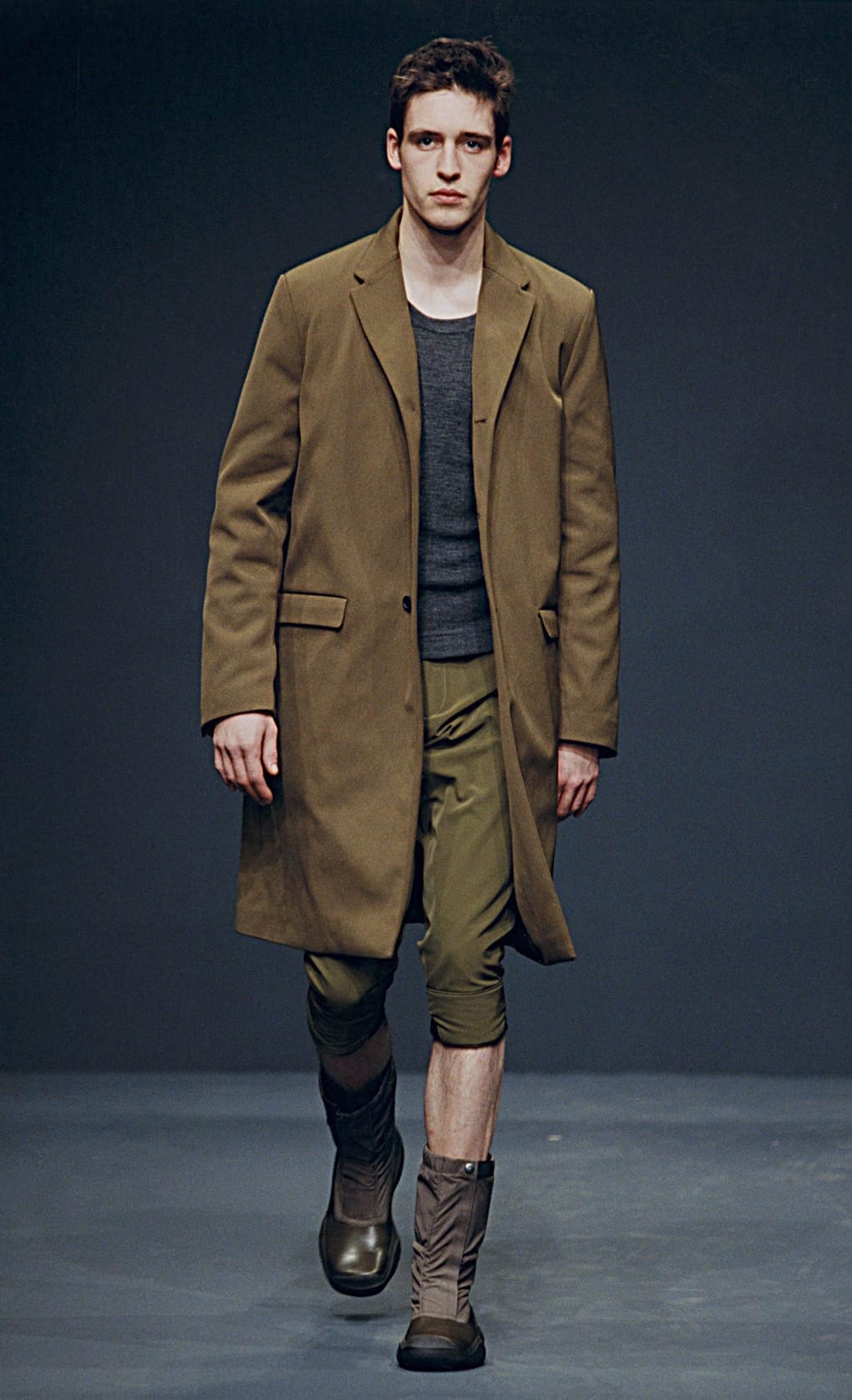
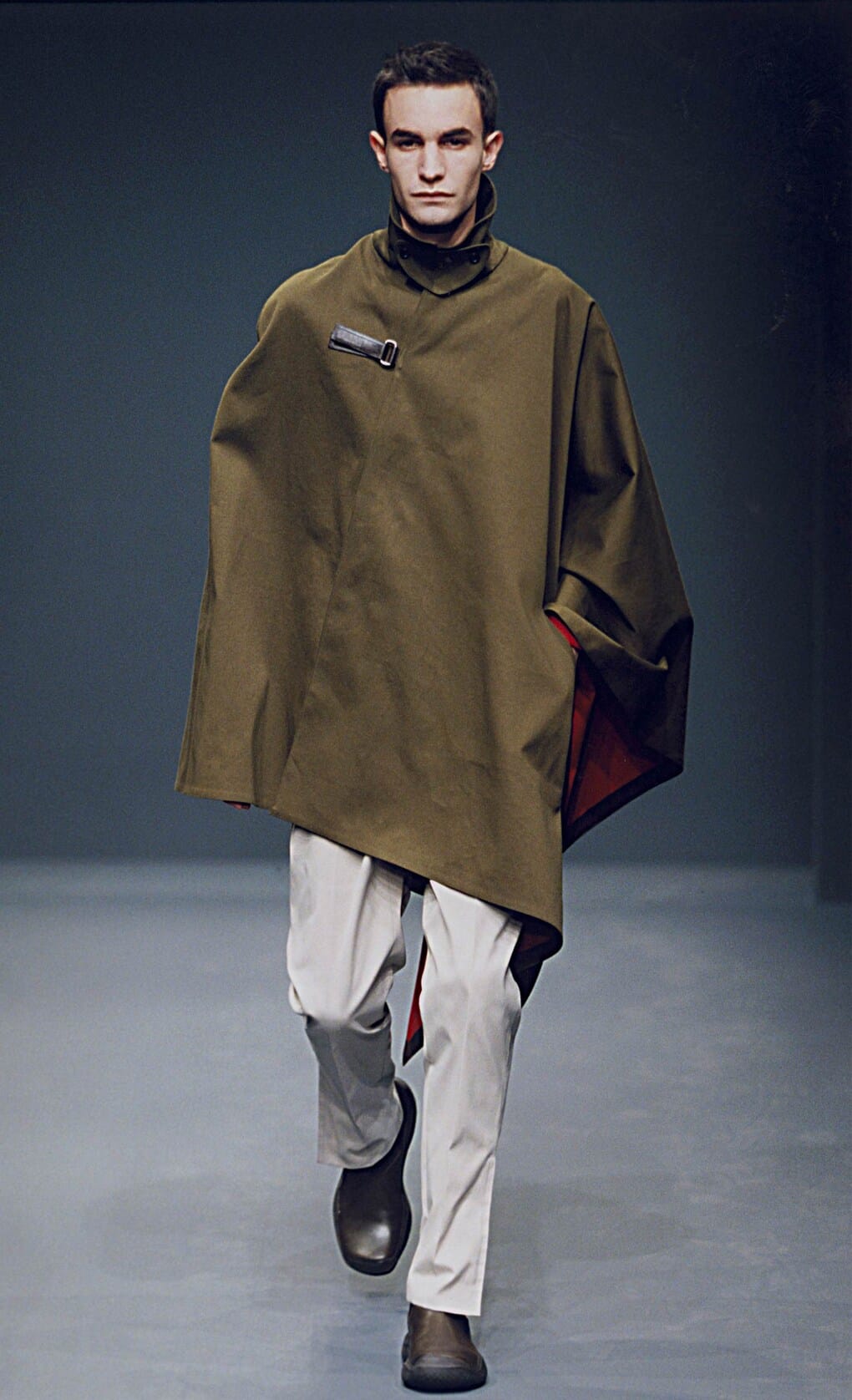
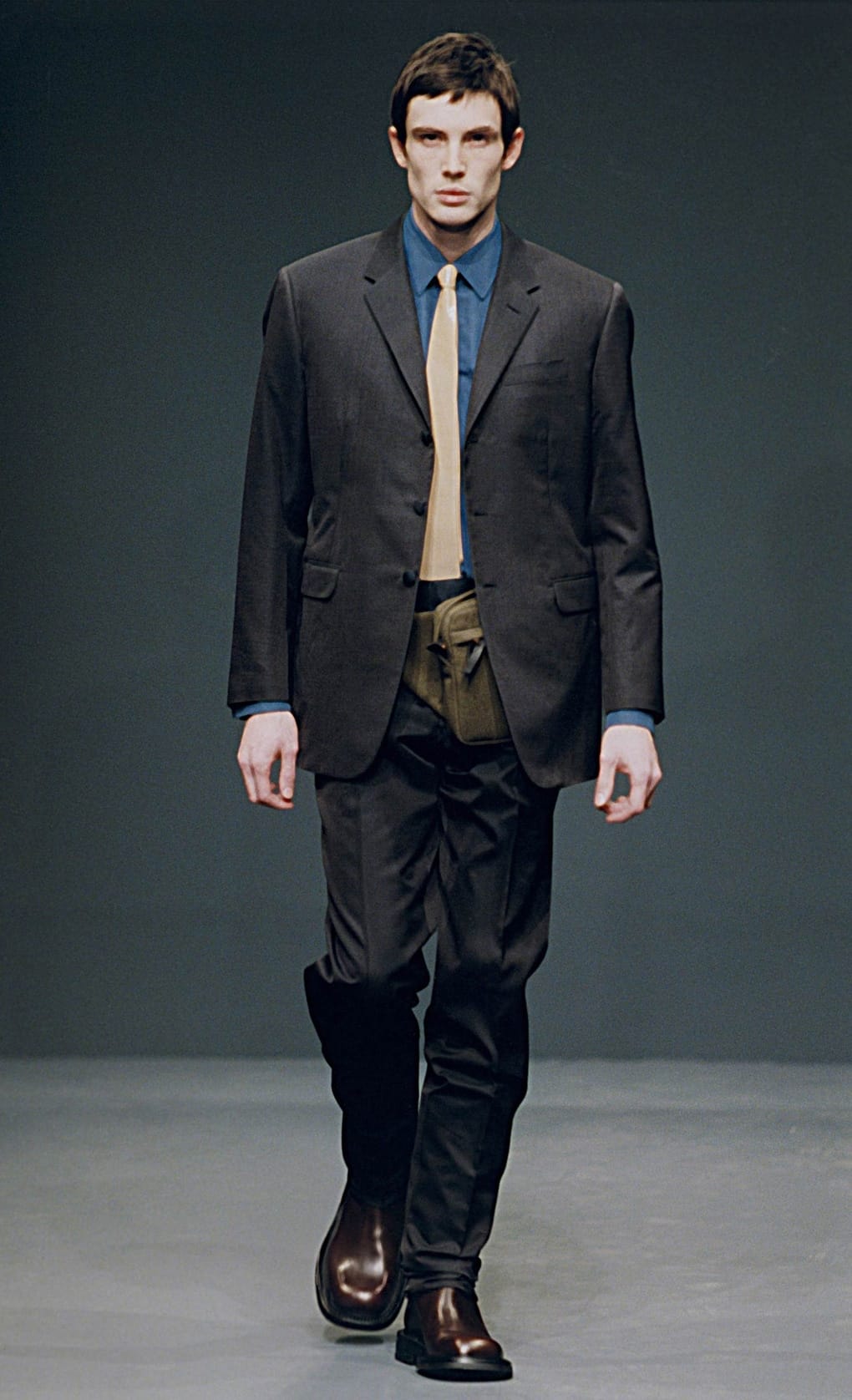
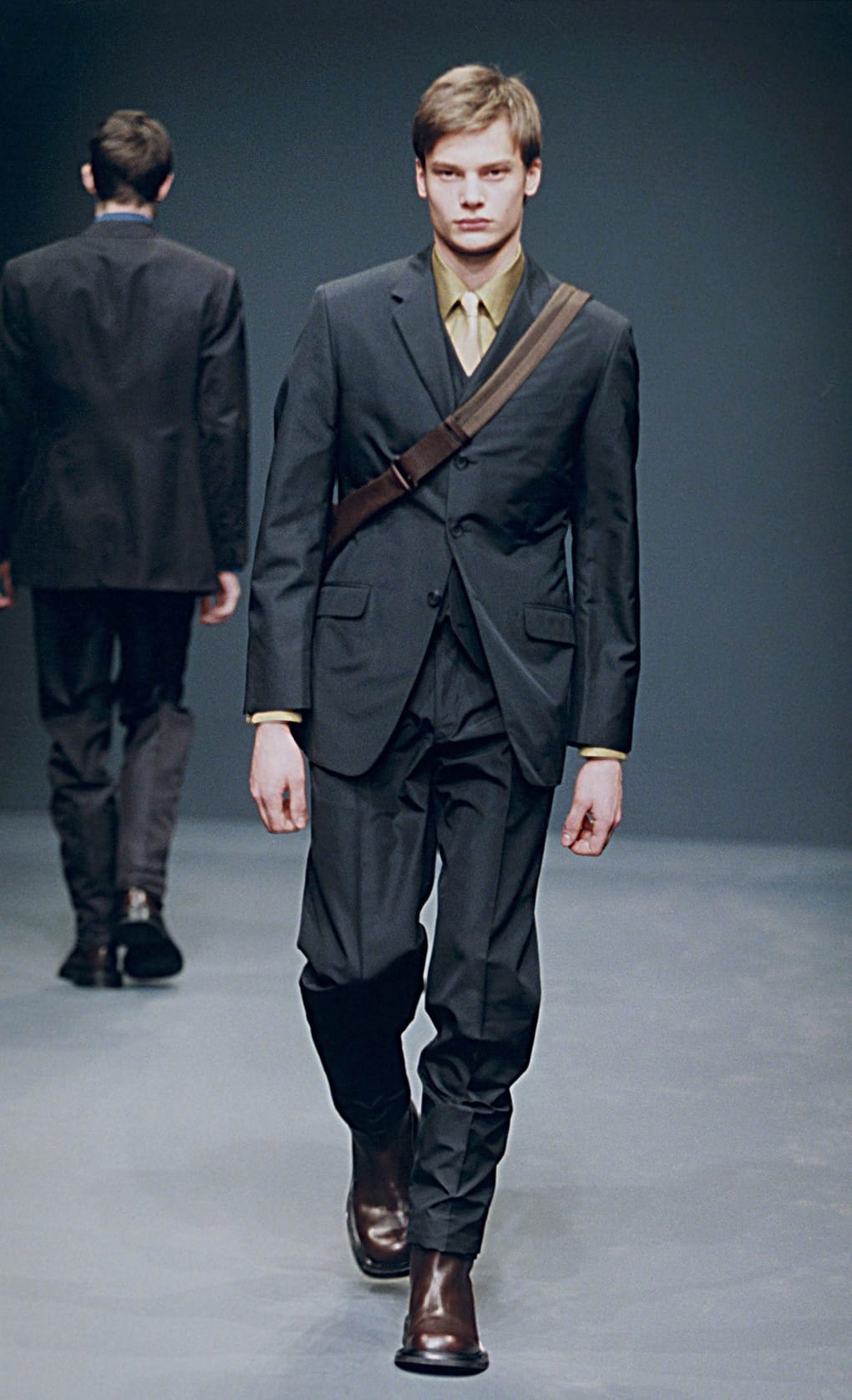
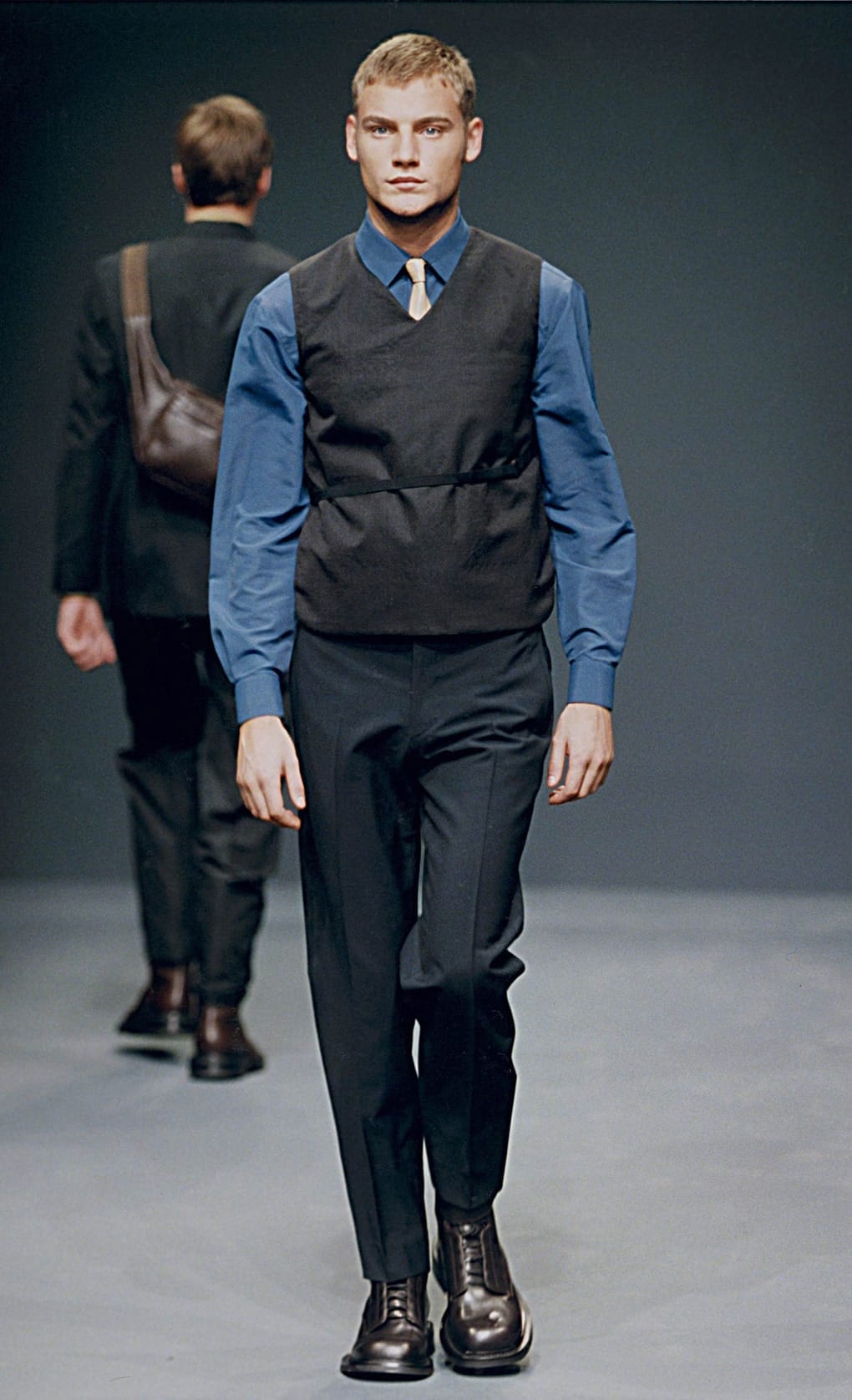
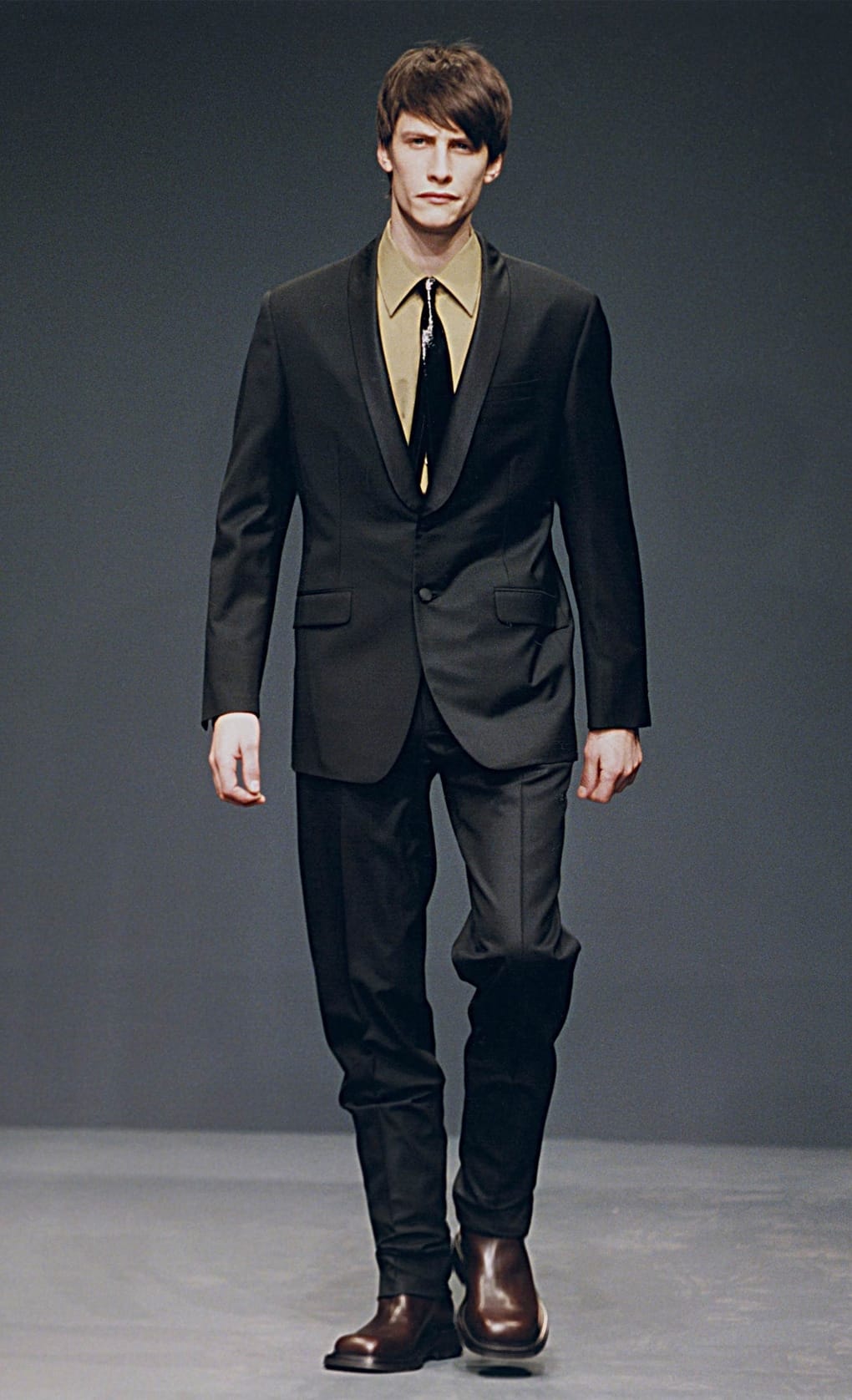
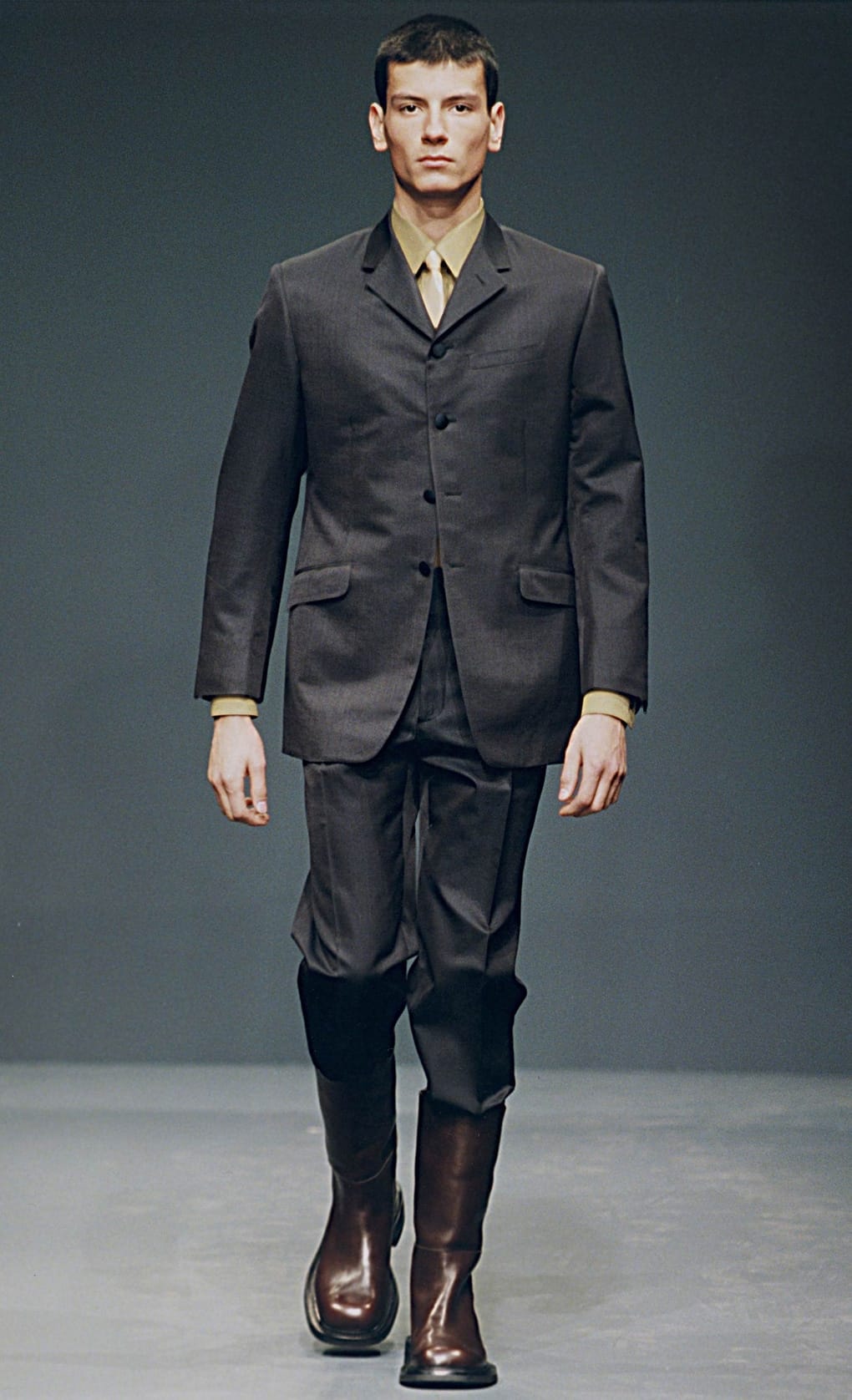
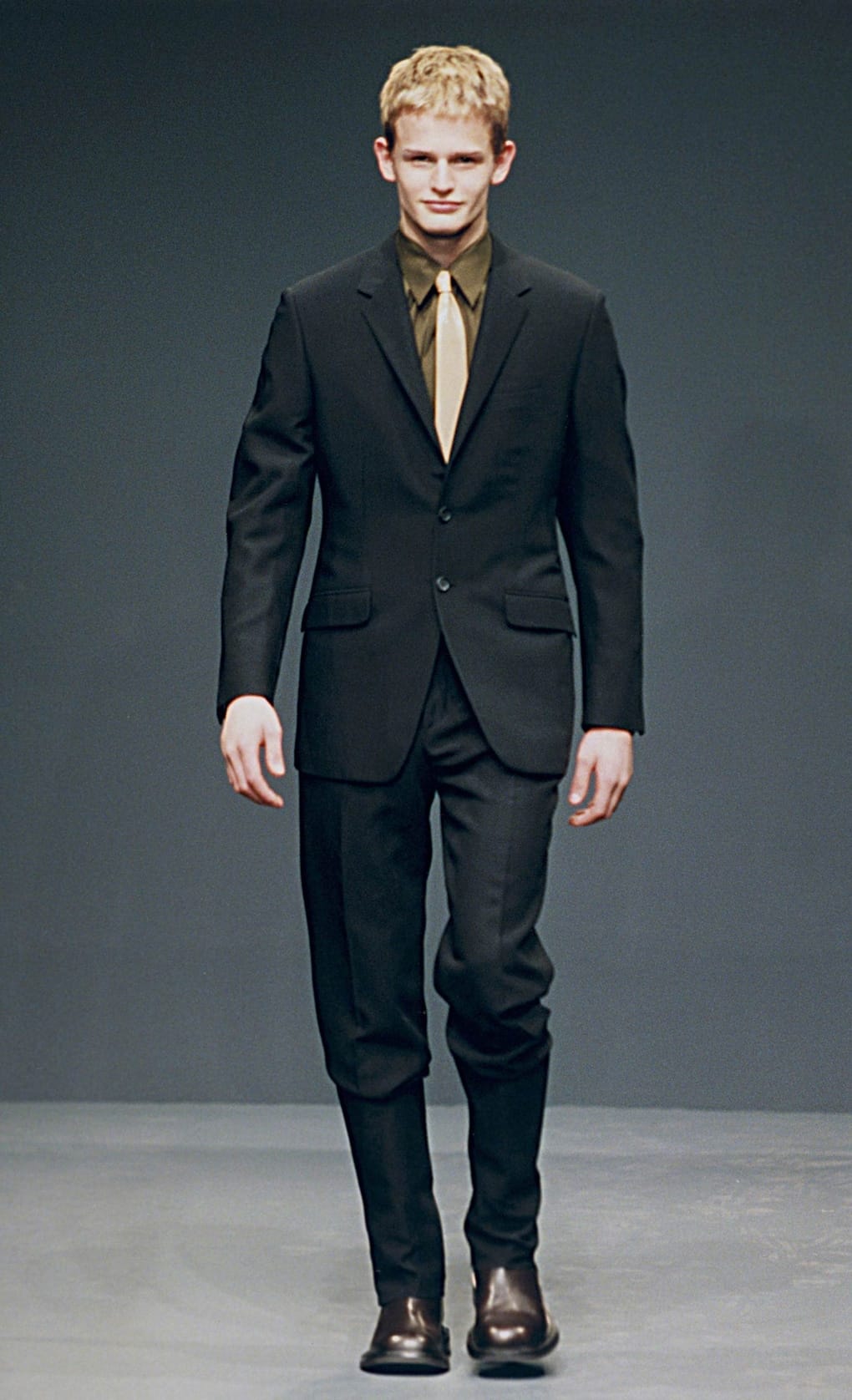
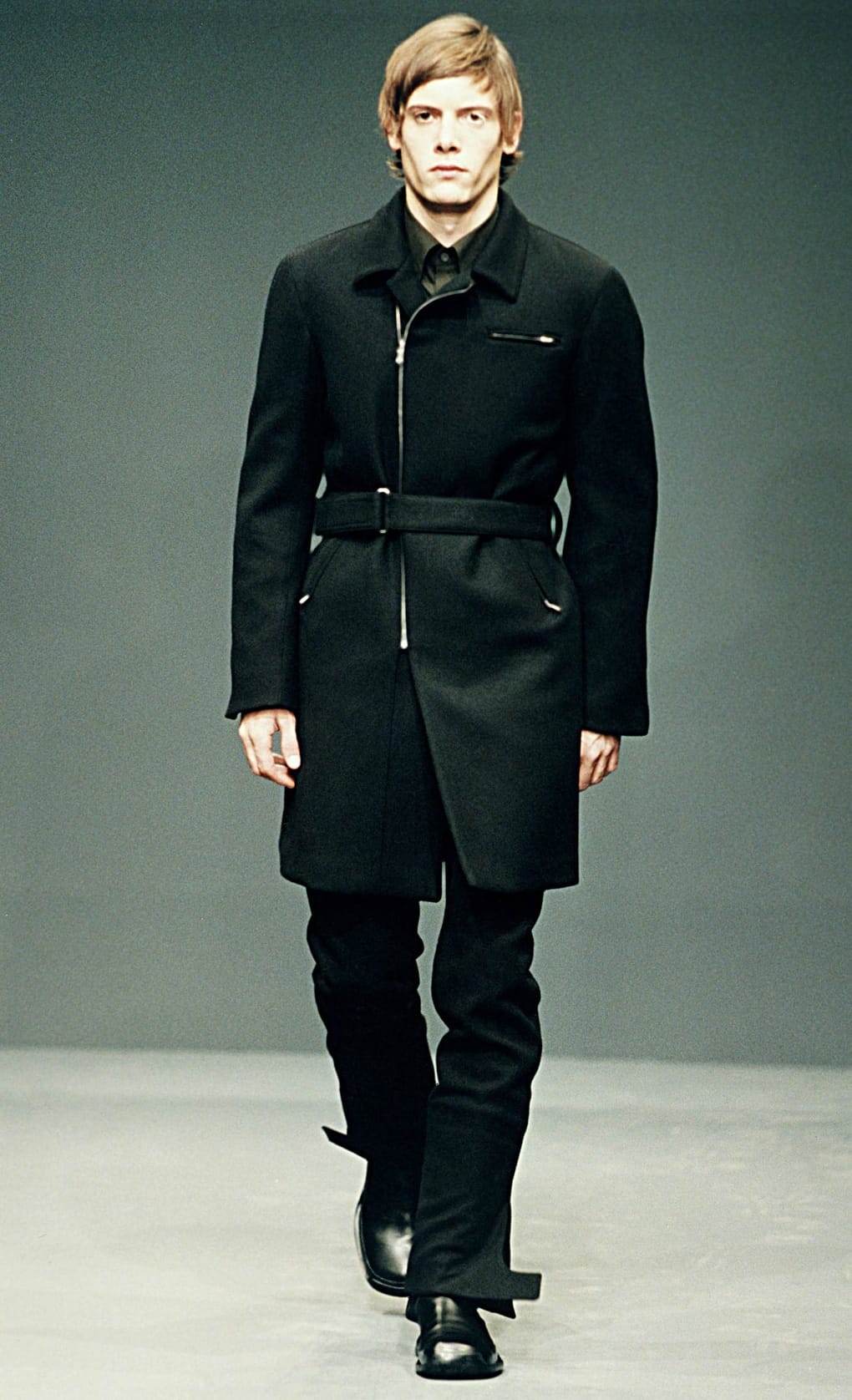
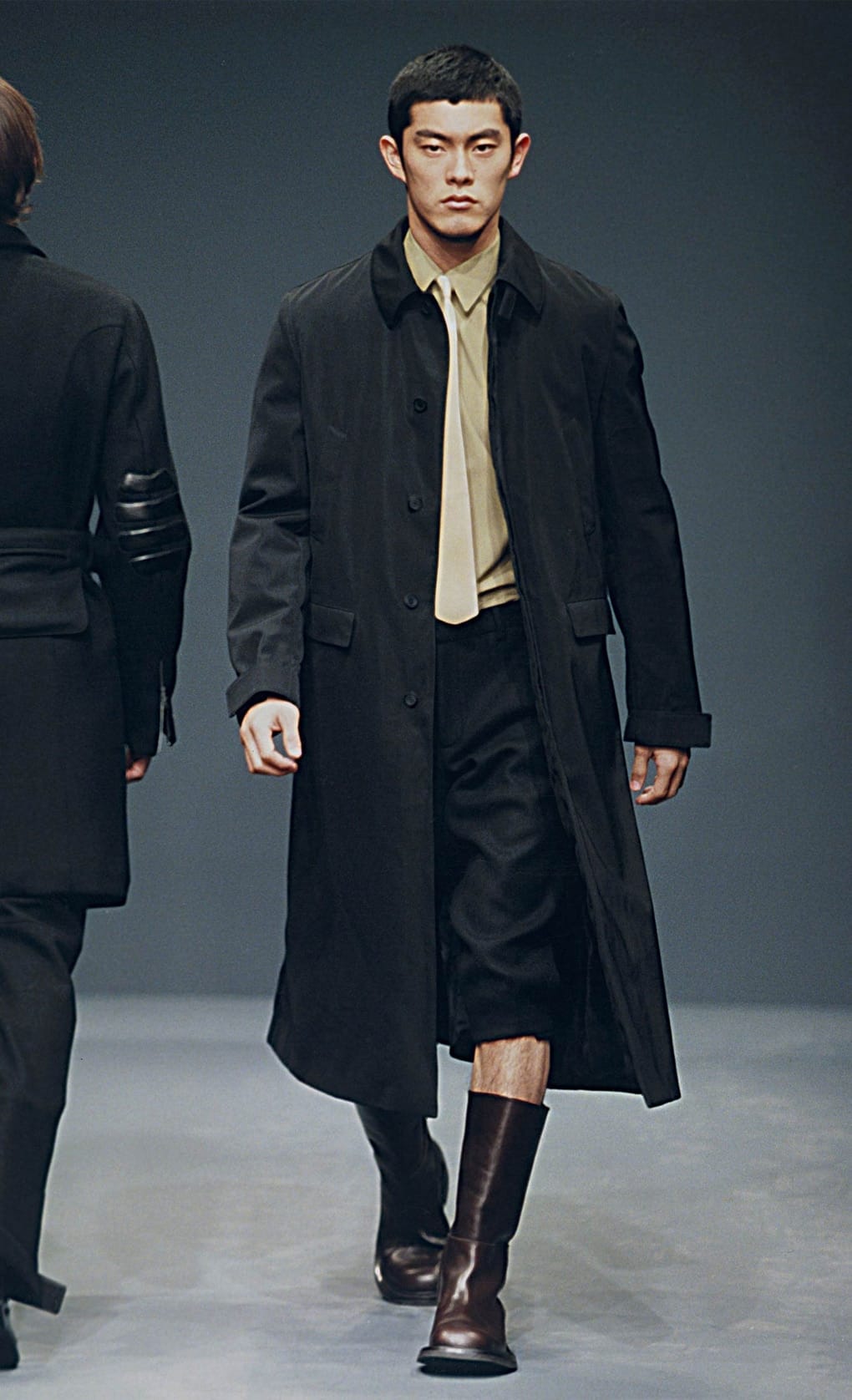
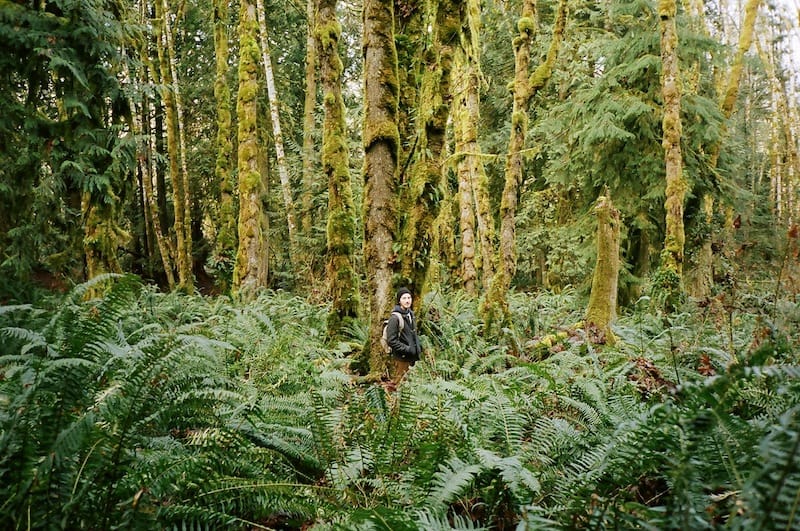
Hoh Rainforest, Olympic National Park
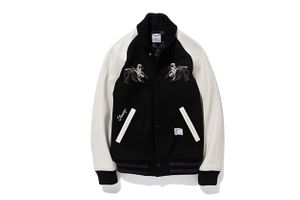
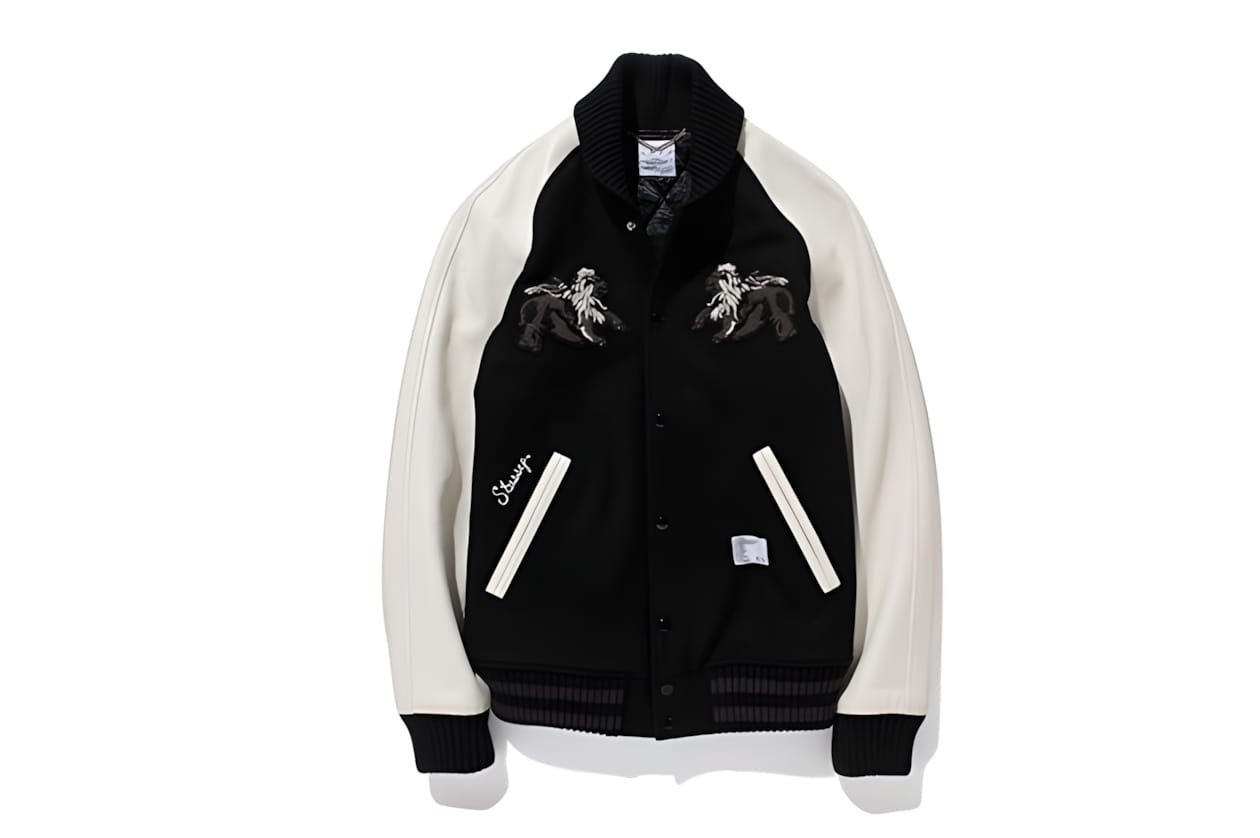
Stussy x Bedwin & The Heartbreakers Fall/Winter 2012 Varsity Jacket
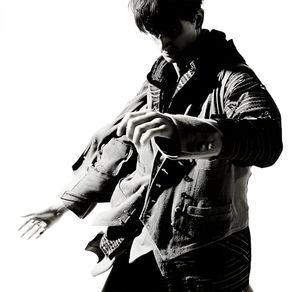
Number (N)ine Spring/Summer 2008 “Birds” Collection
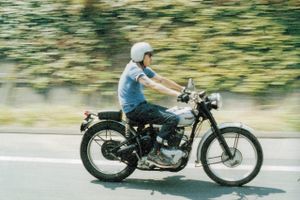
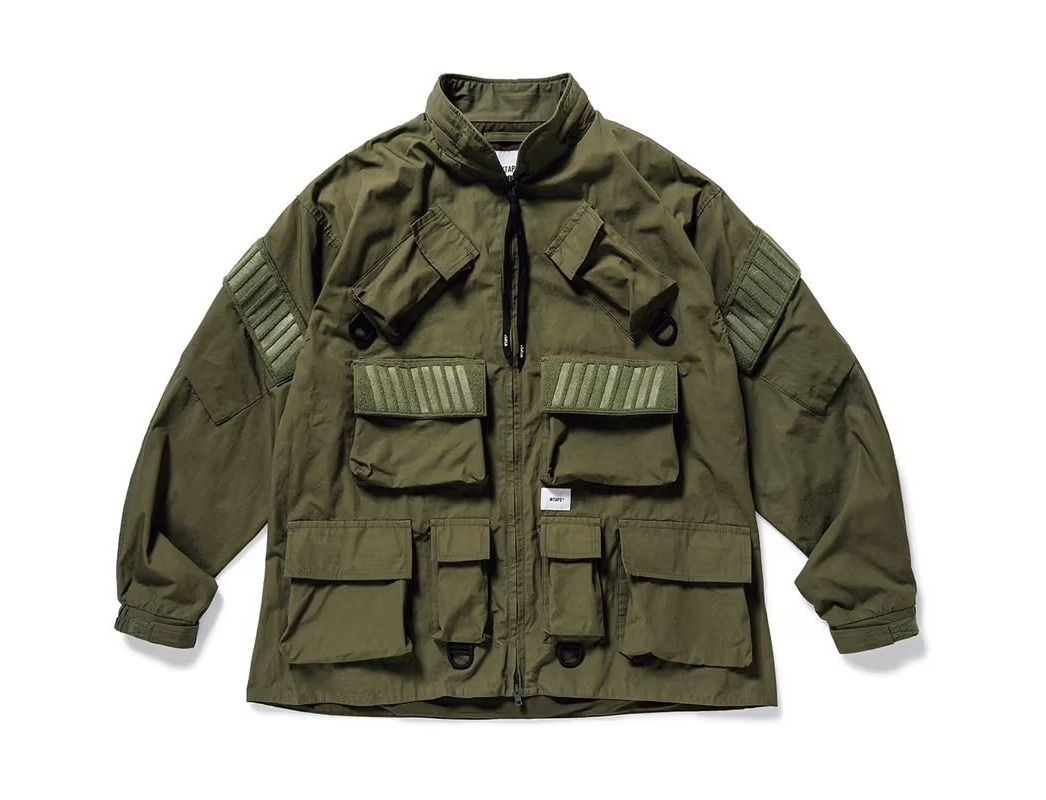
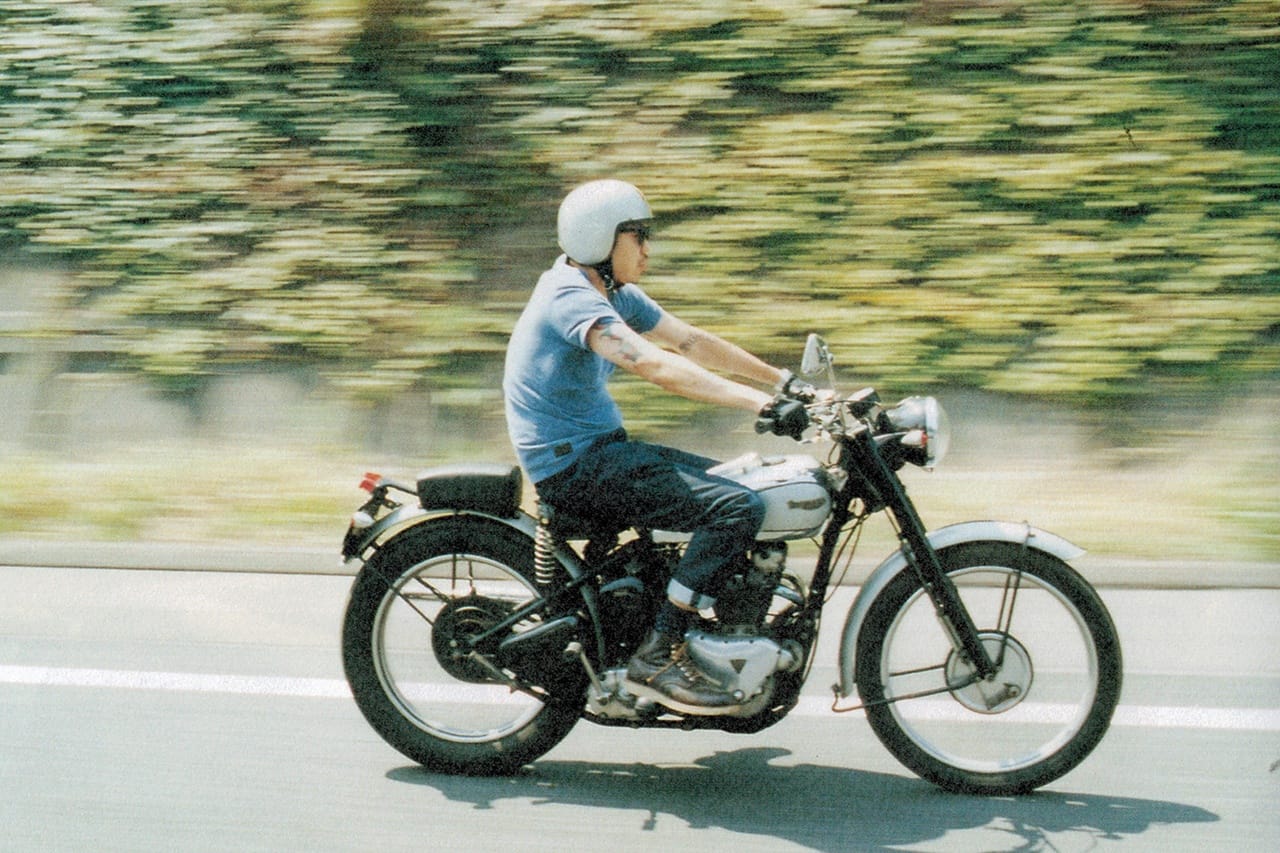
WTAPS FW13 Lifist Lookbook
WTAPS FW13 Lifist lookbook image with Tetsu Nishiyama riding a vintage motorcycle, part of the collection’s lifestyle-focused presentation.
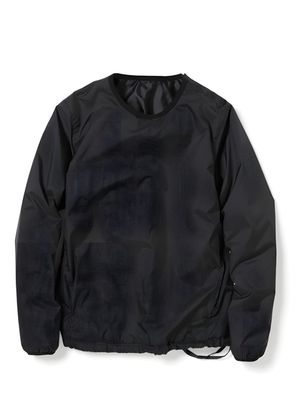
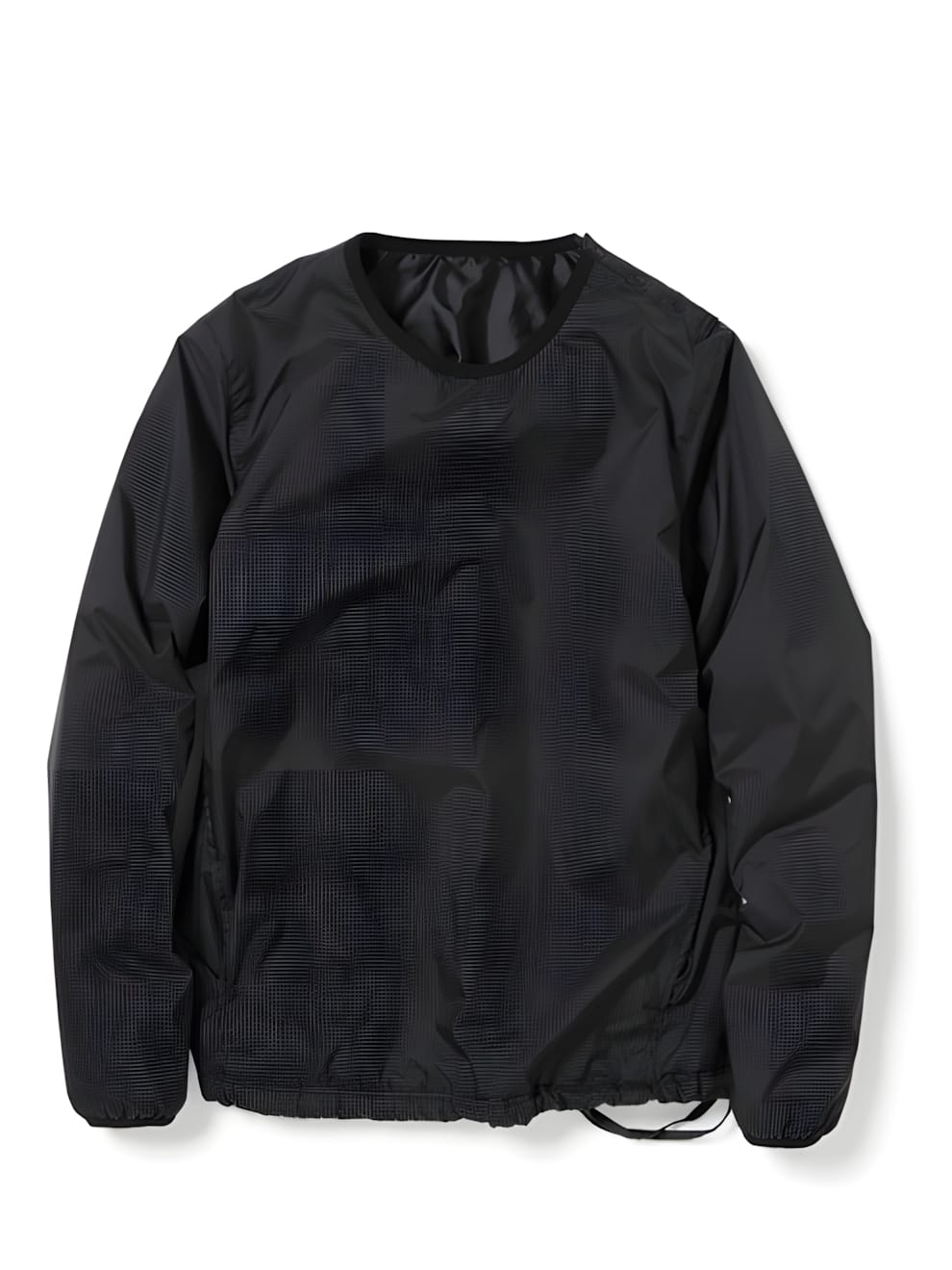
Nonnative Handyman Pullover — Nylon Ripstop, Black
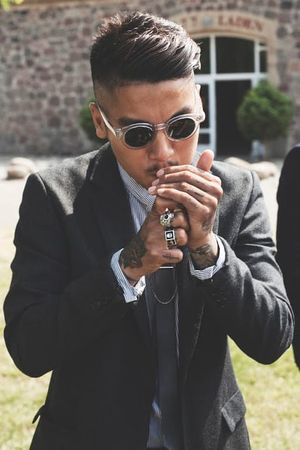
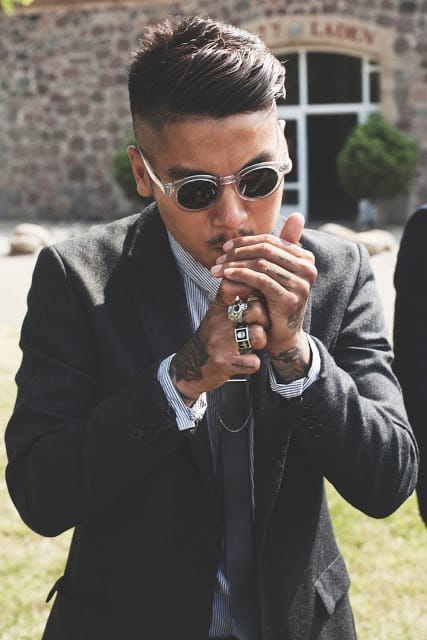
Tattooed Man Lighting a Cigarette
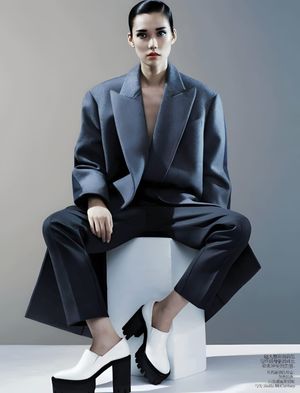
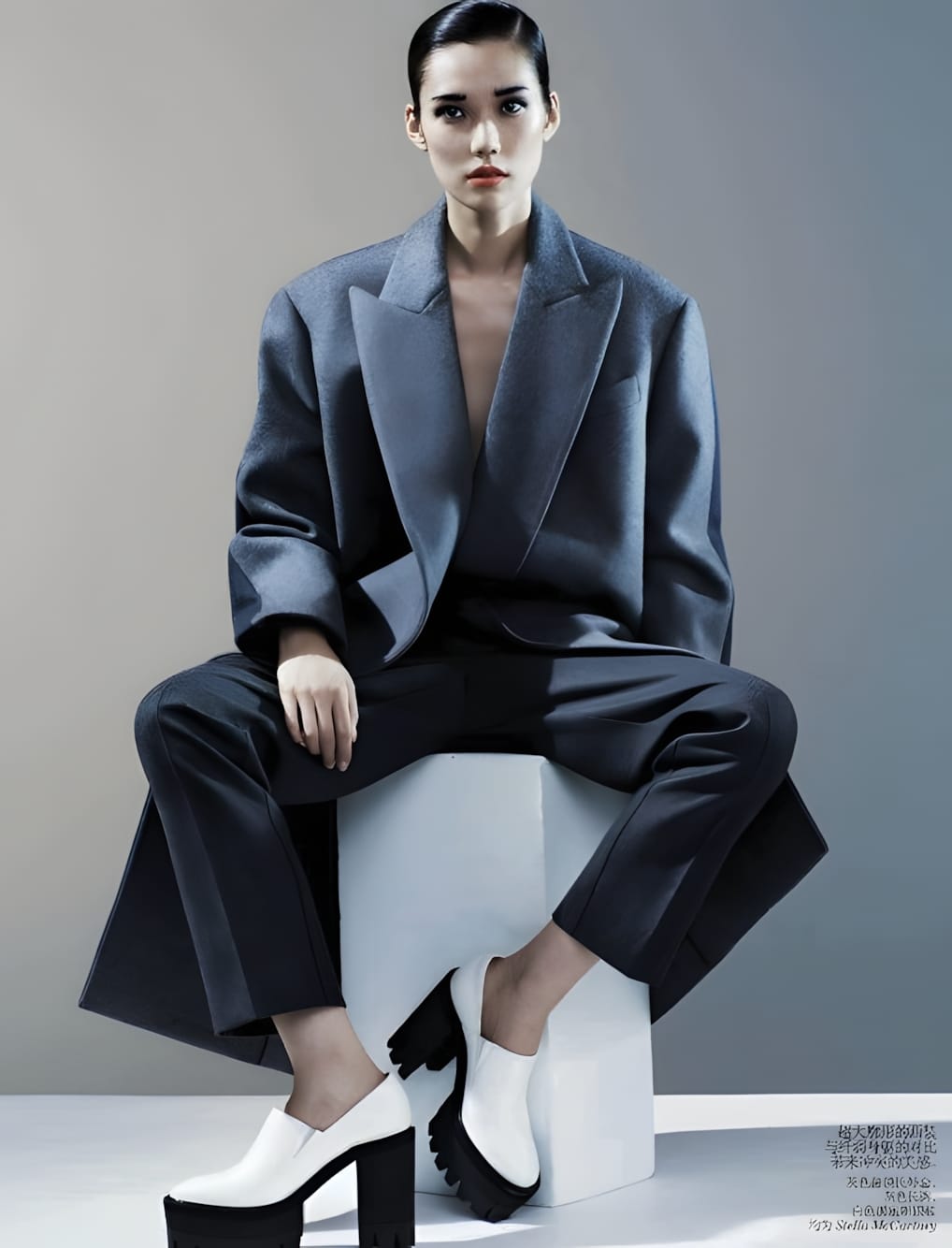
Tao Okamoto by Josh Olins for Vogue China August 2013
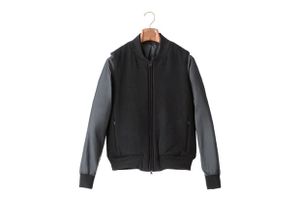
Hugo Bavot Jacket
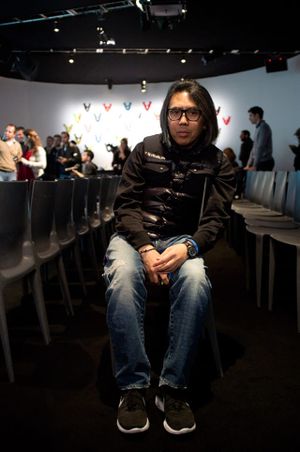
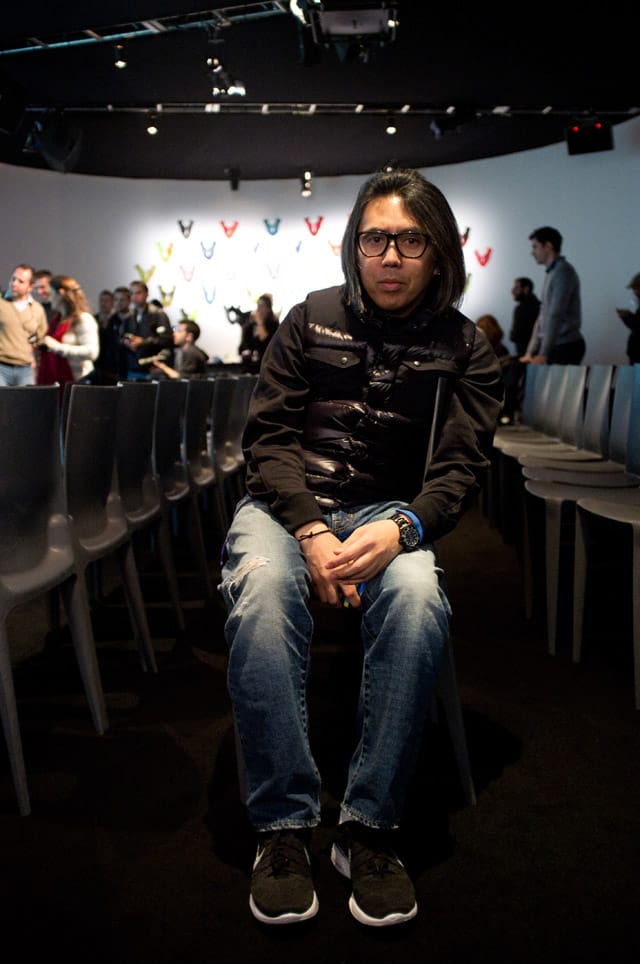
Hiroshi Fujiwara Portrait at a Fashion Presentation
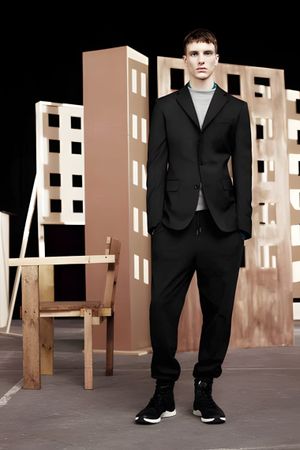
Adidas SLVR Fall/Winter 2012 Campaign
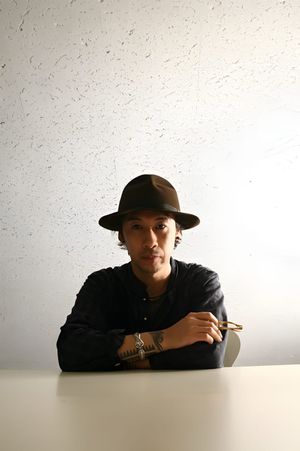
Jun Takahashi — Undercover Designer Portrait, Dazed June 2013
Interview with Jun Takahashi on Undercover AW13
Q: After two years away from the Paris catwalks, why was now the right time to show a runway collection?
A: After the earthquake disaster, we Japanese were spiritually in the worst state. It’s been two years since then and everyone is hoping to improve the present situation. I am one of them. I chose to have a runway show in Paris in order to restore myself. I thought it would work because going back to the runway was one of the things I had been hoping to do.
Q: Talking of the scar that Japan’s earthquake left on you, did it creatively affect your AW13 collection?
A: I was craving for creation, and that resulted in those one-off dresses. Two years ago, mentally and financially I wasn’t able to create such things. Those one-off pieces are my original works and made intuitively by myself. I am the only one who could make them. They are sacred works to me. I guess I like things where you can feel human warmth.
Q: Why did you call the show ‘Anatomicouture’? Was your intention to expose the inner bones of the garments?
A: It is a mentality of exposing the inner self, corresponding to my desire to reveal my creation and what’s going on in my head.
Q: Despite the skeleton and organ motifs, the collection is beautiful and seductive – does this come back to your interest in the contrast between ugly and beautiful?
A: Ugliness and beauty co-exist in human mentality. I always want to express those emotions.
Q: The AW13 show had the feel of punk performance art – why did you stage it like theatre?
A: Because the theme of this collection is related to human emotions, I thought my theme could be conveyed much better with such staging effects that would move people’s hearts. That’s why I used songs by Cat Power and James Blake. All the songs are great and meaningful and helped me convey what I wanted to express through the lyrics of songs too.
Q: When did your love of fashion start, and how did that lead to Undercover?
A: When I was little I loved drawing and had a twisted personality. I was so into punk during my high school years. My interest in fashion arose when I was around 15 years old and I was hoping to become a designer. At 18, I entered Bunka Fashion College. I was questioning about learning ‘design’ from teachers who were much older than me. So I told myself that I would learn only techniques in the school, nothing else.
Q: Undercover was considered part of a new wave of Japanese designers. How did your approach differ from the likes of Rei Kawakubo and Yohji Yamamoto?
A: I am not sure if Undercover is part of a new wave and I don’t really care. But Rei influenced me a lot on things like breaking stereotypes.
Q: You and your friend Hiroshi Fujiwara collected vintage Seditionaries pieces and published a book about them, and you even appeared in a show of Vivienne Westwood’s designs in Tokyo in 1990. Can you describe the impact punk made on you and explain why it still resonates today?
A: To me, punk means a spirit that questions and abolishes conventional ideas. That is my fundamental principle. You can apply the principle to fashion design. It depends on each season, but I instil punk interpretation into my designs in many ways – for example, by fusing two contradicting elements or applying techniques that are generally considered taboo.
Q: You recently designed lines for Uniqlo and Nike – how did you enjoy those two experiences? Did they feed back into your work with Undercover?
A: The Uniqlo and Nike collaborations are totally different types of designs from that of Undercover. Therefore the collaborations didn’t really affect my work with Undercover. But for my career as a designer, both collaborations became good experiences. Working with Uniqlo gave me the opportunity to learn about the creation of mass products and newly standard items that are totally different from designing avant-garde pieces. As for the collaboration with Nike, I am very satisfied both as a designer and as a runner with the fact that I have been able to create products which integrate necessary functions for running with fashion-design aesthetics, which had often perhaps been missing in the existing sportswear.
Q: You’ve talked in the past of the difficulties with keeping up with the six-month cycle of fashion shows, and skipped showing in Paris for a couple of seasons – how are you currently finding working within the fashion calendar?
A: Right now, I’ve come to the conclusion that the six-month cycle is appropriate. Themes of each Undercover collection vary by season. If we could spend more than six months on a collection, and if we continue to work with the same theme for a year, it would be difficult to keep up the tension towards the theme and I am afraid that the freshness would be lost.
Q: AW13 got a great response. Will we be seeing you back on the runway next season?
A: I could strongly feel that a lot of people were waiting for Undercover and I was very thankful about it. I will be back on the runway next season.
Q: Next year will mark the 20th since you began showing as Undercover. How do you feel you’ve evolved in that time?
A: I went through many phases and experienced many things. There was a time we faced various troubles, or we jumped into things just by force of circumstances. But nothing was wasted. I am responsible for all success and failure of Undercover. I will go forward without being ashamed of the paths I’ve chosen.