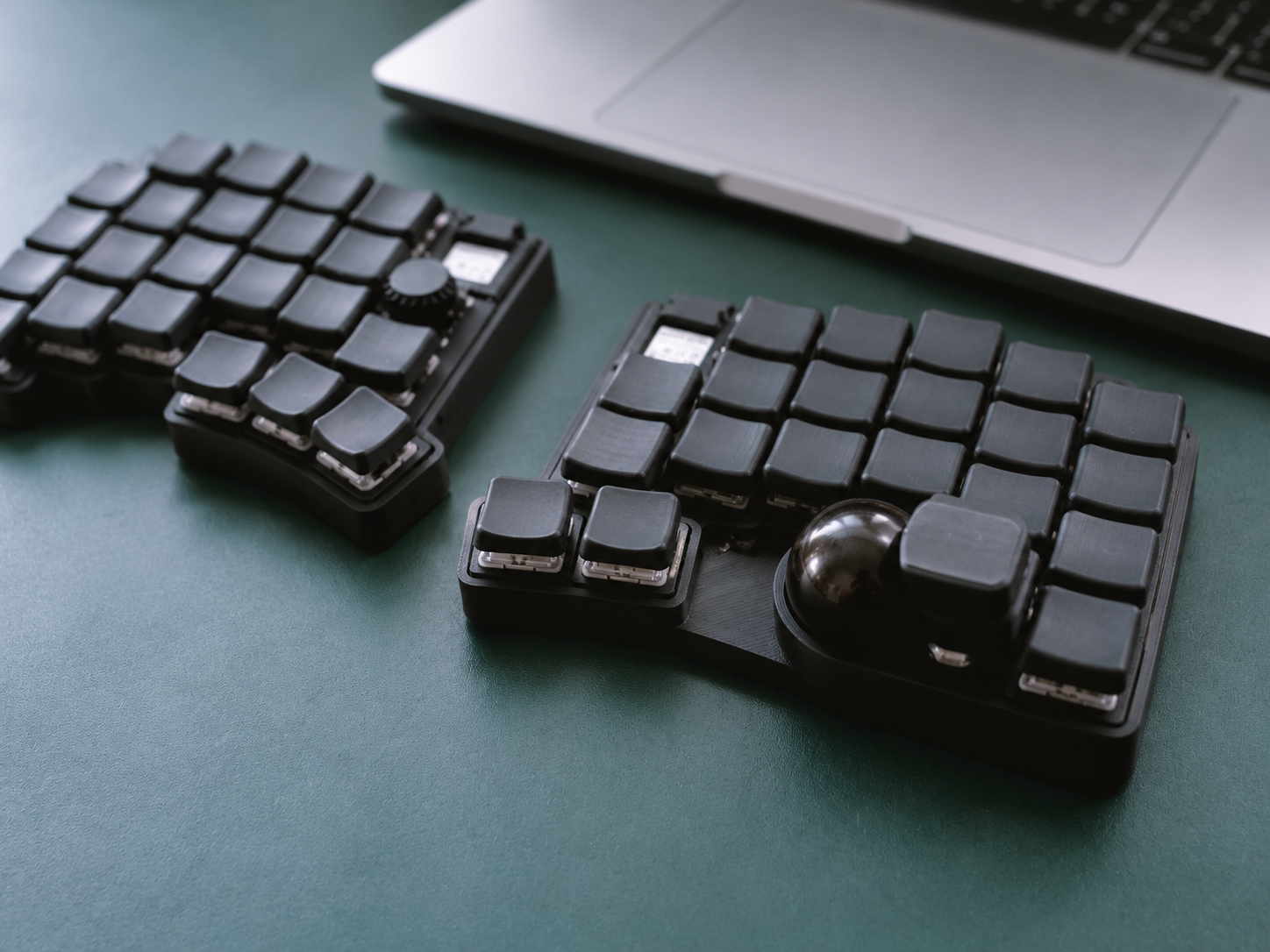
moNa2 keyboard mona2-keyboard The moNa2, designed by Patori, is a wireless split low-profile mechanical keyboard with a 17 mm key pitch, integrated battery, and thumb trackball, built for ZMK firmware users seeking compact performance.
shakupan shakupan moNa2 mona2 keyboard keyboard technology technology black & green black-green design design object object black black green green Taichi Hirano taichi-hirano
techspec tech
The Inspired by kumakey’s “roBa,” the moNa2 is a small wireless split keyboard developed by shakupan and pooh.polo, designed to keep a desk feeling open and unclaimed. Two compact halves sit apart with a quiet gap between them, leaving room for a notebook or tools without forcing a single, monolithic footprint.
The layout is restrained: low, close spacing with a built-in thumb-controlled ball that keeps basic naviga
[{"s":"shakupan","n":"shakupan"},{"s":"mona2","n":"moNa2"},{"s":"keyboard","n":"keyboard"},{"s":"technology","n":"technology"},{"s":"black-green","n":"black & green"},{"s":"design","n":"design"},{"s":"object","n":"object"},{"s":"black","n":"black"},{"s":"green","n":"green"},{"s":"taichi-hirano","n":"Taichi Hirano"}]
The Inspired by kumakey’s “roBa,” the moNa2 is a small wireless split keyboard developed by shakupan and pooh.polo, designed to keep a desk feeling open and unclaimed. Two compact halves sit apart with a quiet gap between them, leaving room for a notebook or tools without forcing a single, monolithic footprint.
The layout is restrained: low, close spacing with a built-in thumb-controlled ball that keeps basic navigation under the hand instead of pushing you toward a mouse. The whole object reads as light hardware rather than a centerpiece, favors packing and redeploying—such as magnets on the underside so the halves can join together for transport.
It runs wire-free and is meant to be adjusted over time rather than treated as a fixed appliance. Typical usage notes describe it lasting roughly a couple of weeks of frequent daily use before needing attention again, with the exact cadence depending on how it’s set up and used.
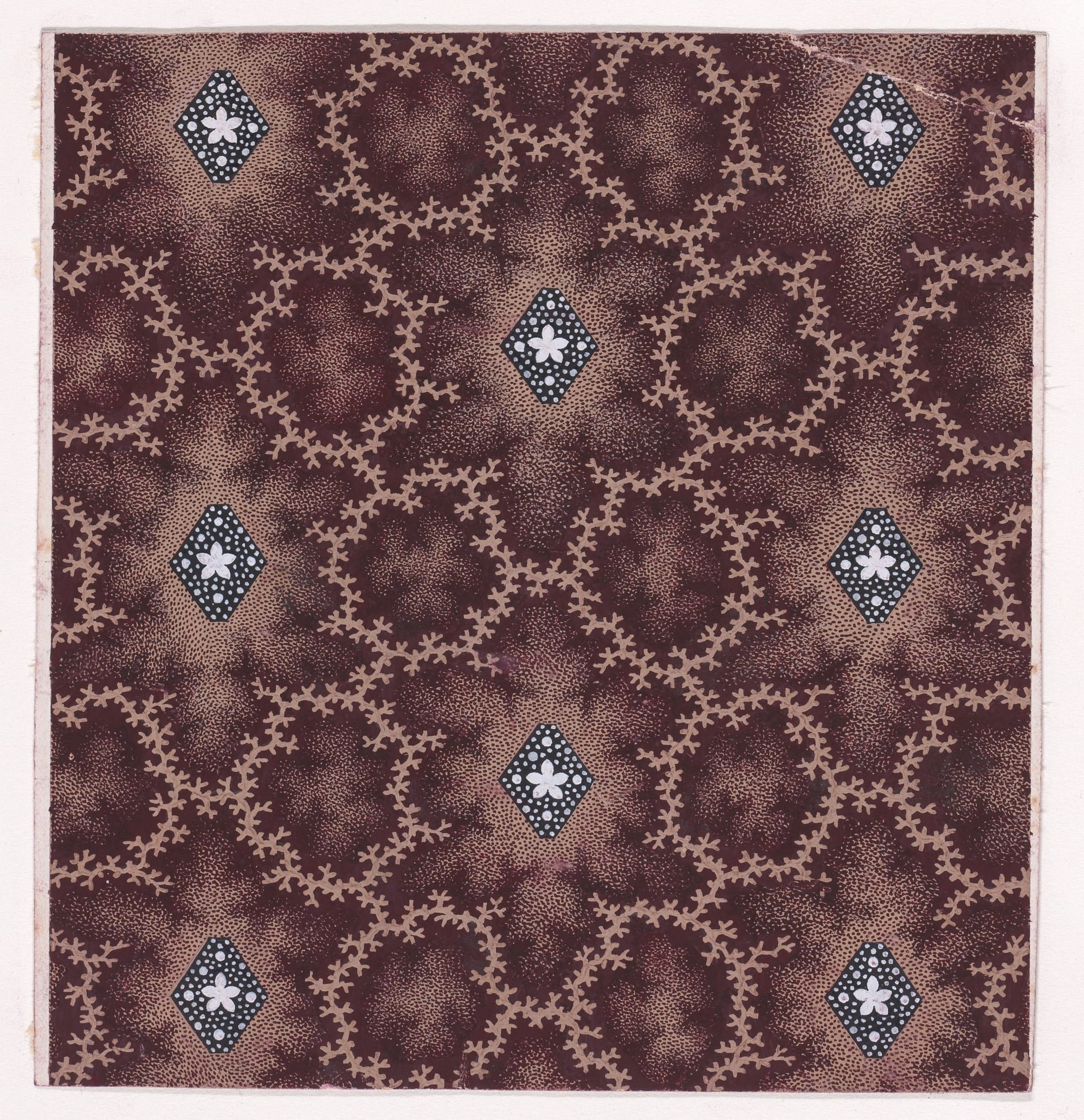
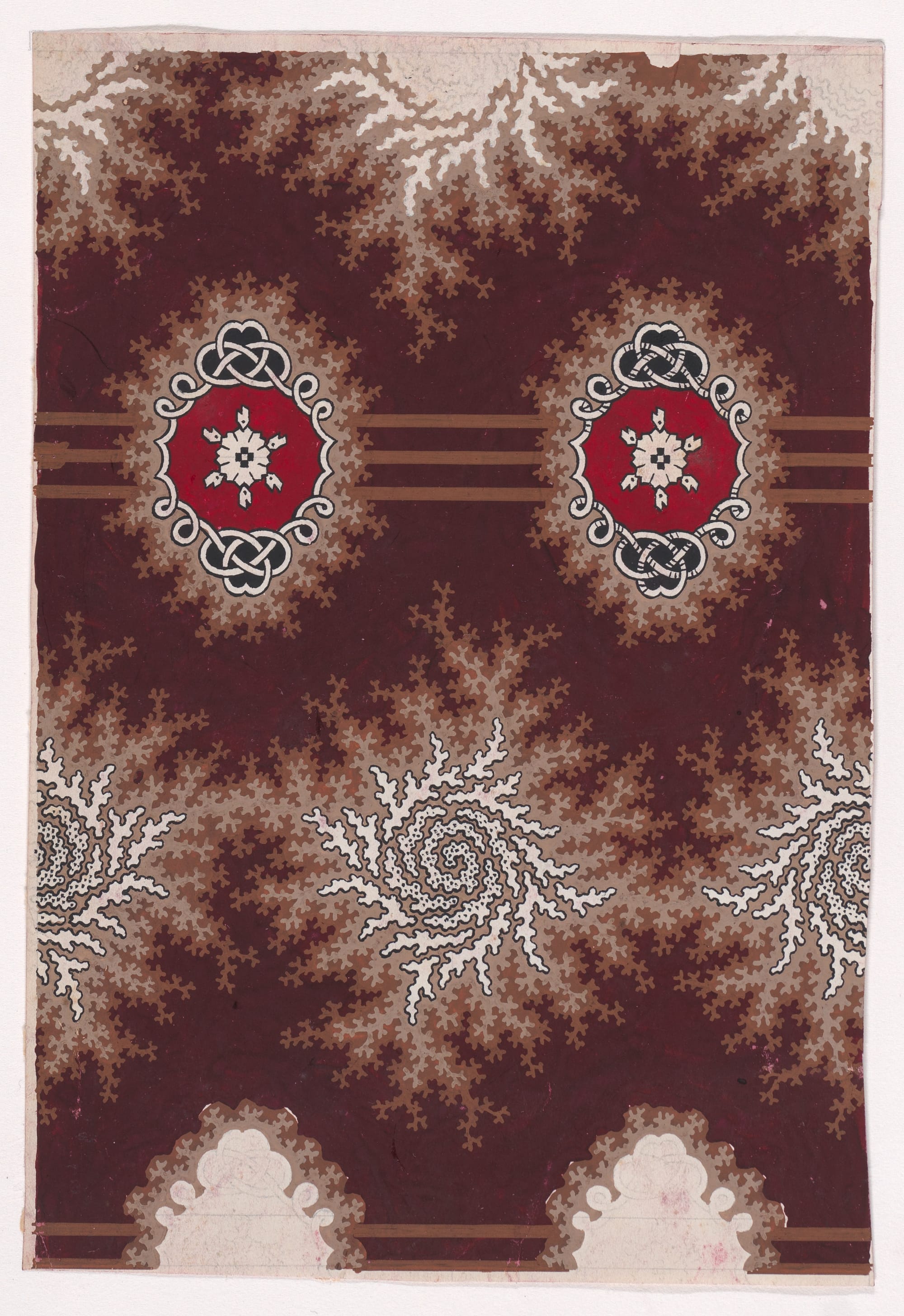
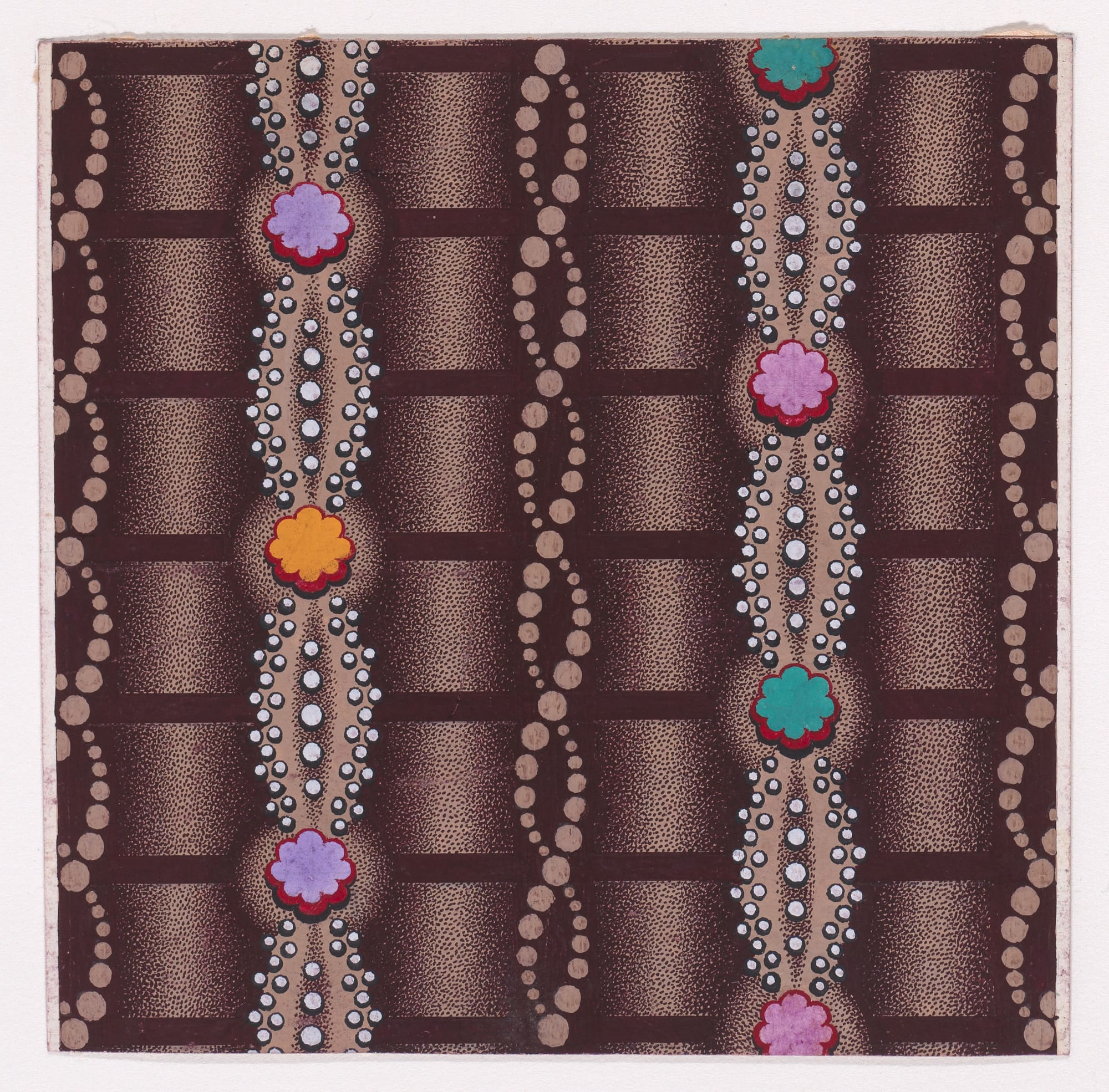
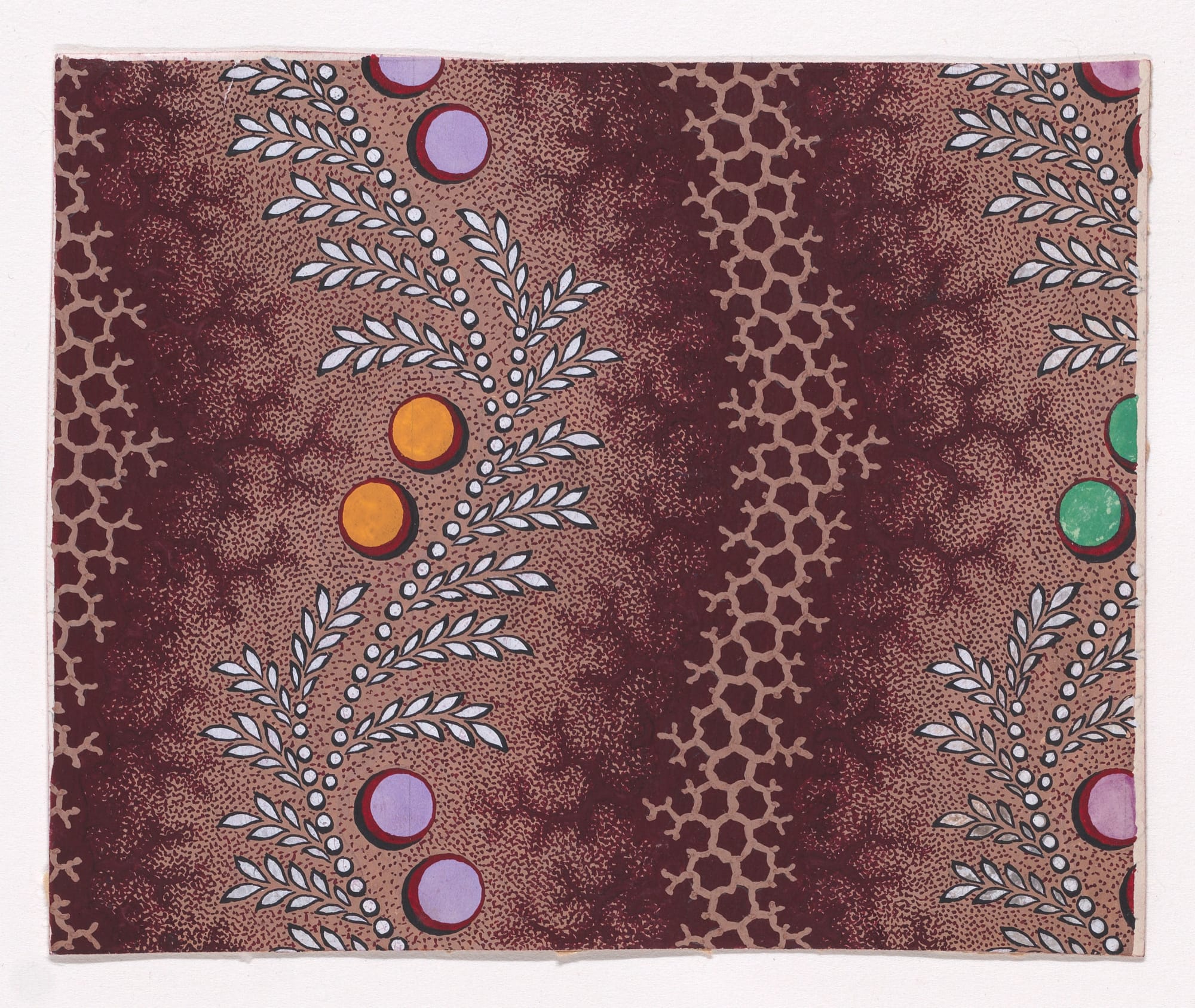
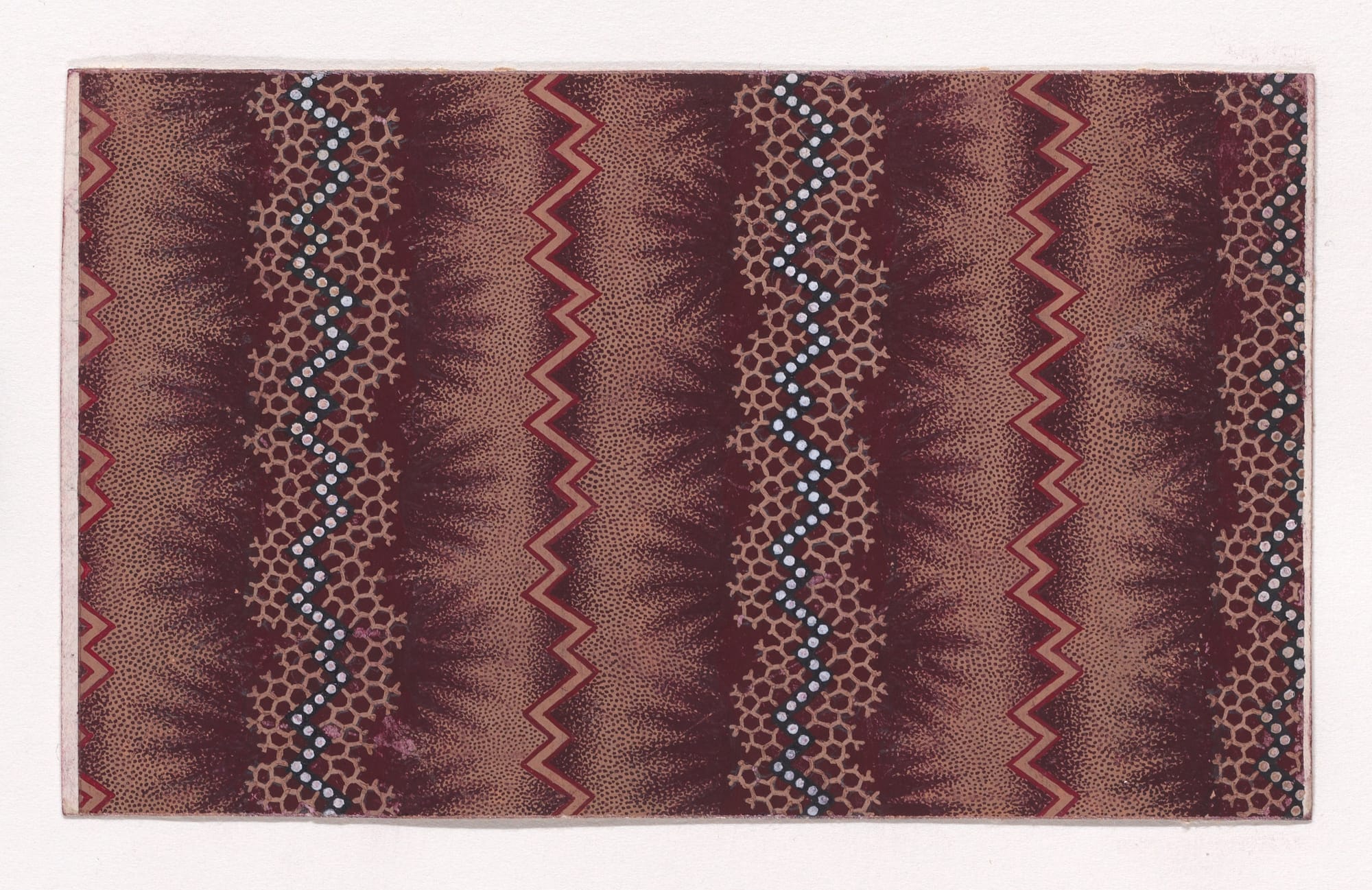
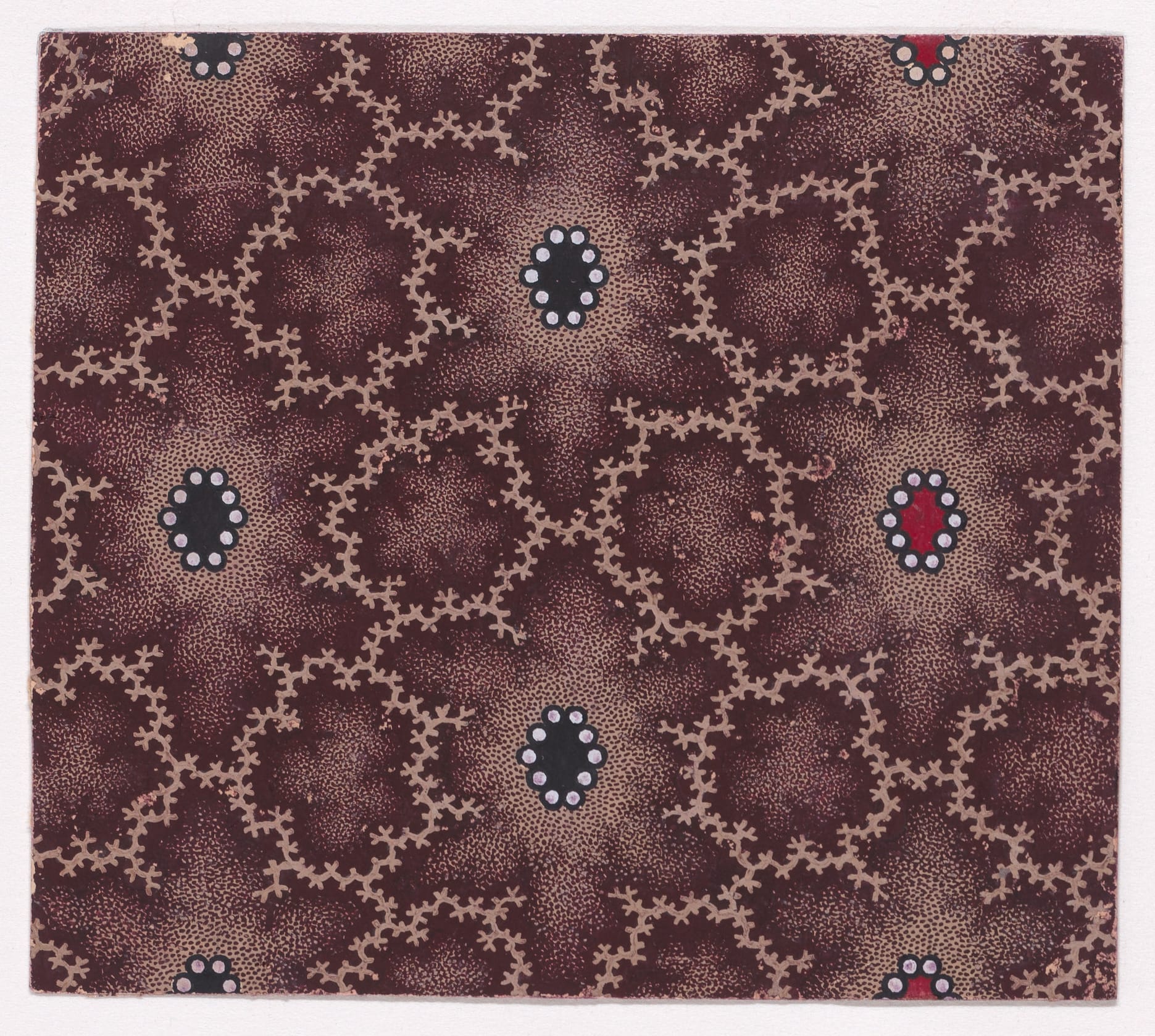
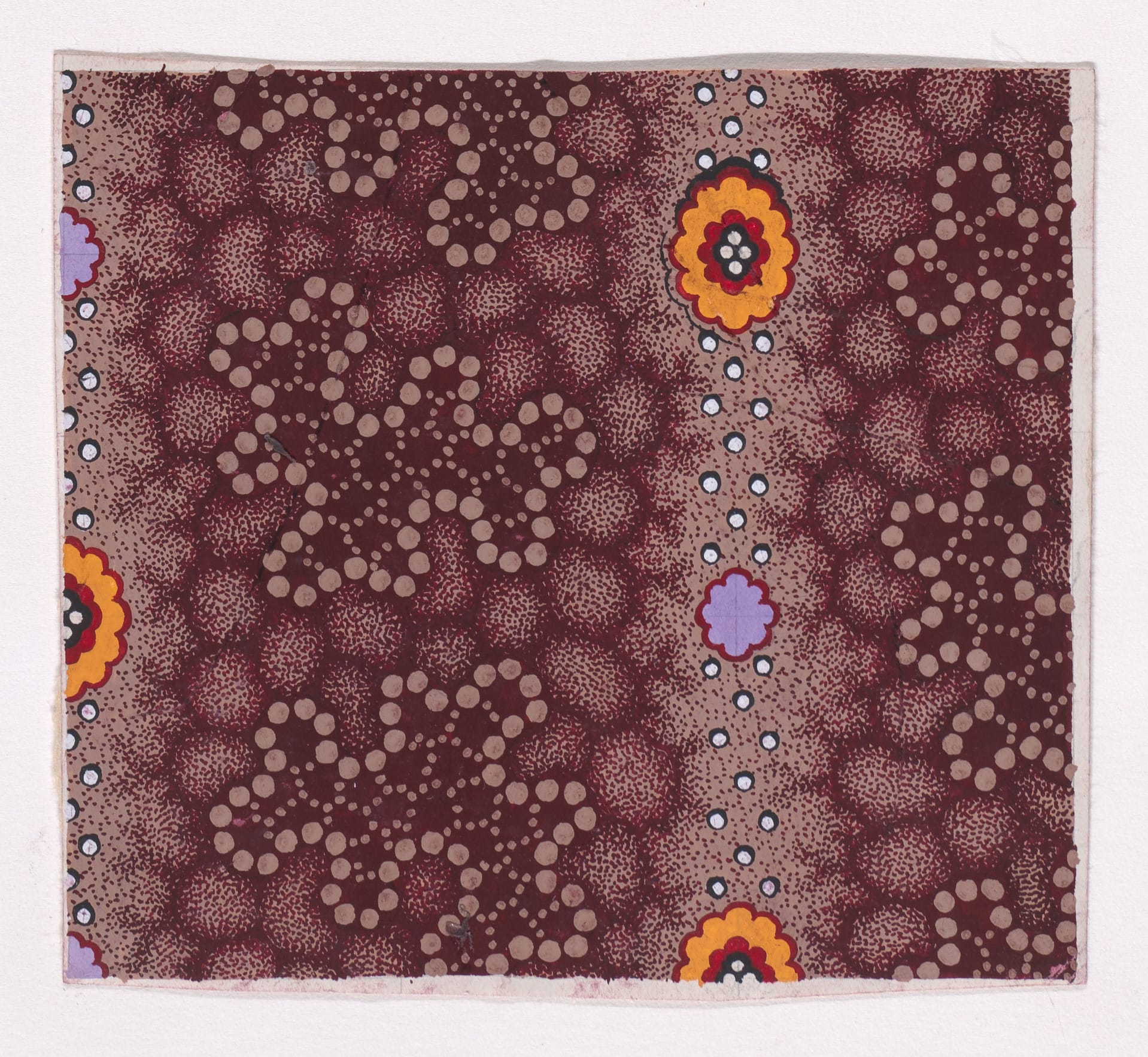
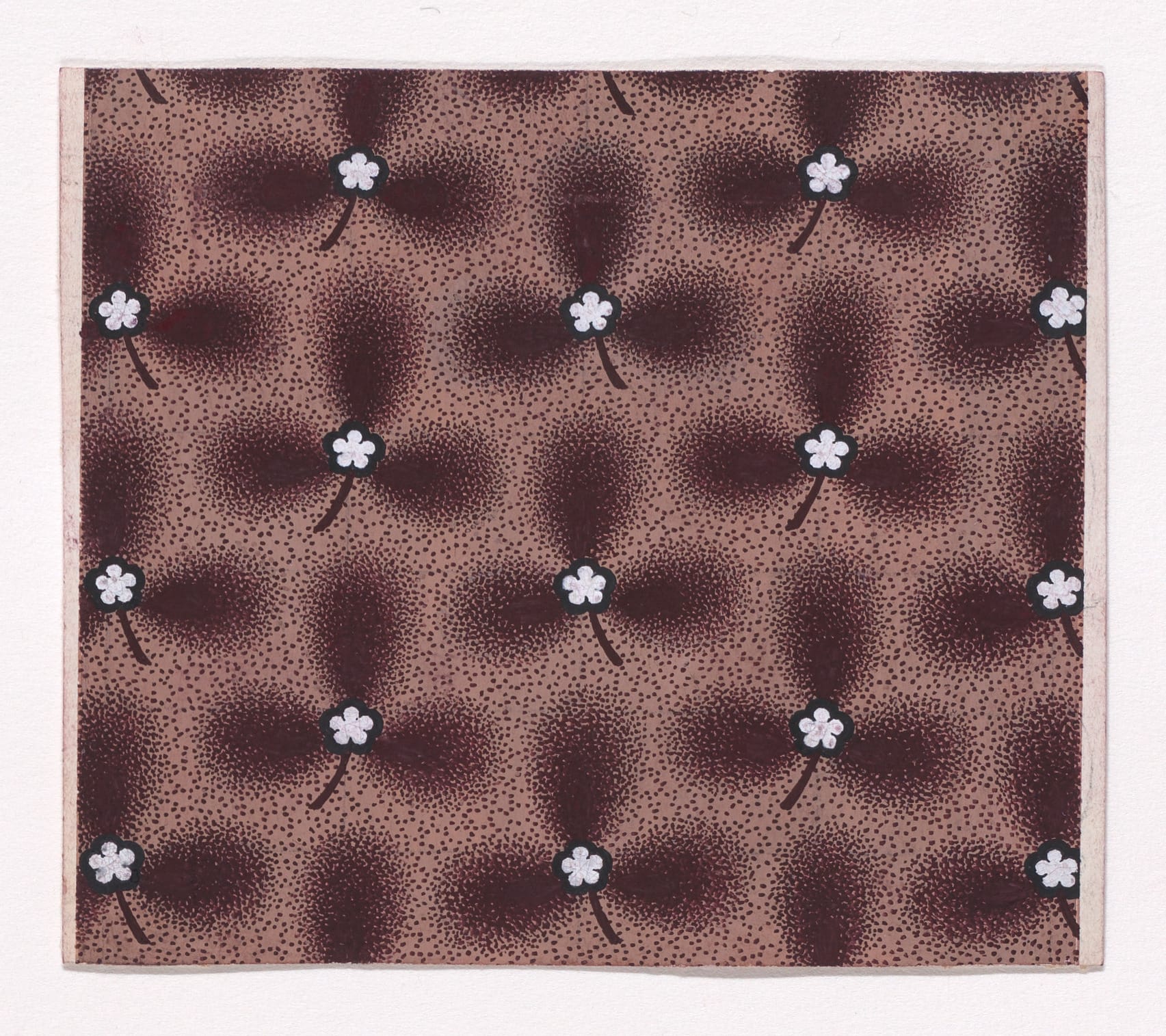
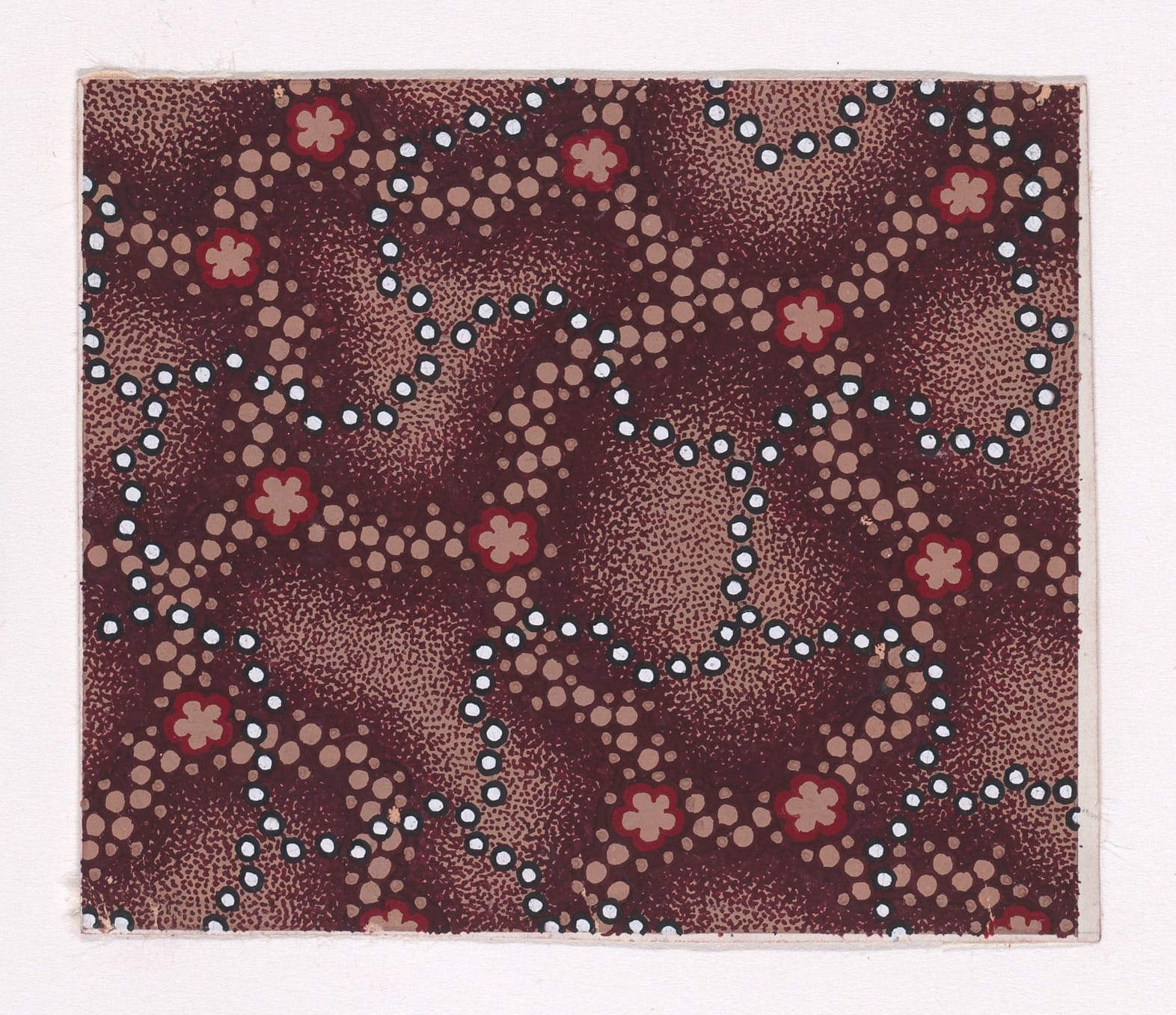
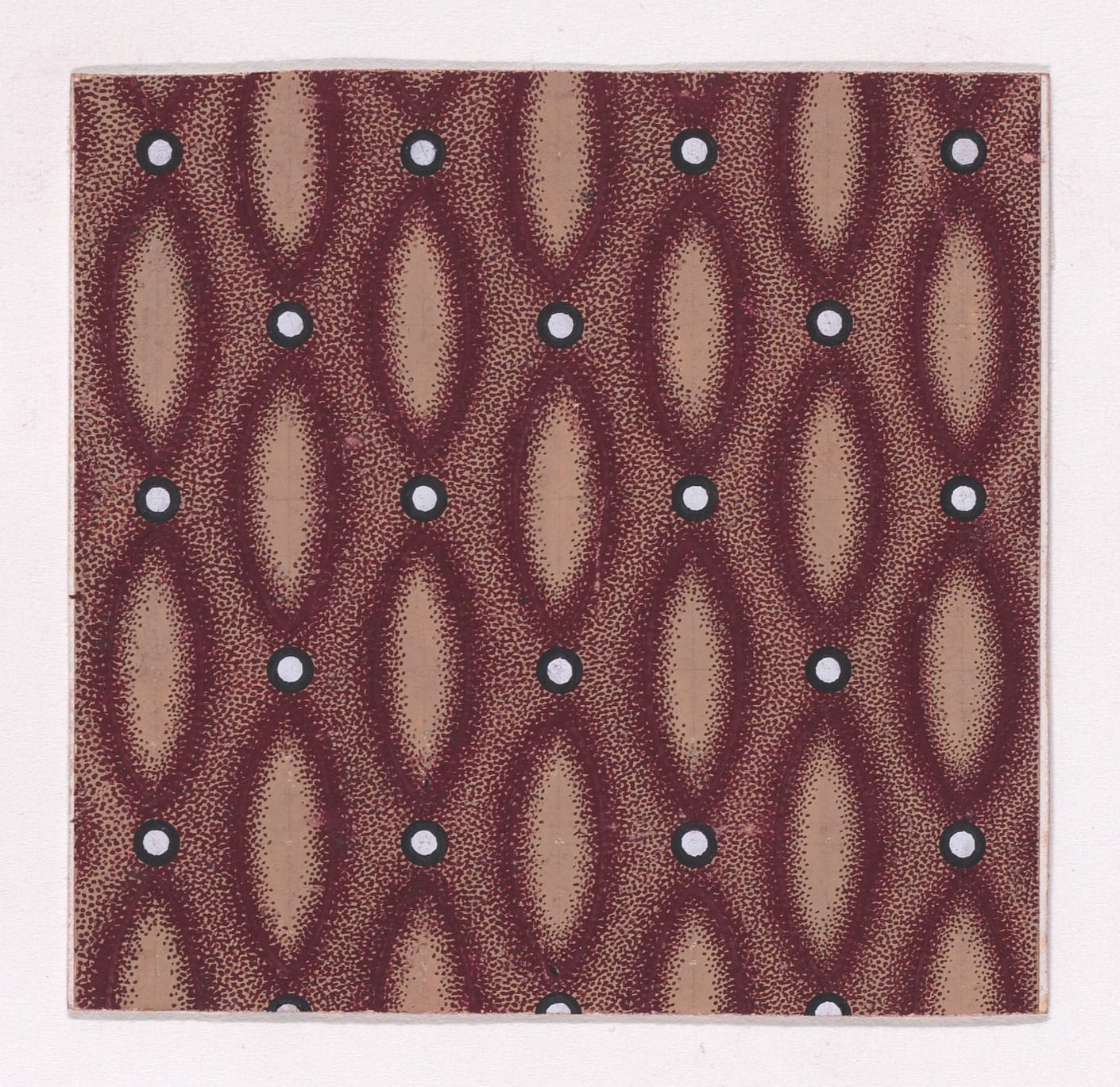
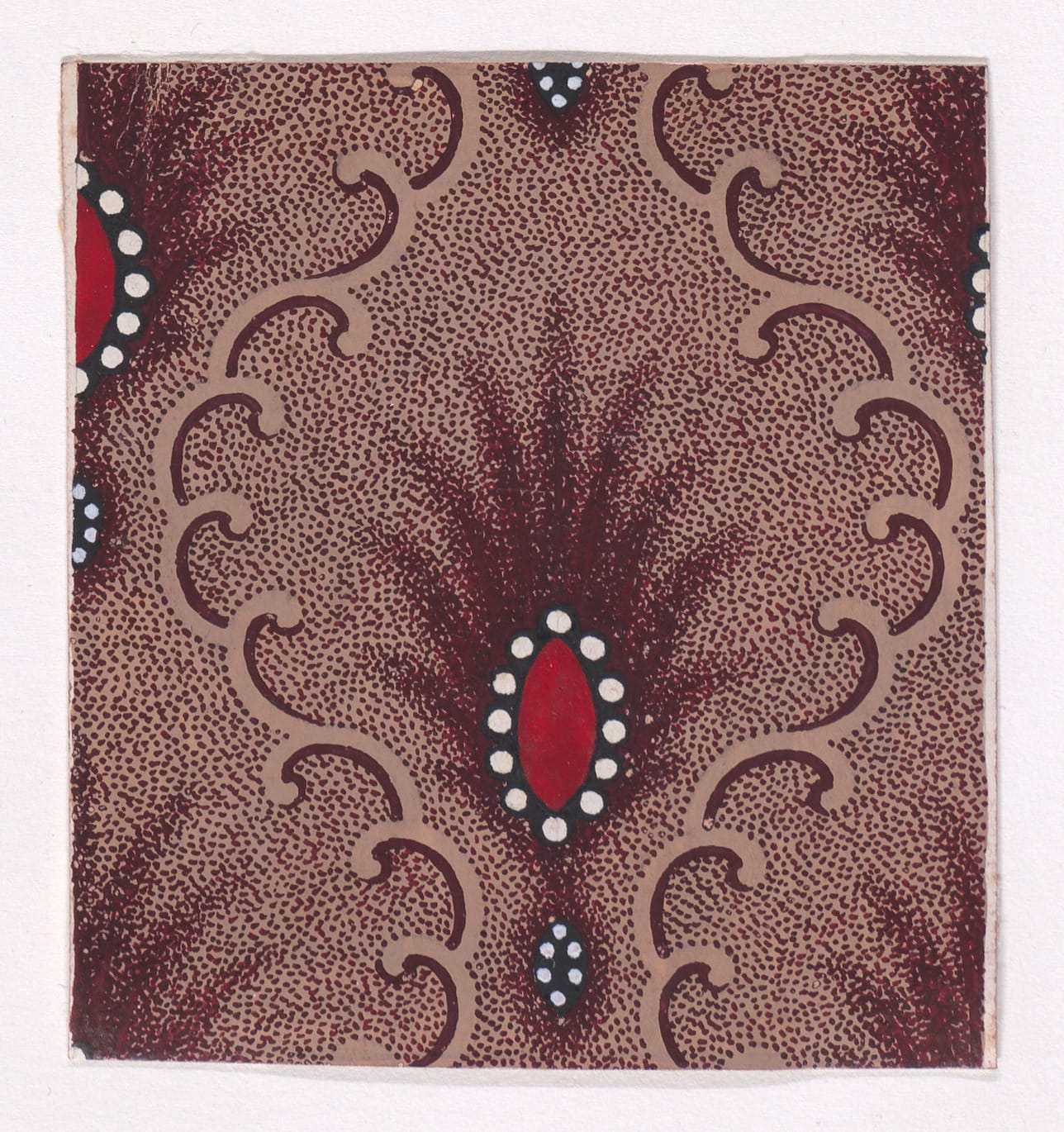
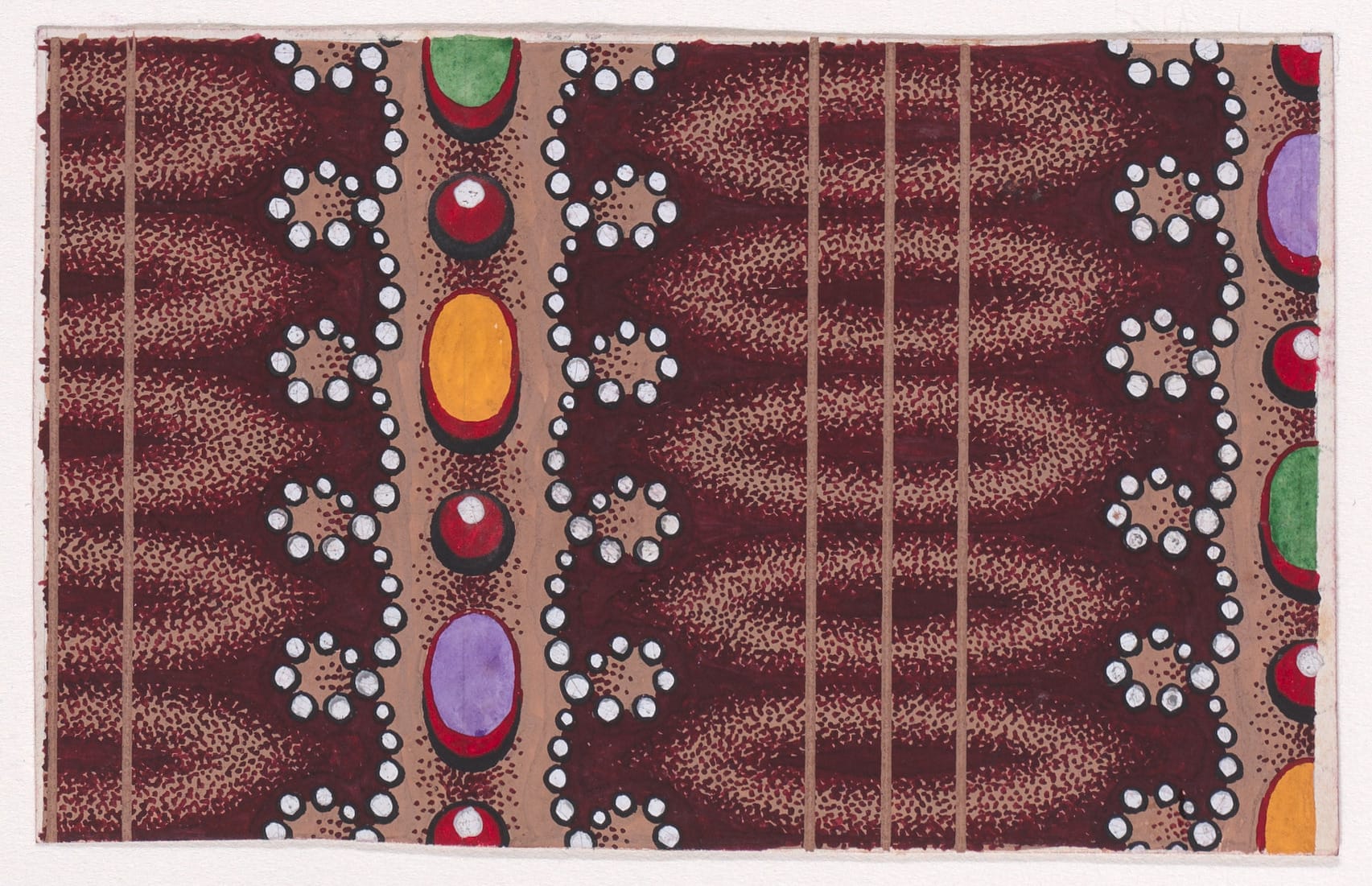
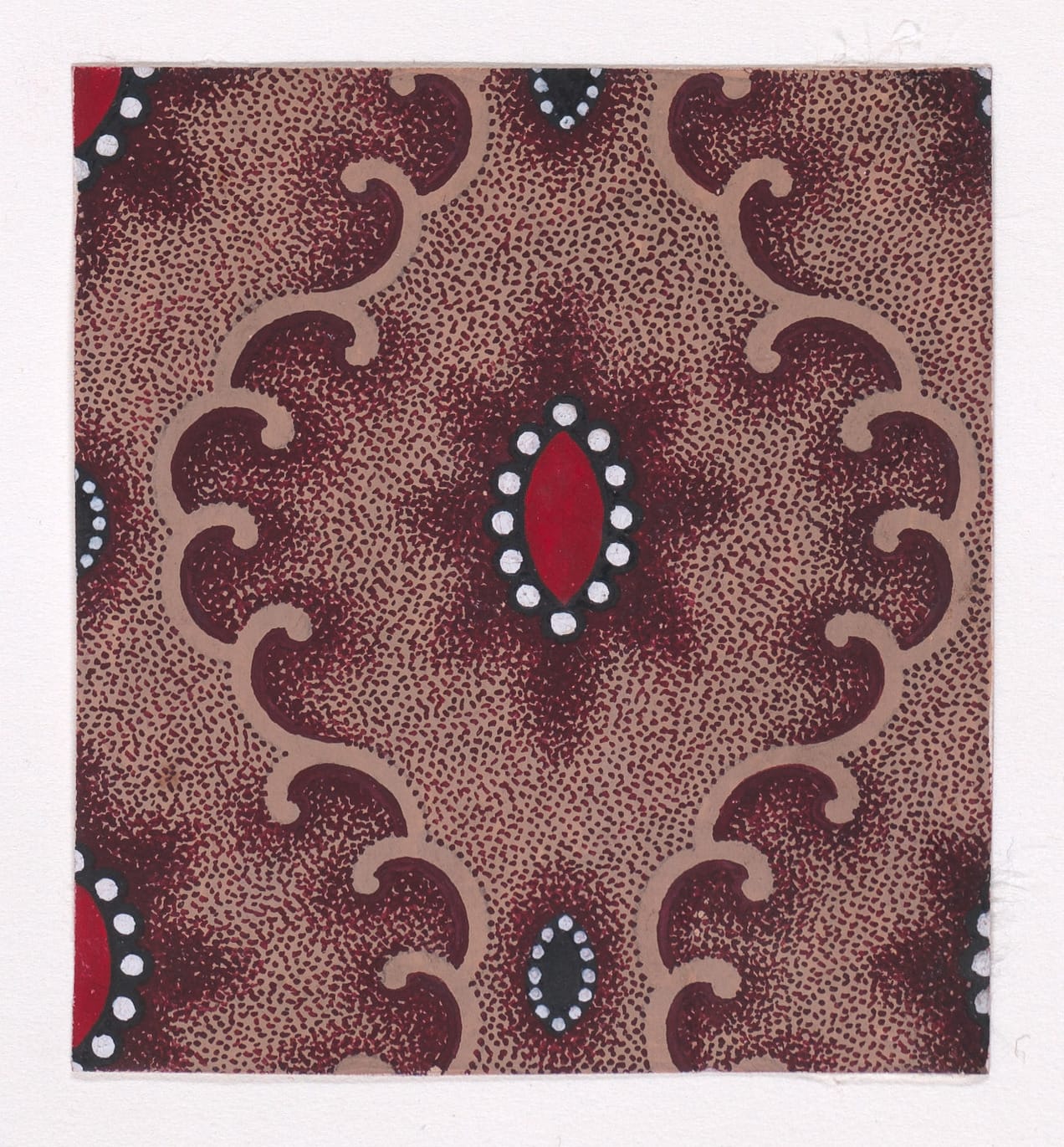
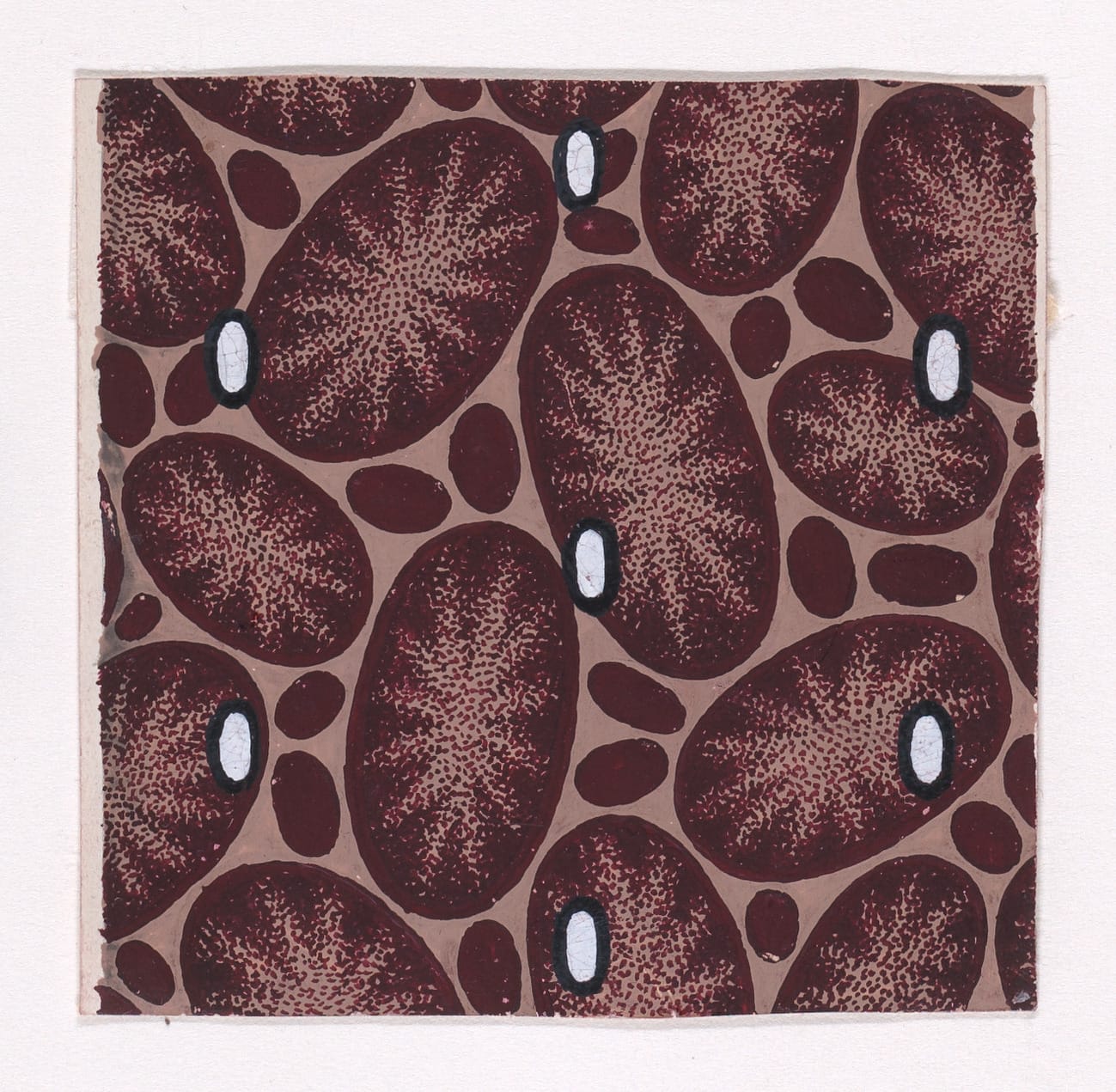
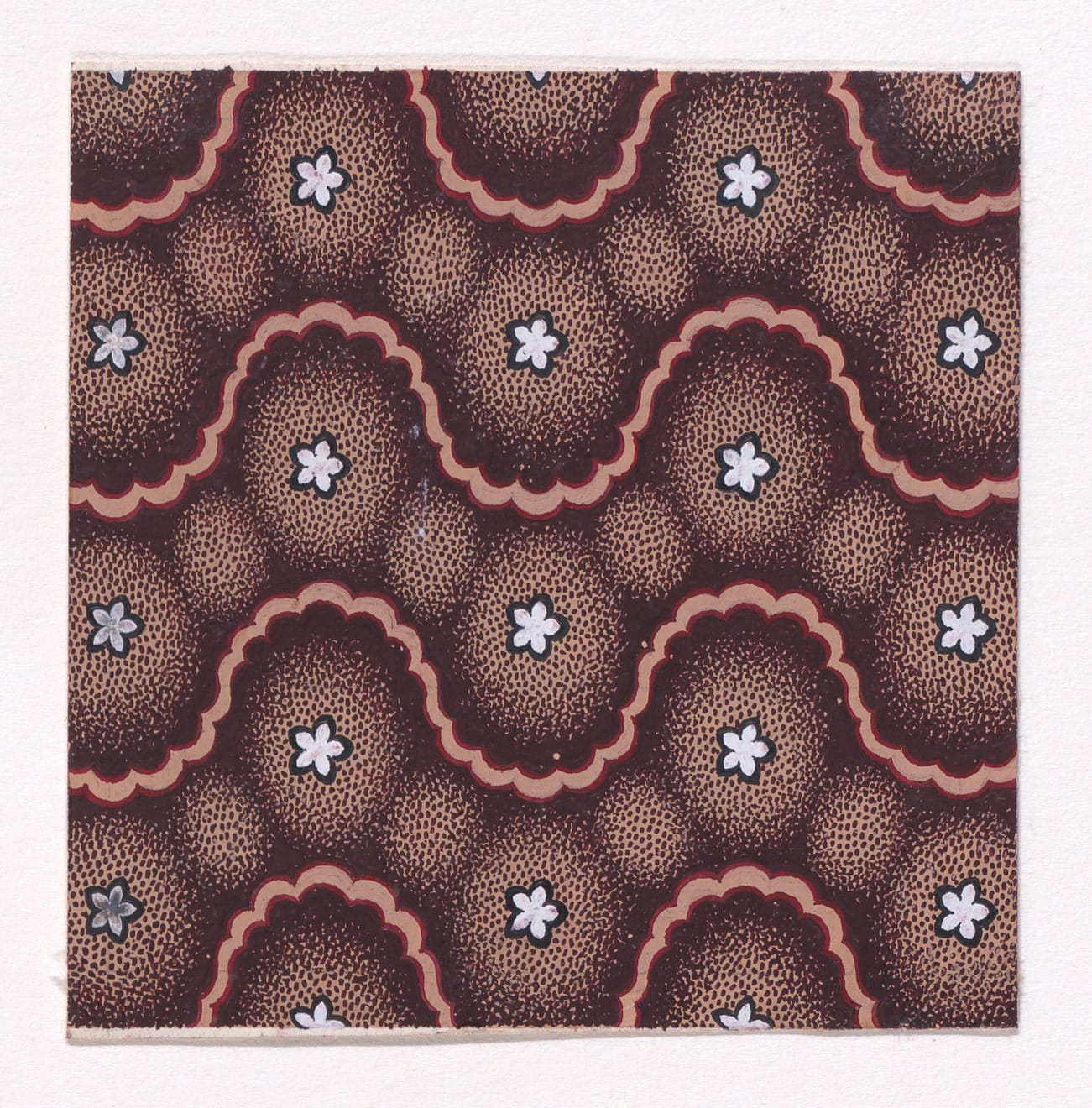
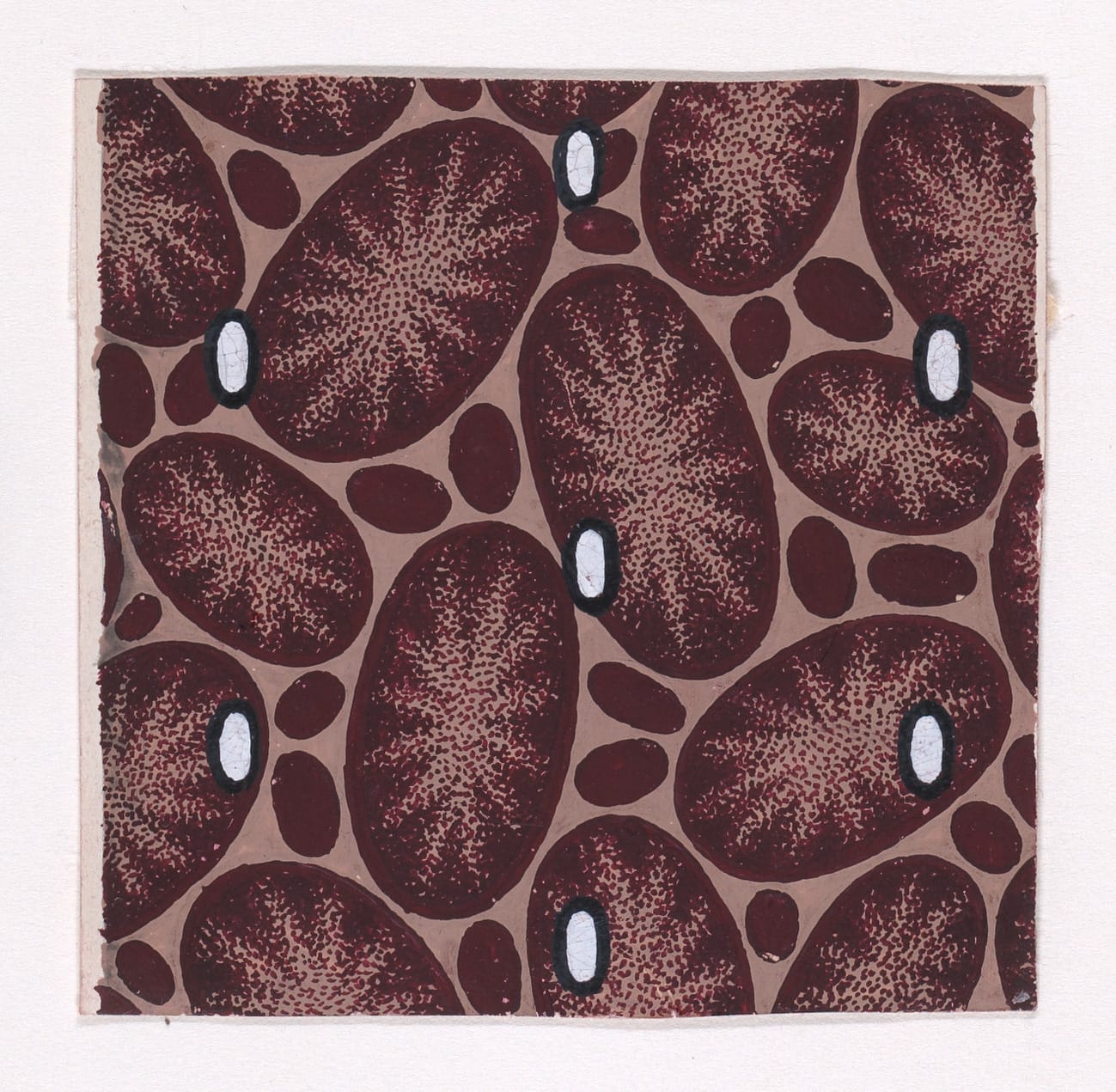
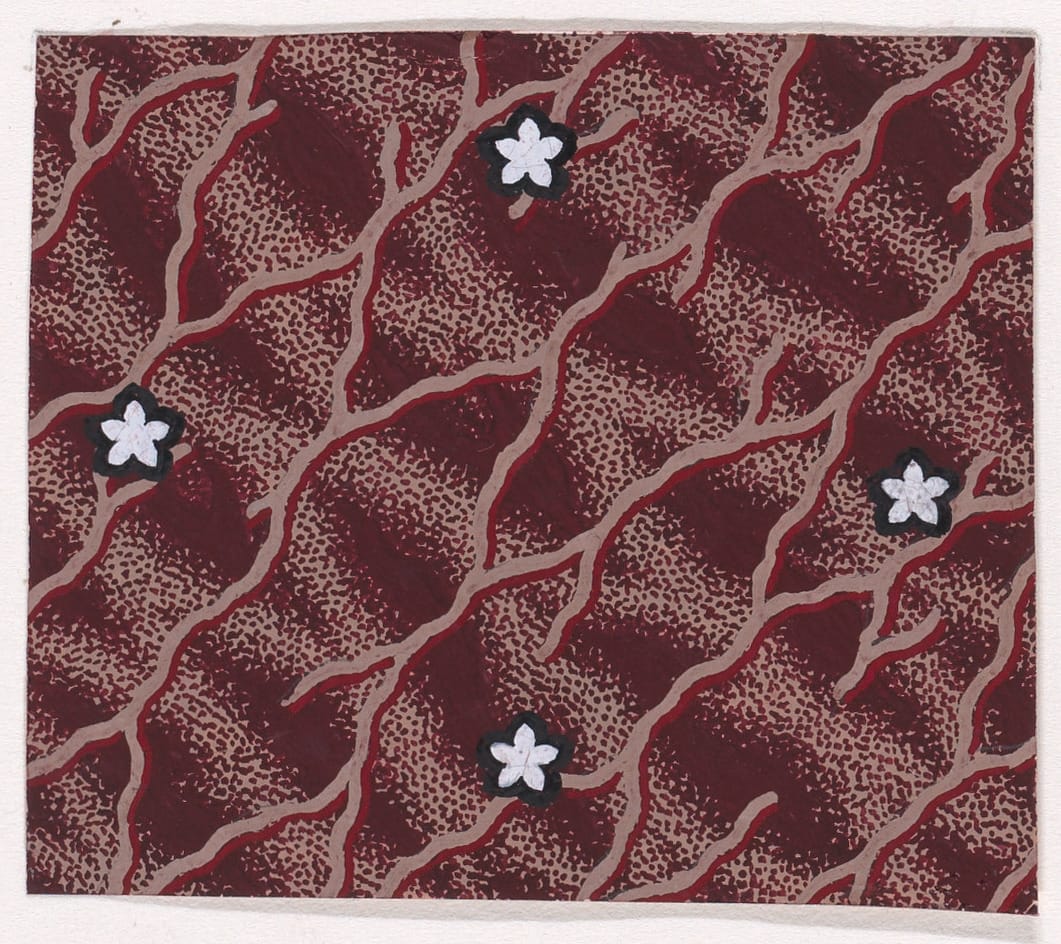
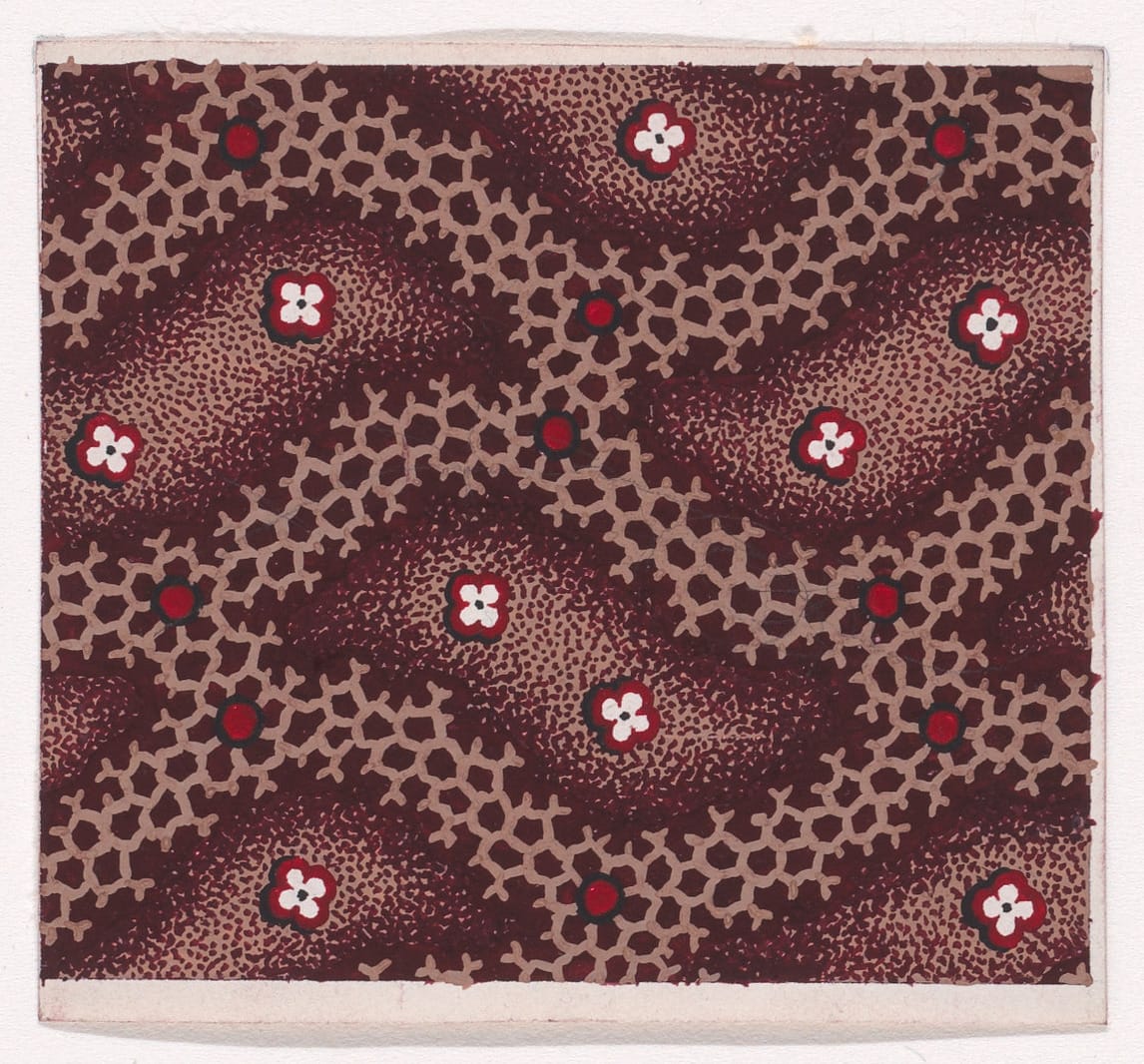
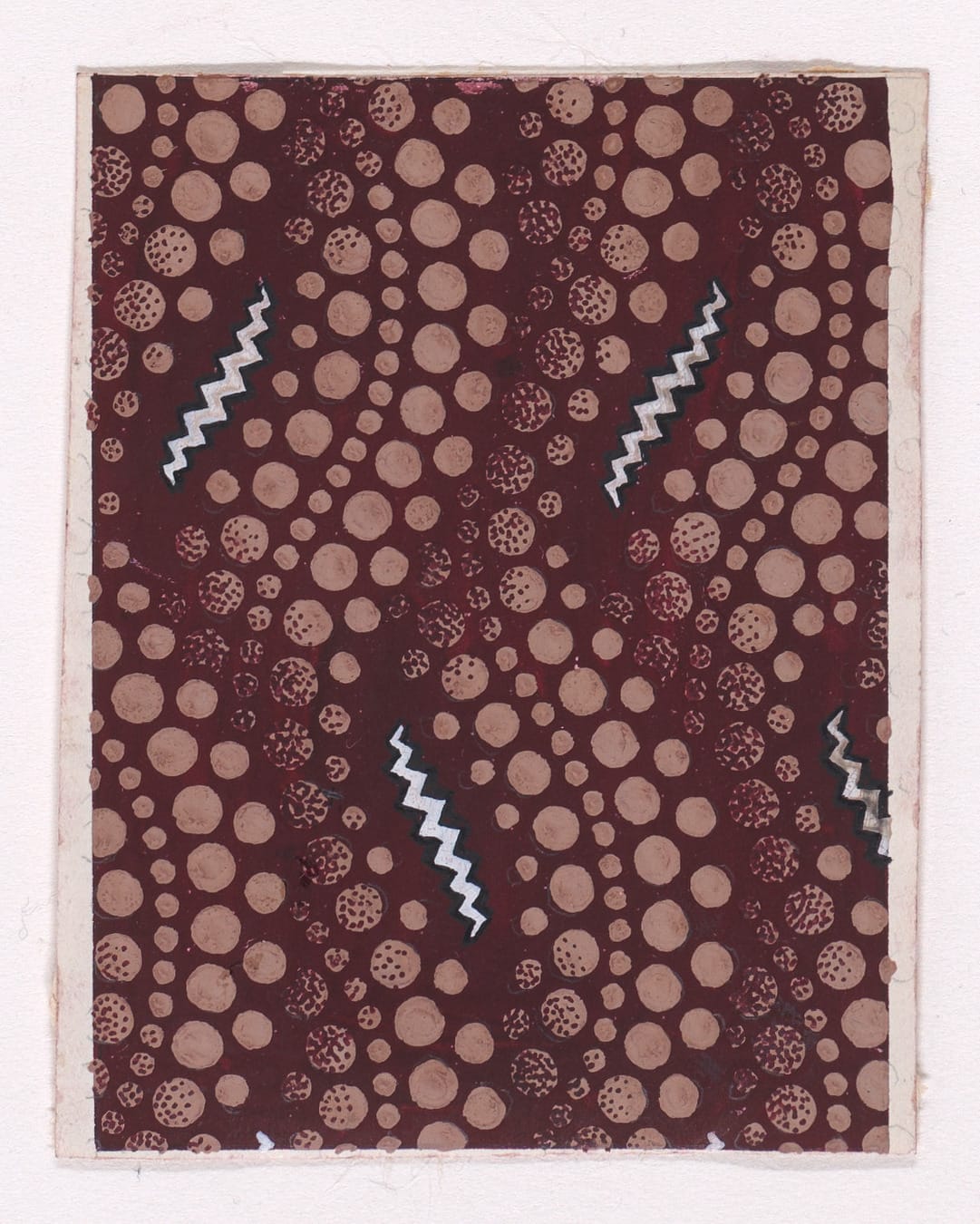
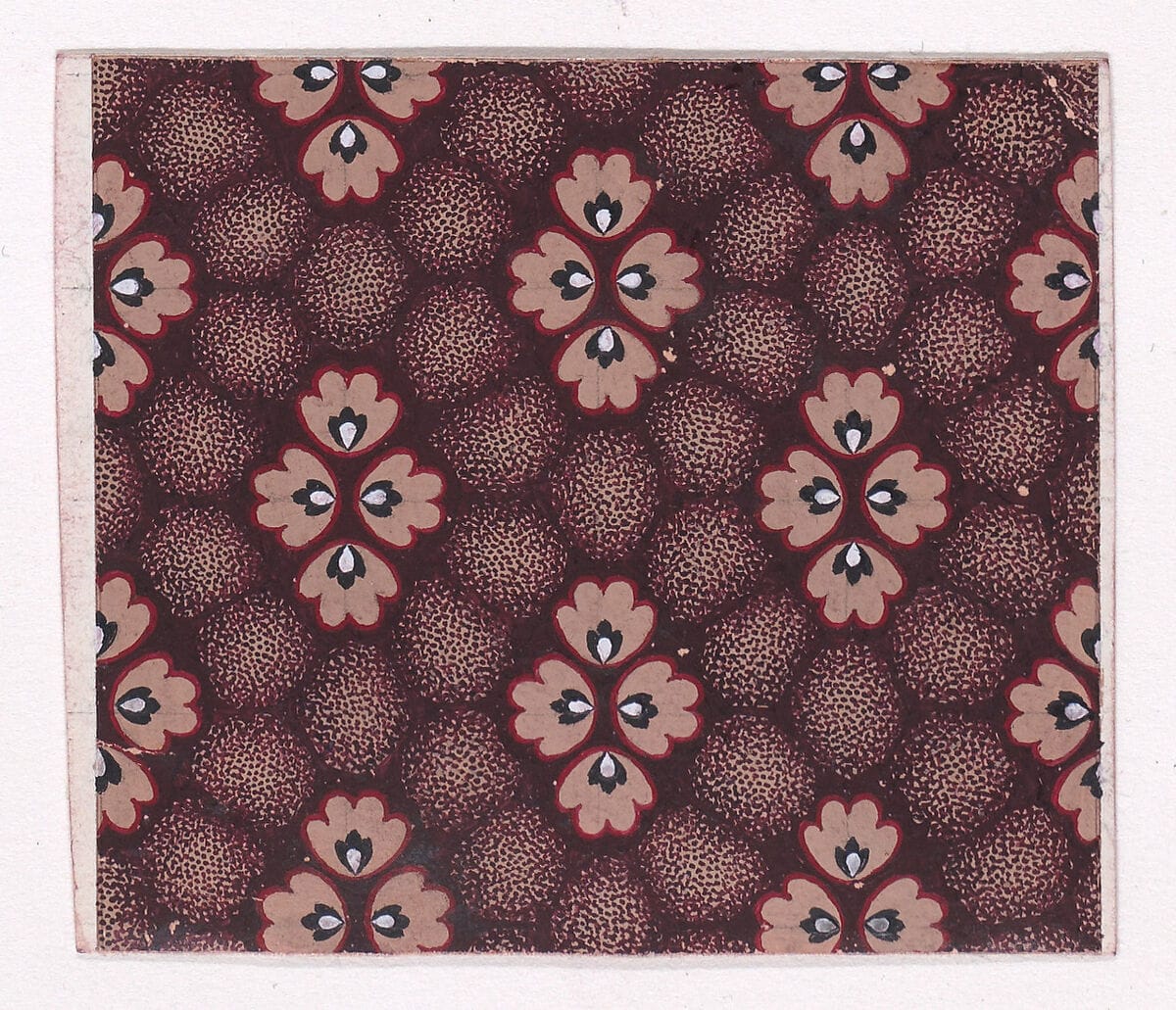
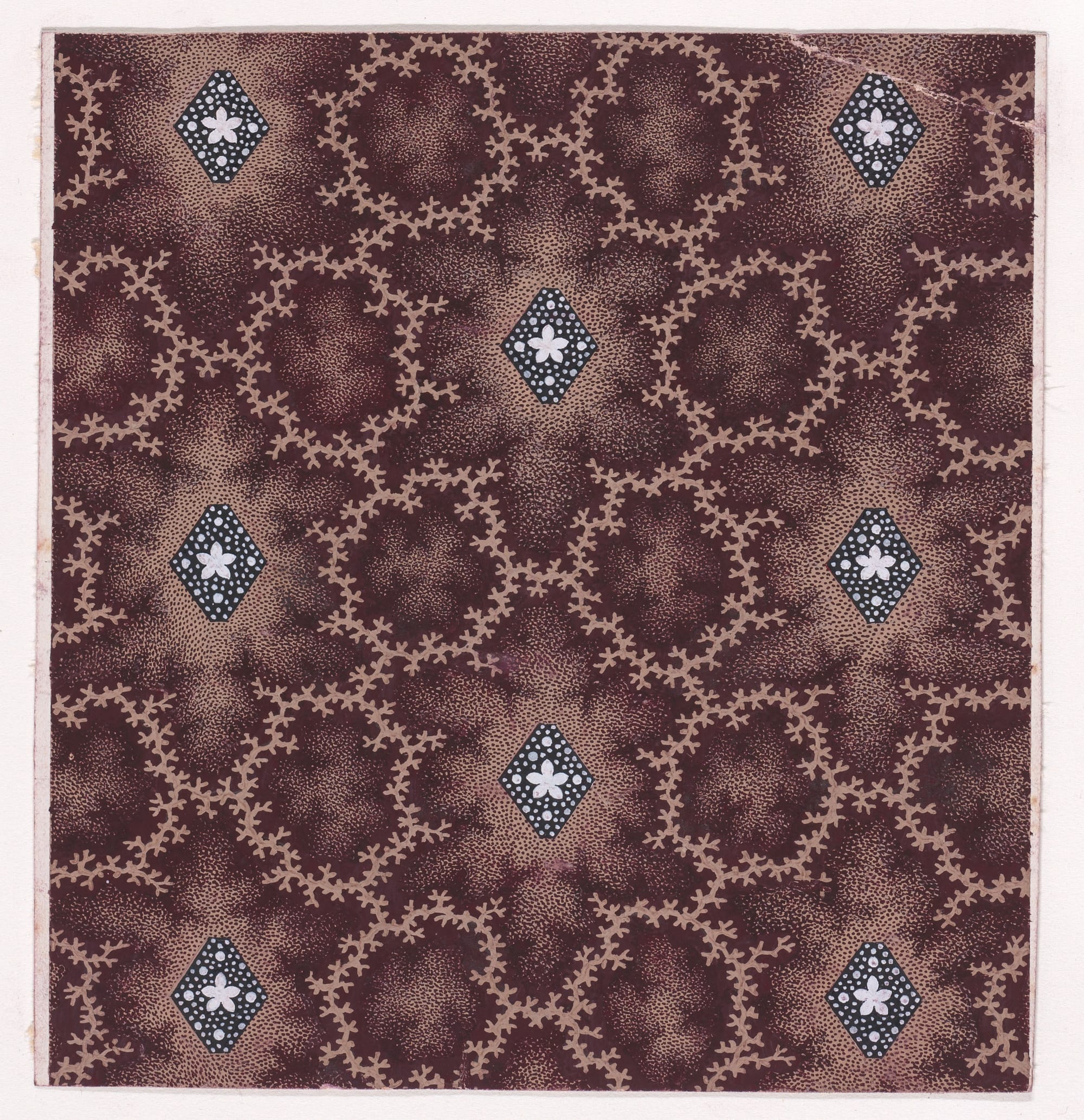
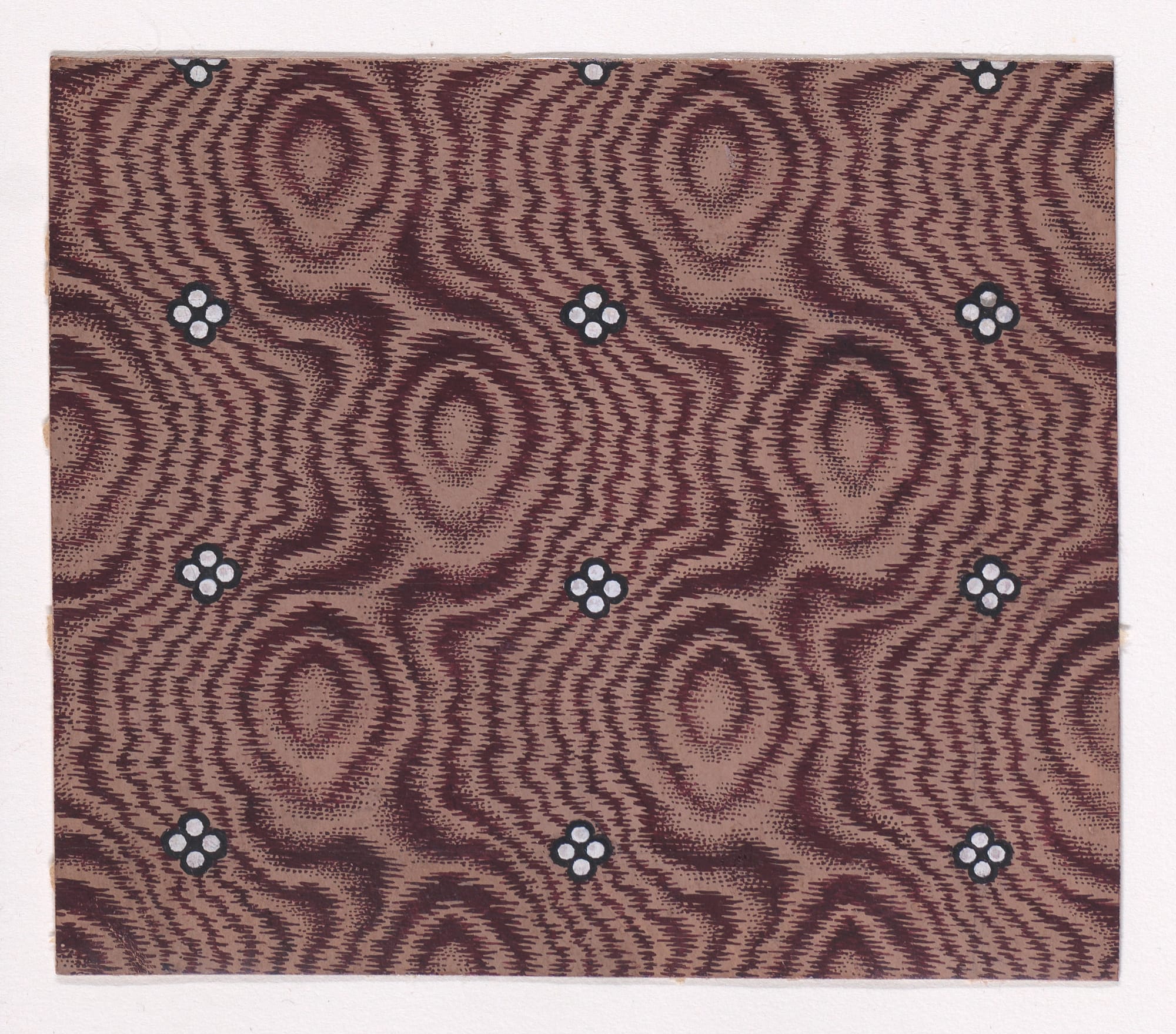
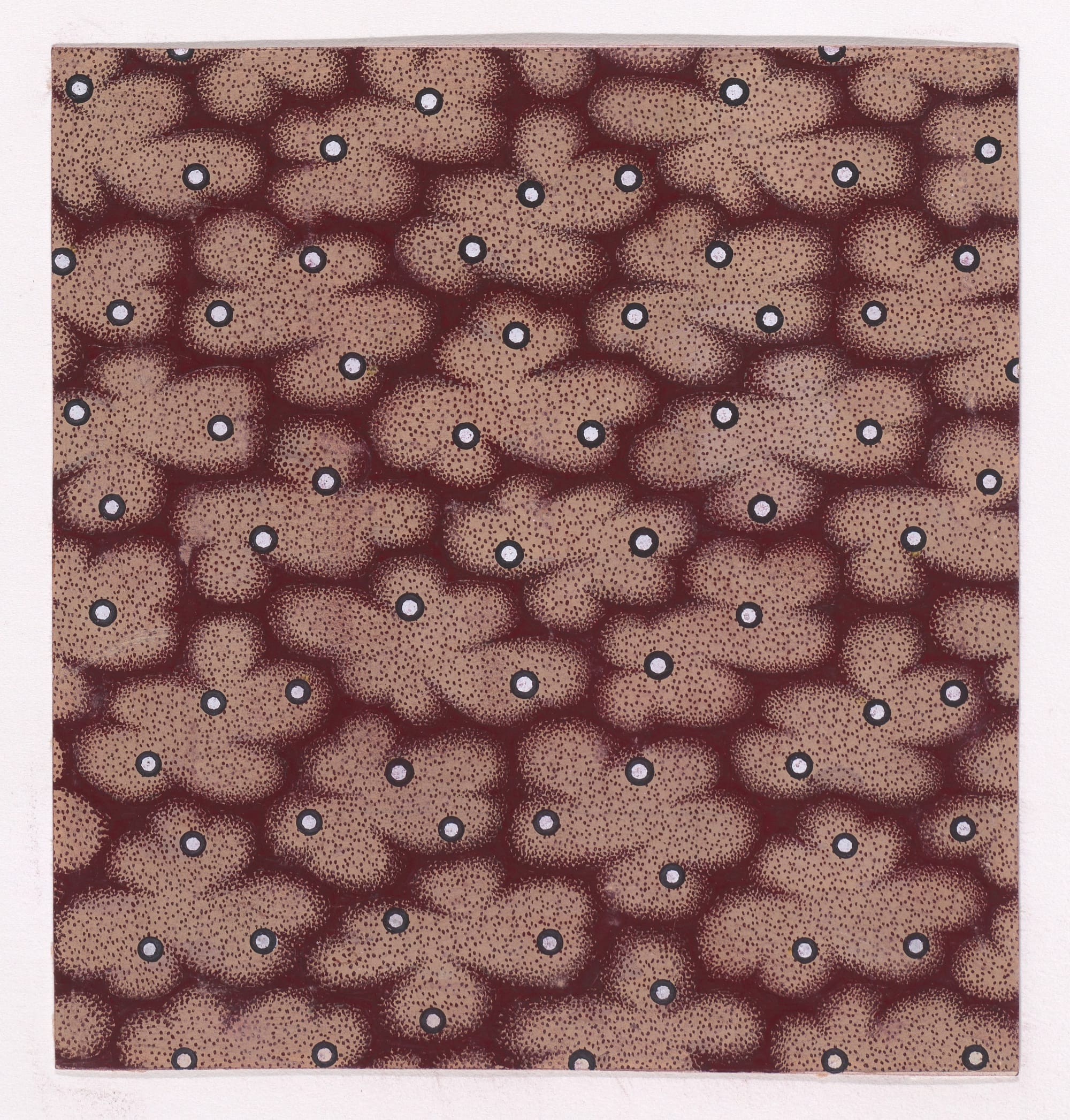
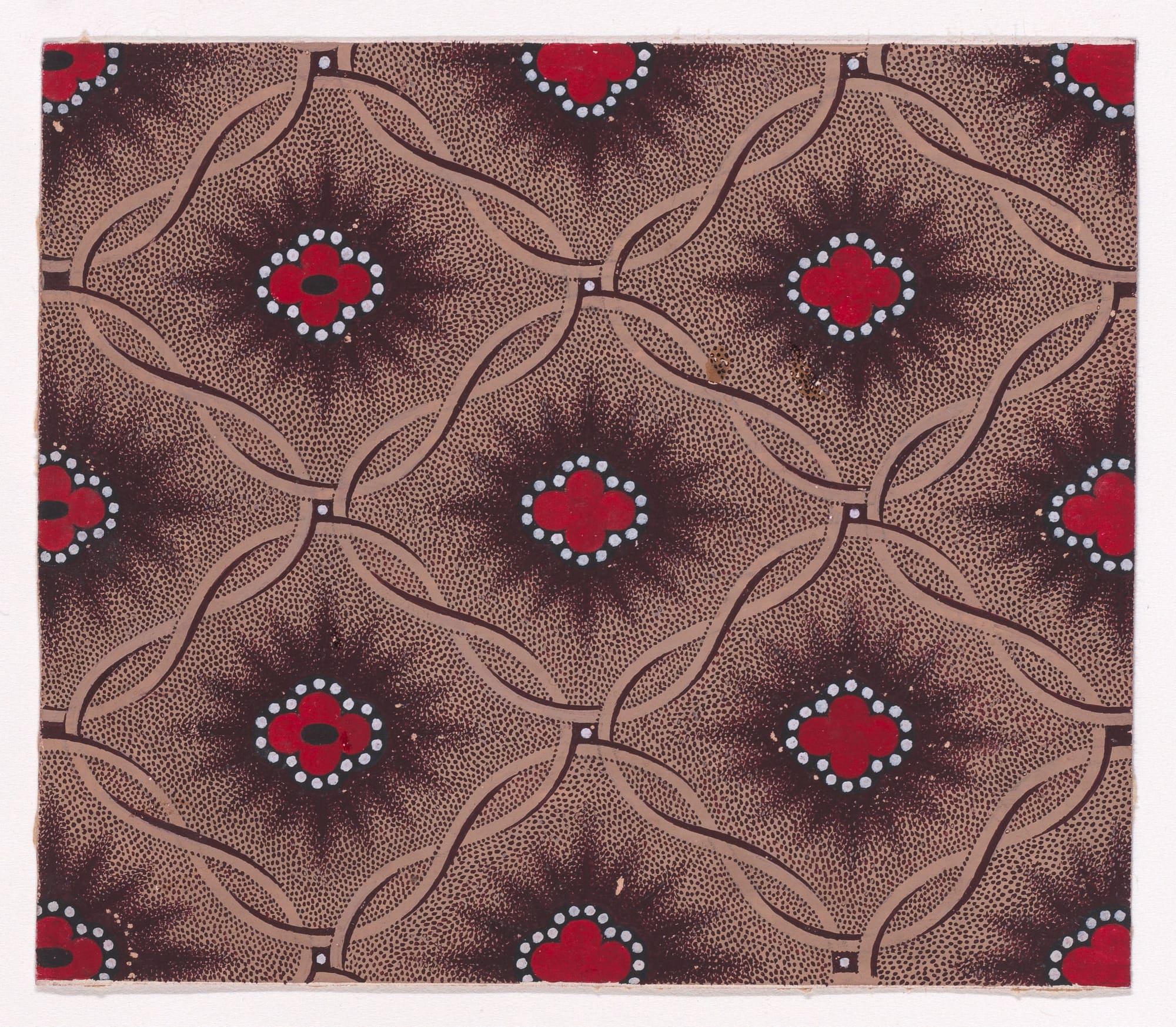
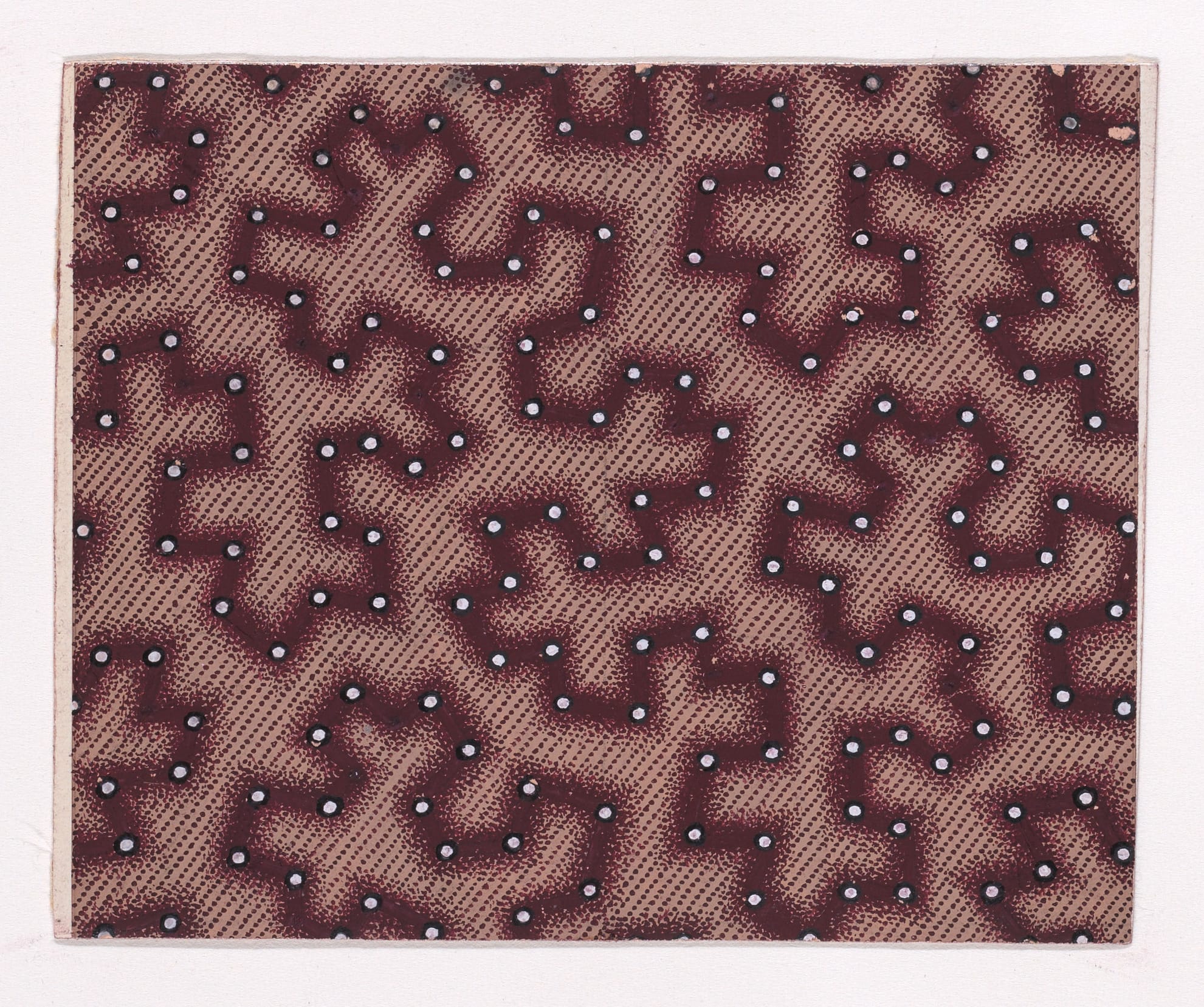
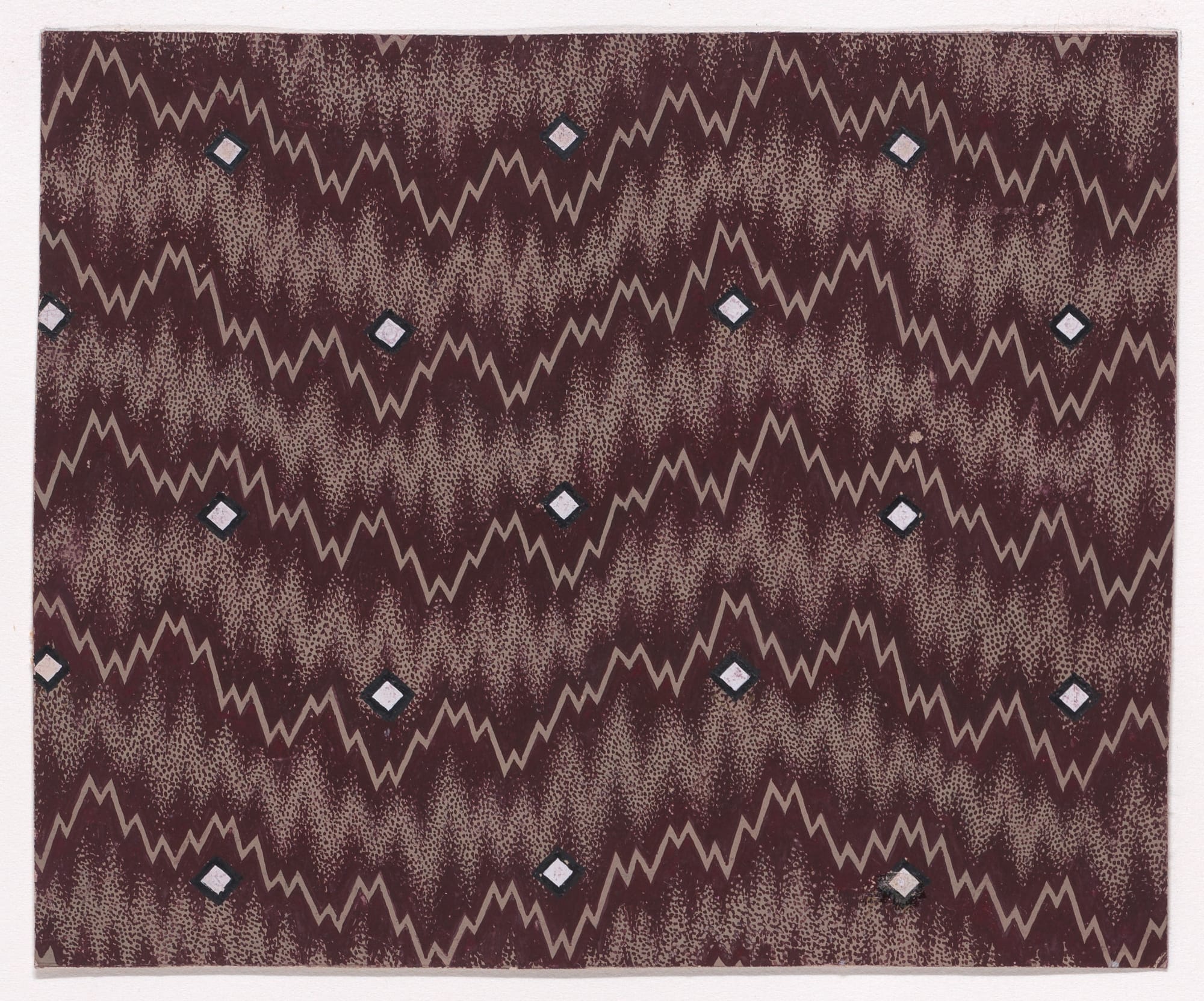
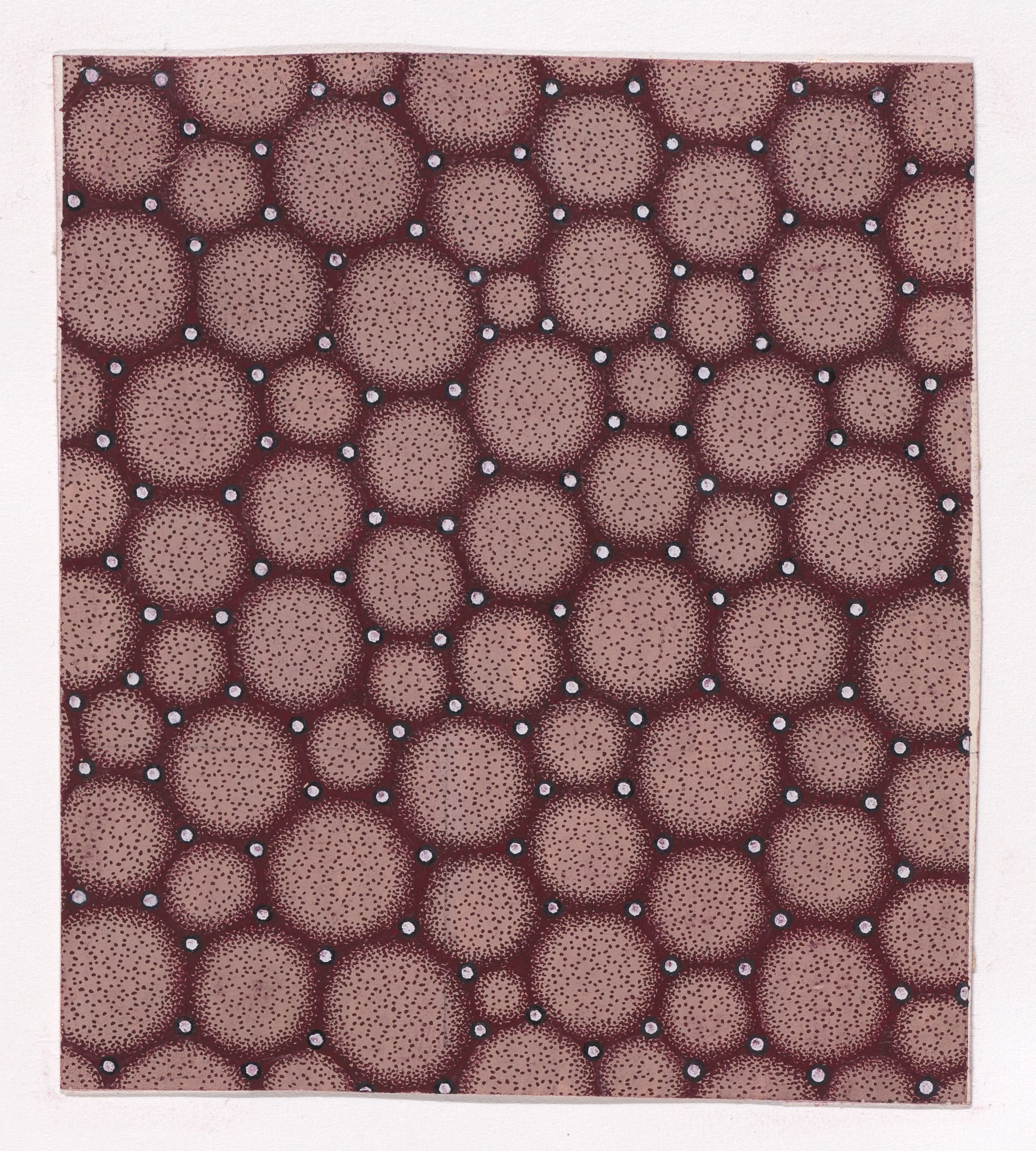
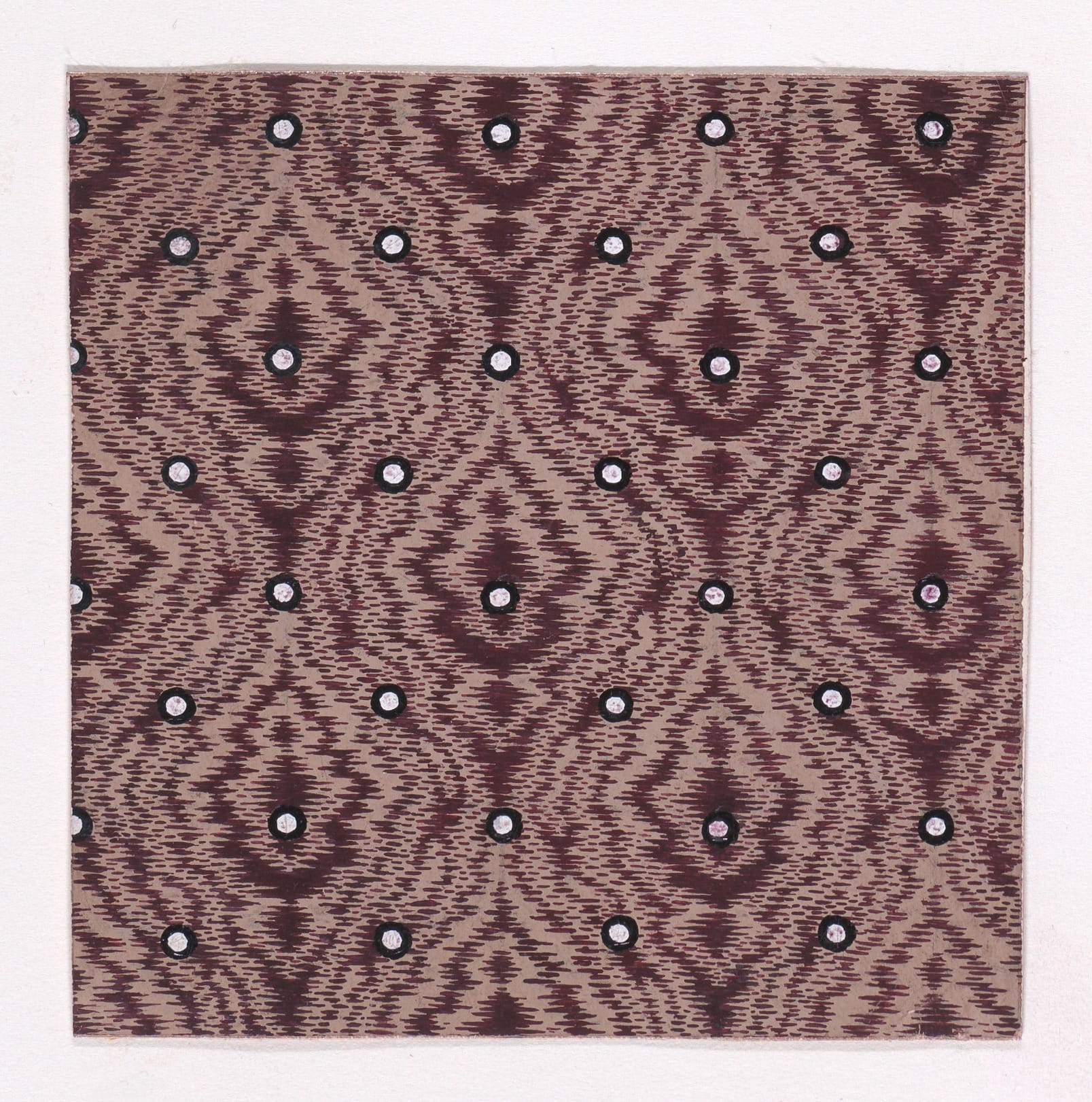
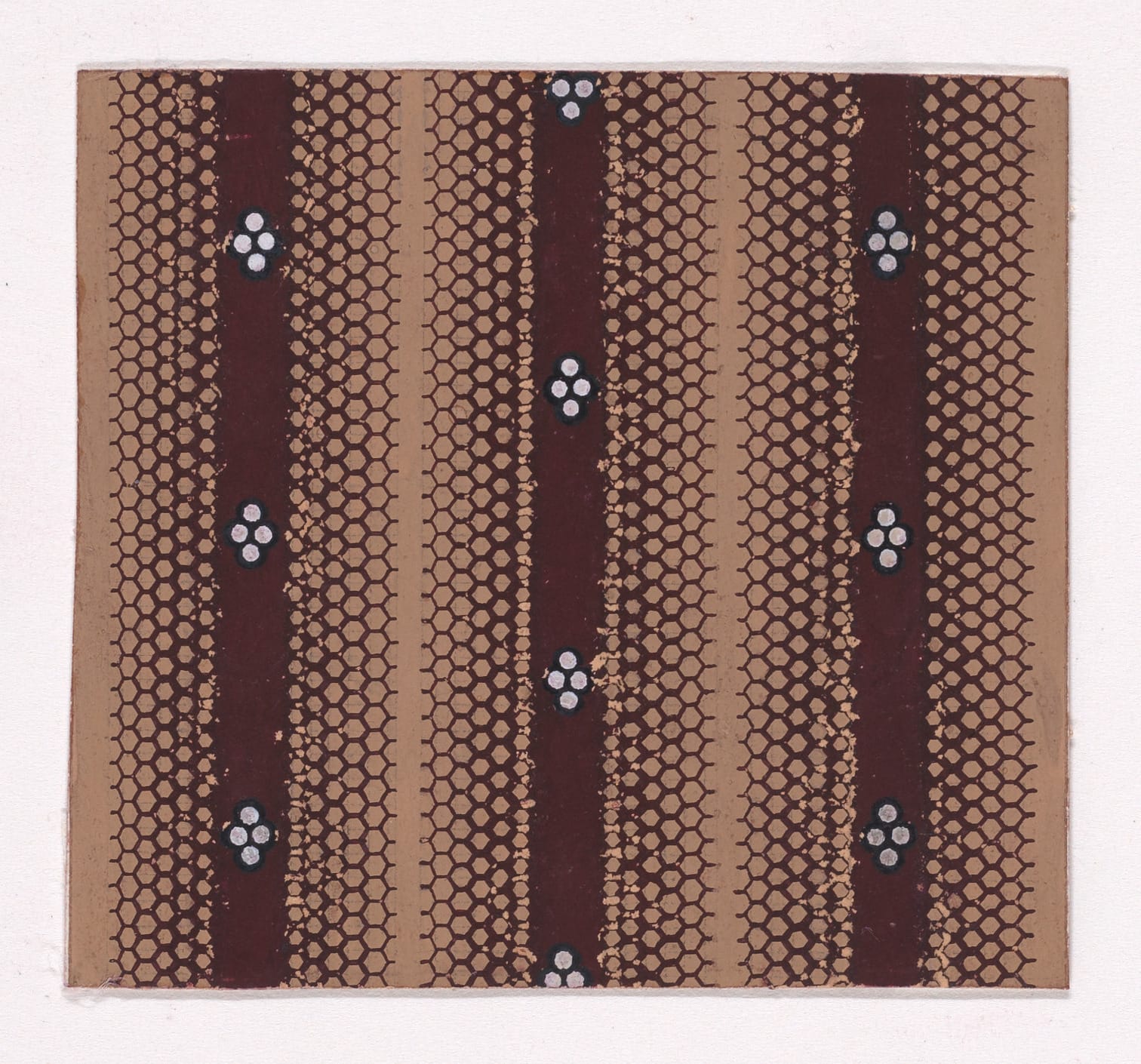
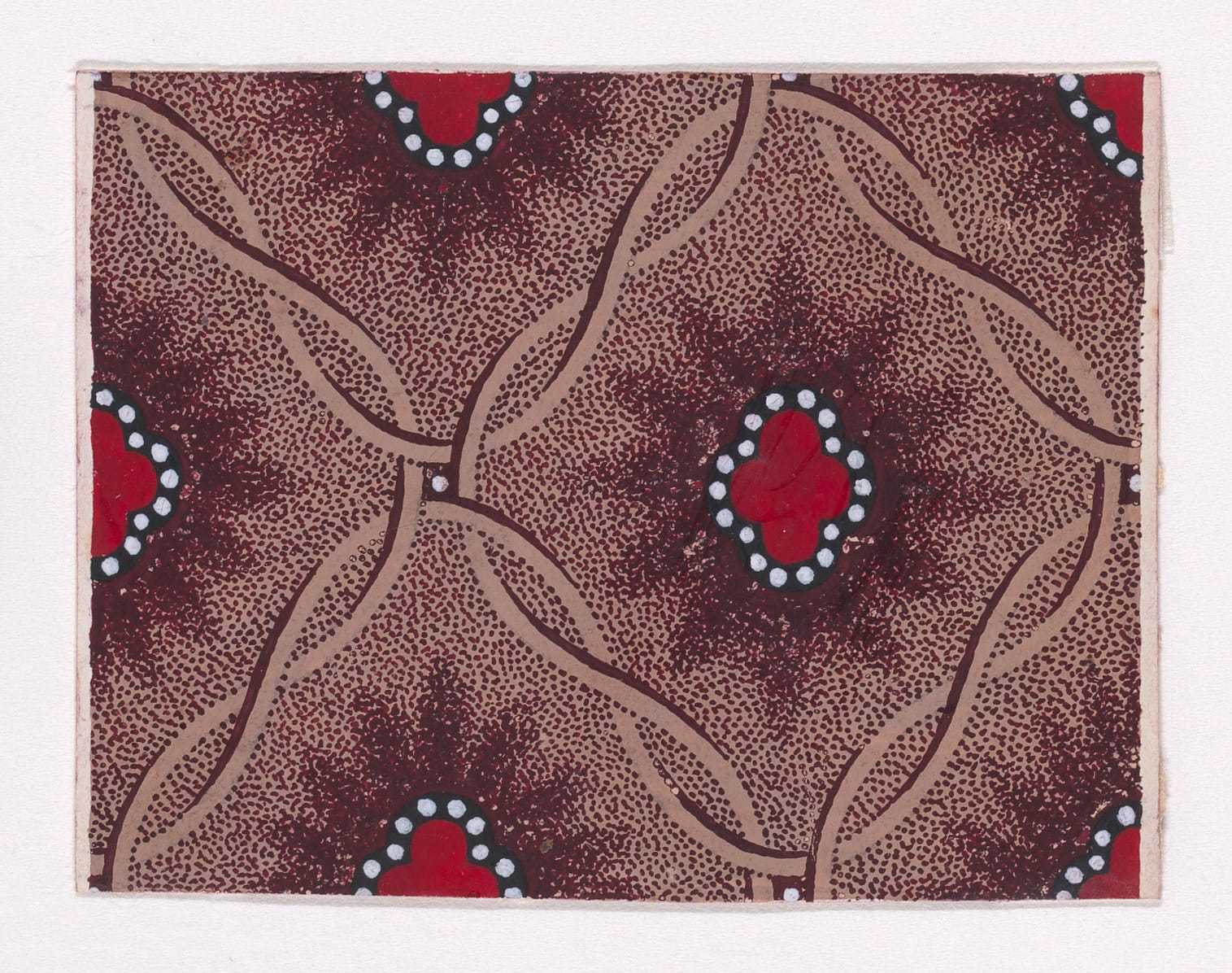
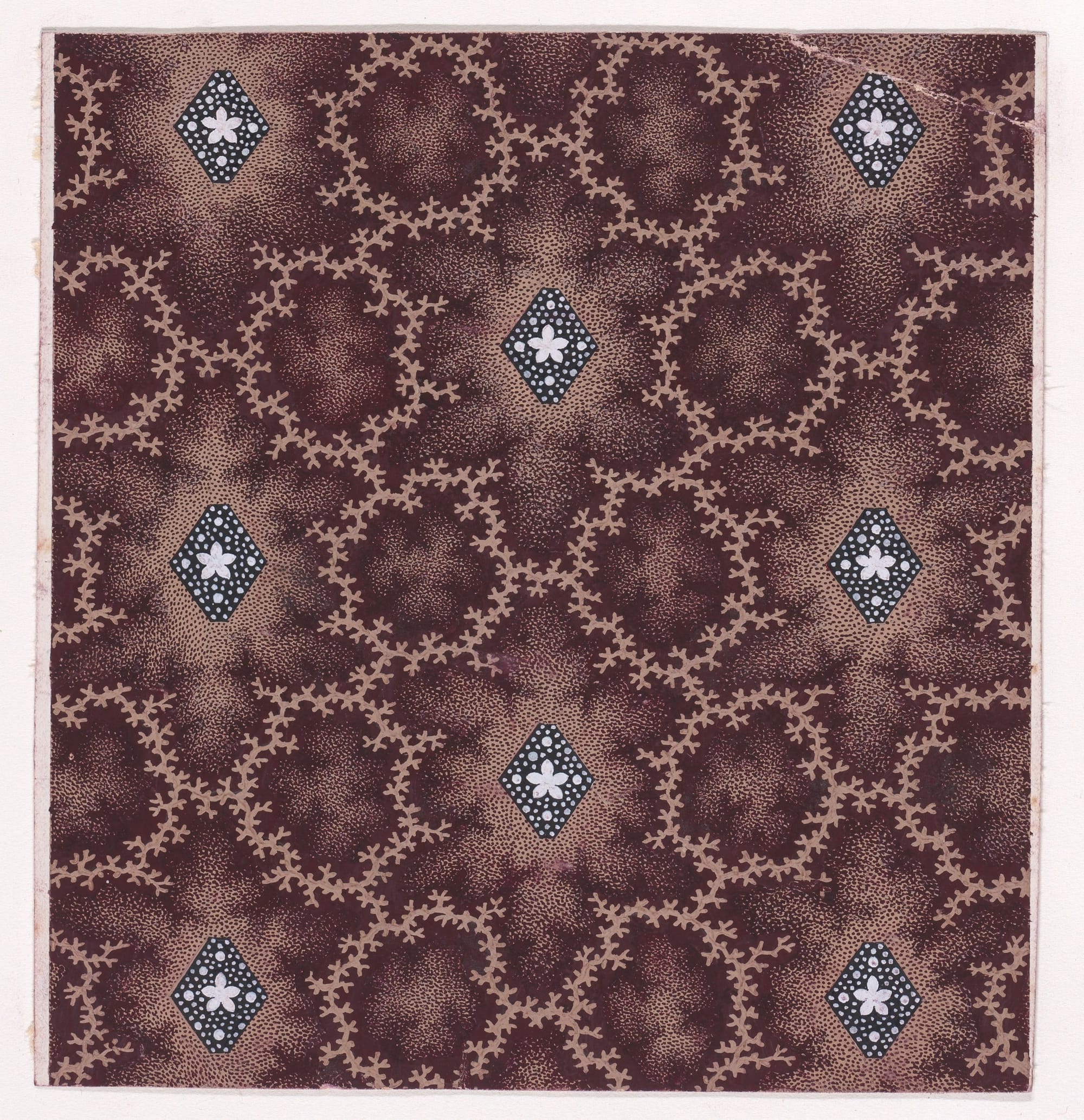
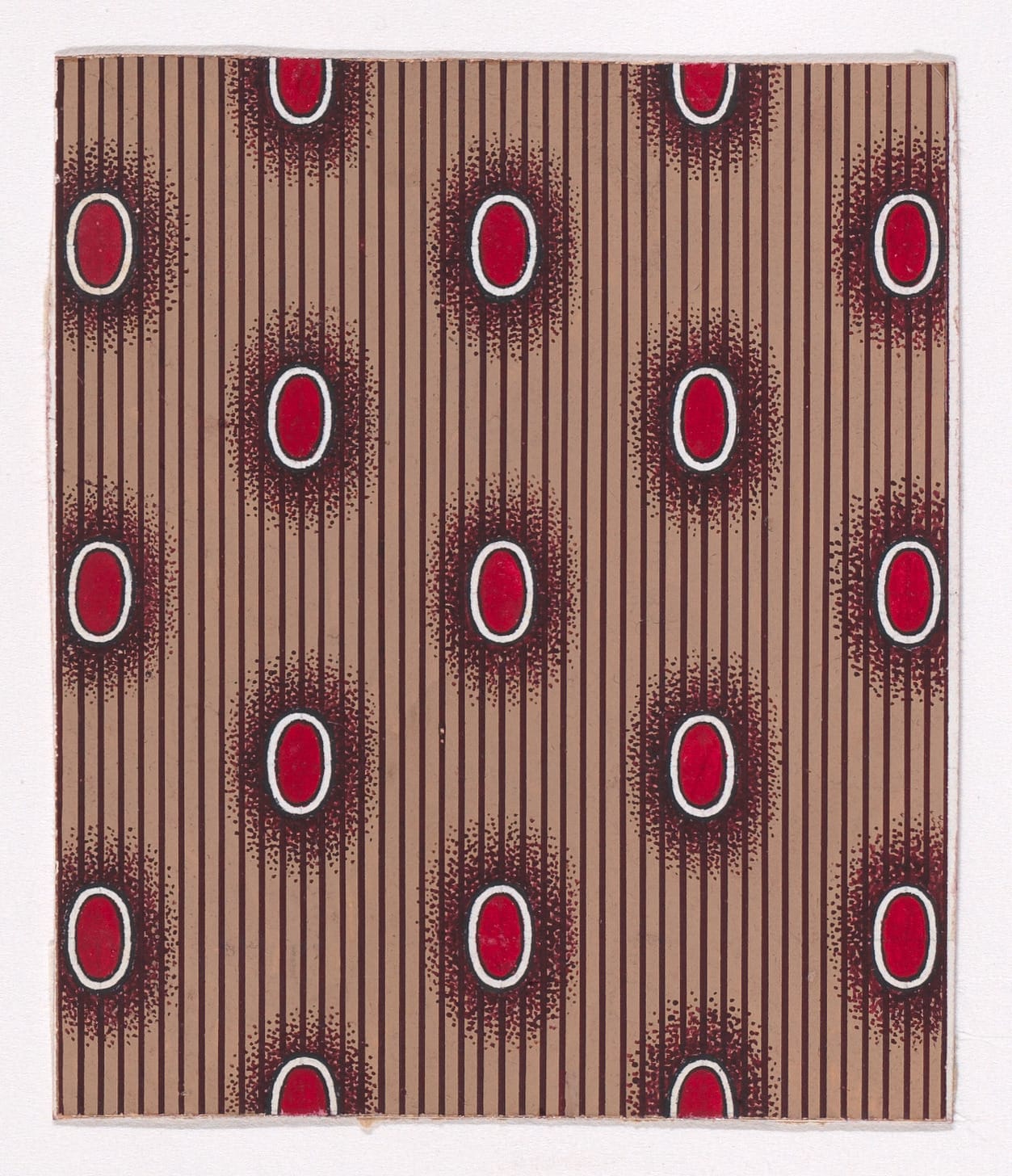
Anonymous Textile Design Series, Mulhouse, Alsace, 1840 anonymous-textile-design-series-mulhouse-alsace-1840 Collection of 19th-century anonymous textile design sheets from Mulhouse, Alsace, c.1840. Rectangular prototypes with pearl motifs and abstract tie-dye grounds, reflecting the region’s role as a leading textile innovation center.
textile textile fabrics fabrics design design all-over print all-over-print prints prints 606 universal shelving system 606-universal-shelving-system Alsace alsace 1840 1840
techspec tech
Anonymous textile prototypes, Mulhouse, Alsace, c.1840. Rectilinear design sheets generated within the industrial print studios of the Haut-Rhin. Each document encodes surface strategies for mass deployment—pearl rows, abstract chromatic fields, simulated resist-dye grounds. Executed as precision studies for repeat application, they reflect Mulhouse’s role as a nineteenth-century vector hub of textile innovation and
[{"s":"textile","n":"textile"},{"s":"fabrics","n":"fabrics"},{"s":"design","n":"design"},{"s":"all-over-print","n":"all-over print"},{"s":"prints","n":"prints"},{"s":"606-universal-shelving-system","n":"606 universal shelving system"},{"s":"alsace","n":"Alsace"},{"s":"1840","n":"1840"}]
Anonymous textile prototypes, Mulhouse, Alsace, c.1840. Rectilinear design sheets generated within the industrial print studios of the Haut-Rhin. Each document encodes surface strategies for mass deployment—pearl rows, abstract chromatic fields, simulated resist-dye grounds. Executed as precision studies for repeat application, they reflect Mulhouse’s role as a nineteenth-century vector hub of textile innovation and print chemistry.
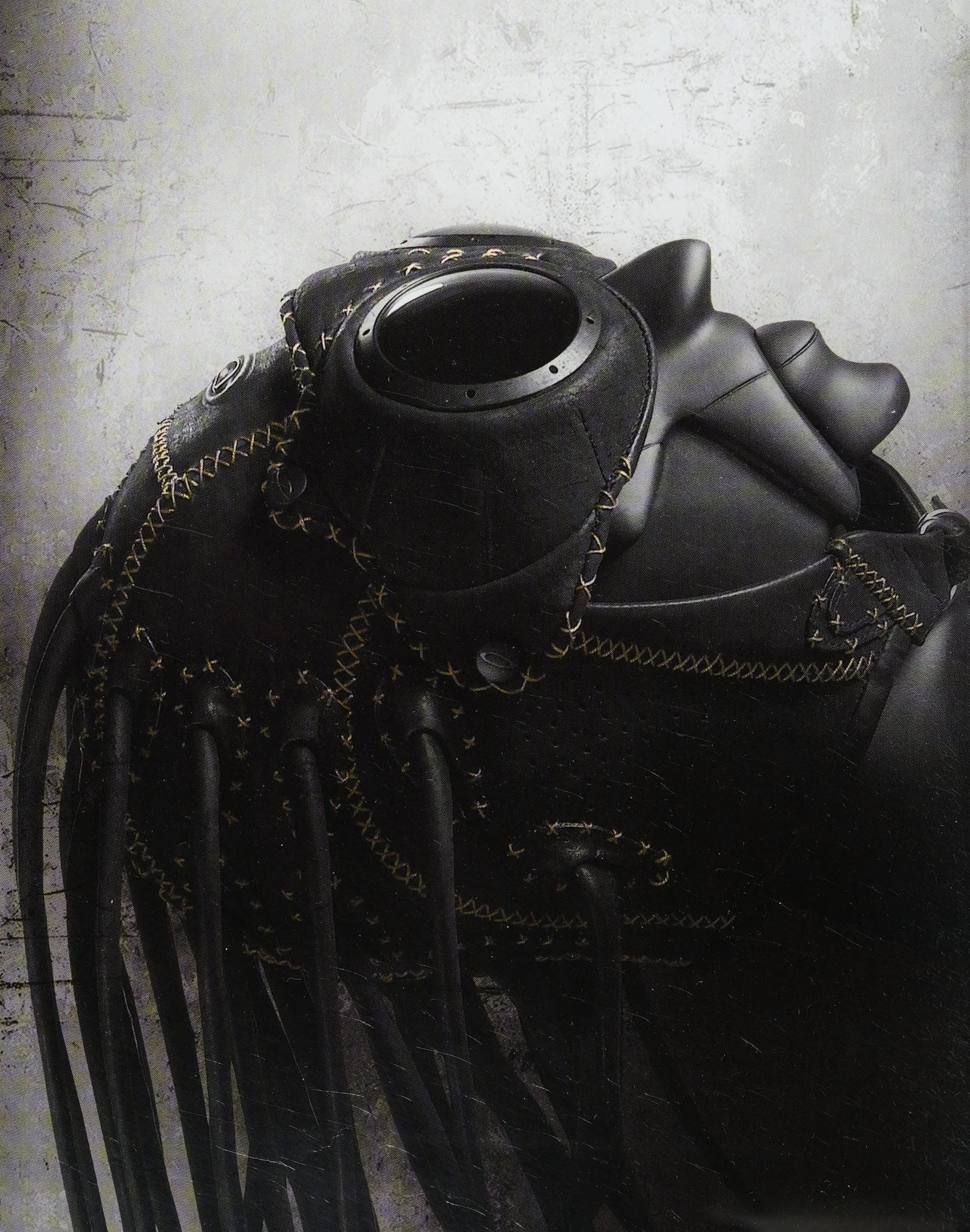
Oakley Medusa Helmet, 2001 oakley-medusa-helmet-2001
oakley oakley 2001 2001 protection protection headgear headgear eyewear eyewear sculpture sculpture form form design design
techspec tech
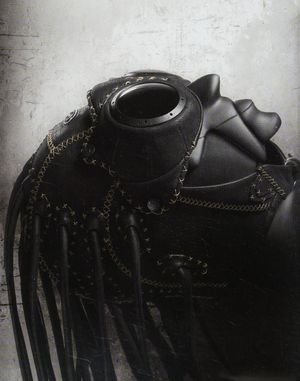
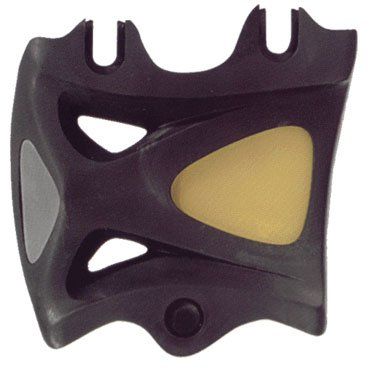
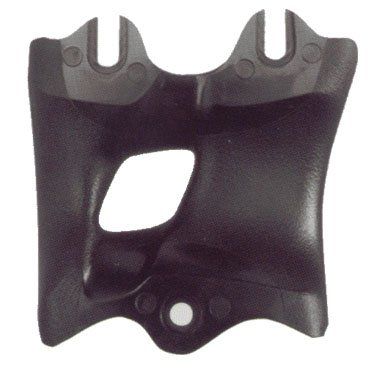
The Oakley Medusa Helmet (2002) is an early-2000s performance helmet concept associated with Oakley’s then-expanding push into technical equipment beyond eyewear. The design is defined by aggressive surfacing, pronounced vent geometry, and a highly sculptural shell intended to signal speed and impact protection.
Functionally, the Medusa emphasizes airflow and coverage through a dense network of vents and channeling,
[{"s":"oakley","n":"oakley"},{"s":"2001","n":"2001"},{"s":"protection","n":"protection"},{"s":"headgear","n":"headgear"},{"s":"eyewear","n":"eyewear"},{"s":"sculpture","n":"sculpture"},{"s":"form","n":"form"},{"s":"design","n":"design"}]
The Oakley Medusa Helmet (2002) is an early-2000s performance helmet concept associated with Oakley’s then-expanding push into technical equipment beyond eyewear. The design is defined by aggressive surfacing, pronounced vent geometry, and a highly sculptural shell intended to signal speed and impact protection.
Functionally, the Medusa emphasizes airflow and coverage through a dense network of vents and channeling, paired with a shell profile that reads more armored than minimal. Fit and retention appear to follow common helmet conventions of the era, with the distinctive elements concentrated in the exterior shell tooling and vent architecture rather than hidden internal mechanisms. As a result, the helmet is often discussed as much for its styling and cultural placement as for technical specifics.
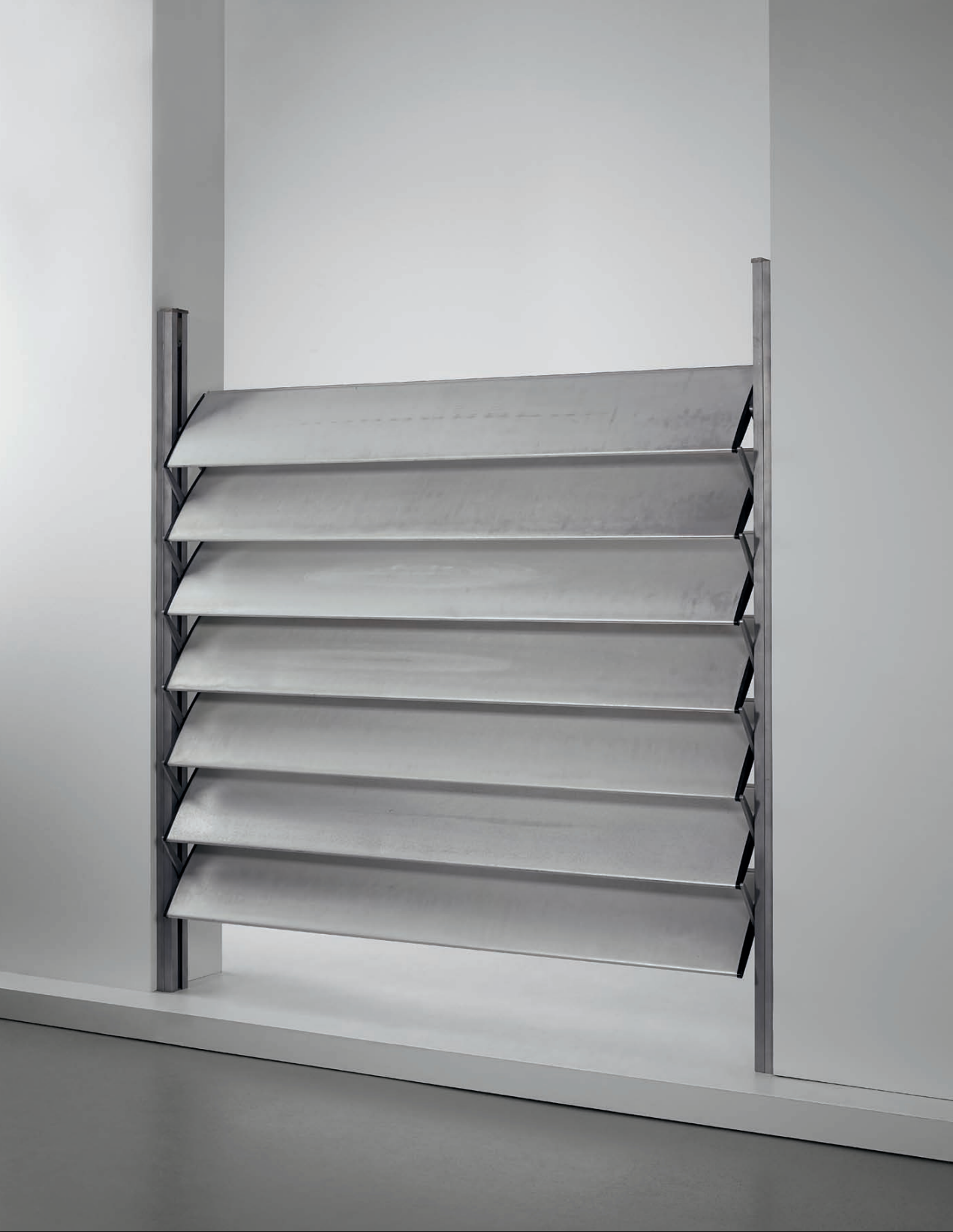
Seven-panelled sun-shutter, Jean Prouvé seven-panelled-sun-shutter-jean-prouve Jean Prouvé 1901-1984 Seven-panelled sun-shutter, from the Cité scolaire de La Dullague,
Béziers, designed 1956, executed circa 1962-1965
Aluminium, metal.
jean prouvé jean-prouve architecture architecture silver silver metal metal design design light gray light-gray
techspec tech
Jean Prouvé 1901-1984 Seven-panelled sun-shutter, from the Cité scolaire de La Dullague, Béziers, designed 1956, executed circa 1962-1965 Aluminium, metal. 185.5 x 184.4 x 8.3 cm (73 x 72 5/8 x 3 1/4 in.) Manufactured by Les Atelier Jean Prouvé, Nancy, France.
Estimate £12,000-15,000 $17,800-22,300 €16,300-20,400 provenance Cité scolaire de La Dullague, Béziers, France, circa 1962-1965 exhibited Architecture Biennal
[{"s":"jean-prouve","n":"jean prouvé"},{"s":"architecture","n":"architecture"},{"s":"silver","n":"silver"},{"s":"metal","n":"metal"},{"s":"design","n":"design"},{"s":"light-gray","n":"light gray"}]
Jean Prouvé 1901-1984 Seven-panelled sun-shutter, from the Cité scolaire de La Dullague, Béziers, designed 1956, executed circa 1962-1965 Aluminium, metal. 185.5 x 184.4 x 8.3 cm (73 x 72 5/8 x 3 1/4 in.) Manufactured by Les Atelier Jean Prouvé, Nancy, France.
Estimate £12,000-15,000 $17,800-22,300 €16,300-20,400 provenance Cité scolaire de La Dullague, Béziers, France, circa 1962-1965 exhibited Architecture Biennale, Venice, 7 June-23 November, 2014
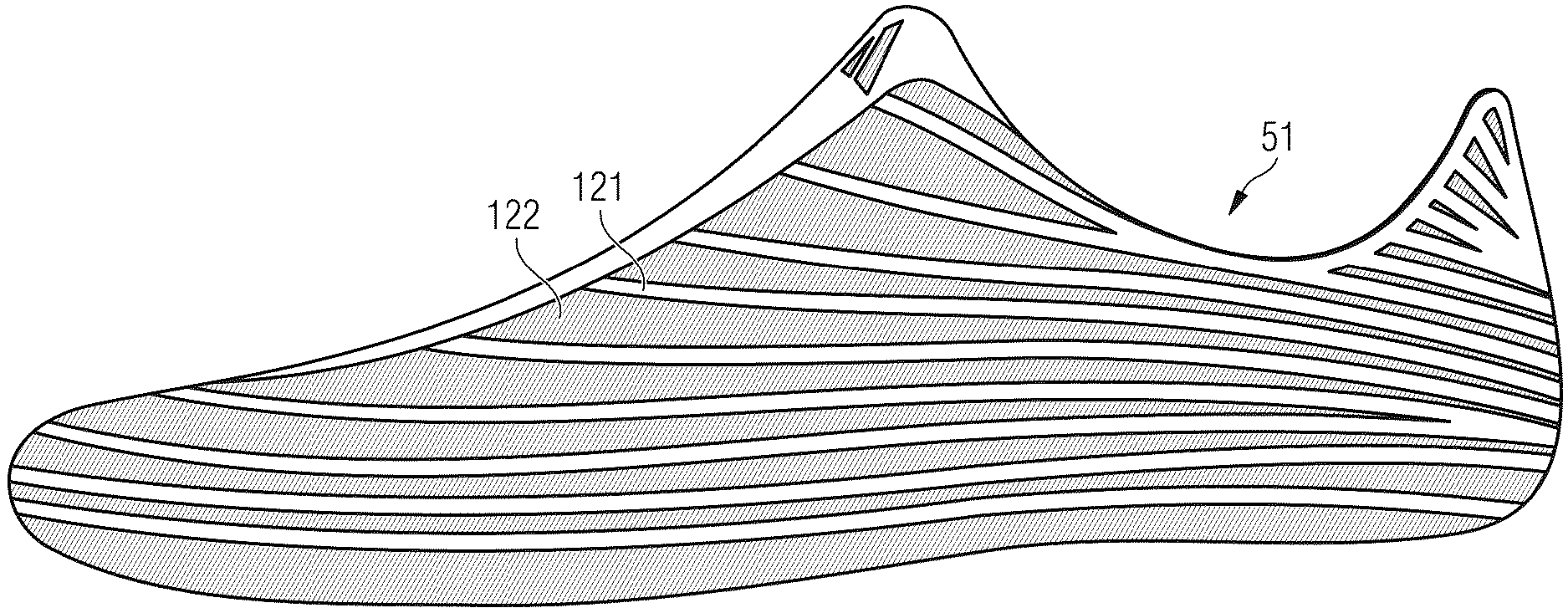
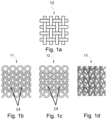
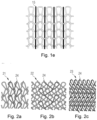
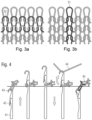
Adidas Knitted Shoe Upper Patent adidas-knitted-shoe-upper-patent Adidas patent US20250160486A1: a one-piece knitted shoe upper combining elastic and stiffer yarn zones to place stretch and support without seams.
patent patent footwear footwear technical-drawing technical-drawing-2 design design Adidas adidas white white
techspec tech
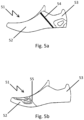
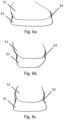
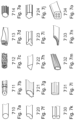
Figures from US patent application US20250160486A1, 'Knitted Shoe Upper', filed by Adidas AG (inventors Stefan Tamm, Carl Arnese and James Carnes; published 22 May 2025). The upper is knitted in one piece with two zones, a more elastic yarn and a stiffer yarn, placing stretch and support without seams or separate reinforcement panels. The drawings show the yarn zones and construction across forefoot, midfoot
[{"s":"patent","n":"patent"},{"s":"footwear","n":"footwear"},{"s":"technical-drawing-2","n":"technical-drawing"},{"s":"design","n":"design"},{"s":"adidas","n":"Adidas"},{"s":"white","n":"white"}]
Figures from US patent application US20250160486A1, 'Knitted Shoe Upper', filed by Adidas AG (inventors Stefan Tamm, Carl Arnese and James Carnes; published 22 May 2025). The upper is knitted in one piece with two zones, a more elastic yarn and a stiffer yarn, placing stretch and support without seams or separate reinforcement panels. The drawings show the yarn zones and construction across forefoot, midfoot and heel.
Marithe Francois Girbaud Inside Collection Campaigns by Air Paris Agency
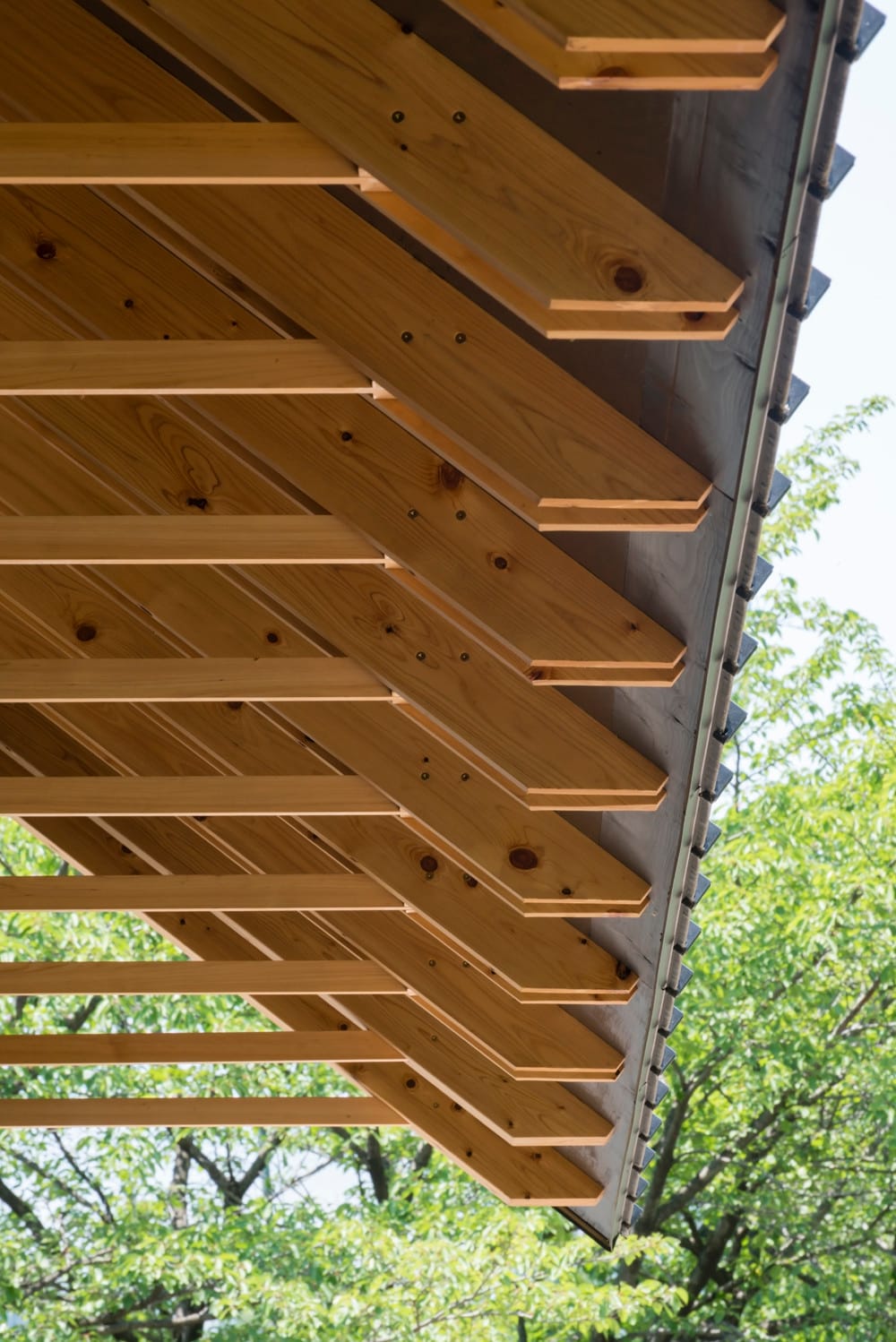
Kogakuin University Archery Hall kogakuin-university-archery-hall FT Architects' Archery Hall at Kogakuin University (2013): a column-free 7.2x10.8m room under an exposed bolt-jointed timber lattice roof. Photos Shigeo Ogawa.
FT Architects ft-architects-2 archery hall archery-hall architecture architecture timber timber Japan japan design design brown brown
techspec tech
The Archery Hall, one of two sports pavilions FT Architects (Katsuya Fukushima, Hiroko Tominaga) built in 2013 at Kogakuin University, west Tokyo. Each is a column-free room of 7.2 by 10.8 m under an exposed timber roof of horizontal and vertical members, bolt-and-nut jointed. The archery hall uses small timber sections normally used for furniture. Photographs by Shigeo Ogawa.
[{"s":"ft-architects-2","n":"FT Architects"},{"s":"archery-hall","n":"archery hall"},{"s":"architecture","n":"architecture"},{"s":"timber","n":"timber"},{"s":"japan","n":"Japan"},{"s":"design","n":"design"},{"s":"brown","n":"brown"}]
The Archery Hall, one of two sports pavilions FT Architects (Katsuya Fukushima, Hiroko Tominaga) built in 2013 at Kogakuin University, west Tokyo. Each is a column-free room of 7.2 by 10.8 m under an exposed timber roof of horizontal and vertical members, bolt-and-nut jointed. The archery hall uses small timber sections normally used for furniture. Photographs by Shigeo Ogawa.
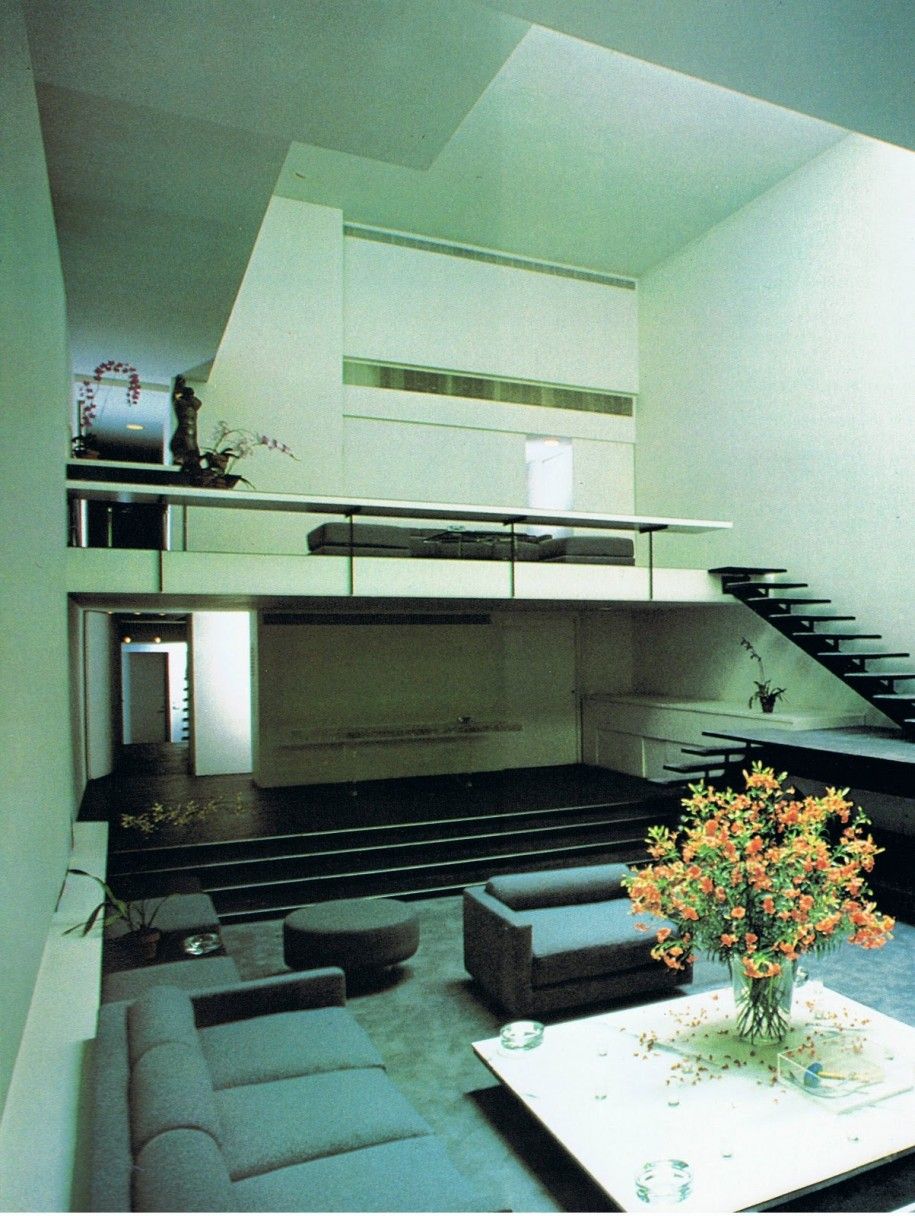
Jean Paul GAULTIER KYOTO BAL (2002) jean-paul-gaultier-kyoto-bal-2002
jean paul gaultier jean-paul-gaultier interior interior design design architecture architecture retail design retail-design pale pale mint mint white white light tones light-tones washed washed pale green pale-green jpg jpg
techspec tech
[{"s":"jean-paul-gaultier","n":"jean paul gaultier"},{"s":"interior","n":"interior"},{"s":"design","n":"design"},{"s":"architecture","n":"architecture"},{"s":"retail-design","n":"retail design"},{"s":"pale","n":"pale"},{"s":"mint","n":"mint"},{"s":"white","n":"white"},{"s":"light-tones","n":"light tones"},{"s":"washed","n":"washed"},{"s":"pale-green","n":"pale green"},{"s":"jpg","n":"jpg"}]
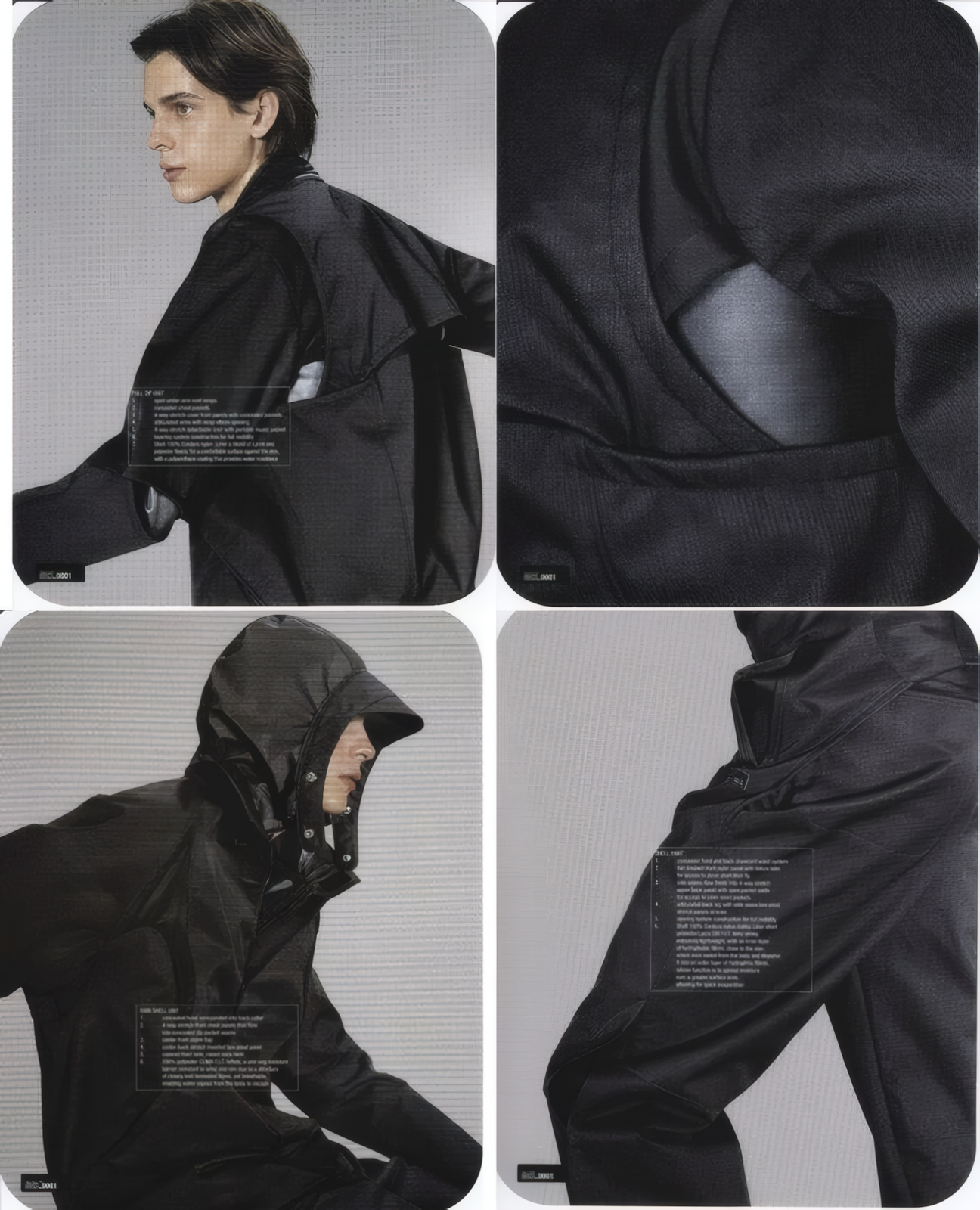
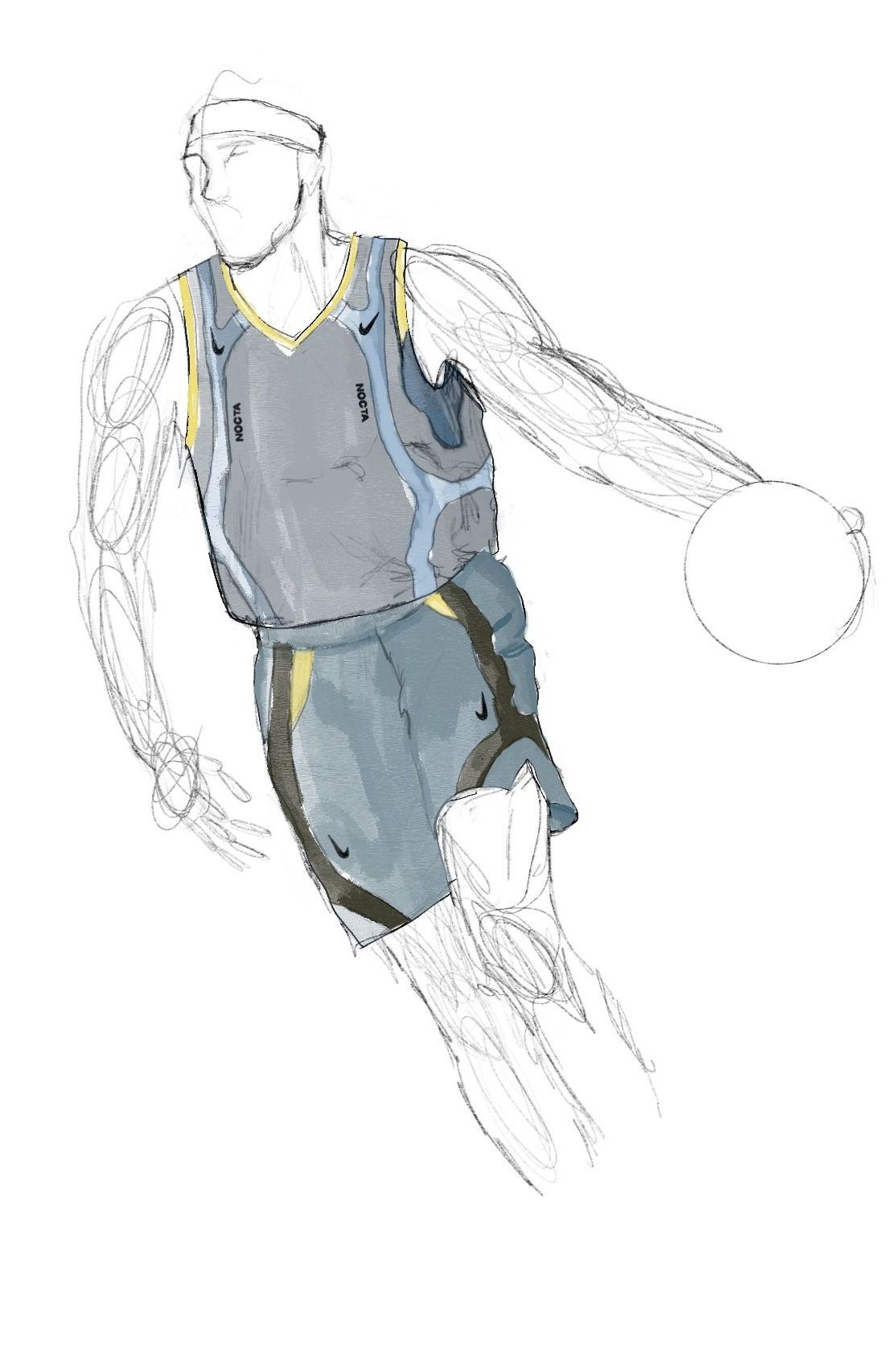
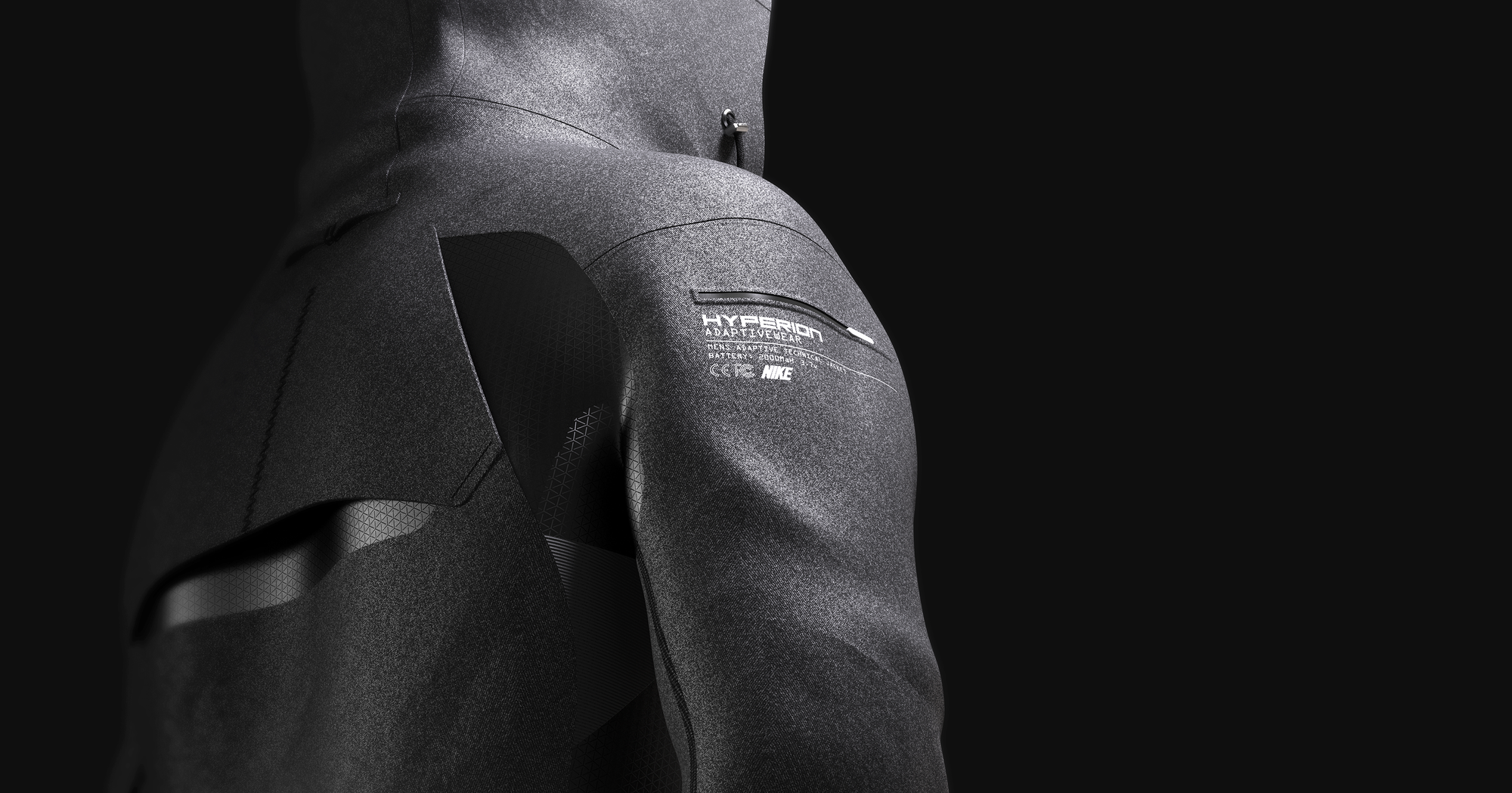
Nike Advanced Training Jacket Concept nike-advanced-training-jacket-concept Joseph Cooper's concept for an advanced Nike training jacket: a panelled, zone-mapped performance shell rendered between industrial design and apparel.
nike nike concept concept design design jacket jacket industrial design industrial-design black black
techspec tech
A concept for a Nike training jacket by designer Joseph Cooper: a close-fitting panelled shell with mapped zones and bonded seams. A sportswear design study.
[{"s":"nike","n":"nike"},{"s":"concept","n":"concept"},{"s":"design","n":"design"},{"s":"jacket","n":"jacket"},{"s":"industrial-design","n":"industrial design"},{"s":"black","n":"black"}]
A concept for a Nike training jacket by designer Joseph Cooper: a close-fitting panelled shell with mapped zones and bonded seams. A sportswear design study.
Cacoon Hanging Chair cacoon-hanging-chair
design design furniture furniture nature nature object object architecture in nature architecture-in-nature
techspec tech
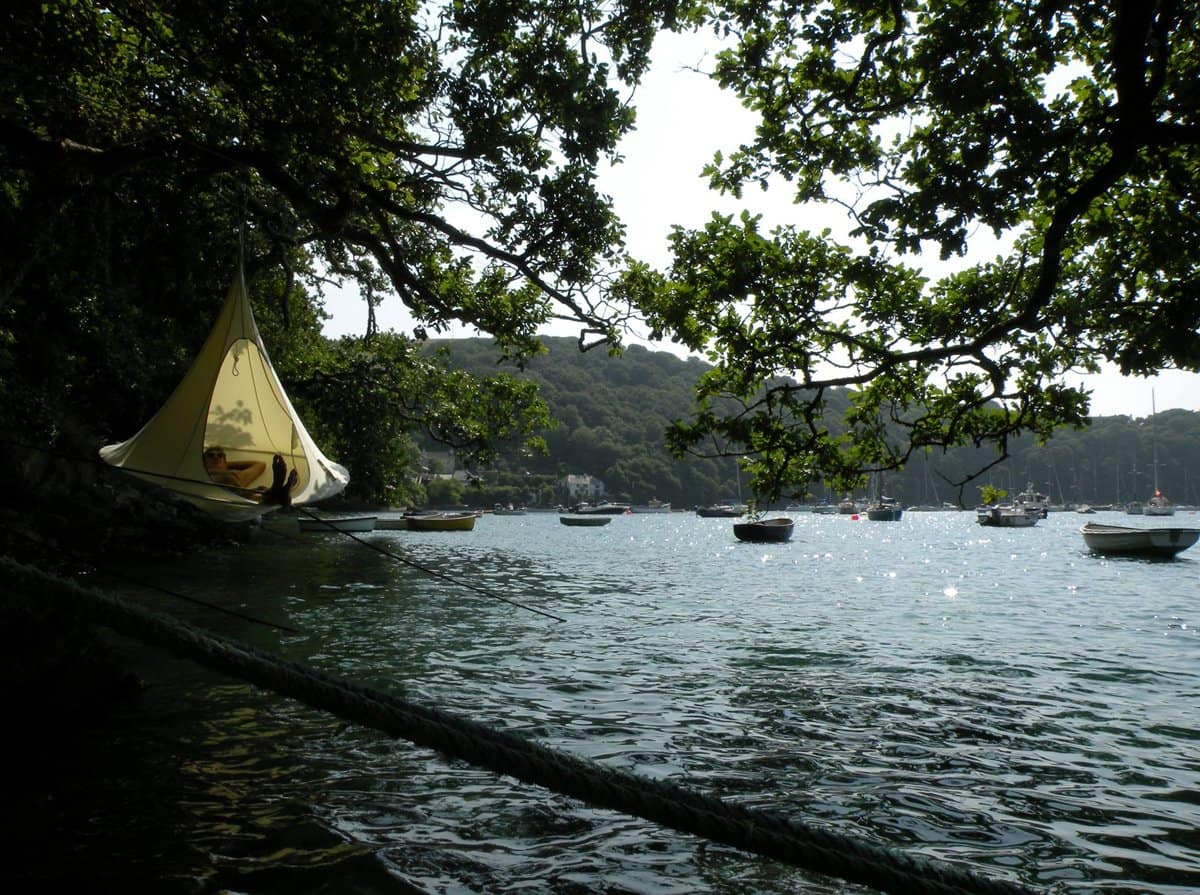
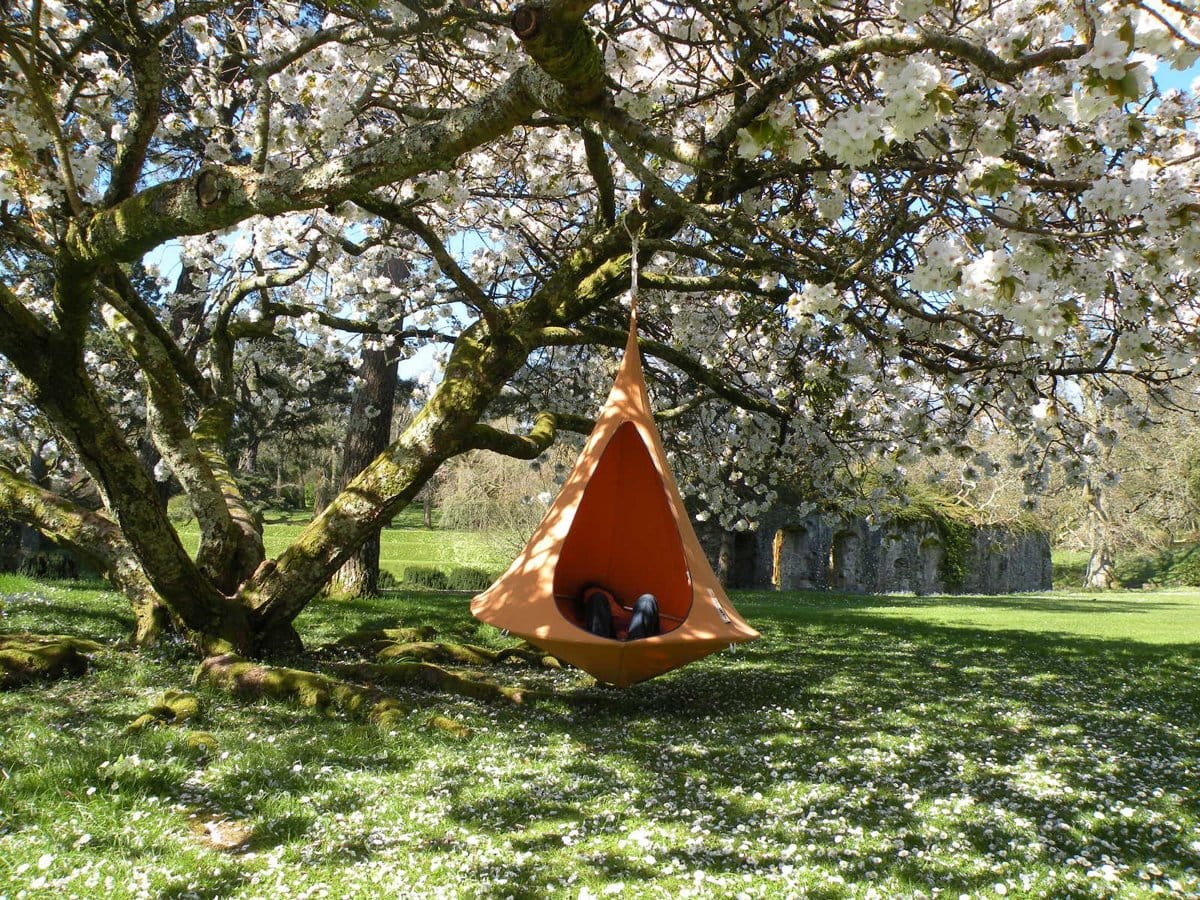
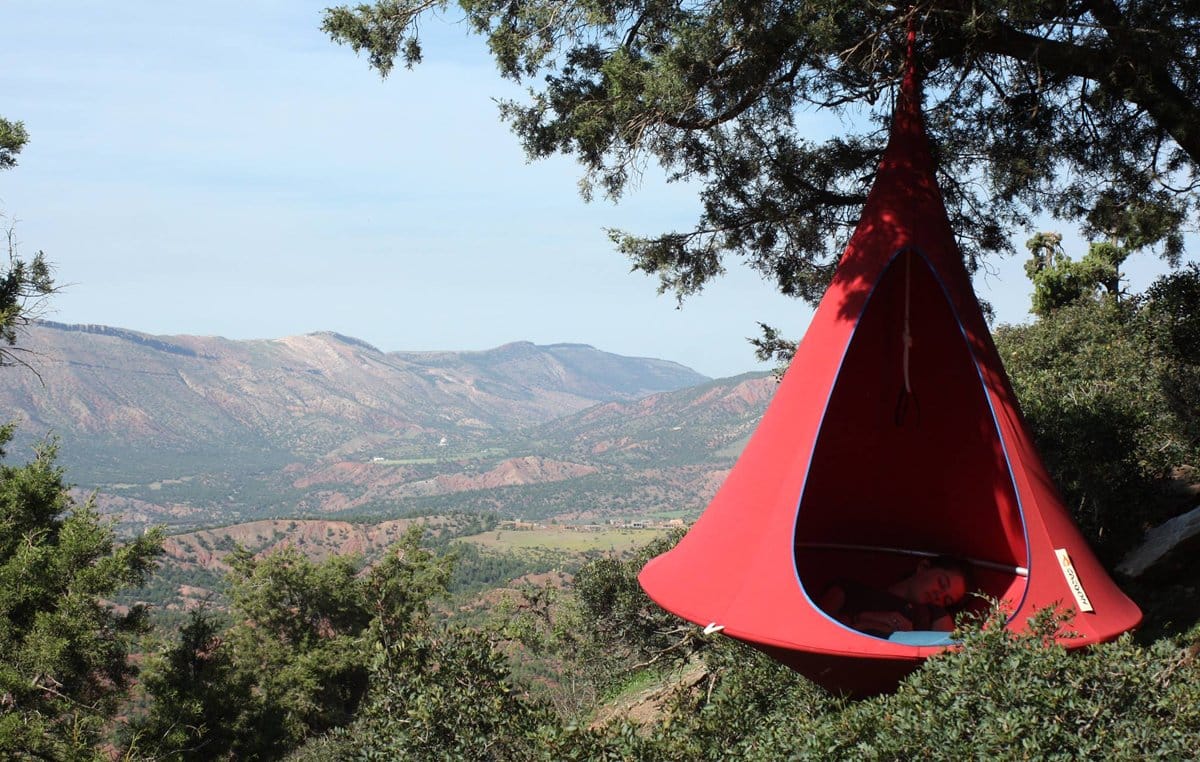
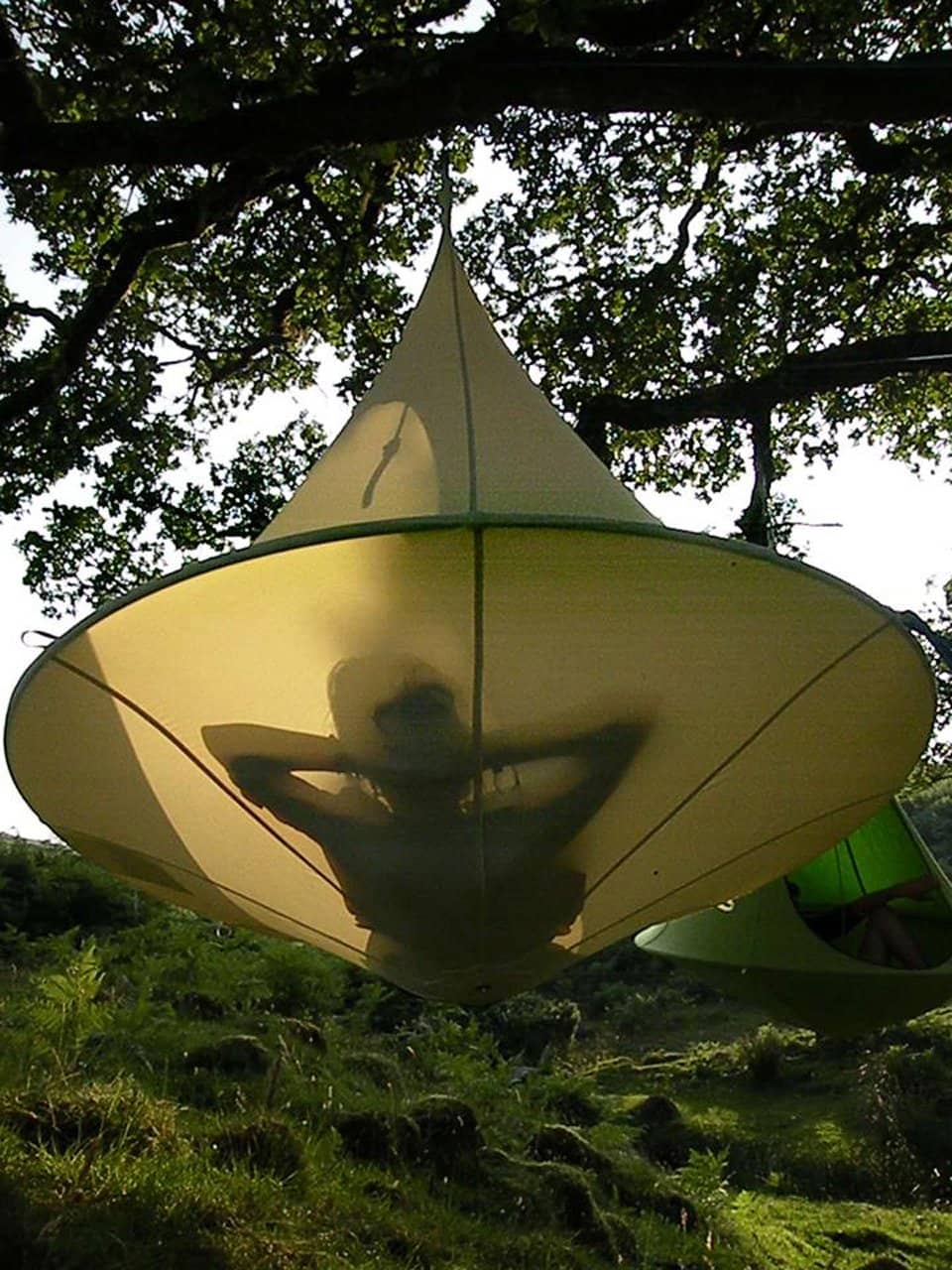
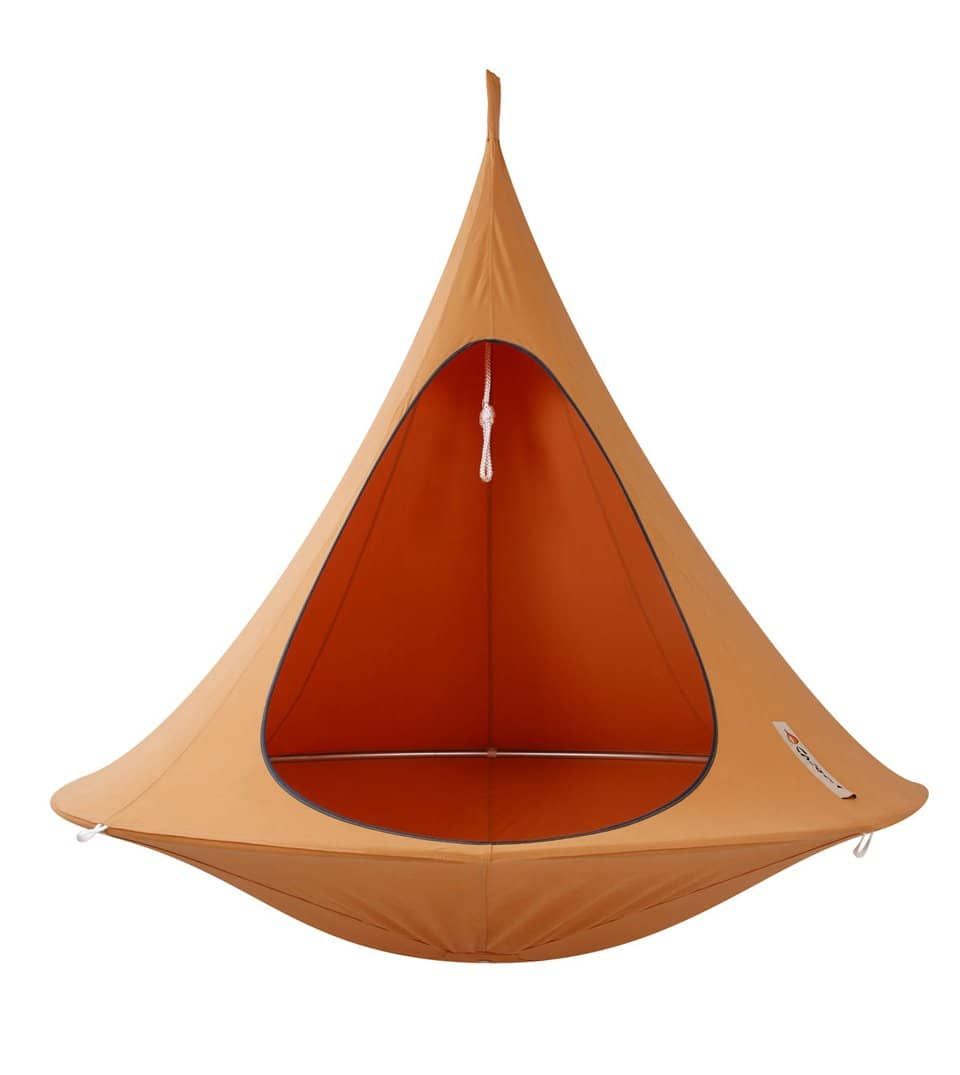
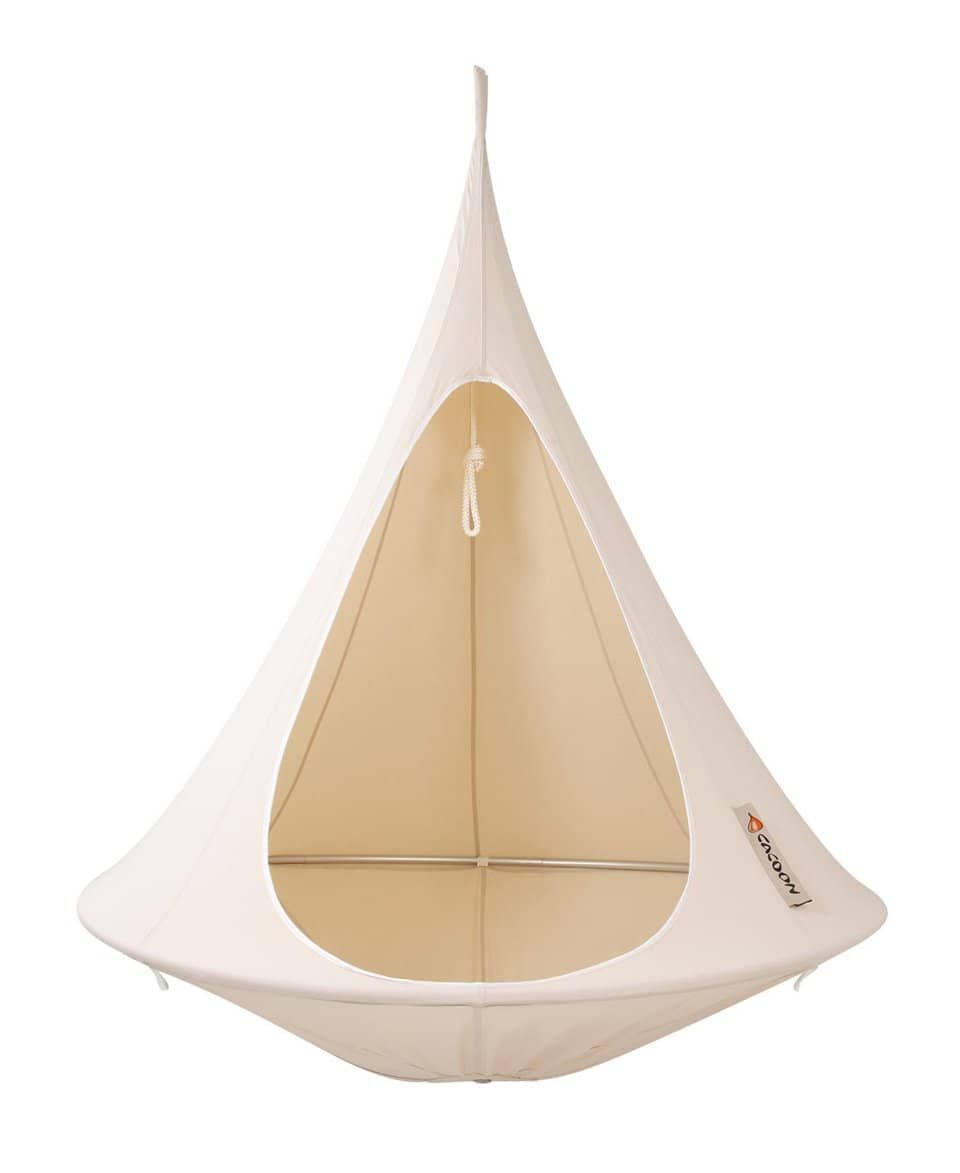
The Cacoon Hanging Chair is constructed with robust engineering to support a weight of up to 200kg or 440lbs. This product was designed in the UK by the collaborative effort of Nick and Sarah, a husband and wife team.
[{"s":"design","n":"design"},{"s":"furniture","n":"furniture"},{"s":"nature","n":"nature"},{"s":"object","n":"object"},{"s":"architecture-in-nature","n":"architecture in nature"}]
The Cacoon Hanging Chair is constructed with robust engineering to support a weight of up to 200kg or 440lbs. This product was designed in the UK by the collaborative effort of Nick and Sarah, a husband and wife team.
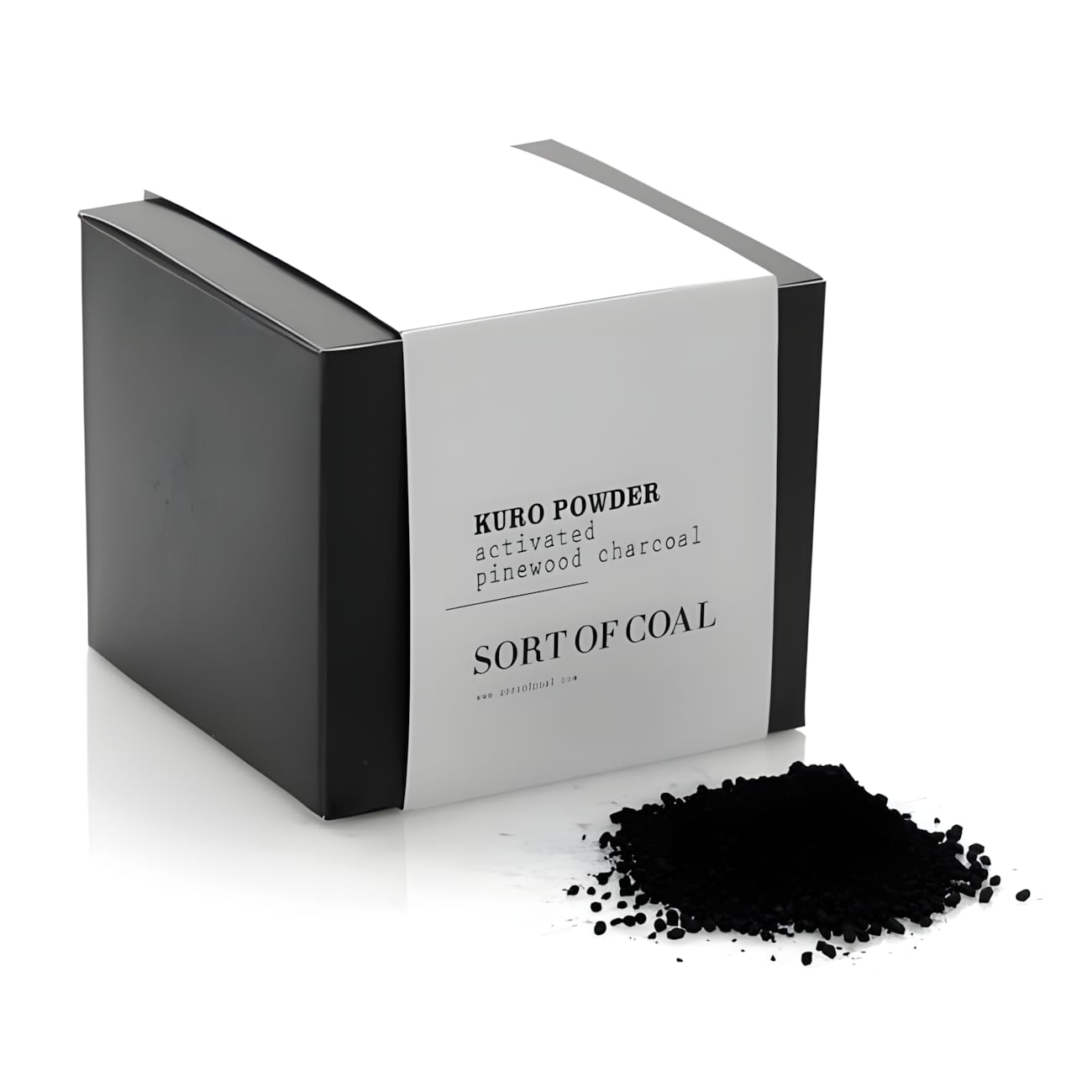
Sort of Coal — Edible Kuro Charcoal Powder sort-of-coal-edible-kuro-charcoal-powder Sort of Coal's Kuro Charcoal Powder — an edible activated charcoal powder from the Danish brand, food-grade and used as a black pigment in cooking and beverages, packaged in a minimal matte-black container.
sort-of-coal sort-of-coal charcoal charcoal food food kuro kuro danish danish packaging packaging design design culinary culinary
techspec tech
[{"s":"sort-of-coal","n":"sort-of-coal"},{"s":"charcoal","n":"charcoal"},{"s":"food","n":"food"},{"s":"kuro","n":"kuro"},{"s":"danish","n":"danish"},{"s":"packaging","n":"packaging"},{"s":"design","n":"design"},{"s":"culinary","n":"culinary"}]
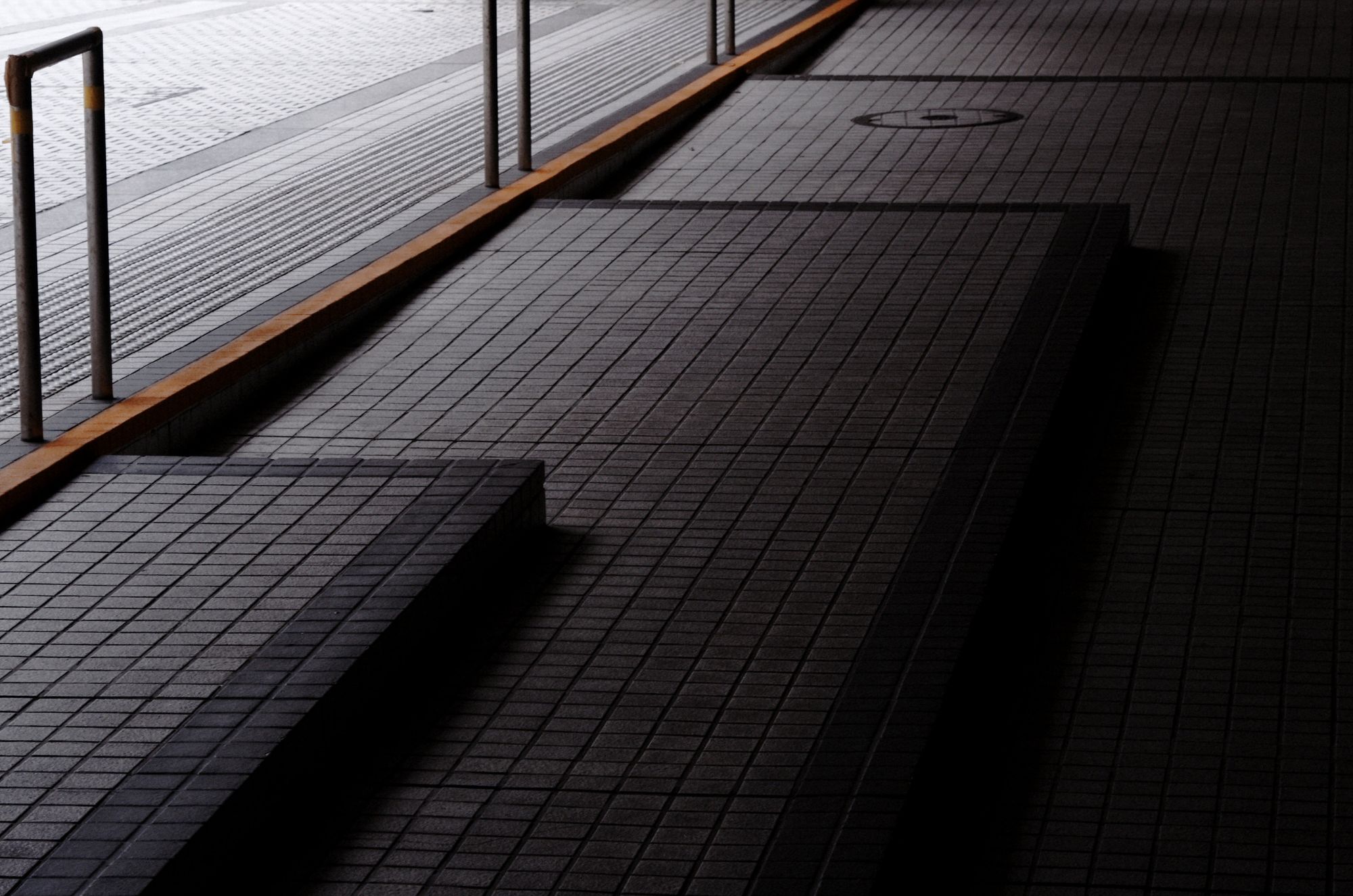
Shinjuku City Tokyo shinjuku-city-tokyo
cityscape cityscape black black flooring flooring concrete concrete design design
techspec tech
[{"s":"cityscape","n":"cityscape"},{"s":"black","n":"black"},{"s":"flooring","n":"flooring"},{"s":"concrete","n":"concrete"},{"s":"design","n":"design"}]
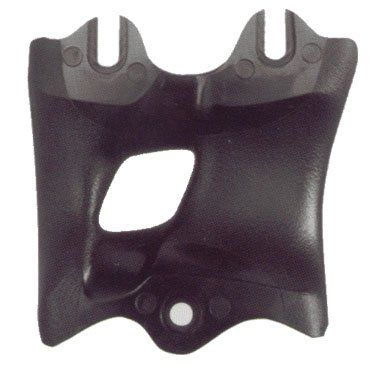
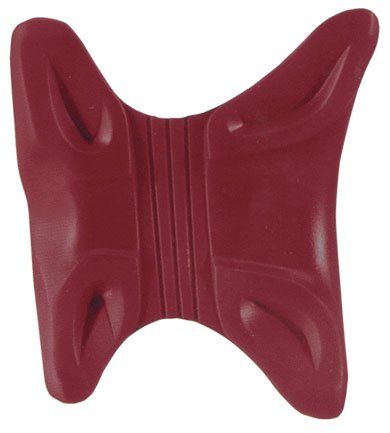
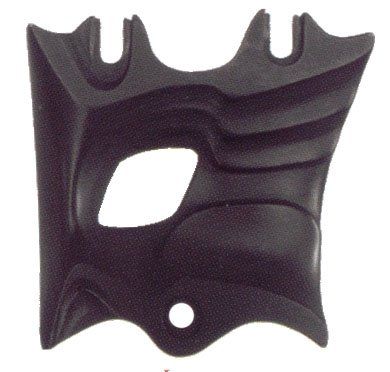
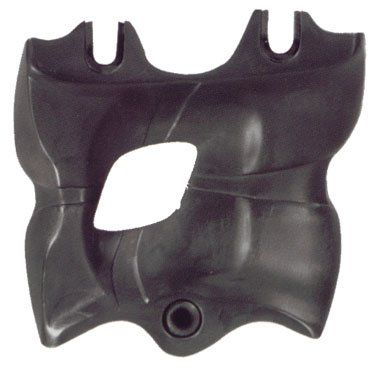
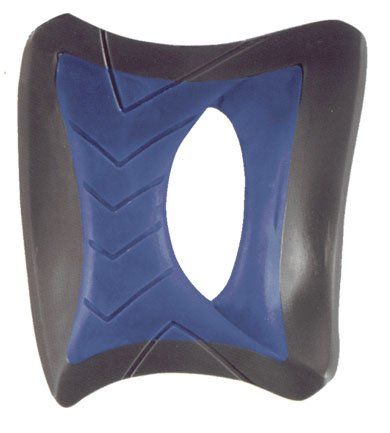
Grinding footwear inserts grinding-footwear-inserts
form form organic form organic-form Hans Ruedi Giger hans-ruedi-giger design design object object black black brown brown
techspec tech
[{"s":"form","n":"form"},{"s":"organic-form","n":"organic form"},{"s":"hans-ruedi-giger","n":"Hans Ruedi Giger"},{"s":"design","n":"design"},{"s":"object","n":"object"},{"s":"black","n":"black"},{"s":"brown","n":"brown"}]
Urbastyle Bench Paris 1 — La Défense urbastyle-bench-paris-1-la-defense Urbastyle 'Bench Paris 1' — a circular precast concrete bench custom-designed for the La Défense business district in Paris. Available in multiple colors and finishes.
architecture architecture design design street furniture street-furniture concrete concrete Paris paris grey grey
techspec tech
[{"s":"architecture","n":"architecture"},{"s":"design","n":"design"},{"s":"street-furniture","n":"street furniture"},{"s":"concrete","n":"concrete"},{"s":"paris","n":"Paris"},{"s":"grey","n":"grey"}]