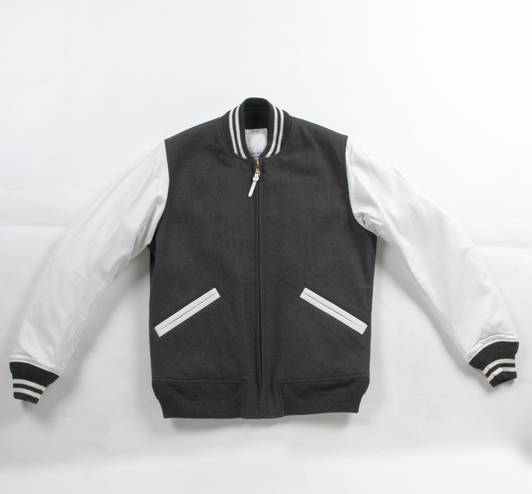
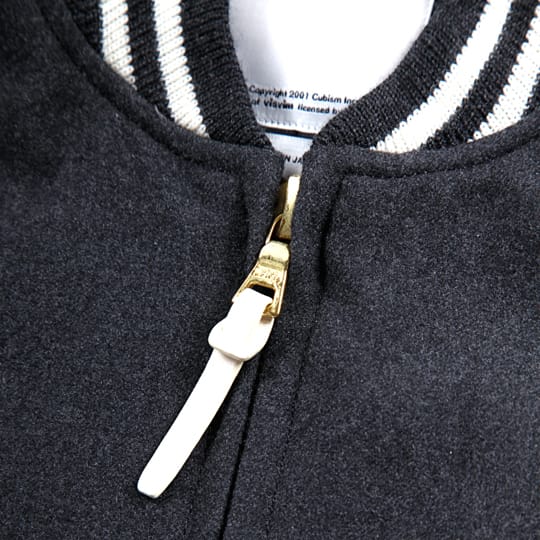
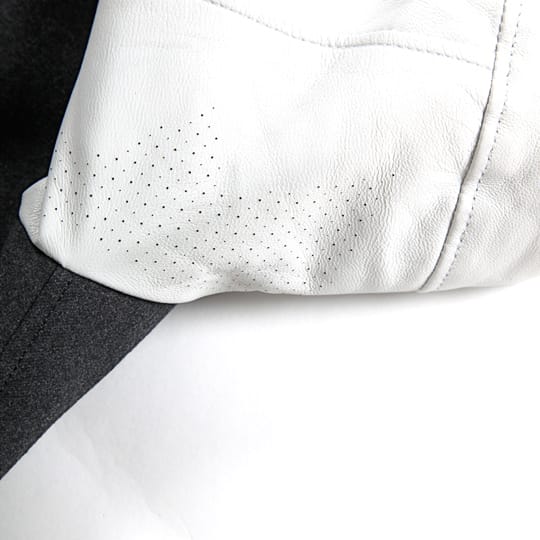
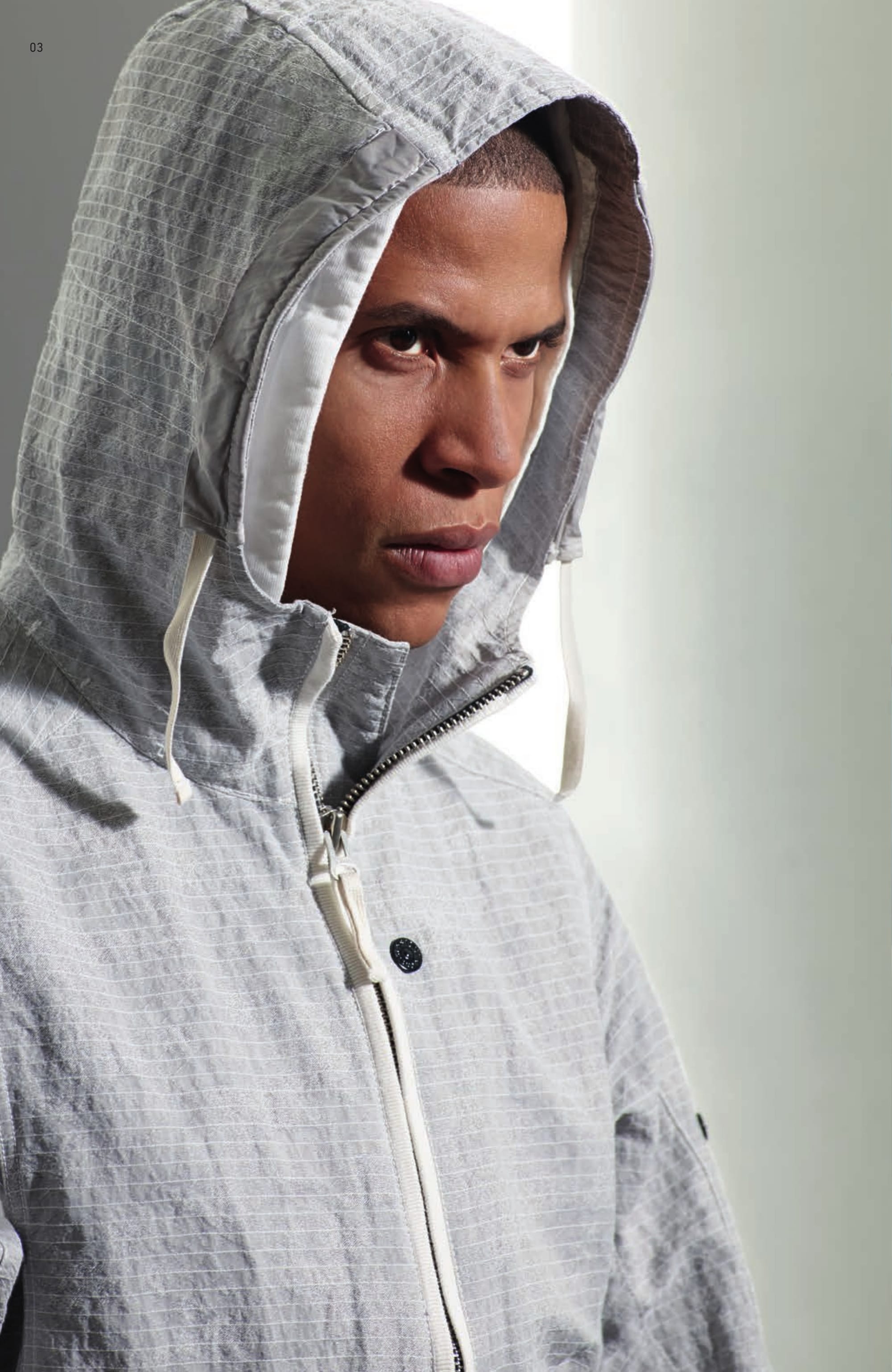
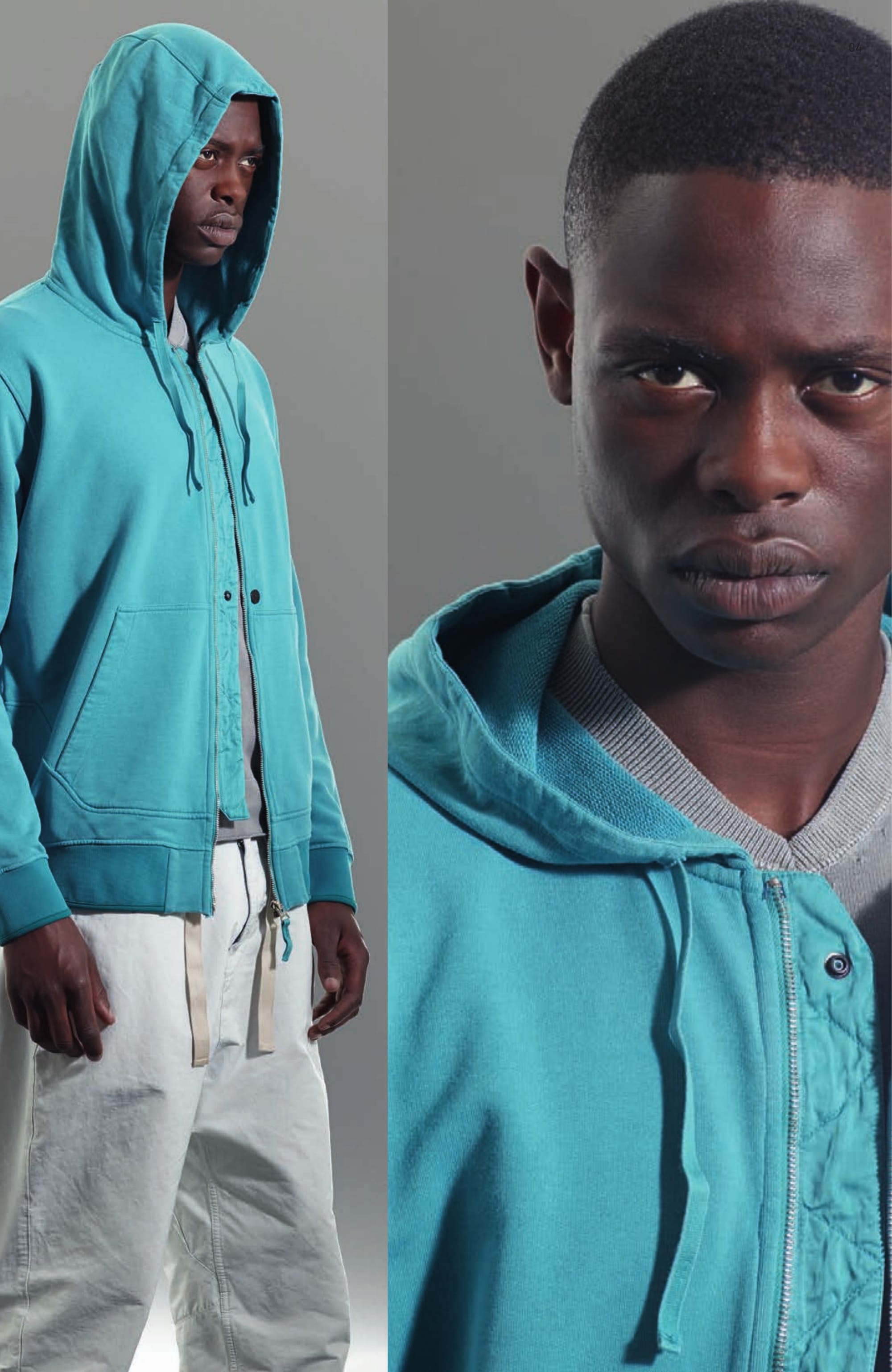
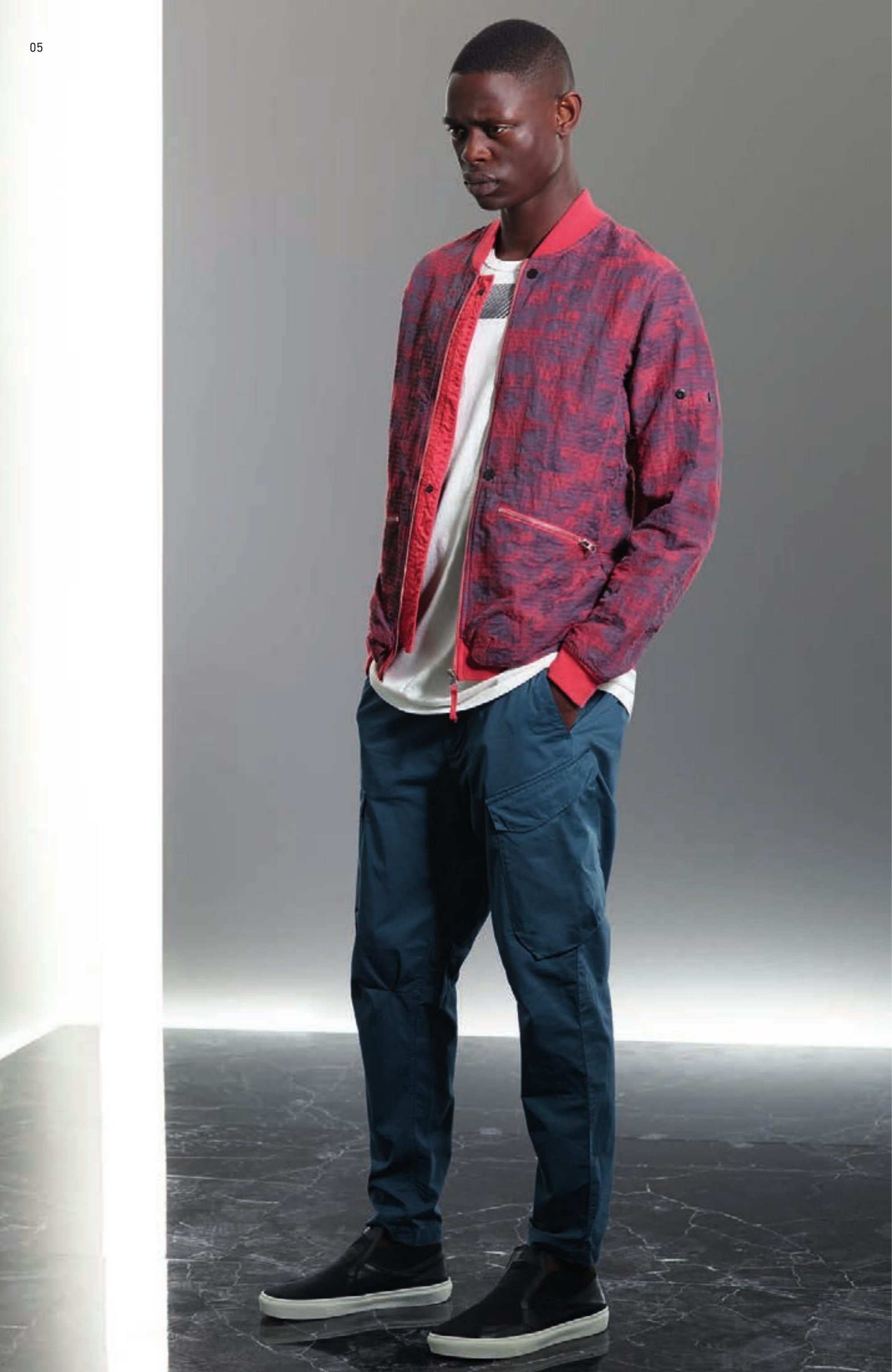
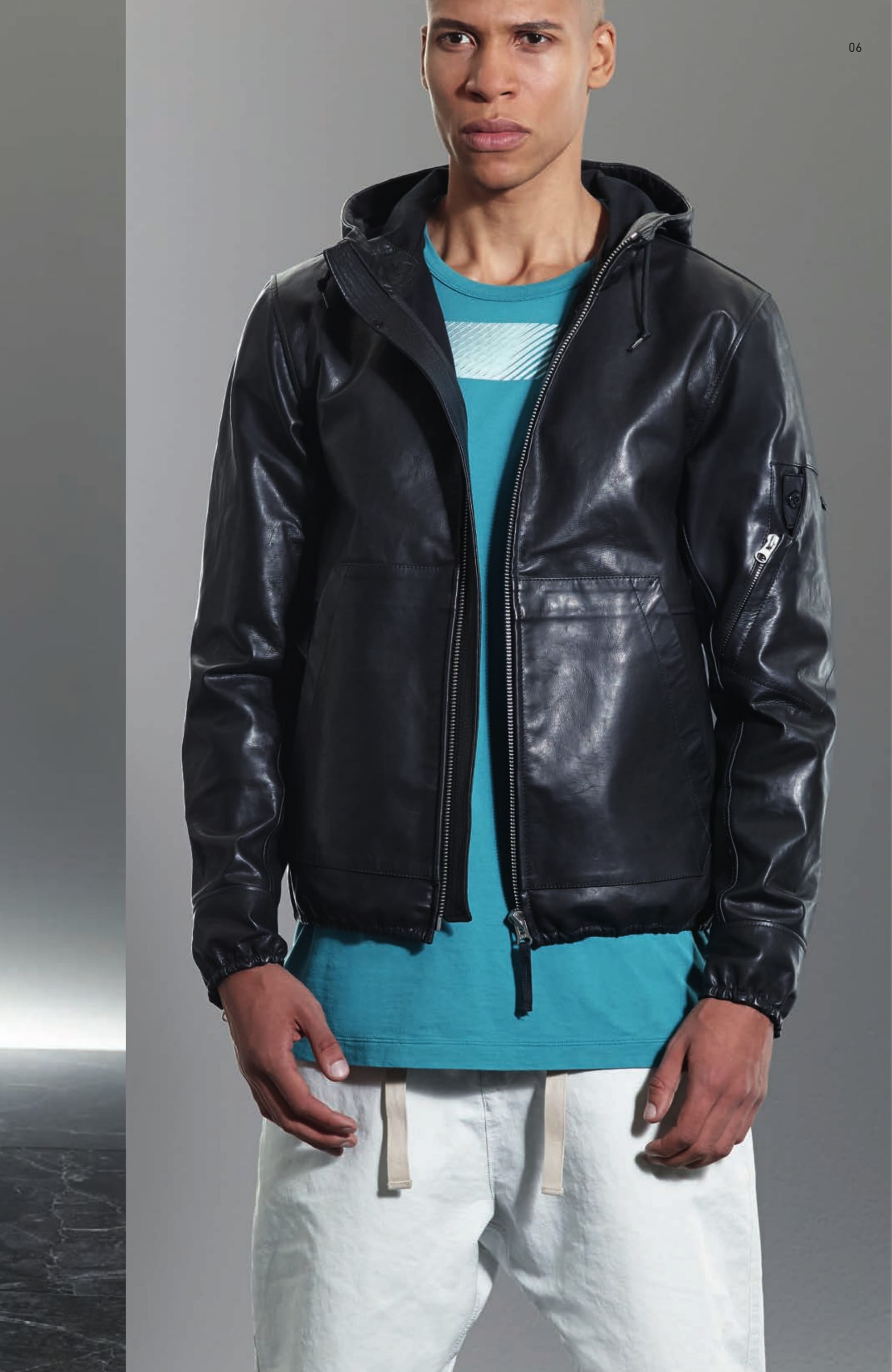
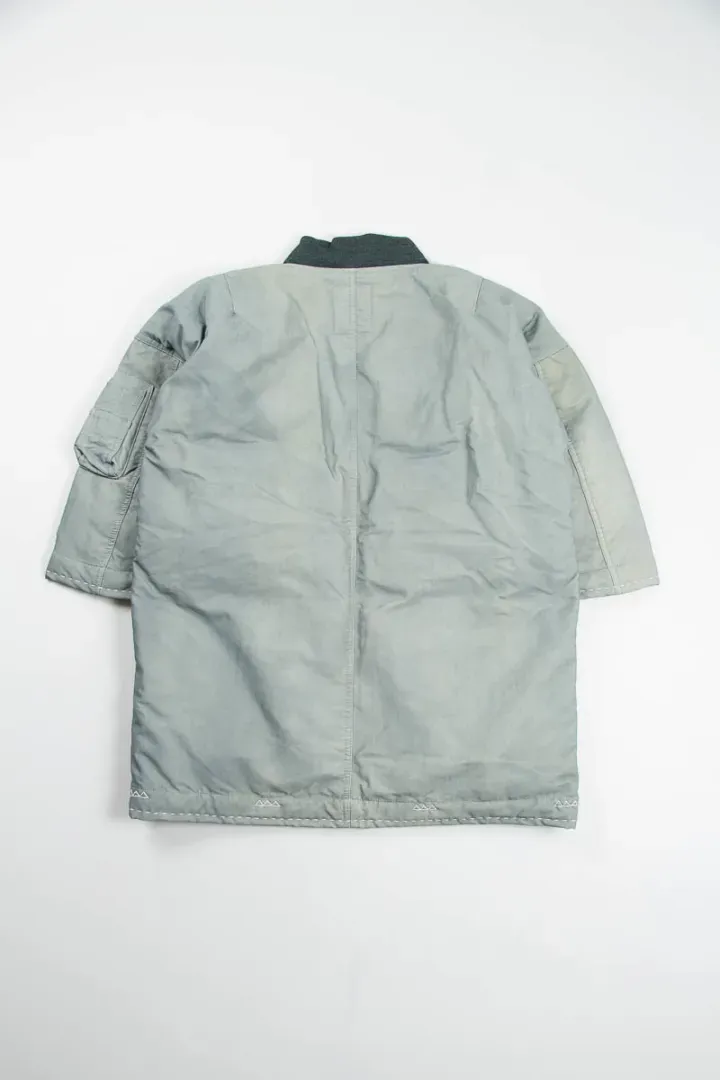
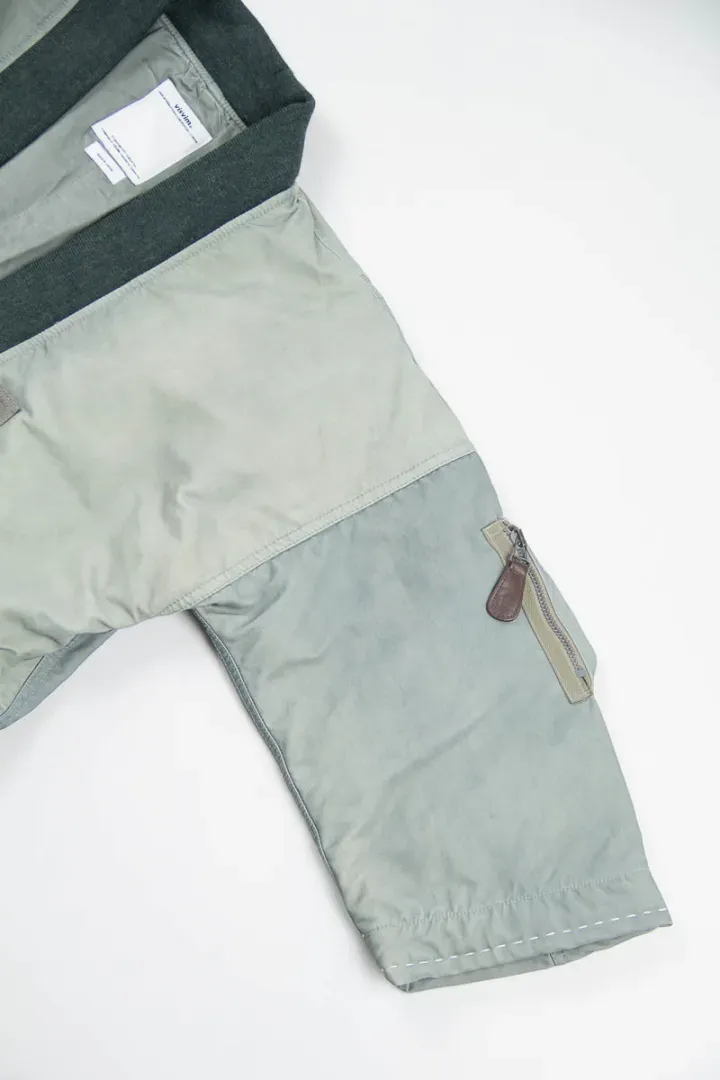
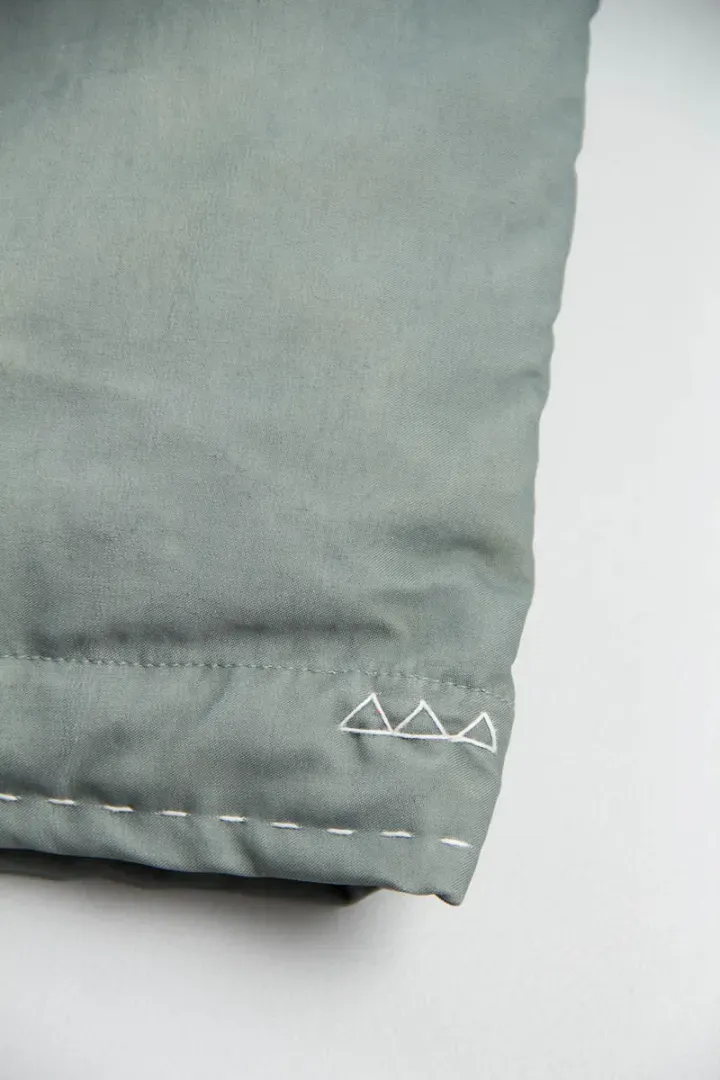
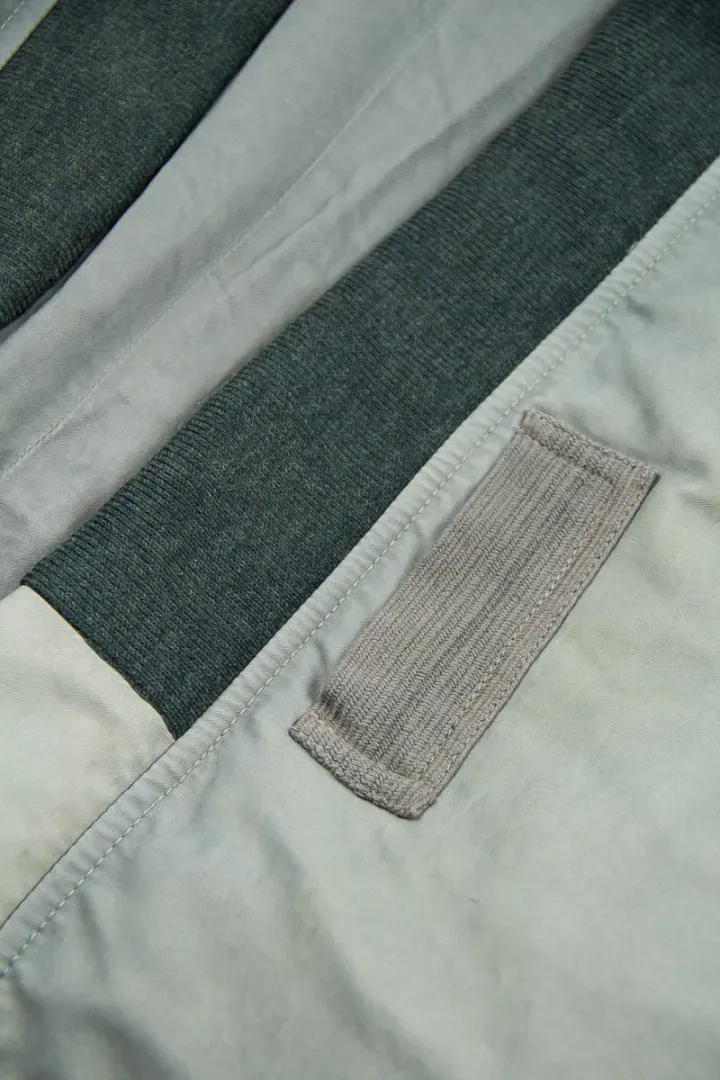
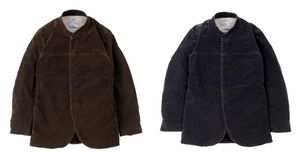
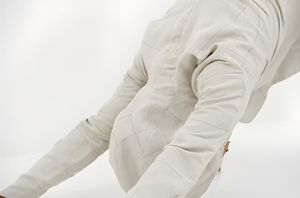
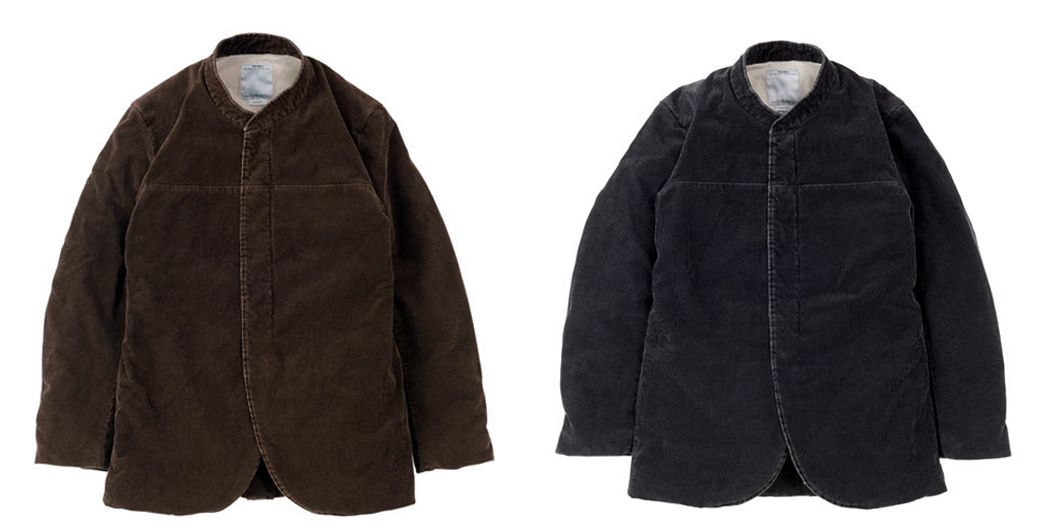
visvim's charcoal-wool and white-lambskin Windstopper Varsity Jacket from Fall/Winter 2010.
visvim's Fall/Winter 2010 Windstopper Varsity Jacket combines an Italian suiting-wool body, lambskin sleeves and a quilted GORE-TEX Windstopper lining.
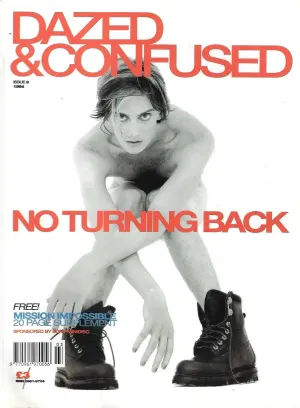
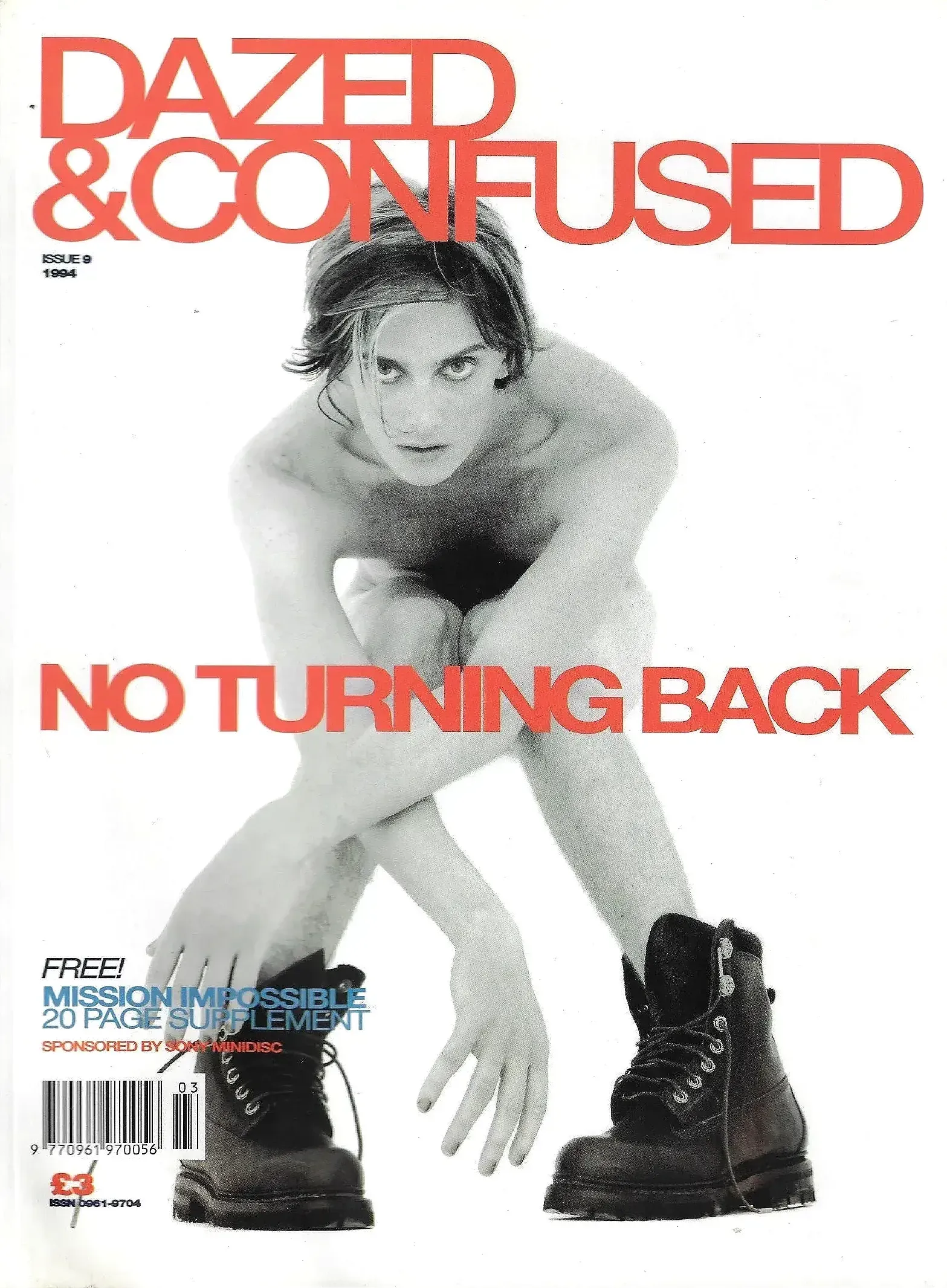
Dazed & Confused Magazine _ Issue 009 _ March 1994 dazed-confused-009-march-1994 Dazed & Confused issue 9, March 1994. Björk, a rare Alexander McQueen interview, and Inside Out in reversible Paul Smith and R Newbold denim. Full PDF scan.
[]
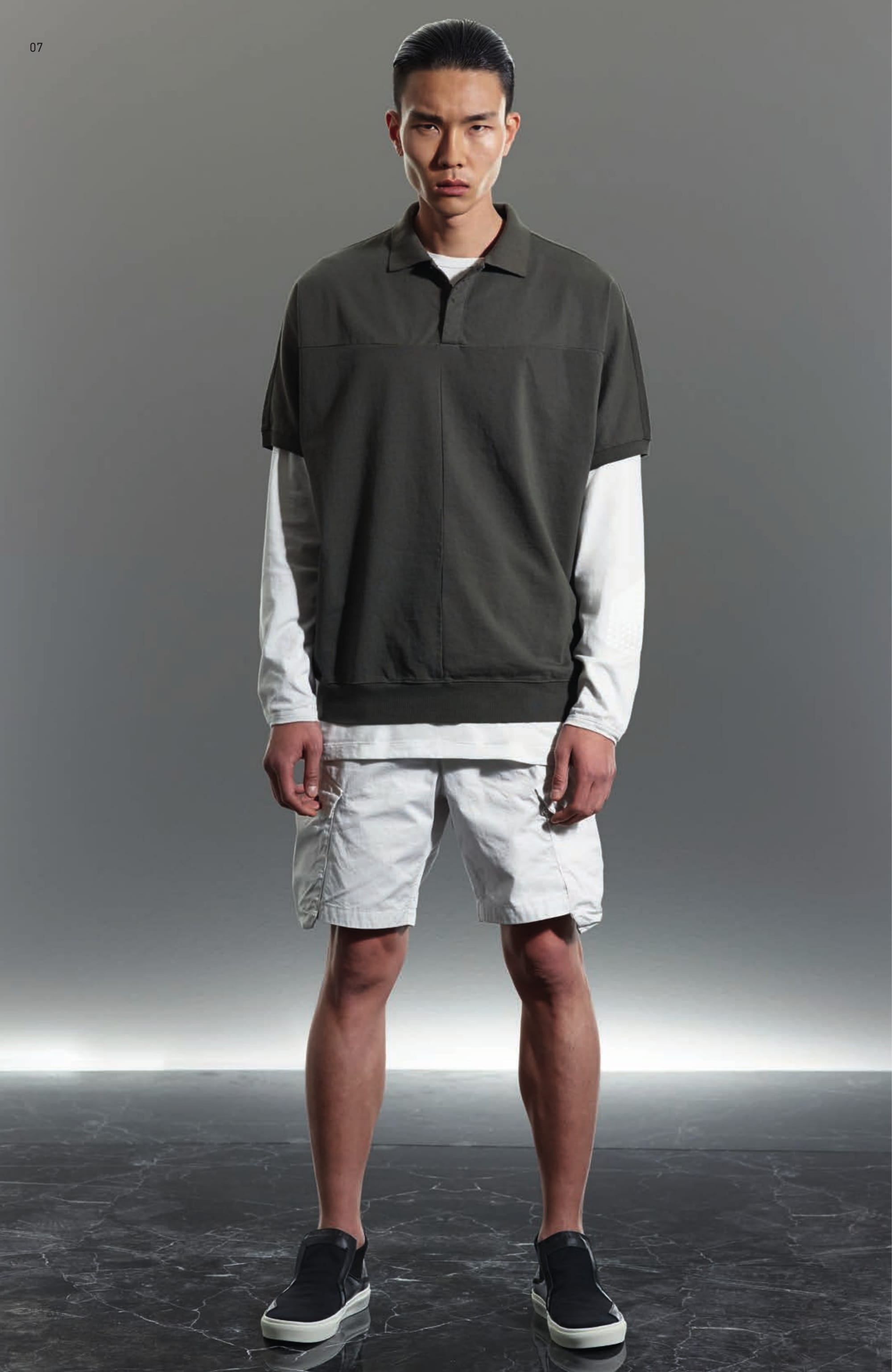
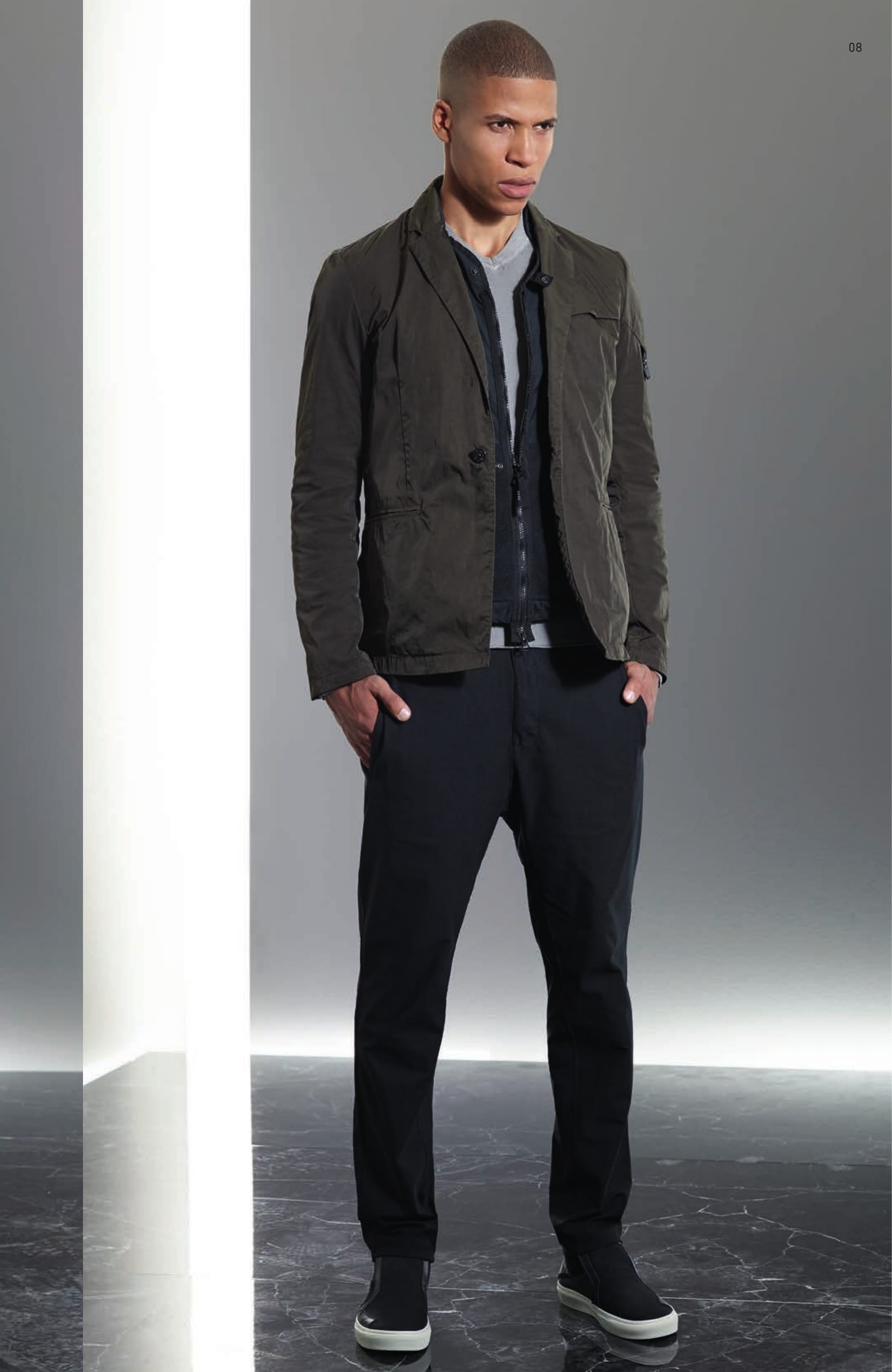
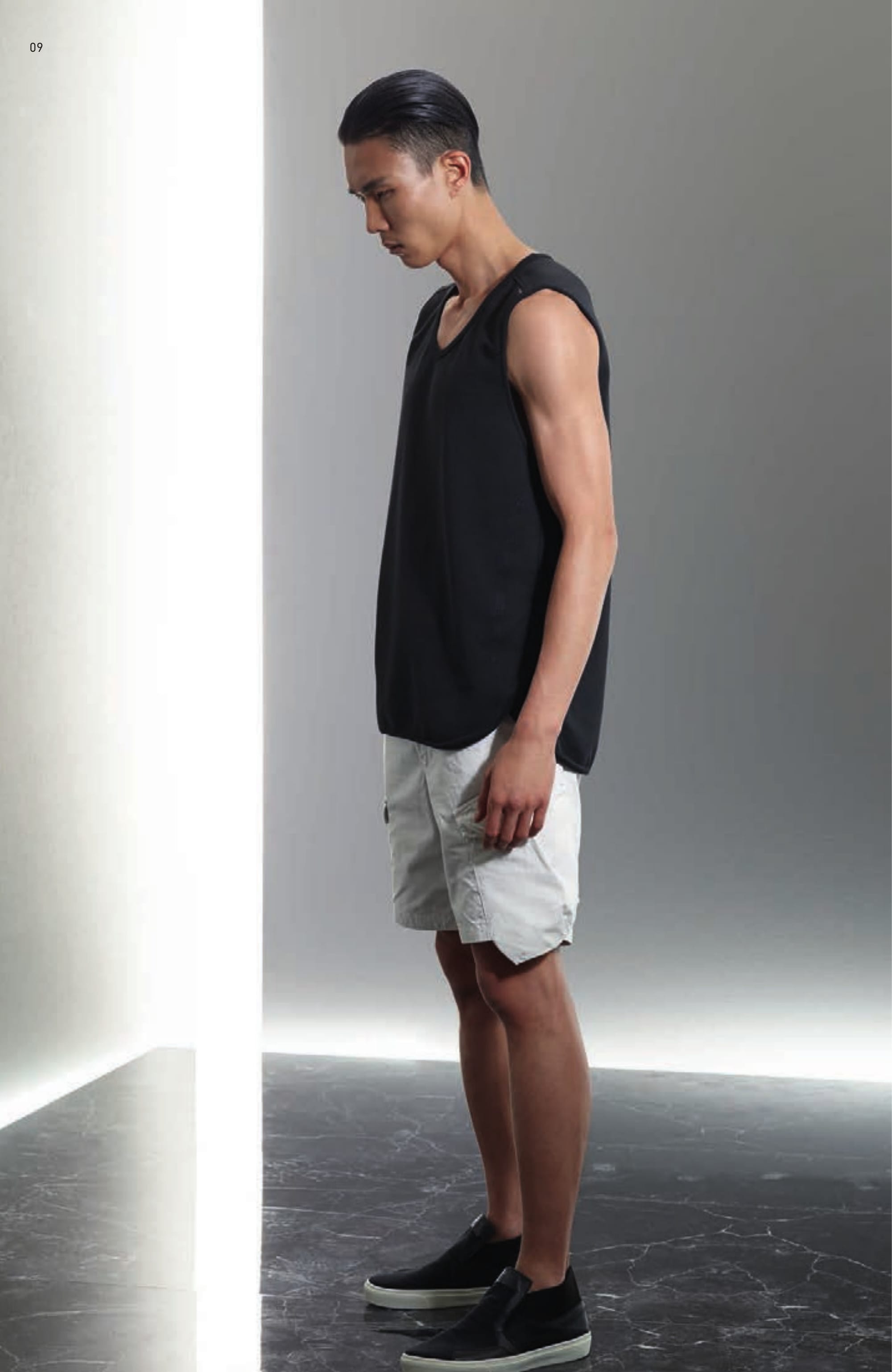
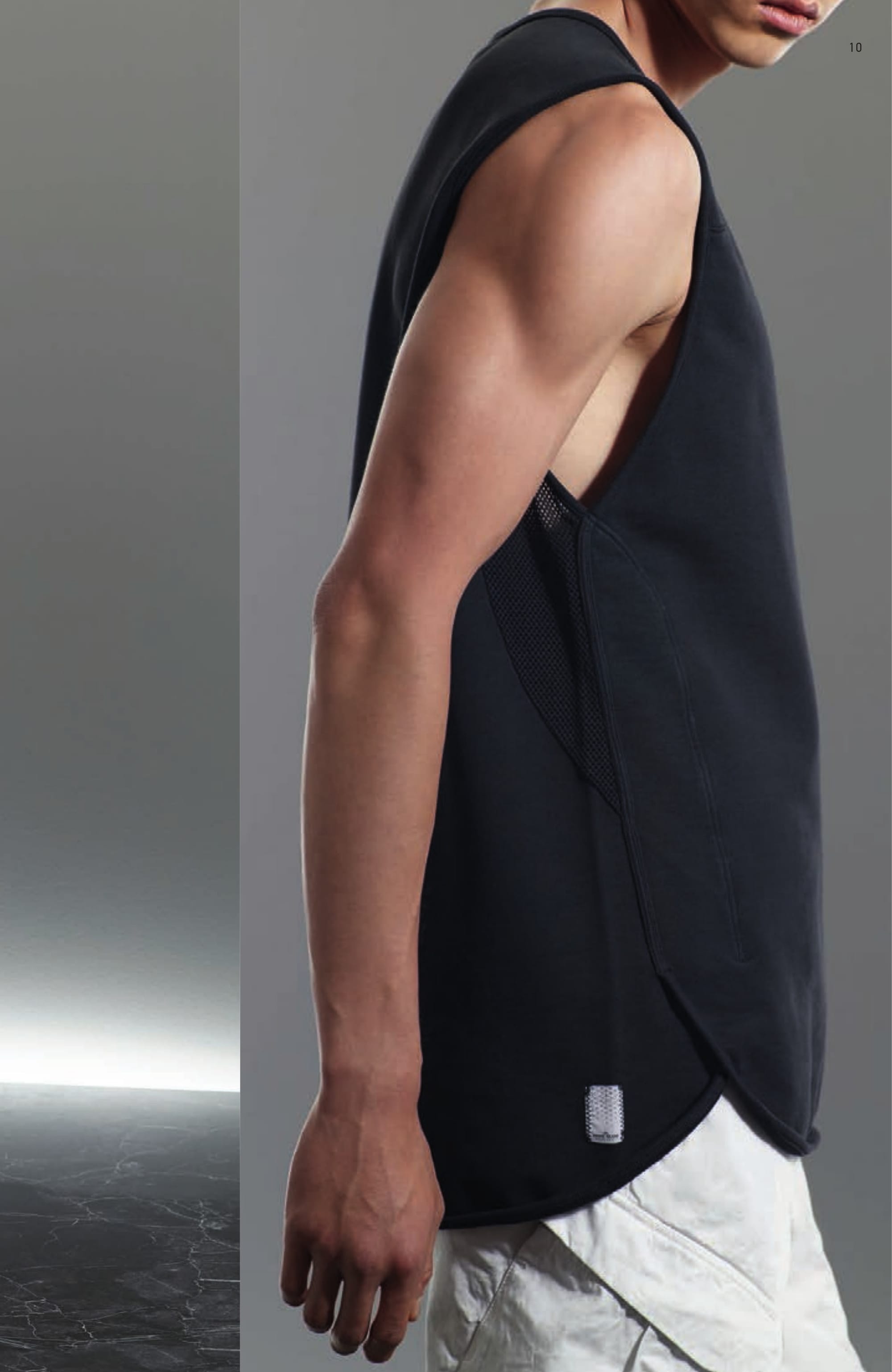
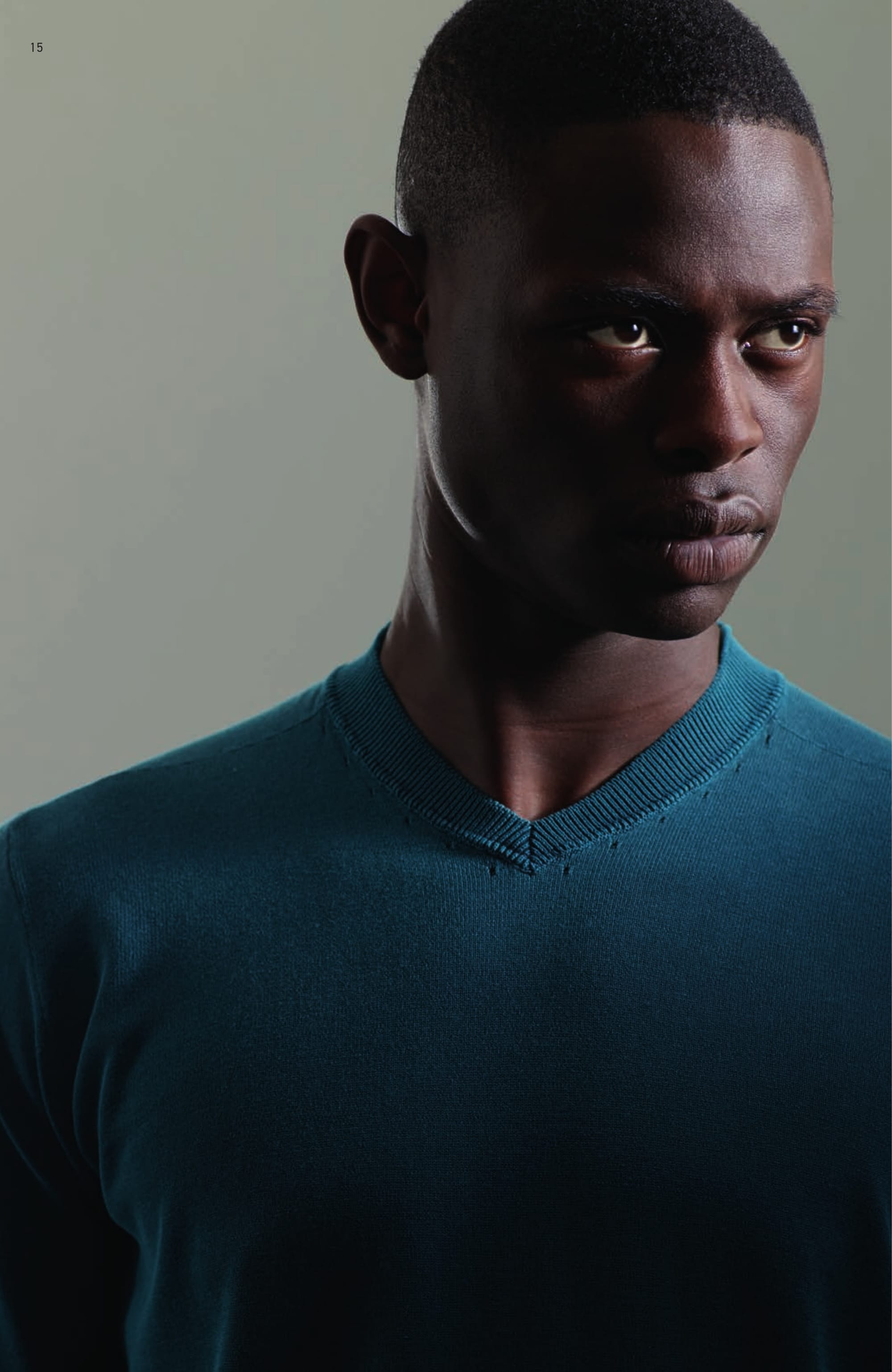
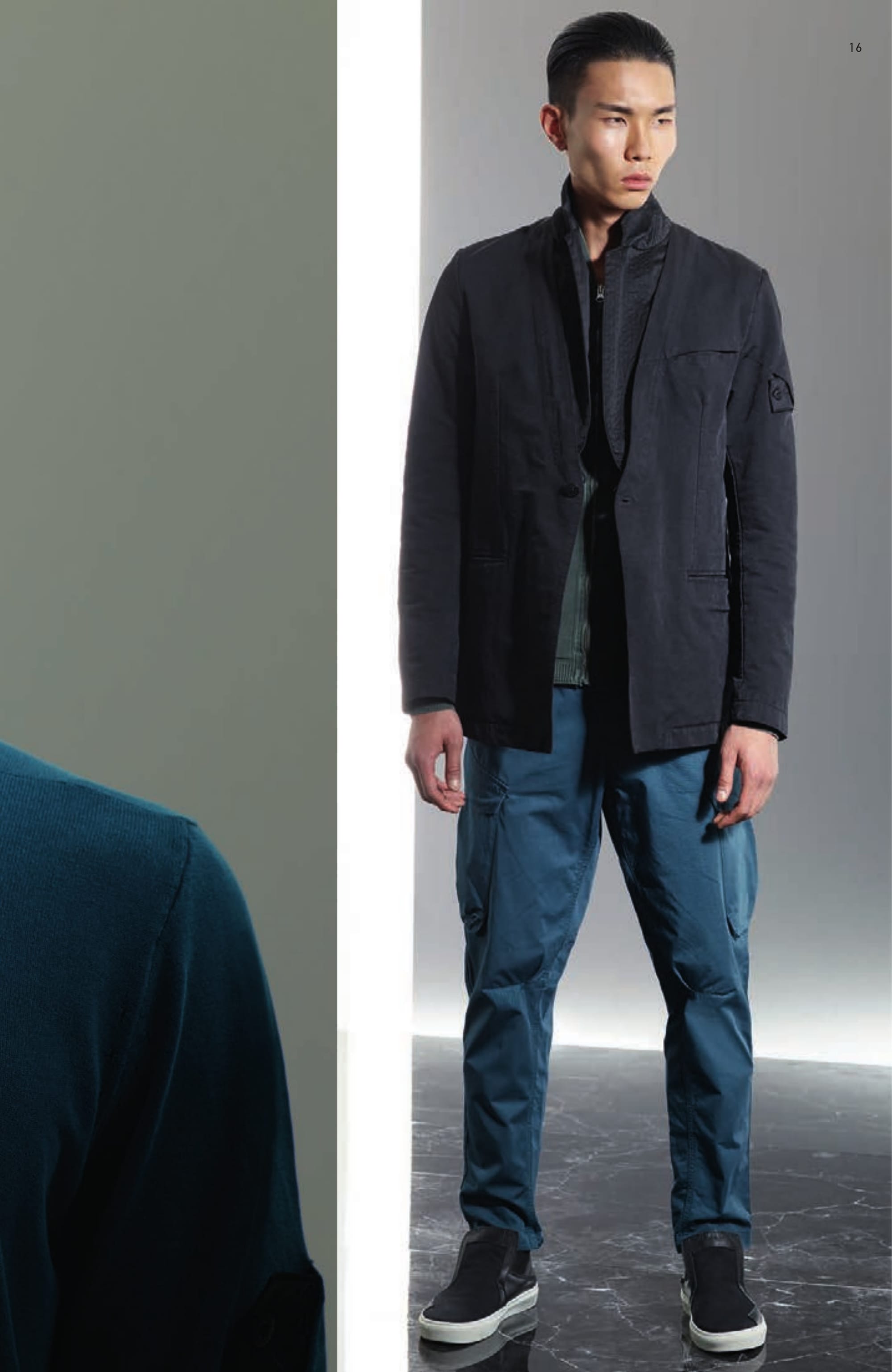
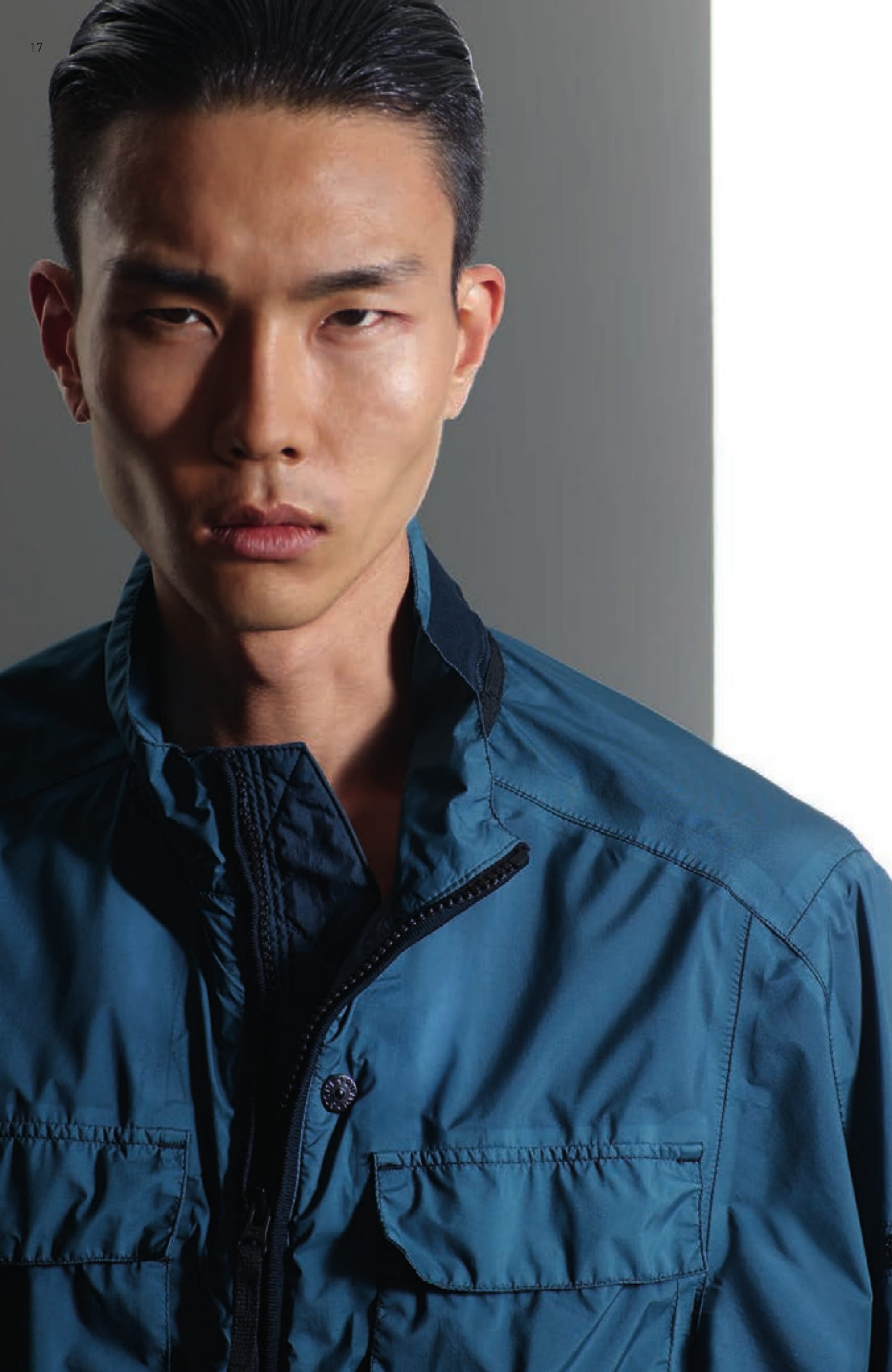
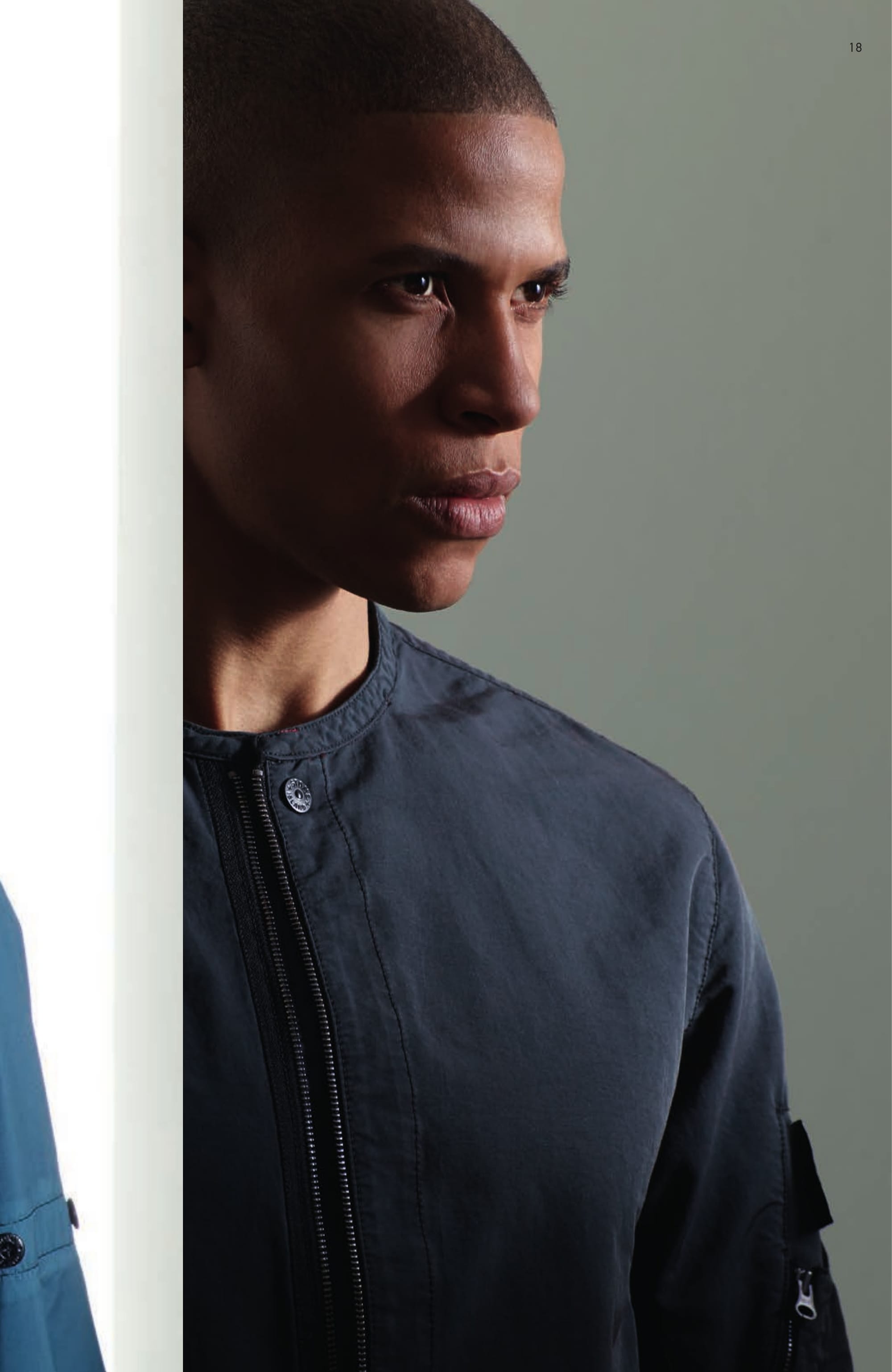
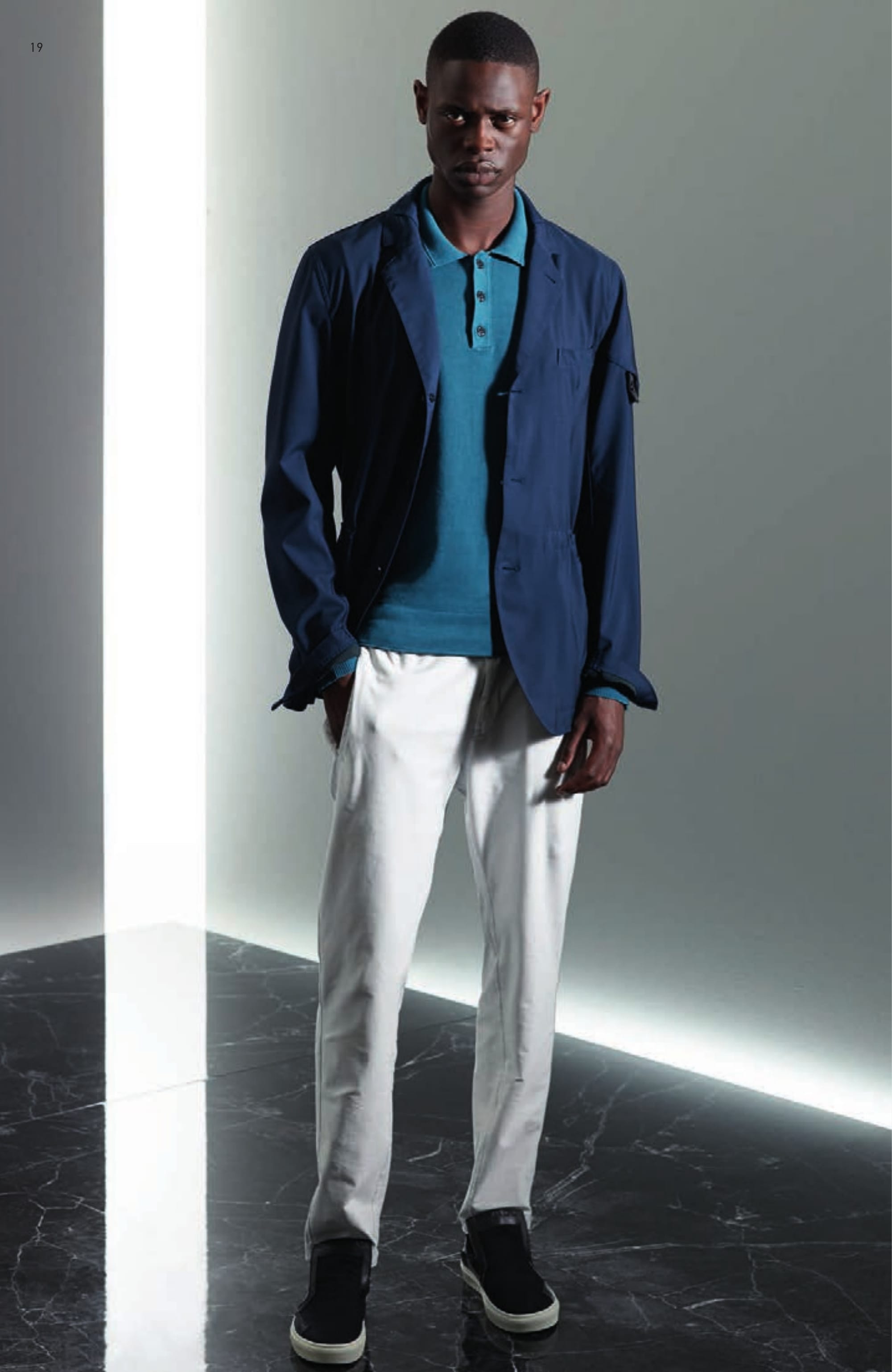
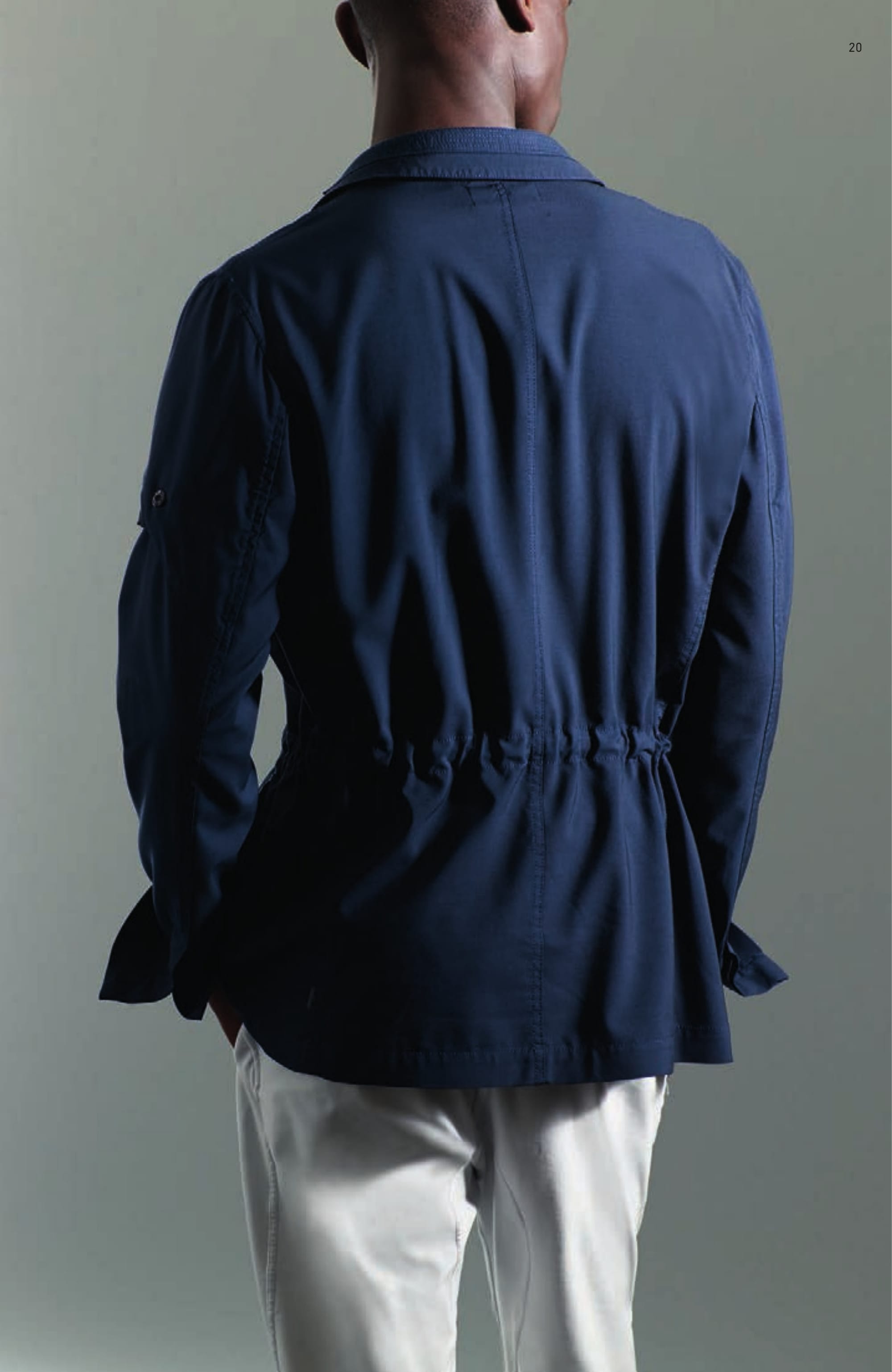
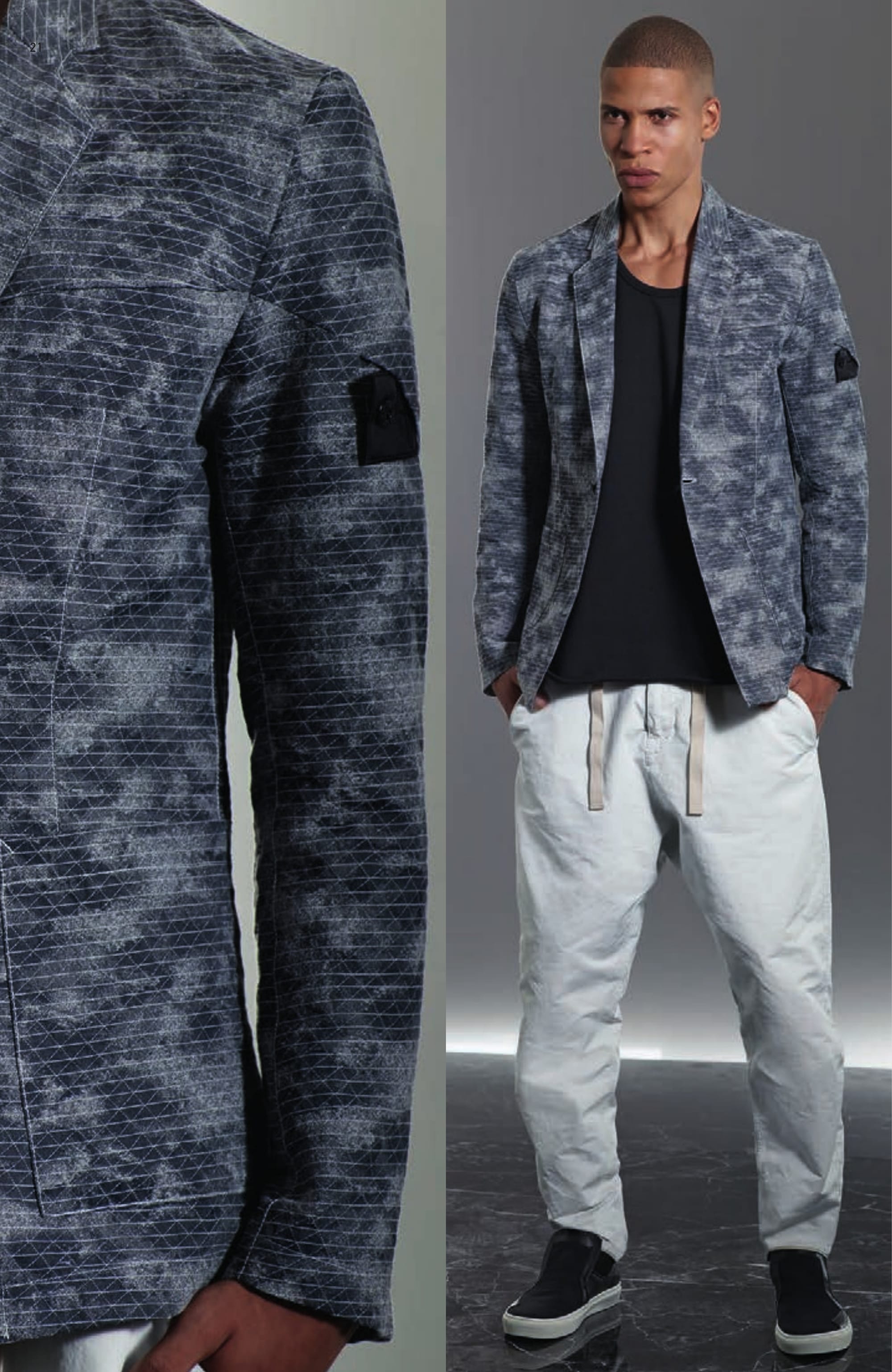
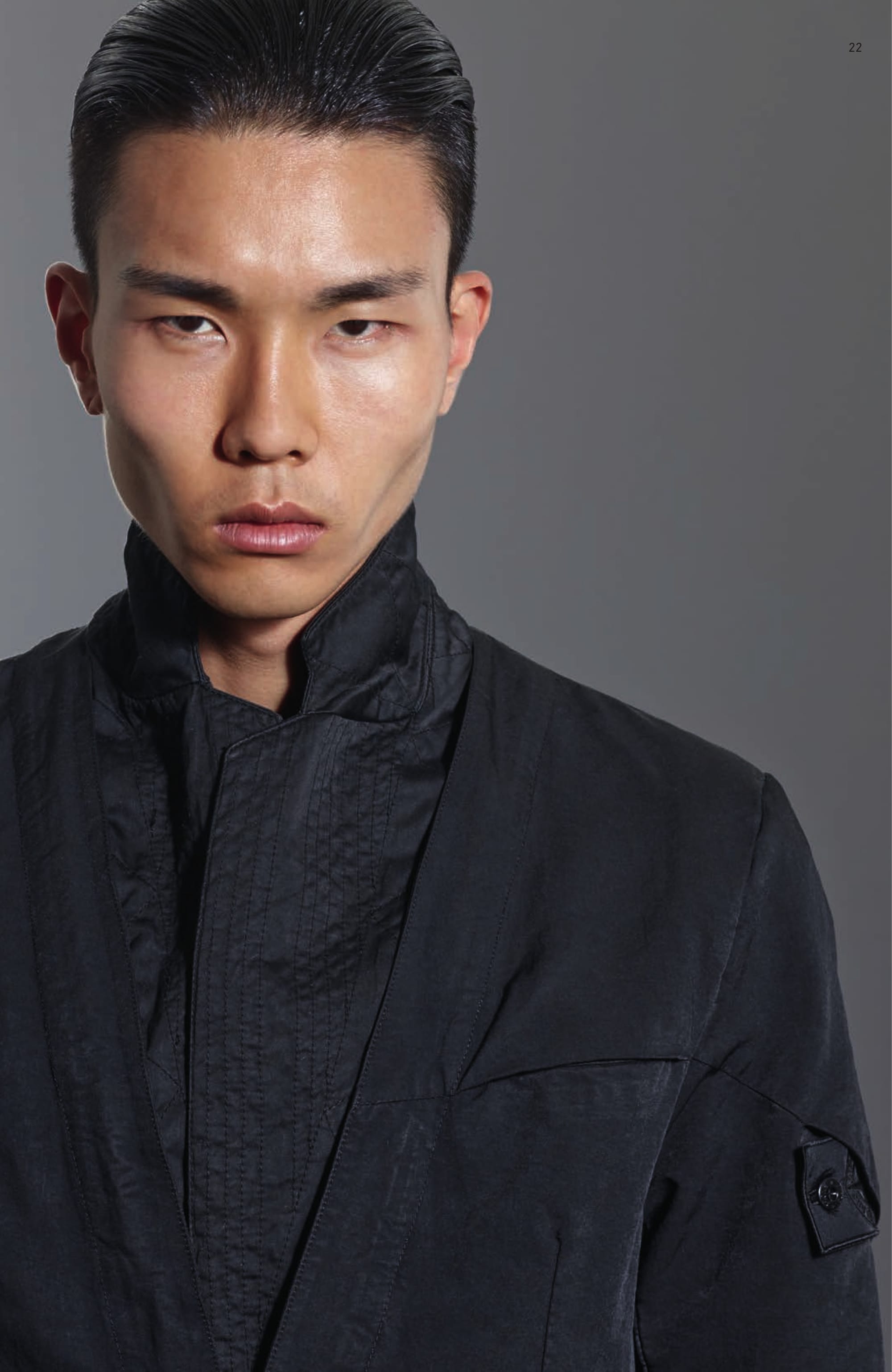
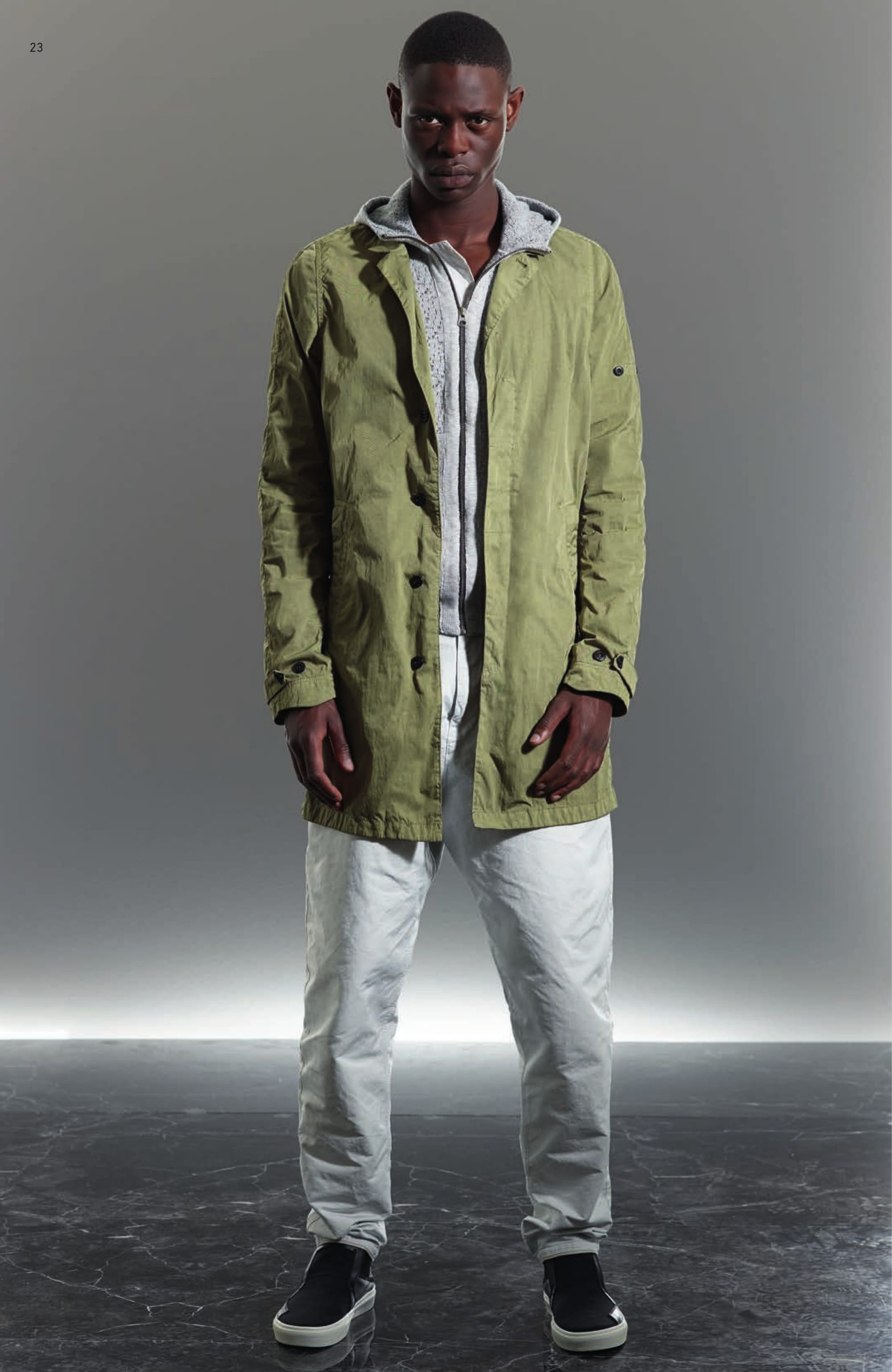
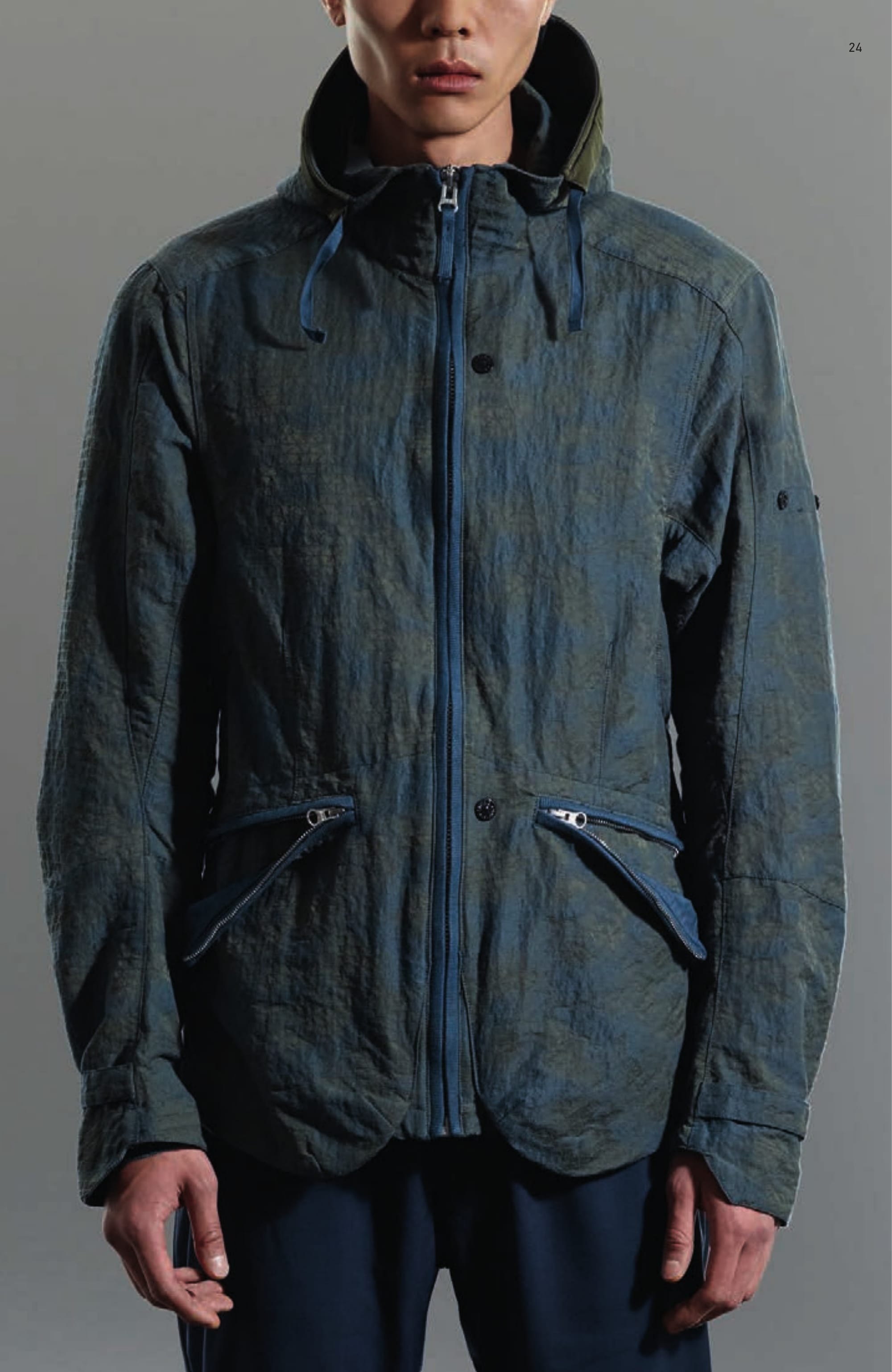
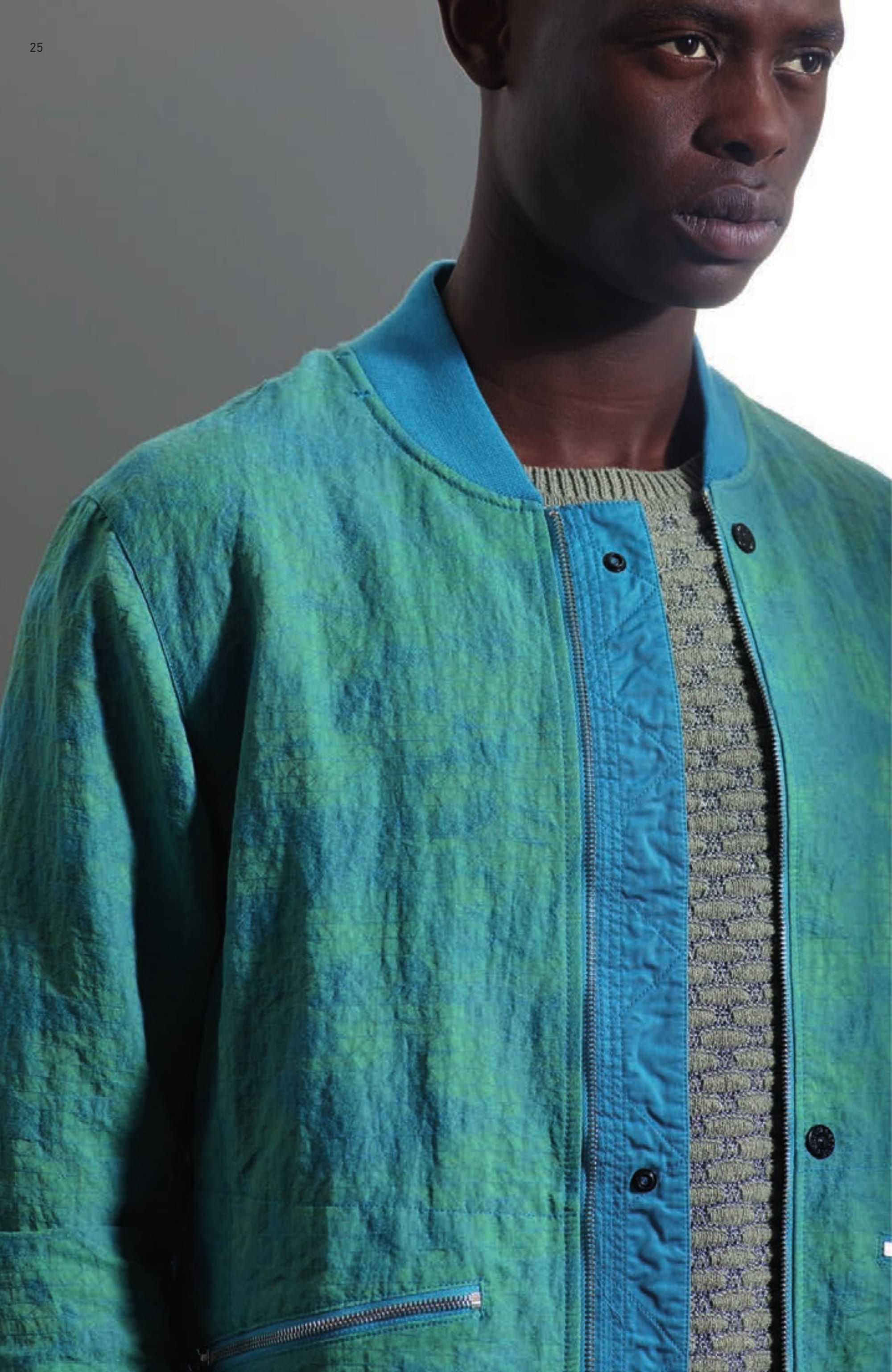
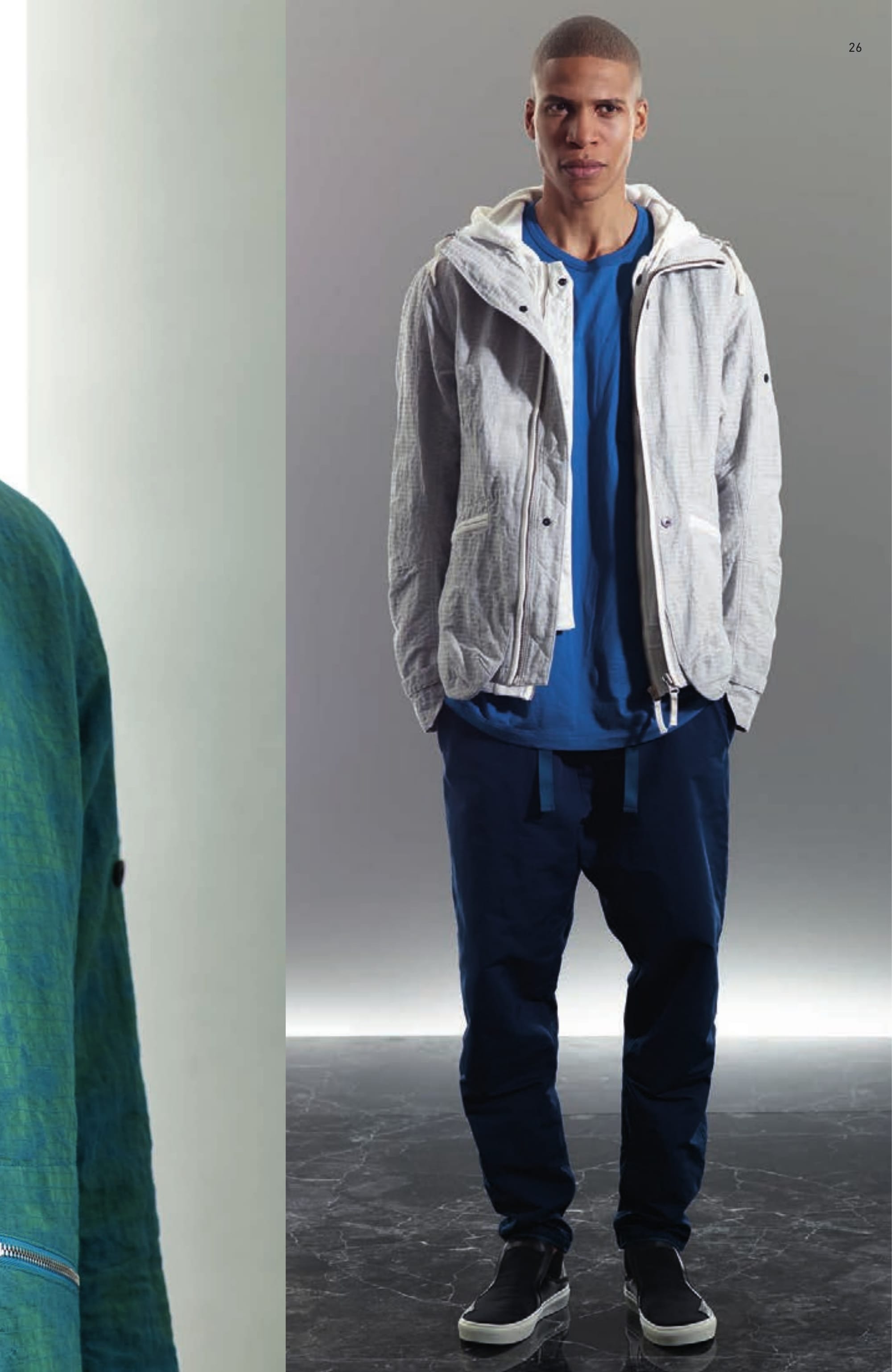
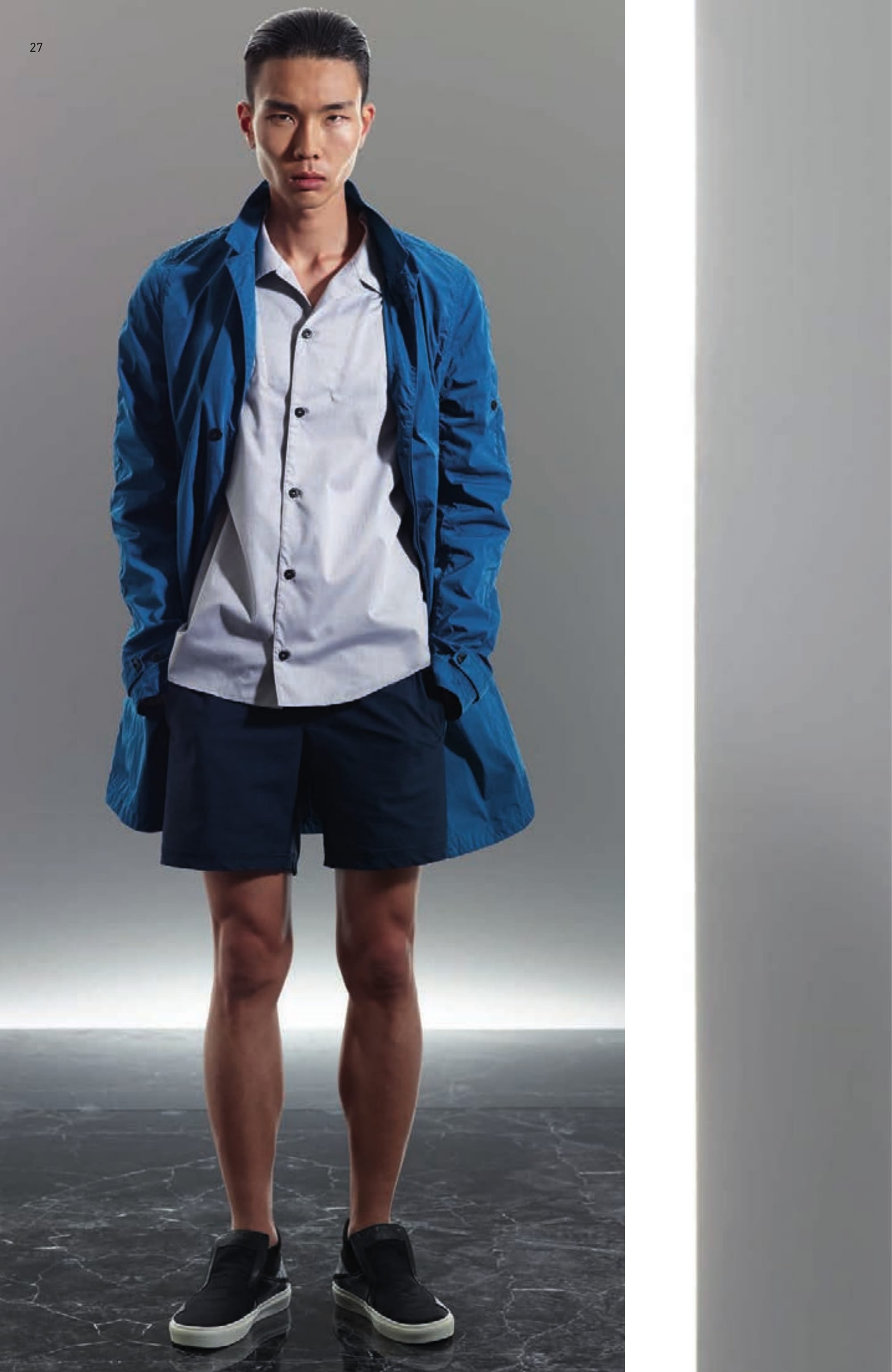
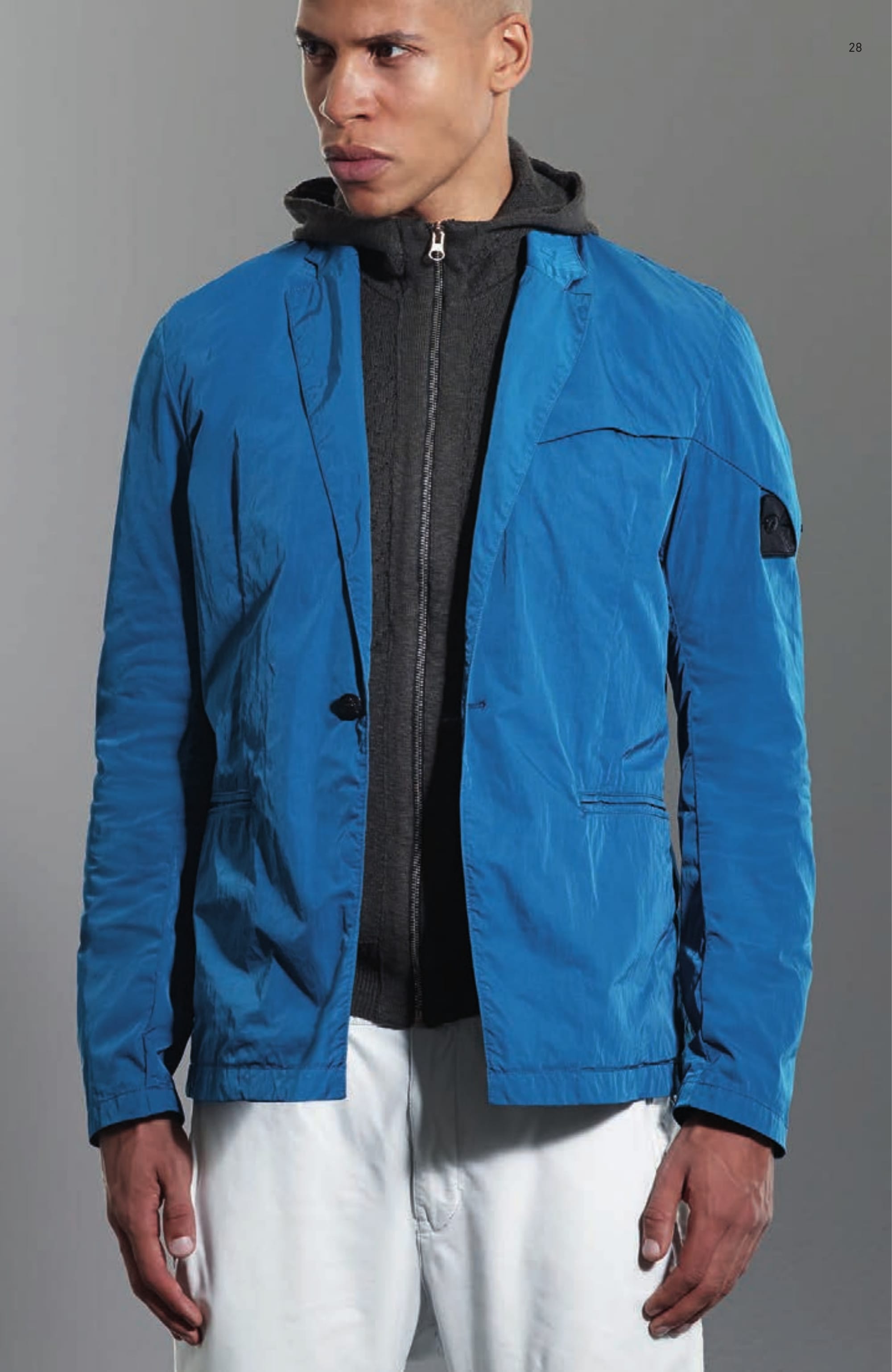
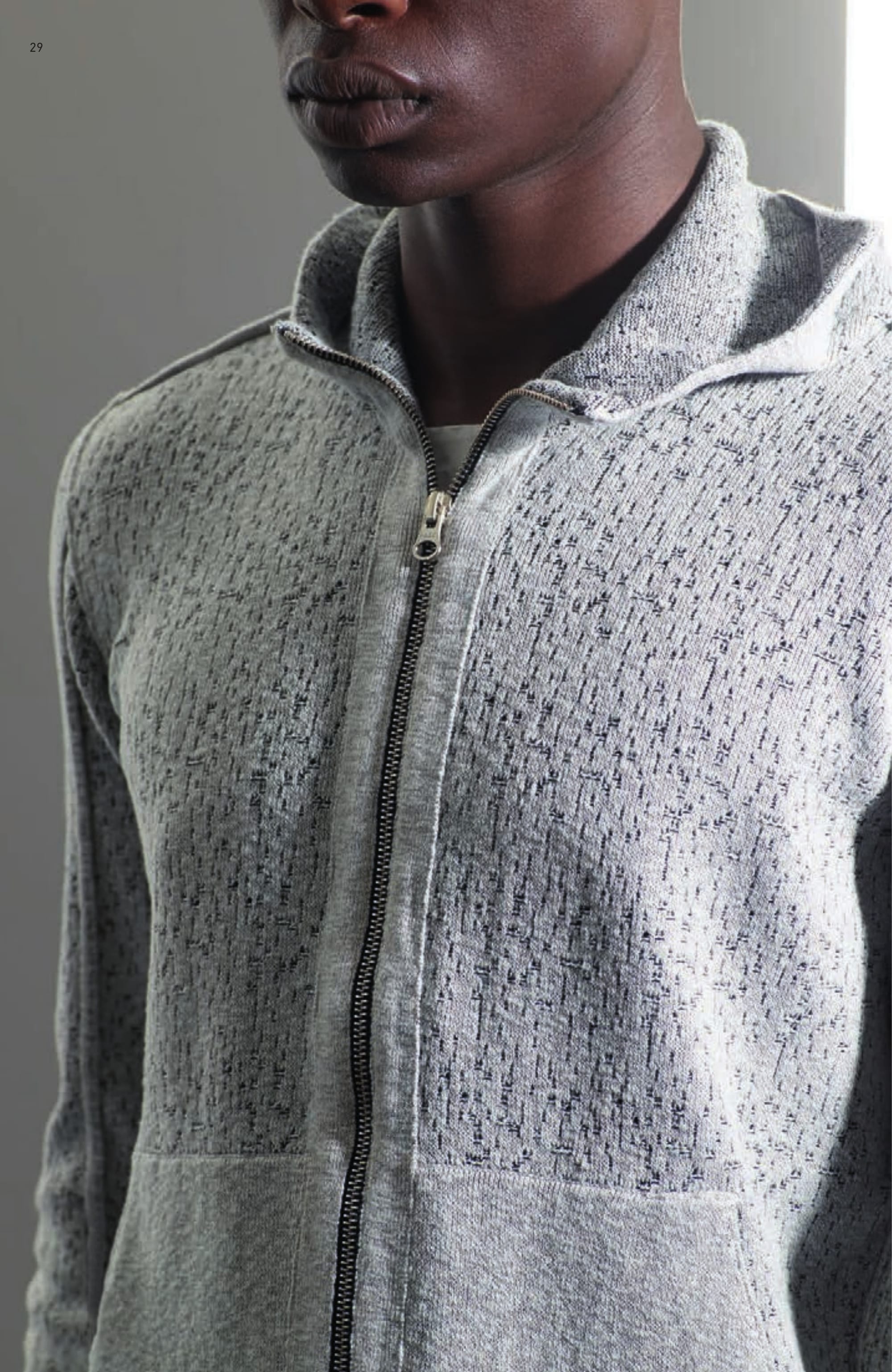
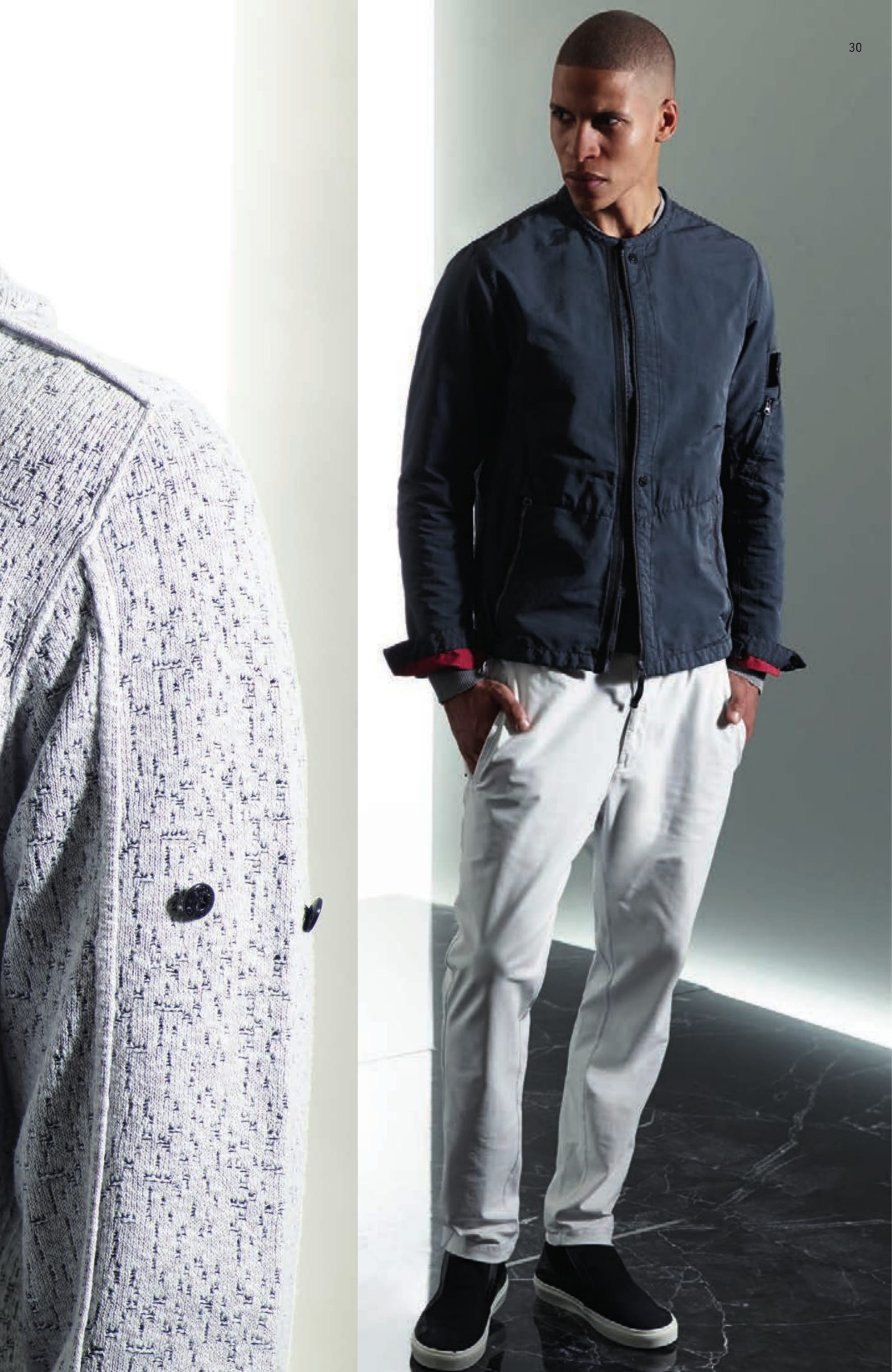
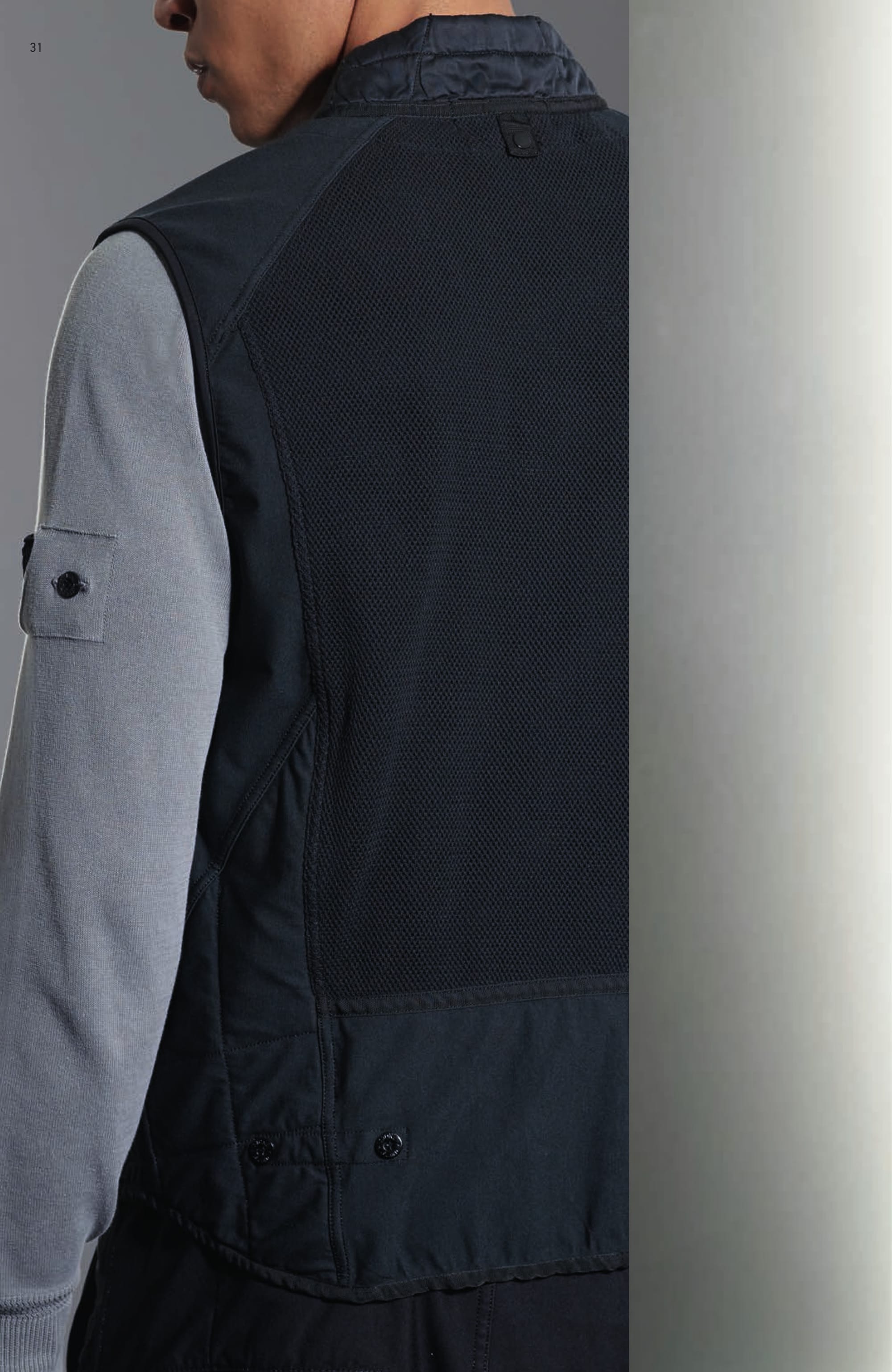
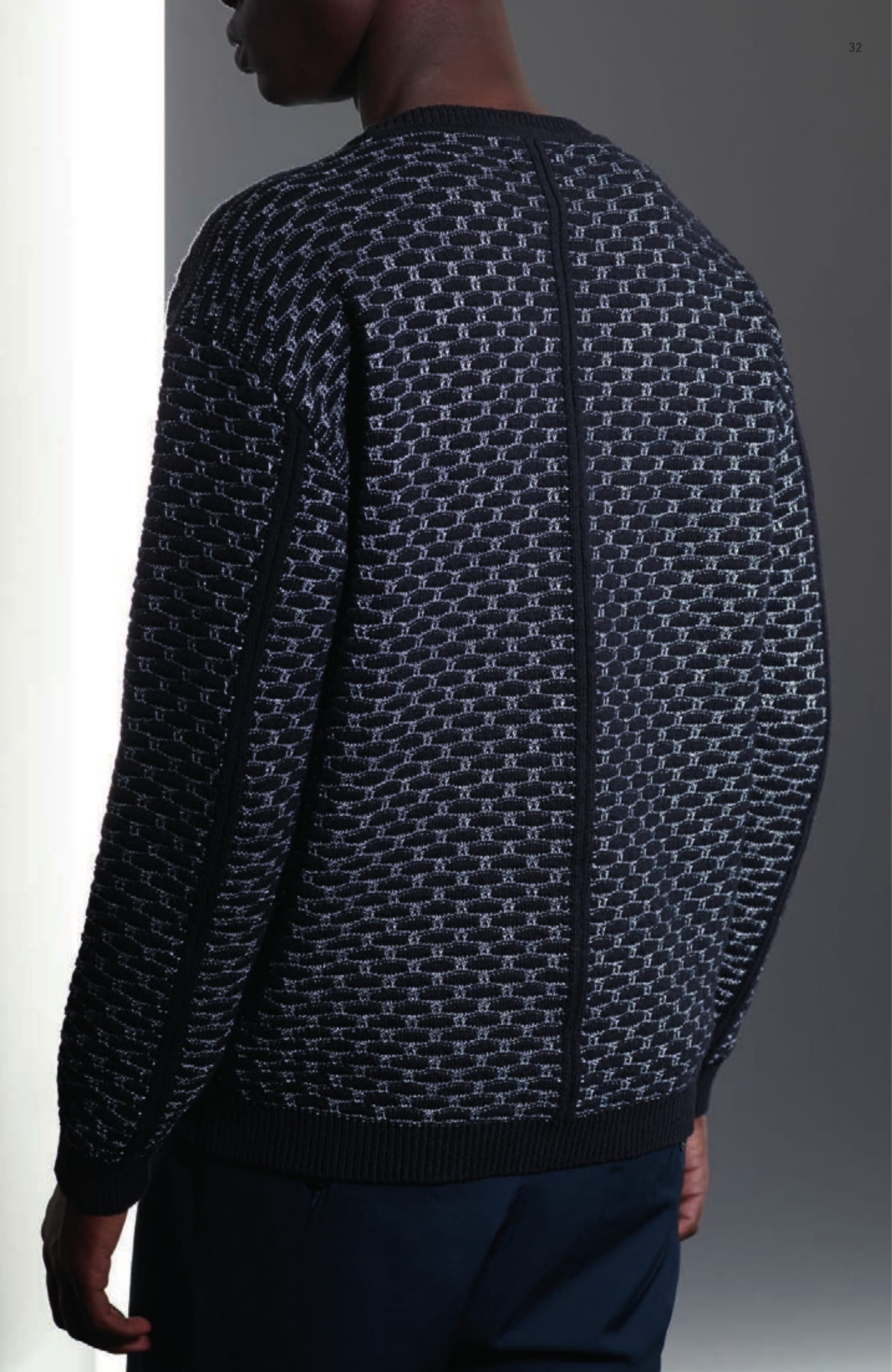
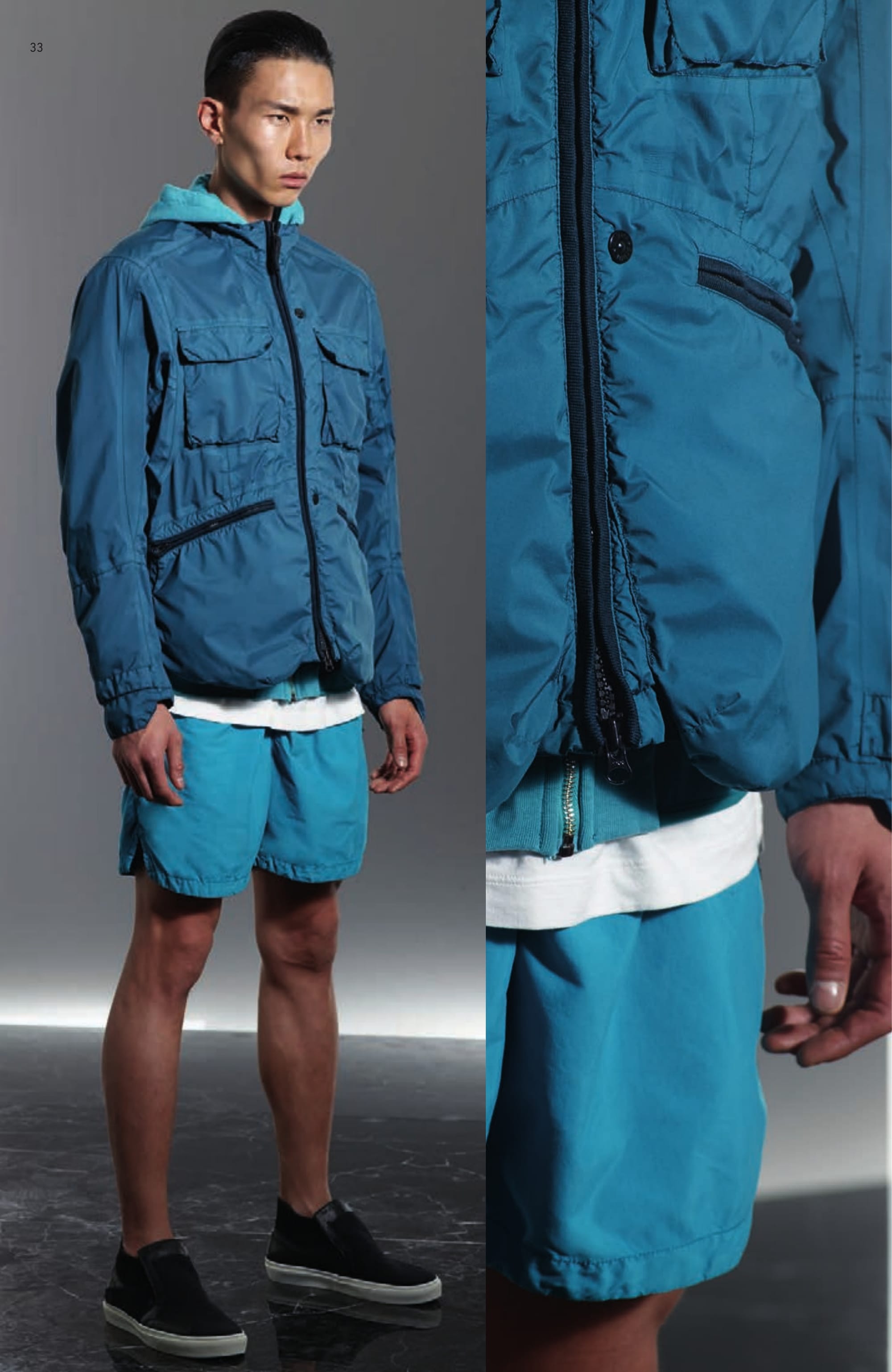
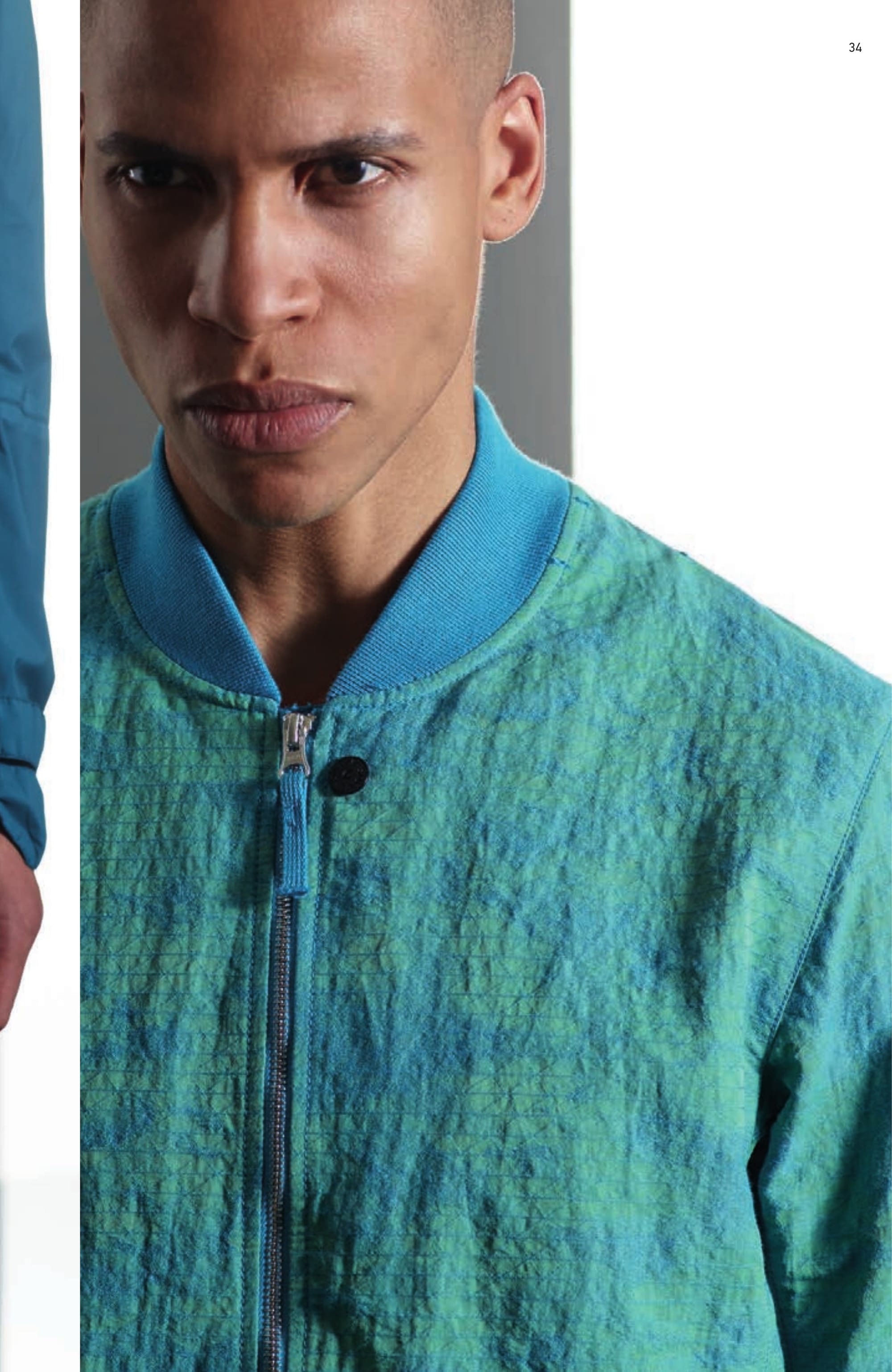
Stone Island Shadow Project SS2015 Lookbook stone-island-shadow-project-ss2015-lookbook The complete Stone Island Shadow Project SS2015 (6219) lookbook from the Techspec archive: the fourteenth collection by Acronym, built on the PARSEQ grid.
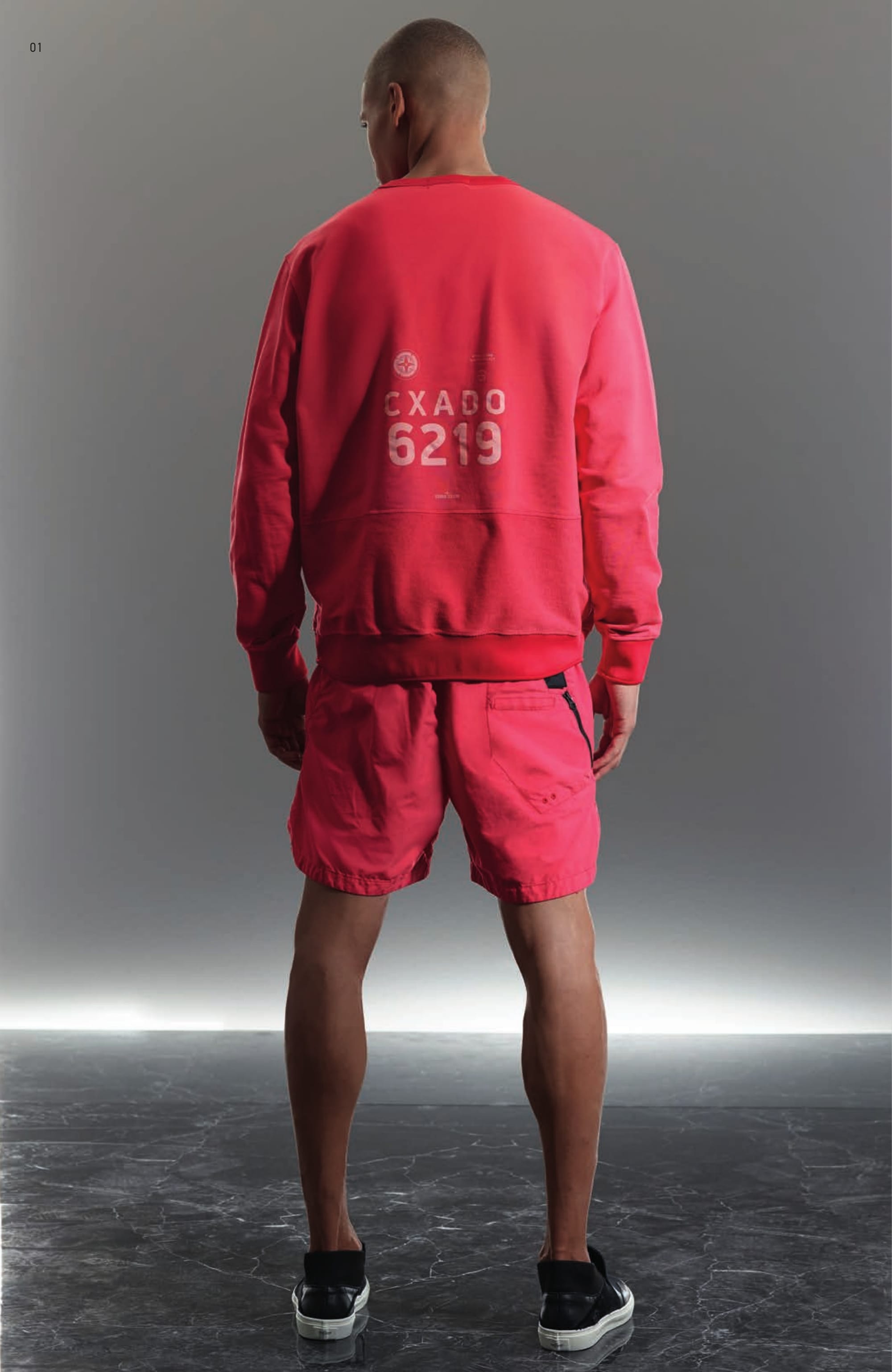
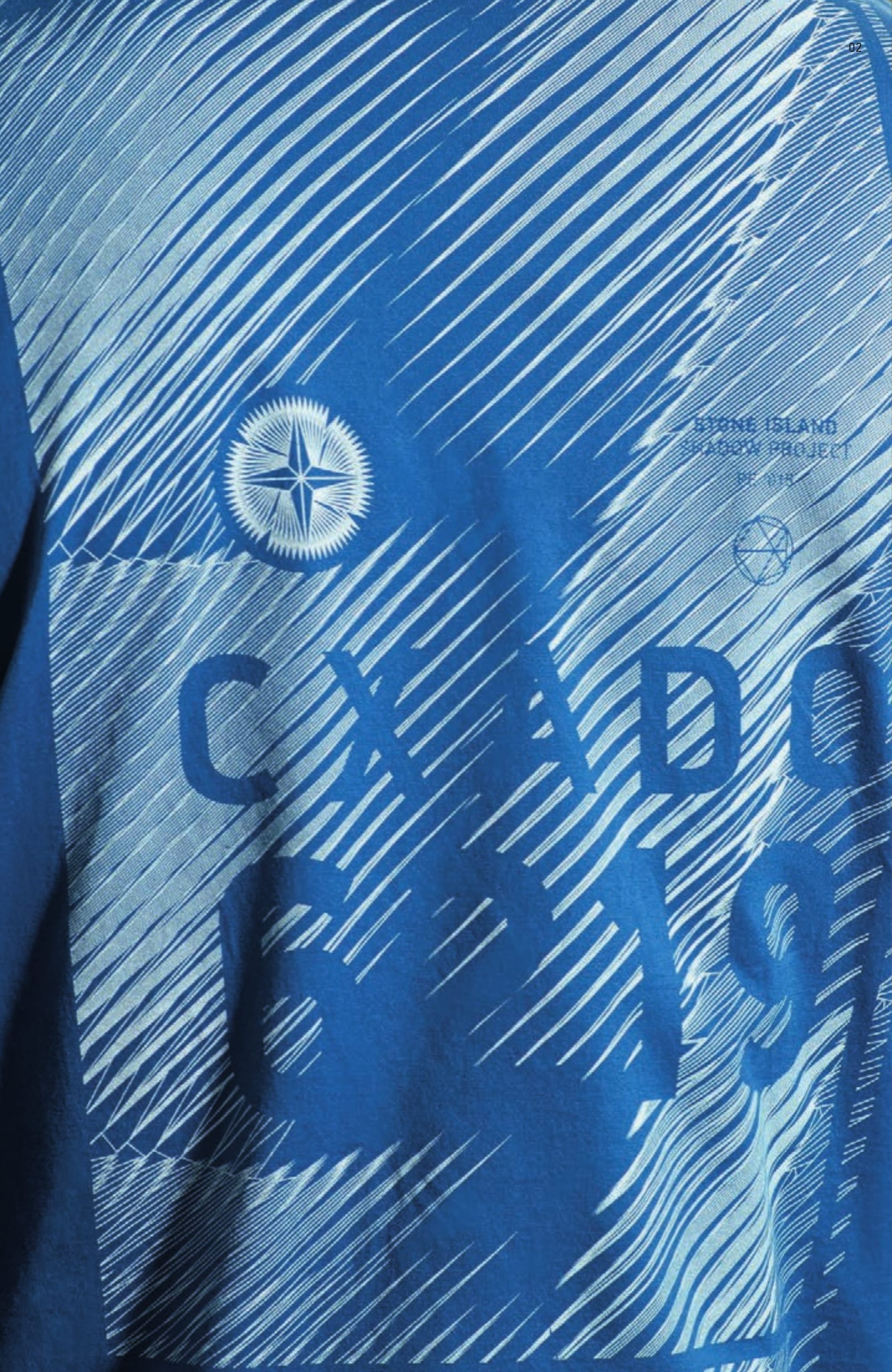
The 14th Stone Island Shadow Project collection is a mirage on the horizon; a heat haze of perspective shifting inversion and refraction. Vibrant and gritty, granular and loose, it's the freshness and intensity of youth tempered by process and exposure to the elements. West coast Zephyr inspired colors are turned up to maximum saturation, then slightly muted by treatments both softening and metallic. Materials ha
[]
The 14th Stone Island Shadow Project collection is a mirage on the horizon; a heat haze of perspective shifting inversion and refraction. Vibrant and gritty, granular and loose, it's the freshness and intensity of youth tempered by process and exposure to the elements. West coast Zephyr inspired colors are turned up to maximum saturation, then slightly muted by treatments both softening and metallic. Materials have an easy, lived-in feel, but retain the underlying edge of technical performance and real use. Loose street and slope born shapes flow with relaxed tailoring and diffused prep looks. Graphics are minimal definitions; outlines and impressions of the underlying framework.
EMERY MOUNTAINS emery-mountains
April 2024, FRIEZE No. 9 Cork Street Gallery, London
EXHIBITION: The Mountains Between Us, FRIEZE No 9 Cork St
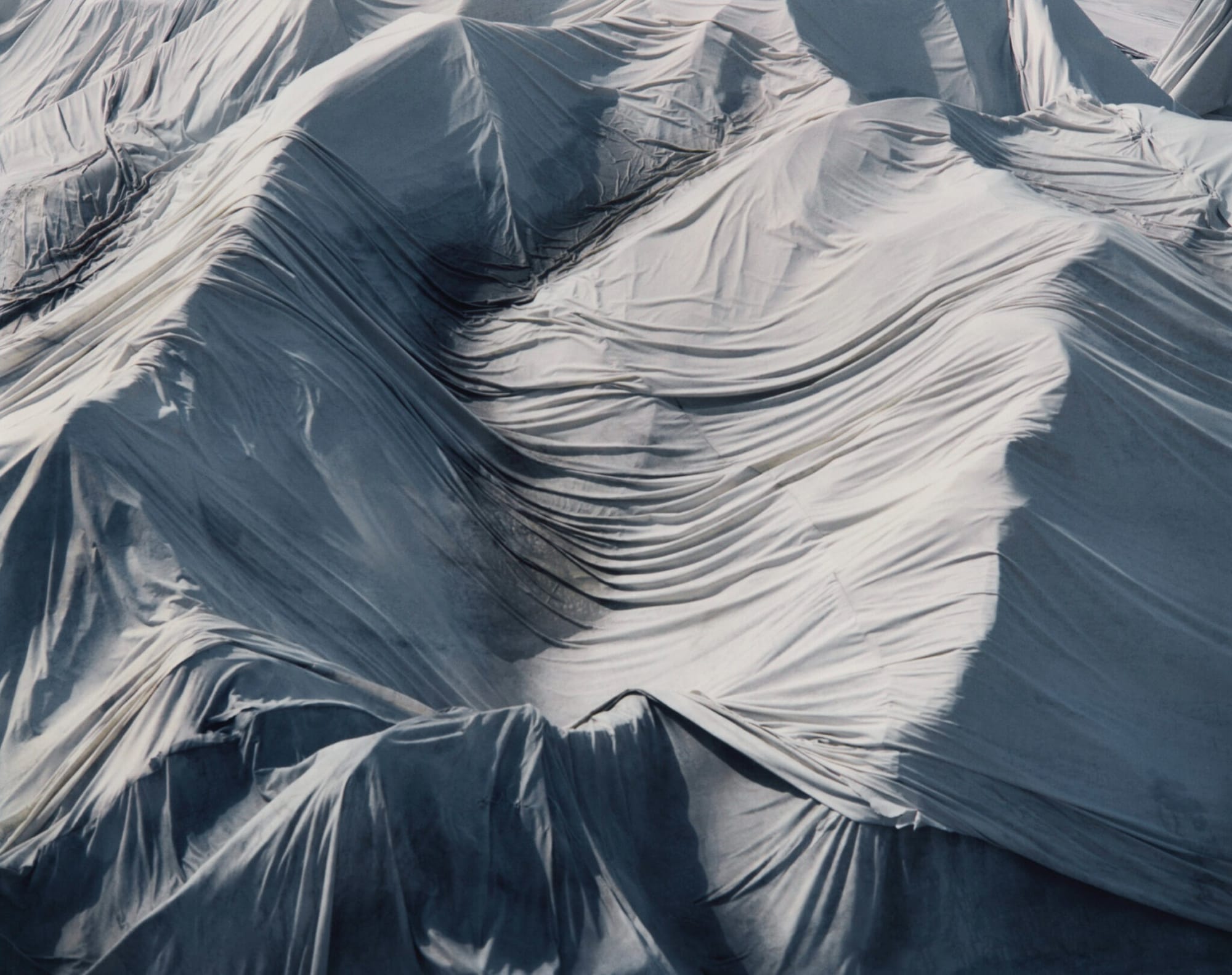
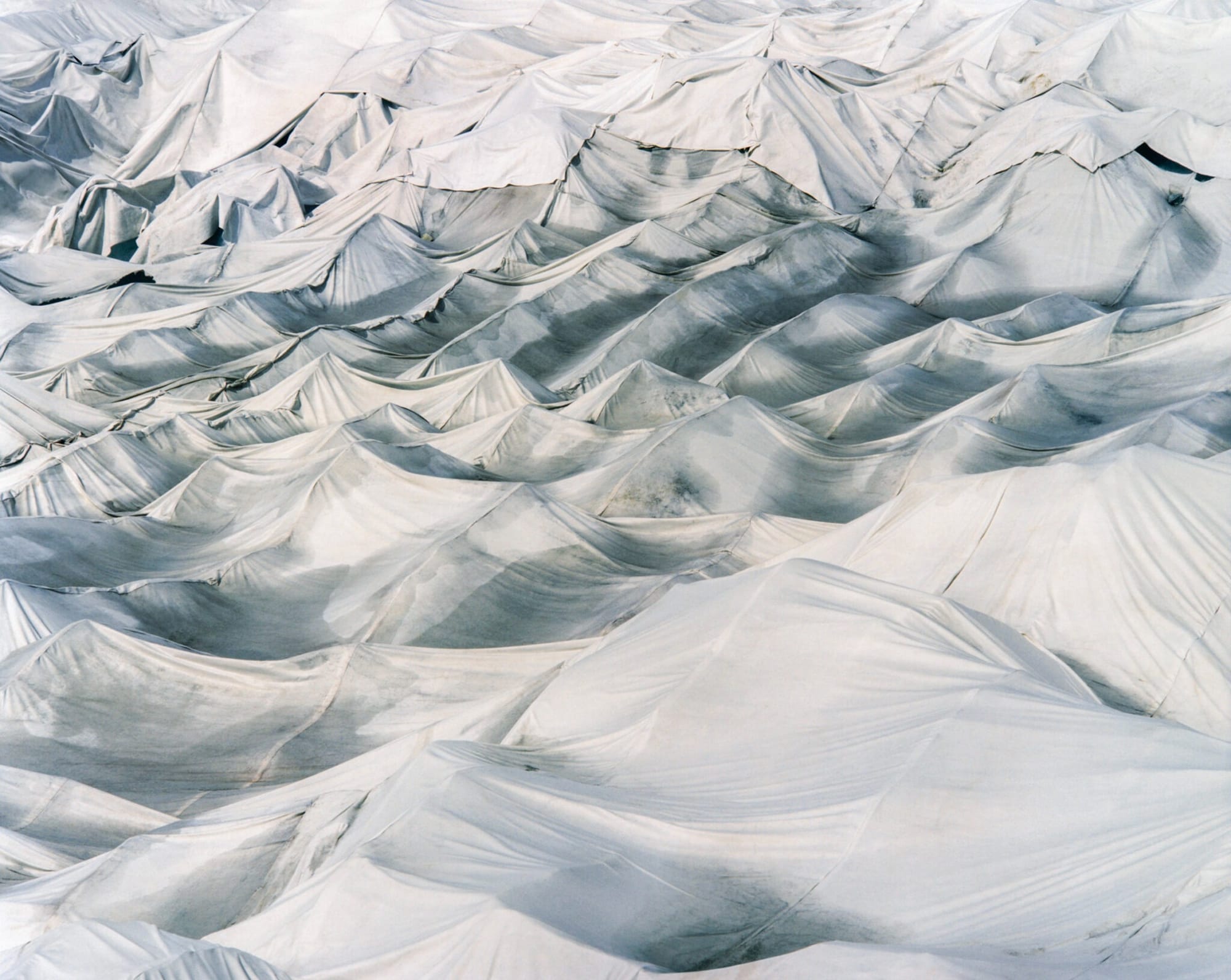
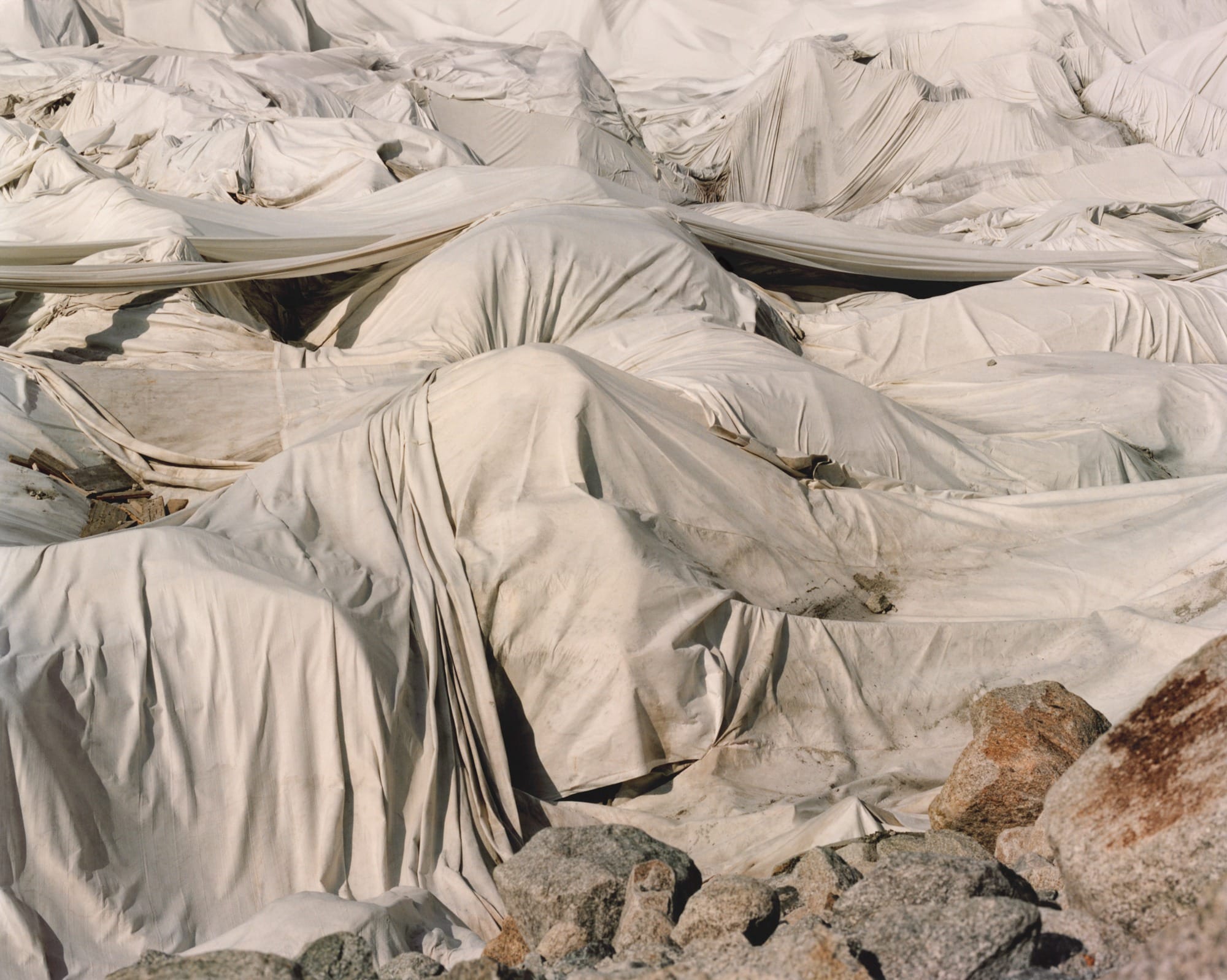
Weaving together photography, video and sculptural objects, lena_c_emery highlights the accelerated loss of mountain glaciers and the desperate conservation efforts currently employed to impede their decline. Under the continued influence of greenhouse-gas forced global warming, ice that took centuries to
[]
April 2024, FRIEZE No. 9 Cork Street Gallery, London
EXHIBITION: The Mountains Between Us, FRIEZE No 9 Cork St
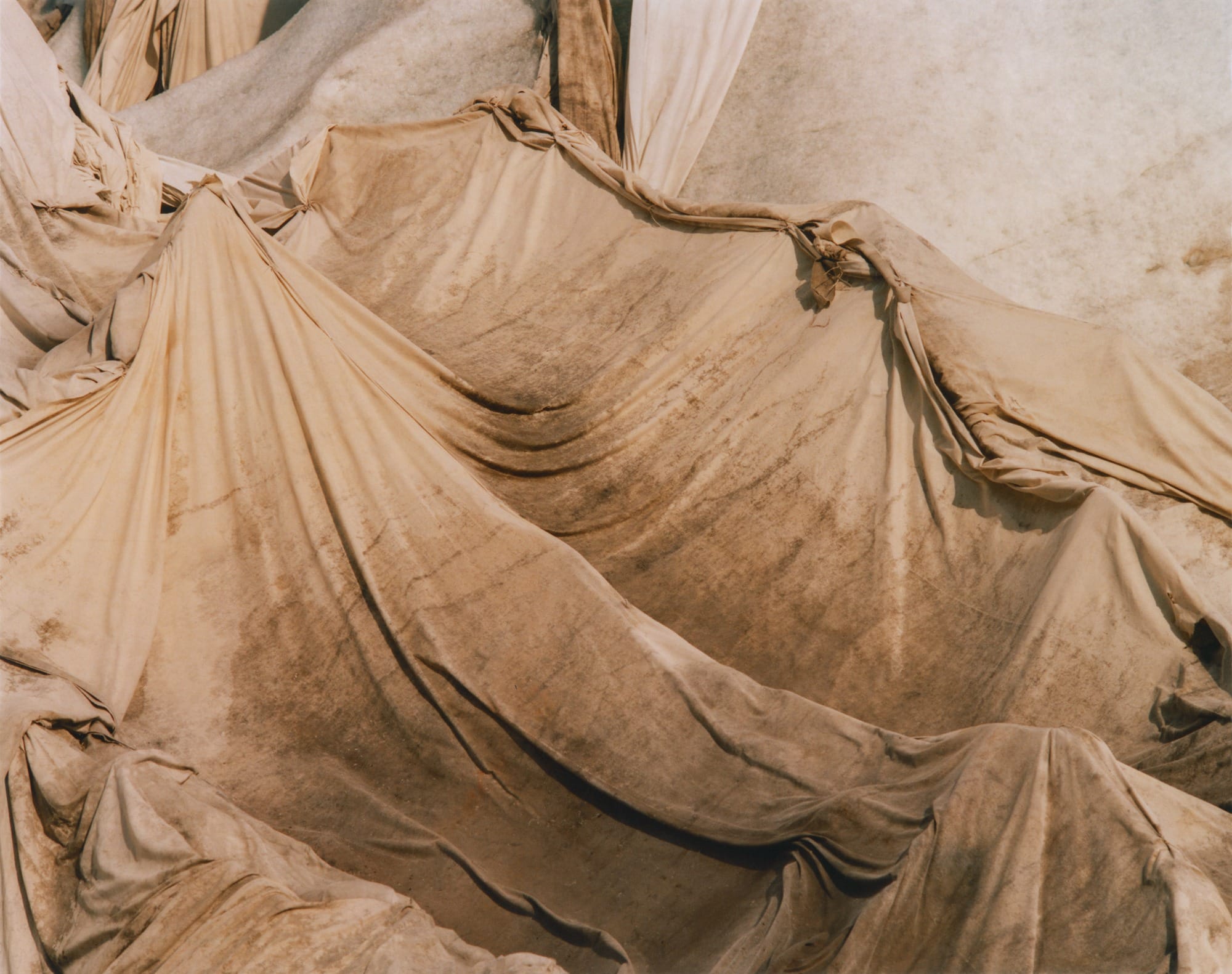
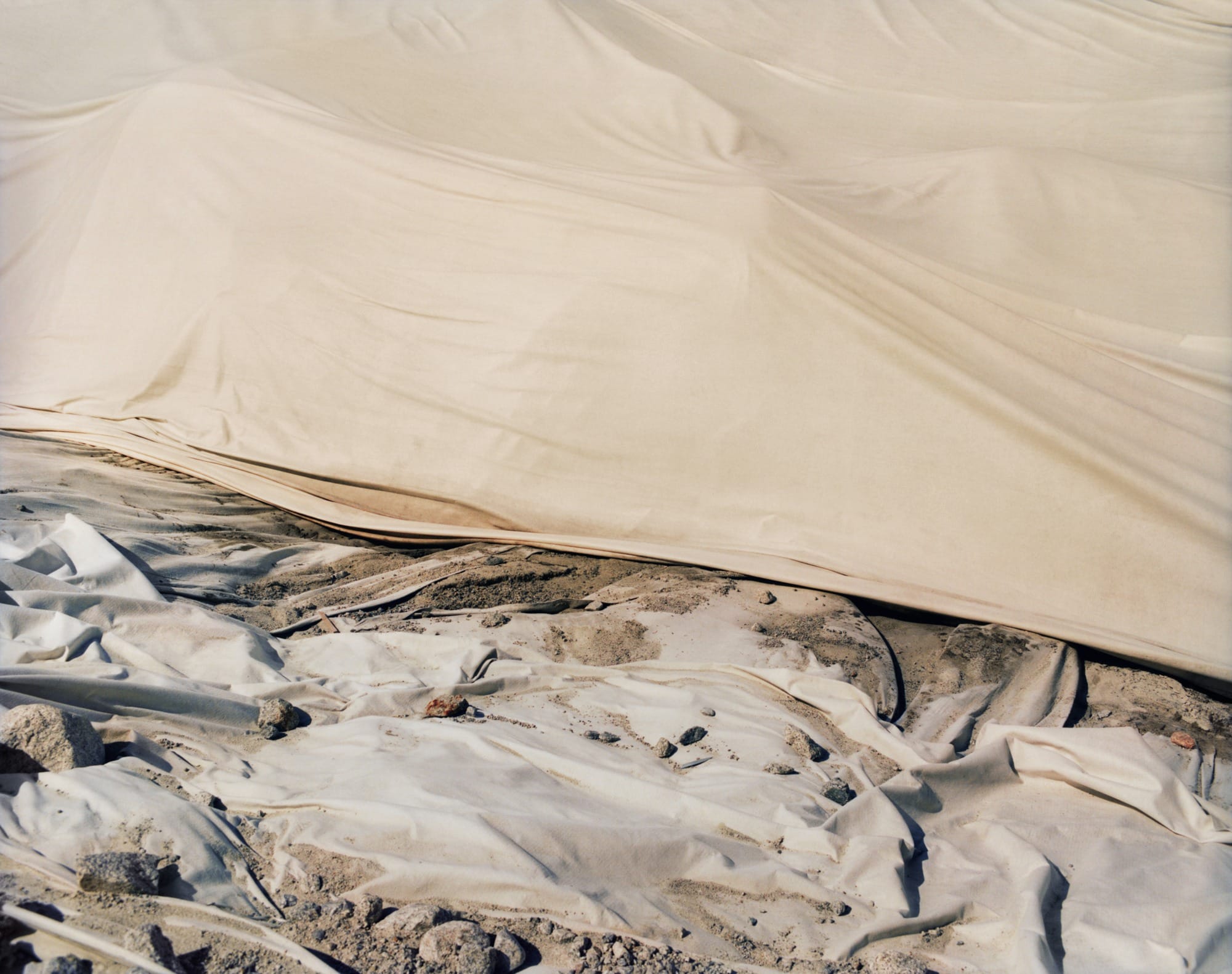
Weaving together photography, video and sculptural objects, lena_c_emery highlights the accelerated loss of mountain glaciers and the desperate conservation efforts currently employed to impede their decline. Under the continued influence of greenhouse-gas forced global warming, ice that took centuries to develop is vanishing in just a number of years. A fate experts predict for at least two-thirds of all glaciers by the end of this century. EMERY: In ‘The Mountains Between Us’, I capture the current environmental efforts undertaken to reduce the rate at which glaciers melt. Glaciers have held space for centuries, silently bearing witness to history. They’ve seen the world change in ways we can barely comprehend. Because my grandfather spent his life in these mountains, watching this particular glacier retreat and form lakes where there was previously only ice and at a pace that’s steadily increasing, feels deeply personal. The idea of covering these mammoths in fabric to stall the inevitable, feels both tragic and emblematic of our relationship with nature: The magnitude of loss countered by gestures that, though earnest, feel powerless. Visually these wrapped peaks evoke images of muddied tents, makeshift shelters that we’ve come to erect for those displaced by upheaval. This fragility, their fragility, our fragility, is a direct reflection of the imbalance we have sown, where those least responsible for ecological destruction are forced to bear its heaviest burdens. The title became a way to frame those divides. Mountains have always symbolised barriers, but perhaps they could also be reimagined as thread, shared histories and a collective belonging. The elemental particles composing our very being once danced amidst these ancient landscapes and if they disappear, part of us does too.
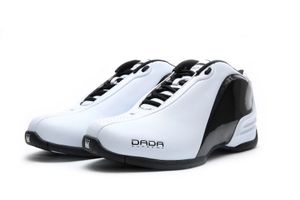
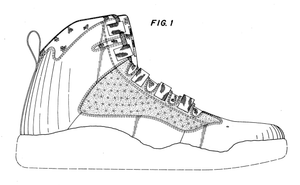
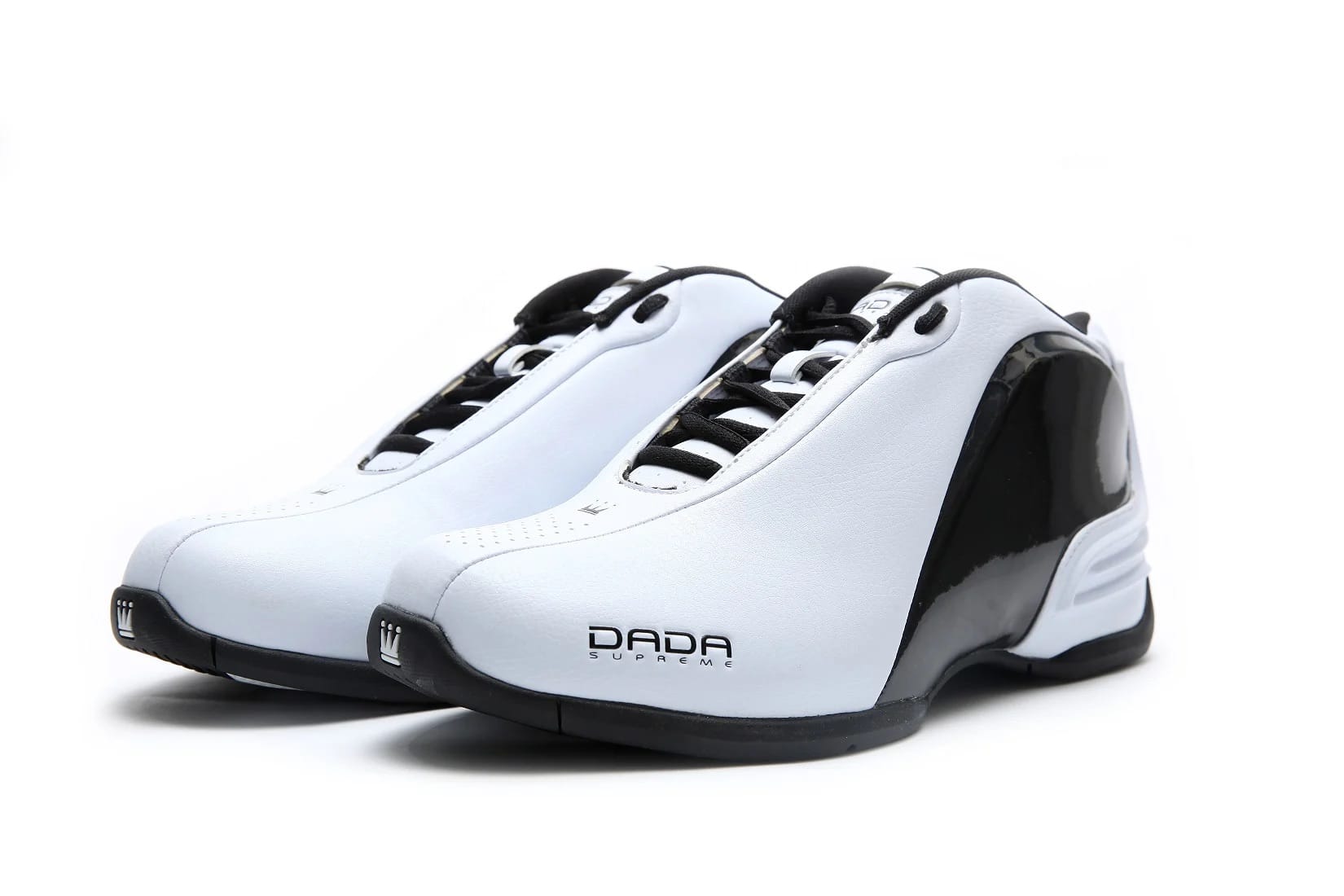
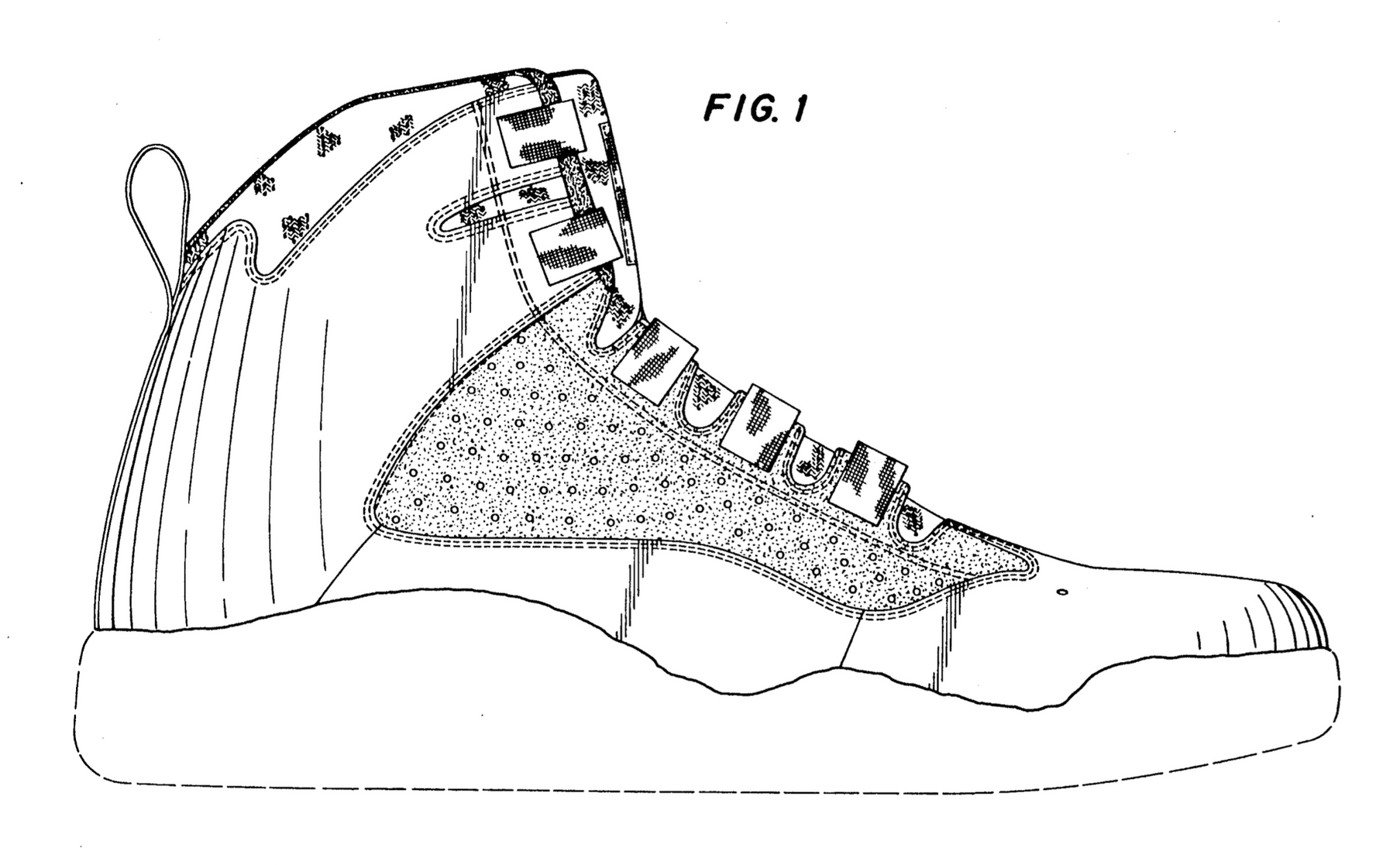
DADA SUPREME C-DUBBZ dada-supreme-c-dubbz Dada Supreme C-Dubbz a basketball shoe known for bold, oversized styling and design cues, built for on-court performance and visual impact.
[]
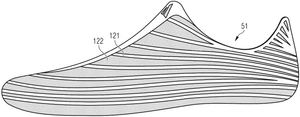
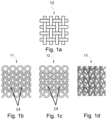
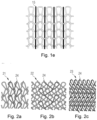
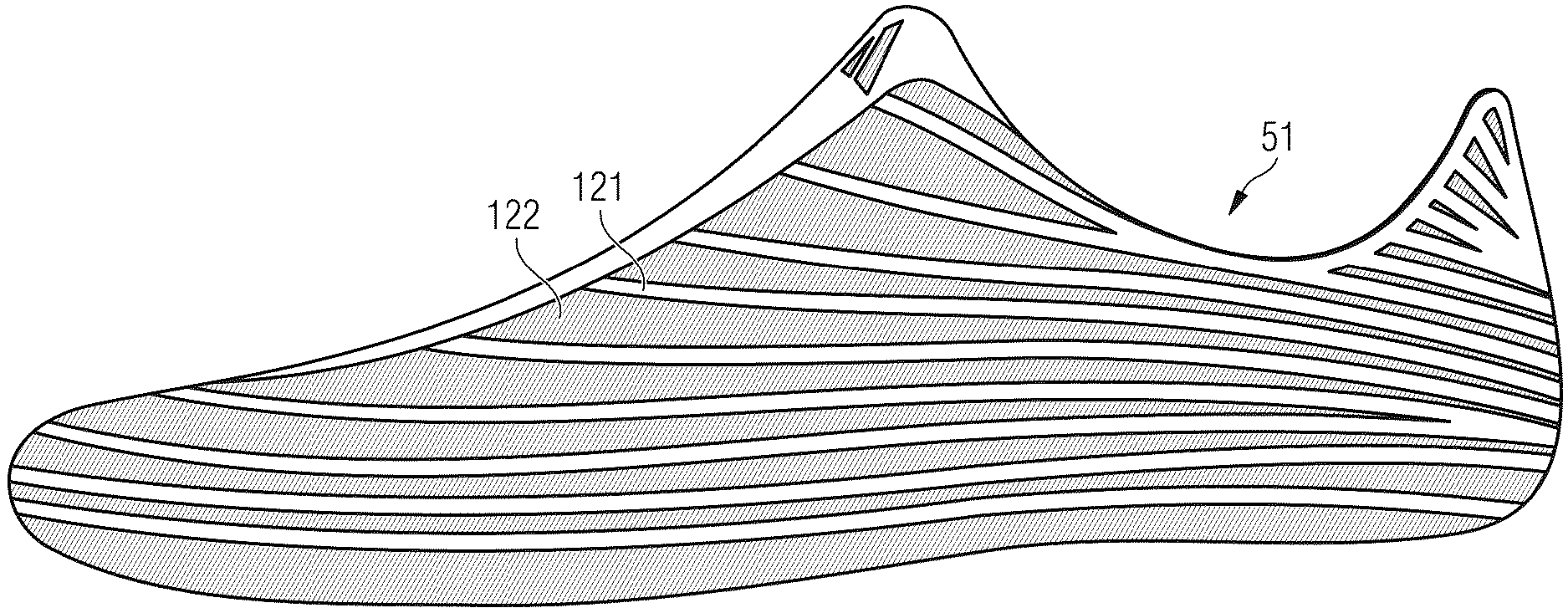
Adidas Knitted Shoe Upper Patent adidas-knitted-shoe-upper-patent Adidas patent US20250160486A1: a one-piece knitted shoe upper combining elastic and stiffer yarn zones to place stretch and support without seams.
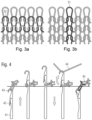
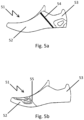
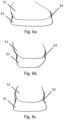
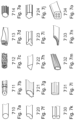
Figures from US patent application US20250160486A1, 'Knitted Shoe Upper', filed by Adidas AG (inventors Stefan Tamm, Carl Arnese and James Carnes; published 22 May 2025). The upper is knitted in one piece with two zones, a more elastic yarn and a stiffer yarn, placing stretch and support without seams or separate reinforcement panels. The drawings show the yarn zones and construction across forefoot, midfoot
[]
Figures from US patent application US20250160486A1, 'Knitted Shoe Upper', filed by Adidas AG (inventors Stefan Tamm, Carl Arnese and James Carnes; published 22 May 2025). The upper is knitted in one piece with two zones, a more elastic yarn and a stiffer yarn, placing stretch and support without seams or separate reinforcement panels. The drawings show the yarn zones and construction across forefoot, midfoot and heel.
Silent Poets for Issey Miyake silent-poets-for-issey-miyake-spring-summer-2001 Françoise Huguier’s hardcover Issey Miyake Spring/Summer 2001 lookbook with the Silent Poets Red Eyes Tribe runway soundtrack CD.
Silent Poets for Issey Miyake Spring/Summer 2001 is a hardcover lookbook photographed by Françoise Huguier. It presents imagery from Issey Miyake’s Spring/Summer 2001 collection and includes the collaboration CD Red Eyes Tribe at the back of the book. Japanese electronic duo Silent Poets produced the music for the runway show.
[]
Silent Poets for Issey Miyake Spring/Summer 2001 is a hardcover lookbook photographed by Françoise Huguier. It presents imagery from Issey Miyake’s Spring/Summer 2001 collection and includes the collaboration CD Red Eyes Tribe at the back of the book. Japanese electronic duo Silent Poets produced the music for the runway show.
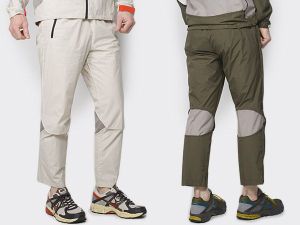
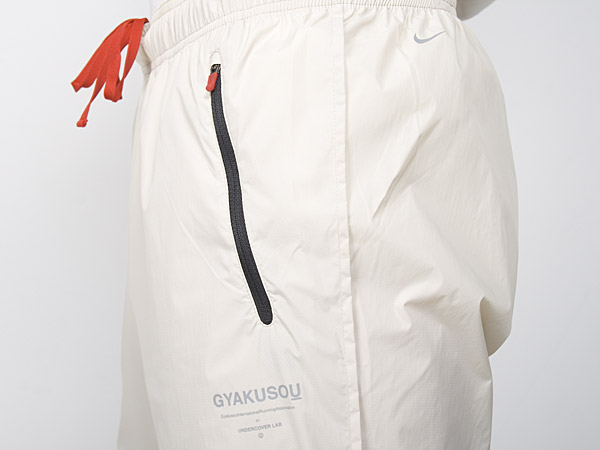
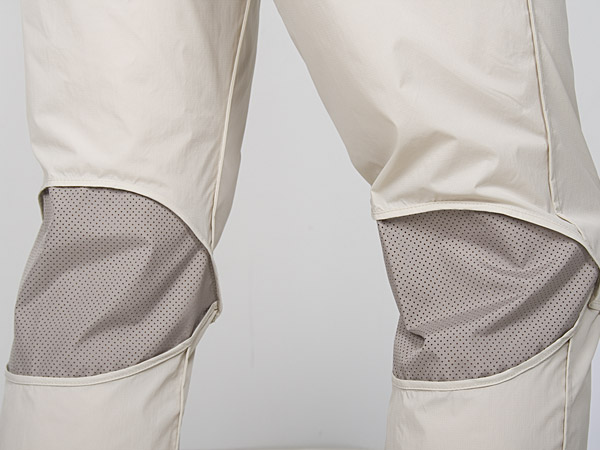
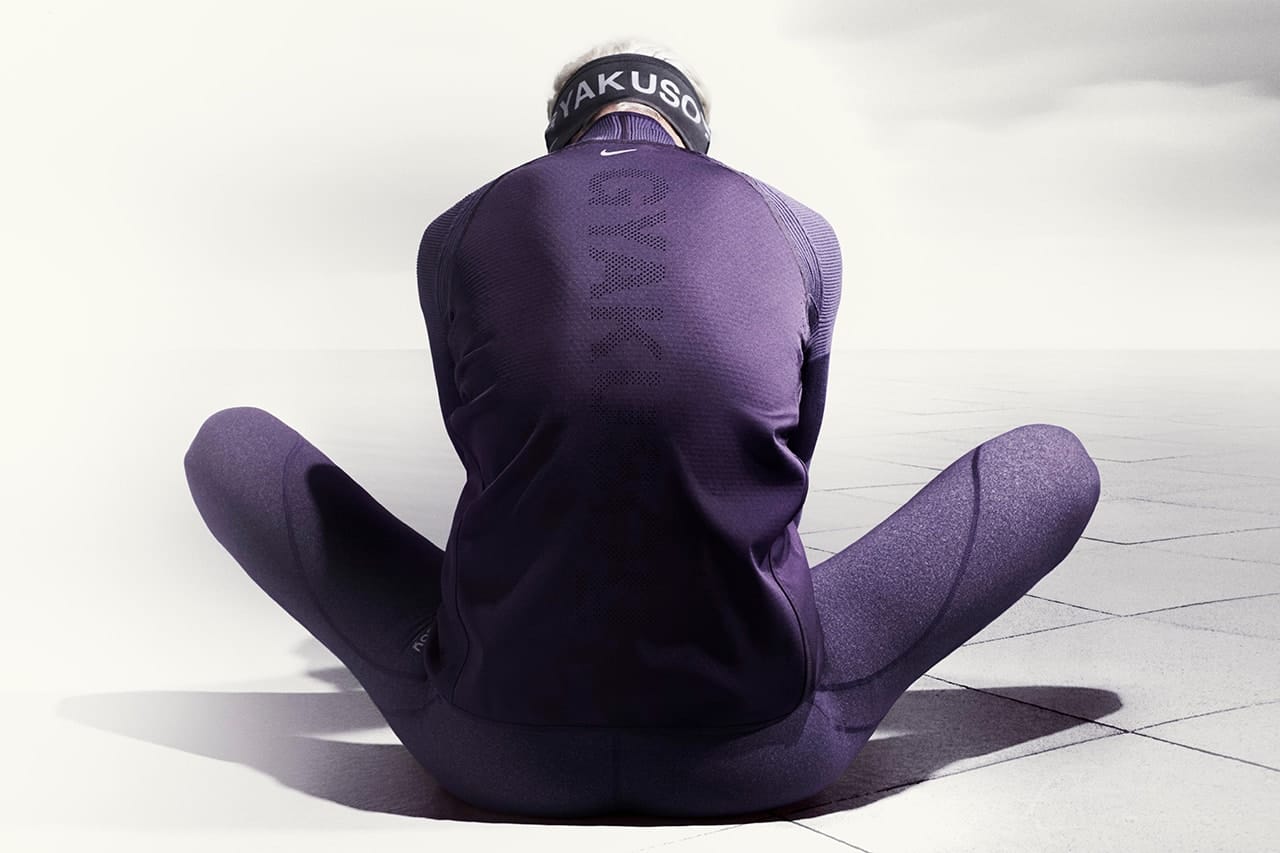
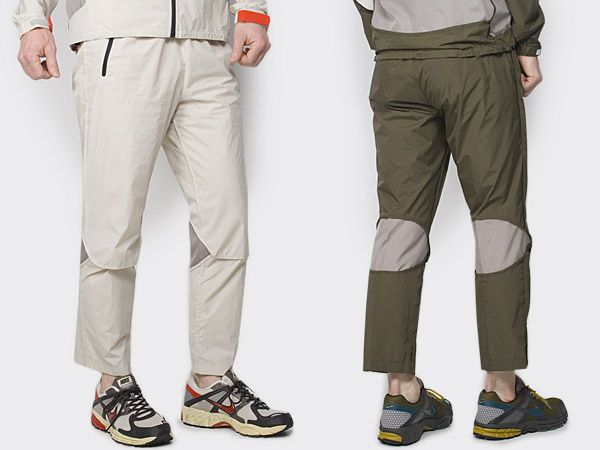
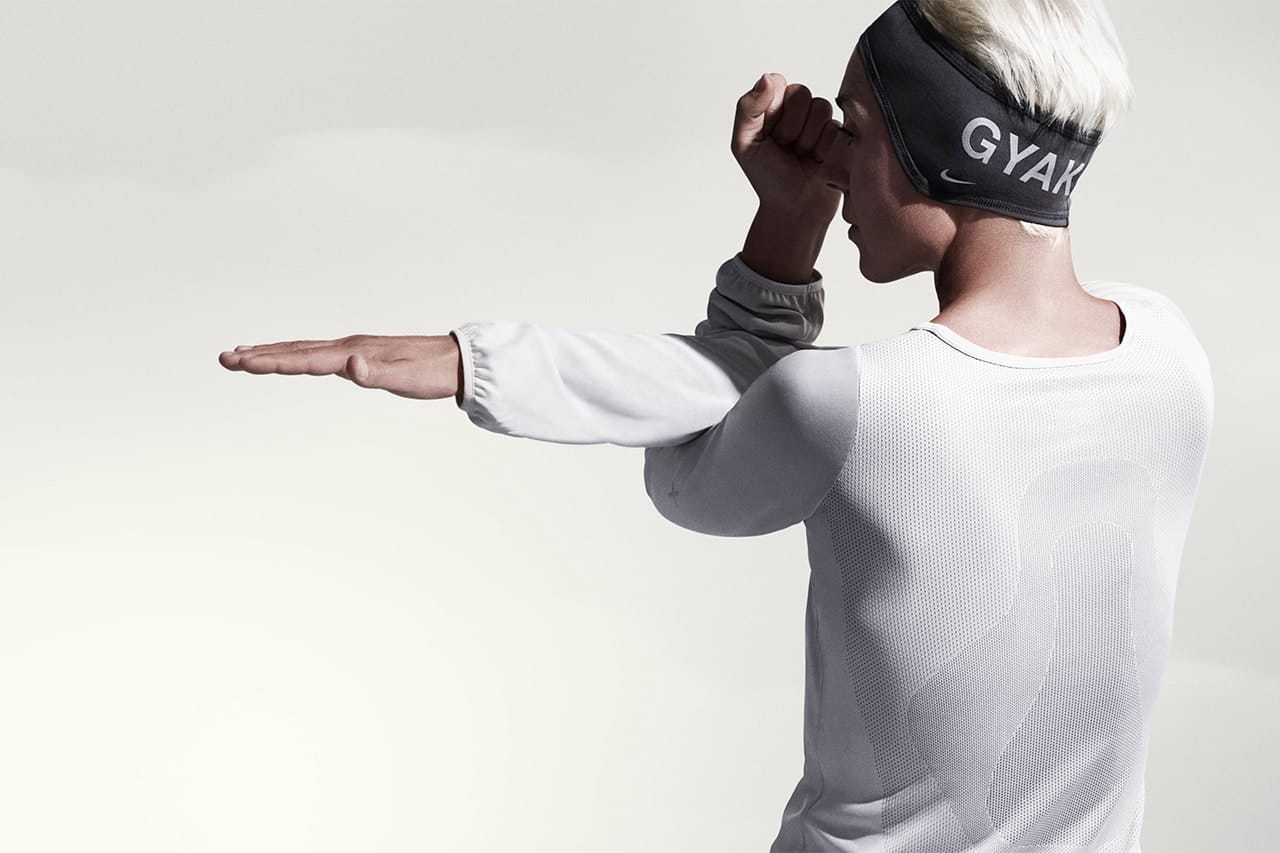
Nike x Undercover Gyakusou SS2011 4/5 Length Pant nike-undercover-undercover-4-5-length-pant Nike x Undercover Gyakusou SS2011 4/5 Length Pant from the Inside Out collection, with cropped articulation and mesh knee ventilation.
Cropped Inside Out running pants with articulated construction and mesh knee ventilation.
[]
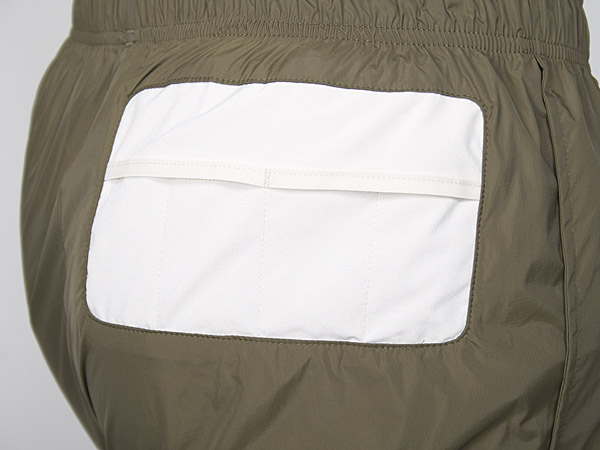
These pants a cut slightly shorter for better running comfort. Great for slightly harsher weather conditions. Insideout construction for seamless fit inside. From the Nike Running Gyakusou collection. Made in Japan.
Sonoya Mizuno as Dr. Azumi Fujita — Netflix MANIAC (2018) sonoya-mizuno-dr-azumi-fujita-netflix-maniac-2018 Sonoya Mizuno as Dr. Azumi Fujita in Netflix's MANIAC (2018), directed by Cary Joji Fukunaga. Costumes by Jenny Eagan.
[]
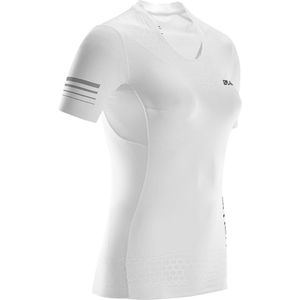
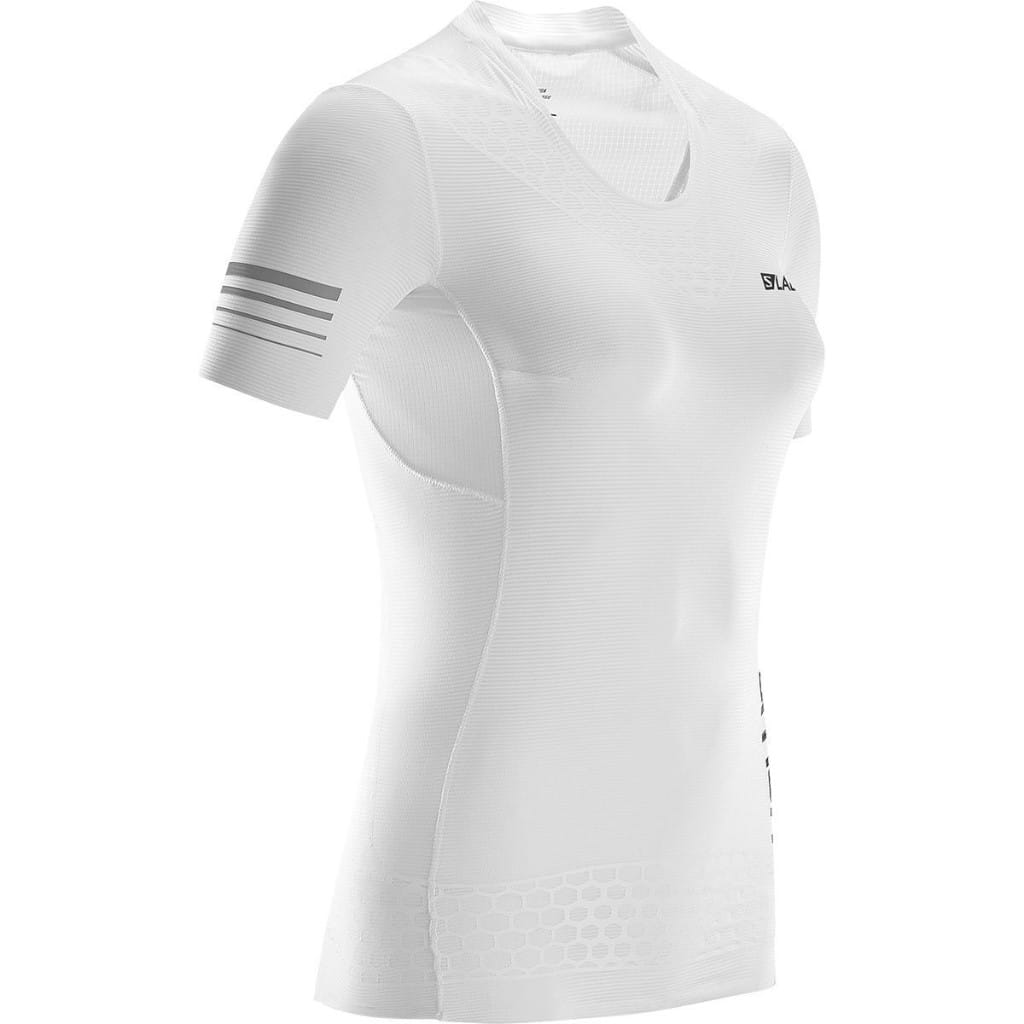
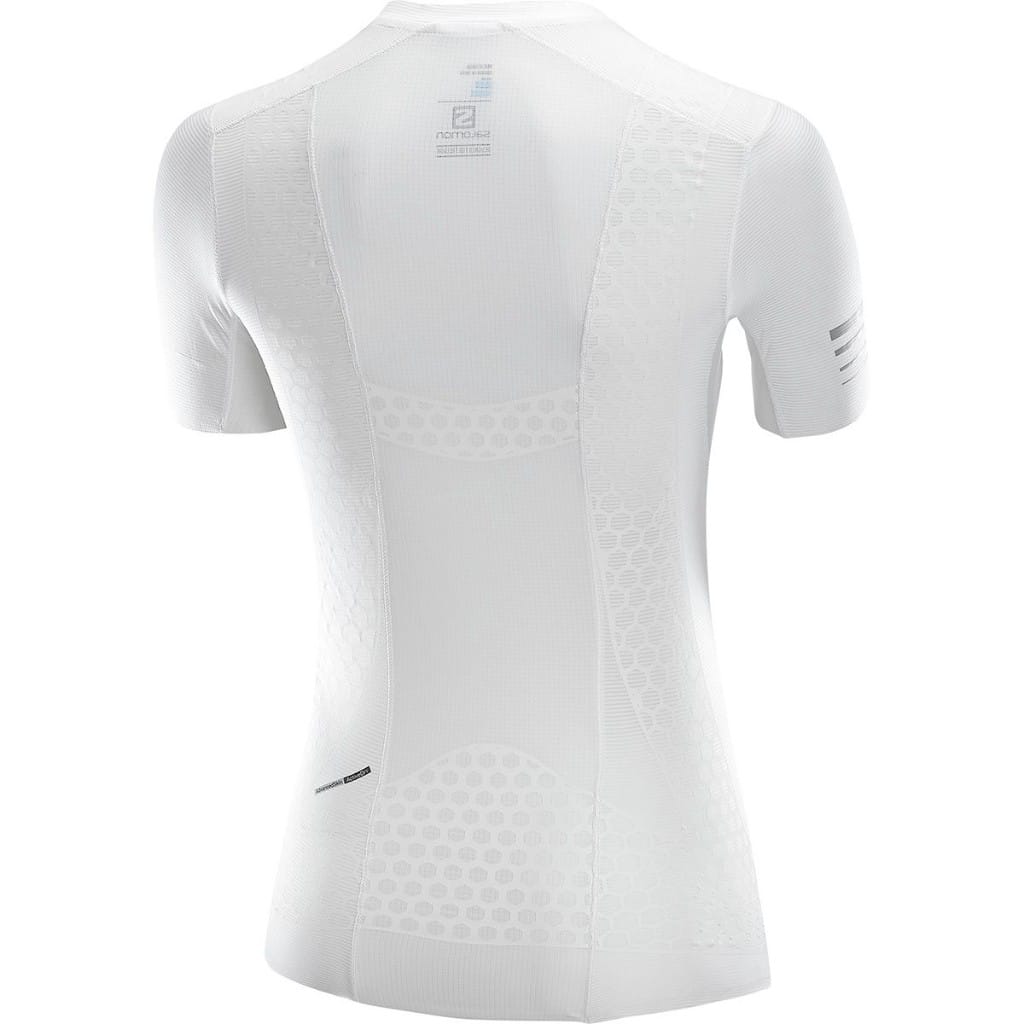
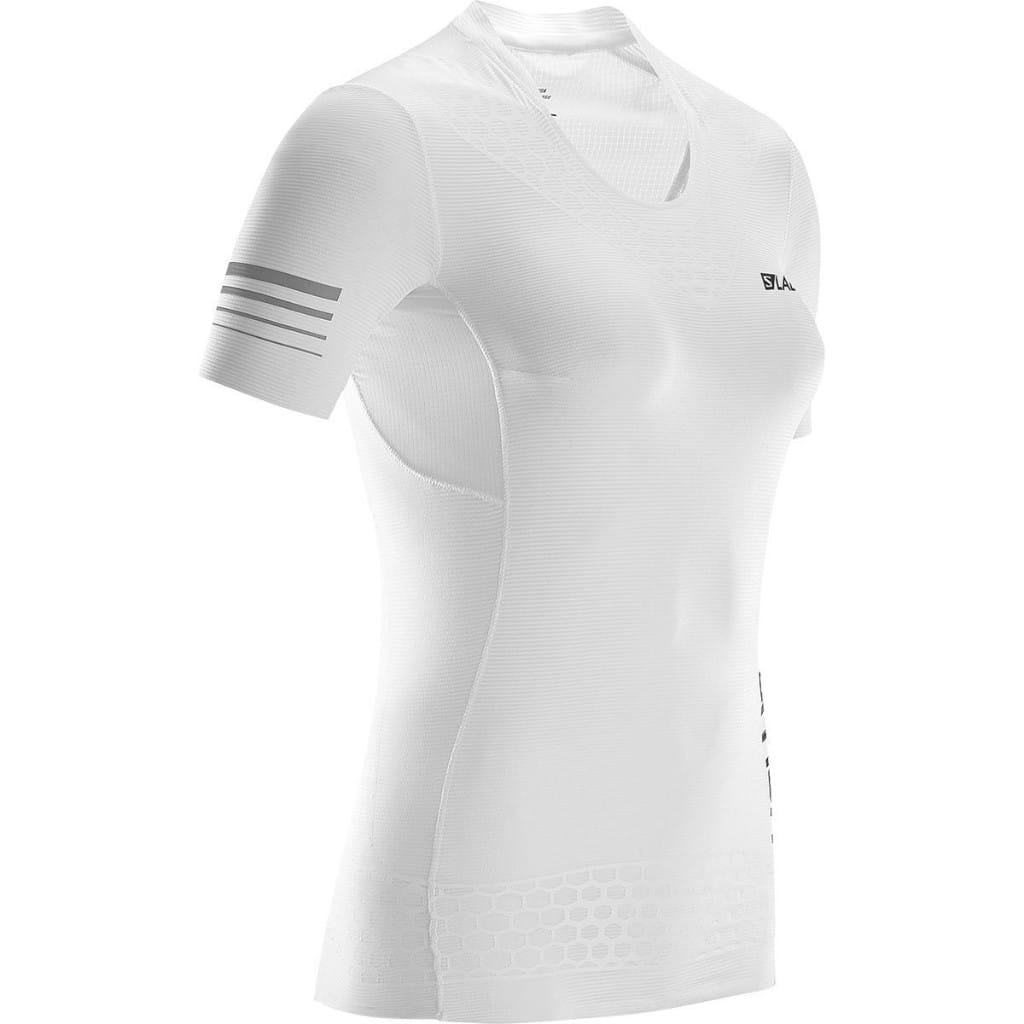
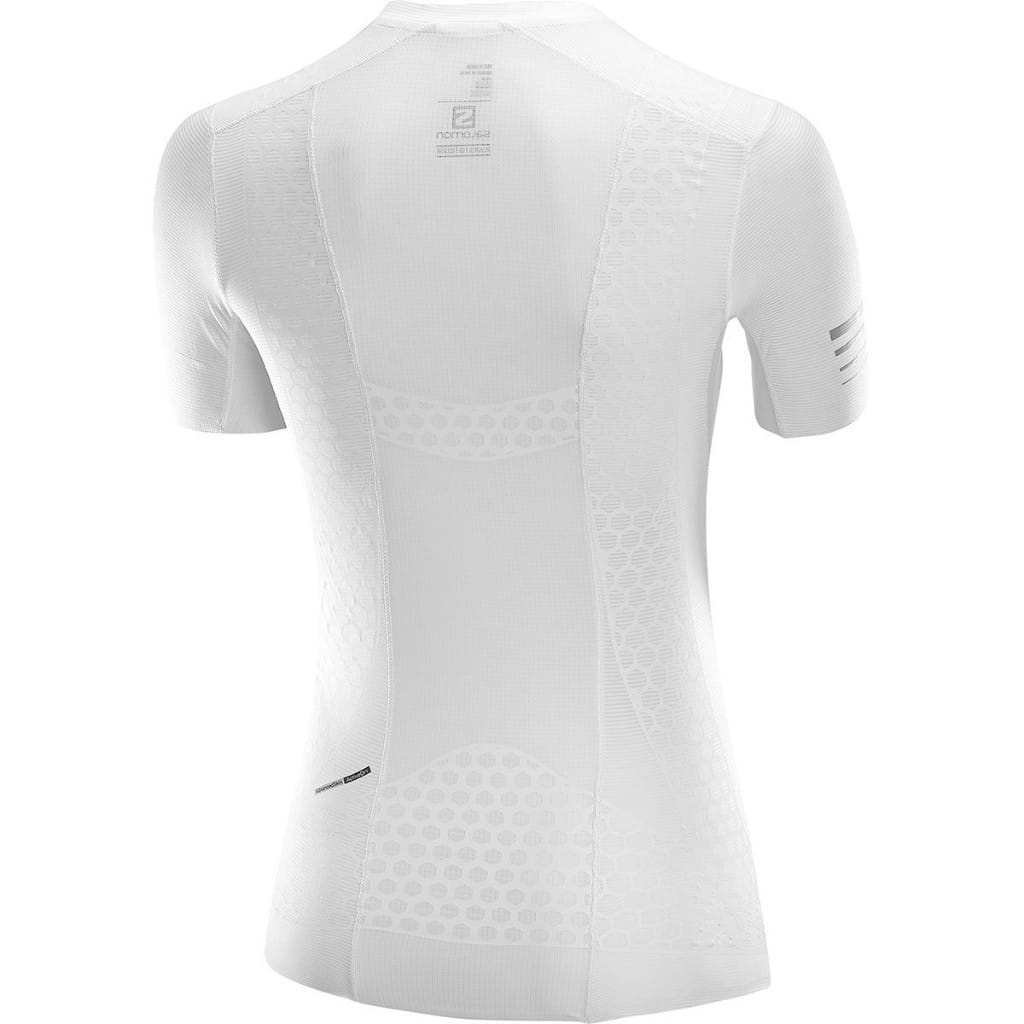
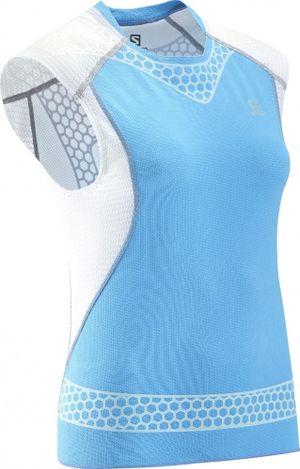
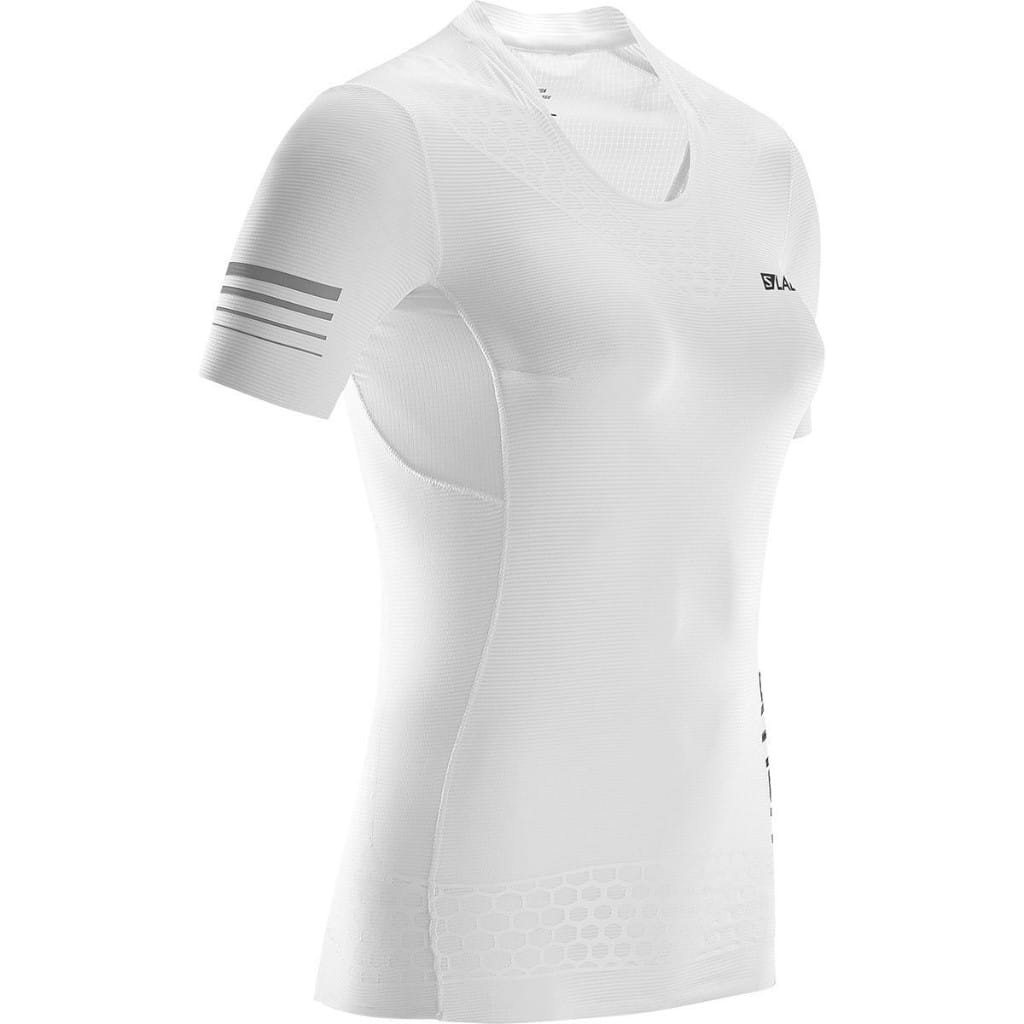
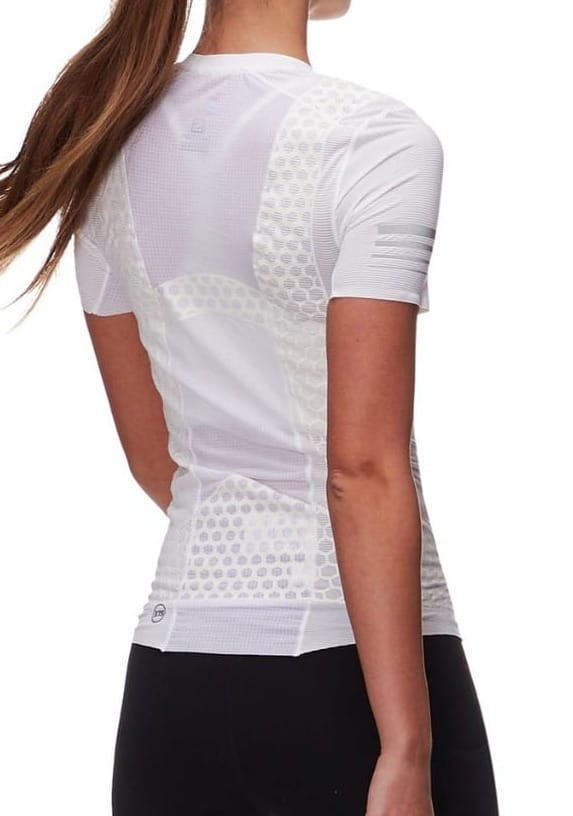
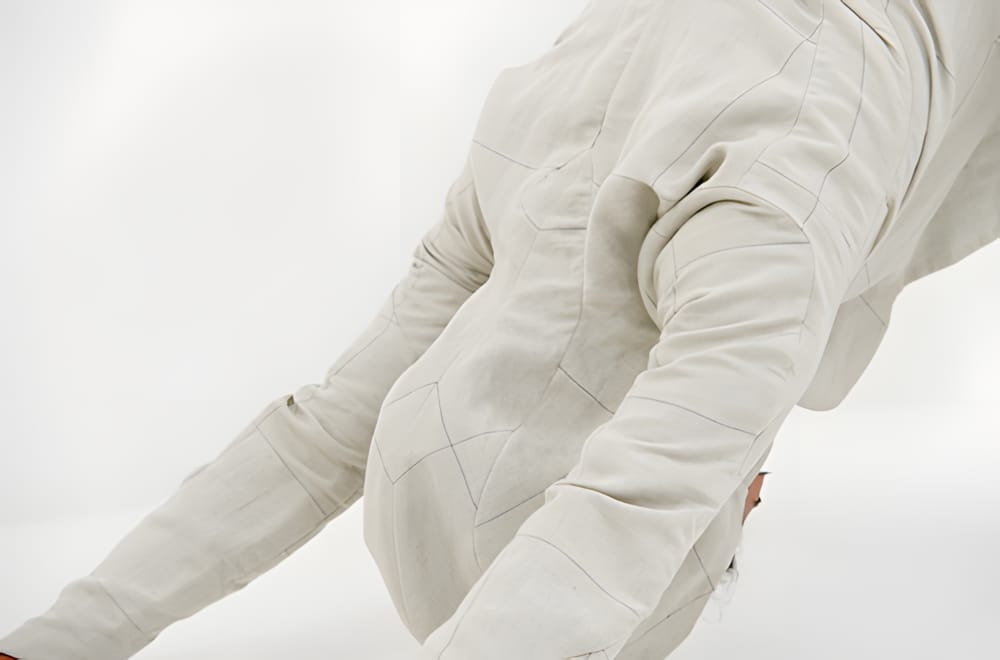
Salomon S/LAB EXO T-Shirt salomon-s-lab-exo-t-shirt-womens The white women’s Salomon S/LAB EXO short-sleeve trail top uses mapped postural support, 37.5 fabric and a skin-fit construction.
The women’s S/LAB EXO short-sleeve trail top in white, with mapped postural support and 37.5 fabric.
[]
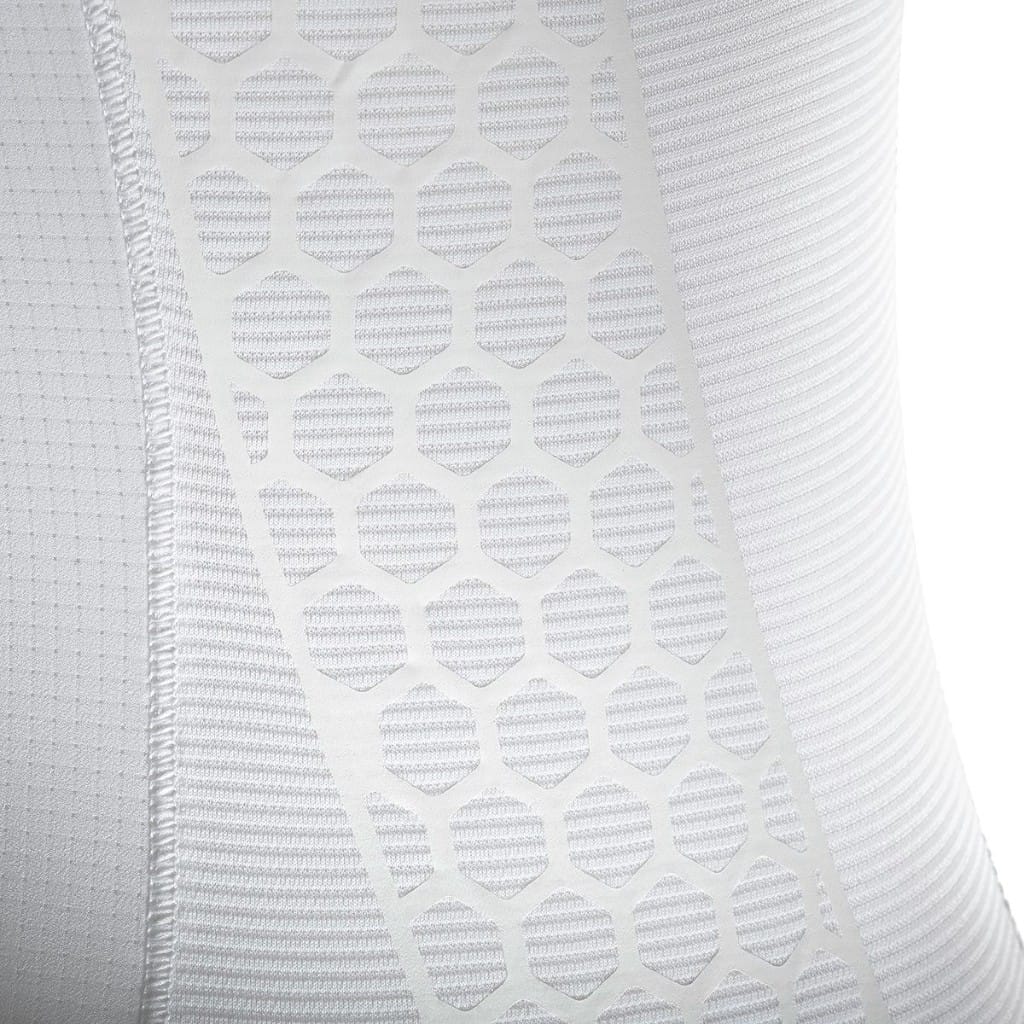
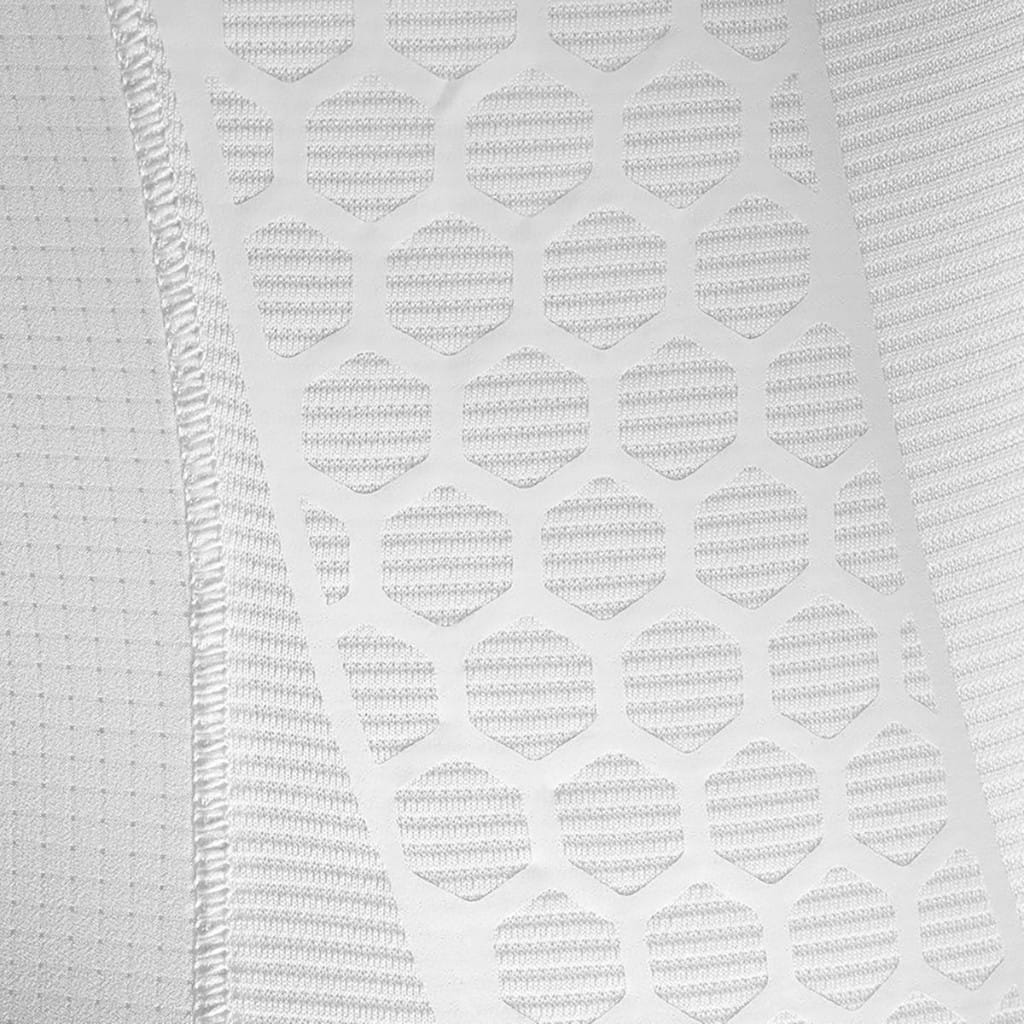
The women’s S/LAB EXO tee maps its support structure across the shoulders, spine and lower torso without turning the shirt into a hard compression shell. Open knit, 37.5 fabric and a skin fit keep it light enough for long trail efforts.
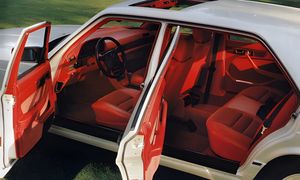
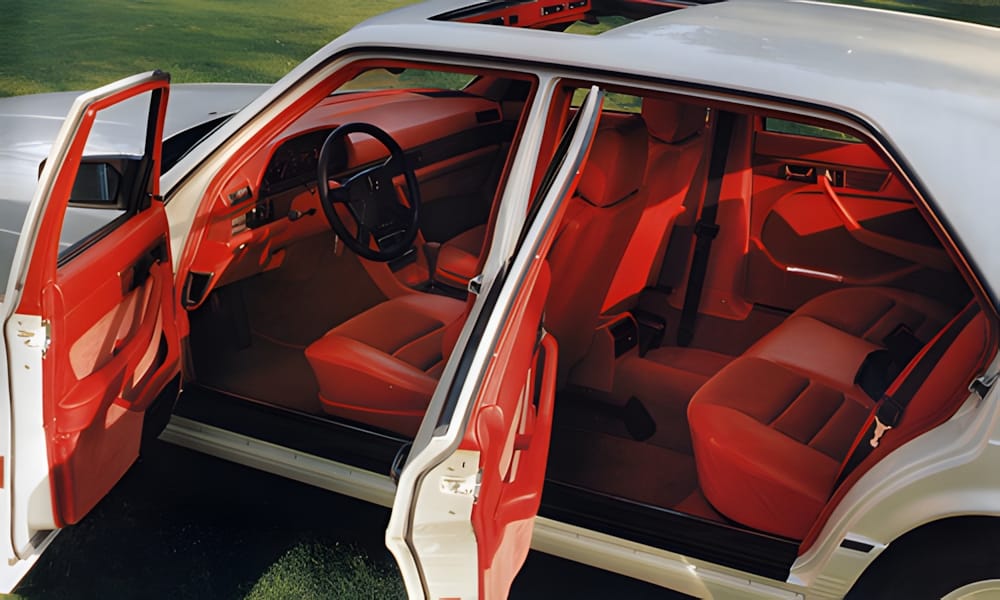
Mercedes-Benz W126 S-Class — Red Leather Interior mercedes-benz-w126-s-class-red-leather-interior Factory press photograph of a first-series Mercedes-Benz W126 S-Class sedan in white with full red leather interior. Designed by Bruno Sacco, the W126 (1979–1991) is widely regarded as one of the most refined production car designs of the twentieth century.
[]
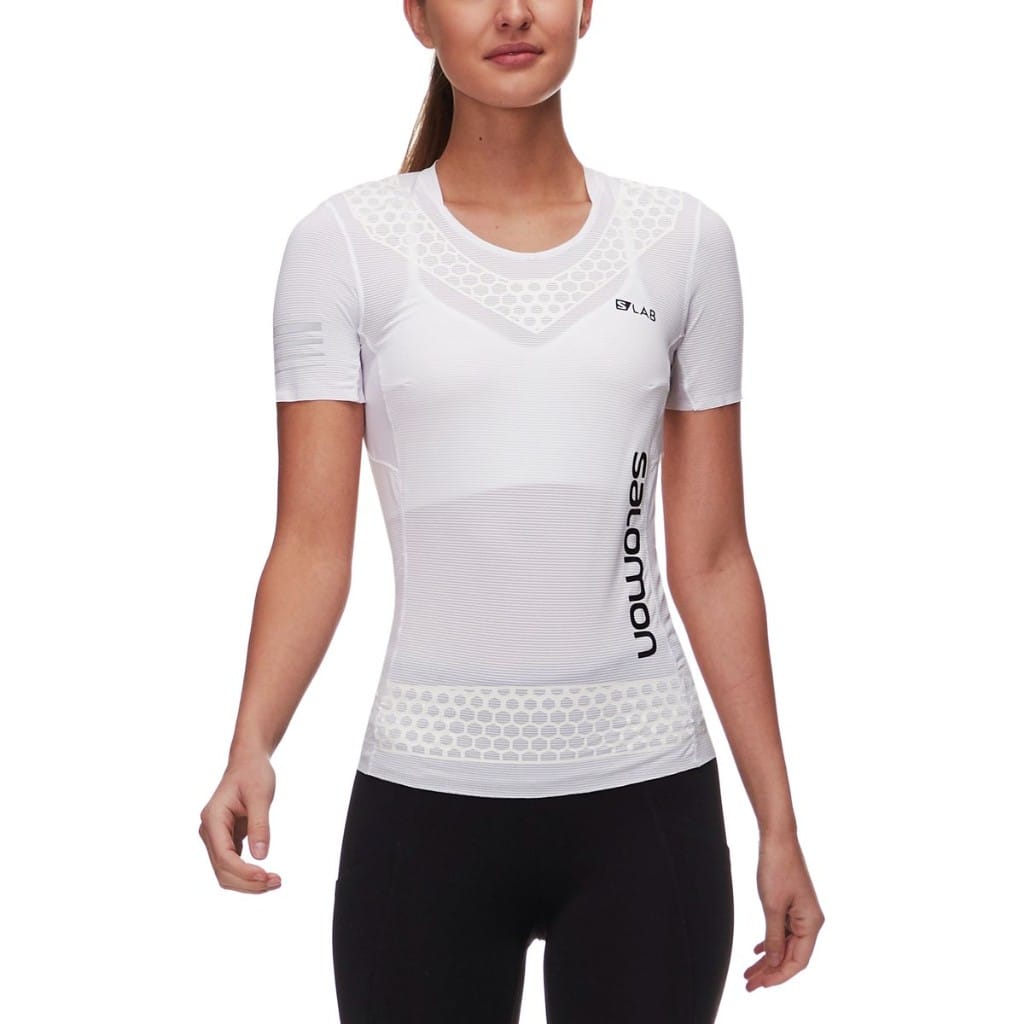
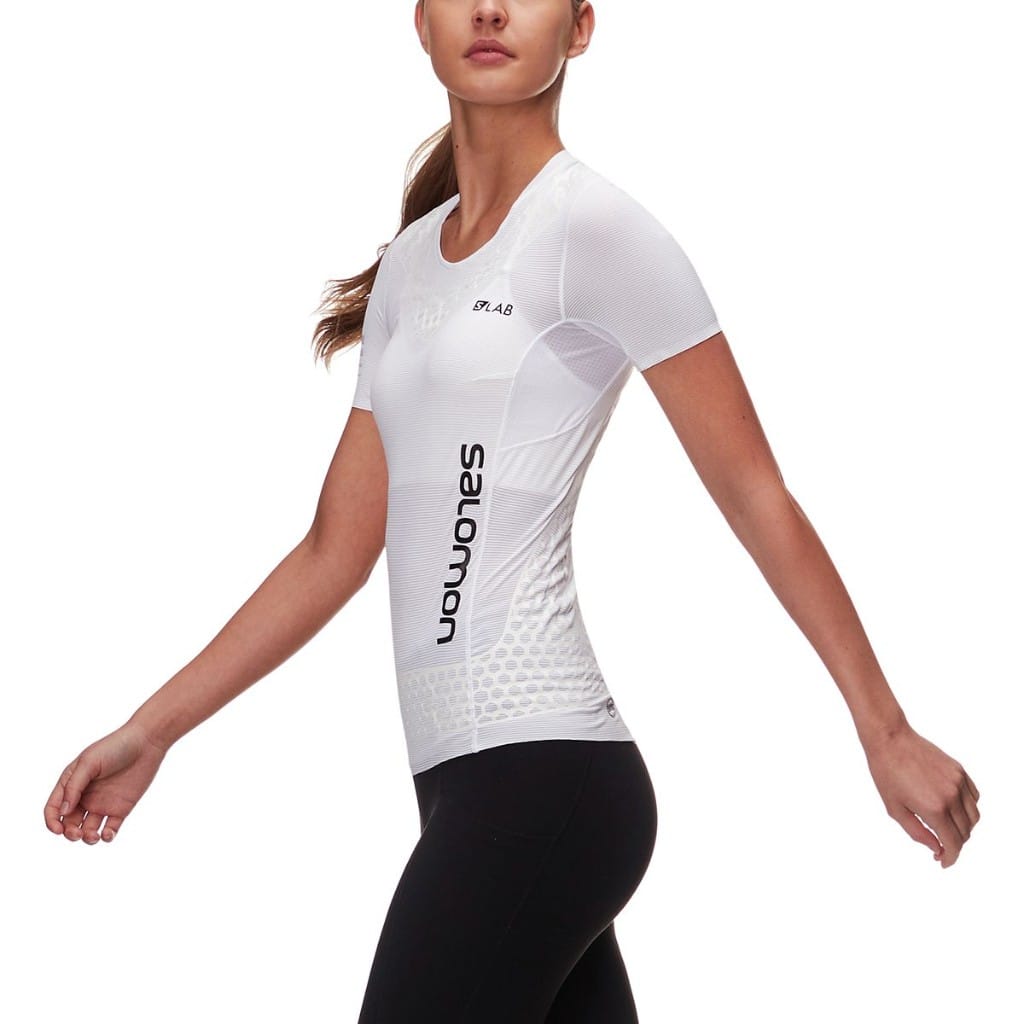
Salomon S/LAB EXO T-Shirt — Women's salomon-s-lab-womens-exo-t-shirt The women’s Salomon S/LAB EXO T-Shirt uses mapped EXO support zones, a form-fitting nylon stretch knit and 37.5 thermoregulation.
The women’s S/LAB EXO T-Shirt turns the EXO grid into mapped bands at the neckline, spine and hem. A form-fitting nylon stretch knit holds the structure close, while 37.5 thermoregulation and open mesh manage heat through long trail efforts.
[]
The women’s S/LAB EXO T-Shirt turns the EXO grid into mapped bands at the neckline, spine and hem. A form-fitting nylon stretch knit holds the structure close, while 37.5 thermoregulation and open mesh manage heat through long trail efforts.
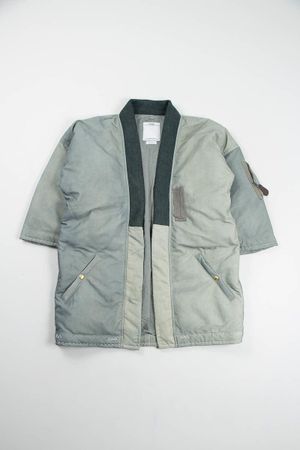
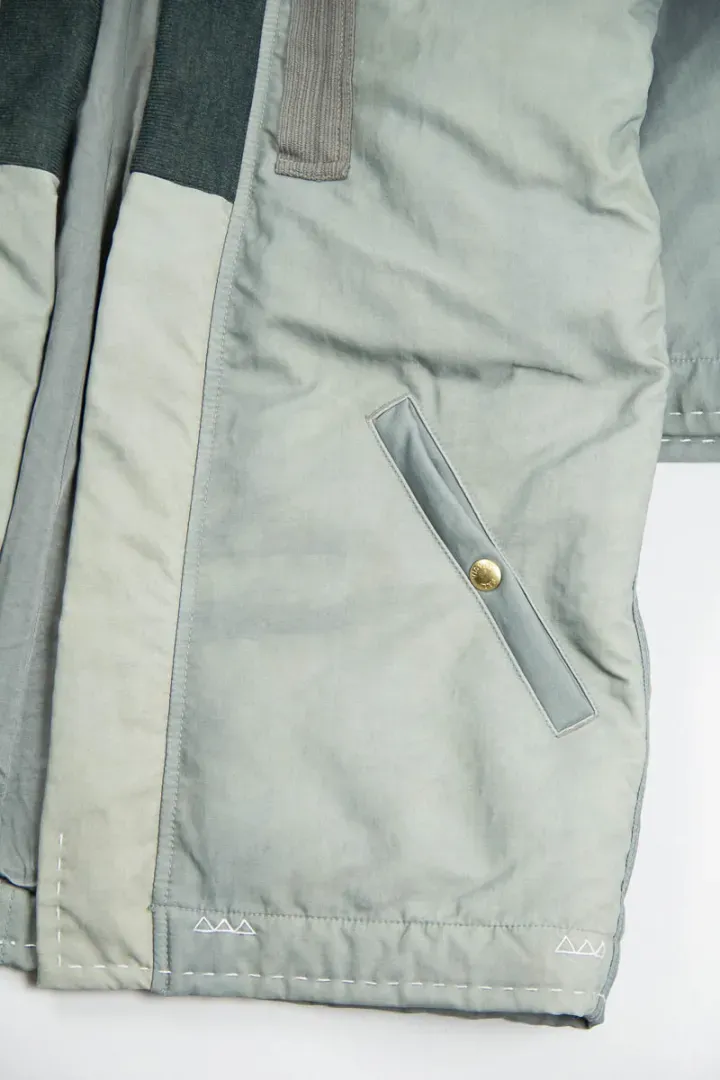
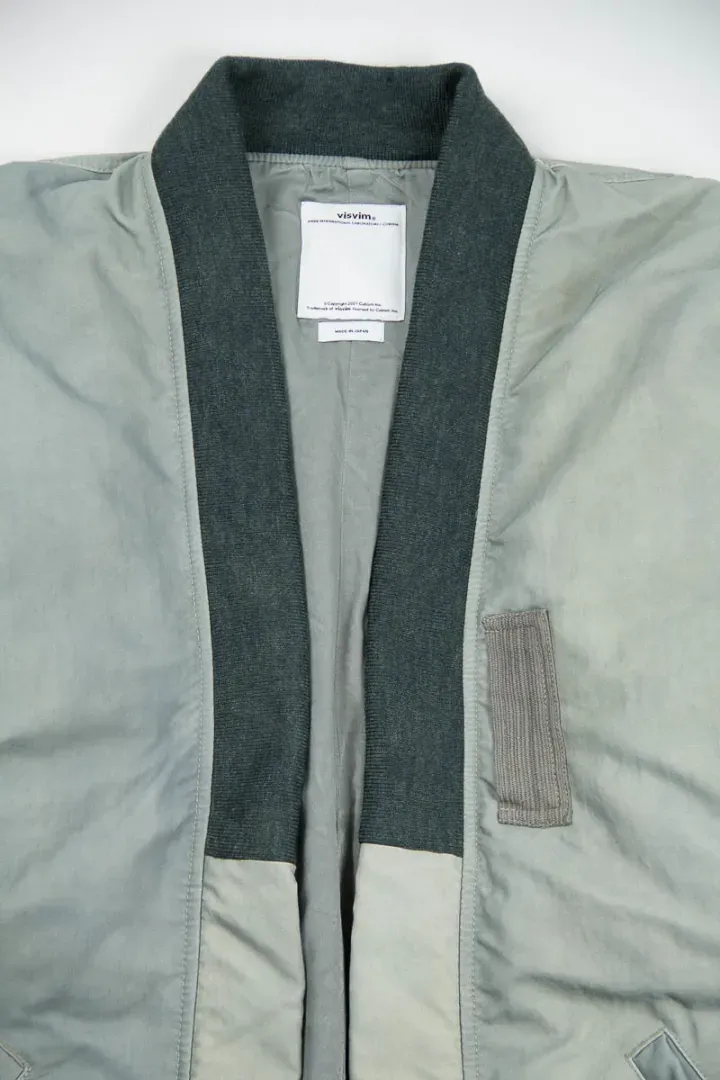
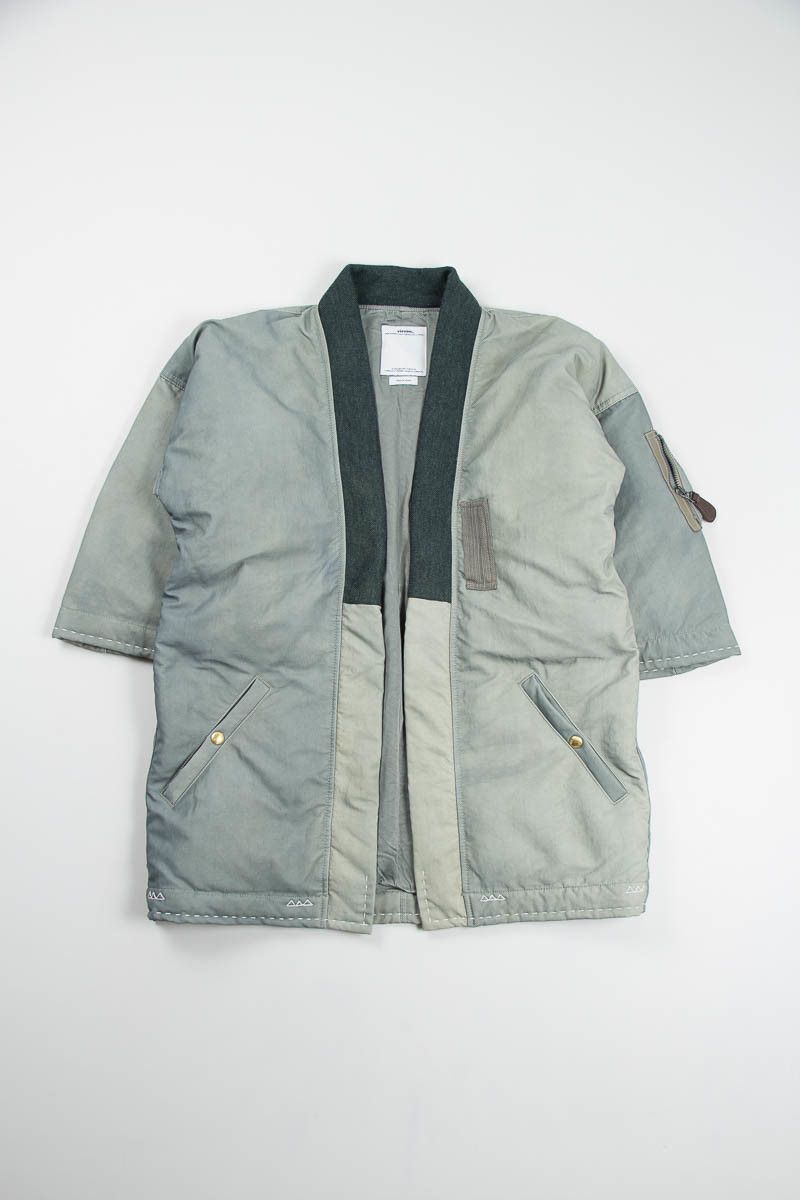
Visvim Sanjuro Kimono Down Jacket visvim-sanjuro-kimono-down-jacket
Naturally dyed Italian nylon with a white goose down fill, ribbed collar, 2 slanted snap button pockets, Talon zippered utility pocket on one sleeve, patch detailing on the placket and hand–stitched sashiko.
[]
Naturally dyed Italian nylon with a white goose down fill, ribbed collar, 2 slanted snap button pockets, Talon zippered utility pocket on one sleeve, patch detailing on the placket and hand–stitched sashiko.
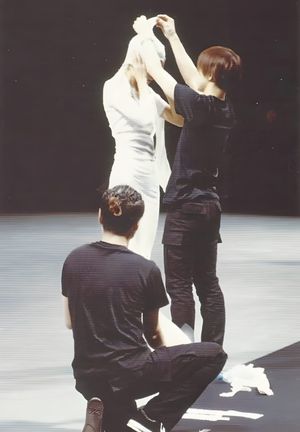
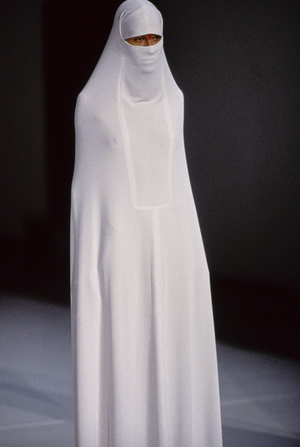
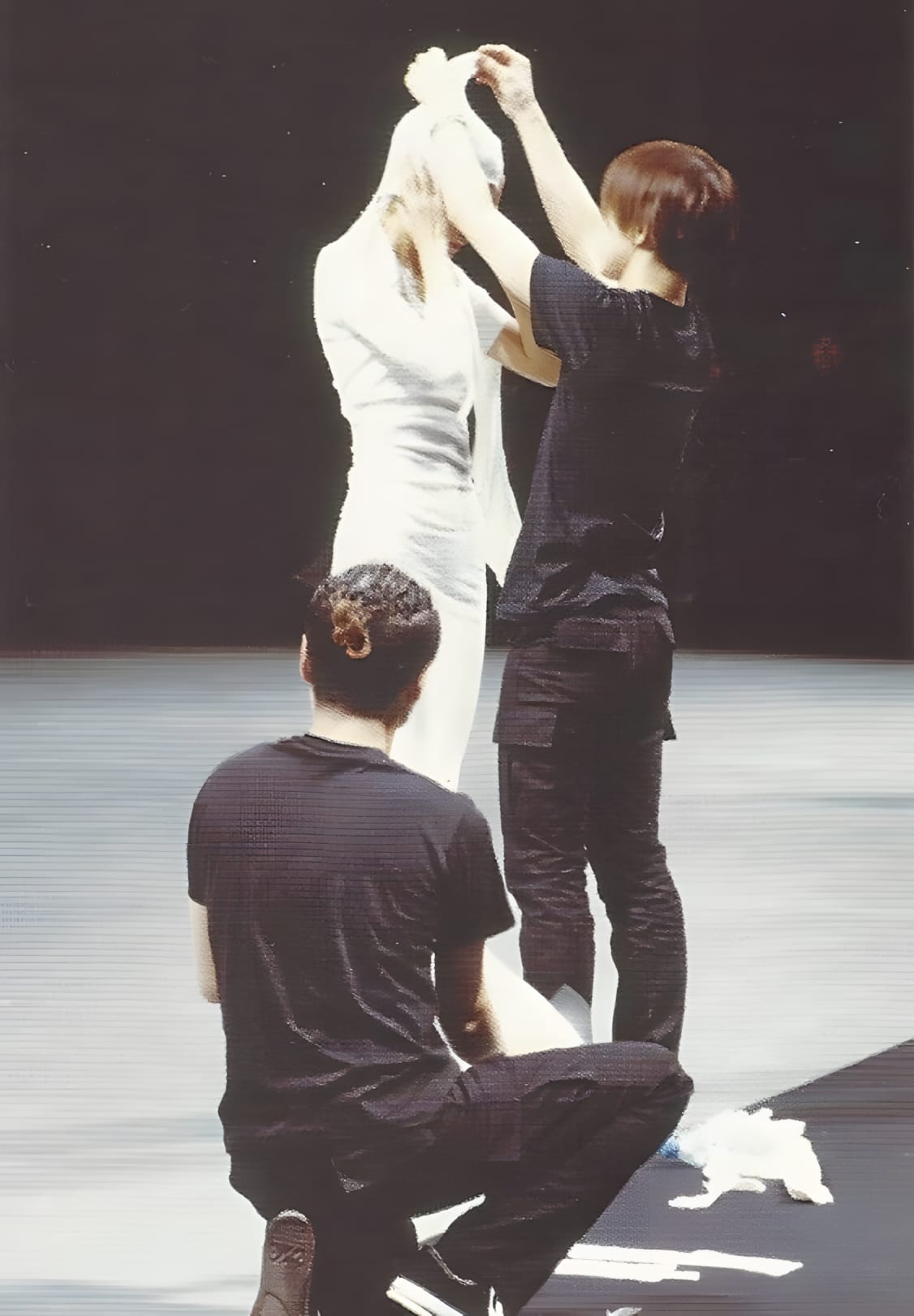
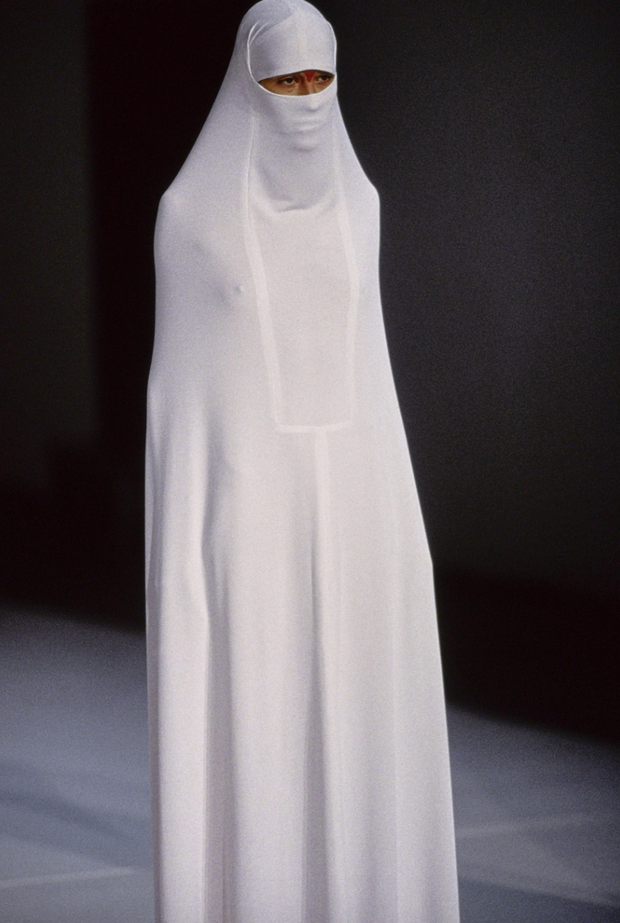
Issey Miyake Spring/Summer 1999 — A-POC Runway issey-miyake-ss1999-apoc-runway Runway moment from Issey Miyake Spring/Summer 1999, the debut season of A-POC (A Piece Of Cloth). A model is dressed on the runway by two assistants in a white seamless tubular knit column garment.
[]
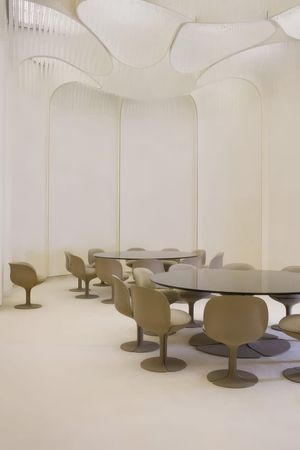
Pierre Paulin, Elysee Palace Interior pierre-paulin-elysee-palace-interior Pierre Paulin's futuristic interior for the Palais de l'Elysee, commissioned by President Georges Pompidou in 1971 to modernize the French presidential residence's private apartments and salon.
[]
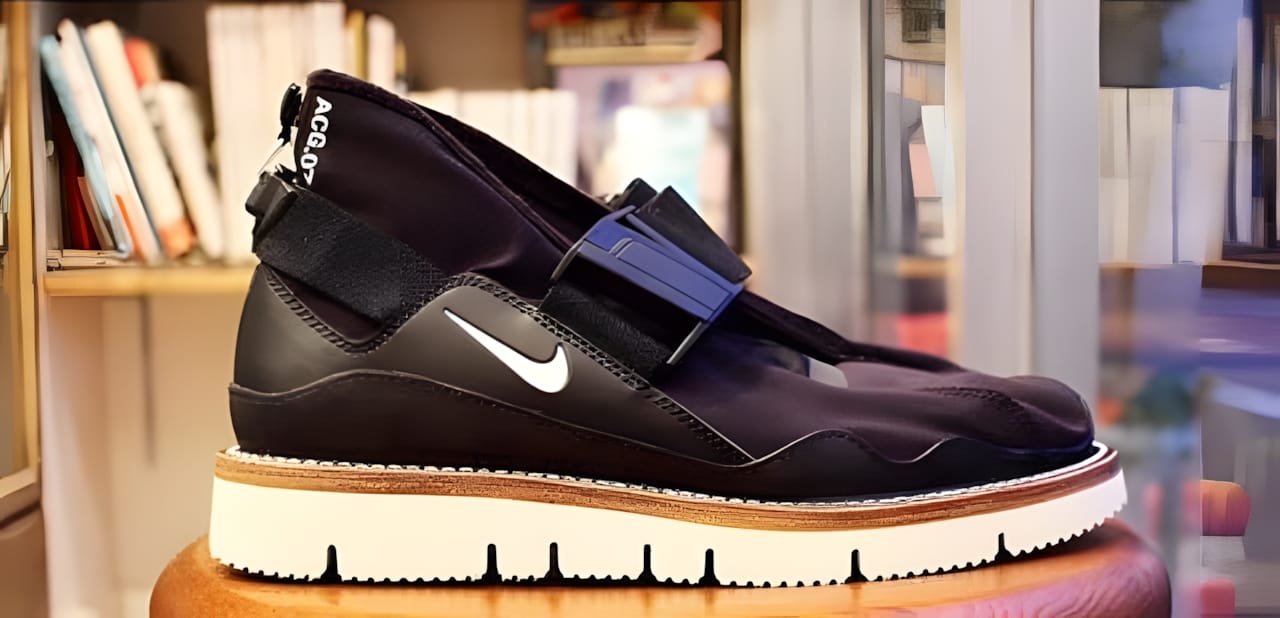
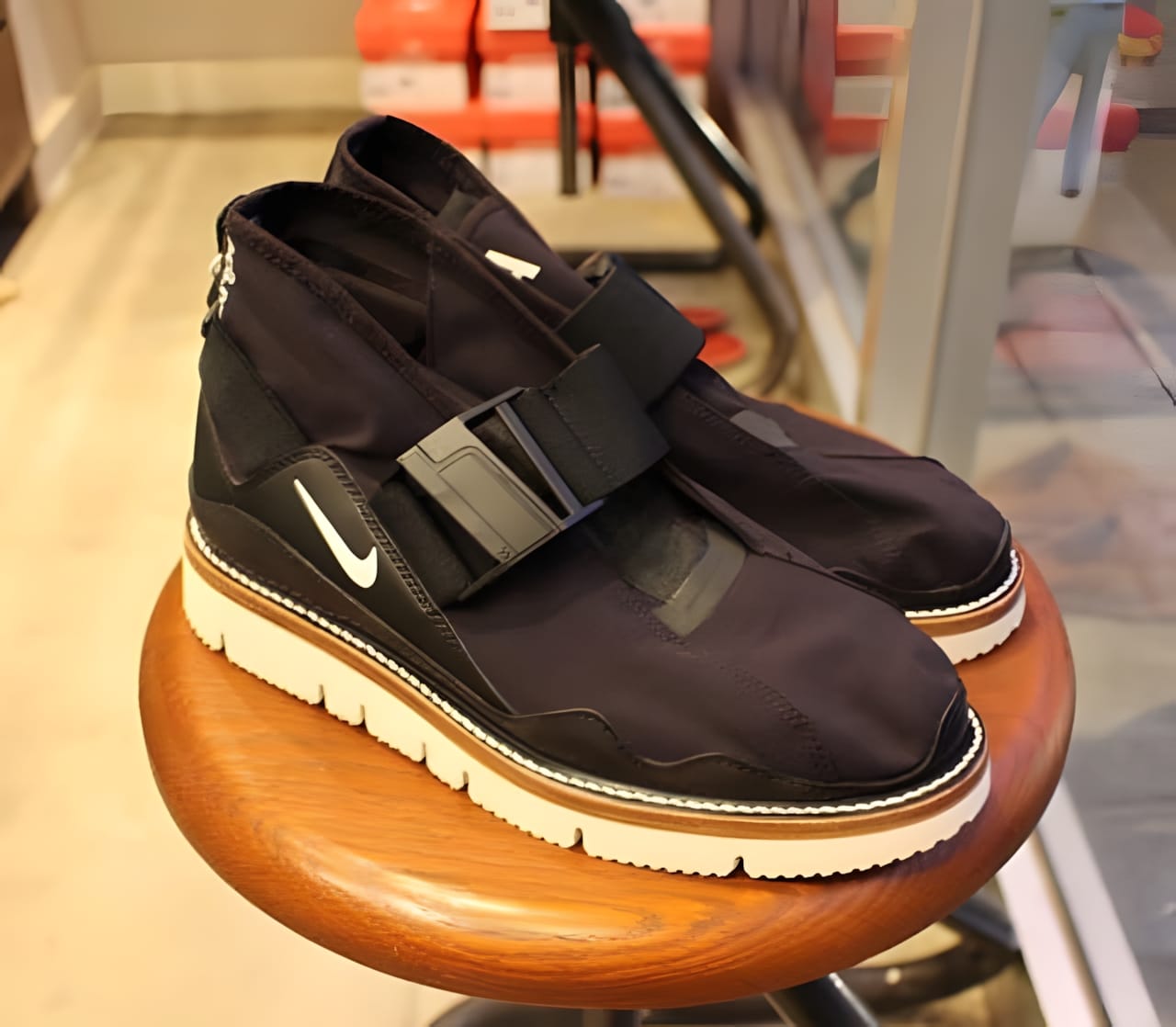
Nike Komyuter Black/Summit White (AA2211-001) nike-komyuter-black-summit-white-aa2211-001 The Nike Komyuter in Black/Summit White (AA2211-001), a technical urban sneaker built for commuters with a water-resistant nylon shell, magnetic buckle strap, PORON XRD foam, and gum-accented midsole. Shot pre-release at Kokubunji Shoes, Tokyo, July 2017.
[]
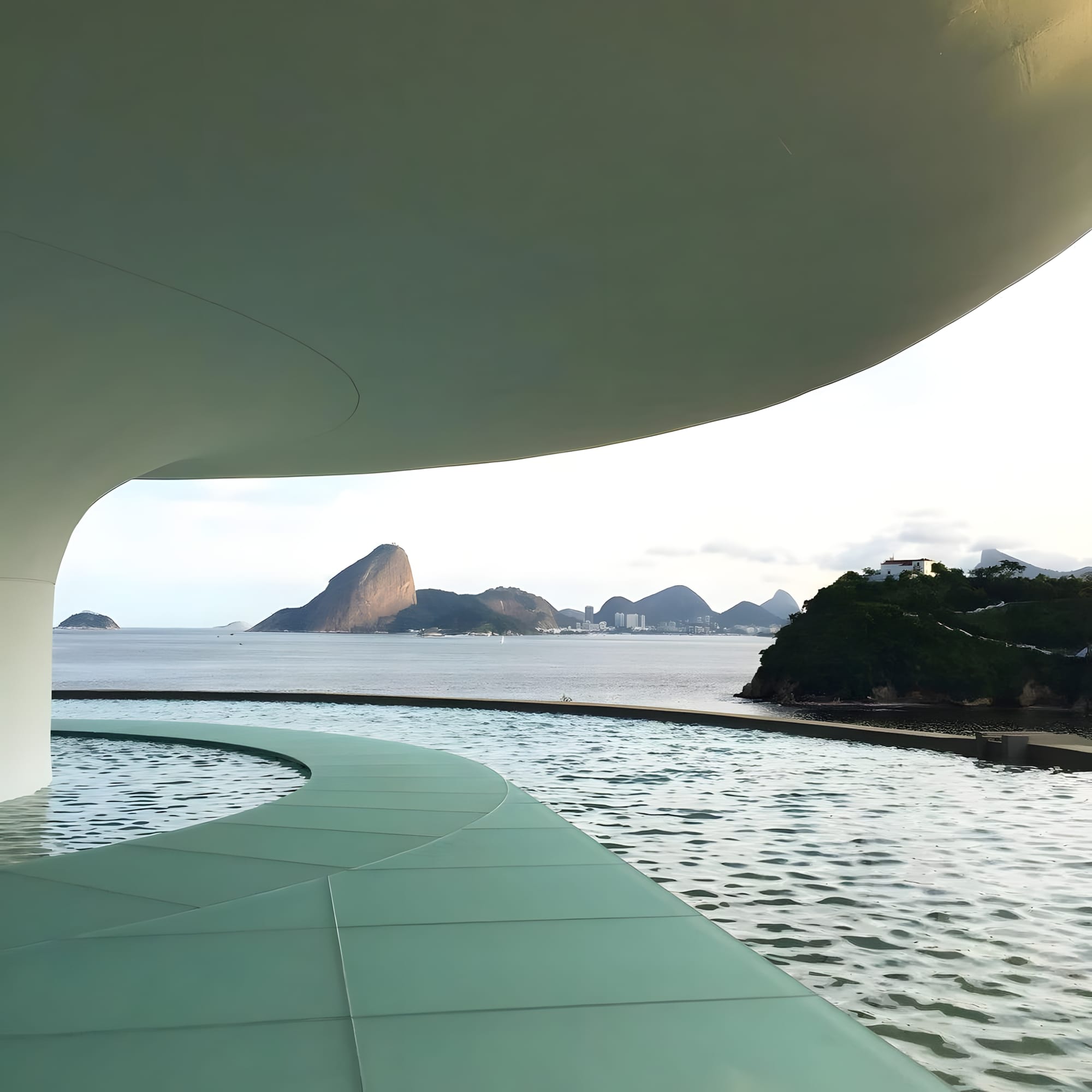
Oscar Niemeyer's MAC Niterói — Louis Vuitton Cruise 2017 Venue mac-niteroi-oscar-niemeyer-louis-vuitton-cruise-2017 Oscar Niemeyer's Museu de Arte Contemporânea de Niterói, the flying-saucer museum overlooking Guanabara Bay, photographed as the venue for the Louis Vuitton Cruise 2017 show by Nicolas Ghesquière.
[]
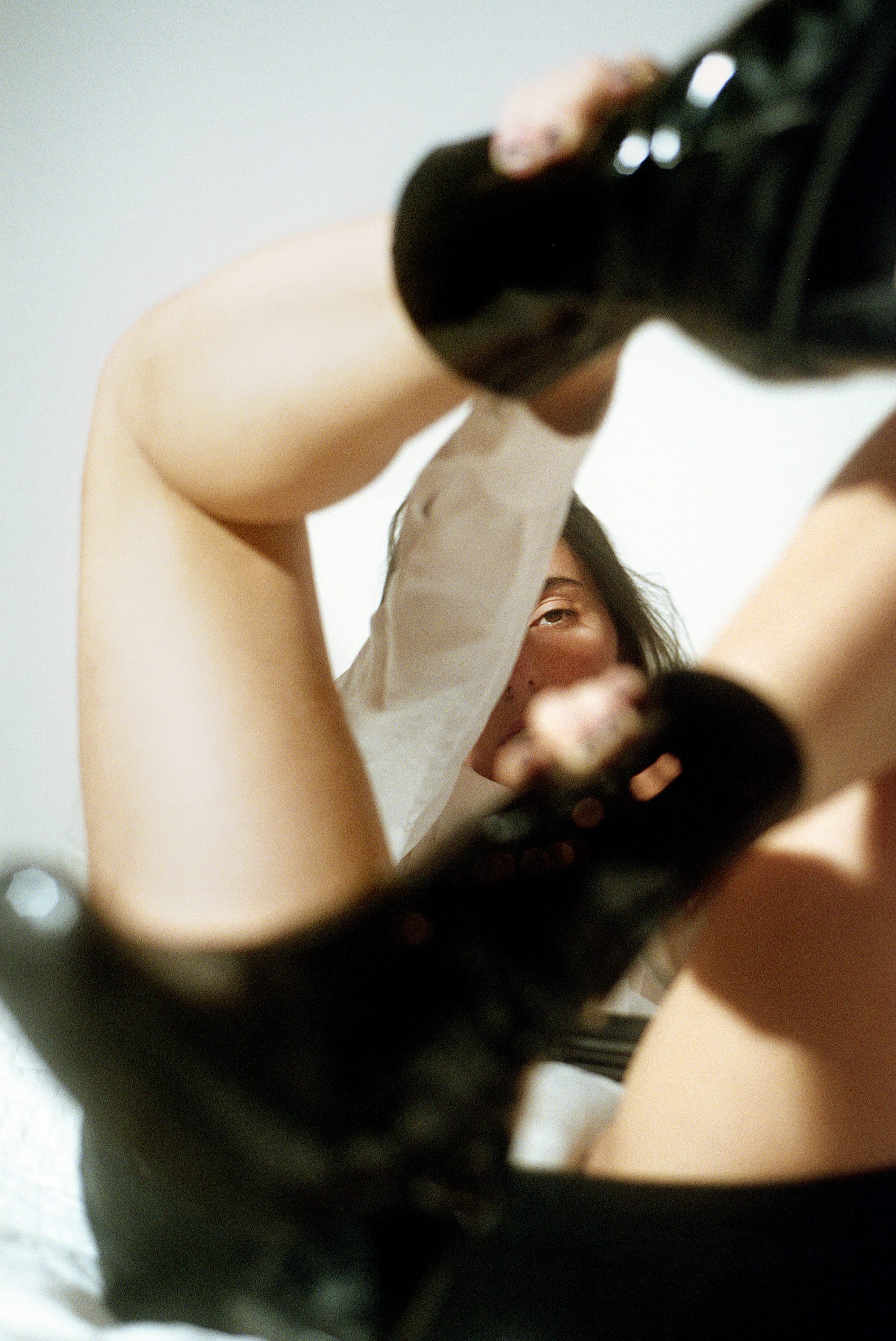
Guardami — Rita Lino guardami-rita-lino Rita Lino's Guardami, a close photographic portrait framed through a camera and the sitter's raised legs.
Guardami, a close photographic portrait by Rita Lino.
[]
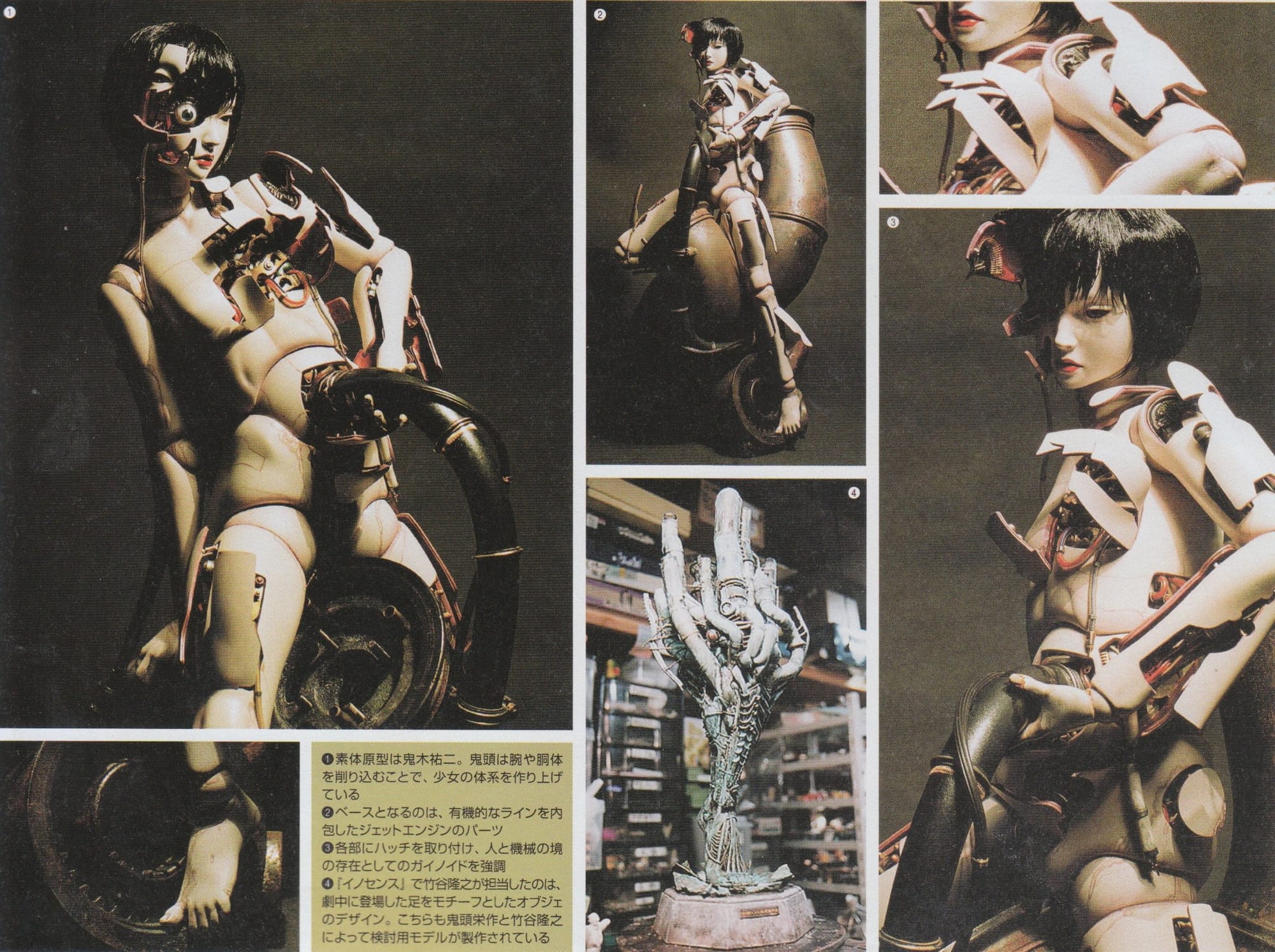
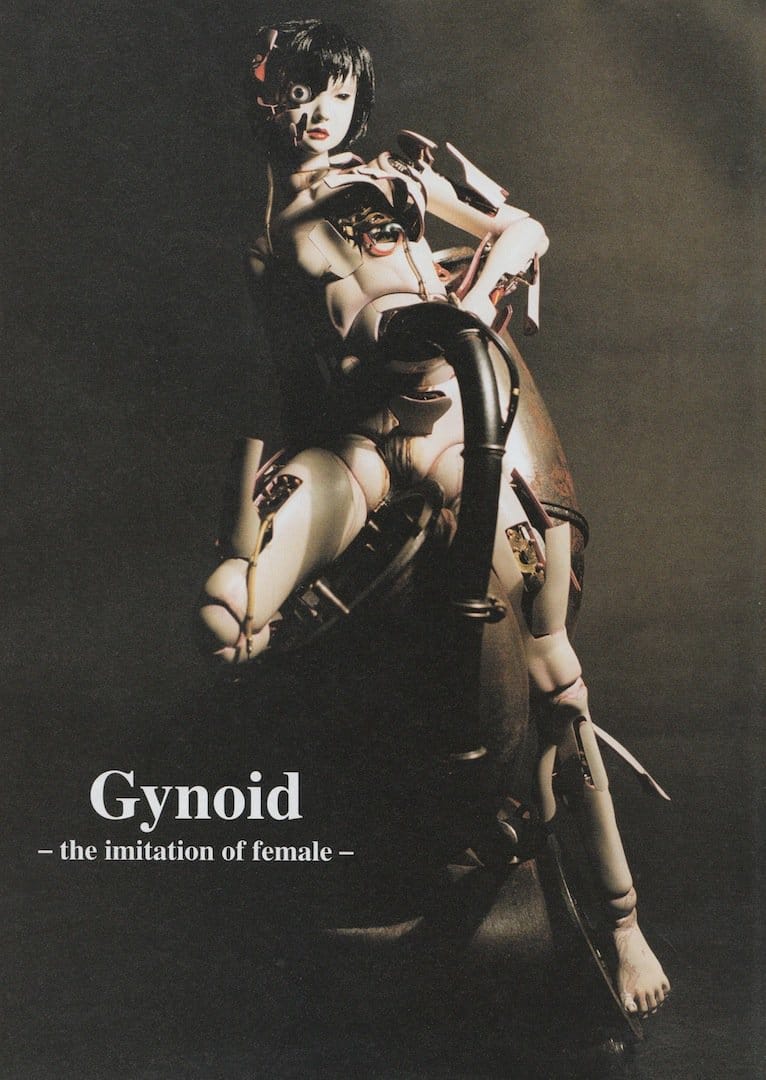
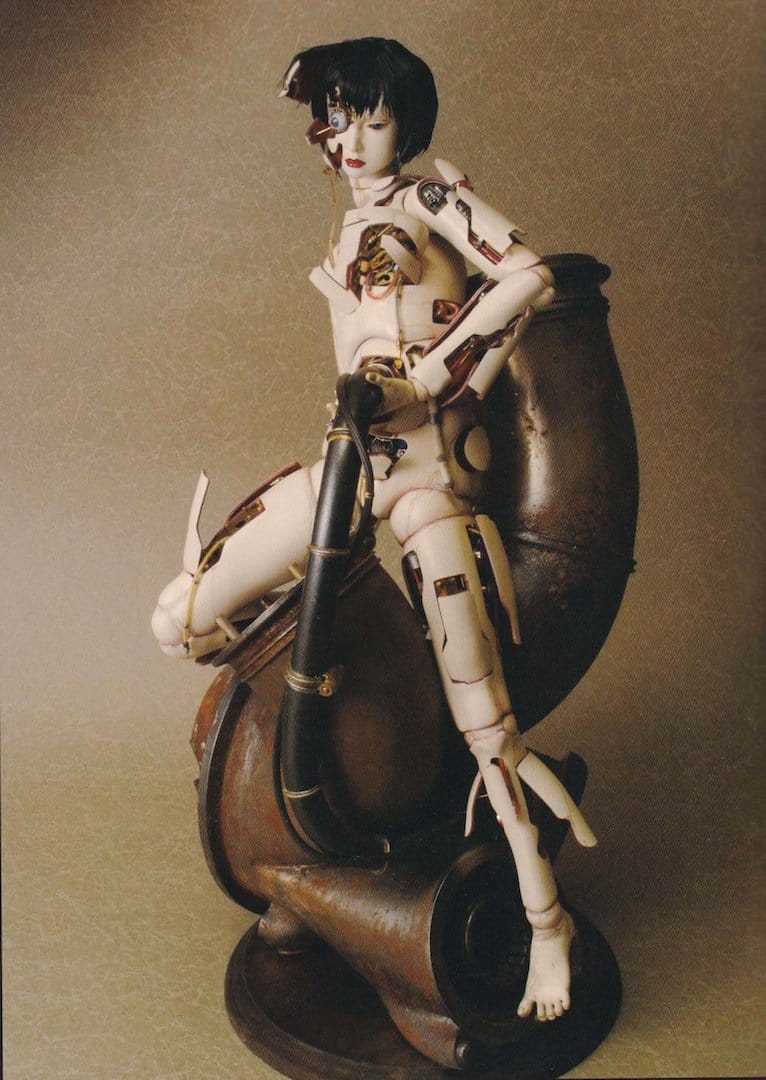
Ghost in the Shell: Innocence Gynoid Model ghost-in-the-shell-innocence-gynoid-model The 1/4-scale Gynoid image model created for Mamoru Oshii's Ghost in the Shell: Innocence, with its opening panels and internal mechanisms exposed.
The 1/4-scale Gynoid image model created for Mamoru Oshii's Ghost in the Shell: Innocence.
[]
A 1/4-scale image model of the Gynoid from Mamoru Oshii's Ghost in the Shell: Innocence. Eisaku Kito modified the figure and built its opening panels and mechanical components; Yuji Oniki made the base body; Takayuki Takeya completed the hair, makeup and weathering.
Karborn — Evidence of Time Travel karborn-evidence-of-time-travel Two stills from Karborn's Evidence of Time Travel — a body of analogue-machine digital art built from halftone scan-line interference patterns. Sourced from evidenceoftimetravel.com, reblogged October 2016.
[]
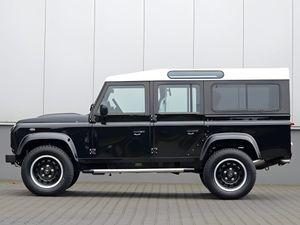
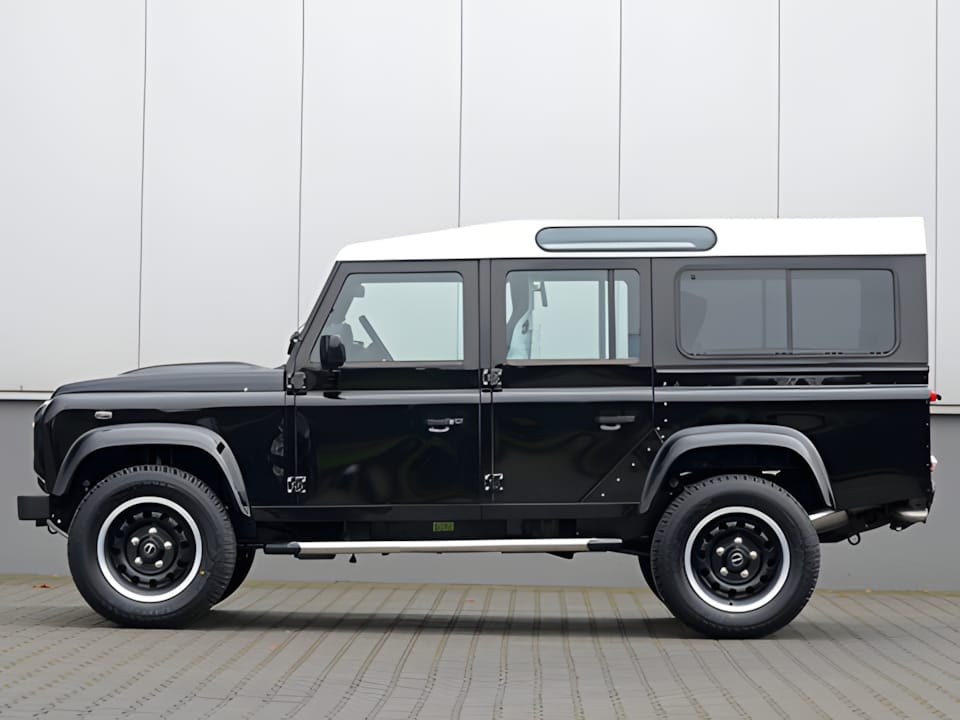
Land Rover Defender 110 Station Wagon in Black land-rover-defender-110-station-wagon-black Profile view of a Land Rover Defender 110 Station Wagon in black with a white roof and black steel wheels with white rim rings. Clean, stock-appearing example photographed against a light industrial background.
[]
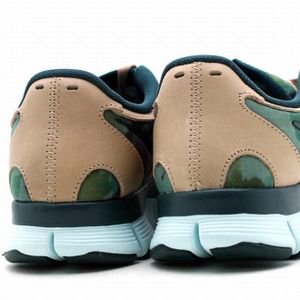
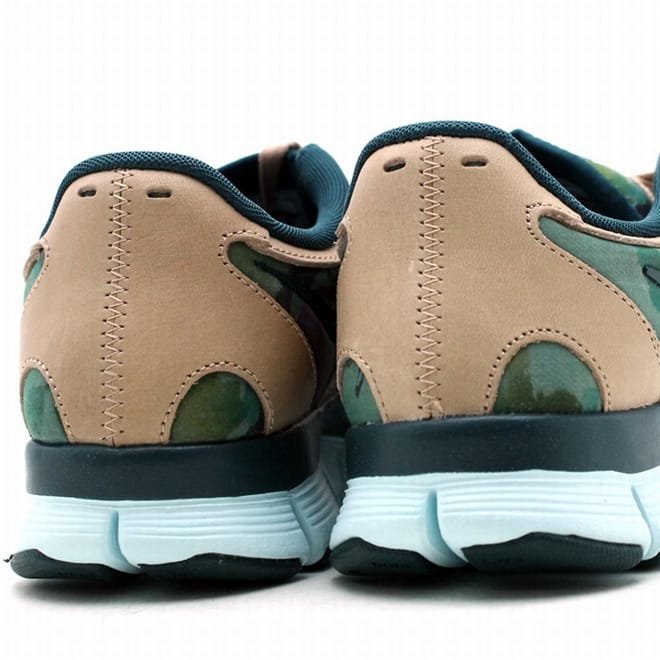
Nike x Liberty of London Free 5.0 V4 nike-x-liberty-of-london-free-5-0-v4 Nike x Liberty of London Free 5.0 V4 — a collaboration between Nike and the iconic London textile brand, featuring Liberty's signature floral print applied to the Free 5.0 V4 running silhouette.
[]
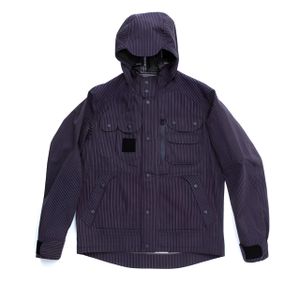
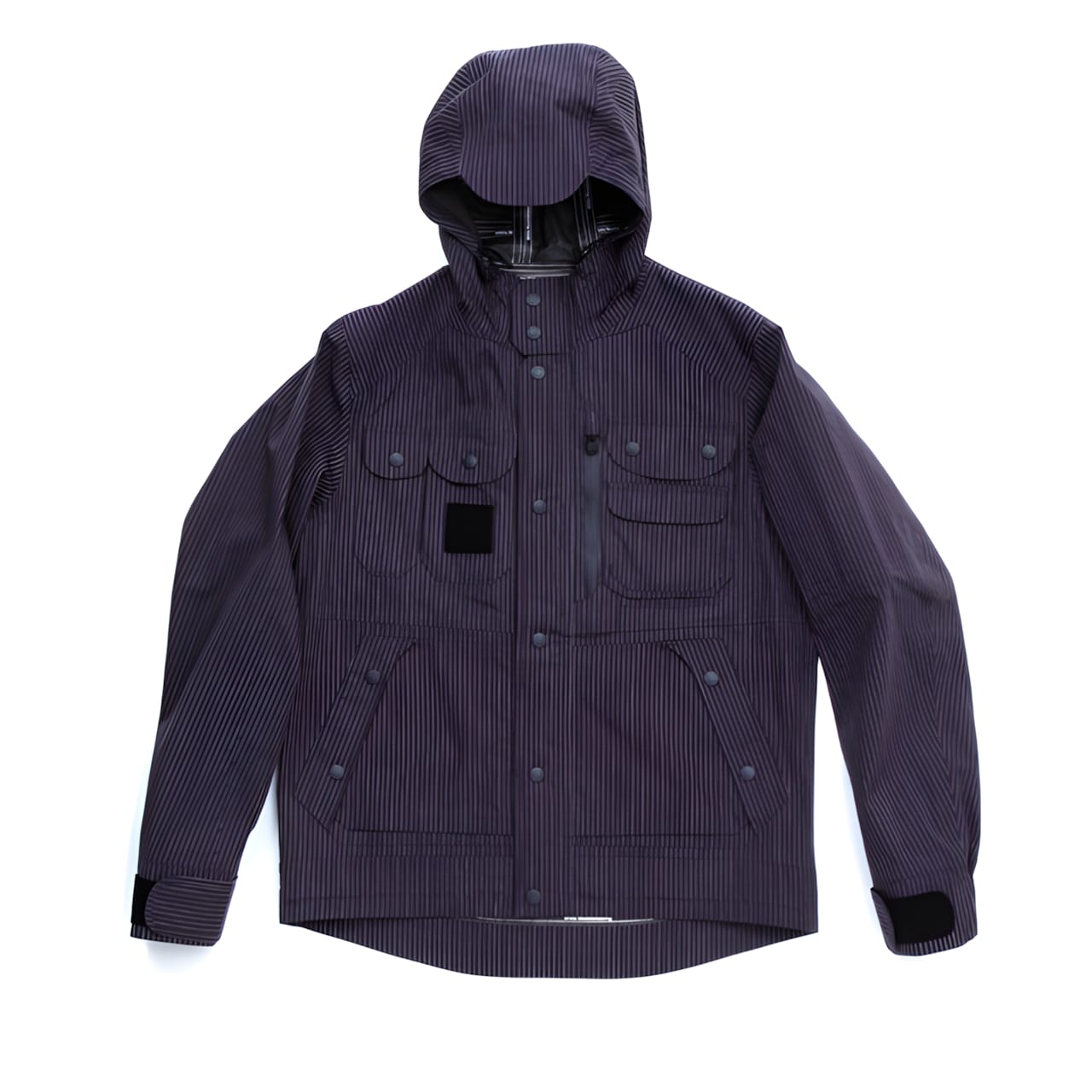
CP Company Multi-Pocket Goggle Hooded Jacket in Grey cp-company-multi-pocket-goggle-hooded-jacket-grey CP Company multi-pocket hooded field jacket in a dark charcoal grey ribbed nylon fabric, featuring multiple snap-flap chest pockets, a vertical zip pocket, velcro cuffs, and CP Company's signature goggle hood system. Circa AW2014.
[]
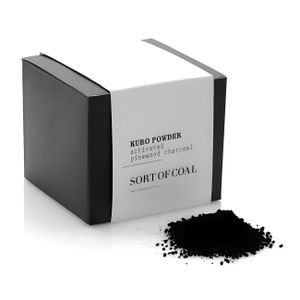
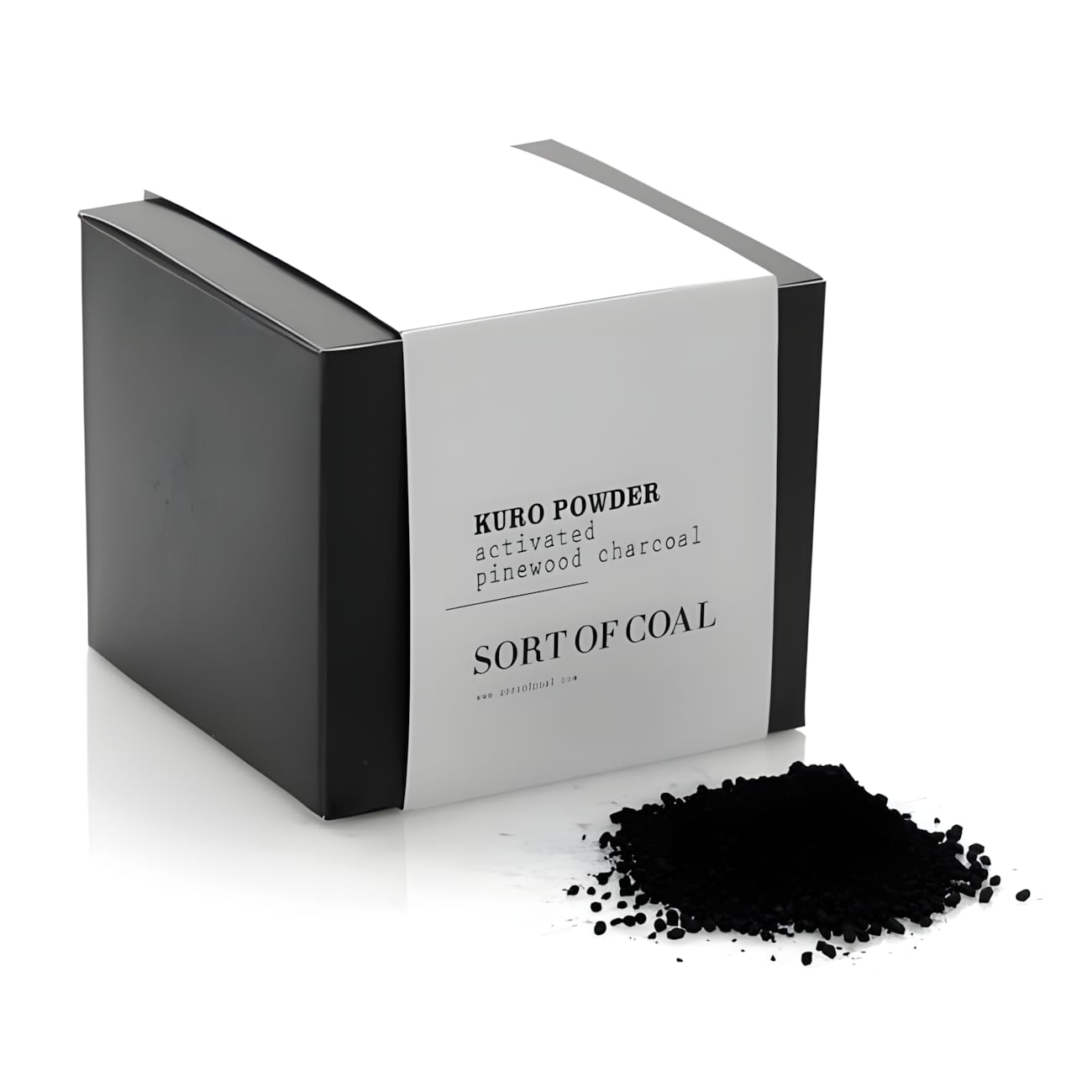
Sort of Coal — Edible Kuro Charcoal Powder sort-of-coal-edible-kuro-charcoal-powder Sort of Coal's Kuro Charcoal Powder — an edible activated charcoal powder from the Danish brand, food-grade and used as a black pigment in cooking and beverages, packaged in a minimal matte-black container.
[]
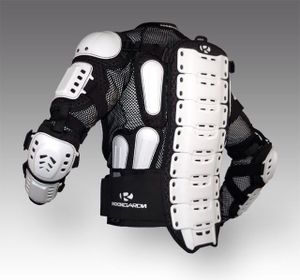
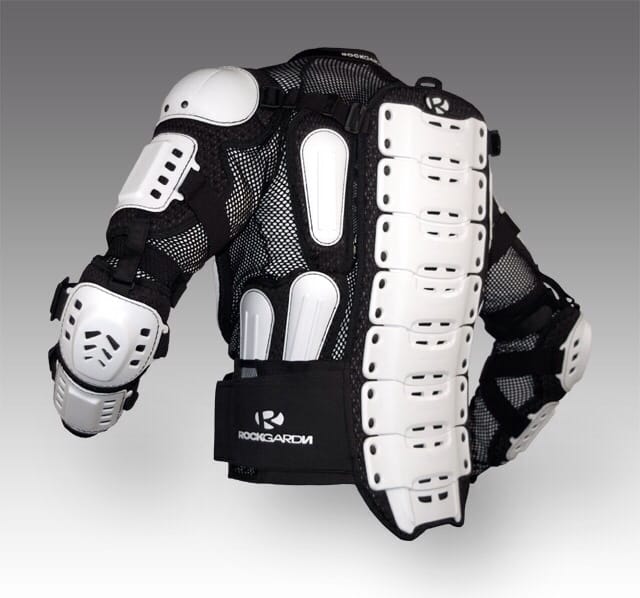
RockGardn Flak Jacket — MTB Body Armor rockgardn-flak-jacket-mtb-body-armor RockGardn Flak Jacket — full-coverage upper body protective suit designed for motocross and downhill mountain biking. Hard plastic shoulder and elbow protection with ventilated construction.
[]
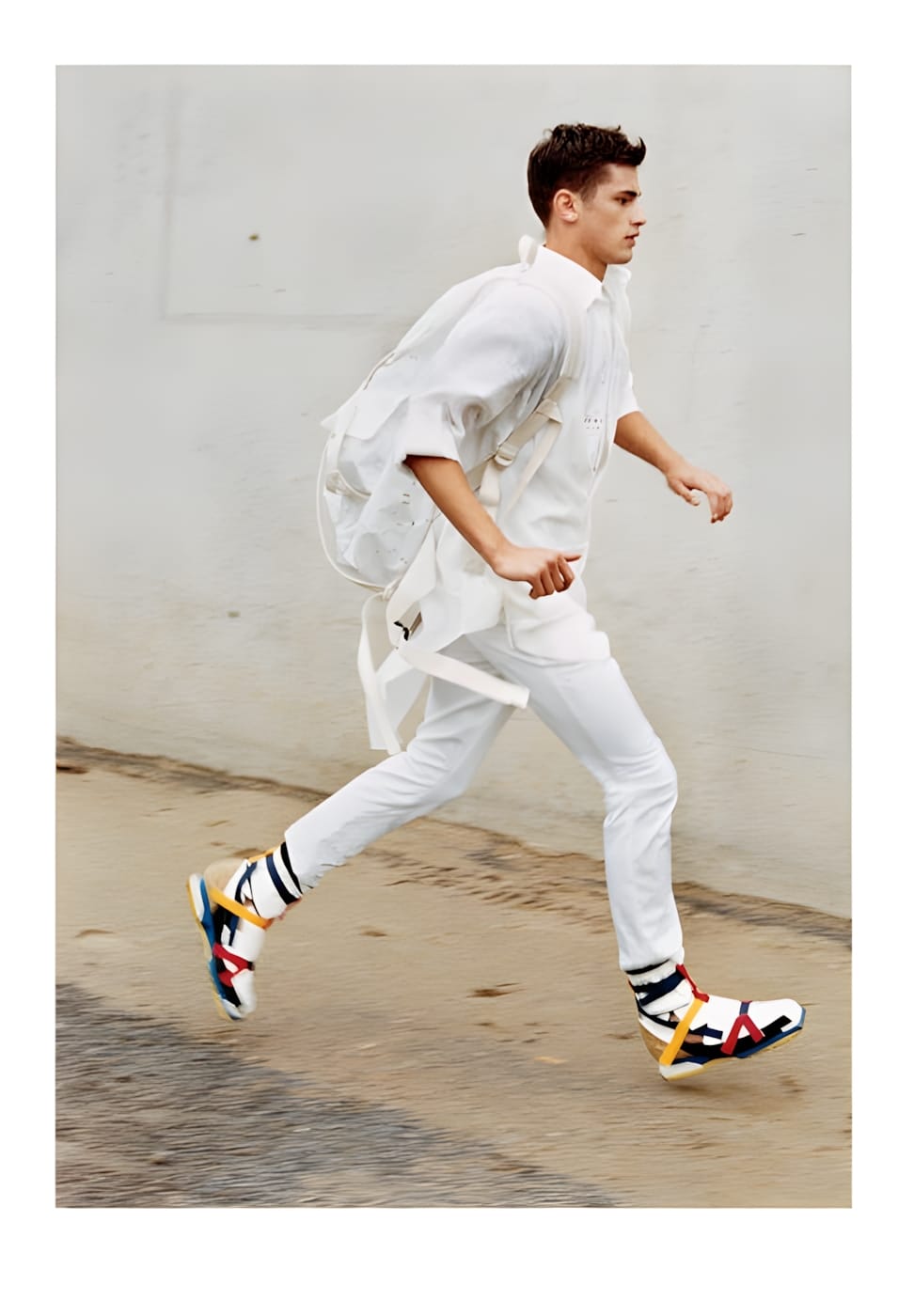
Raf Simons SS2008 De Stijl Hiking Boot — White Multicolor
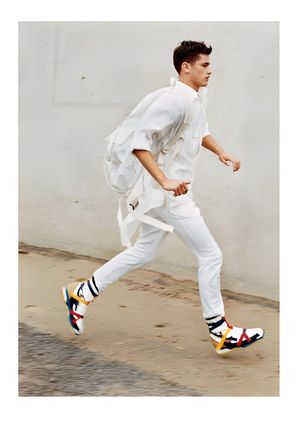
Raf Simons SS2008 De Stijl Hiking Boot — White Multicolor raf-simons-ss2008-de-stijl-hiking-boot-white-multicolor Raf Simons Spring/Summer 2008 'De Stijl' hiking boot in white with primary-color (red, blue, yellow) geometric panels, worn on a running model in an all-white look. Runway sample from the De Stijl collection.
[]
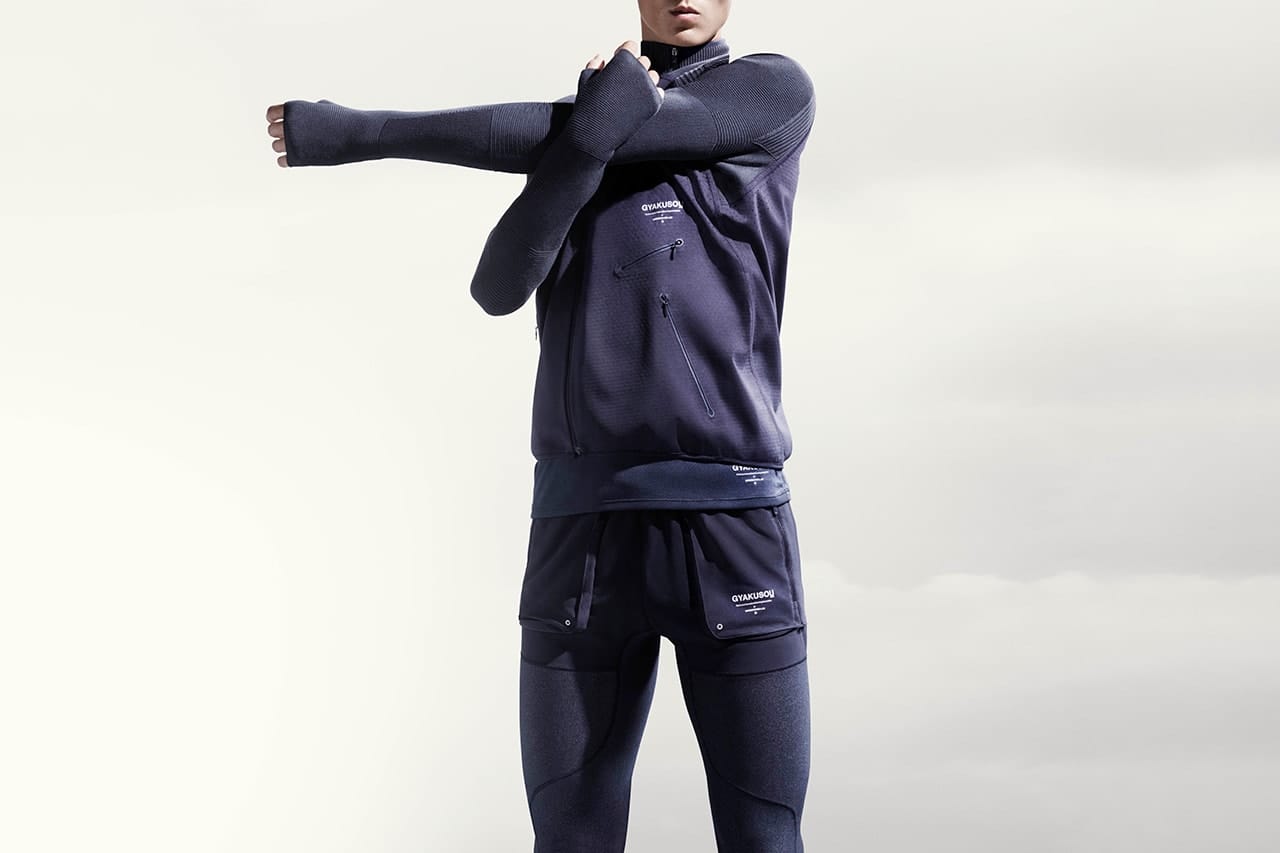
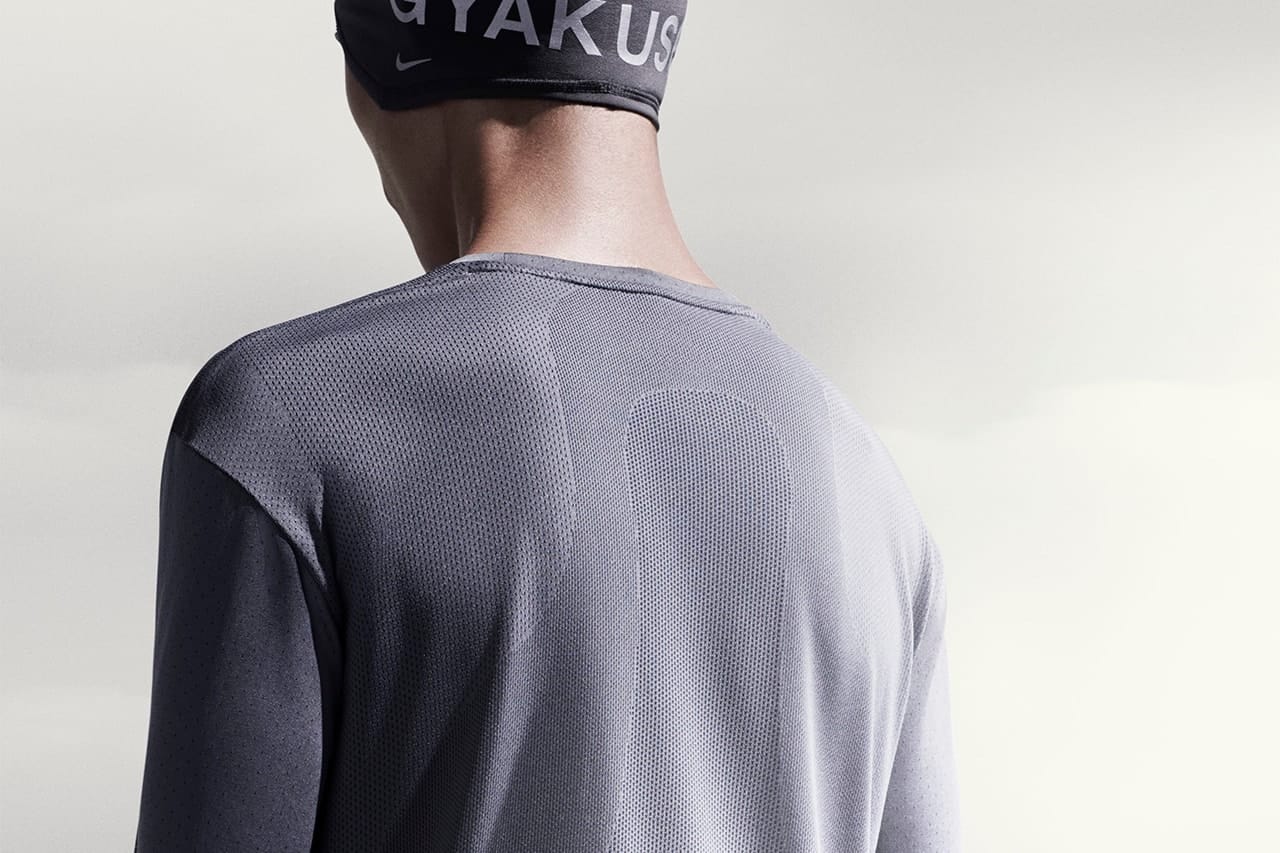
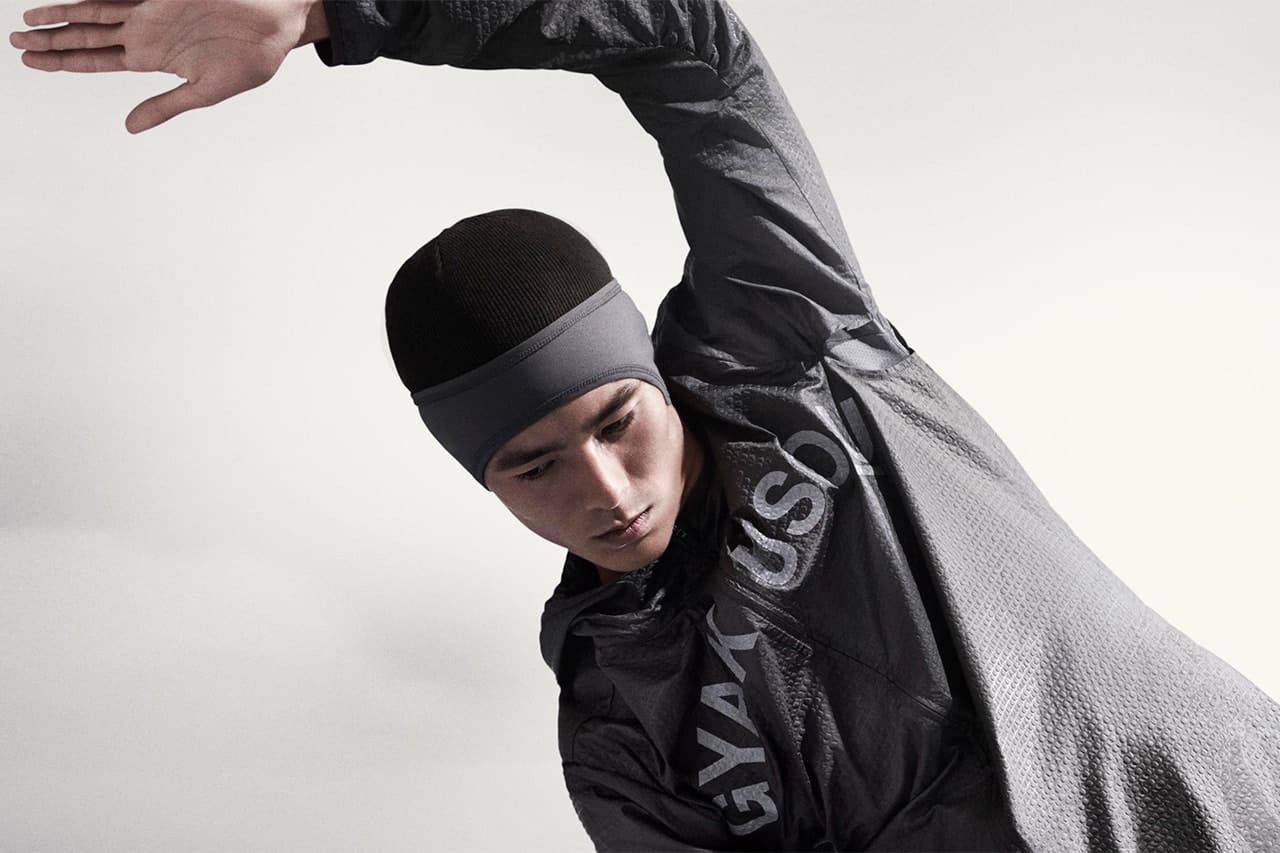
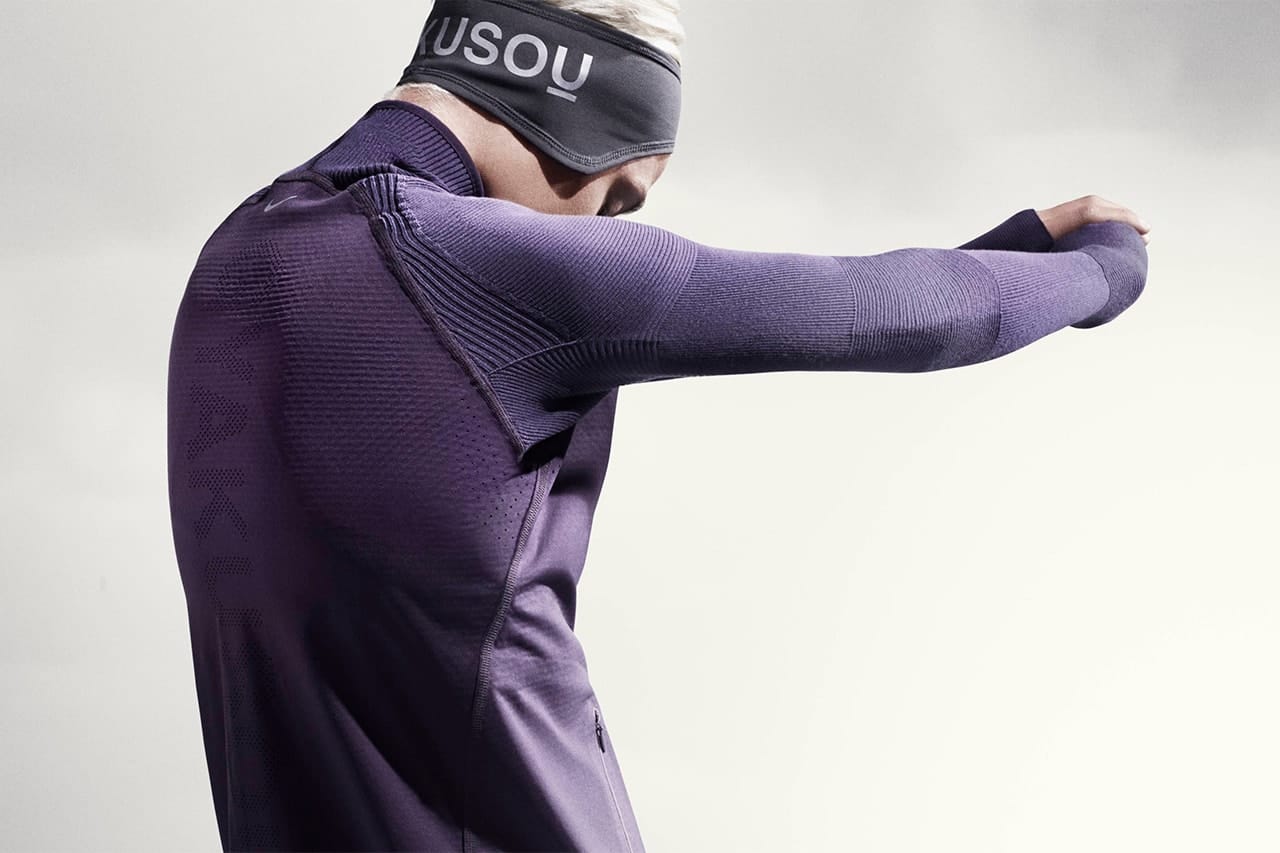
Nike x Undercover Gyakusou Holiday 2014 nike-x-undercover-gyakusou-holiday-2014 Nike x Undercover Gyakusou Holiday 2014: the complete seven-image studio collection in black, gray, white and purple.
The complete Gyakusou Holiday 2014 studio collection in black, gray, white and purple technical running layers.
[]
The Holiday 2014 collection is restored as the original seven-image studio set, separating it from the Holiday 2013 forest campaign.
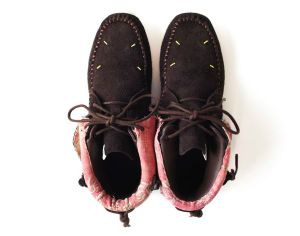
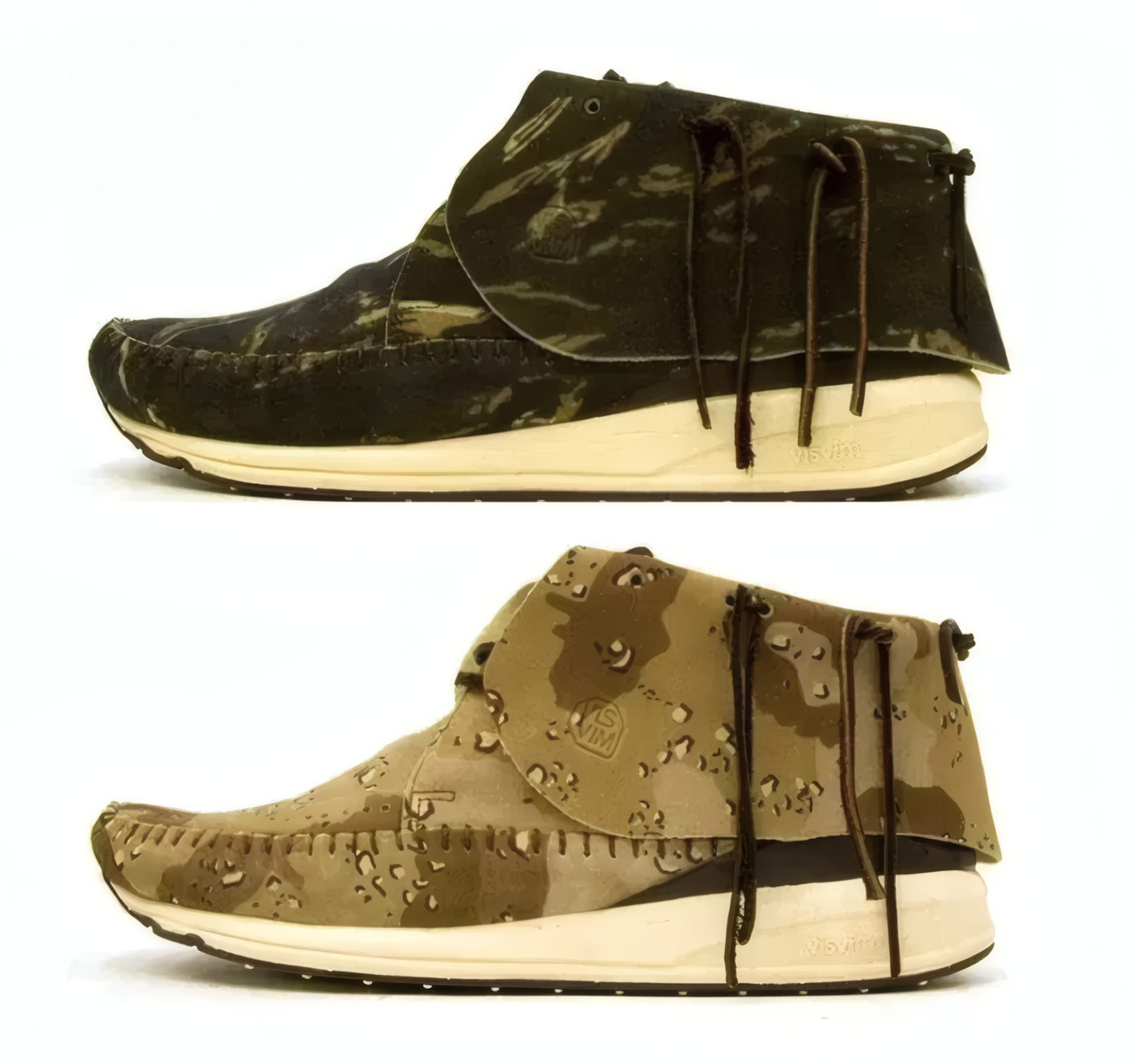
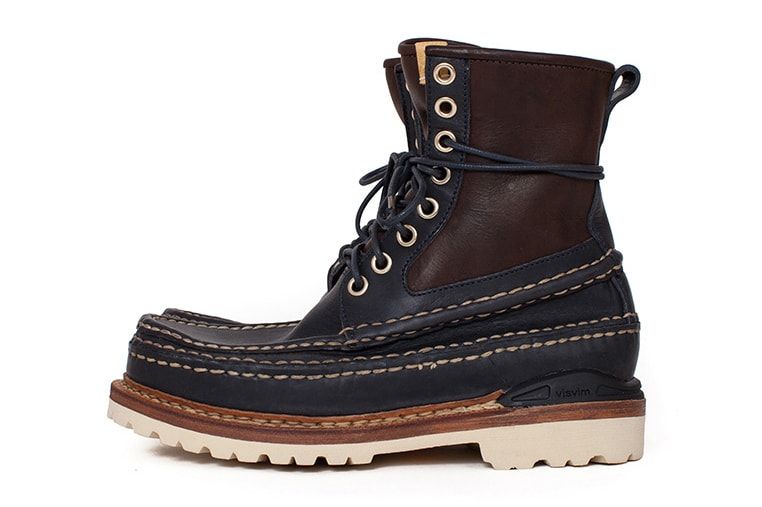
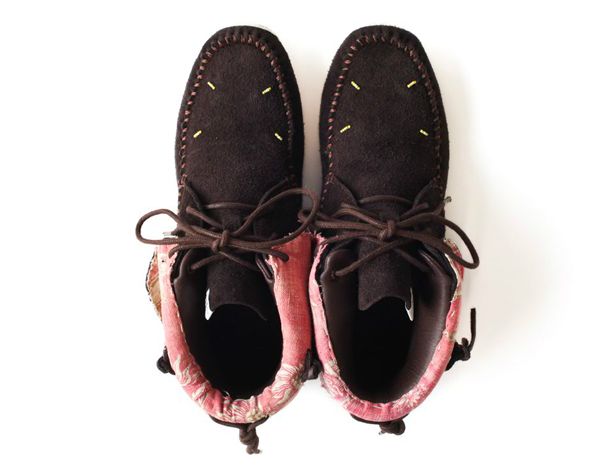
visvim FBT Lhamo-Folk visvim-fbt-lhamo-folk visvim FBT Lhamo-Folk by Hiroki Nakamura — a vegetable-tanned leather moccasin boot rooted in the traditional footwear of Native American peoples, reinterpreted through Nakamura's obsessive research into craft and materials. The Lhamo-Folk variant introduces Tibetan textile references into the FBT's already layered lineage, finished with hand-sewn uppers and a Vibram outsole.
[]
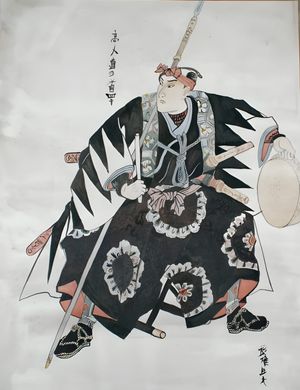
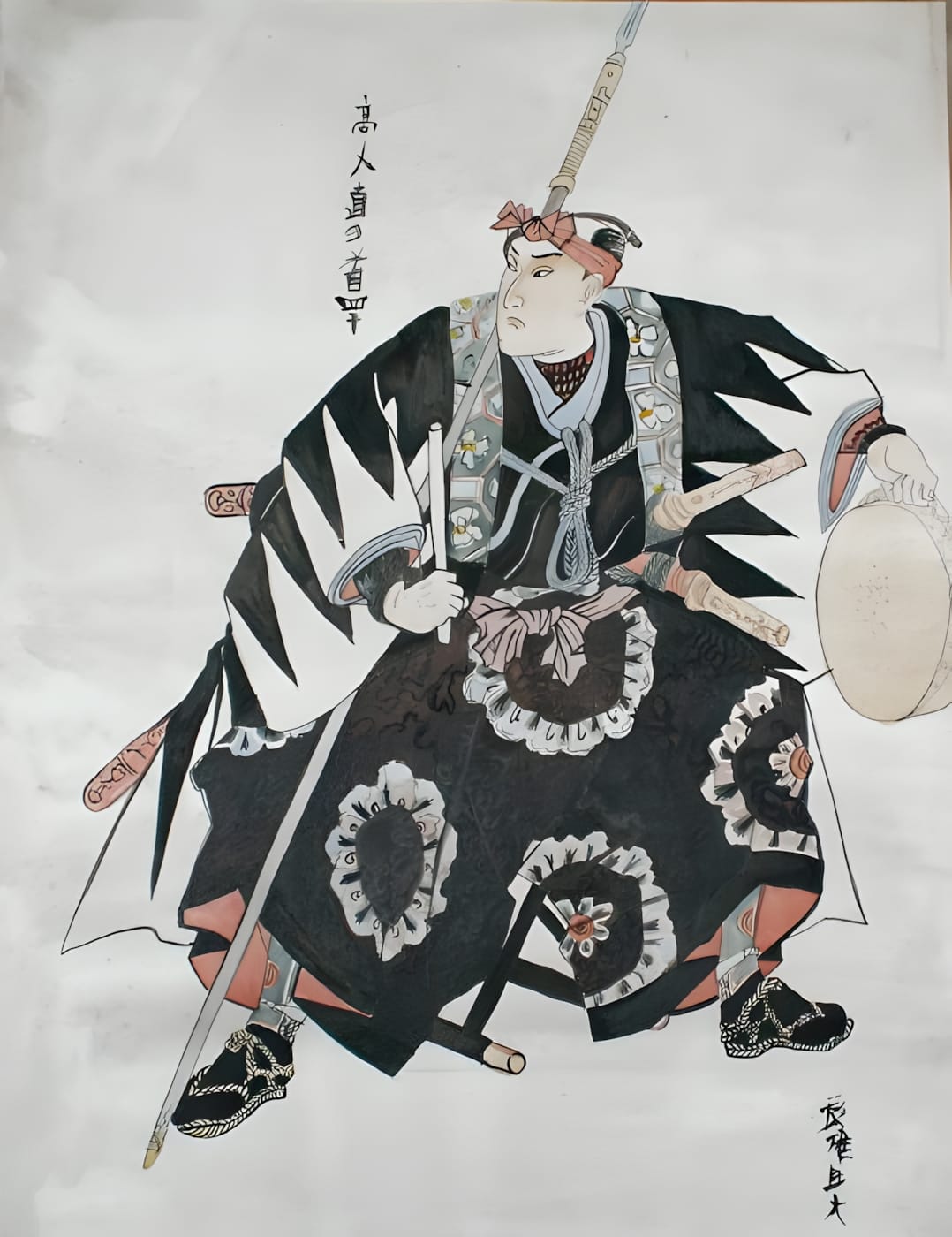
Japanese Warrior Figure — Edo/Meiji Period Ink Painting japanese-warrior-figure-edo-meiji-ink-painting Ink and watercolor painting of a seated samurai or Kabuki actor figure in a large black kimono with circular sashiko-stitched mon patterns, armed with a yari spear and swords. Consistent with late Edo to Meiji period yakusha-e or musha-e pictorial tradition.
[]
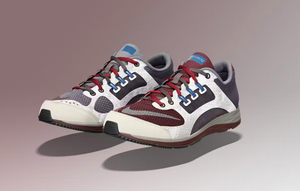
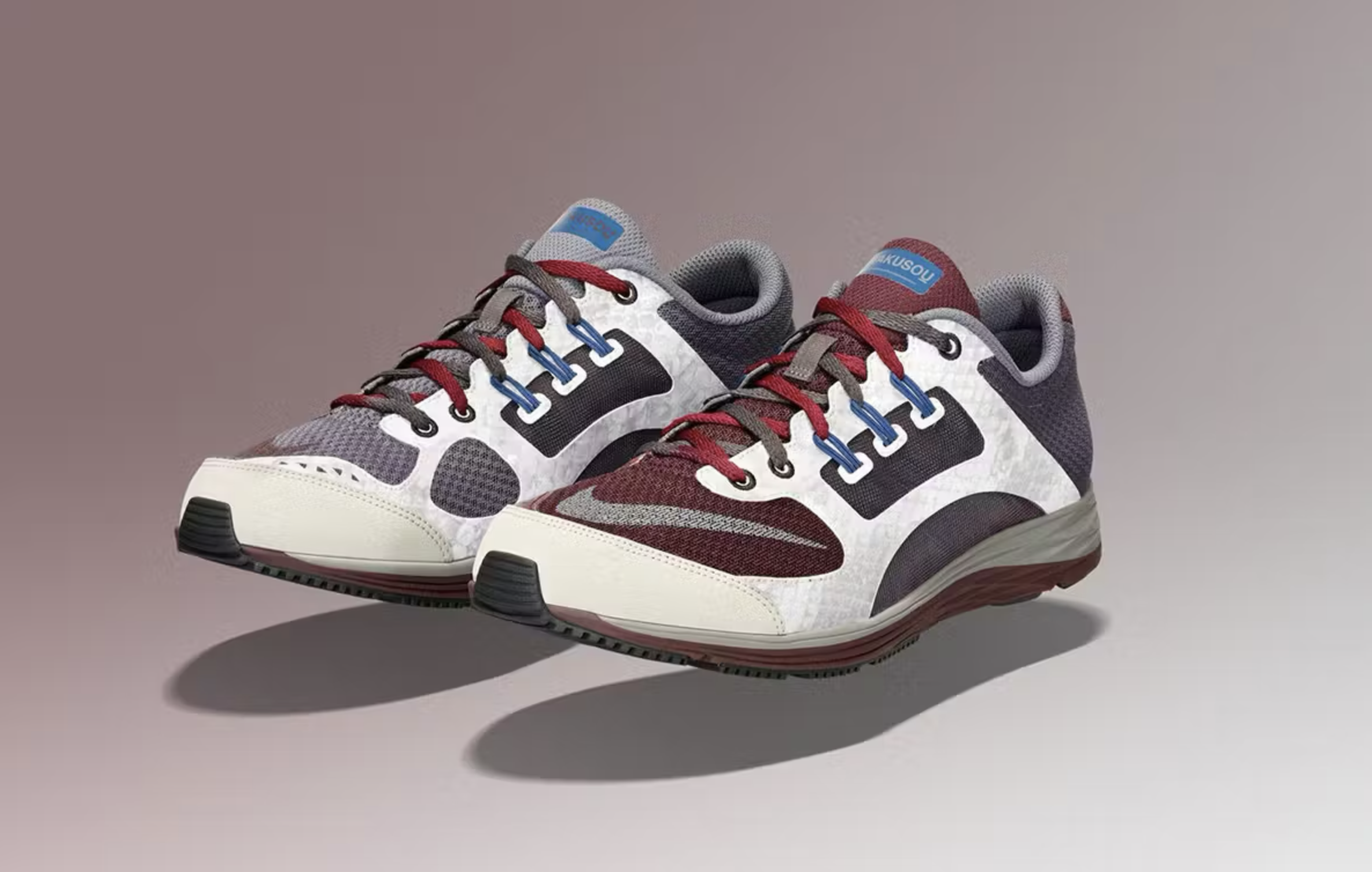
Nike x Undercover Gyakusou LunarSpeed AXL gyakusou-nike-lunar-speed-axl Nike x Undercover Gyakusou LunarSpeed AXL running shoes from 2014 with asymmetric burgundy, gray and white color blocking.
Asymmetric burgundy, gray and white Gyakusou LunarSpeed AXL running shoes from 2014.
[]
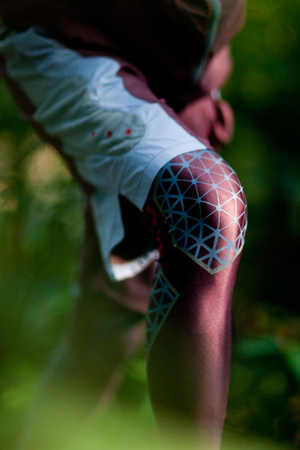
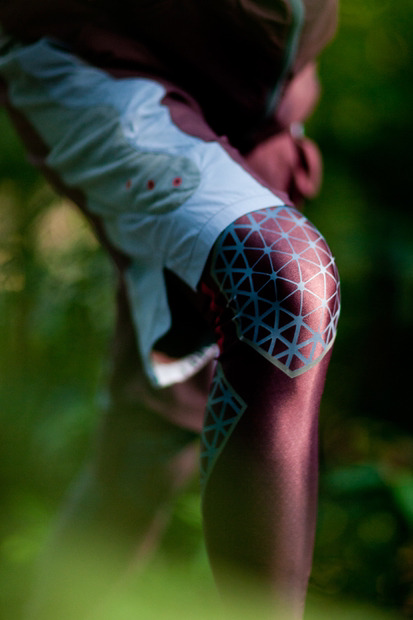
Nike x Undercover Gyakusou FW2012 Base Layers nike-x-undercover-gyakusou-aw2012 Nike x Undercover Gyakusou FW2012 base layers and leggings with geometric reflective knee graphics in burgundy, gray and white.
FW2012 base layers and leggings with geometric reflective knee graphics.
[]
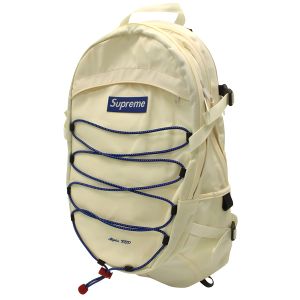
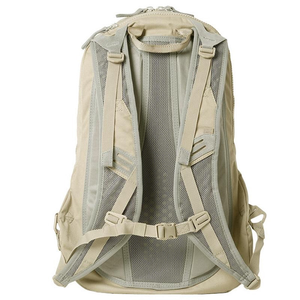
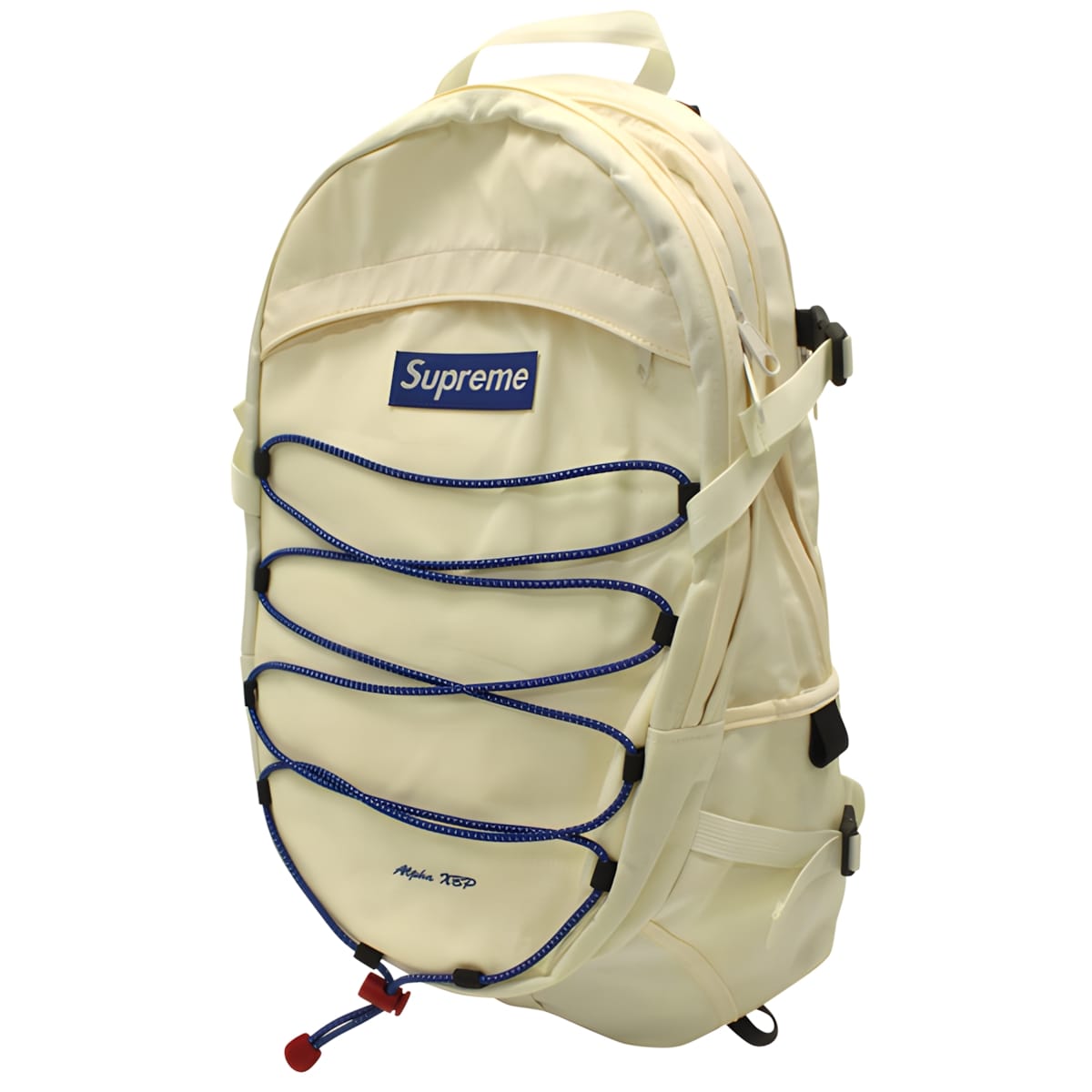
Supreme 18th Anniversary Alpha XBP Backpack supreme-18th-alpha-xbp-backpack Supreme's 18th anniversary Alpha XBP backpack in cream/natural with blue bungee cord lacing and embroidered box logo. Released circa 2012 to mark Supreme's 18th year since founding.
[]
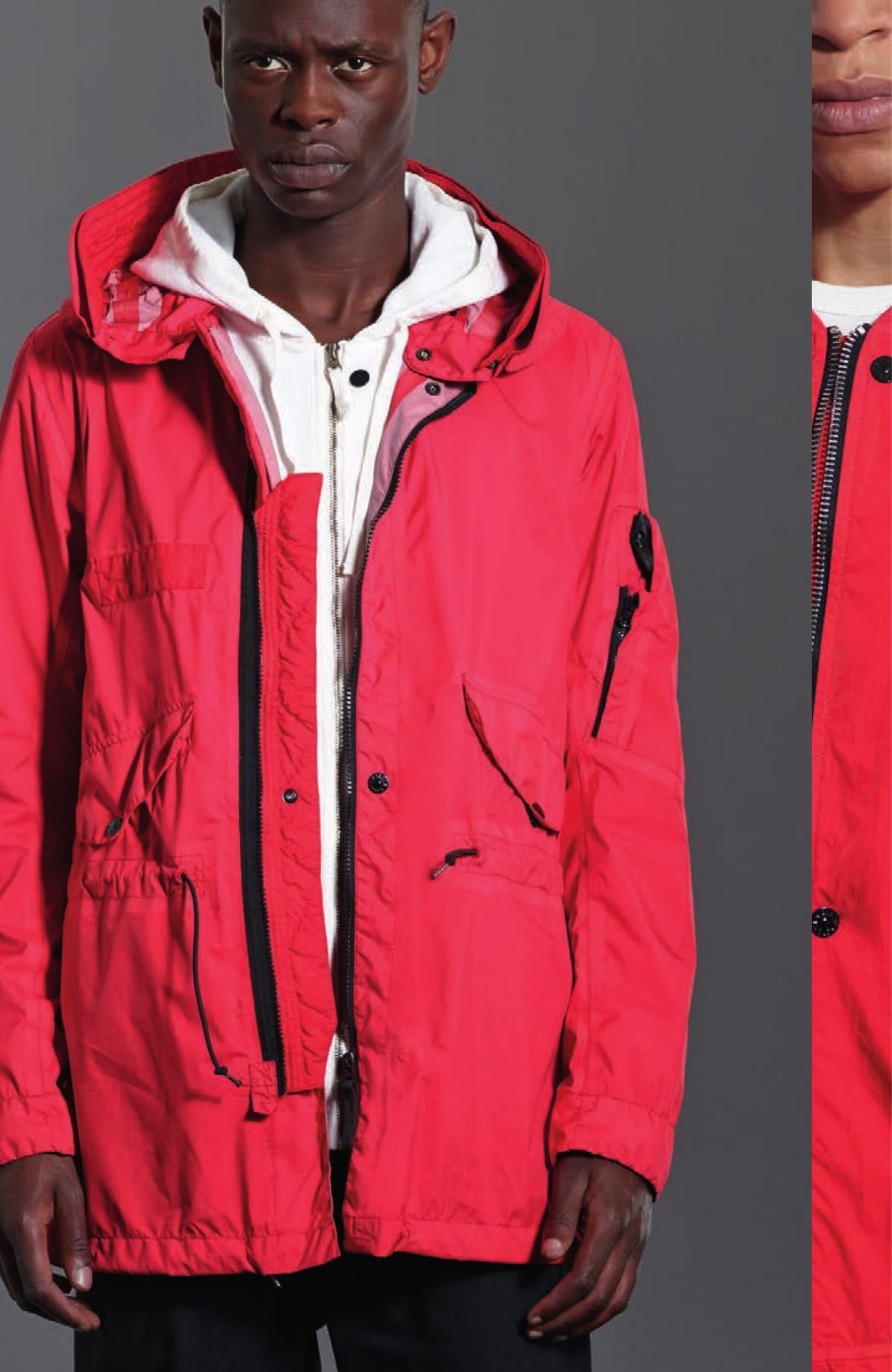
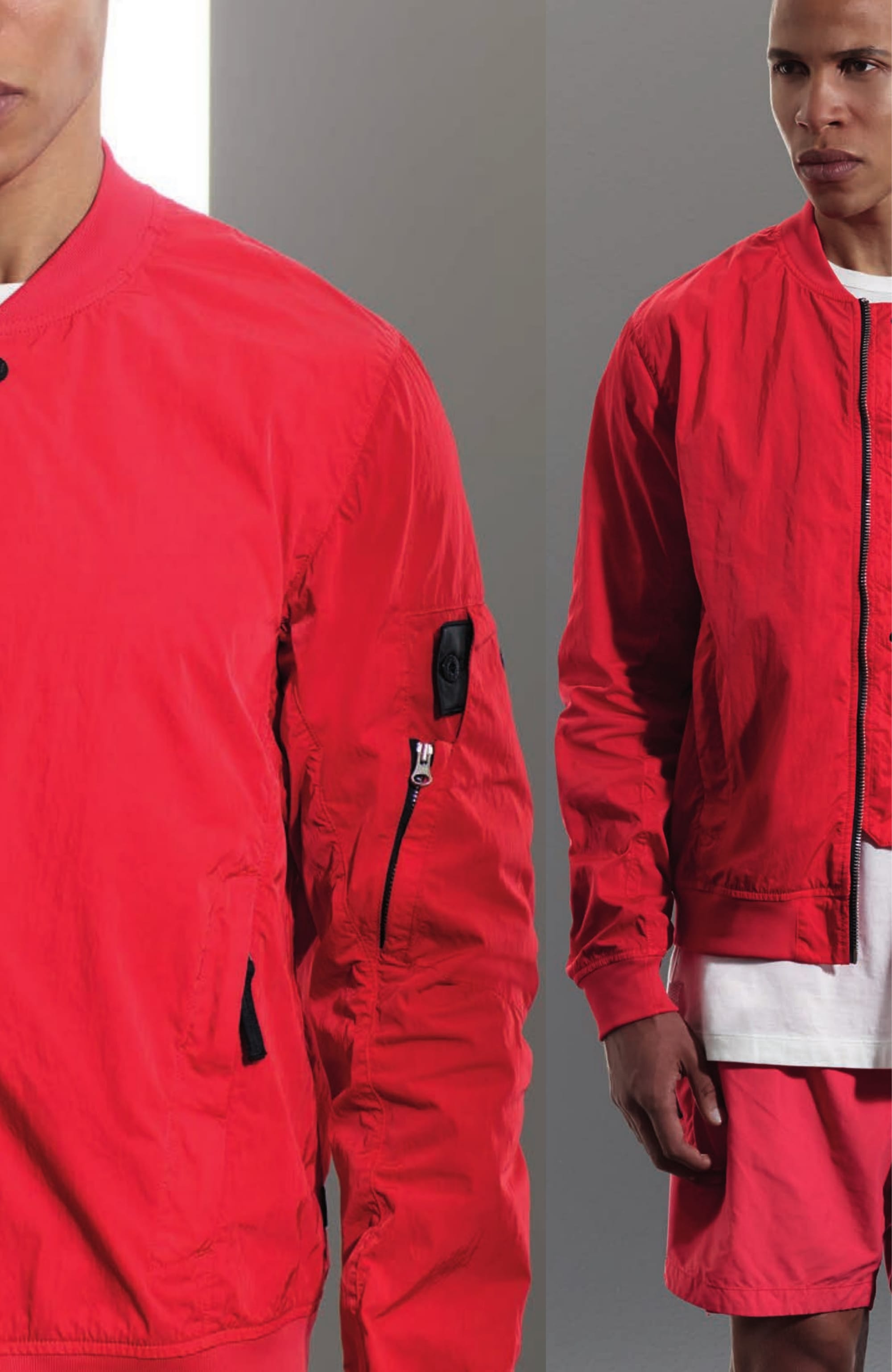
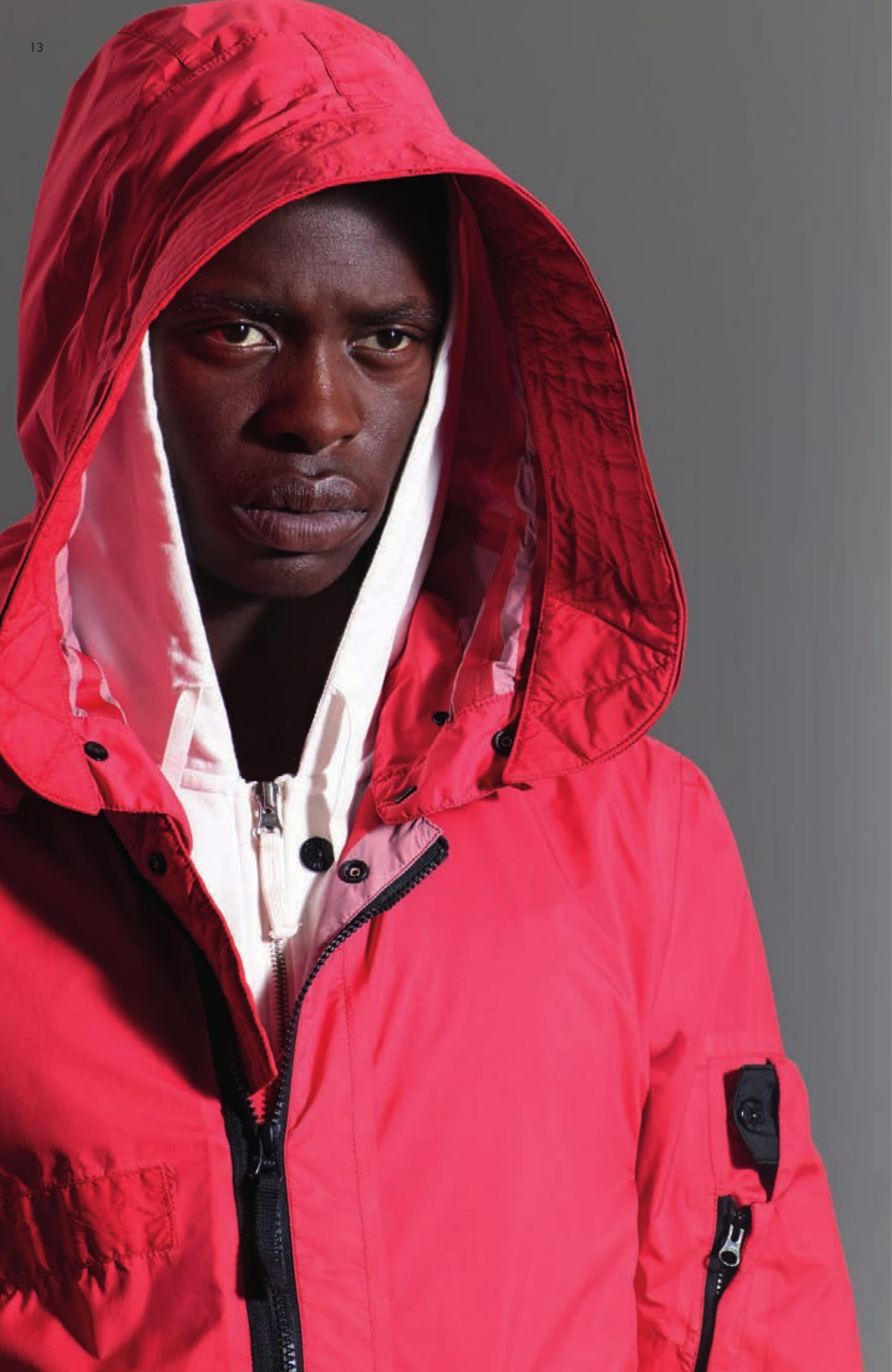
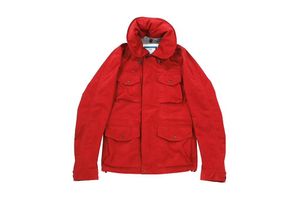
visvim PFD JKT 3L GORE-TEX visvim-pfd-jkt-3l-gore-tex
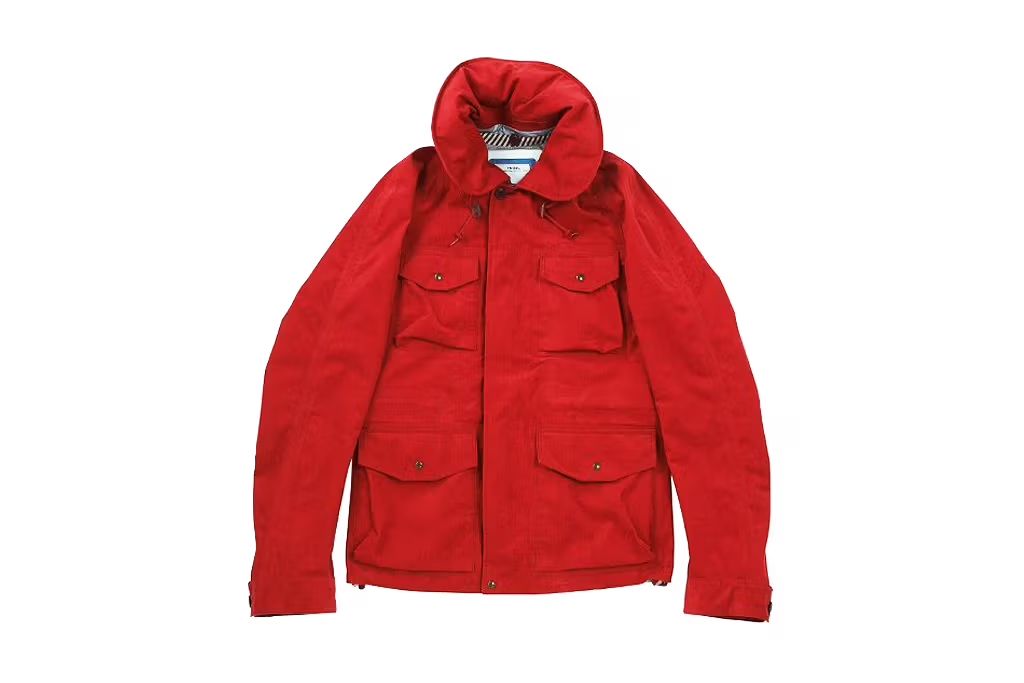
The red GORE-TEX shell takes inspiration from a classic M-65 military jacket and also features a drawstring over sized collar with a packable hood for added detail and function. Look for this jacket to be available through select visvim retailers this week as well as through F.I.L. locations in Asia.
[]
The red GORE-TEX shell takes inspiration from a classic M-65 military jacket and also features a drawstring over sized collar with a packable hood for added detail and function. Look for this jacket to be available through select visvim retailers this week as well as through F.I.L. locations in Asia.
Visvim Sanjuro Kimono visvim-sanjuro-kimono Visvim Sanjuro Kimono jacket — a haori-style coat from the SENSE Magazine 'TEXT in visvim' SS2012 editorial, featuring visvim's signature indigo-overdye process on cotton-linen.
[]
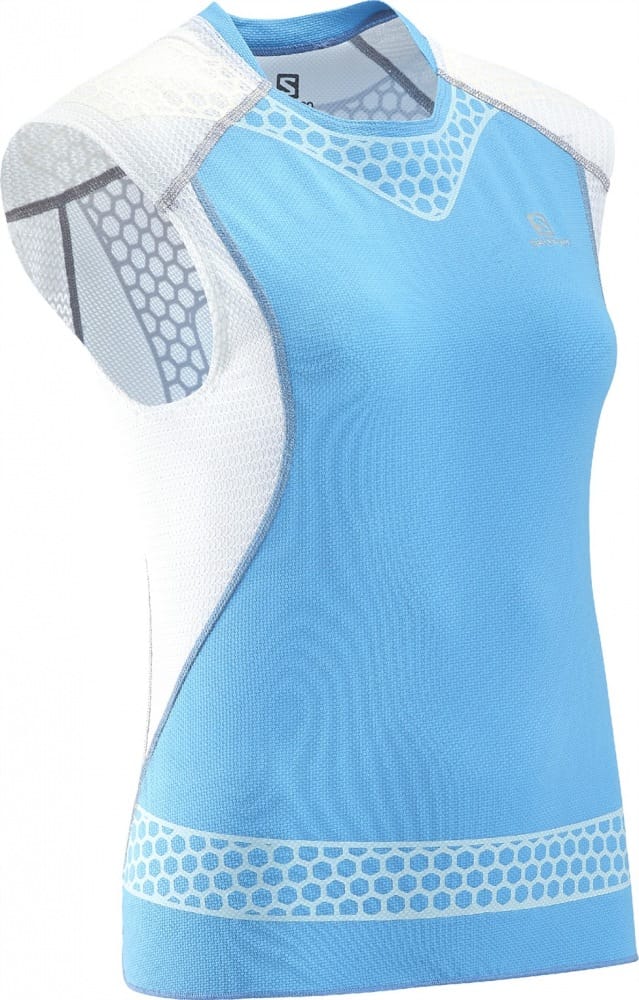
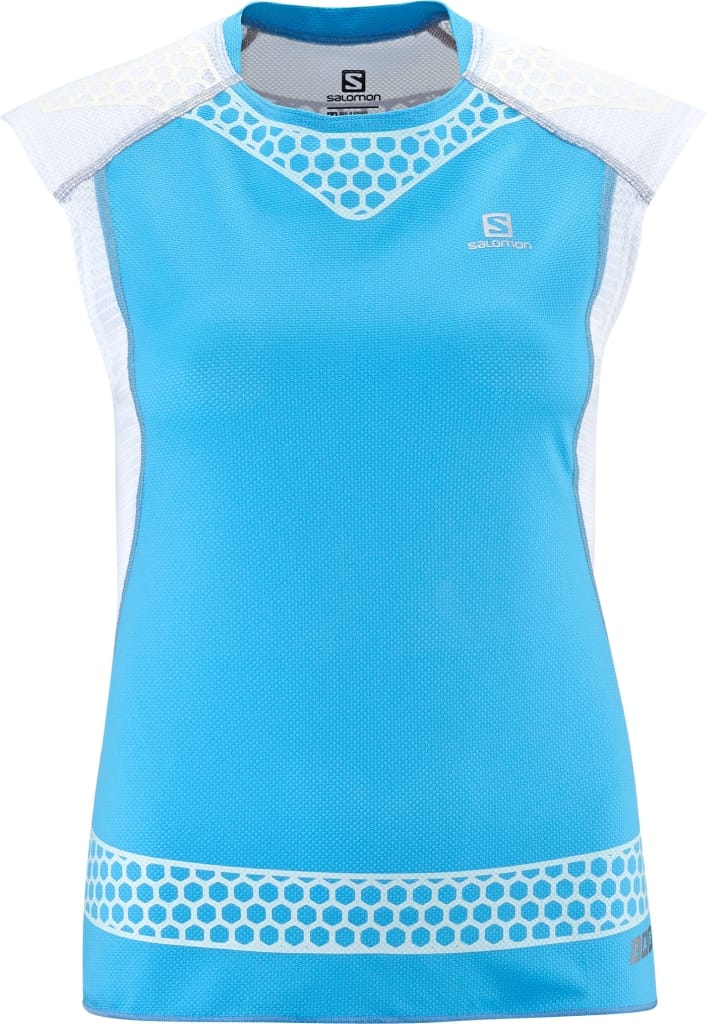
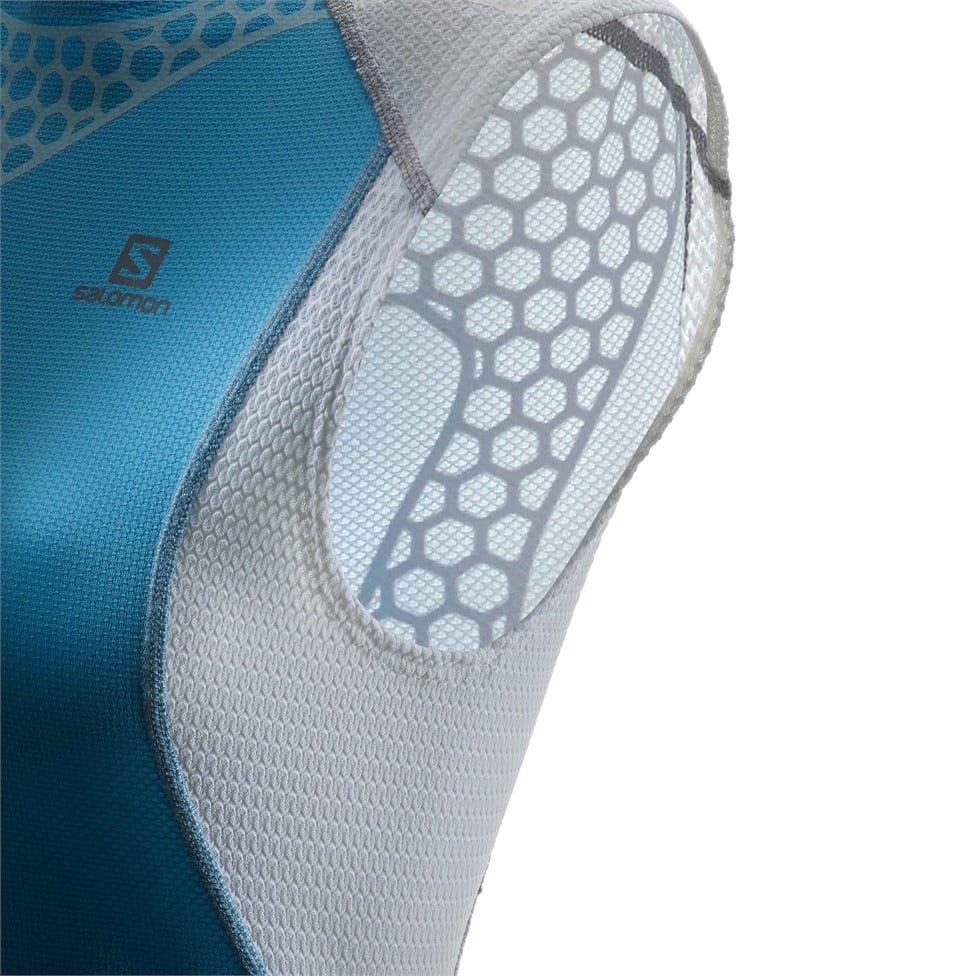
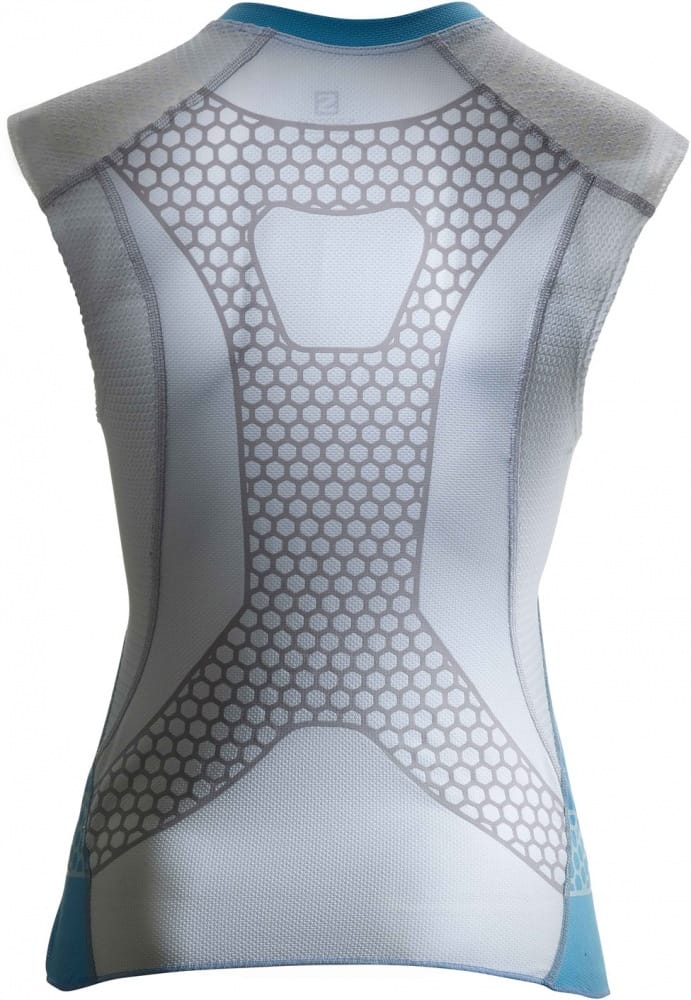
Salomon S/LAB EXO Tank — Women’s salomon-s-lab-exo-tank-womens The women’s Salomon S/LAB EXO Tank maps EXO Sensifit support across the chest and back over Actilite Pro and stretch-mesh panels.
The women’s S/LAB EXO Tank treats support as a mapped structure. A polyurethane EXO Sensifit grid braces the upper chest, shoulders and spine, while Smart Skin places Actilite Pro jersey through the core and open stretch mesh at the heat zones. The skin fit keeps the grid engaged; flatlock seams and reflective marks finish the racing layer without adding bulk.
[]
The women’s S/LAB EXO Tank treats support as a mapped structure. A polyurethane EXO Sensifit grid braces the upper chest, shoulders and spine, while Smart Skin places Actilite Pro jersey through the core and open stretch mesh at the heat zones. The skin fit keeps the grid engaged; flatlock seams and reflective marks finish the racing layer without adding bulk.
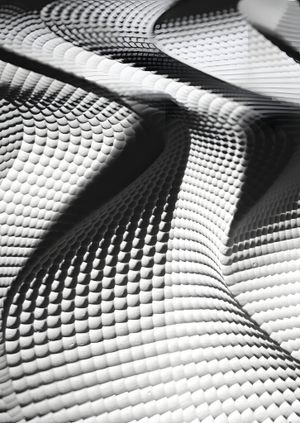
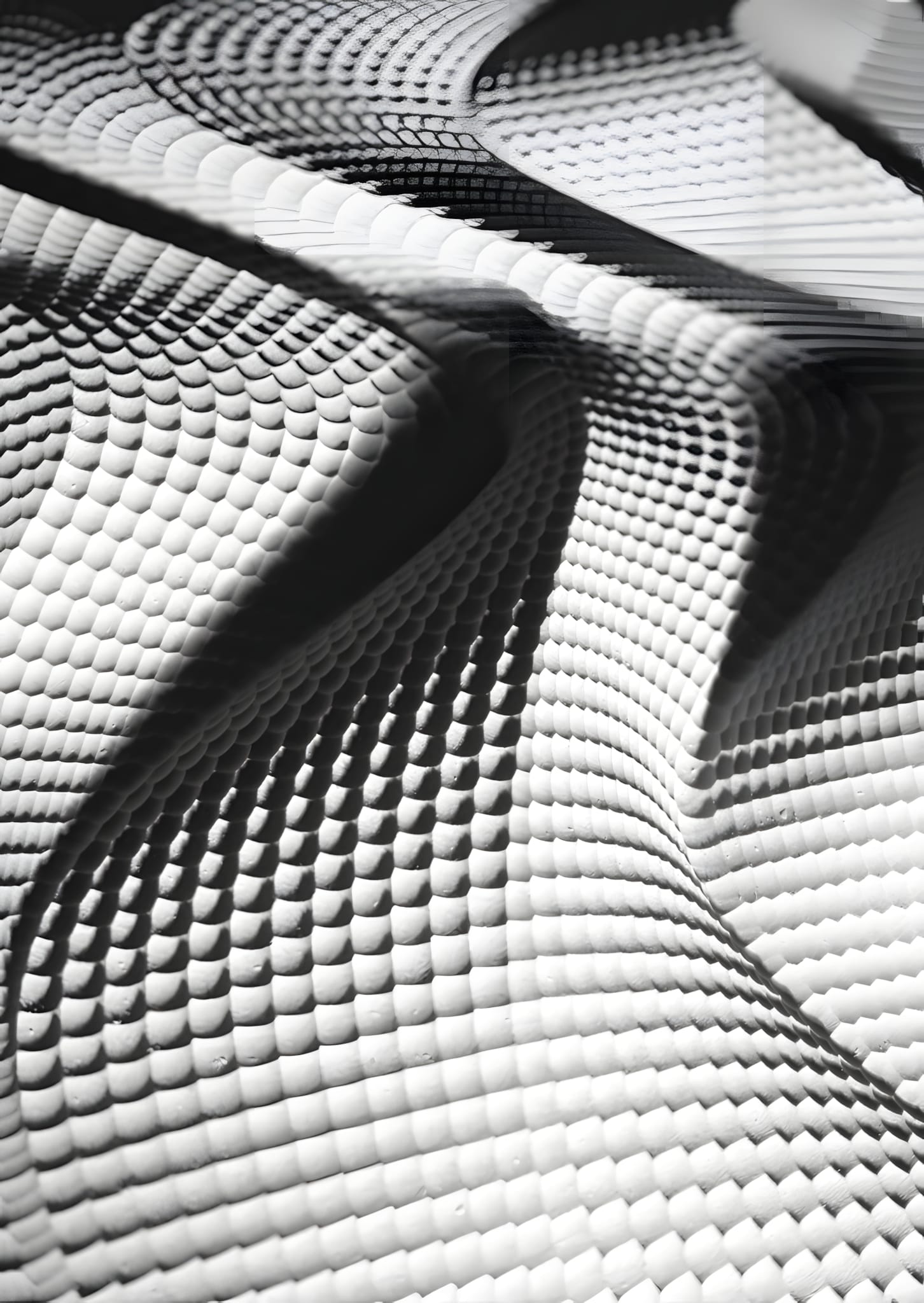
Dean Bouchard — Inside Out dean-bouchard-inside-out Abstract close-up photograph from Dean Bouchard's "Inside Out" series, showing distorted black grid netting warped into organic curves against a white ground.
[]
Vennesla Library and Culture House by Helen & Hard
Vennesla Library and Culture House by Helen & Hard vennesla-library-and-culture-house-helen-hard Interior view of the Vennesla Library and Culture House, Vennesla, Norway (2011), designed by Helen & Hard. The signature timber rib-vault structure integrates twenty-six glue-laminated CNC-routered ribs that combine structure, shelving, lighting, and acoustic systems.
[]
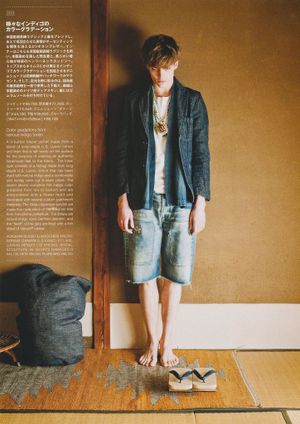
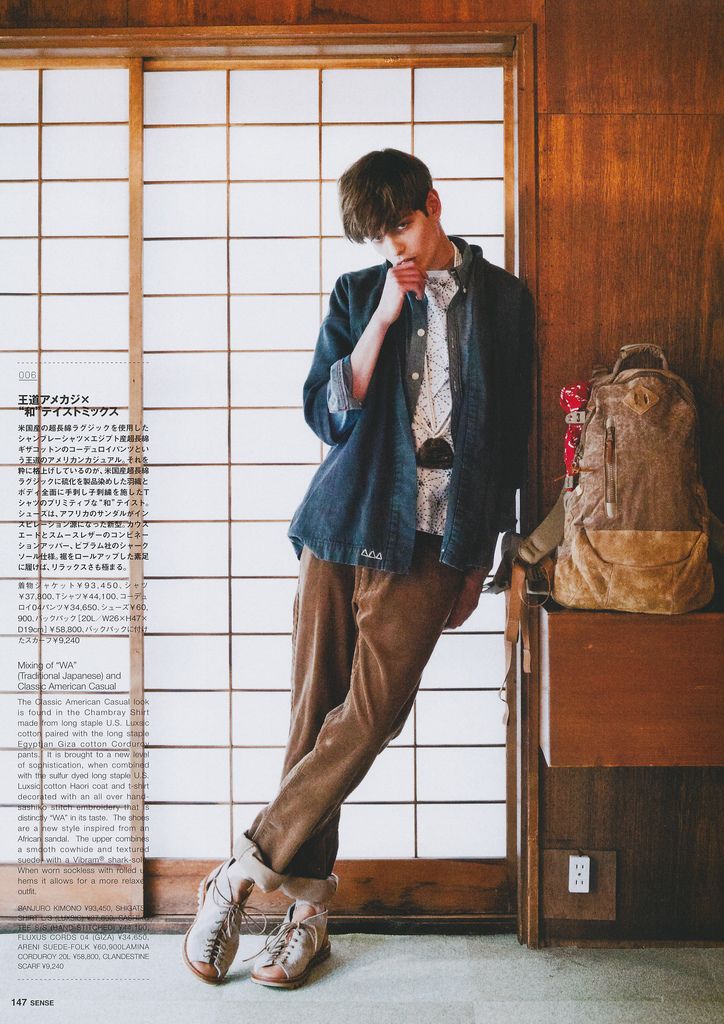
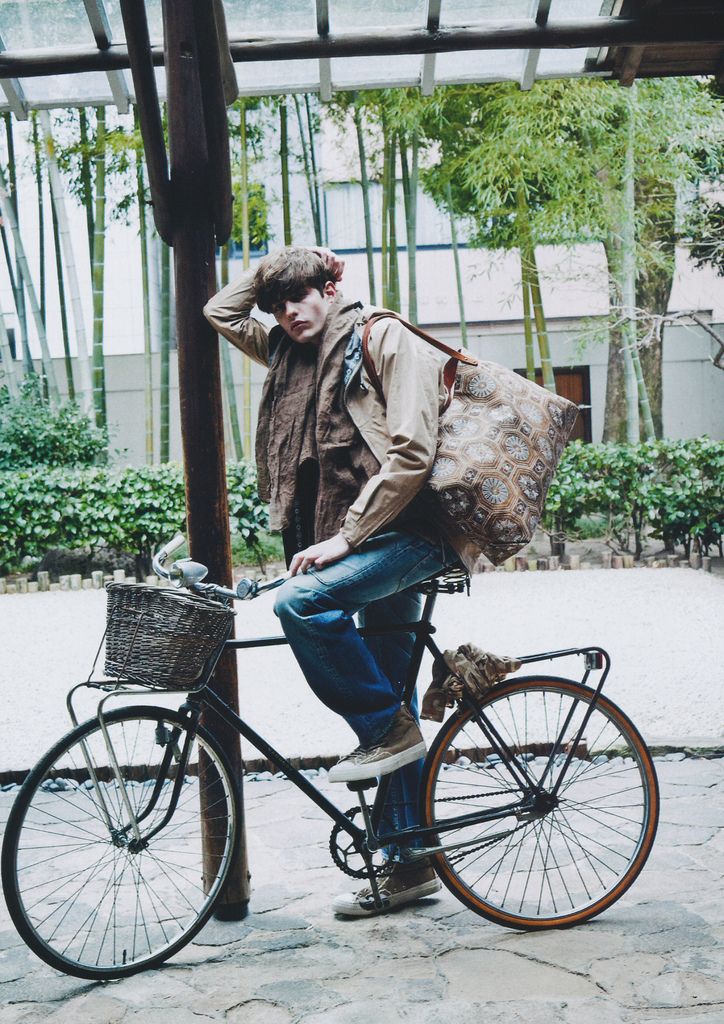
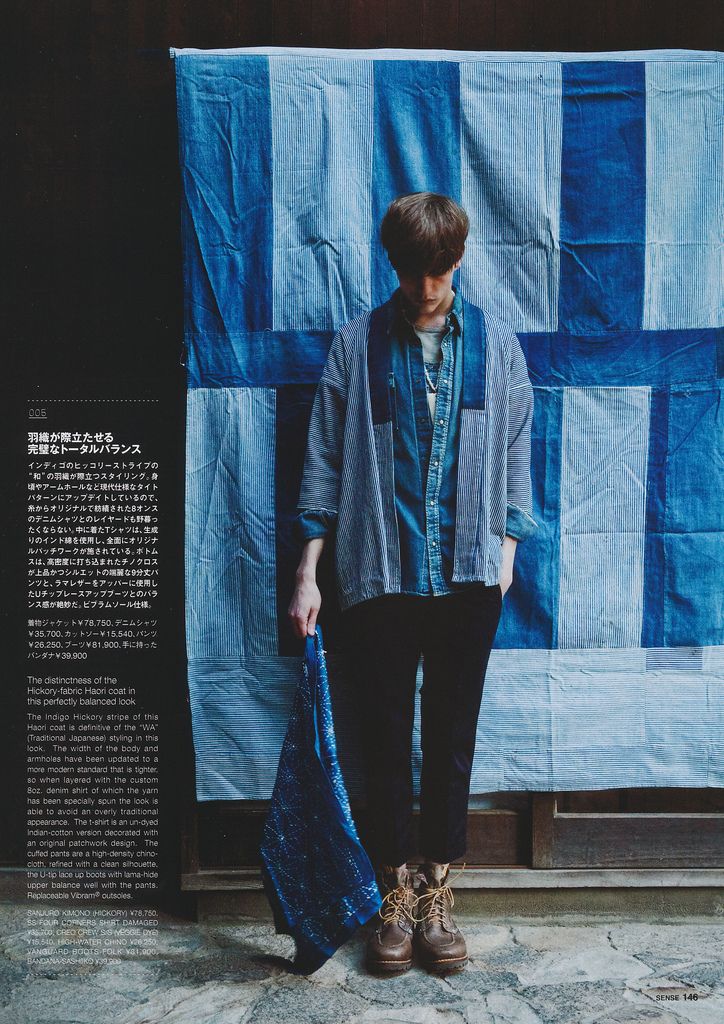
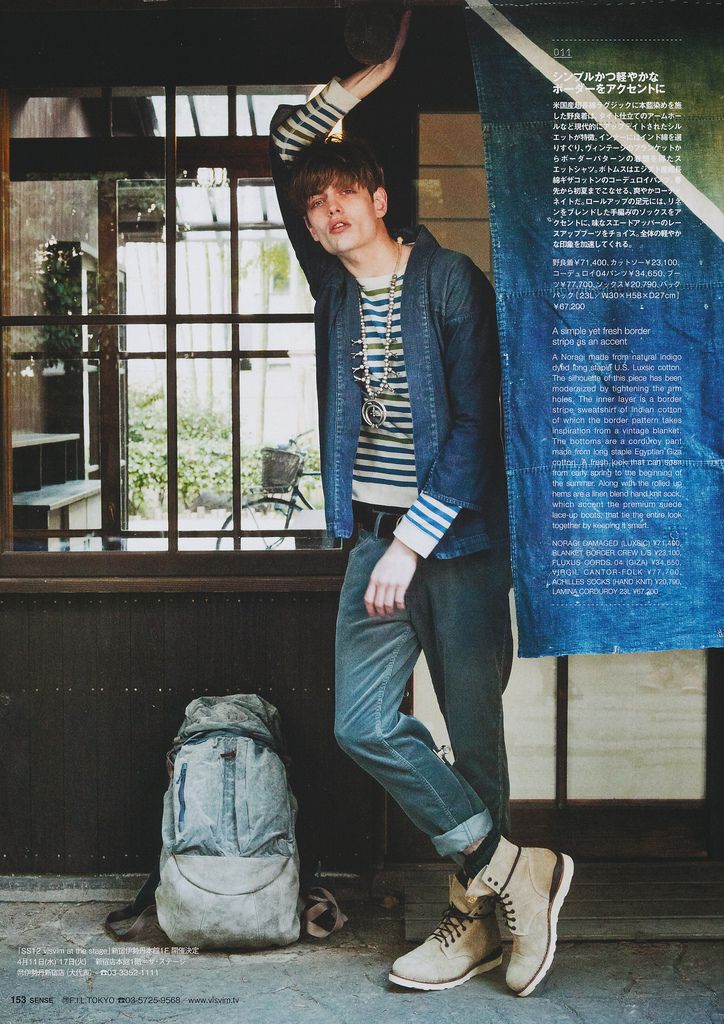
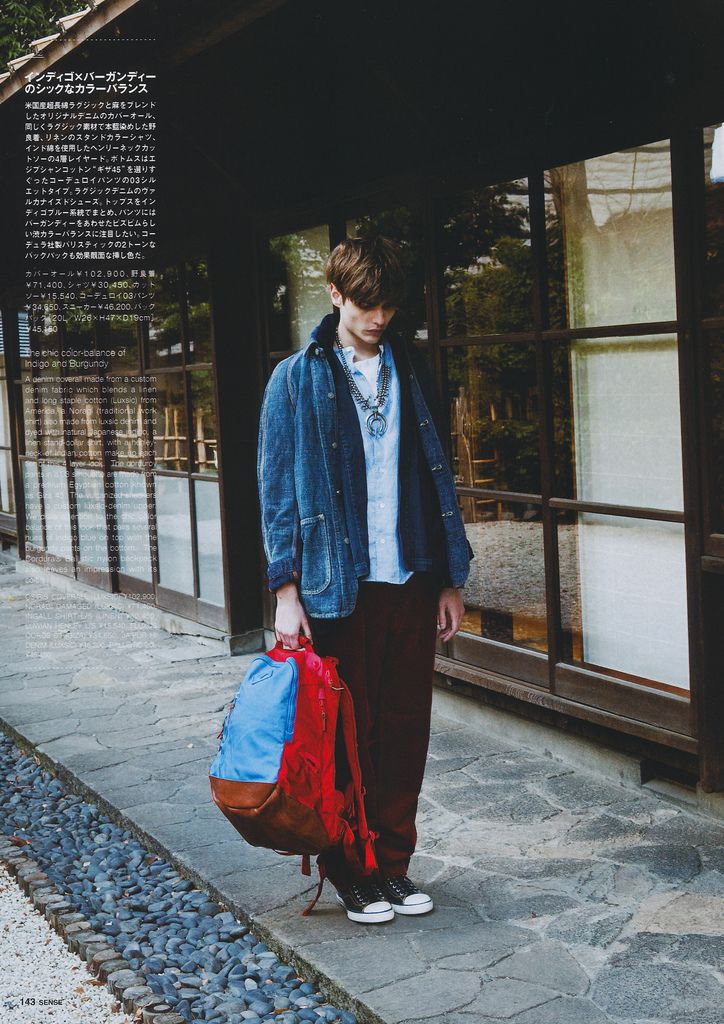
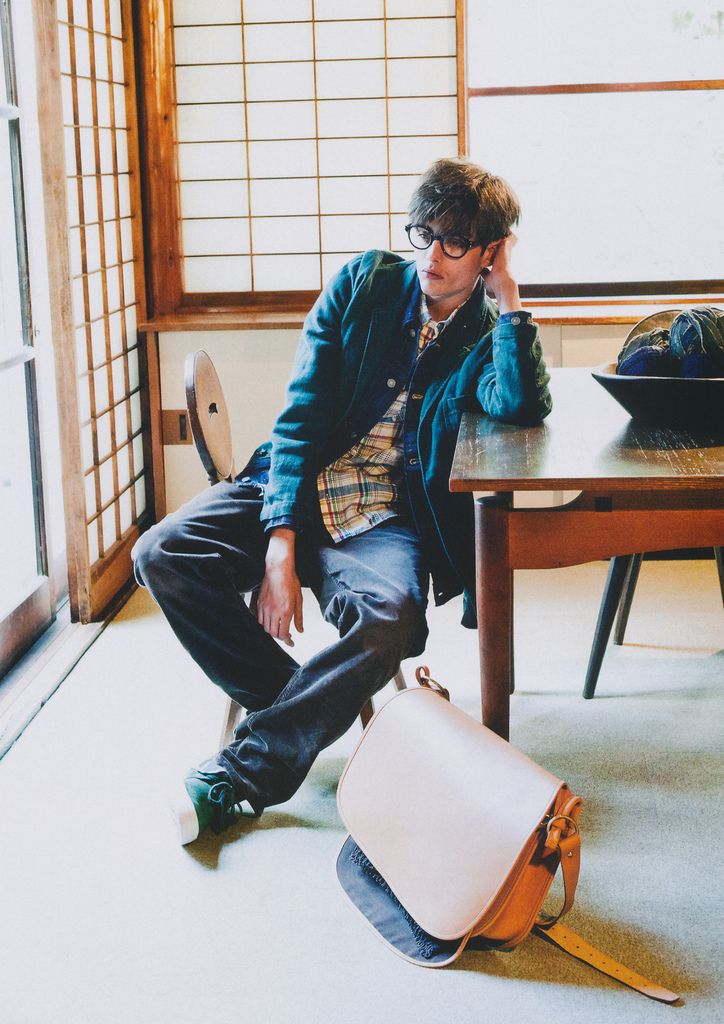
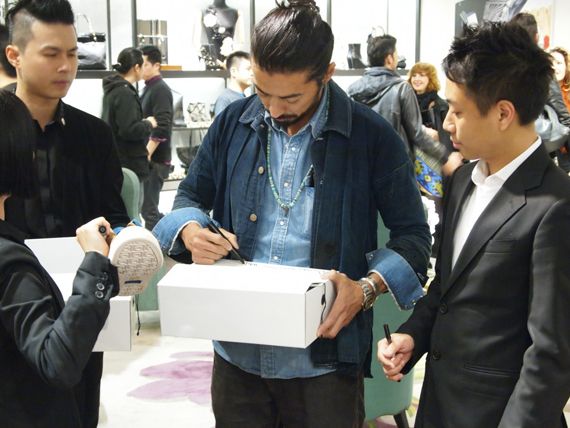
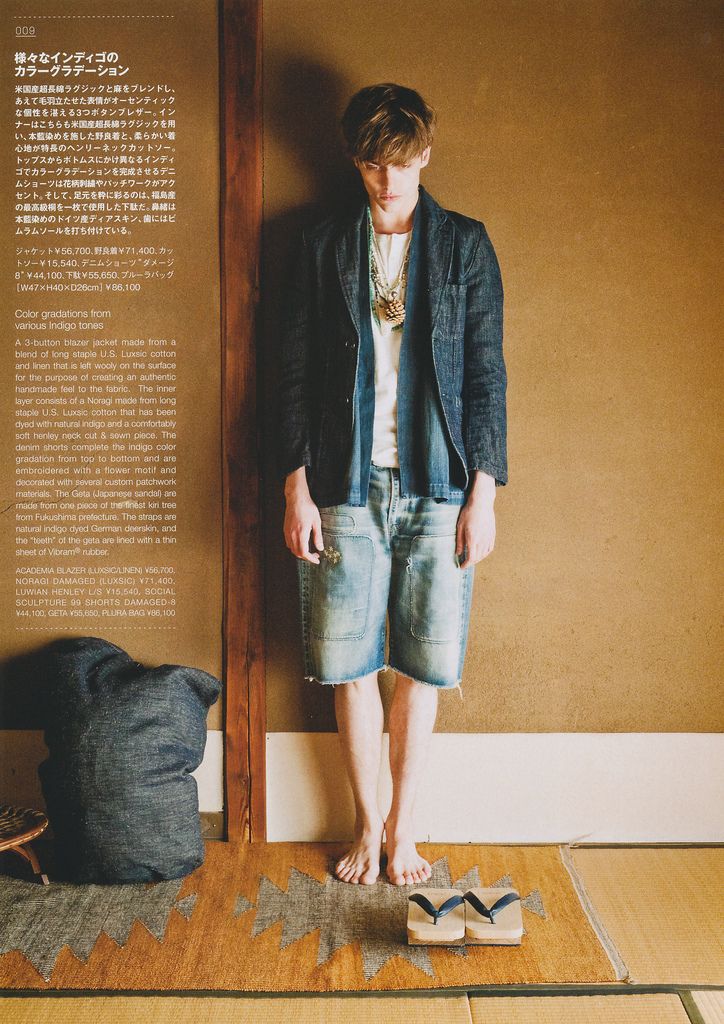
SENSE Magazine visvim Spring Summer 2012 sense-magazine-visvim-spring-summer-2012 'TEXT in visvim', the visvim Spring/Summer 2012 editorial in Japan's SENSE Magazine (March 2012), documenting Hiroki Nakamura's collection.
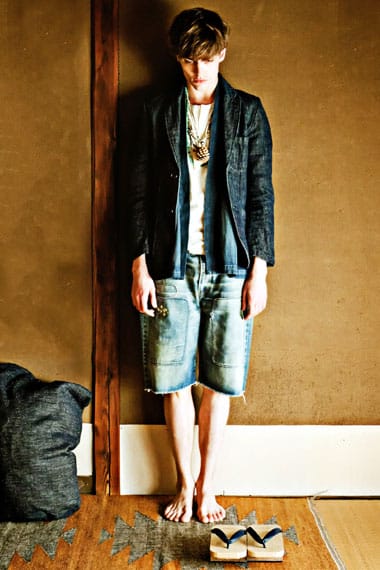
A page from 'TEXT in visvim', the visvim Spring/Summer 2012 feature in Japan's SENSE Magazine (March 2012). Naturally dyed, hand-constructed pieces from Hiroki Nakamura.
[]
A page from 'TEXT in visvim', the visvim Spring/Summer 2012 feature in Japan's SENSE Magazine (March 2012). Naturally dyed, hand-constructed pieces from Hiroki Nakamura.
Swatch Art Peace Hotel Shanghai Interior by Jouin Manku
Swatch Art Peace Hotel Shanghai Interior by Jouin Manku swatch-art-peace-hotel-shanghai-interior-jouin-manku Interior corridor of the Swatch Art Peace Hotel on the Bund, Shanghai — the restored 1909 Palace Hotel redesigned by Parisian studio Jouin Manku with organic wood-clad partitions and sinuous LED ceilings.
[]
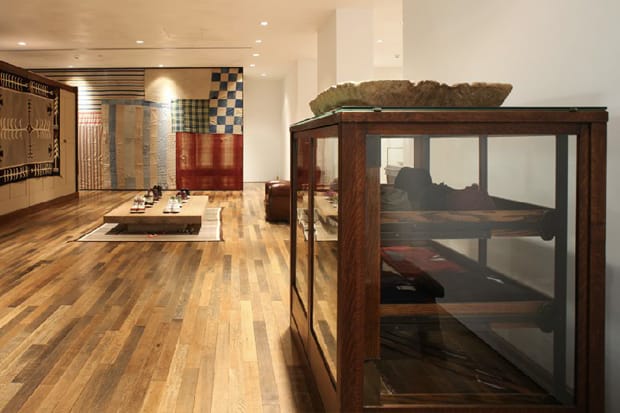
Visvim F.I.L. Sendai Store visvim-fil-sendai-store Visvim's F.I.L. (Free International Laboratory) store in Sendai, Japan, the brand's concept retail space founded by Hiroki Nakamura.
[]
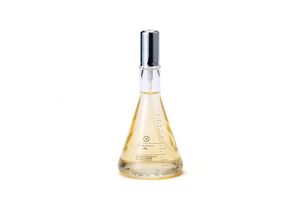
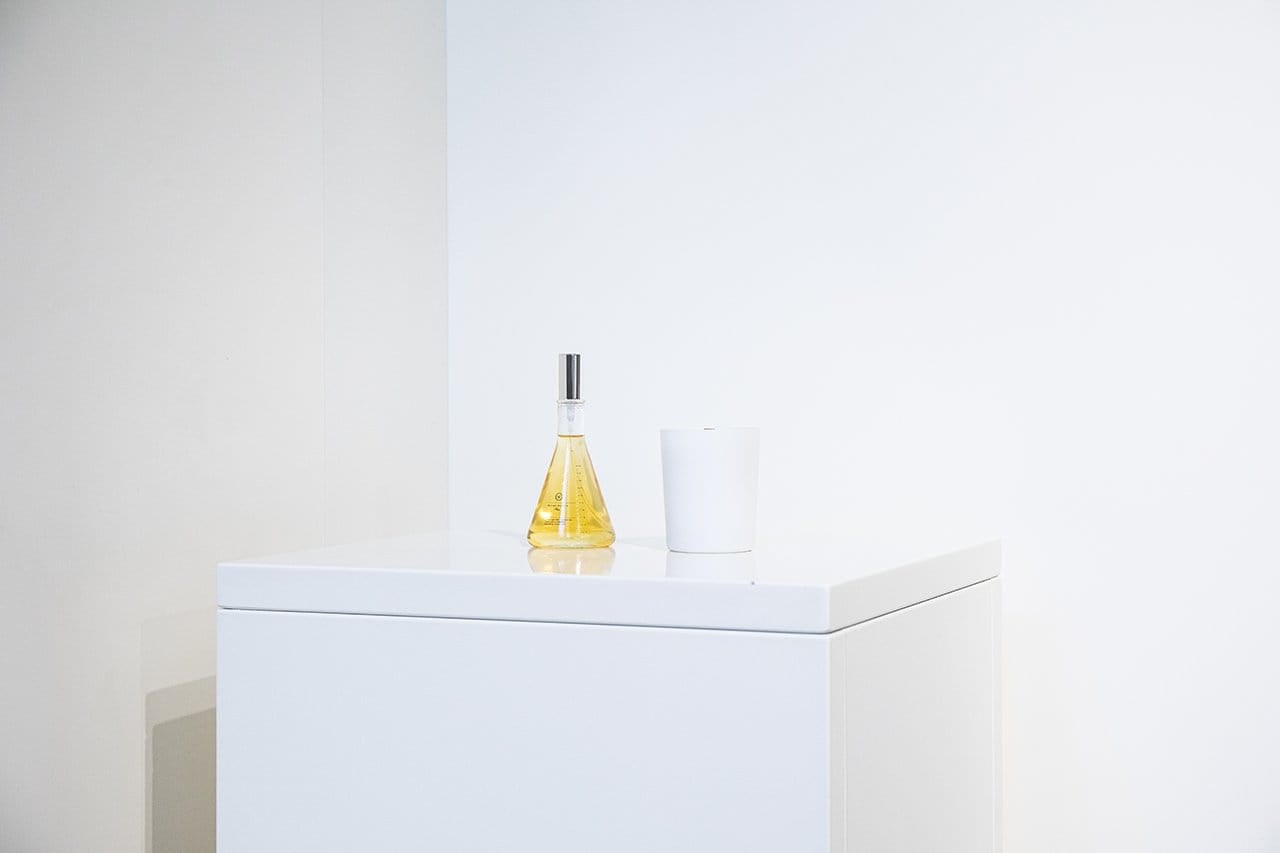
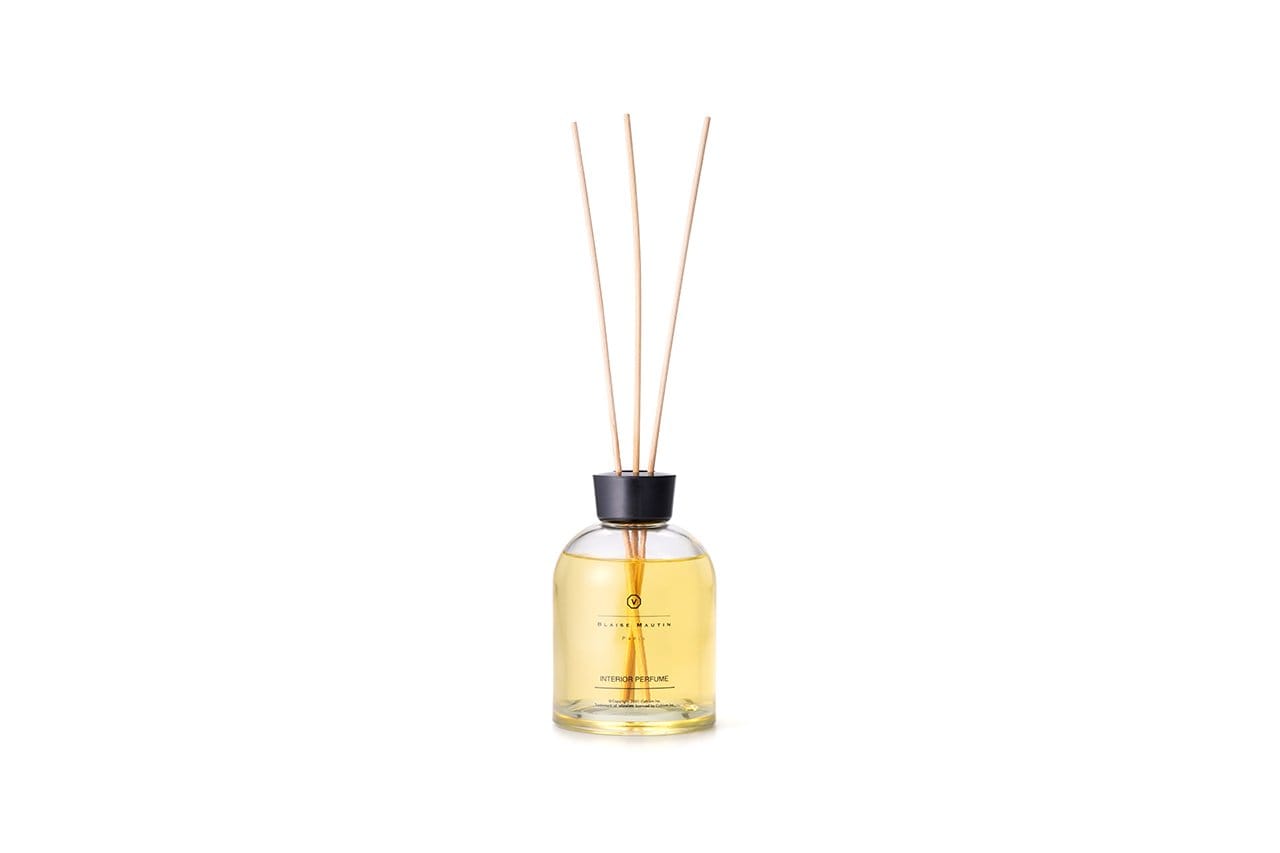
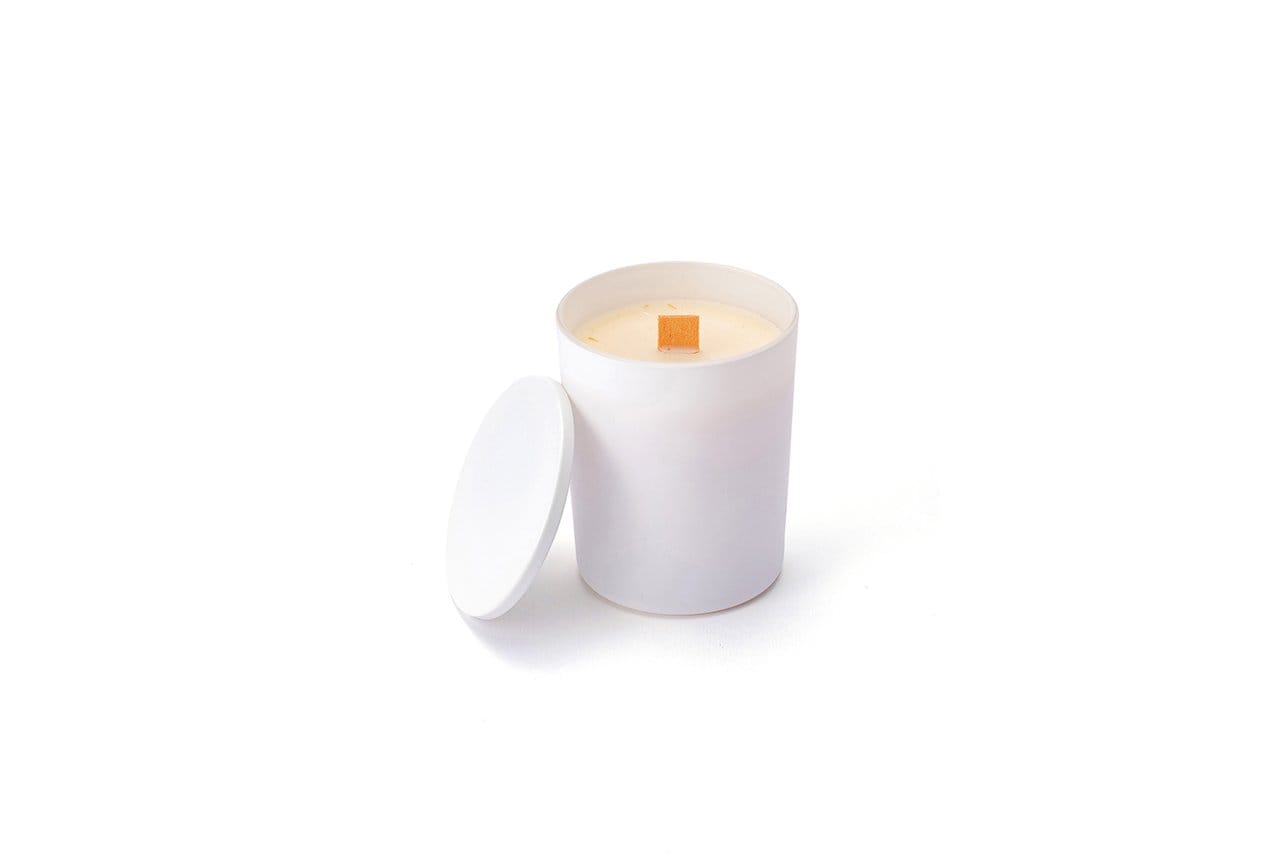
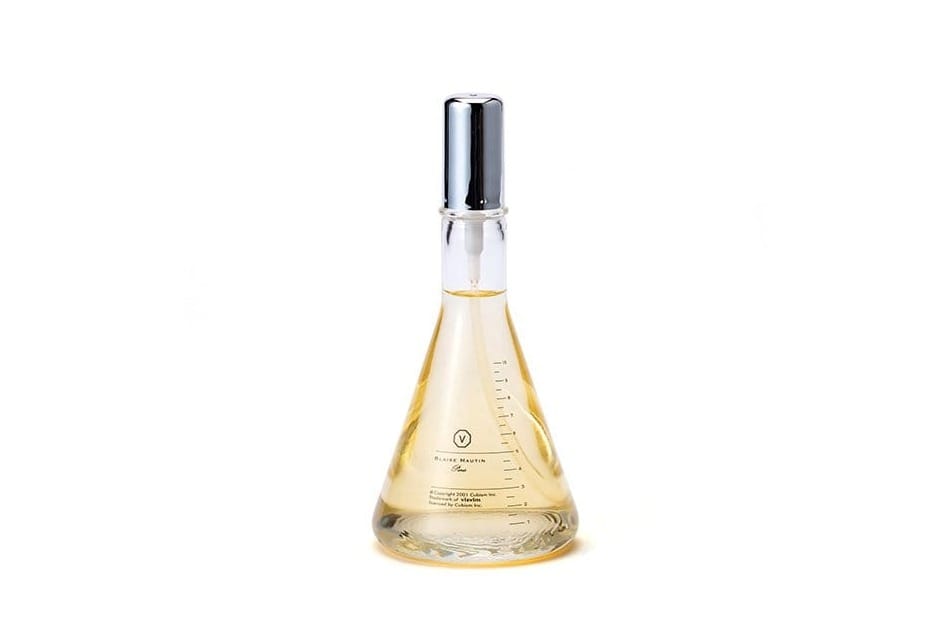
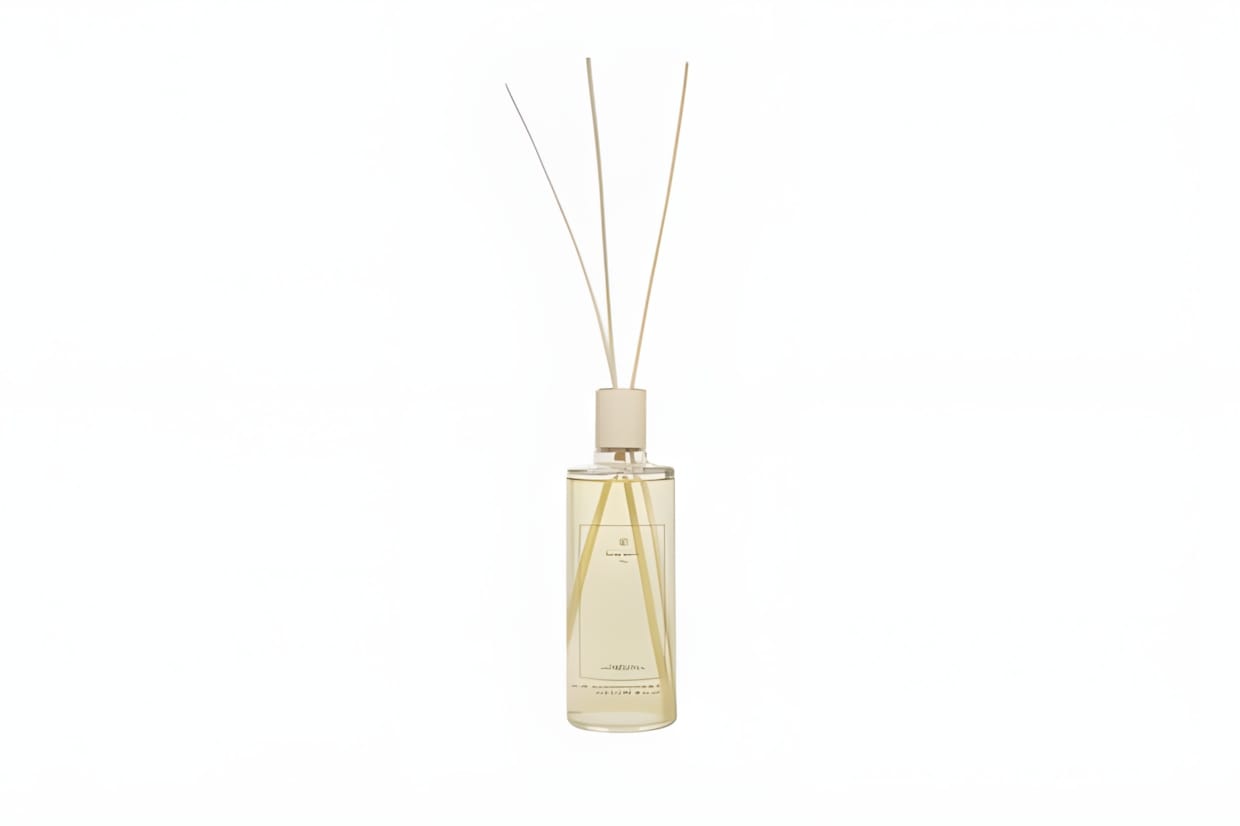
Visvim 2012 Subsection Series visvim-2012-subsection-series The SUBSECTION SERIES is a fragrance collection by Visvim, inspired by founder Hiroki Nakamura’s encounter with French fragrance designer Blaise Mautin over 20 years ago
The SUBSECTION SERIES is a fragrance collection by Visvim, inspired by founder Hiroki Nakamura’s encounter with French fragrance designer Blaise Mautin over 20 years ago. The series includes candles, room sprays, and diffusers, each available in various scents. Notable fragrances are NO.1 F.I.L., a blend featuring patchouli and sandalwood, and NO.7 KYOTO, inspired by a morning visit to Kyoto’s Sanjusangendo temple.
[]
The SUBSECTION SERIES is a fragrance collection by Visvim, inspired by founder Hiroki Nakamura’s encounter with French fragrance designer Blaise Mautin over 20 years ago. The series includes candles, room sprays, and diffusers, each available in various scents. Notable fragrances are NO.1 F.I.L., a blend featuring patchouli and sandalwood, and NO.7 KYOTO, inspired by a morning visit to Kyoto’s Sanjusangendo temple.
SENSE March 2012 the TEXT in VISVIM 2012 Spring Summer
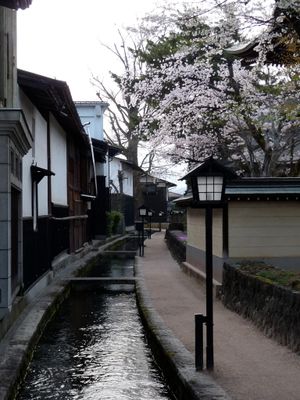
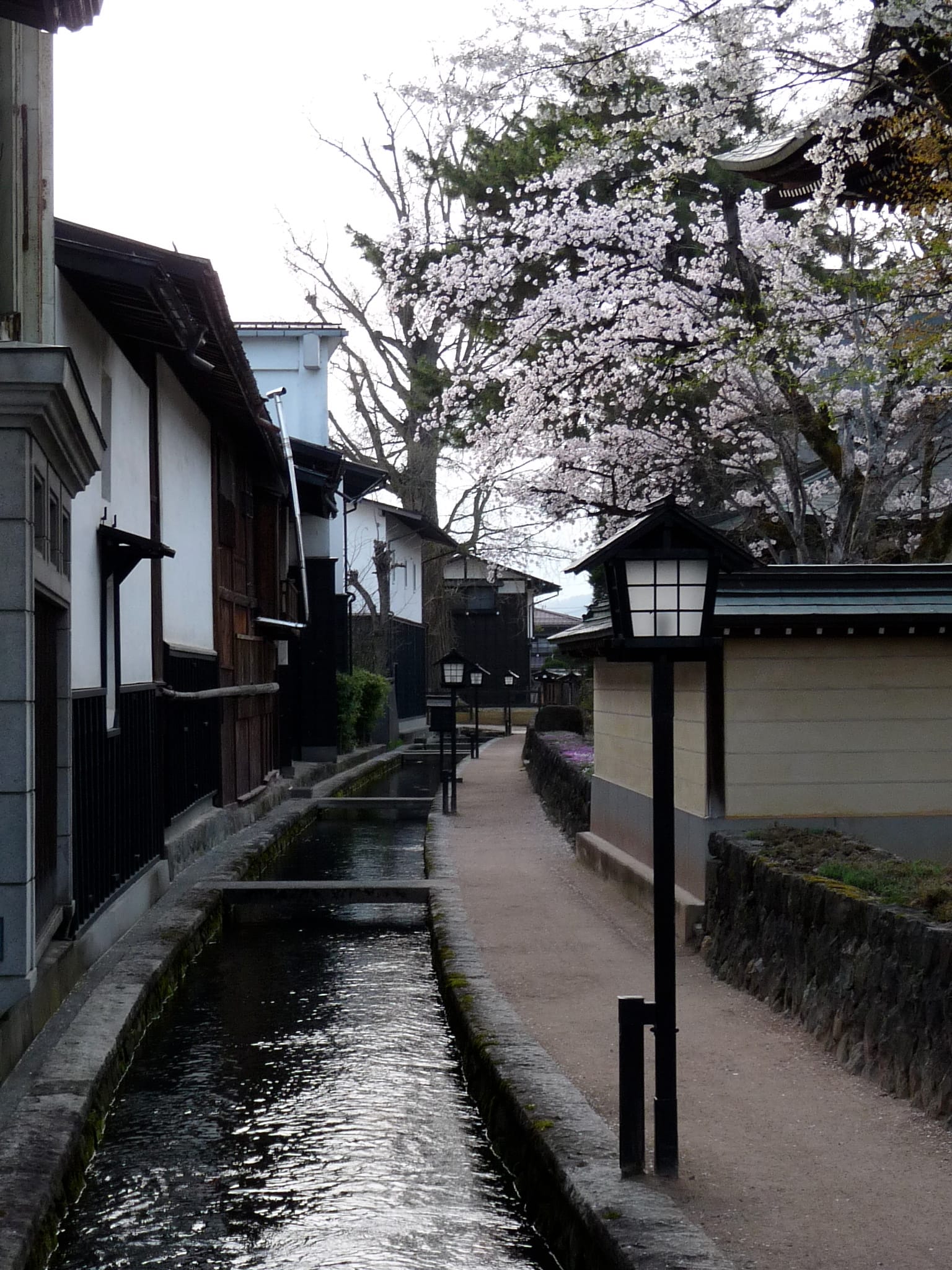
Hida-Furukawa (飛騨古川) — Dan hida-furukawa-dan Dan's spring photograph of the Seto River canal through Hida-Furukawa, Gifu, with traditional white-walled buildings and cherry blossoms.
Dan's view of the Seto River canal through Hida-Furukawa's preserved old town in Gifu, Japan.
[]
Dan's Hida-Furukawa (飛騨古川) follows the Seto River canal through the preserved old town of Furukawa in Hida City, Gifu Prefecture. The photograph was taken on April 15, 2009.
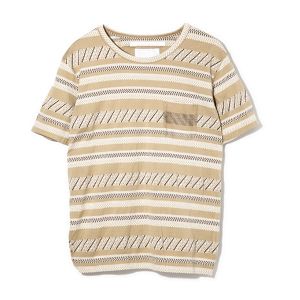
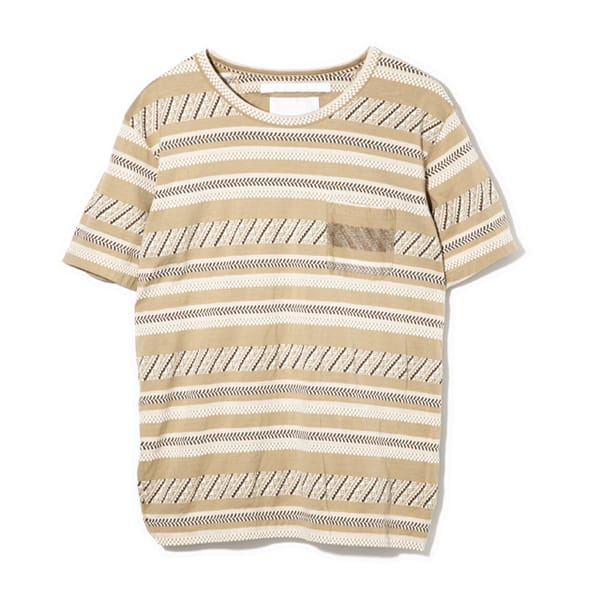
White Mountaineering Striped Pocket T-Shirt white-mountaineering-striped-pocket-t-shirt A beige and white White Mountaineering crew-neck T-shirt with mixed horizontal knit stripes and a small chest pocket.
[]
TRON Designs Corian — DuPont x Disney Milan Design Week 2011 tron-designs-corian-dupont-disney-milan-design-week-2011 Futuristic bathroom and wellness installation by Studio Marco Piva for Jacuzzi, shown at the DuPont Corian and Disney 'TRON designs Corian' exhibition, Milan Design Week 2011.
[]
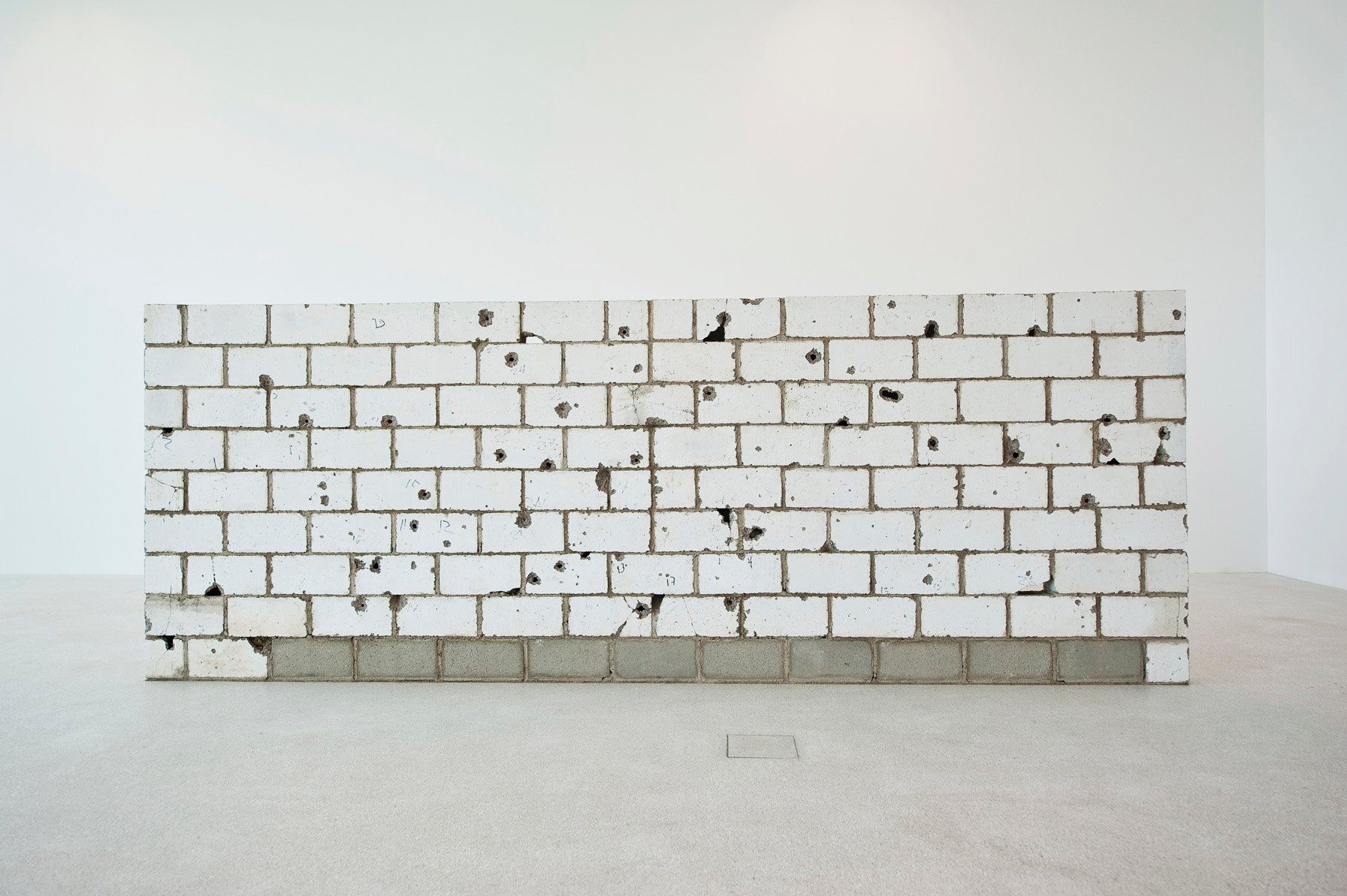
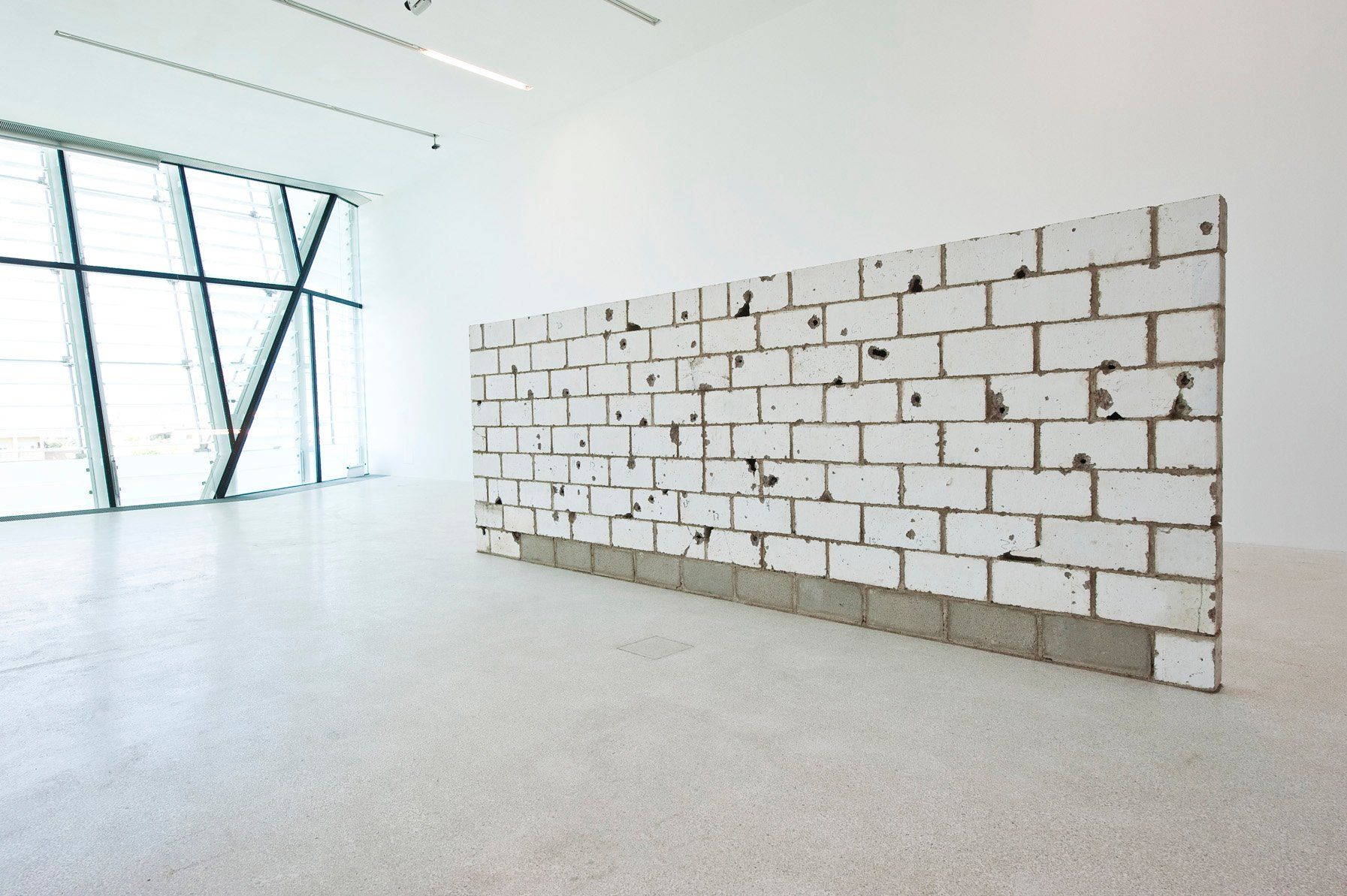
Teresa Margolles, Frontera, 2011 teresa-margolles-frontera-2011
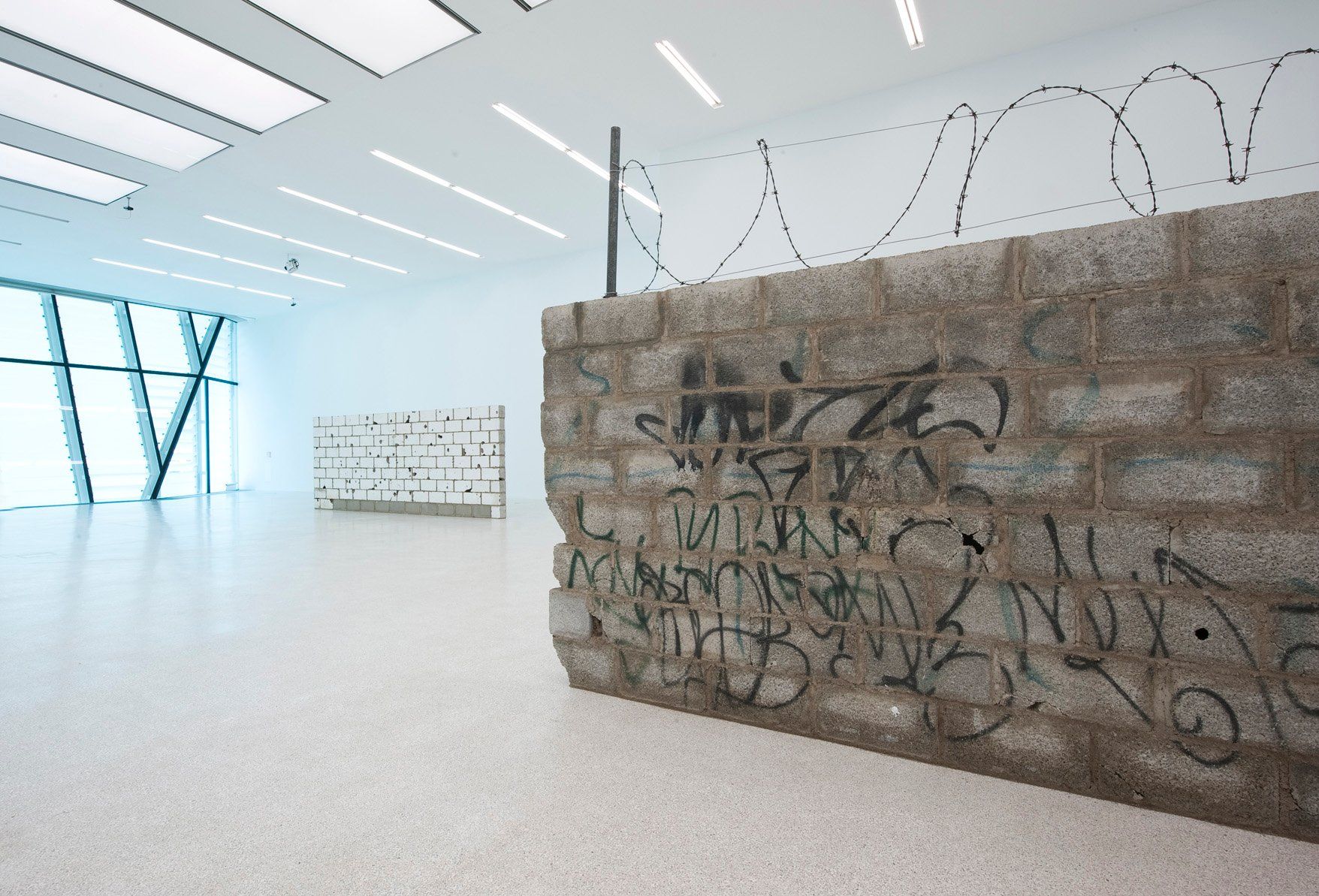
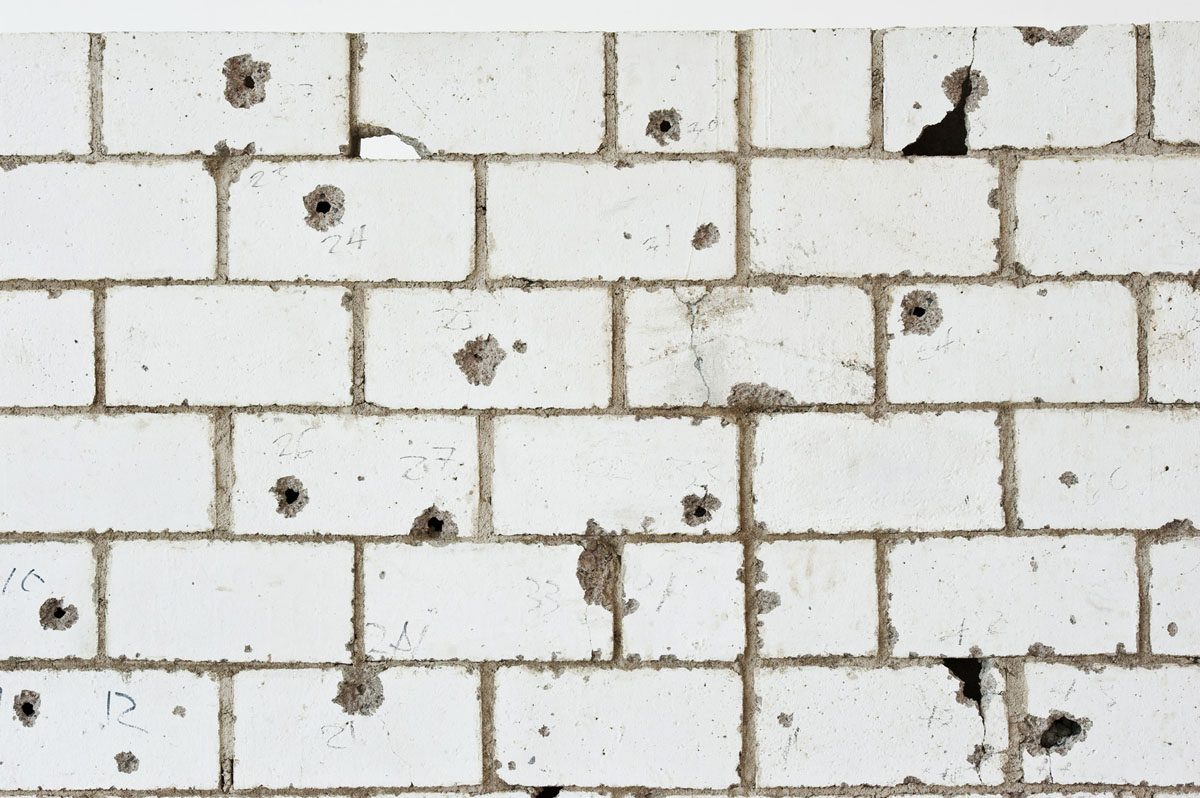
Teresa Marolles' "Frontera" reflects on the dramatic scale of drug trafficking in Mexican society. The artist has used basic but very striking elements to create the works in "Frontera", and despite their minimalist style, they reveal great emotional depth and tragedy. The works go beyond the specific context that gave rise to them, with a universal value that explores our mechanisms of denial
[]
Teresa Marolles' "Frontera" reflects on the dramatic scale of drug trafficking in Mexican society. The artist has used basic but very striking elements to create the works in "Frontera", and despite their minimalist style, they reveal great emotional depth and tragedy. The works go beyond the specific context that gave rise to them, with a universal value that explores our mechanisms of denial and the taboos still surrounding death and violence in contemporary society. The Museion exhibition features walls where executions took place, that the artist took down in Mexico and rebuilt in Bolzano—Muro Baleado (Culiacán), 2009, and Muro Ciudad Juárez, 2010—along with the works Plancha, 2010 and Cubo, 2010, a minimalist cube weighing a ton made out of iron from reinforced concrete taken from demolished buildings. The Bolzano exhibition will also be the first opportunity to see the filmed action Camiseta, created specially for "Frontera" and shot in the cities of Juarez, Kassel and Bolzano.'
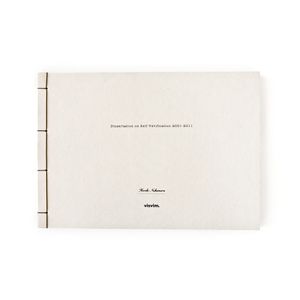
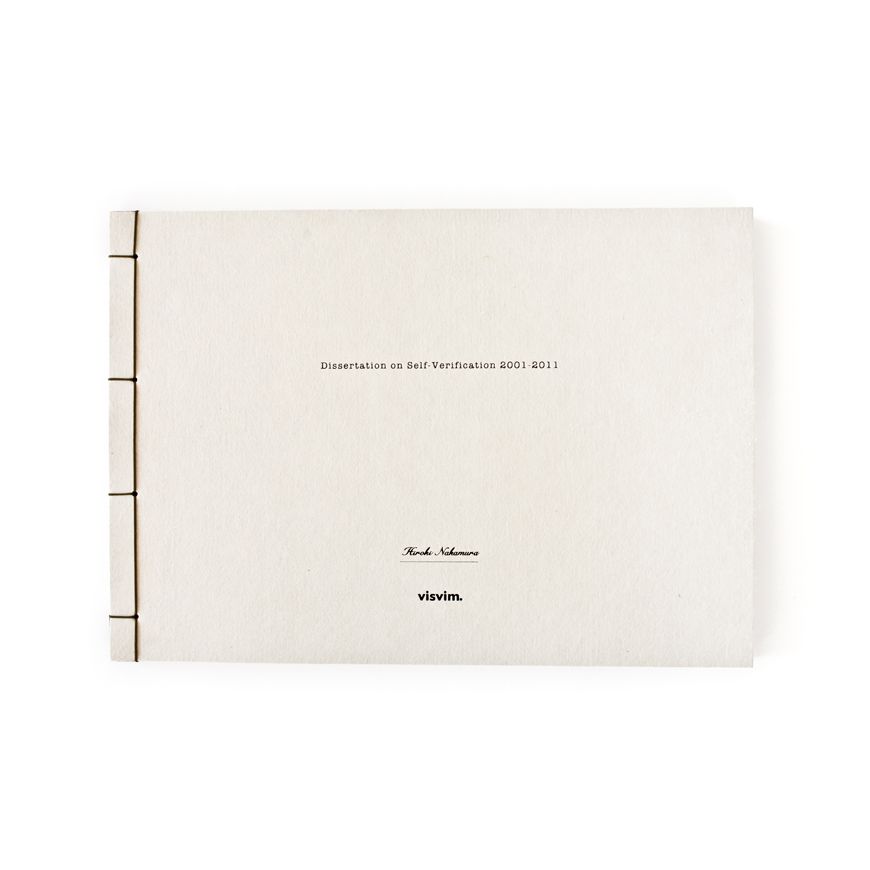
“Dissertation on Self-Verification: 2001-2011″ dissertation-on-self-verification-2001-2011
visvim 10th Anniversary Book "Dissertation on Self-Verification 2001-2011"
The book is hand bound and uses a washi paper made by a craftsman who sources the raw materials from Japanese trees.
Limited to 300 copies.
[]
visvim 10th Anniversary Book "Dissertation on Self-Verification 2001-2011"
The book is hand bound and uses a washi paper made by a craftsman who sources the raw materials from Japanese trees. Limited to 300 copies.
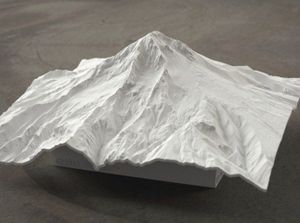
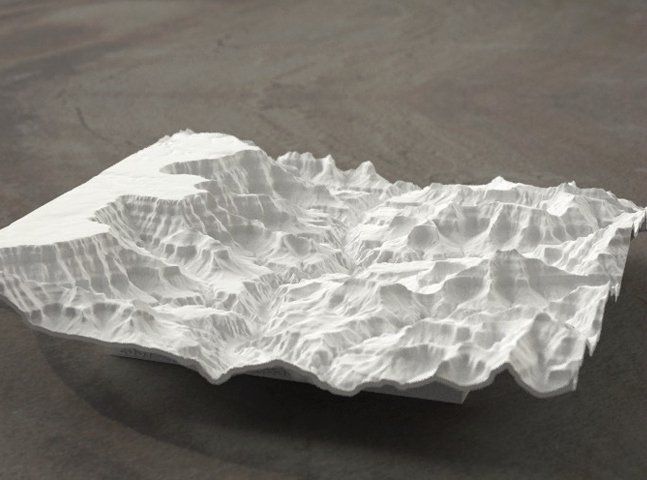
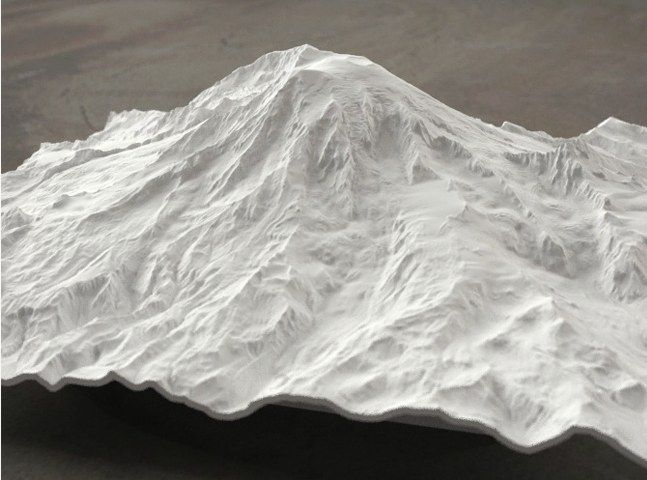
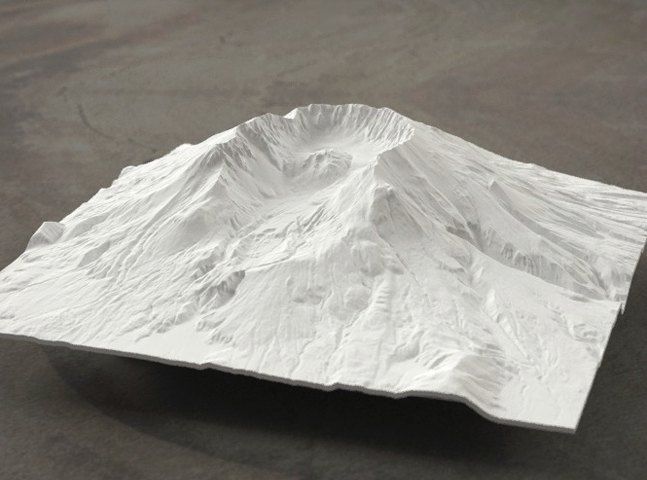
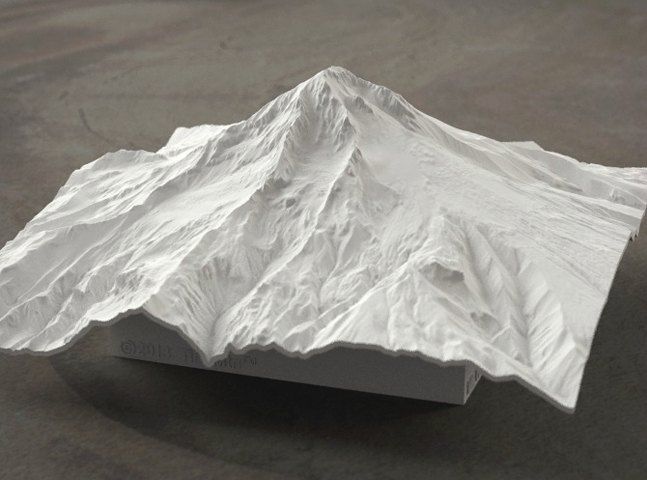
TinyMtn Sculptures tinymtn-sculptures
TinyMtn crafts 3D-printed mini sculptures of some of the most storied peaks and valleys in the United States. Whether you want to remember the time you backpacked through Yosemite or peered over the edge of the Grand Canyon, TinyMtn offers a bit of a topographic reminder. Each comes on a small stand with the name, peak, and coordinates displayed, and makes for an ideal piece of art for the adventurer at heart.
[]
TinyMtn crafts 3D-printed mini sculptures of some of the most storied peaks and valleys in the United States. Whether you want to remember the time you backpacked through Yosemite or peered over the edge of the Grand Canyon, TinyMtn offers a bit of a topographic reminder. Each comes on a small stand with the name, peak, and coordinates displayed, and makes for an ideal piece of art for the adventurer at heart.
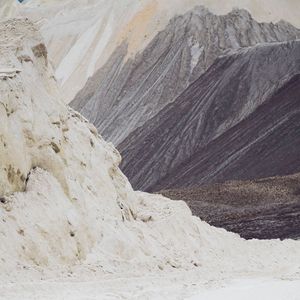
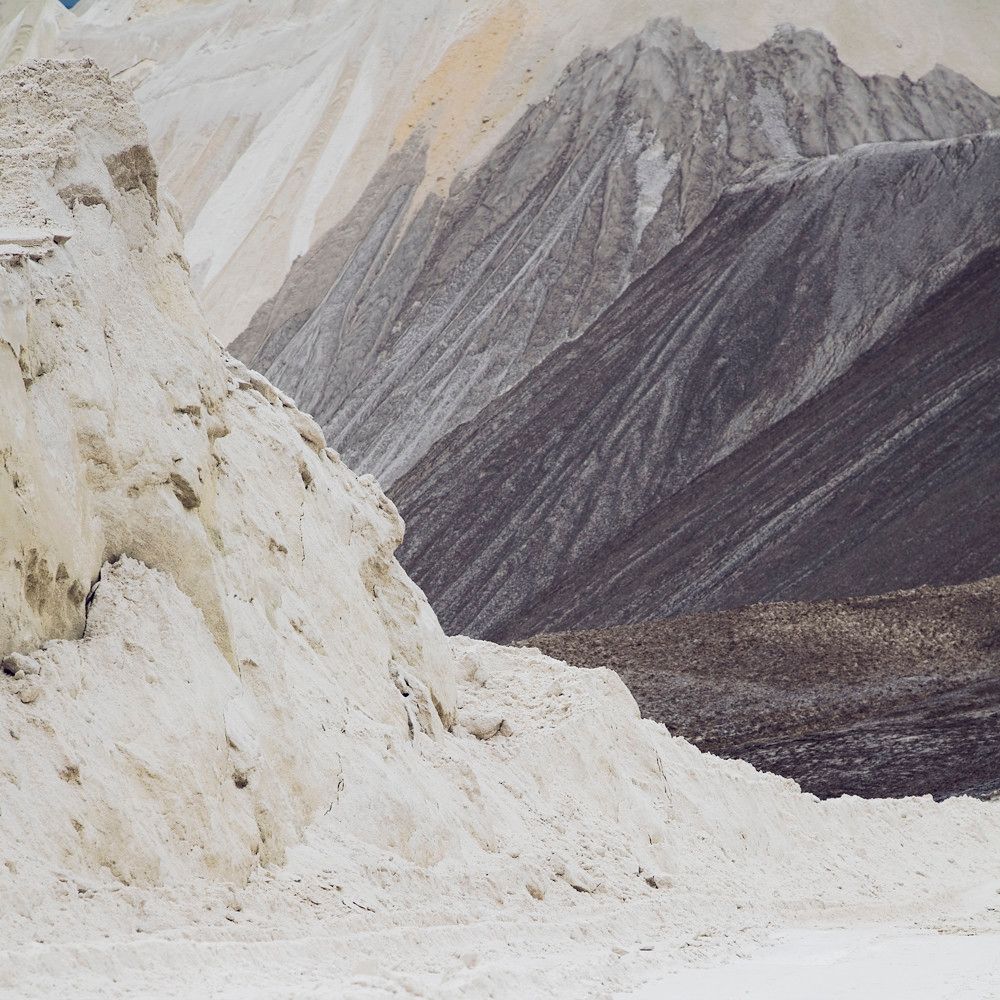
Mineral Ridges — Matthias Heiderich matthias-heiderich Matthias Heiderich's square landscape photograph contrasts pale eroded mineral formations with steep charcoal-grey striated ridges.
Pale mineral formations set against steep charcoal-grey ridges by Matthias Heiderich.
[]
Matthias Heiderich's landscape study contrasts pale eroded mineral formations with steep charcoal-grey ridges. The photograph was taken on April 29, 2012.
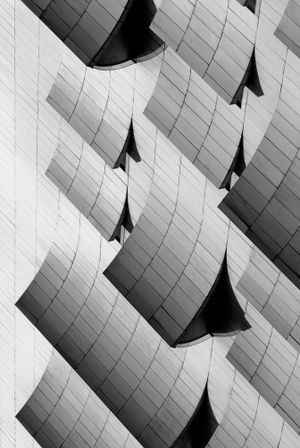
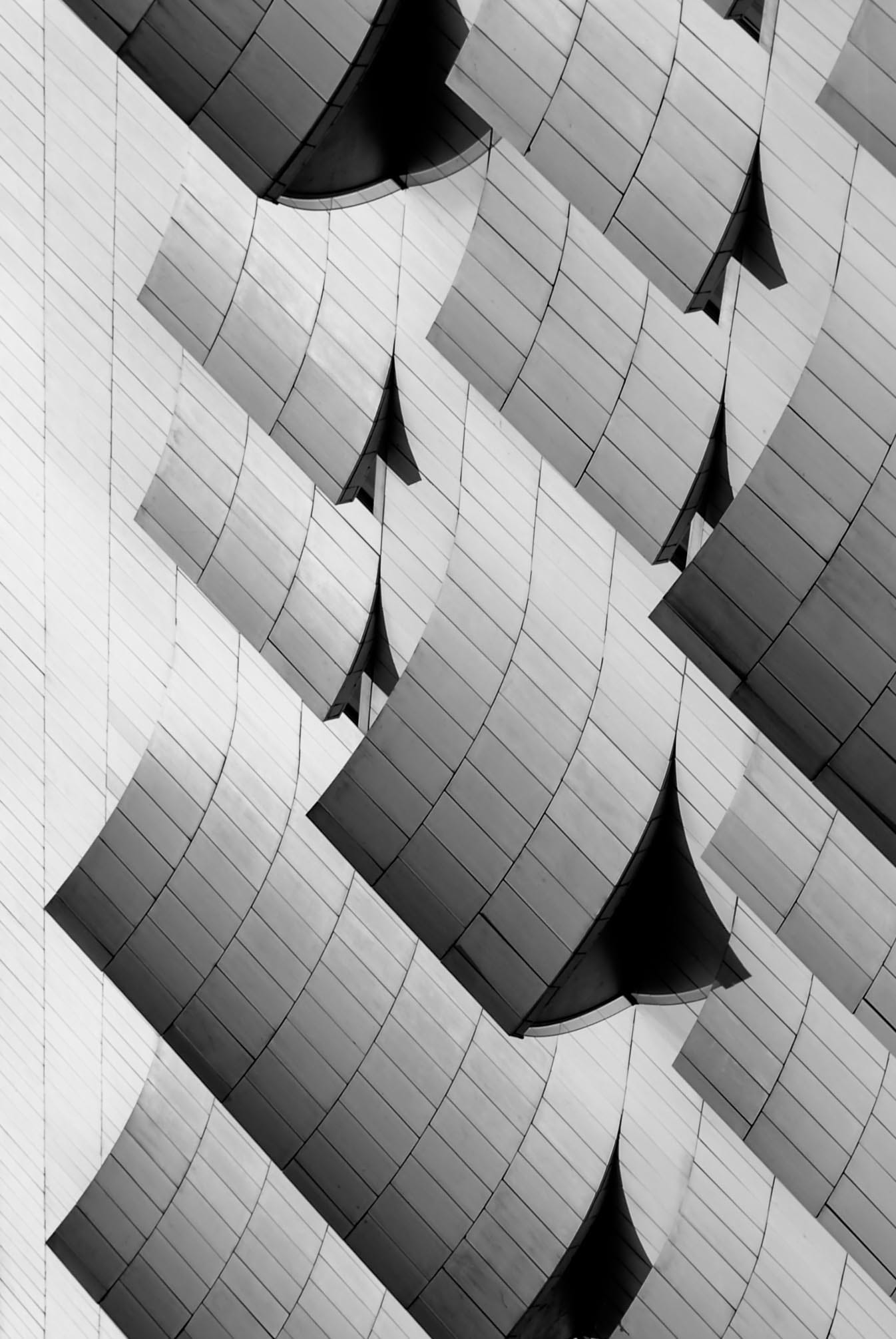
Waves — Hotel Omm by Paul Galbraith waves-hotel-omm-paul-galbraith Paul Galbraith's black-and-white photograph Waves isolates Hotel Omm's repeating curved metal-panel facade in L'Eixample, Barcelona.
Paul Galbraith's study of Hotel Omm's curved metal facade in Barcelona.
[]
Paul Galbraith's Waves isolates the repeating curved metal panels of Hotel Omm's facade in L'Eixample, Barcelona. The photograph was taken on February 12, 2010.
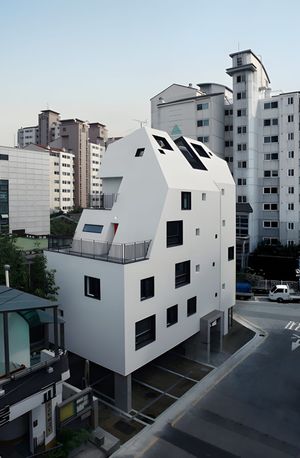
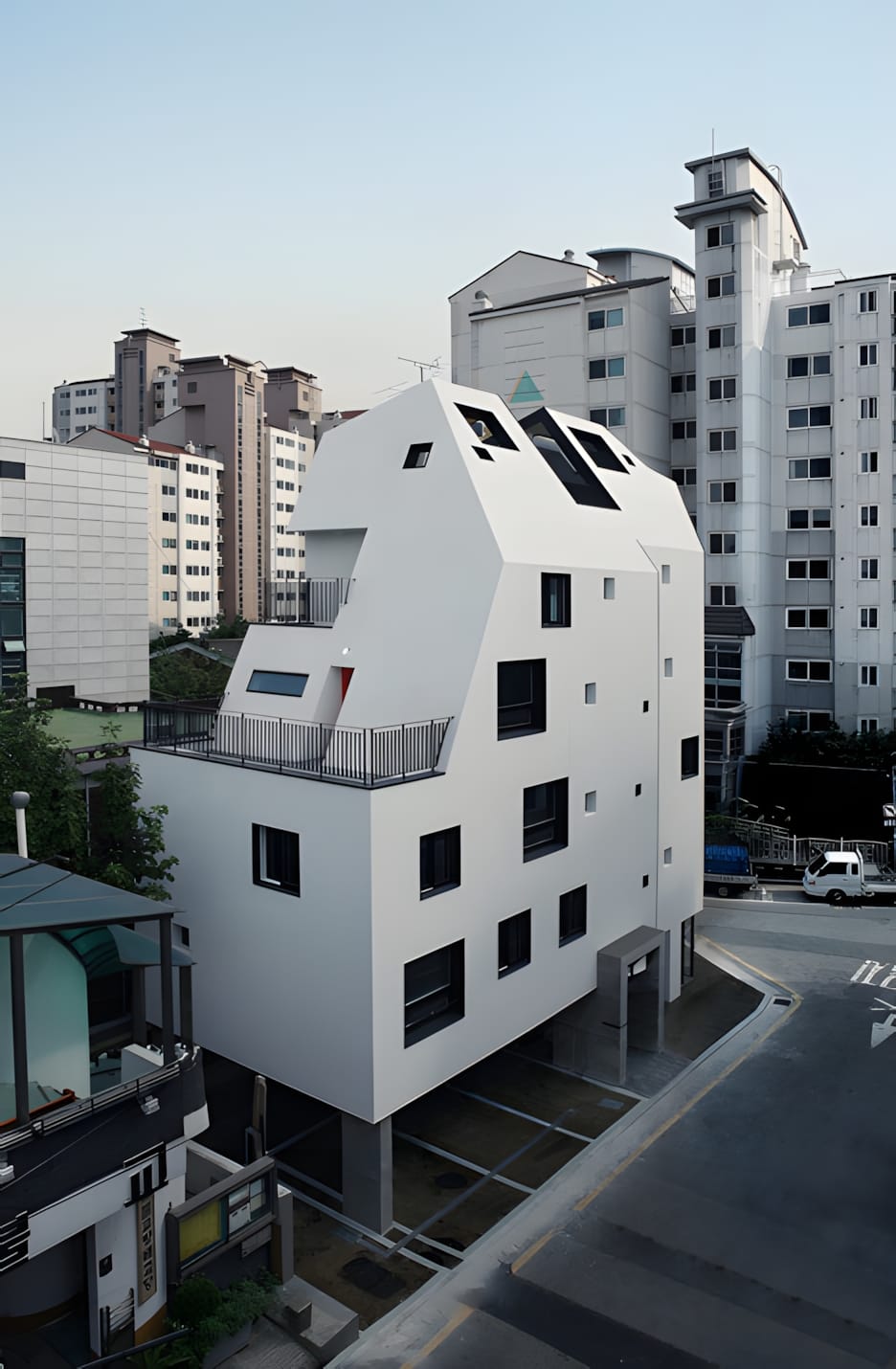
Design Band YOAP White House, Seoul design-band-yoap-white-house-seoul The White House by Design Band YOAP (2013), a compact nine-apartment residential block on a narrow Seoul plot, clad in a sculptural white double-skin concrete facade.
[]
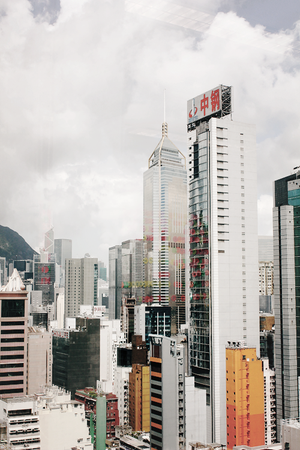
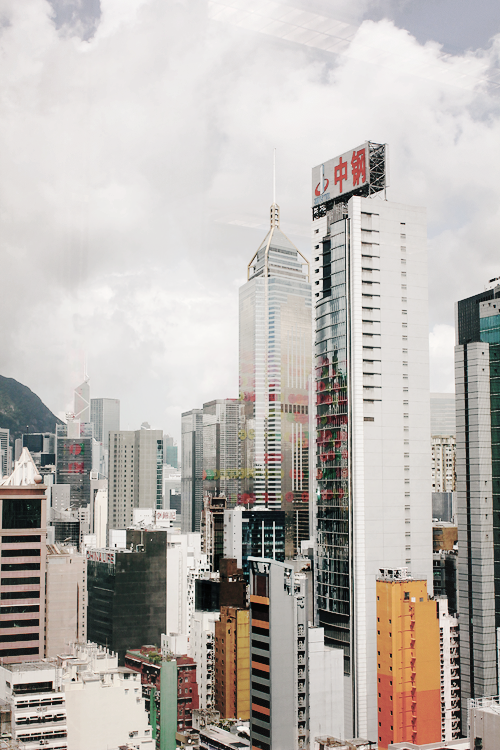
View from the Office — Hong Kong by ingu view-from-the-office-hong-kong-ingu ingu's View from the Office frames Hong Kong's Causeway Bay skyline in August 2011, layering dense high-rises beneath a cloudy sky.
ingu's August 2011 view across Causeway Bay toward Central Plaza.
[]
ingu's View from the Office looks across Hong Kong's Causeway Bay skyline toward Central Plaza. The Flickr description dates the scene to August 2011.
Avi Forman — YSOA Advanced Mill Workshop CNC Surface avi-forman-ysoa-advanced-mill-workshop-cnc-surface CNC-milled surface piece by Avi Forman from the Yale School of Architecture Advanced Mill Workshop, photographed by Elijah Porter in November 2010. Close-up shows a regular dome-pattern texture across a curved, undulating white milled panel.
[]
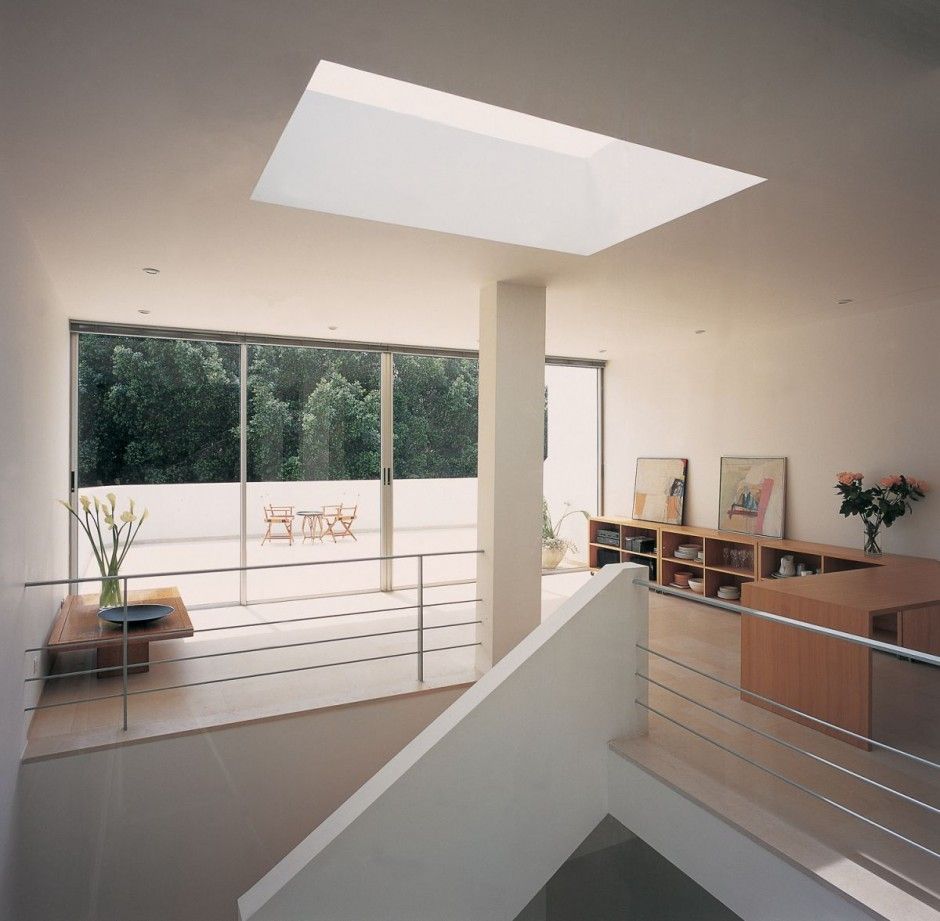
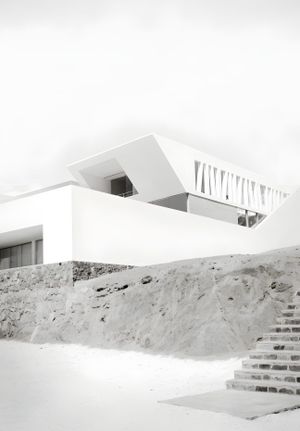
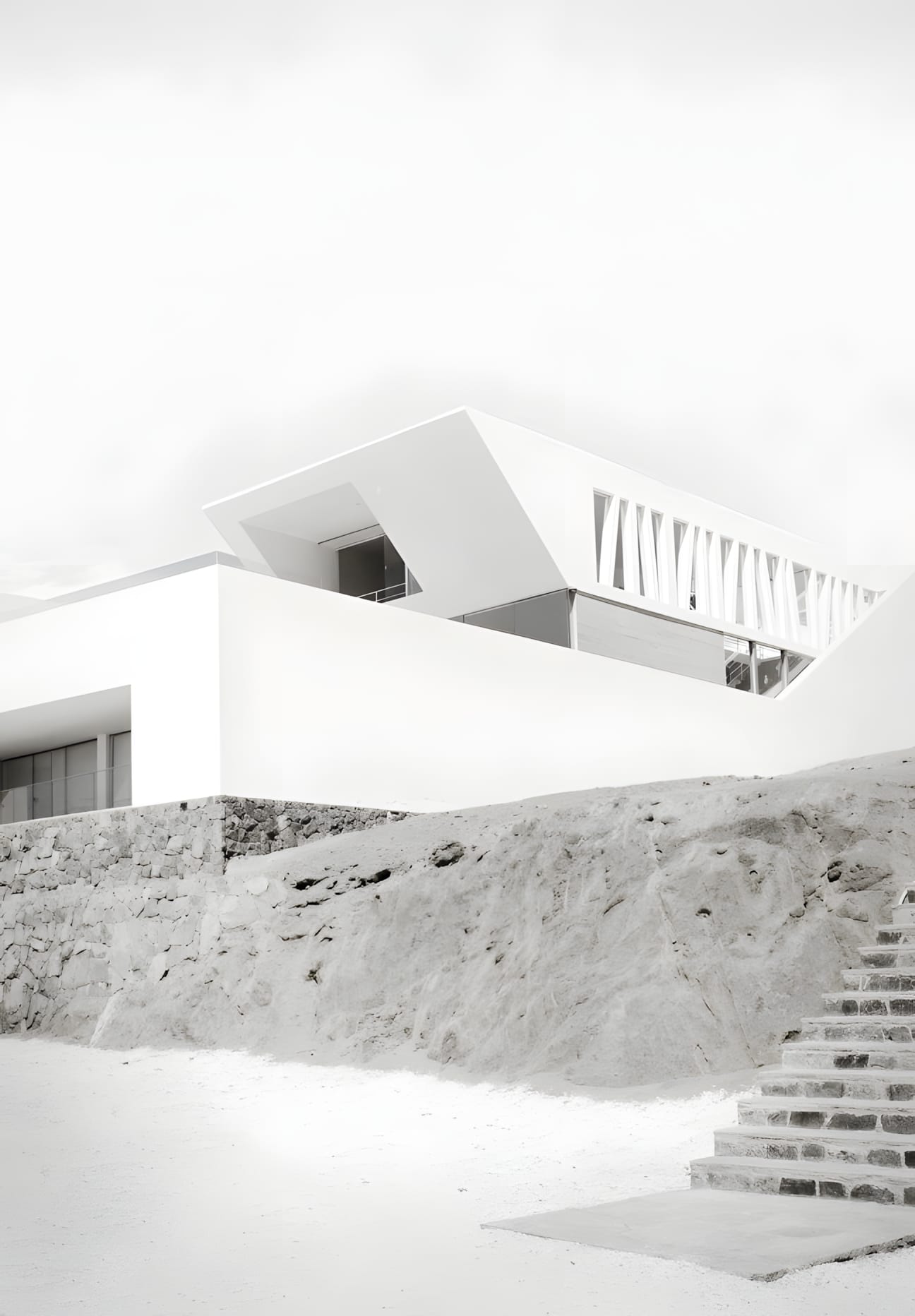
House Playa El Golf H4 by RRMR Arquitectos house-playa-el-golf-h4-rrmr-arquitectos Contemporary vacation home in the Asia District, Lima, Peru, designed by riofrio+rodrigo arquitectos (RRMR). Completed 2011, 4,251 sq ft, fronting a golf course 95 km south of central Lima.
[]
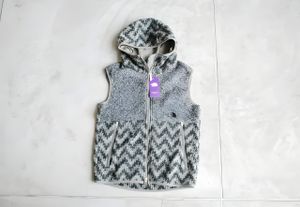
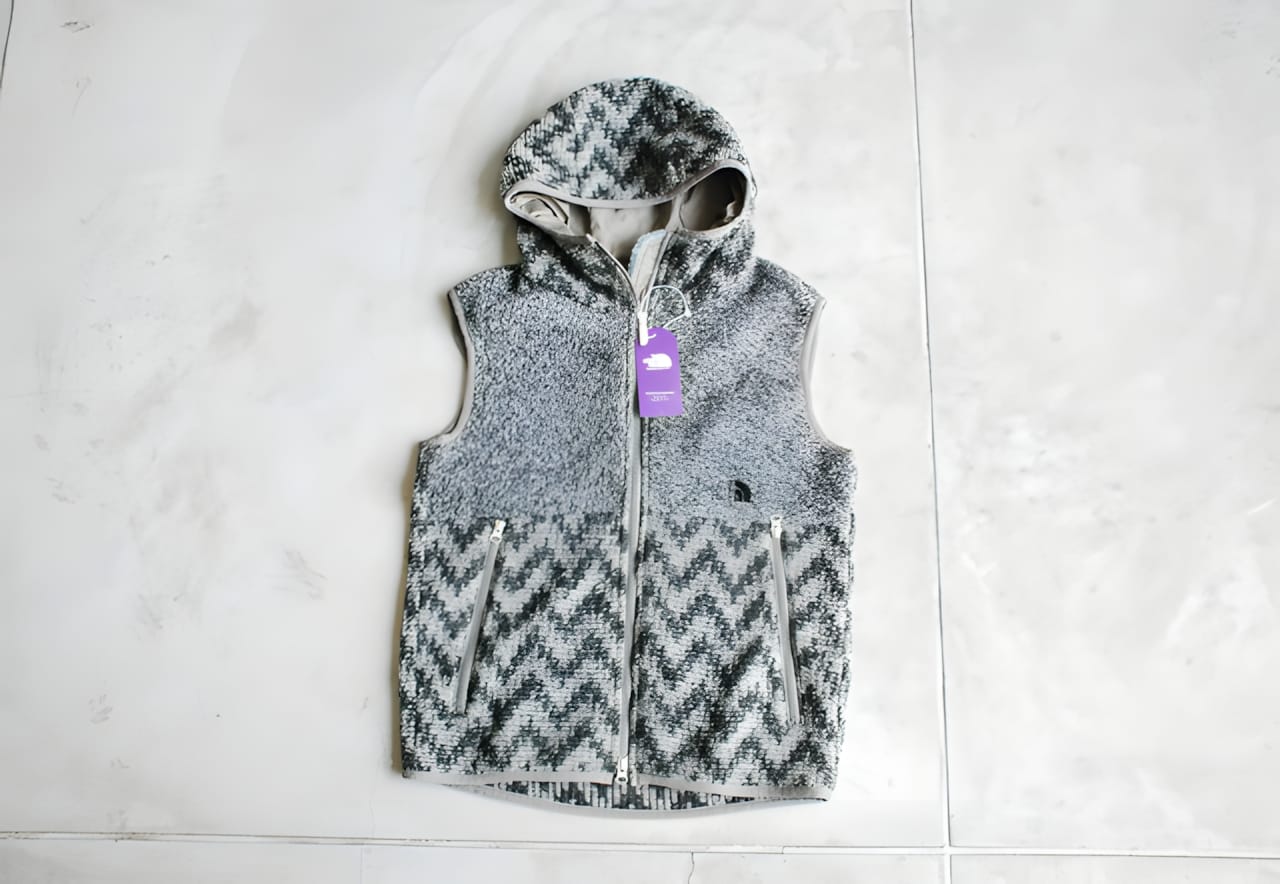
The North Face Purple Label Boa Fleece Hooded Vest
The North Face Purple Label Boa Fleece Hooded Vest north-face-purple-label-boa-fleece-hooded-vest The North Face Purple Label hooded fleece vest in a chevron zigzag jacquard pattern, grey and white. Japan-exclusive Purple Label line designed with nanamica, posted November 2013.
[]
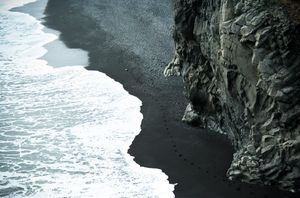
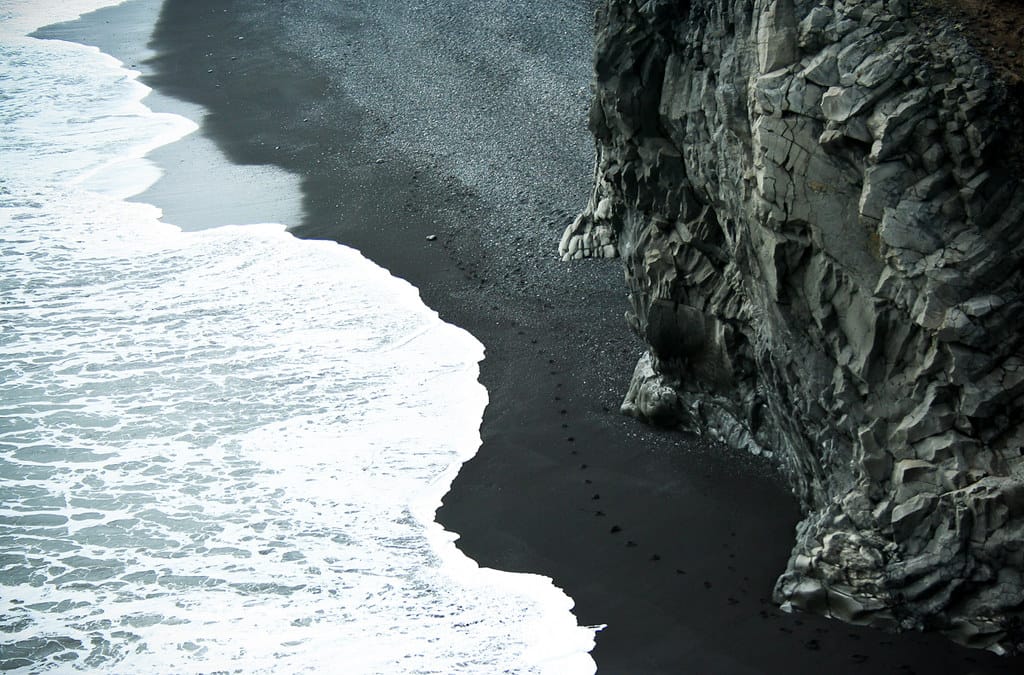
Untitled Black-Sand Coast — UnaLei untitled-black-sand-coast-unalei Untitled coastal photograph by UnaLei showing white surf meeting a black-sand beach beneath a dark rock cliff.
[]
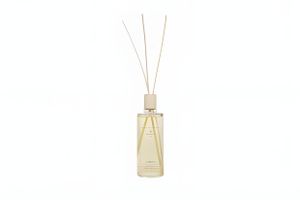
visvim Subsection Reed Fragrance Diffuser visvim-subsection-reed-fragrance-diffuser visvim's Subsection Reed Fragrance Diffuser — the Japanese label's extension into home fragrance, applying its hallmark craft-forward ethos to interior ritual objects designed for the Subsection lifestyle concept.
[]
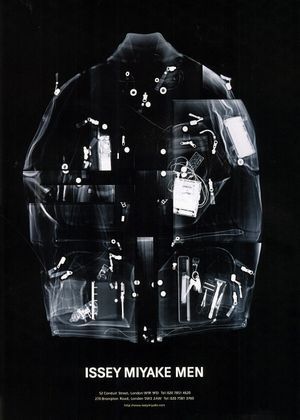
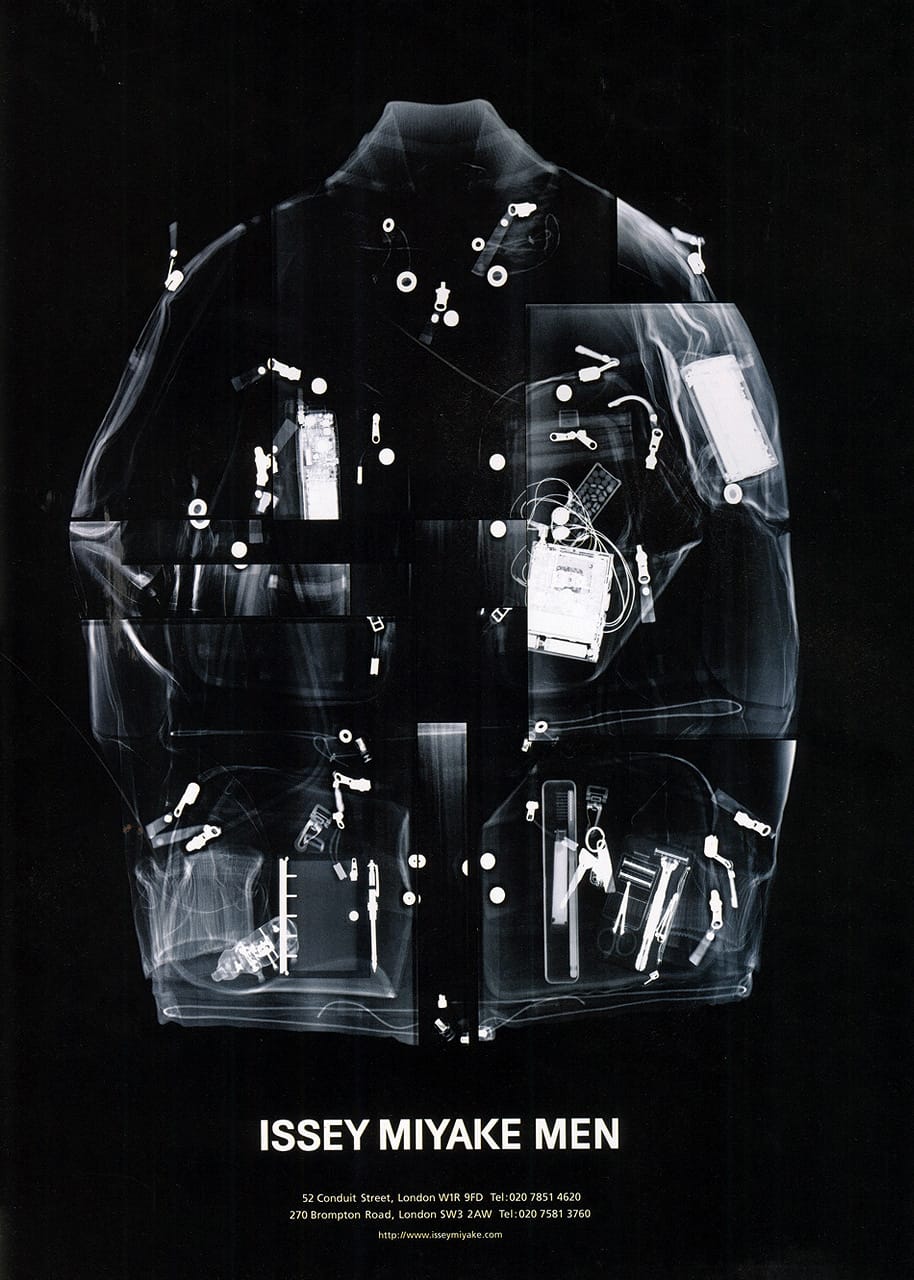
Issey Miyake Men X-Ray Utility Jacket Advertisement issey-miyake-men-x-ray-utility-jacket-advertisement Issey Miyake Men advertisement presenting a multi-pocket utility jacket as an X-ray image filled with tools, electronics and personal objects.
Source
[]