Related_

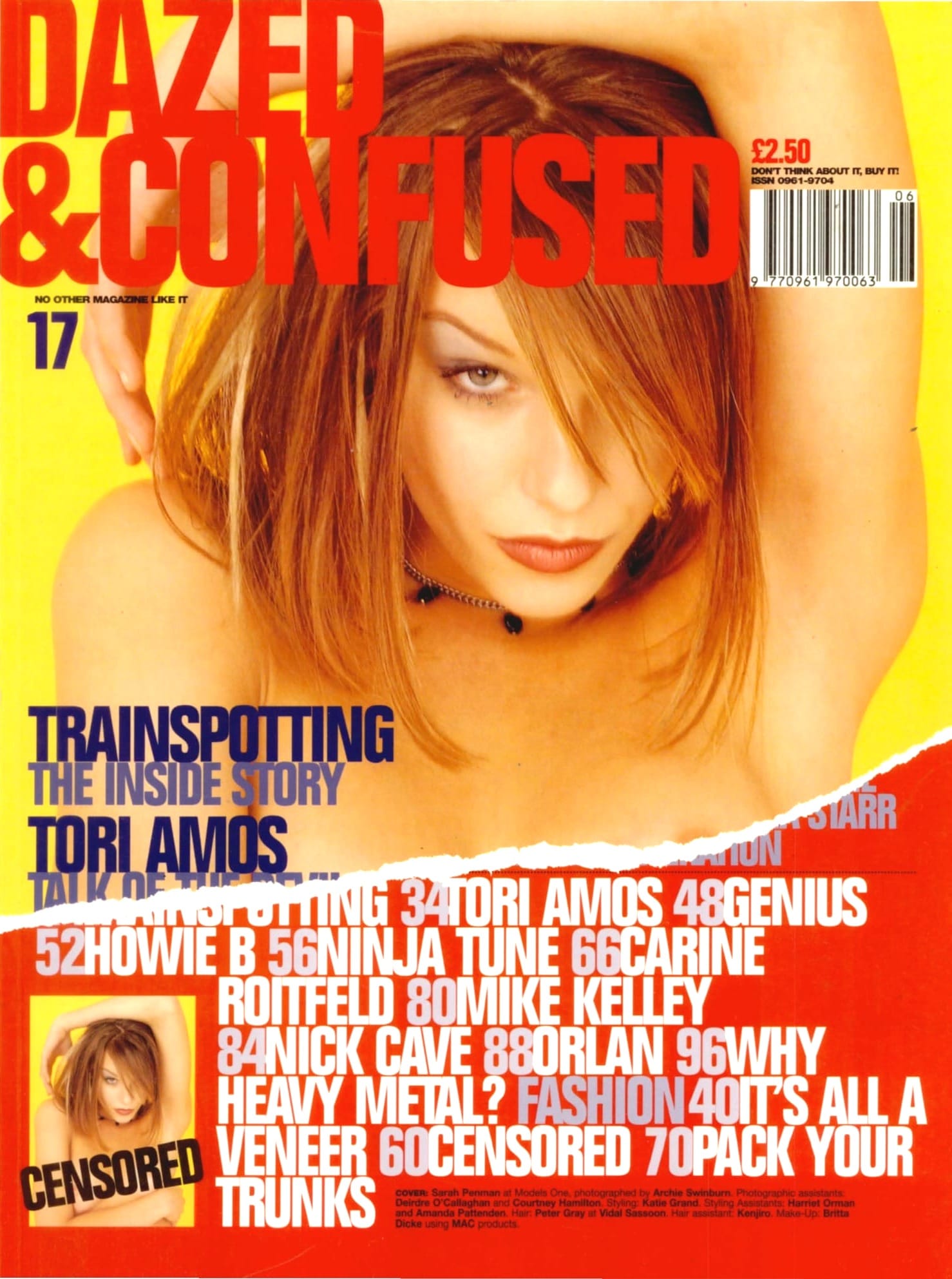
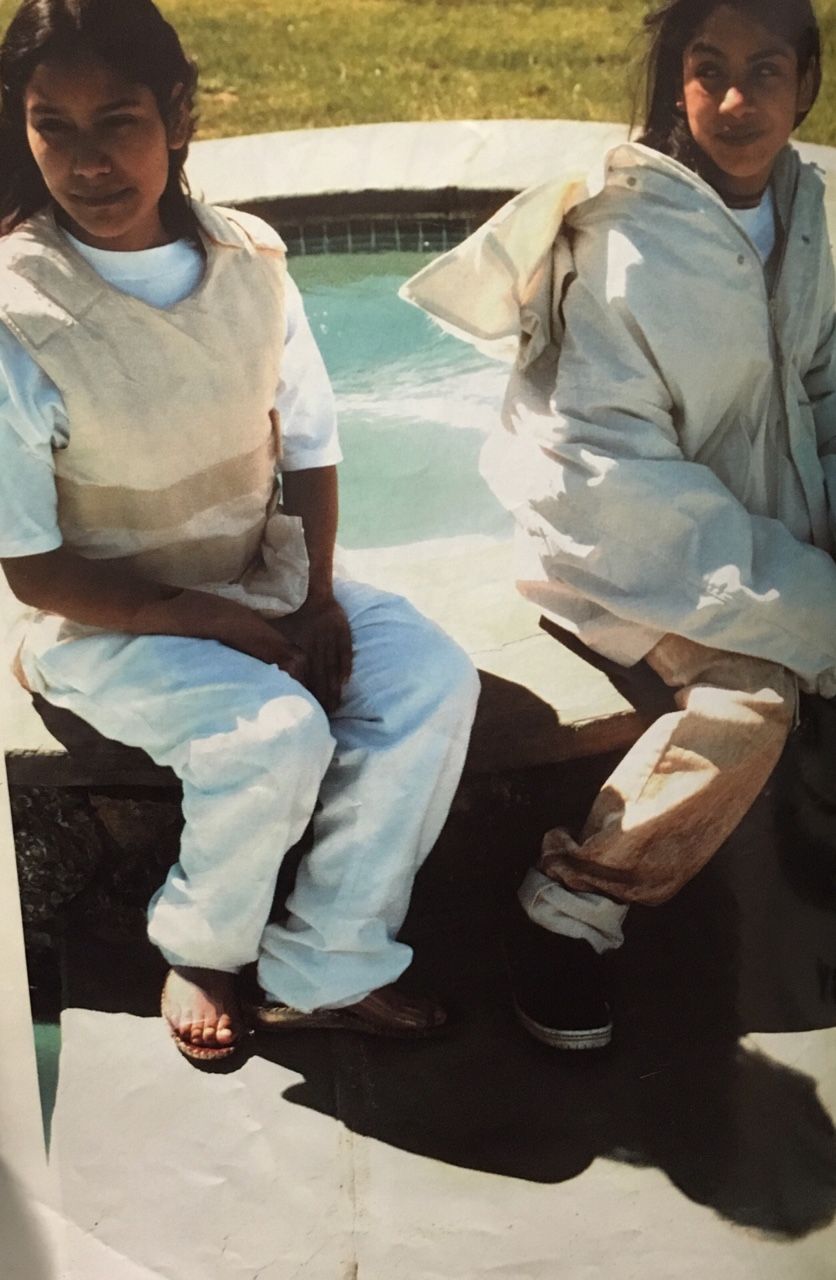
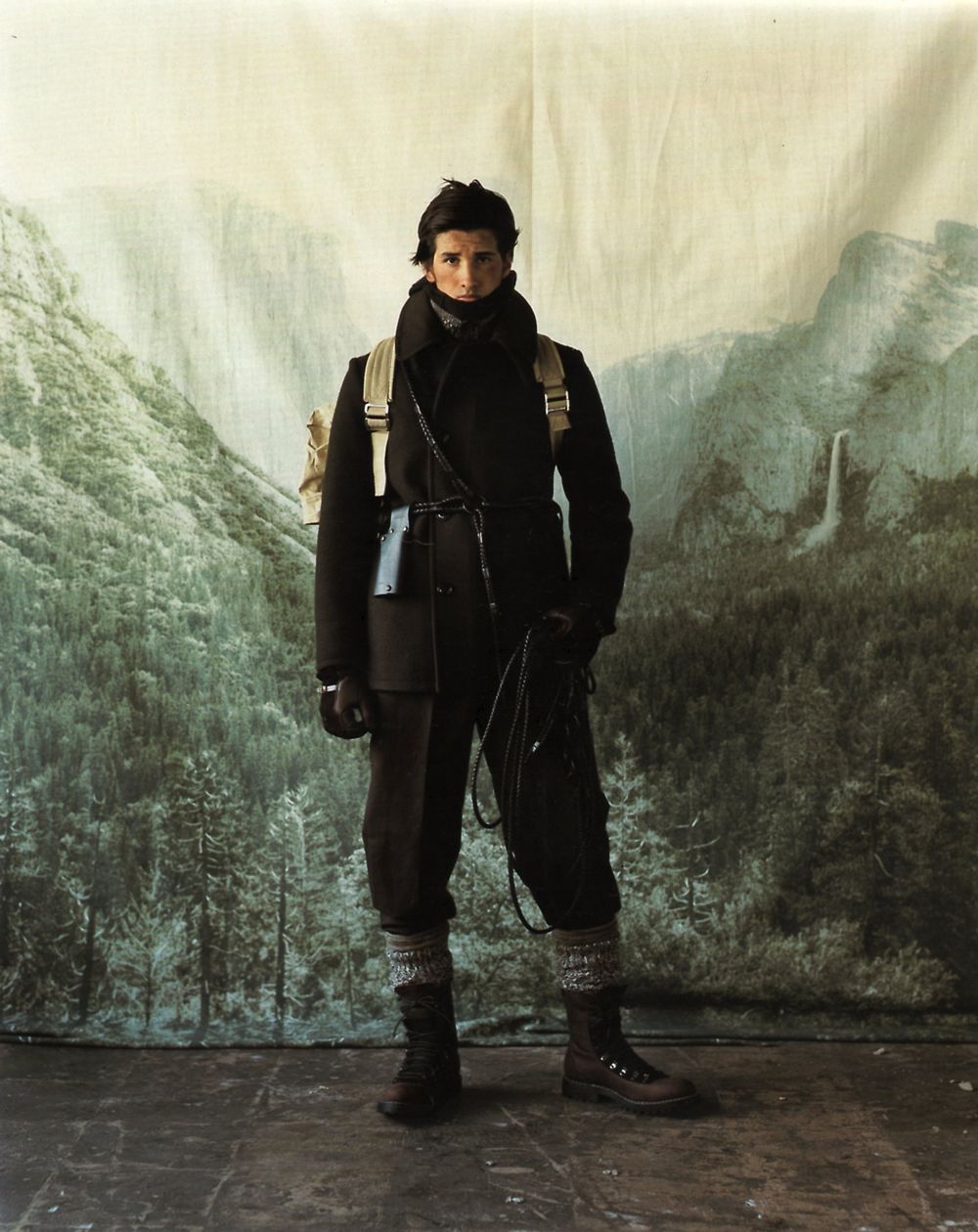
Dazed & Confused Magazine _ Issue 017 _ June 1995
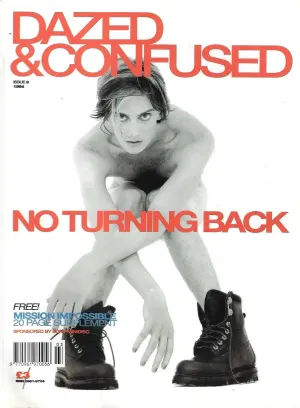
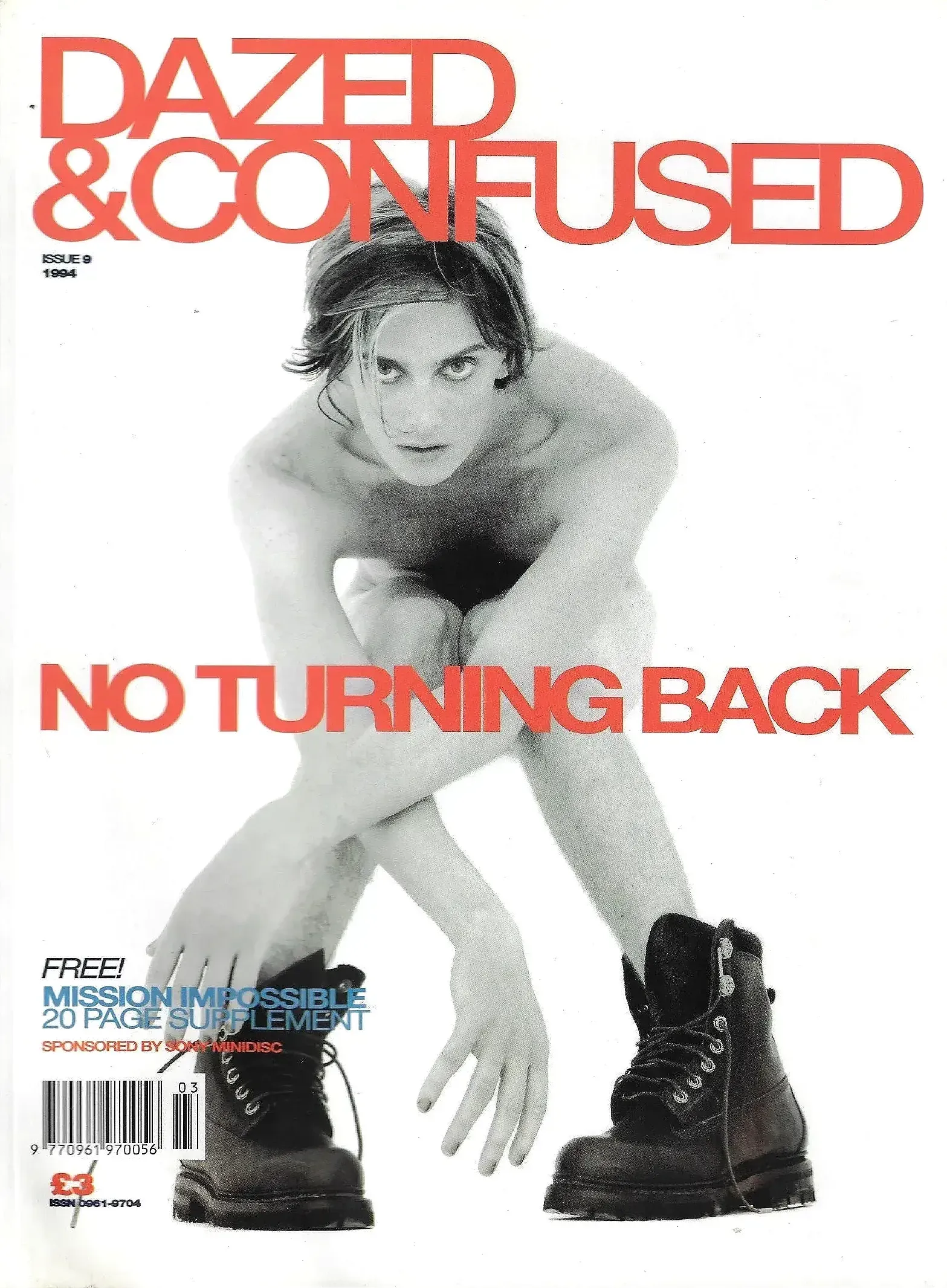
Dazed & Confused Magazine _ Issue 009 _ March 1994

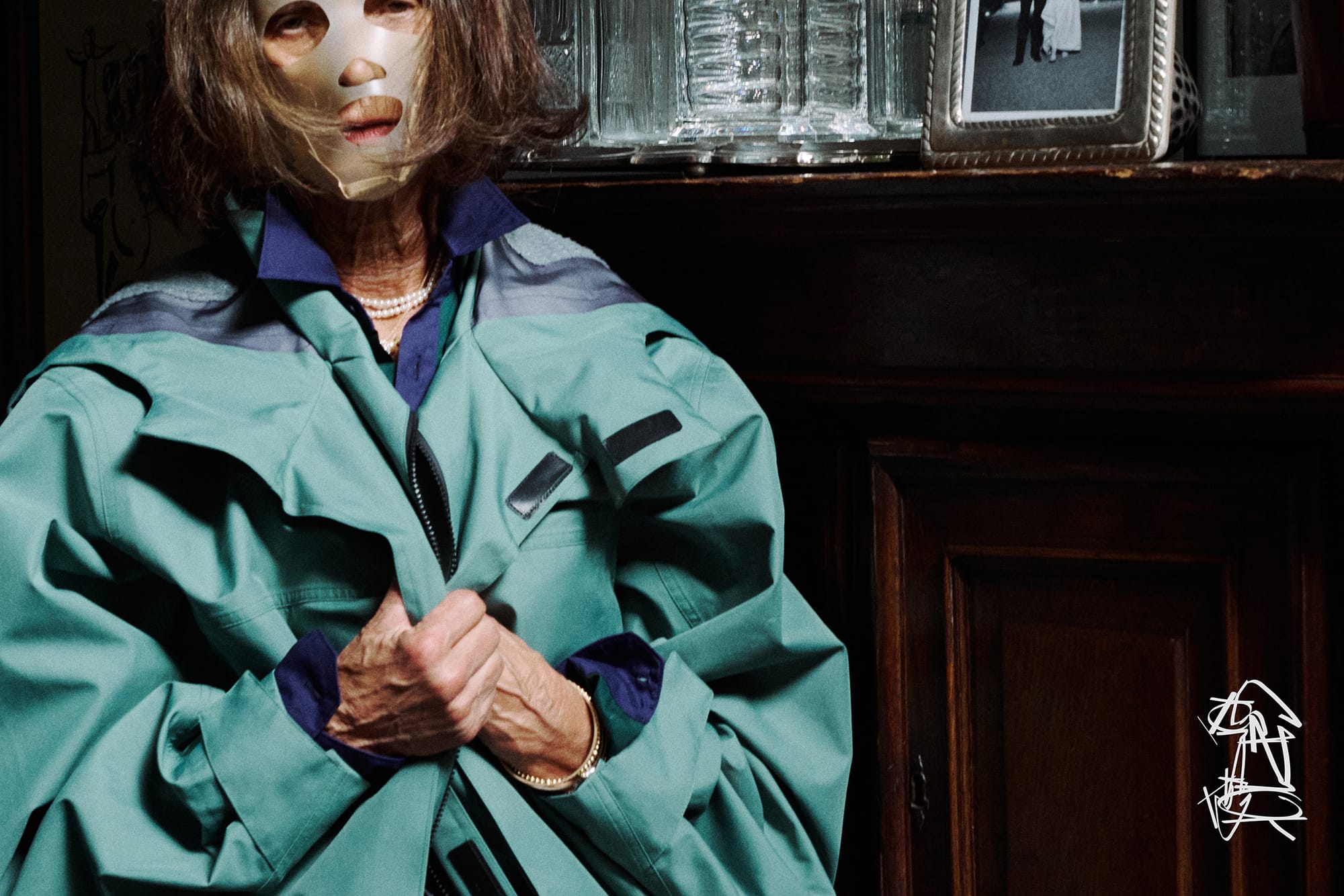
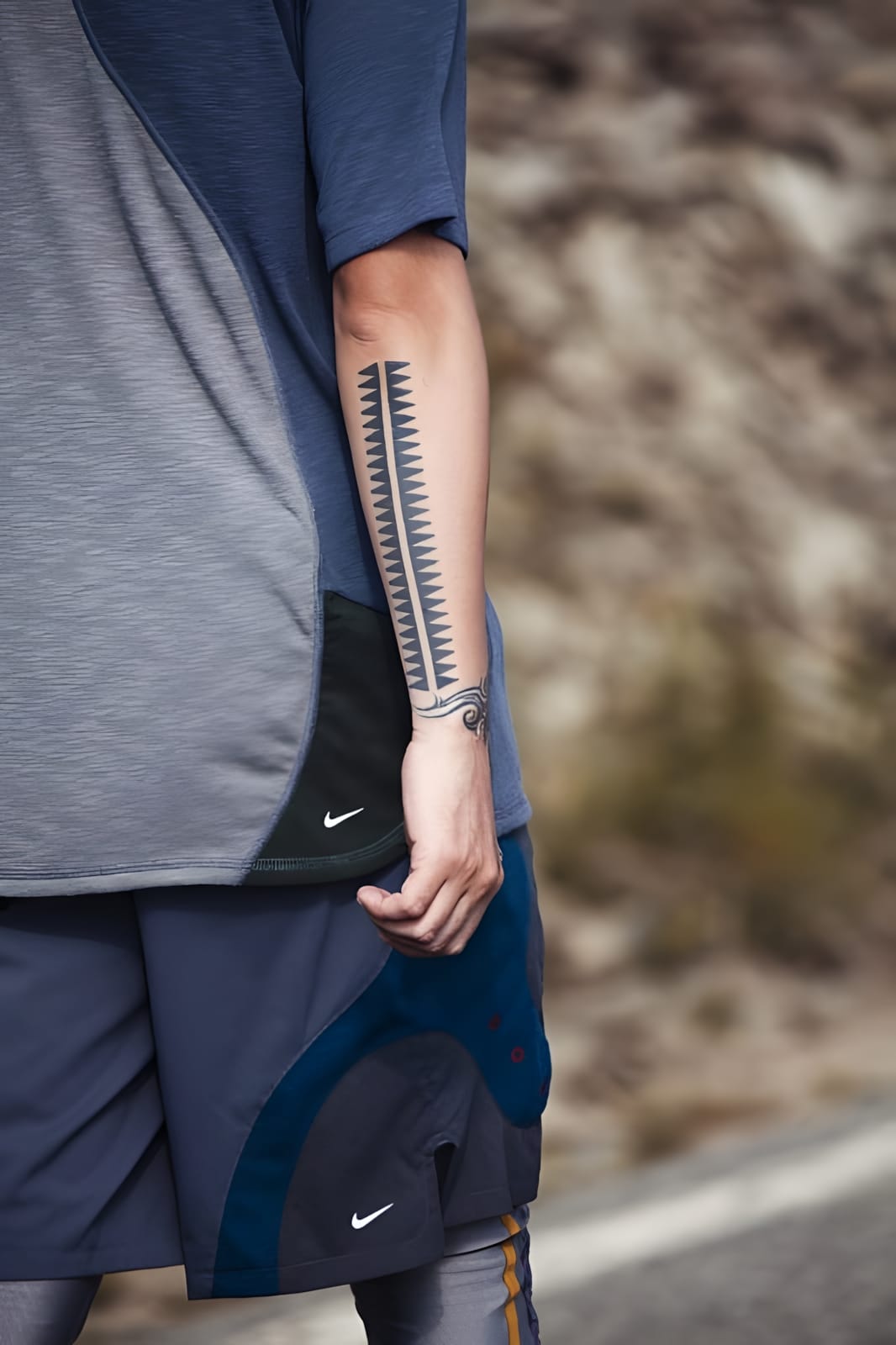
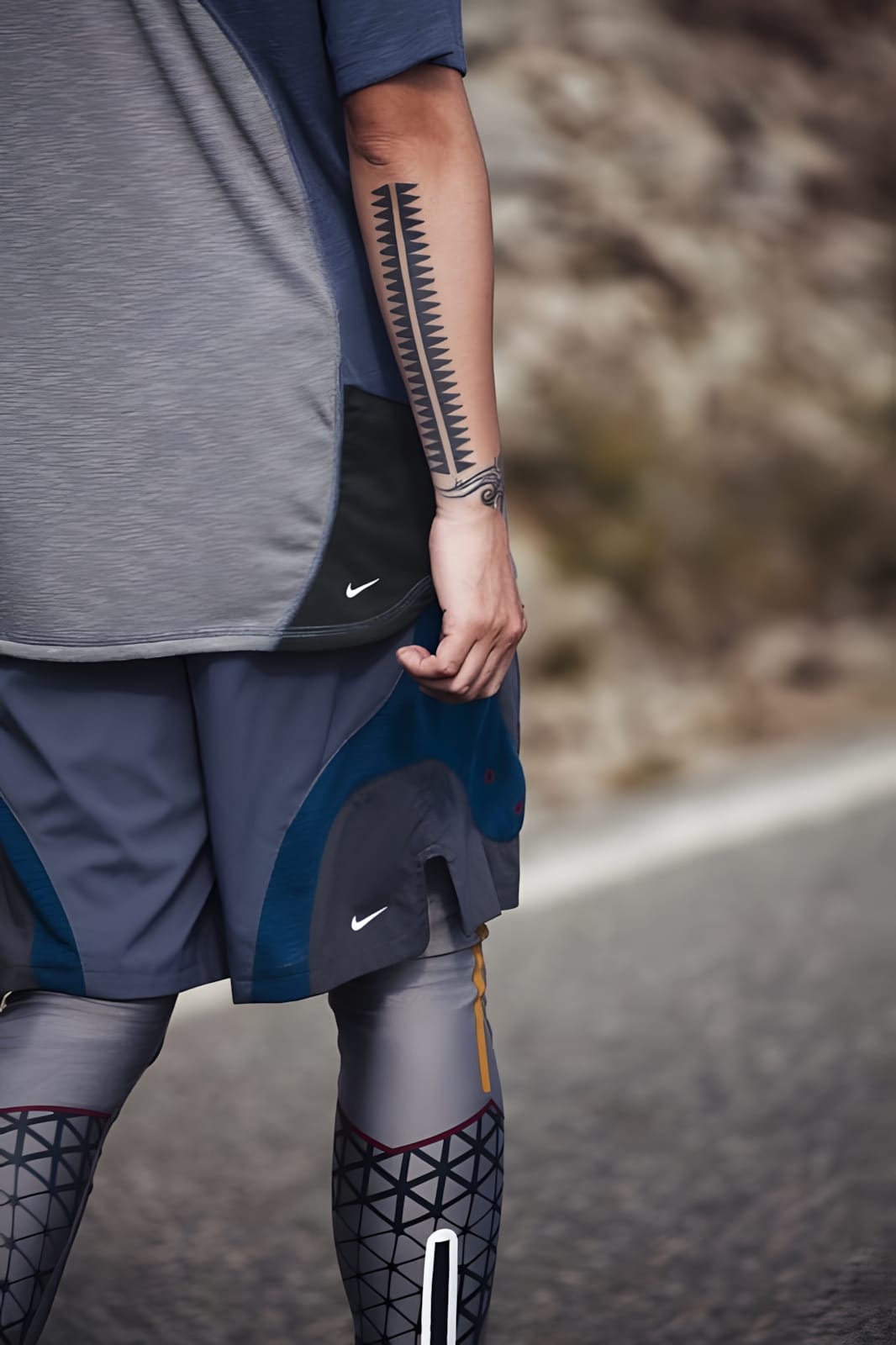
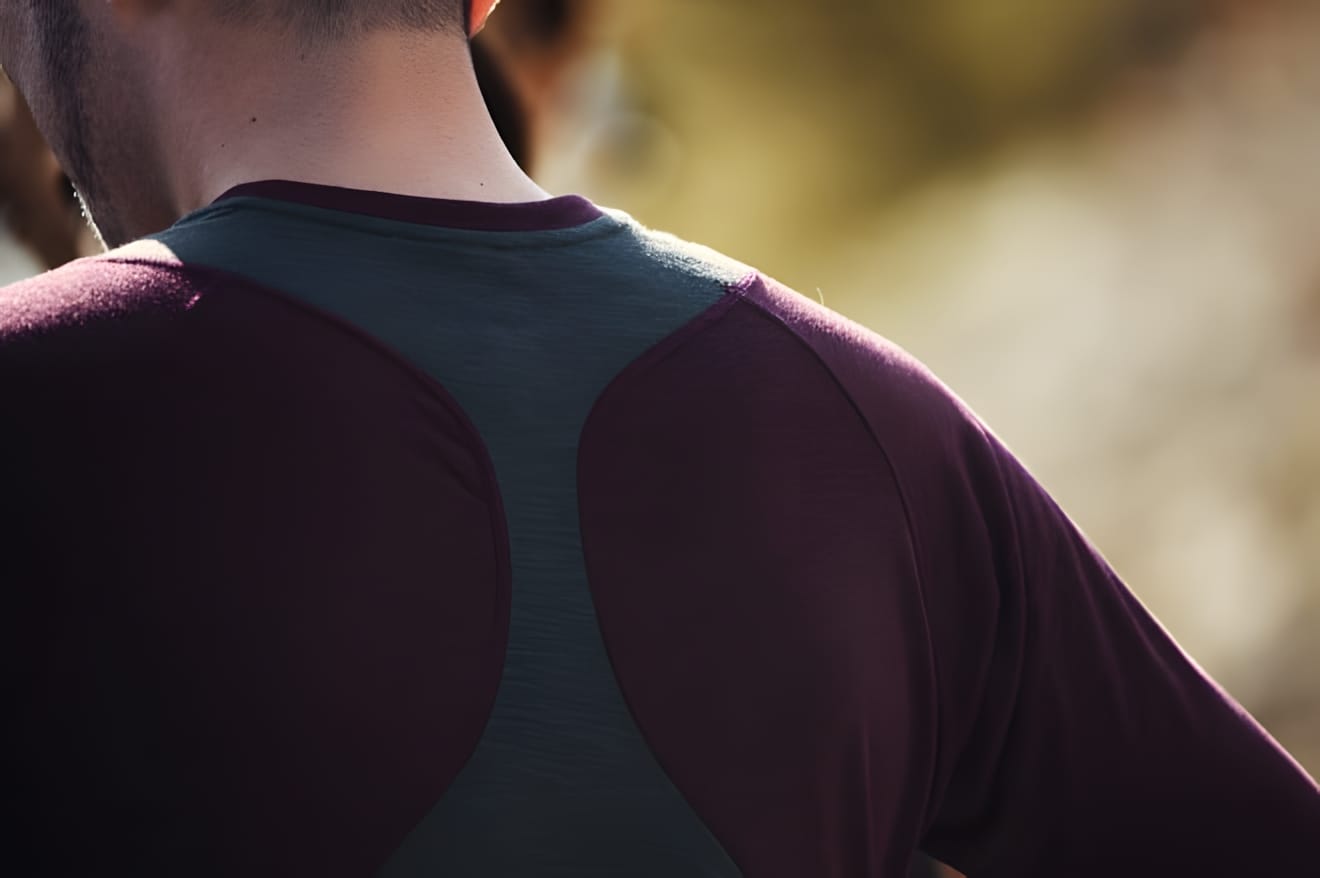
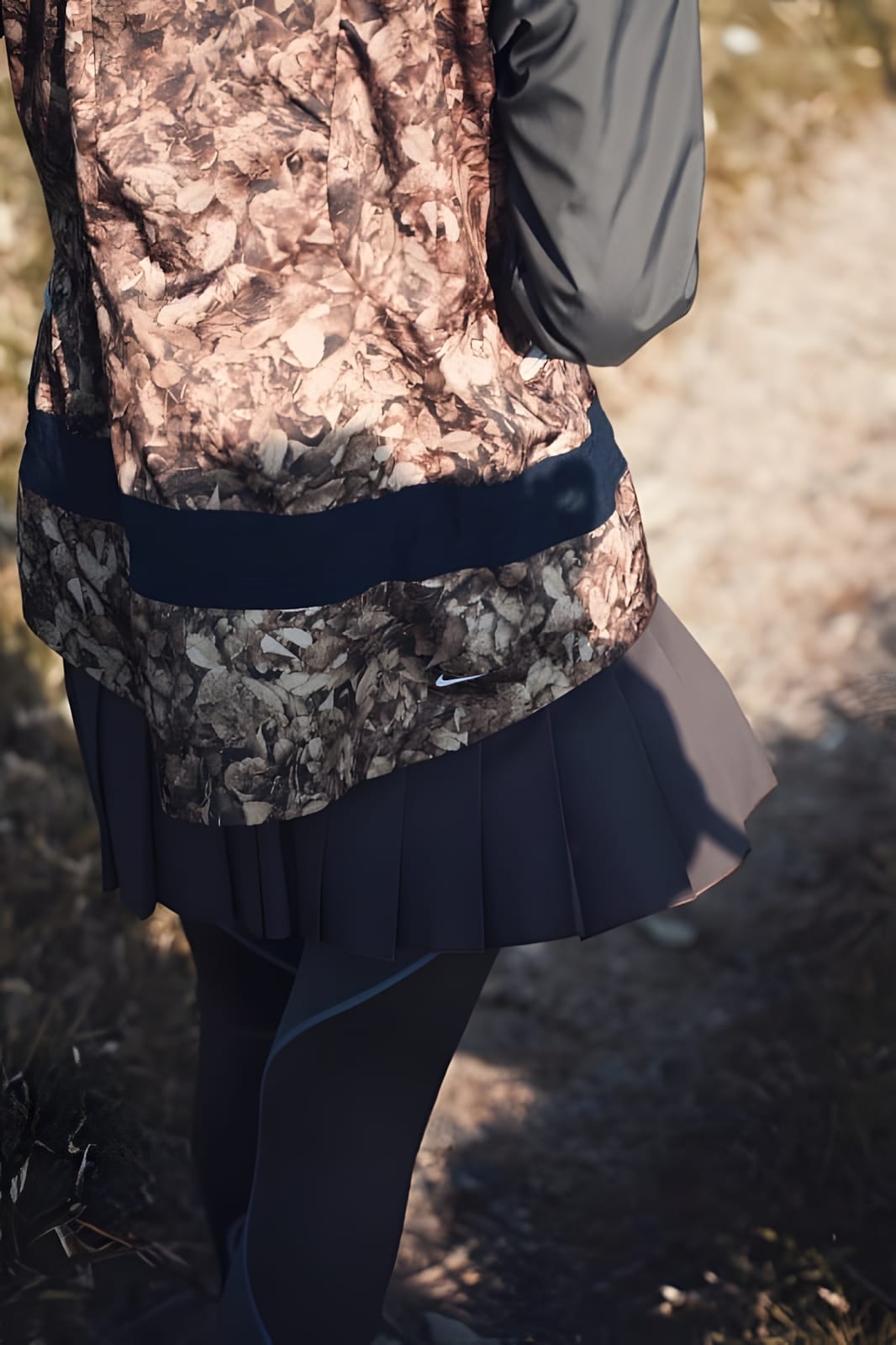
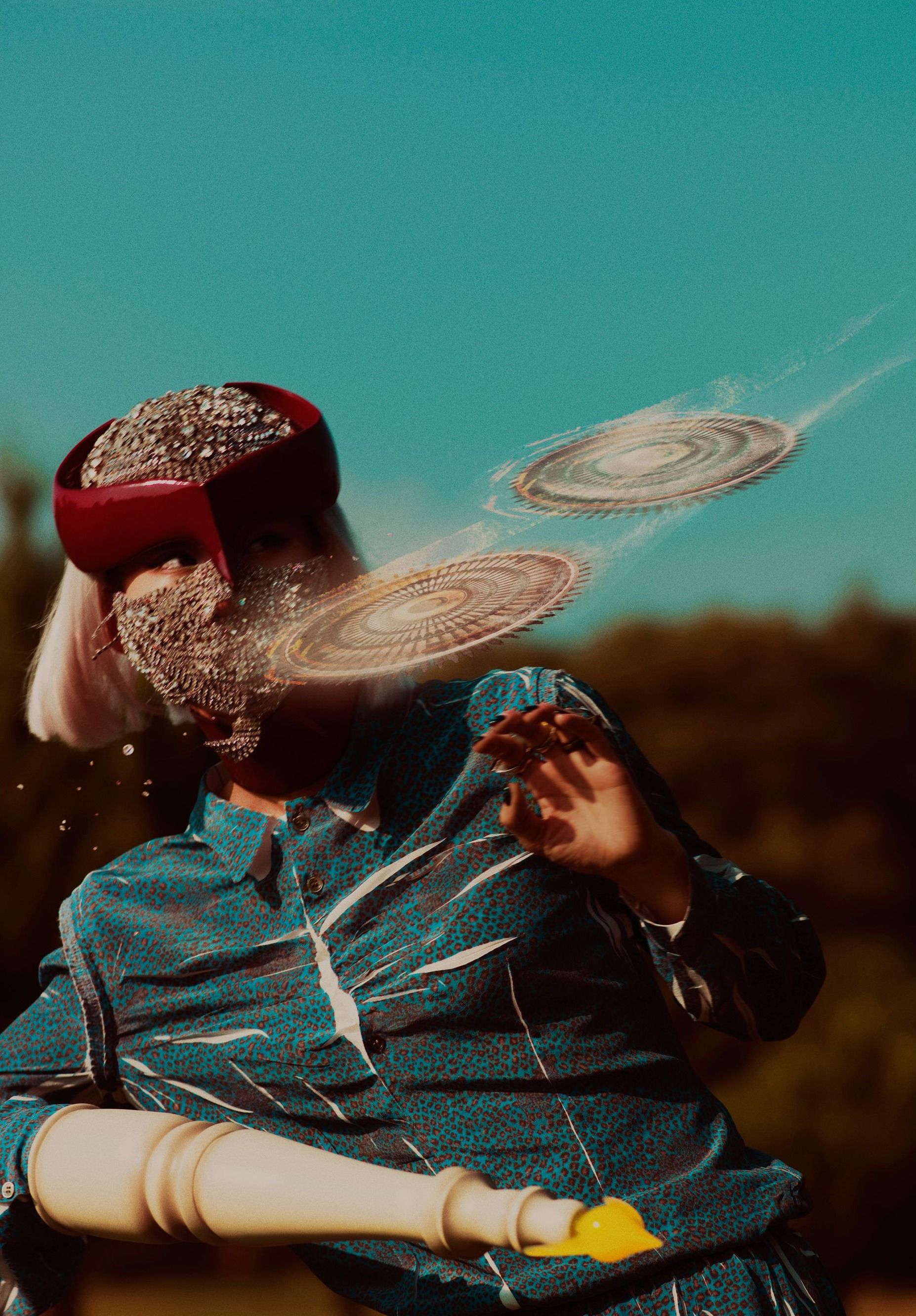
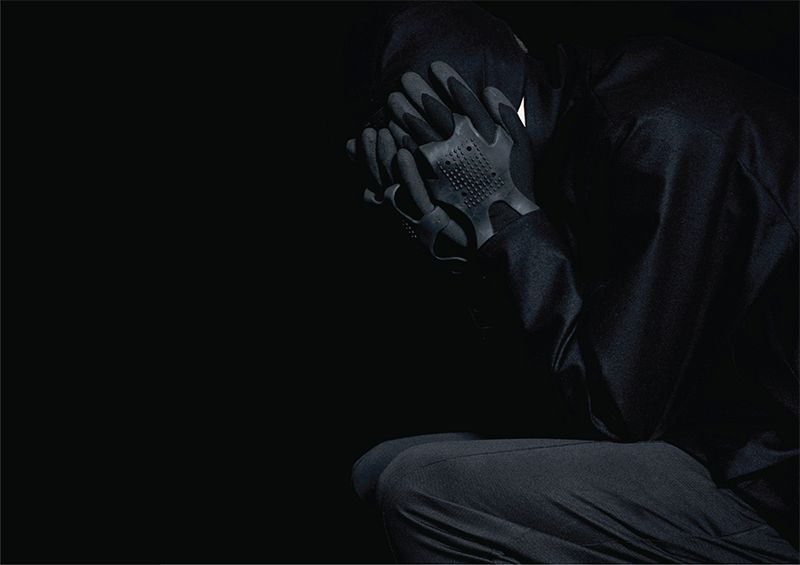
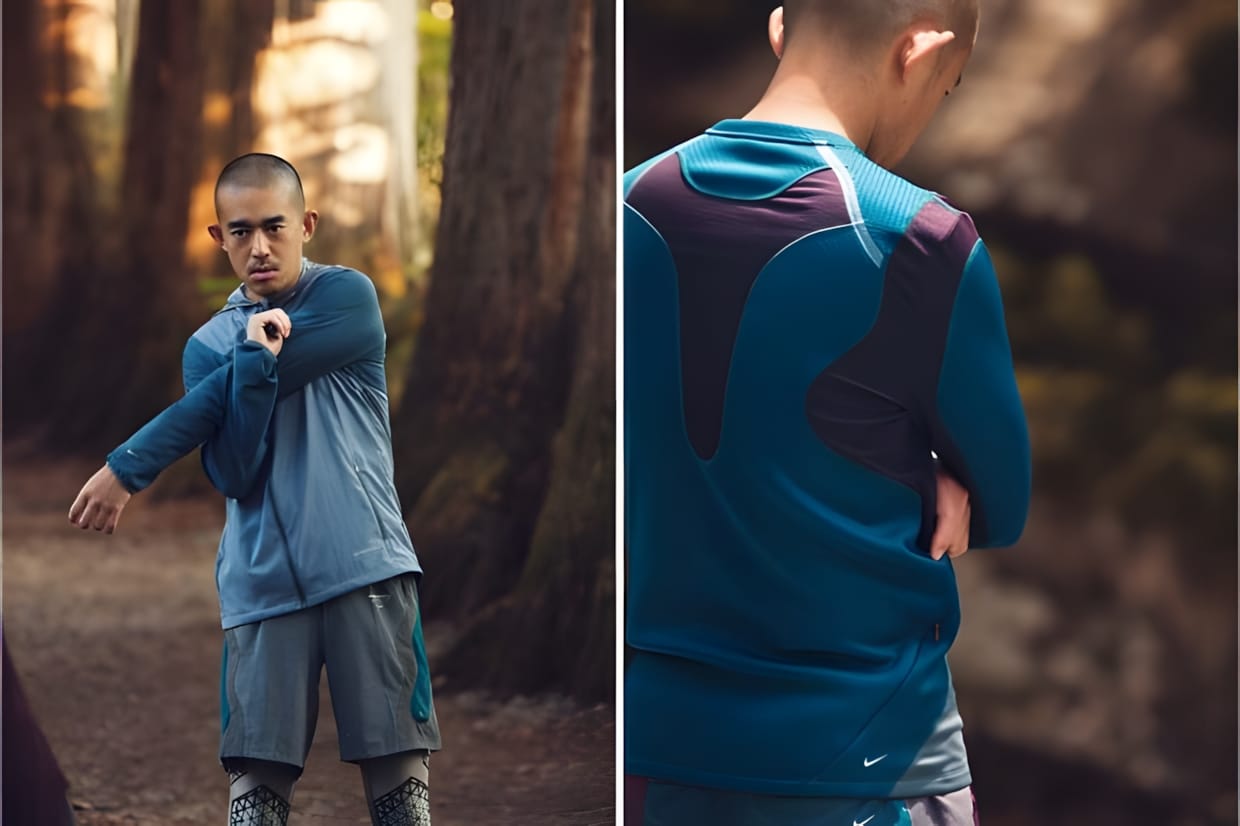
GR10K Fall 2024 "Incognito"
GR10K "Incognito" Fall 2024 Ad Campaign
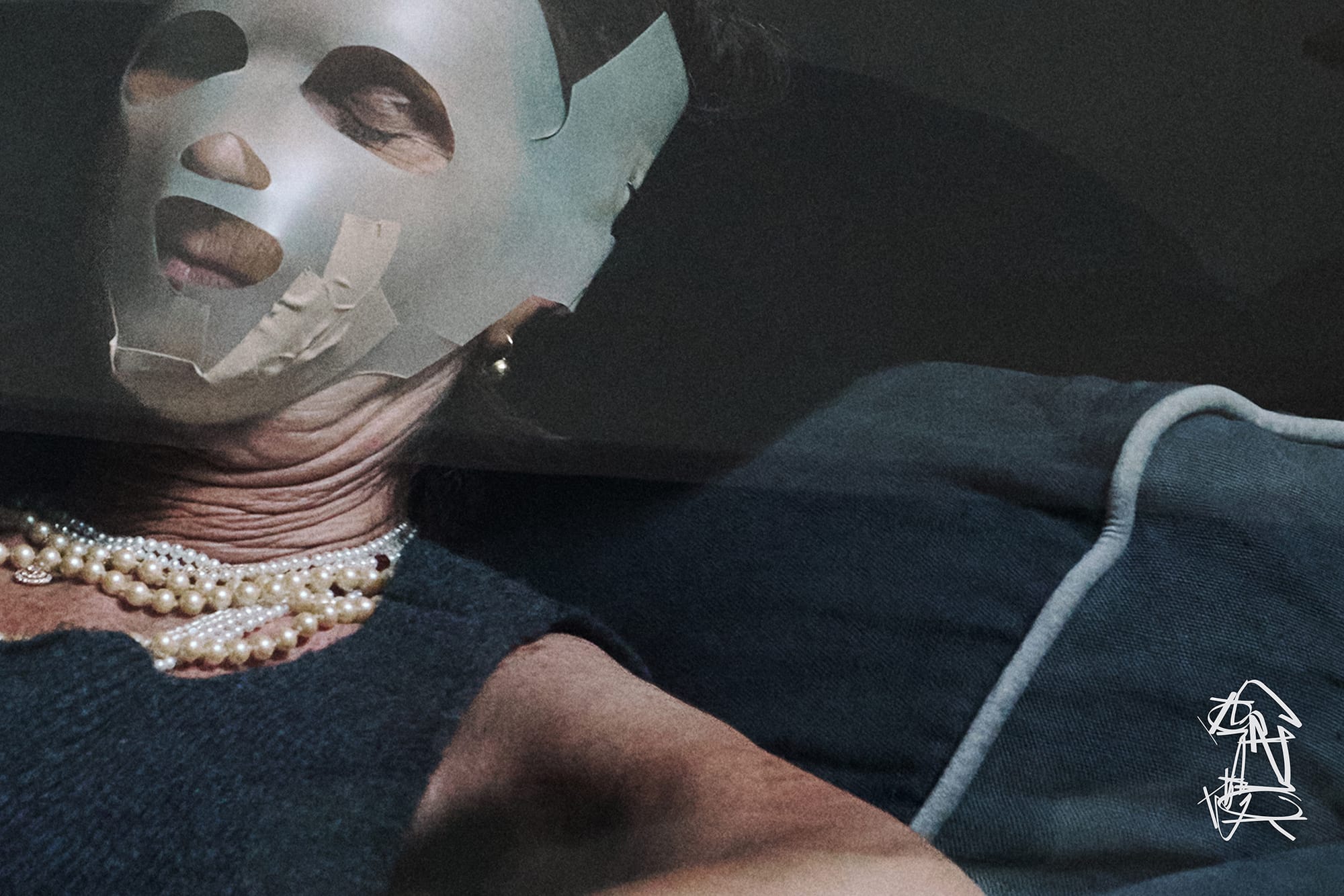
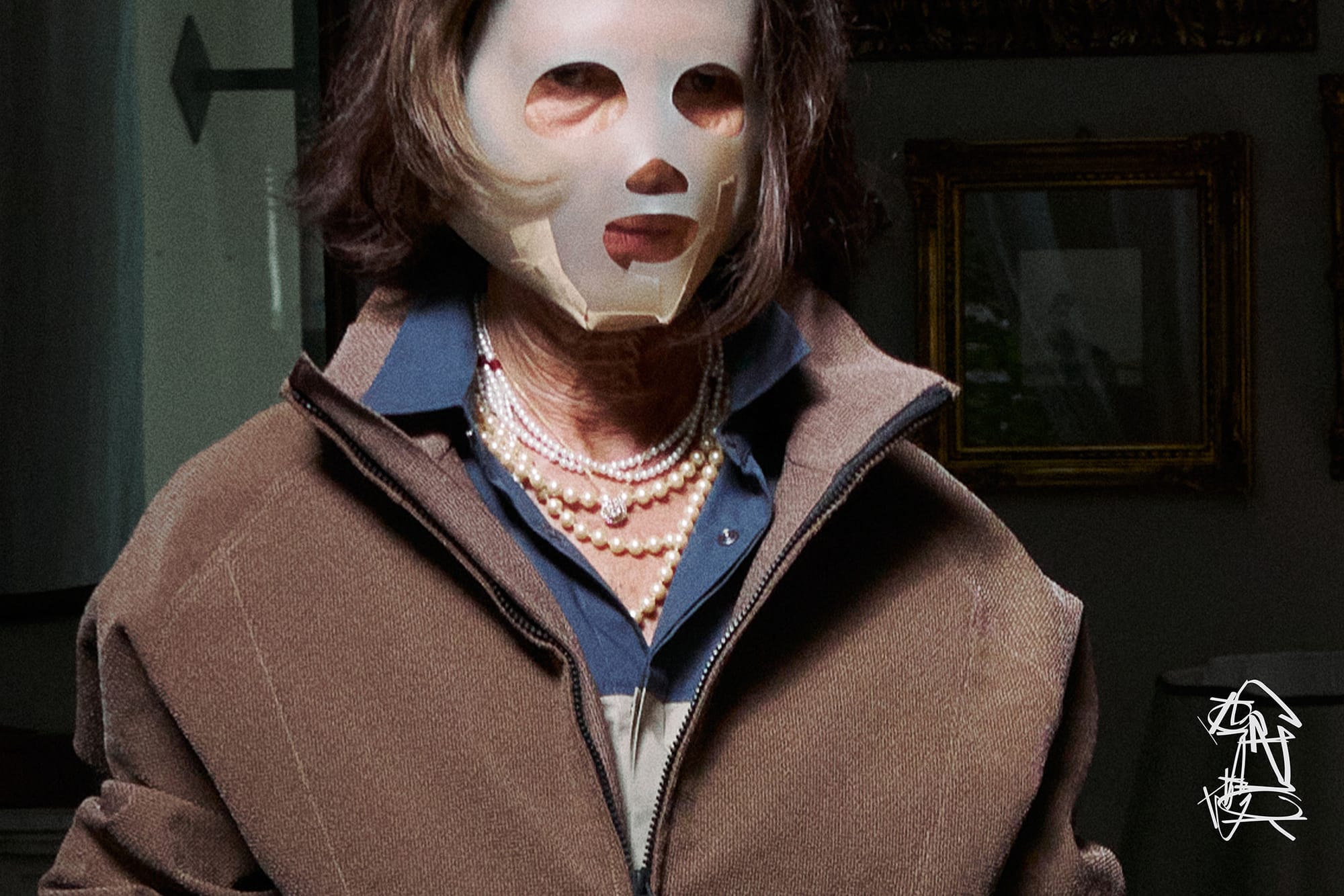
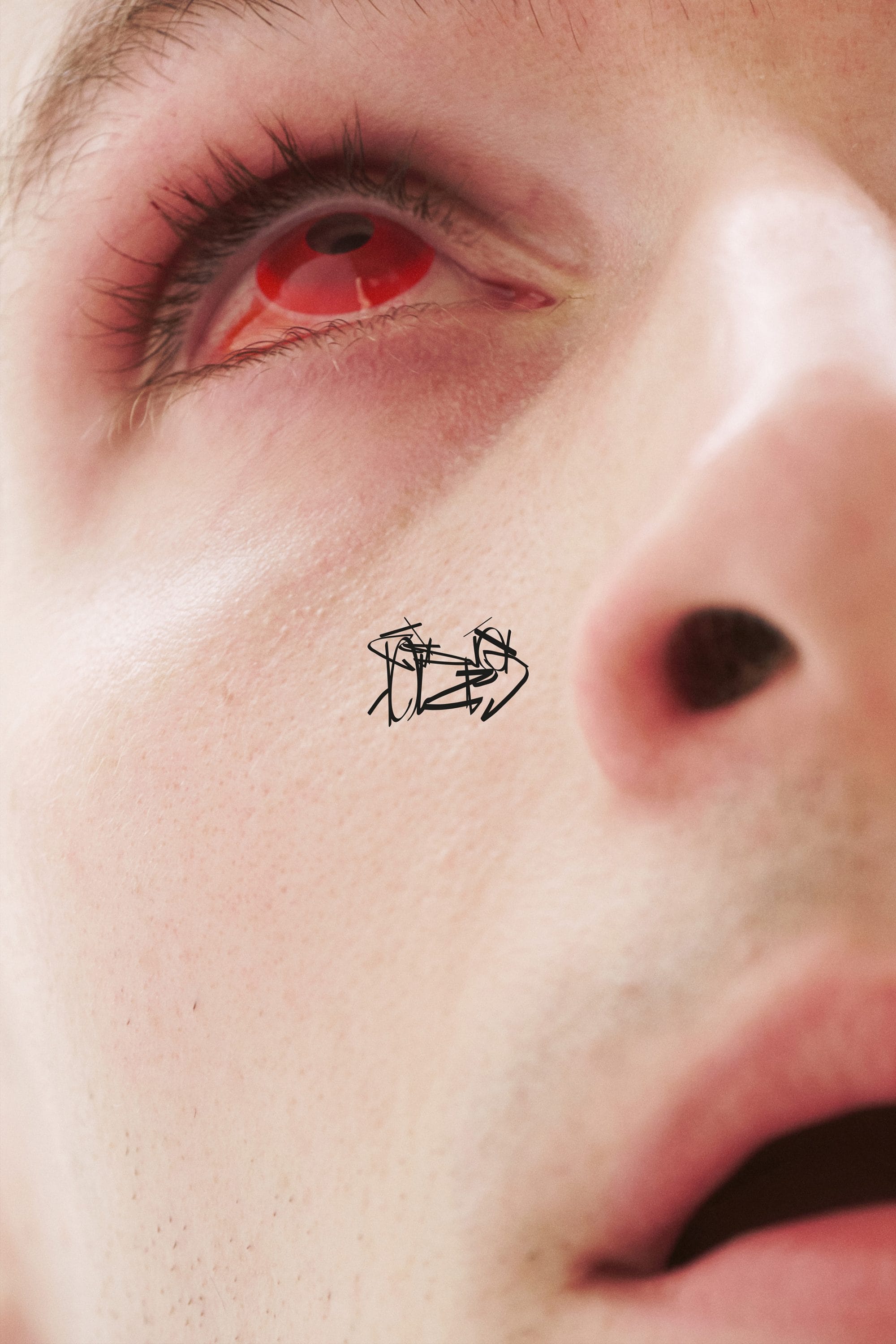
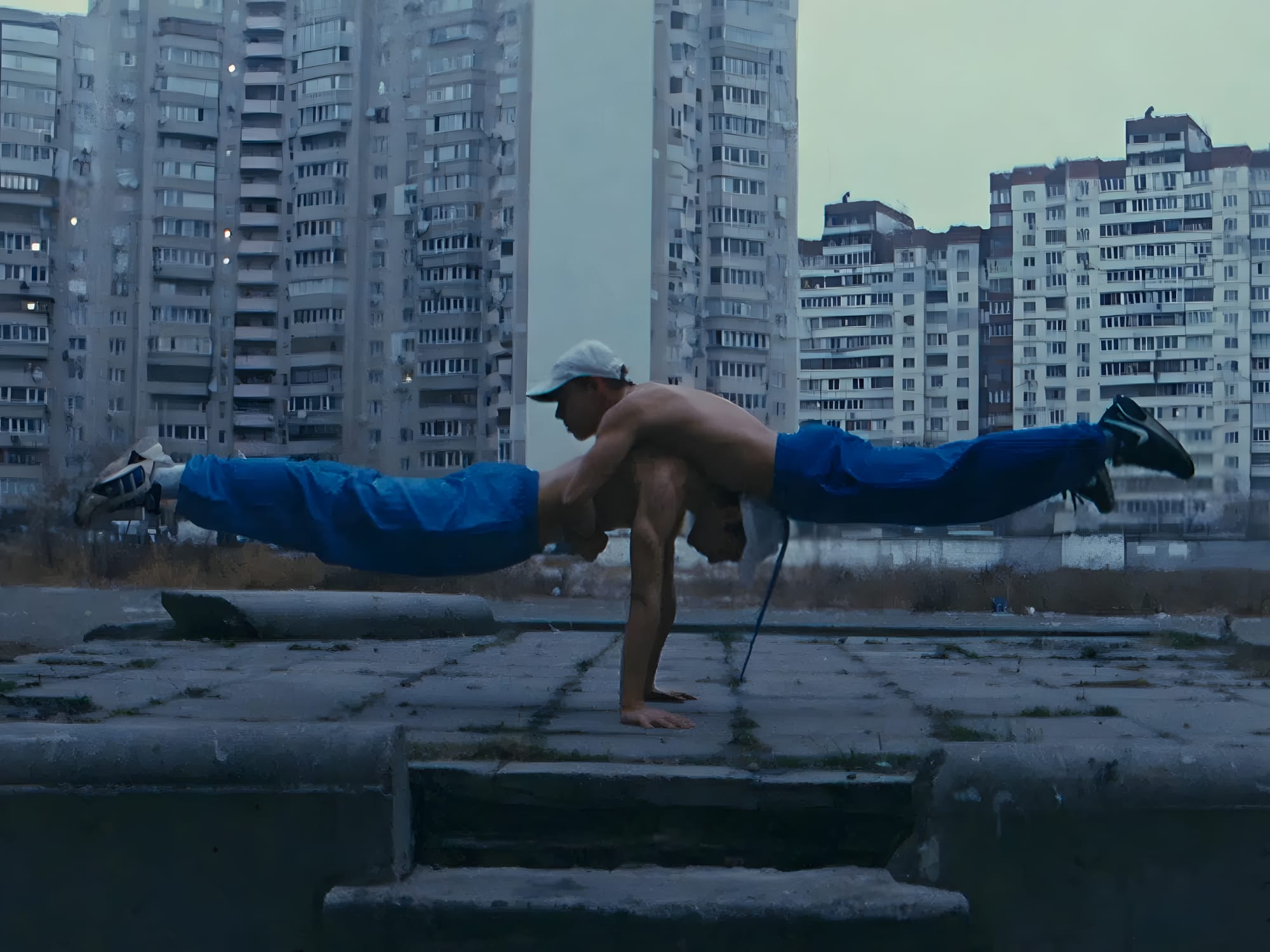
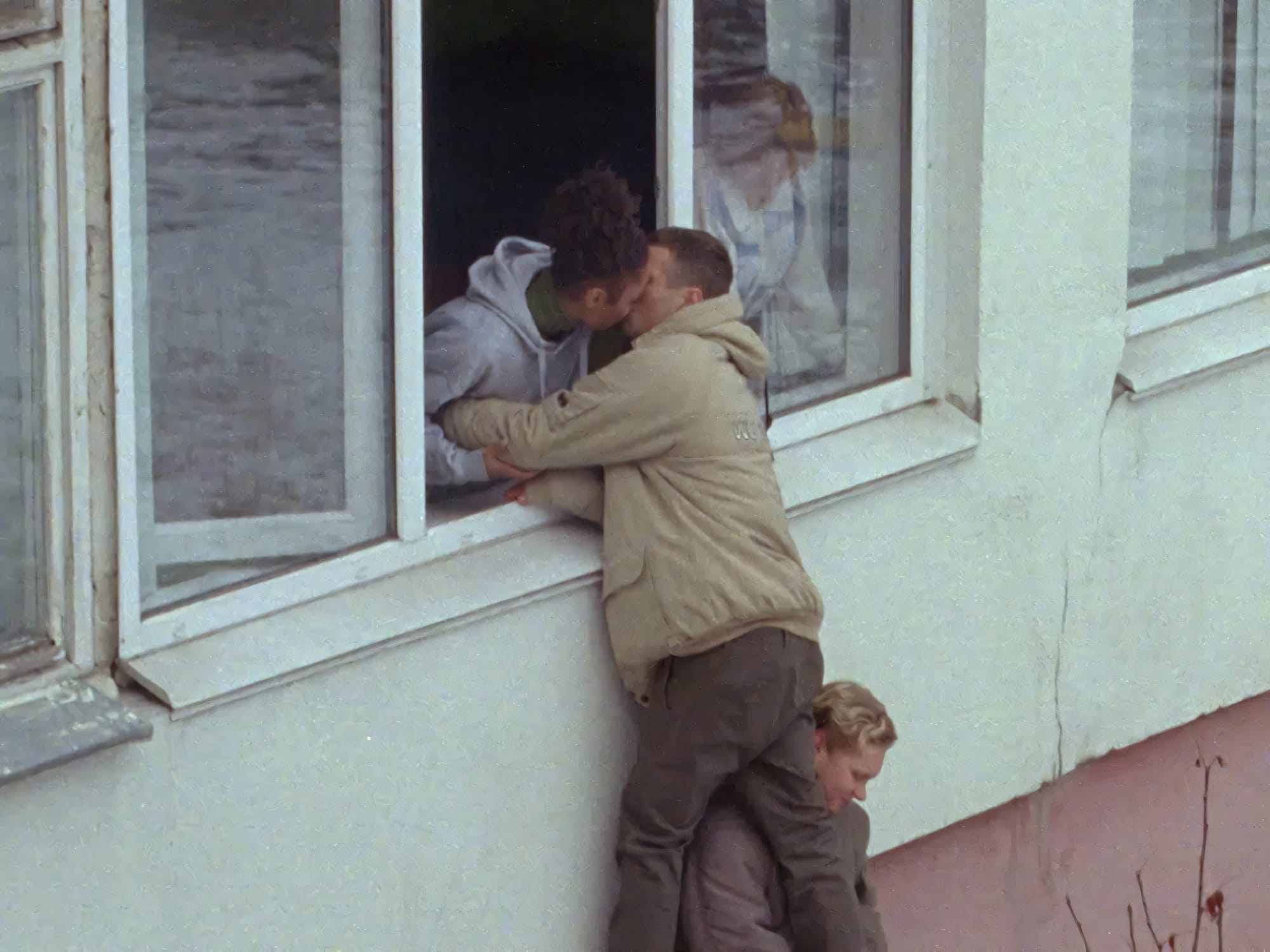
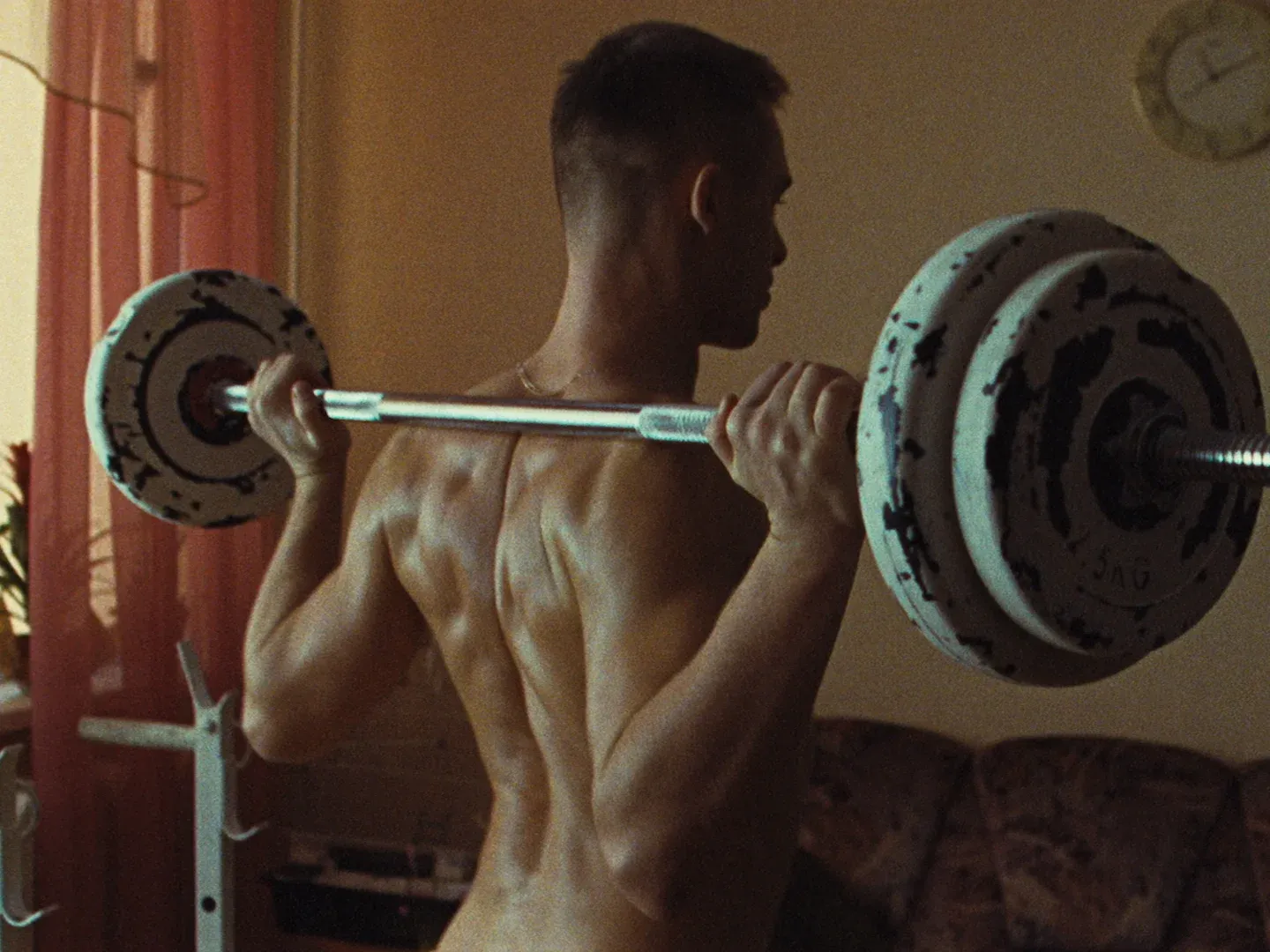
Troya by Gordon von Steiner
Gordon von Steiner’s “Troya” is a visually striking short film set in the Troieshchyna neighborhood of Kyiv, known for its stark Soviet-era architecture. The film explores themes of urban isolation and resilience through a series of compelling and gritty vignettes. Von Steiner’s direction captures the raw and unembellished aesthetics of Troieshchyna, highlighting its dense clusters of monotonous apartment buildings and the lives of its residents. The film juxtaposes the area’s bleak physical environment with moments of unexpected beauty and humanity, creating a powerful narrative that resonates with the viewer .
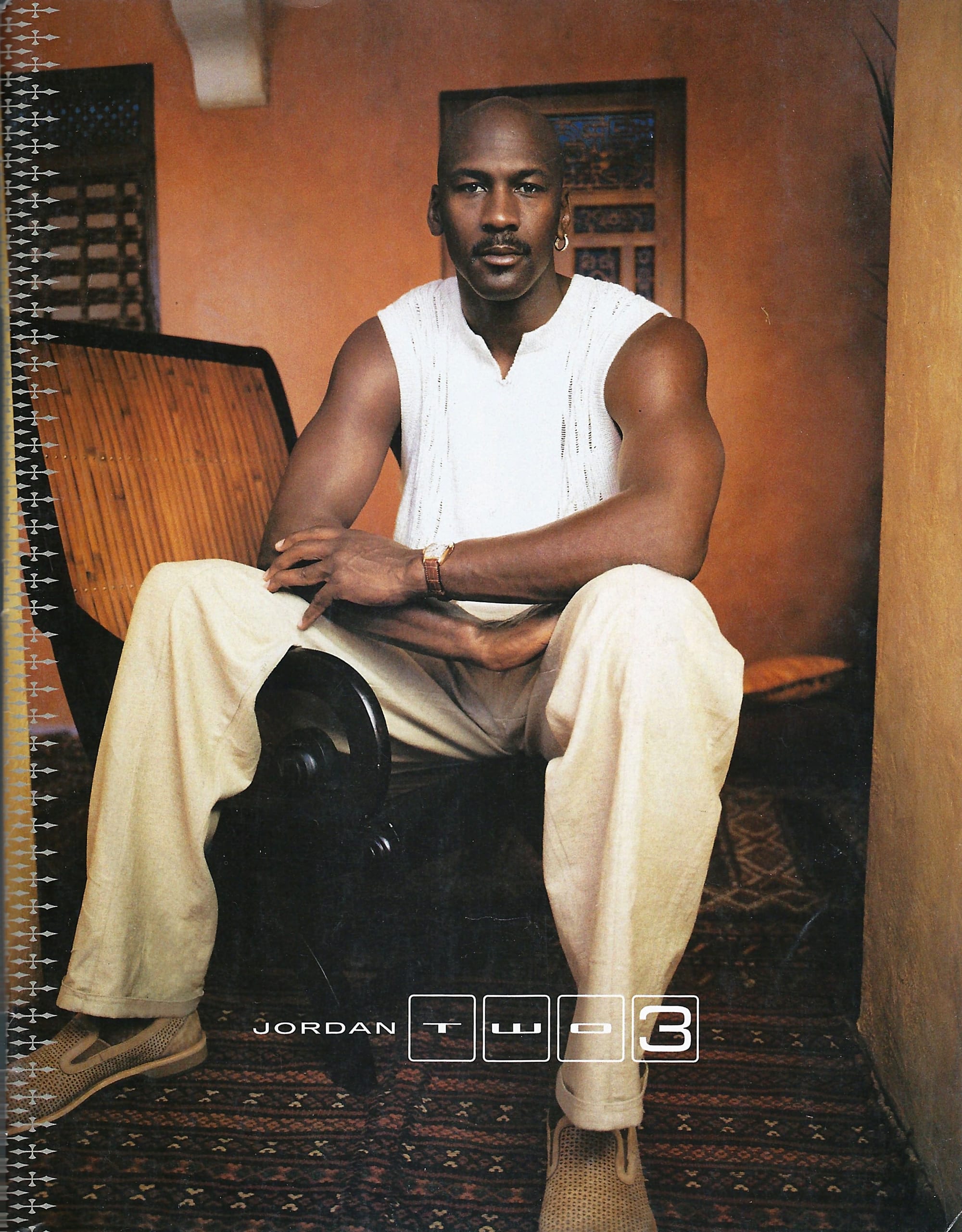
JORDAN TWO3 Spring Summer 2002 CATALOG
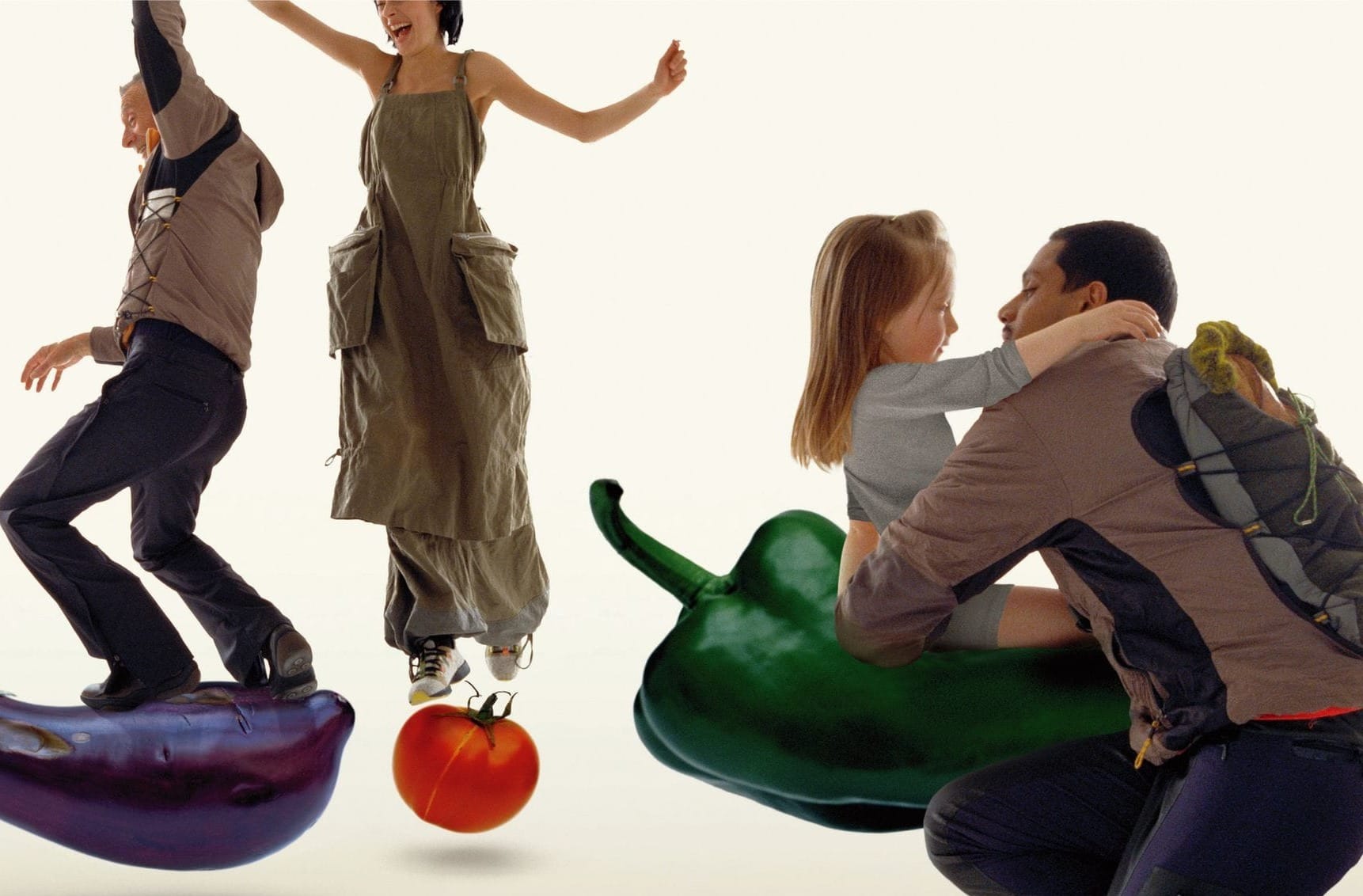
Marithe Francois Girbaud Inside Collection Campaigns by Air Paris Agency
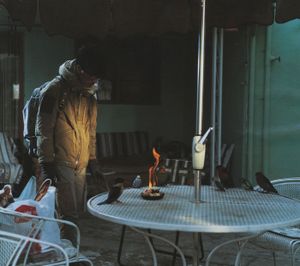
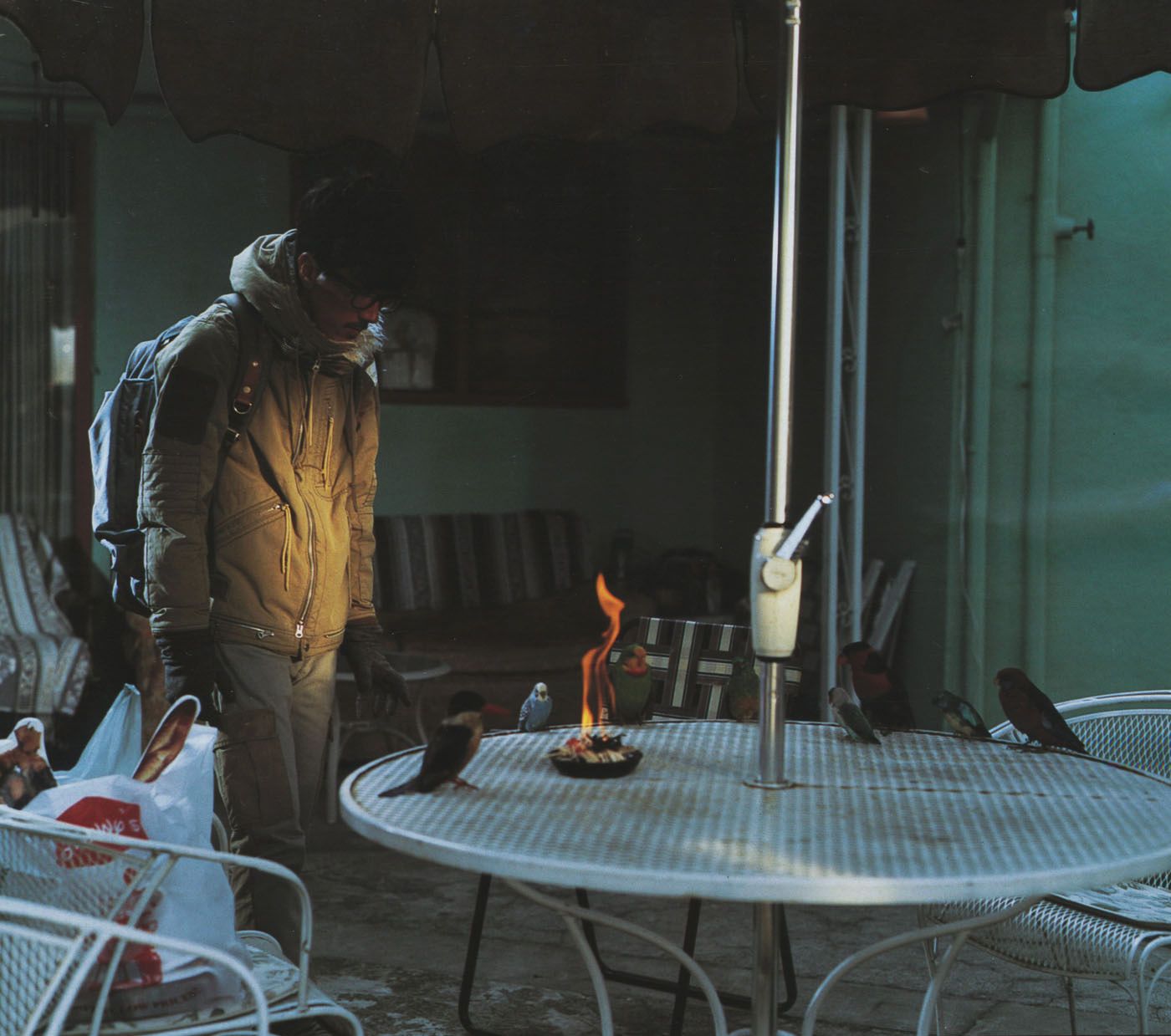
"Avakareta Life" Editorial Styled by Jun Takahashi
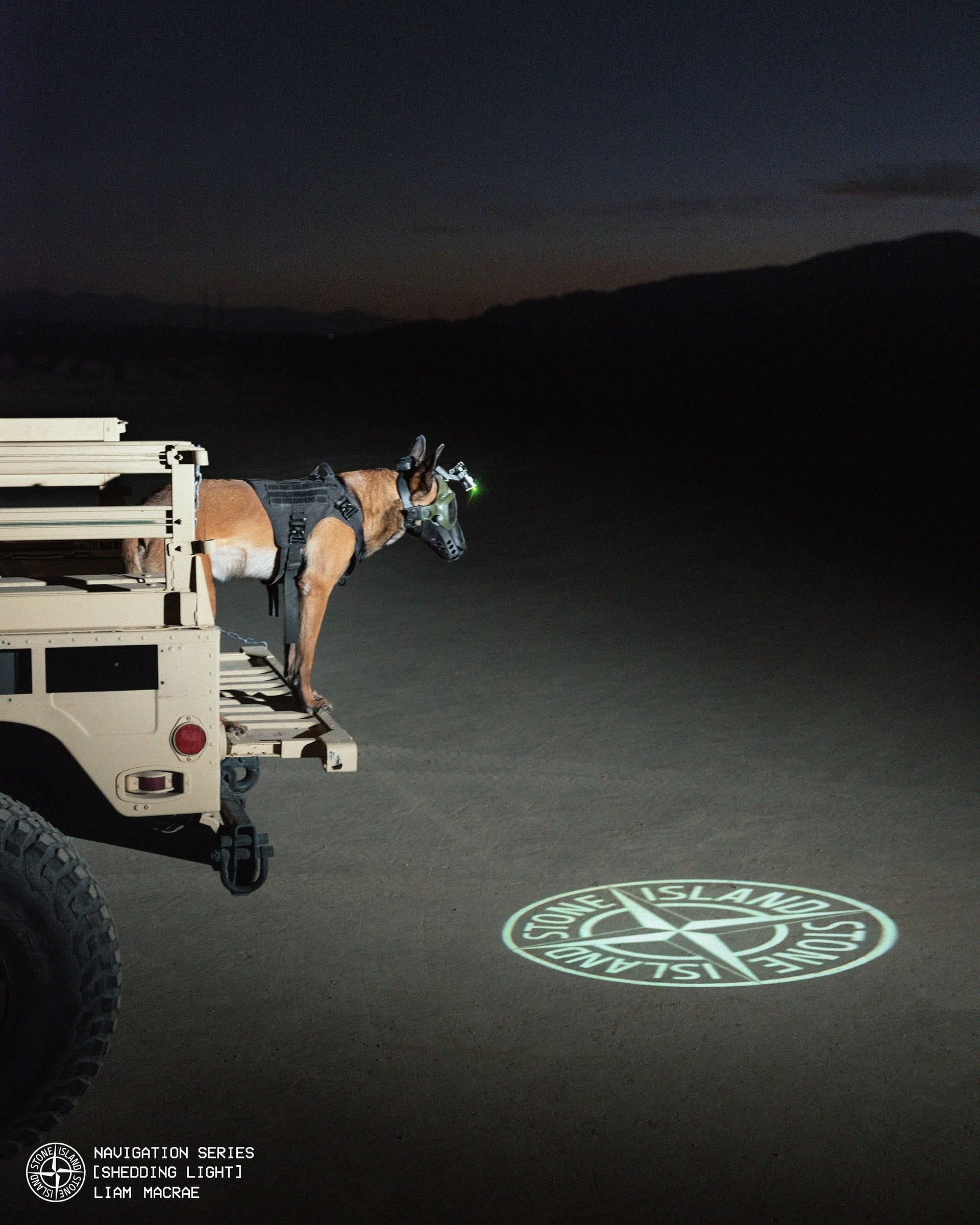
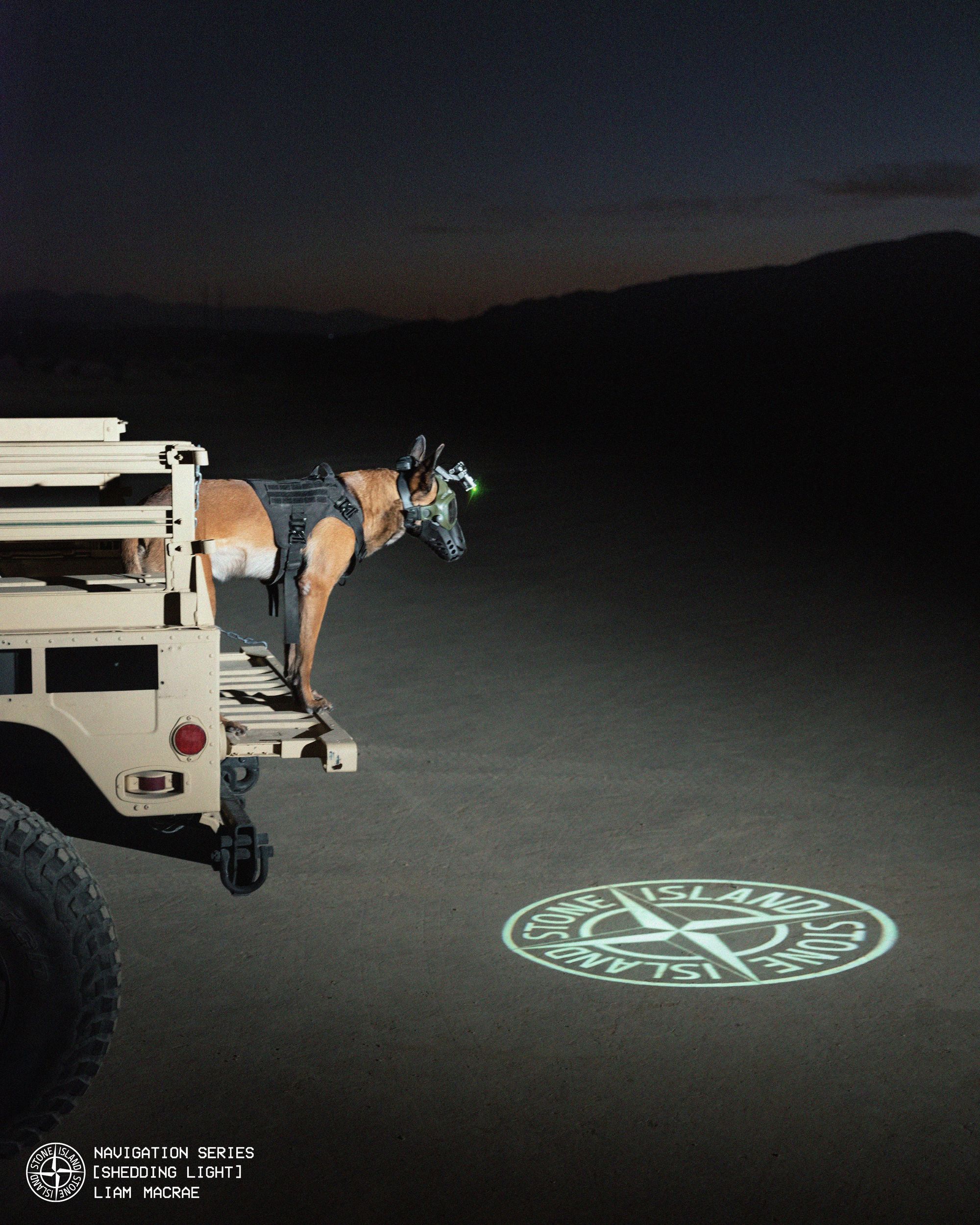
![Stone Island Navigation Series [shedding light] by Liam Macrae](https://storage.ghost.io/c/14/ee/14eef3be-ca5a-434b-8324-fa1f874026f1/content/images/size/w300/2023/09/F5WkecNXQAA78GB.jpeg)
Stone Island Navigation Series [shedding light] by Liam Macrae
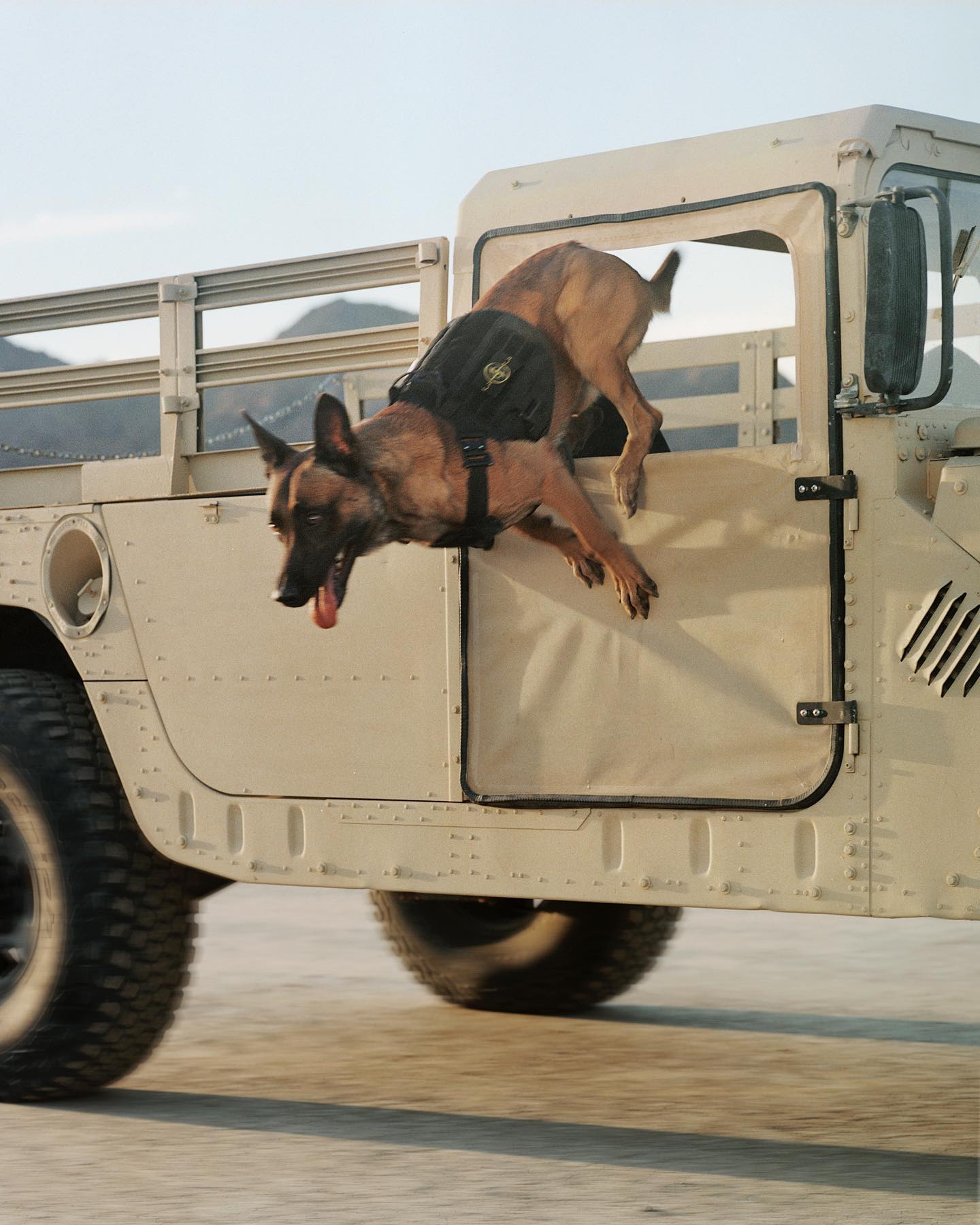
Stone Island Navigation Series: Shedding Light by Liam MacRae deploys a canine unit as both subject and sensor. The sequence examines tracking protocols, movement signatures, and light scatter in terrain navigation. Objective: assess animal-assisted pursuit as a guidance vector. Visual narrative captures the moment of release—unleashing the chase to test instinctive tracking against controlled illumination parameters.
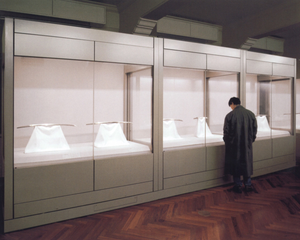
Arms 1 1999-2004 Chromogenic print Thomas Struth
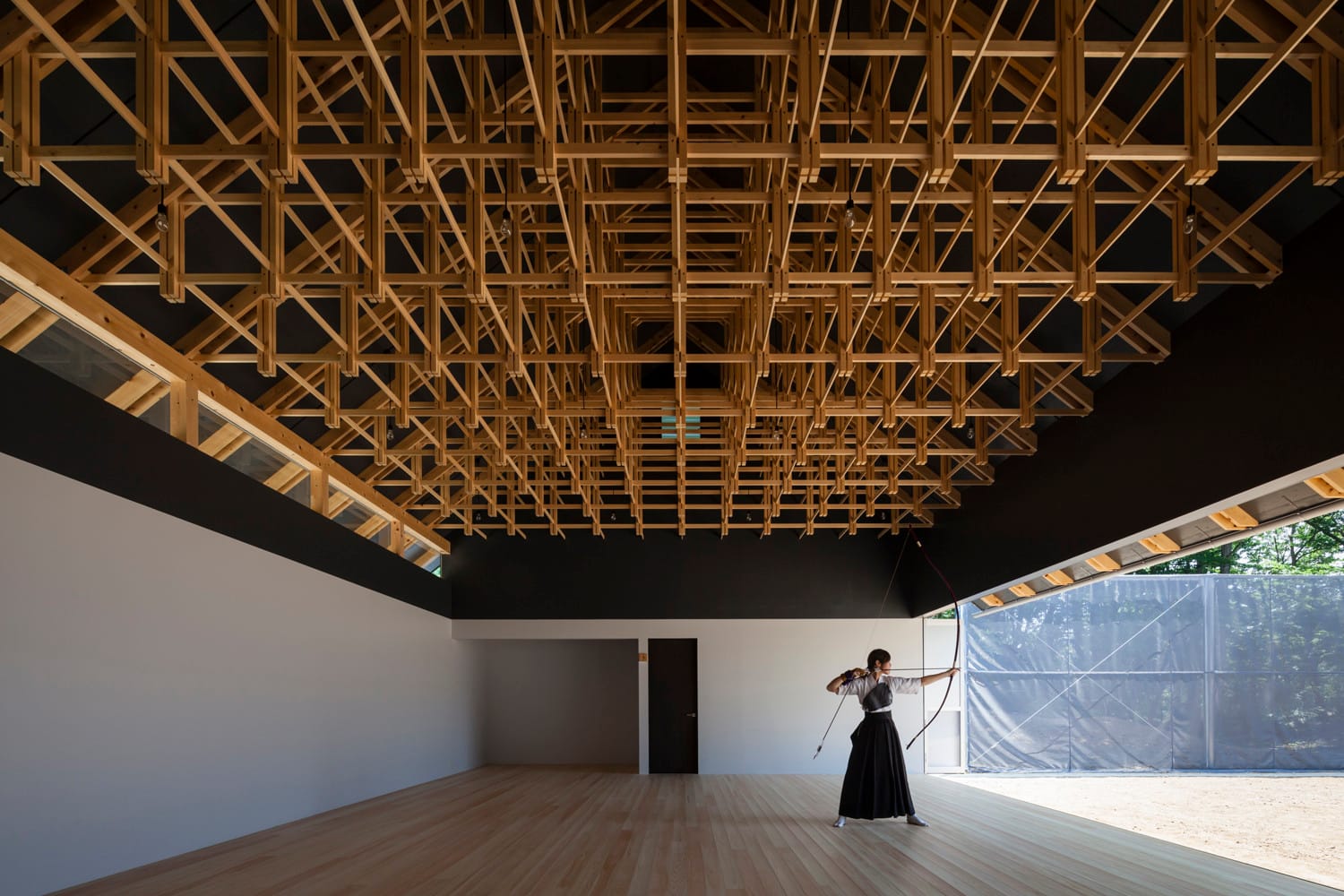
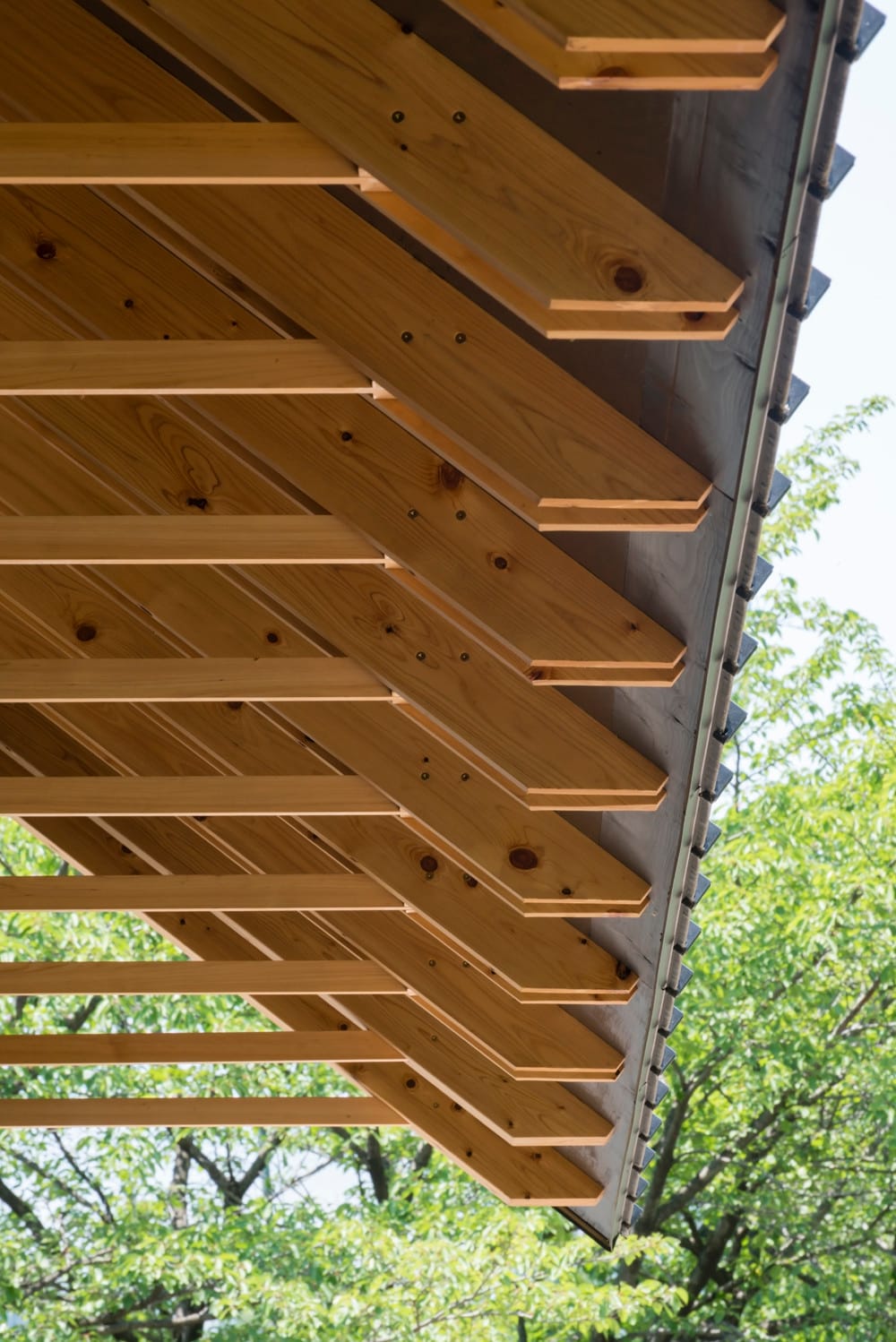
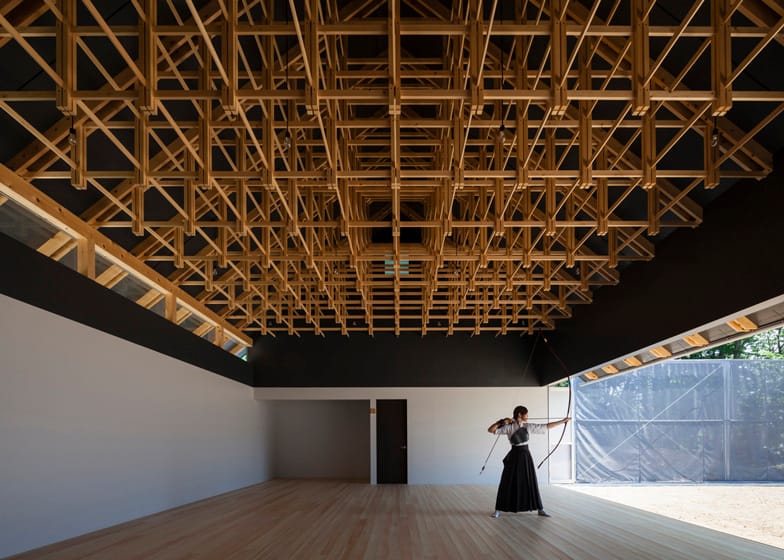
Kogakuin University Archery Hall
The Archery Hall, one of two sports pavilions FT Architects (Katsuya Fukushima, Hiroko Tominaga) built in 2013 at Kogakuin University, west Tokyo. Each is a column-free room of 7.2 by 10.8 m under an exposed timber roof of horizontal and vertical members, bolt-and-nut jointed. The archery hall uses small timber sections normally used for furniture. Photographs by Shigeo Ogawa.
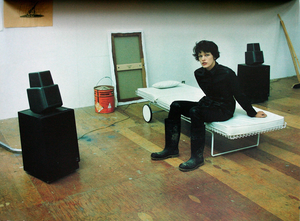
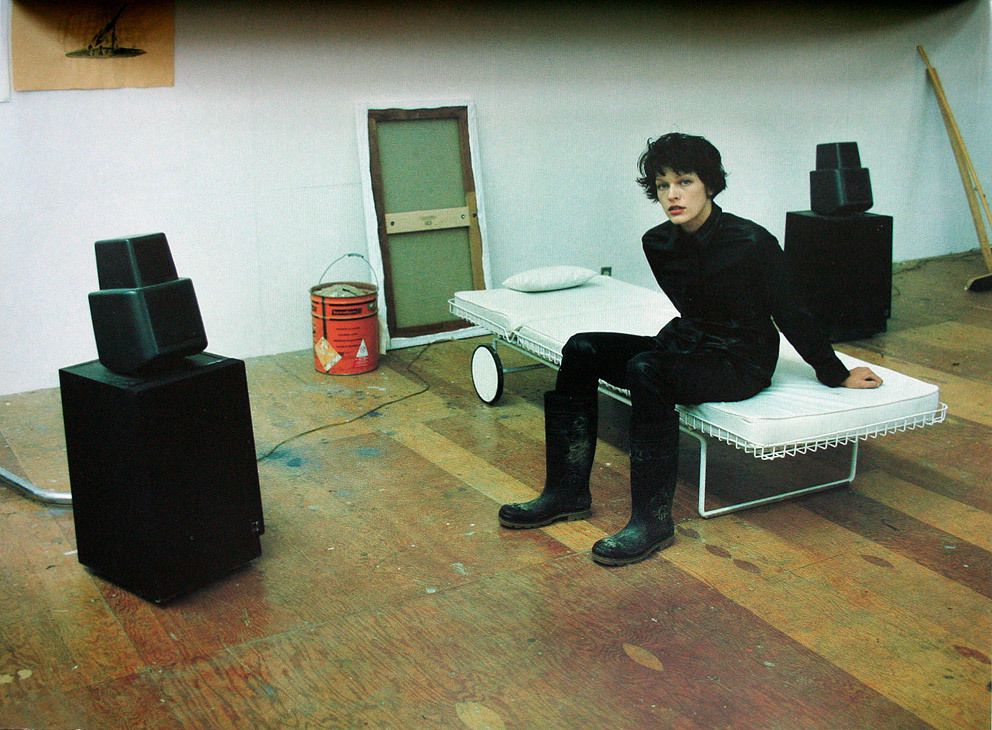
MIlla Jovovich by Juergen Teller
MIlla Jovovich by Juergen Teller for Strenesse fw97
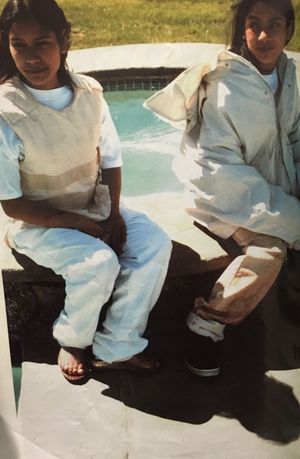
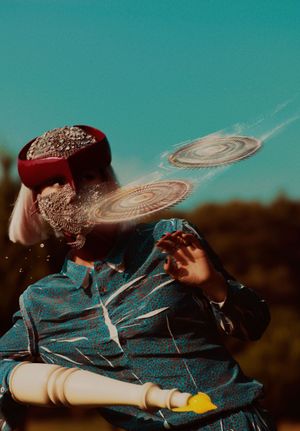
UNDERCOVER ss2011 "UNDERMAN" Collection
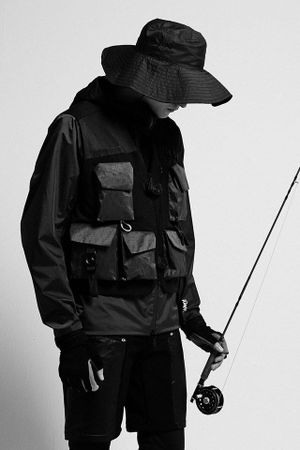
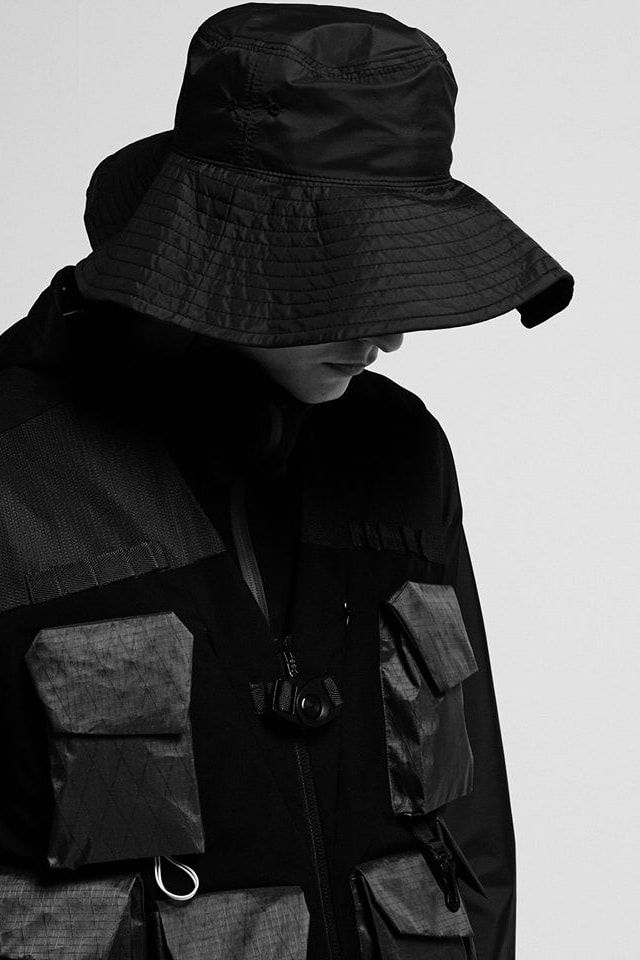
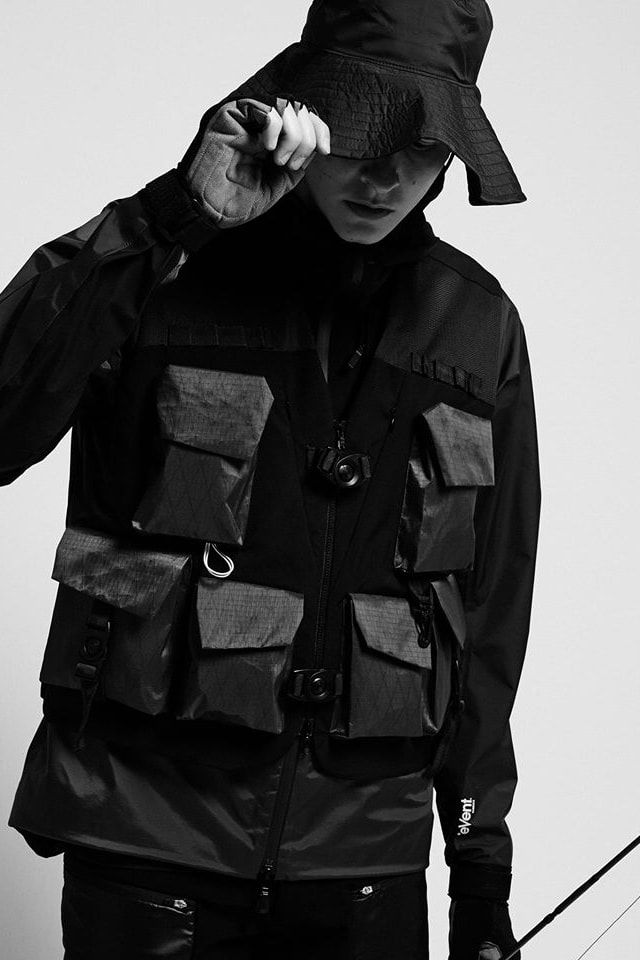
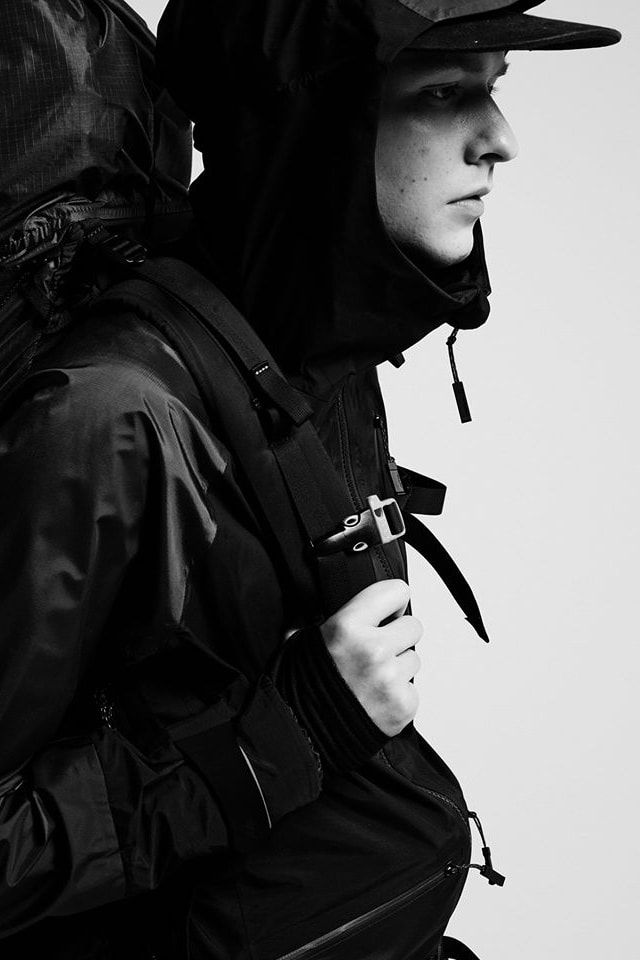
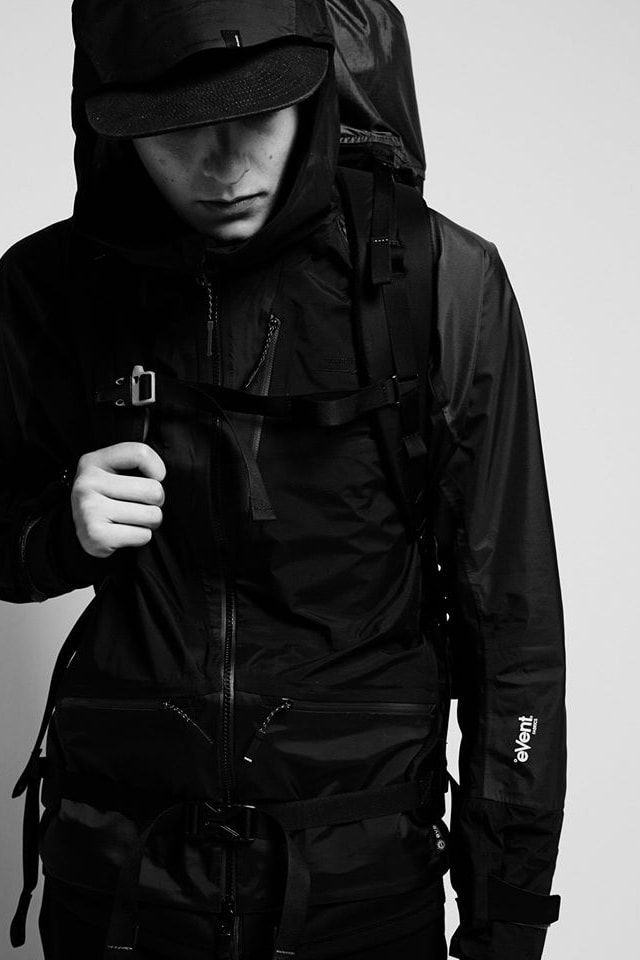
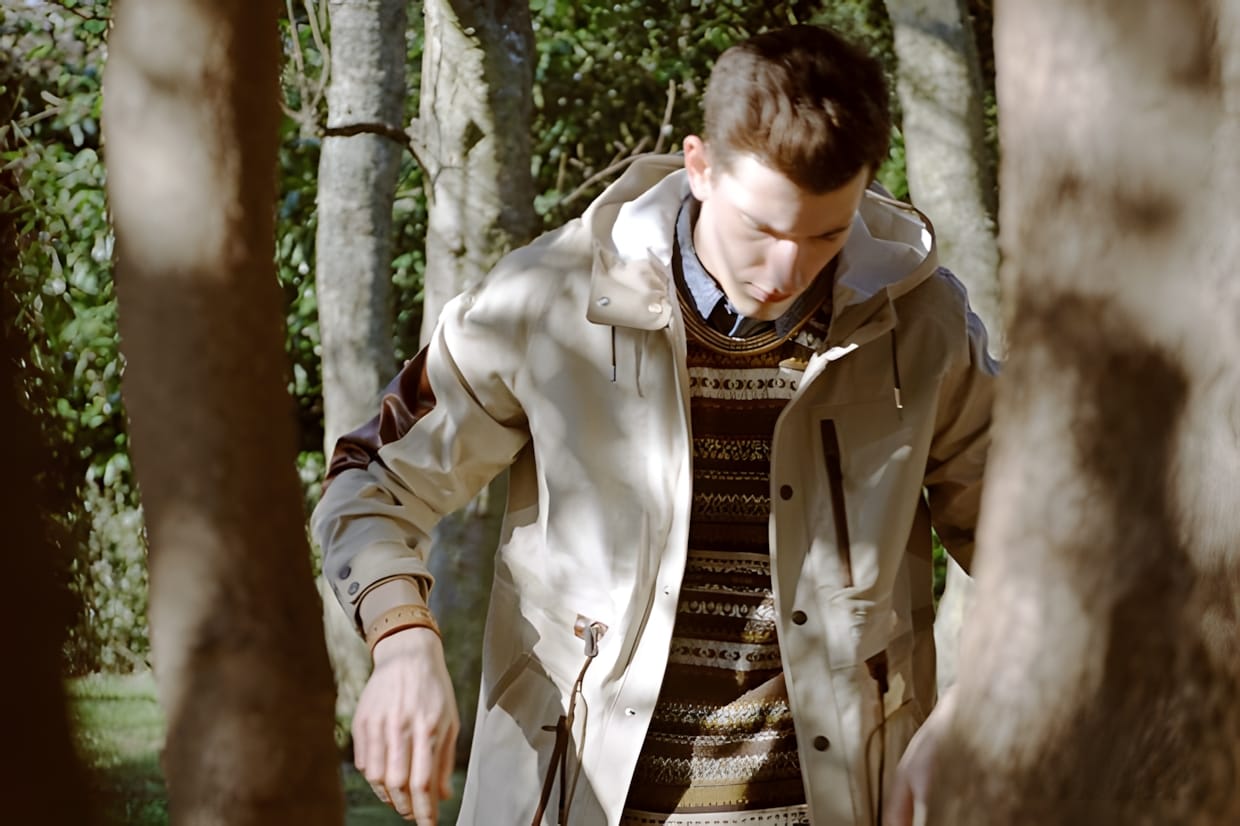
Man of Moods ss2016 Collection
Utilitarian-inspired Japanese fashion brand Man of Moods presents a selection of shots exhibiting a 2016 spring/summer collection titled “Mountain of Moods.” Featuring the brand’s usual blend of sleek lines and practical engineering, “Mountain of Moods” will be unveiled at House Gallery Space in Tokyo on September 15. With photography from Teppei Hoshida and styling by Tomoyuki Sasaki.
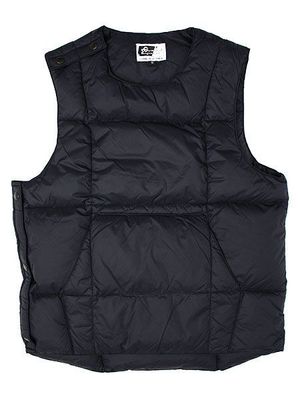
Engineered Garments (エンジニアード ガーメンツ) Taffeta Down Vest
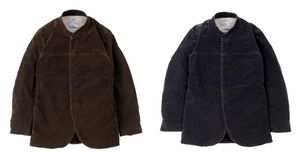
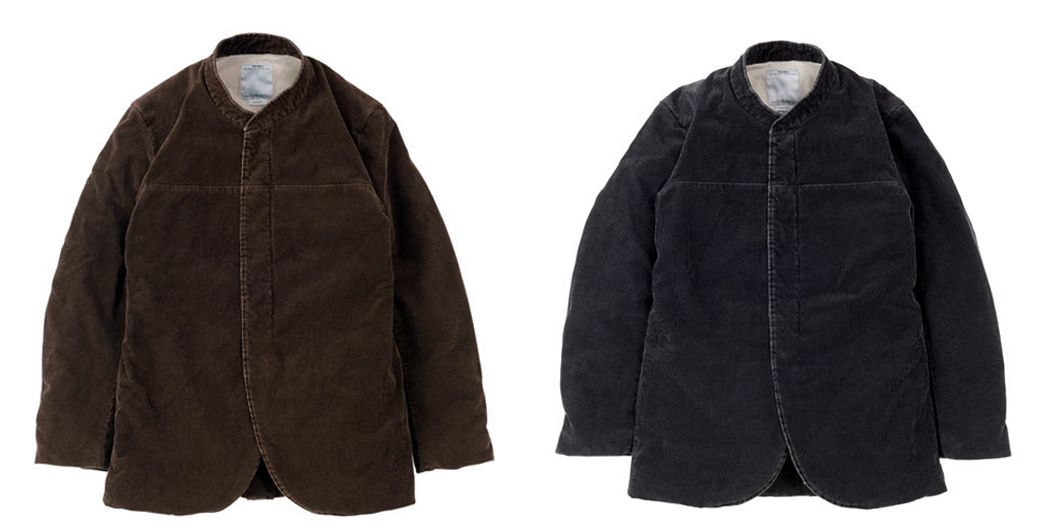
aw2012 Visvim Pawnee Corduroy Jacket
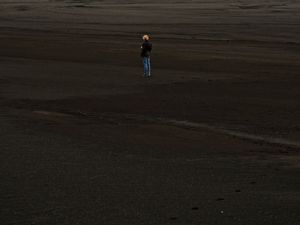
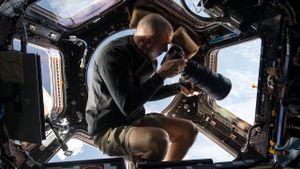
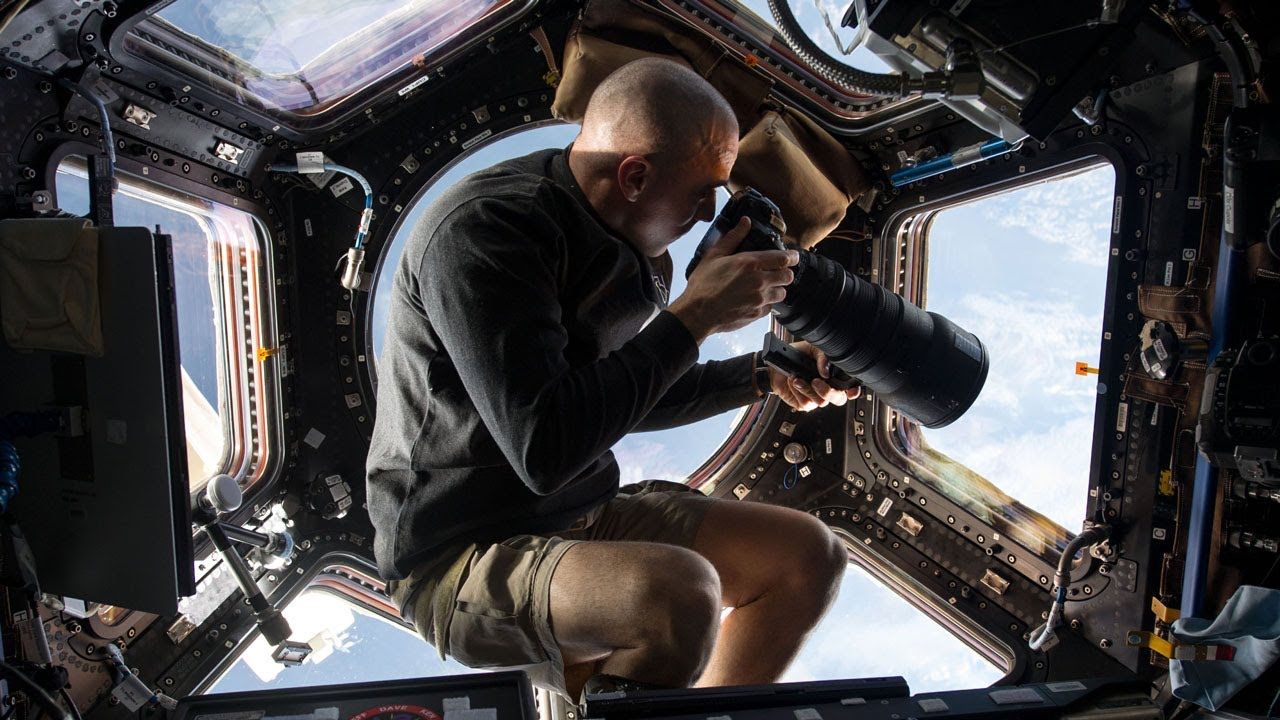
Picturing Earth: Astronaut Photography In Focus
NASA astronaut Chris Cassidy uses a 400mm lens on a digital still camera to photograph a target of opportunity on Earth, 250 miles below, on June 3, 2013. The many-windowed Cupola is the best place on the International Space Station for taking pictures. Cassidy has been aboard the orbital outpost since late March and is due to return to Earth in September.
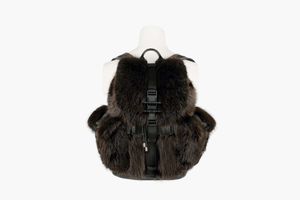
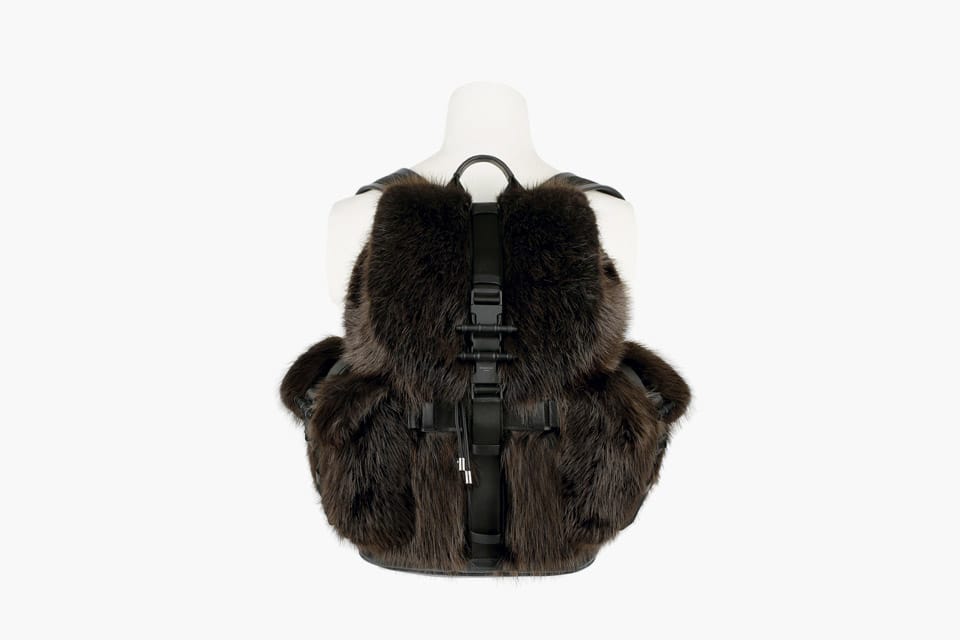
Givenchy Obsedia Backpack in Brown Beaver Fur
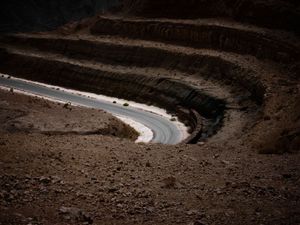
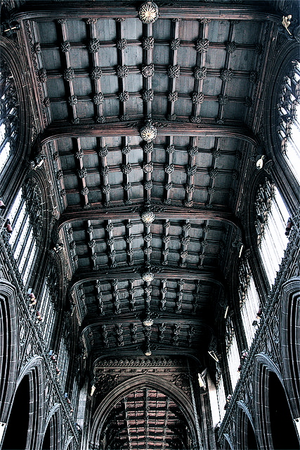
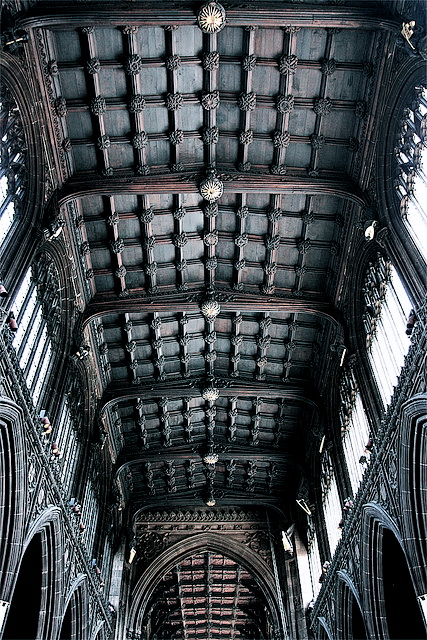
Manchester Cathedral Wooden ceiling
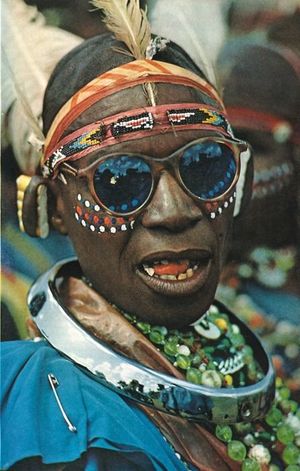
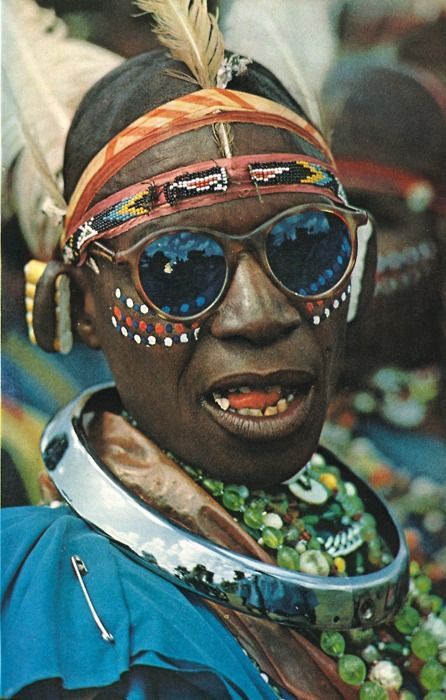
A Kikuyu tribesman dresses up for a festival in Kenya

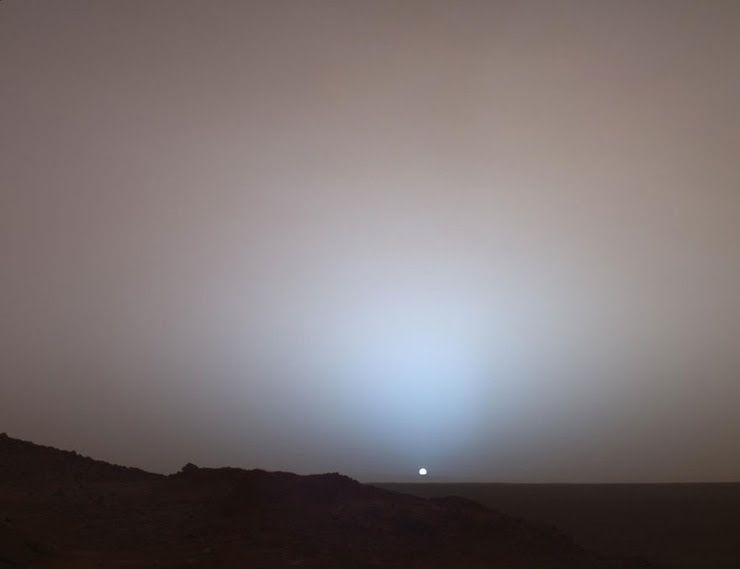
Martian Sunset
On May 19, 2005, NASA's Mars Exploration Rover Spirit captured this stunning view as the Sun sank below the rim of Gusev crater on Mars. This Panoramic Camera mosaic was taken around 6:07 in the evening of the rover's 489th Martian day, or sol.
Sunset and twilight images are occasionally acquired by the science team to determine how high into the atmosphere the Martian dust extends, and to look for dust or ice clouds. Other images have shown that the twilight glow remains visible, but increasingly fainter, for up to two hours before sunrise or after sunset. The long Martian twilight (compared to Earth's) is caused by sunlight scattered around to the night side of the planet by abundant high altitude dust. Similar long twilights or extra-colorful sunrises and sunsets sometimes occur on Earth when tiny dust grains that are erupted from powerful volcanoes scatter light high in the atmosphere.
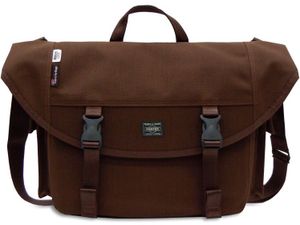
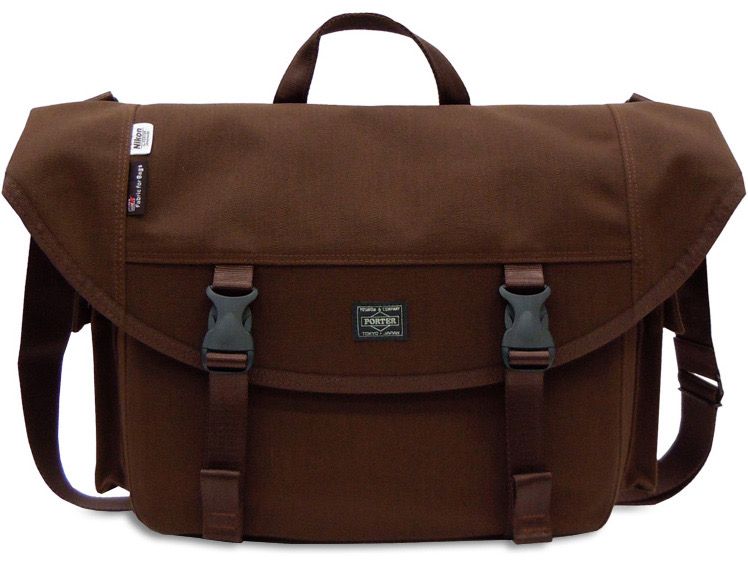
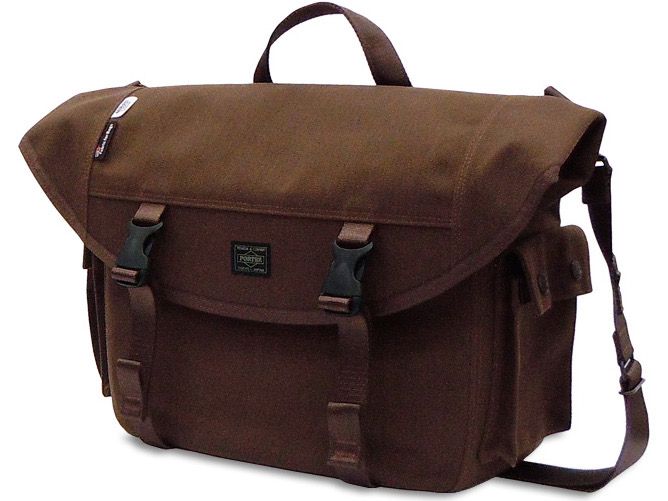
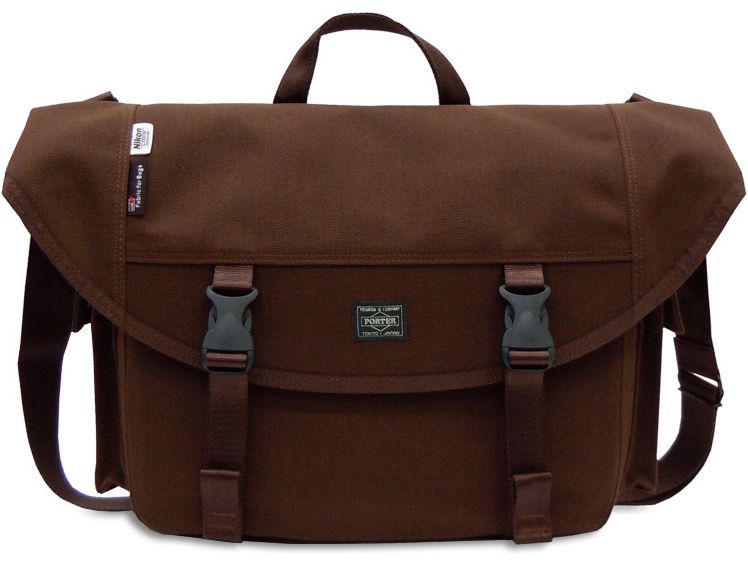
Nikon x Porter Gore-Tex Camera Bag
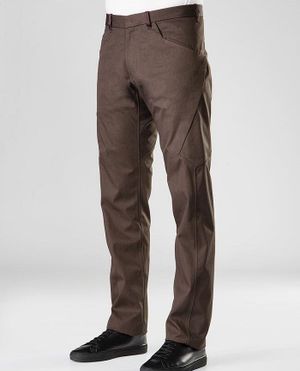
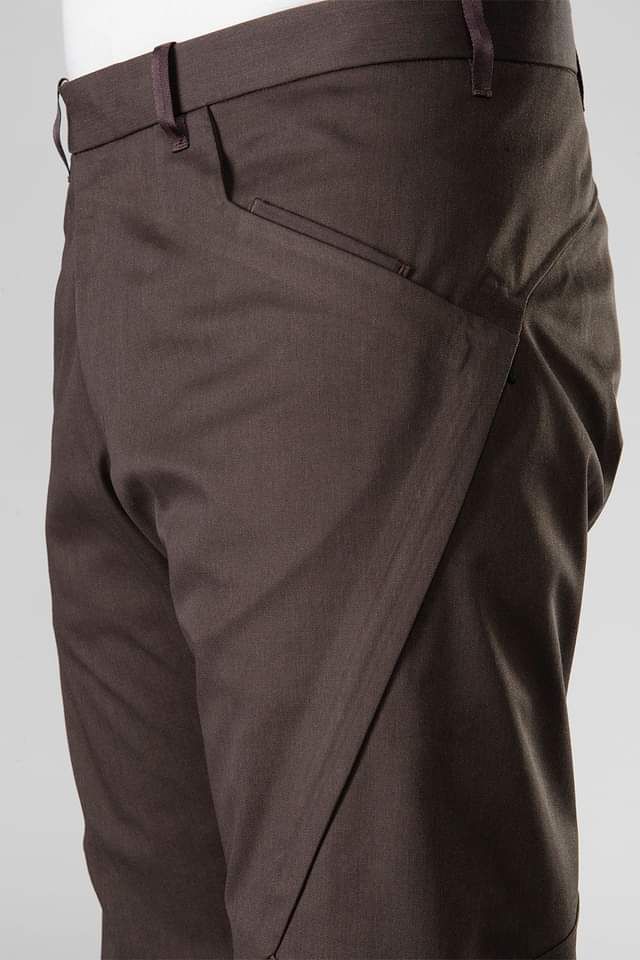
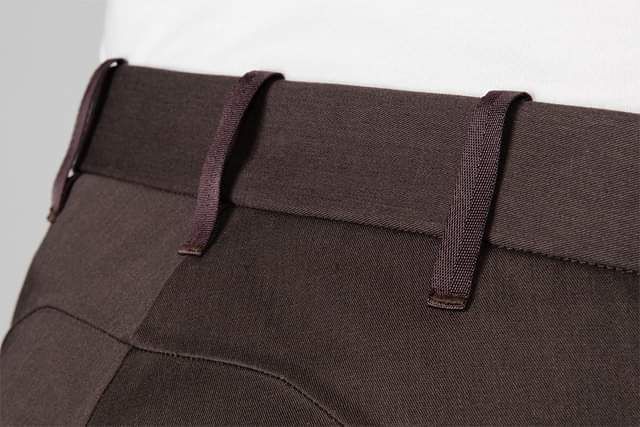
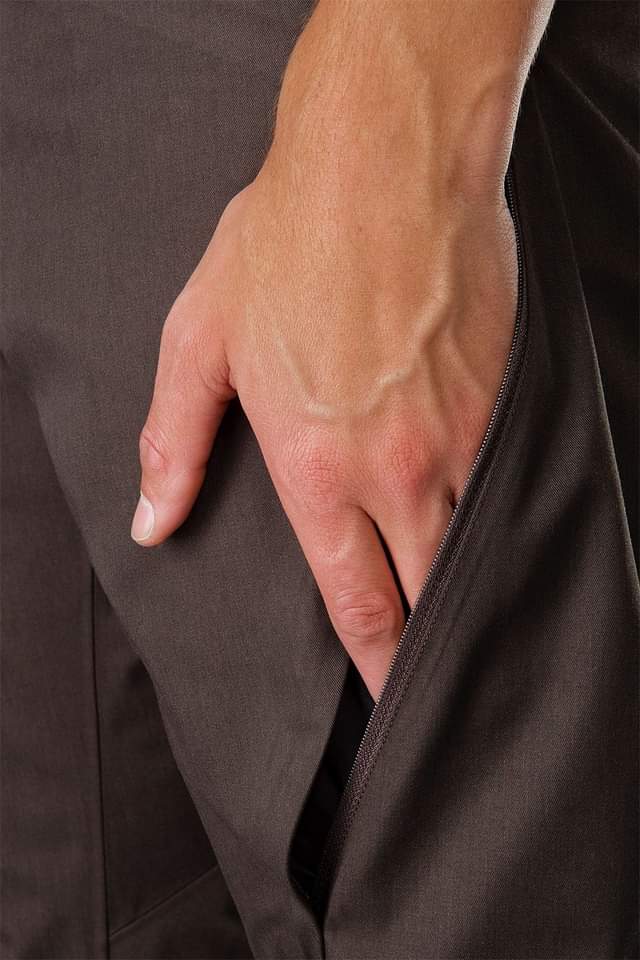
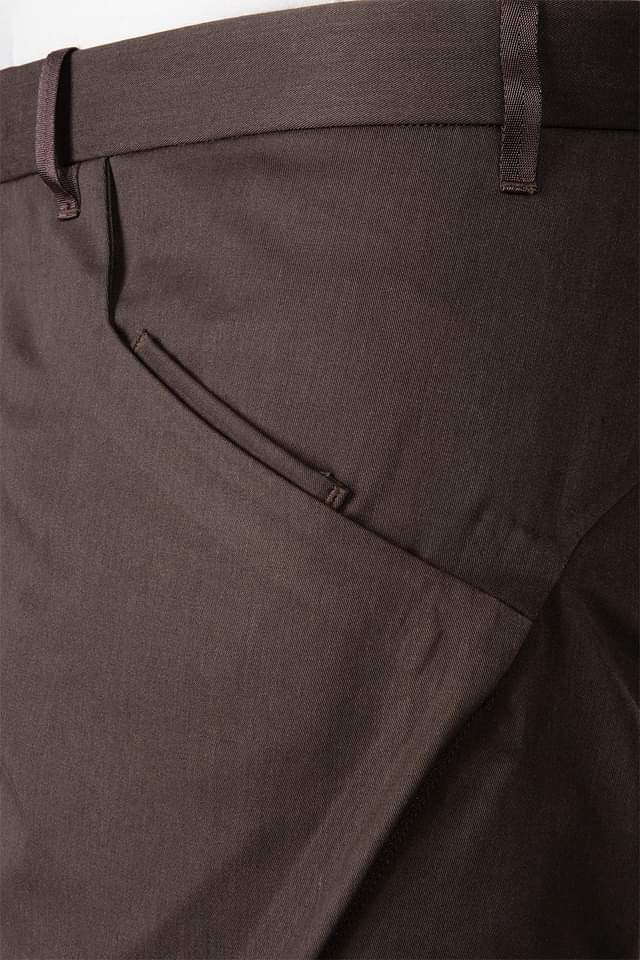
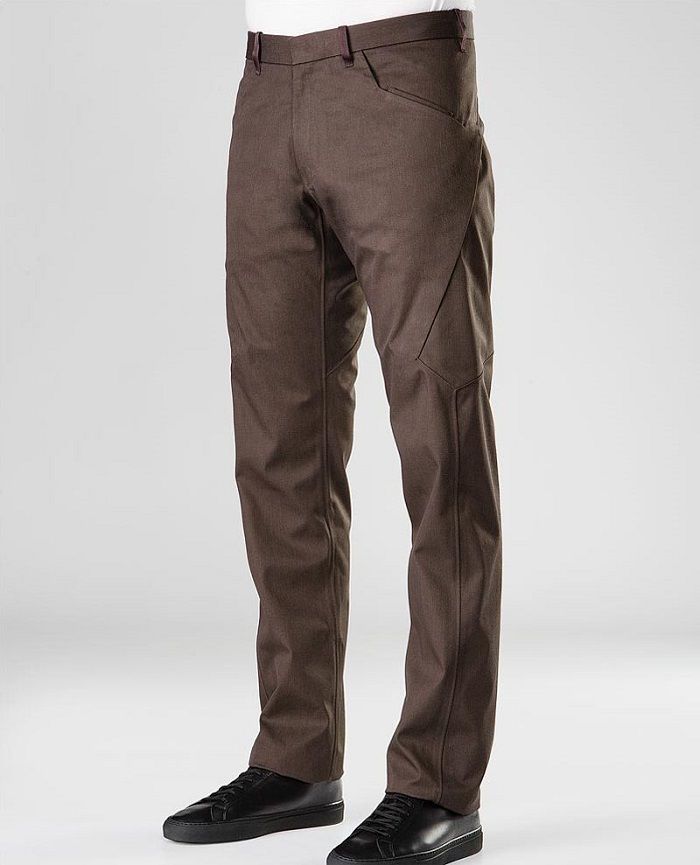
Arc’teryx Veilance Spec Pant
The Spec Pant ensures the wearer is invisibly armed for everyday wear despite their apparent tailored simplicity. This design is extremely adaptable, with a side pocket array that's easily accessible but visually concealed, while a cotton/poly twill WINDSTOPPER® fabric with a cotton/poly tricot backer offers superior protection.
Made in Canada.
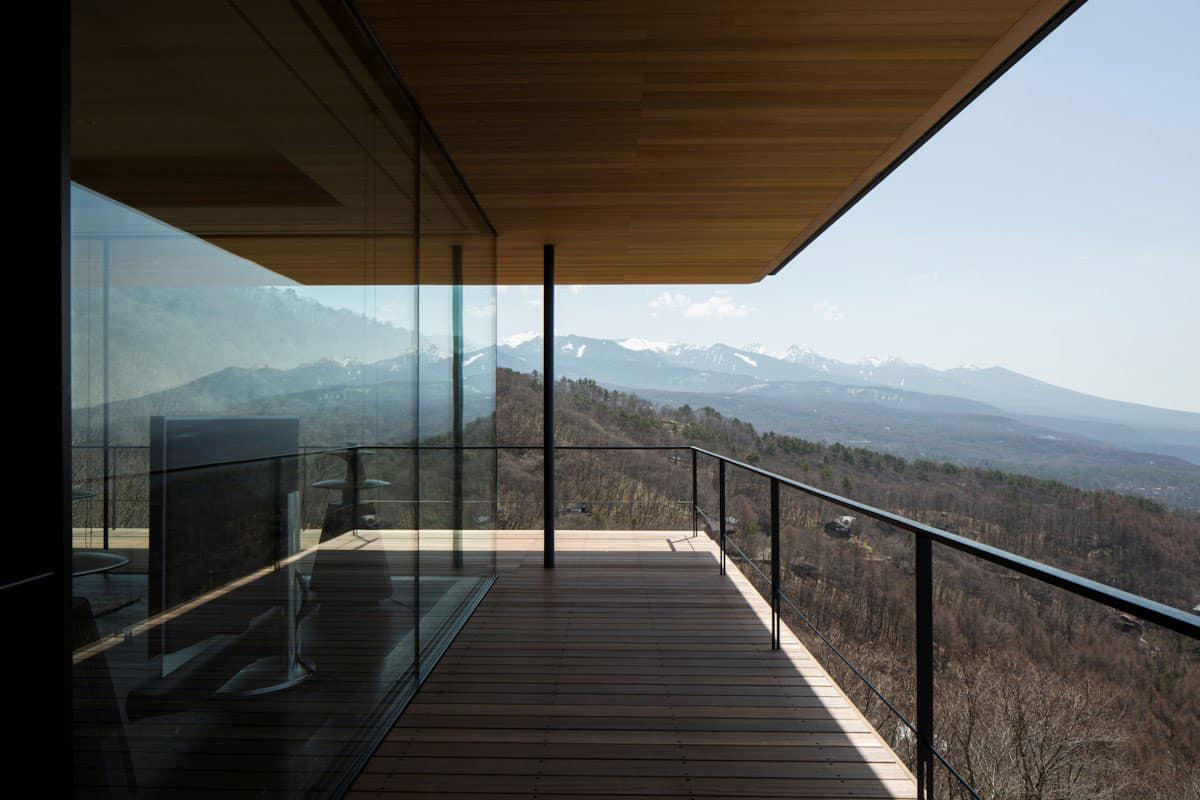
House in Yatsugatake by Kidosaki Architects Studio
This private residence was designed by Kidosaki Architects Studio. It is located on the edge of the Yatsugatake Mountains in Nagano, Japan.
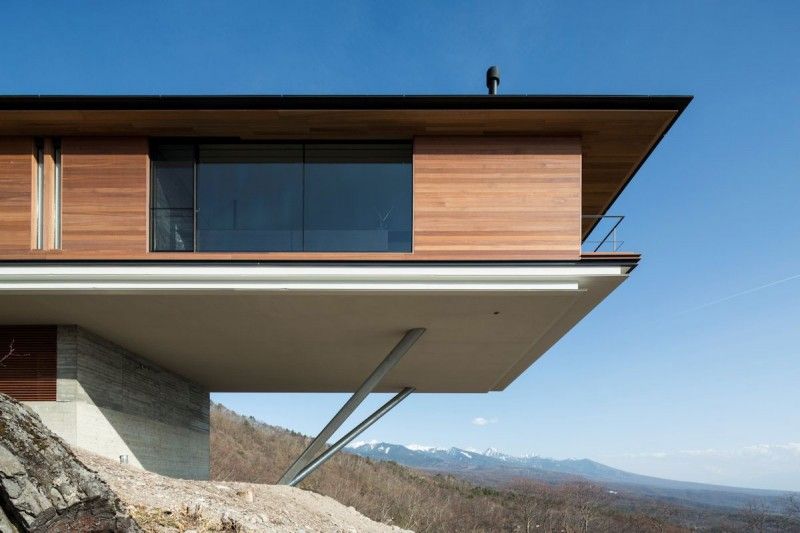
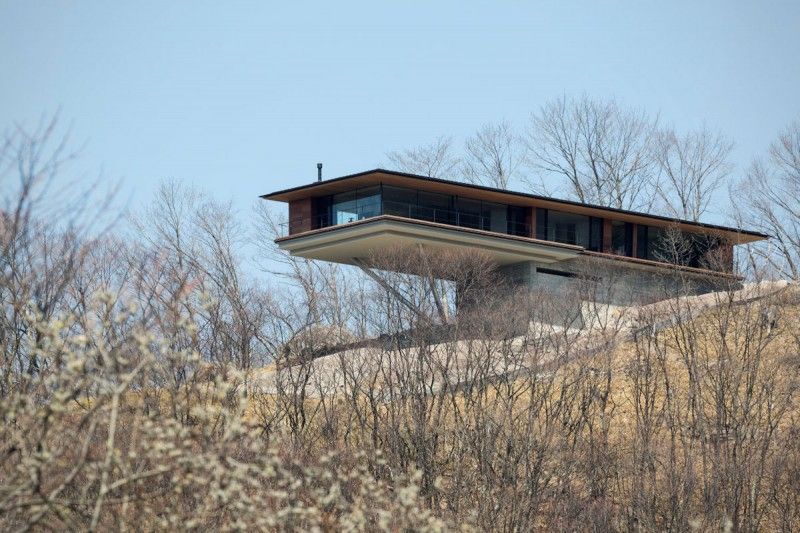
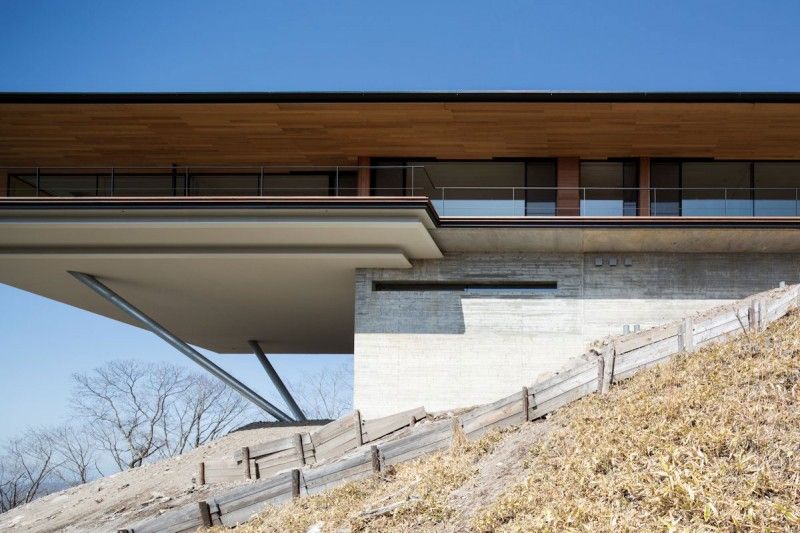
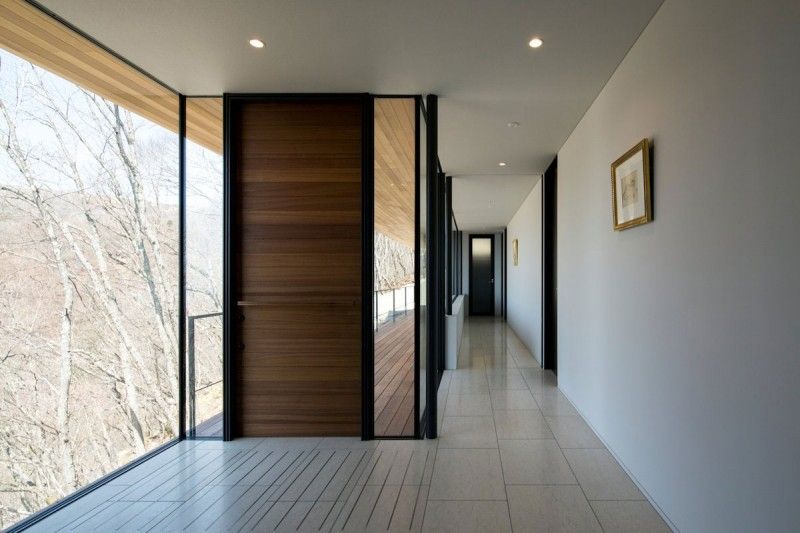
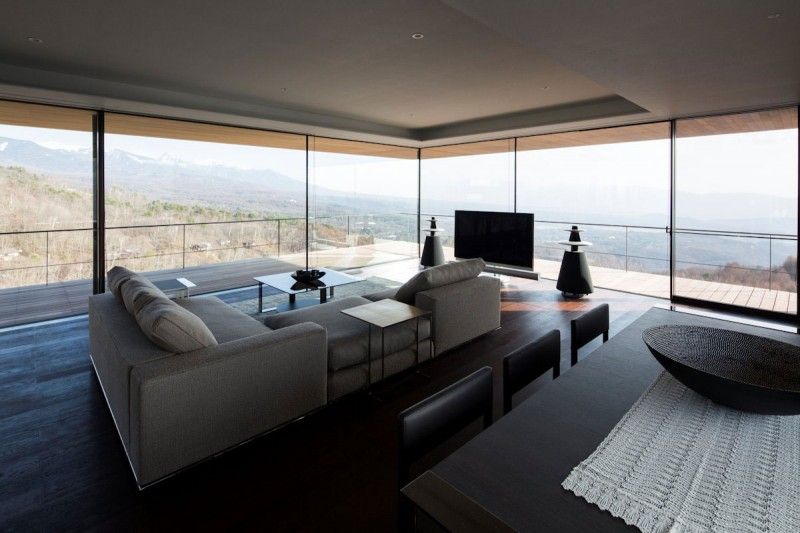
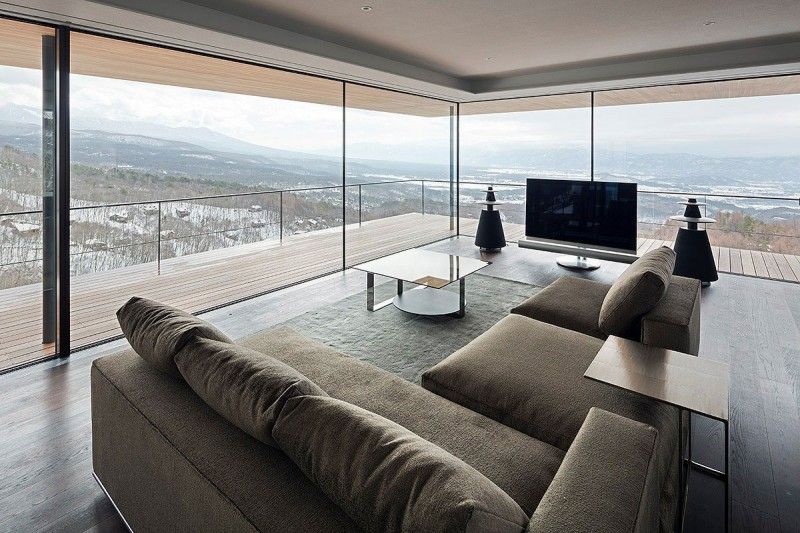
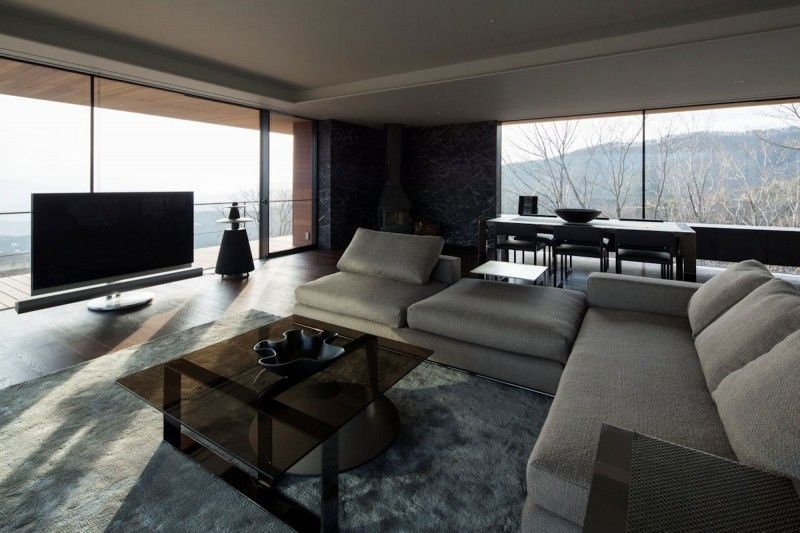
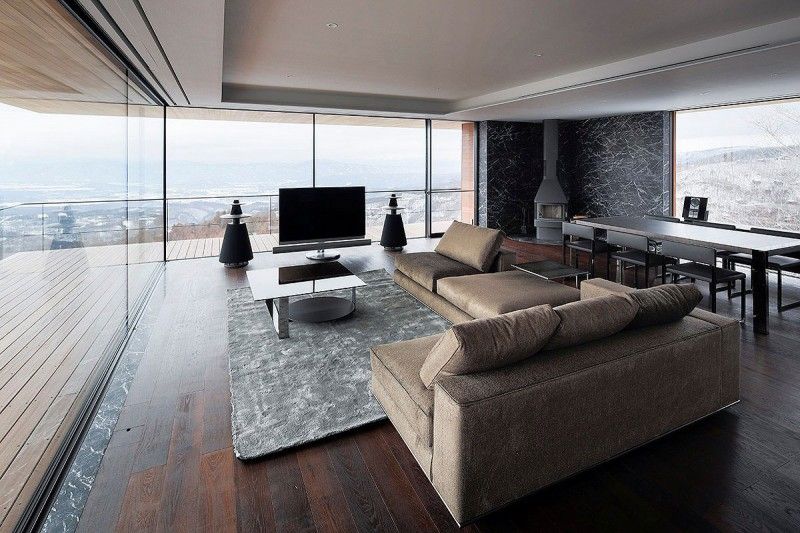
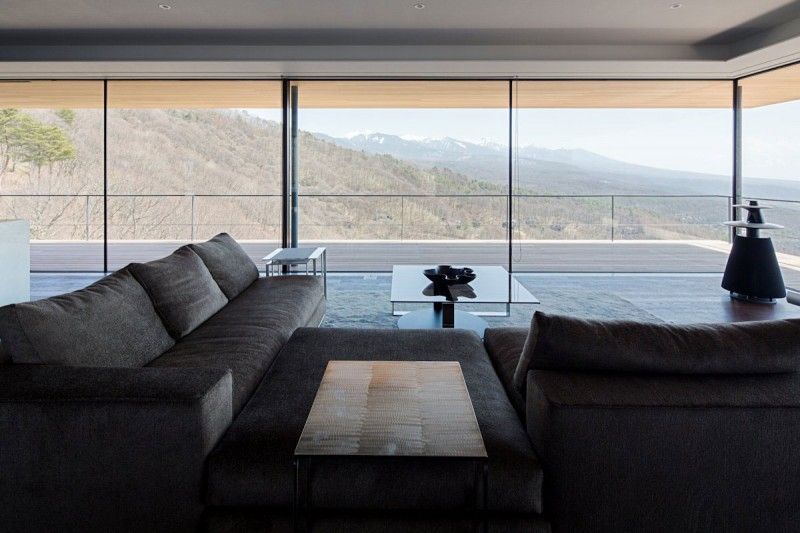
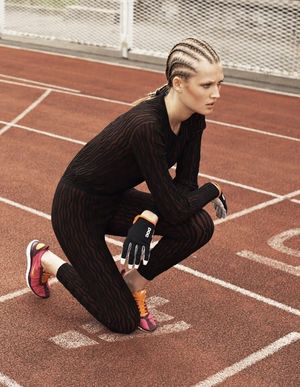
Toni Garrn by Philip Gay, Just Do It, Interview Germany 2012
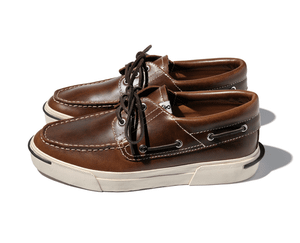
SOPHNET x visvim AMERICANA DECK VD

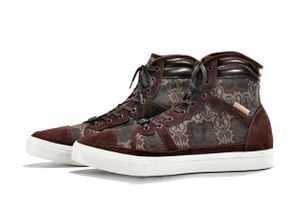
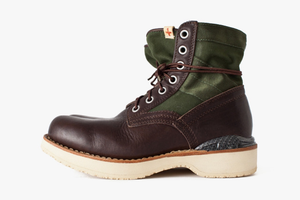
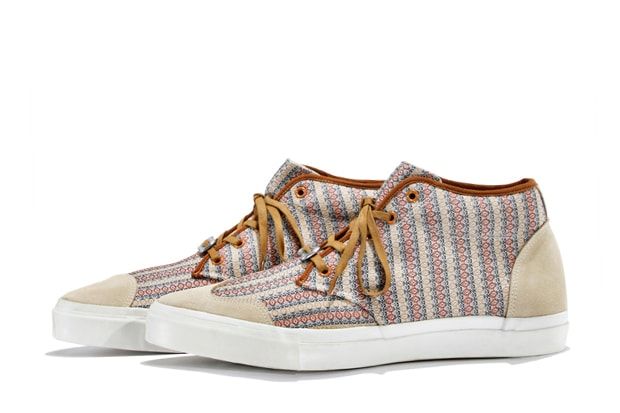
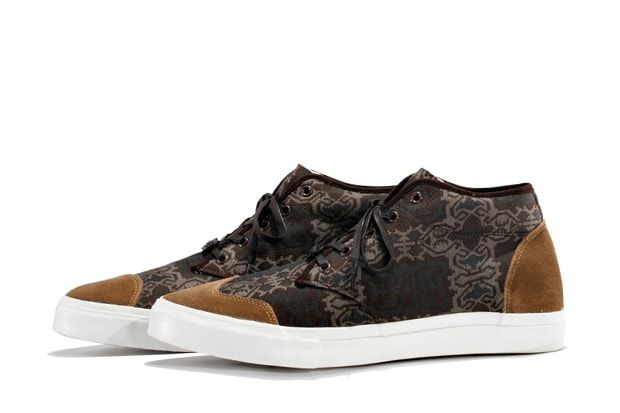
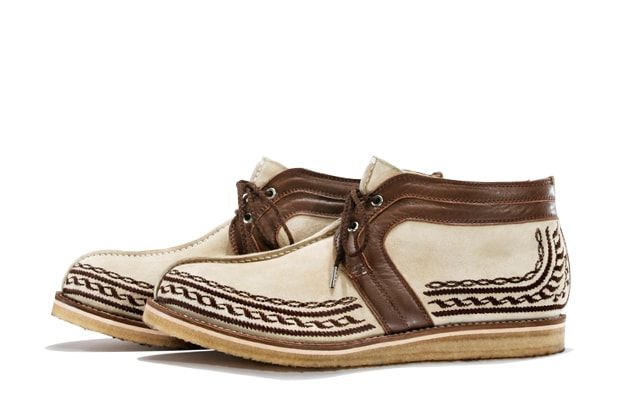
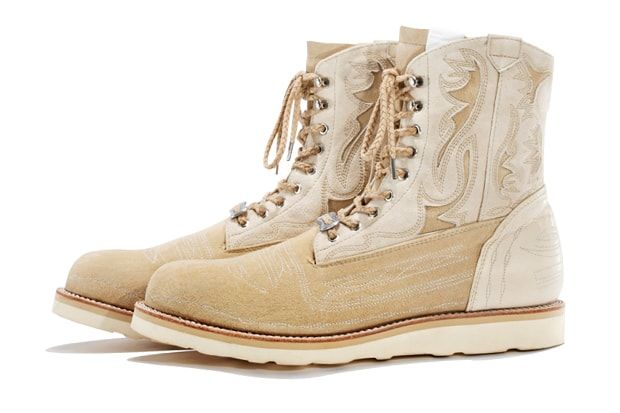
White Mountaineering ss2012 Footwear Collection
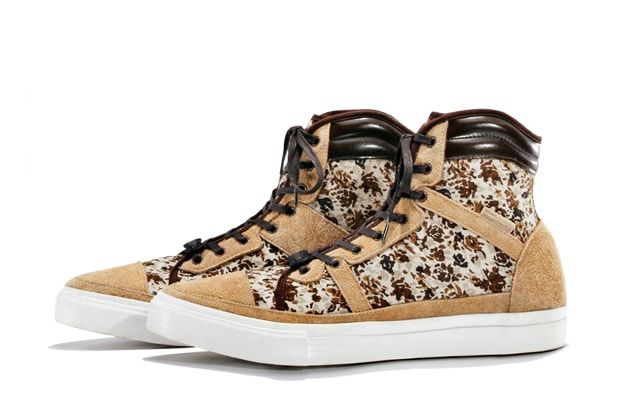
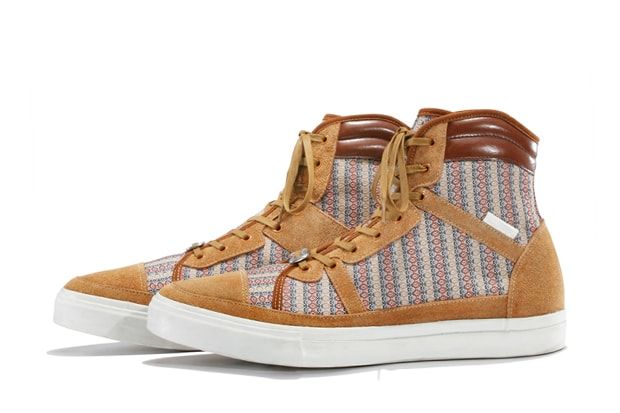
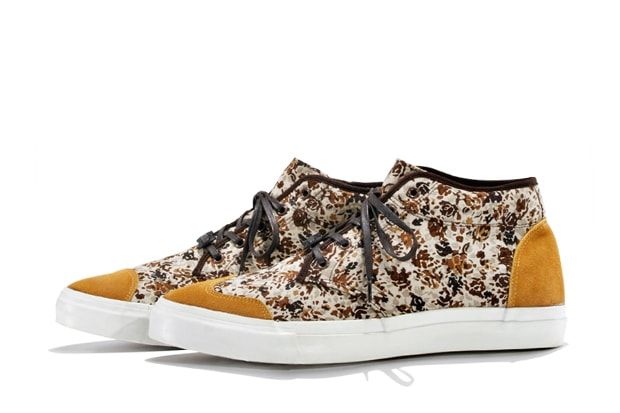

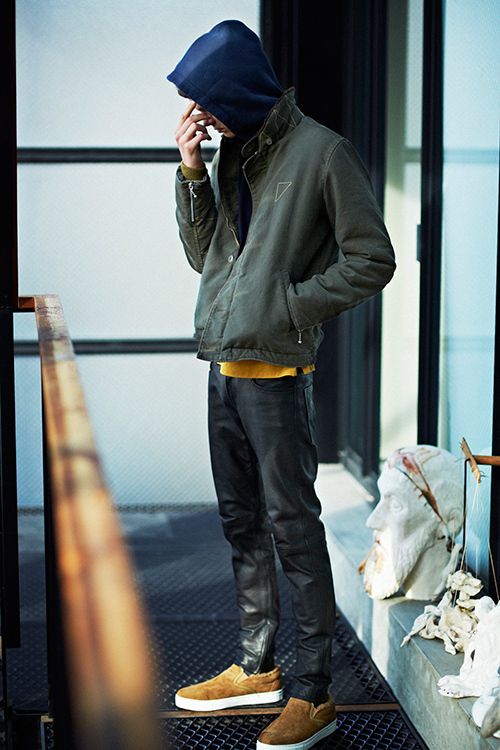
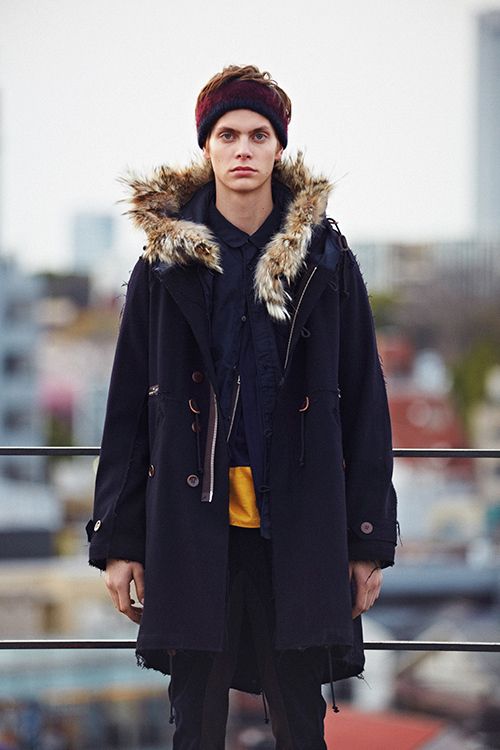
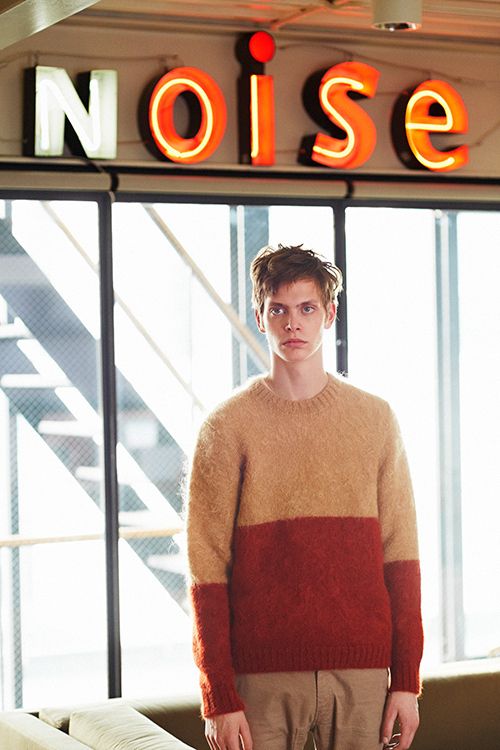
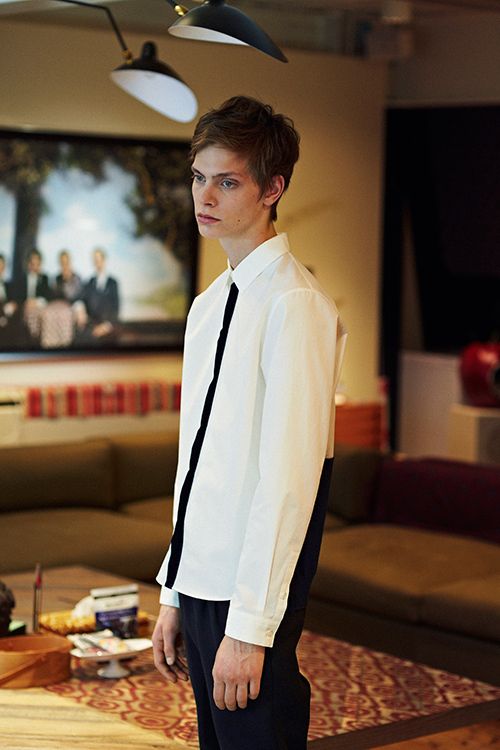
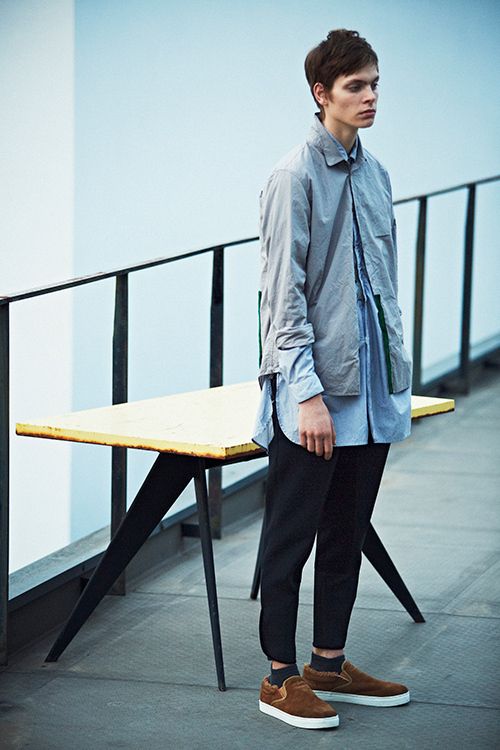
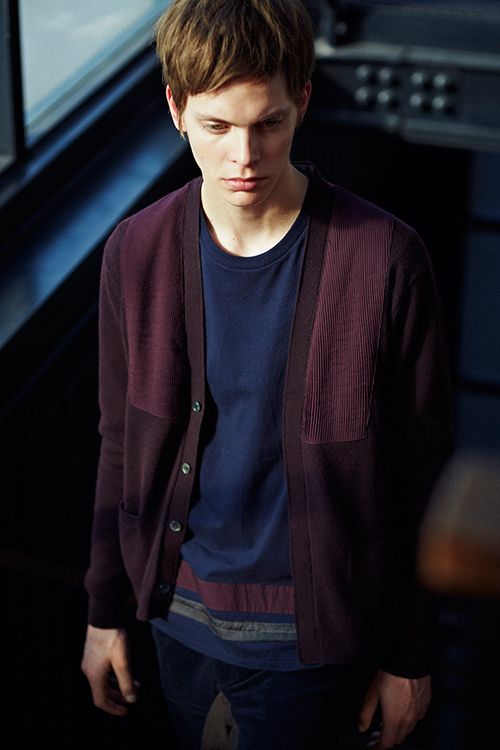
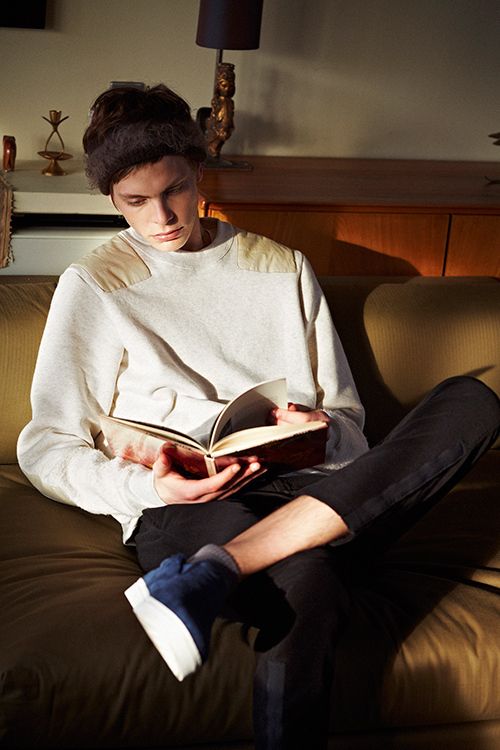
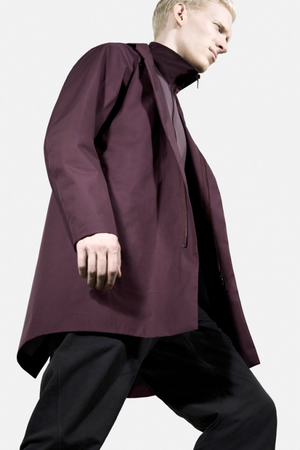
Arc’teryx Veilance ss2013 lookbook
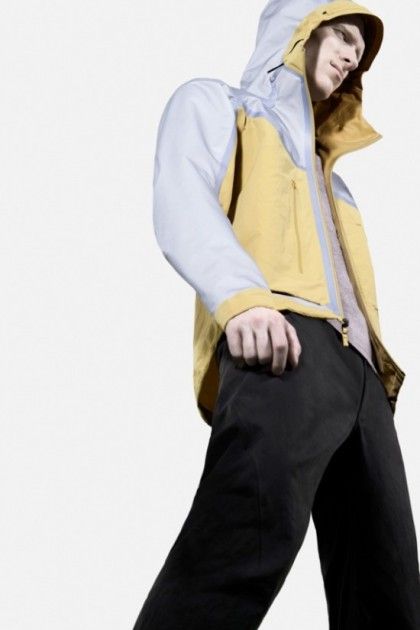
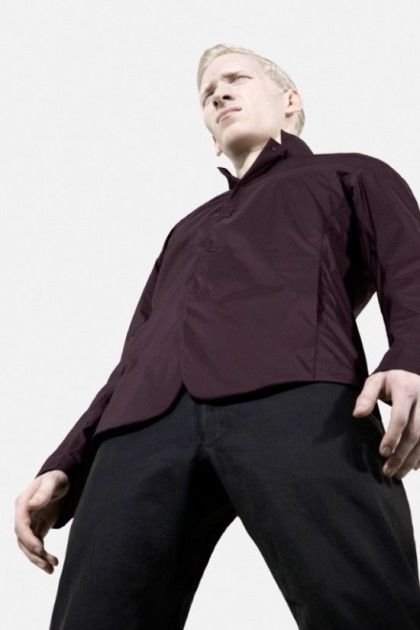
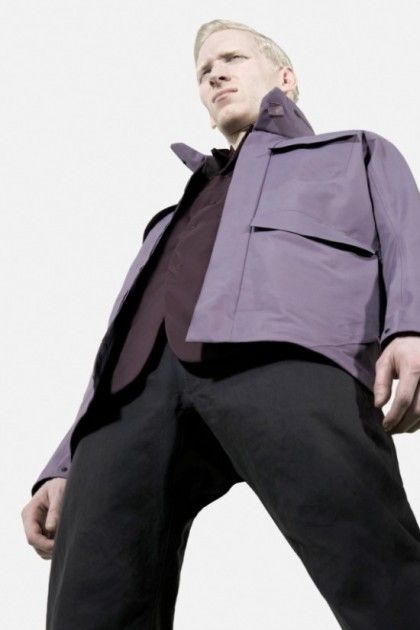
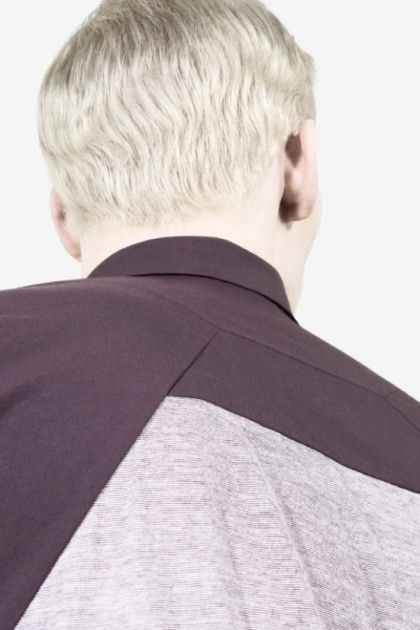
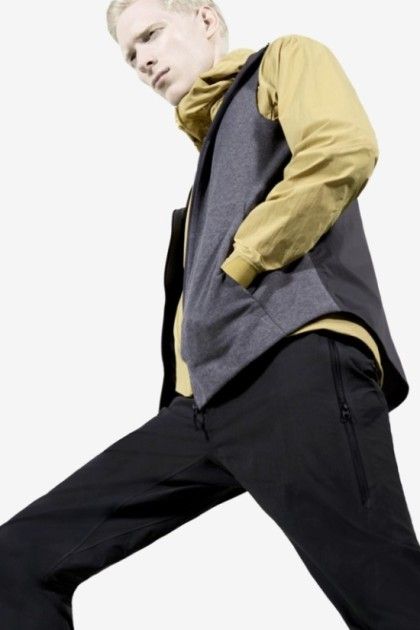
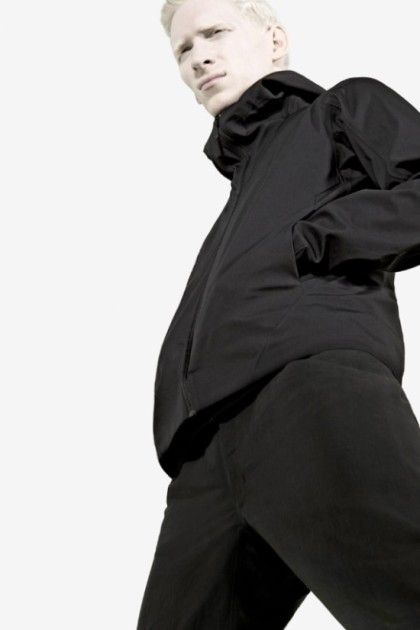
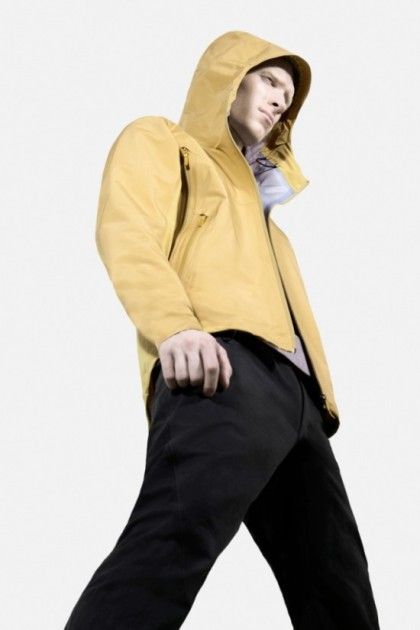
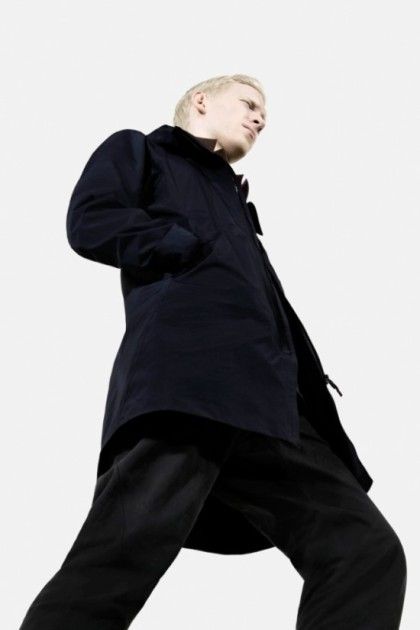
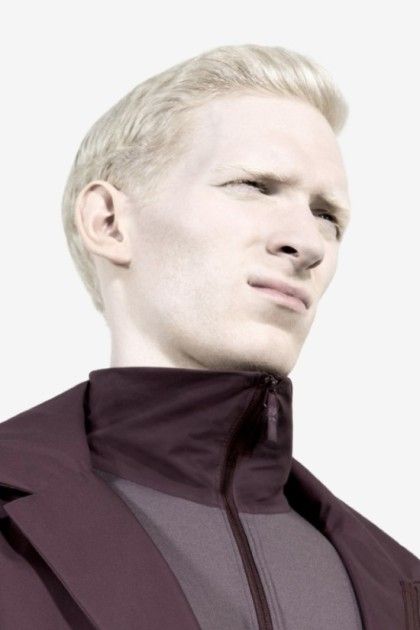
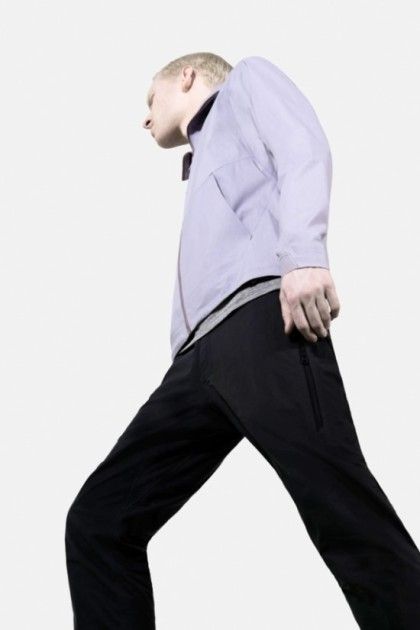
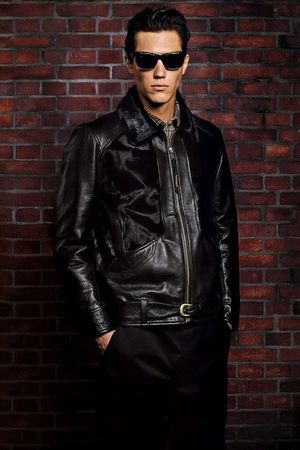
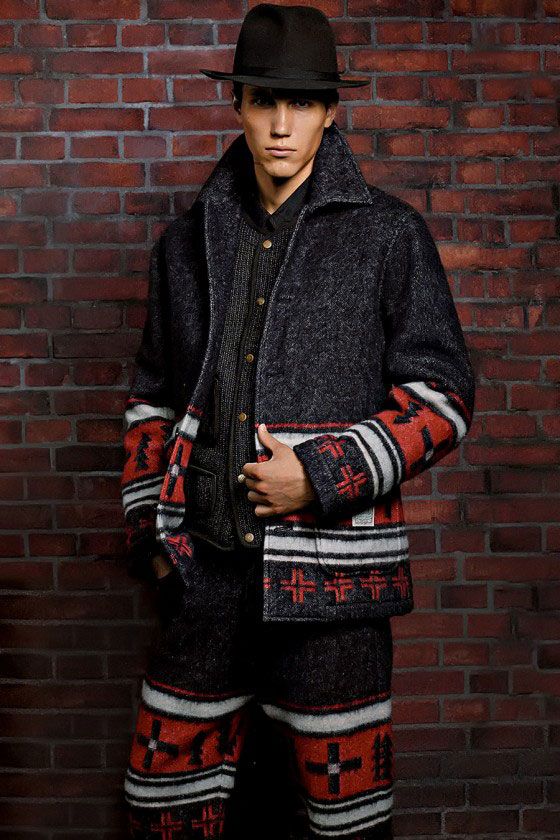
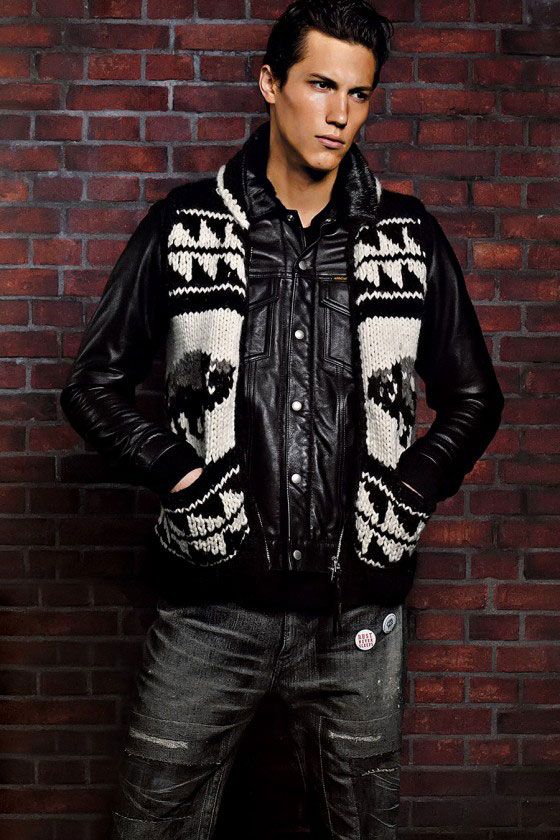
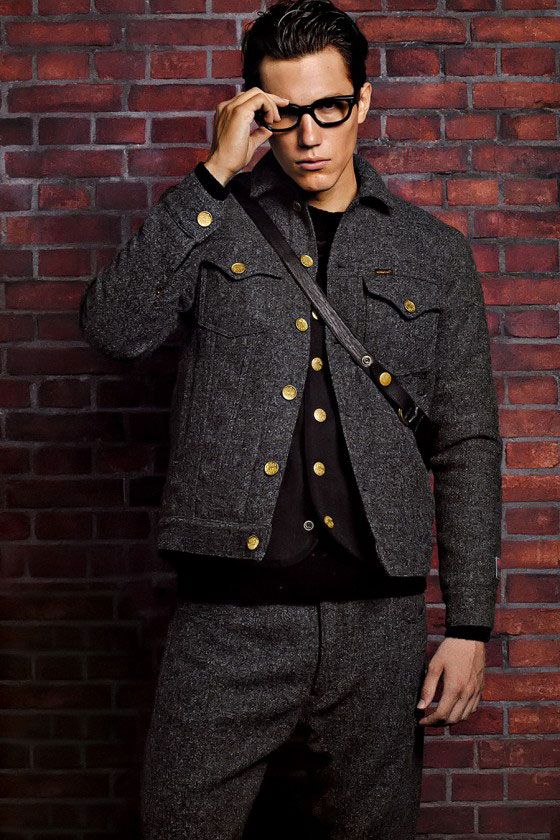
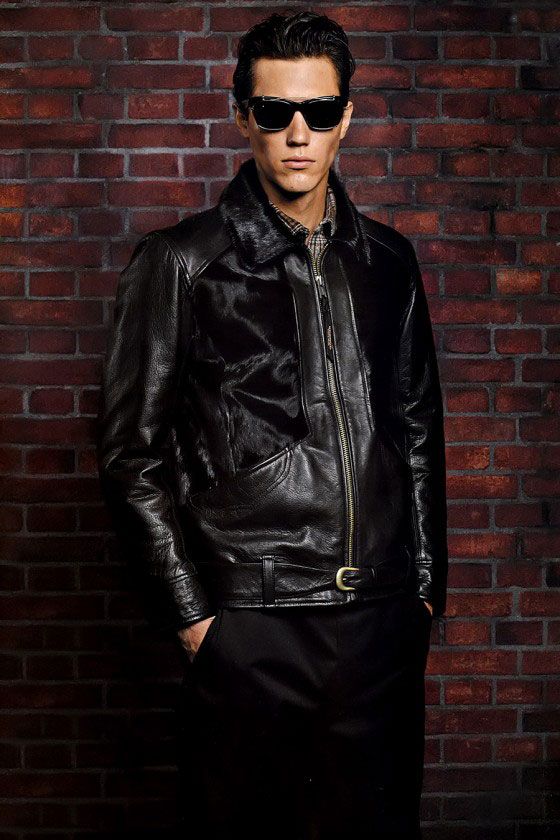
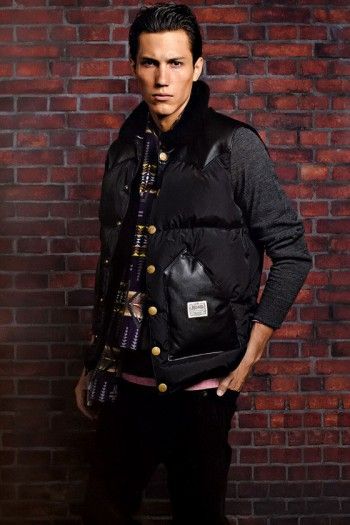
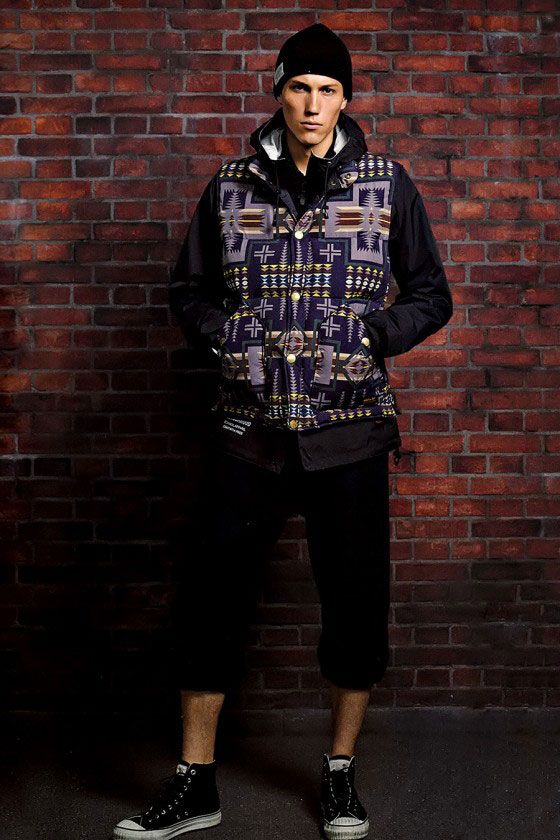
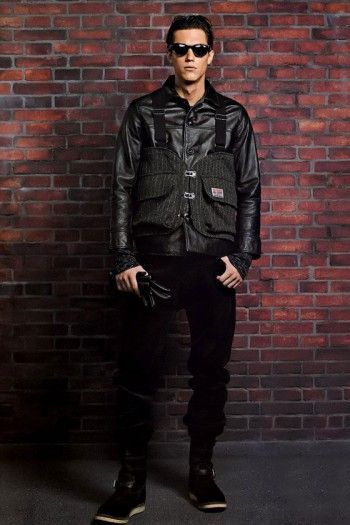
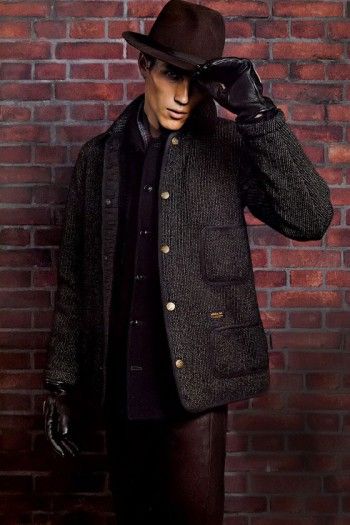
NEIGHBORHOOD 2013 Autumn/Winter Lookbook by SENSE Magazine
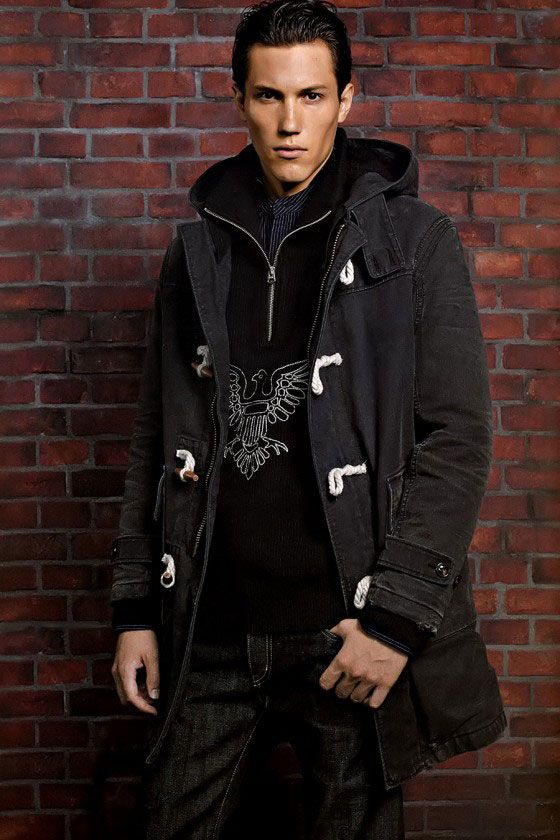
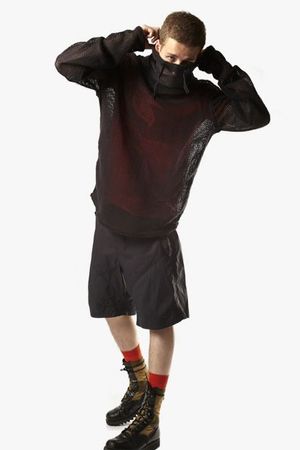
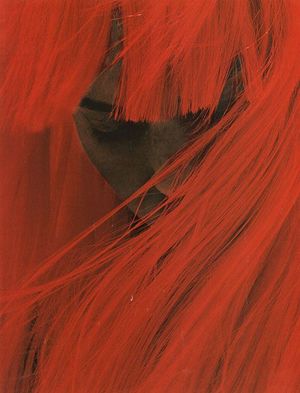
Angela Lindvall photographed by Mert & Marcus, 2002
Angela Lindvall POP (F/W 2002) ph. Mert & Marcus
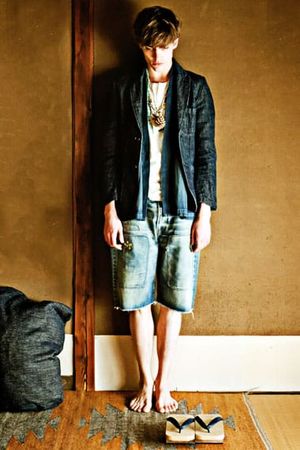
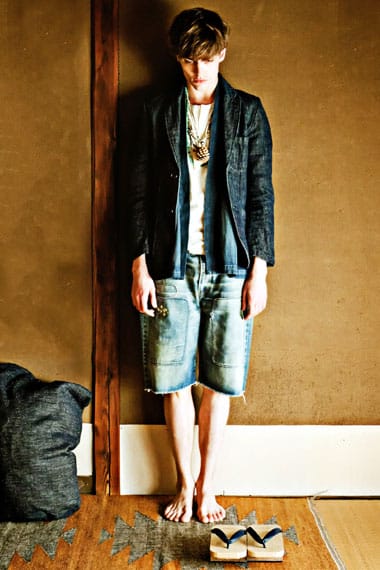
SENSE Magazine visvim Spring Summer 2012
A page from 'TEXT in visvim', the visvim Spring/Summer 2012 feature in Japan's SENSE Magazine (March 2012). Naturally dyed, hand-constructed pieces from Hiroki Nakamura.
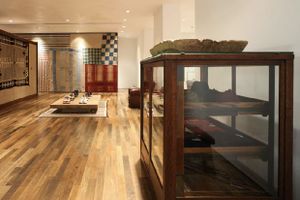
Visvim F.I.L. Sendai Store
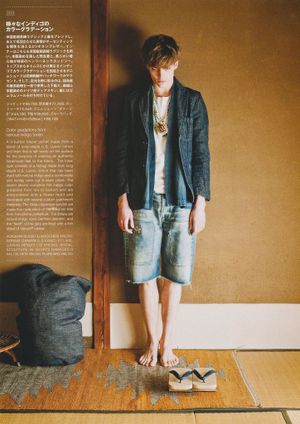
SENSE March 2012 the TEXT in VISVIM 2012 Spring Summer
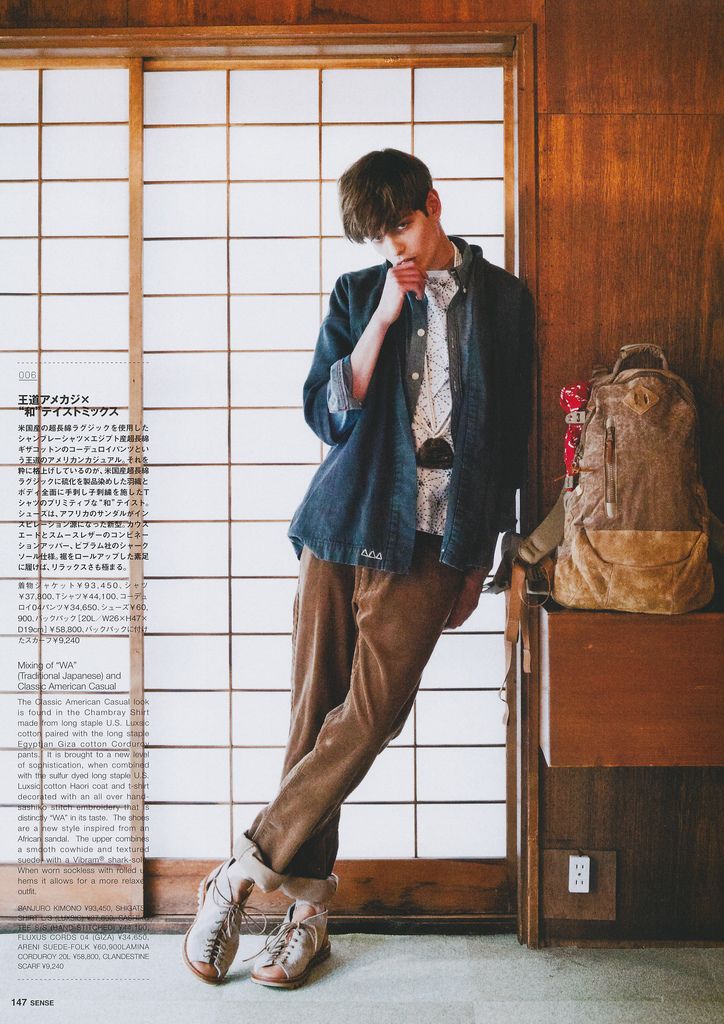
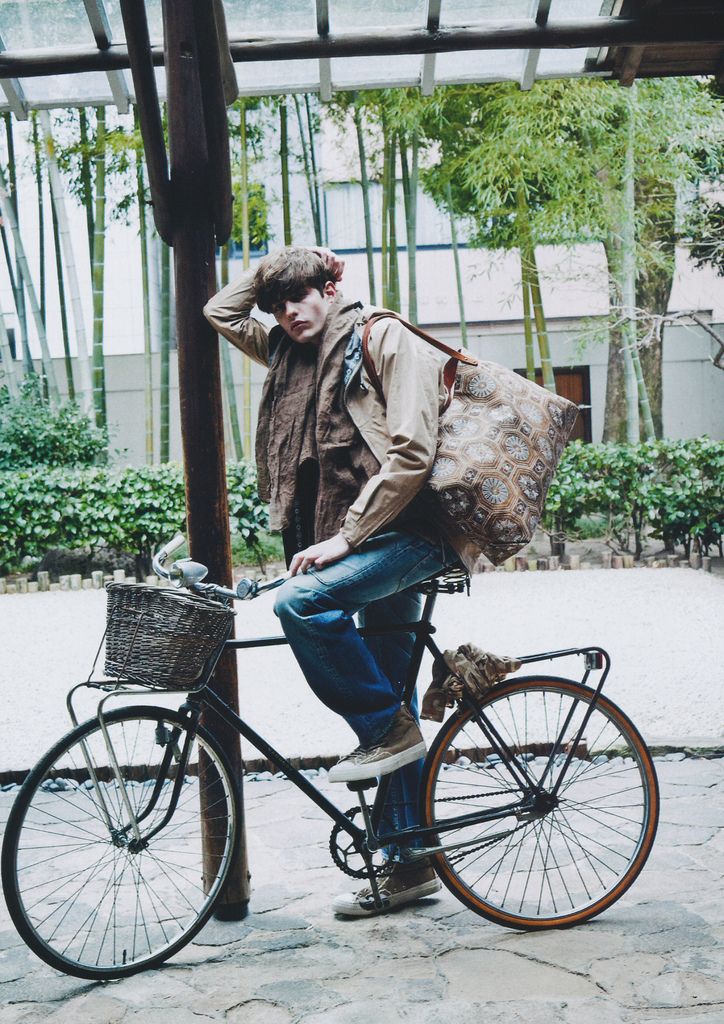
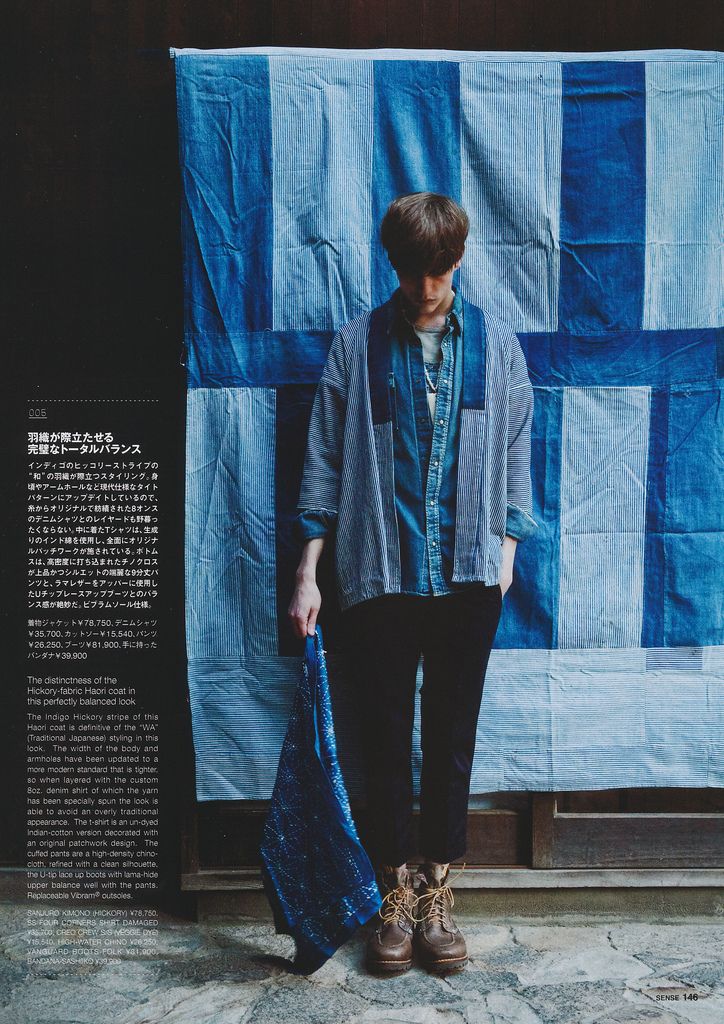
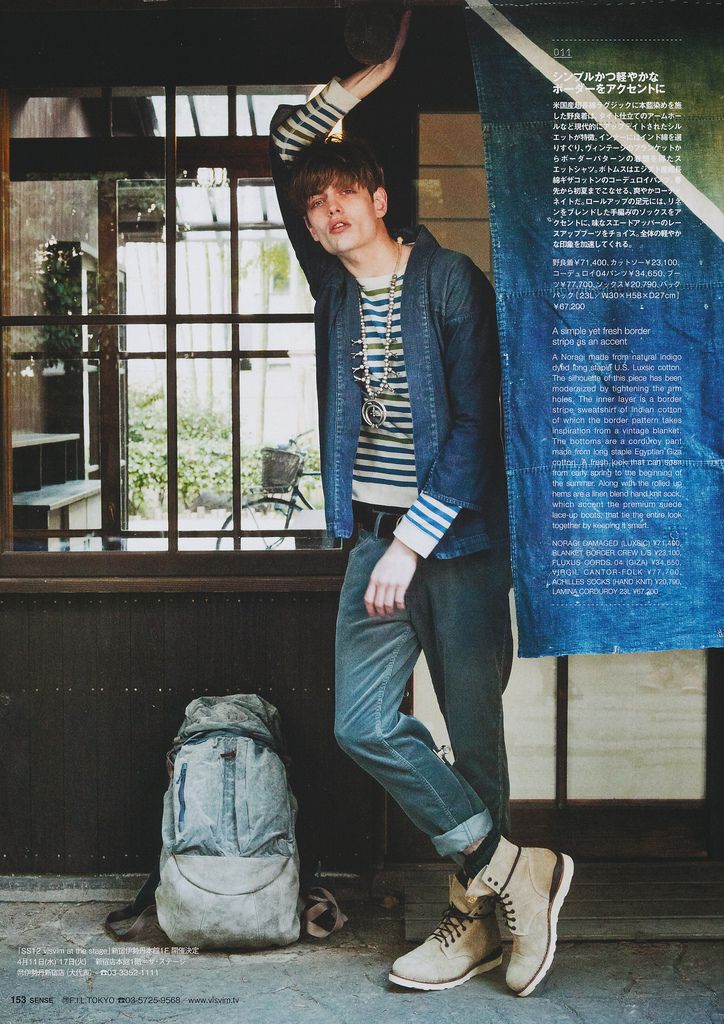
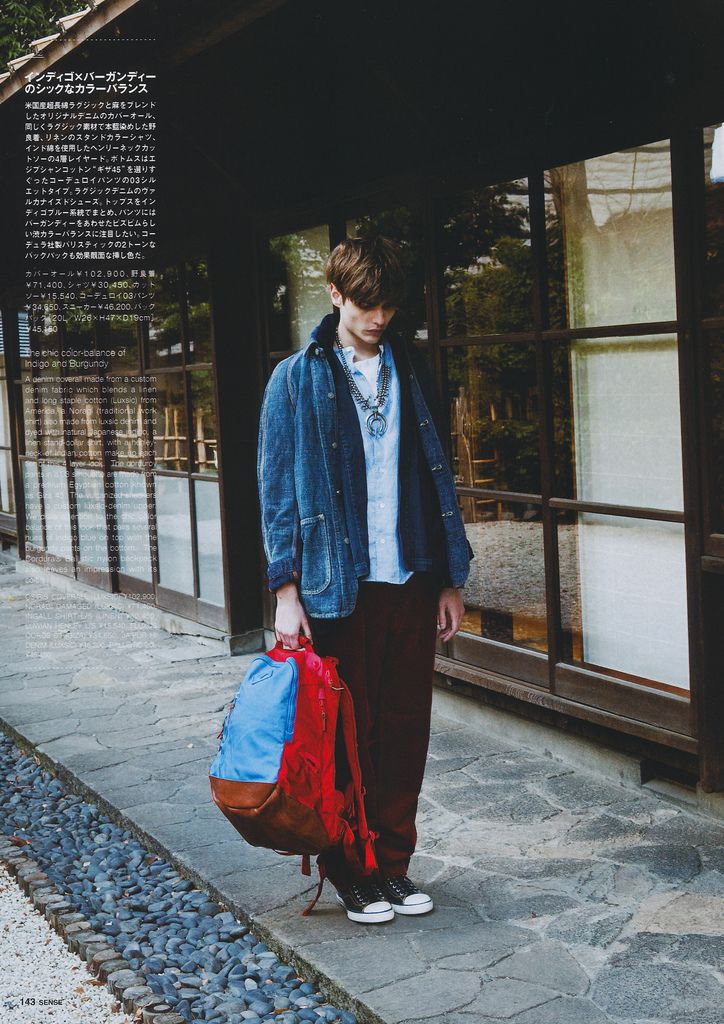
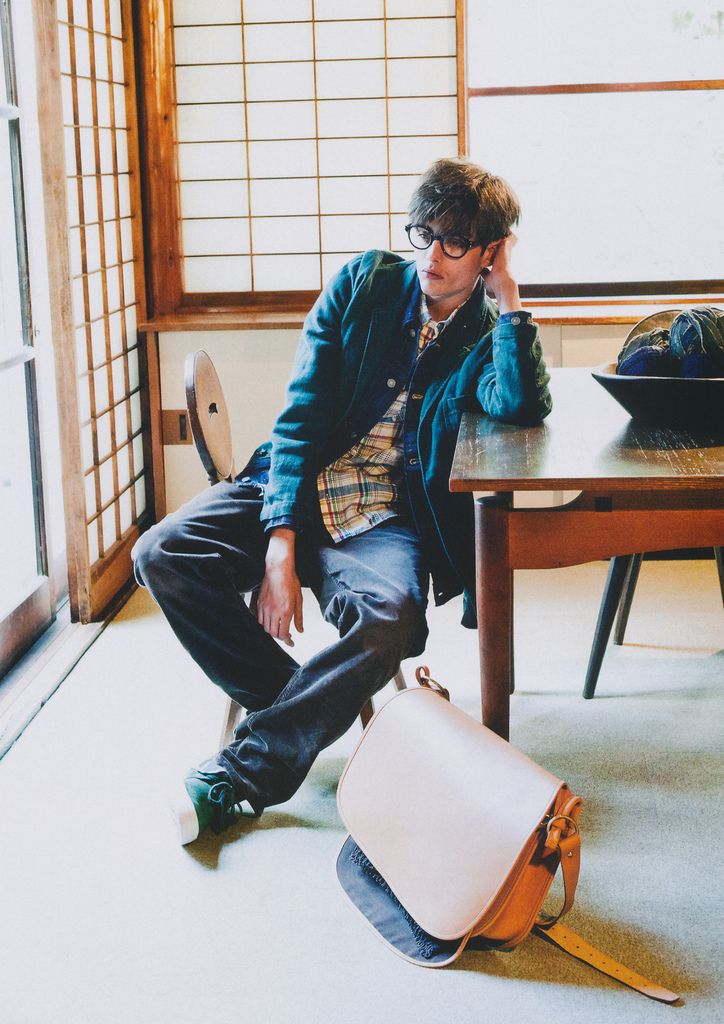

Common Projects Spring/Summer 2012 Preview


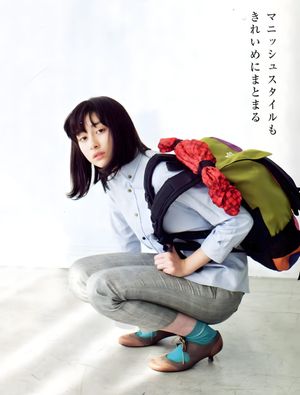
Akari Hayami — Japanese Fashion Magazine Editorial
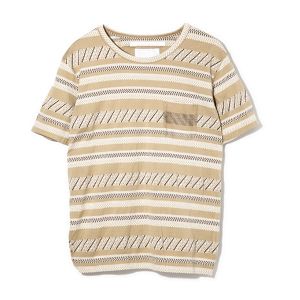
White Mountaineering Striped Pocket T-Shirt
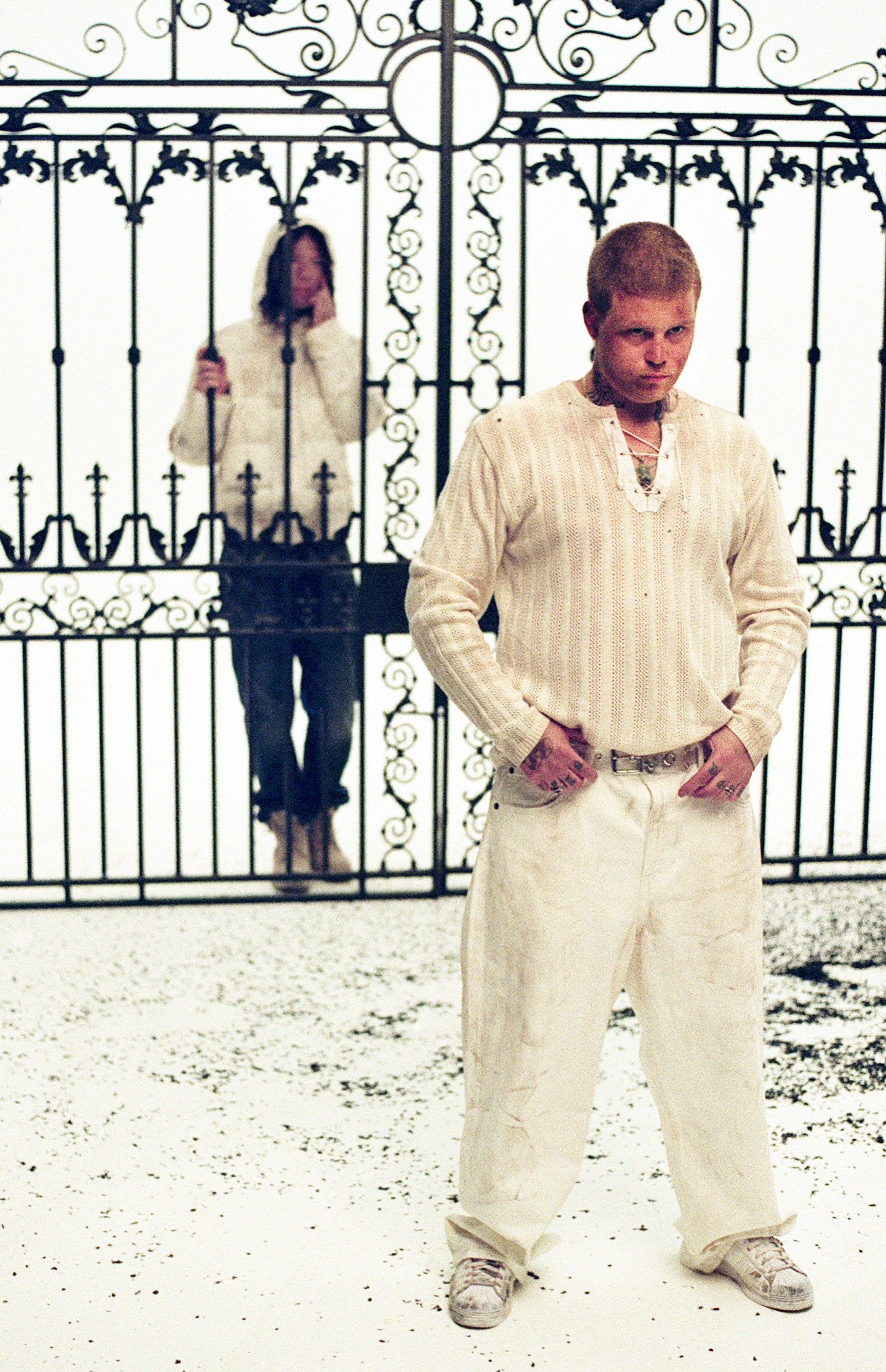
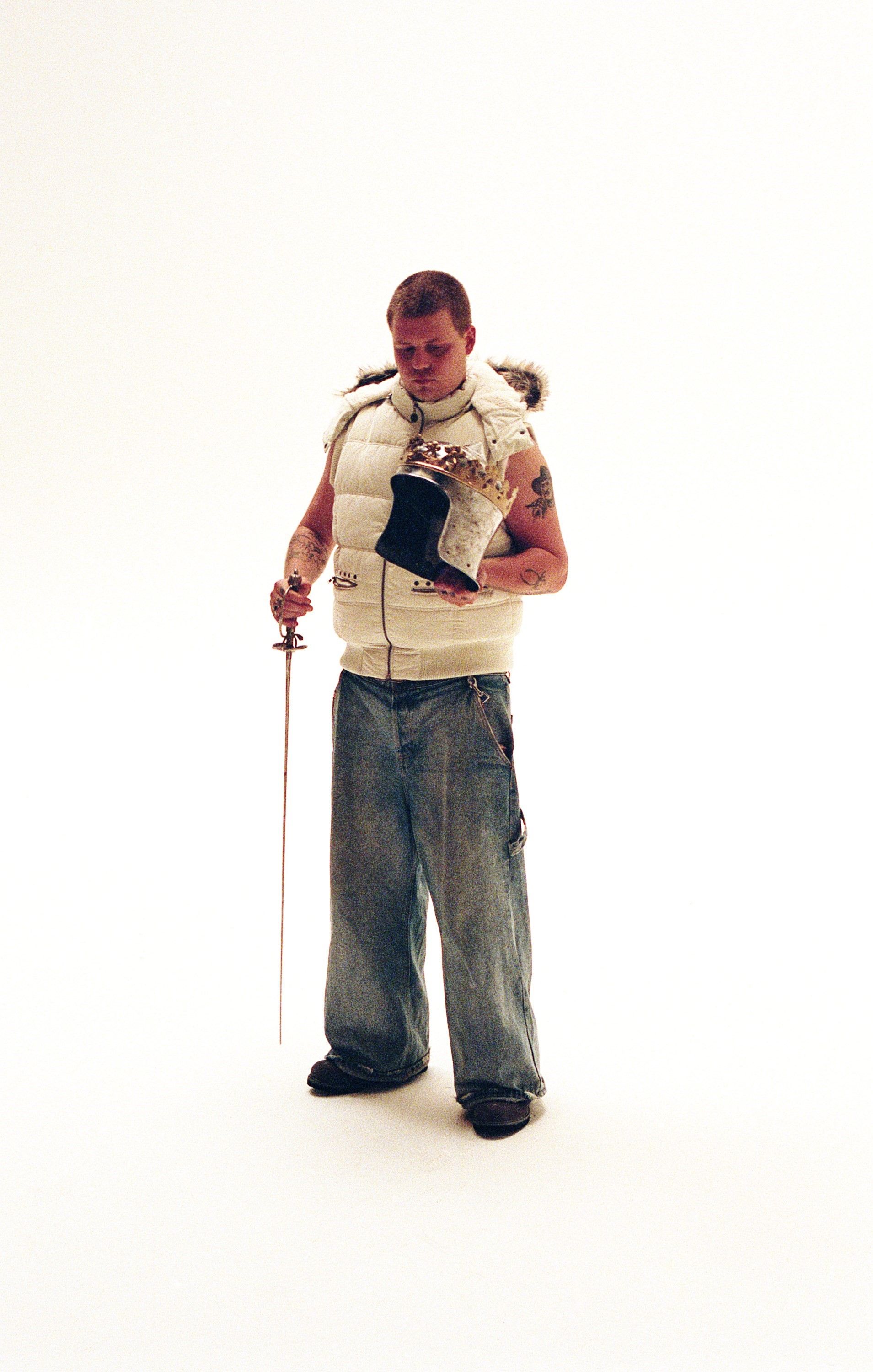
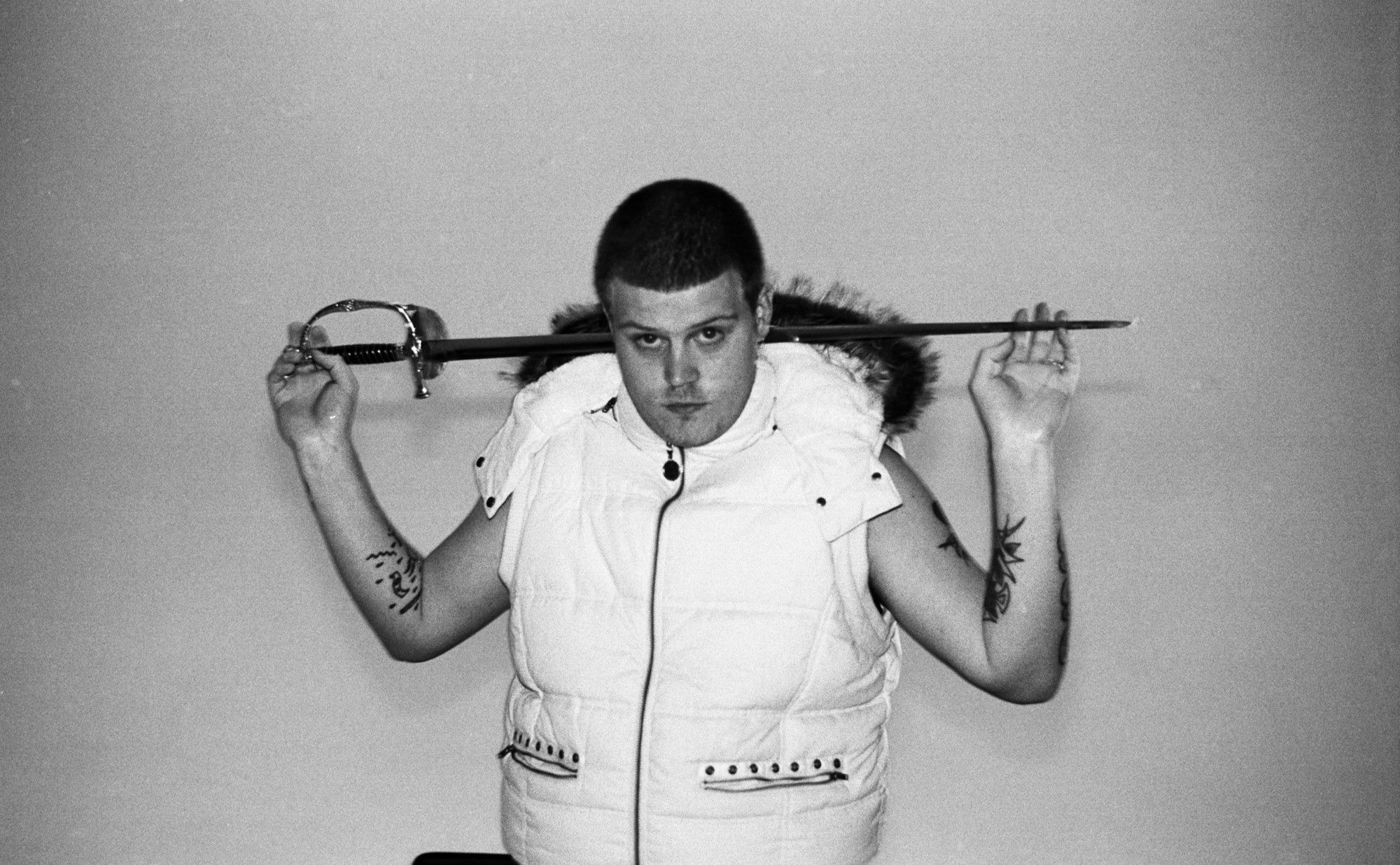
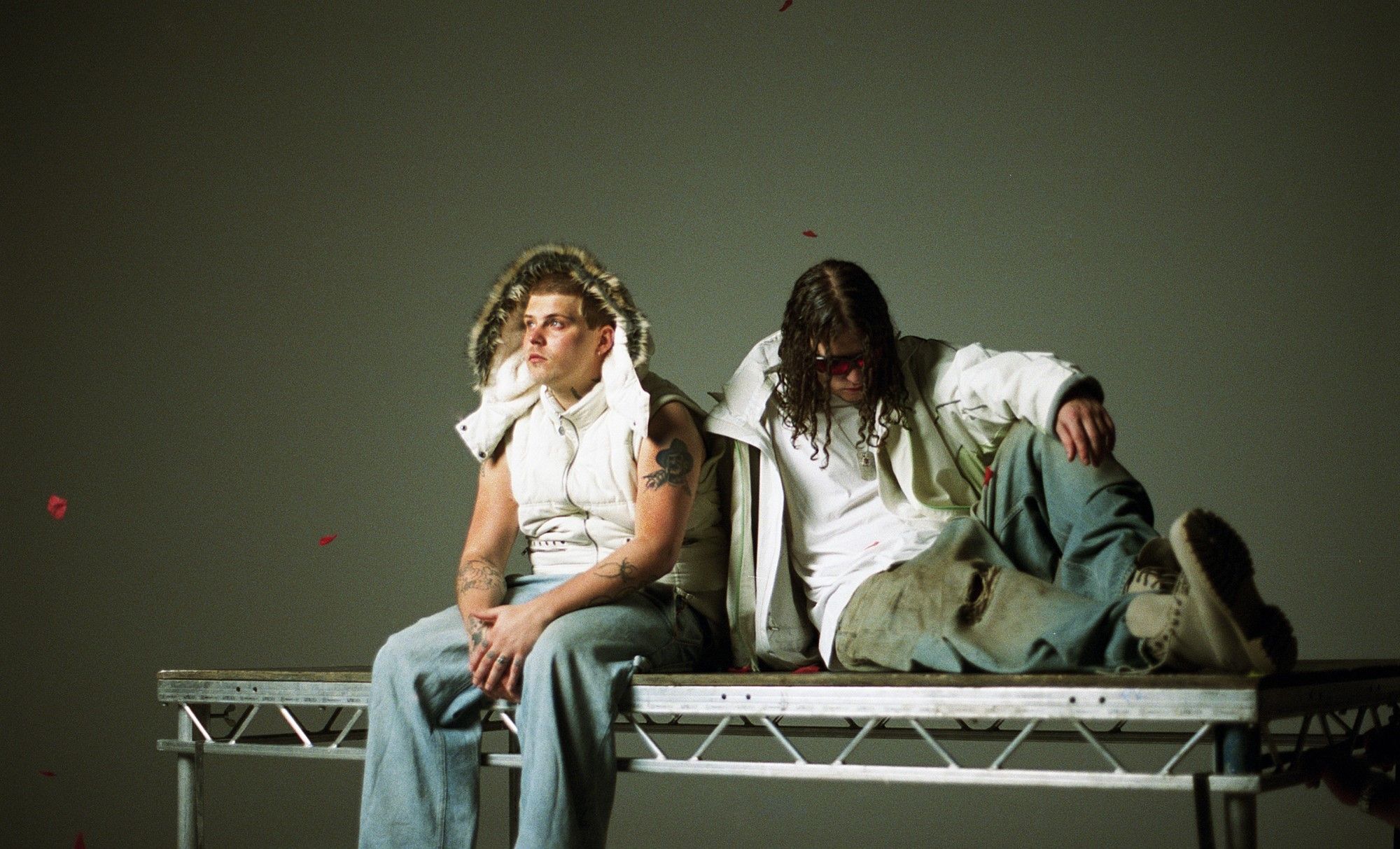
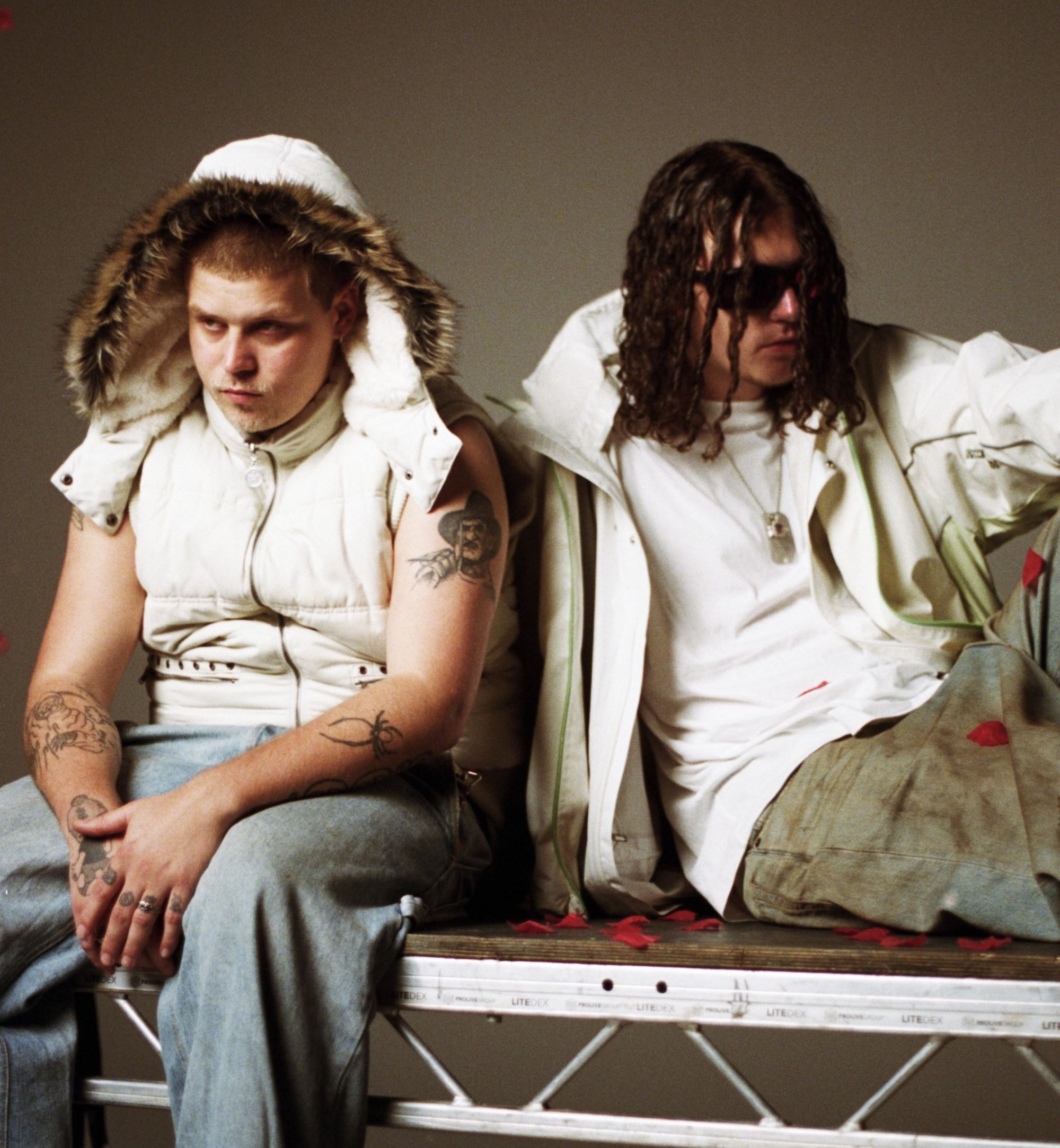
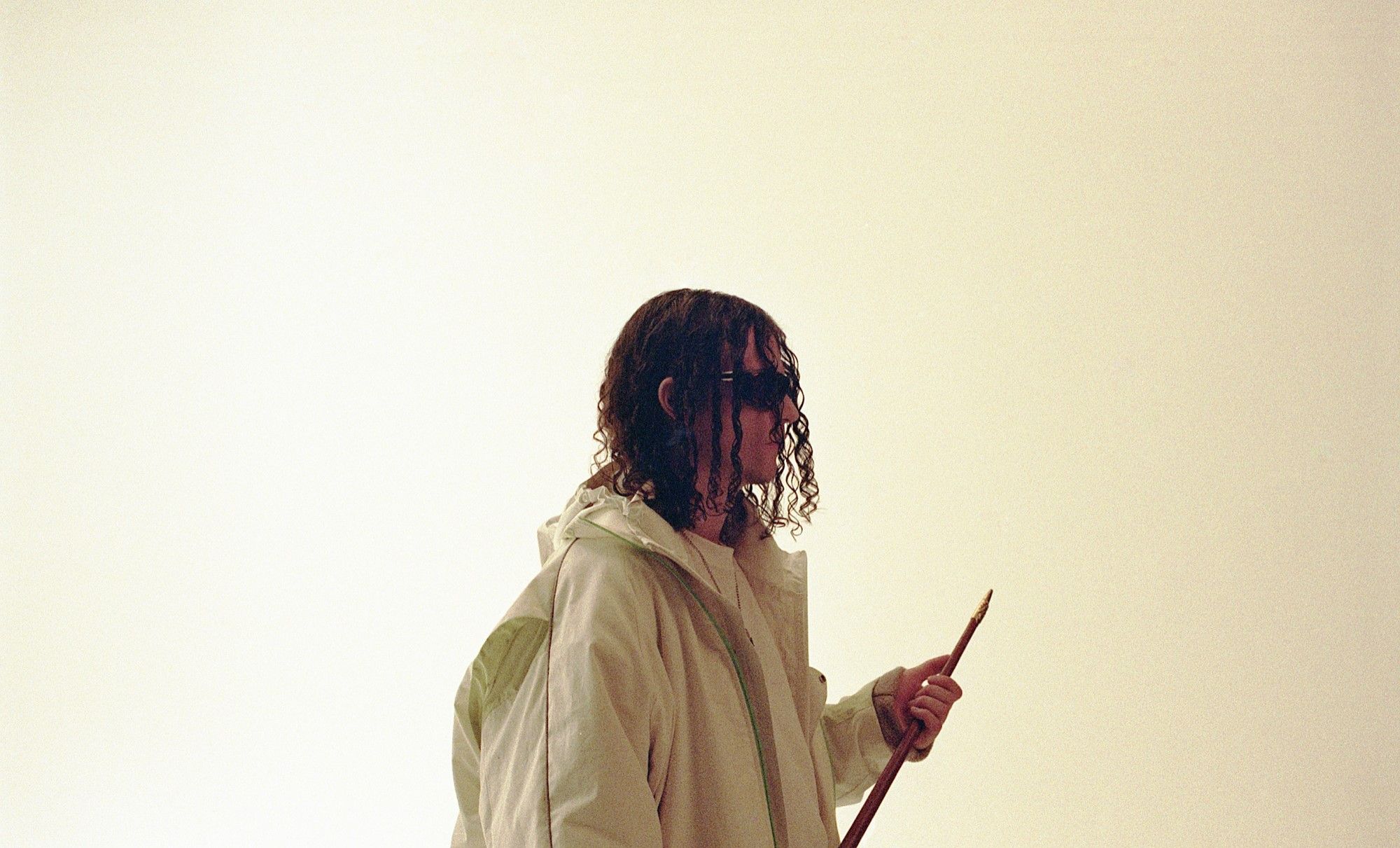
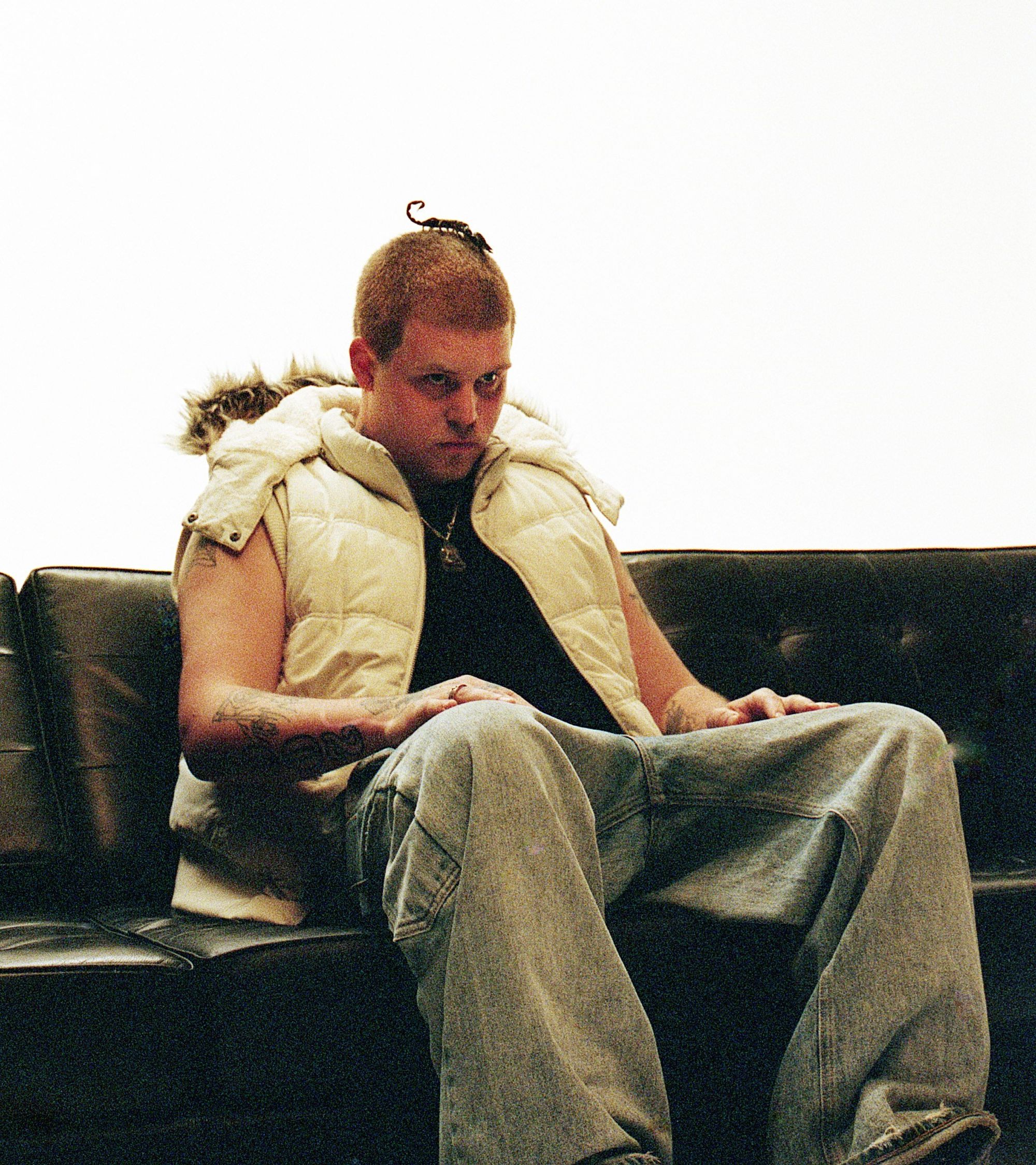
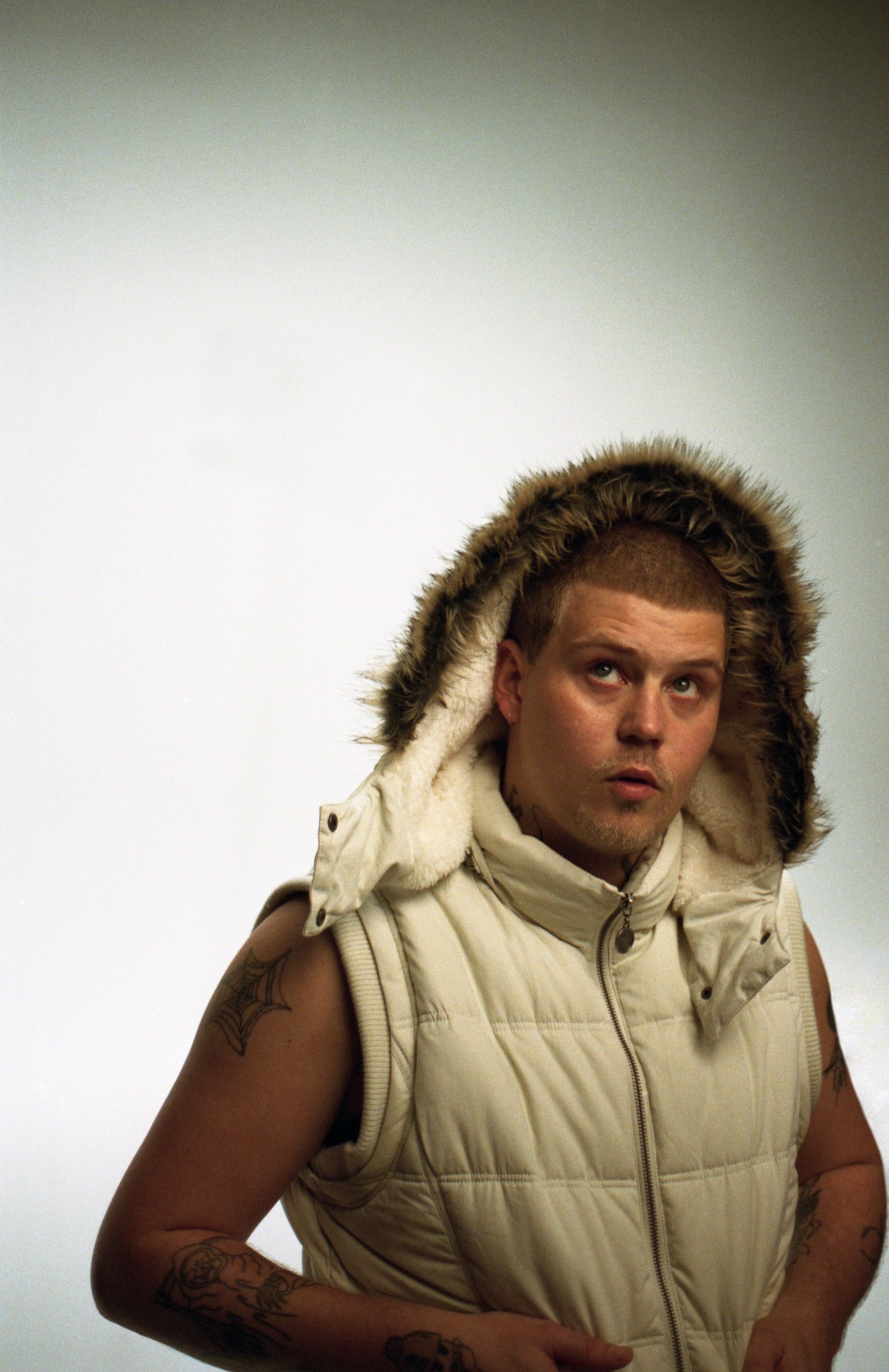
Yung Lean & Bladee Victorious music video by Aidan Zamiri
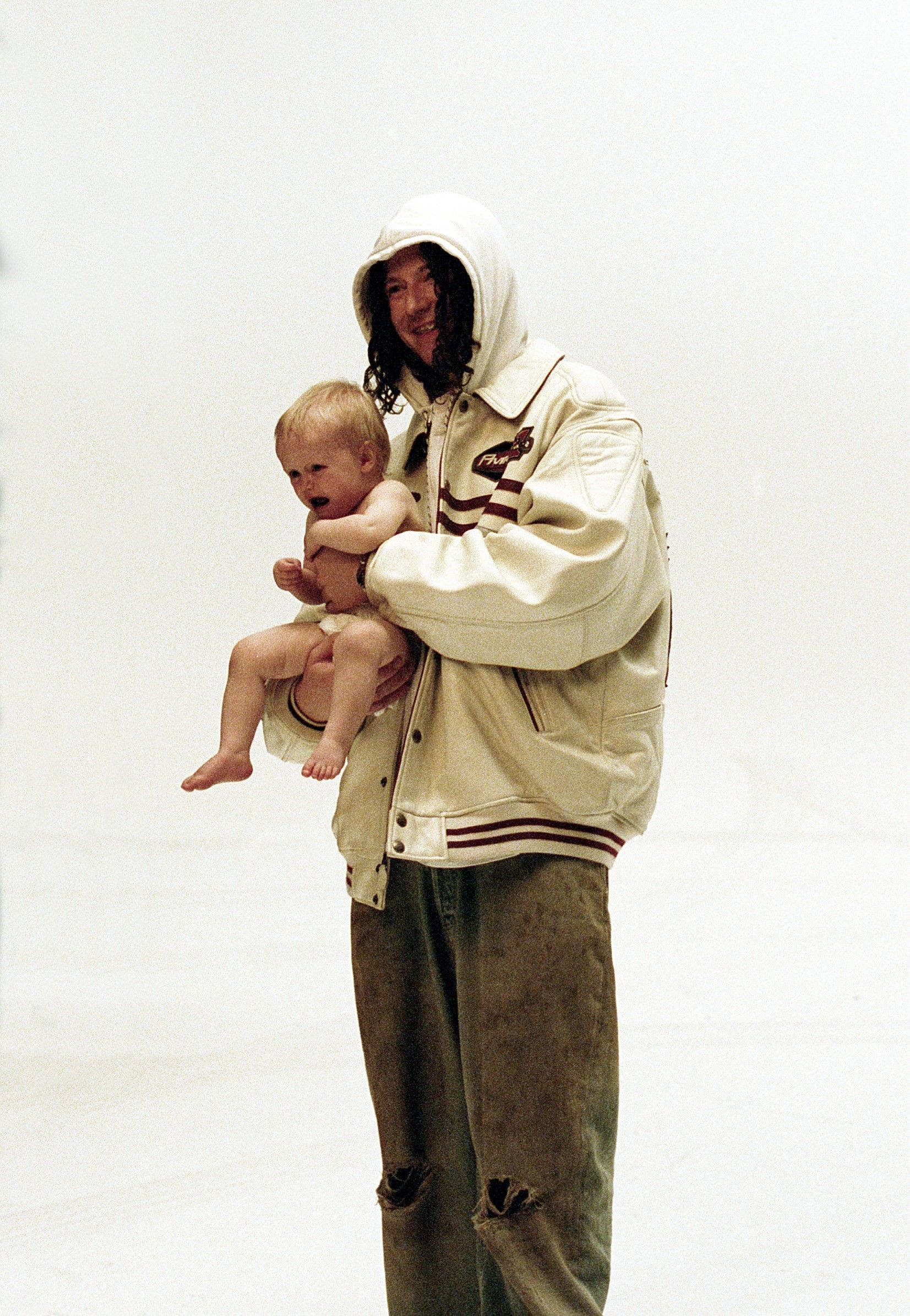
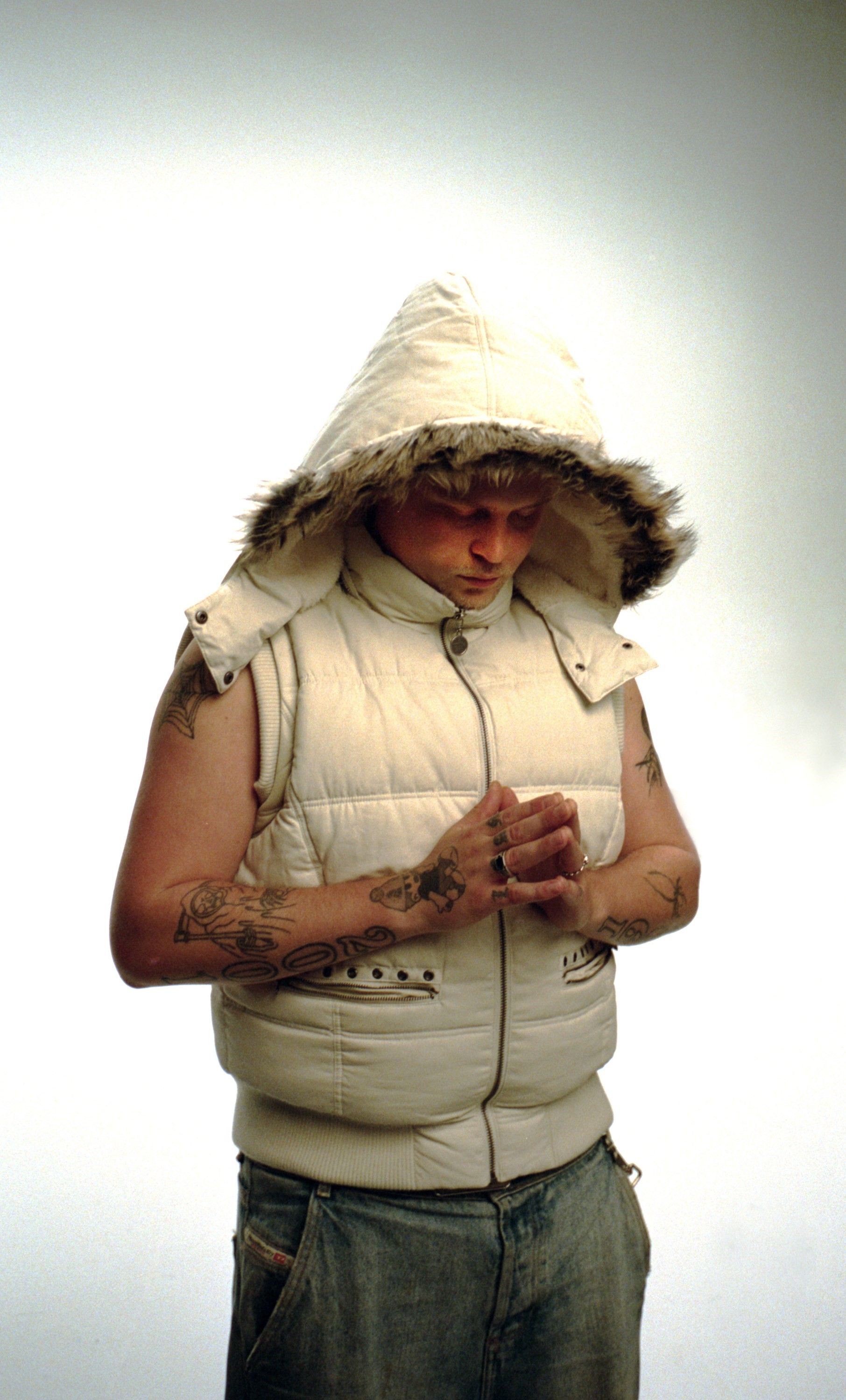
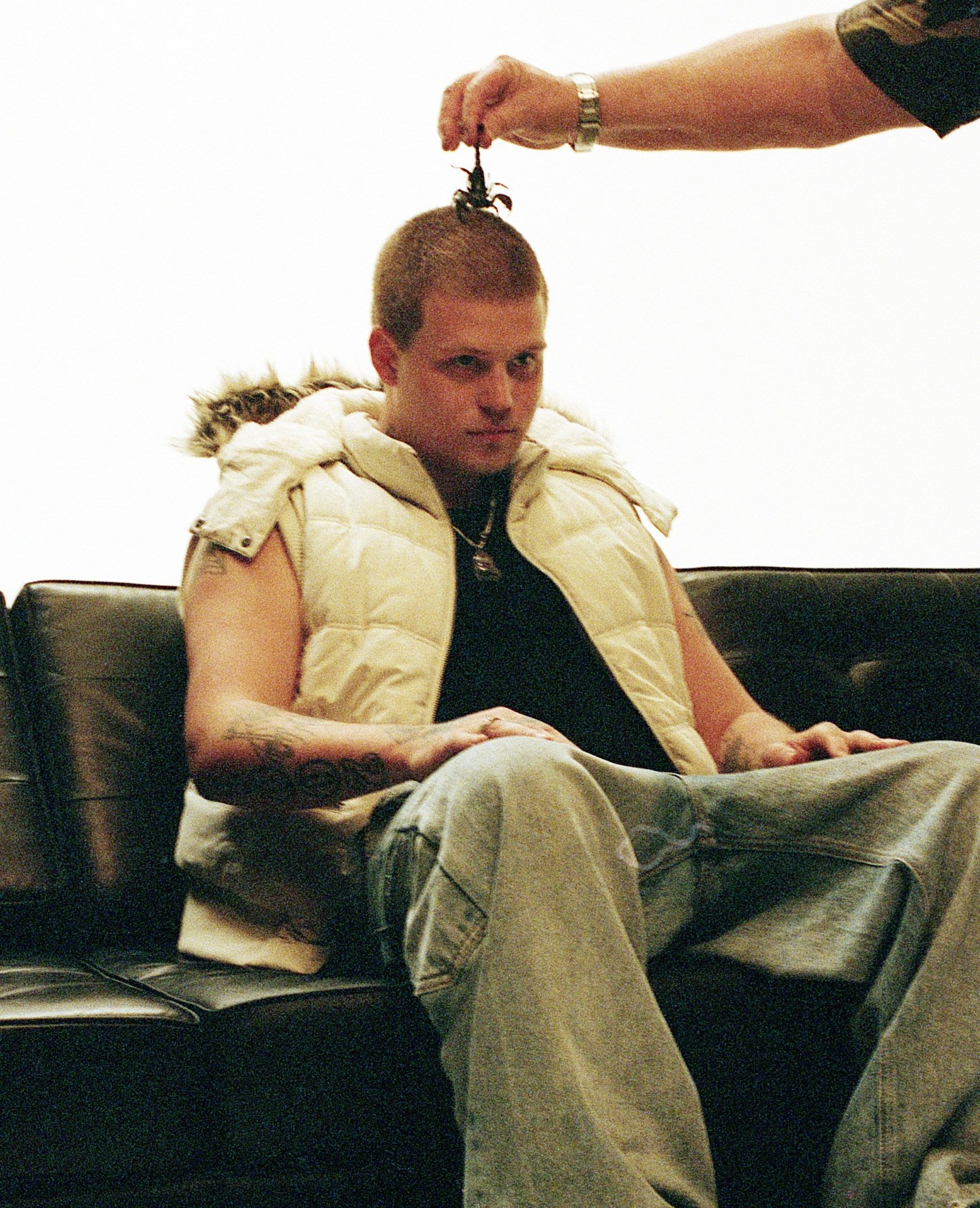
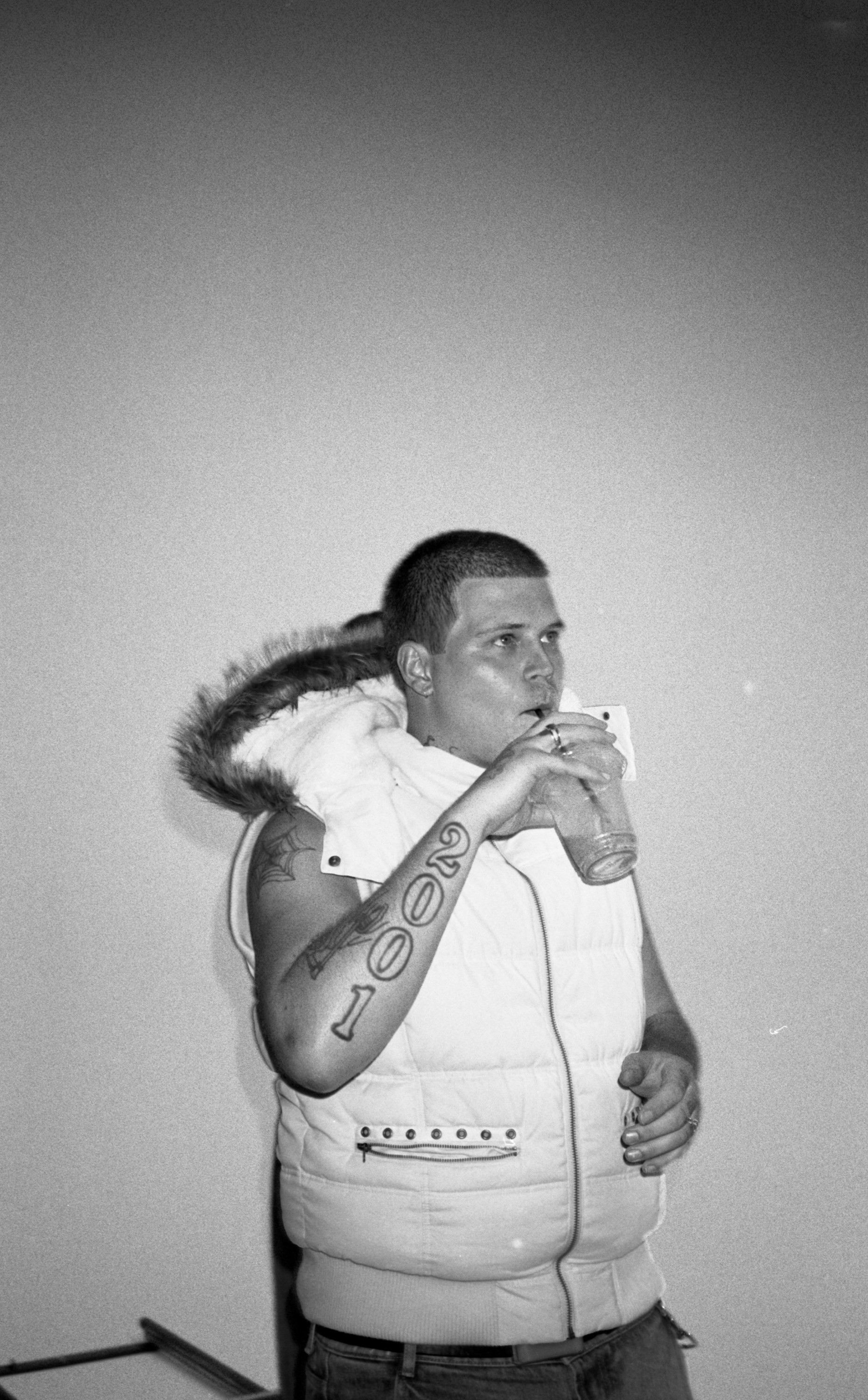
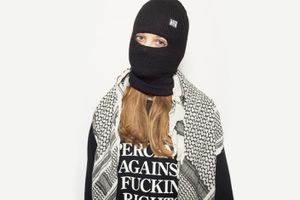
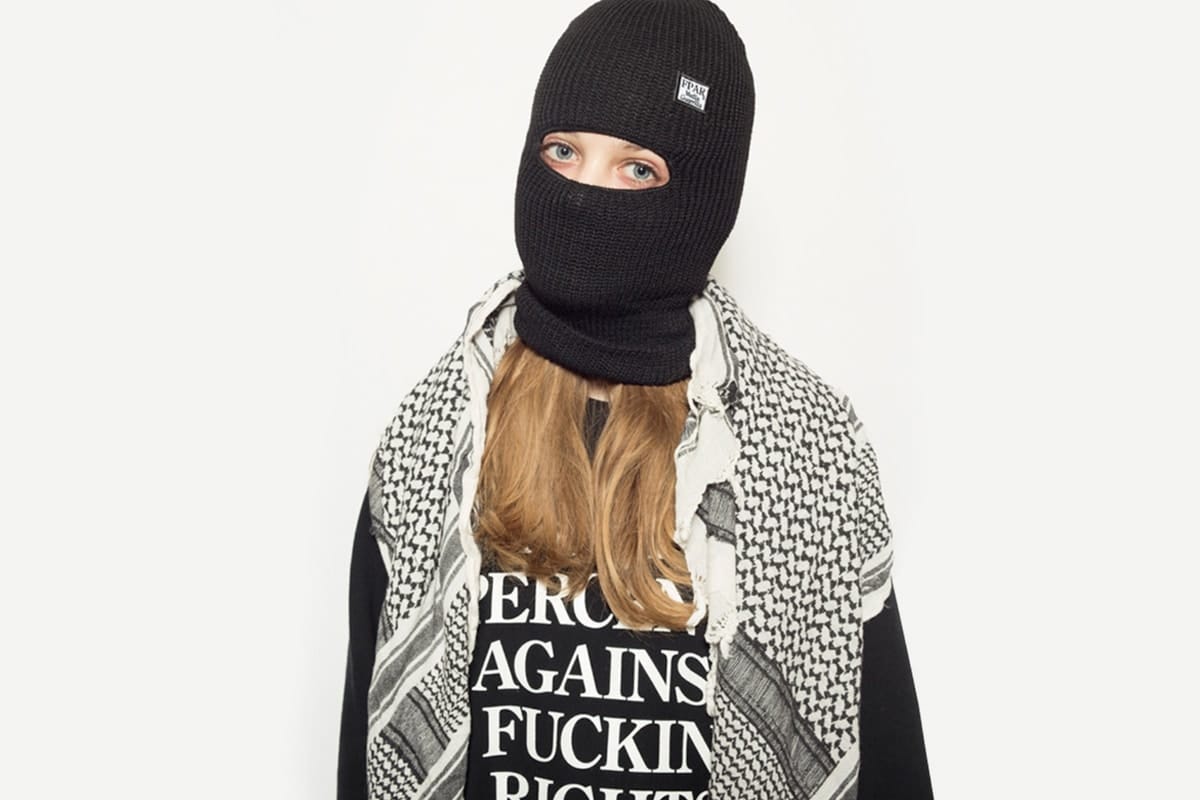
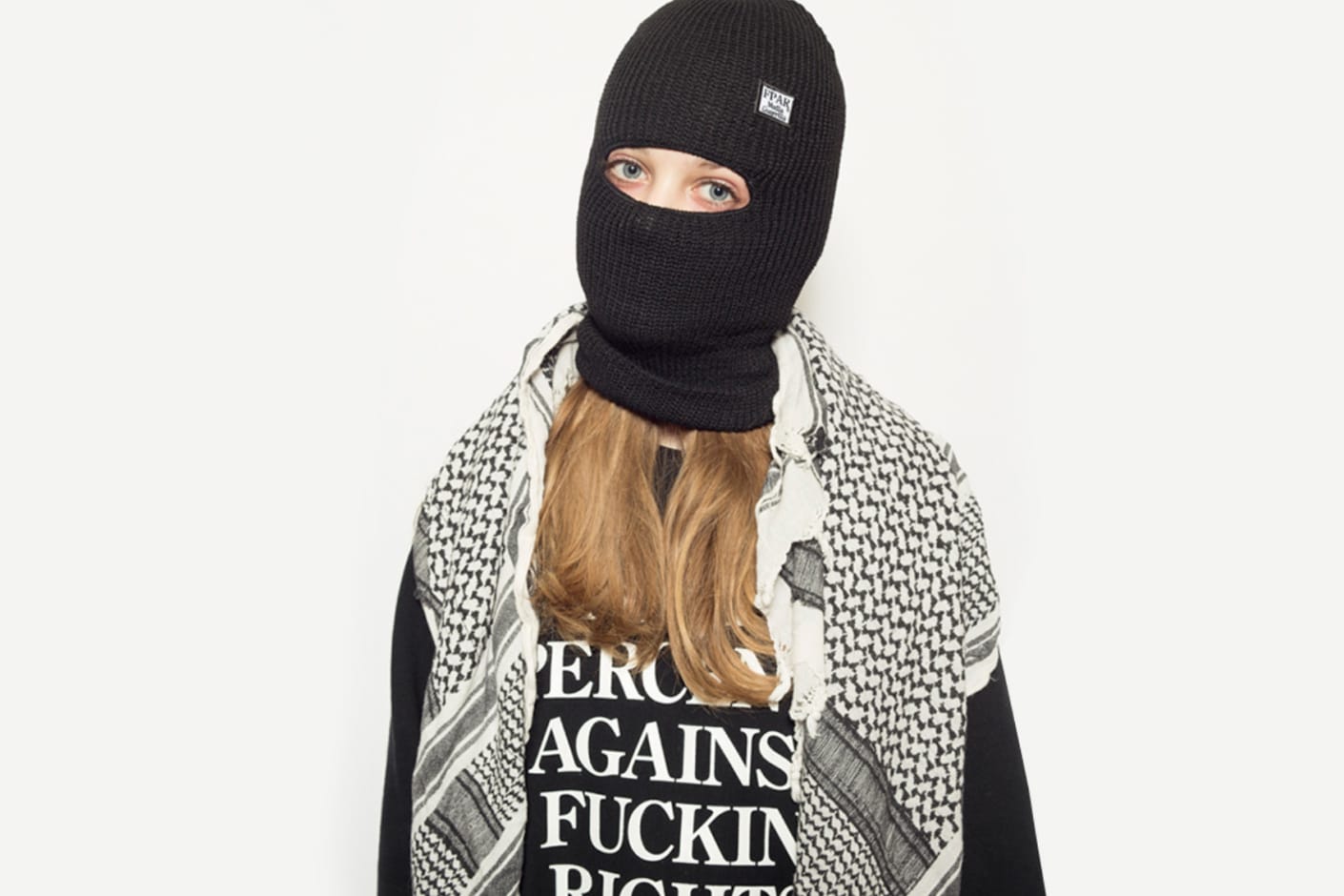
Forty Percents Against Rights
FORTY PERCENTS AGAINST RIGHTS (FPAR), a Japanese label by Tetsu Nishiyama, who also runs WTAPS and ran the 1990s FPAR. Message-based graphics with military- and workwear-derived cuts; it opened its own online store in 2013.
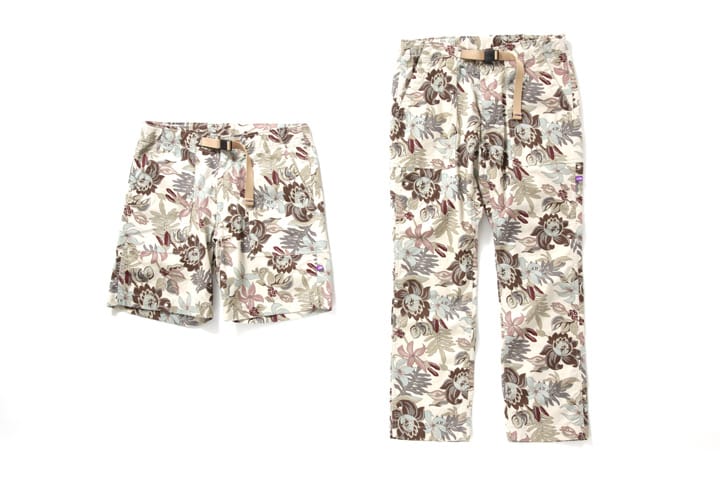
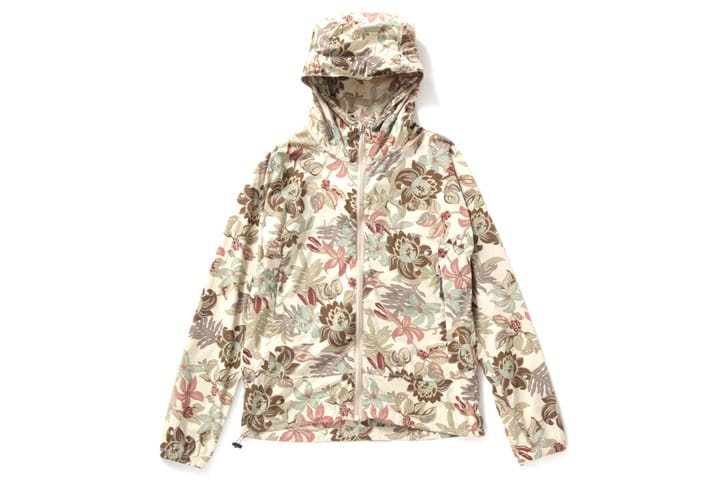
The North Face Purple Label SS2013 Vintage Nylon Taffeta Print
The North Face Purple Label's Spring/Summer 2013 Vintage Nylon Taffeta Print Collection applies a floral pattern to a cotton/nylon hooded parka, matching cargo shorts and full-length trousers.
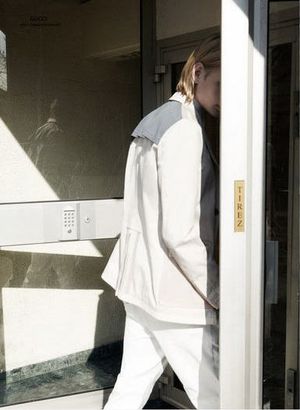
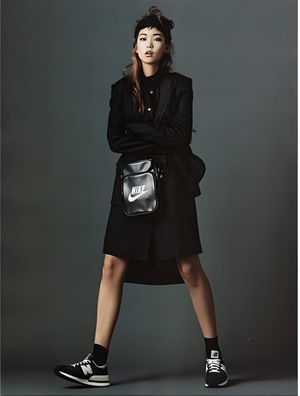
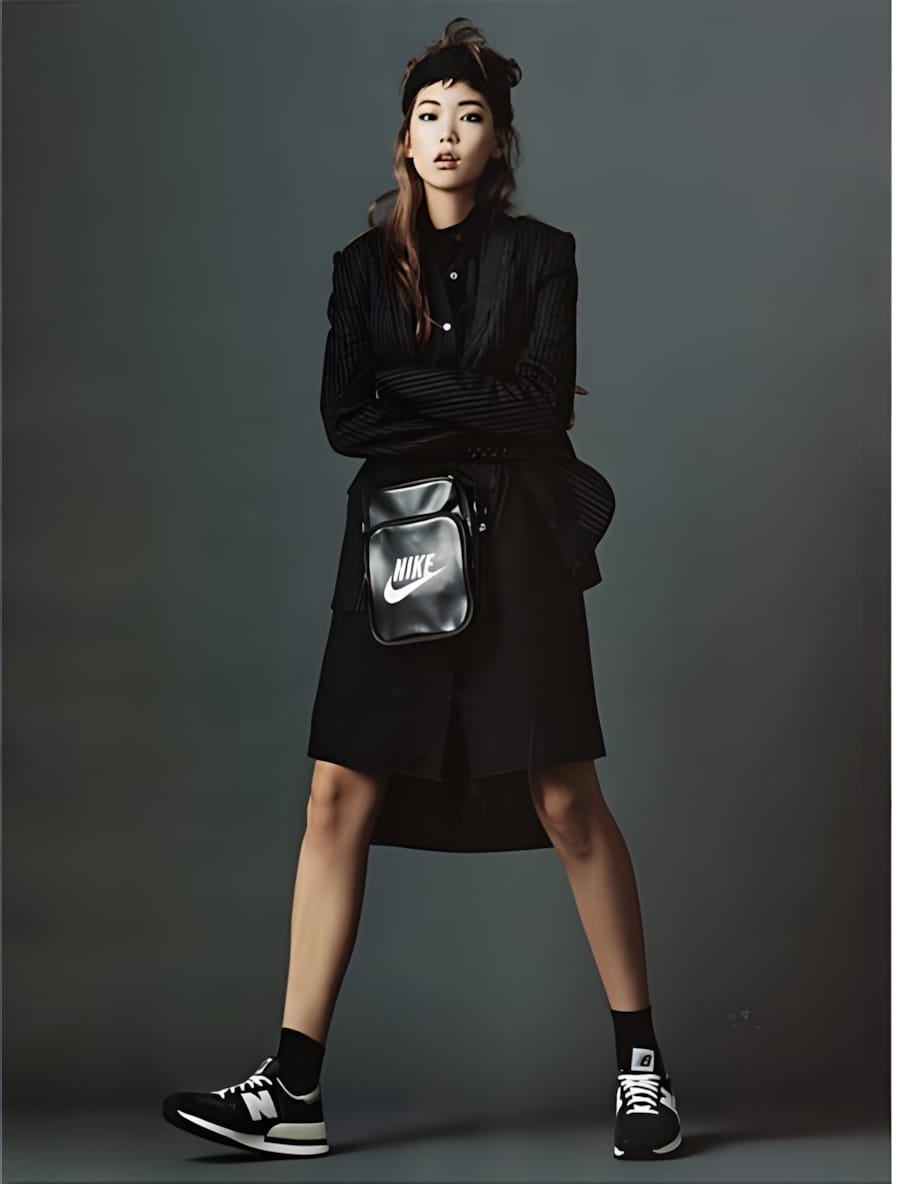
Nike Heritage Shoulder Bag Editorial
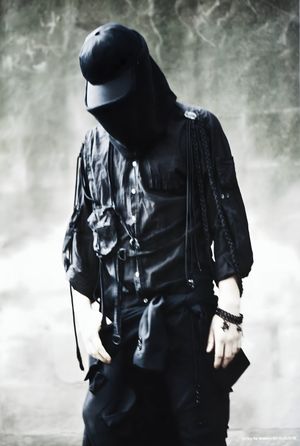
Raf Simons Menswear Lookbook — Photography by David Armstrong
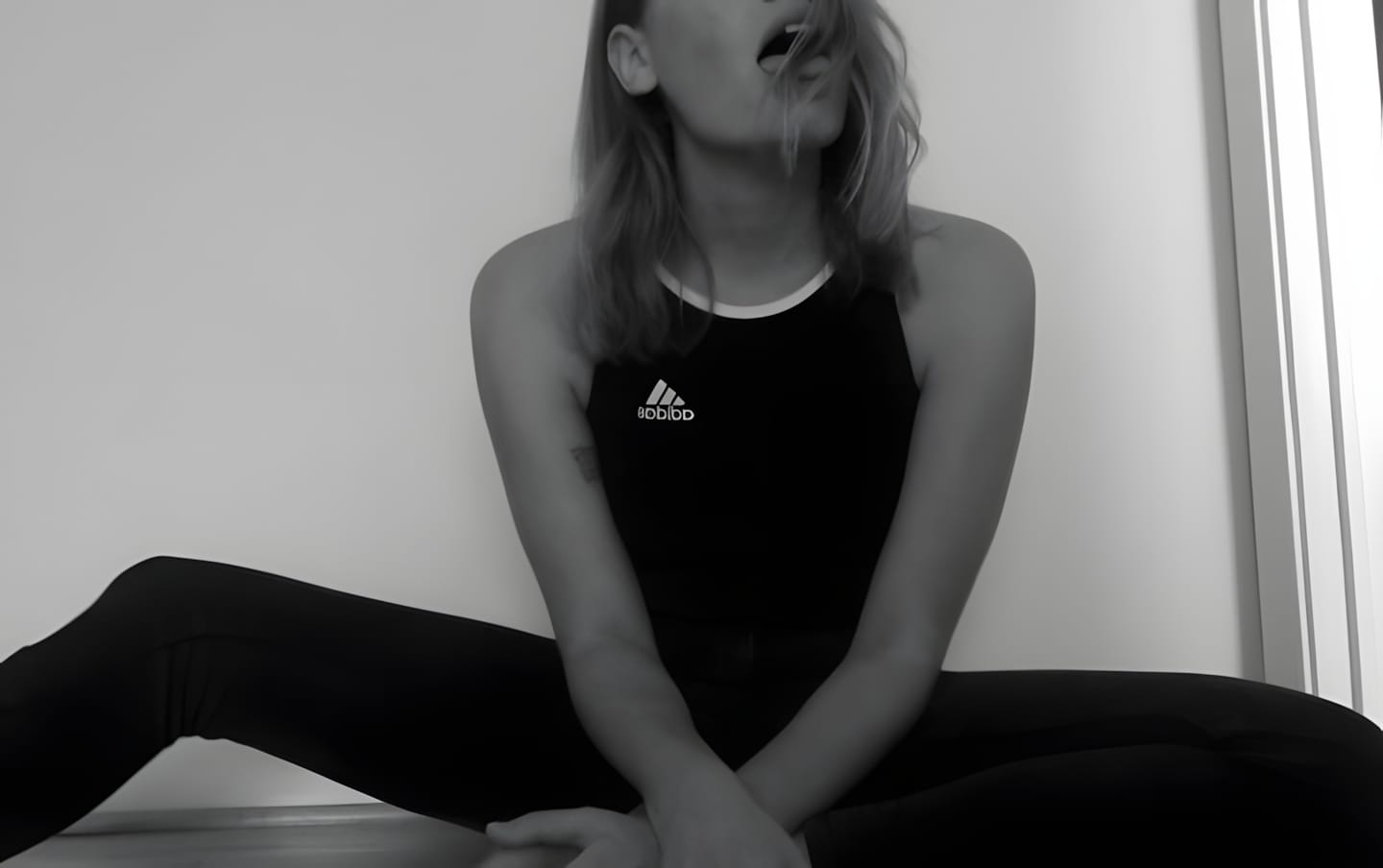
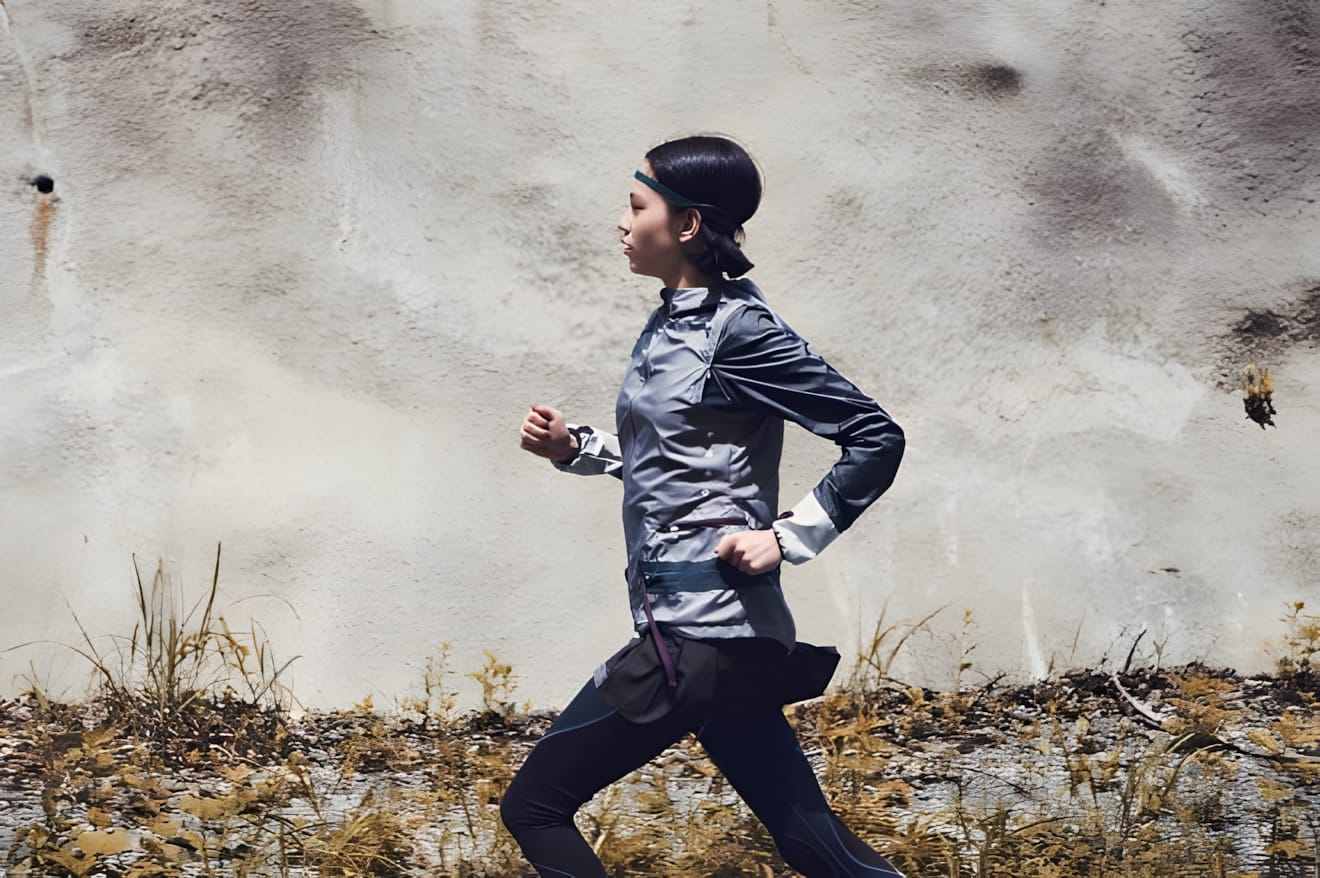
Adidas Performance Tank Top and Leggings — Black Activewear Editorial
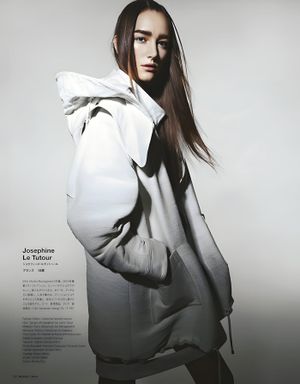
Joséphine Le Tutour in Alexander Wang — Numéro Tokyo July/August 2013
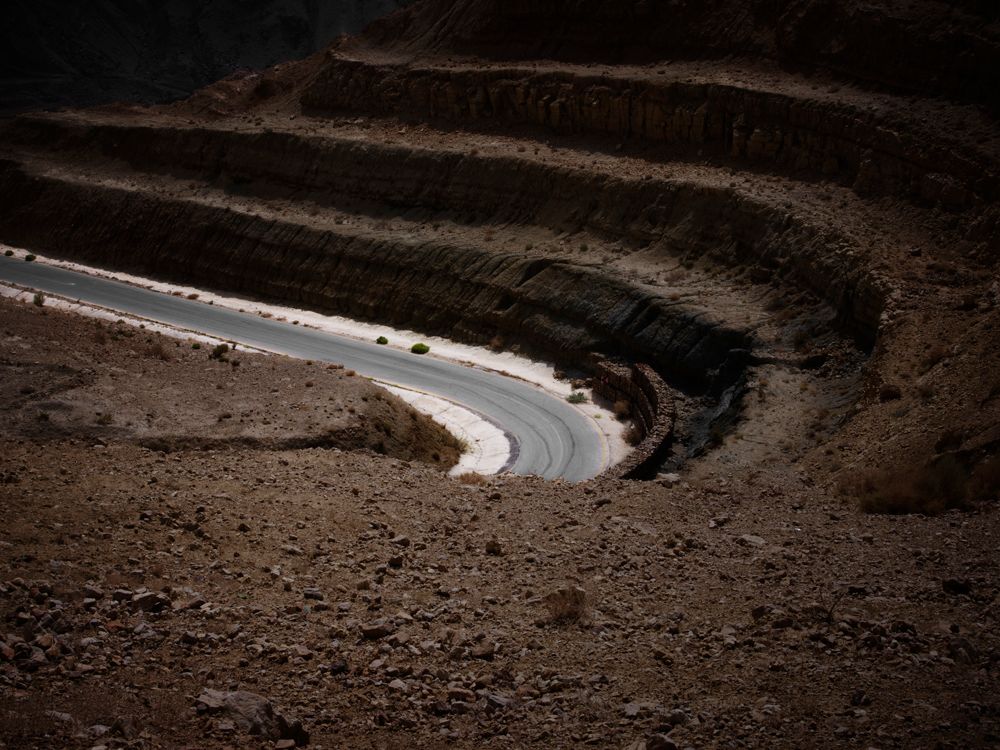
Untitled Mountain Pass — Elias and Theresa Carlson
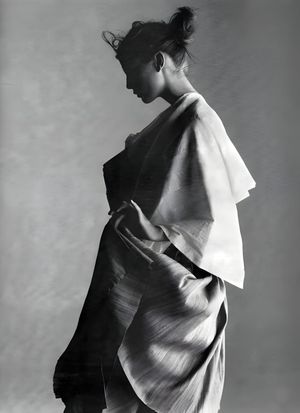
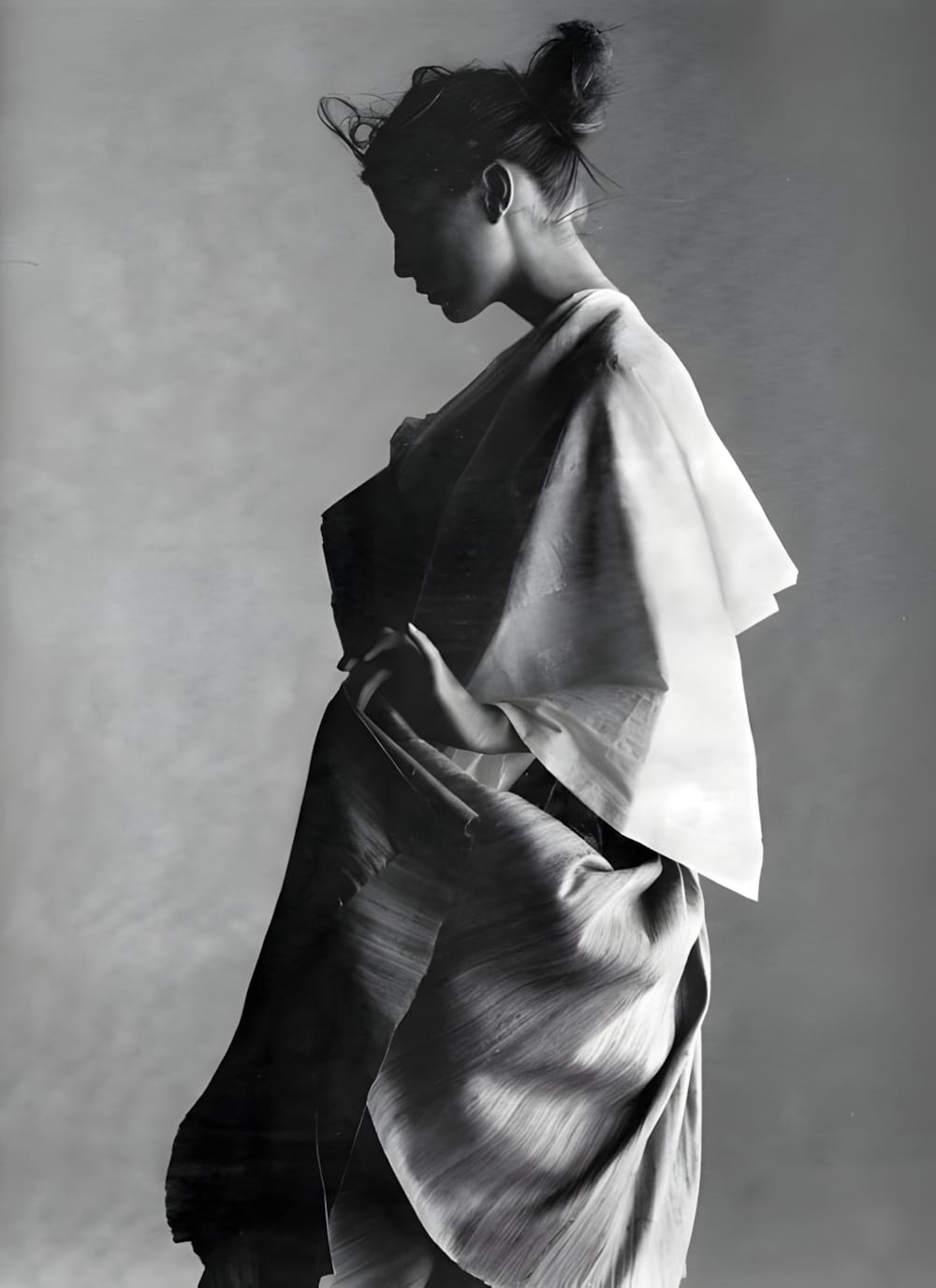
Yohji Yamamoto Editorial — Sculptural Wrap and Pleated Drape
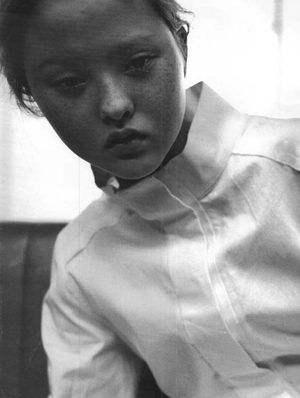
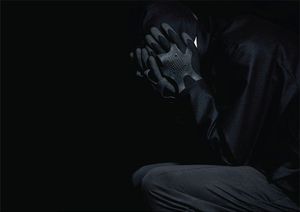
Cottweiler aw2013
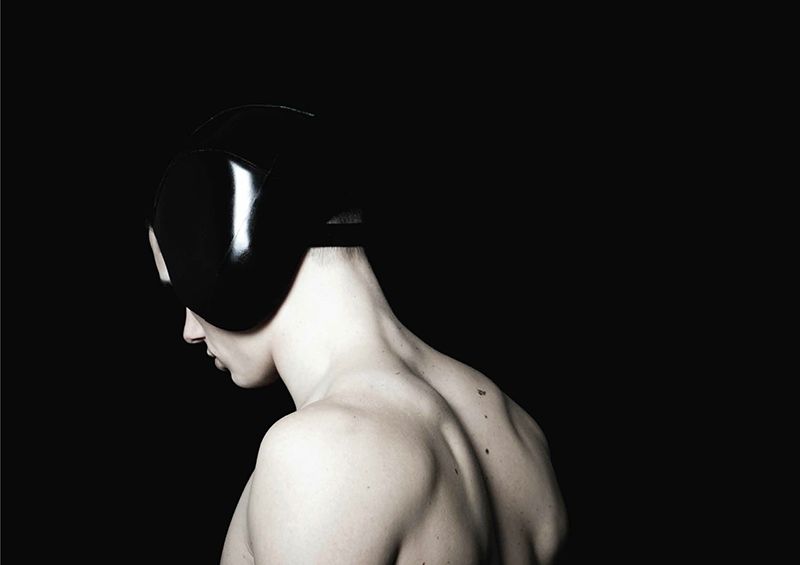
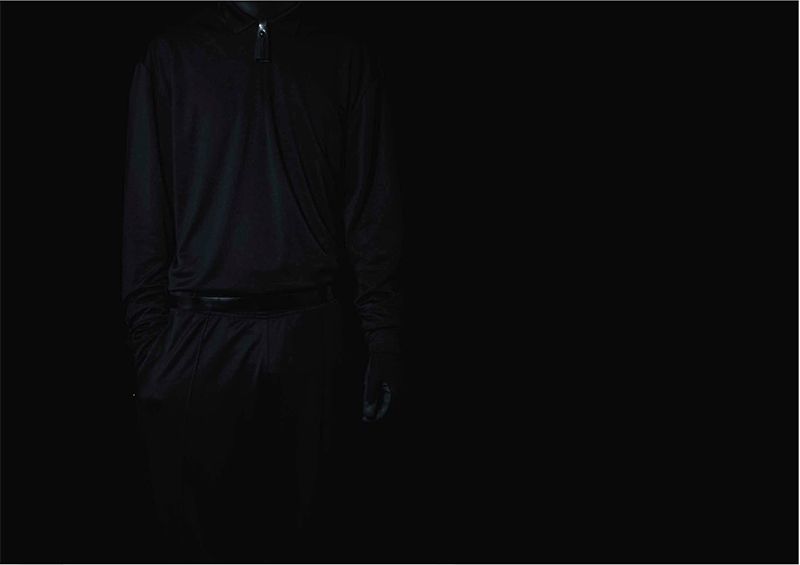
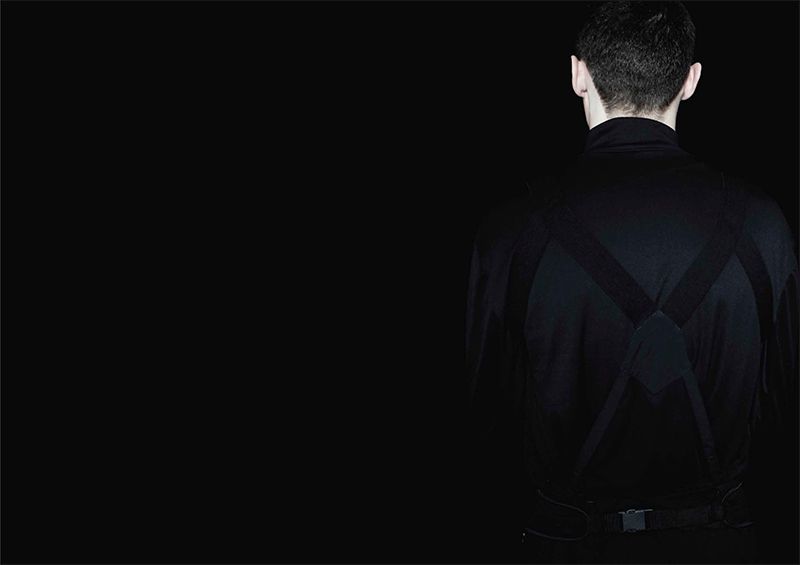
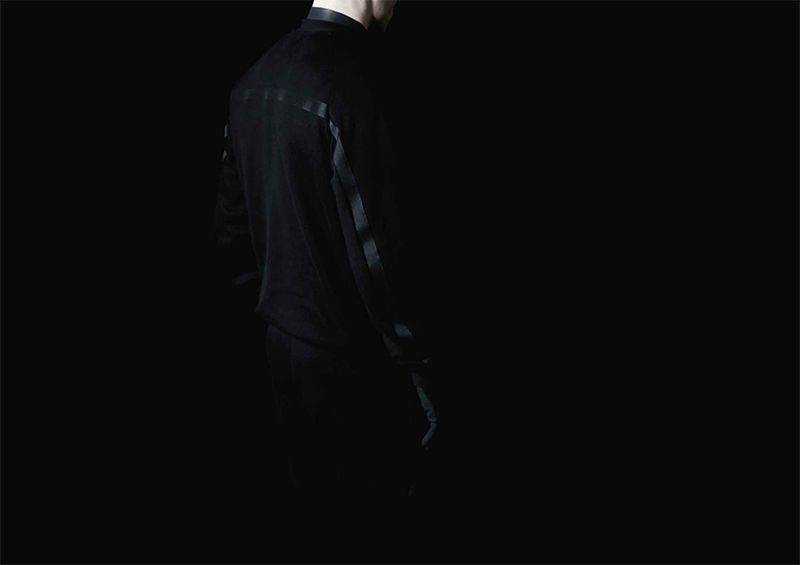
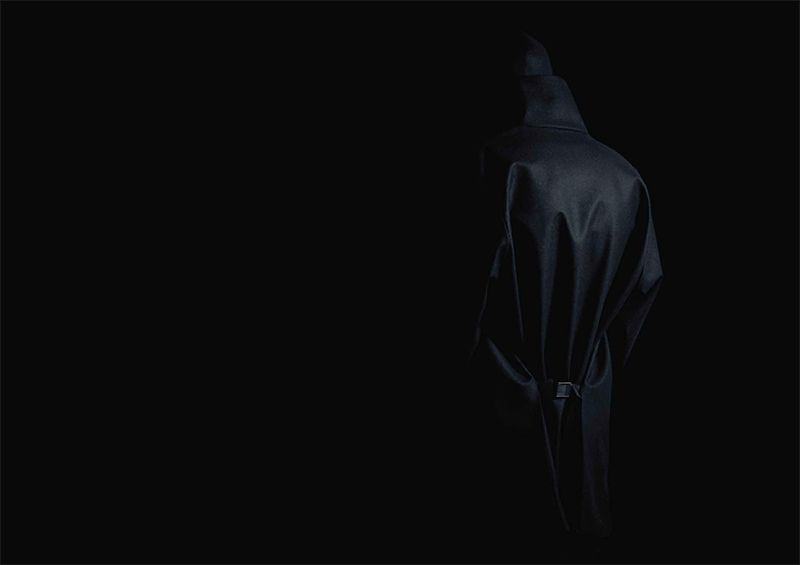
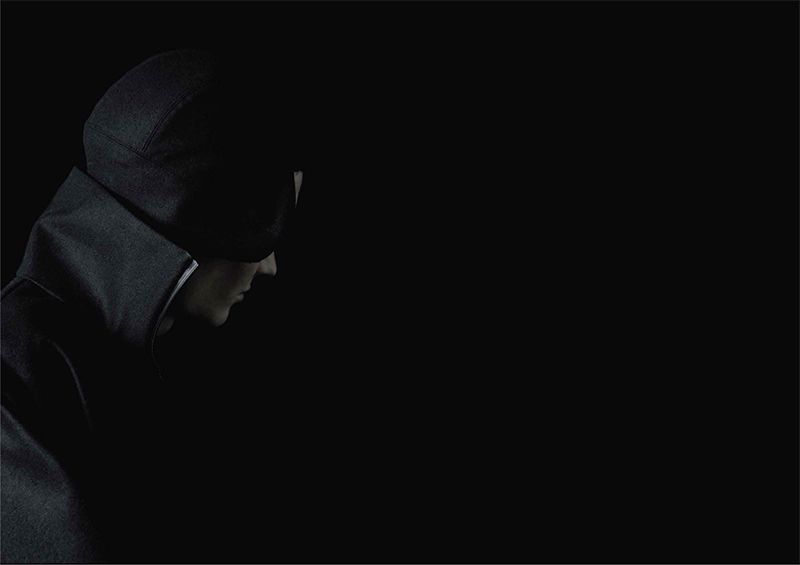
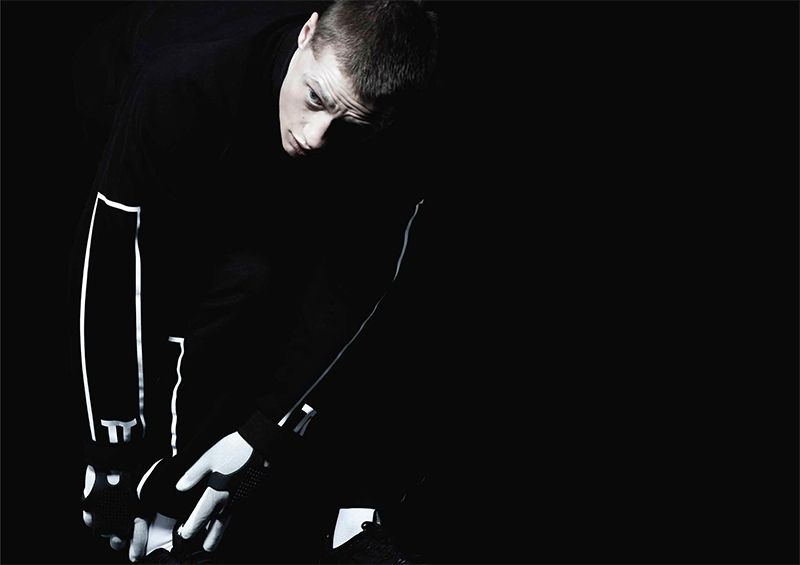
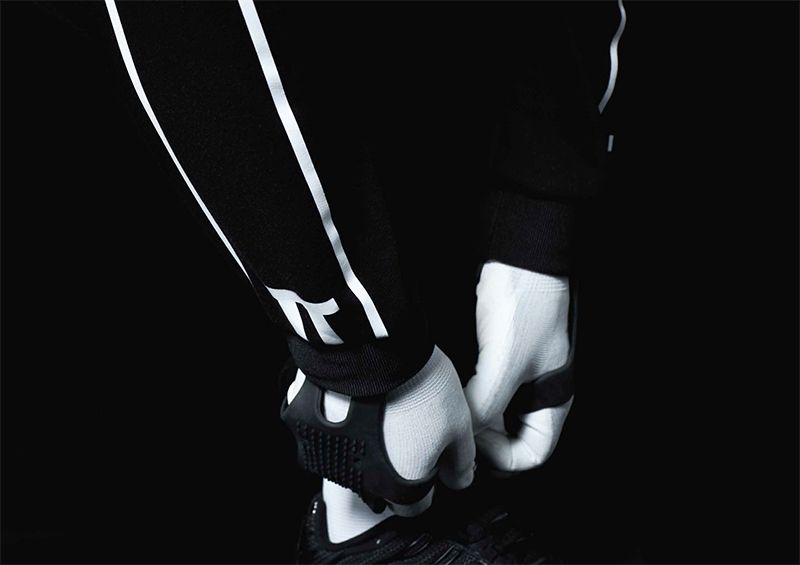
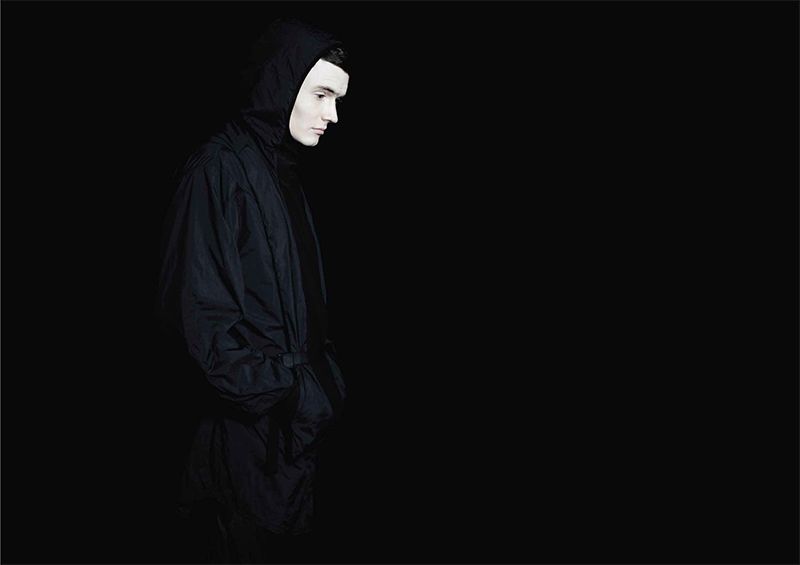
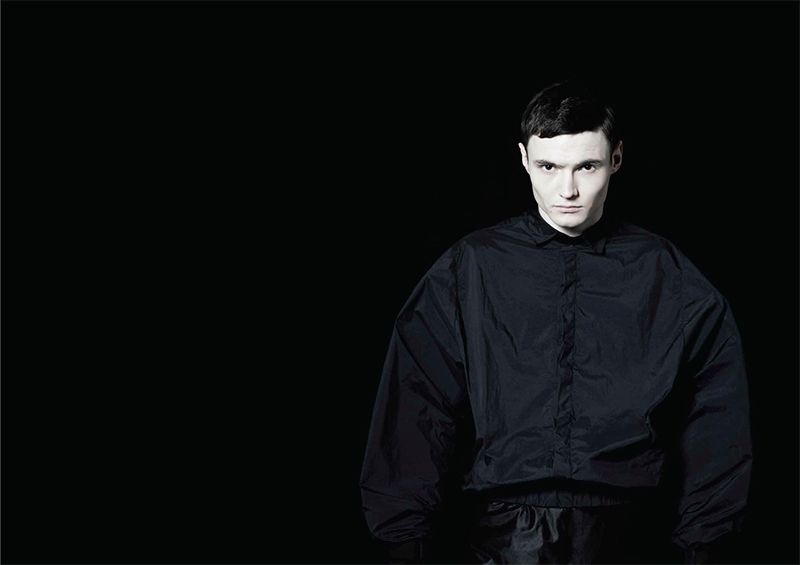
Credits:
Photography: Aline &Jacqueline Tappia Reynaud
Stylist: Lorenzo Posocco
Models: Charlie & Robin
Hair: Sophie Harris
Make-up: Jasmin Laura Rosso
Assistant: James Rg Neville
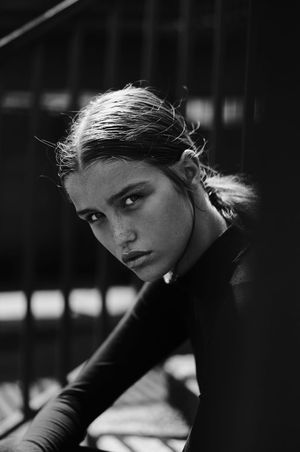
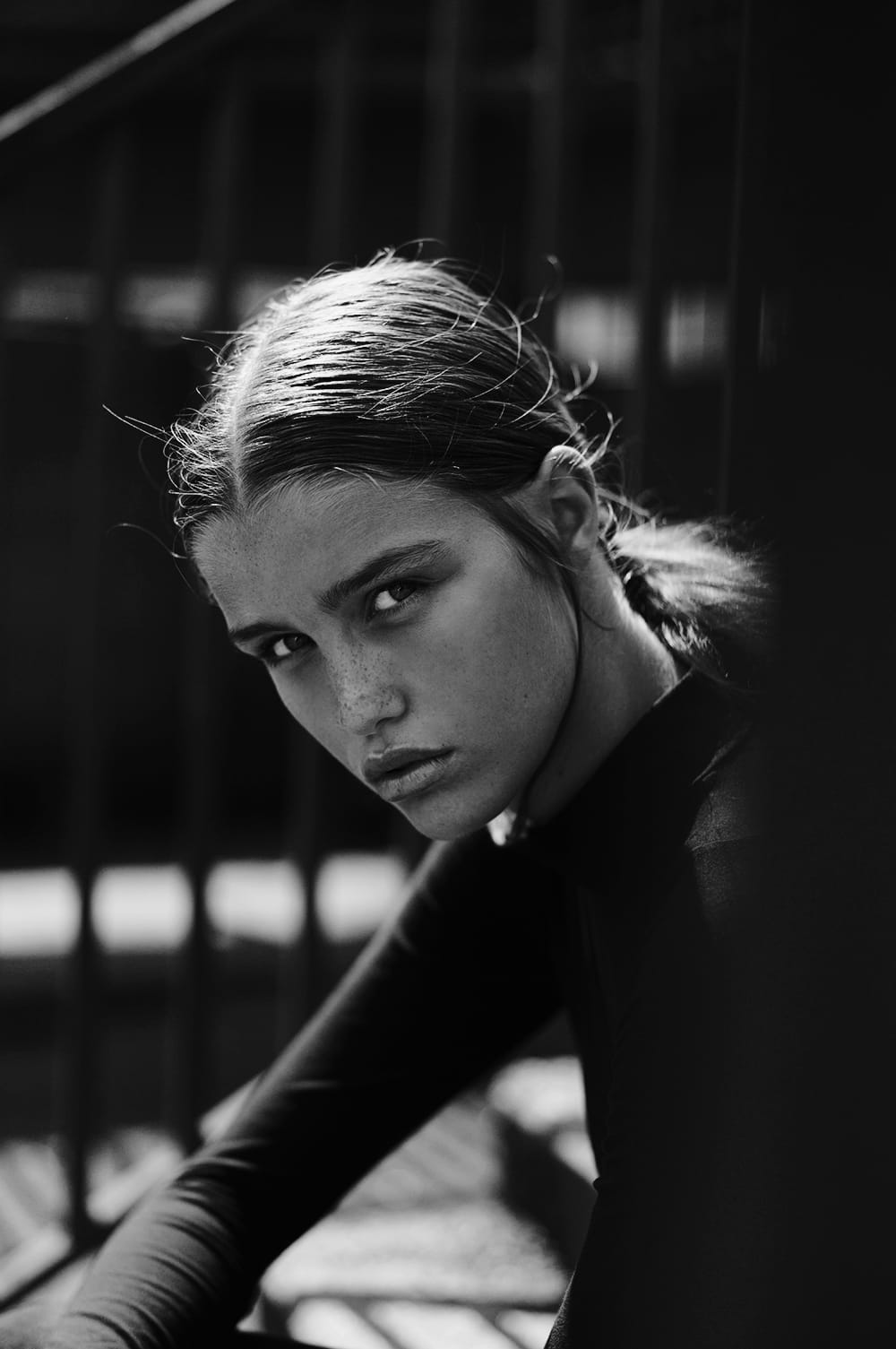
Unseen Luna by Ash Kingston
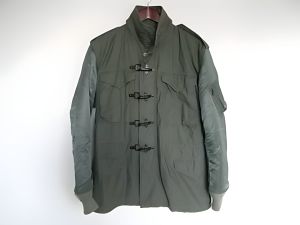
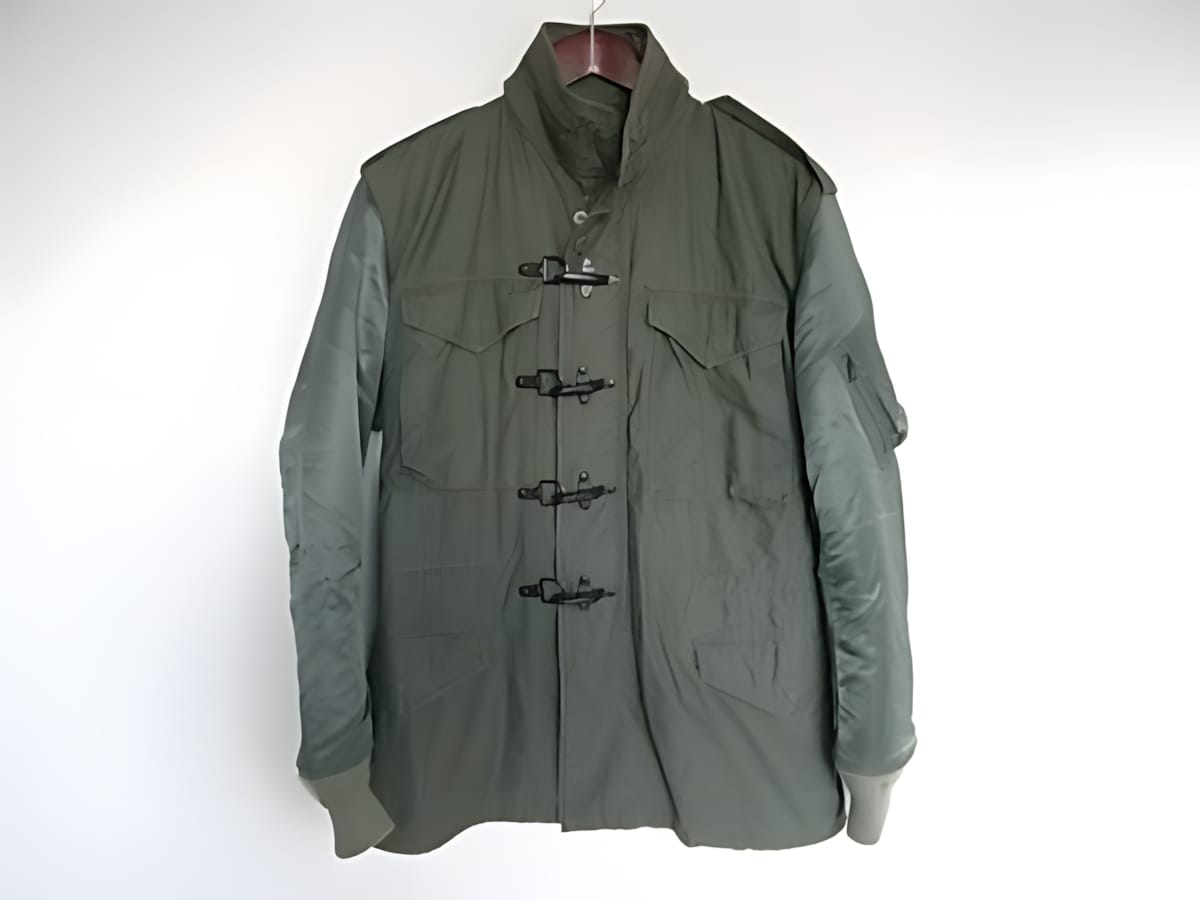
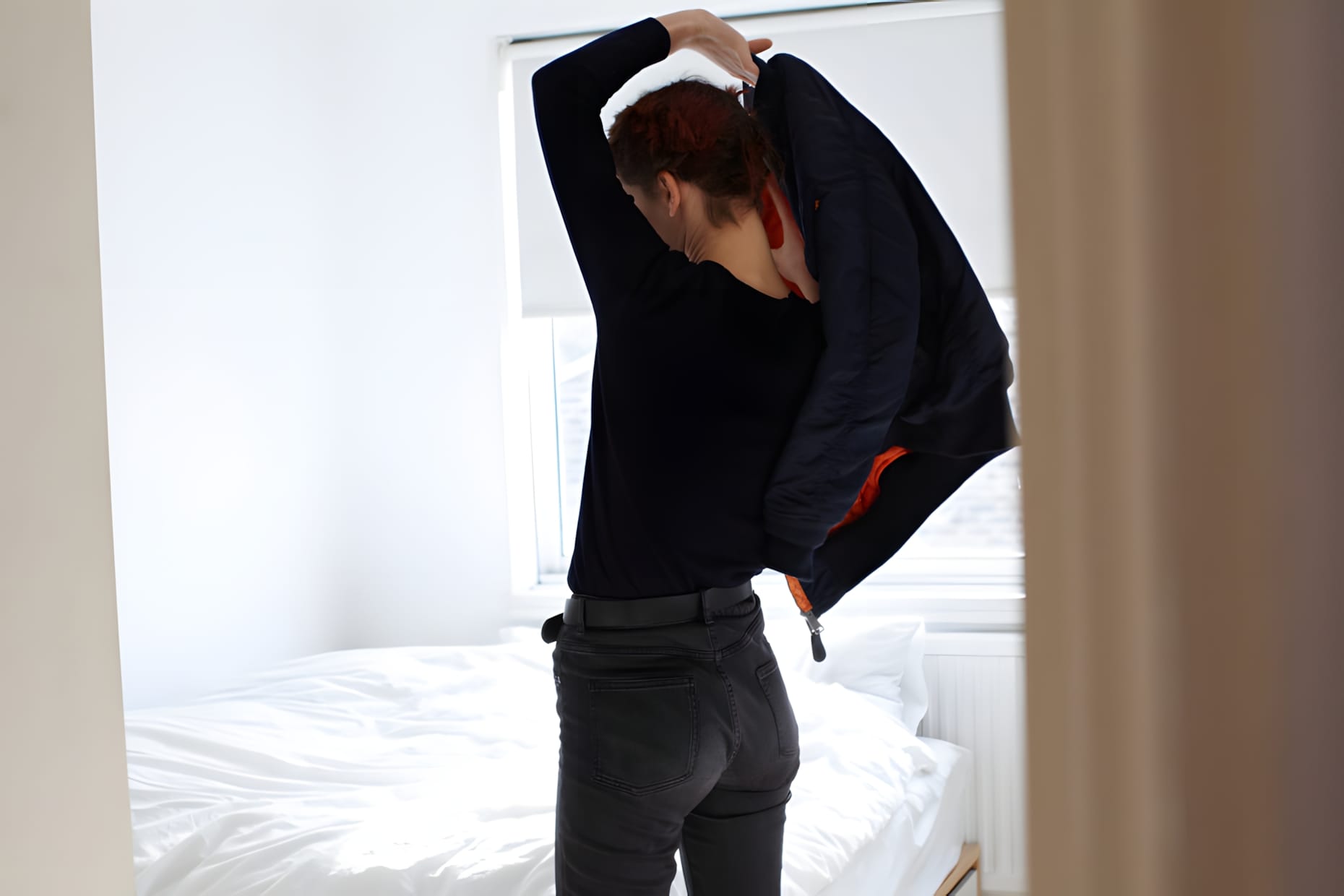
Rebuild by Needles Modified M-65 Field Jacket with MA-1 Bomber Arms
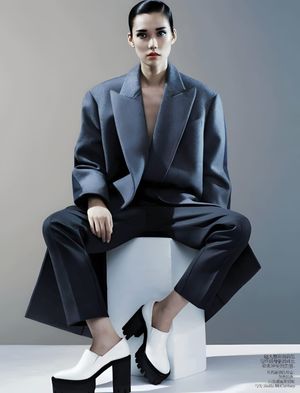
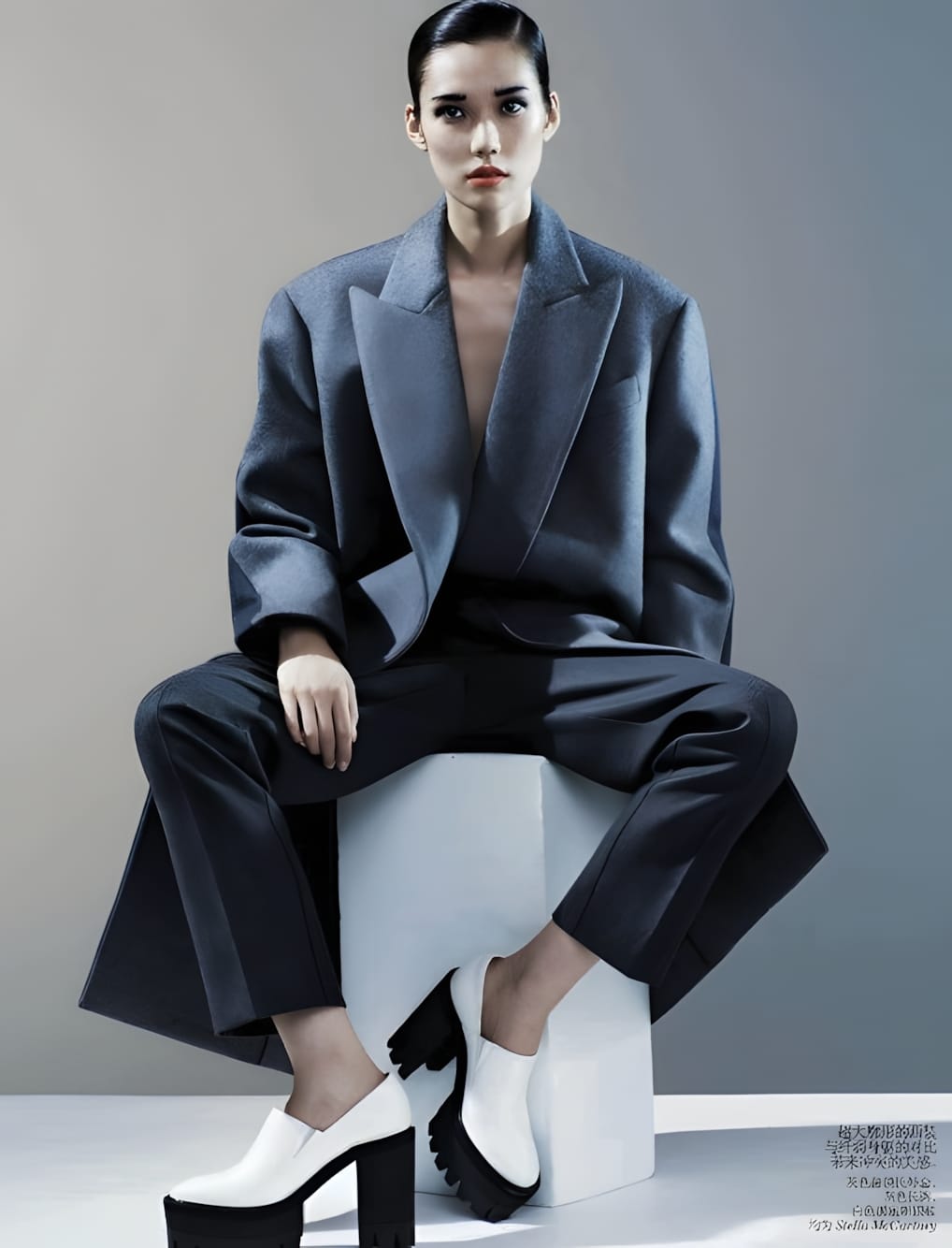
Tao Okamoto by Josh Olins for Vogue China August 2013
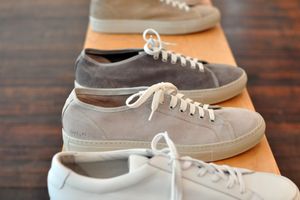
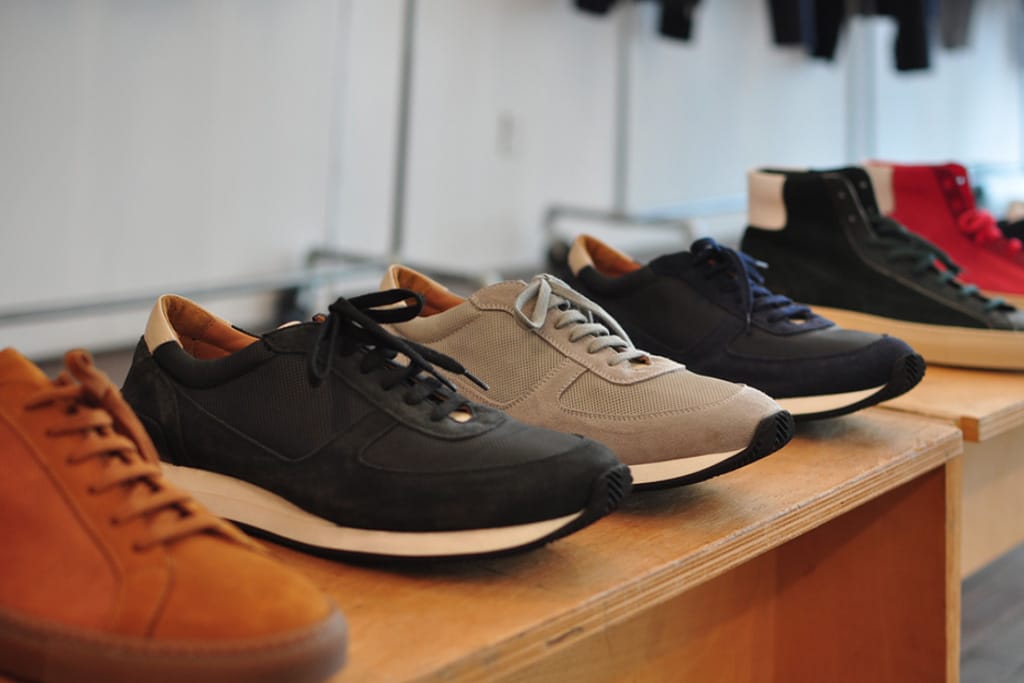
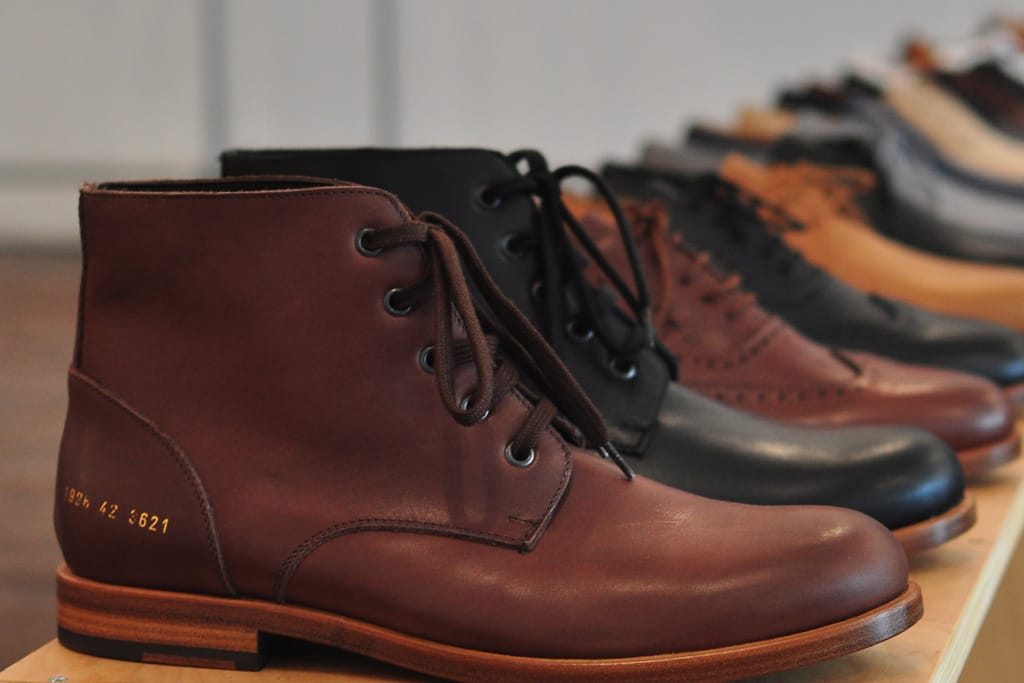
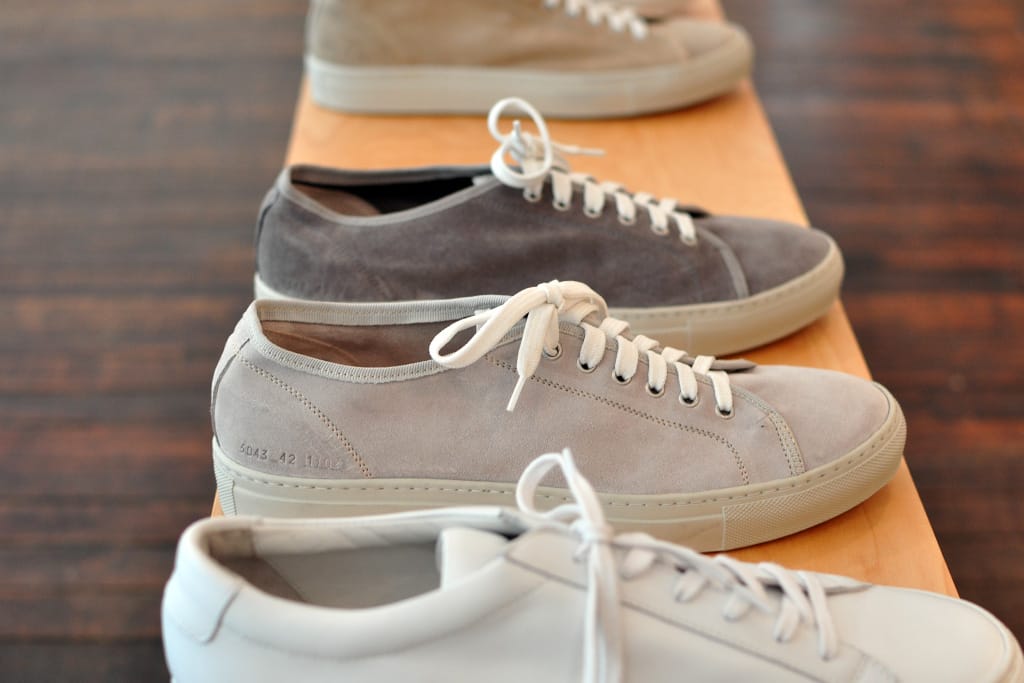
Common Projects 2012 Spring/Summer Preview
A preview of Common Projects' Spring/Summer 2012 footwear, including low-top sneakers, running silhouettes and ankle boots.
The photographs were taken during Très Bien Shop's visit to the Common Projects showroom.
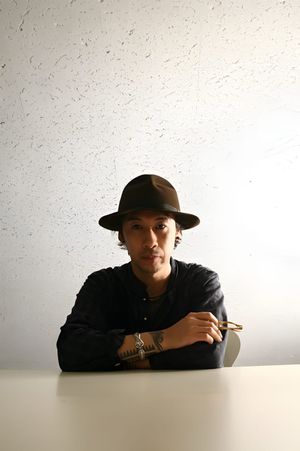
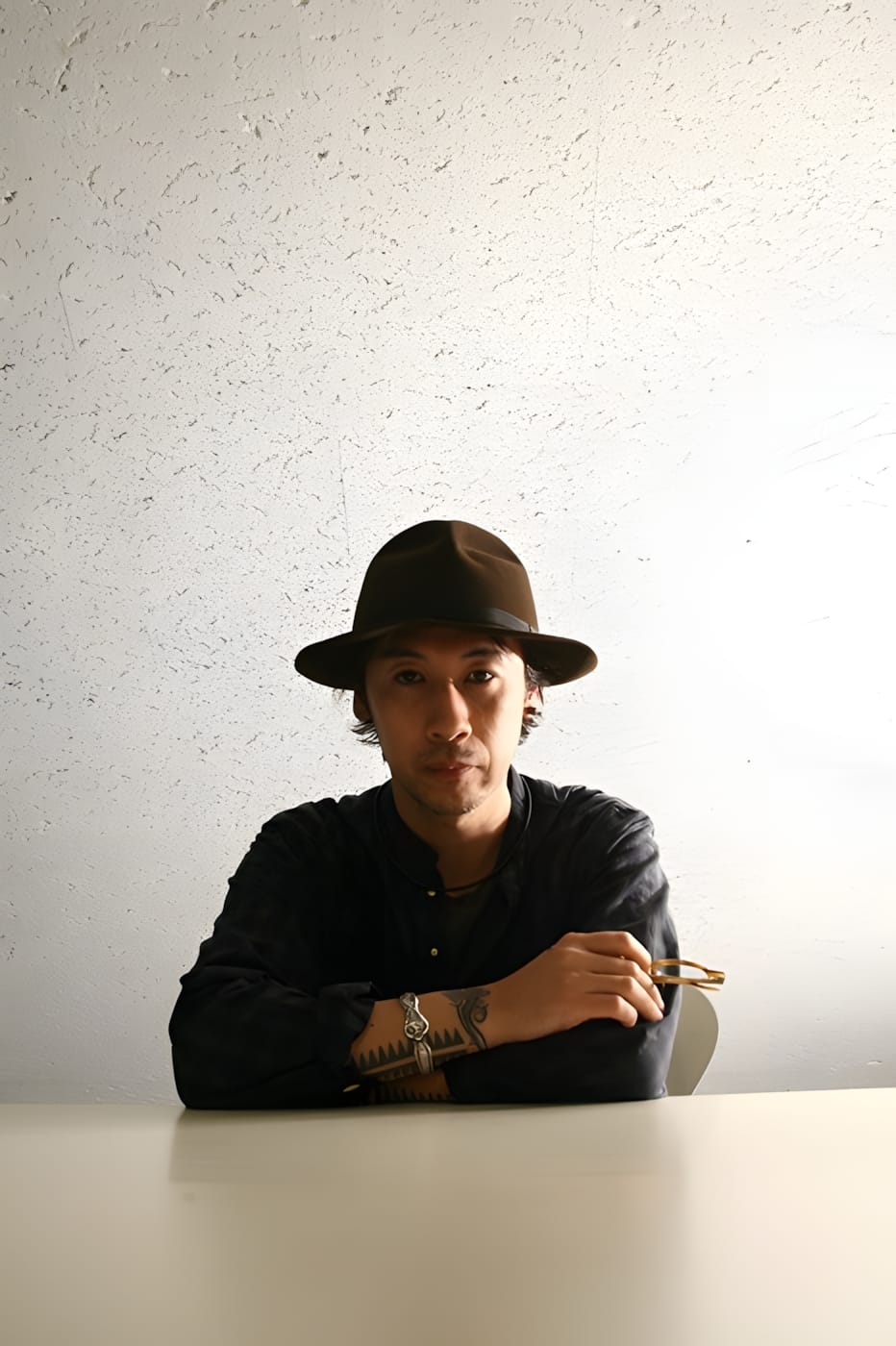
Jun Takahashi — Undercover Designer Portrait, Dazed June 2013
Interview with Jun Takahashi on Undercover AW13
Q: After two years away from the Paris catwalks, why was now the right time to show a runway collection?
A: After the earthquake disaster, we Japanese were spiritually in the worst state. It’s been two years since then and everyone is hoping to improve the present situation. I am one of them. I chose to have a runway show in Paris in order to restore myself. I thought it would work because going back to the runway was one of the things I had been hoping to do.
Q: Talking of the scar that Japan’s earthquake left on you, did it creatively affect your AW13 collection?
A: I was craving for creation, and that resulted in those one-off dresses. Two years ago, mentally and financially I wasn’t able to create such things. Those one-off pieces are my original works and made intuitively by myself. I am the only one who could make them. They are sacred works to me. I guess I like things where you can feel human warmth.
Q: Why did you call the show ‘Anatomicouture’? Was your intention to expose the inner bones of the garments?
A: It is a mentality of exposing the inner self, corresponding to my desire to reveal my creation and what’s going on in my head.
Q: Despite the skeleton and organ motifs, the collection is beautiful and seductive – does this come back to your interest in the contrast between ugly and beautiful?
A: Ugliness and beauty co-exist in human mentality. I always want to express those emotions.
Q: The AW13 show had the feel of punk performance art – why did you stage it like theatre?
A: Because the theme of this collection is related to human emotions, I thought my theme could be conveyed much better with such staging effects that would move people’s hearts. That’s why I used songs by Cat Power and James Blake. All the songs are great and meaningful and helped me convey what I wanted to express through the lyrics of songs too.
Q: When did your love of fashion start, and how did that lead to Undercover?
A: When I was little I loved drawing and had a twisted personality. I was so into punk during my high school years. My interest in fashion arose when I was around 15 years old and I was hoping to become a designer. At 18, I entered Bunka Fashion College. I was questioning about learning ‘design’ from teachers who were much older than me. So I told myself that I would learn only techniques in the school, nothing else.
Q: Undercover was considered part of a new wave of Japanese designers. How did your approach differ from the likes of Rei Kawakubo and Yohji Yamamoto?
A: I am not sure if Undercover is part of a new wave and I don’t really care. But Rei influenced me a lot on things like breaking stereotypes.
Q: You and your friend Hiroshi Fujiwara collected vintage Seditionaries pieces and published a book about them, and you even appeared in a show of Vivienne Westwood’s designs in Tokyo in 1990. Can you describe the impact punk made on you and explain why it still resonates today?
A: To me, punk means a spirit that questions and abolishes conventional ideas. That is my fundamental principle. You can apply the principle to fashion design. It depends on each season, but I instil punk interpretation into my designs in many ways – for example, by fusing two contradicting elements or applying techniques that are generally considered taboo.
Q: You recently designed lines for Uniqlo and Nike – how did you enjoy those two experiences? Did they feed back into your work with Undercover?
A: The Uniqlo and Nike collaborations are totally different types of designs from that of Undercover. Therefore the collaborations didn’t really affect my work with Undercover. But for my career as a designer, both collaborations became good experiences. Working with Uniqlo gave me the opportunity to learn about the creation of mass products and newly standard items that are totally different from designing avant-garde pieces. As for the collaboration with Nike, I am very satisfied both as a designer and as a runner with the fact that I have been able to create products which integrate necessary functions for running with fashion-design aesthetics, which had often perhaps been missing in the existing sportswear.
Q: You’ve talked in the past of the difficulties with keeping up with the six-month cycle of fashion shows, and skipped showing in Paris for a couple of seasons – how are you currently finding working within the fashion calendar?
A: Right now, I’ve come to the conclusion that the six-month cycle is appropriate. Themes of each Undercover collection vary by season. If we could spend more than six months on a collection, and if we continue to work with the same theme for a year, it would be difficult to keep up the tension towards the theme and I am afraid that the freshness would be lost.
Q: AW13 got a great response. Will we be seeing you back on the runway next season?
A: I could strongly feel that a lot of people were waiting for Undercover and I was very thankful about it. I will be back on the runway next season.
Q: Next year will mark the 20th since you began showing as Undercover. How do you feel you’ve evolved in that time?
A: I went through many phases and experienced many things. There was a time we faced various troubles, or we jumped into things just by force of circumstances. But nothing was wasted. I am responsible for all success and failure of Undercover. I will go forward without being ashamed of the paths I’ve chosen.
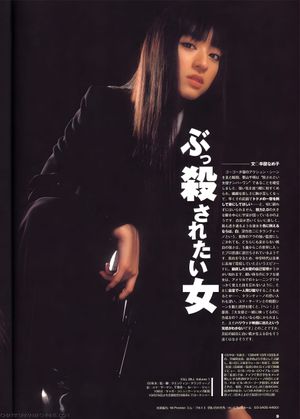
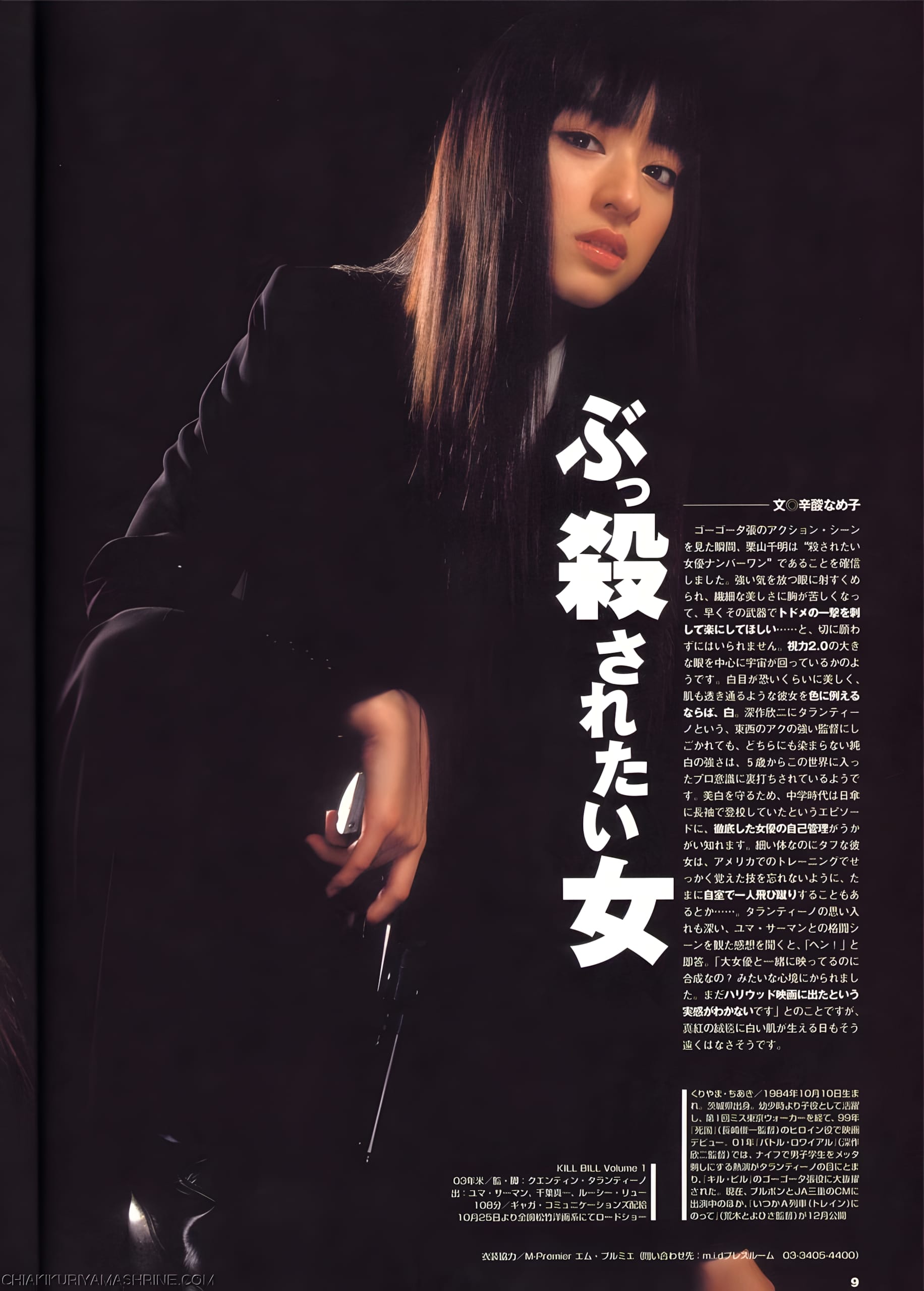
Chiaki Kuriyama — Kill Bill Volume 1 Japanese Magazine Feature
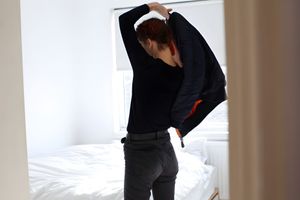
Hanna Putz — Friends of Friends Portrait by Thomas Lohr
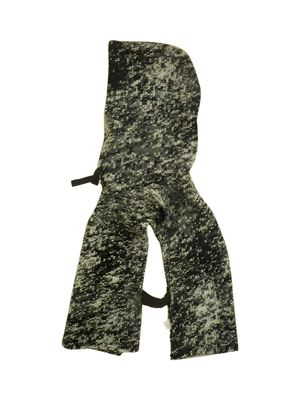
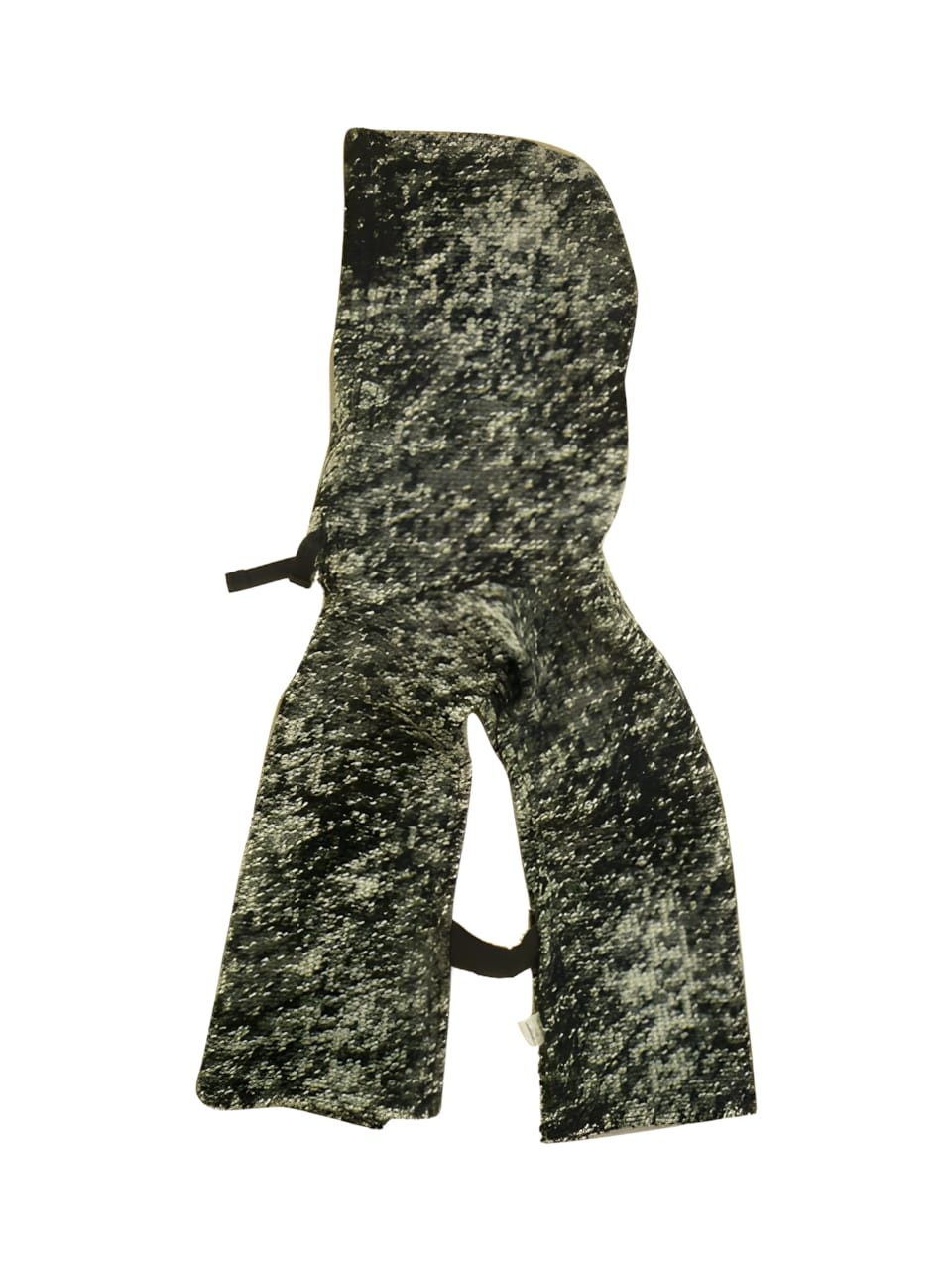
Engineered Garments Hooded Interliner Knit
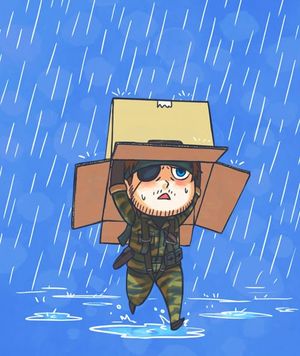
Big Boss with Cardboard Box in the Rain
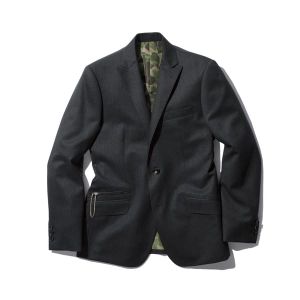
Dark Suit — N.Hoolywood or Gareth Pugh Fashion Editorial
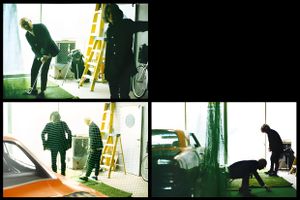
Undercoverism Fall/Winter 2012 Honeyee Editorial
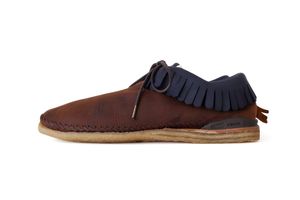
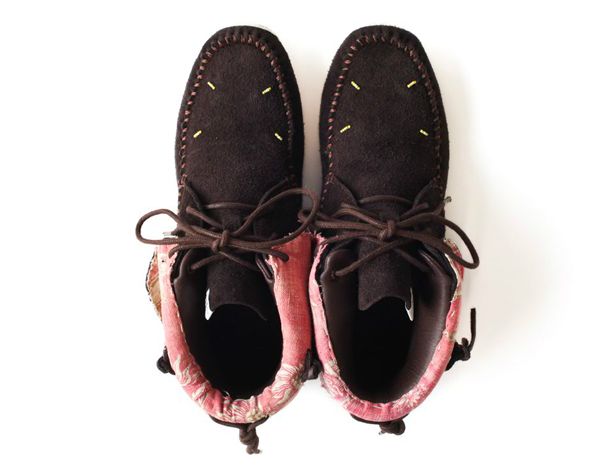
Visvim Maliseet Folk — Brown and Navy
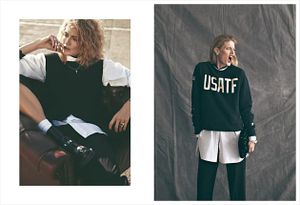
Michelle Buswell by Koray Birand, Harper's Bazaar Turkey 2012
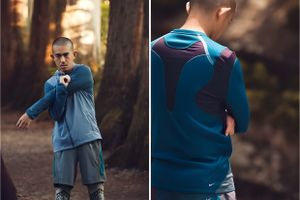
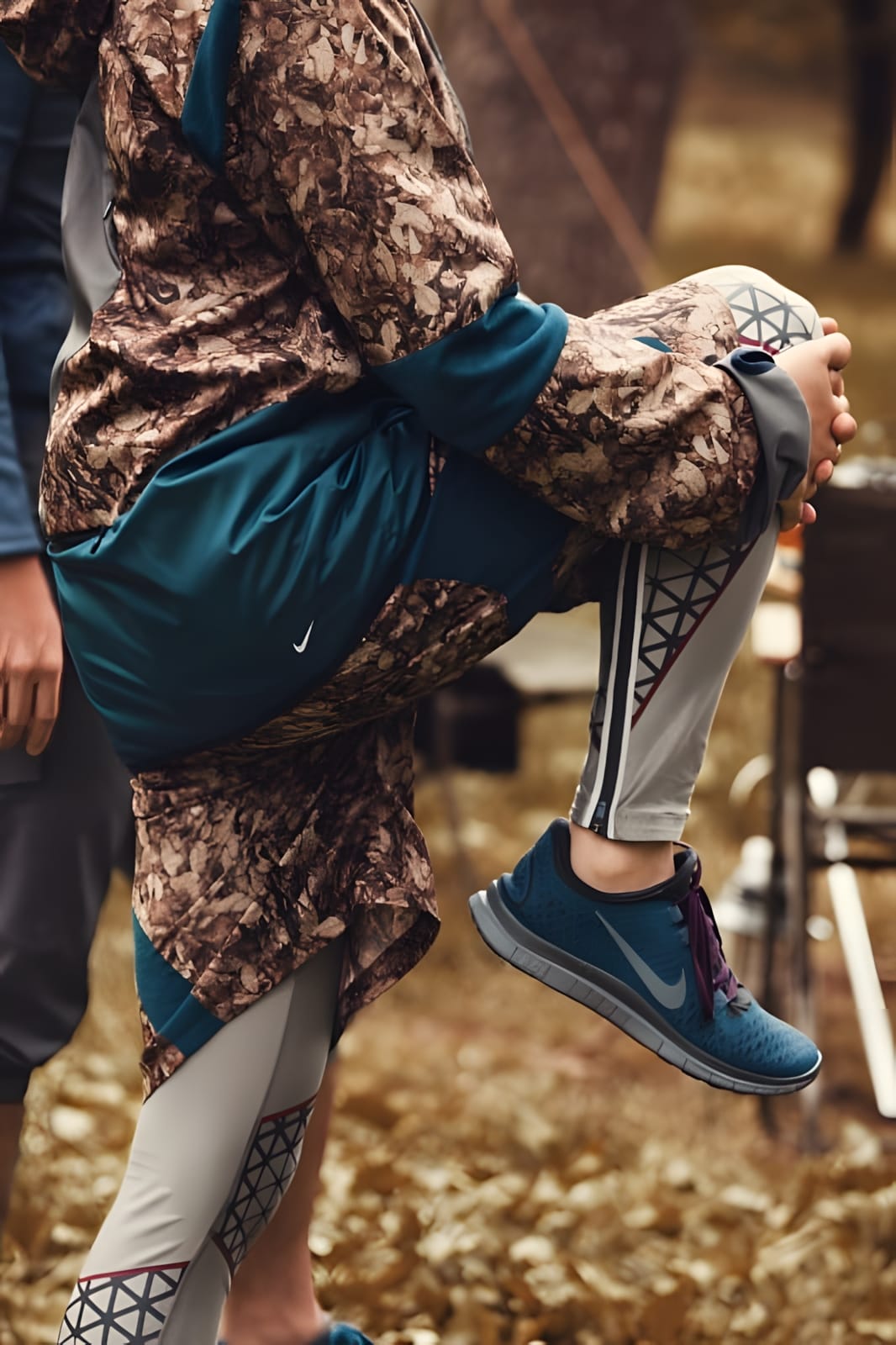
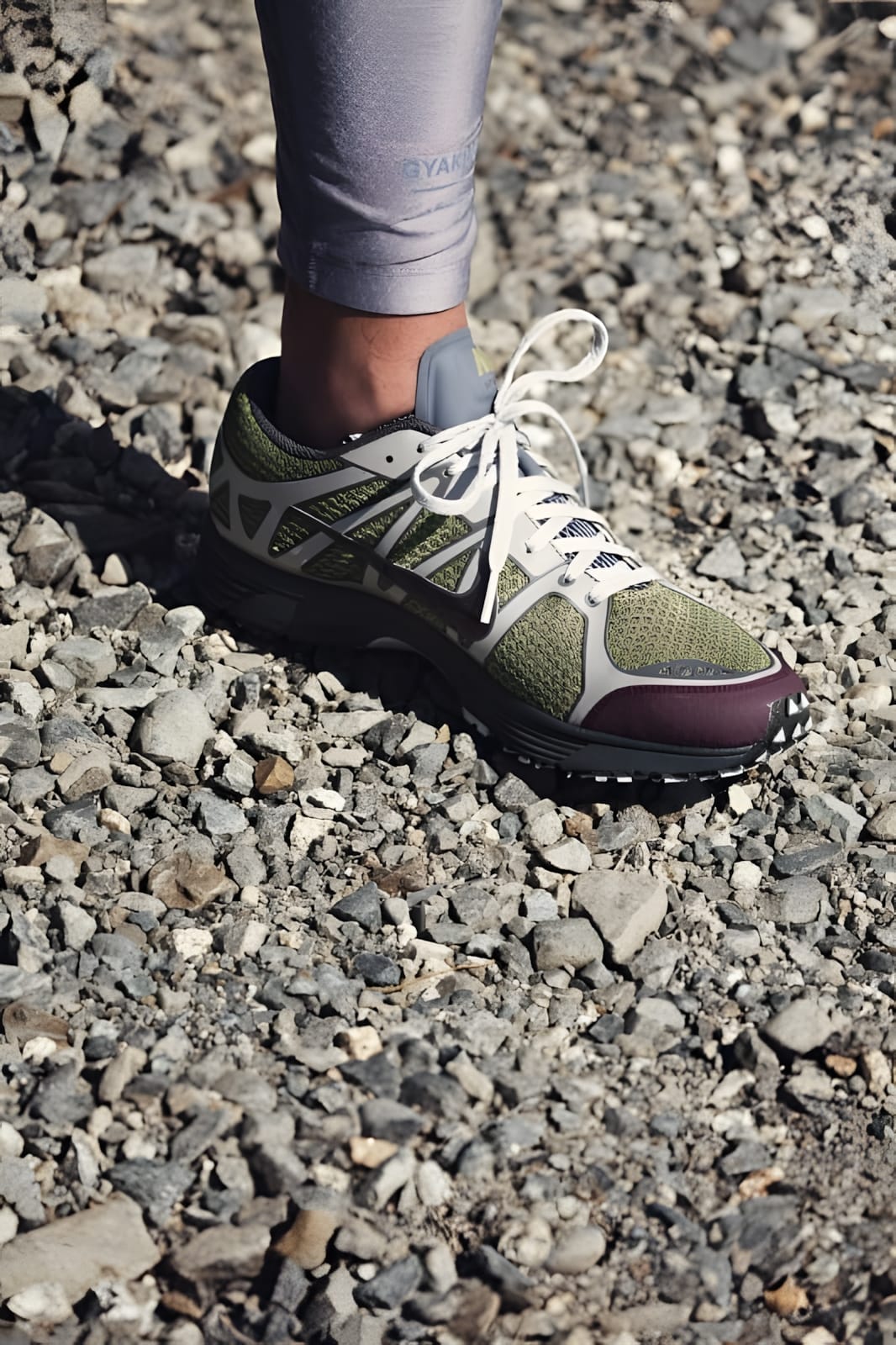
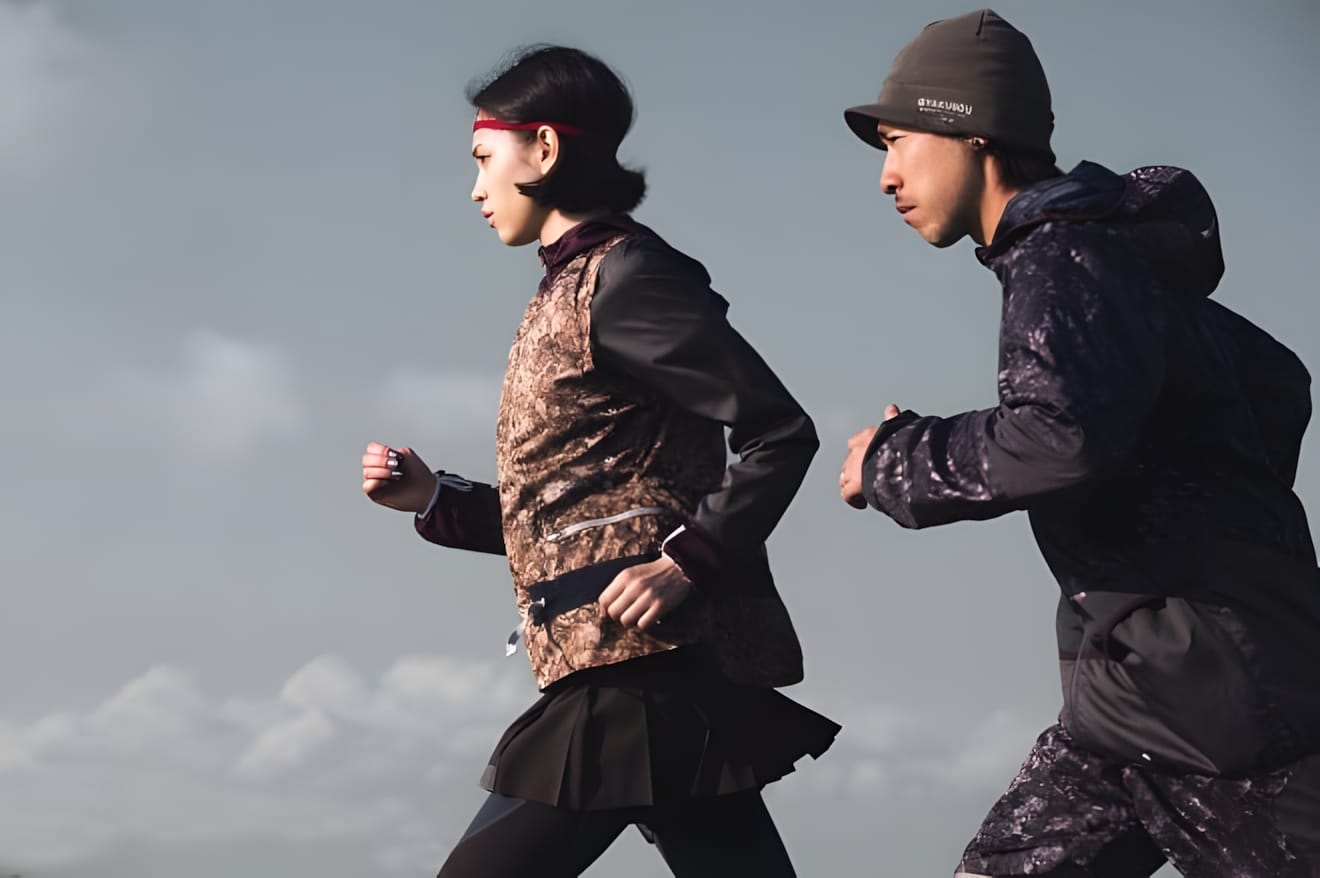
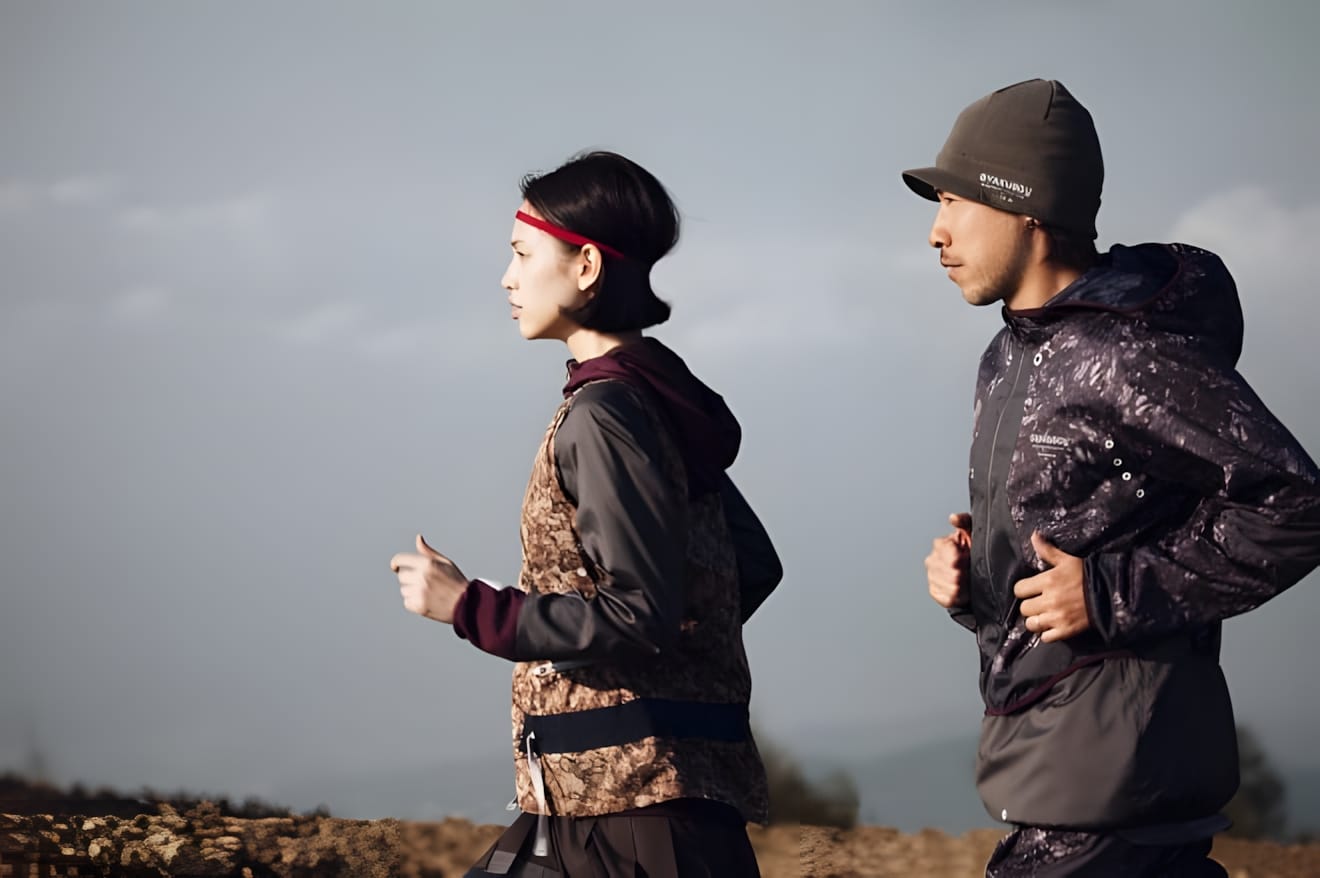
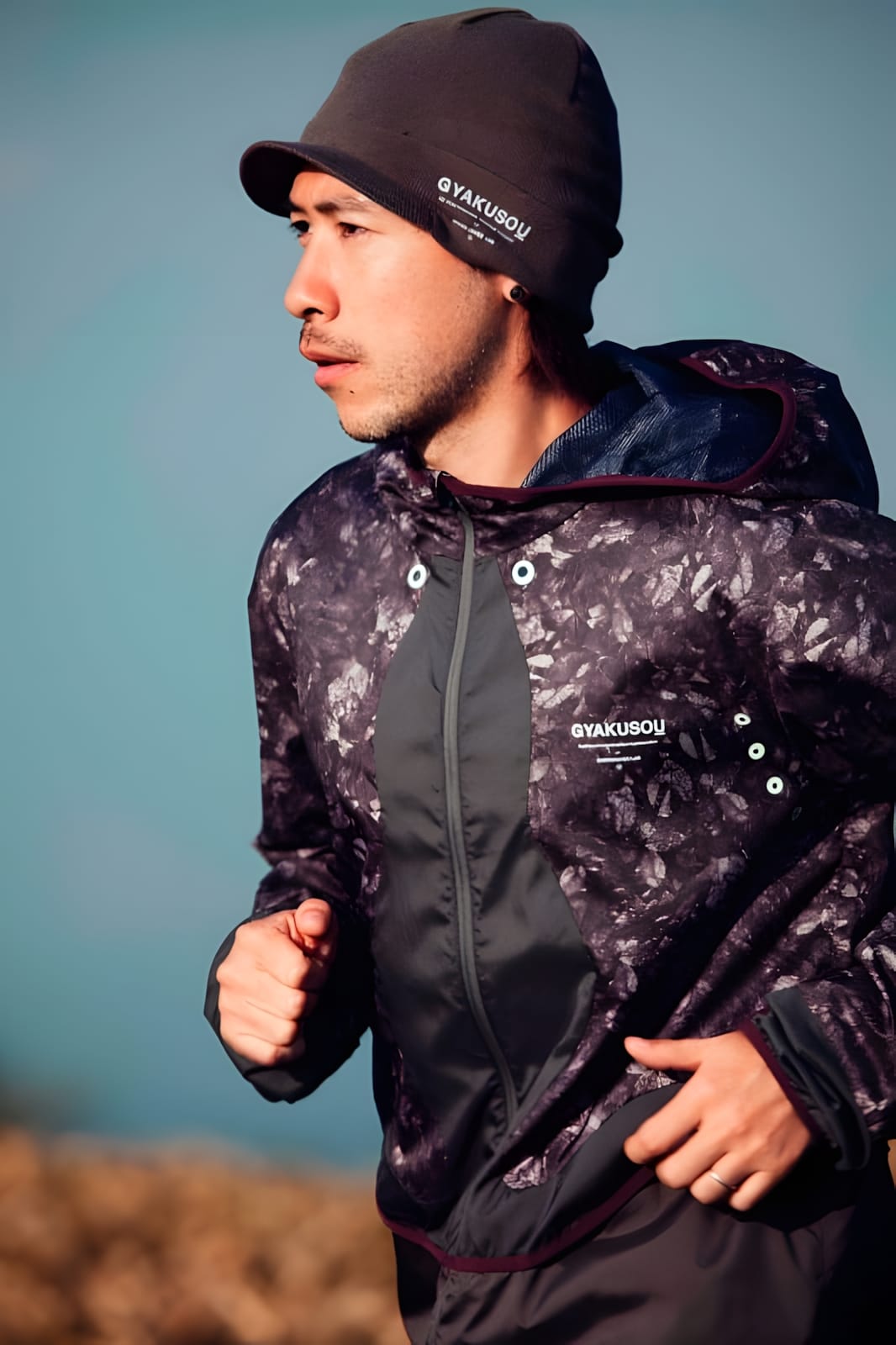
Nike x Undercover Gyakusou FW2012 Cedar Camouflage
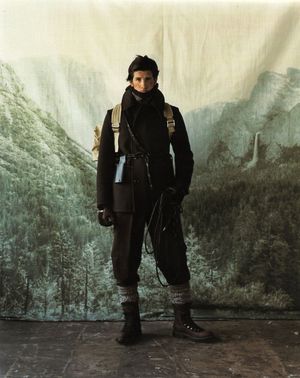
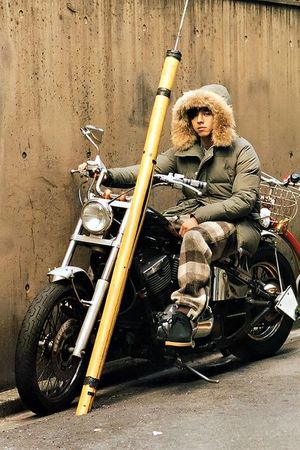
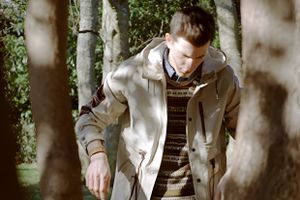
White Mountaineering Fall/Winter 2012 "Award Tour" Lookbook
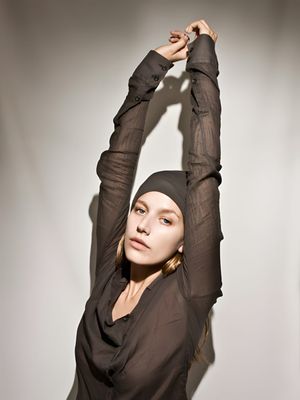
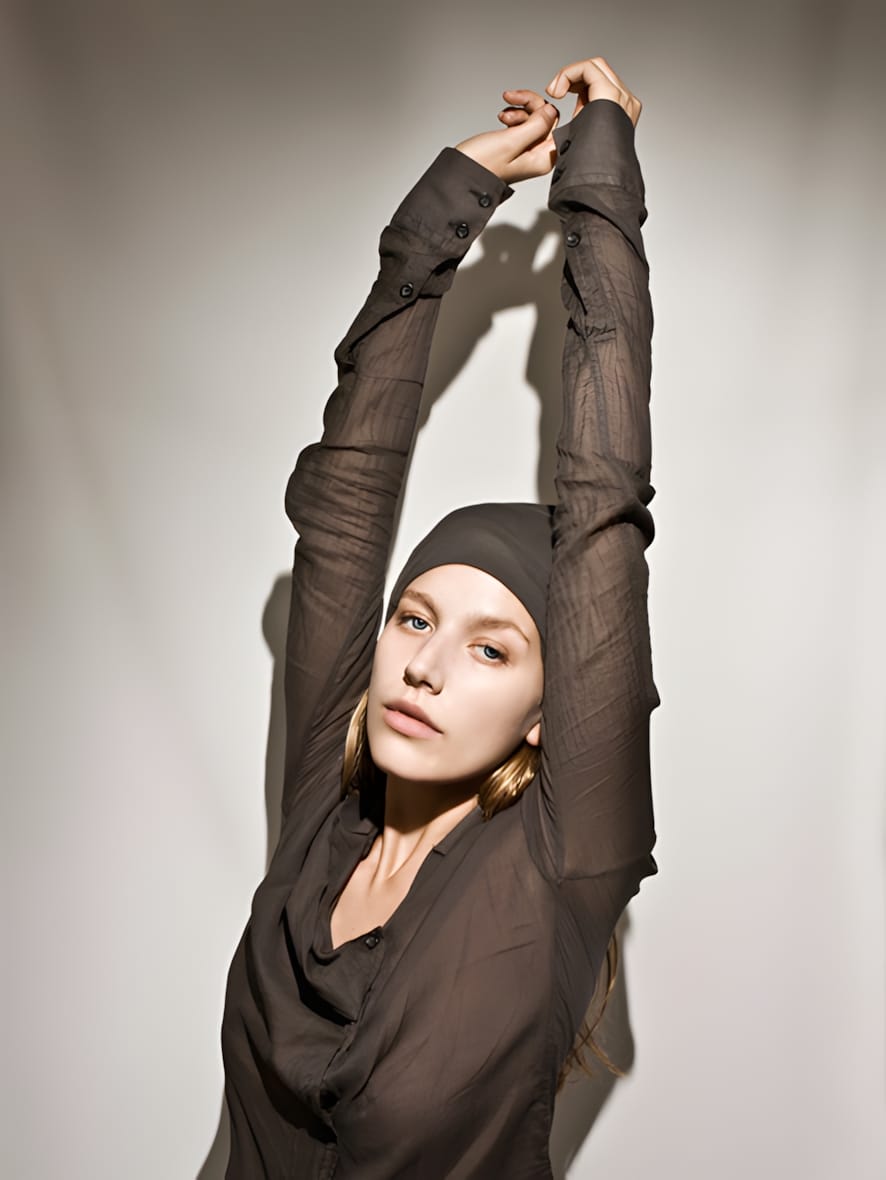
Loro Piana Womenswear Editorial — Dark Khaki Sheer Shirt and Turban
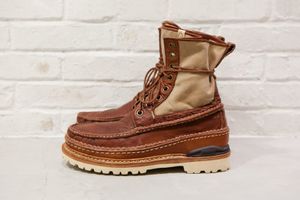
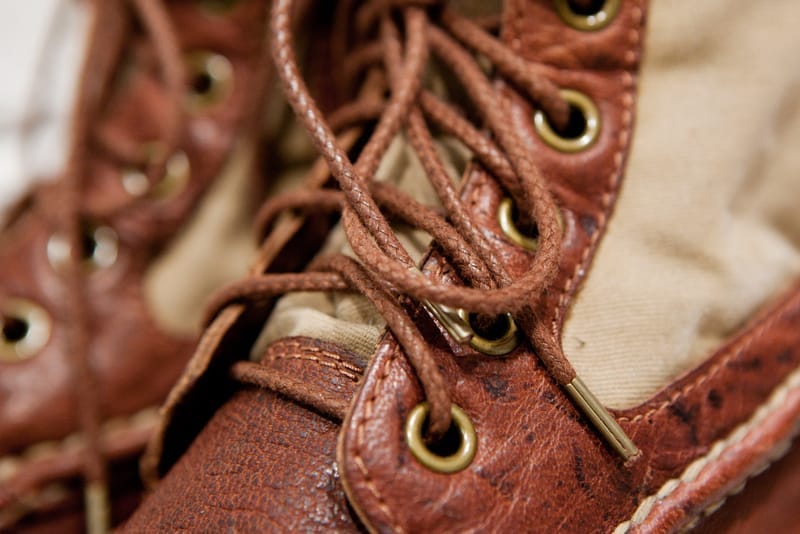
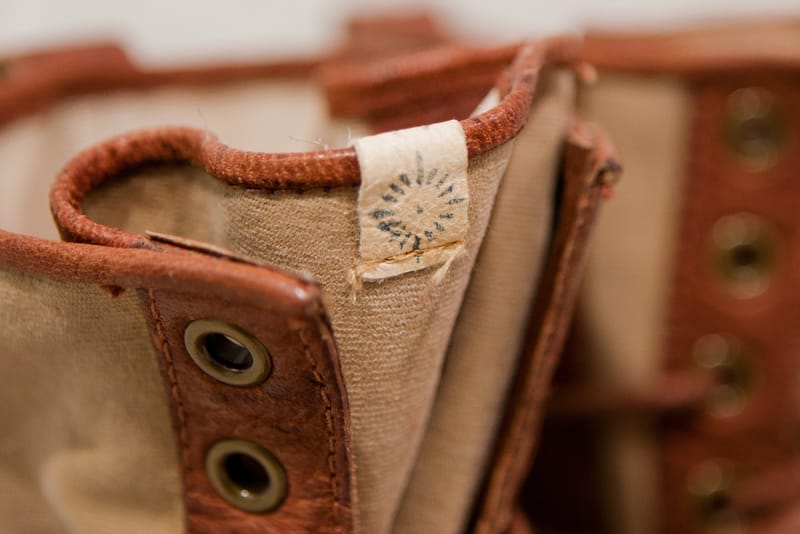
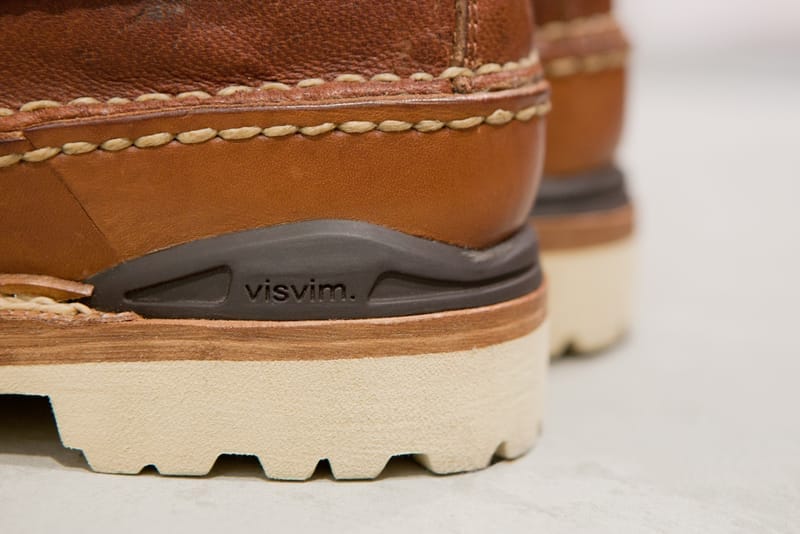
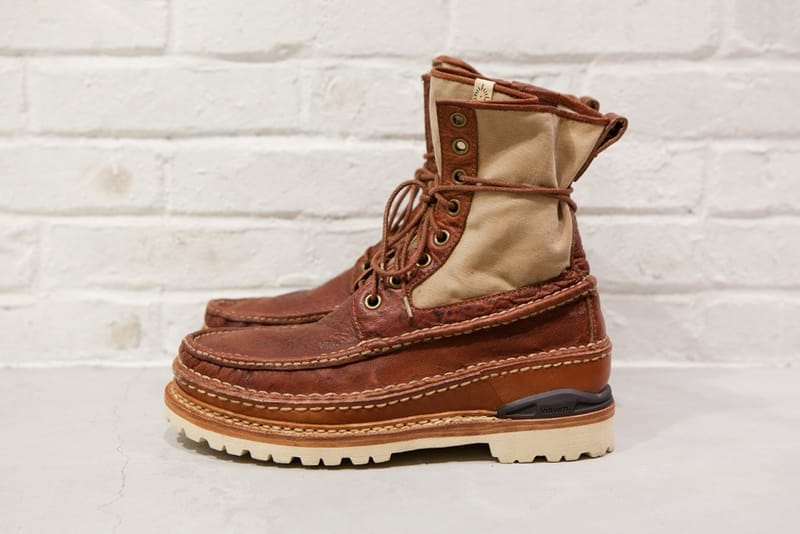
visvim Fall/Winter 2012 Grizzly Boots Mid-Folk F.I.L. Exclusive
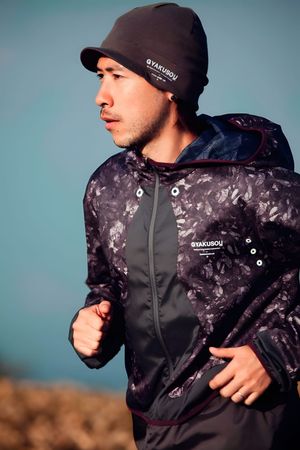
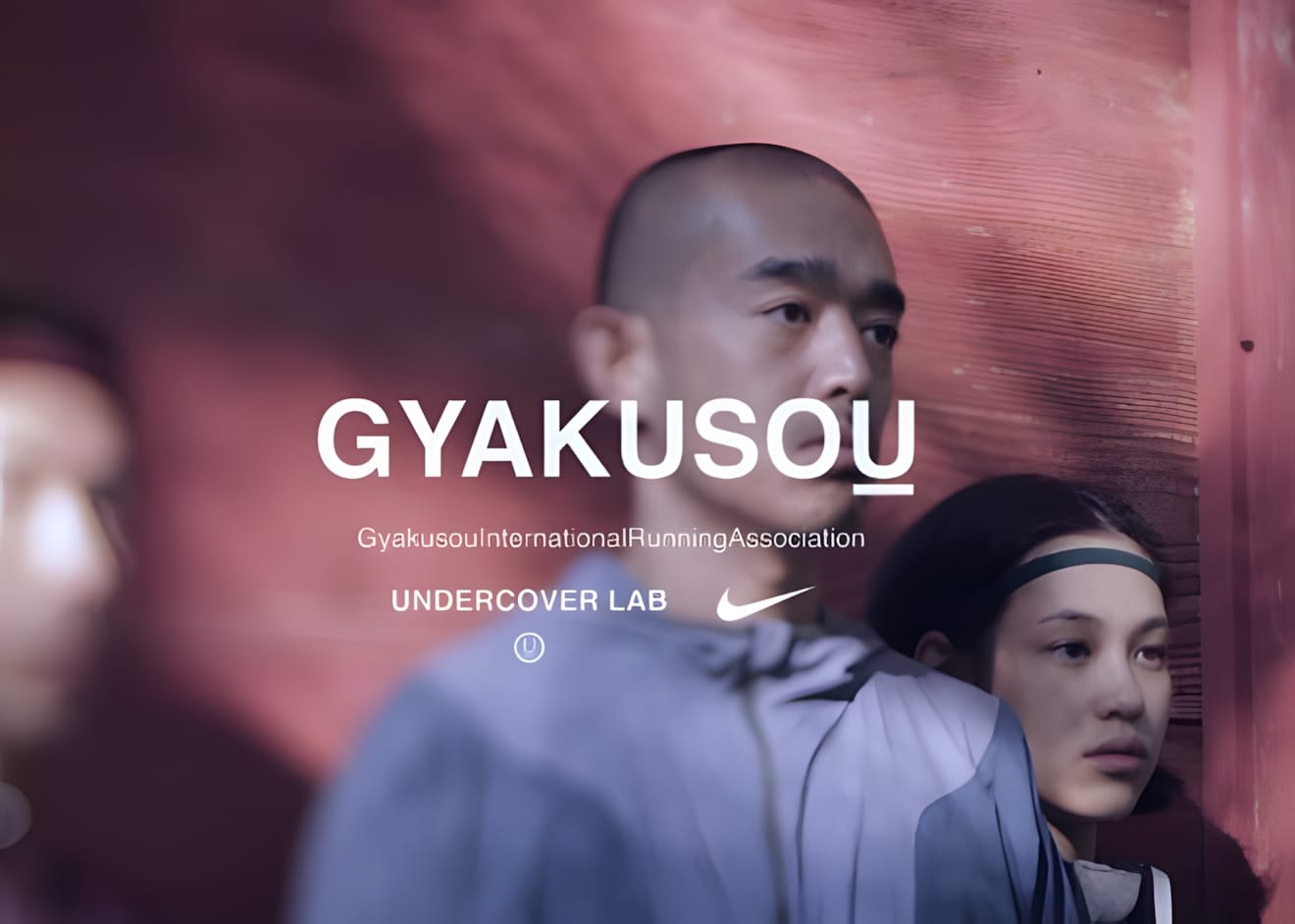
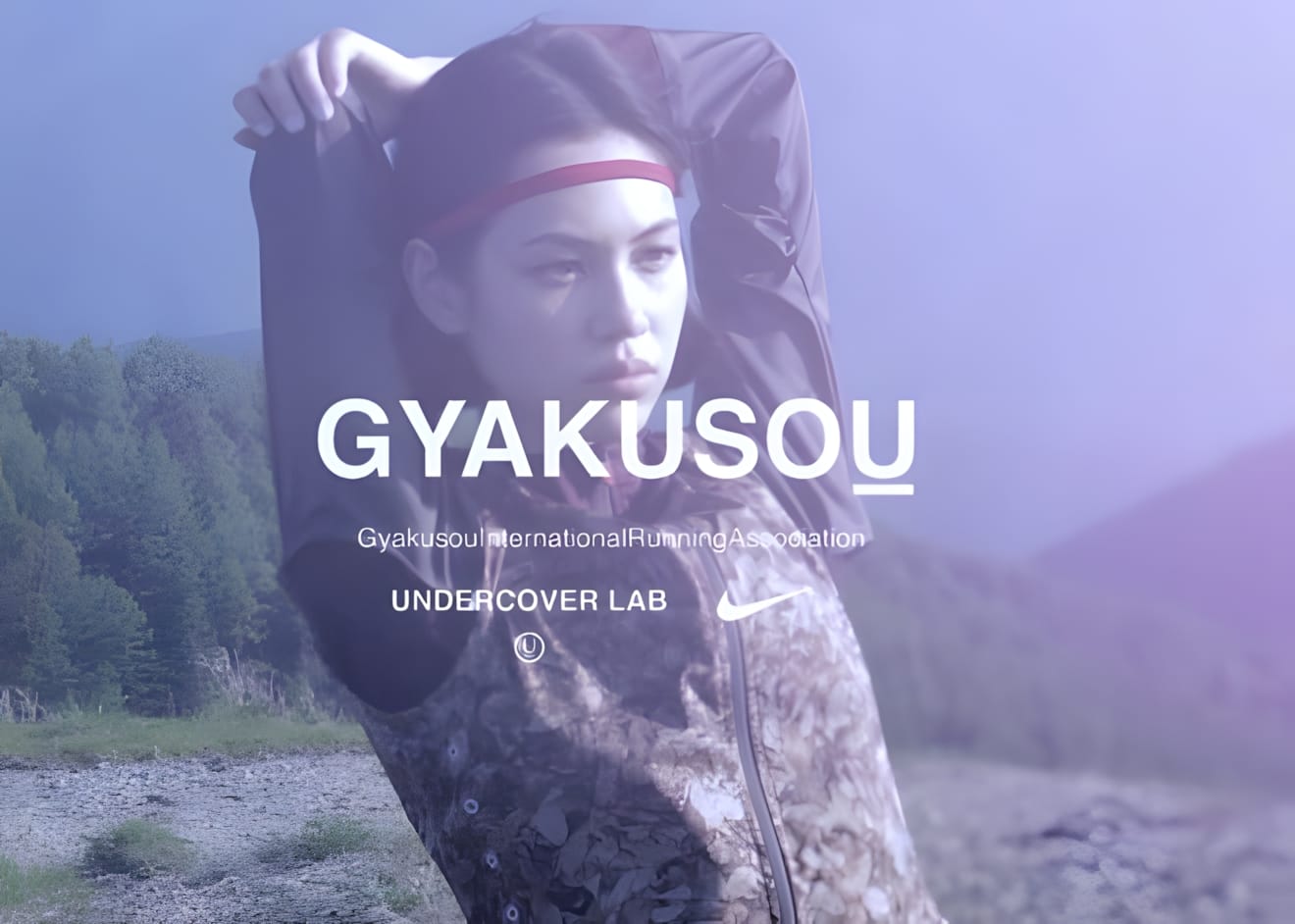
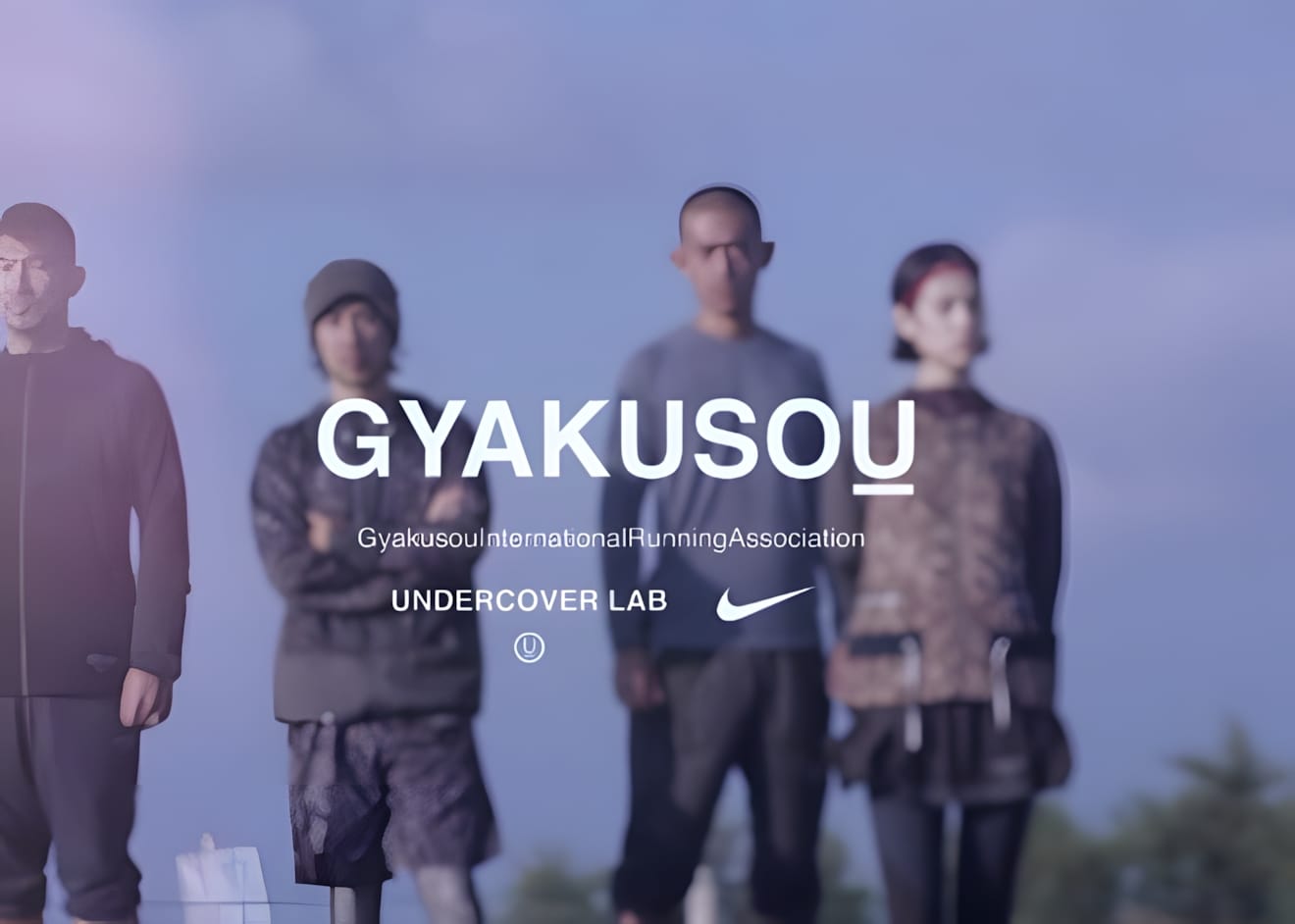
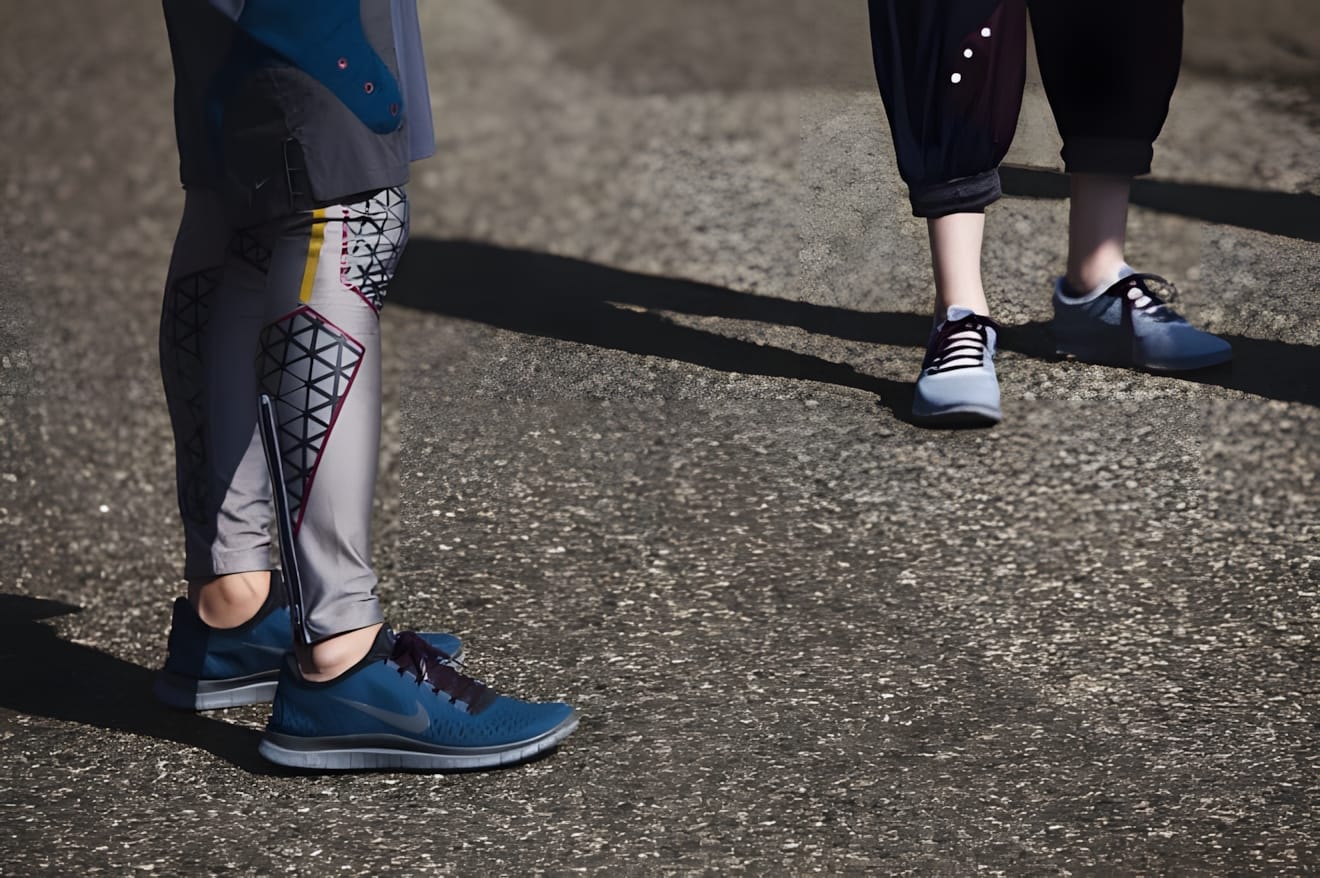
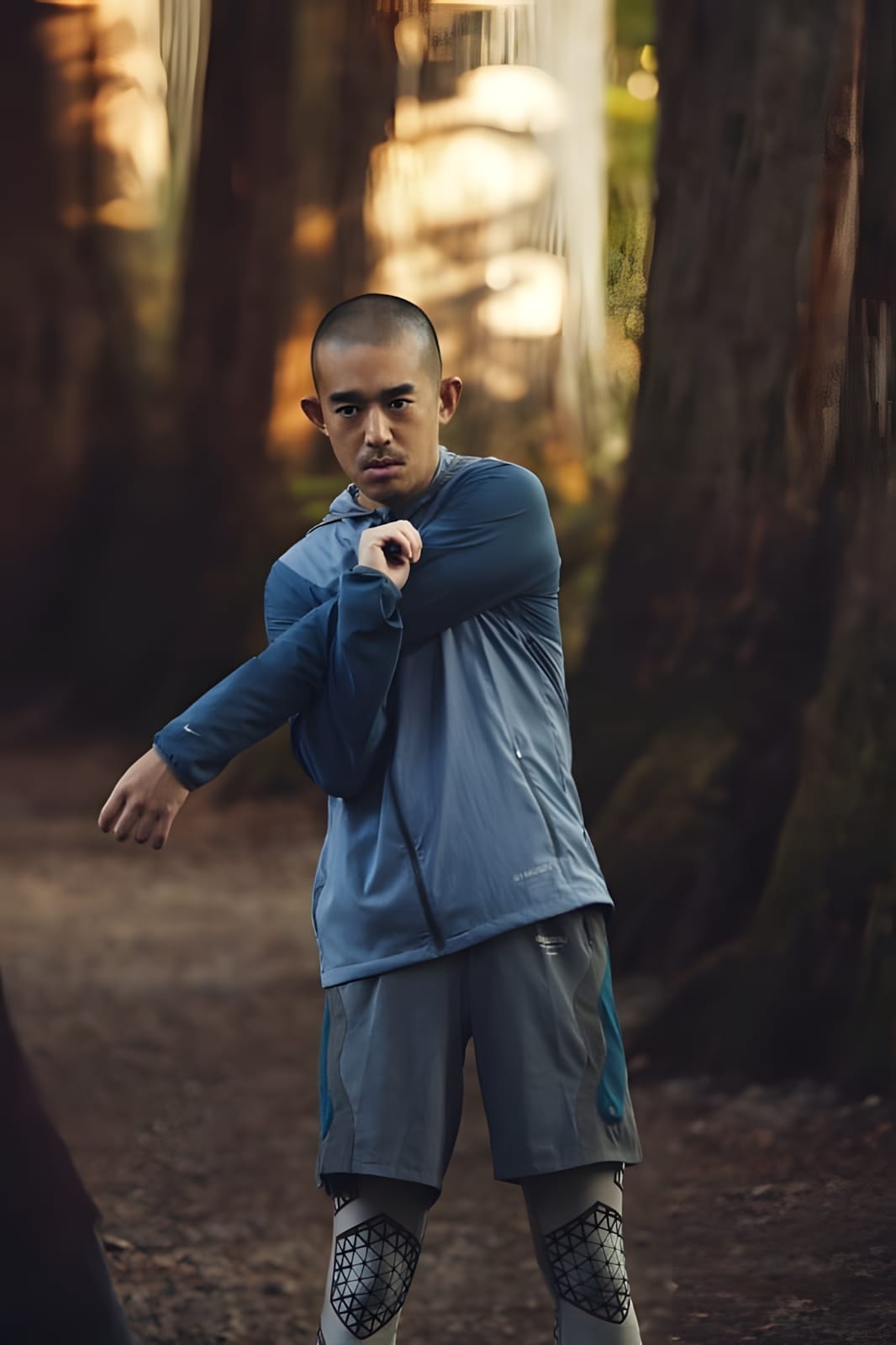
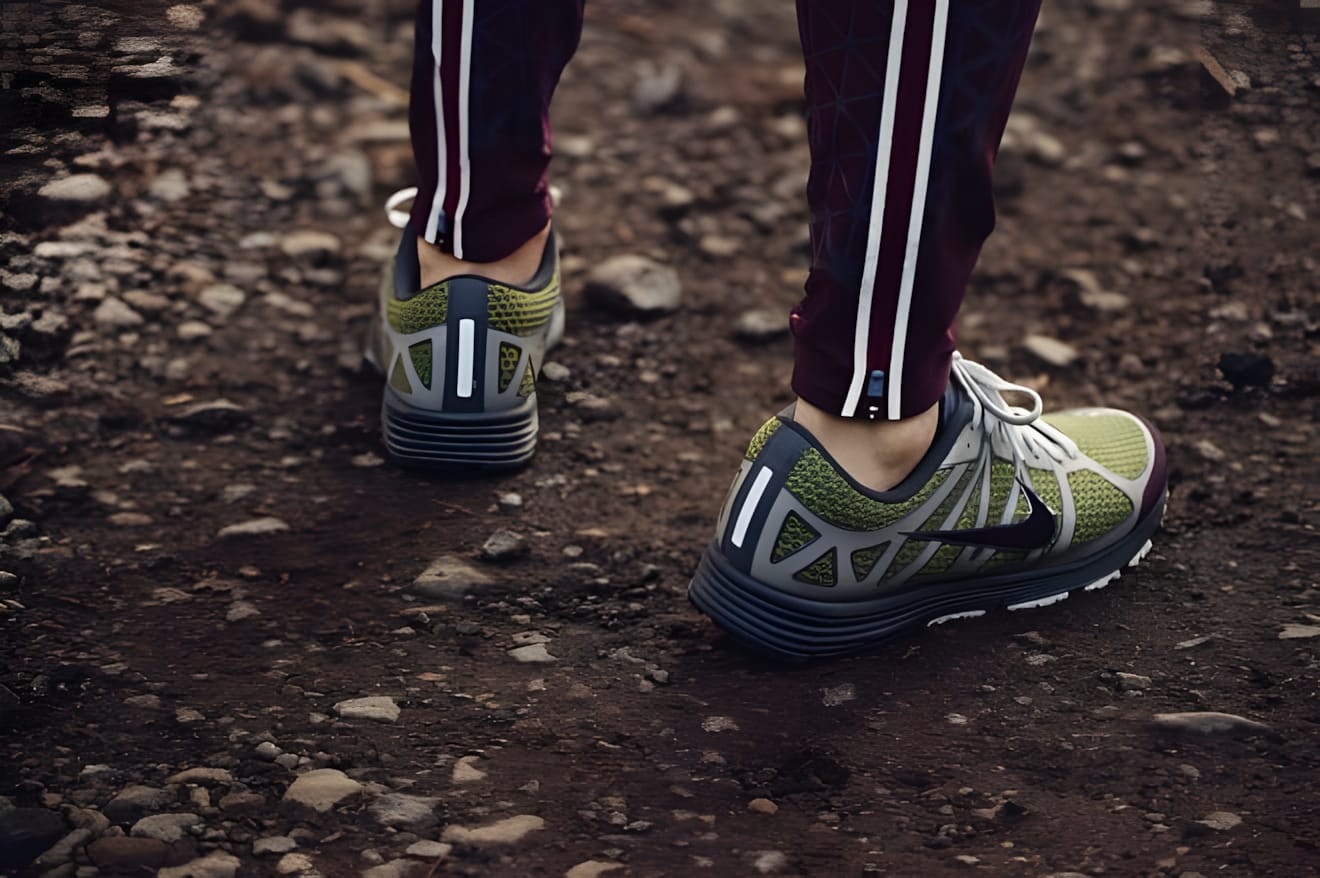
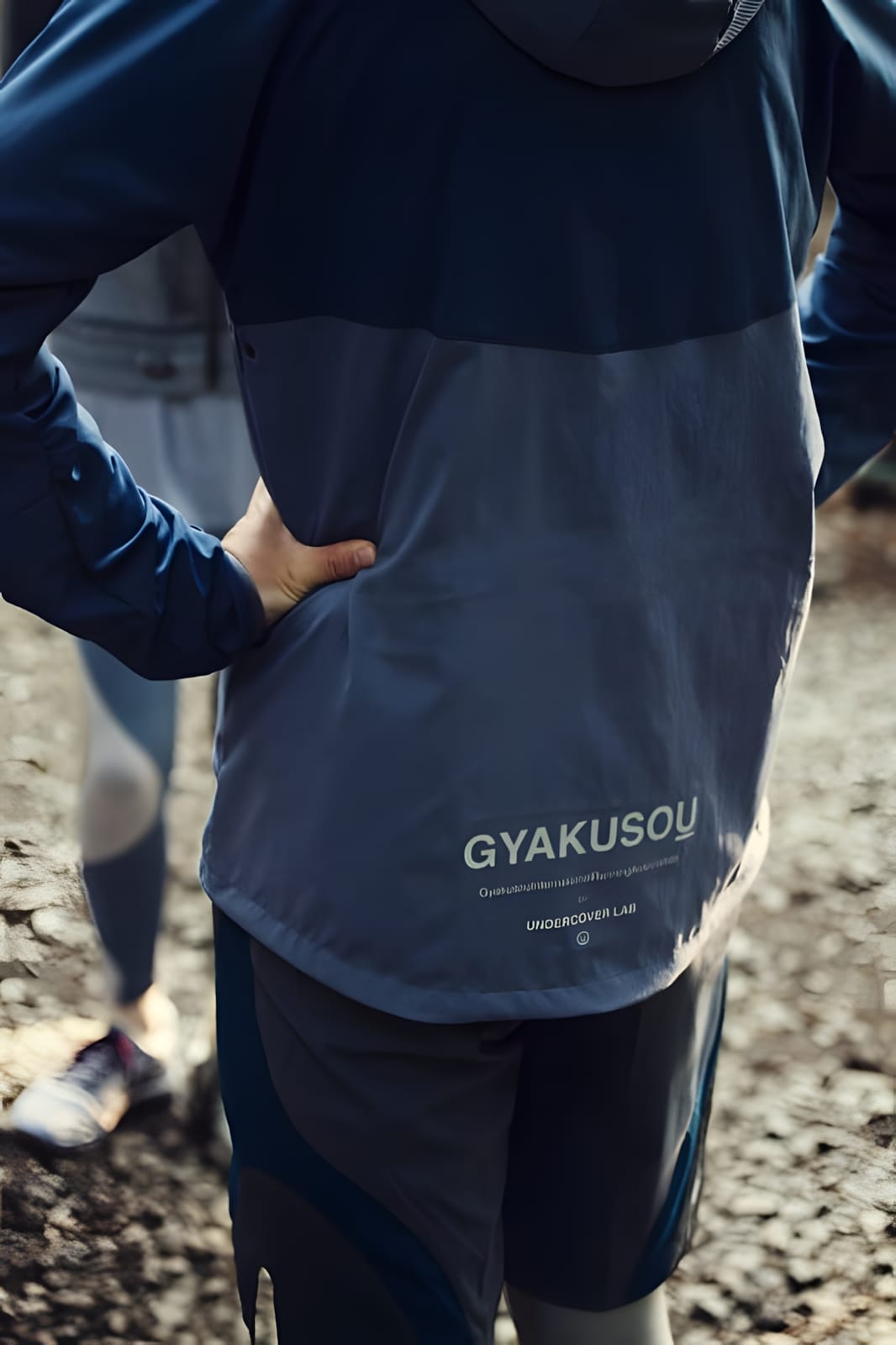
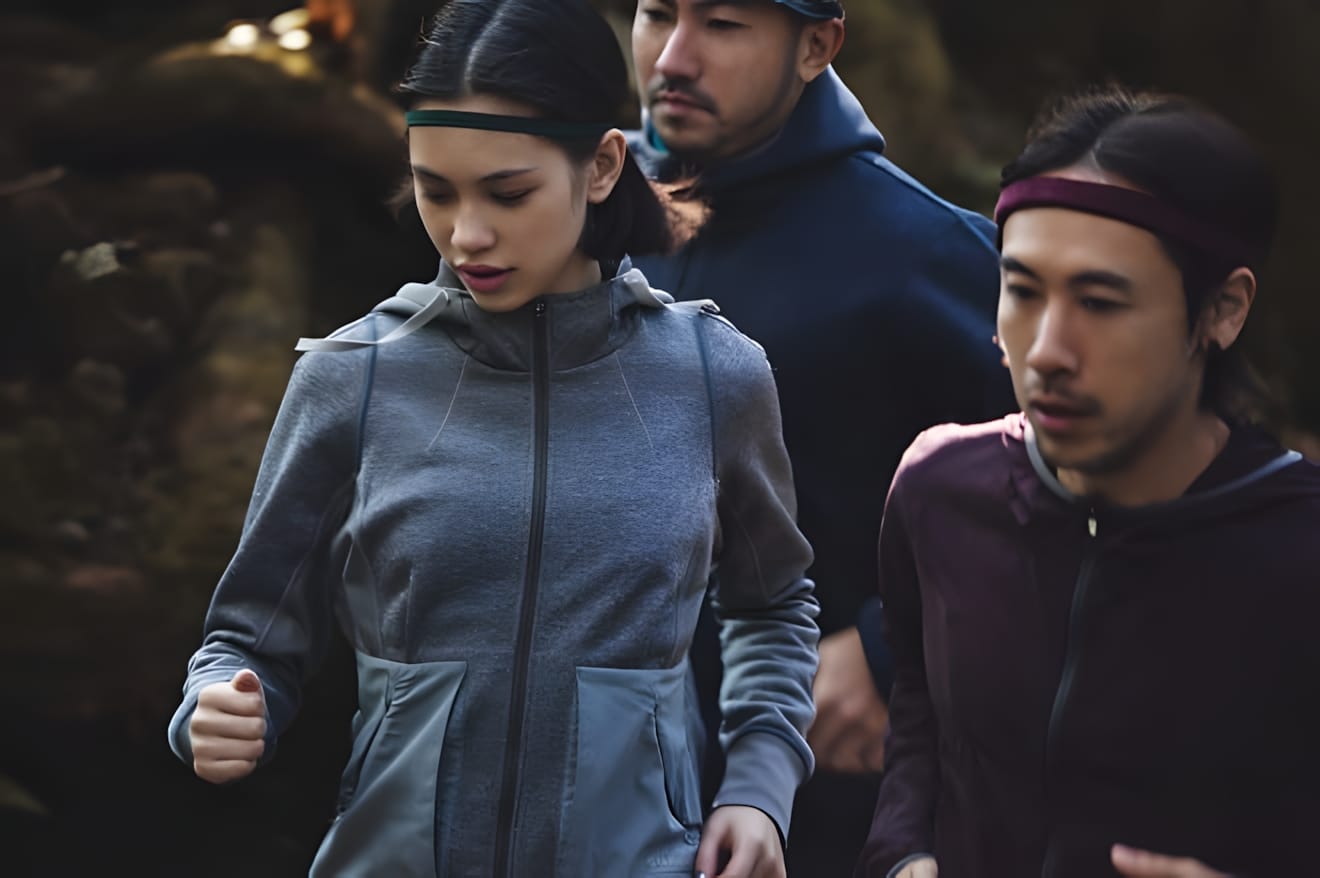
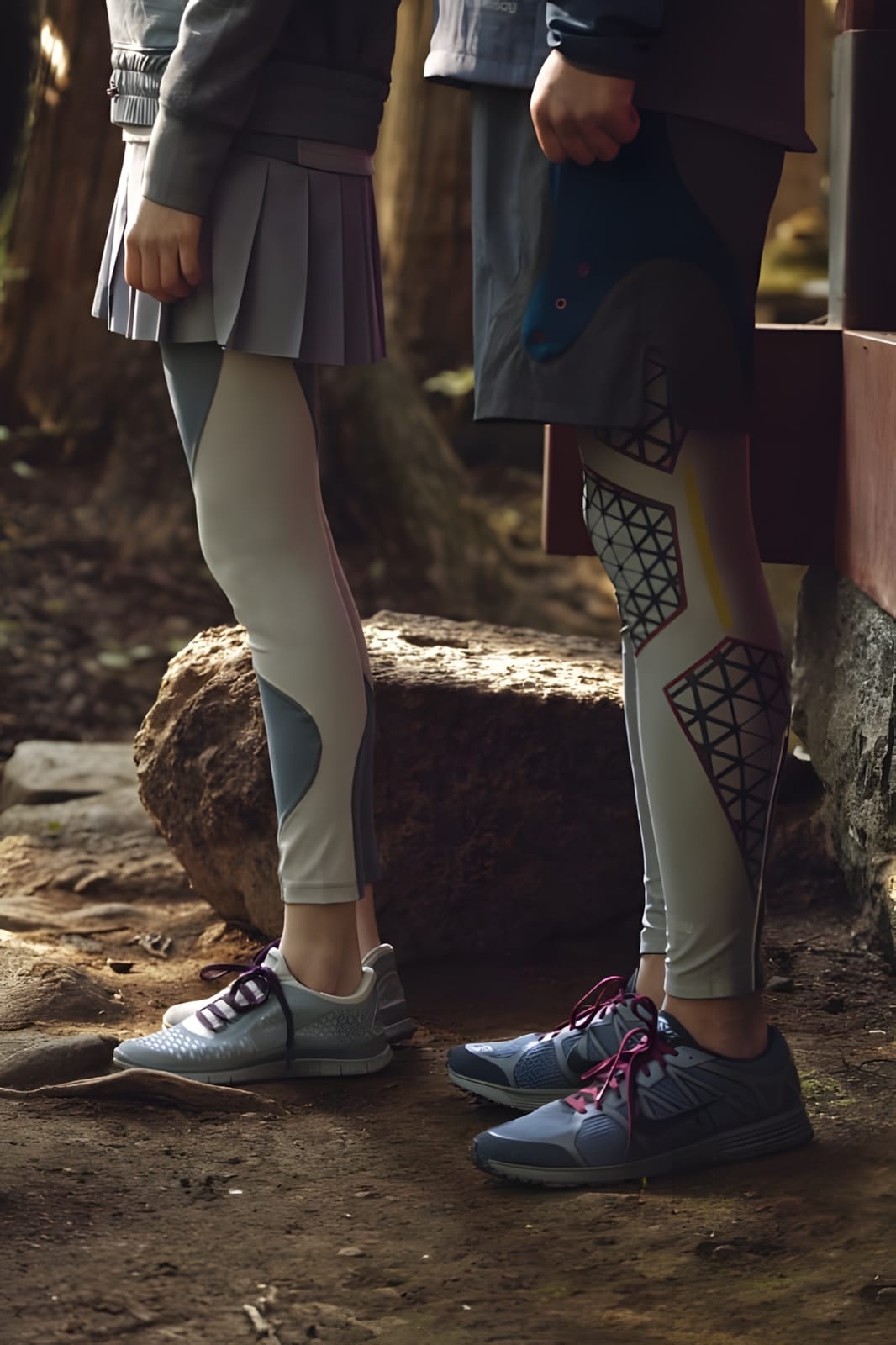
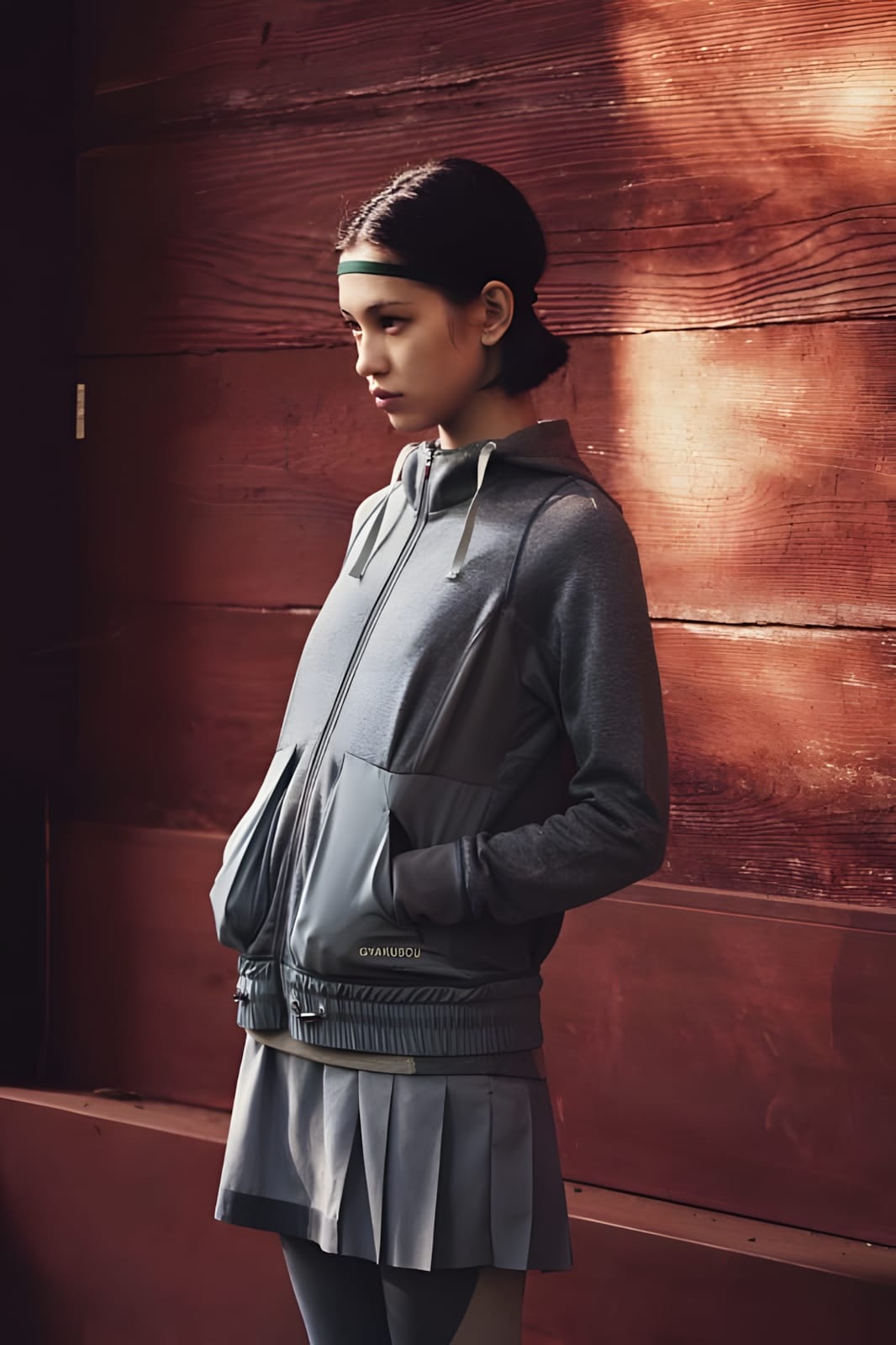
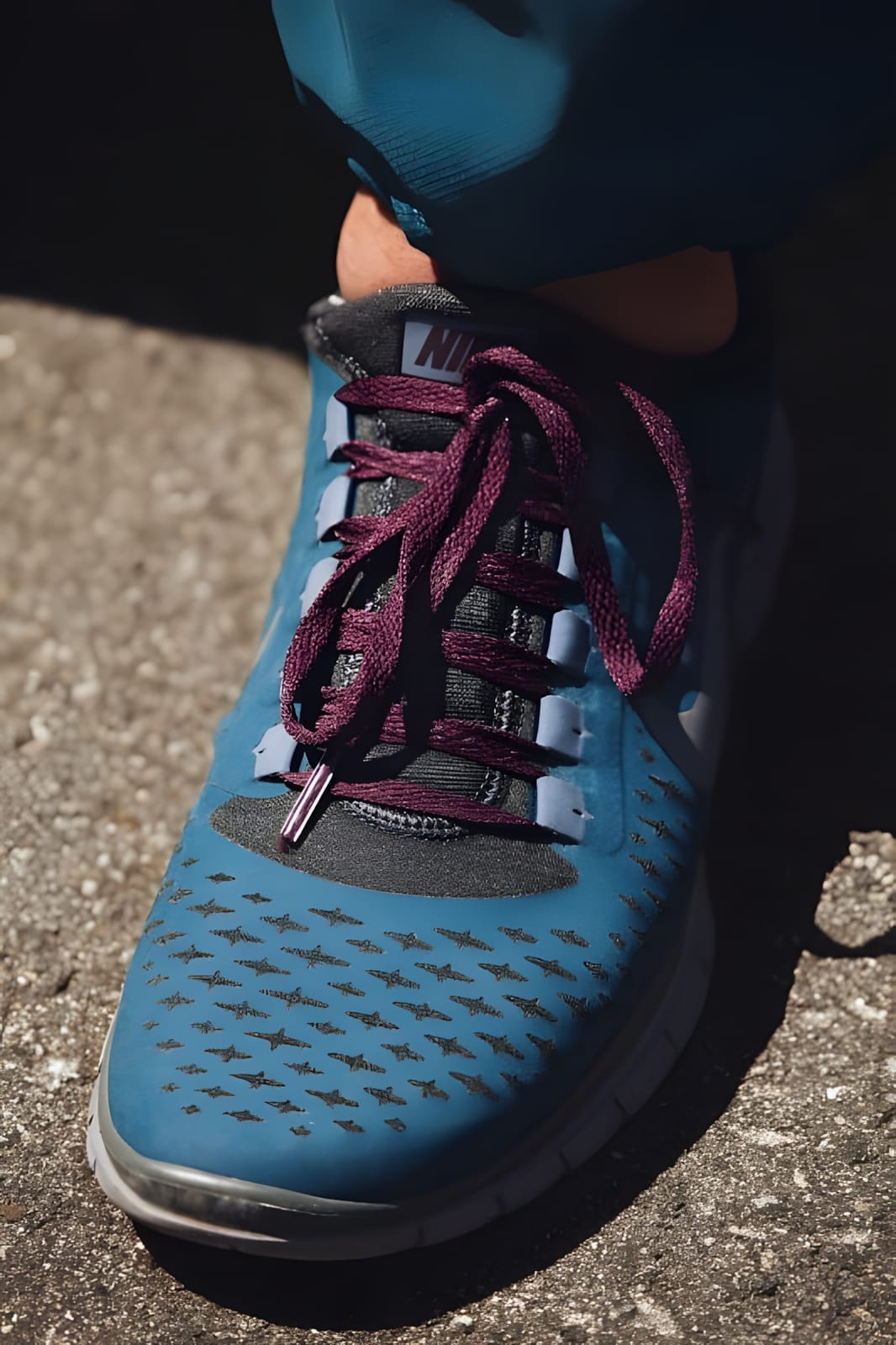
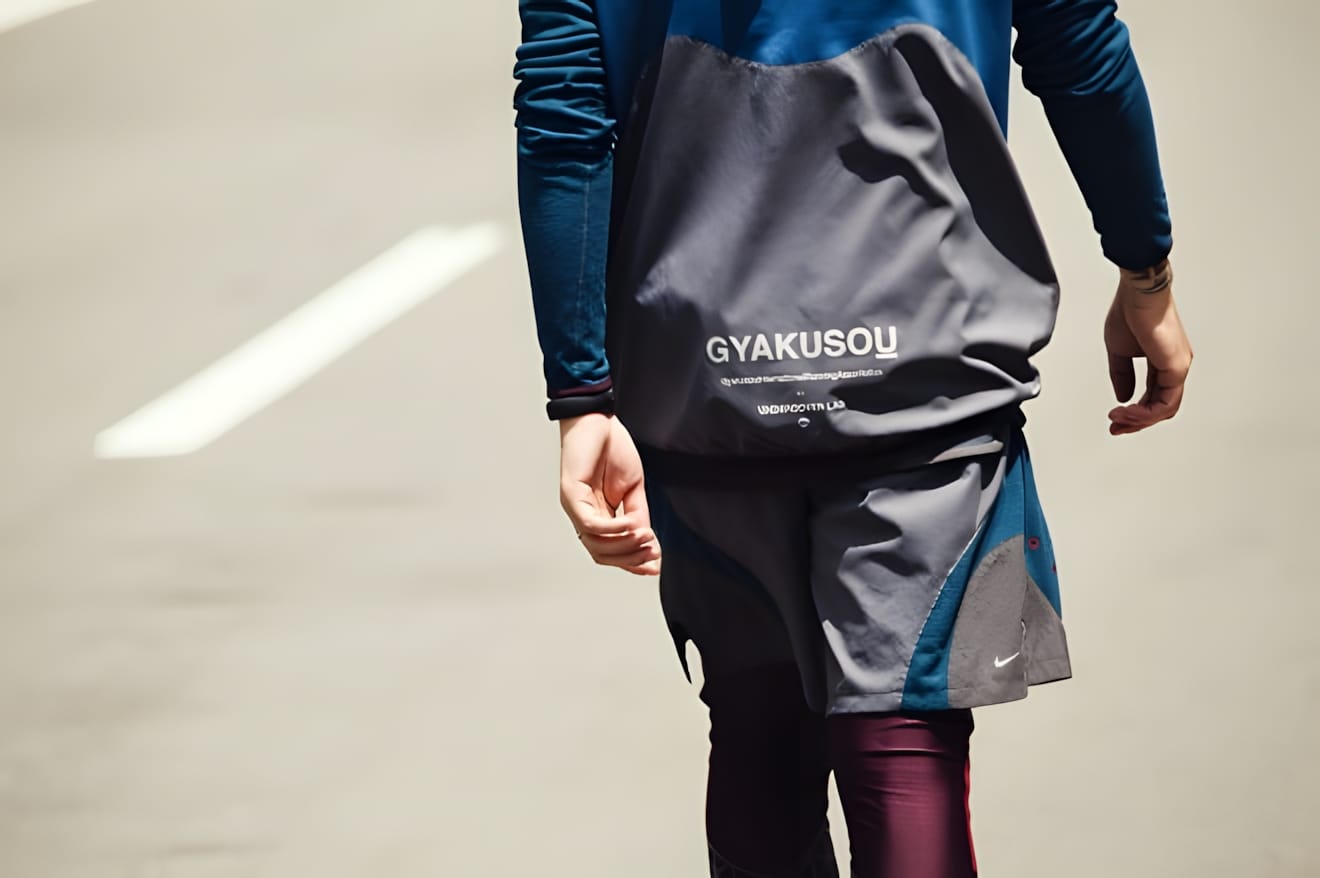
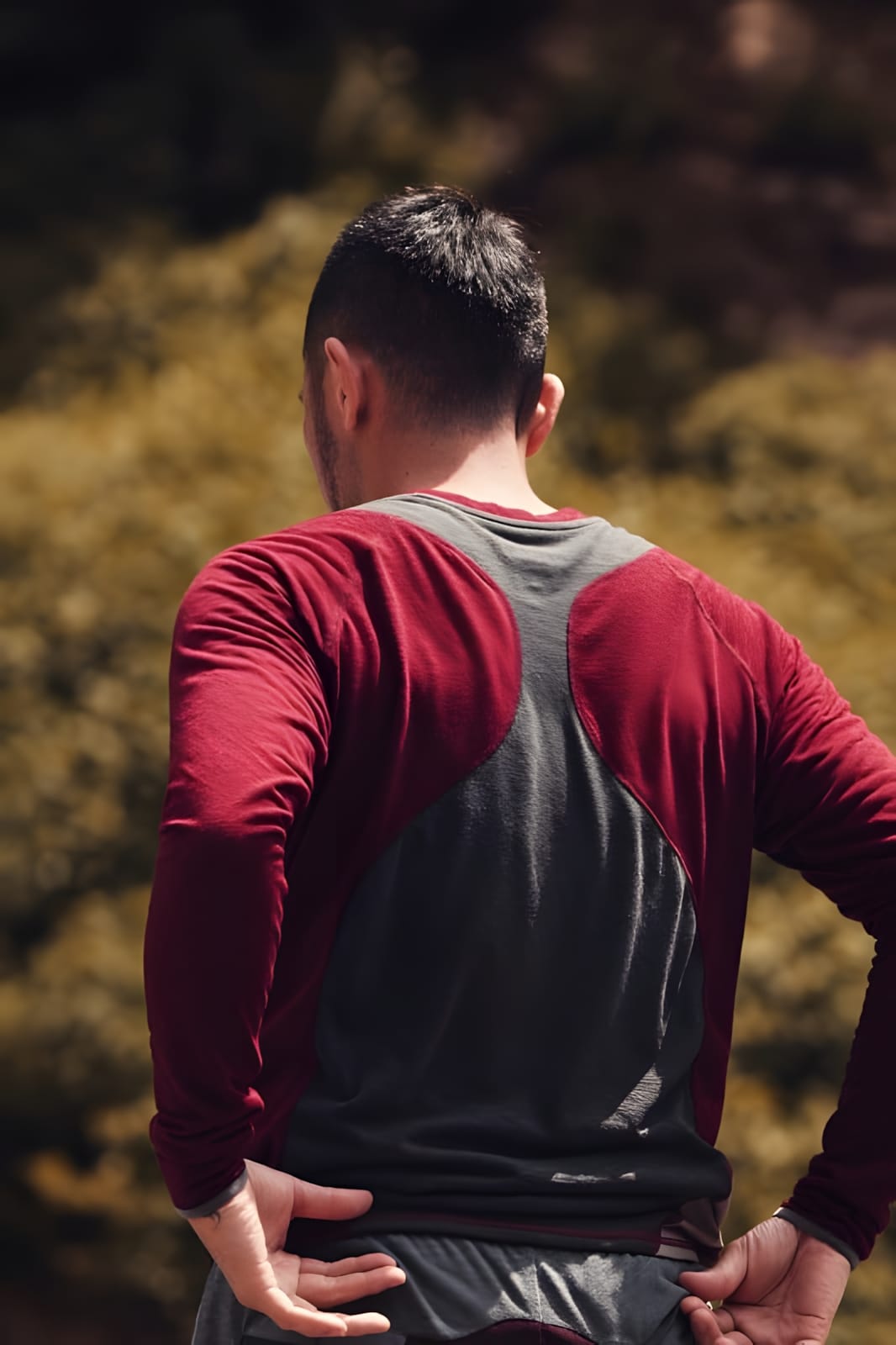
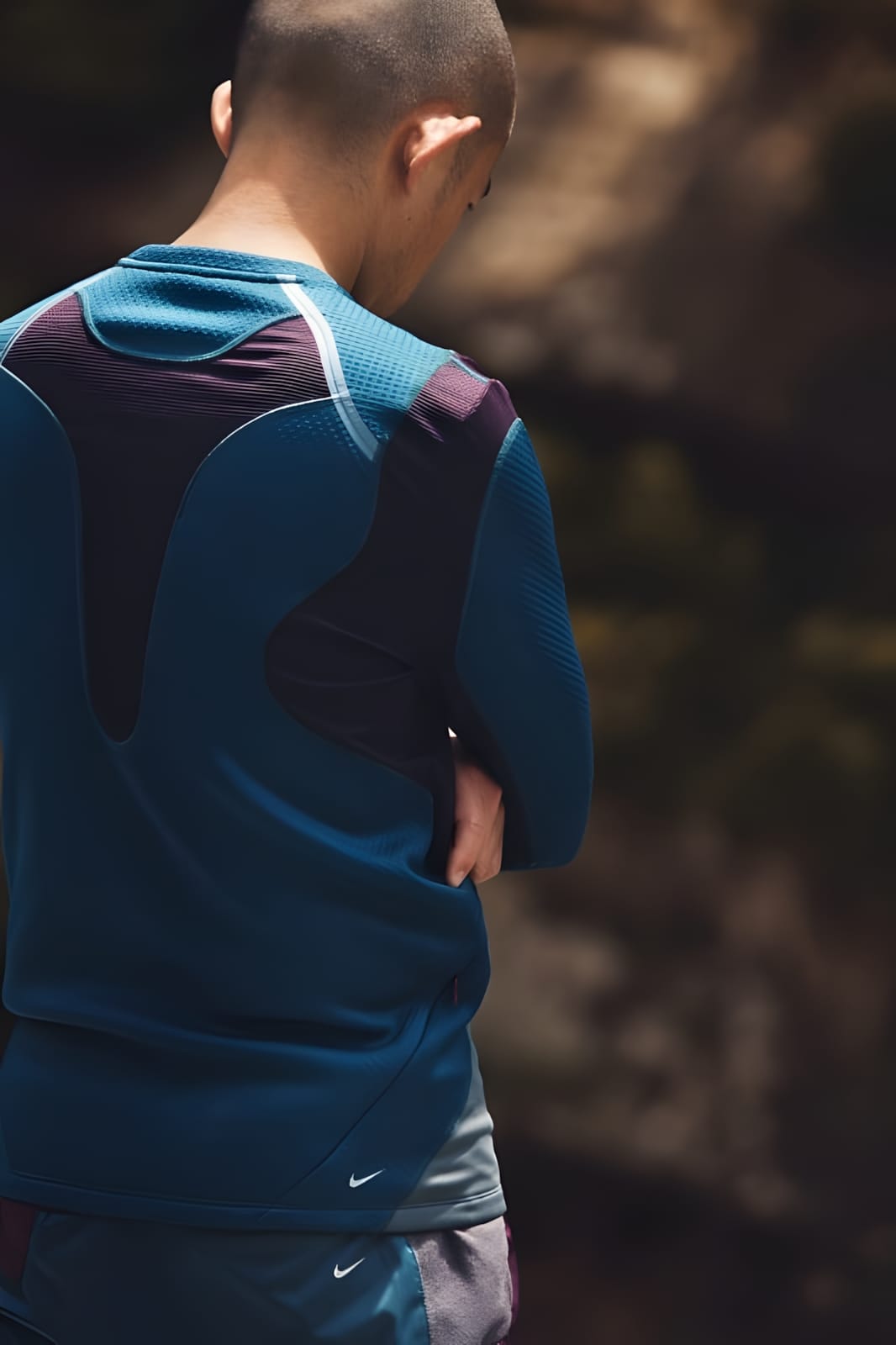
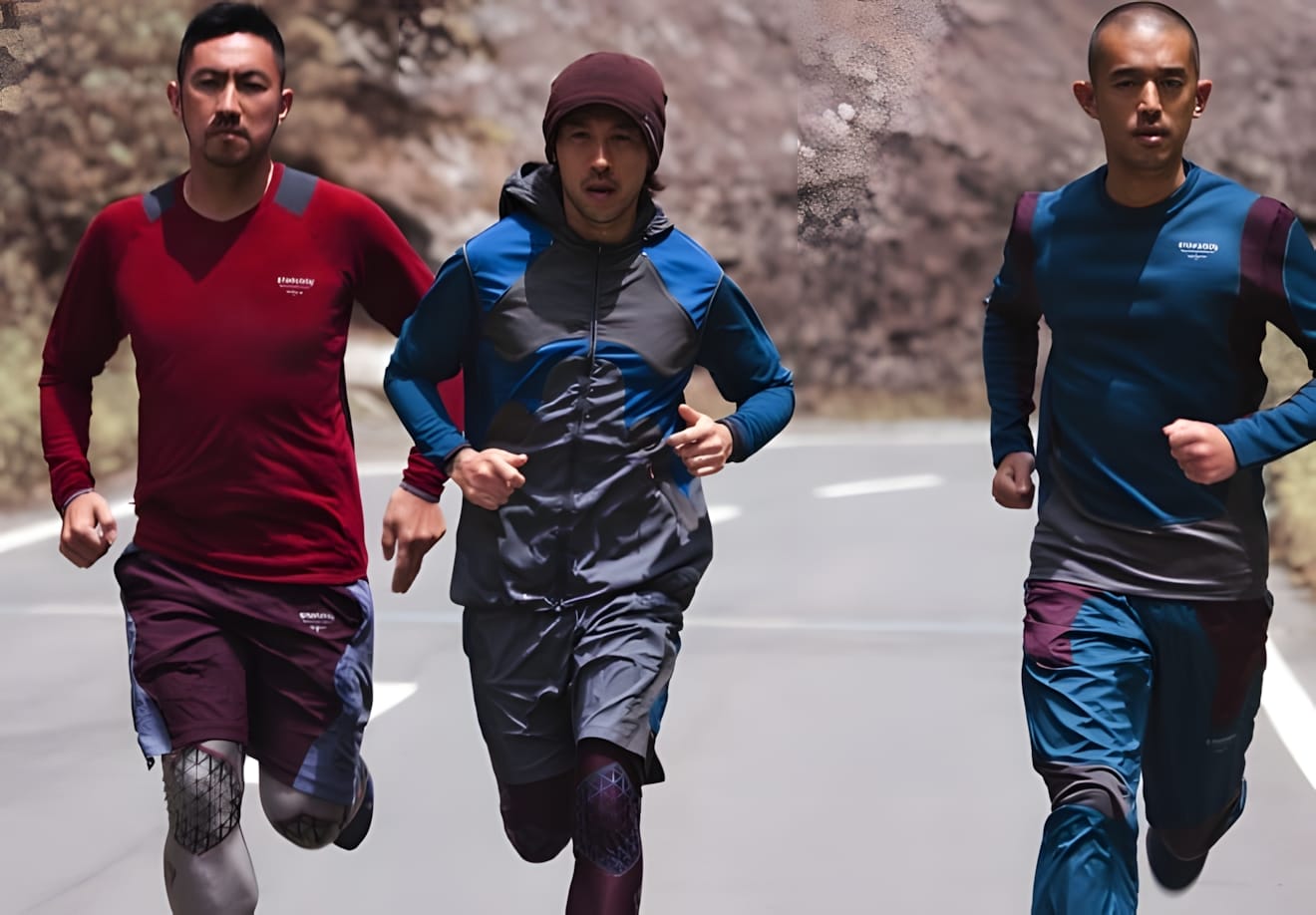
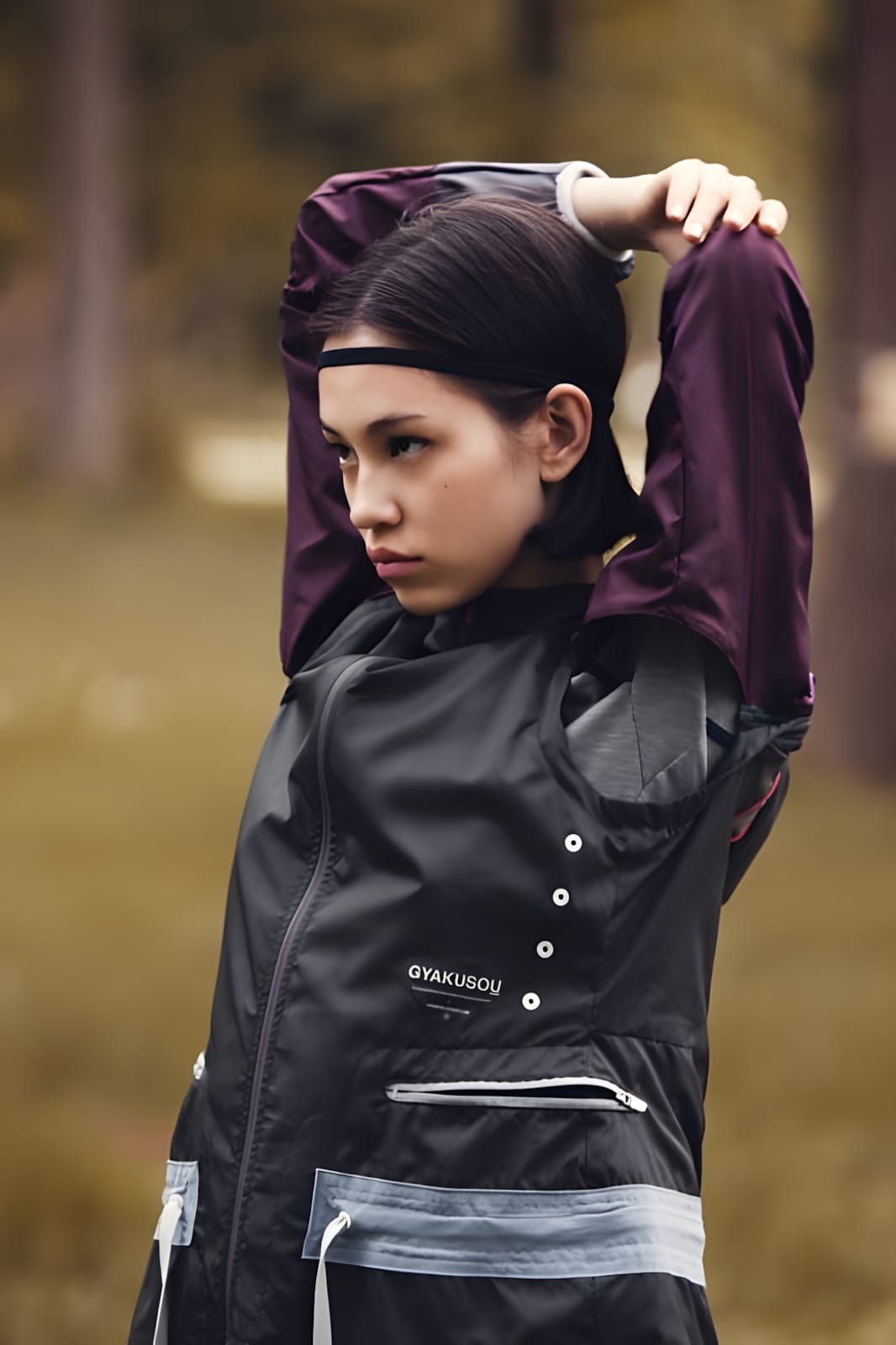
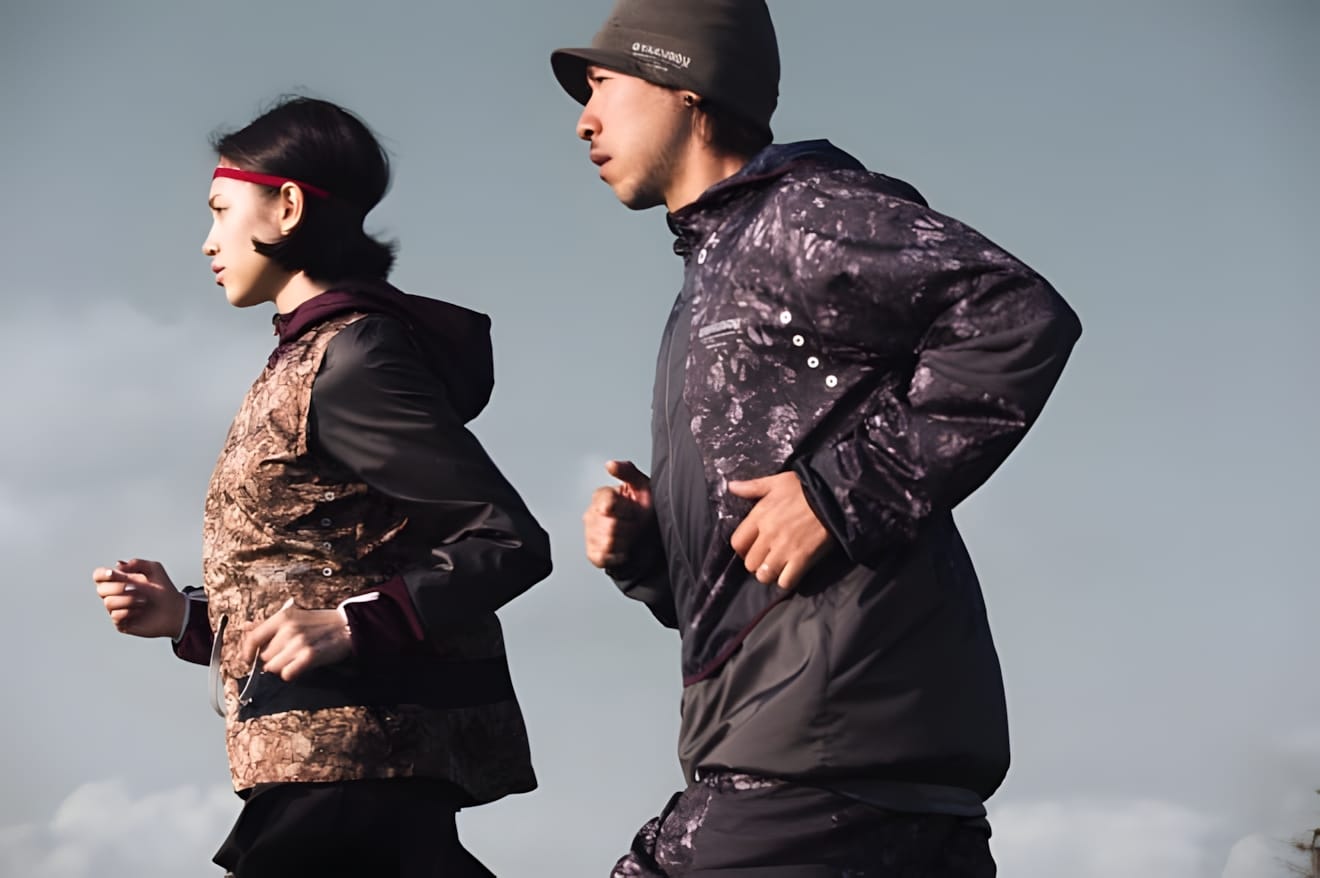
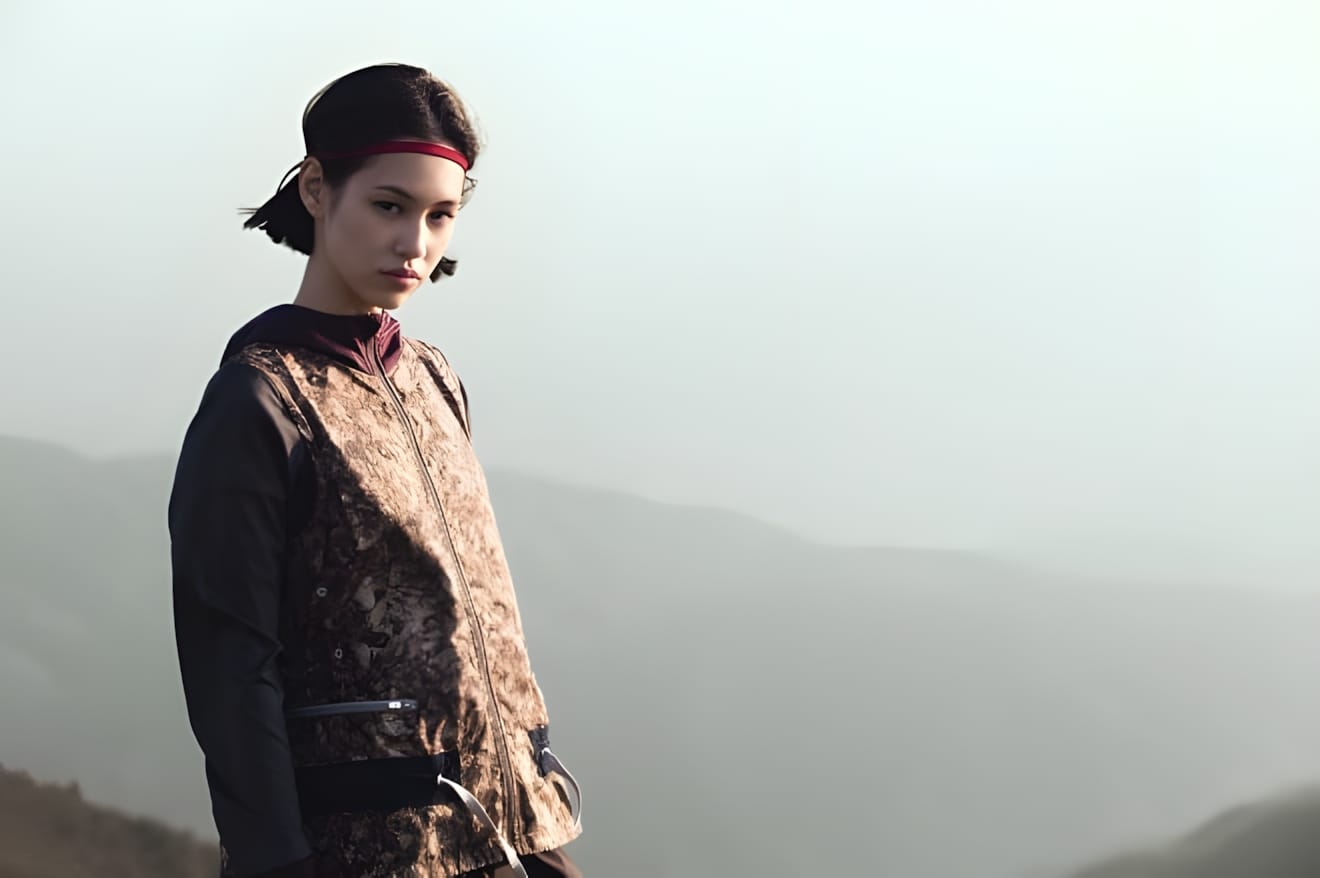
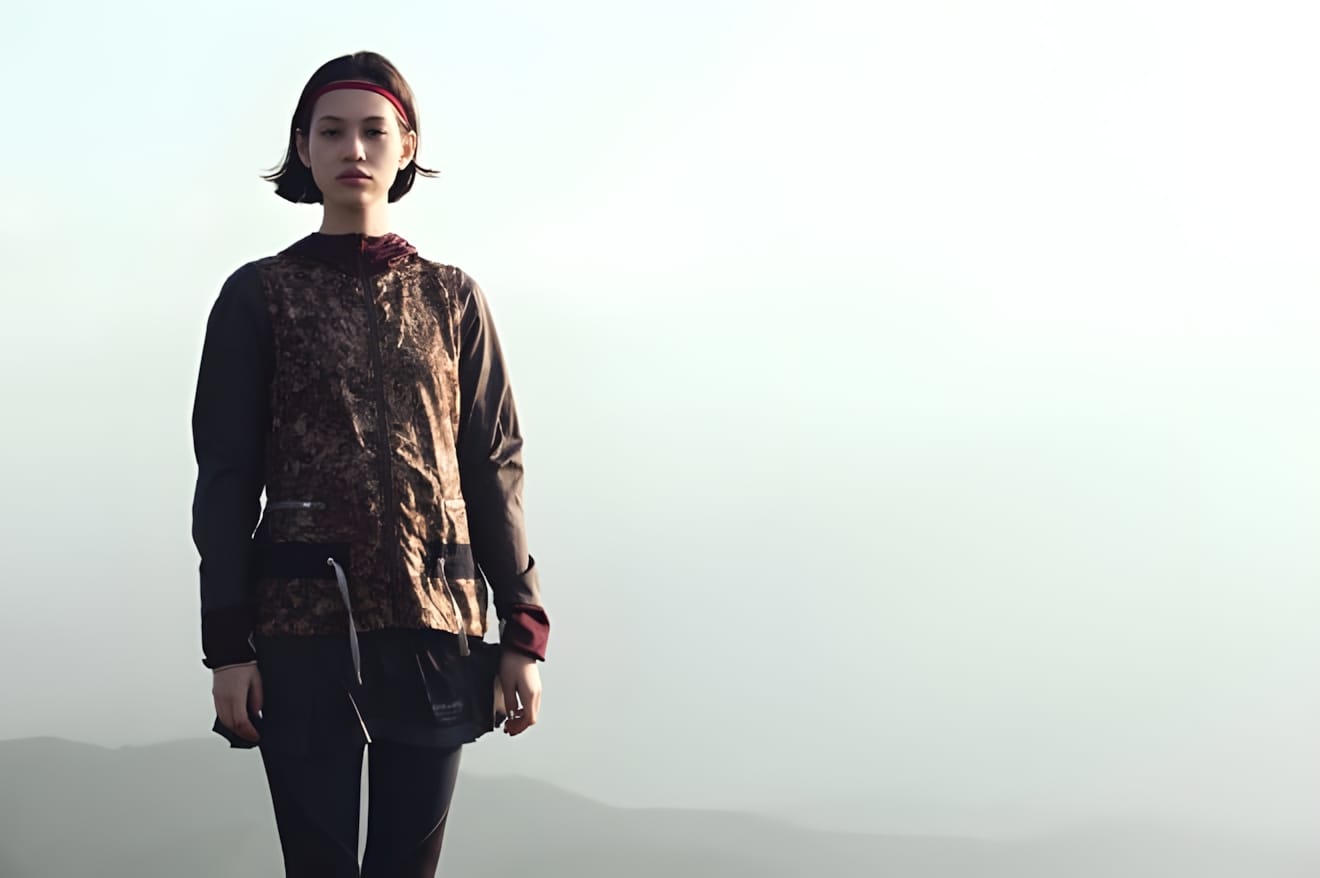
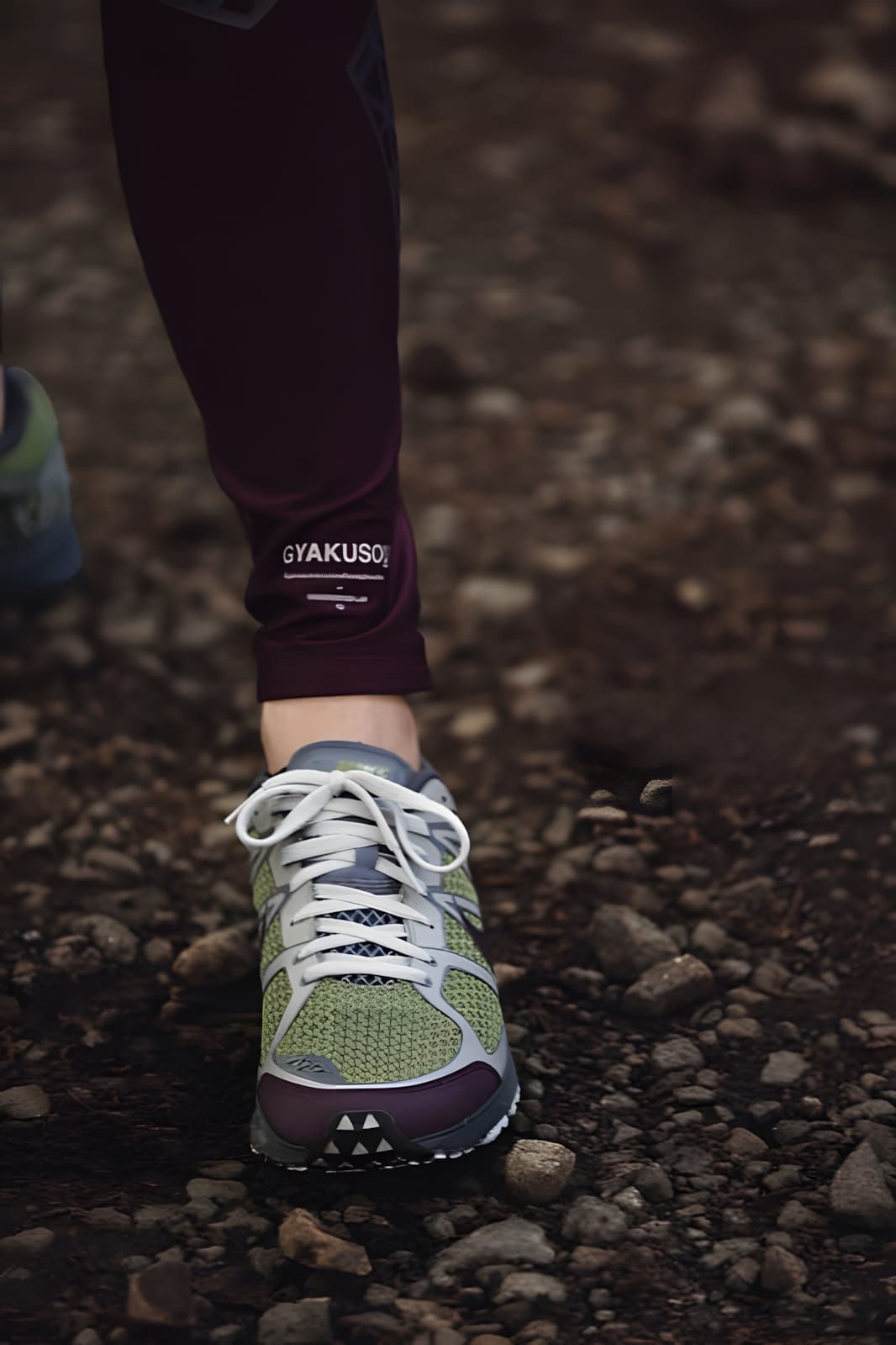
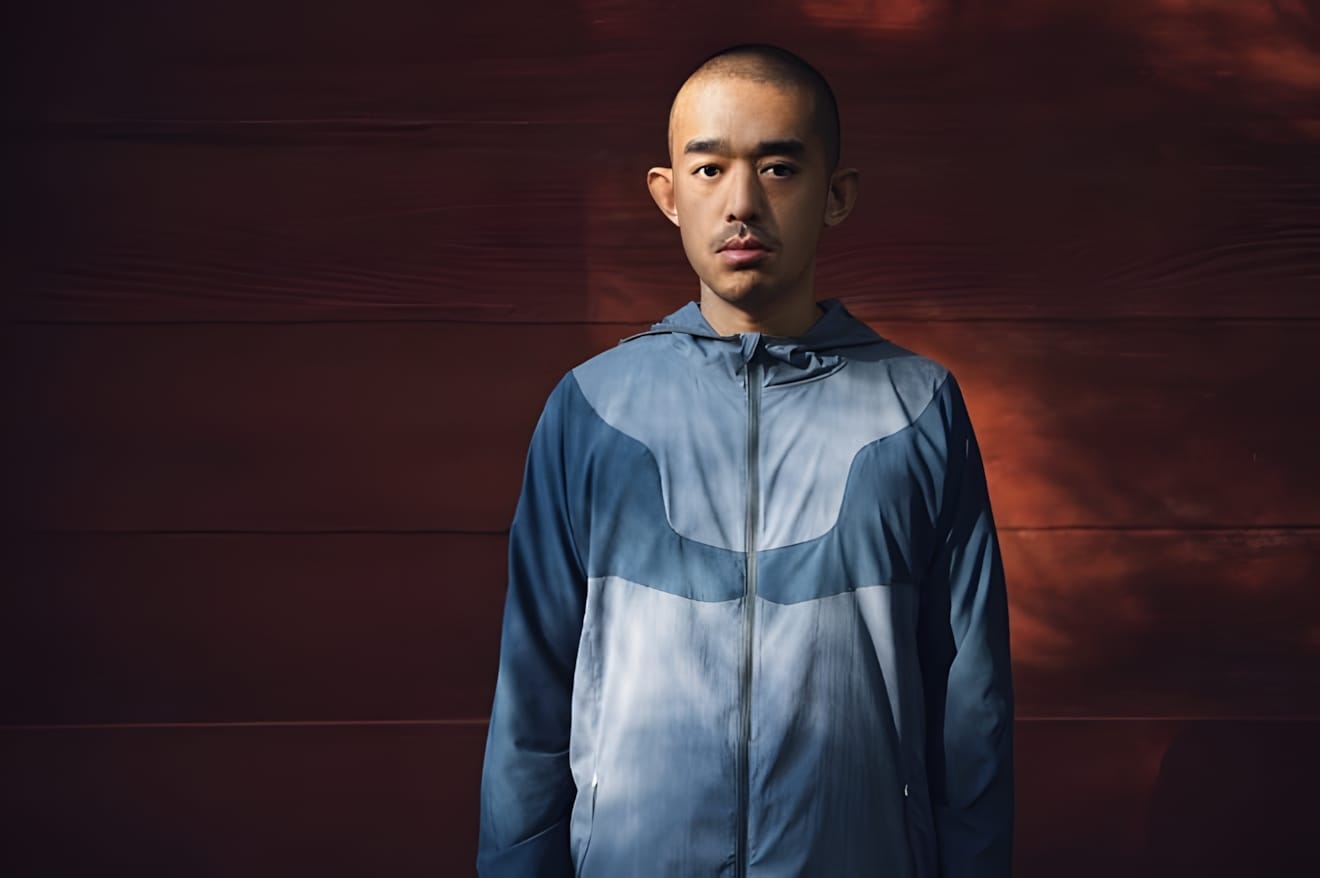
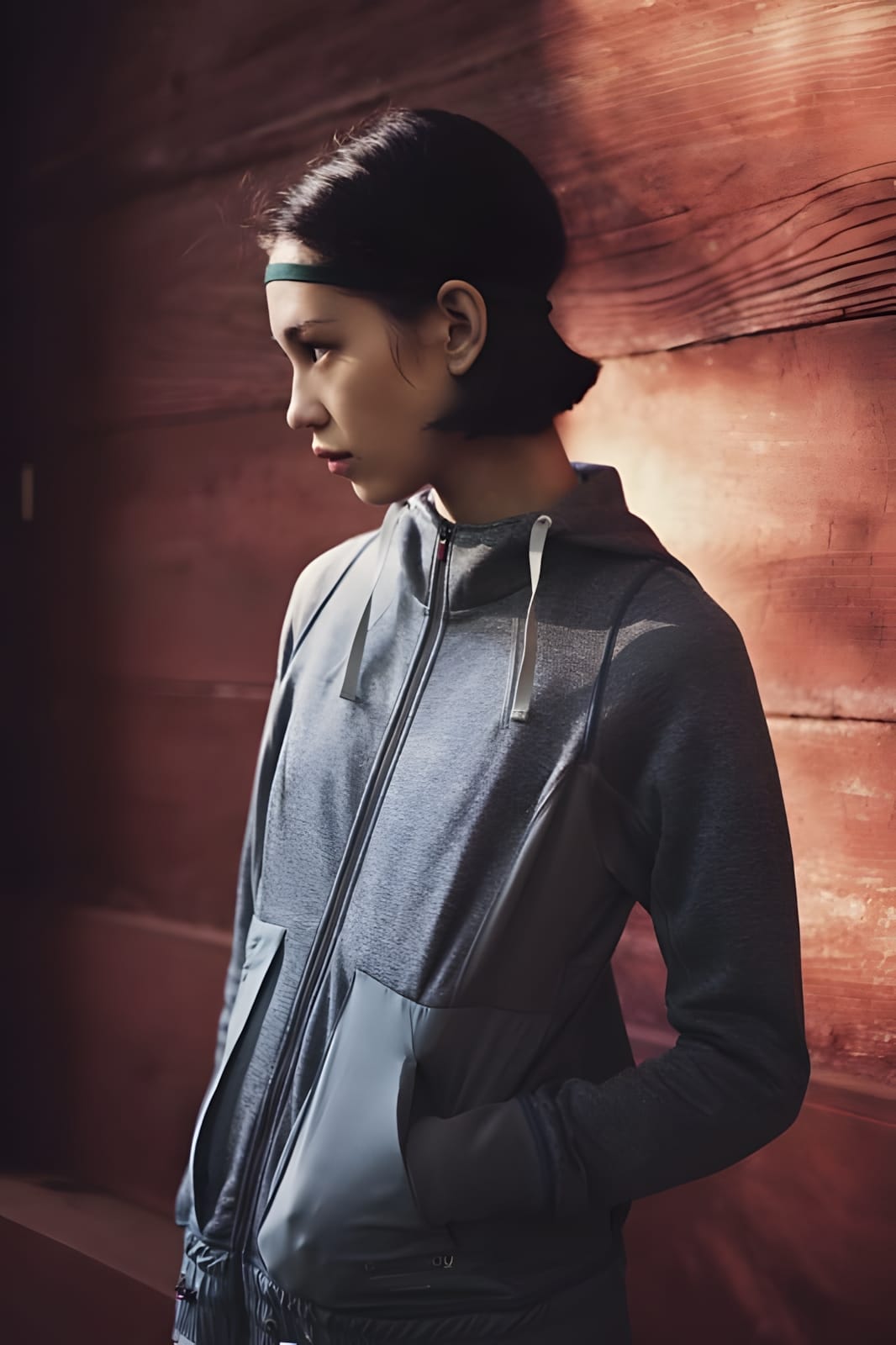
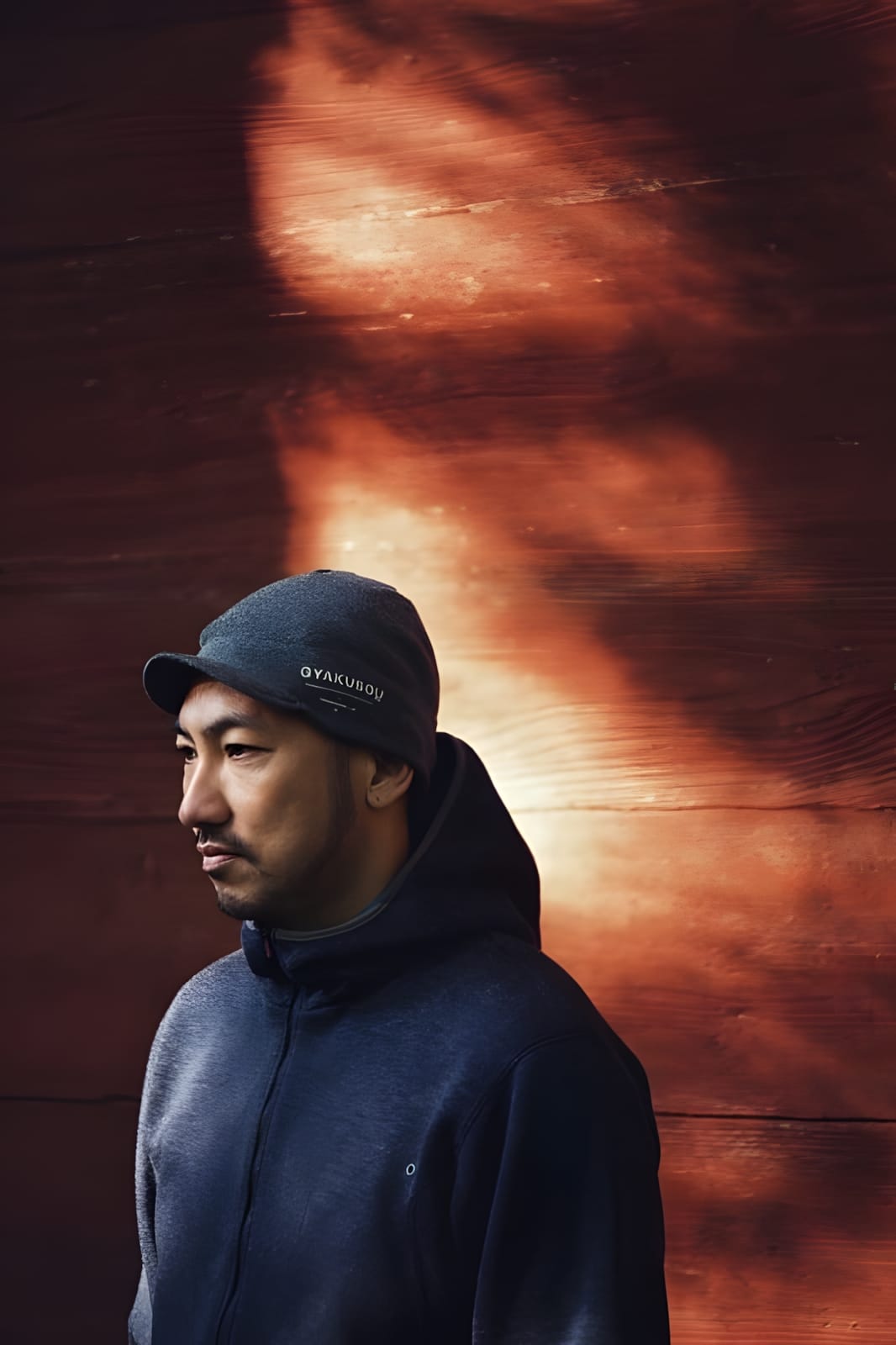
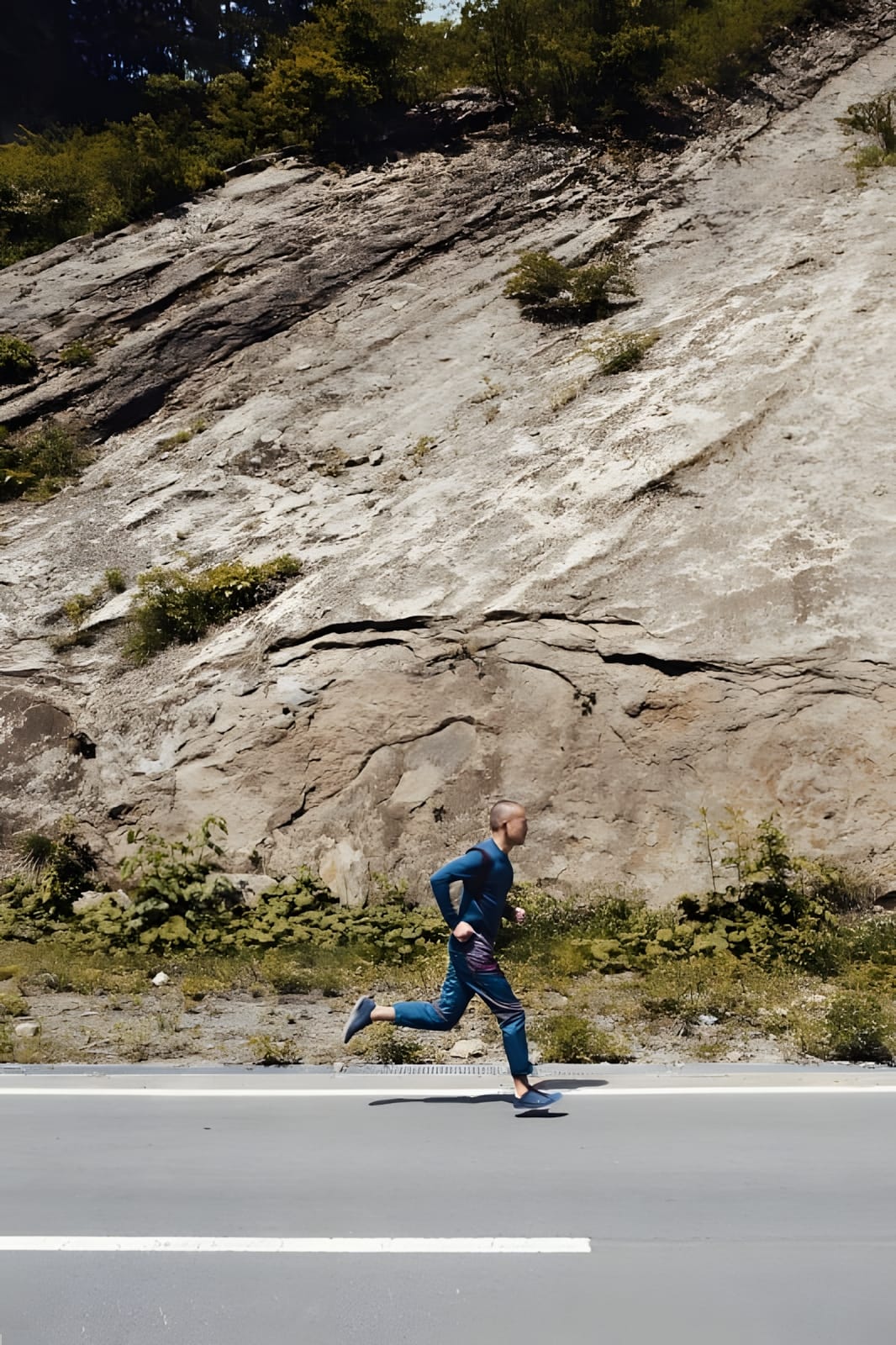
Nike x Undercover Gyakusou FW2012 — Autumn Monks
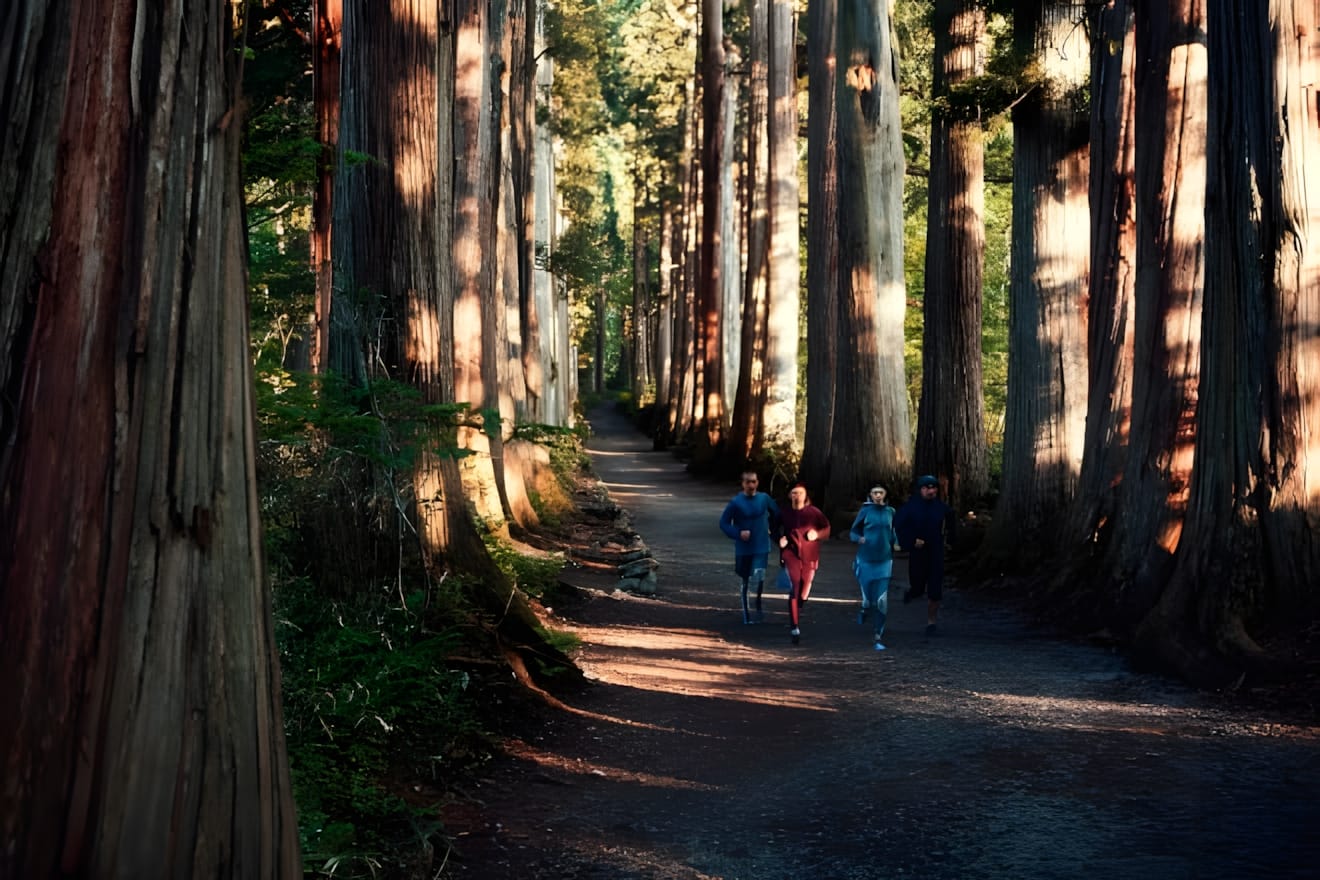
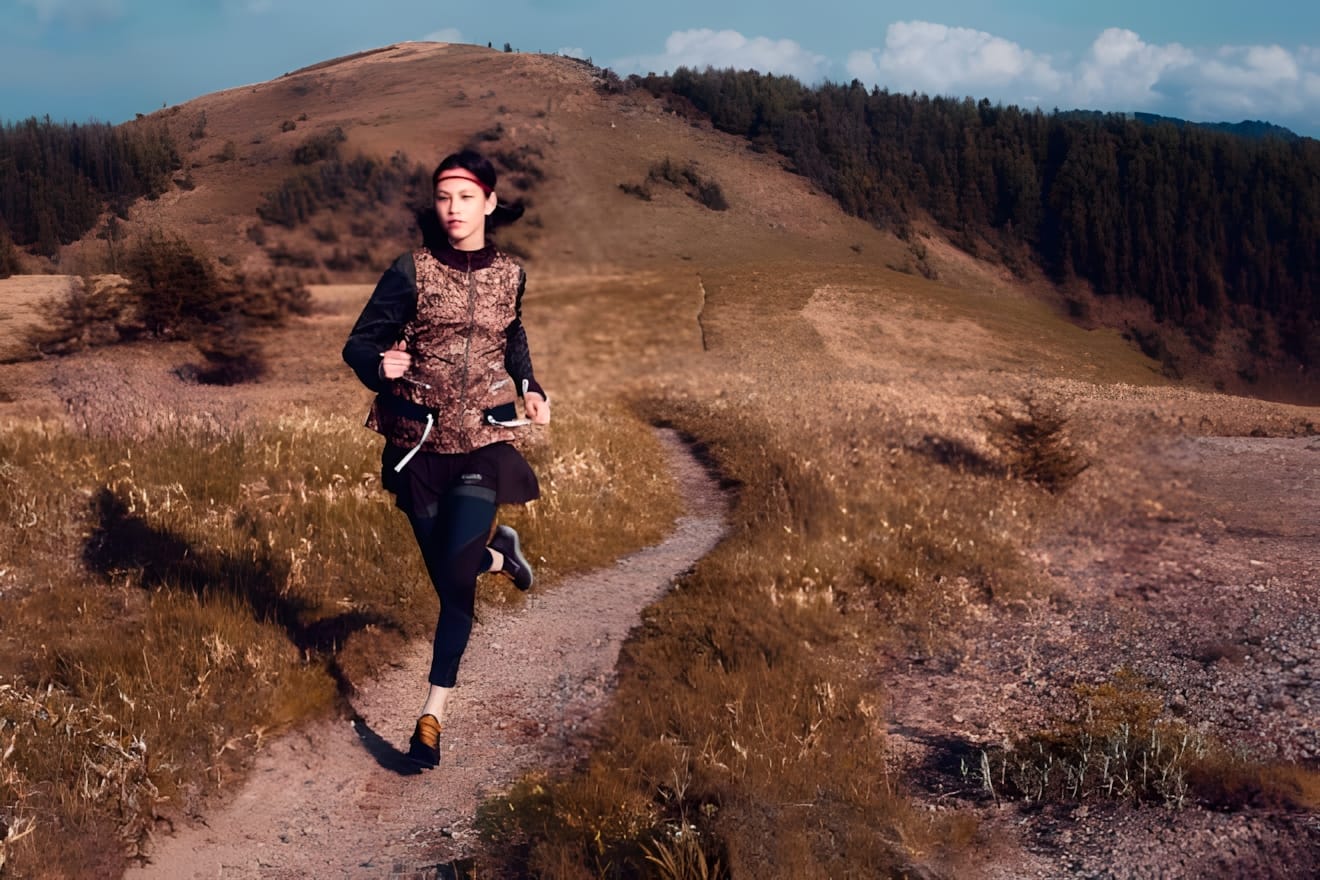
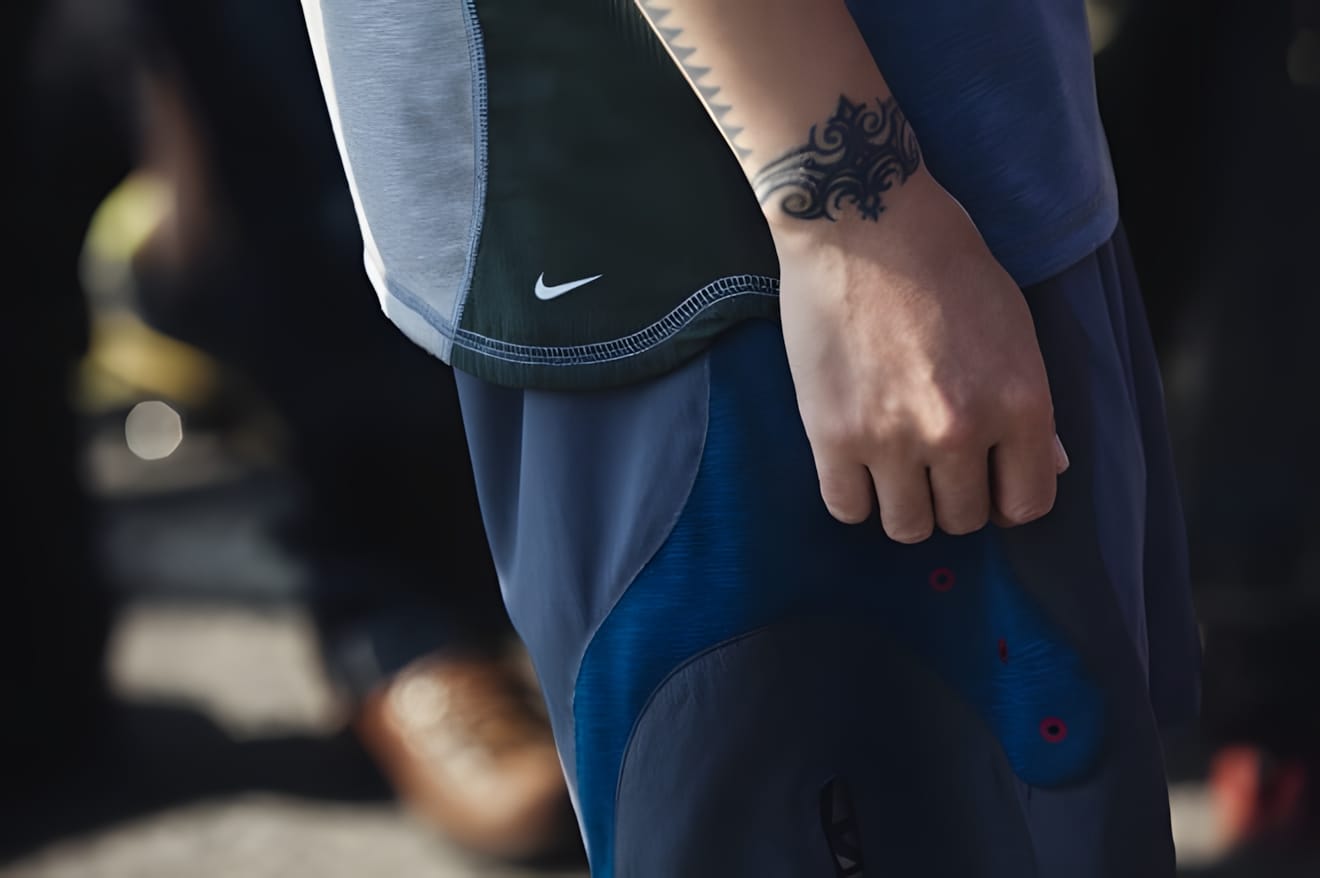
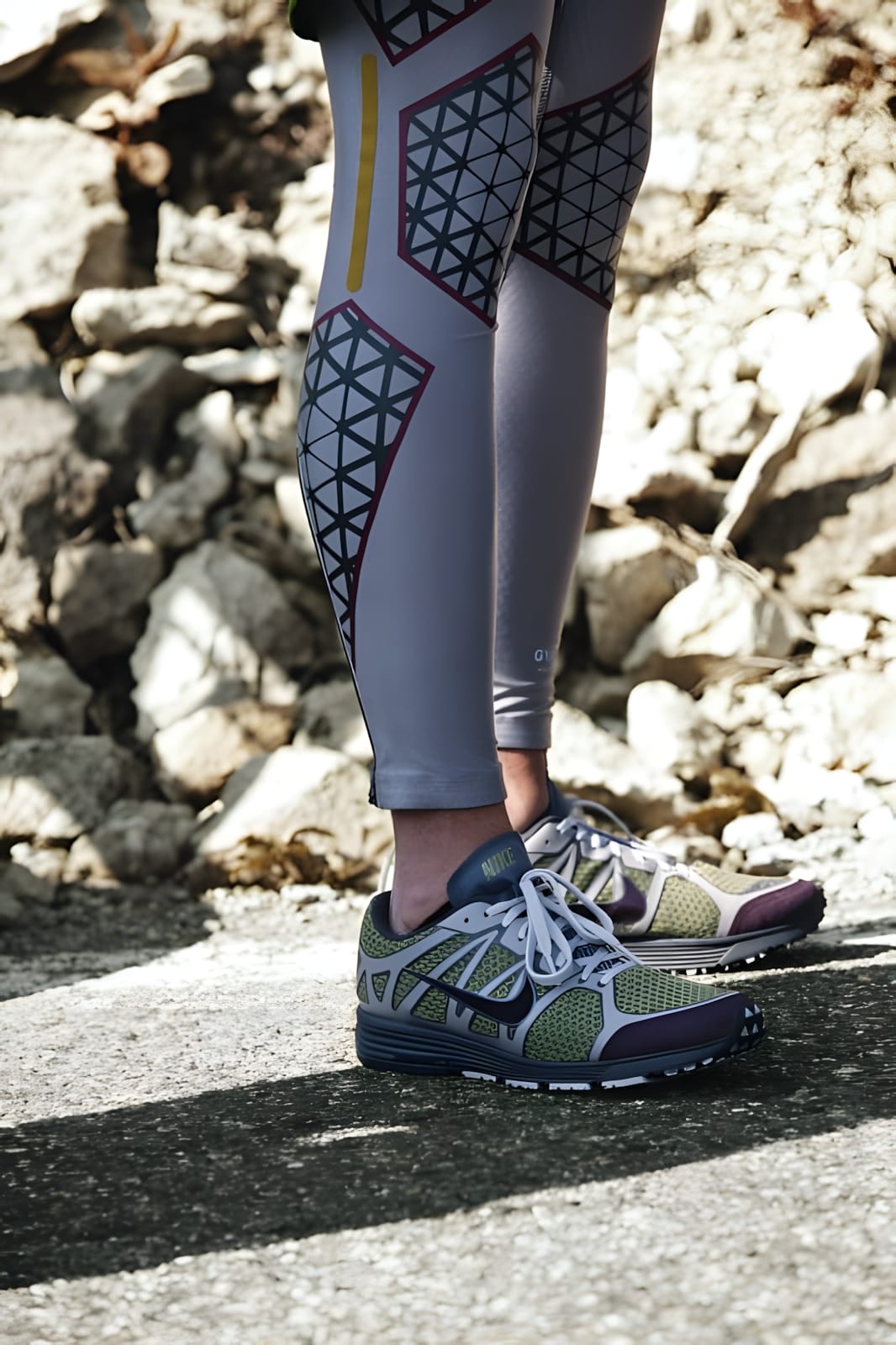
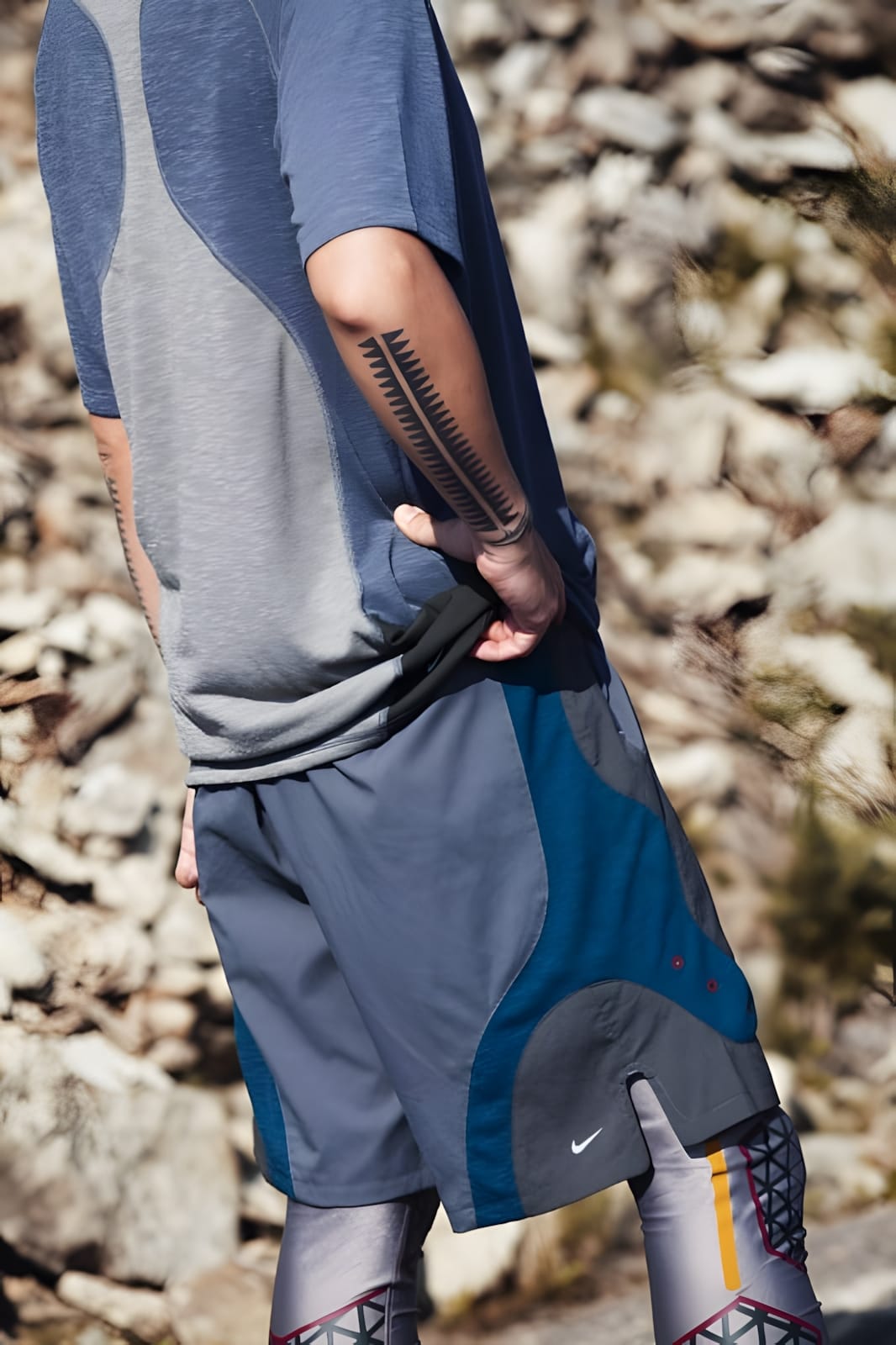
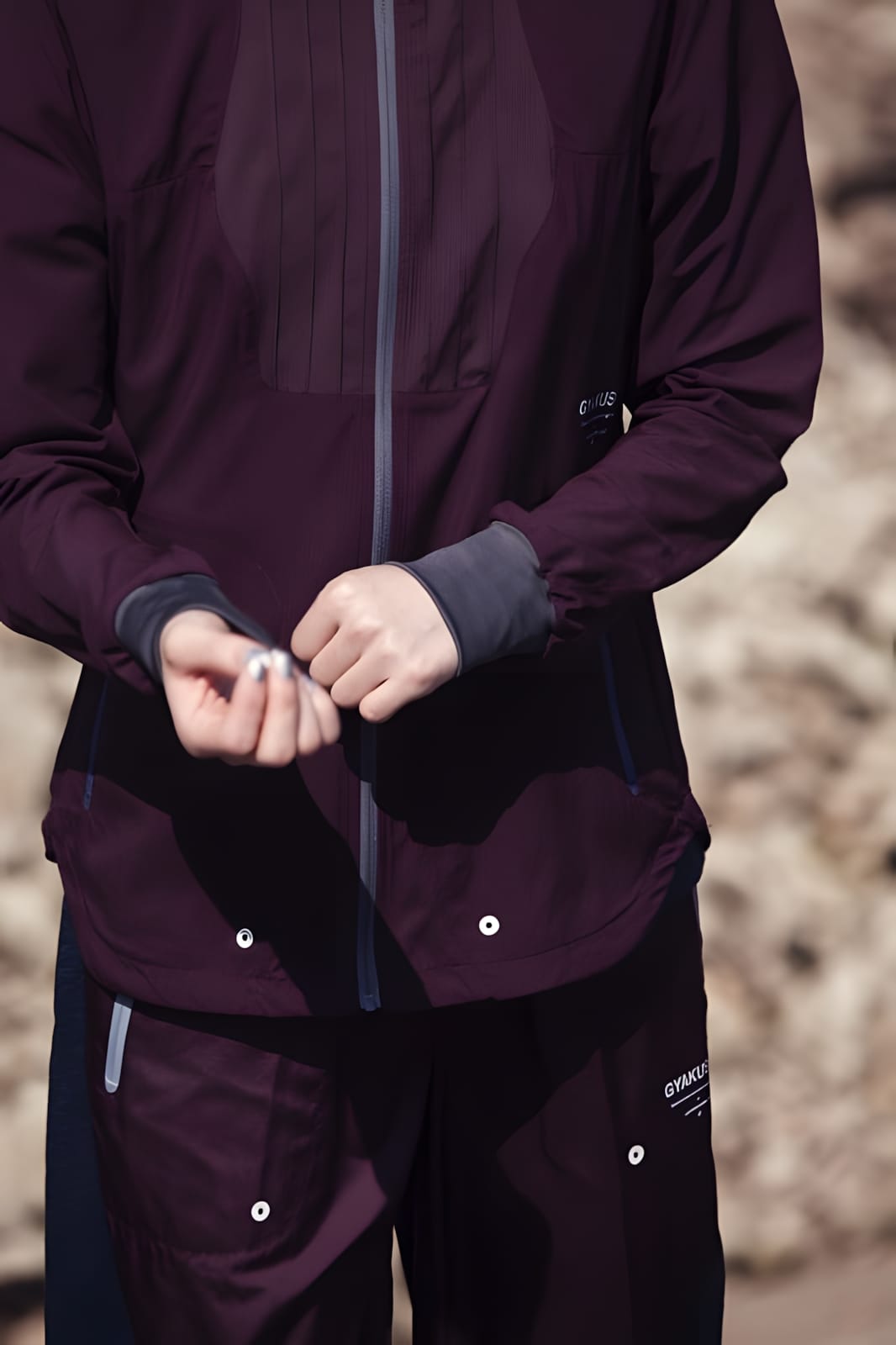
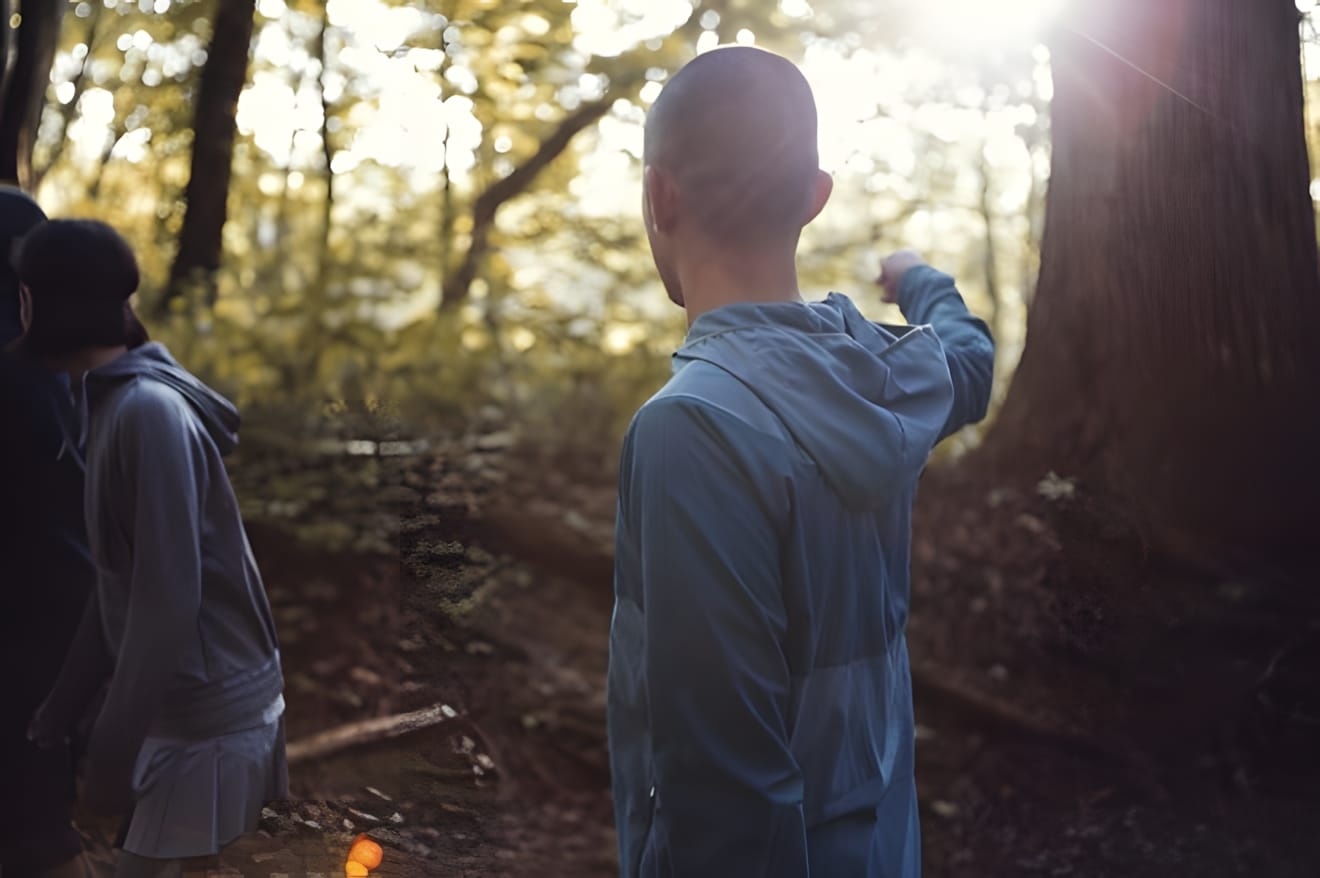
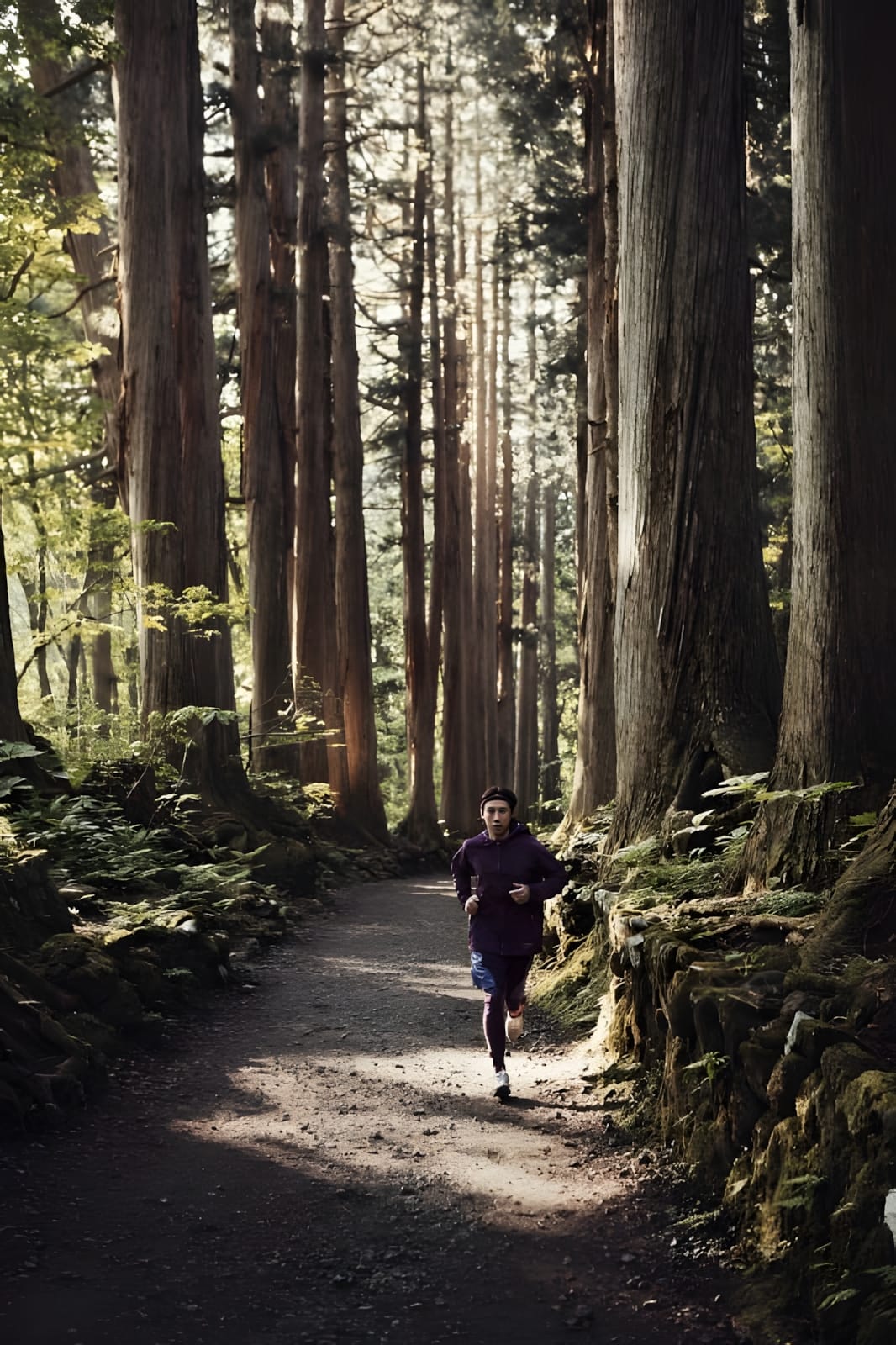
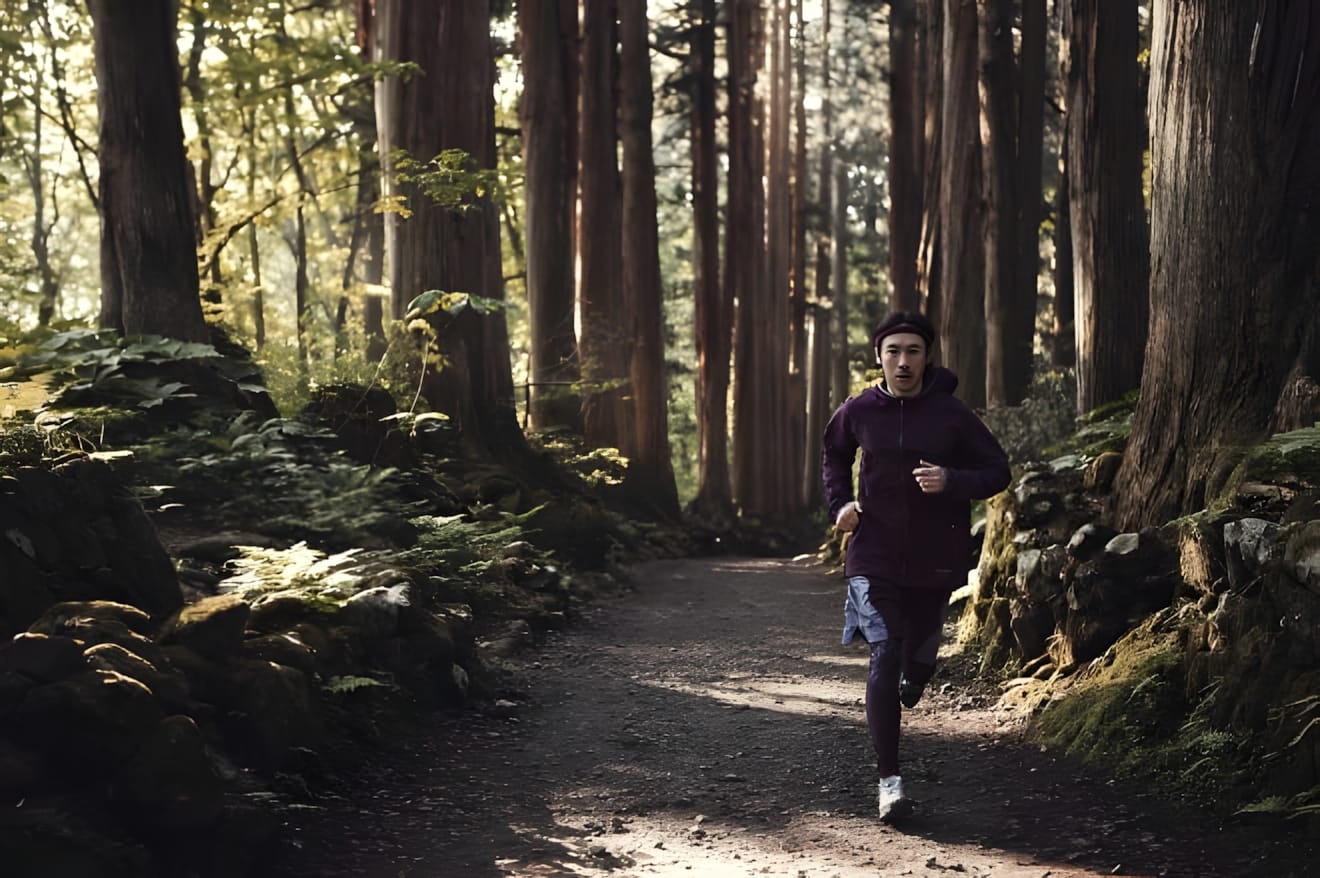
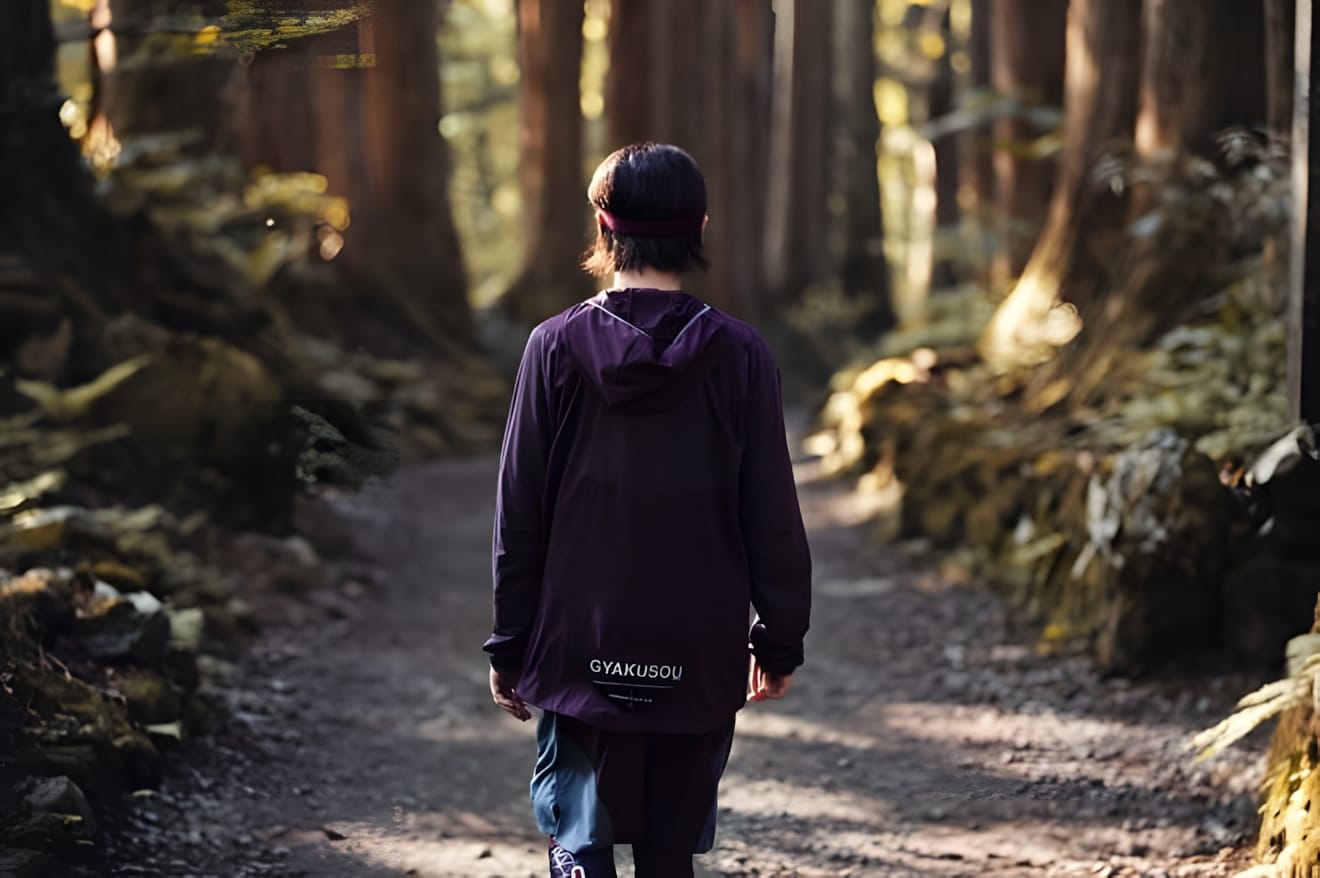
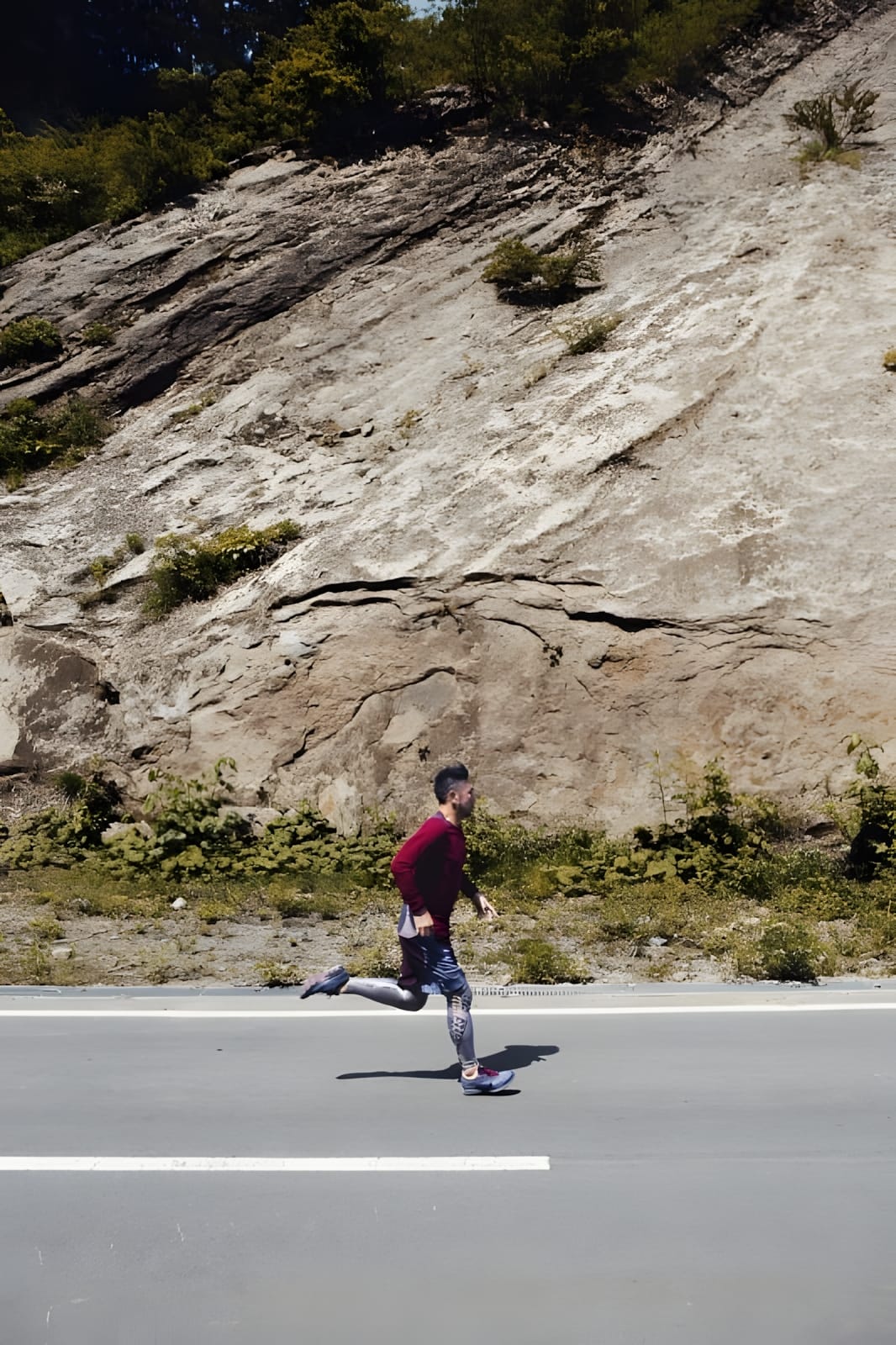
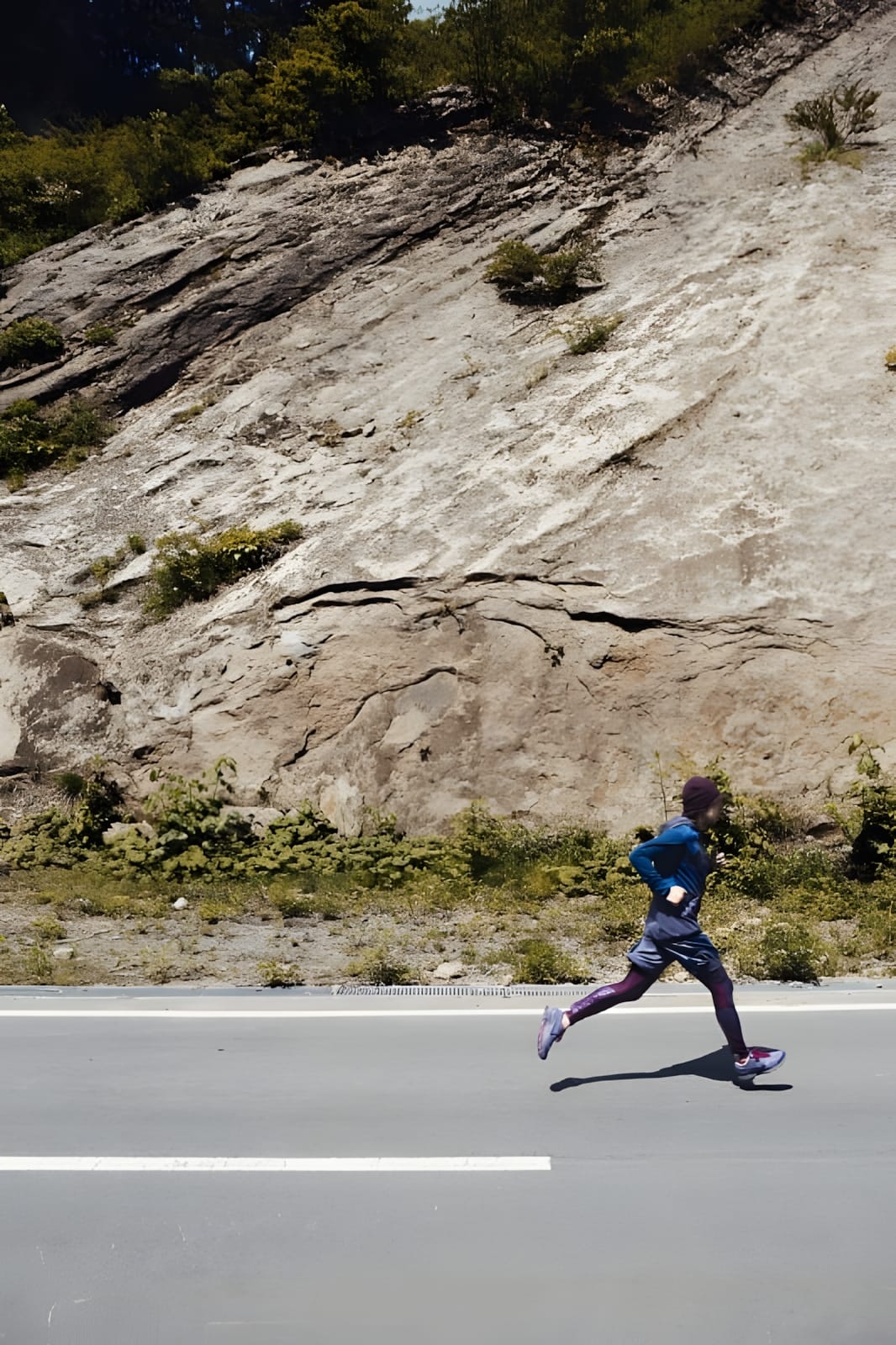
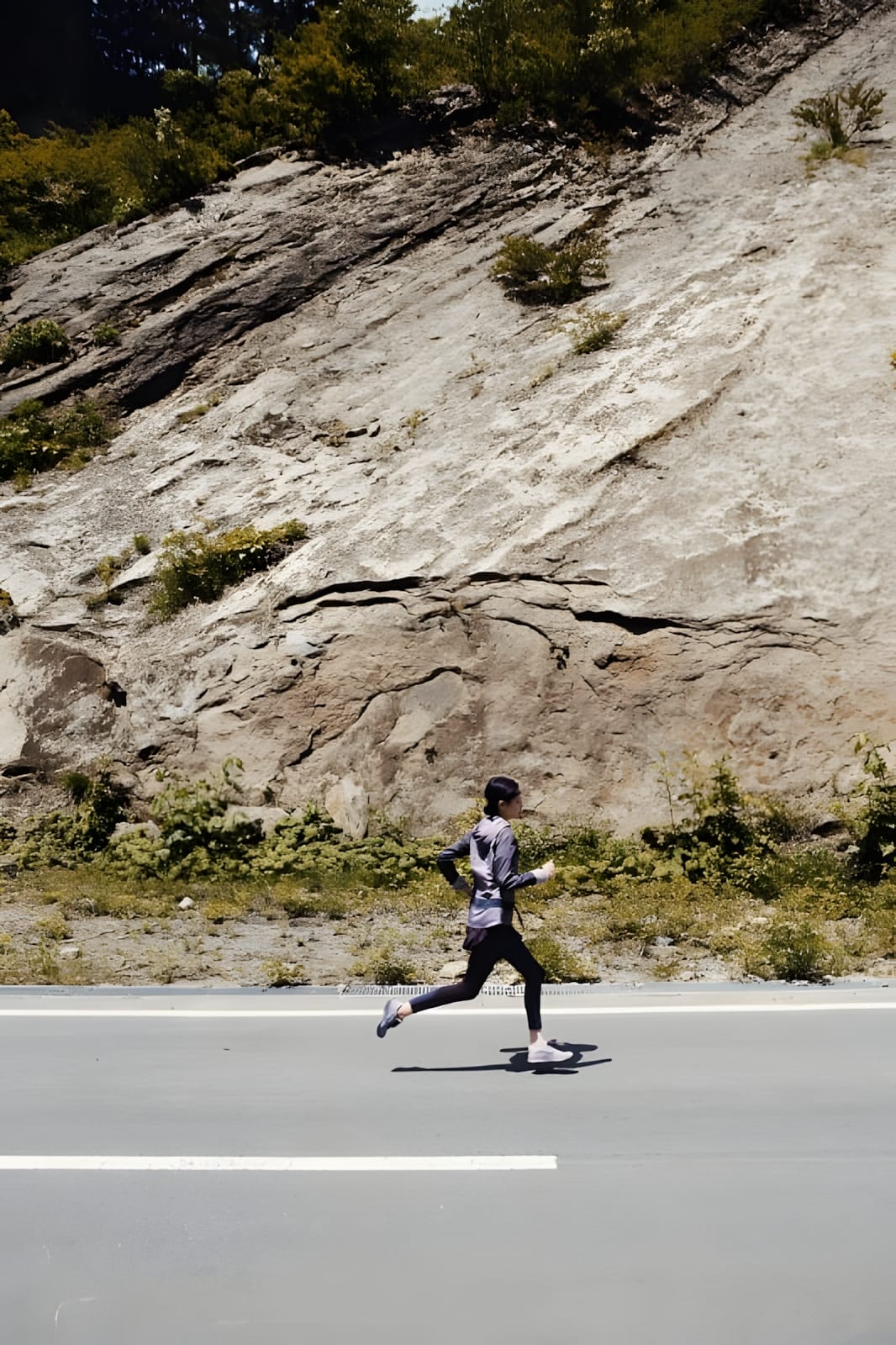
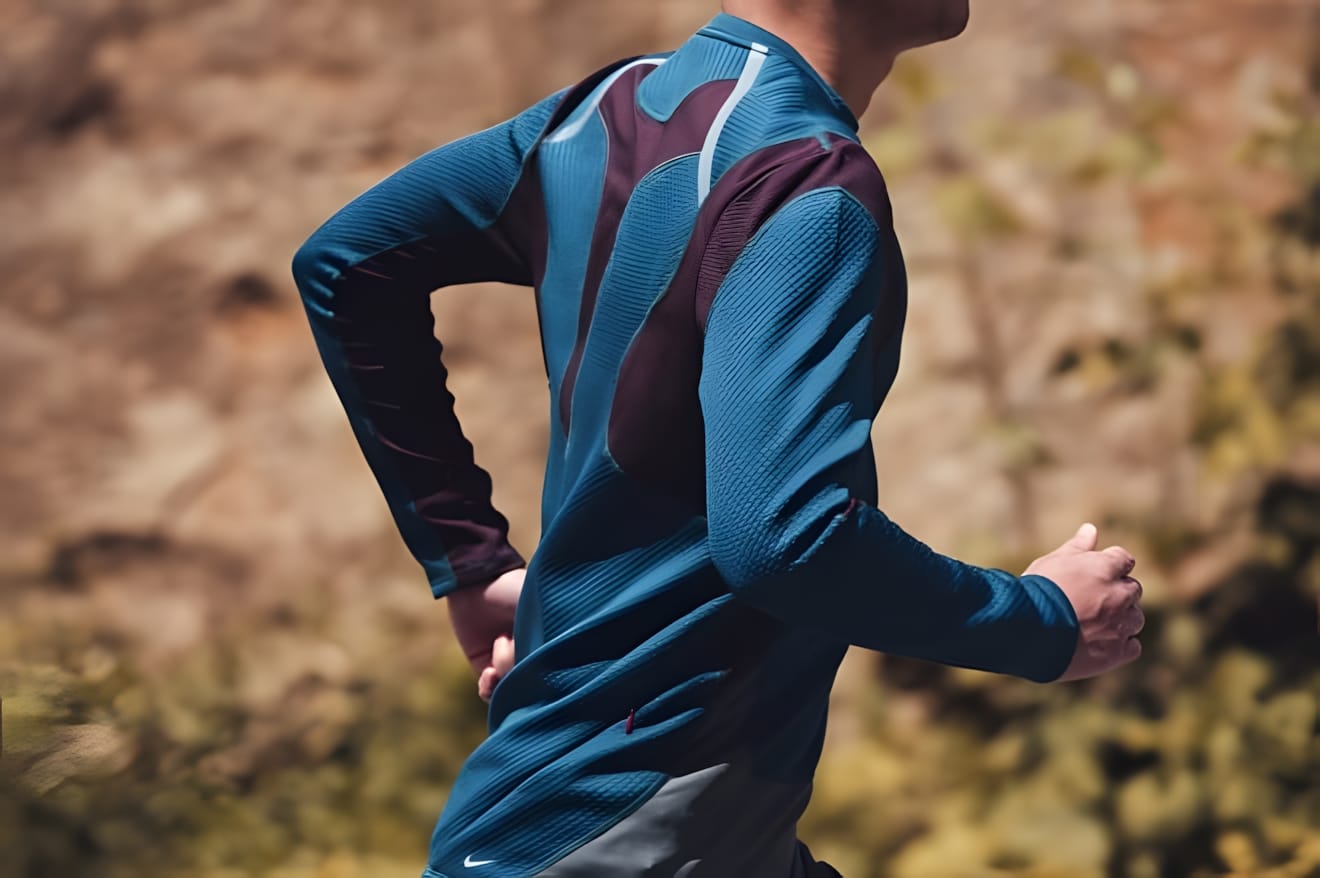
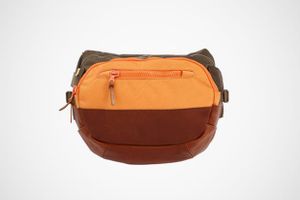
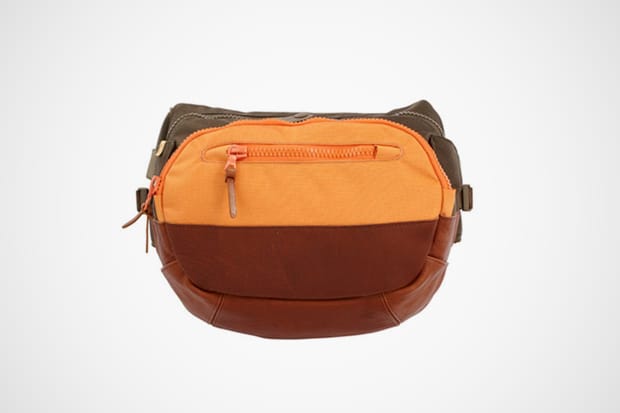
visvim Spring/Summer 2012 Ballistic Lumber Veggie 8L Waist Pack
Men's Street Editorial Portrait — Monochrome
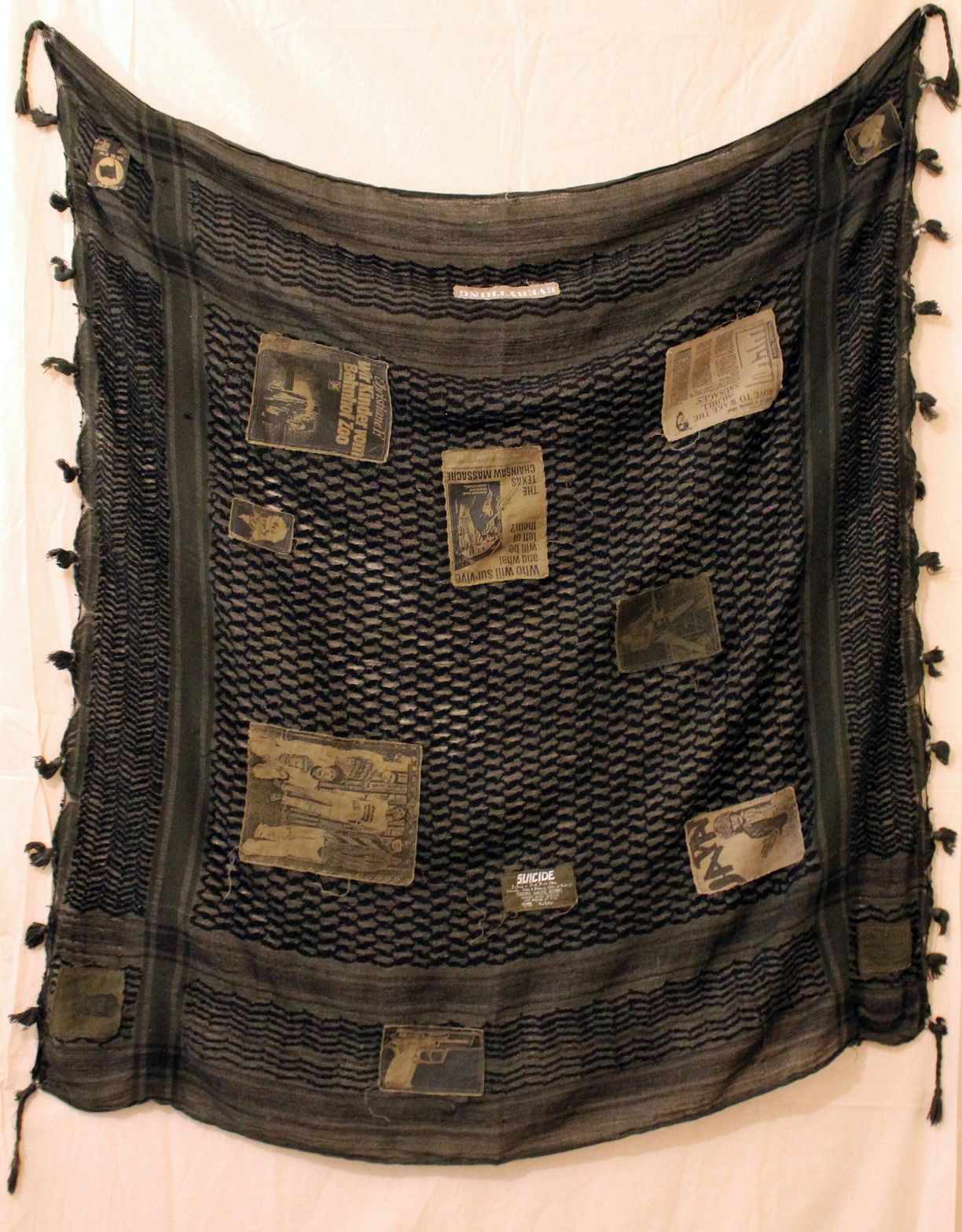
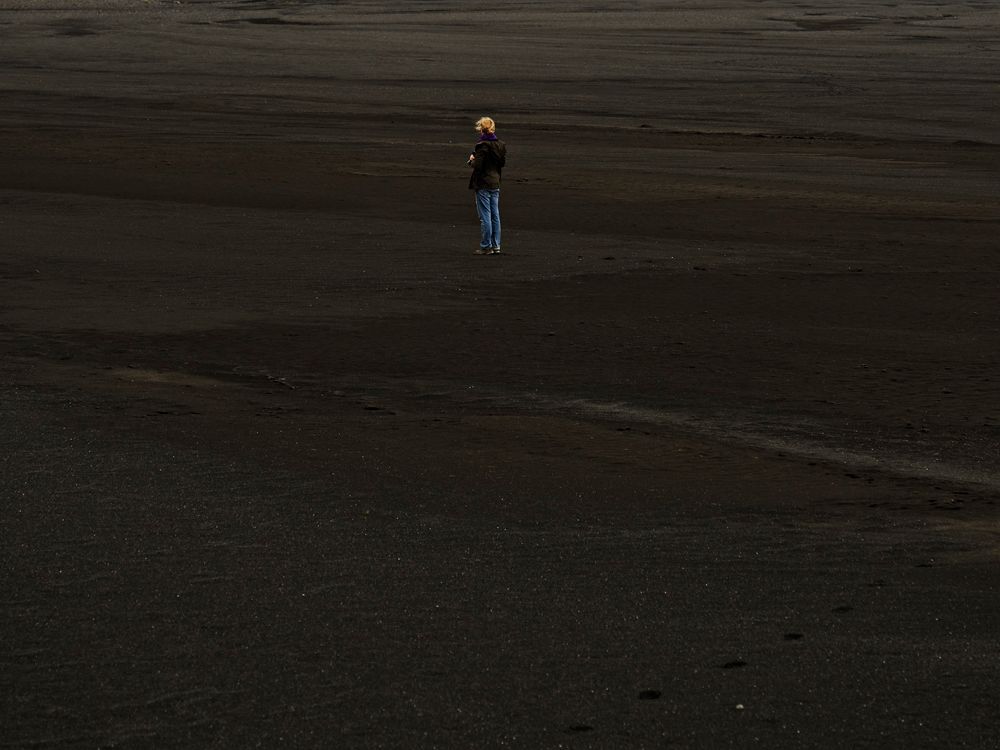
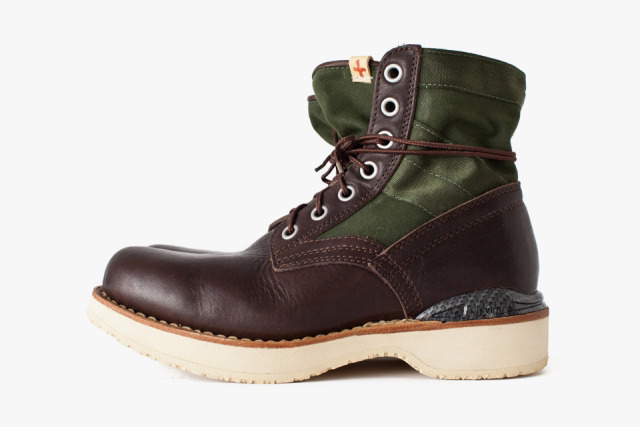
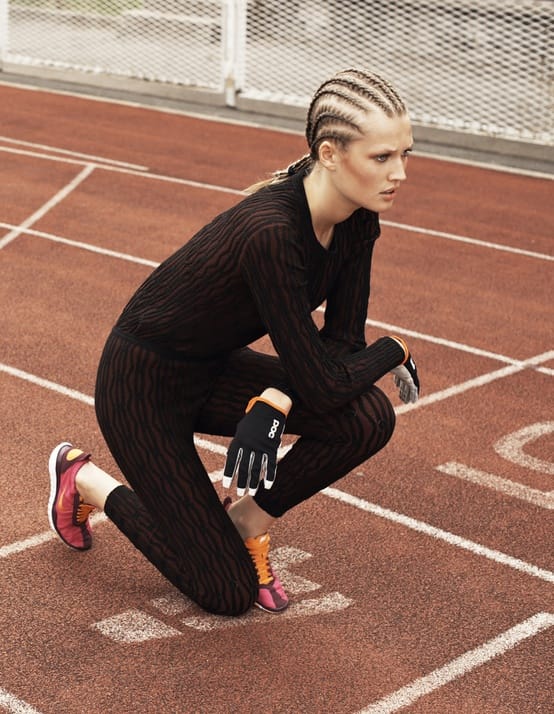
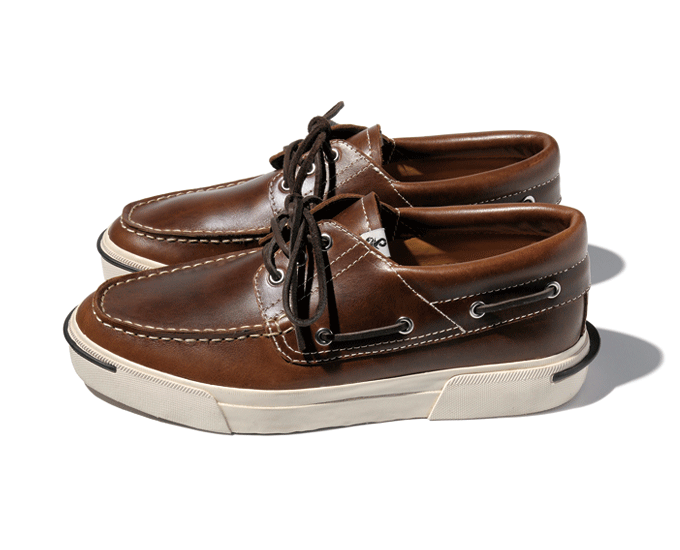

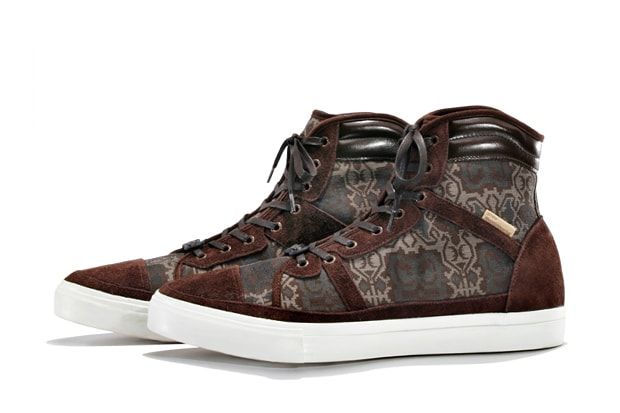
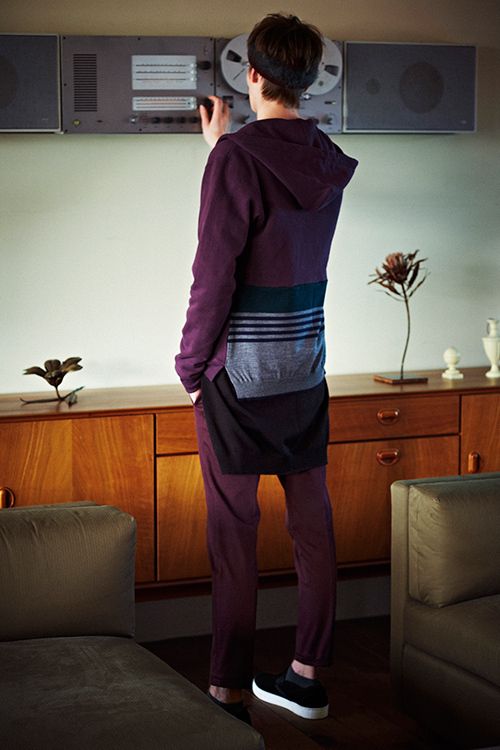
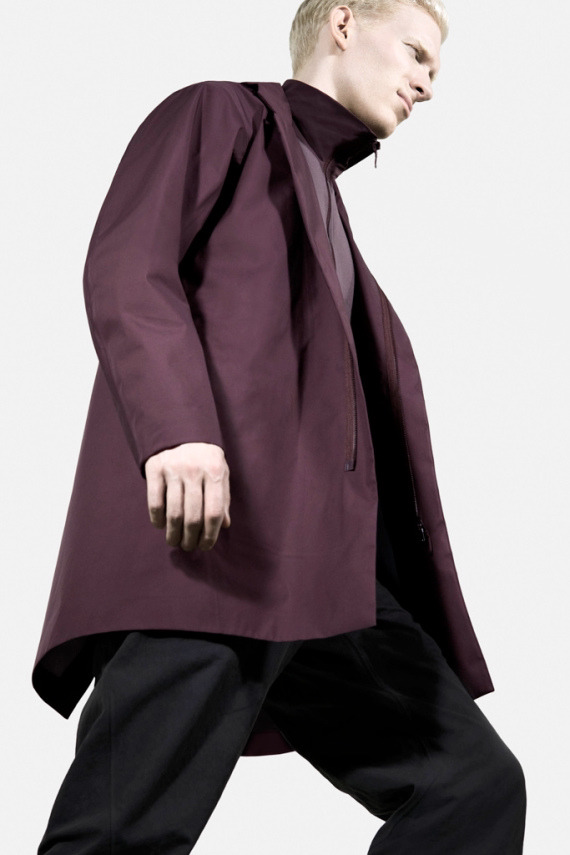
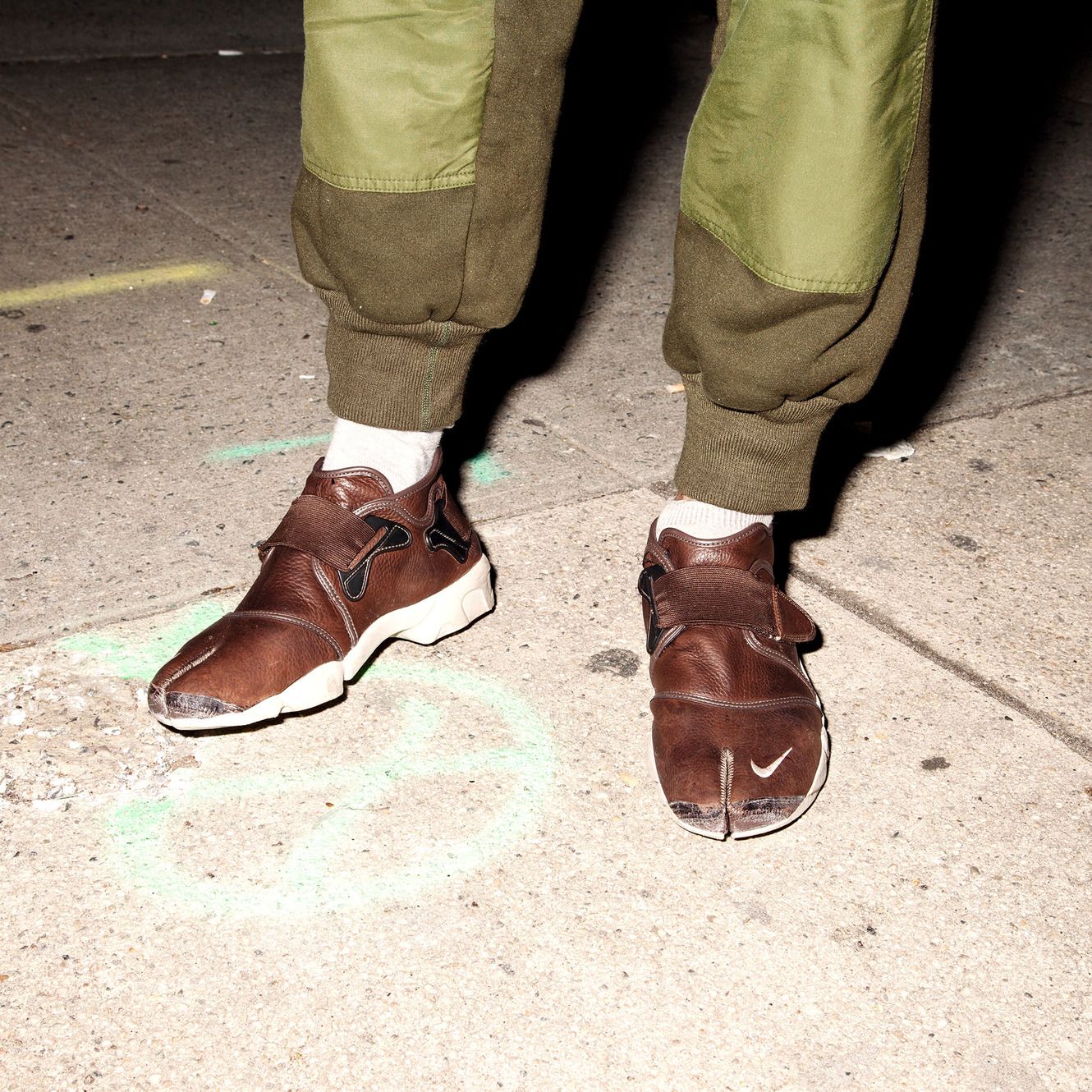
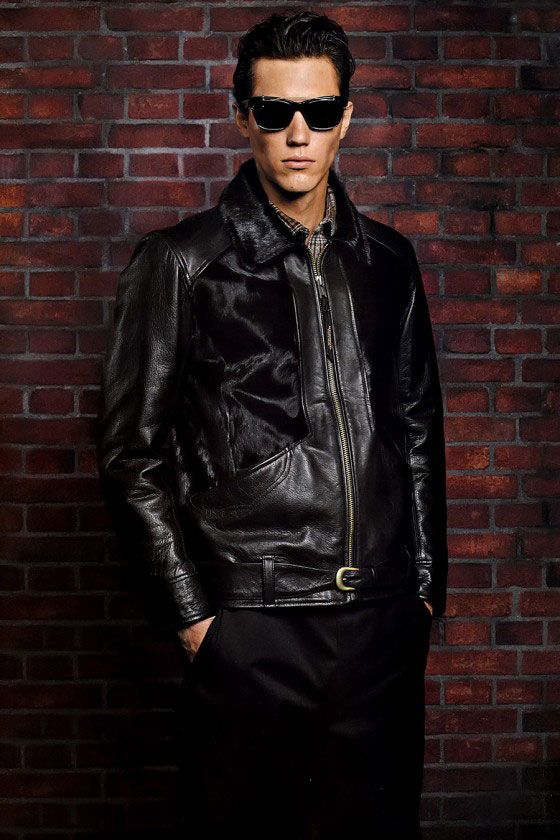
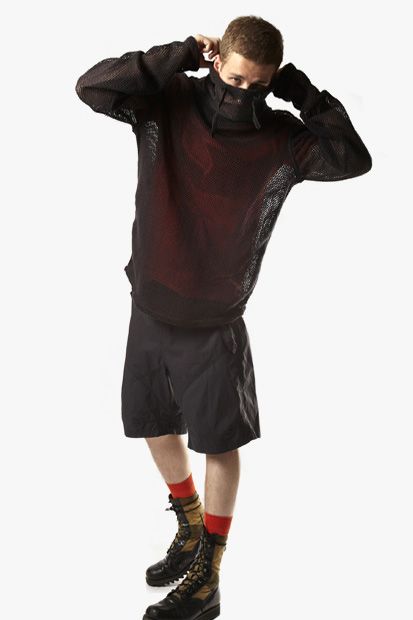
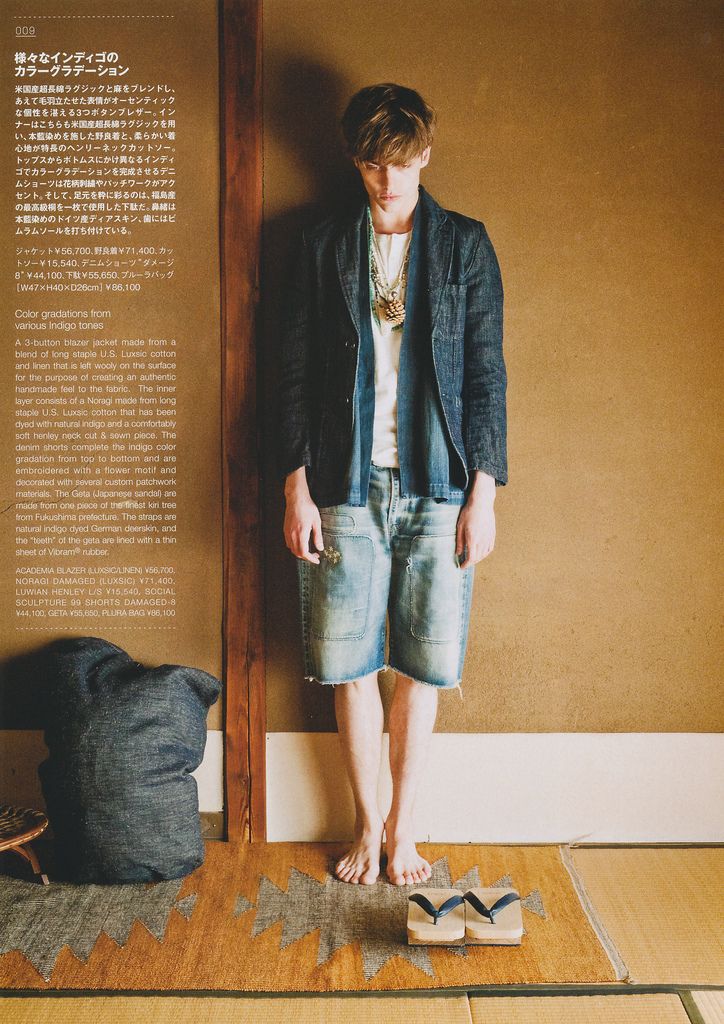

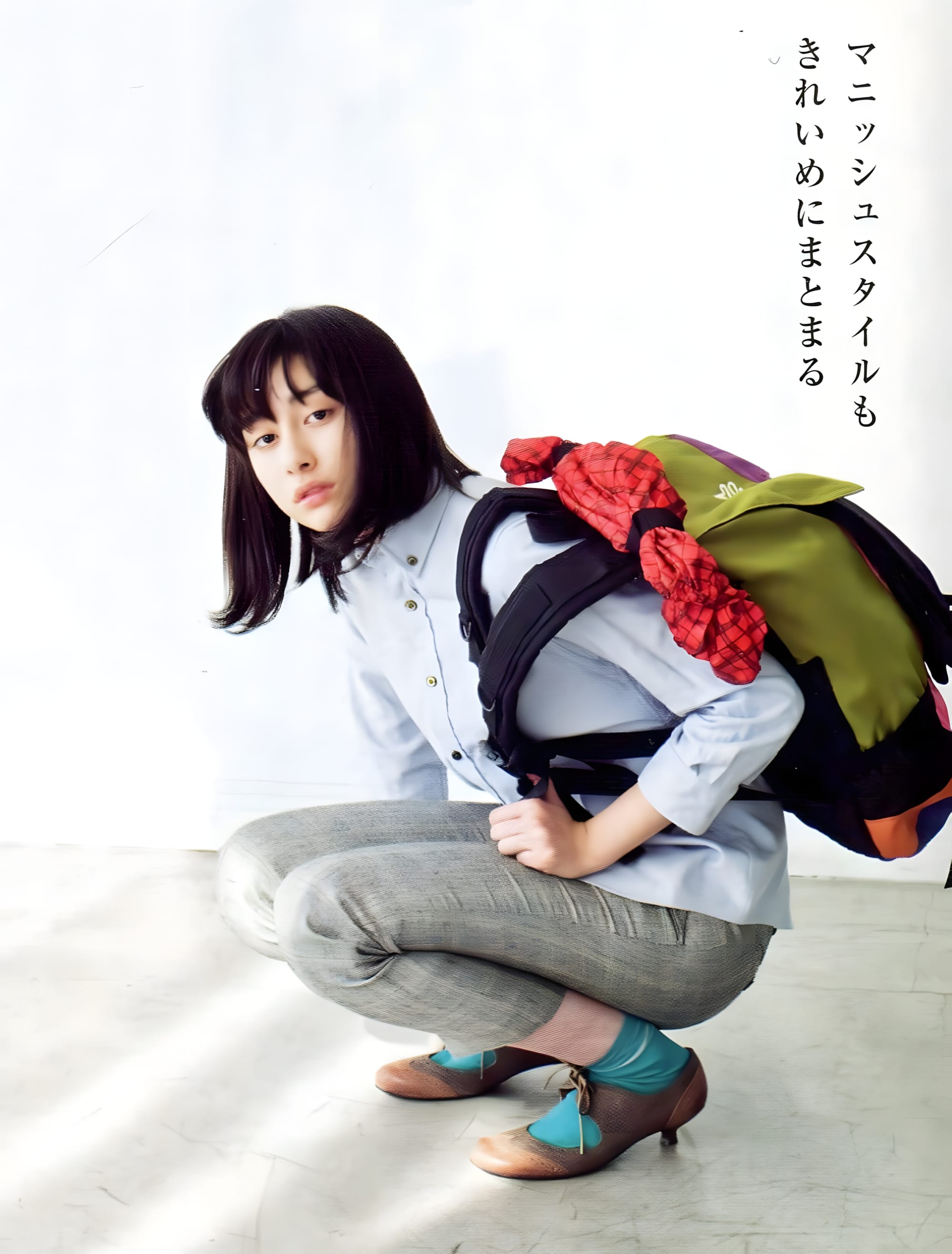
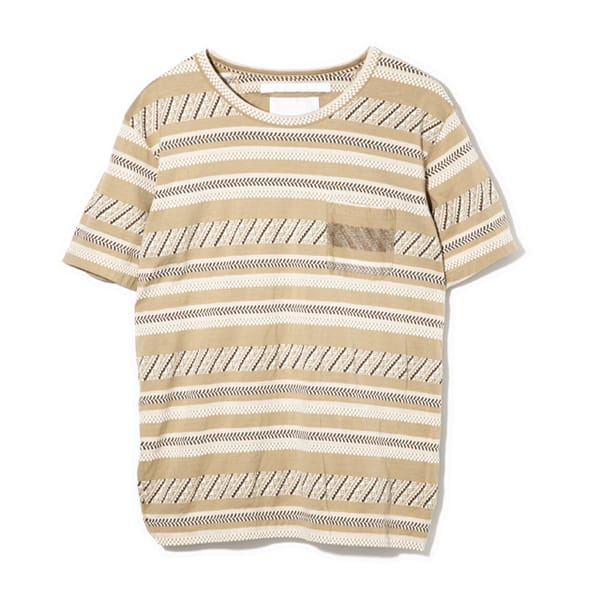
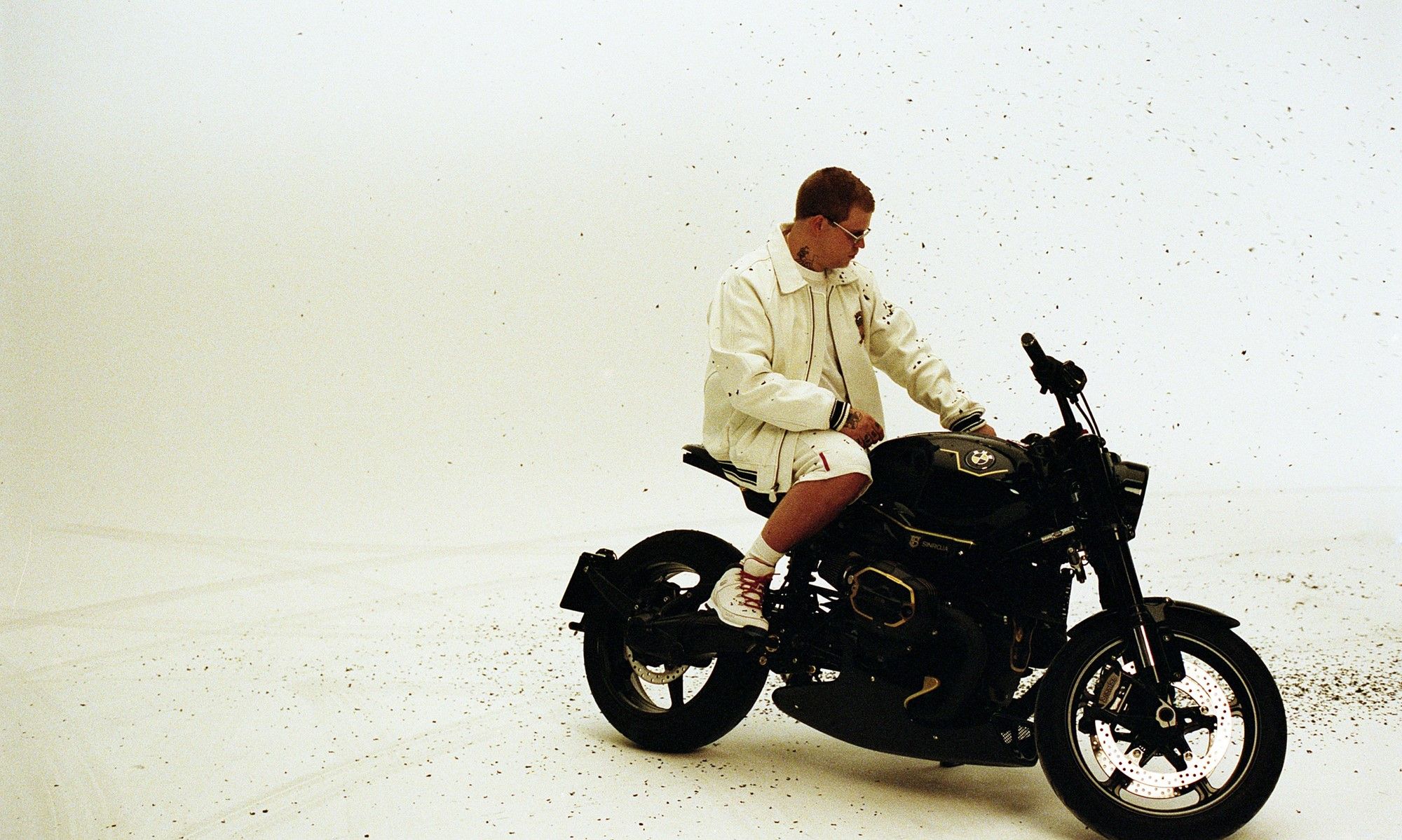
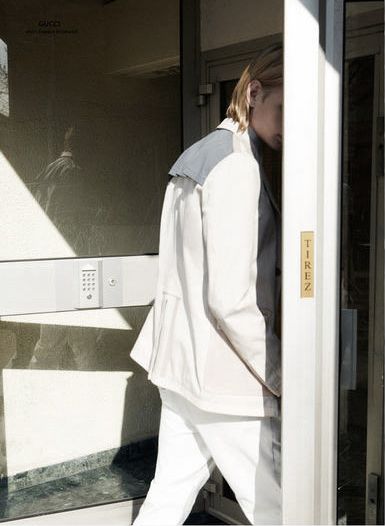
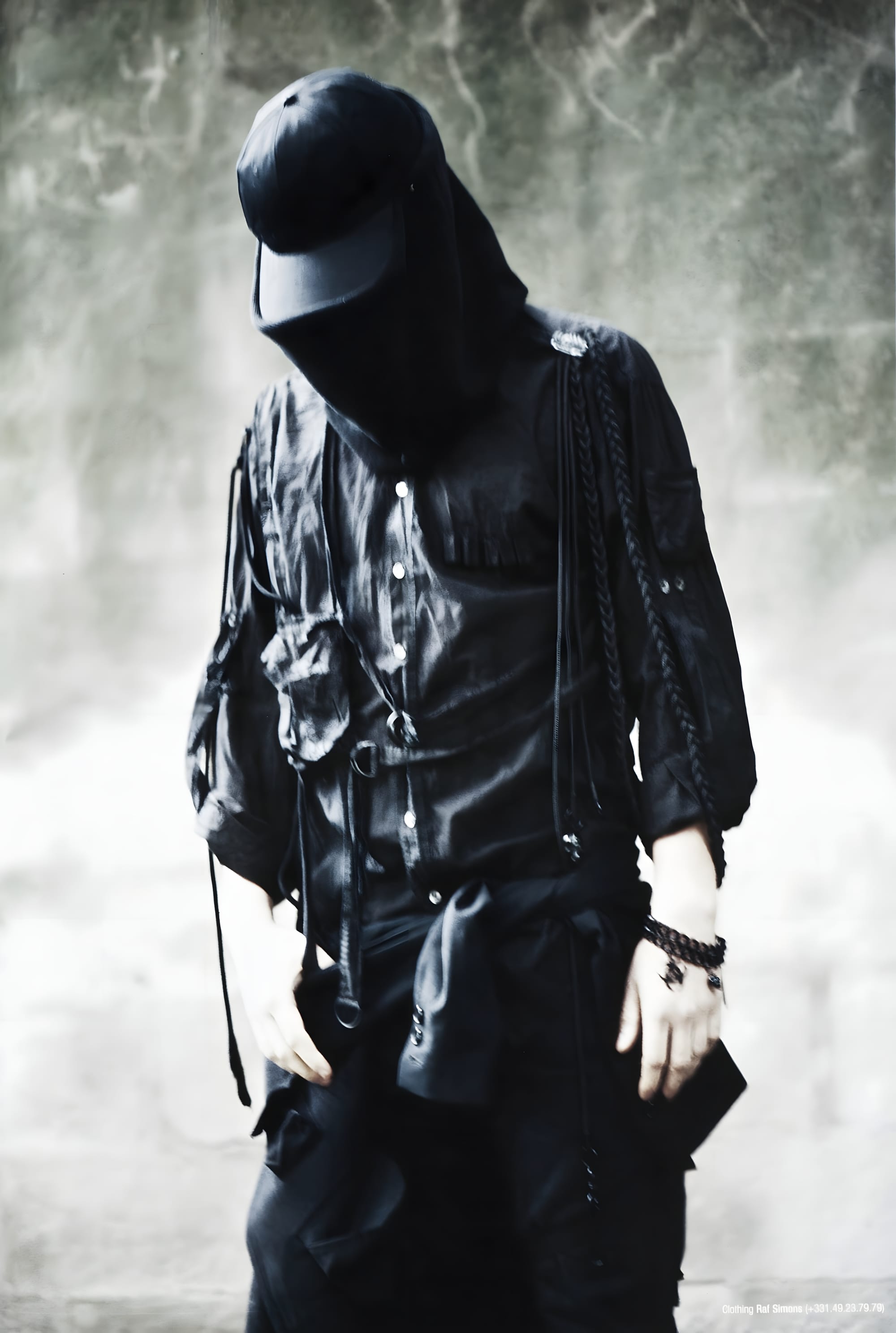
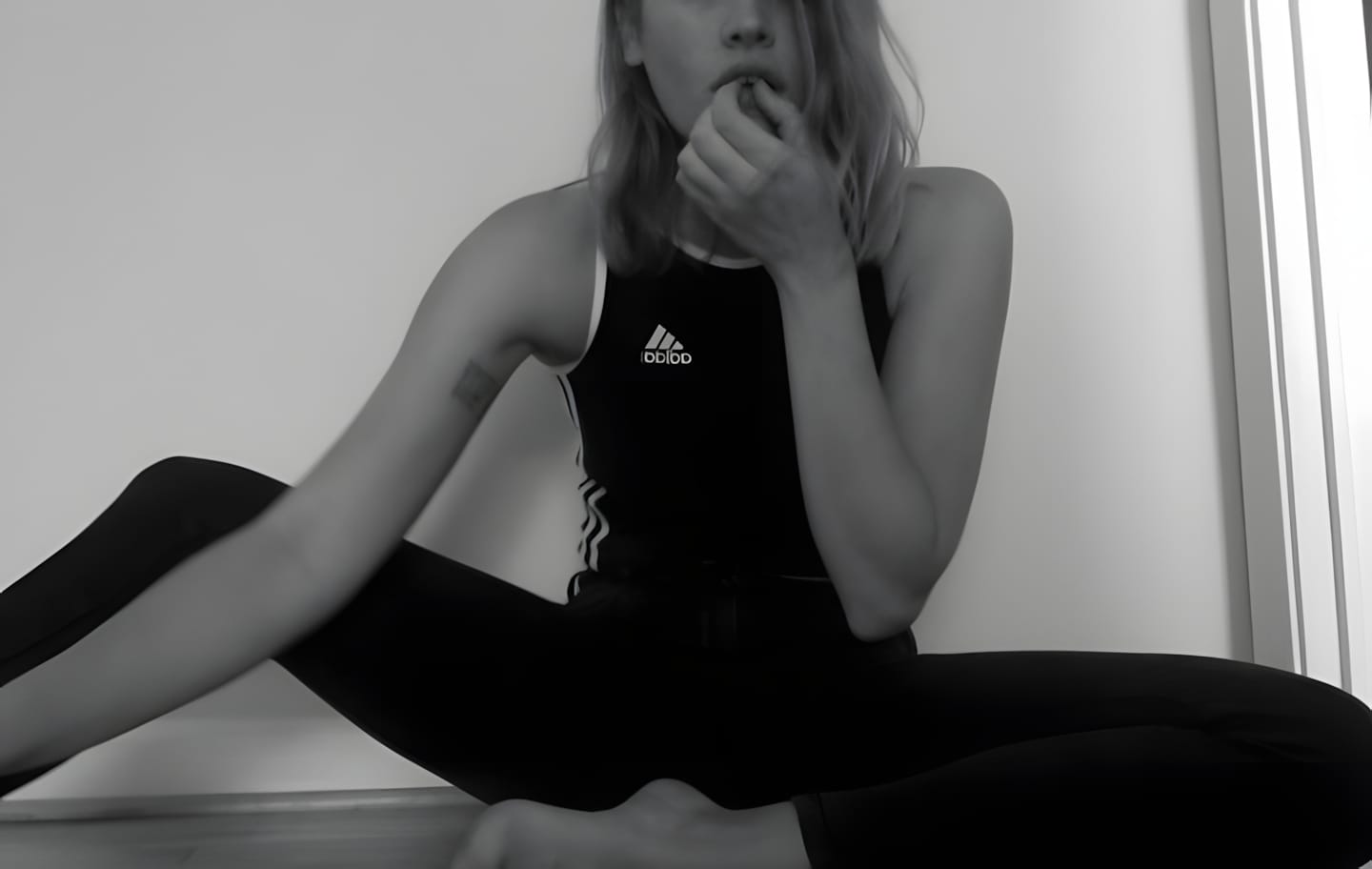
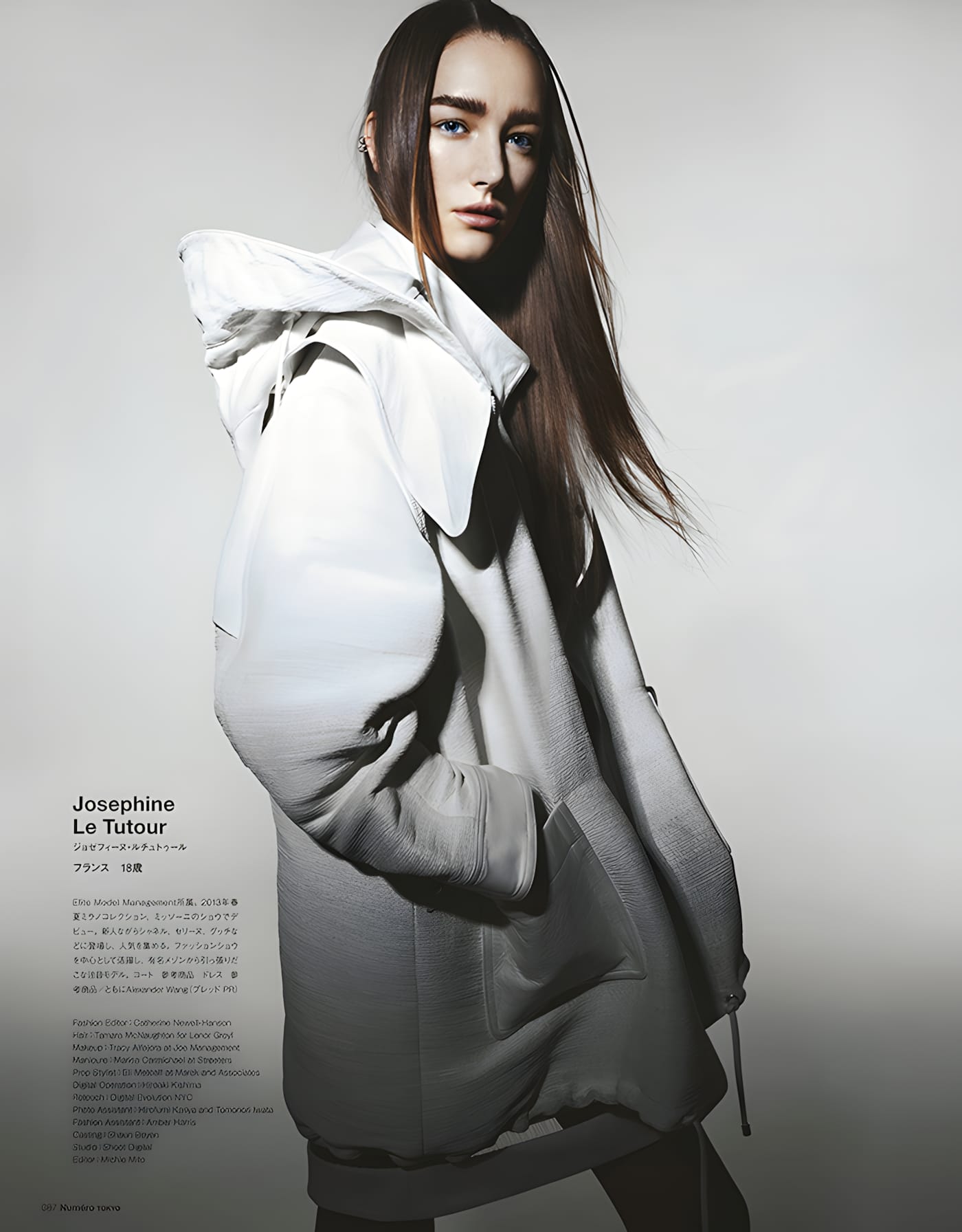
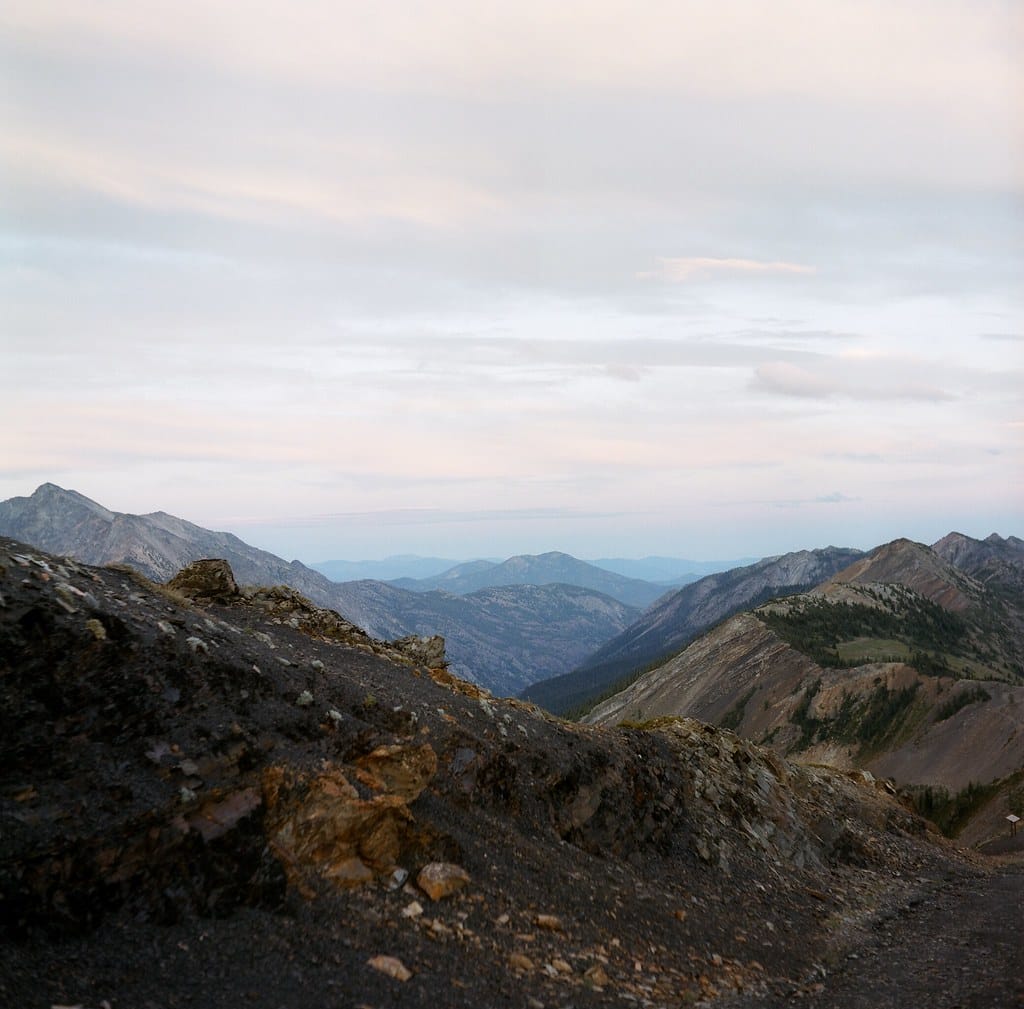
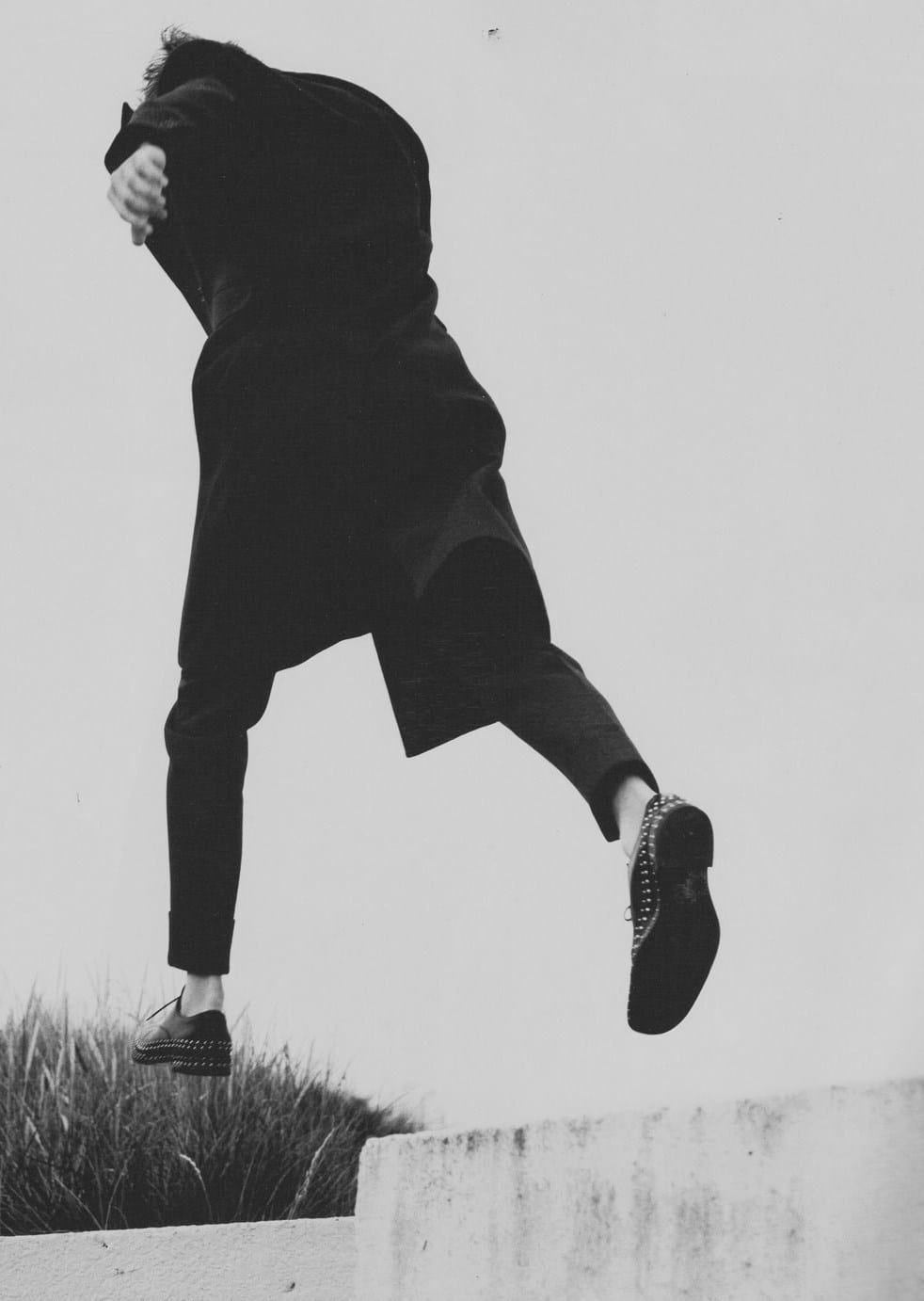
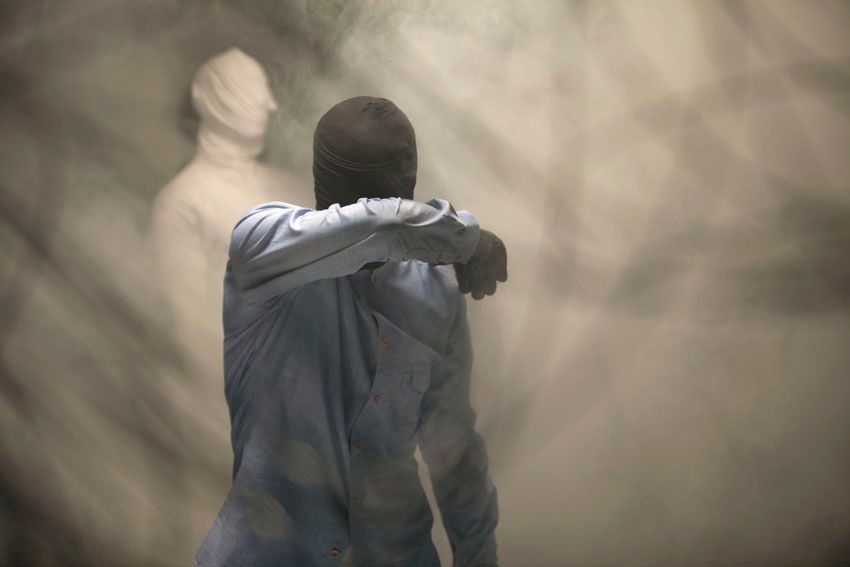
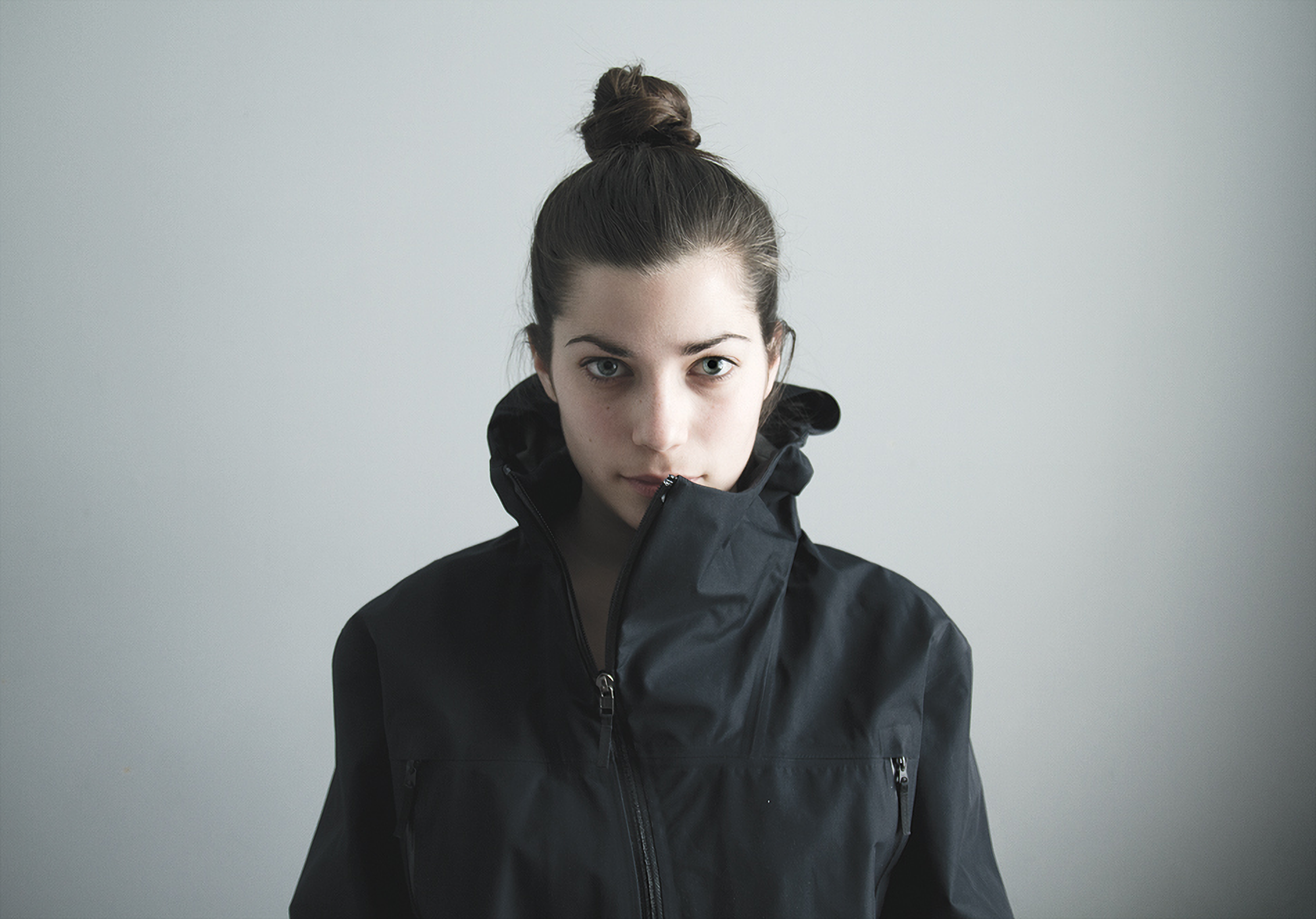
Arc'teryx Veilance SS12 — I Wish They Made This for Girls
“I Wish They Made This for Girls” is a recurring photo series by artist Vincent Tsang on onandbeyond.com, his menswear and technical-apparel journal. Each installment documents men’s garments worn by a woman.
This installment: Arc’teryx Veilance Spring/Summer 2012.
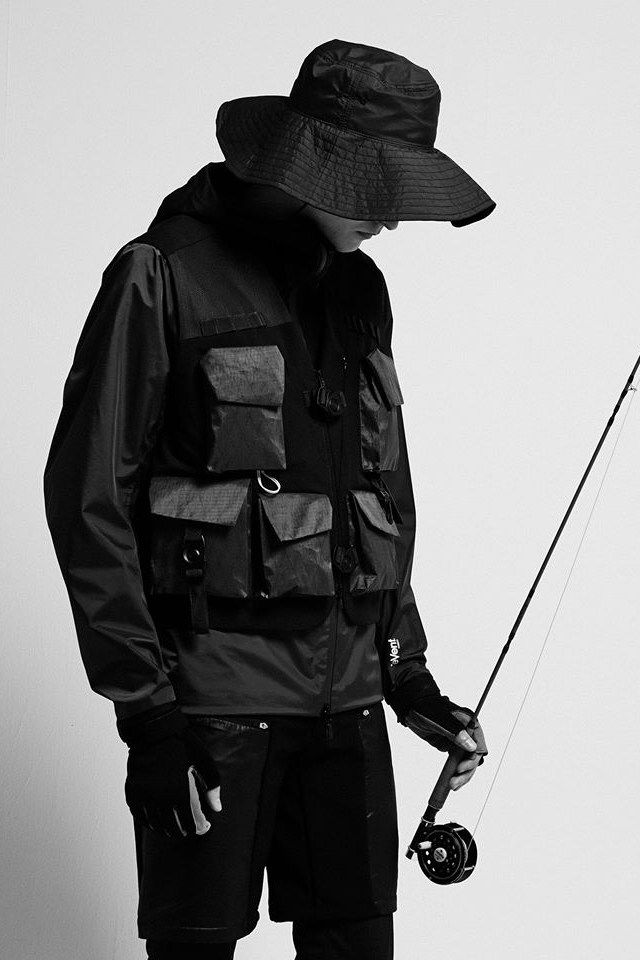
Deploy Composite Jacket (above) — black. WINDSTOPPER 3L front, shoulders and hood; stretch plain-weave nylon back and sides; asymmetric main zip carried over from the Arc’teryx Sidewinder.
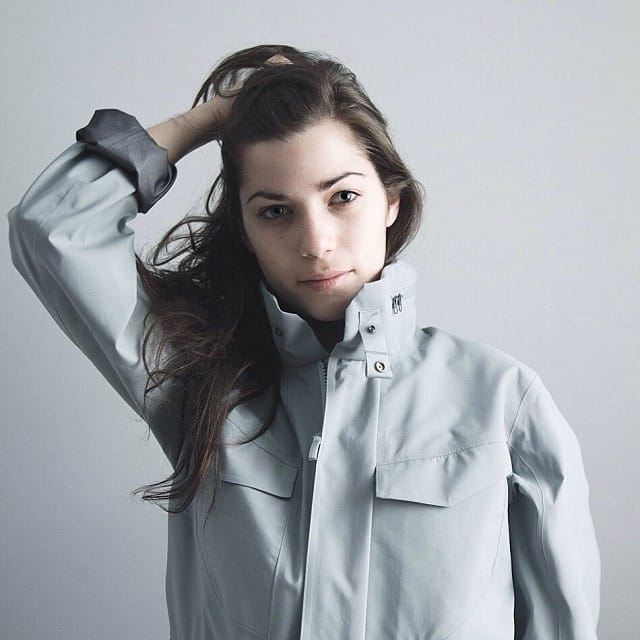
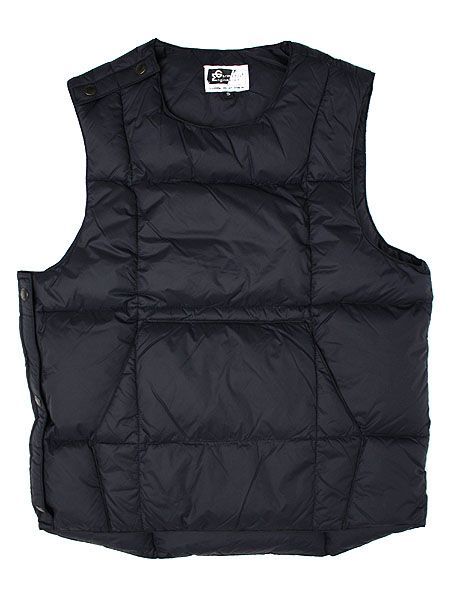
Field Jacket LT (above) — Cirrus (grey). Stand collar with snap tabs; flap chest pocket.
Published on onandbeyond, March 2012.
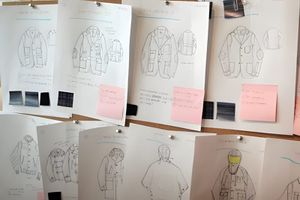
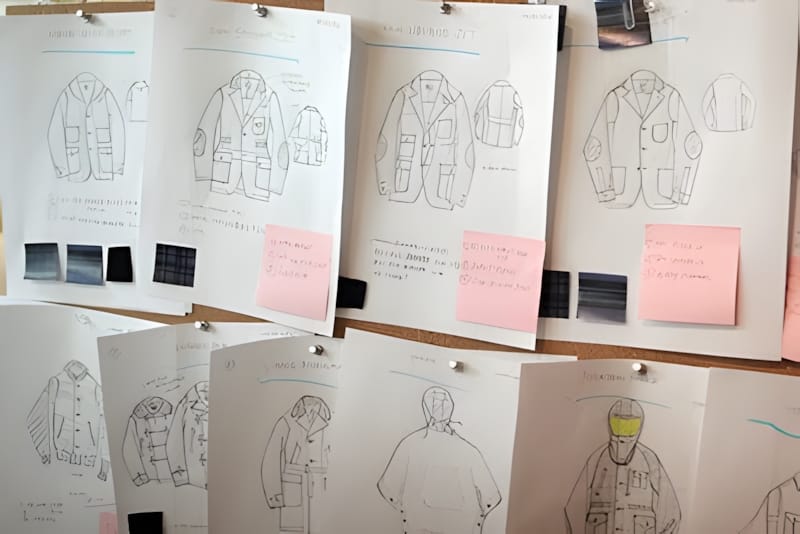
Engineered Garments Design Sketches
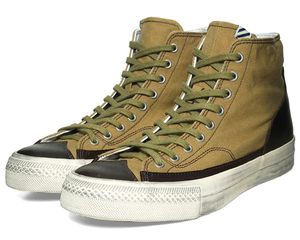
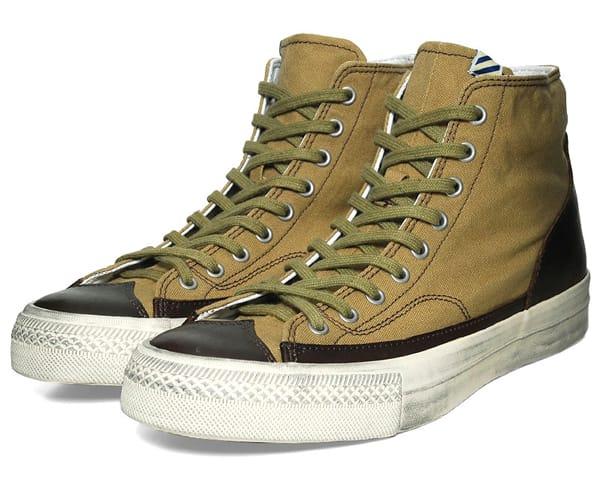
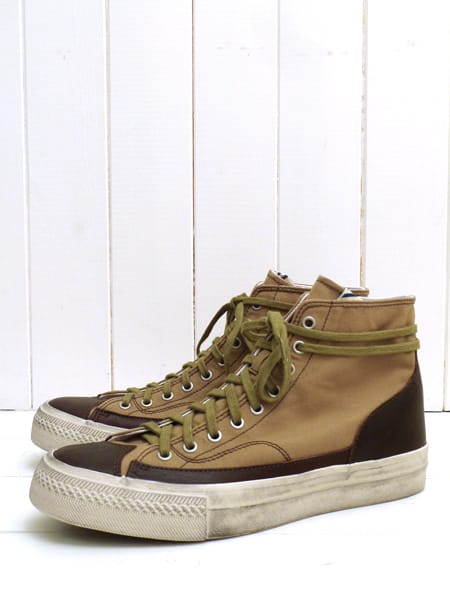
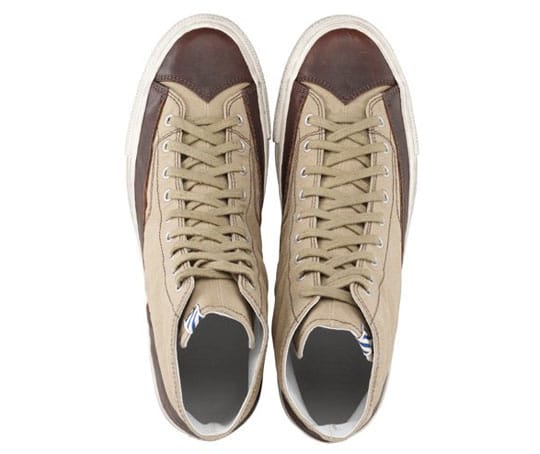
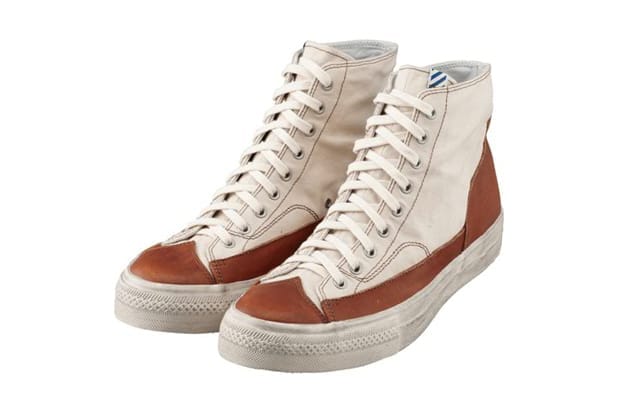
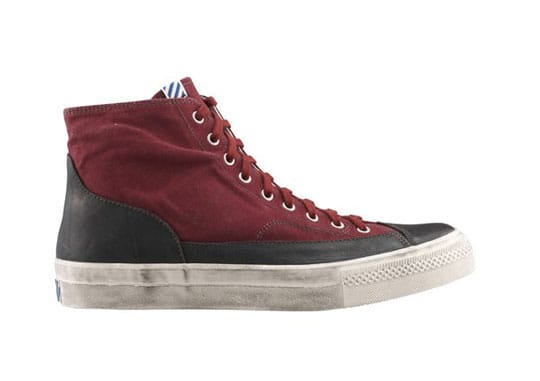
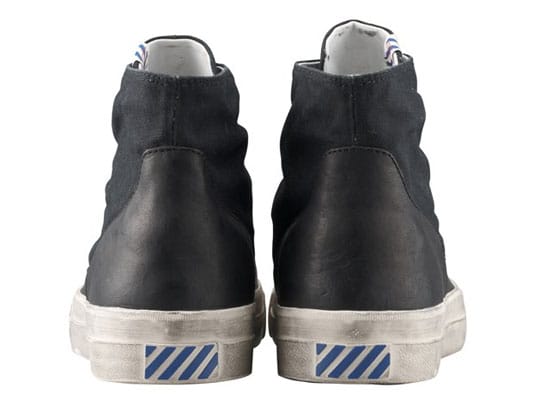
visvim SKAGWAY ESTLIN — Fall/Winter 2011
The visvim SKAGWAY ESTLIN from Fall/Winter 2011 pairs a canvas high-top upper with vegetable-tanned Italian lama leather at the toe, sides and heel, finished with a distressed vulcanized sole.
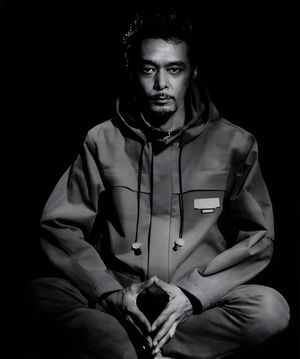
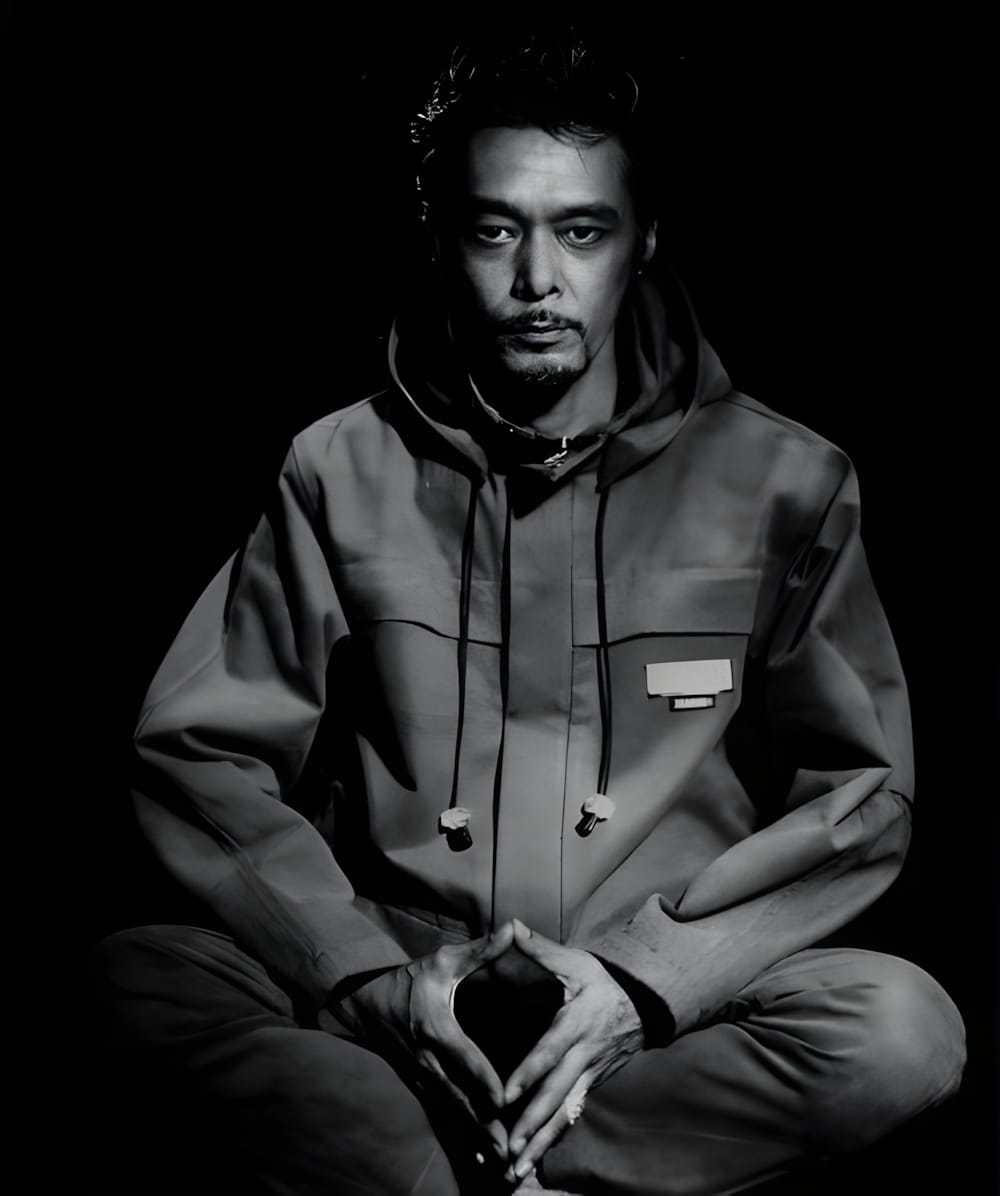
DJ Krush Portrait
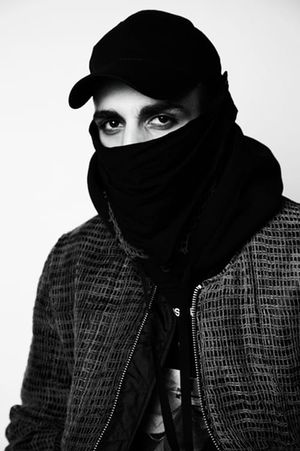
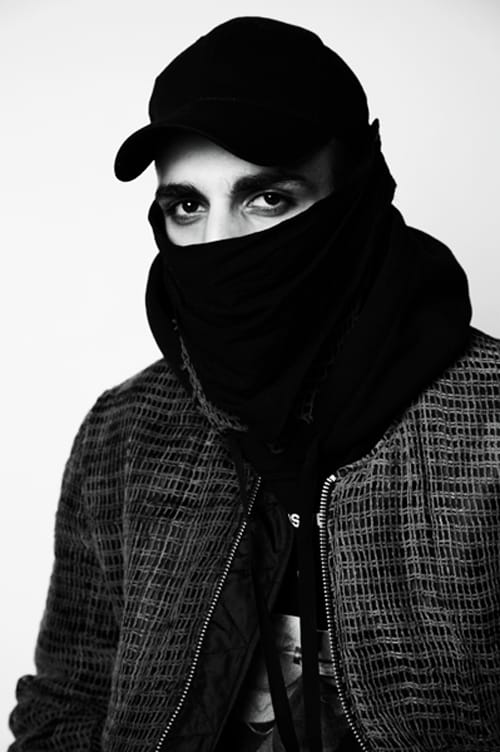
Masked Portrait — Aitor Throup × Dover Street Market


Skram Wall Shelf in Blackened Steel and Walnut
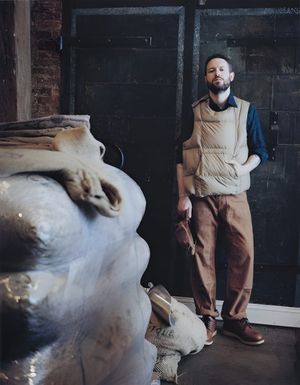
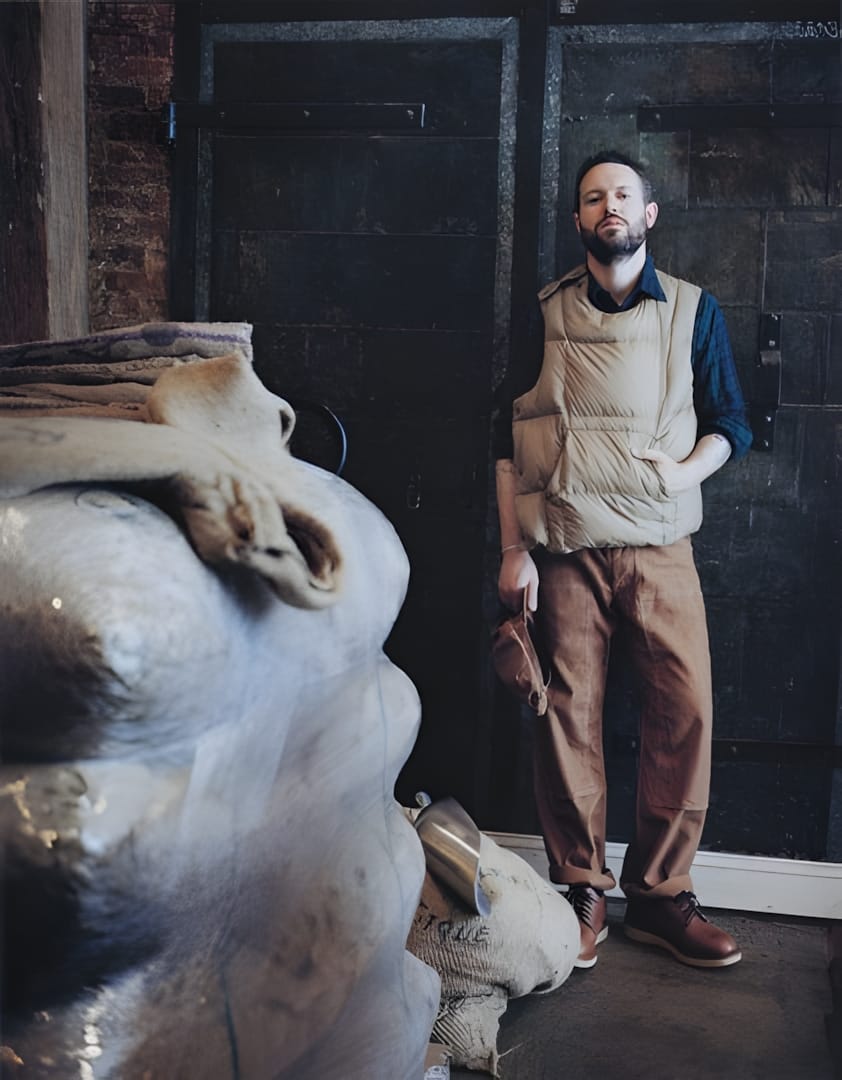
Engineered Garments Down Body Vest
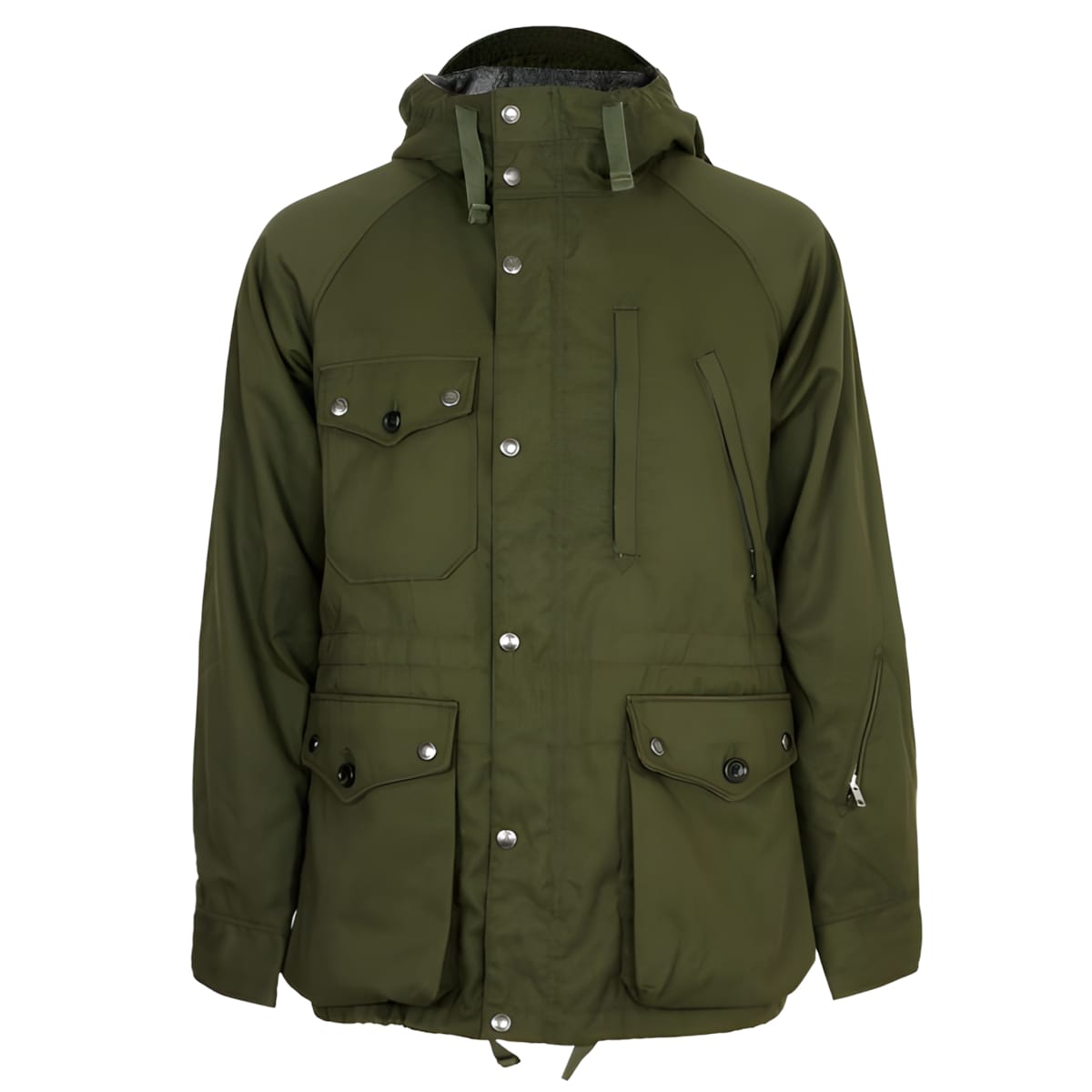
Engineered Garments FW11 Field Parka in Olive
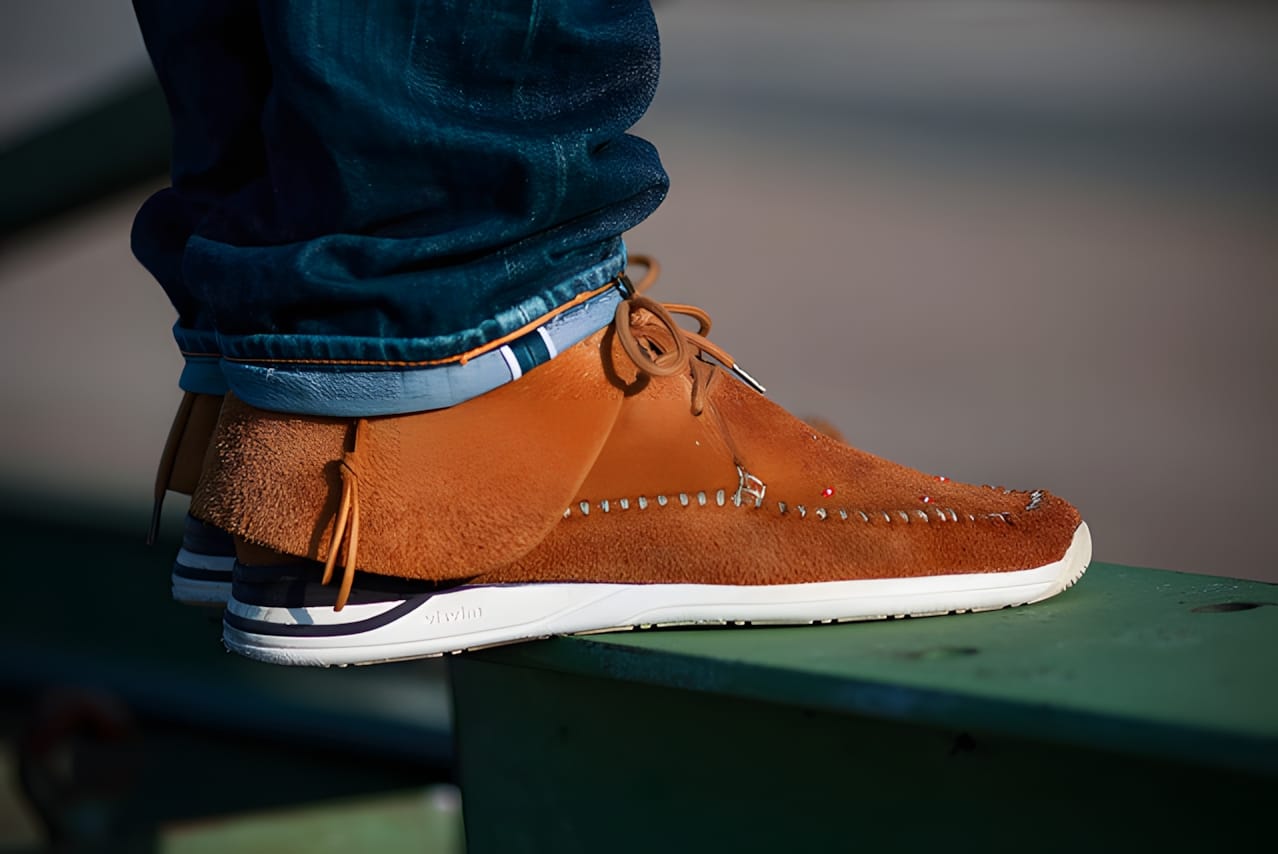
Visvim FBT Lhamo-Folk Dark Brown
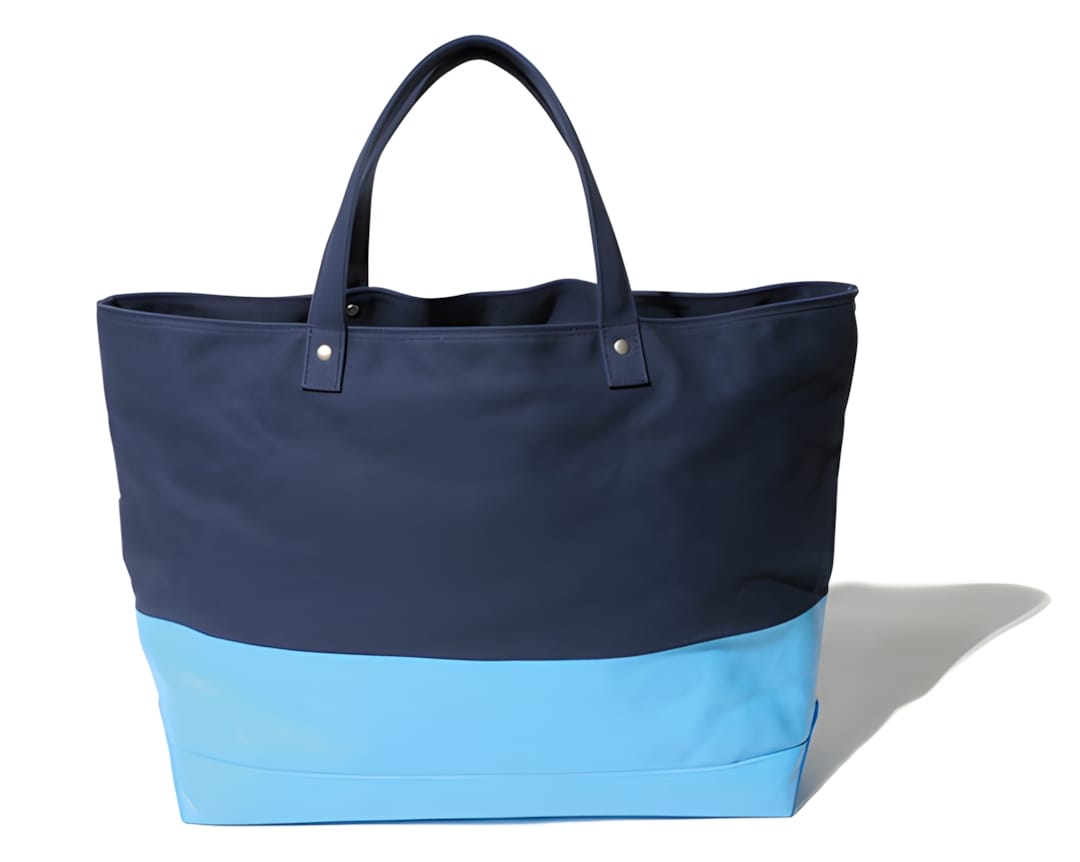
Sophnet Two-Tone Canvas Tote Bag
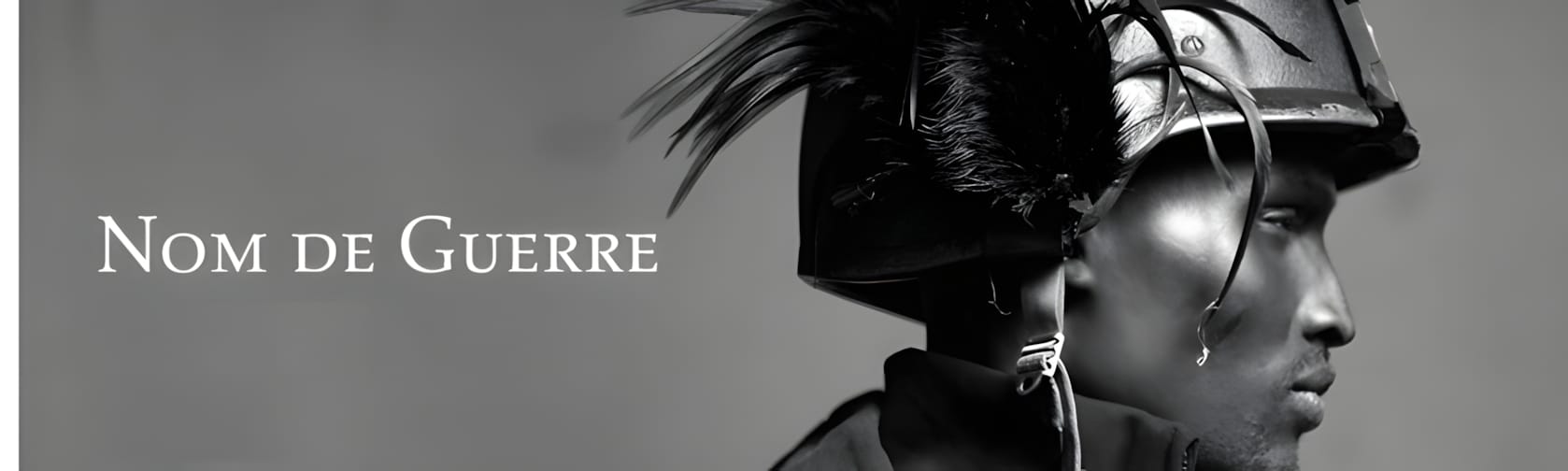
Nom de Guerre Brand Campaign — Military Helmet Portrait