Related_

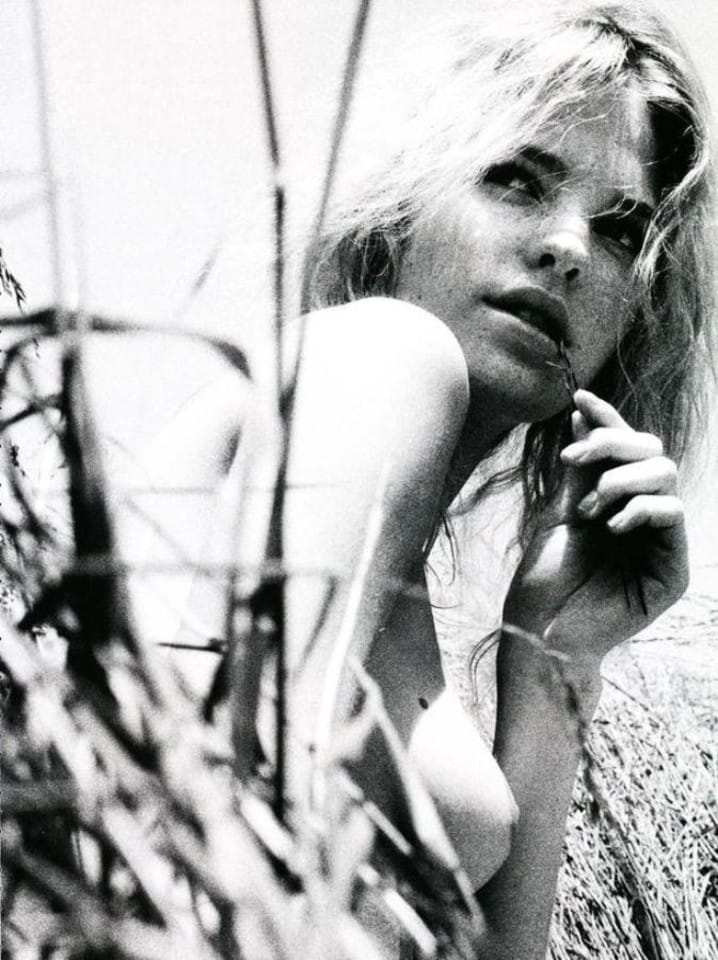
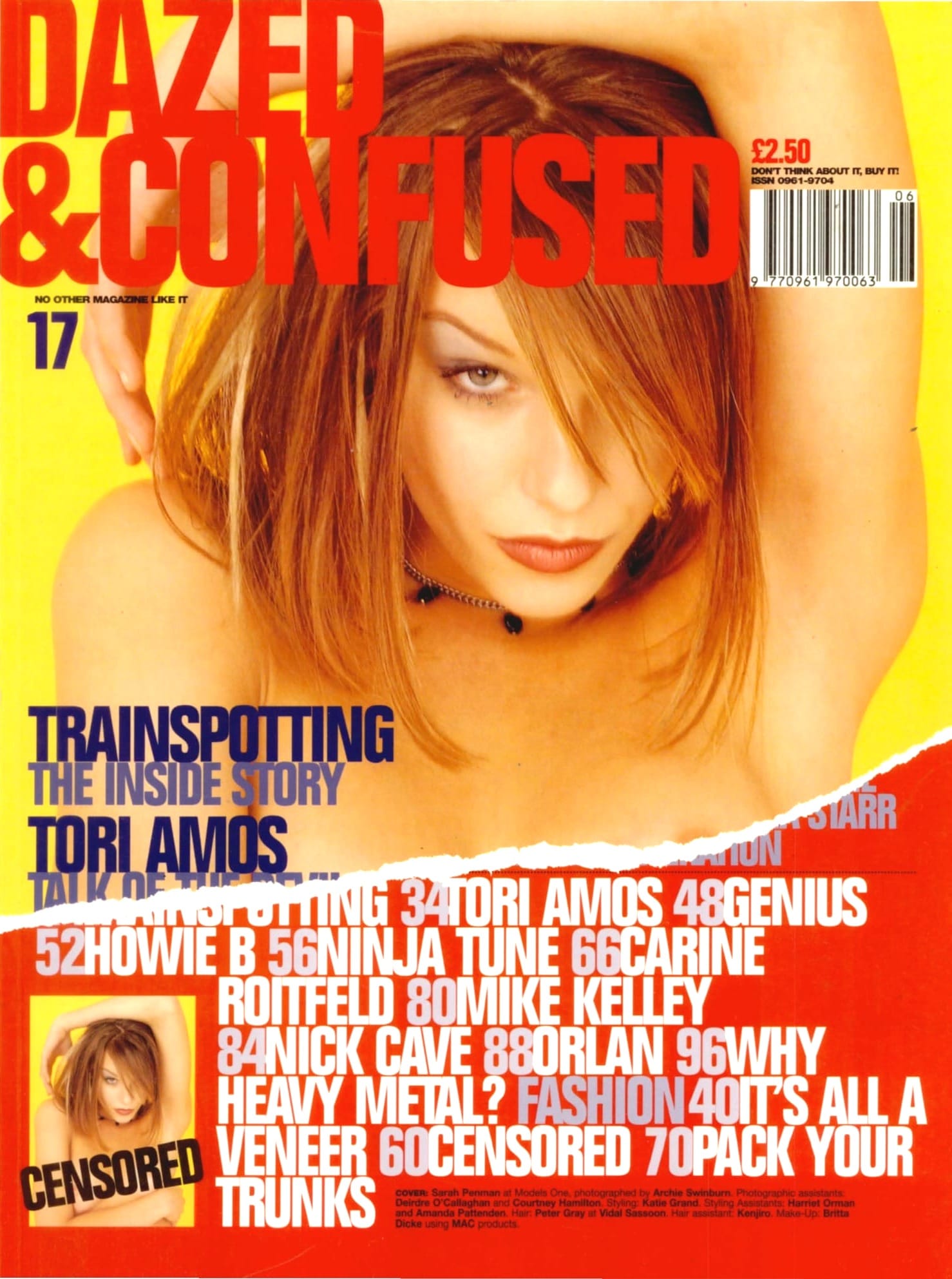
Dazed & Confused Magazine _ Issue 017 _ June 1995
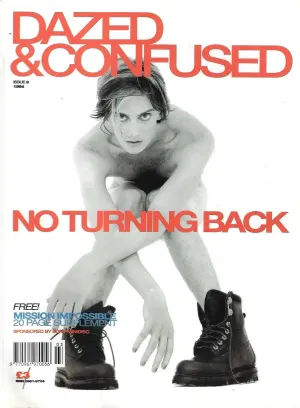
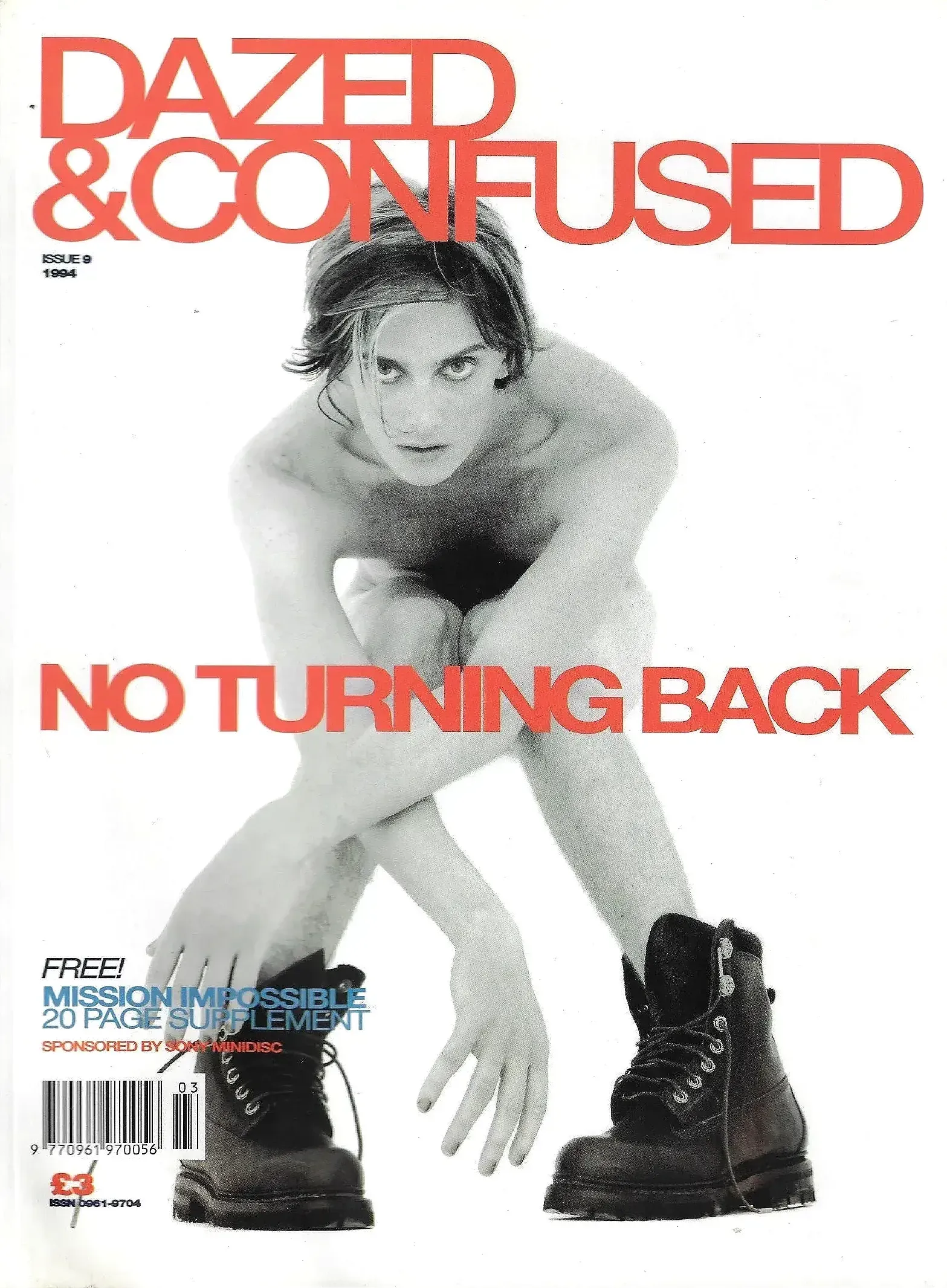
Dazed & Confused Magazine _ Issue 009 _ March 1994
EMERY MOUNTAINS
April 2024, FRIEZE No. 9 Cork Street Gallery, London
EXHIBITION: The Mountains Between Us, FRIEZE No 9 Cork St
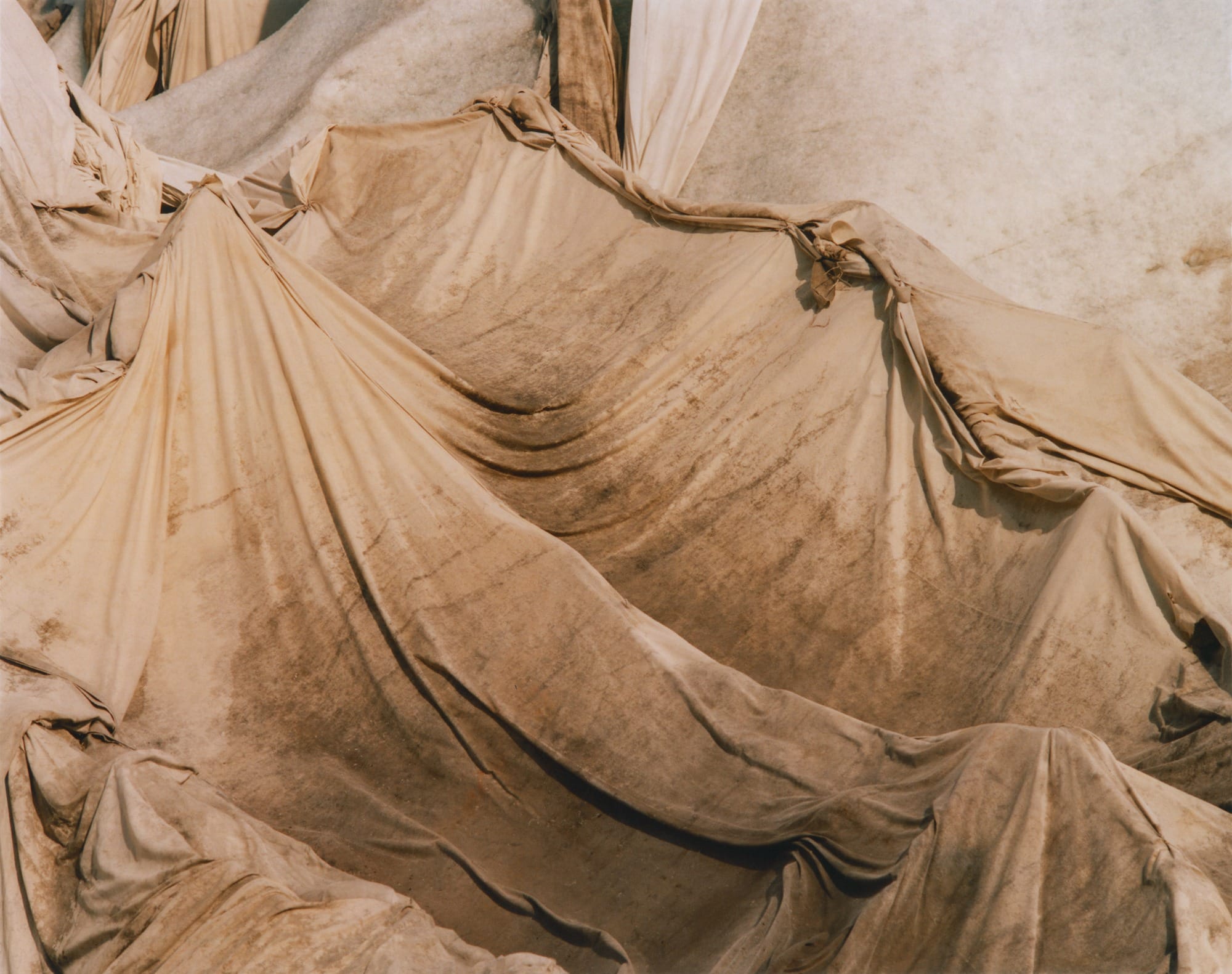
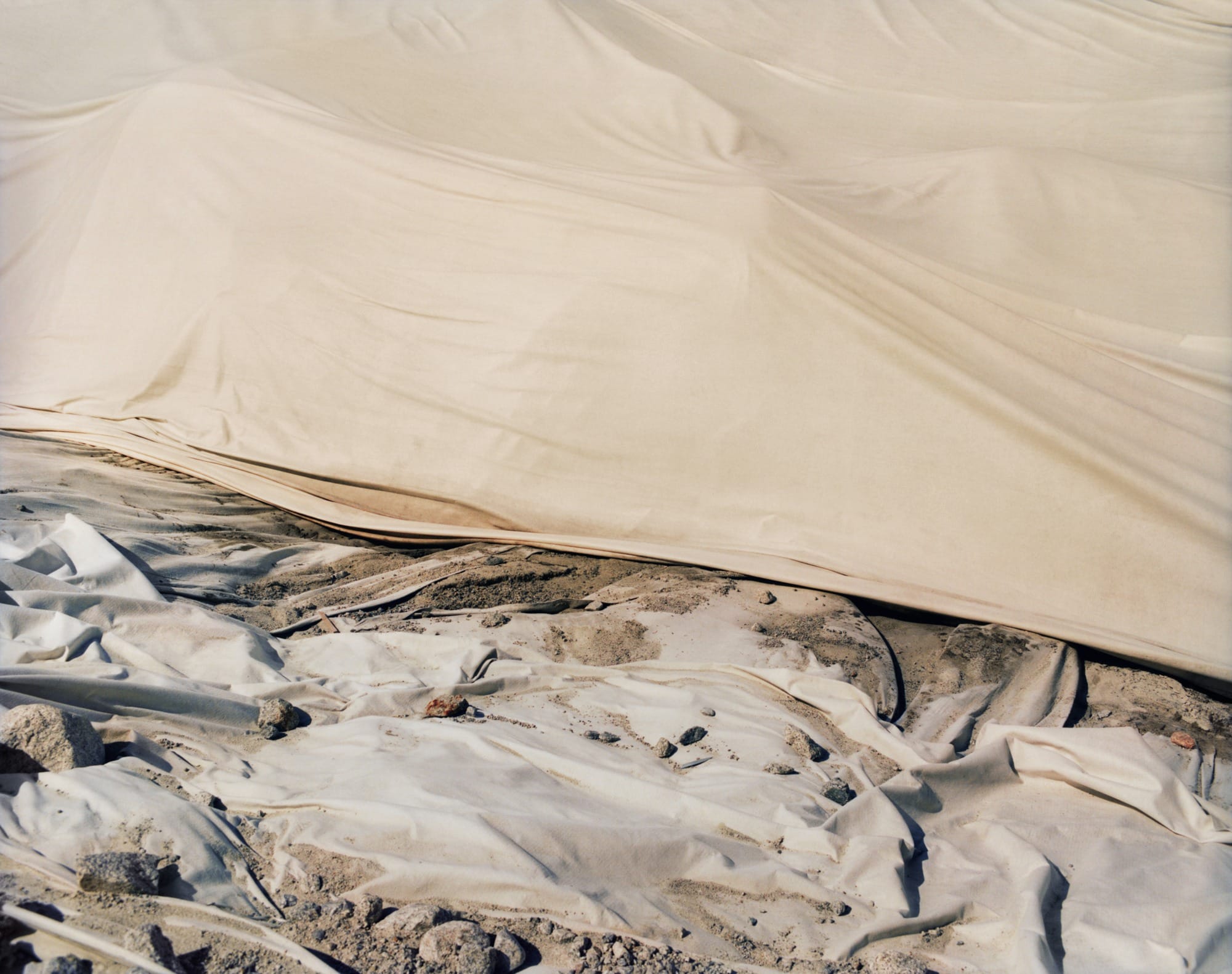
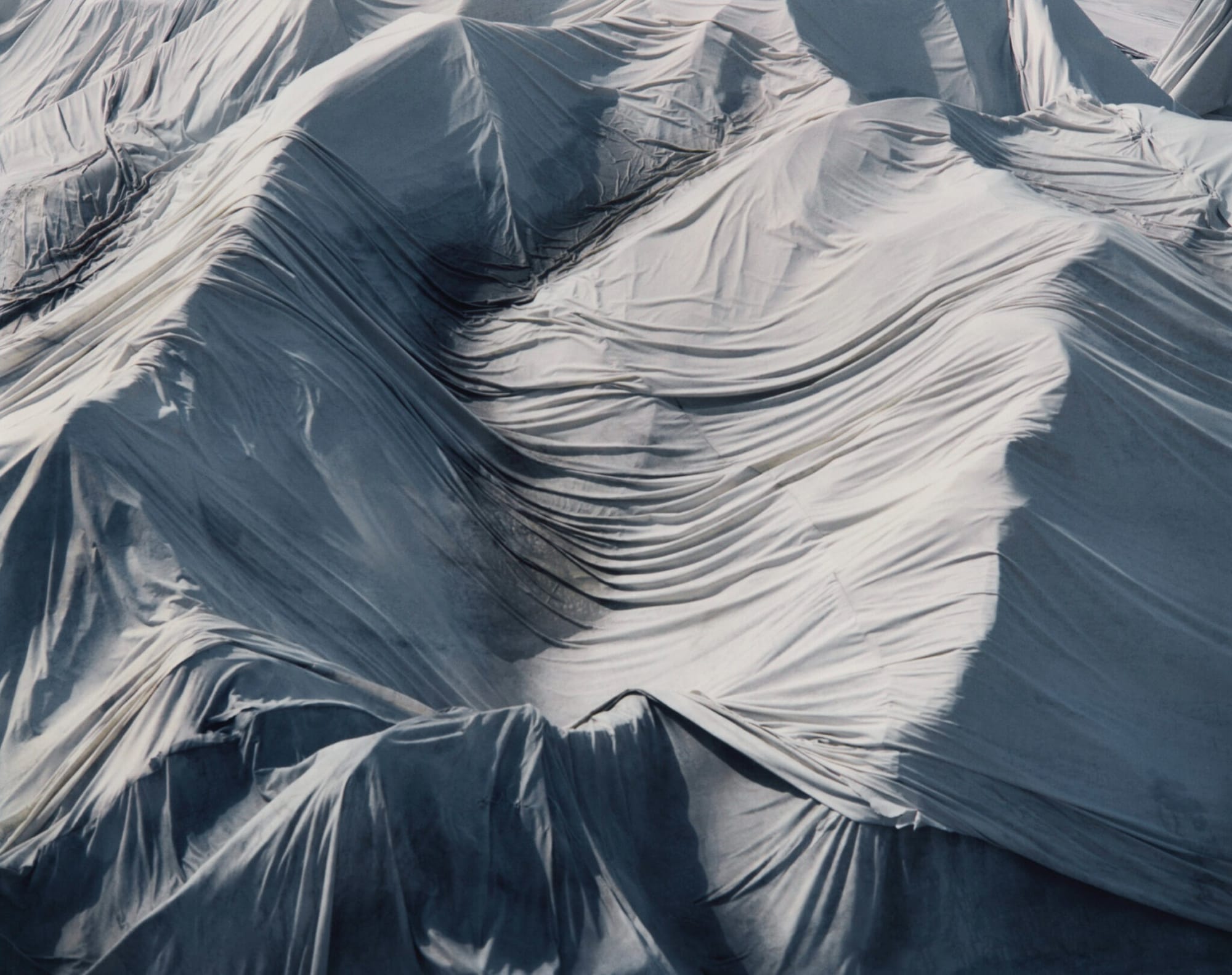
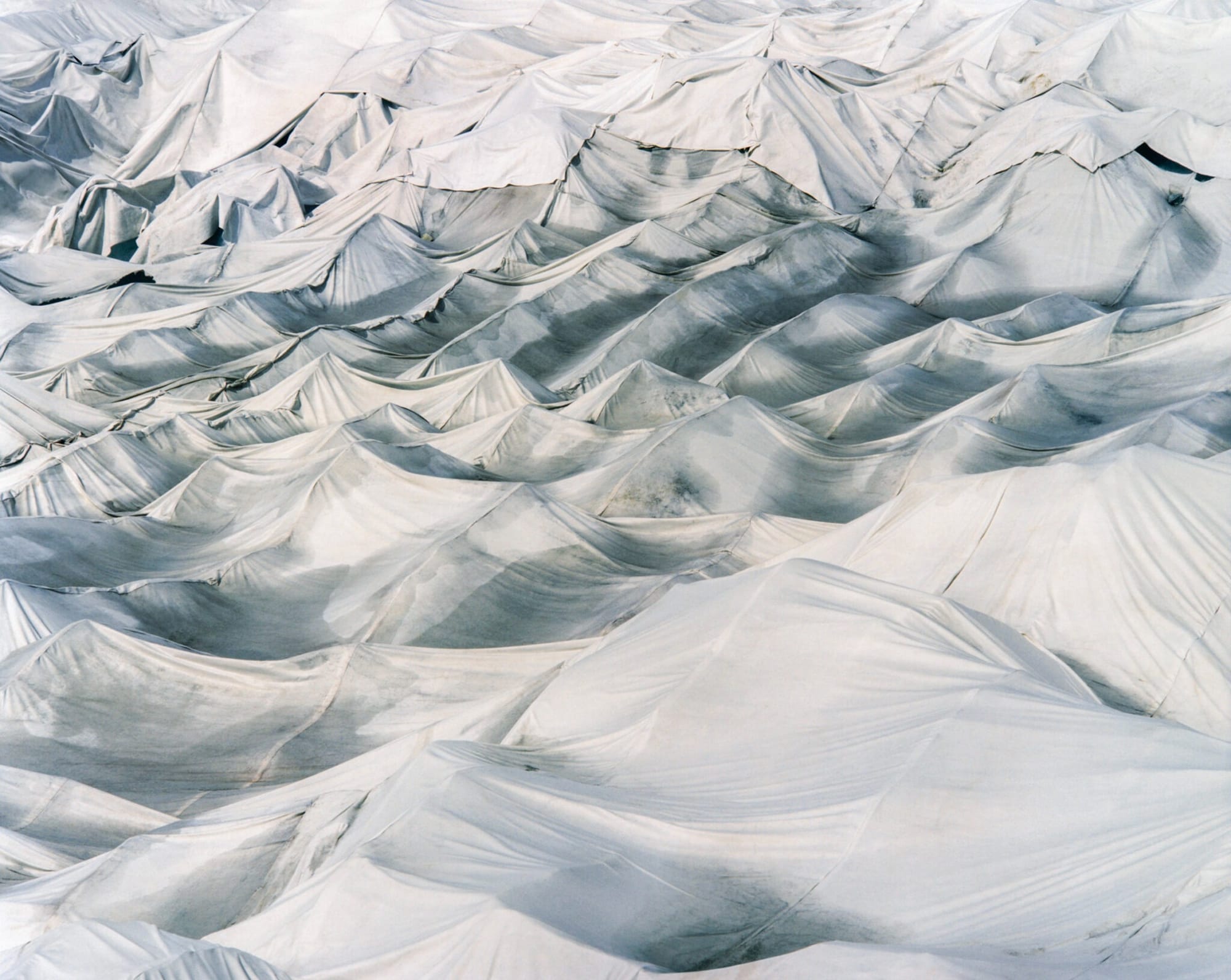
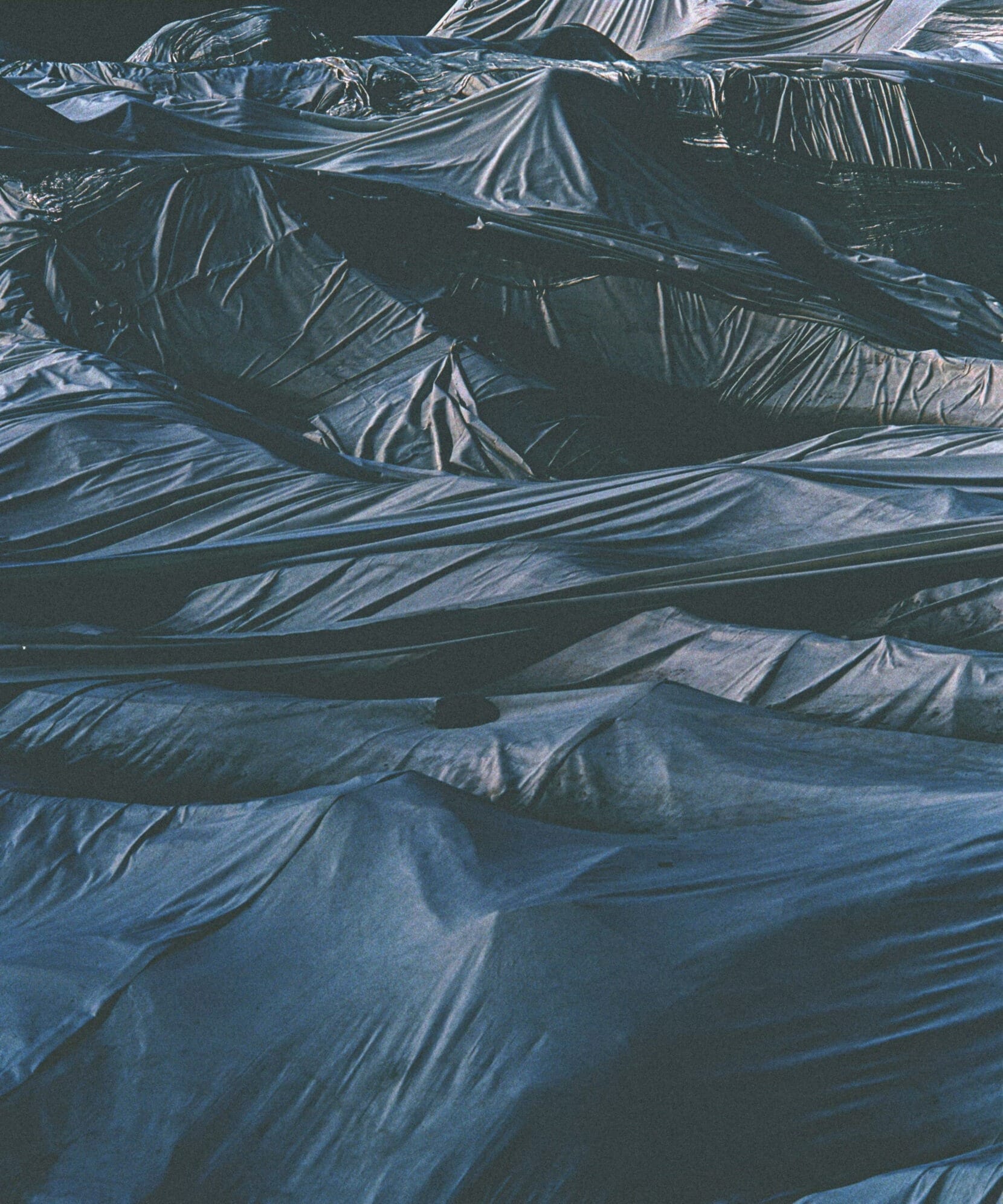
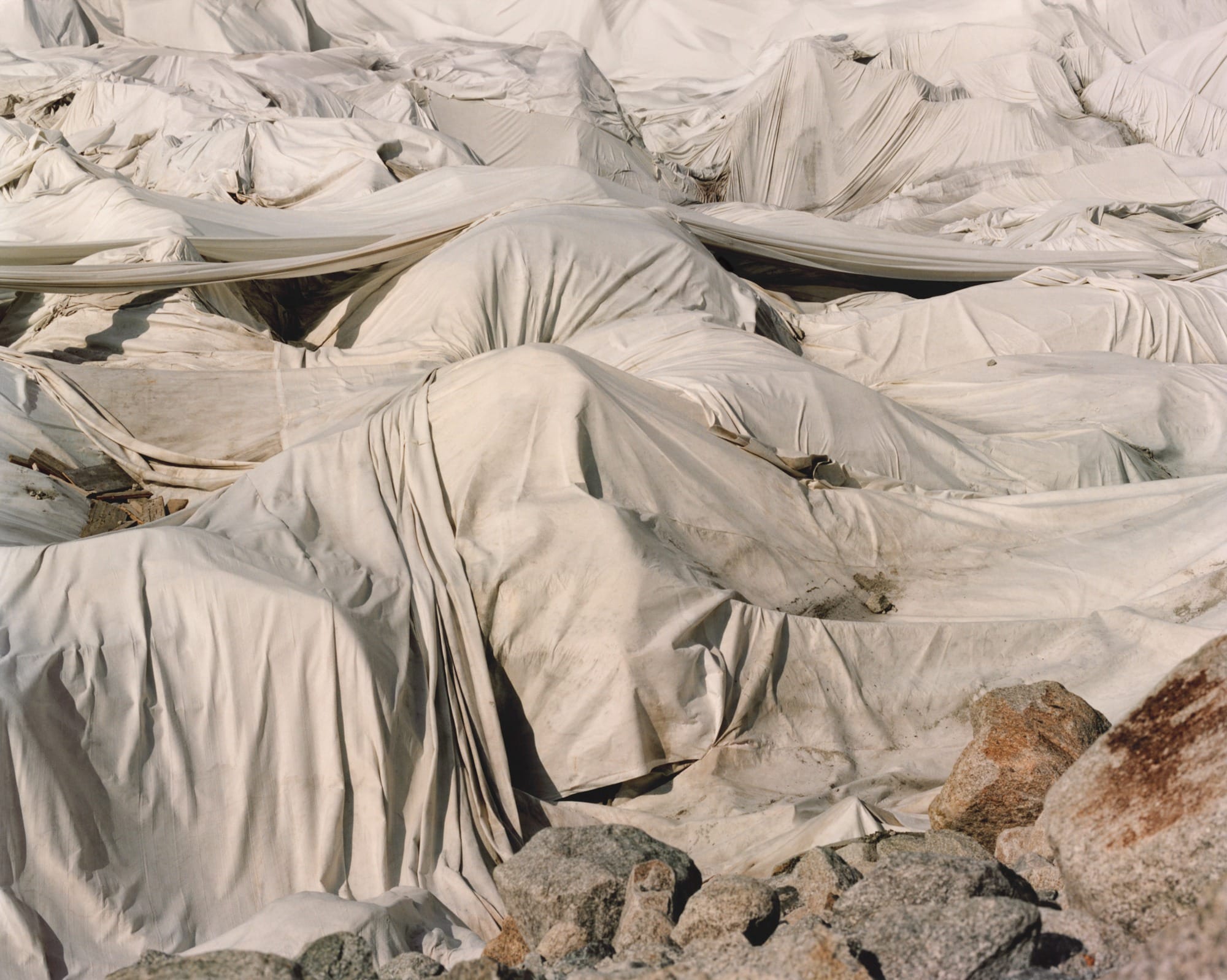
Weaving together photography, video and sculptural objects, lena_c_emery highlights the accelerated loss of mountain glaciers and the desperate conservation efforts currently employed to impede their decline. Under the continued influence of greenhouse-gas forced global warming, ice that took centuries to develop is vanishing in just a number of years. A fate experts predict for at least two-thirds of all glaciers by the end of this century. EMERY: In ‘The Mountains Between Us’, I capture the current environmental efforts undertaken to reduce the rate at which glaciers melt. Glaciers have held space for centuries, silently bearing witness to history. They’ve seen the world change in ways we can barely comprehend. Because my grandfather spent his life in these mountains, watching this particular glacier retreat and form lakes where there was previously only ice and at a pace that’s steadily increasing, feels deeply personal. The idea of covering these mammoths in fabric to stall the inevitable, feels both tragic and emblematic of our relationship with nature: The magnitude of loss countered by gestures that, though earnest, feel powerless. Visually these wrapped peaks evoke images of muddied tents, makeshift shelters that we’ve come to erect for those displaced by upheaval. This fragility, their fragility, our fragility, is a direct reflection of the imbalance we have sown, where those least responsible for ecological destruction are forced to bear its heaviest burdens. The title became a way to frame those divides. Mountains have always symbolised barriers, but perhaps they could also be reimagined as thread, shared histories and a collective belonging. The elemental particles composing our very being once danced amidst these ancient landscapes and if they disappear, part of us does too.

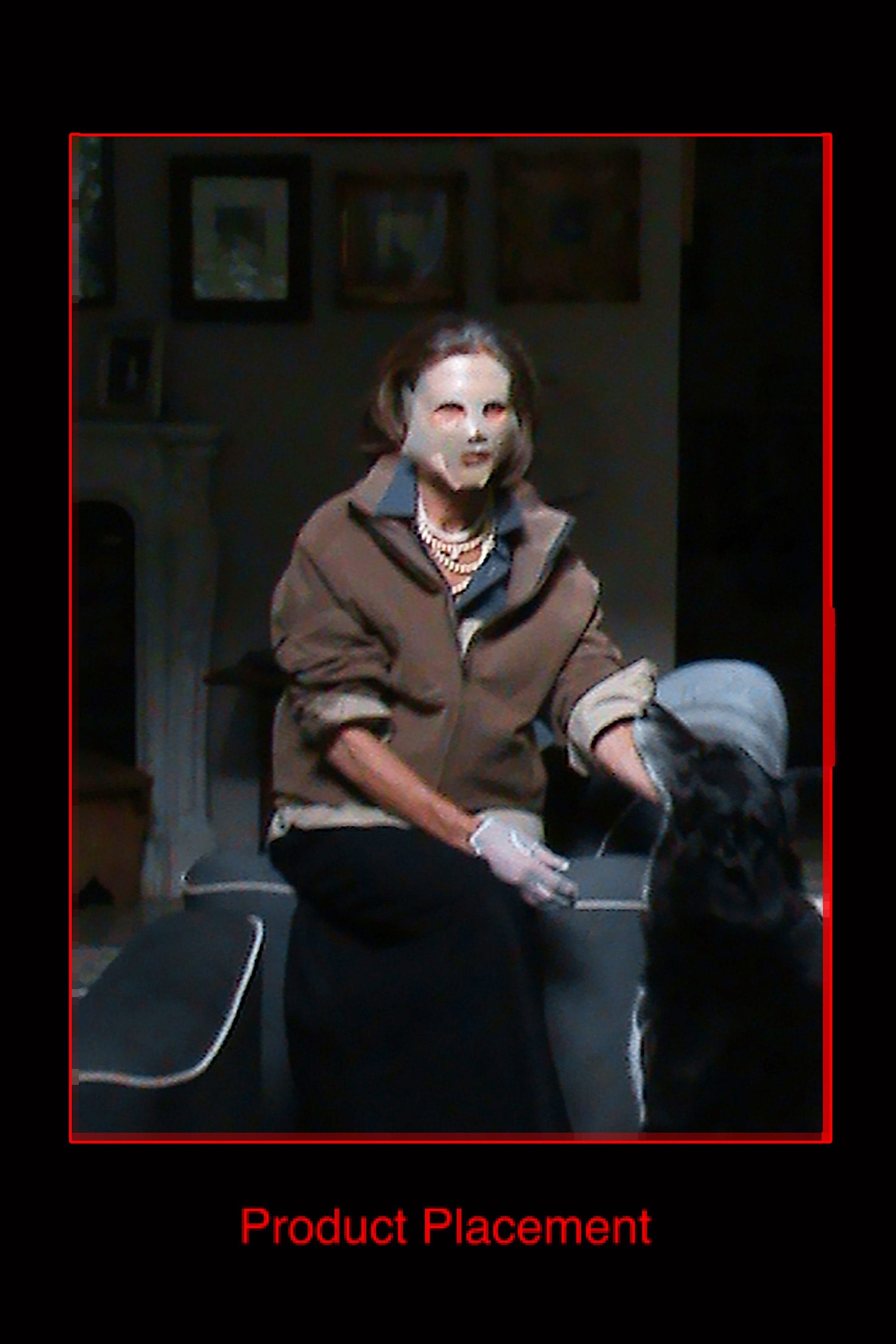
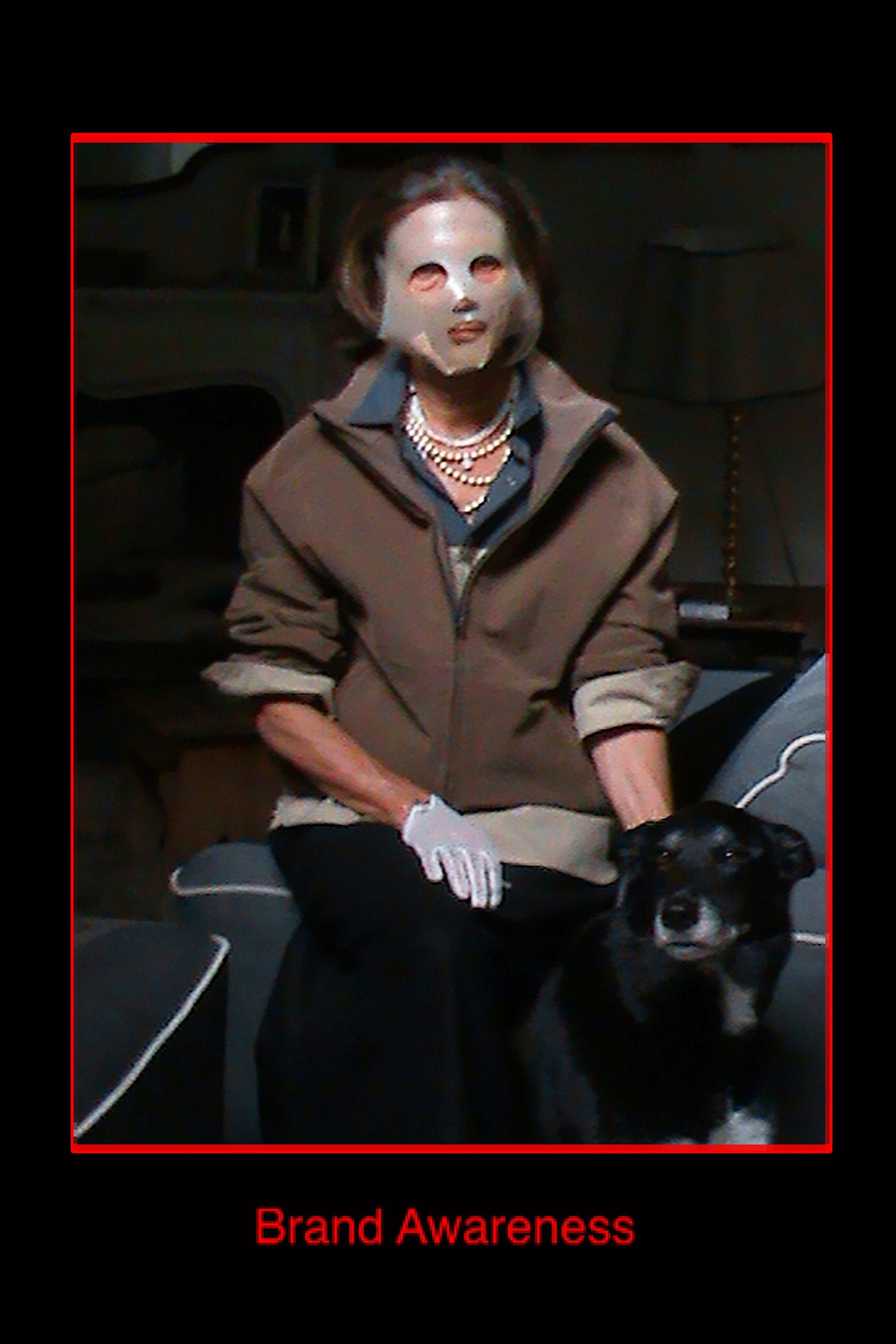
GR10K Fall 2024 "Incognito"
GR10K "Incognito" Fall 2024 Ad Campaign
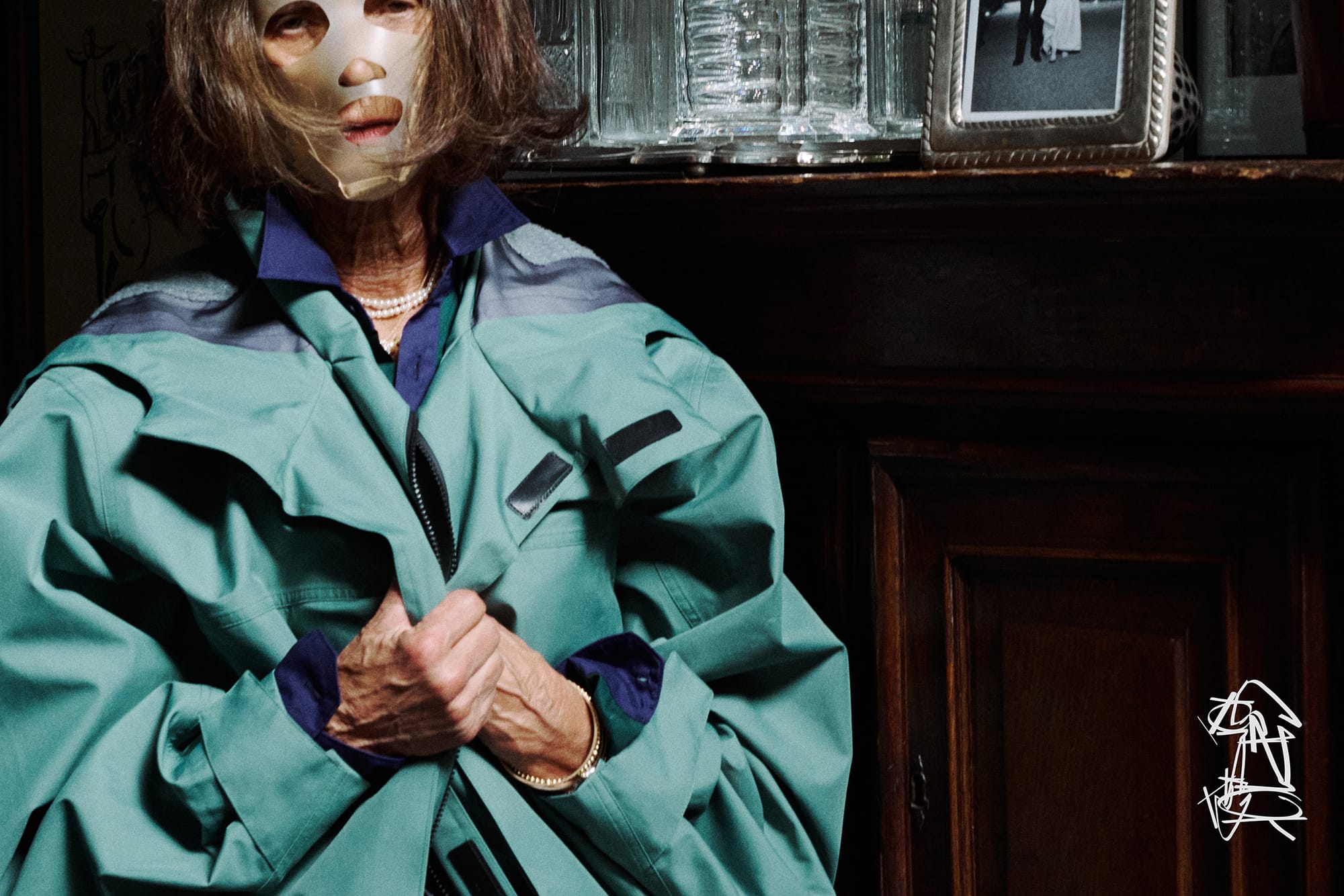
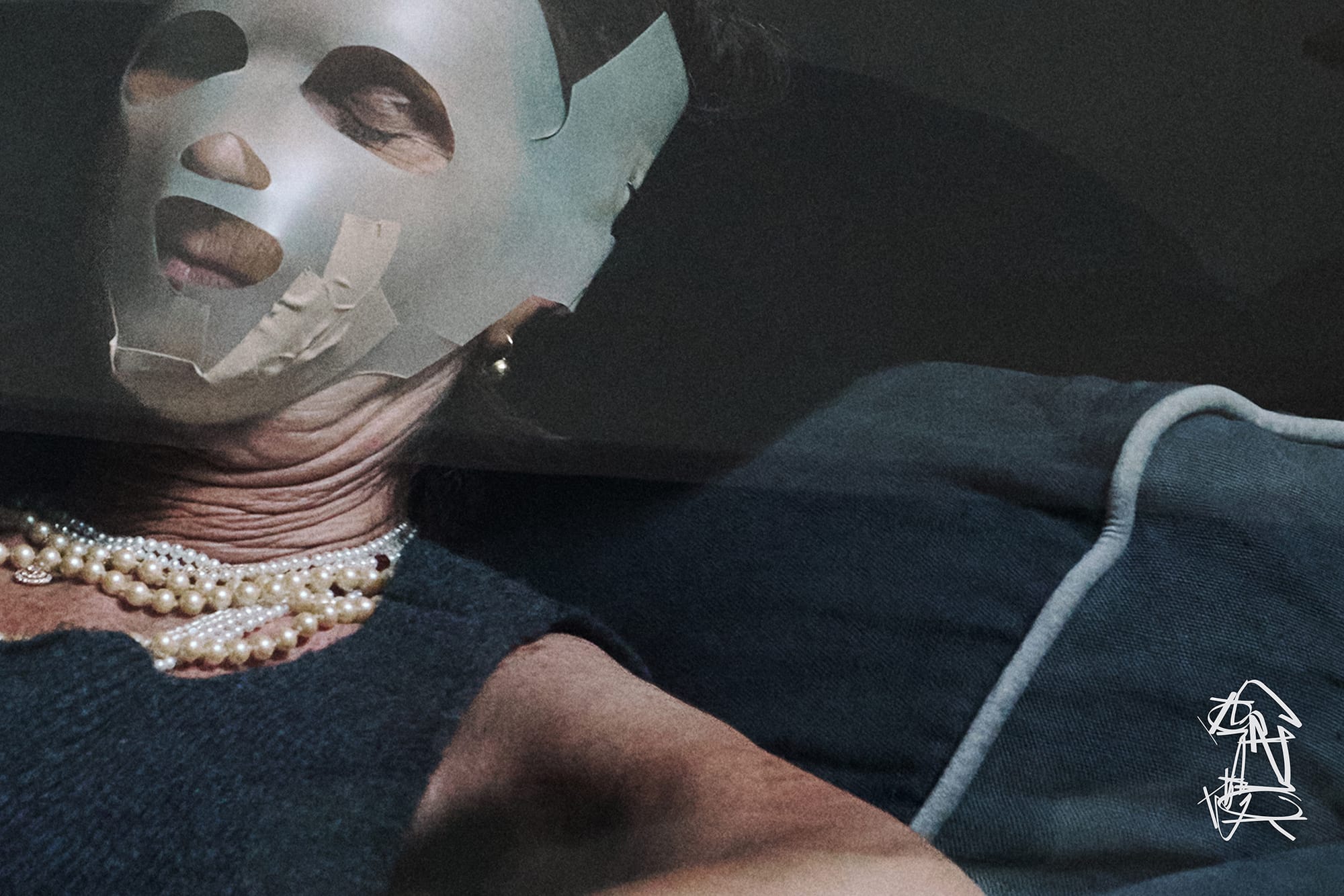
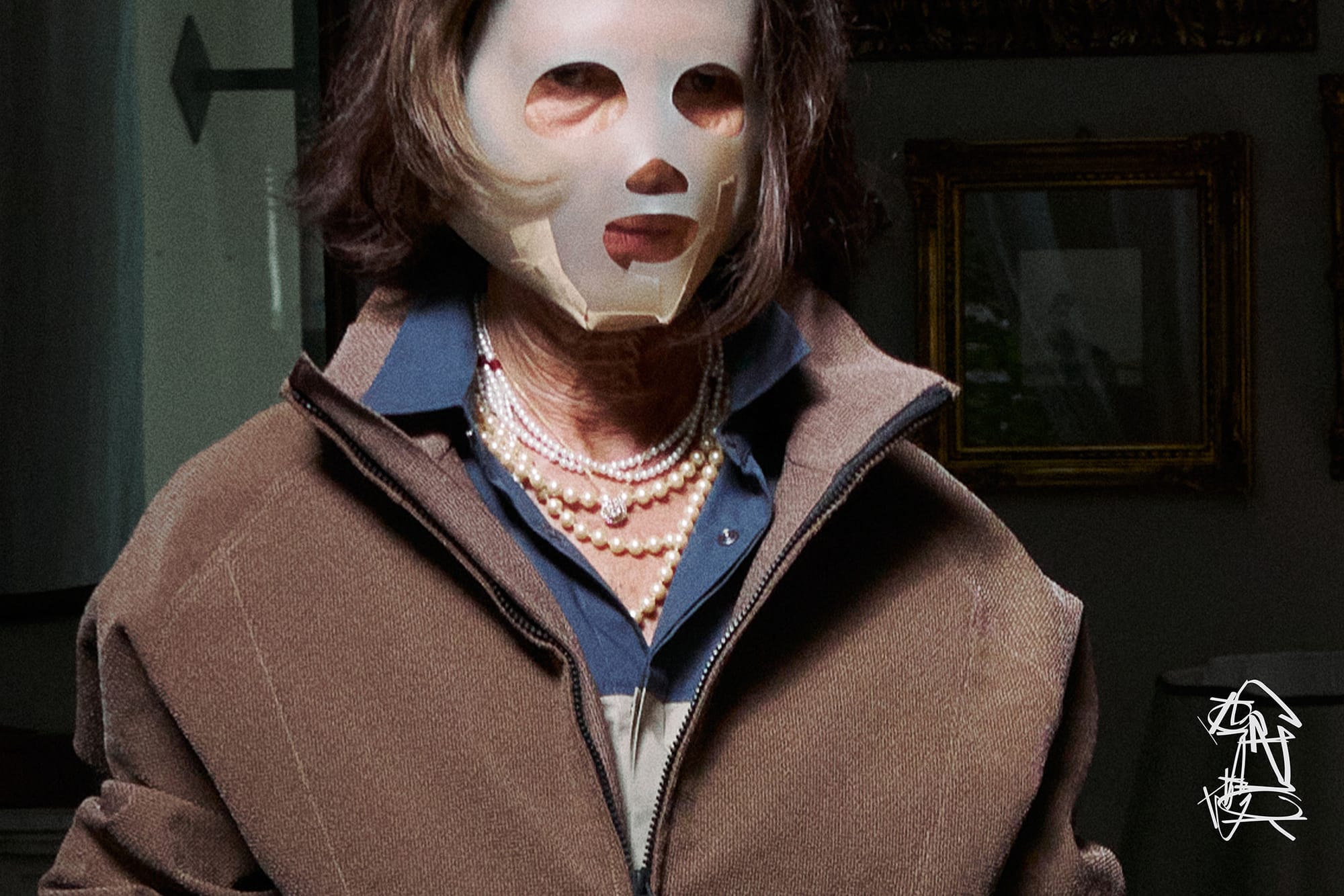
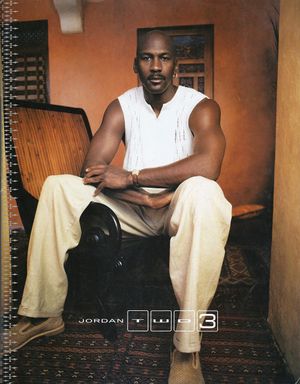
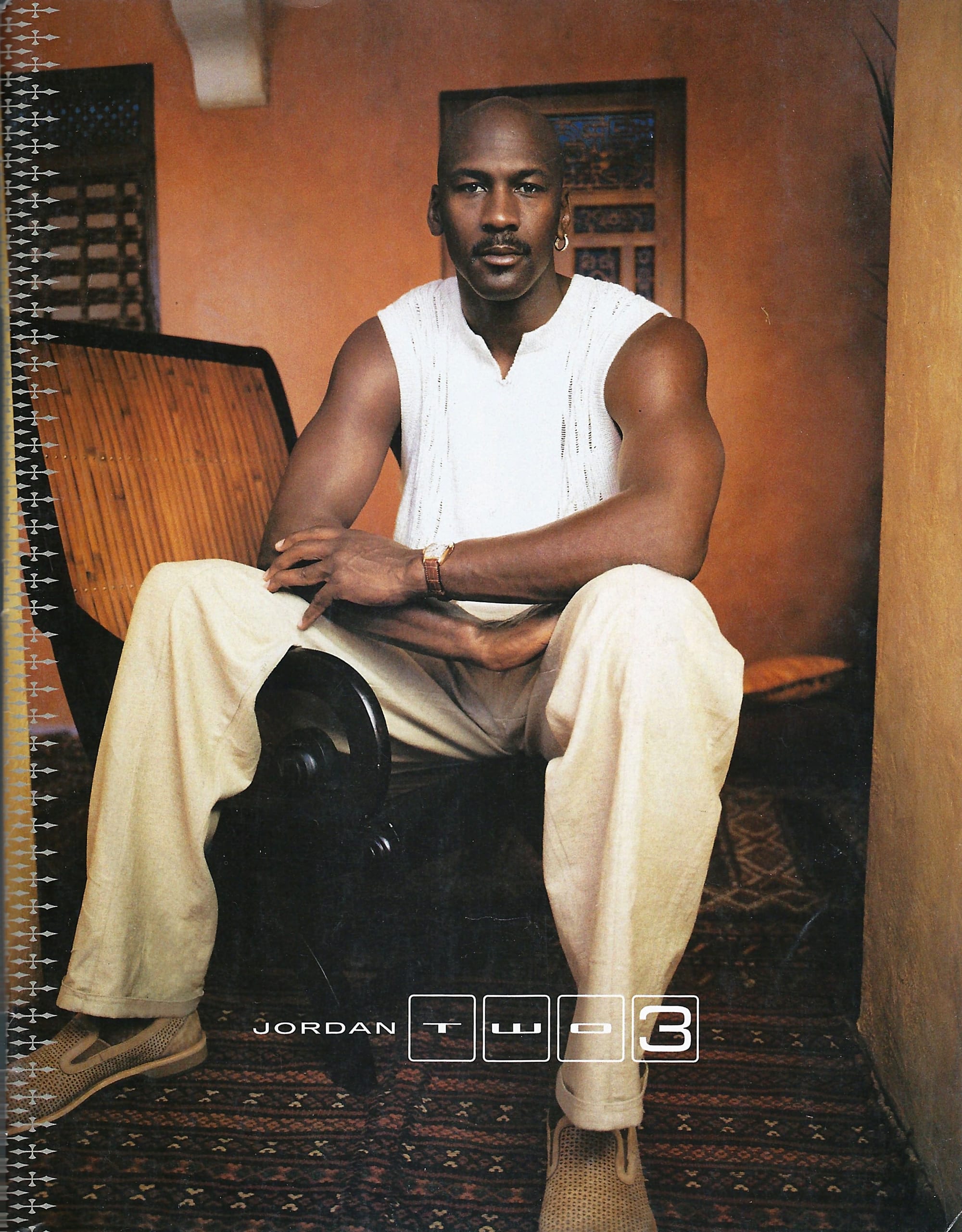
JORDAN TWO3 Spring Summer 2002 CATALOG
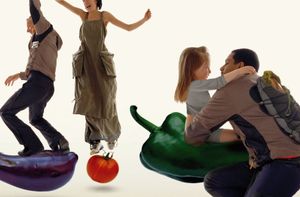
Marithe Francois Girbaud Inside Collection Campaigns by Air Paris Agency
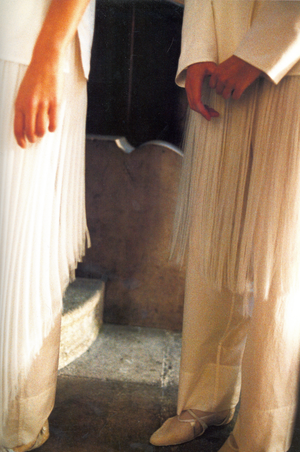
Silent Poets for Issey Miyake
Silent Poets for Issey Miyake Spring/Summer 2001 is a hardcover lookbook photographed by Françoise Huguier. It presents imagery from Issey Miyake’s Spring/Summer 2001 collection and includes the collaboration CD Red Eyes Tribe at the back of the book. Japanese electronic duo Silent Poets produced the music for the runway show.
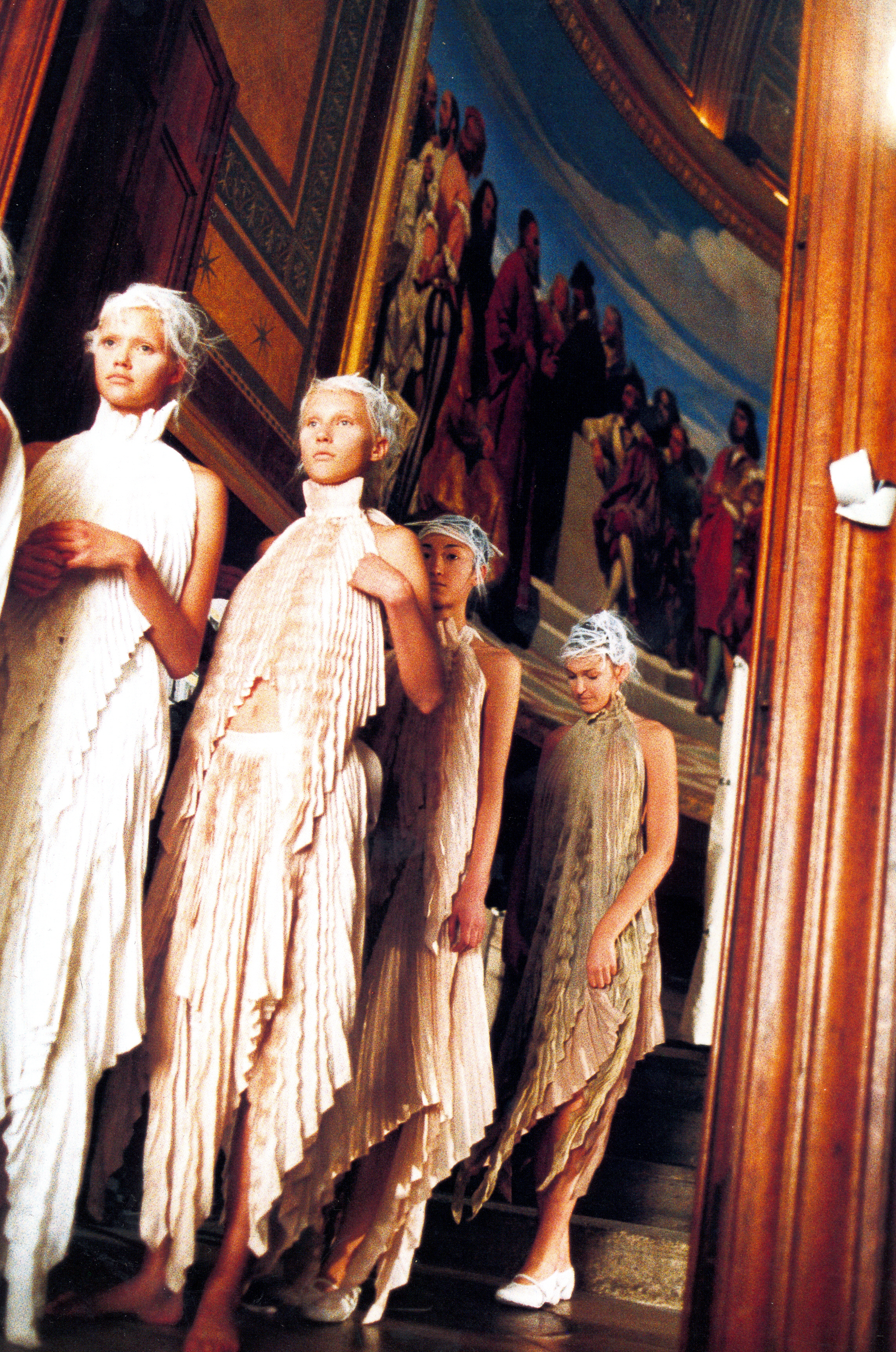
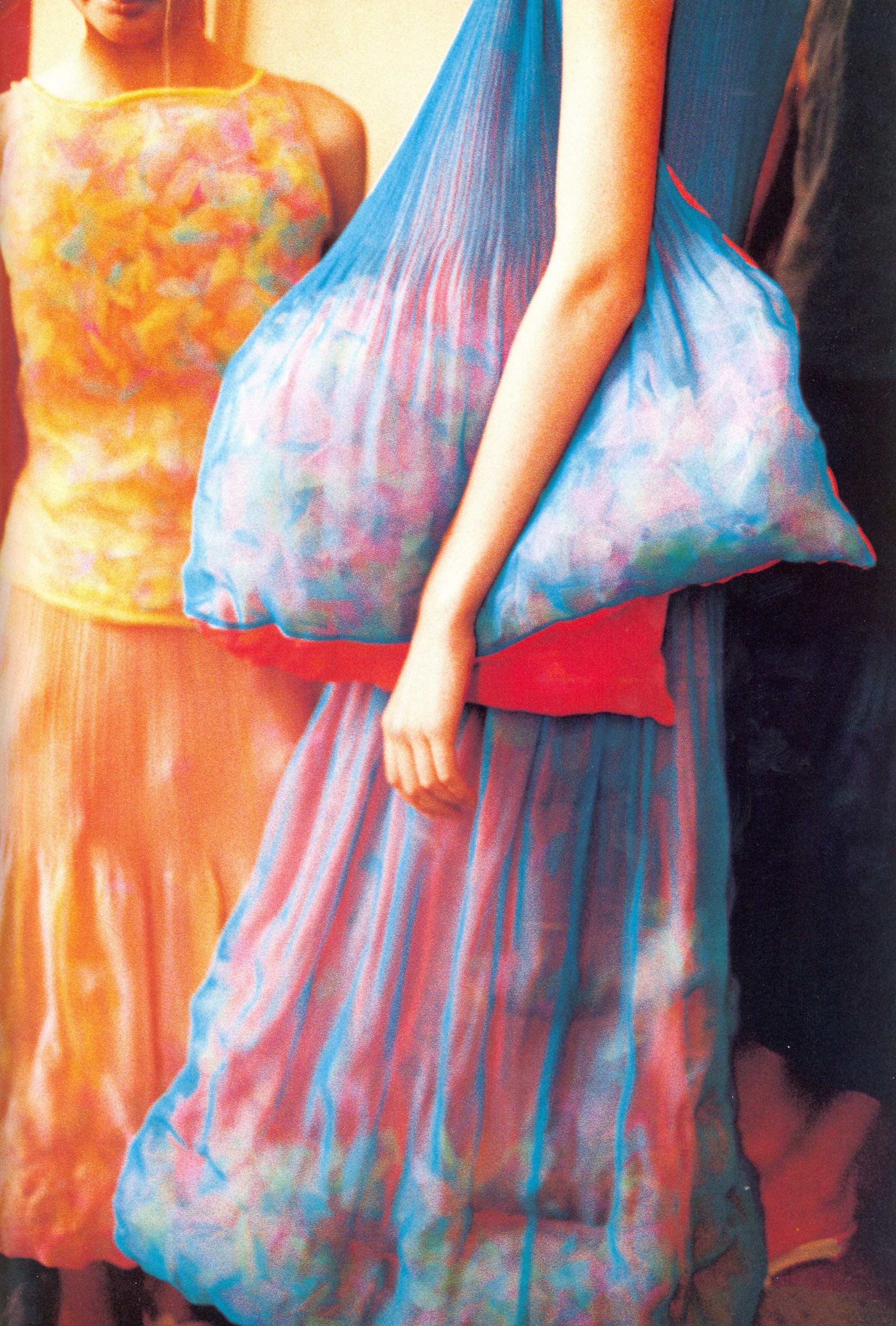
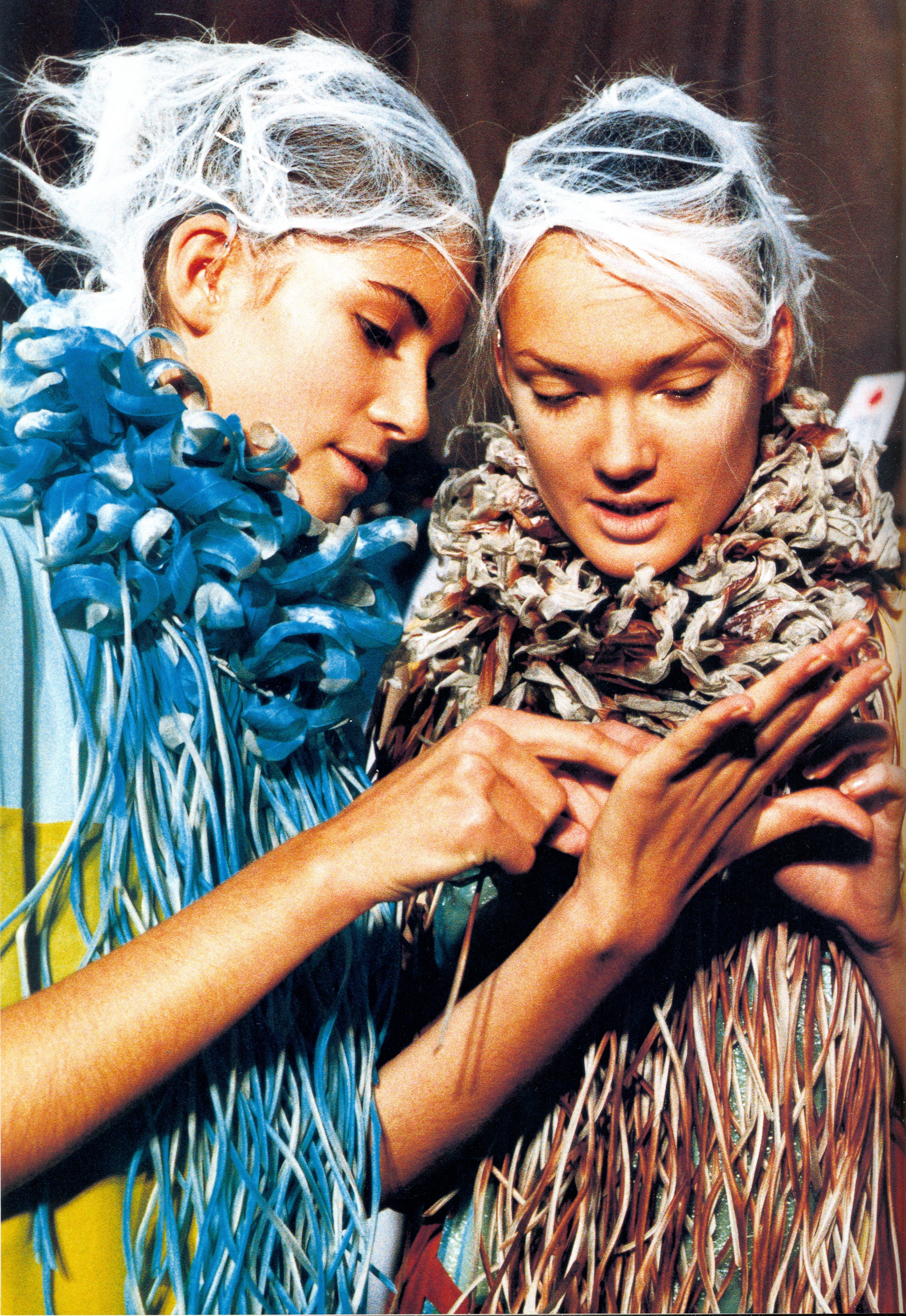
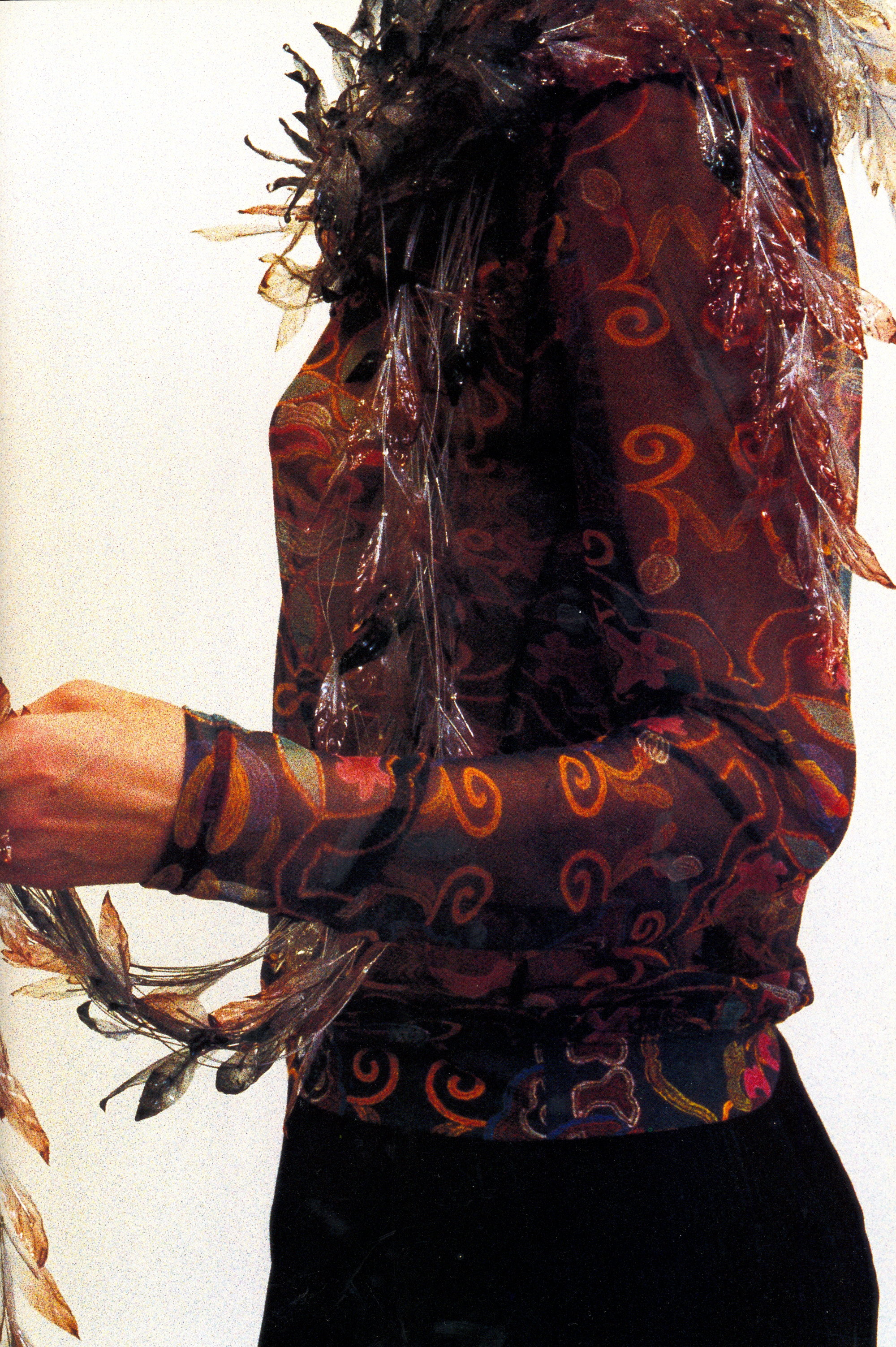
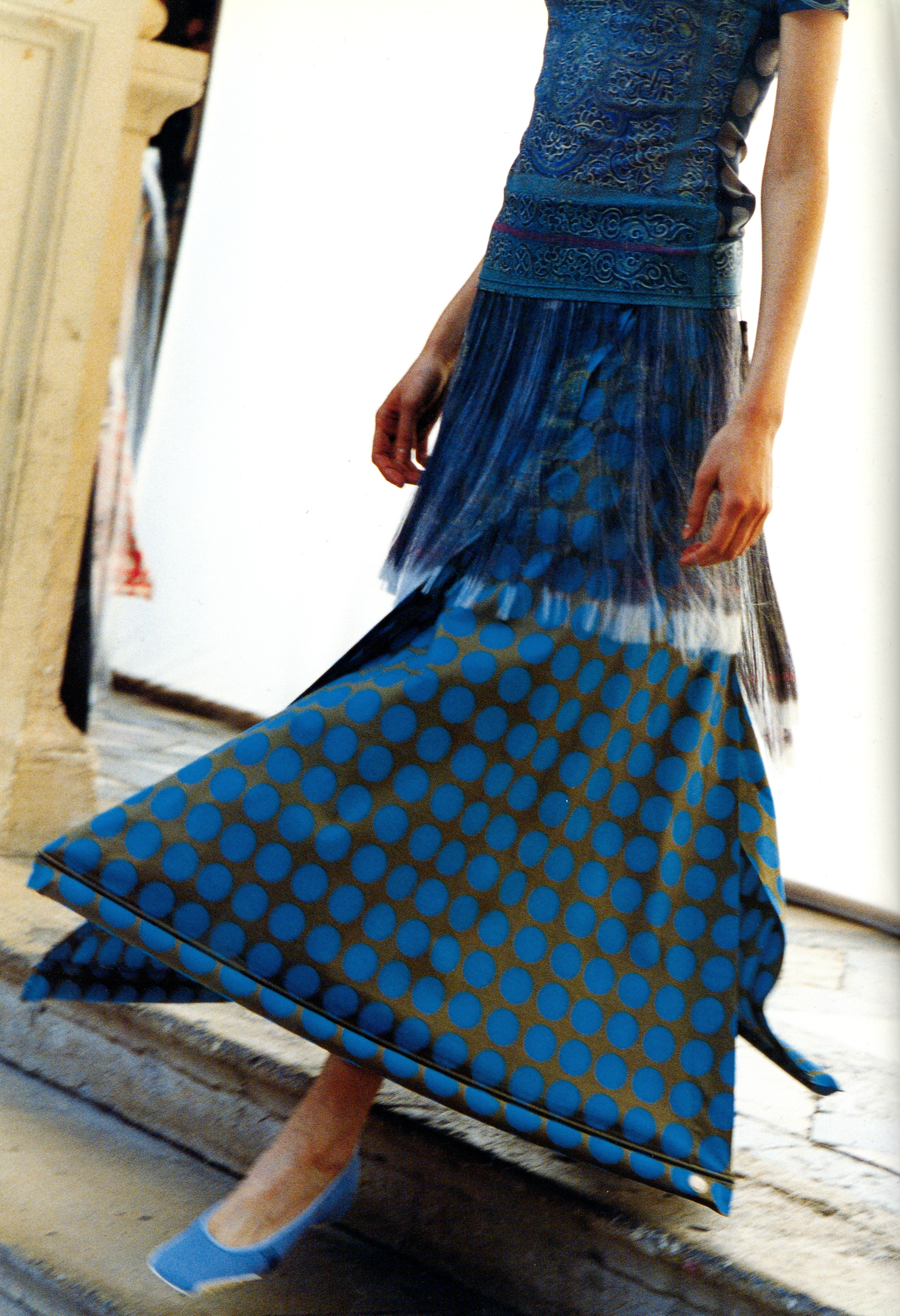
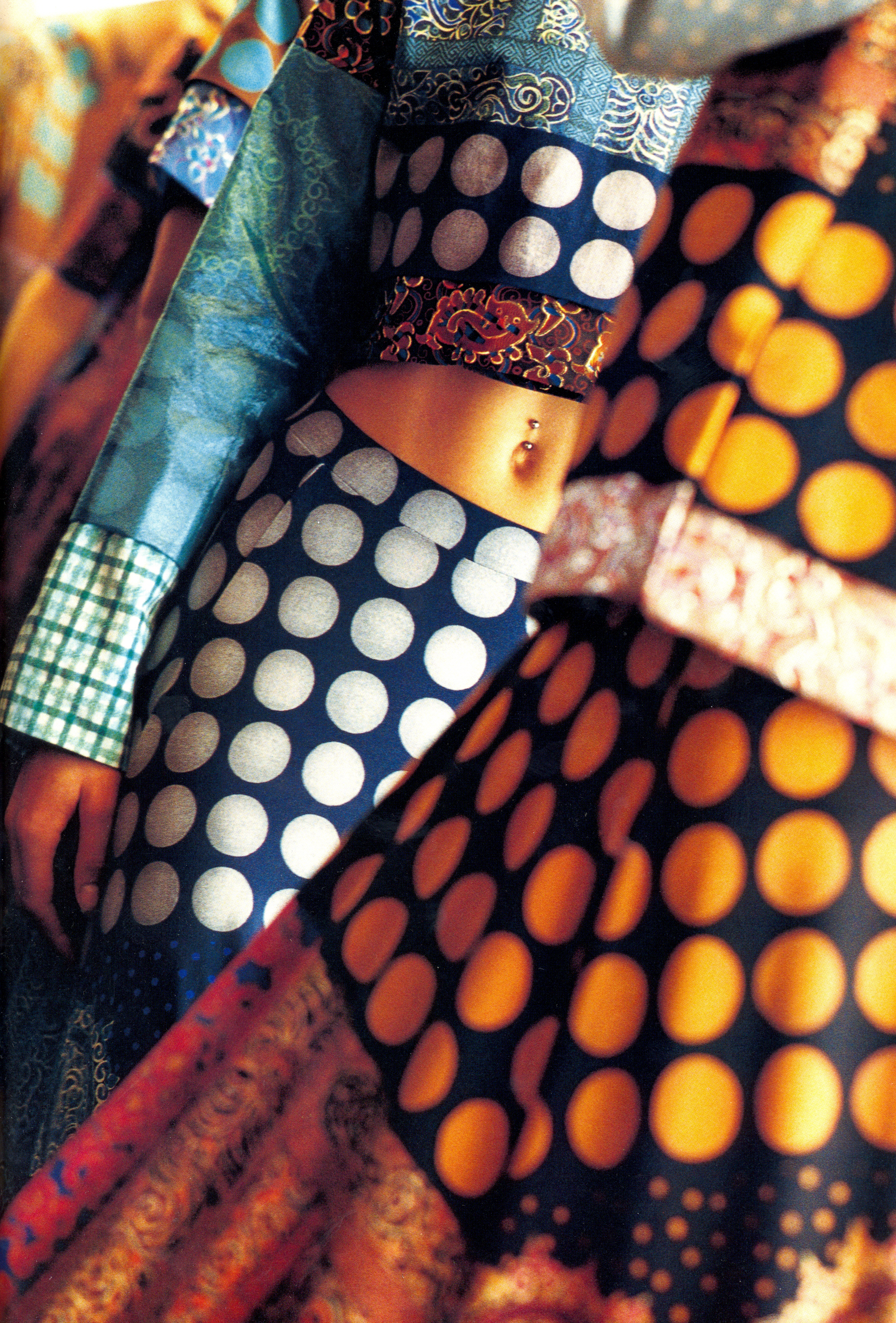
"Avakareta Life" Editorial Styled by Jun Takahashi
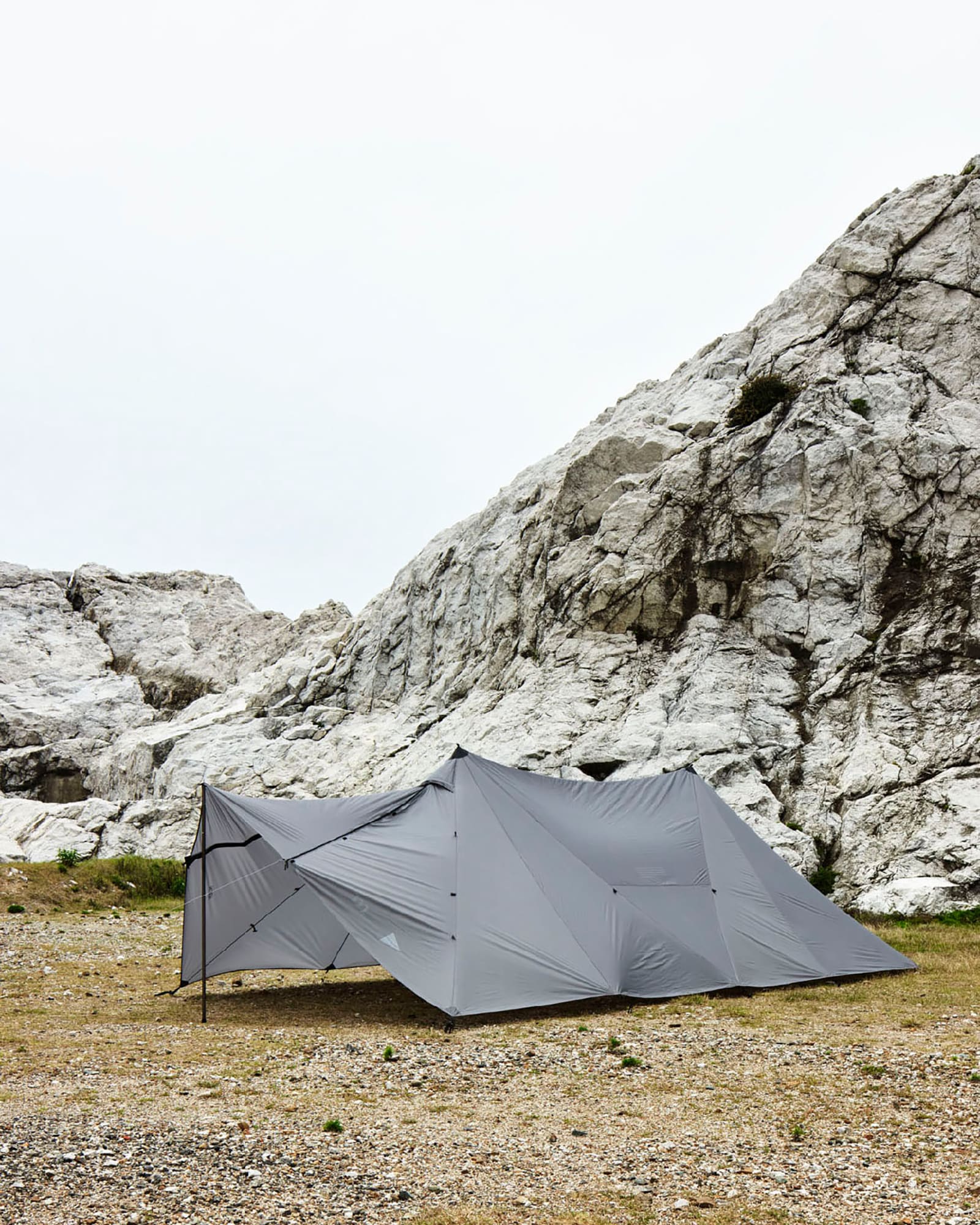
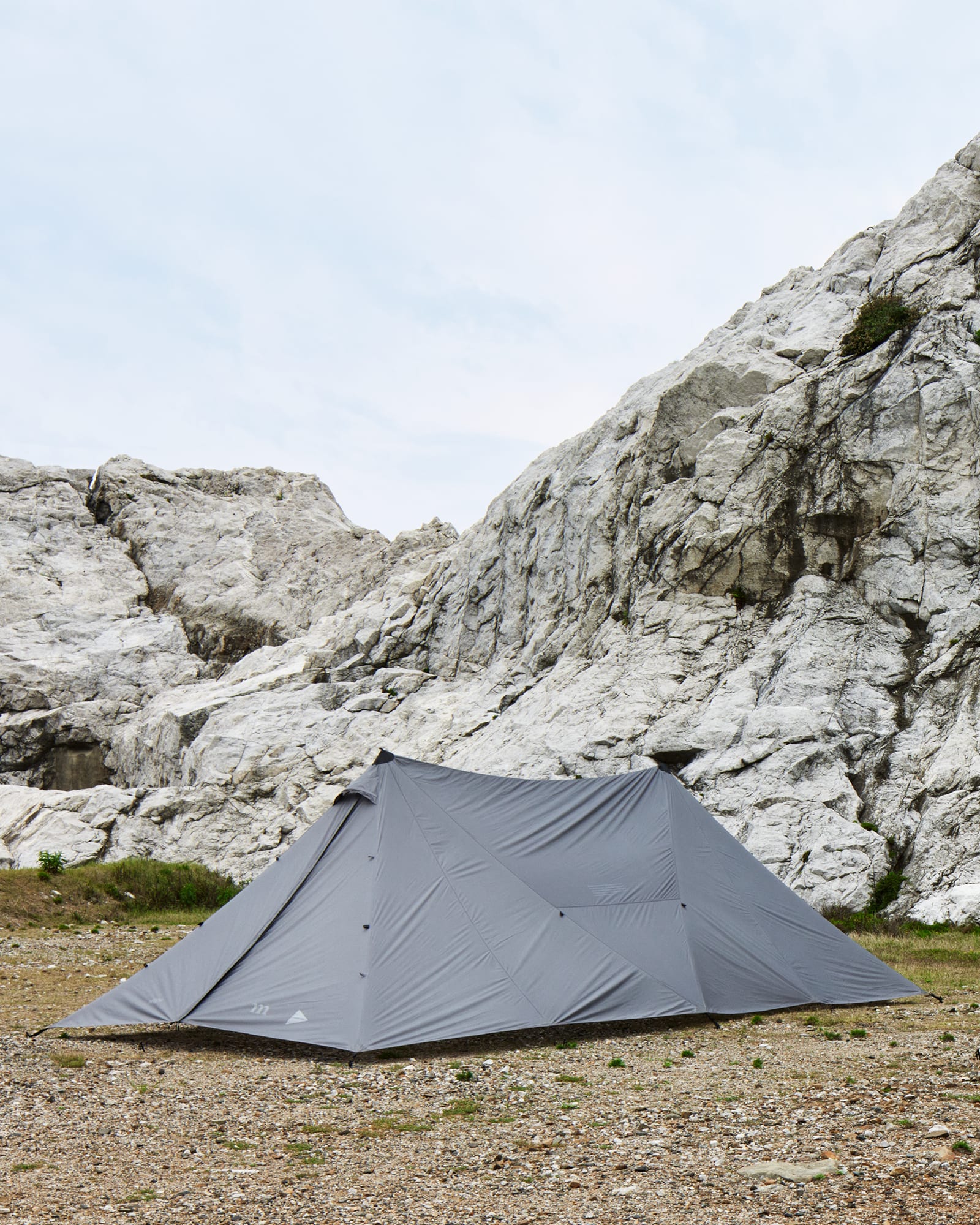
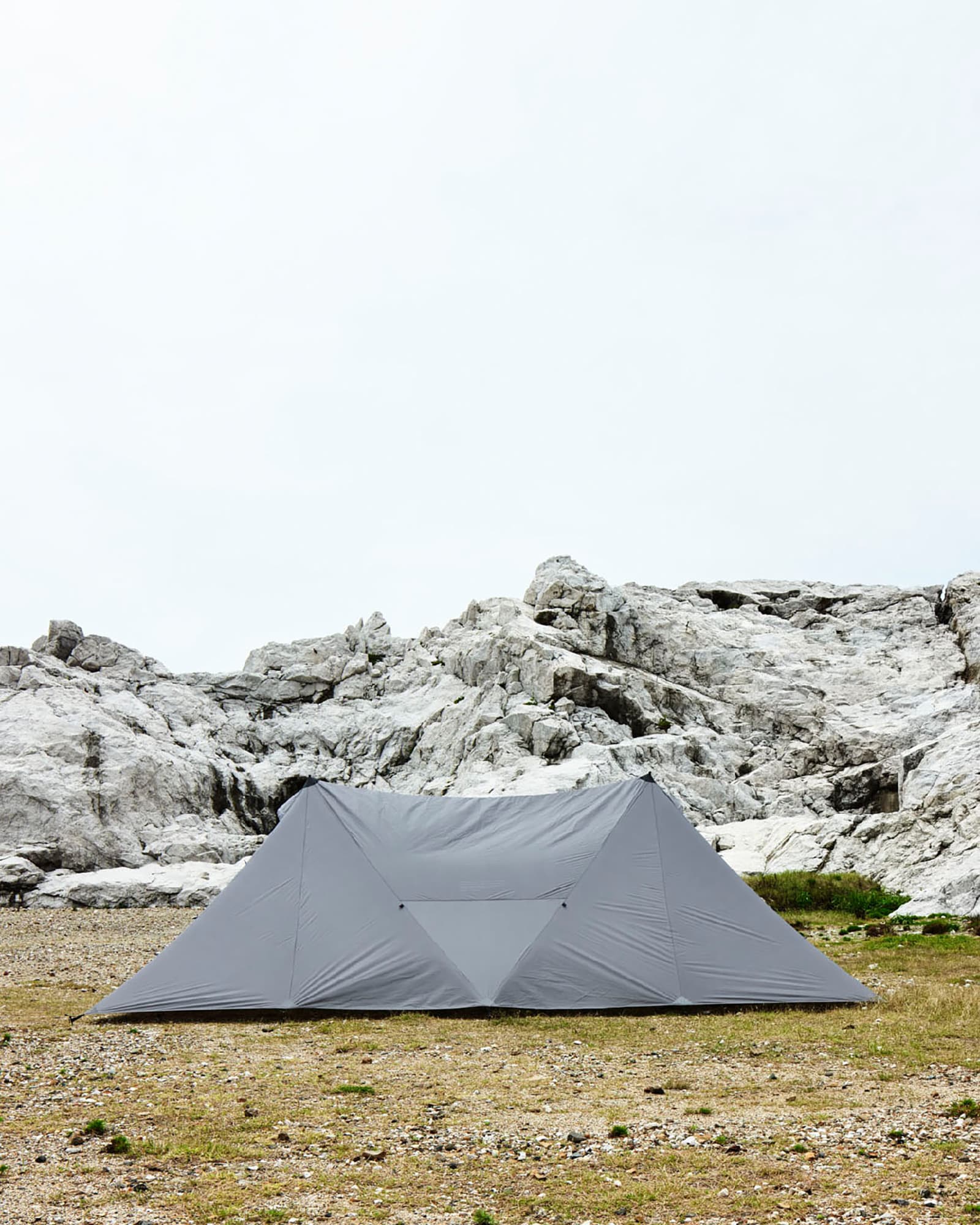
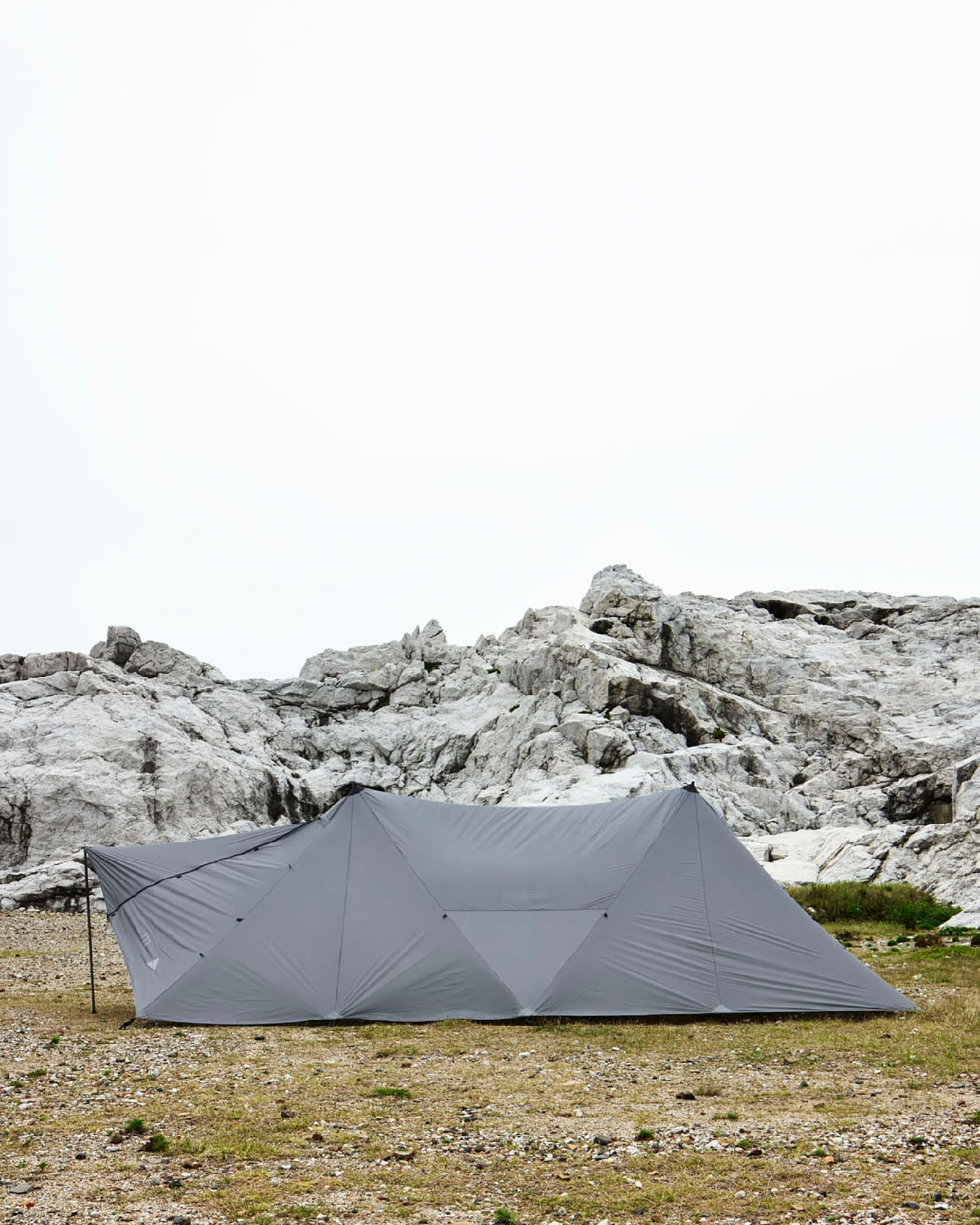
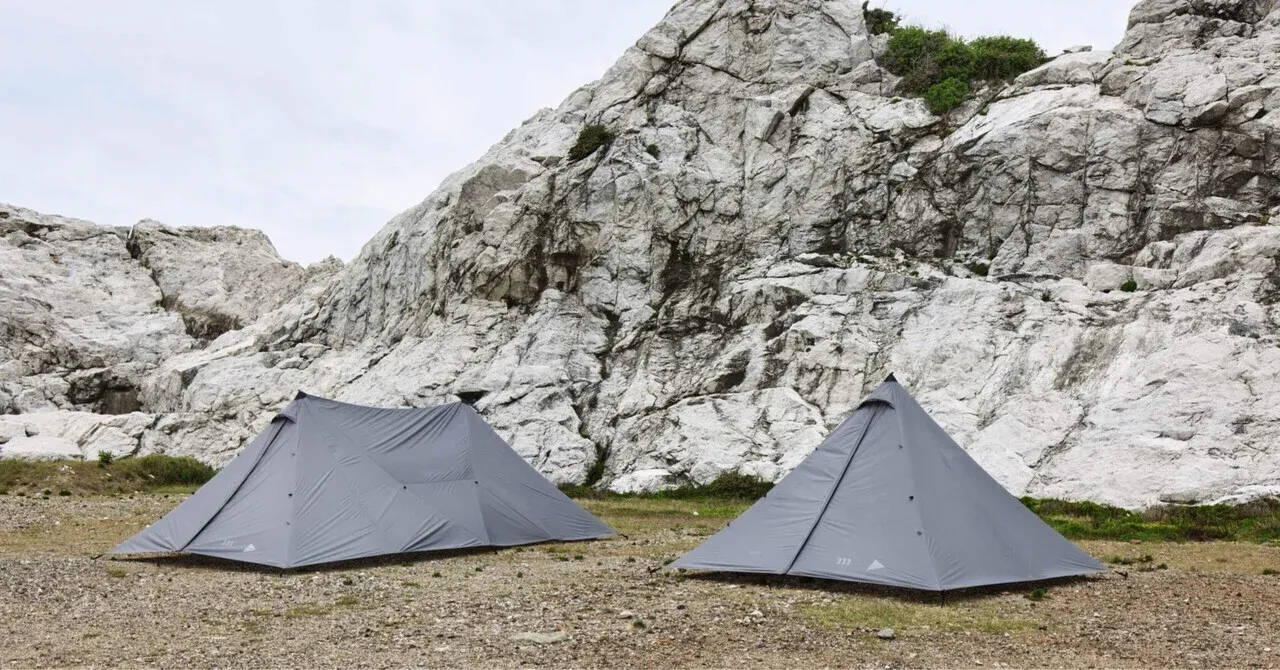
and wander x Muraco Designs Heron Tent Shelter Sets
This tent boasts a straightforward structure, allowing for quick and effortless setup. To assemble, lay the flysheet on the ground and firmly secure the four corners with pegs. Then, raise the center pole at the top. The remarkable simplicity of this setup is unmatched by self-supporting dome-shaped tents, and its generous overhead clearance adds to its allure.
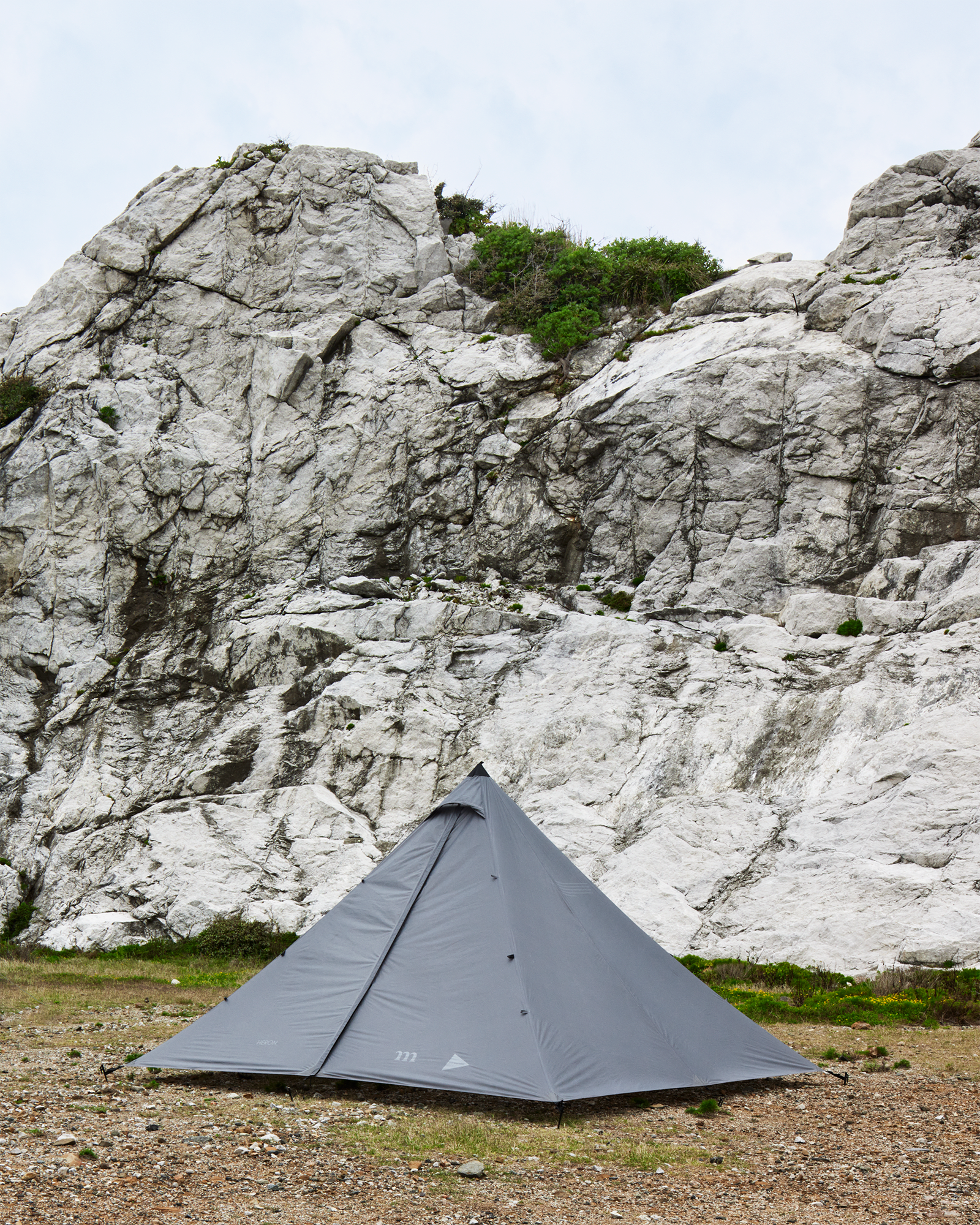
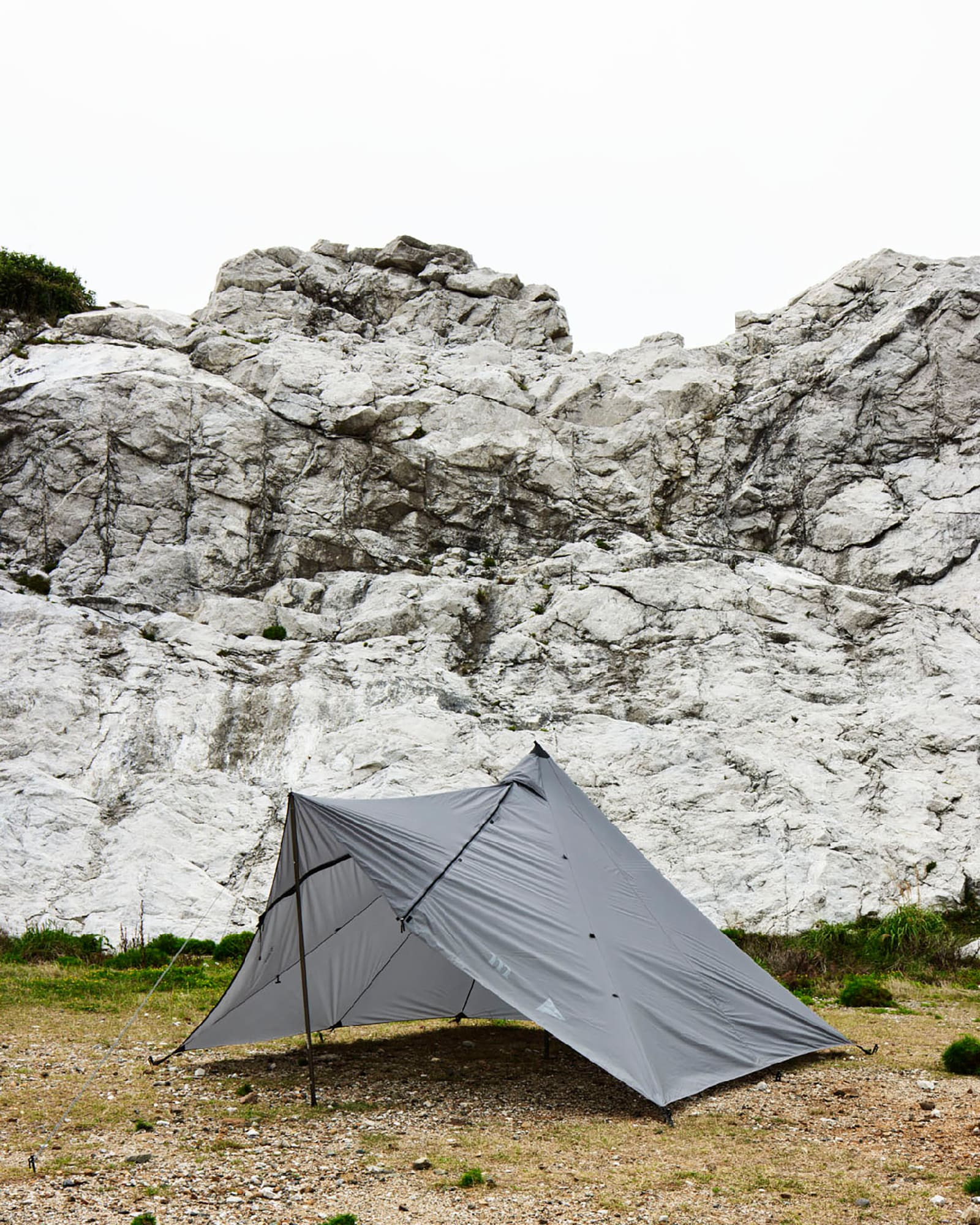
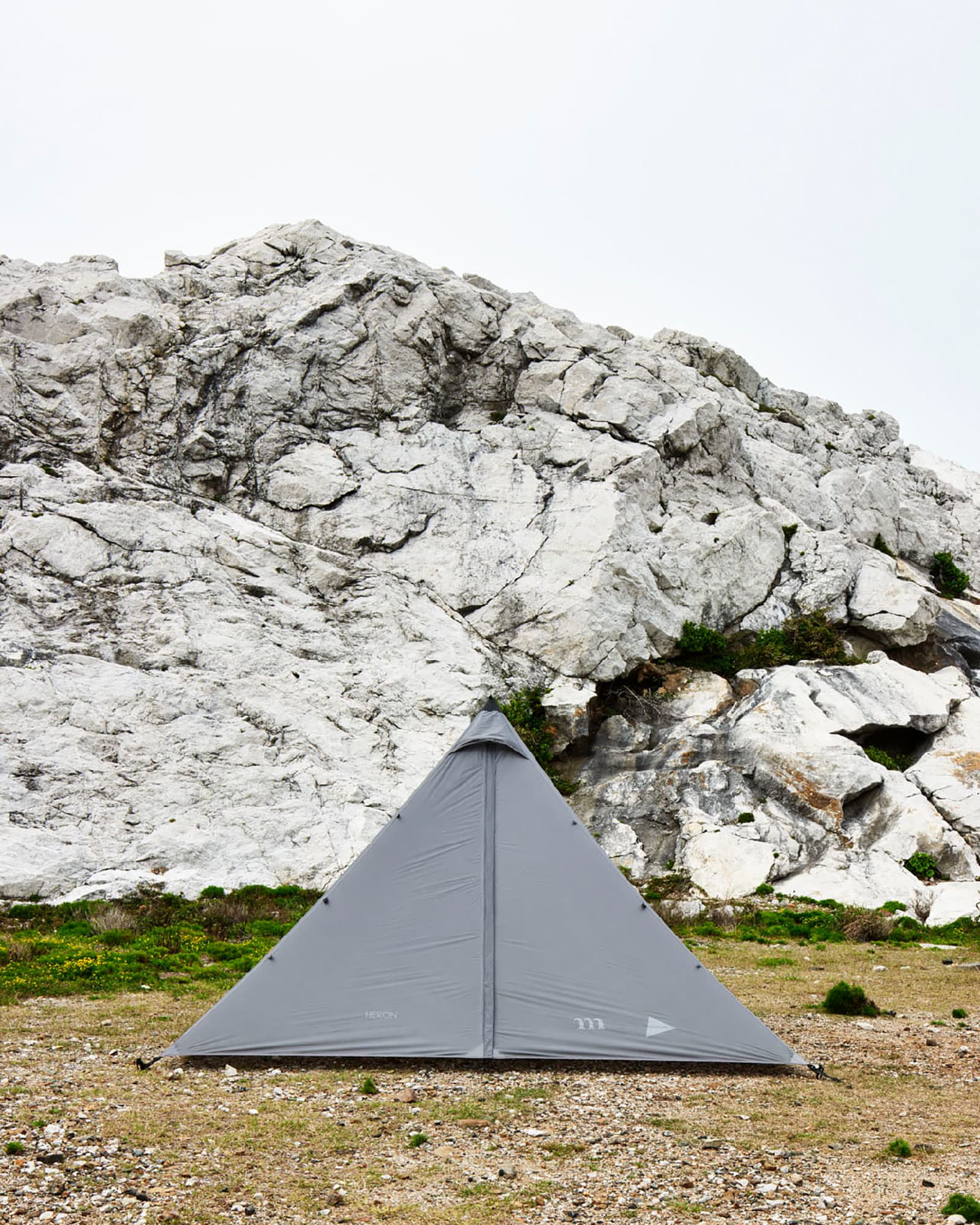
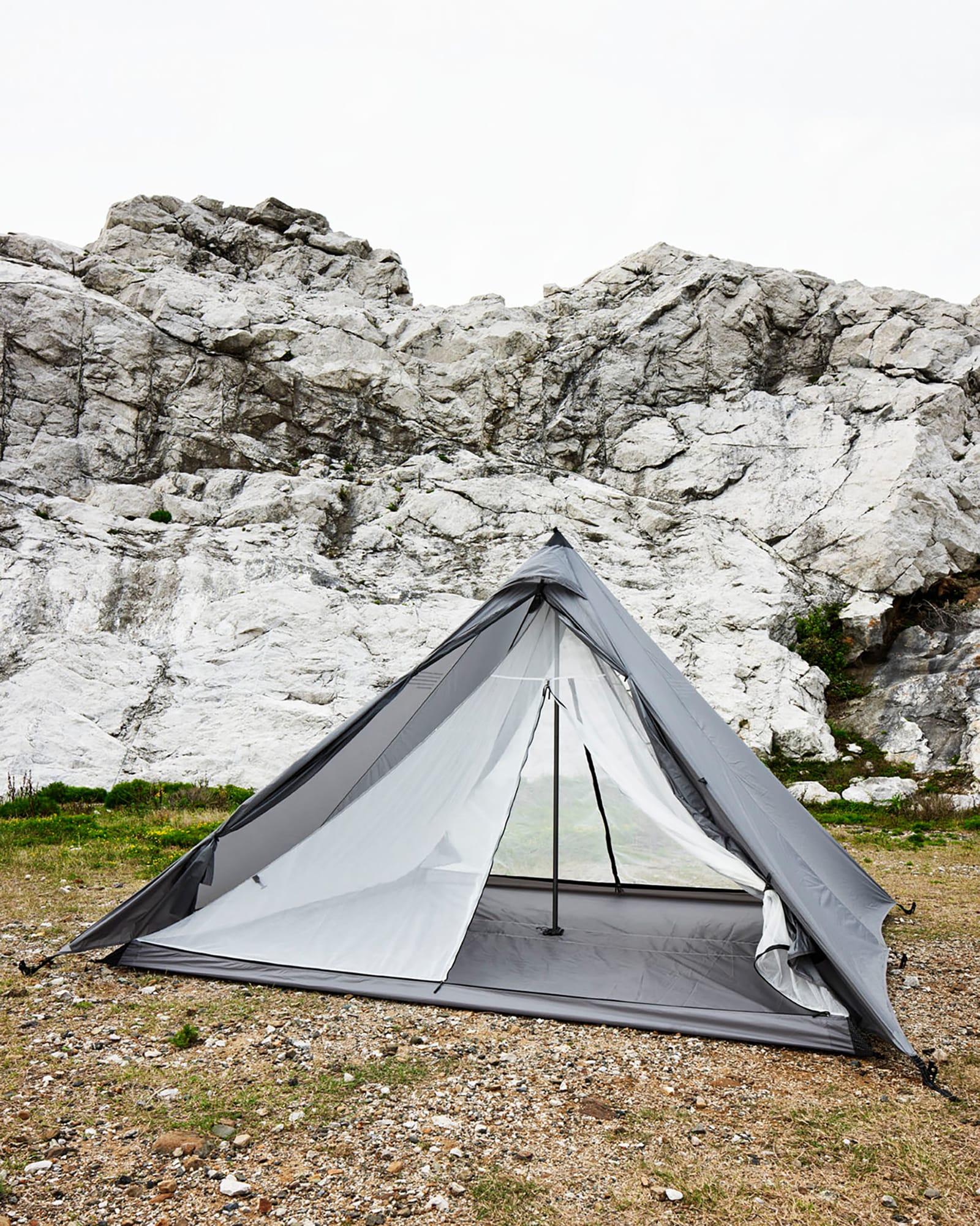
HERON 2POLE TENT SHELTER SET
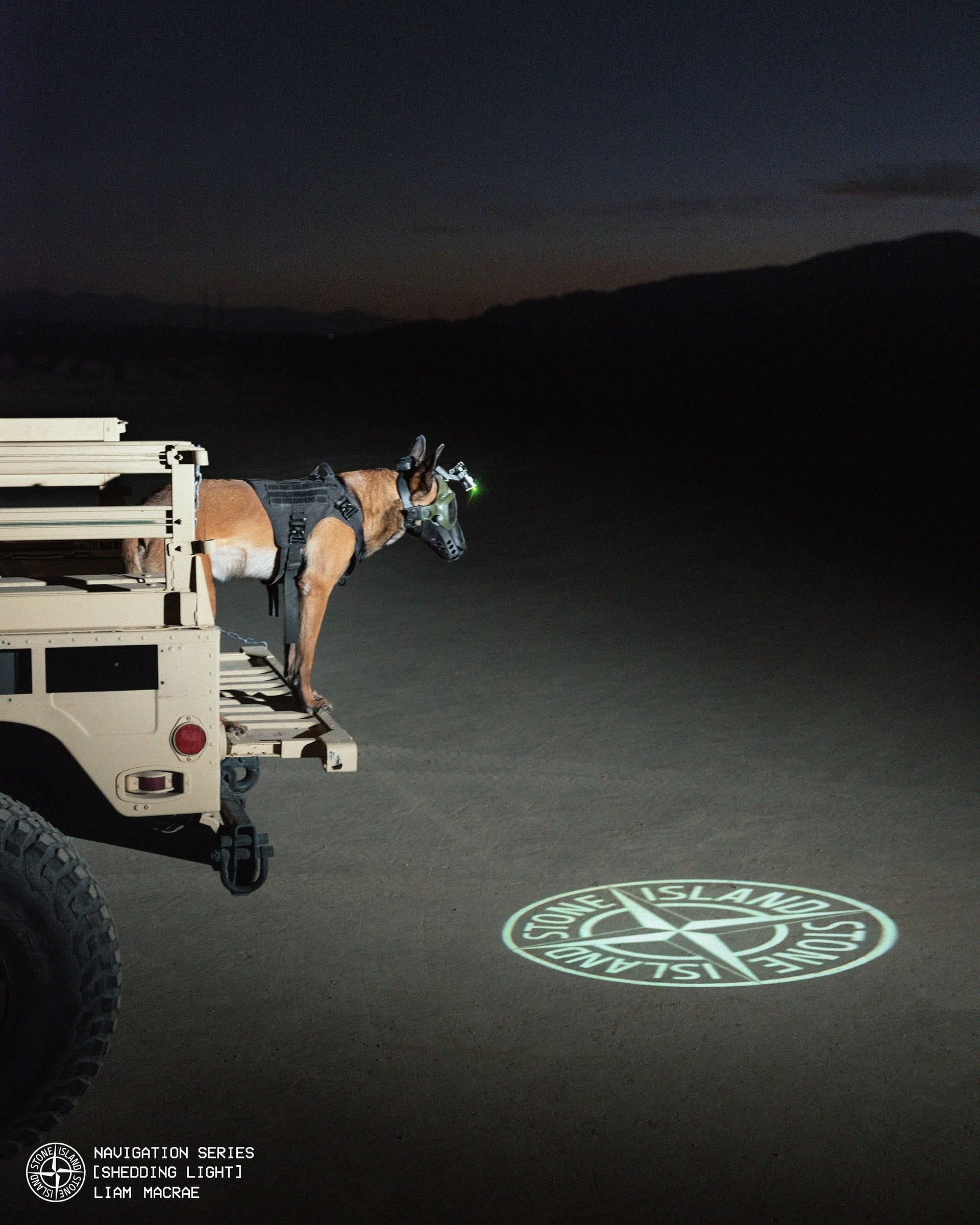
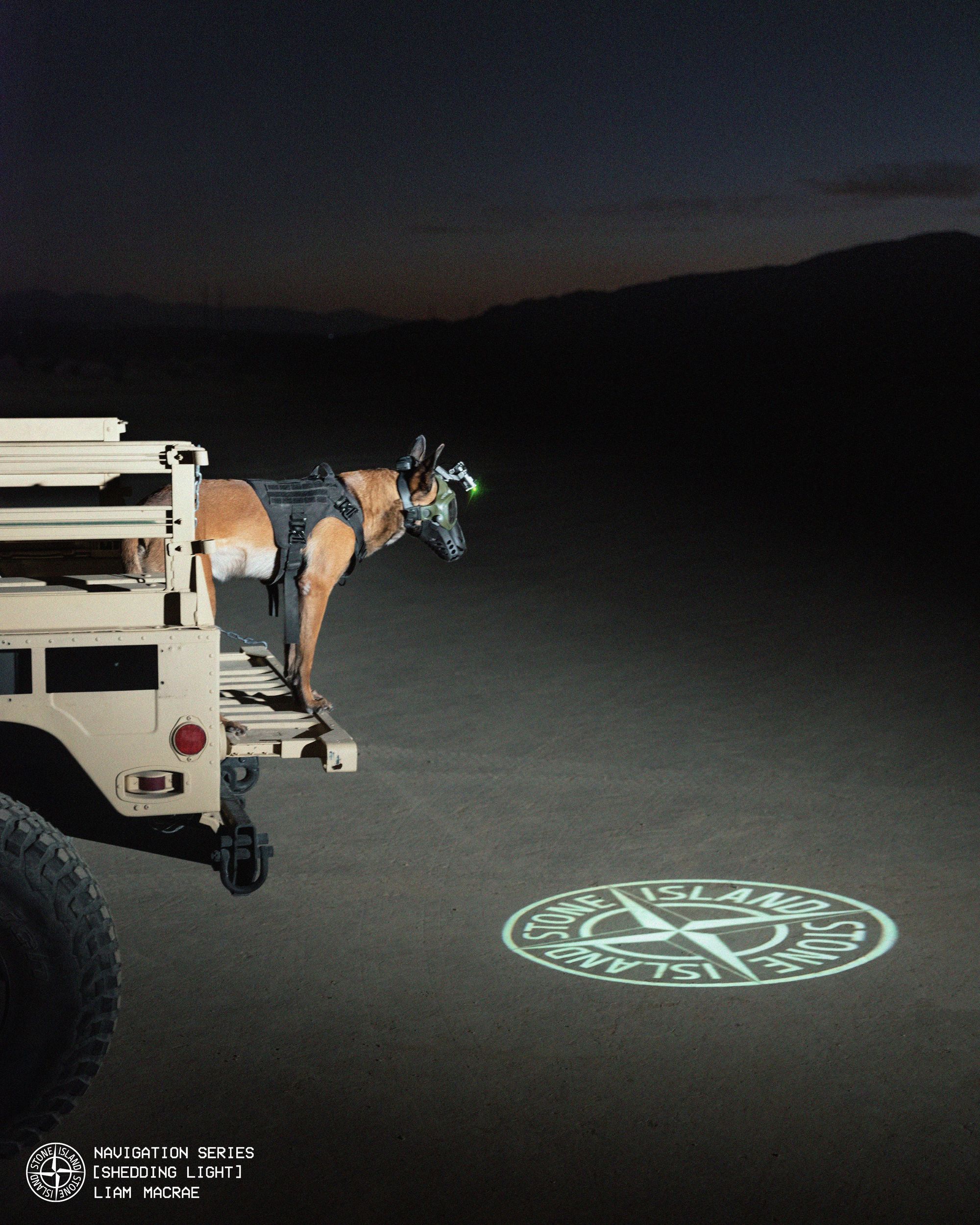
![Stone Island Navigation Series [shedding light] by Liam Macrae](https://storage.ghost.io/c/14/ee/14eef3be-ca5a-434b-8324-fa1f874026f1/content/images/size/w300/2023/09/F5WkecNXQAA78GB.jpeg)
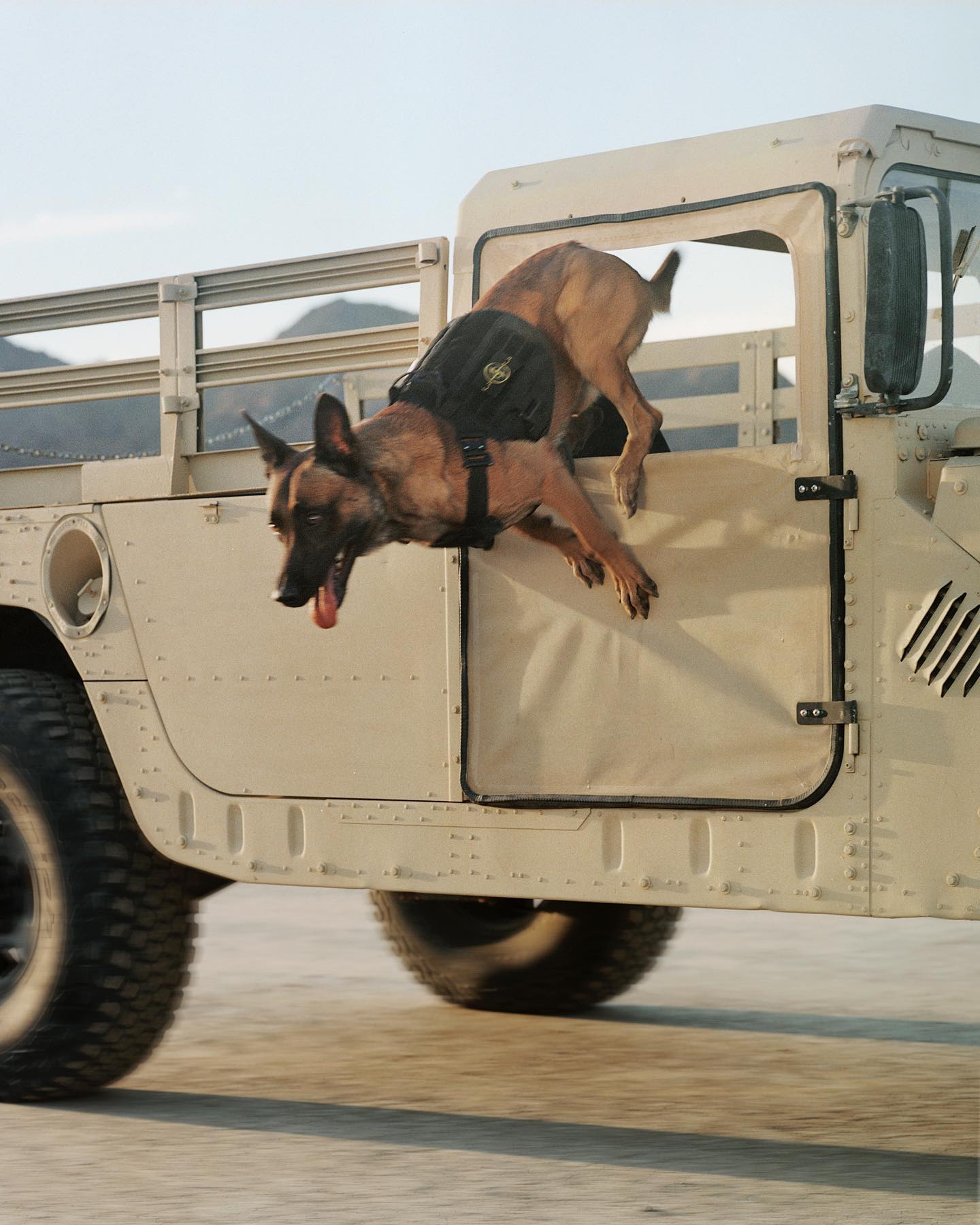
Stone Island Navigation Series [shedding light] by Liam Macrae
Stone Island Navigation Series: Shedding Light by Liam MacRae deploys a canine unit as both subject and sensor. The sequence examines tracking protocols, movement signatures, and light scatter in terrain navigation. Objective: assess animal-assisted pursuit as a guidance vector. Visual narrative captures the moment of release—unleashing the chase to test instinctive tracking against controlled illumination parameters.
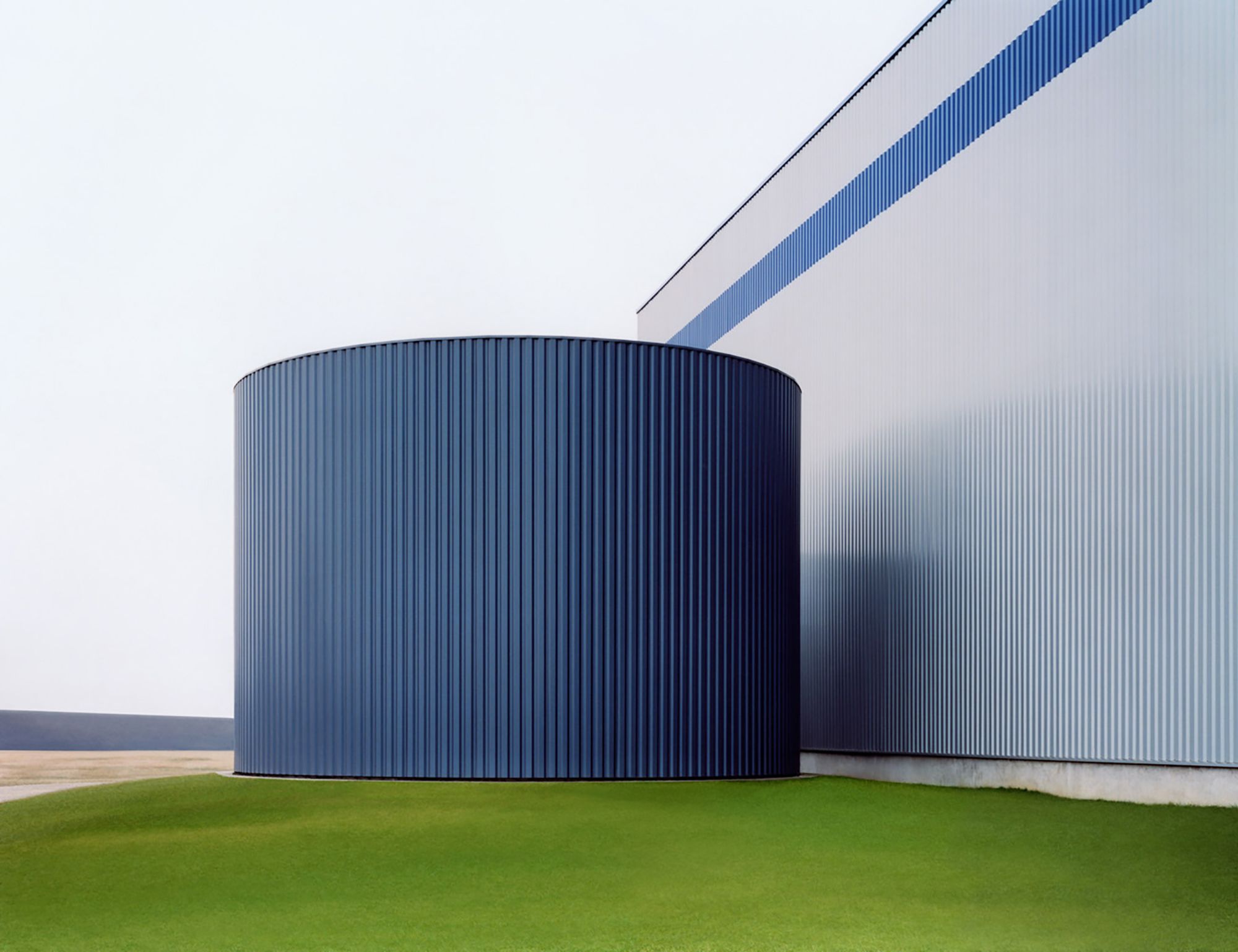
Form #7, Josef Schulz, 2003
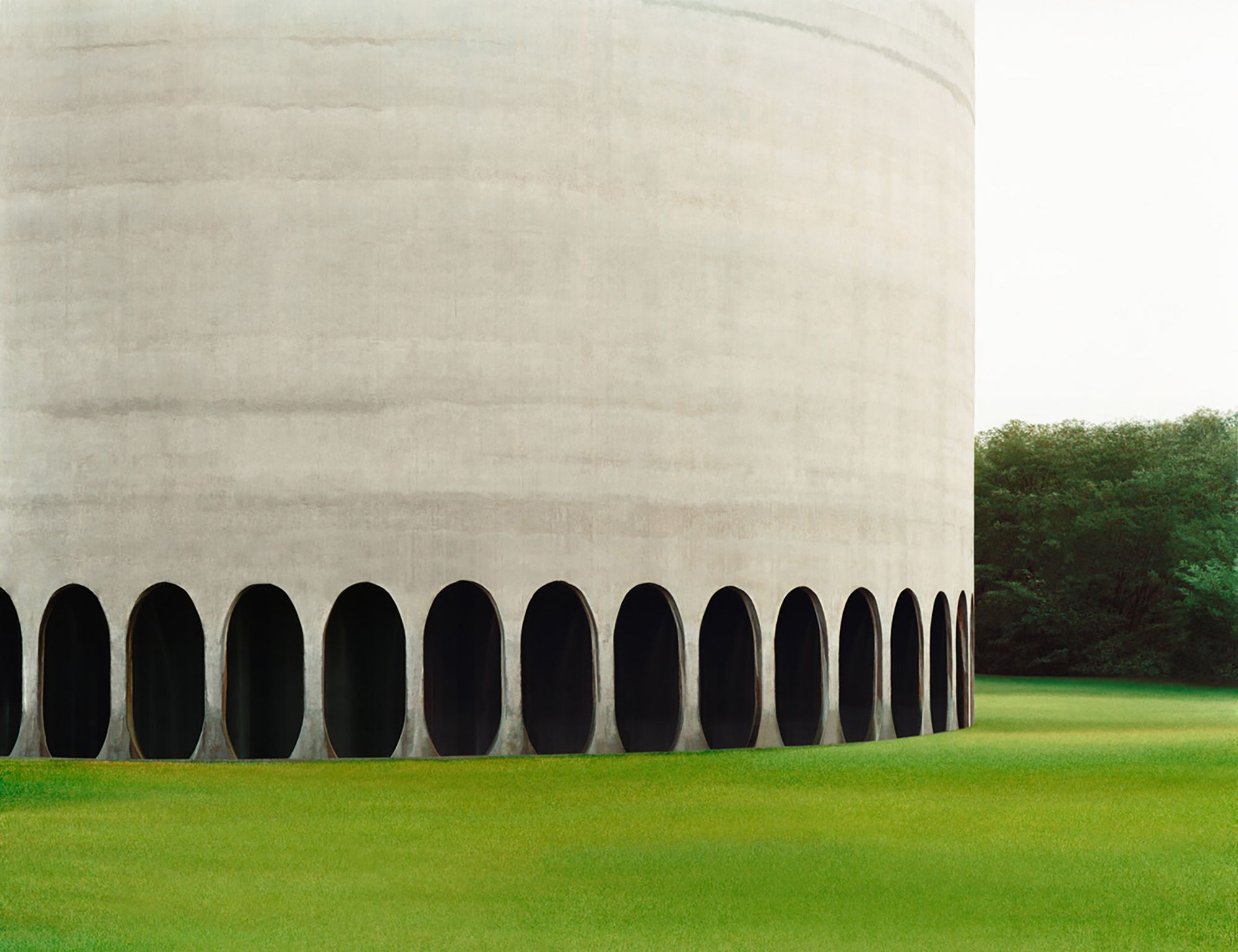
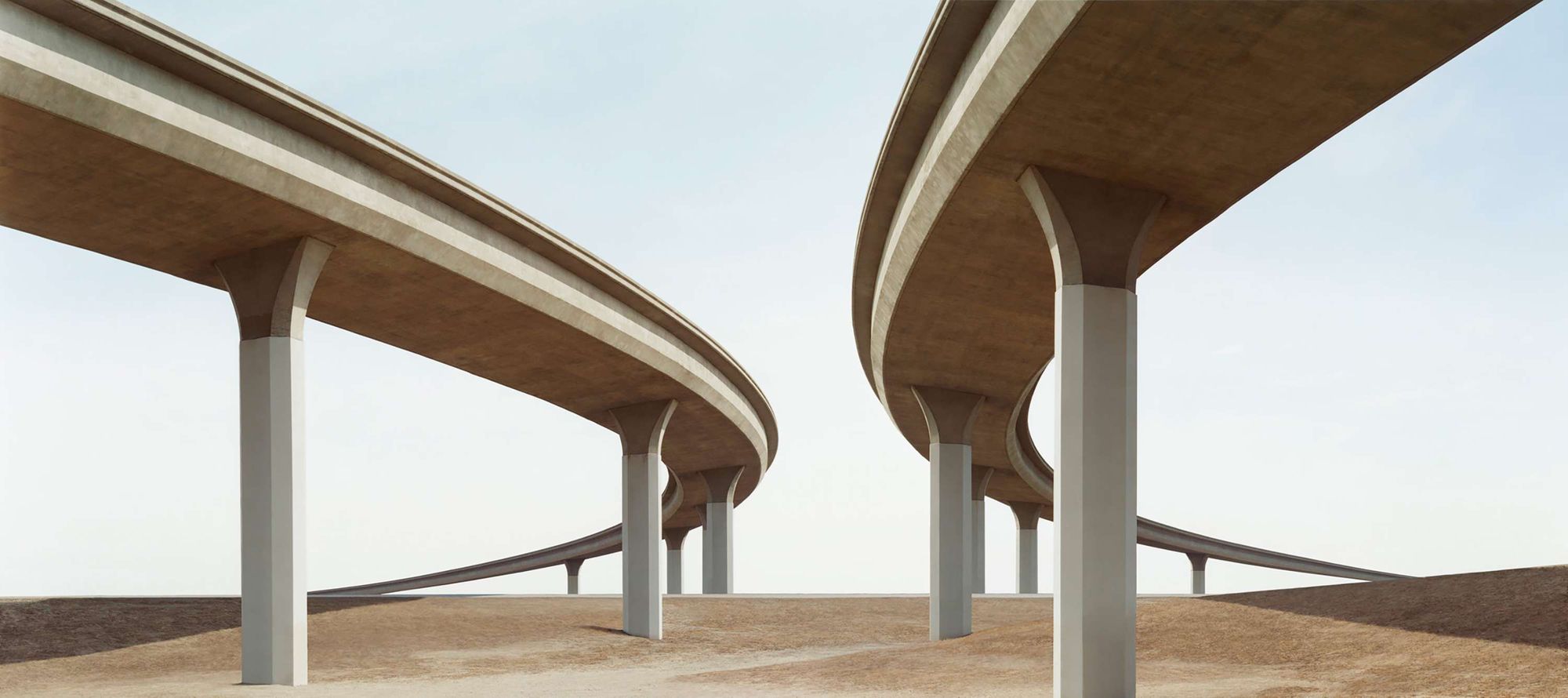
Josef Schulz is a photographer known for capturing images of modern warehouses and factories, which are typically considered mundane industrial structures with little architectural significance. These buildings, produced worldwide, follow standardized plans and materials, lacking distinct external features to reveal their specific purposes.
Schulz's approach involves studying the essence of his craft through these photographs. He employs digital image processing to remove any elements hinting at the buildings' age, location, or surroundings, transforming them into virtual blueprints. By emphasizing colors, shapes, and symmetries, he turns the buildings into block-like structures, resembling toy architecture and presenting them as idealized versions of themselves.
In this process, Schulz blurs the line between photographic and painted reality to optimize the images. Simultaneously, he reduces the physical buildings to their design concepts and the photographic reality to its virtual representation. His intent is to diverge from the typical pursuit of making digital images appear as real as possible. This approach might leave the viewer perplexed, as they struggle to distinguish between authentic elements captured by the camera and those created through digital tools.
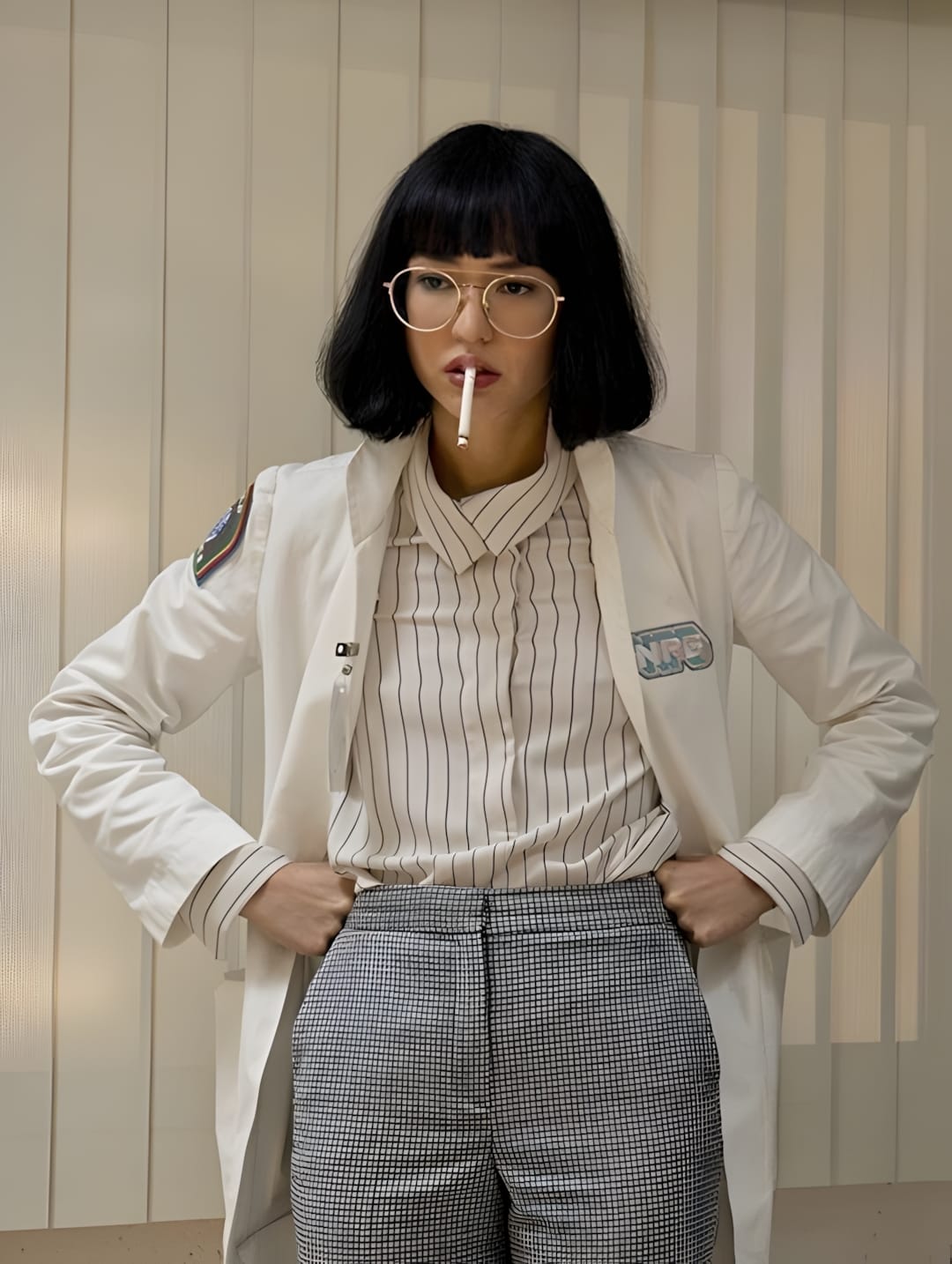
Sonoya Mizuno as Dr. Azumi Fujita — Netflix MANIAC (2018)
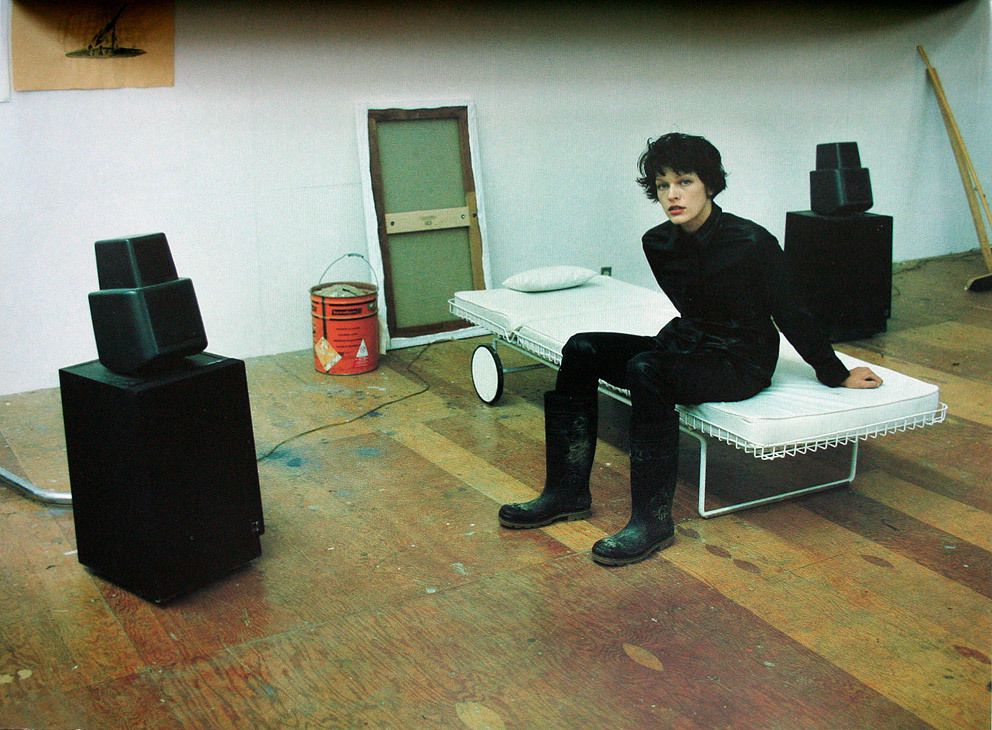
MIlla Jovovich by Juergen Teller
MIlla Jovovich by Juergen Teller for Strenesse fw97
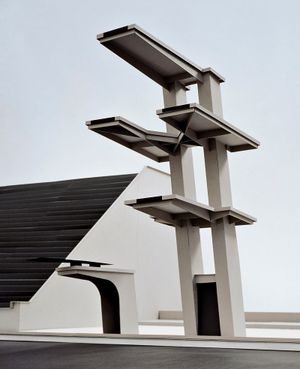
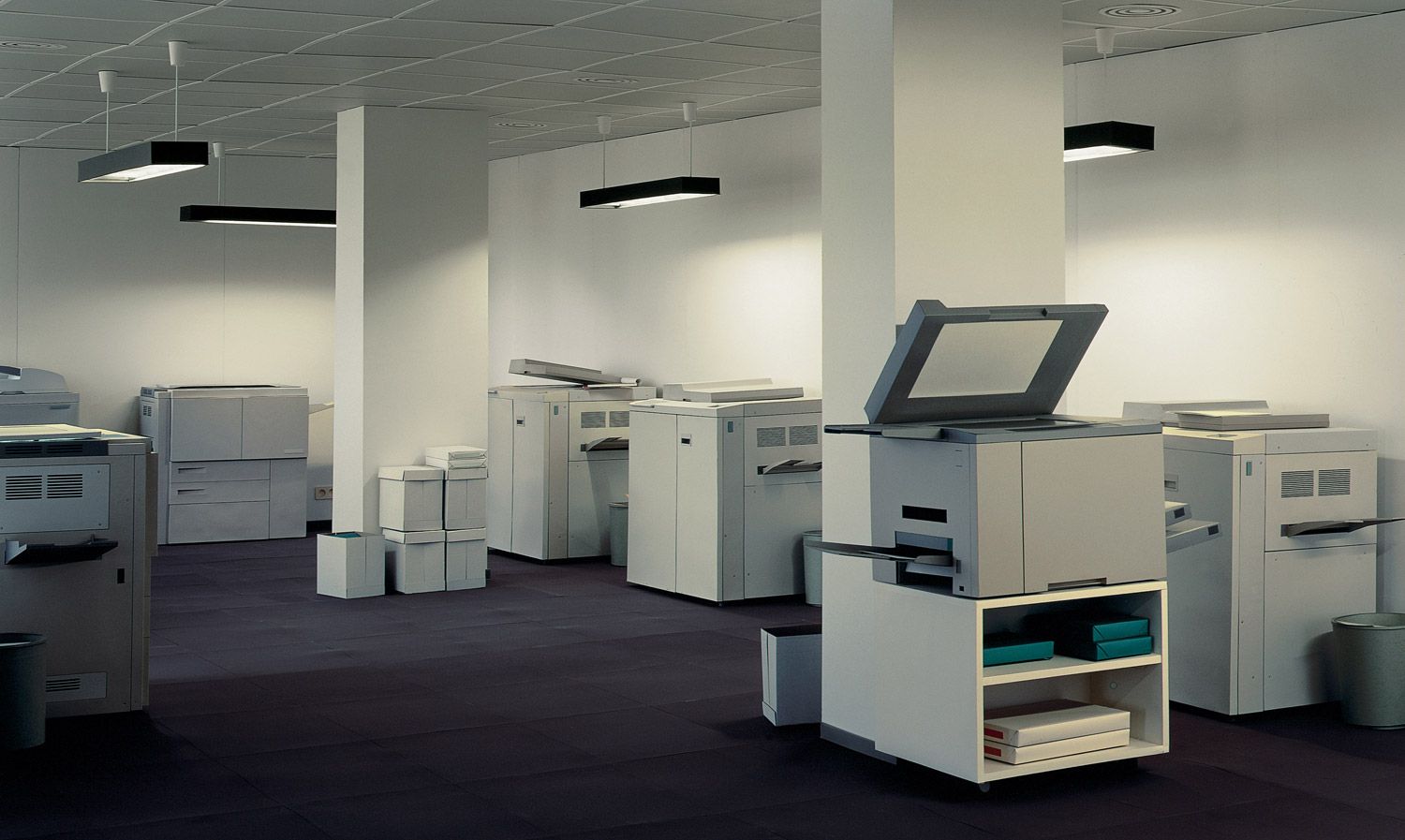
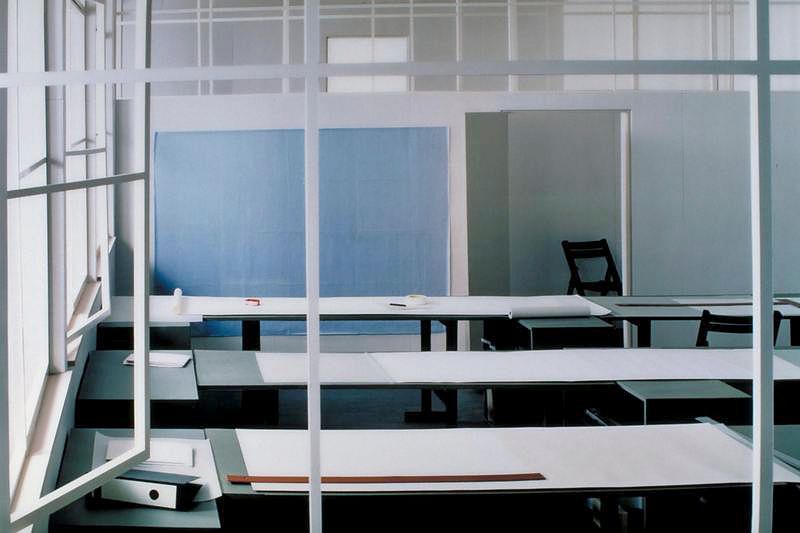
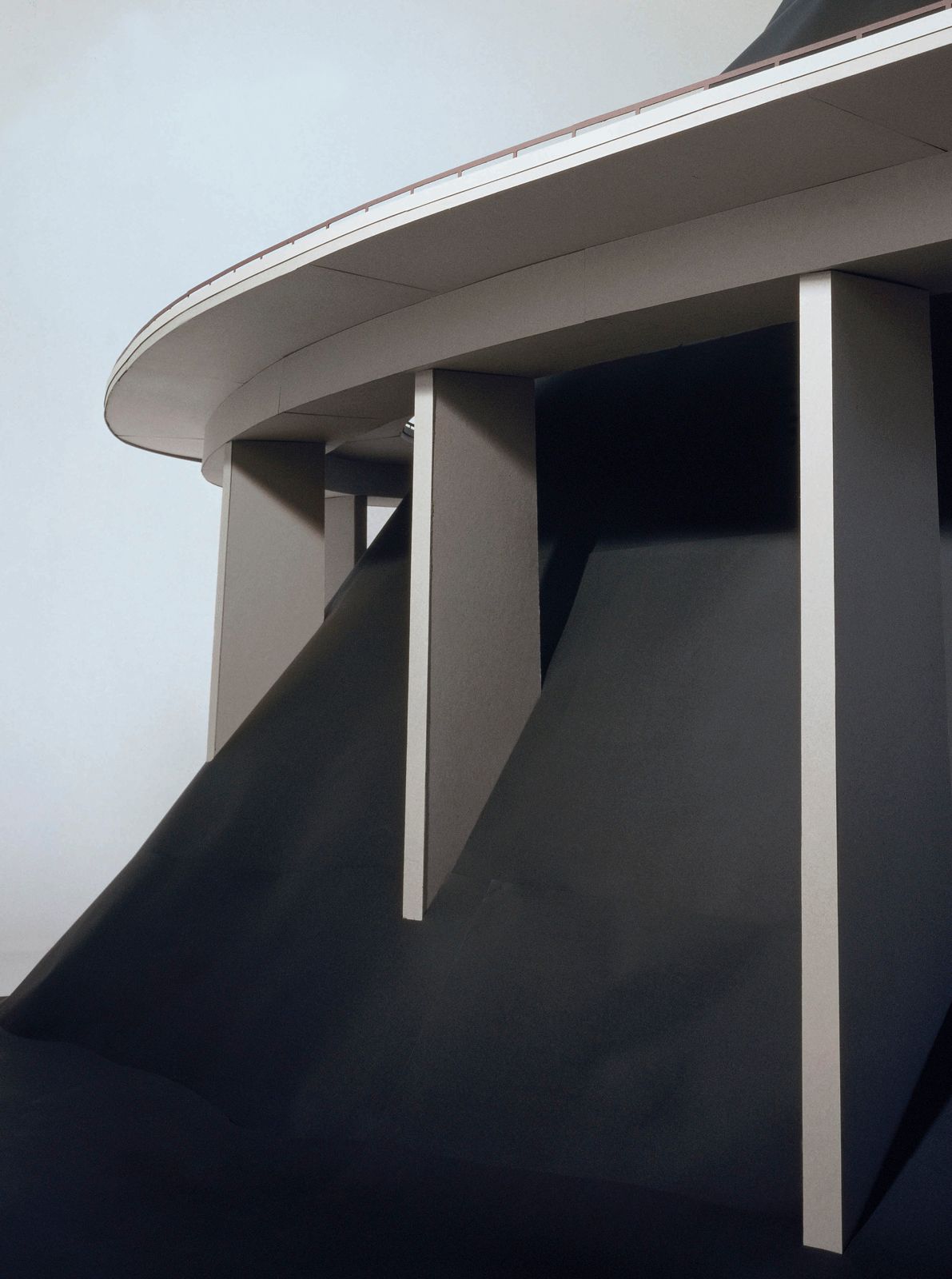
Thomas Demand
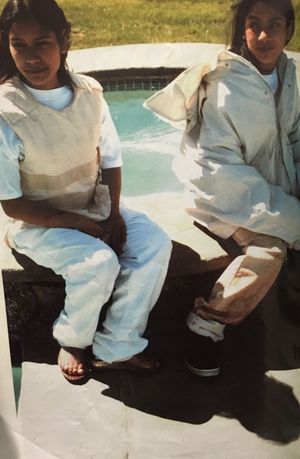
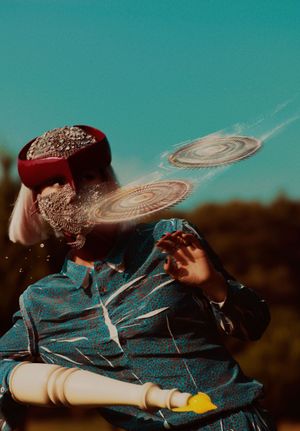
UNDERCOVER ss2011 "UNDERMAN" Collection
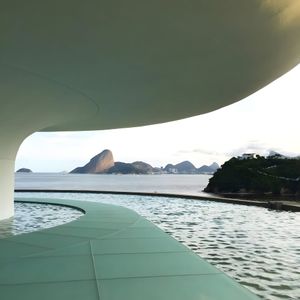
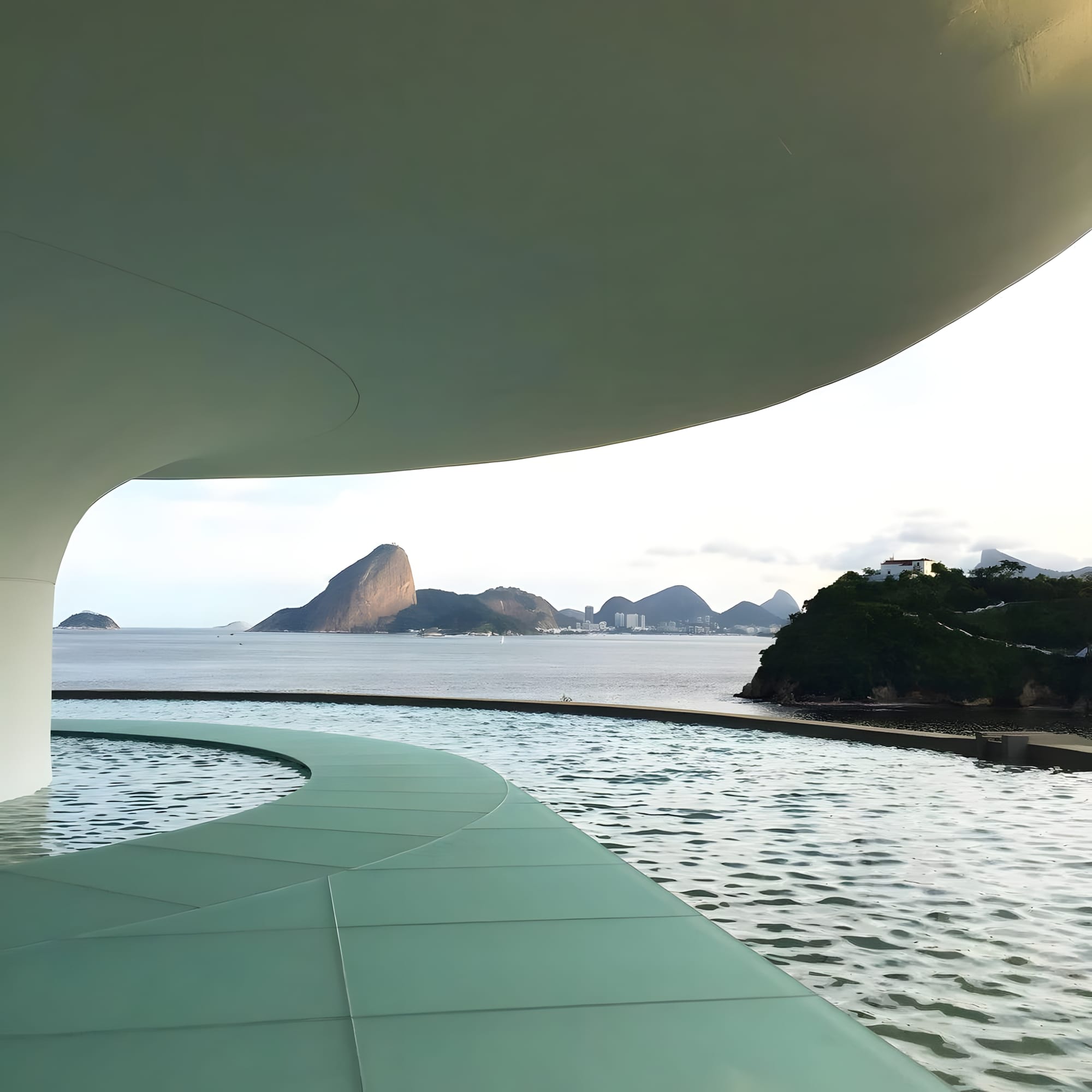
Oscar Niemeyer's MAC Niterói — Louis Vuitton Cruise 2017 Venue
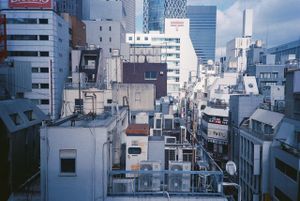
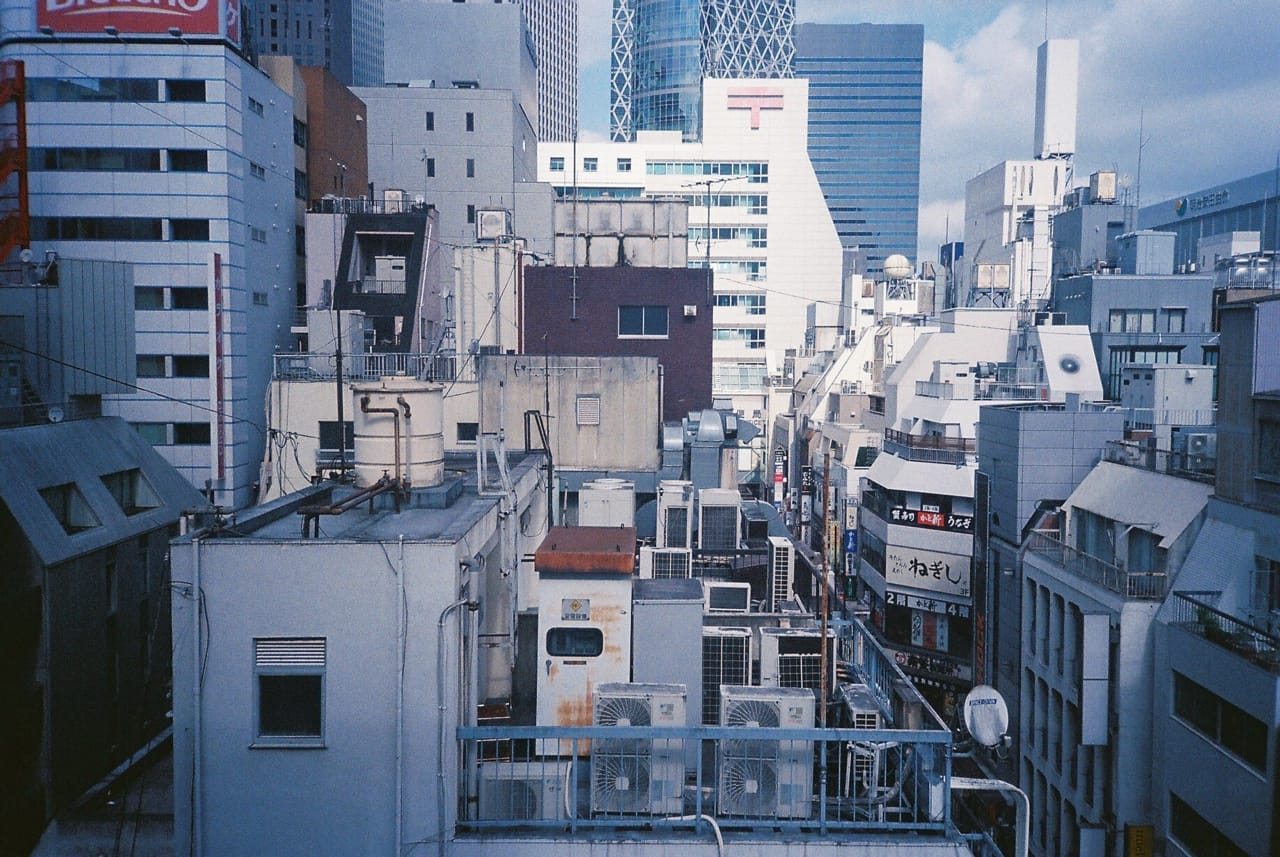
Tokyo Rooftops Ginza
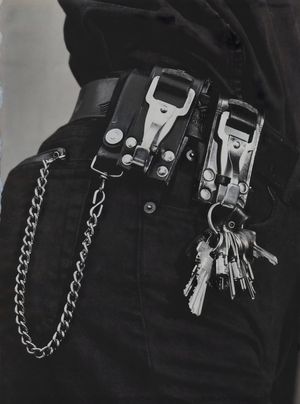
Bruce Weber for Calvin Klein Jeans — 1991 Campaign
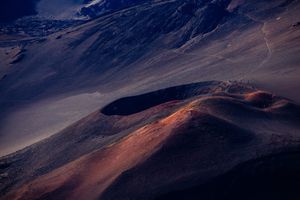
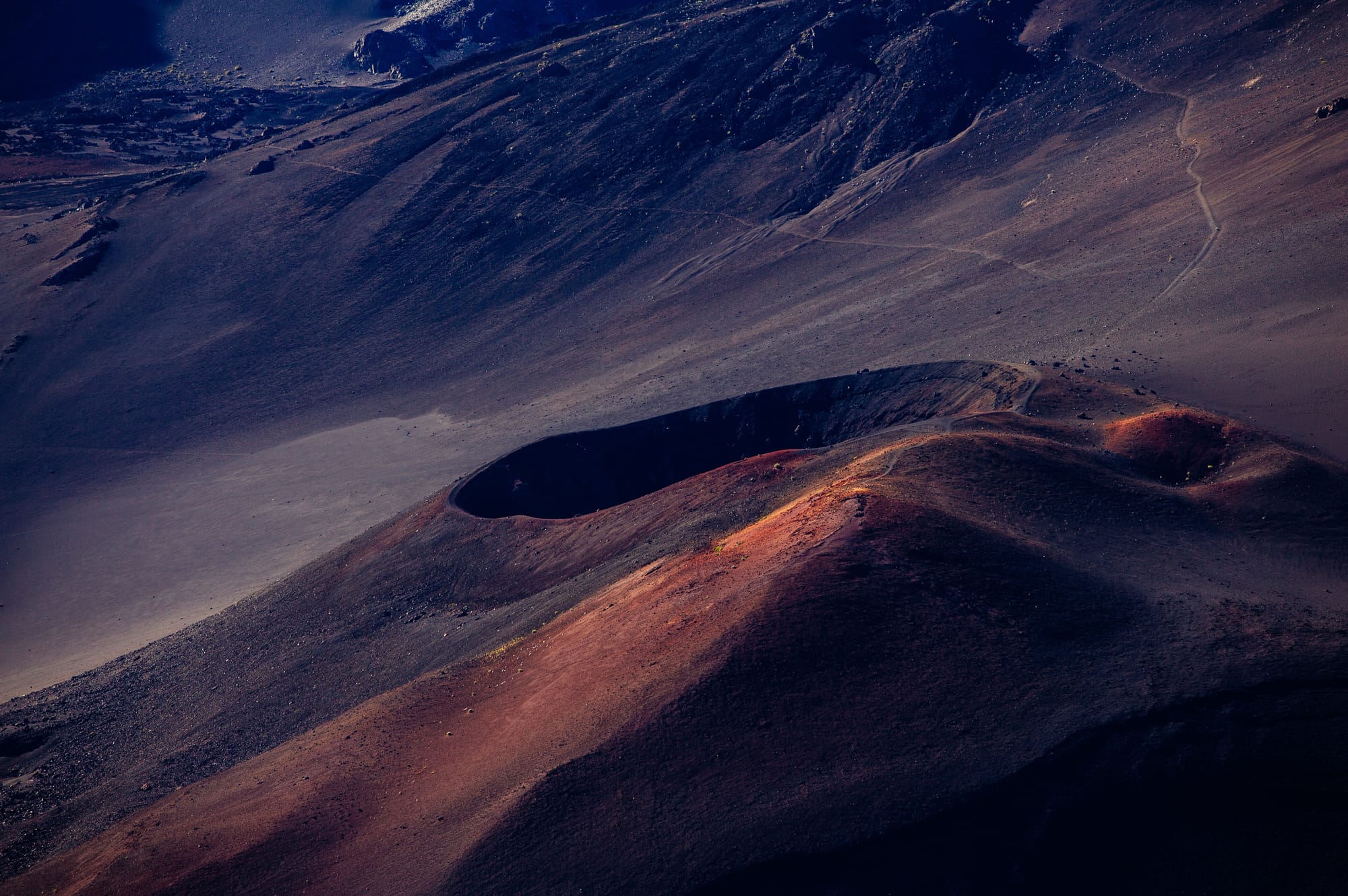
Haleakalā Crater — Volcanic Landscape, Maui
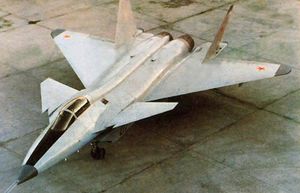
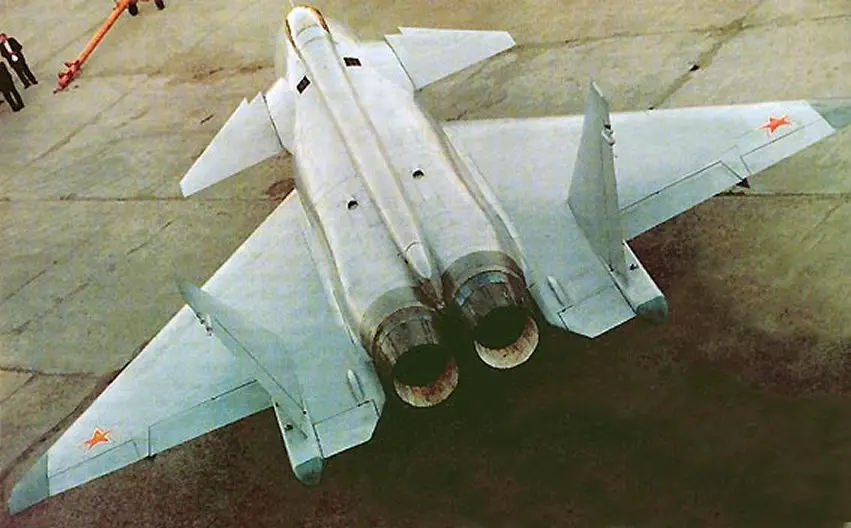
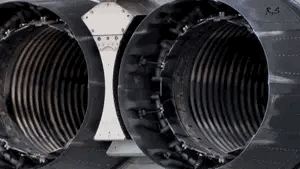
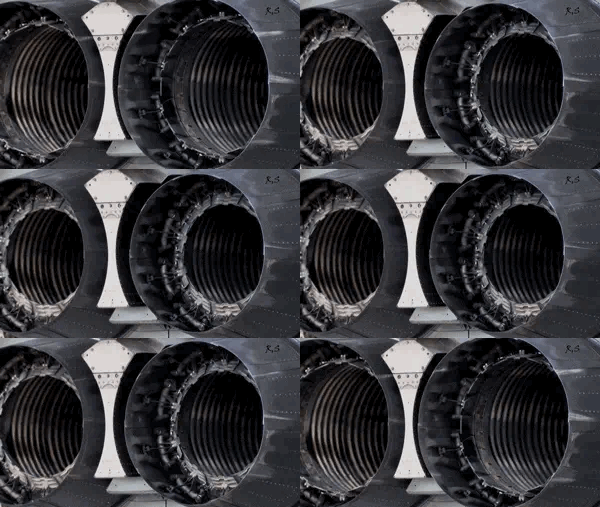
MIG 1.42 - PROTOTYPE
Prototype Russian fighter jet spotted on Bing Maps. Built to rival the American F-22 Raptor, the jet lost out to the Su-47.
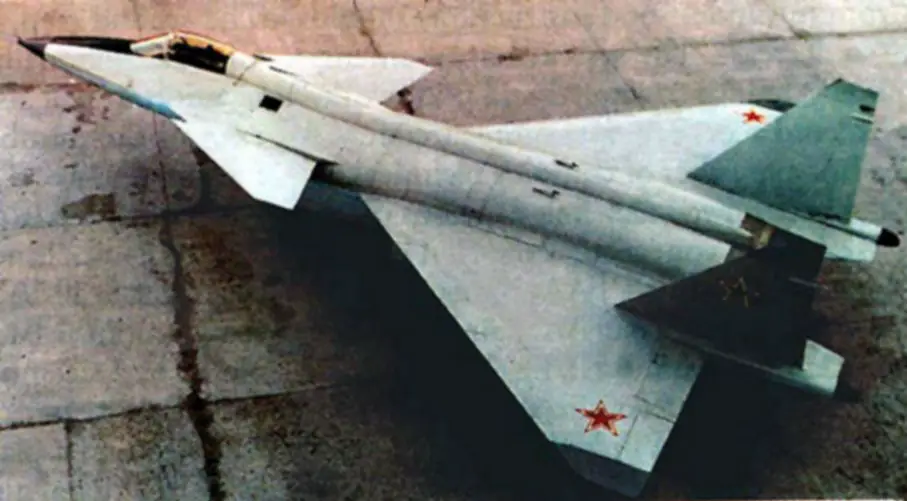
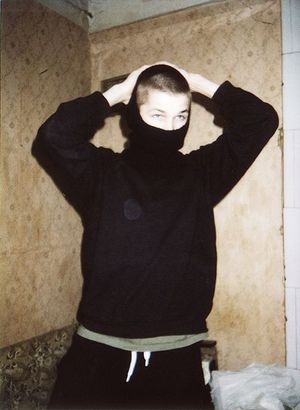
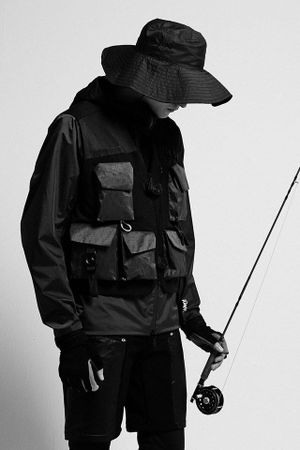
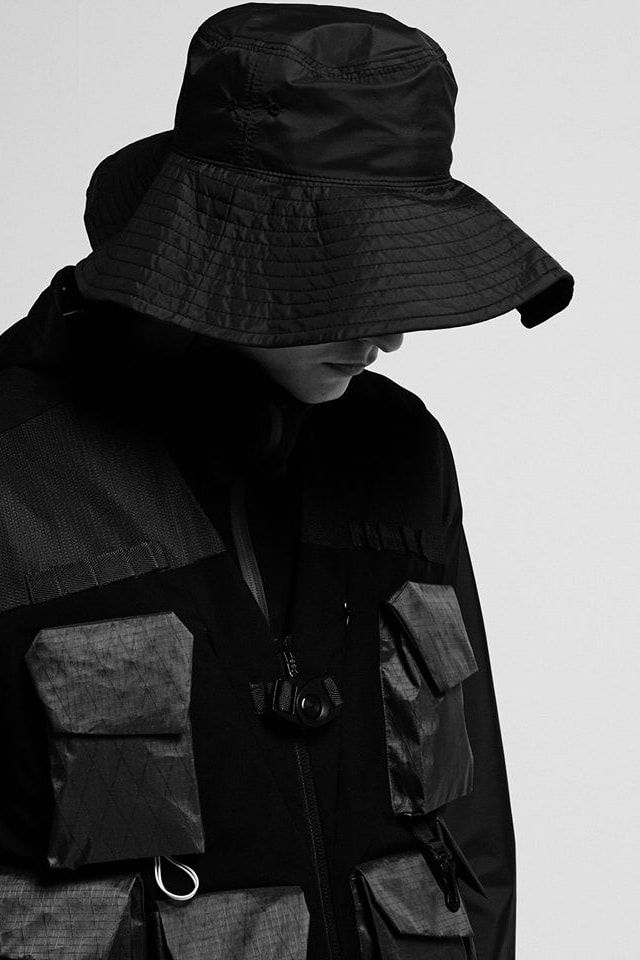
Man of Moods ss2016 Collection
Utilitarian-inspired Japanese fashion brand Man of Moods presents a selection of shots exhibiting a 2016 spring/summer collection titled “Mountain of Moods.” Featuring the brand’s usual blend of sleek lines and practical engineering, “Mountain of Moods” will be unveiled at House Gallery Space in Tokyo on September 15. With photography from Teppei Hoshida and styling by Tomoyuki Sasaki.
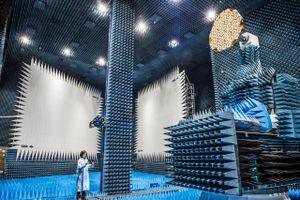
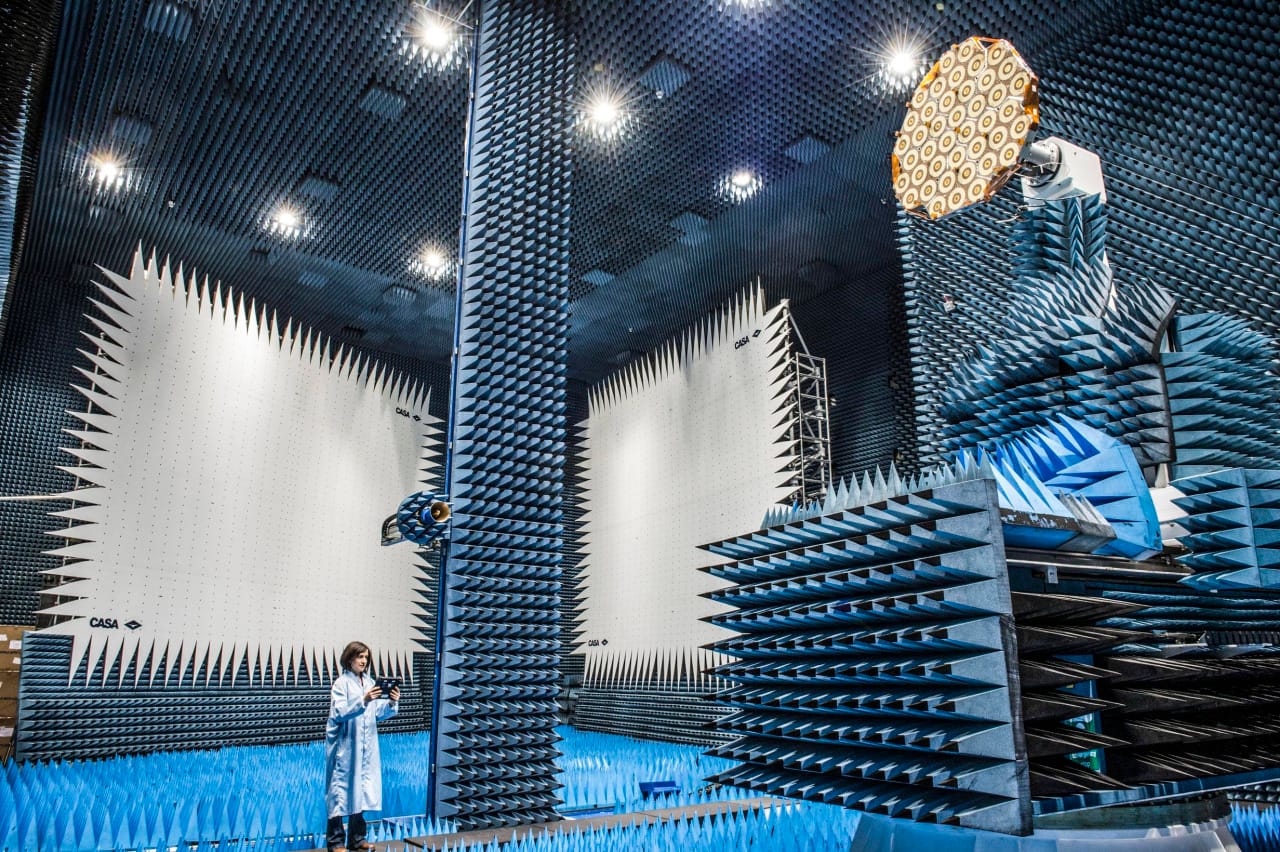
ESA HERTZ Anechoic Chamber — Antenna Test Facility at ESTEC
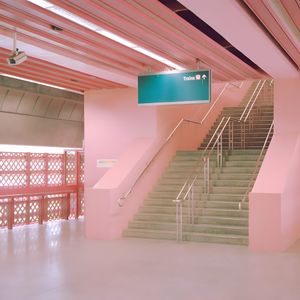
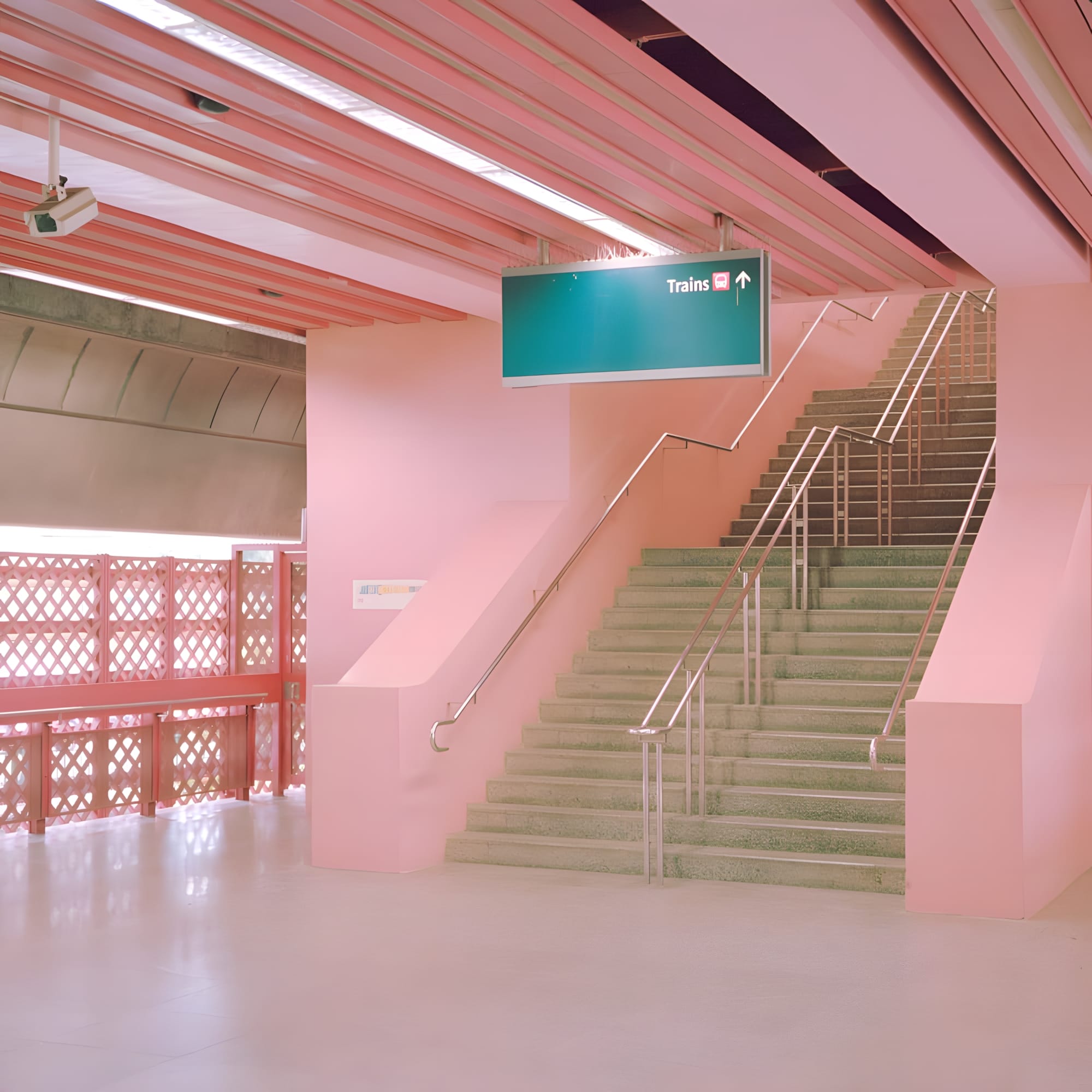
Redhill MRT Station — Singapore
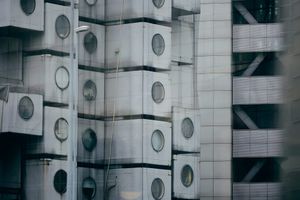
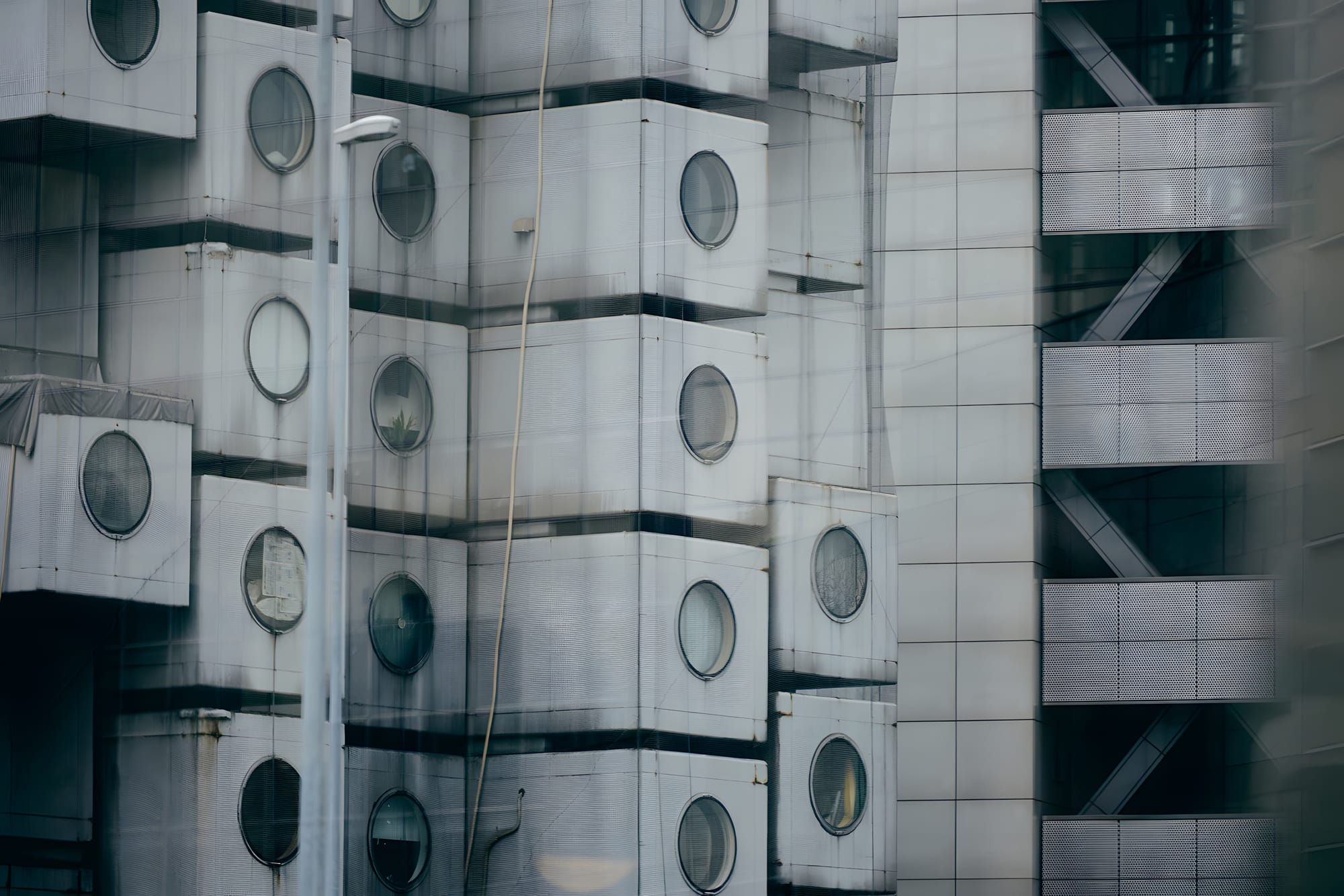
Nakagin Capsule Tower — Exterior Detail, Tokyo 2016
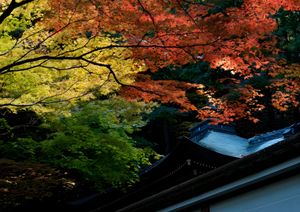
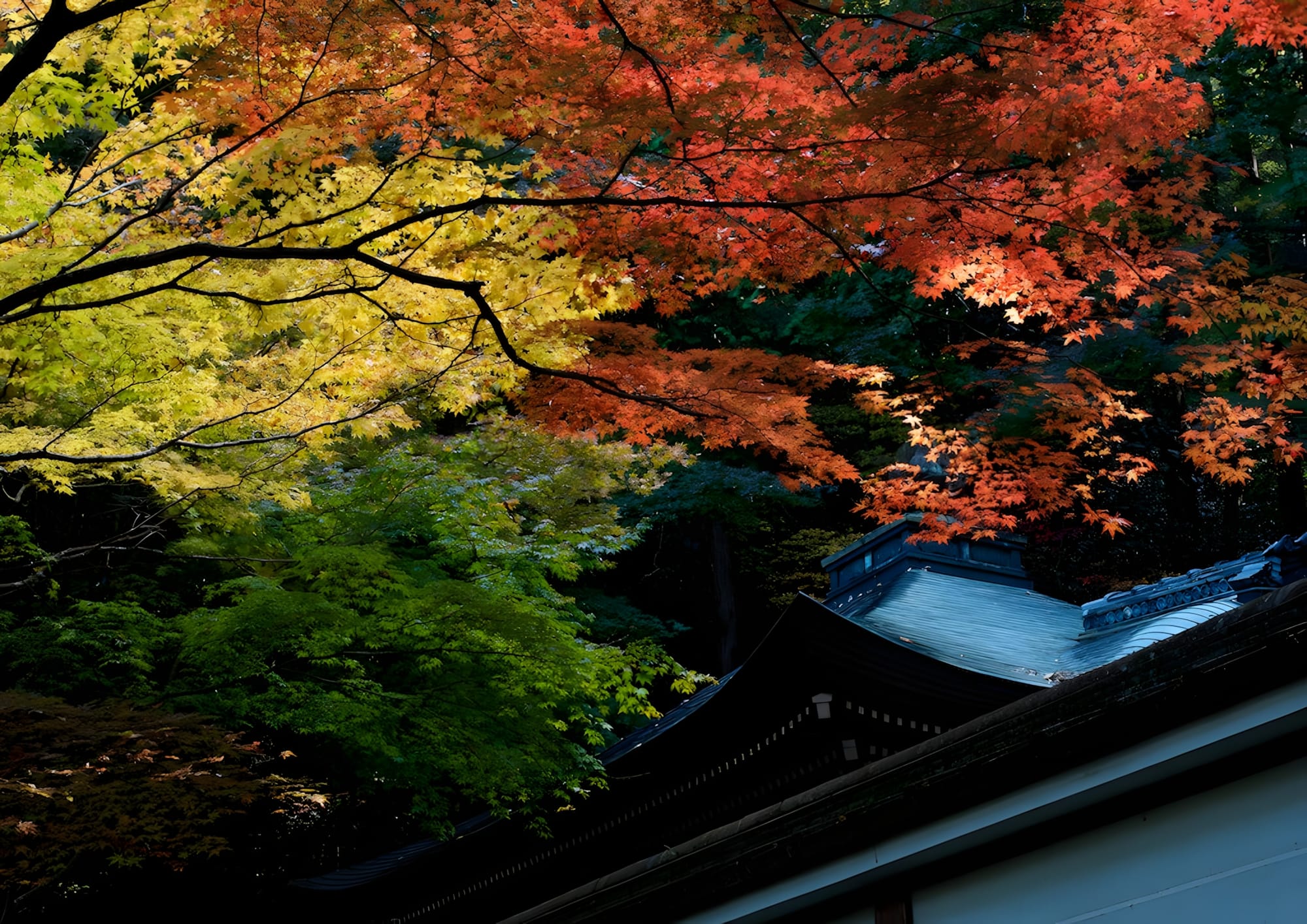
Nanzenji Temple Autumn Foliage, Higashiyama, Kyoto
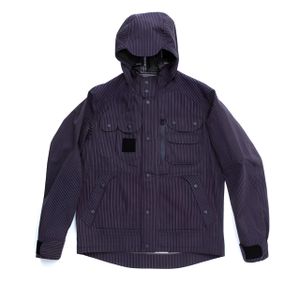
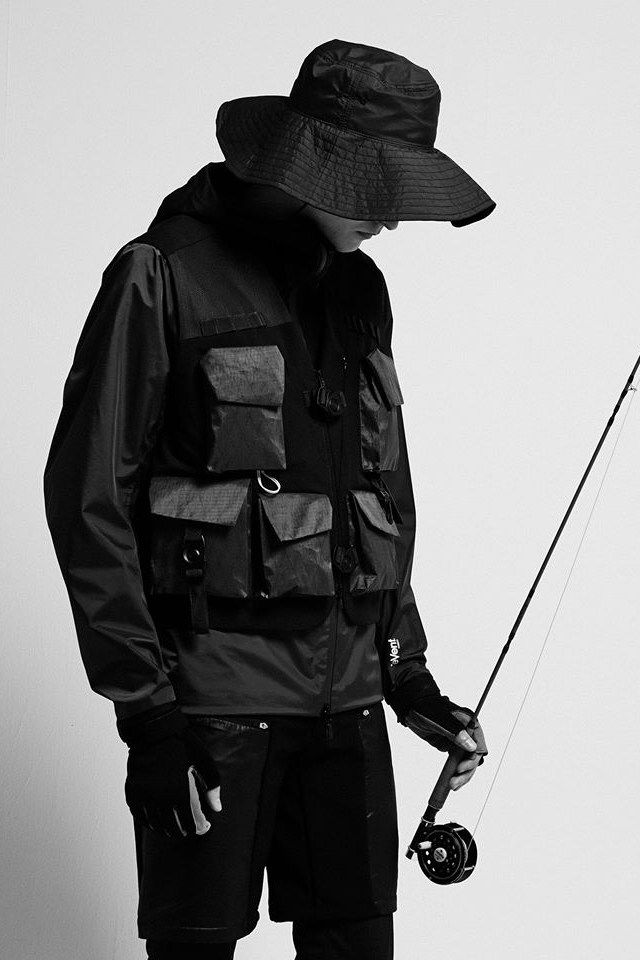
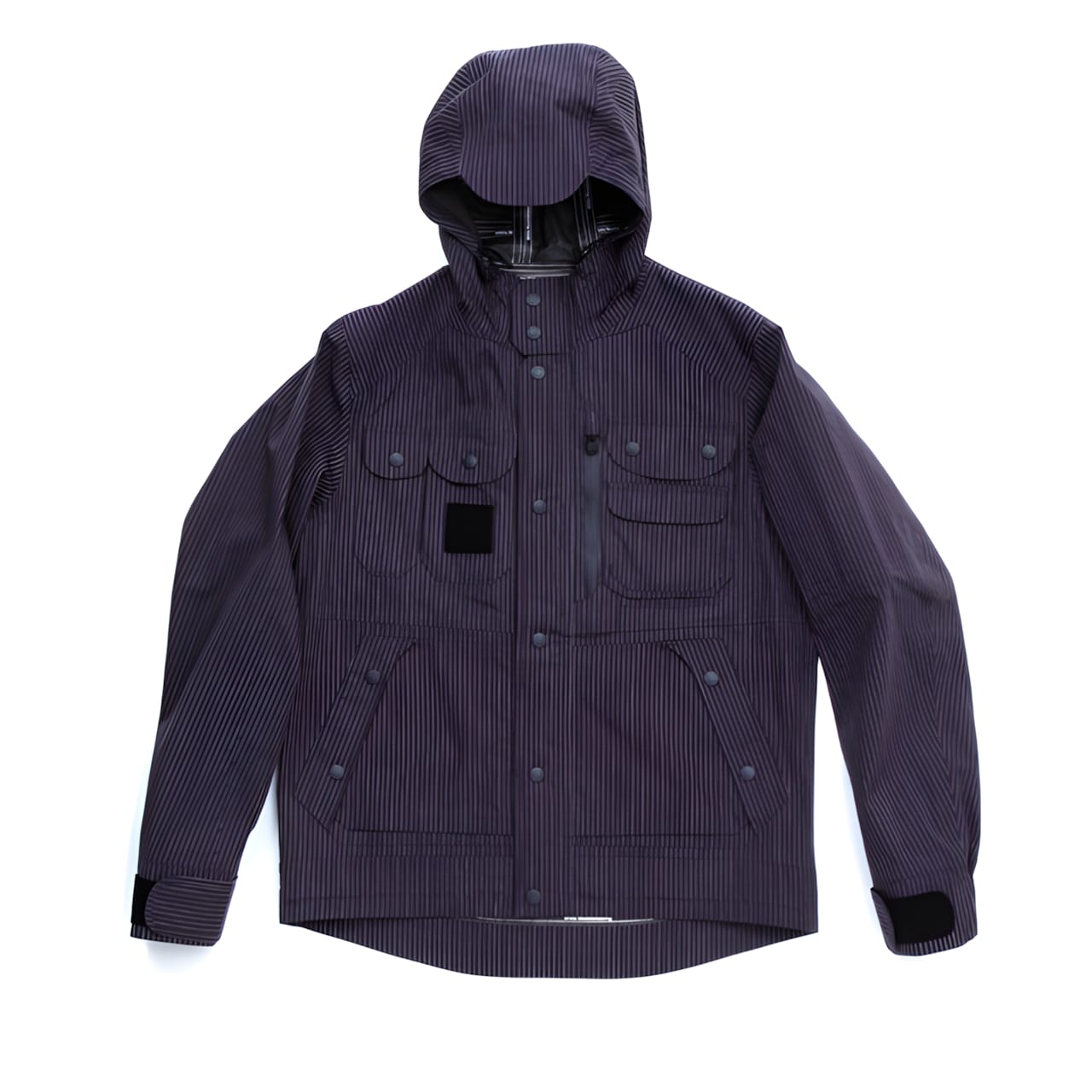
CP Company Multi-Pocket Goggle Hooded Jacket in Grey
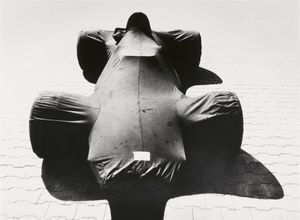
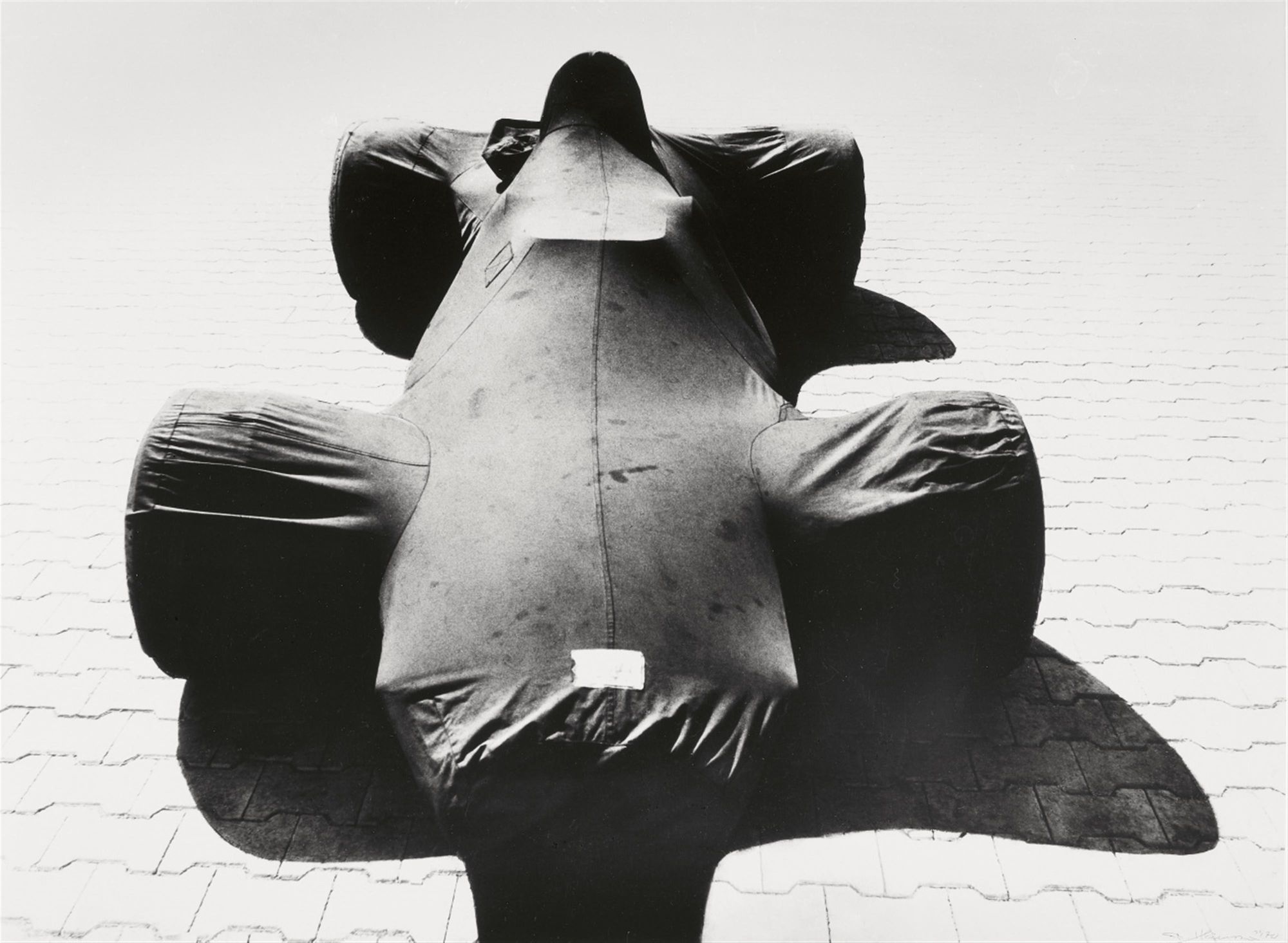
Robert Häusser J.R. 5-9-70
Gelatin silver print, printed 1999. 43.5 x 58.8 cm. Signed and dated in ballpoint pen lower right. Signed, dated, titled in ballpoint pen as well as photographer's thumb print on the verso. - Framed under glass.
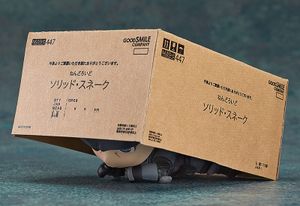
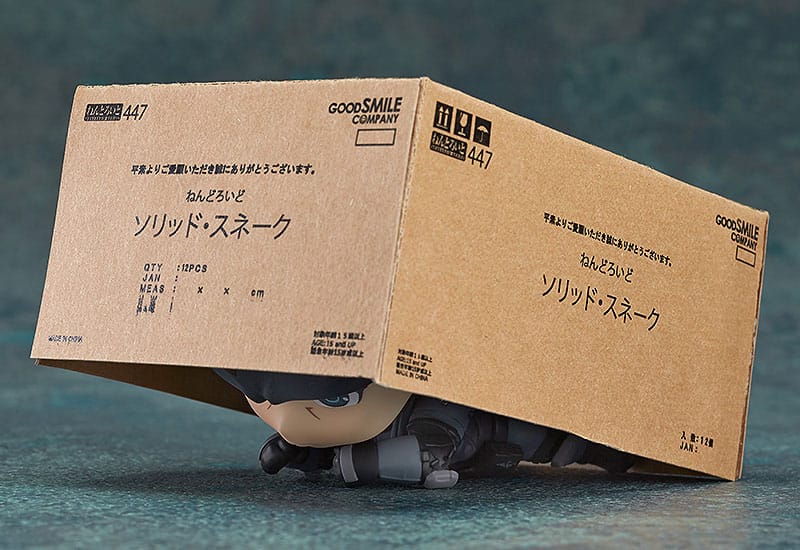
Nendoroid Solid Snake
Nendoroid Solid Snake (#447) by Good Smile Company, a super-deformed figure of the Metal Gear Solid character. Comes with the cardboard box, swappable faces and poses.
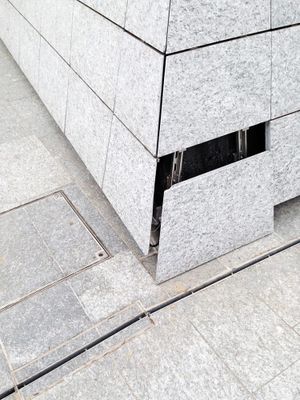
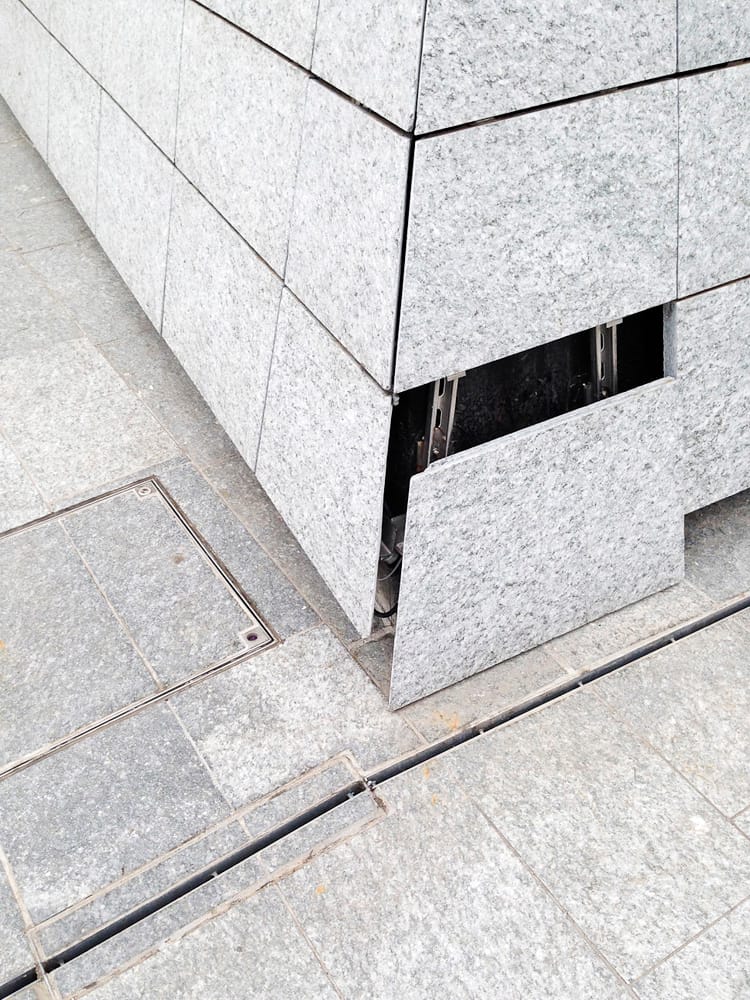
Anti-Skateboarding Deterrents — Granite Architecture Detail
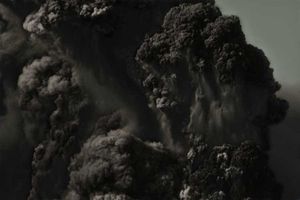
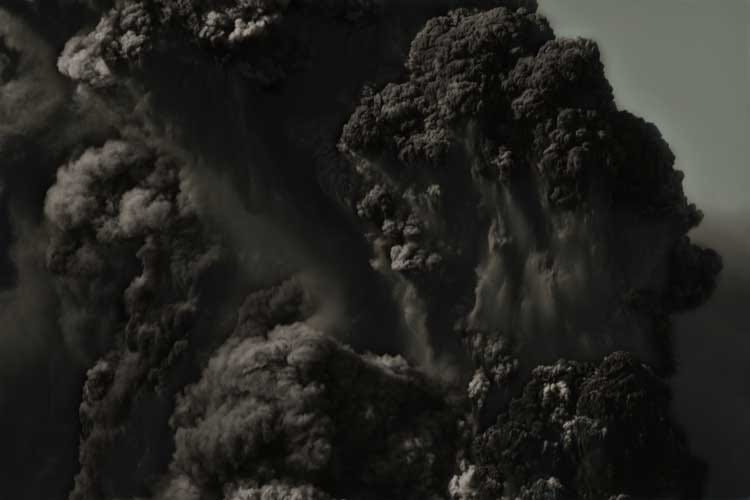
Mount Sinabung Eruption
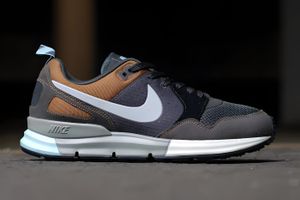
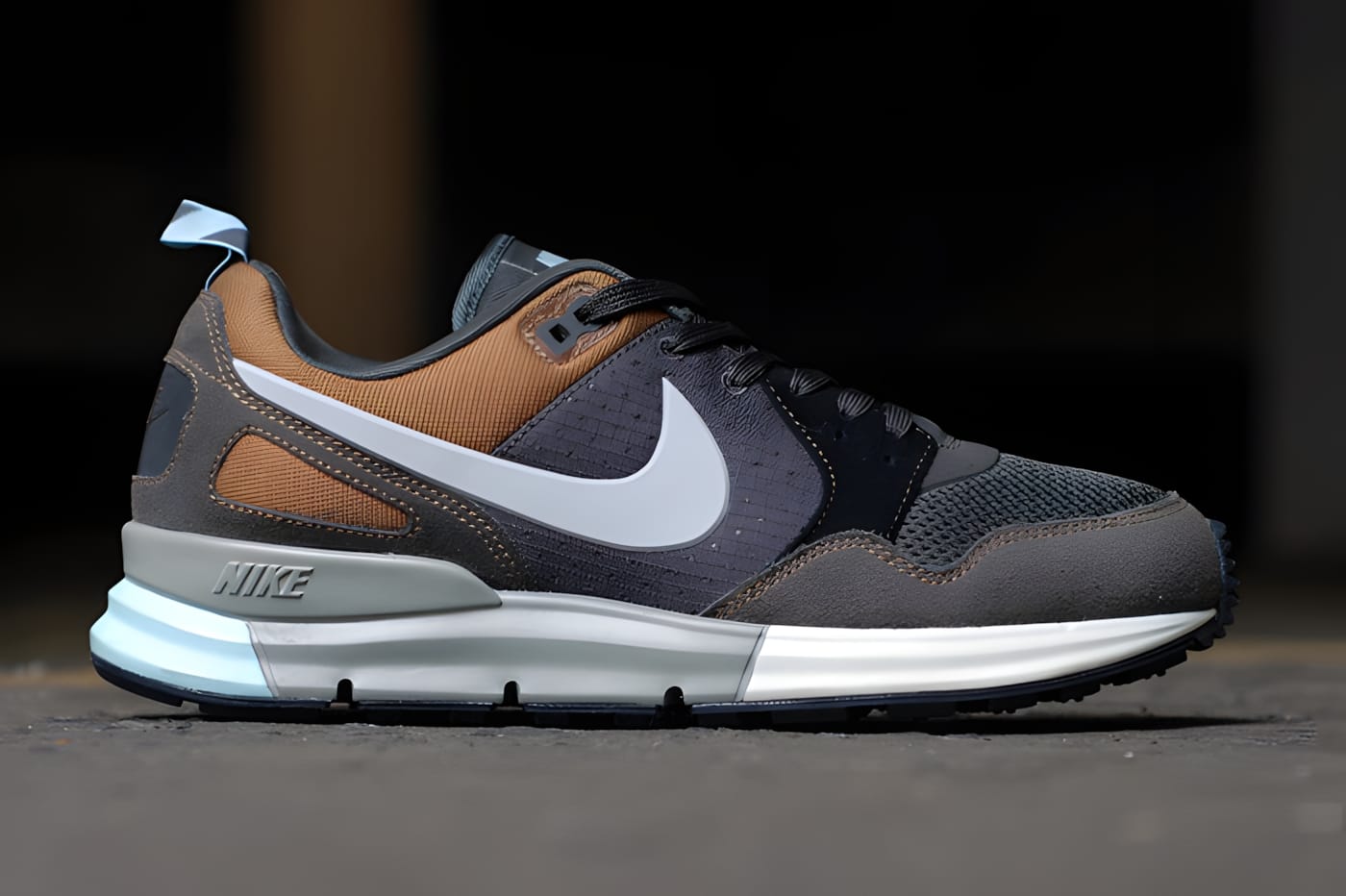
Nike Lunar Pegasus 89
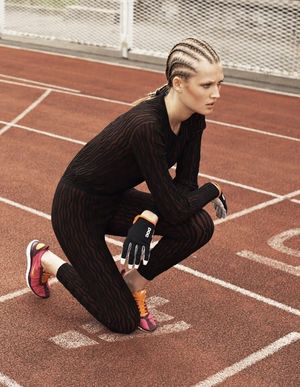
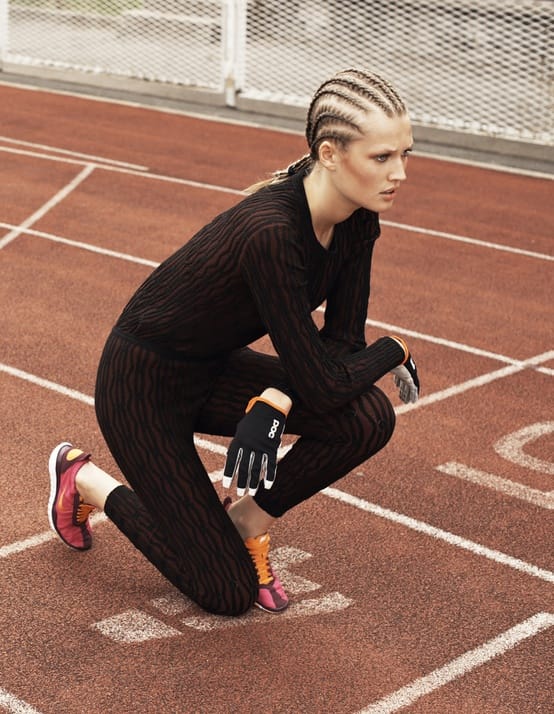
Toni Garrn by Philip Gay, Just Do It, Interview Germany 2012
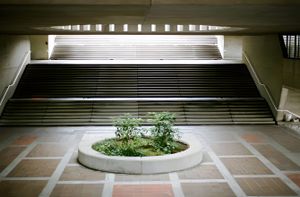
Urbastyle Bench Paris 1 — La Défense

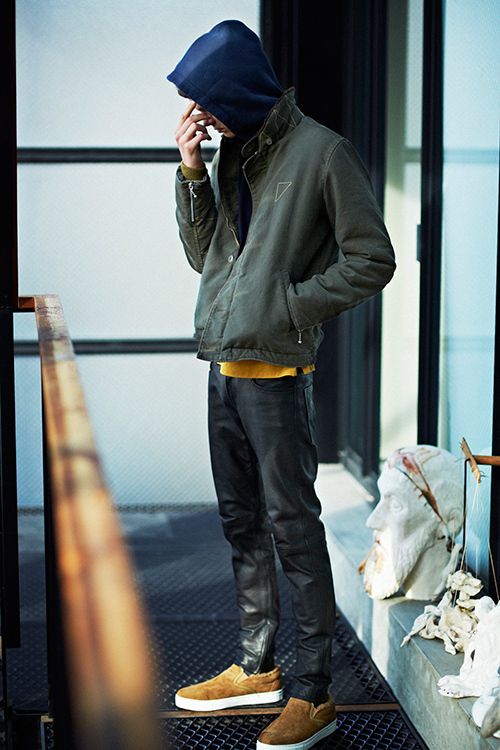
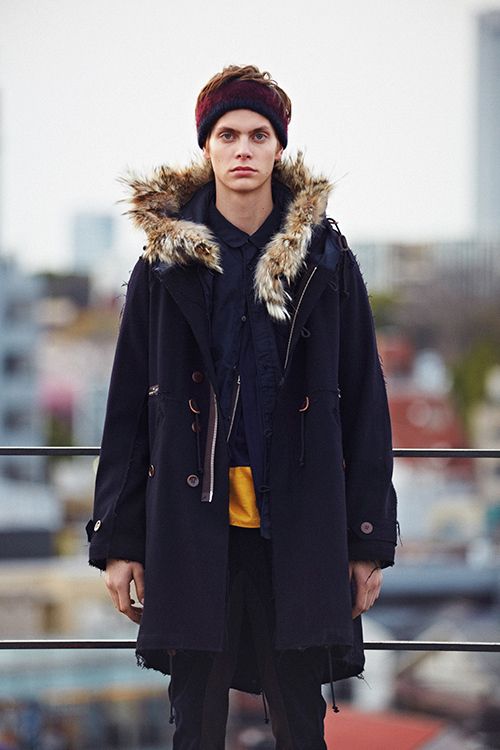
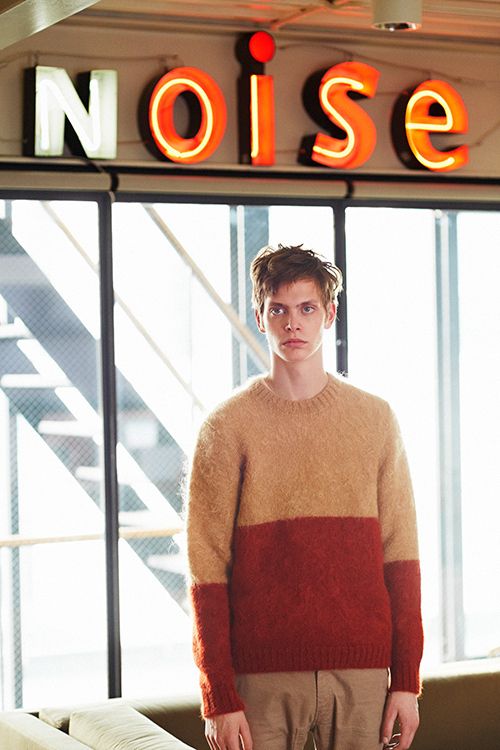
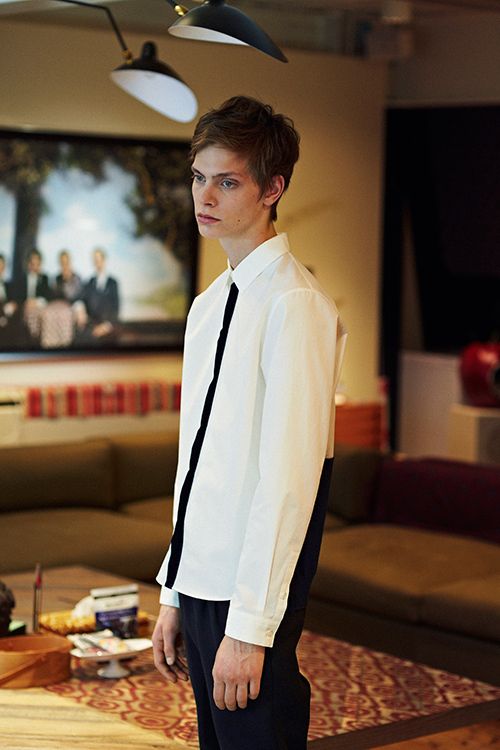
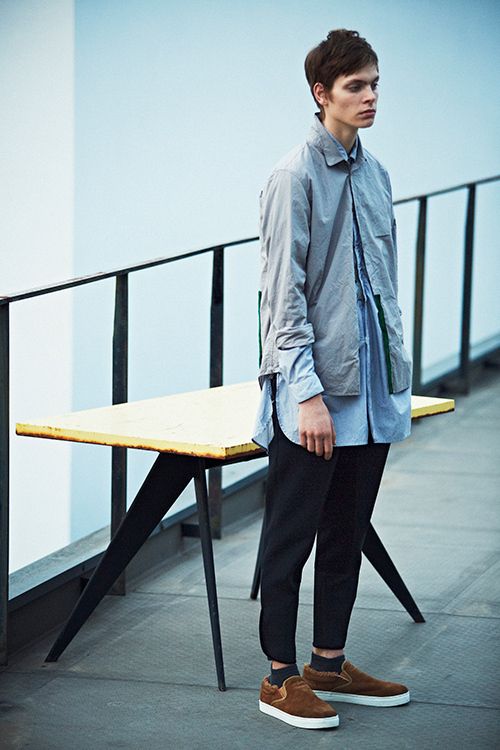
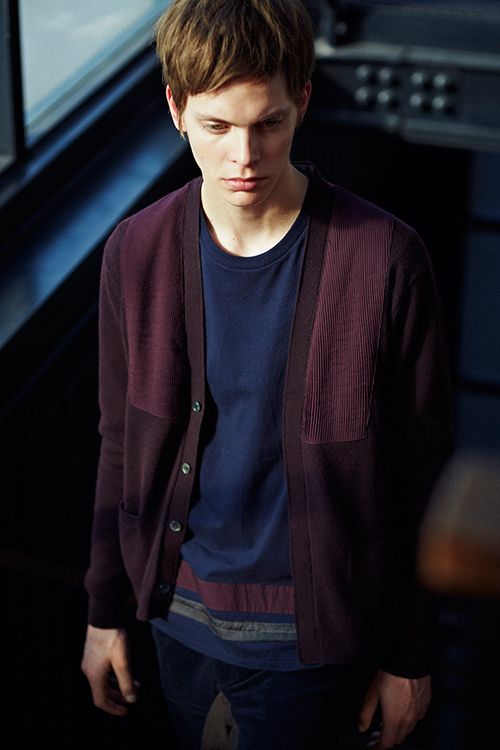
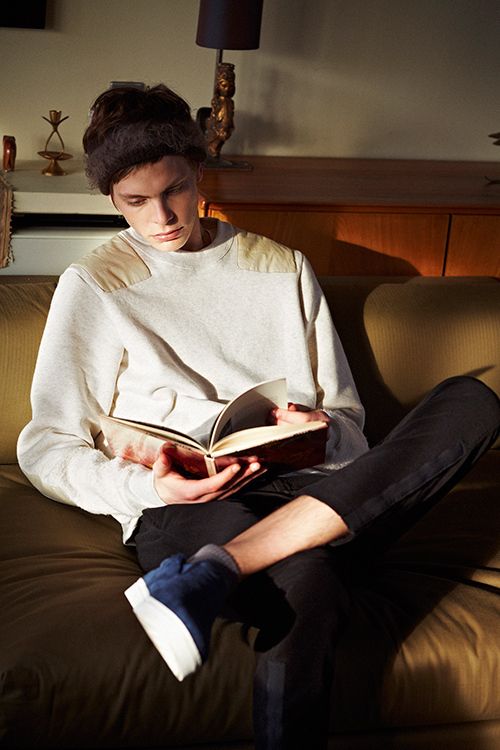
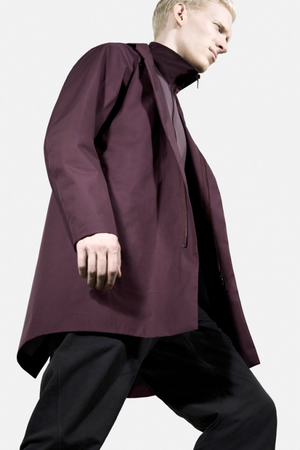
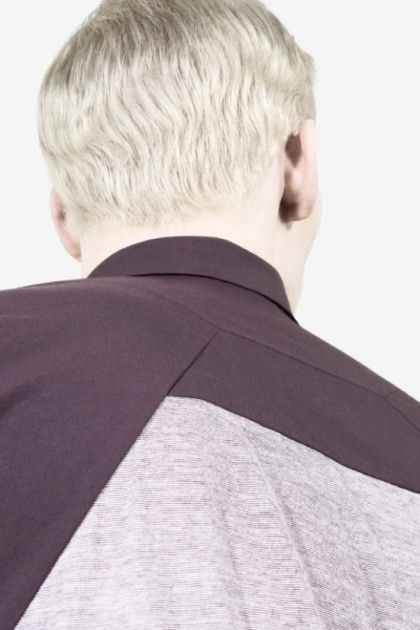
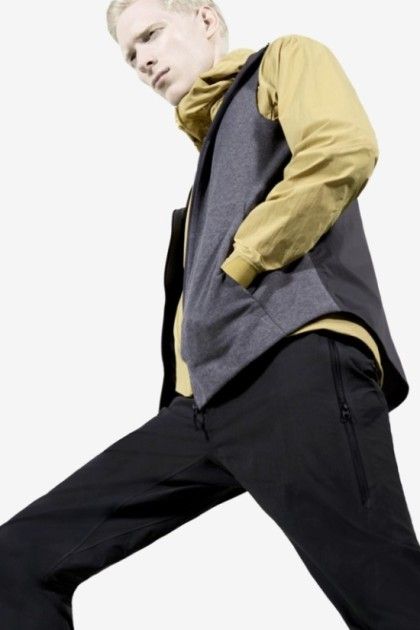
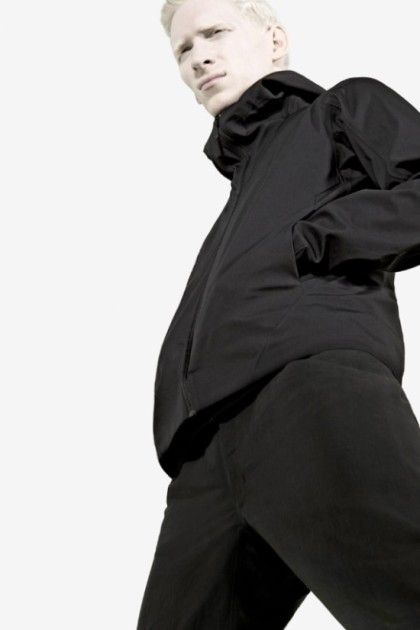
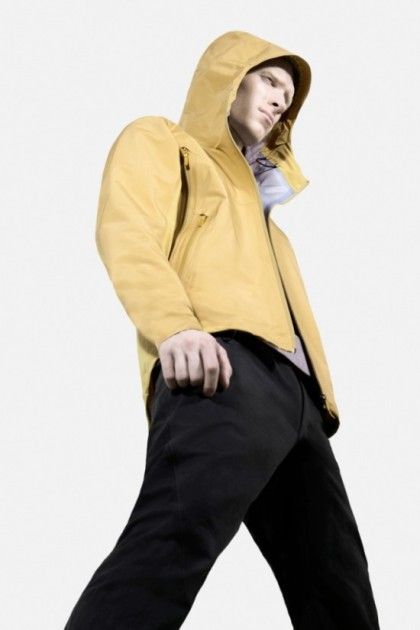
Arc’teryx Veilance ss2013 lookbook
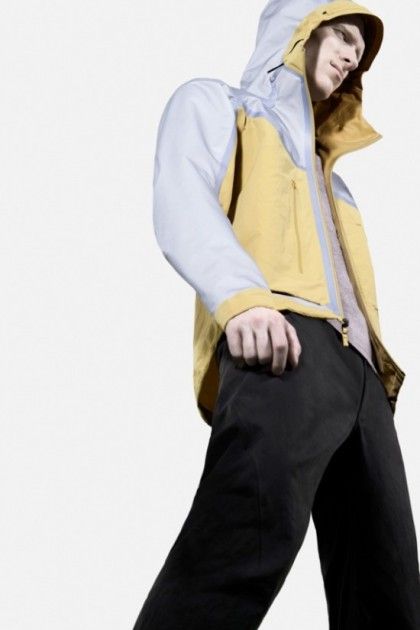
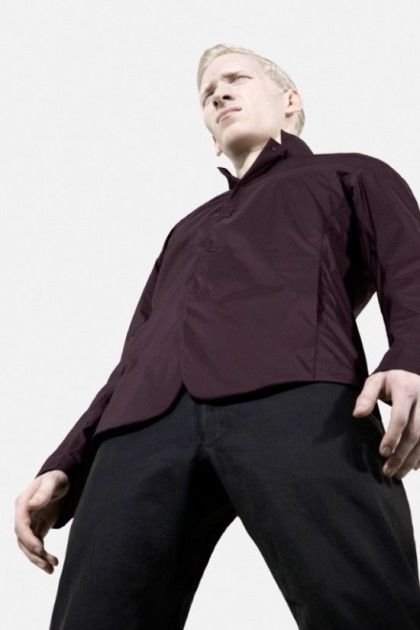
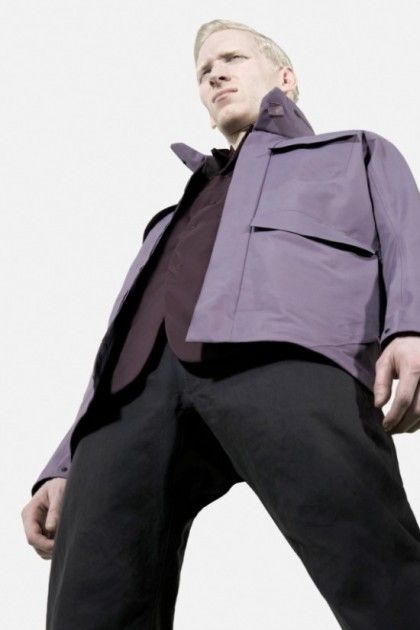
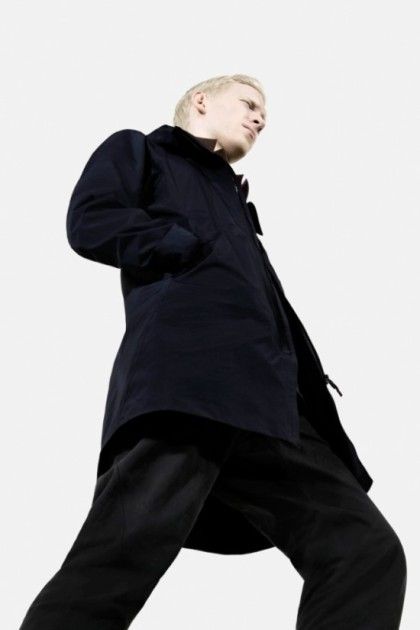
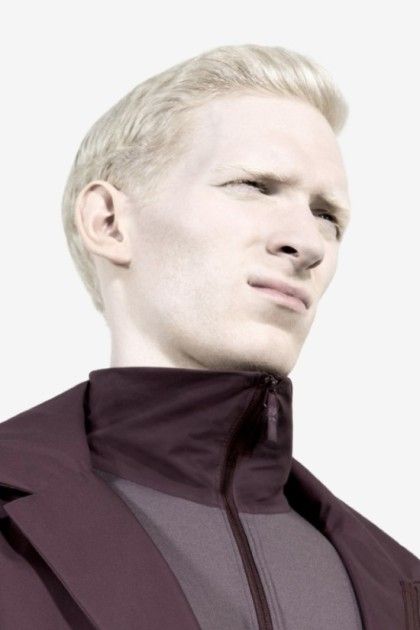
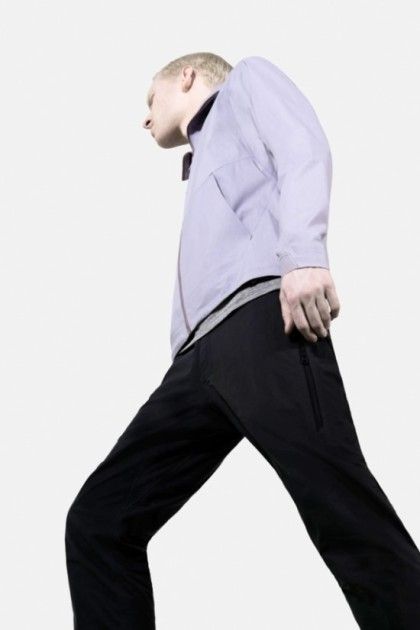
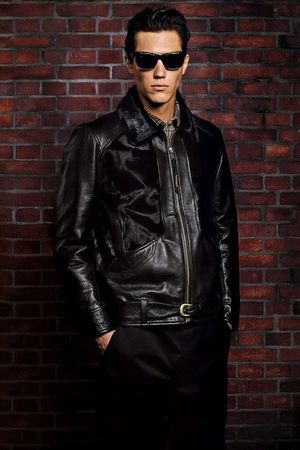
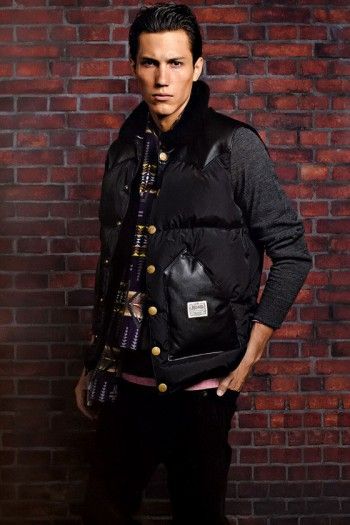
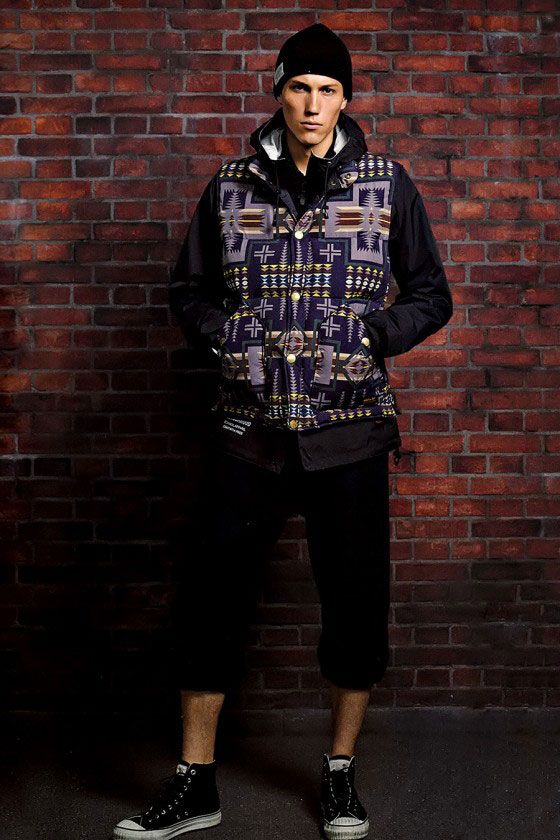
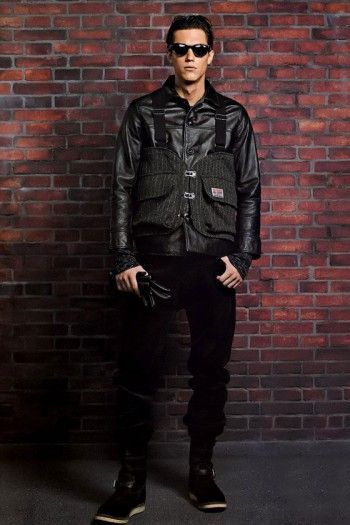
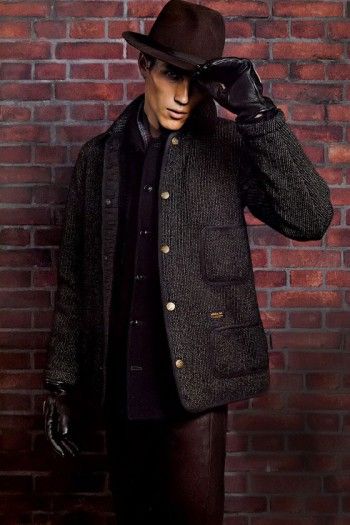
NEIGHBORHOOD 2013 Autumn/Winter Lookbook by SENSE Magazine
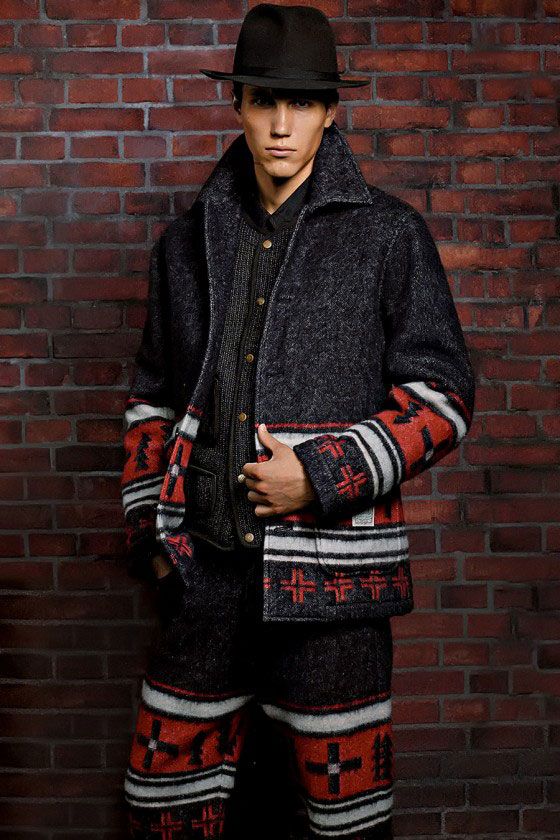
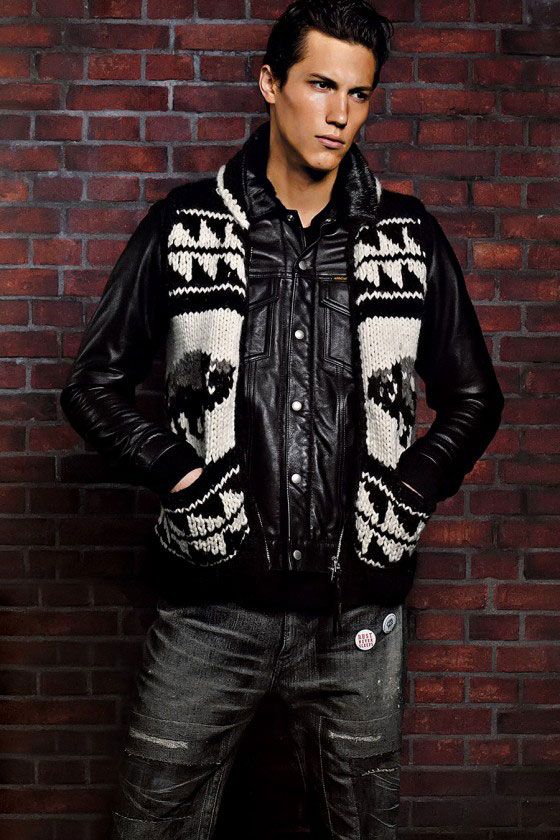
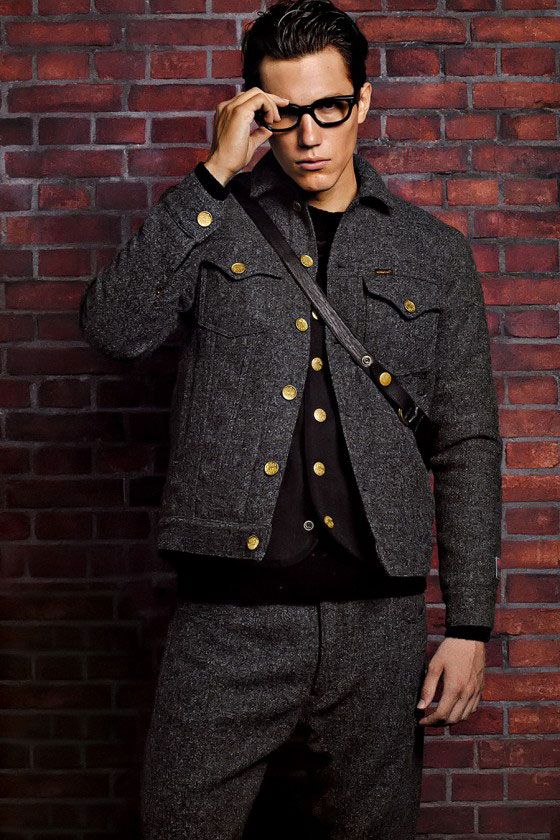
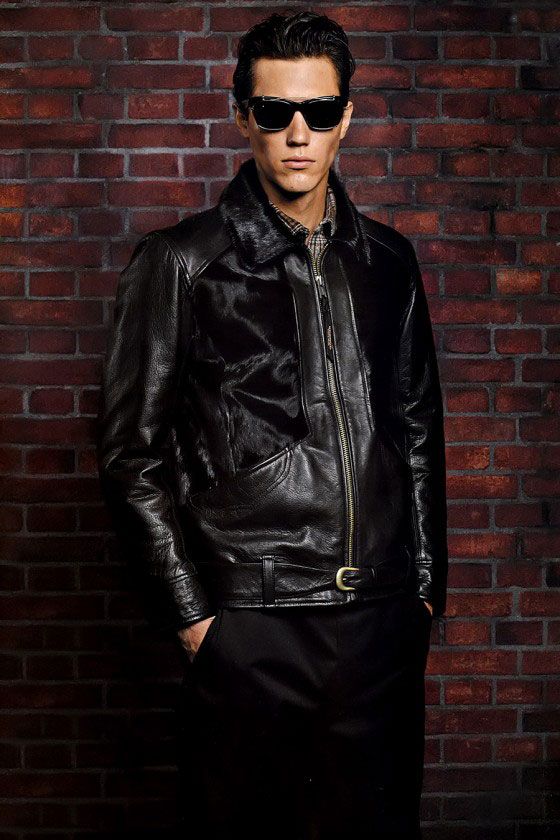
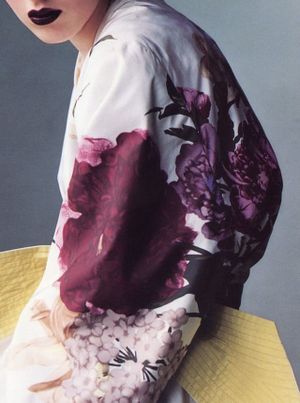
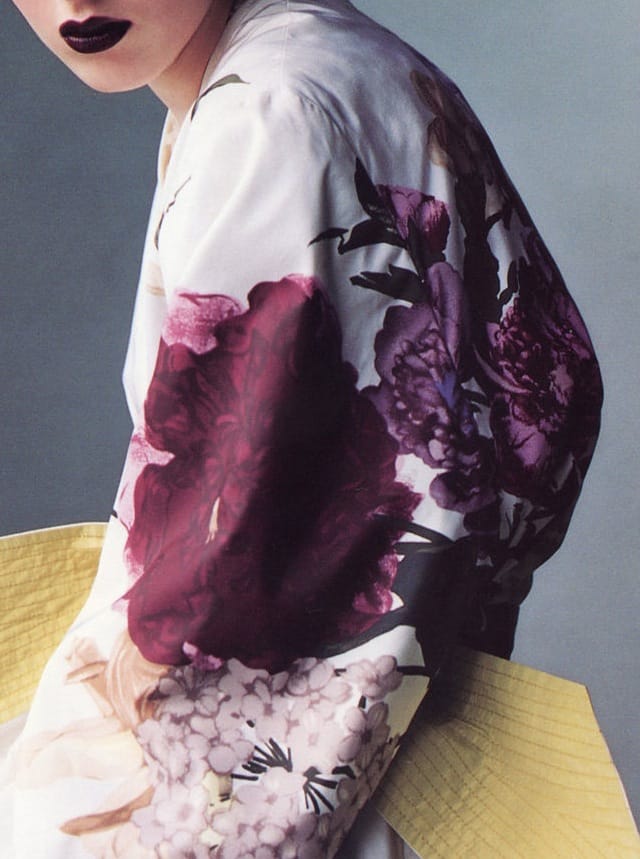
Floral Botanical Print Textile — Kimono or Wrap Garment
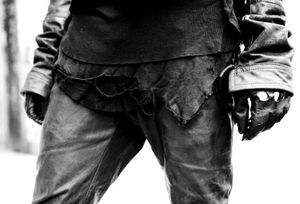
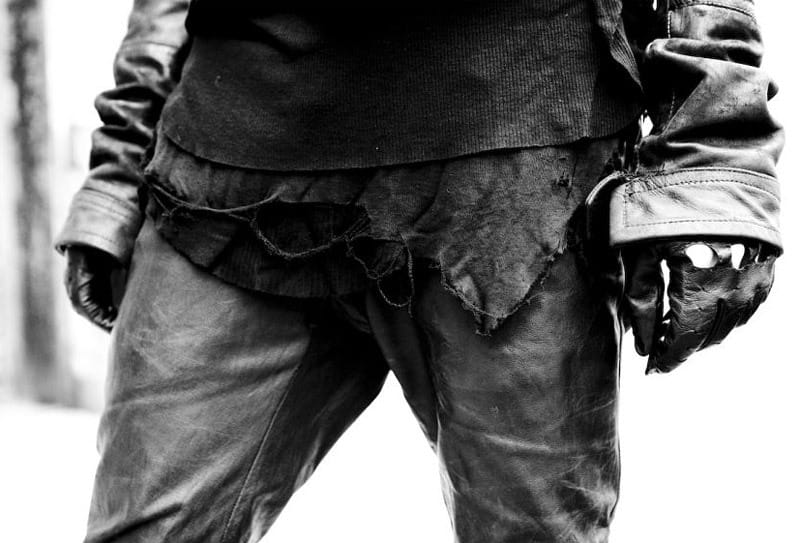
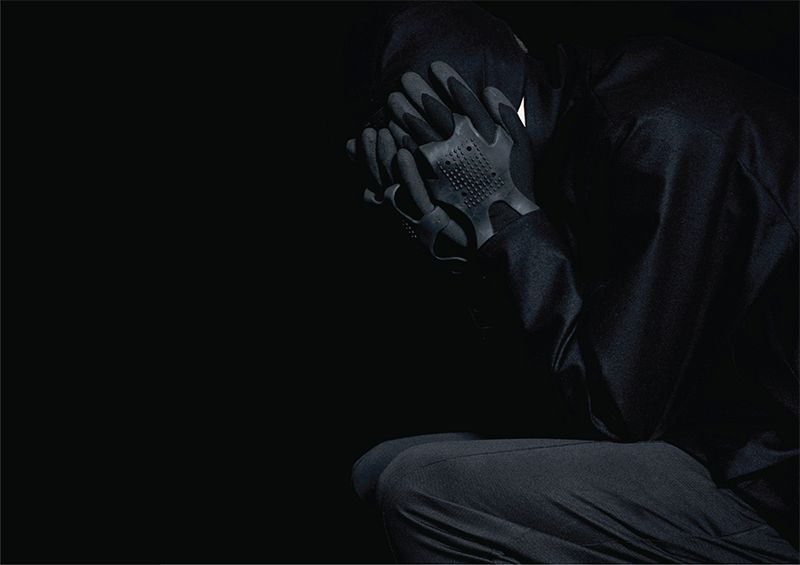
Distressed Layers and Leather Gloves — Jeff P. Elstone
Jeff P. Elstone's black-and-white fashion detail concentrates on layered distressed textiles, dark trousers and deconstructed fingerless leather gloves.
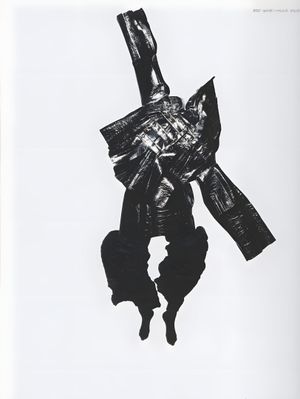
Irving Penn × Issey Miyake — Two Miyake Warriors
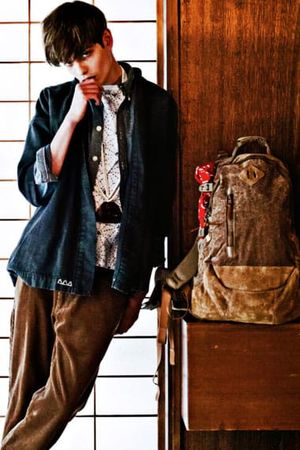
Visvim Sanjuro Kimono
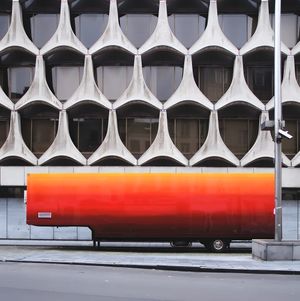
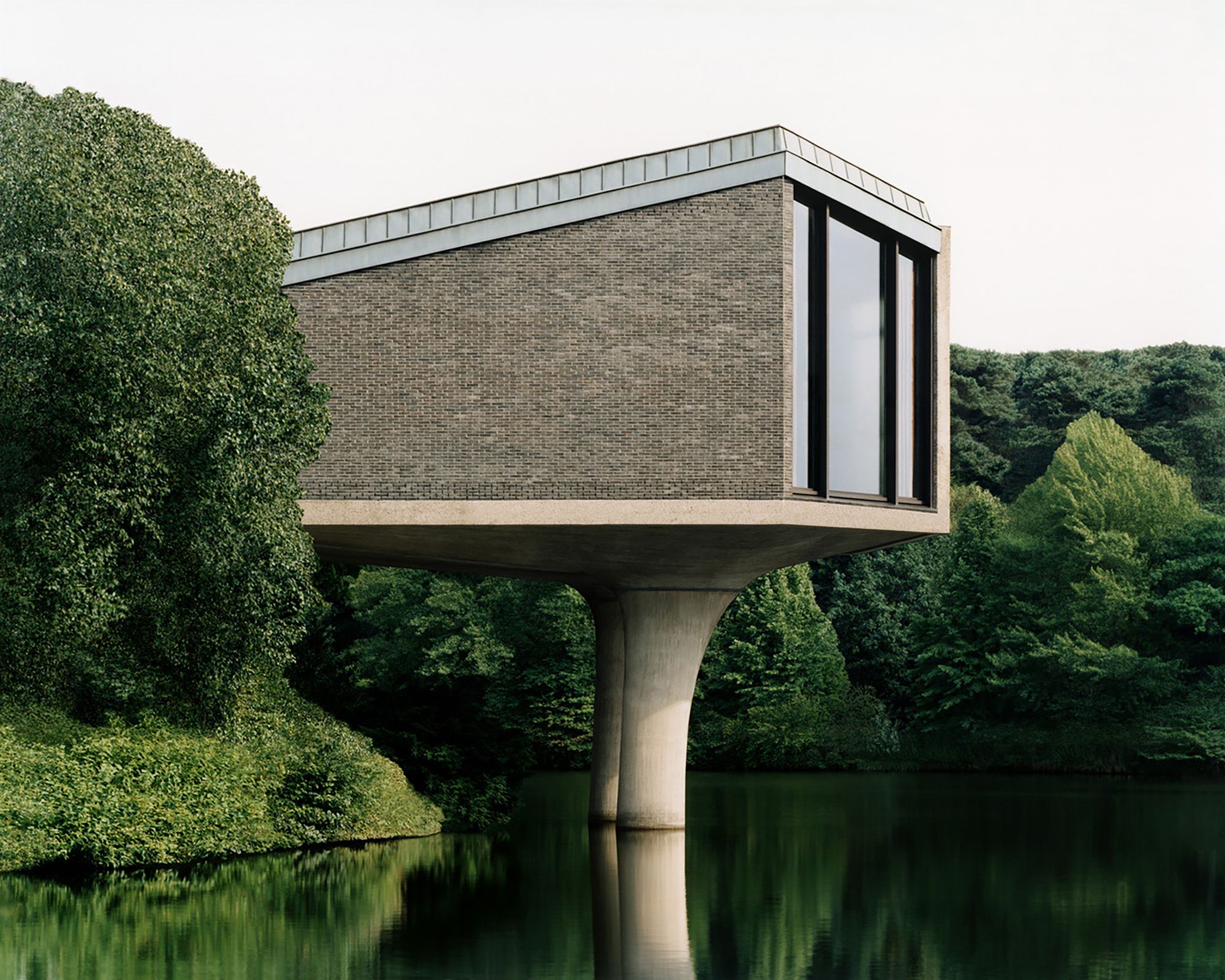
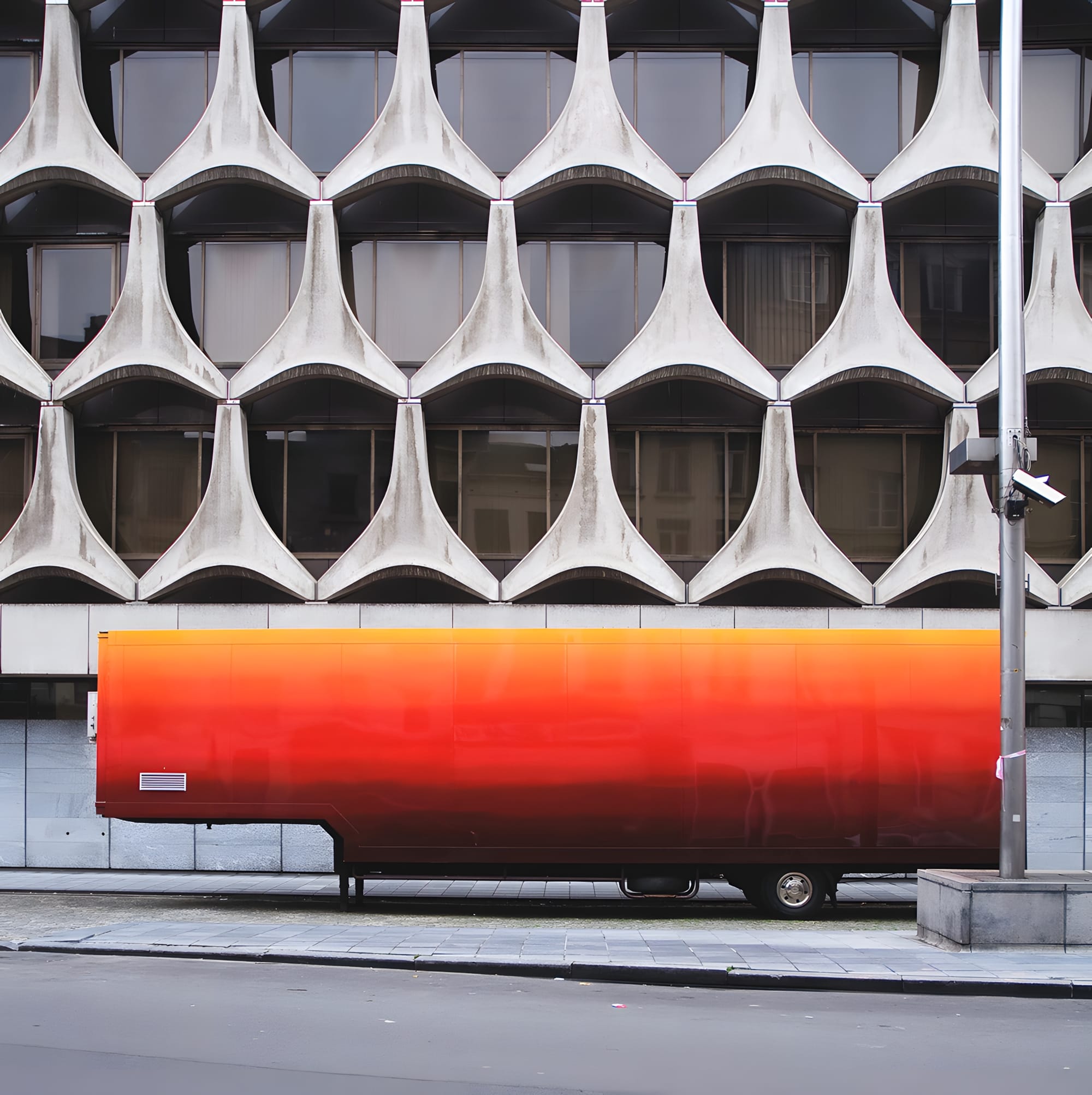
Former CGER-ASLK Building, Brussels — Marcel Lambrichs
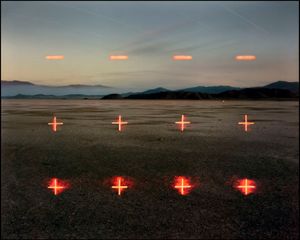
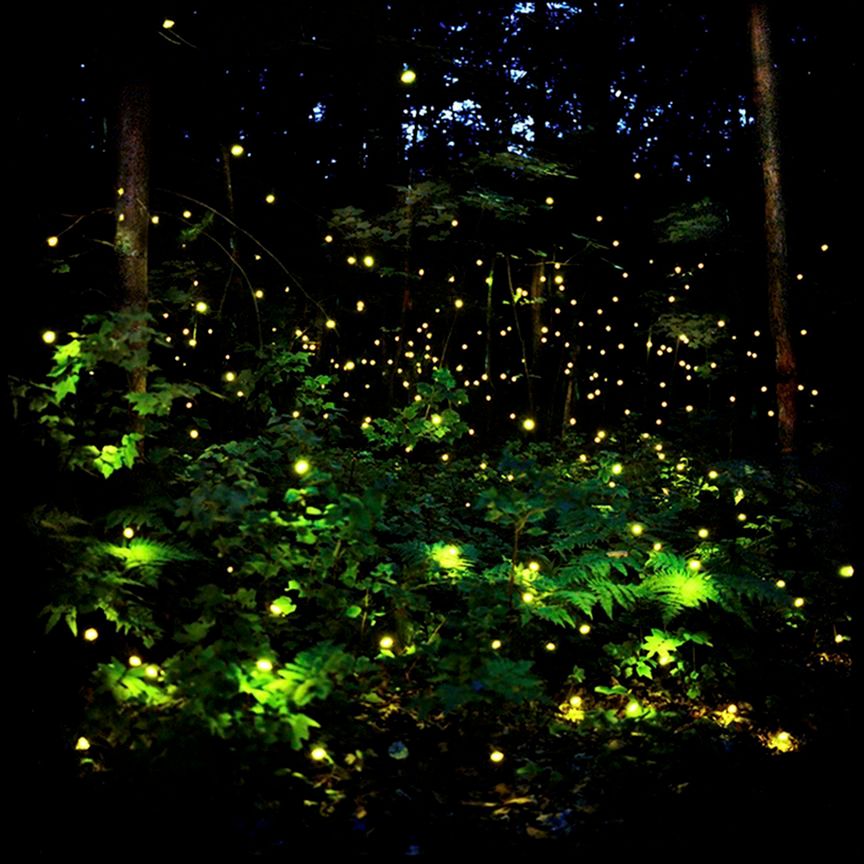
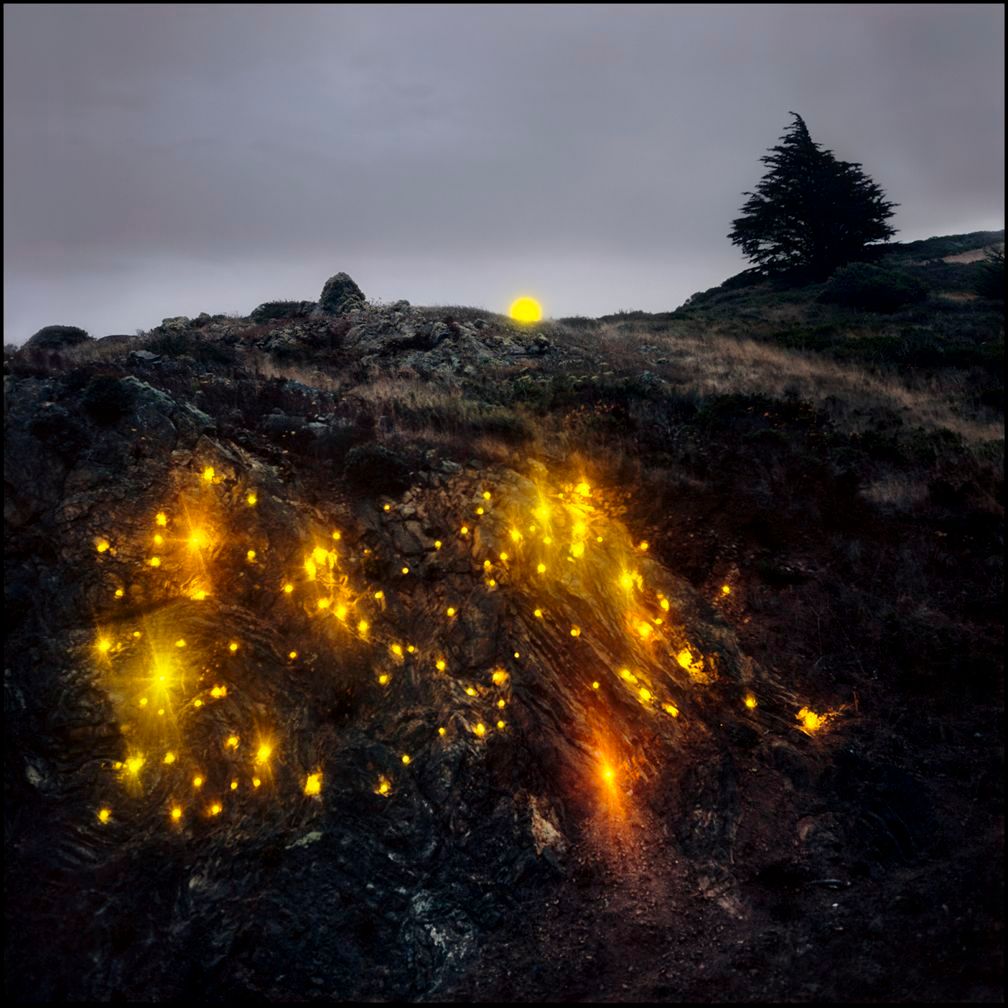
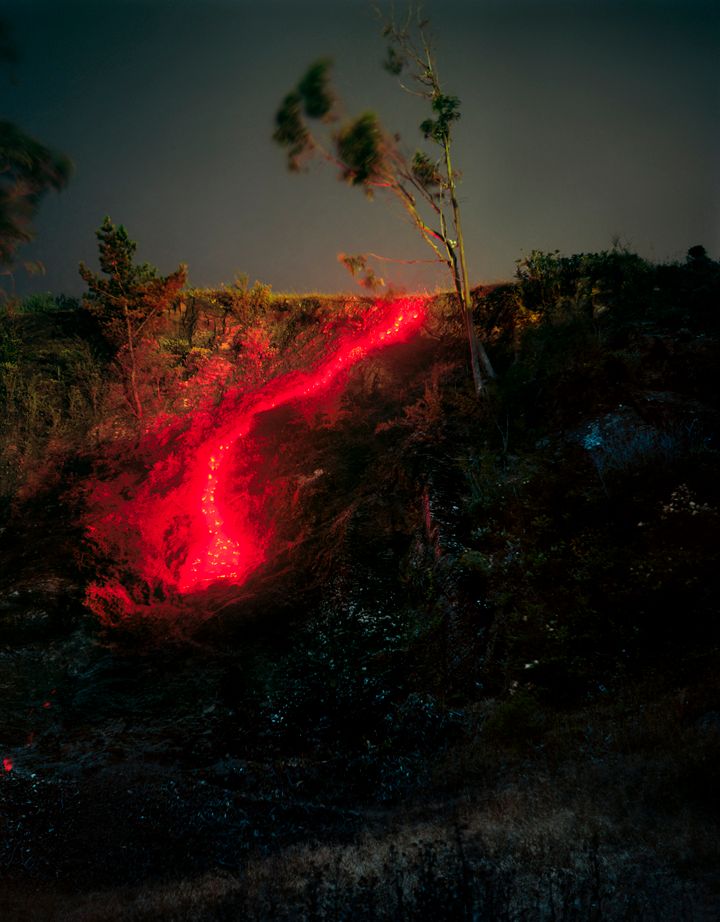
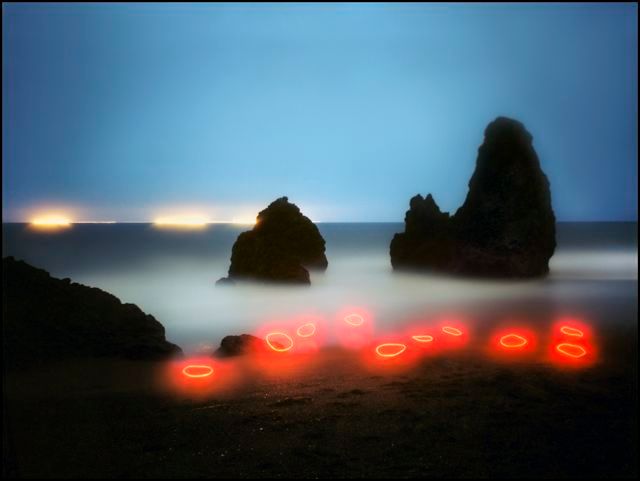
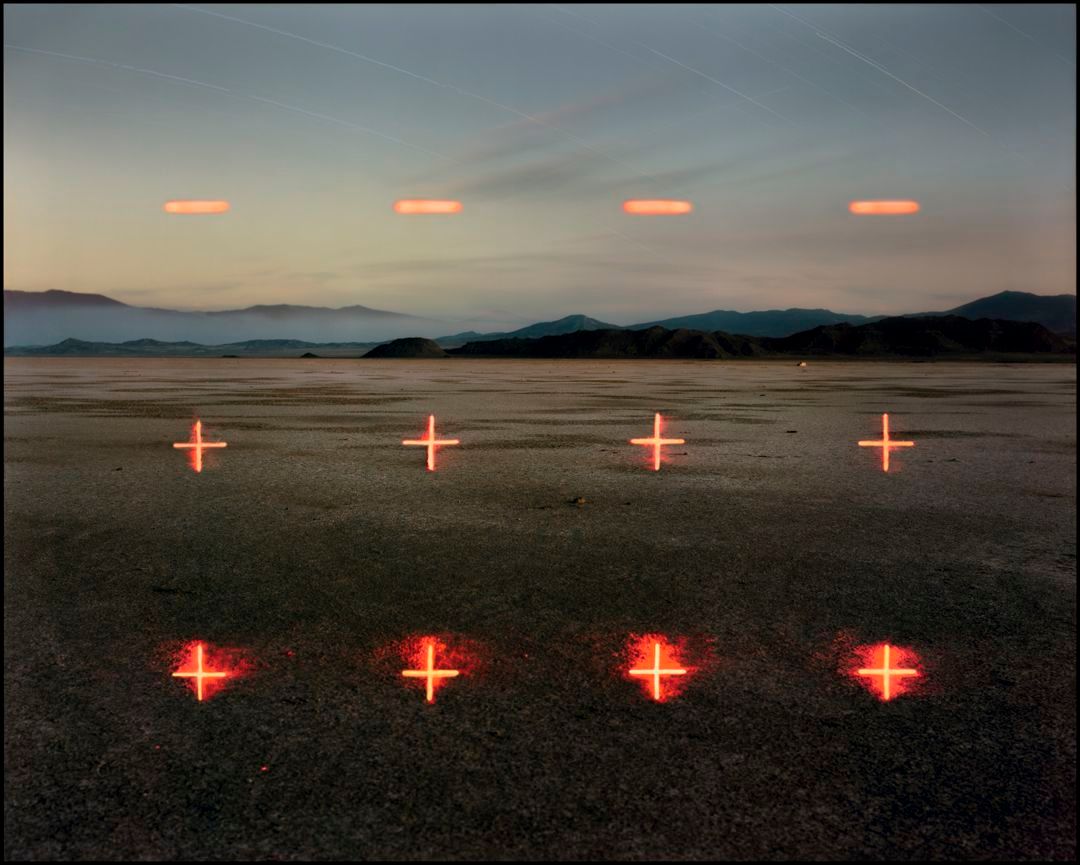
"Wendover II (For John)" by Barry Underwood
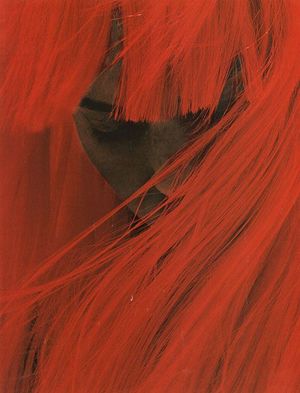
Angela Lindvall photographed by Mert & Marcus, 2002
Angela Lindvall POP (F/W 2002) ph. Mert & Marcus
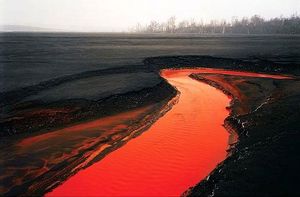
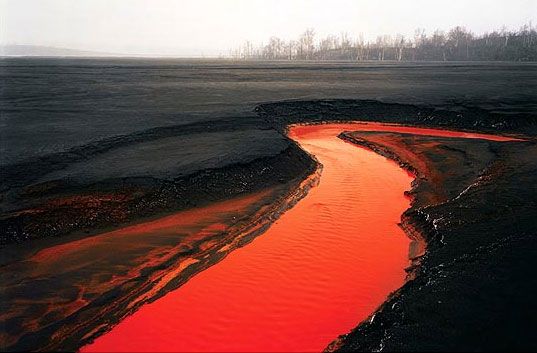
Nickel Tailings 34, Edward Burtynsky, 1996
From “Manufactured Landscapes: The Photographs of Edward Burtynsky”
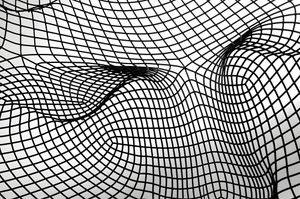
Dean Bouchard — Inside Out
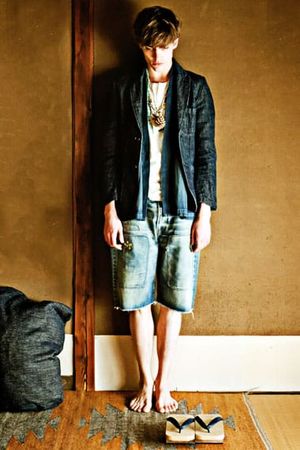
SENSE Magazine visvim Spring Summer 2012
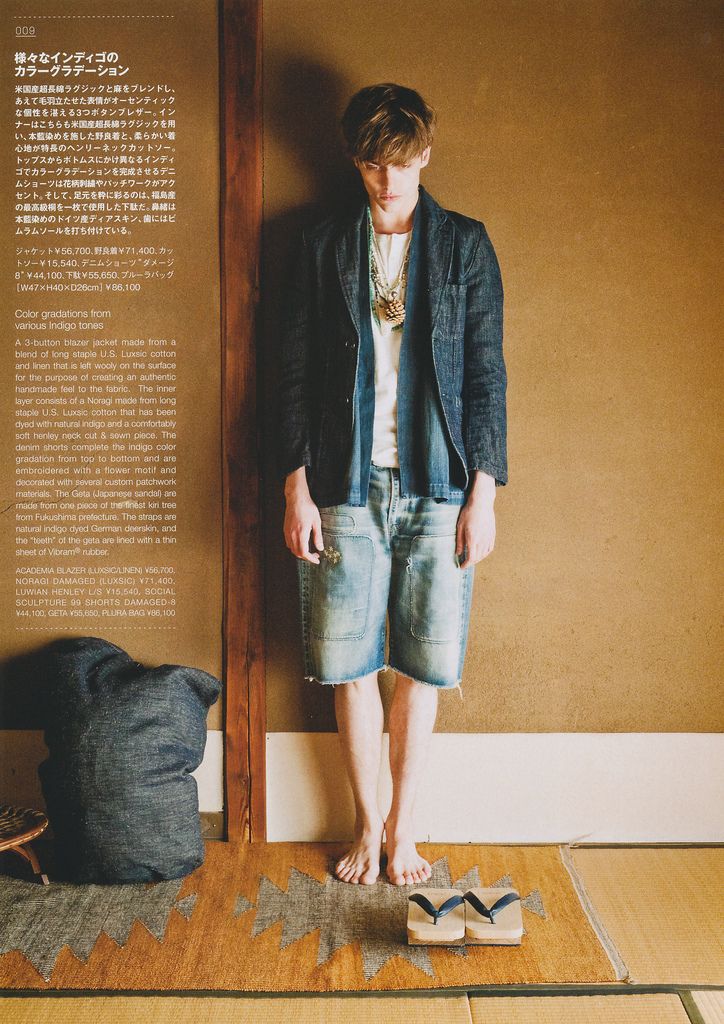
A page from 'TEXT in visvim', the visvim Spring/Summer 2012 feature in Japan's SENSE Magazine (March 2012). Naturally dyed, hand-constructed pieces from Hiroki Nakamura.
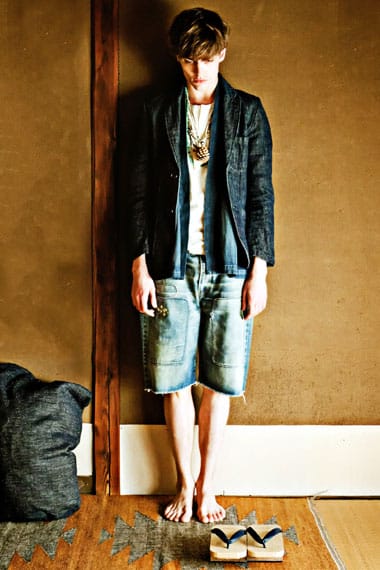
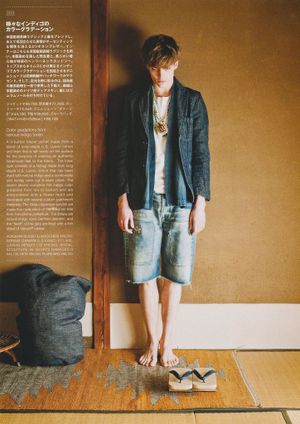
SENSE March 2012 the TEXT in VISVIM 2012 Spring Summer
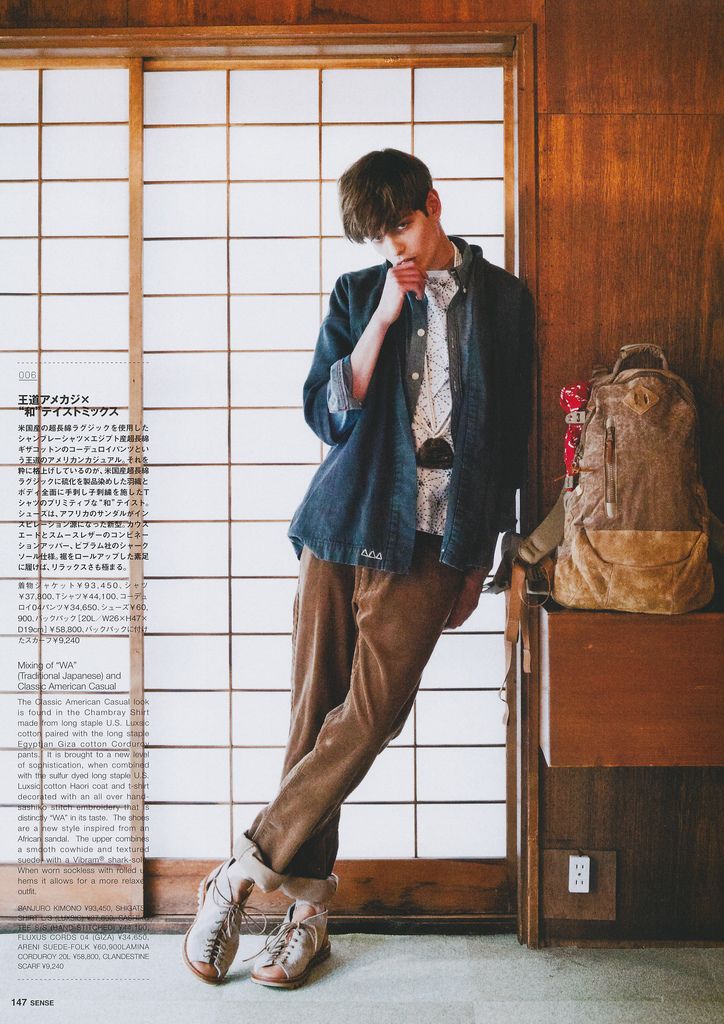
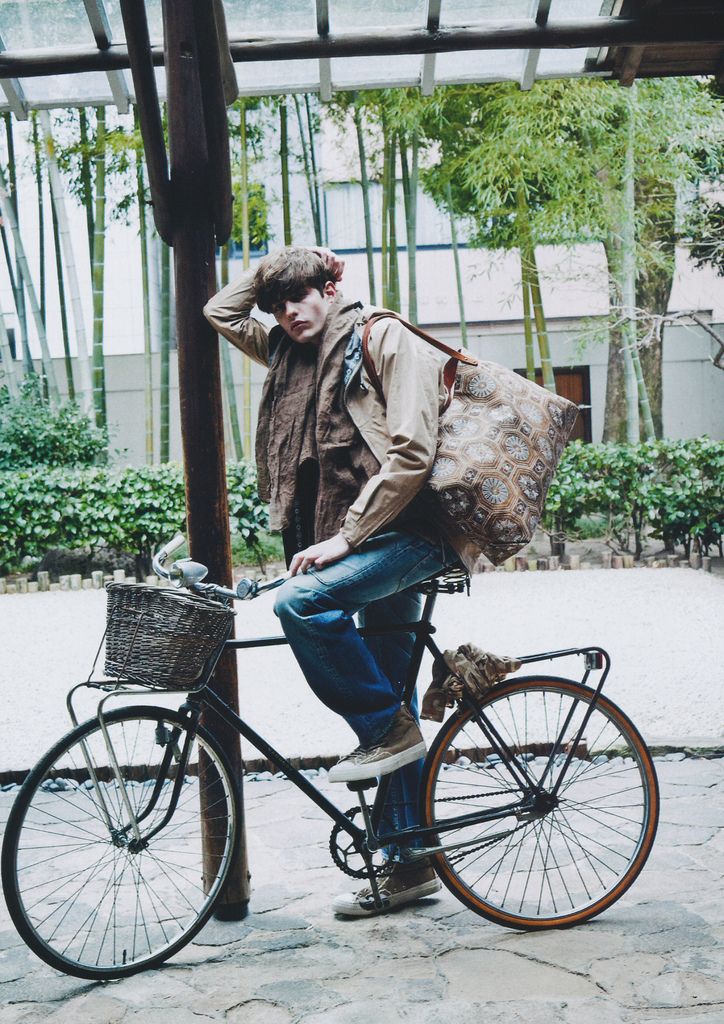
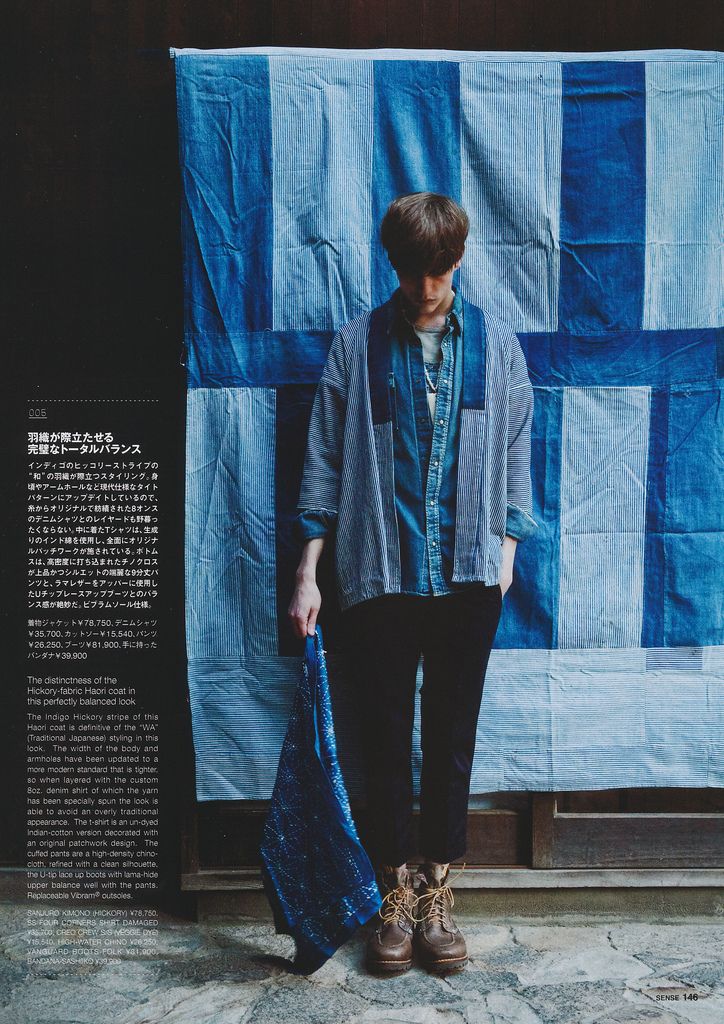
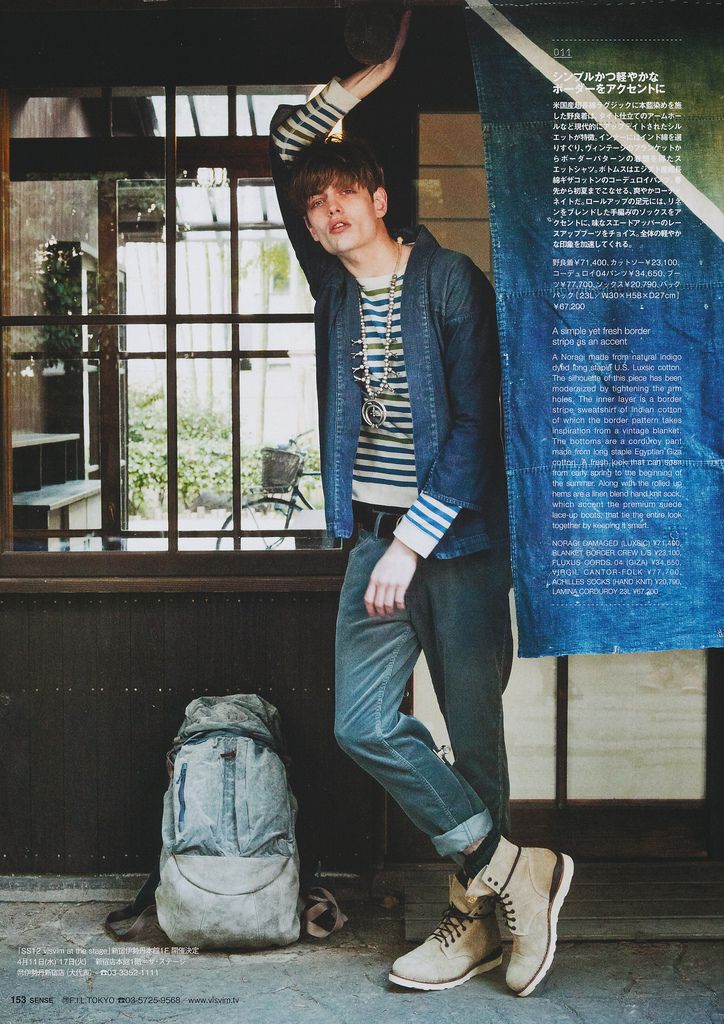
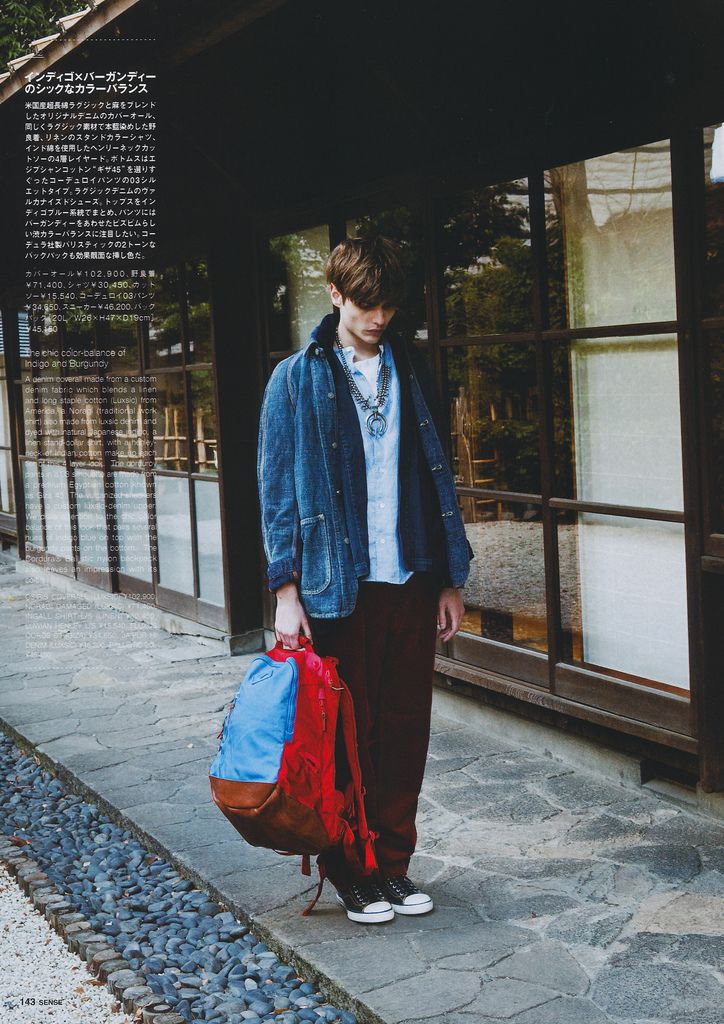
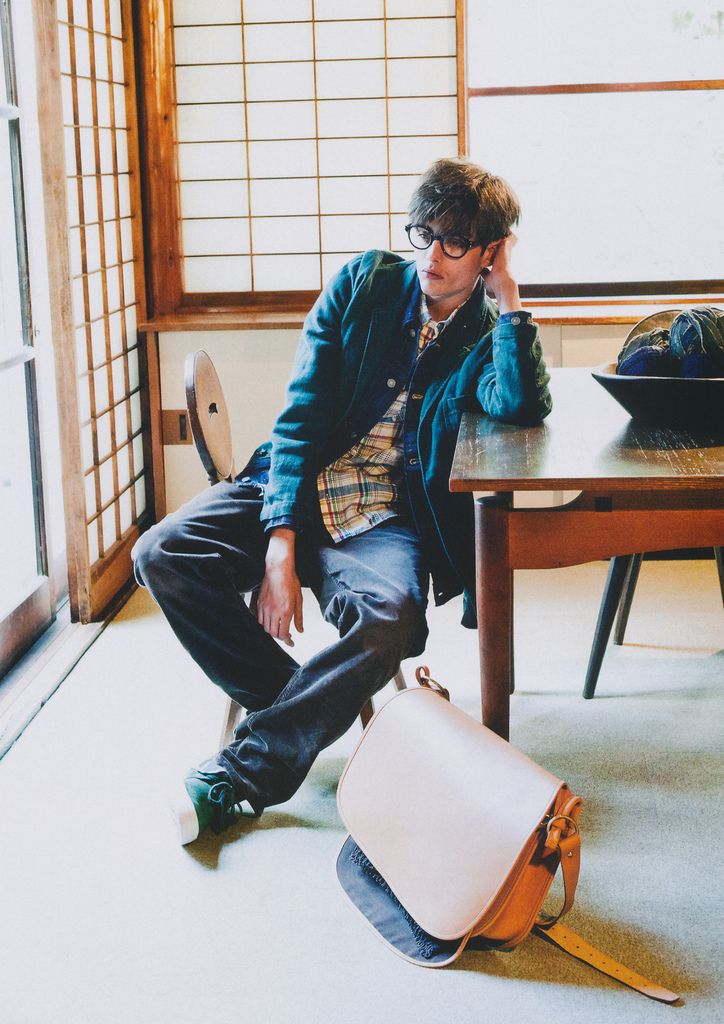
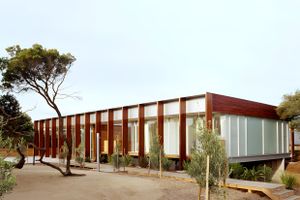
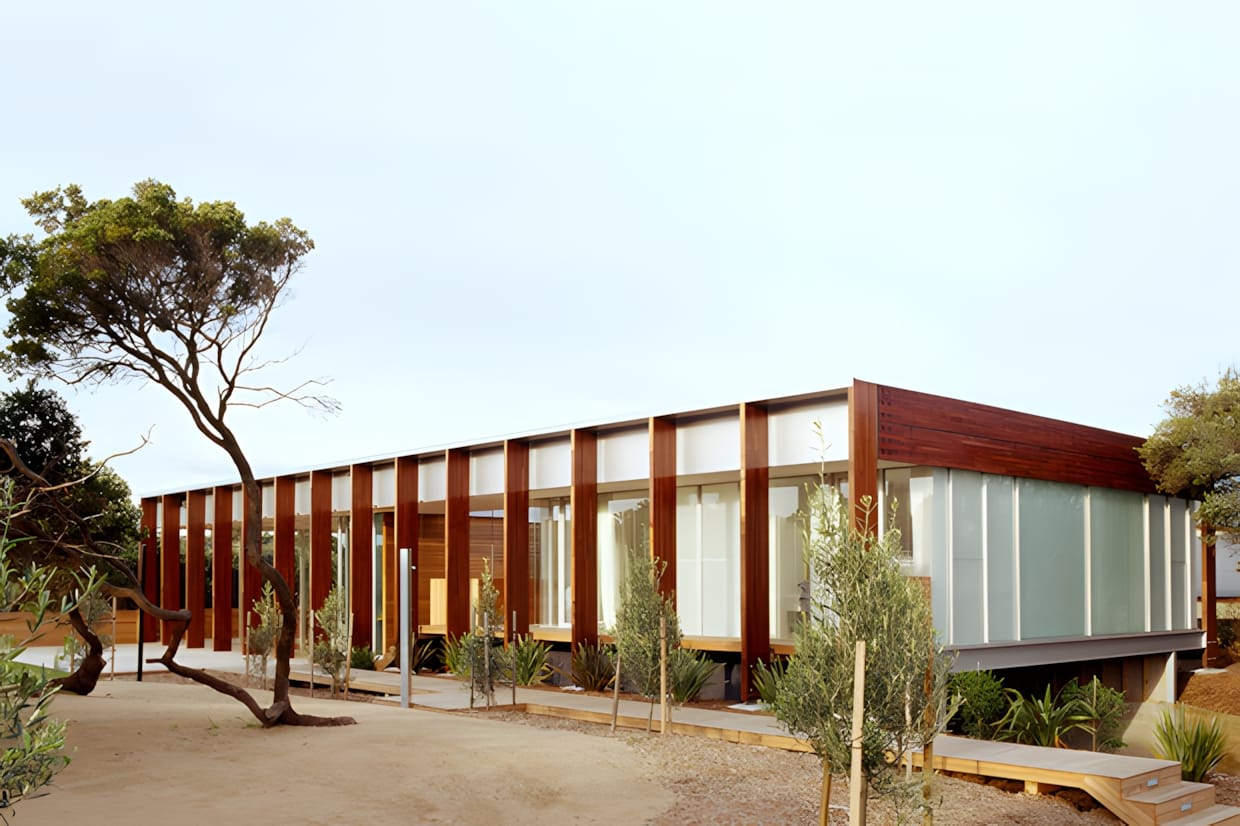
Peninsula House by Watson Architecture + Design
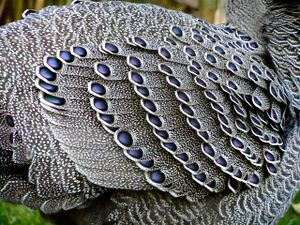
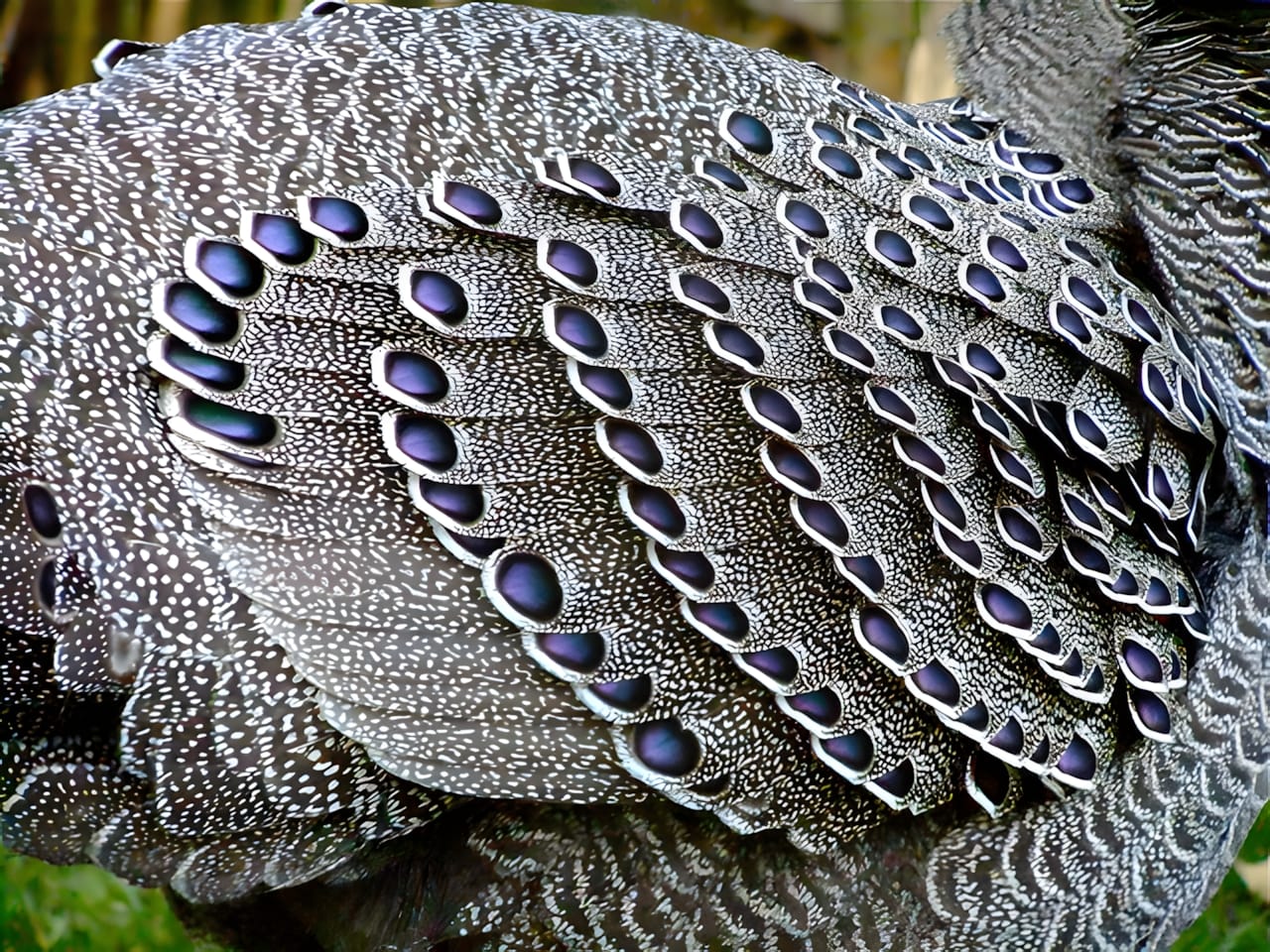
Grey Peacock-Pheasant Plumage — Iridescent Ocelli Detail
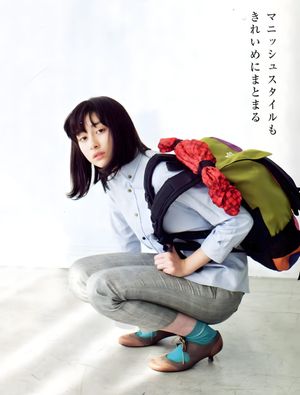
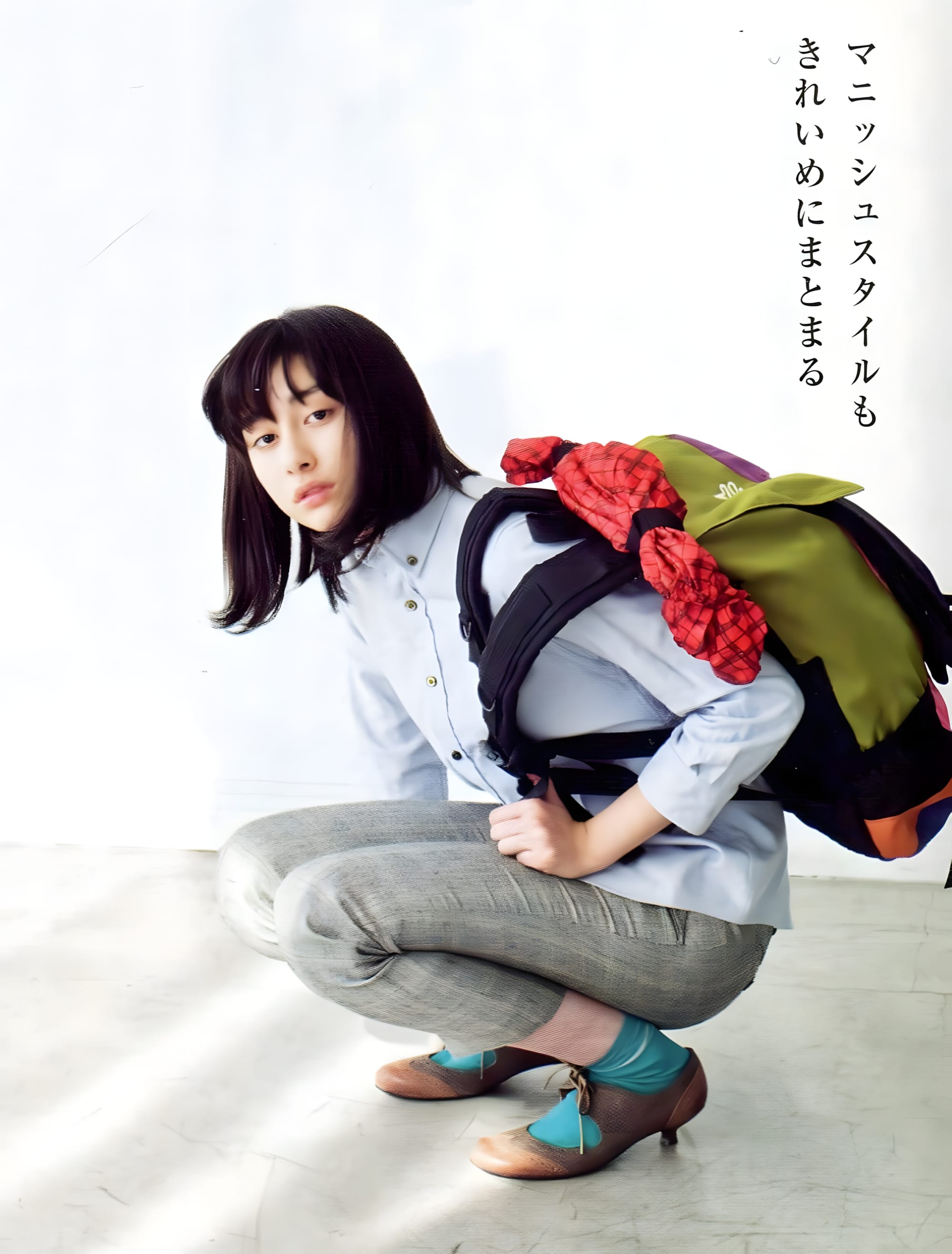
Akari Hayami — Japanese Fashion Magazine Editorial
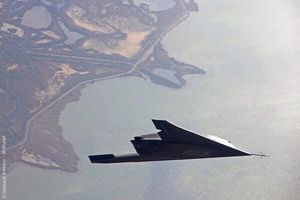
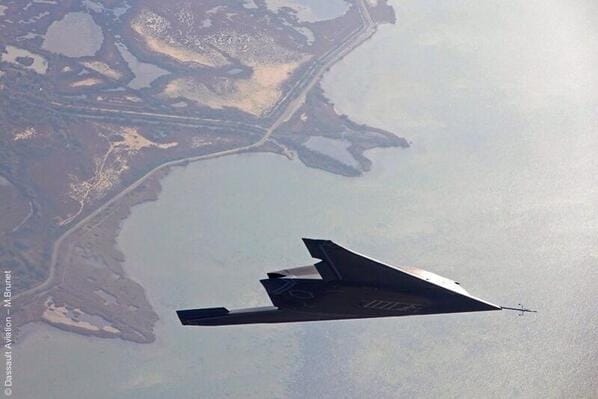
Dassault nEUROn — European Stealth UCAV Demonstrator
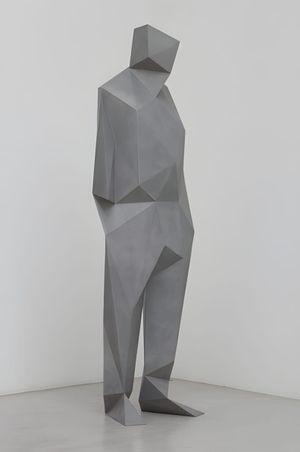
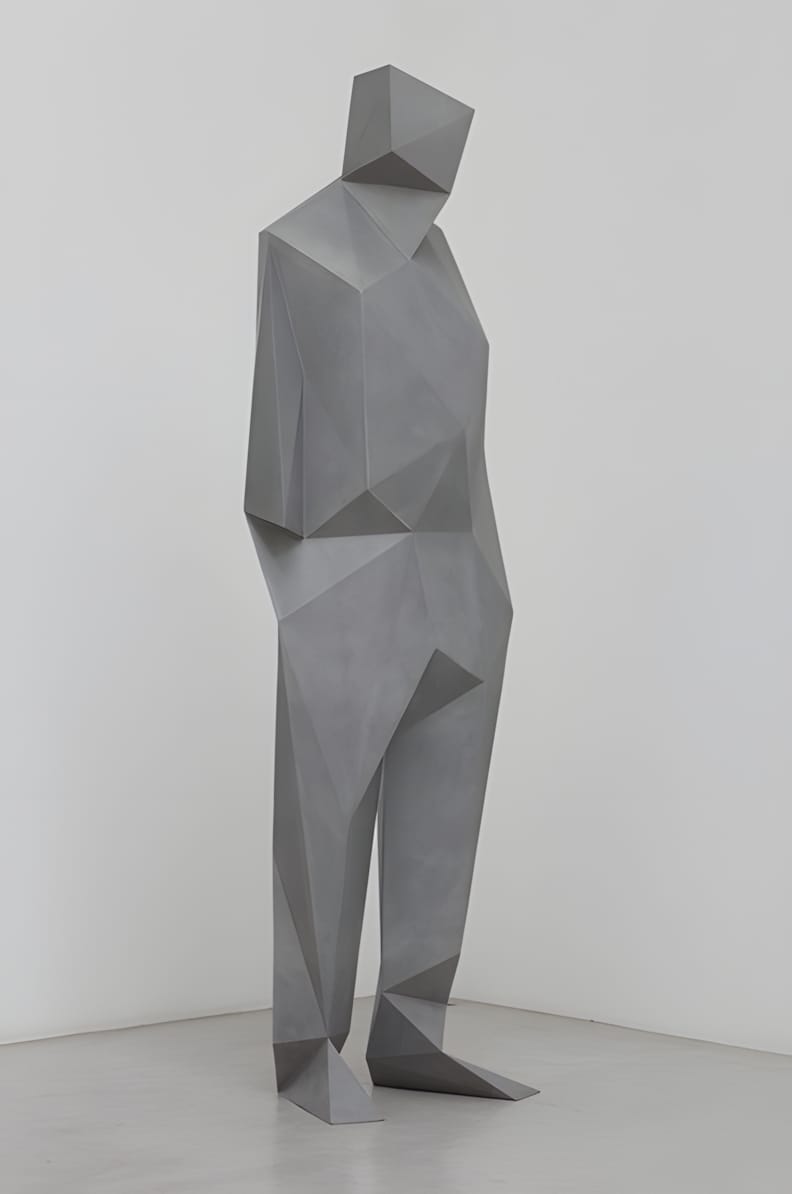
Xavier Veilhan Faceted Figure Sculpture
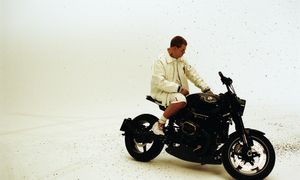
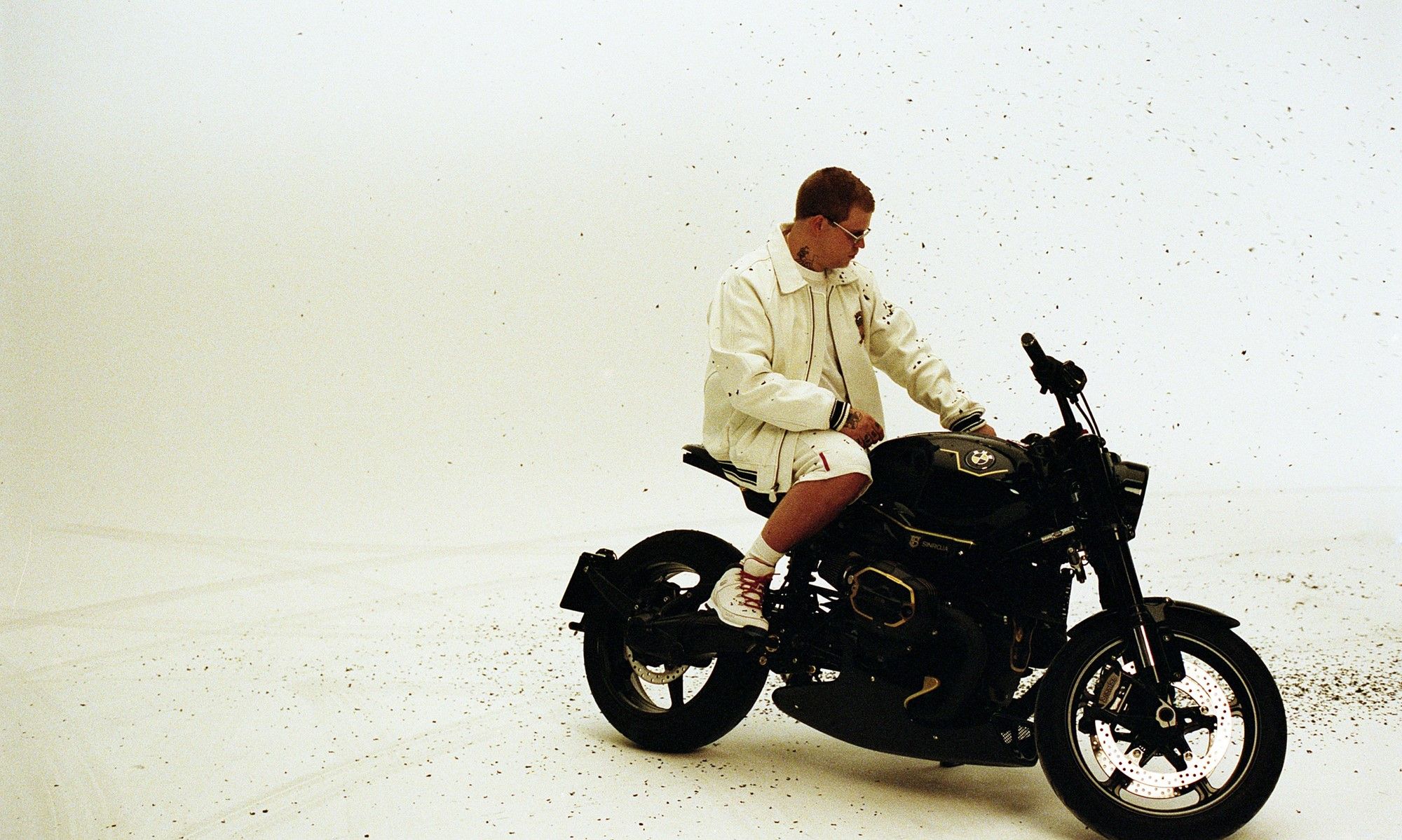
Yung Lean & Bladee Victorious music video by Aidan Zamiri
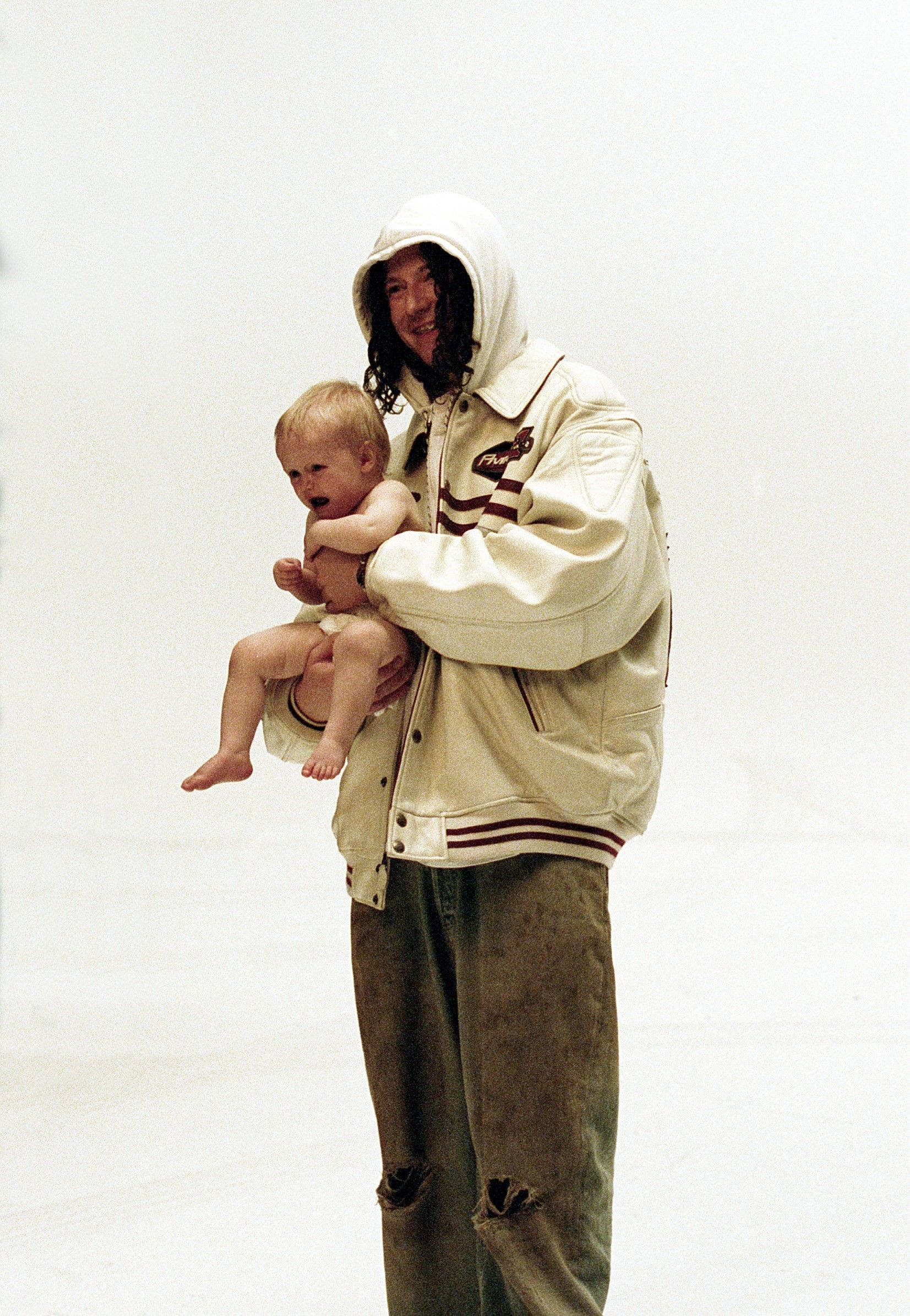
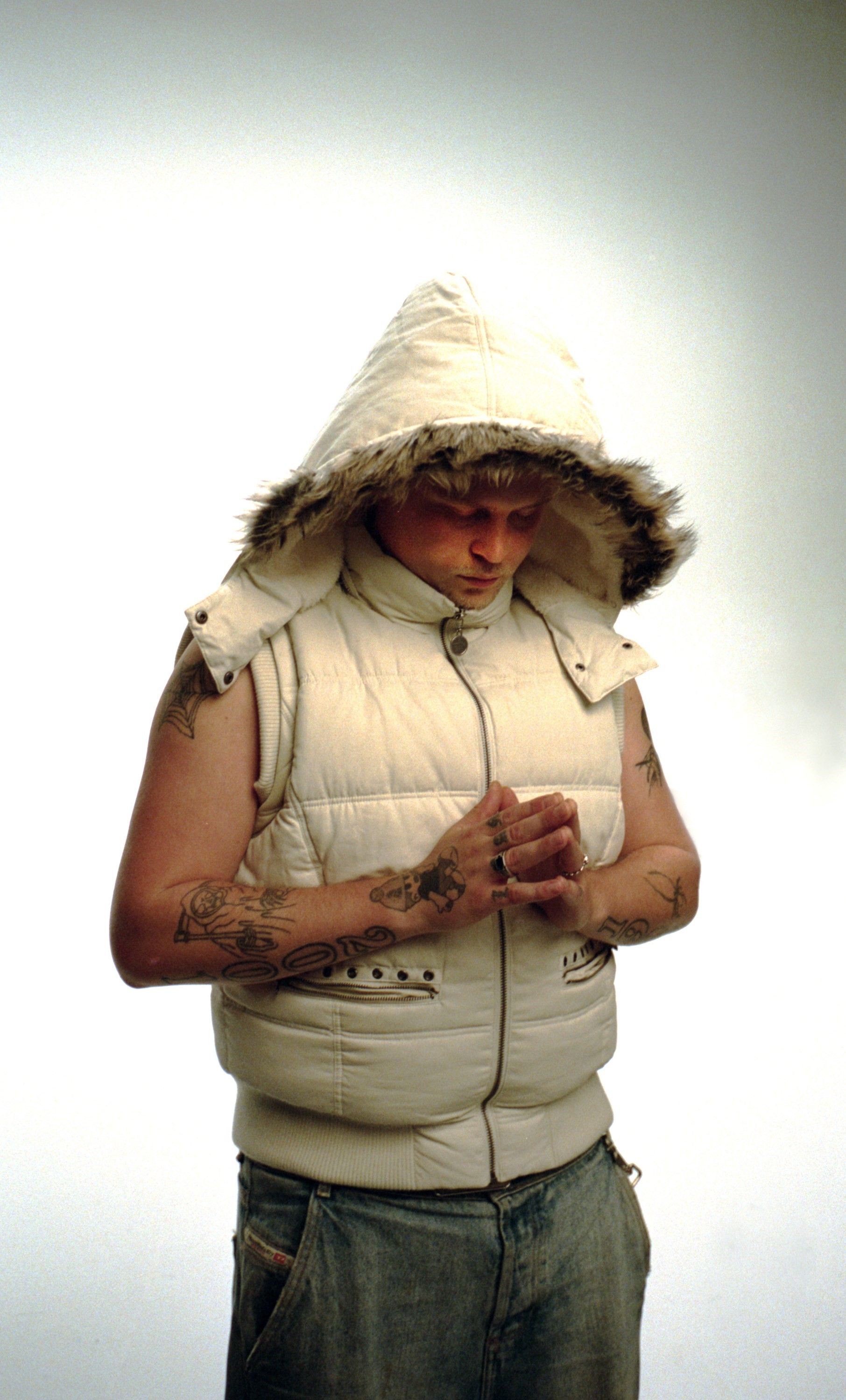
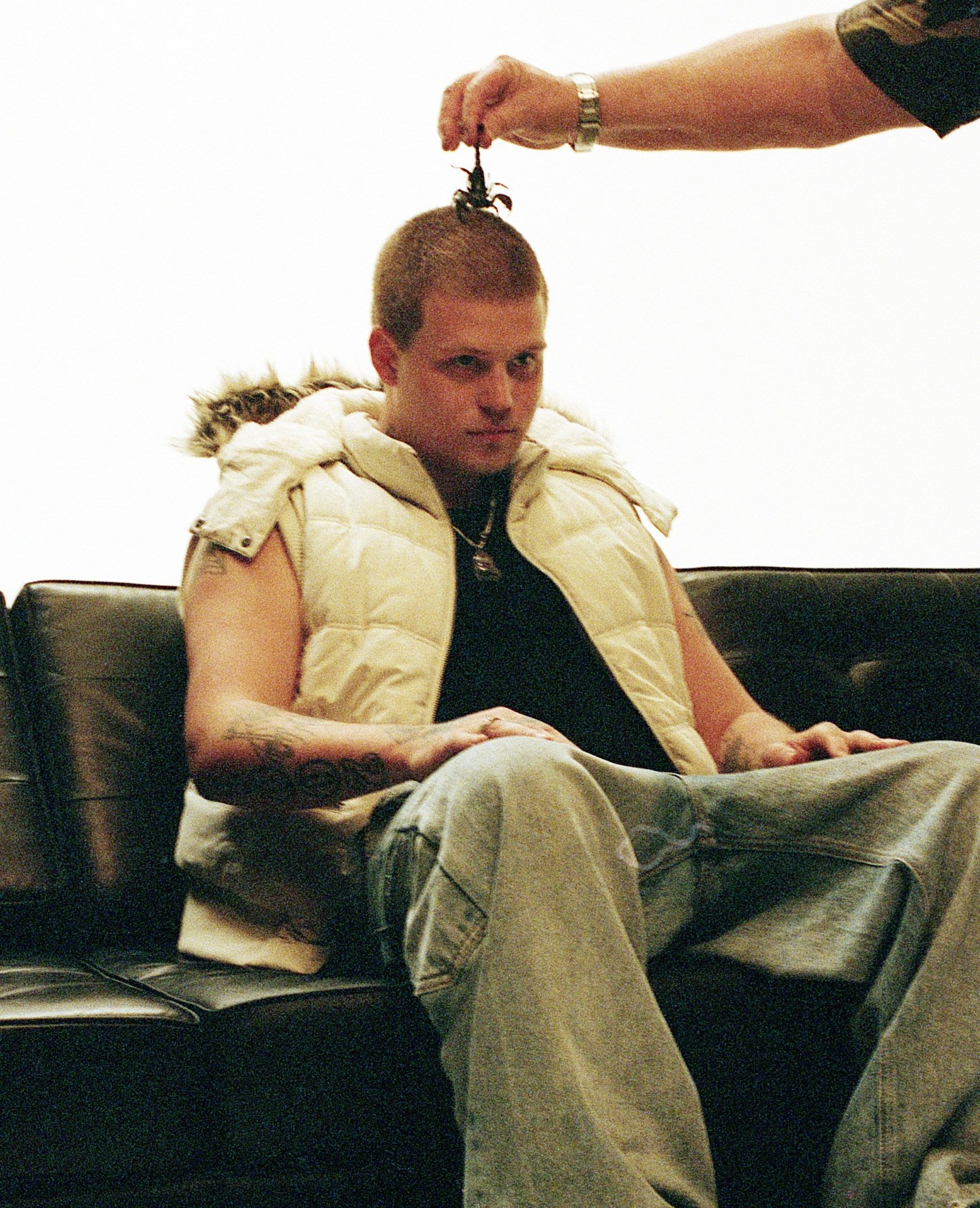
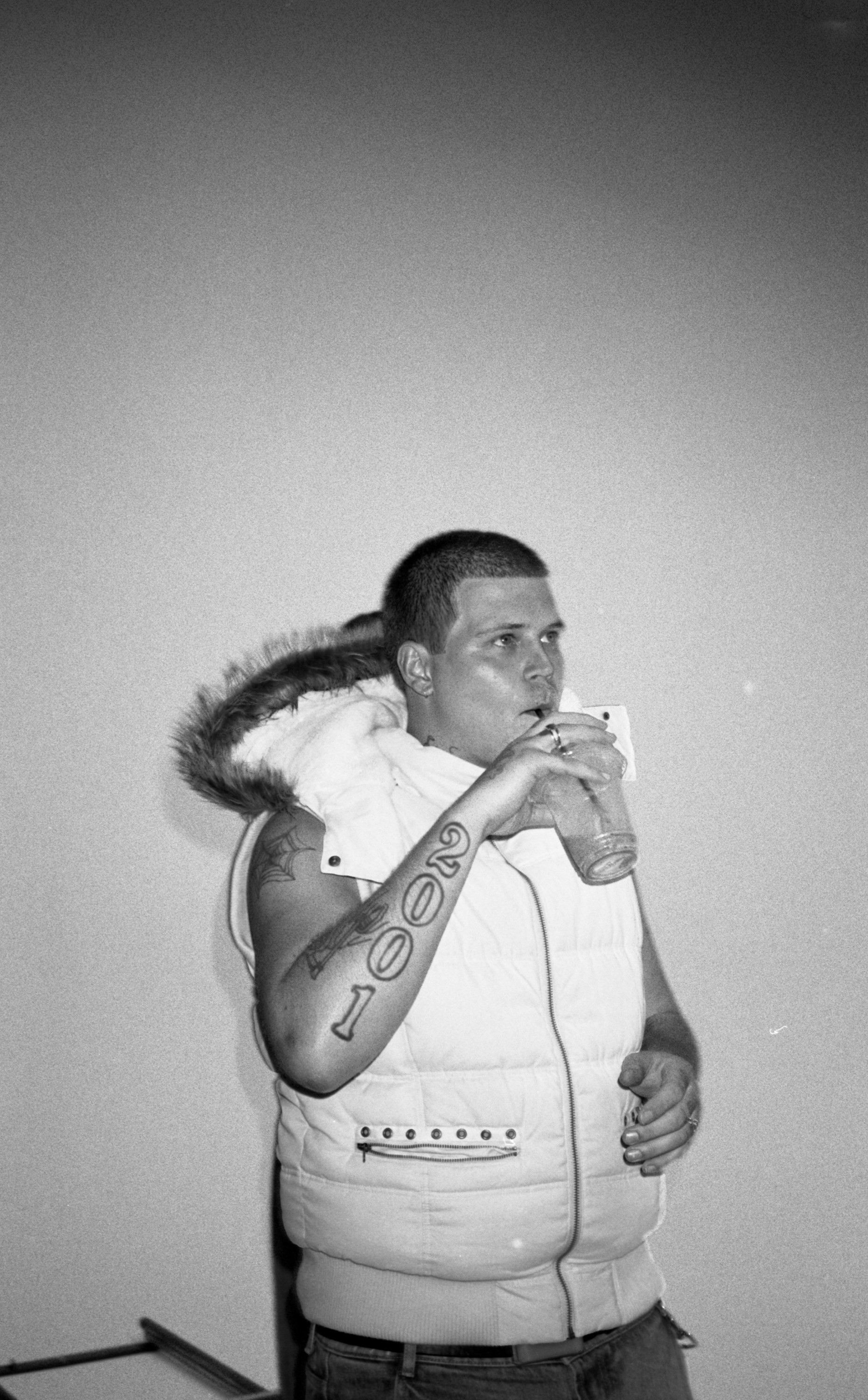
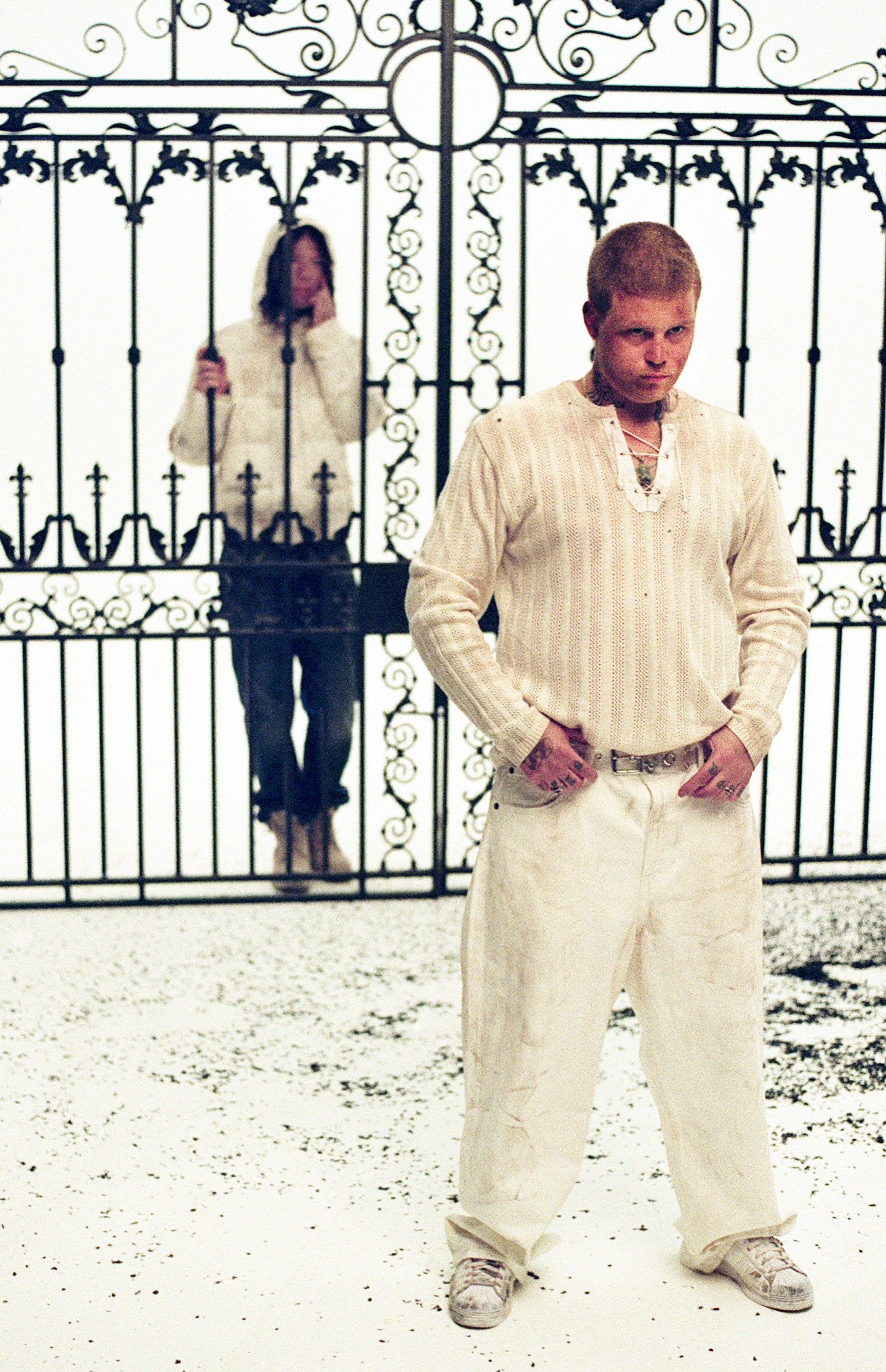
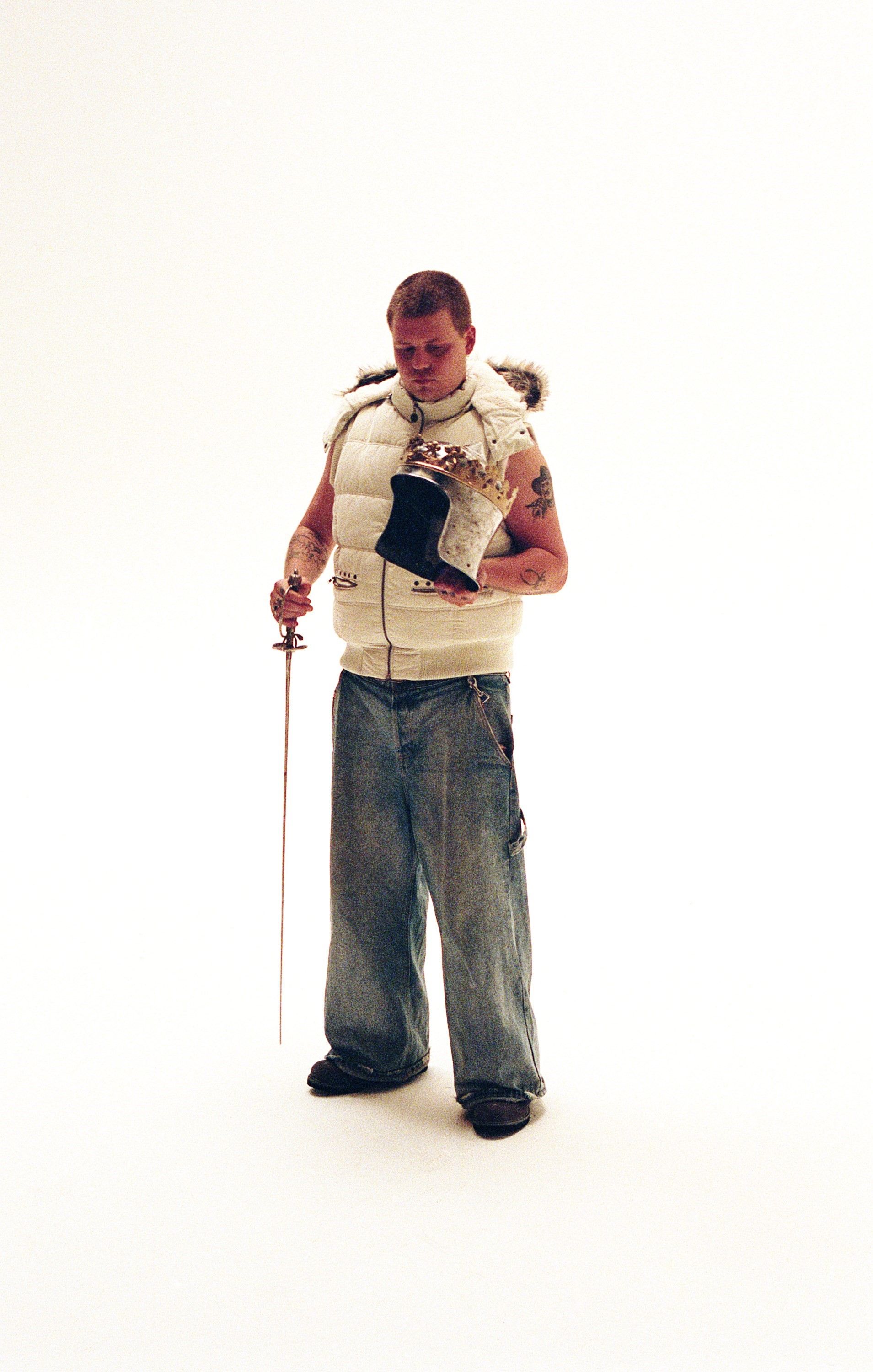
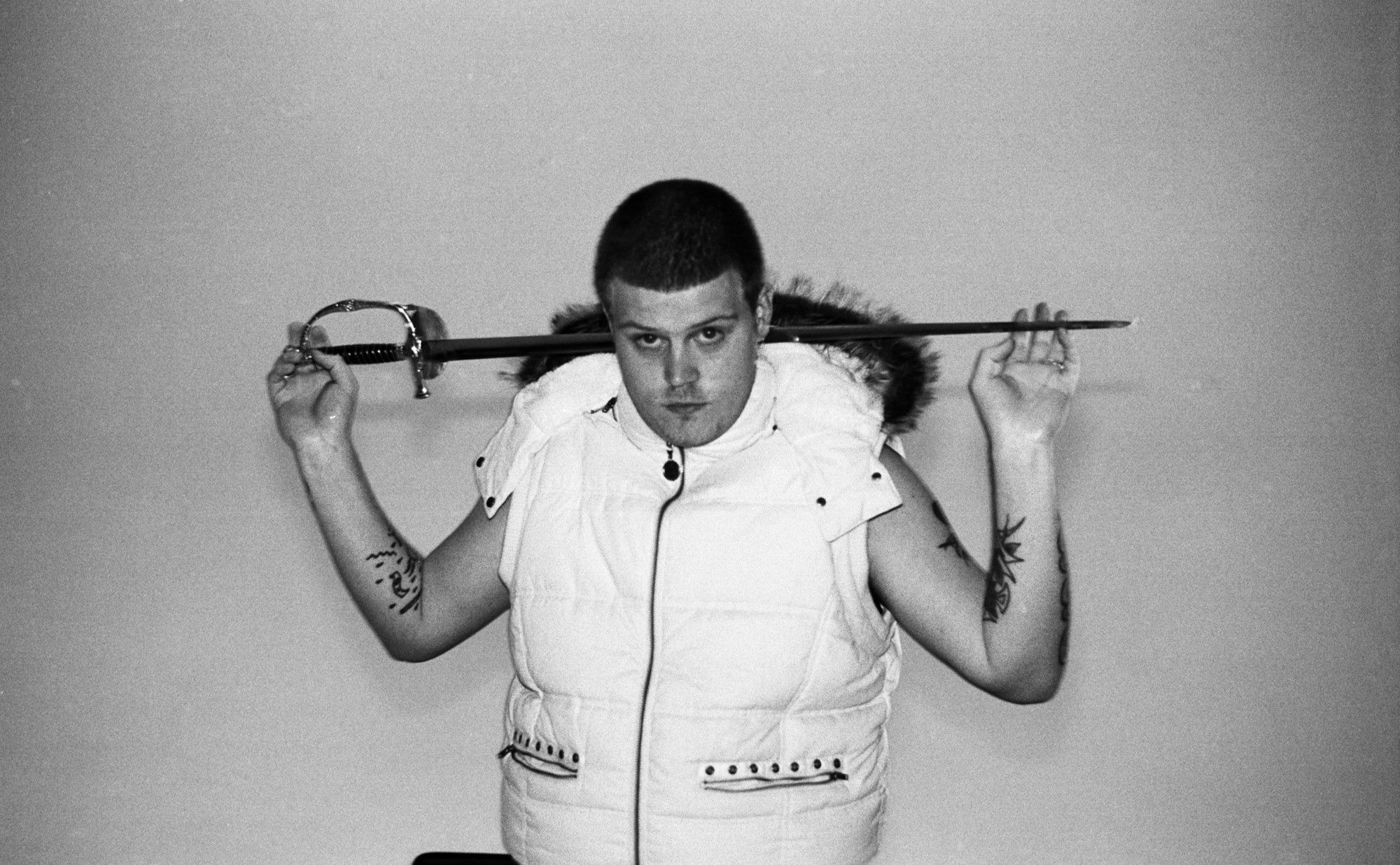
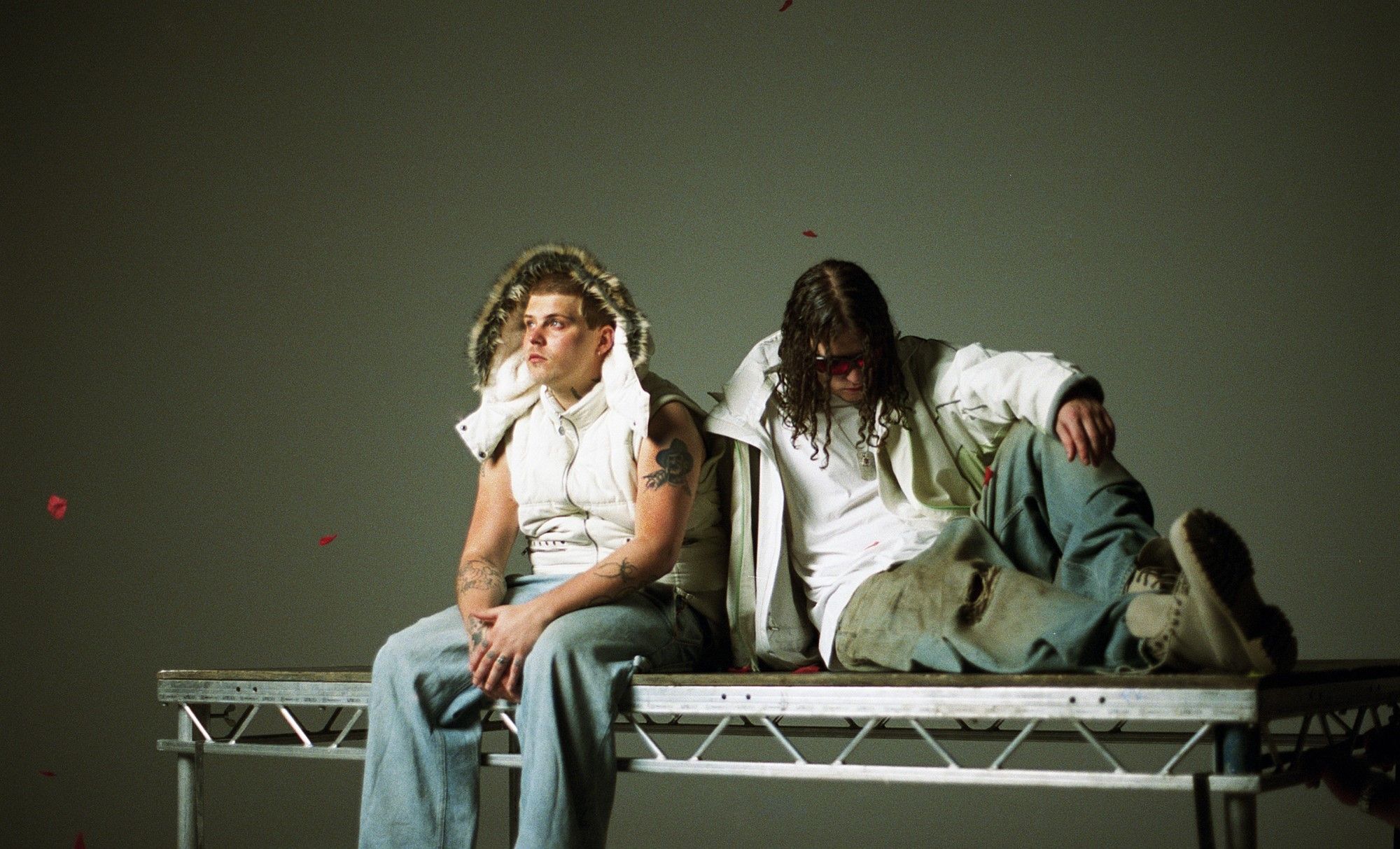

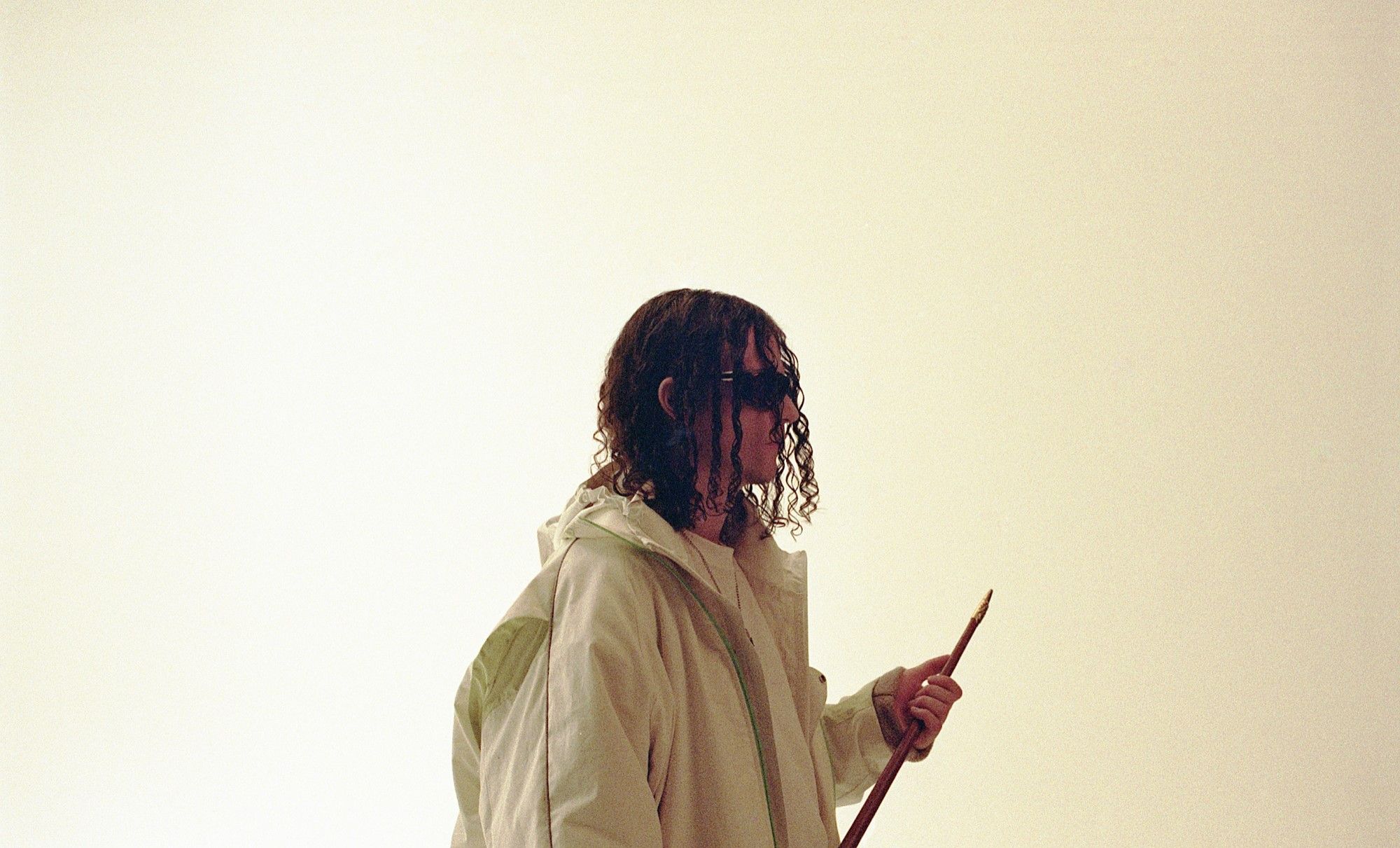
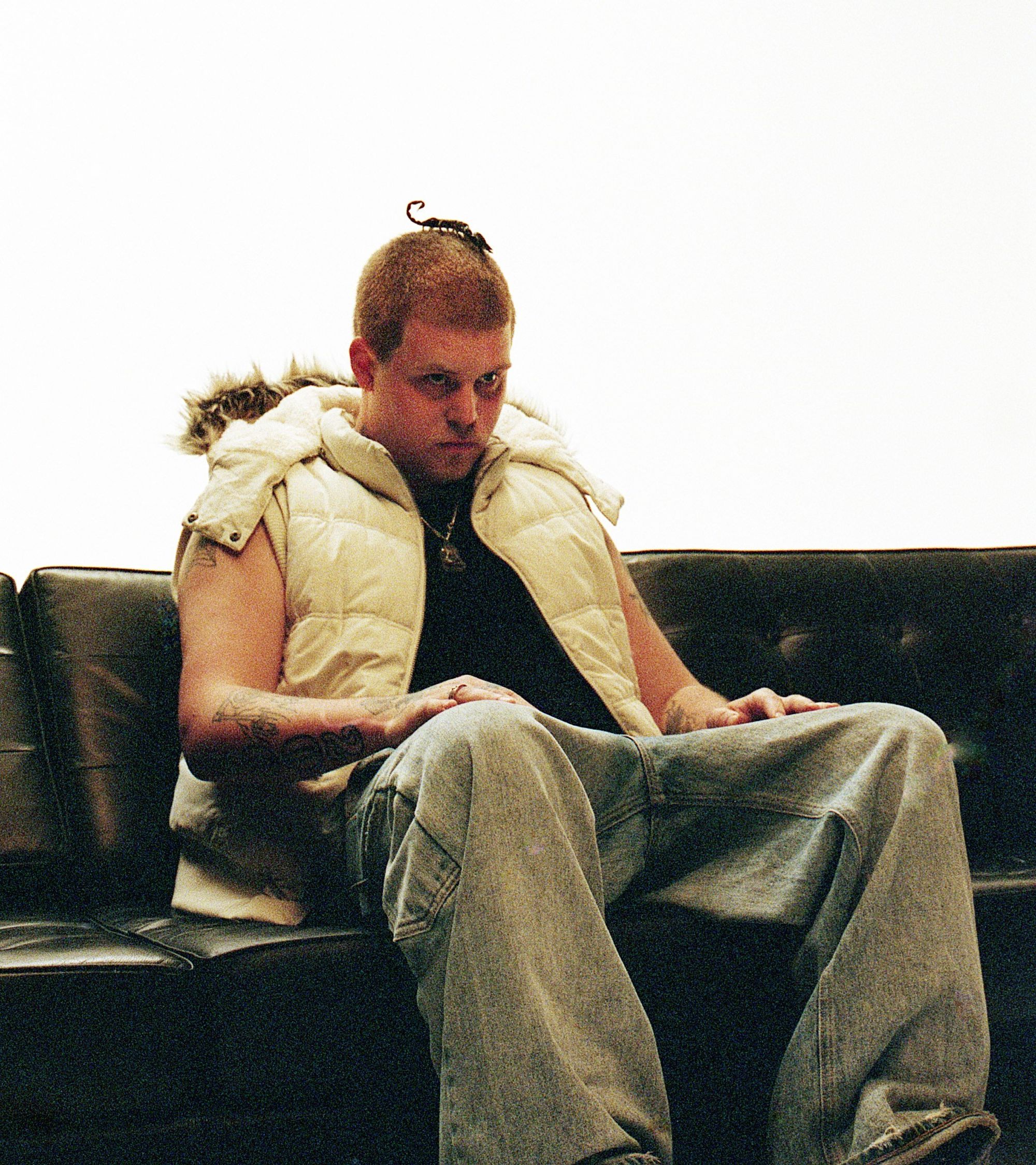

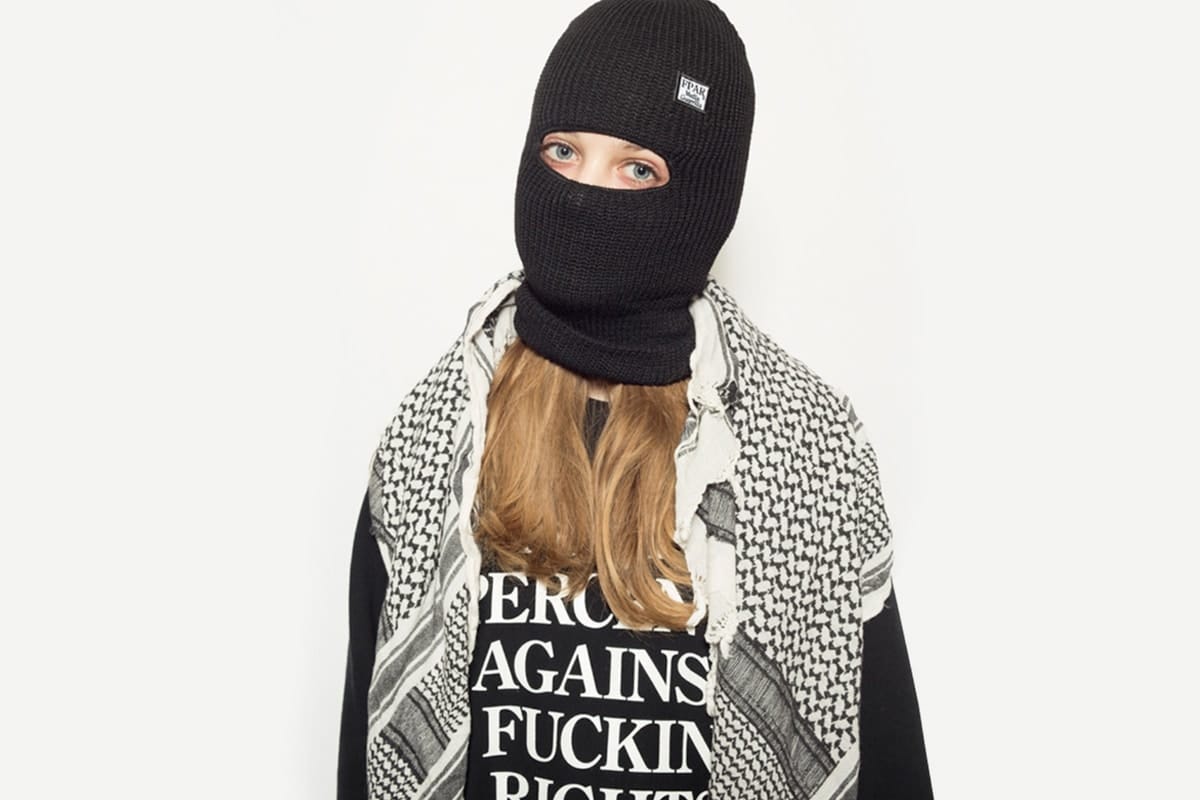
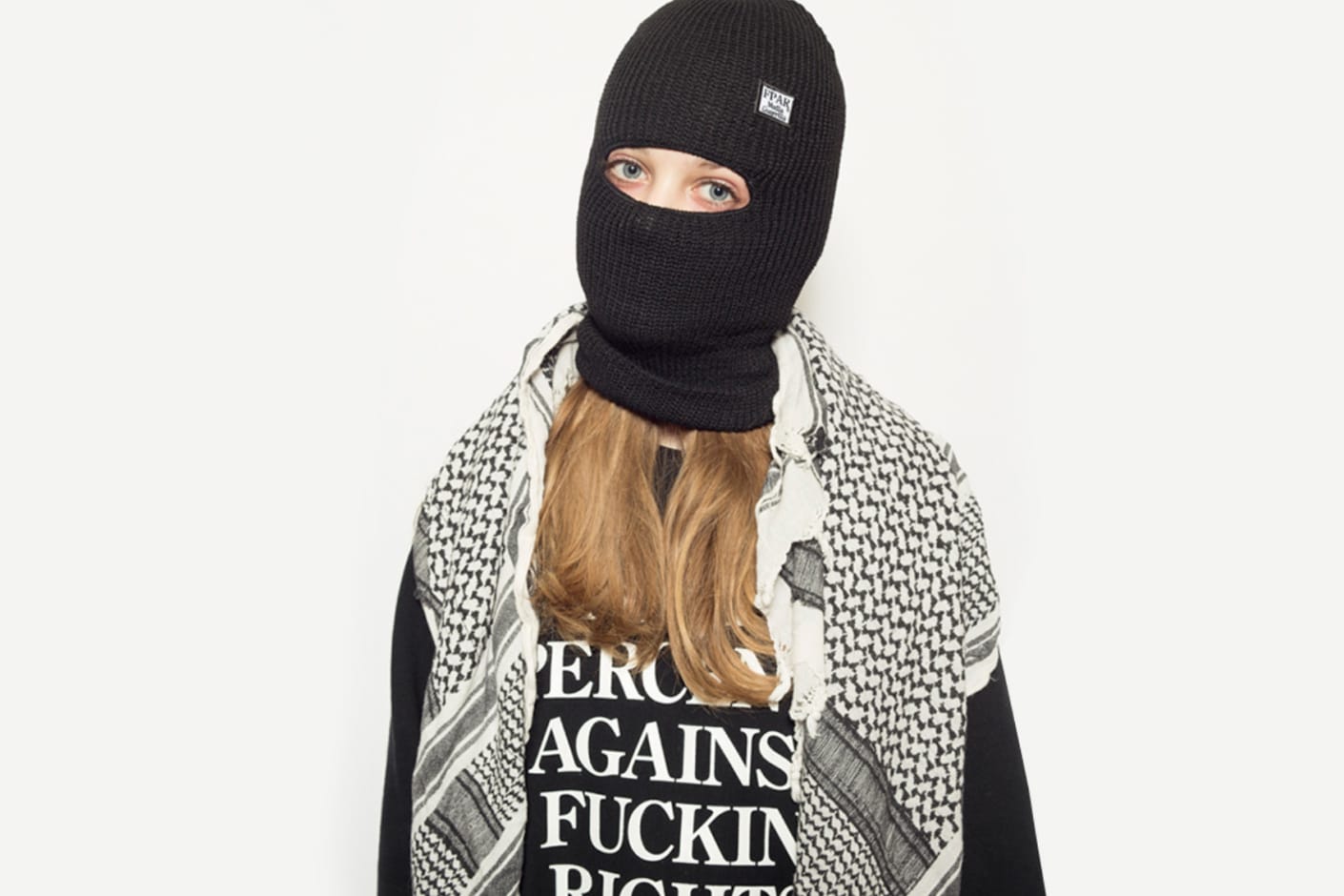
Forty Percents Against Rights
FORTY PERCENTS AGAINST RIGHTS (FPAR), a Japanese label by Tetsu Nishiyama, who also runs WTAPS and ran the 1990s FPAR. Message-based graphics with military- and workwear-derived cuts; it opened its own online store in 2013.
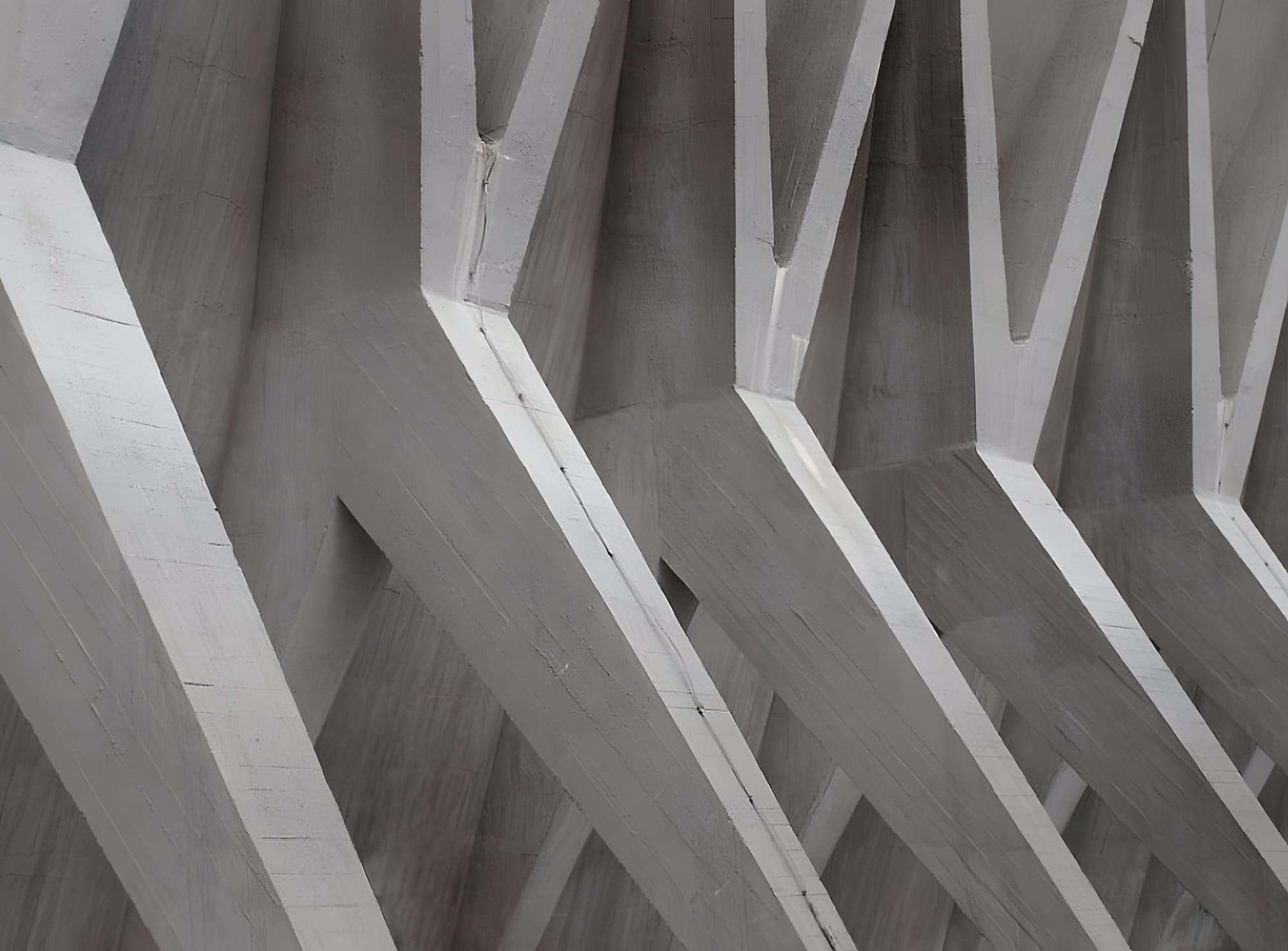
Precast Concrete Slab — Texture Study
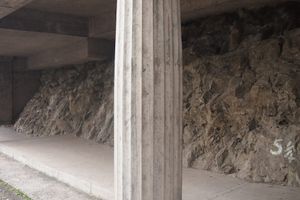
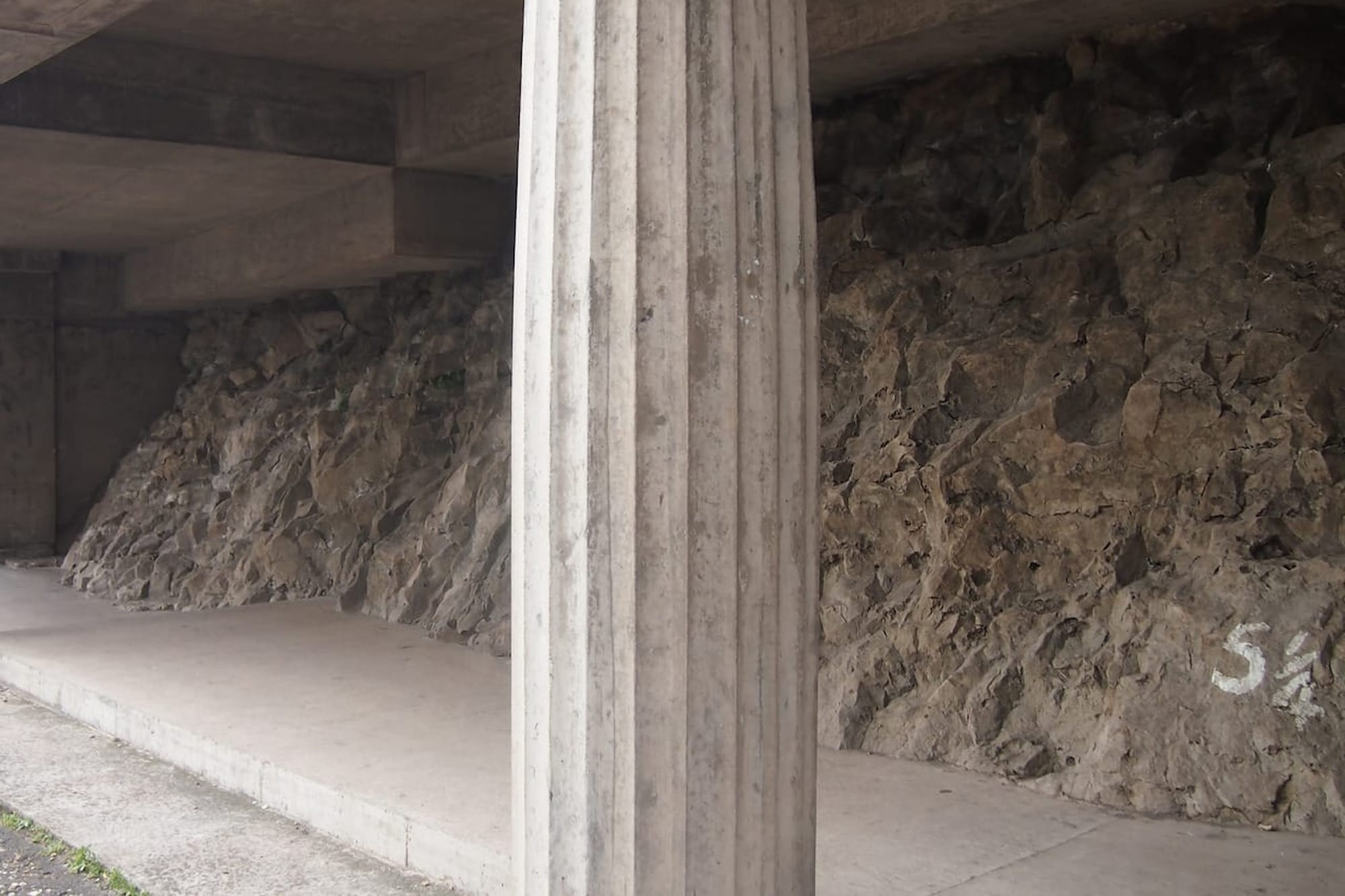
Bas Princen — Colonnade Infrastructure Photograph
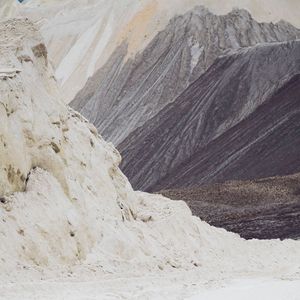
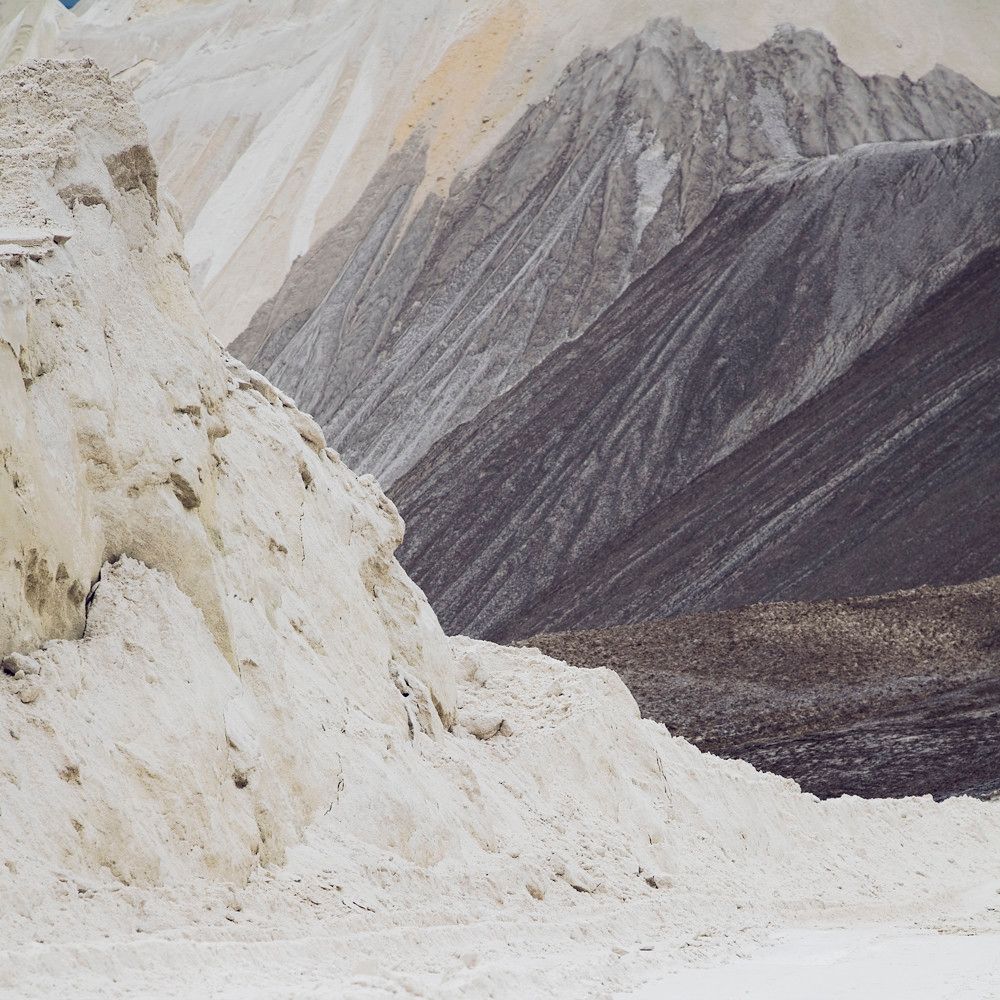
Mineral Ridges — Matthias Heiderich
Matthias Heiderich's landscape study contrasts pale eroded mineral formations with steep charcoal-grey ridges. The photograph was taken on April 29, 2012.
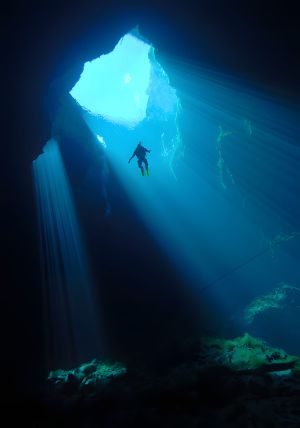
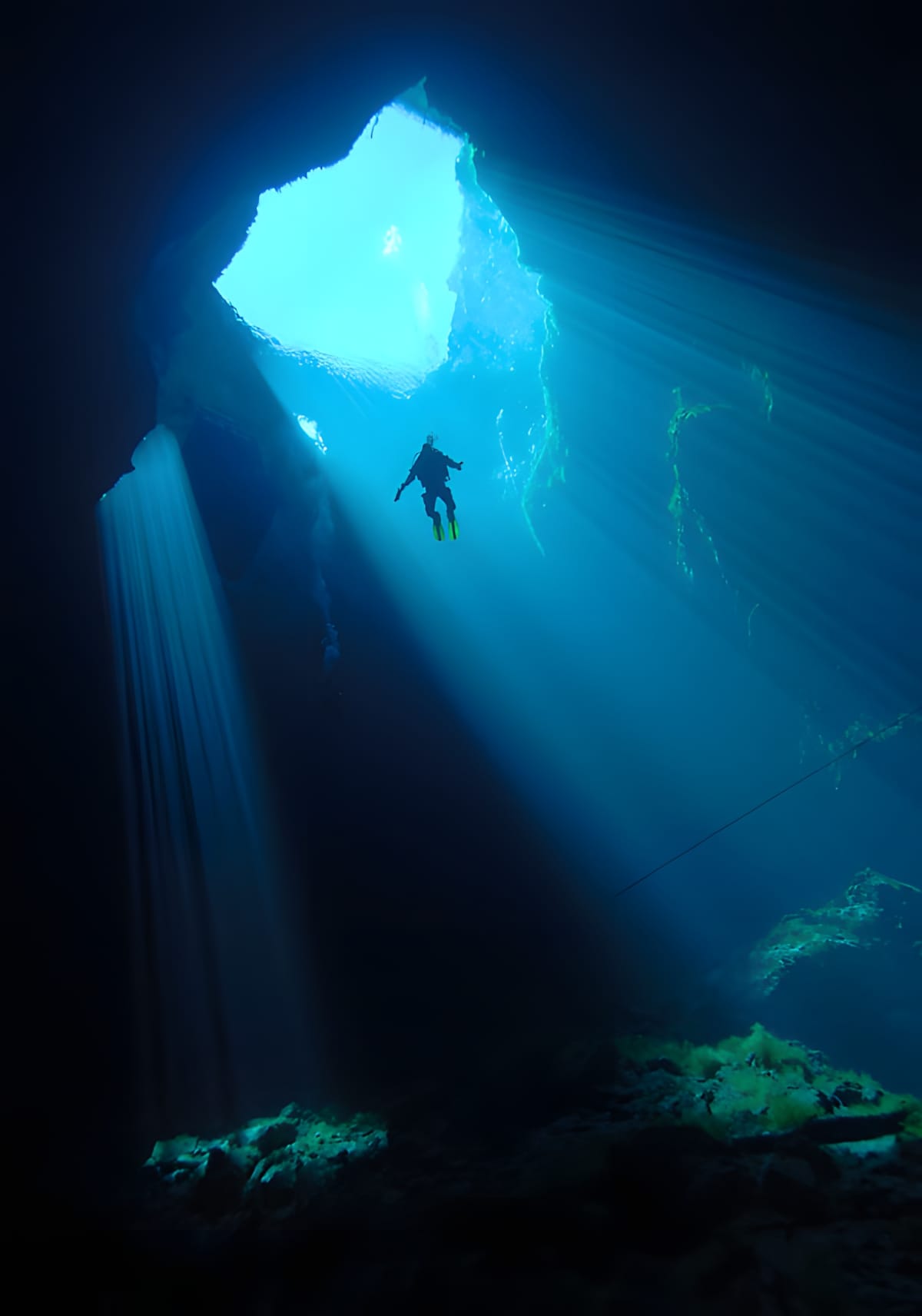
Cave Diving — Diver in Cenote Light Rays
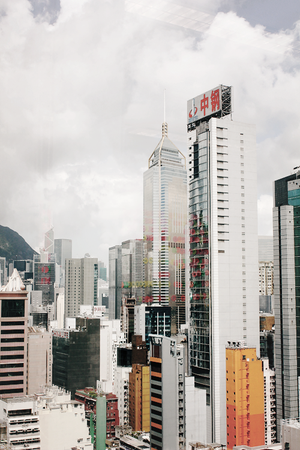
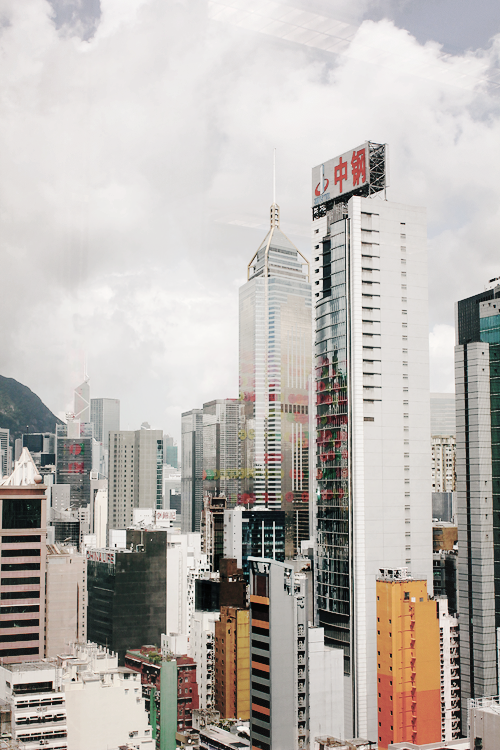
View from the Office — Hong Kong by ingu
ingu's View from the Office looks across Hong Kong's Causeway Bay skyline toward Central Plaza. The Flickr description dates the scene to August 2011.
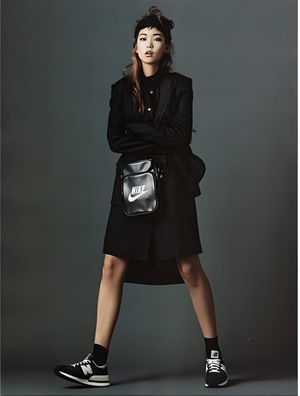
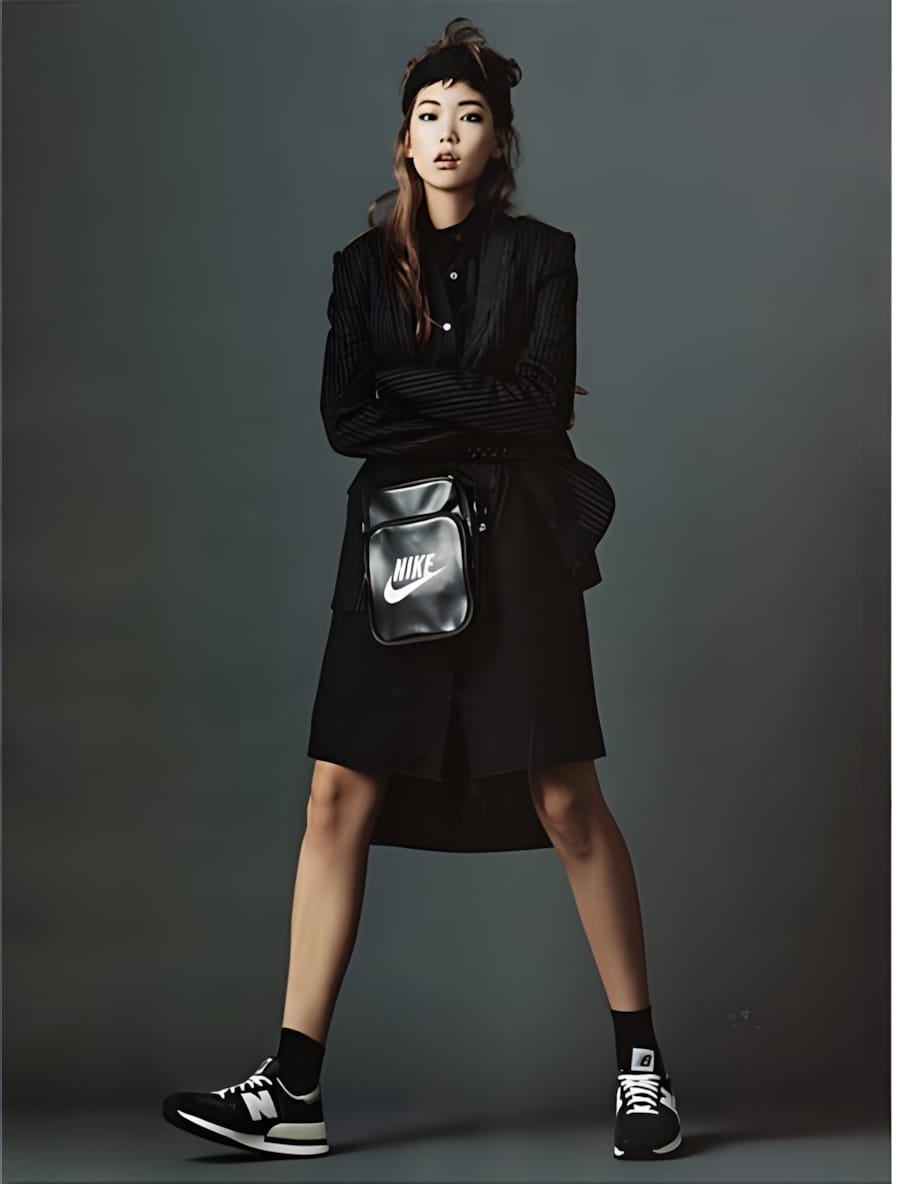
Nike Heritage Shoulder Bag Editorial
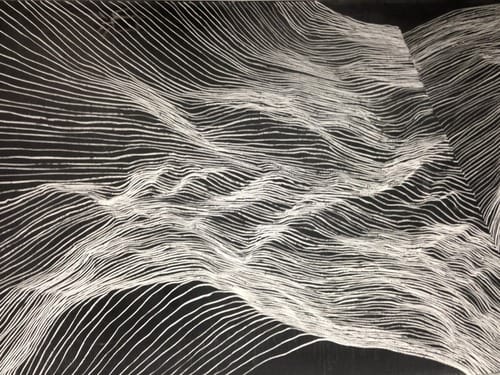
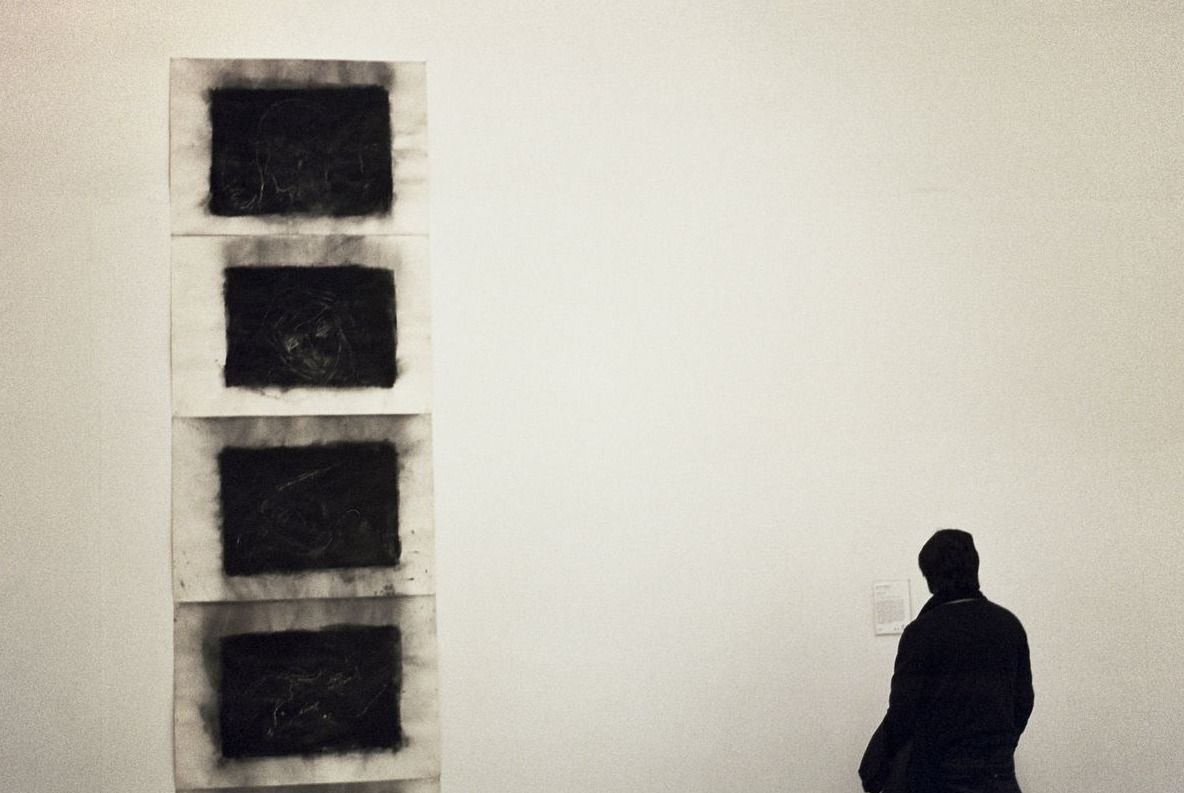
Kevin Townsend Temporary Drawings
A work from Kevin Townsend's Temporary Drawings: large chalk drawings built up on walls and floors as fields of repeated marks, then erased.
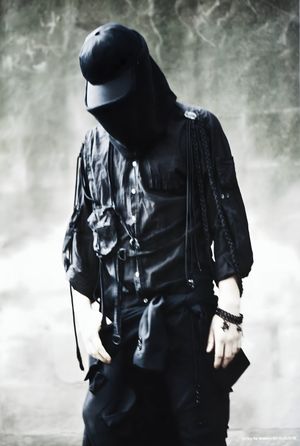
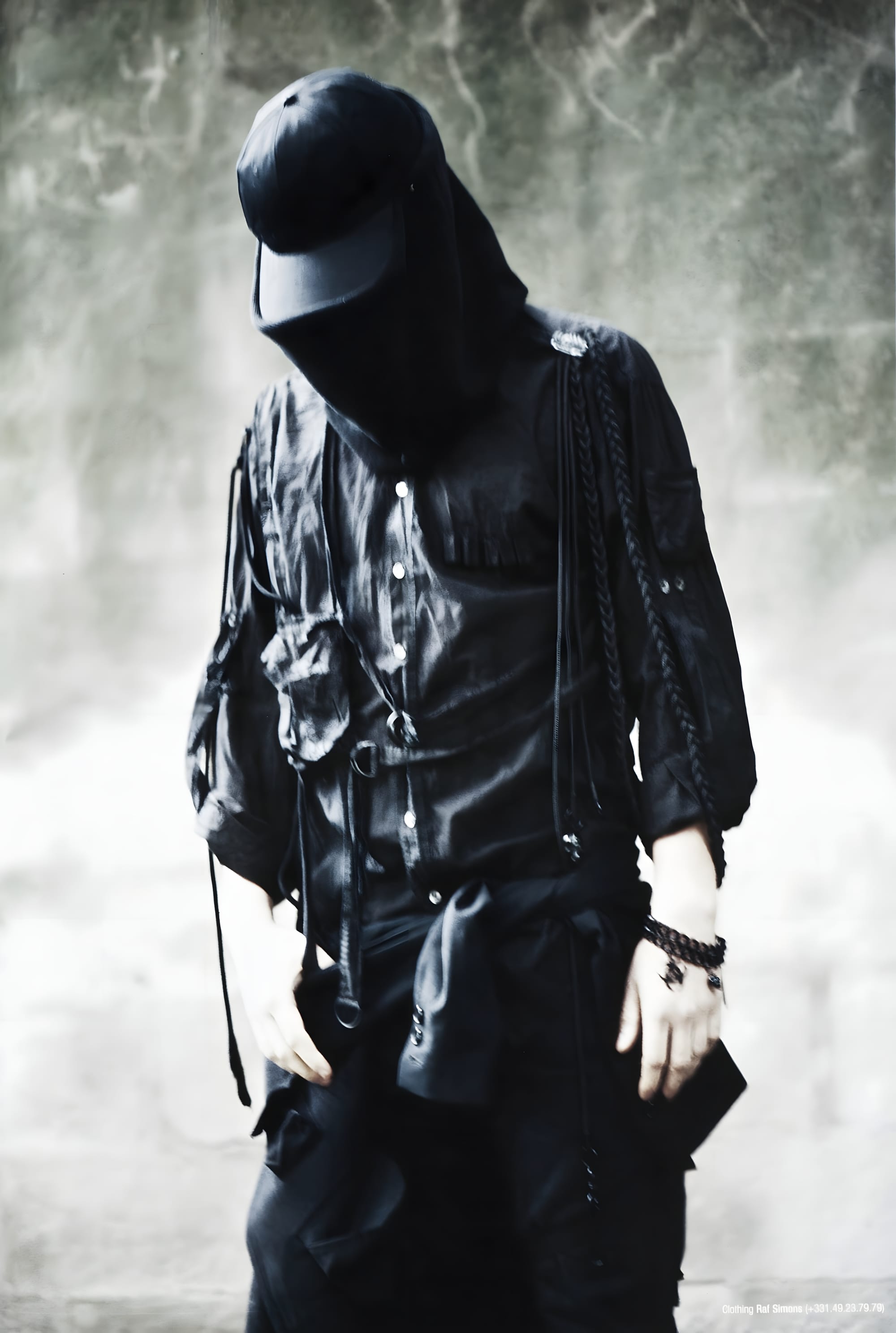
Raf Simons Menswear Lookbook — Photography by David Armstrong
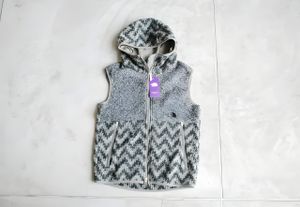
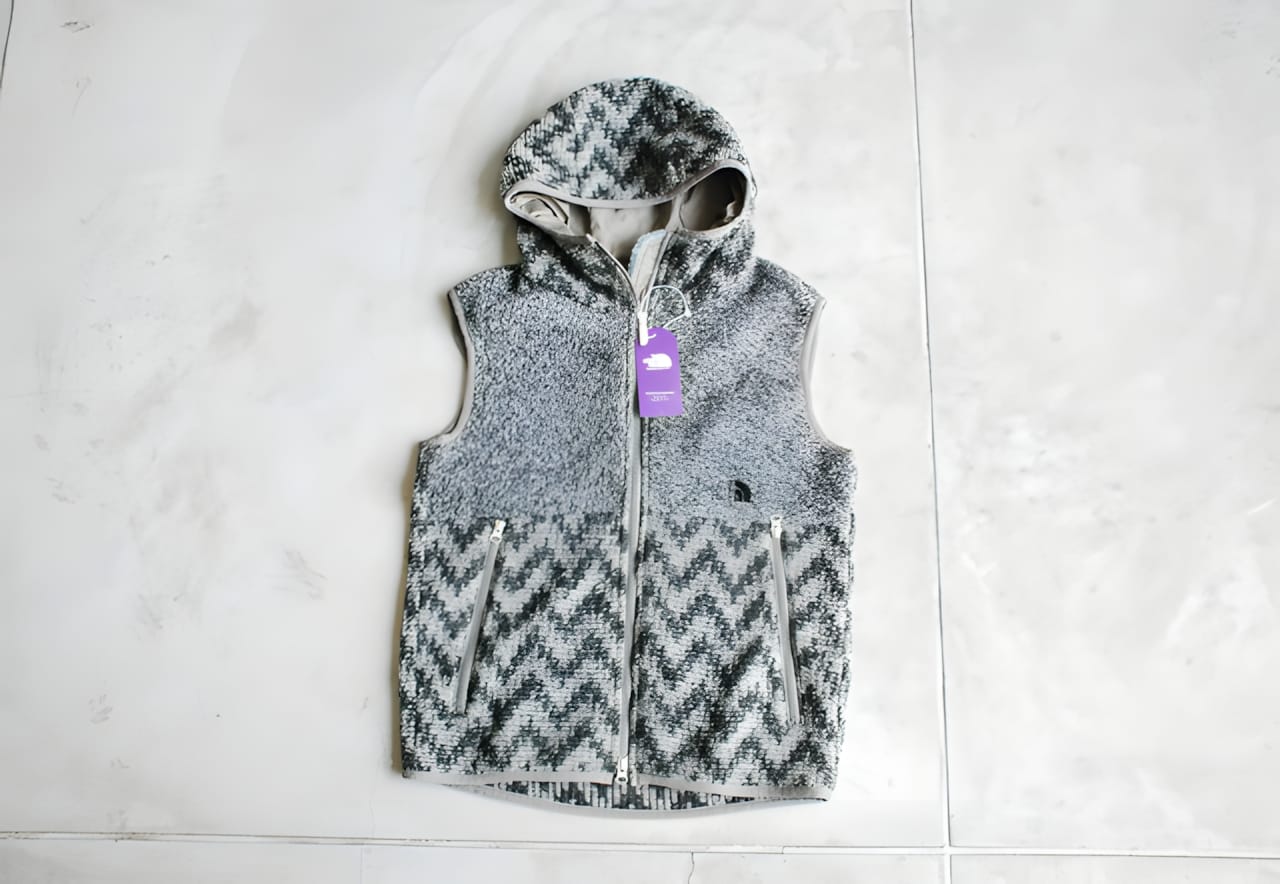
The North Face Purple Label Boa Fleece Hooded Vest
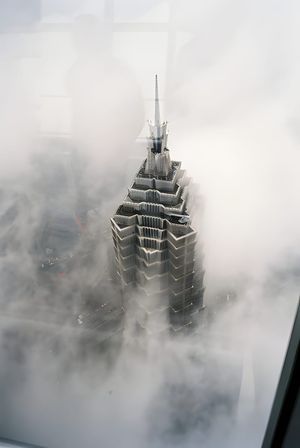
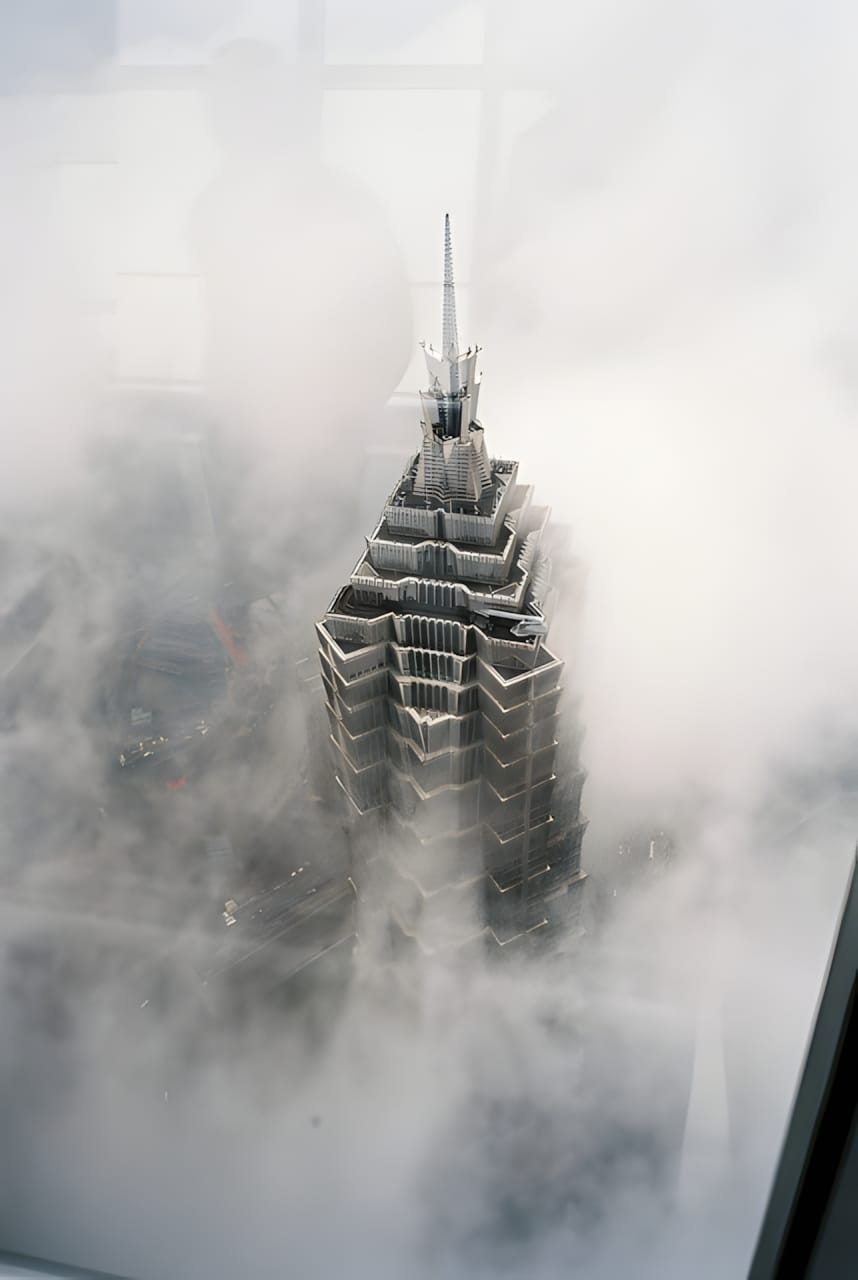
Jin Mao Tower, Shanghai, Above the Clouds
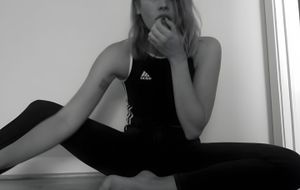
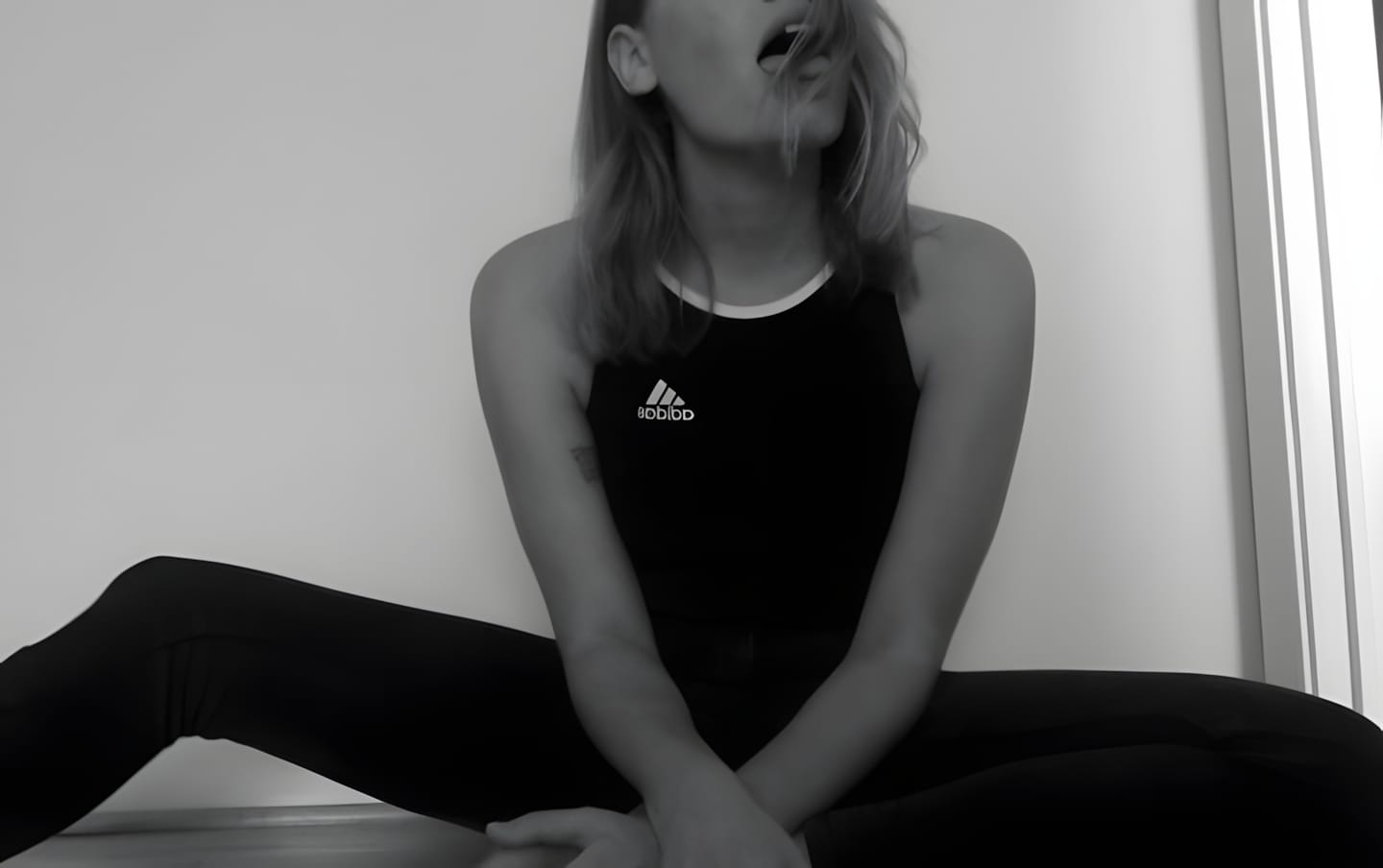
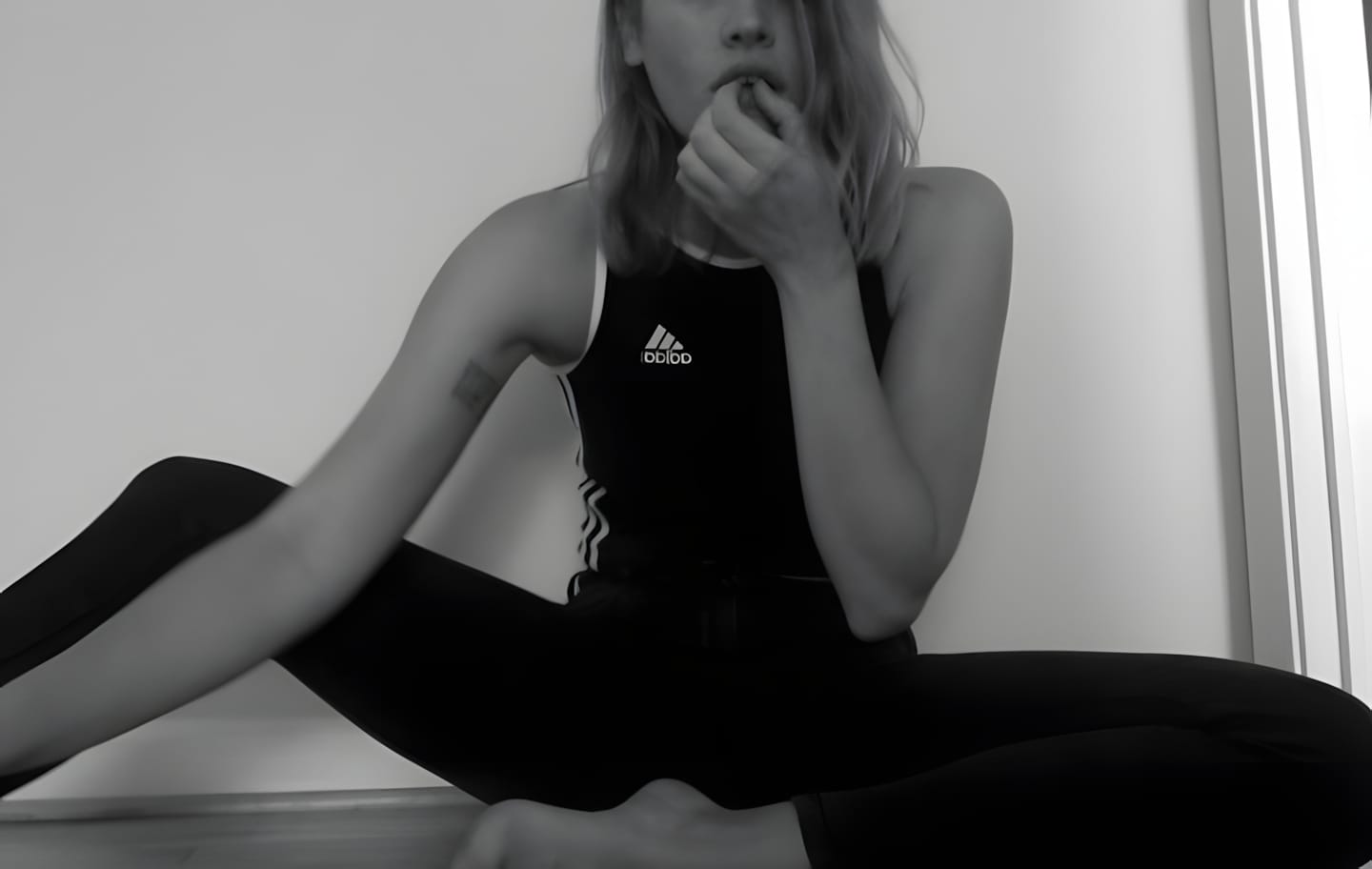
Adidas Performance Tank Top and Leggings — Black Activewear Editorial
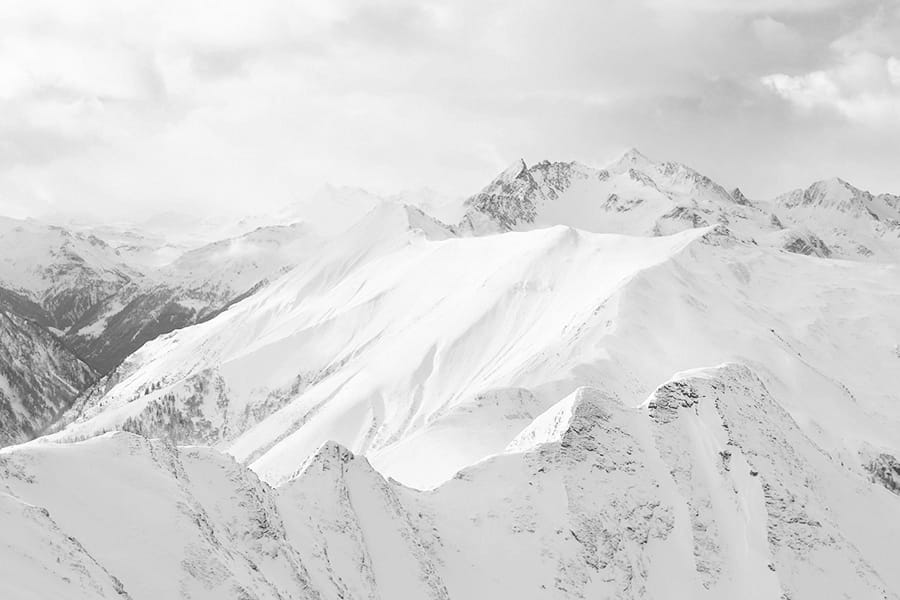
Black and White Mountain Snowscape — Fine Art Alpine Photography
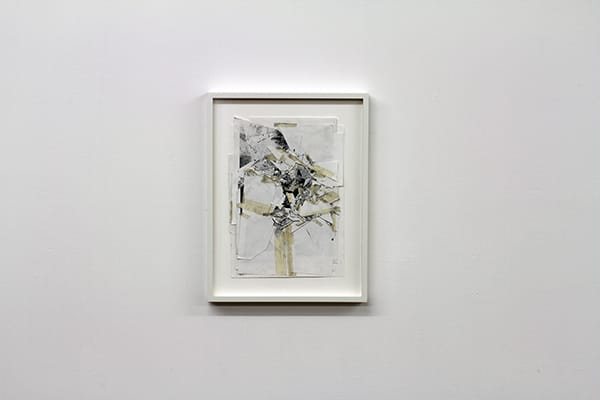
Boris Tellegen Surface
An installation view from 'Surface', a 2012 Paris exhibition by the Dutch artist Boris Tellegen (Delta). He makes fractured three-dimensional reliefs and sculptures from an exploded-letterform language rooted in graffiti.
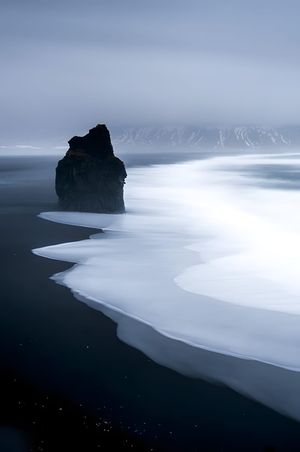
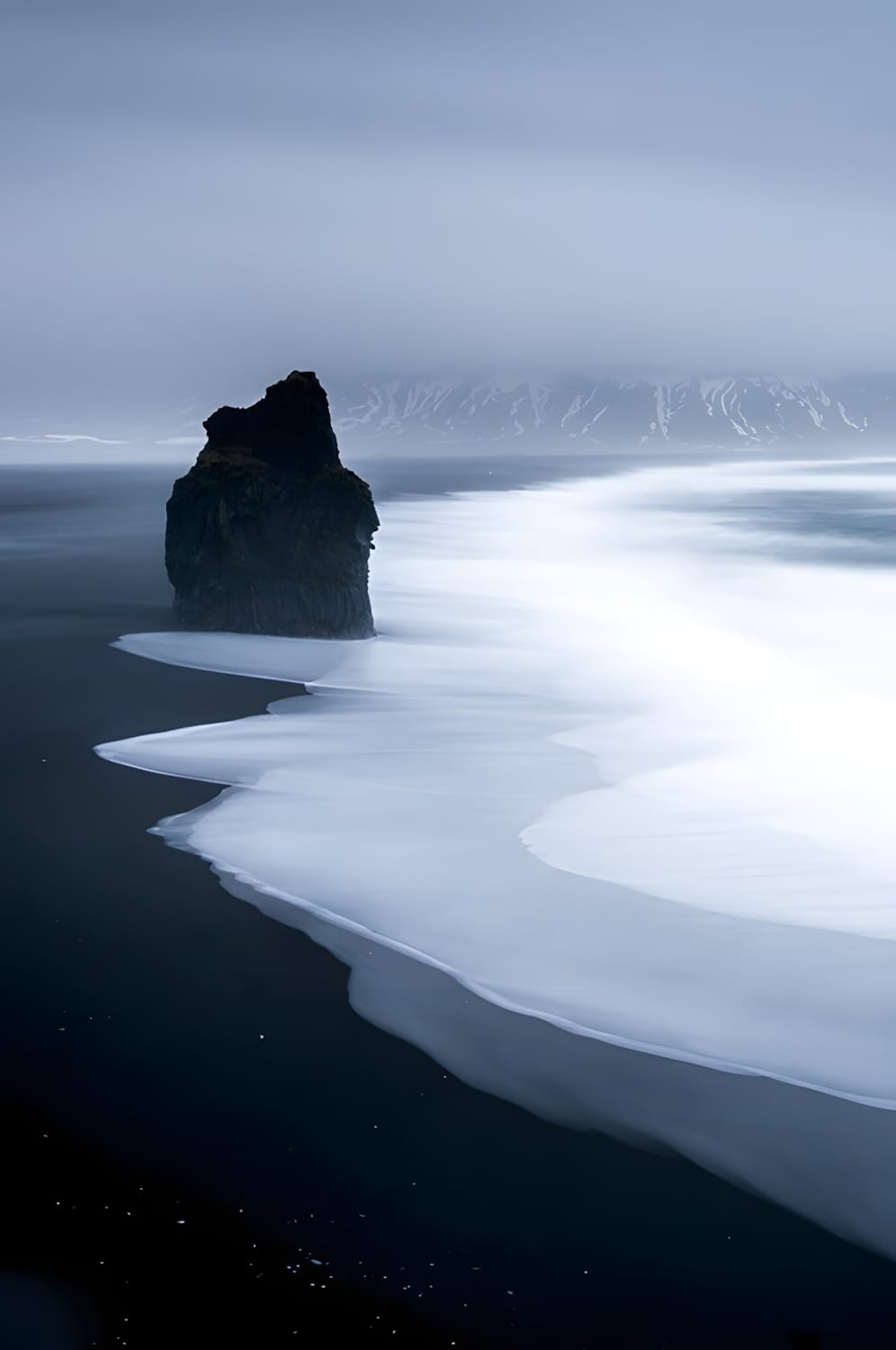
Reynisdrangar Basalt Sea Stack, Reynisfjara, Iceland
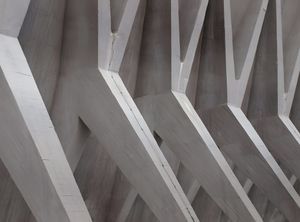
Ivan Vitić — Pavilion 40, Zagreb Fair, 1957

LONG CLOTHING Clip Pants in Black and White Tartan
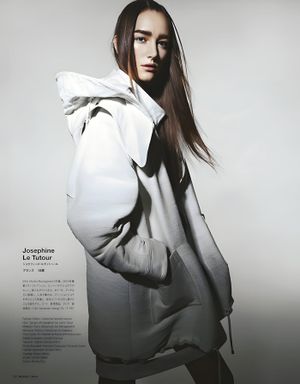
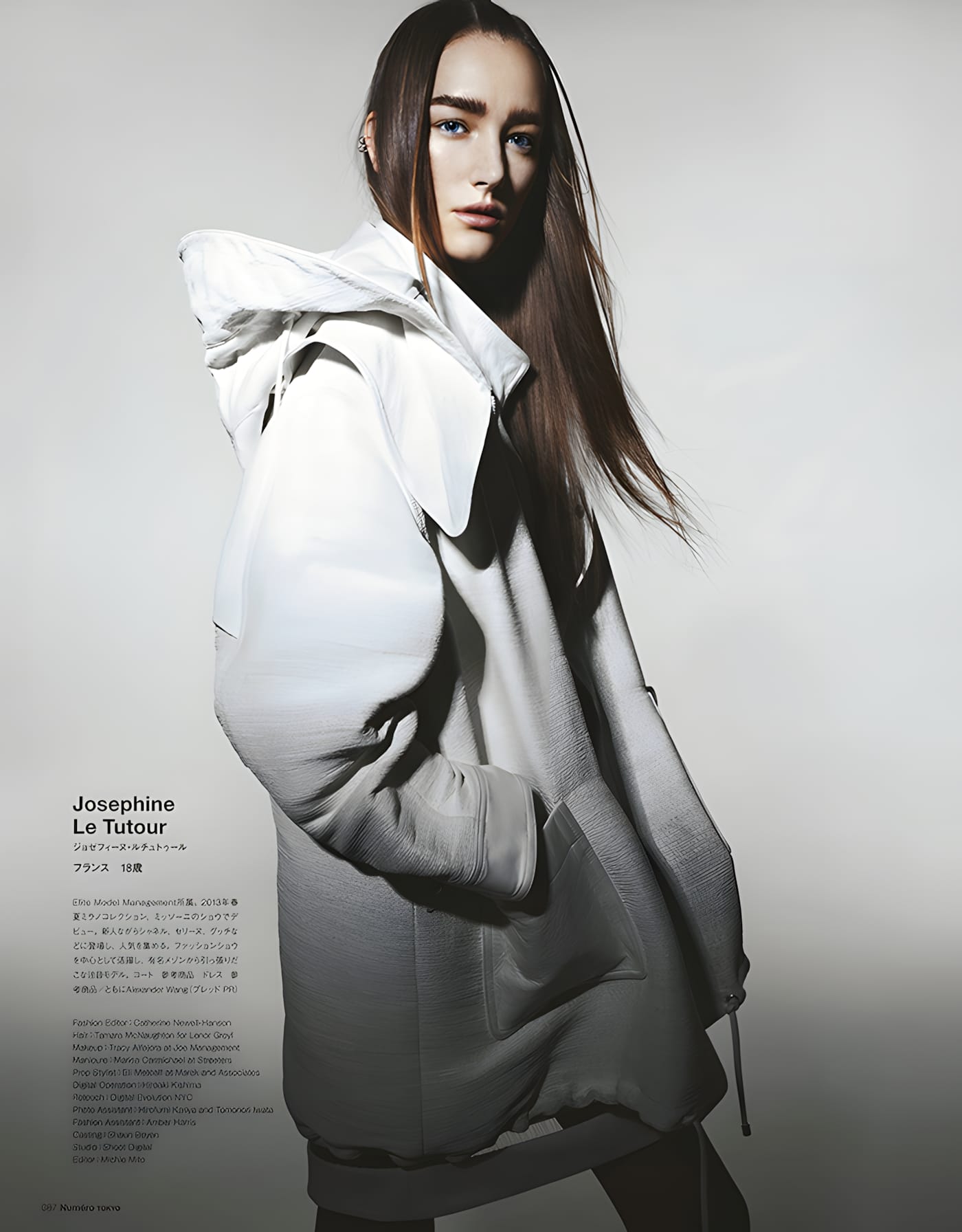
Joséphine Le Tutour in Alexander Wang — Numéro Tokyo July/August 2013
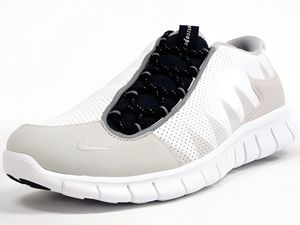
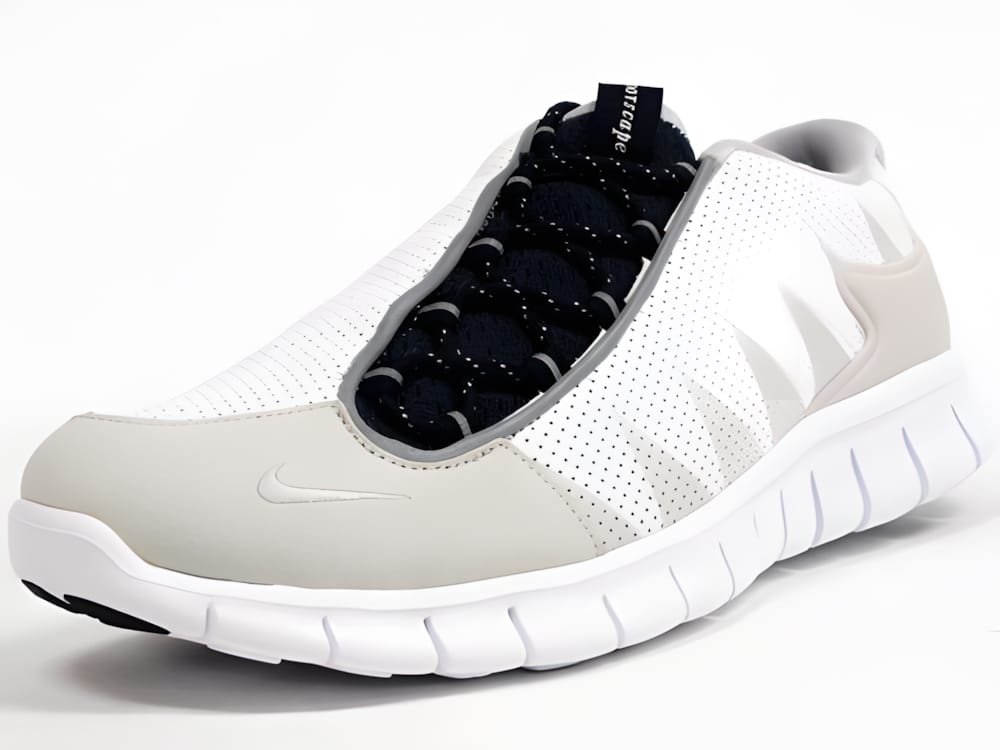
Nike Footscape Free White Grey
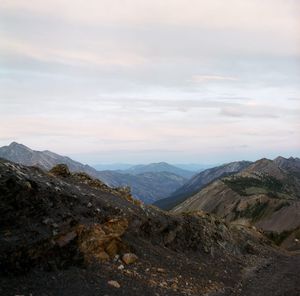
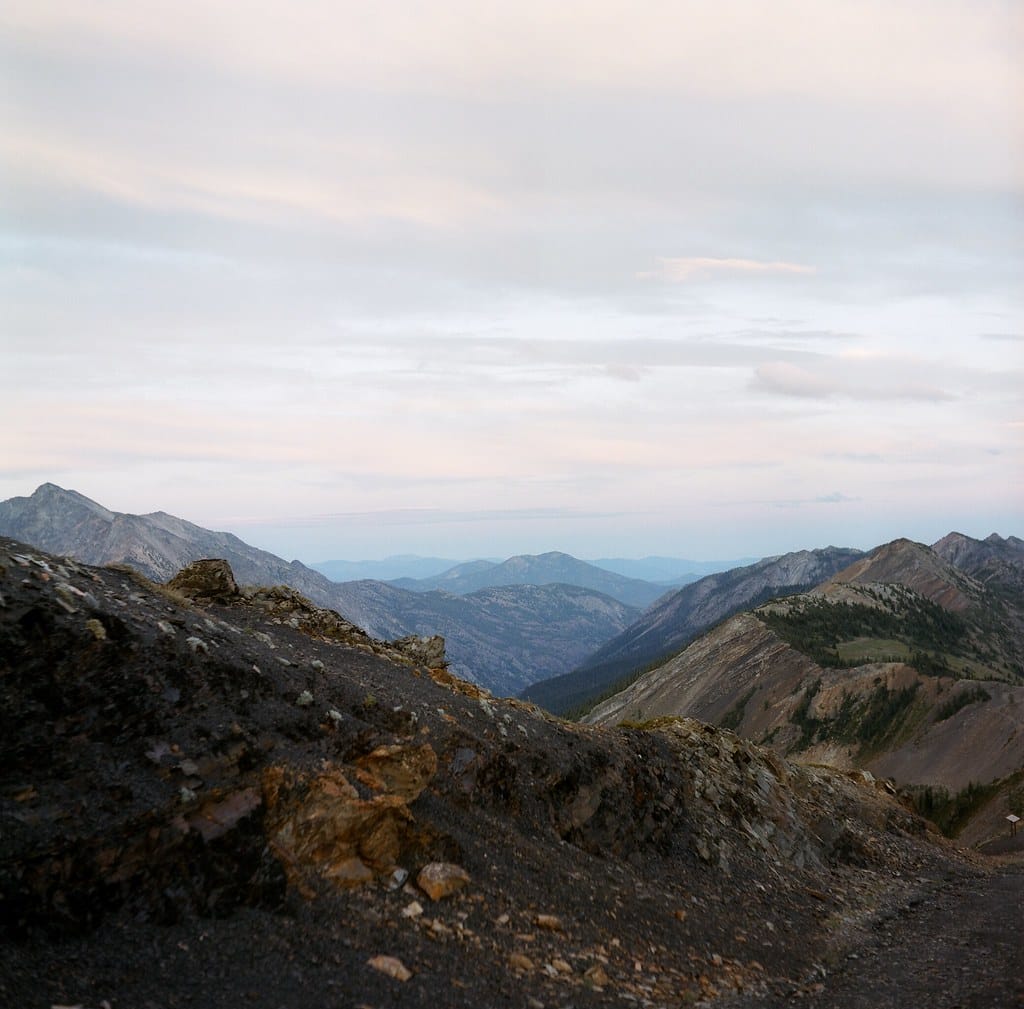
Untitled Mountain Pass — Elias and Theresa Carlson
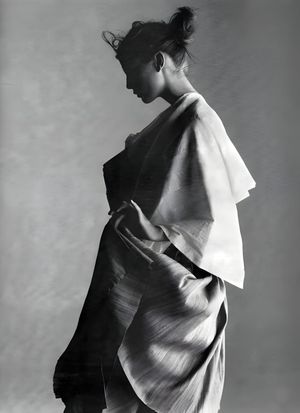
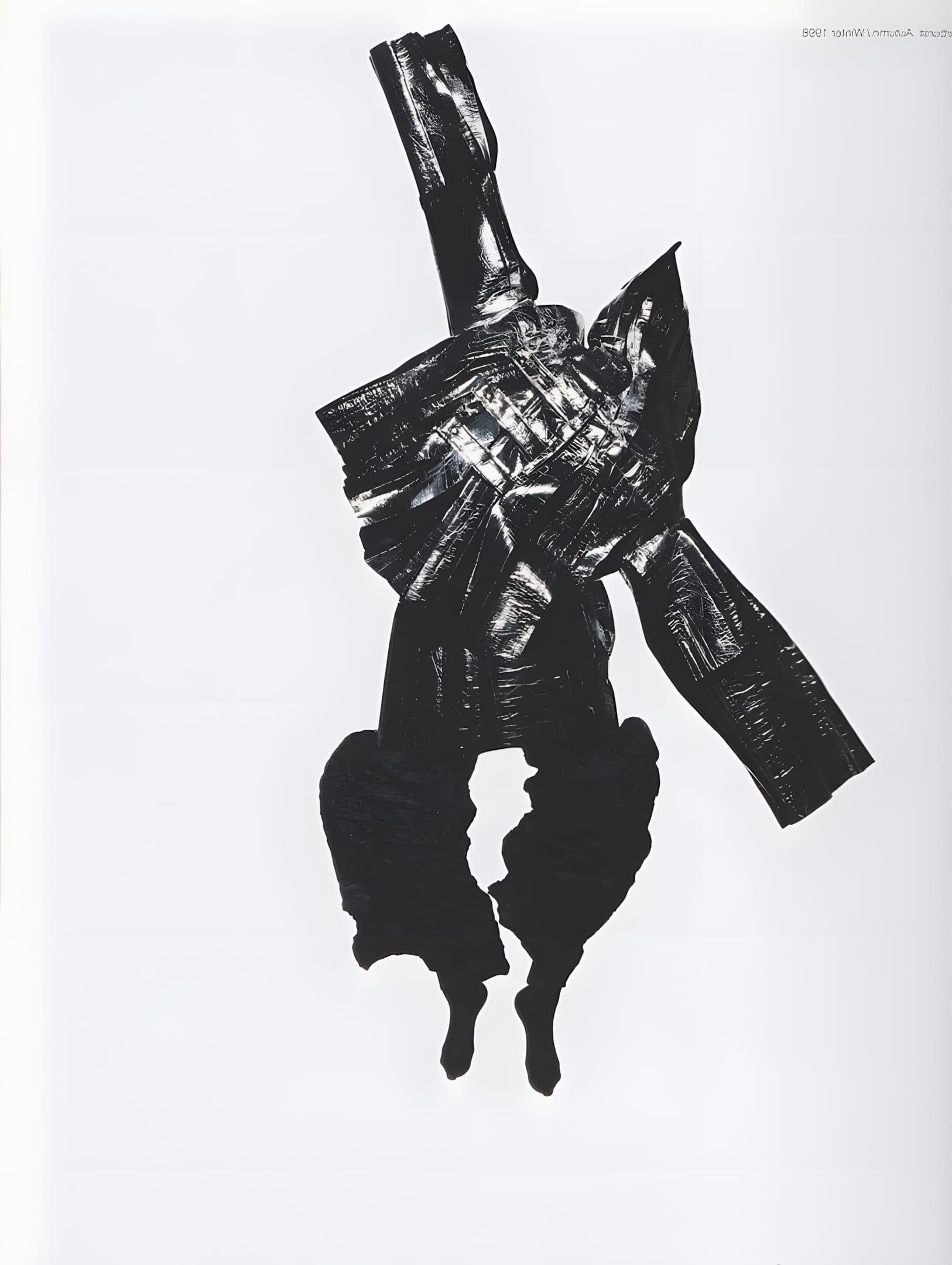
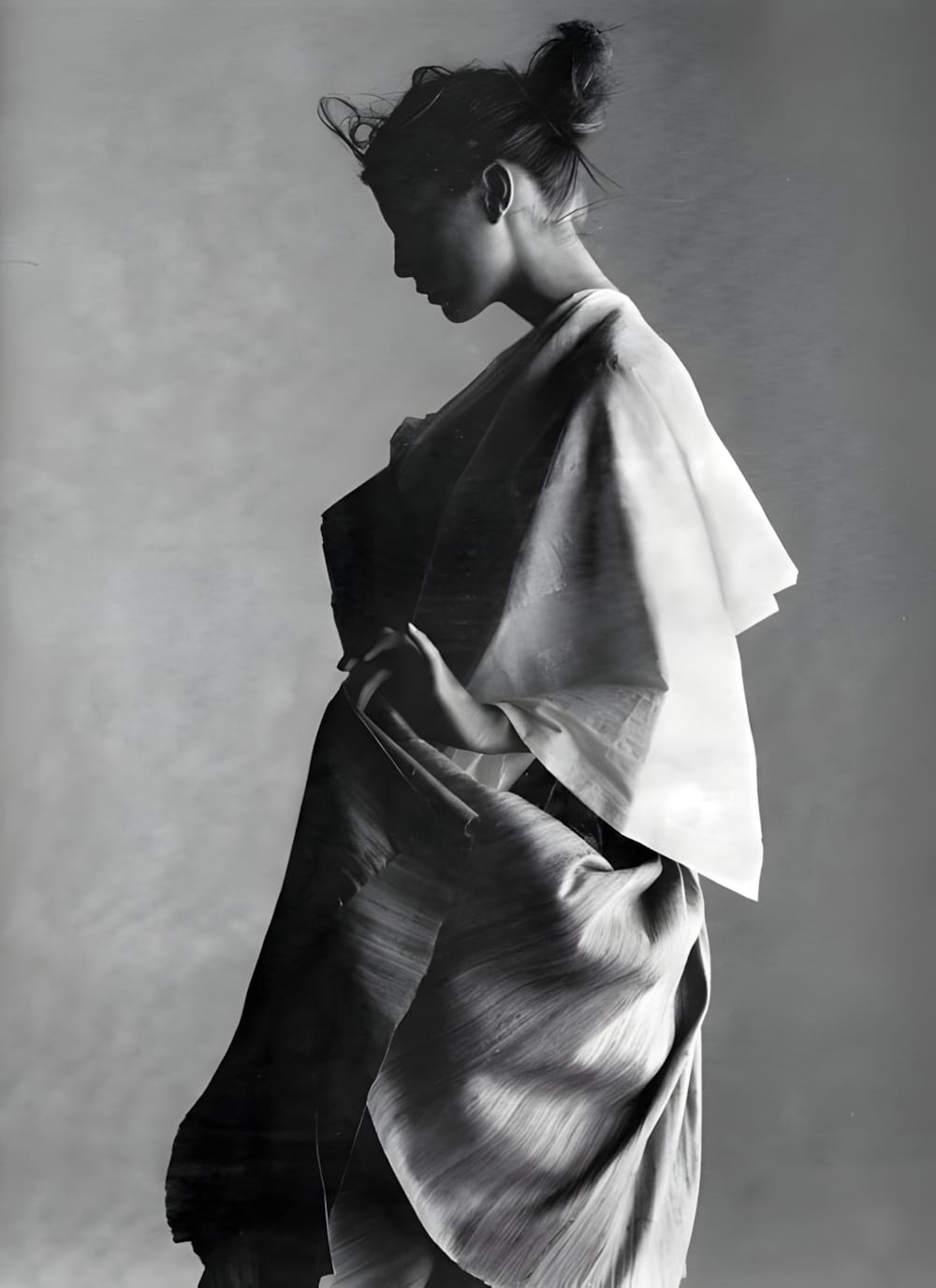
Yohji Yamamoto Editorial — Sculptural Wrap and Pleated Drape
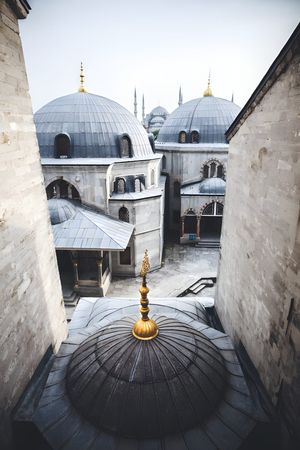
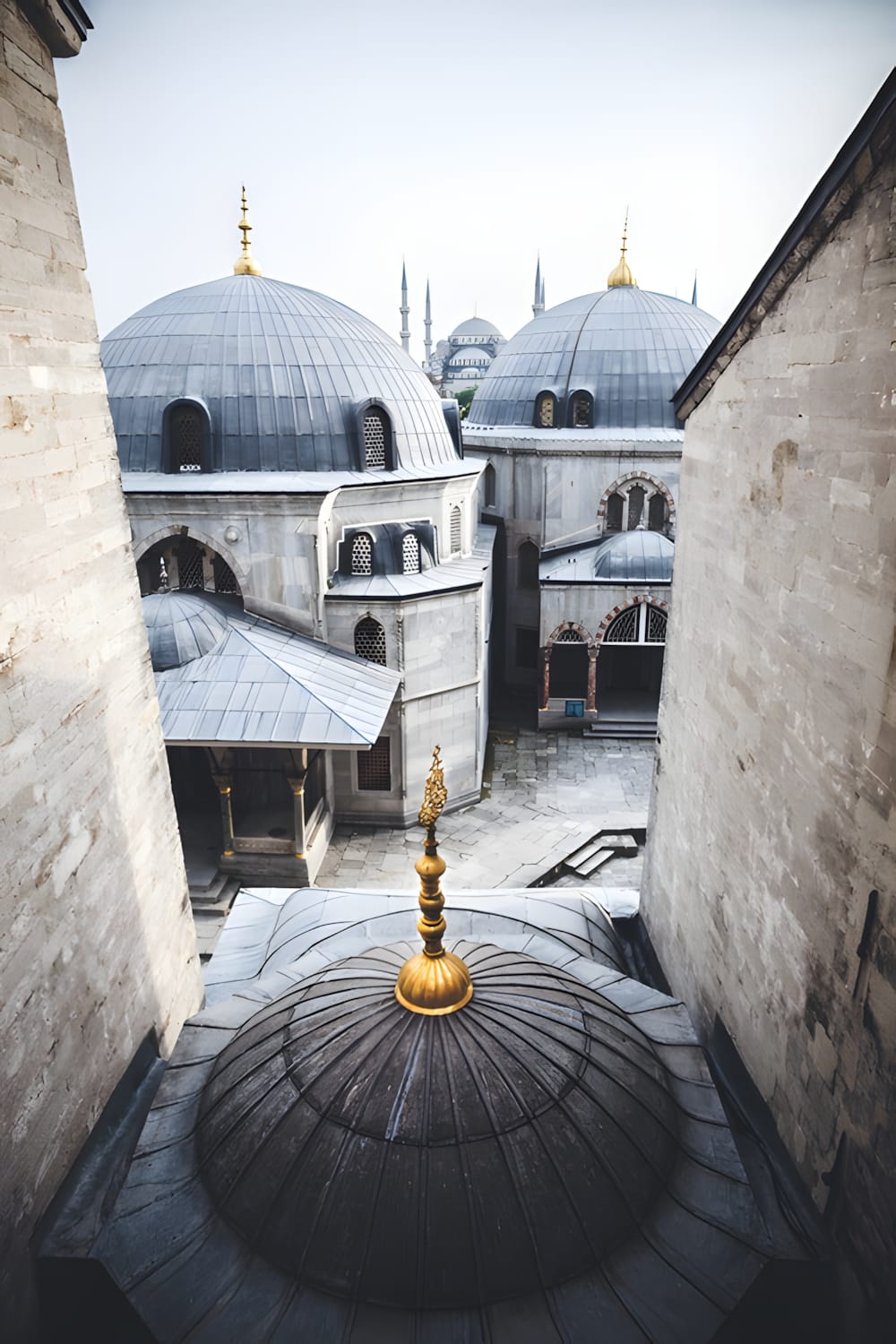
Hagia Sophia, Istanbul
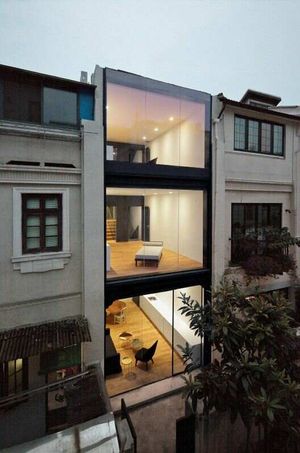
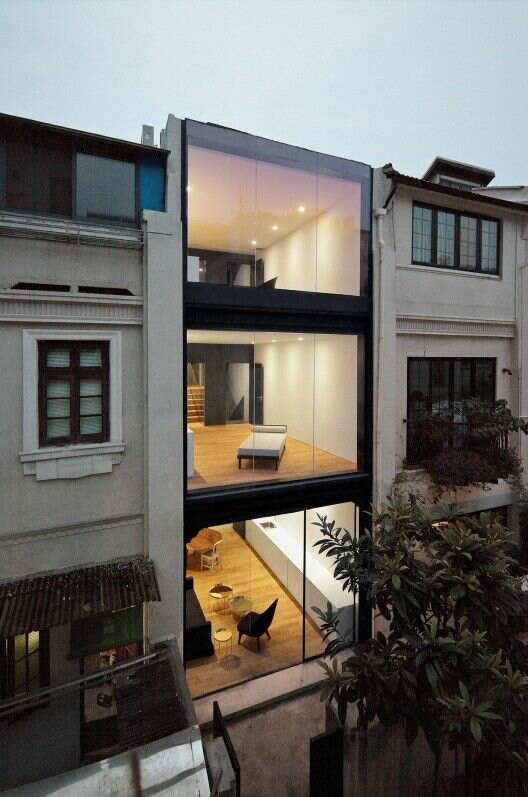
Rethinking the Split House by Neri&Hu, Shanghai
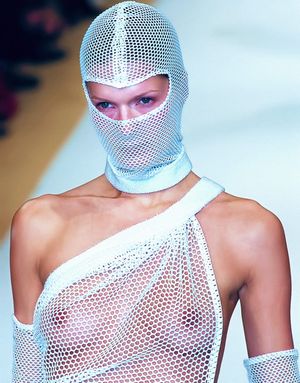
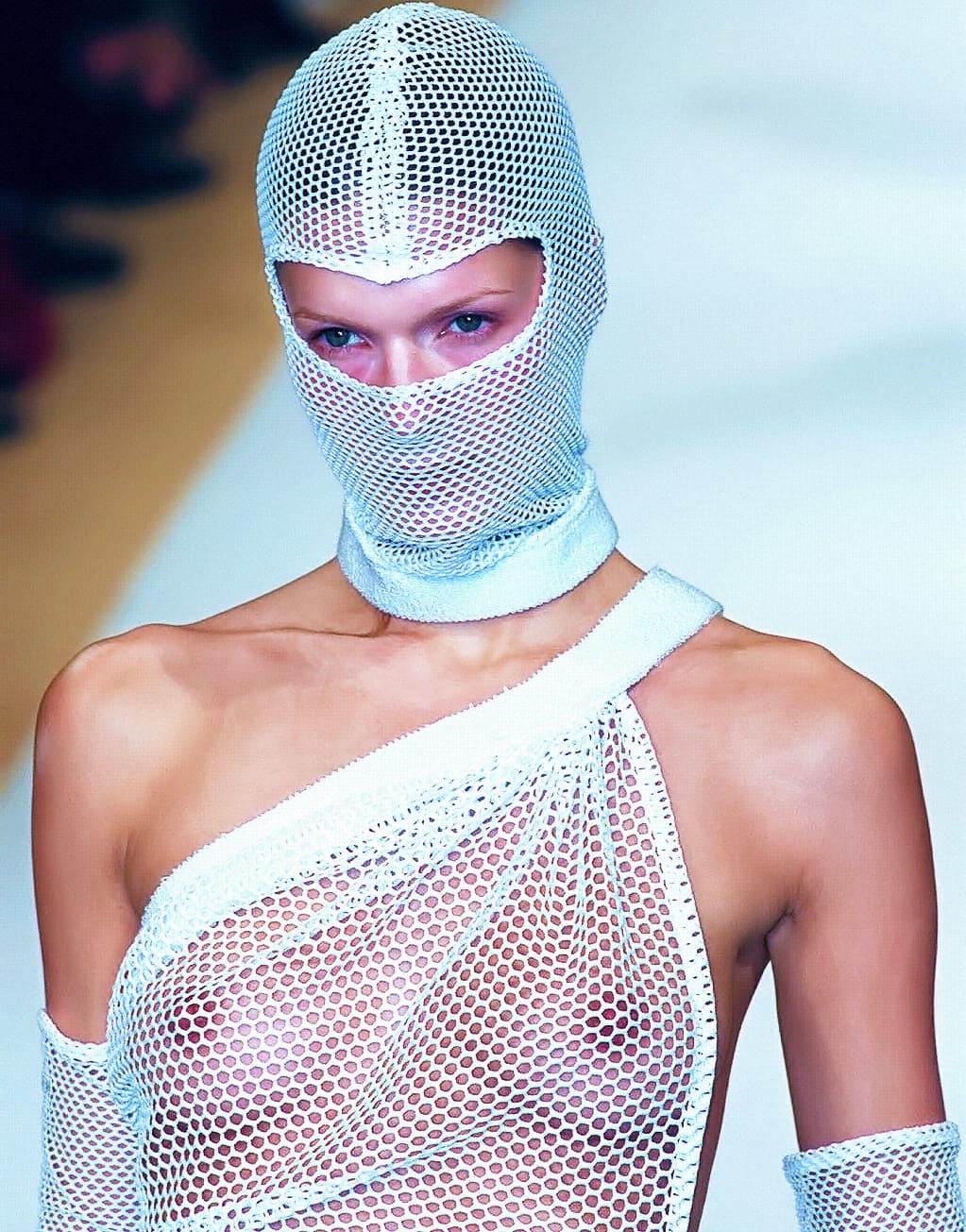
grey93 for 017 Shop
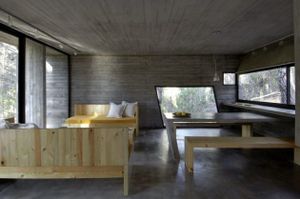
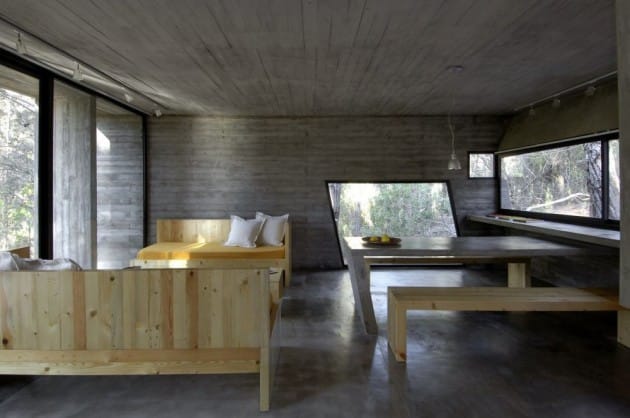
BAK Arquitectos Concrete House Interior, Mar Azul
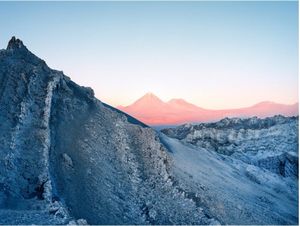
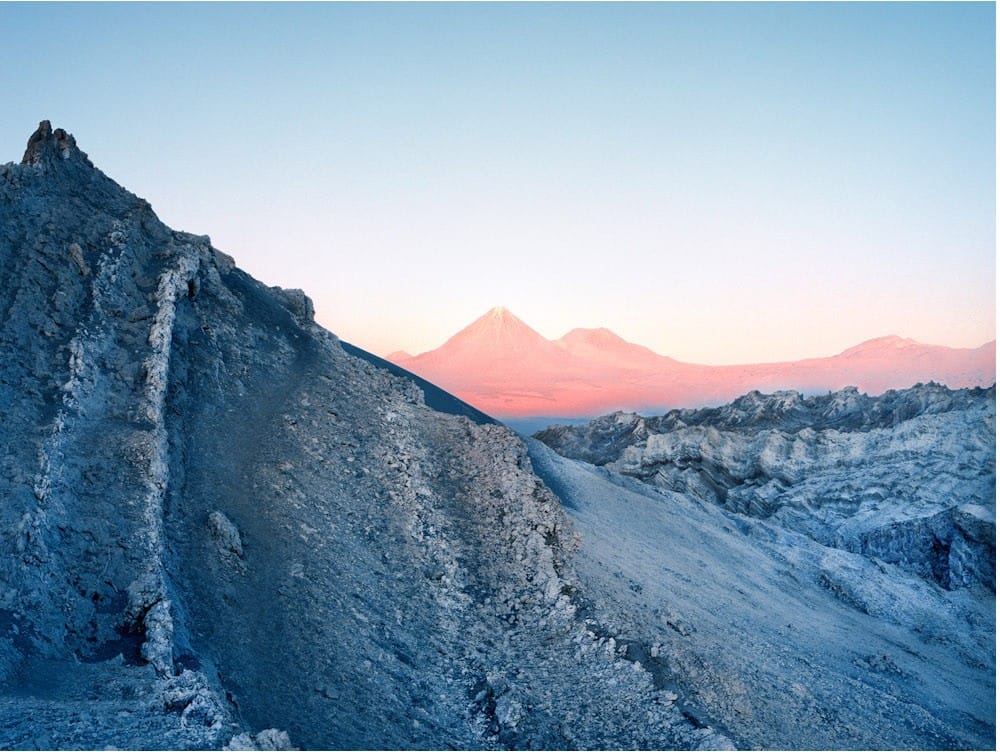
Kamchatka Volcanic Landscape
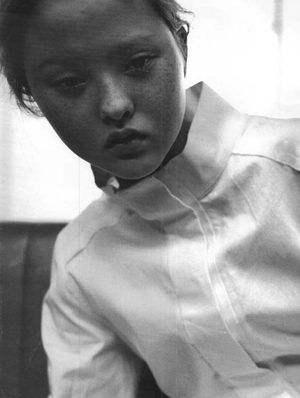

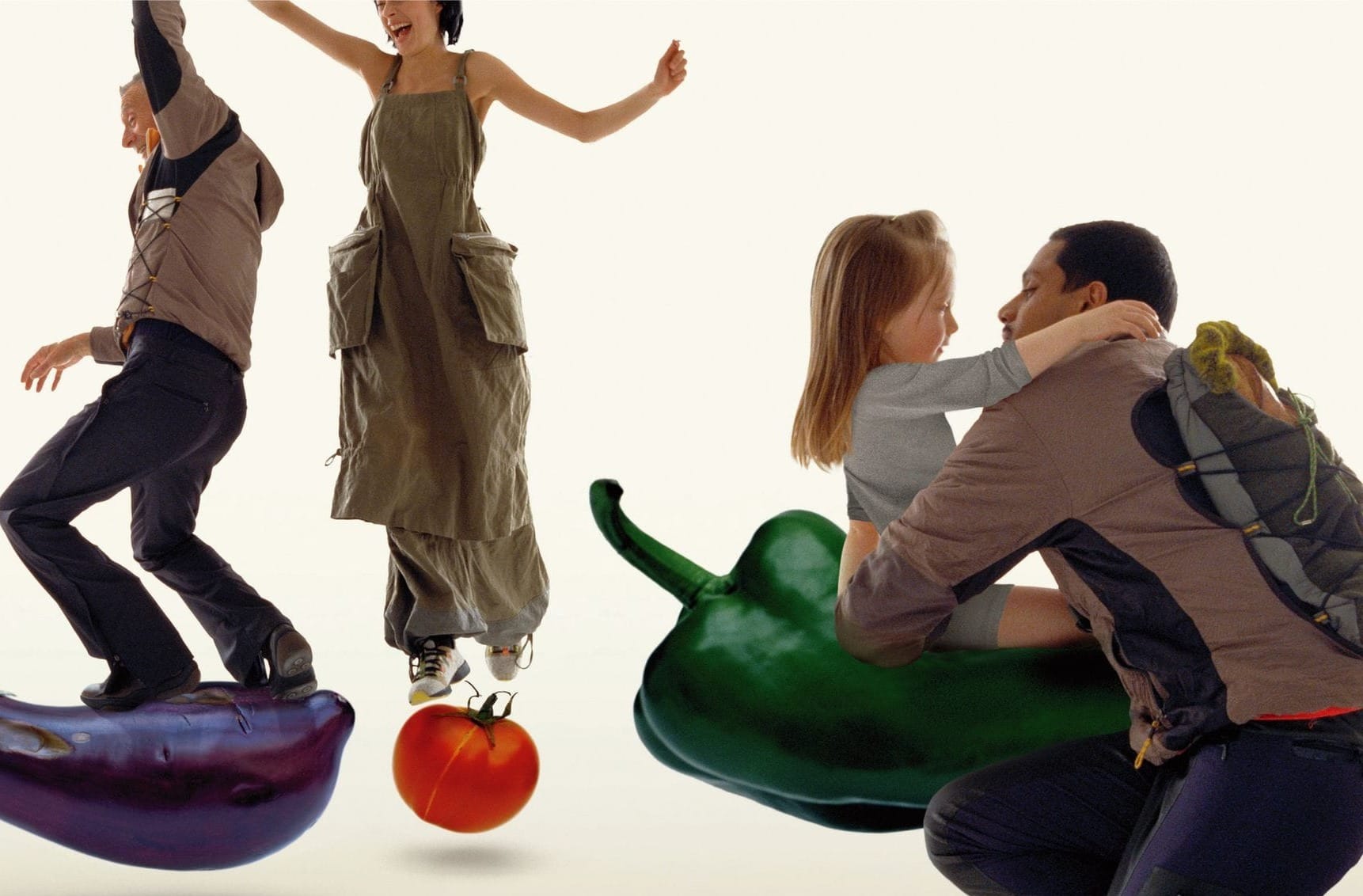
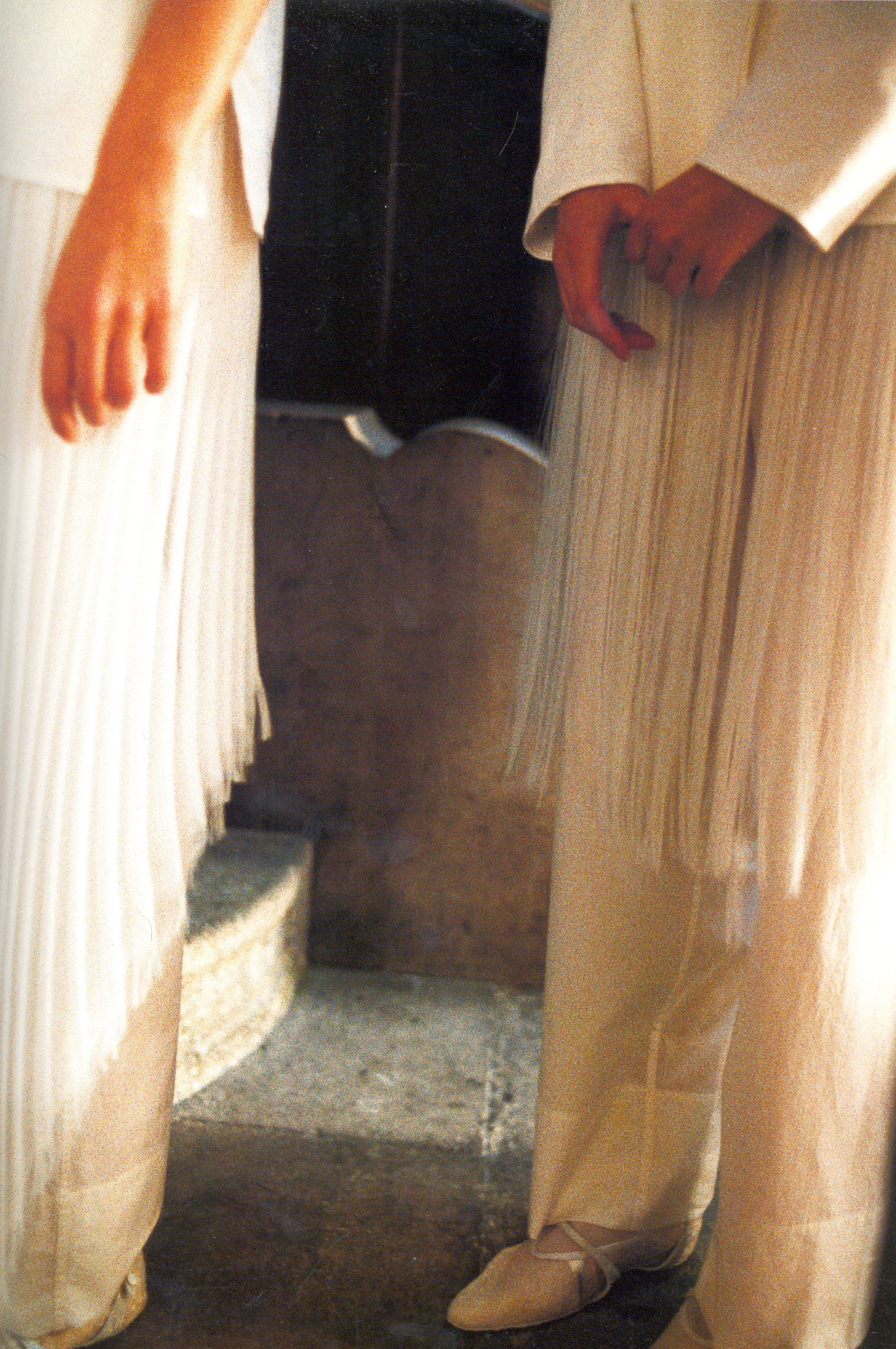
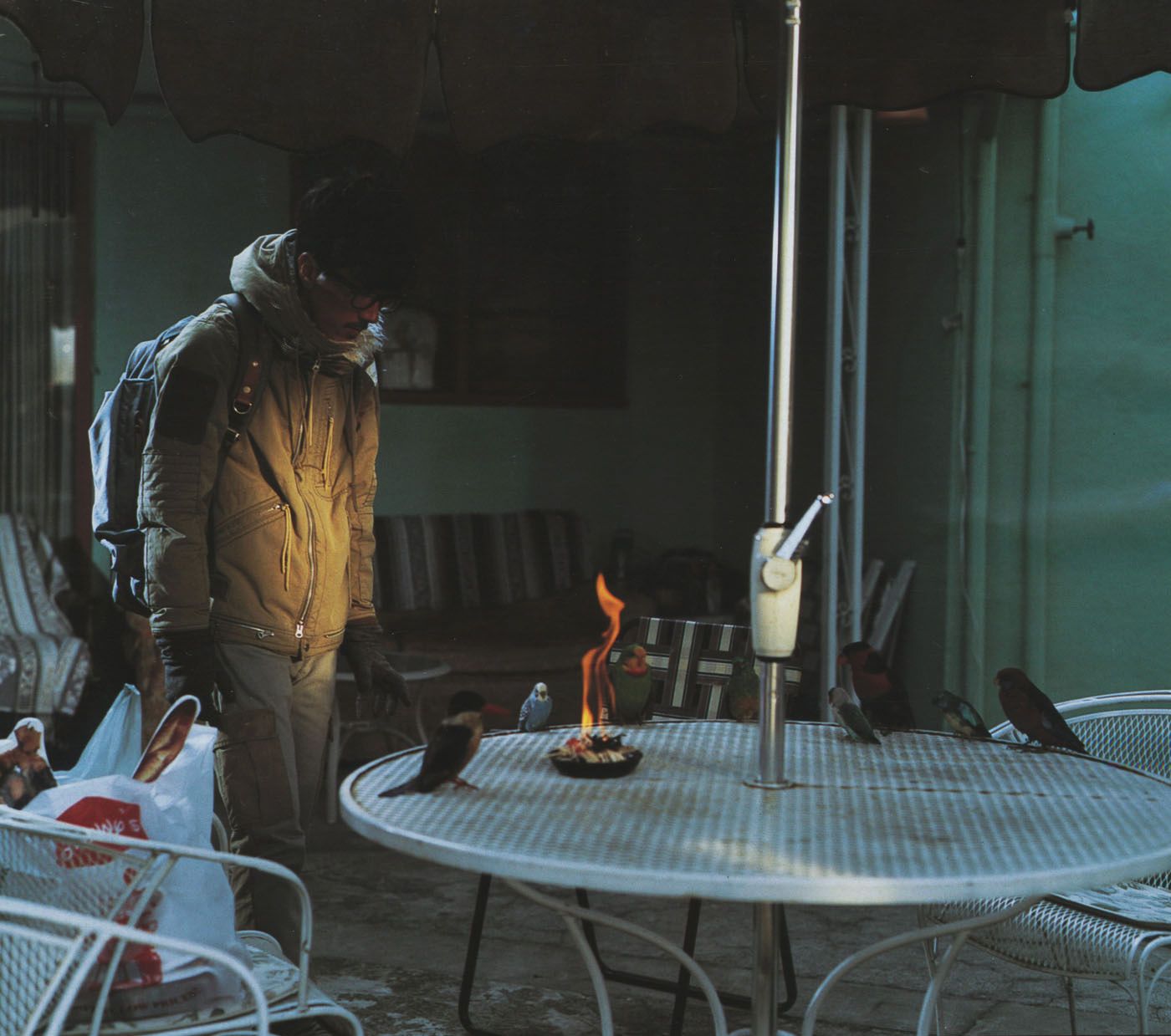
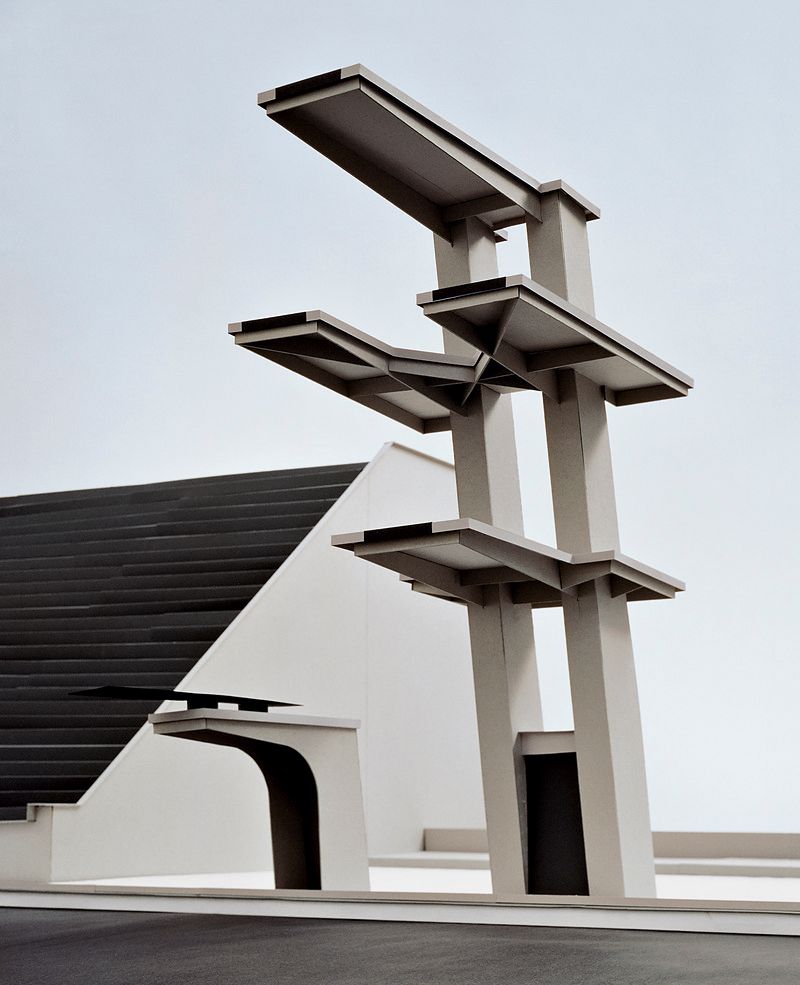
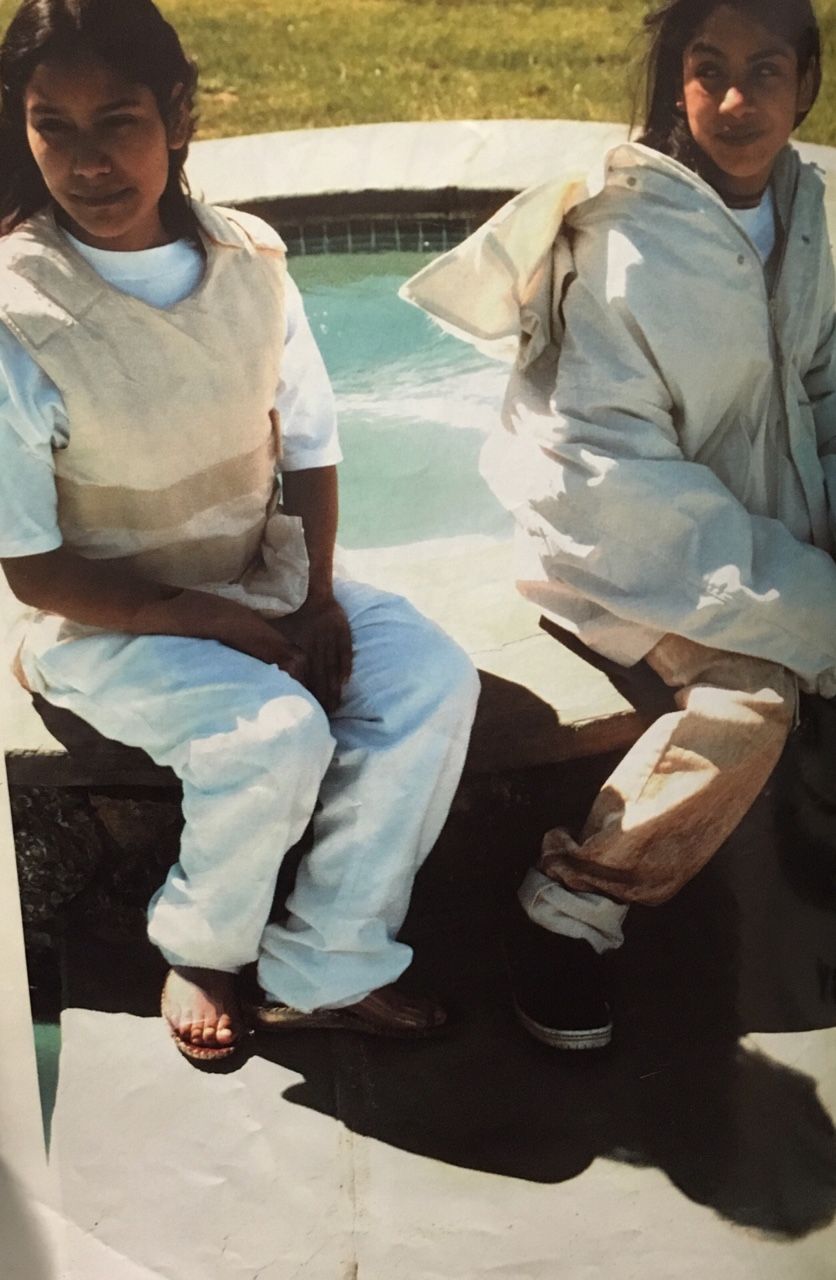
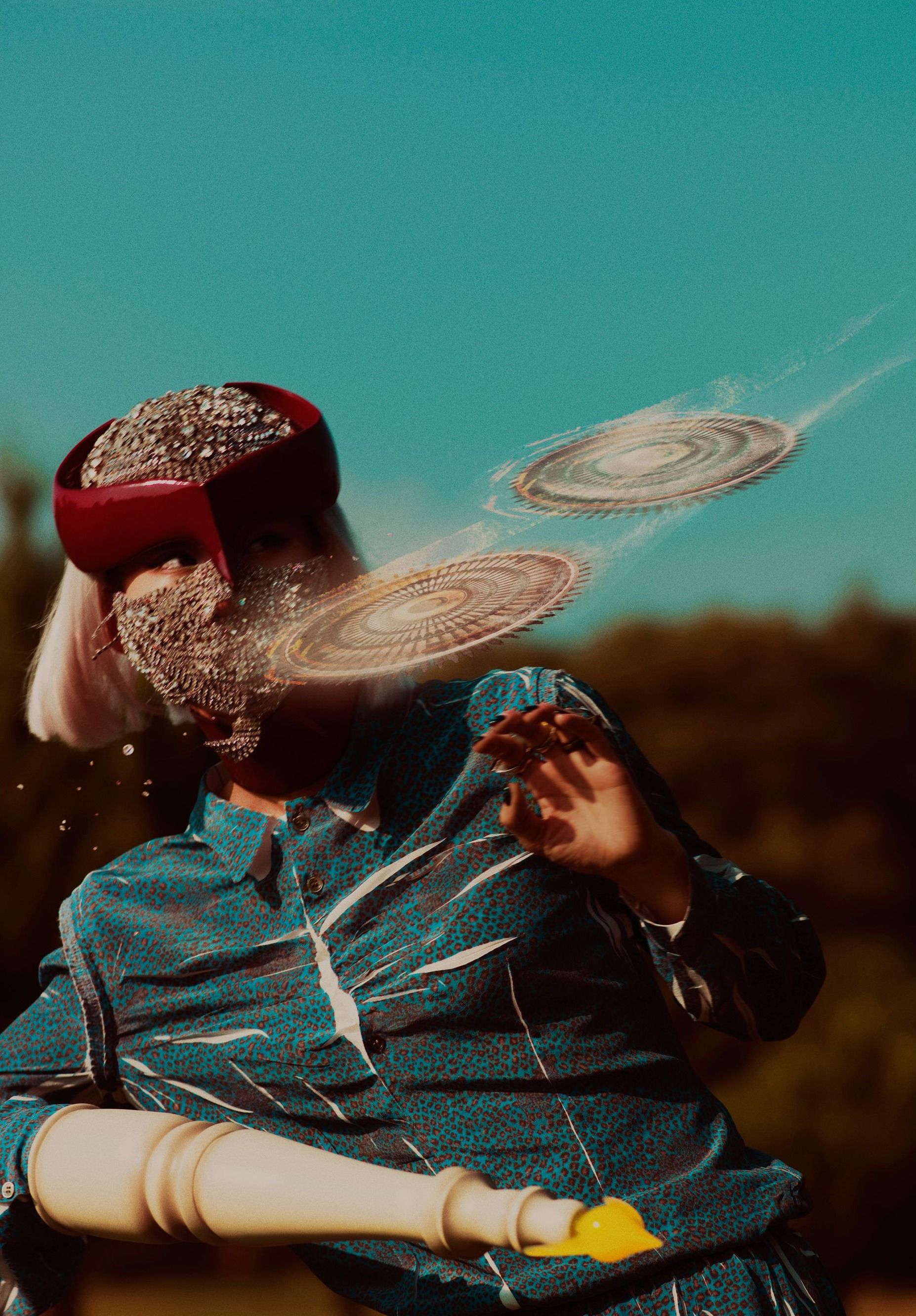
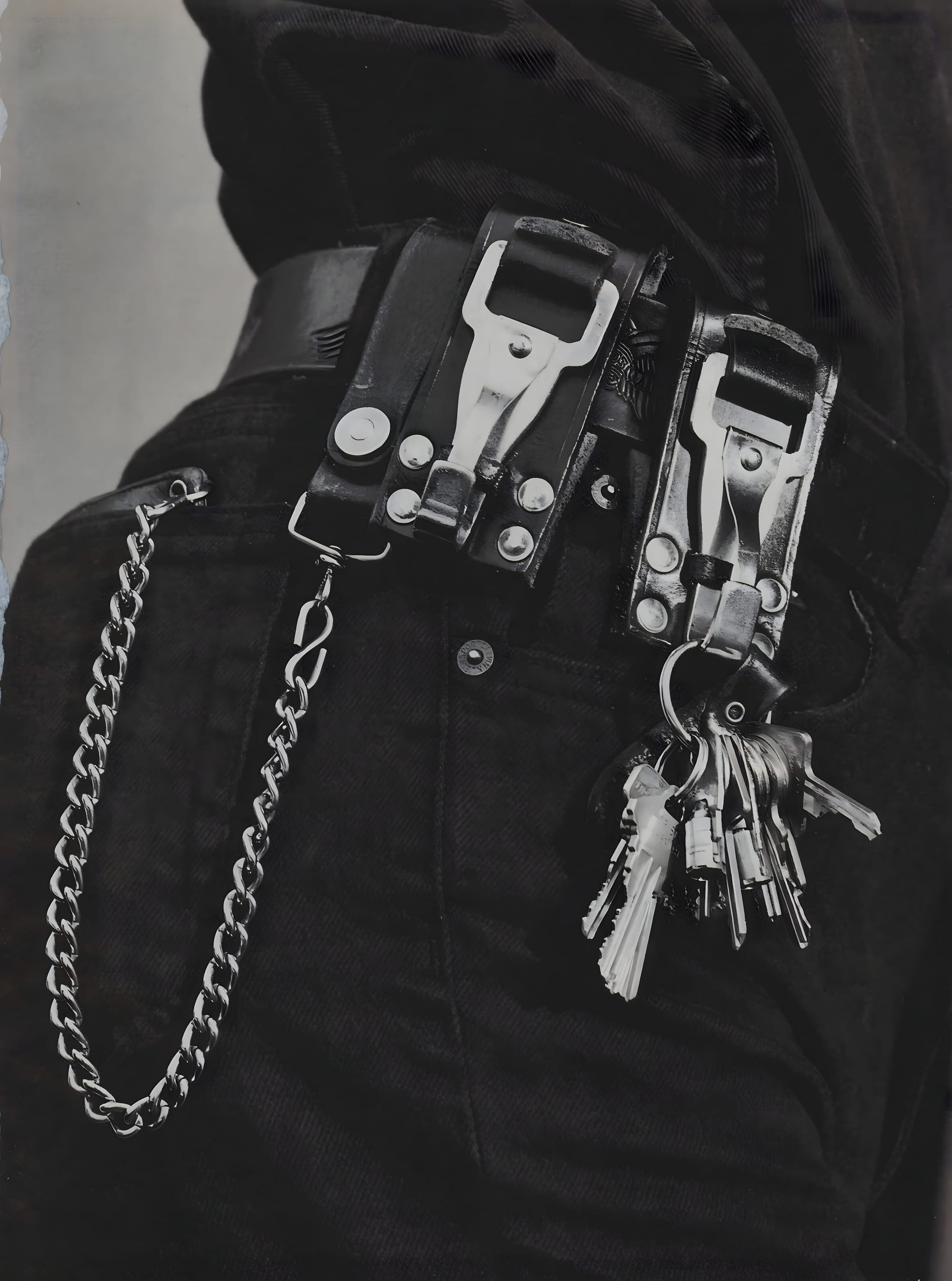

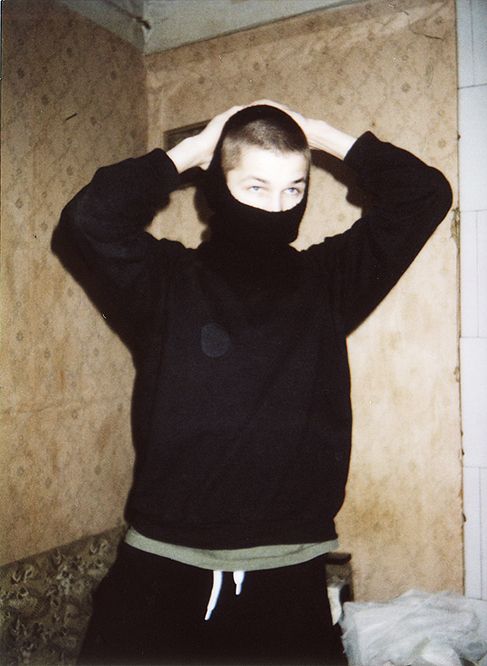
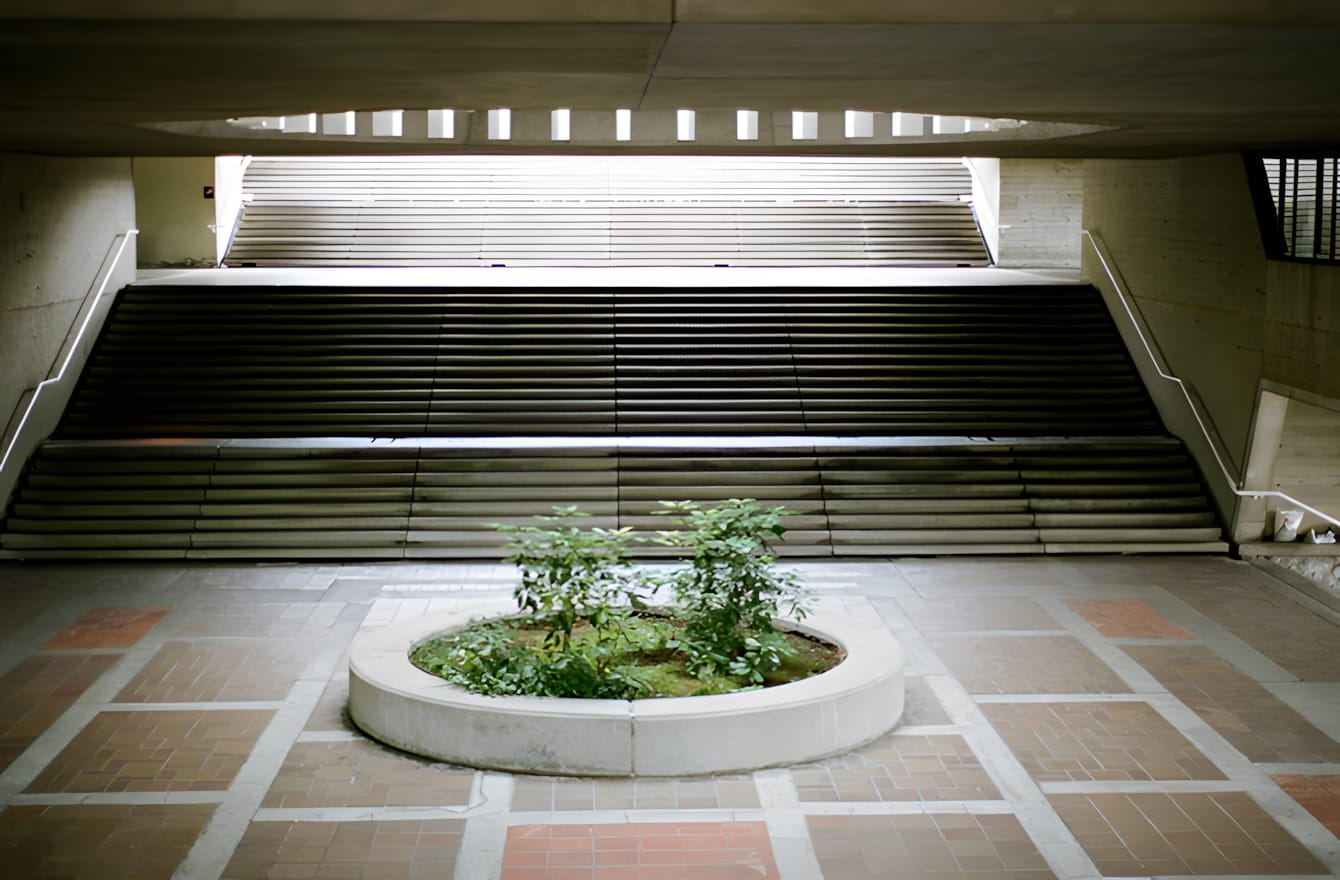
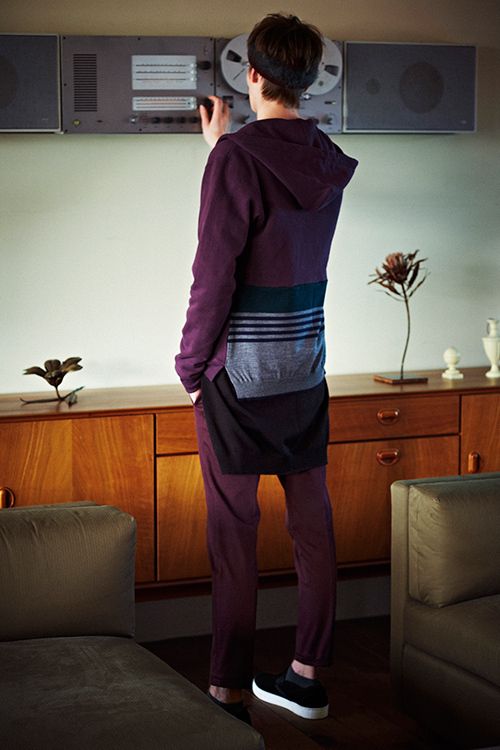
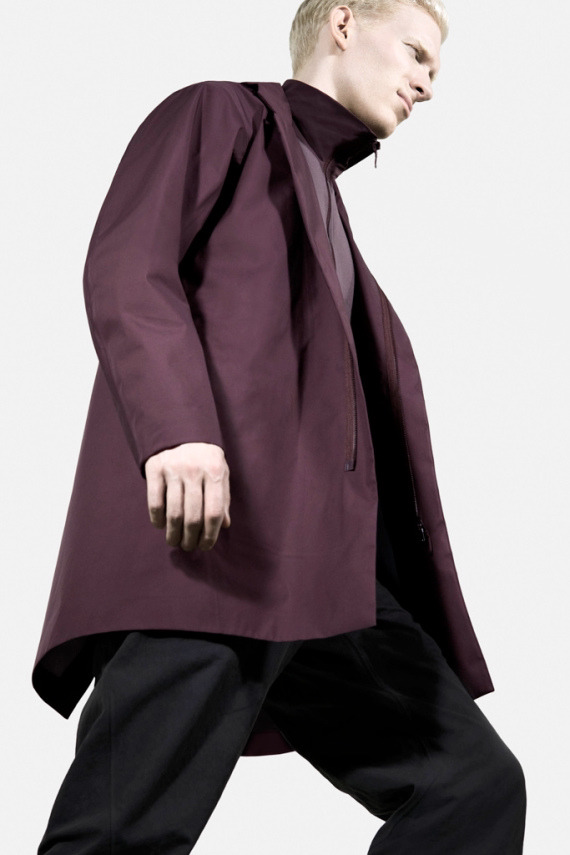
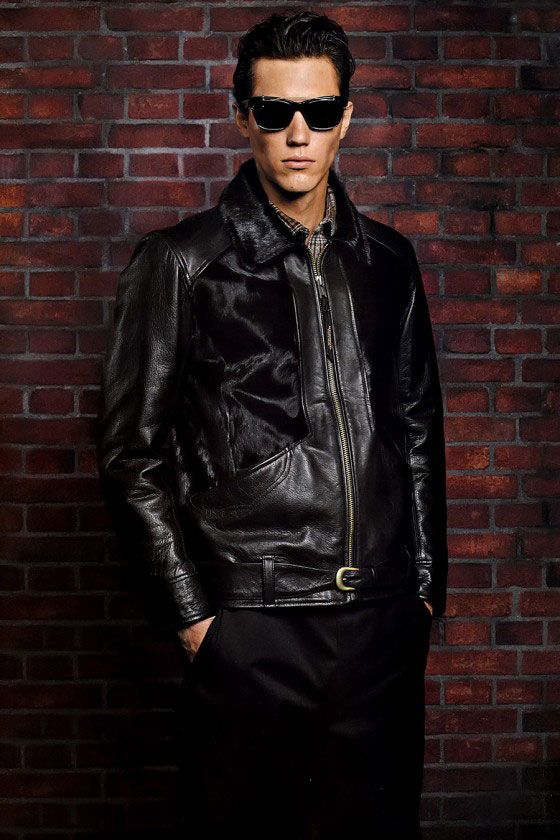
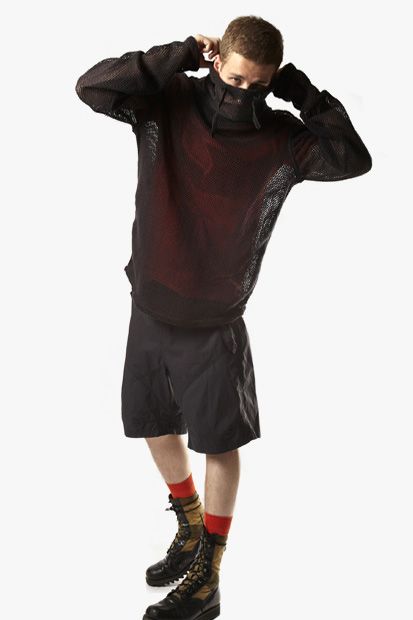
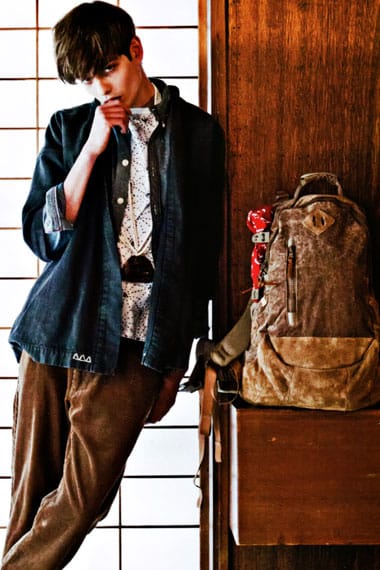

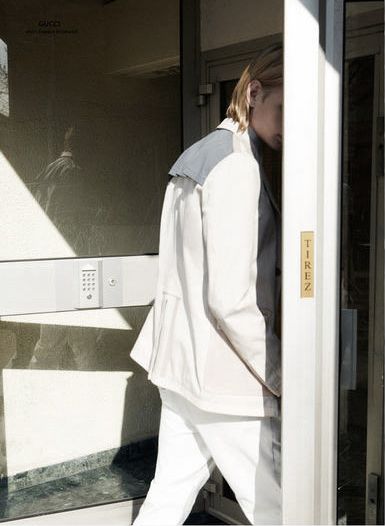

Cottweiler aw2013
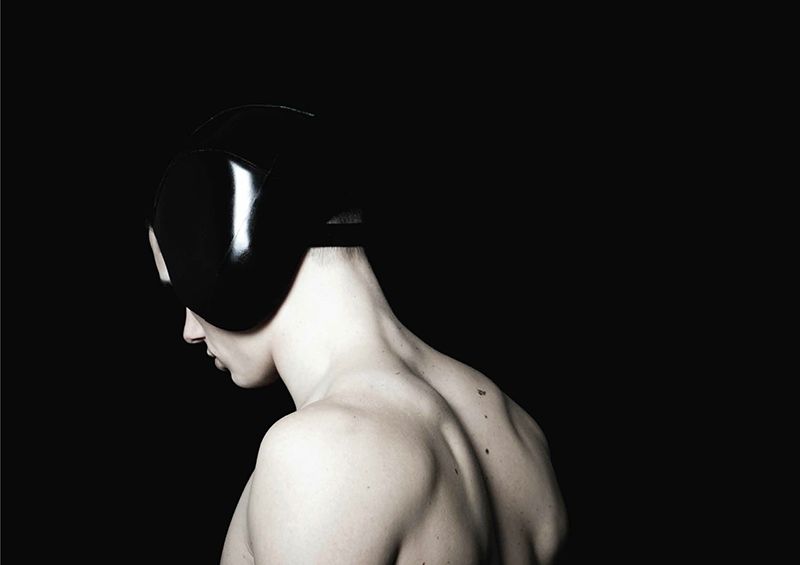
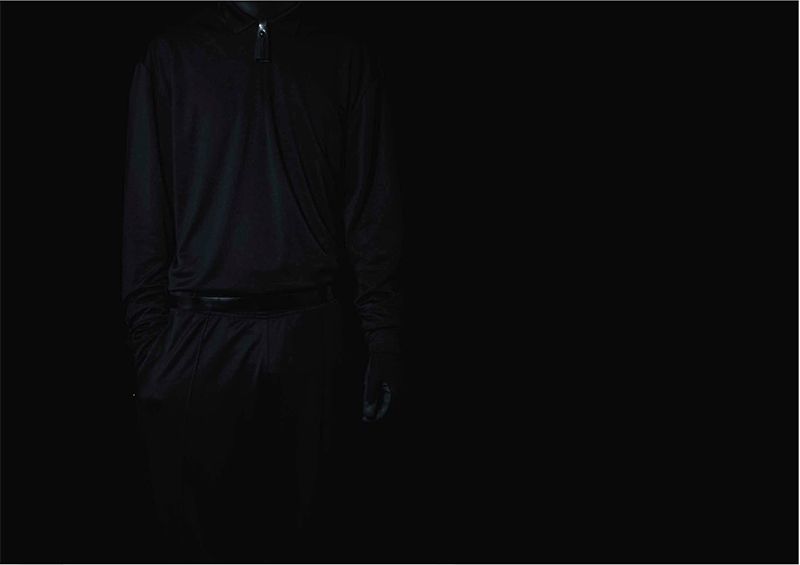
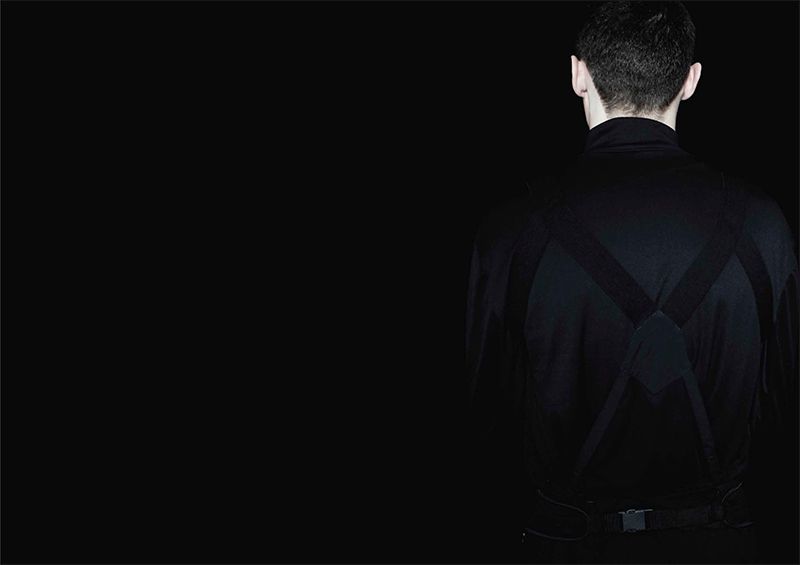
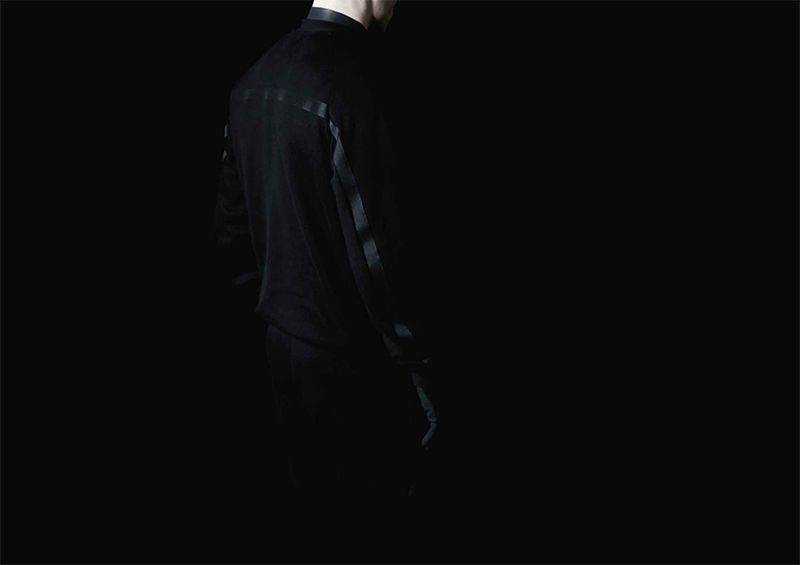
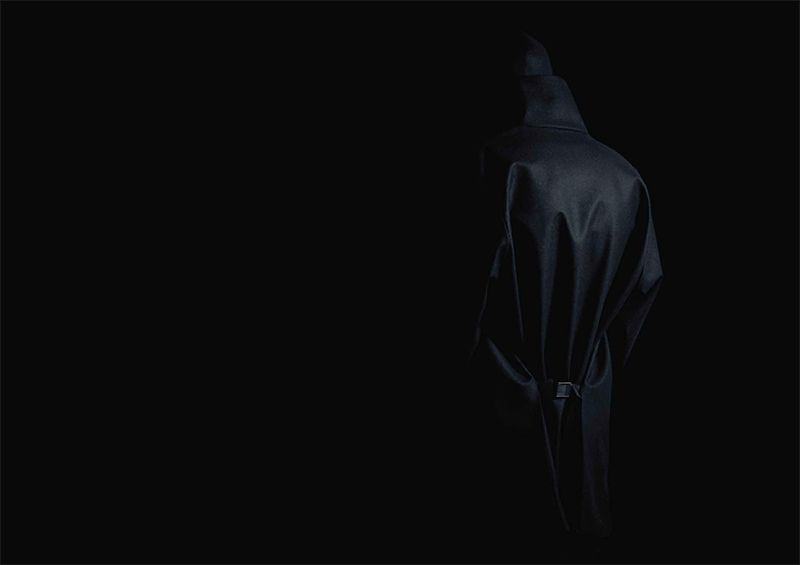
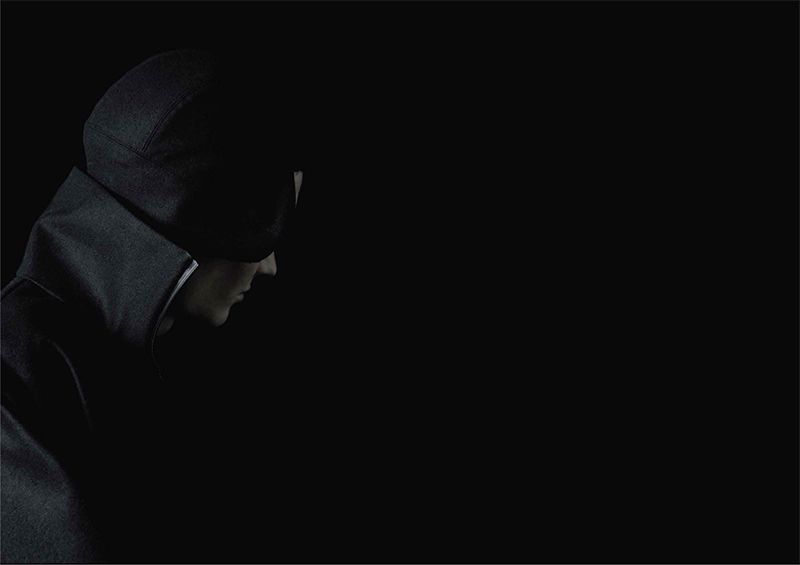
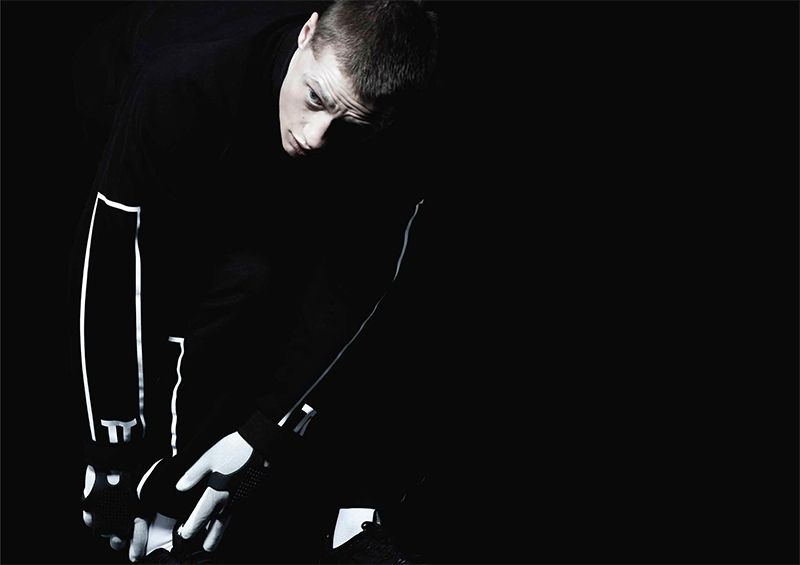
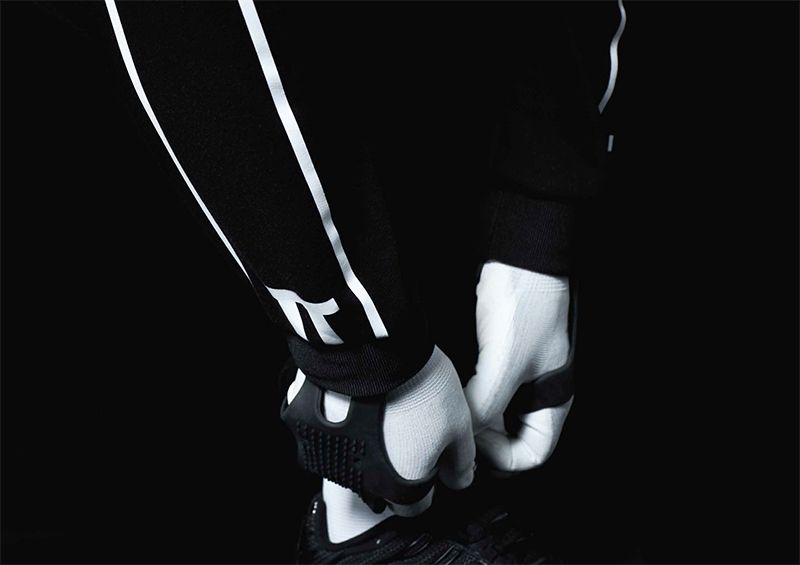
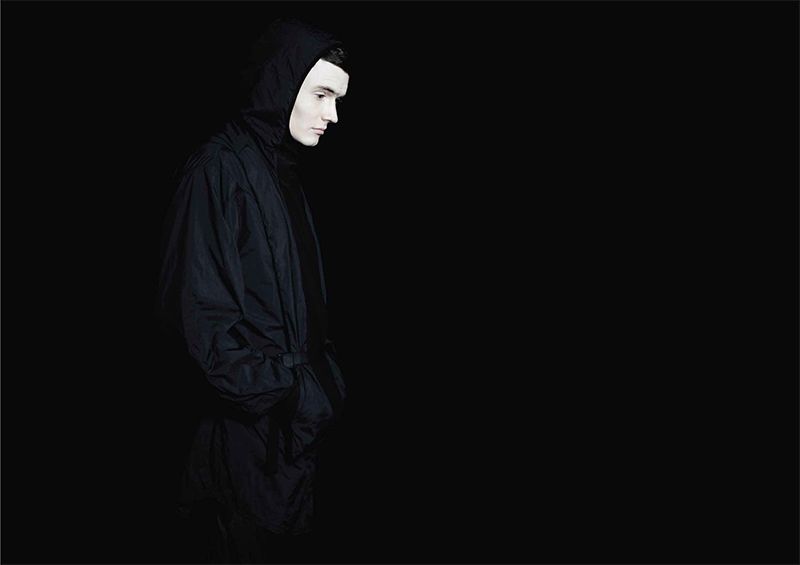
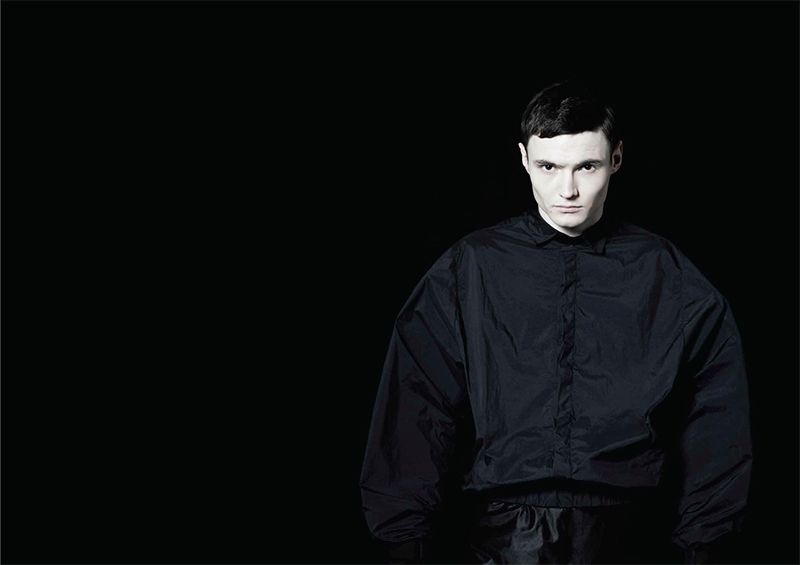
Credits:
Photography: Aline &Jacqueline Tappia Reynaud
Stylist: Lorenzo Posocco
Models: Charlie & Robin
Hair: Sophie Harris
Make-up: Jasmin Laura Rosso
Assistant: James Rg Neville
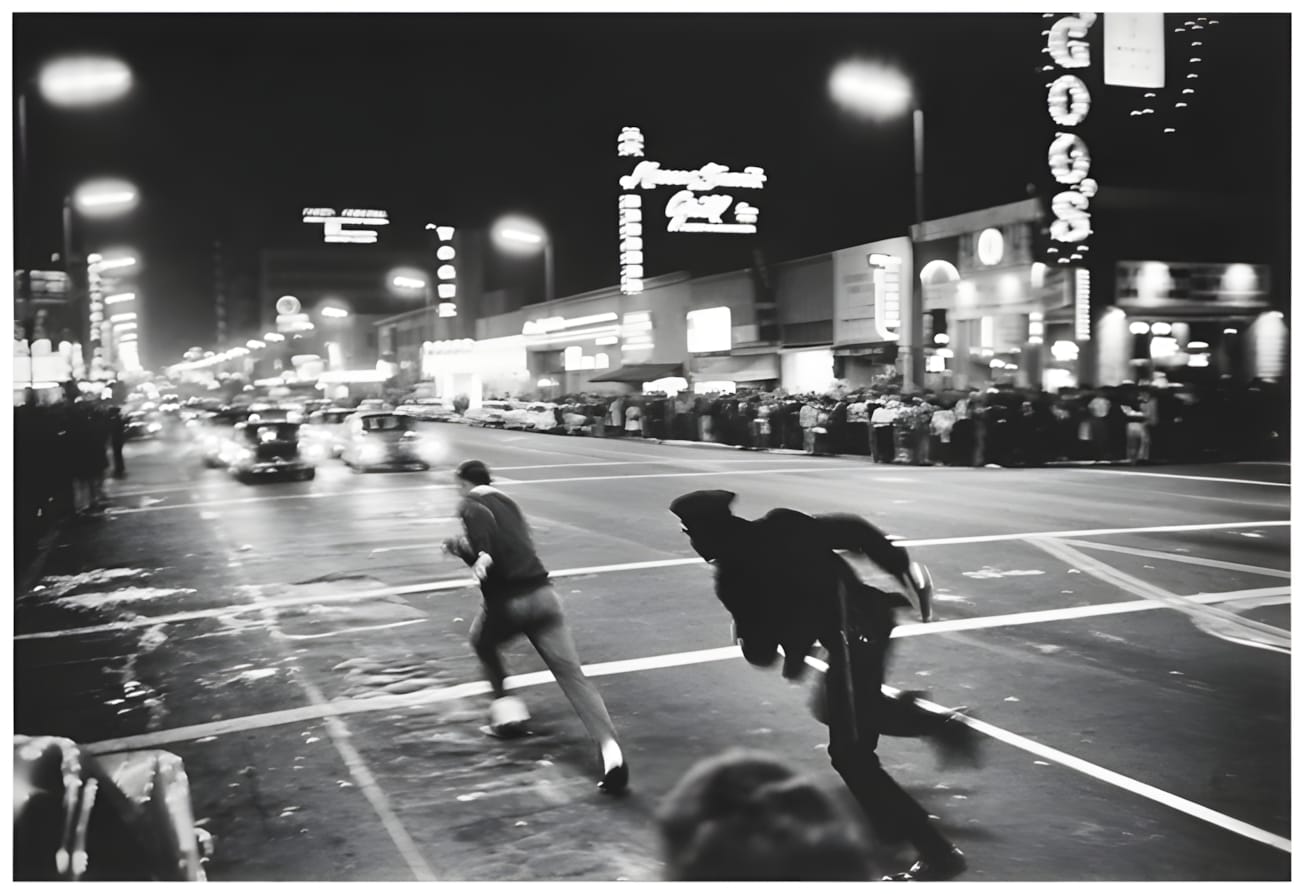
Julian Wasser — Arrest on Hollywood Boulevard (1970)


KiBiSi XTable Cable Compartment Detail


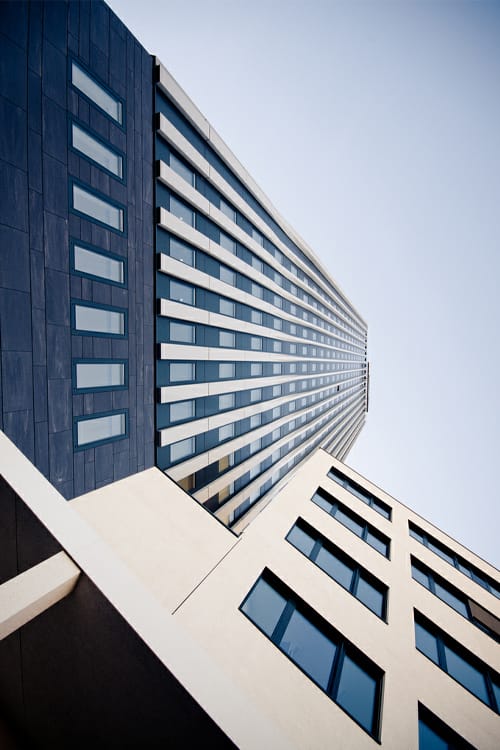
High-Rise Building — Urban Architecture
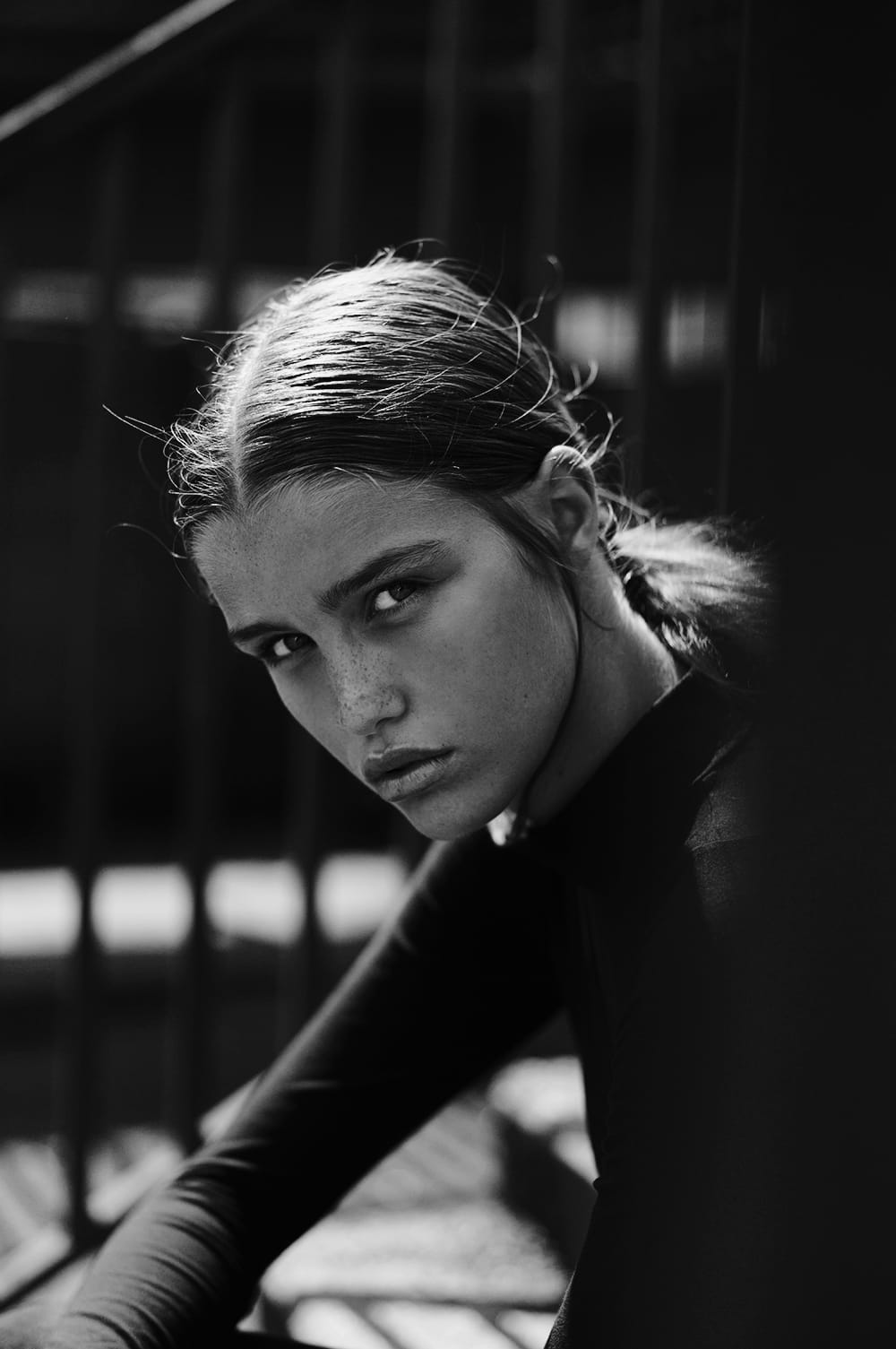
Unseen Luna by Ash Kingston
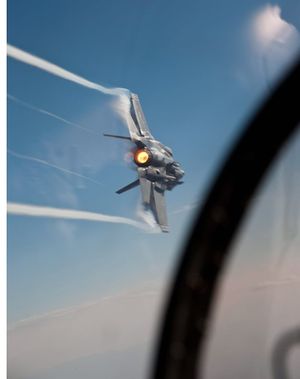
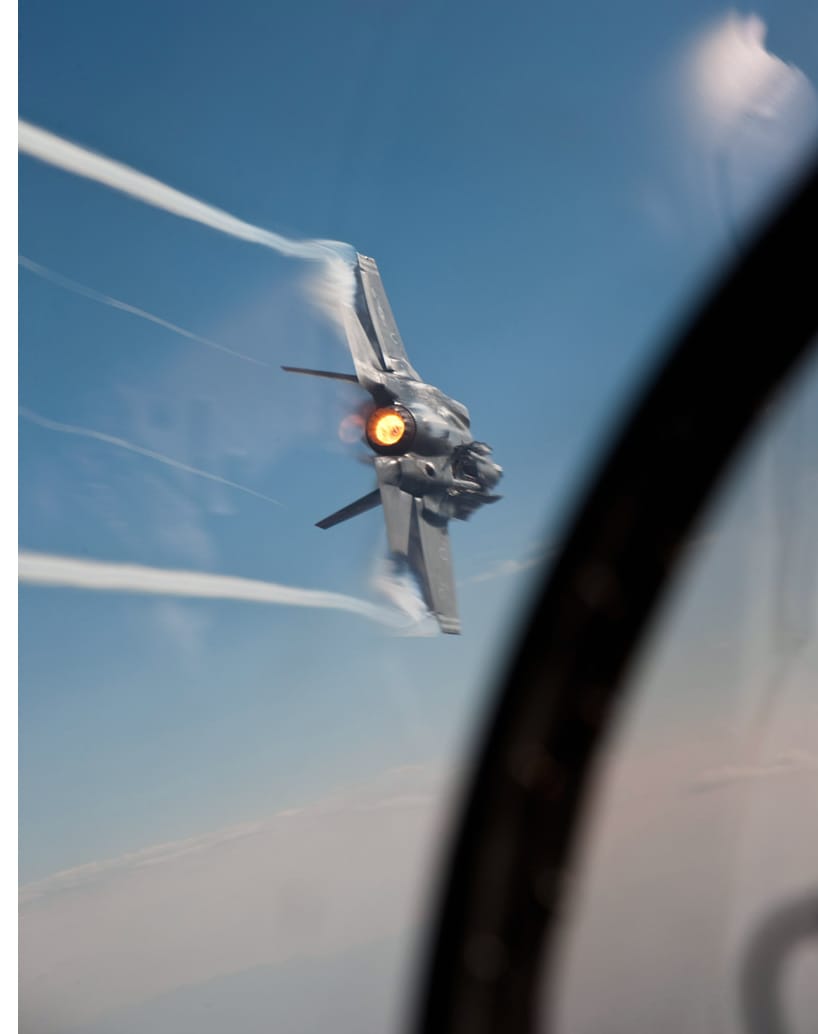
Lockheed Martin F-35 Lightning II


Tattooed Man Lighting a Cigarette
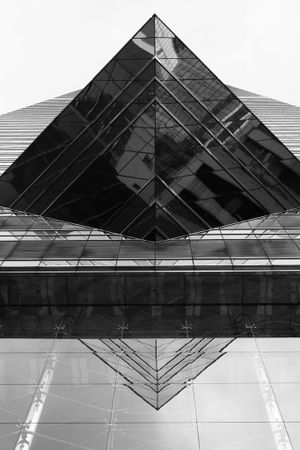
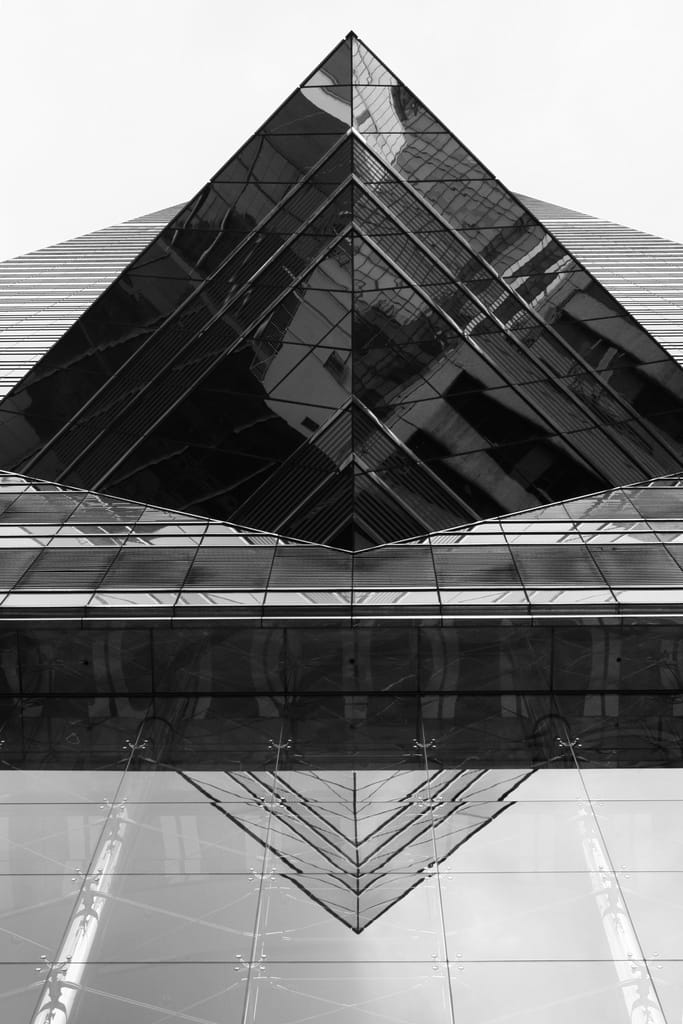
The Center Hong Kong
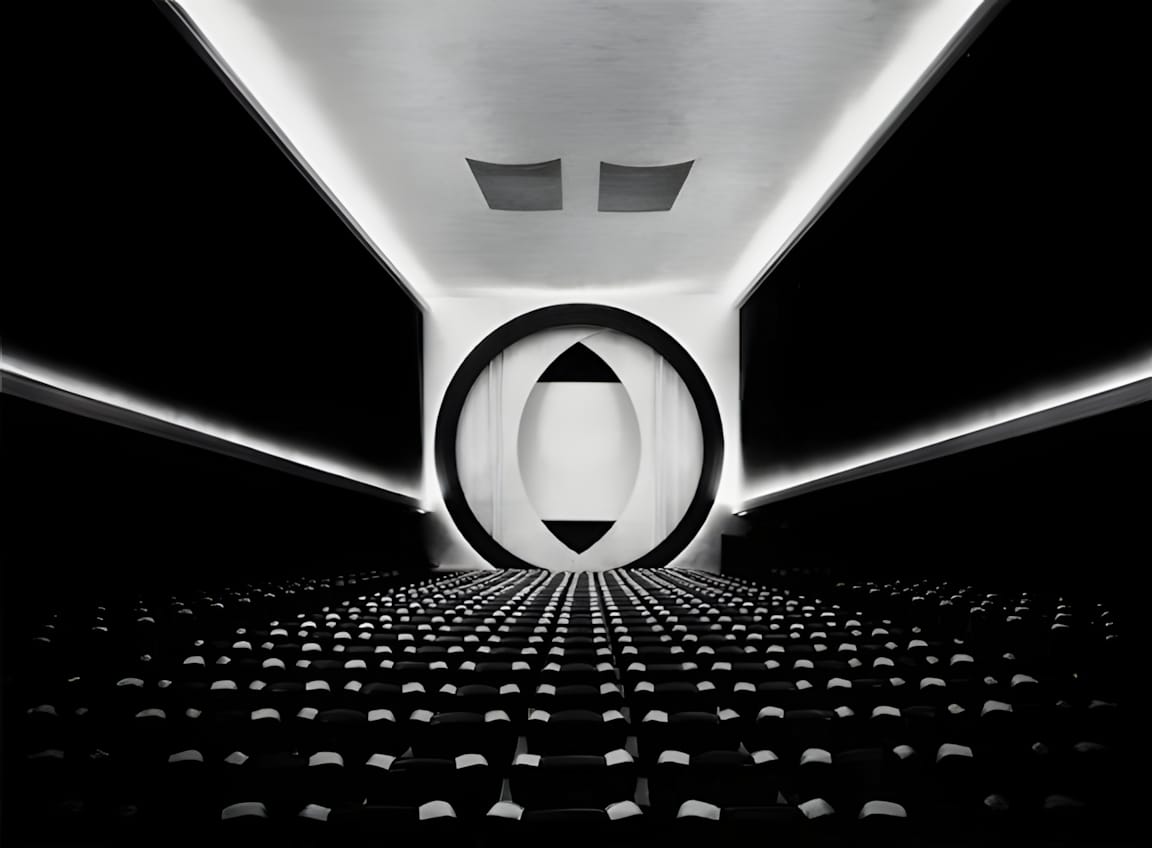
Ruth Bernhard — Eighth Street Movie Theater, New York (Frederick Kiesler, Architect), 1946
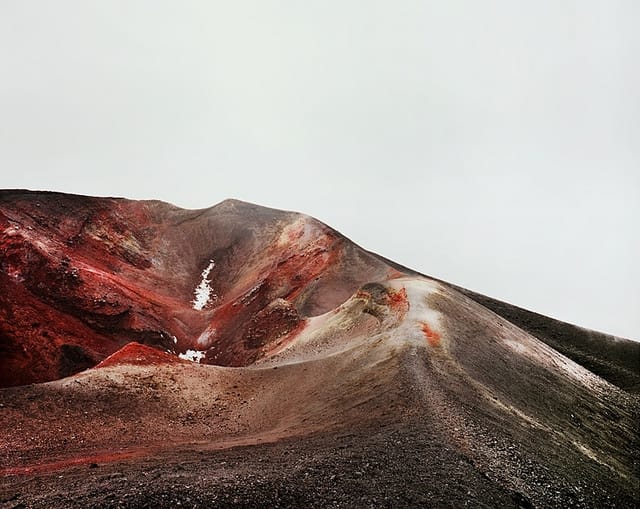
Mount Etna — Volcanic Landscape Sicily

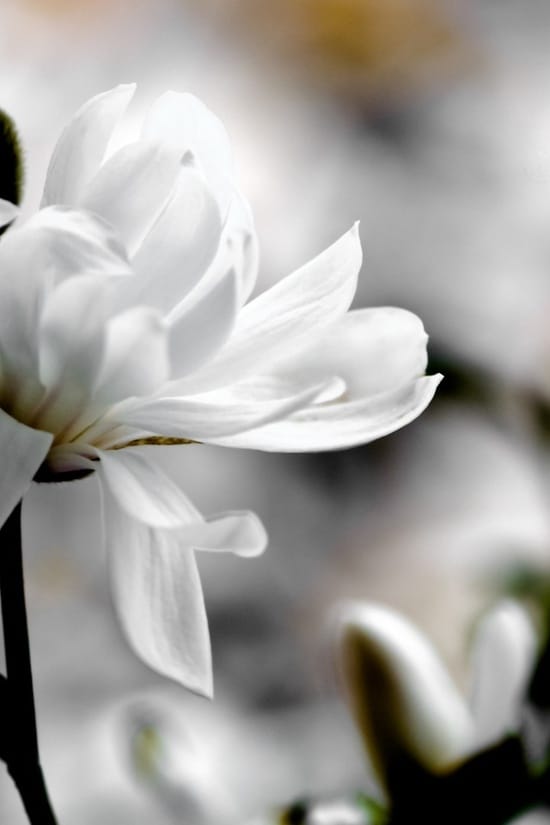
Star Magnolia — Magnolia stellata Macro
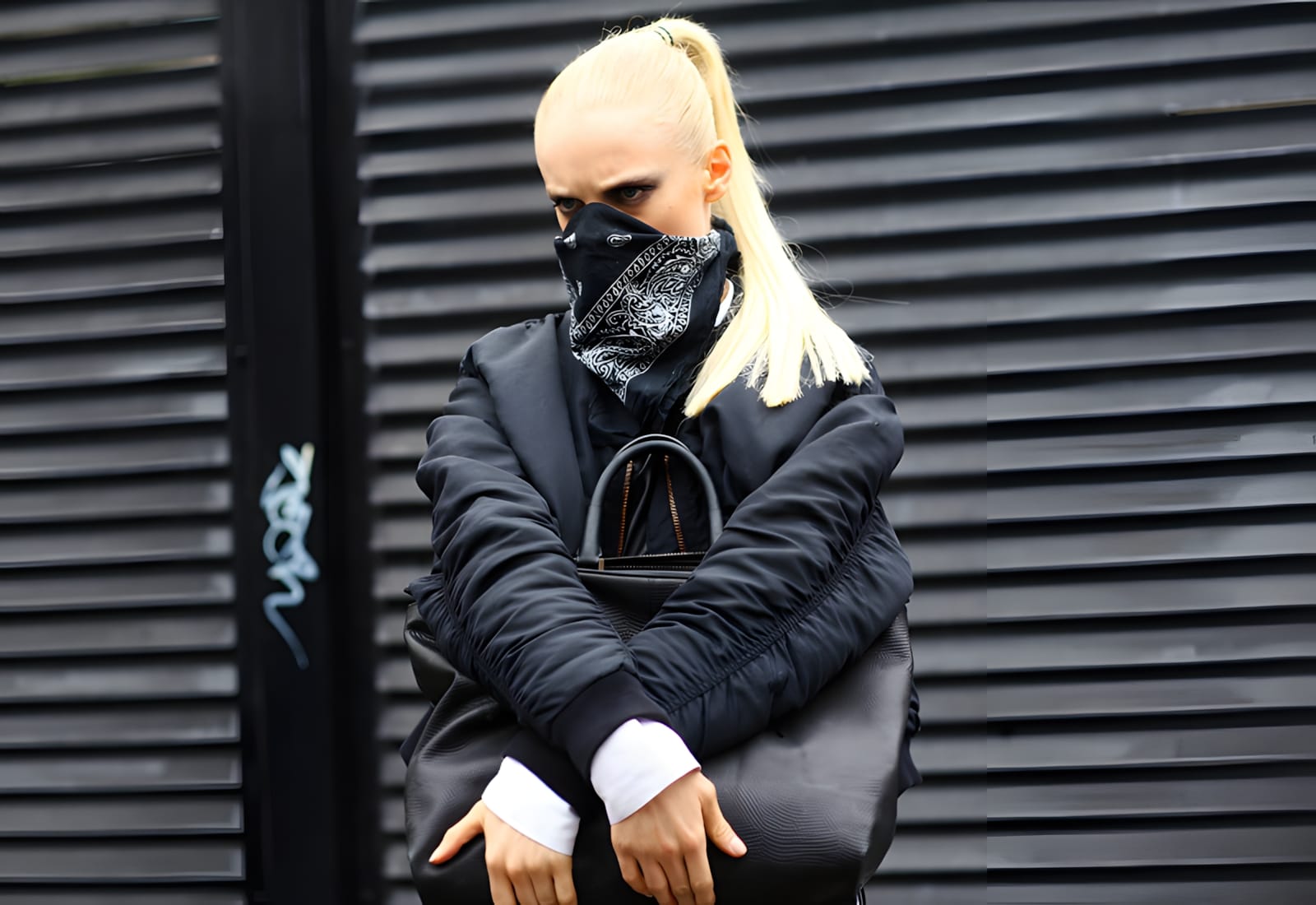
Hanne Gaby Odiele Street Style — Bandana Portrait
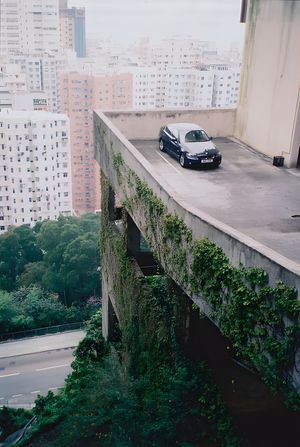
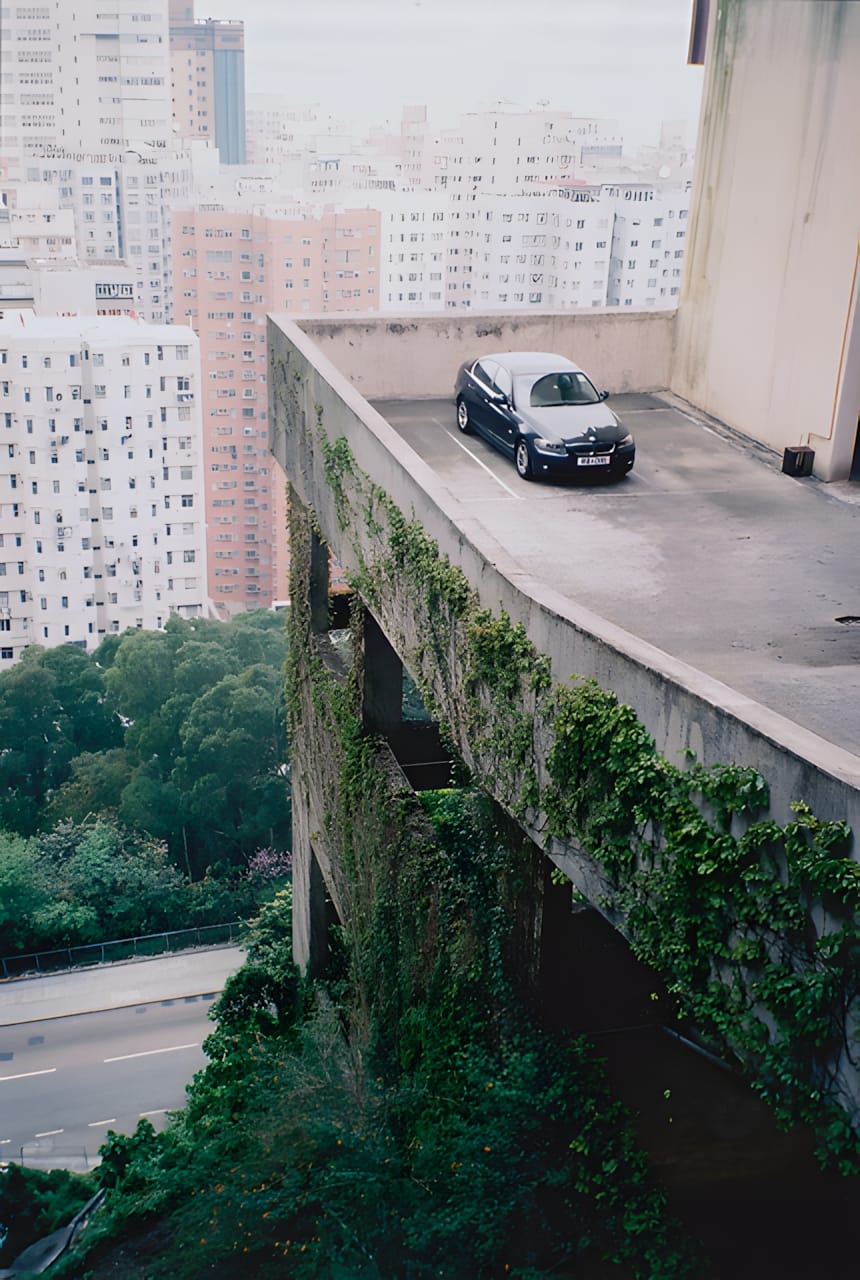
BMW 3 Series E90 on a Vine-Covered Hong Kong Rooftop Car Park