Related_
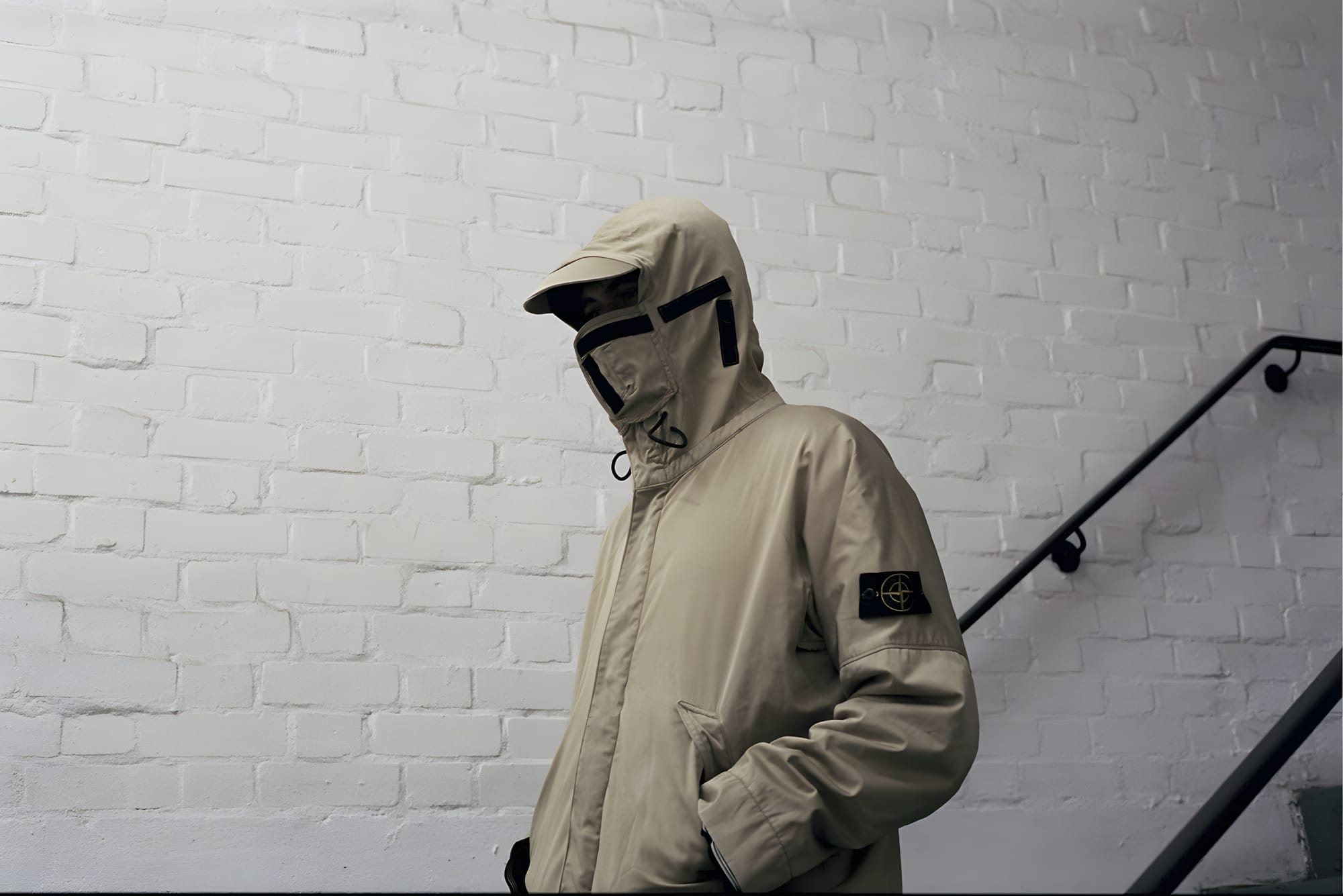
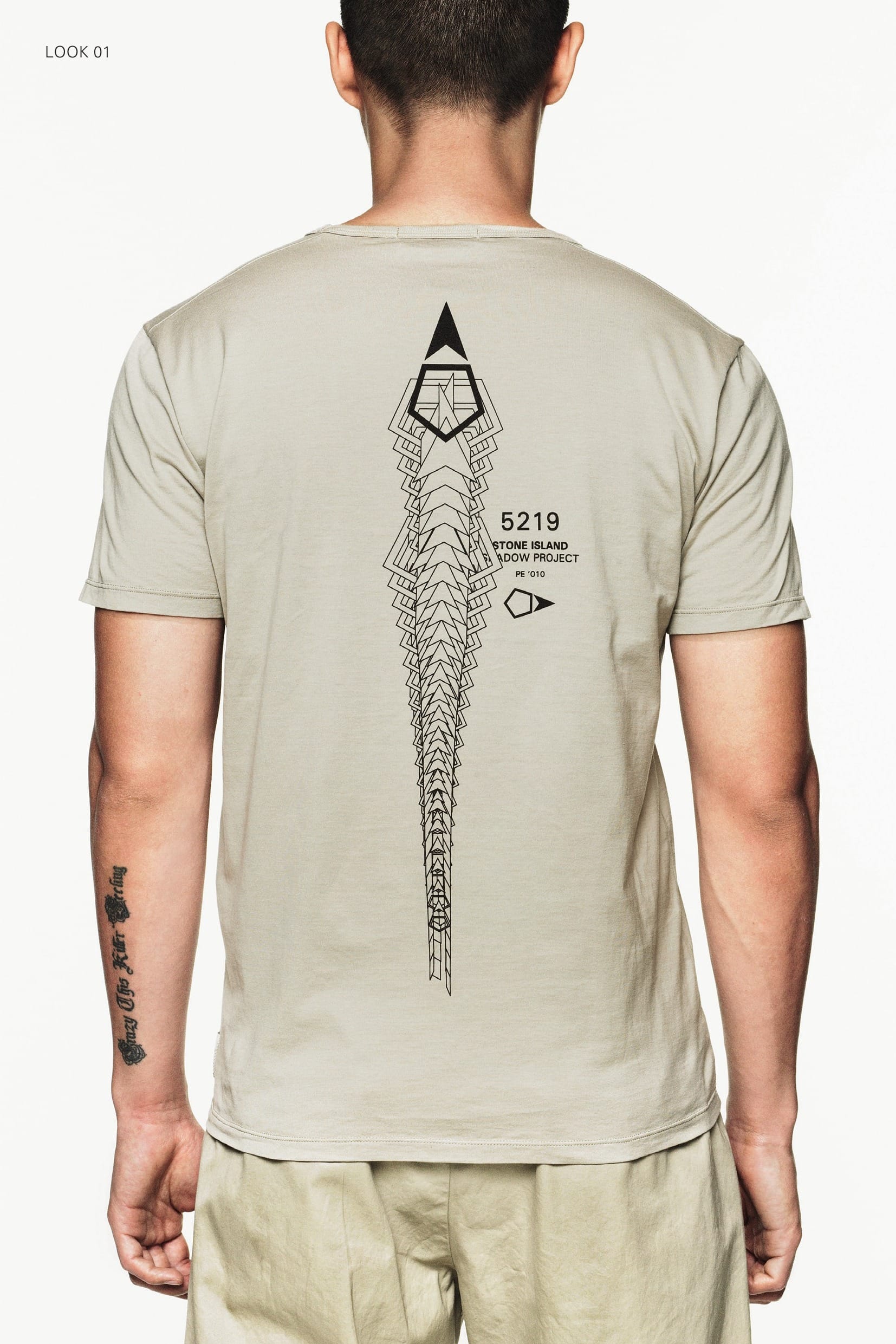
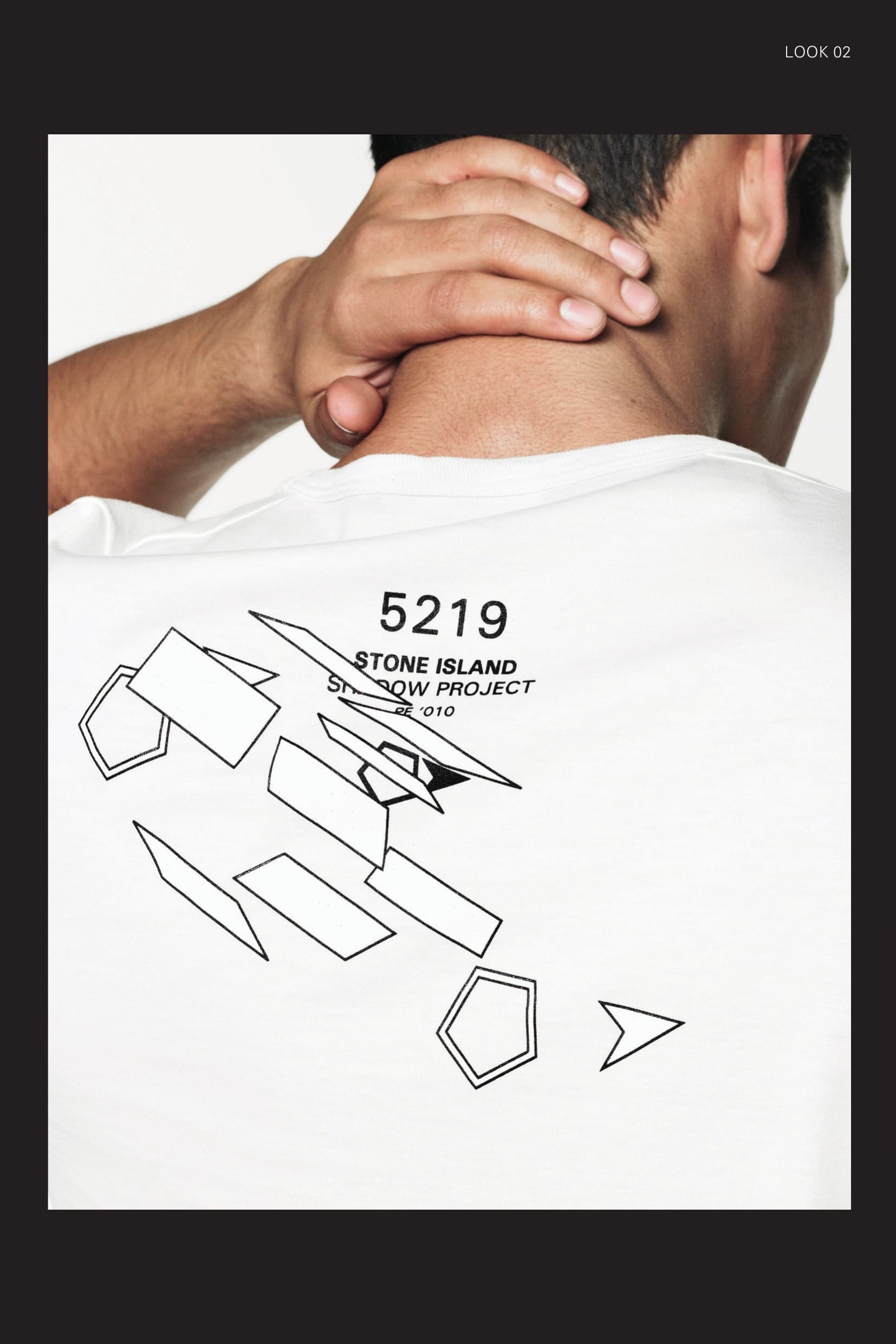
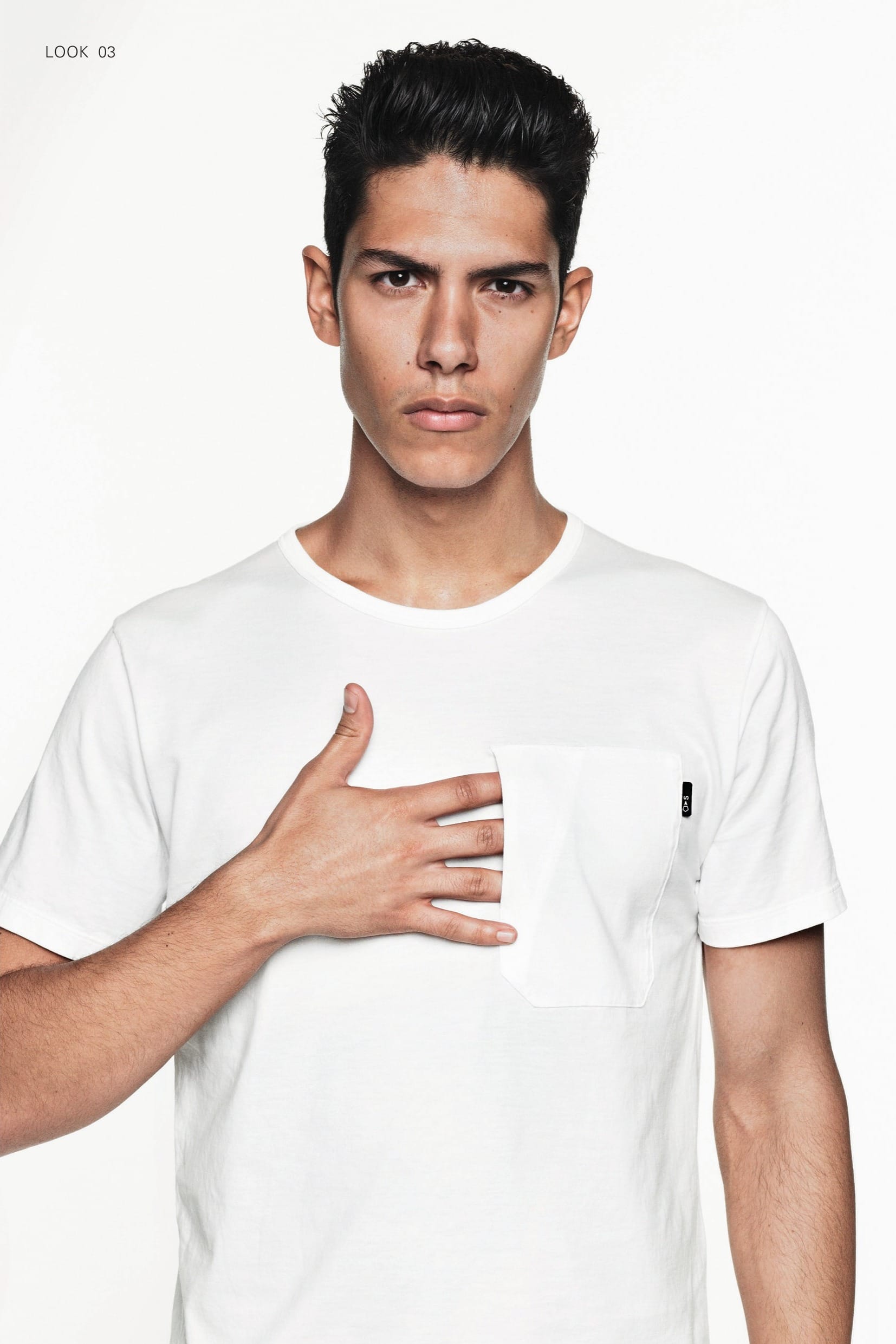
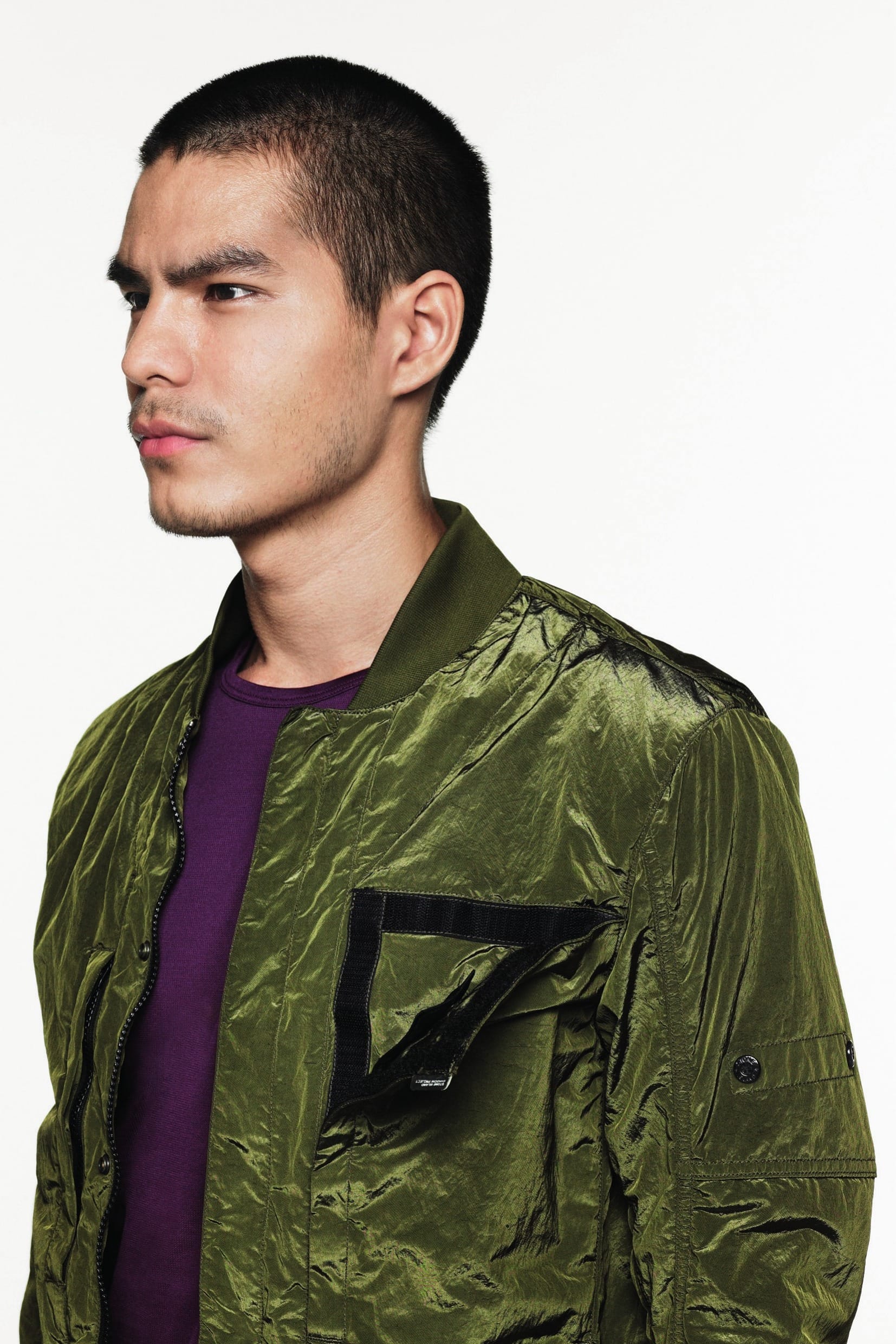
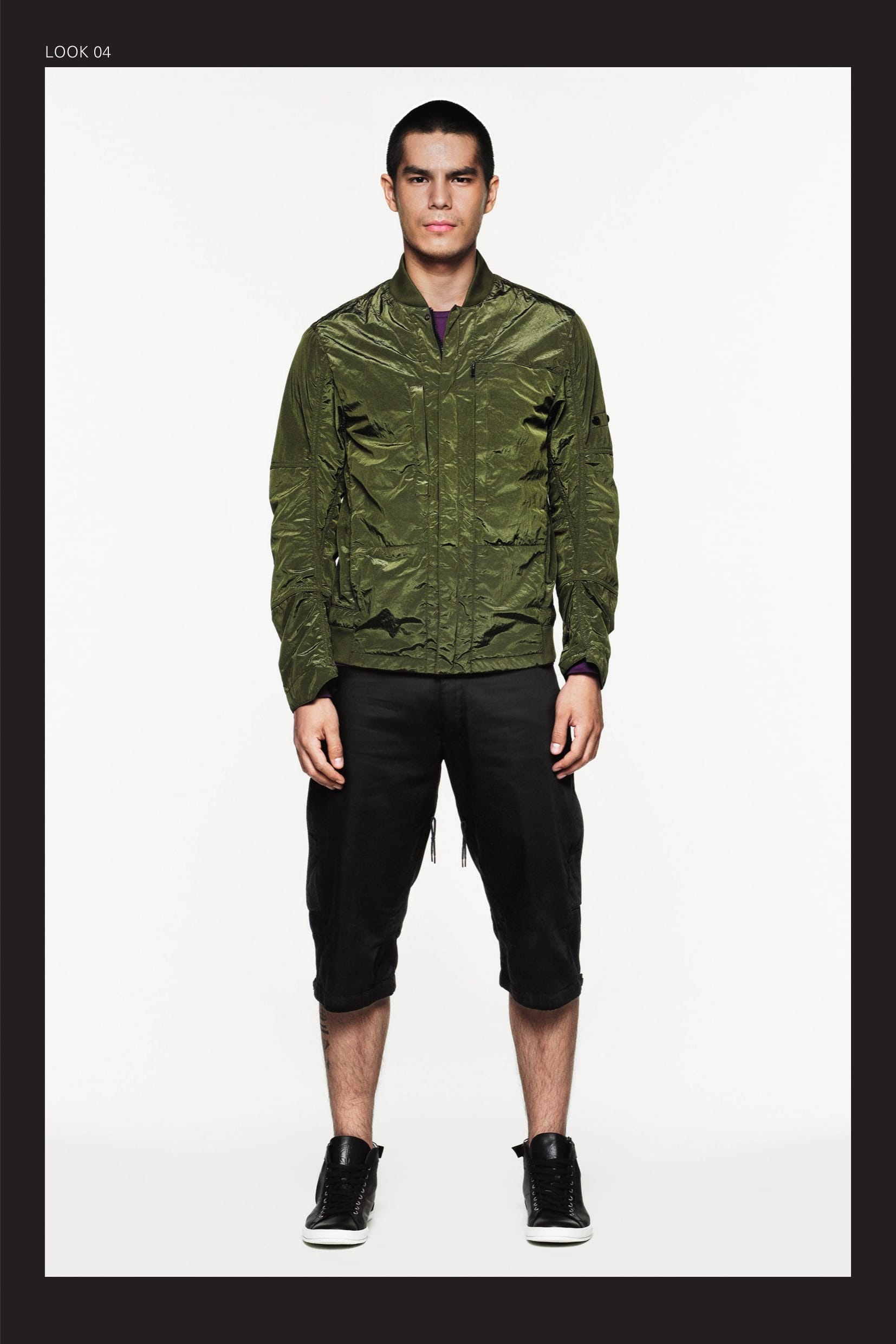
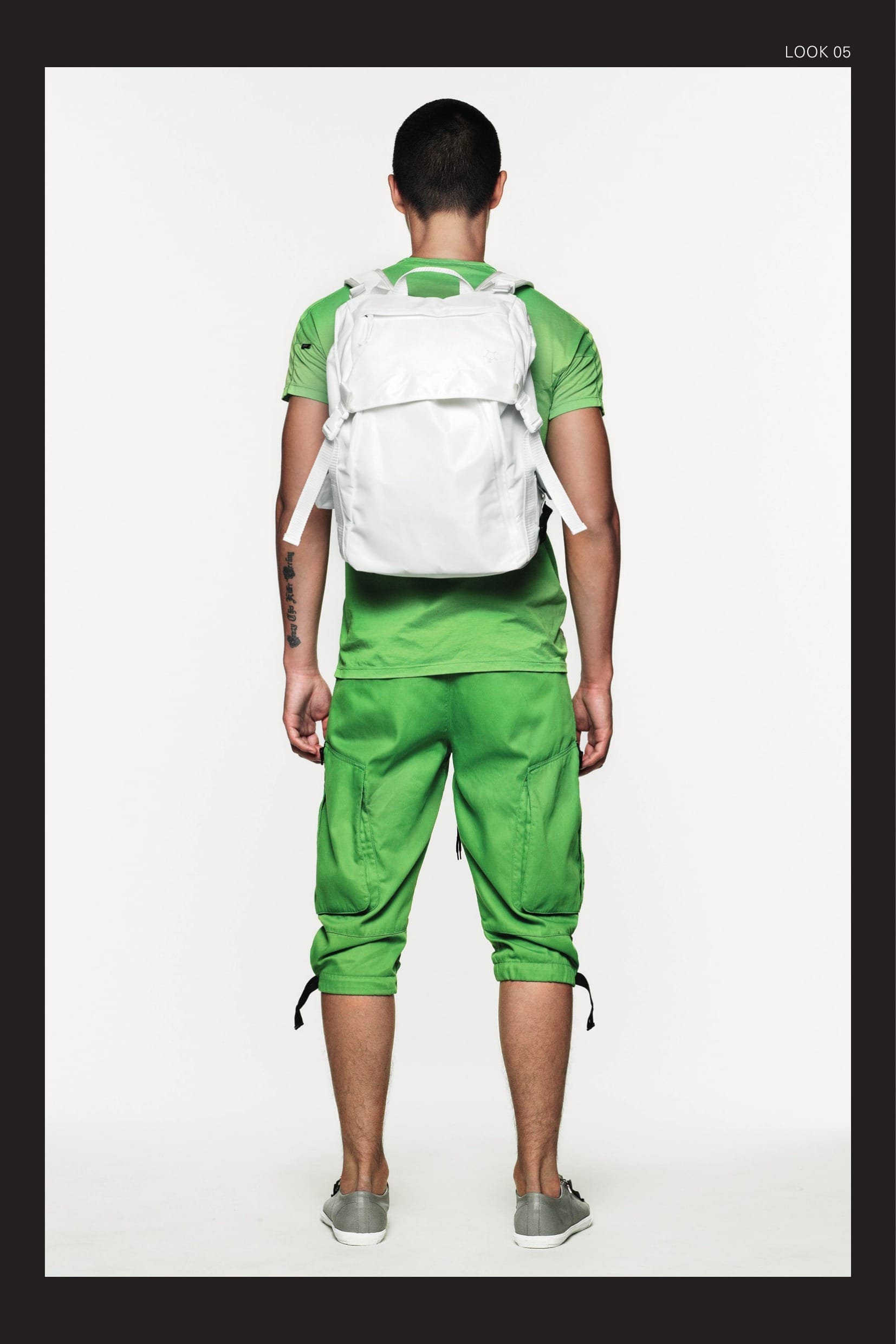
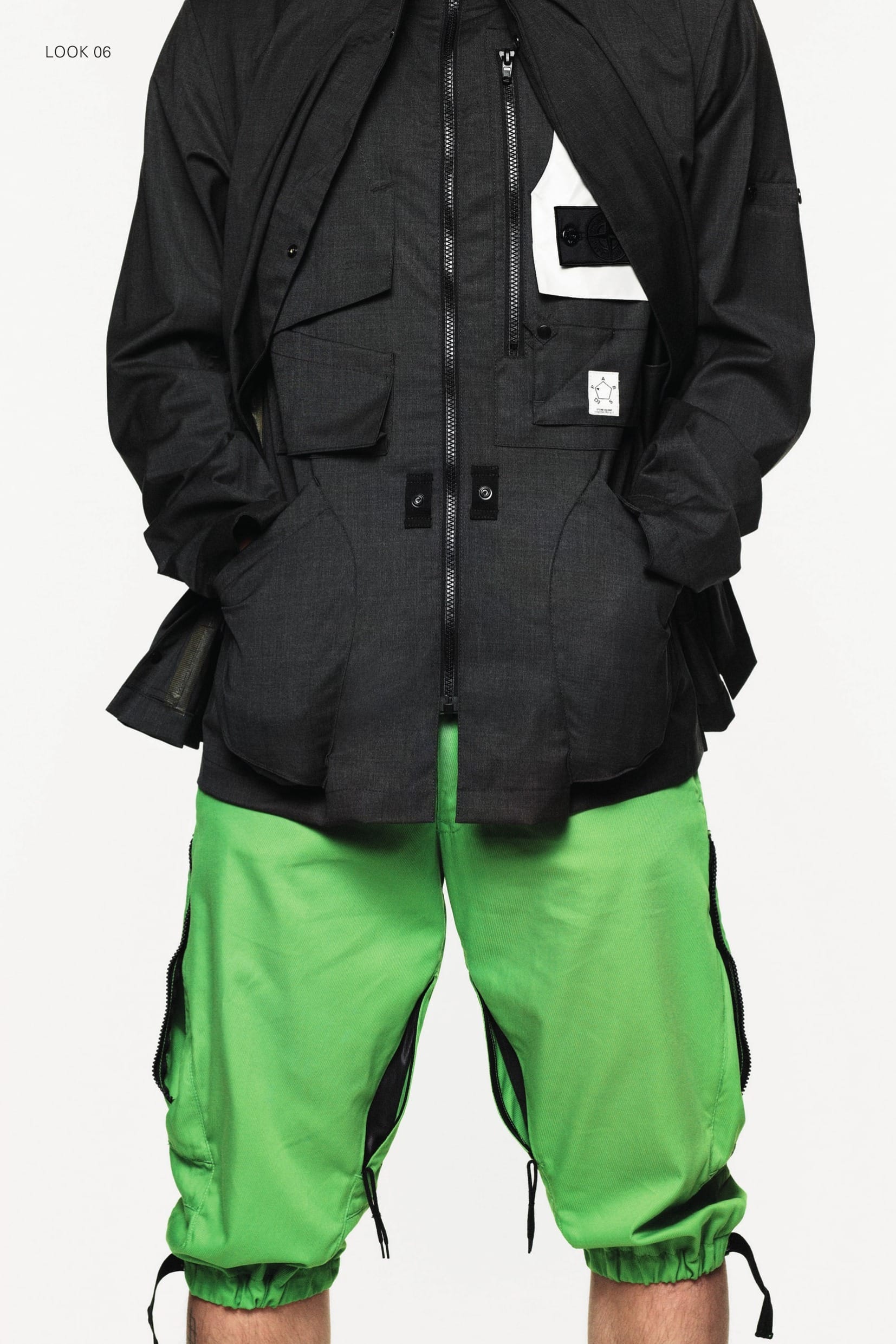
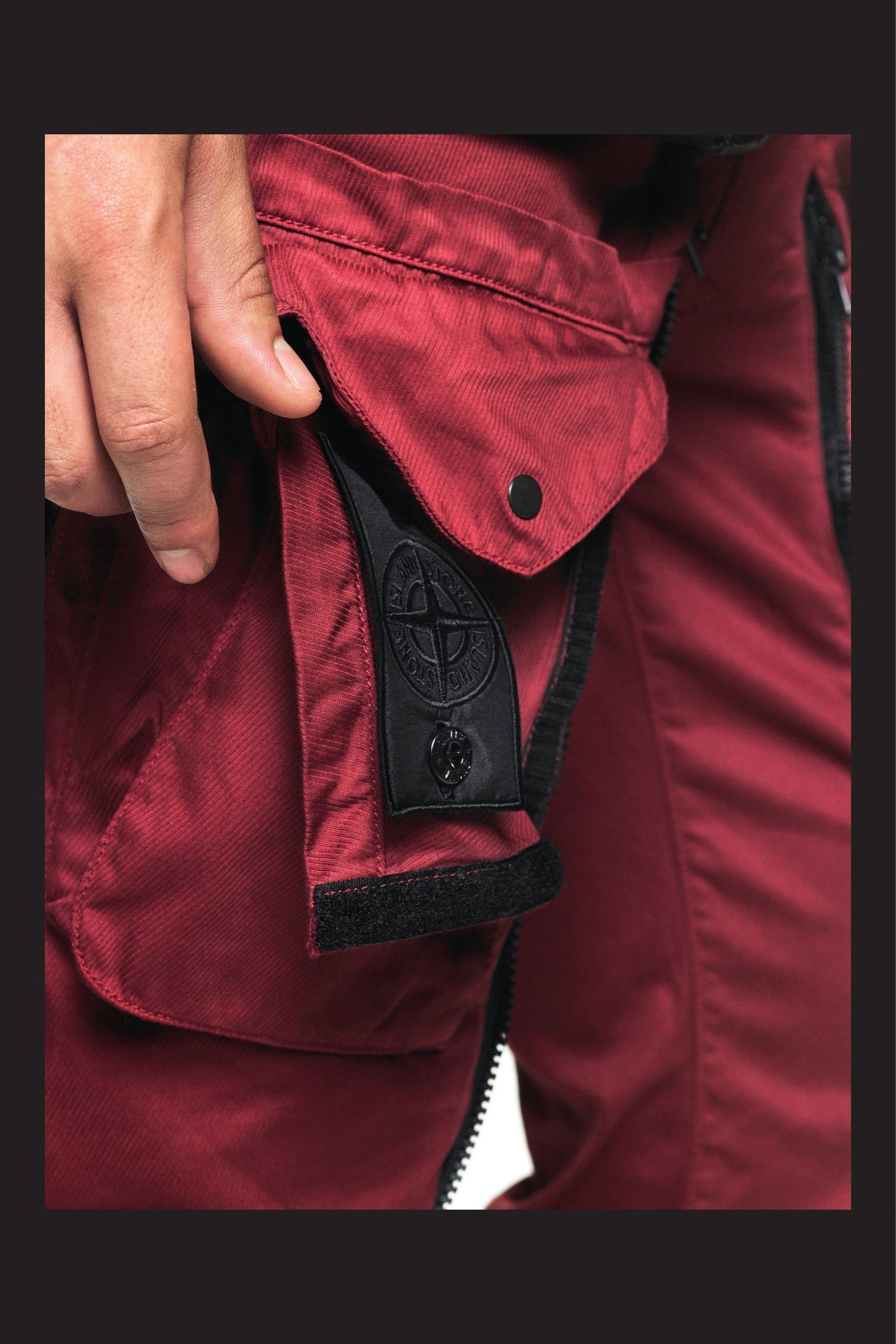
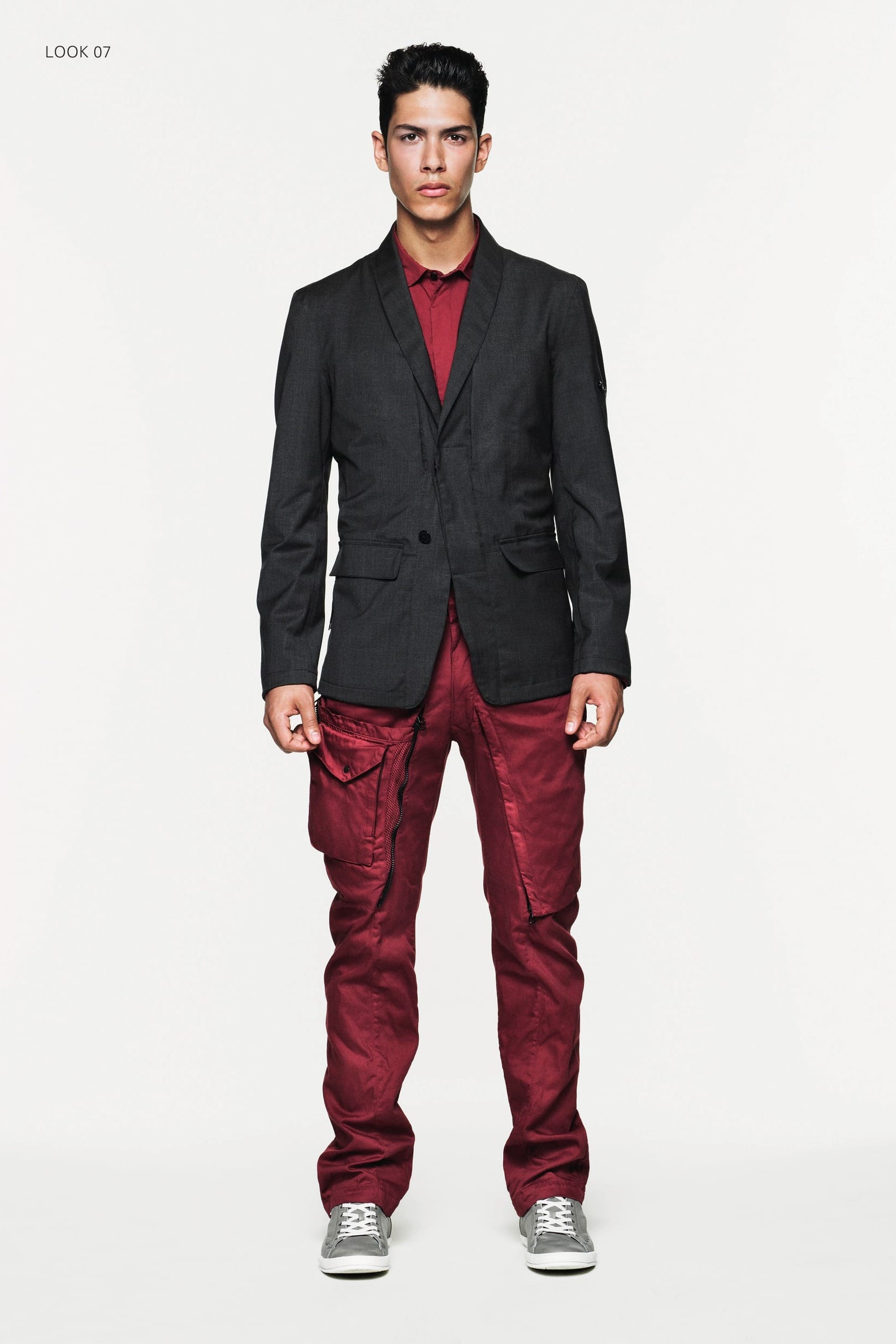
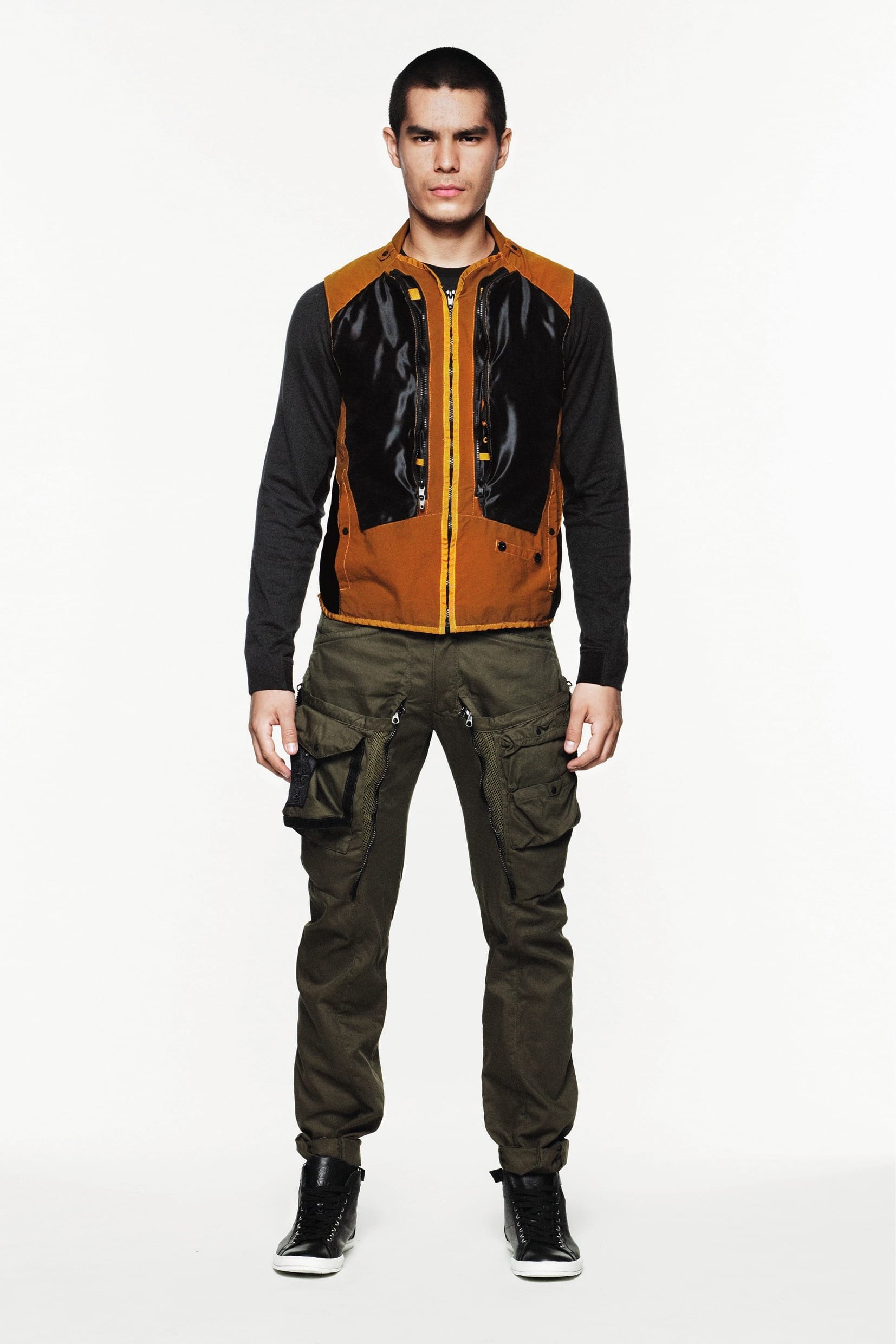
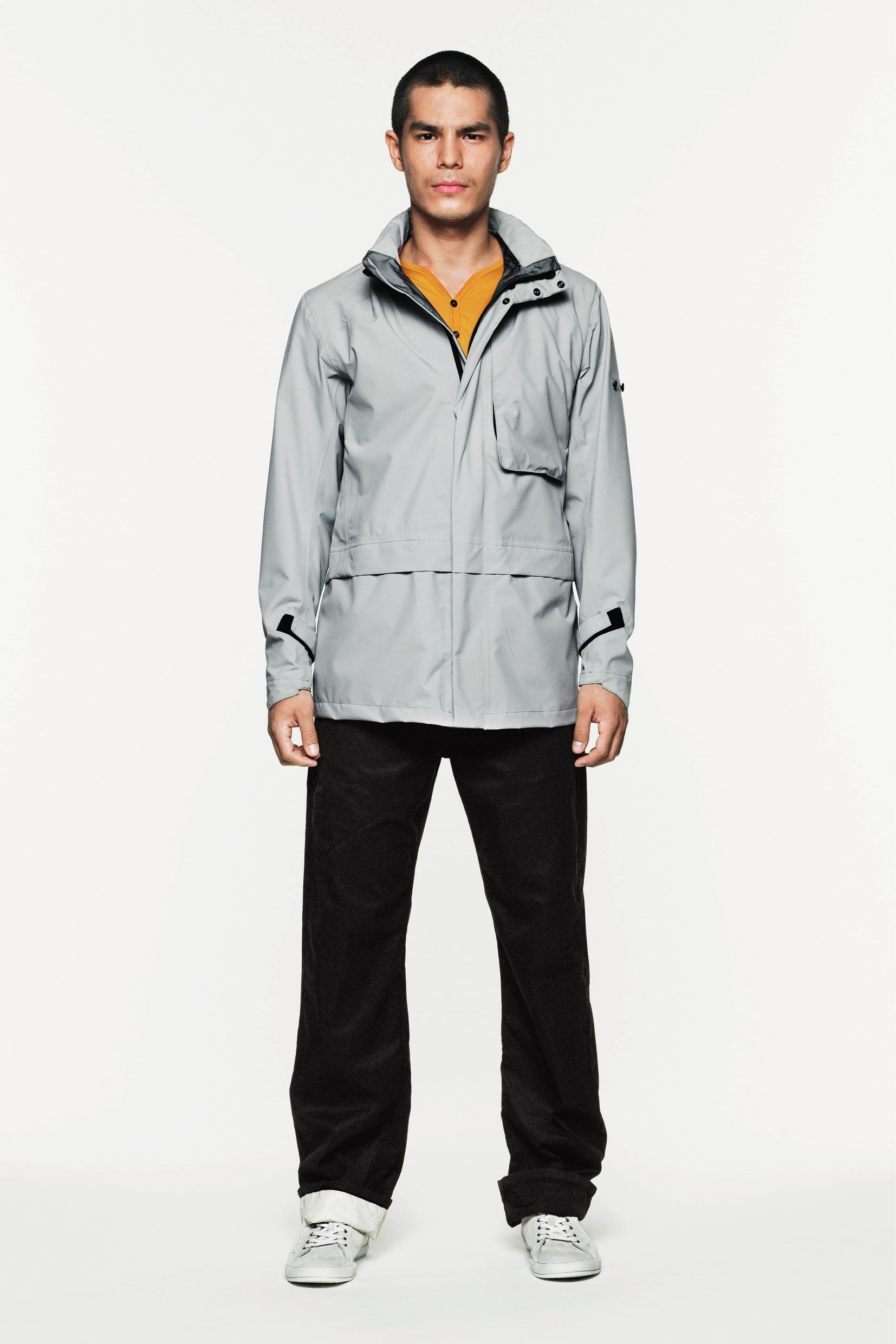
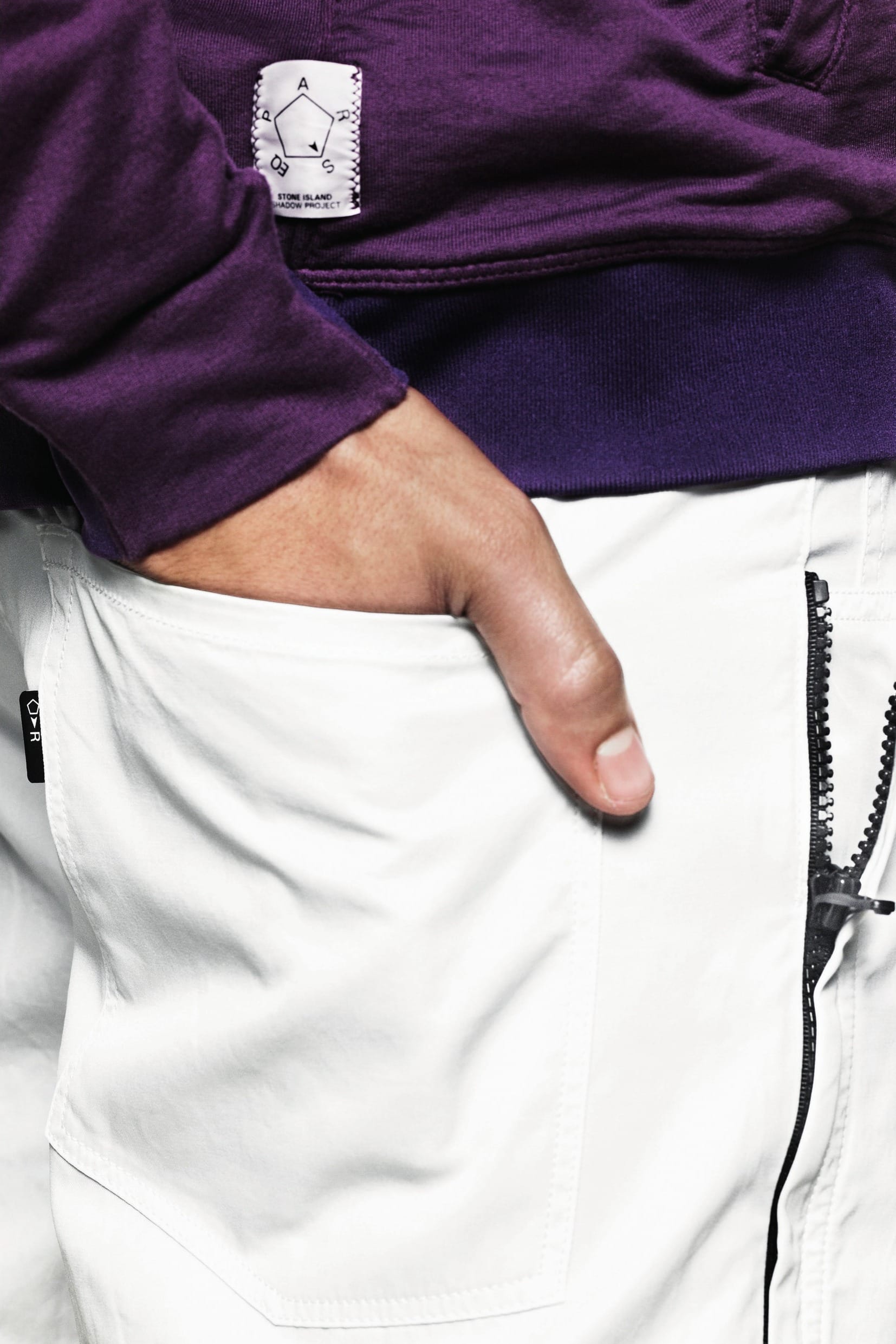
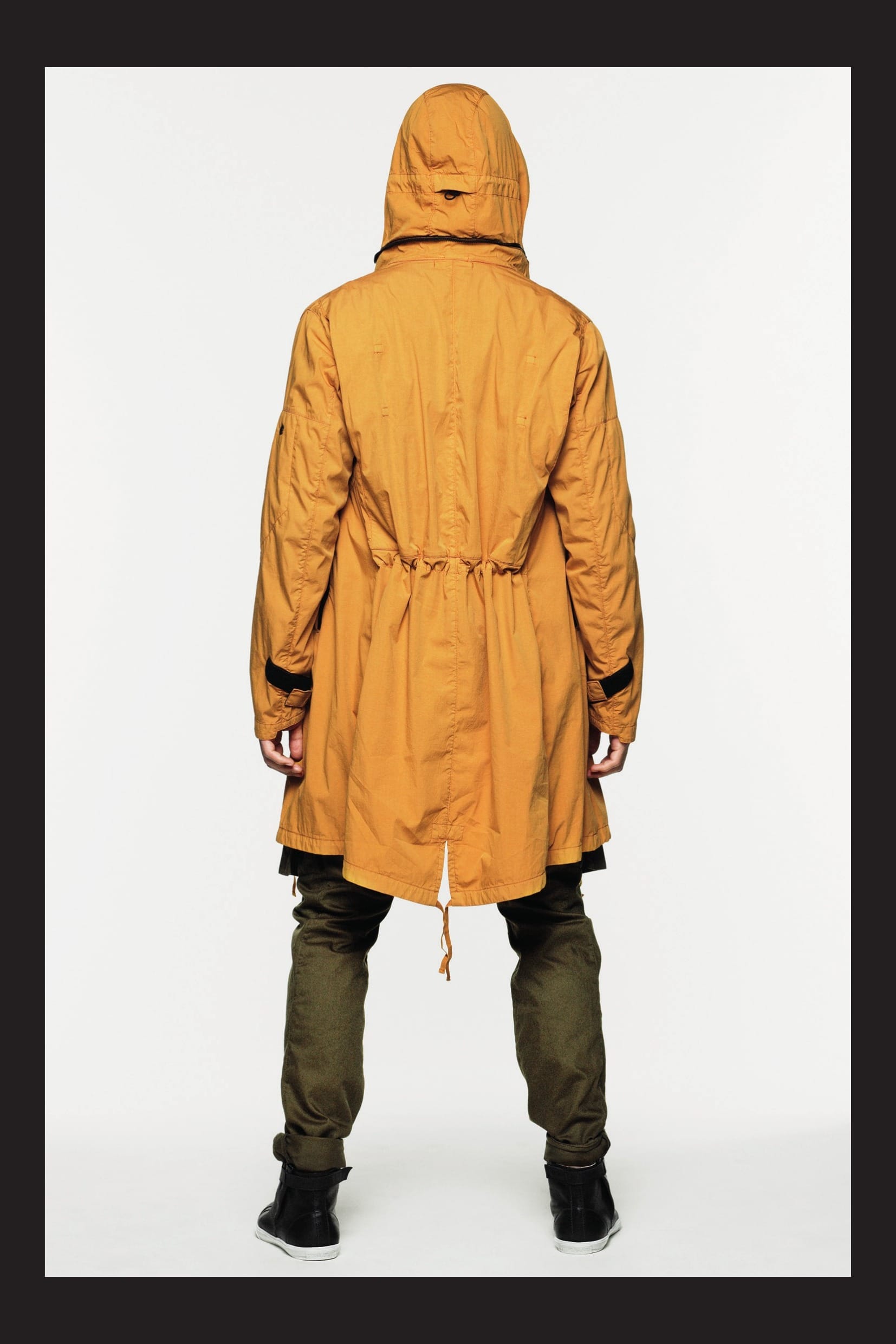
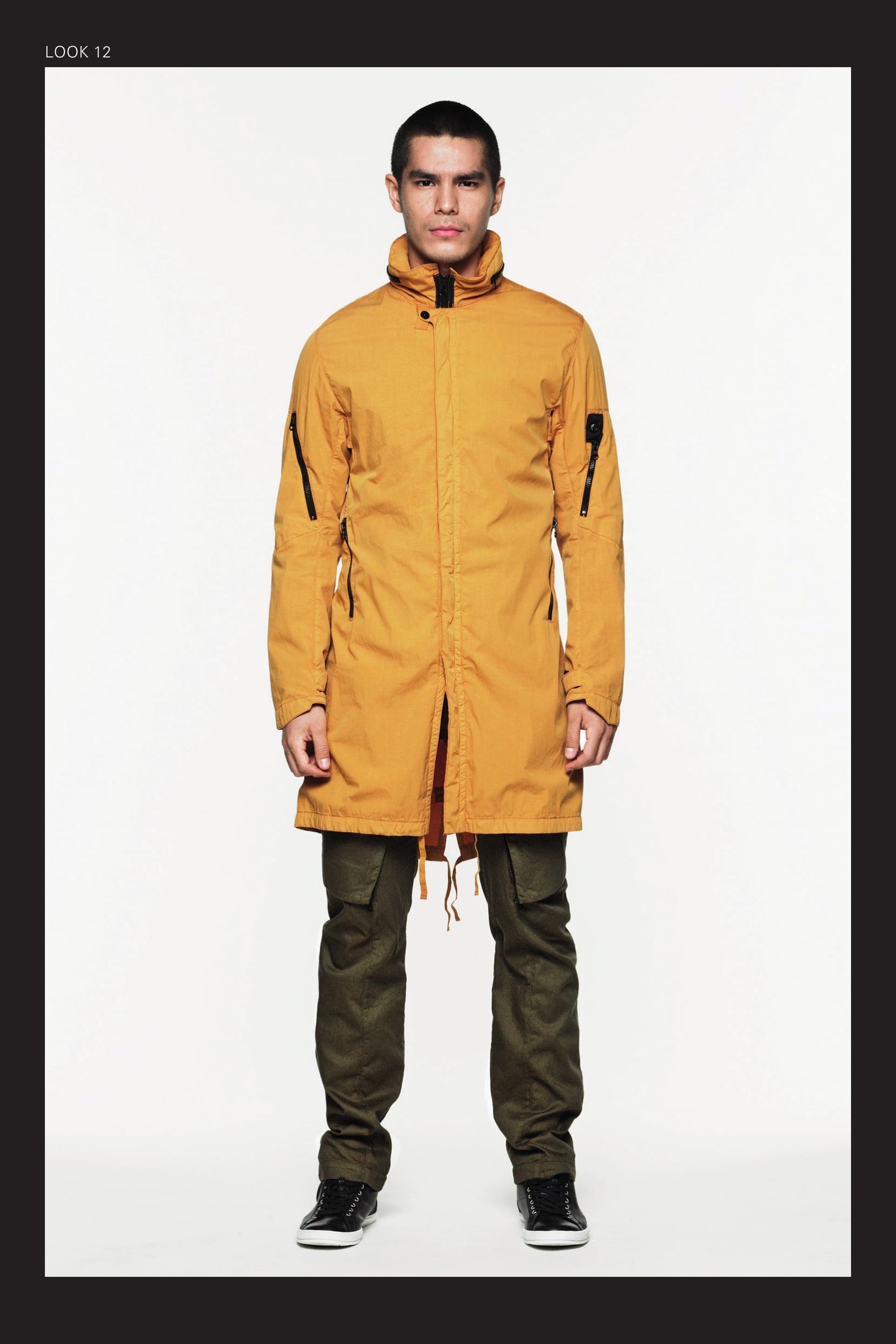
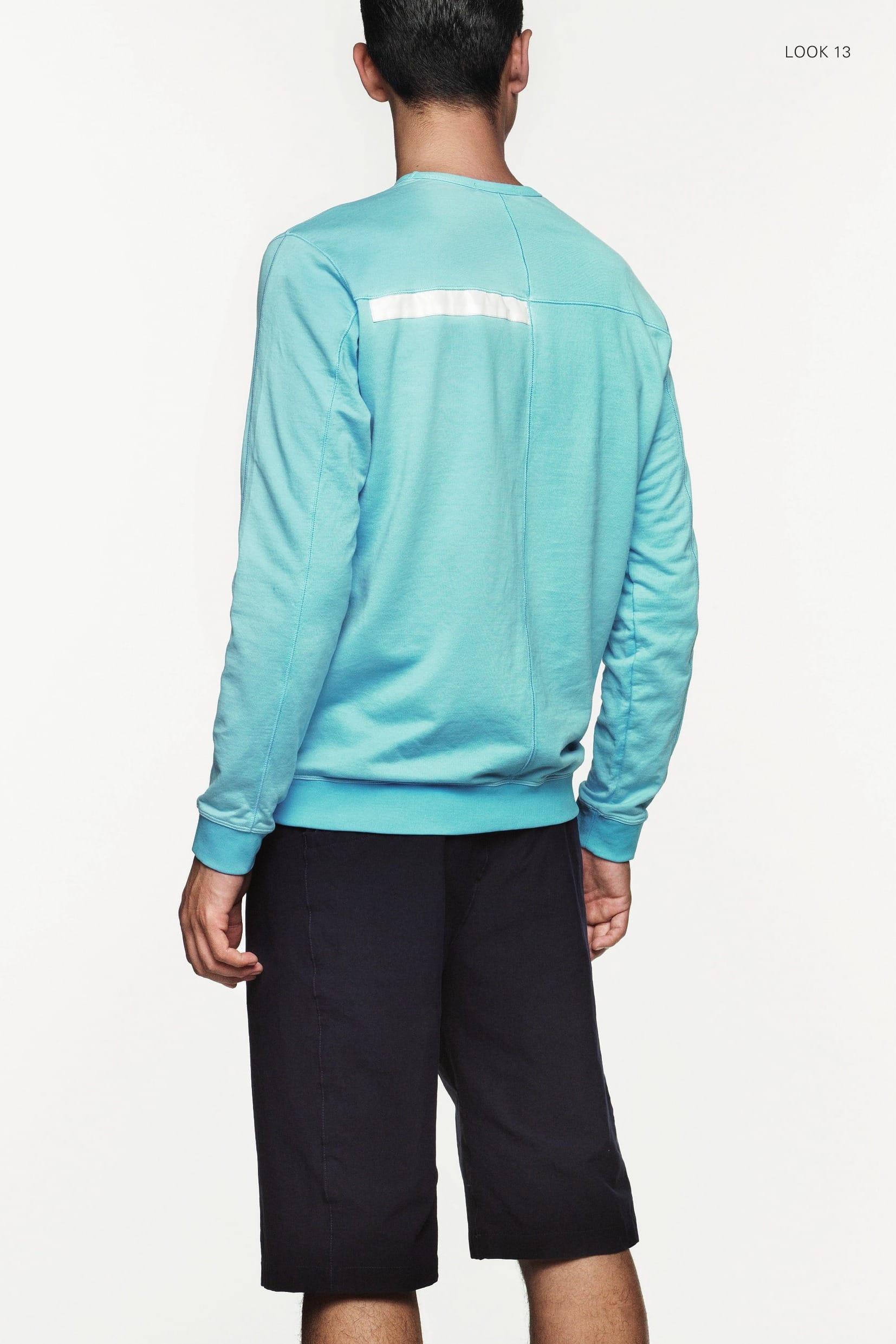
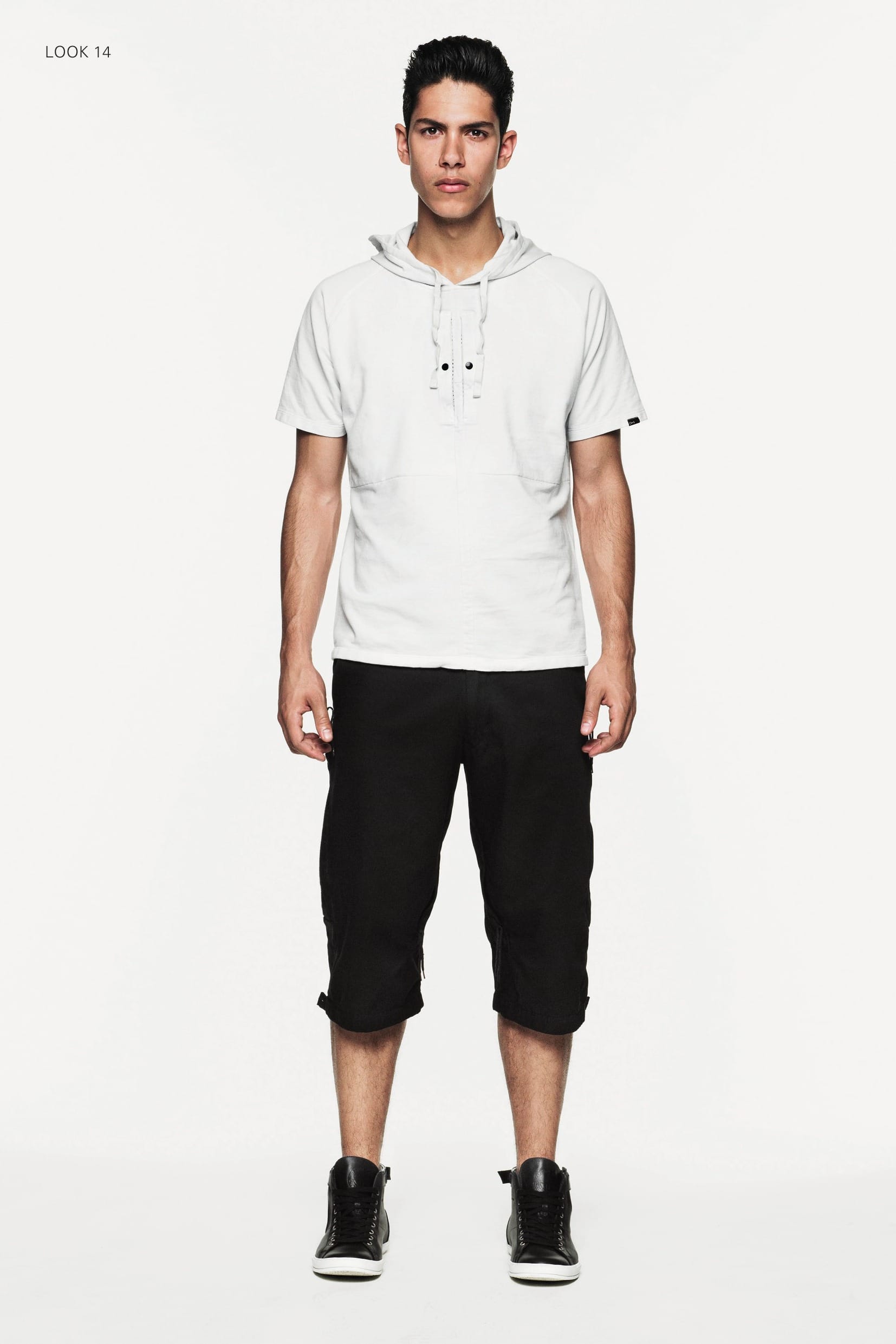
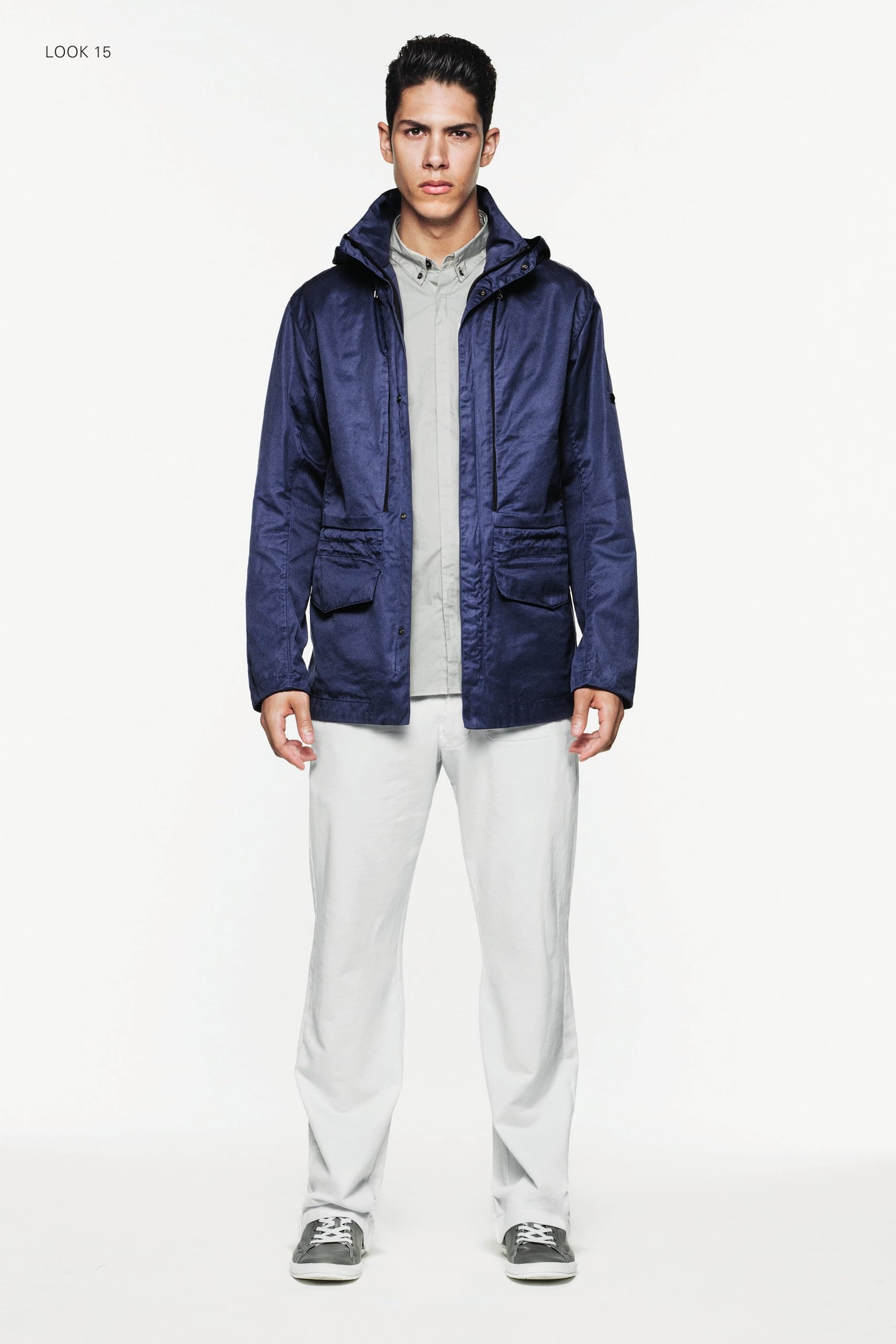
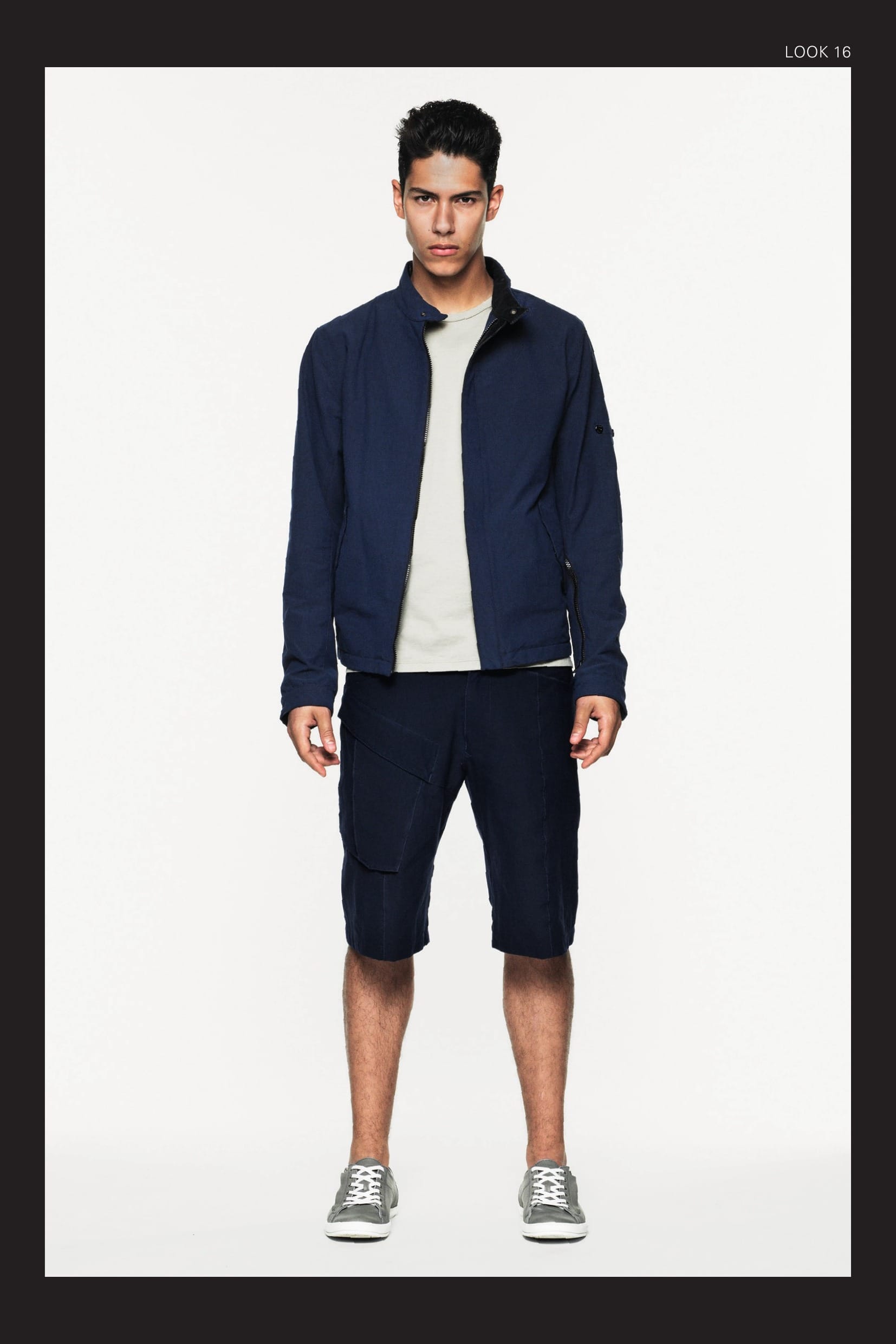
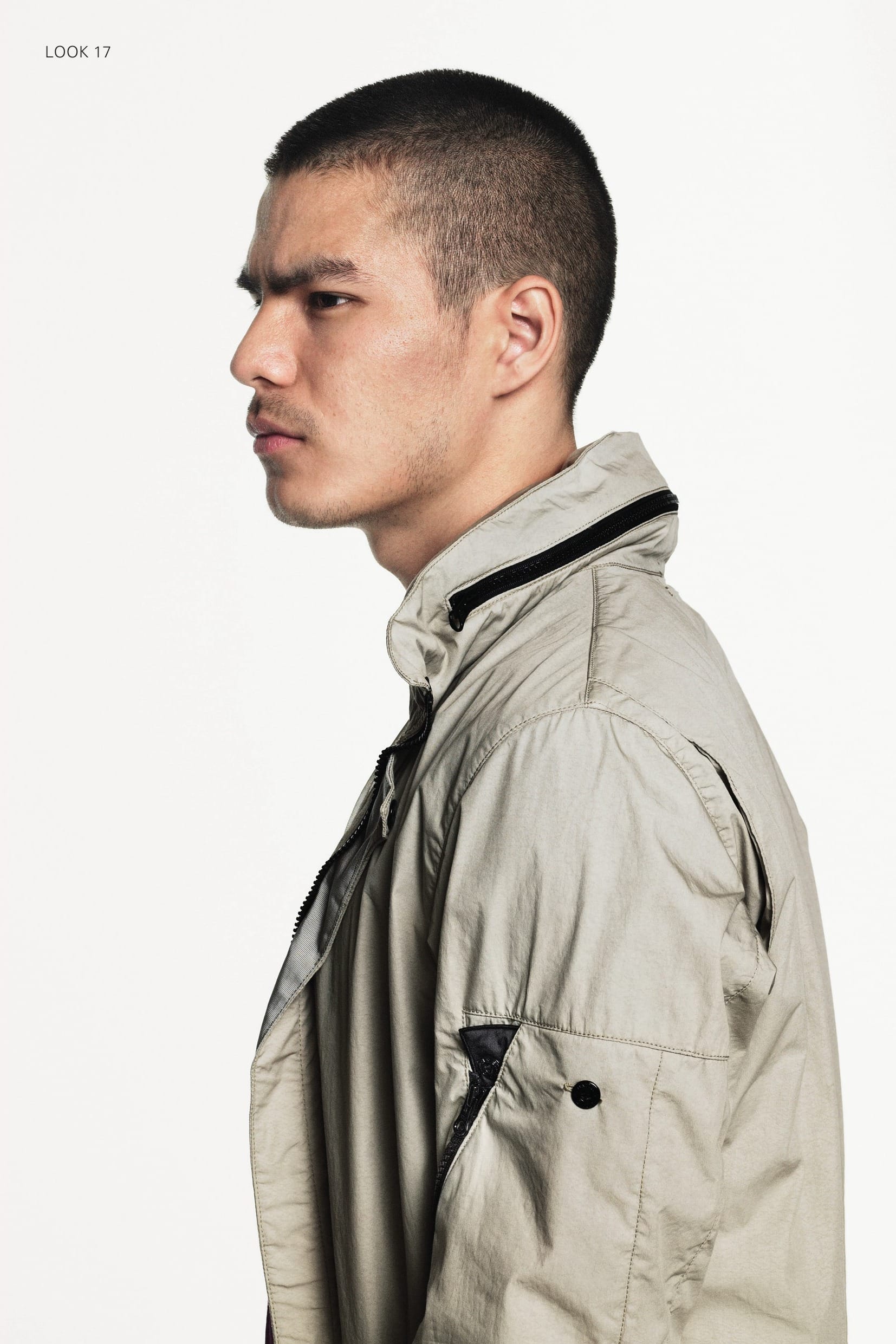
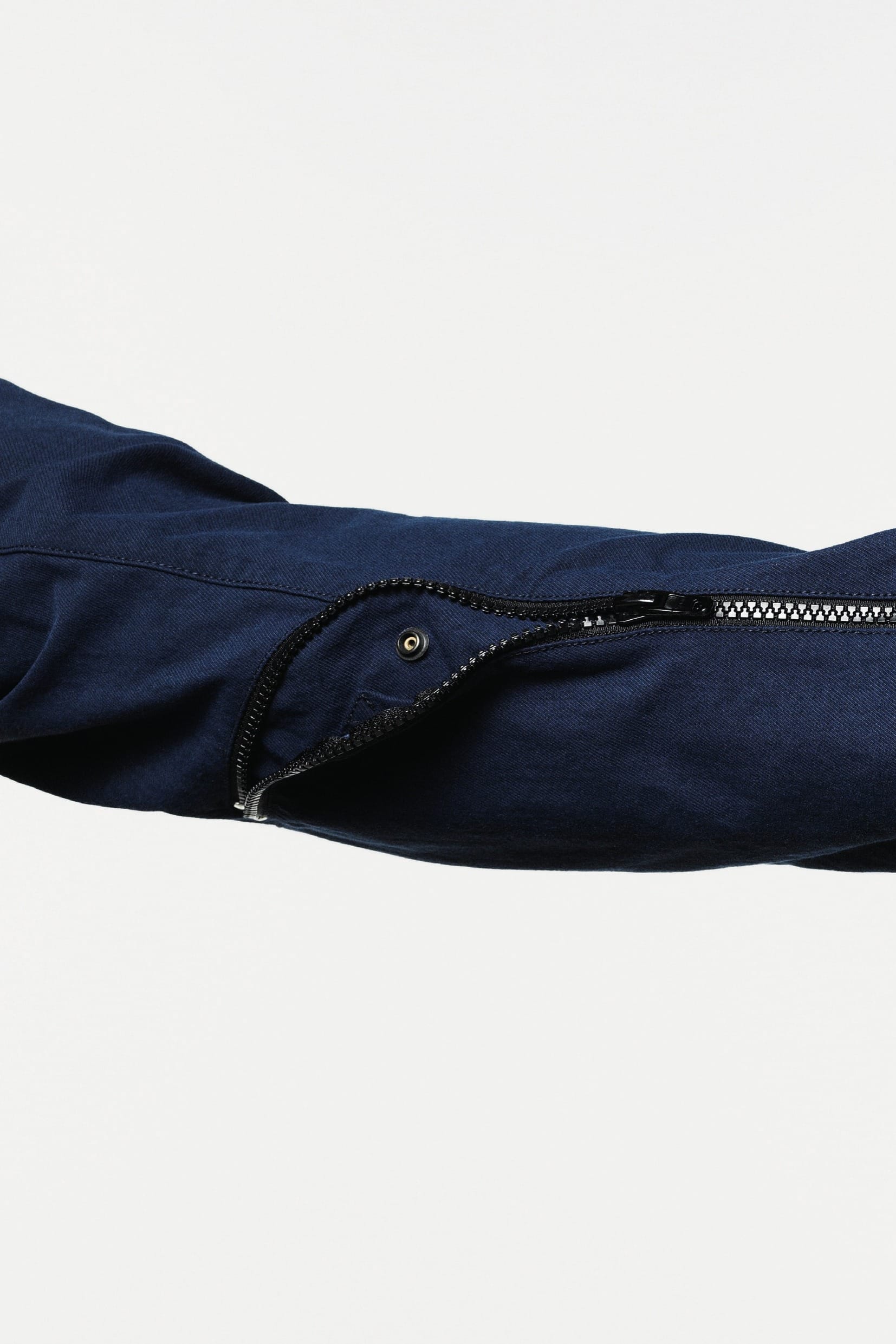
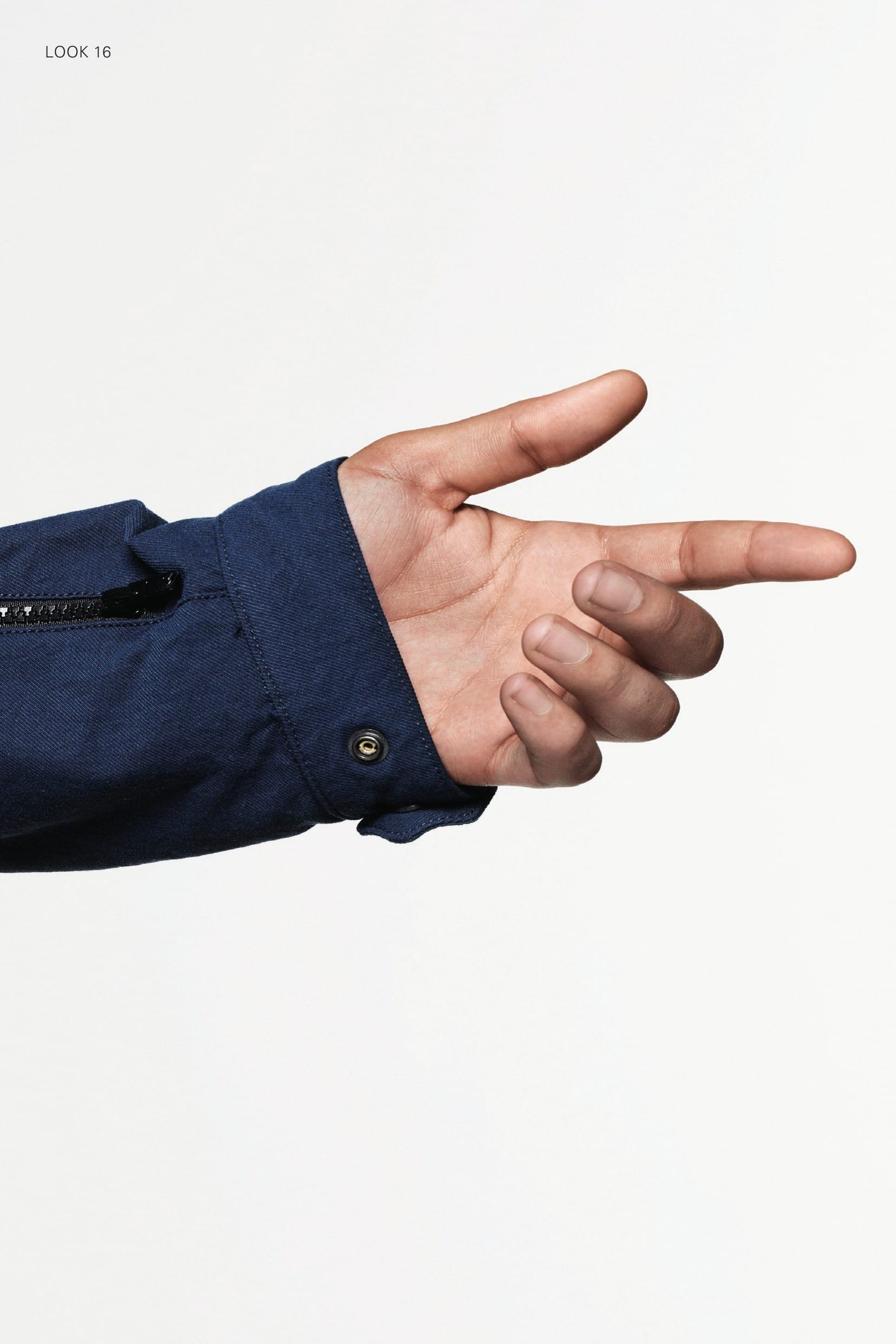
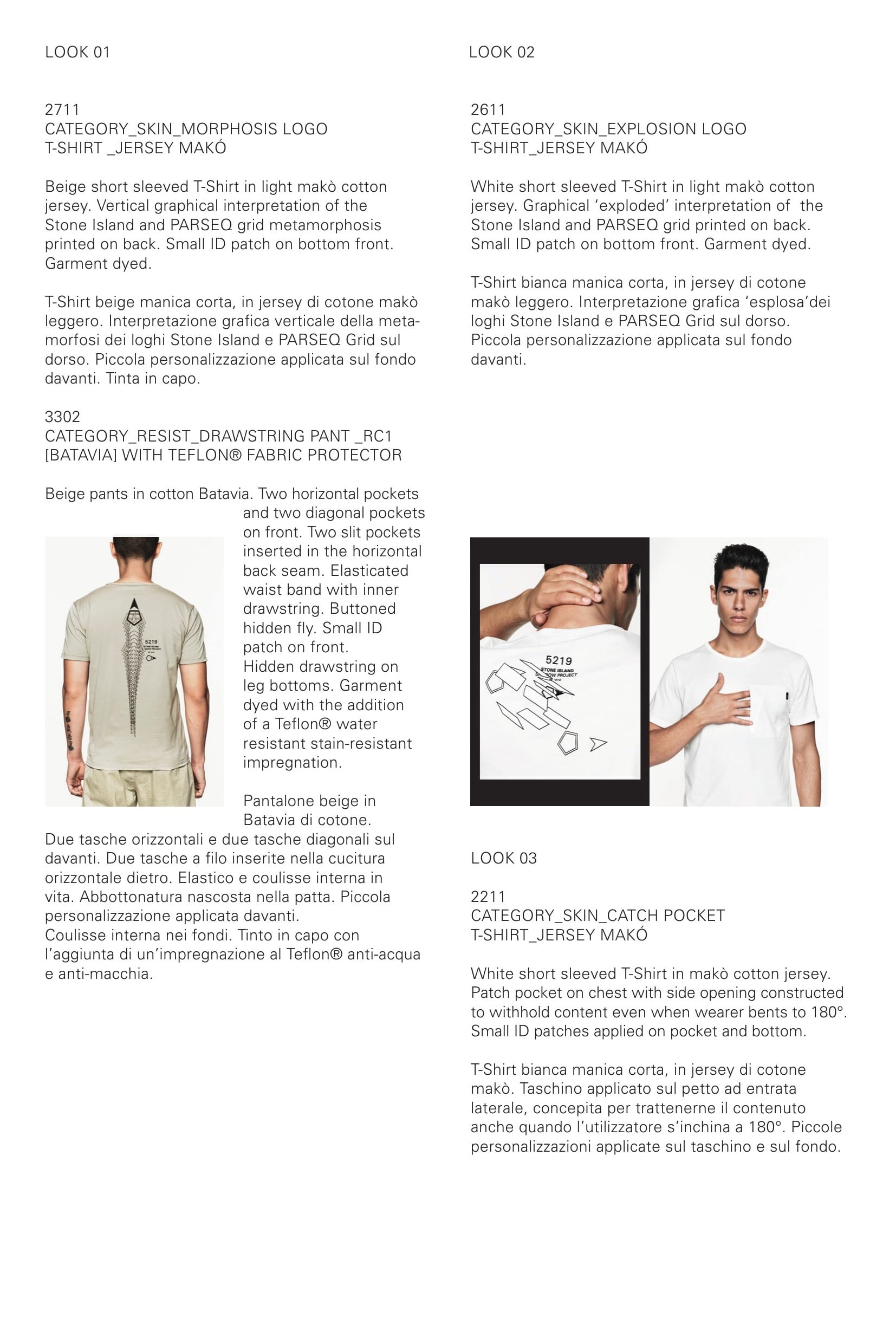
Stone Island Shadow Project SS2010 Lookbook
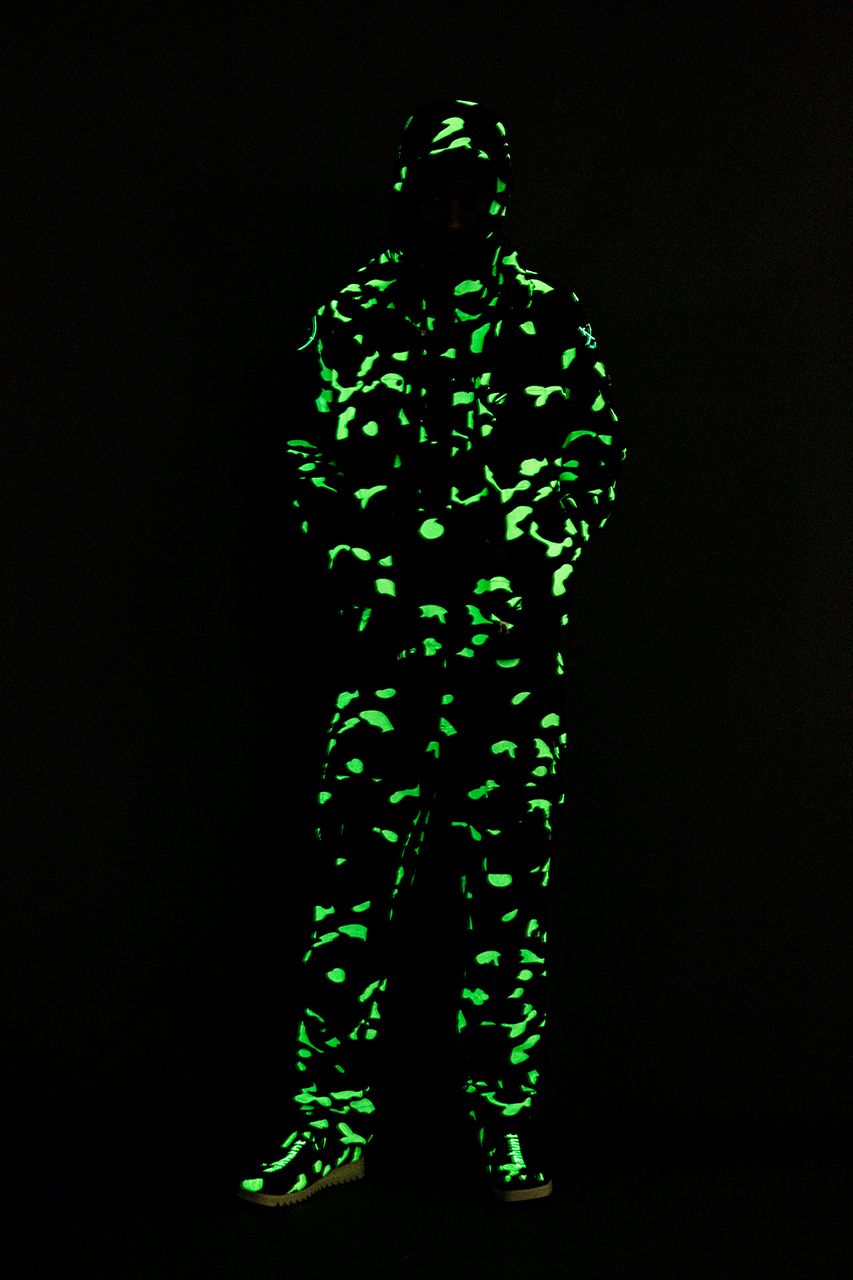
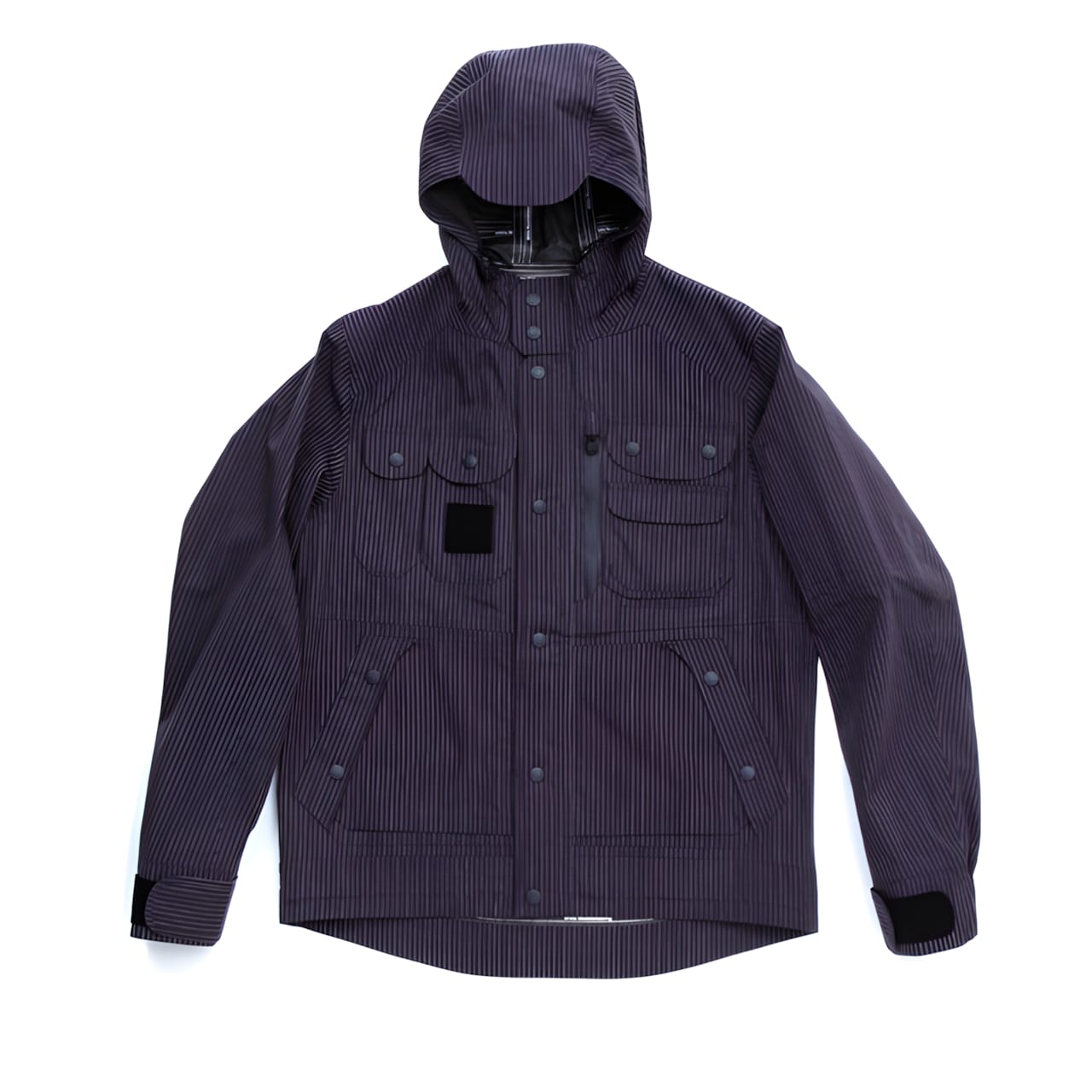
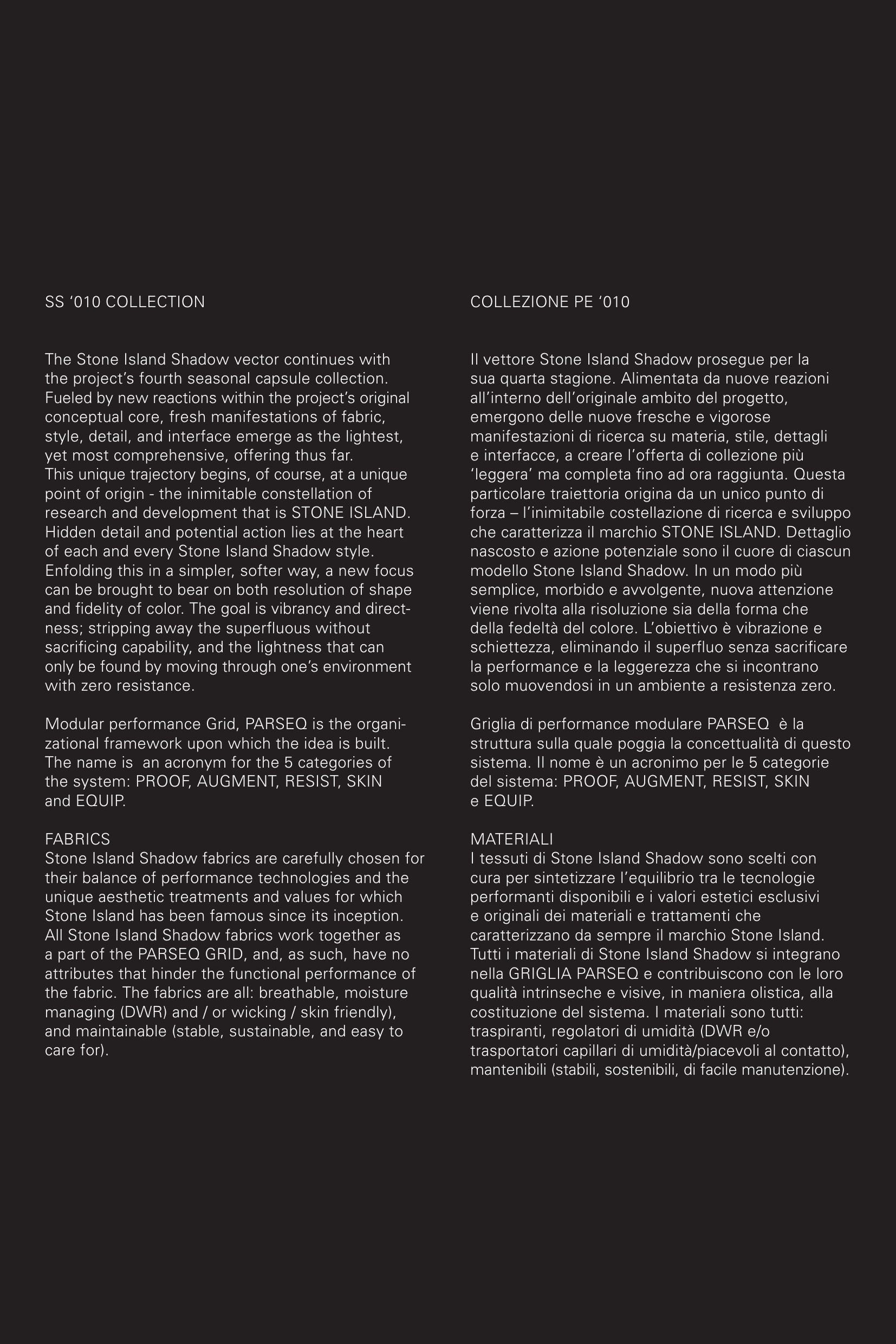
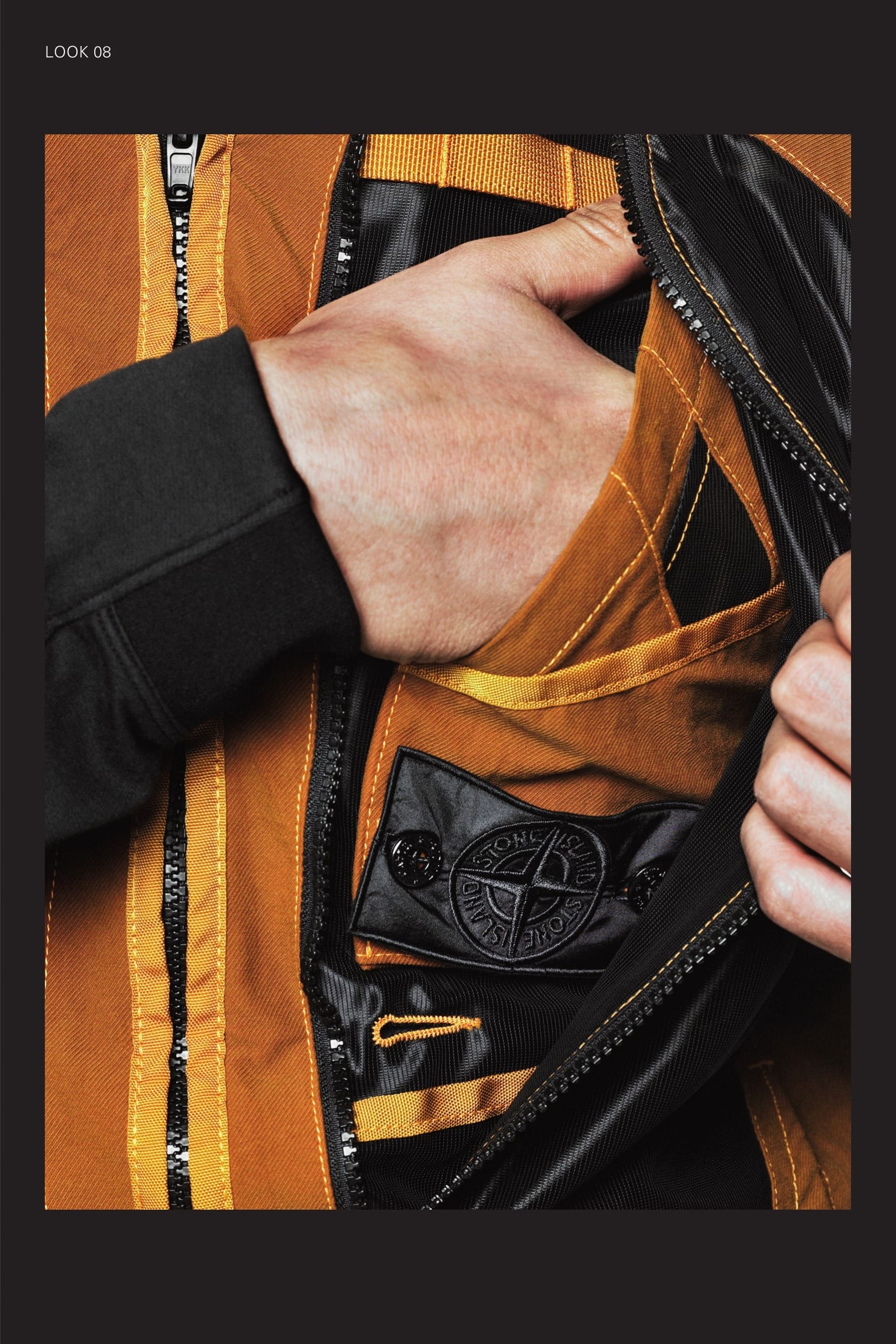
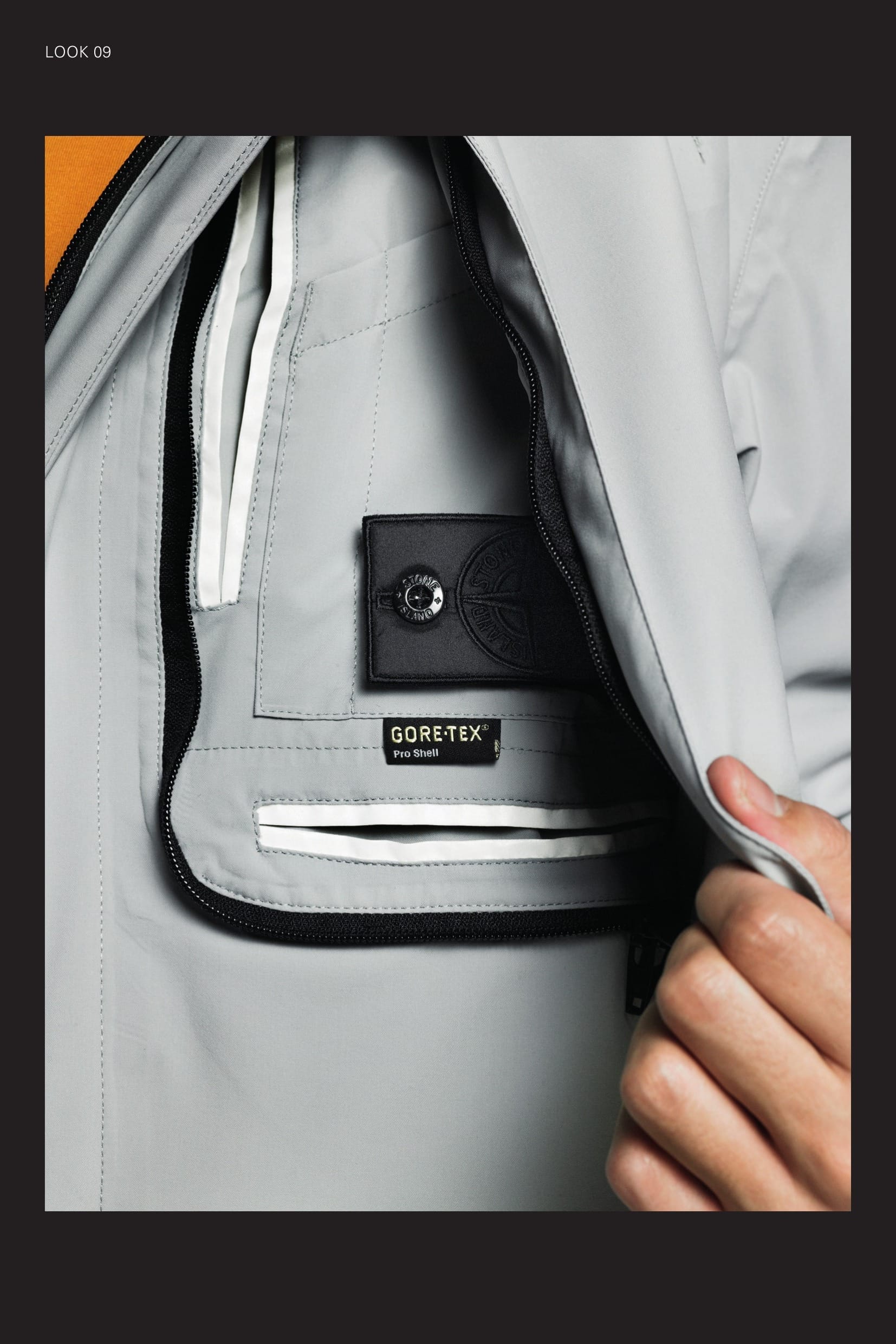
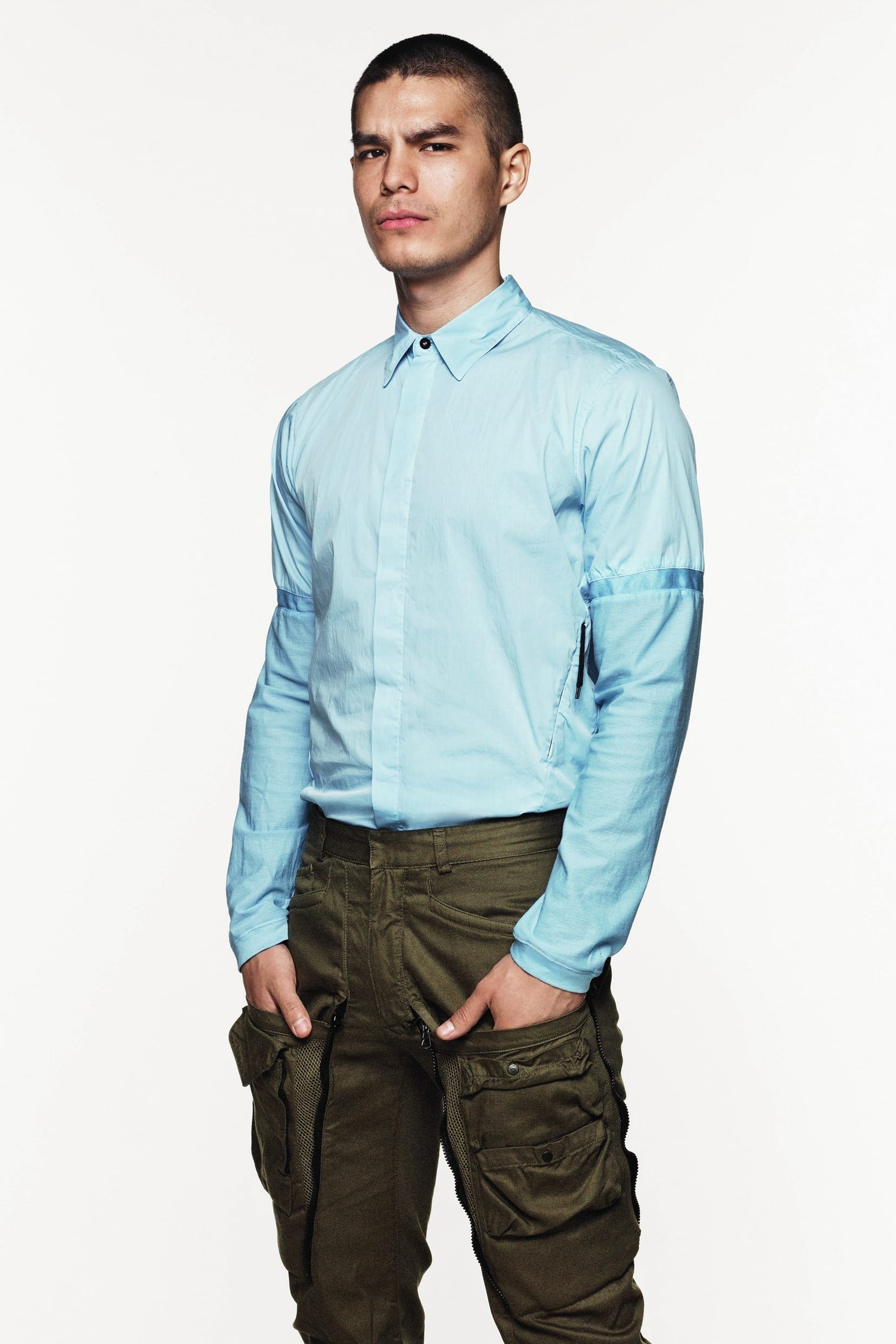
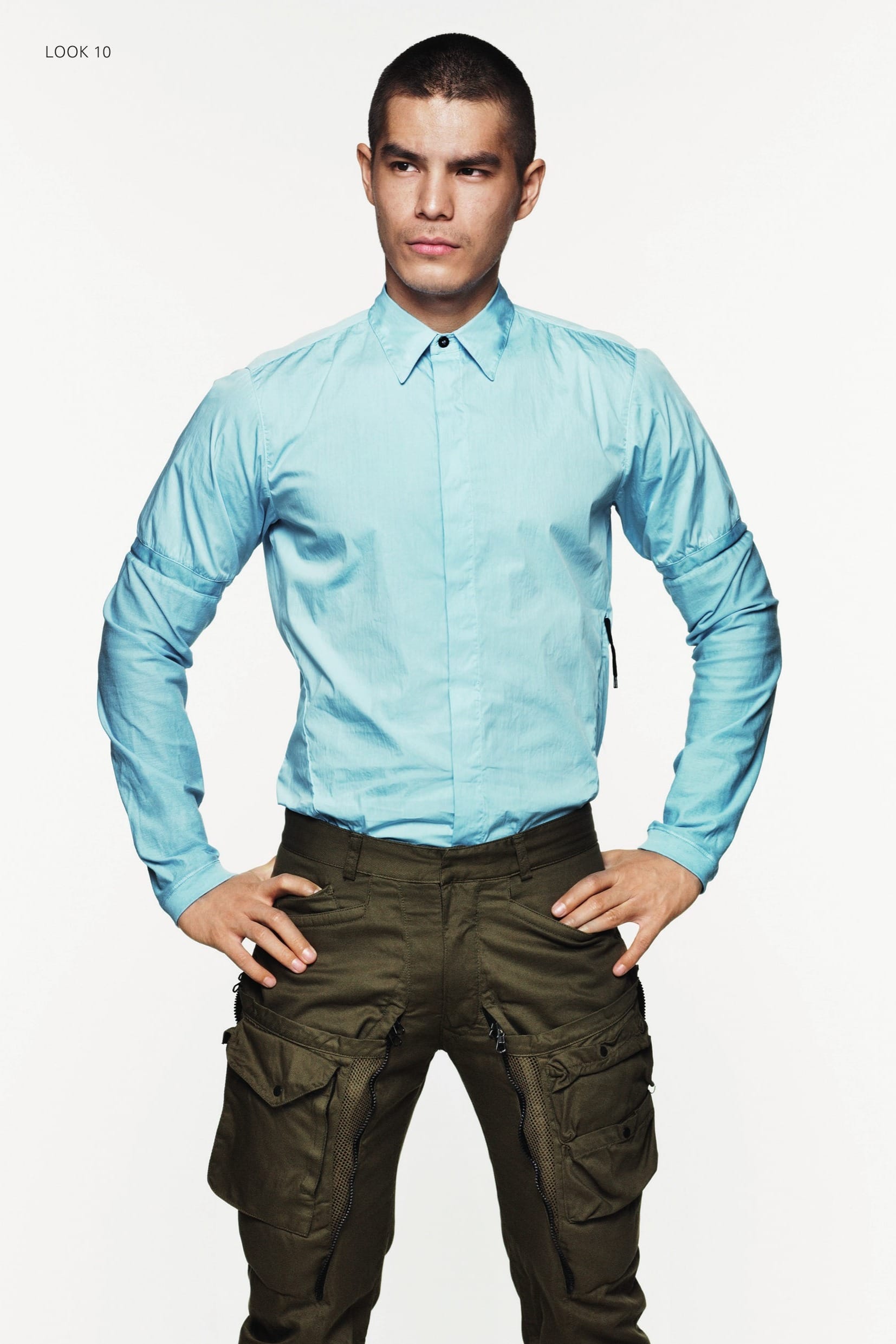
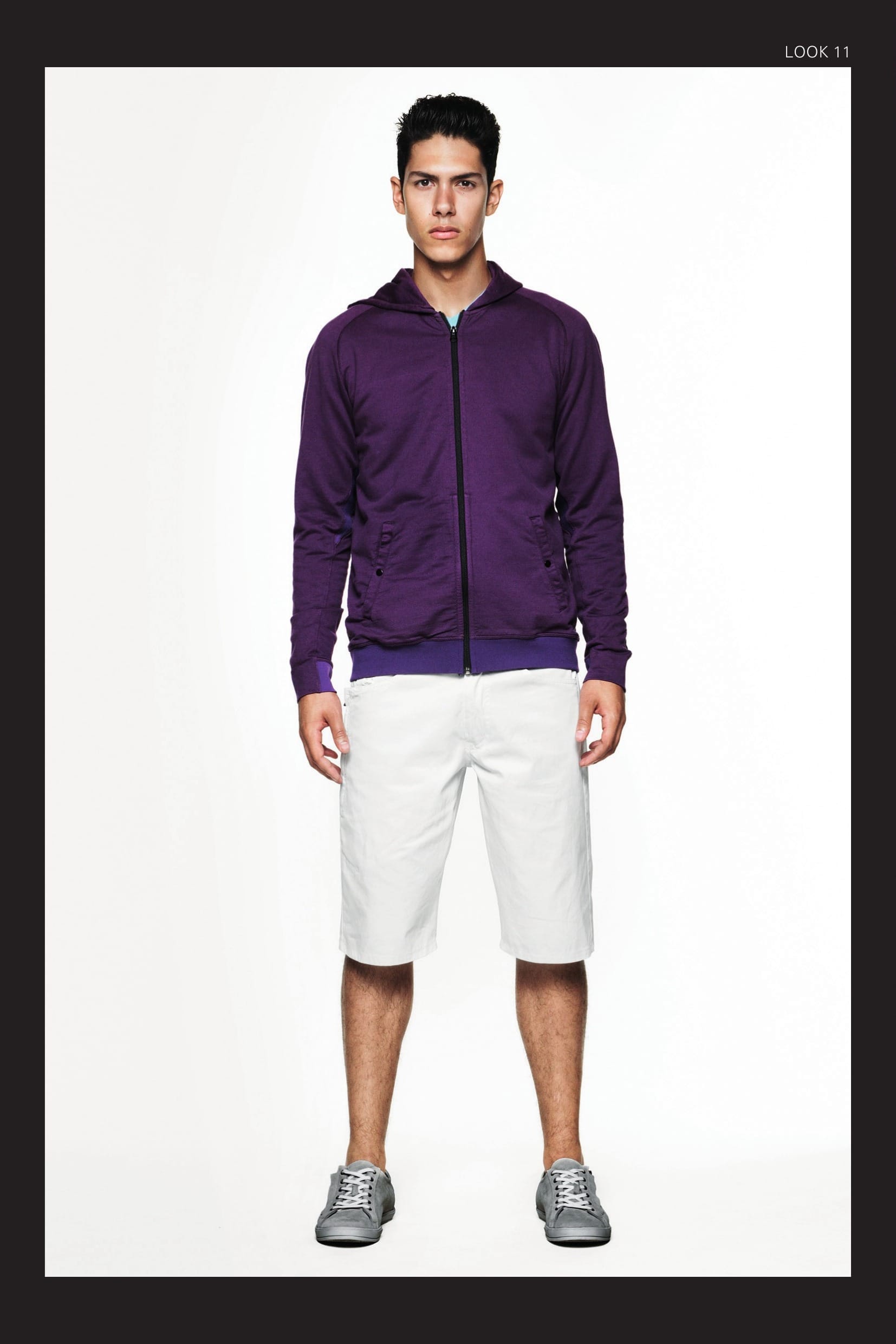
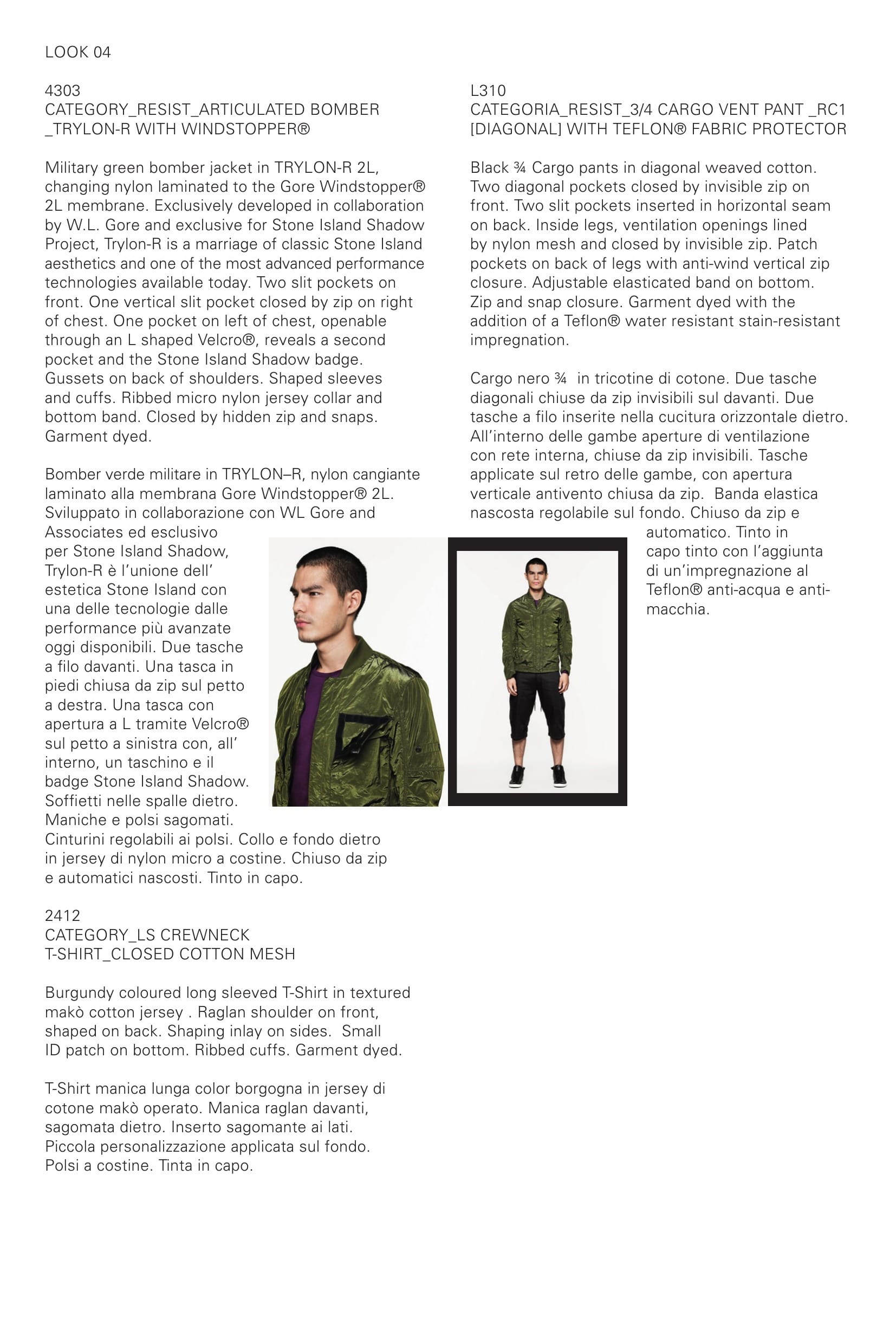
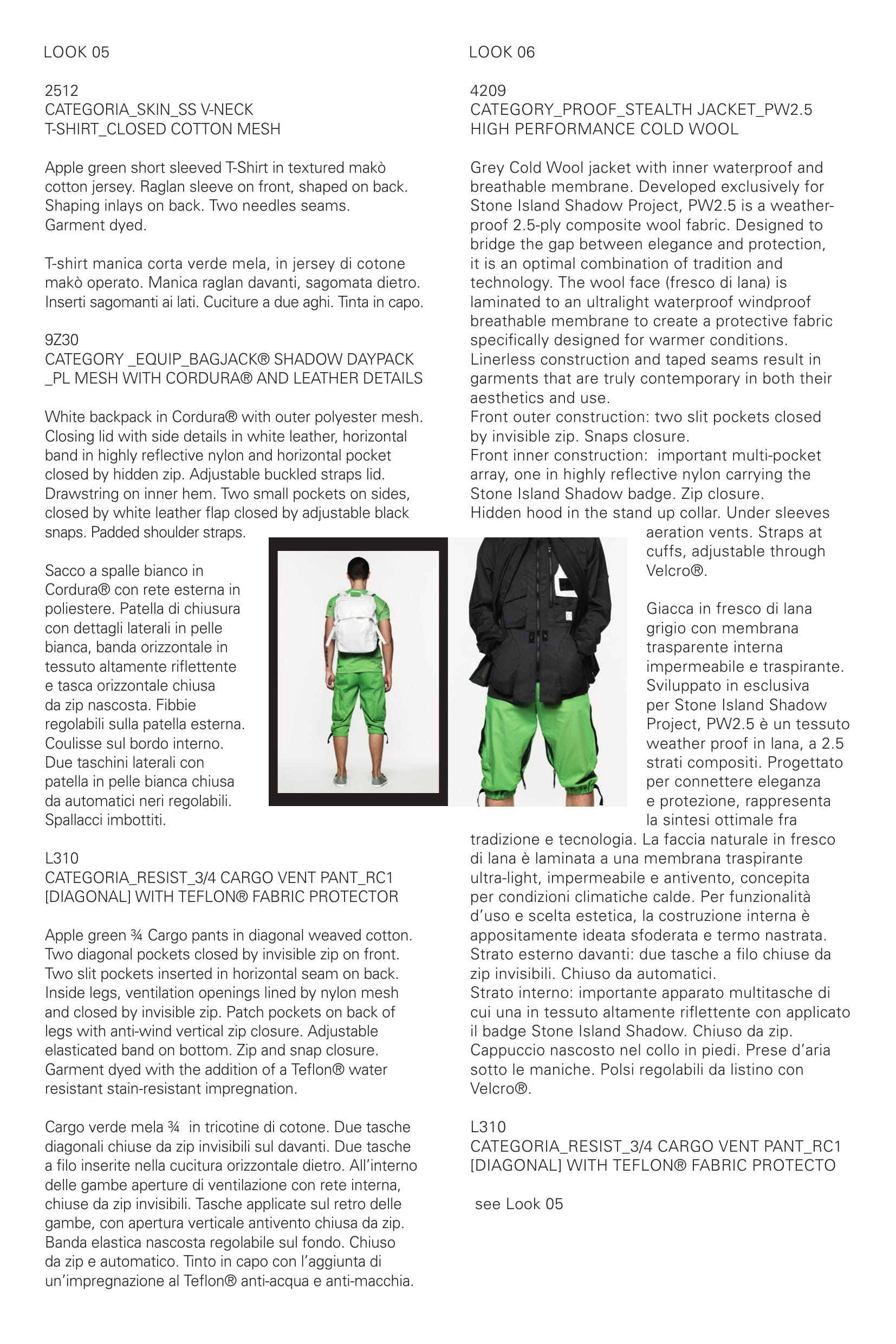
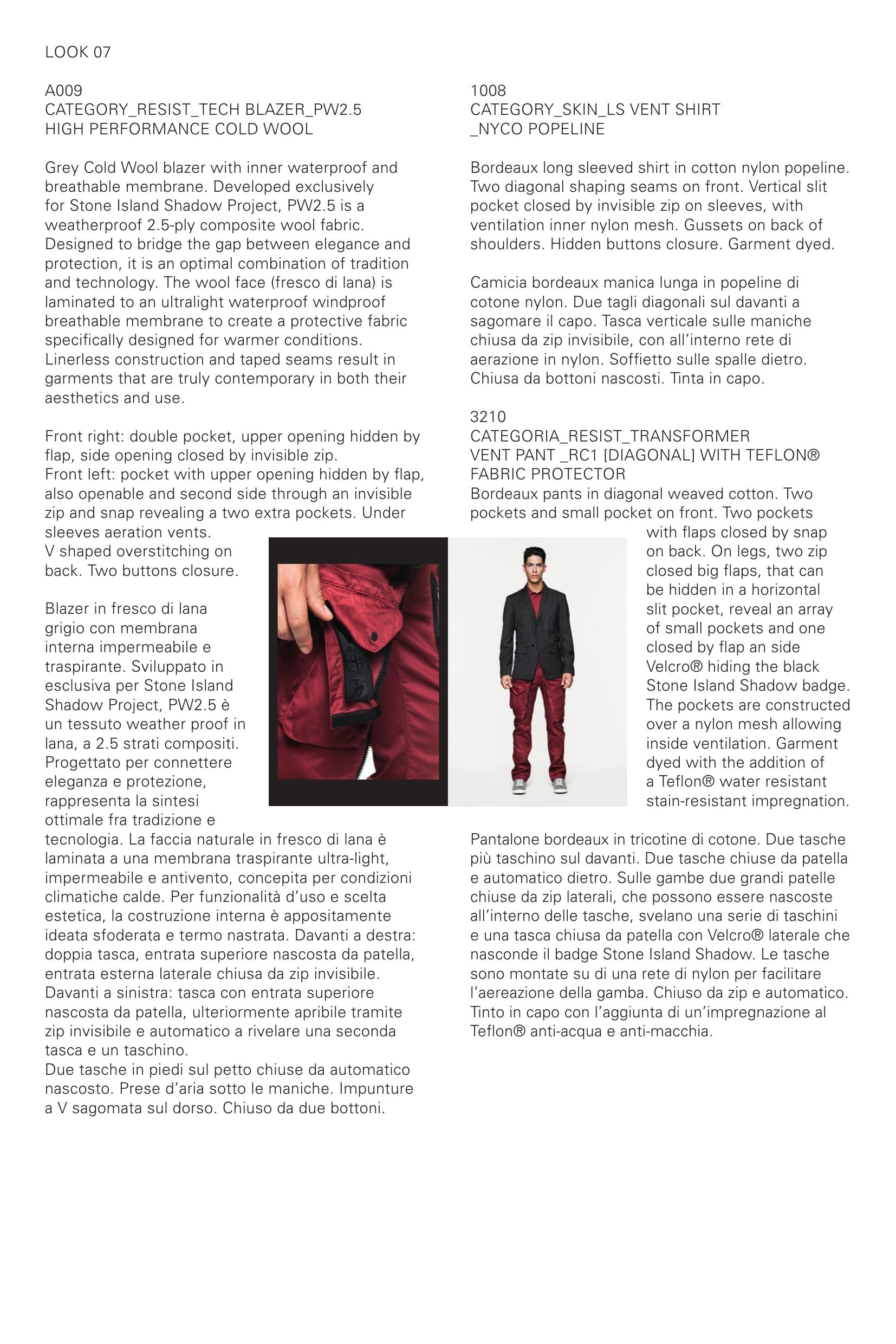
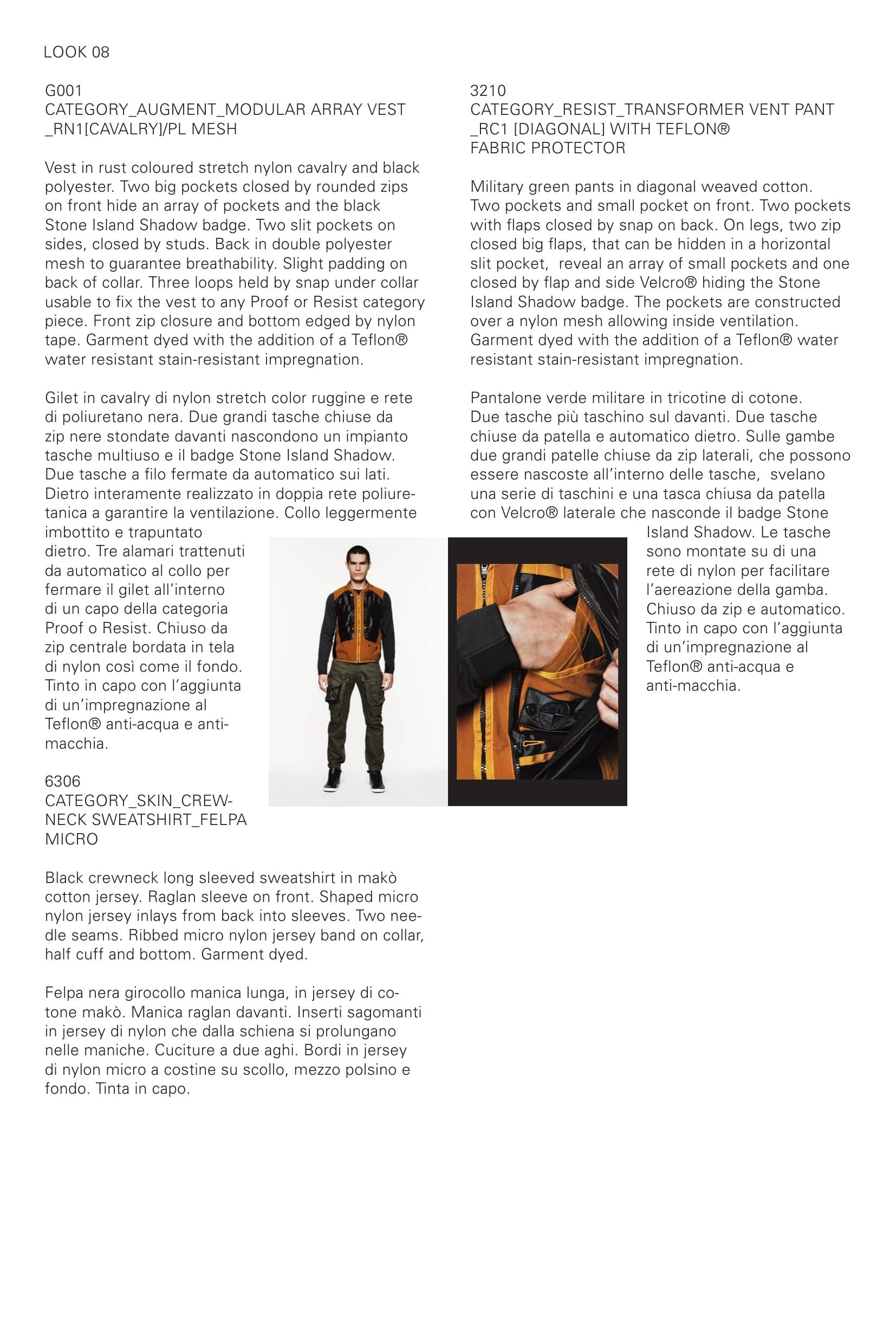
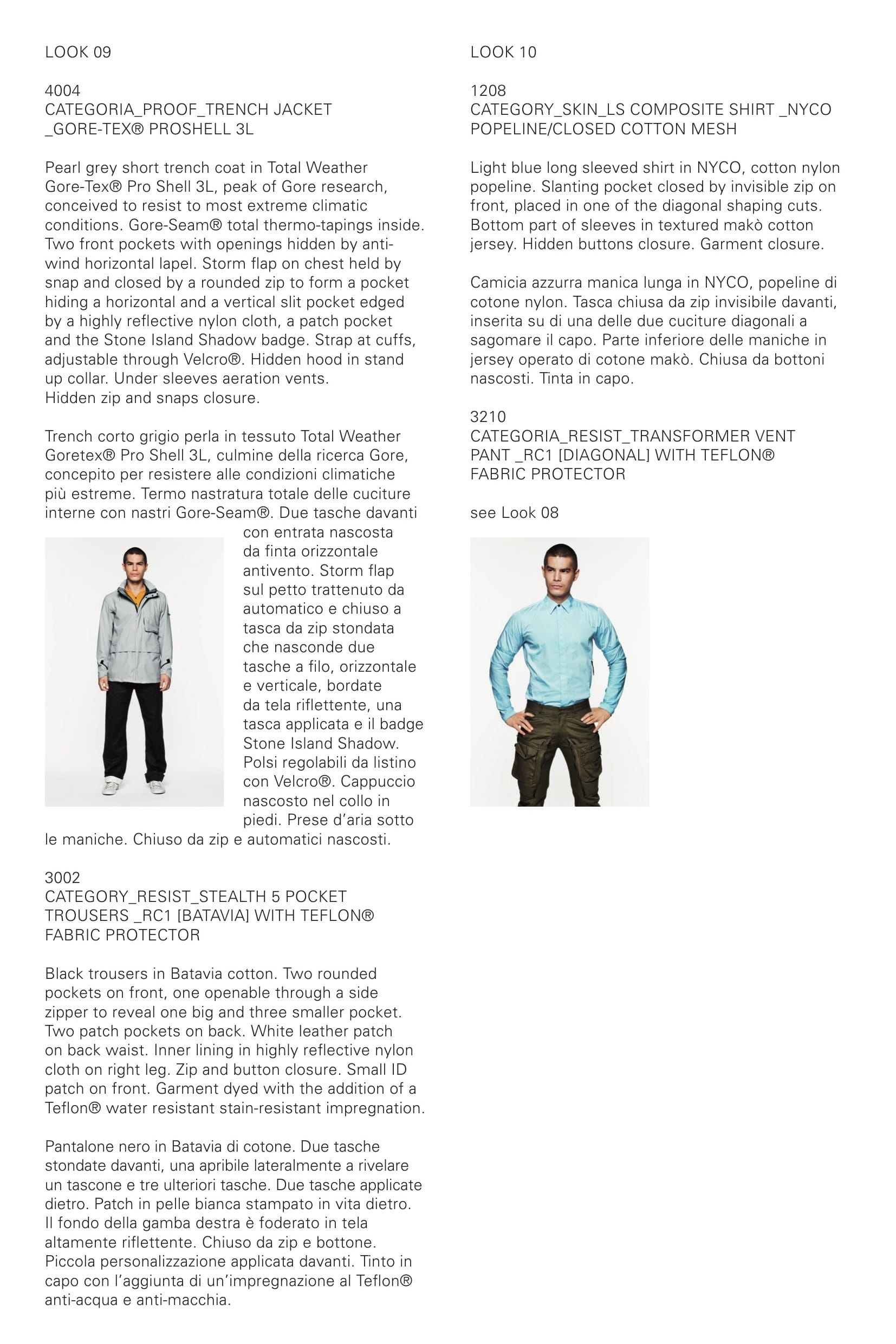
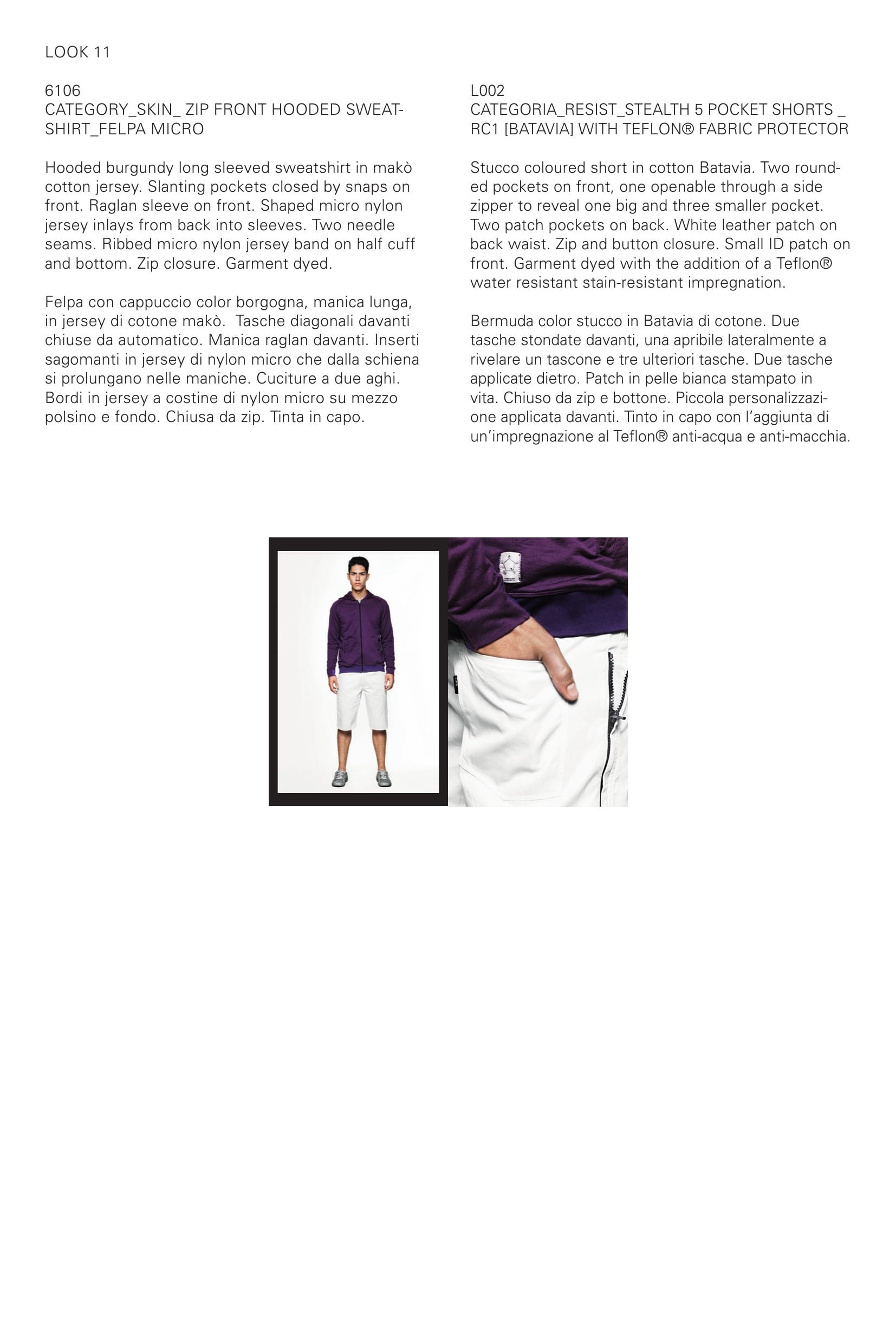
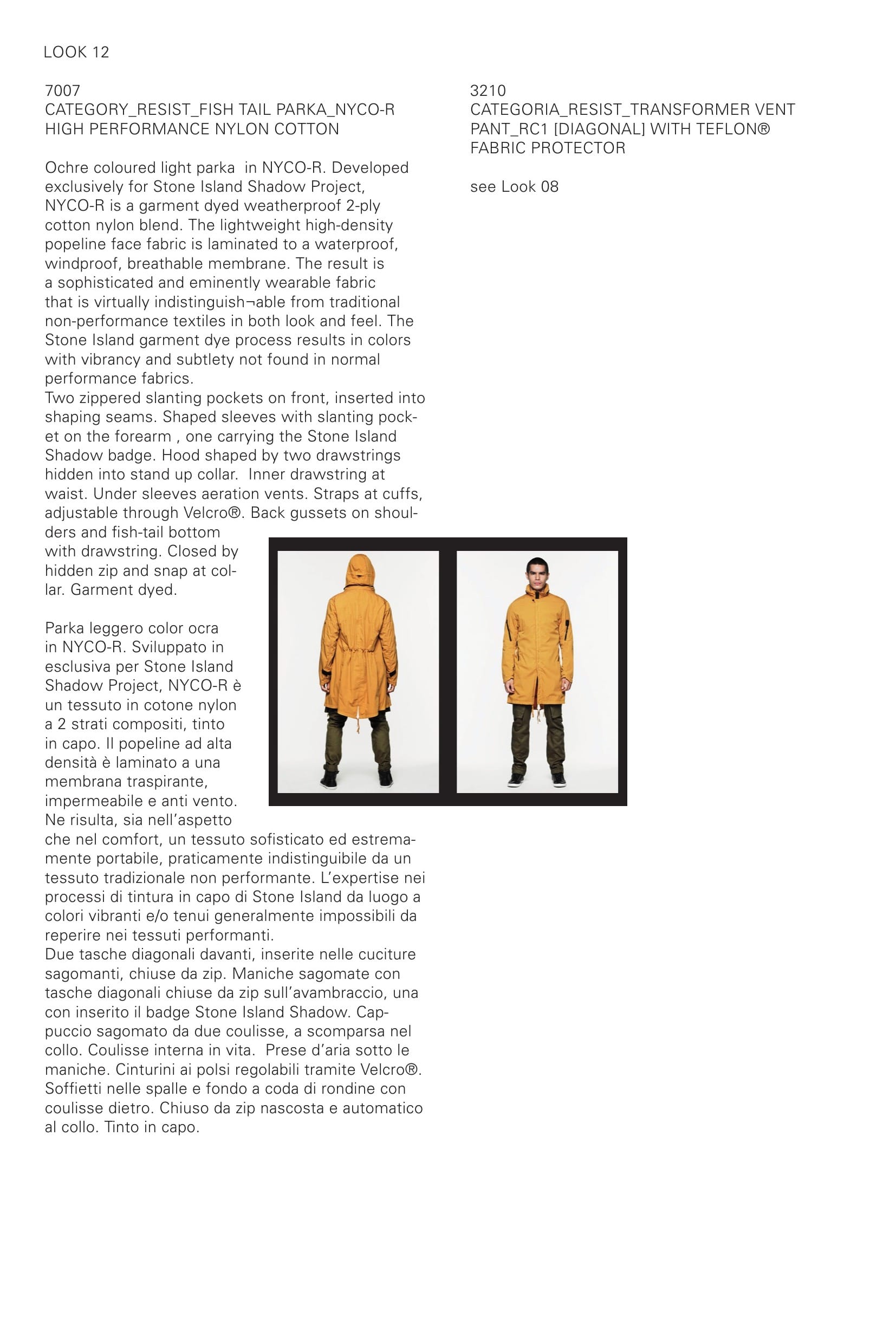
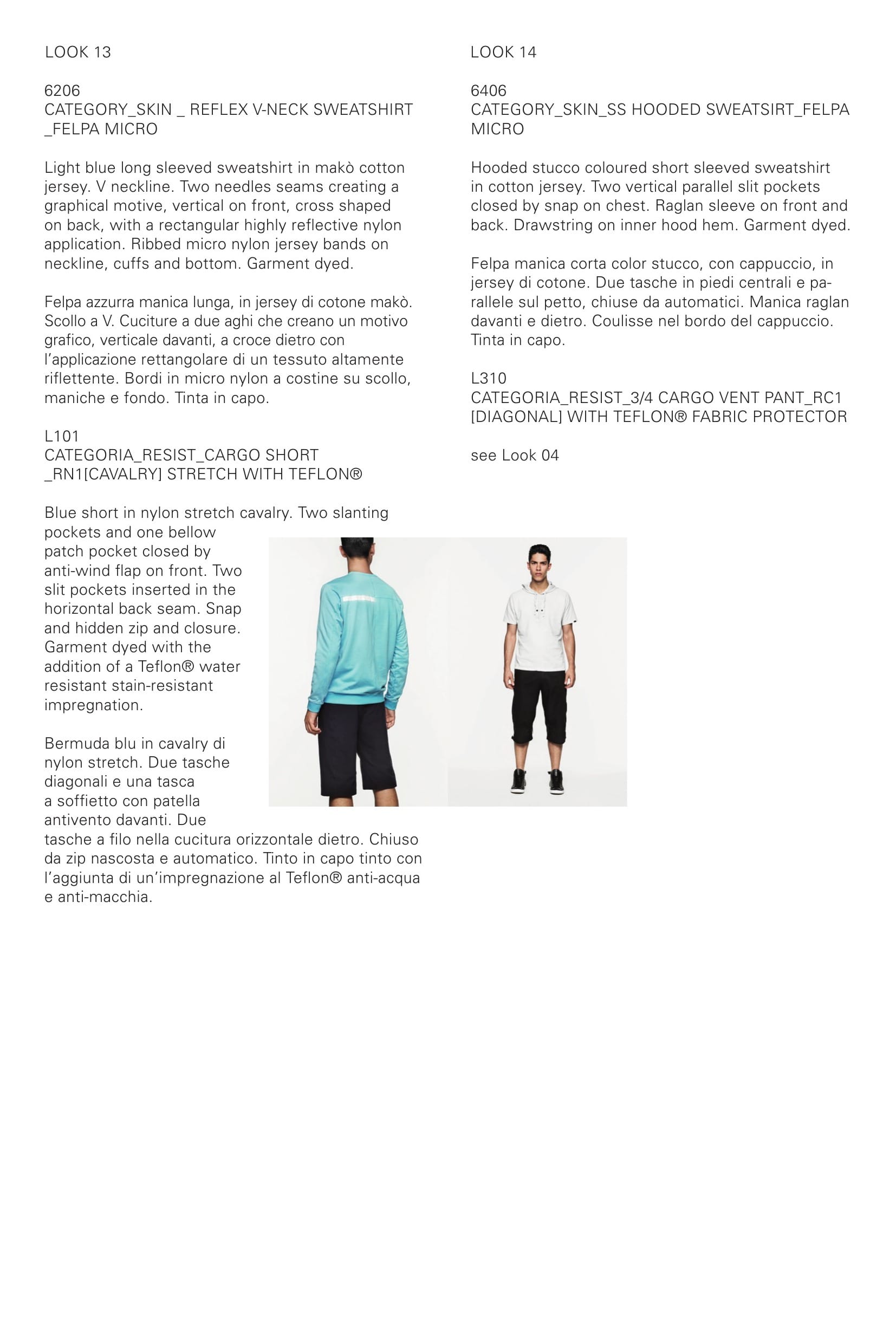
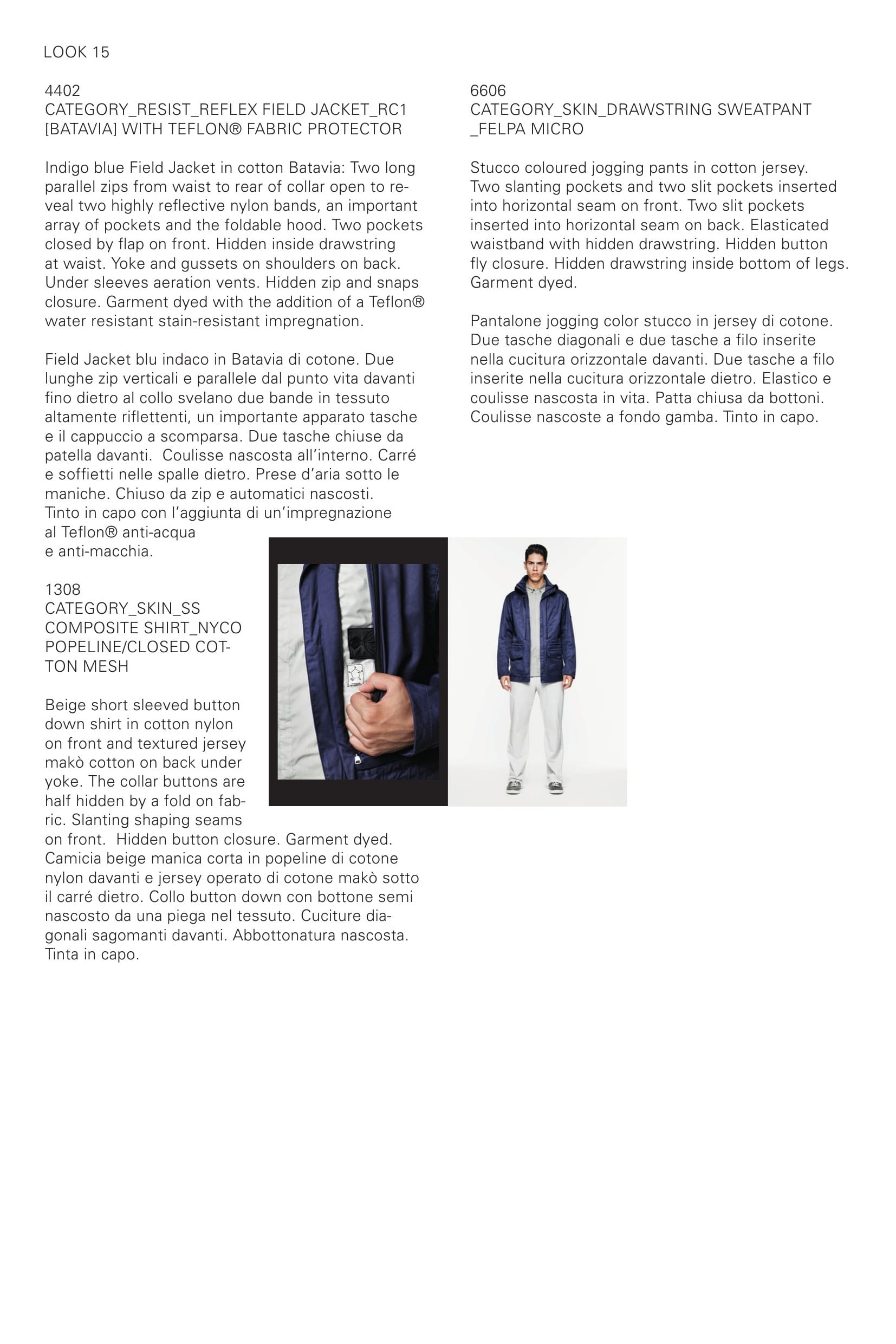
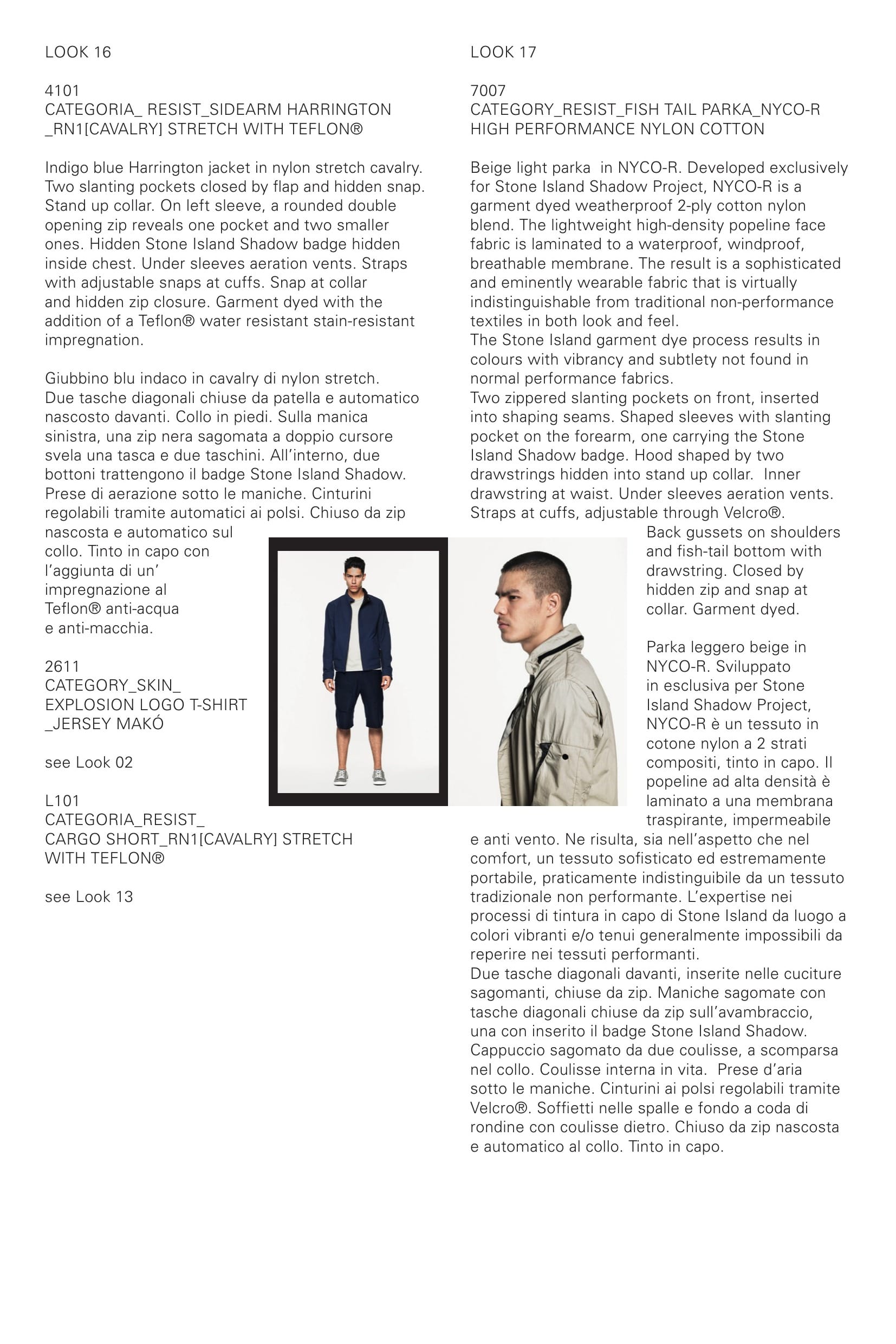
The Stone Island Shadow vector continues with the project's fourth seasonal capsule collection. Fueled by new reactions within the project's original conceptual core, fresh manifestations of fabric, style, detail, and interface emerge as the lightest, yet most comprehensive, offering thus far.
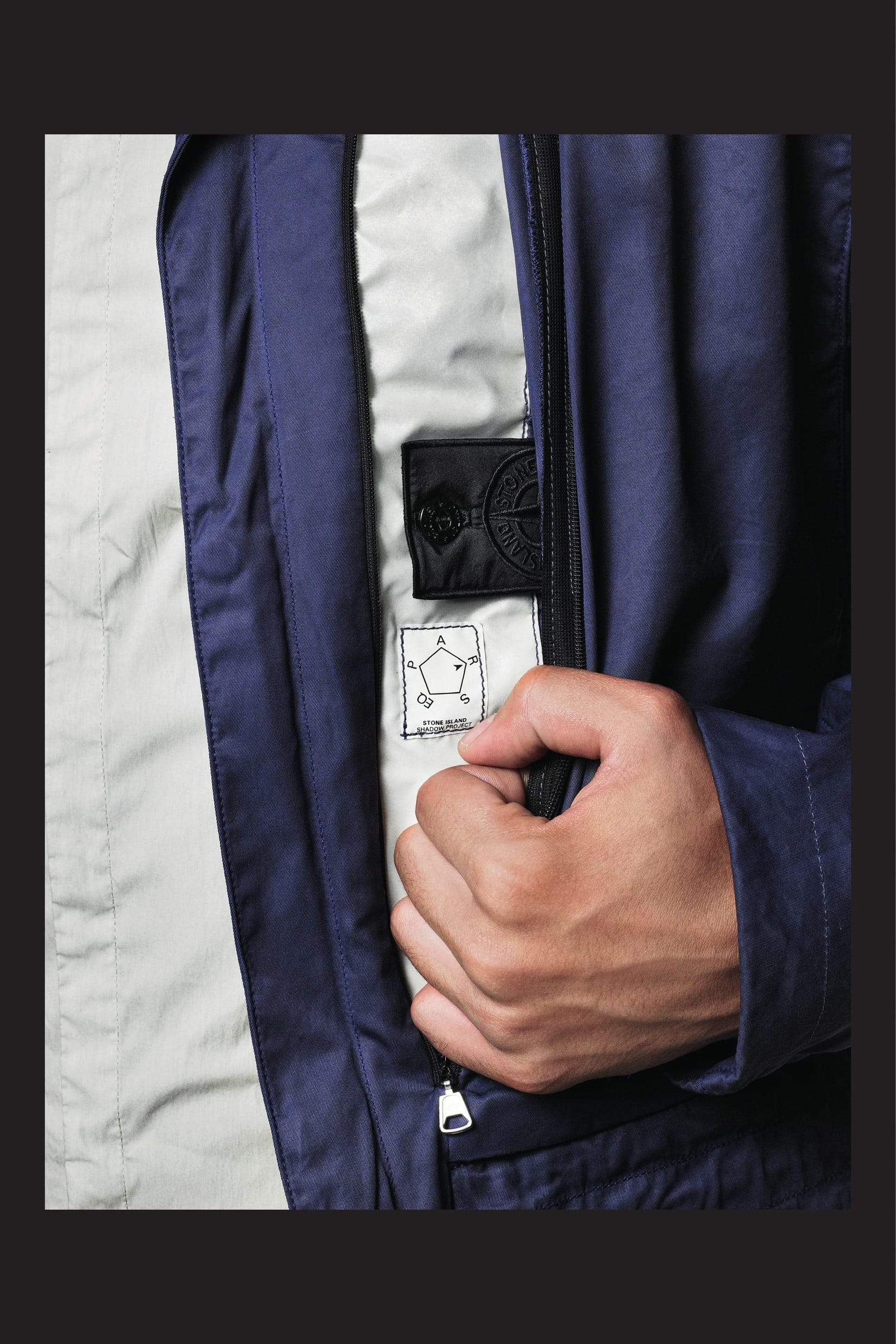
This unique trajectory begins, of course, at a unique point of origin — the inimitable constellation of research and development that is STONE ISLAND. Hidden detail and potential action lies at the heart of each and every Stone Island Shadow style.
Enfolding this in a simpler, softer way, a new focus can be brought to bear on both resolution of shape and fidelity of color. The goal is vibrancy and directness; stripping away the superfluous without sacrificing capability, and the lightness that can only be found by moving through one's environment with zero resistance.
Modular Performance Grid, PARSEQ is the organizational framework upon which the idea is built: PROOF, AUGMENT, RESIST, SKIN and EQUIP. All Shadow fabrics work together as part of the grid — breathable, moisture managing, skin-friendly and maintainable — chosen for their balance of performance technology and the aesthetic treatments for which Stone Island has been known since its inception.

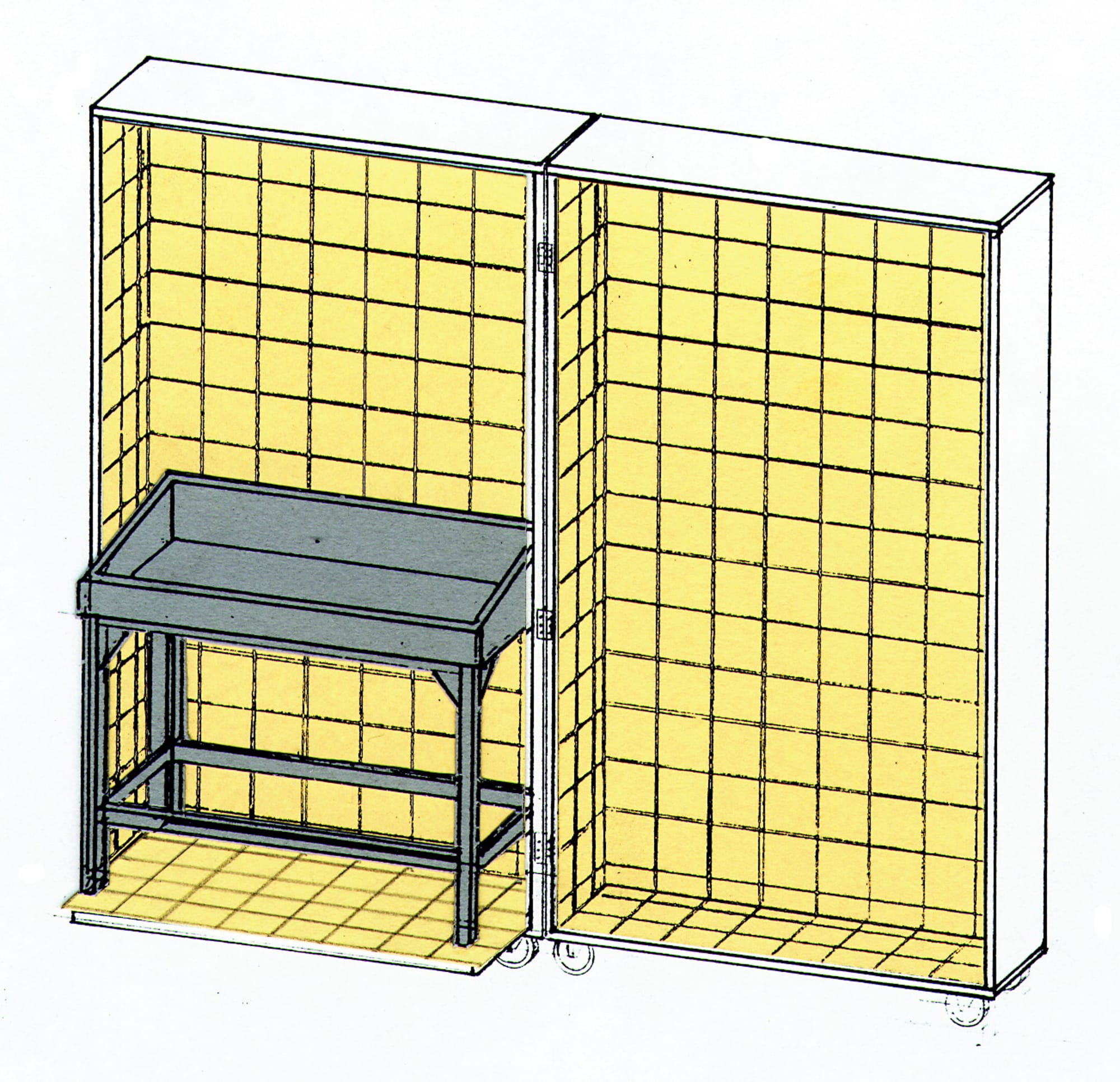
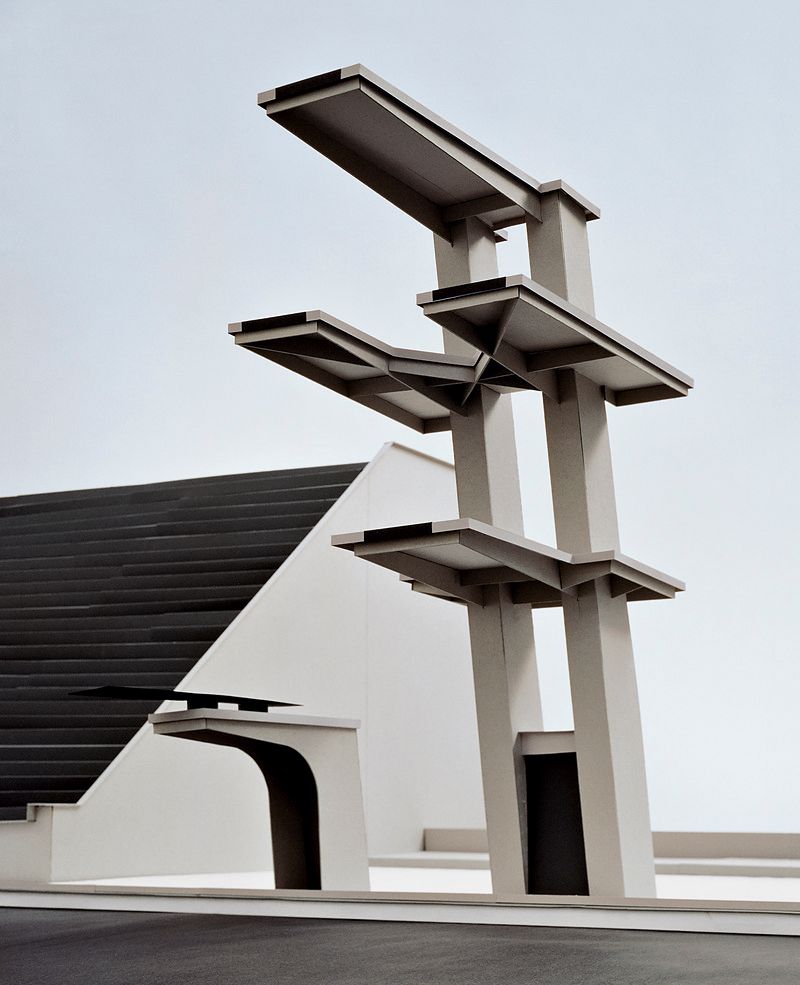
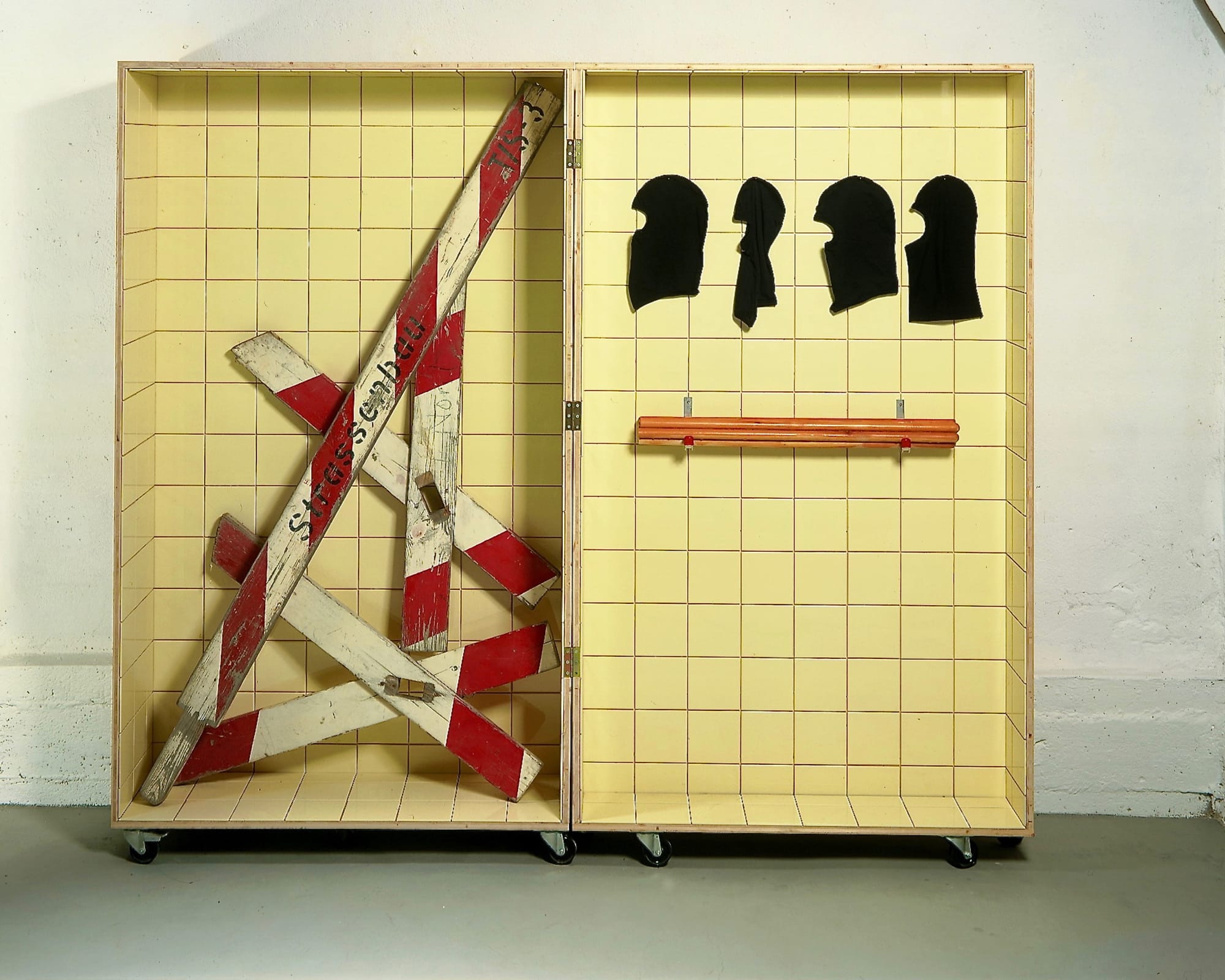
Winfried Baumann Memorials
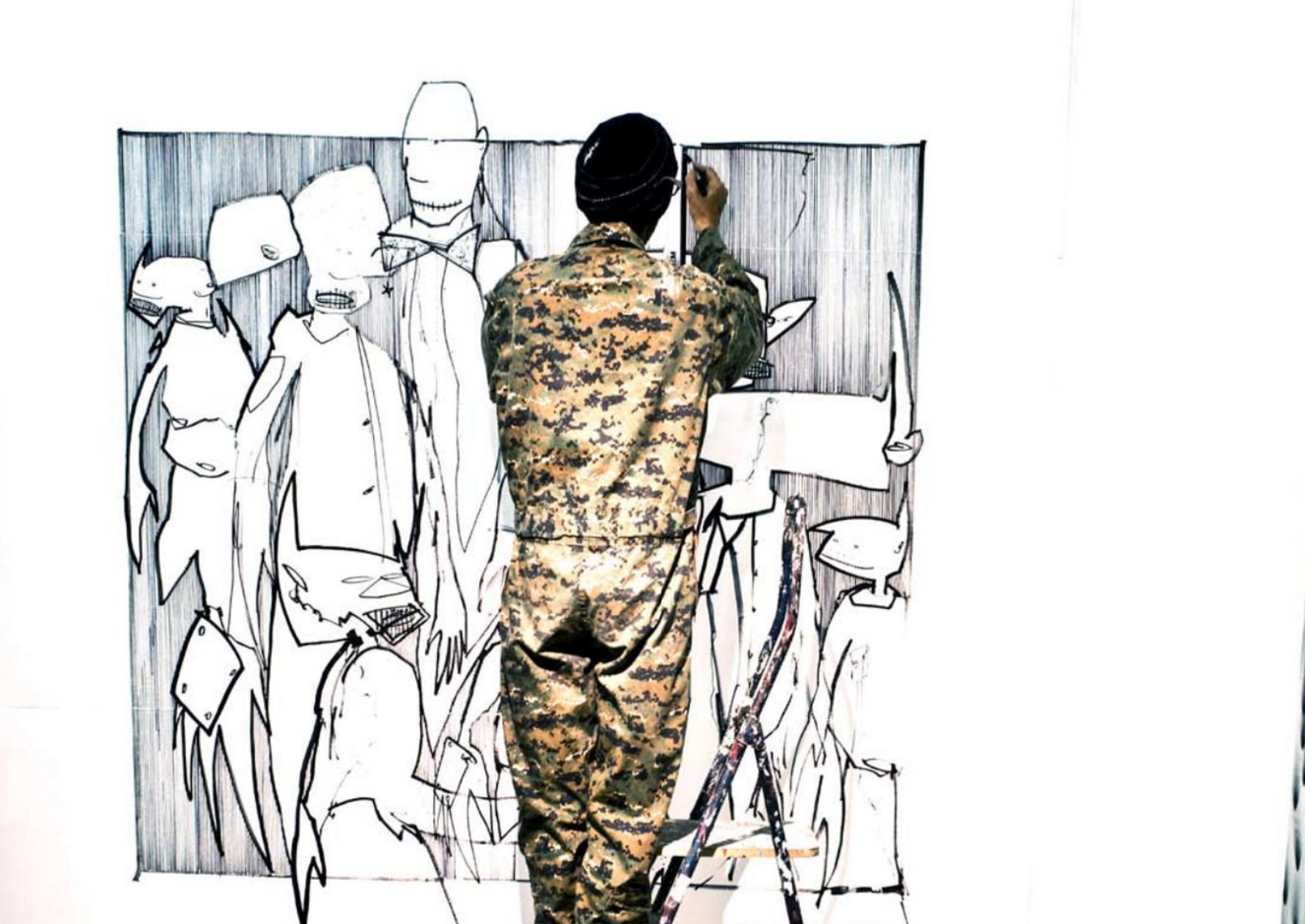
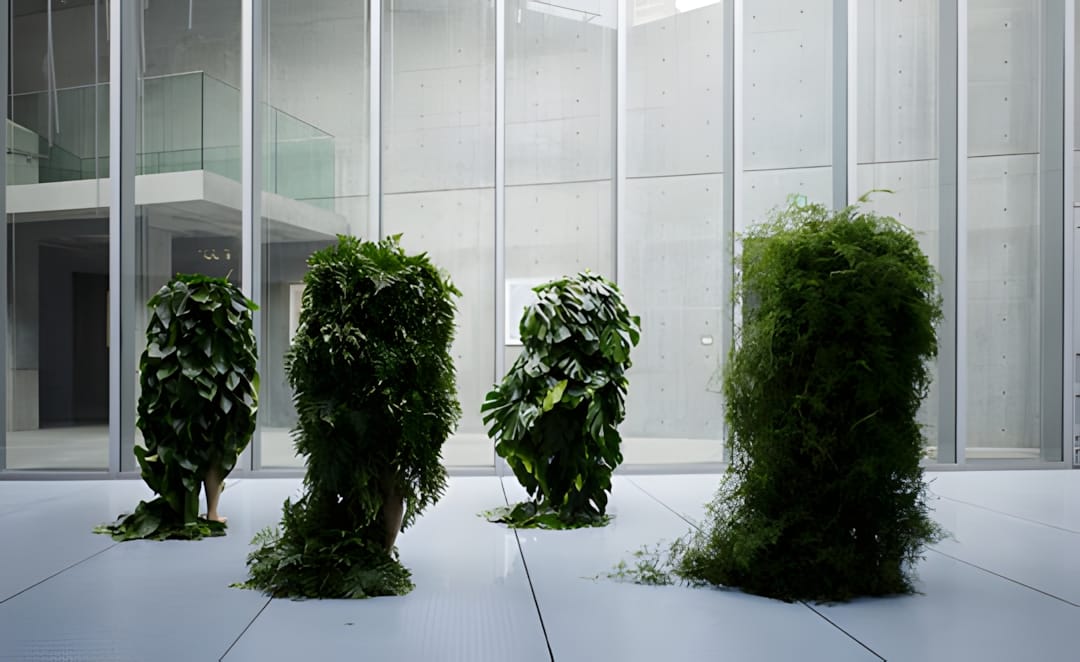
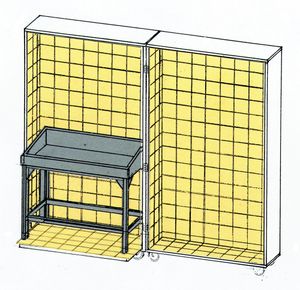
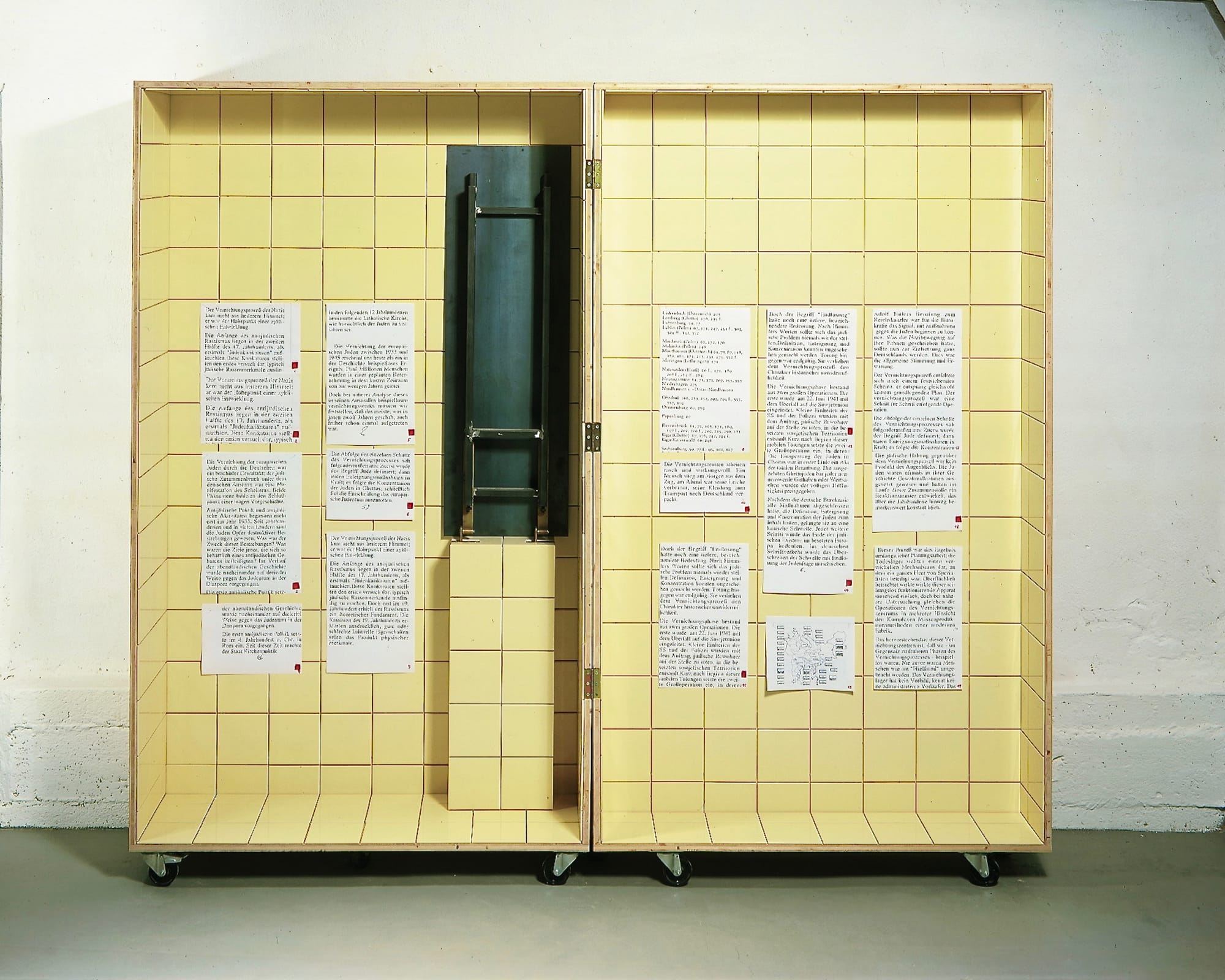
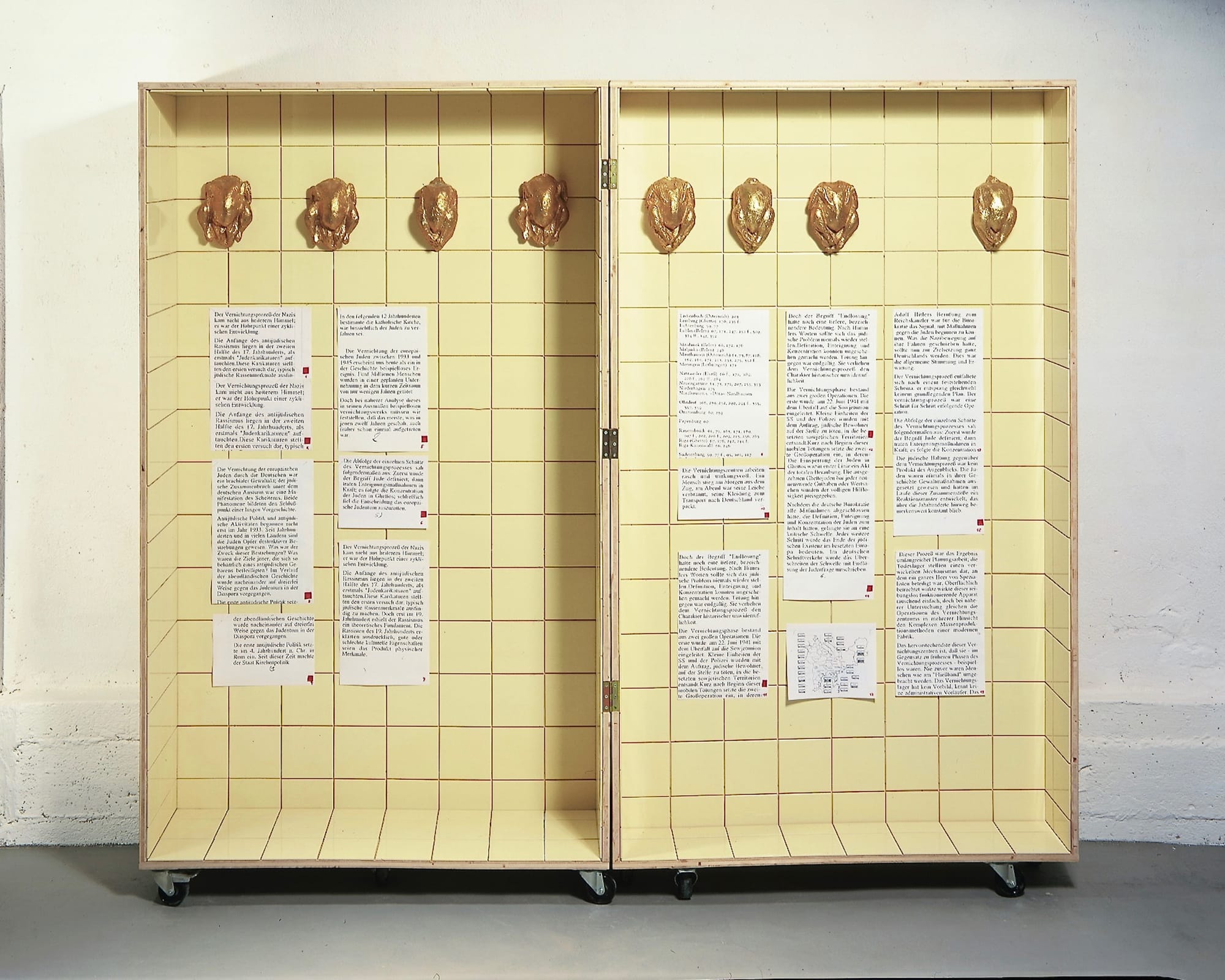
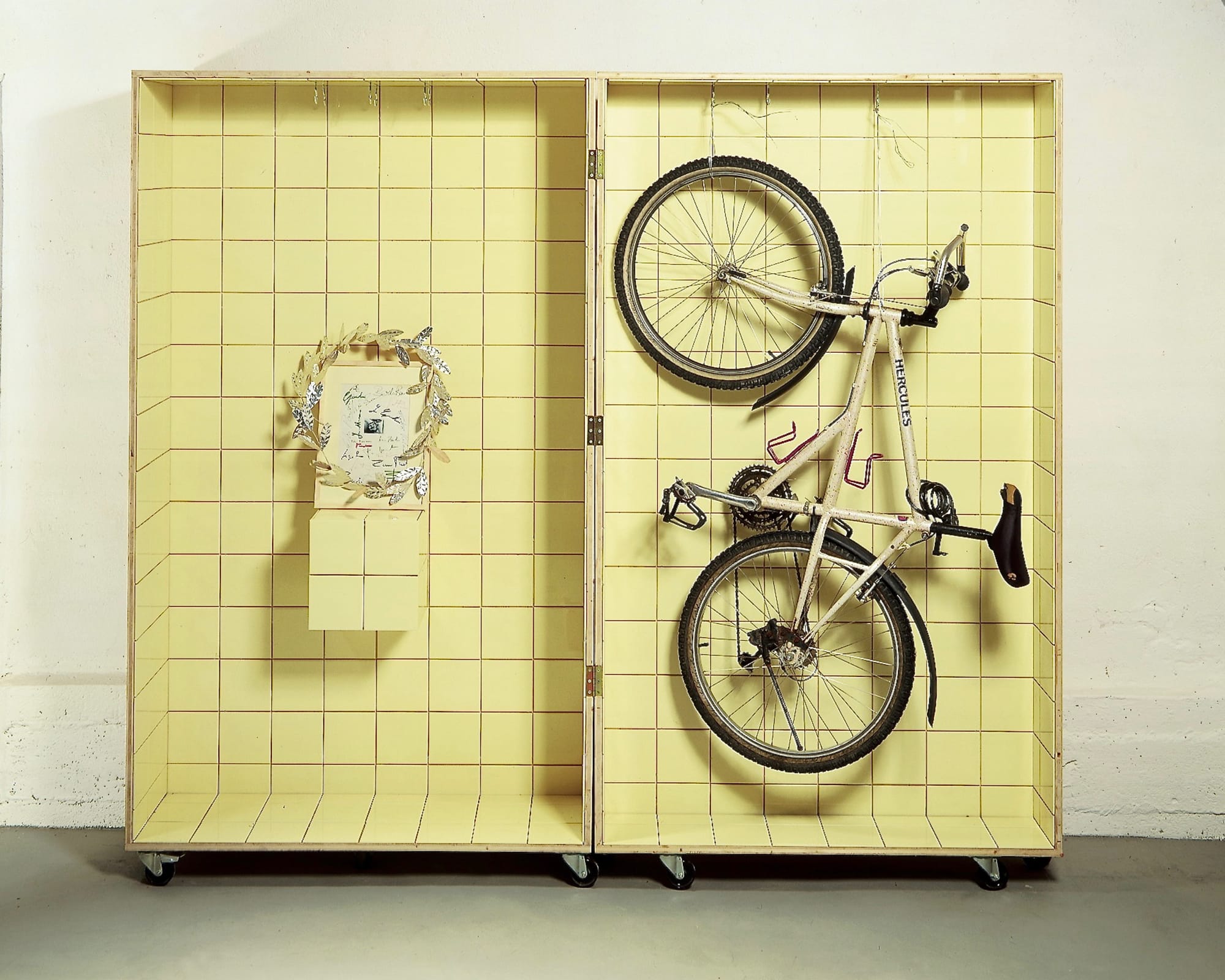
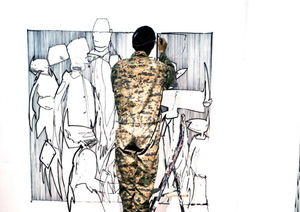
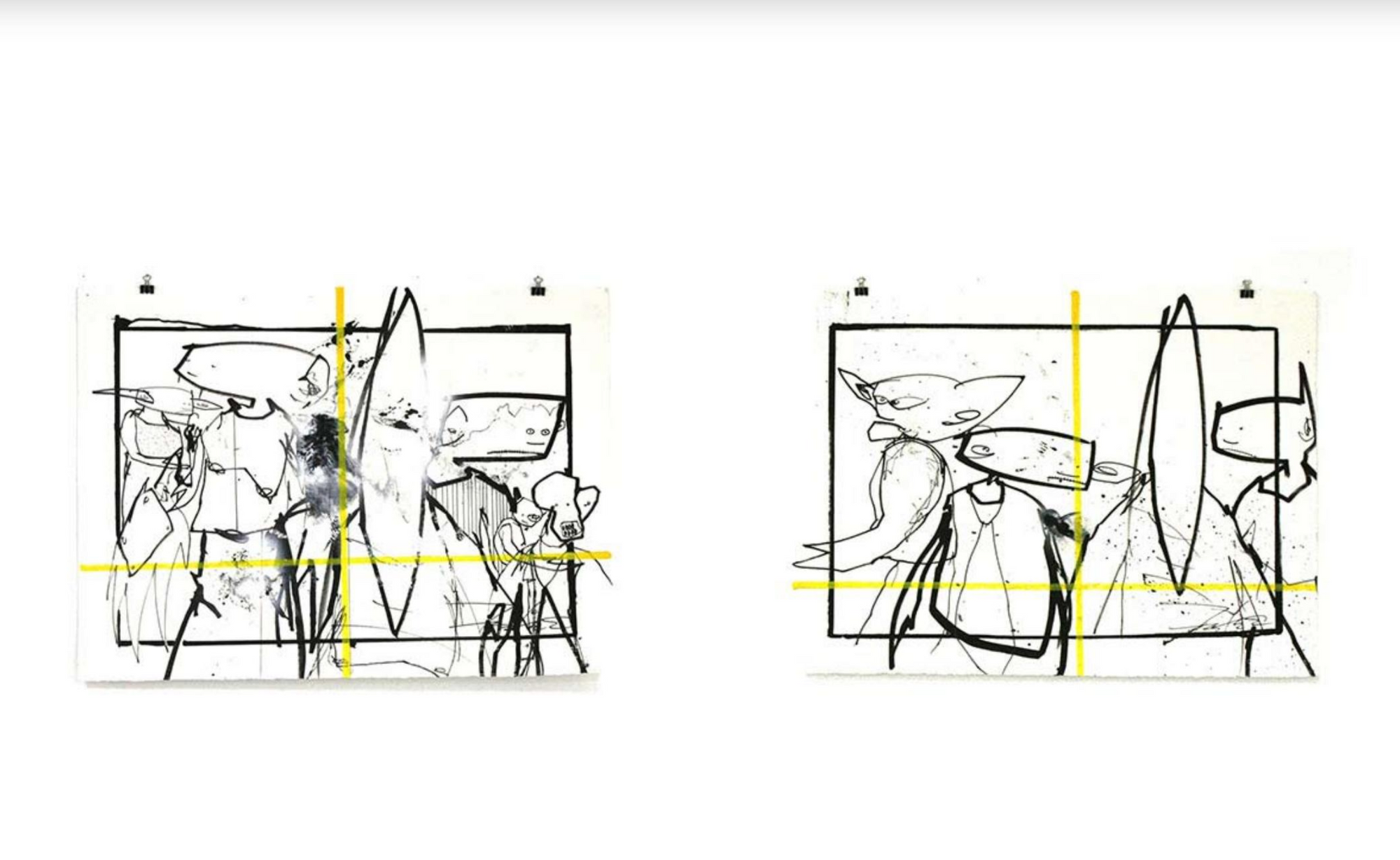
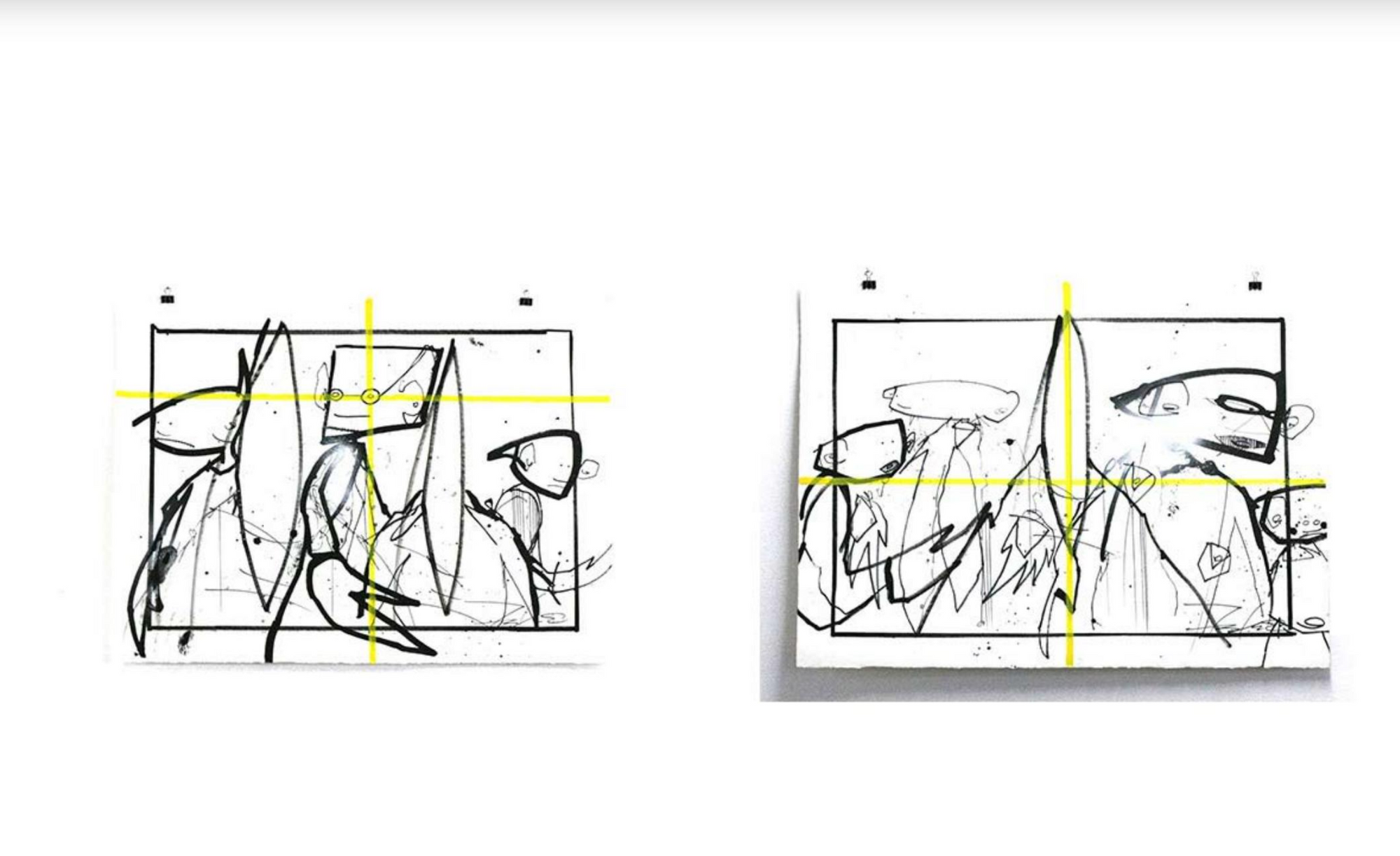
Memorials is a series by Winfried Baumann, drawn as wheeled, modular grid structures. Each is titled for a subject — among them Flucht und Vertreibung, Holocaust und Völkermord, Sport und Spiel and Ruhestörer — alongside a set of base models (Basismodelle).

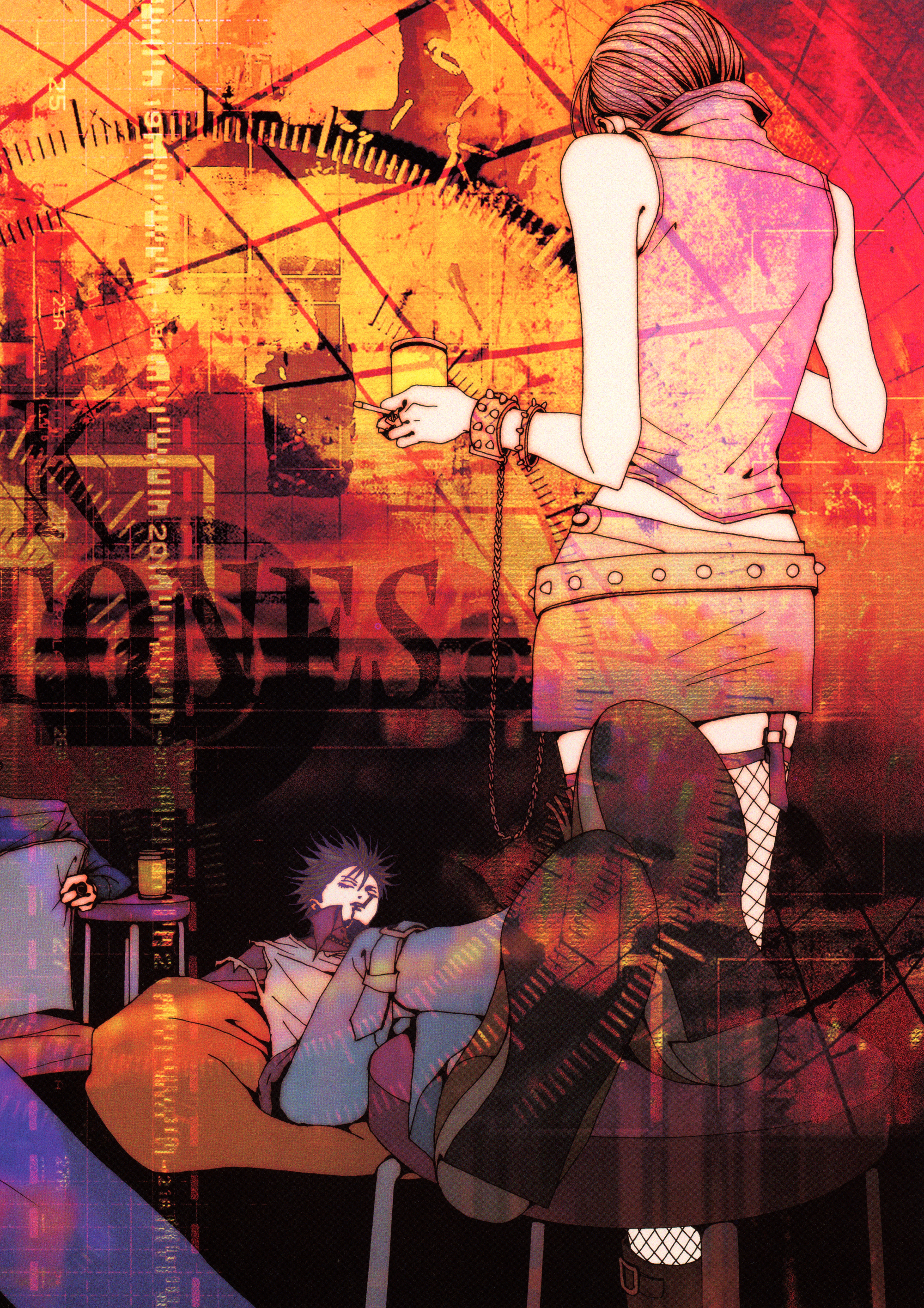
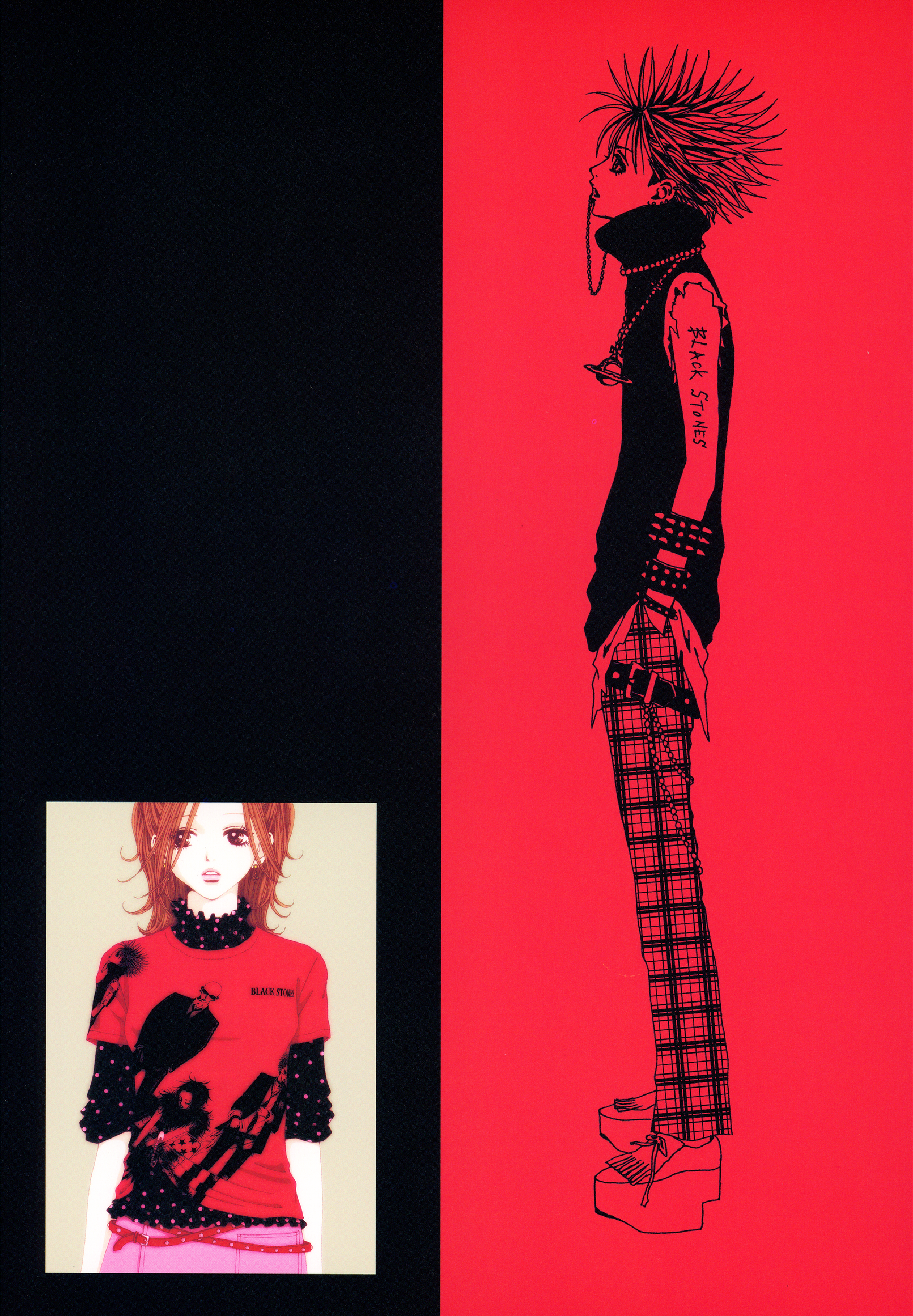
NANA 1st Illustrations _ Ai Yazawa
NANA 1st Illustrations gathers Nana Osaki, Nana Komatsu, Ren Honjo, Nobuo Terashima, Shinichi Okazaki, and Yasushi Takagi not as model sheets but as quiet romances in fabric and metal. Osaki’s black leather and lace feel like vows; her Vivienne Westwood Armour Ring glints like a promise she keeps. Komatsu floats in lighter textiles and soft palettes, a tender blur that finds light even when it trembles. Shinichi moves in bondage pants—wide legs, trailing straps, D-rings and chains—tempered by fitted tanks, layered belts, and combat boots; the strapwork turns his stride into music and cinches him closer when the stage goes still.
Ren and Yasu hold steadier lines—smoke, denim, talismanic hardware—anchors for the others’ weather. Here costume is character: friendship sewn into hems, devotion clasped in studs, defiance stitched in black. A Complete NANA 1st Illustrations book scan is available on the server. A Complete NANA 1st Illustrations book scan is available on the server.



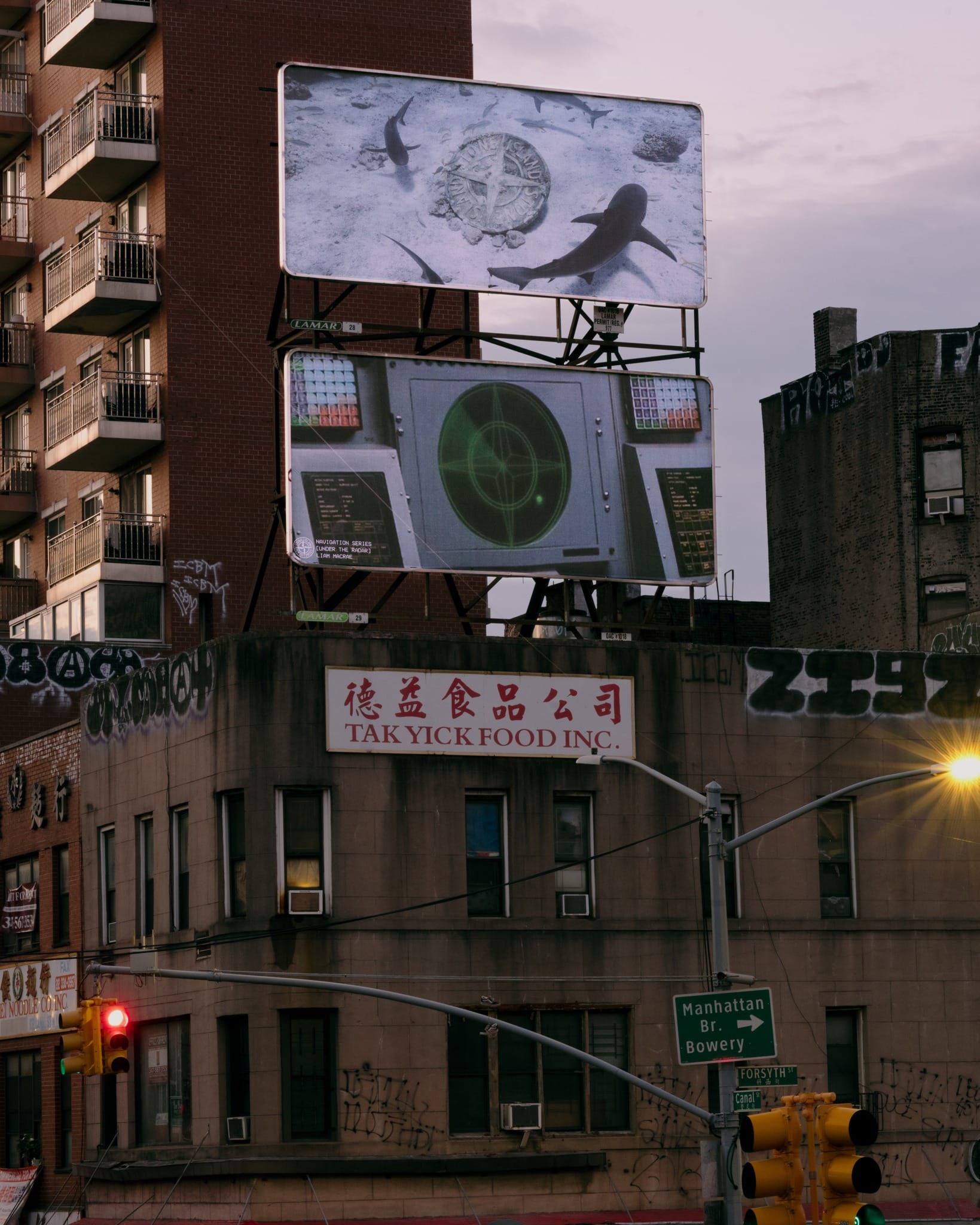
![stone island navigation series [under the radar] by liam macrae](https://storage.ghost.io/c/14/ee/14eef3be-ca5a-434b-8324-fa1f874026f1/content/images/size/w300/2025/09/stone-island-navigation-series-under-the-radar-liam-macrae-techspec-02.jpg)
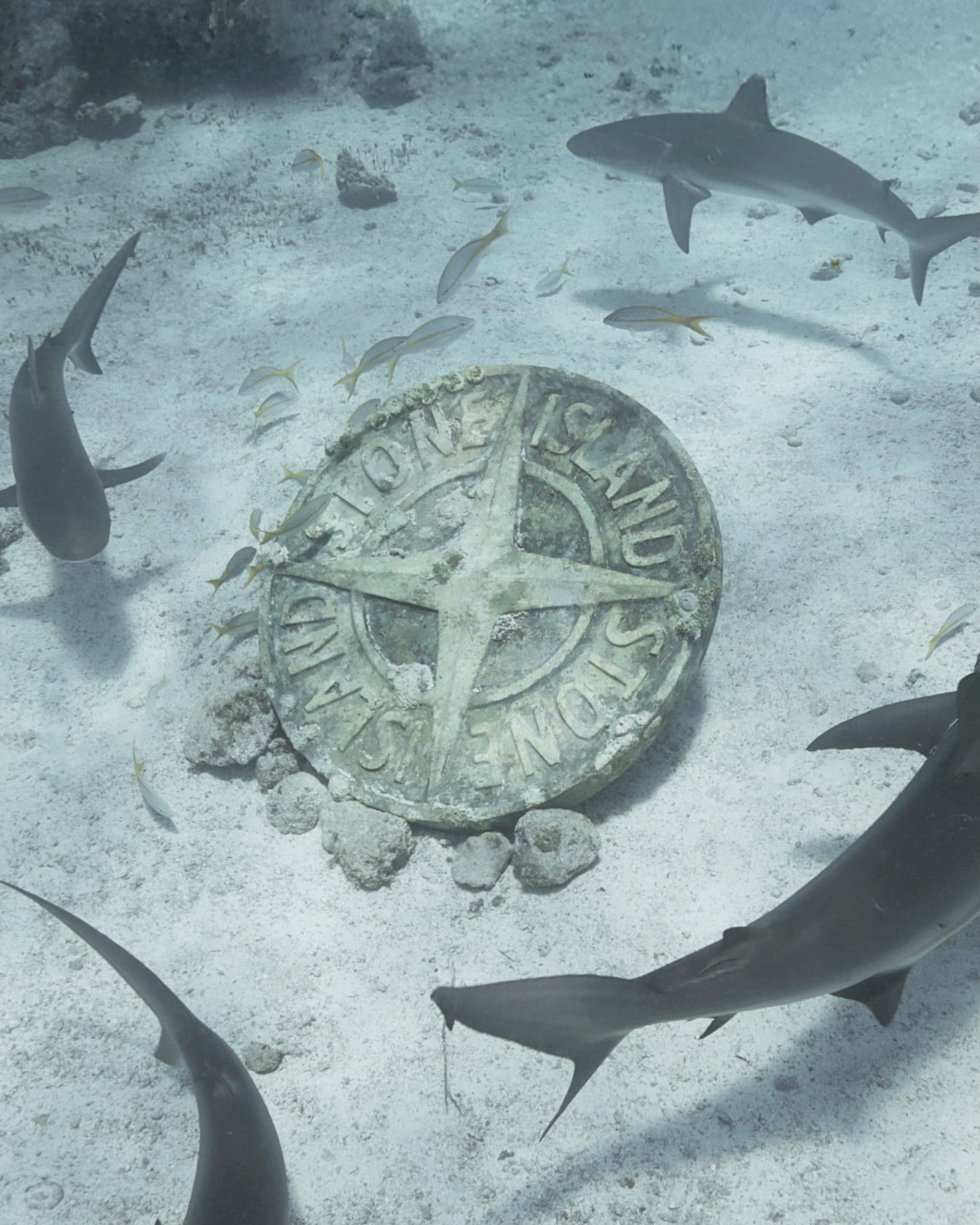
stone island navigation series [under the radar] by liam macrae
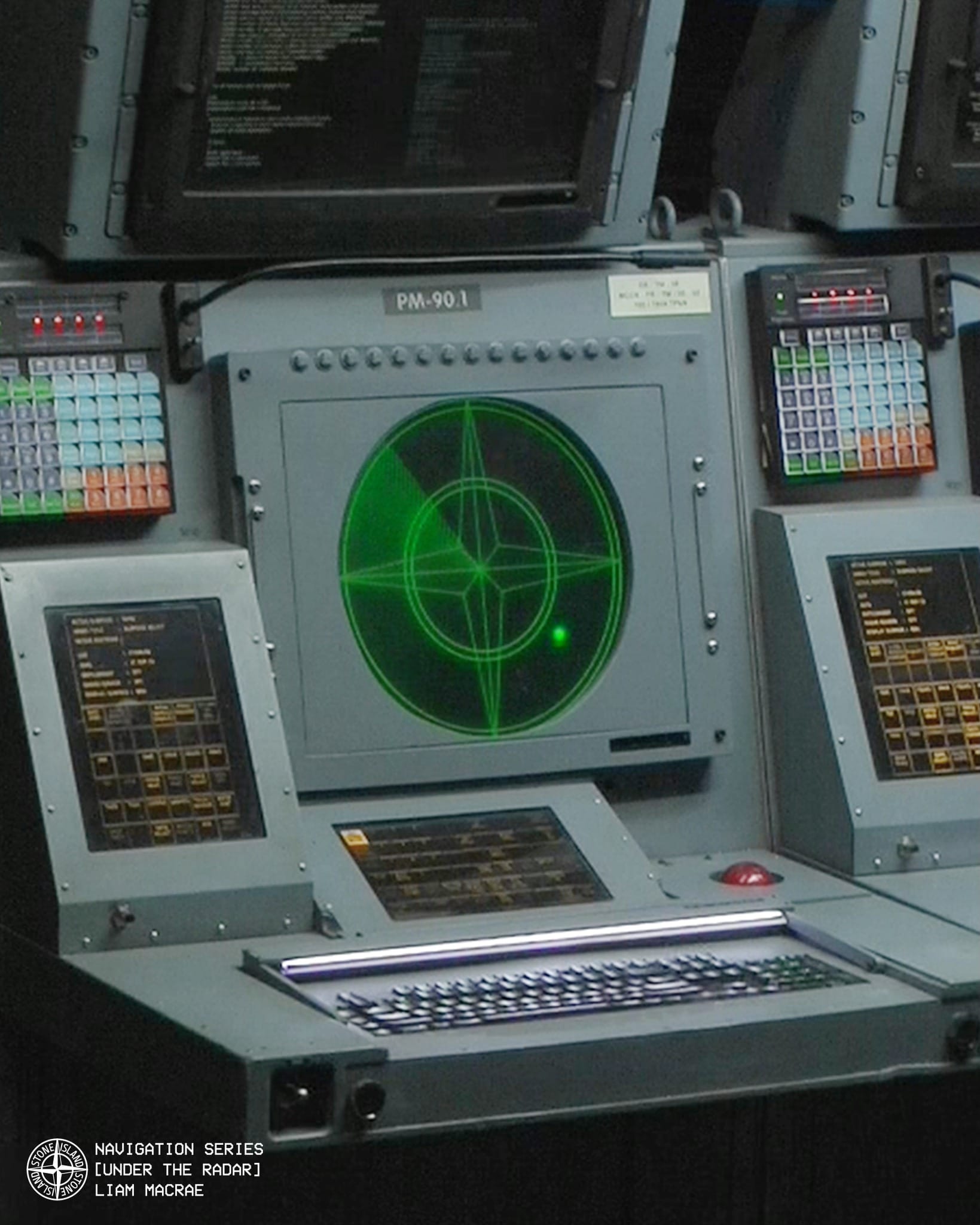
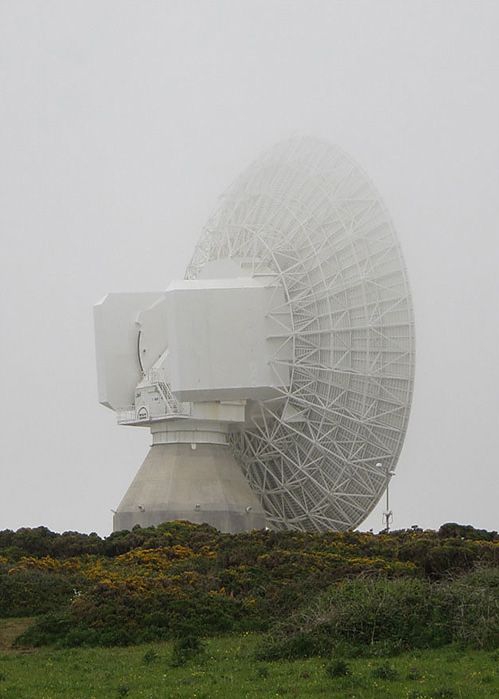
Stone Island’'s Navigation Series: Under the Radar by Liam MacRae examines sonar, signal, and instinct in aquatic navigation. Radar sweeps above are mirrored by sharks circling below, drawn to a submerged emblem that acts as both marker and transmission. The study observes how symbol and frequency converge—technology tracing, nature responding.
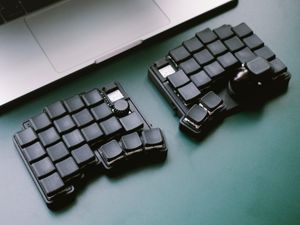
moNa2 keyboard
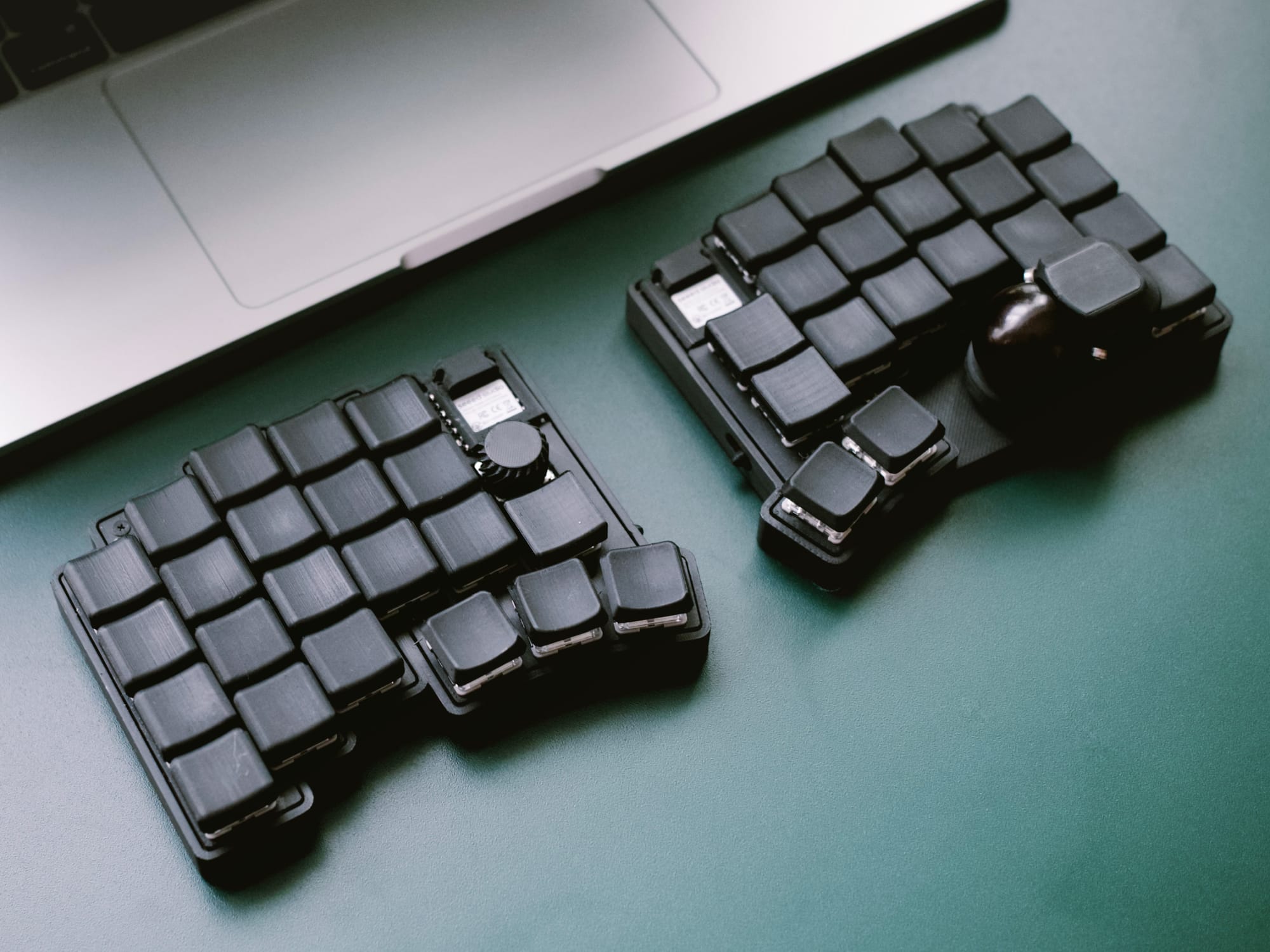
The Inspired by kumakey’s “roBa,” the moNa2 is a small wireless split keyboard developed by shakupan and pooh.polo, designed to keep a desk feeling open and unclaimed. Two compact halves sit apart with a quiet gap between them, leaving room for a notebook or tools without forcing a single, monolithic footprint.
The layout is restrained: low, close spacing with a built-in thumb-controlled ball that keeps basic navigation under the hand instead of pushing you toward a mouse. The whole object reads as light hardware rather than a centerpiece, favors packing and redeploying—such as magnets on the underside so the halves can join together for transport.
It runs wire-free and is meant to be adjusted over time rather than treated as a fixed appliance. Typical usage notes describe it lasting roughly a couple of weeks of frequent daily use before needing attention again, with the exact cadence depending on how it’s set up and used.
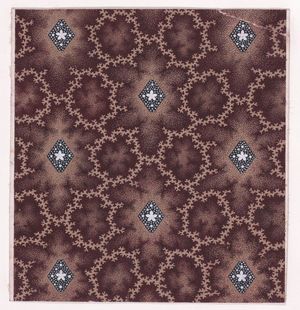
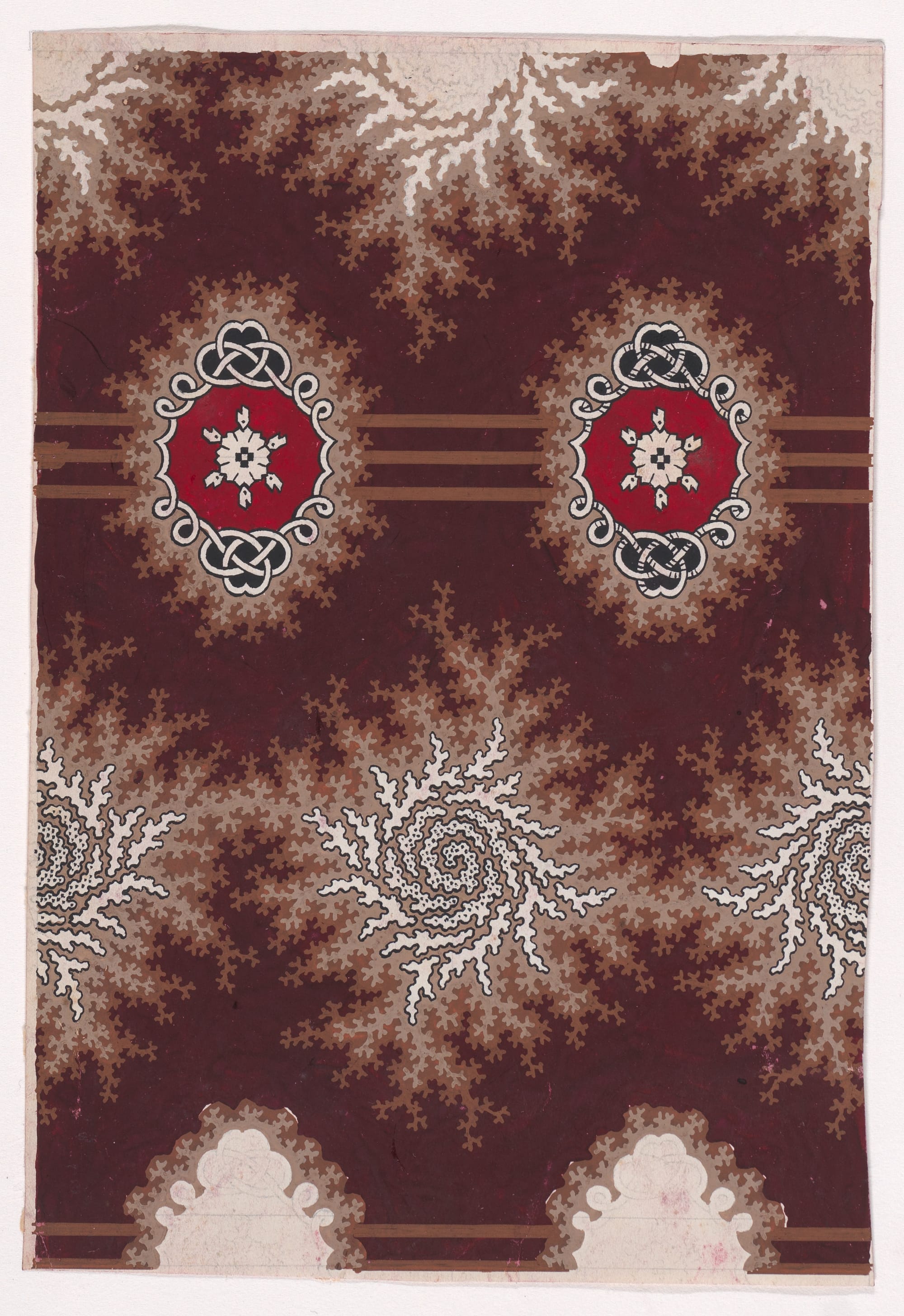
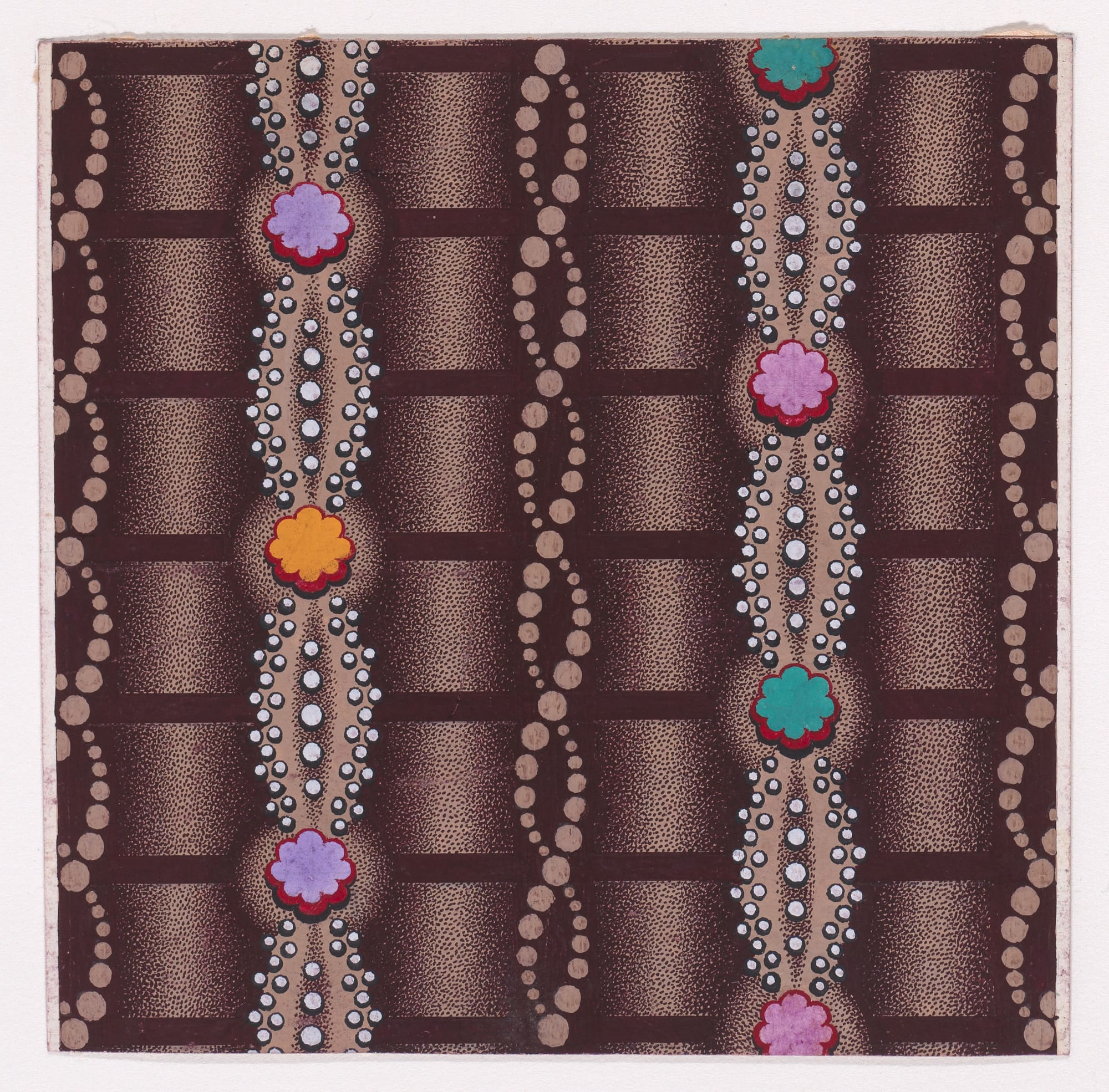
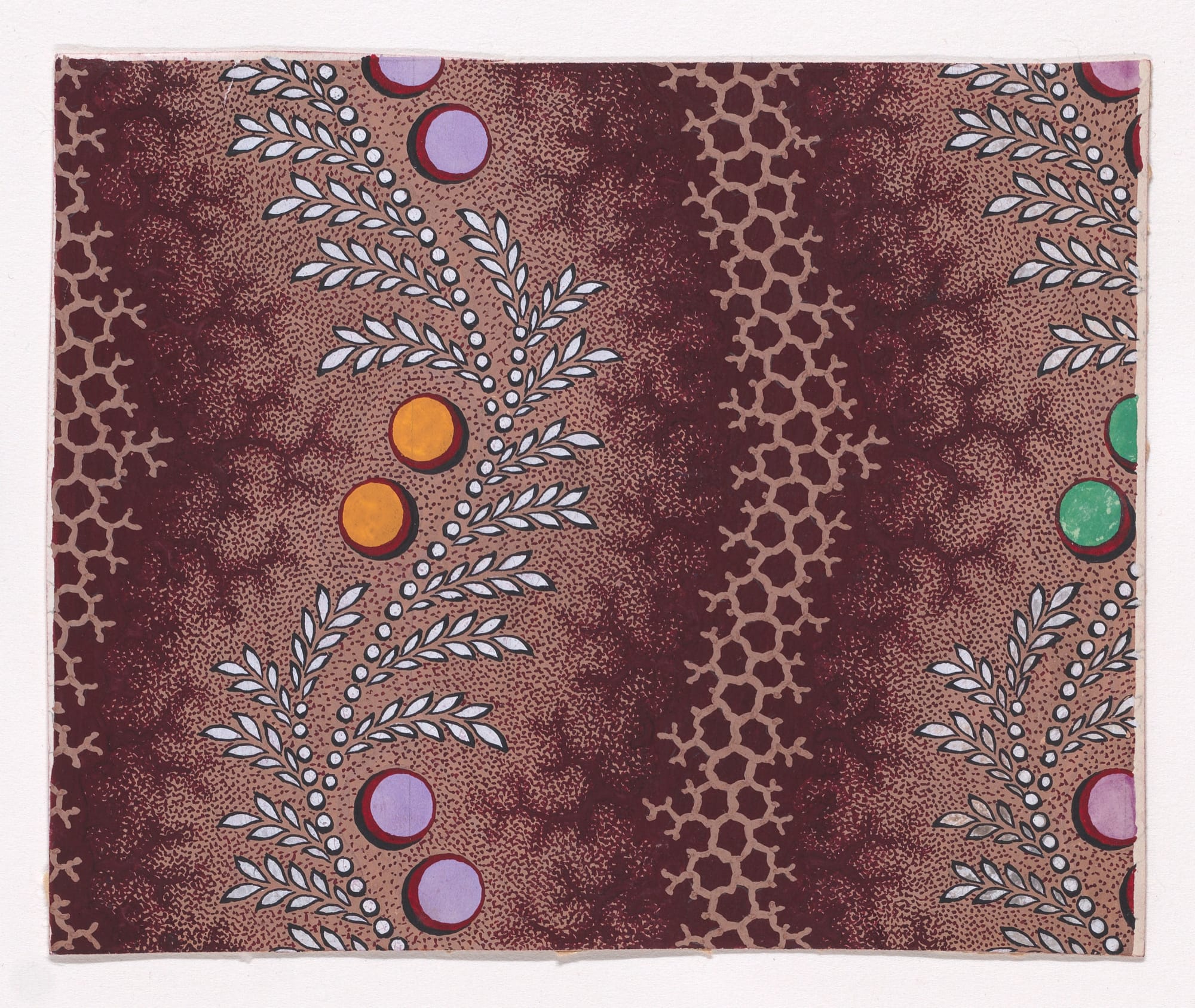
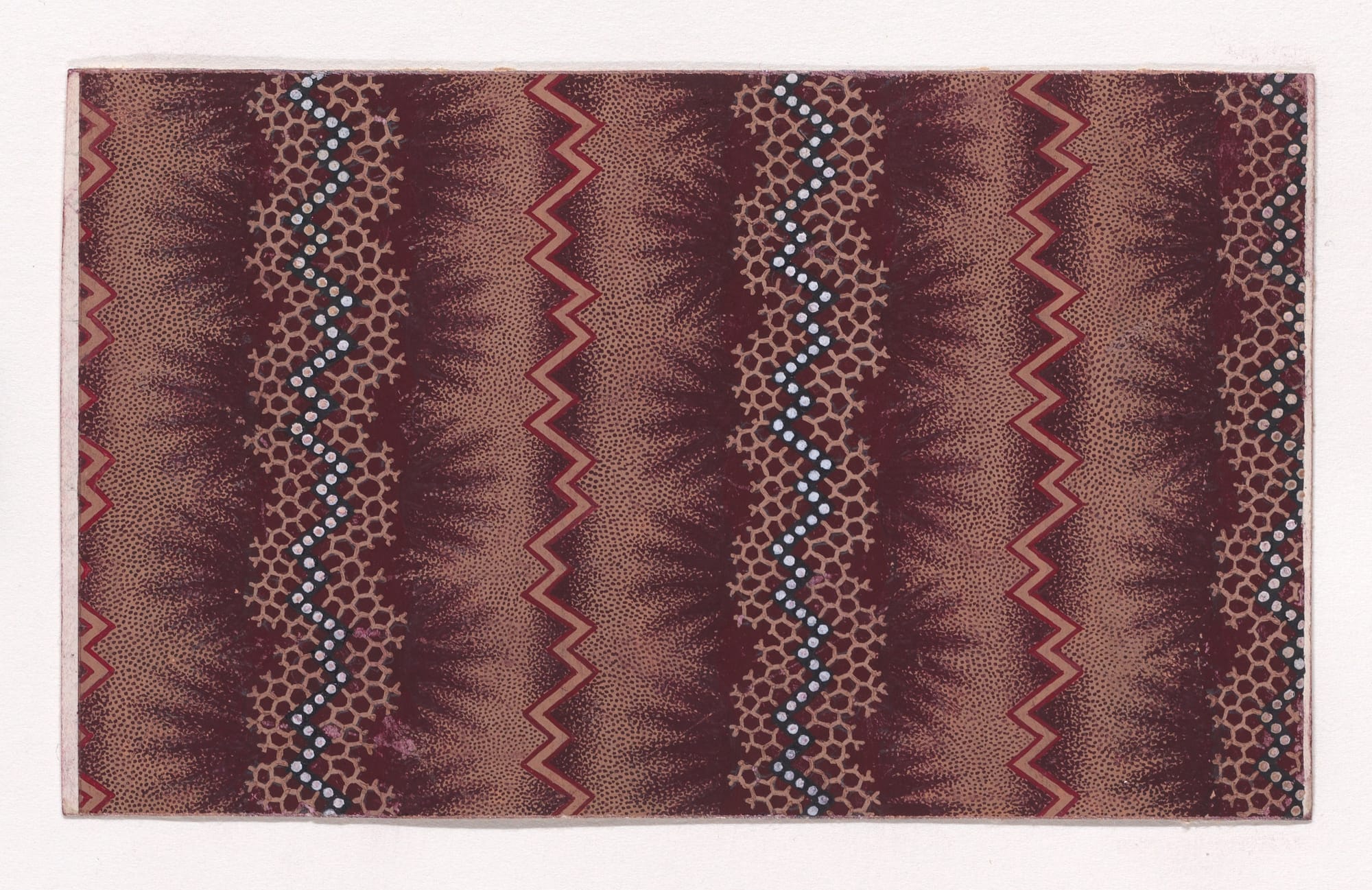
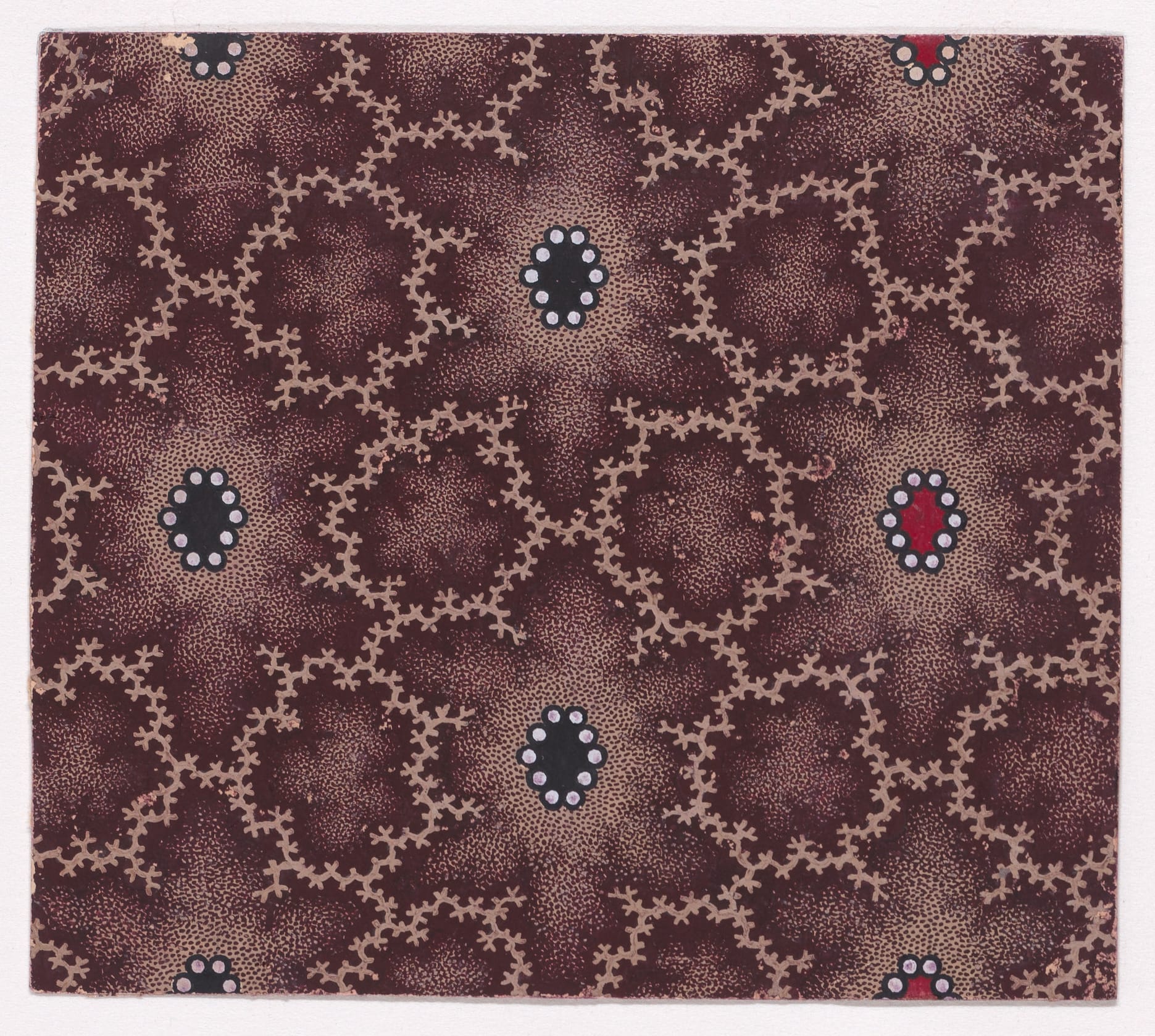
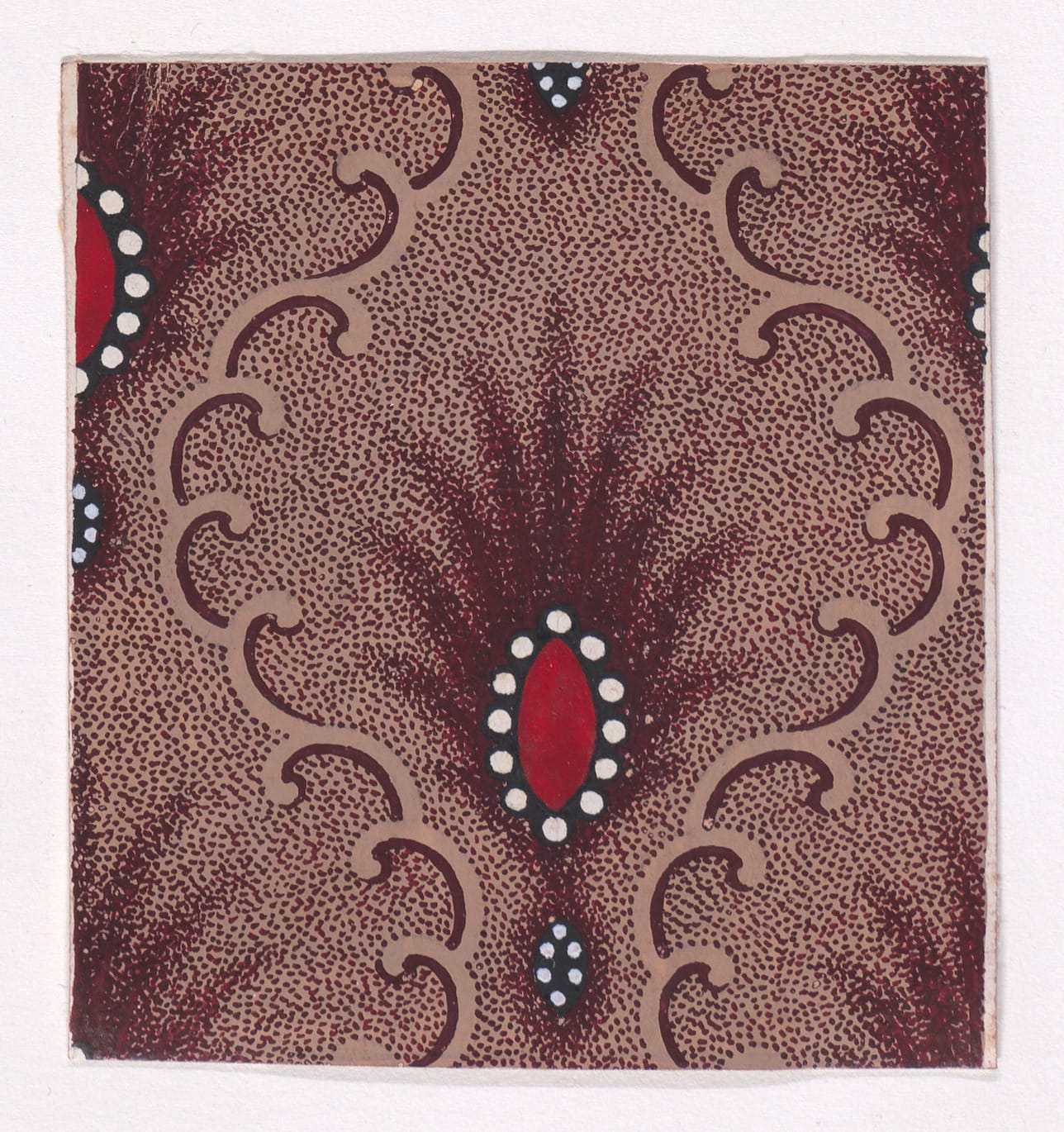
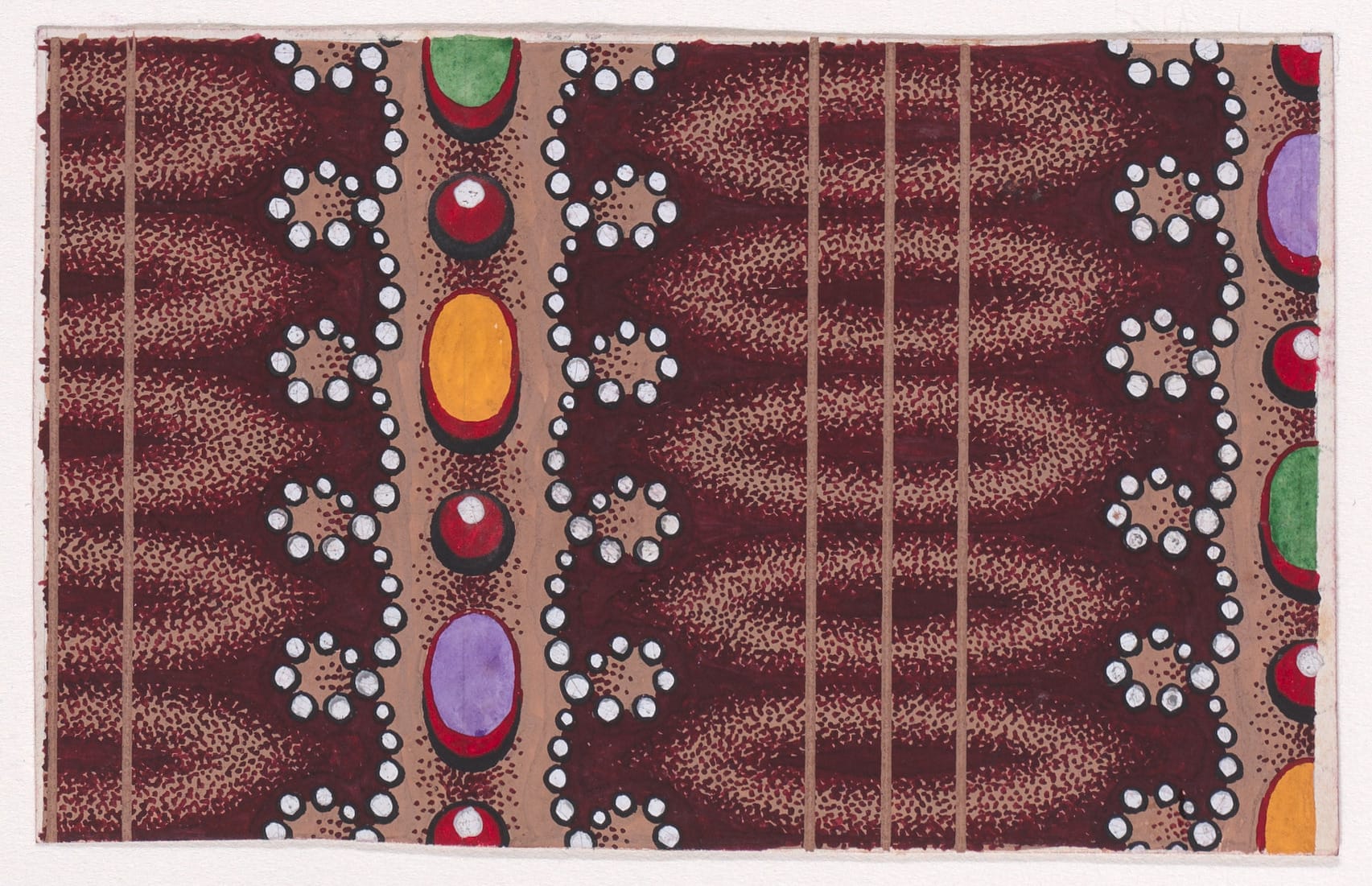
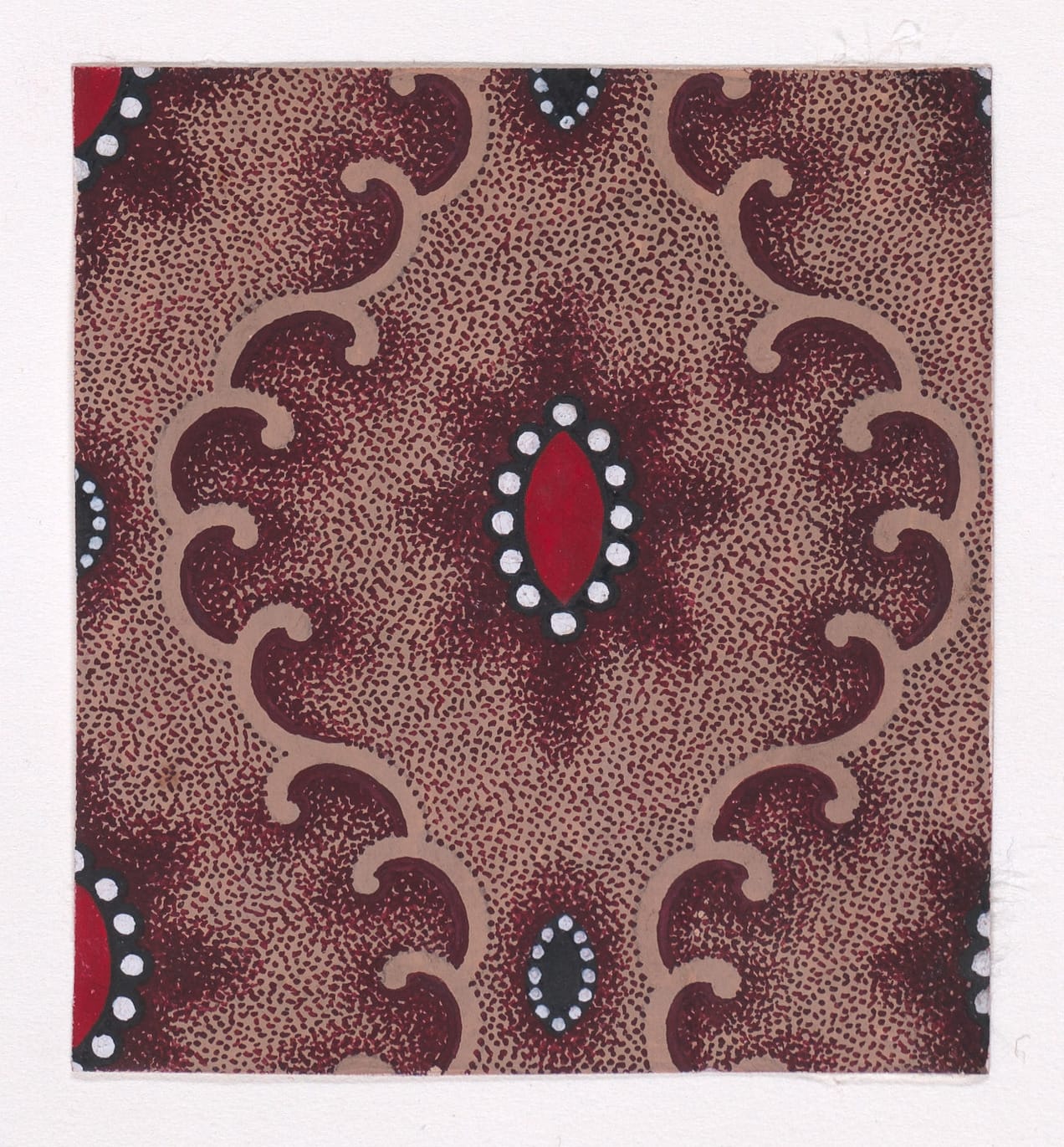
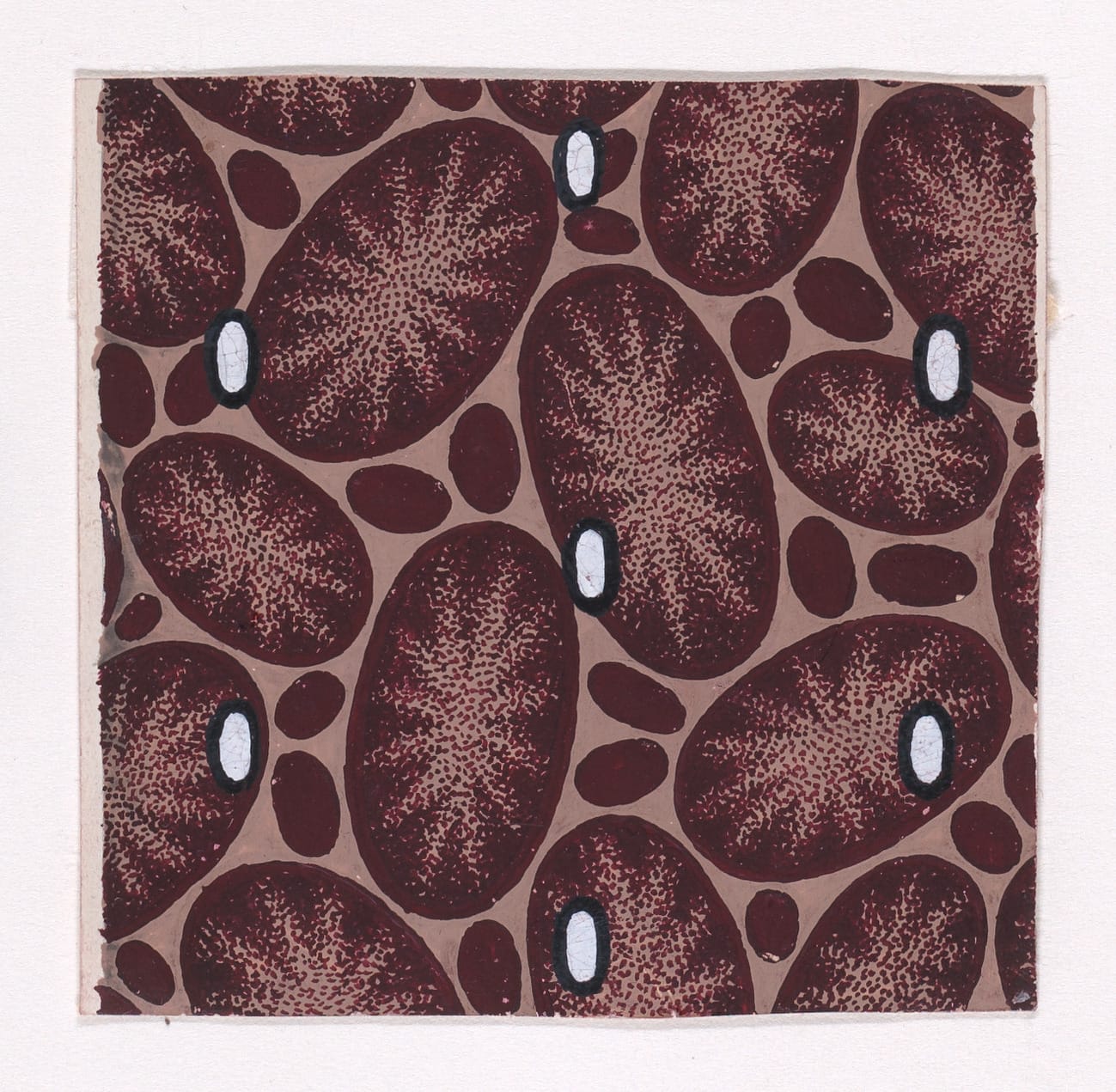
Anonymous Textile Design Series, Mulhouse, Alsace, 1840
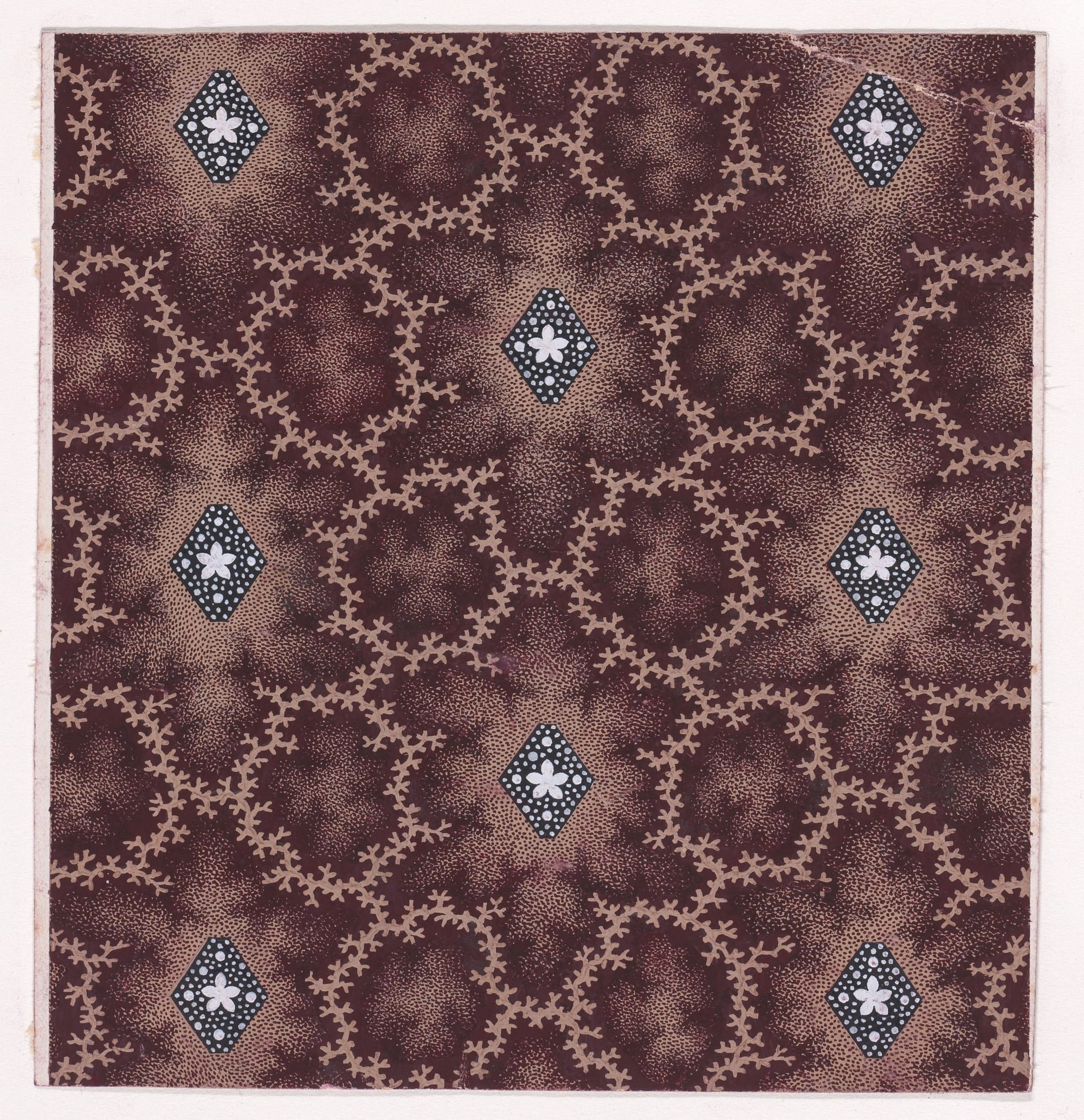
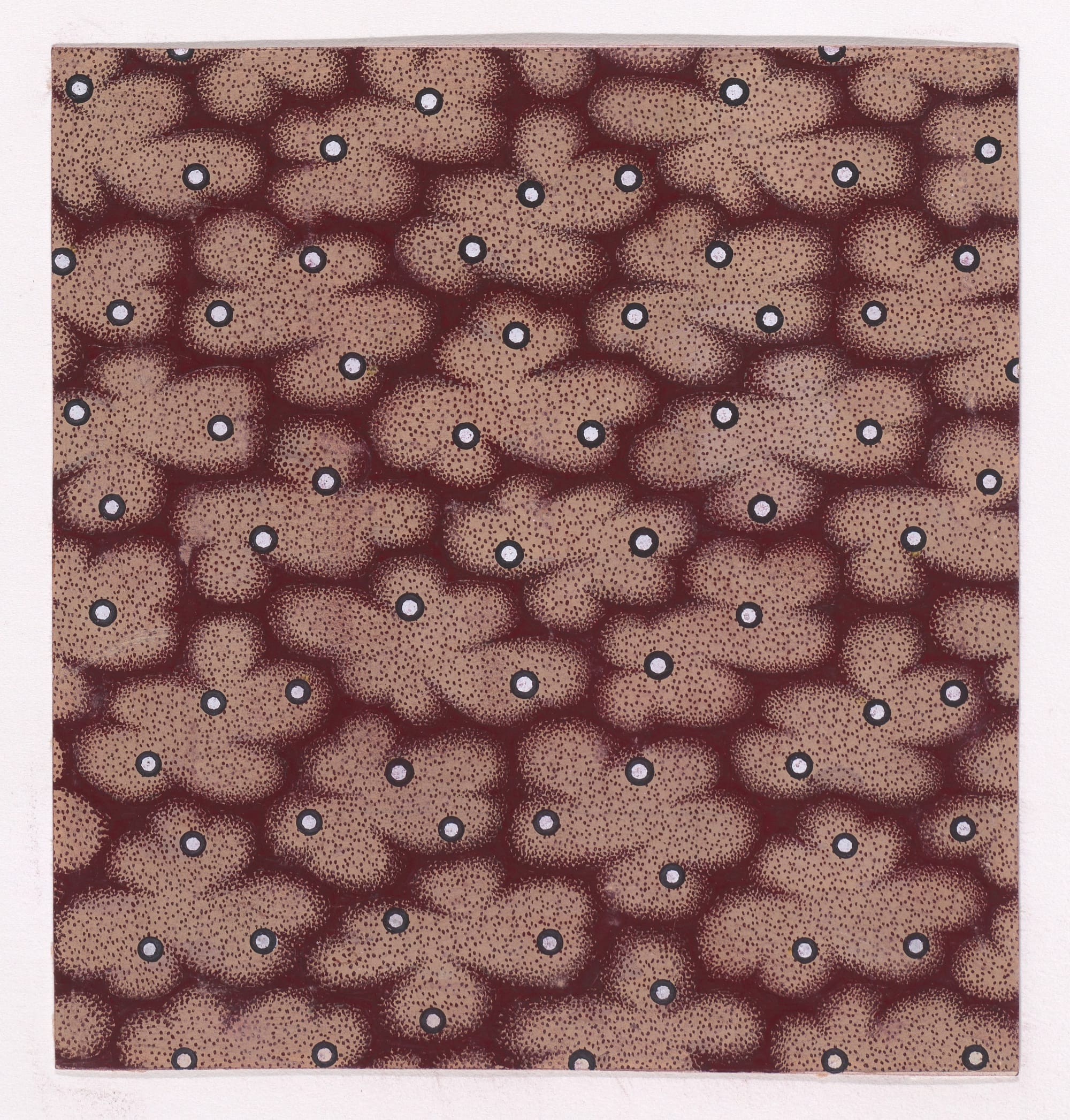
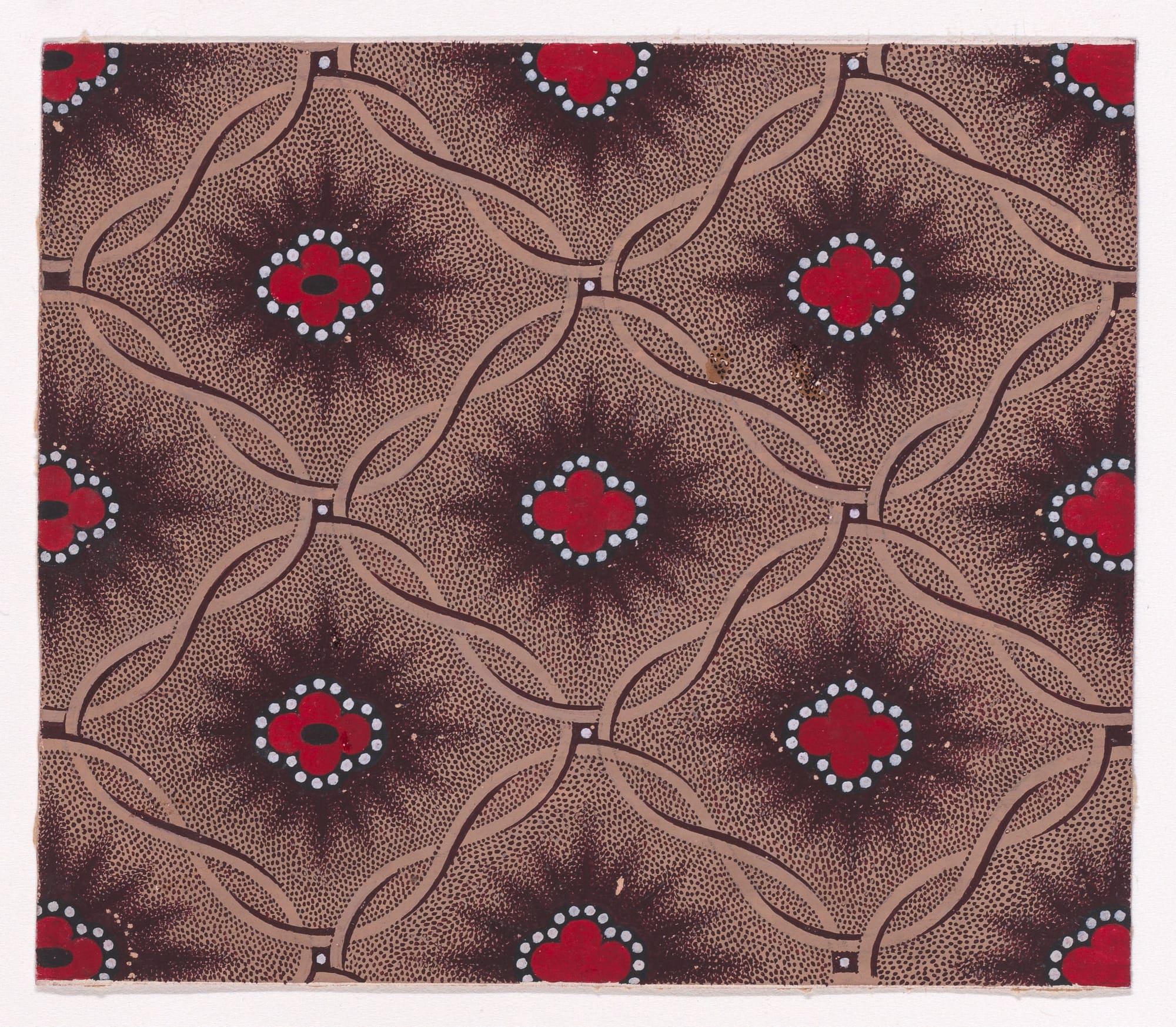
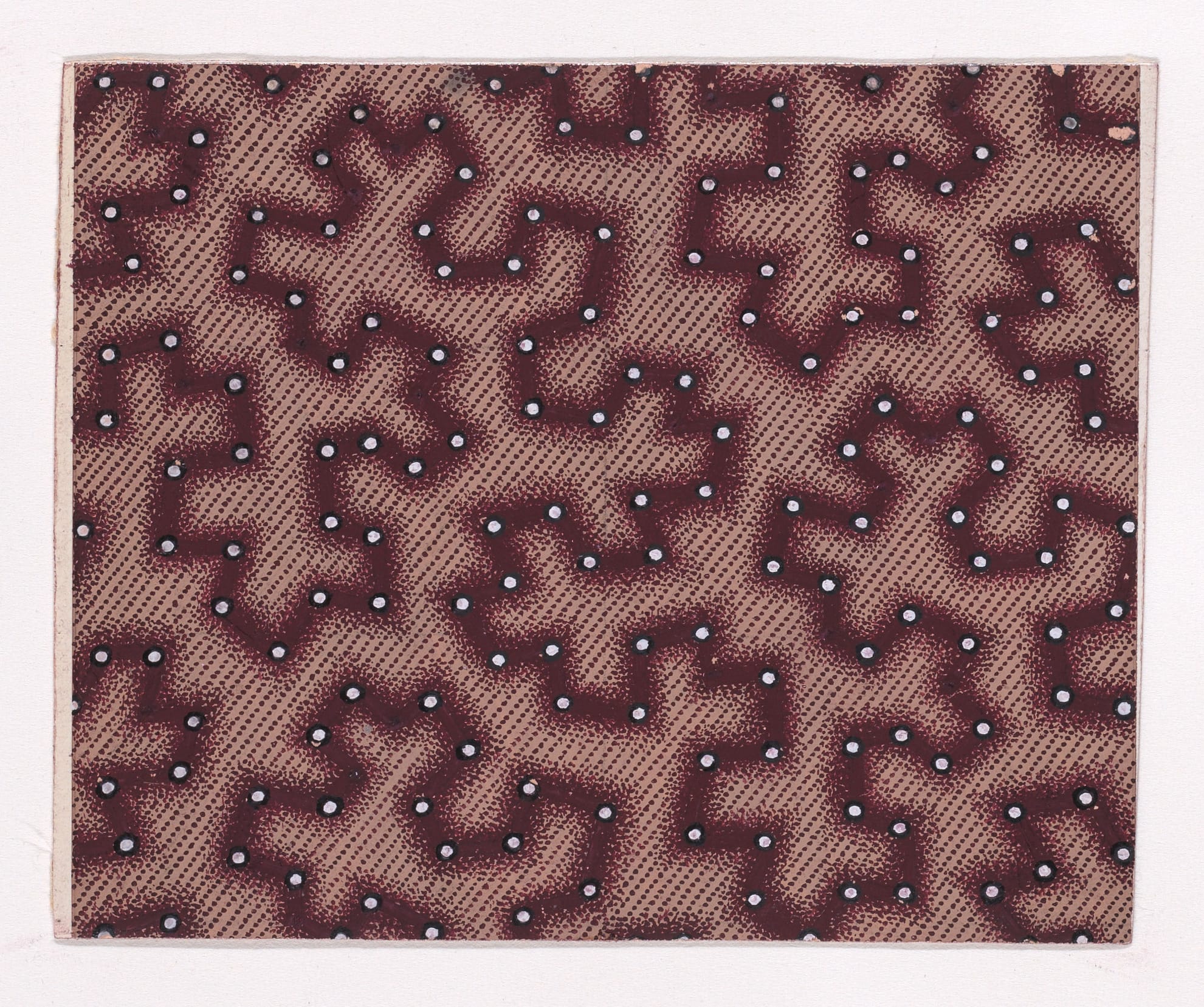
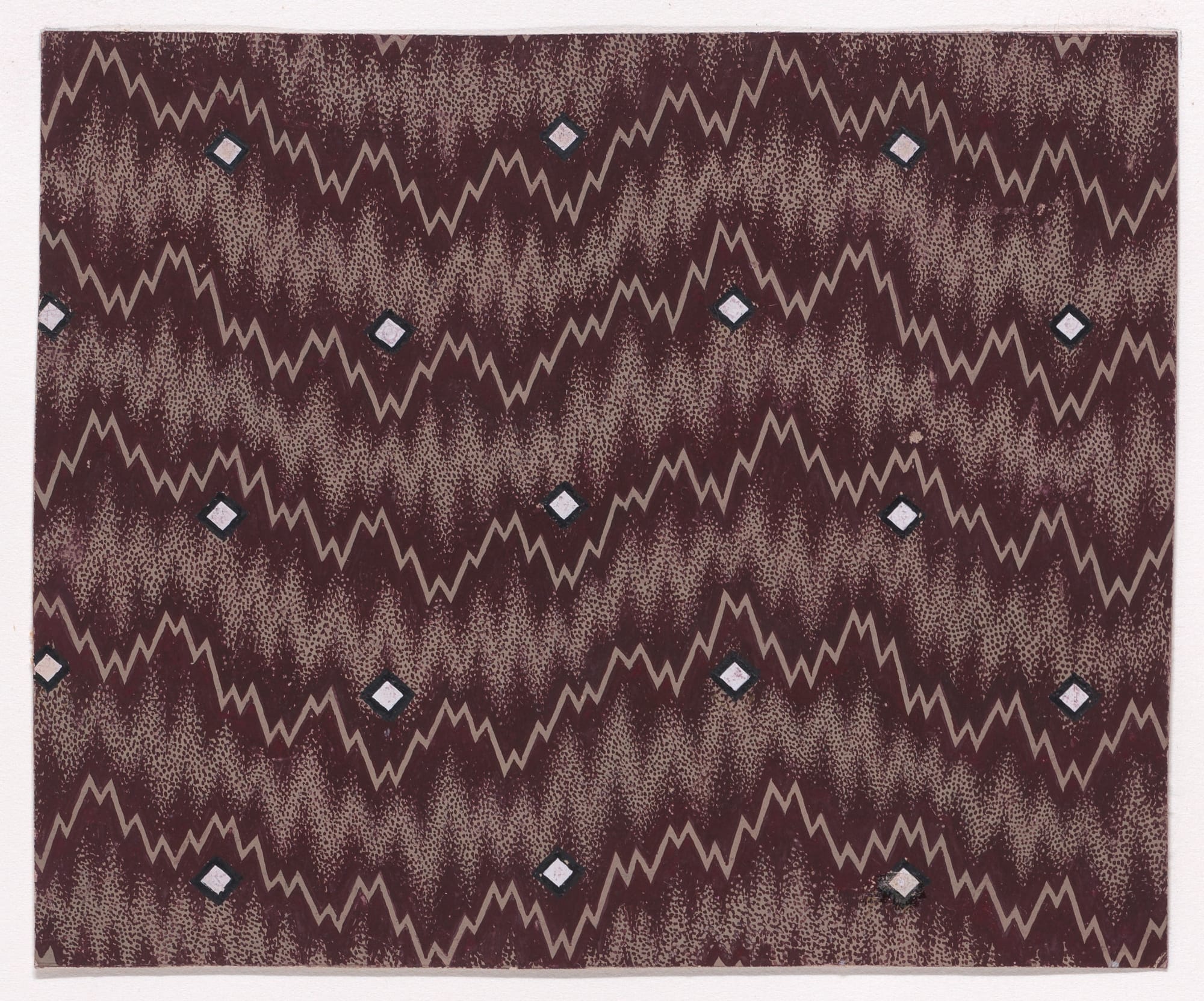
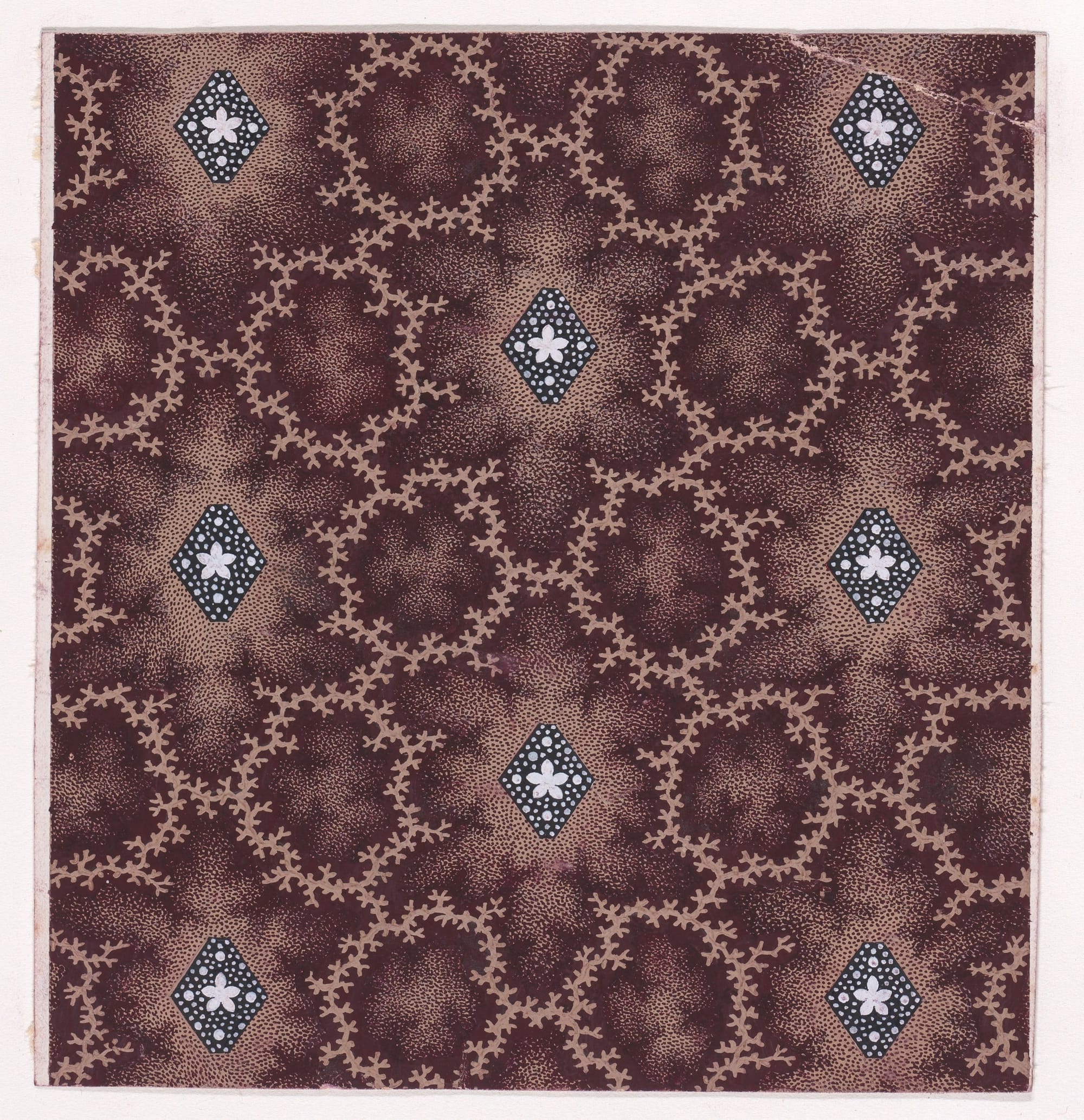
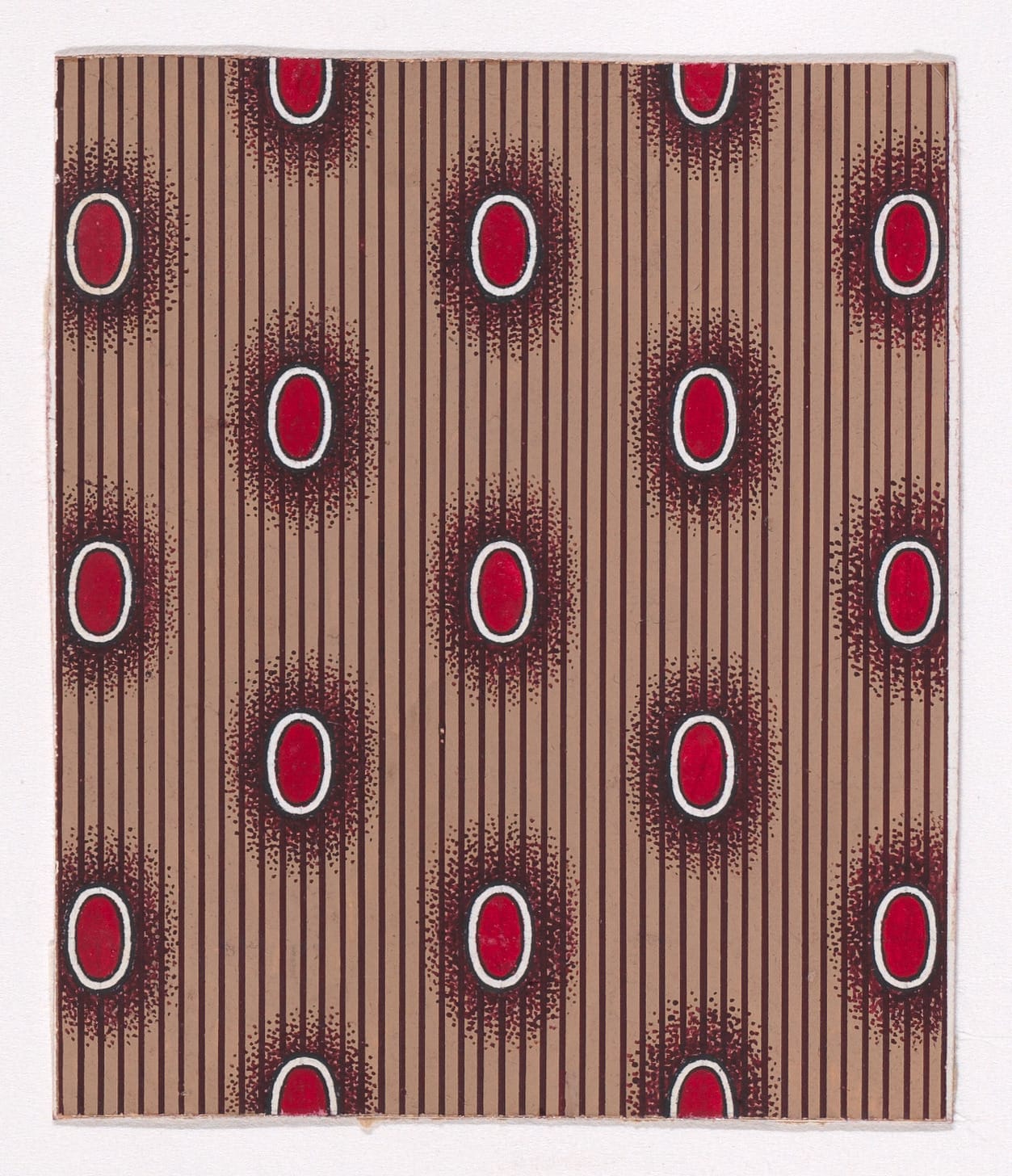
Anonymous textile prototypes, Mulhouse, Alsace, c.1840. Rectilinear design sheets generated within the industrial print studios of the Haut-Rhin. Each document encodes surface strategies for mass deployment—pearl rows, abstract chromatic fields, simulated resist-dye grounds. Executed as precision studies for repeat application, they reflect Mulhouse’s role as a nineteenth-century vector hub of textile innovation and print chemistry.
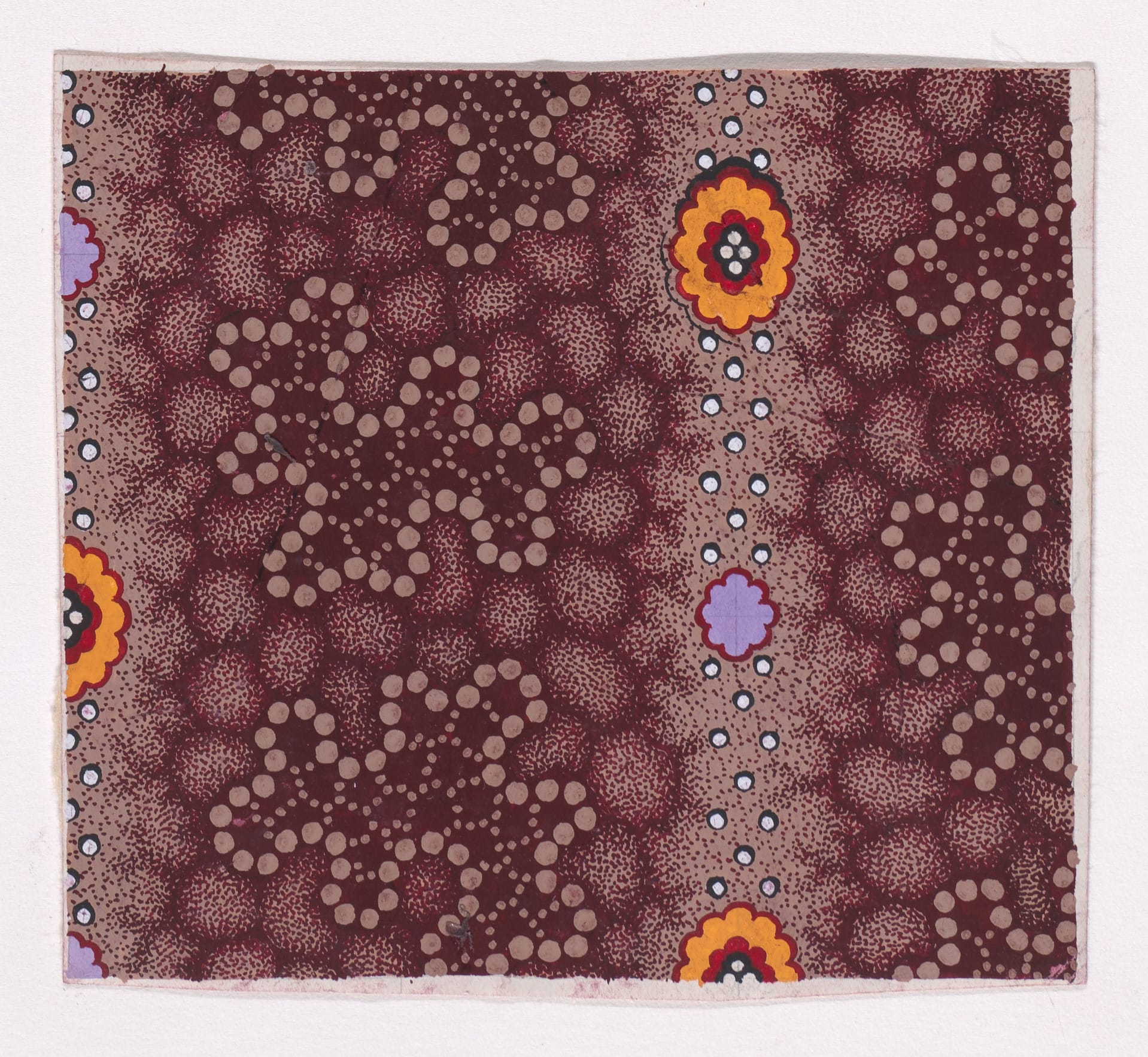
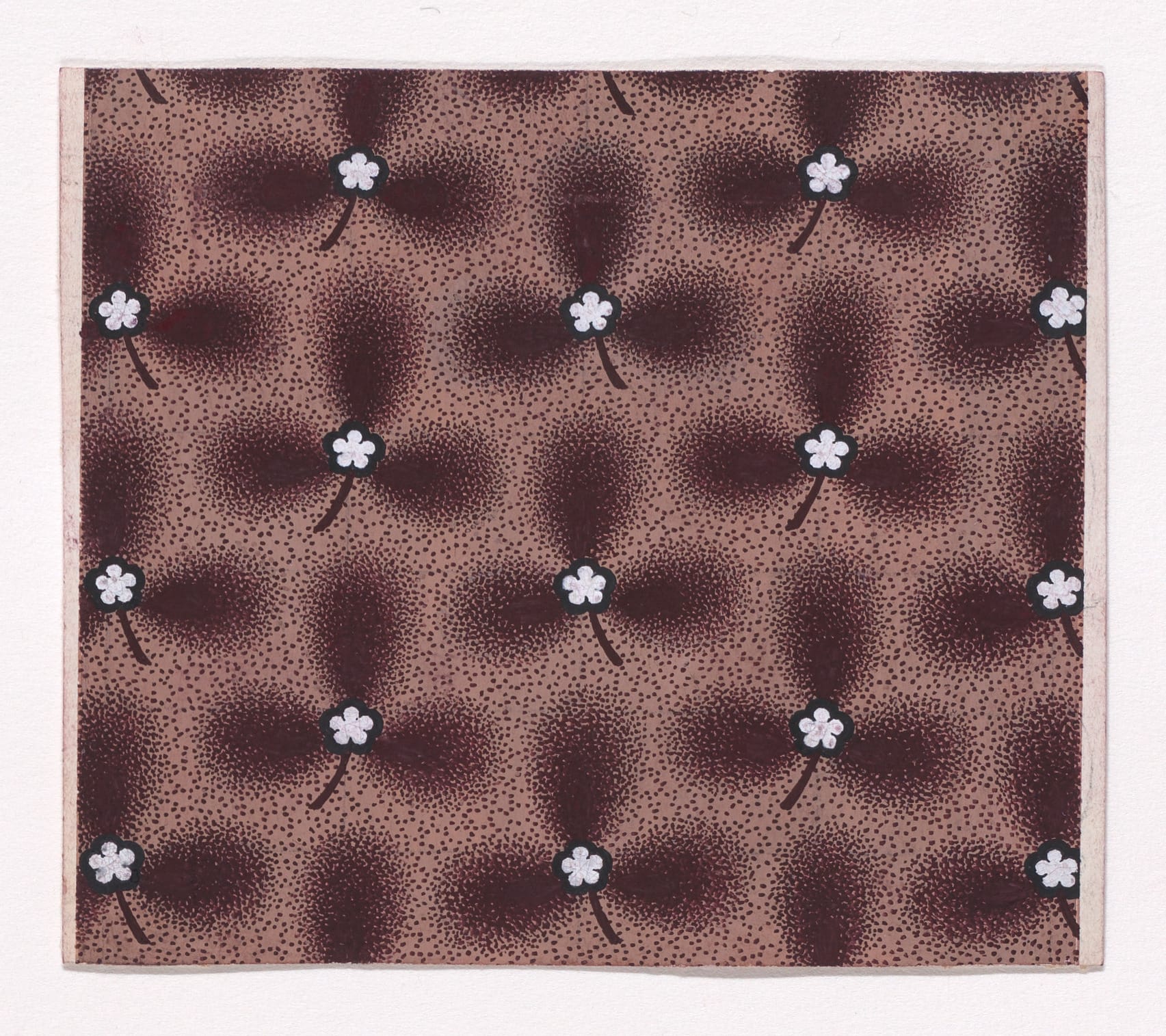
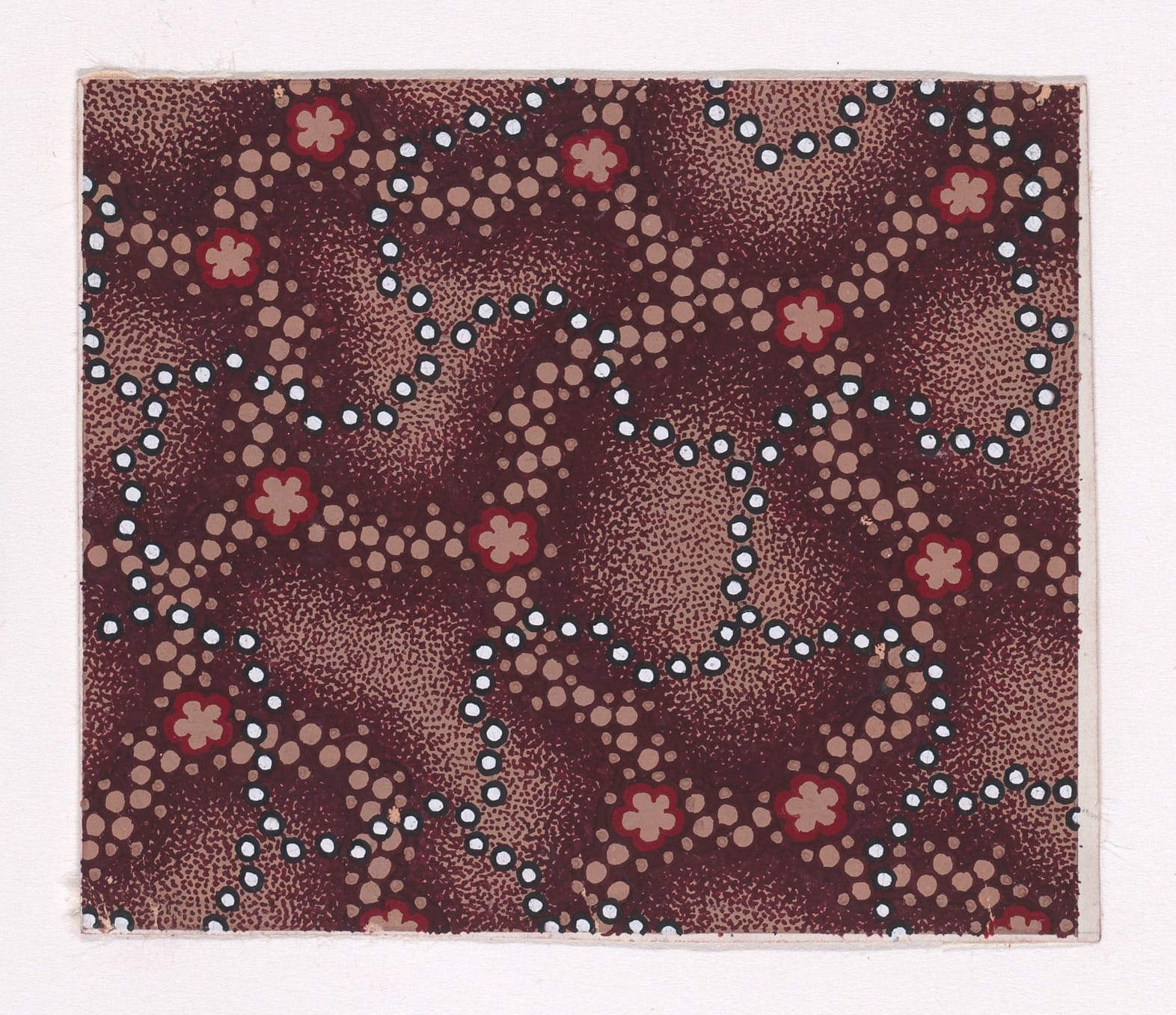
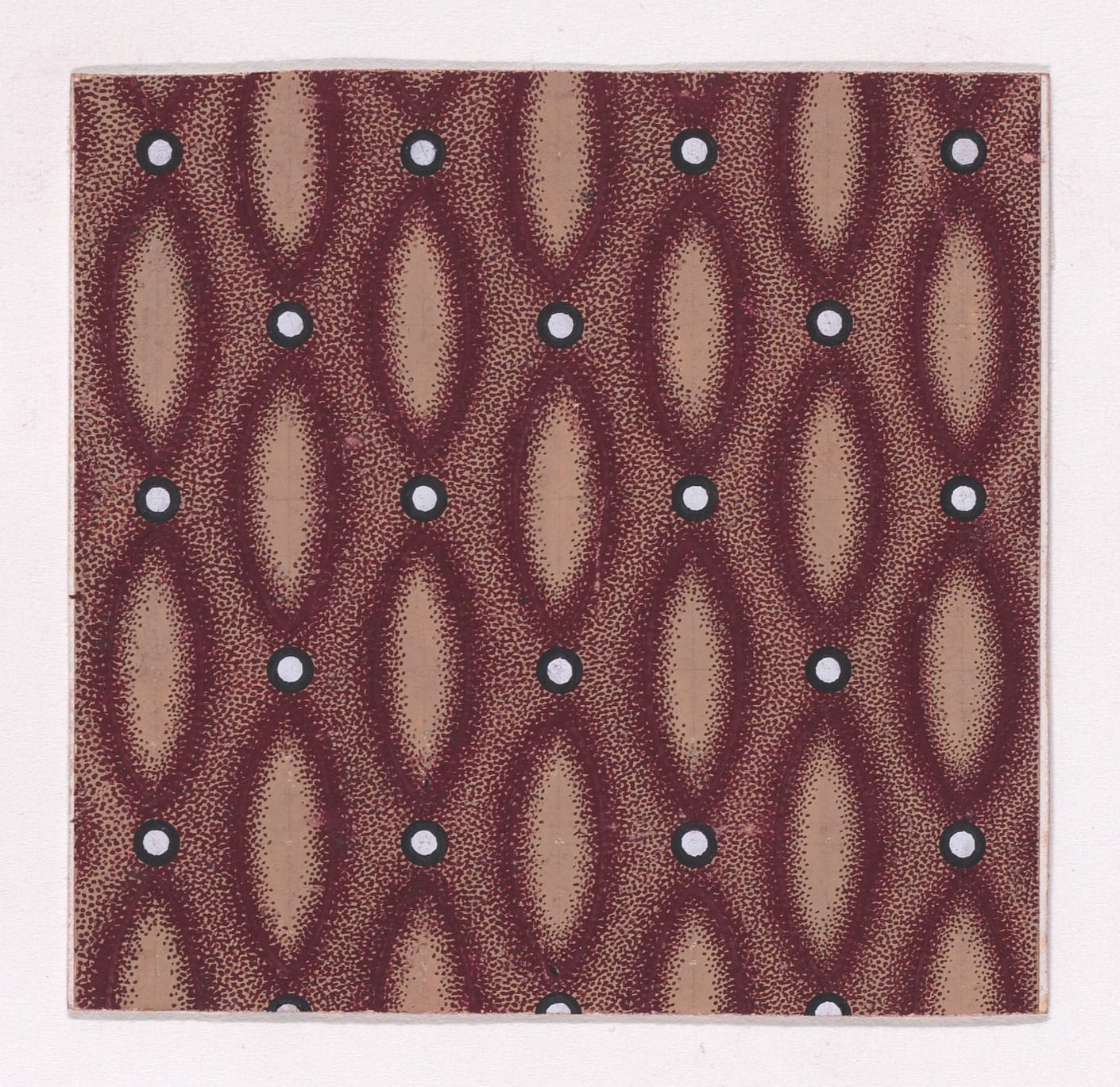

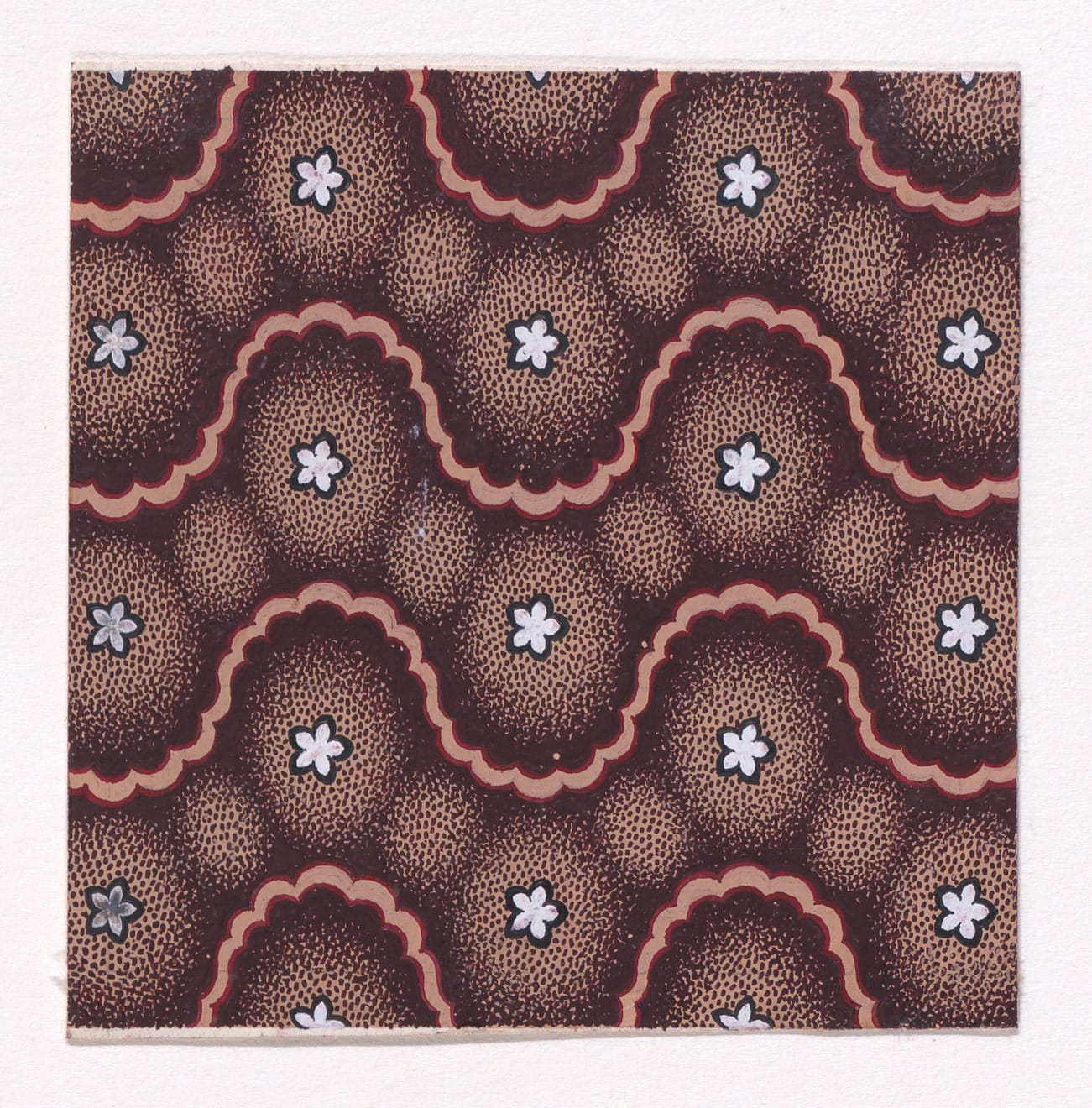

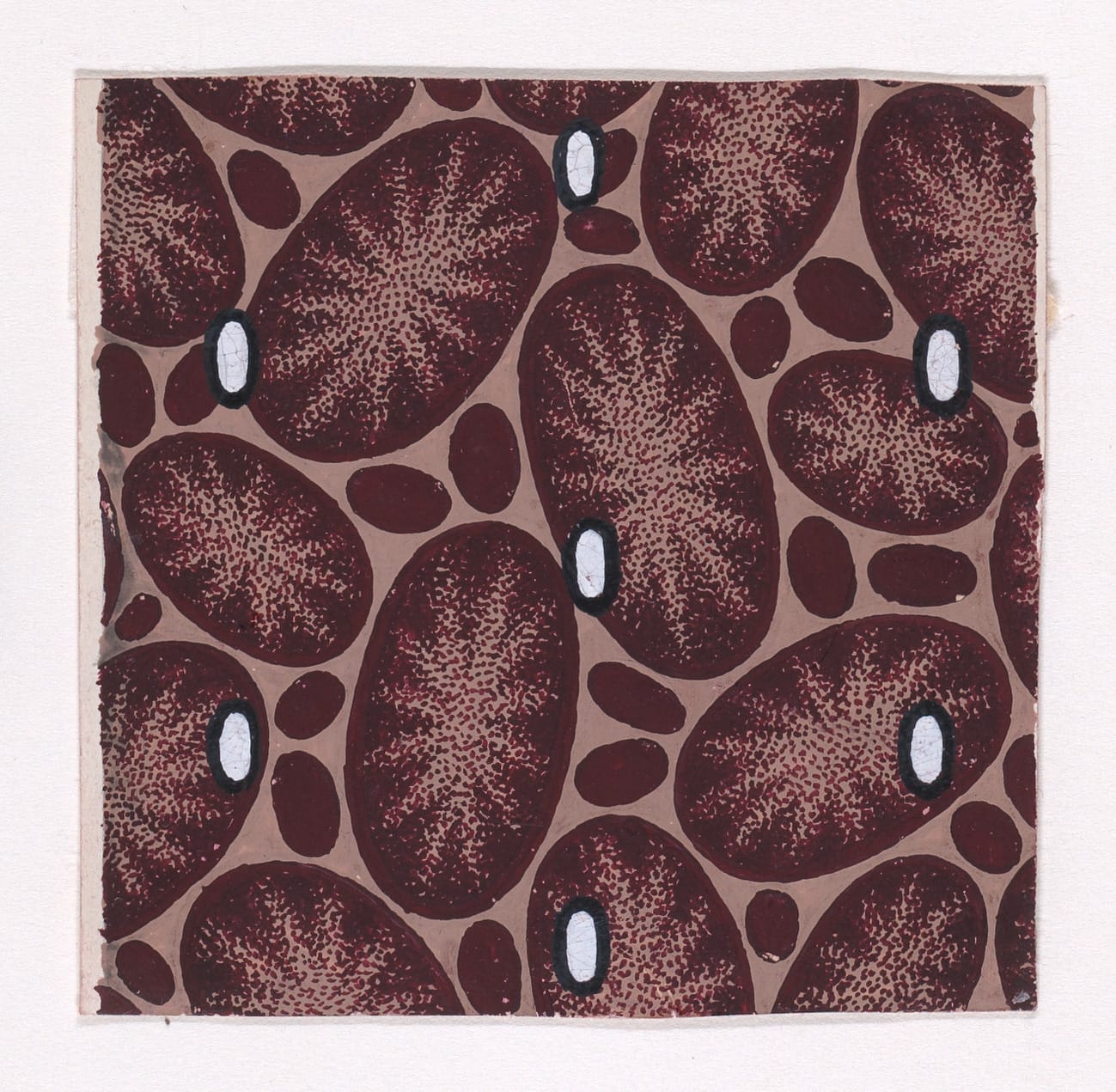


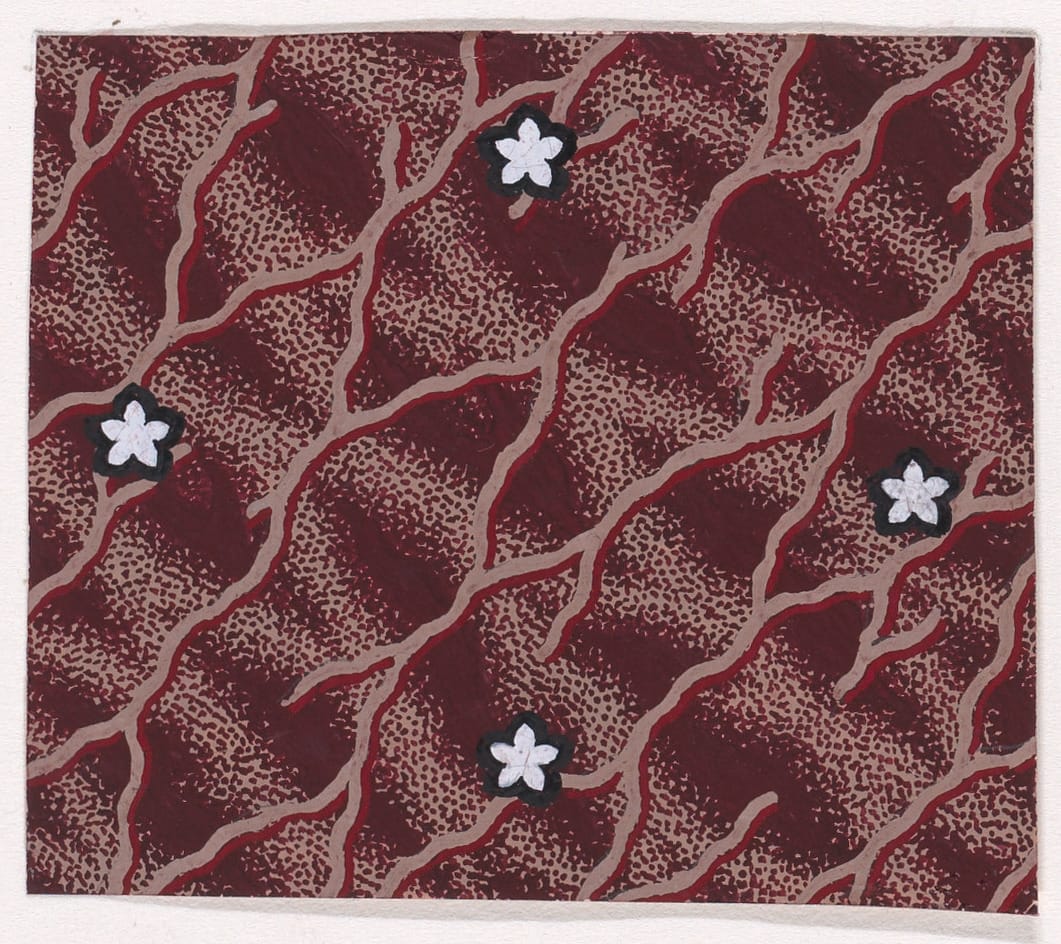
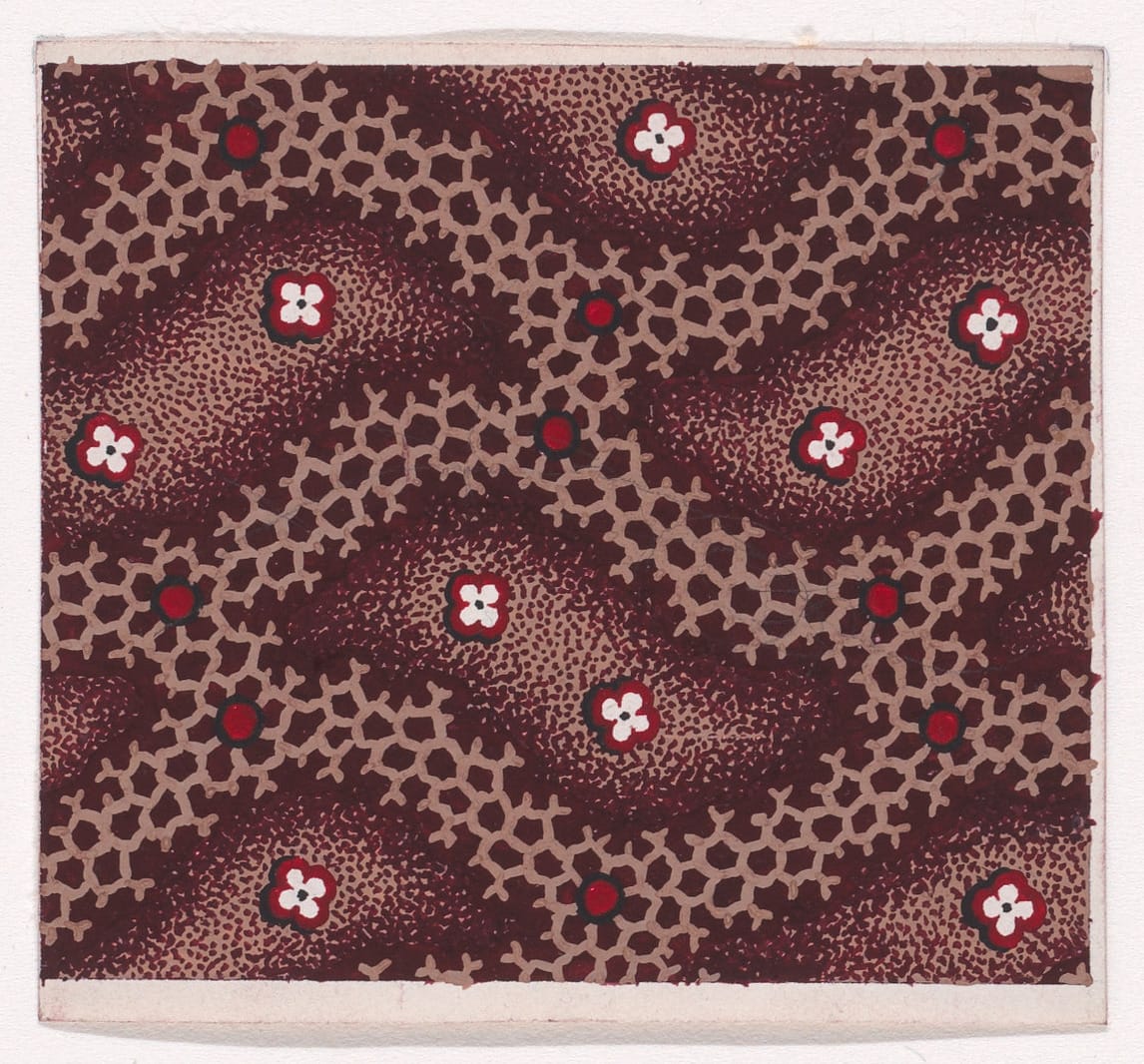
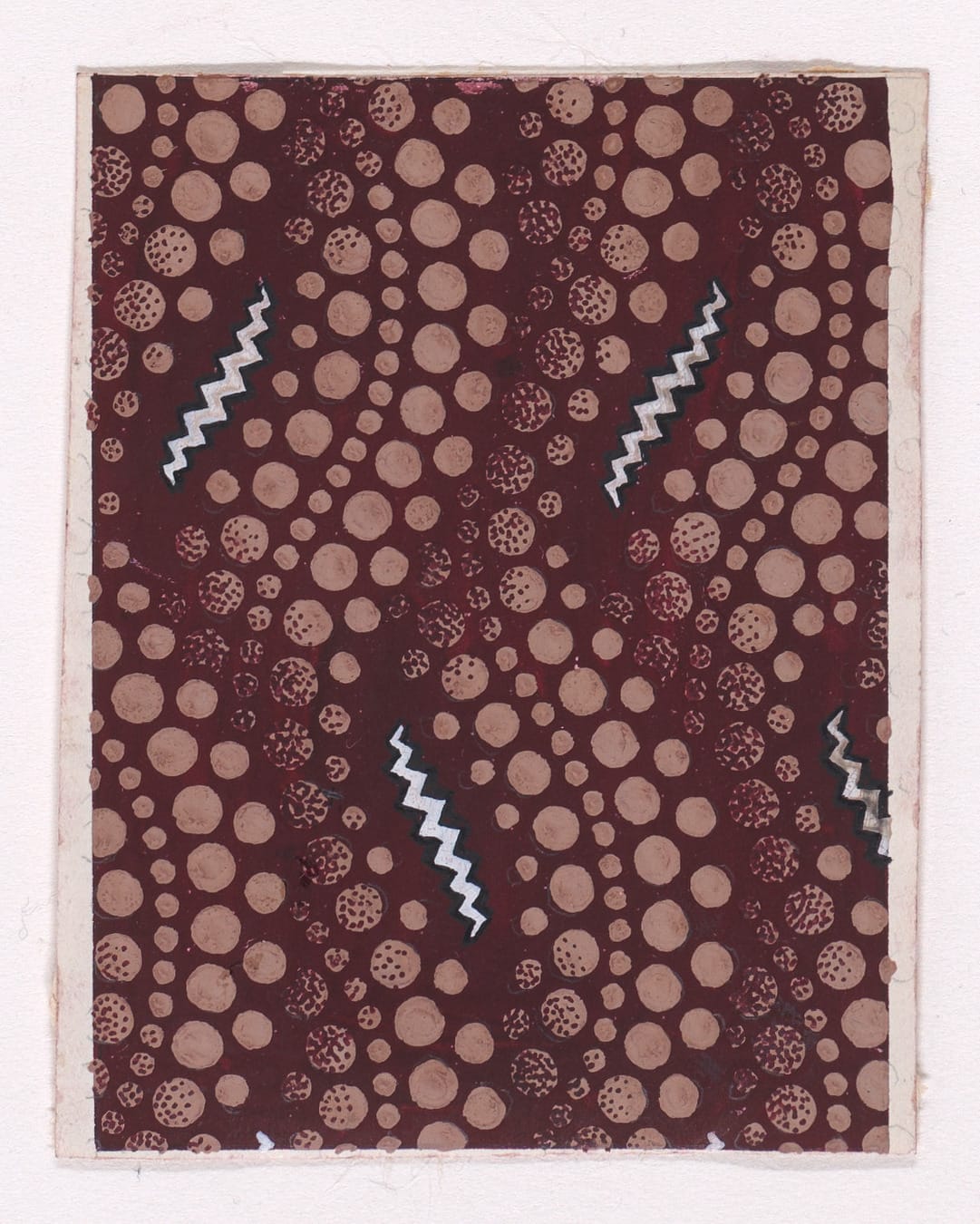
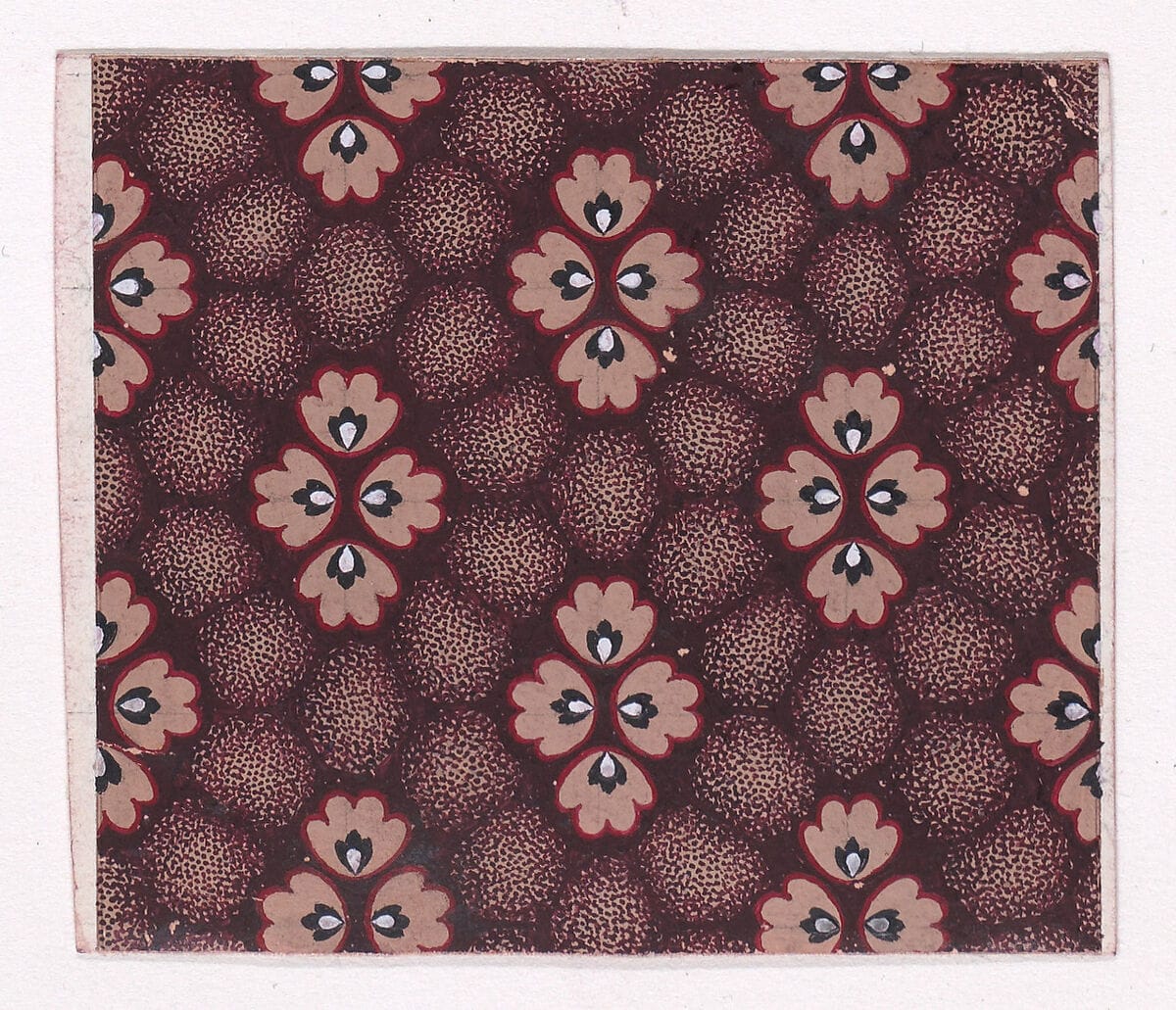
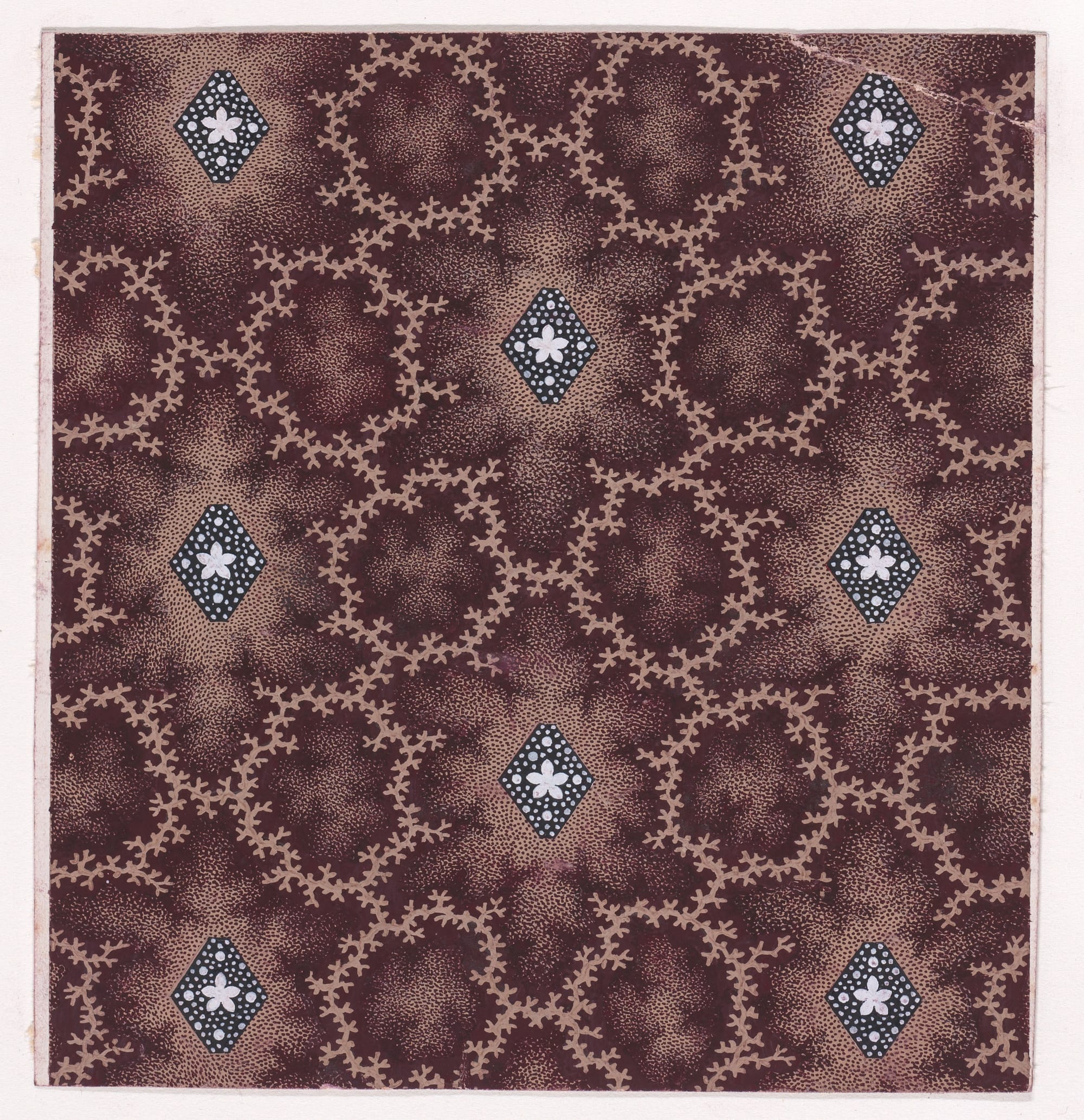
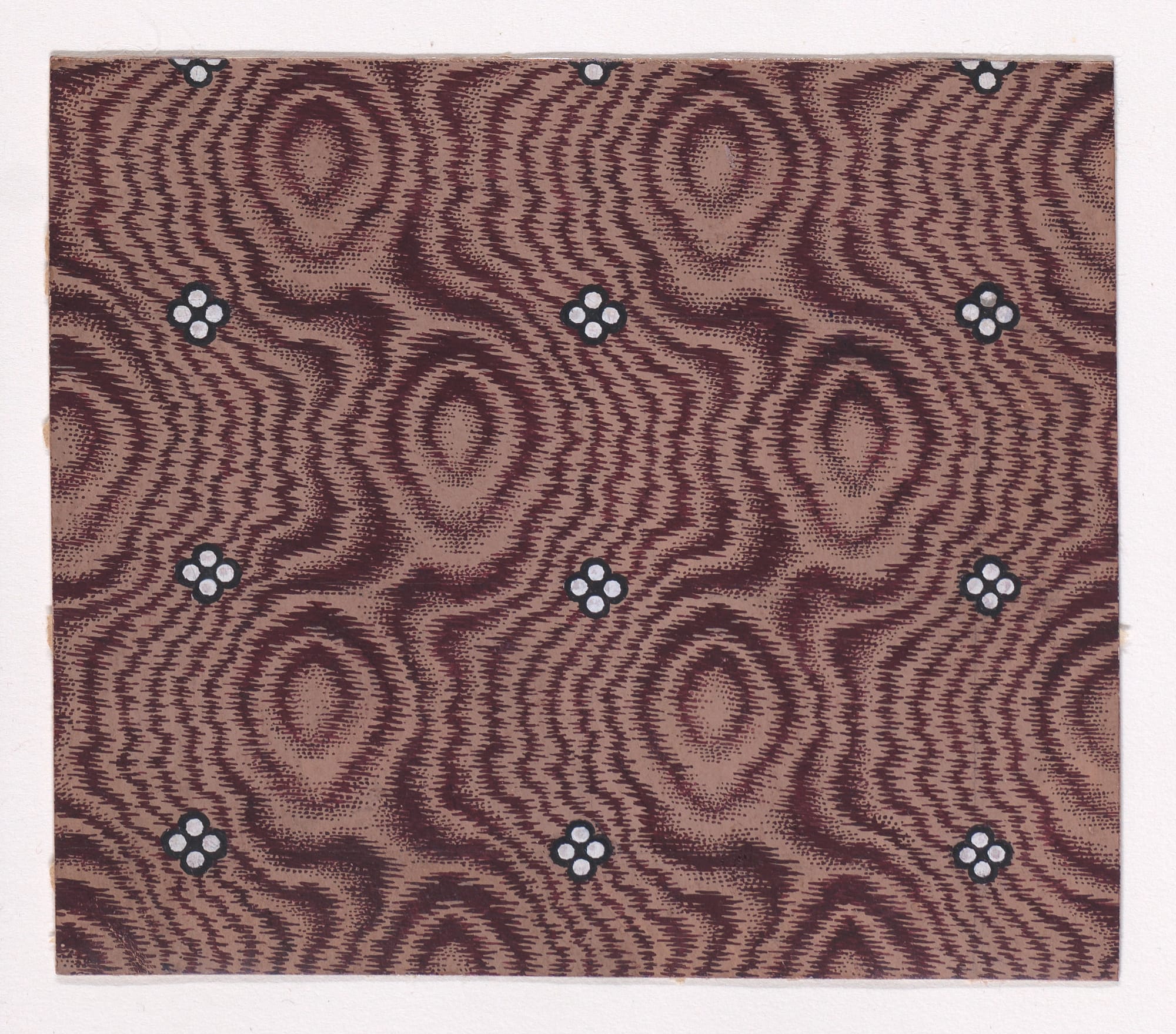
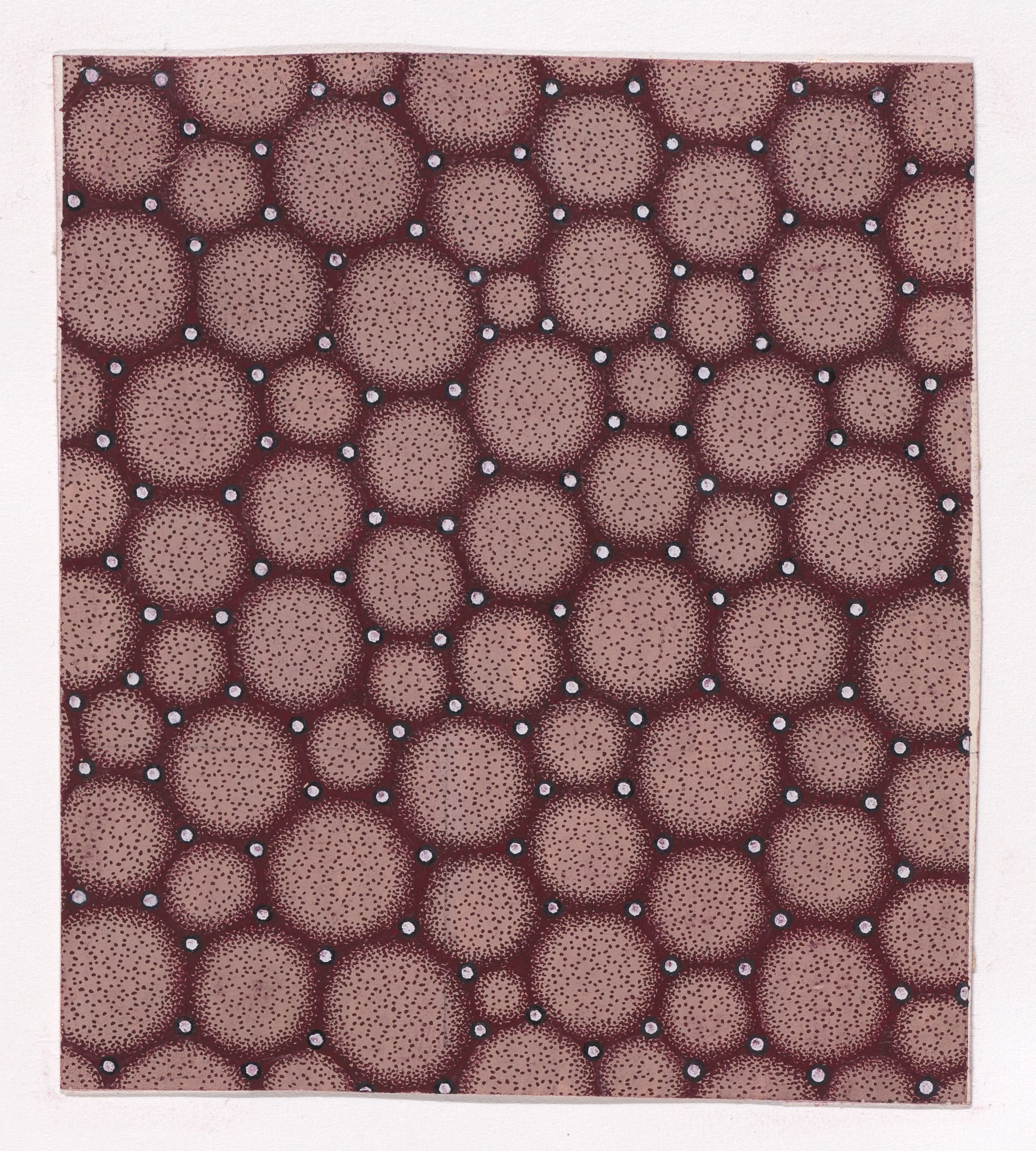
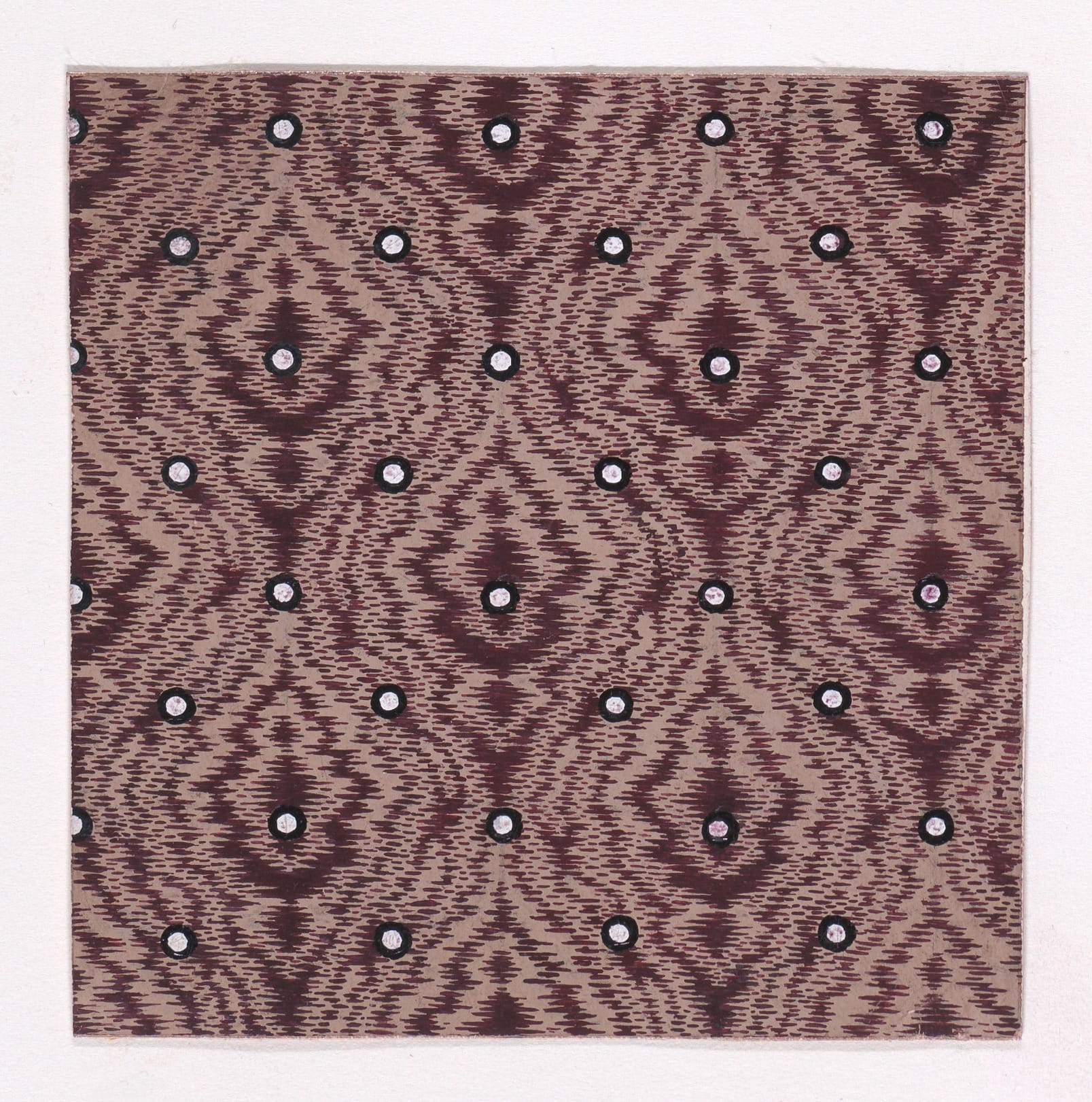

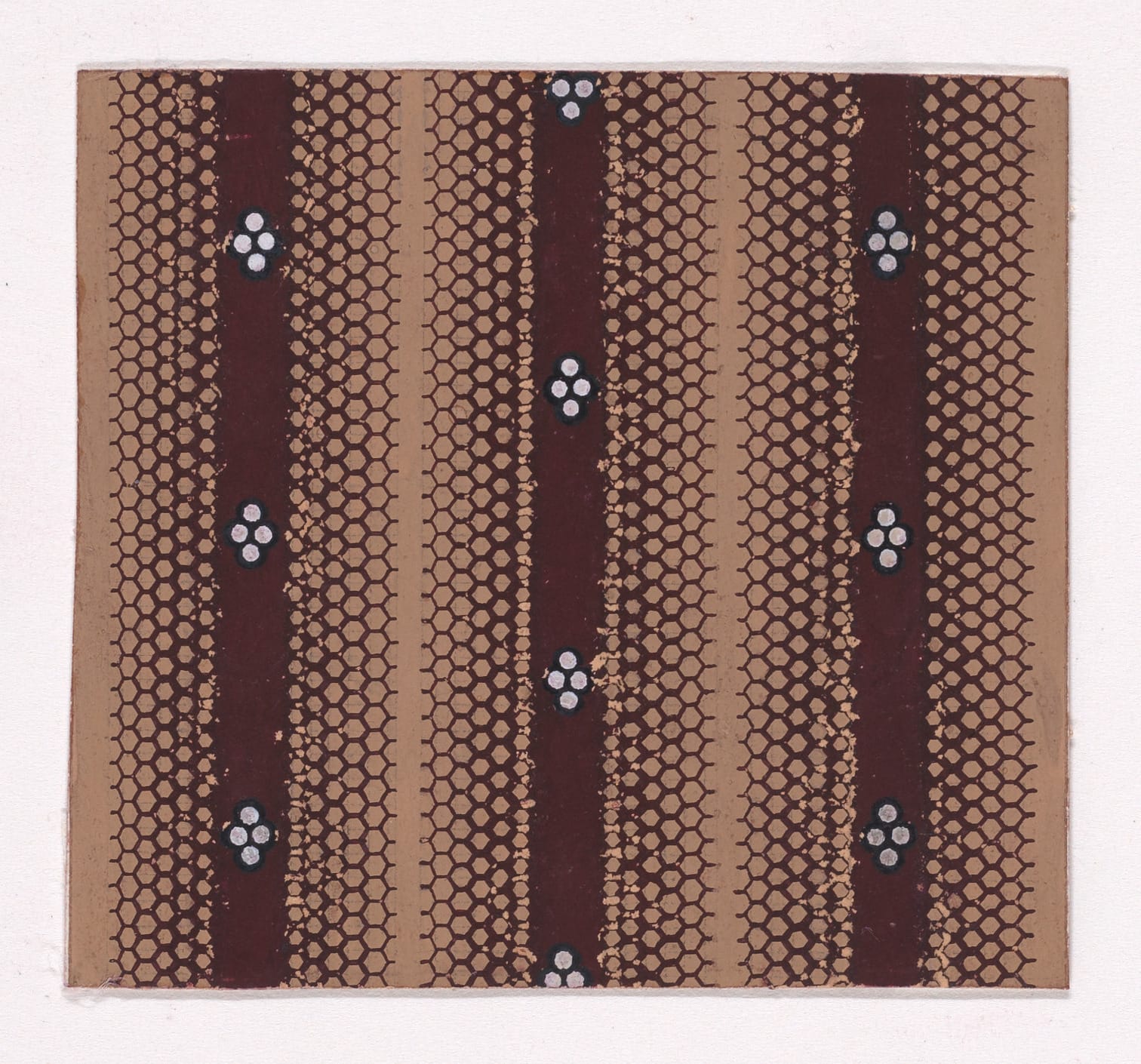
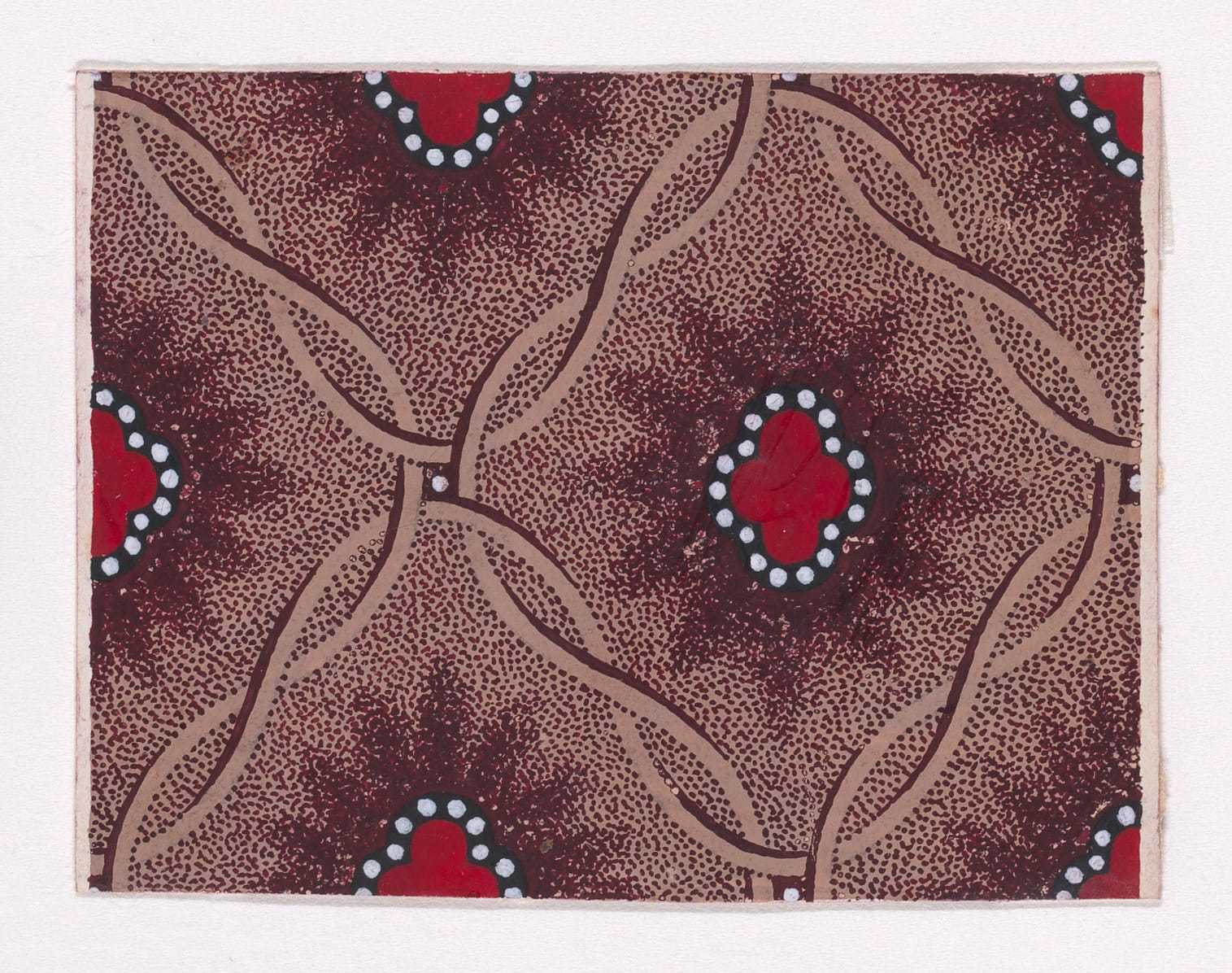
EMERY MOUNTAINS
April 2024, FRIEZE No. 9 Cork Street Gallery, London
EXHIBITION: The Mountains Between Us, FRIEZE No 9 Cork St
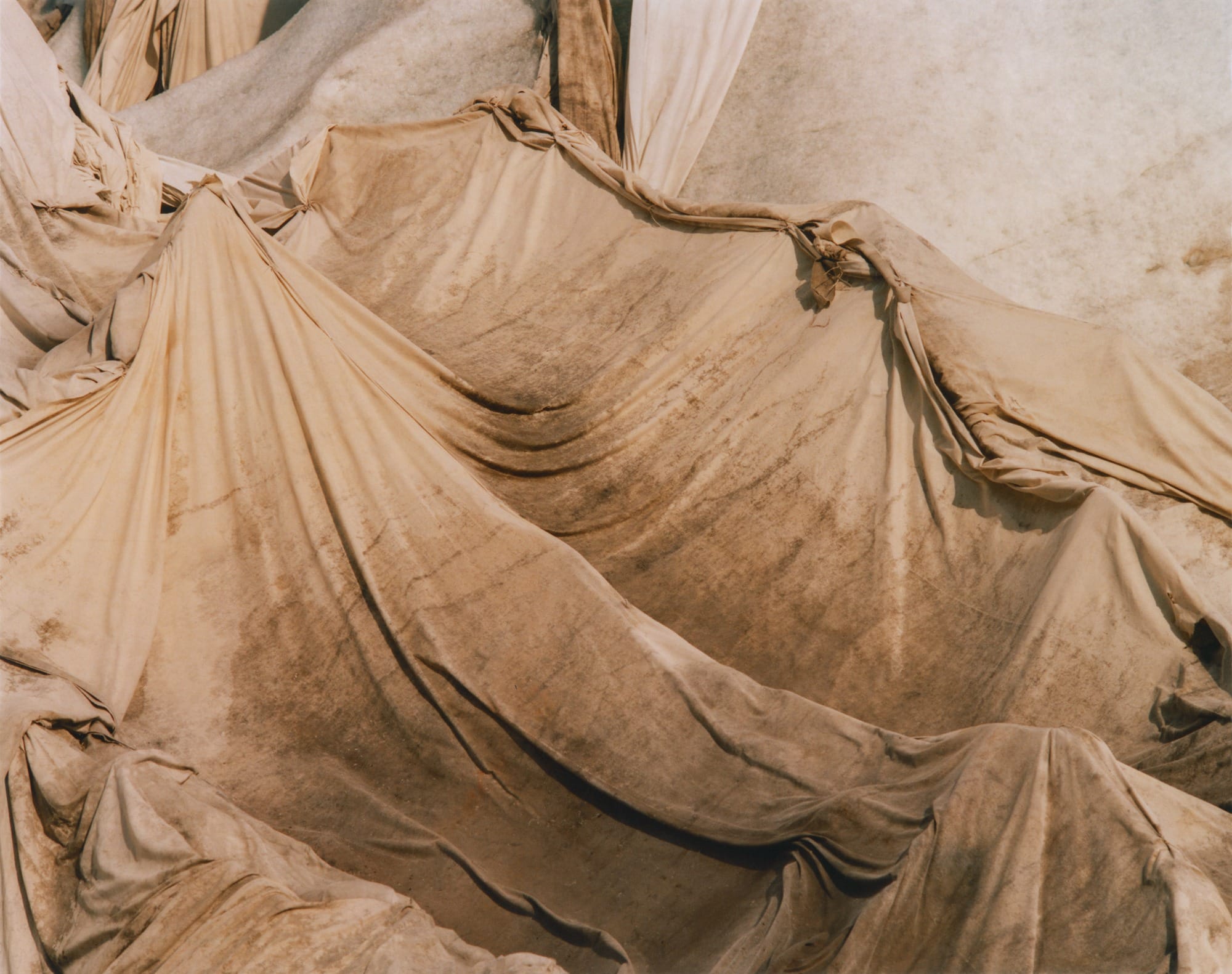
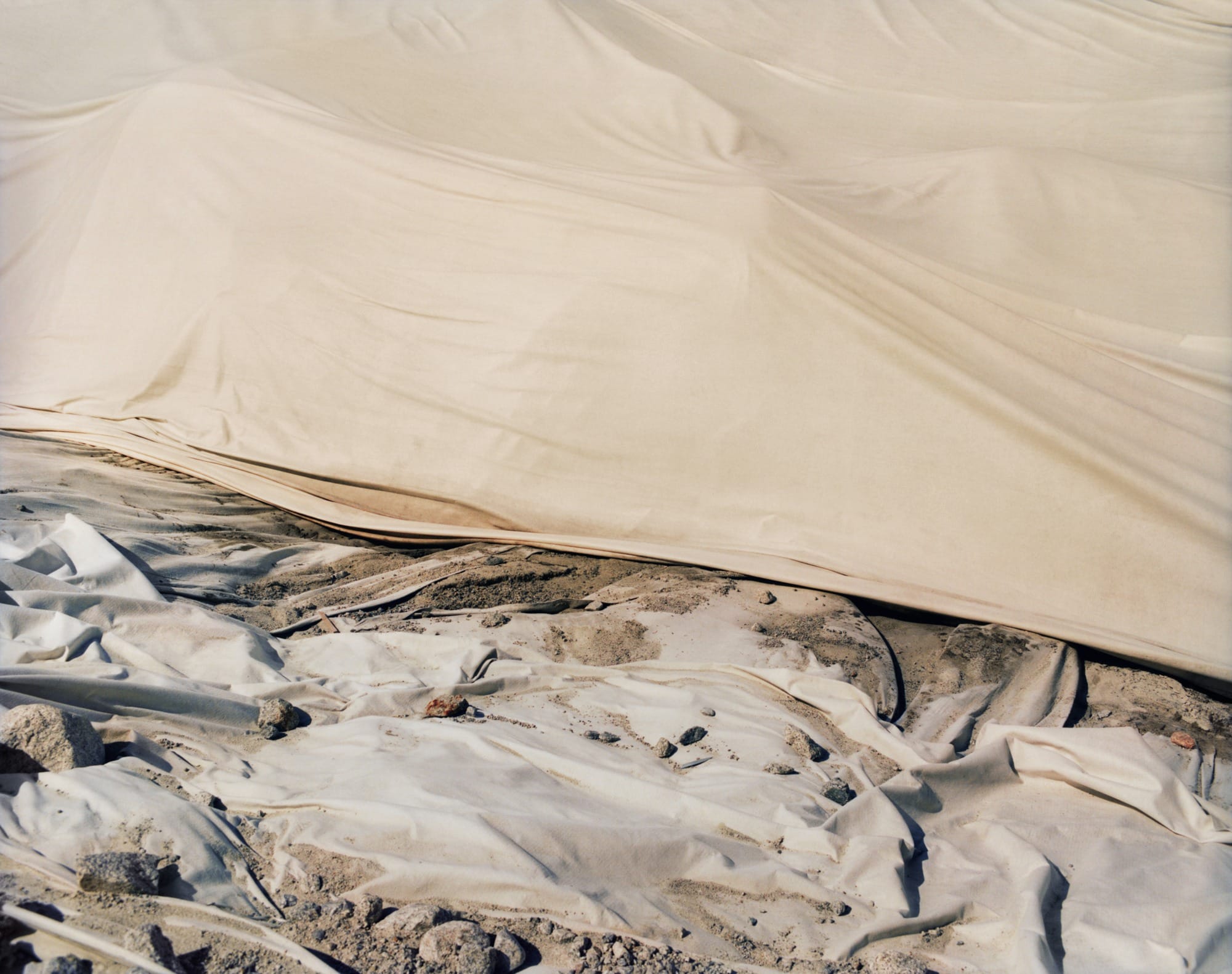
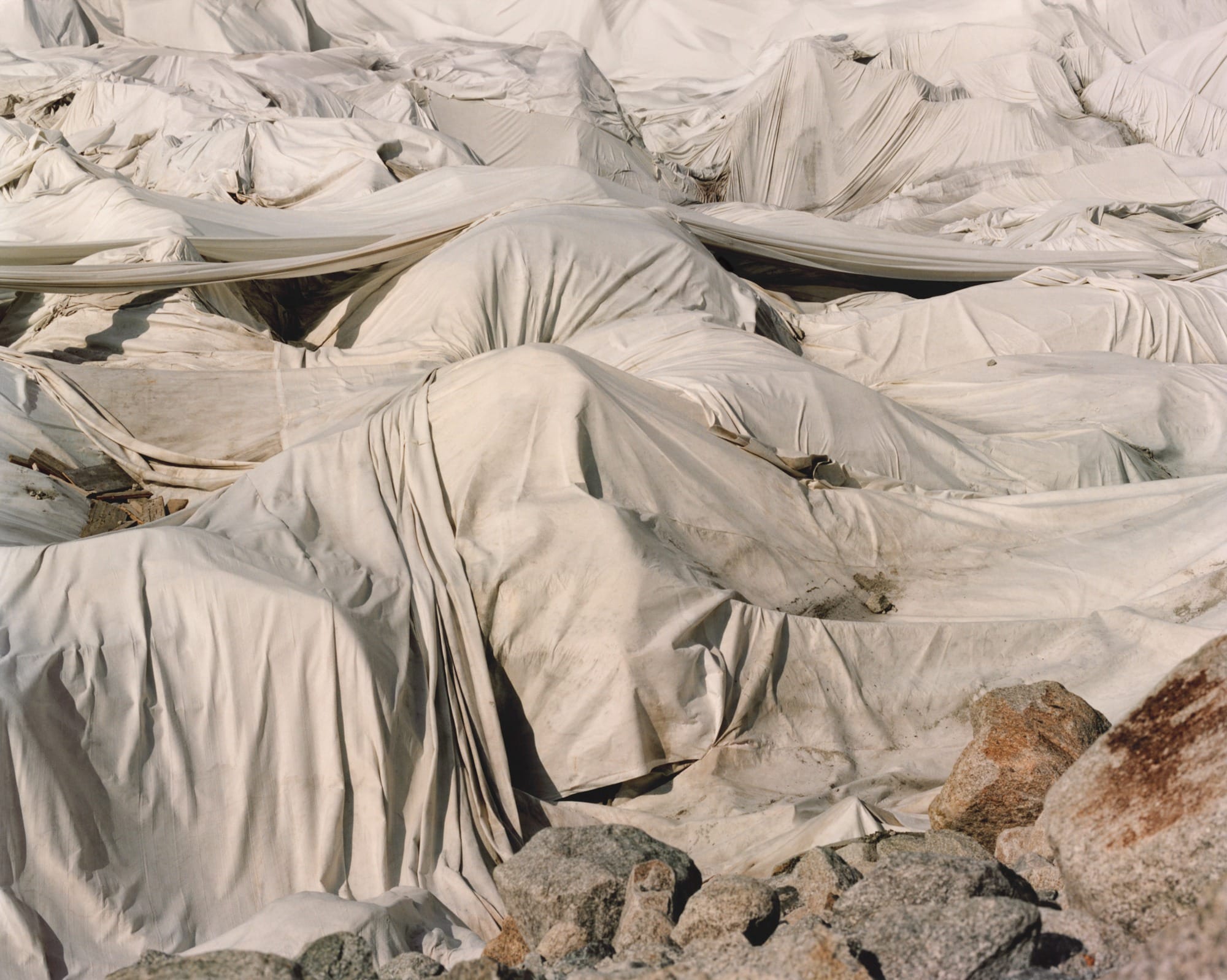
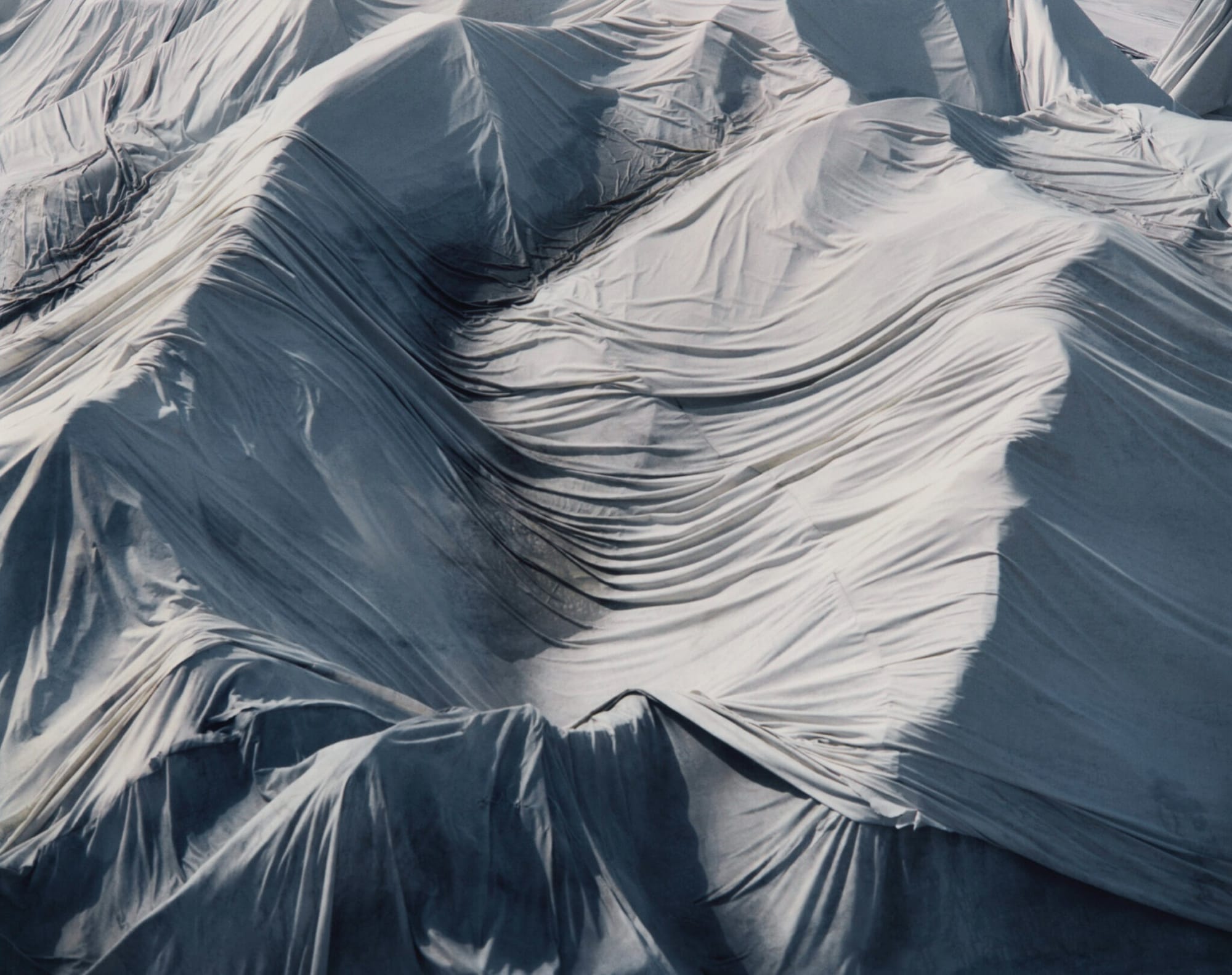
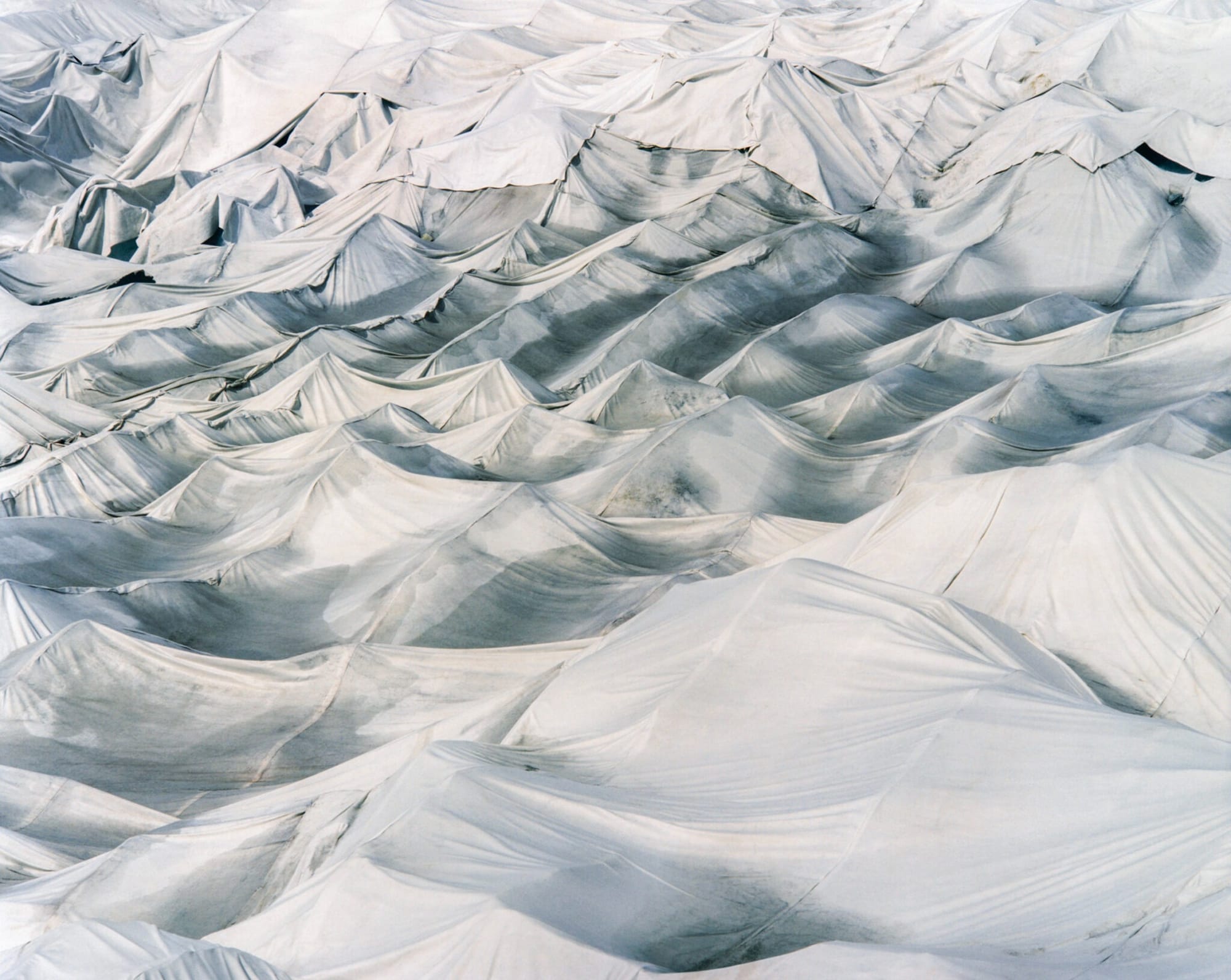
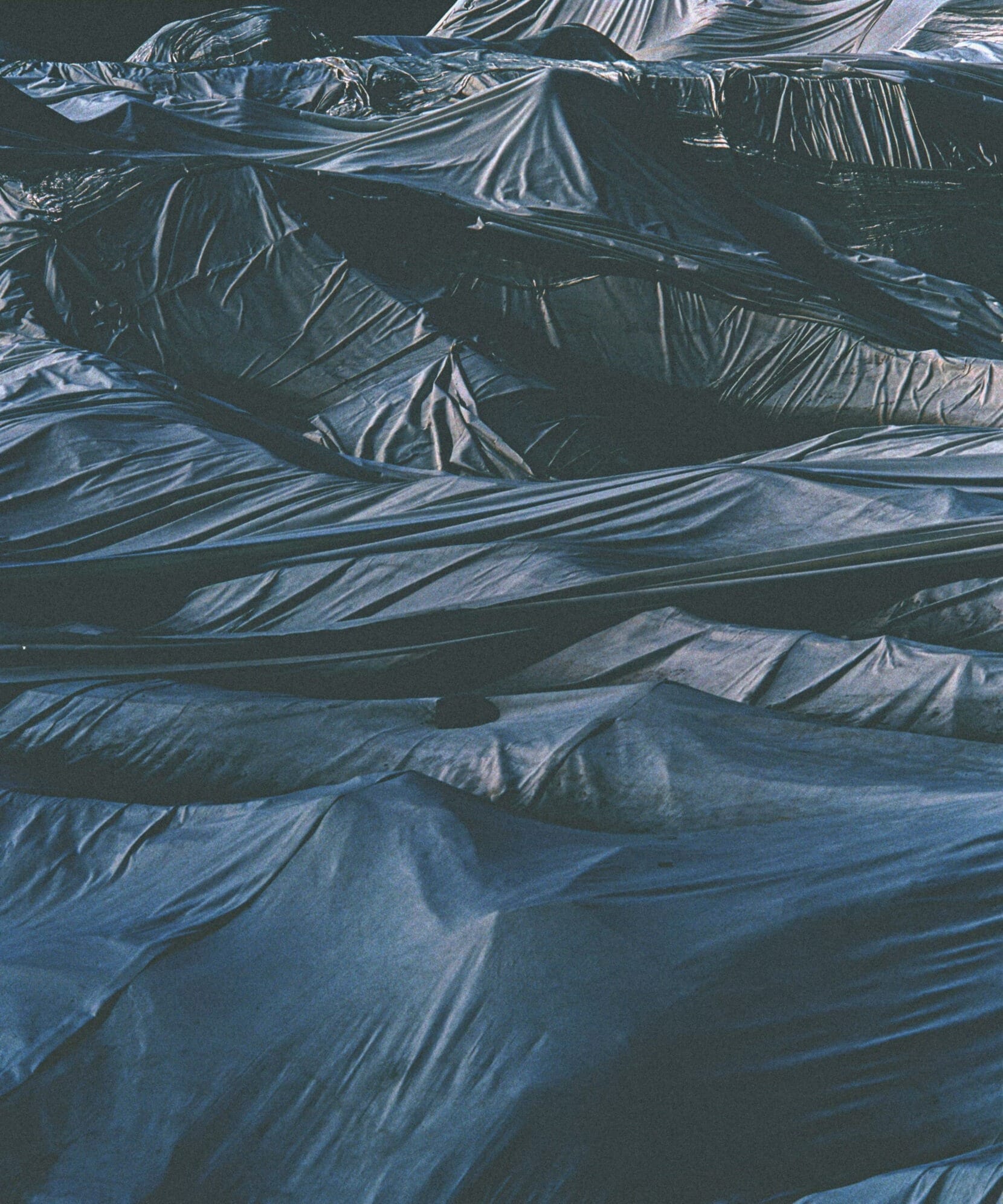
Weaving together photography, video and sculptural objects, lena_c_emery highlights the accelerated loss of mountain glaciers and the desperate conservation efforts currently employed to impede their decline. Under the continued influence of greenhouse-gas forced global warming, ice that took centuries to develop is vanishing in just a number of years. A fate experts predict for at least two-thirds of all glaciers by the end of this century. EMERY: In ‘The Mountains Between Us’, I capture the current environmental efforts undertaken to reduce the rate at which glaciers melt. Glaciers have held space for centuries, silently bearing witness to history. They’ve seen the world change in ways we can barely comprehend. Because my grandfather spent his life in these mountains, watching this particular glacier retreat and form lakes where there was previously only ice and at a pace that’s steadily increasing, feels deeply personal. The idea of covering these mammoths in fabric to stall the inevitable, feels both tragic and emblematic of our relationship with nature: The magnitude of loss countered by gestures that, though earnest, feel powerless. Visually these wrapped peaks evoke images of muddied tents, makeshift shelters that we’ve come to erect for those displaced by upheaval. This fragility, their fragility, our fragility, is a direct reflection of the imbalance we have sown, where those least responsible for ecological destruction are forced to bear its heaviest burdens. The title became a way to frame those divides. Mountains have always symbolised barriers, but perhaps they could also be reimagined as thread, shared histories and a collective belonging. The elemental particles composing our very being once danced amidst these ancient landscapes and if they disappear, part of us does too.
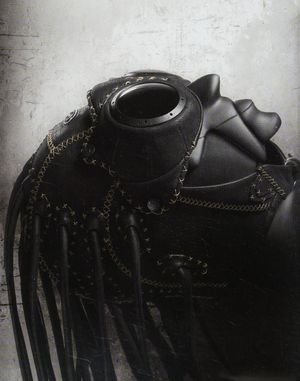
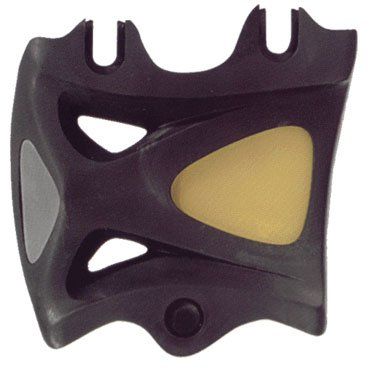
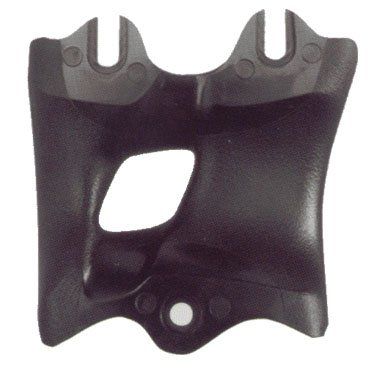
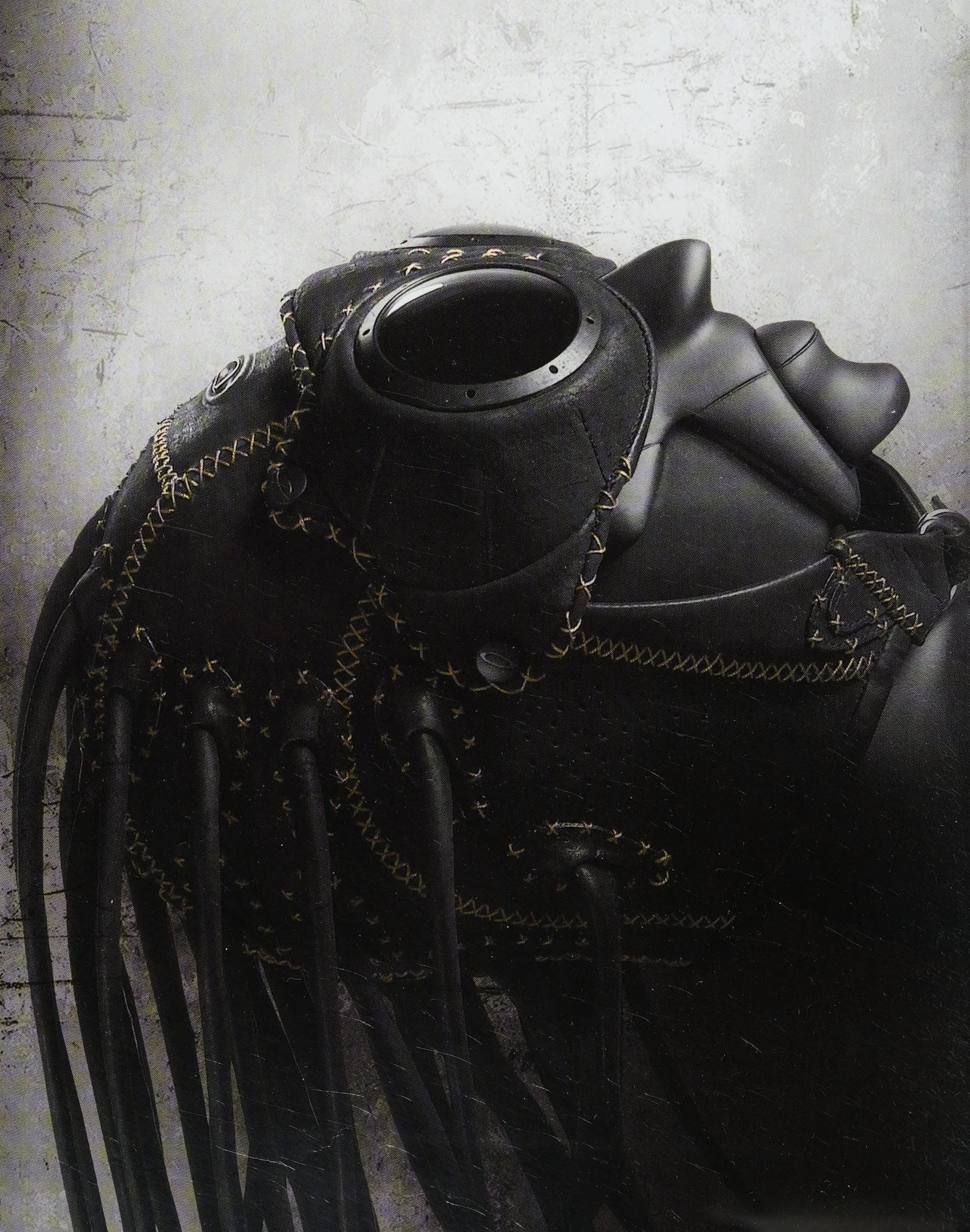
Oakley Medusa Helmet, 2001
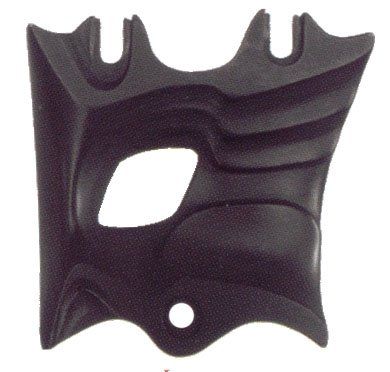
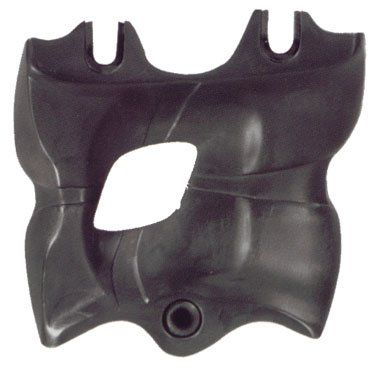
The Oakley Medusa Helmet (2002) is an early-2000s performance helmet concept associated with Oakley’s then-expanding push into technical equipment beyond eyewear. The design is defined by aggressive surfacing, pronounced vent geometry, and a highly sculptural shell intended to signal speed and impact protection.
Functionally, the Medusa emphasizes airflow and coverage through a dense network of vents and channeling, paired with a shell profile that reads more armored than minimal. Fit and retention appear to follow common helmet conventions of the era, with the distinctive elements concentrated in the exterior shell tooling and vent architecture rather than hidden internal mechanisms. As a result, the helmet is often discussed as much for its styling and cultural placement as for technical specifics.
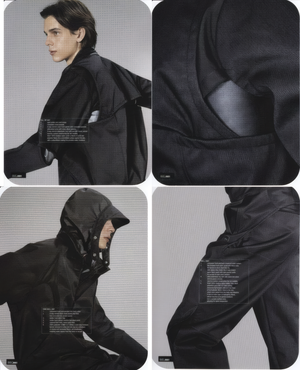
Nike Code, Tony Spackman, 2001
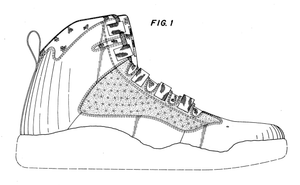
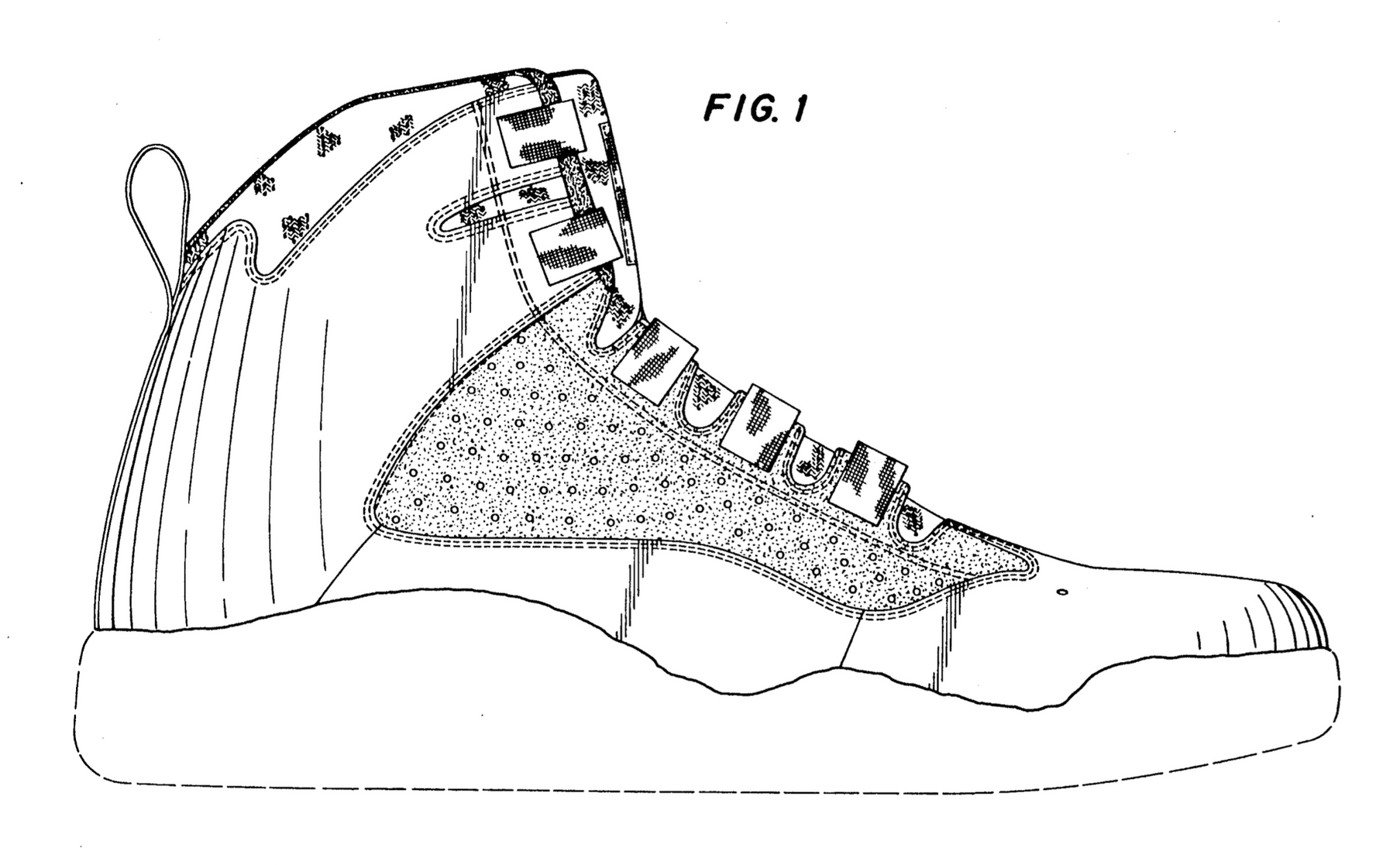
Eric Avar'S NIKE Patent Registration Drawings
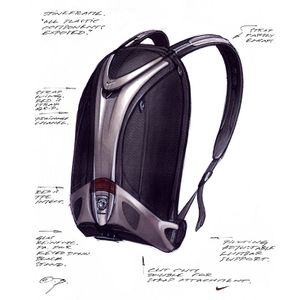
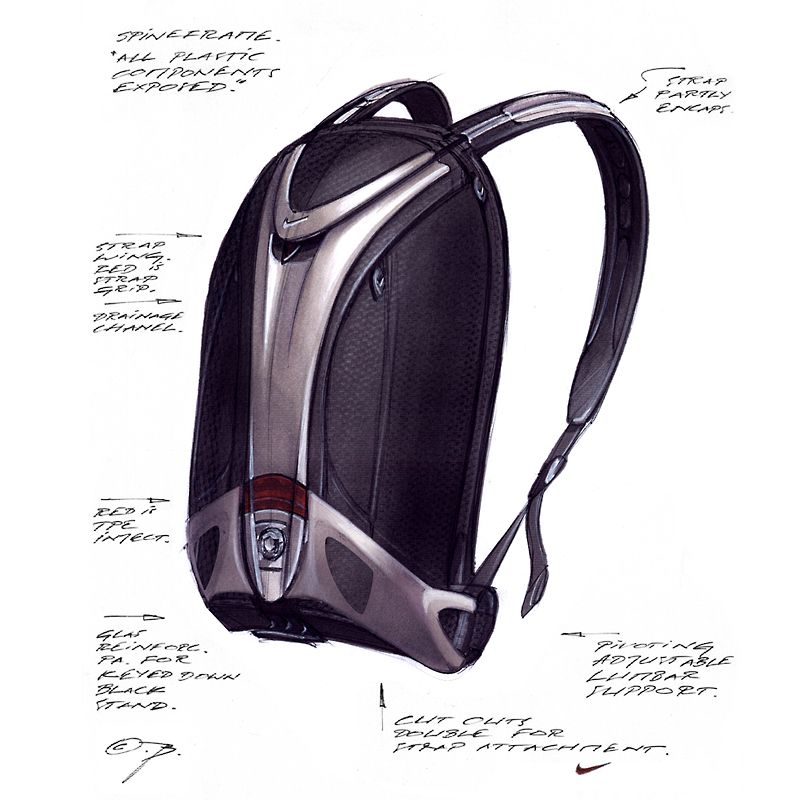
Nike Epic Backpack Development
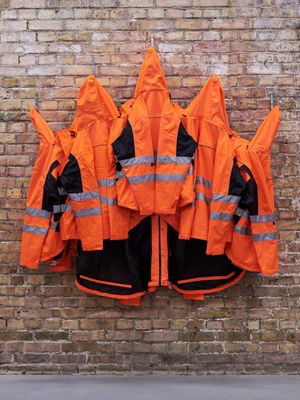
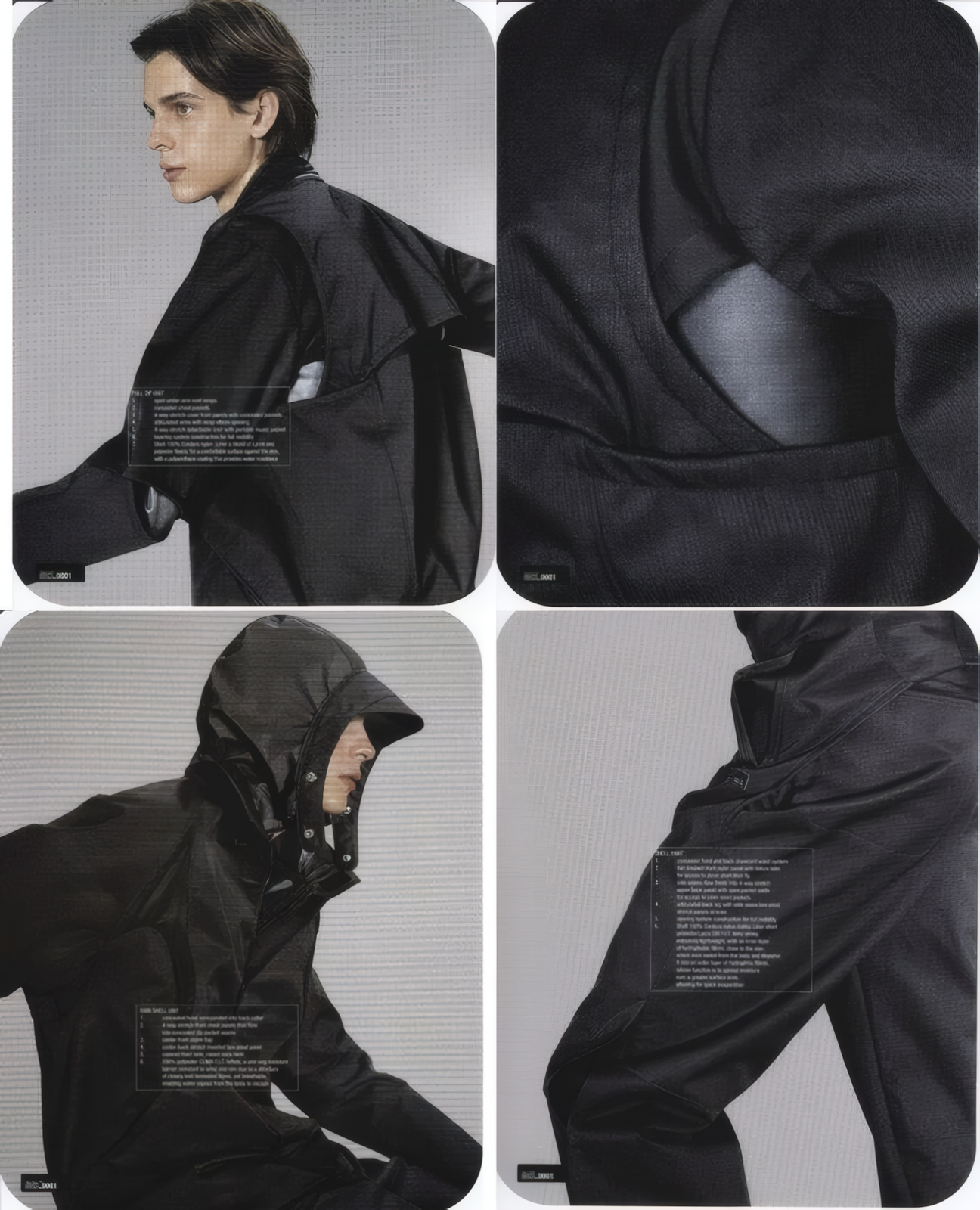
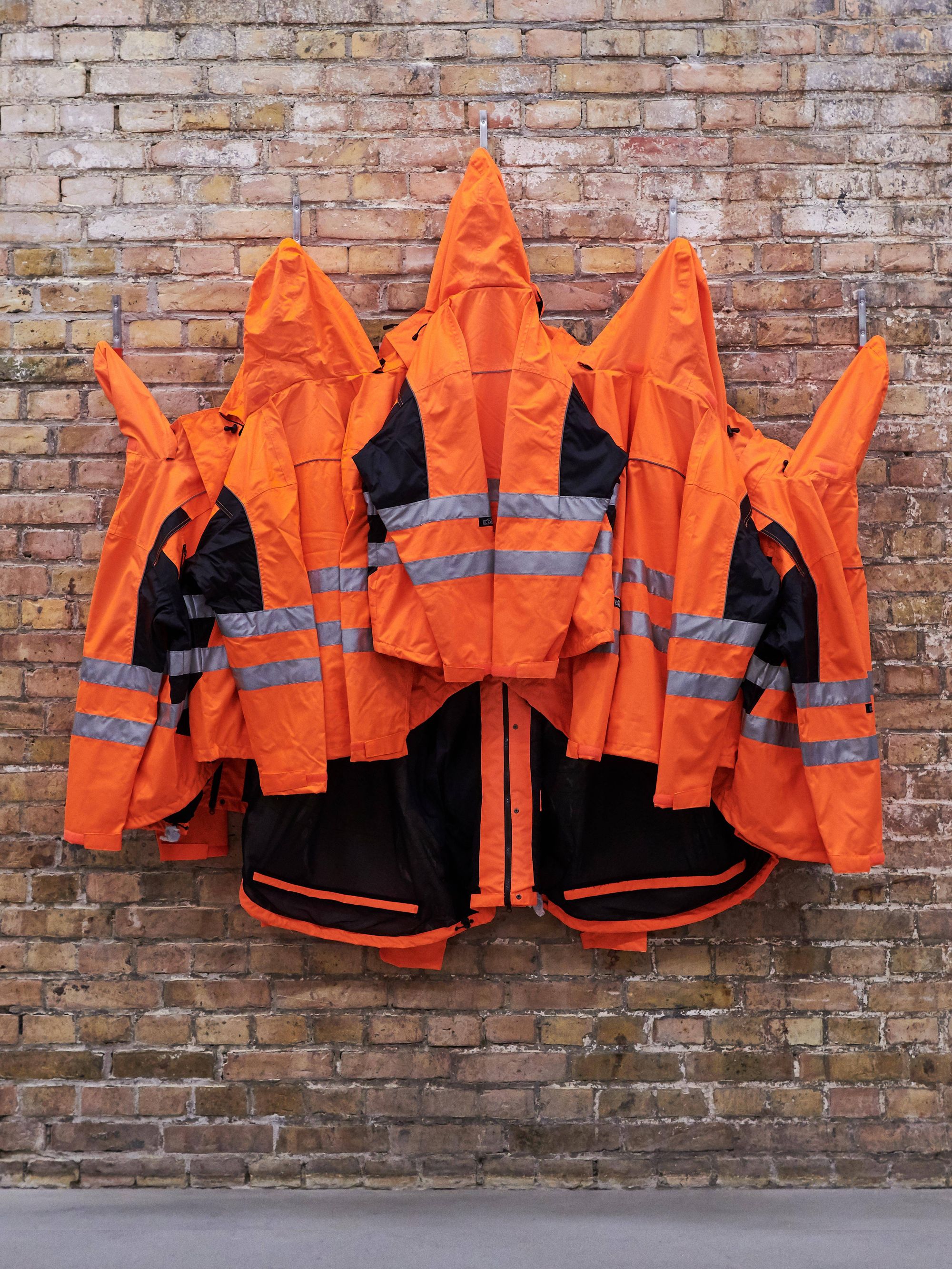
Safety Jackets Zipped the Other Way
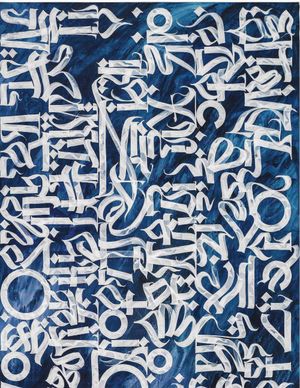
Pokras Lampas x Comme des Garçons BLACK AW2019 Campaign Poster Scans
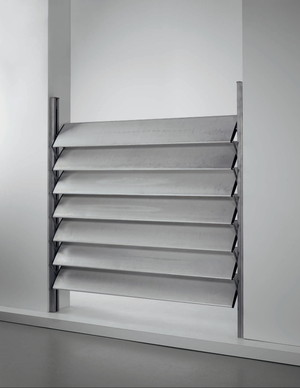
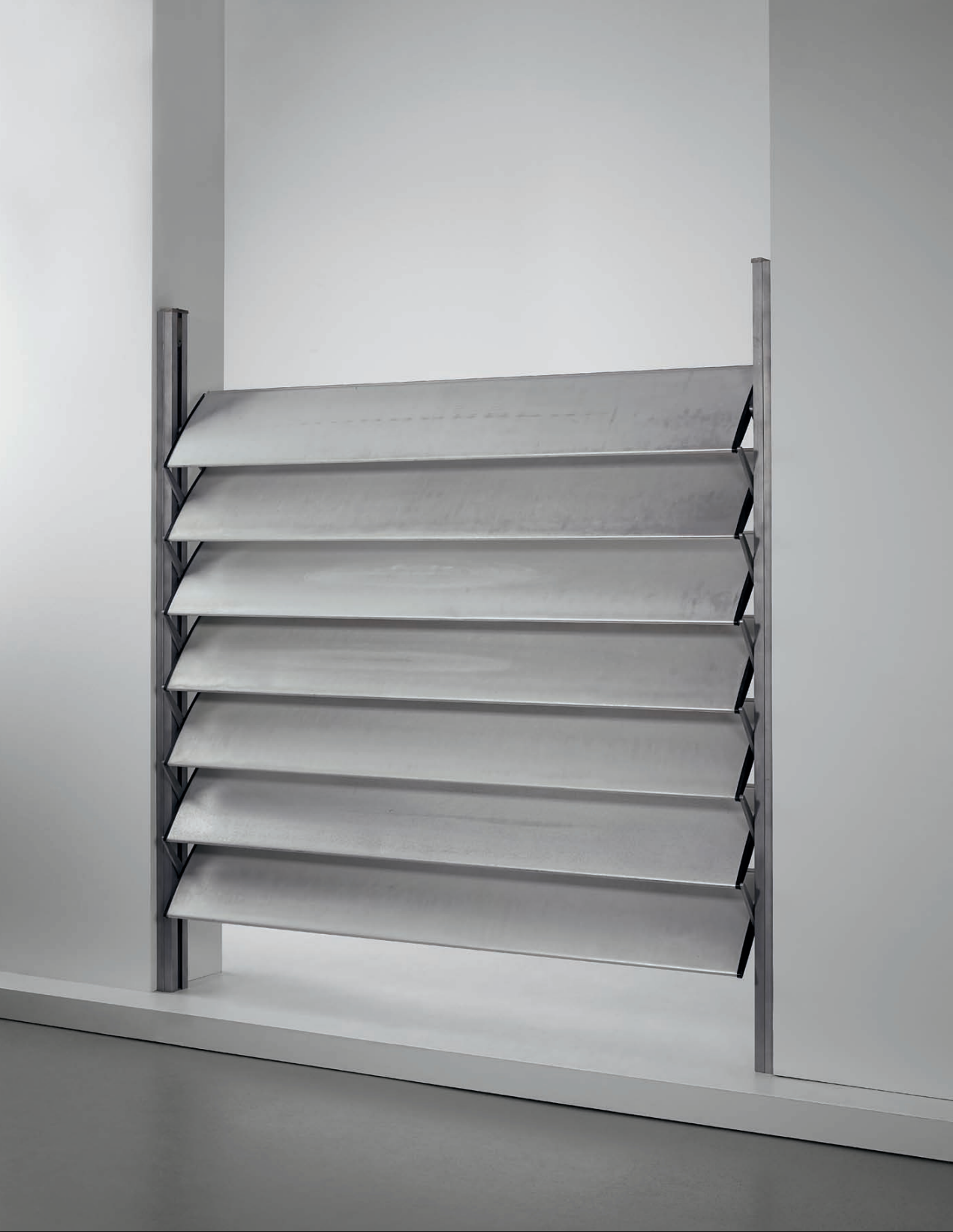
Seven-panelled sun-shutter, Jean Prouvé
Jean Prouvé 1901-1984 Seven-panelled sun-shutter, from the Cité scolaire de La Dullague, Béziers, designed 1956, executed circa 1962-1965 Aluminium, metal. 185.5 x 184.4 x 8.3 cm (73 x 72 5/8 x 3 1/4 in.) Manufactured by Les Atelier Jean Prouvé, Nancy, France.
Estimate £12,000-15,000 $17,800-22,300 €16,300-20,400 provenance Cité scolaire de La Dullague, Béziers, France, circa 1962-1965 exhibited Architecture Biennale, Venice, 7 June-23 November, 2014
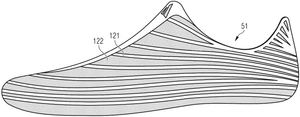
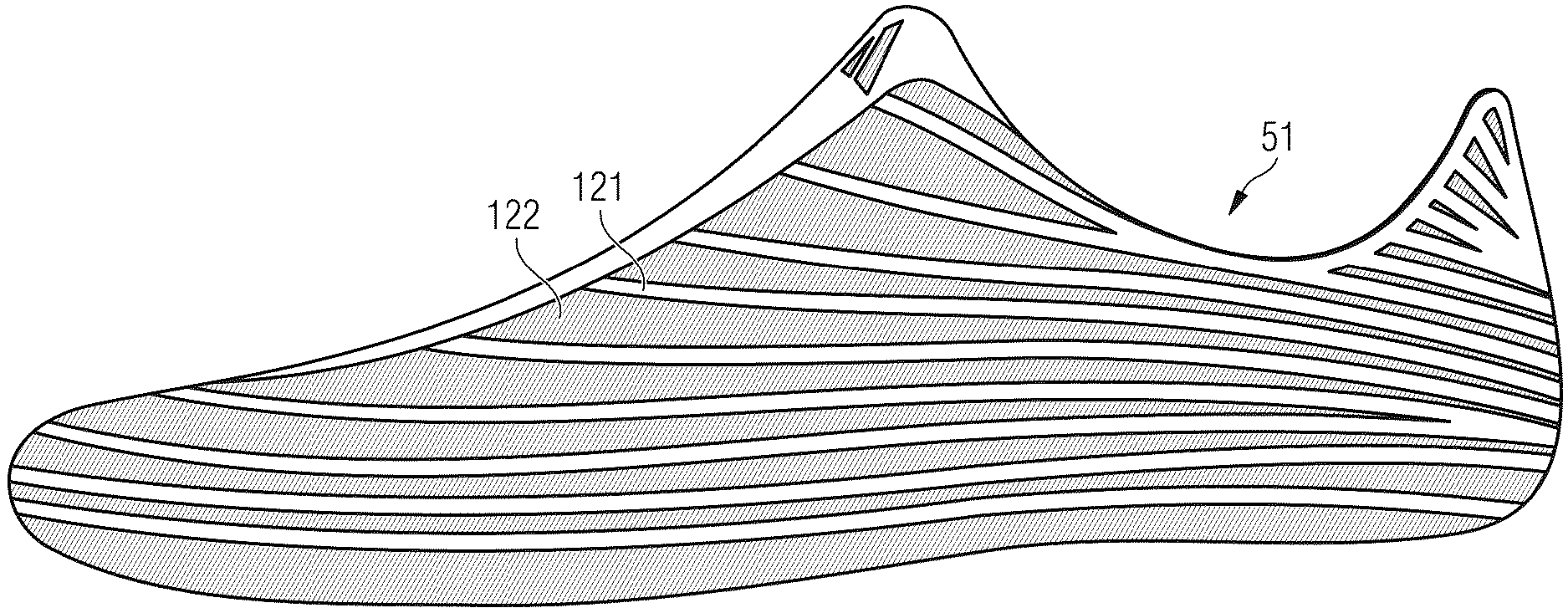
Adidas Knitted Shoe Upper Patent
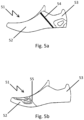
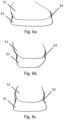
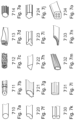
Figures from US patent application US20250160486A1, 'Knitted Shoe Upper', filed by Adidas AG (inventors Stefan Tamm, Carl Arnese and James Carnes; published 22 May 2025). The upper is knitted in one piece with two zones, a more elastic yarn and a stiffer yarn, placing stretch and support without seams or separate reinforcement panels. The drawings show the yarn zones and construction across forefoot, midfoot and heel.
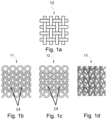
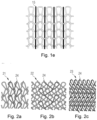
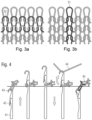
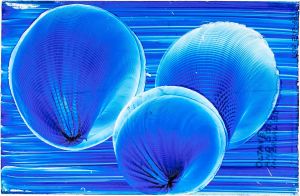
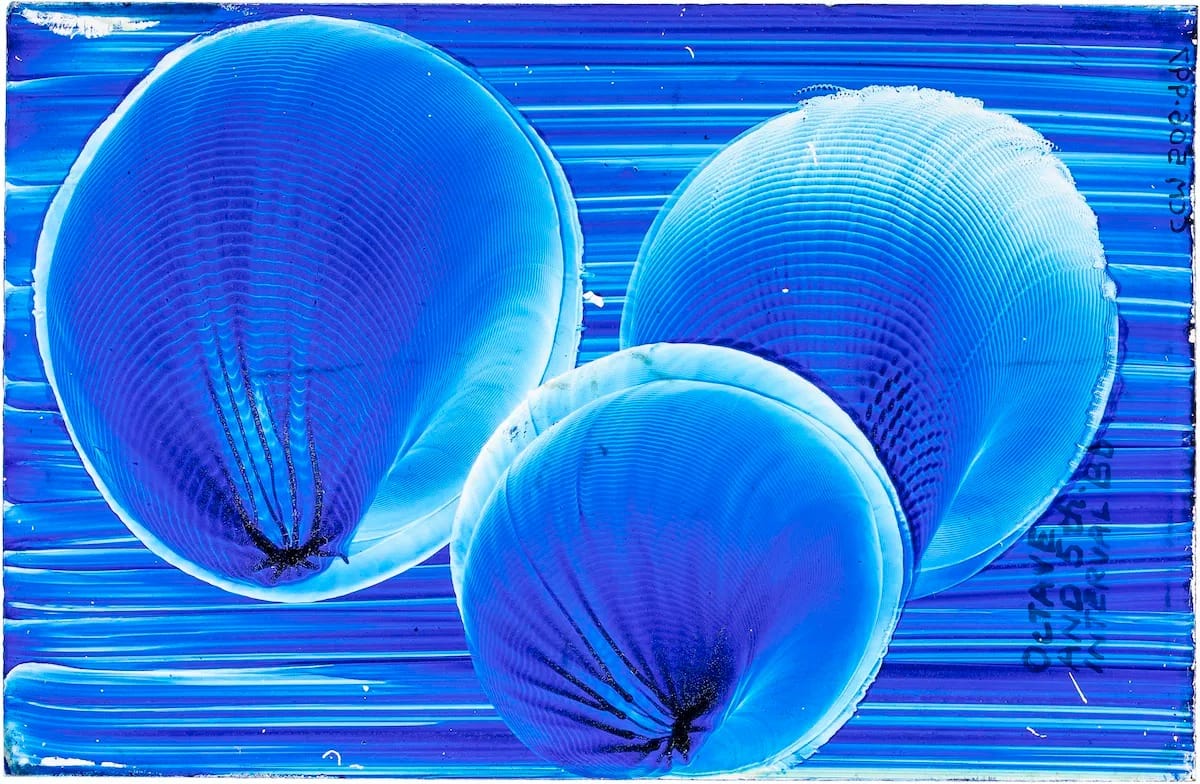
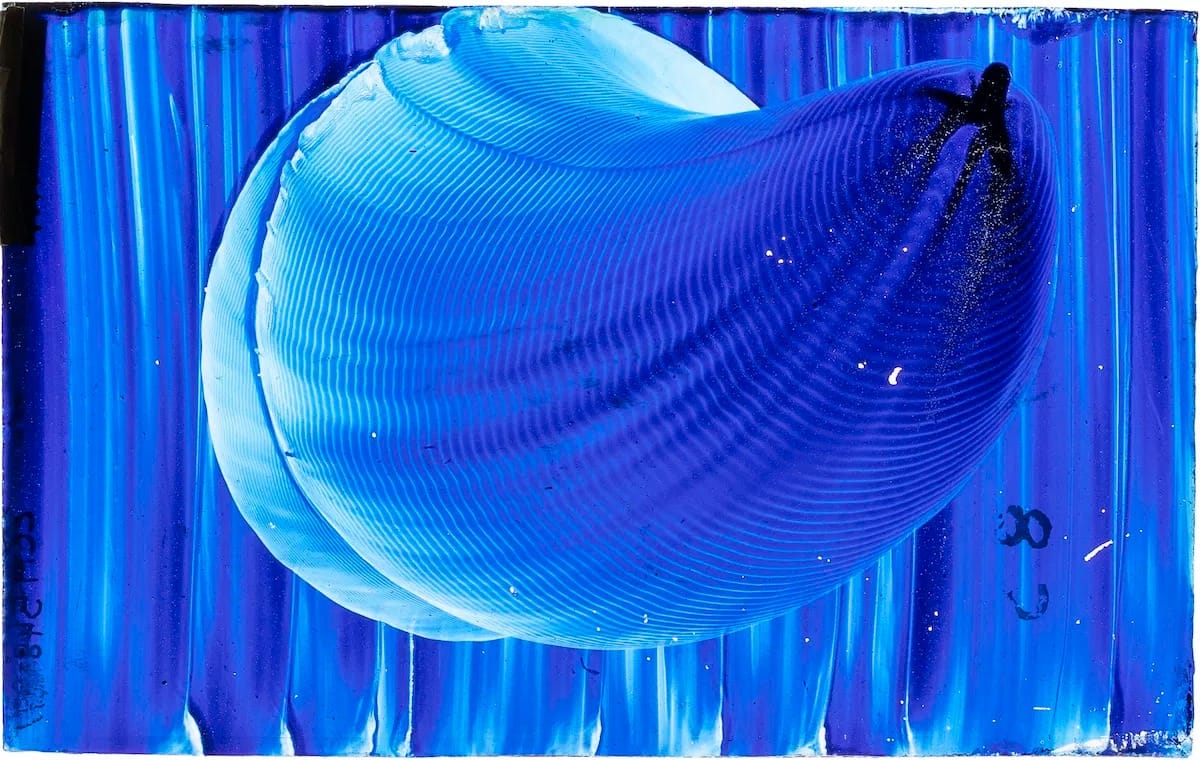
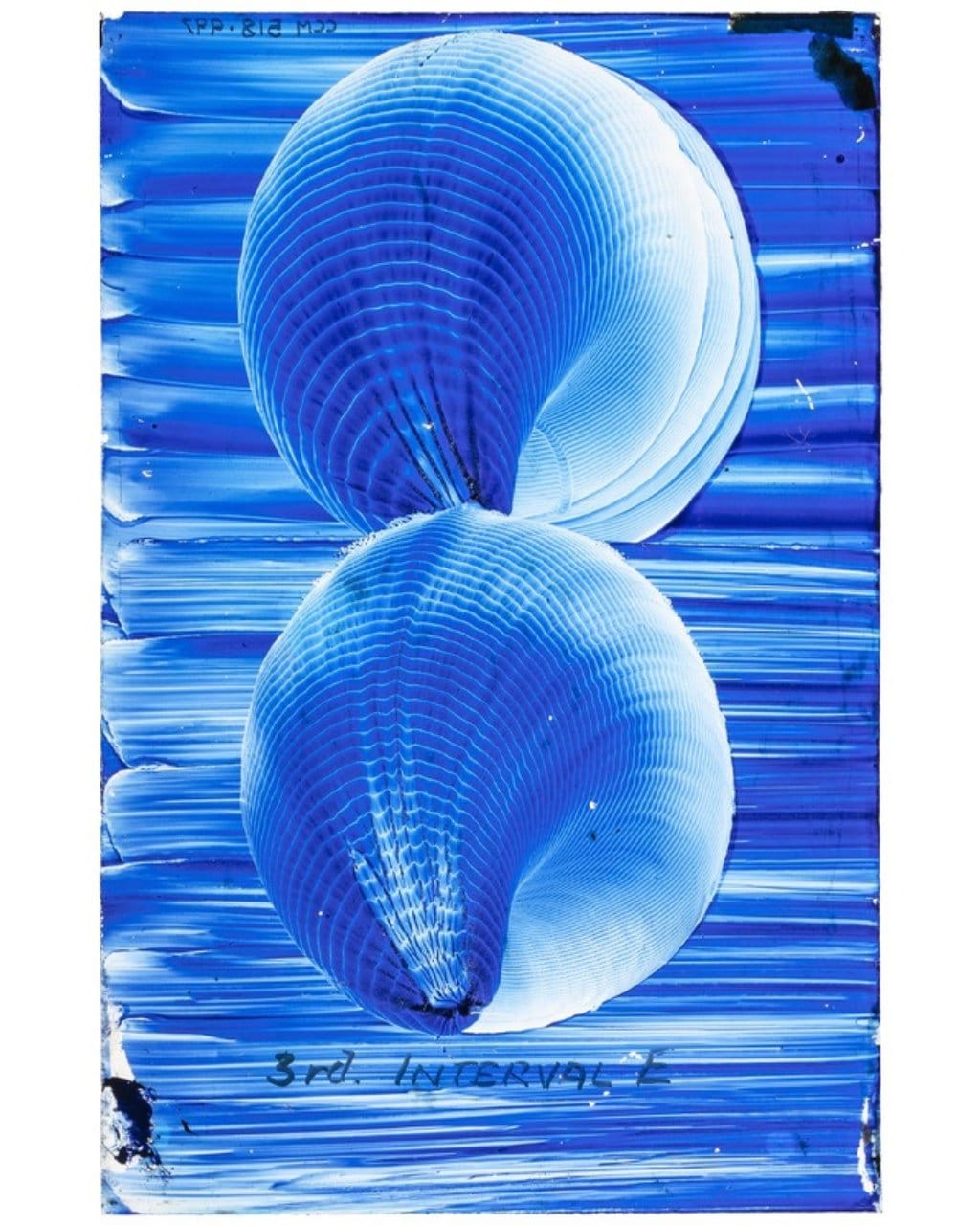
Voice Figures by Margaret Watts Hughes
Made more than 100 years ago by a Welsh singer named Margaret Watts Hughes — not by her hand but rather using her voice and an Eidophone, a “recording” device of her own invention. She would sing into the Eidophone’s funnel and so make its diaphragm vibrate. She’d then bring this vibrating diaphragm in contact with a glass plate covered in pigment to create these wondrous images, akin to visual sound recordings, or what she called Voice Figures (and the more complex Impression Figures).
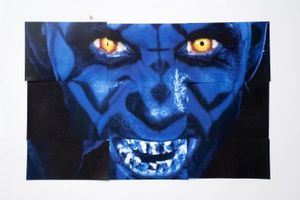
Dialogue Version, Andrew Basinski
From the spitting image exhibiton curated by Pop Gun and Heart Gallery
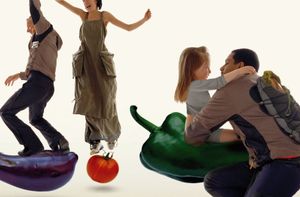
Marithe Francois Girbaud Inside Collection Campaigns by Air Paris Agency
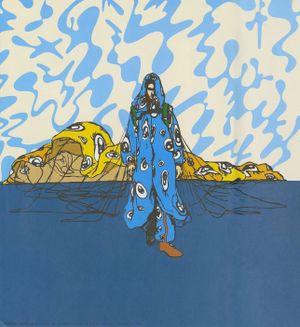
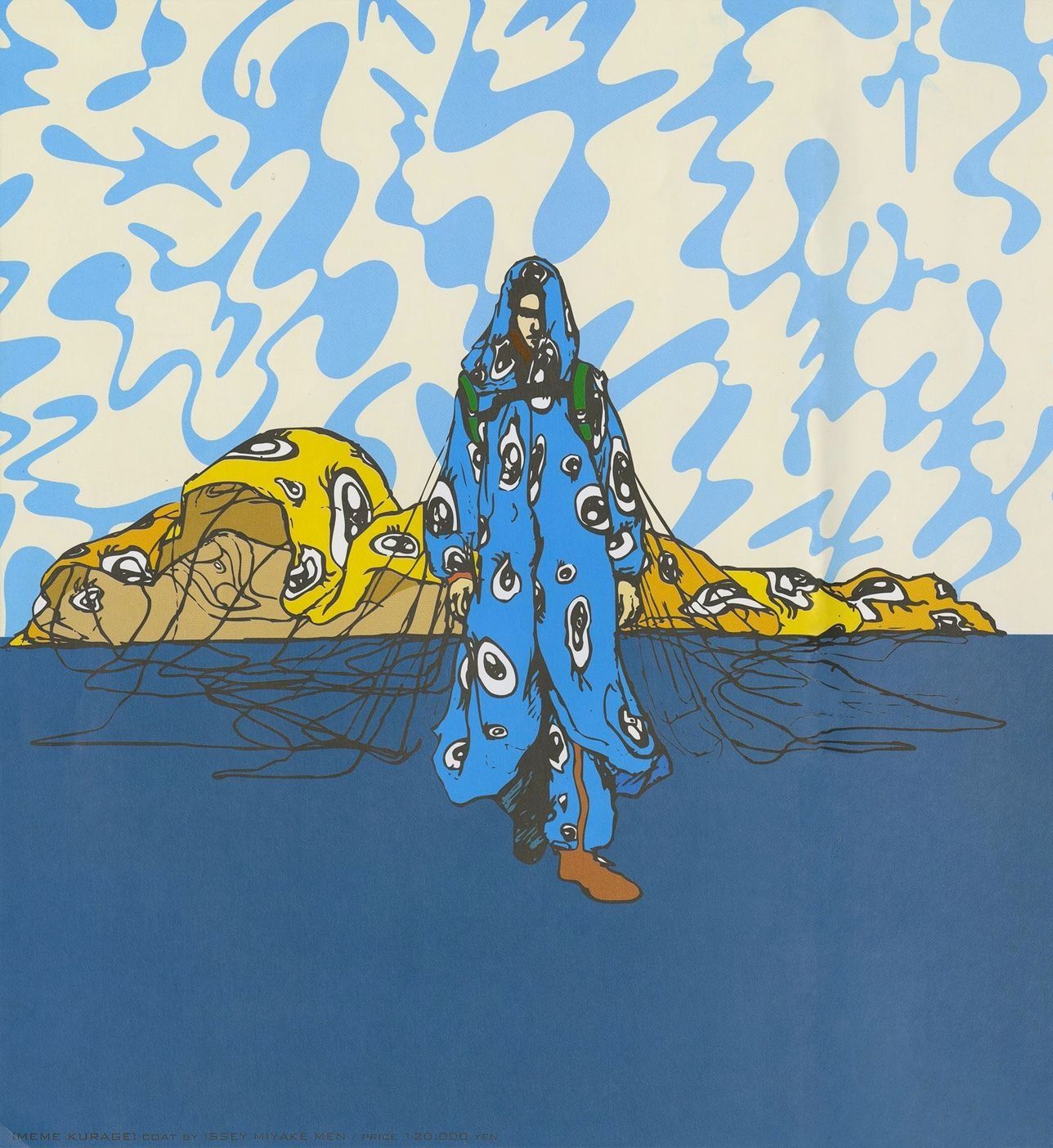
Takahashi Murakami for Issey Miyake / Naoki Takizawa ss2000
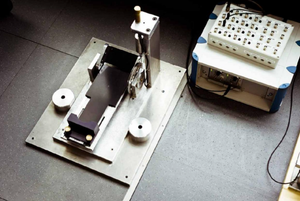
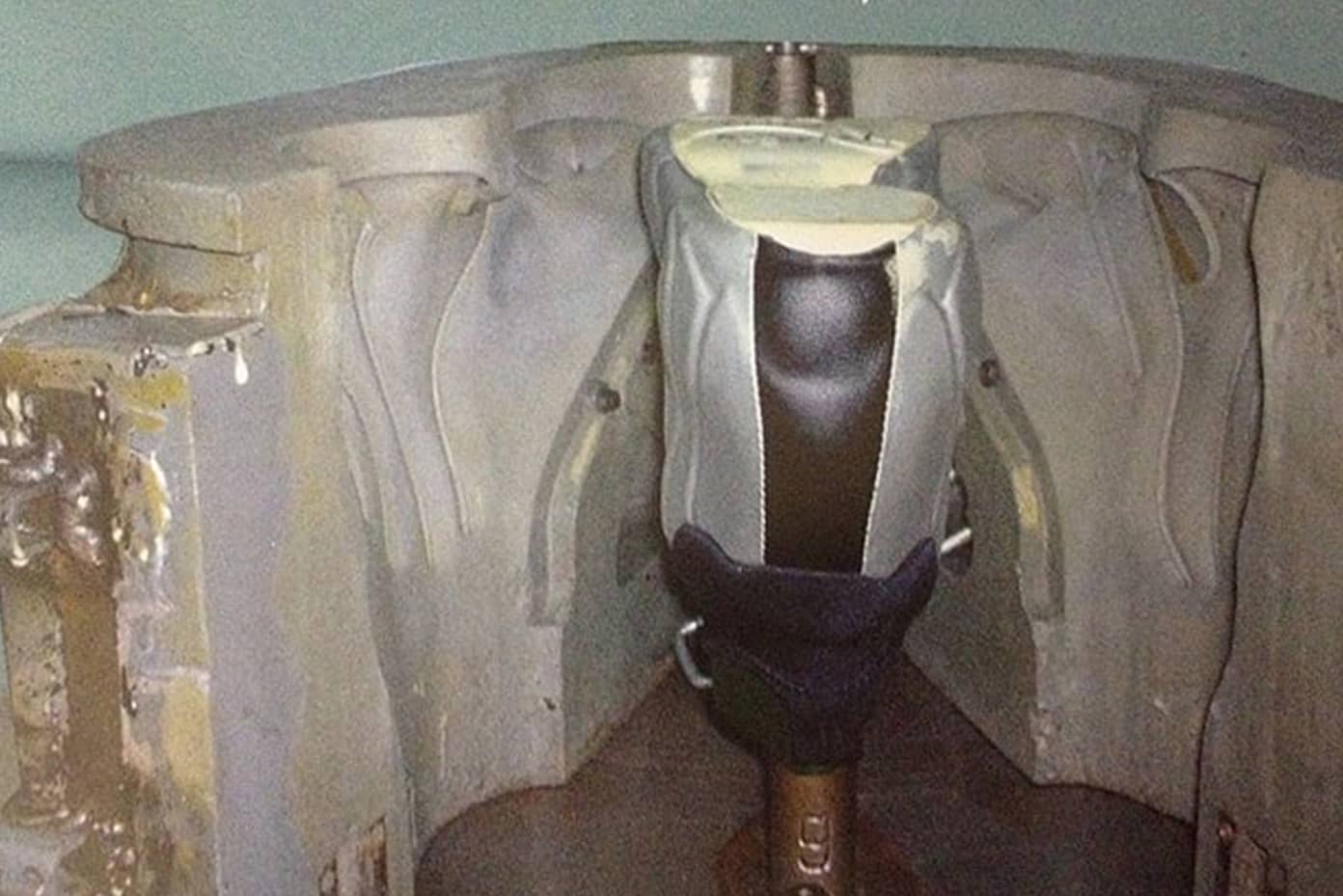
Images behind the scenes of the nike free outsole creation.
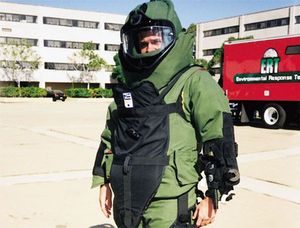
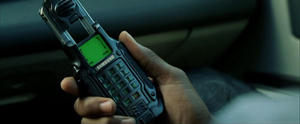
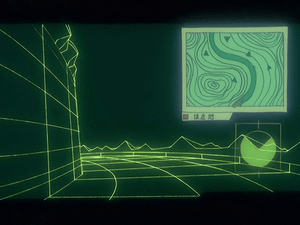
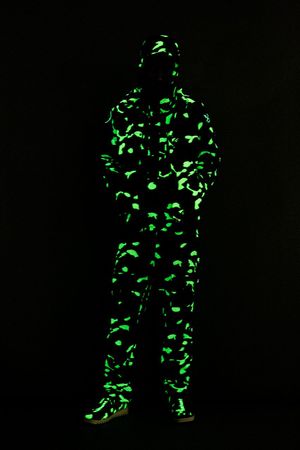
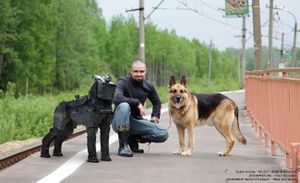
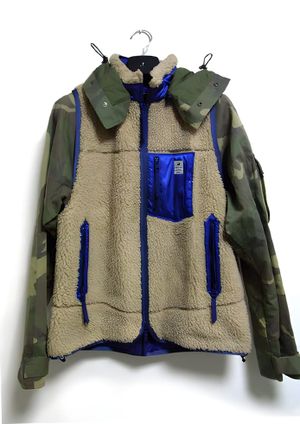
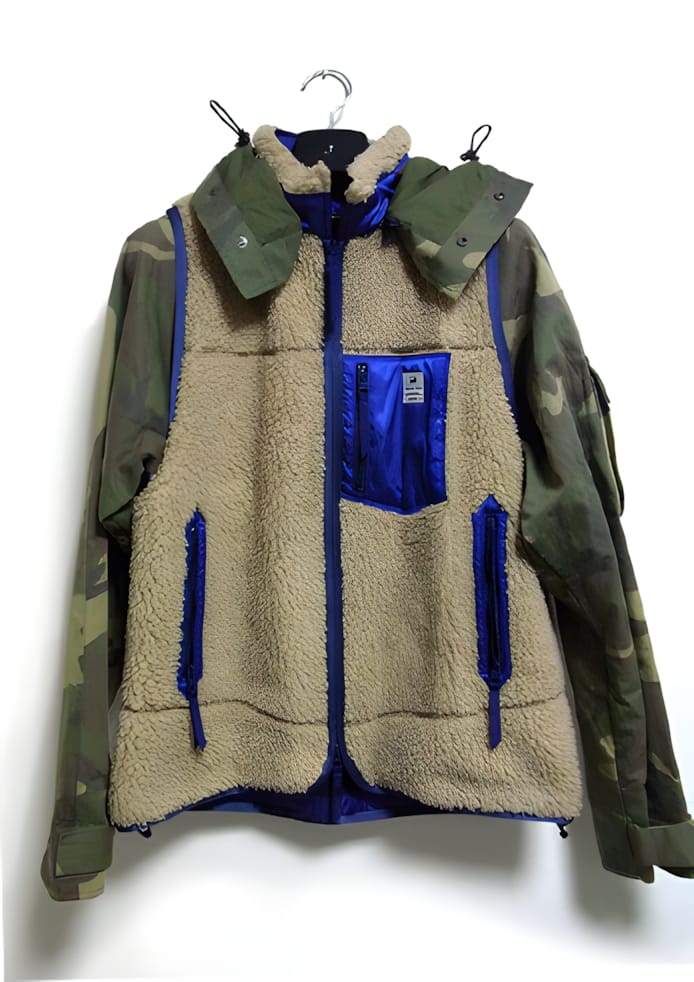
SASQUATCHfabrix. — SASFAB 2-in-1 Coat/Gilet
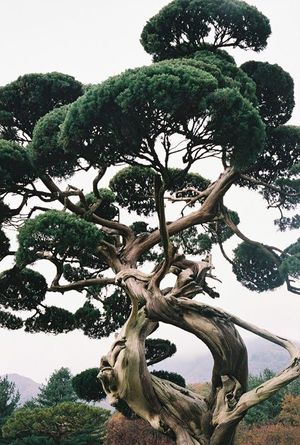
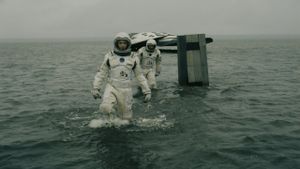
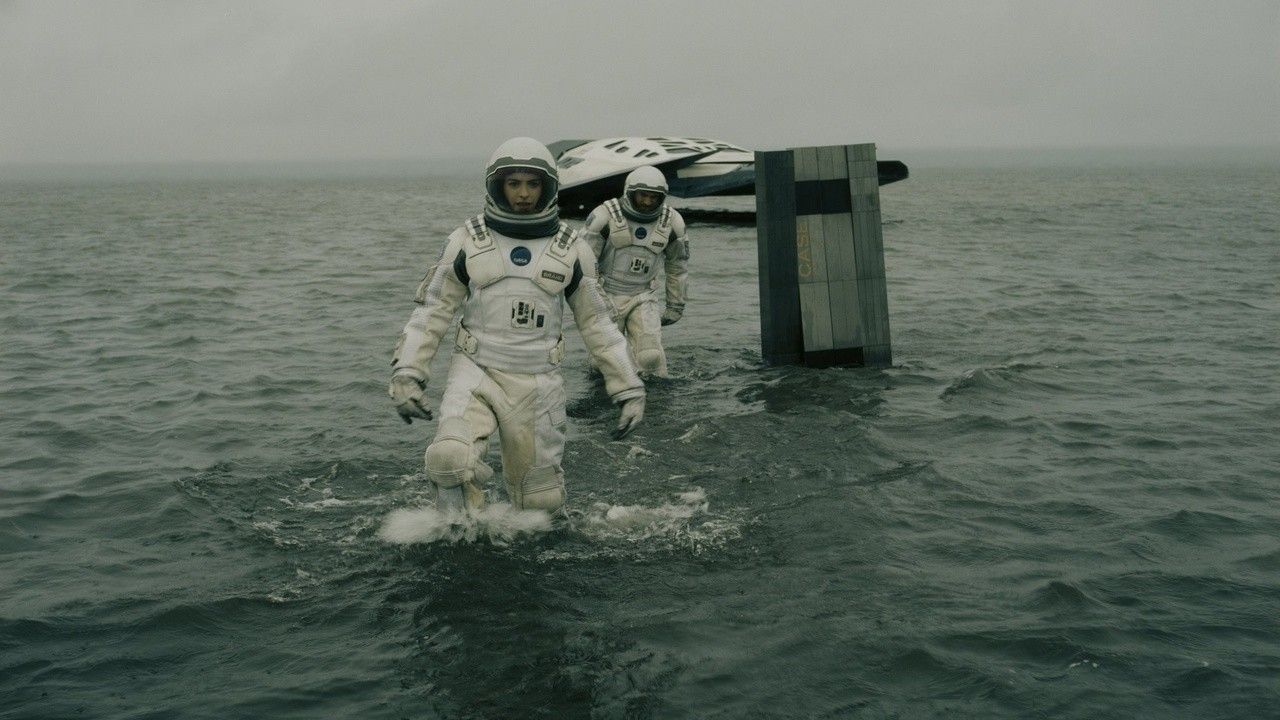
Miller's planet from interstellar

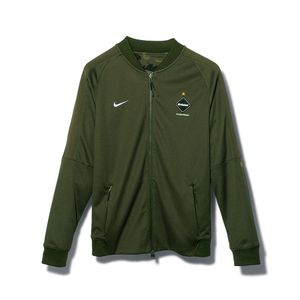
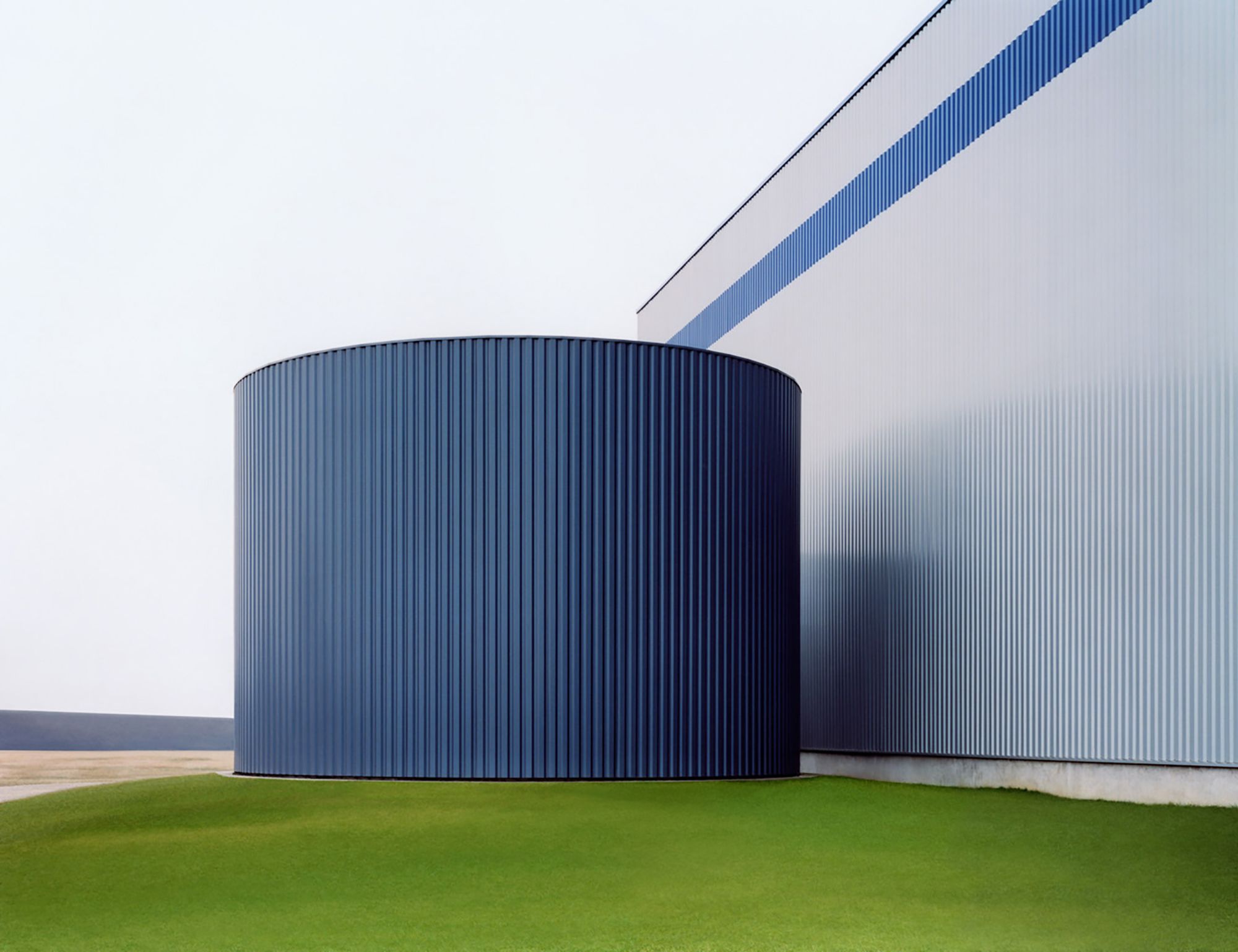
Form #7, Josef Schulz, 2003
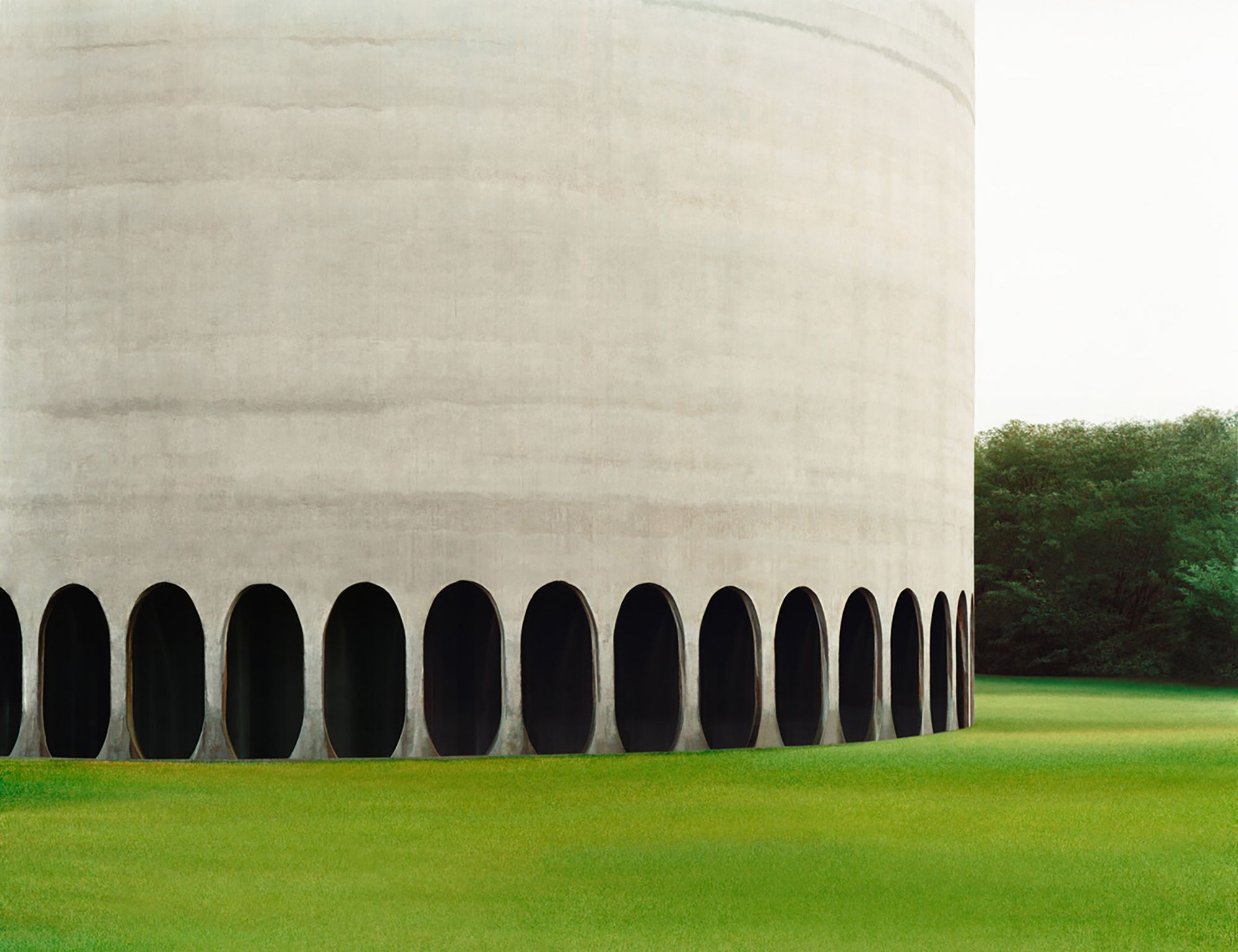
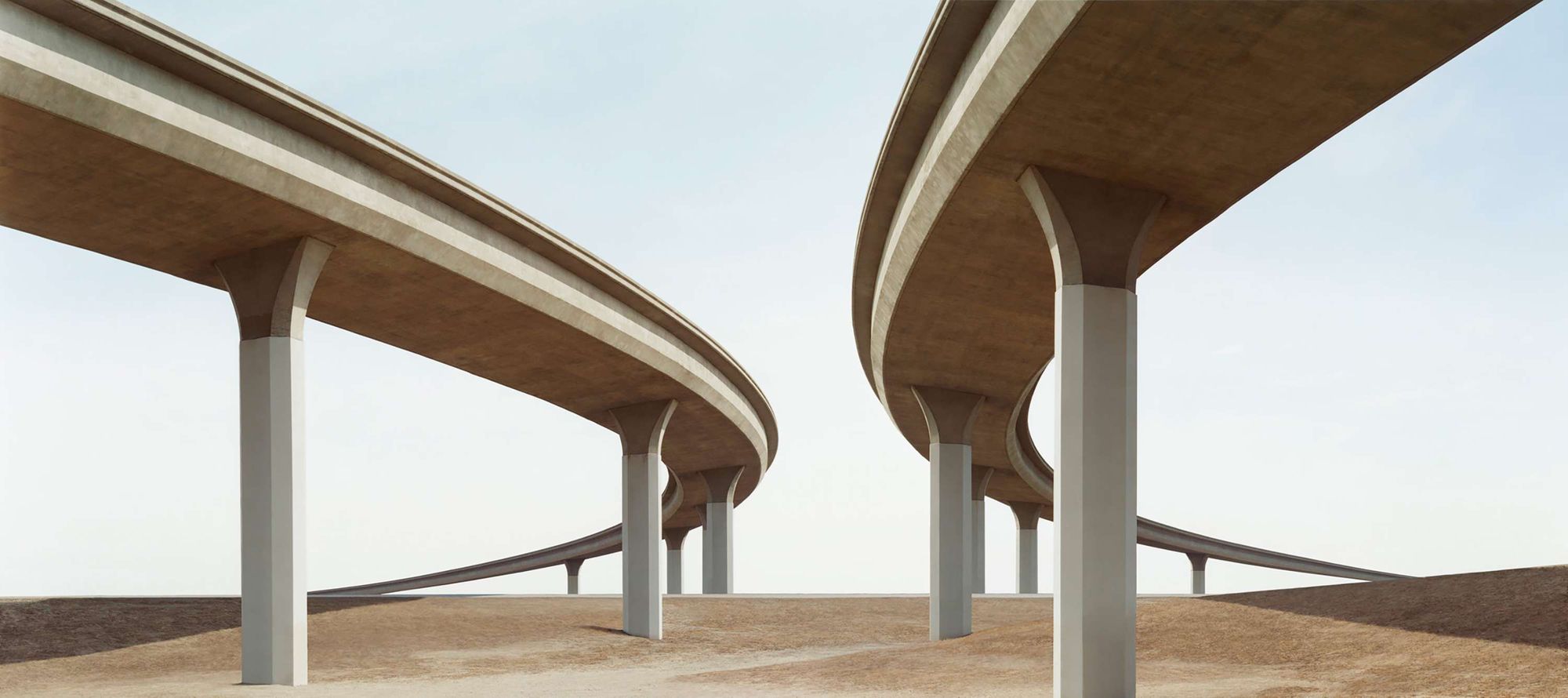
Josef Schulz is a photographer known for capturing images of modern warehouses and factories, which are typically considered mundane industrial structures with little architectural significance. These buildings, produced worldwide, follow standardized plans and materials, lacking distinct external features to reveal their specific purposes.
Schulz's approach involves studying the essence of his craft through these photographs. He employs digital image processing to remove any elements hinting at the buildings' age, location, or surroundings, transforming them into virtual blueprints. By emphasizing colors, shapes, and symmetries, he turns the buildings into block-like structures, resembling toy architecture and presenting them as idealized versions of themselves.
In this process, Schulz blurs the line between photographic and painted reality to optimize the images. Simultaneously, he reduces the physical buildings to their design concepts and the photographic reality to its virtual representation. His intent is to diverge from the typical pursuit of making digital images appear as real as possible. This approach might leave the viewer perplexed, as they struggle to distinguish between authentic elements captured by the camera and those created through digital tools.
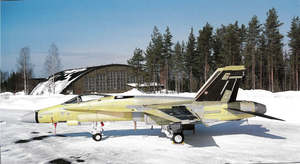
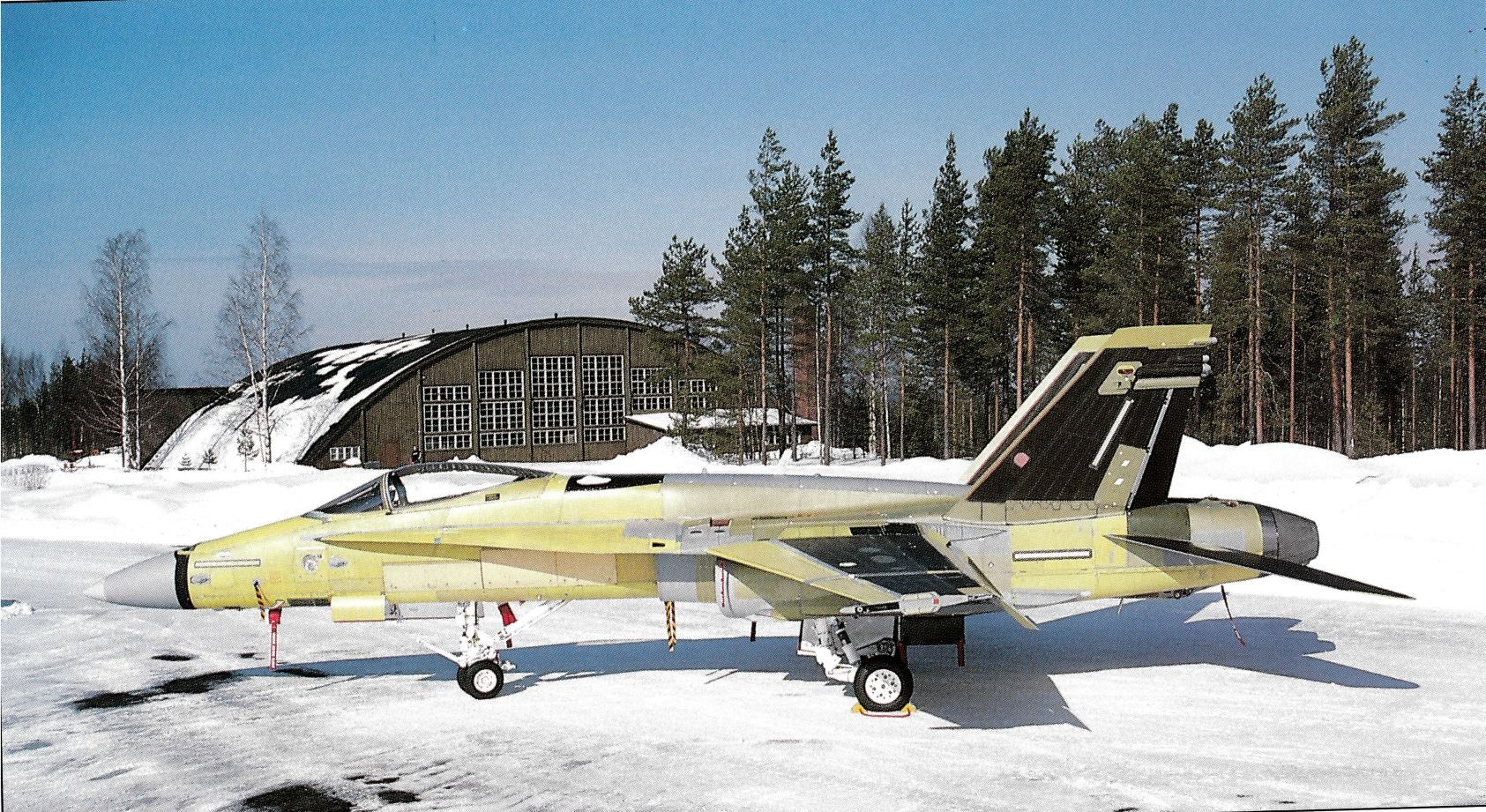
Canard-Delta Aircraft in Winter Testing
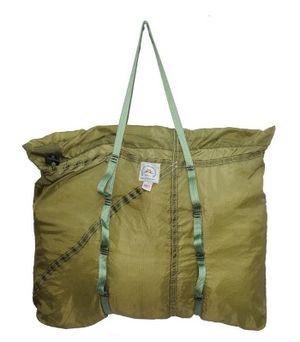
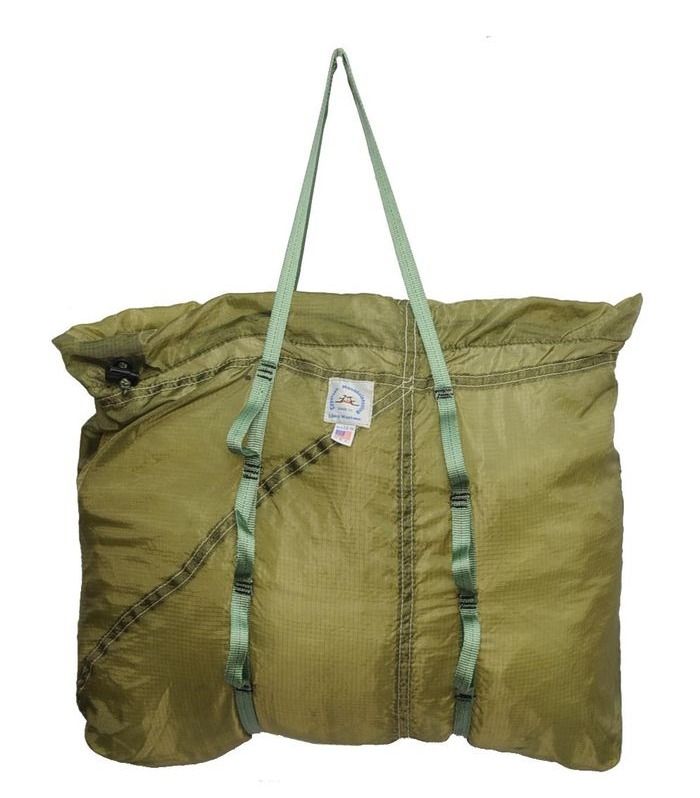
Epperson Mountaineering Large Climb Tote
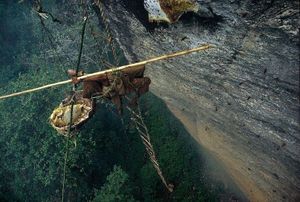
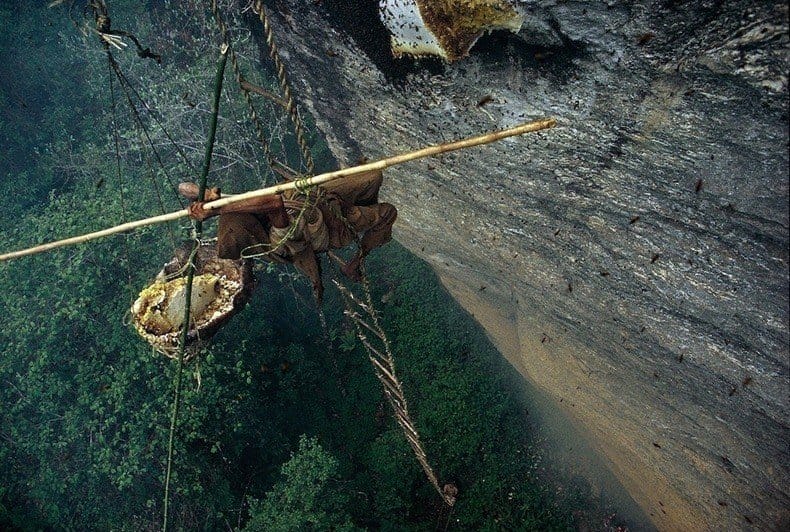
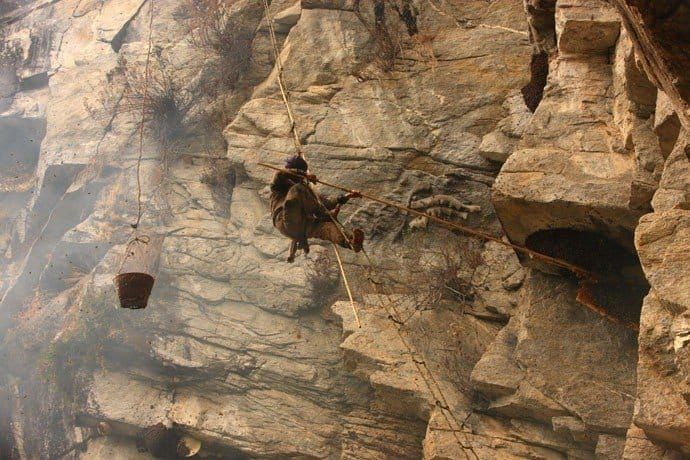
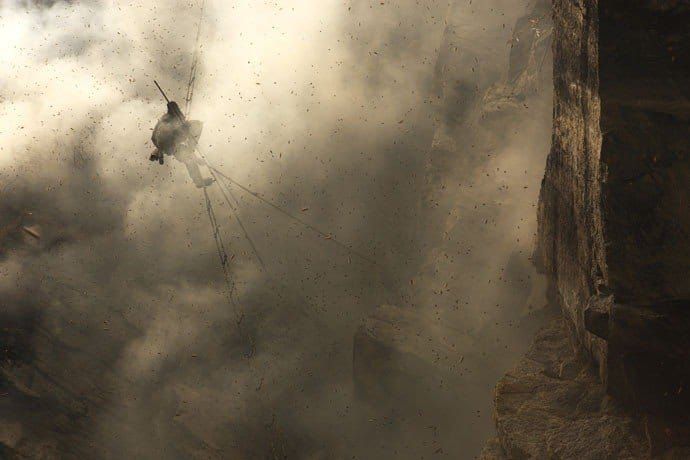
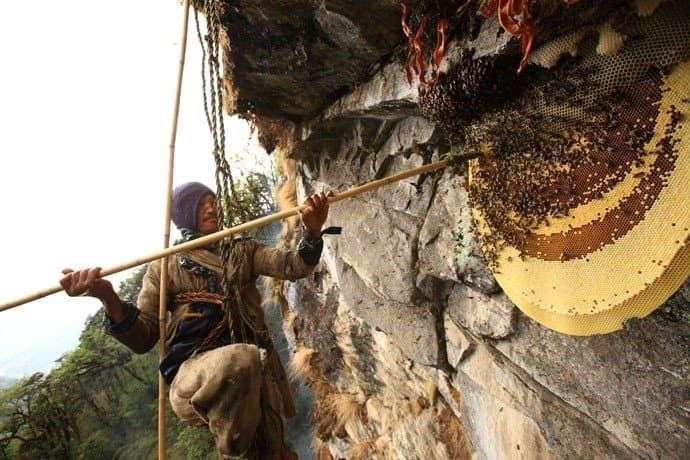
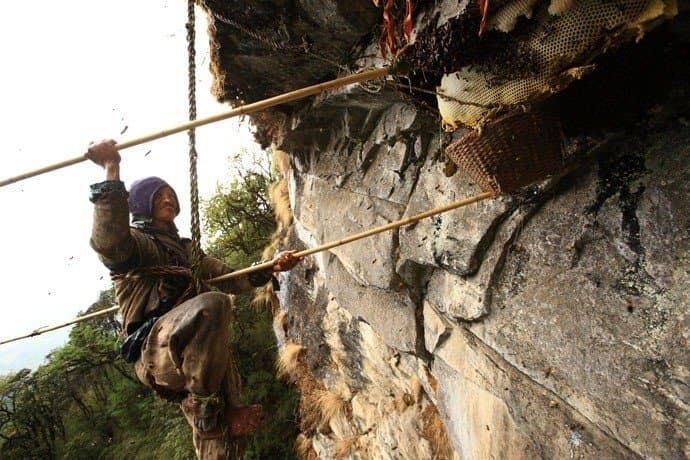
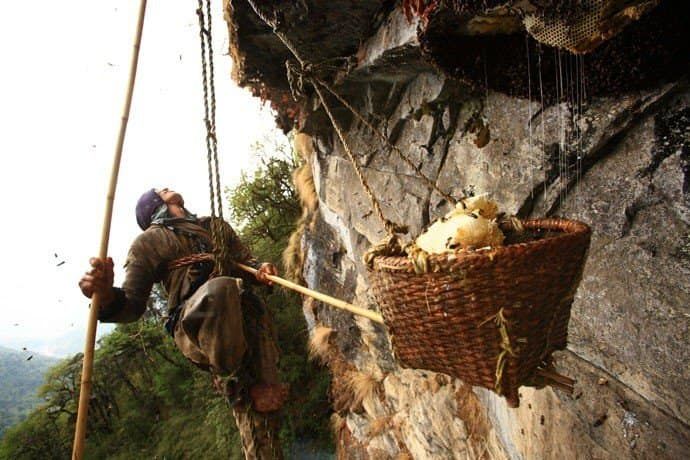
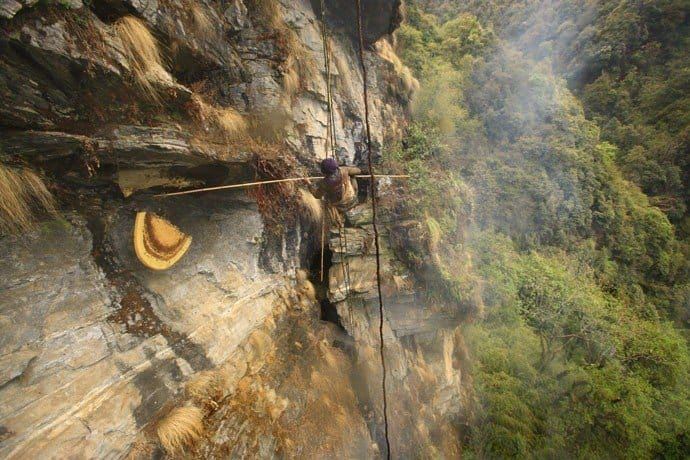
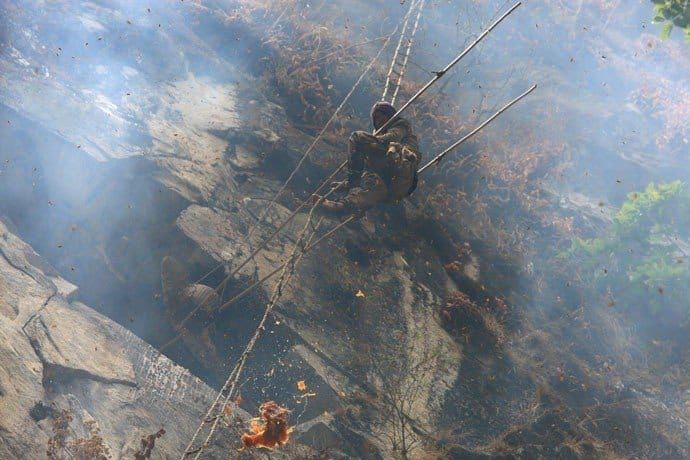
The Honey Hunters Of Nepal
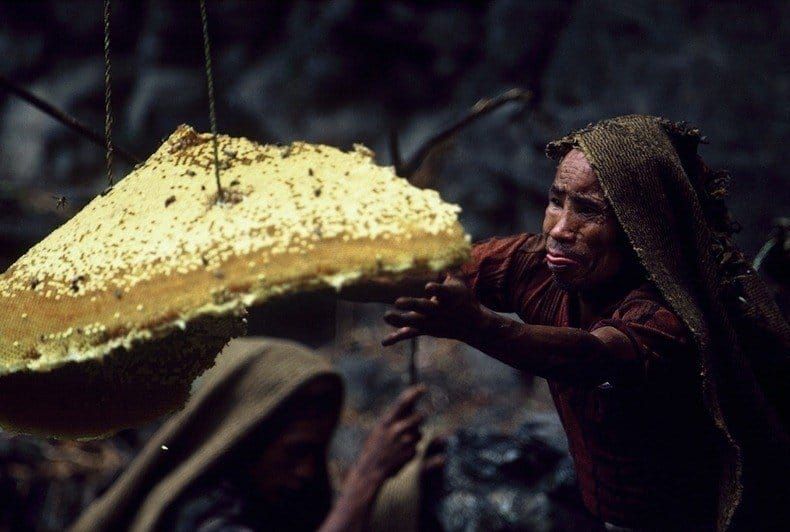
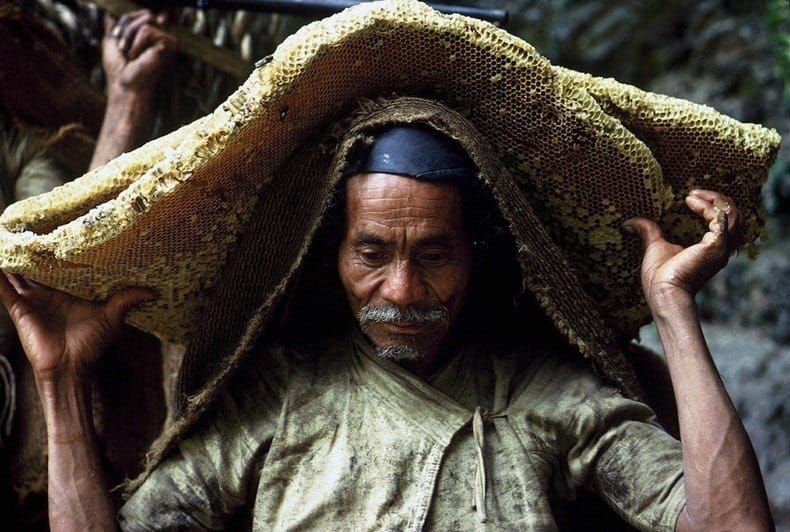
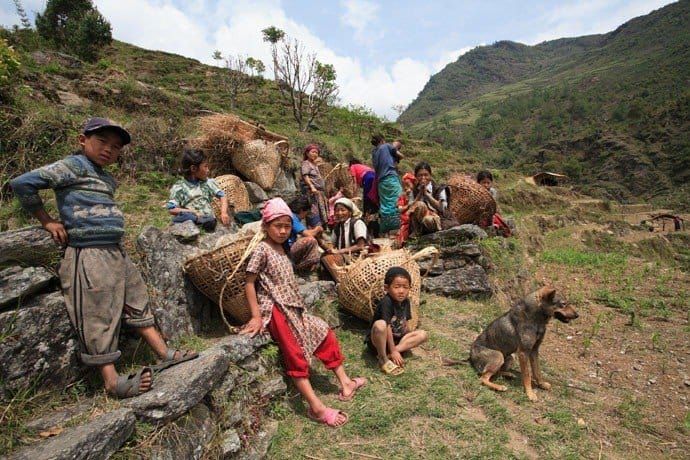
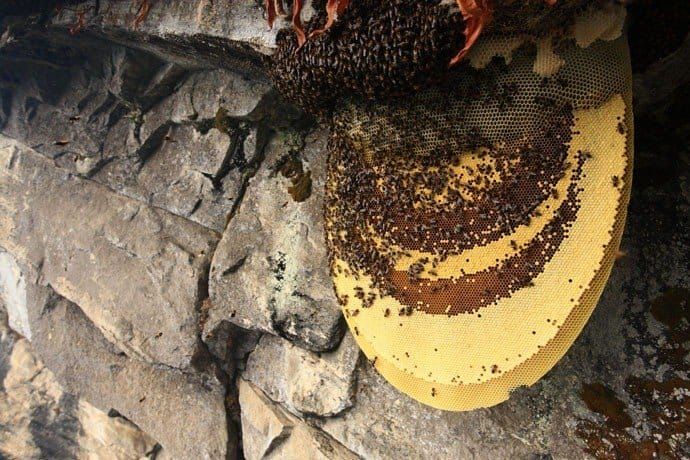
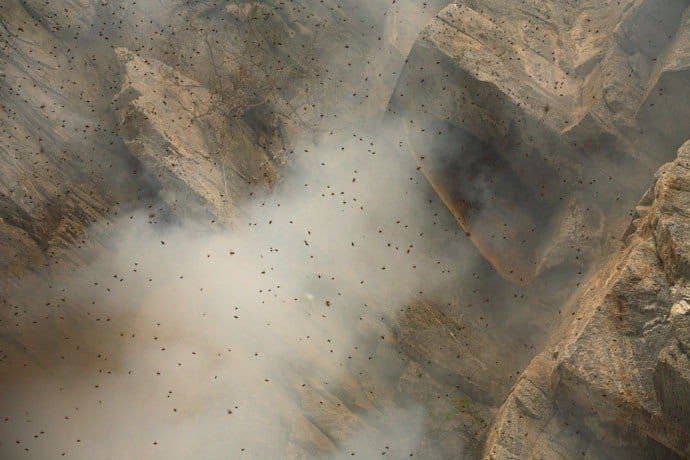
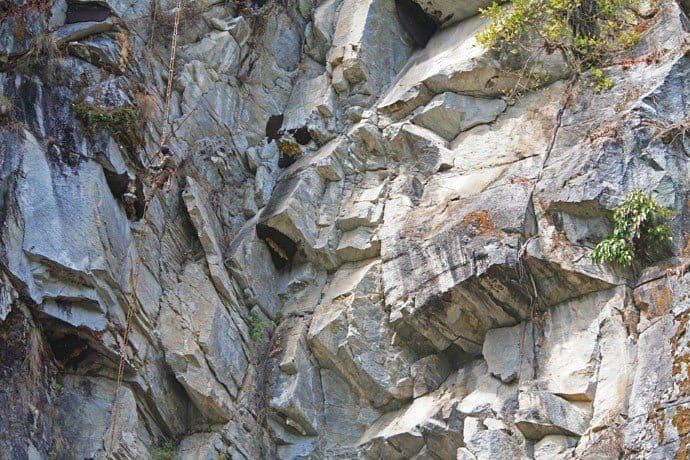
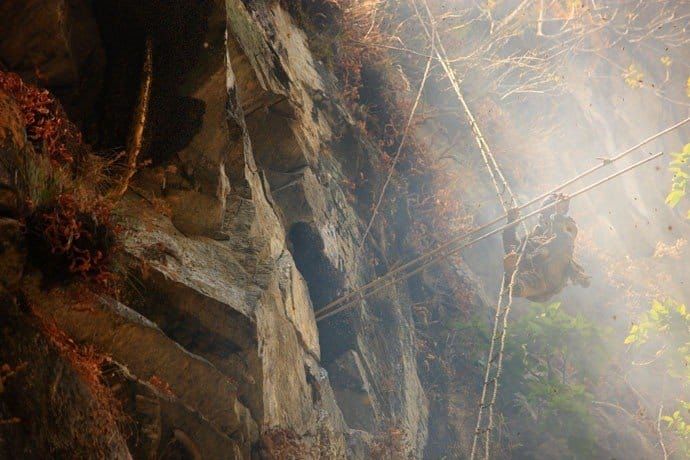
Nepal is home to the Apis Laboriosa, the biggest honey bee on the planet, and honey hunting plays a significant role in the local way of life. The bees build their hives on the cliffs of the country's foothills, which adds complexity to the honey hunting process. Local honey hunters use rope ladders and baskets to access the combs after driving the bees away with smoke from a fire underneath the hives. They carefully collect the honey treasure from the combs while dealing with territorial bees. The harvesting occurs once a year and begins with a harvest ritual that varies across towns, often starting with a prayer and the offering of flowers, rice, and fruits.
This unique aspect of Nepali culture is captivating, and tourists have the opportunity to witness the bravery of the honey hunters, explore the fascination of the Nepali landscape, and admire the intricate homes of the honey bees.




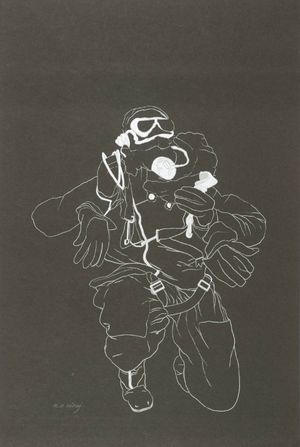
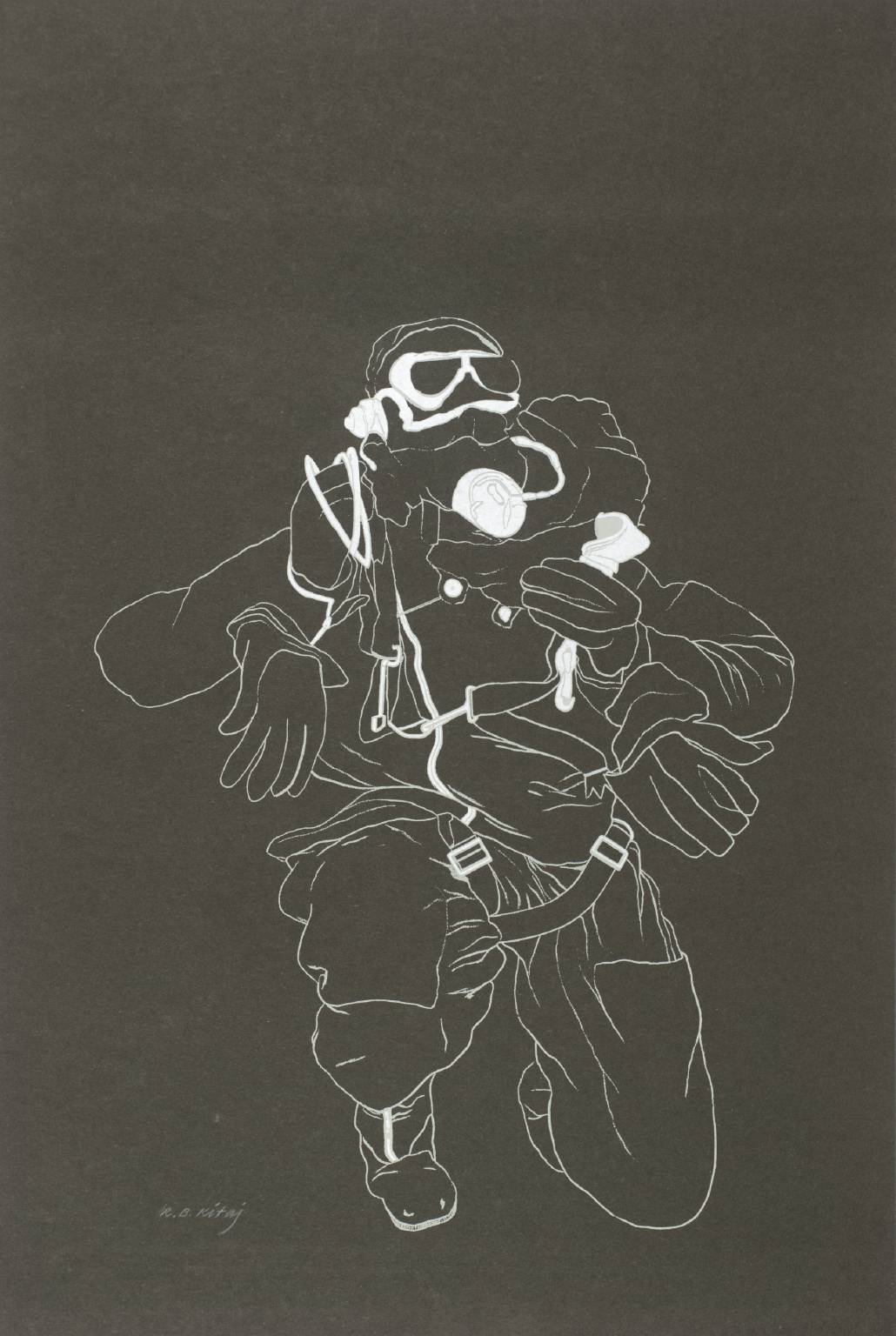
R. B. Kitaj, Disciple of Bernstein and Kautsky, 1964
Screenprint on paper
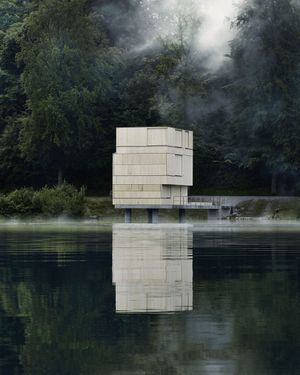
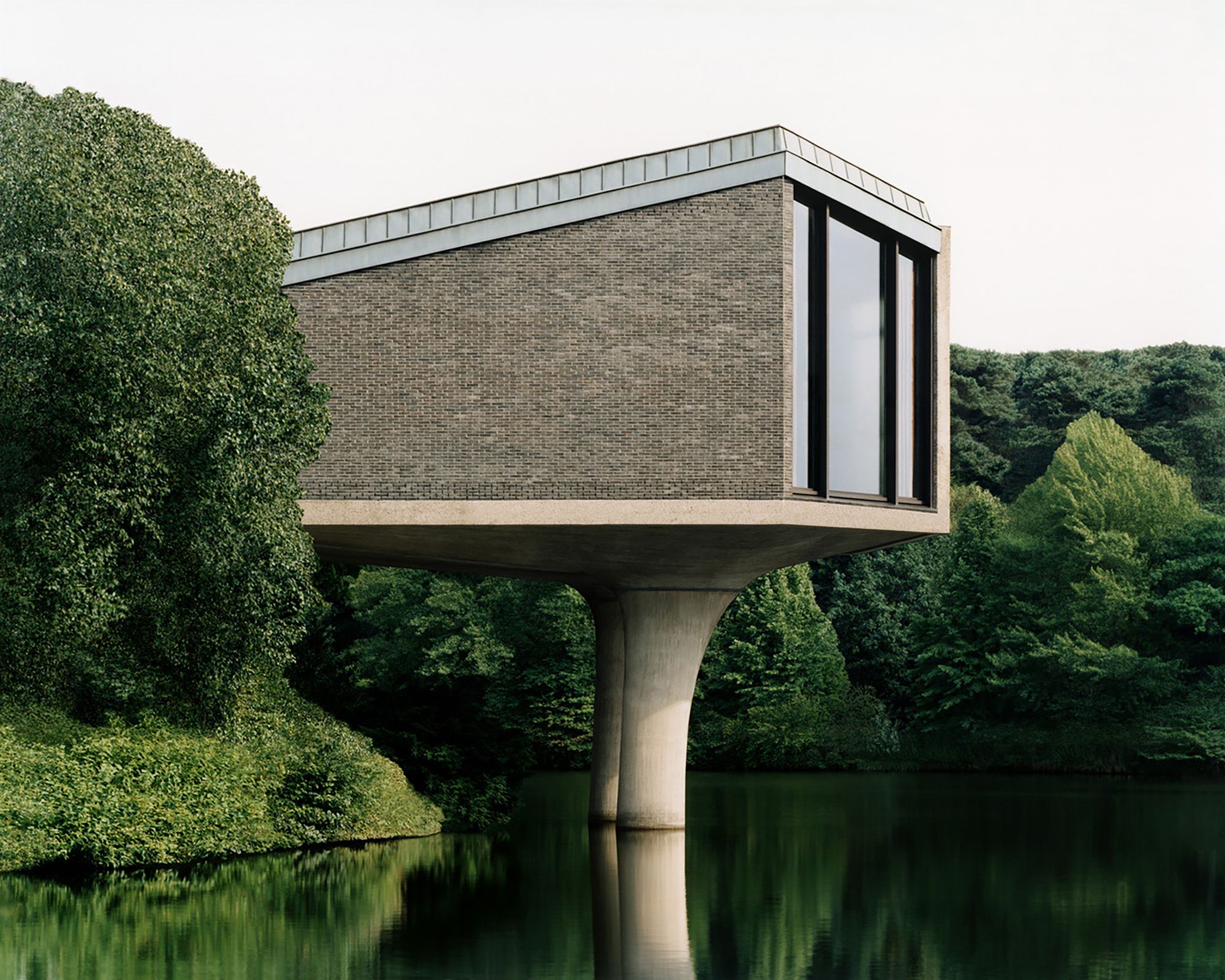
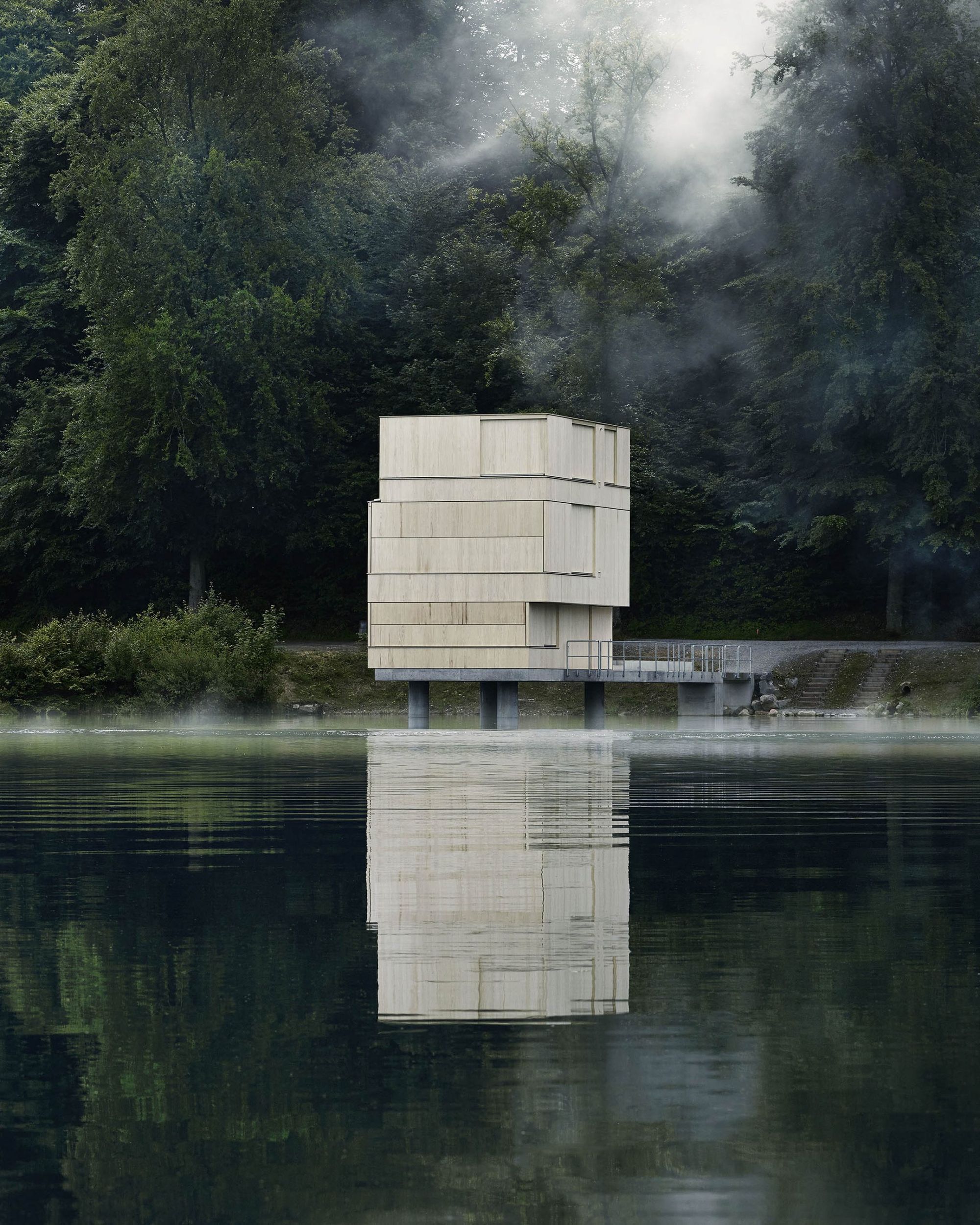
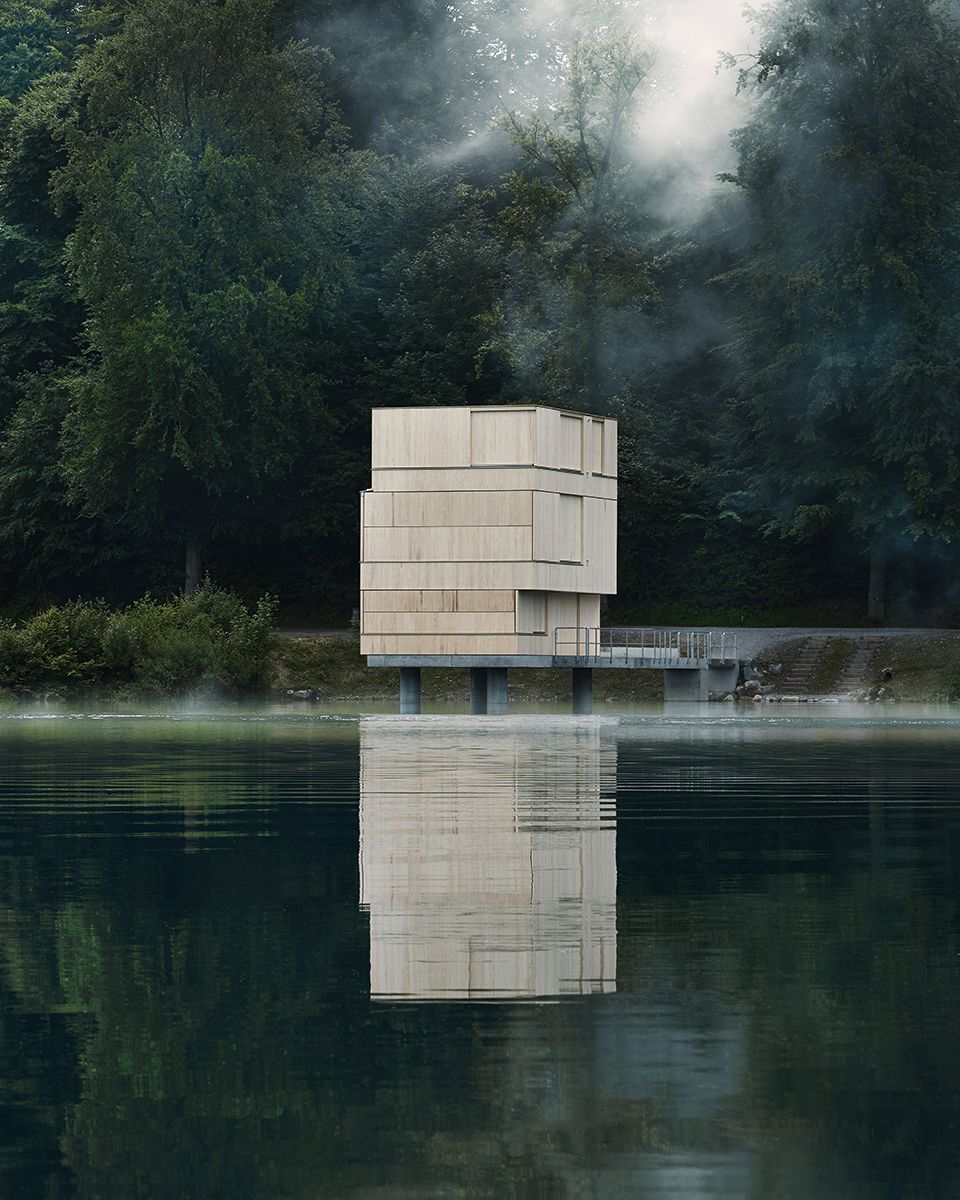
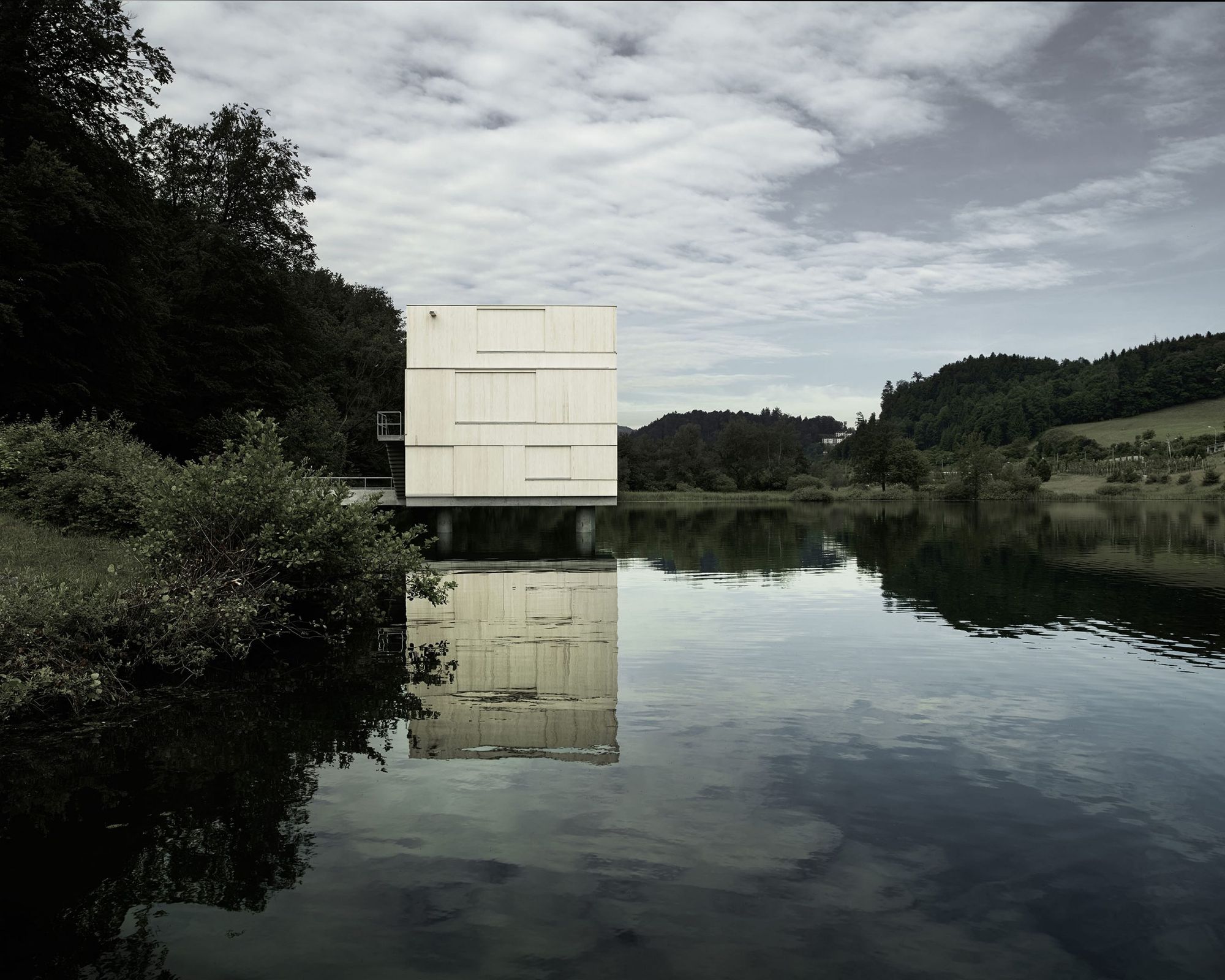
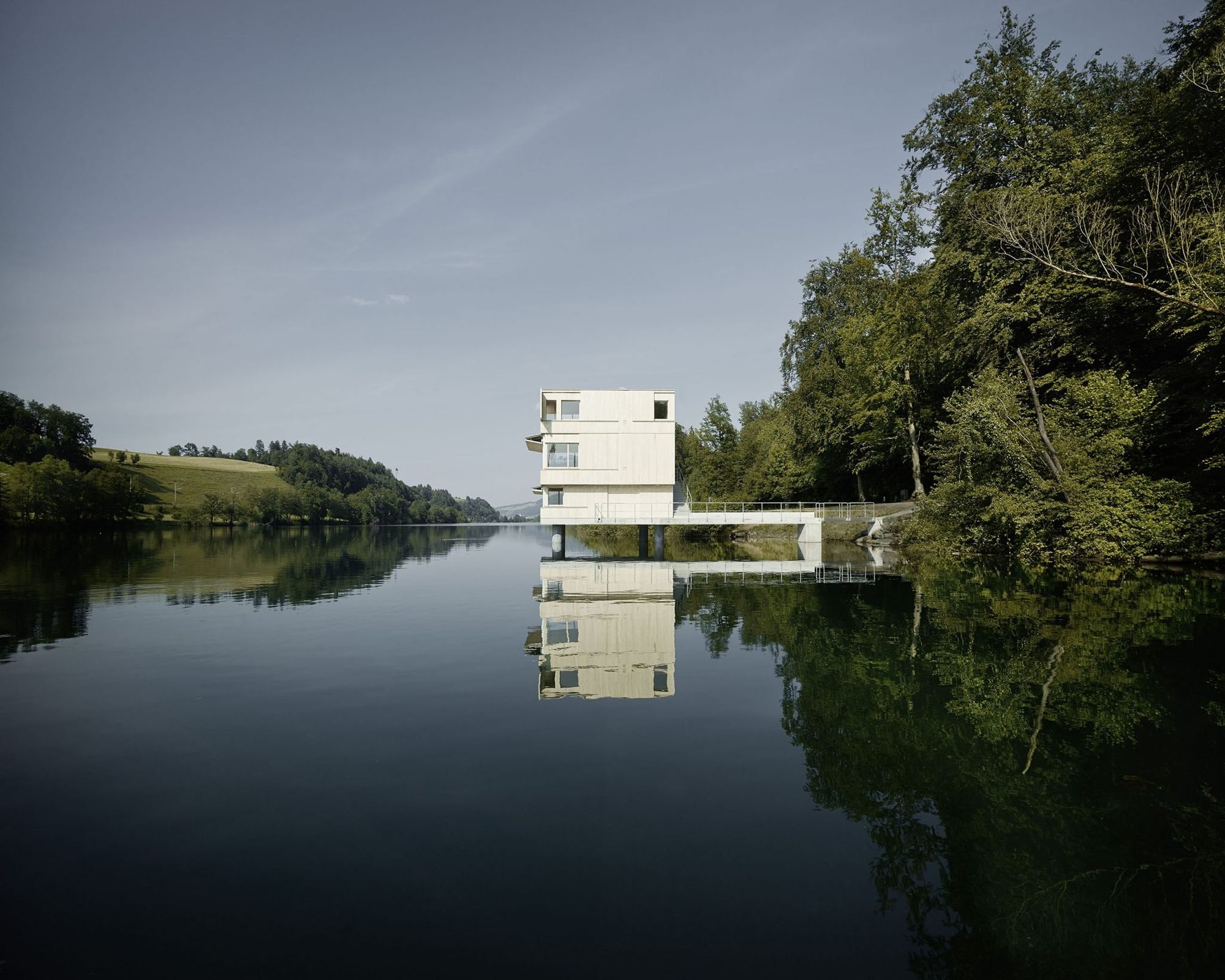
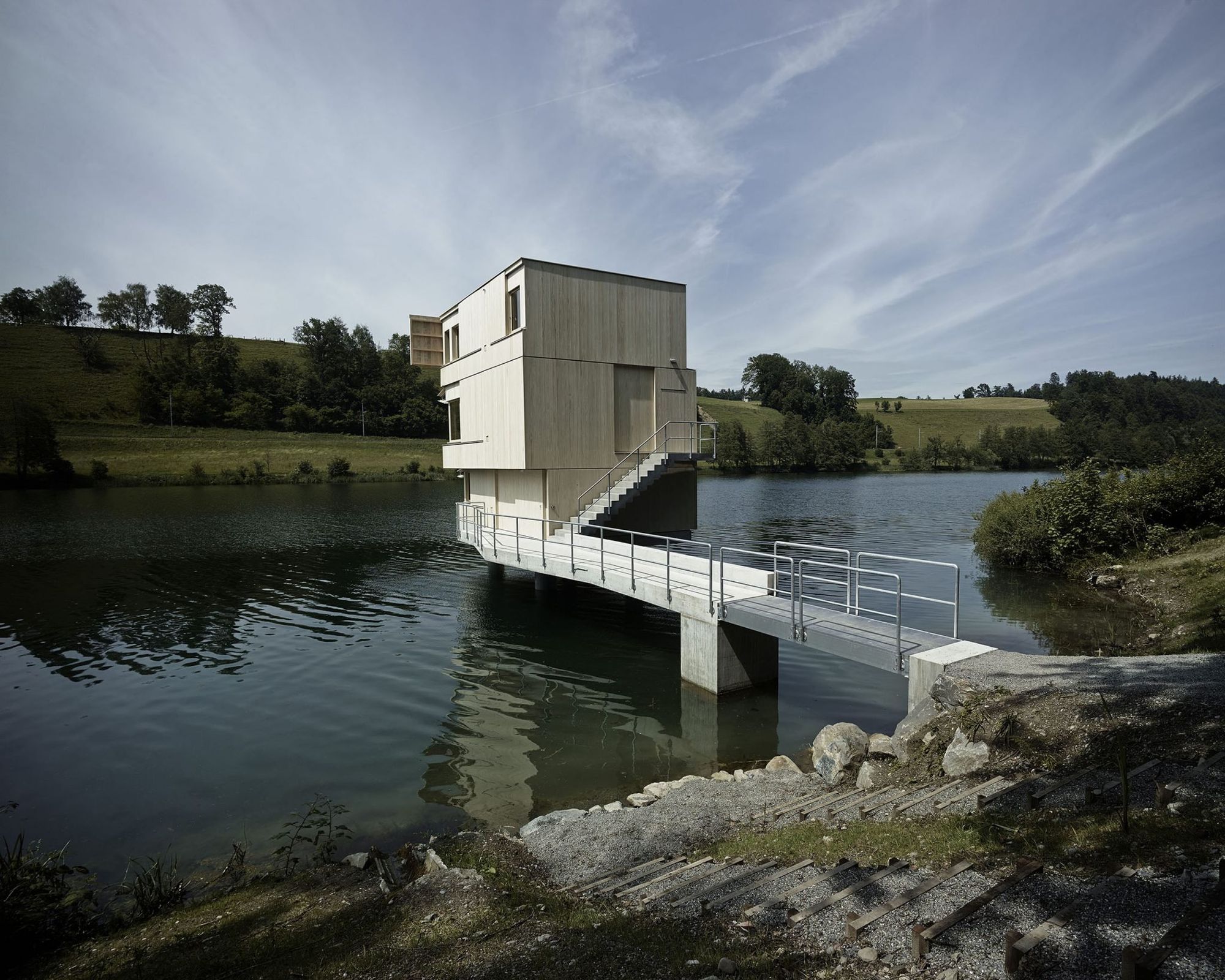
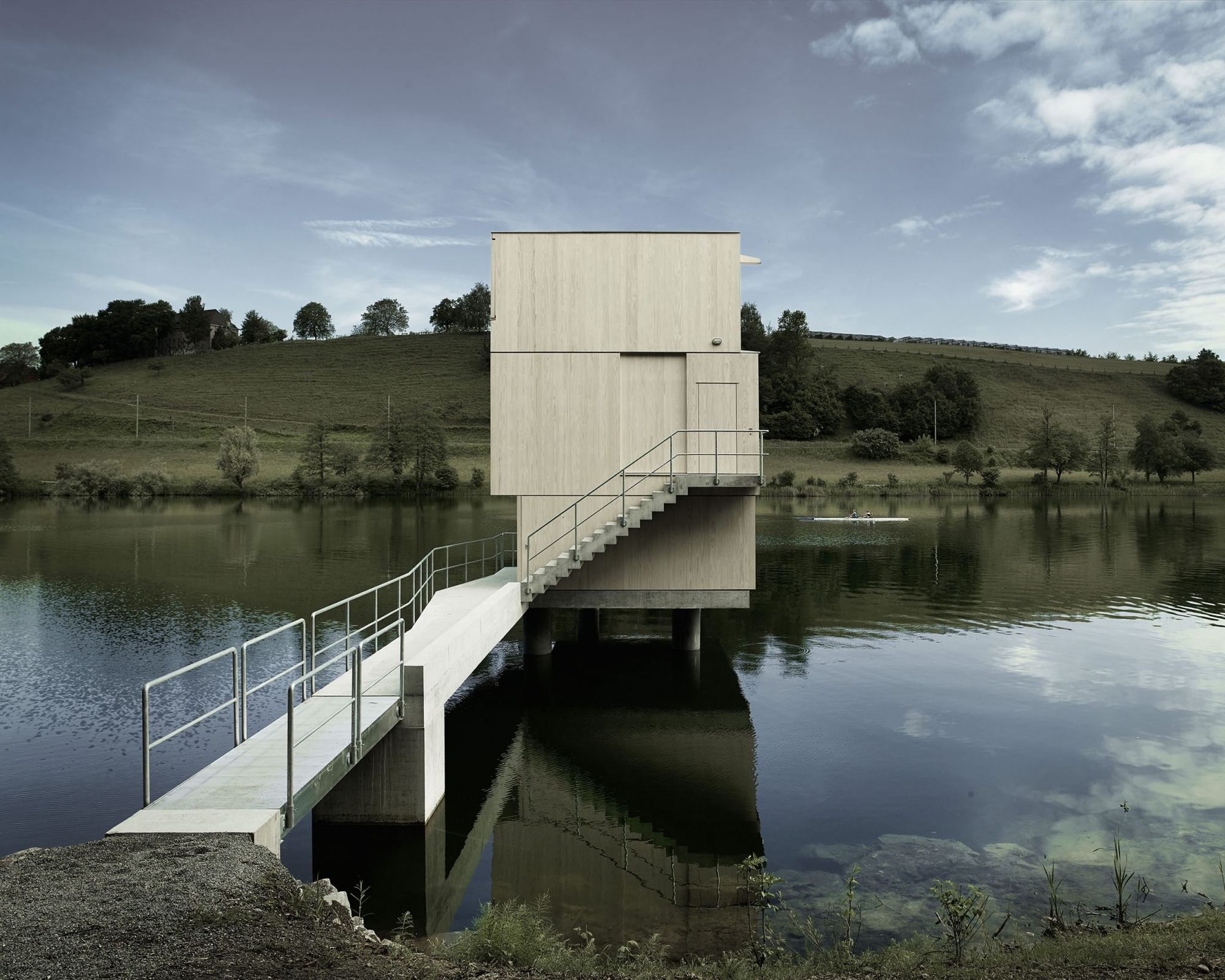
Lake Rotsee Refuge by AFGH Architekten firm
Arms 1 1999-2004 Chromogenic print Thomas Struth

Sonoya Mizuno as Dr. Azumi Fujita — Netflix MANIAC (2018)
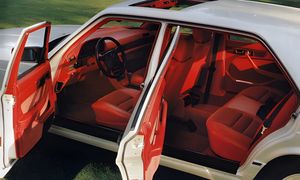
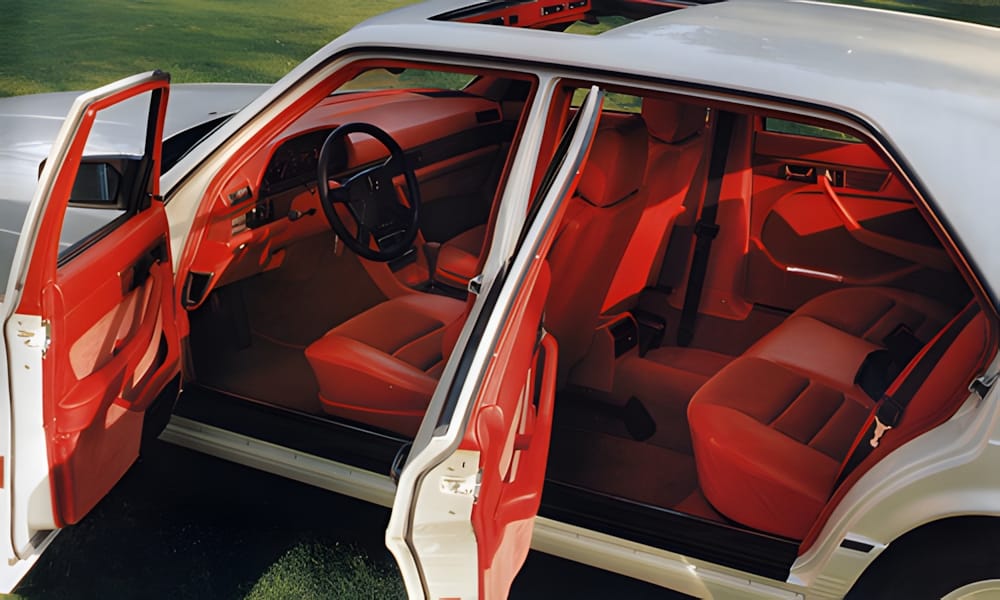
Mercedes-Benz W126 S-Class — Red Leather Interior
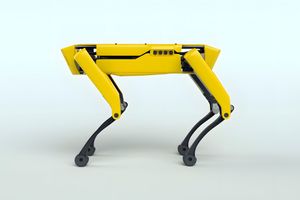
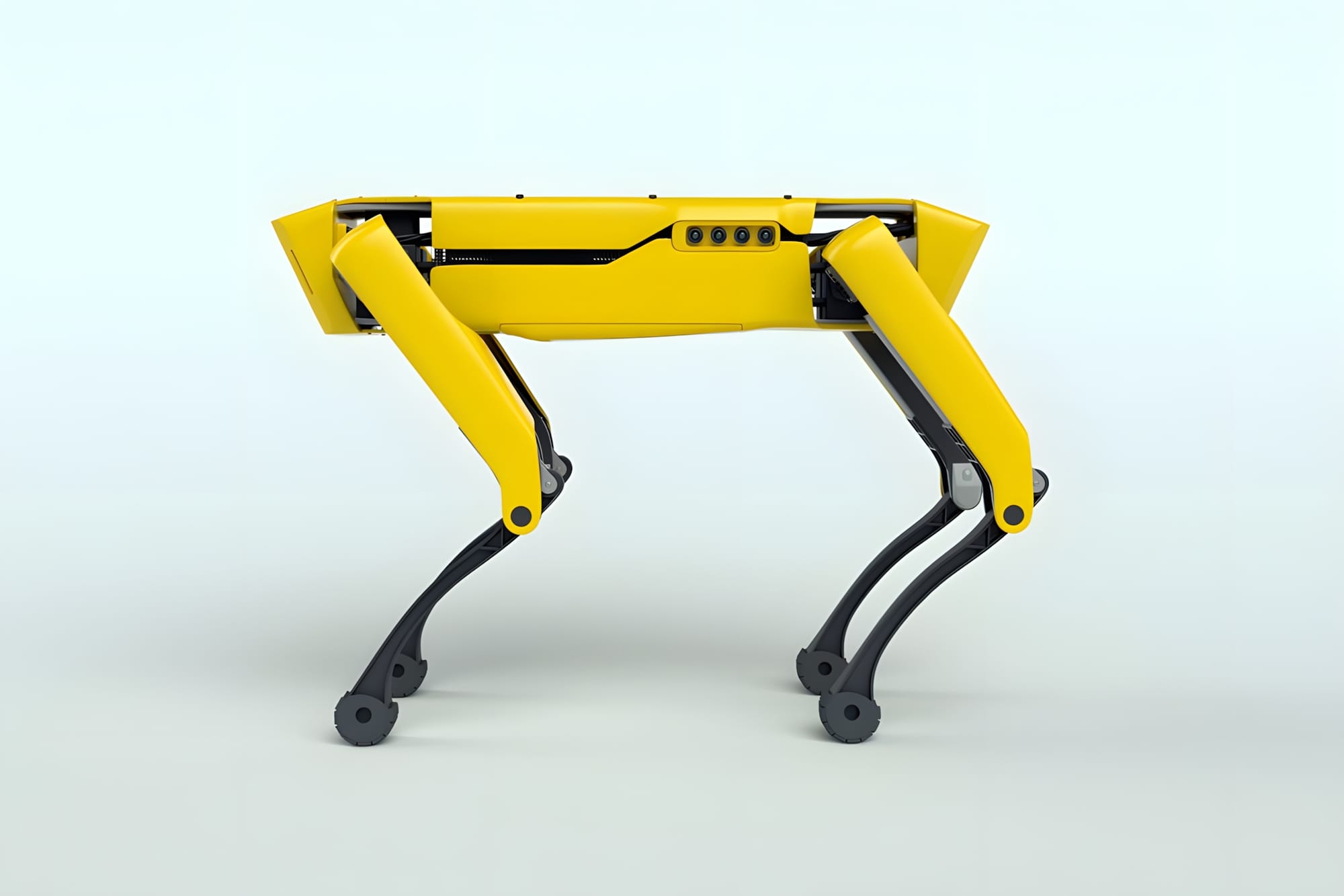
Boston Dynamics SpotMini Quadruped Robot
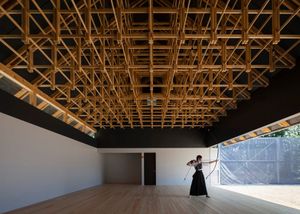
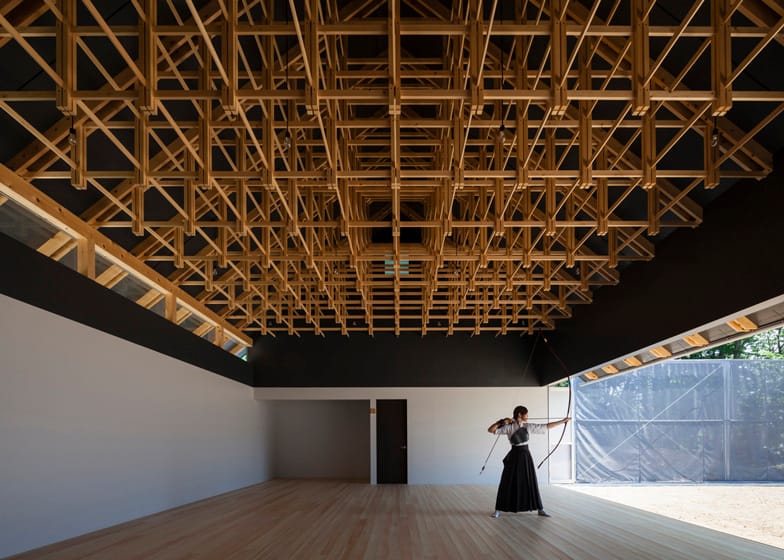
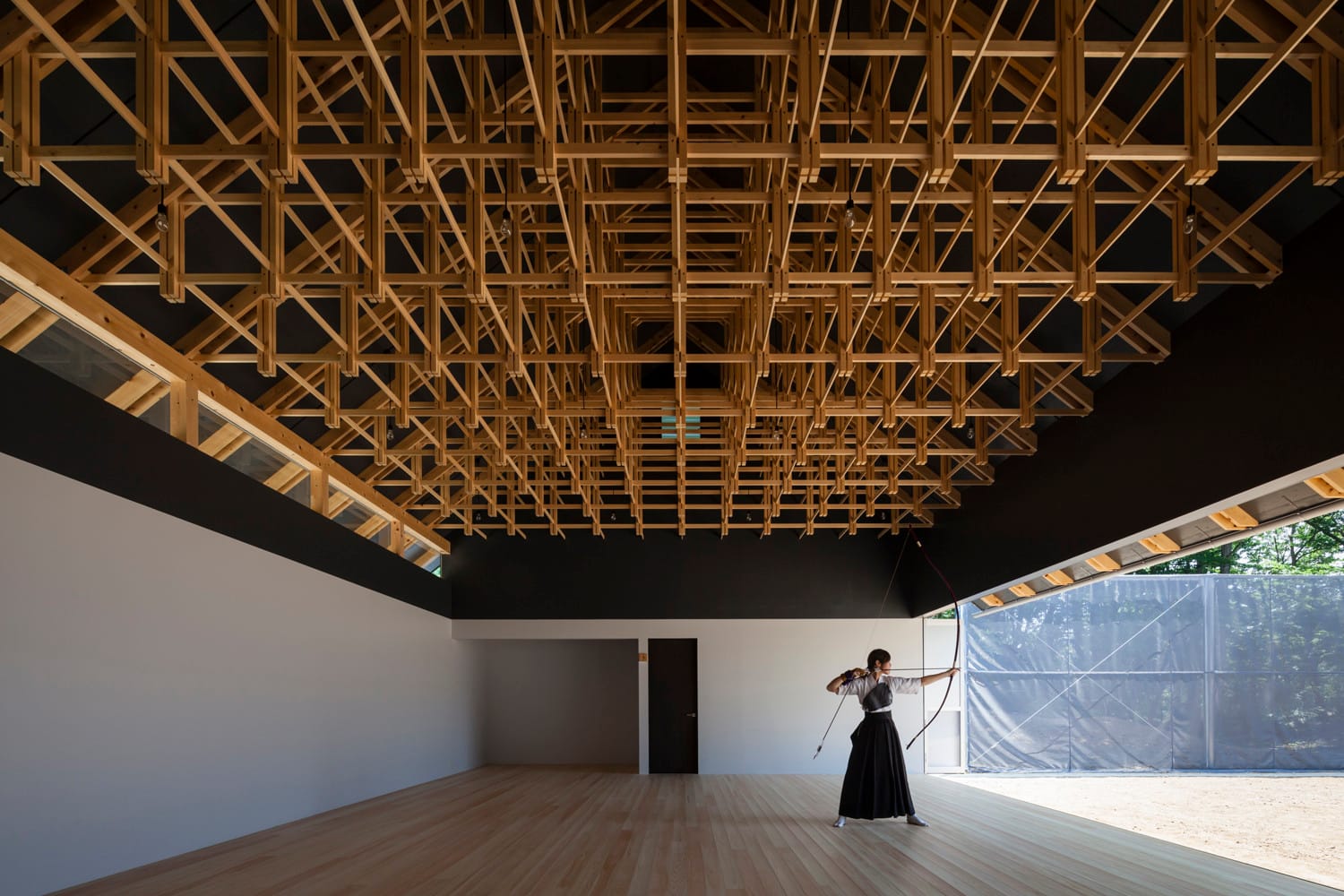
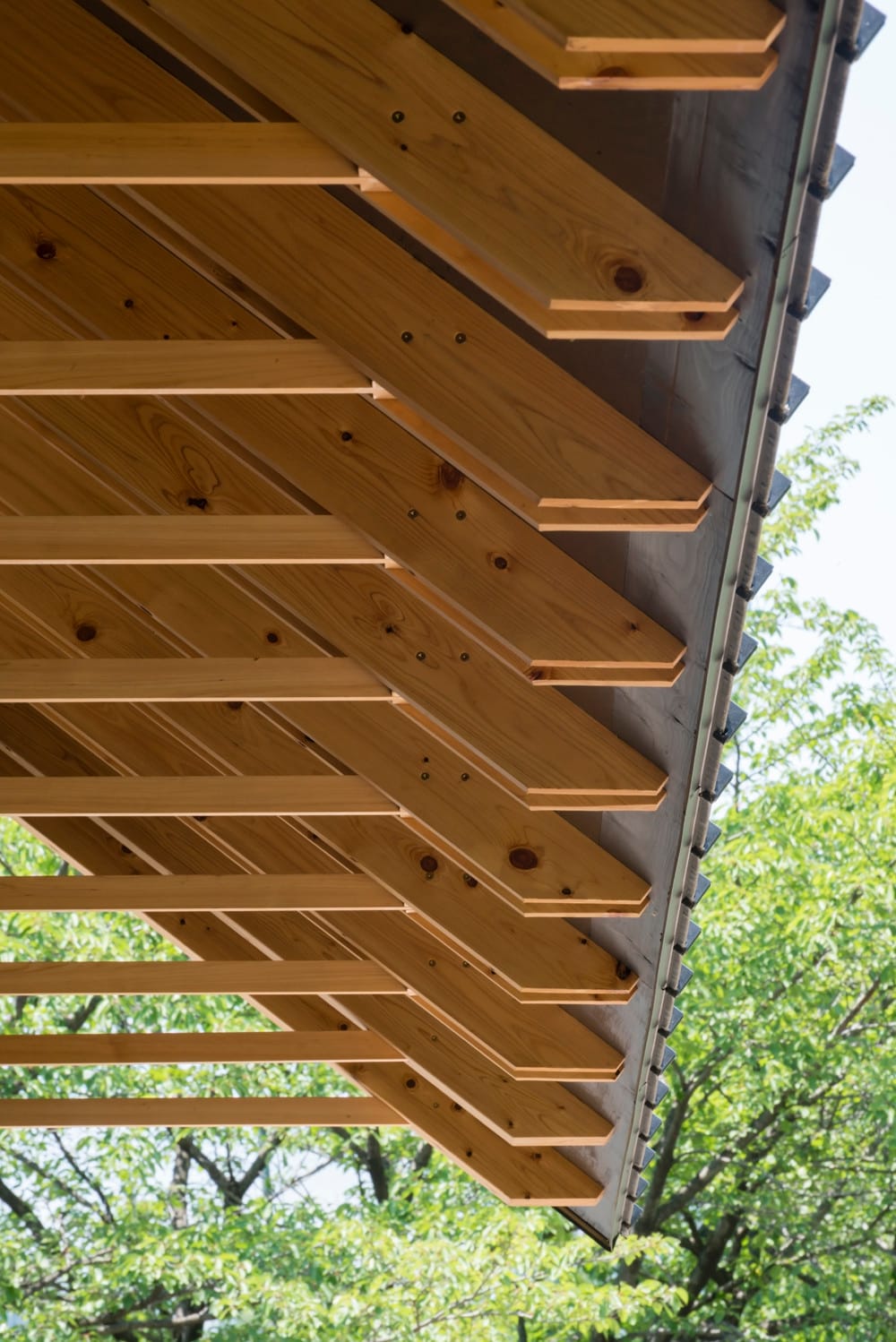
Kogakuin University Archery Hall
The Archery Hall, one of two sports pavilions FT Architects (Katsuya Fukushima, Hiroko Tominaga) built in 2013 at Kogakuin University, west Tokyo. Each is a column-free room of 7.2 by 10.8 m under an exposed timber roof of horizontal and vertical members, bolt-and-nut jointed. The archery hall uses small timber sections normally used for furniture. Photographs by Shigeo Ogawa.

Thomas Demand
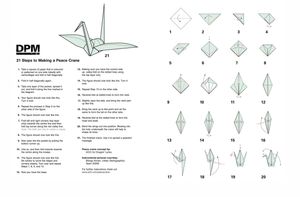
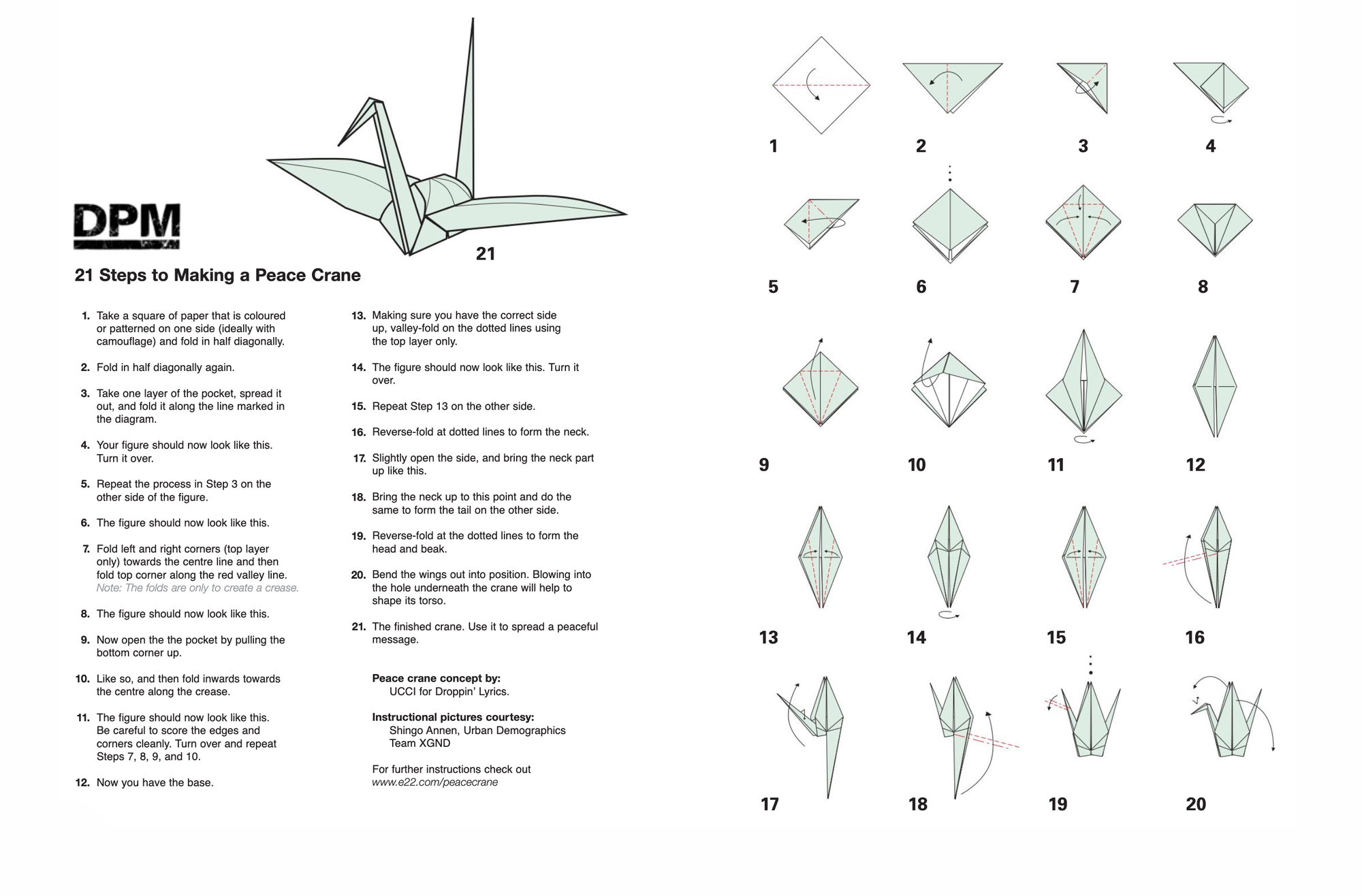
DPM PEACE CRANE OPERATION
created by urban demographics / original concept by UCCI for droppin' lyrics
In the Age of Hawk vs. Dove, the Crane Rises
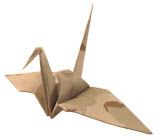
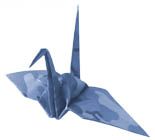
Operation Peace Crane is a grassroots project designed to spread the the Origami Peace Crane throughout the physical and cyber world. Since its invention centuries ago, with roots dating back even further, the paper crane has been by far the most popular fold, and has come to symbolize peace around the world. Most notably, thousand-linked cranes are delivered to atomic bomb sites and Hiroshima and Nagasaki, as the need for a nuclear-free, peaceful world becomes more relevant yet.
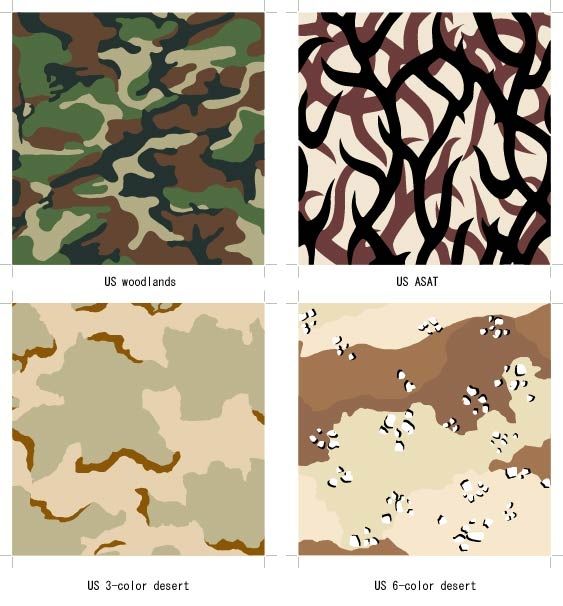
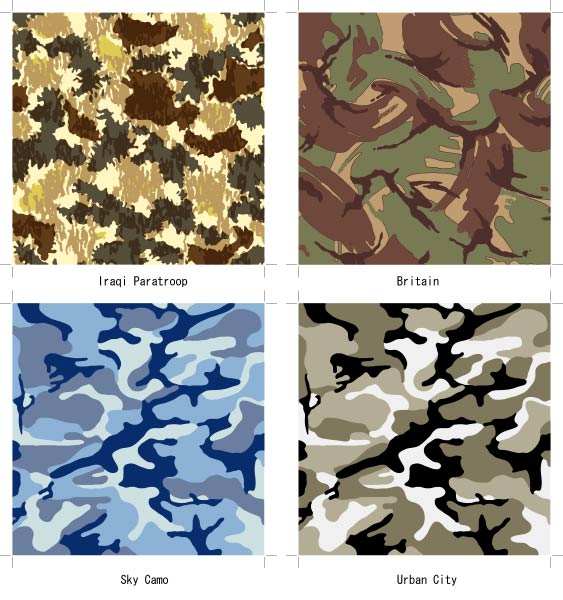
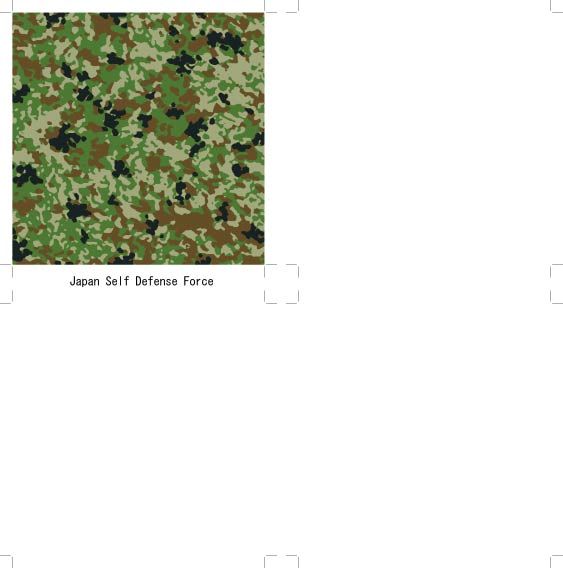
Normally, origami cranes are folded using colorful origami paper, and traditional patterns. We hereby propose a new movement by spreading the crane with camouflage patterns of military around the world. Using the camouflage on the cranes represents the irony of war and peace that are inherent in our society, as if one cannot exist without the other. Today, we must confront the stark reality that the military complex is a worldwide industry, sponsored by the government (not to mention tax payers), which in turn supports the lifestyles of the unassuming public. We must not forget that we share equal responsibility in the proliferation of arms in the world today . We also understand that the mere presence of military force overseas alarm the foreign citizens and governments, instead of stabilizing politically volatile areas. Upon further introspection into the history of camouflage, its evolution and adaptation of design to the ever-changing political balance is parallel to the way humans have adjusted to the economical needs of the world, only to stray away from values of nature, ironically. It must also be noted that the camouflage patterns used herein do not represent any political messages, except for those calling for immediate and everlasting peace.
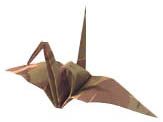
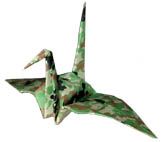
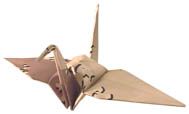
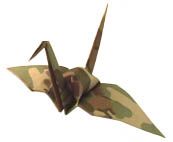
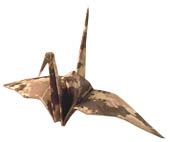
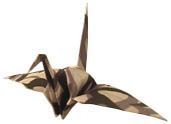
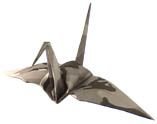
Reality is not immutable like a rock, rather it is dynamic like water. Although it may be a strong force, we can shape the future by taking part in it, no matter how small the drop. We sincerely hope that this project, done literally by the hands of the people, would reach the hearts of those who desperately seek peace, as we speak. Lastly, the only way to reach true peace will not come from agitated fear, but from true knowledge and inner peace.
Jean Paul GAULTIER KYOTO BAL (2002)

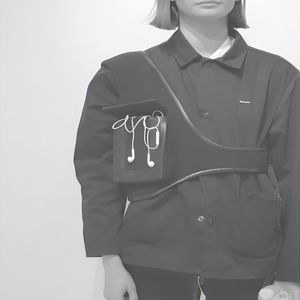
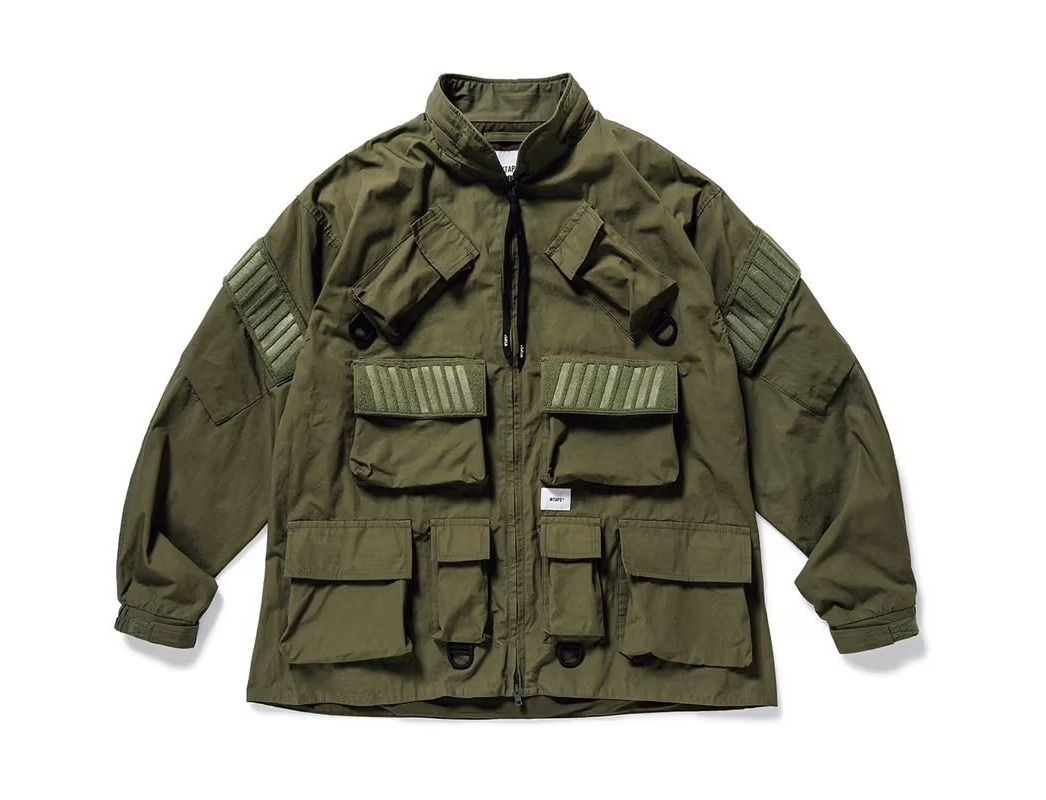
NEIGHBORHOOD Utility Vest
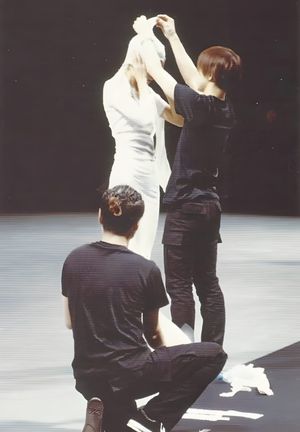
Issey Miyake Spring/Summer 1999 — A-POC Runway
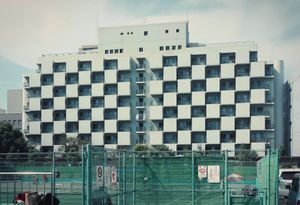
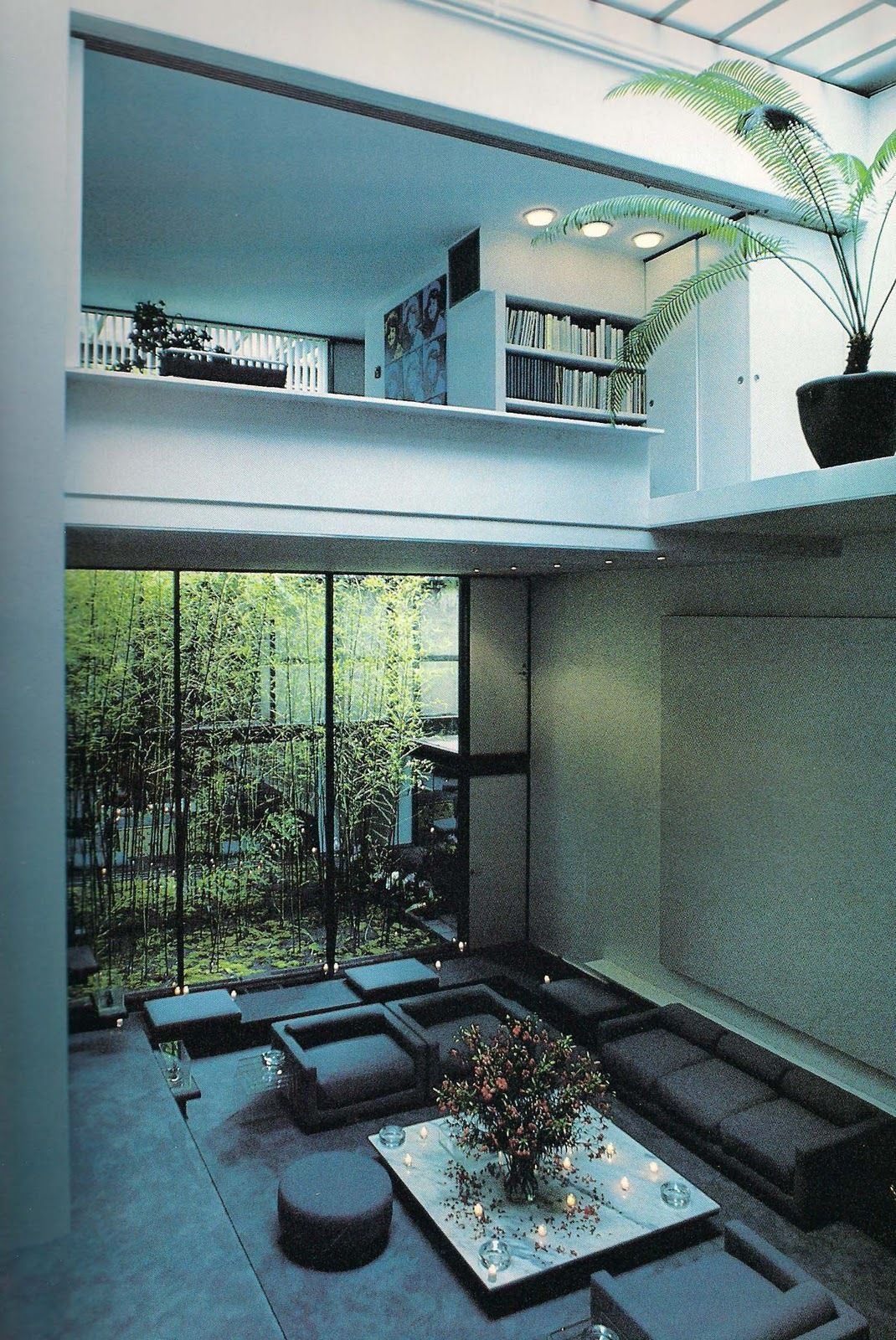
Sumitomo Hospital Seisen-ryo Apartments
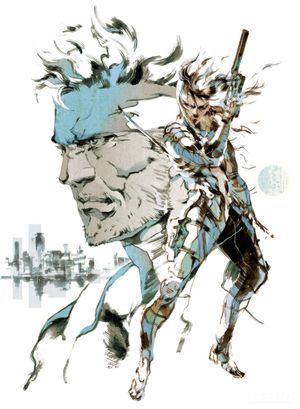
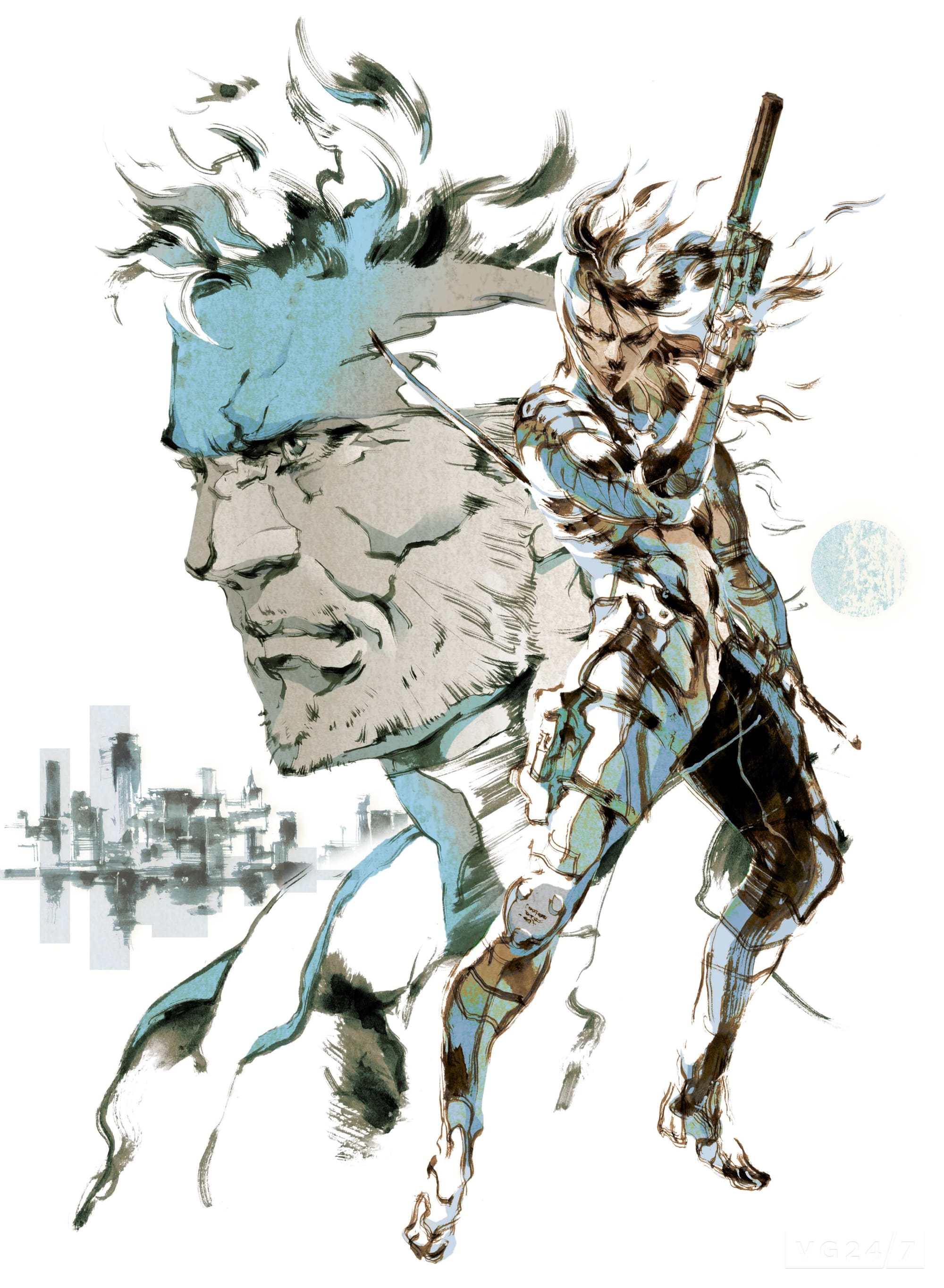
Metal Gear Solid by Yoji Shinkawa
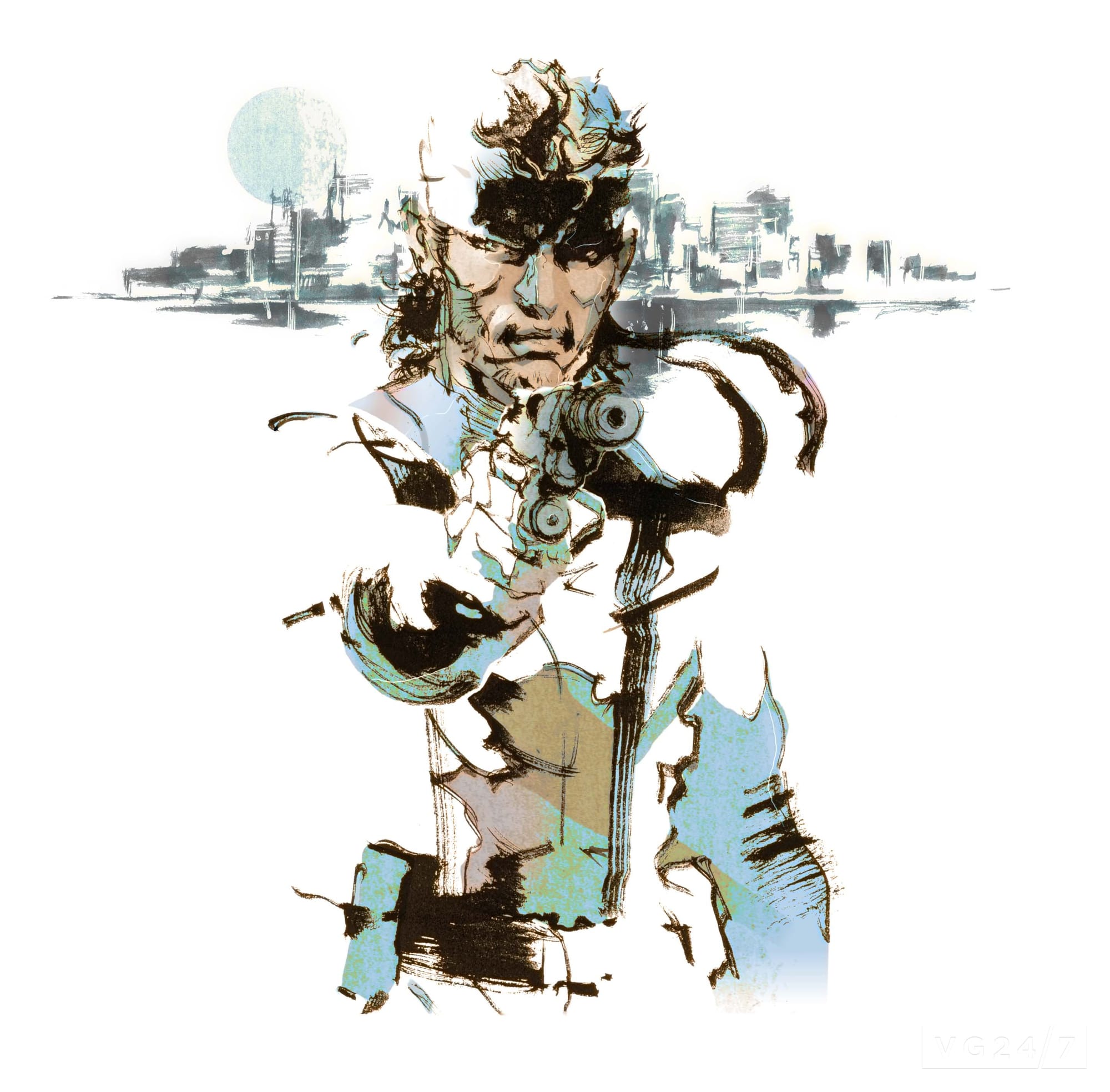
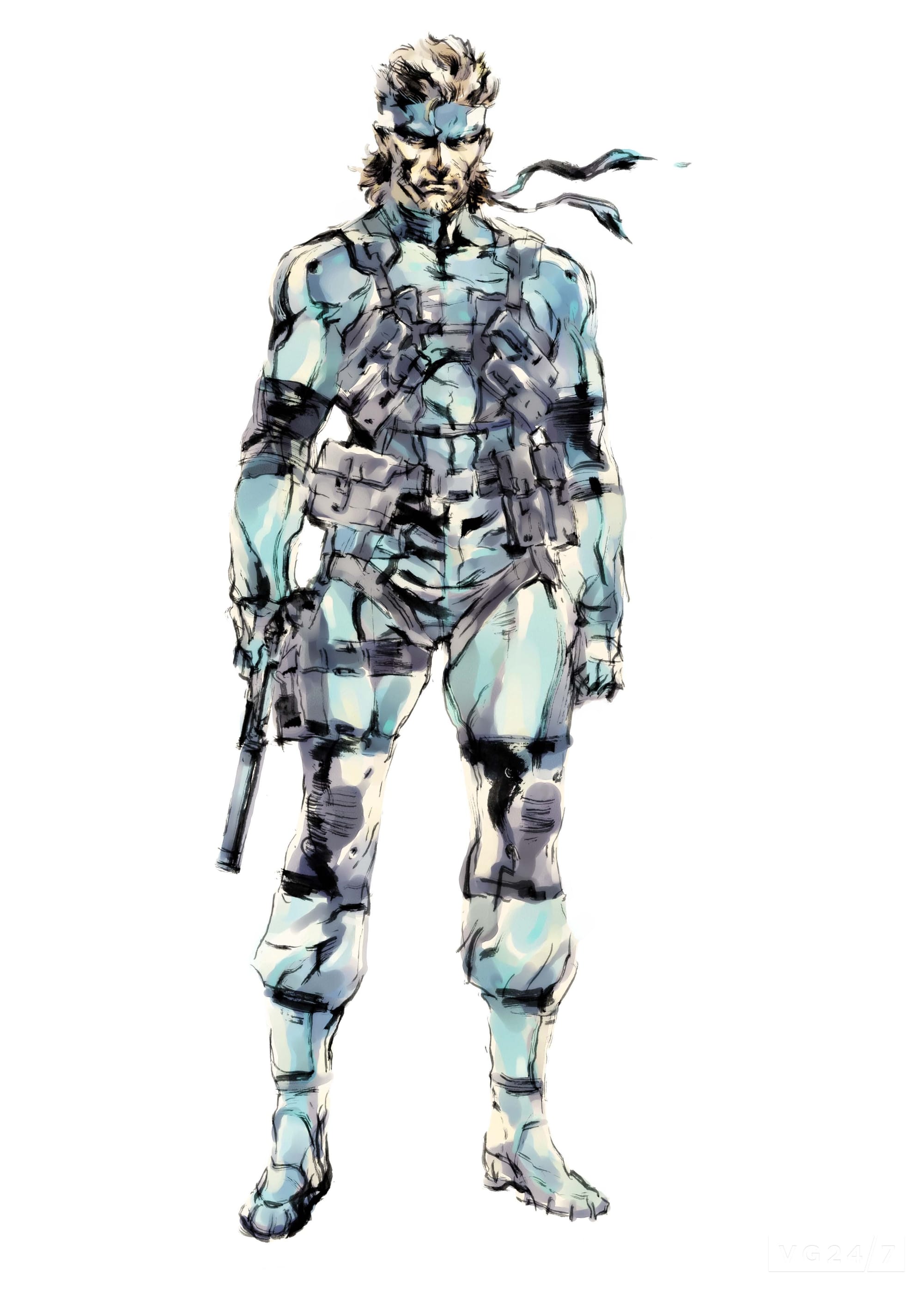
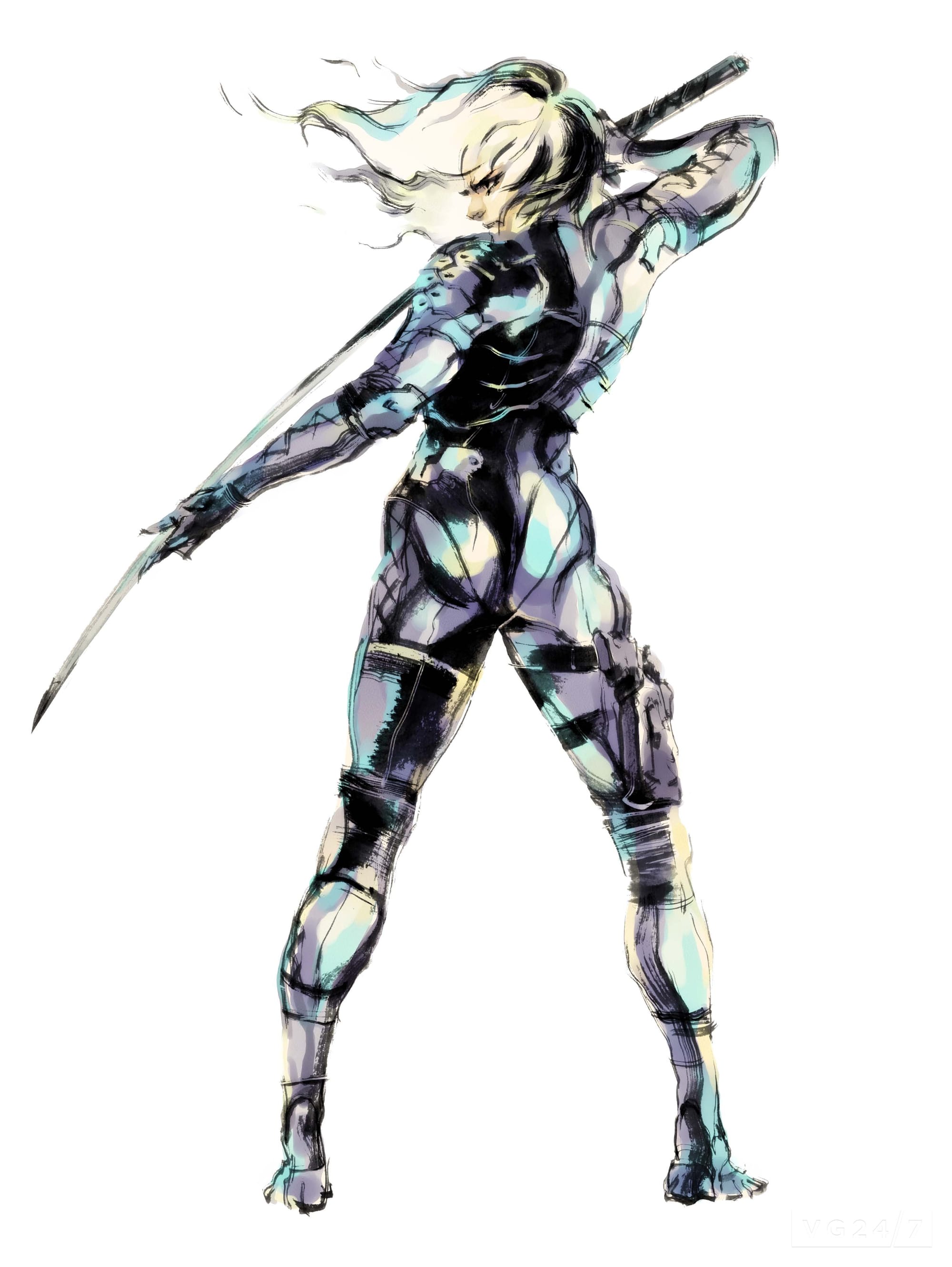
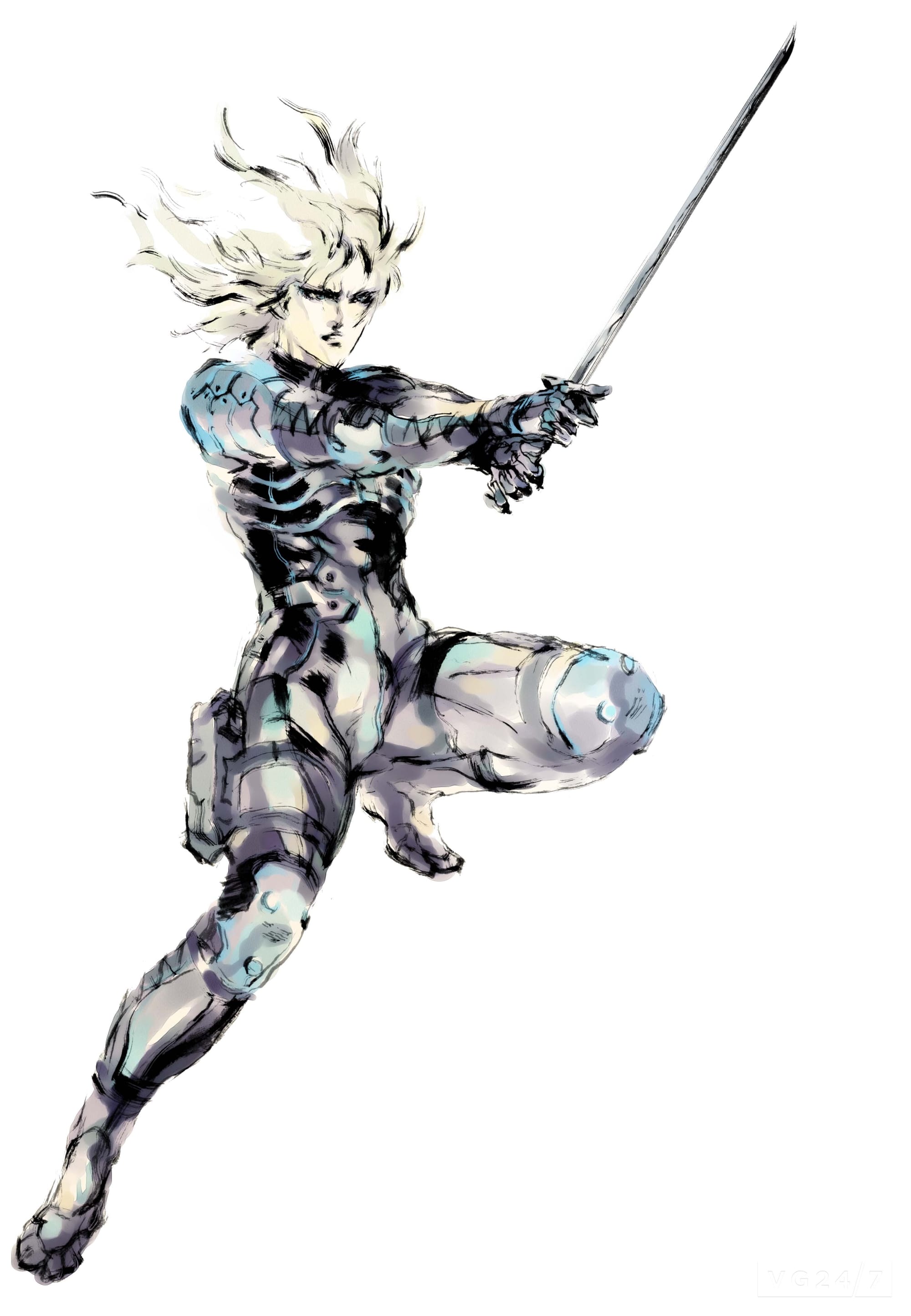
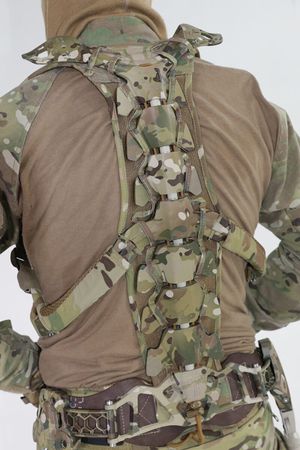
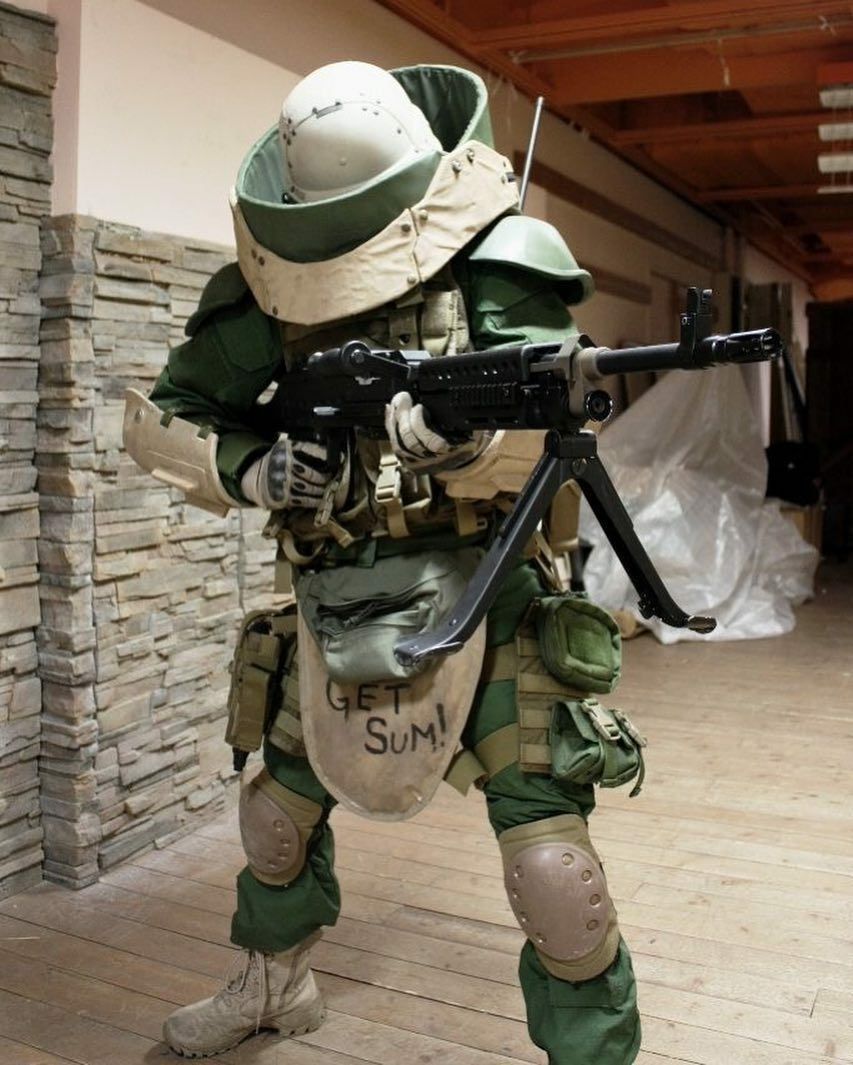
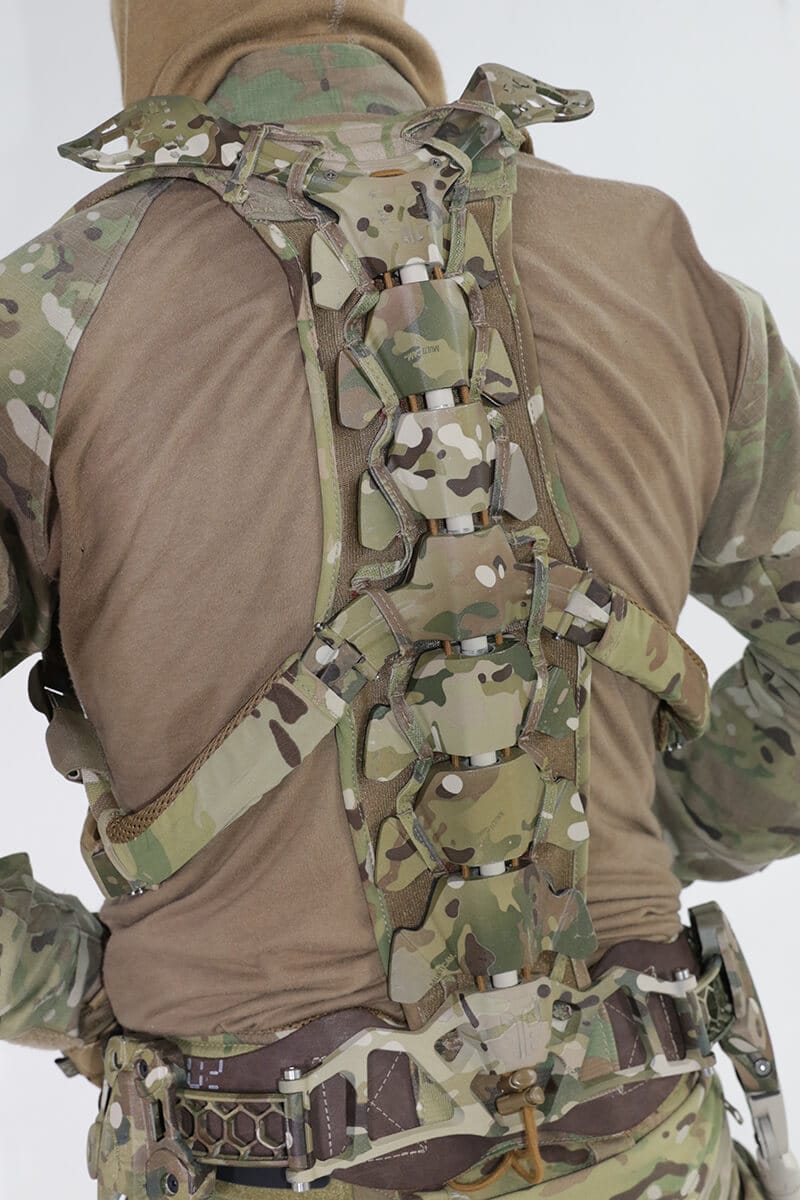
Mawashi UPRISE Tactical Exoskeleton
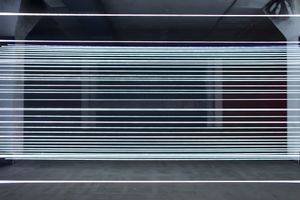
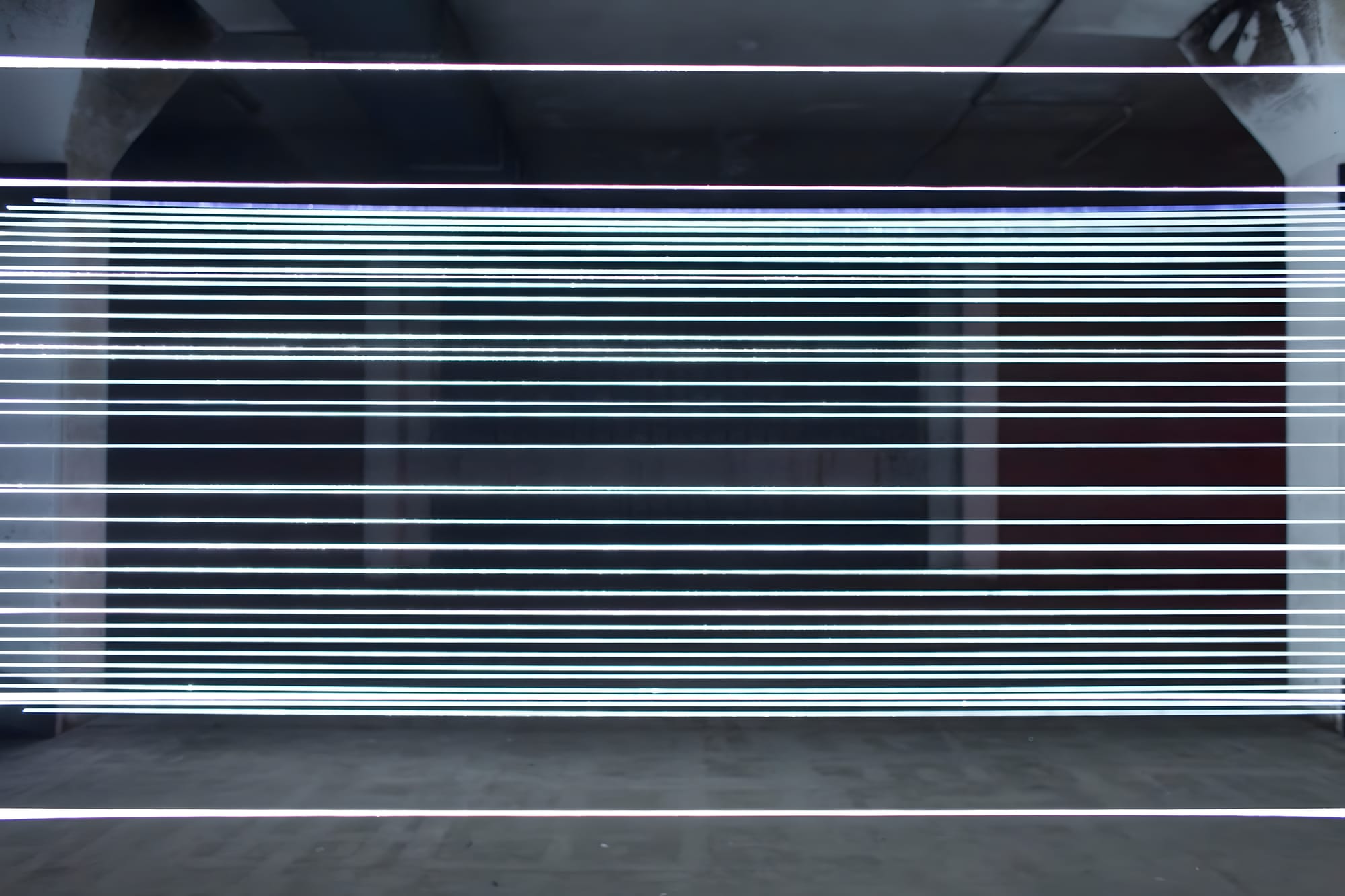
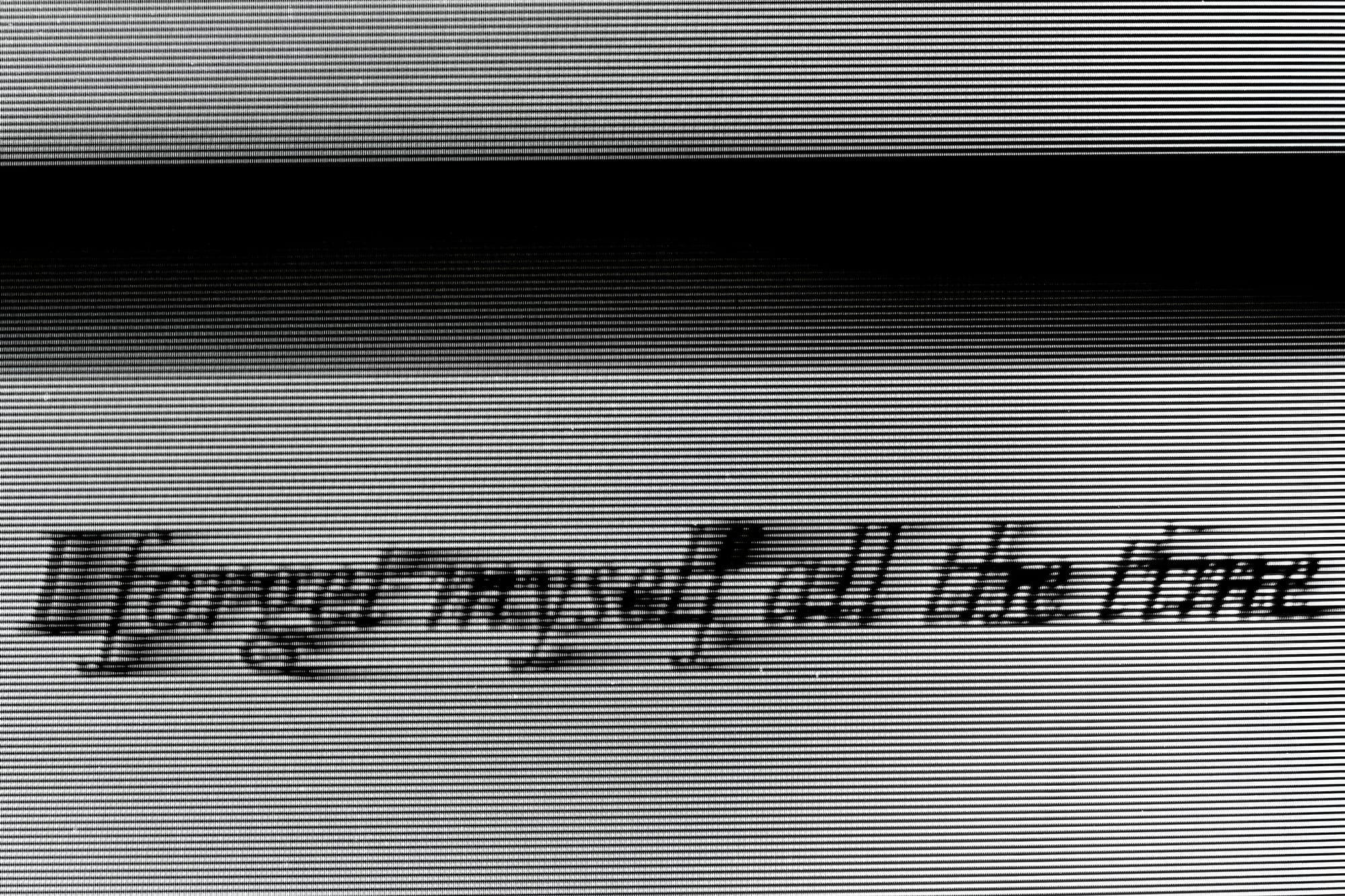
Ryoji Ikeda — test pattern
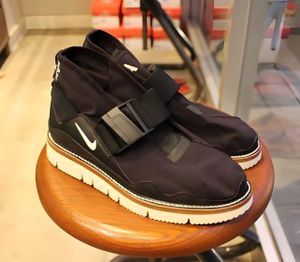
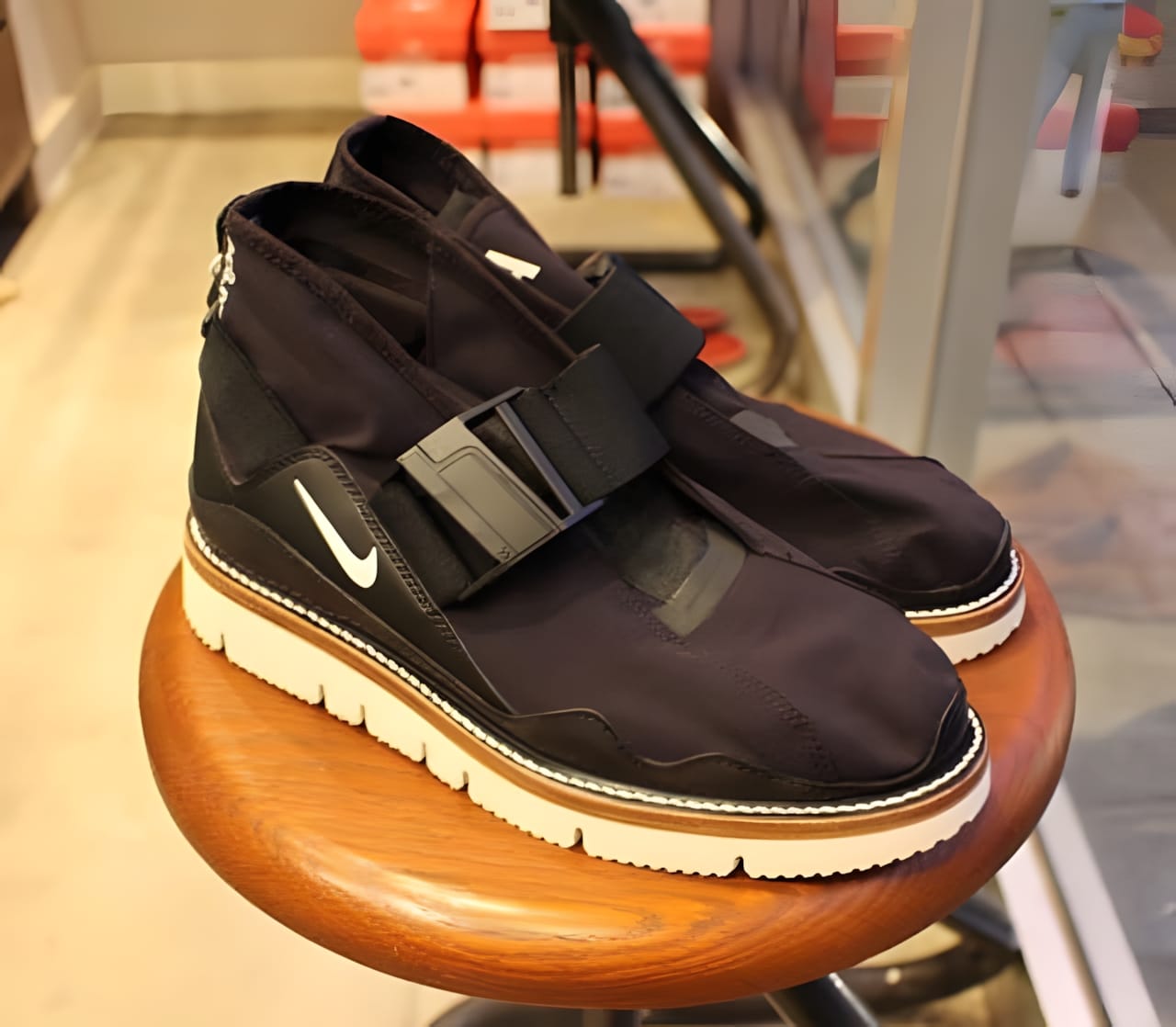
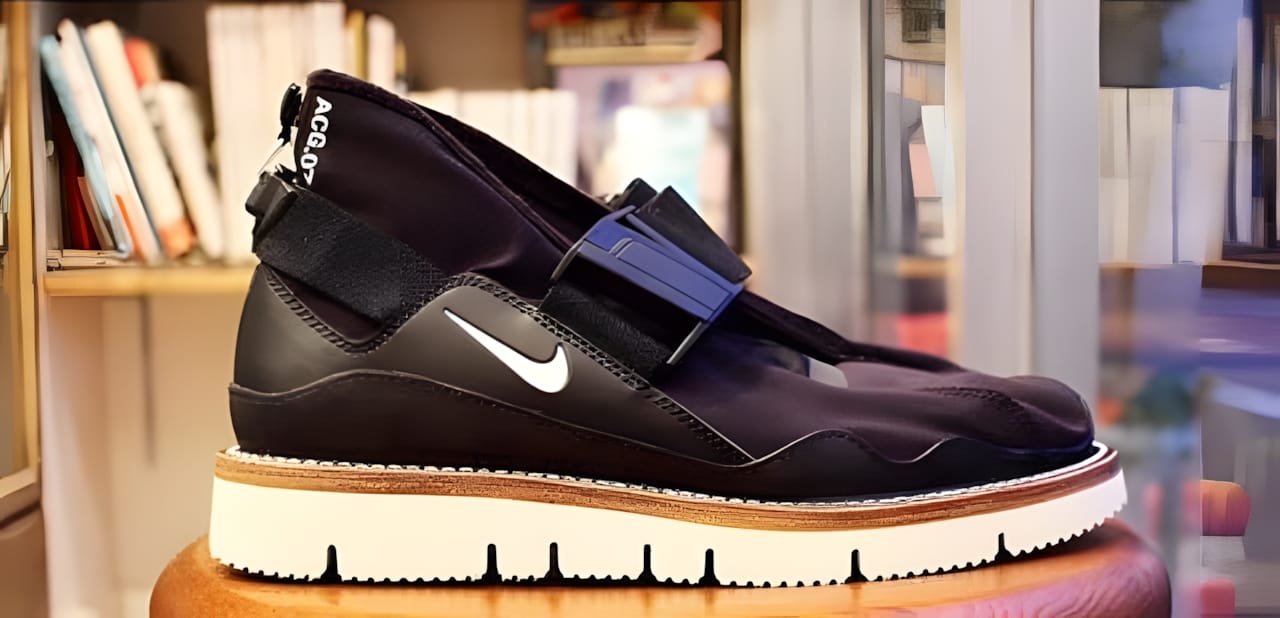
Nike Komyuter Black/Summit White (AA2211-001)
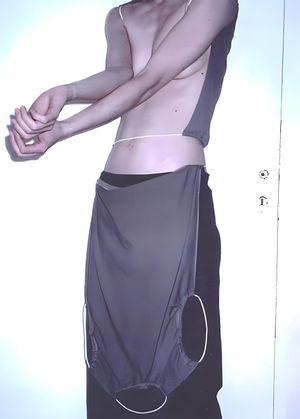
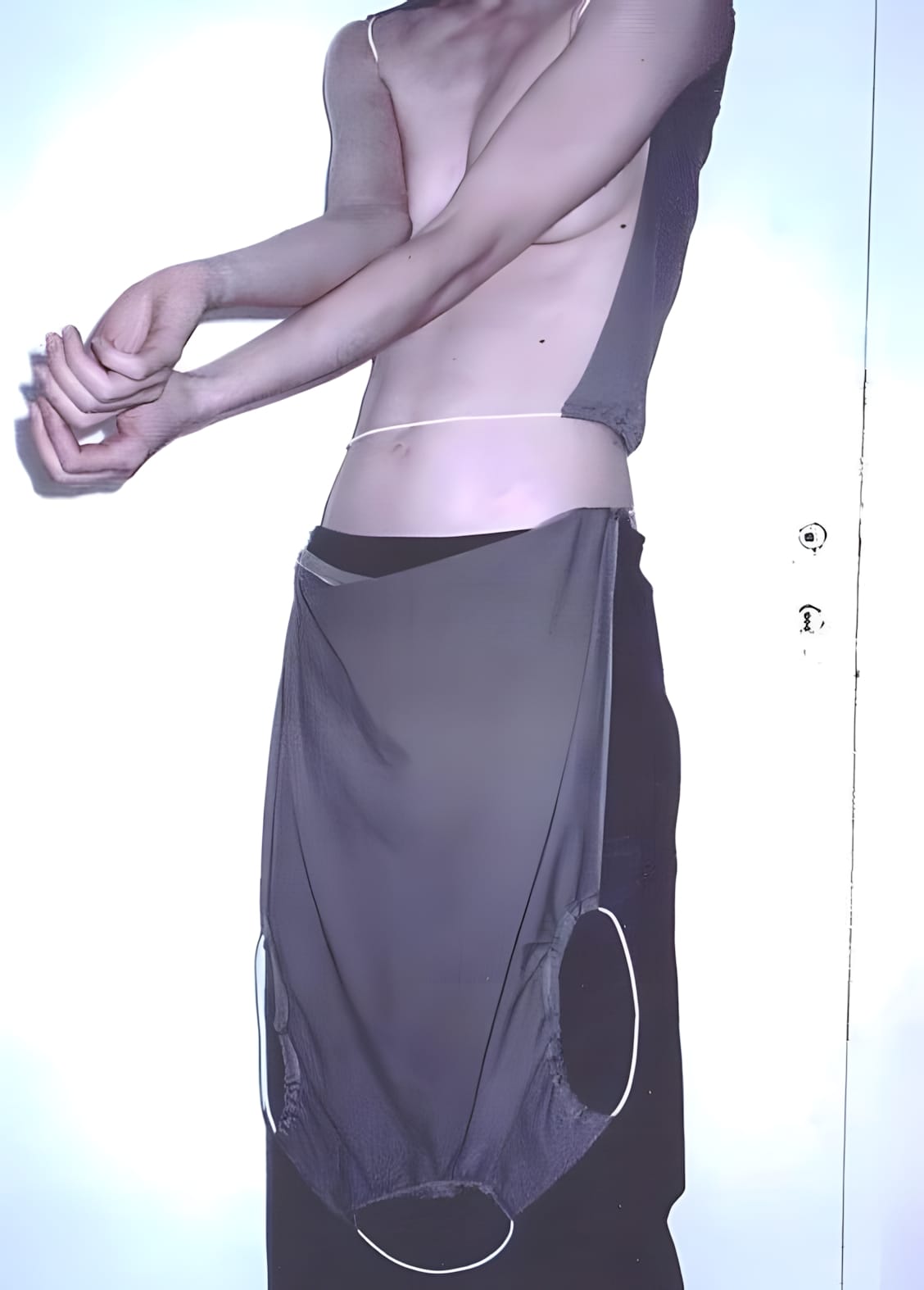
Rick Owens Draped Wrap Skirt, circa 1998
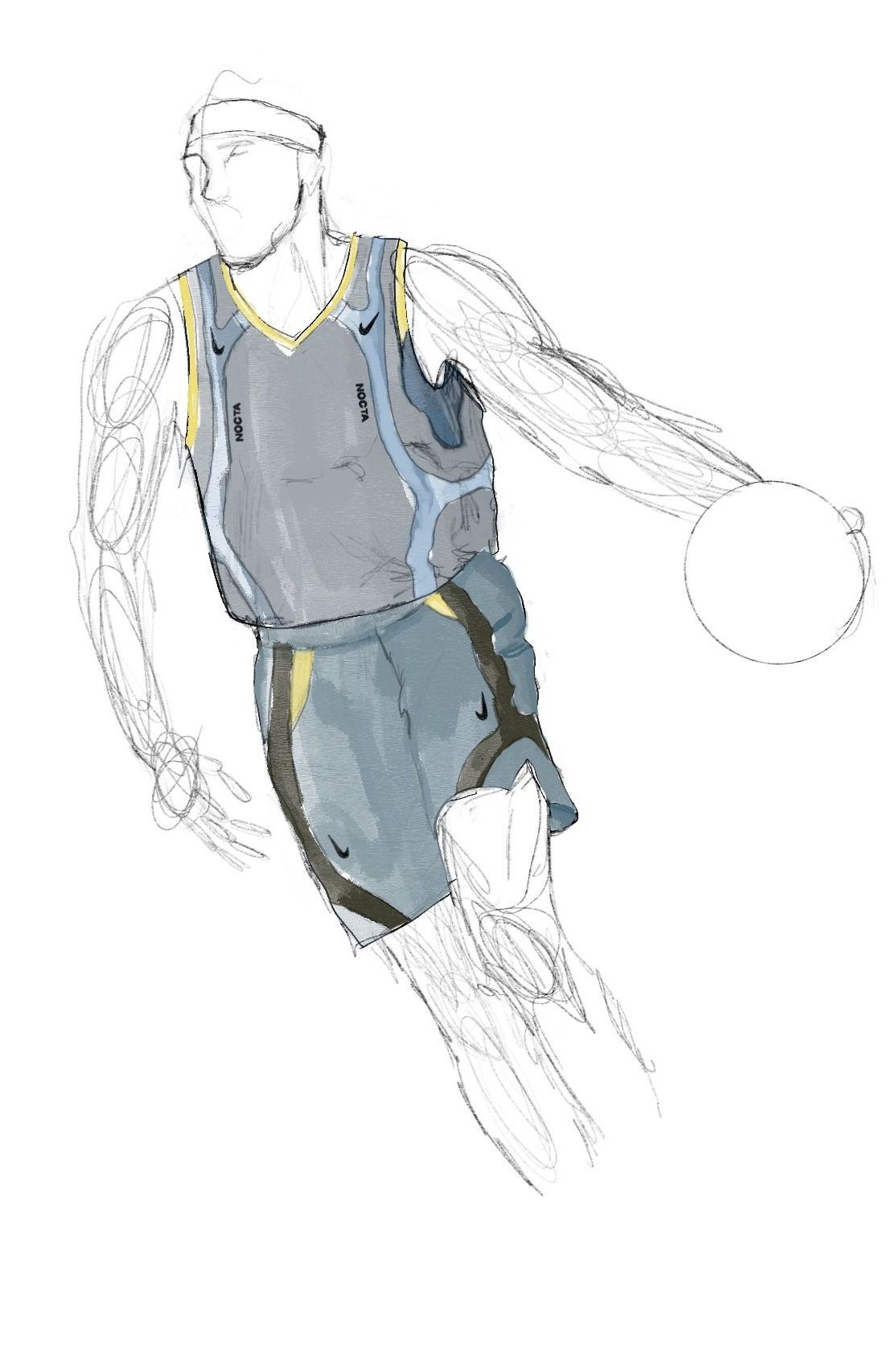
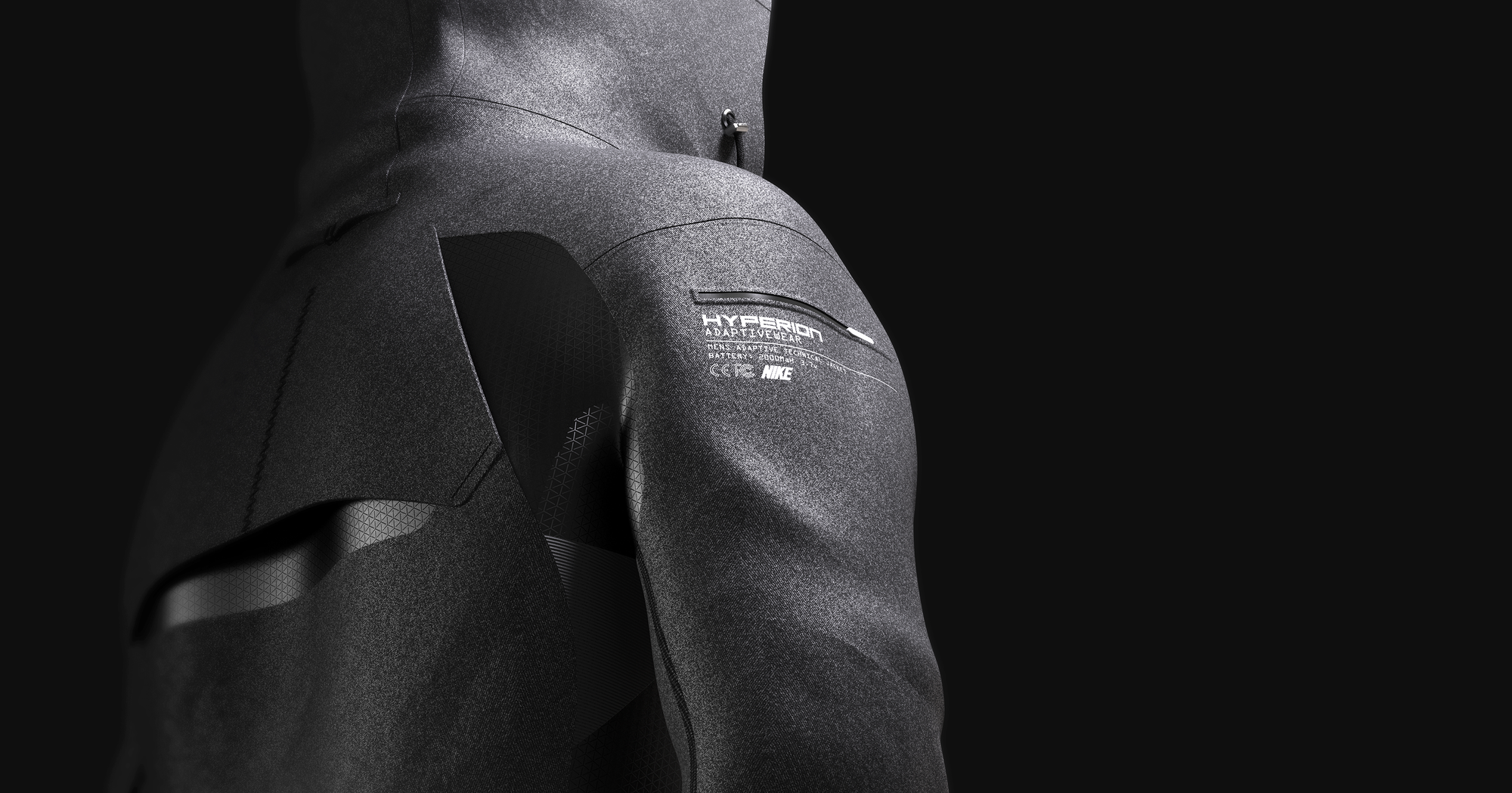
Nike Advanced Training Jacket Concept
A concept for a Nike training jacket by designer Joseph Cooper: a close-fitting panelled shell with mapped zones and bonded seams. A sportswear design study.
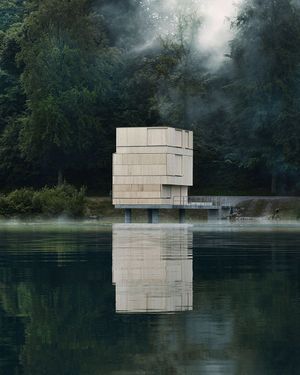
Andreas Fuhrimann Gabrielle Hächler - Zielturm Rotsee, Rotsee Luzern
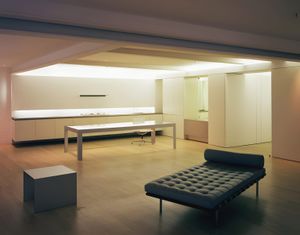
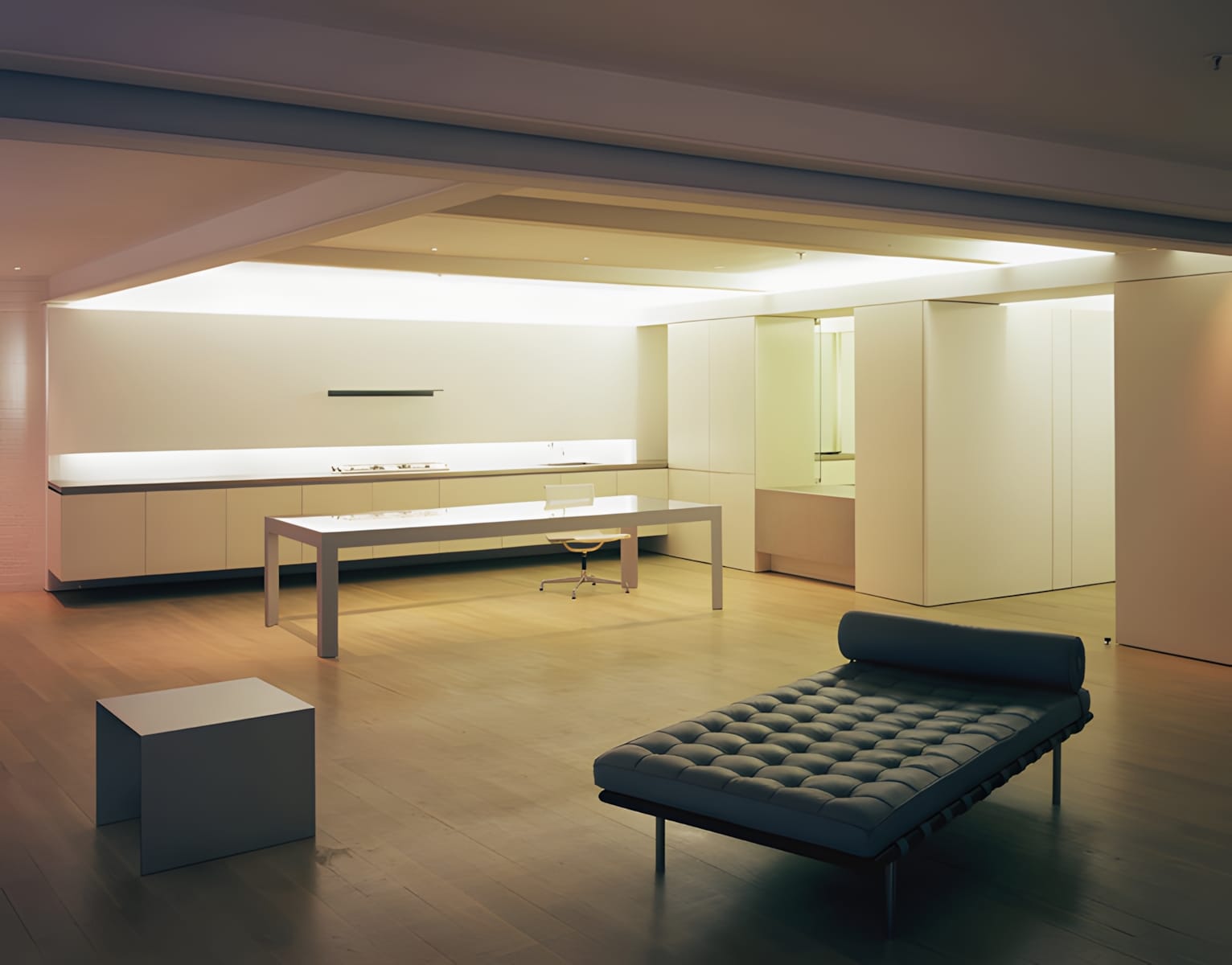
Mies van der Rohe Barcelona Daybed for Knoll
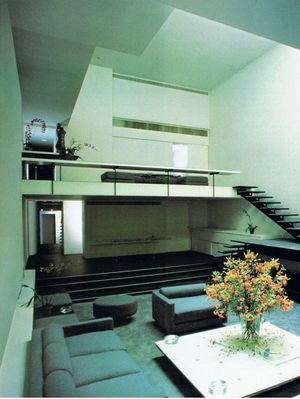
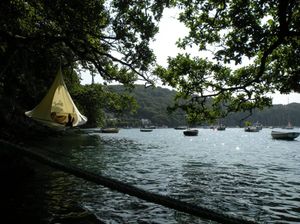
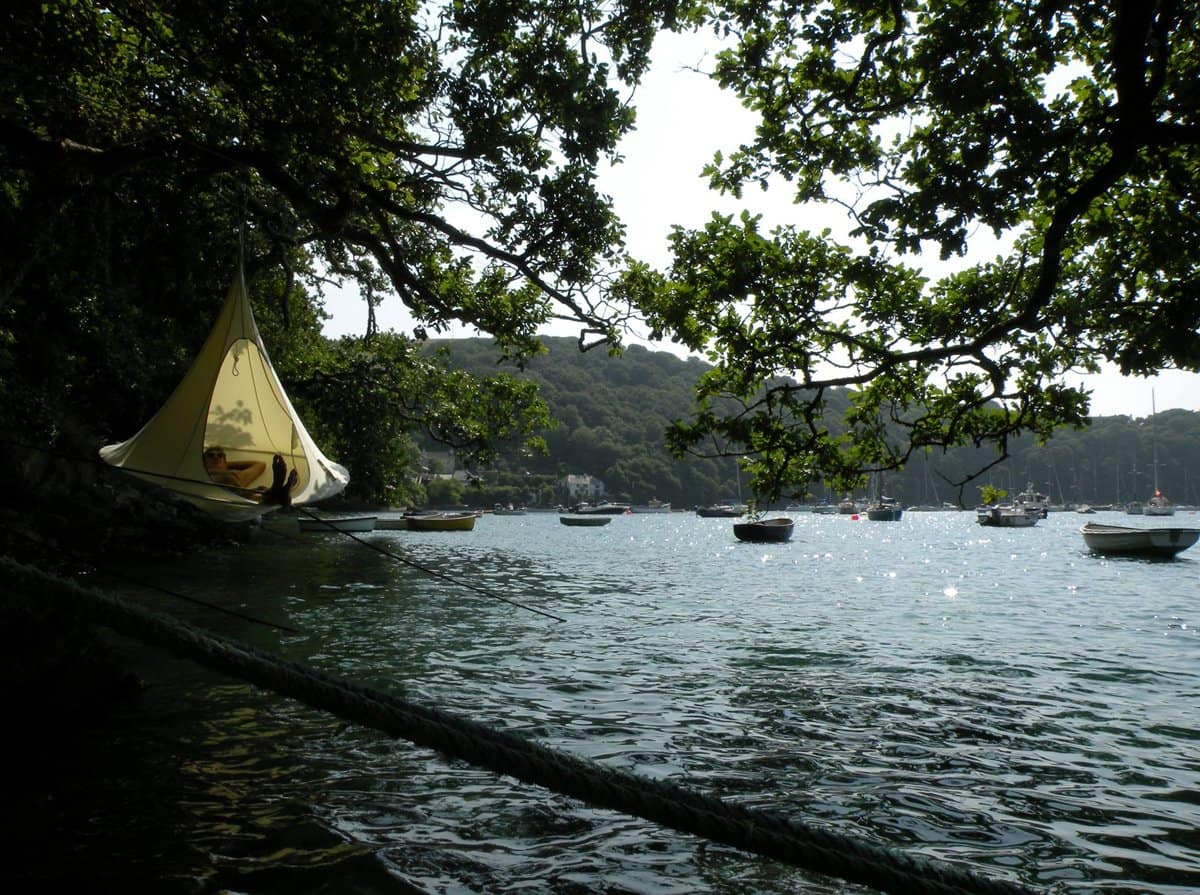
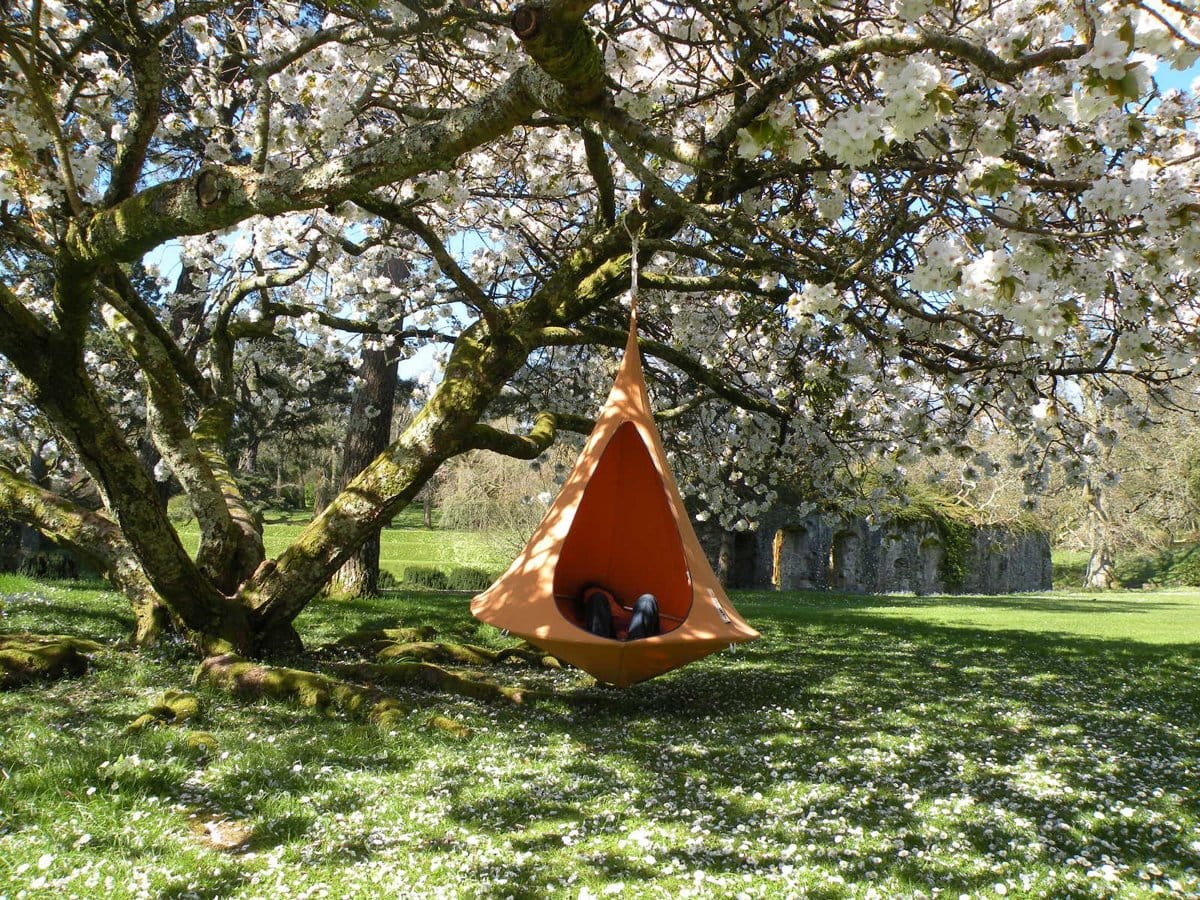
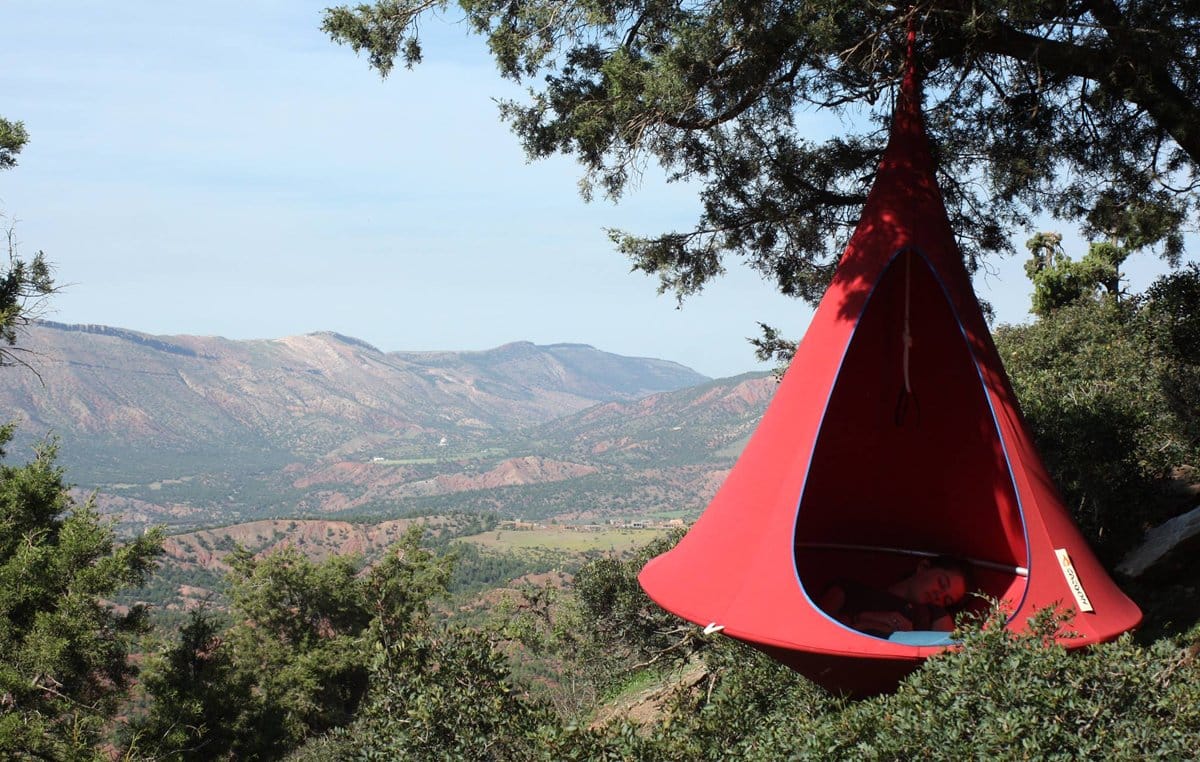
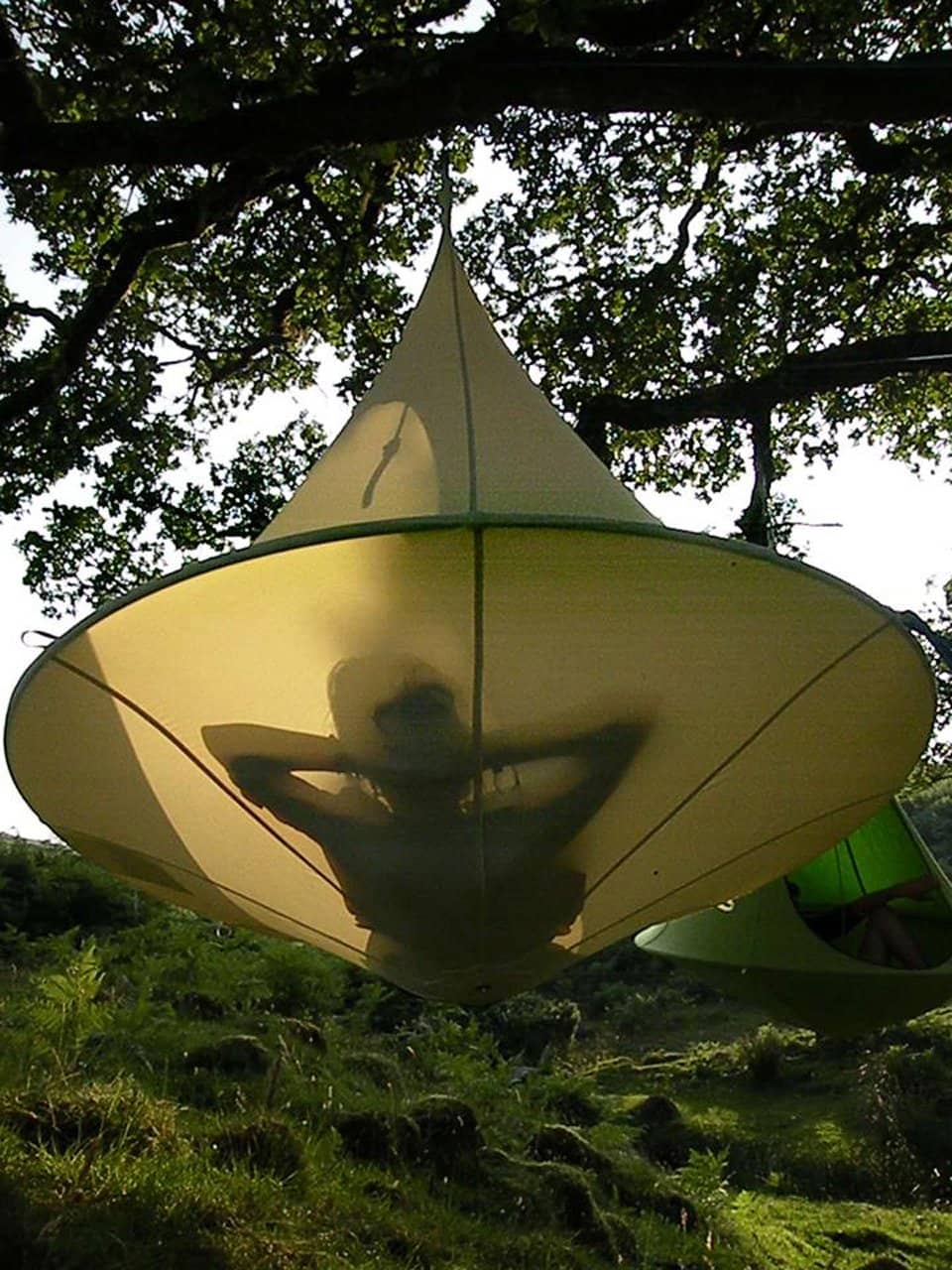
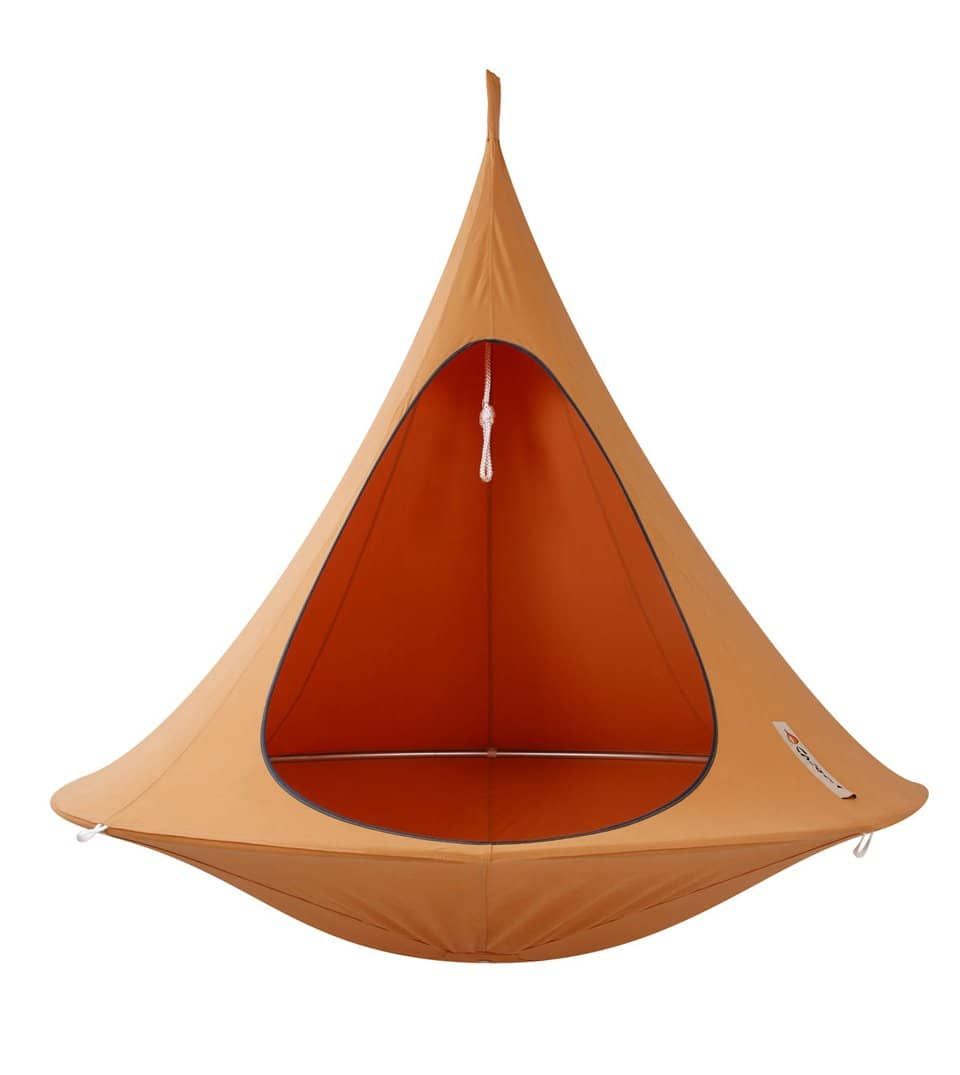
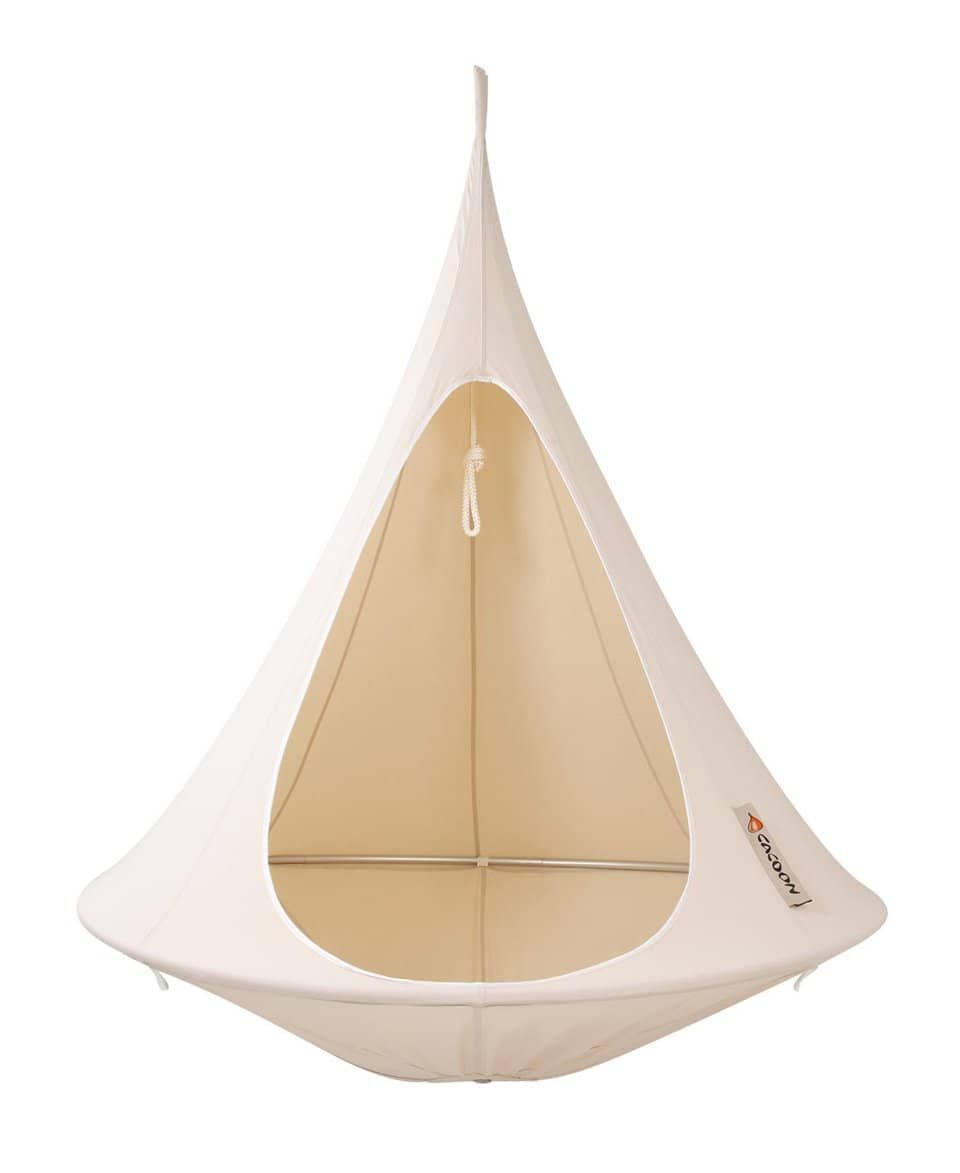
Cacoon Hanging Chair
The Cacoon Hanging Chair is constructed with robust engineering to support a weight of up to 200kg or 440lbs. This product was designed in the UK by the collaborative effort of Nick and Sarah, a husband and wife team.
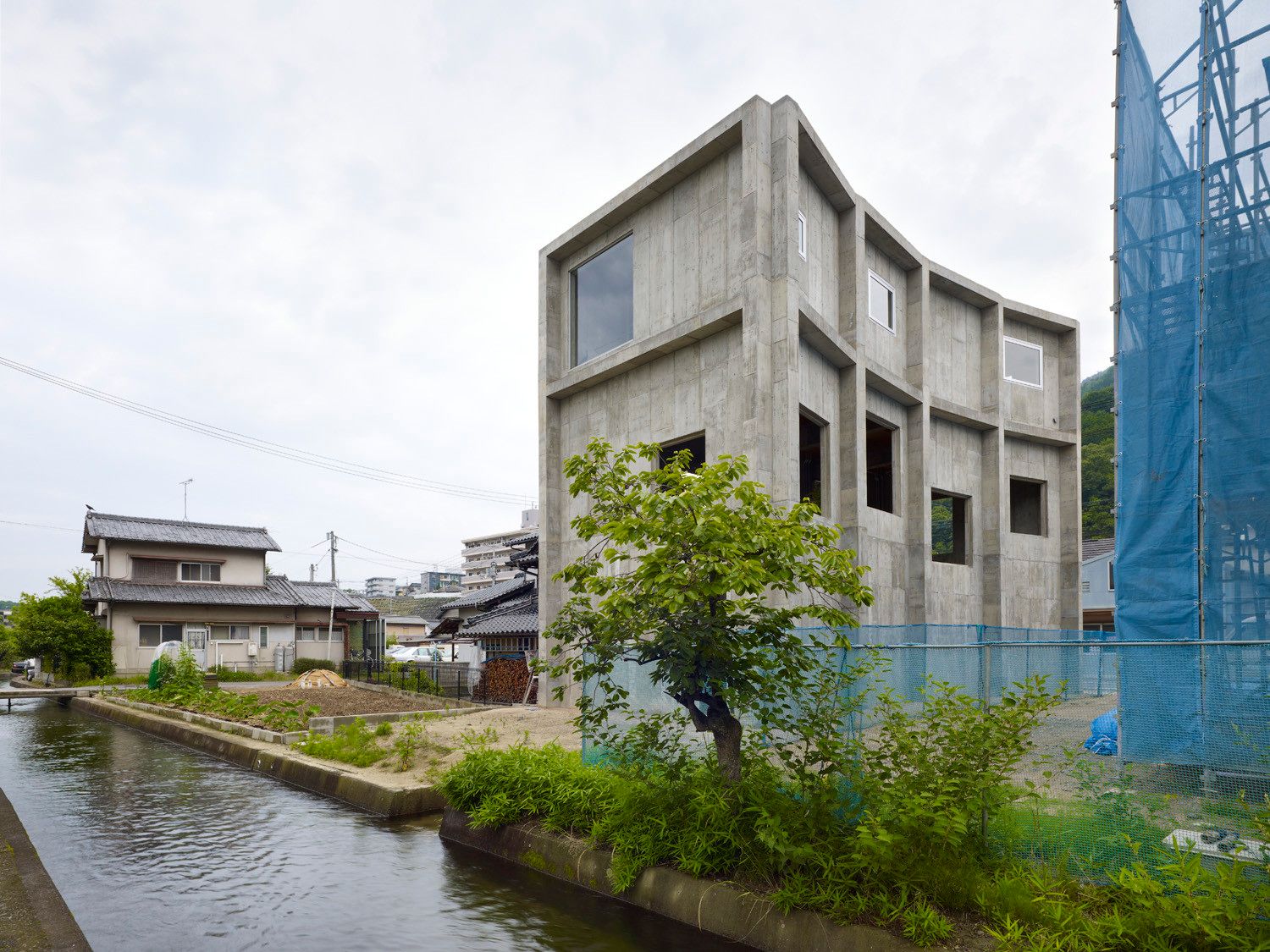
The House of Yagi by Suppose Design Office + Ohno Japan
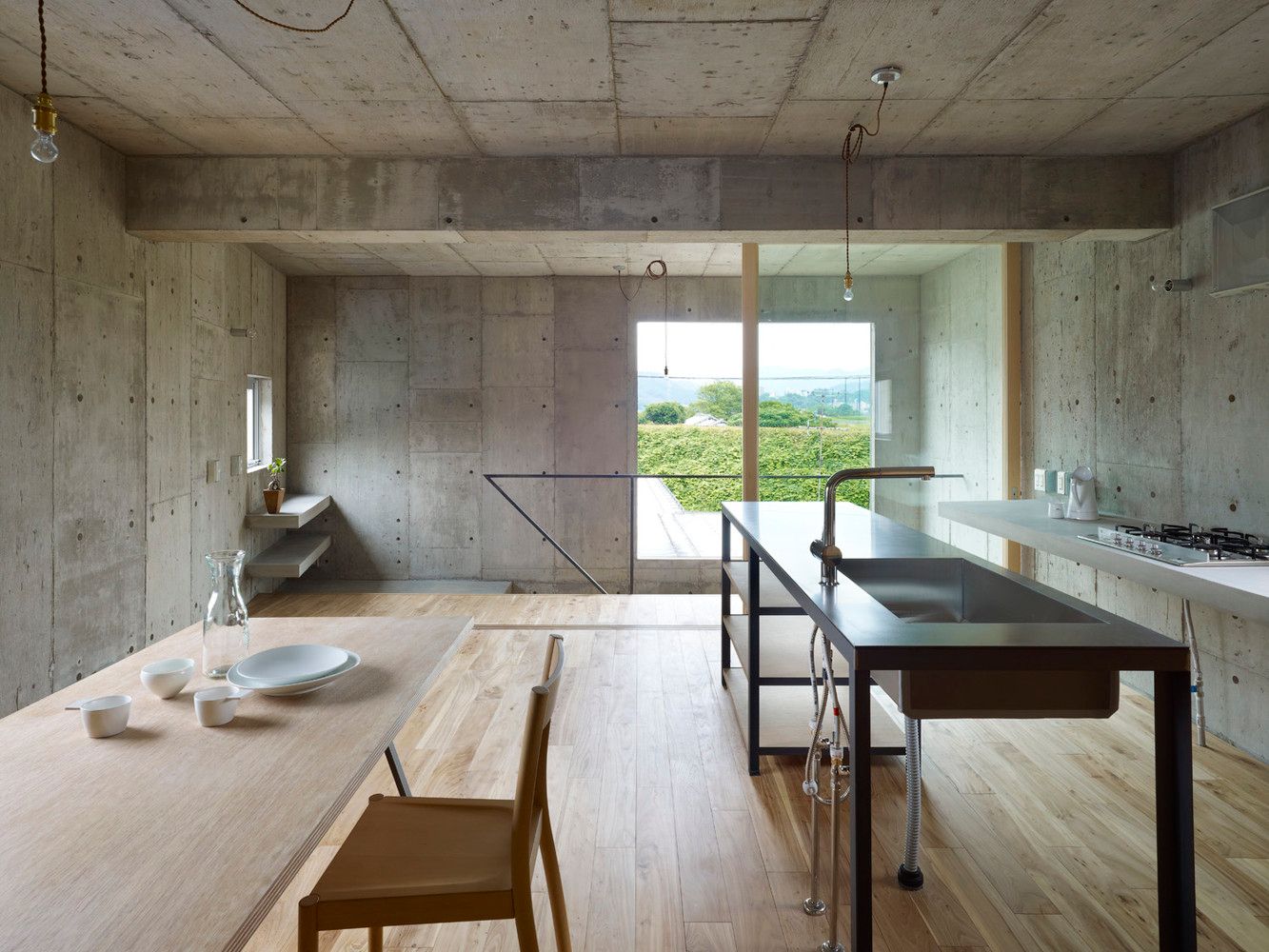
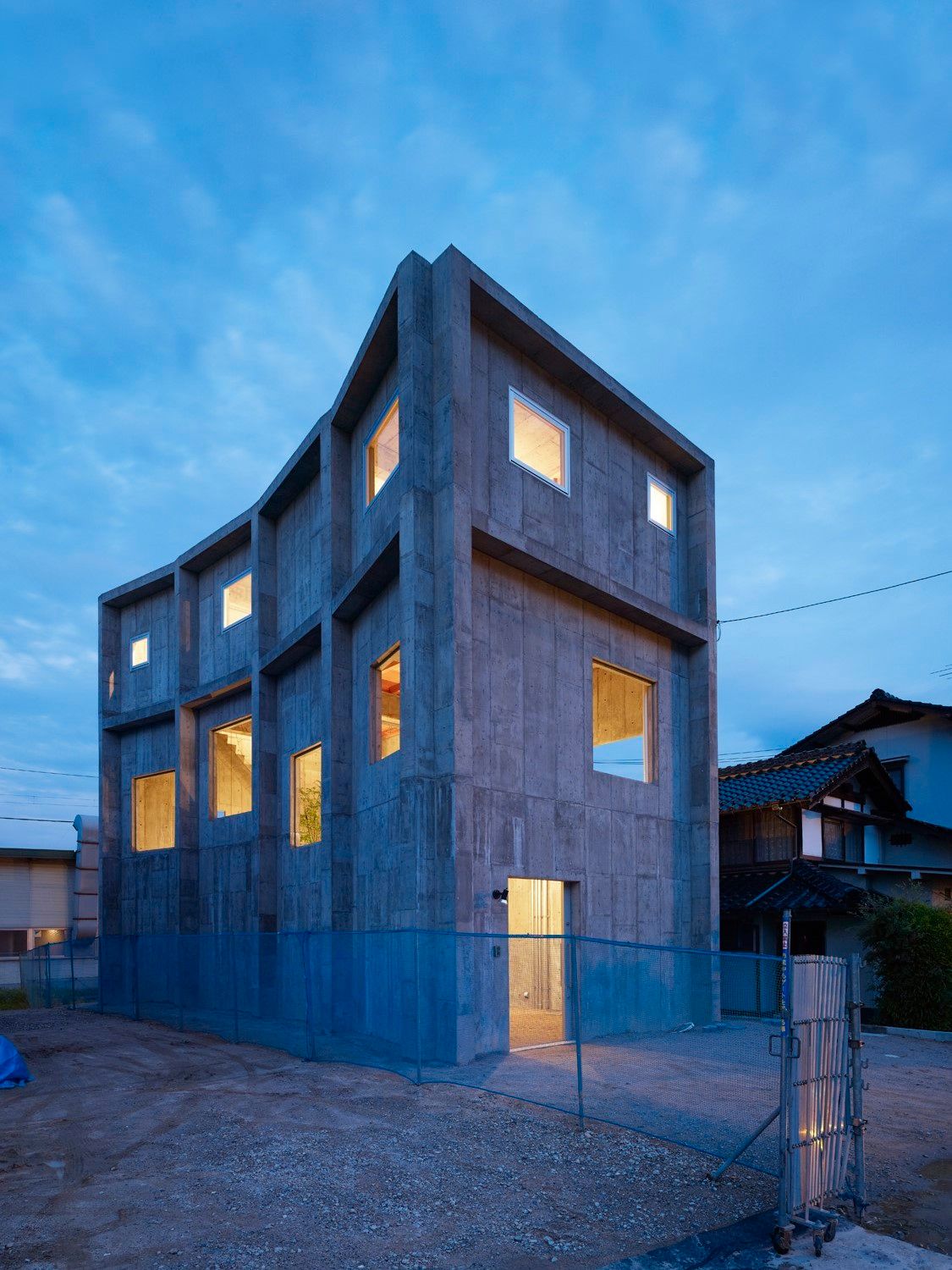
Text description provided by the architects. The House of Yagi is designed with the idea of an incomplete/complete form. Unlike other projects, the final stage of construction for this house was not aiming towards a finish stage, but to let the owner experience the sense of completion after living here. Interior space of the house is designed to maximize the interaction to its surrounding environment.
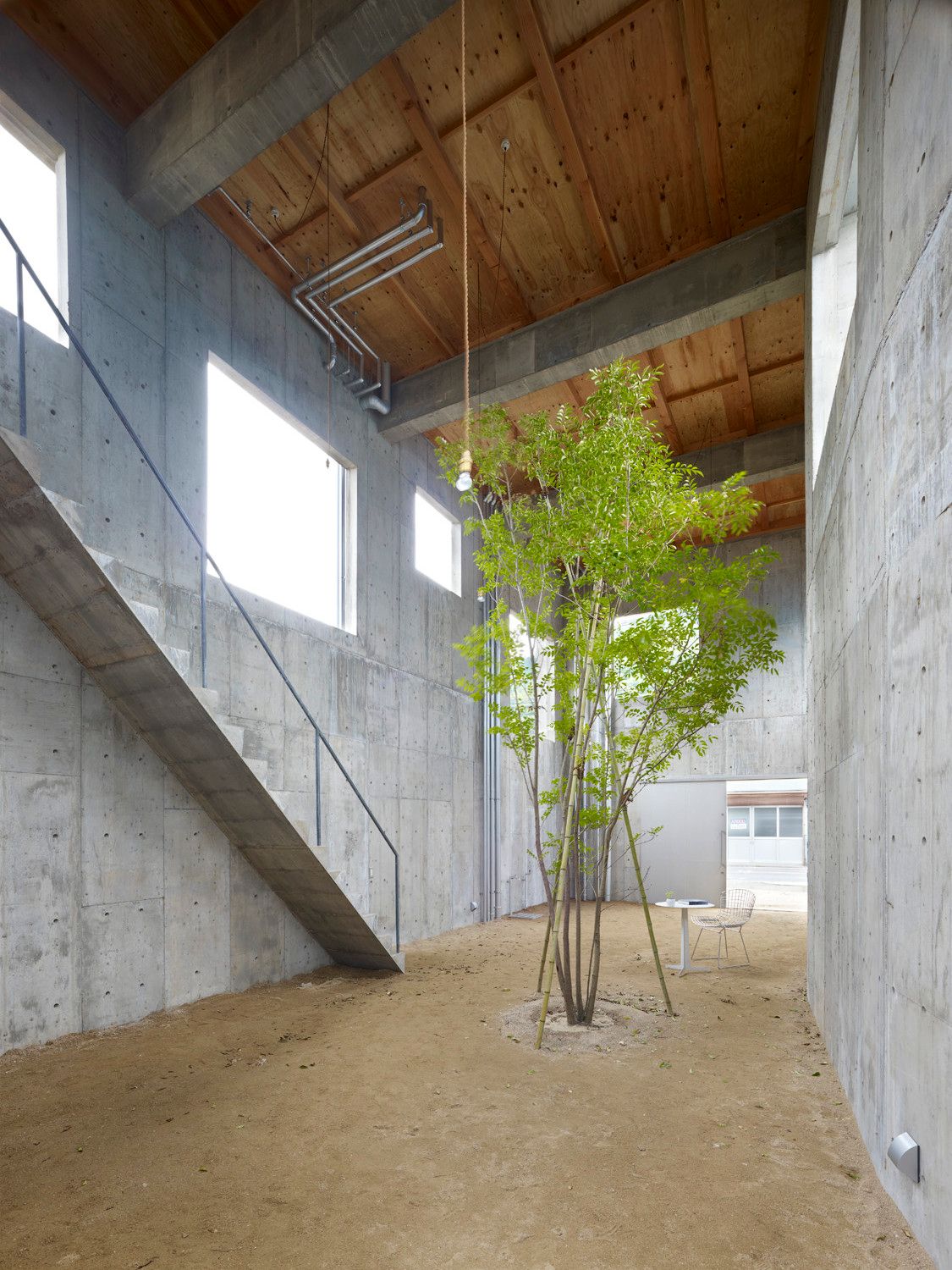
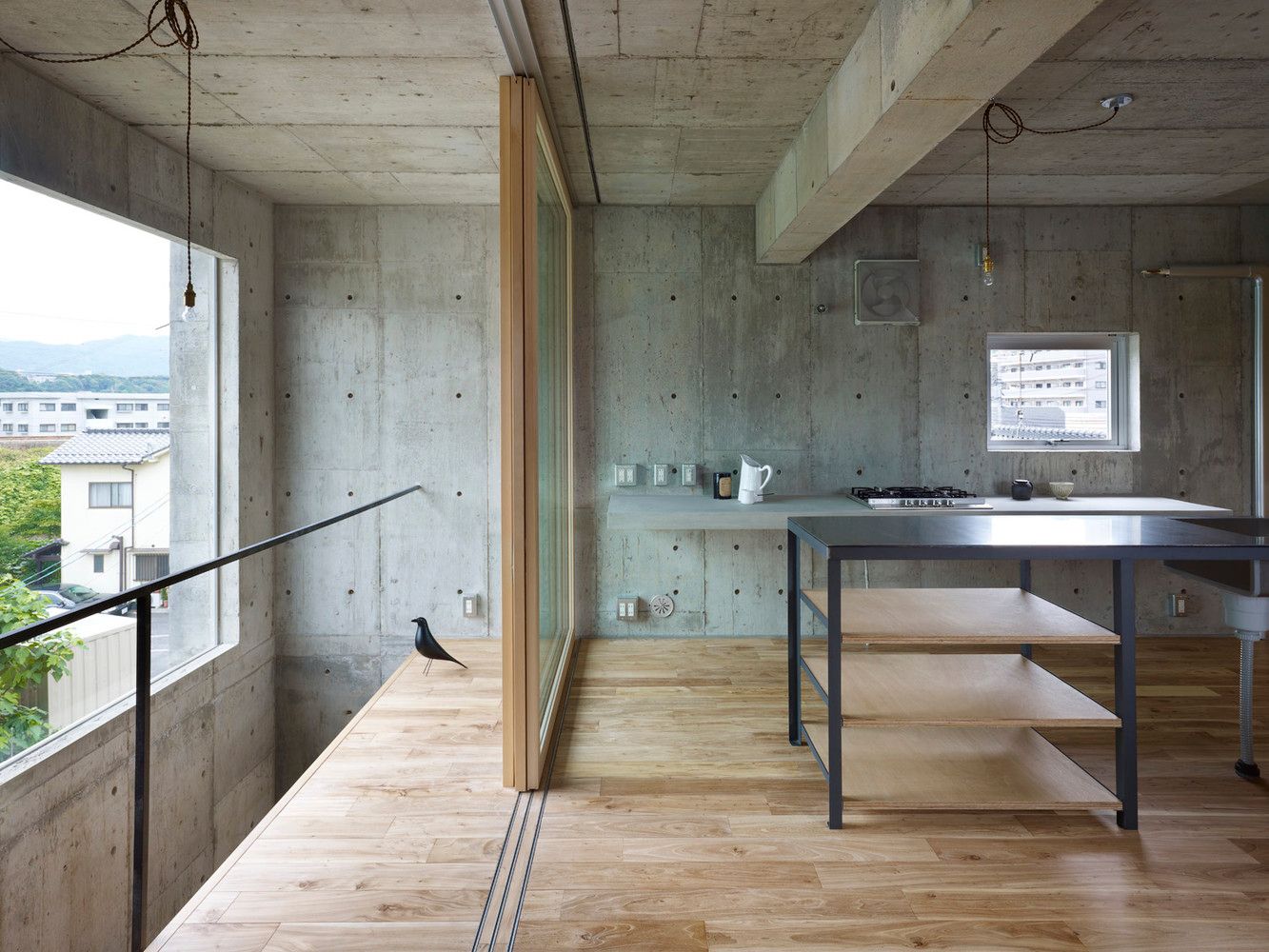
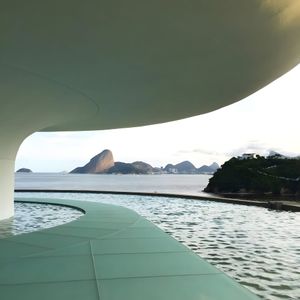
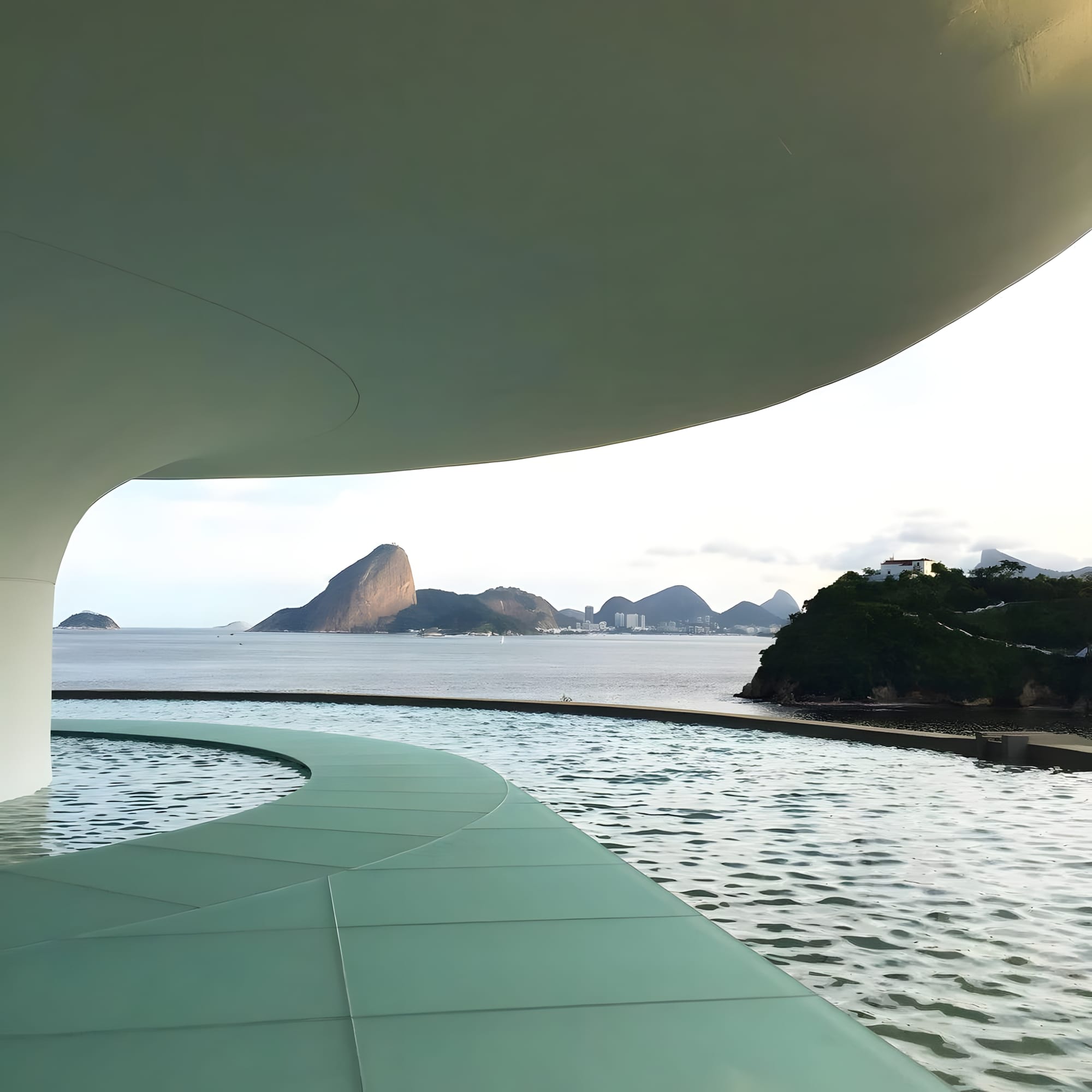
Oscar Niemeyer's MAC Niterói — Louis Vuitton Cruise 2017 Venue
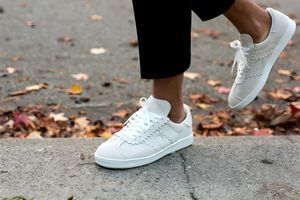
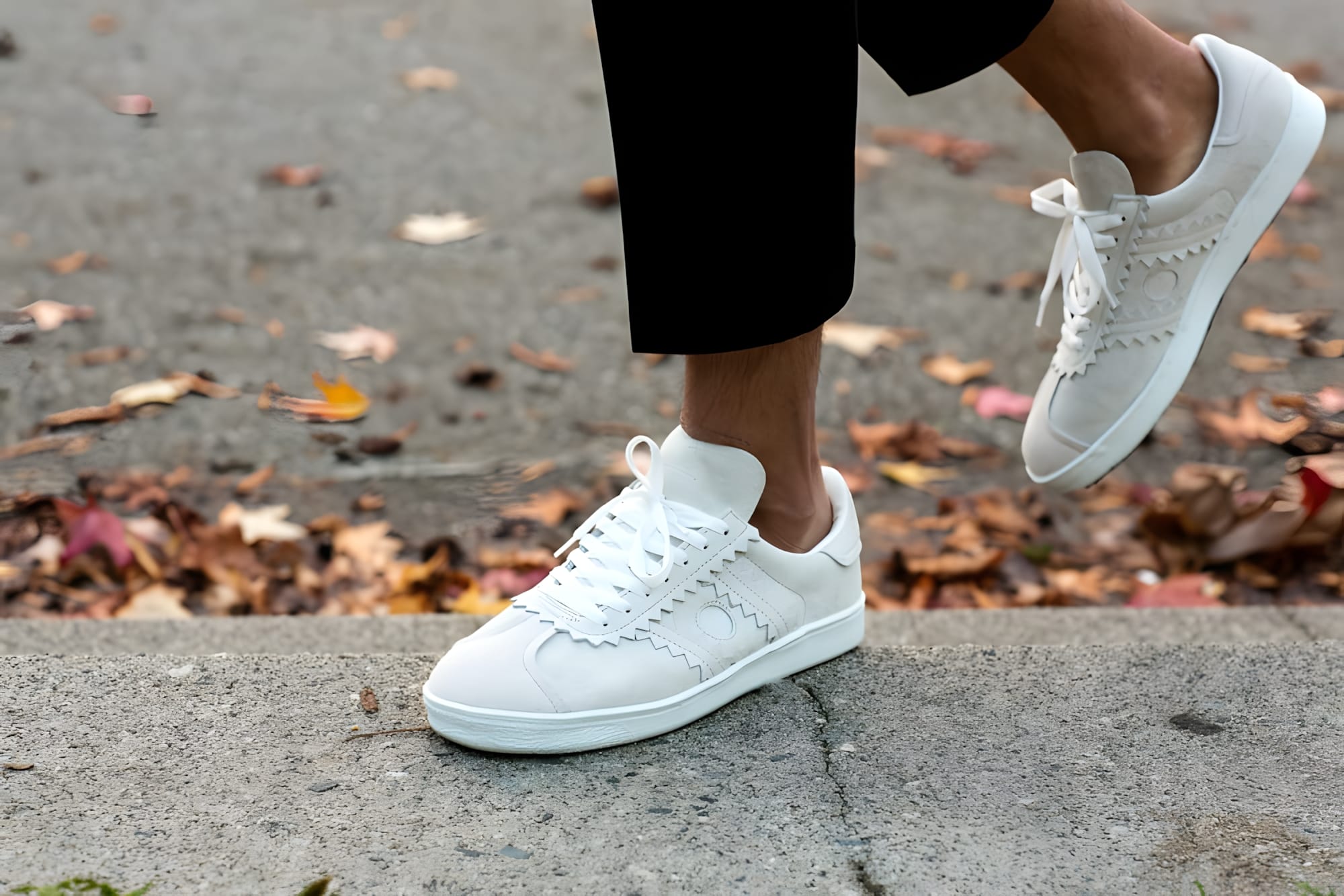
adidas Y-3 Yohji Court — Footwear White (EF2554)
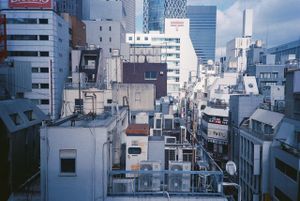
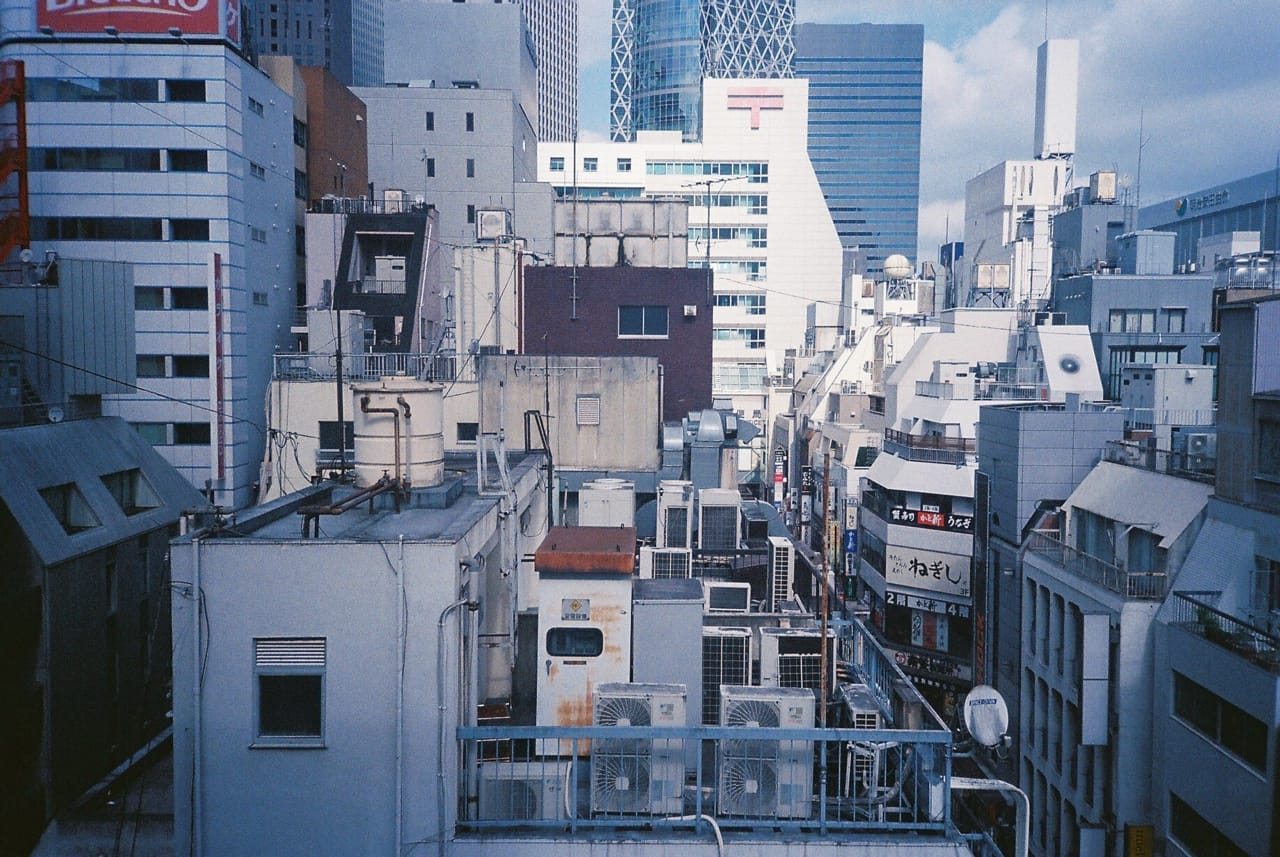
Tokyo Rooftops Ginza
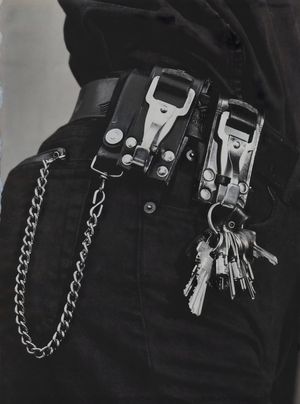
Bruce Weber for Calvin Klein Jeans — 1991 Campaign
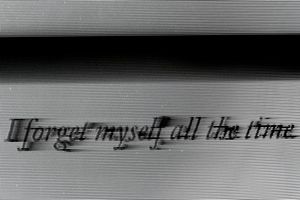
Karborn — Evidence of Time Travel
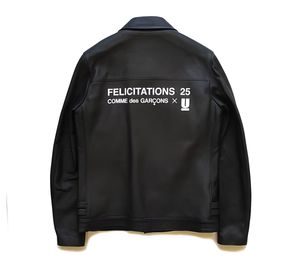
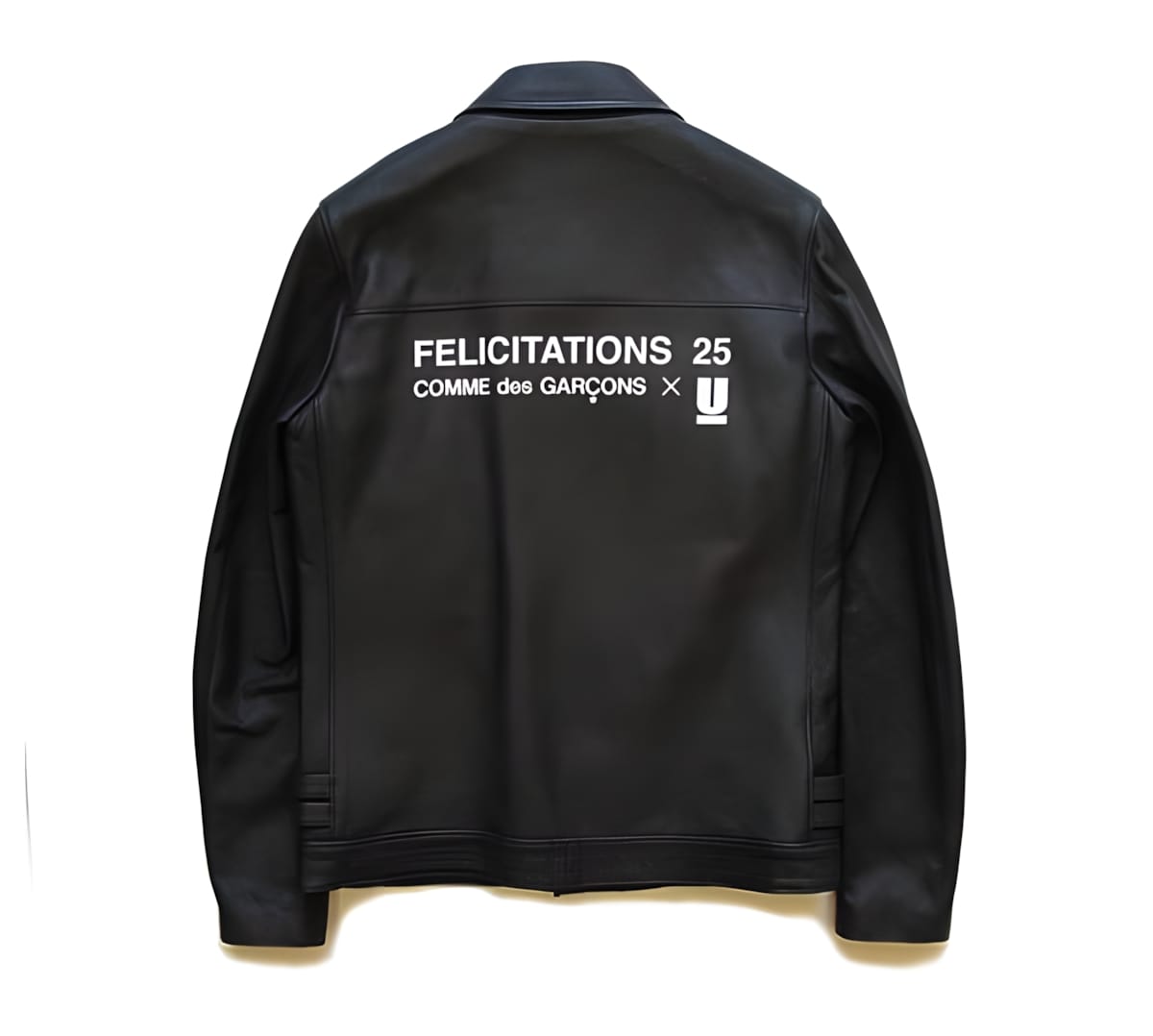
Comme des Garçons × Undercover Felicitations 25 Leather Jacket
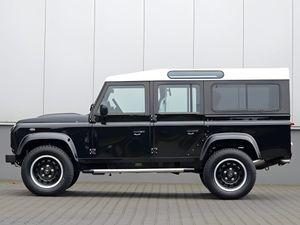
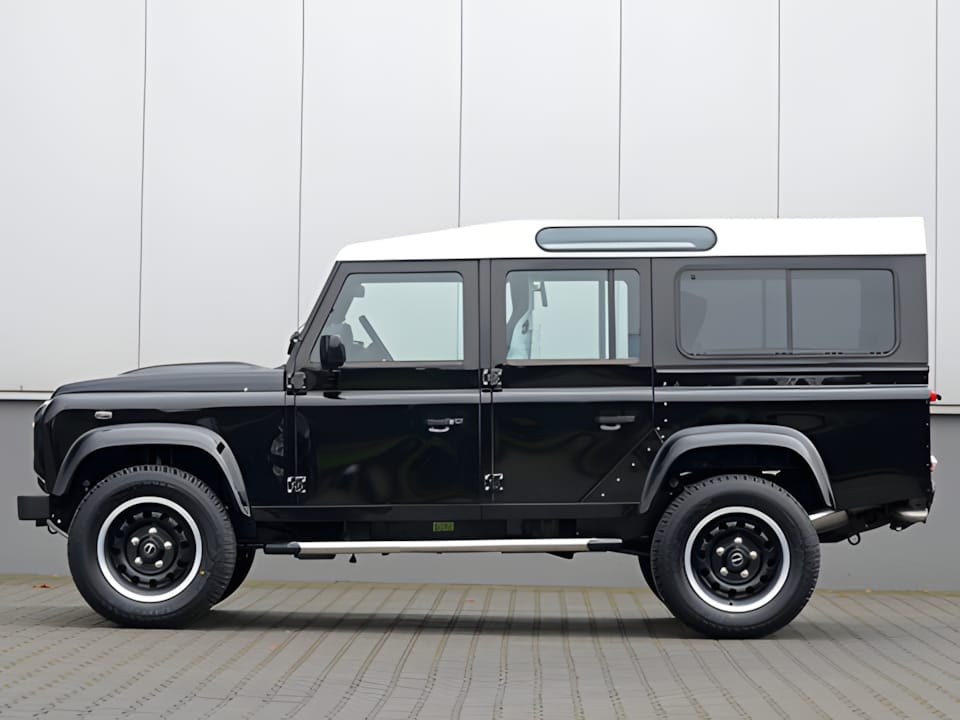
Land Rover Defender 110 Station Wagon in Black
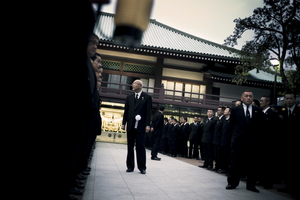
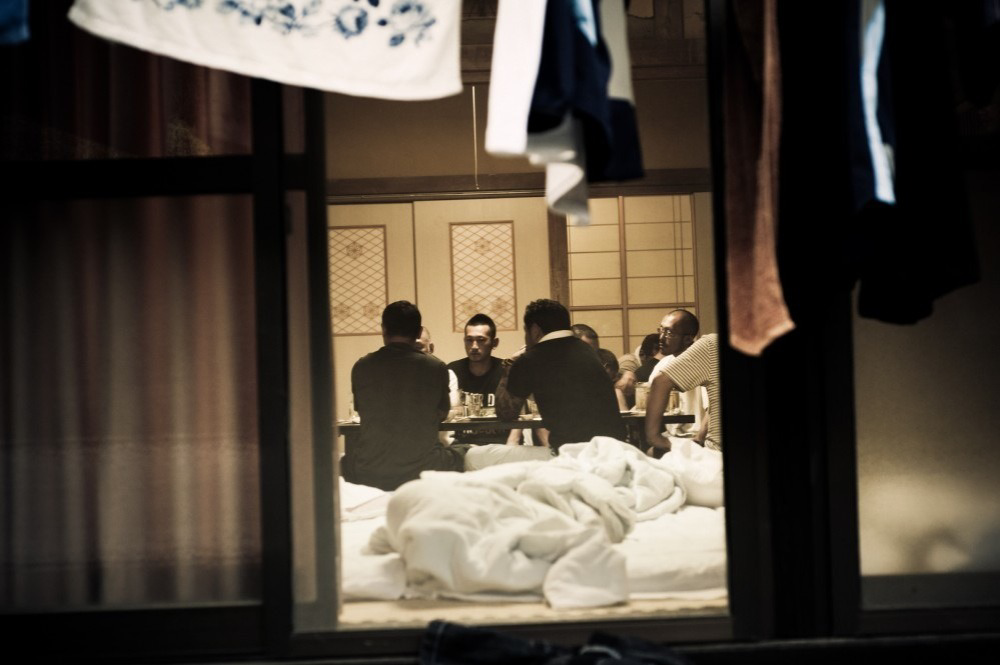
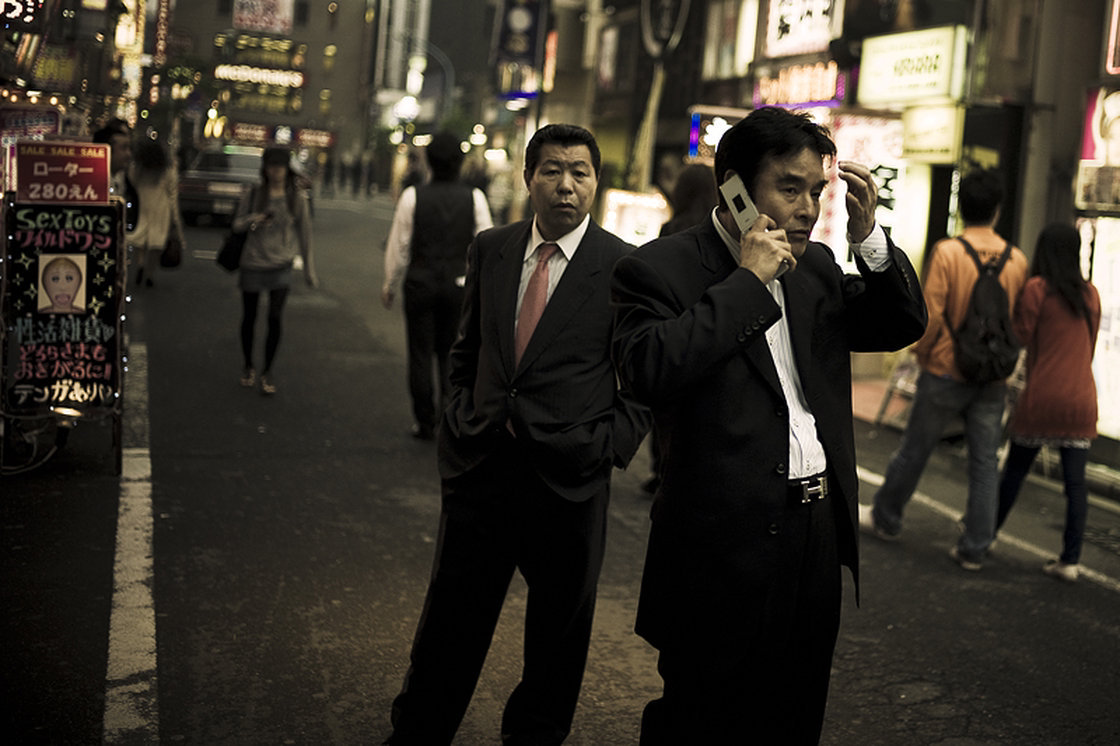
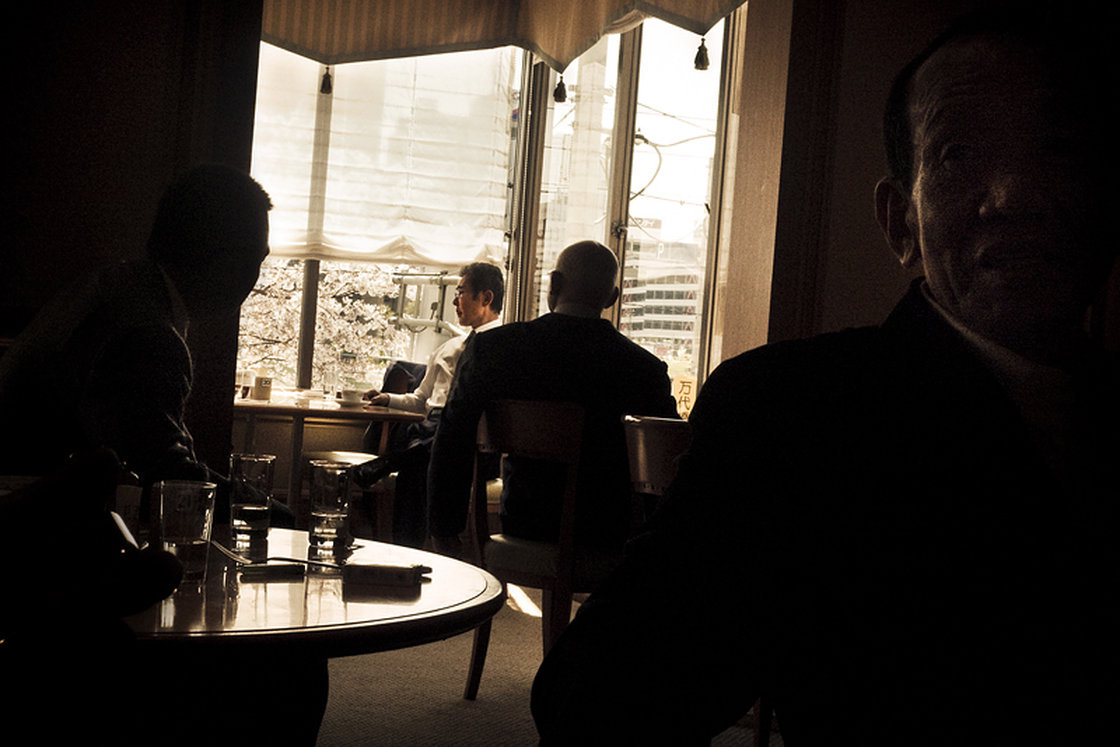
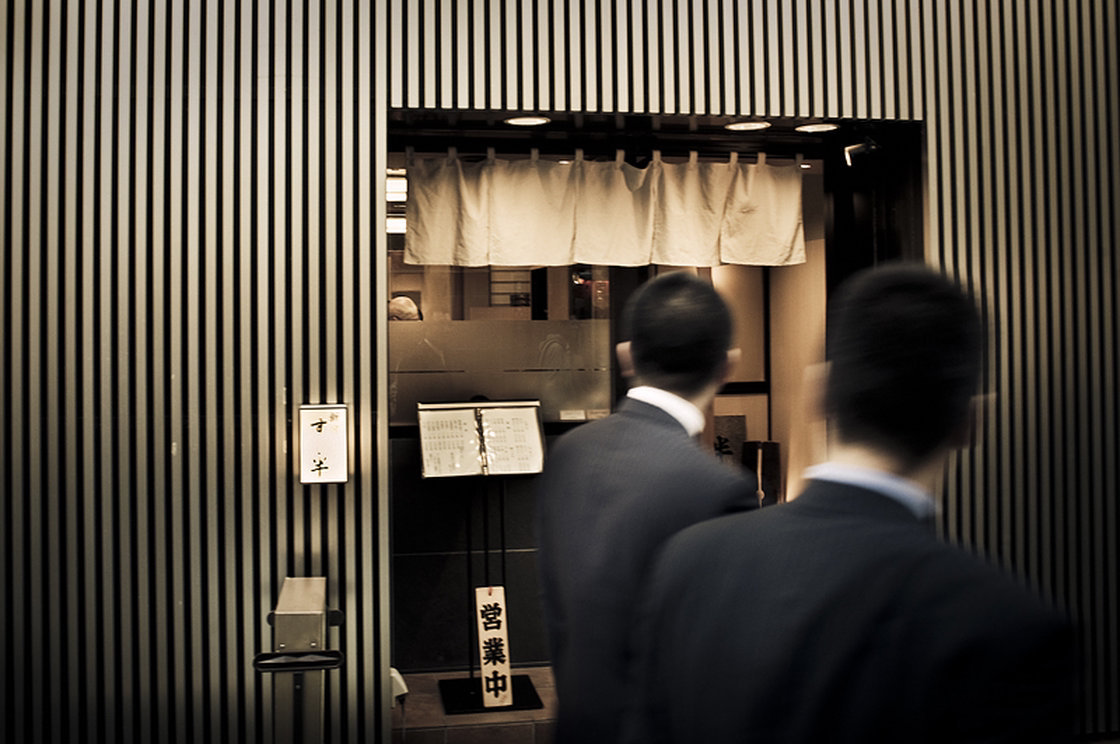
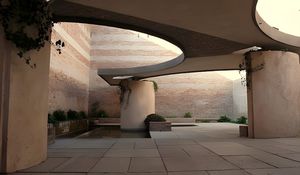
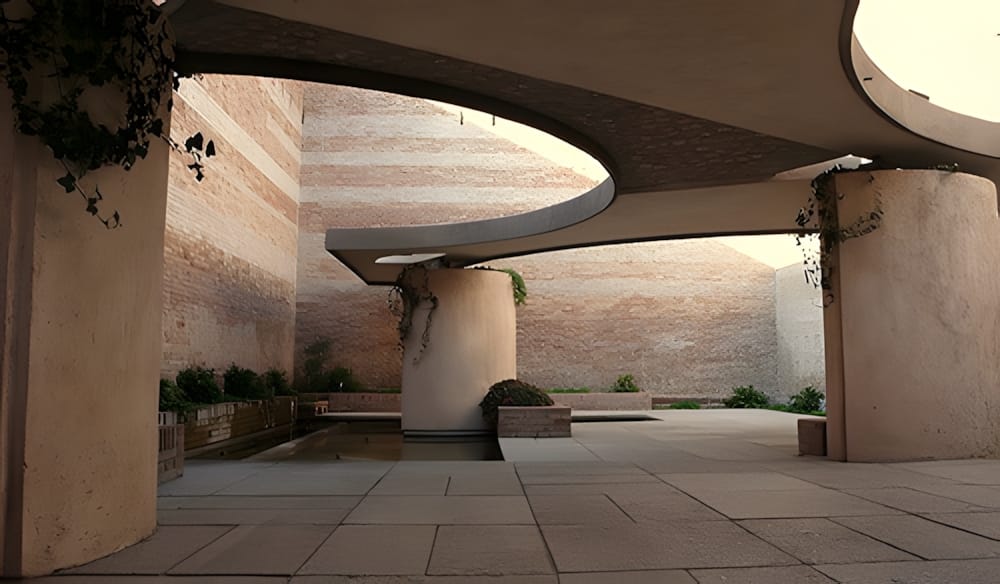
Carlo Scarpa — Fondazione Querini Stampalia Garden, Venice
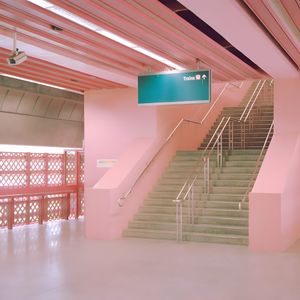
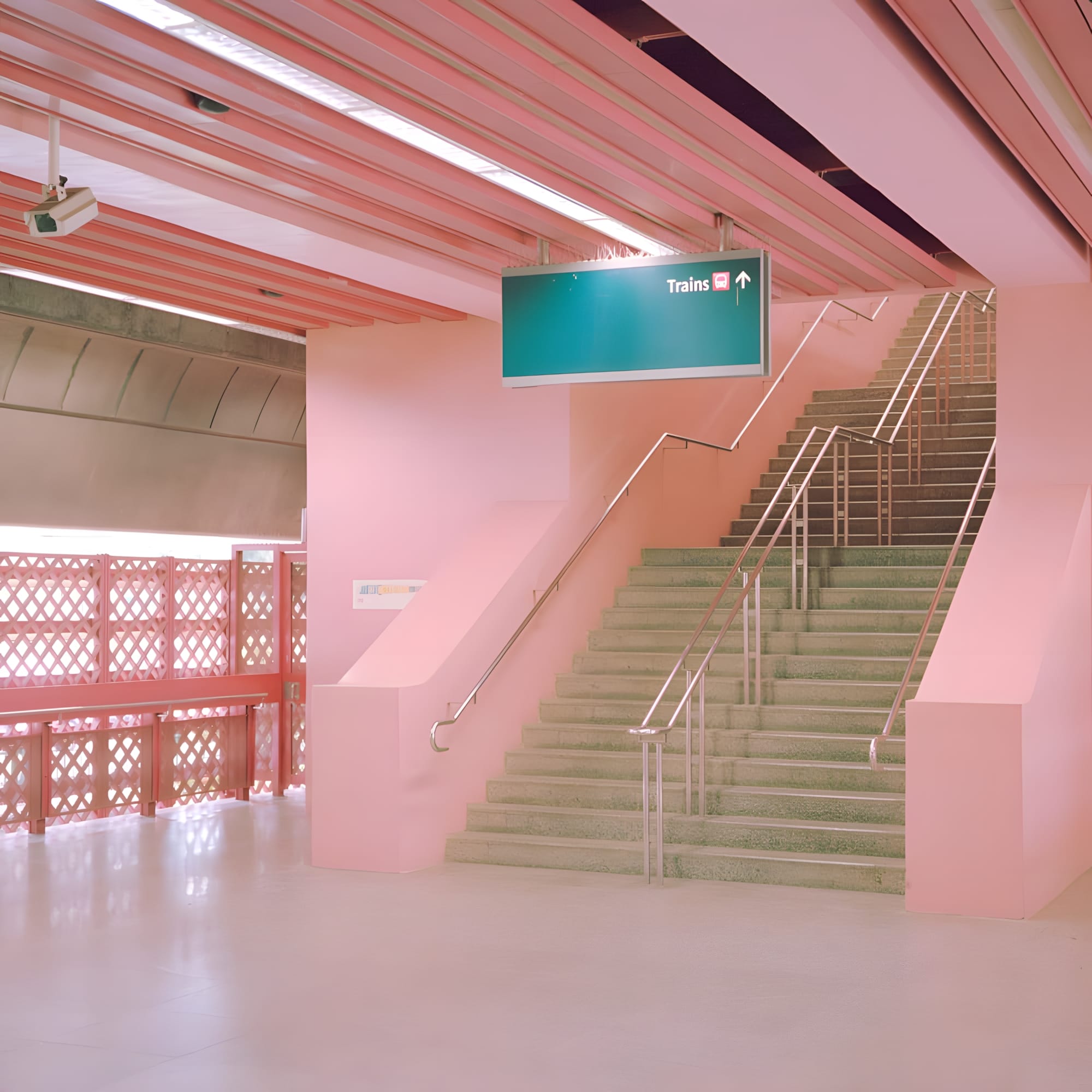
Redhill MRT Station — Singapore
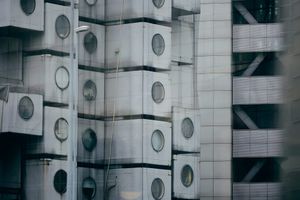
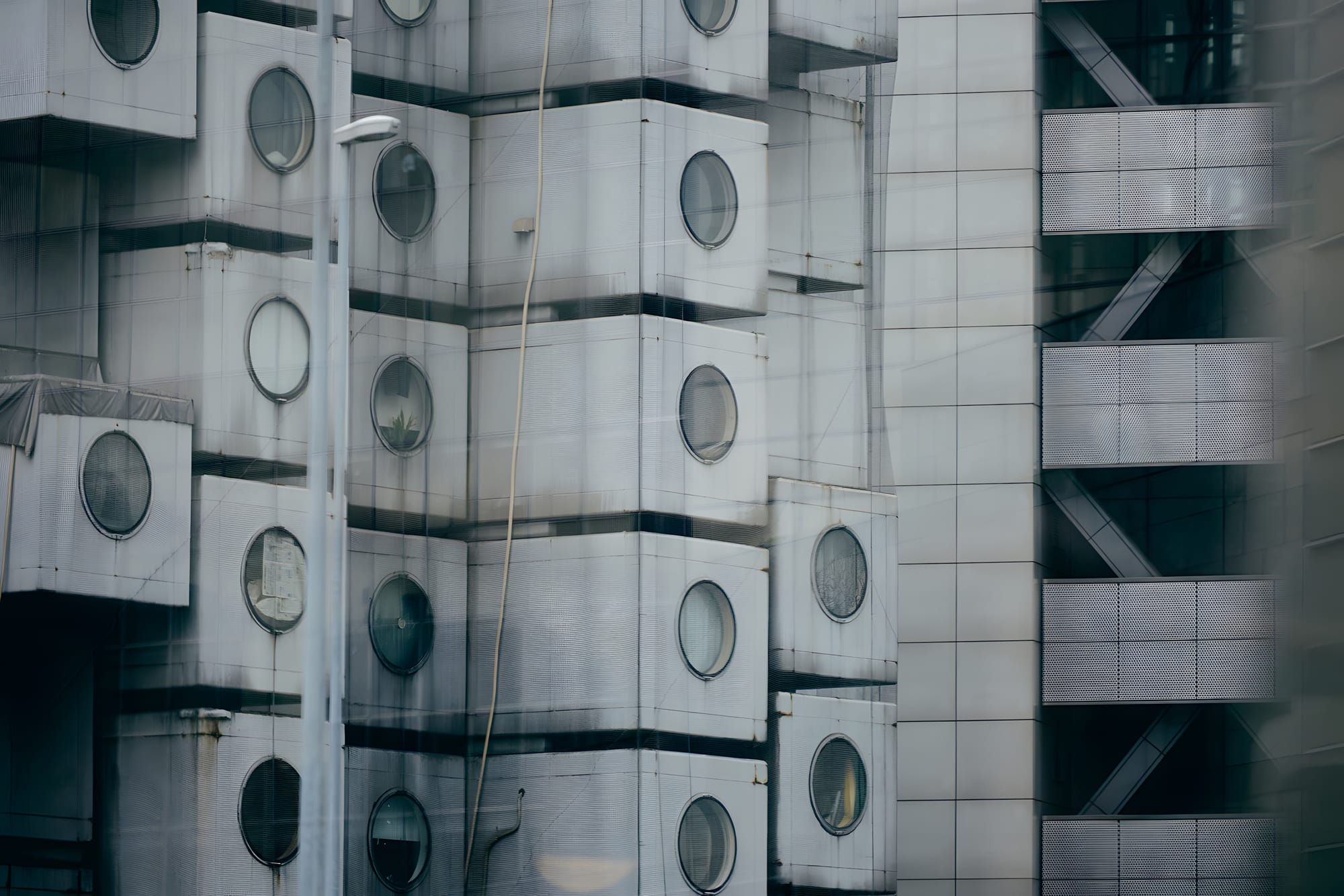
Nakagin Capsule Tower — Exterior Detail, Tokyo 2016
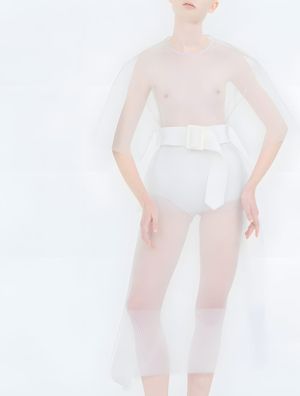
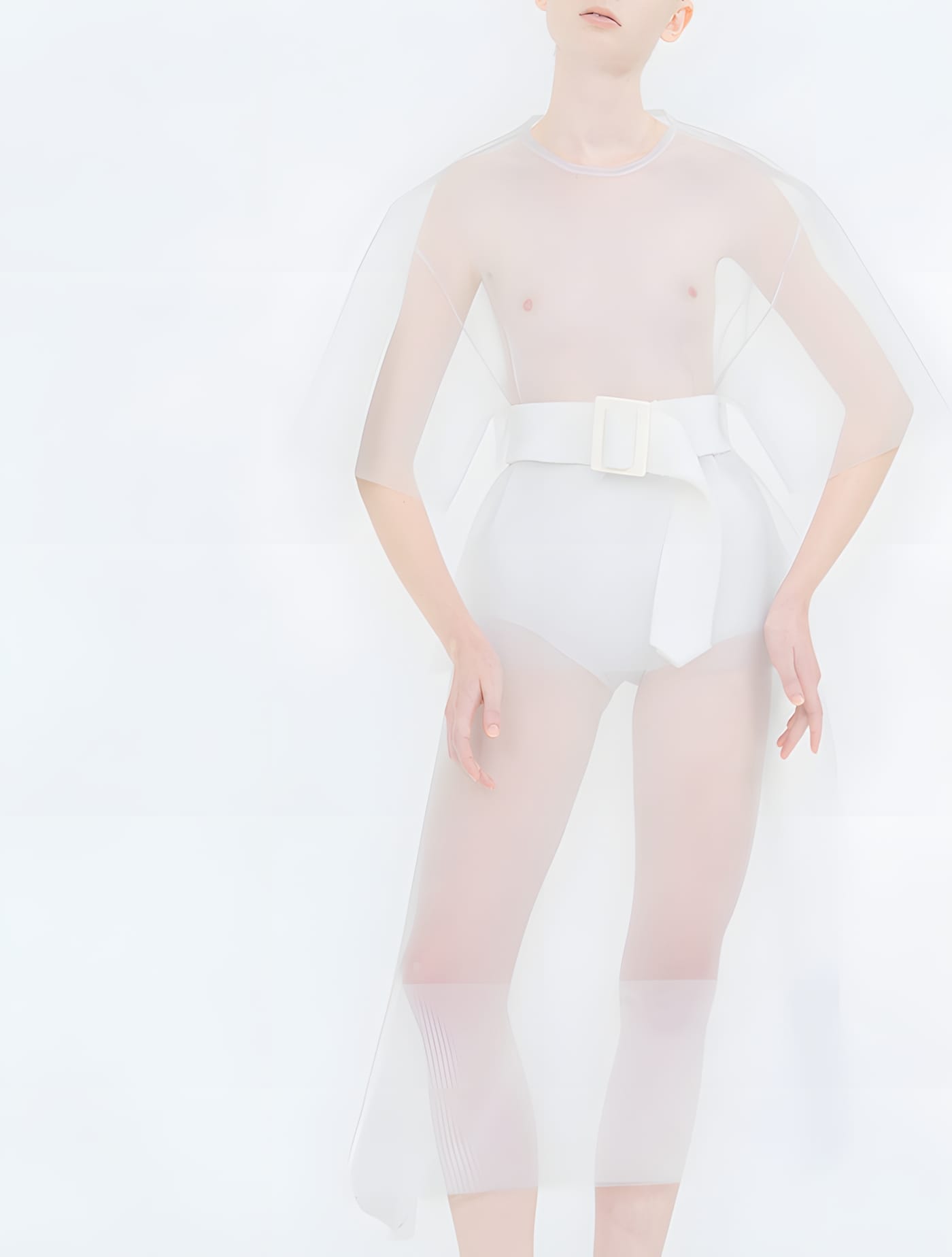
Melitta Baumeister Spring/Summer 2015 Ready-to-Wear
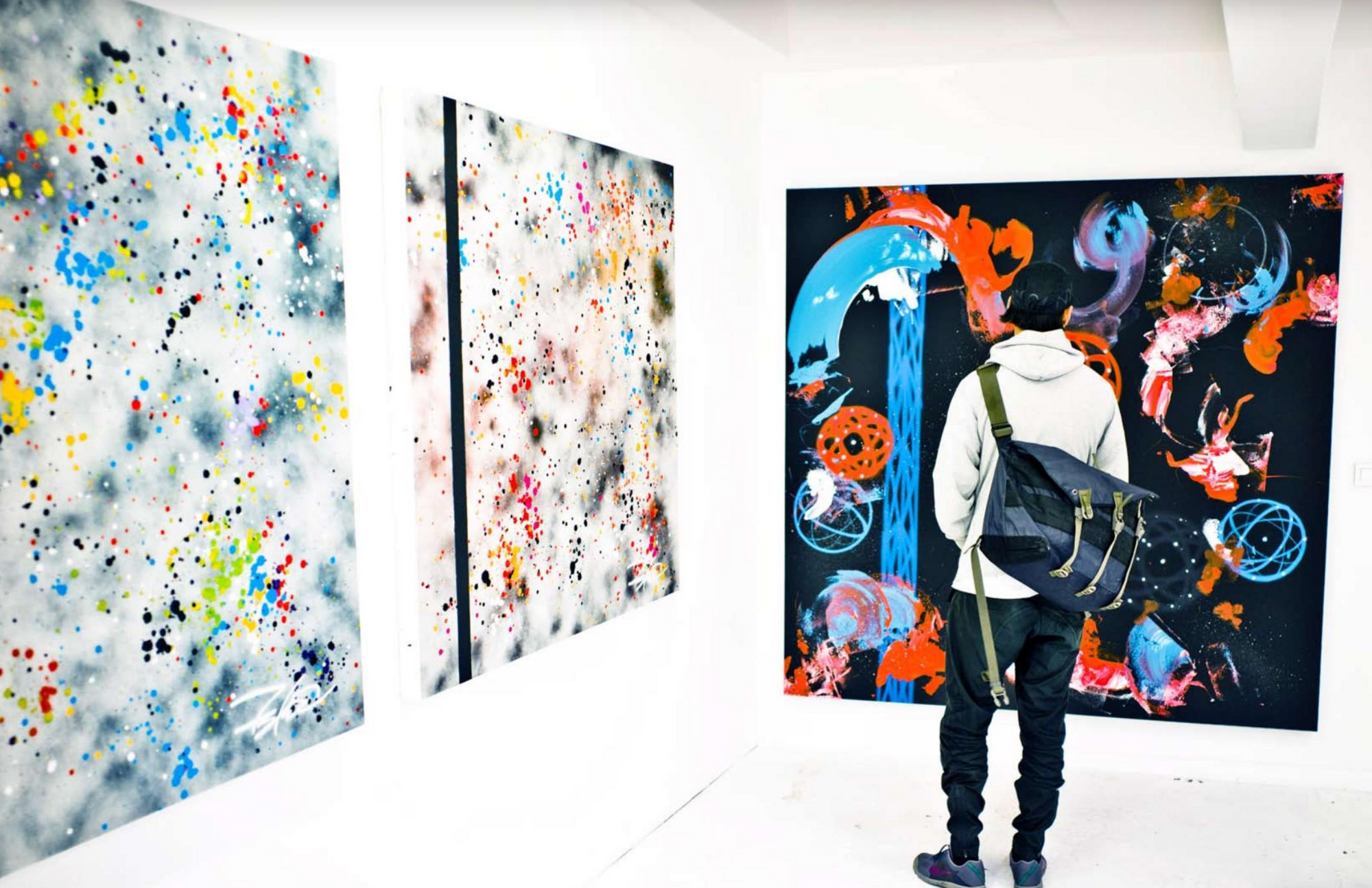
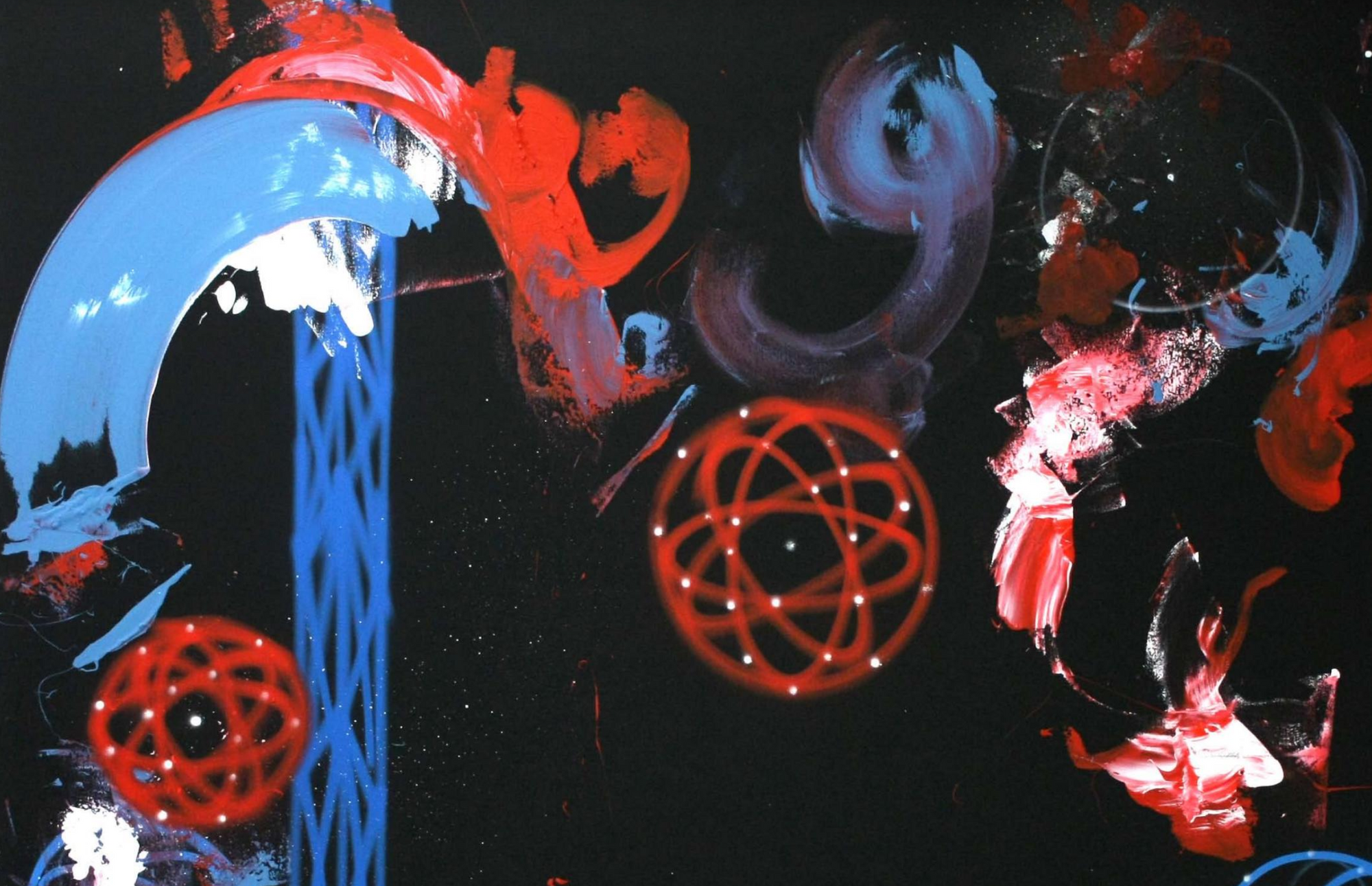
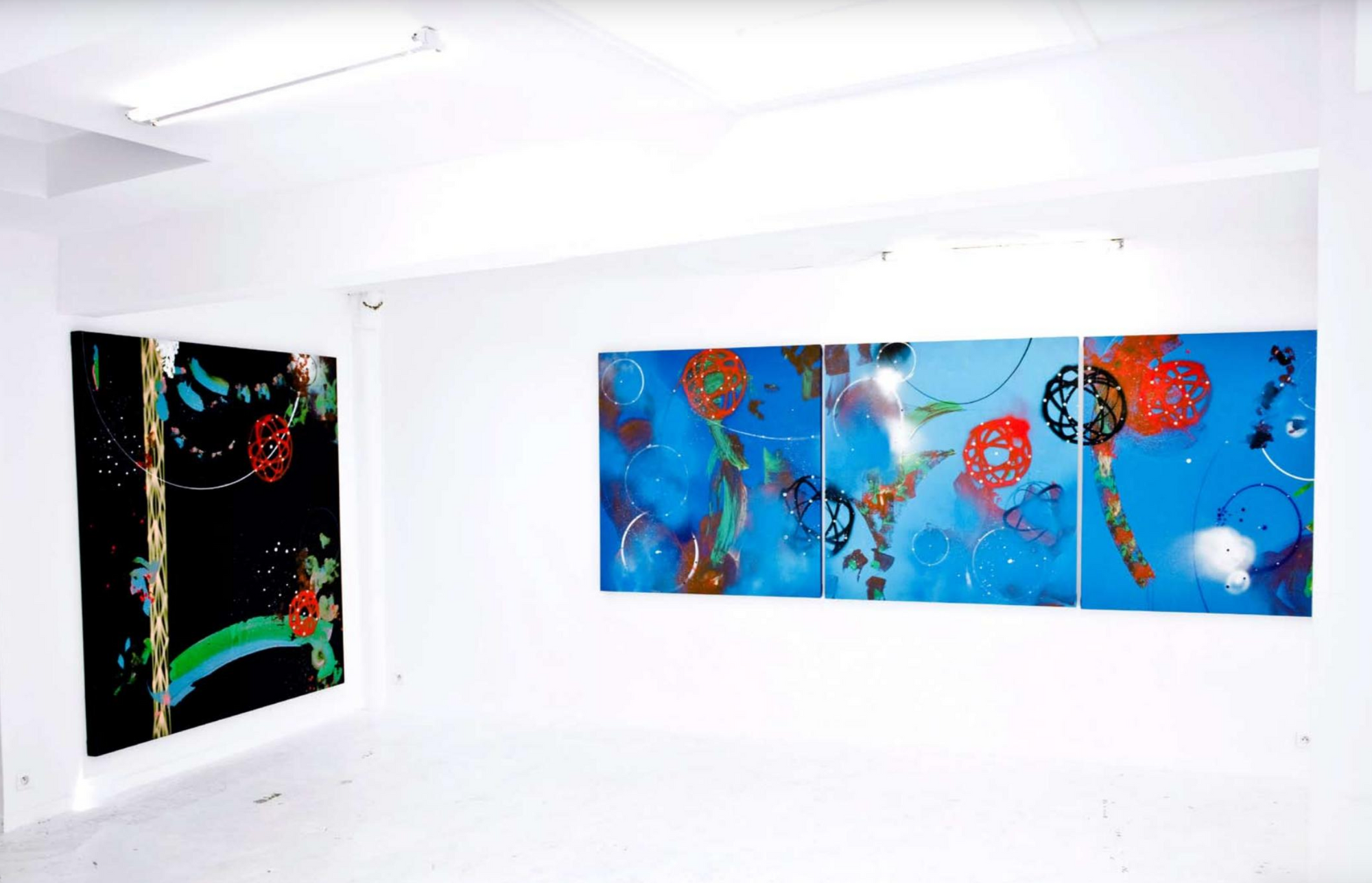
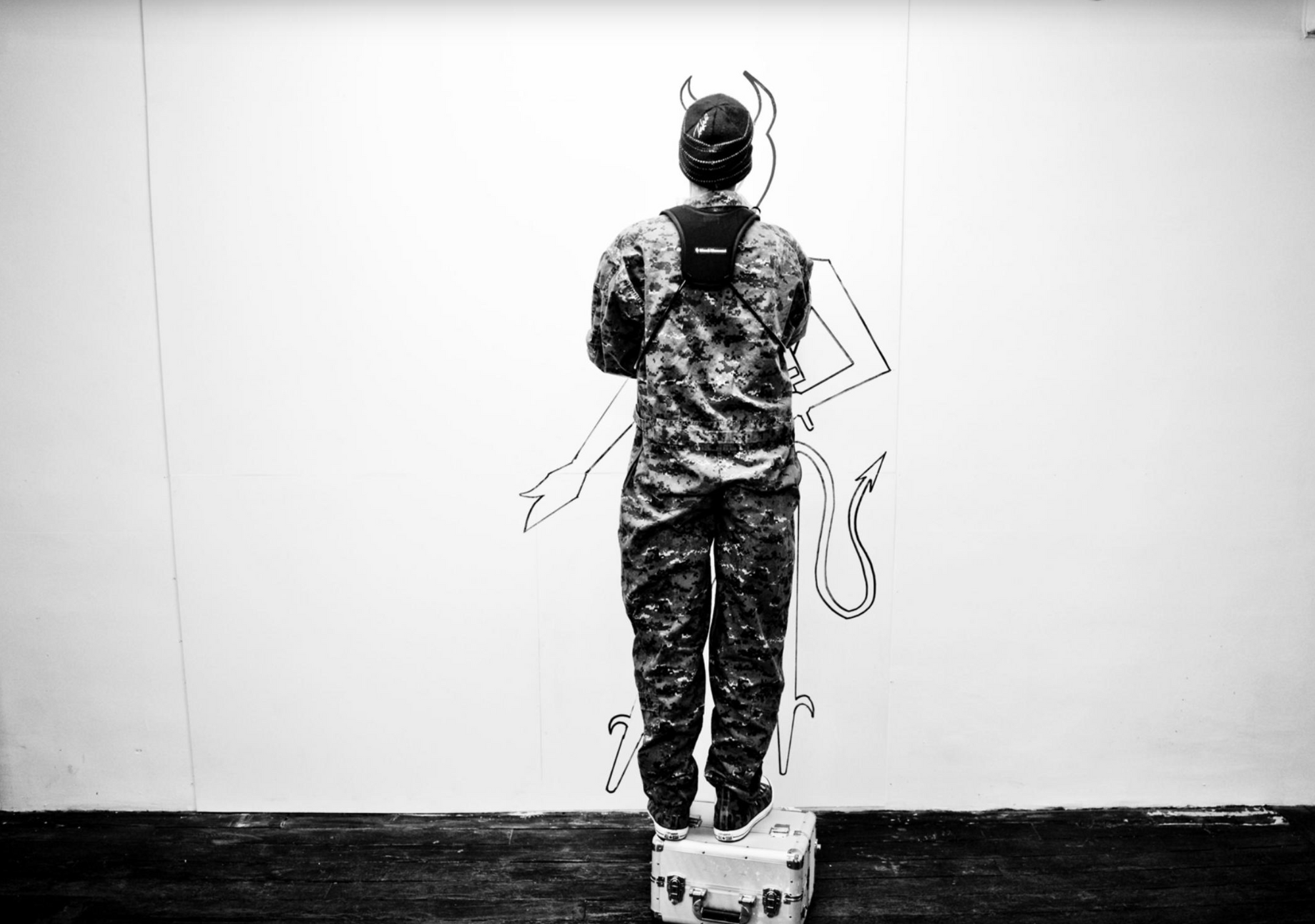
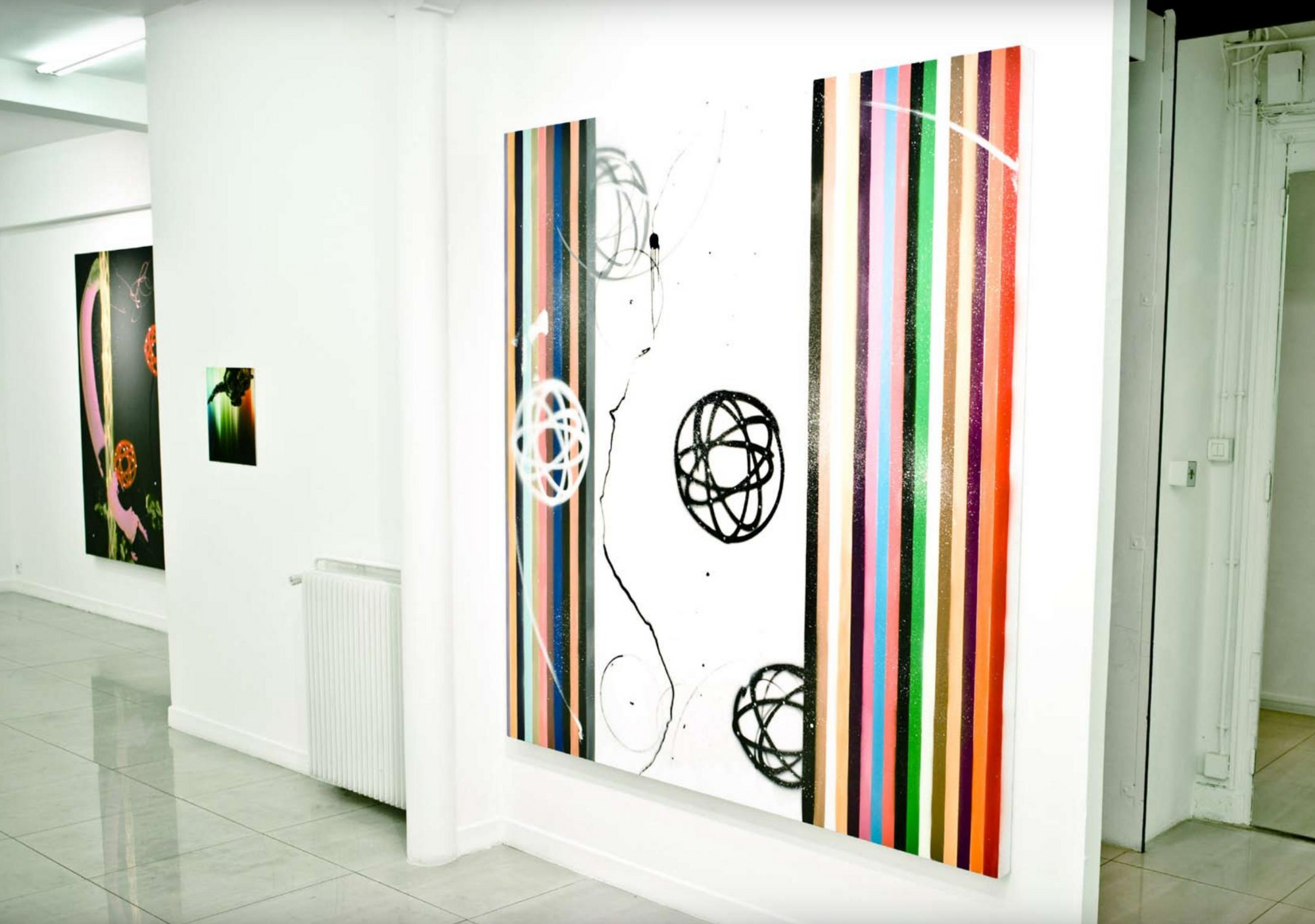
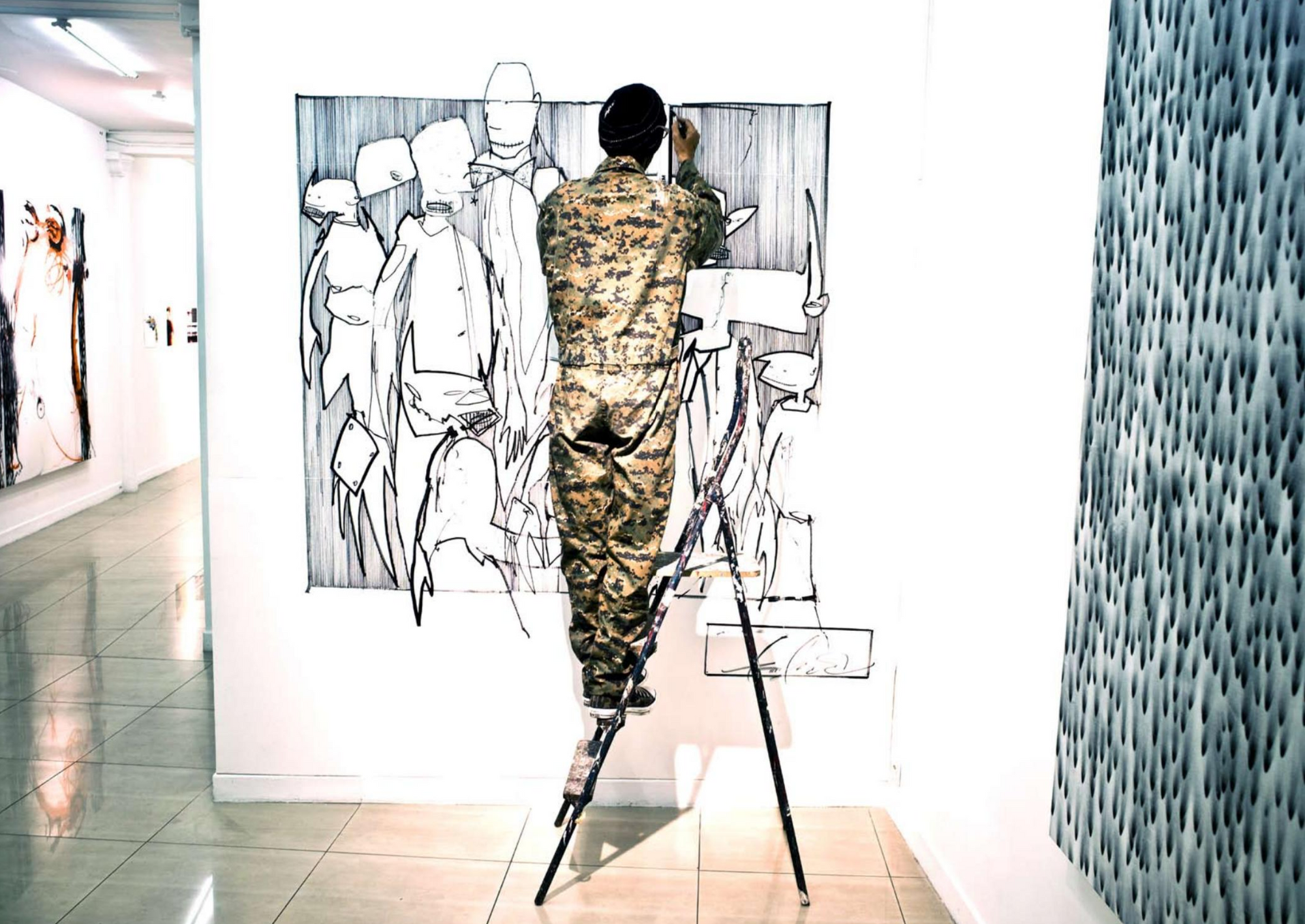
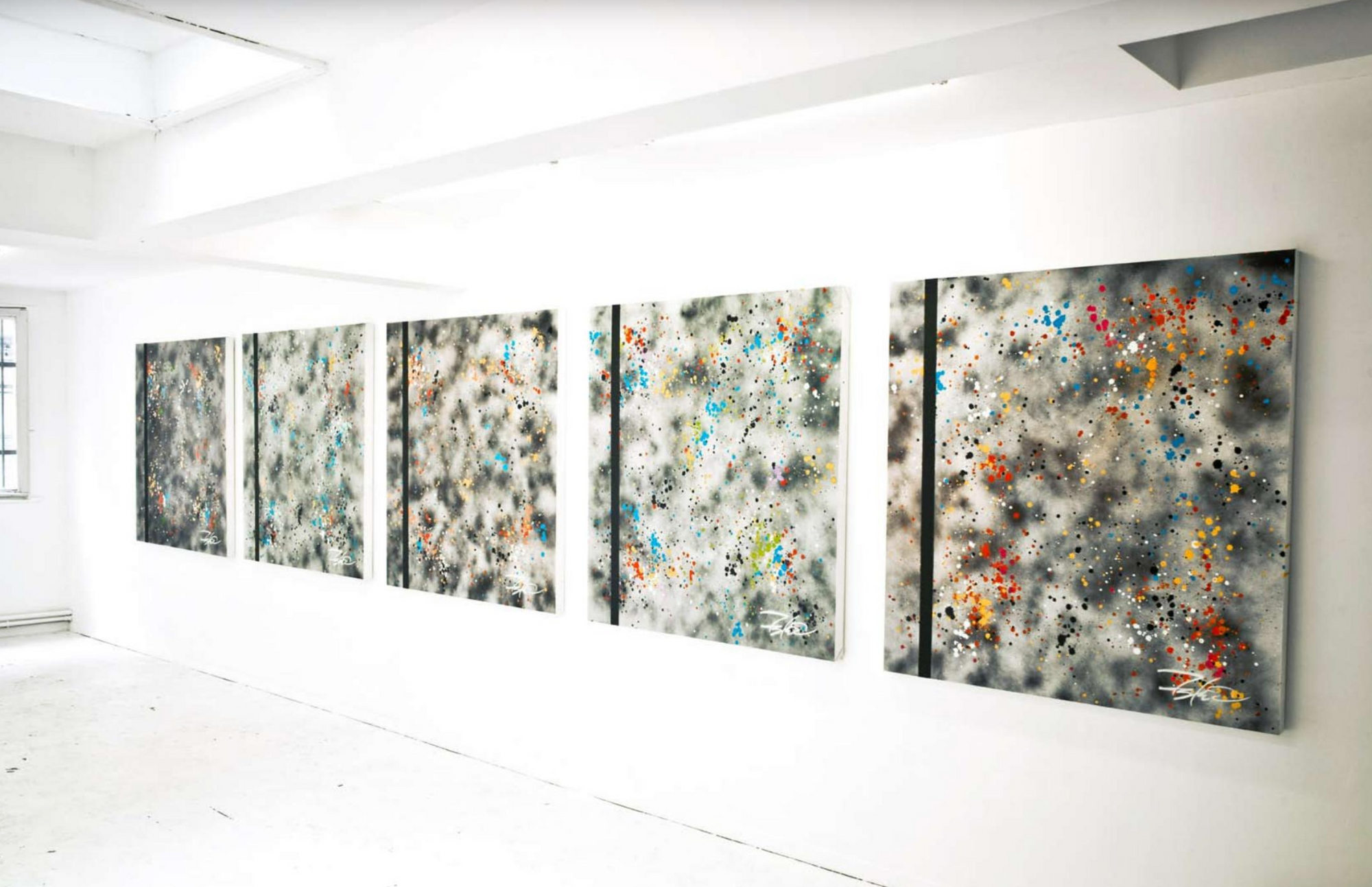
Futura solo show at Magda Danysz Gallery in Paris 2014
Nanzenji Temple Autumn Foliage, Higashiyama, Kyoto
CP Company Multi-Pocket Goggle Hooded Jacket in Grey
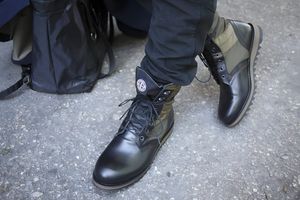
Stone Island × Diemme Military Boot (2012)
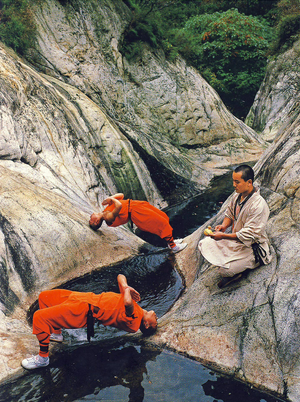
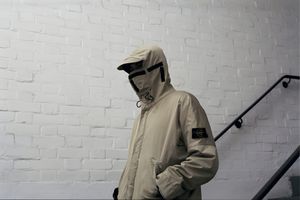
Stone Island Raso Floccato Riot Mask Jacket AW2004
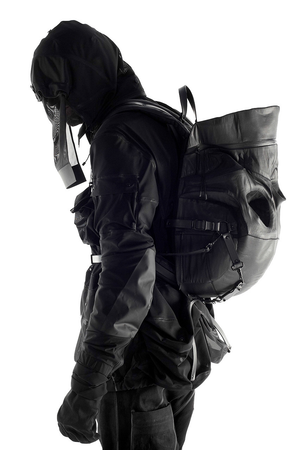
Aitor Throup 2013 “New Object Research” Collection
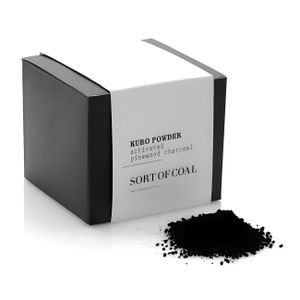
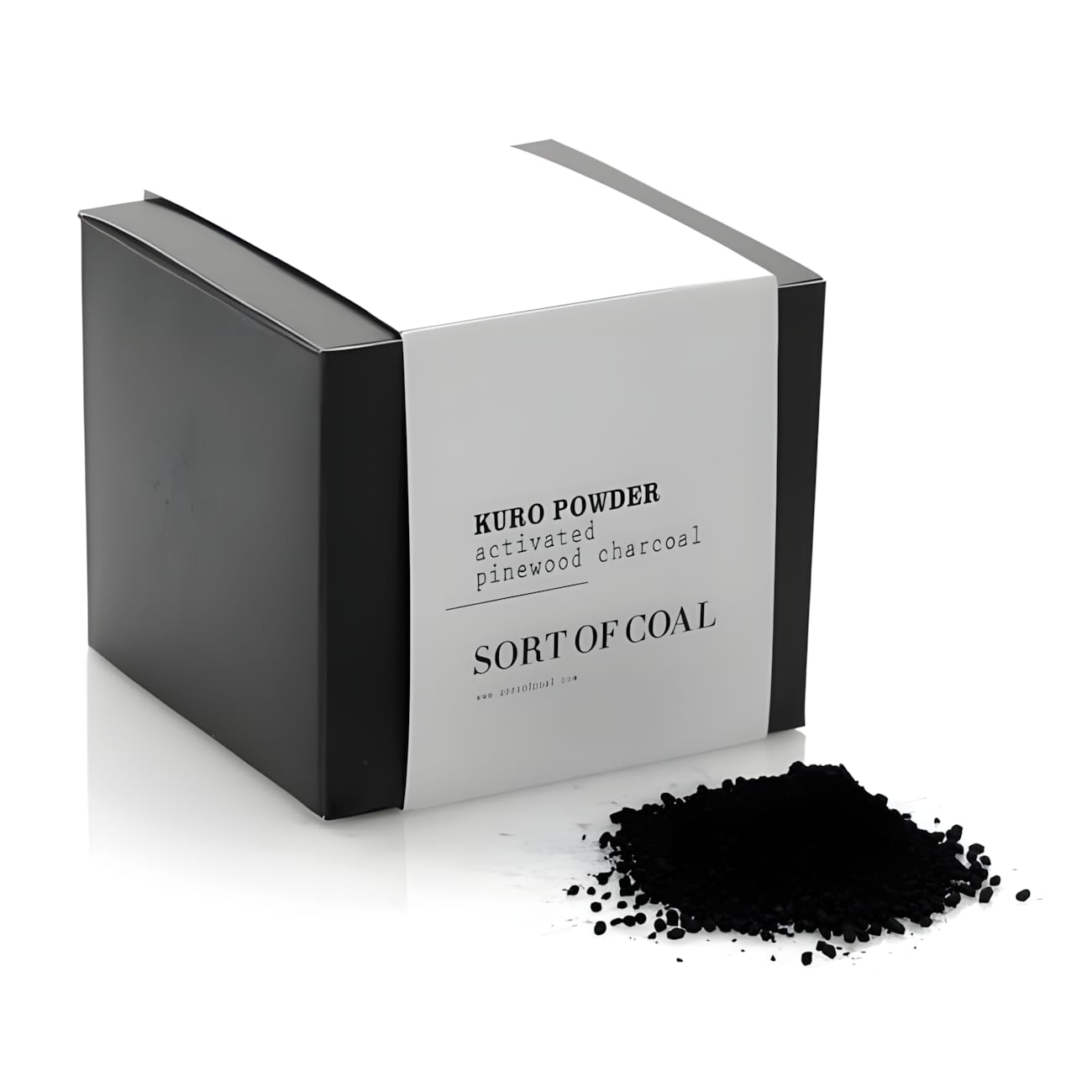
Sort of Coal — Edible Kuro Charcoal Powder
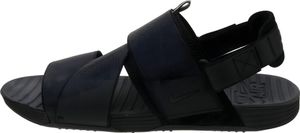
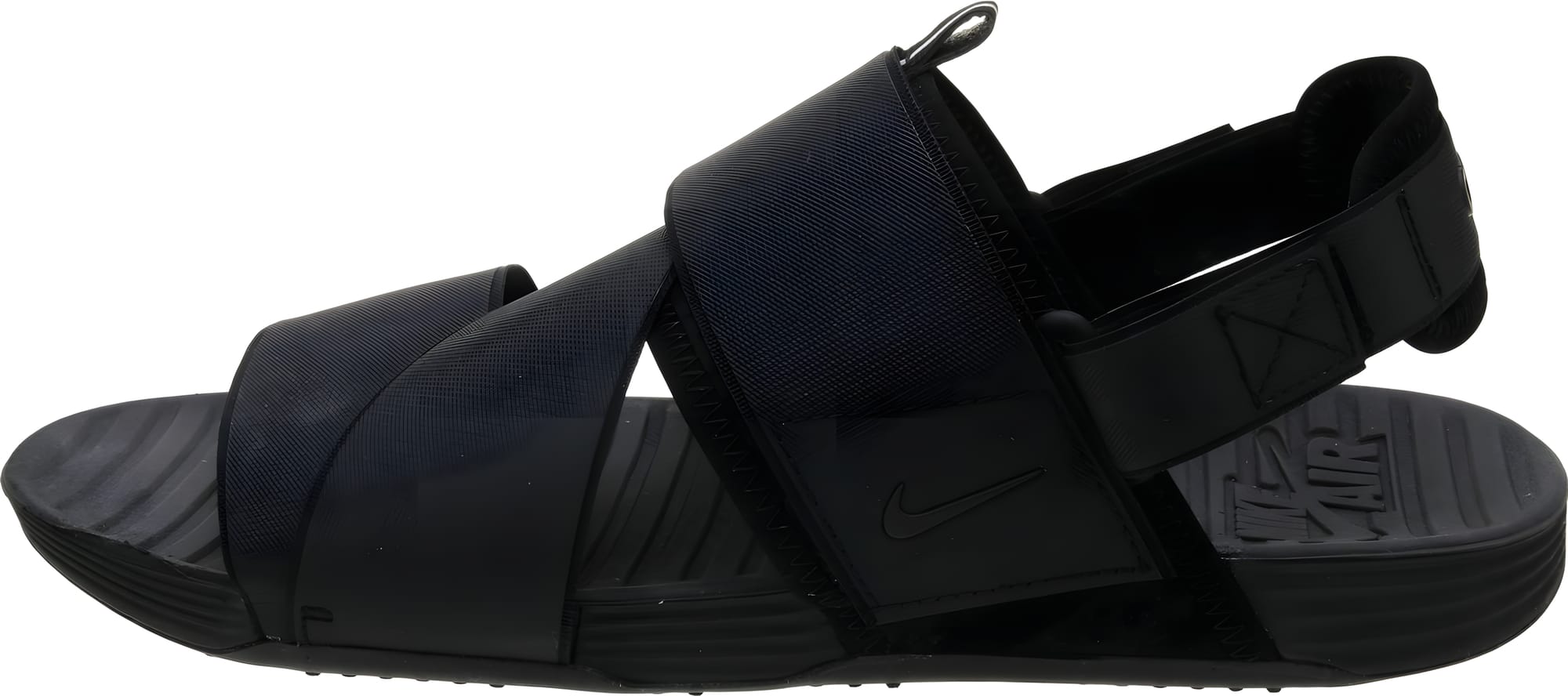
Nike Air Solarsoft Zigzag Sandal in Black
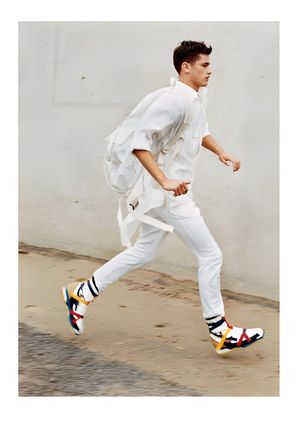
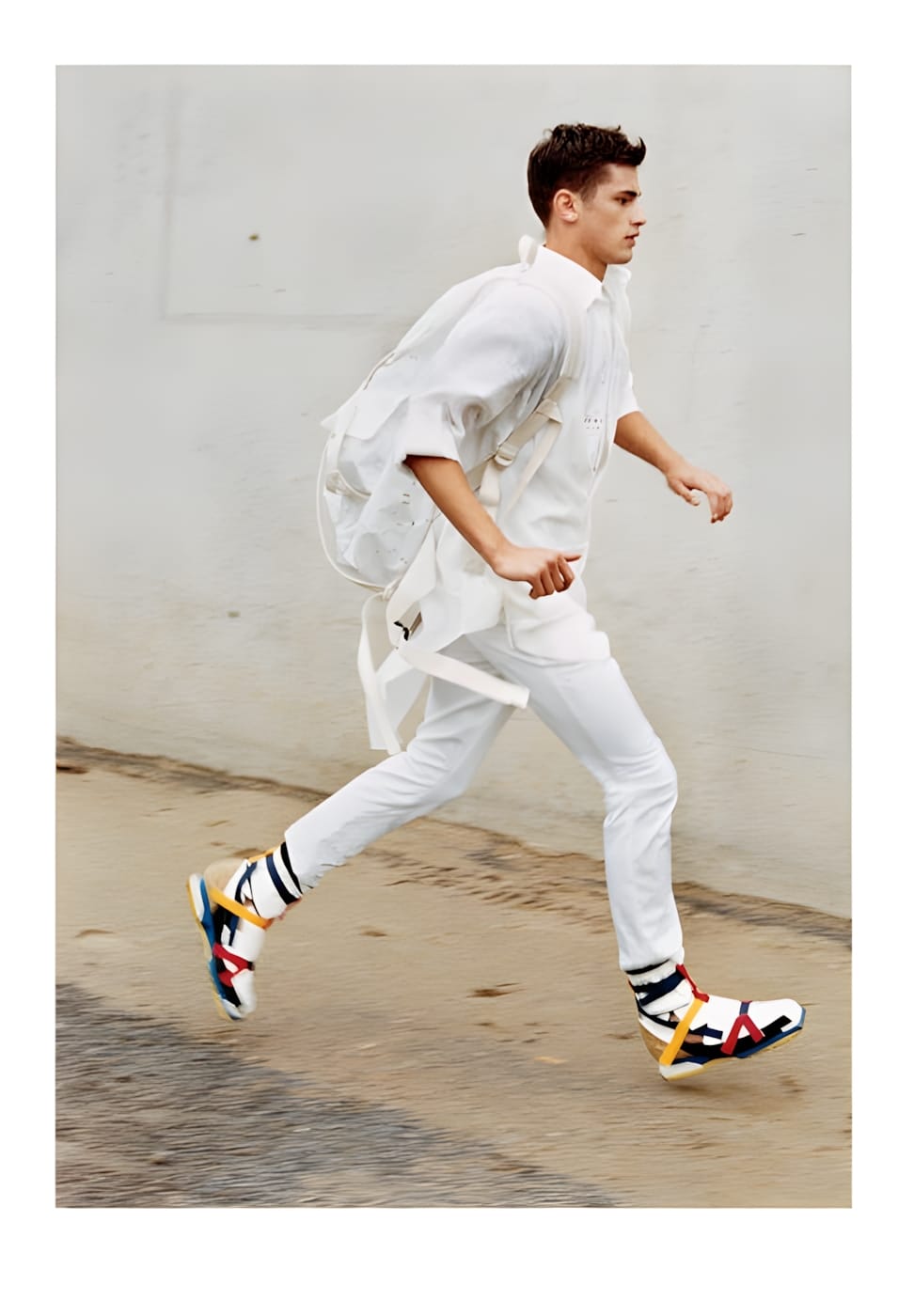
Raf Simons SS2008 De Stijl Hiking Boot — White Multicolor
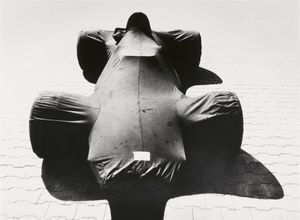
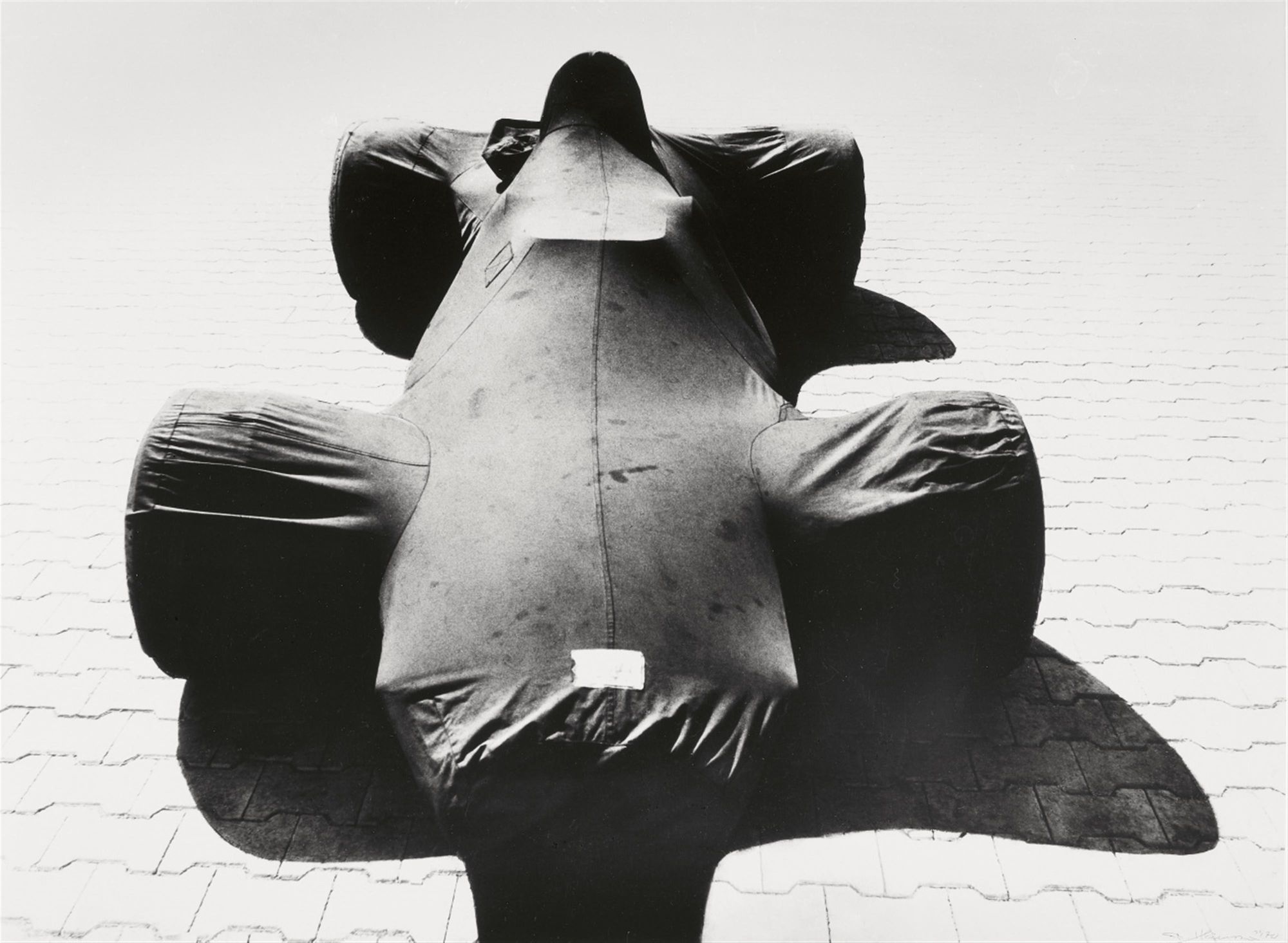
Robert Häusser J.R. 5-9-70
Gelatin silver print, printed 1999. 43.5 x 58.8 cm. Signed and dated in ballpoint pen lower right. Signed, dated, titled in ballpoint pen as well as photographer's thumb print on the verso. - Framed under glass.
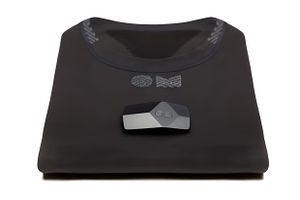
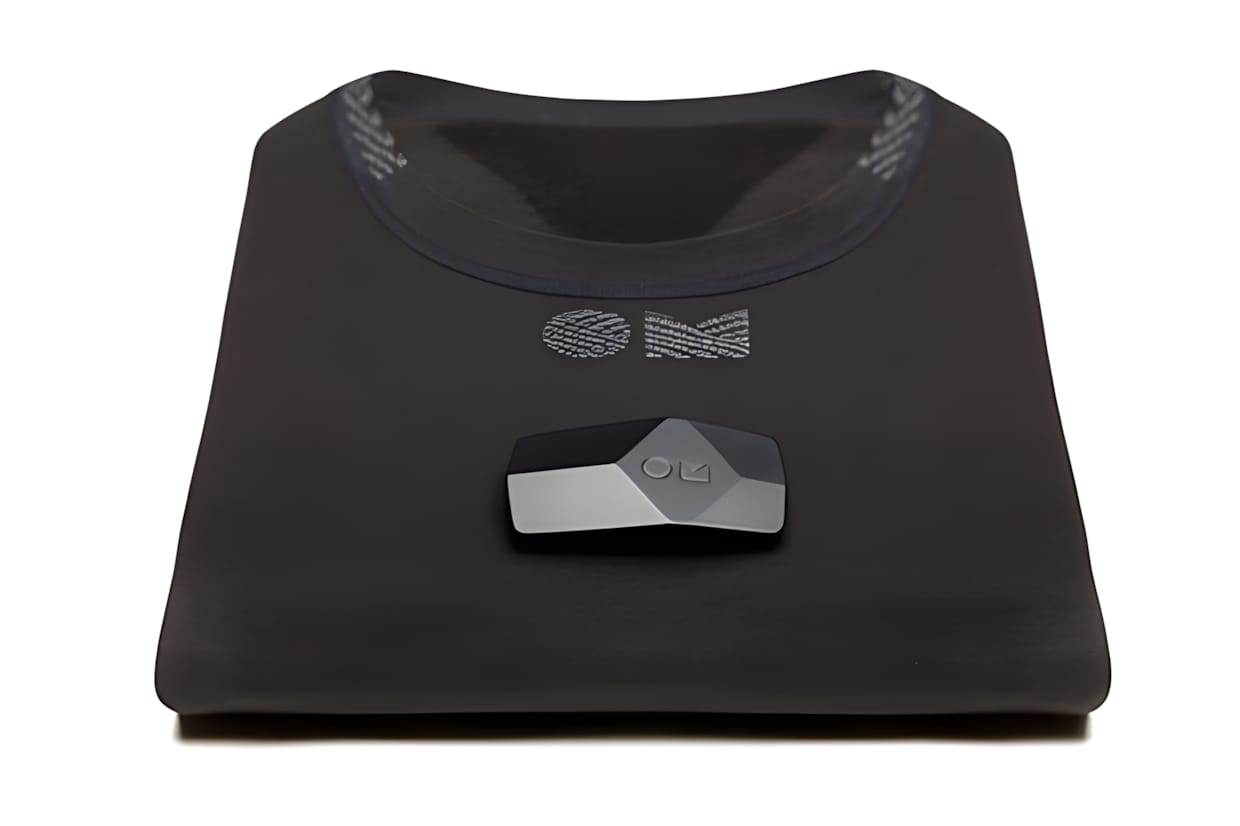
OMsignal Biometric Smartwear Shirt
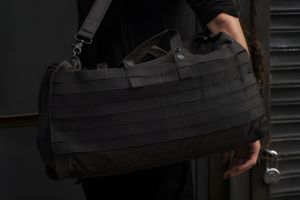
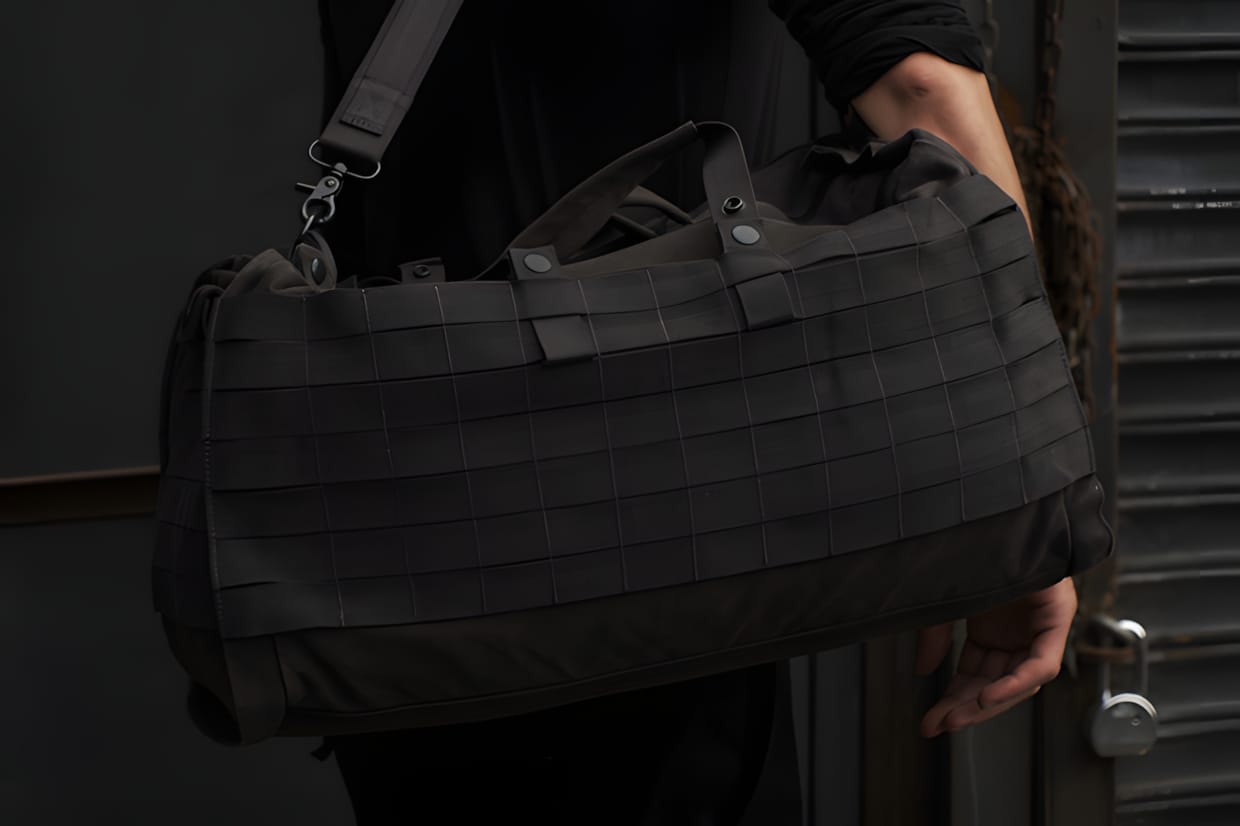
Able Archer Duffel Bag — Black MOLLE