Related_
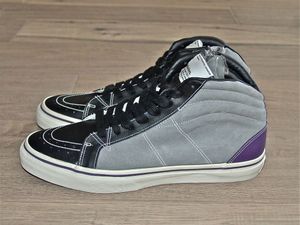
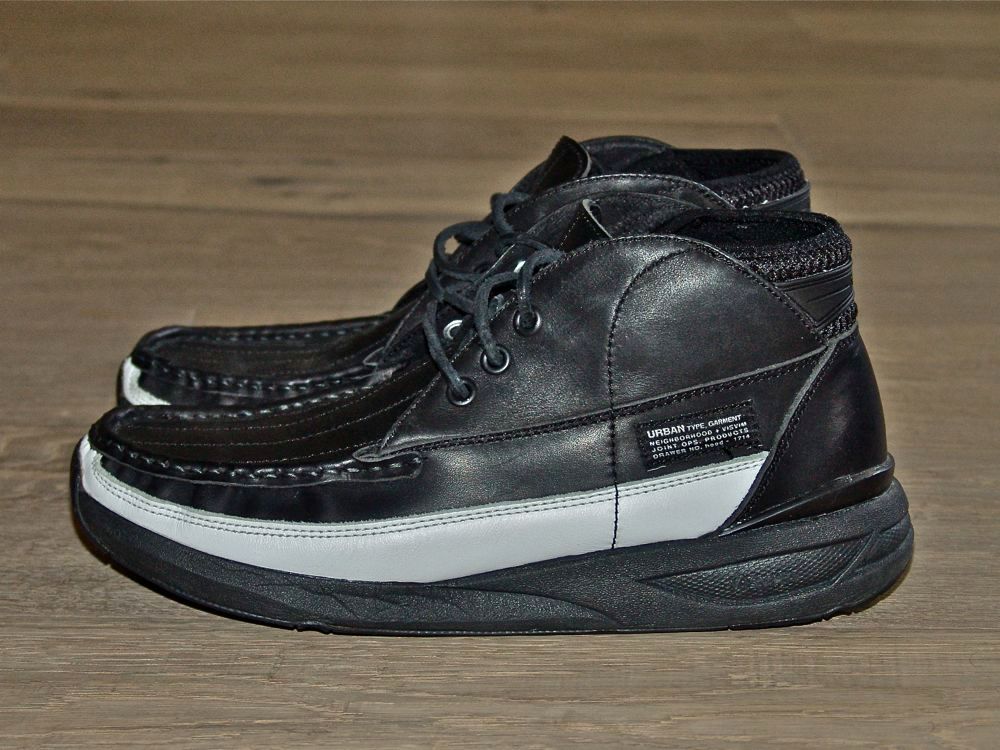
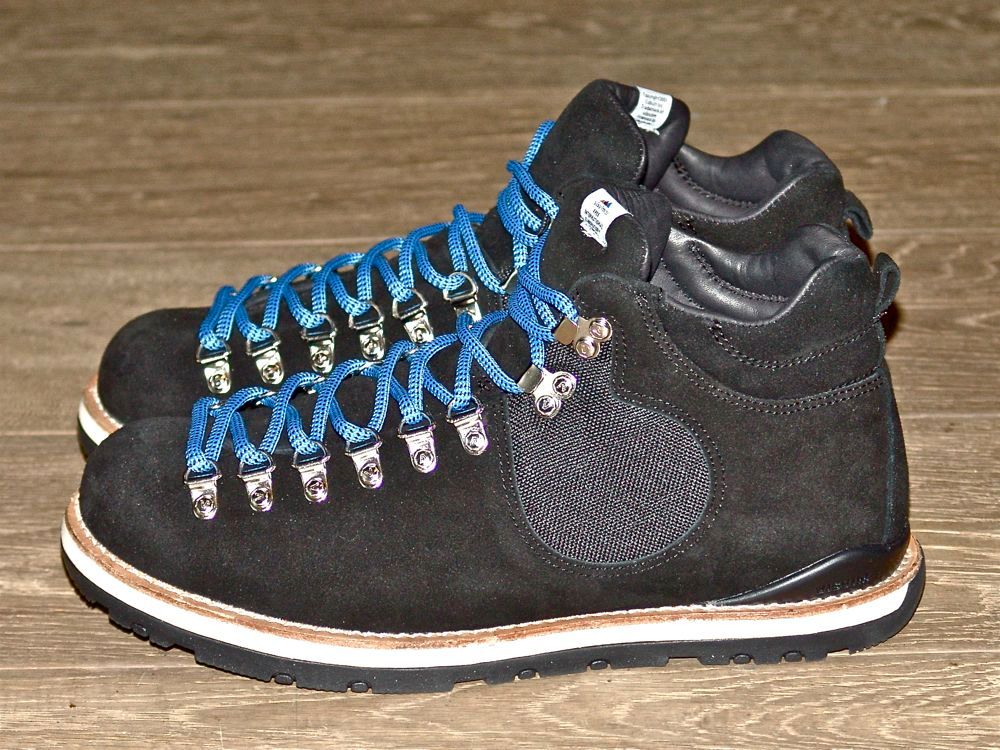
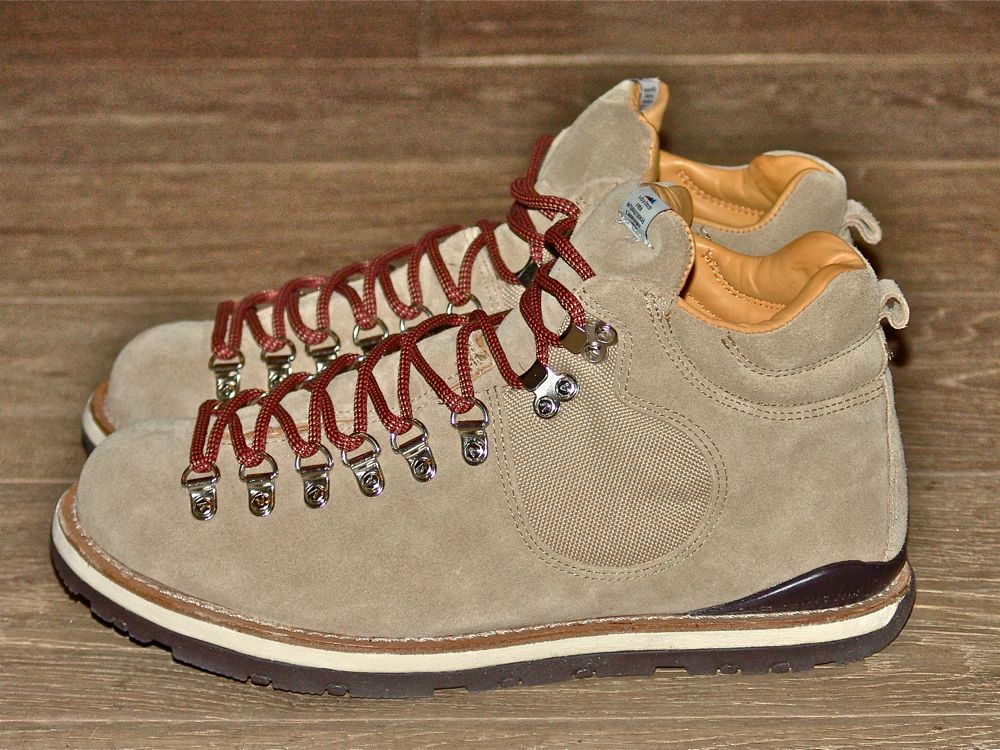
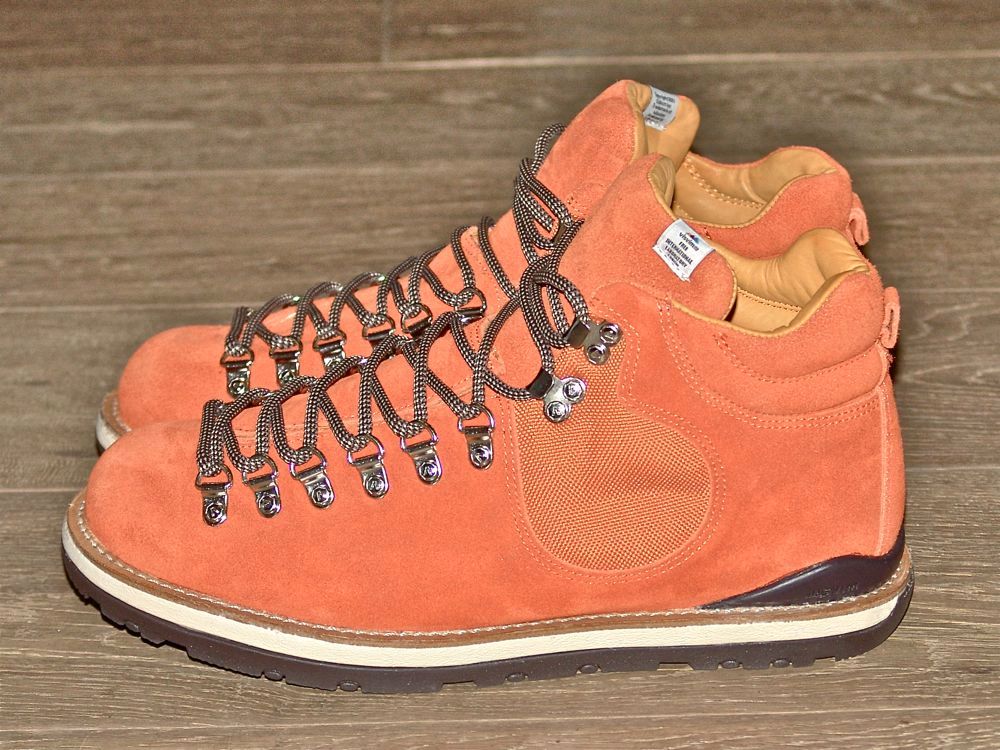
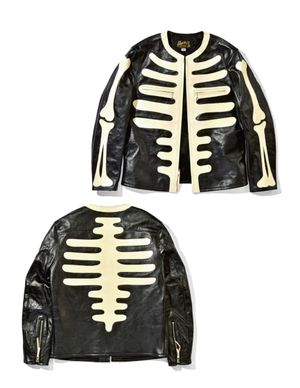
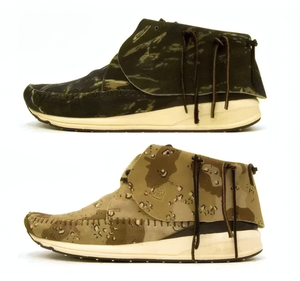
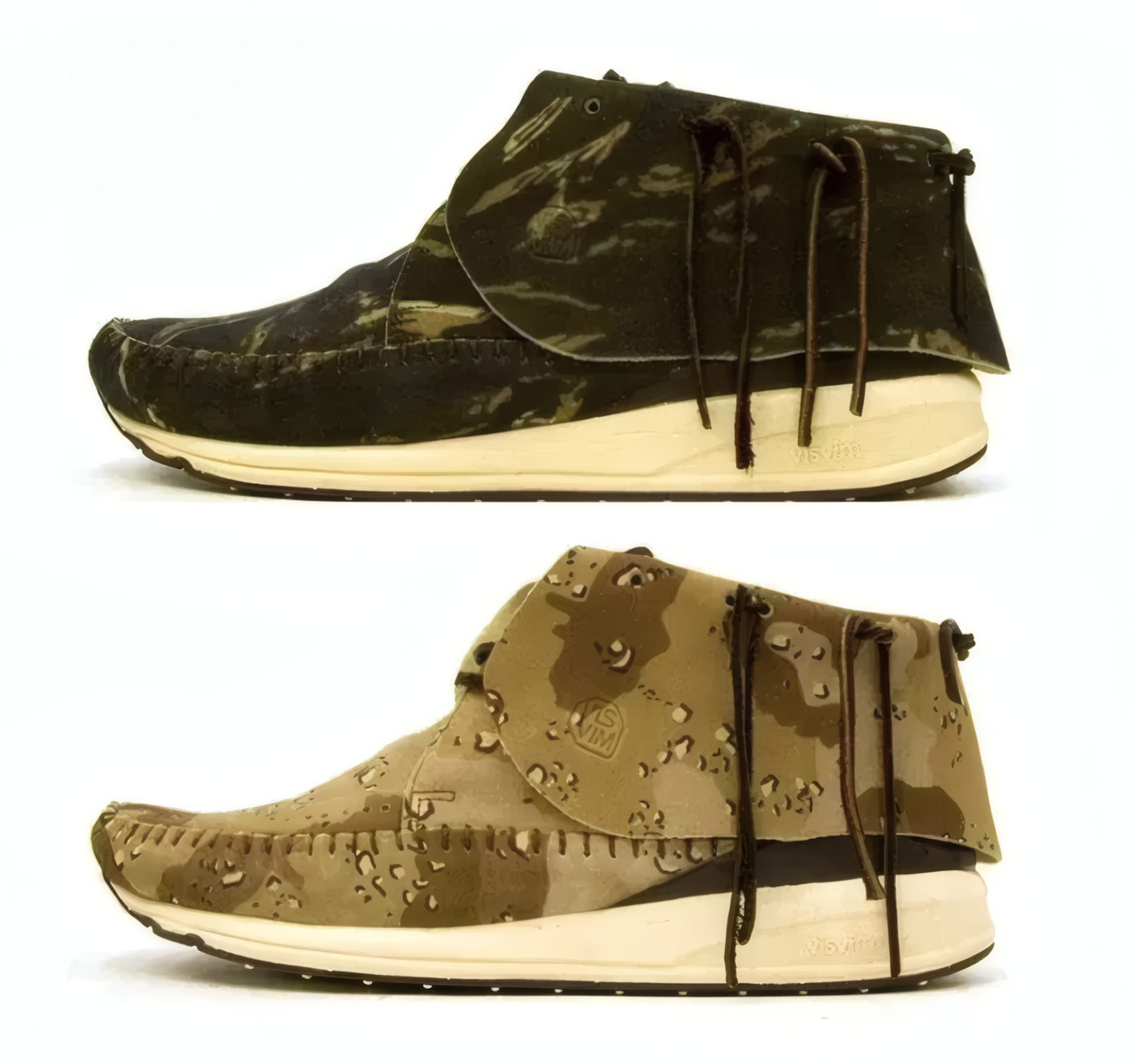
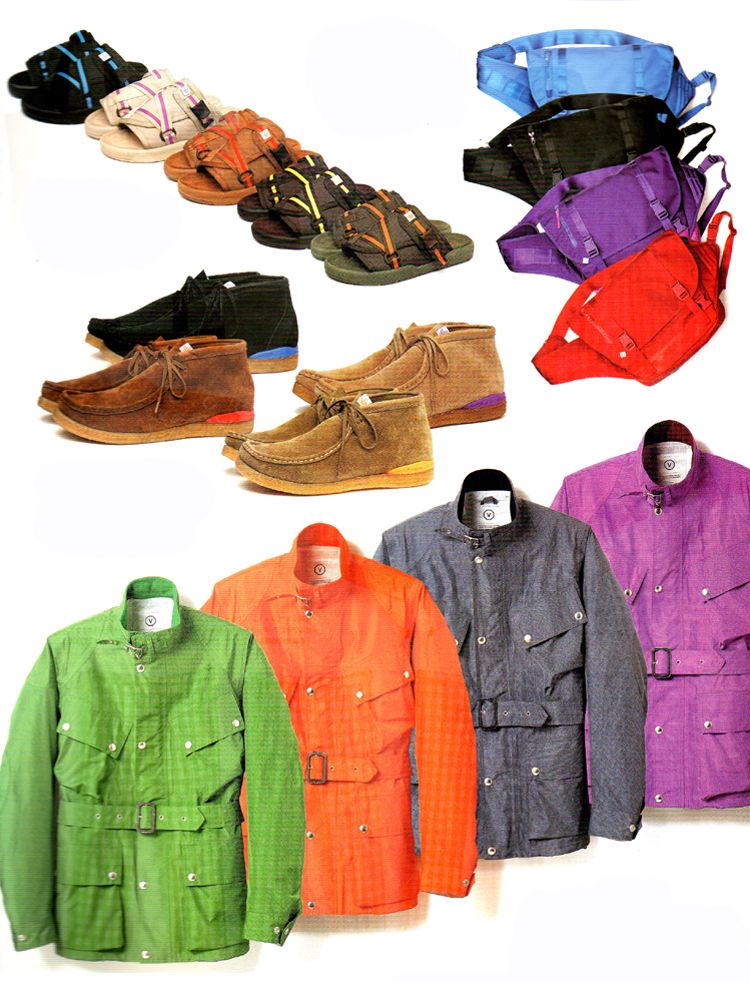
Visvim Camo G Line FBT
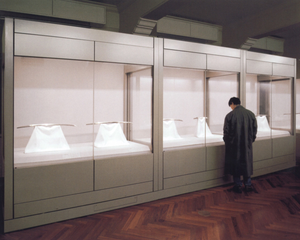
Arms 1 1999-2004 Chromogenic print Thomas Struth
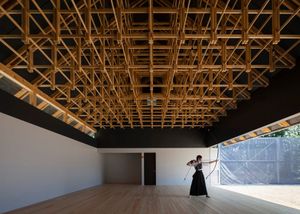
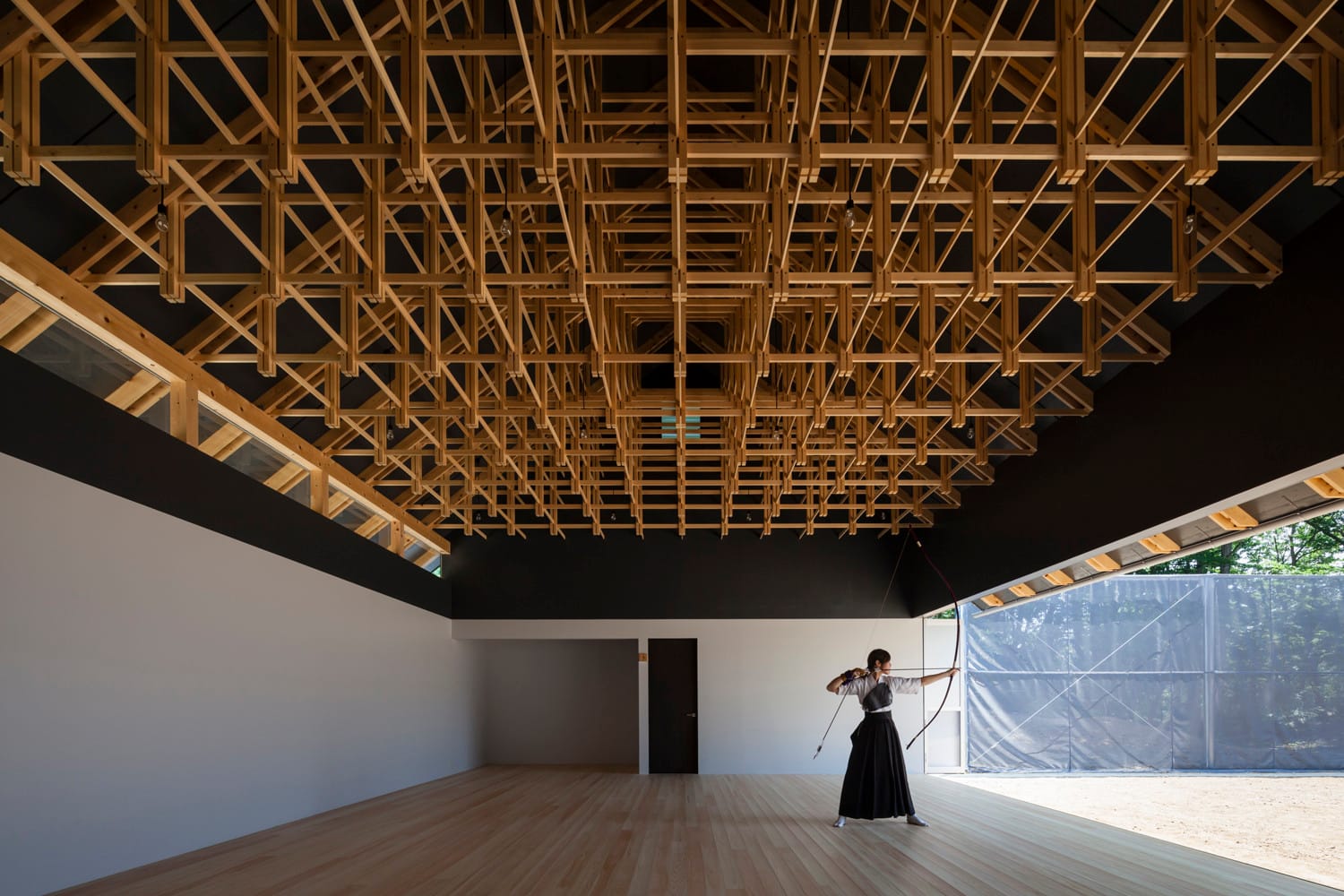
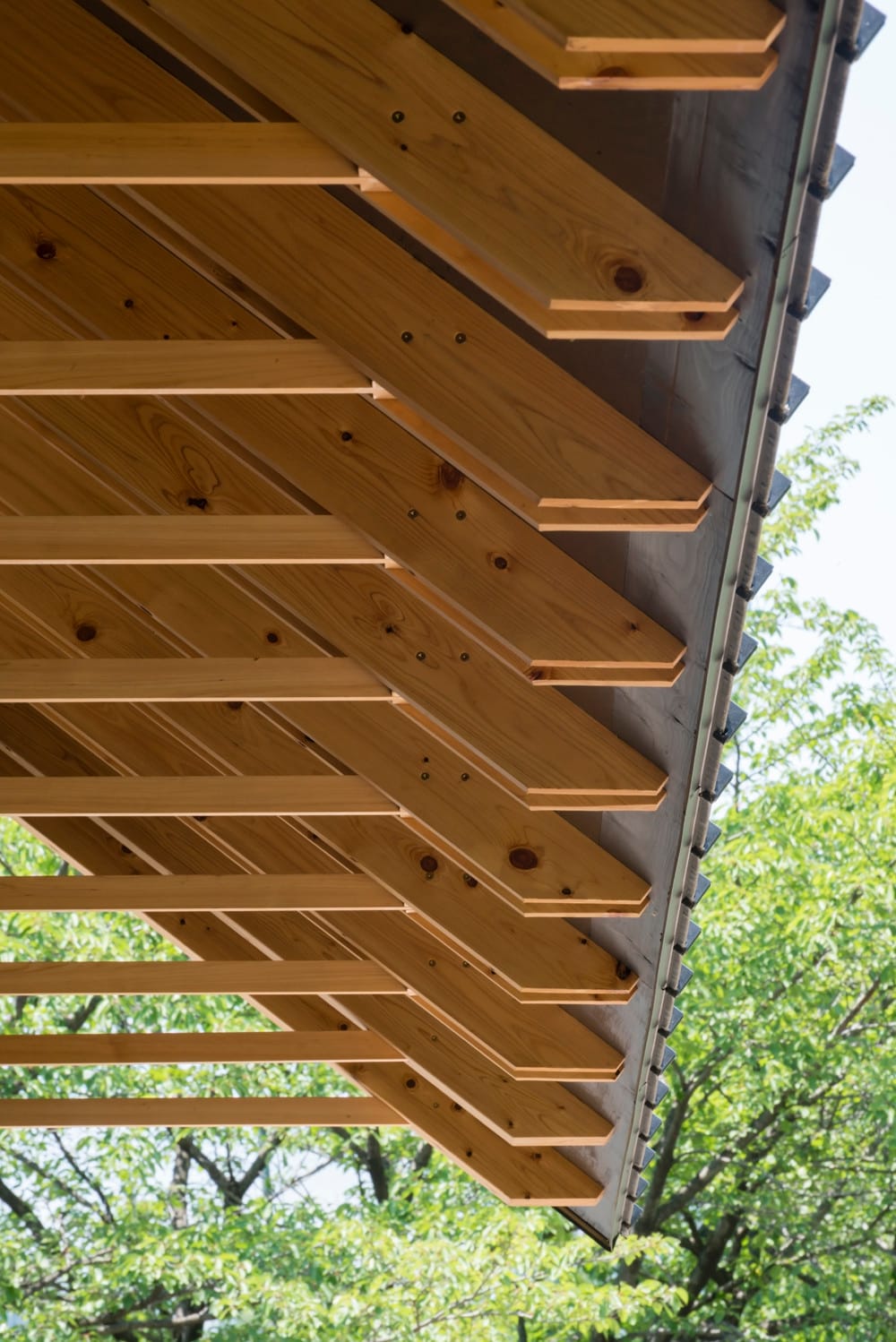
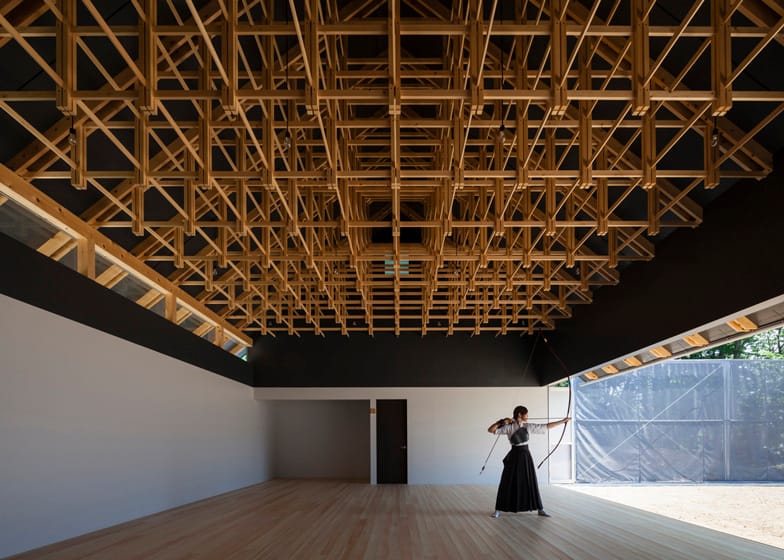
Kogakuin University Archery Hall
The Archery Hall, one of two sports pavilions FT Architects (Katsuya Fukushima, Hiroko Tominaga) built in 2013 at Kogakuin University, west Tokyo. Each is a column-free room of 7.2 by 10.8 m under an exposed timber roof of horizontal and vertical members, bolt-and-nut jointed. The archery hall uses small timber sections normally used for furniture. Photographs by Shigeo Ogawa.
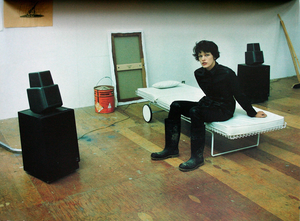
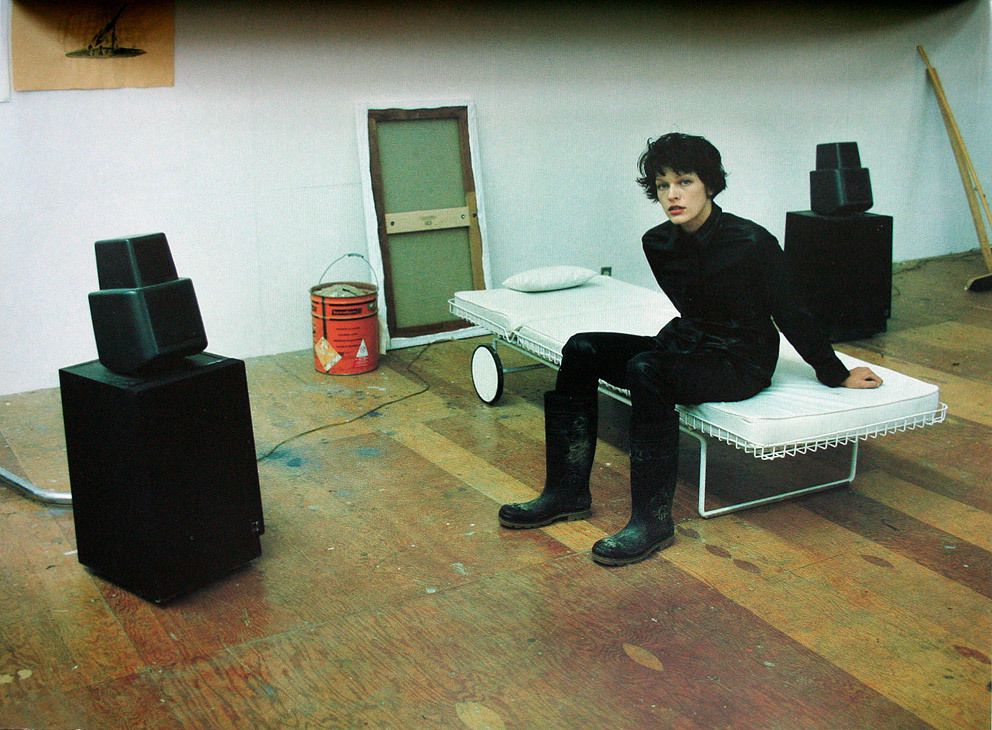
MIlla Jovovich by Juergen Teller
MIlla Jovovich by Juergen Teller for Strenesse fw97
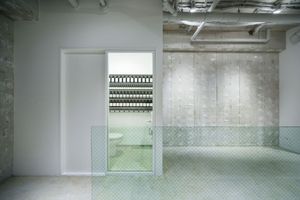
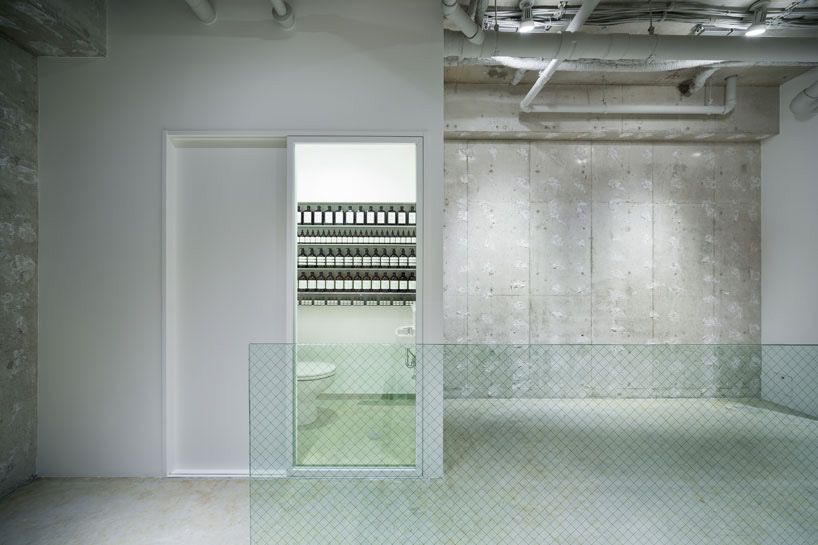
Aesop Kawaramachi Shop by Torafu Architects
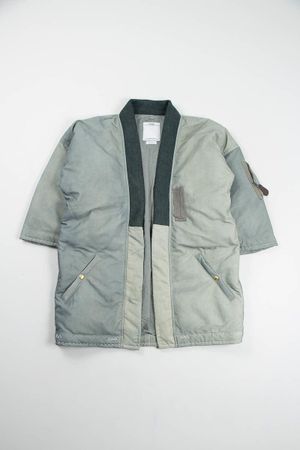
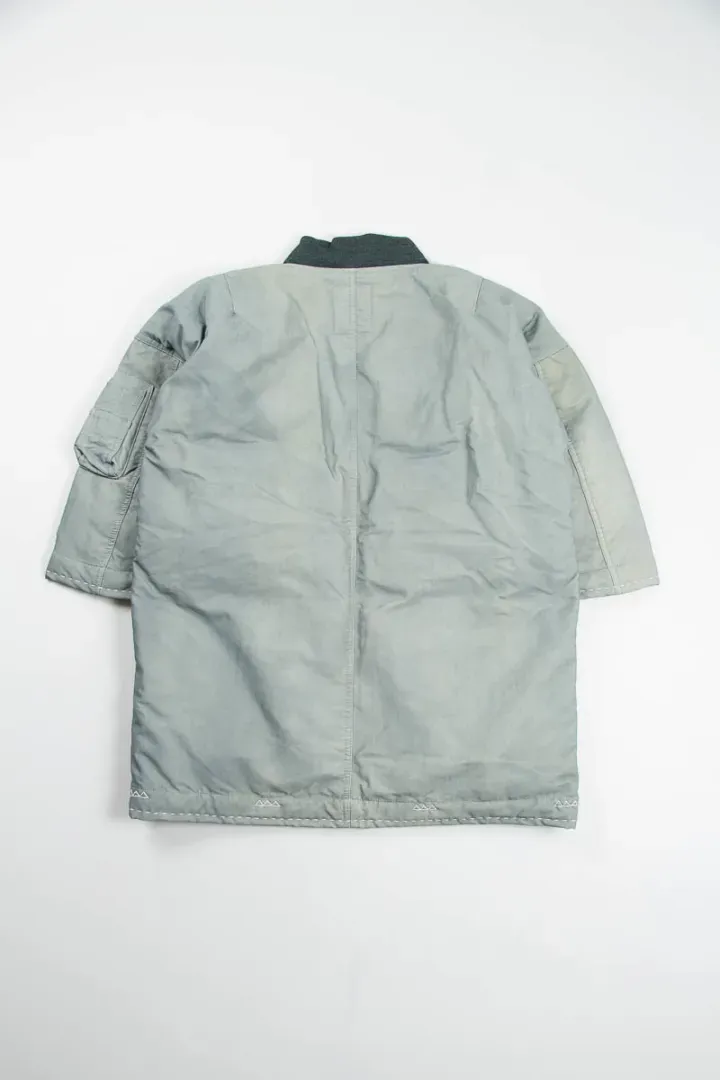
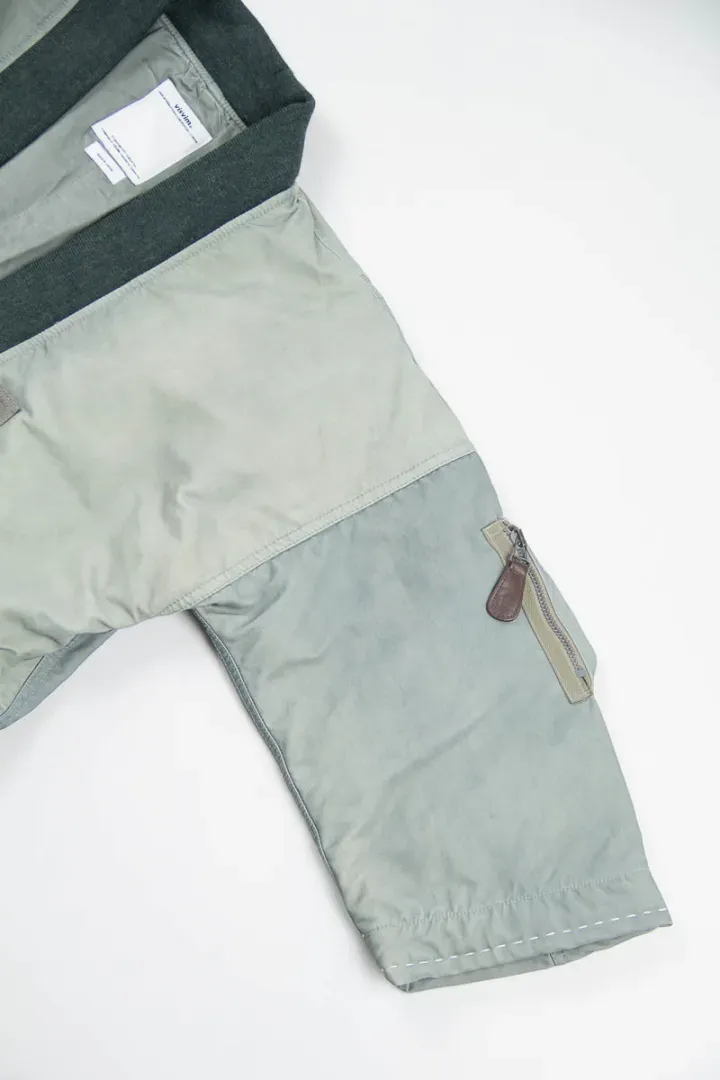
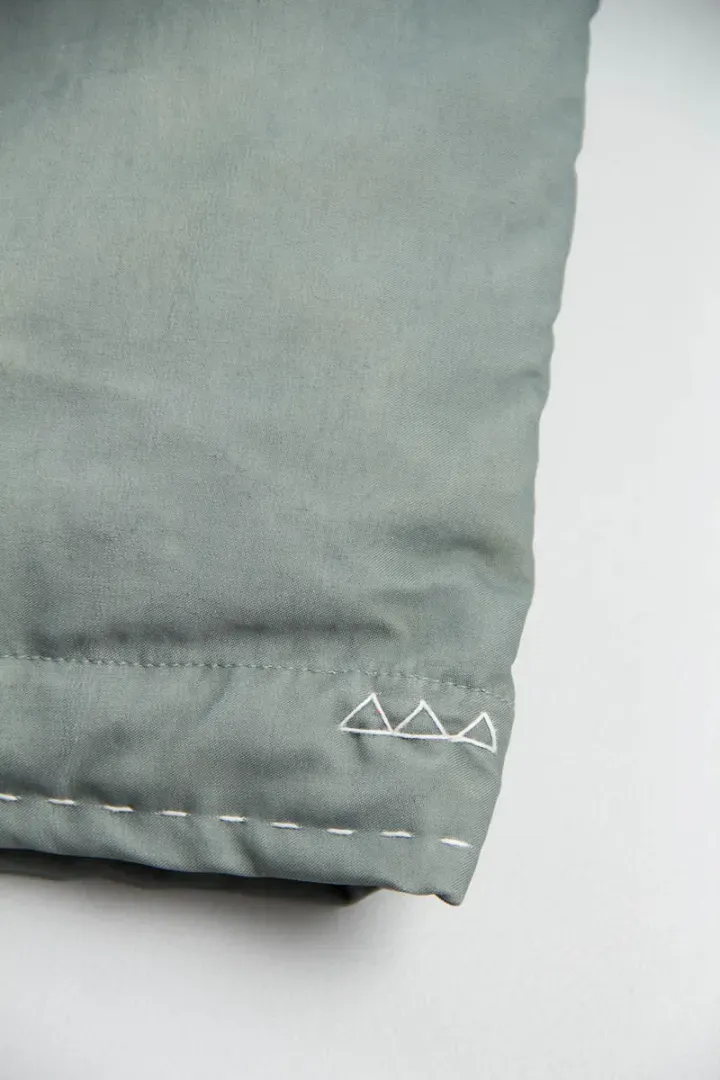
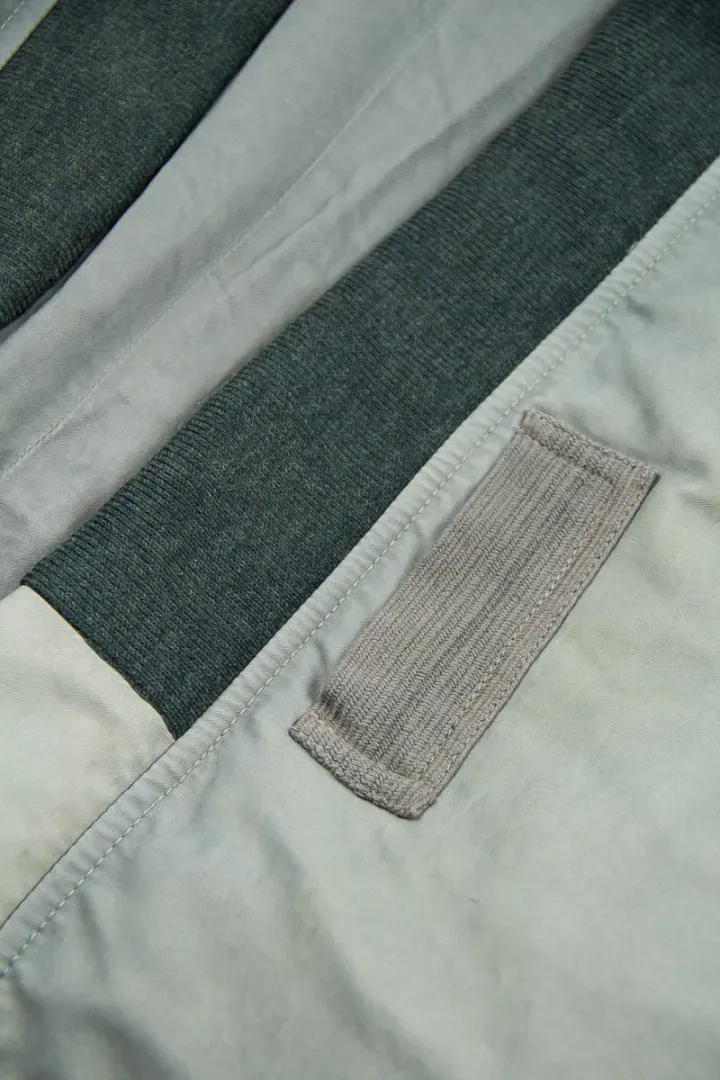
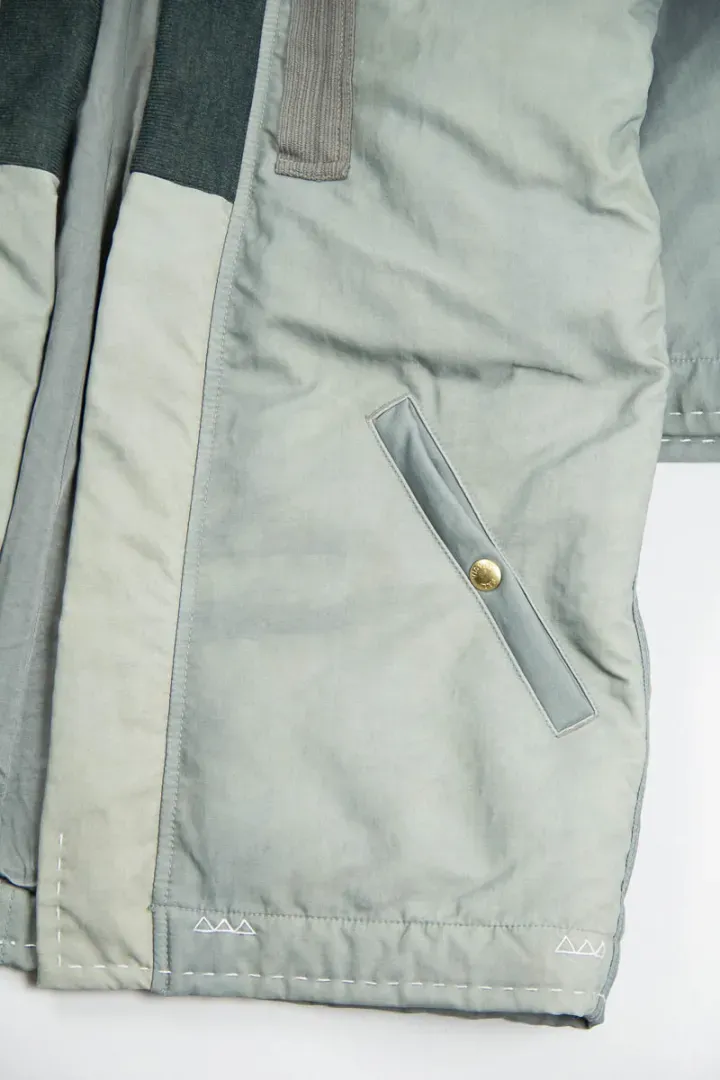
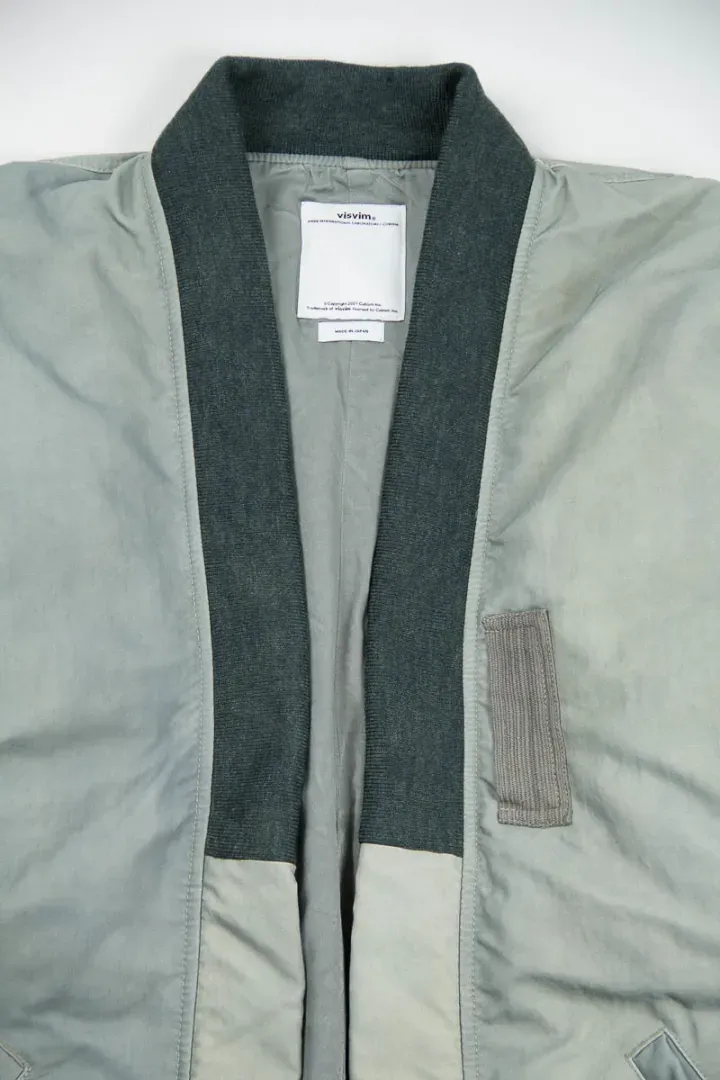
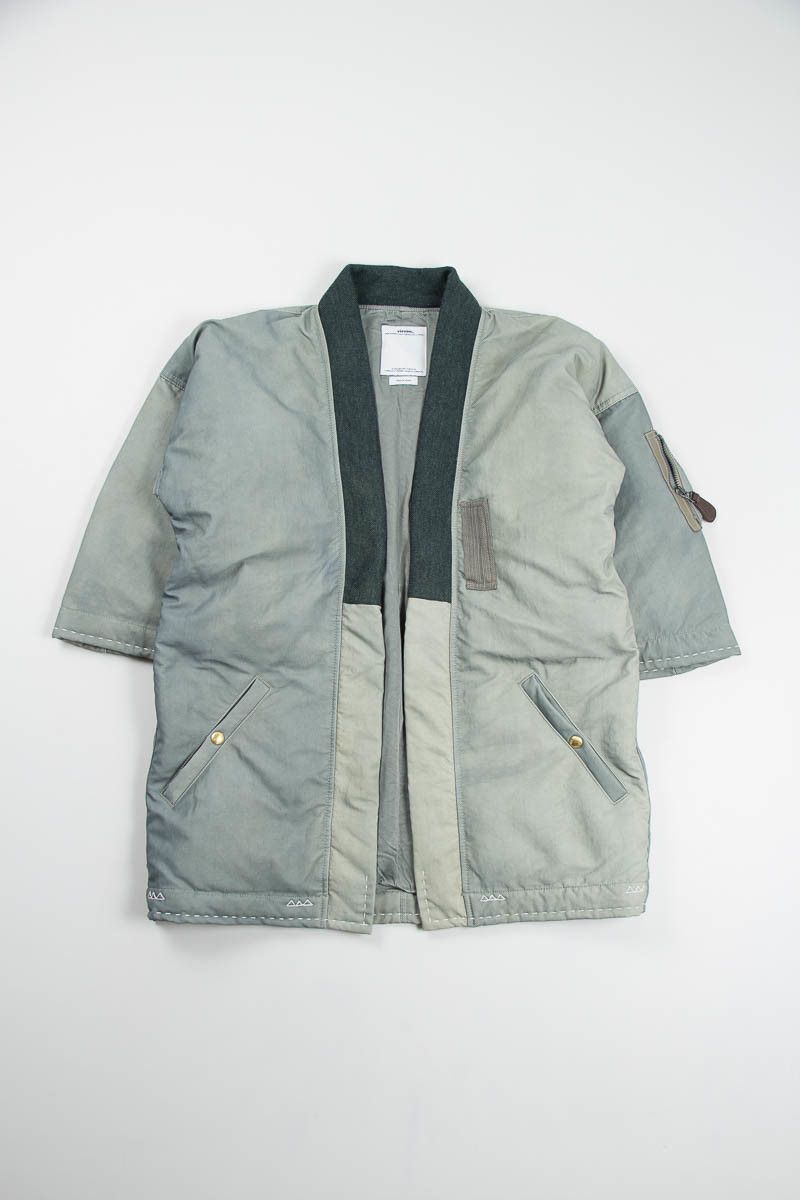
Visvim Sanjuro Kimono Down Jacket
Naturally dyed Italian nylon with a white goose down fill, ribbed collar, 2 slanted snap button pockets, Talon zippered utility pocket on one sleeve, patch detailing on the placket and hand–stitched sashiko.
Jean Paul GAULTIER KYOTO BAL (2002)

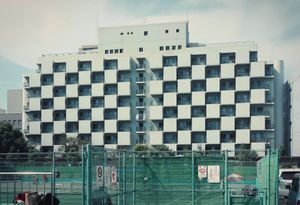
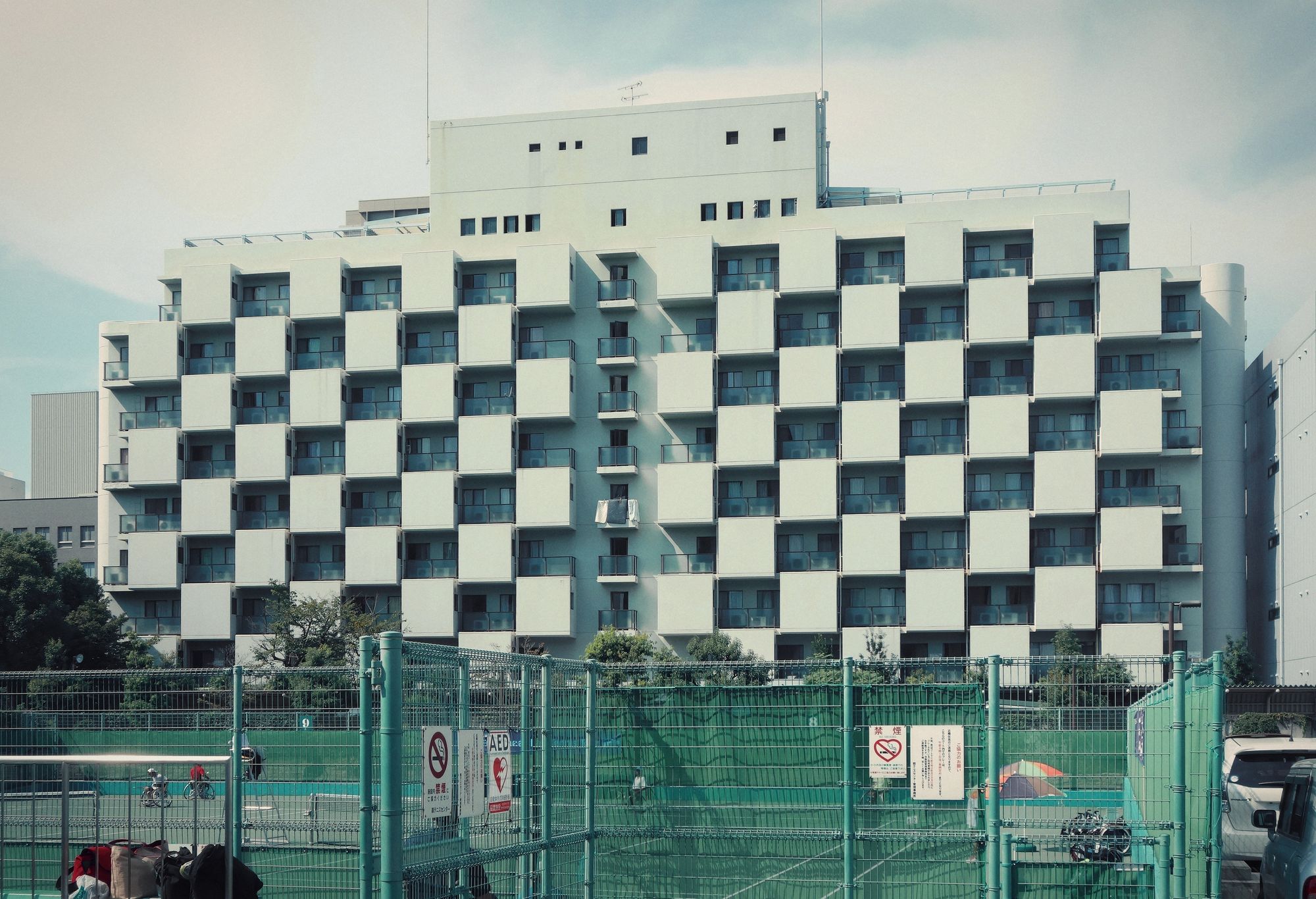
Sumitomo Hospital Seisen-ryo Apartments

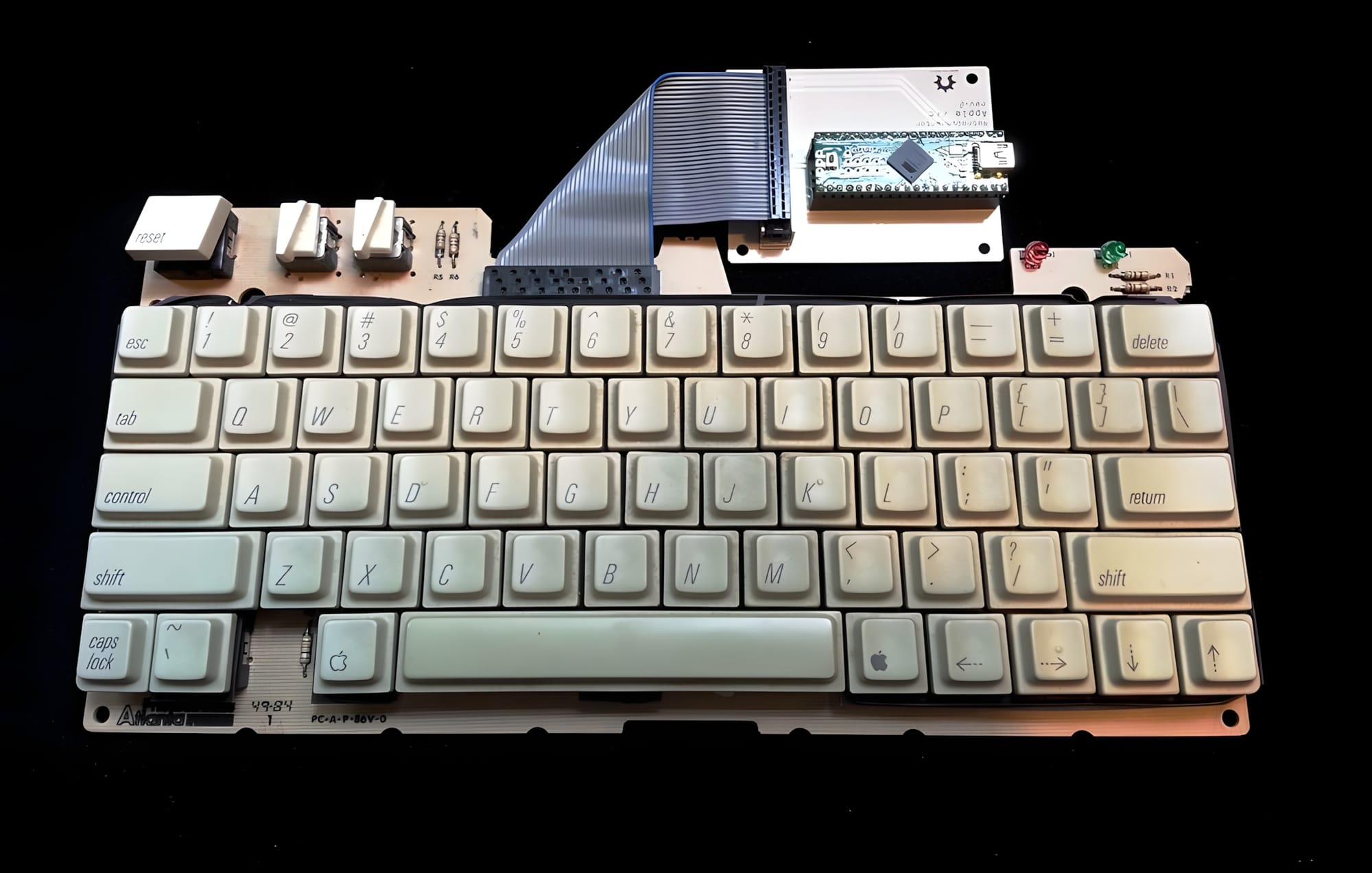
Apple IIgs Keyboard USB Conversion with Arduino Pro Micro
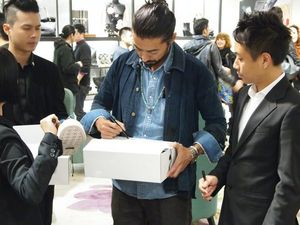
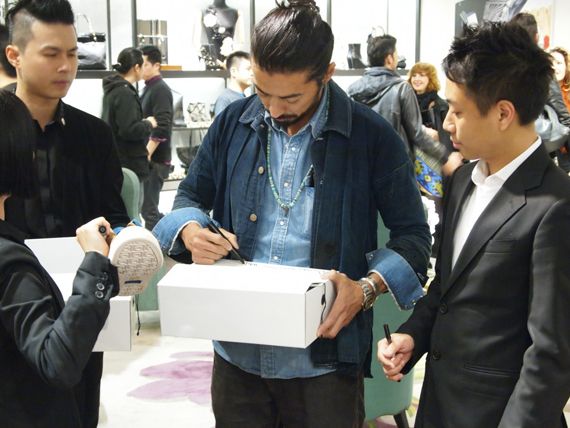
Hiroki in his Visvim Lhamo Shirt
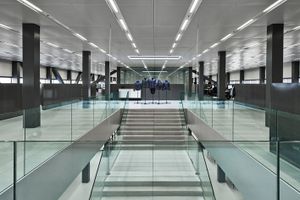
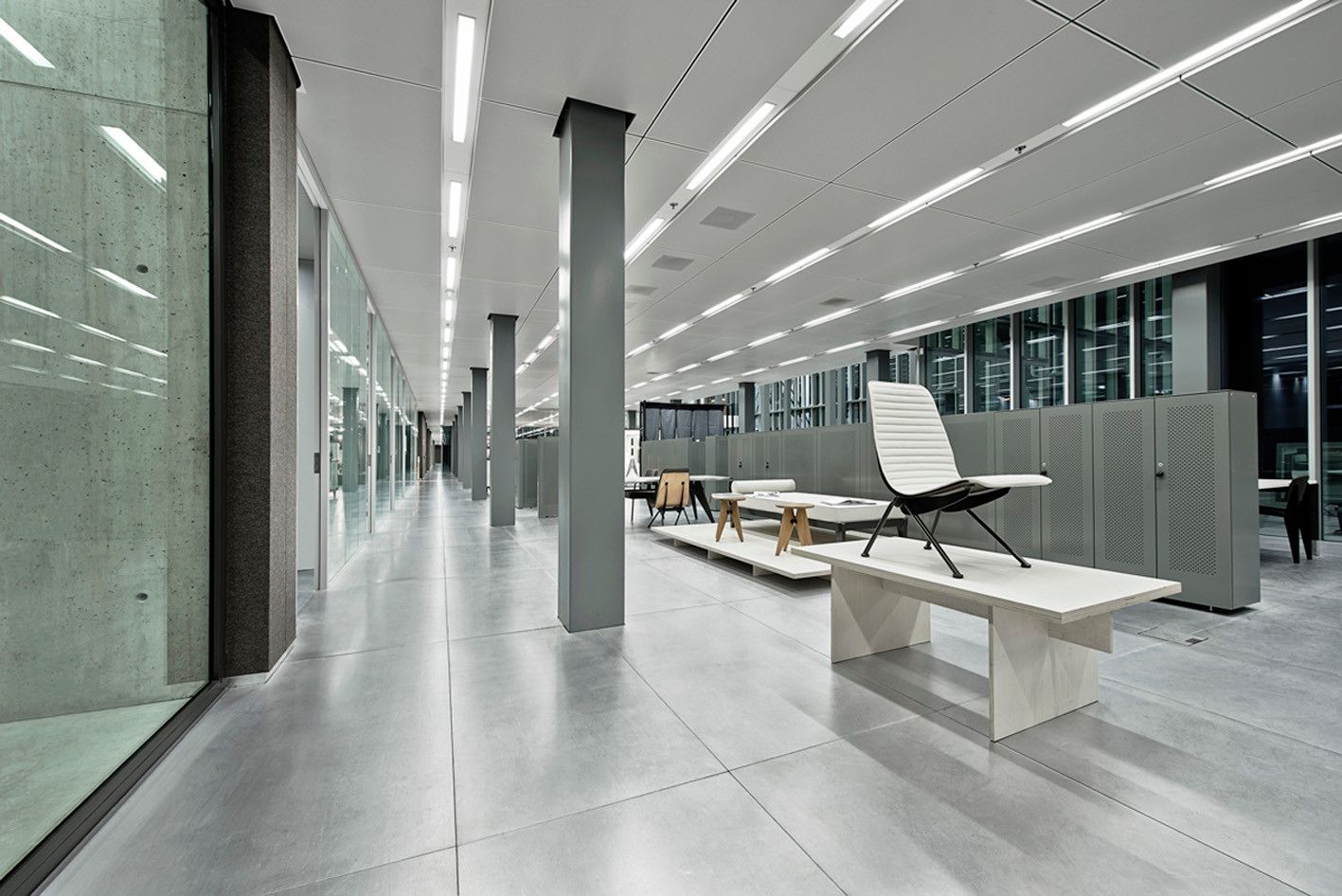
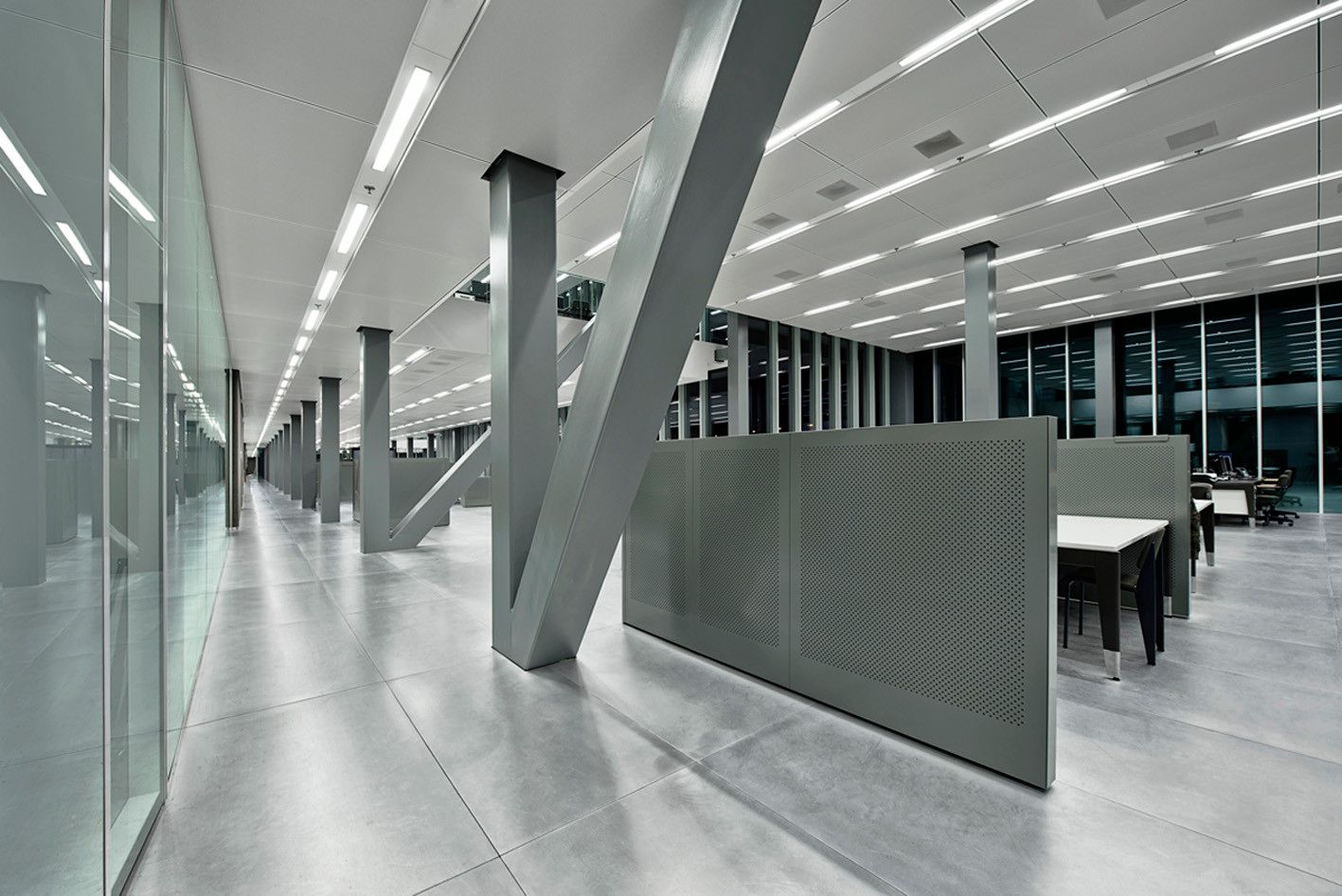
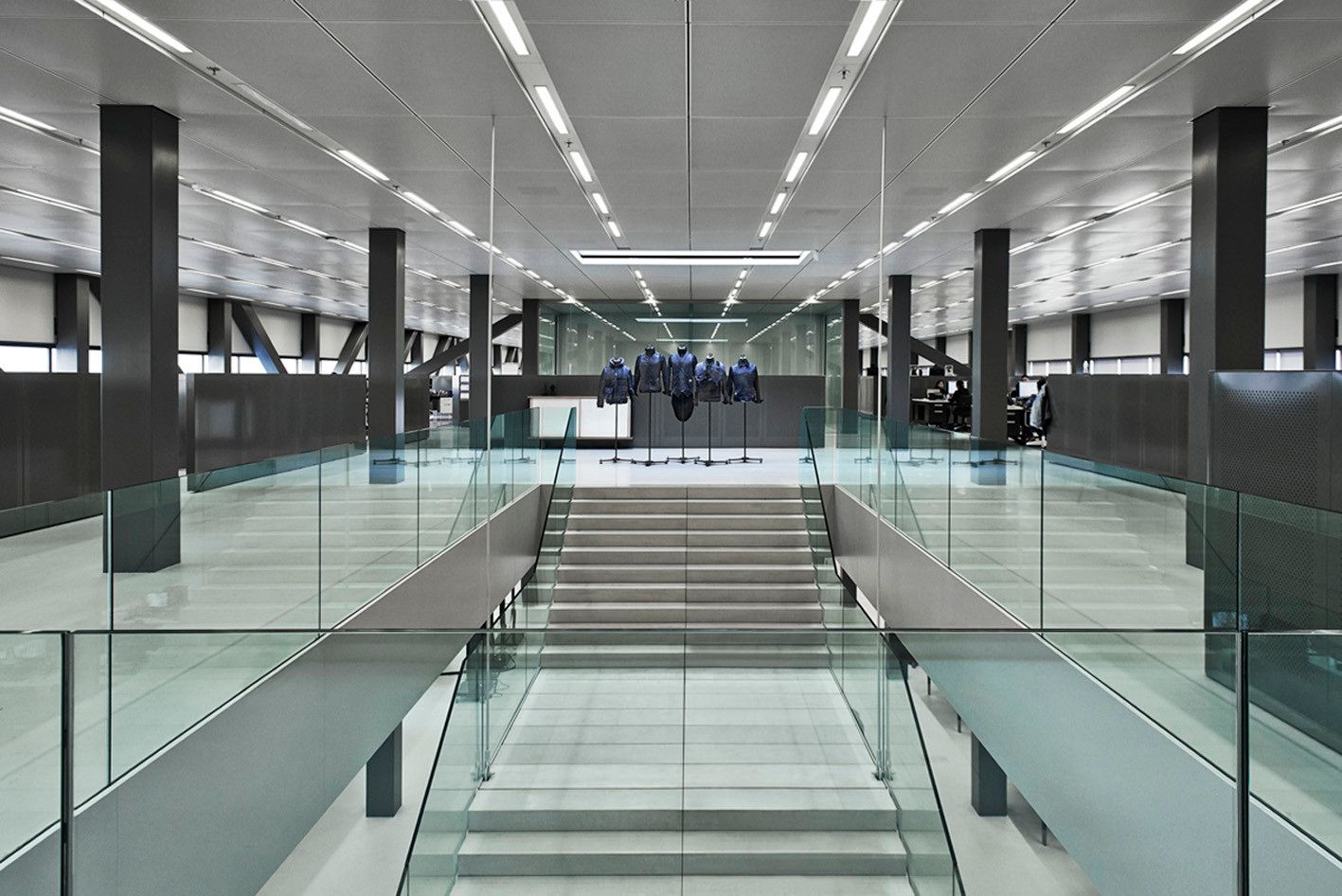
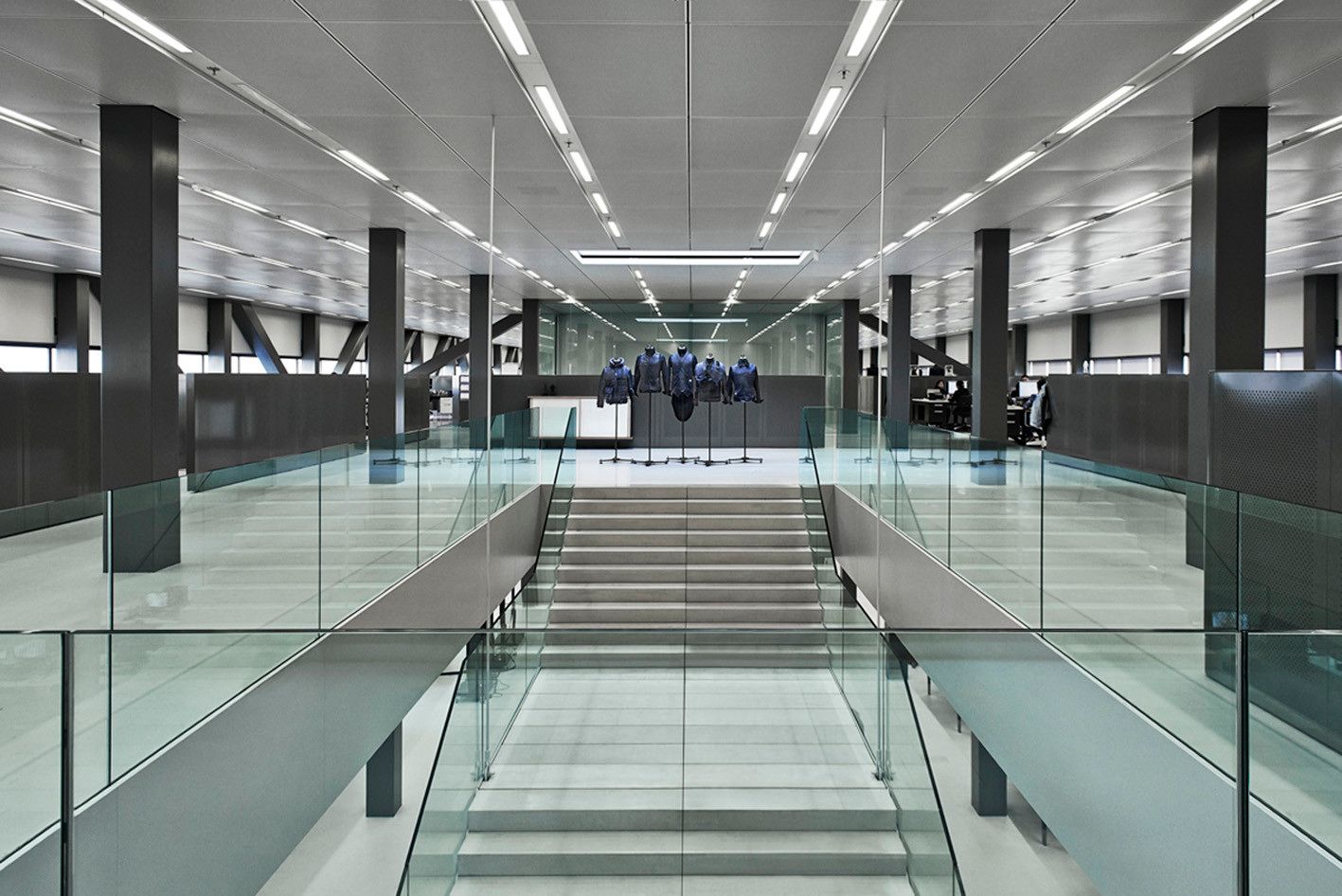
G-Star RAW HQ / OMA
The horizontal building spans 27,500 square meters and stretches 140 meters in length. It comprises a central creative hub that houses G-Star RAW's essential departments. This creative center is encircled by offices, parking spaces, and supporting amenities. The differentiation between the functional support areas and the dynamic creative core is emphasized by the use of distinct materials. The outer ring is constructed from black concrete, giving it a solid and unified appearance, while the transparent glass facade reveals the vibrant creative core within. The lower section of the ring serves as a base for parking and drop-off purposes, as well as a platform for installations and events.
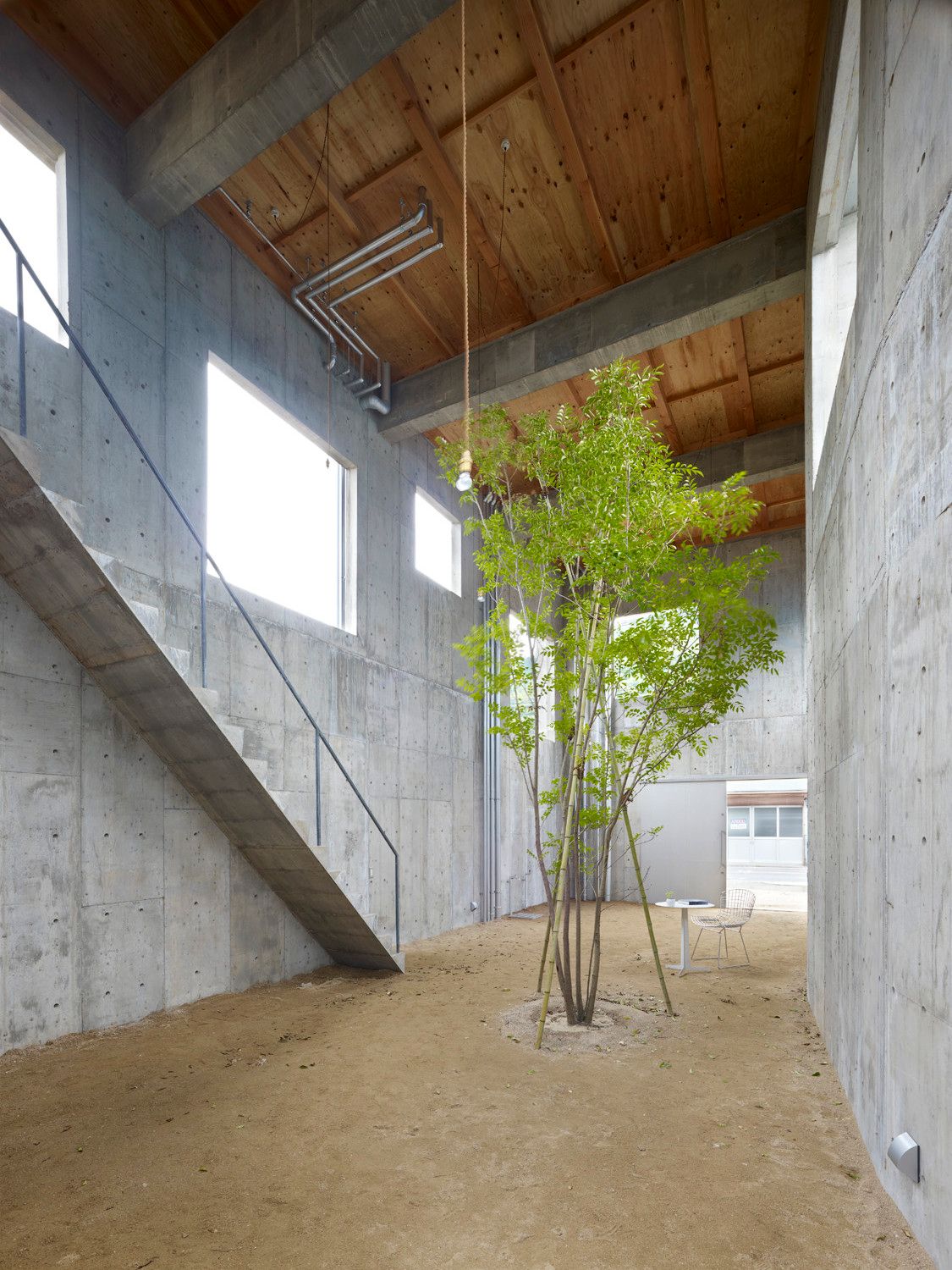
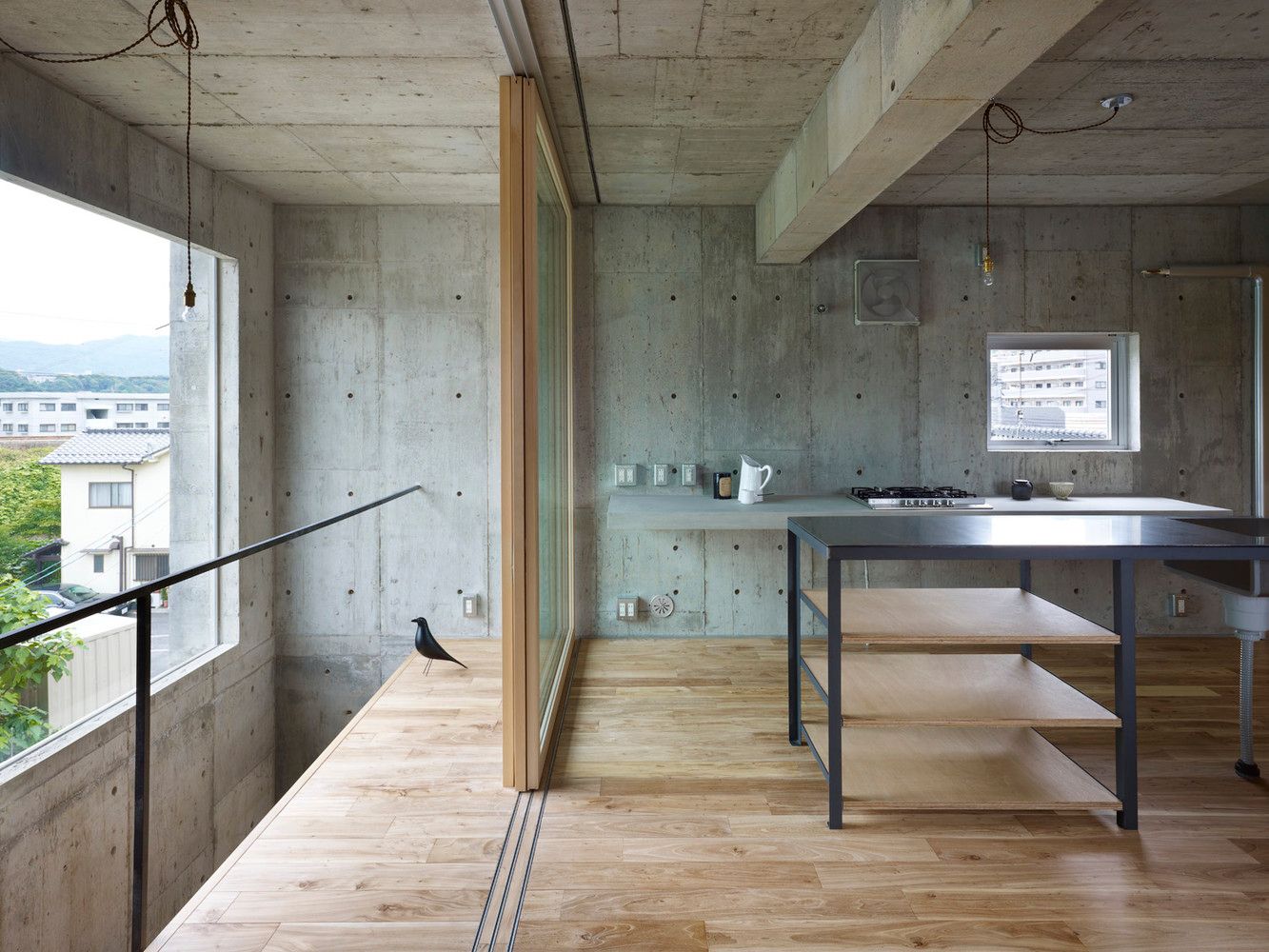
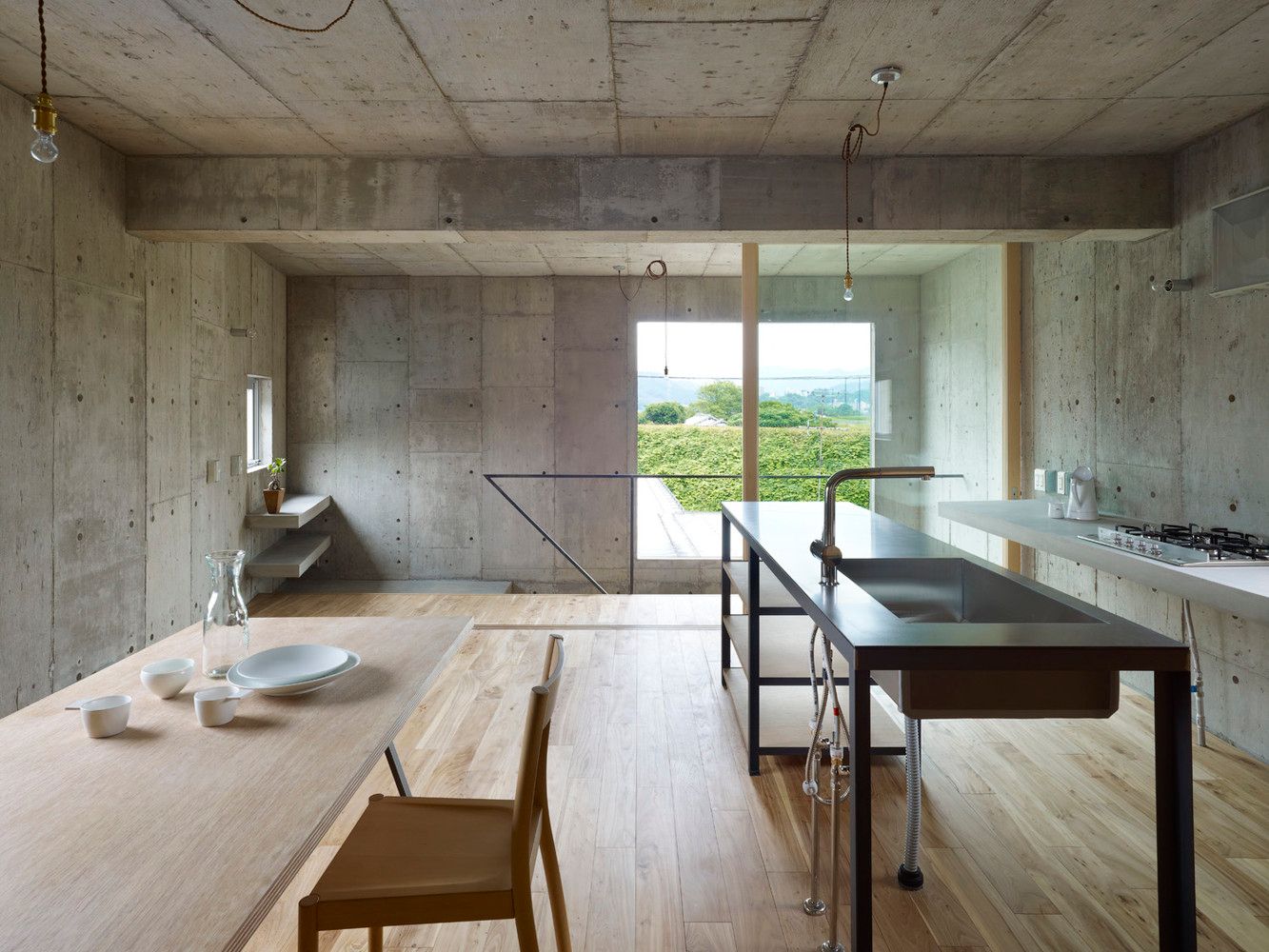
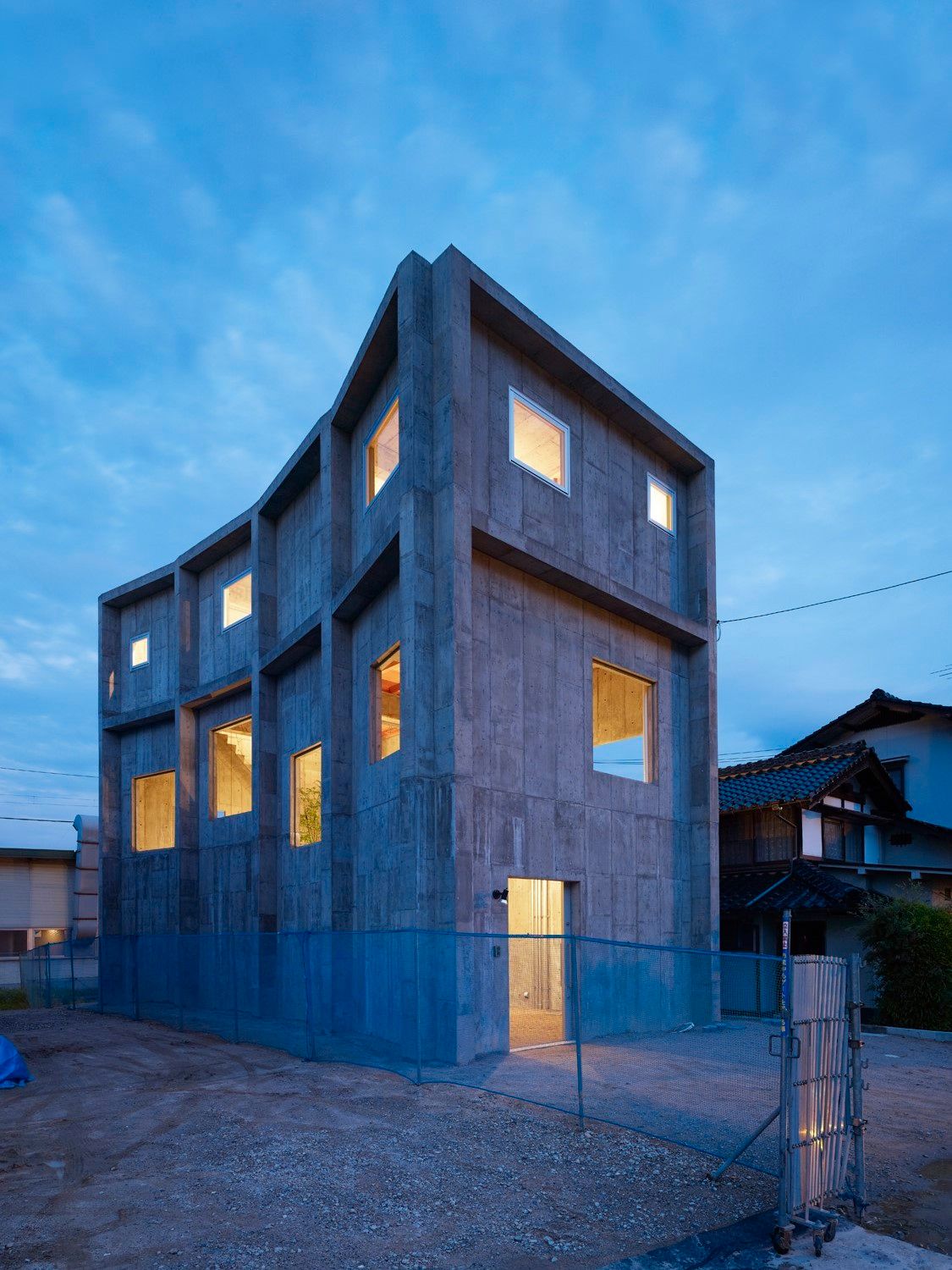
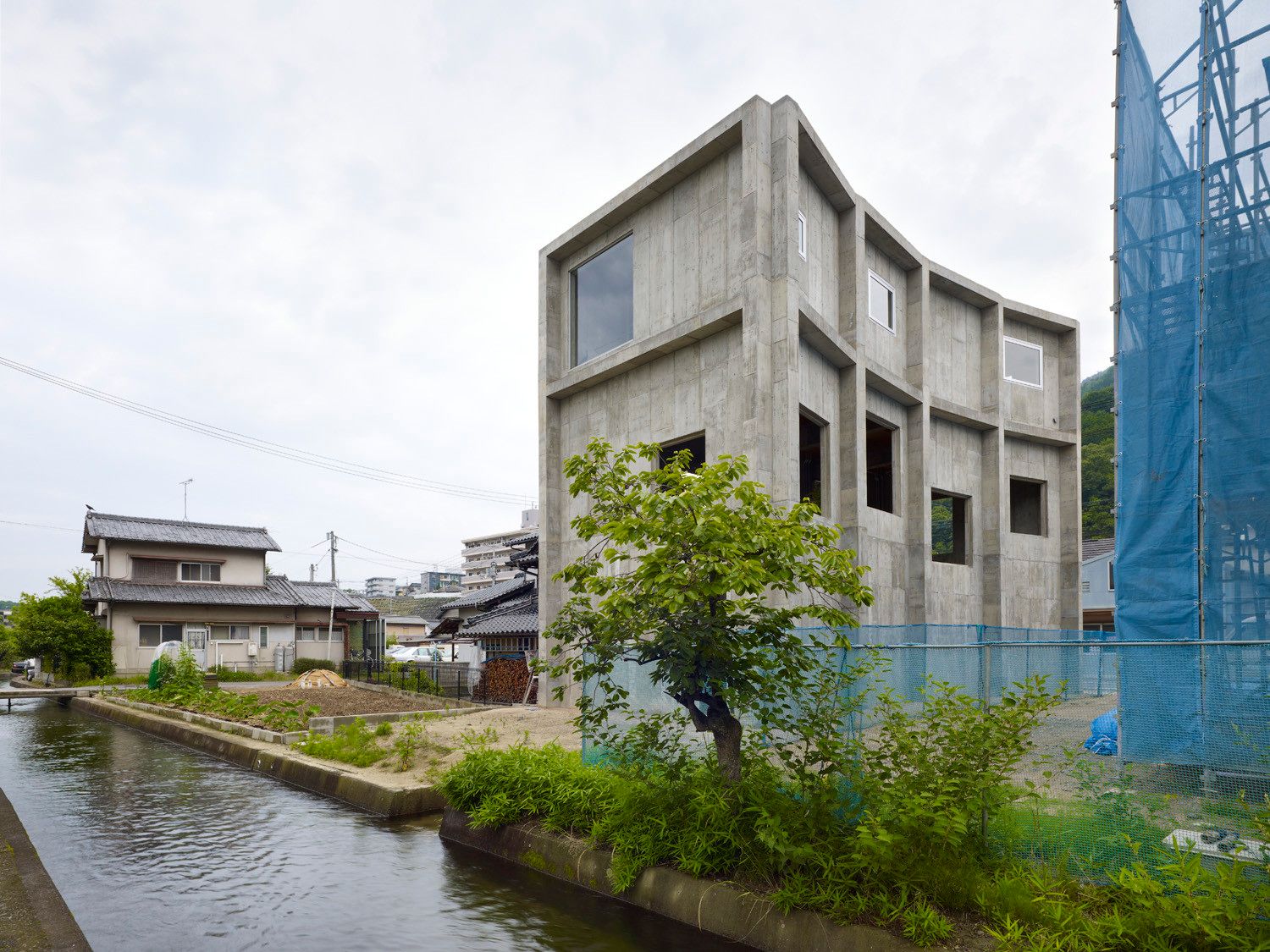
The House of Yagi by Suppose Design Office + Ohno Japan
Text description provided by the architects. The House of Yagi is designed with the idea of an incomplete/complete form. Unlike other projects, the final stage of construction for this house was not aiming towards a finish stage, but to let the owner experience the sense of completion after living here. Interior space of the house is designed to maximize the interaction to its surrounding environment.

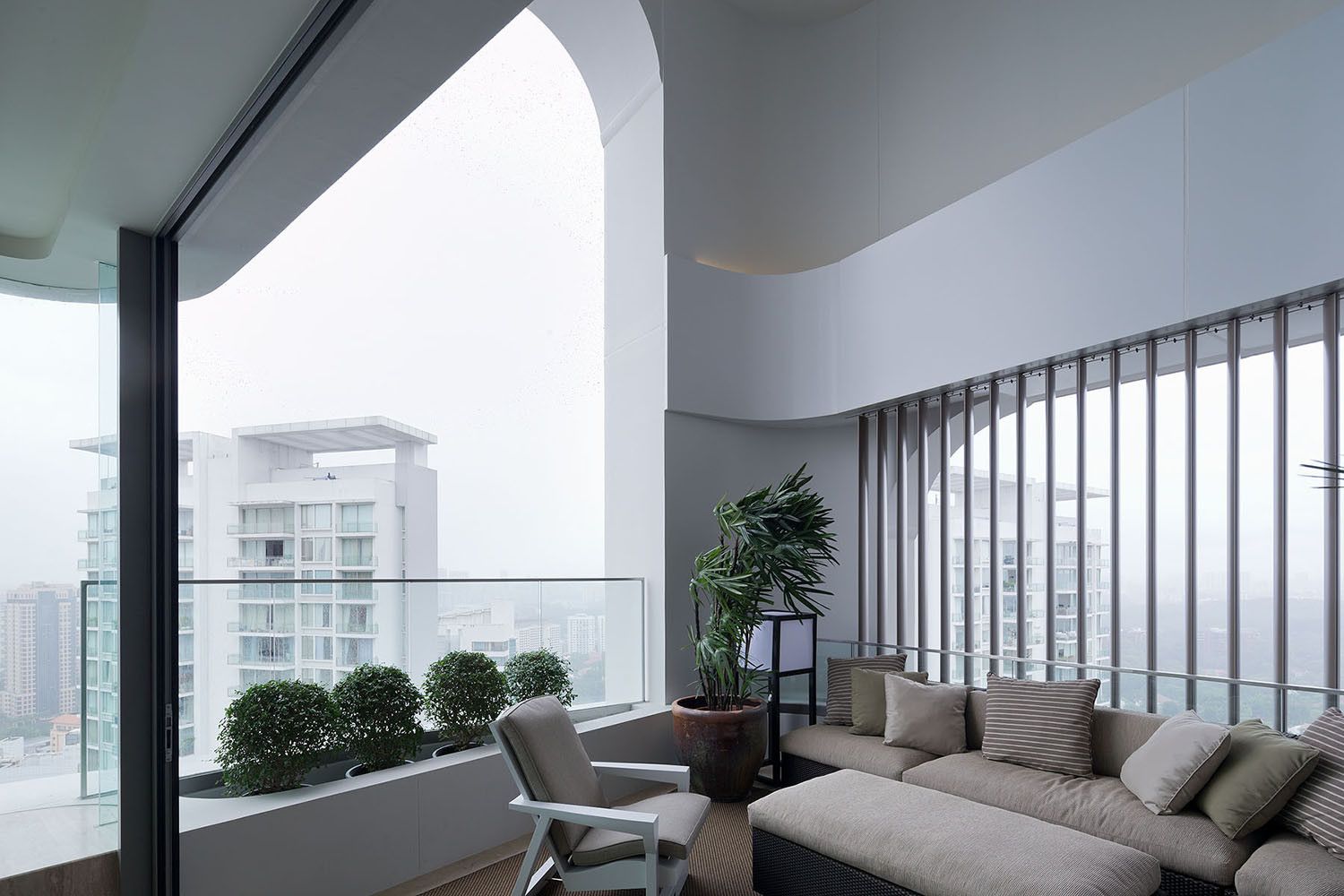
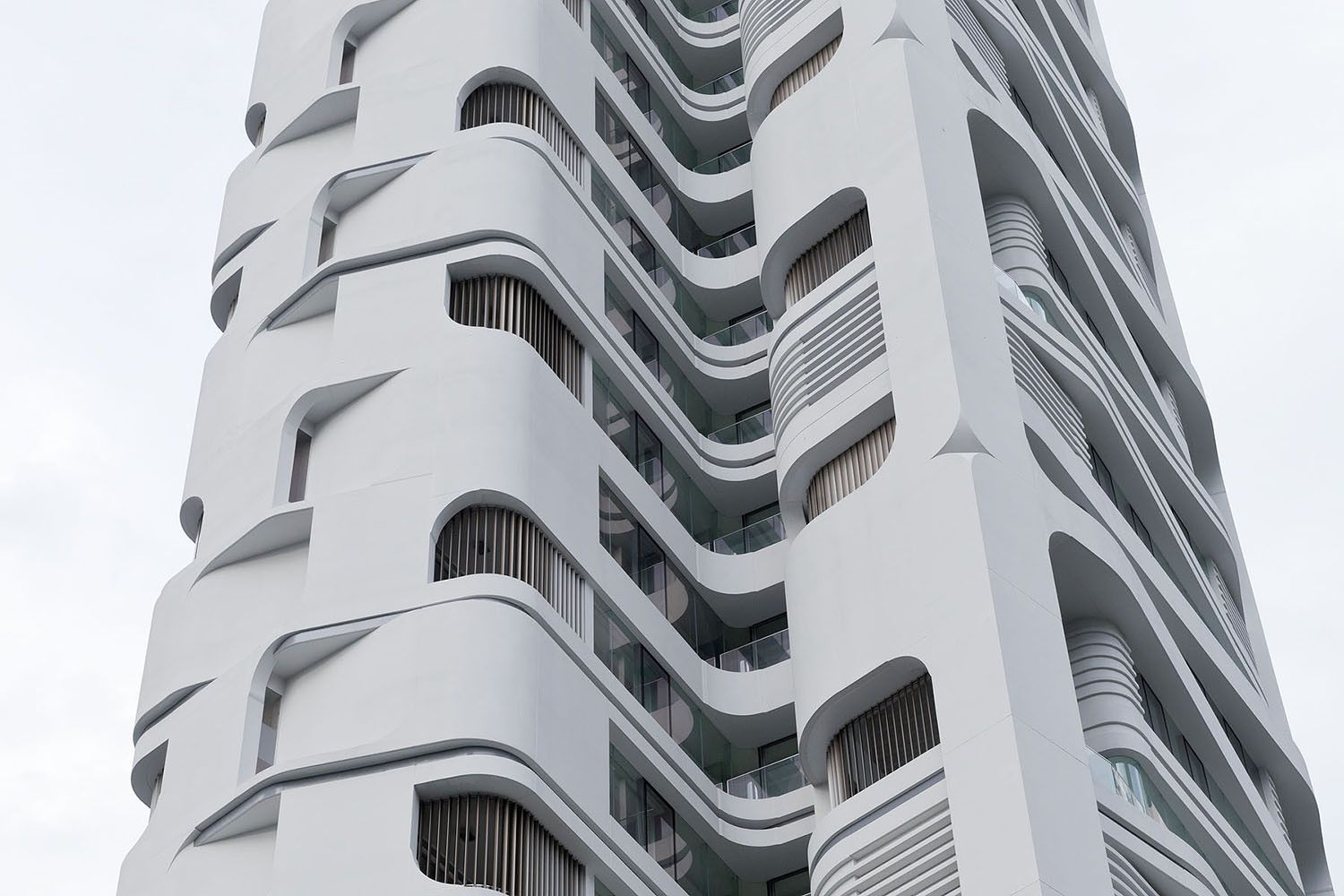
Ardmore Residence by UNStudio in Singapore
The primary concept for the design of the 36 storey, 17.178 m² residential tower is a multi-layered architectural response to the natural landscape inherent to the ‘Garden City’ of Singapore. This landscape concept is integrated into the design by means of four large details: the articulation of the facade, which through its detailing creates various organic textures and patterns; expansive views across the city made possible by large glazed areas, bay windows and double-height balconies; the interior ‘living landscape’ concept adopted for the design of the two apartment types and the introduction of transparency and connectivity to the ground level gardens by means of a raised structure supported by an open framework.
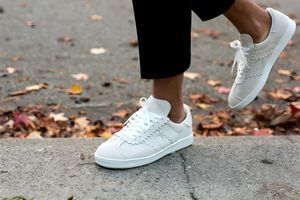
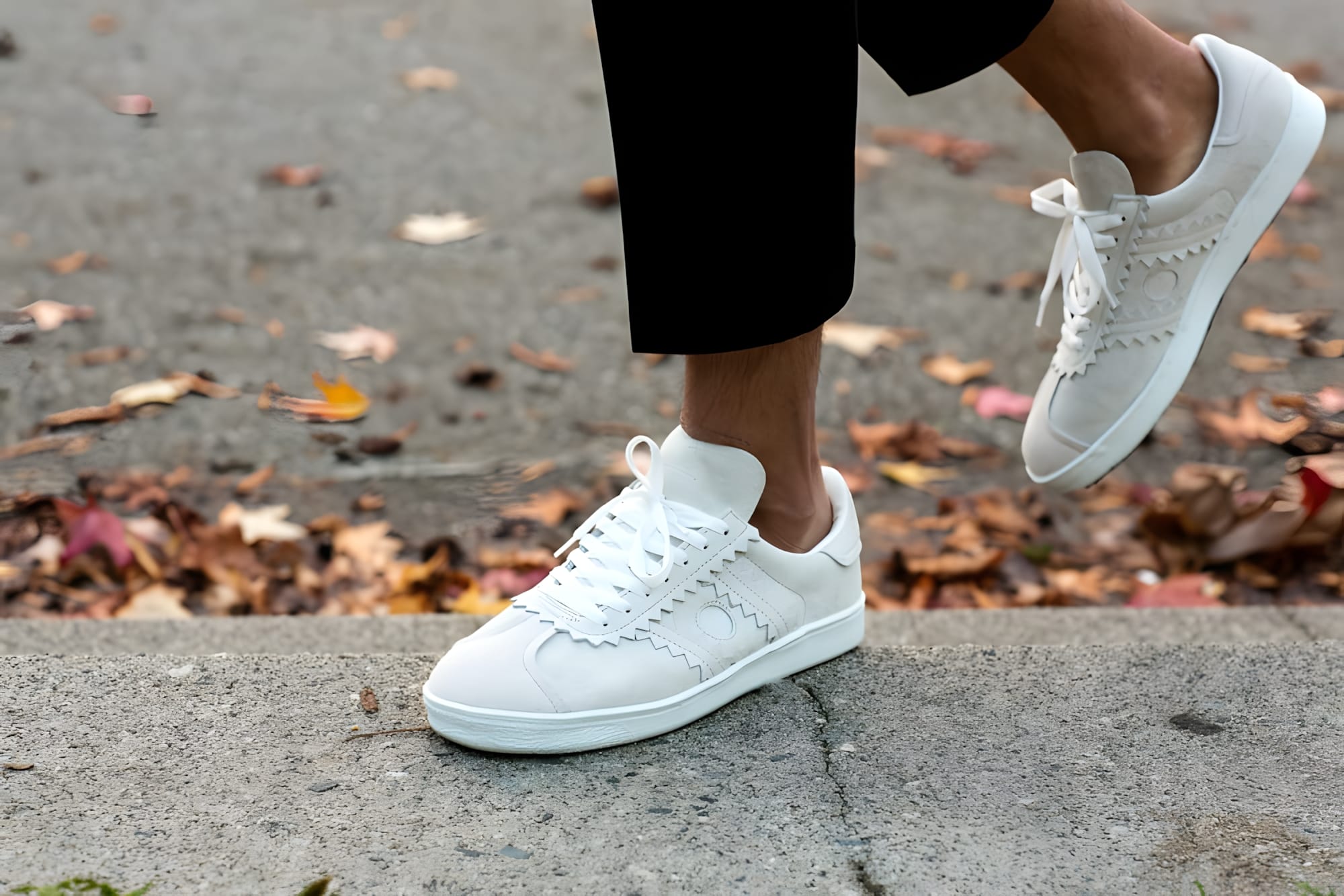
adidas Y-3 Yohji Court — Footwear White (EF2554)
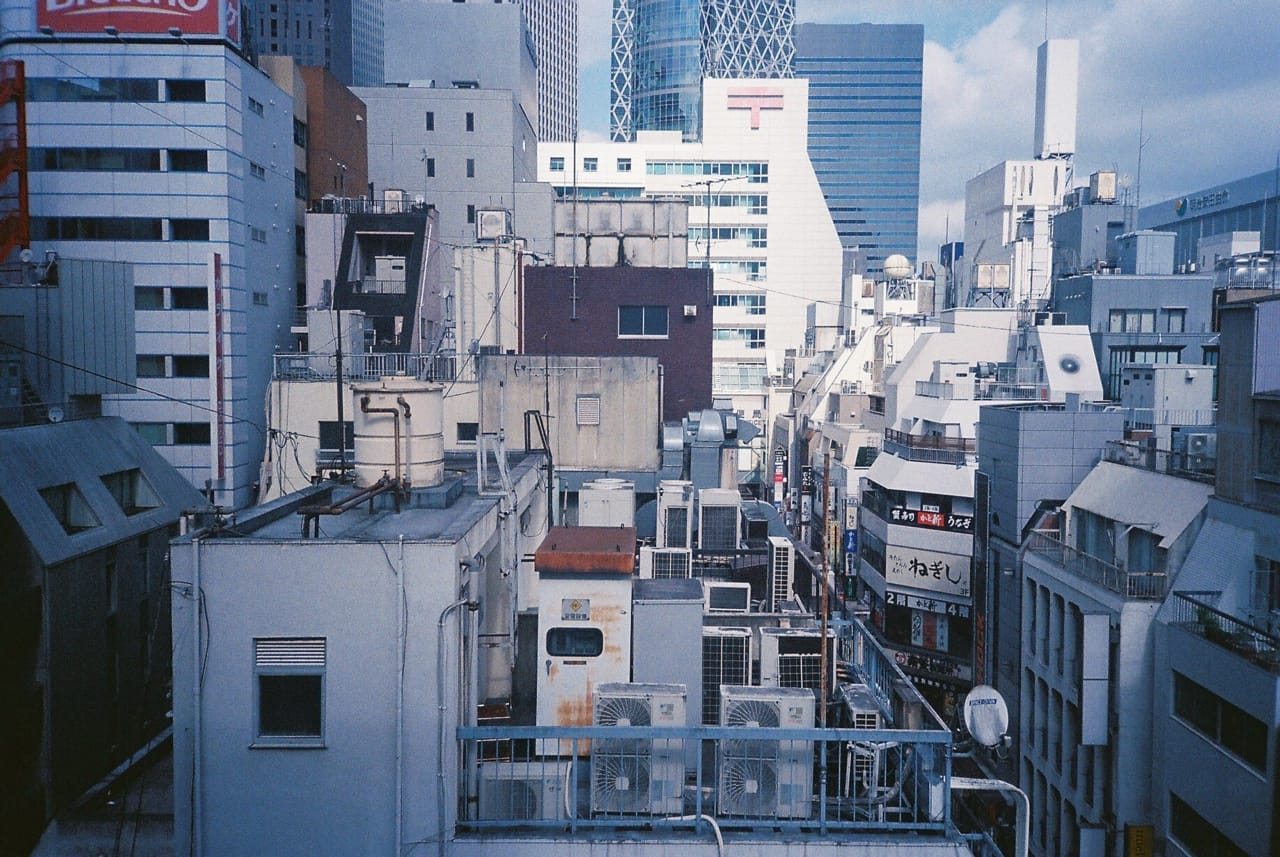
Tokyo Rooftops Ginza
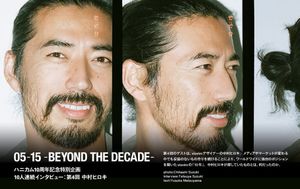
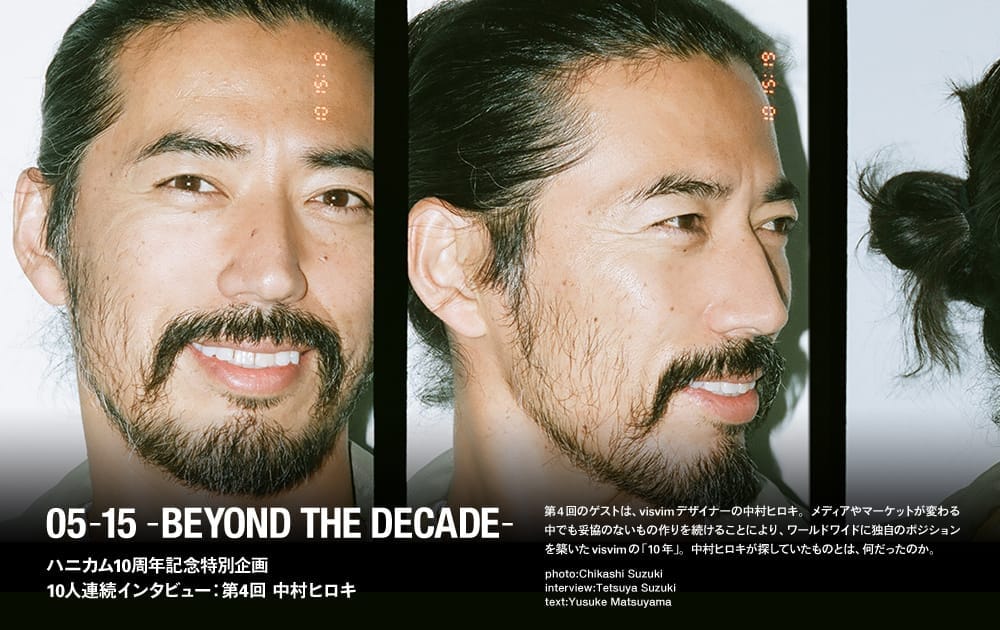
Hiroki Nakamura — Beyond the Decade

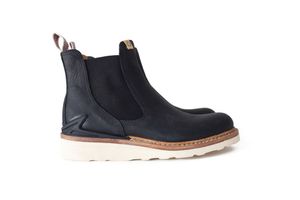
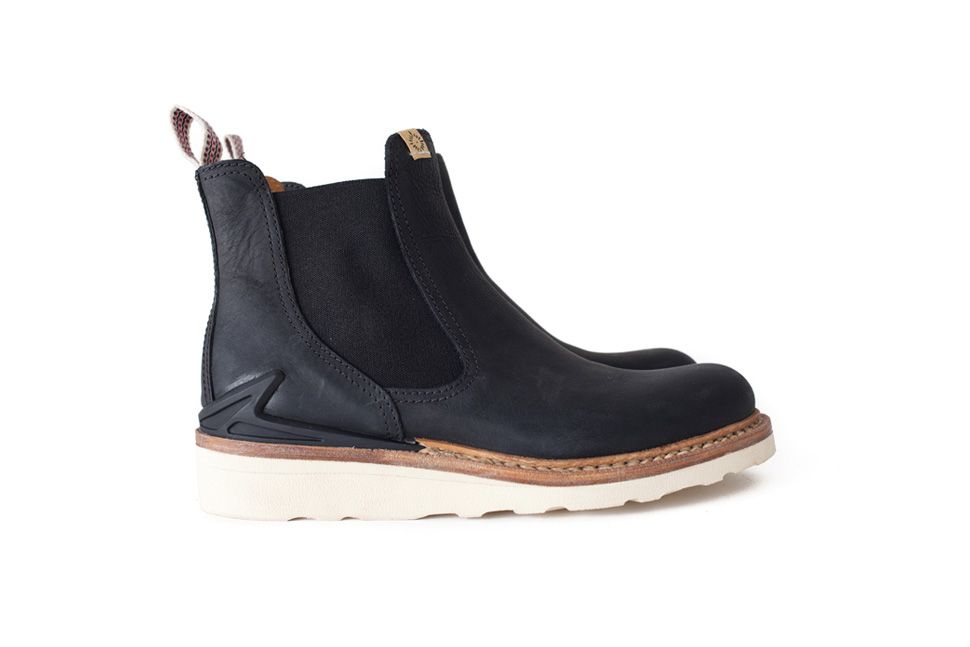
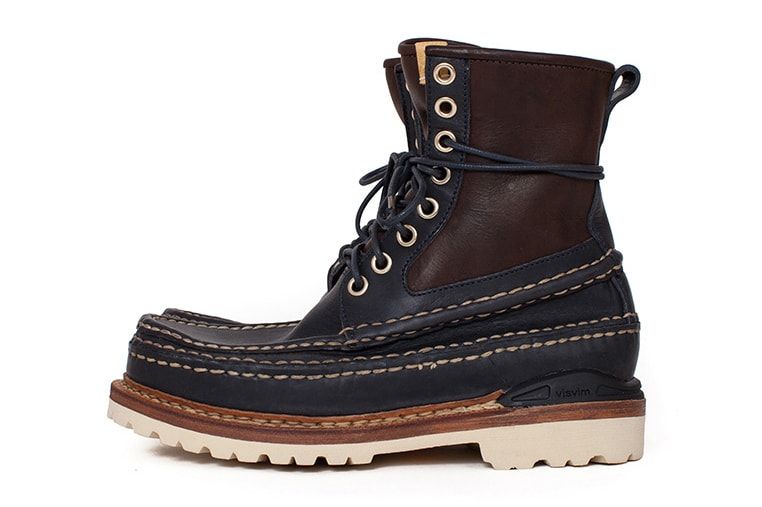
visvim gornegrat folk chelsea boot
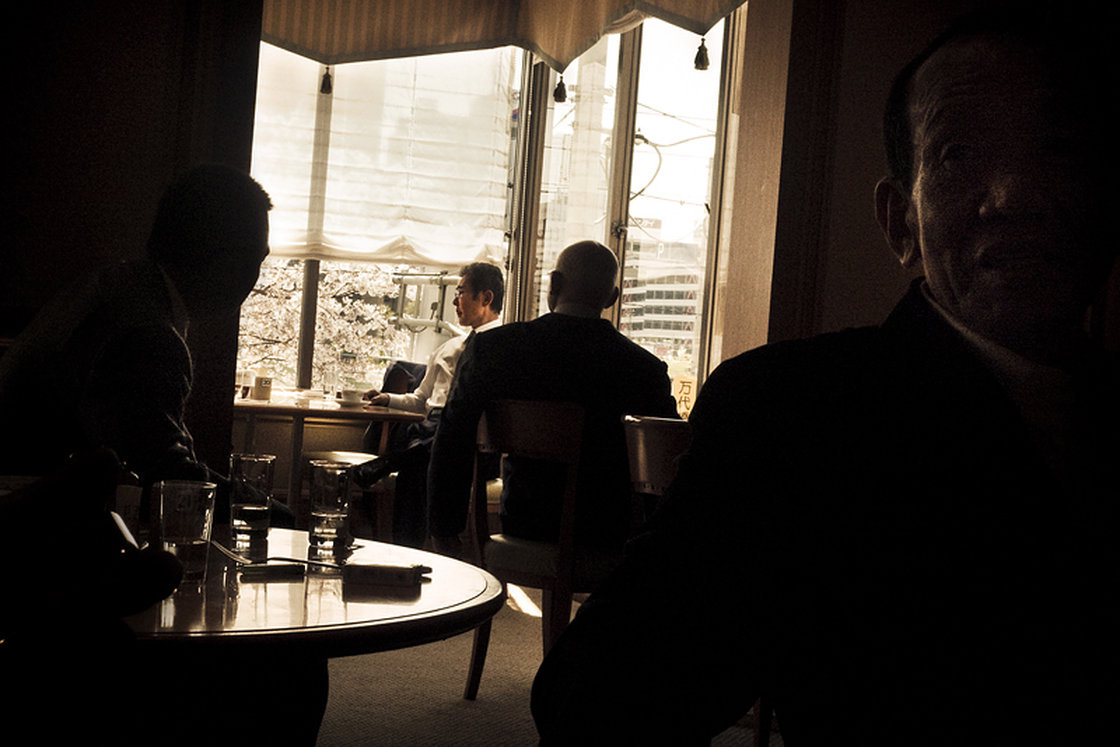
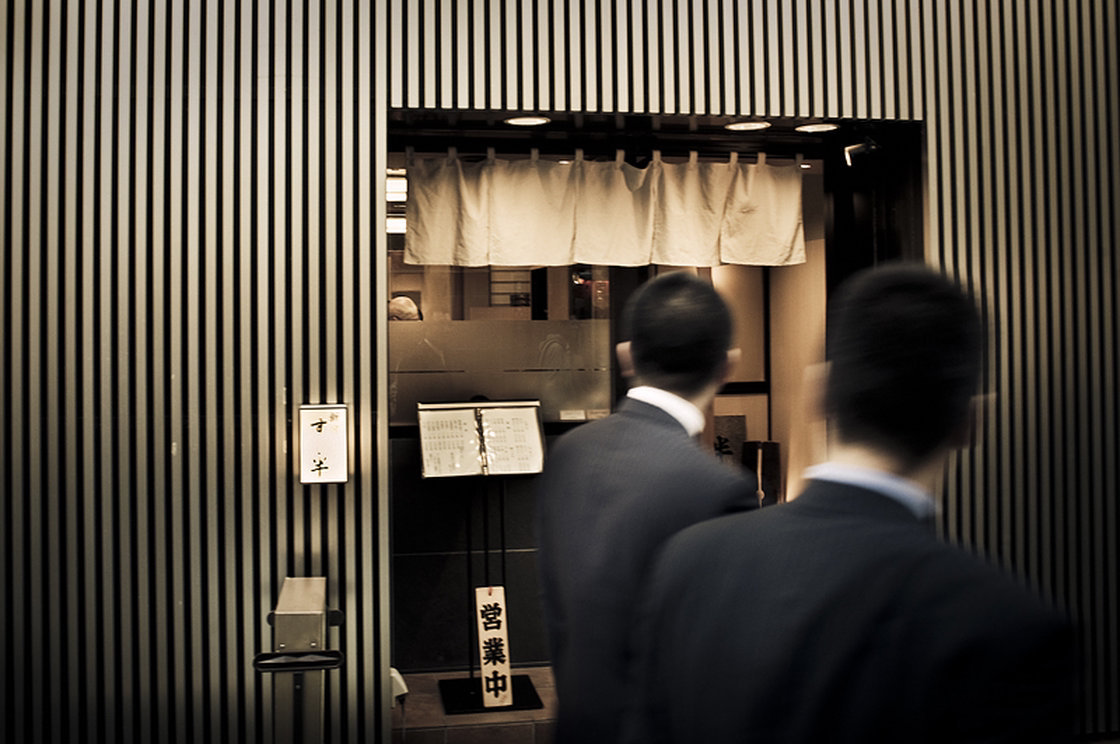

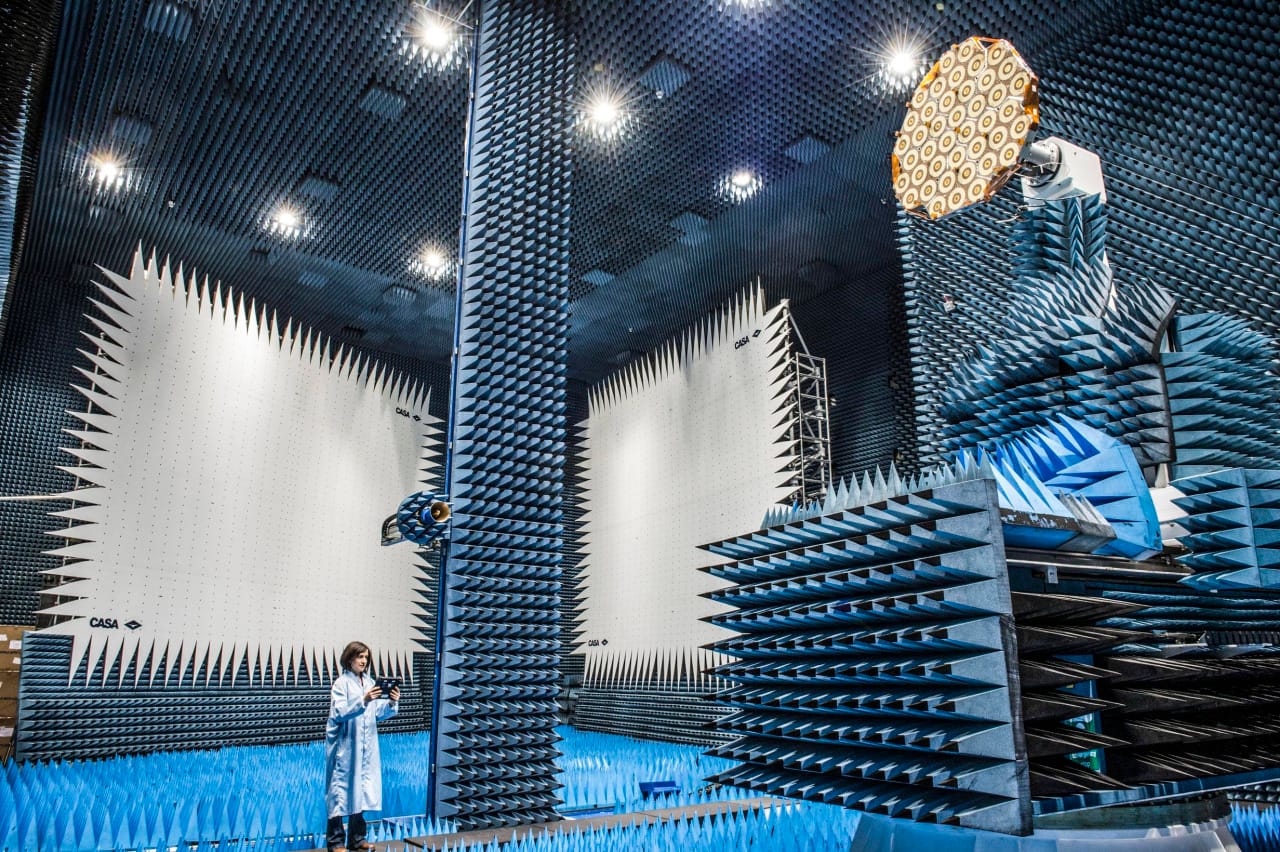
ESA HERTZ Anechoic Chamber — Antenna Test Facility at ESTEC
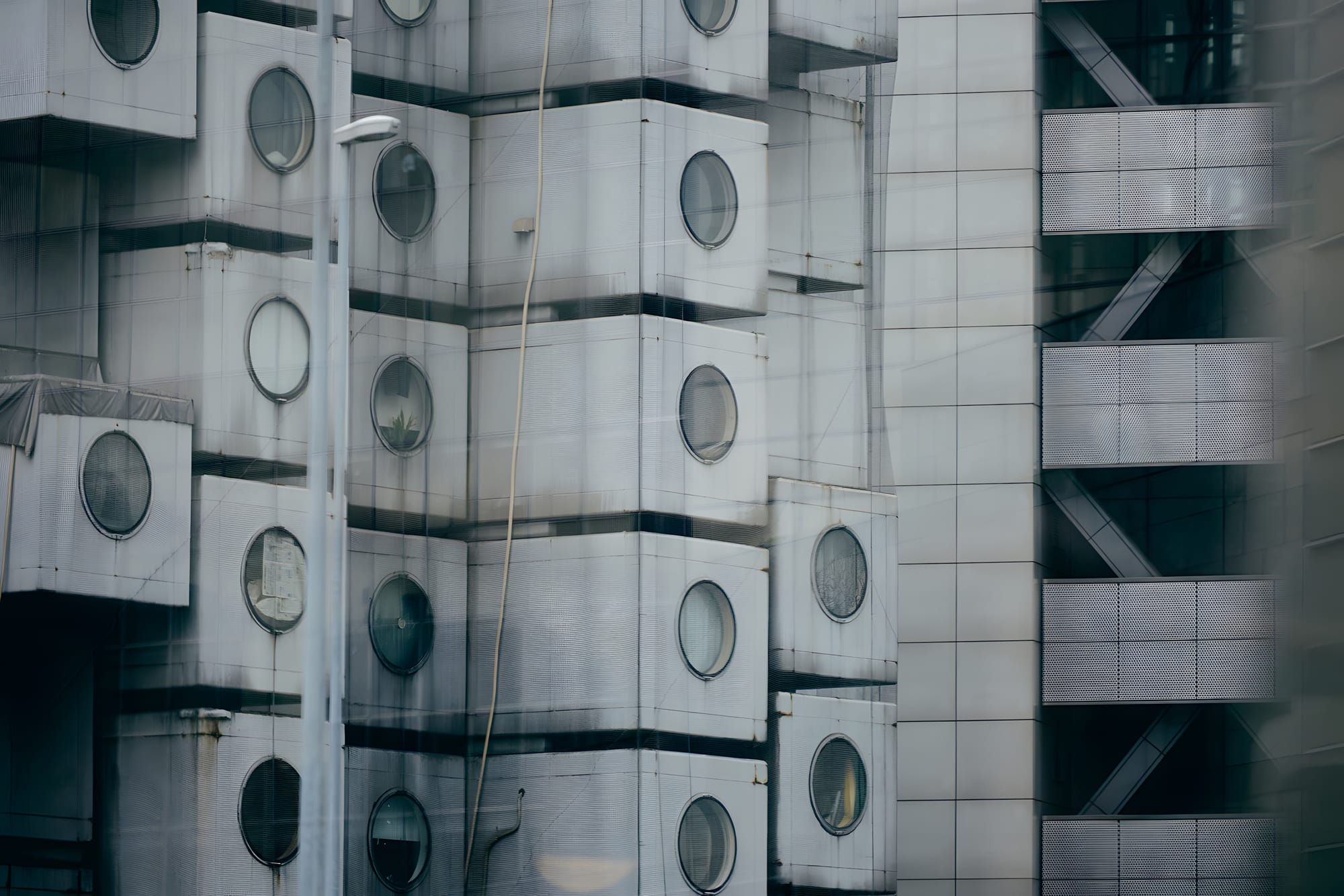
Nakagin Capsule Tower — Exterior Detail, Tokyo 2016
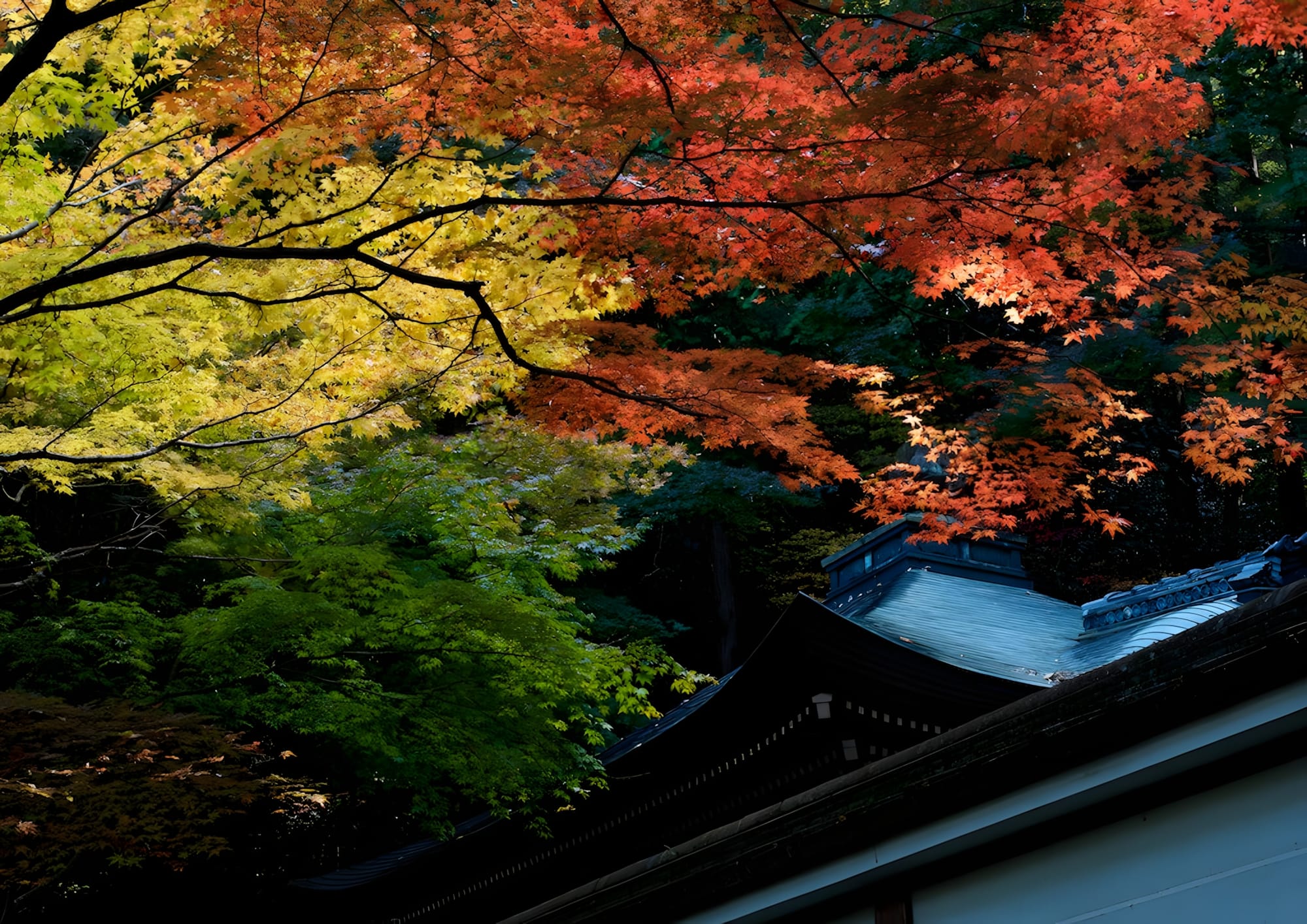
Nanzenji Temple Autumn Foliage, Higashiyama, Kyoto
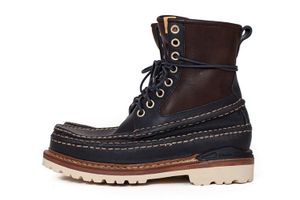
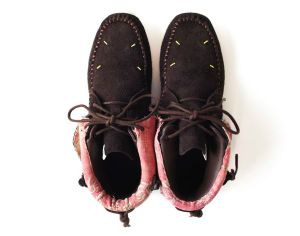
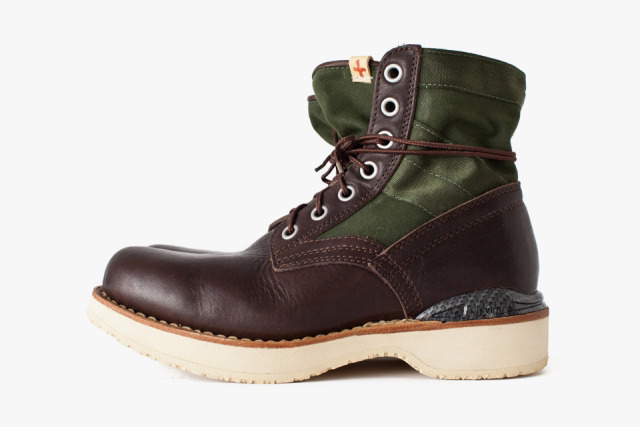
visvim 2015 Fall/Winter GRIZZLY BOOTS-FOLK
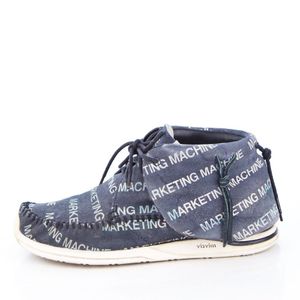
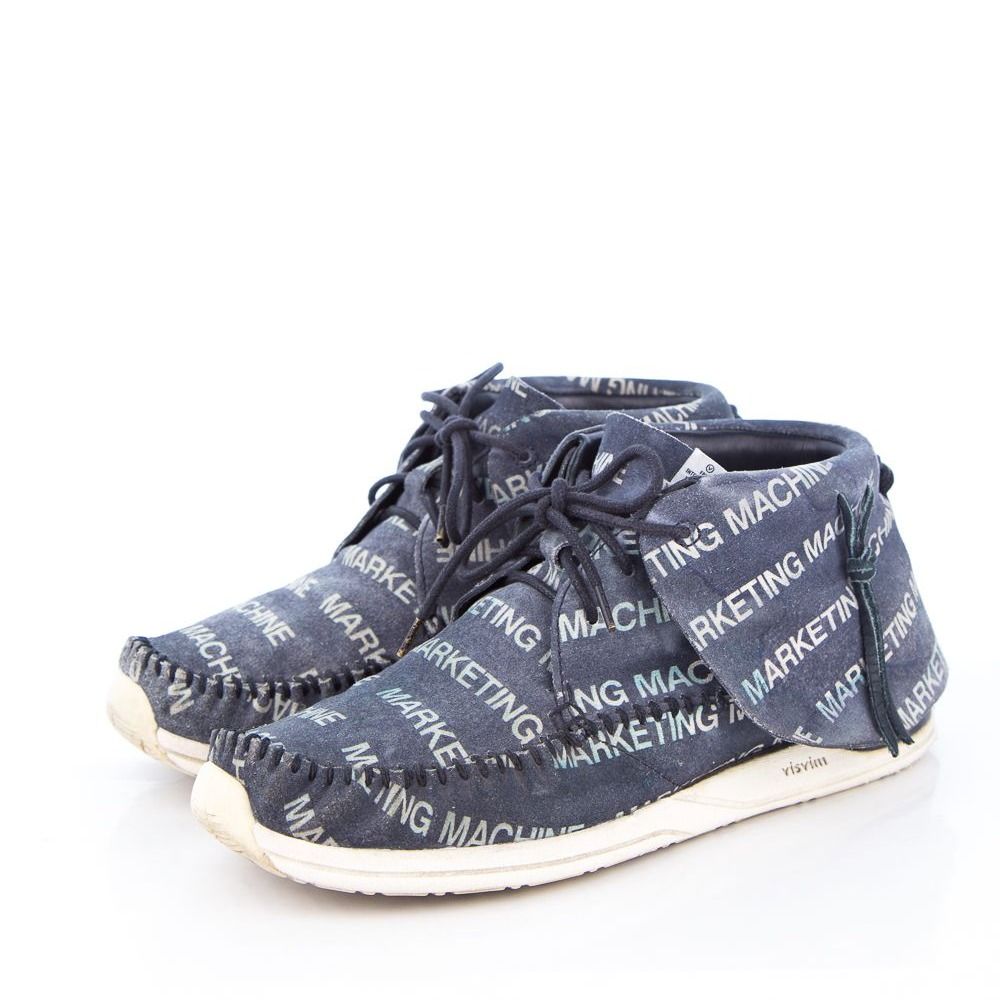
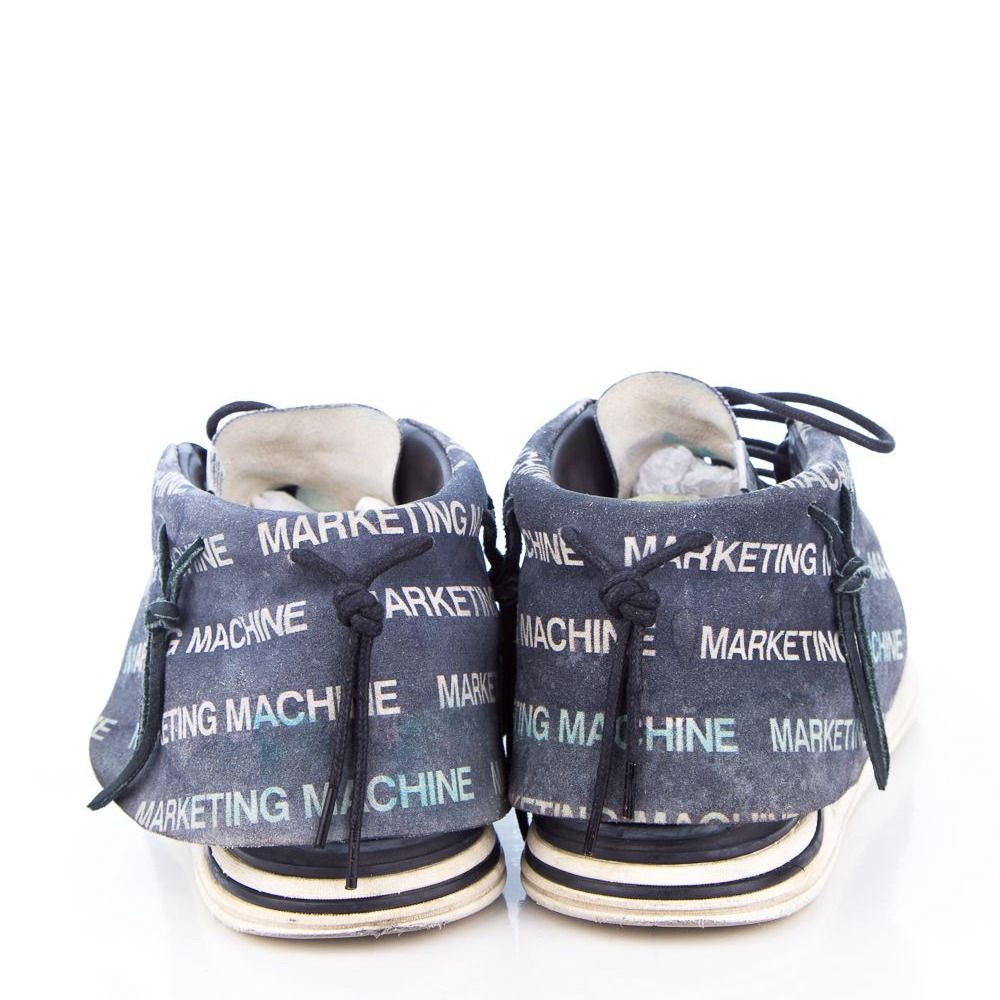
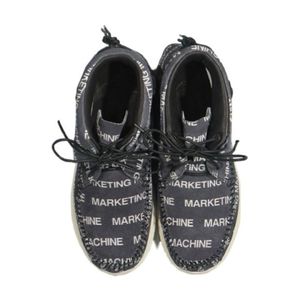
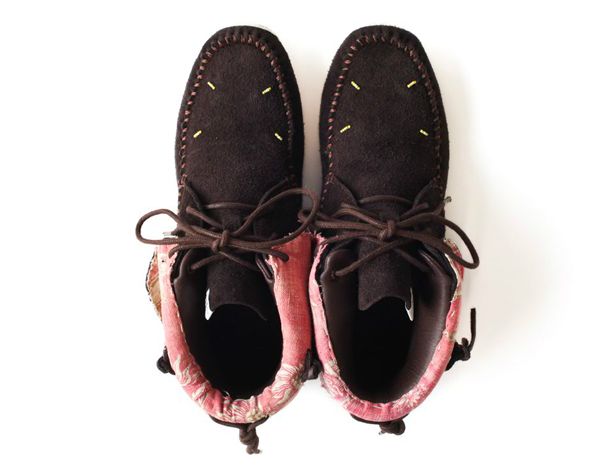
Visvim x Comme Des Garcons FBT

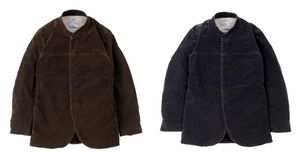
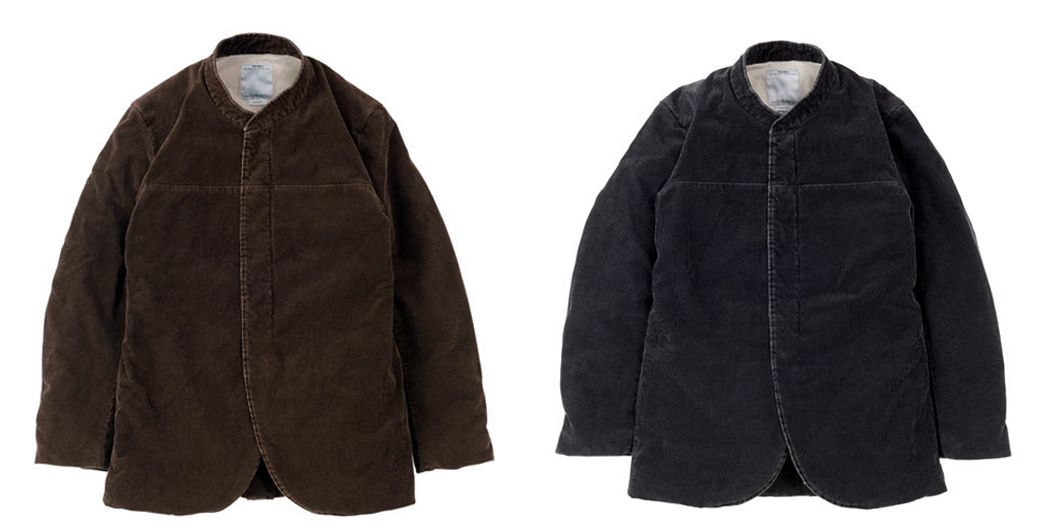
aw2012 Visvim Pawnee Corduroy Jacket
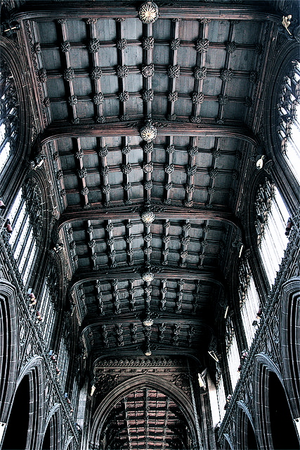
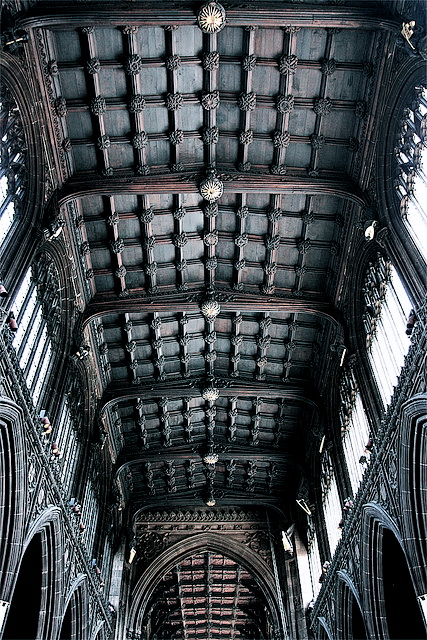
Manchester Cathedral Wooden ceiling
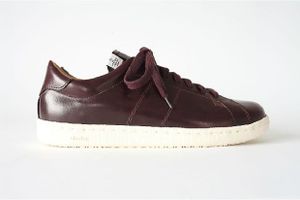
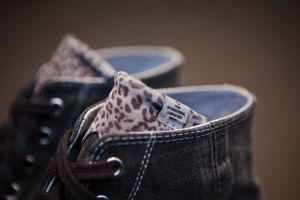
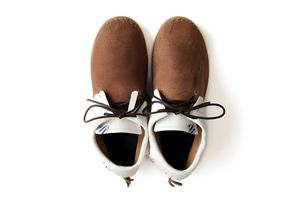
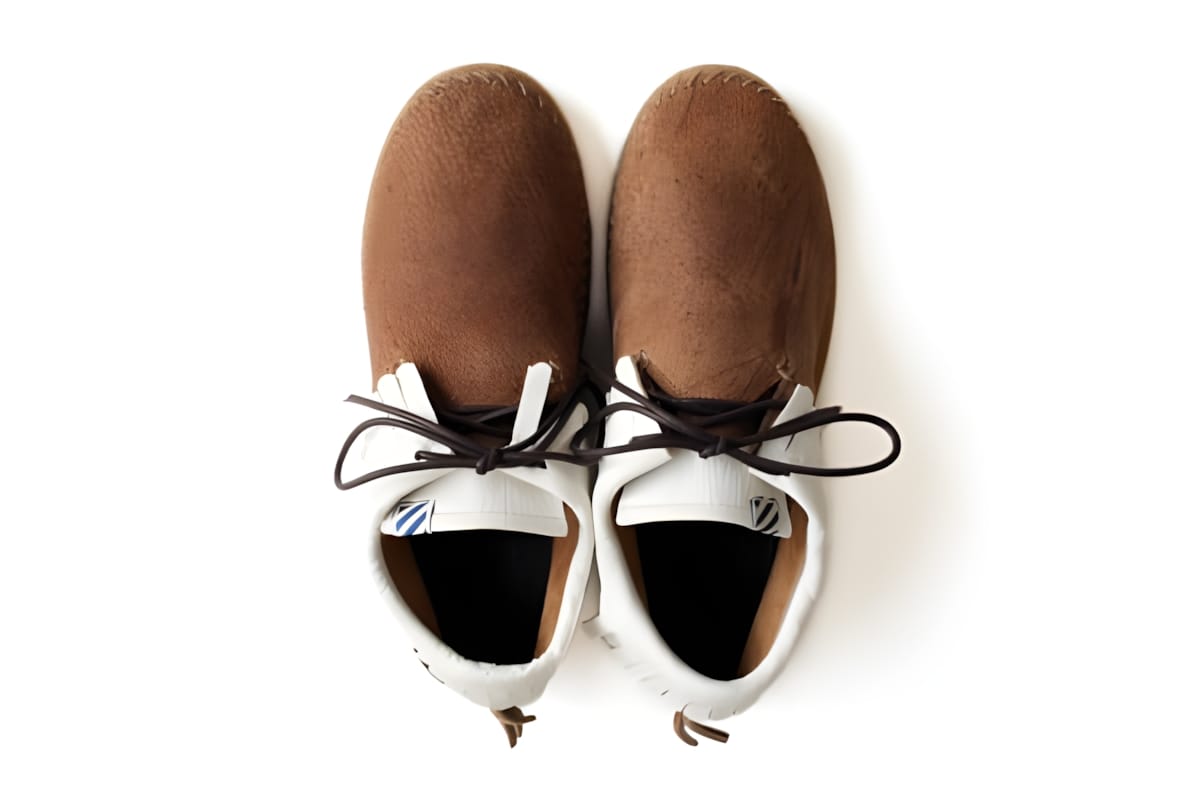
visvim FBT Lhamo-Folk
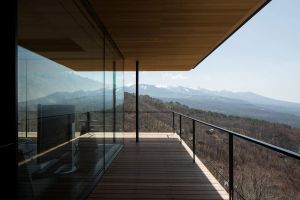
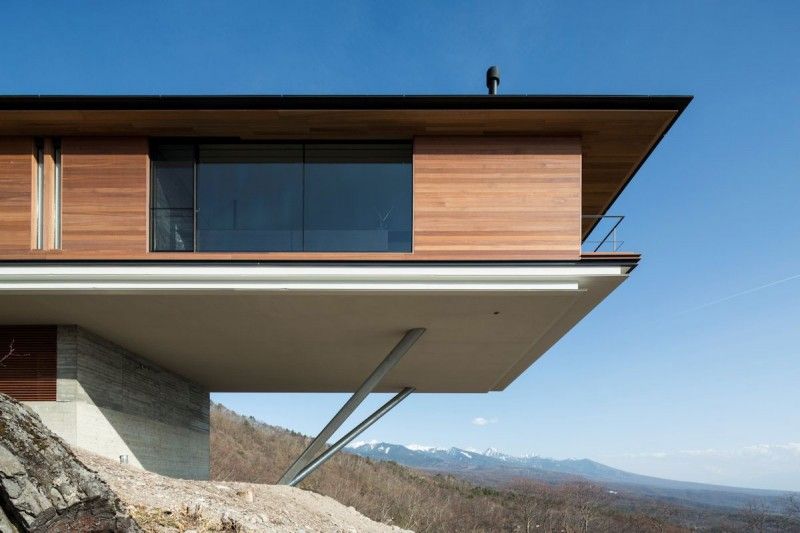
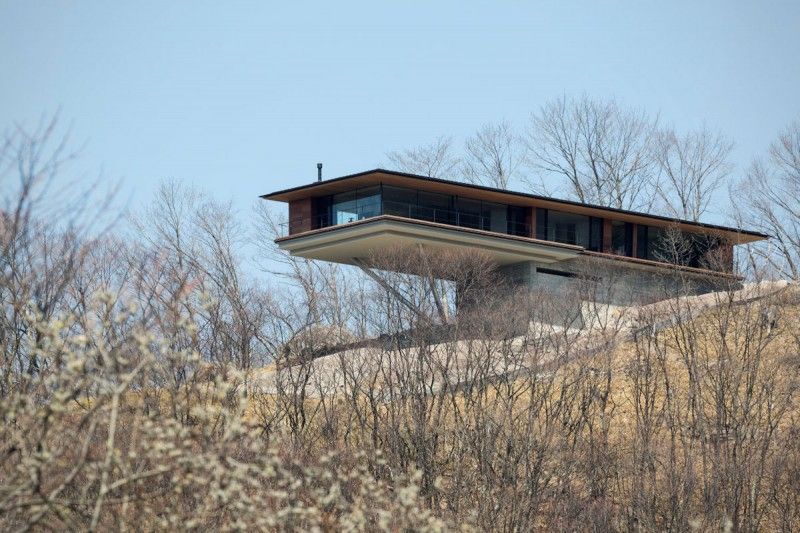
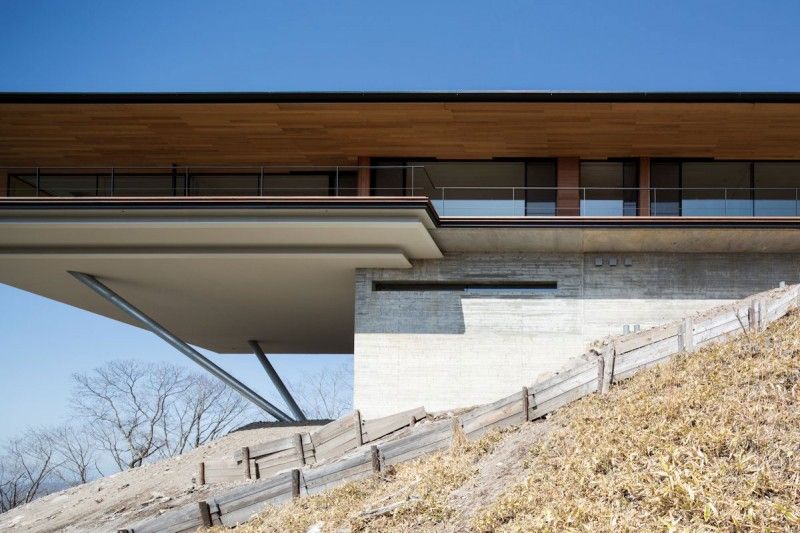
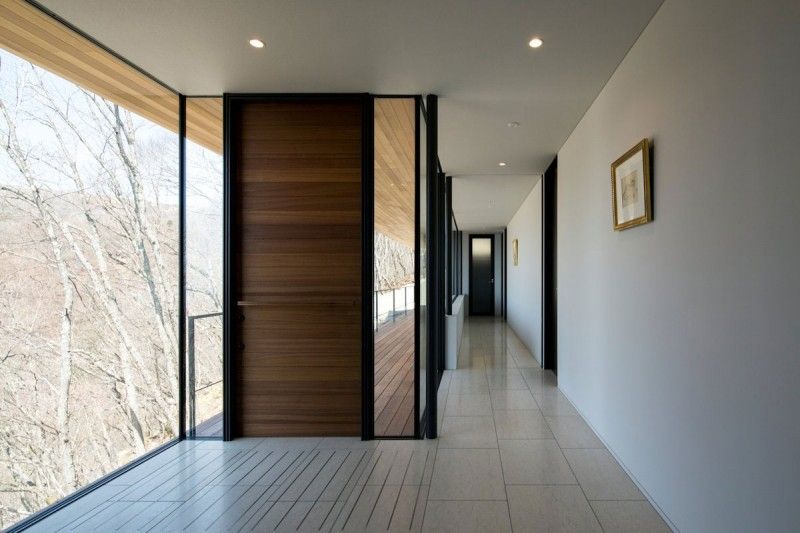
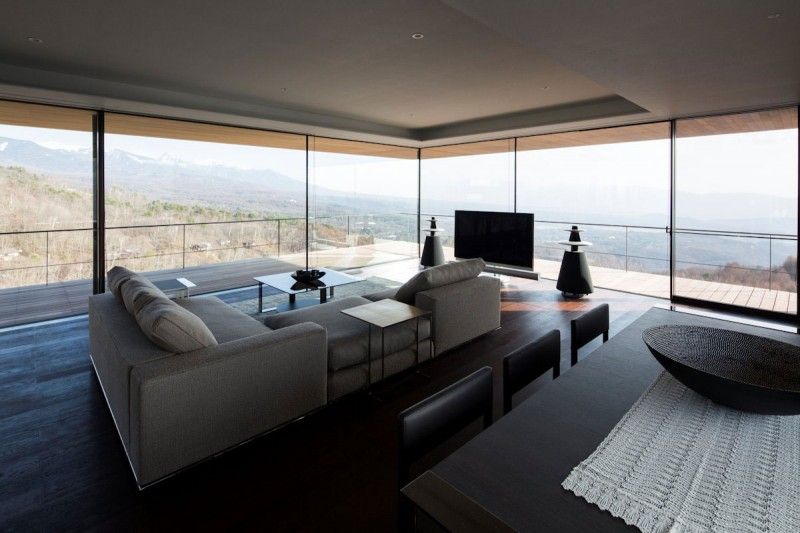
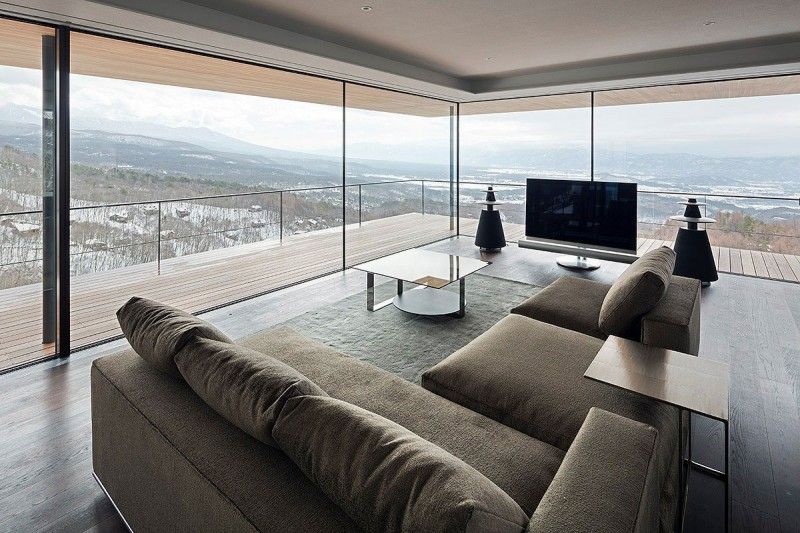
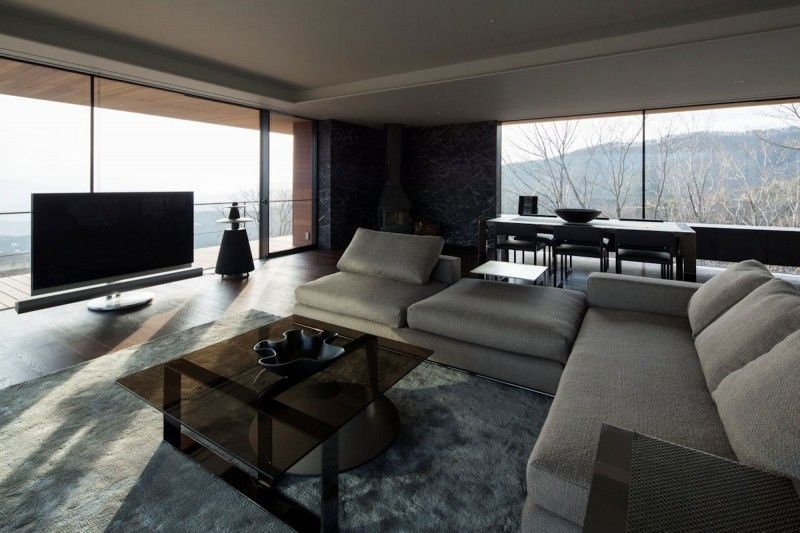
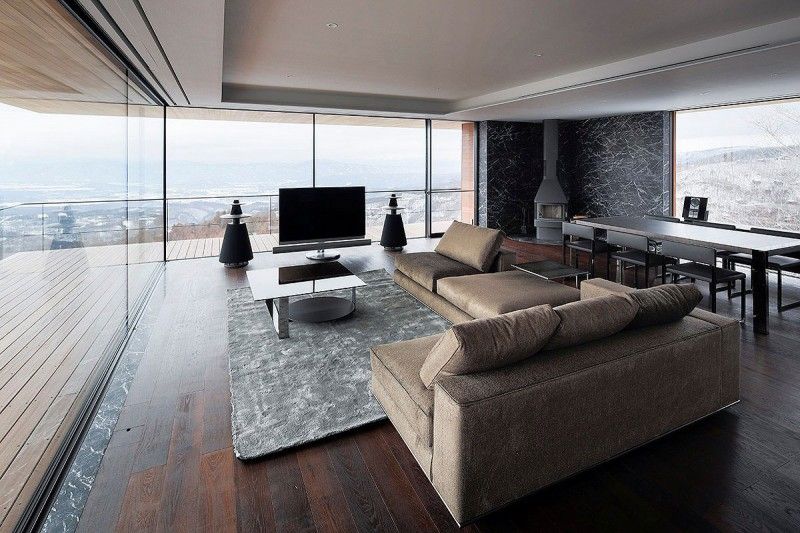
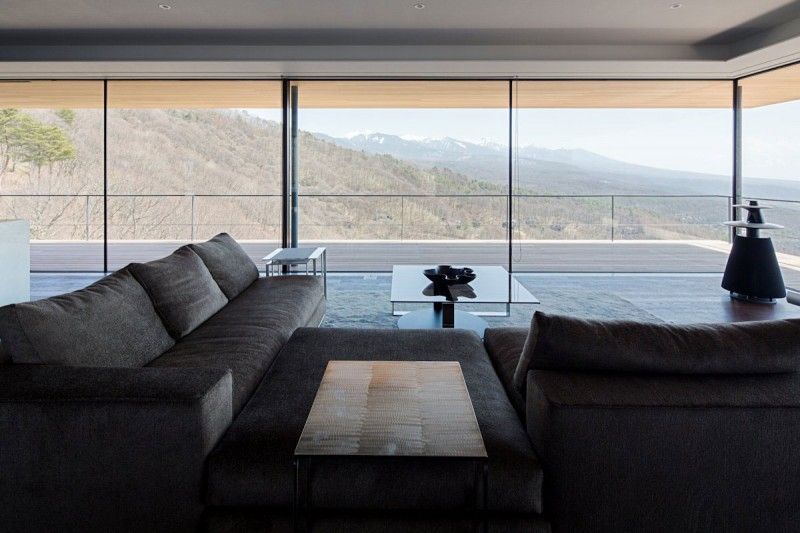
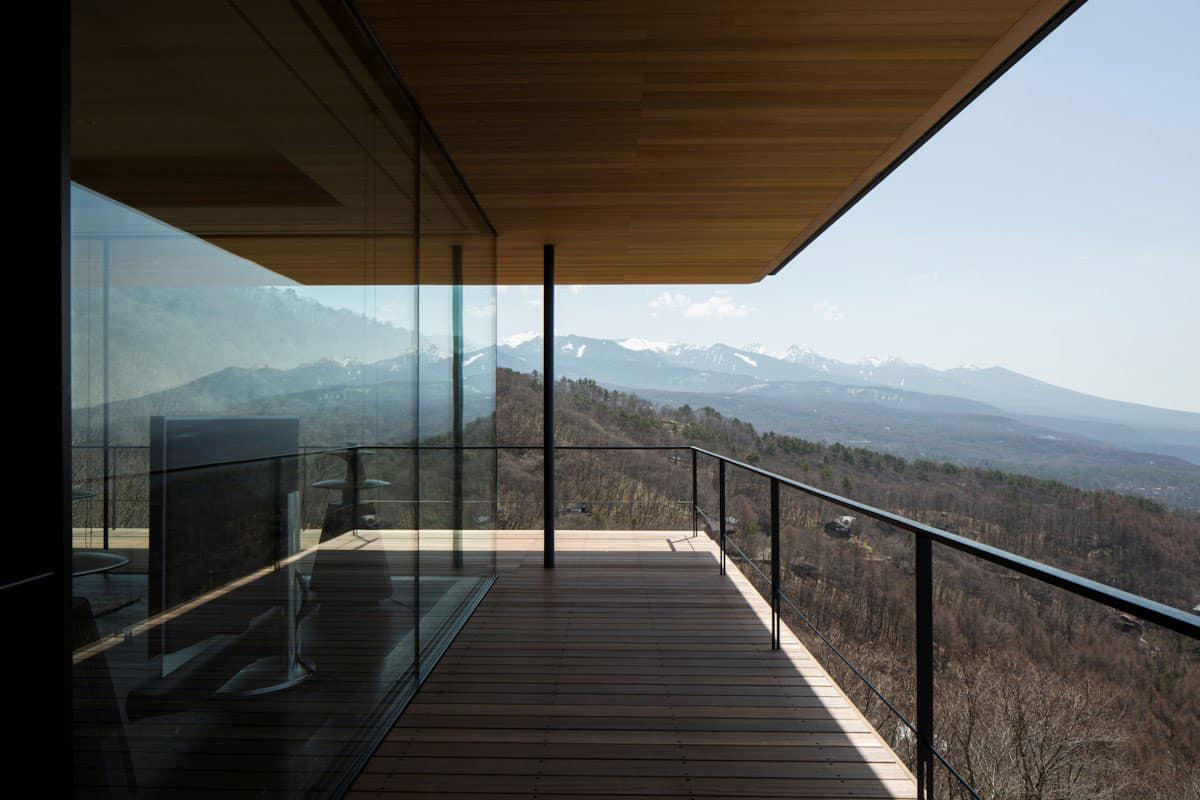
House in Yatsugatake by Kidosaki Architects Studio
This private residence was designed by Kidosaki Architects Studio. It is located on the edge of the Yatsugatake Mountains in Nagano, Japan.
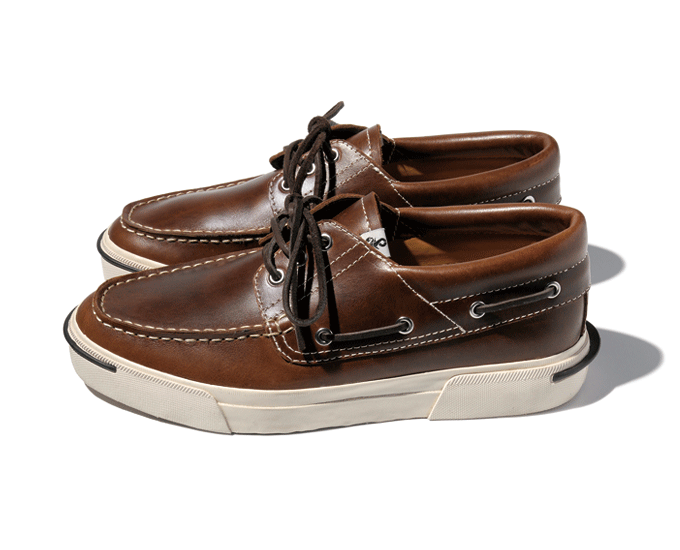
SOPHNET x visvim AMERICANA DECK VD
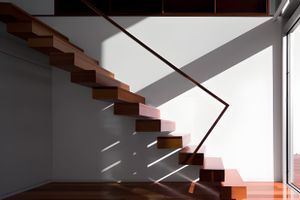
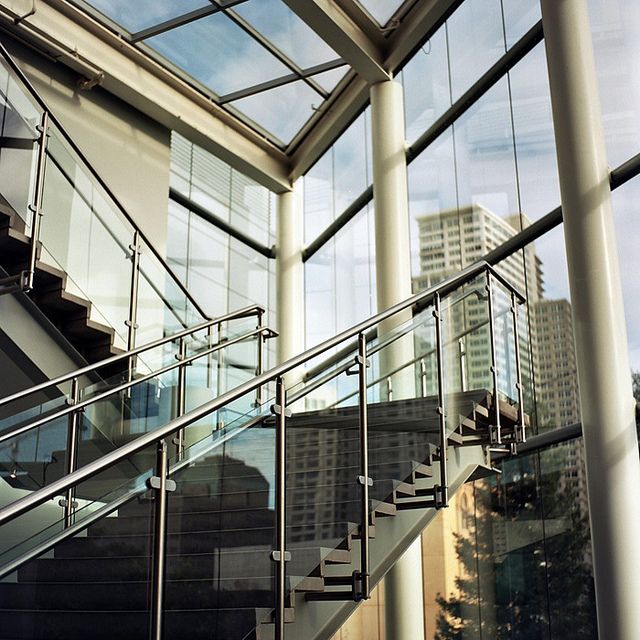
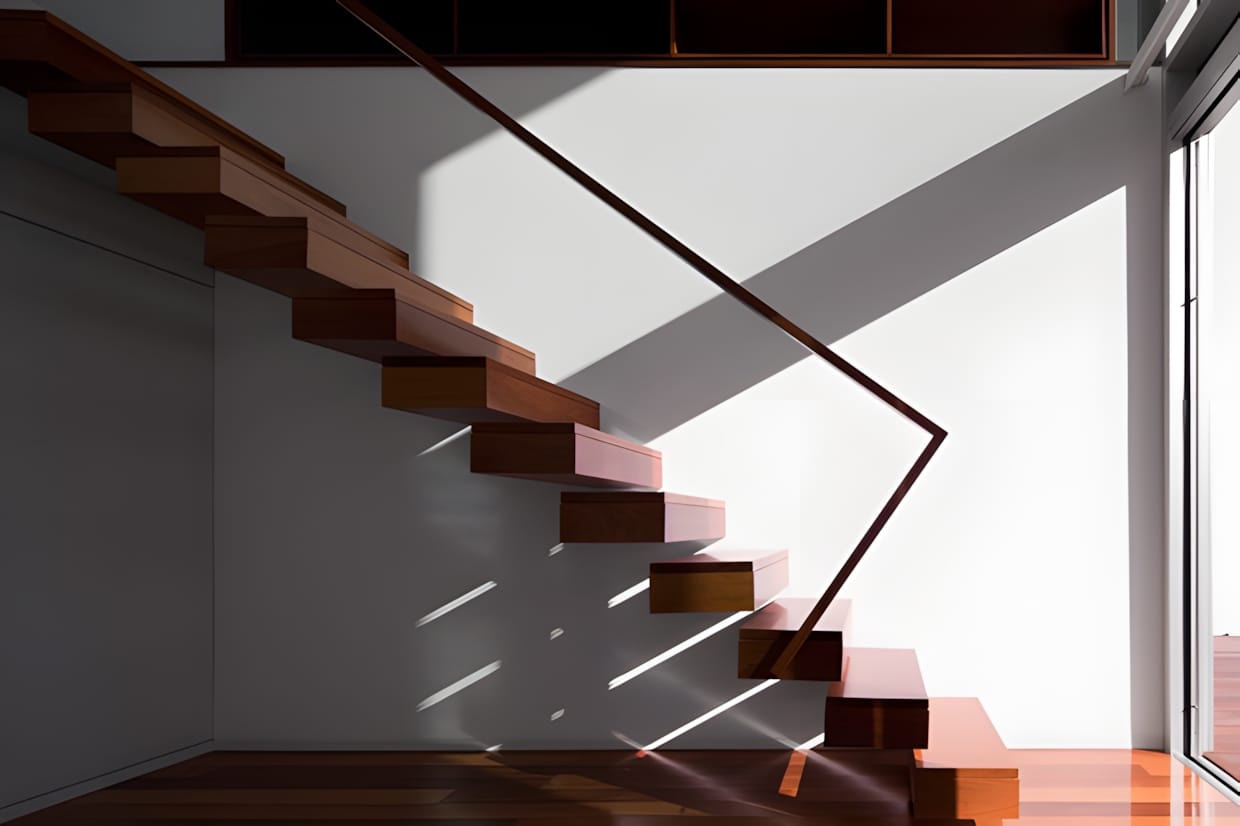
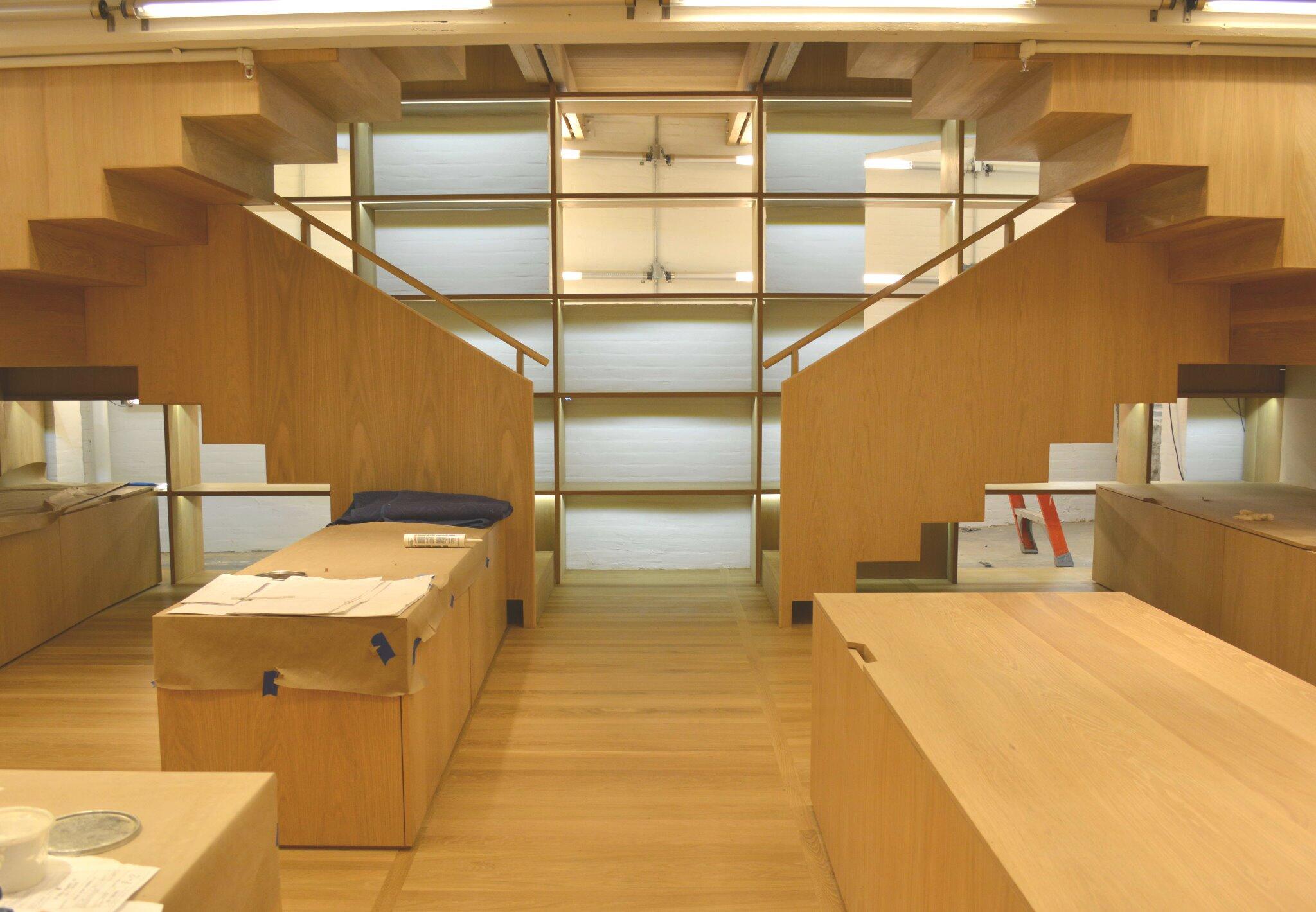
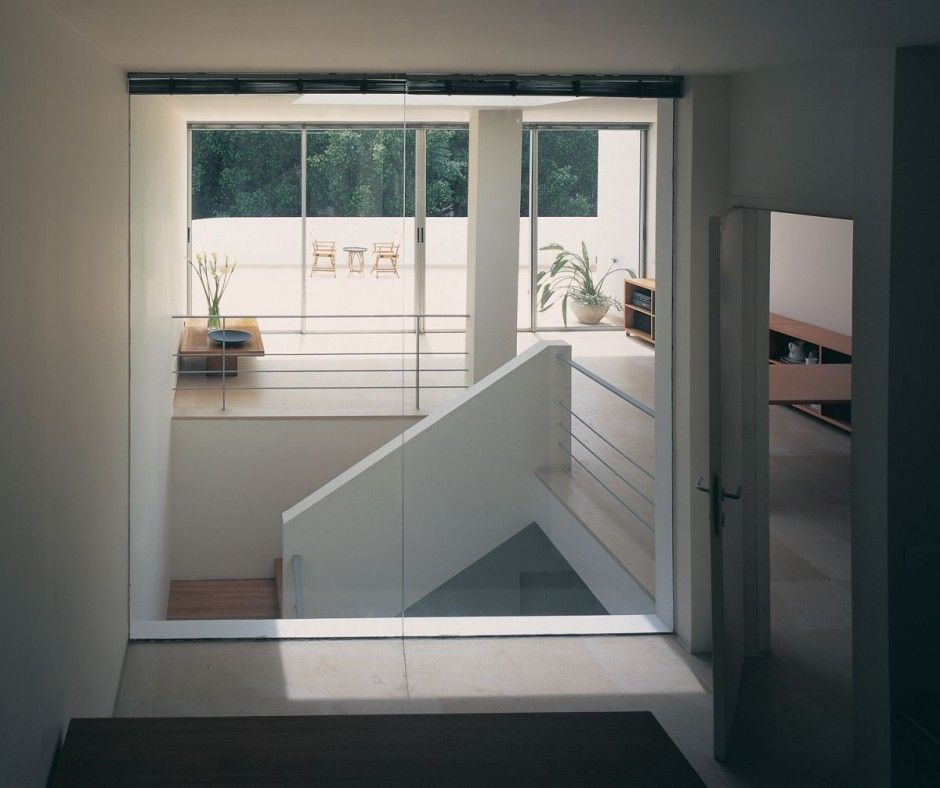
Floating Timber Staircase with Angular Steel Rail
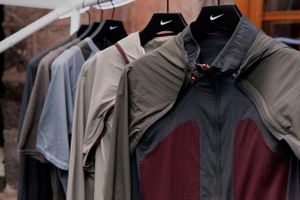
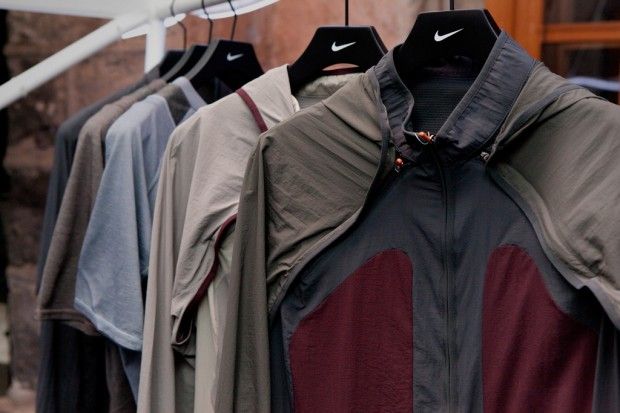
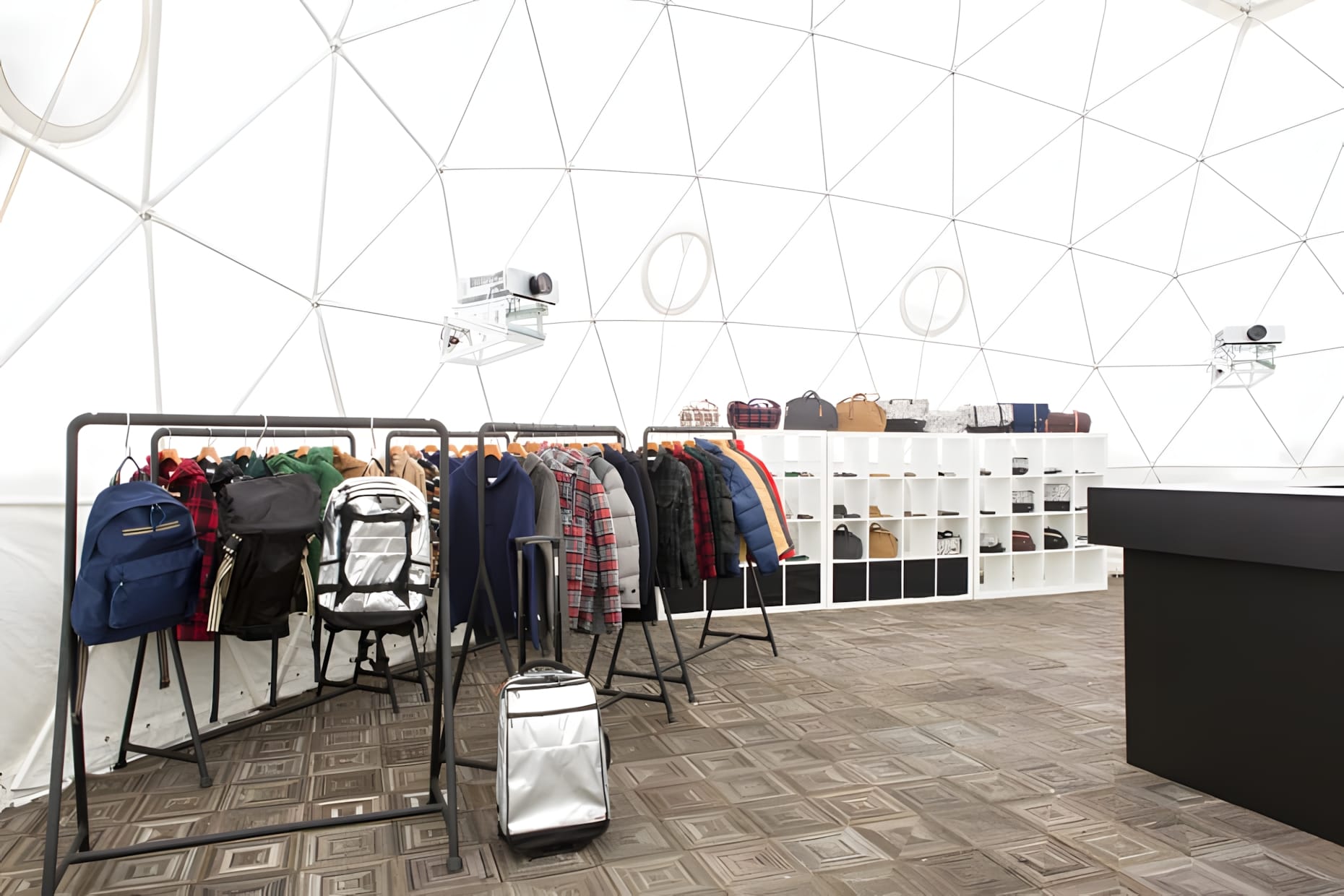
Nike x Undercover Gyakusou FW2011 Retail Display
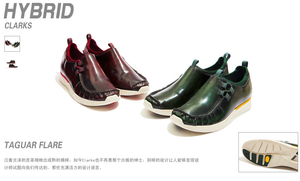
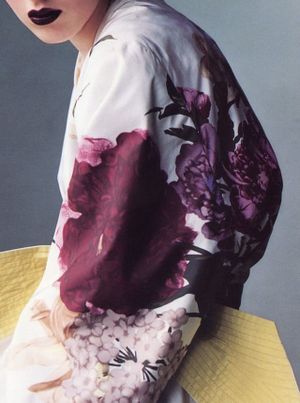
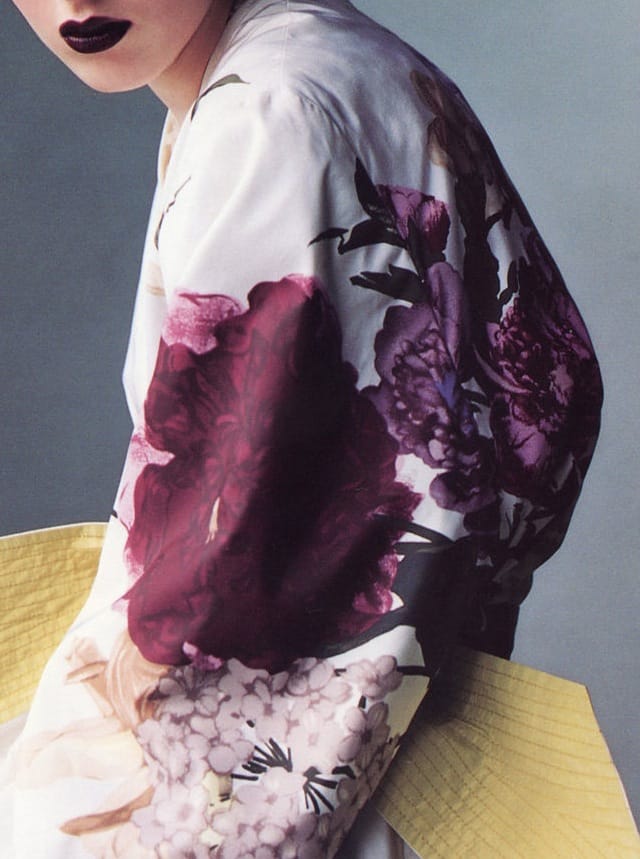
Floral Botanical Print Textile — Kimono or Wrap Garment
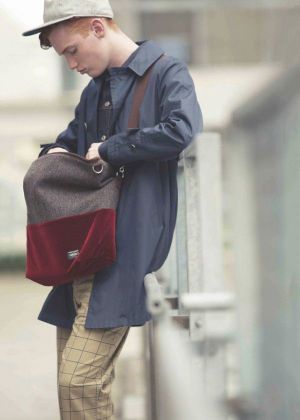
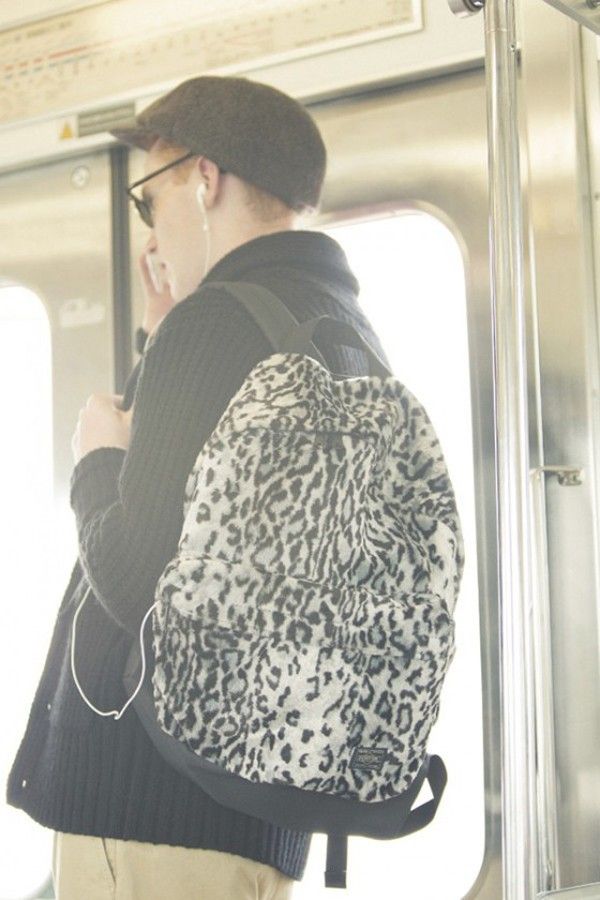
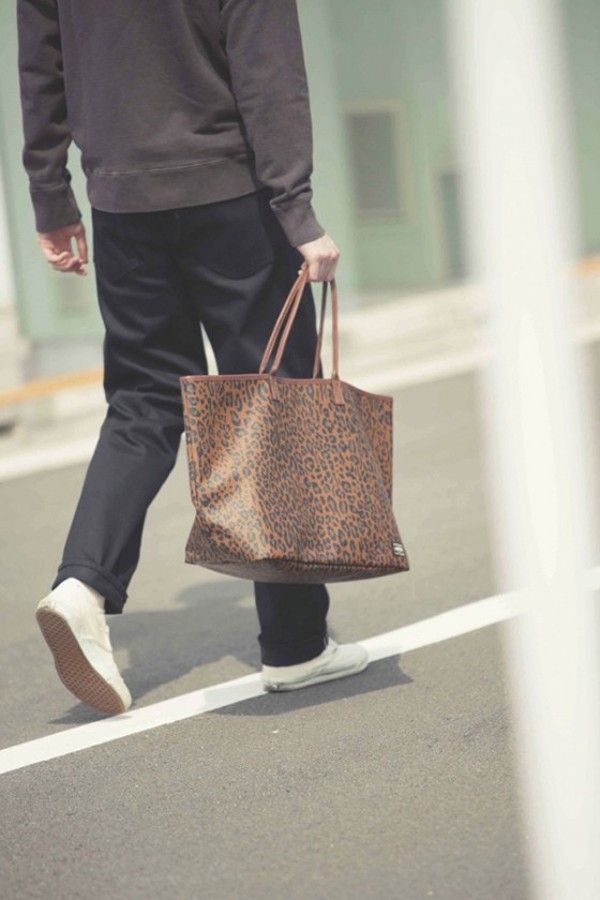
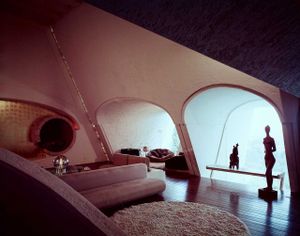
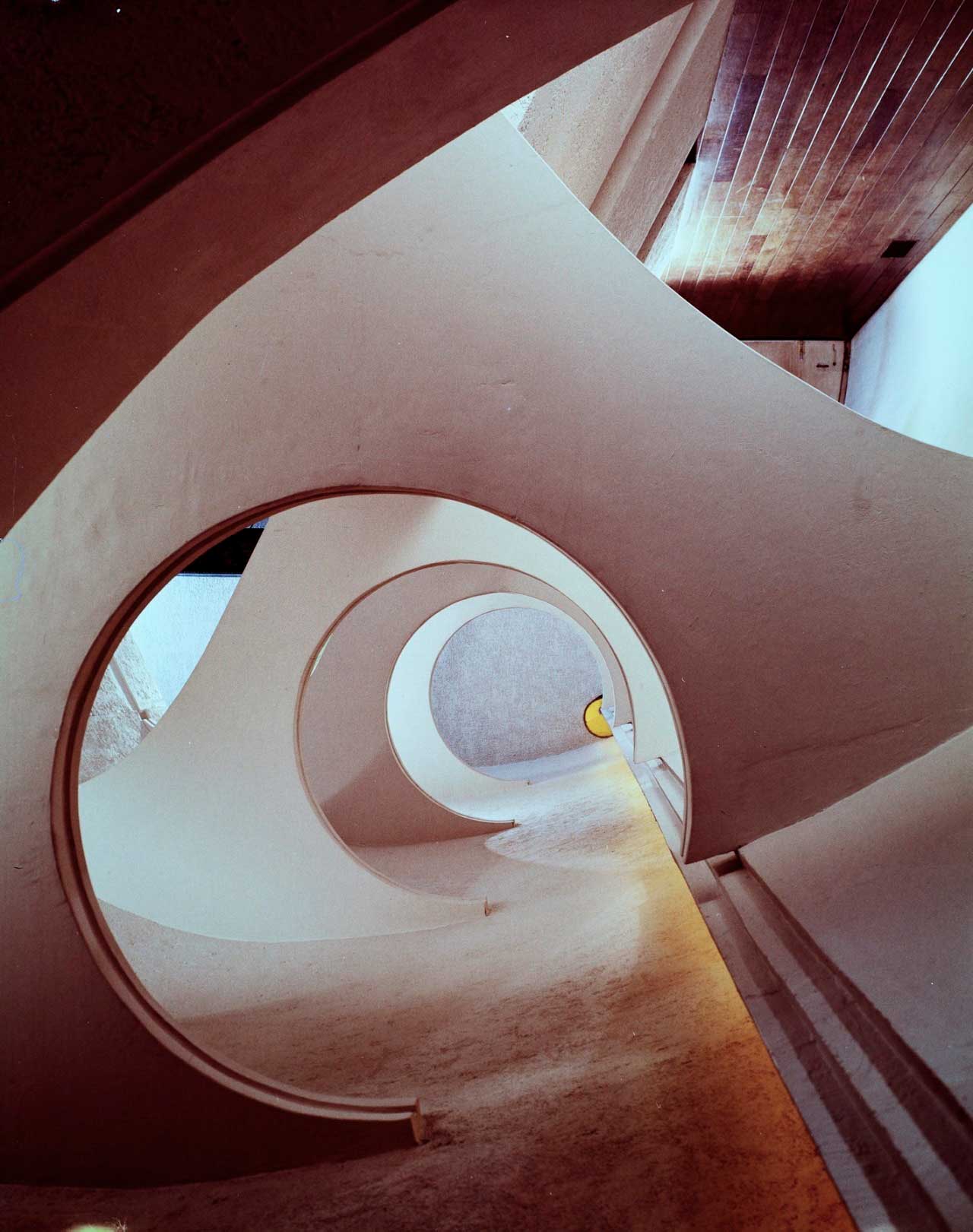
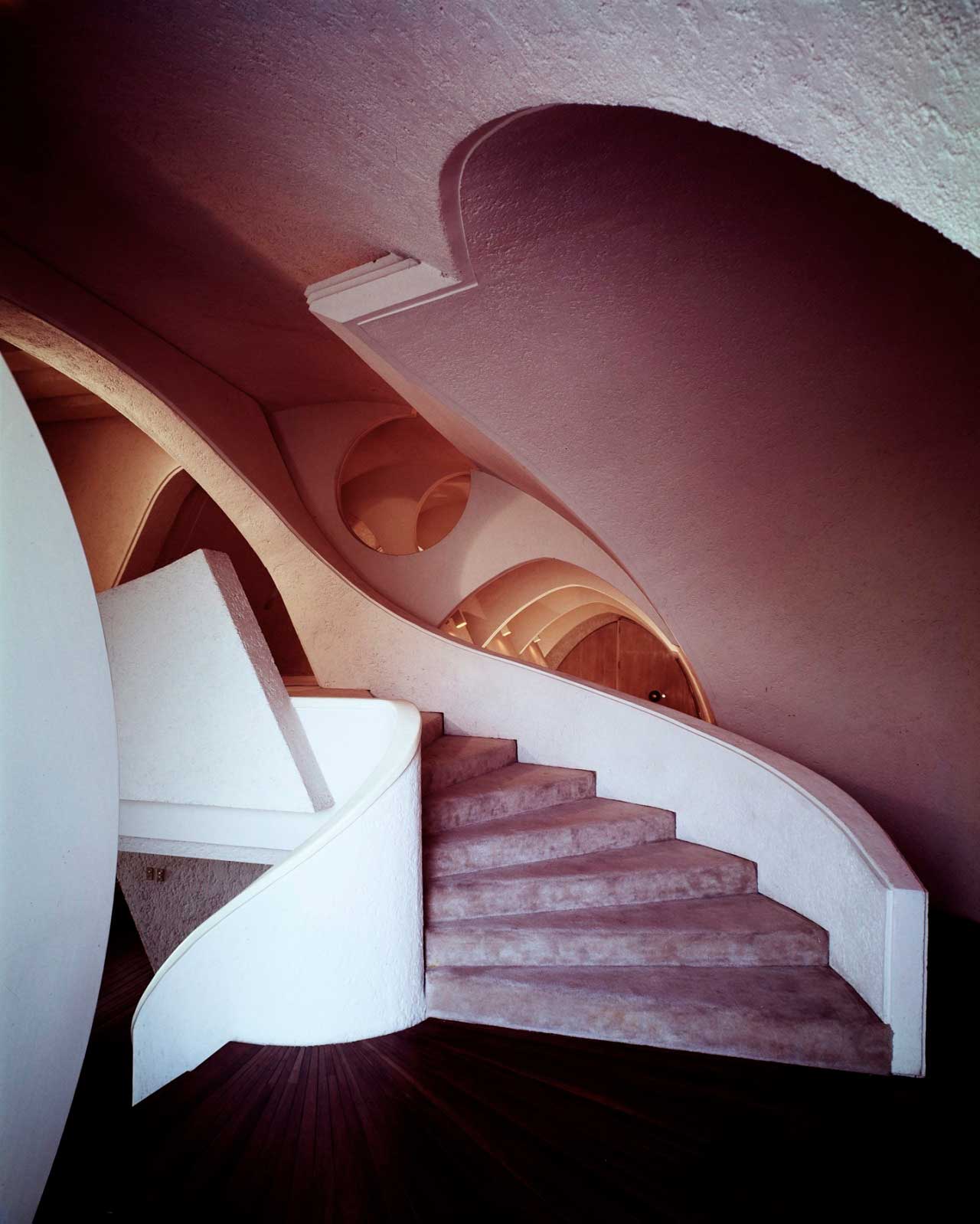
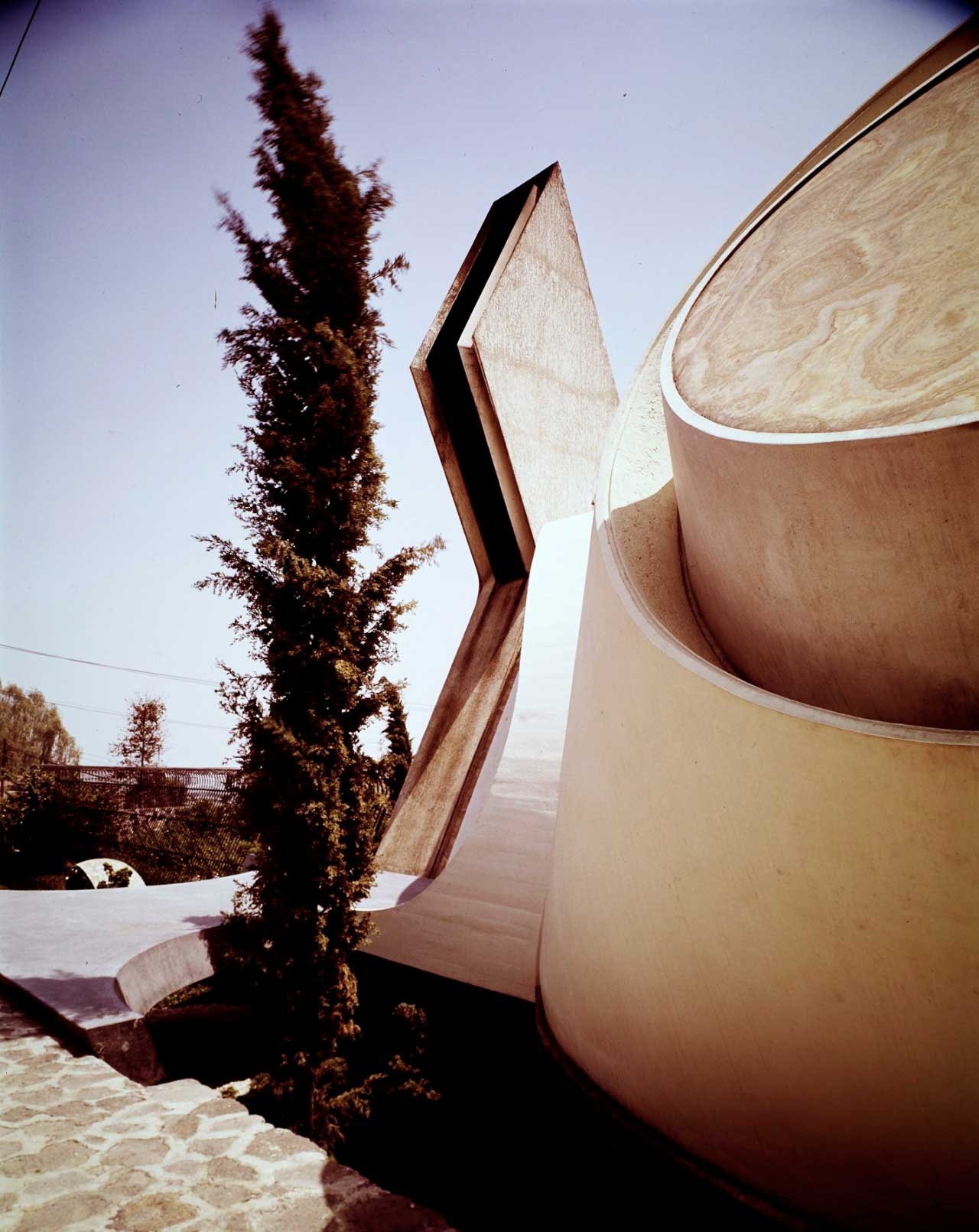
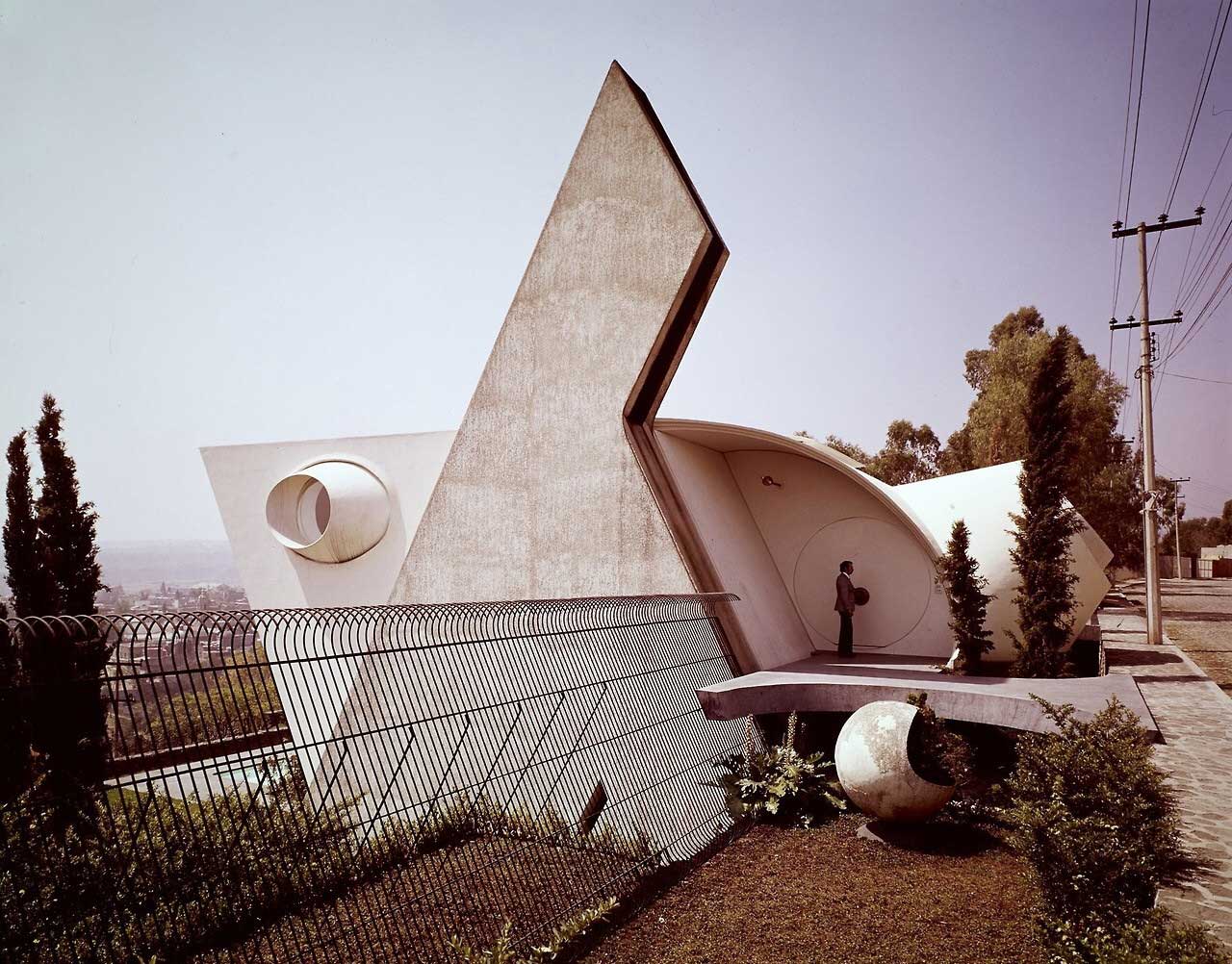
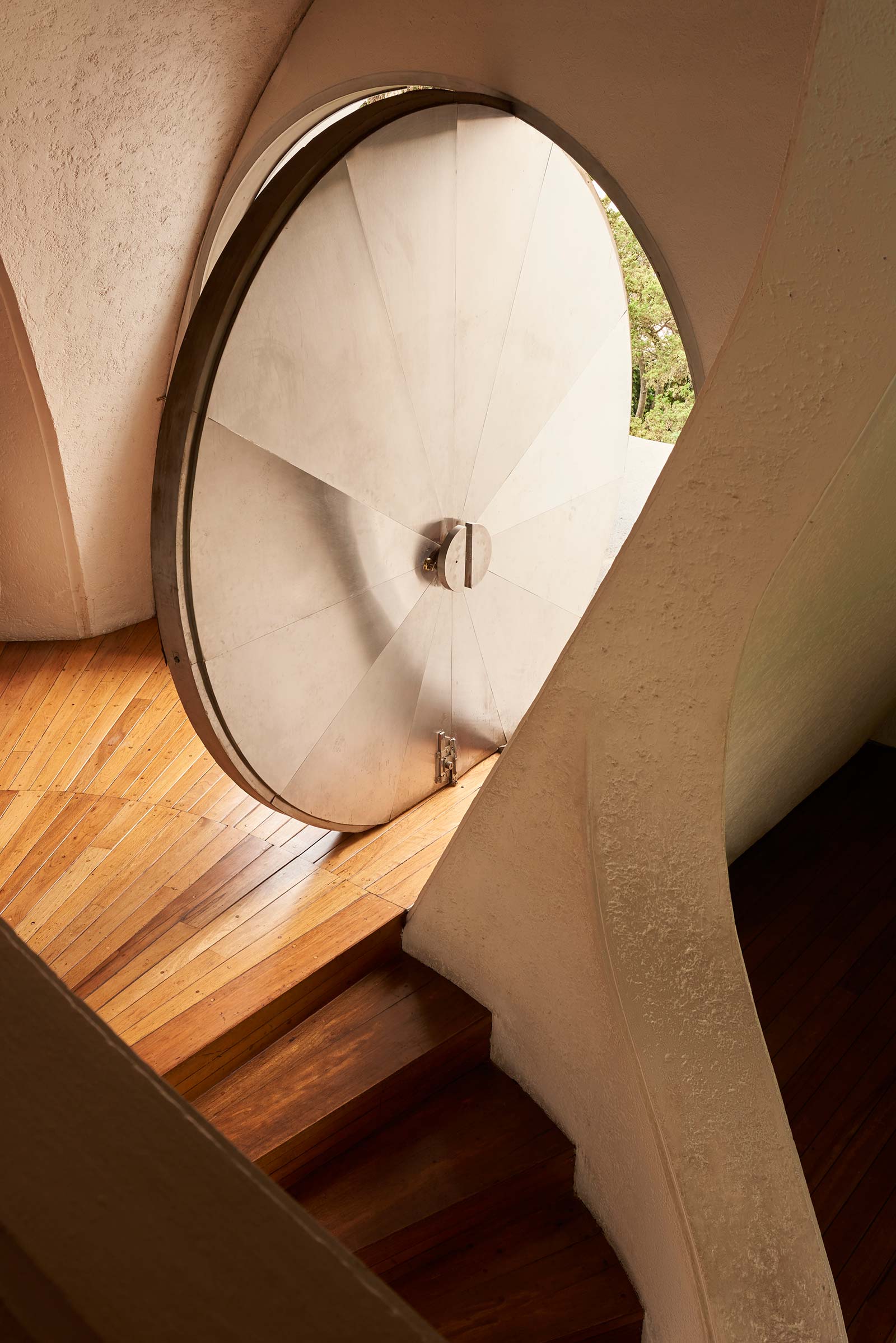
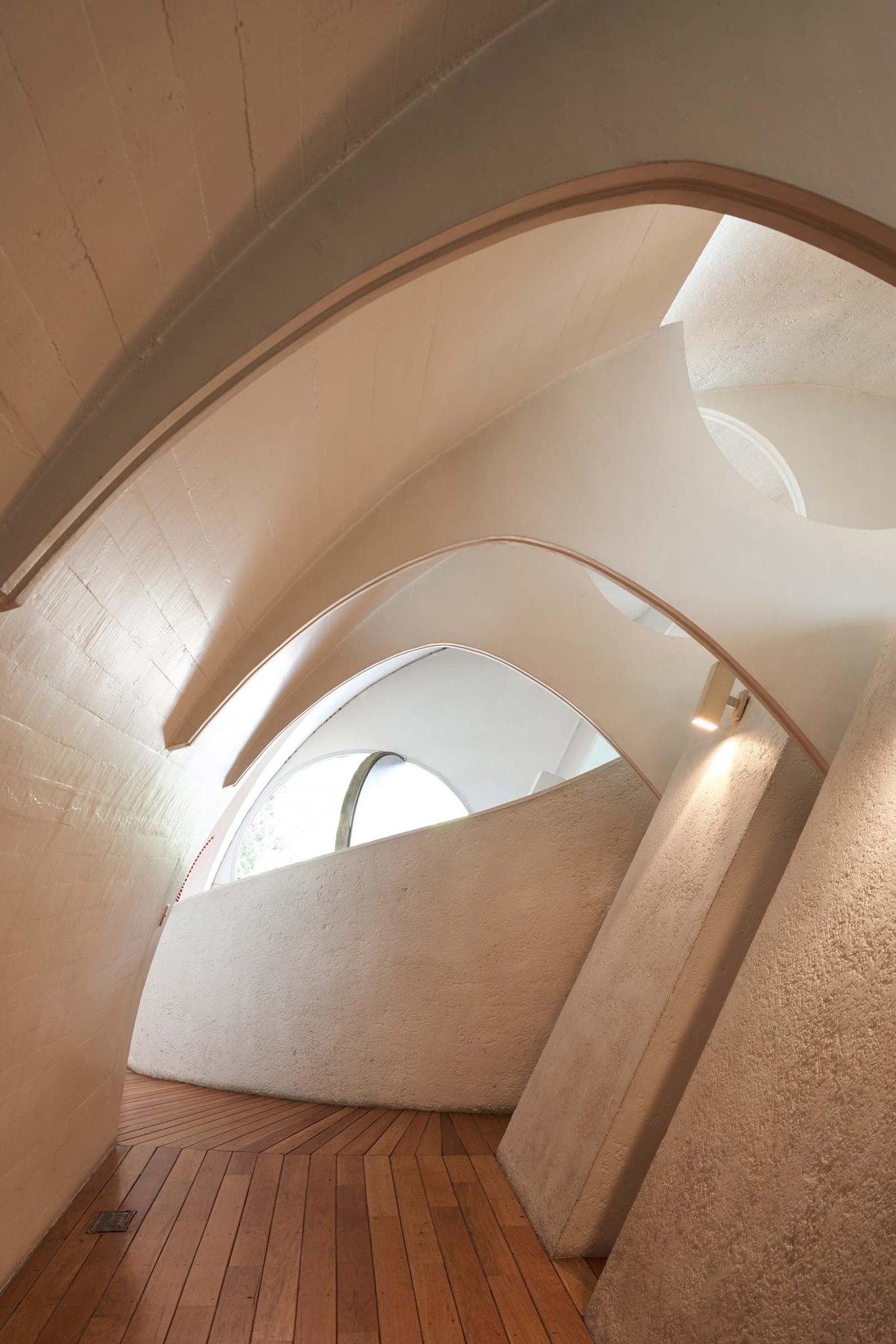
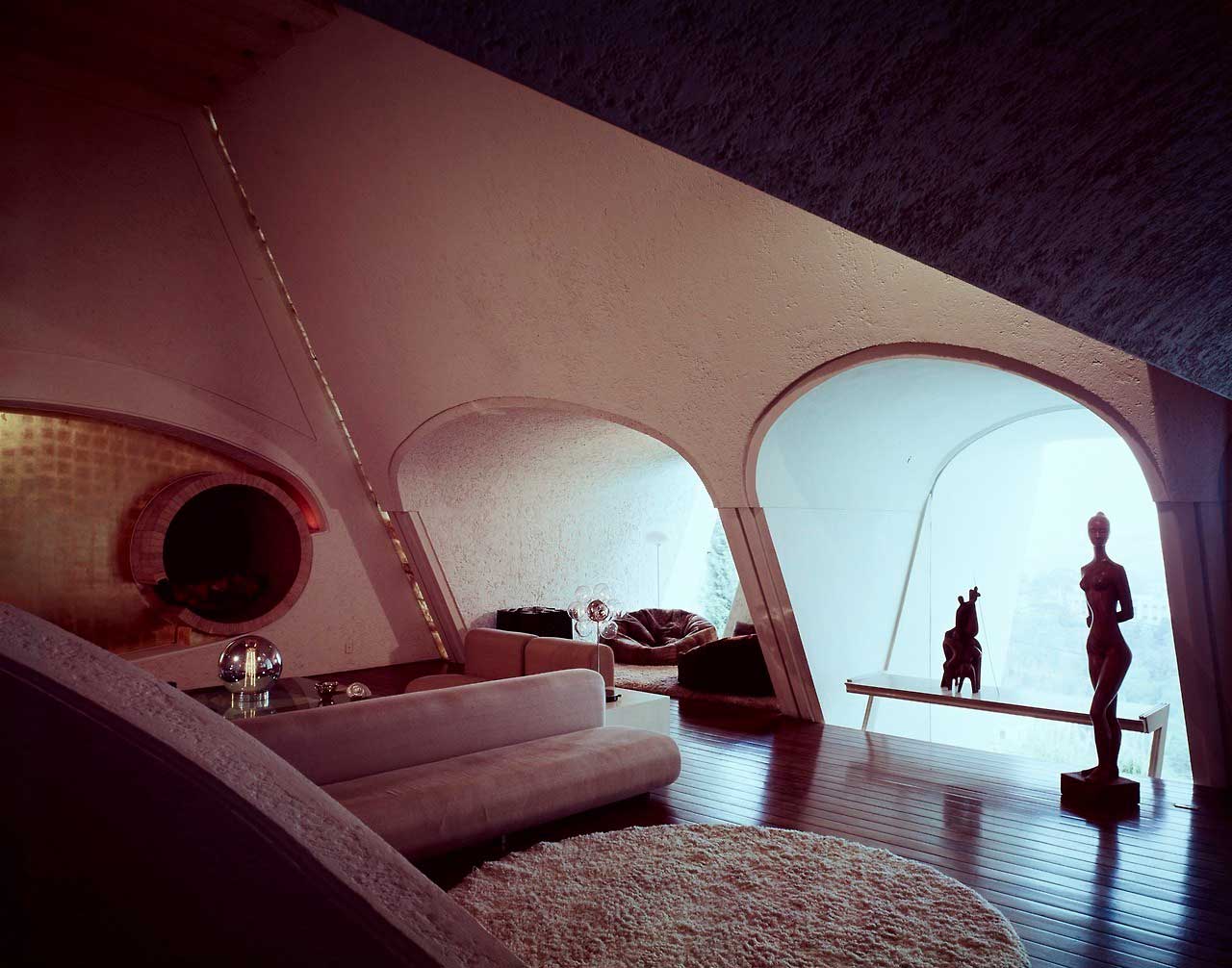
Amalia Hernández House / Agustín Hernández Navarro
Agustín Hernández Navarro is a Mexican sculptor and architect born in Mexico City. He is the son of politician Lamberto Hernández and Amalia Navarro and studied at the National Autonomous University of Mexico. Leading exponent of “emotional” architecture in his country, Hernandez has fused elements from Mexico’s Pre-columbian past in his contemporary architecture. He usually starts by designing the vertical elements of a building, such as the stairs, as he feels these are of much importance. As organic nature, his architecture unites structure, form, and function.
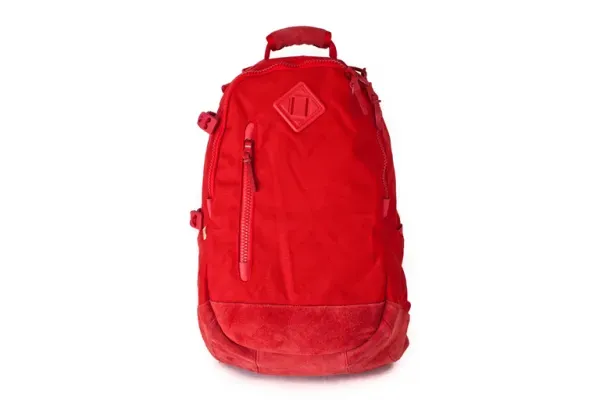
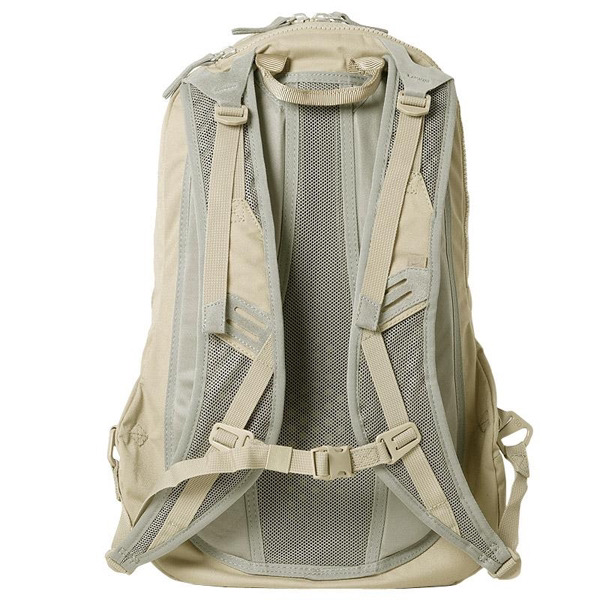
VISVIM aw2012 BALLISTIC 20L BACKPACK

Supreme 18th Anniversary Alpha XBP Backpack
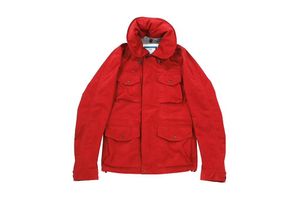
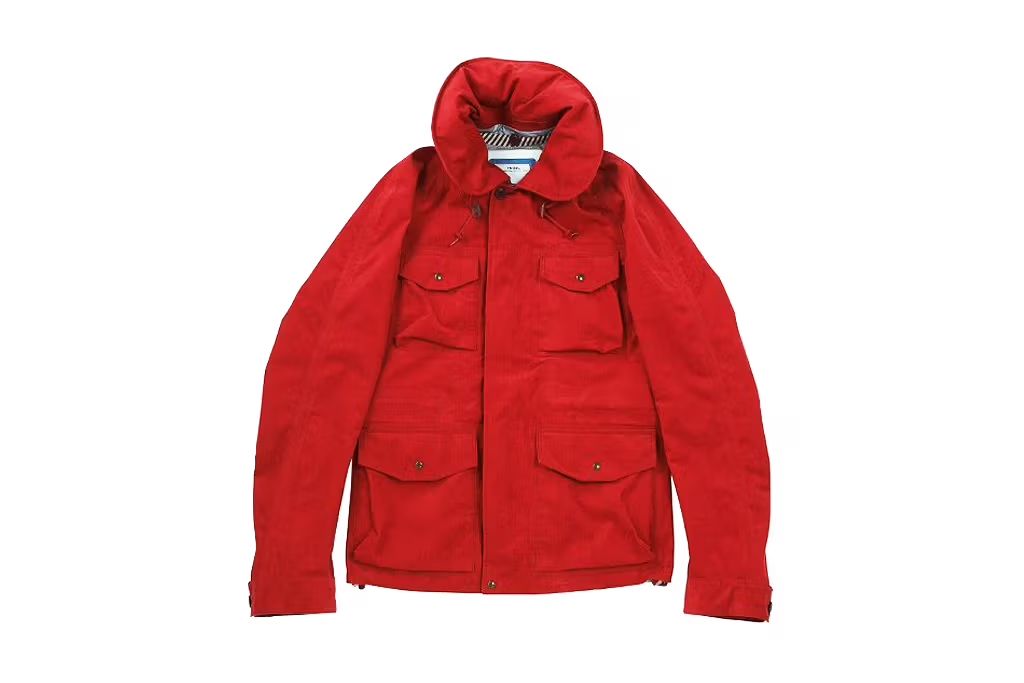
visvim PFD JKT 3L GORE-TEX
The red GORE-TEX shell takes inspiration from a classic M-65 military jacket and also features a drawstring over sized collar with a packable hood for added detail and function. Look for this jacket to be available through select visvim retailers this week as well as through F.I.L. locations in Asia.
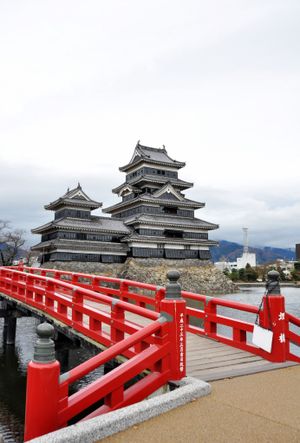
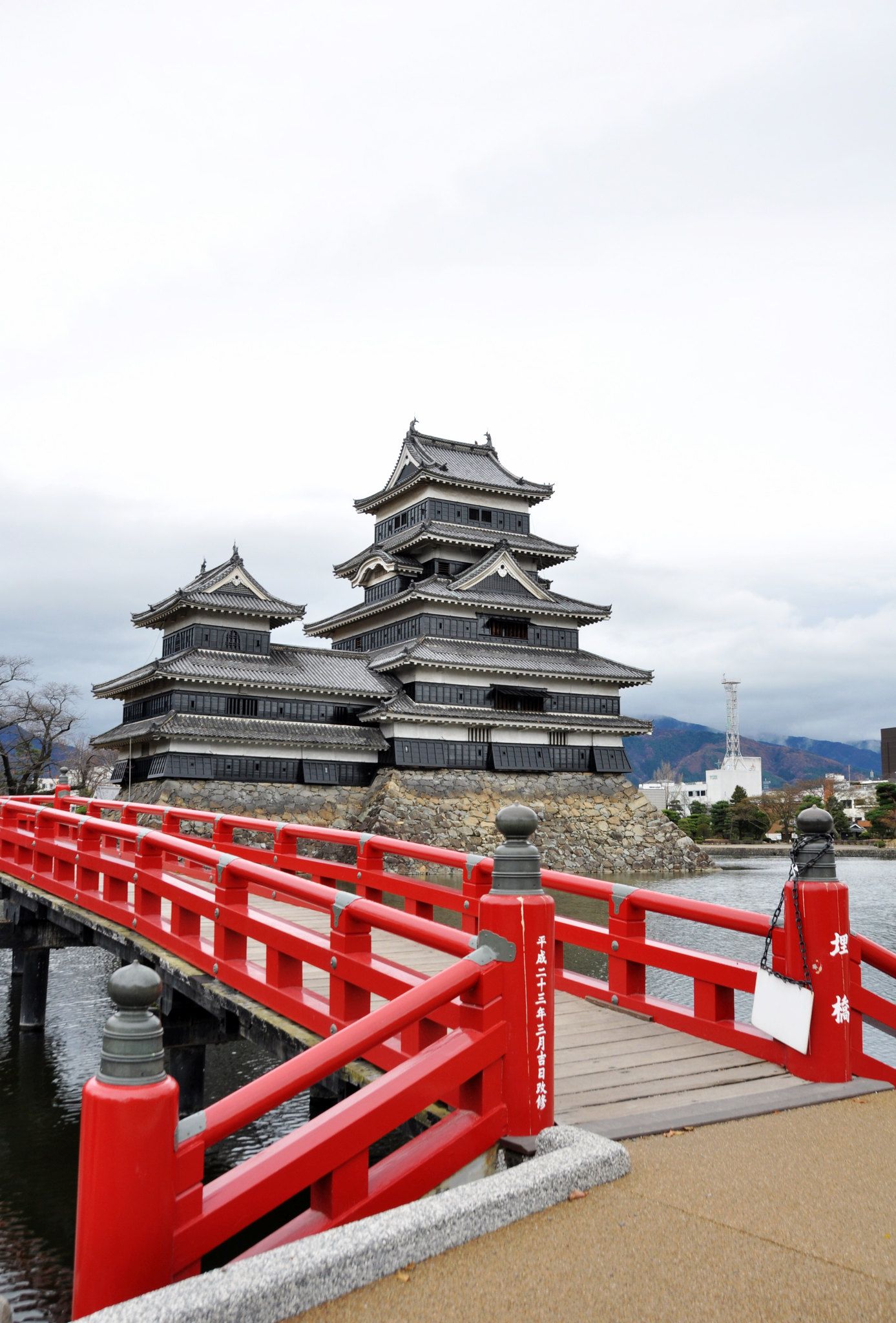
Matsumoto Castle, Nagano Prefecture

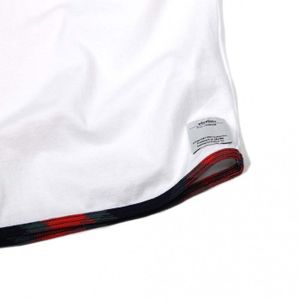
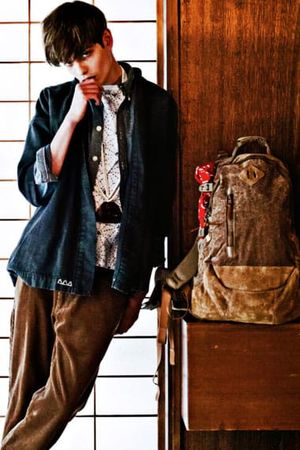
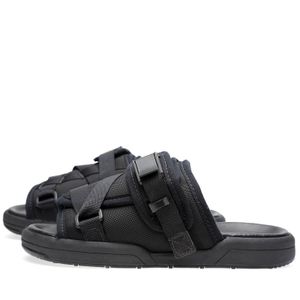
Visvim Sanjuro Kimono

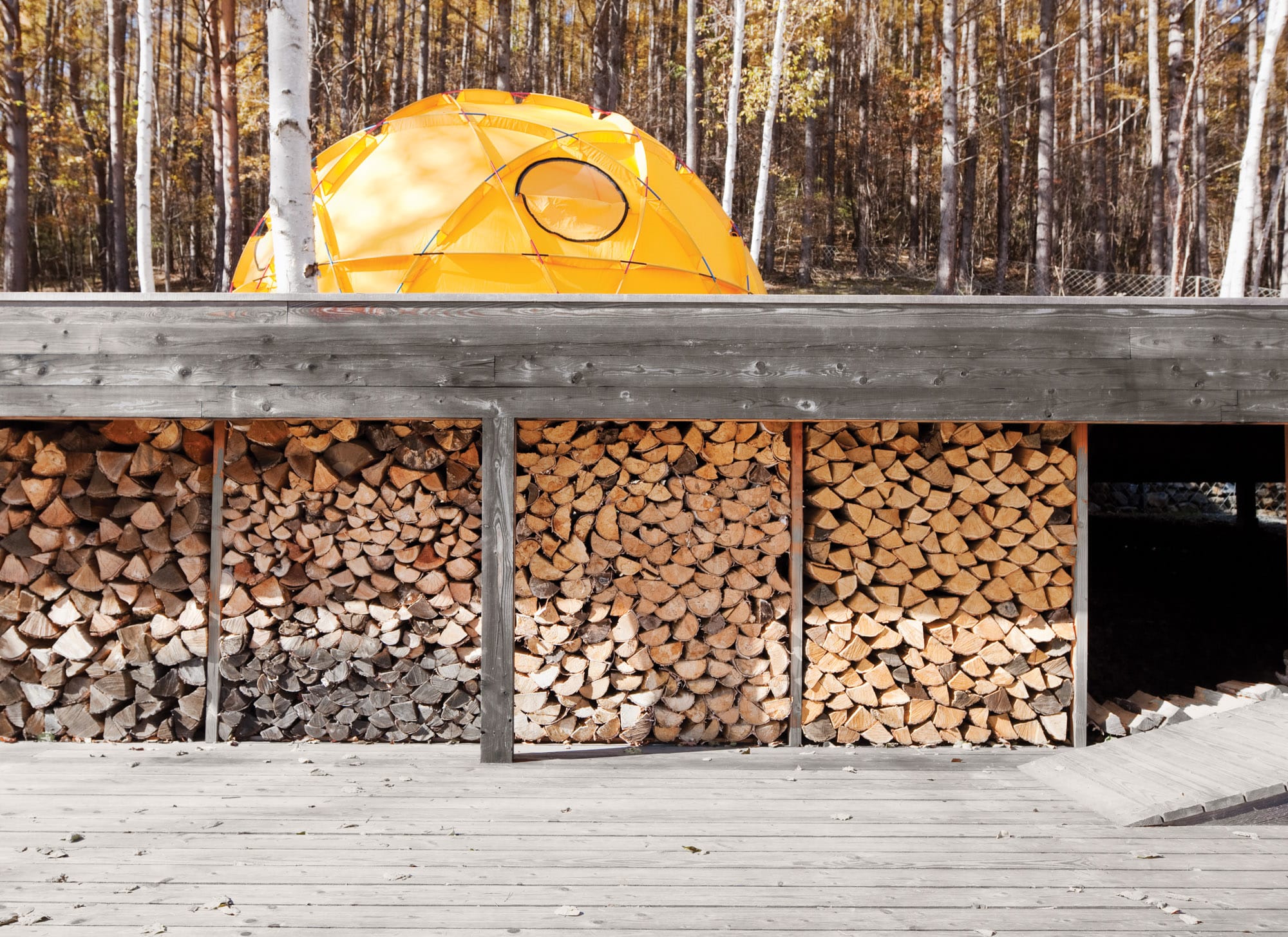
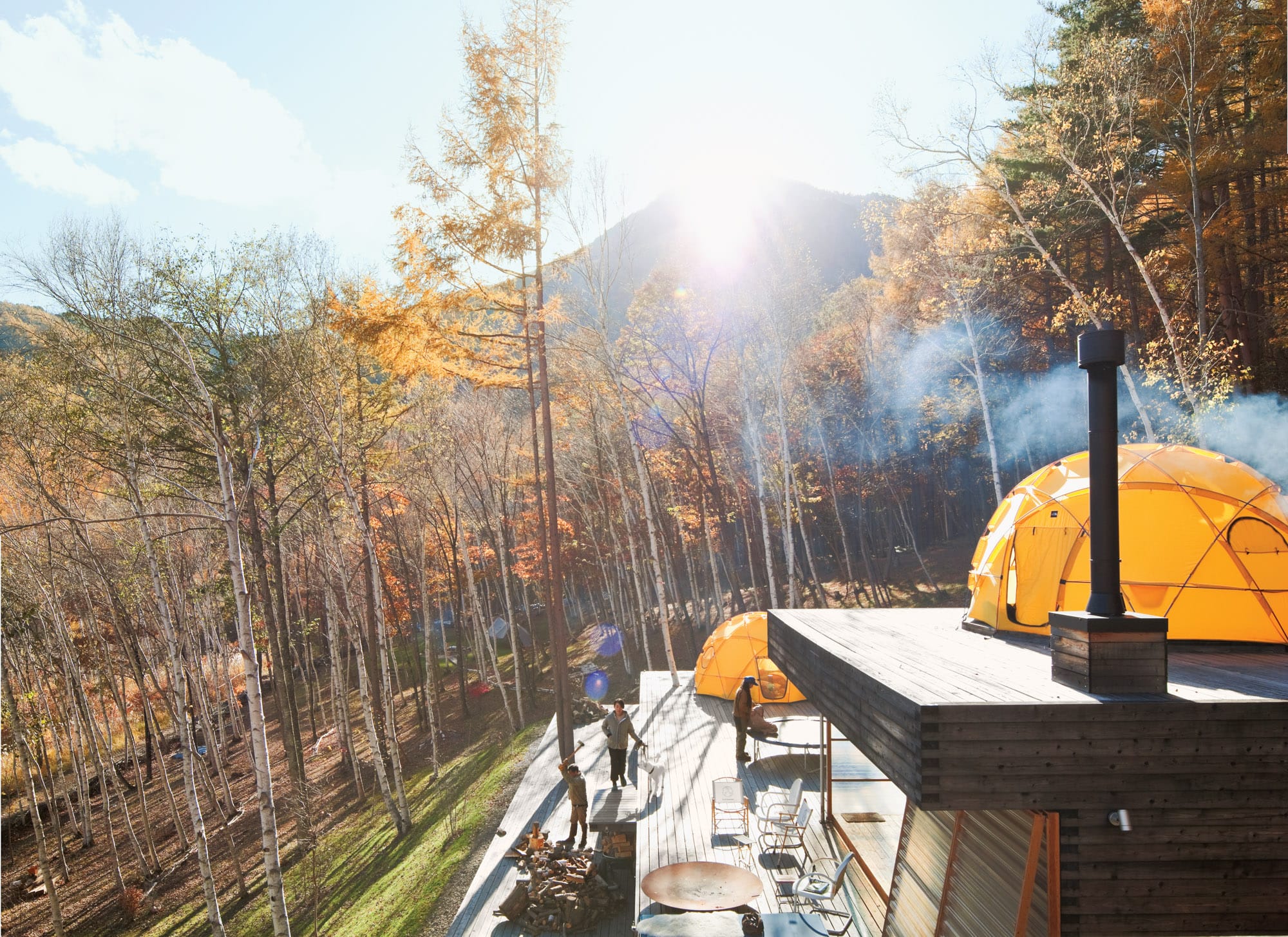
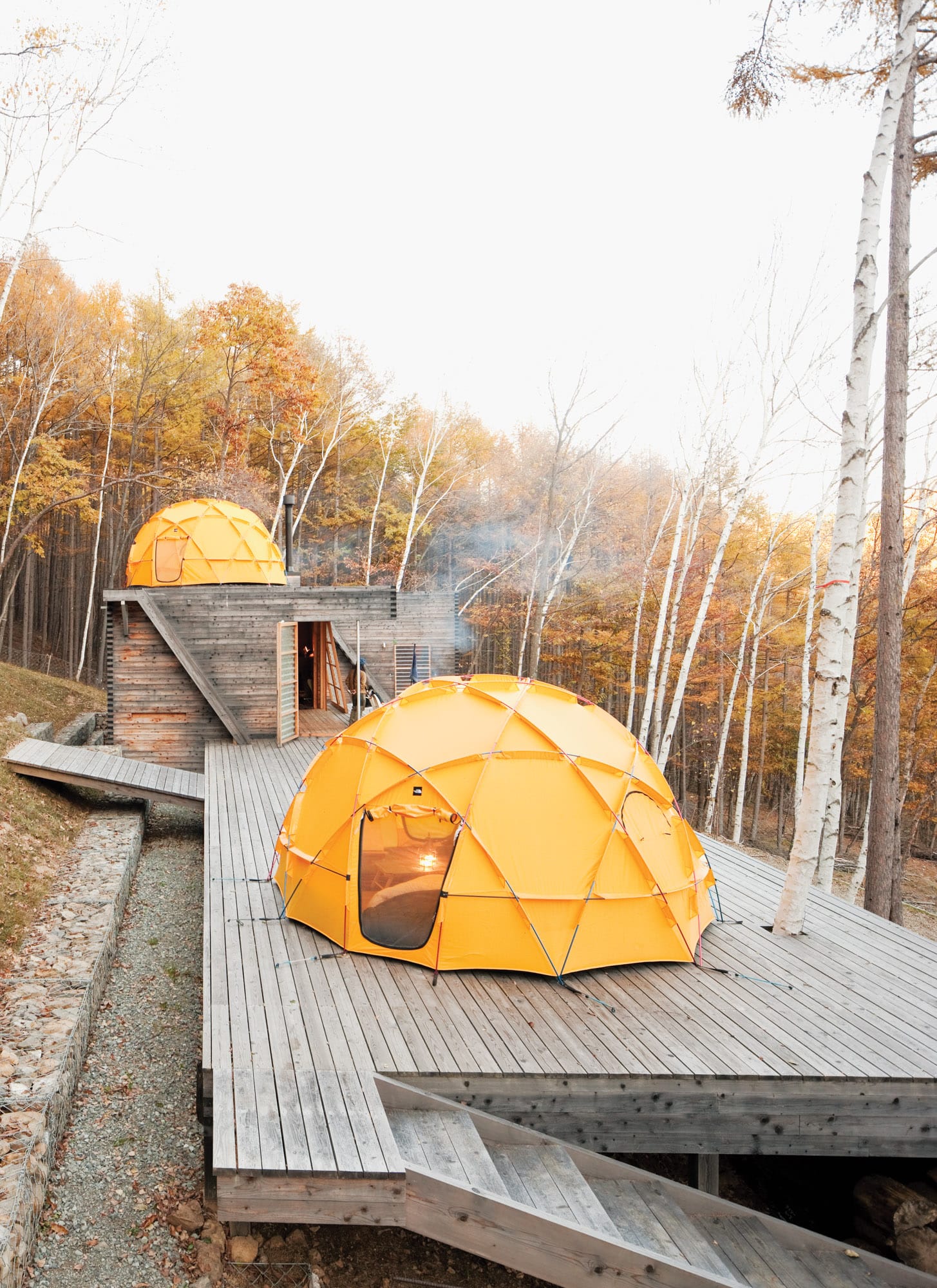
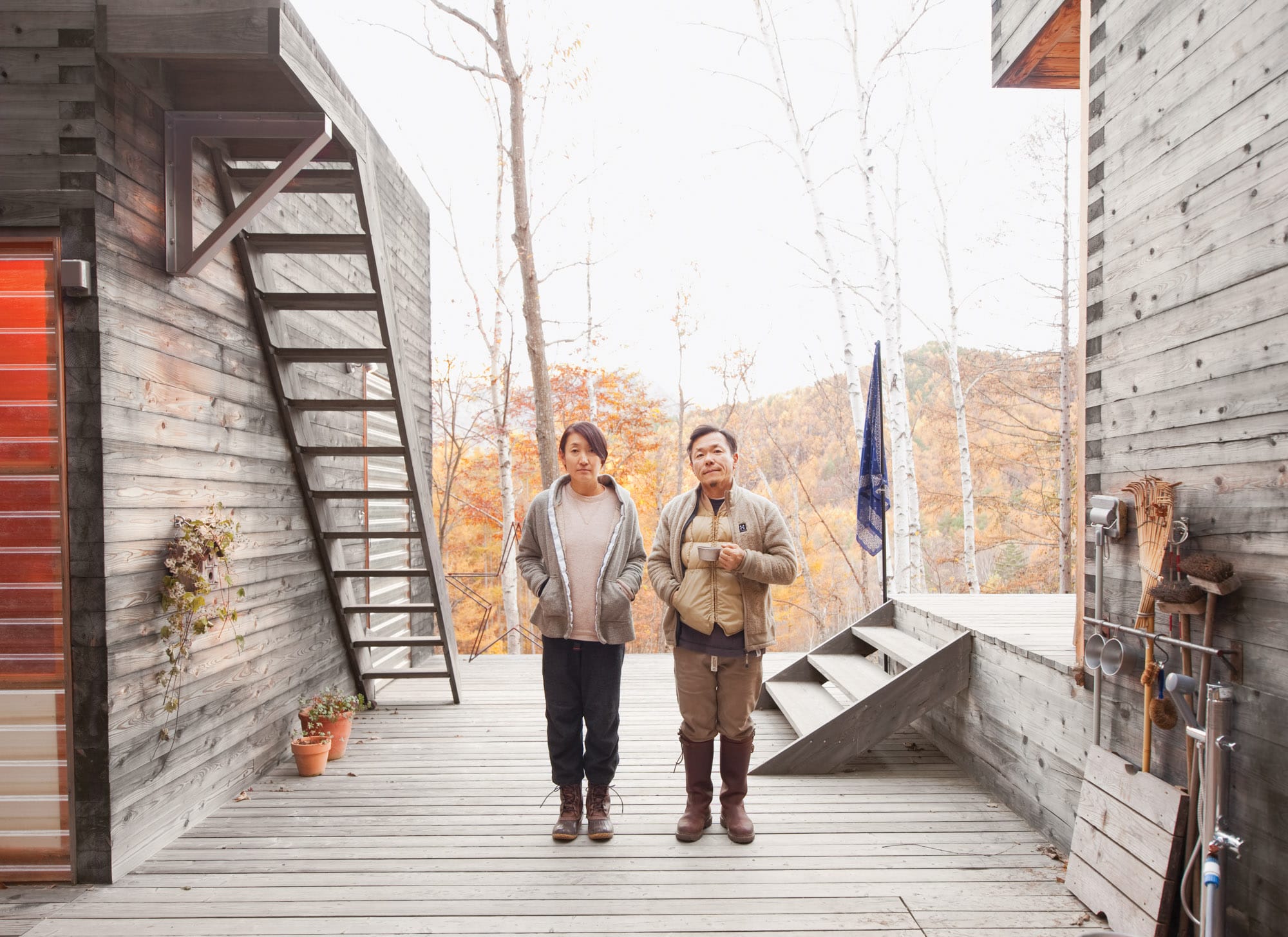
GENERAL RESEARCH OFF-SITE
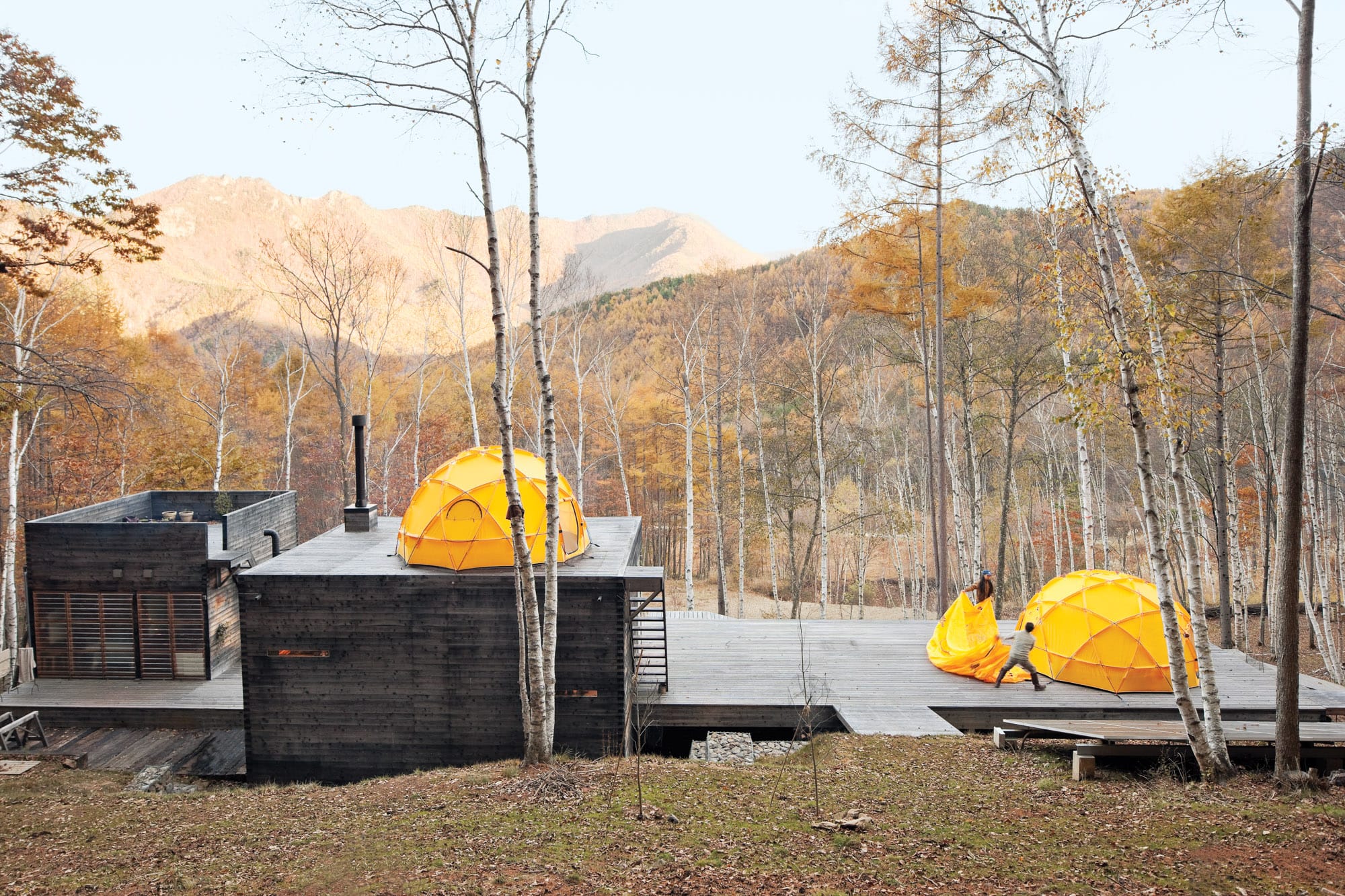
Designed by architect Shin Ohori of General Design for Setsumasa and Mami Kobayashi, founders of General Research. Located in the Chichibu mountain range northwest of Tokyo, the site serves as both a personal weekend shelter and a field-testing ground for product development.
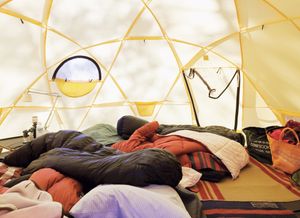
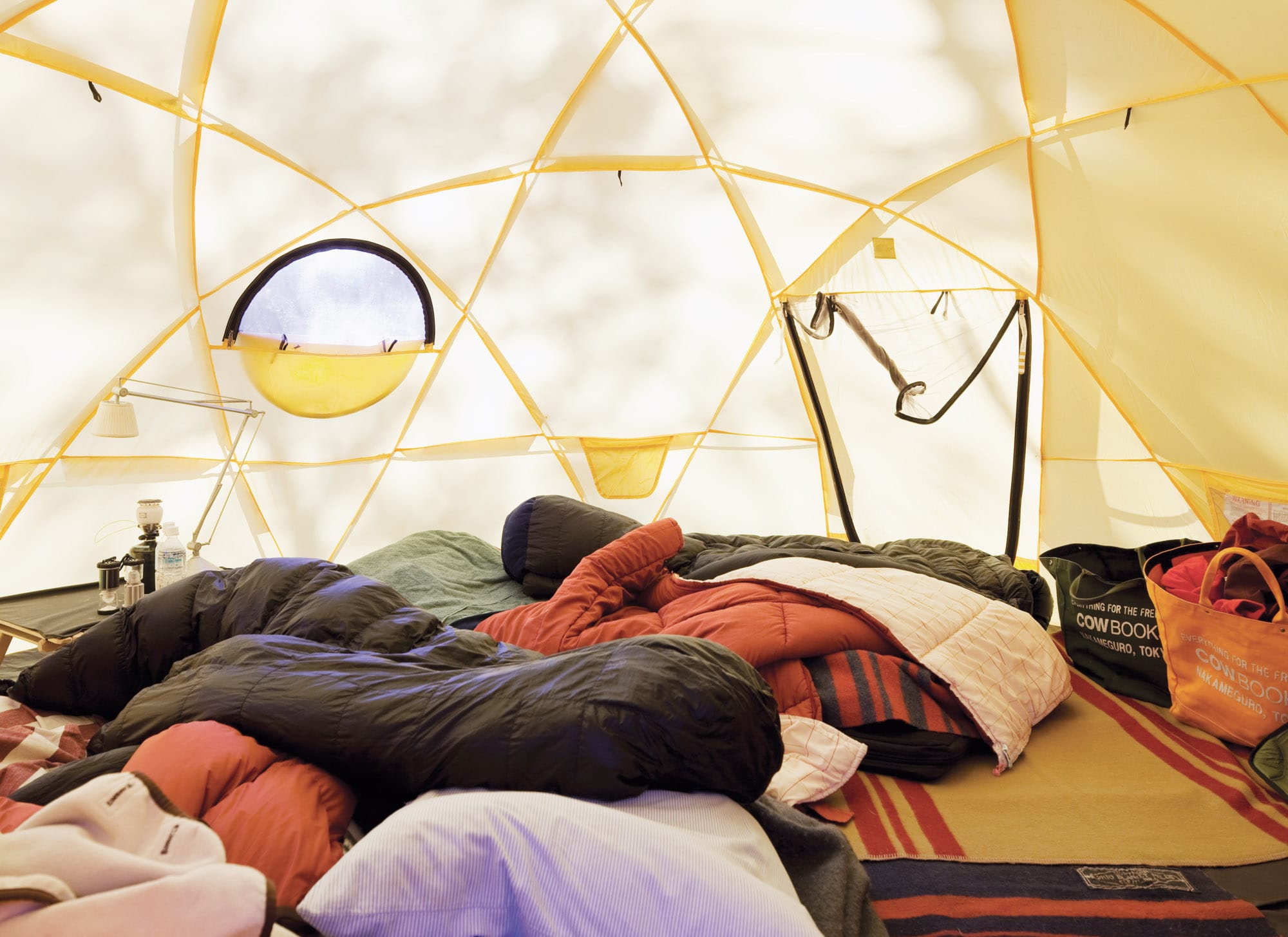
The structure is built on an elevated platform using locally harvested larch wood and features removable walls made from fiber-reinforced plastic. It includes two yellow dome tents used as permanent sleeping areas—one placed on a secondary deck and the other on the roof of the main volume. The central enclosed space houses a kitchen and dining area.
The shelter is equipped with electricity, hot water, internet access, and basic amenities, including a clawfoot bathtub. The location is remote but accessible, allowing the Kobayashis to engage in maintenance tasks and outdoor work while still performing professional duties remotely. The architecture is intentionally simple and functional, emphasizing modularity, environmental responsiveness, and a hybrid of modernist design with primitive outdoor living elements.
The project operates as a live-in testing platform for lifestyle and gear integration in a real-world setting, merging domestic space with performance wear prototyping. It represents an approach to architecture and living that prioritizes adaptability, utility, and a direct relationship with the natural environment.
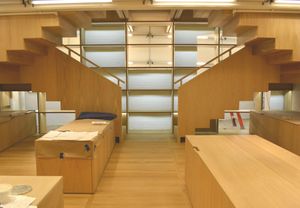
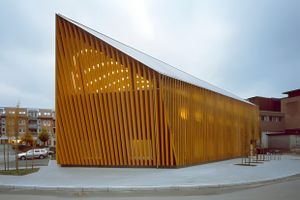
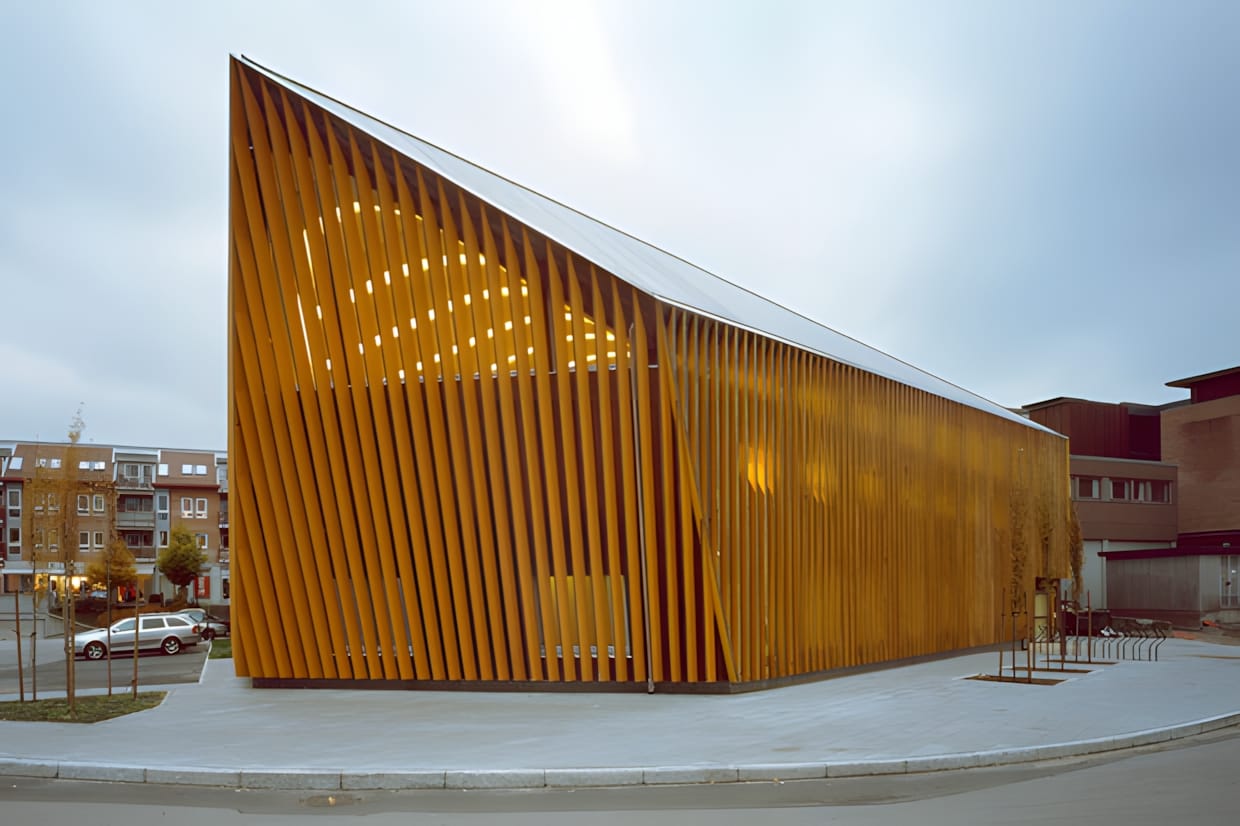
Vennesla Library and Culture House by Helen & Hard
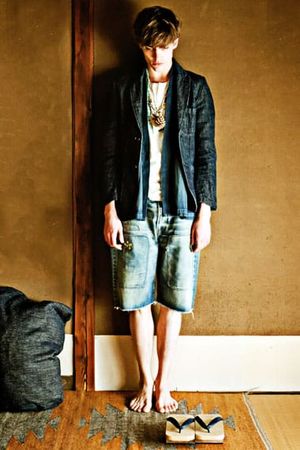
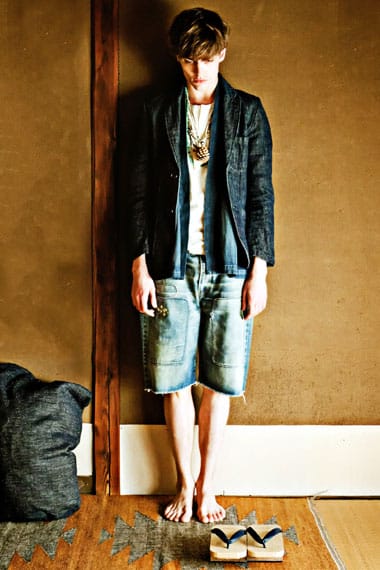
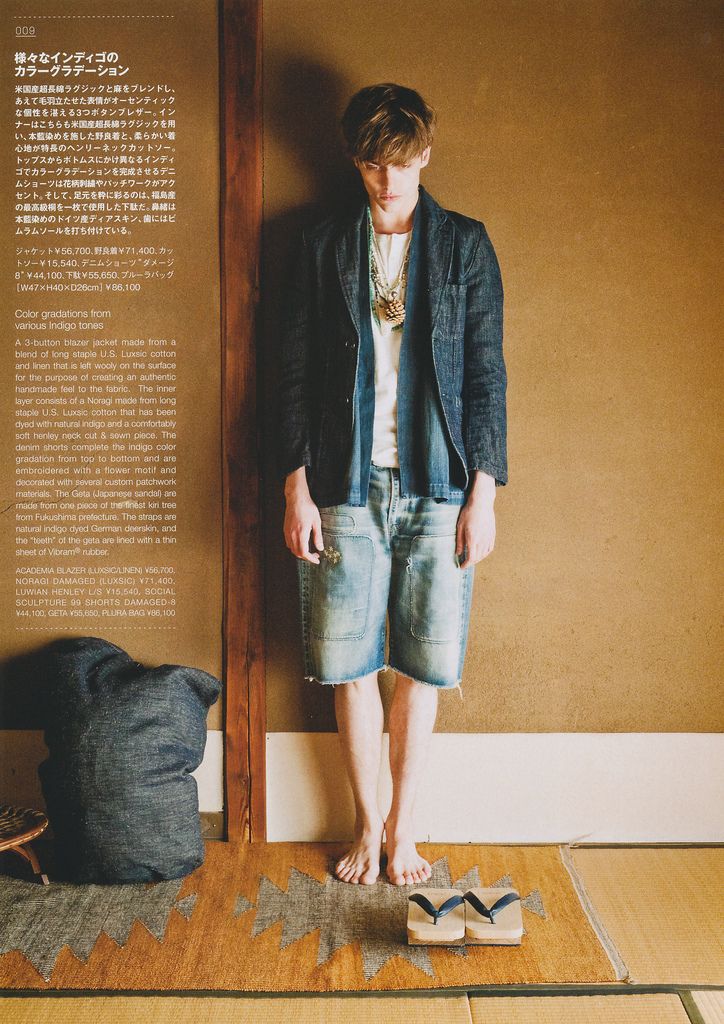
SENSE Magazine visvim Spring Summer 2012
A page from 'TEXT in visvim', the visvim Spring/Summer 2012 feature in Japan's SENSE Magazine (March 2012). Naturally dyed, hand-constructed pieces from Hiroki Nakamura.
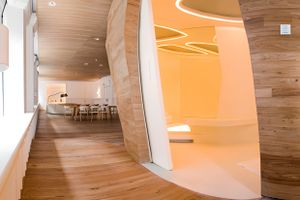
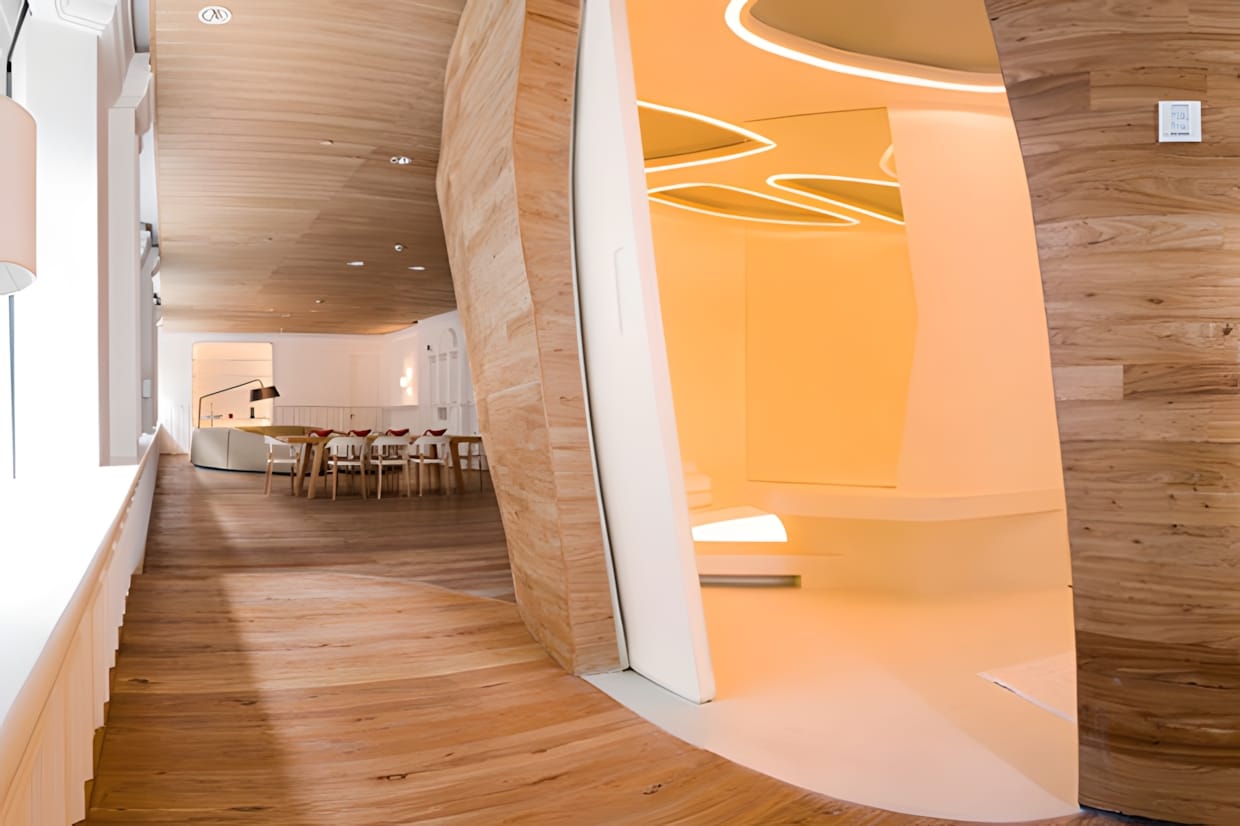
Swatch Art Peace Hotel Shanghai Interior by Jouin Manku
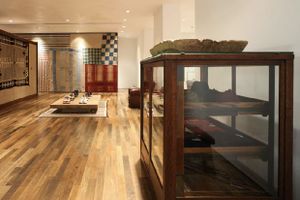
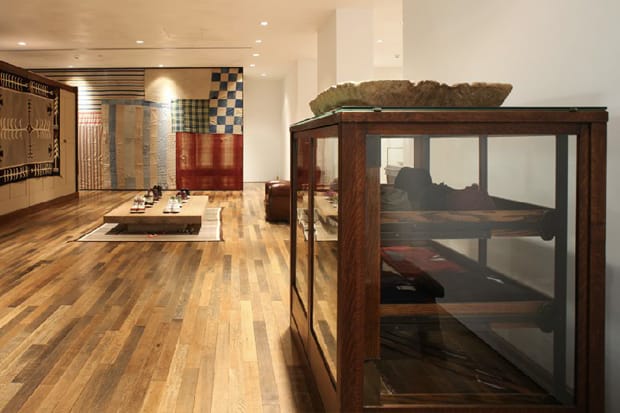
Visvim F.I.L. Sendai Store

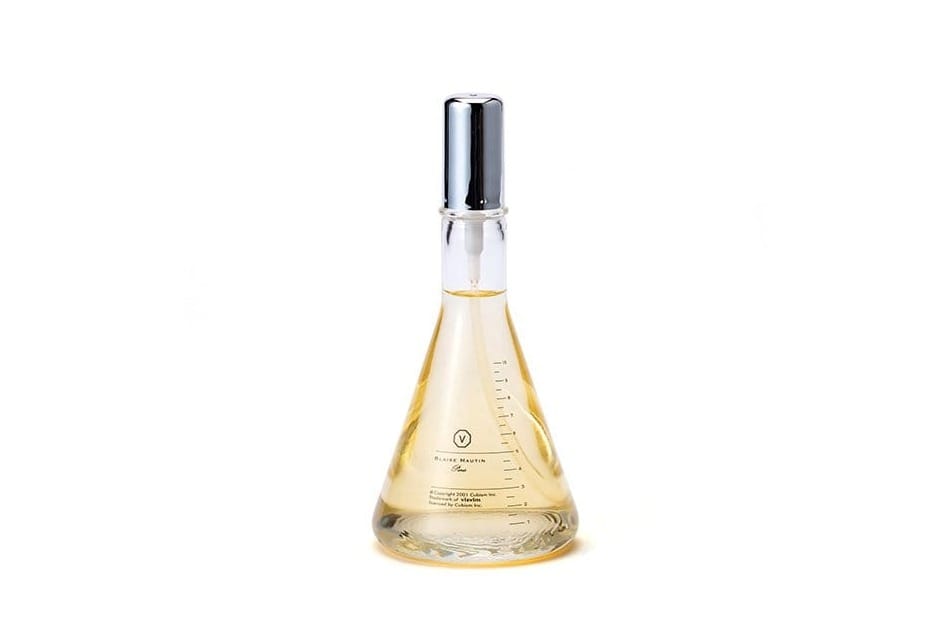
Visvim 2012 Subsection Series
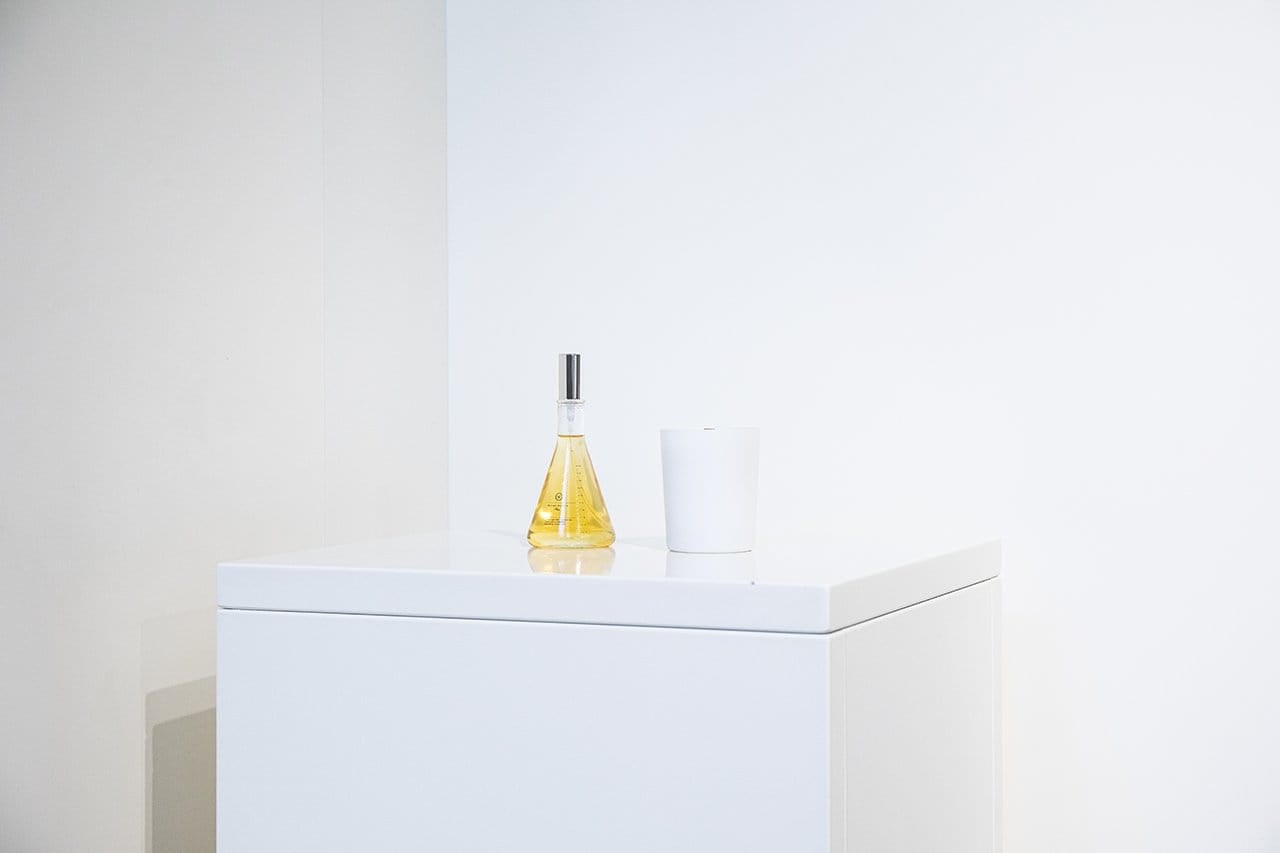
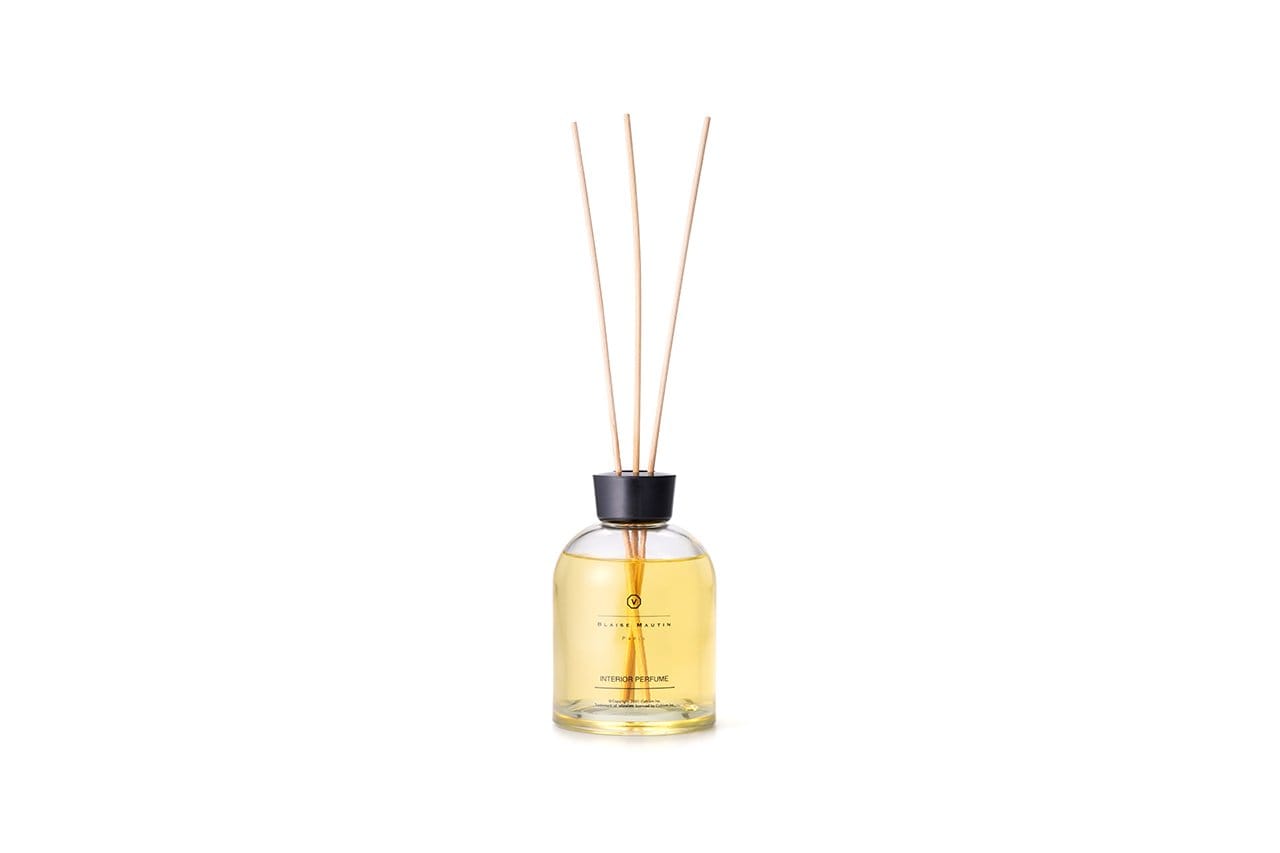
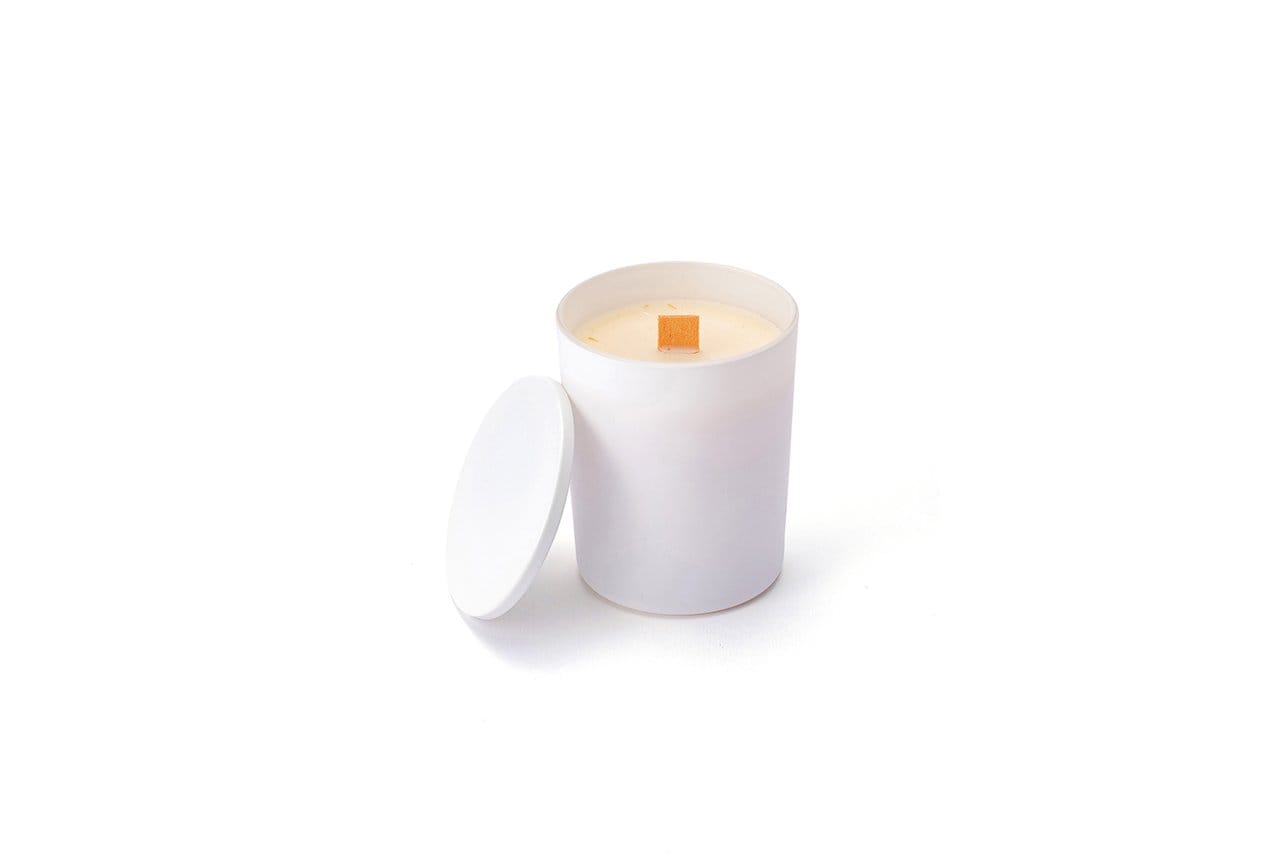
The SUBSECTION SERIES is a fragrance collection by Visvim, inspired by founder Hiroki Nakamura’s encounter with French fragrance designer Blaise Mautin over 20 years ago. The series includes candles, room sprays, and diffusers, each available in various scents. Notable fragrances are NO.1 F.I.L., a blend featuring patchouli and sandalwood, and NO.7 KYOTO, inspired by a morning visit to Kyoto’s Sanjusangendo temple.

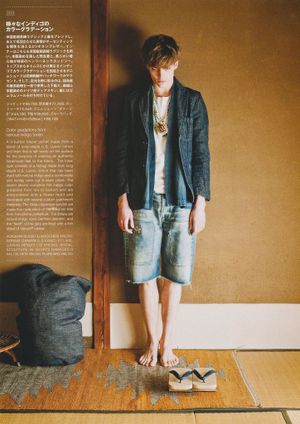
SENSE March 2012 the TEXT in VISVIM 2012 Spring Summer
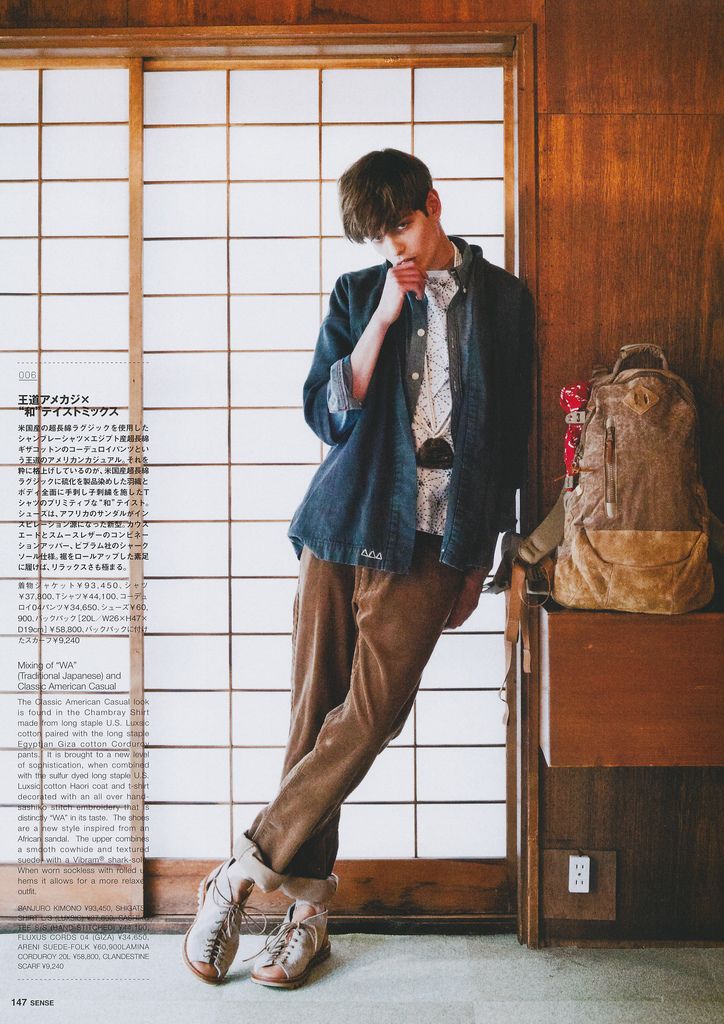
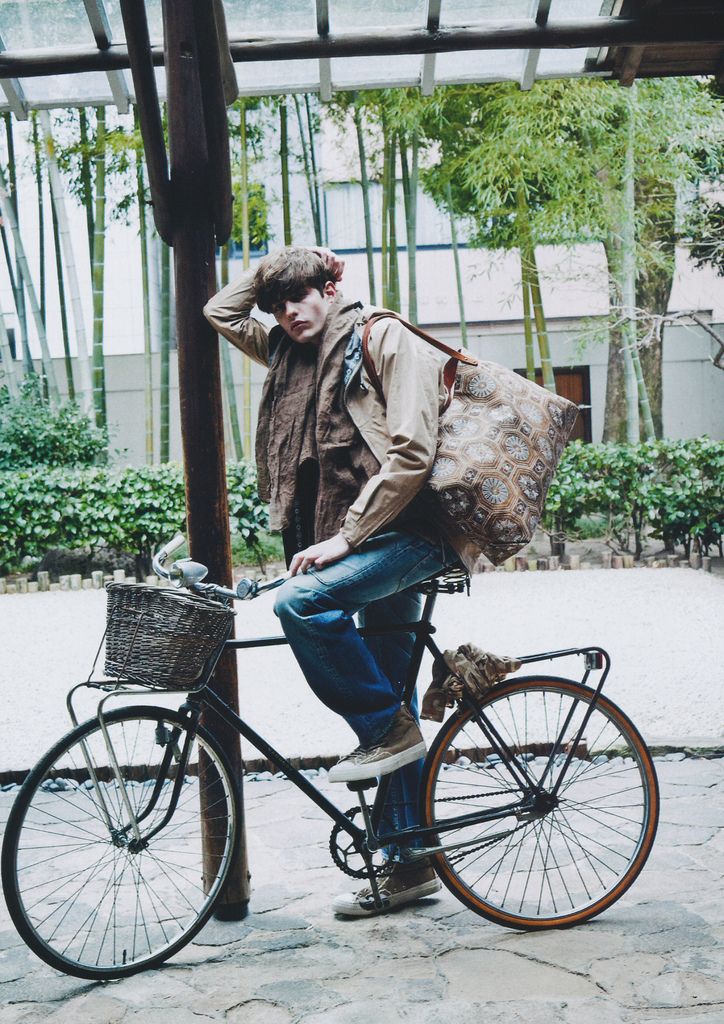
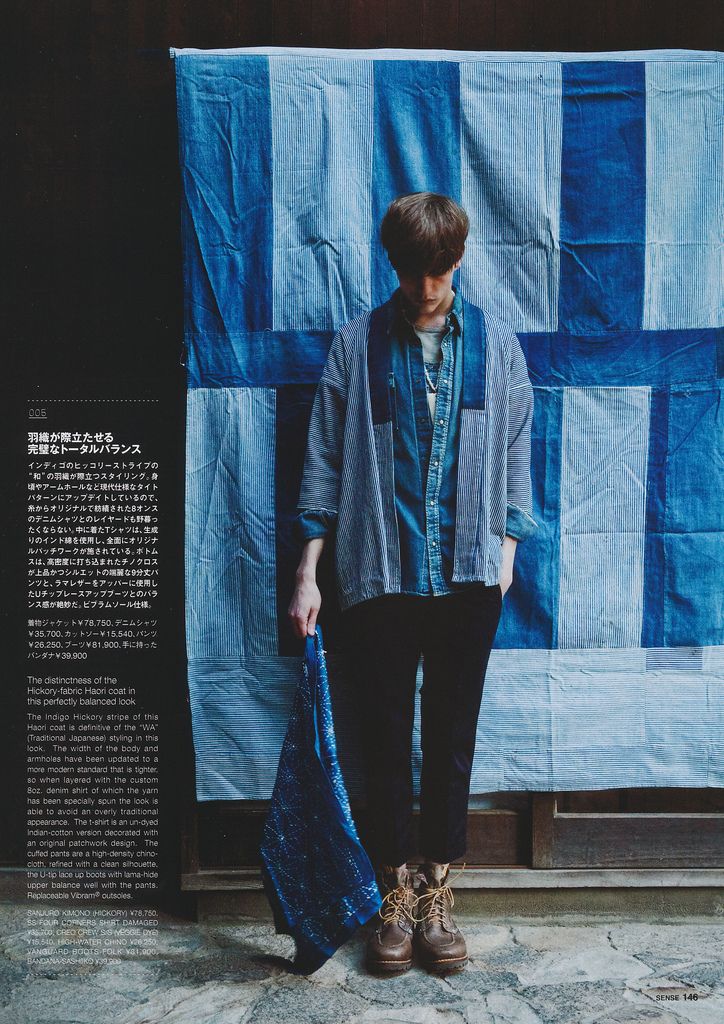
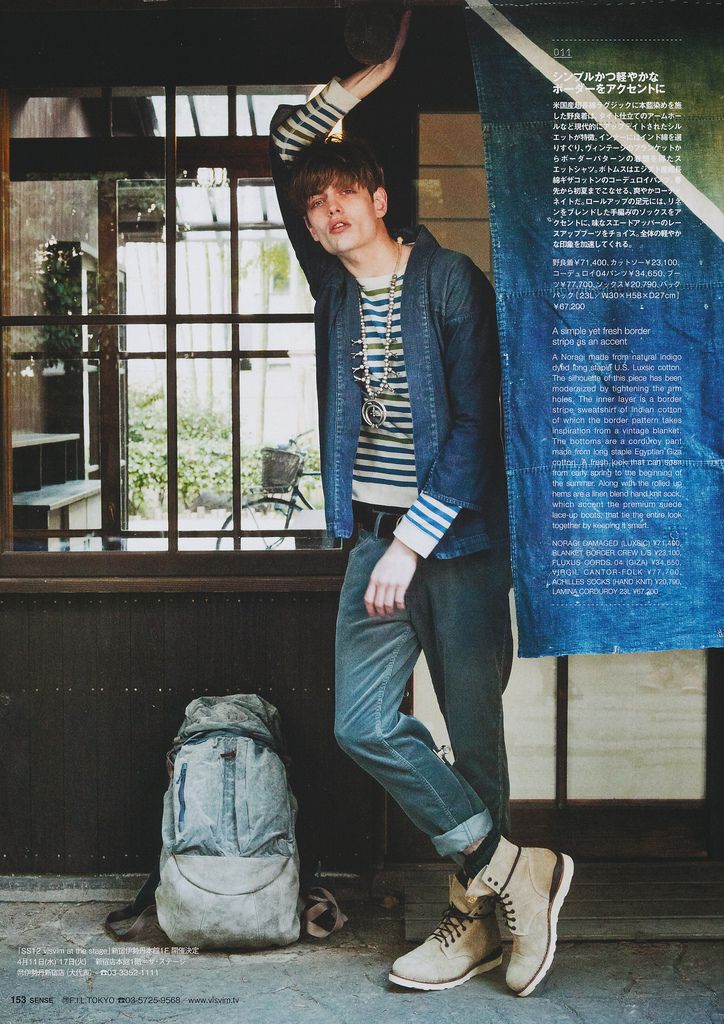
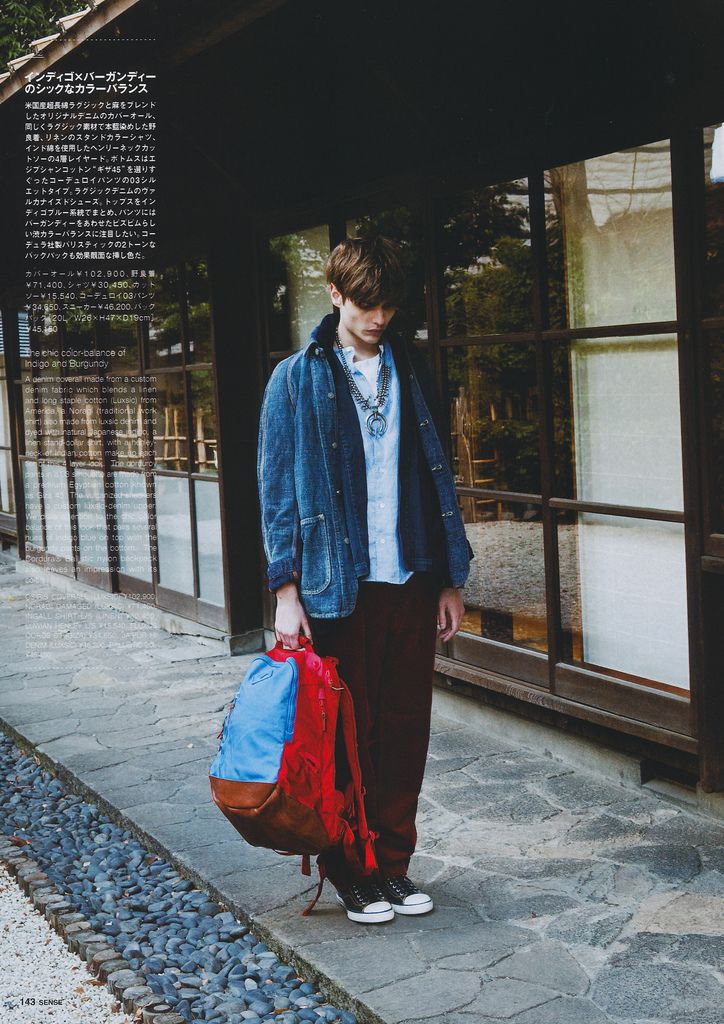
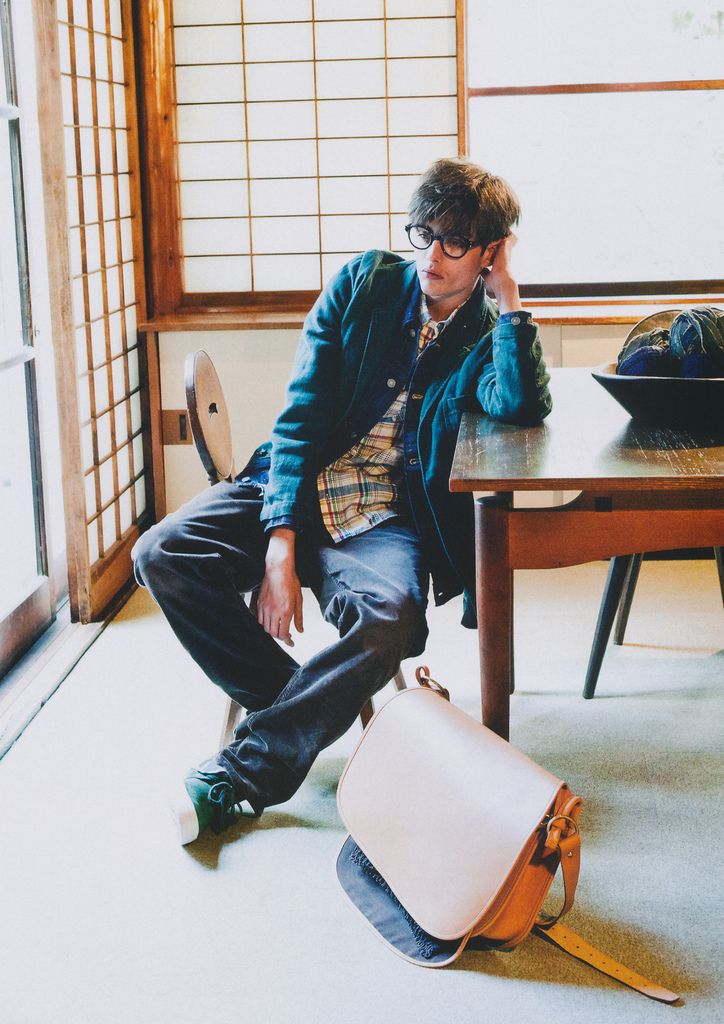
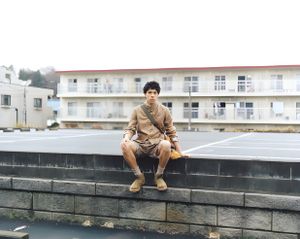
A Story of Yonosuke (2013) — Shuichi Okita
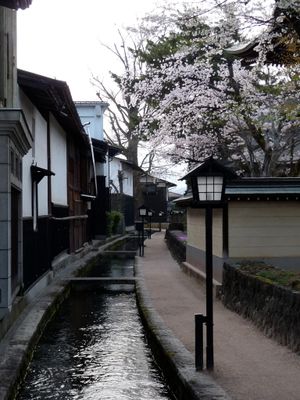
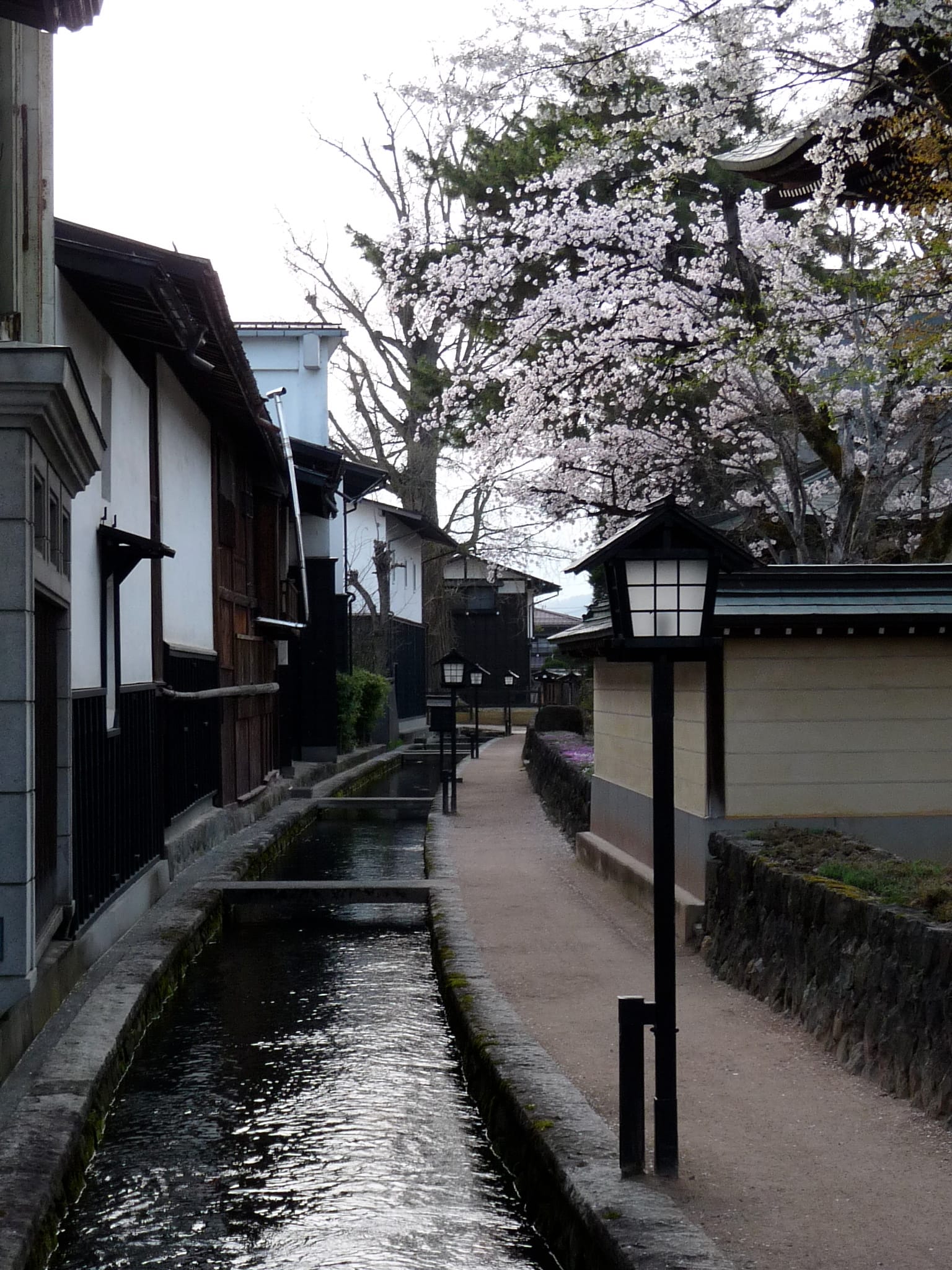
Hida-Furukawa (飛騨古川) — Dan
Dan's Hida-Furukawa (飛騨古川) follows the Seto River canal through the preserved old town of Furukawa in Hida City, Gifu Prefecture. The photograph was taken on April 15, 2009.
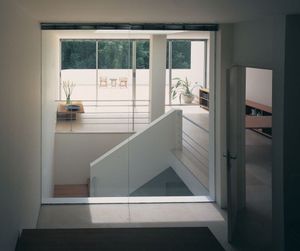
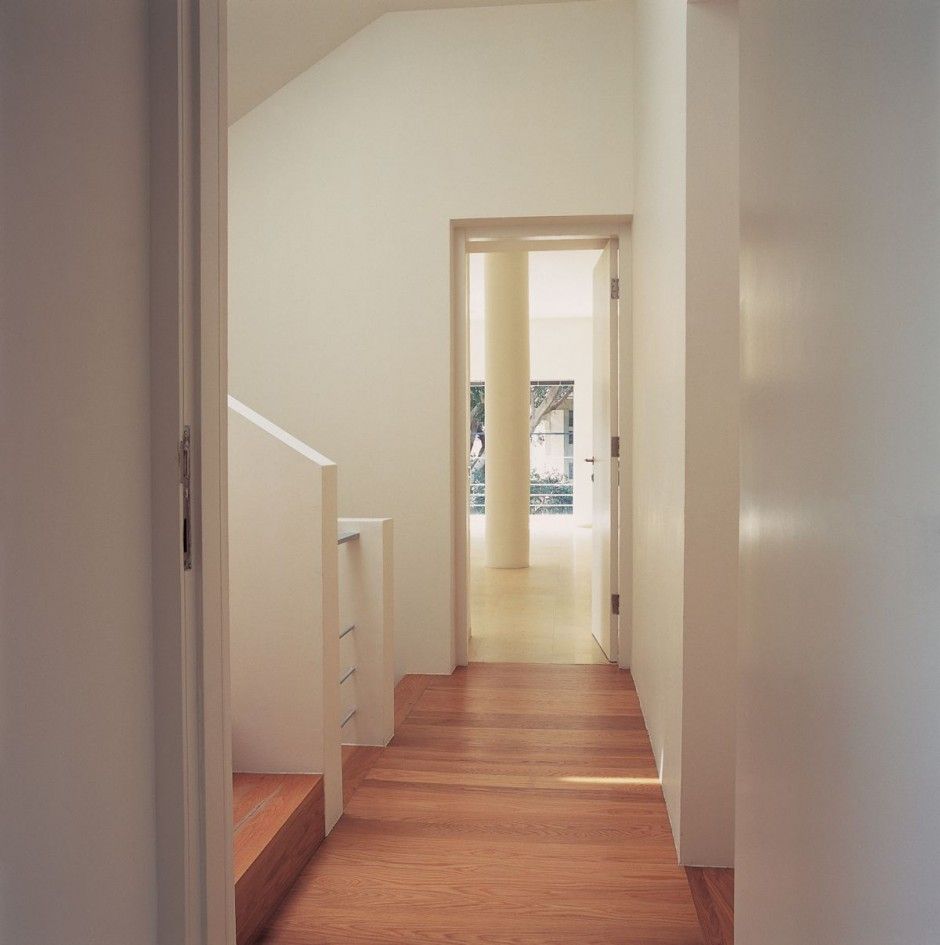
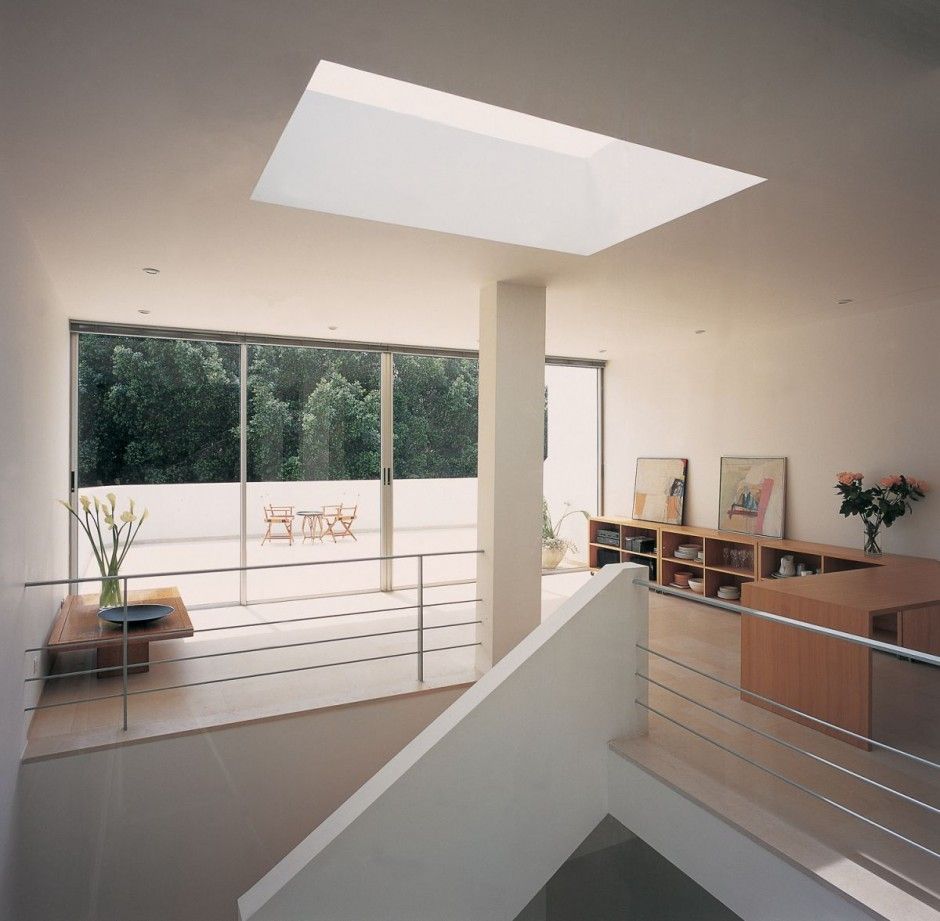
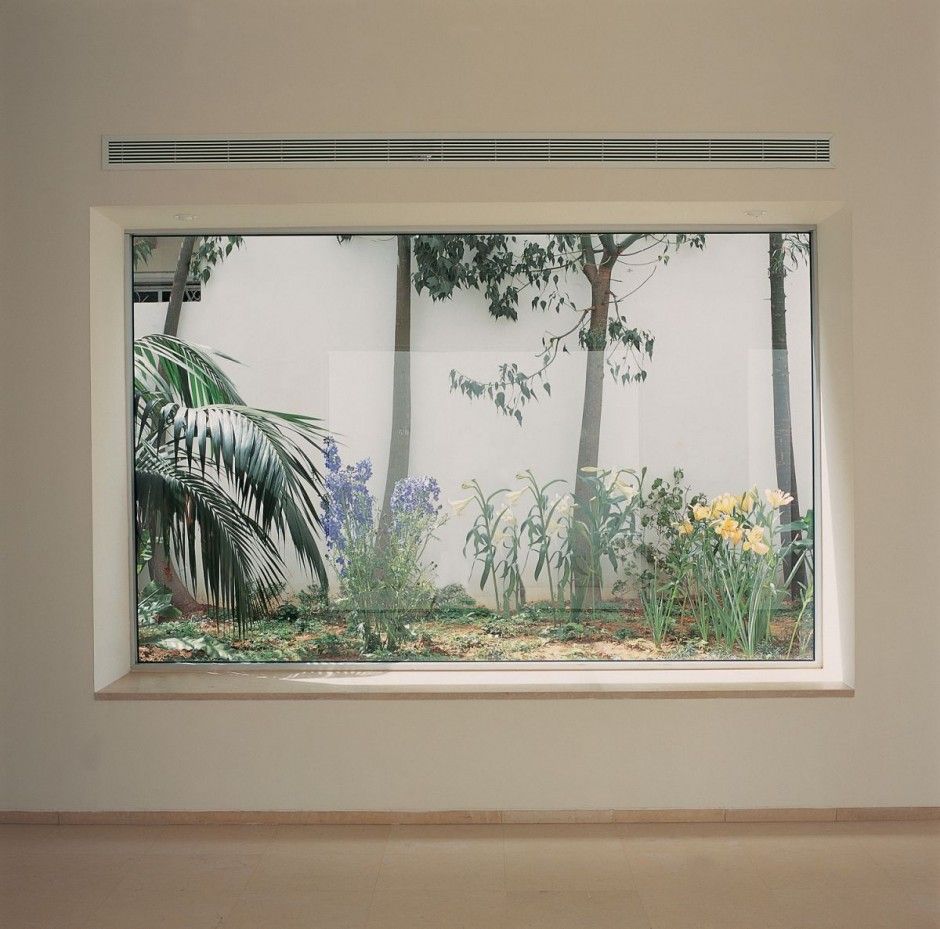
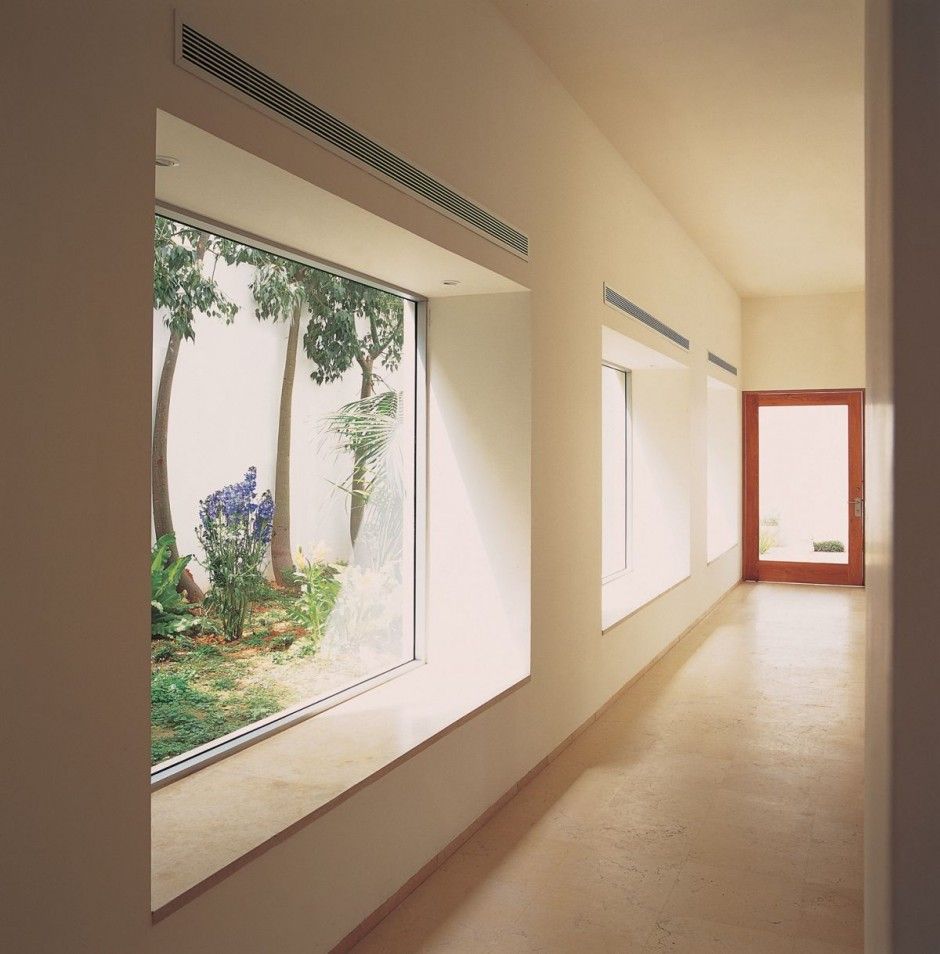
Tel Aviv Residence by Chyutin Architects
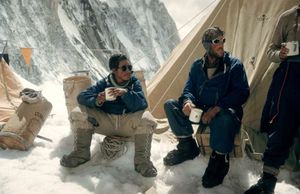
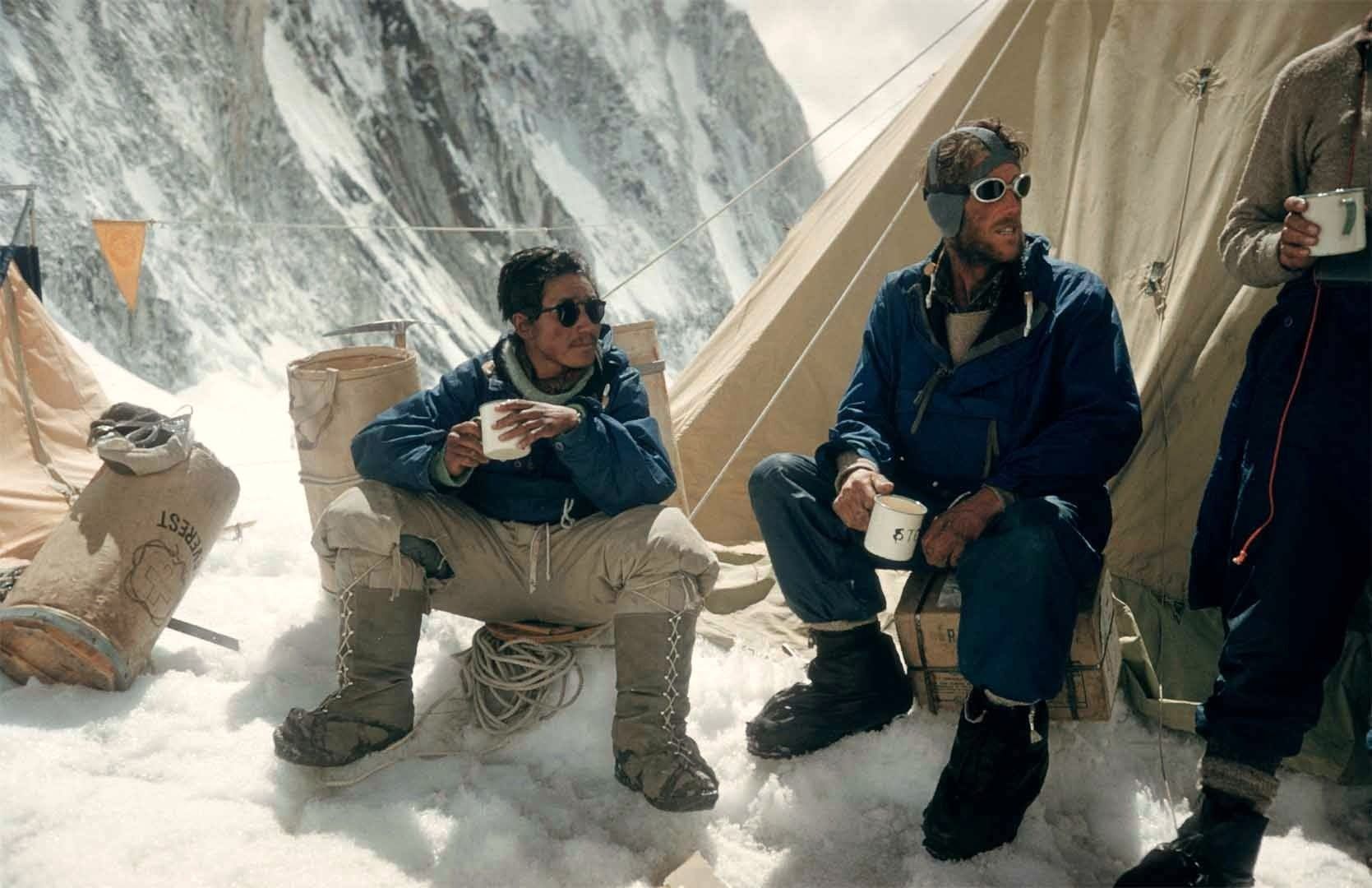
Sherpa Tenzing Norgay and Sir Edmund Hilary
Tenzing Norgay and Edmund Hillary, sat here drinking tea during a break before their successful summit of Everest in 1953.
This photo was taken by George Band, OBE, the youngest of the mountaineers on the 1953 British Expedition to Mount Everest on which Edmund Hillary and Tenzing Norgay made the first known successful ascent of the mountain.
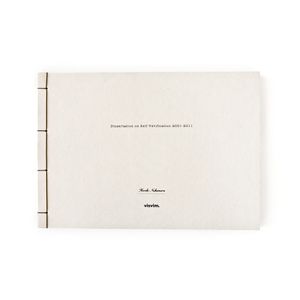
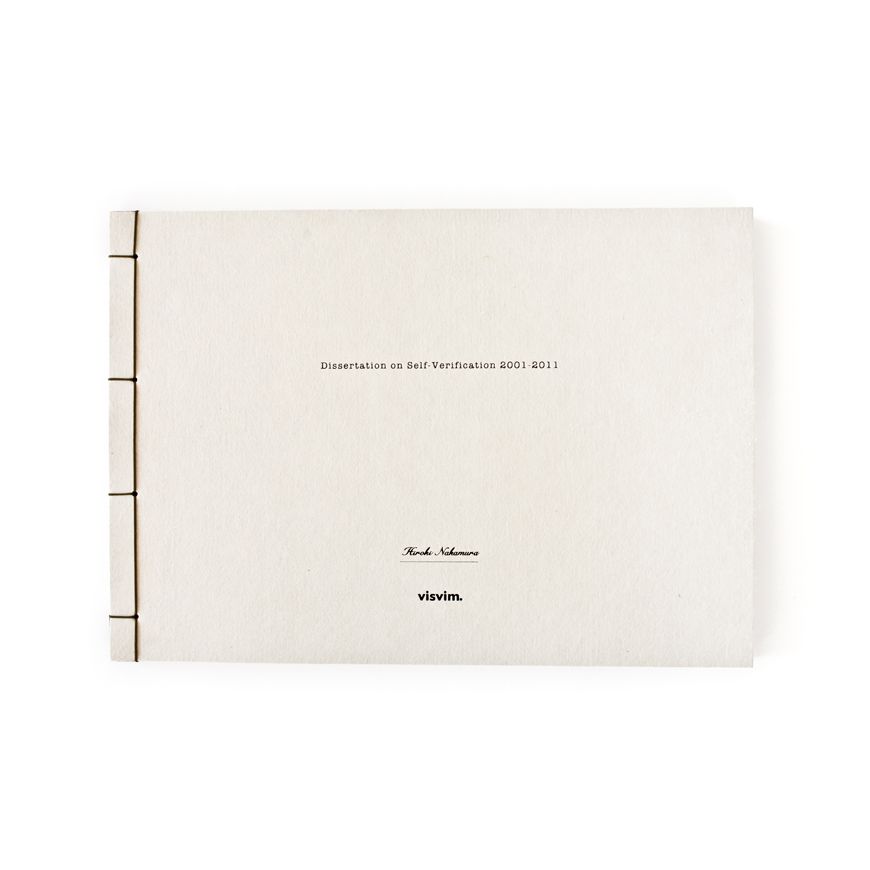
“Dissertation on Self-Verification: 2001-2011″
visvim 10th Anniversary Book "Dissertation on Self-Verification 2001-2011"
The book is hand bound and uses a washi paper made by a craftsman who sources the raw materials from Japanese trees.
Limited to 300 copies.
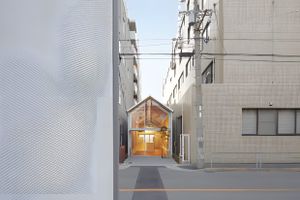
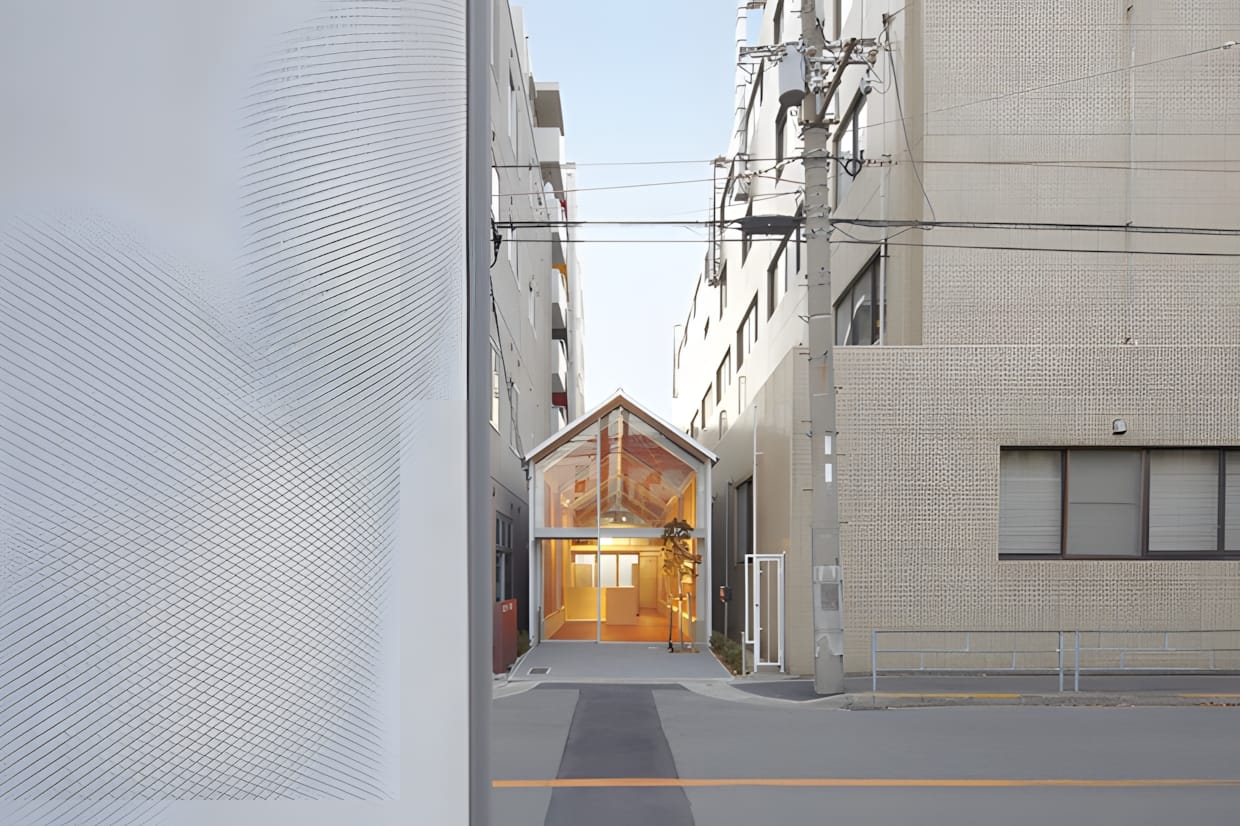
Ogimachi Global Dispensing Pharmacy — ninkipen! + TKY Japan
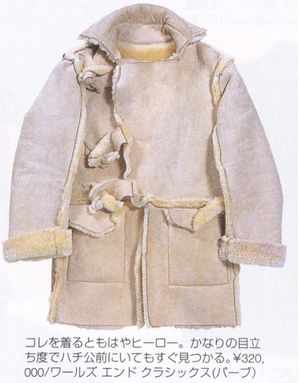
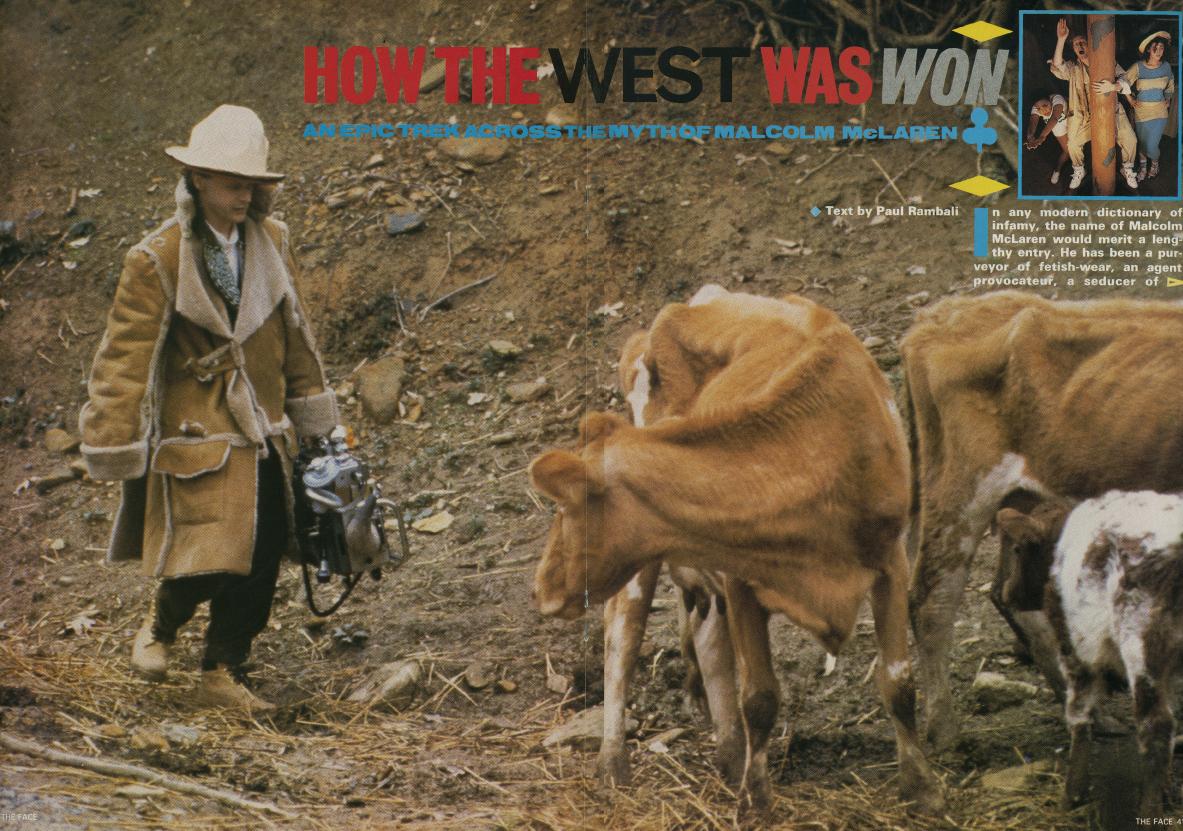
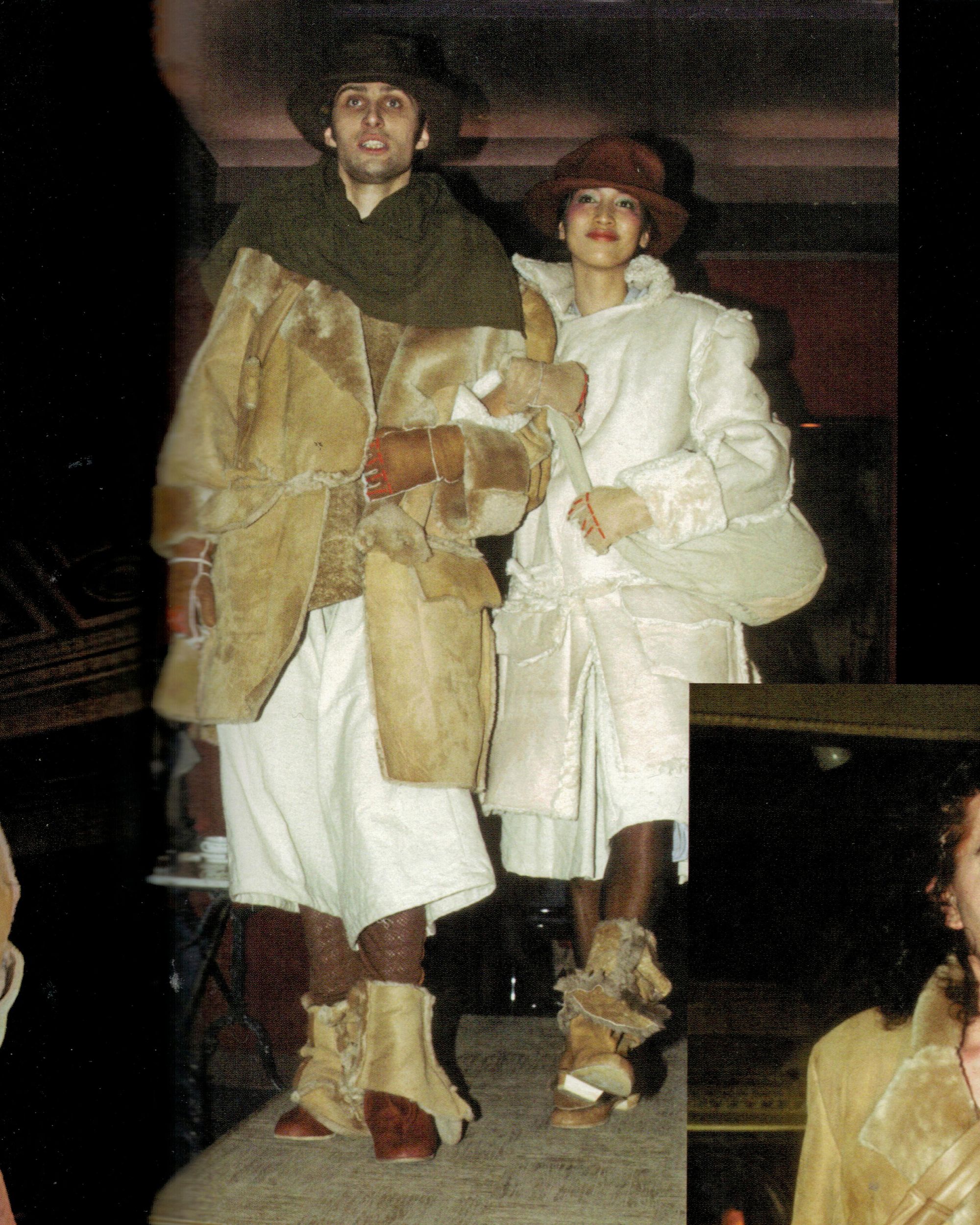
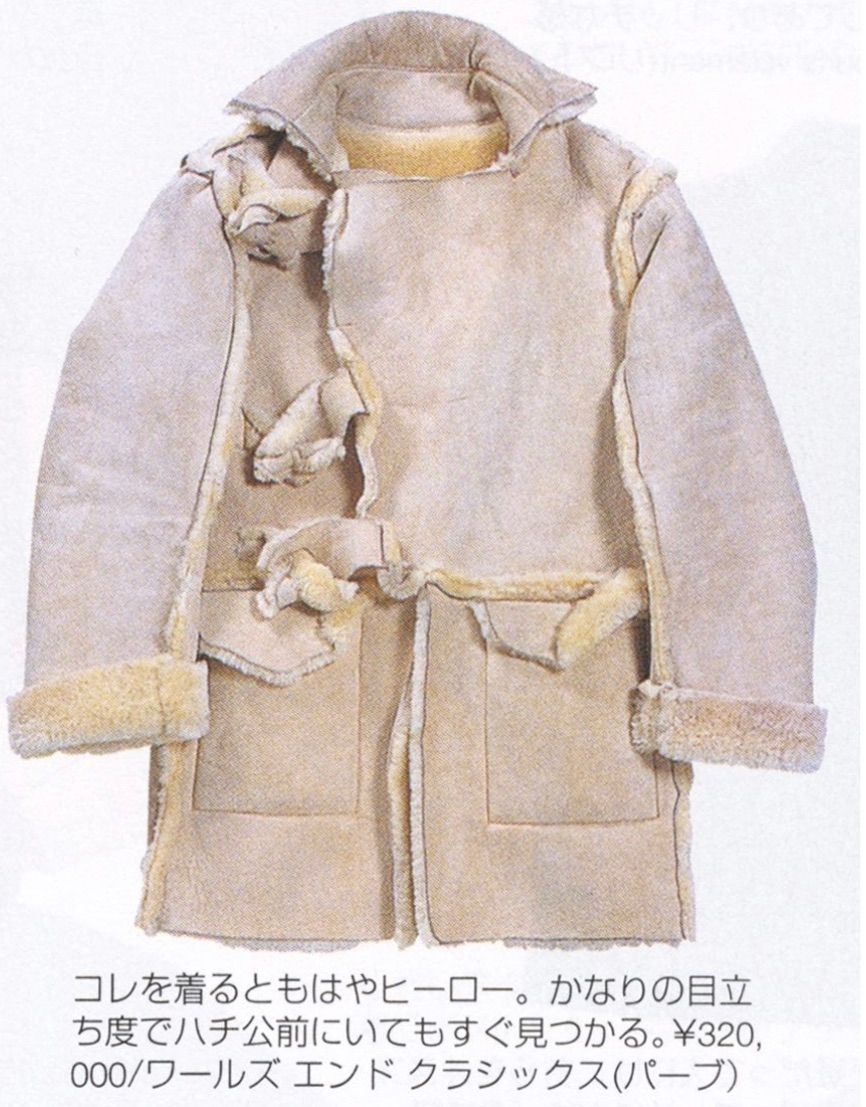
Worlds End by Vivienne Westwood and Malcolm McLaren “BUFFALO COAT” fw1982
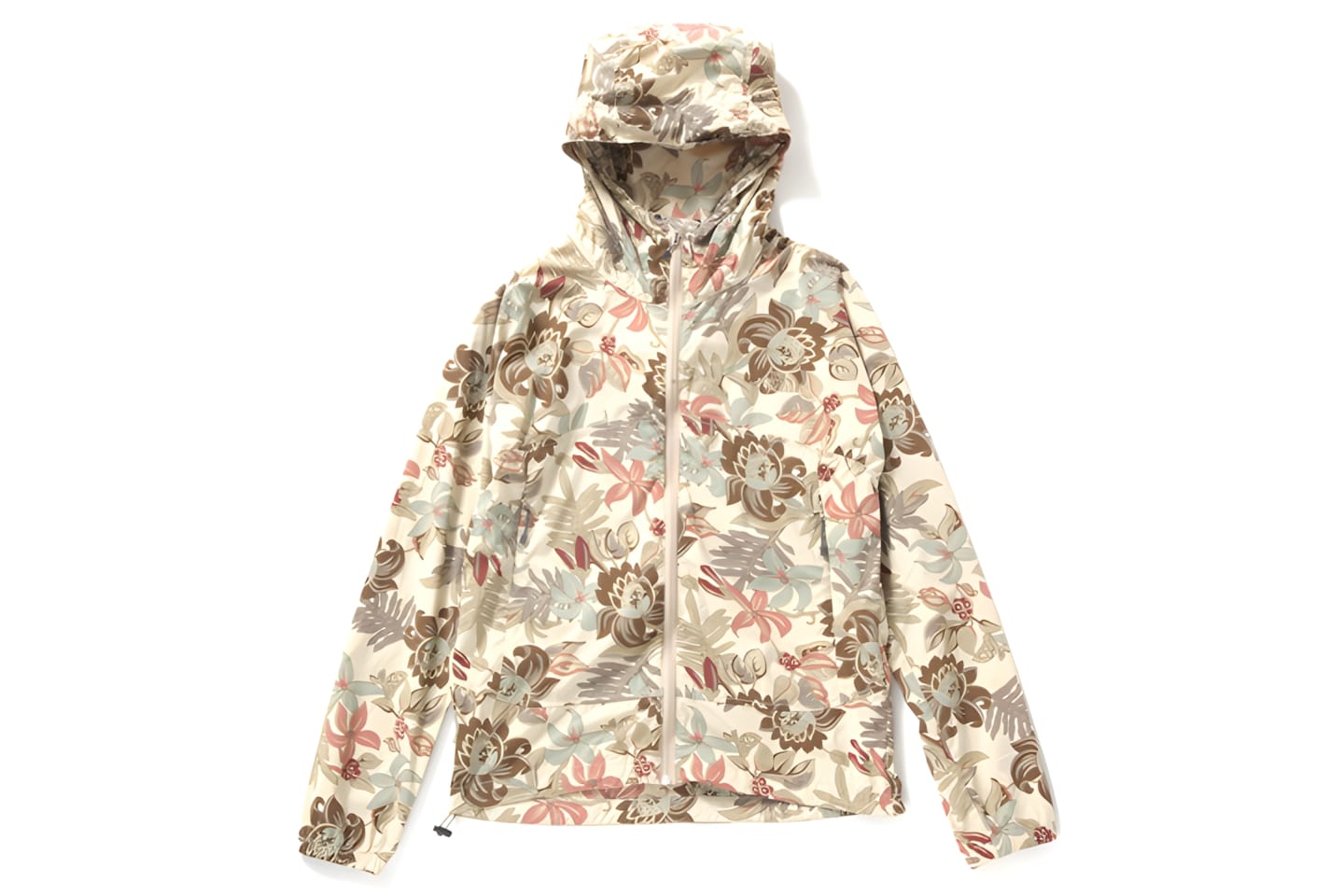
The North Face Purple Label Floral Print Hooded Zip Jacket

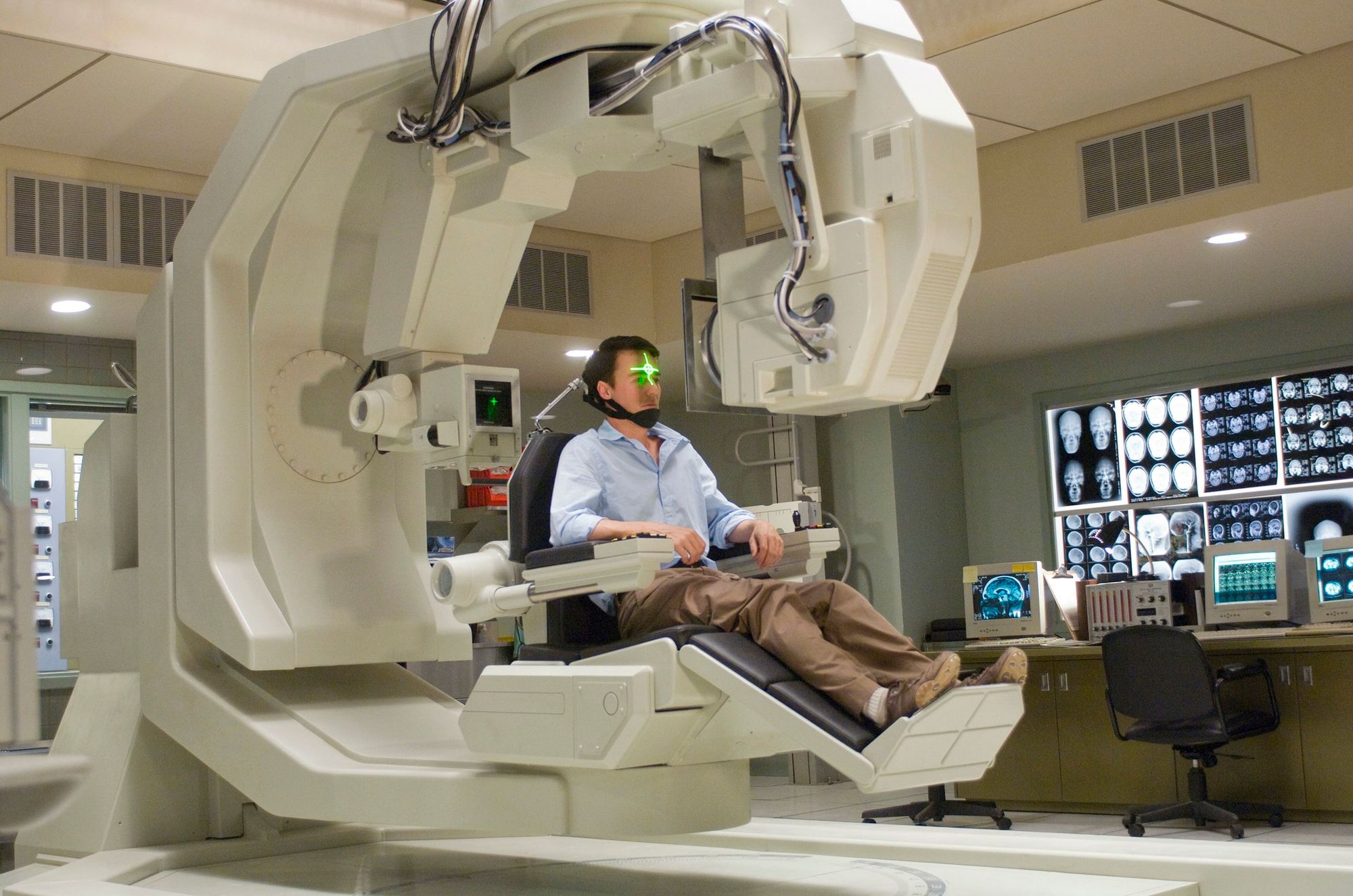
Edward Norton in The Incredible Hulk 2008

JJJJound x Ebbets Field Flannel Hat
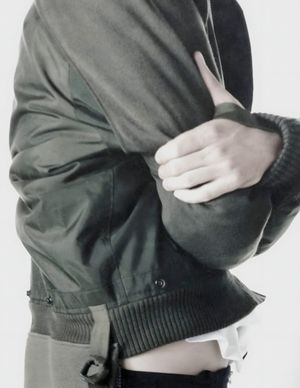
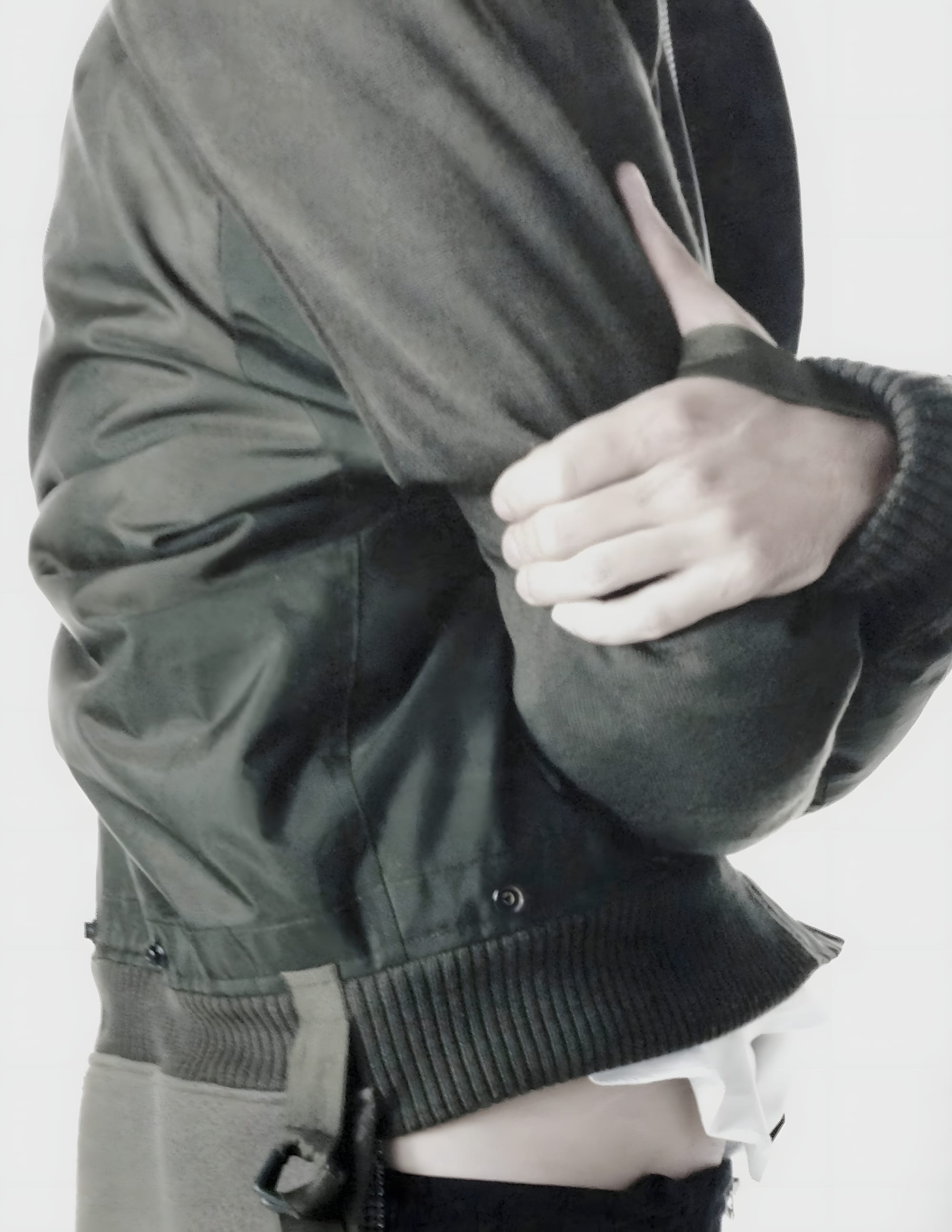
Nonnative Wrecking Walls FW2013 Bomber Jacket
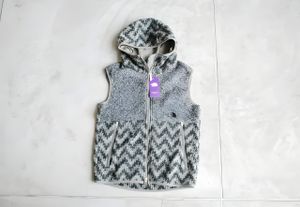
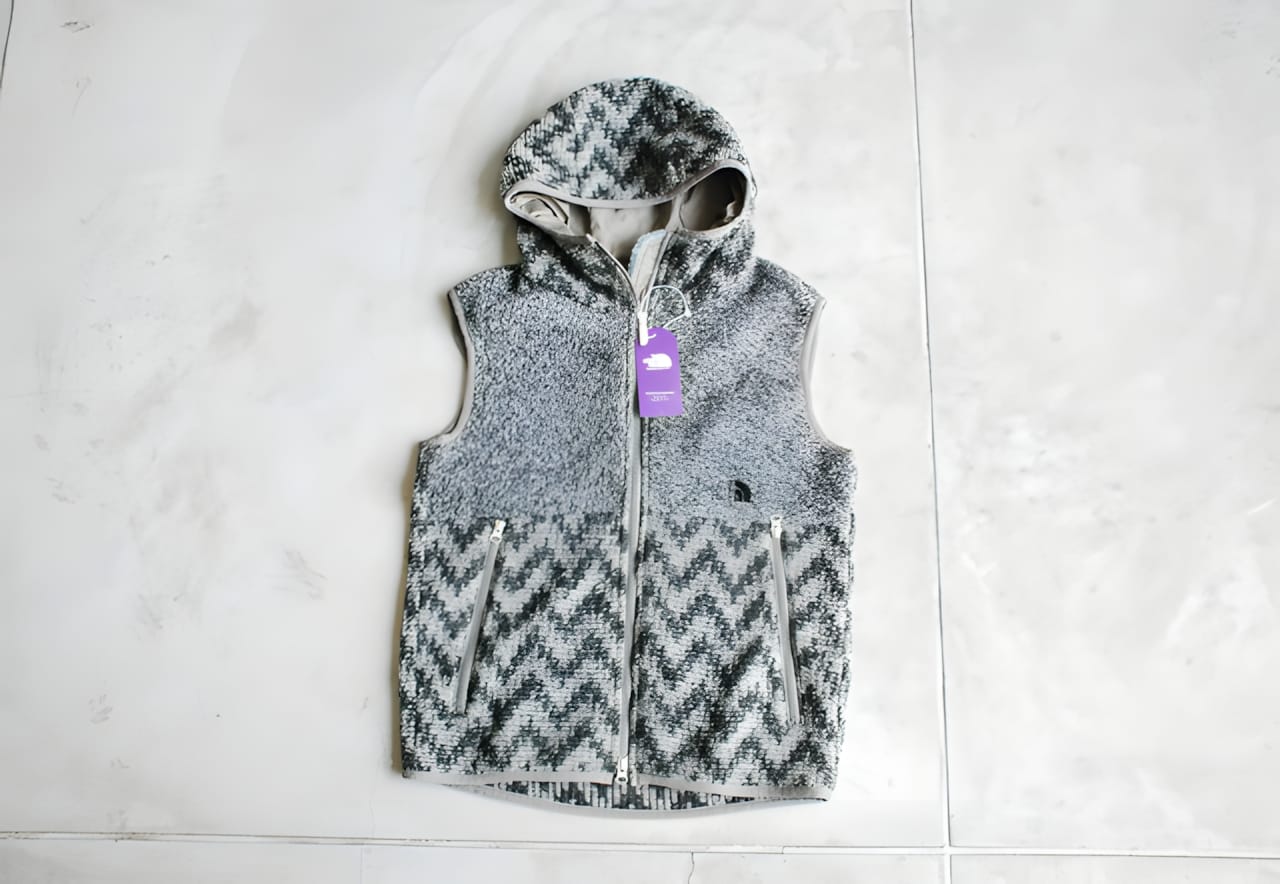
The North Face Purple Label Boa Fleece Hooded Vest
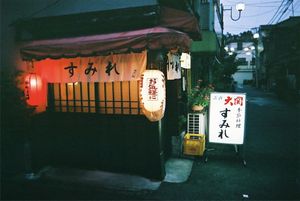
Alley at Dusk / 日暮れの路地 — uruyuta
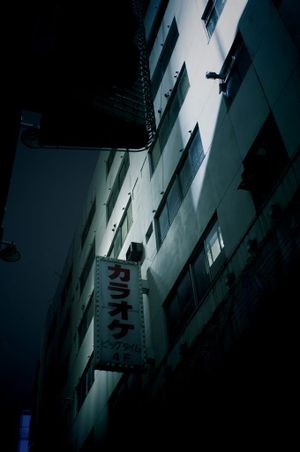
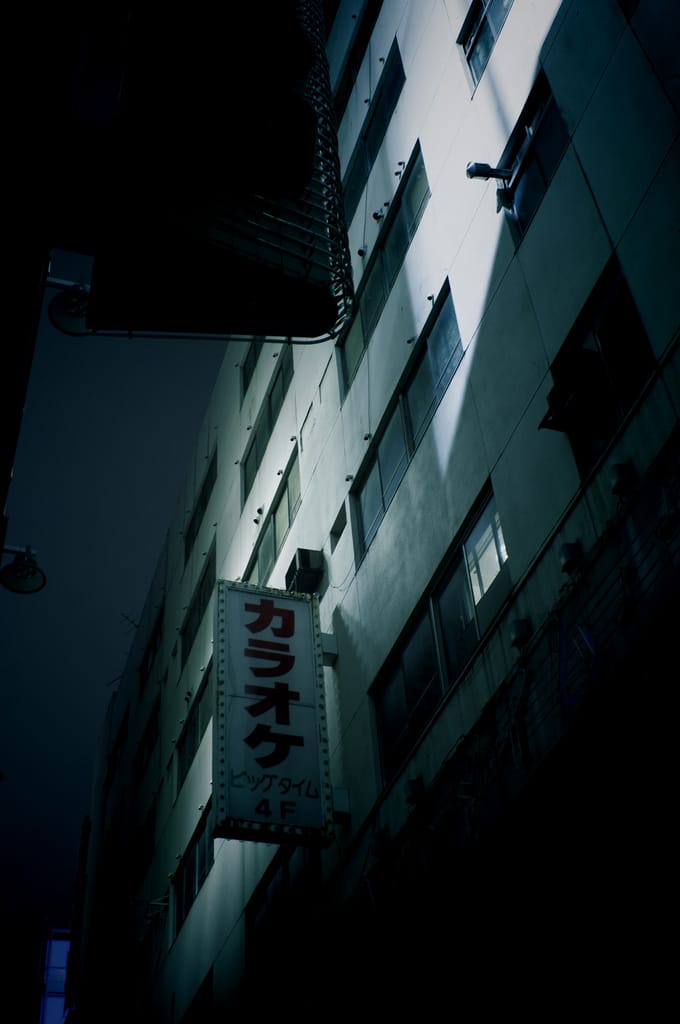
Building / 建物 — Shinjuku by perscape
perscape's Building / 建物 looks up along a tiled Shinjuku facade at night, where an illuminated sign reads カラオケ ビッグタイム 4F. The source tags identify a Pentax KX with an SMC Takumar 28mm F3.5 lens.
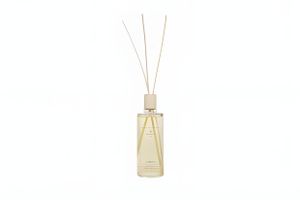
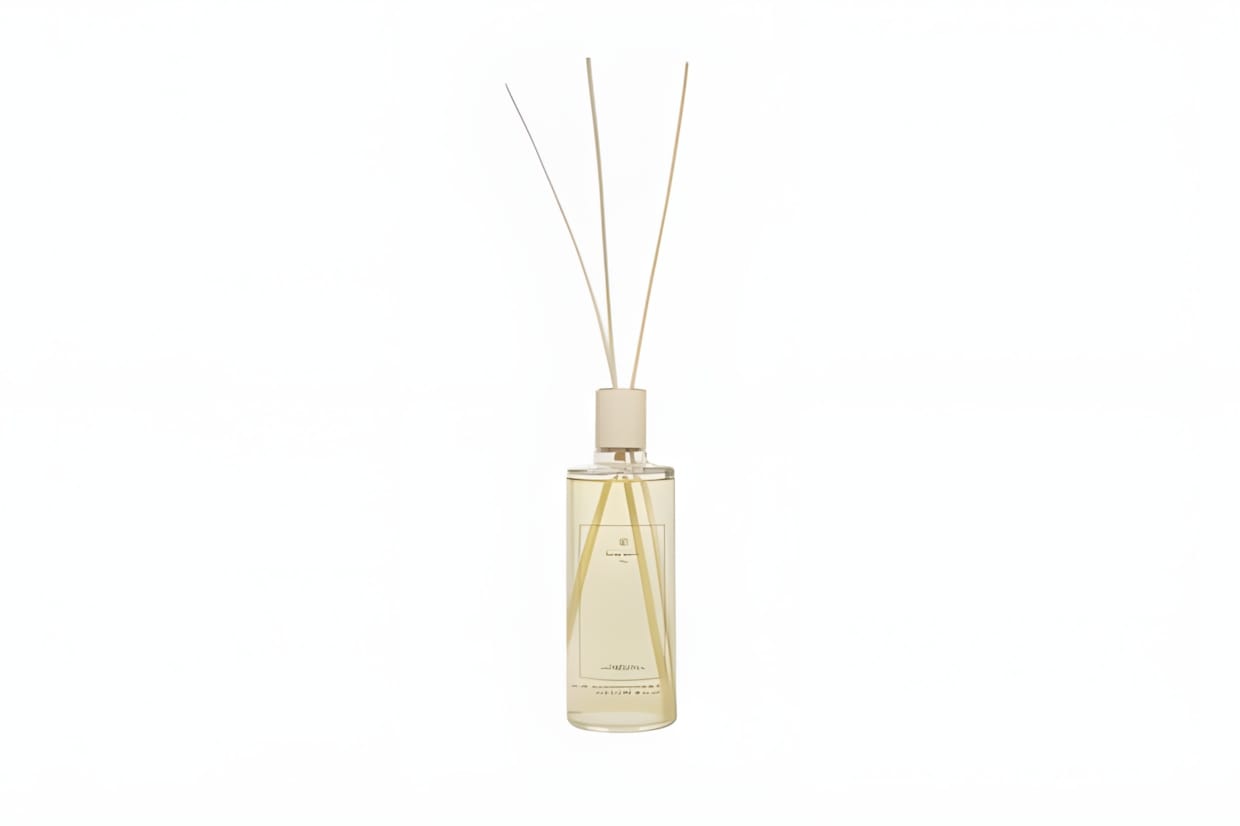
visvim Subsection Reed Fragrance Diffuser
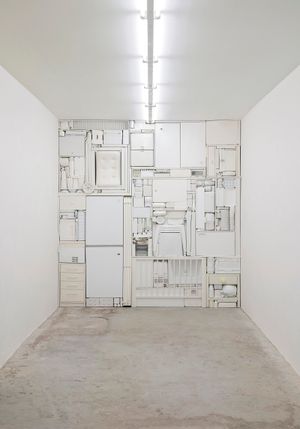
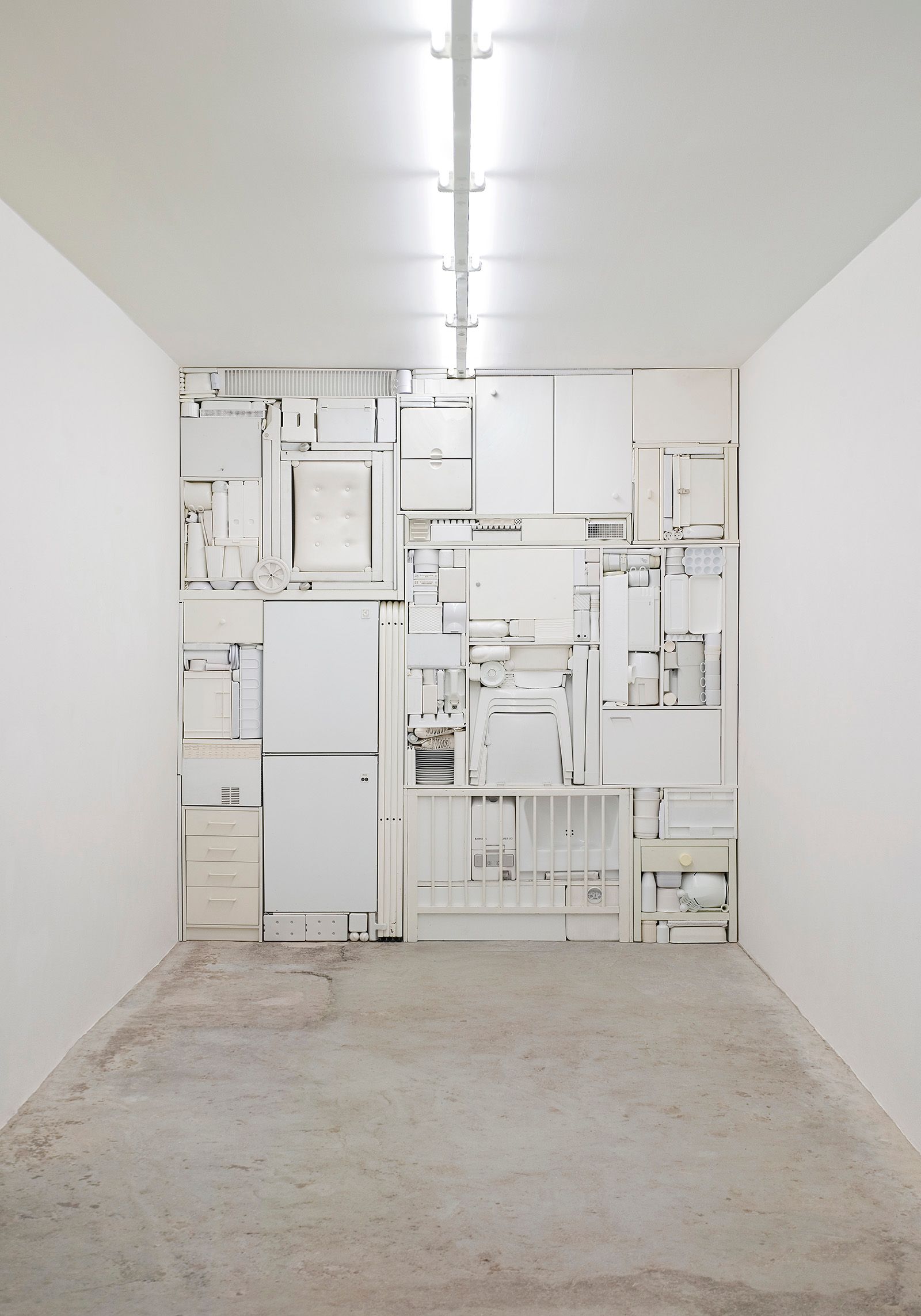
Ghost II, 2009, Michael Johansson
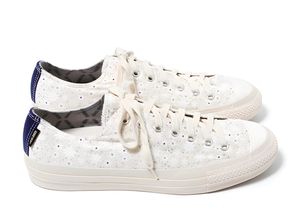
Nonnative x Converse x Liberty London Chuck Taylor All Star Ox
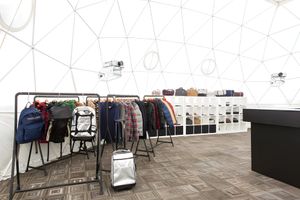
Snow Egg NISEKO — Riccardo Tossani Architecture
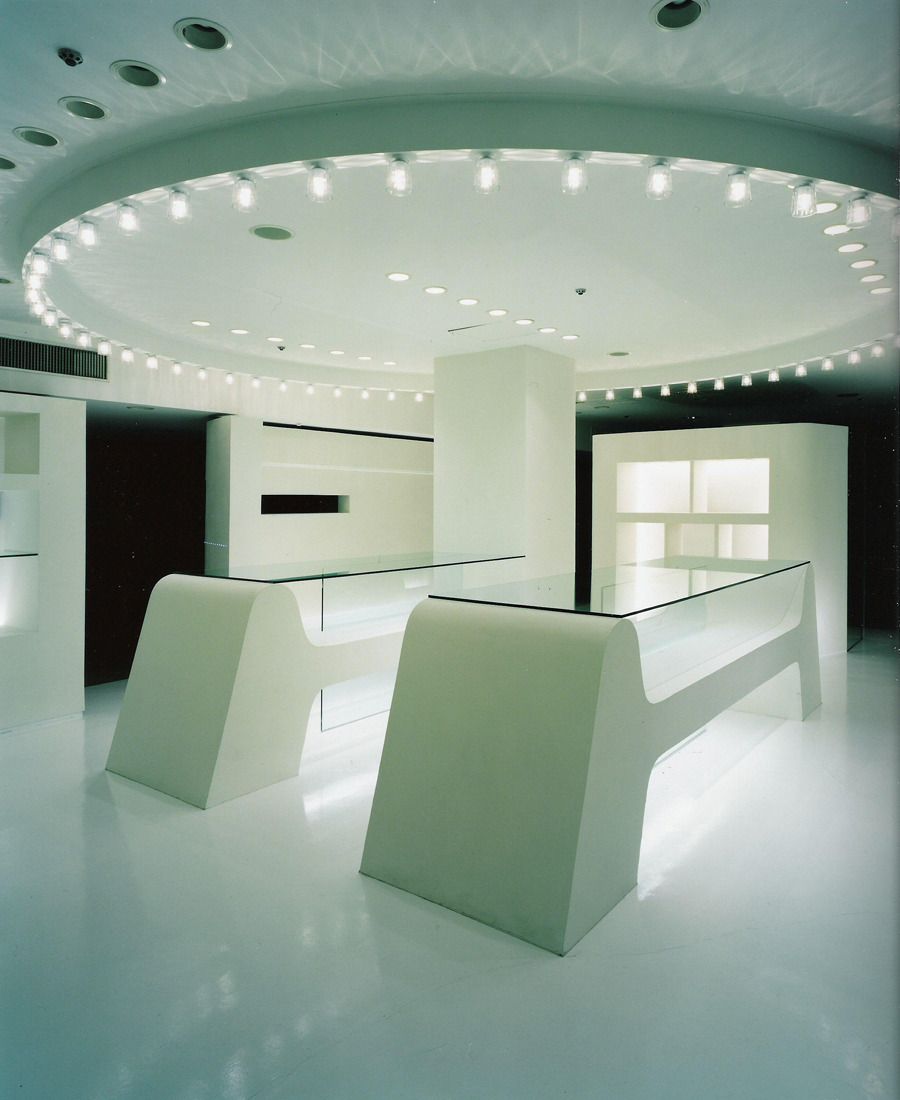
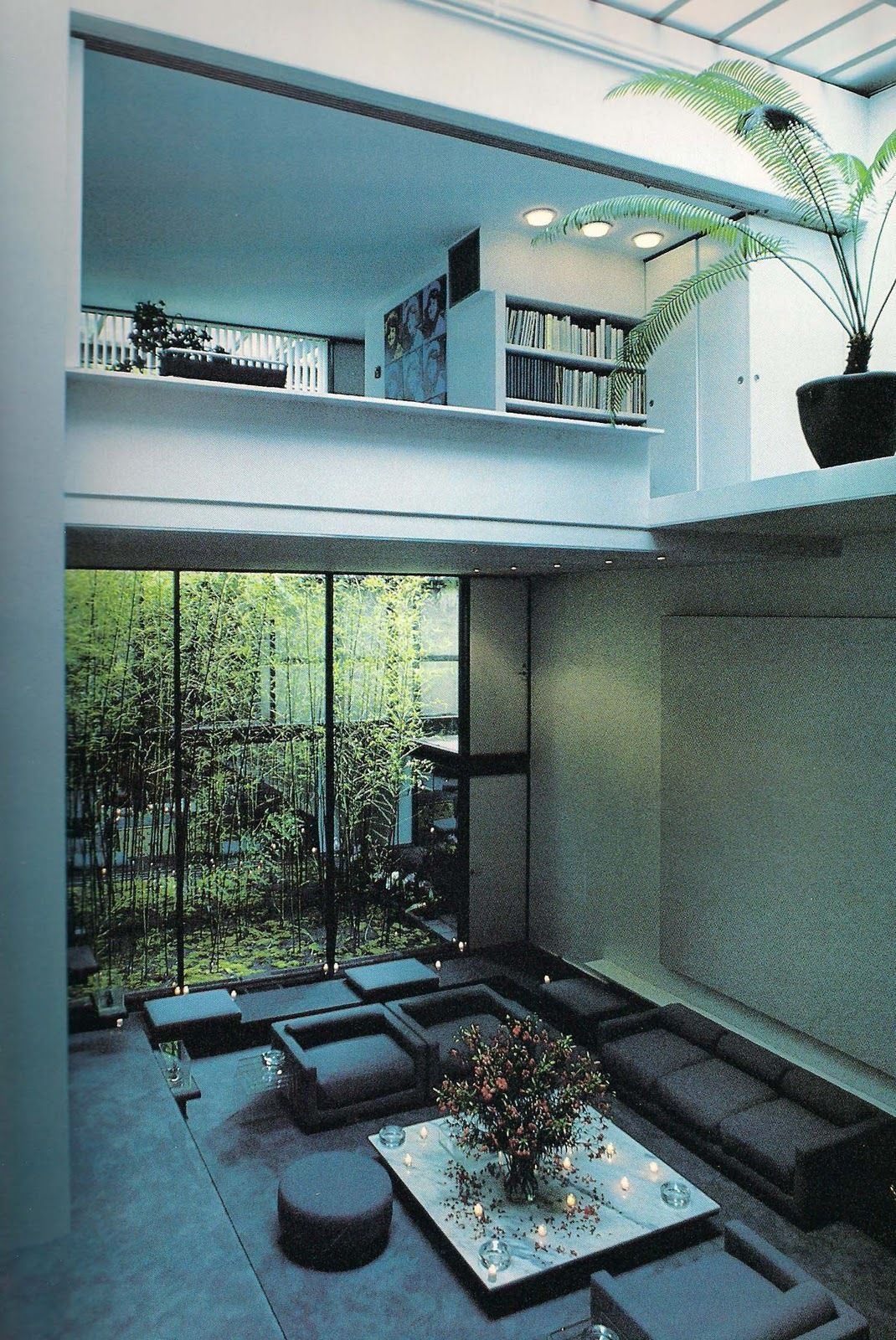
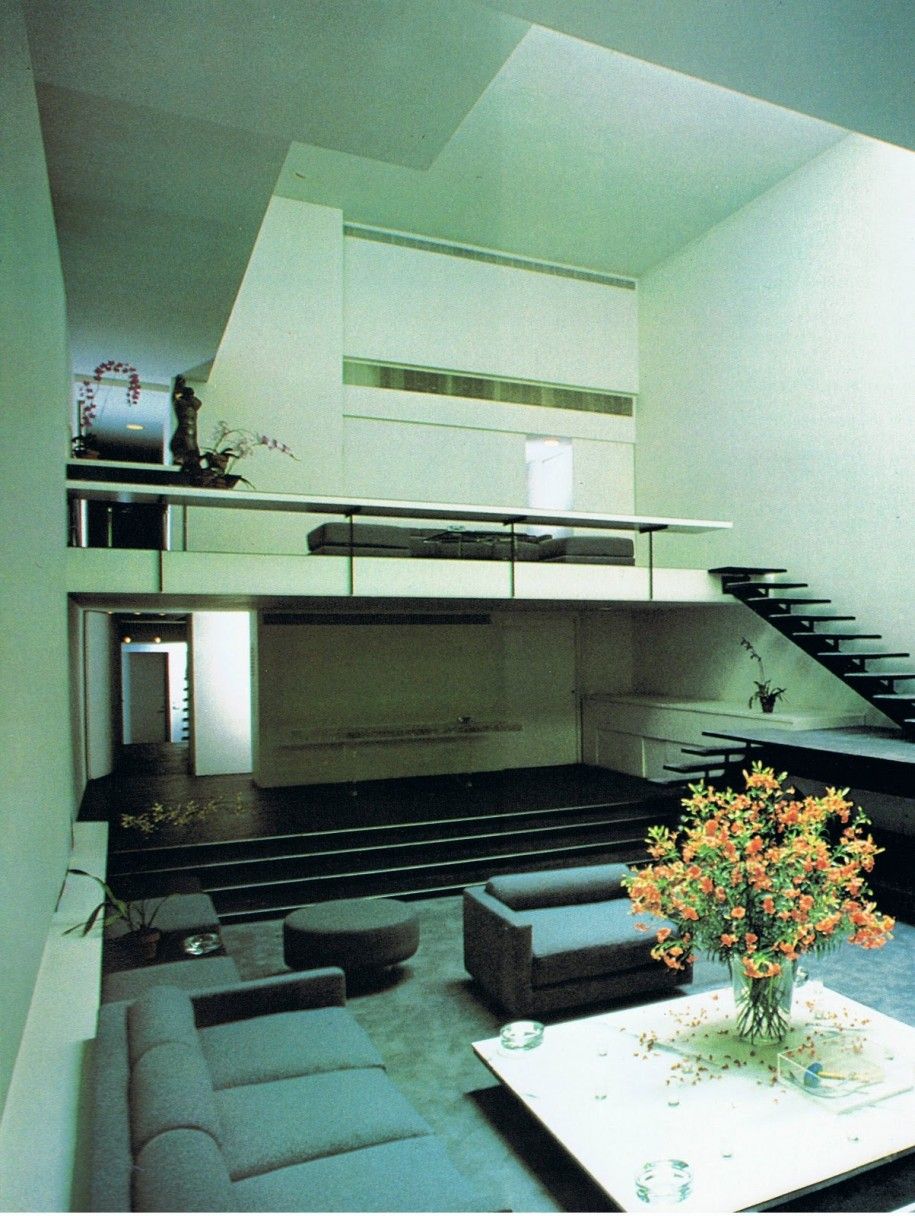
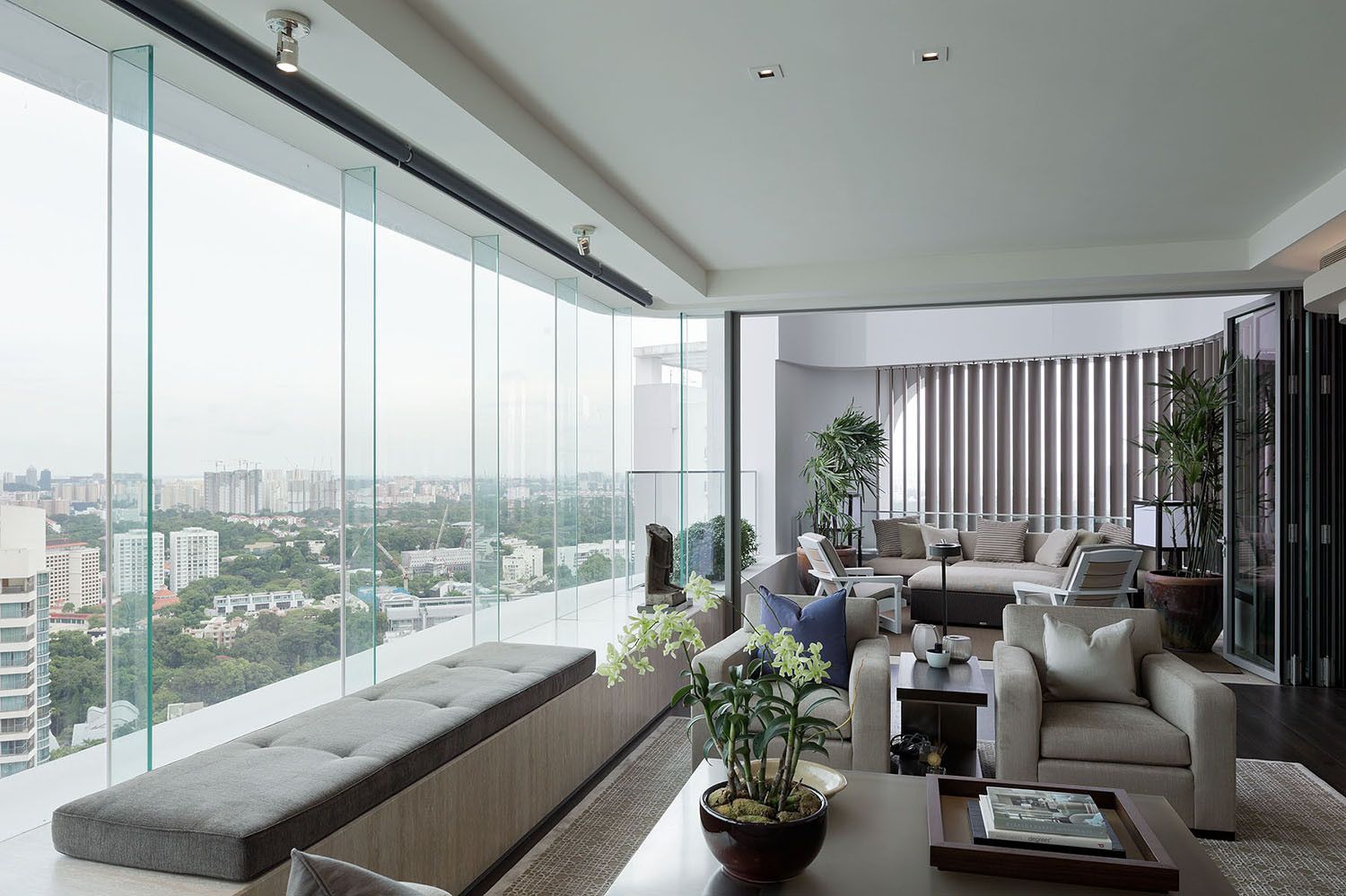


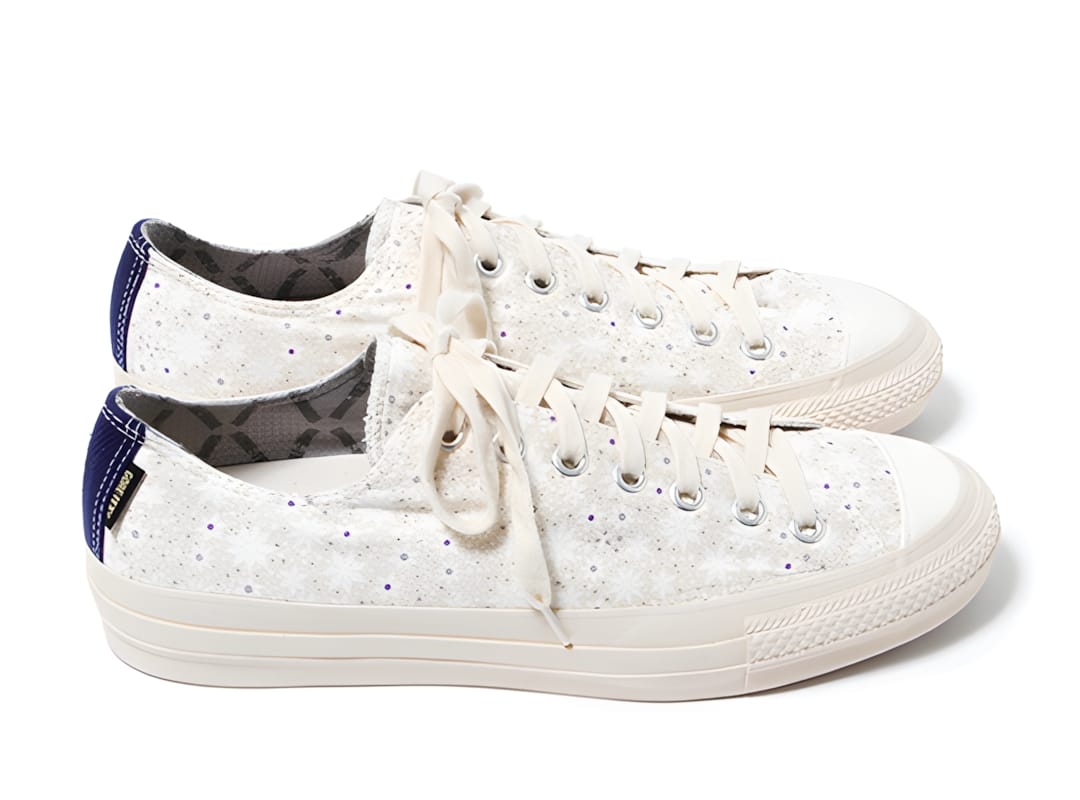

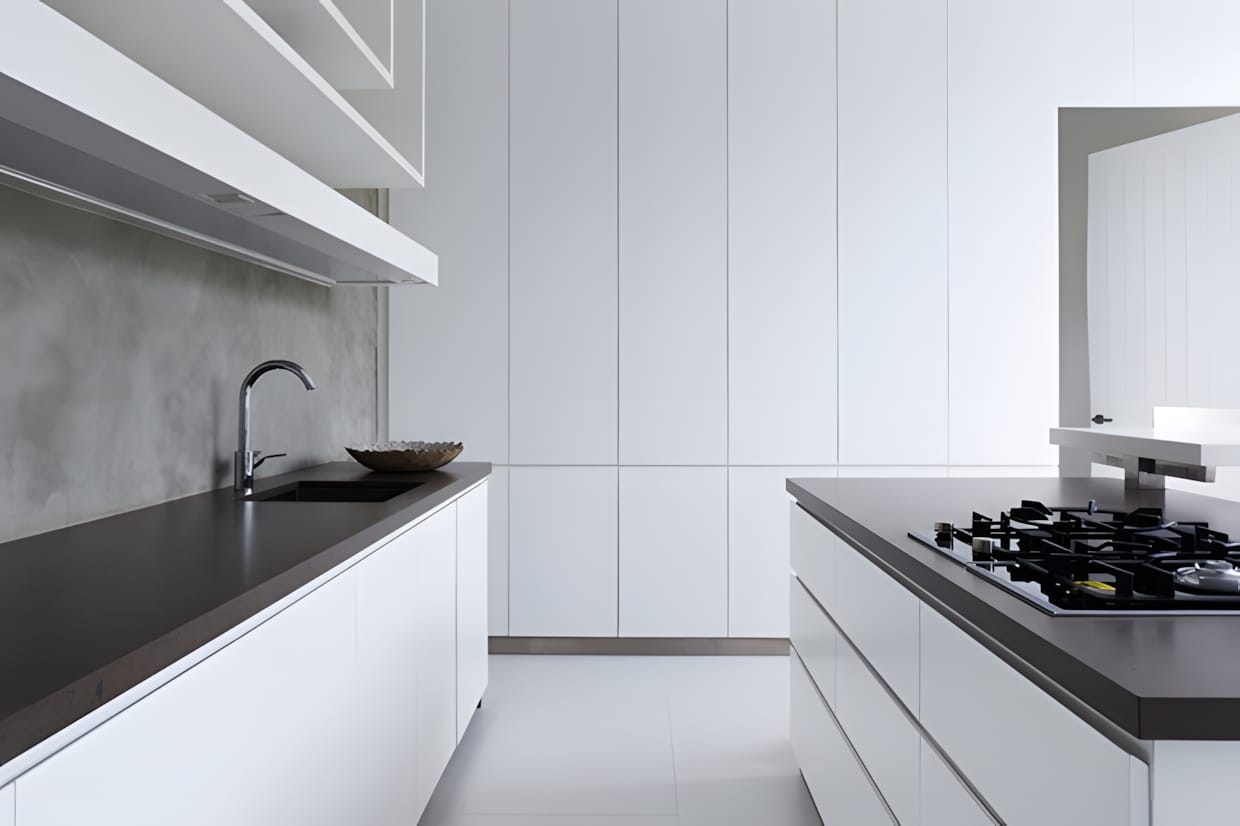
M House by ONG&ONG Architects, Bukit Timah, Singapore
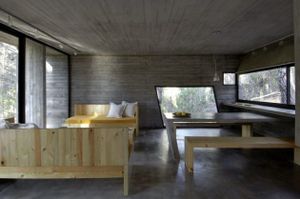
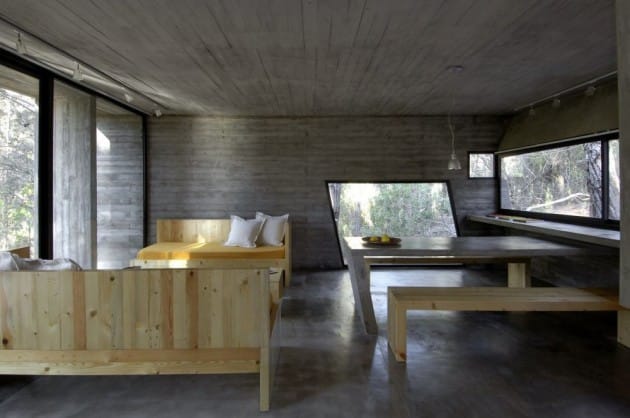
BAK Arquitectos Concrete House Interior, Mar Azul
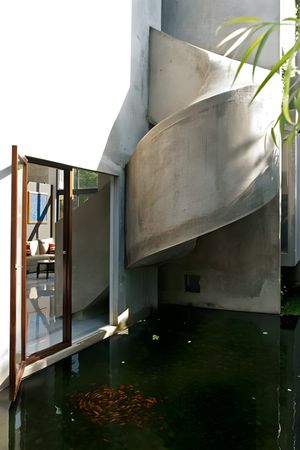
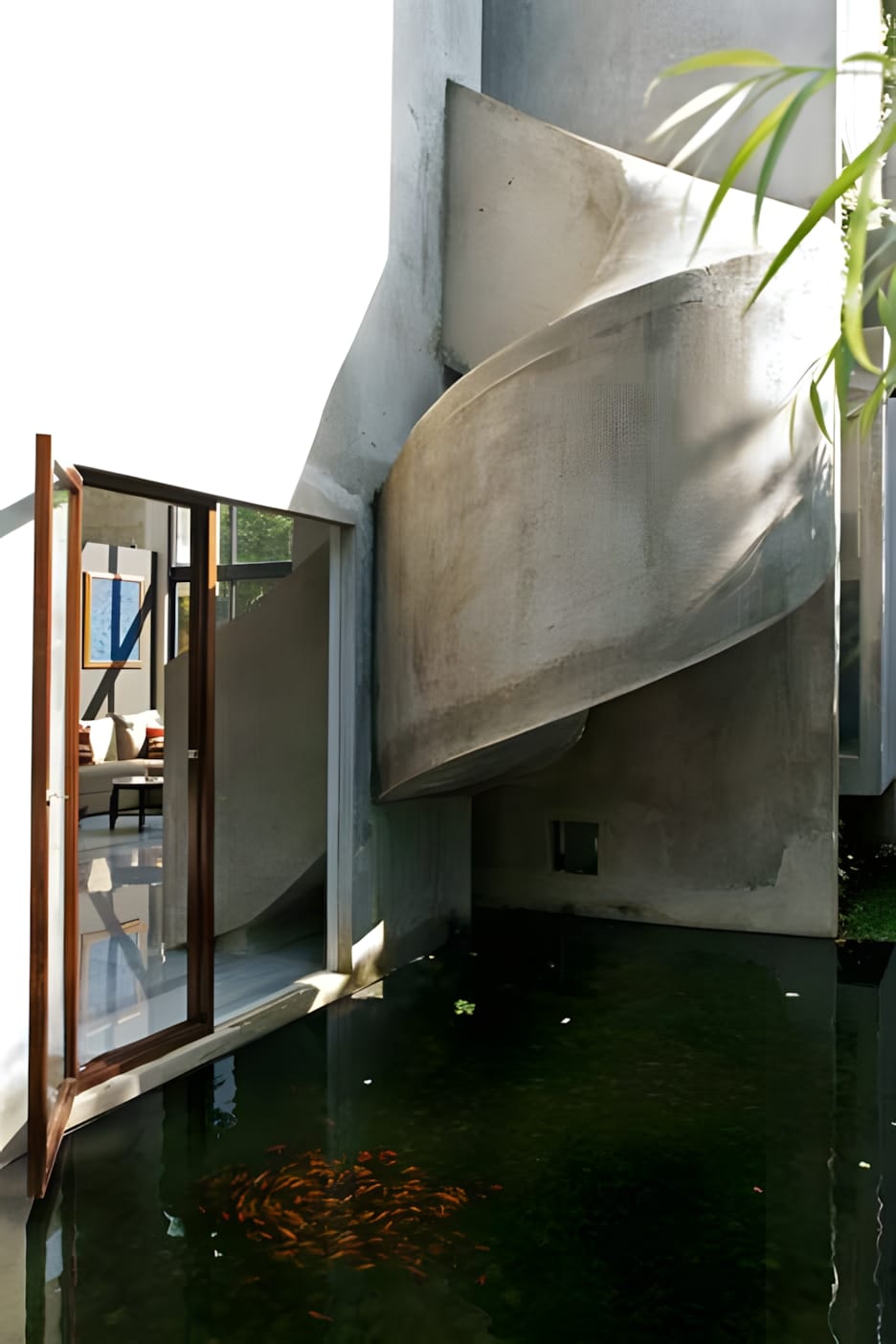
Playhouse by Aboday Architects

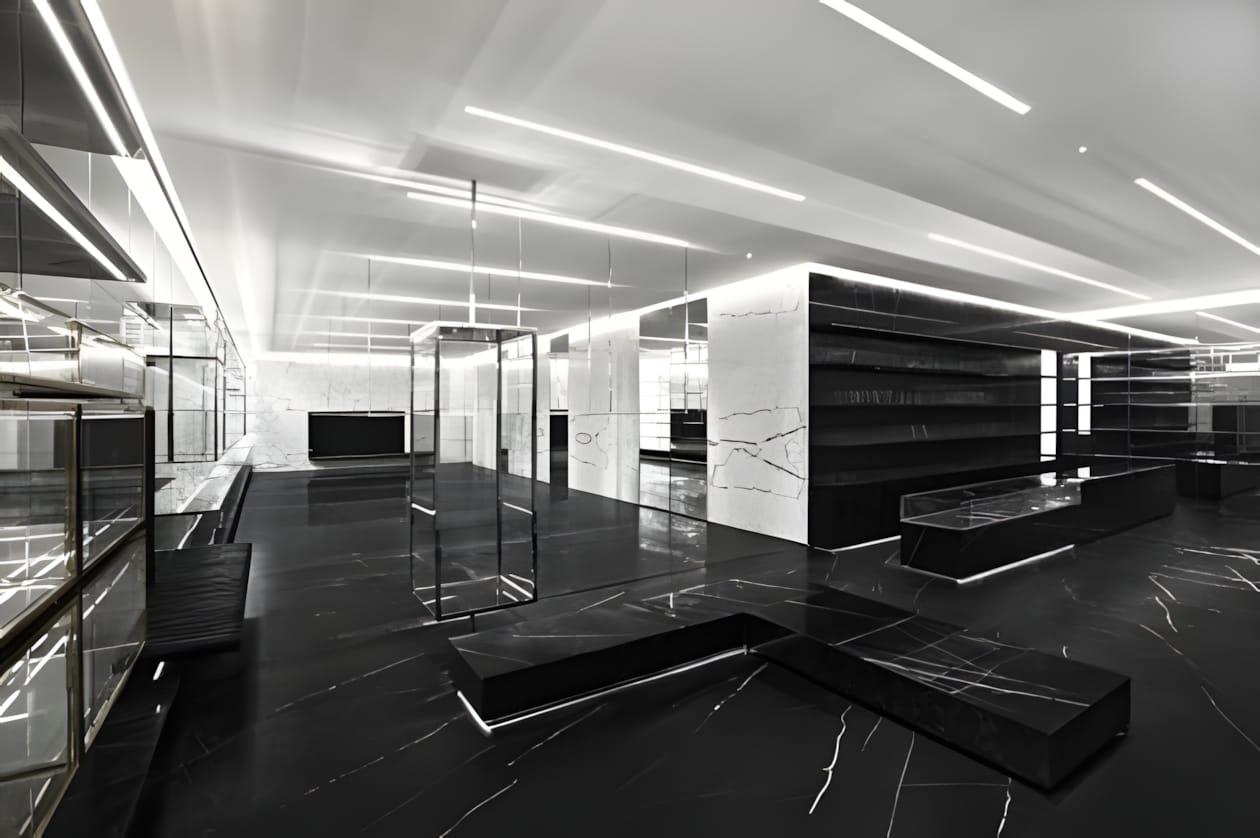
Saint Laurent Concept Store — Hedi Slimane, Shanghai 2012


Bounty Hunter BxH iPhone 4 Hardcase
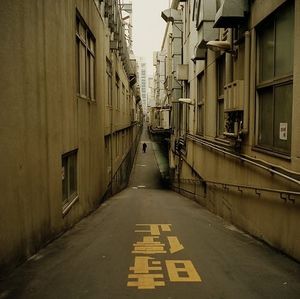
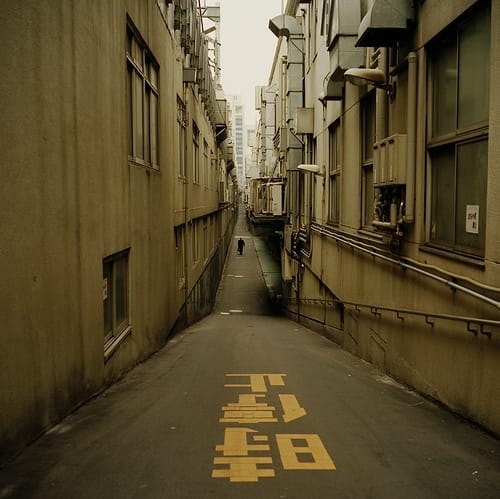
Tokyo Back Alley at Night — Ginza Corridor
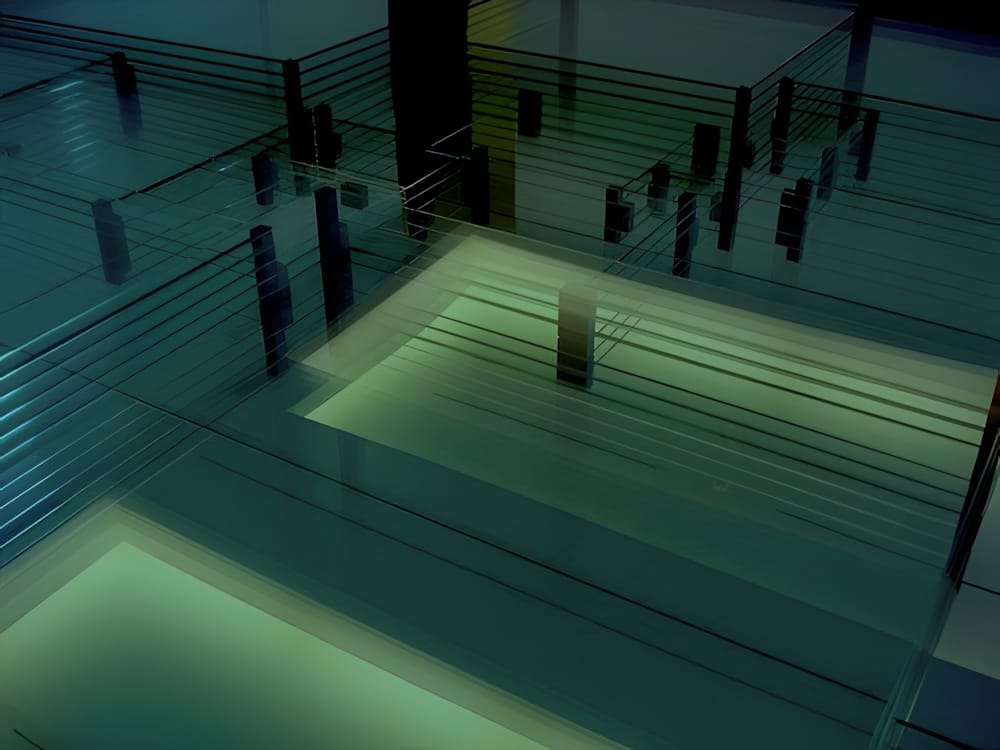
Les Cols Pavellons Glass Pavilions by RCR Arquitectes
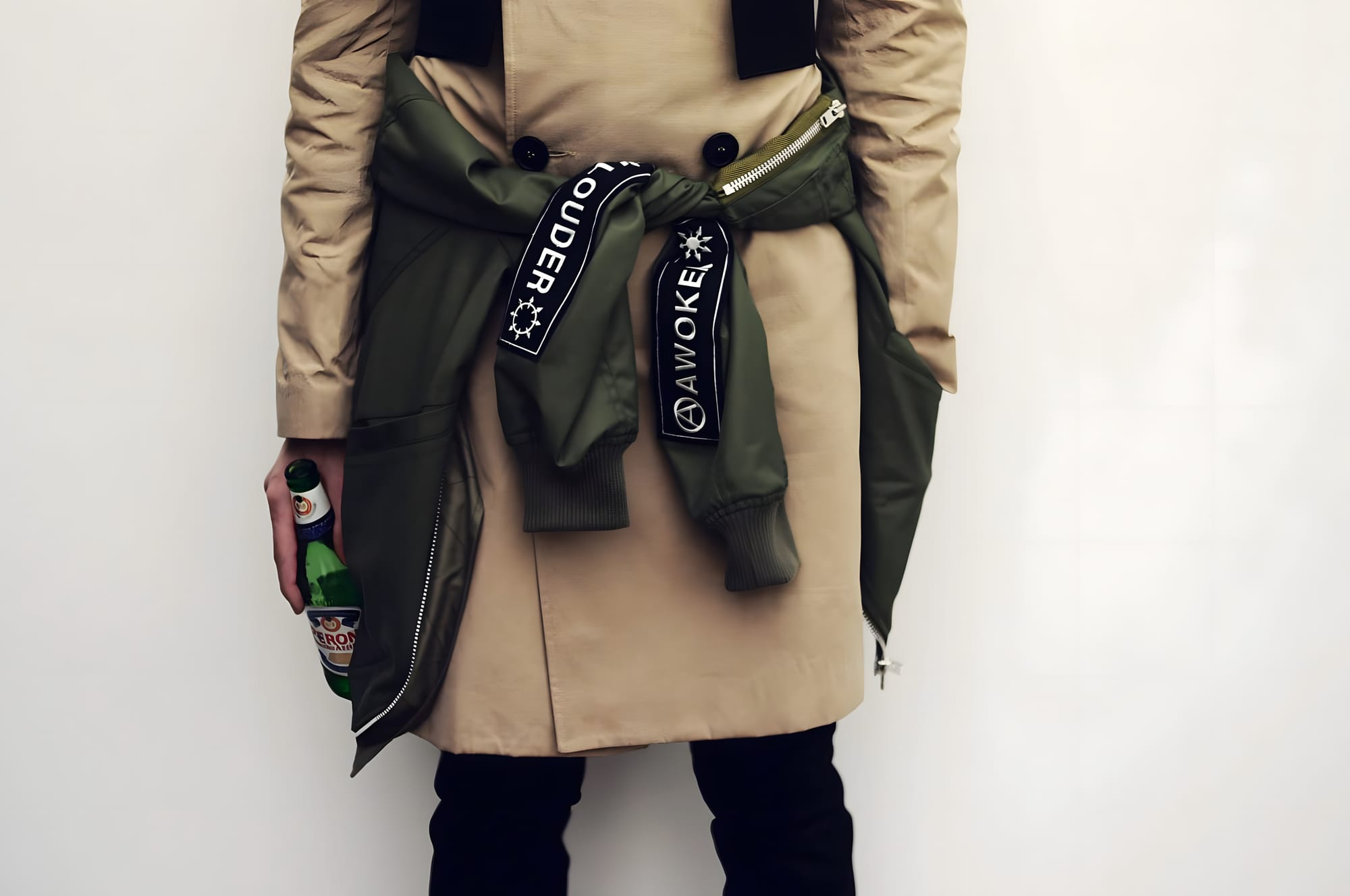
sacai — Nylon Twill Blouson
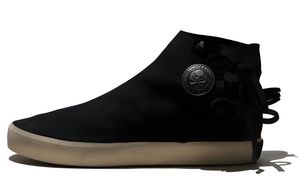
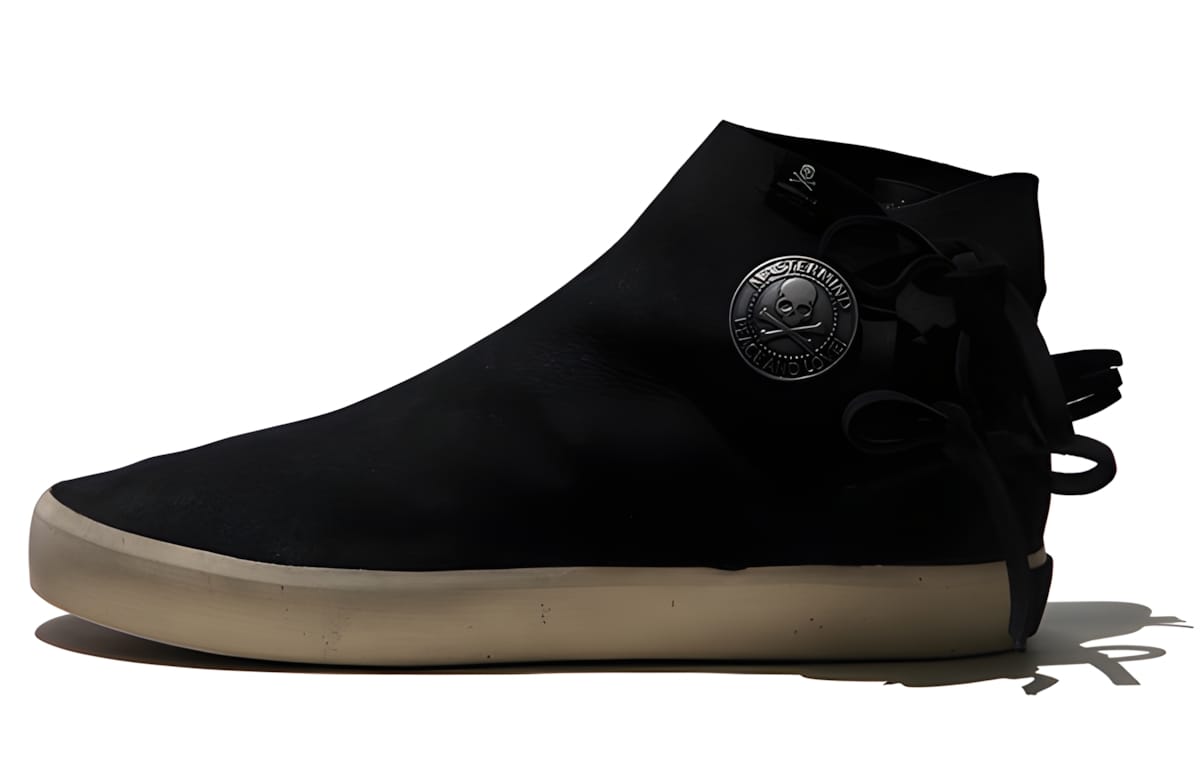
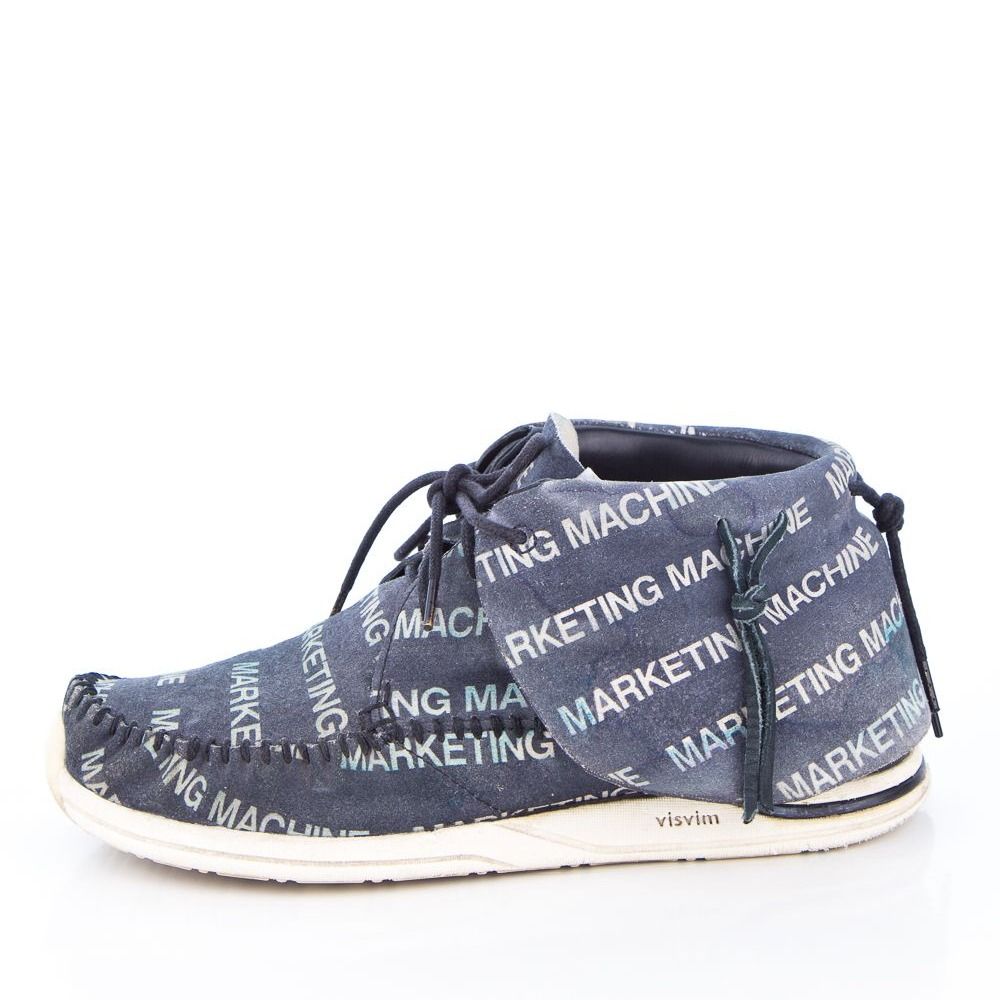
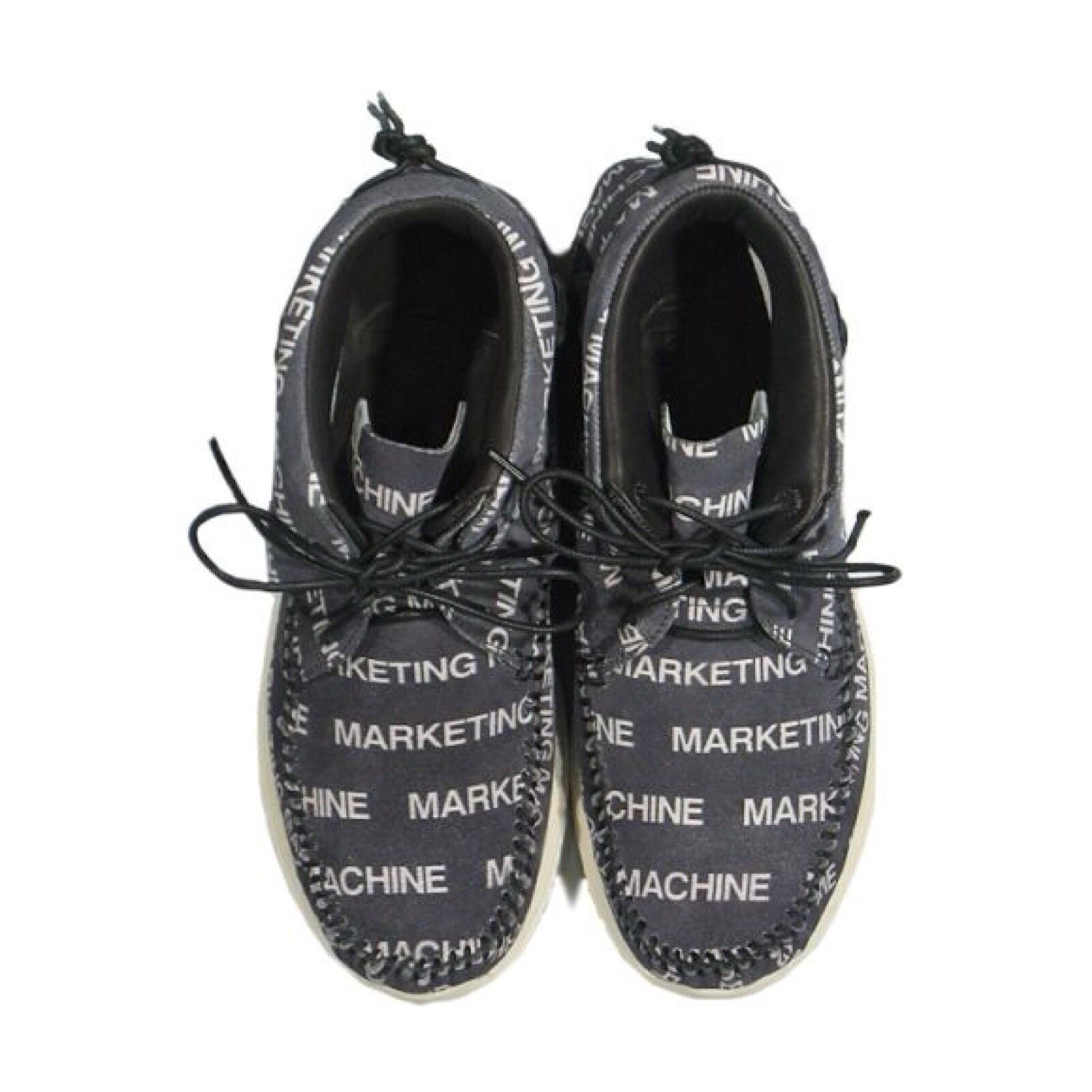
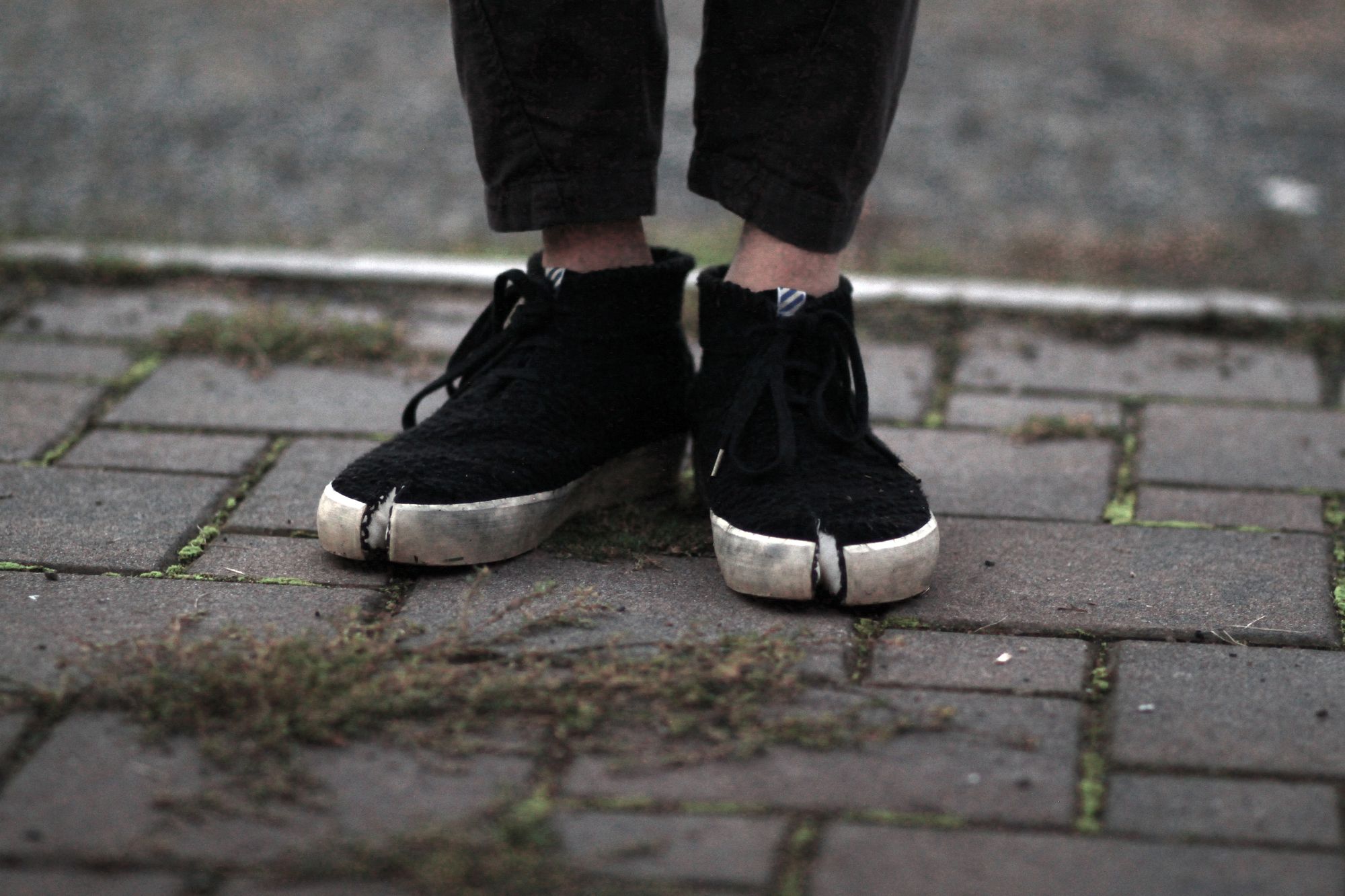
Mastermind Japan x Visvim Gila Moc Mid-Top Sneaker
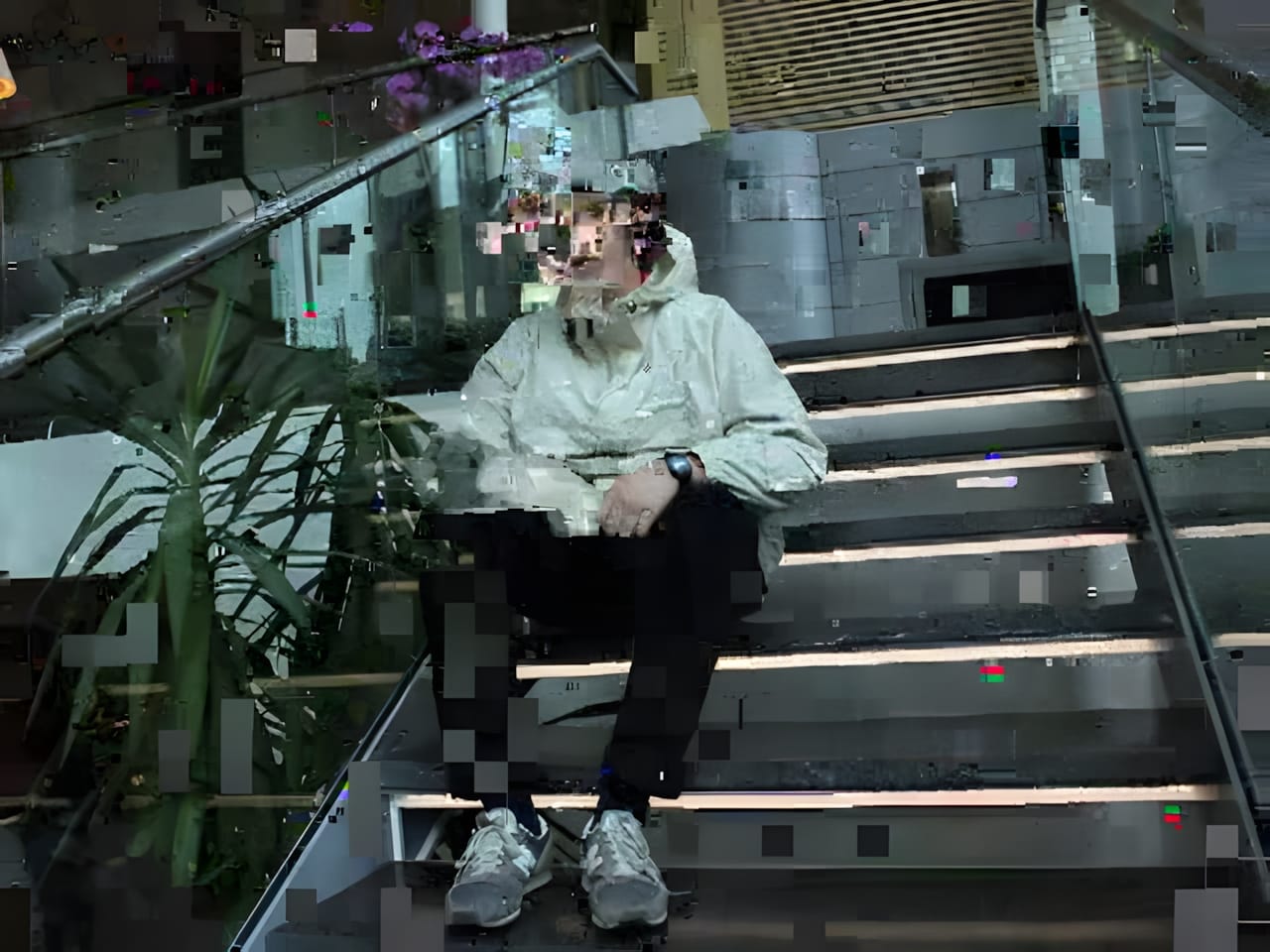
Polo Sport Ralph Lauren Anorak — Yung Lean, Ginseng Strip 2002
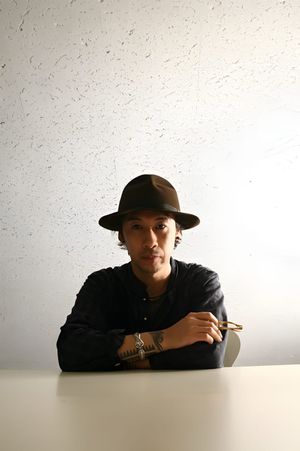
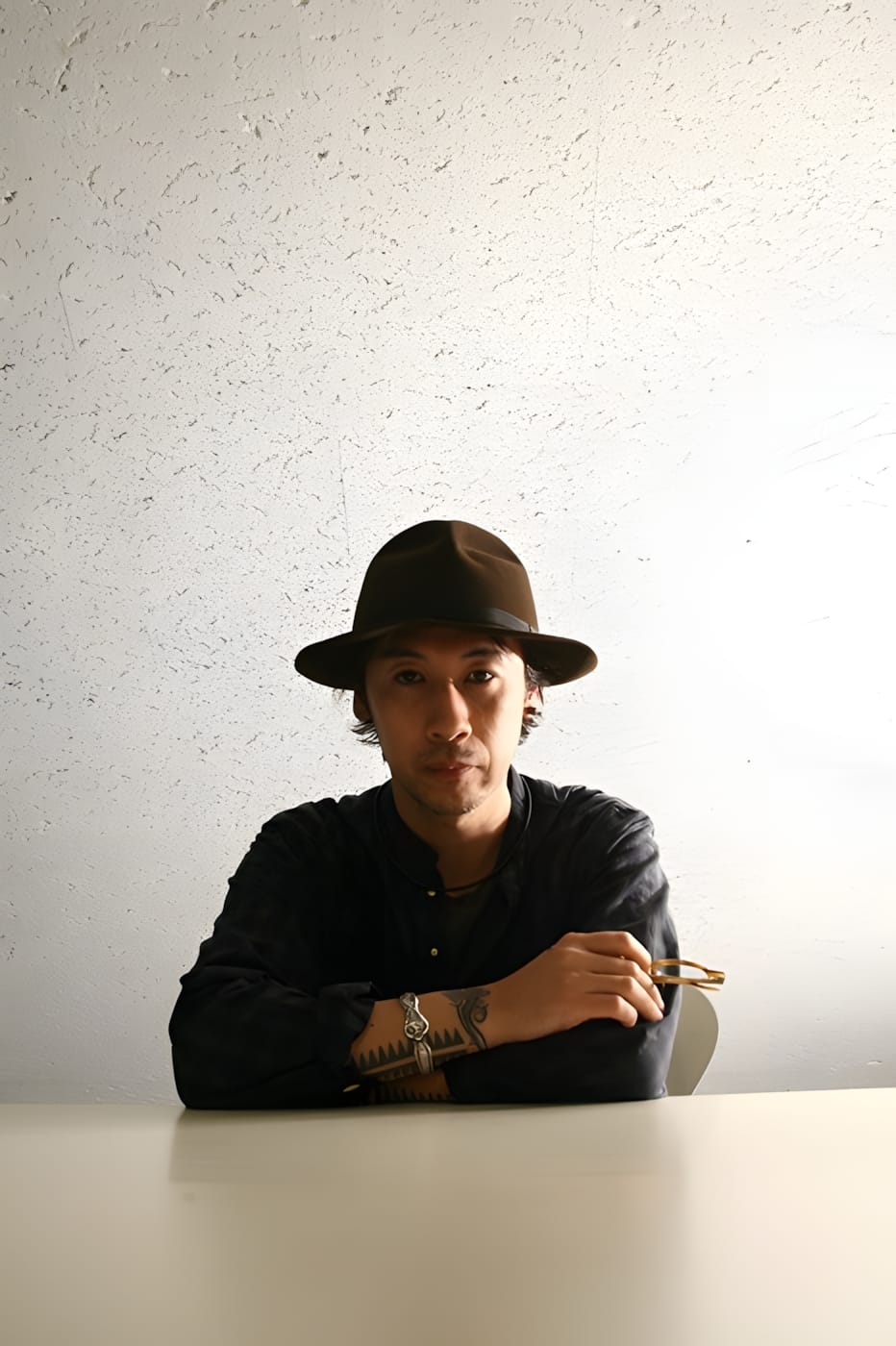
Jun Takahashi — Undercover Designer Portrait, Dazed June 2013
Interview with Jun Takahashi on Undercover AW13
Q: After two years away from the Paris catwalks, why was now the right time to show a runway collection?
A: After the earthquake disaster, we Japanese were spiritually in the worst state. It’s been two years since then and everyone is hoping to improve the present situation. I am one of them. I chose to have a runway show in Paris in order to restore myself. I thought it would work because going back to the runway was one of the things I had been hoping to do.
Q: Talking of the scar that Japan’s earthquake left on you, did it creatively affect your AW13 collection?
A: I was craving for creation, and that resulted in those one-off dresses. Two years ago, mentally and financially I wasn’t able to create such things. Those one-off pieces are my original works and made intuitively by myself. I am the only one who could make them. They are sacred works to me. I guess I like things where you can feel human warmth.
Q: Why did you call the show ‘Anatomicouture’? Was your intention to expose the inner bones of the garments?
A: It is a mentality of exposing the inner self, corresponding to my desire to reveal my creation and what’s going on in my head.
Q: Despite the skeleton and organ motifs, the collection is beautiful and seductive – does this come back to your interest in the contrast between ugly and beautiful?
A: Ugliness and beauty co-exist in human mentality. I always want to express those emotions.
Q: The AW13 show had the feel of punk performance art – why did you stage it like theatre?
A: Because the theme of this collection is related to human emotions, I thought my theme could be conveyed much better with such staging effects that would move people’s hearts. That’s why I used songs by Cat Power and James Blake. All the songs are great and meaningful and helped me convey what I wanted to express through the lyrics of songs too.
Q: When did your love of fashion start, and how did that lead to Undercover?
A: When I was little I loved drawing and had a twisted personality. I was so into punk during my high school years. My interest in fashion arose when I was around 15 years old and I was hoping to become a designer. At 18, I entered Bunka Fashion College. I was questioning about learning ‘design’ from teachers who were much older than me. So I told myself that I would learn only techniques in the school, nothing else.
Q: Undercover was considered part of a new wave of Japanese designers. How did your approach differ from the likes of Rei Kawakubo and Yohji Yamamoto?
A: I am not sure if Undercover is part of a new wave and I don’t really care. But Rei influenced me a lot on things like breaking stereotypes.
Q: You and your friend Hiroshi Fujiwara collected vintage Seditionaries pieces and published a book about them, and you even appeared in a show of Vivienne Westwood’s designs in Tokyo in 1990. Can you describe the impact punk made on you and explain why it still resonates today?
A: To me, punk means a spirit that questions and abolishes conventional ideas. That is my fundamental principle. You can apply the principle to fashion design. It depends on each season, but I instil punk interpretation into my designs in many ways – for example, by fusing two contradicting elements or applying techniques that are generally considered taboo.
Q: You recently designed lines for Uniqlo and Nike – how did you enjoy those two experiences? Did they feed back into your work with Undercover?
A: The Uniqlo and Nike collaborations are totally different types of designs from that of Undercover. Therefore the collaborations didn’t really affect my work with Undercover. But for my career as a designer, both collaborations became good experiences. Working with Uniqlo gave me the opportunity to learn about the creation of mass products and newly standard items that are totally different from designing avant-garde pieces. As for the collaboration with Nike, I am very satisfied both as a designer and as a runner with the fact that I have been able to create products which integrate necessary functions for running with fashion-design aesthetics, which had often perhaps been missing in the existing sportswear.
Q: You’ve talked in the past of the difficulties with keeping up with the six-month cycle of fashion shows, and skipped showing in Paris for a couple of seasons – how are you currently finding working within the fashion calendar?
A: Right now, I’ve come to the conclusion that the six-month cycle is appropriate. Themes of each Undercover collection vary by season. If we could spend more than six months on a collection, and if we continue to work with the same theme for a year, it would be difficult to keep up the tension towards the theme and I am afraid that the freshness would be lost.
Q: AW13 got a great response. Will we be seeing you back on the runway next season?
A: I could strongly feel that a lot of people were waiting for Undercover and I was very thankful about it. I will be back on the runway next season.
Q: Next year will mark the 20th since you began showing as Undercover. How do you feel you’ve evolved in that time?
A: I went through many phases and experienced many things. There was a time we faced various troubles, or we jumped into things just by force of circumstances. But nothing was wasted. I am responsible for all success and failure of Undercover. I will go forward without being ashamed of the paths I’ve chosen.