Army Captain — PIC12217 by Colonel Killgore
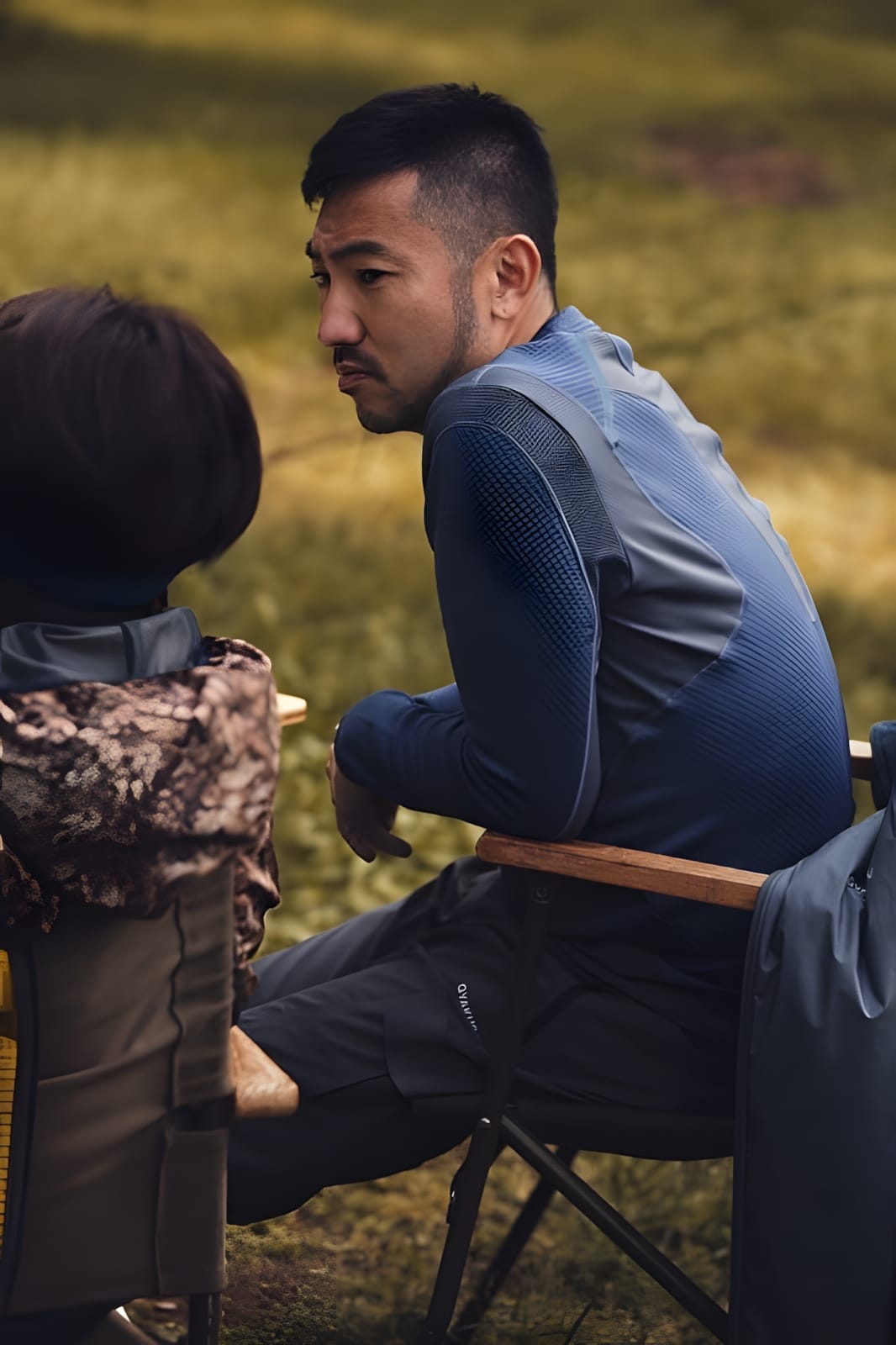
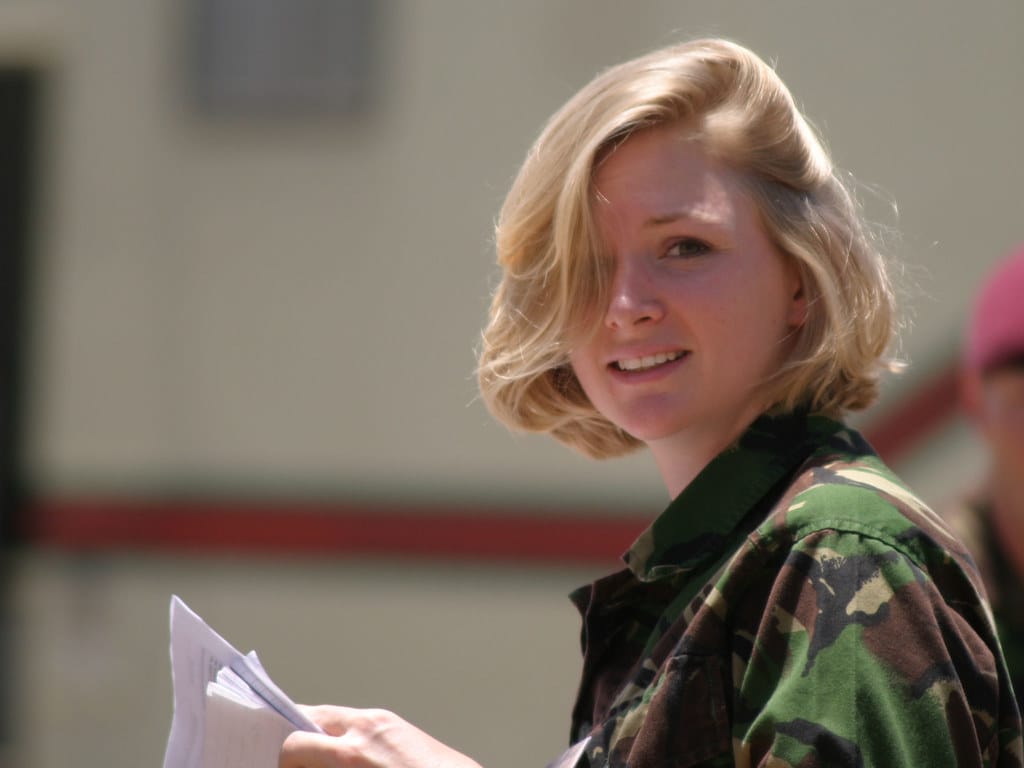
Colonel Killgore's sunlit portrait of an Army captain in woodland camouflage.
Colonel Killgore's PIC12217 portrait shows an Army captain in woodland camouflage holding papers in bright sunlight.
Colonel Killgore's PIC12217 portrait shows an Army captain in woodland camouflage holding papers in bright sunlight.
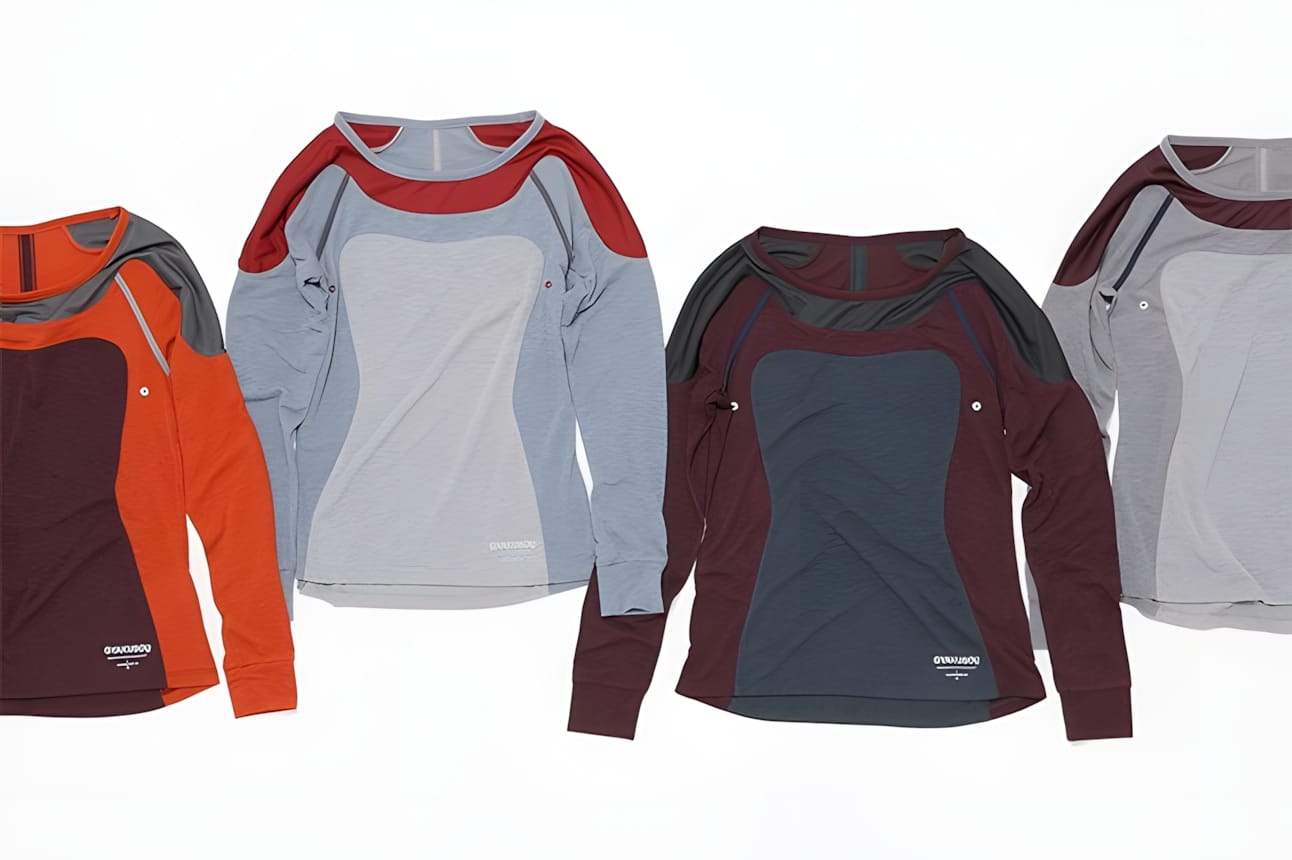
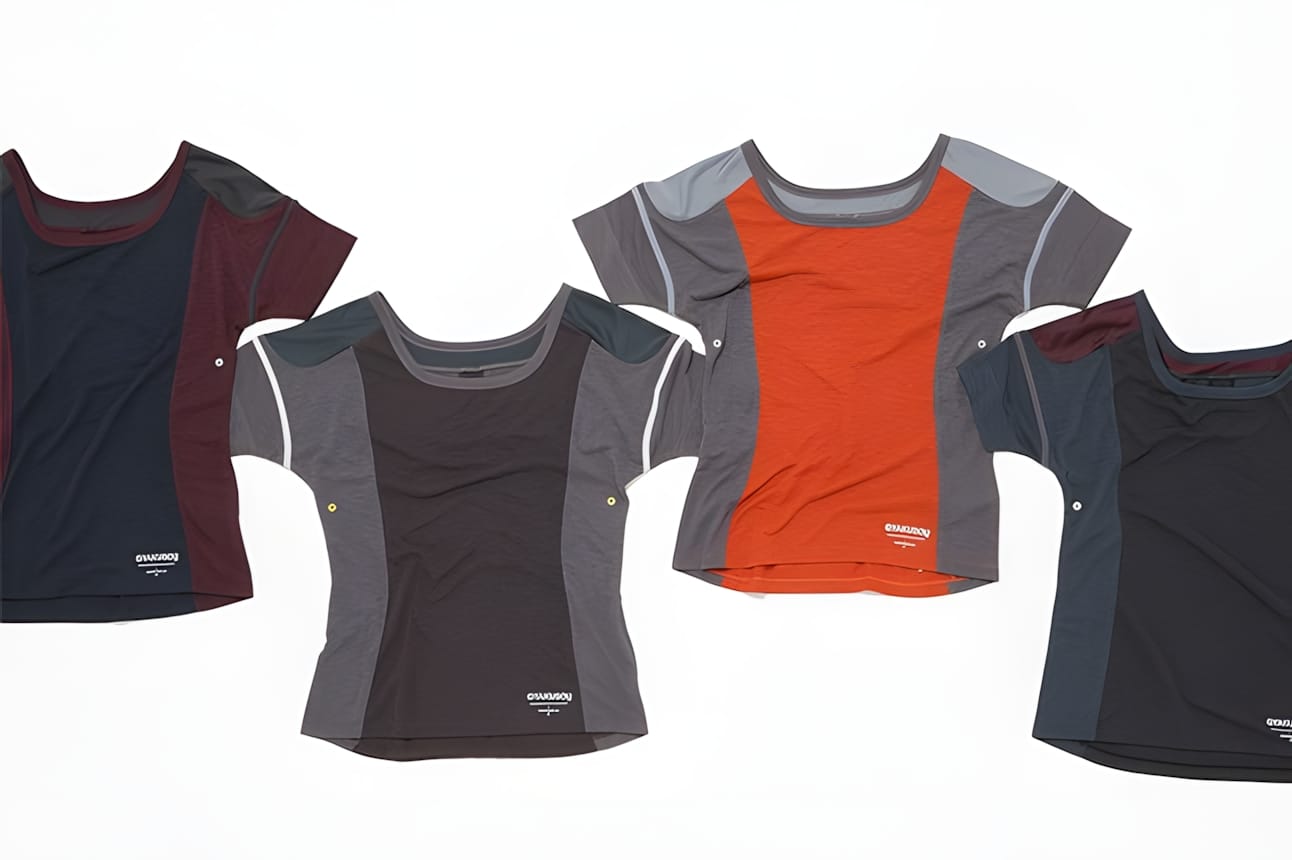
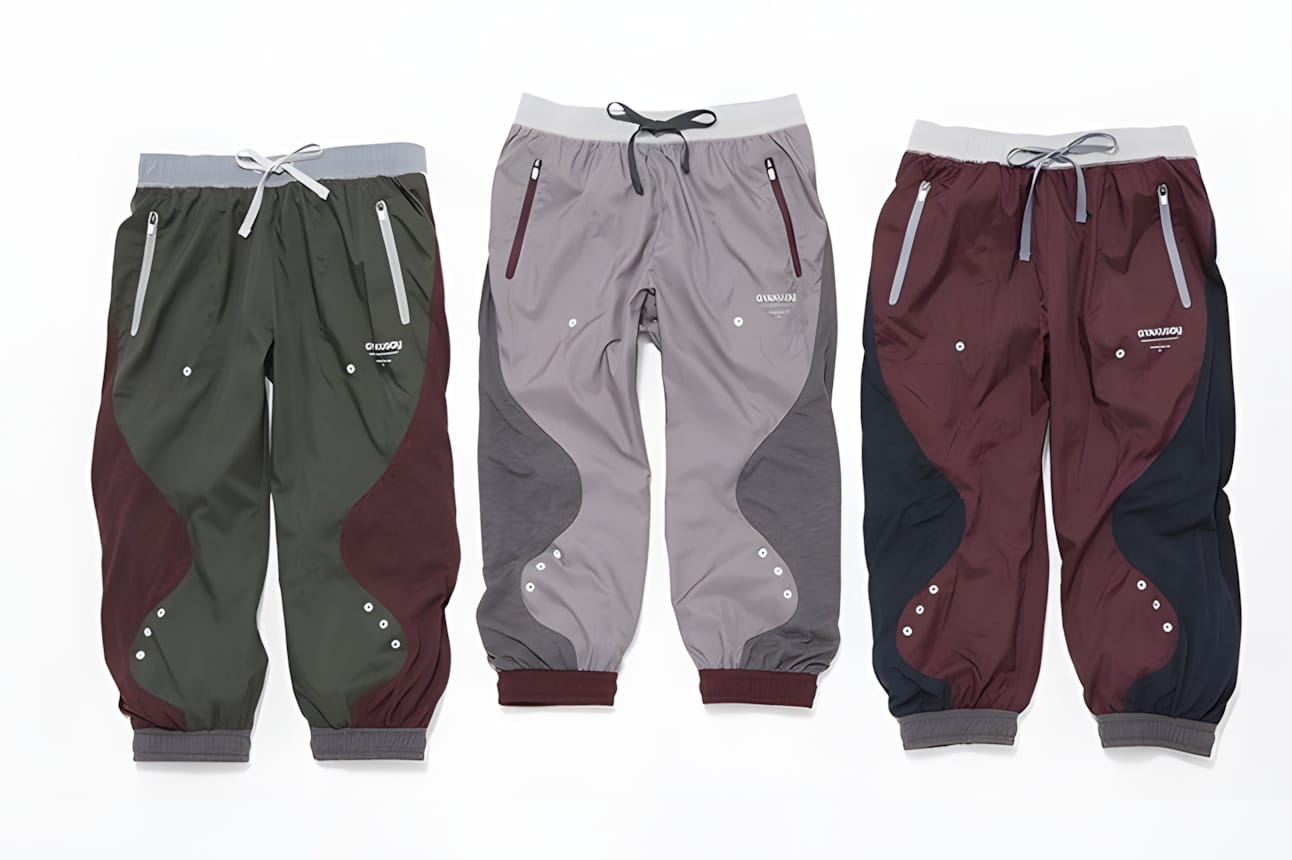
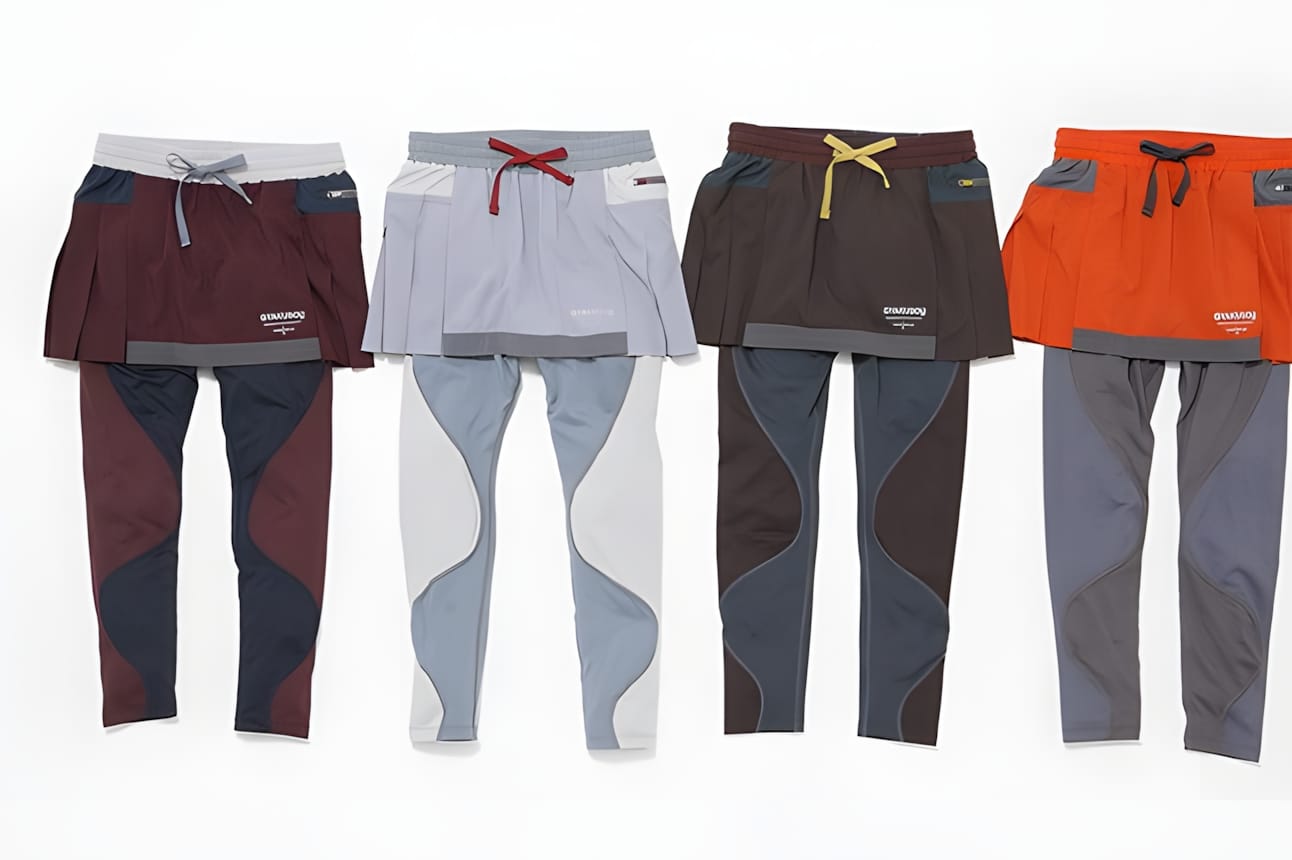
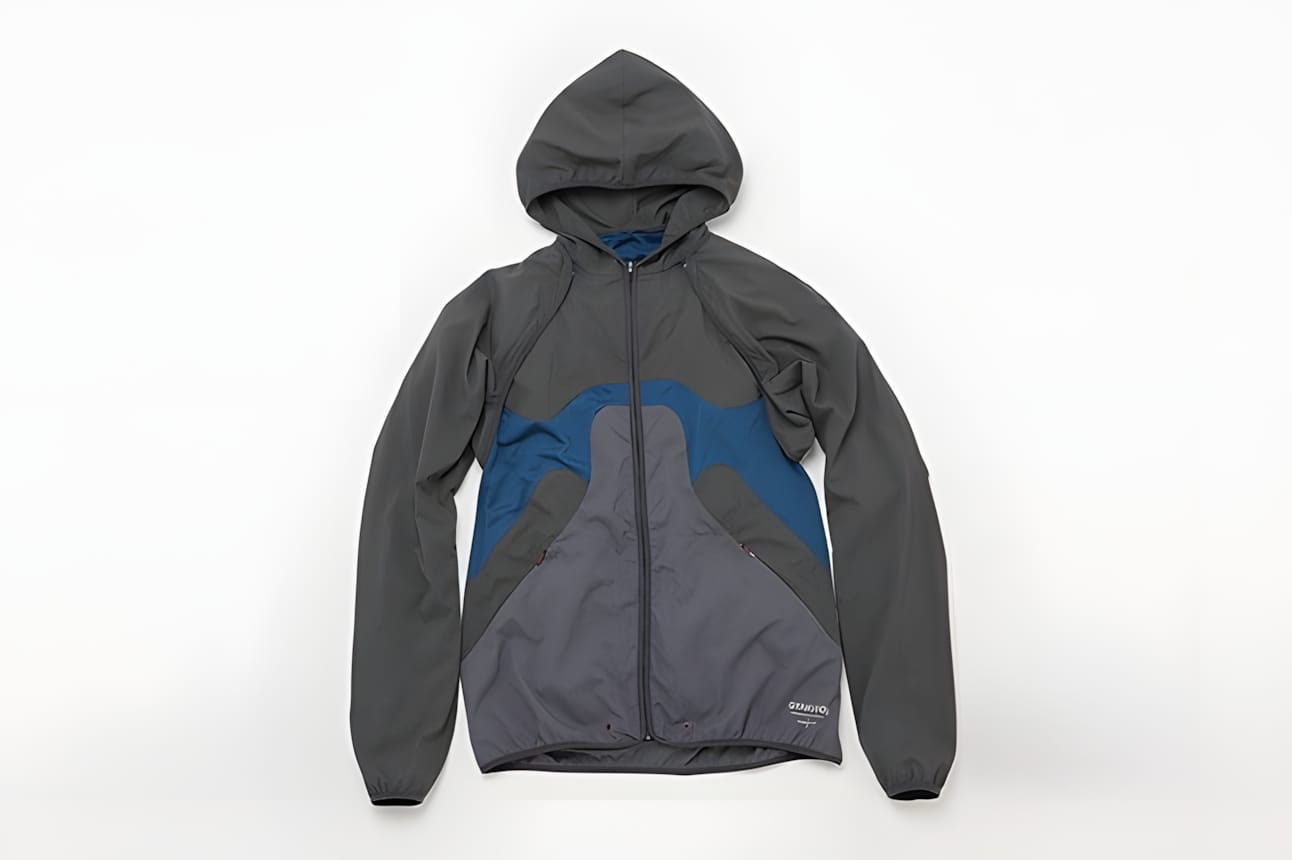
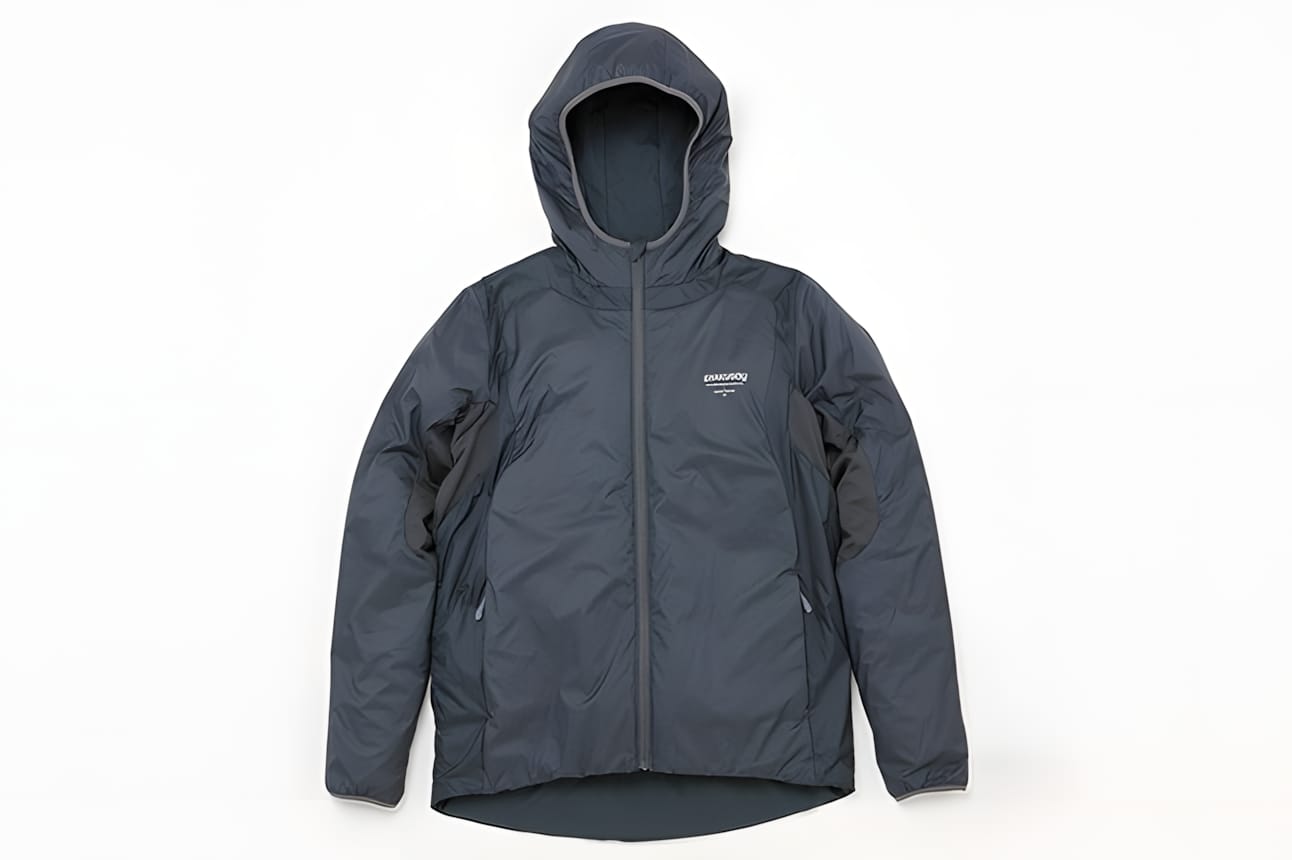
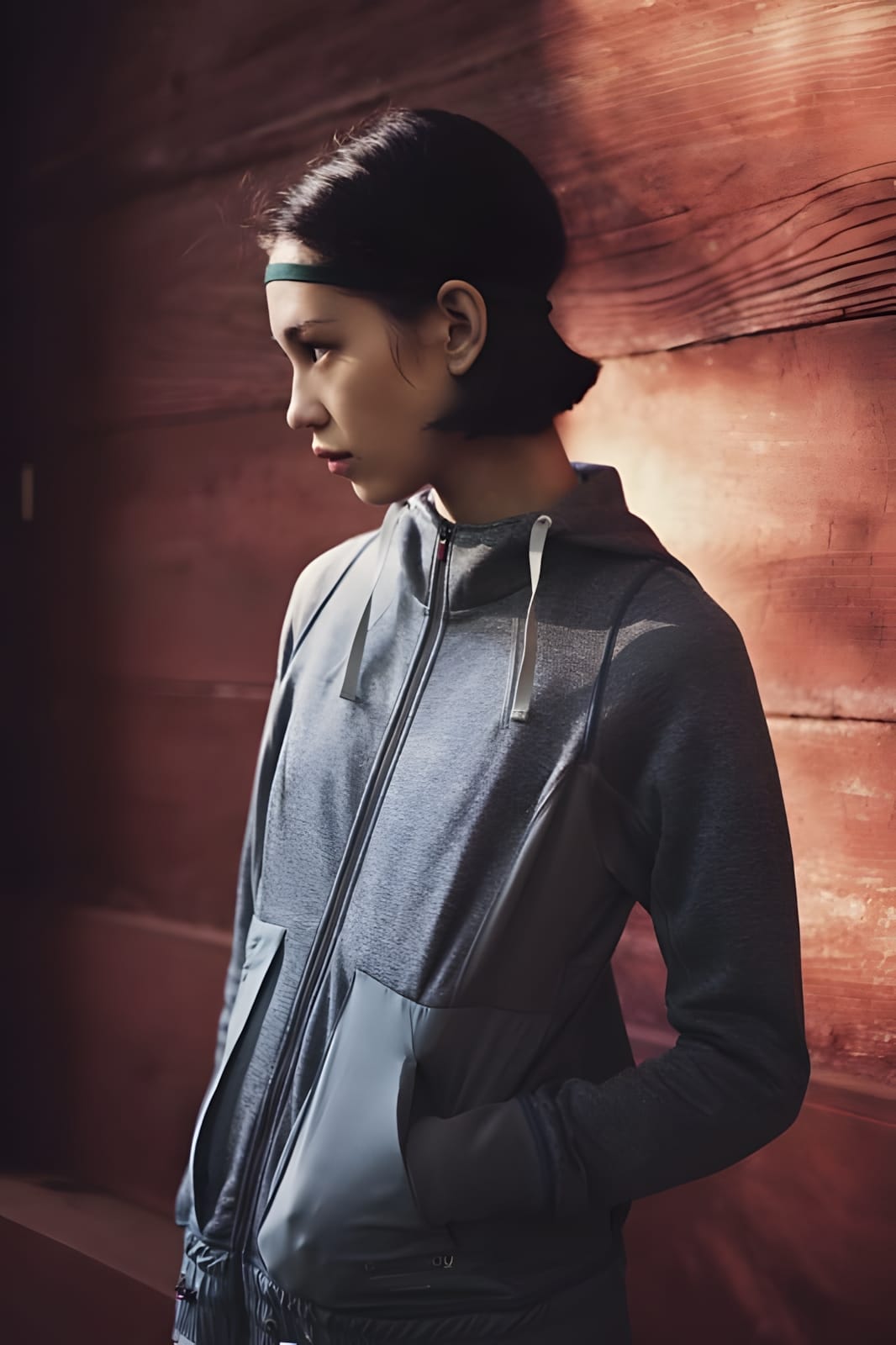
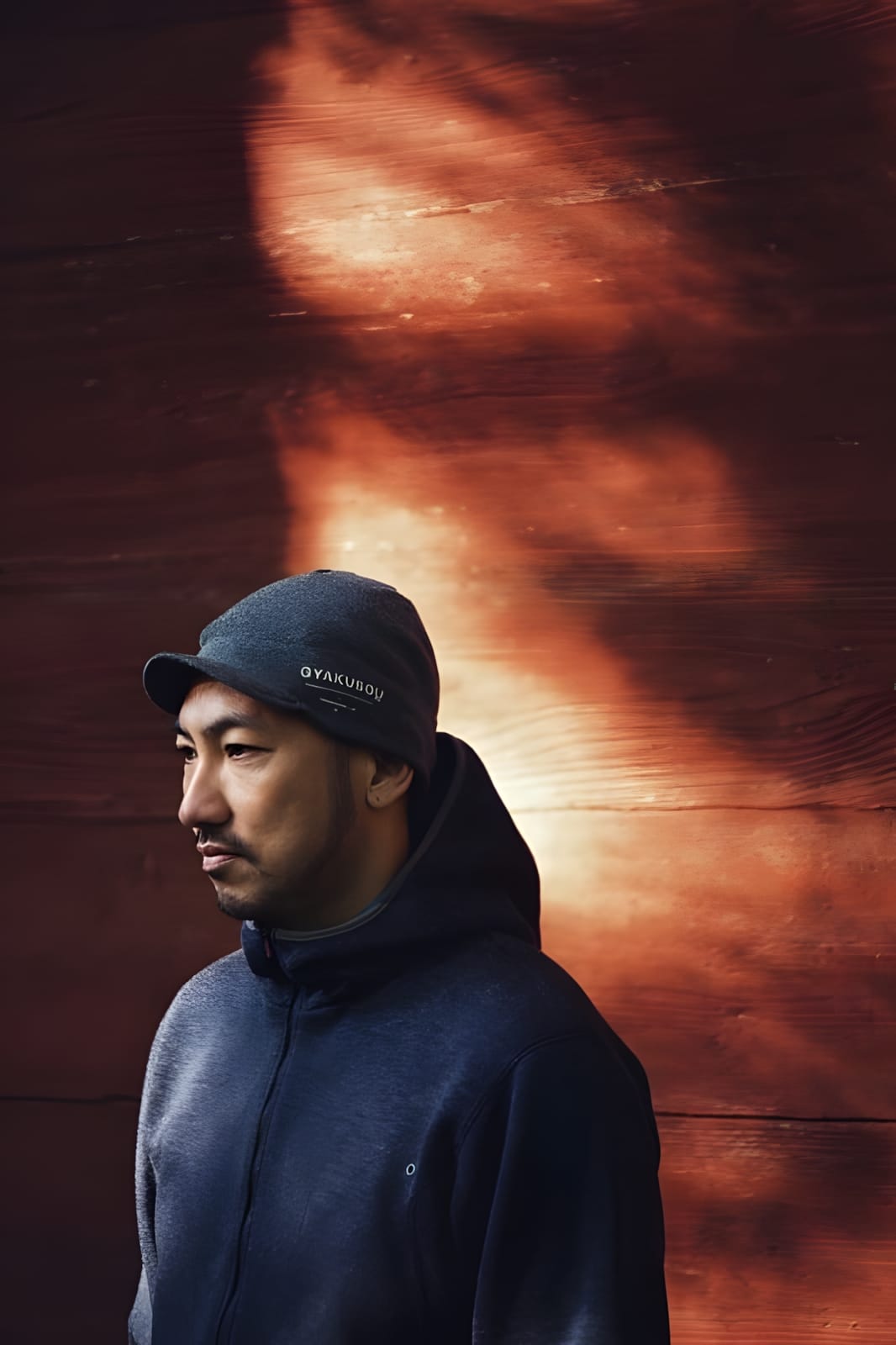
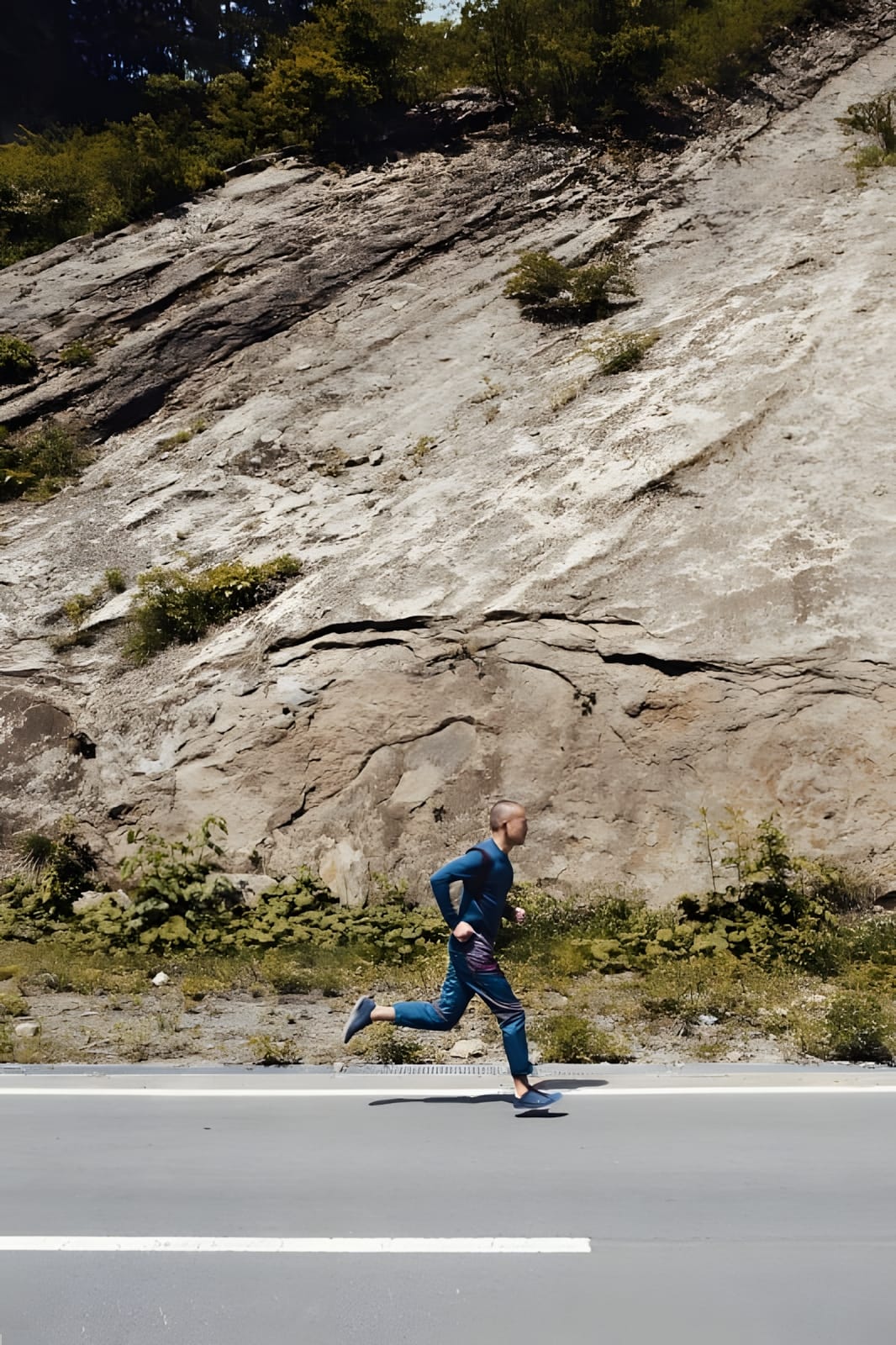
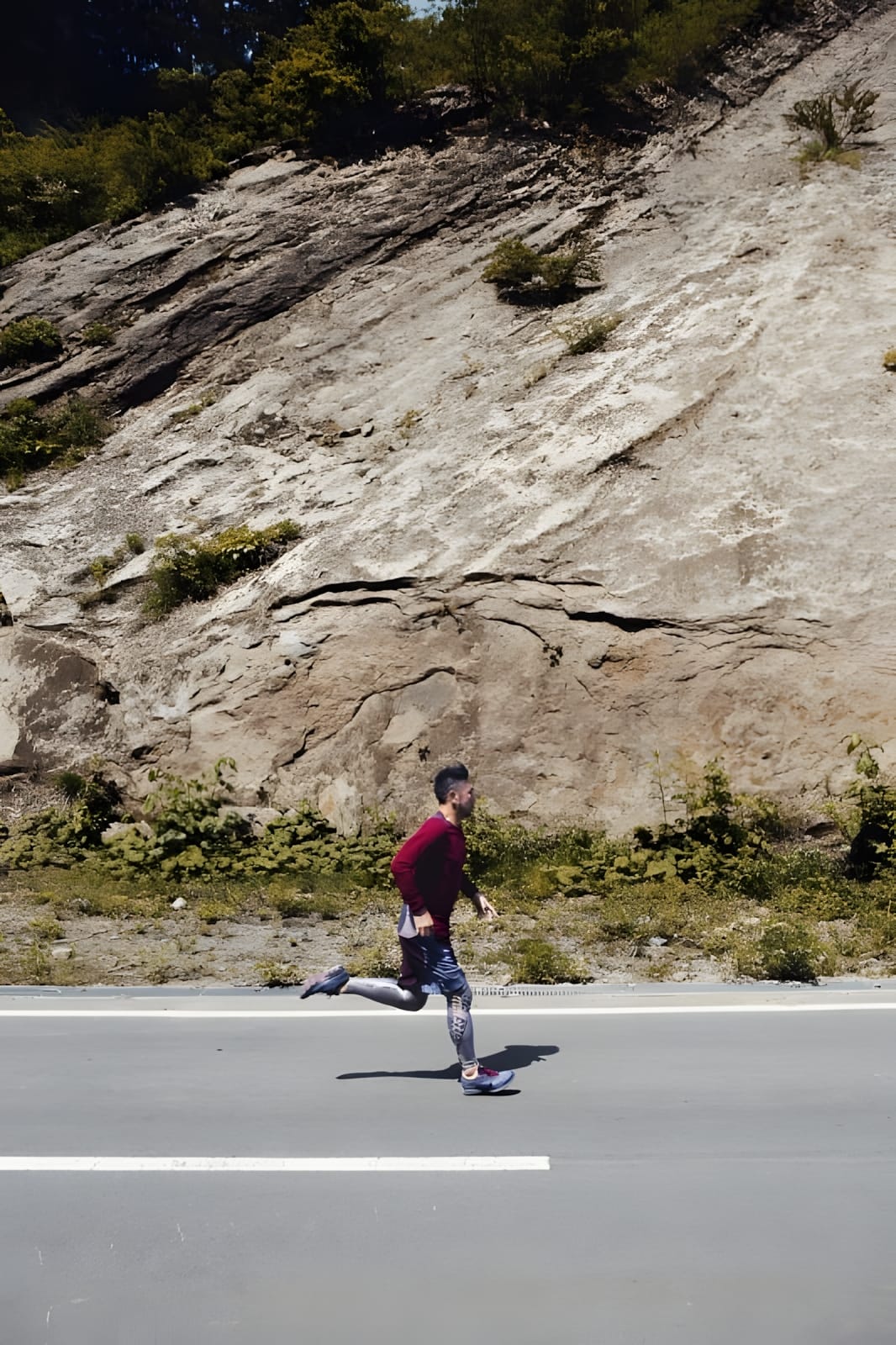
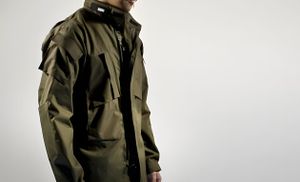
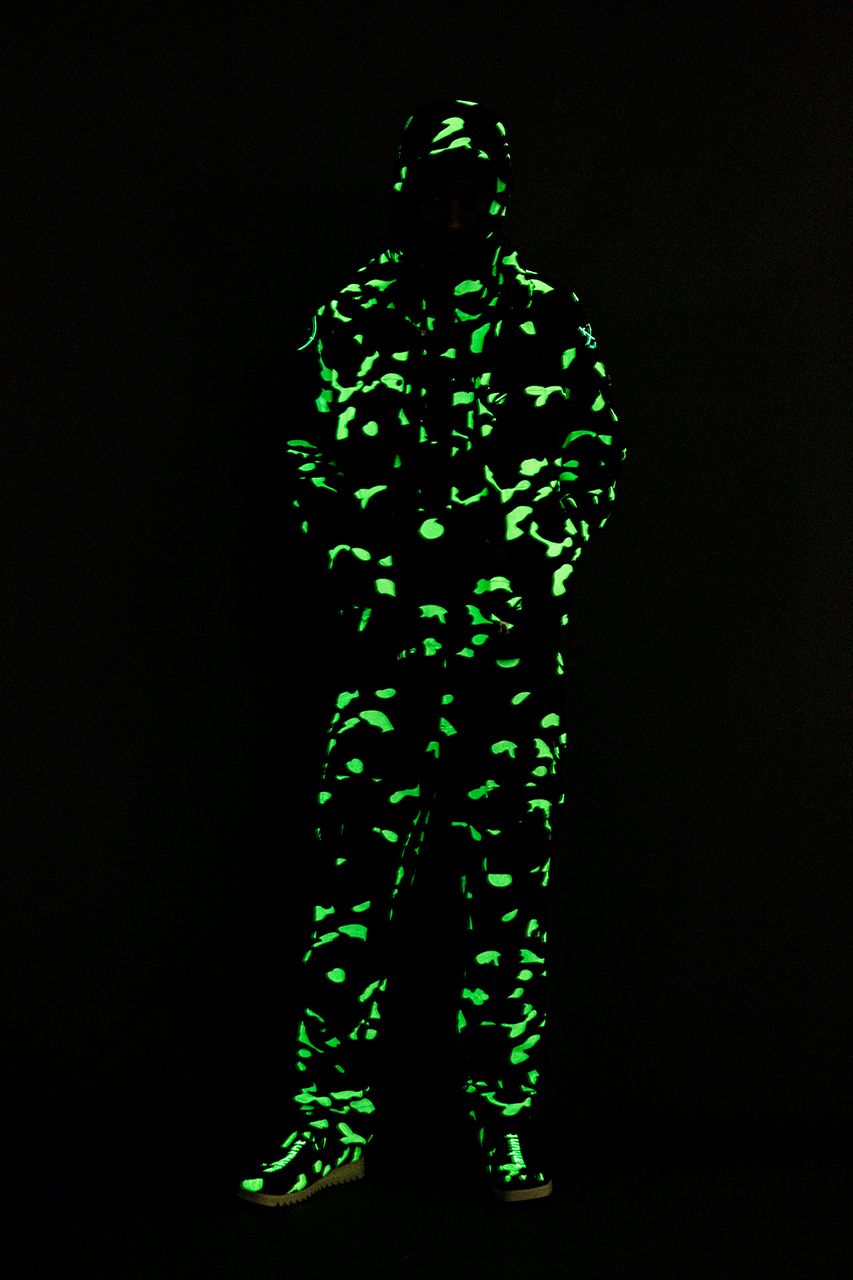
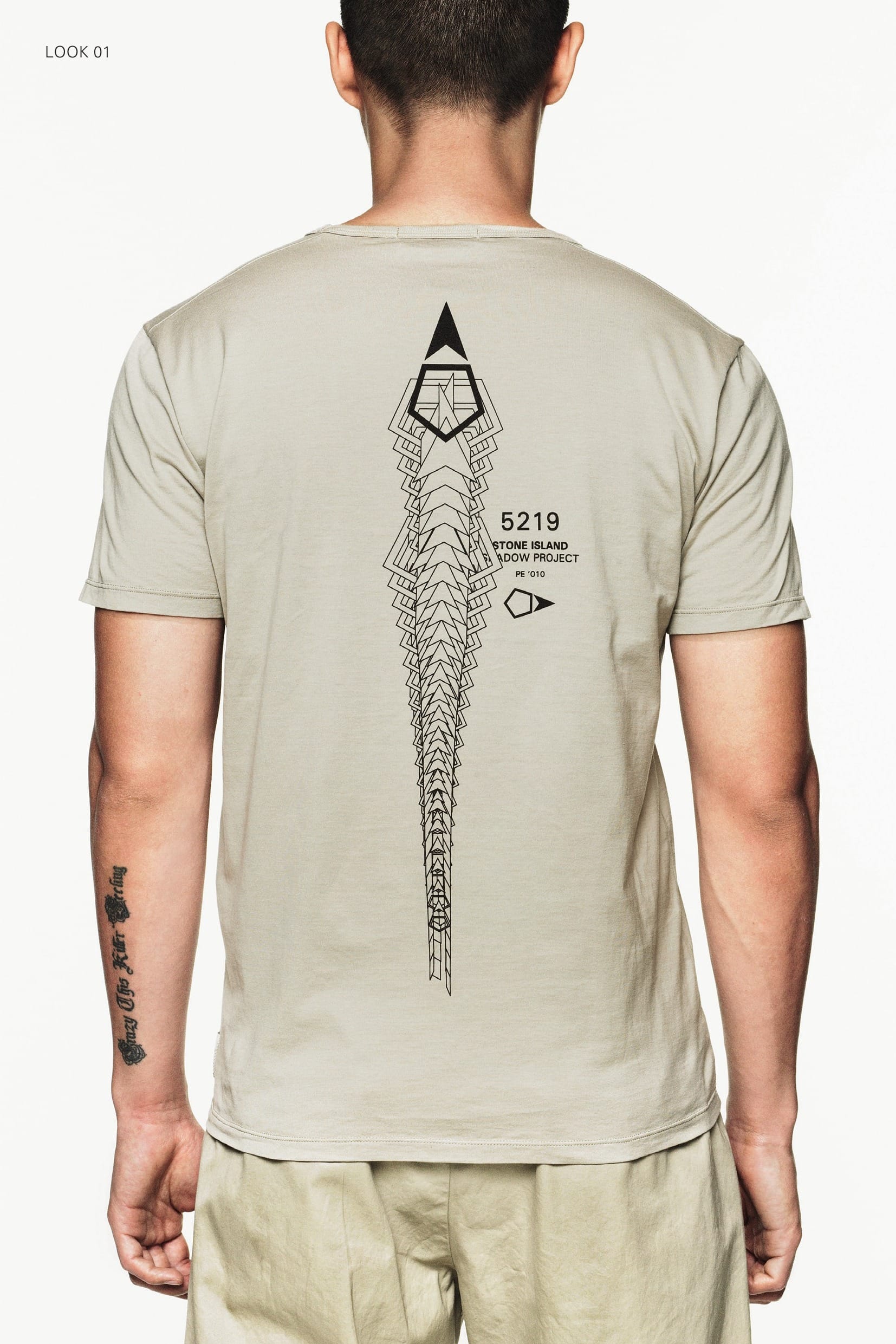
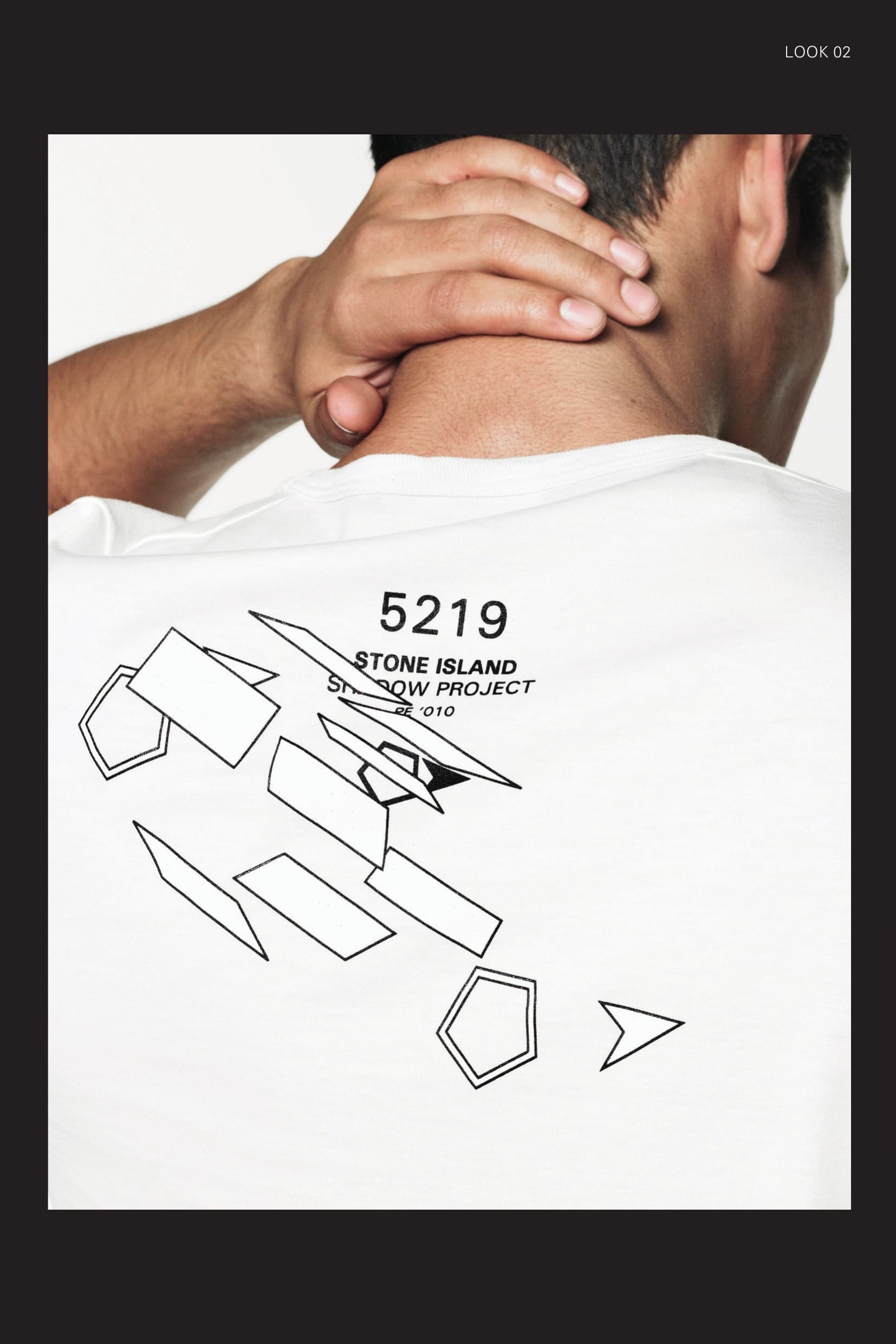
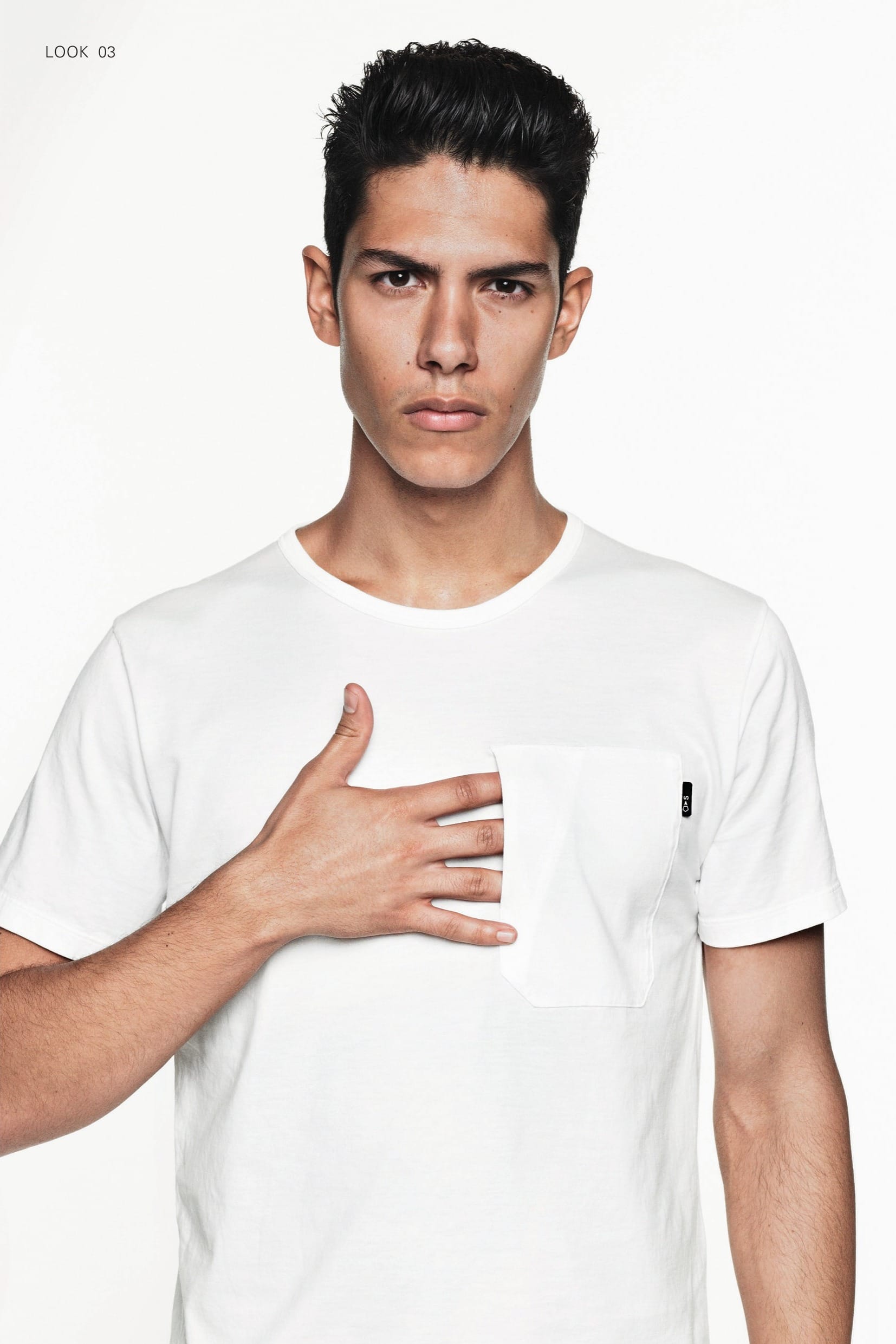
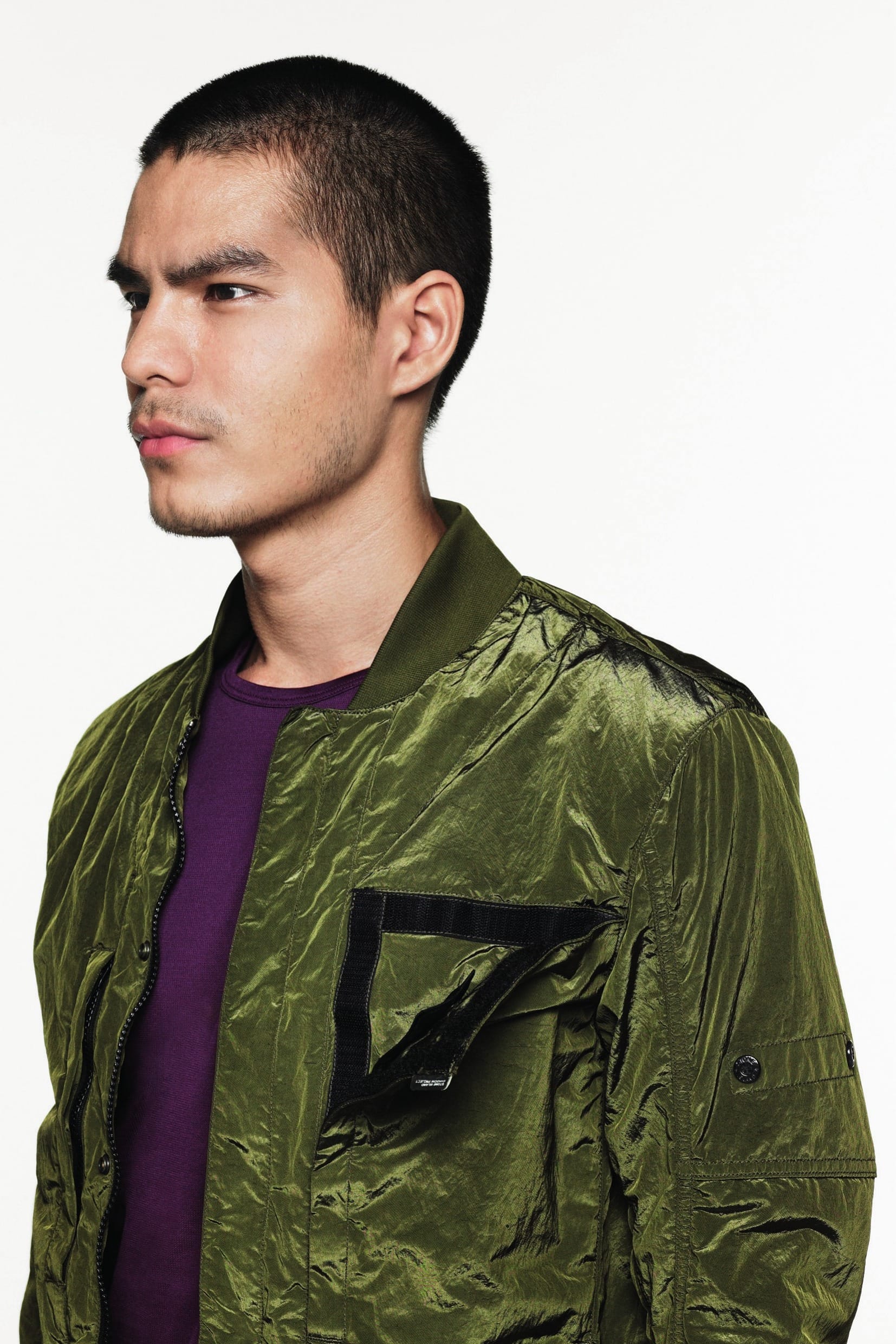
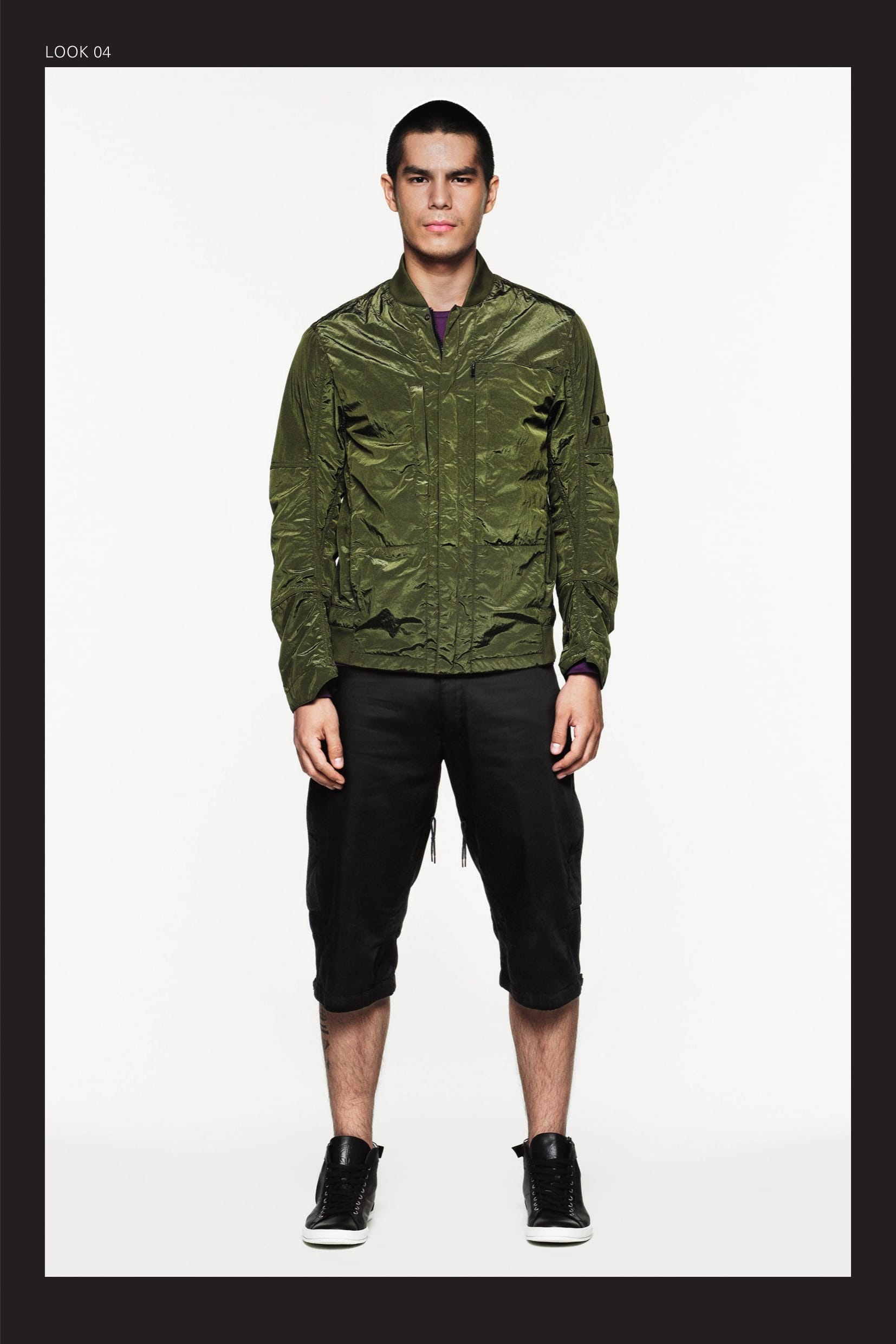
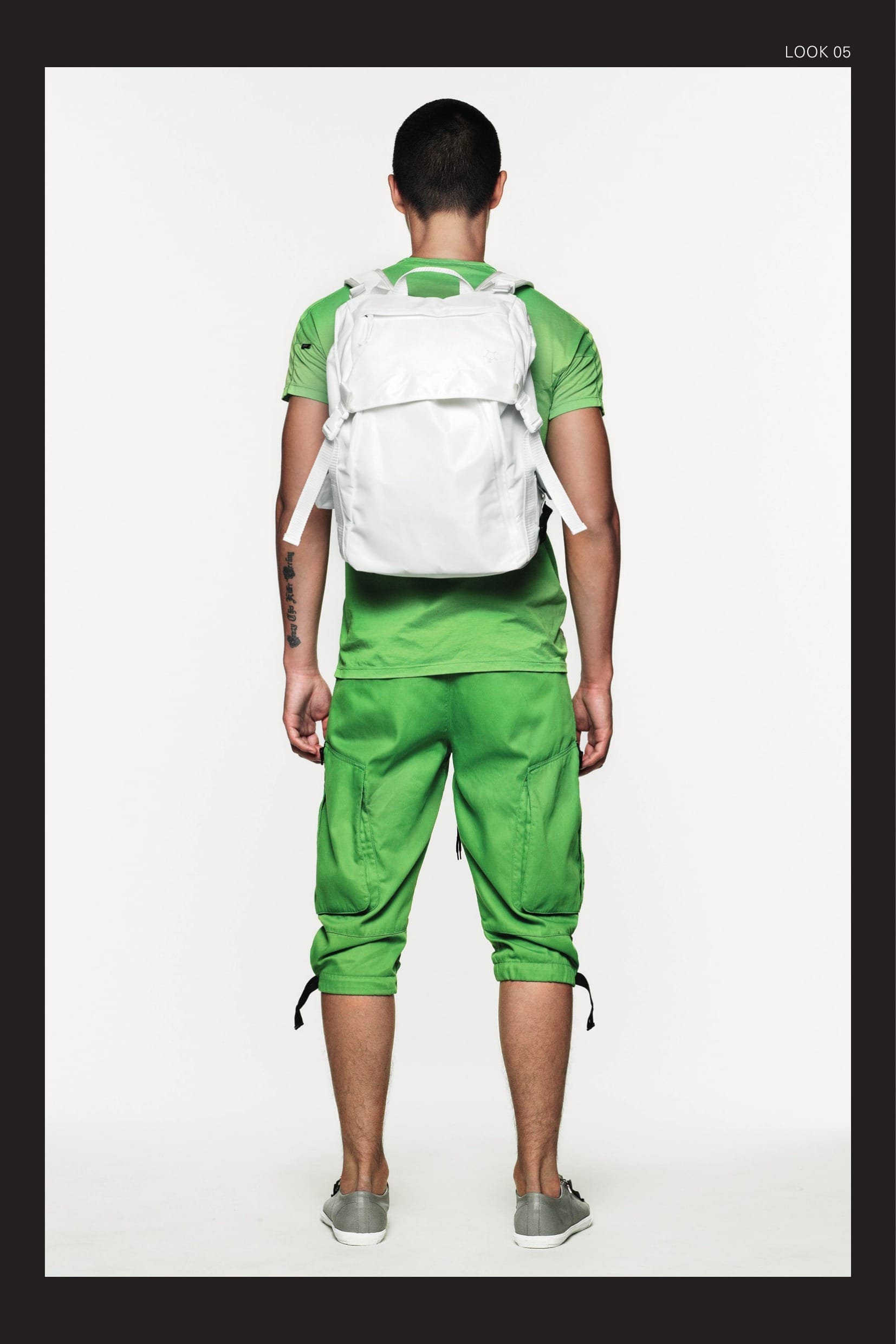
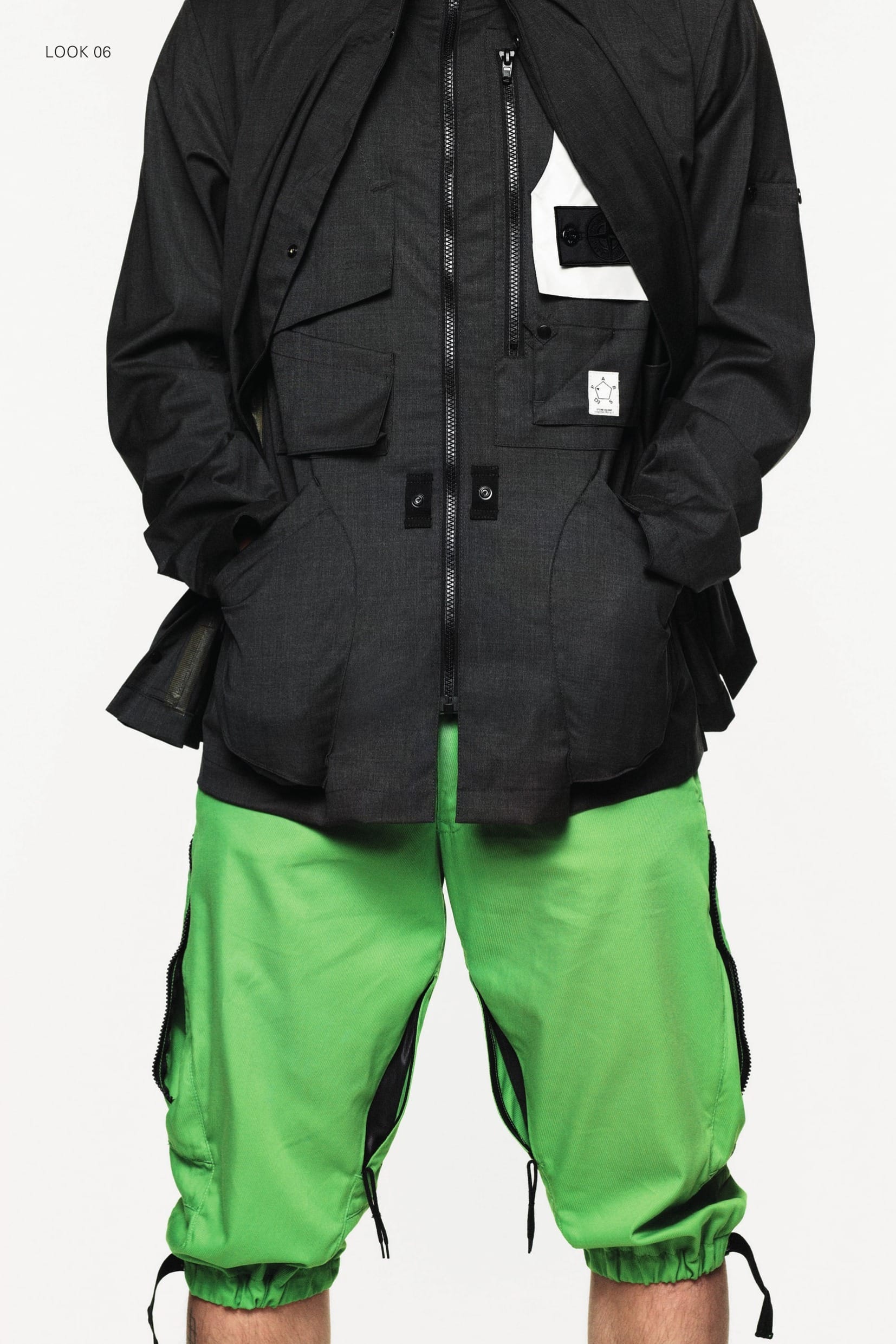
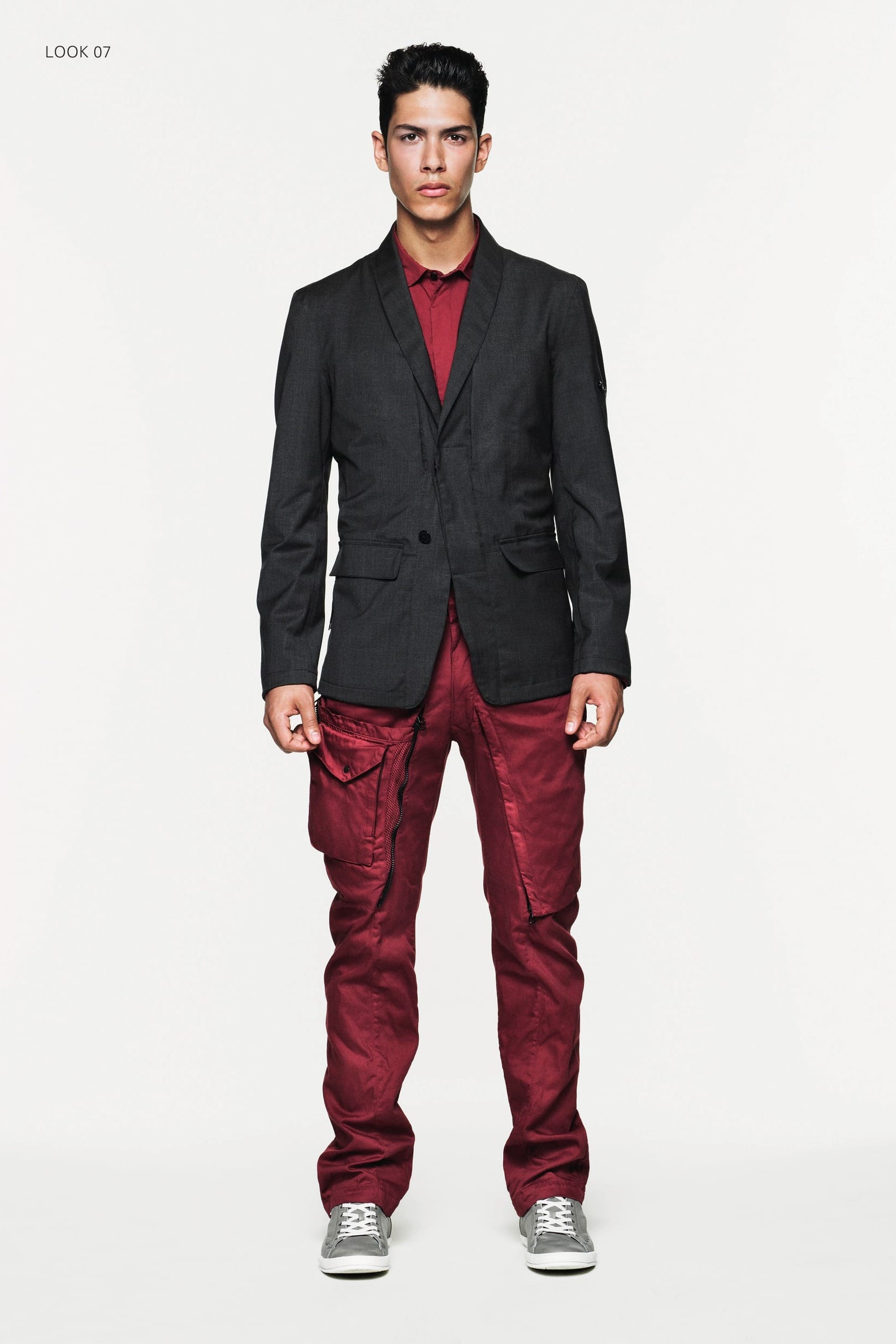
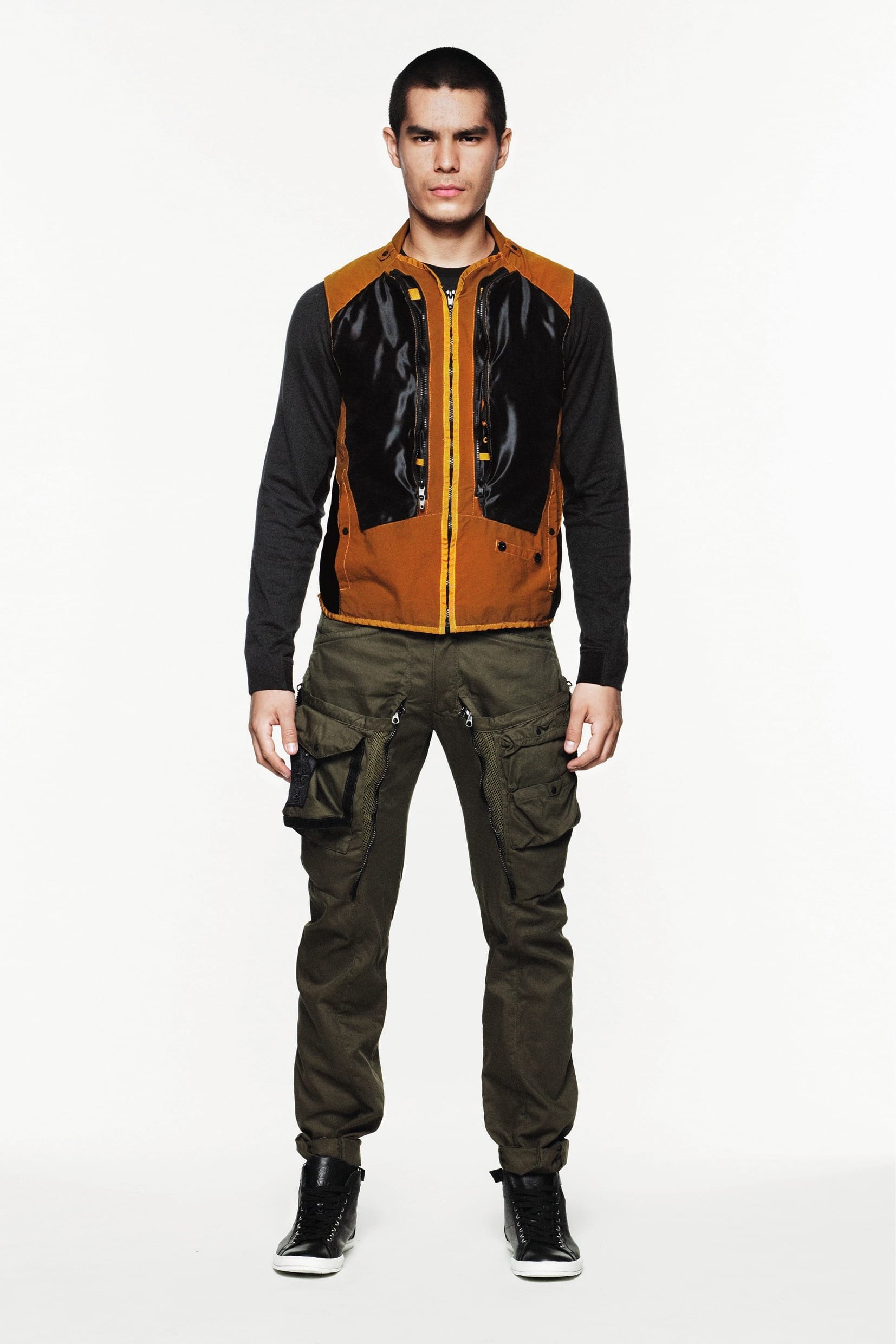
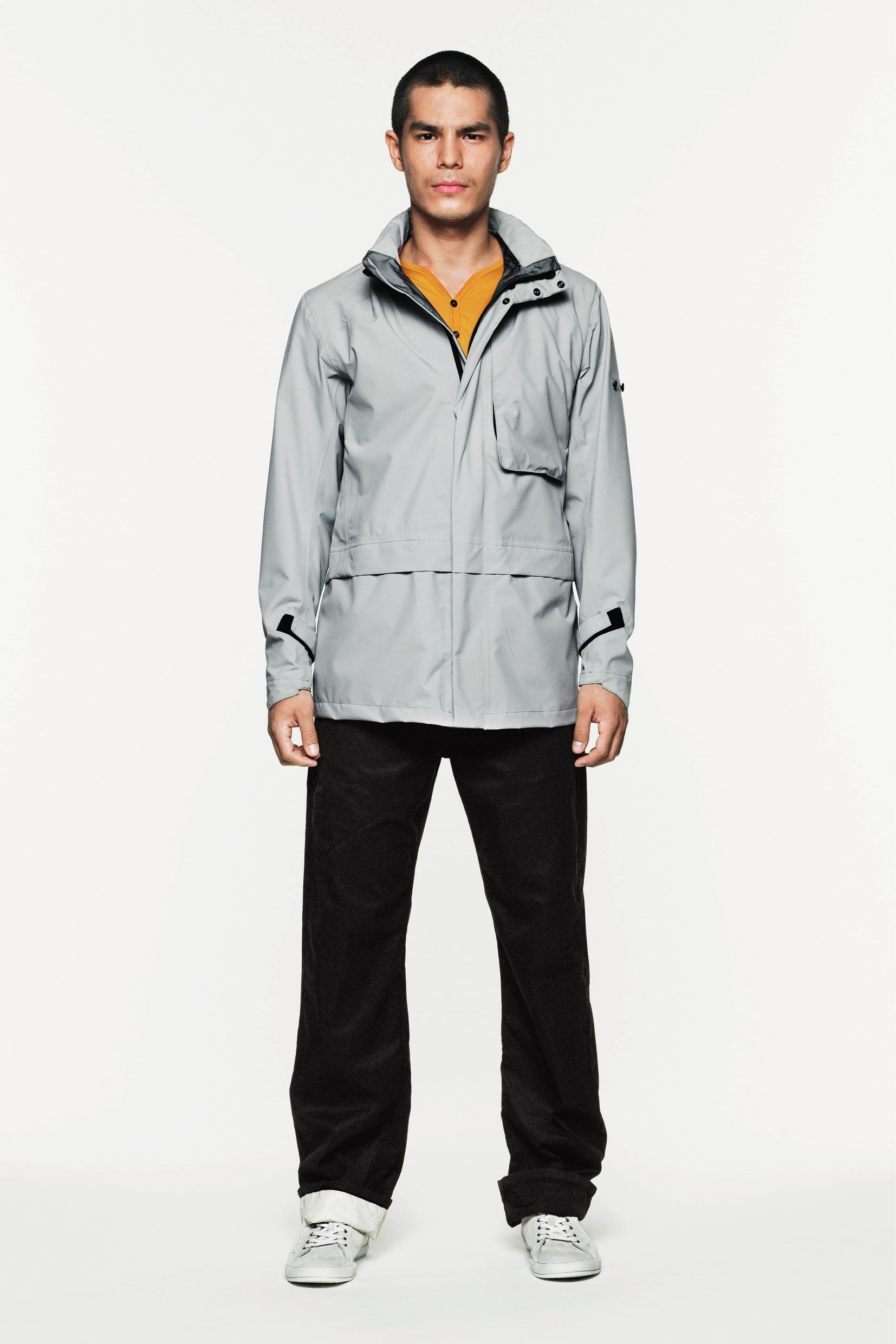
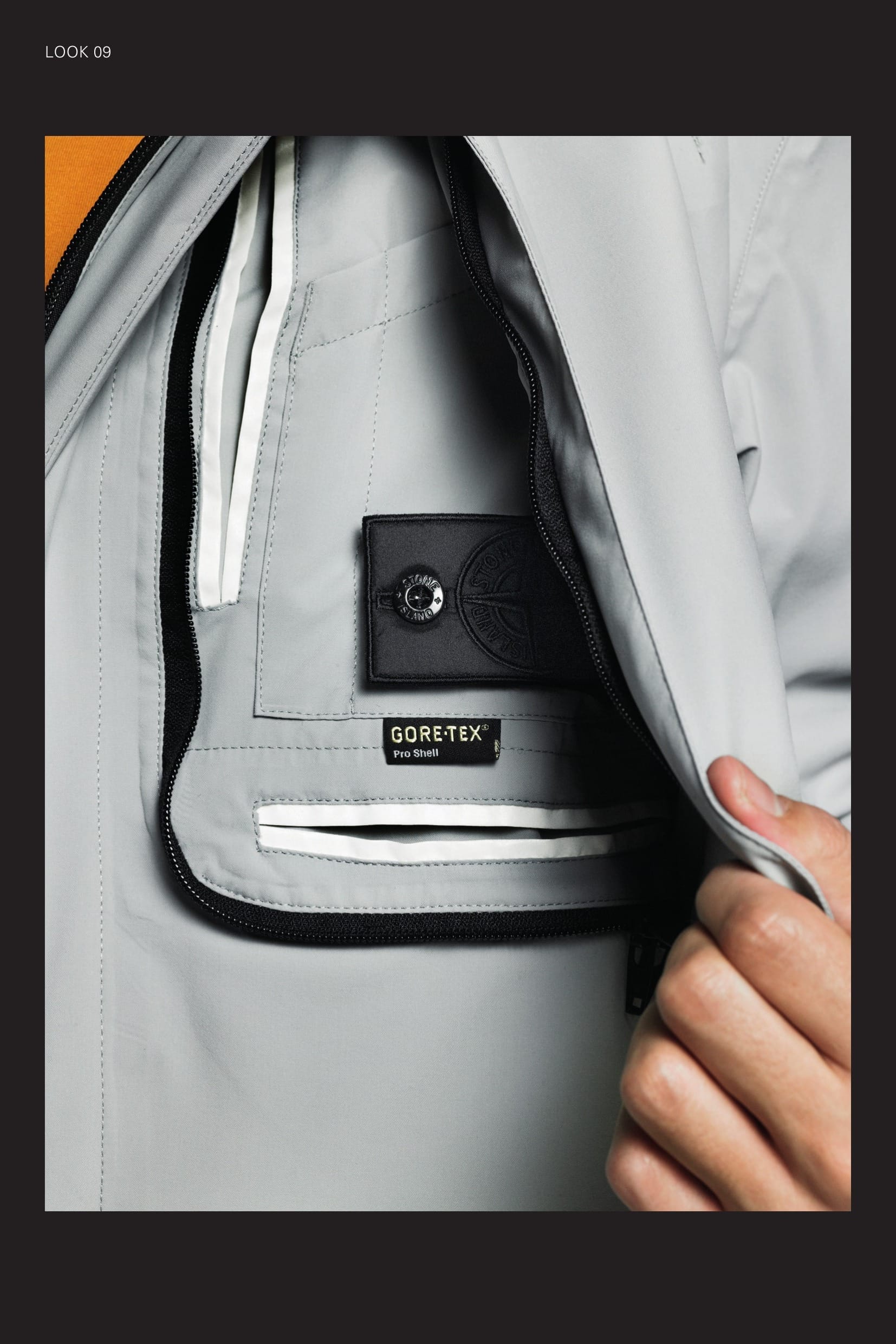
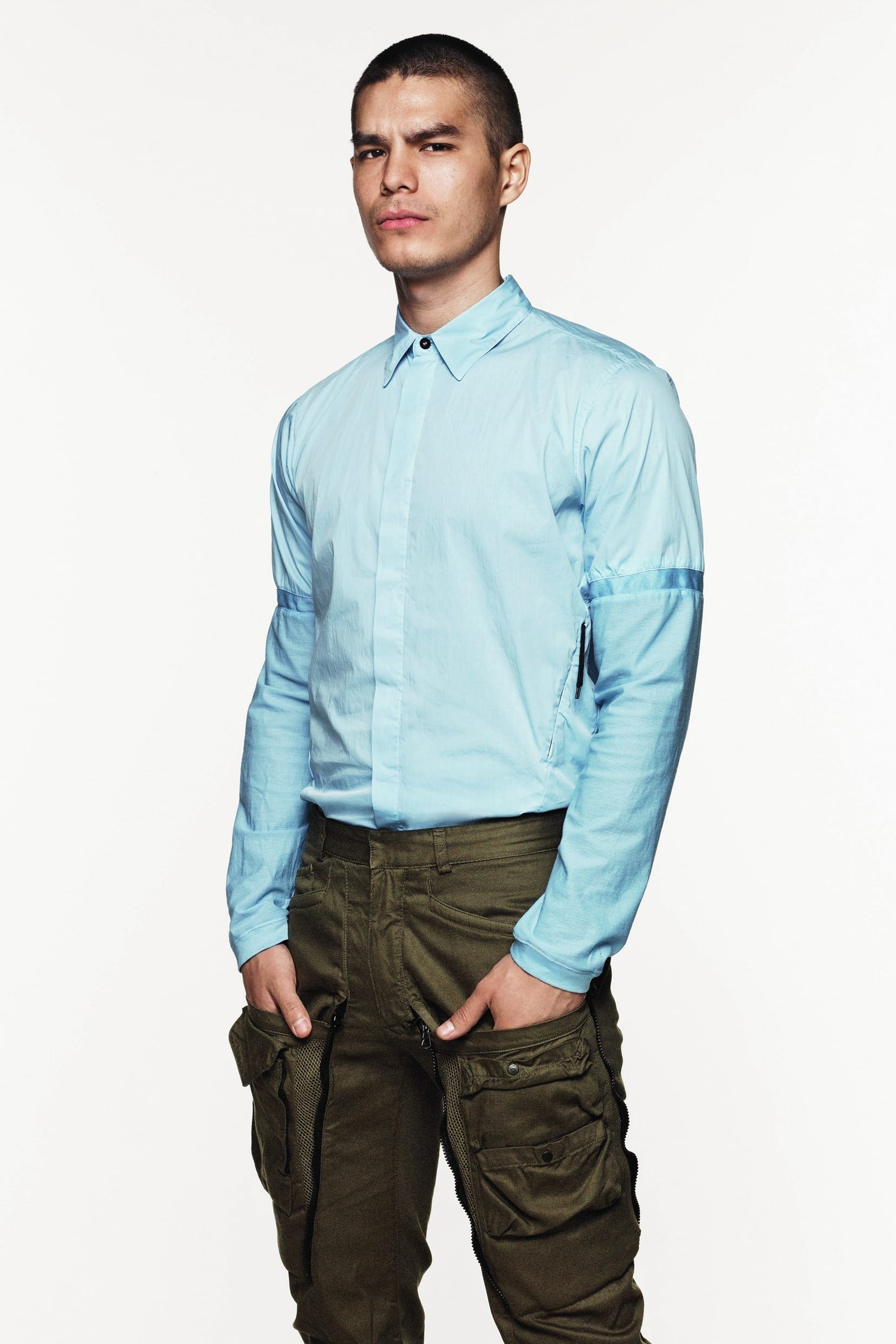
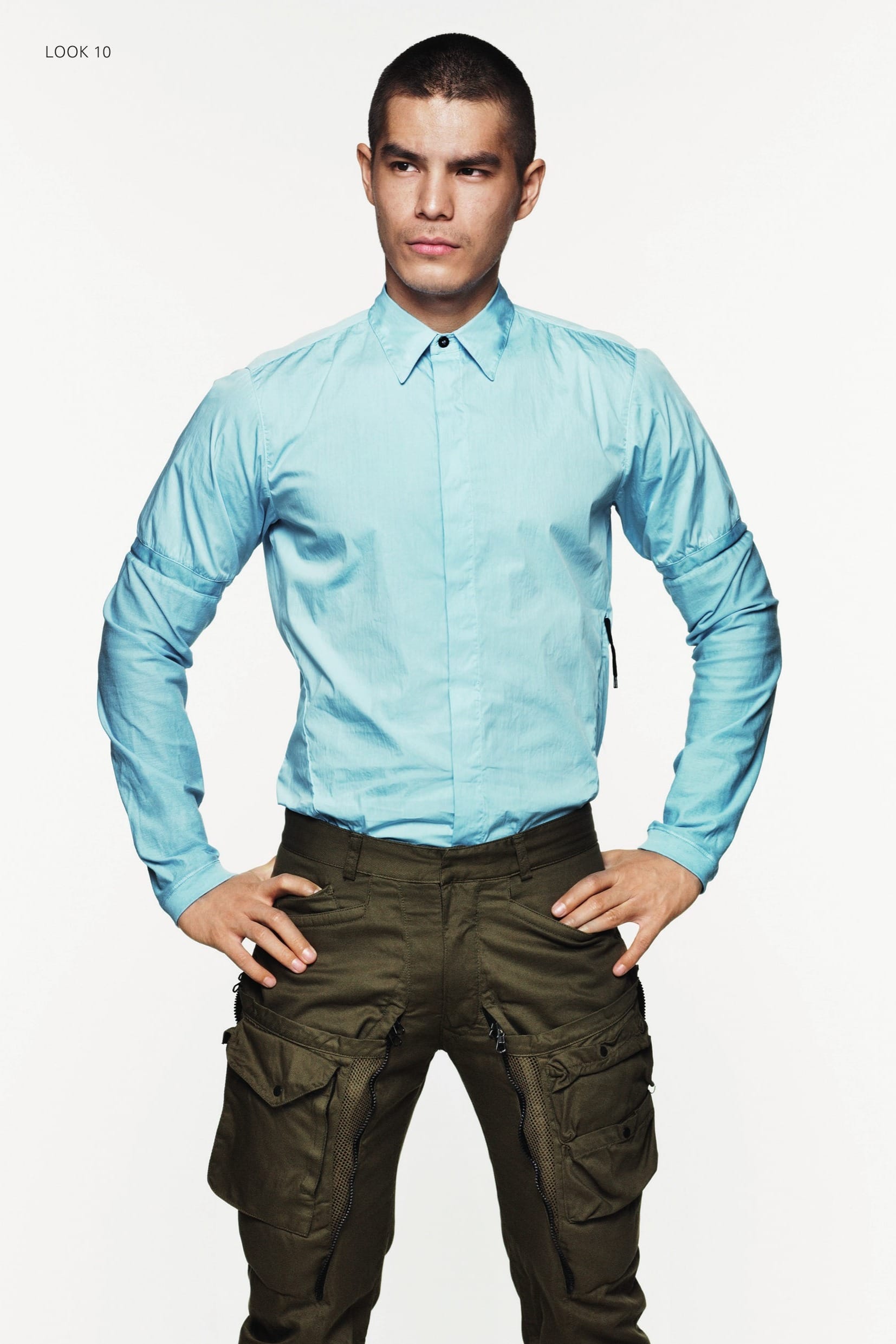
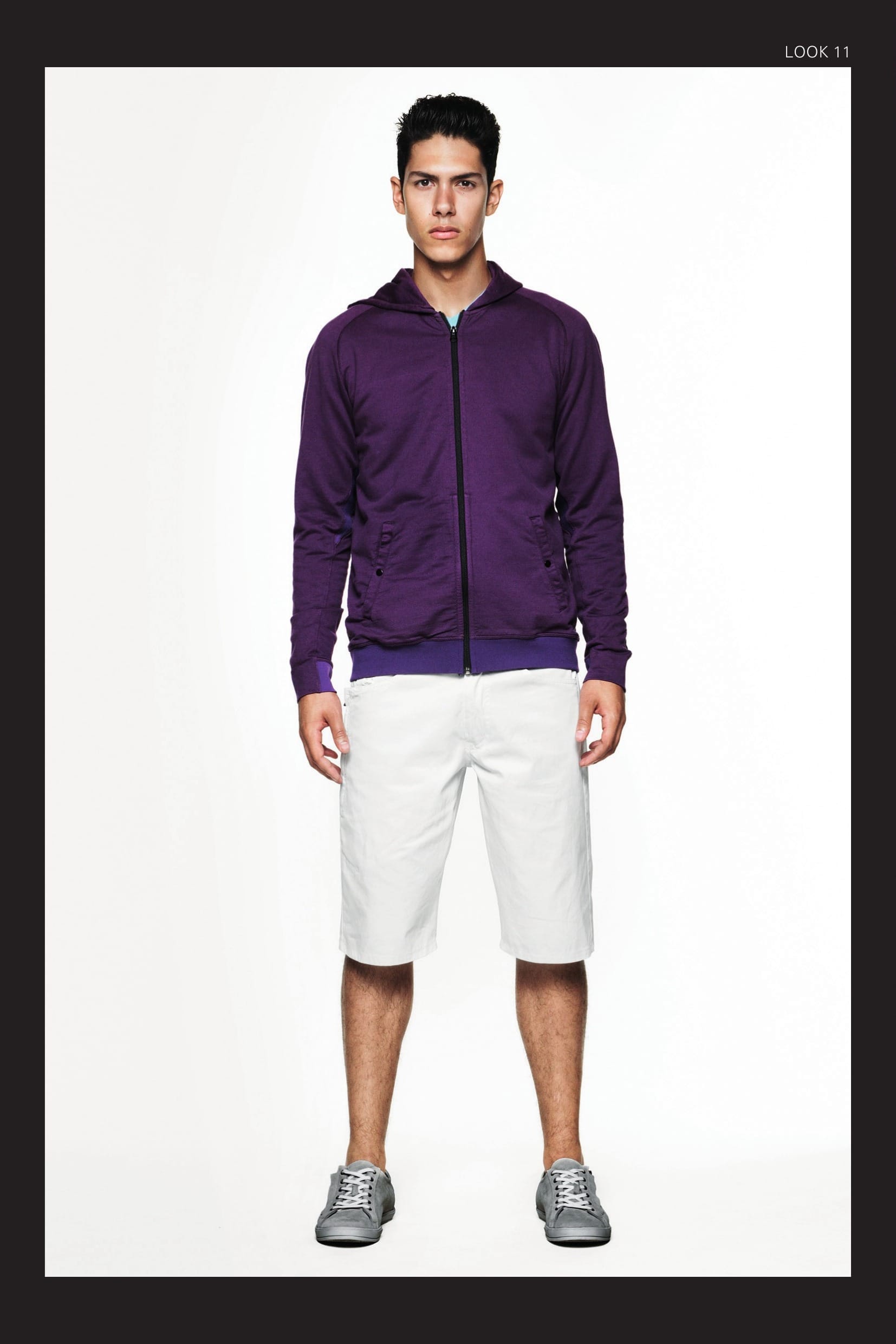
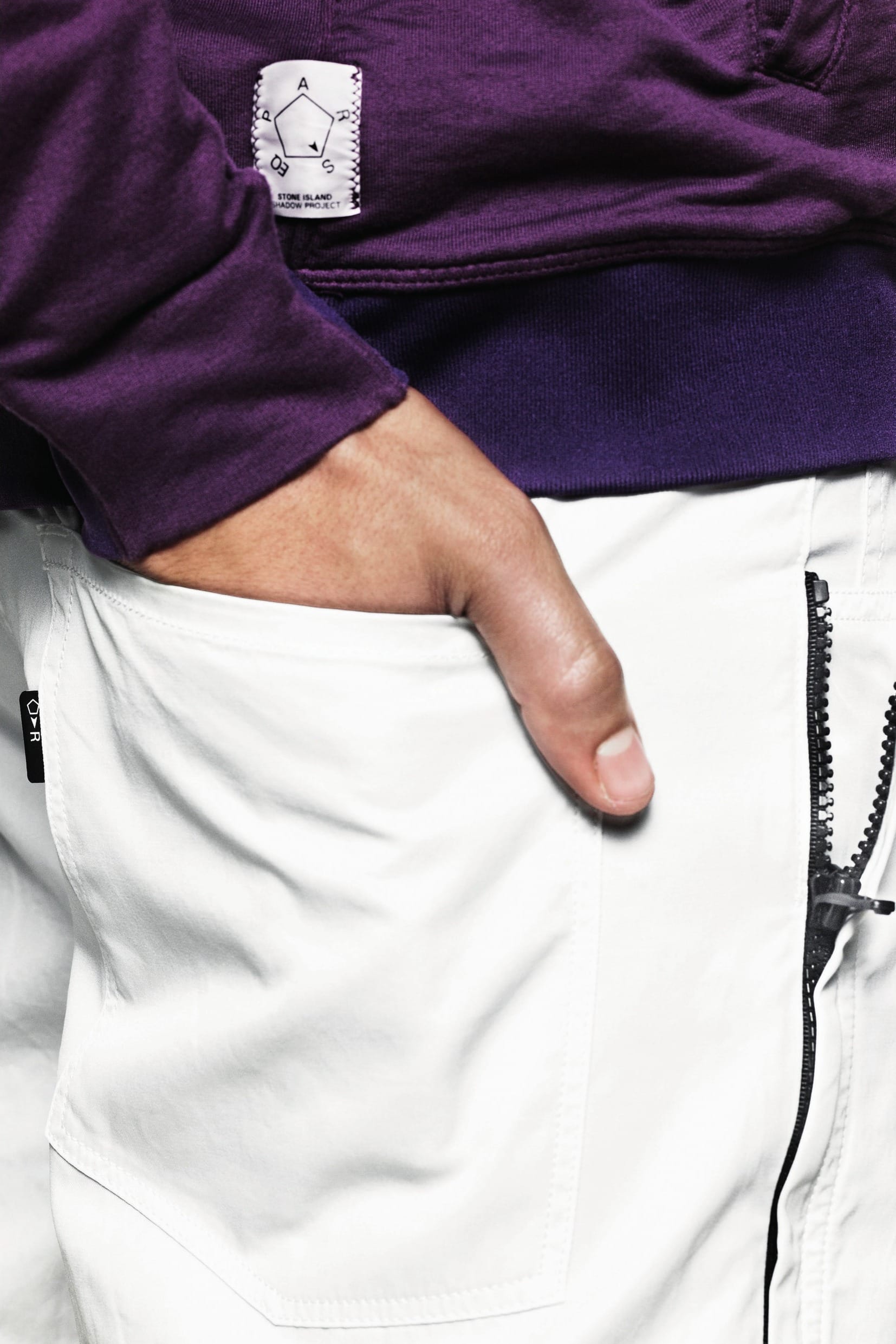
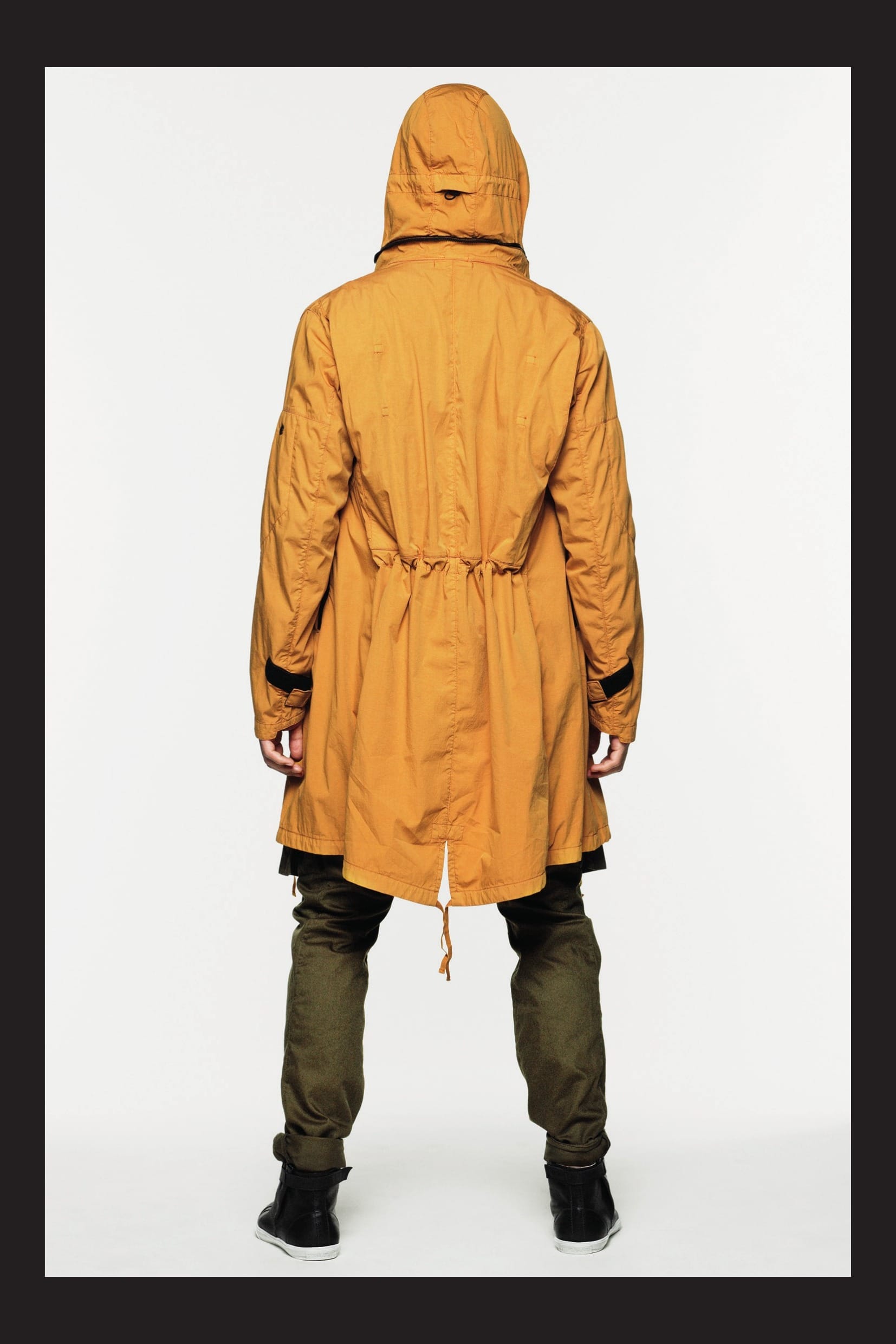
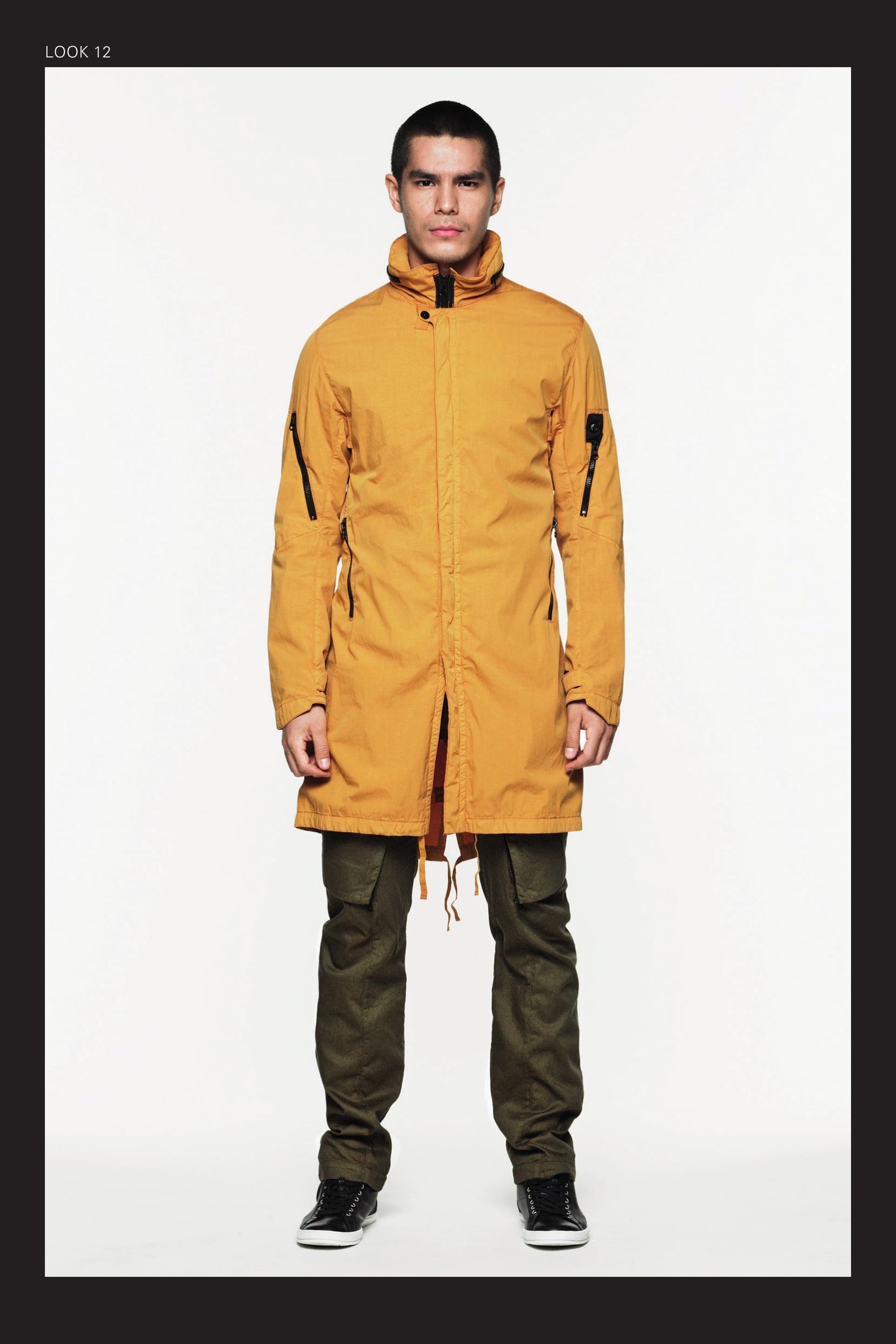
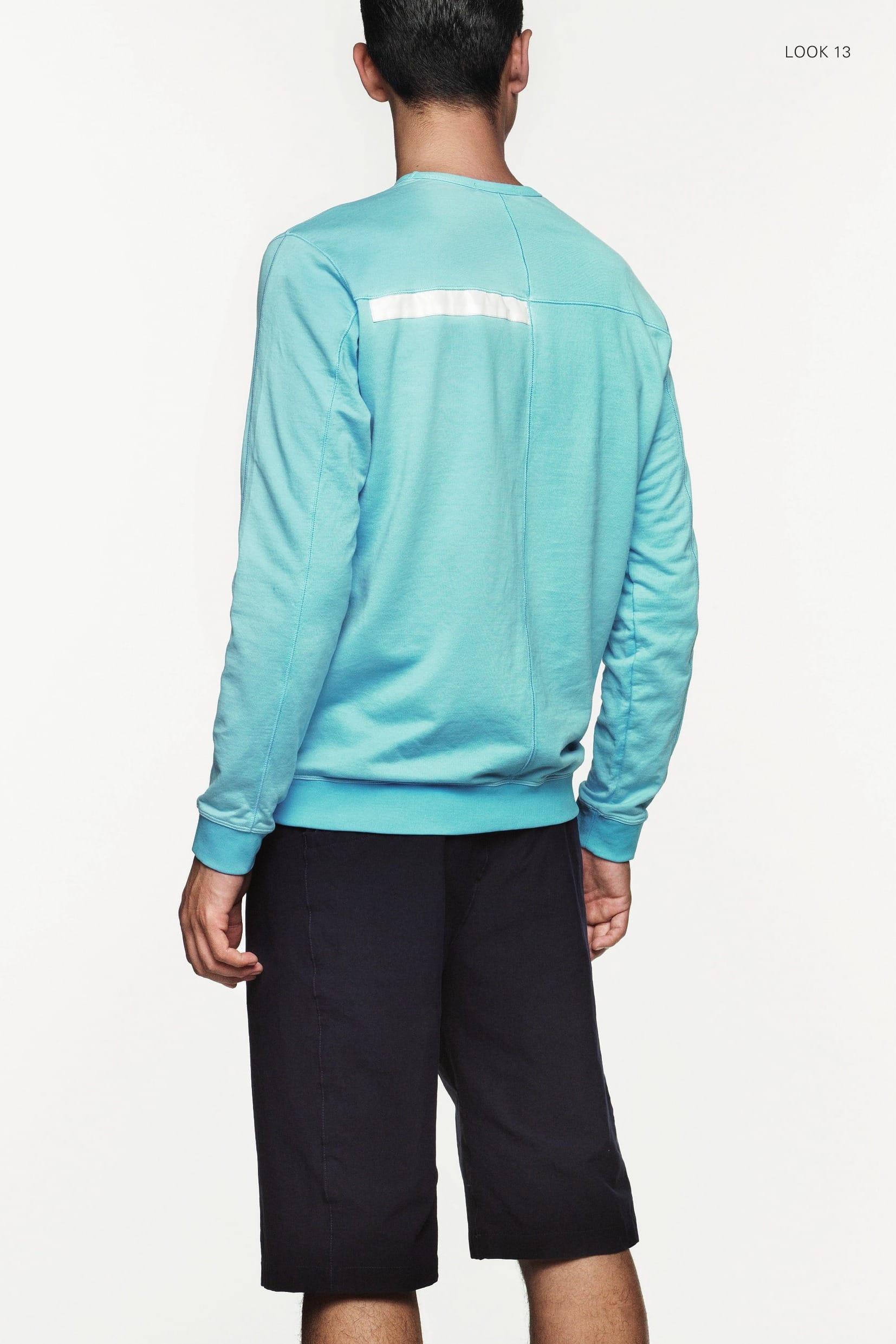
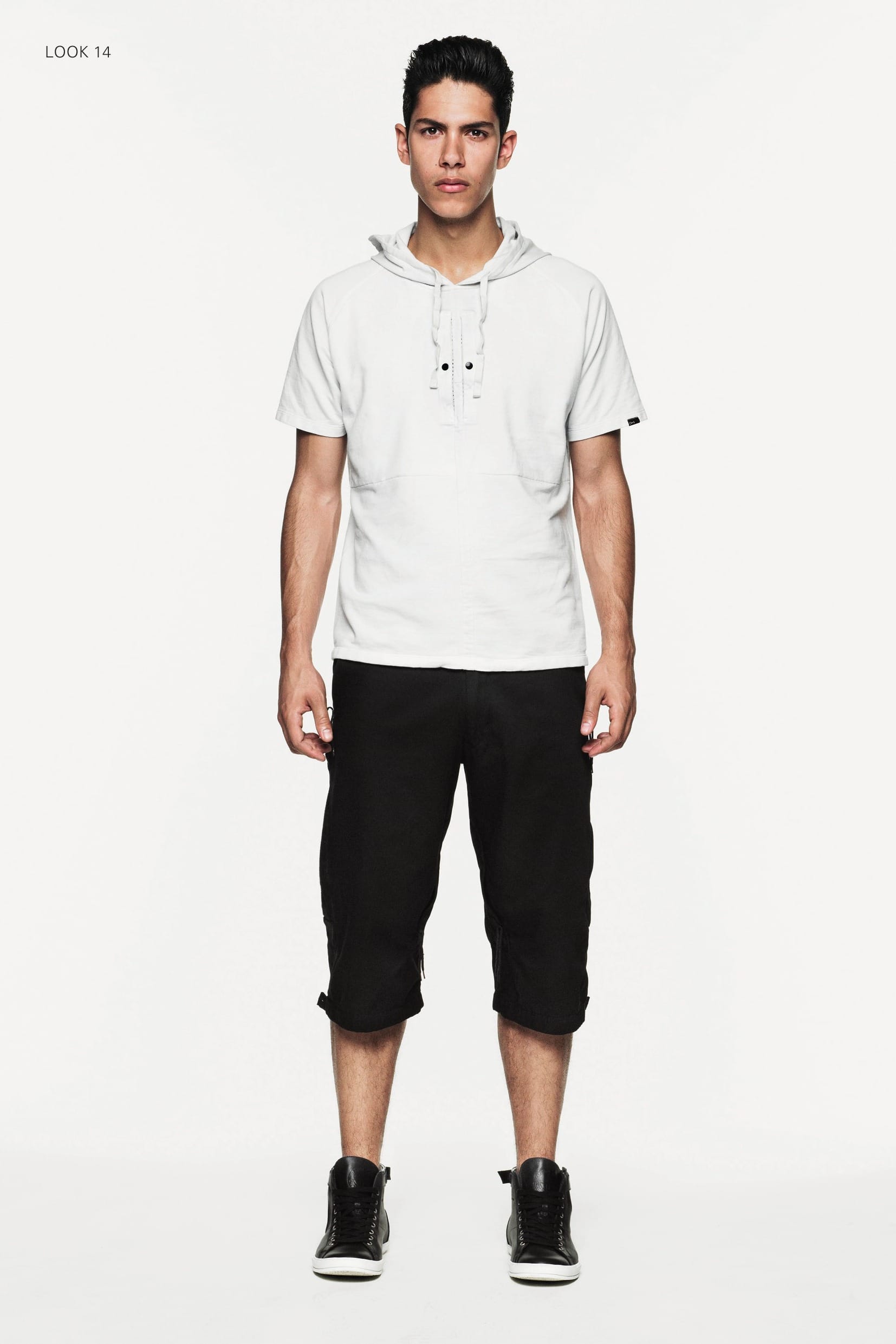
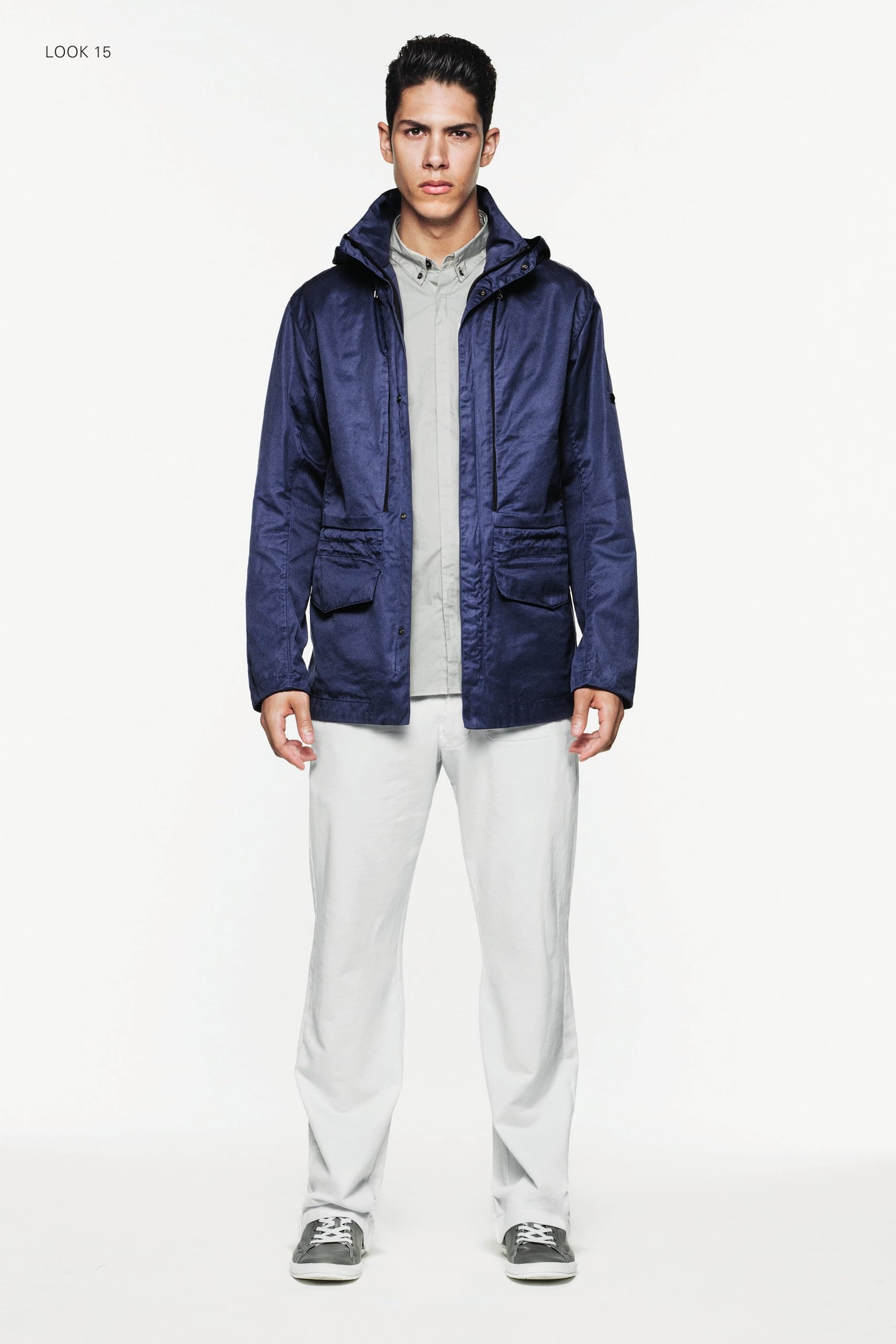
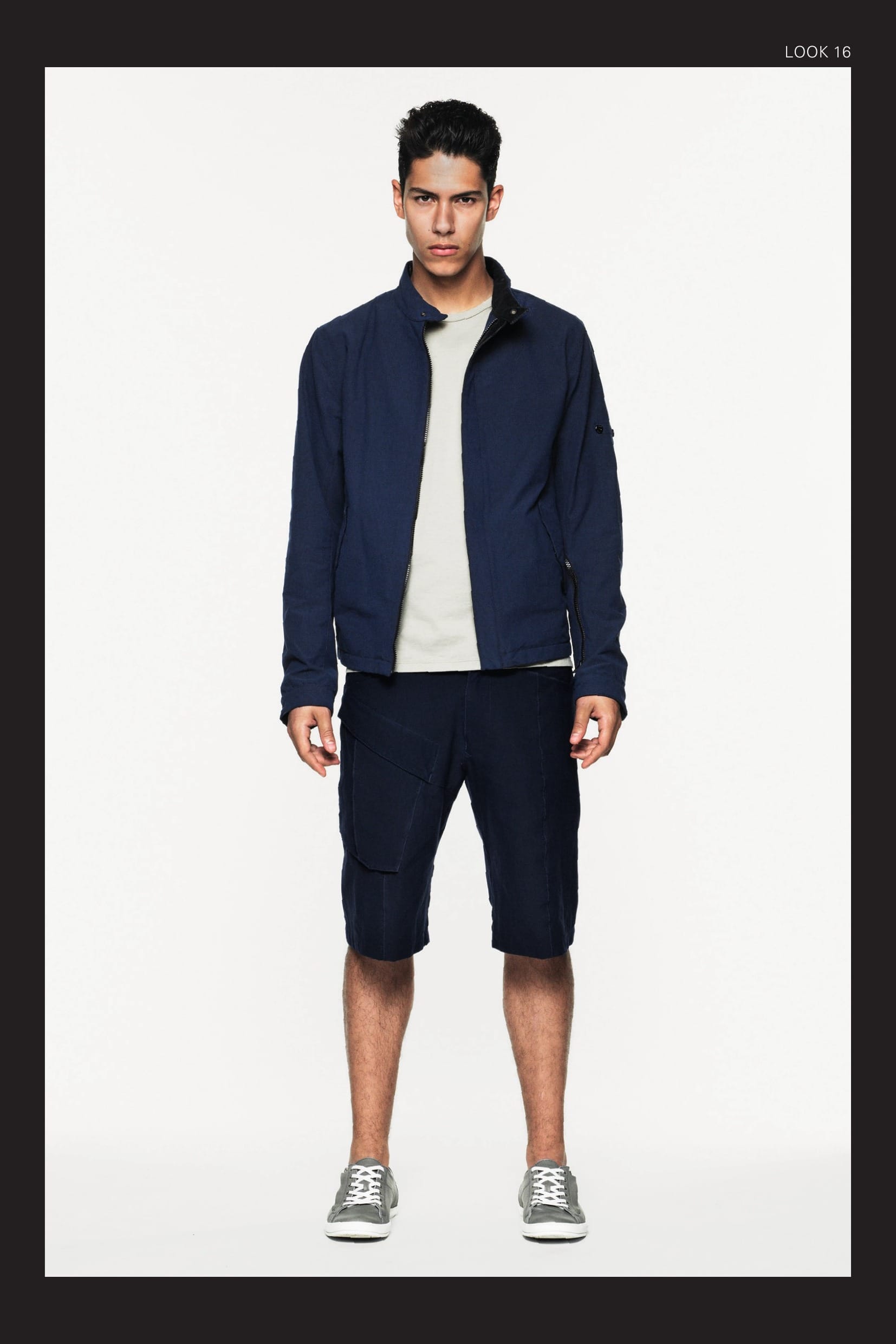
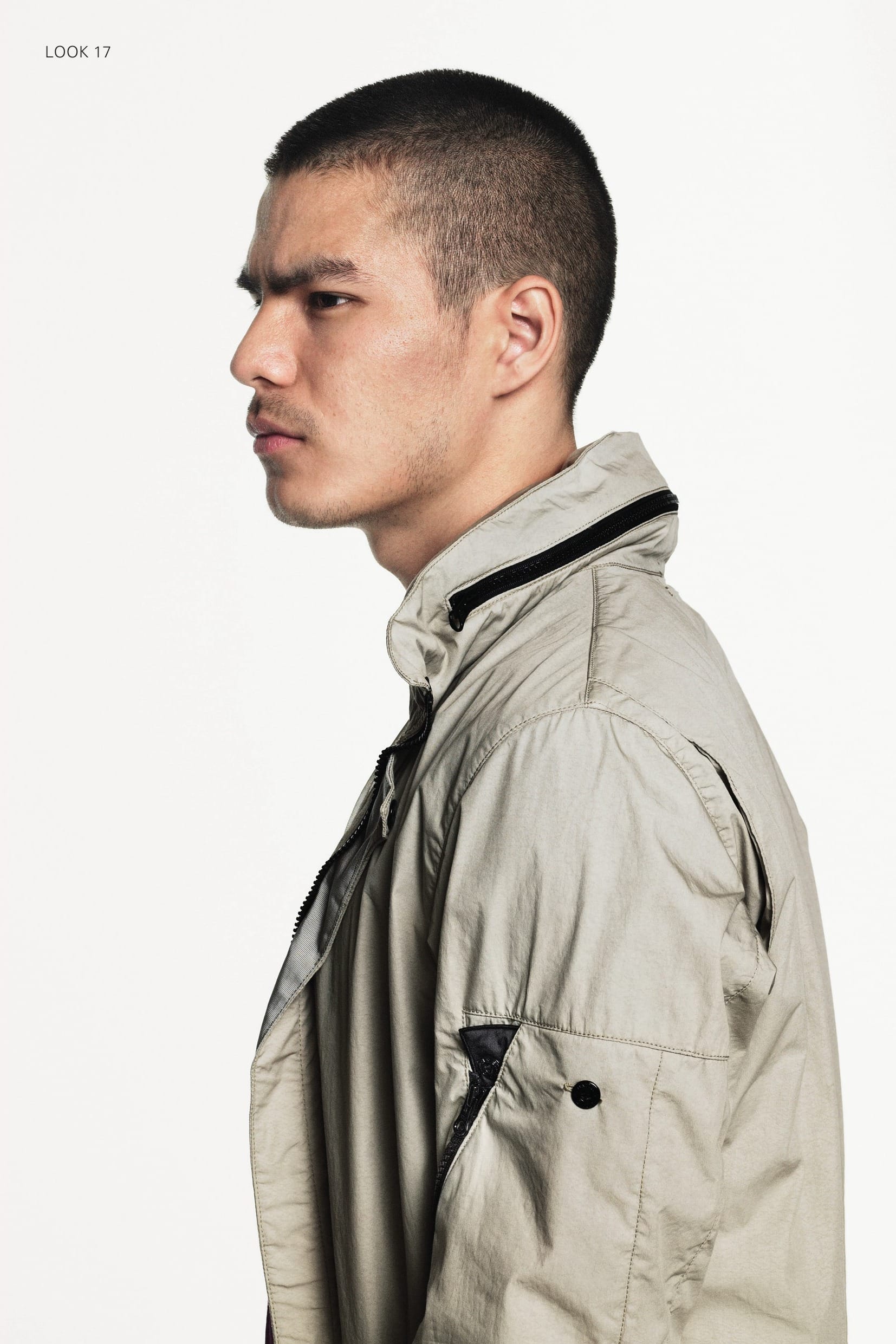
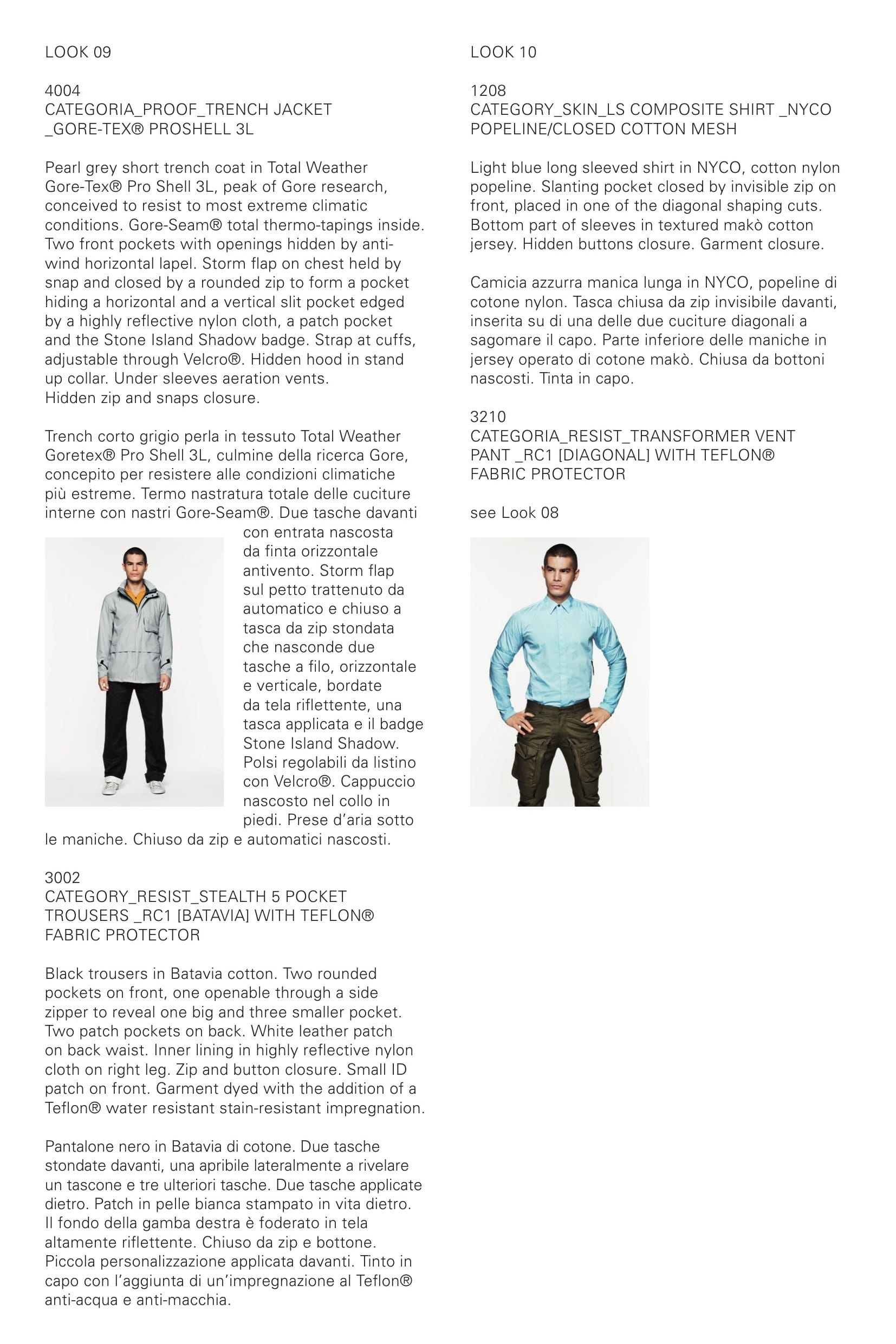
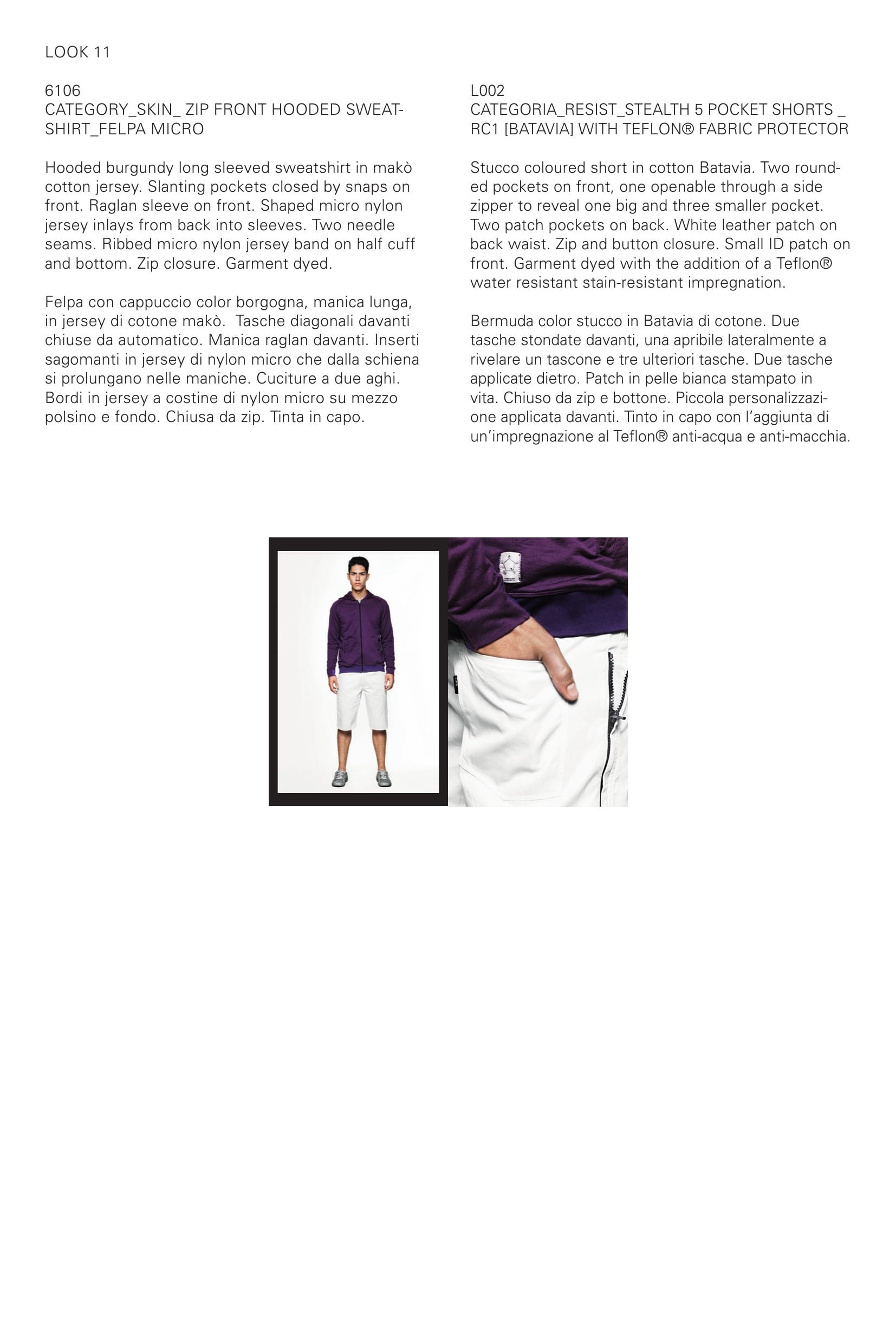
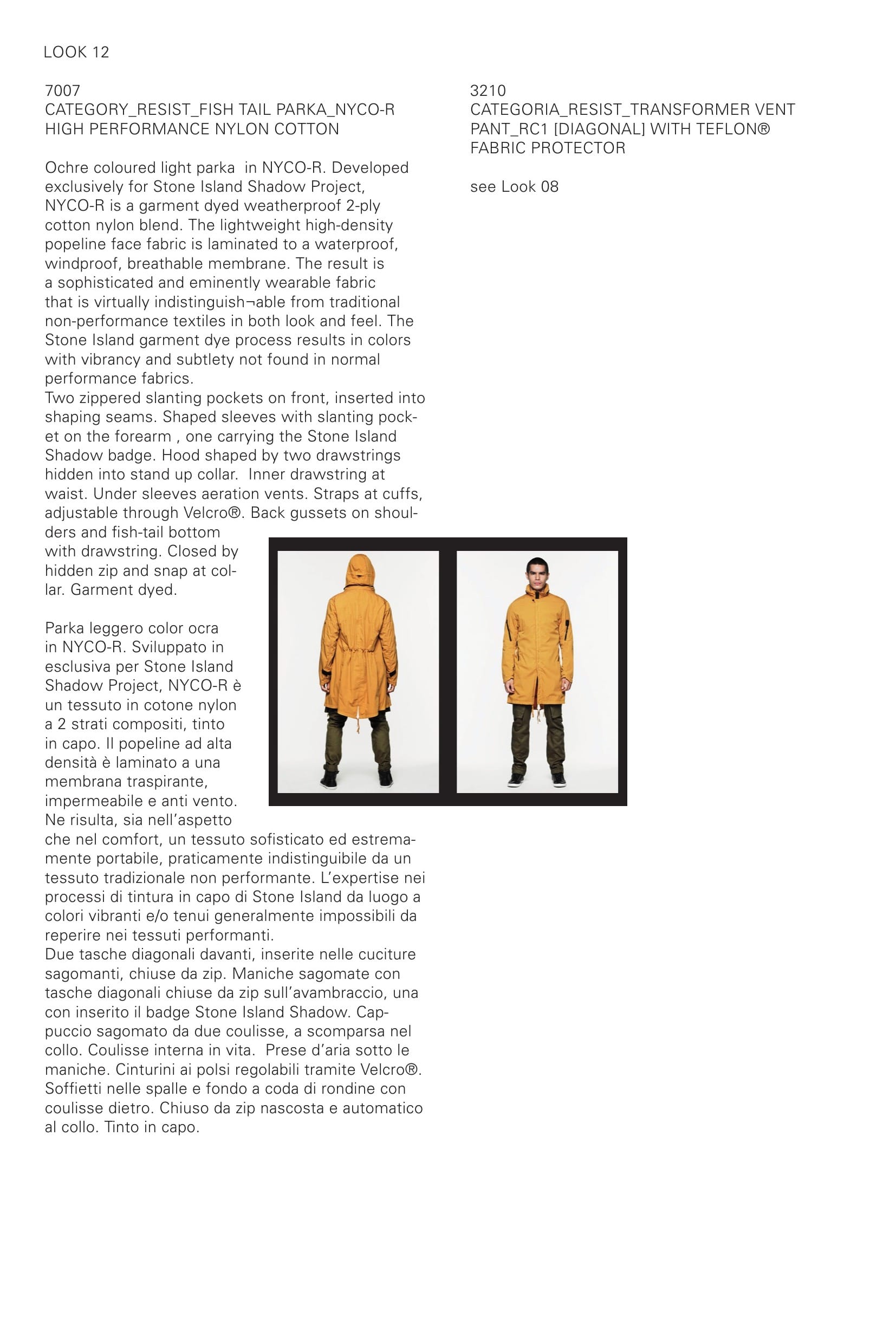
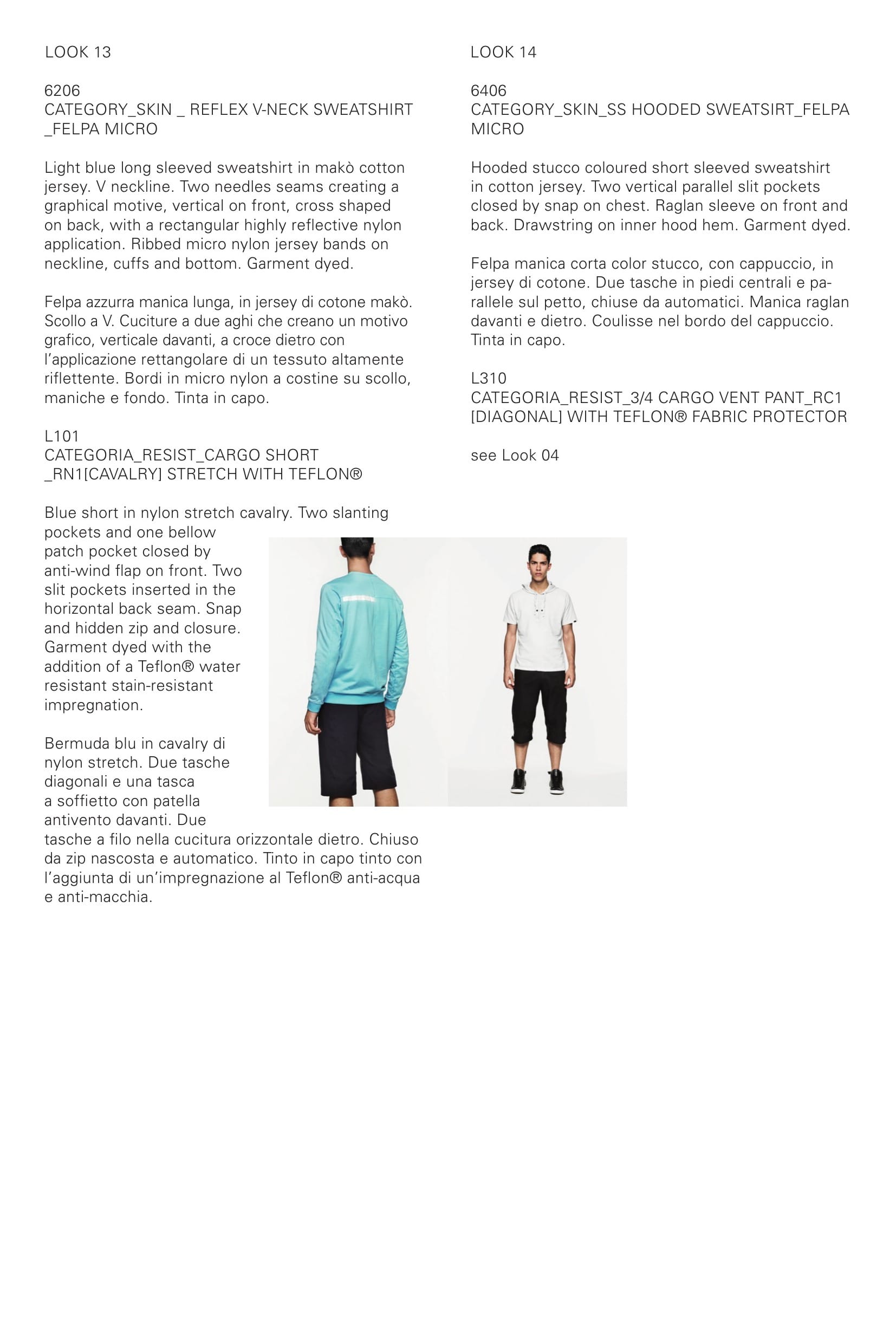
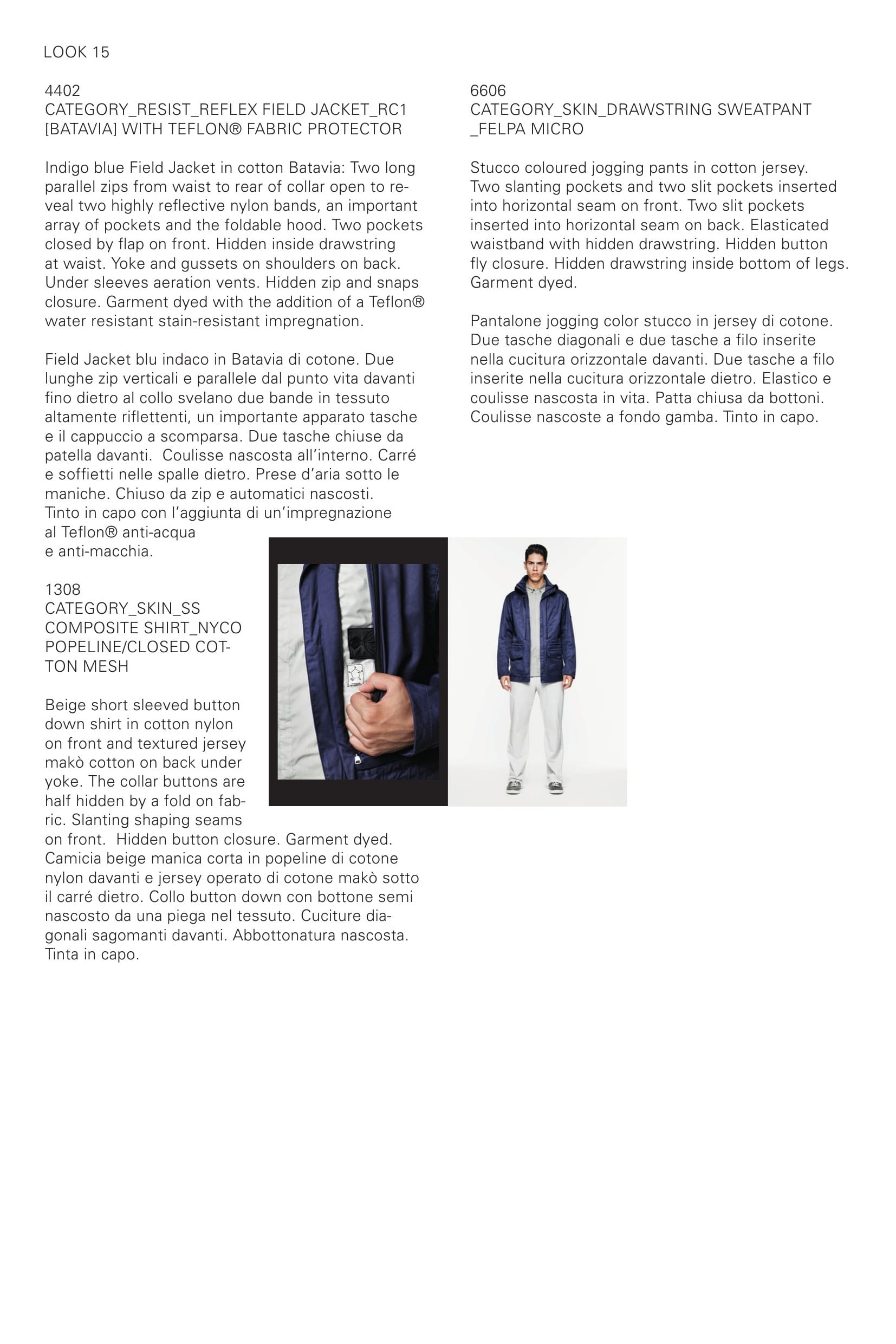
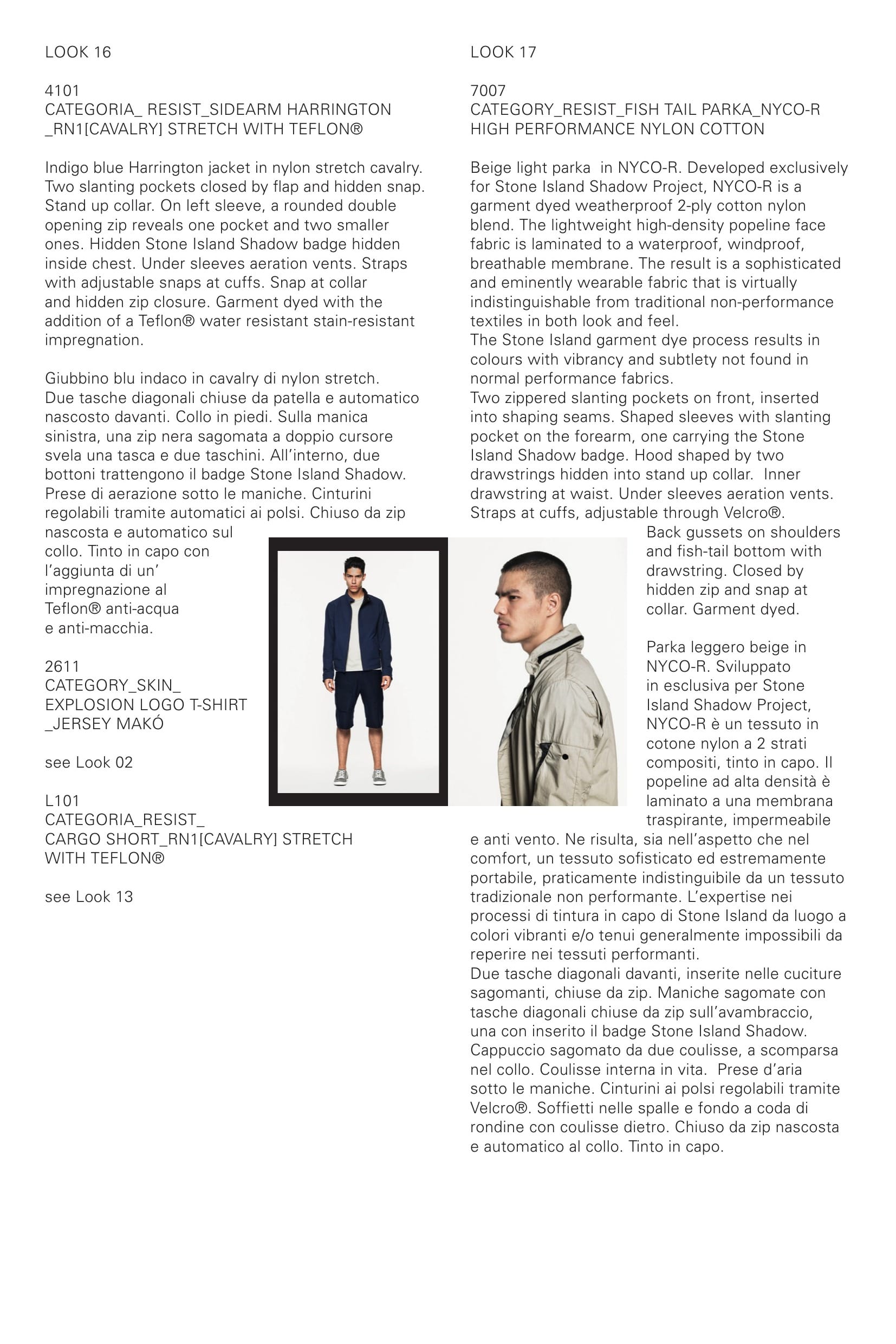
The Stone Island Shadow vector continues with the project's fourth seasonal capsule collection. Fueled by new reactions within the project's original conceptual core, fresh manifestations of fabric, style, detail, and interface emerge as the lightest, yet most comprehensive, offering thus far.
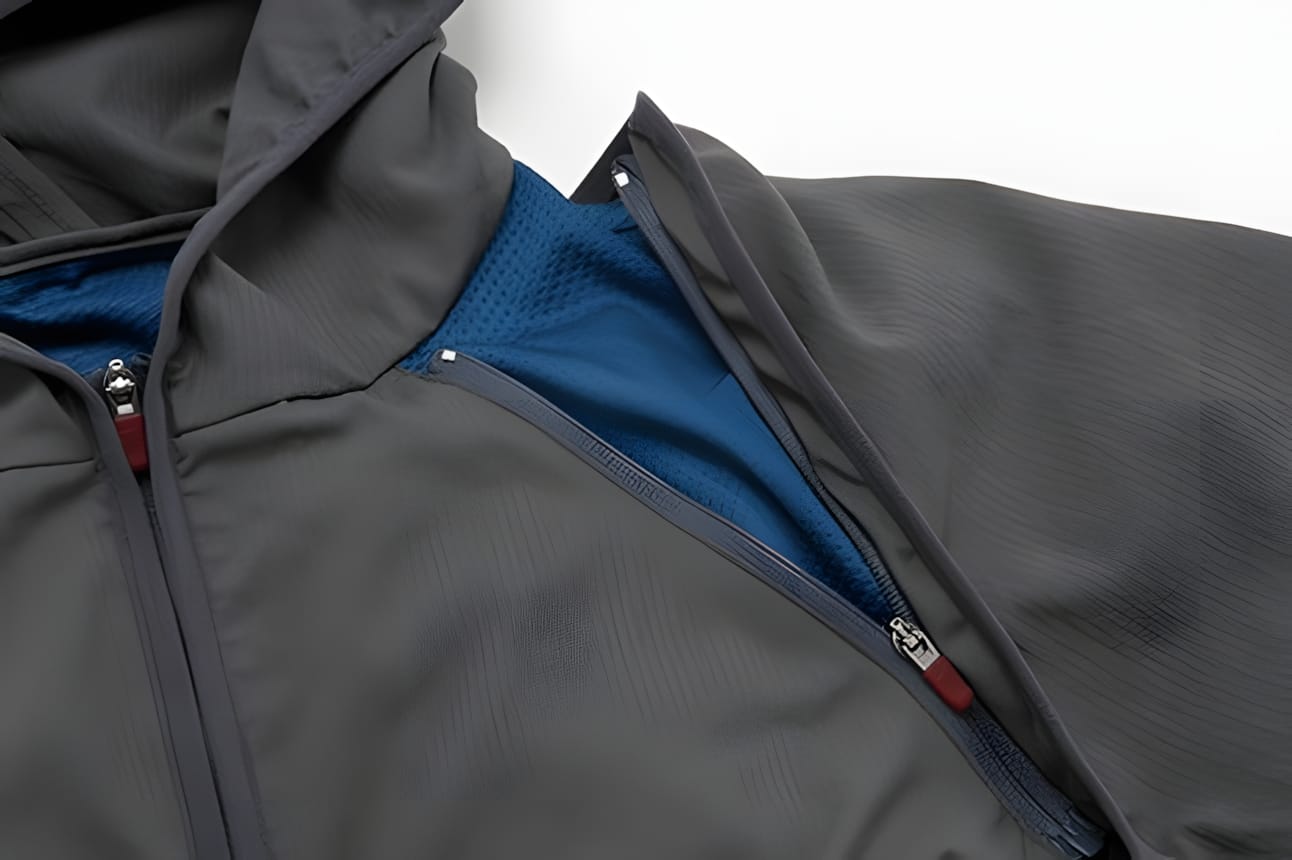
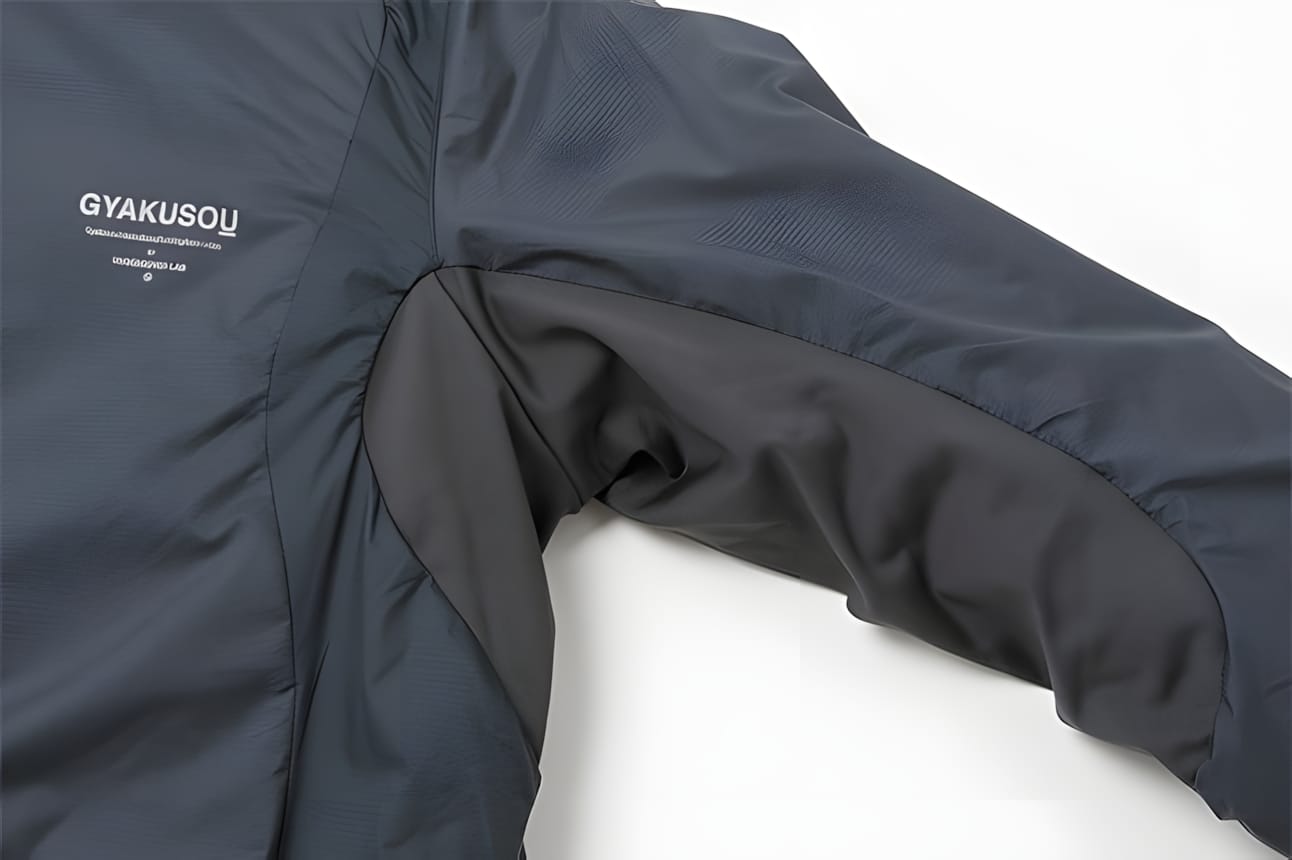
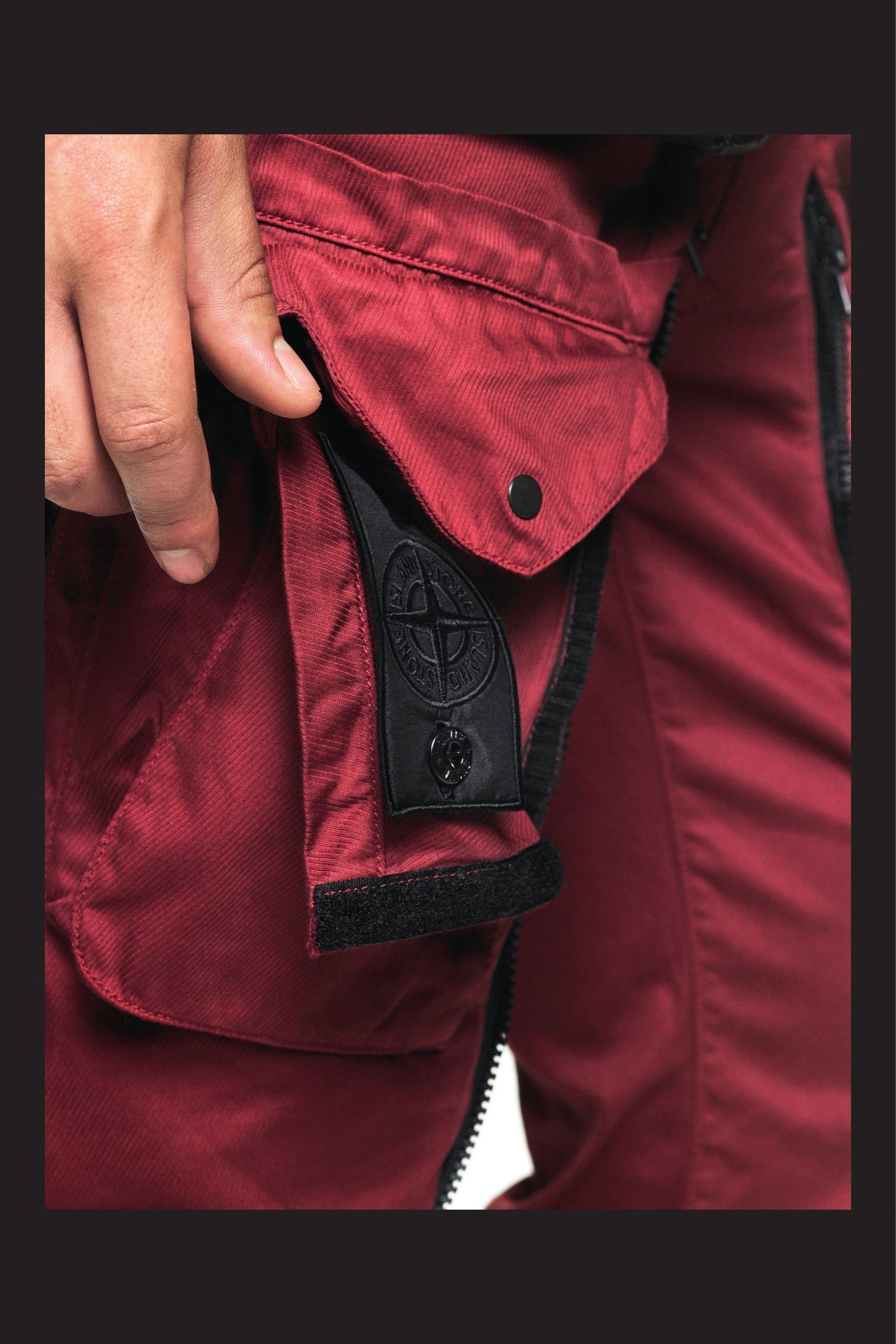
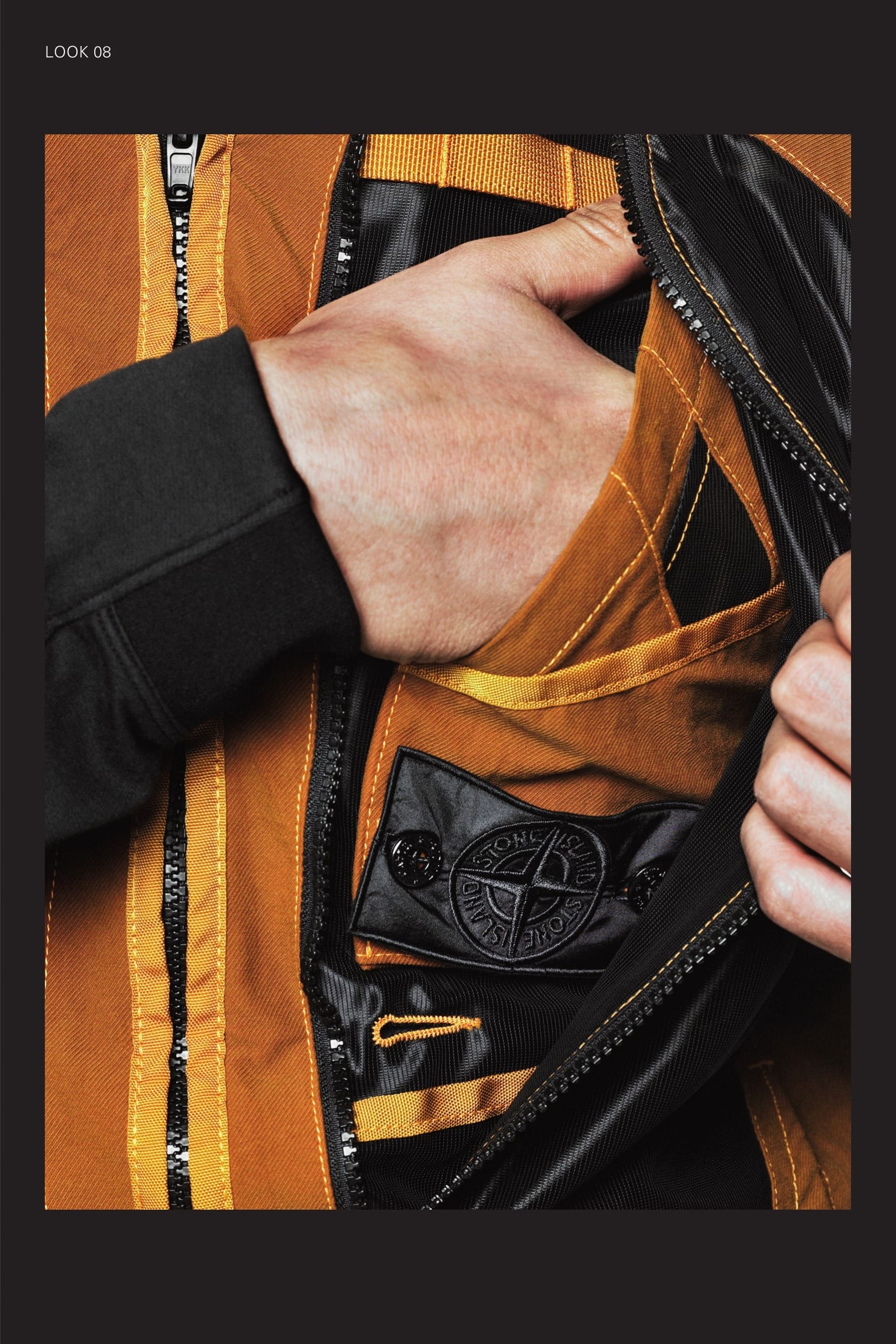
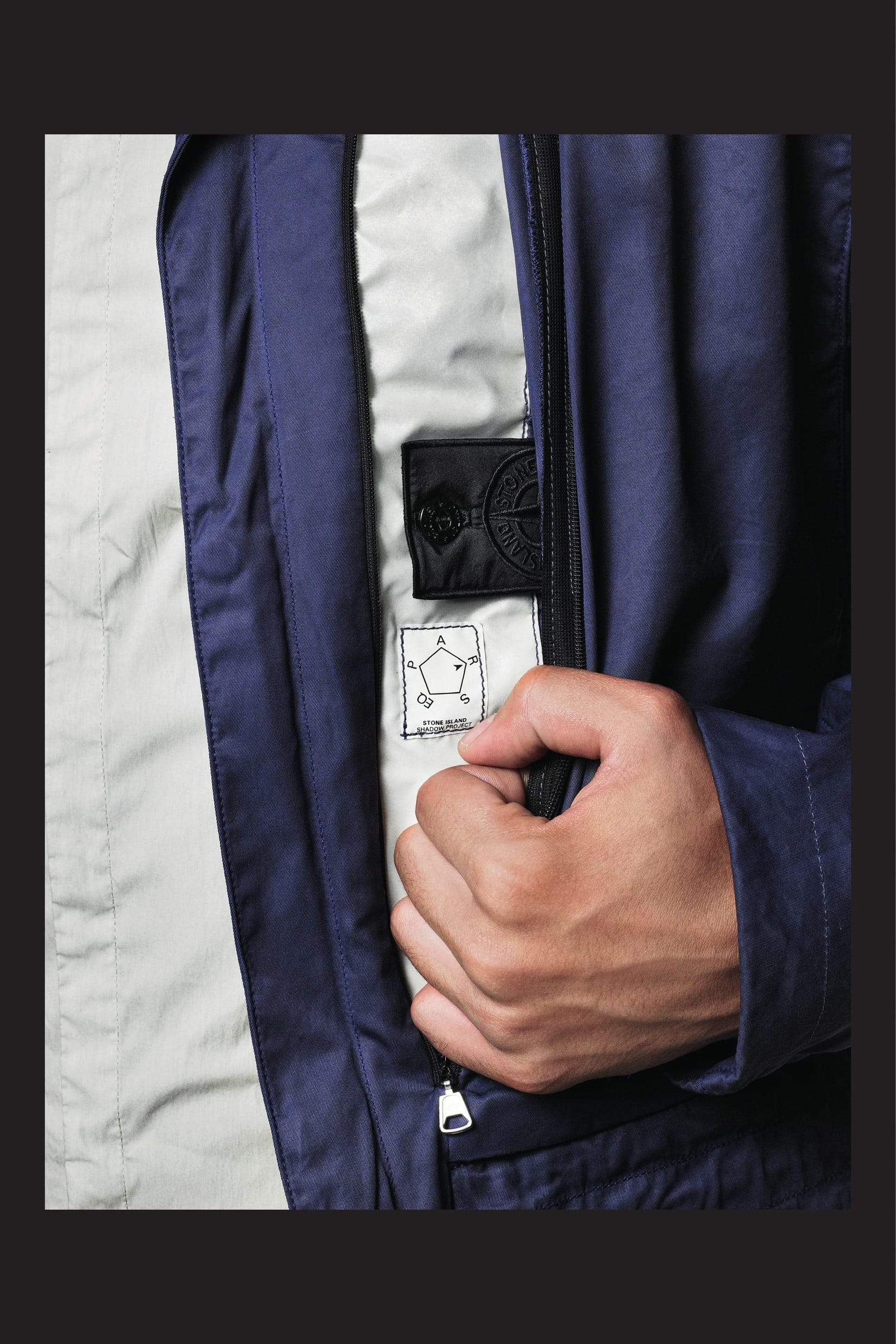
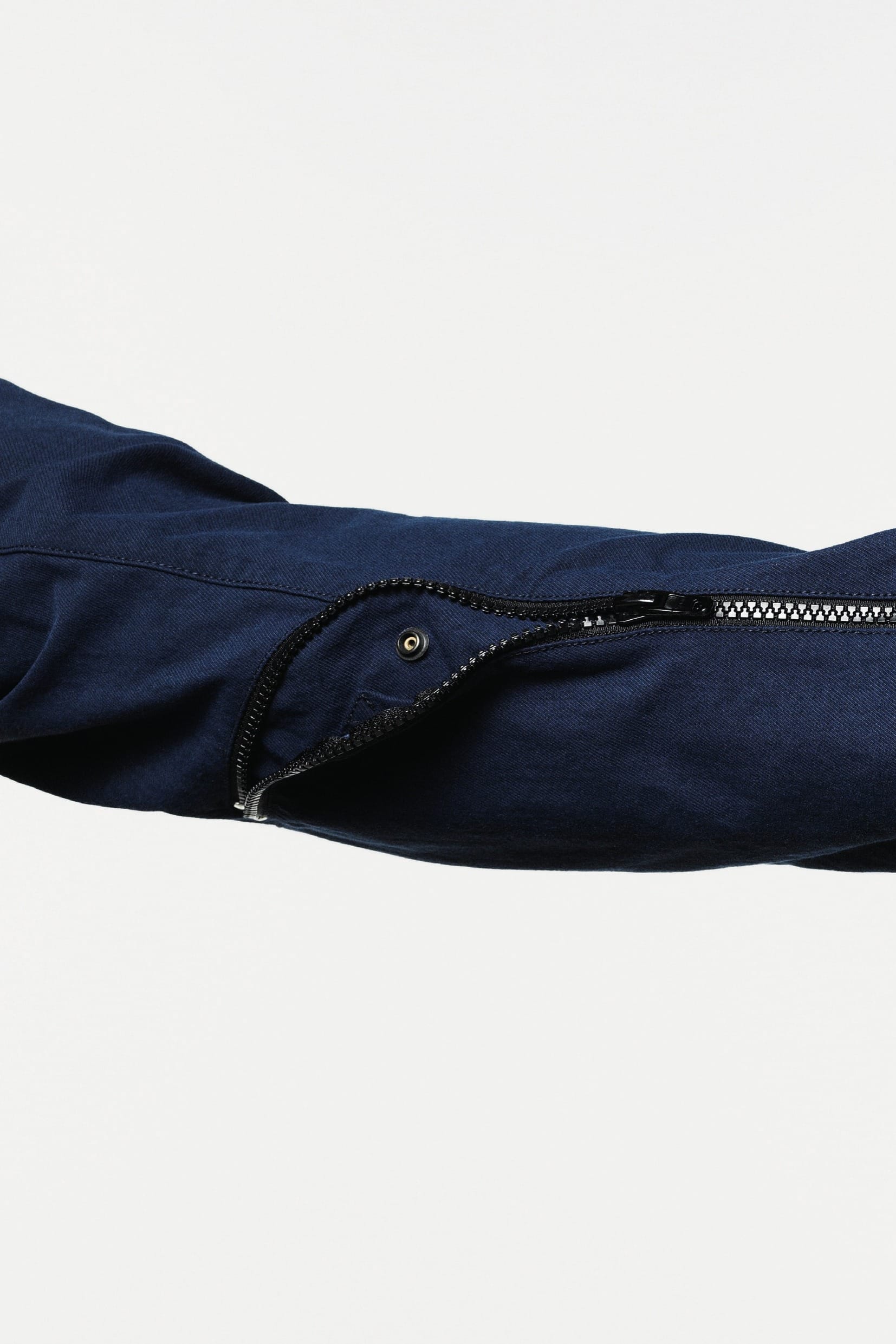
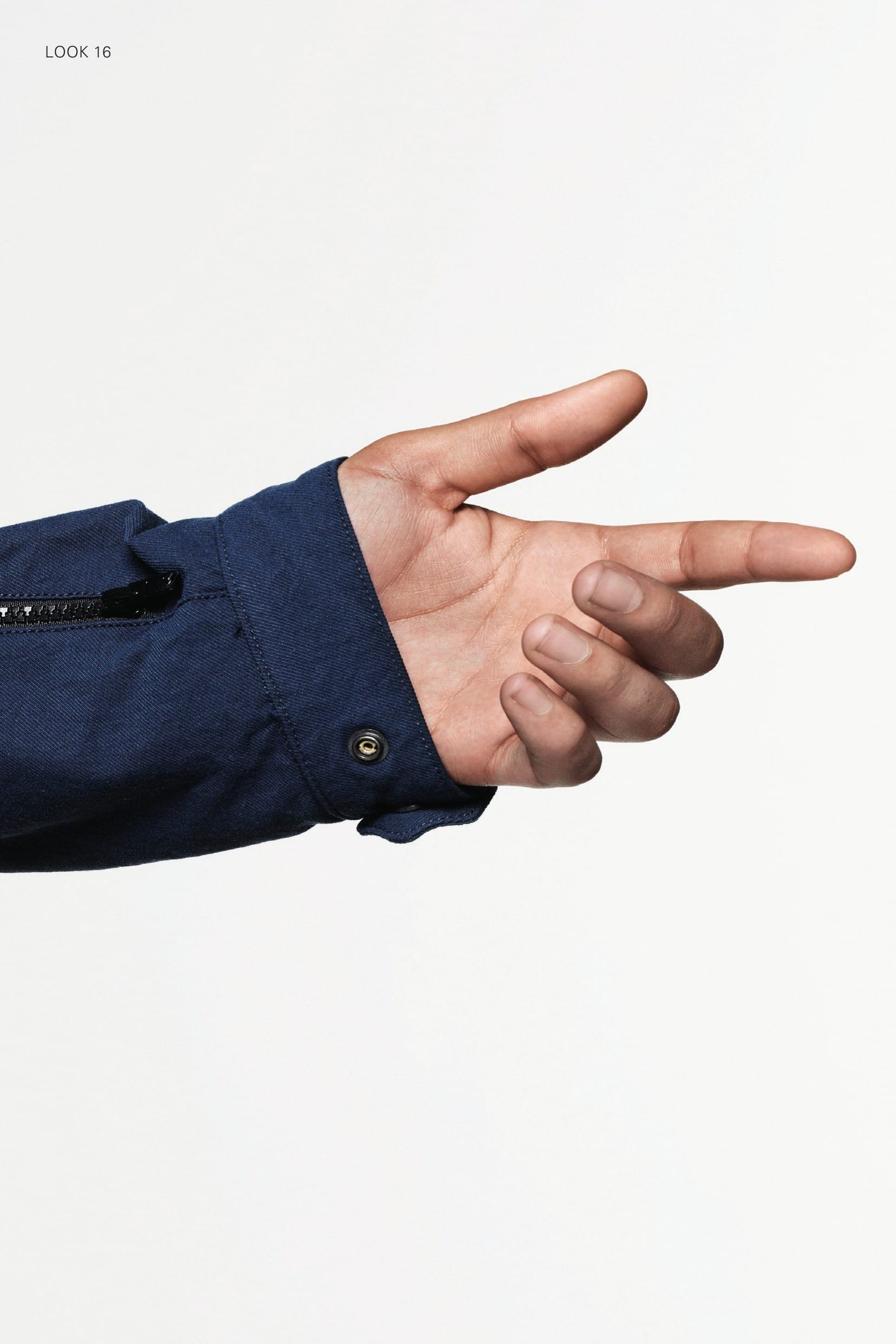
This unique trajectory begins, of course, at a unique point of origin — the inimitable constellation of research and development that is STONE ISLAND. Hidden detail and potential action lies at the heart of each and every Stone Island Shadow style.
Enfolding this in a simpler, softer way, a new focus can be brought to bear on both resolution of shape and fidelity of color. The goal is vibrancy and directness; stripping away the superfluous without sacrificing capability, and the lightness that can only be found by moving through one's environment with zero resistance.
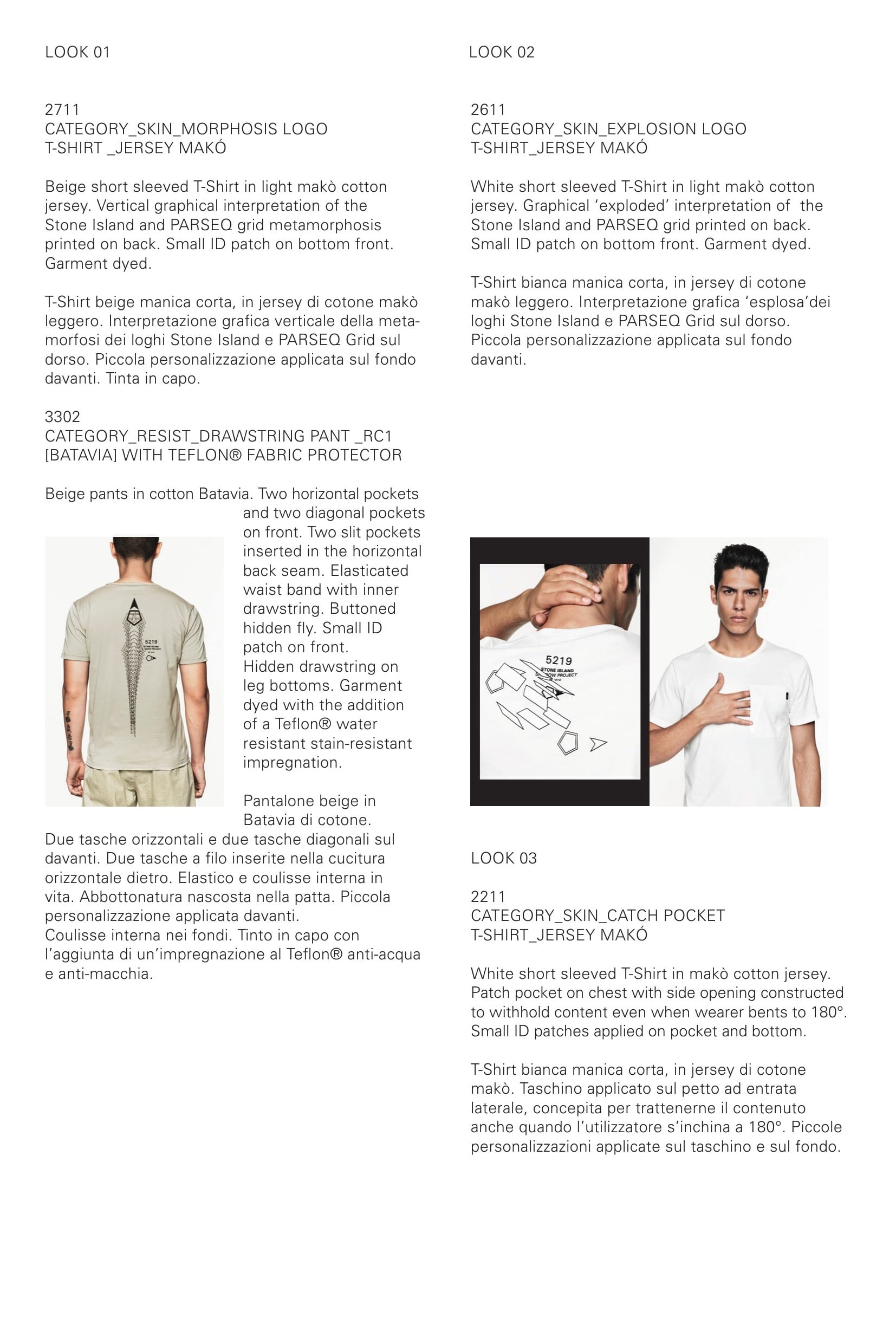
Modular Performance Grid, PARSEQ is the organizational framework upon which the idea is built: PROOF, AUGMENT, RESIST, SKIN and EQUIP. All Shadow fabrics work together as part of the grid — breathable, moisture managing, skin-friendly and maintainable — chosen for their balance of performance technology and the aesthetic treatments for which Stone Island has been known since its inception.



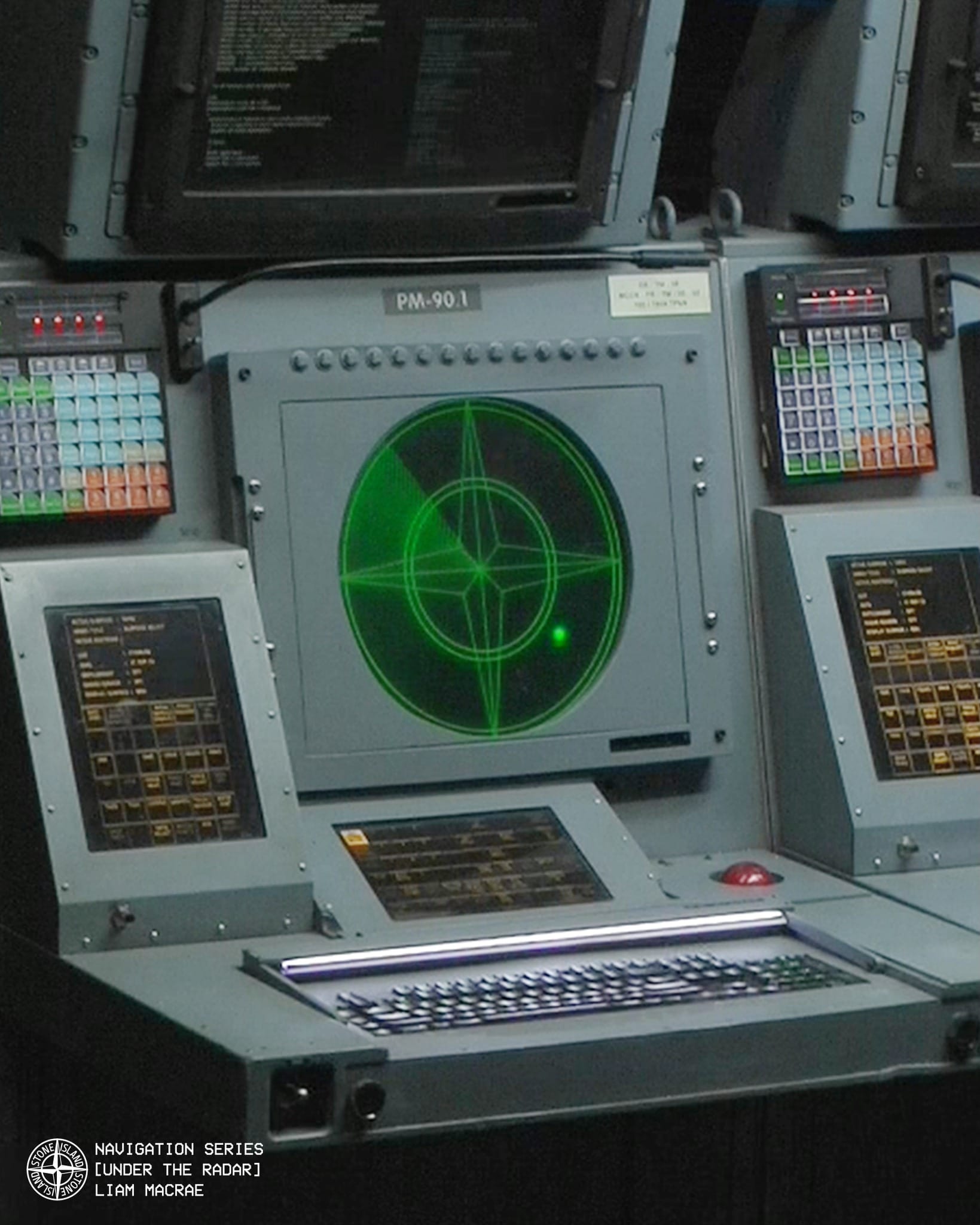
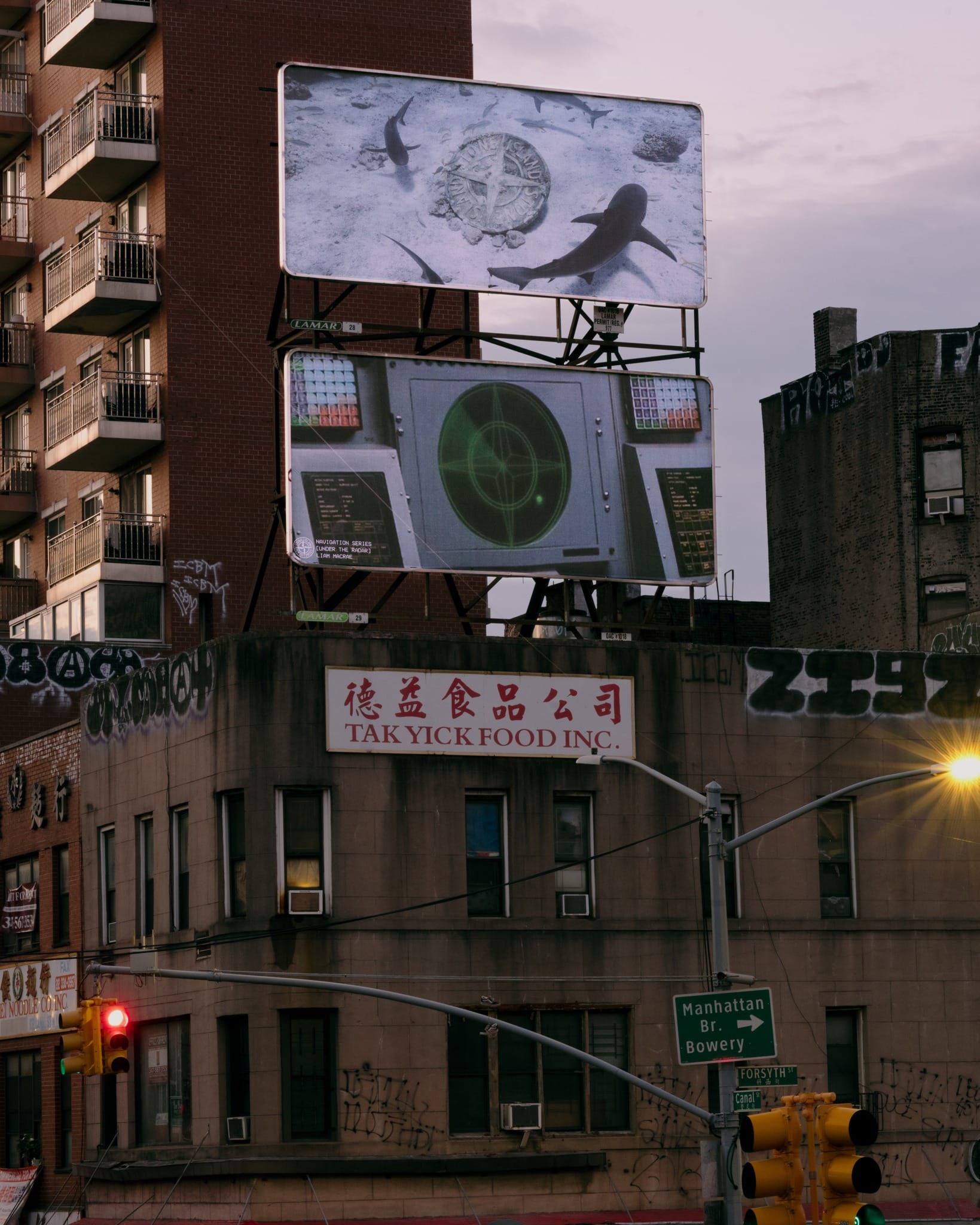
![stone island navigation series [under the radar] by liam macrae](https://storage.ghost.io/c/14/ee/14eef3be-ca5a-434b-8324-fa1f874026f1/content/images/size/w300/2025/09/stone-island-navigation-series-under-the-radar-liam-macrae-techspec-02.jpg)
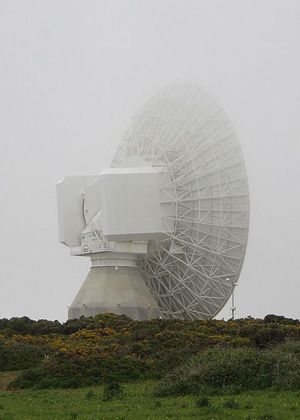
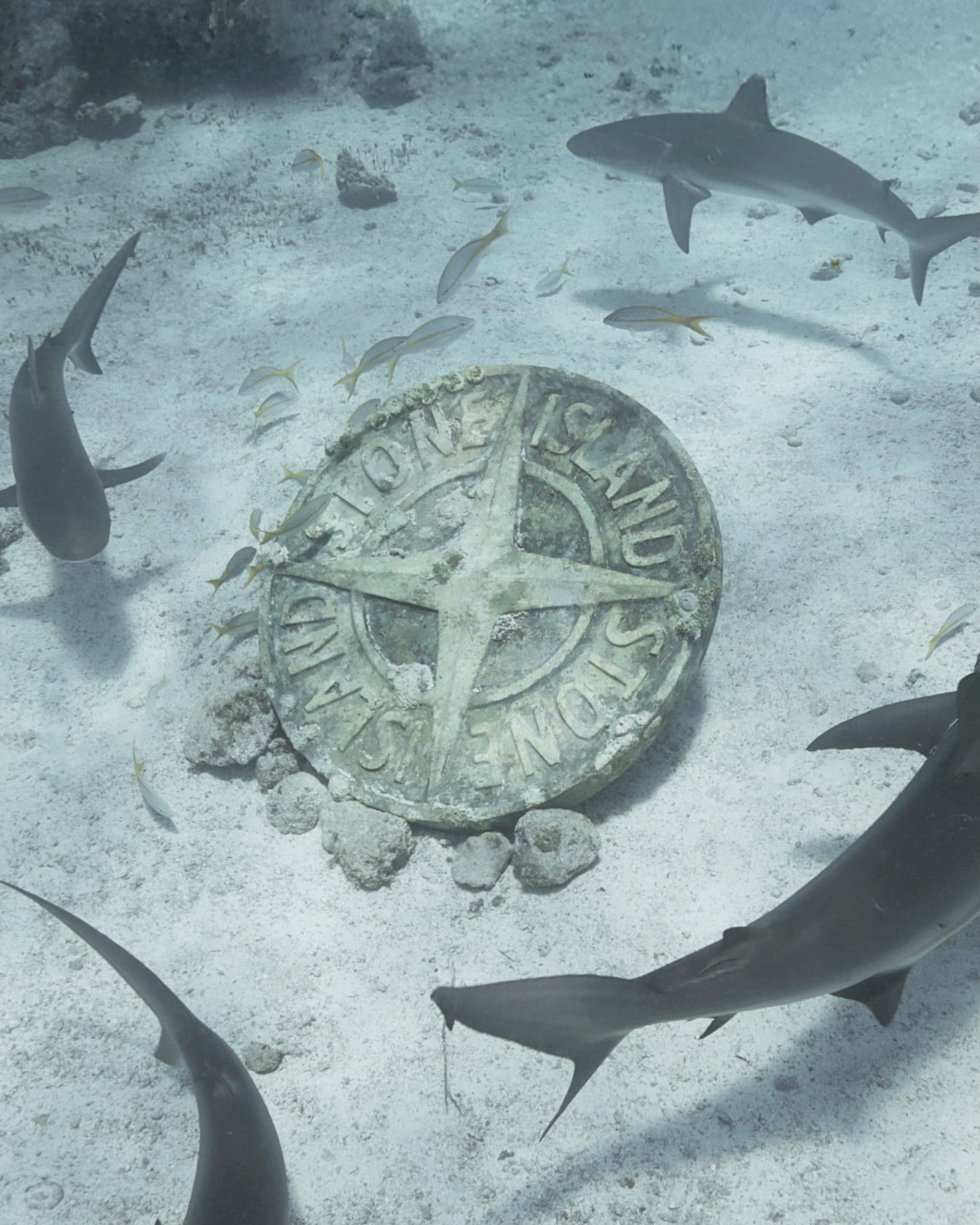
Stone Island’'s Navigation Series: Under the Radar by Liam MacRae examines sonar, signal, and instinct in aquatic navigation. Radar sweeps above are mirrored by sharks circling below, drawn to a submerged emblem that acts as both marker and transmission. The study observes how symbol and frequency converge—technology tracing, nature responding.
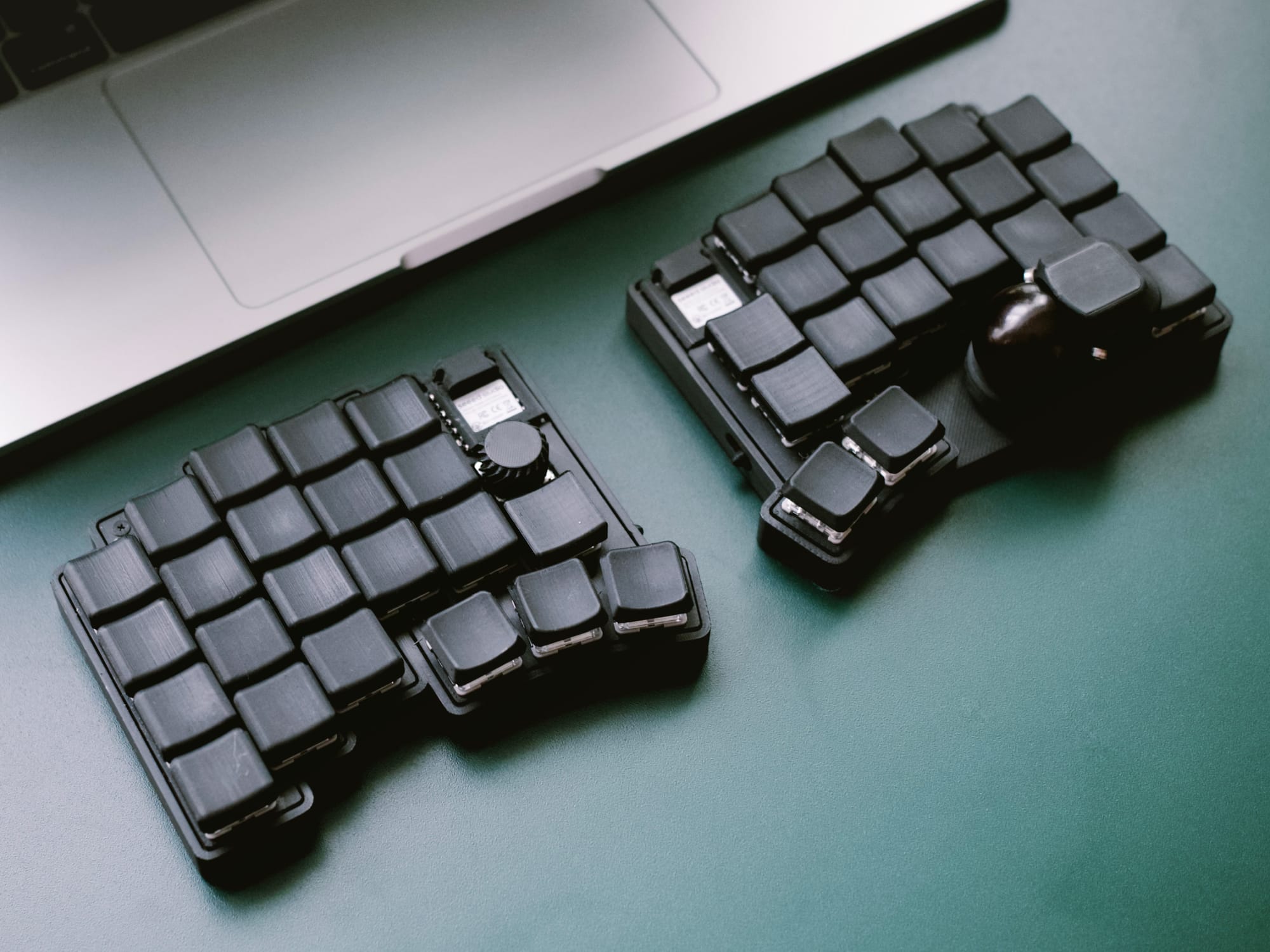
The Inspired by kumakey’s “roBa,” the moNa2 is a small wireless split keyboard developed by shakupan and pooh.polo, designed to keep a desk feeling open and unclaimed. Two compact halves sit apart with a quiet gap between them, leaving room for a notebook or tools without forcing a single, monolithic footprint.
The layout is restrained: low, close spacing with a built-in thumb-controlled ball that keeps basic navigation under the hand instead of pushing you toward a mouse. The whole object reads as light hardware rather than a centerpiece, favors packing and redeploying—such as magnets on the underside so the halves can join together for transport.
It runs wire-free and is meant to be adjusted over time rather than treated as a fixed appliance. Typical usage notes describe it lasting roughly a couple of weeks of frequent daily use before needing attention again, with the exact cadence depending on how it’s set up and used.
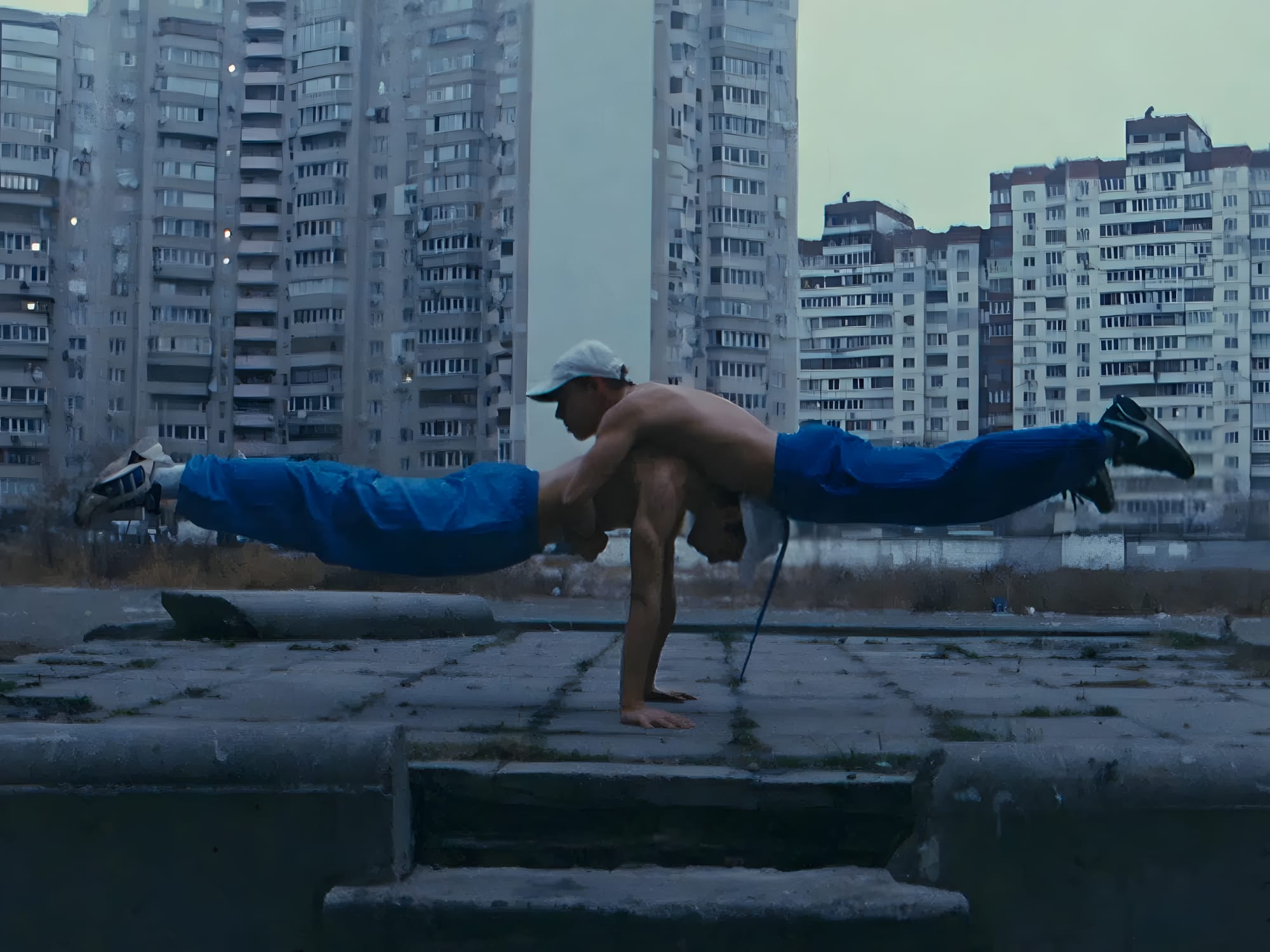
Gordon von Steiner’s “Troya” is a visually striking short film set in the Troieshchyna neighborhood of Kyiv, known for its stark Soviet-era architecture. The film explores themes of urban isolation and resilience through a series of compelling and gritty vignettes. Von Steiner’s direction captures the raw and unembellished aesthetics of Troieshchyna, highlighting its dense clusters of monotonous apartment buildings and the lives of its residents. The film juxtaposes the area’s bleak physical environment with moments of unexpected beauty and humanity, creating a powerful narrative that resonates with the viewer .
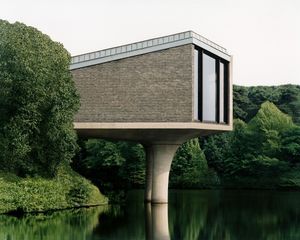
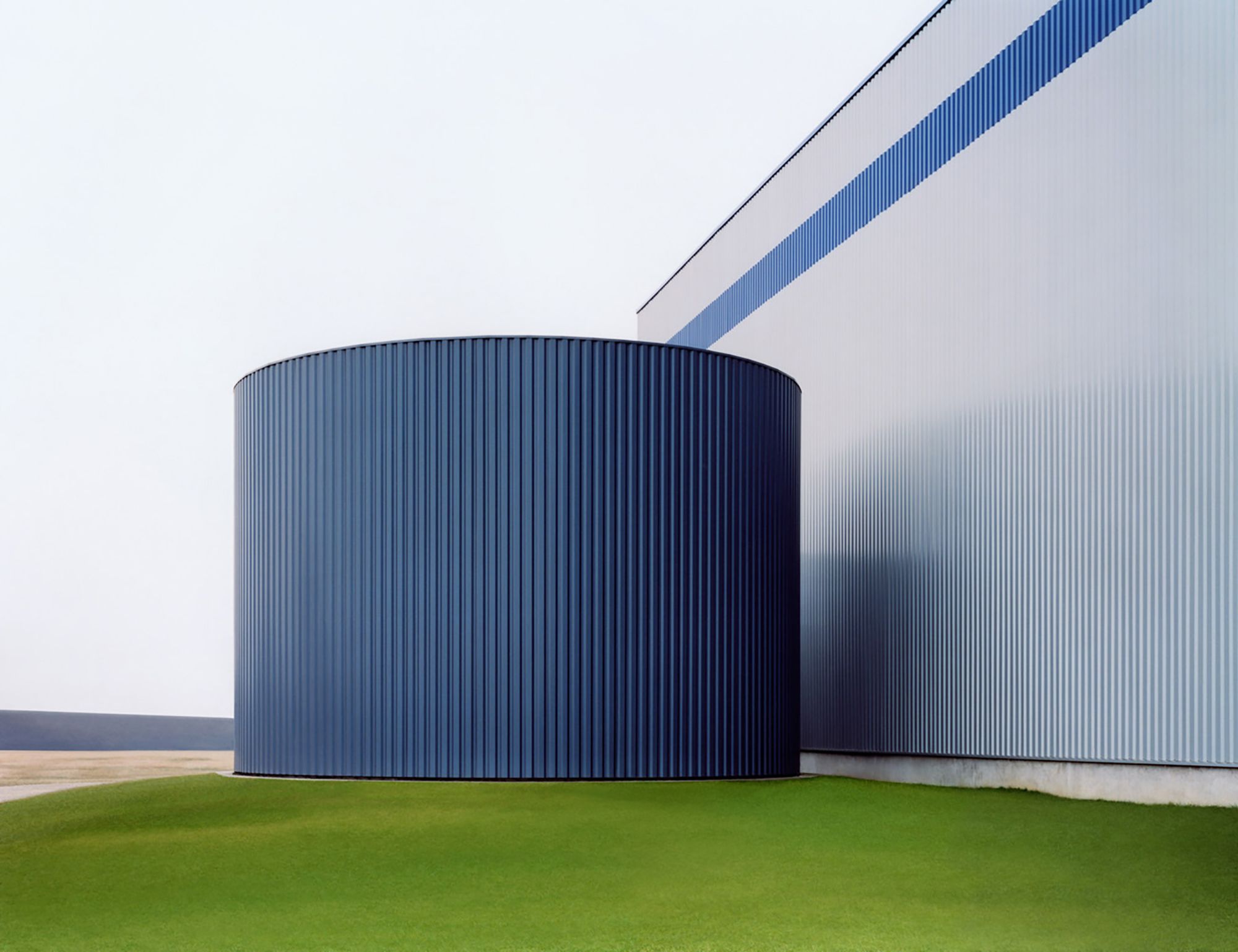
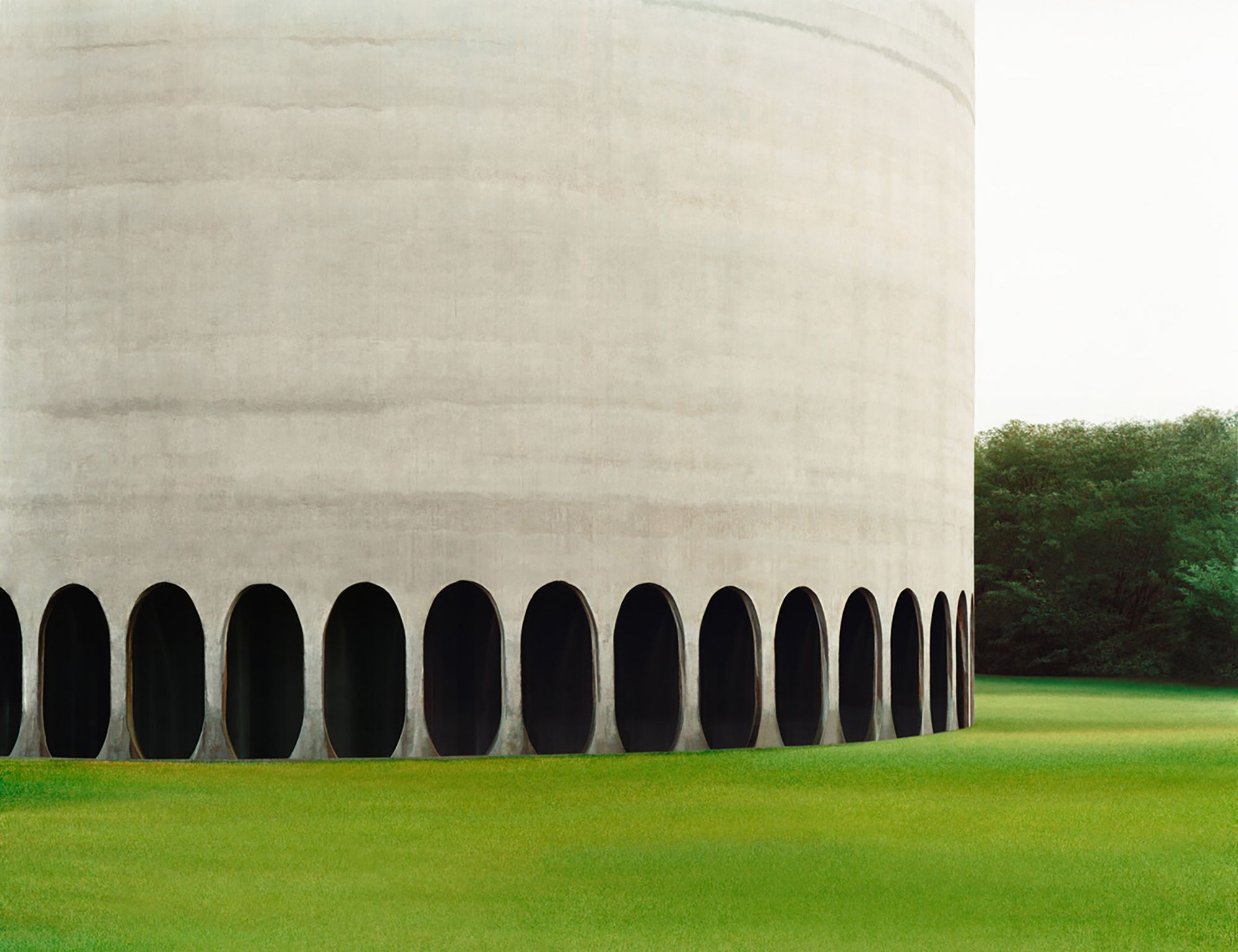
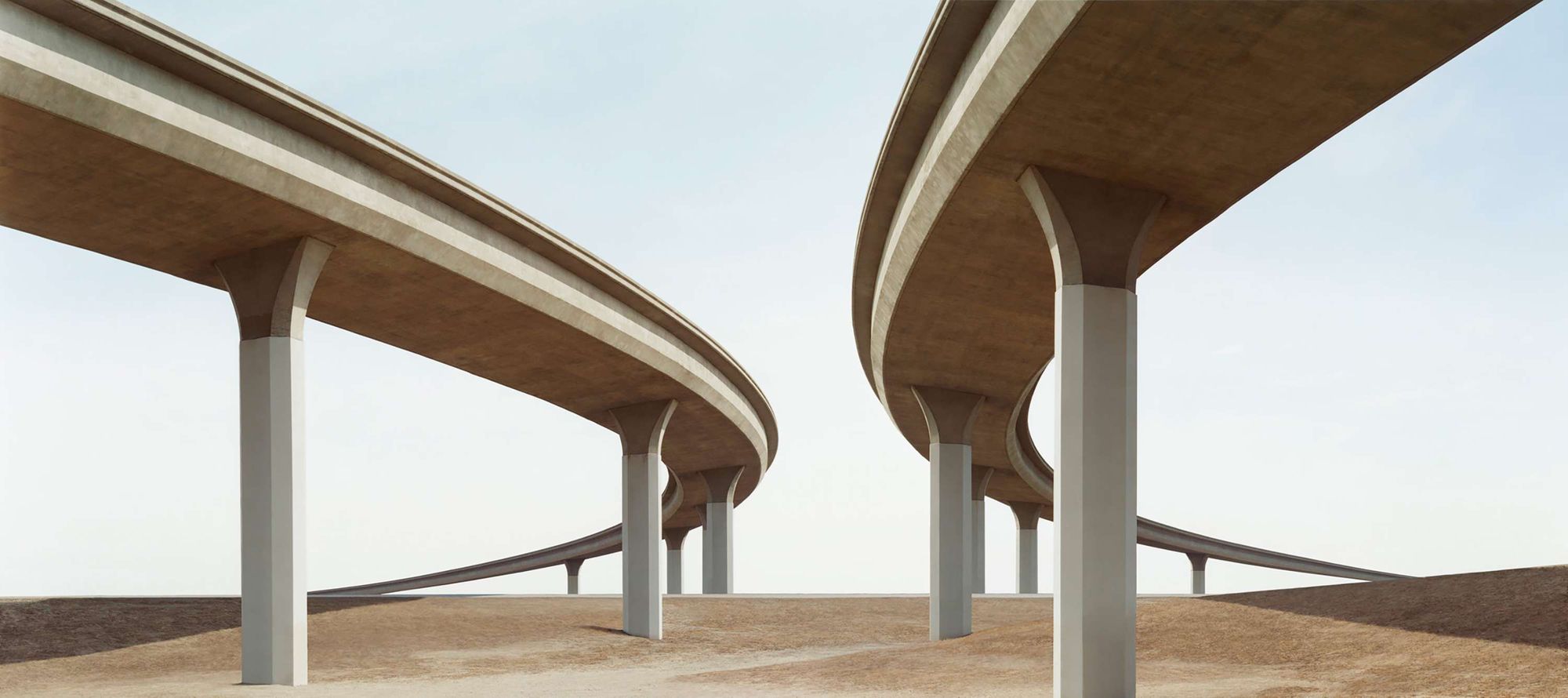
Josef Schulz is a photographer known for capturing images of modern warehouses and factories, which are typically considered mundane industrial structures with little architectural significance. These buildings, produced worldwide, follow standardized plans and materials, lacking distinct external features to reveal their specific purposes.
Schulz's approach involves studying the essence of his craft through these photographs. He employs digital image processing to remove any elements hinting at the buildings' age, location, or surroundings, transforming them into virtual blueprints. By emphasizing colors, shapes, and symmetries, he turns the buildings into block-like structures, resembling toy architecture and presenting them as idealized versions of themselves.
In this process, Schulz blurs the line between photographic and painted reality to optimize the images. Simultaneously, he reduces the physical buildings to their design concepts and the photographic reality to its virtual representation. His intent is to diverge from the typical pursuit of making digital images appear as real as possible. This approach might leave the viewer perplexed, as they struggle to distinguish between authentic elements captured by the camera and those created through digital tools.
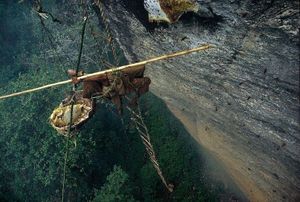
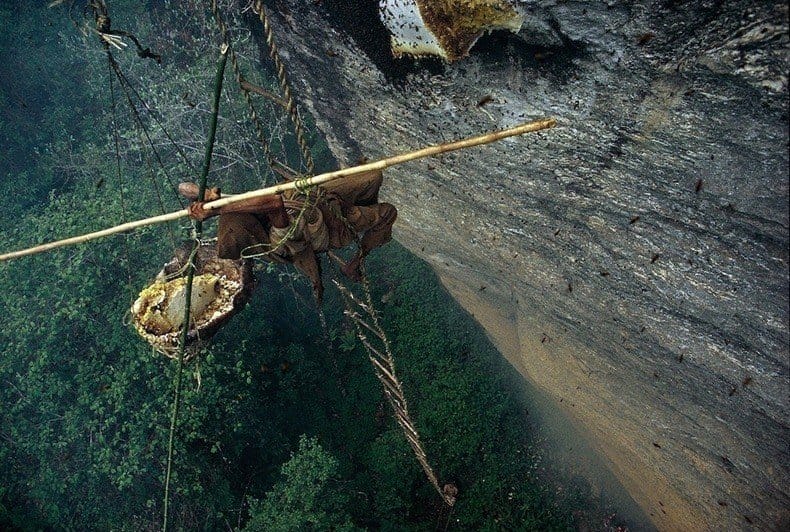
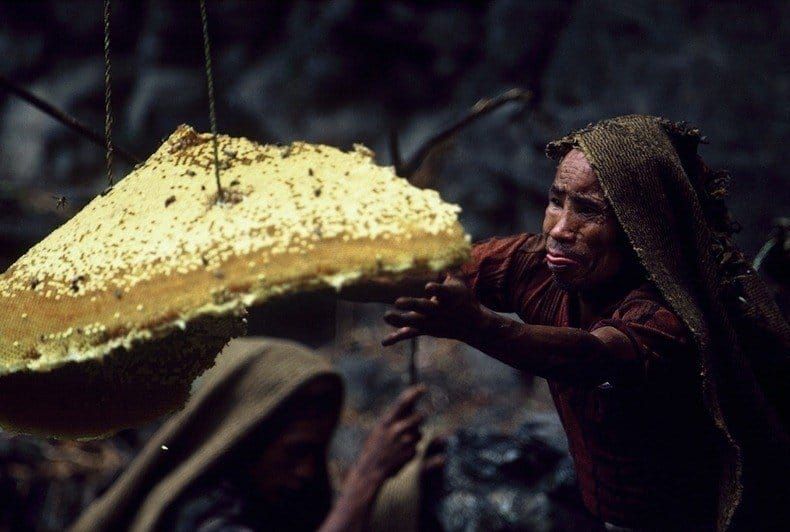
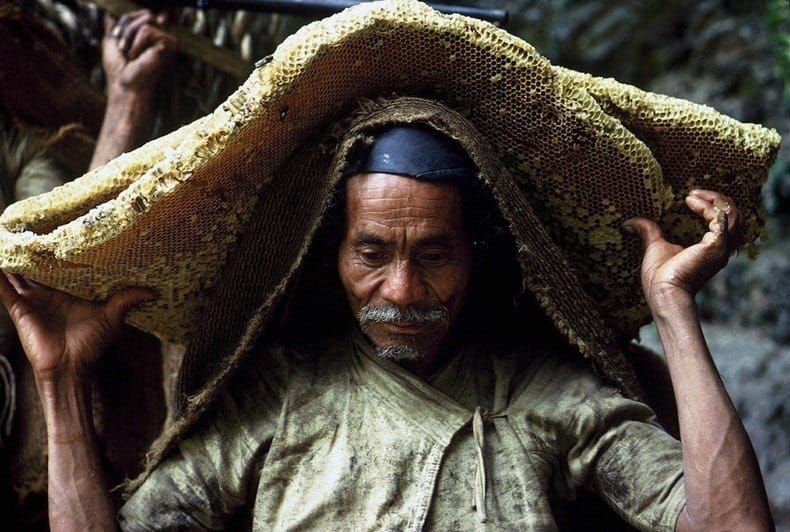
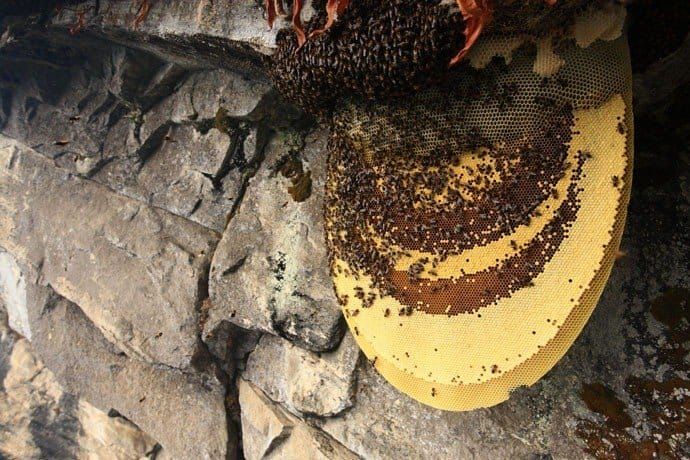
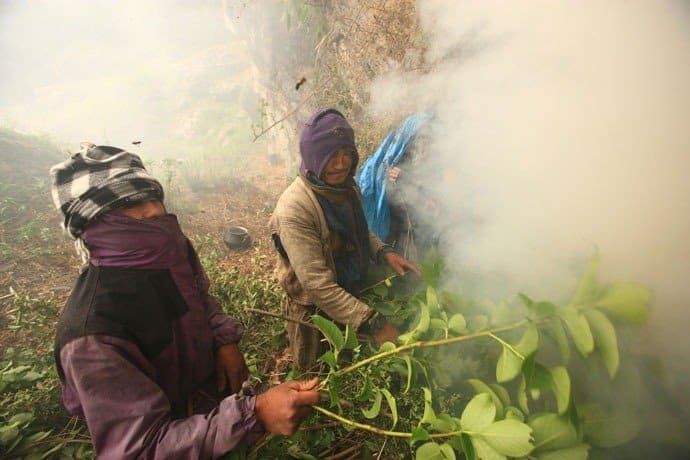
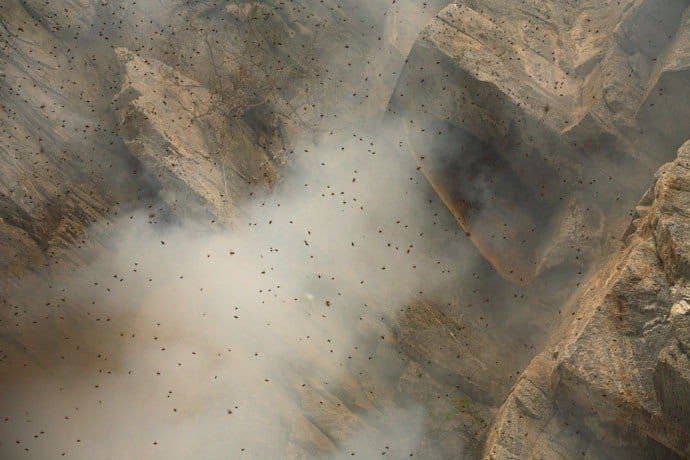
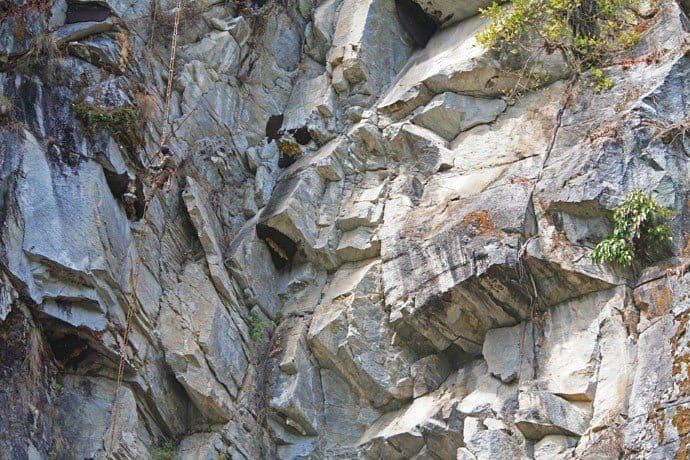
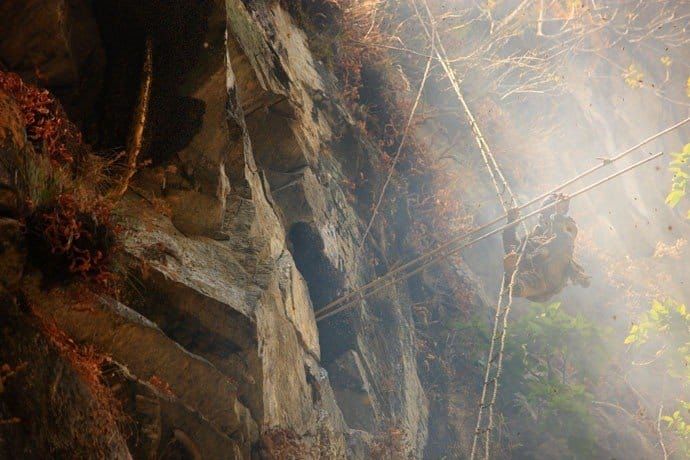
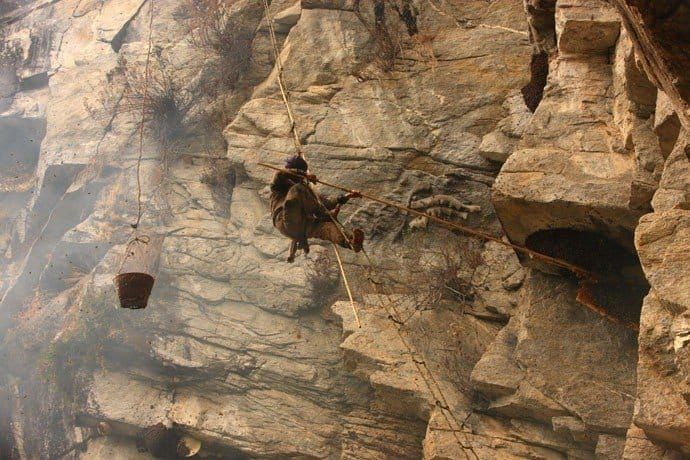
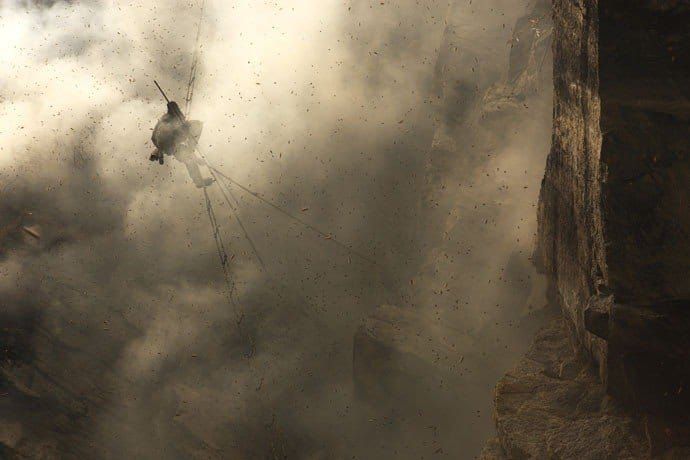
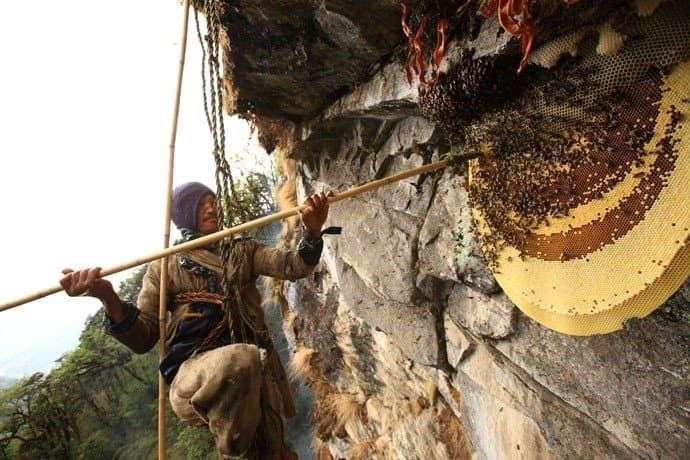
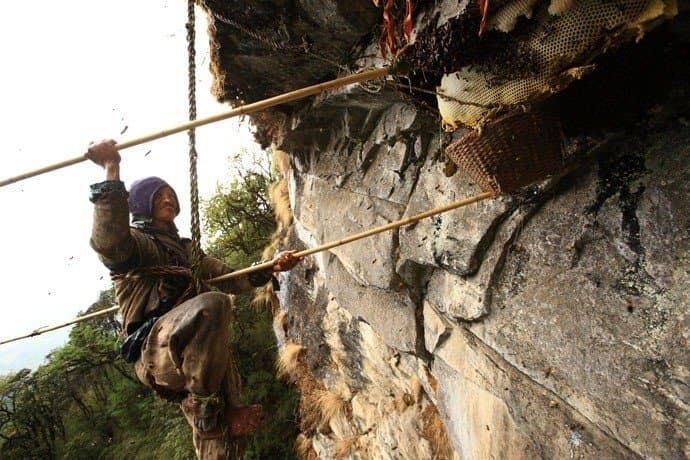
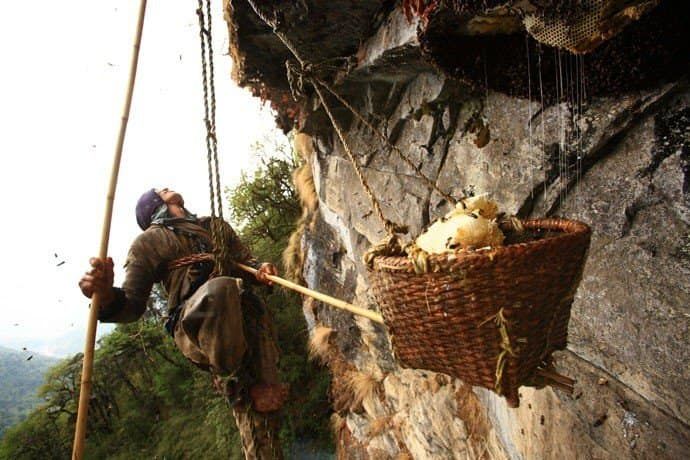
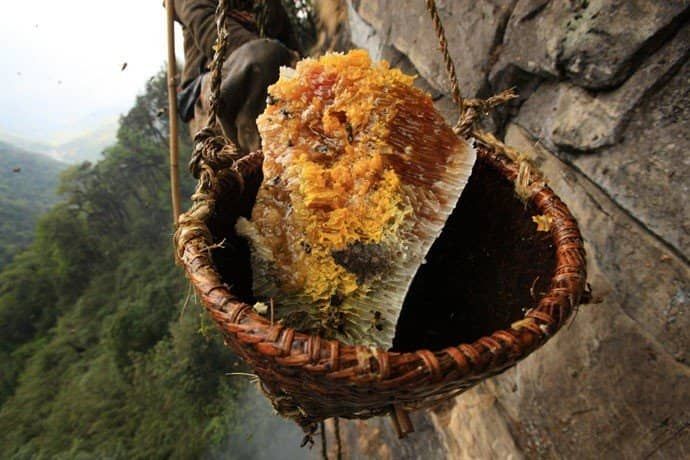
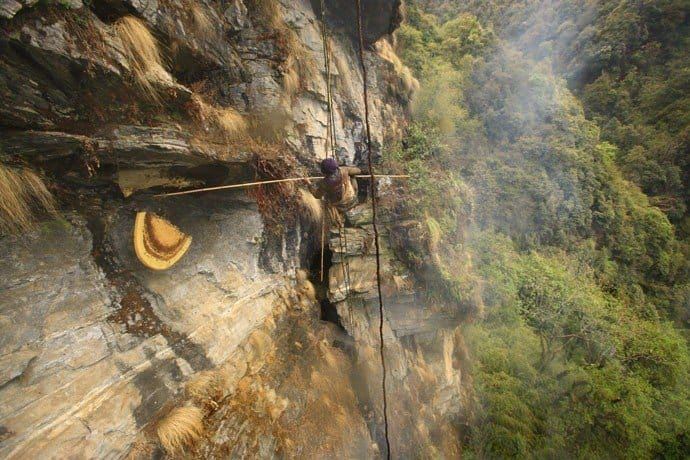
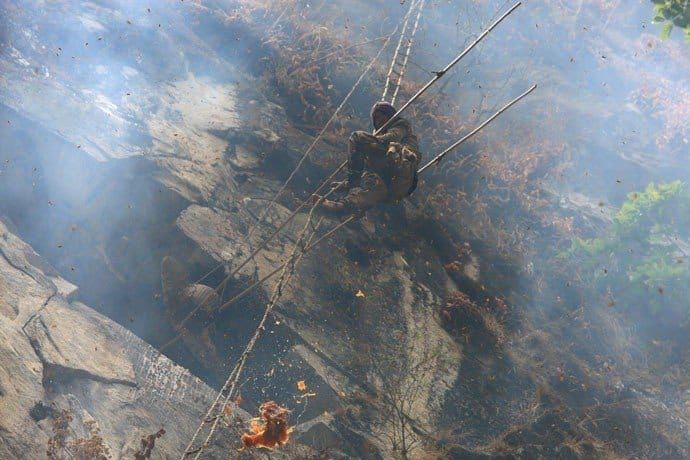
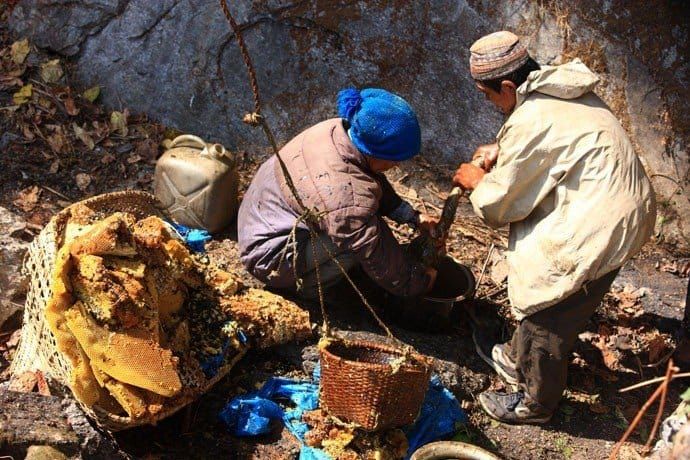
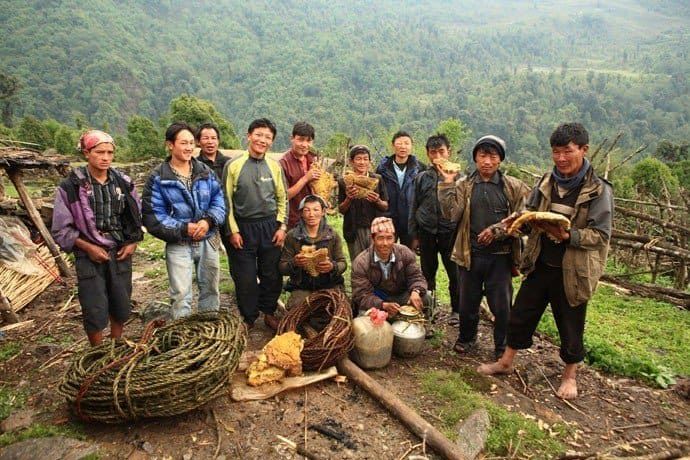
Nepal is home to the Apis Laboriosa, the biggest honey bee on the planet, and honey hunting plays a significant role in the local way of life. The bees build their hives on the cliffs of the country's foothills, which adds complexity to the honey hunting process. Local honey hunters use rope ladders and baskets to access the combs after driving the bees away with smoke from a fire underneath the hives. They carefully collect the honey treasure from the combs while dealing with territorial bees. The harvesting occurs once a year and begins with a harvest ritual that varies across towns, often starting with a prayer and the offering of flowers, rice, and fruits.
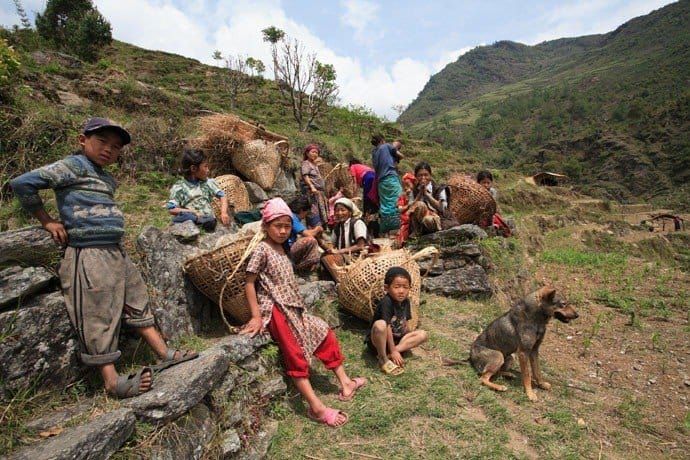
This unique aspect of Nepali culture is captivating, and tourists have the opportunity to witness the bravery of the honey hunters, explore the fascination of the Nepali landscape, and admire the intricate homes of the honey bees.
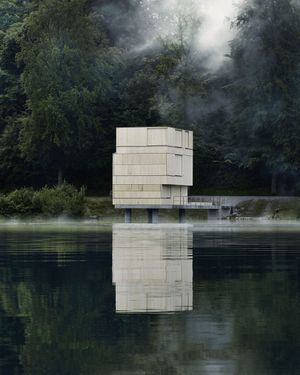
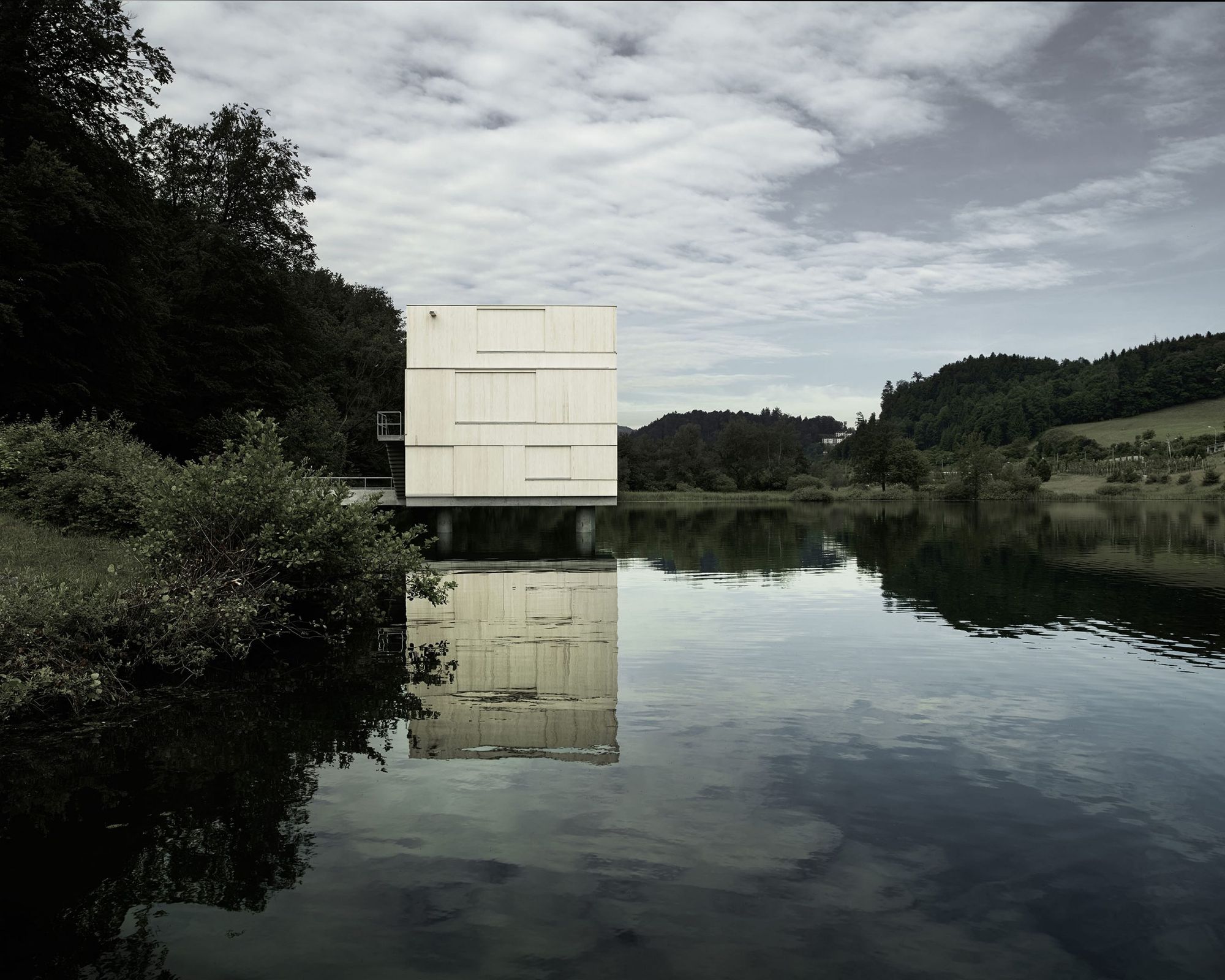
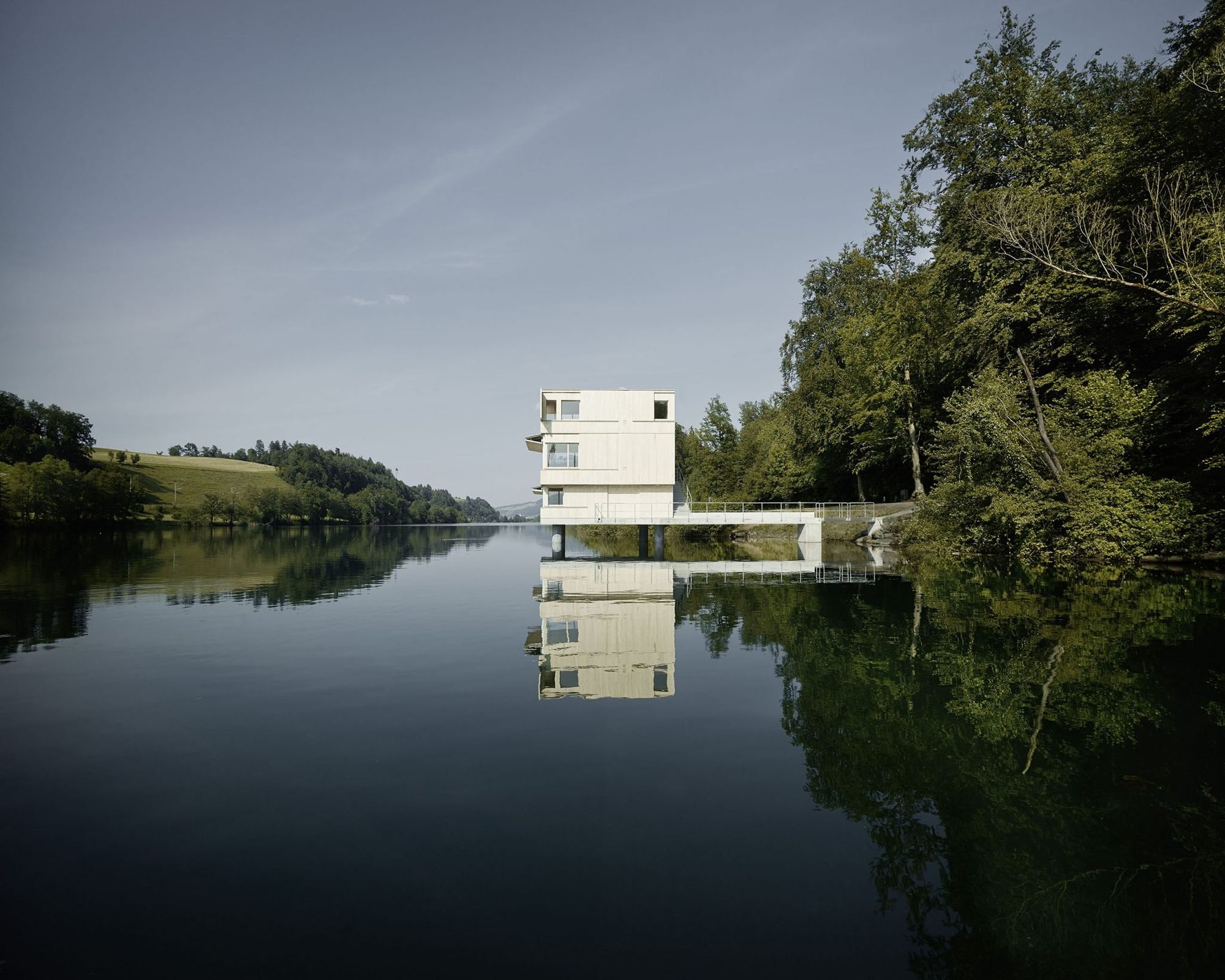
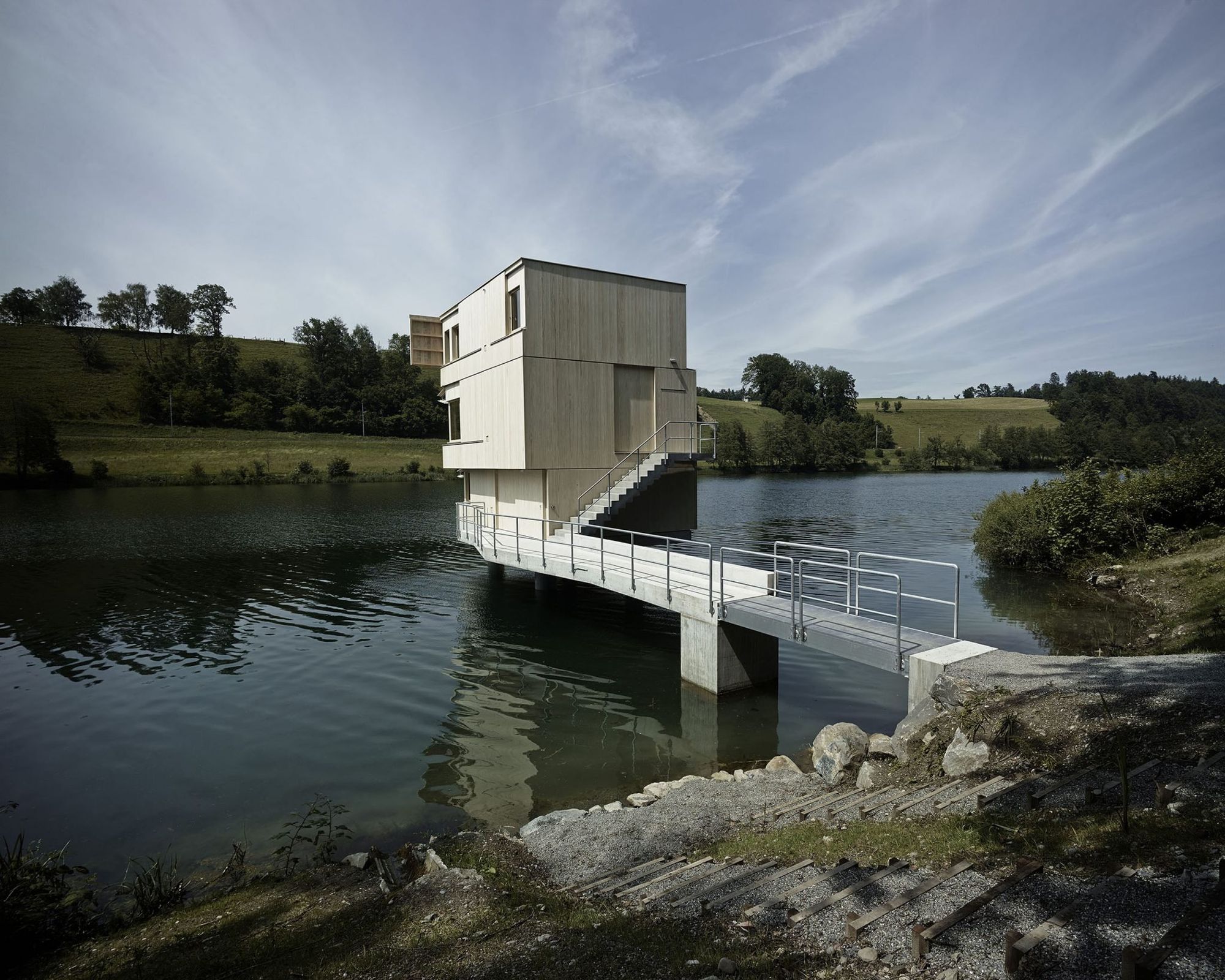
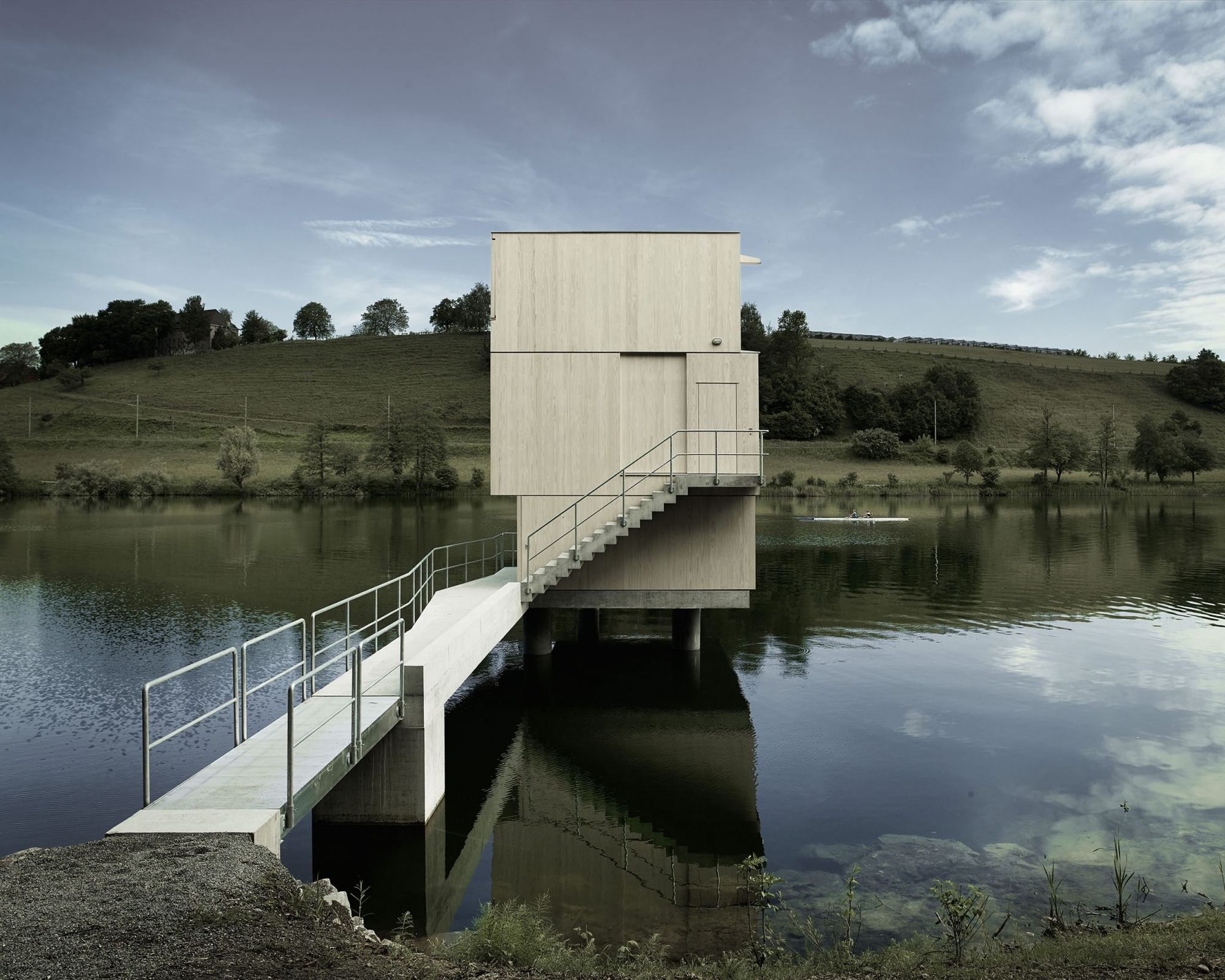
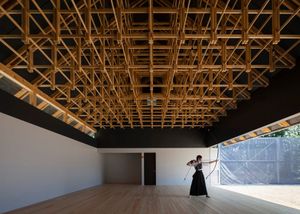
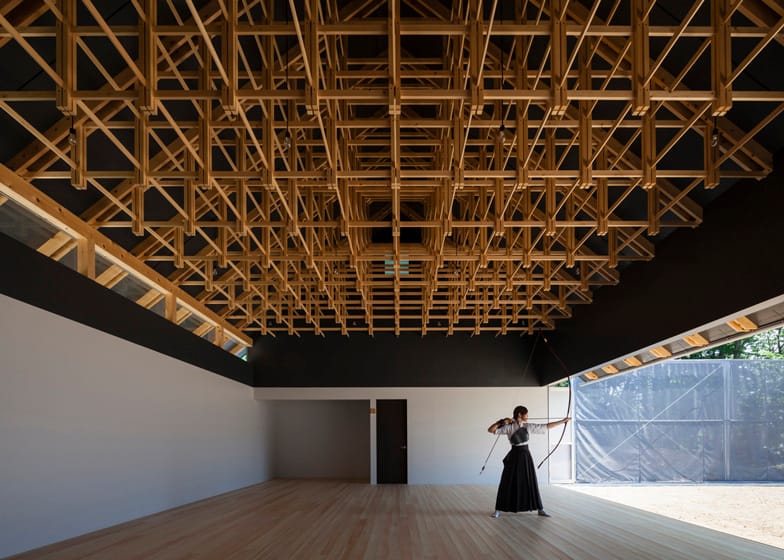
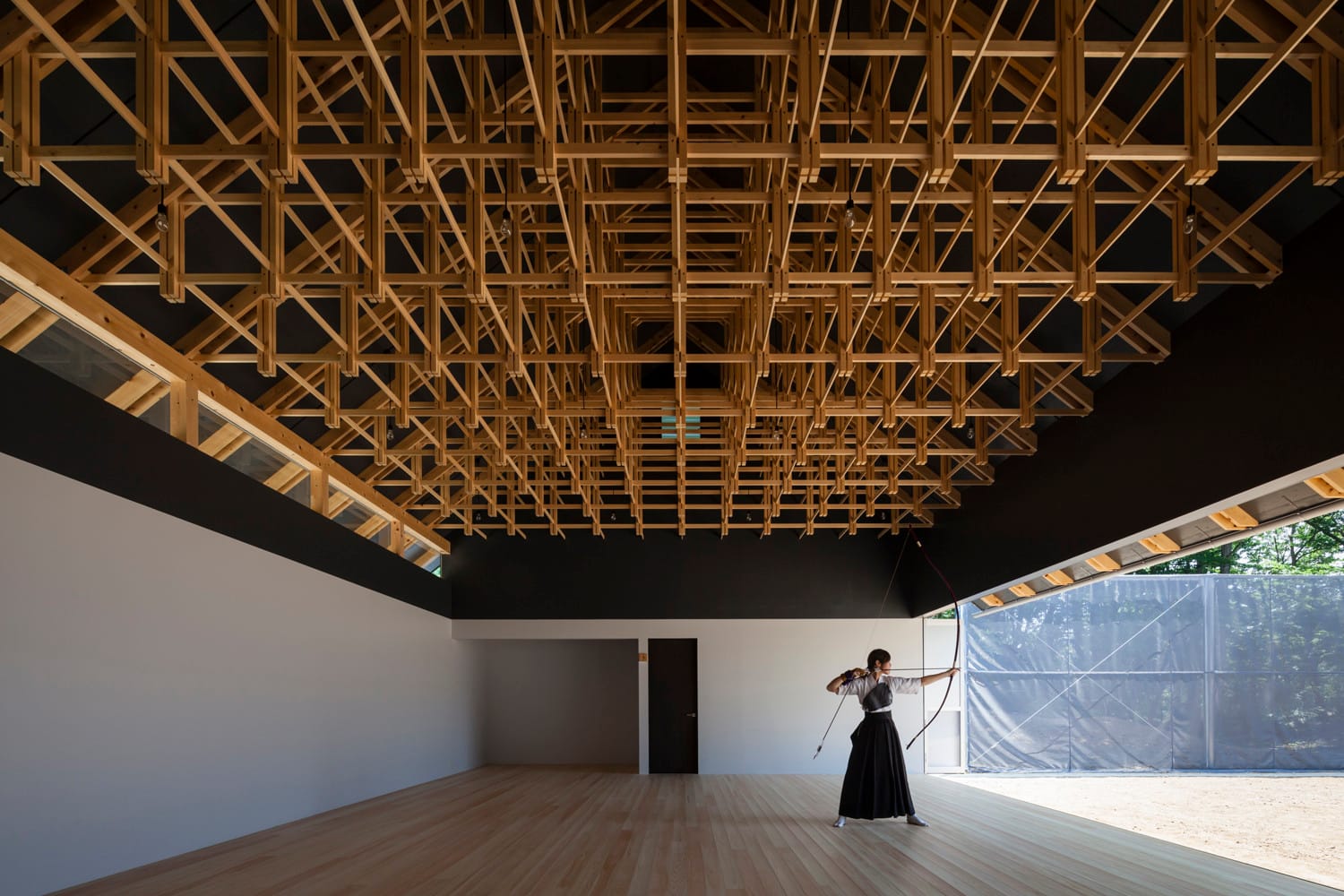
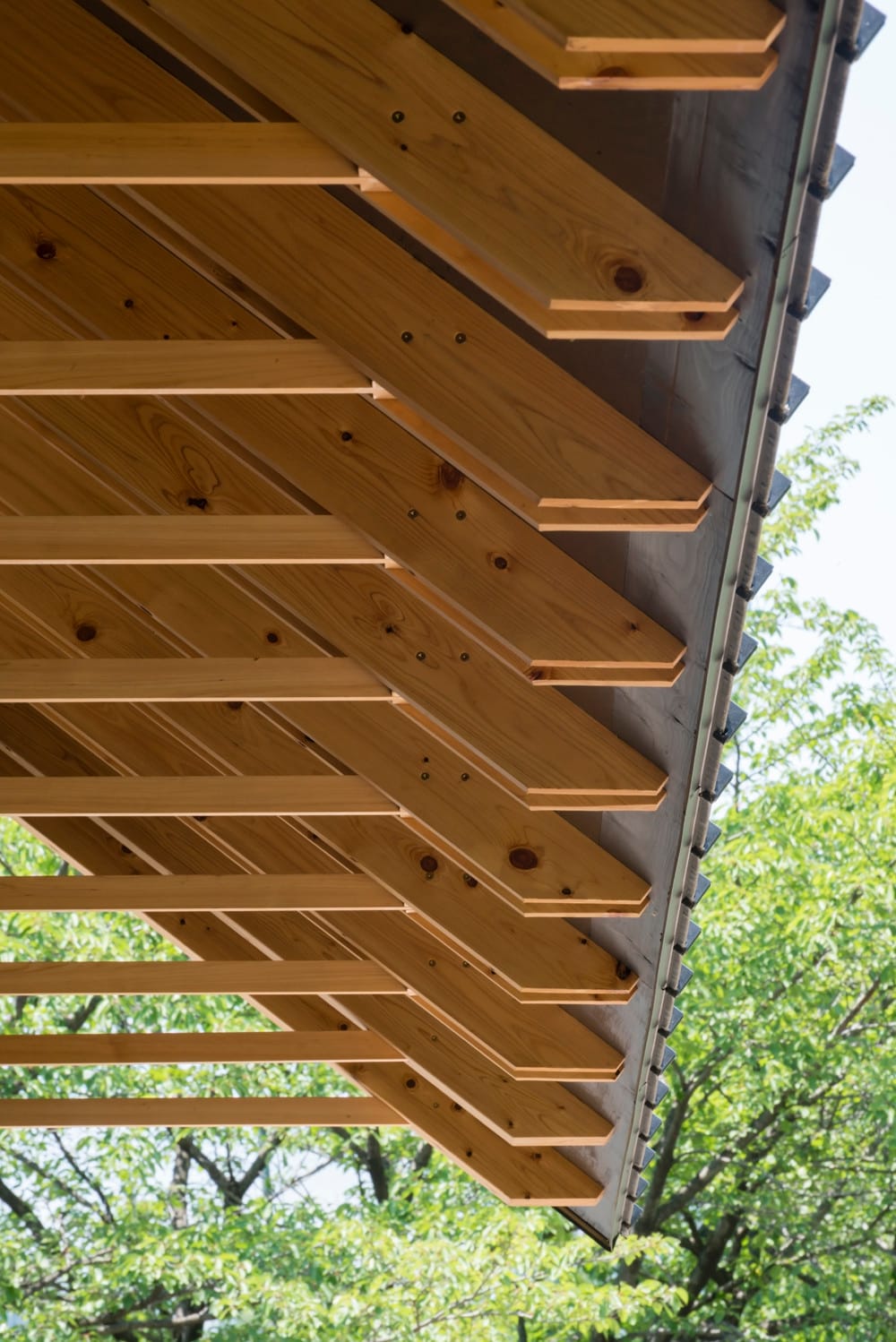
The Archery Hall, one of two sports pavilions FT Architects (Katsuya Fukushima, Hiroko Tominaga) built in 2013 at Kogakuin University, west Tokyo. Each is a column-free room of 7.2 by 10.8 m under an exposed timber roof of horizontal and vertical members, bolt-and-nut jointed. The archery hall uses small timber sections normally used for furniture. Photographs by Shigeo Ogawa.
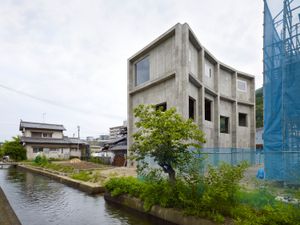
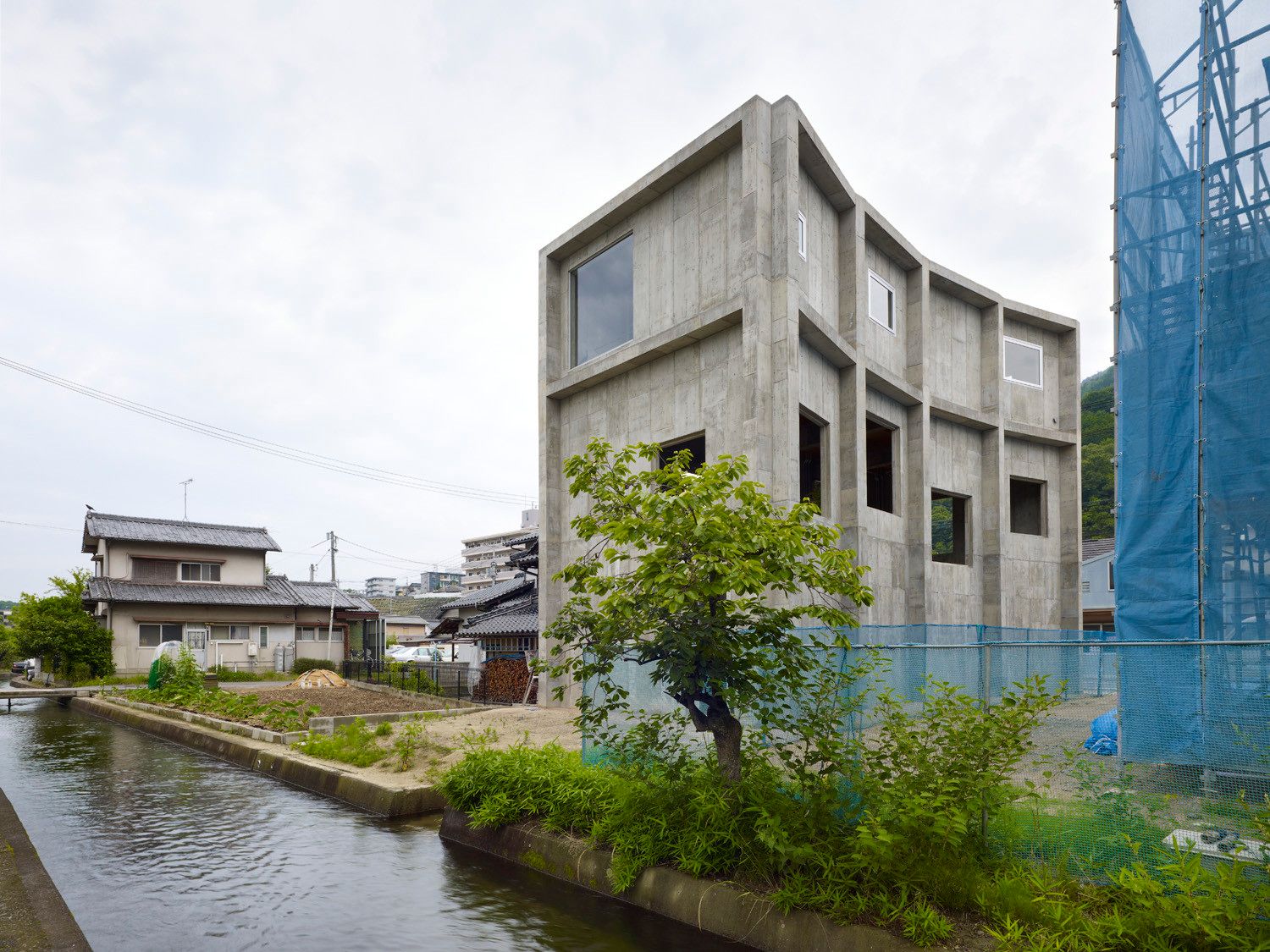
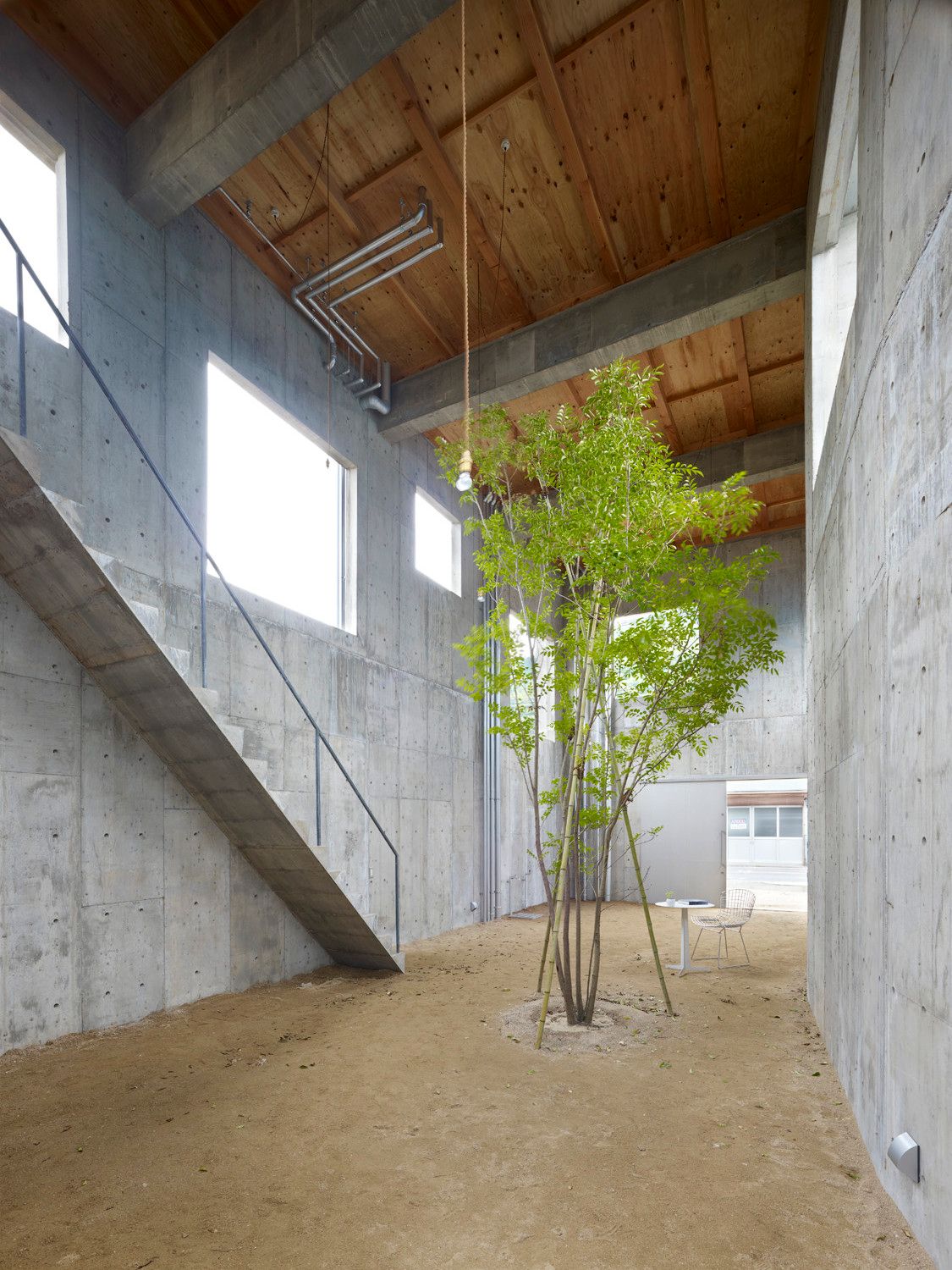
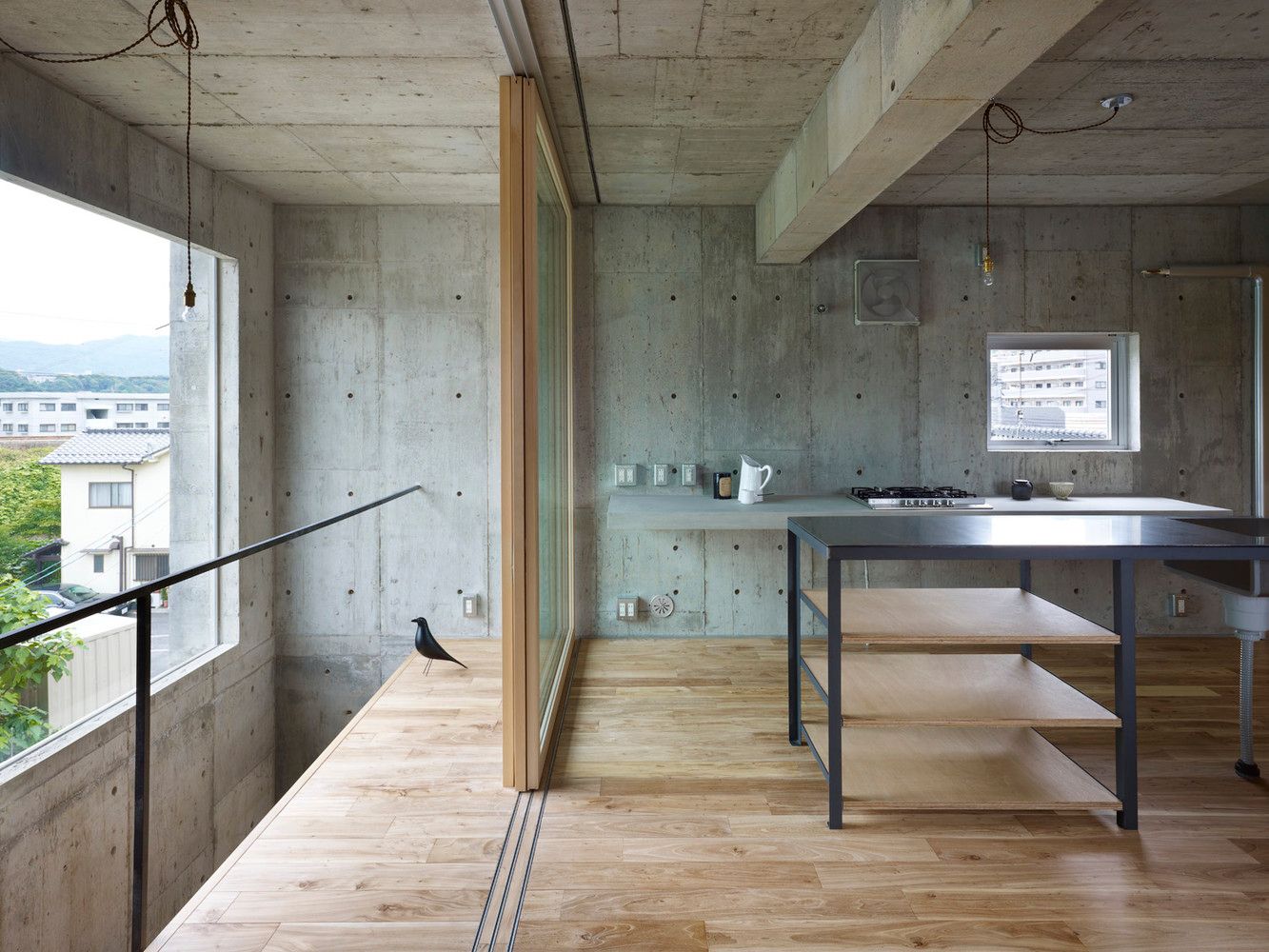
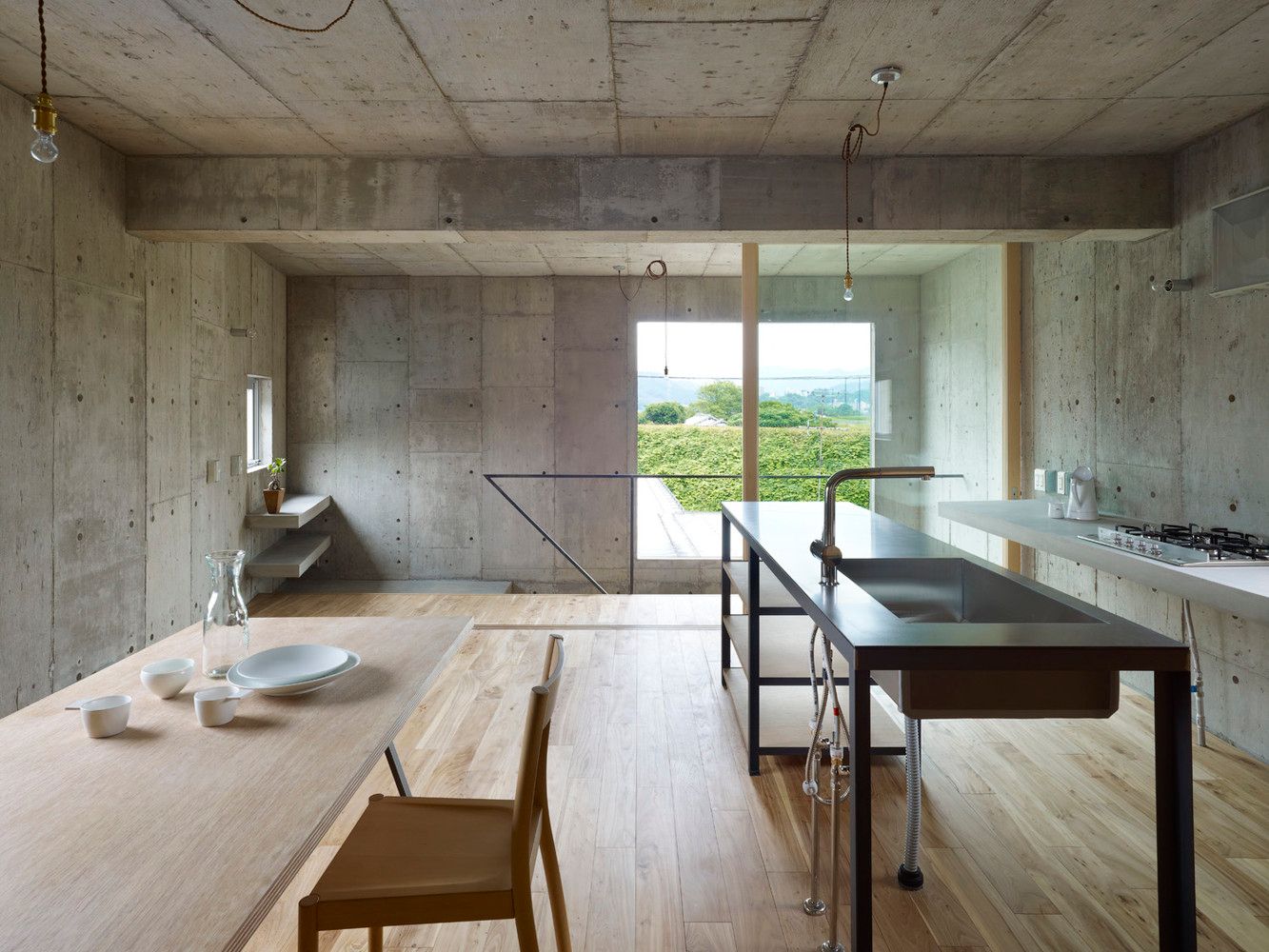
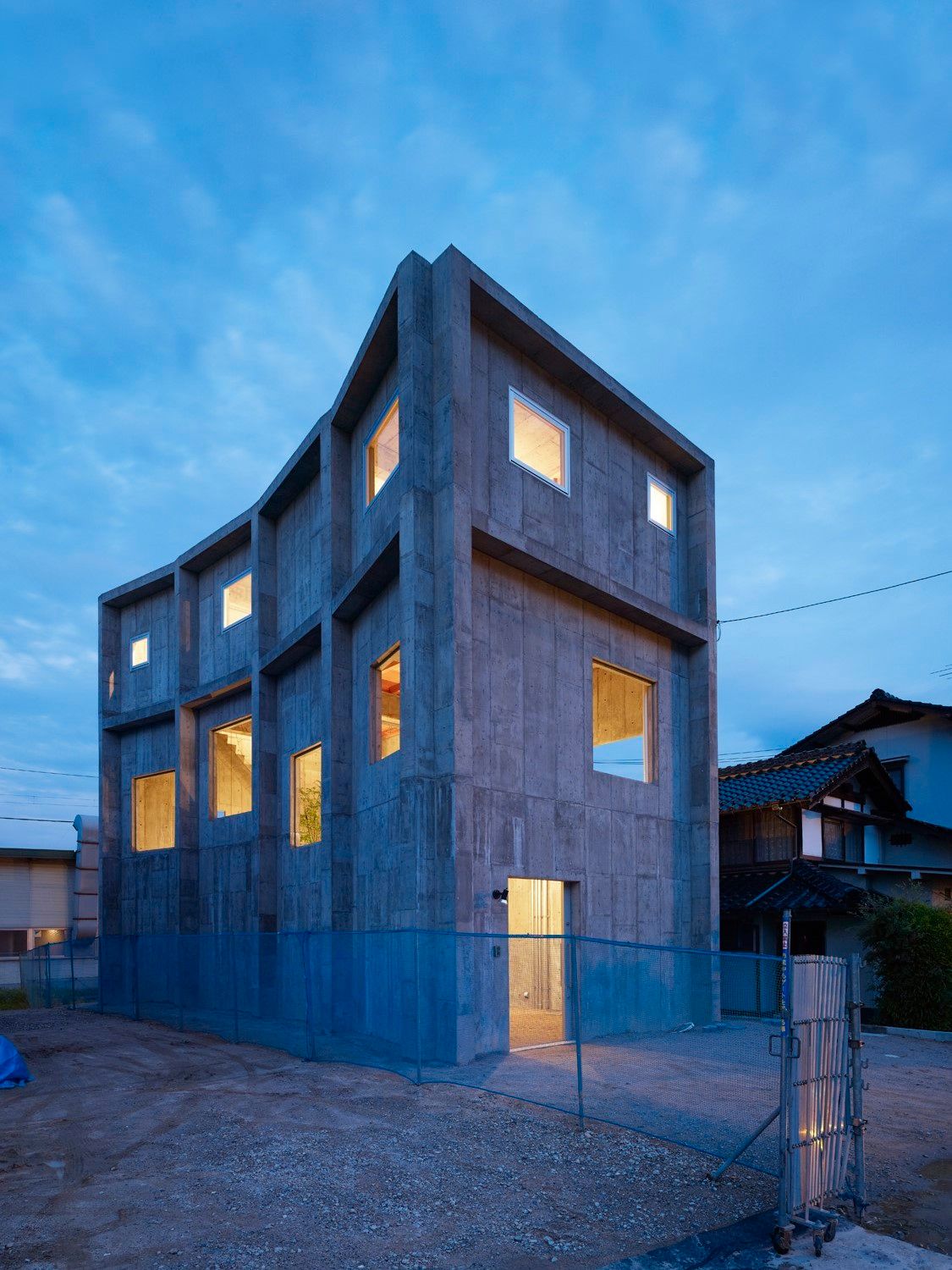
Text description provided by the architects. The House of Yagi is designed with the idea of an incomplete/complete form. Unlike other projects, the final stage of construction for this house was not aiming towards a finish stage, but to let the owner experience the sense of completion after living here. Interior space of the house is designed to maximize the interaction to its surrounding environment.
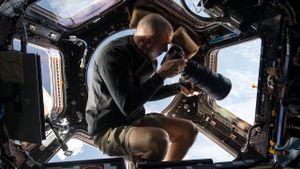
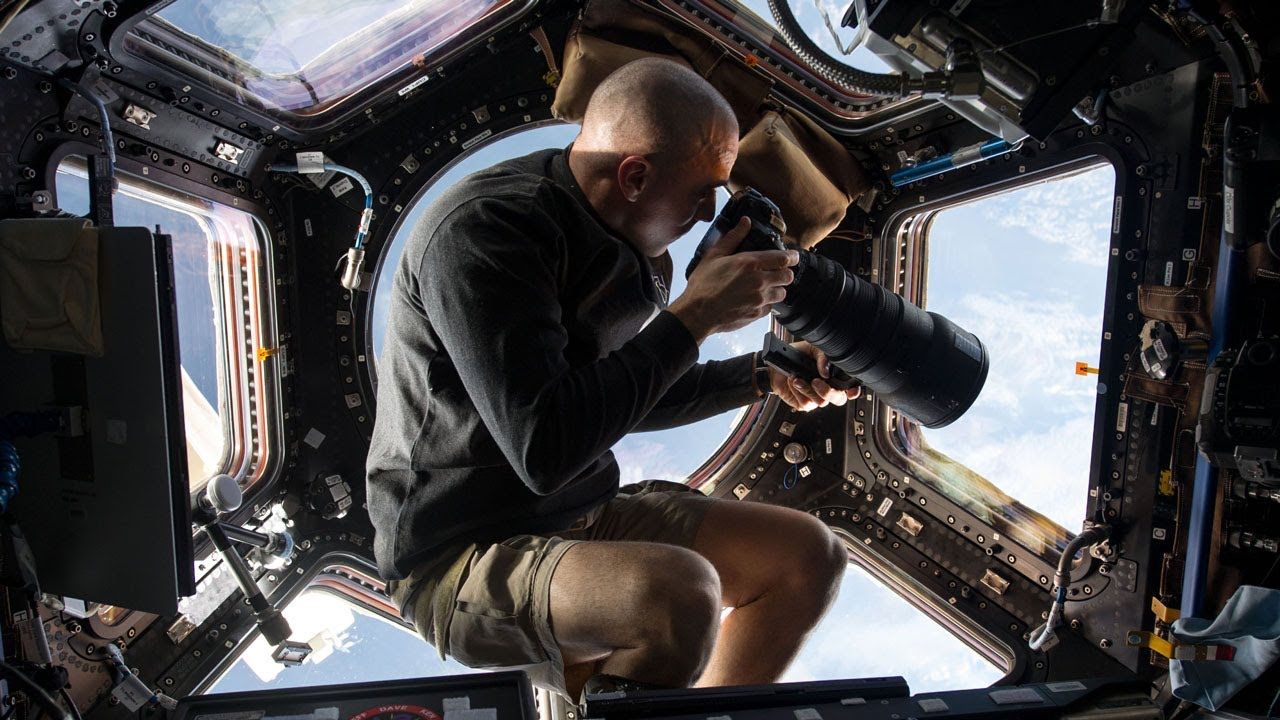
NASA astronaut Chris Cassidy uses a 400mm lens on a digital still camera to photograph a target of opportunity on Earth, 250 miles below, on June 3, 2013. The many-windowed Cupola is the best place on the International Space Station for taking pictures. Cassidy has been aboard the orbital outpost since late March and is due to return to Earth in September.
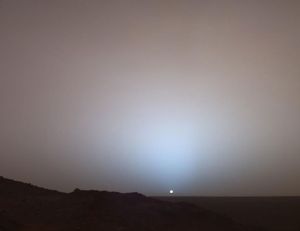
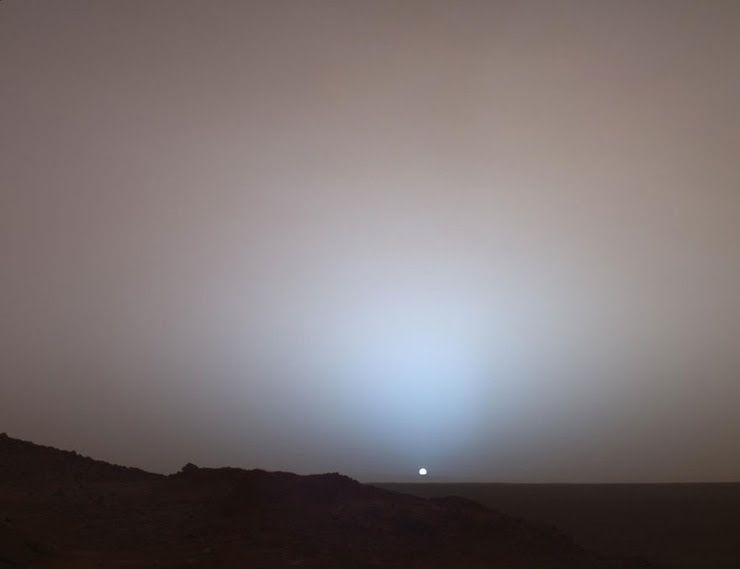
On May 19, 2005, NASA's Mars Exploration Rover Spirit captured this stunning view as the Sun sank below the rim of Gusev crater on Mars. This Panoramic Camera mosaic was taken around 6:07 in the evening of the rover's 489th Martian day, or sol.
Sunset and twilight images are occasionally acquired by the science team to determine how high into the atmosphere the Martian dust extends, and to look for dust or ice clouds. Other images have shown that the twilight glow remains visible, but increasingly fainter, for up to two hours before sunrise or after sunset. The long Martian twilight (compared to Earth's) is caused by sunlight scattered around to the night side of the planet by abundant high altitude dust. Similar long twilights or extra-colorful sunrises and sunsets sometimes occur on Earth when tiny dust grains that are erupted from powerful volcanoes scatter light high in the atmosphere.
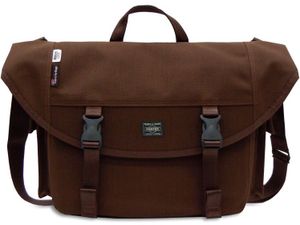
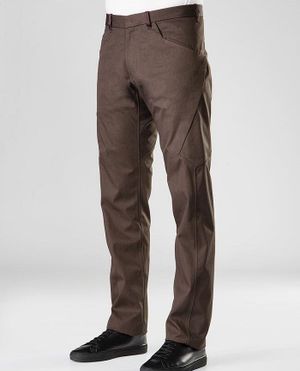
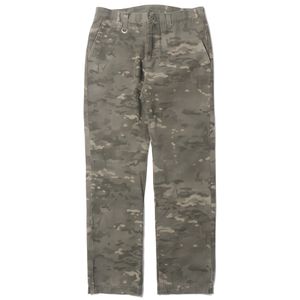
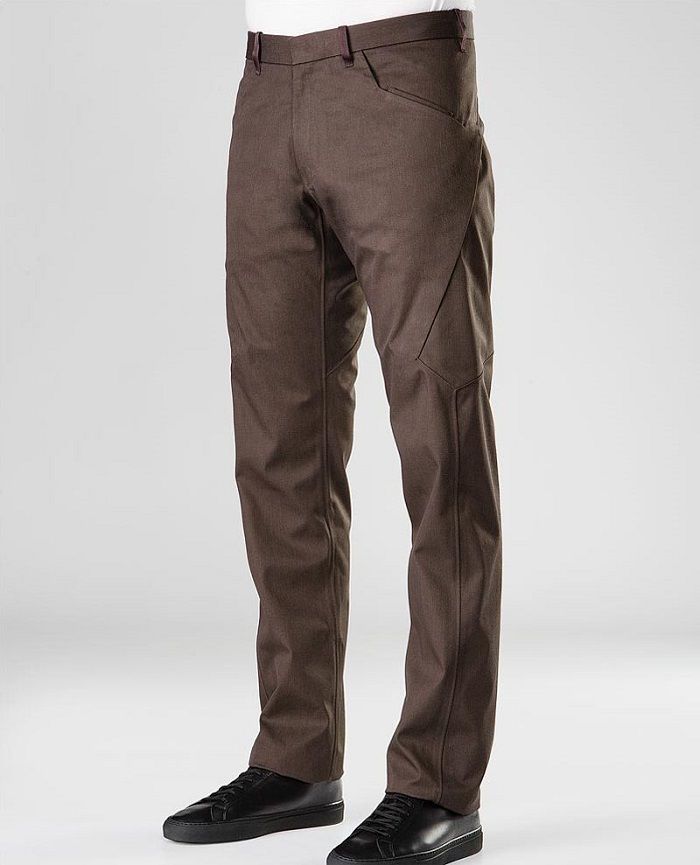
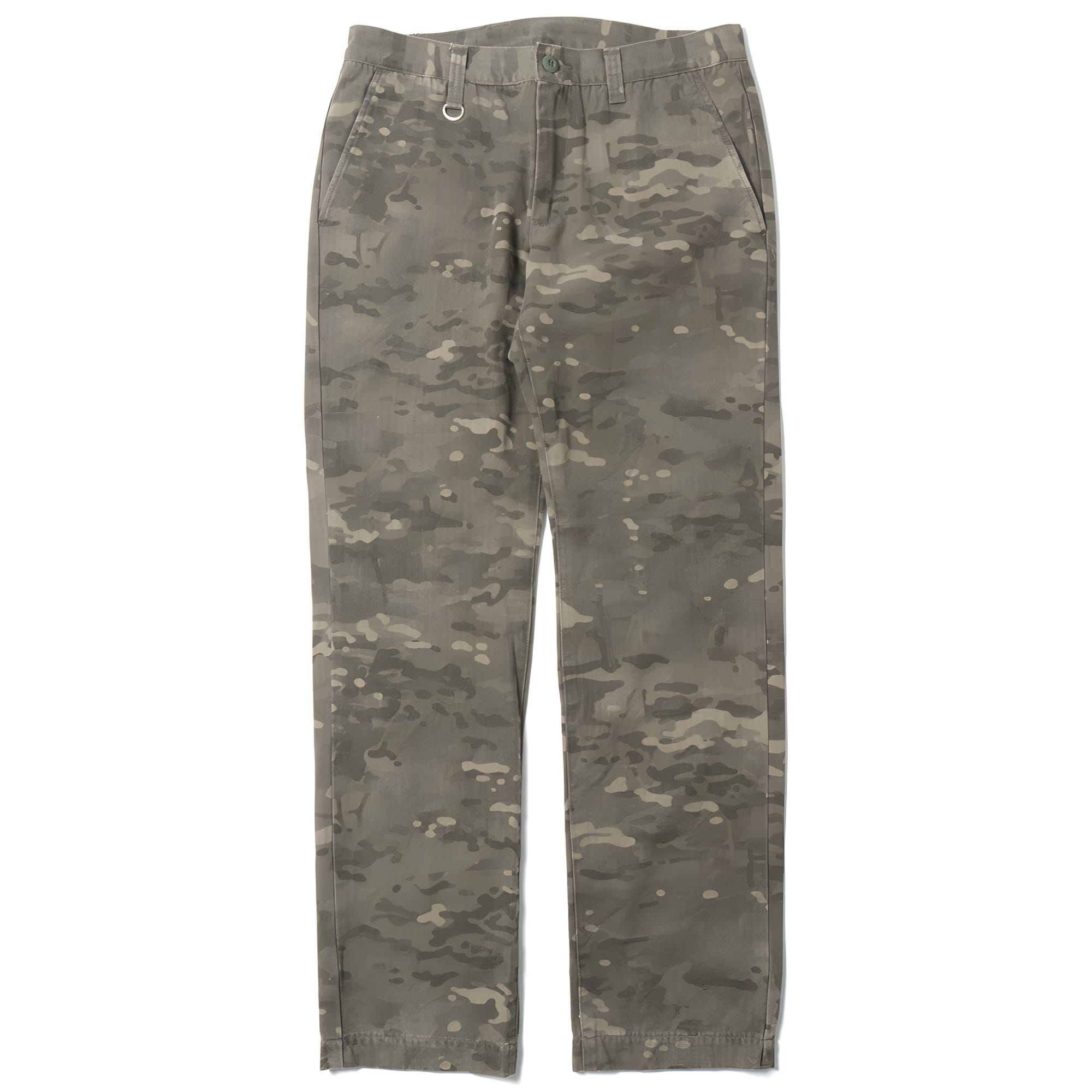
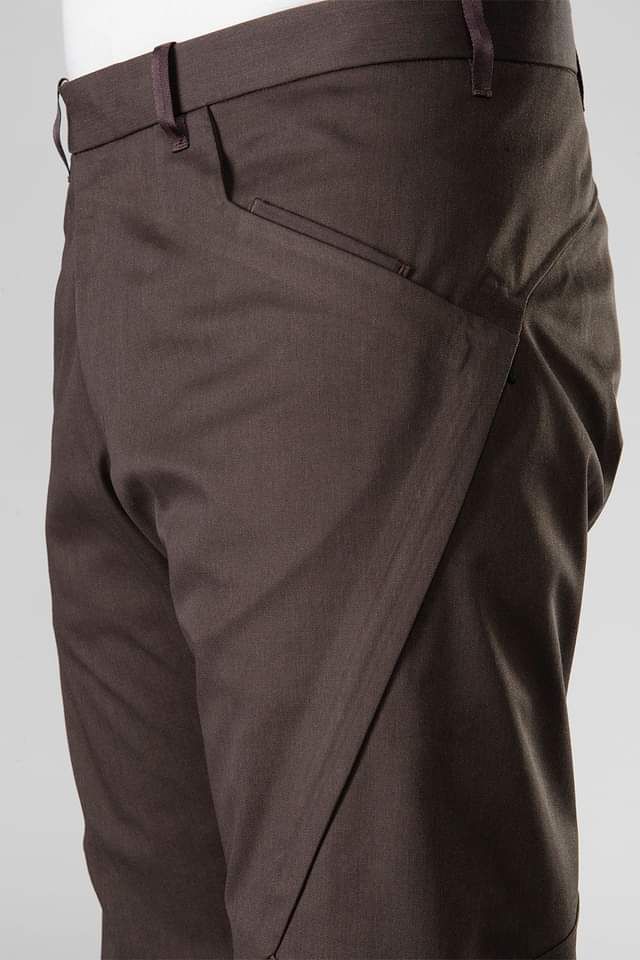
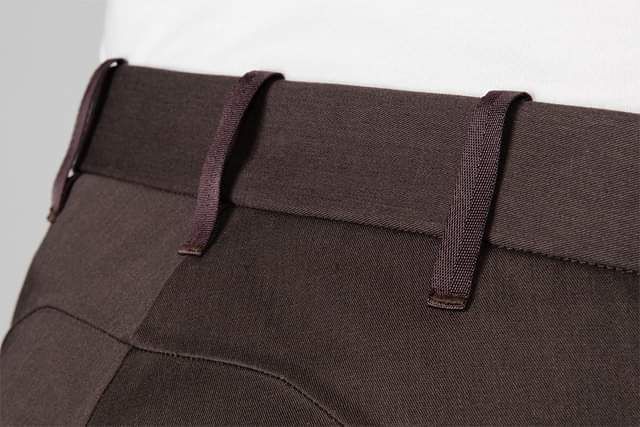
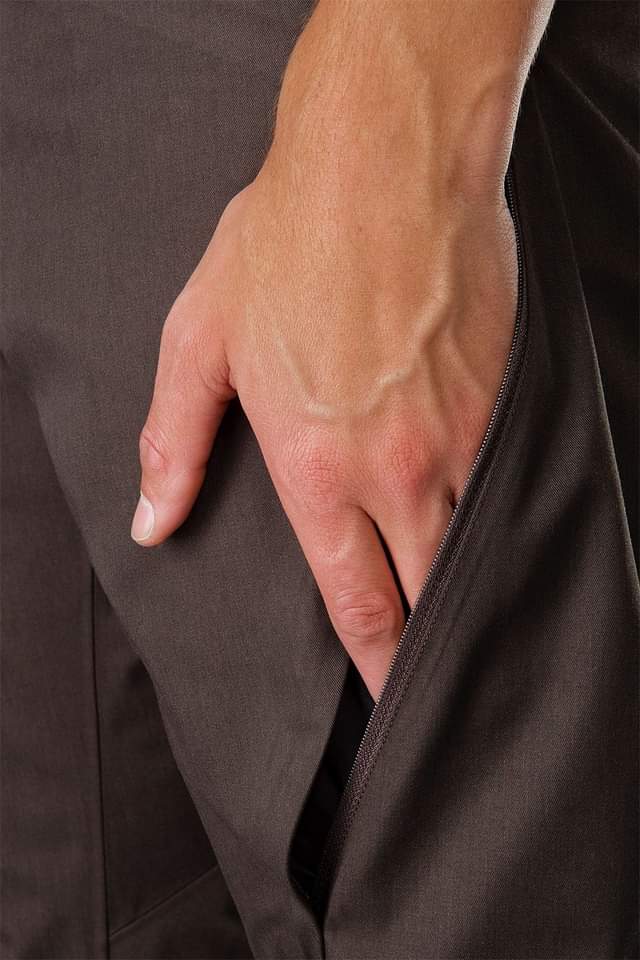
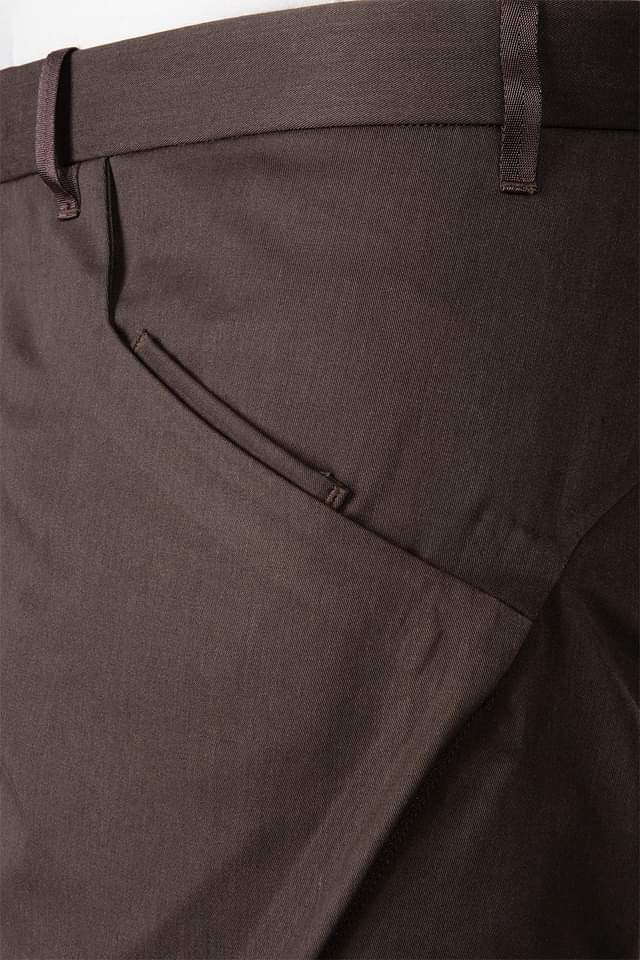
The Spec Pant ensures the wearer is invisibly armed for everyday wear despite their apparent tailored simplicity. This design is extremely adaptable, with a side pocket array that's easily accessible but visually concealed, while a cotton/poly twill WINDSTOPPER® fabric with a cotton/poly tricot backer offers superior protection.
Made in Canada.
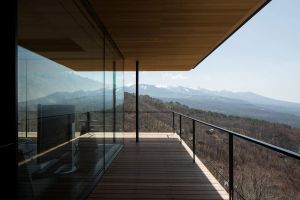
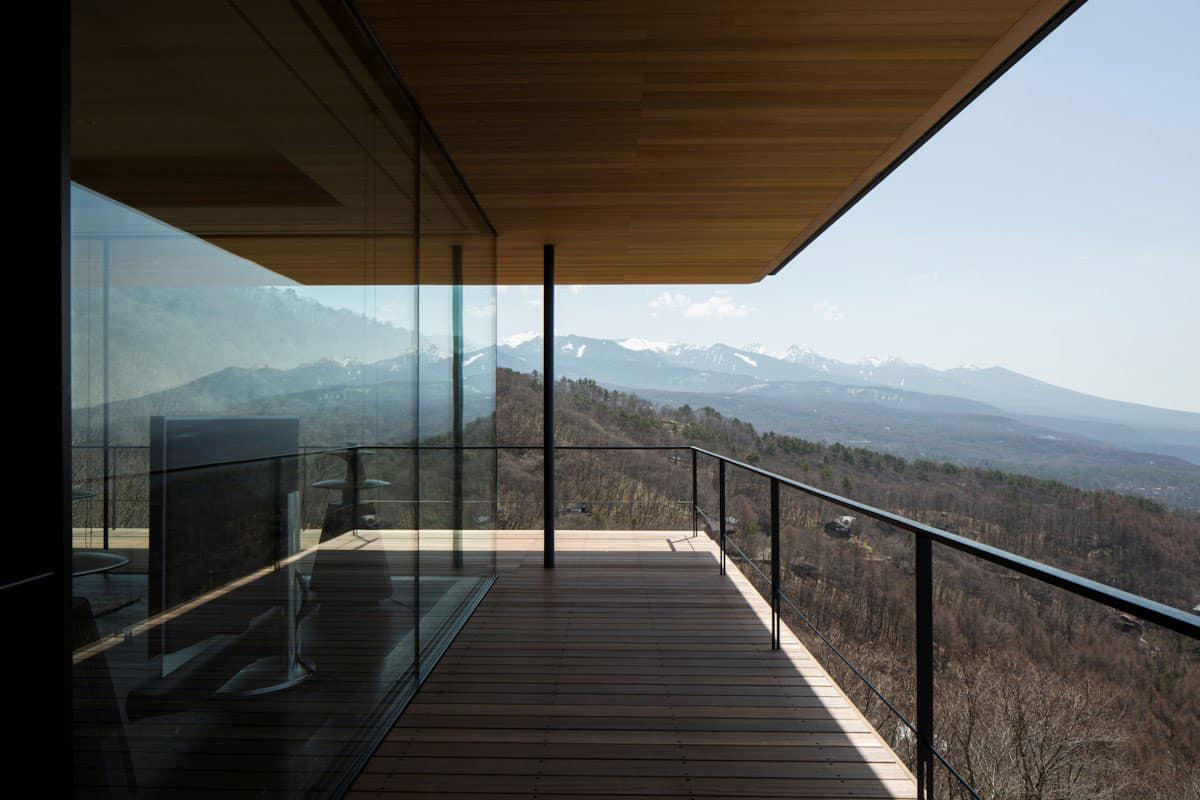
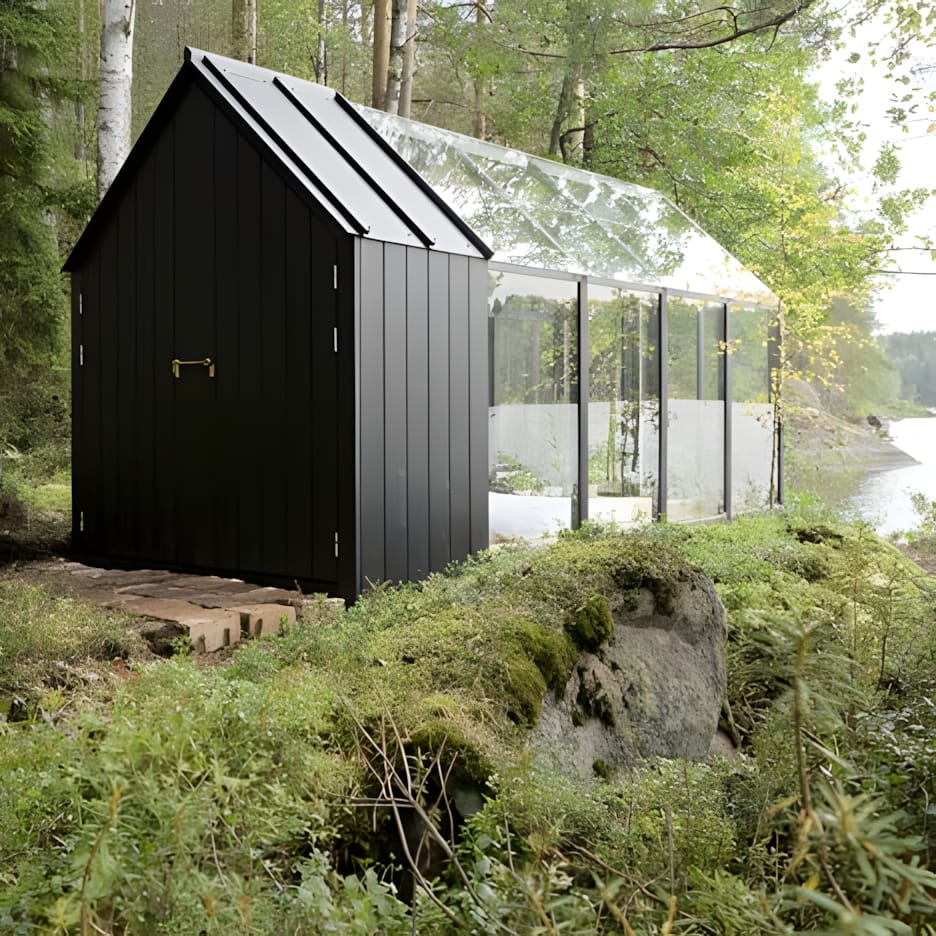
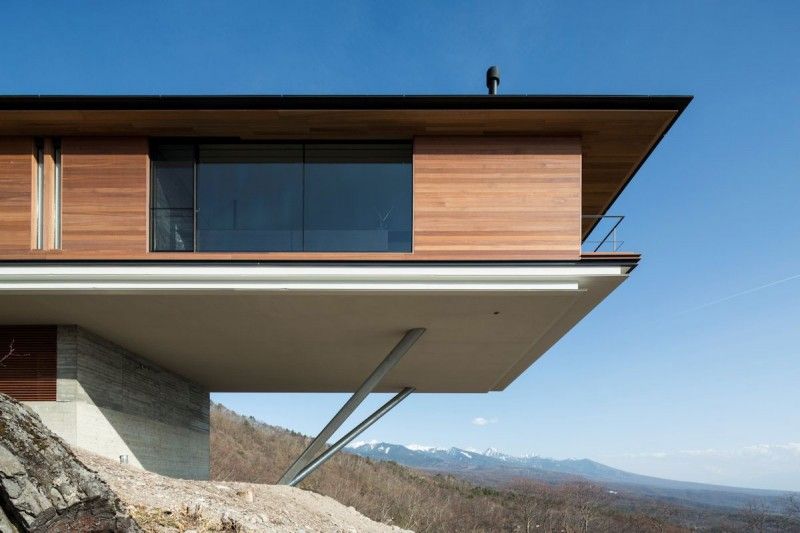
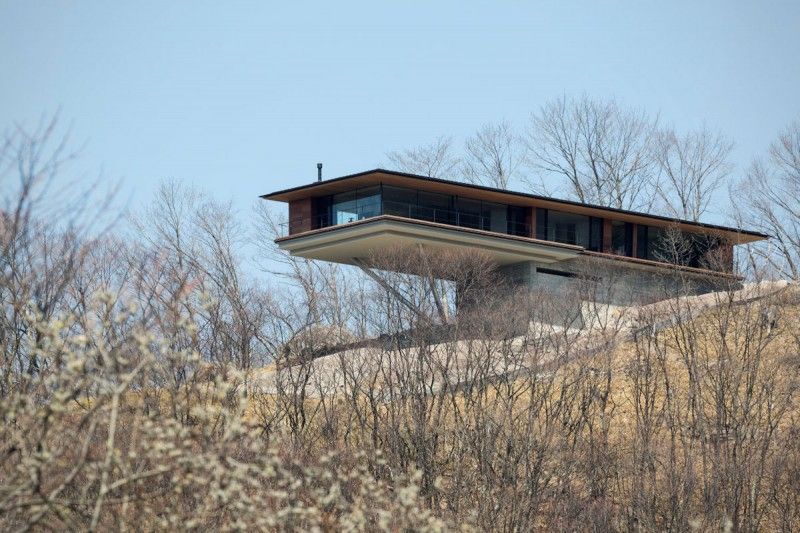
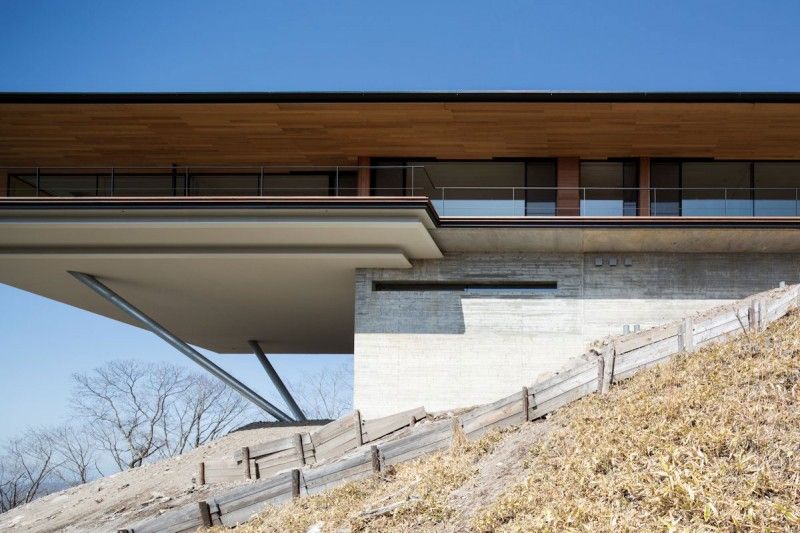
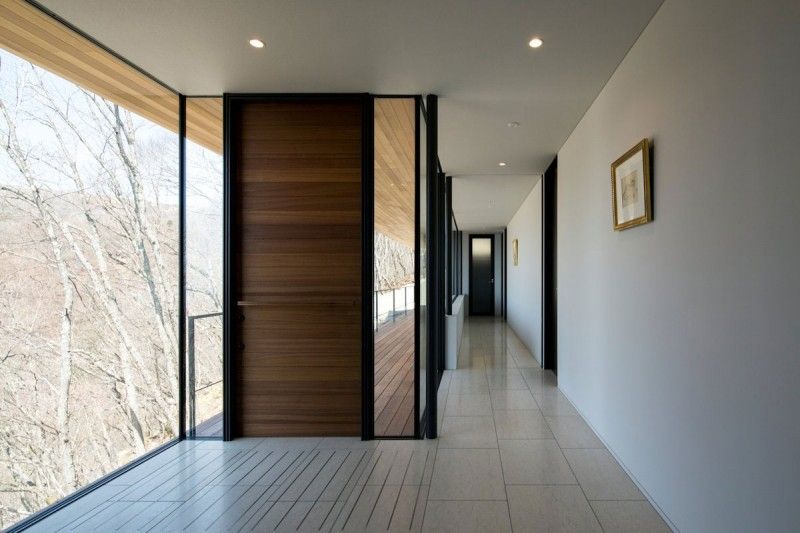
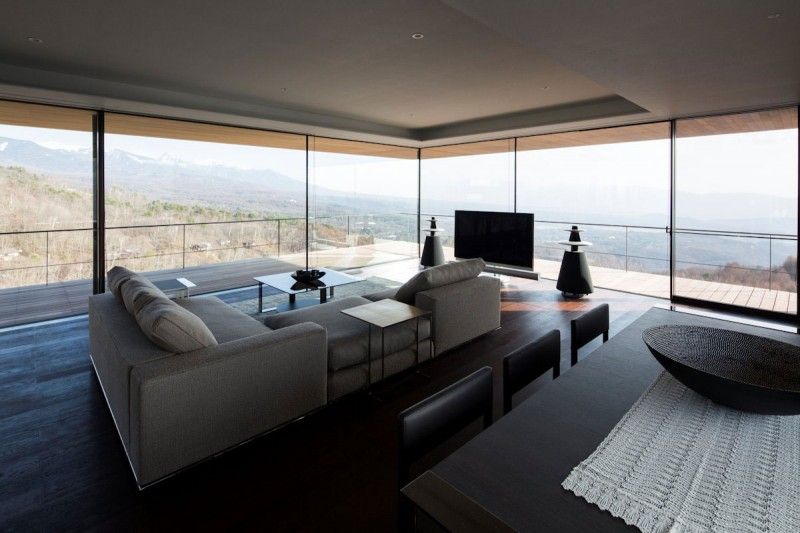
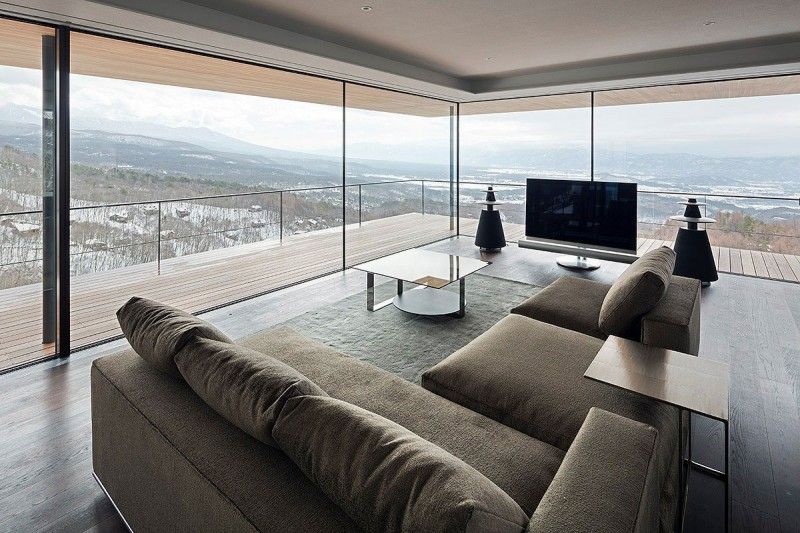
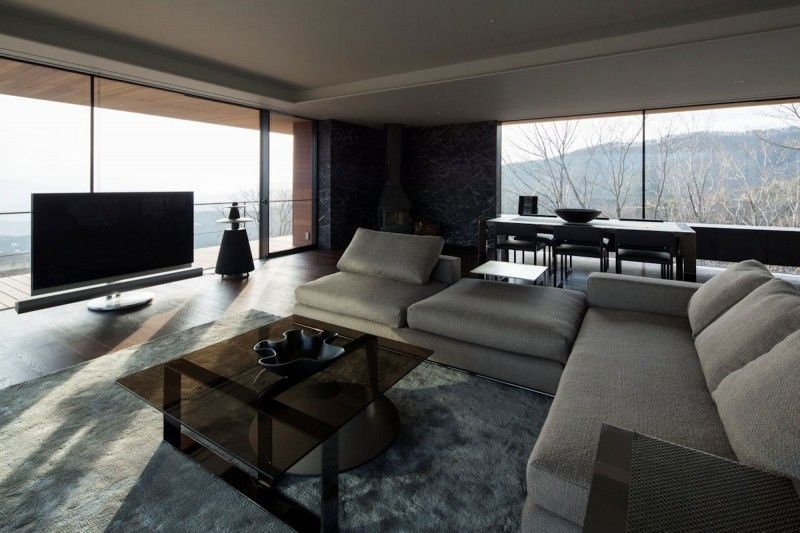
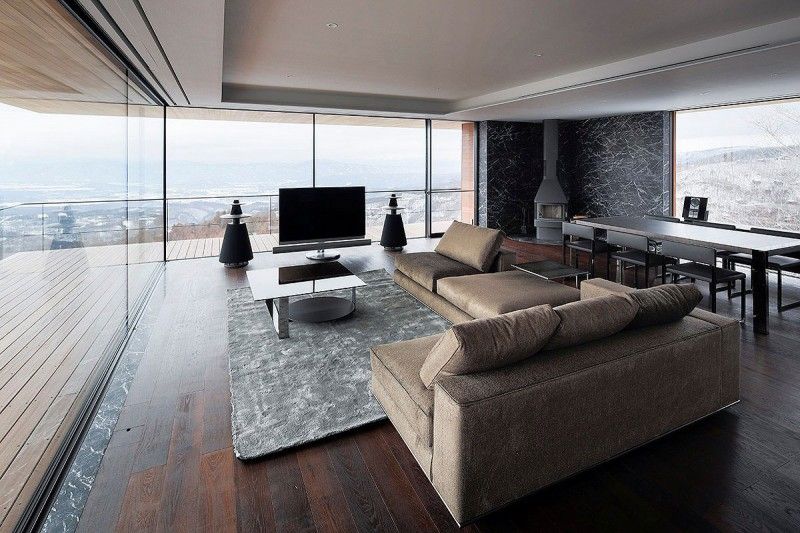
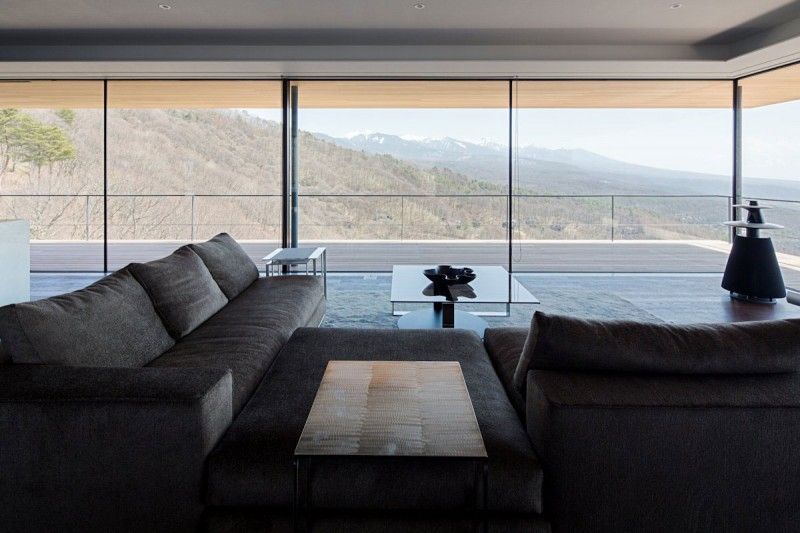
This private residence was designed by Kidosaki Architects Studio. It is located on the edge of the Yatsugatake Mountains in Nagano, Japan.
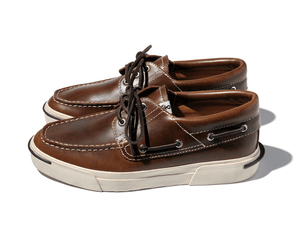
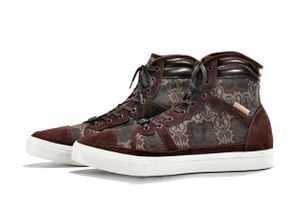
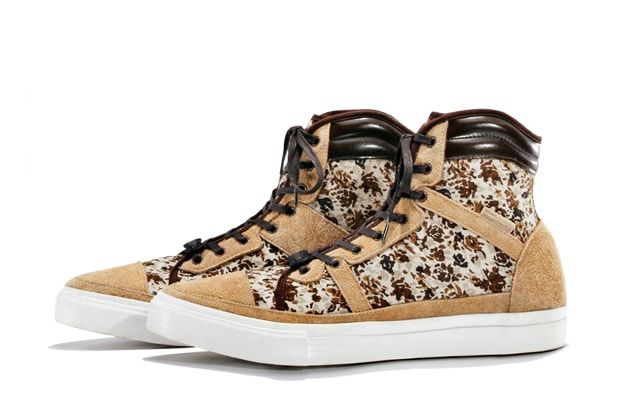
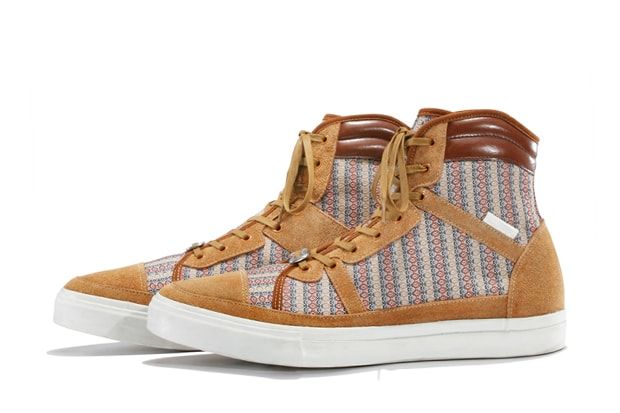
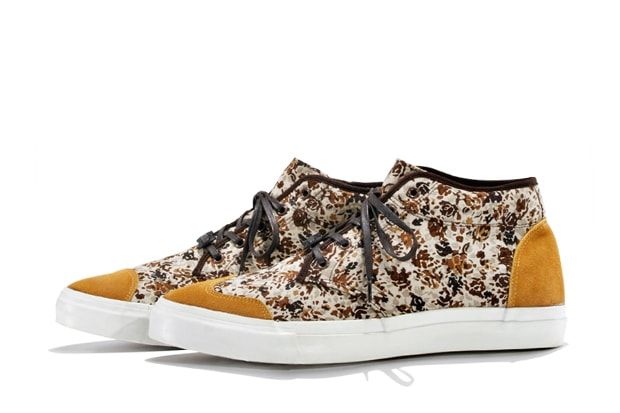
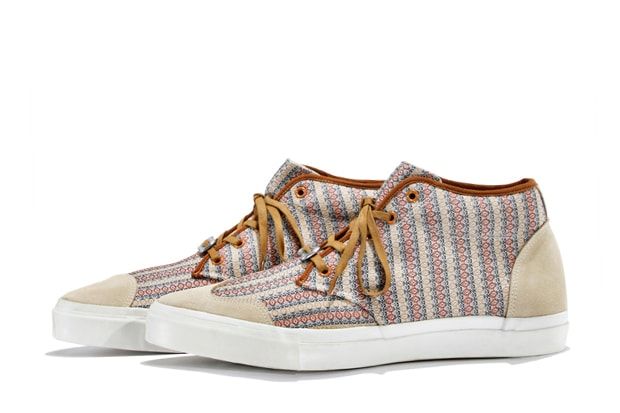
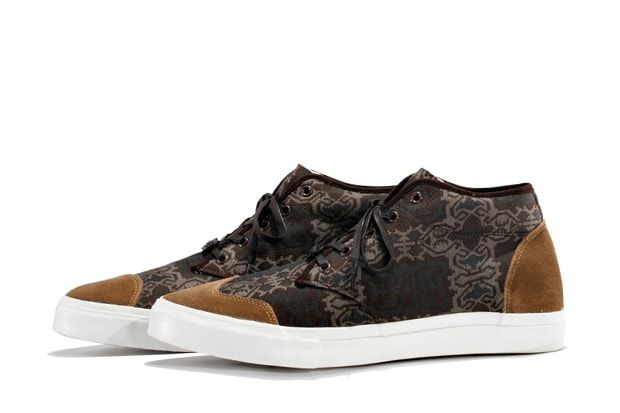
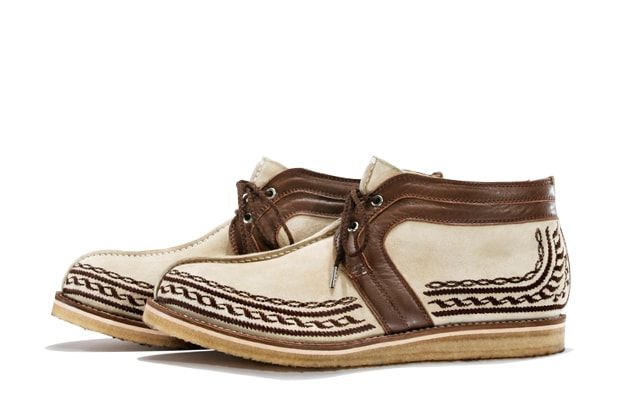
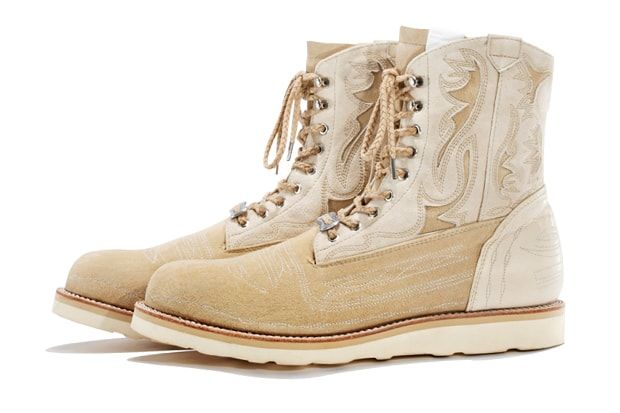
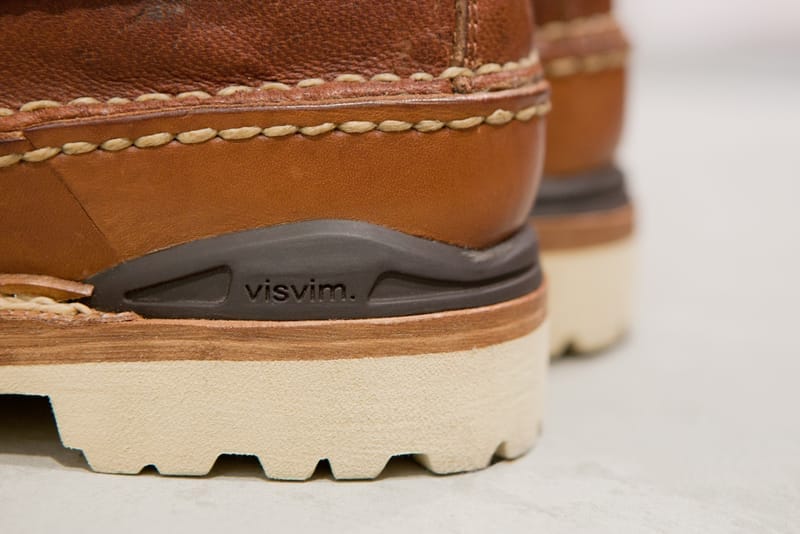
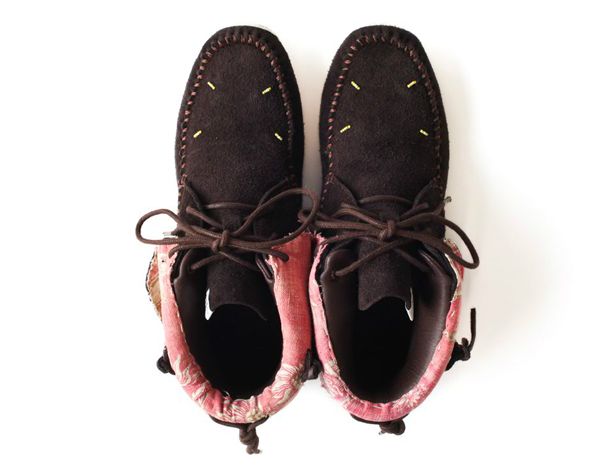
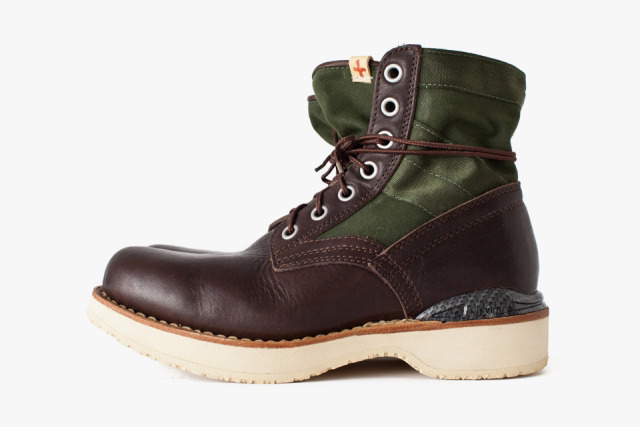
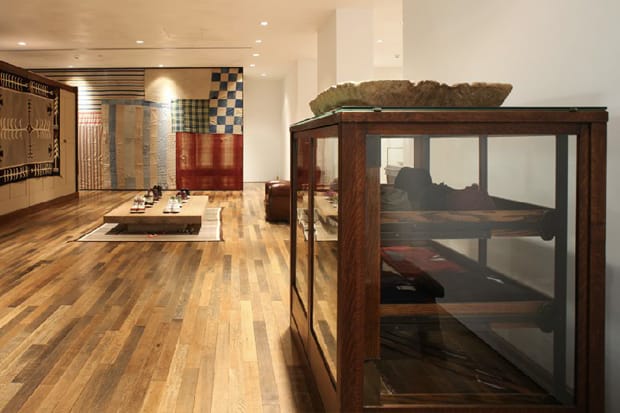
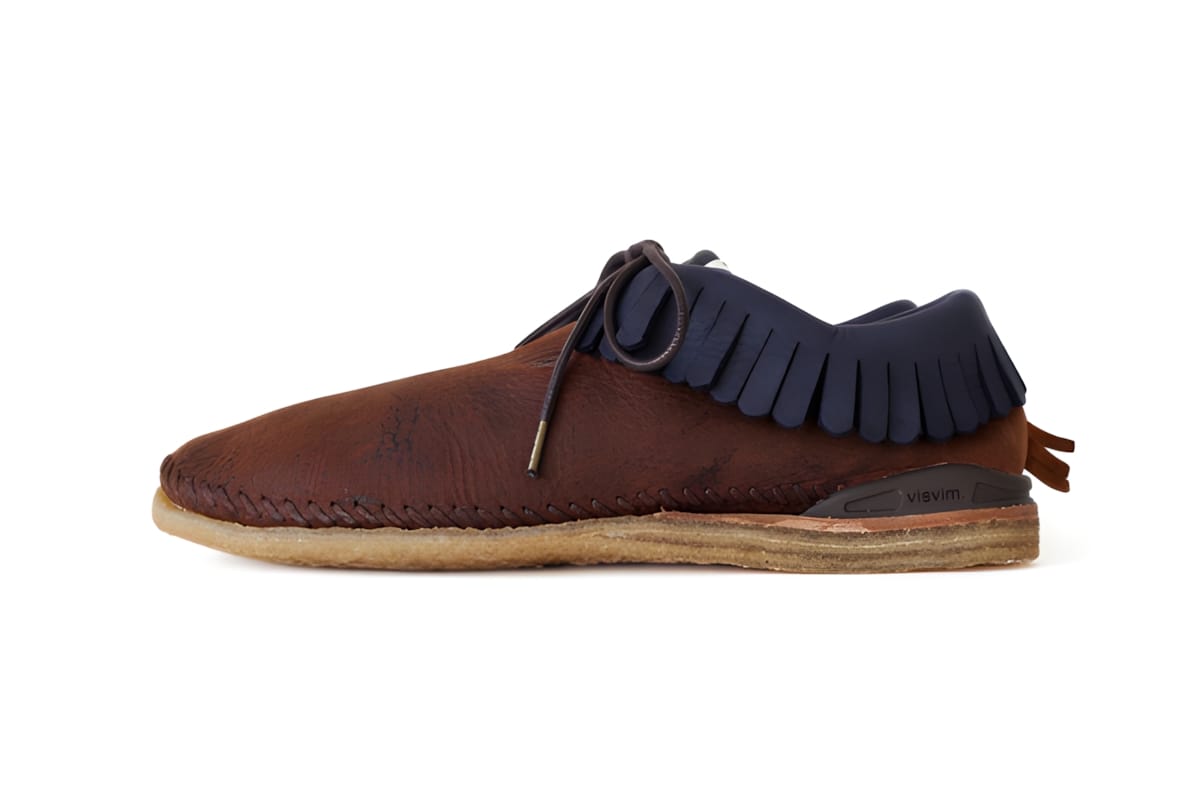
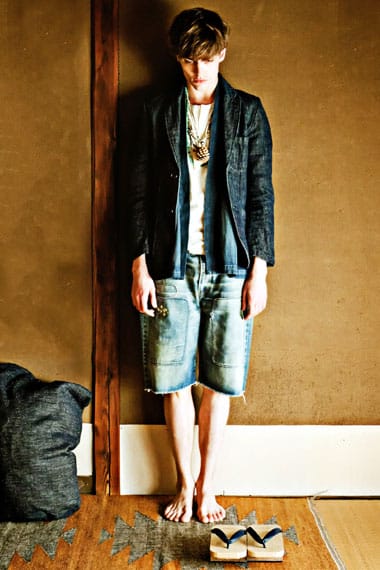
A page from 'TEXT in visvim', the visvim Spring/Summer 2012 feature in Japan's SENSE Magazine (March 2012). Naturally dyed, hand-constructed pieces from Hiroki Nakamura.


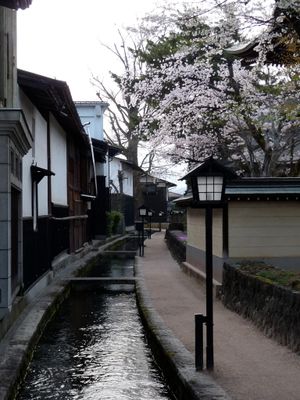
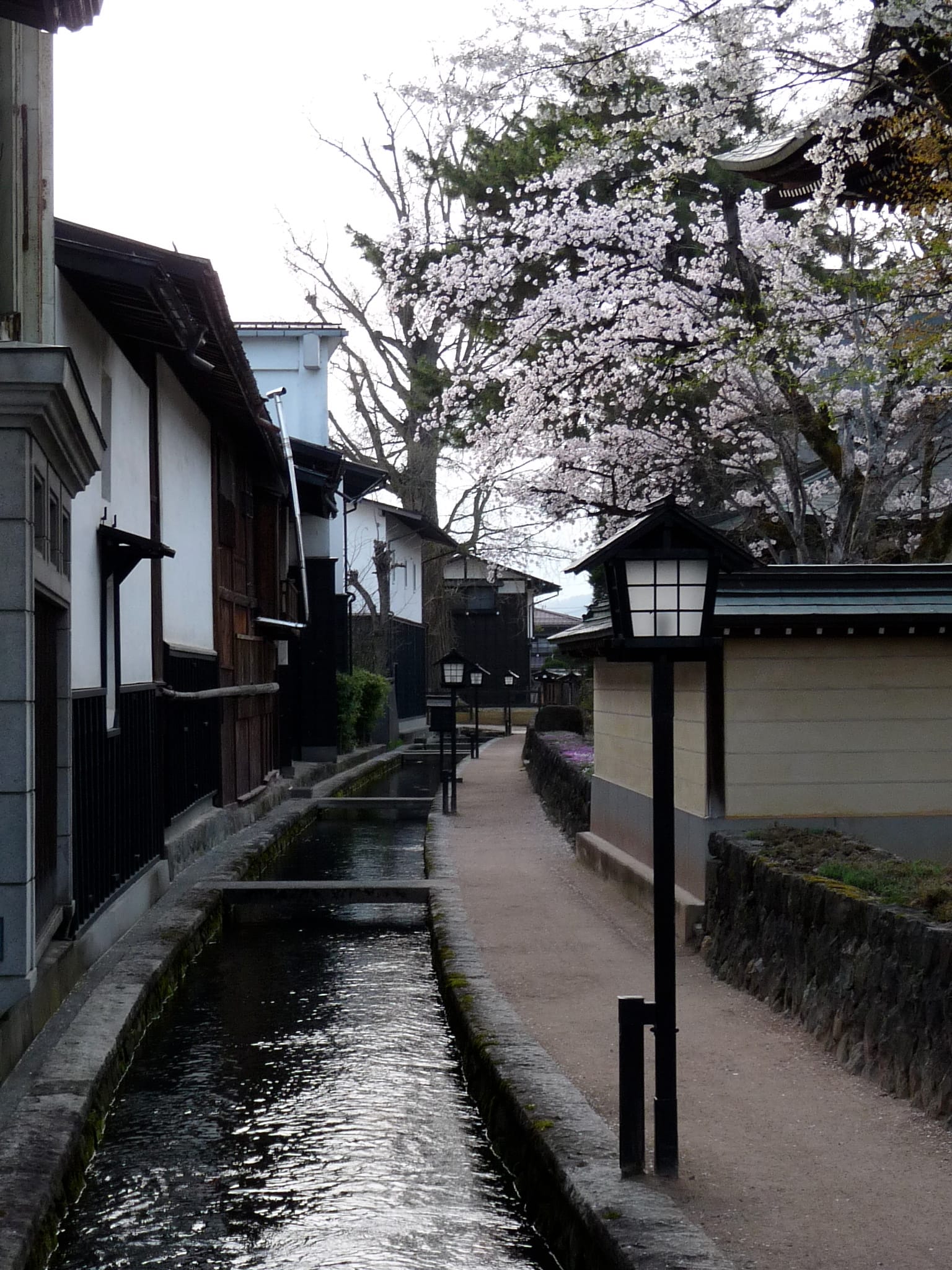
Dan's Hida-Furukawa (飛騨古川) follows the Seto River canal through the preserved old town of Furukawa in Hida City, Gifu Prefecture. The photograph was taken on April 15, 2009.
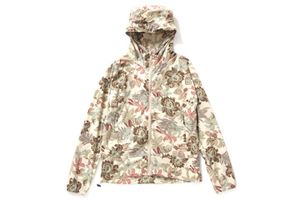
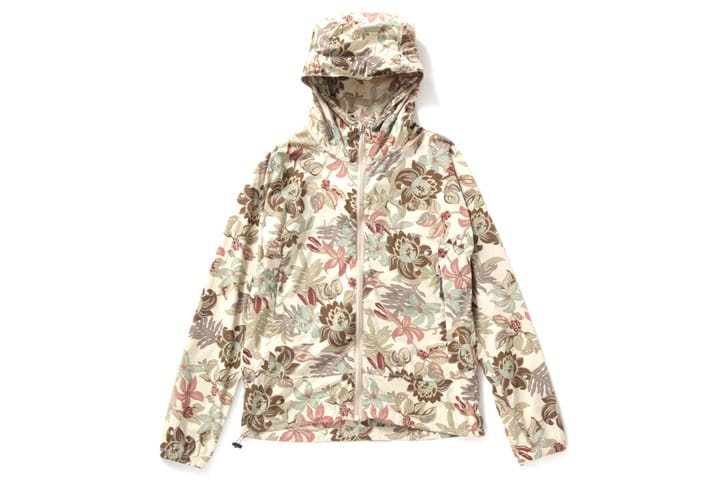
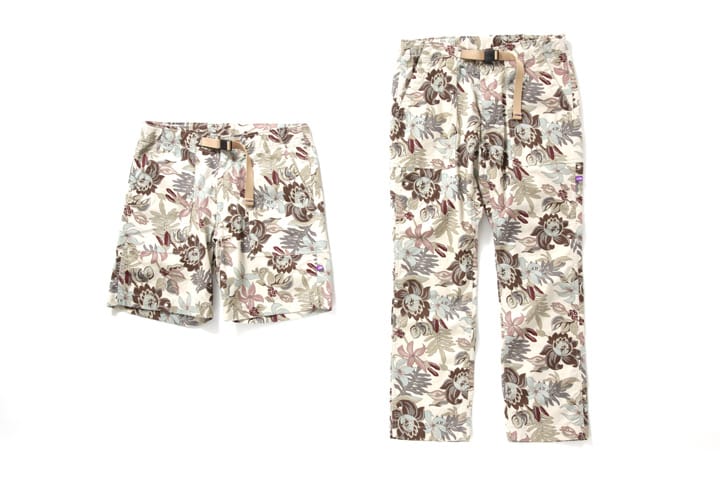
The North Face Purple Label's Spring/Summer 2013 Vintage Nylon Taffeta Print Collection applies a floral pattern to a cotton/nylon hooded parka, matching cargo shorts and full-length trousers.
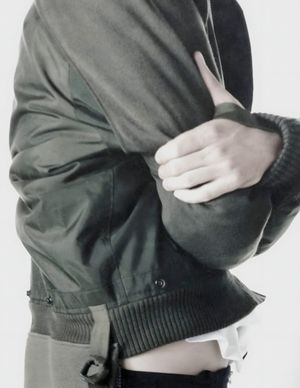
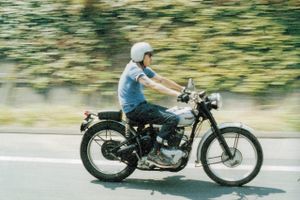
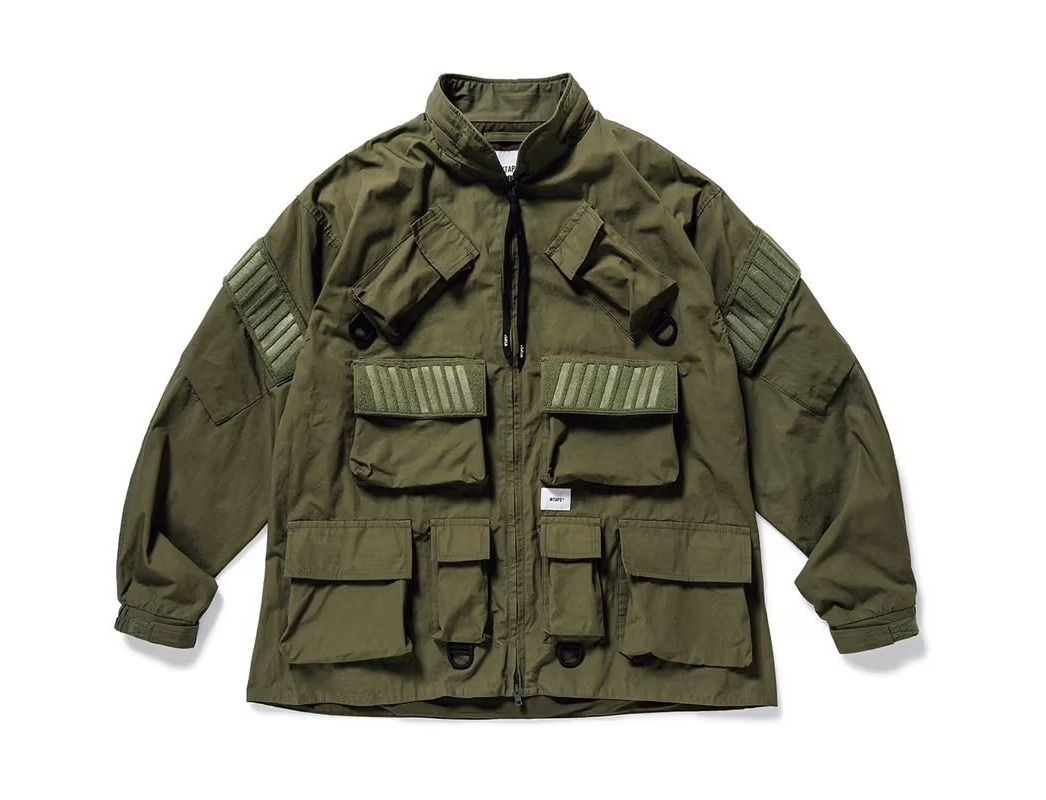
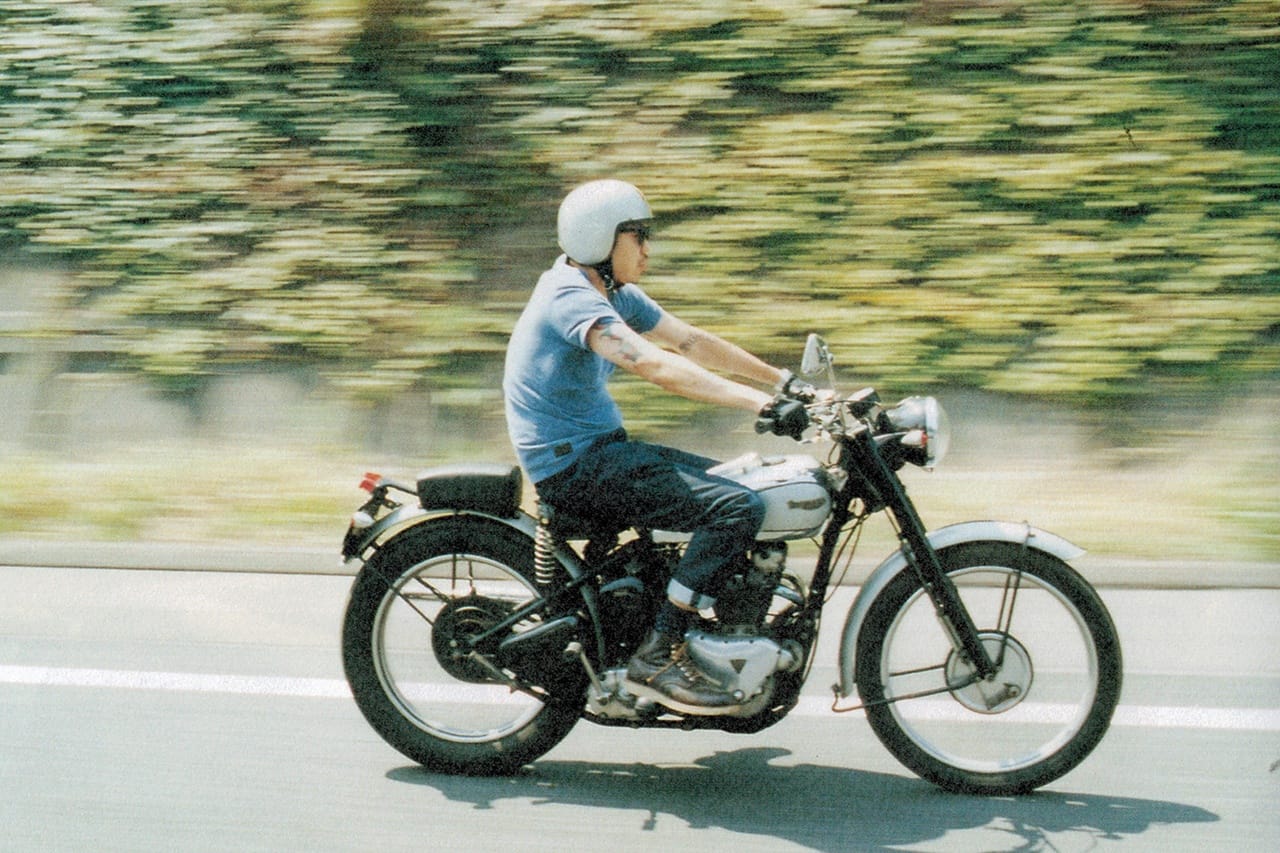
WTAPS FW13 Lifist lookbook image with Tetsu Nishiyama riding a vintage motorcycle, part of the collection’s lifestyle-focused presentation.
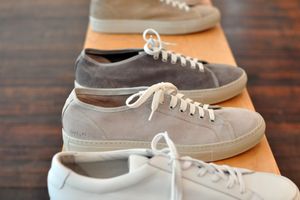
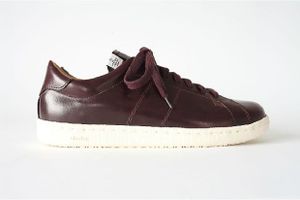
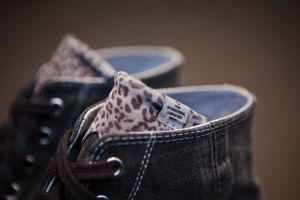
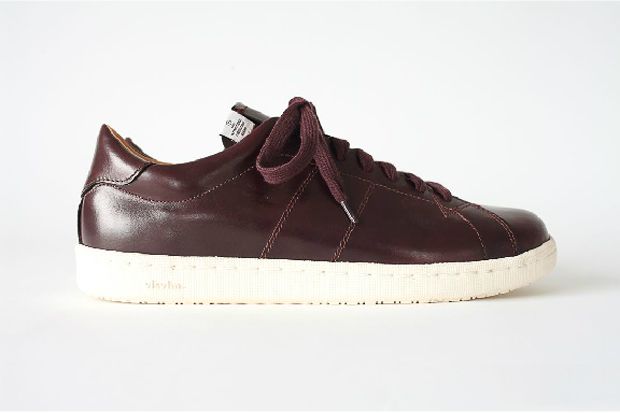
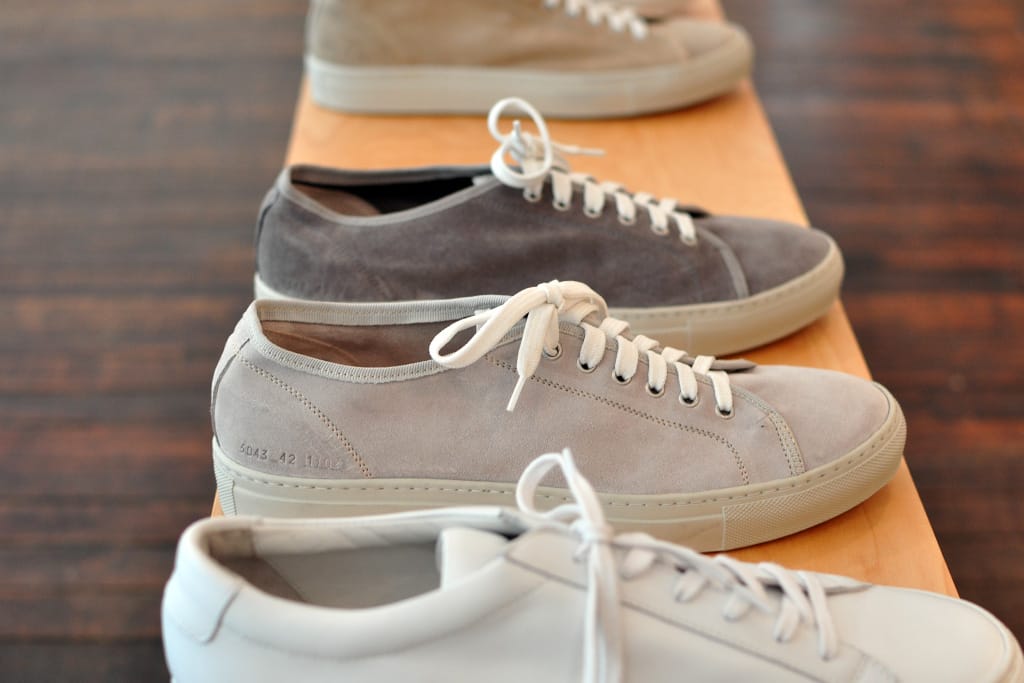
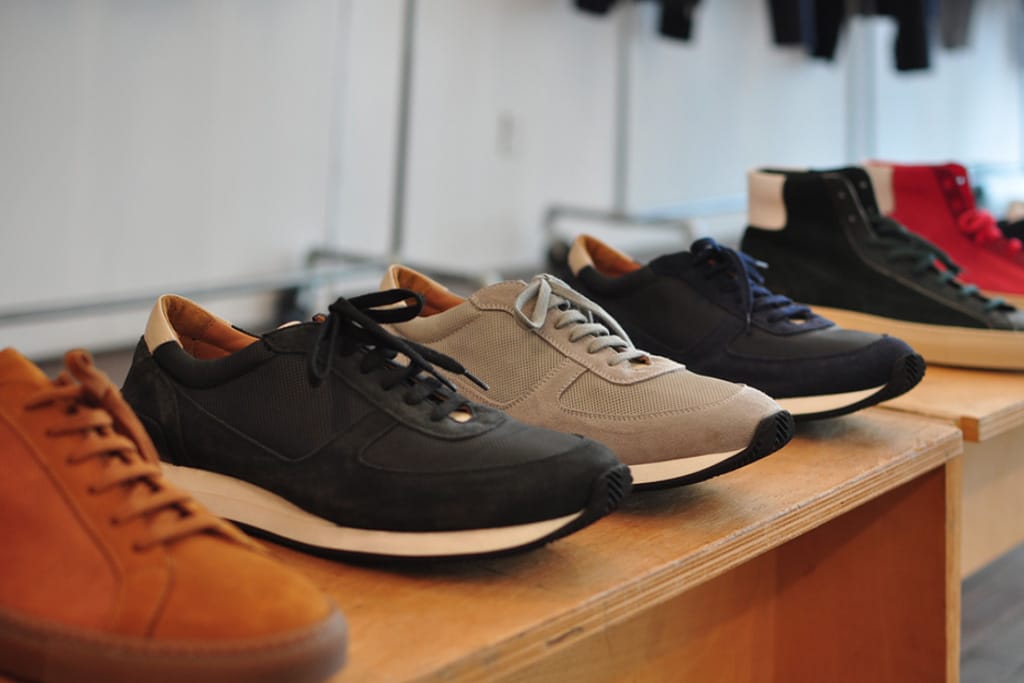
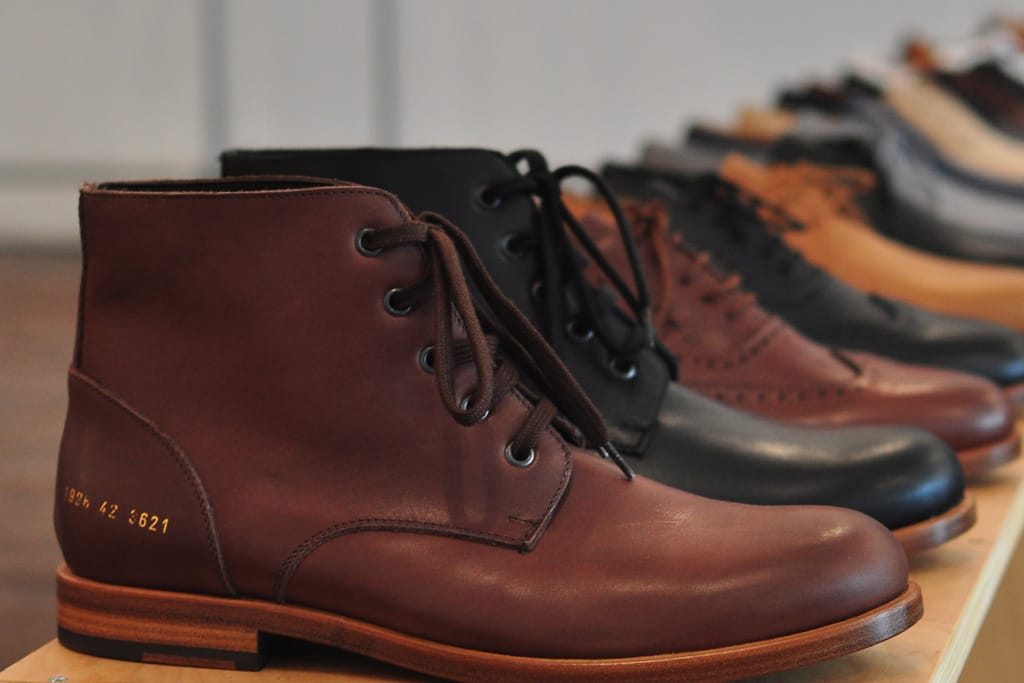
A preview of Common Projects' Spring/Summer 2012 footwear, including low-top sneakers, running silhouettes and ankle boots.
The photographs were taken during Très Bien Shop's visit to the Common Projects showroom.
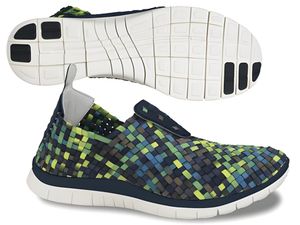

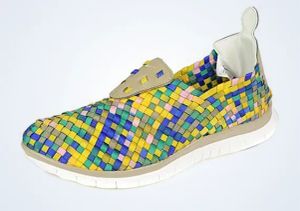
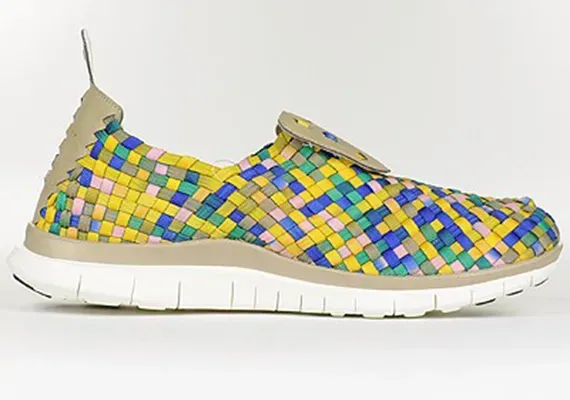
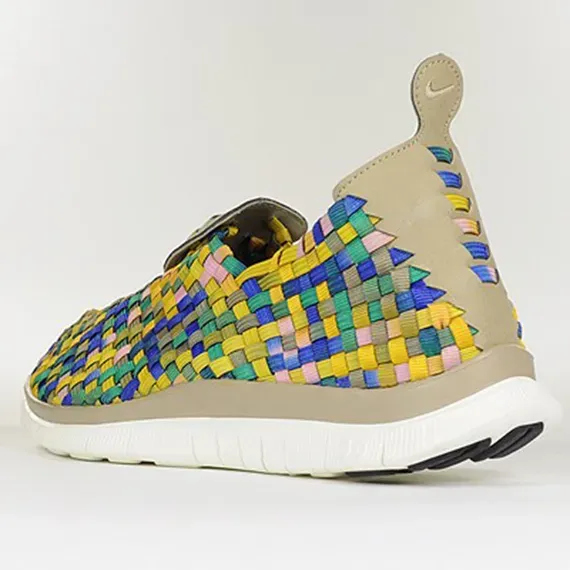
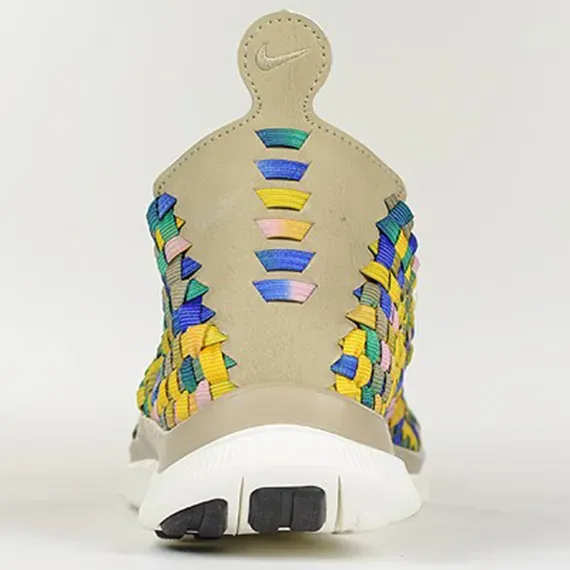
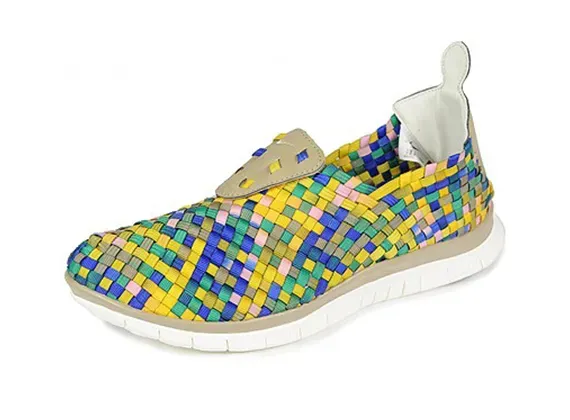
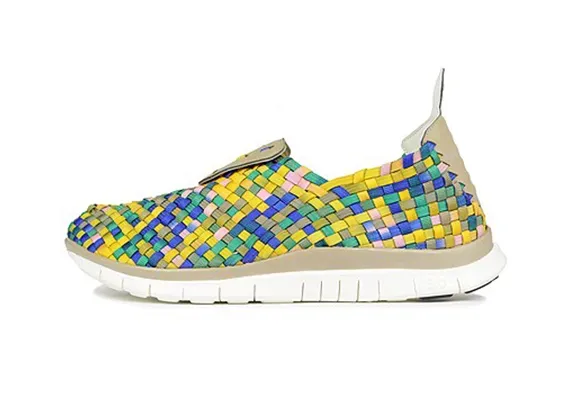
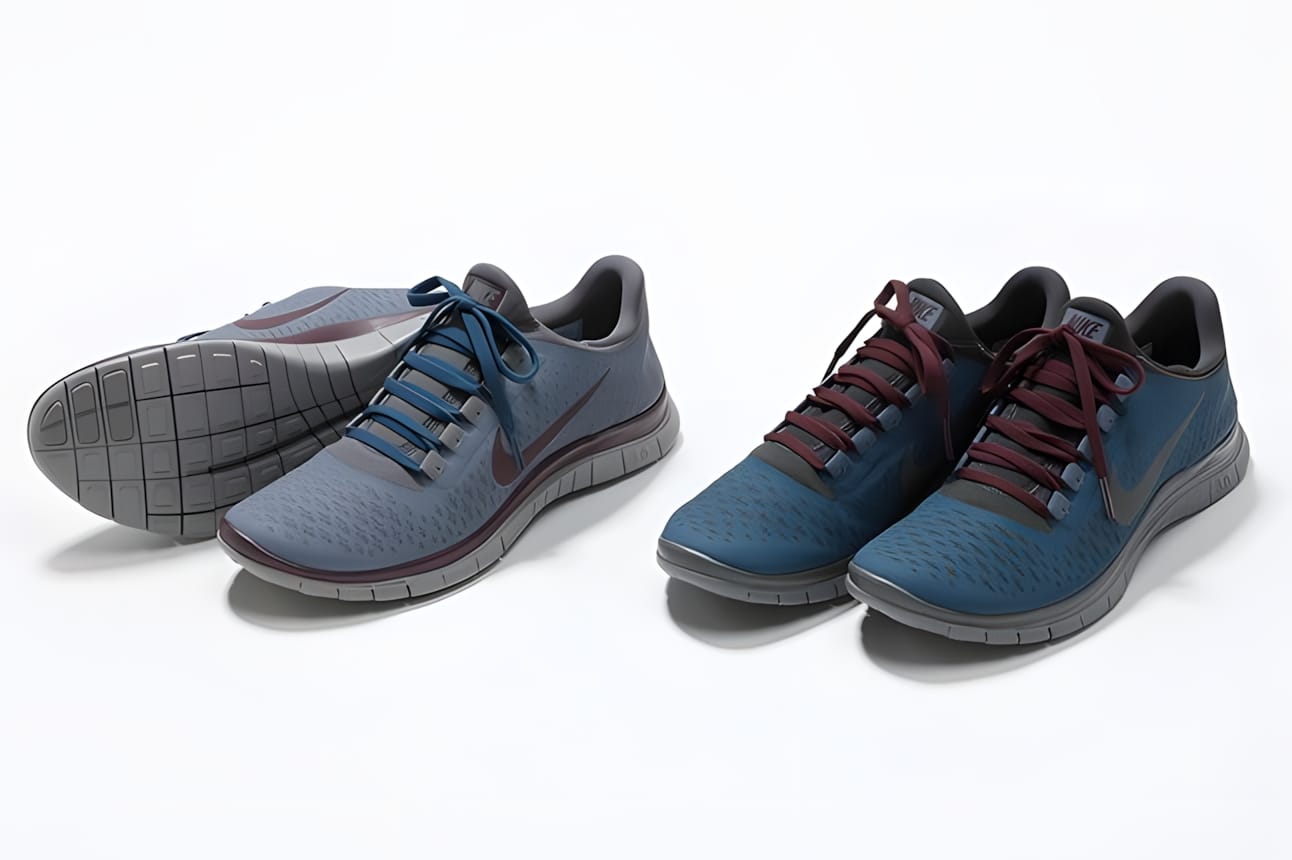
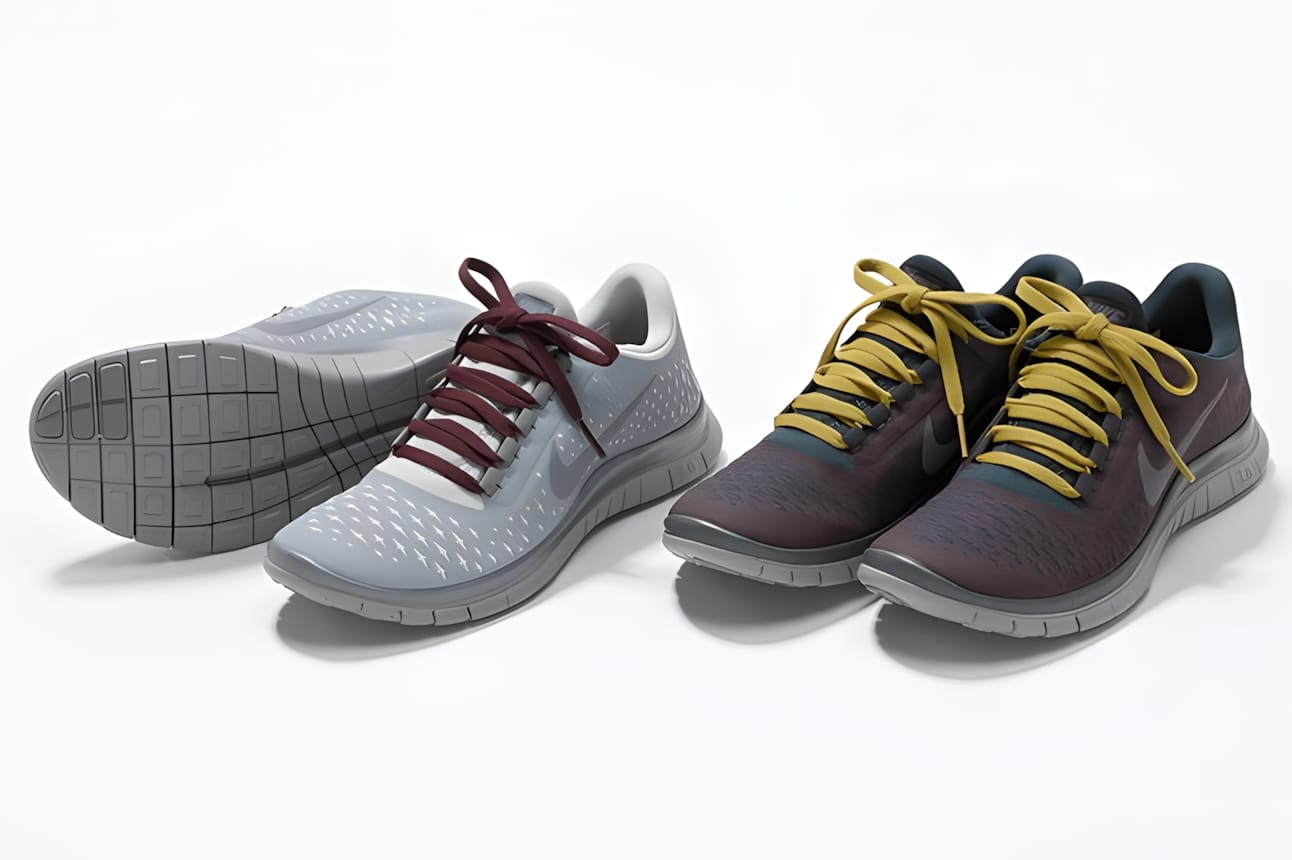
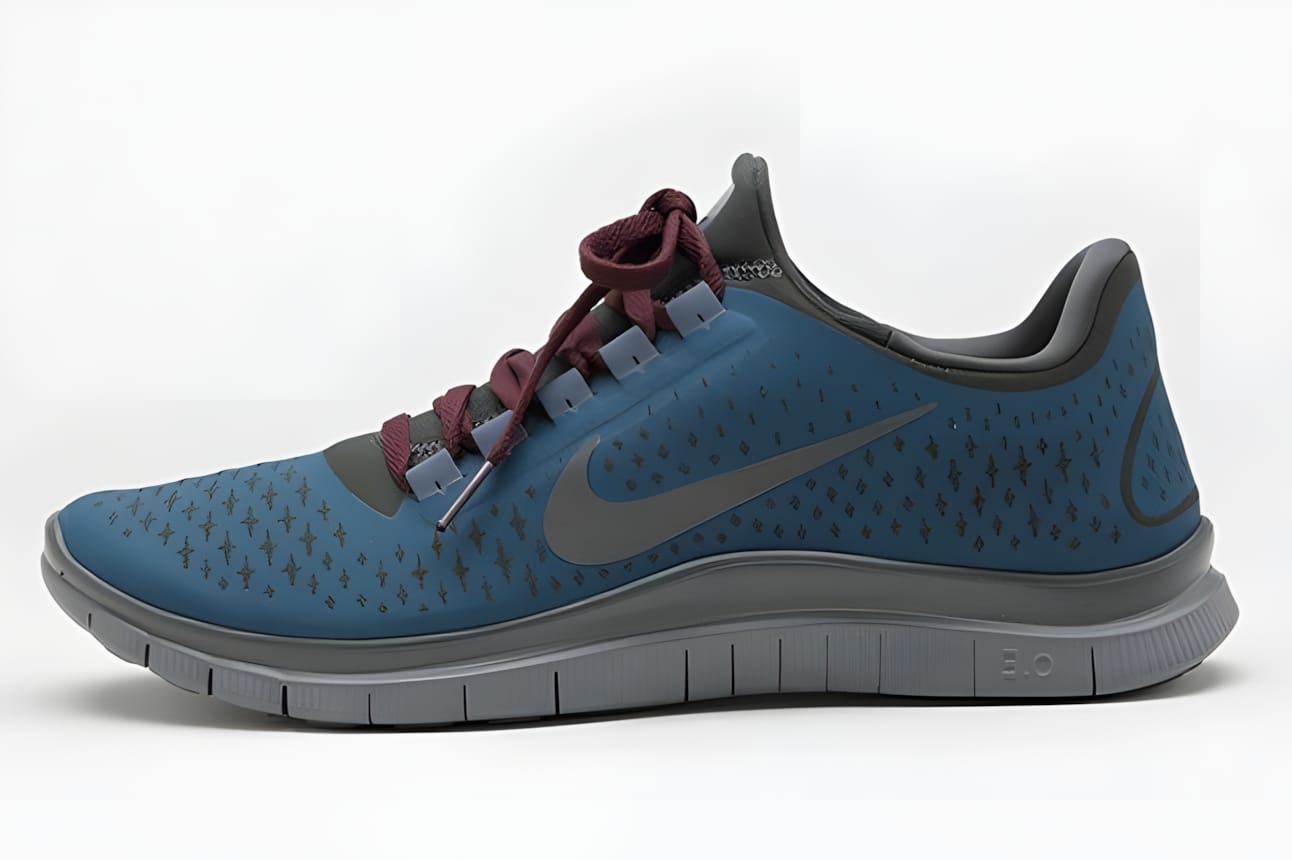
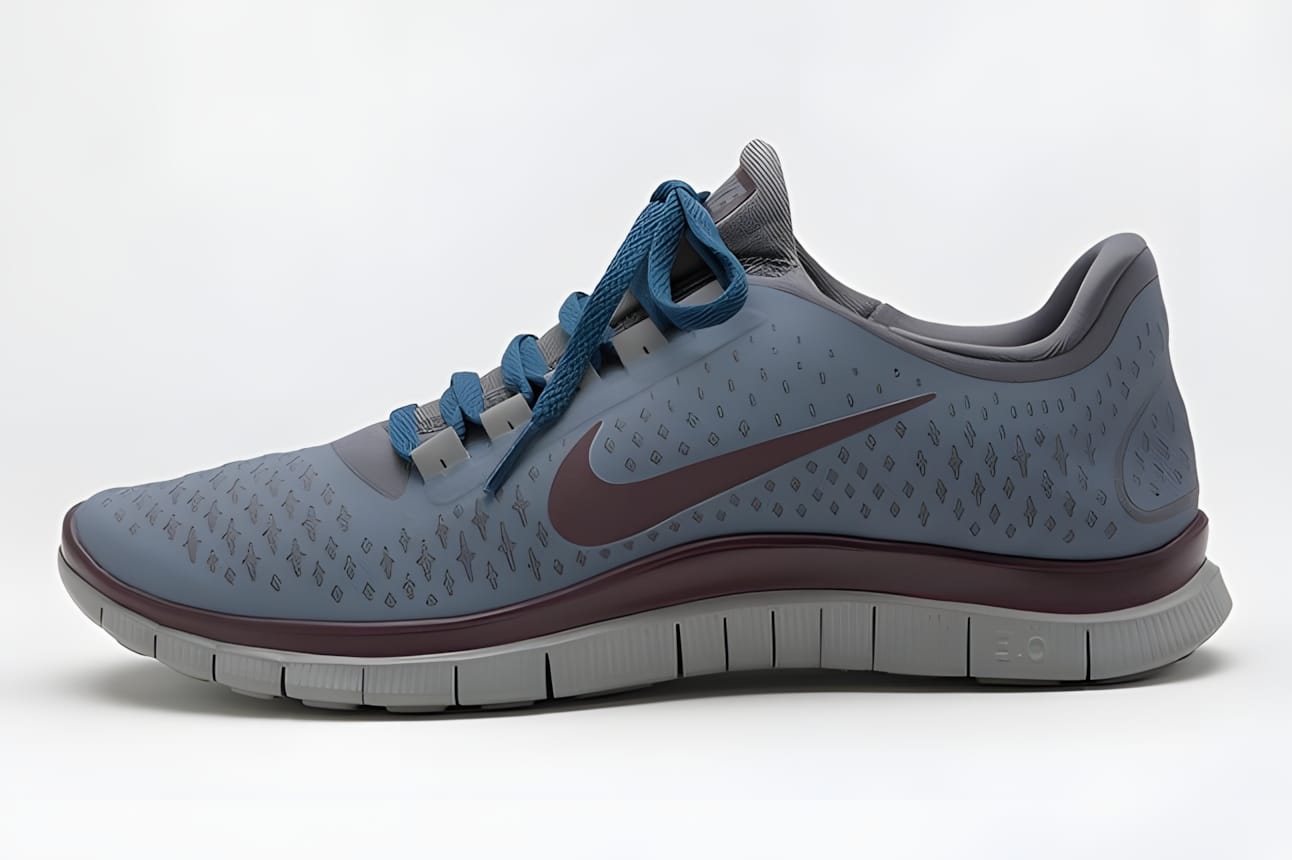
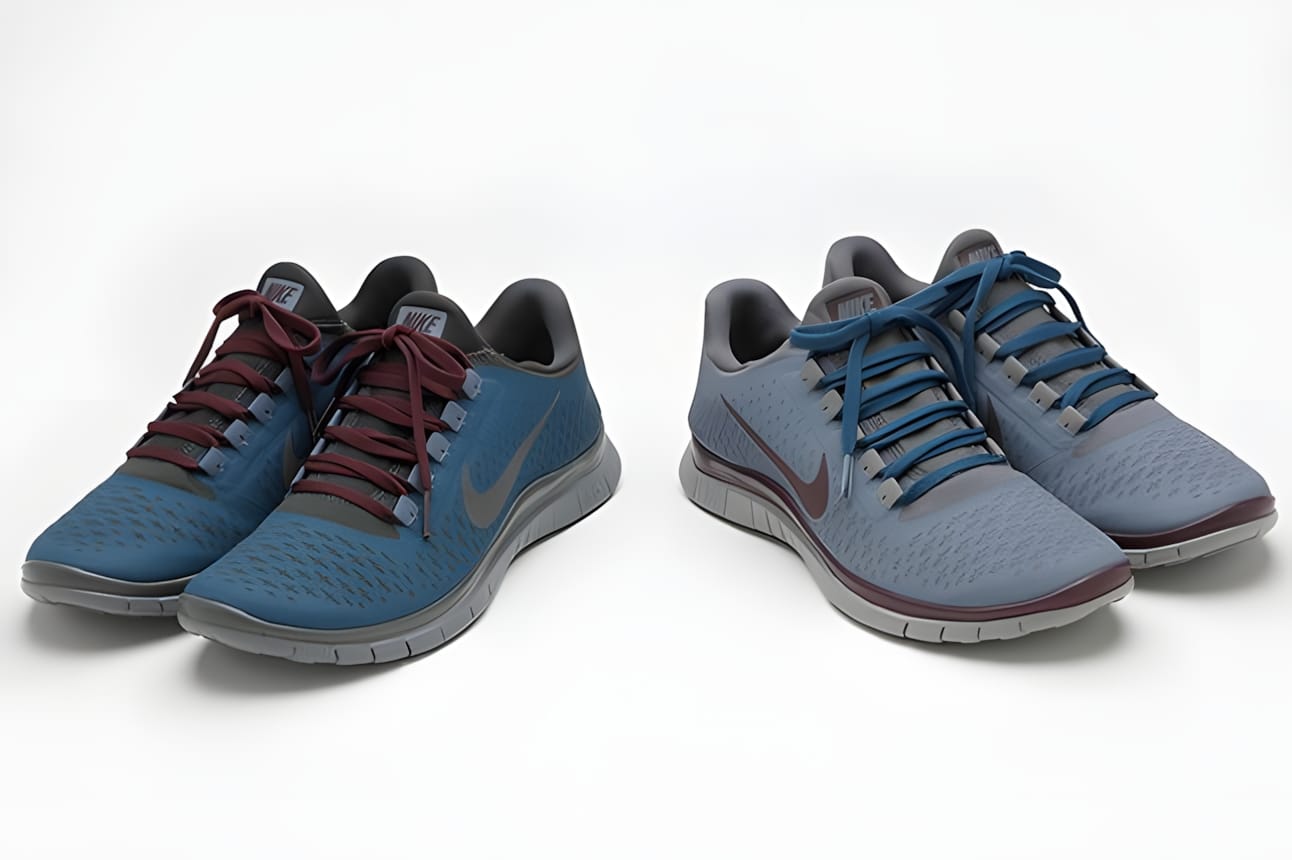
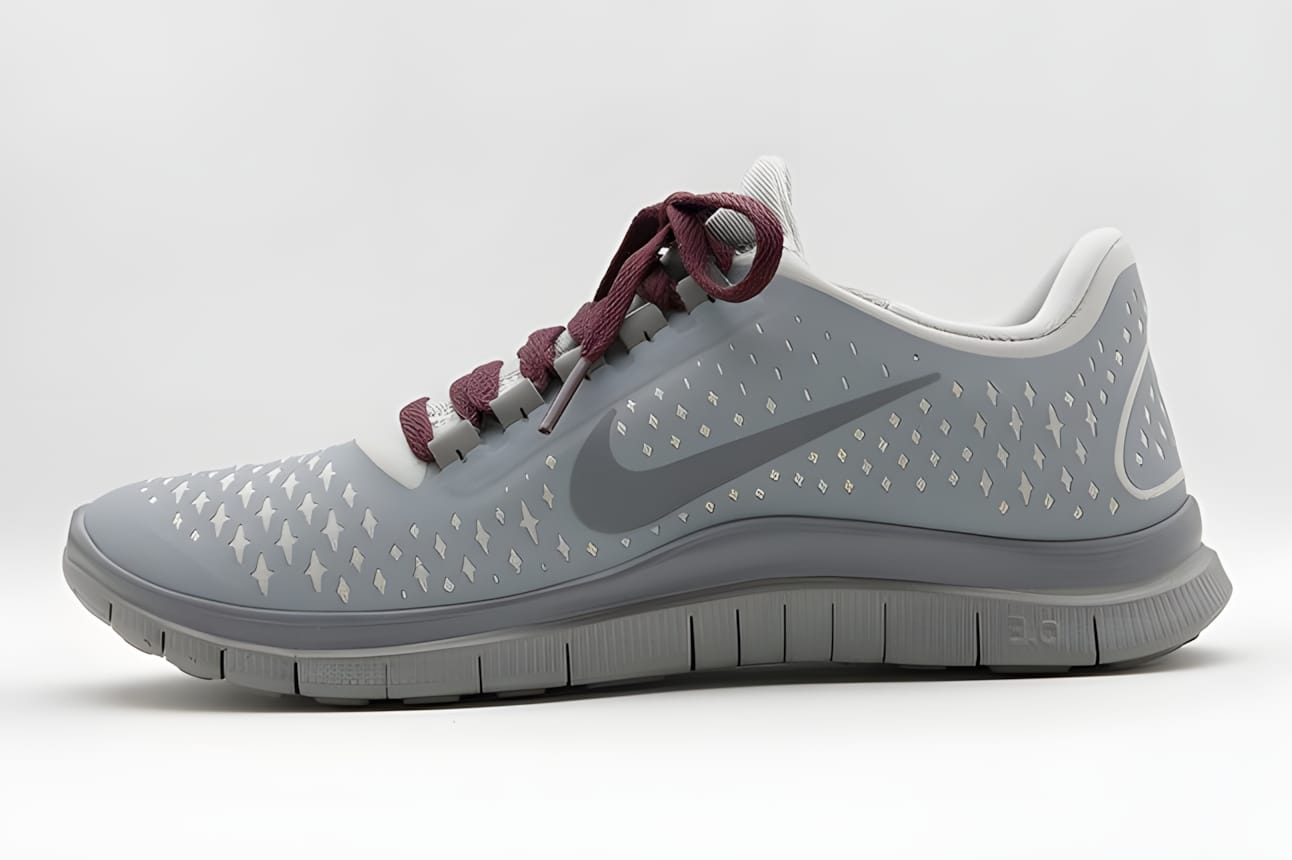
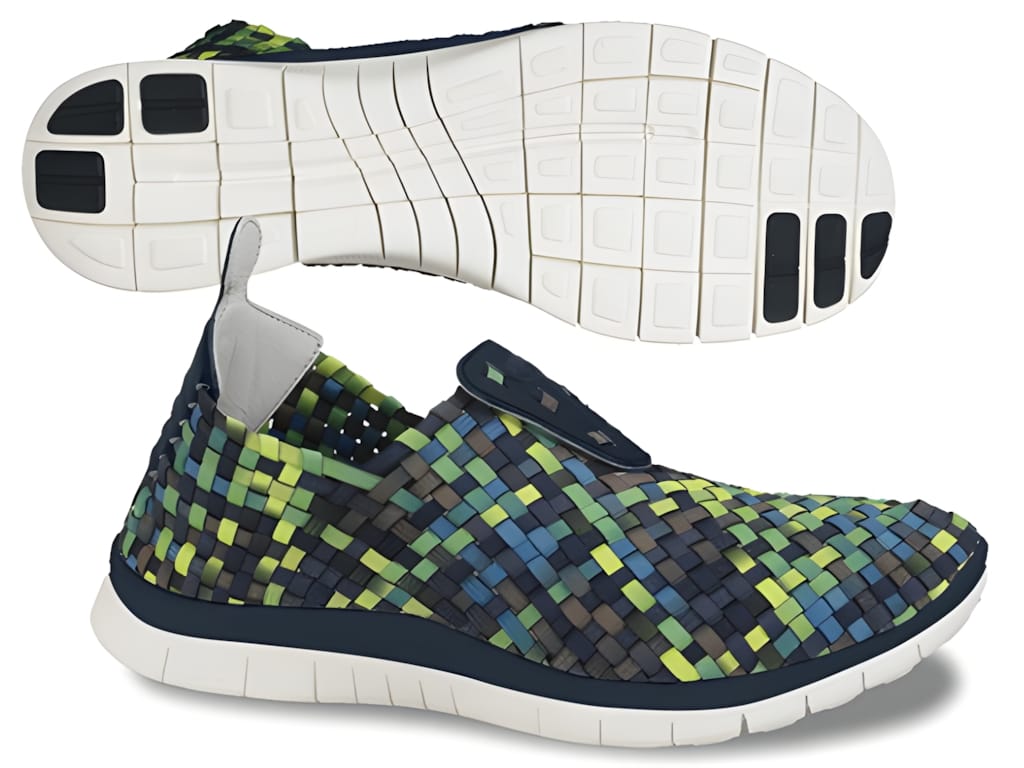
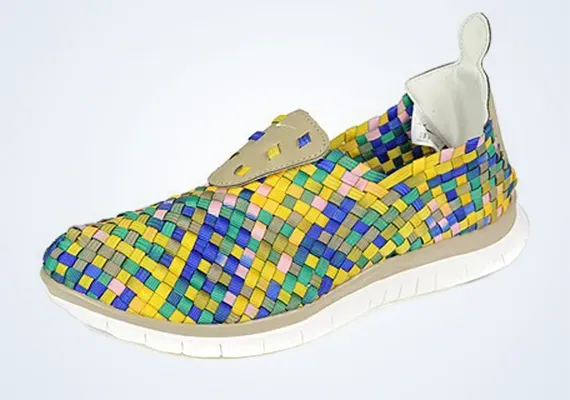
Nike Free Woven in Khaki, Stadium Green, Hyper Blue, and Pink, with a multicolor woven upper and white Free sole. Style code 555307-236.