Related_

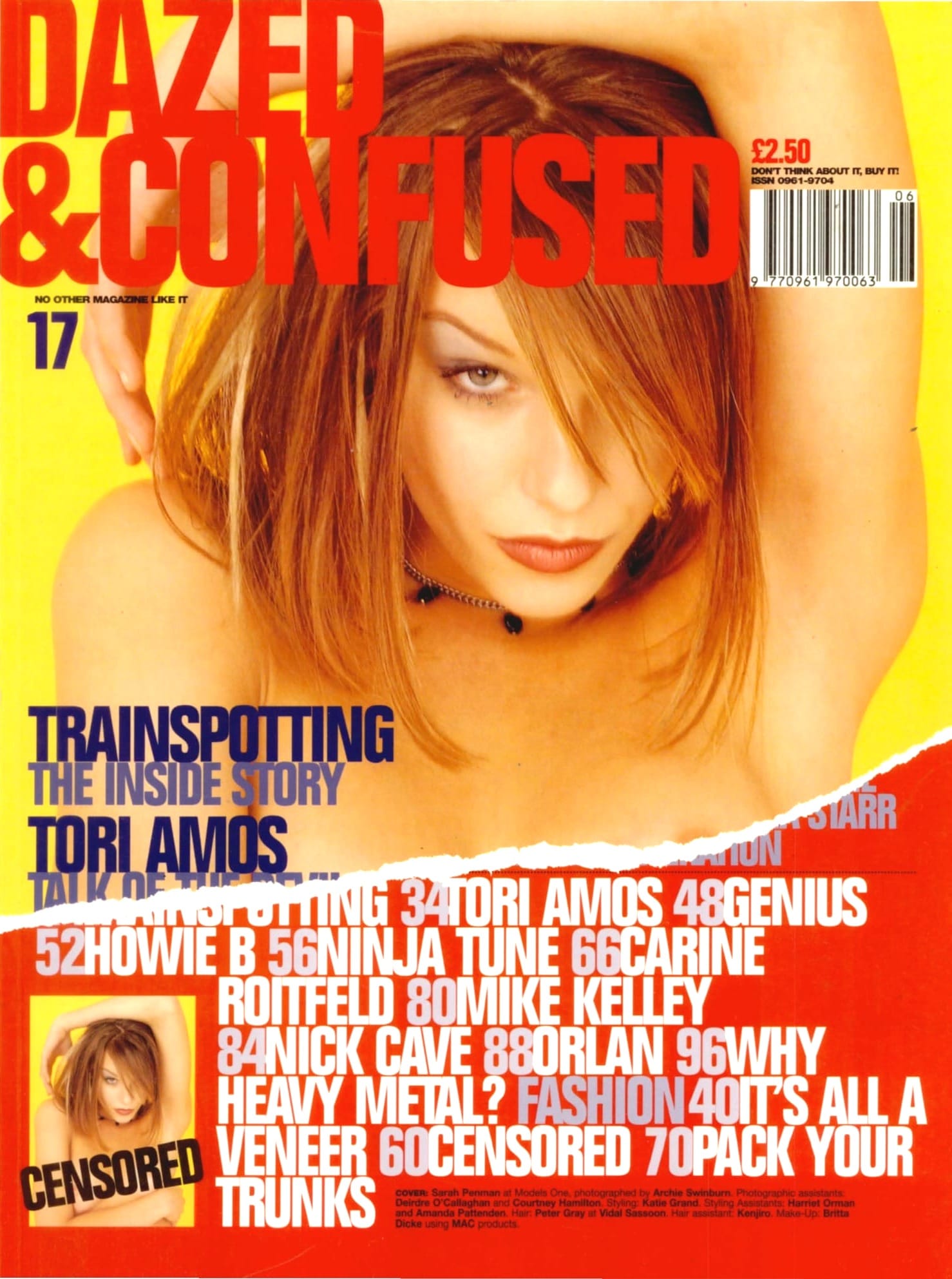
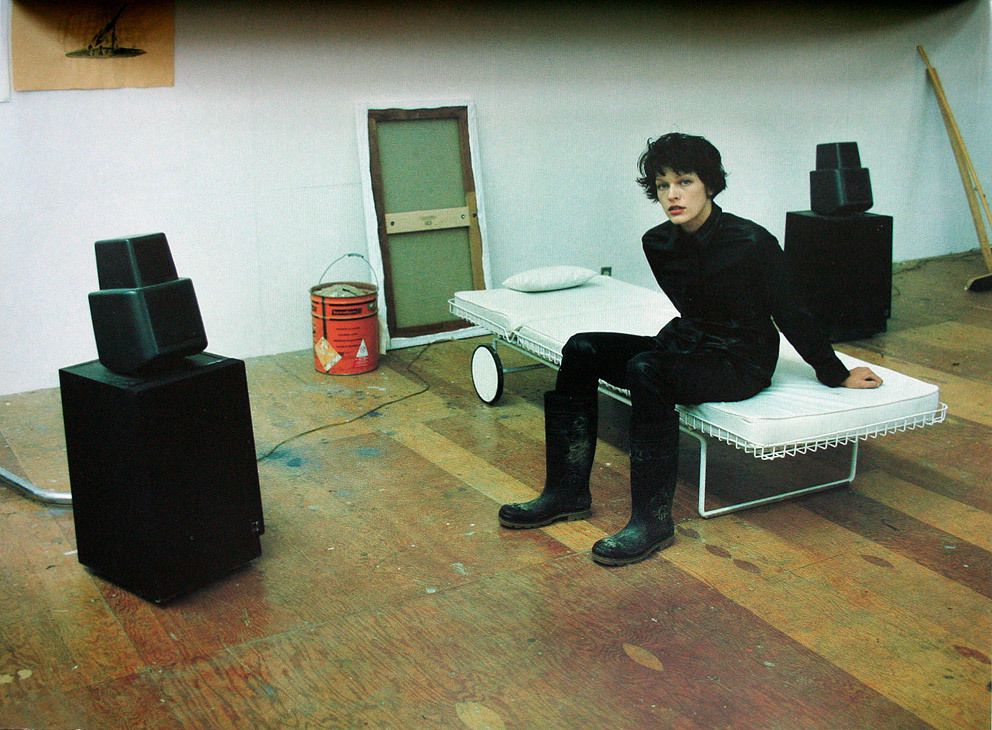
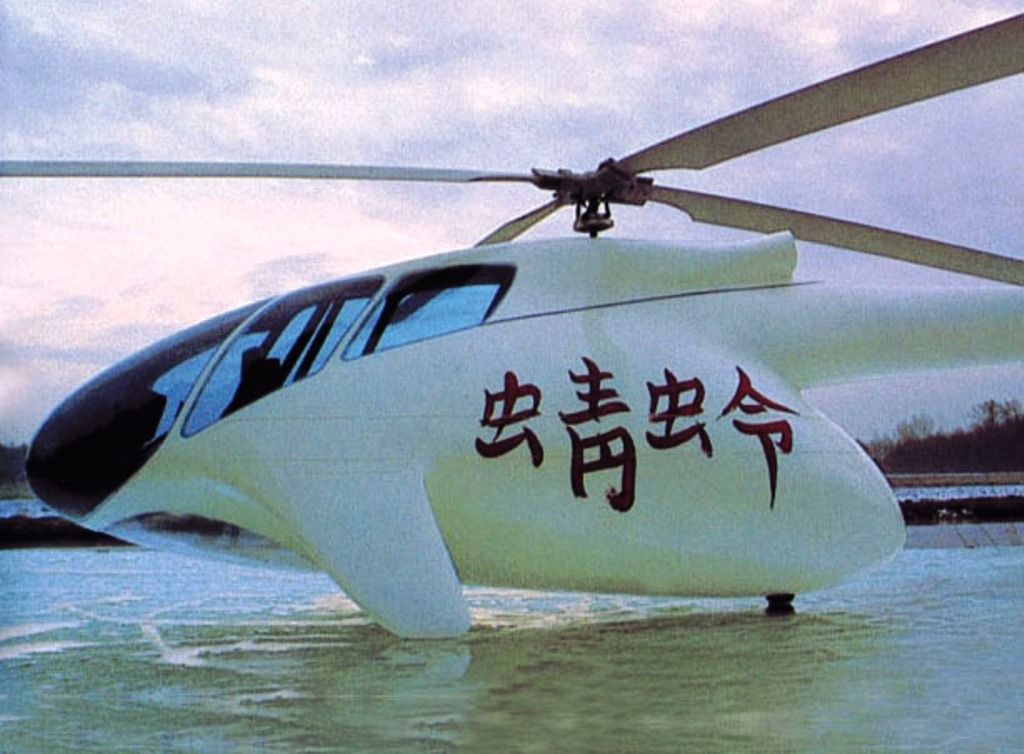
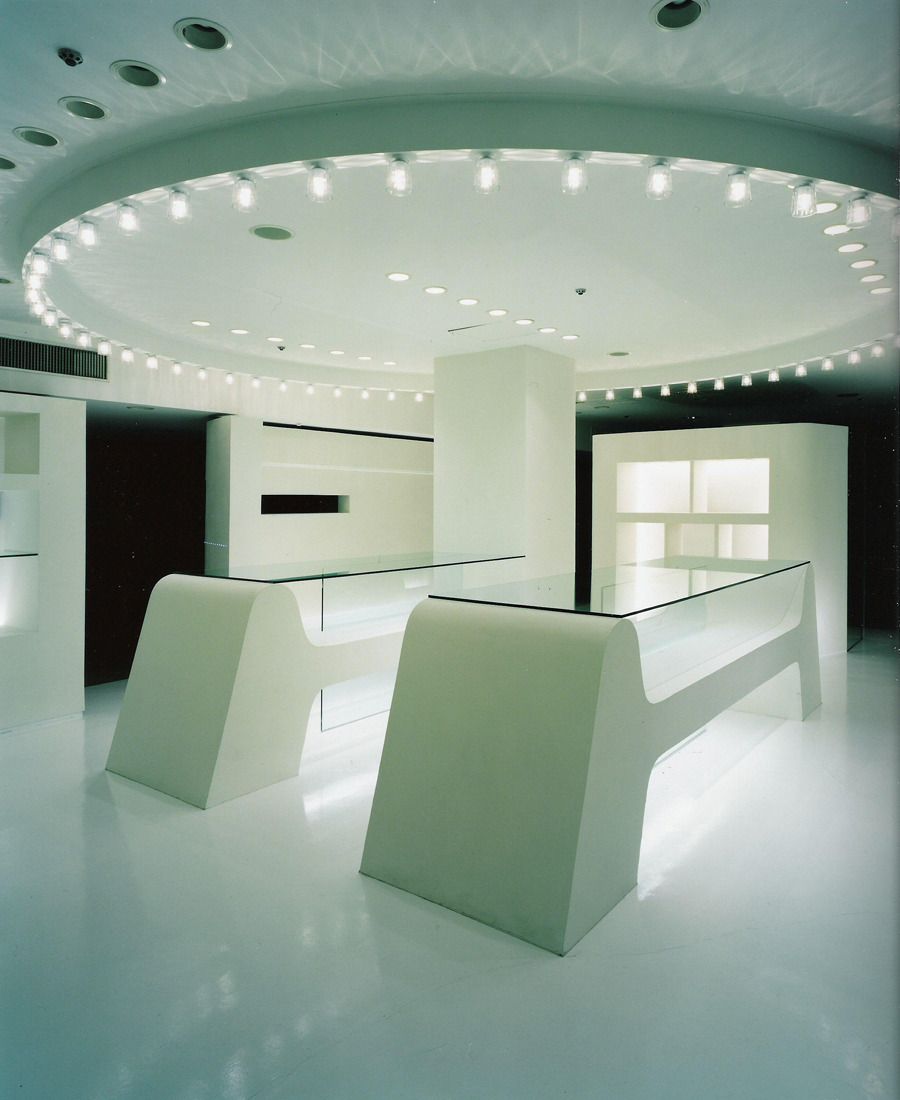
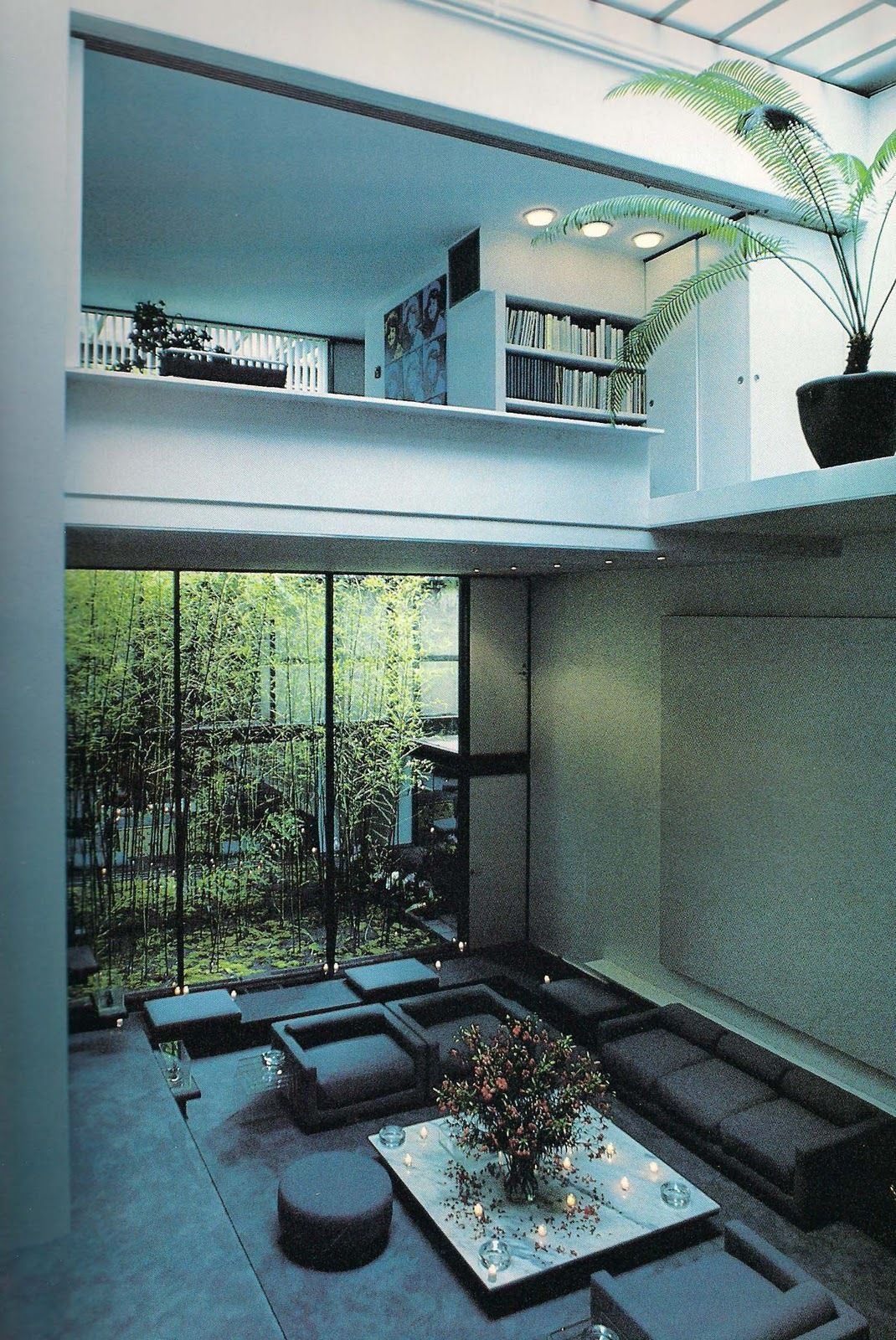
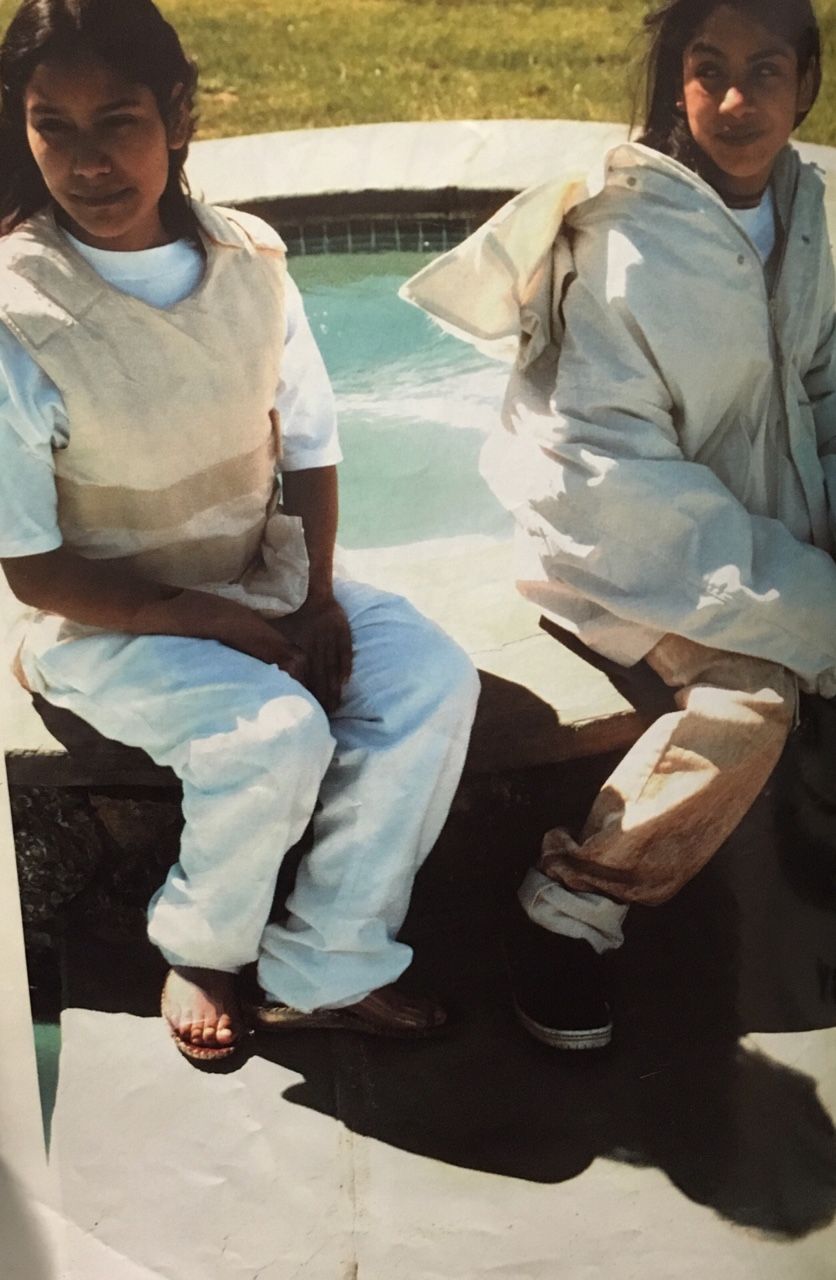
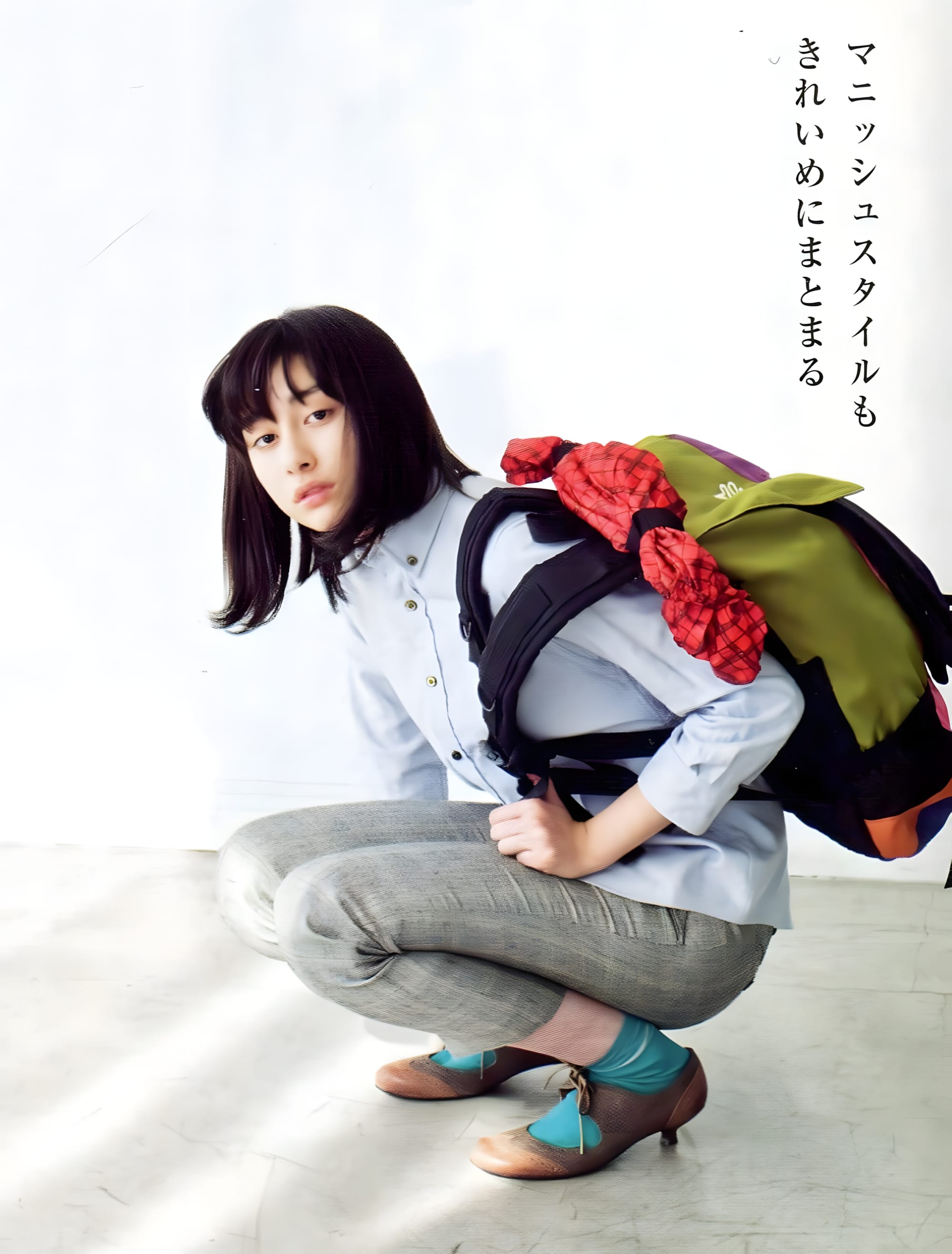
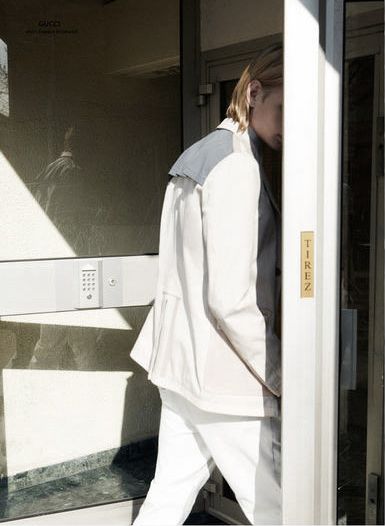
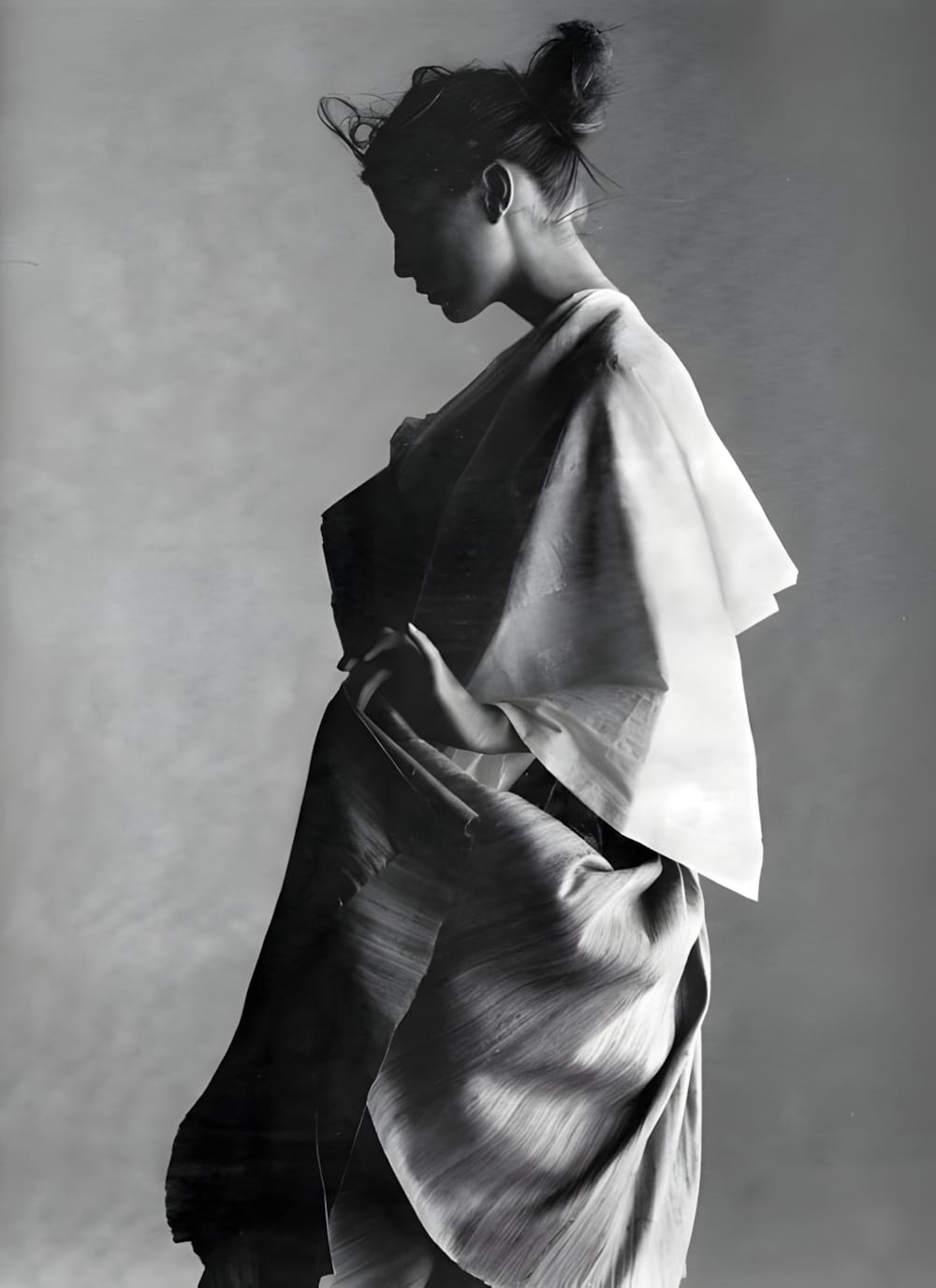
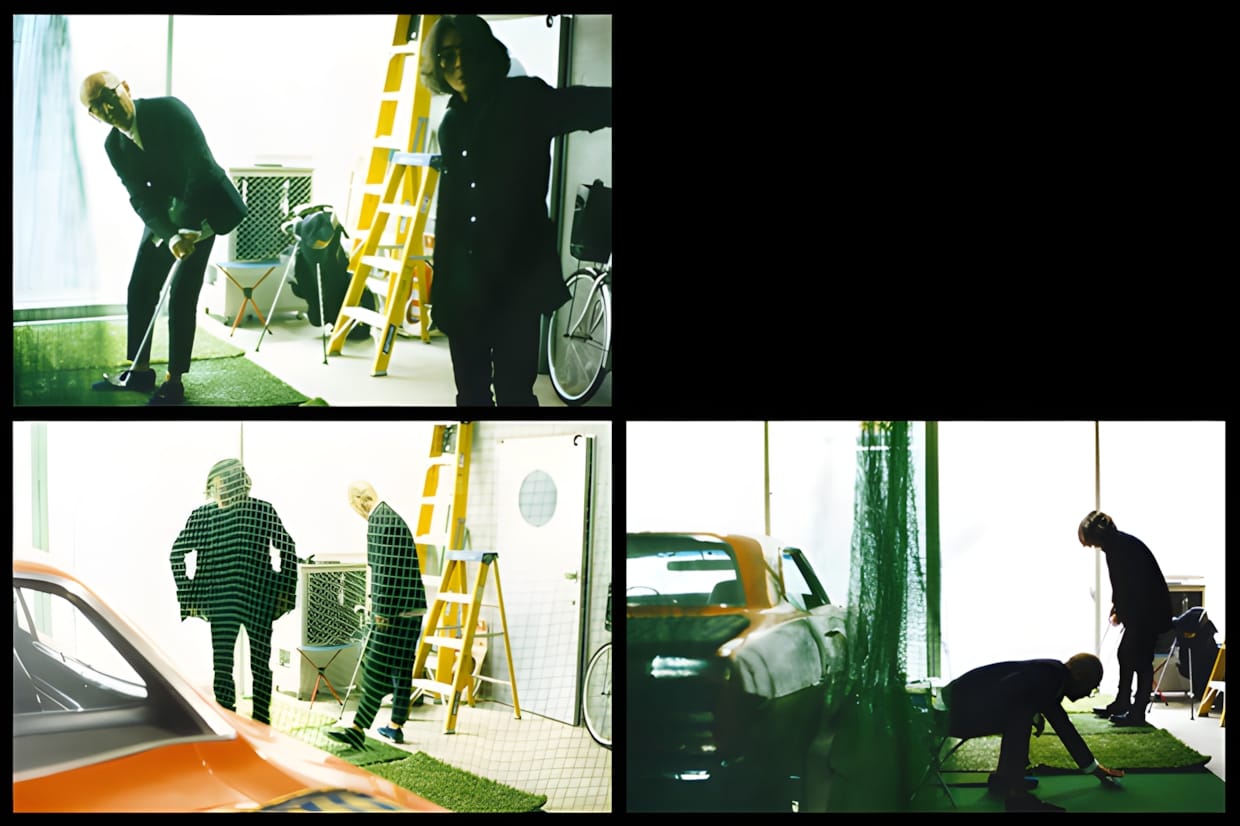
Dazed & Confused Magazine _ Issue 017 _ June 1995
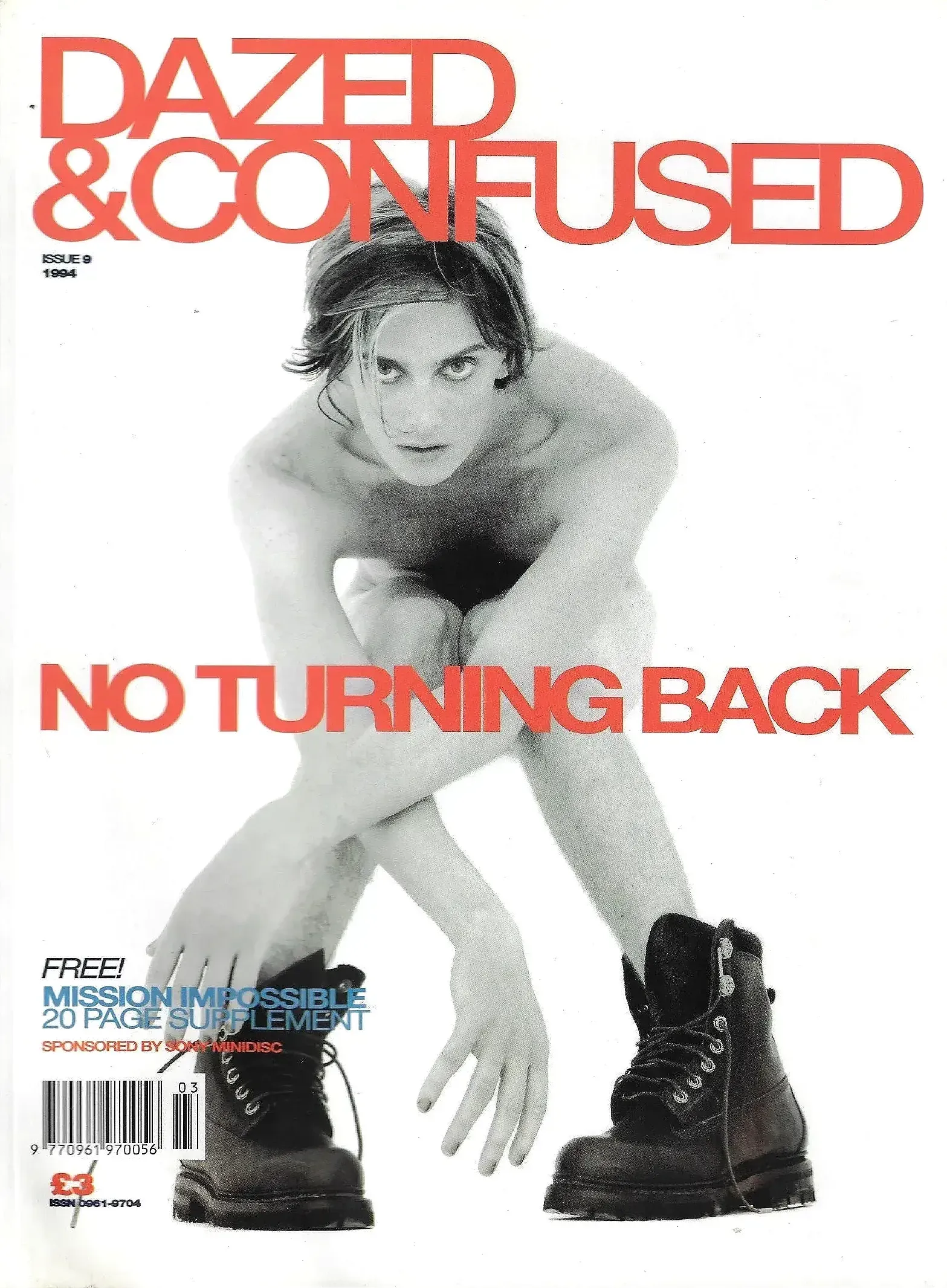
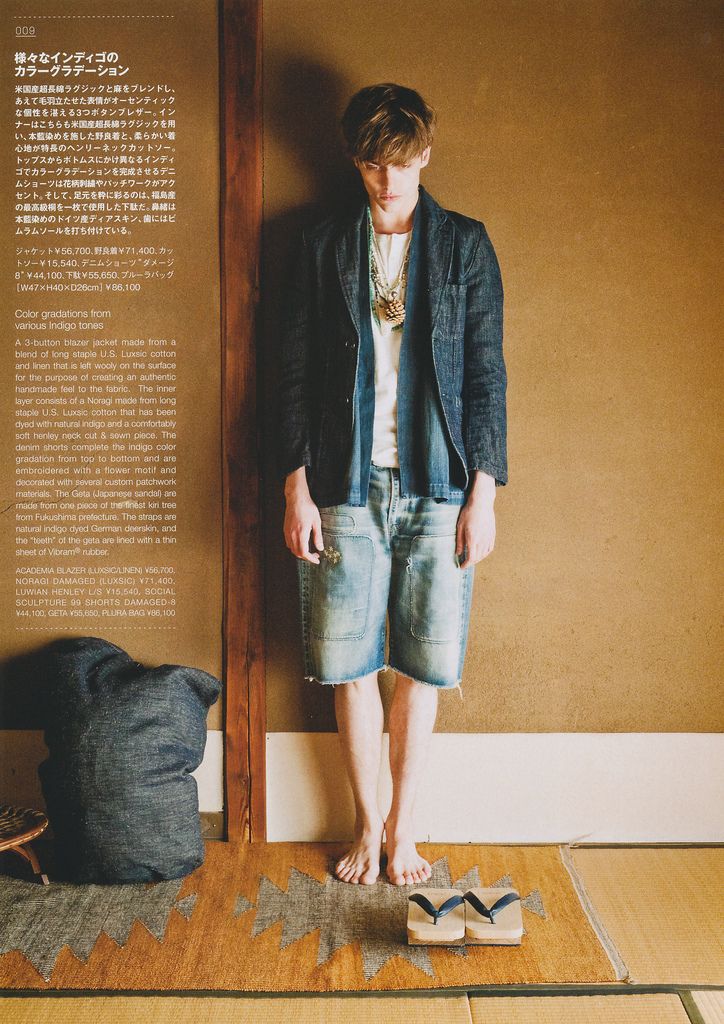
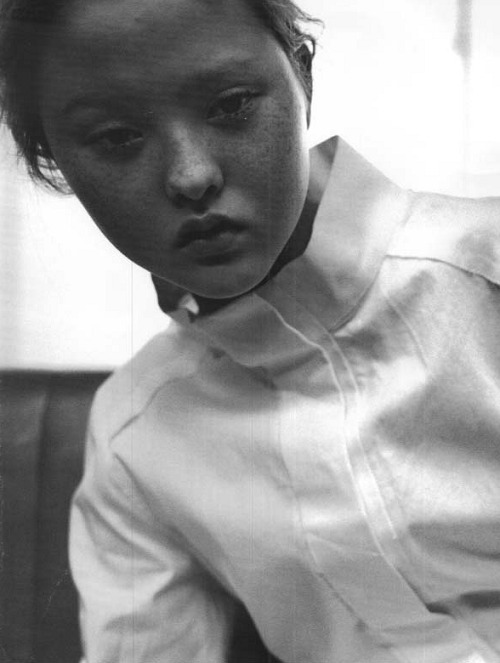
Dazed & Confused Magazine _ Issue 009 _ March 1994
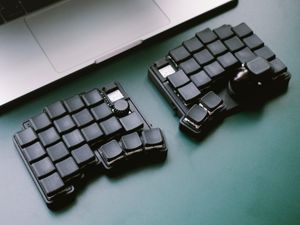
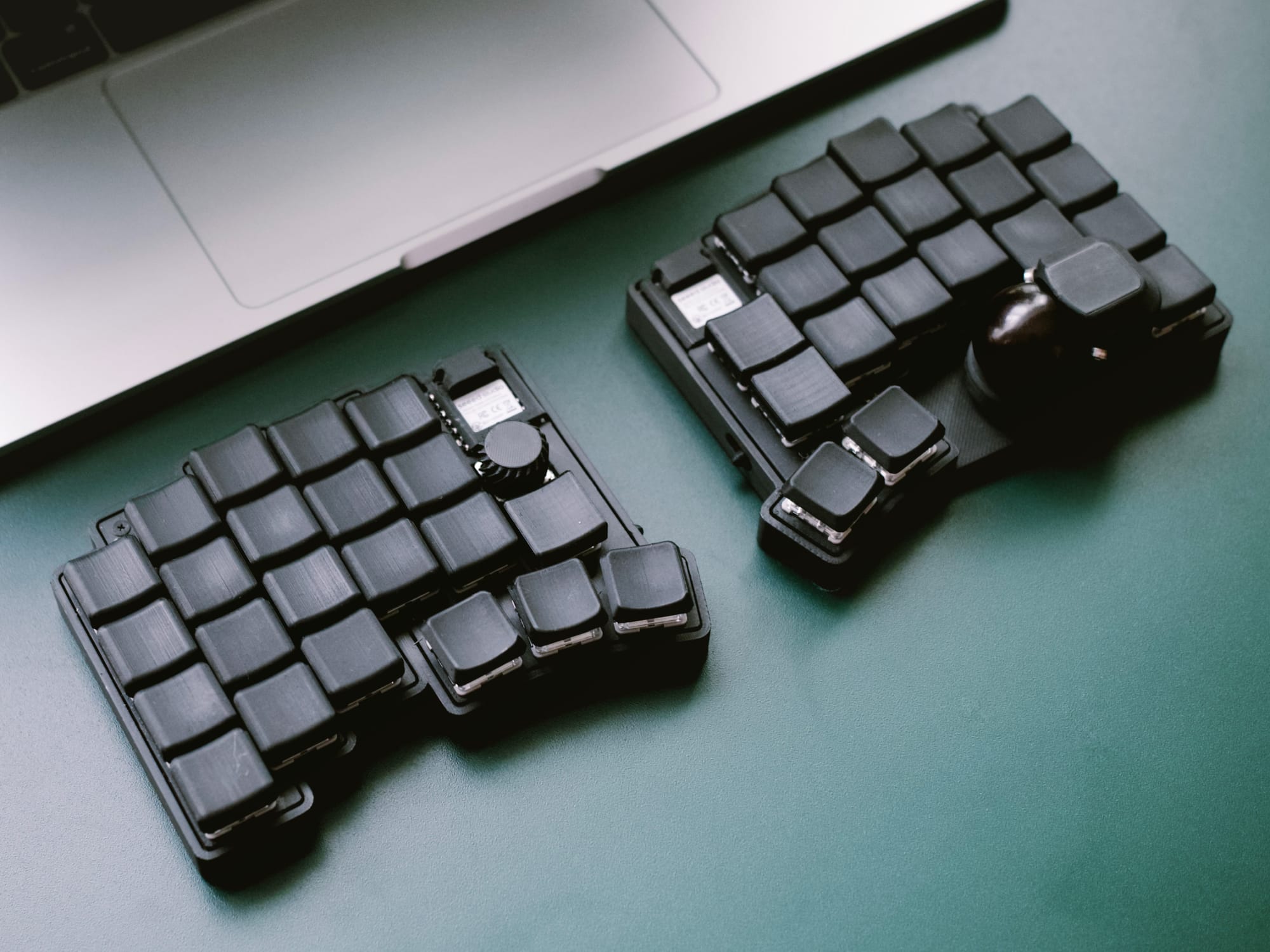
moNa2 keyboard
The Inspired by kumakey’s “roBa,” the moNa2 is a small wireless split keyboard developed by shakupan and pooh.polo, designed to keep a desk feeling open and unclaimed. Two compact halves sit apart with a quiet gap between them, leaving room for a notebook or tools without forcing a single, monolithic footprint.
The layout is restrained: low, close spacing with a built-in thumb-controlled ball that keeps basic navigation under the hand instead of pushing you toward a mouse. The whole object reads as light hardware rather than a centerpiece, favors packing and redeploying—such as magnets on the underside so the halves can join together for transport.
It runs wire-free and is meant to be adjusted over time rather than treated as a fixed appliance. Typical usage notes describe it lasting roughly a couple of weeks of frequent daily use before needing attention again, with the exact cadence depending on how it’s set up and used.
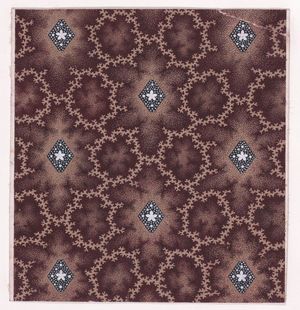
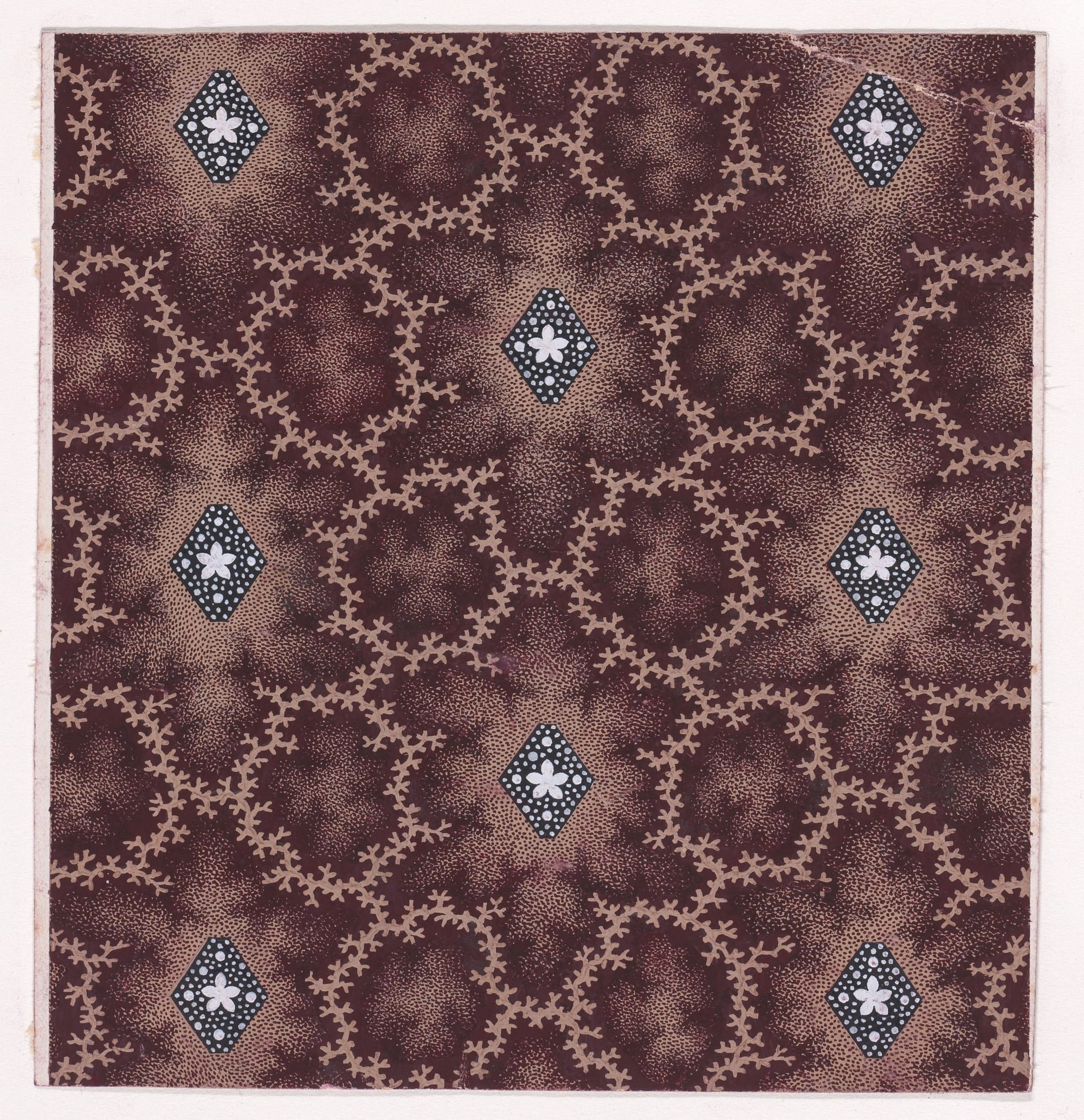
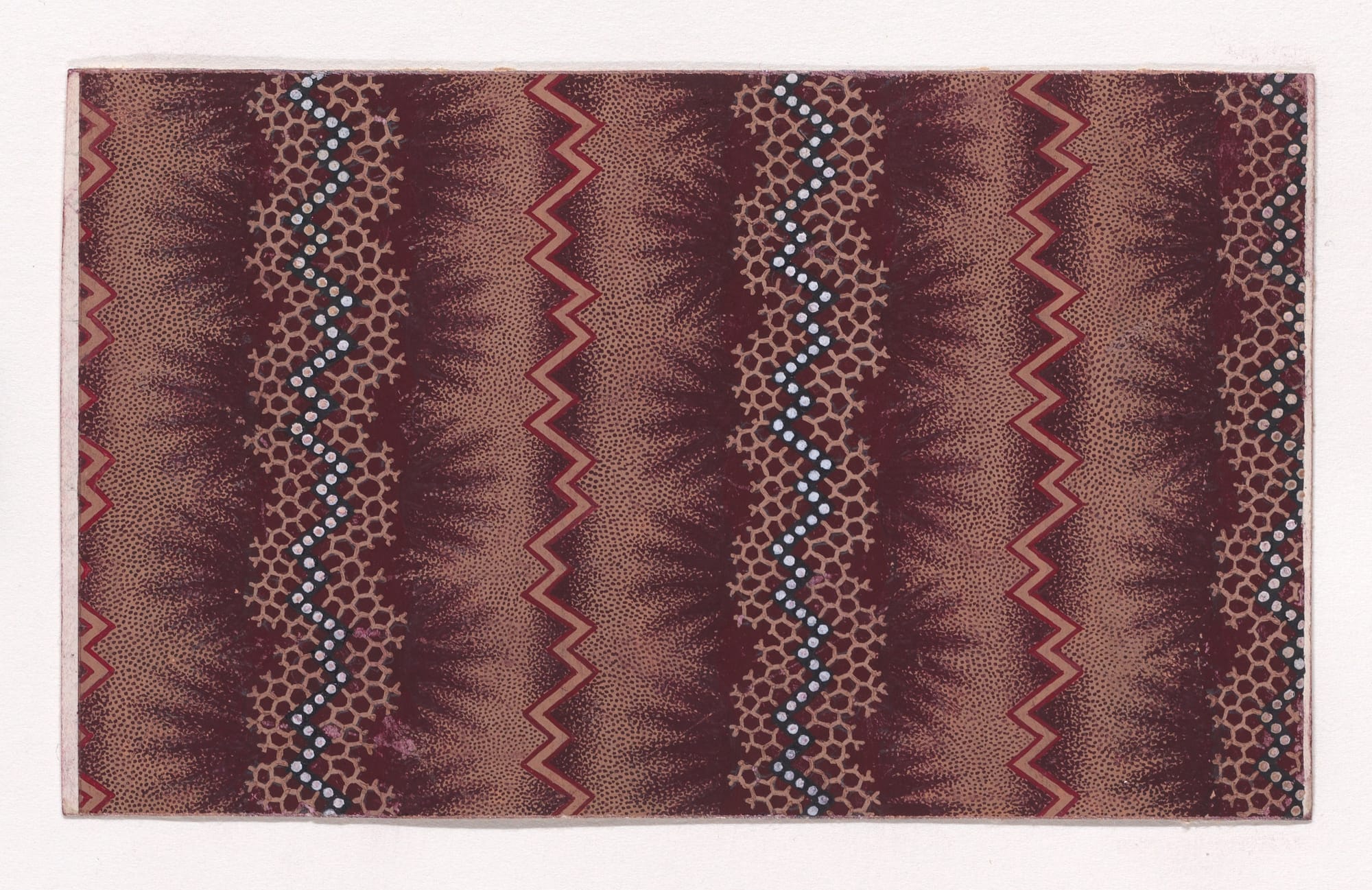
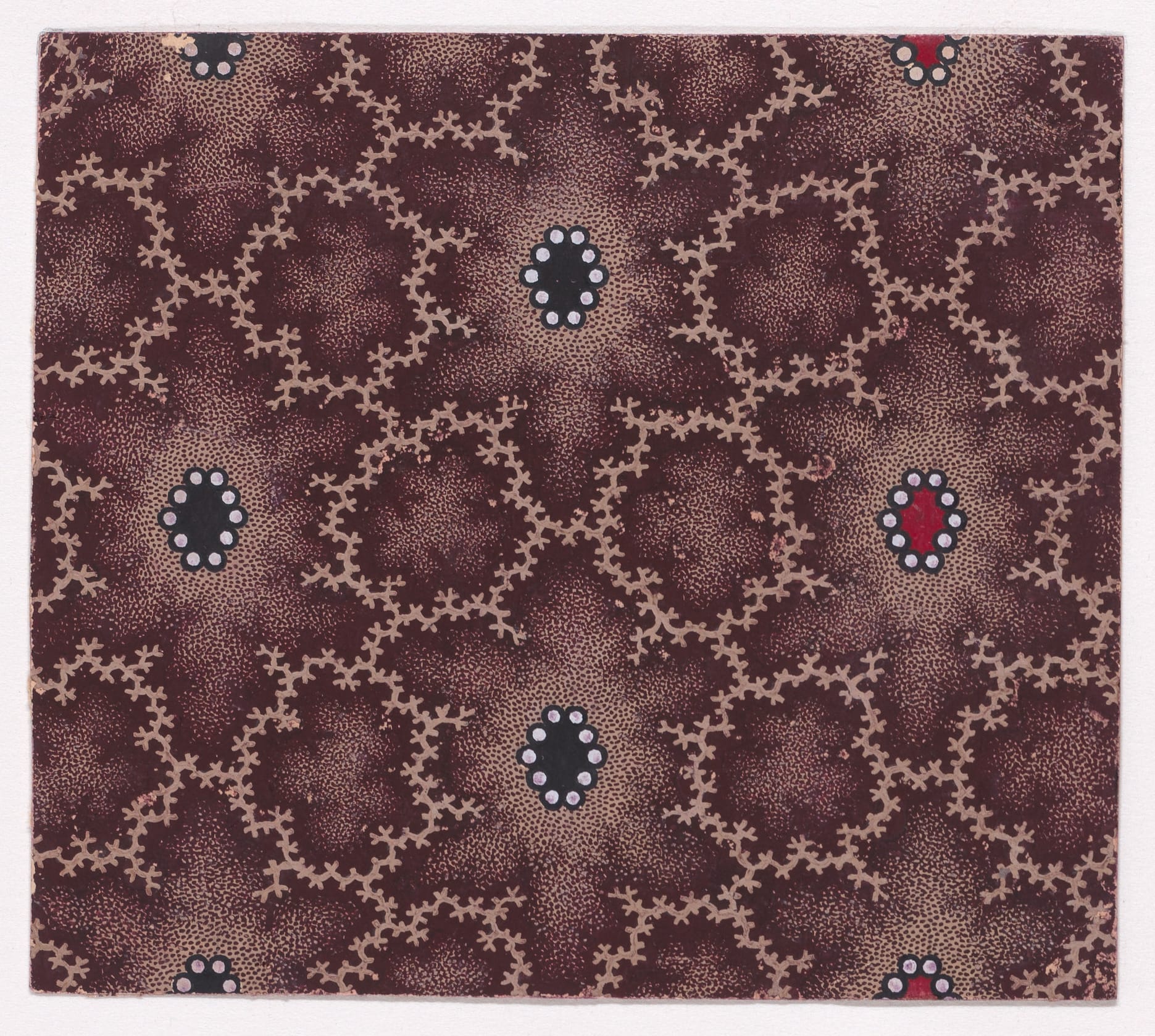
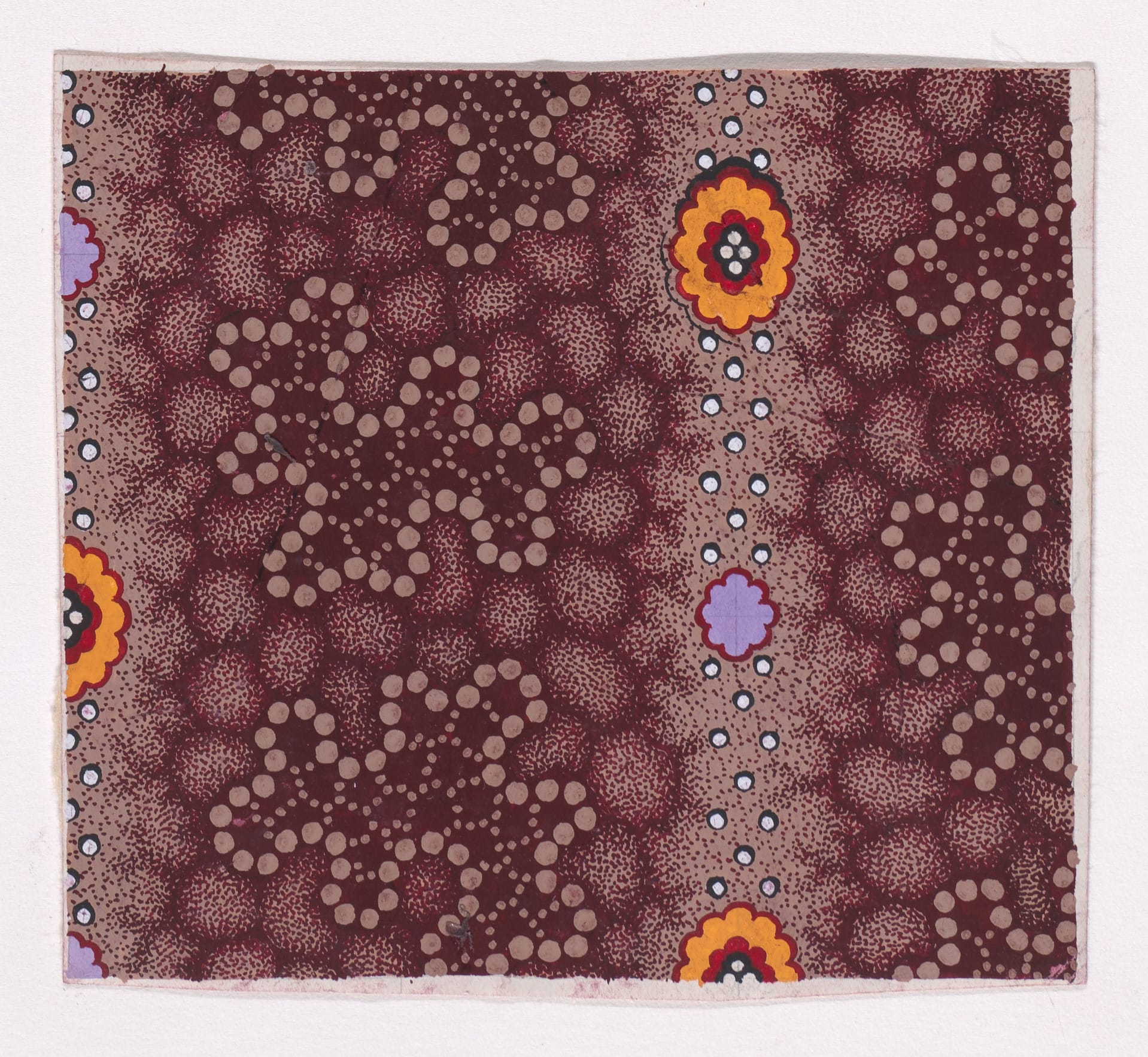
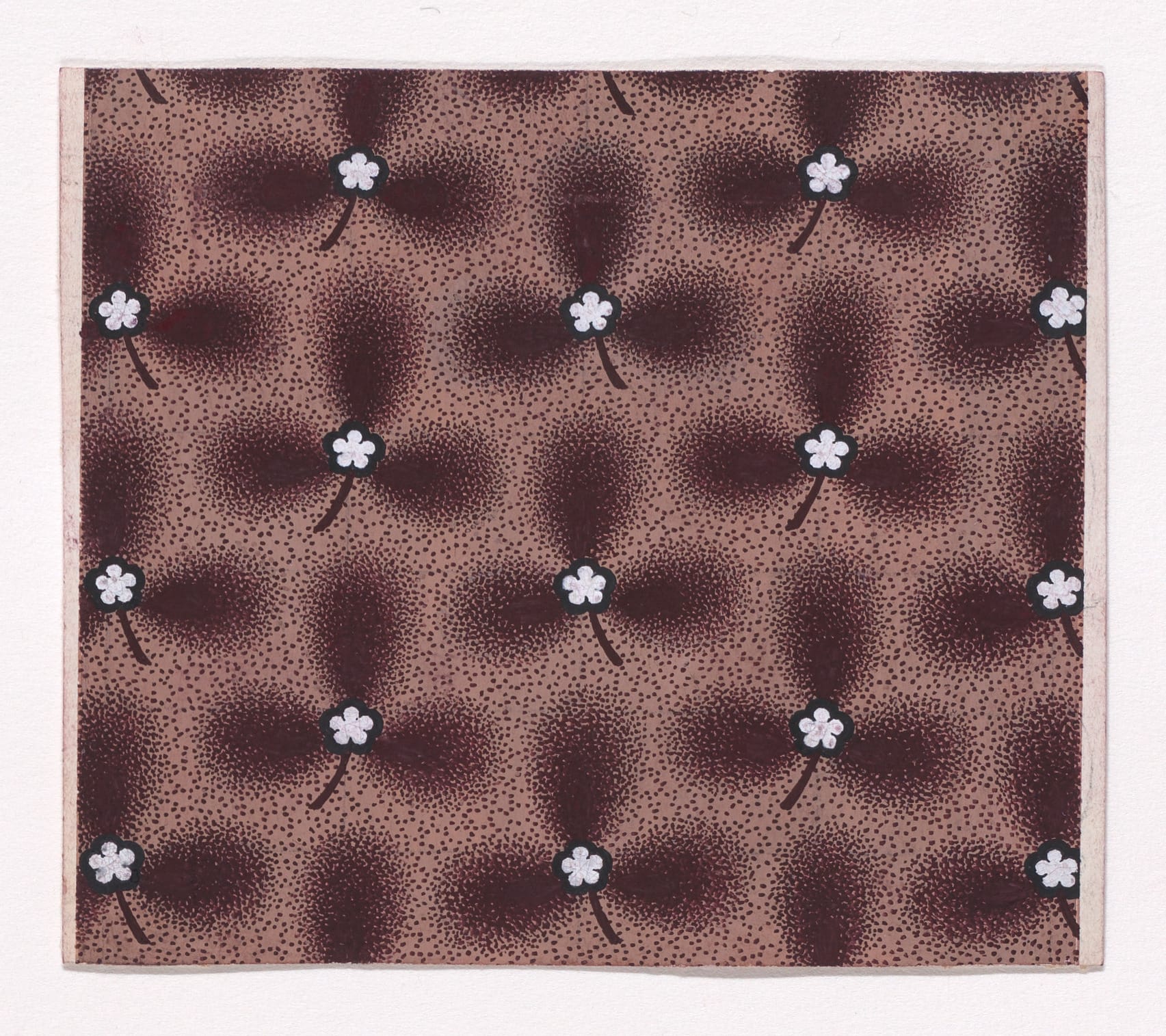
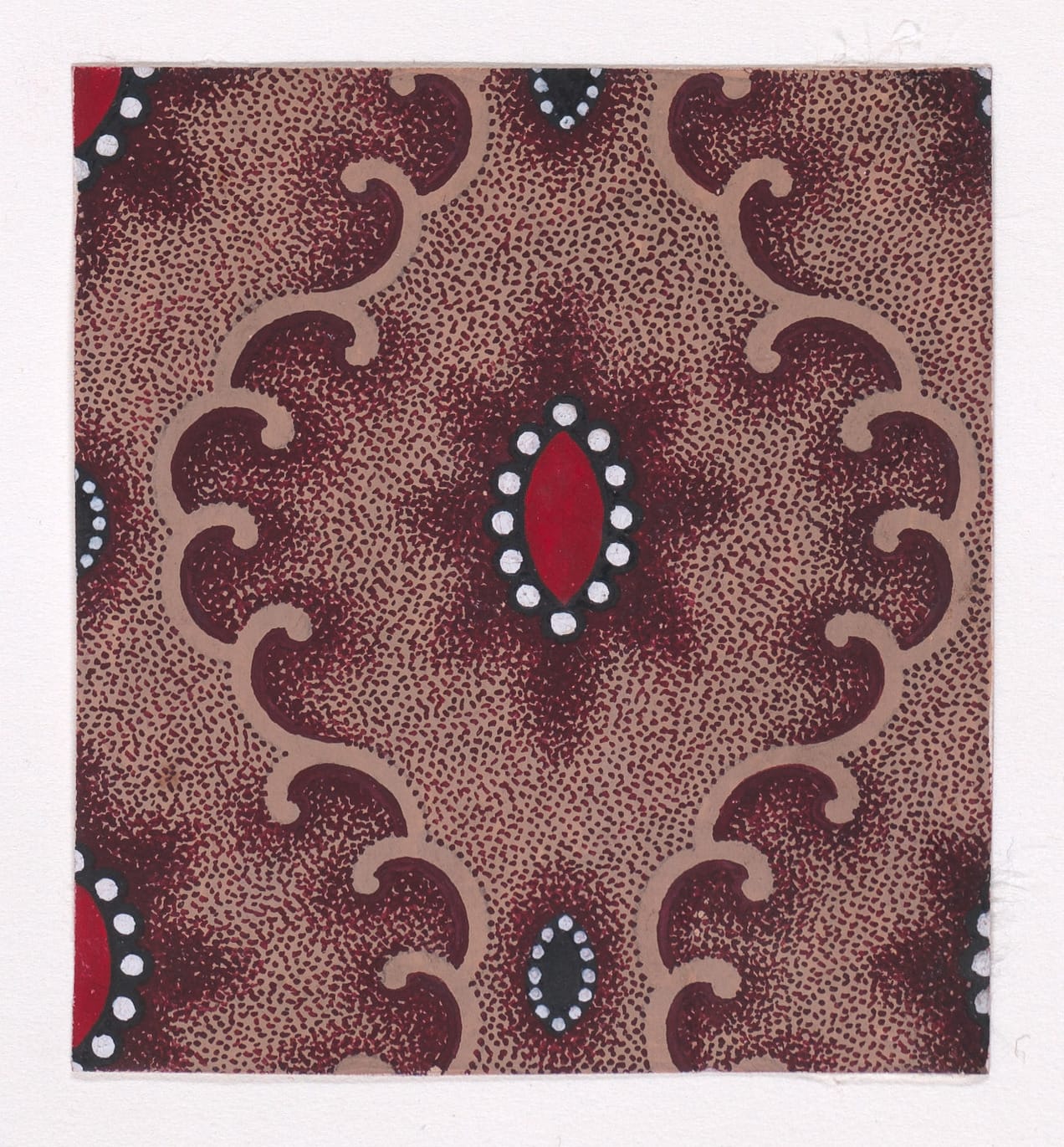
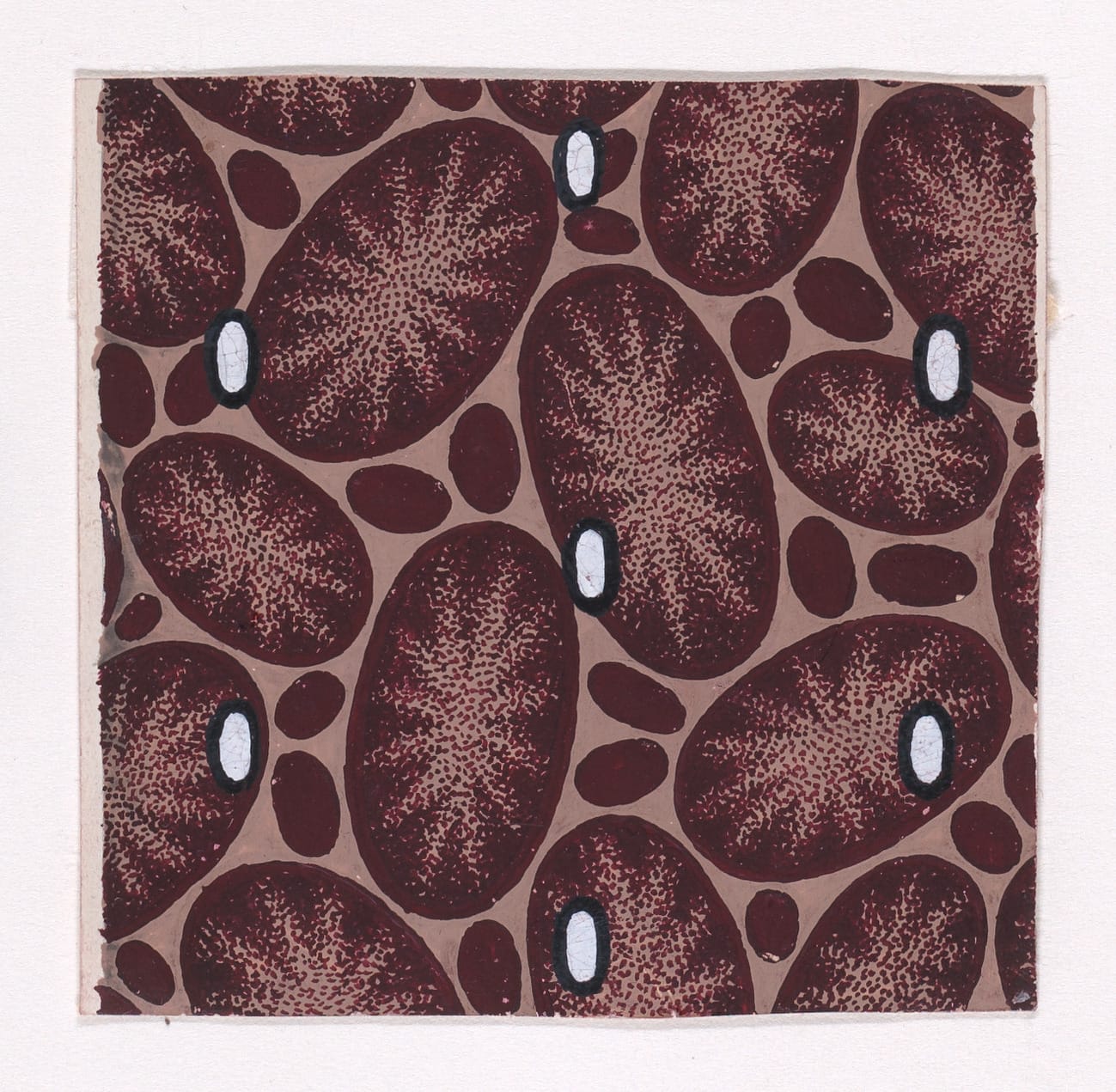
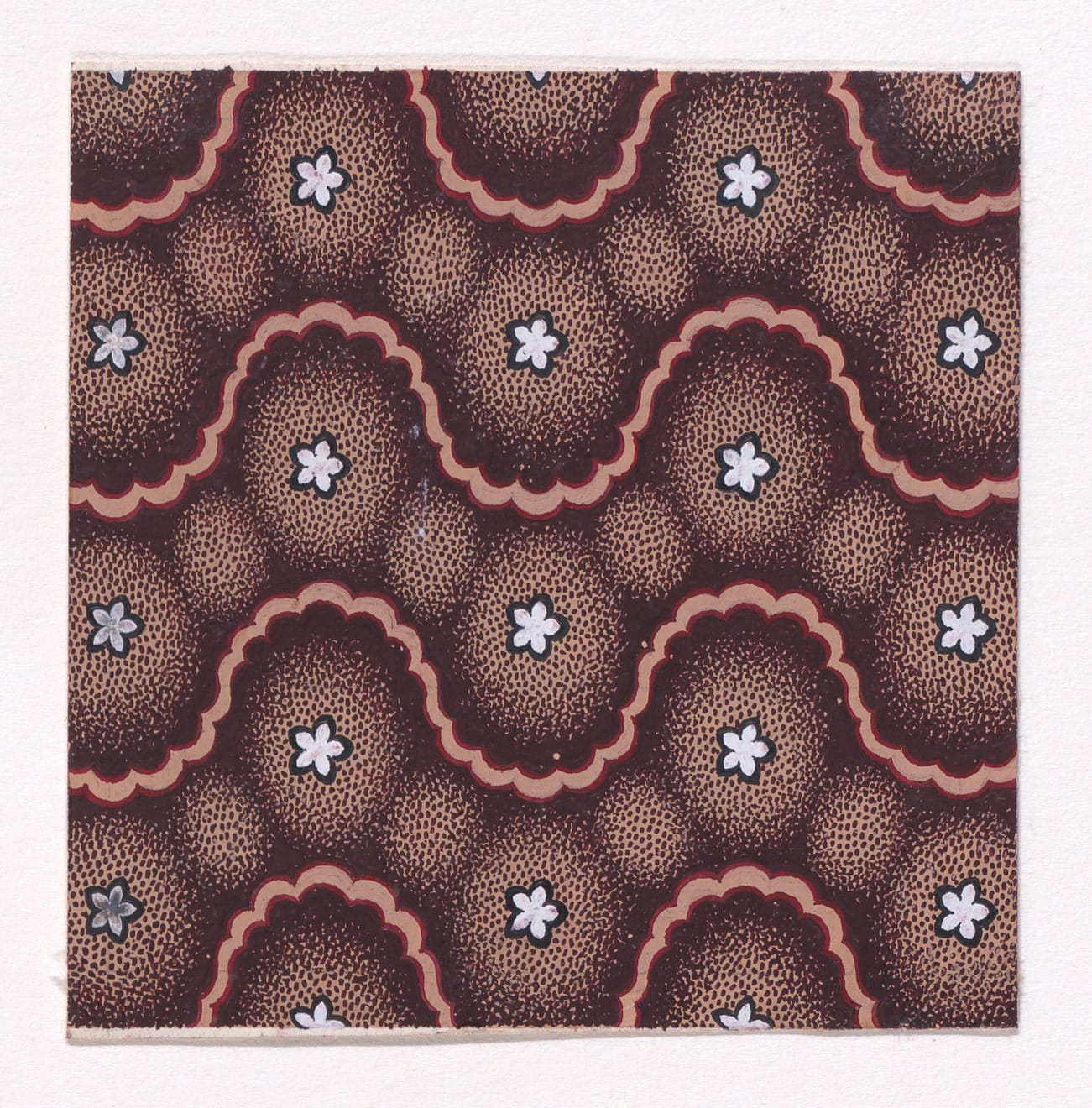
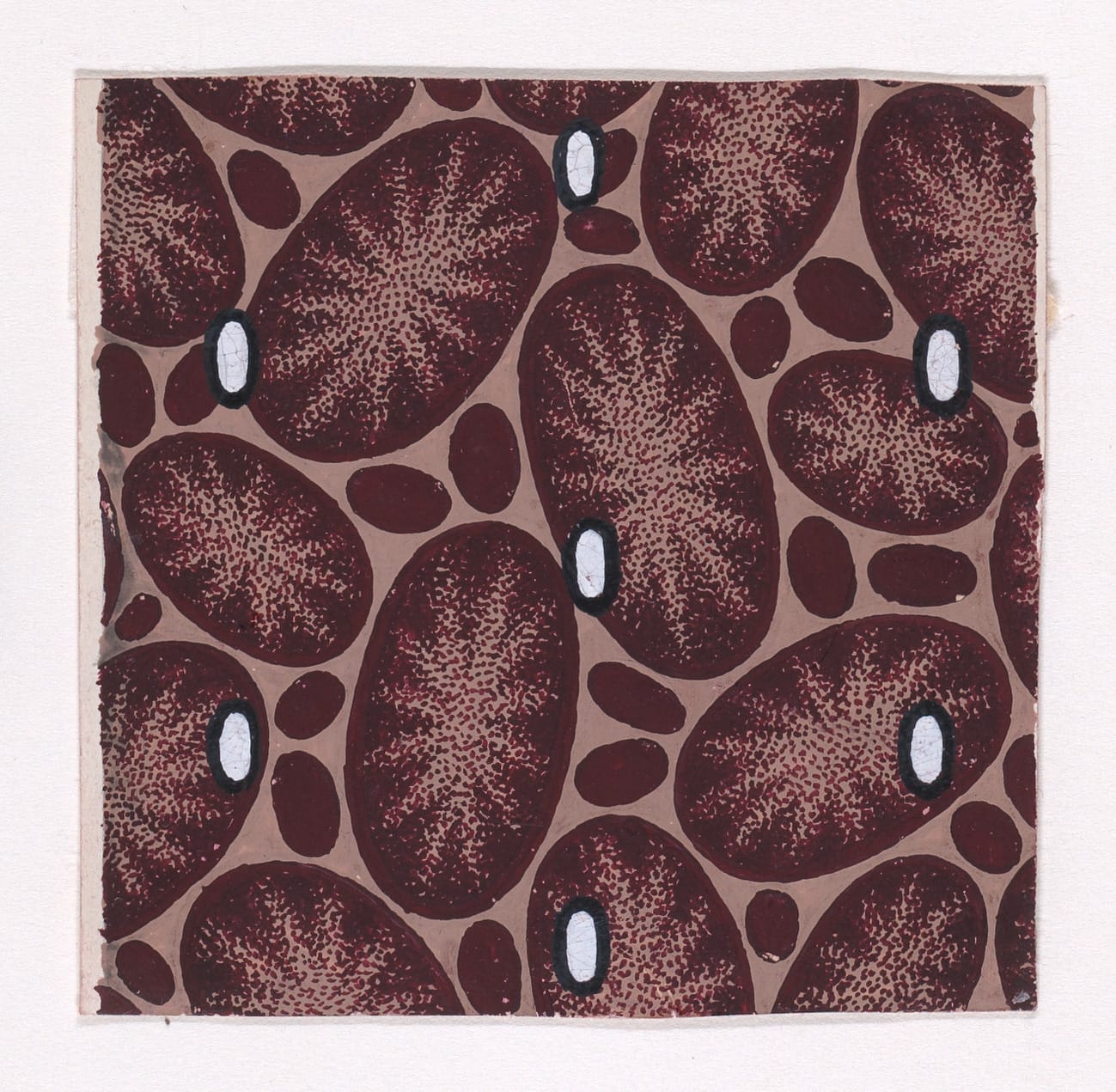
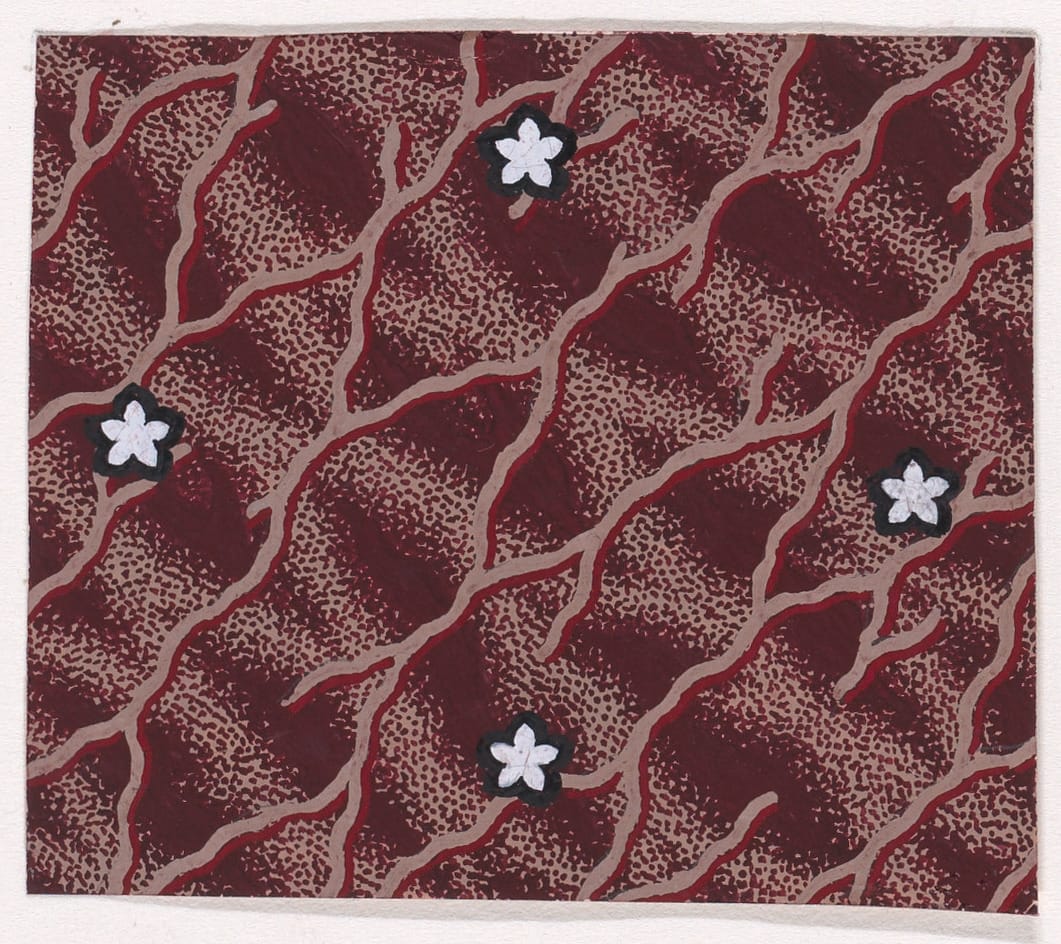
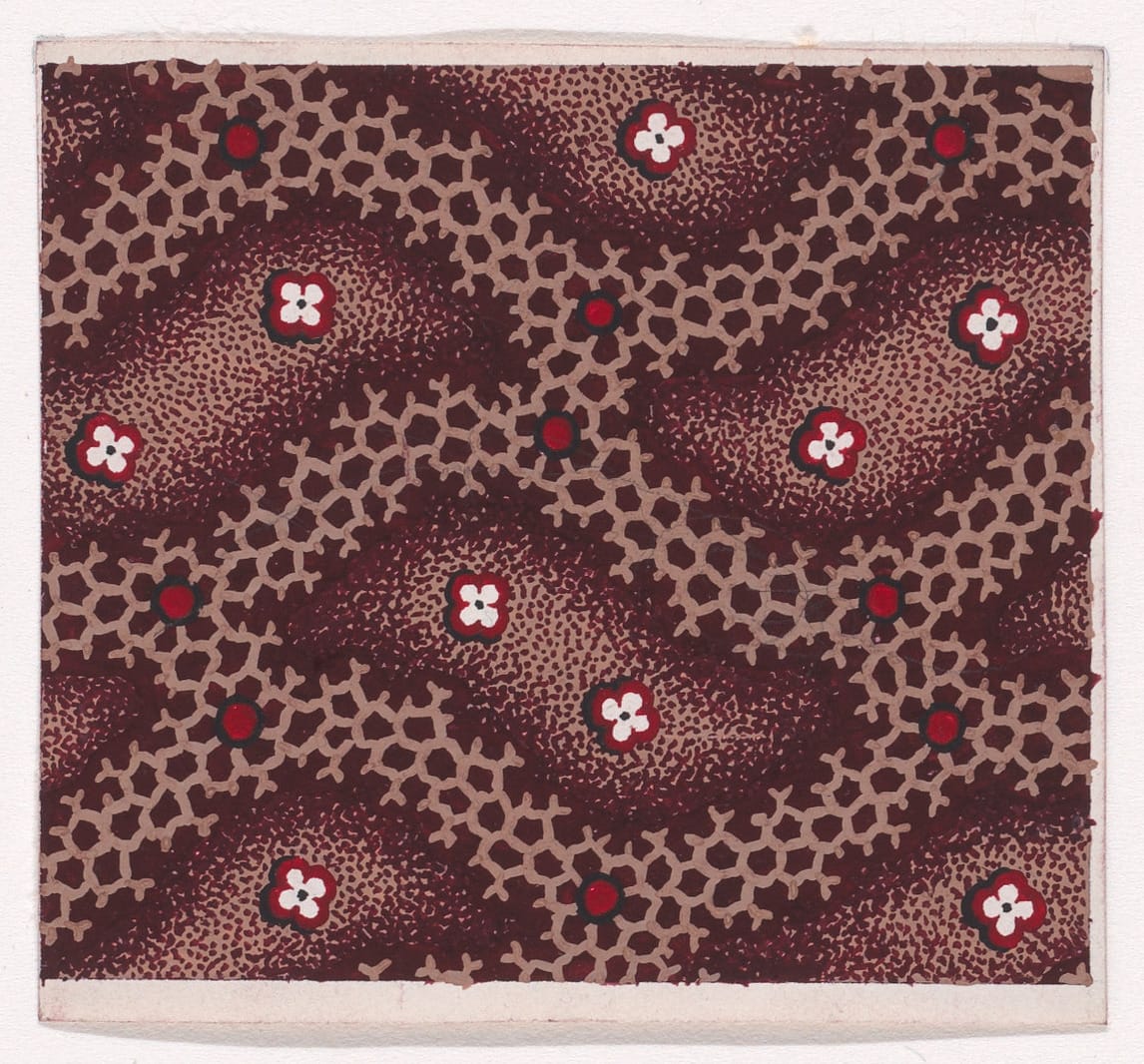
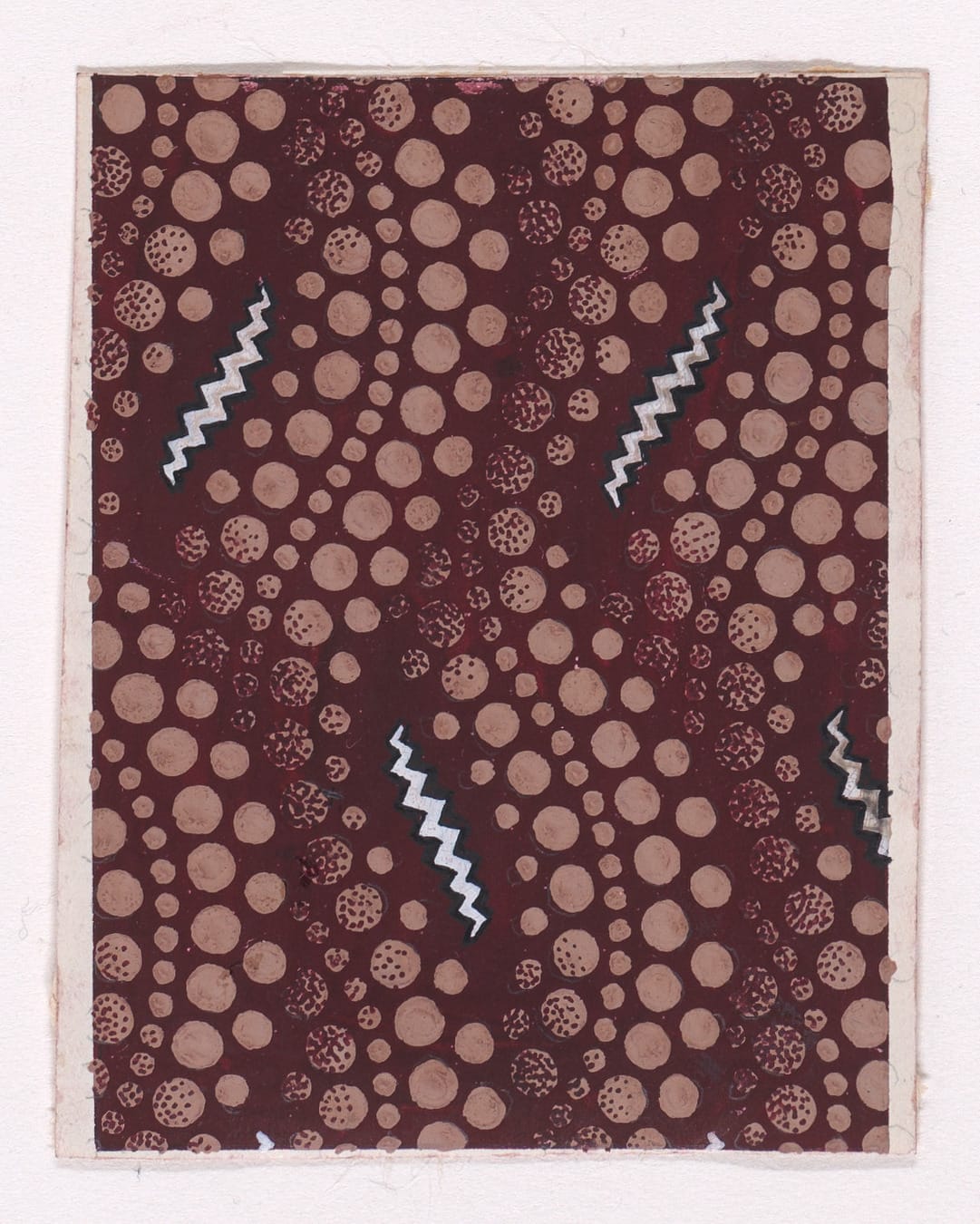
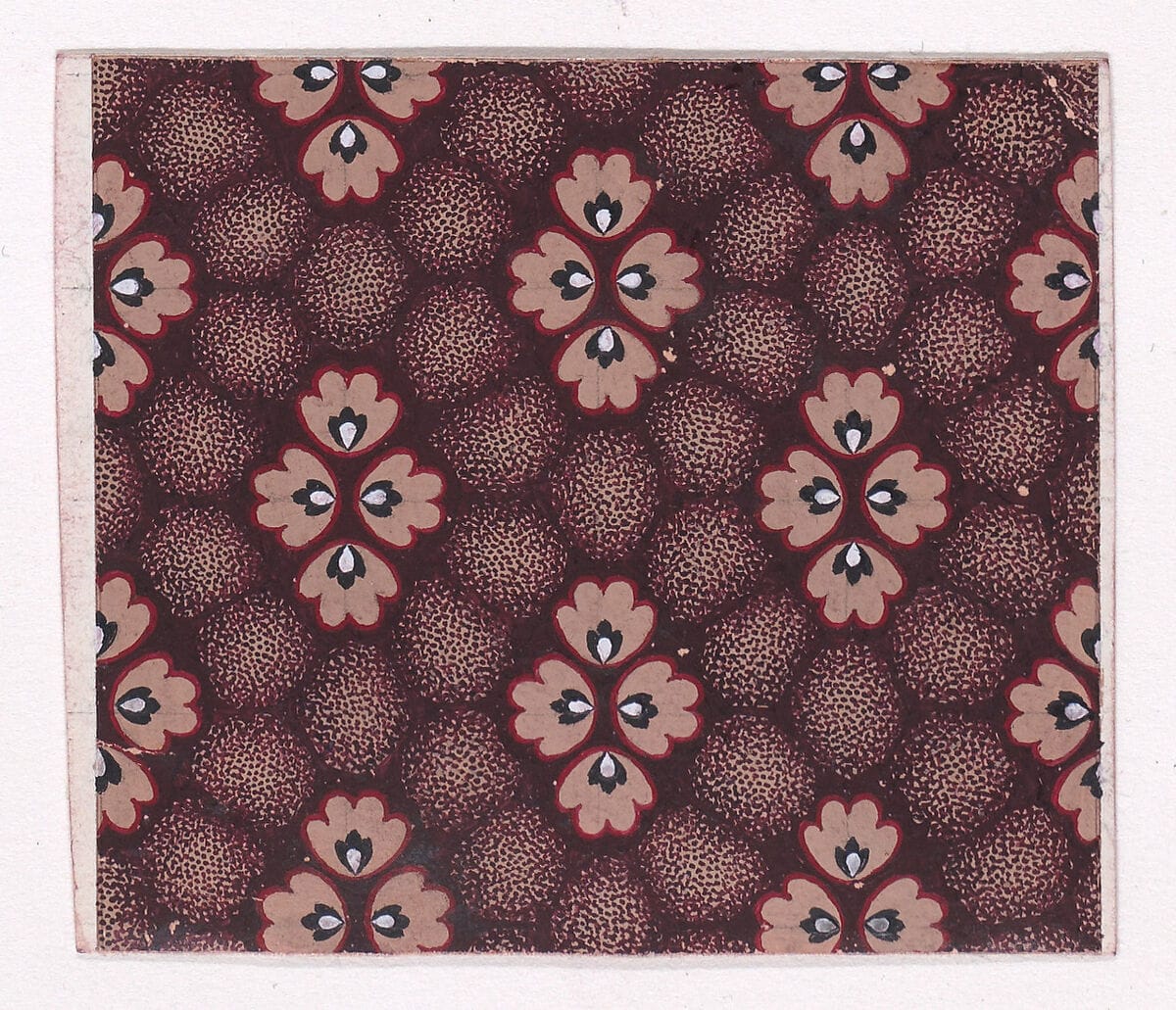
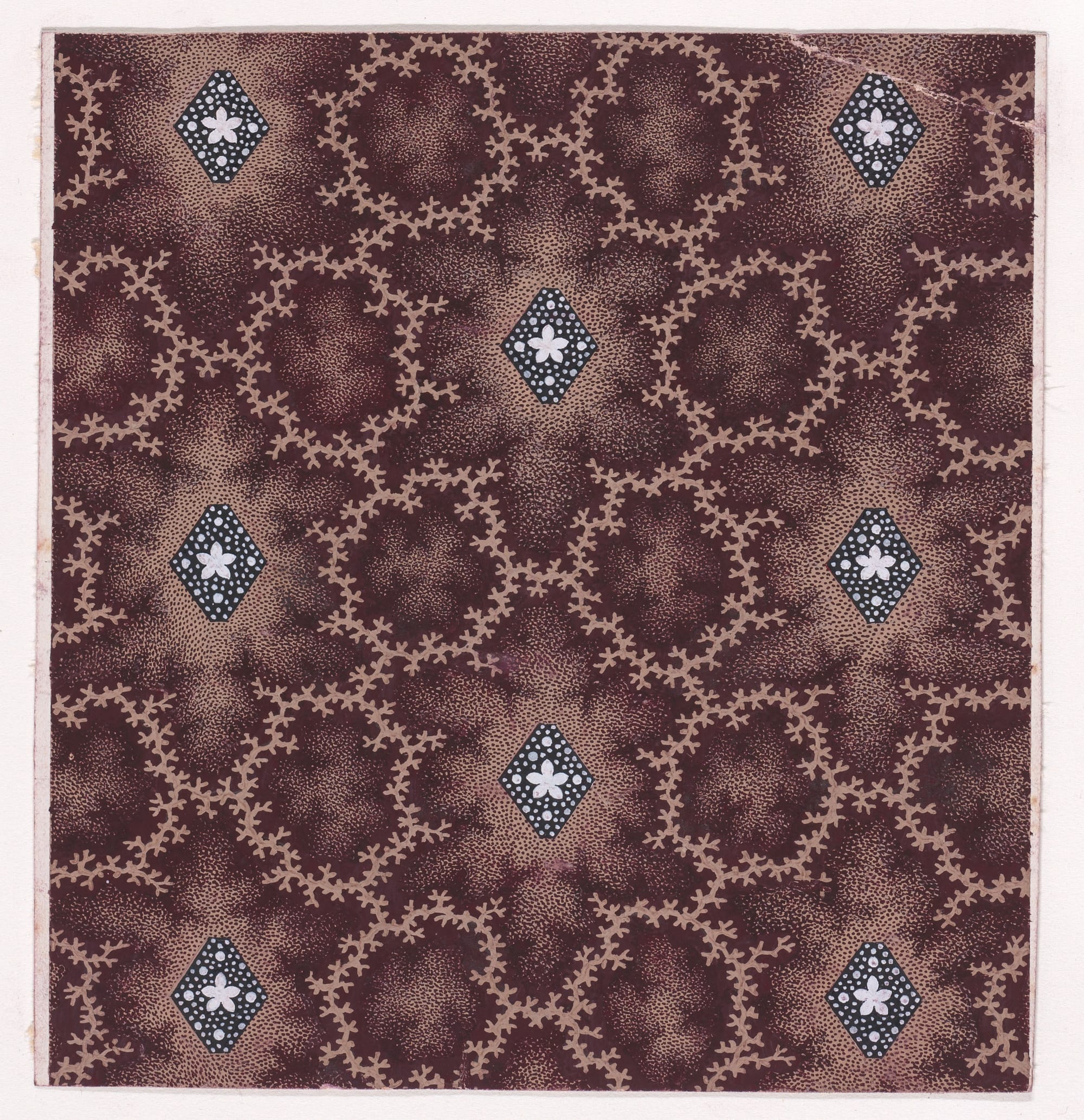
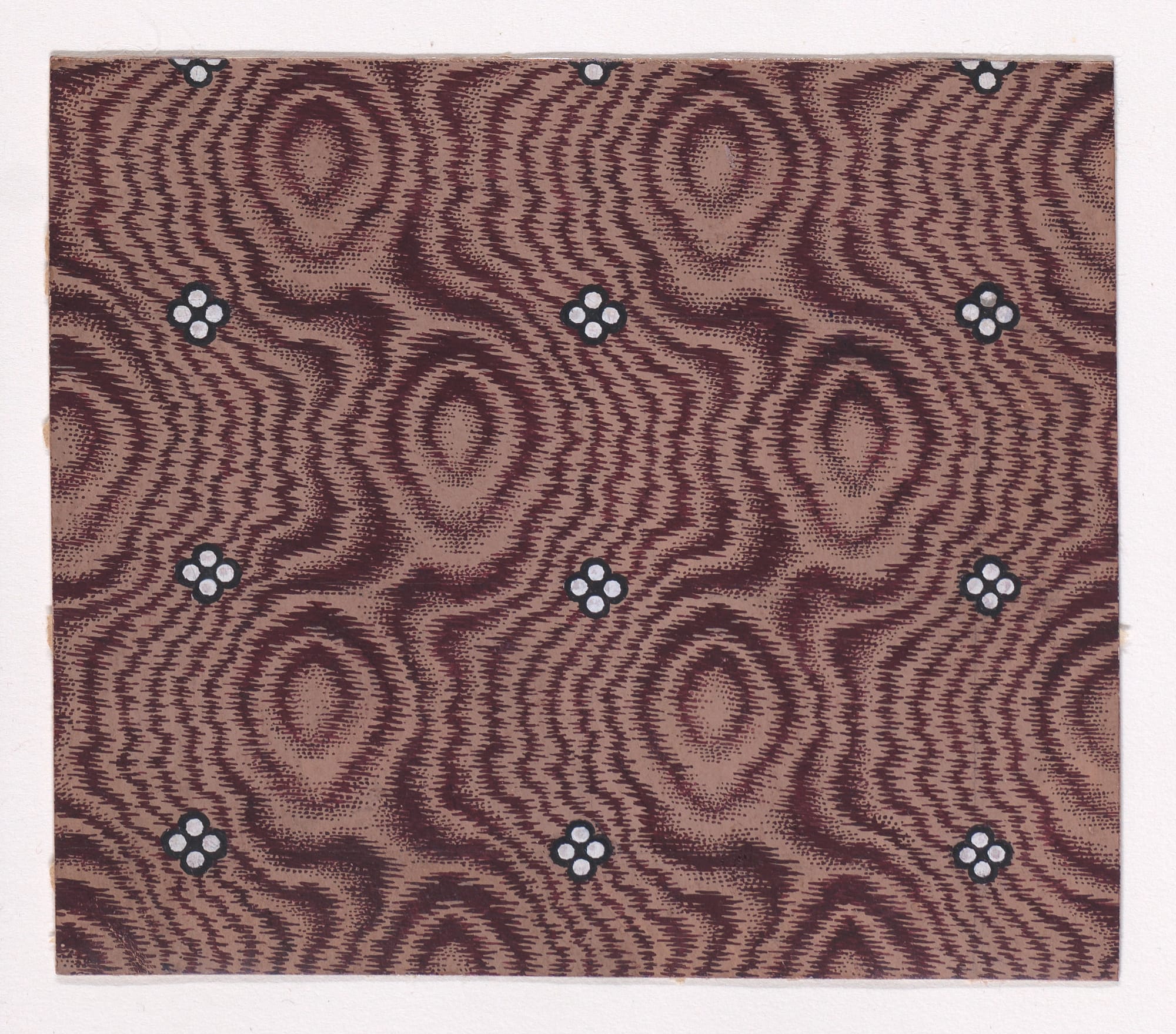
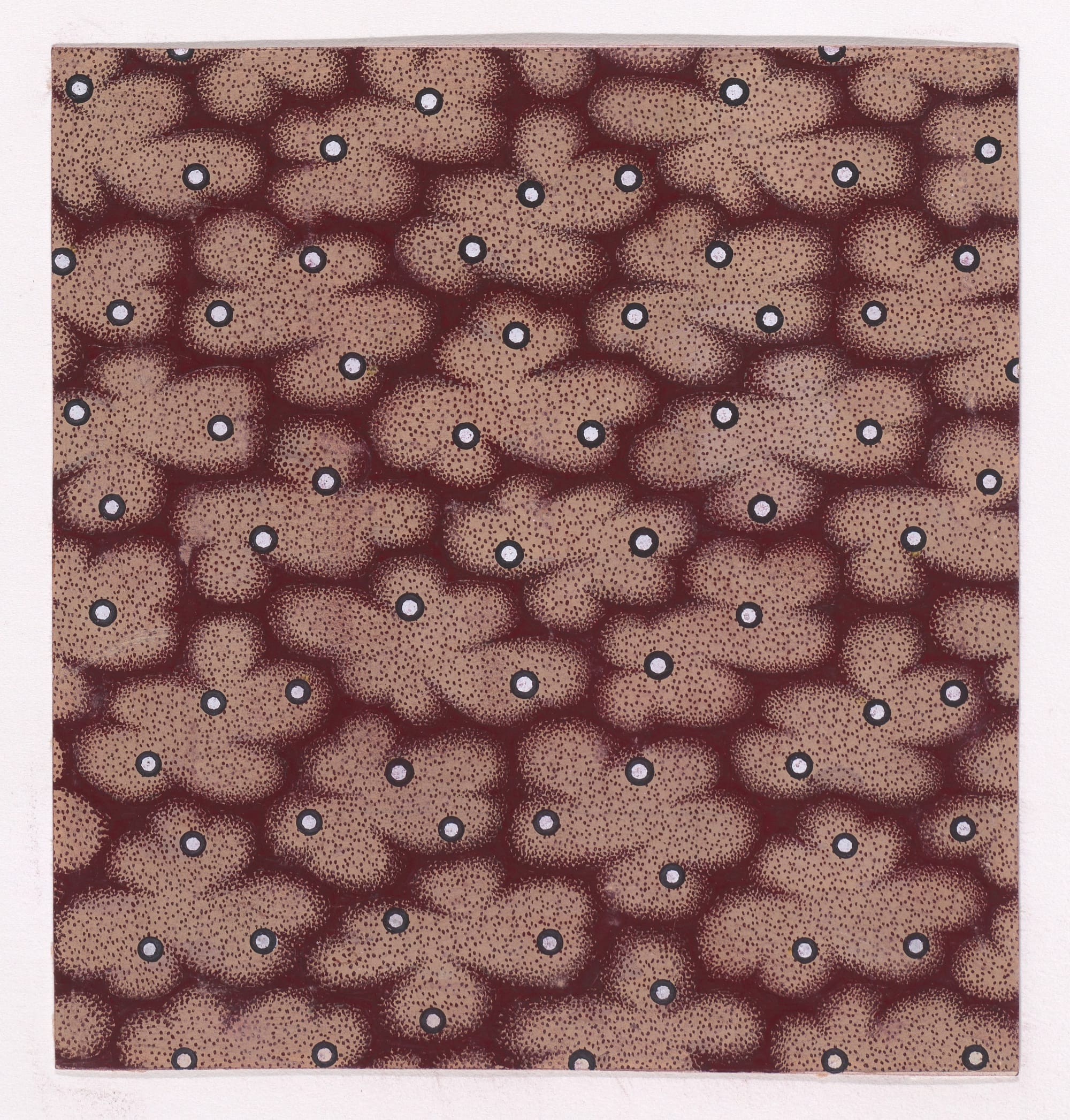
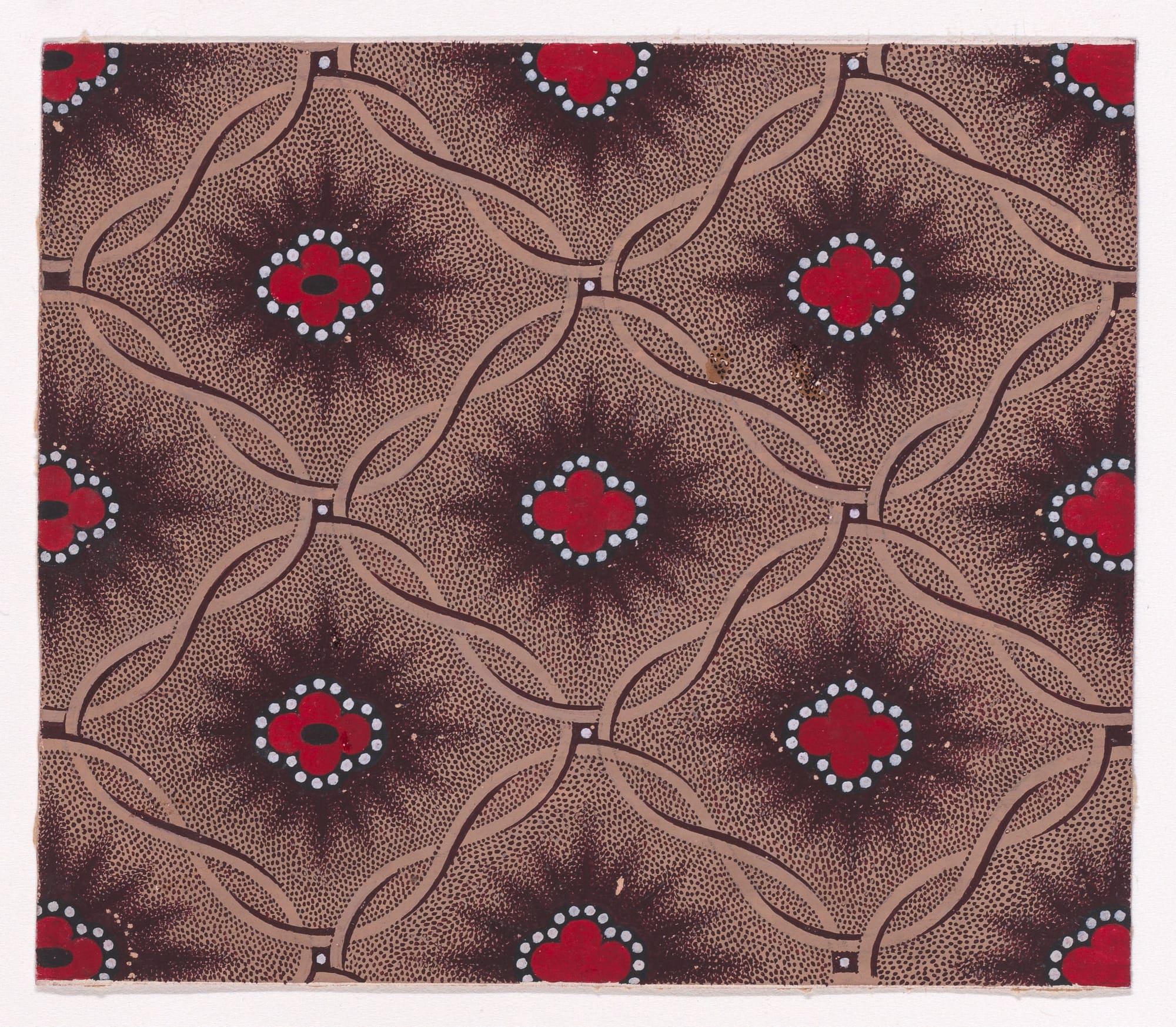
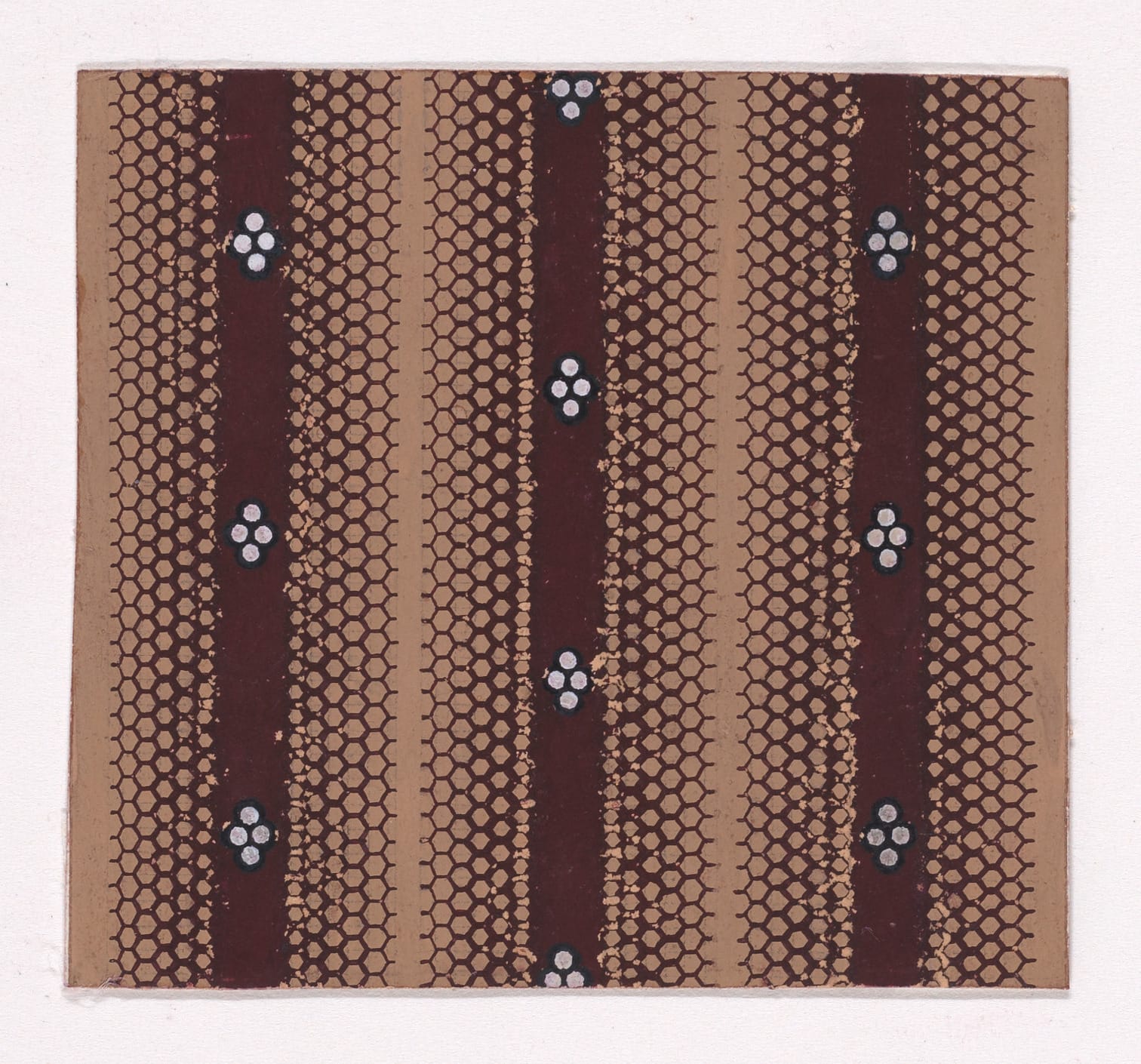
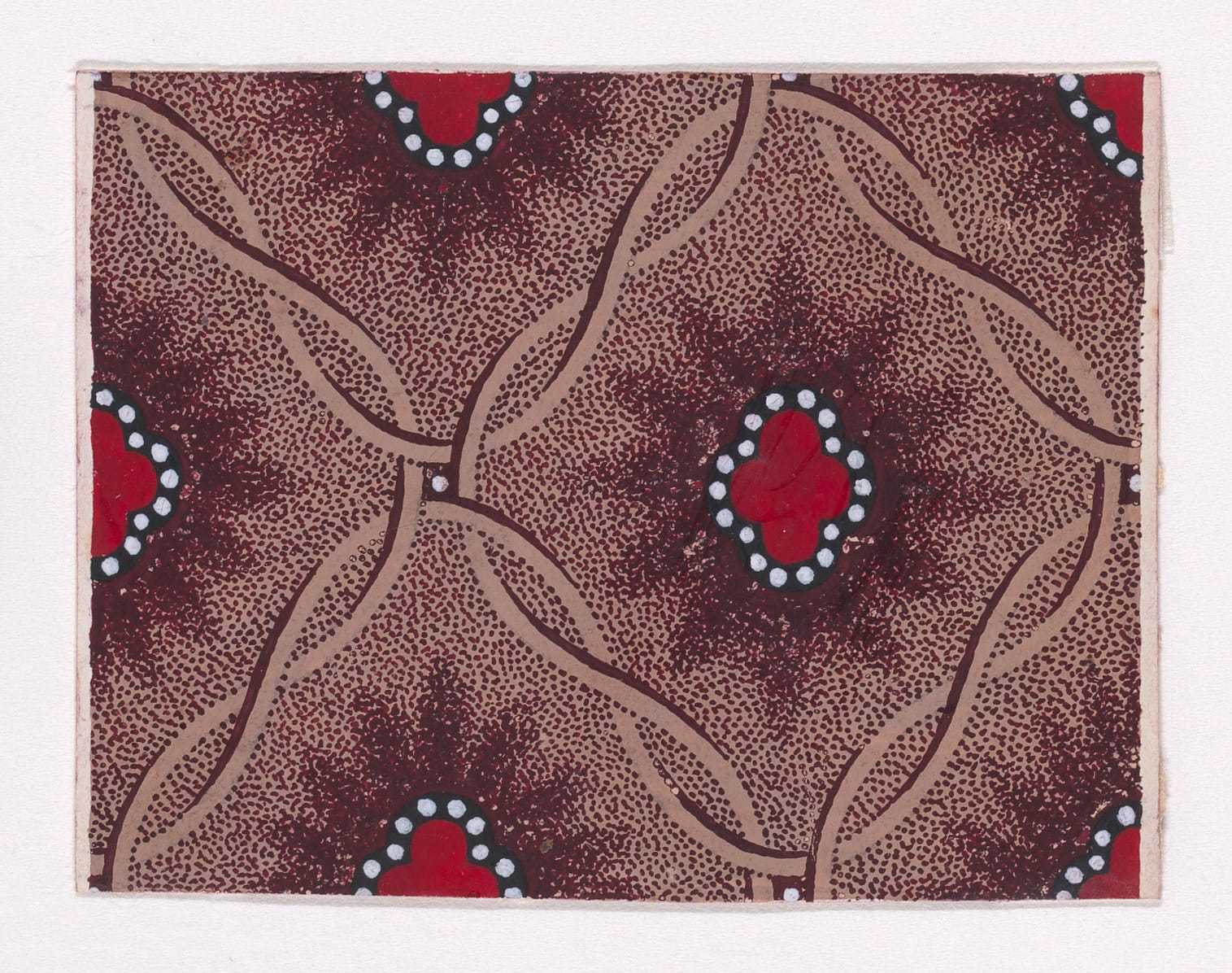
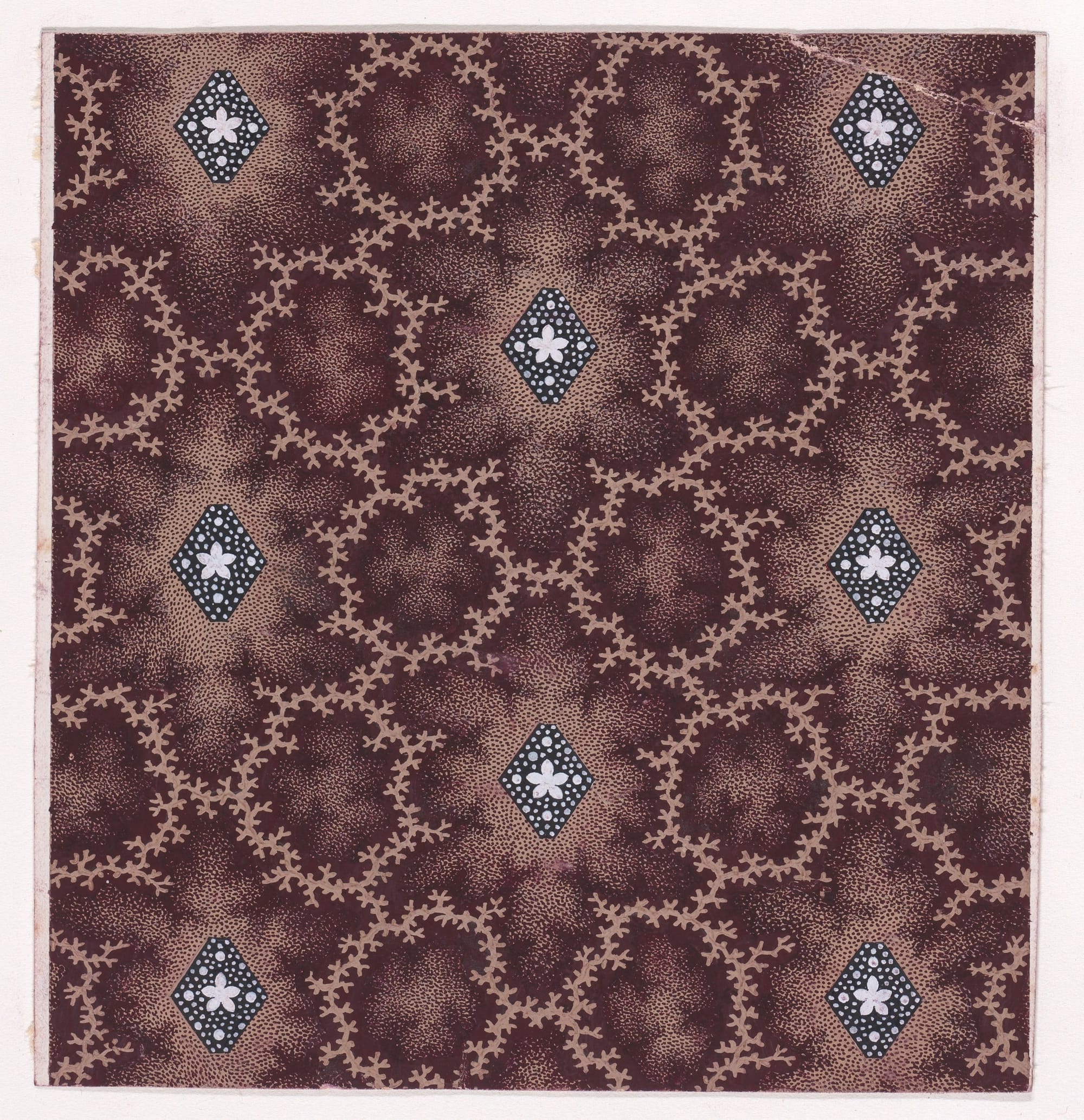
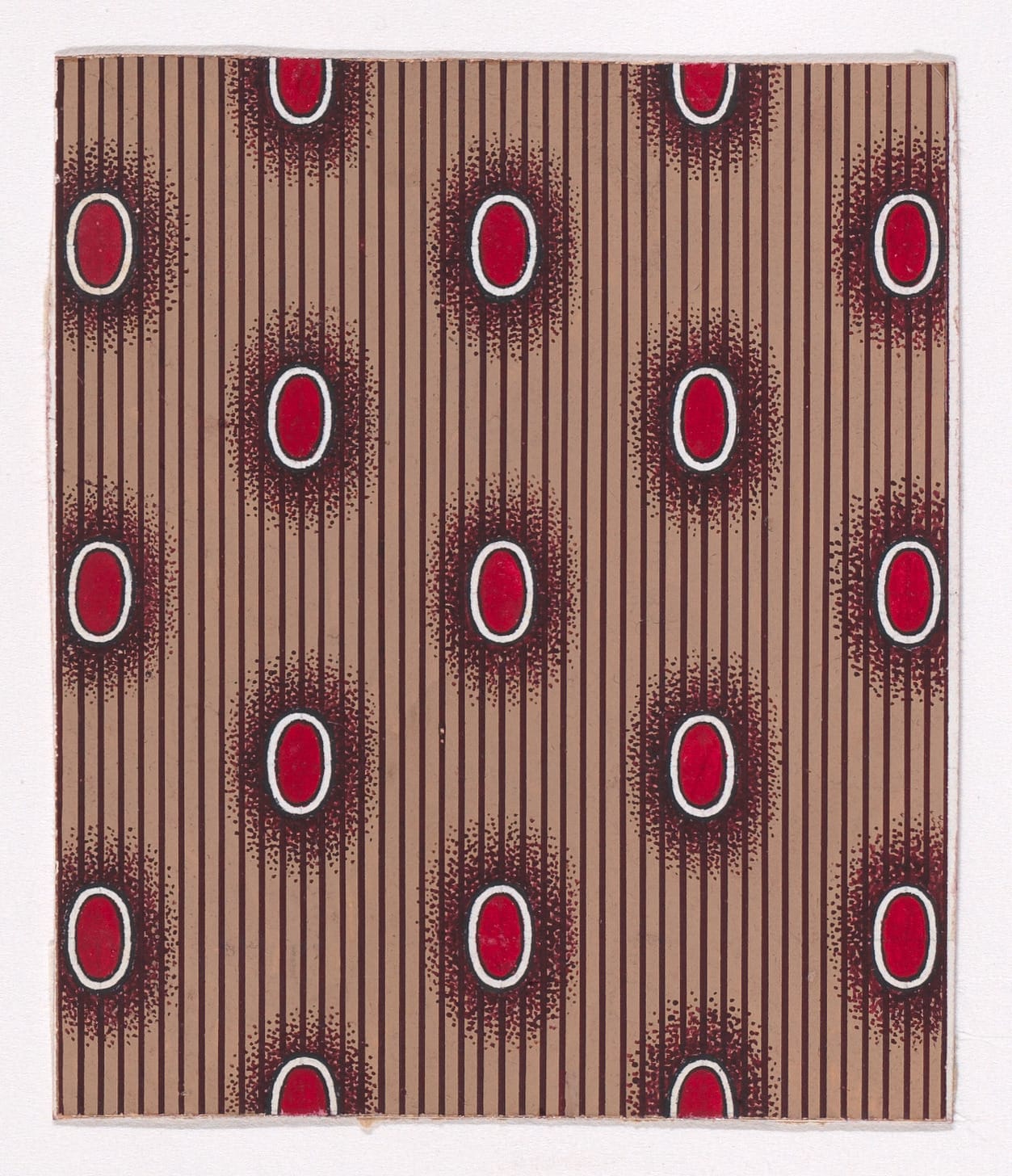
Anonymous Textile Design Series, Mulhouse, Alsace, 1840
Anonymous textile prototypes, Mulhouse, Alsace, c.1840. Rectilinear design sheets generated within the industrial print studios of the Haut-Rhin. Each document encodes surface strategies for mass deployment—pearl rows, abstract chromatic fields, simulated resist-dye grounds. Executed as precision studies for repeat application, they reflect Mulhouse’s role as a nineteenth-century vector hub of textile innovation and print chemistry.
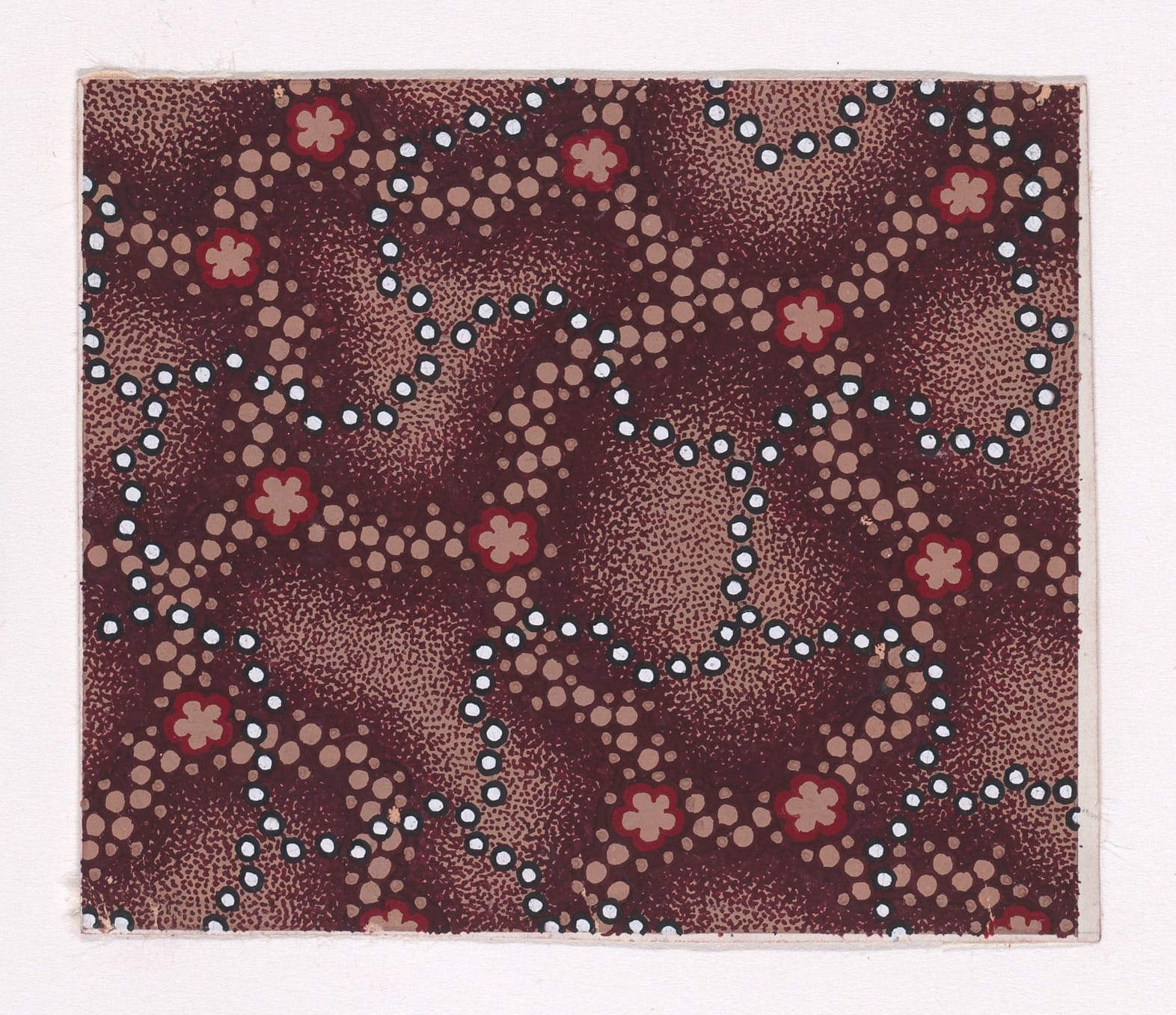
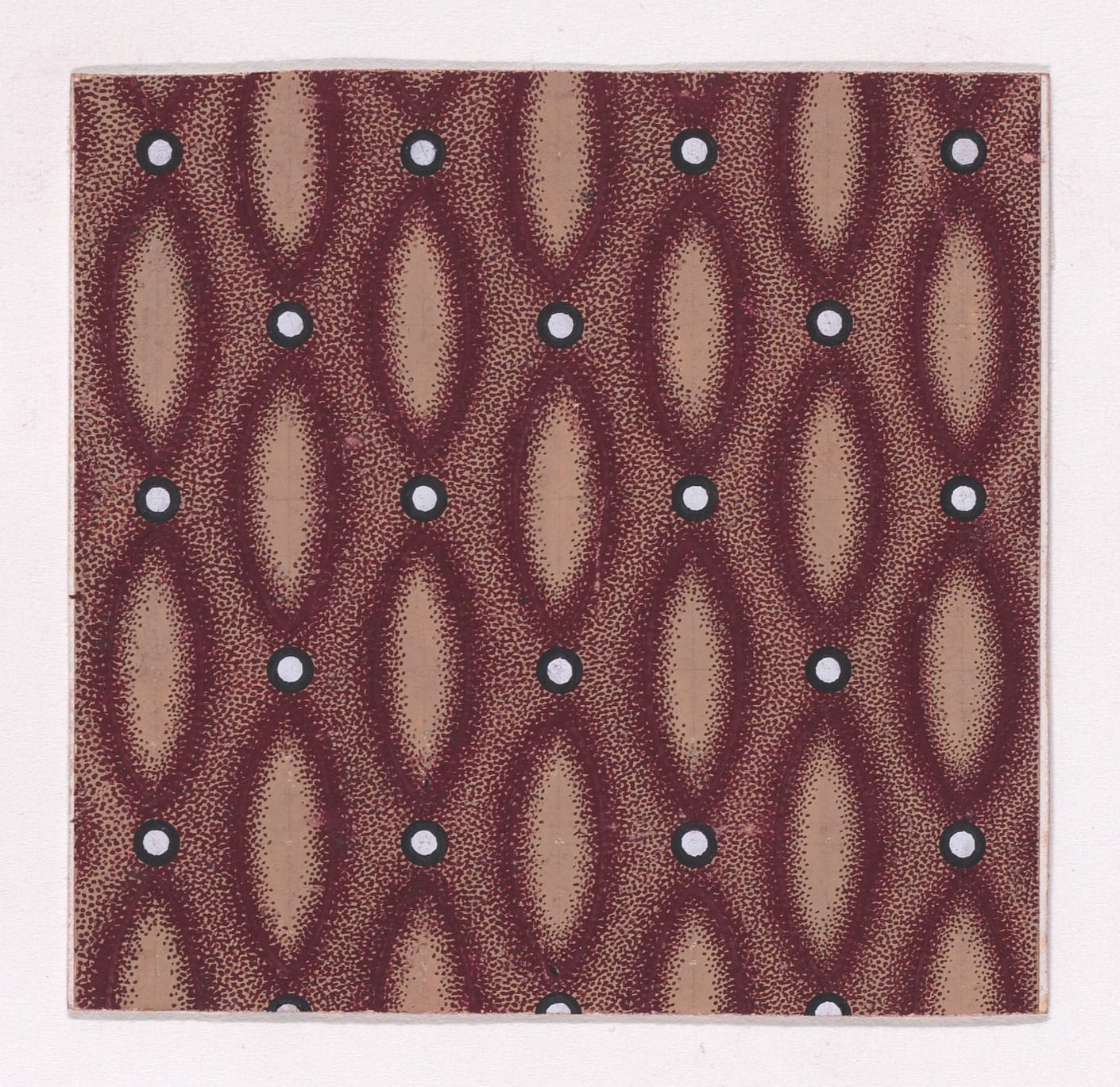
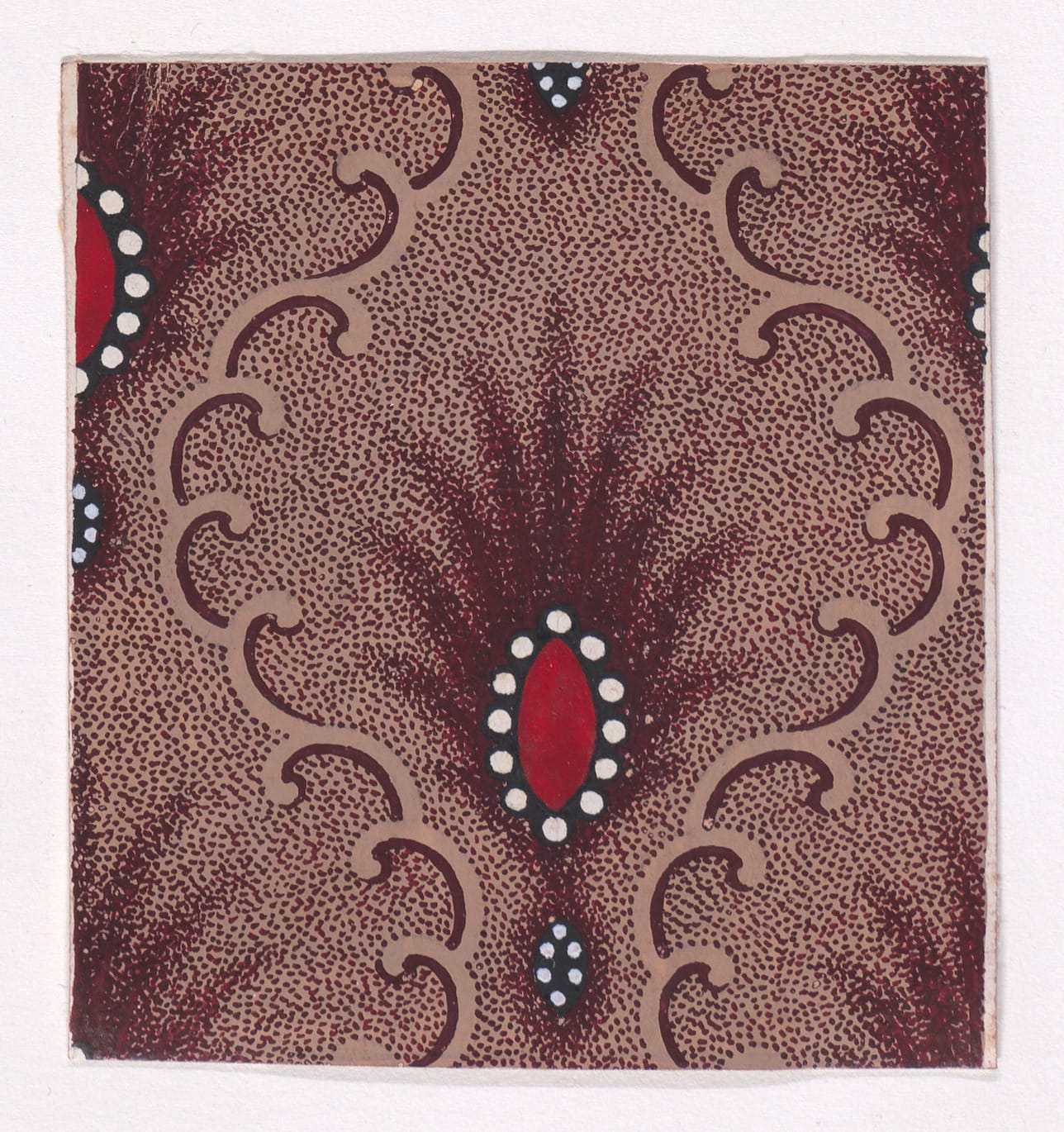
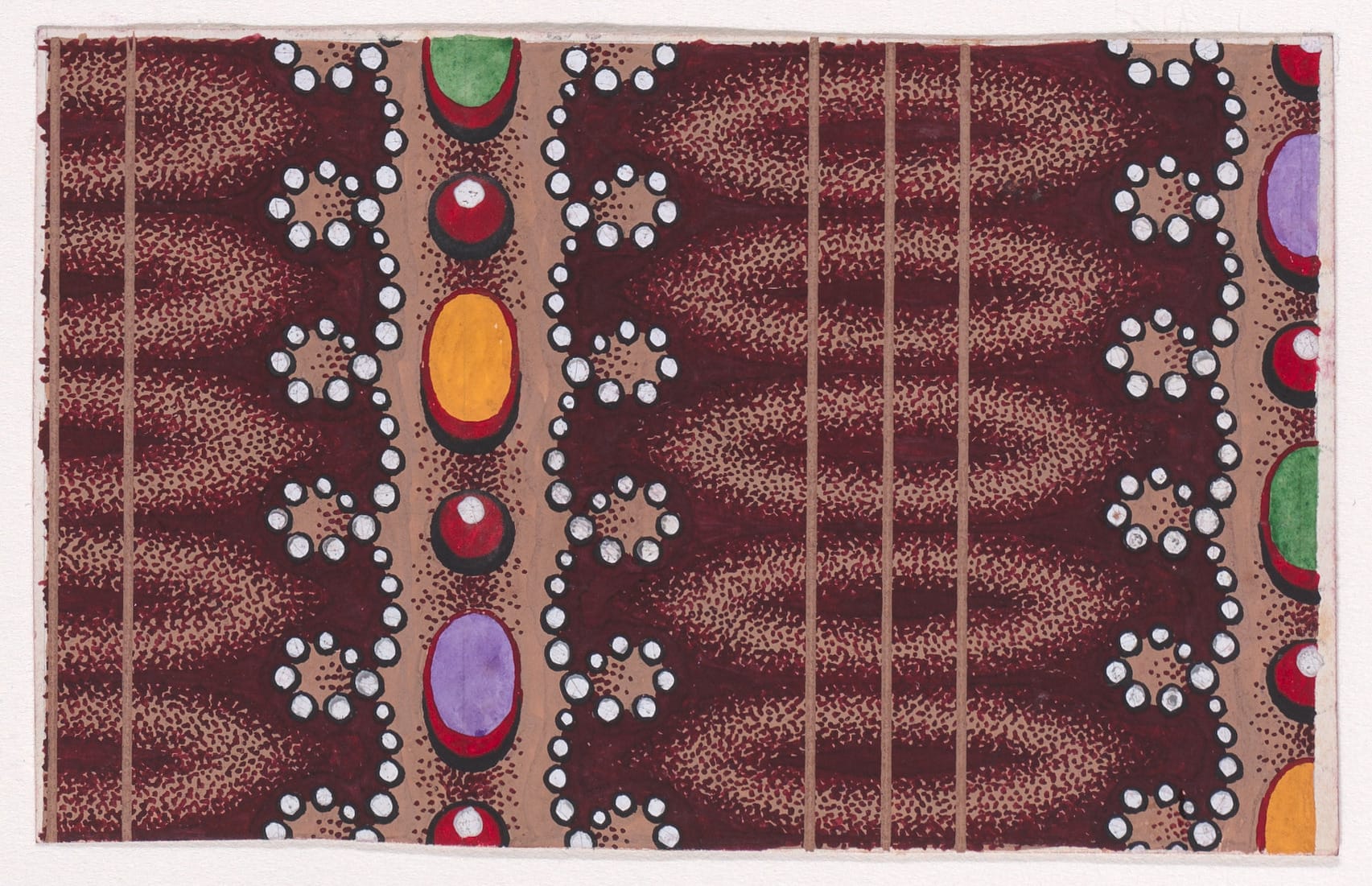




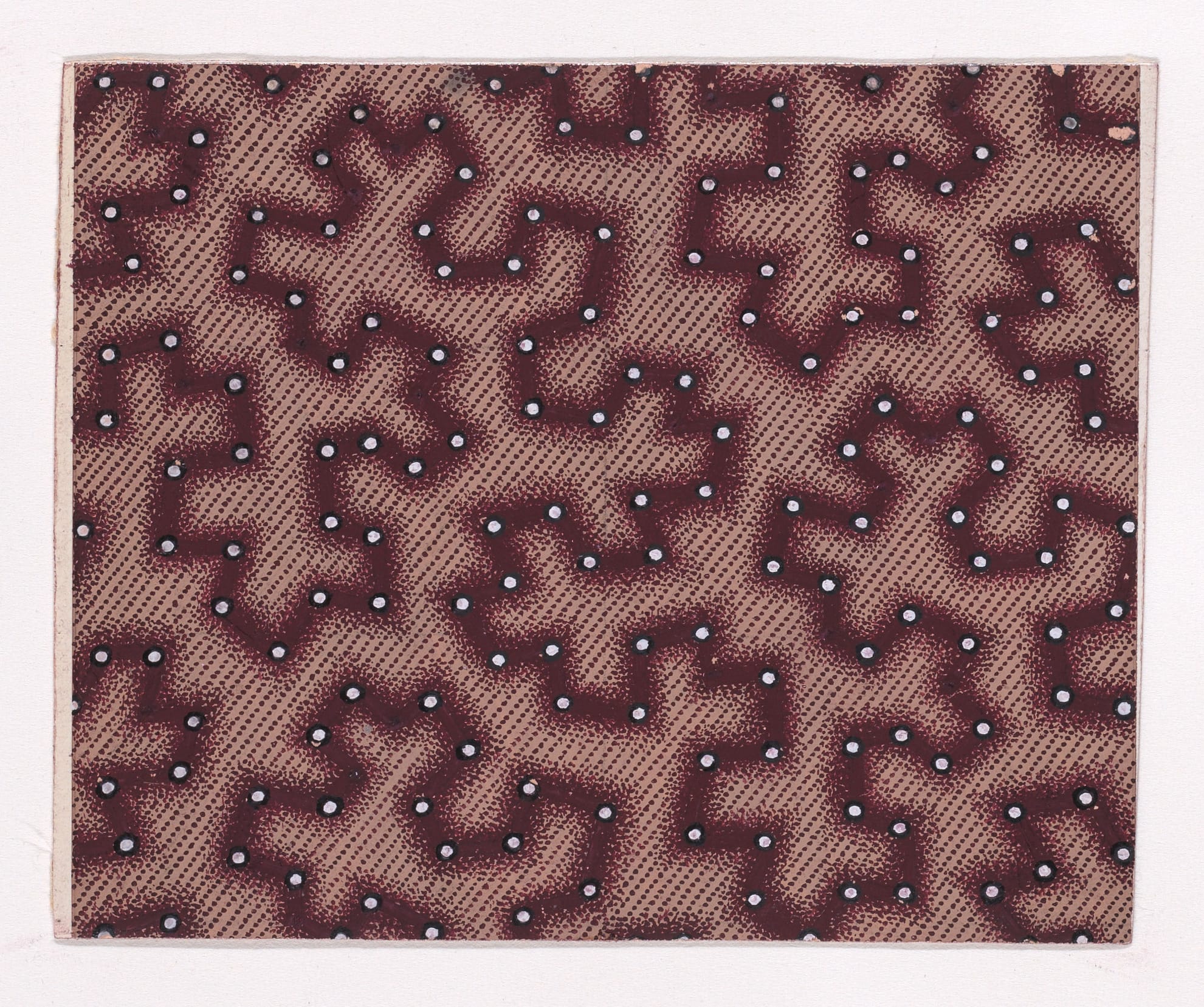
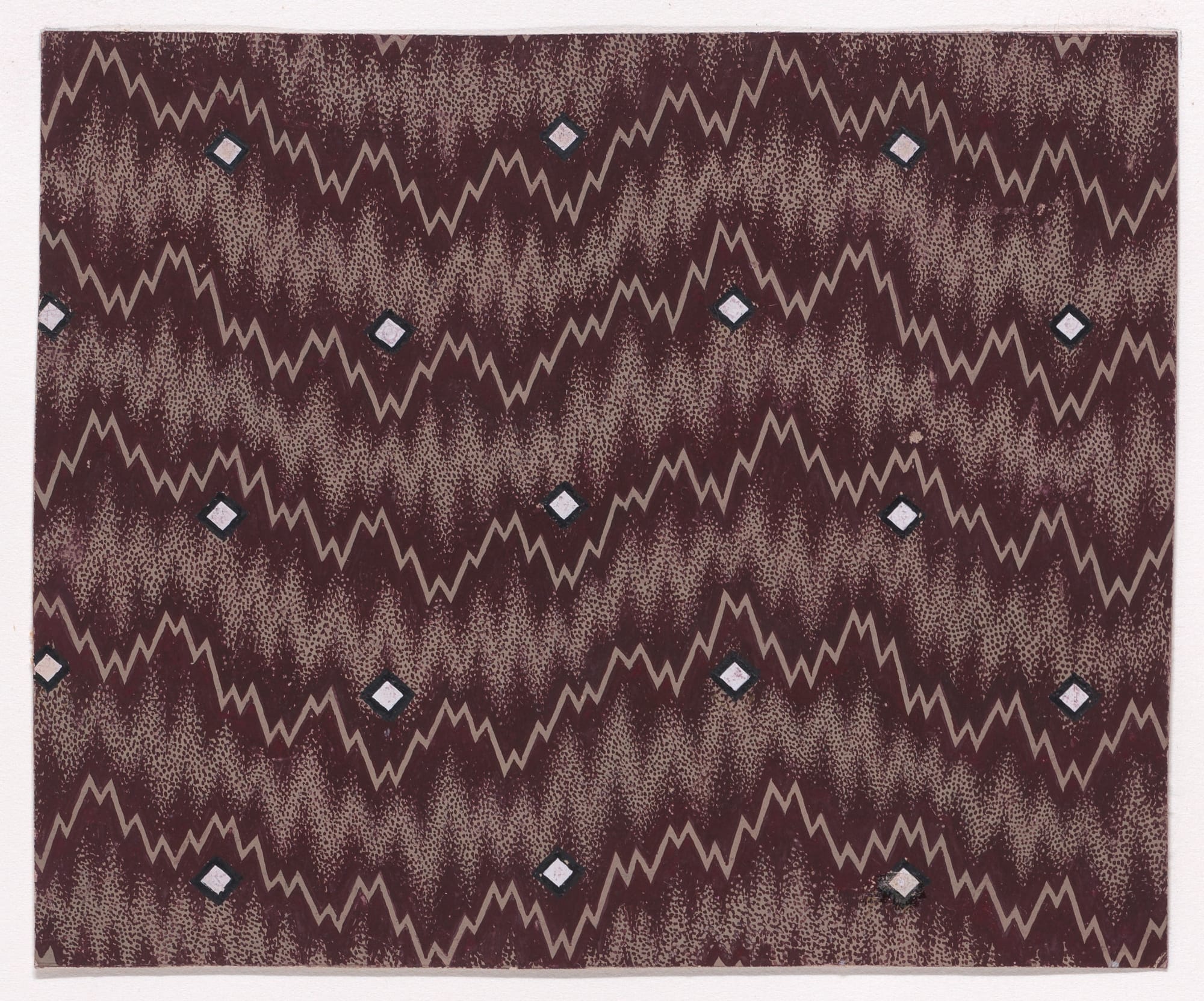
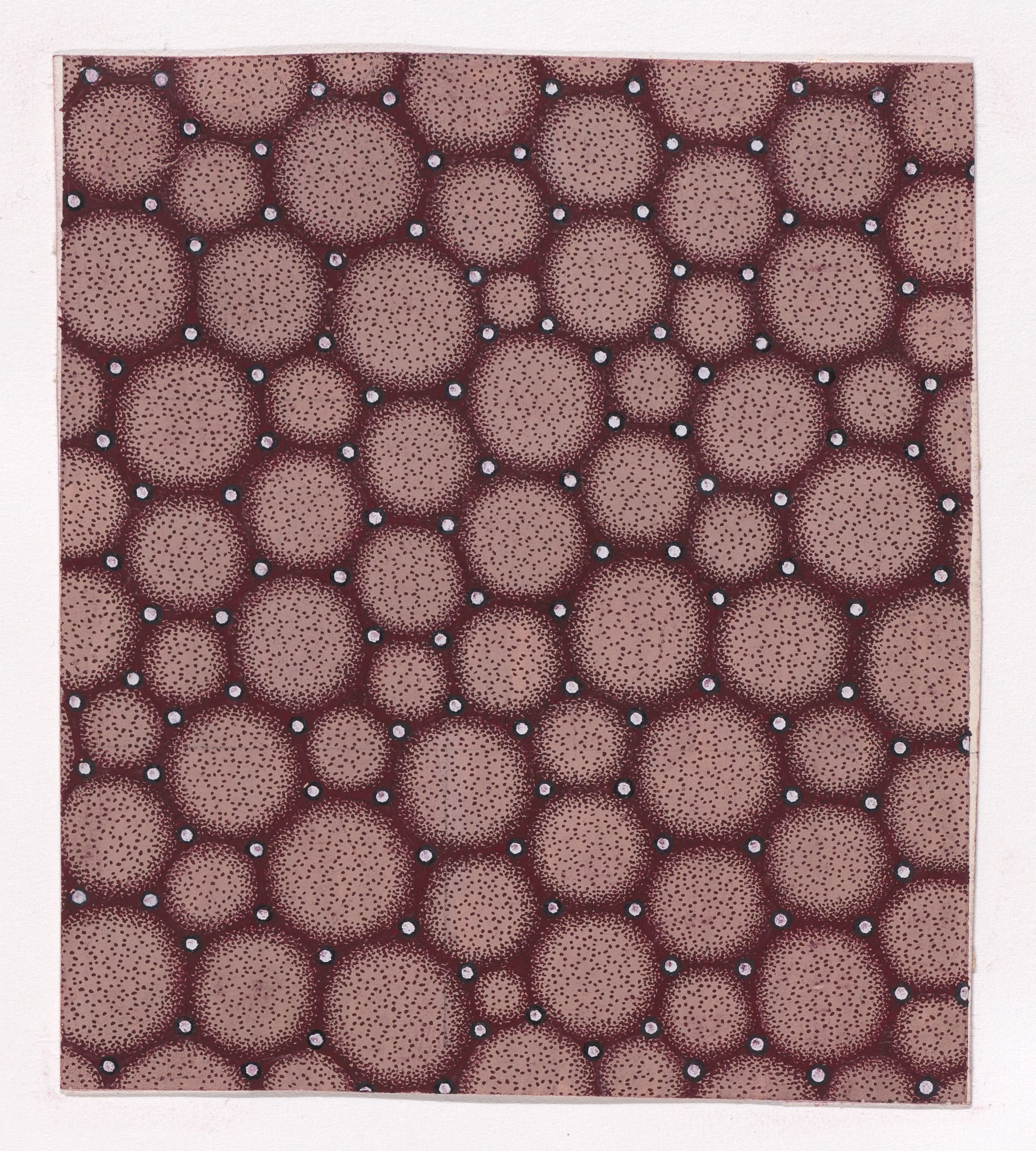
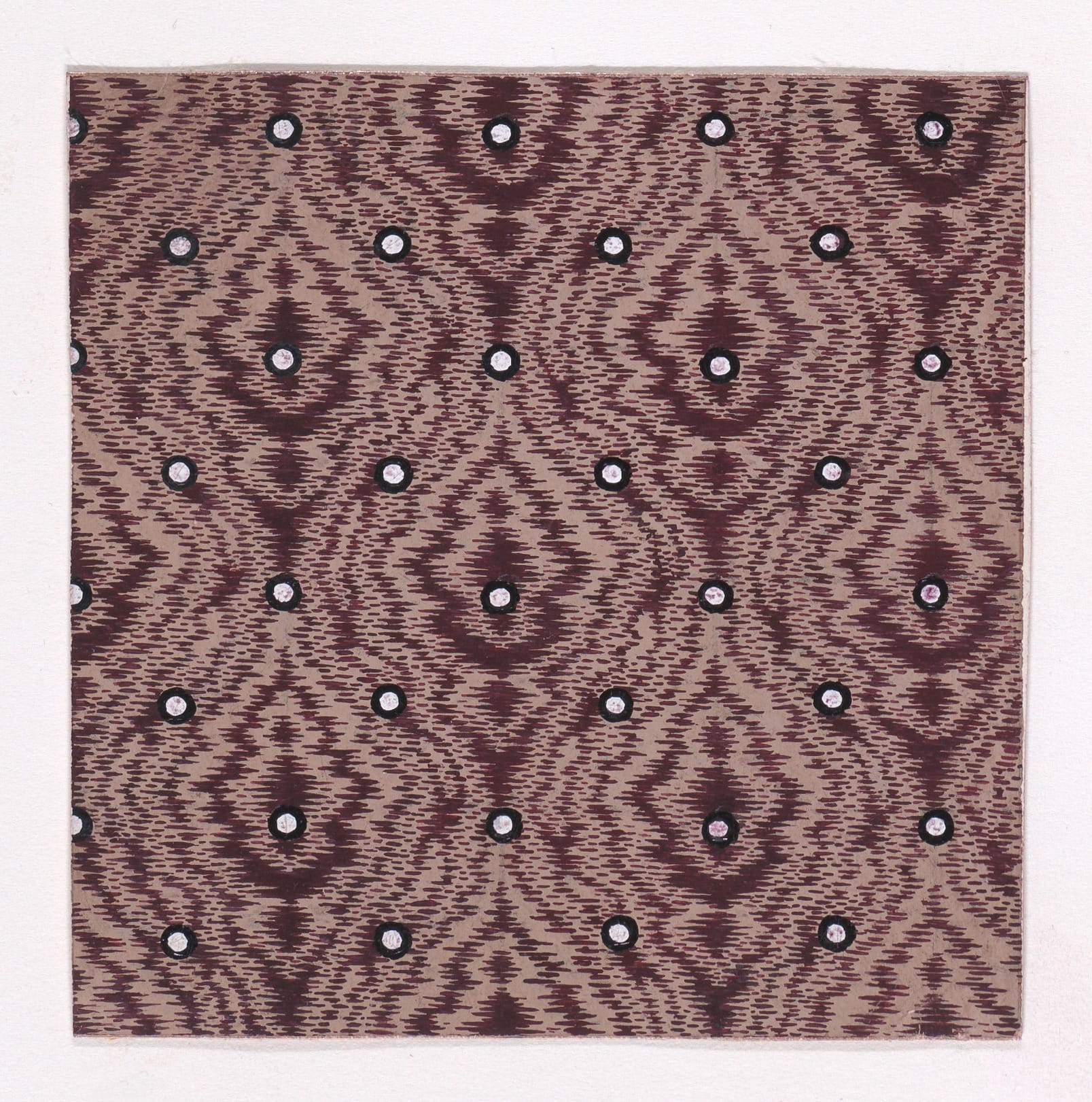


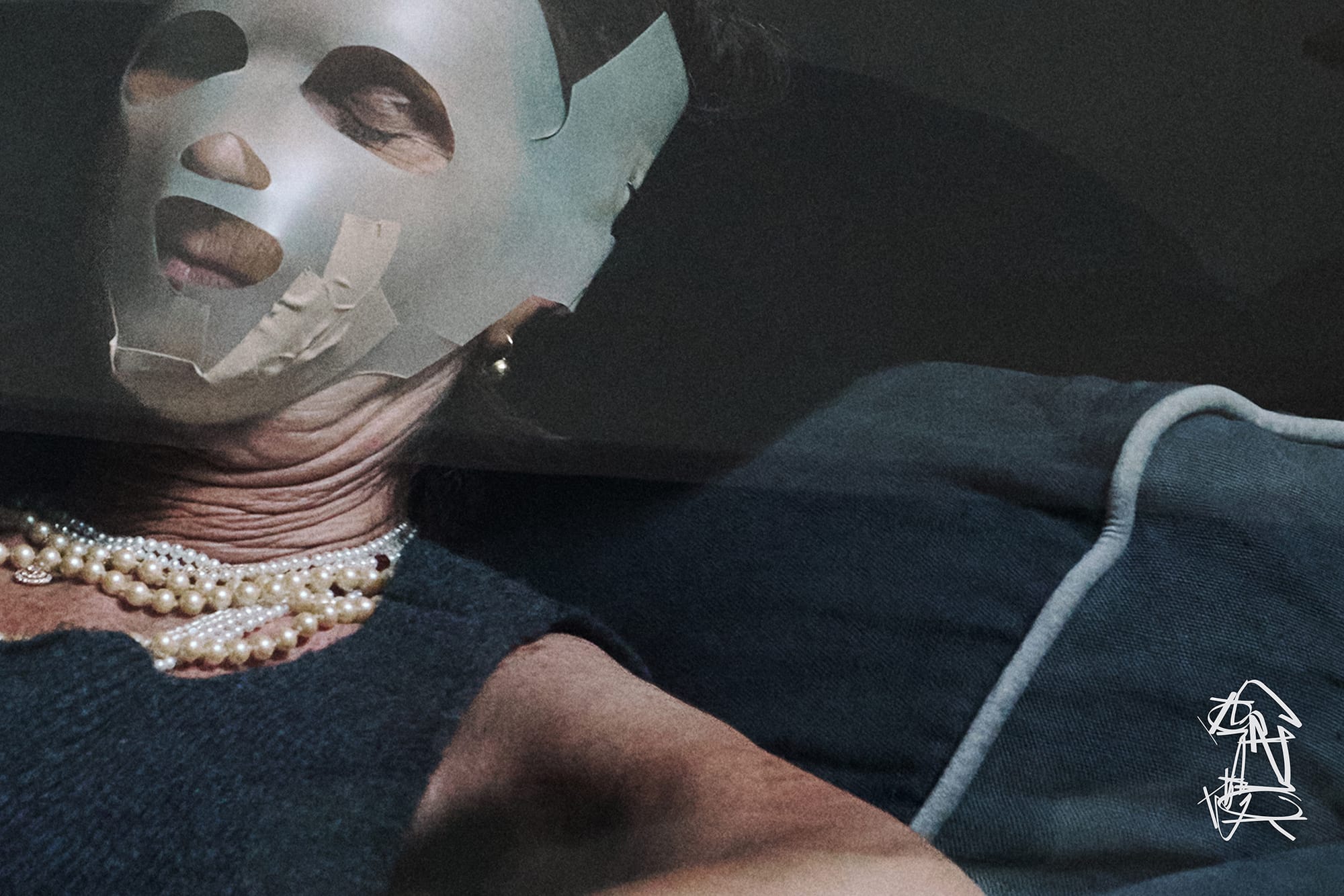
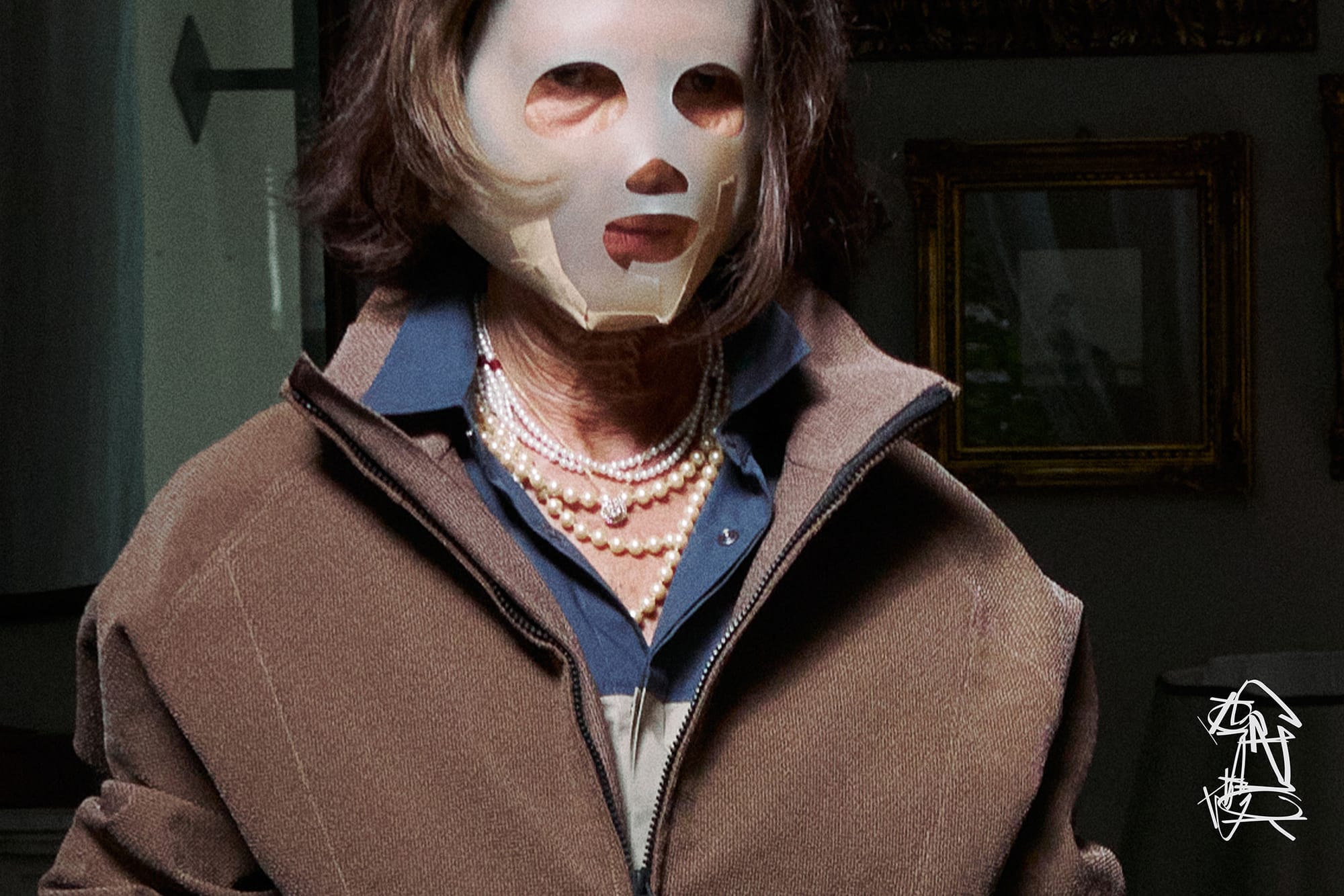
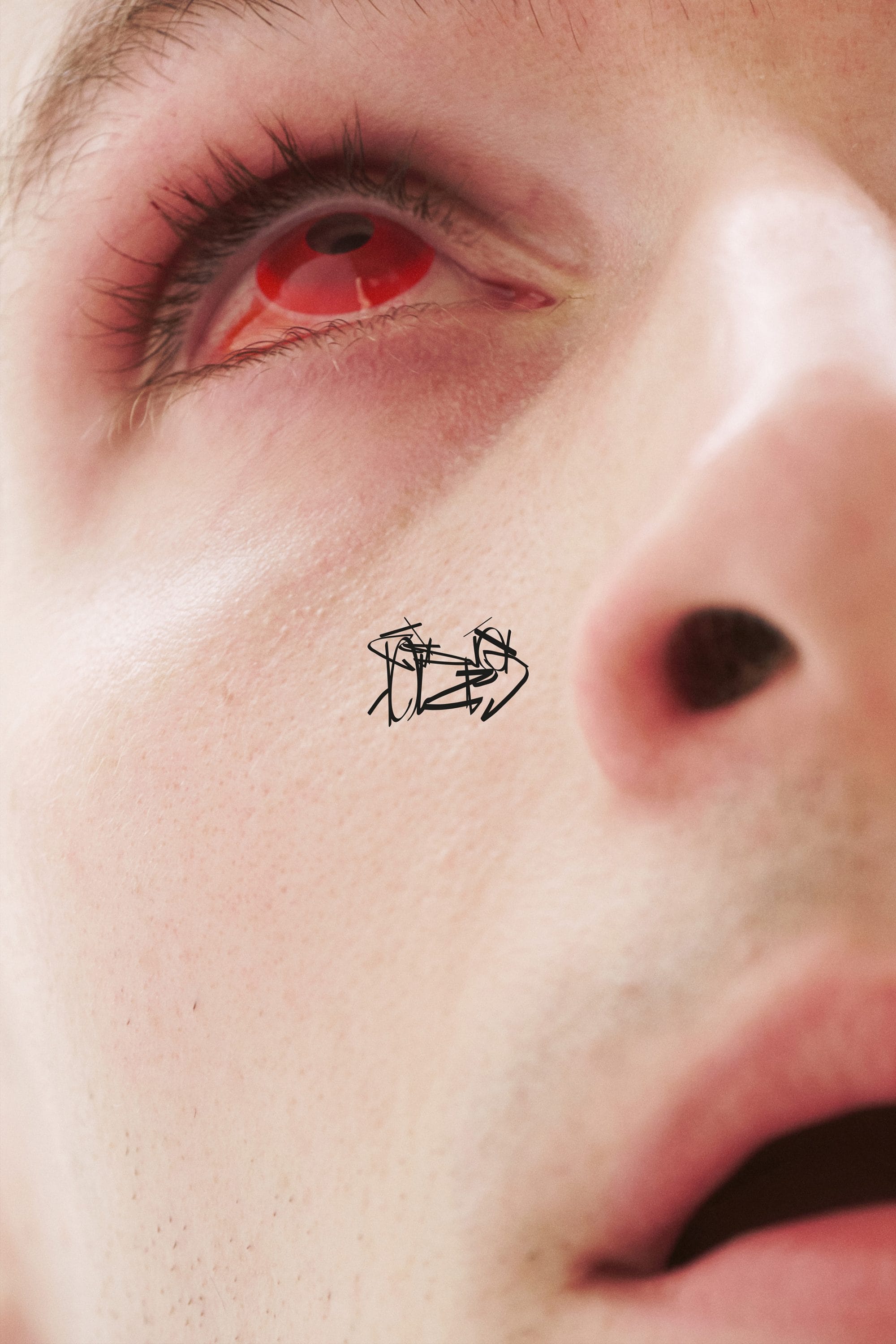
GR10K Fall 2024 "Incognito"
GR10K "Incognito" Fall 2024 Ad Campaign
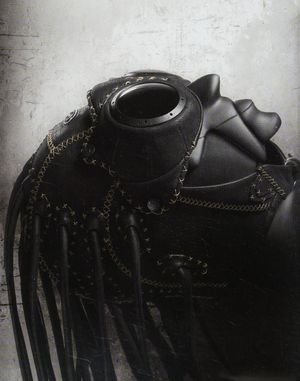
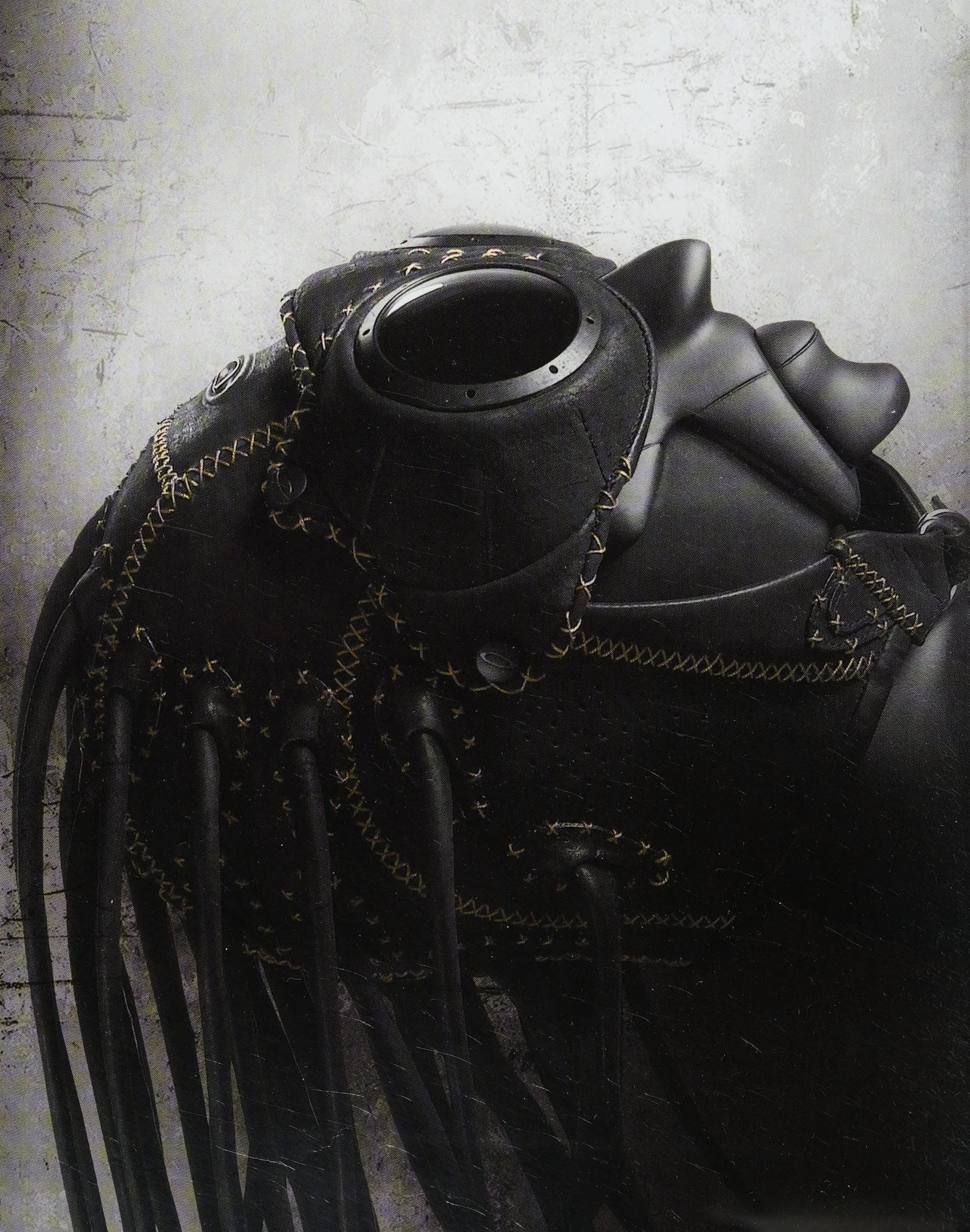
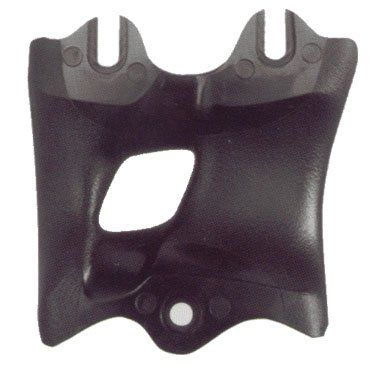
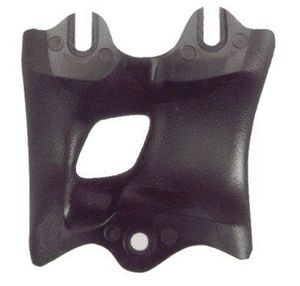
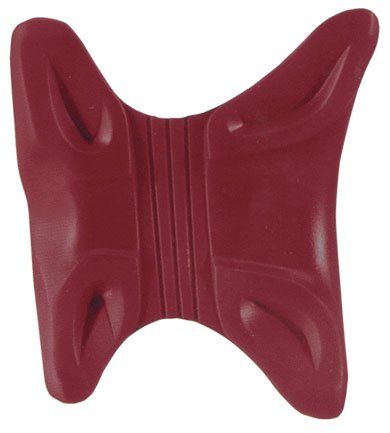
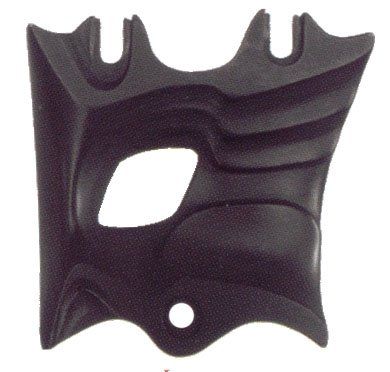
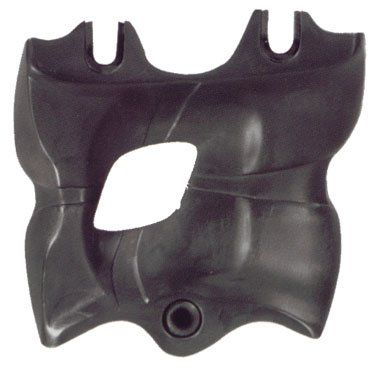
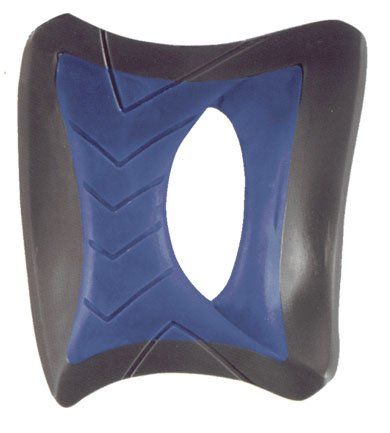
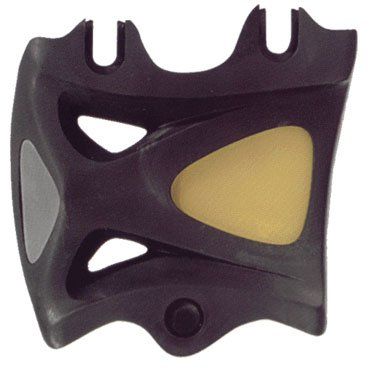
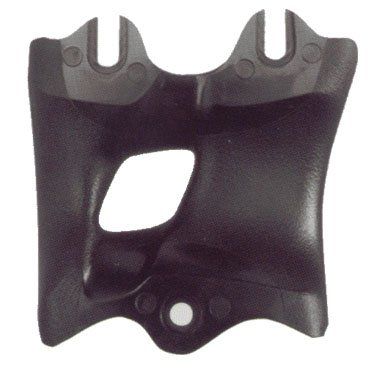
Oakley Medusa Helmet, 2001
The Oakley Medusa Helmet (2002) is an early-2000s performance helmet concept associated with Oakley’s then-expanding push into technical equipment beyond eyewear. The design is defined by aggressive surfacing, pronounced vent geometry, and a highly sculptural shell intended to signal speed and impact protection.
Functionally, the Medusa emphasizes airflow and coverage through a dense network of vents and channeling, paired with a shell profile that reads more armored than minimal. Fit and retention appear to follow common helmet conventions of the era, with the distinctive elements concentrated in the exterior shell tooling and vent architecture rather than hidden internal mechanisms. As a result, the helmet is often discussed as much for its styling and cultural placement as for technical specifics.
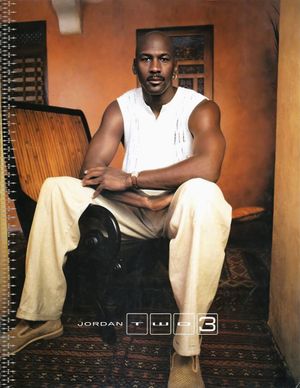
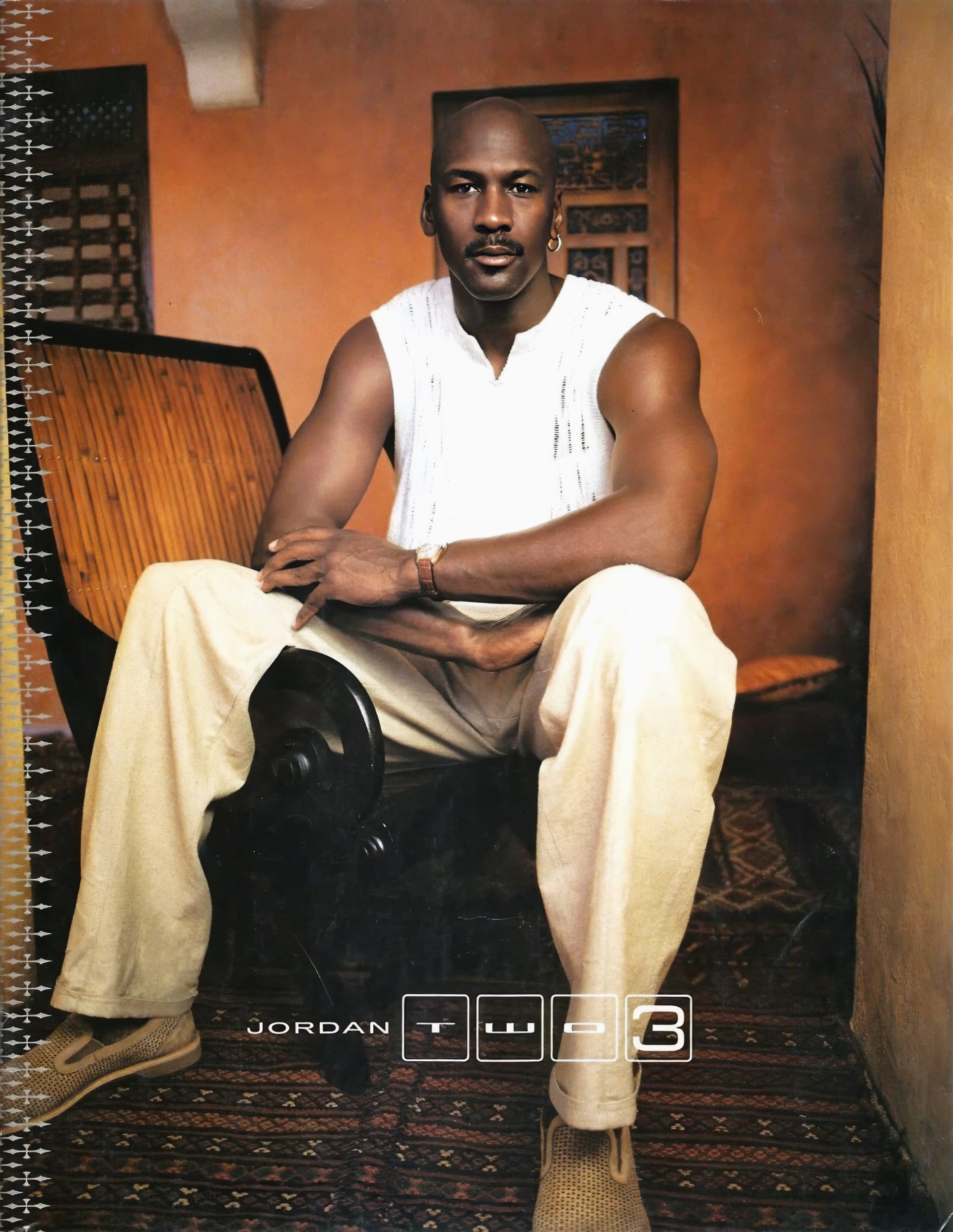
JORDAN TWO3 Spring Summer 2002 CATALOG
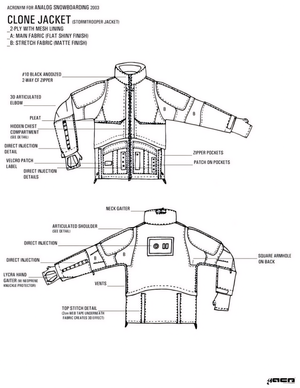
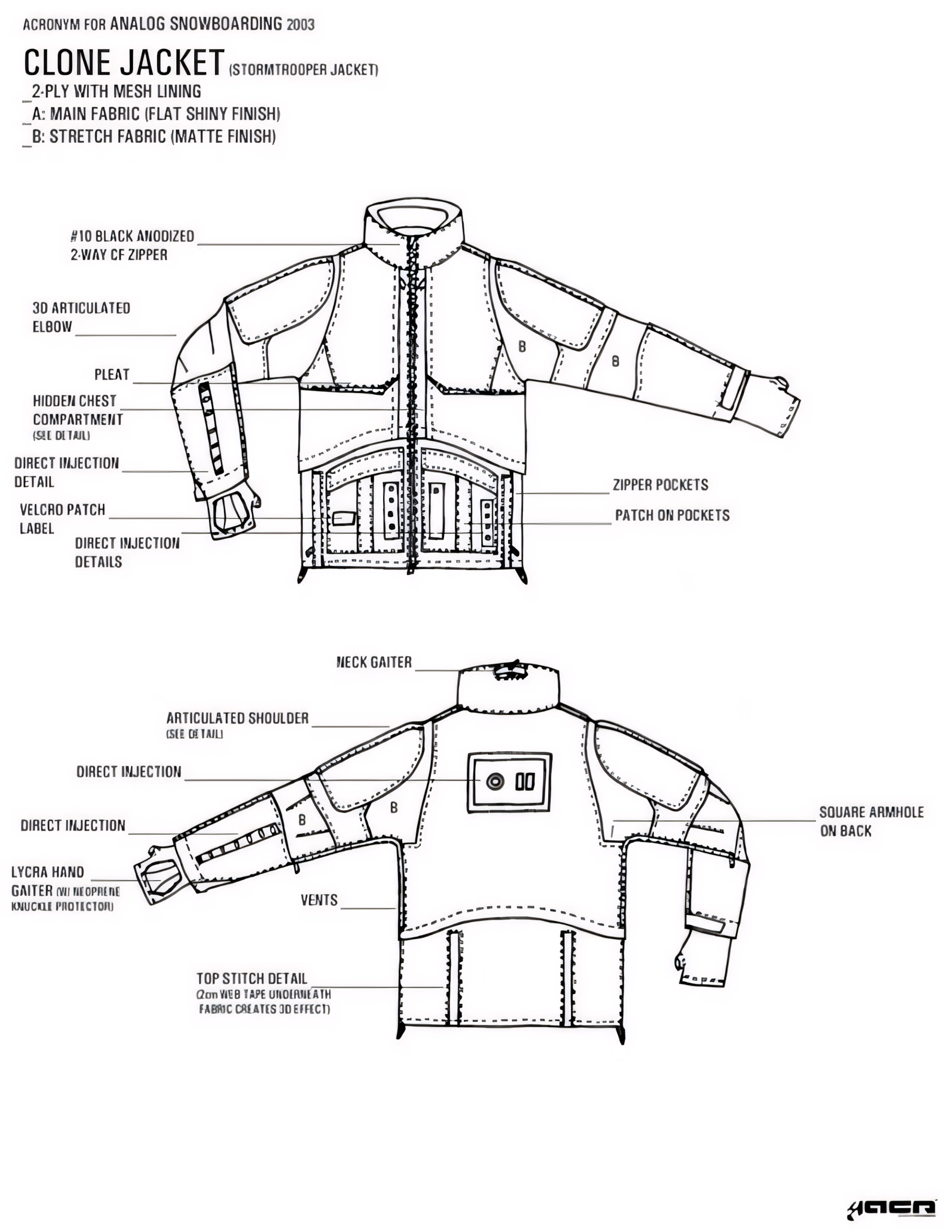
acronym for analog snowboarding 2003
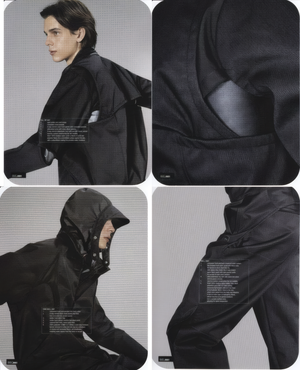
Nike Code, Tony Spackman, 2001
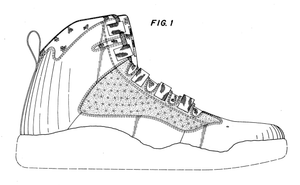
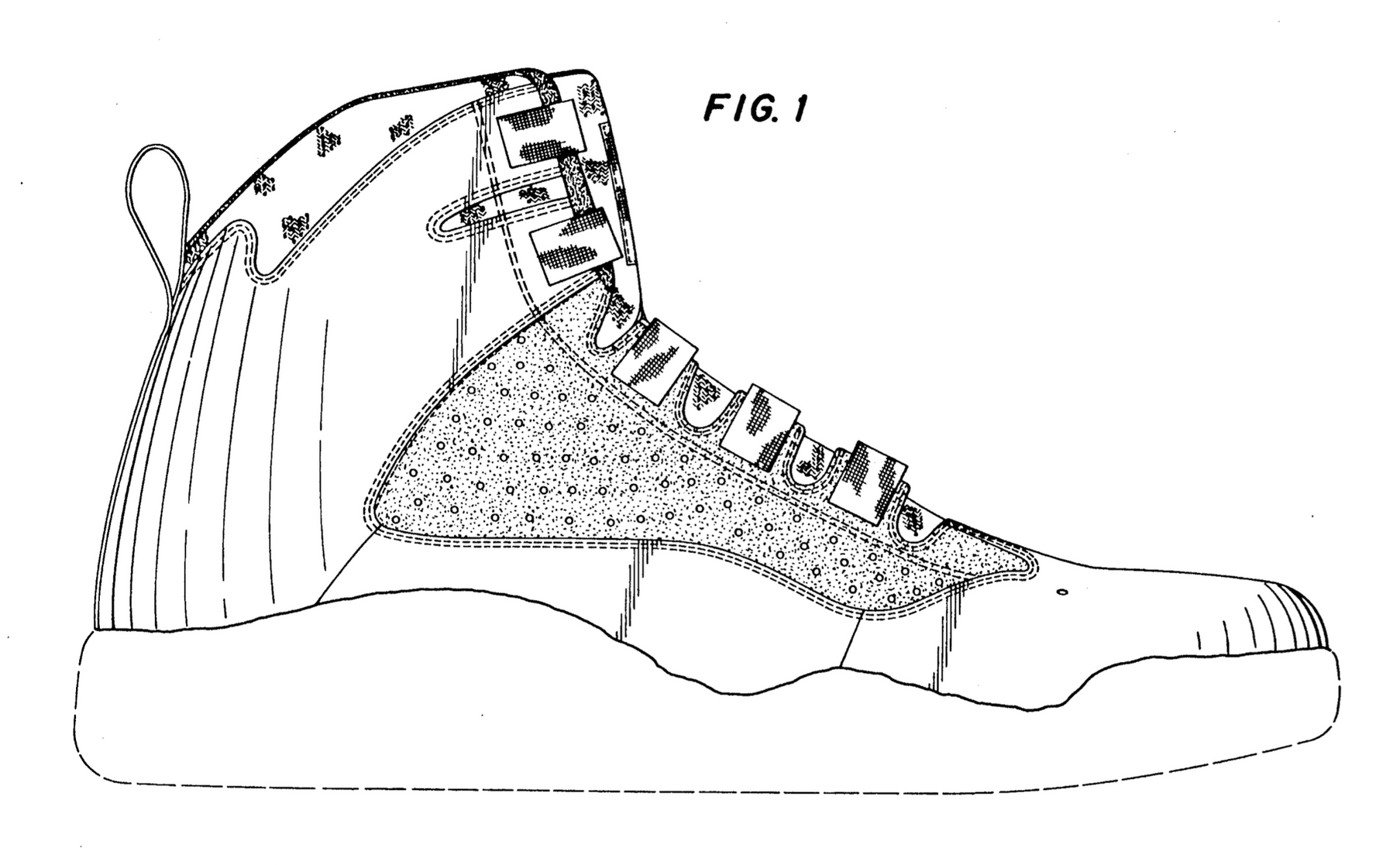
Eric Avar'S NIKE Patent Registration Drawings
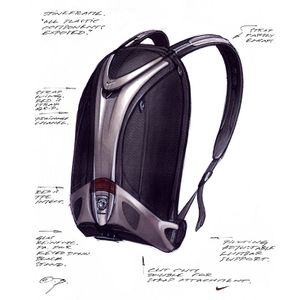
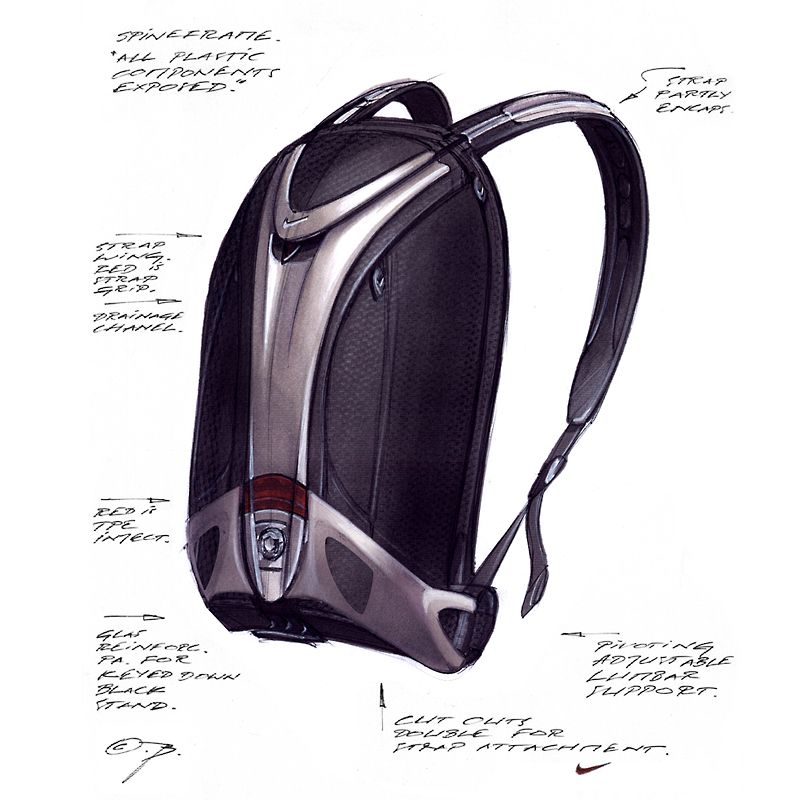
Nike Epic Backpack Development
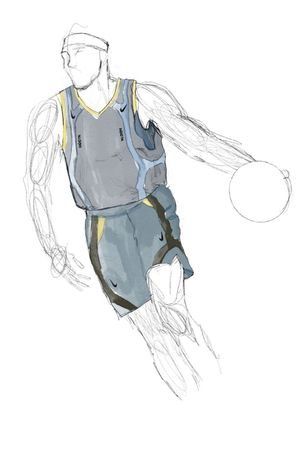
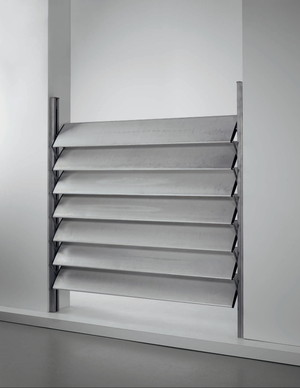
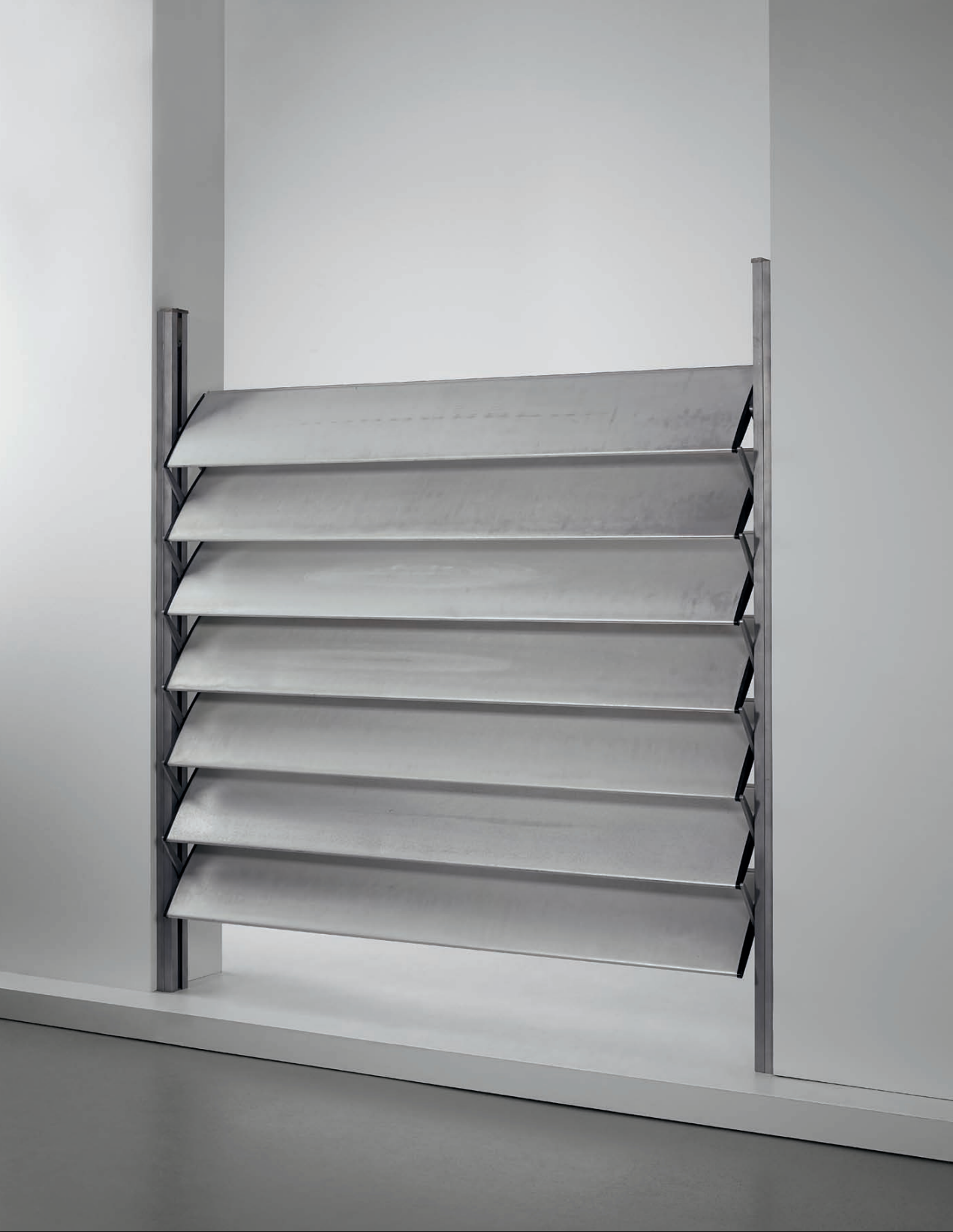
Seven-panelled sun-shutter, Jean Prouvé
Jean Prouvé 1901-1984 Seven-panelled sun-shutter, from the Cité scolaire de La Dullague, Béziers, designed 1956, executed circa 1962-1965 Aluminium, metal. 185.5 x 184.4 x 8.3 cm (73 x 72 5/8 x 3 1/4 in.) Manufactured by Les Atelier Jean Prouvé, Nancy, France.
Estimate £12,000-15,000 $17,800-22,300 €16,300-20,400 provenance Cité scolaire de La Dullague, Béziers, France, circa 1962-1965 exhibited Architecture Biennale, Venice, 7 June-23 November, 2014
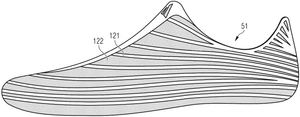
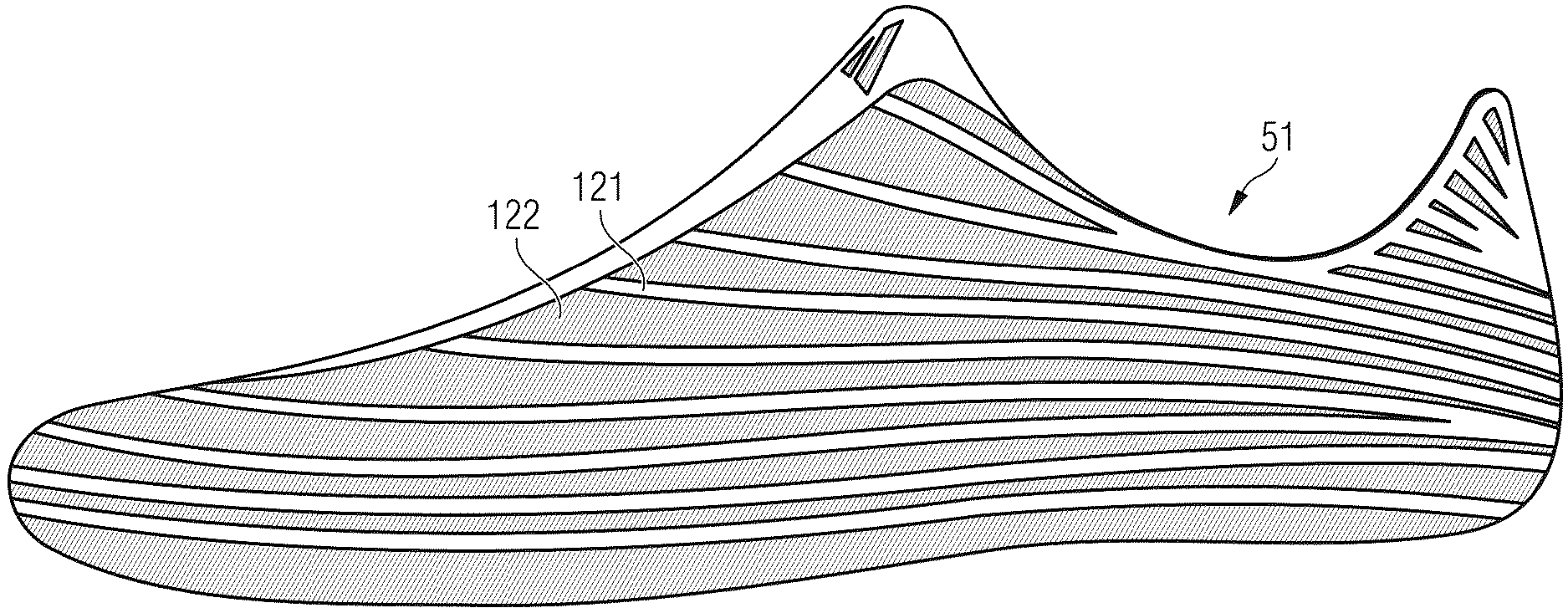
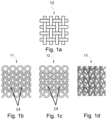
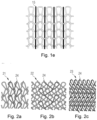
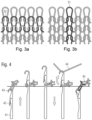
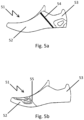
Adidas Knitted Shoe Upper Patent
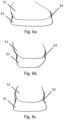
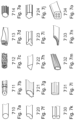
Figures from US patent application US20250160486A1, 'Knitted Shoe Upper', filed by Adidas AG (inventors Stefan Tamm, Carl Arnese and James Carnes; published 22 May 2025). The upper is knitted in one piece with two zones, a more elastic yarn and a stiffer yarn, placing stretch and support without seams or separate reinforcement panels. The drawings show the yarn zones and construction across forefoot, midfoot and heel.
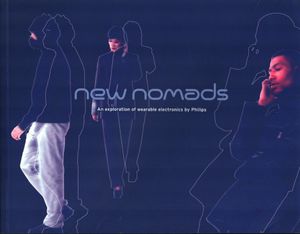
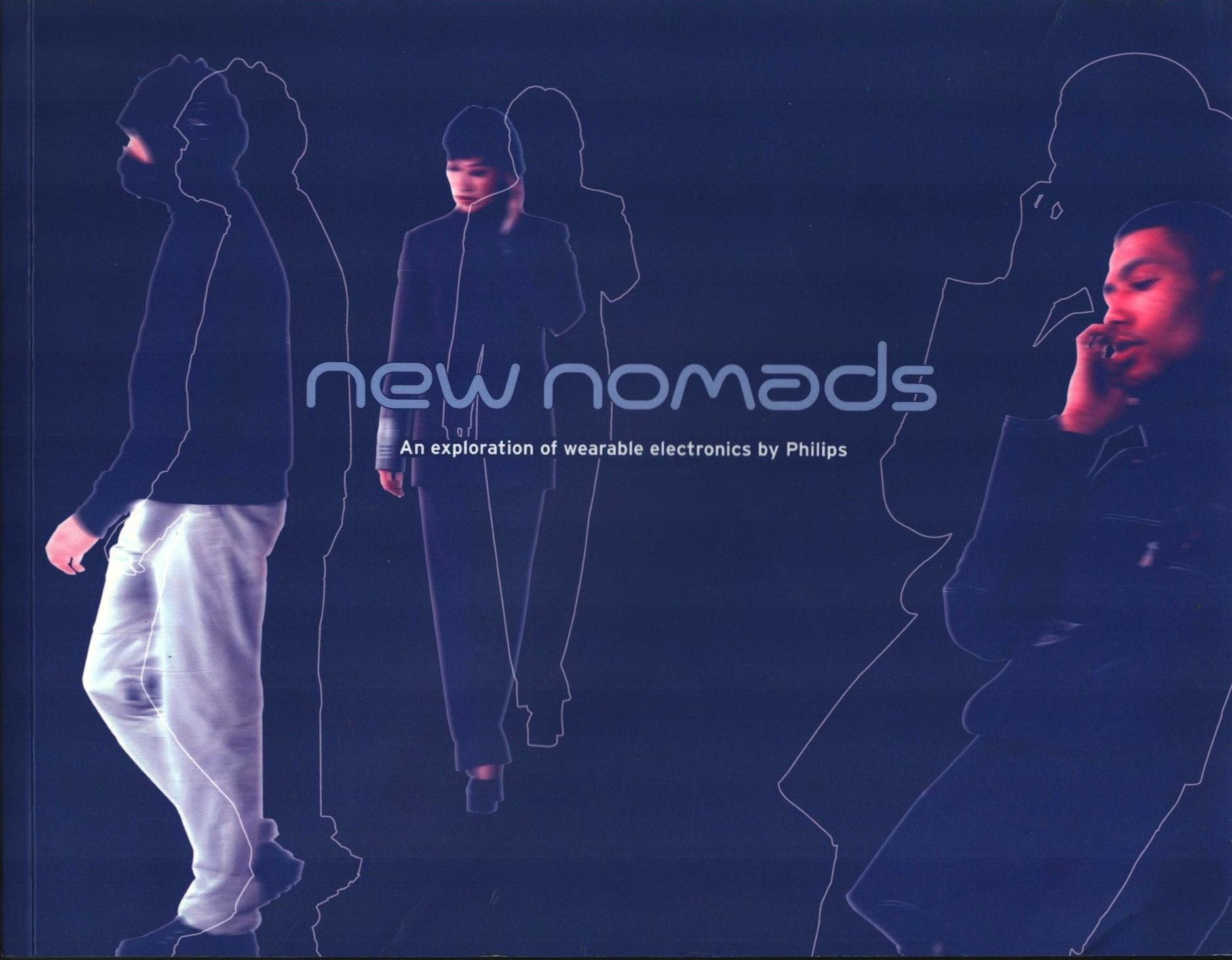
New Nomads: An Exploration of Wearable Electronics by Philips
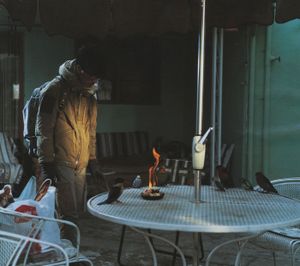
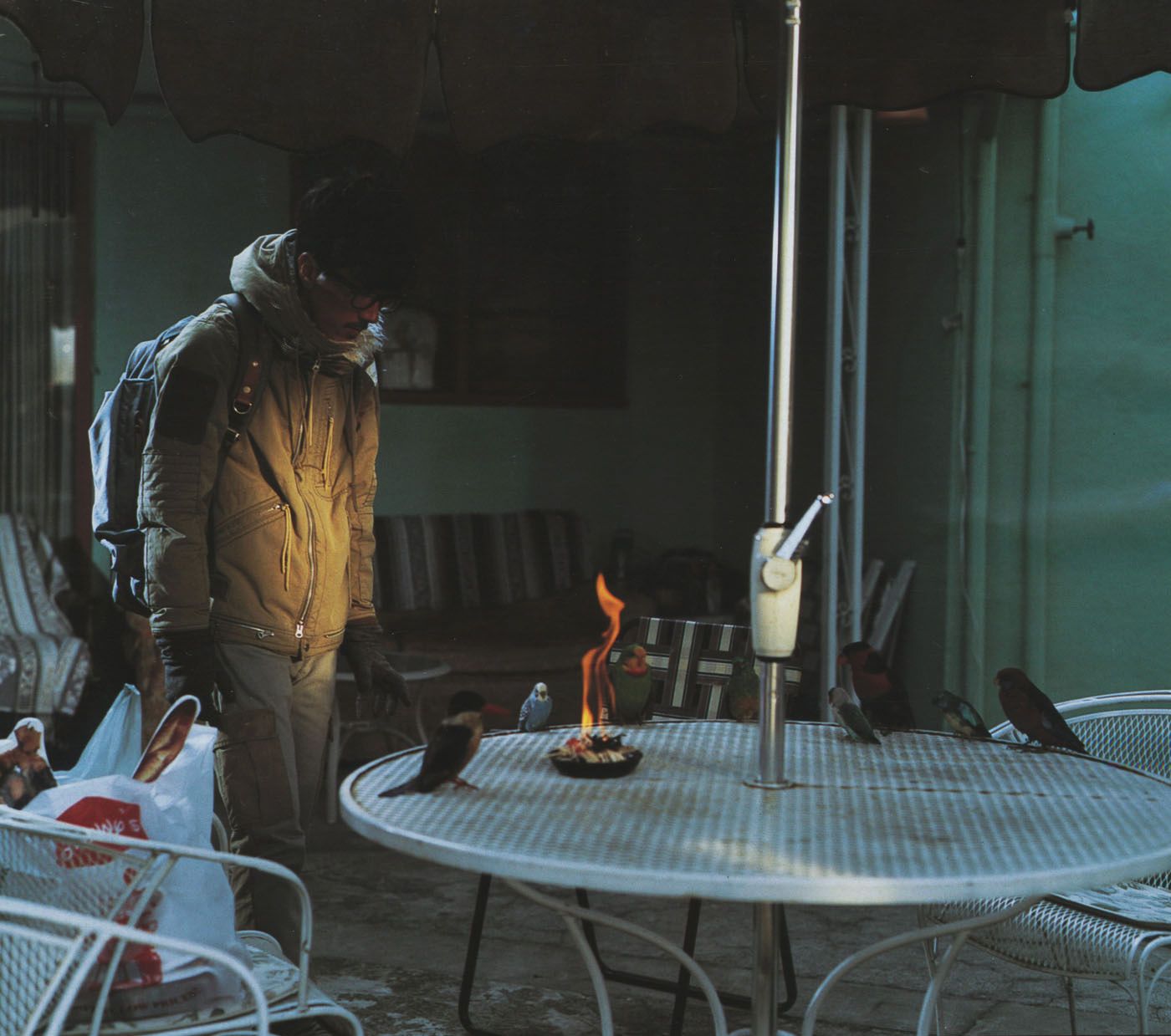
"Avakareta Life" Editorial Styled by Jun Takahashi
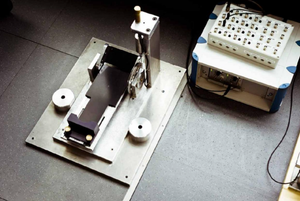
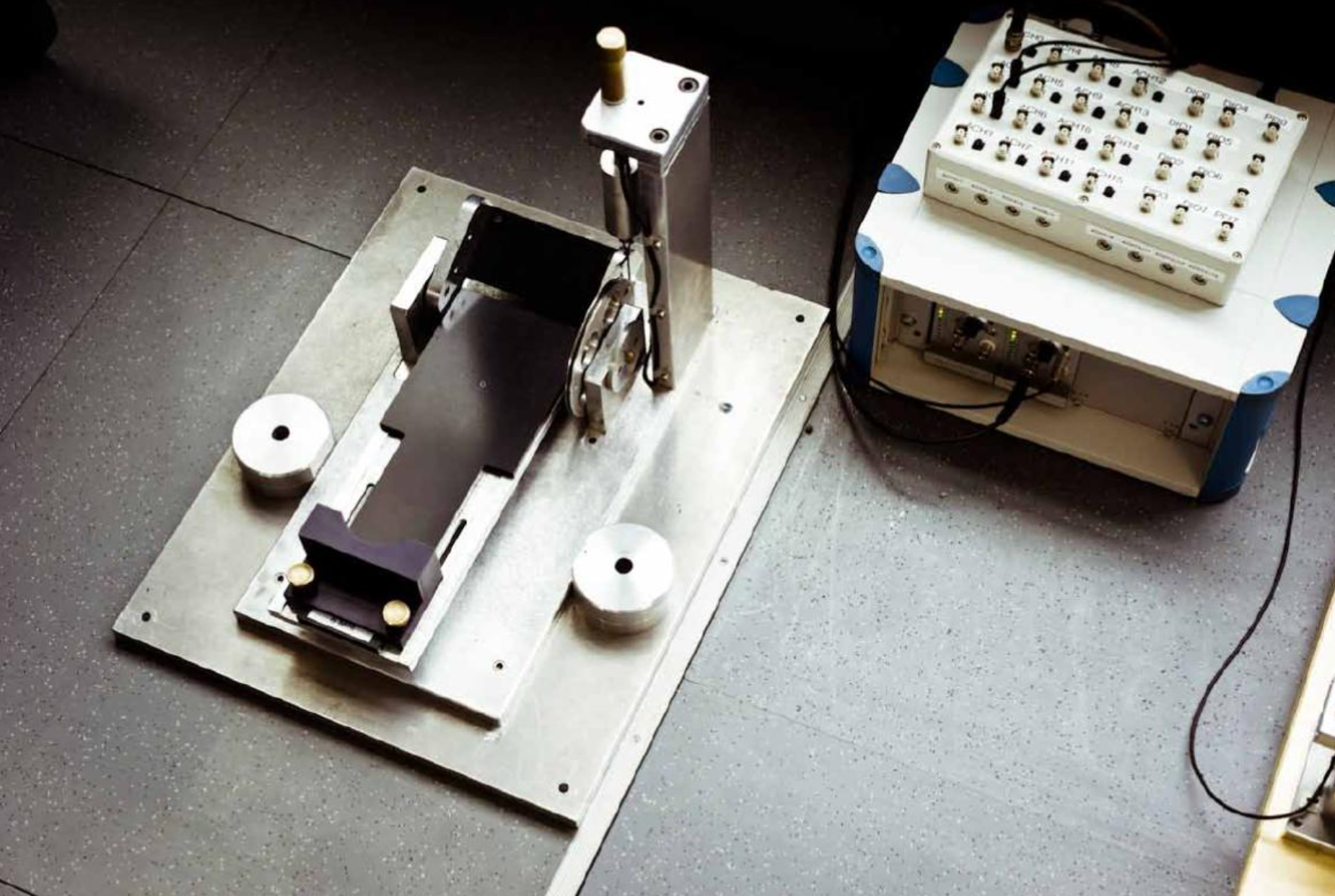
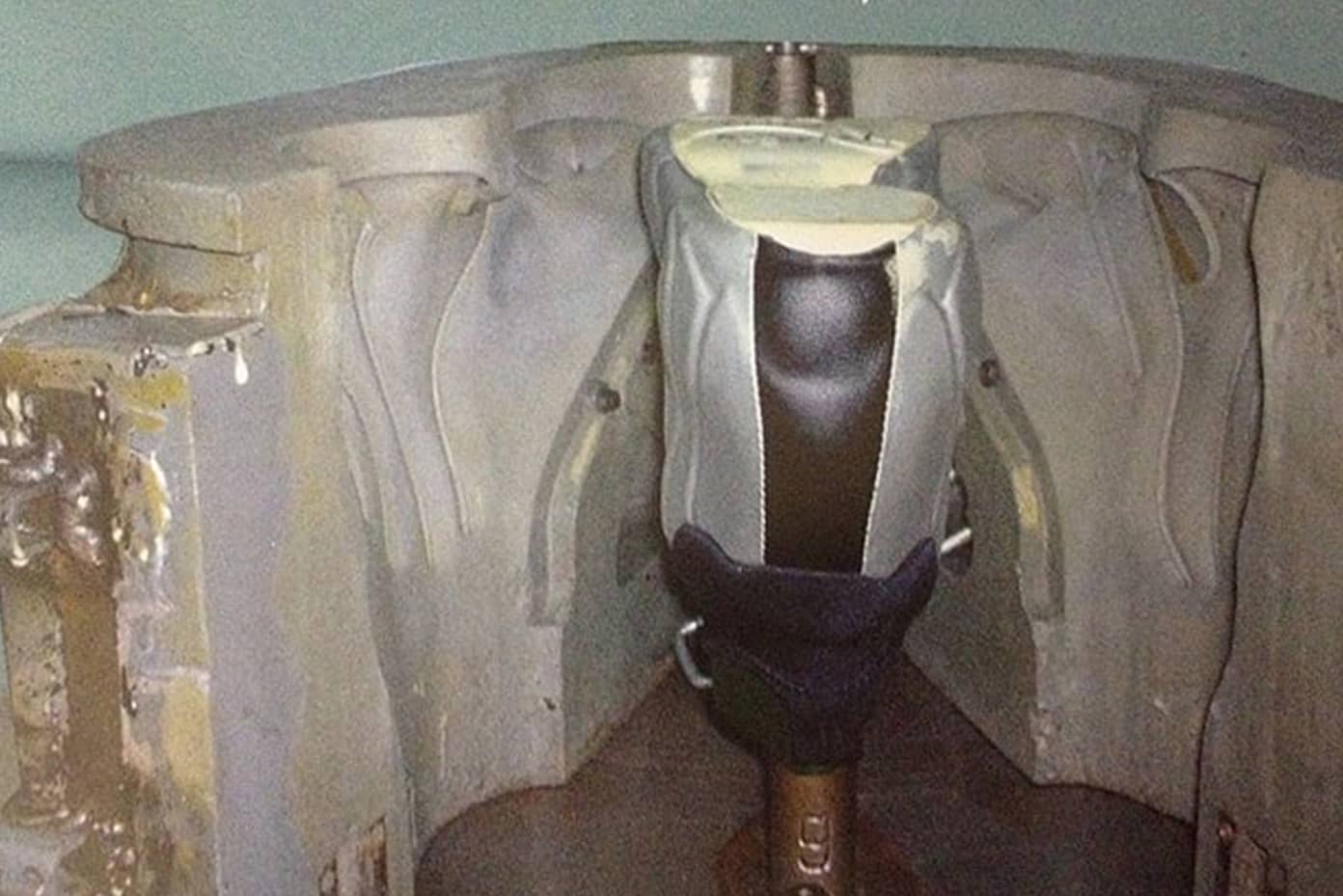
Images behind the scenes of the nike free outsole creation.
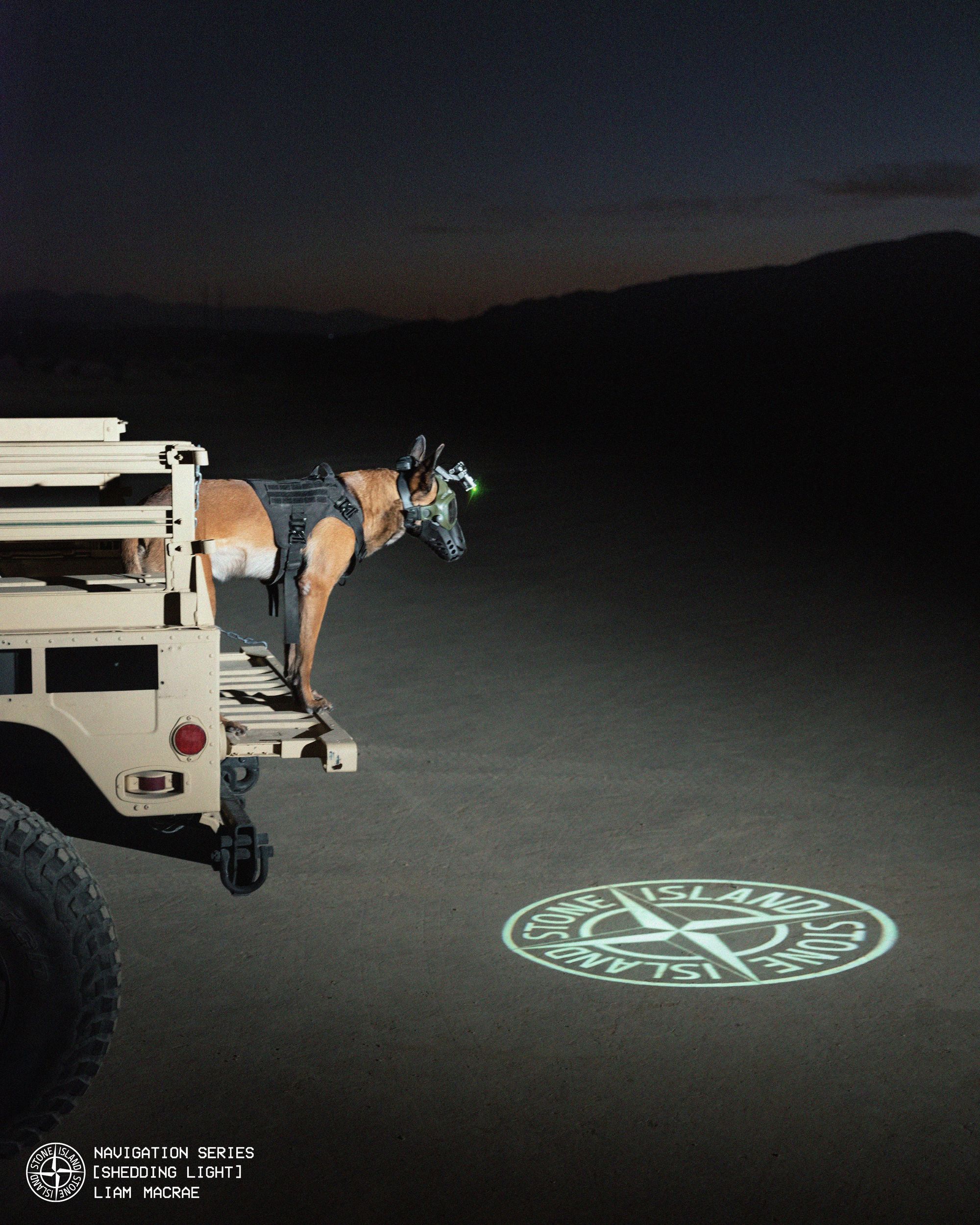
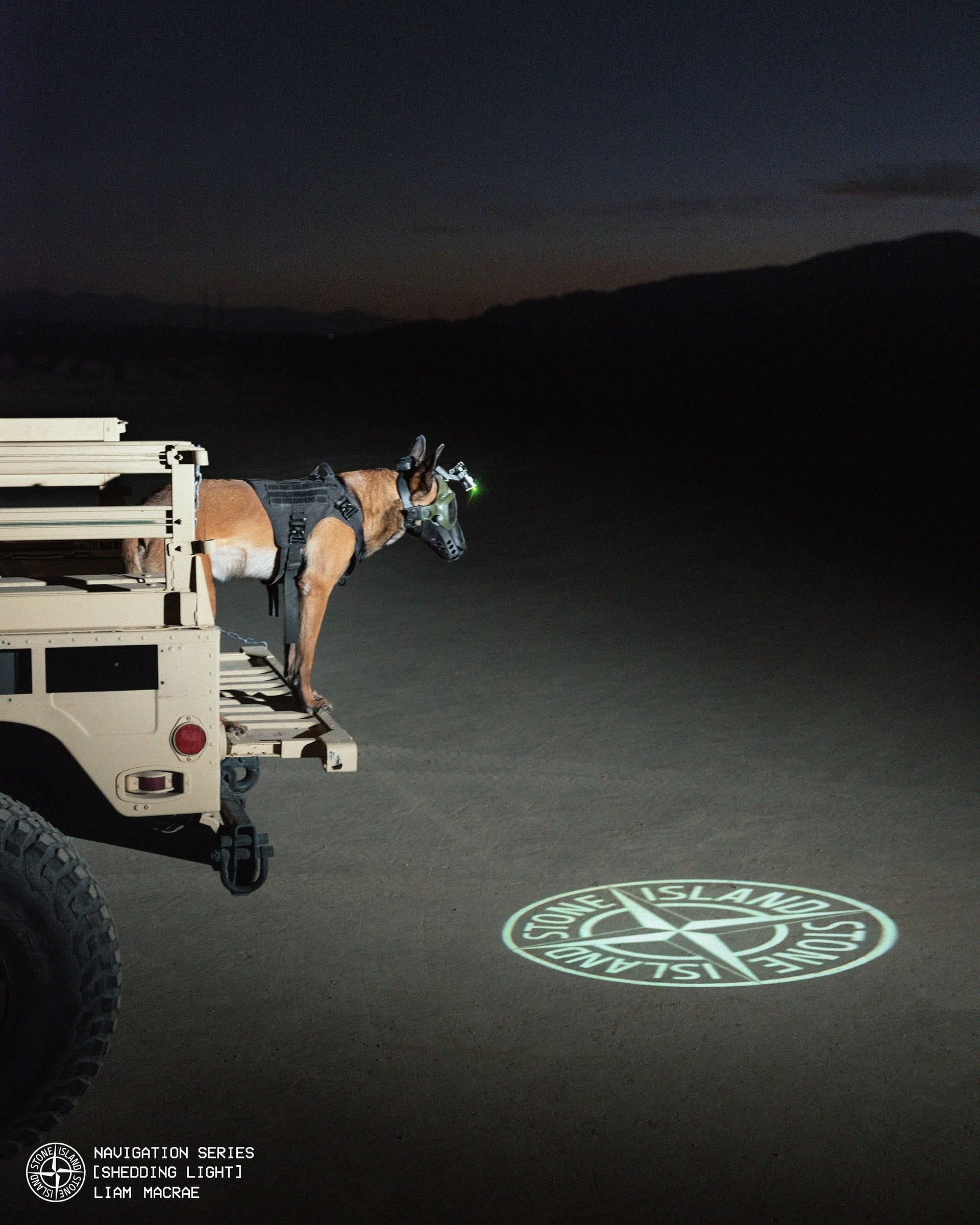
![Stone Island Navigation Series [shedding light] by Liam Macrae](https://storage.ghost.io/c/14/ee/14eef3be-ca5a-434b-8324-fa1f874026f1/content/images/size/w300/2023/09/F5WkecNXQAA78GB.jpeg)
Stone Island Navigation Series [shedding light] by Liam Macrae
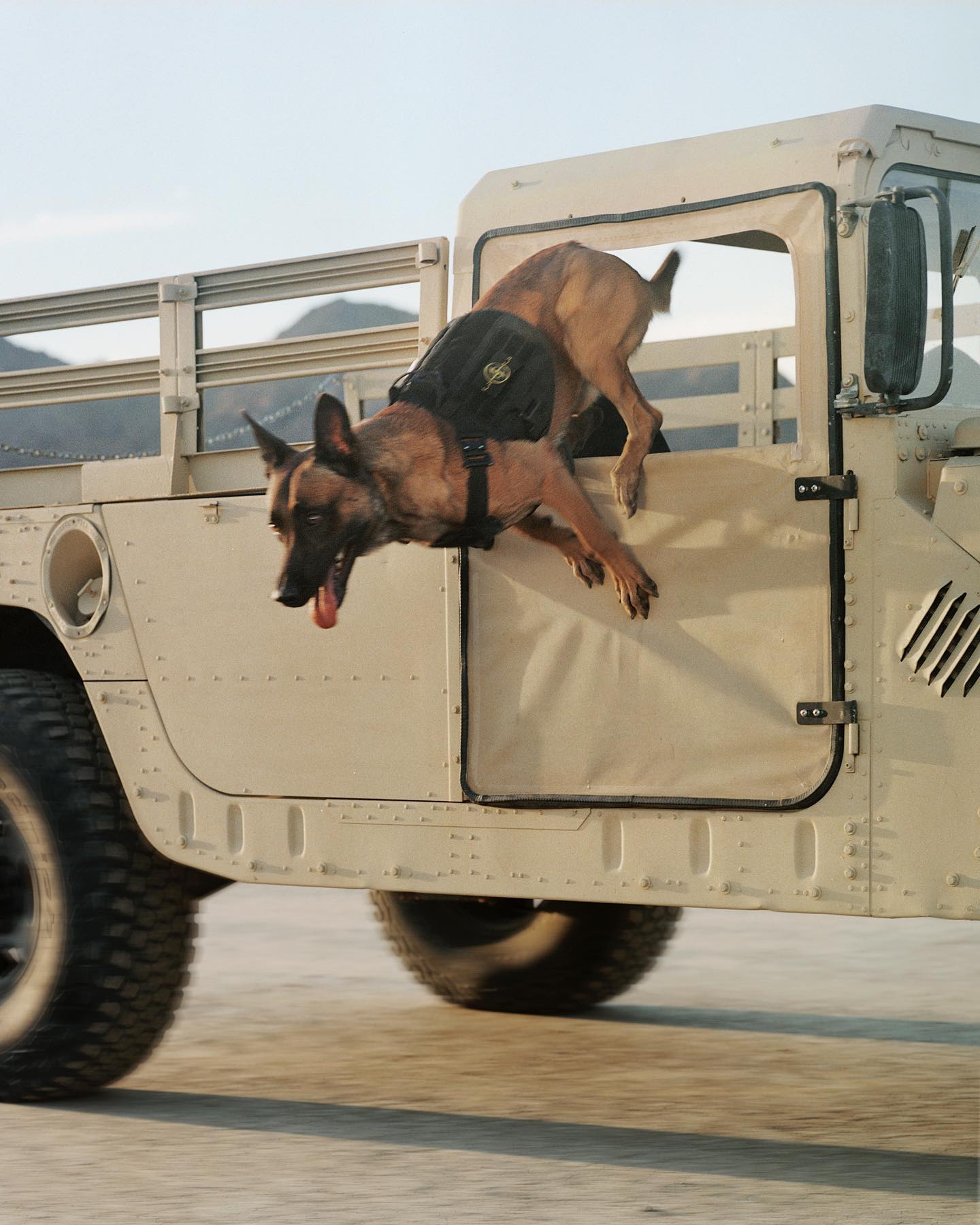
Stone Island Navigation Series: Shedding Light by Liam MacRae deploys a canine unit as both subject and sensor. The sequence examines tracking protocols, movement signatures, and light scatter in terrain navigation. Objective: assess animal-assisted pursuit as a guidance vector. Visual narrative captures the moment of release—unleashing the chase to test instinctive tracking against controlled illumination parameters.
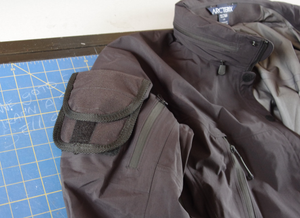
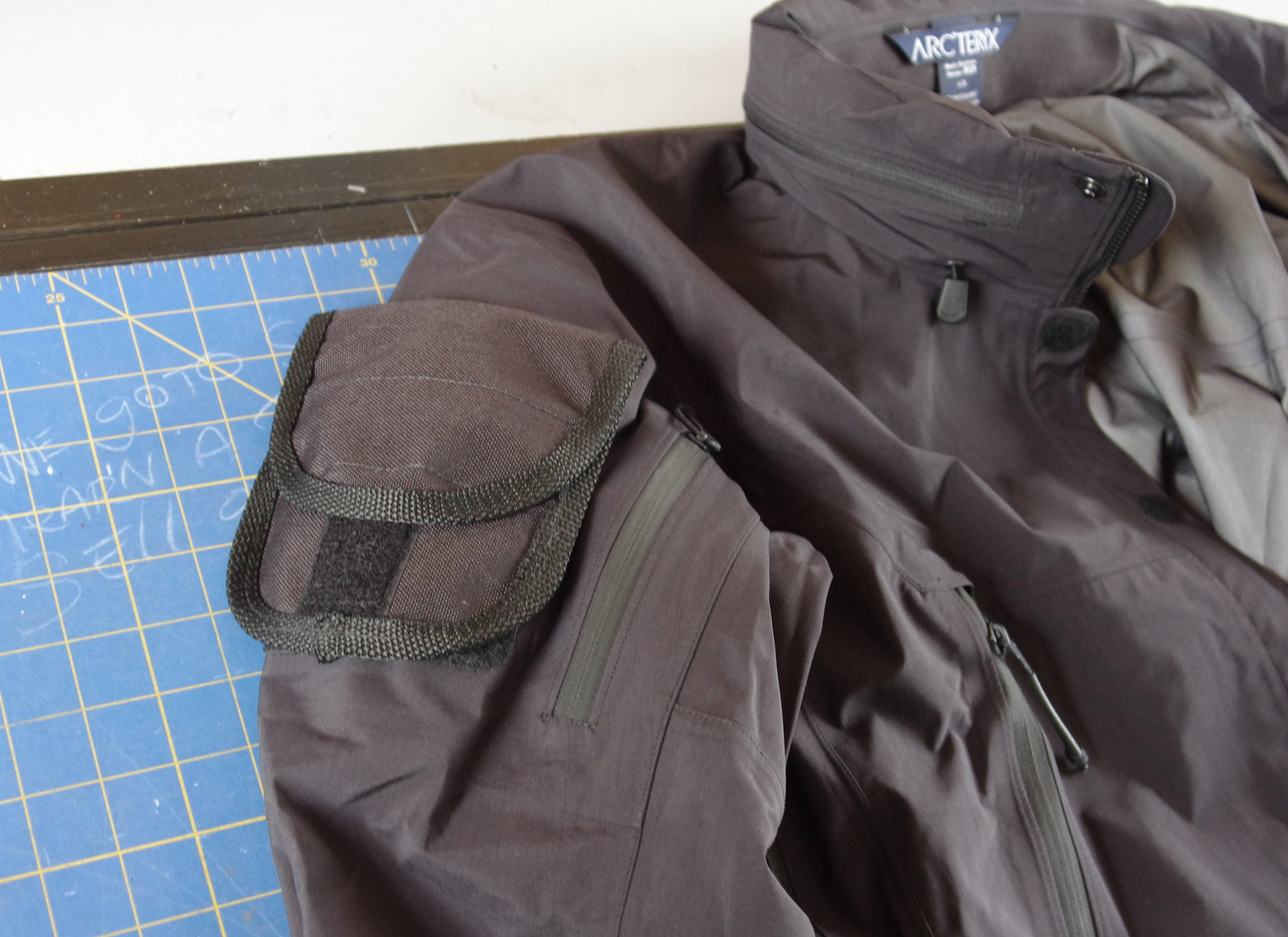
arc'teryx leaf modular velcro pouch additions
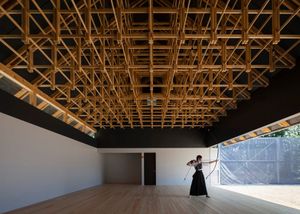
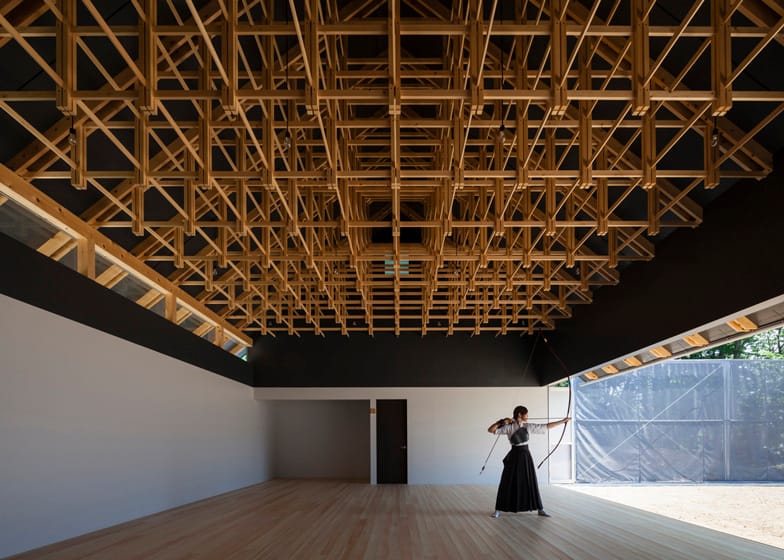
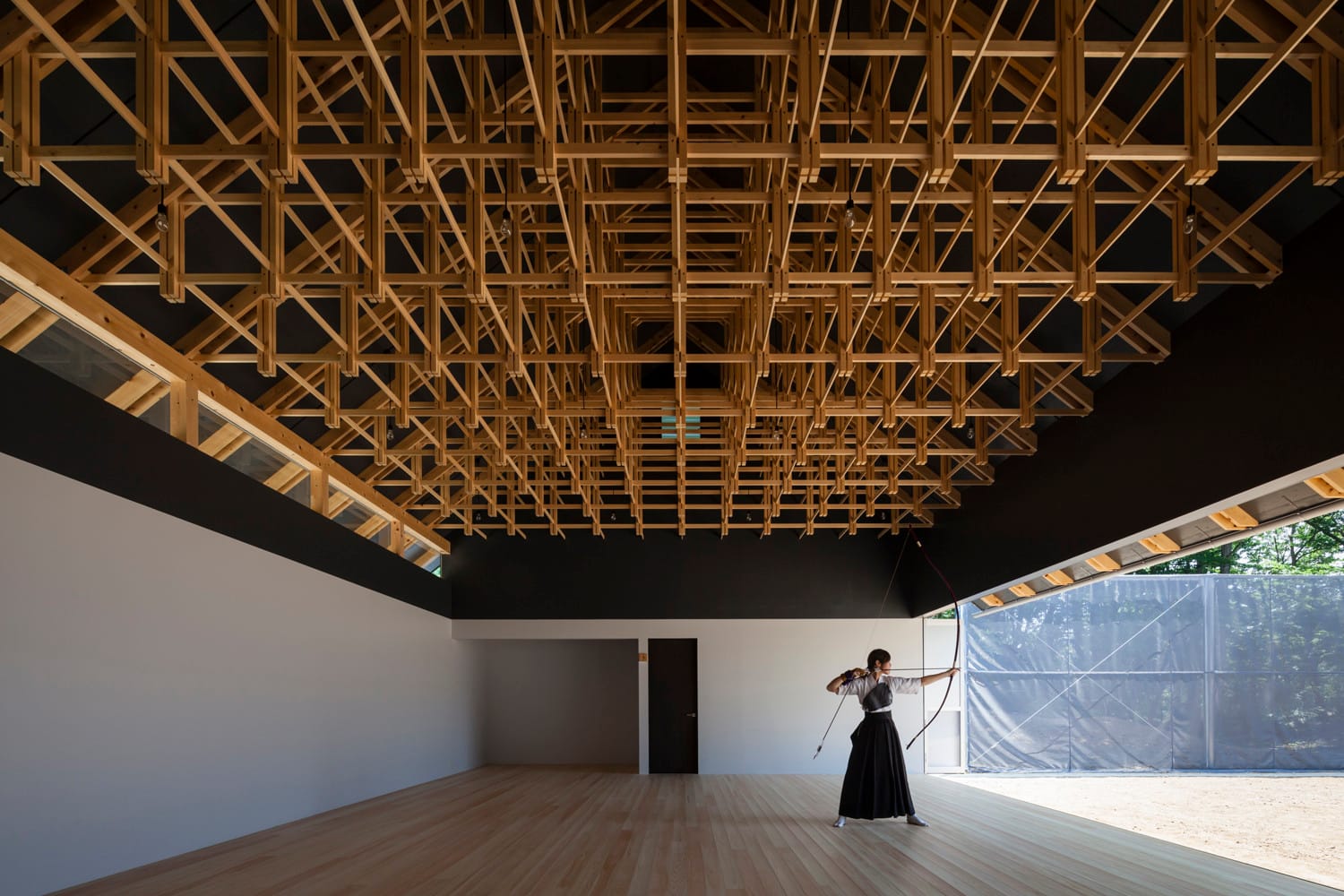
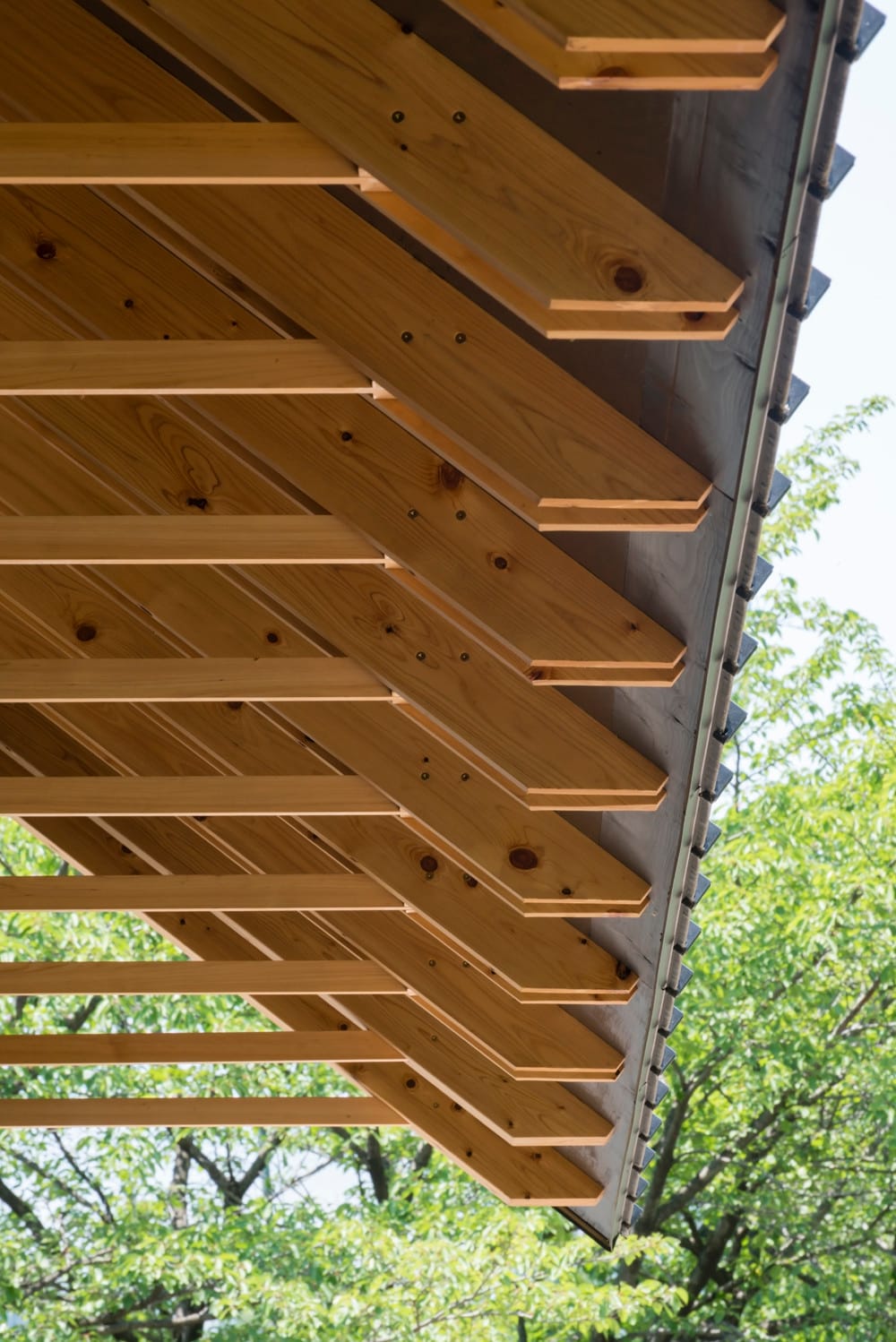
Kogakuin University Archery Hall
The Archery Hall, one of two sports pavilions FT Architects (Katsuya Fukushima, Hiroko Tominaga) built in 2013 at Kogakuin University, west Tokyo. Each is a column-free room of 7.2 by 10.8 m under an exposed timber roof of horizontal and vertical members, bolt-and-nut jointed. The archery hall uses small timber sections normally used for furniture. Photographs by Shigeo Ogawa.
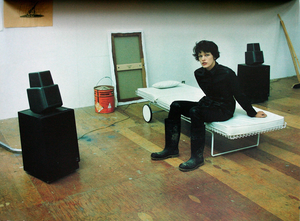
MIlla Jovovich by Juergen Teller
MIlla Jovovich by Juergen Teller for Strenesse fw97
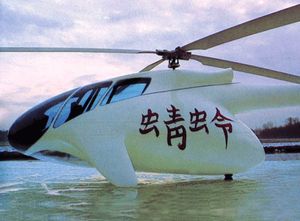
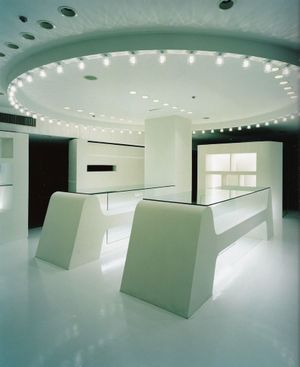
Jean Paul GAULTIER KYOTO BAL (2002)

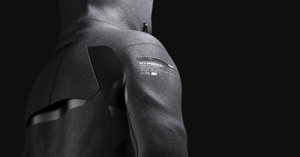
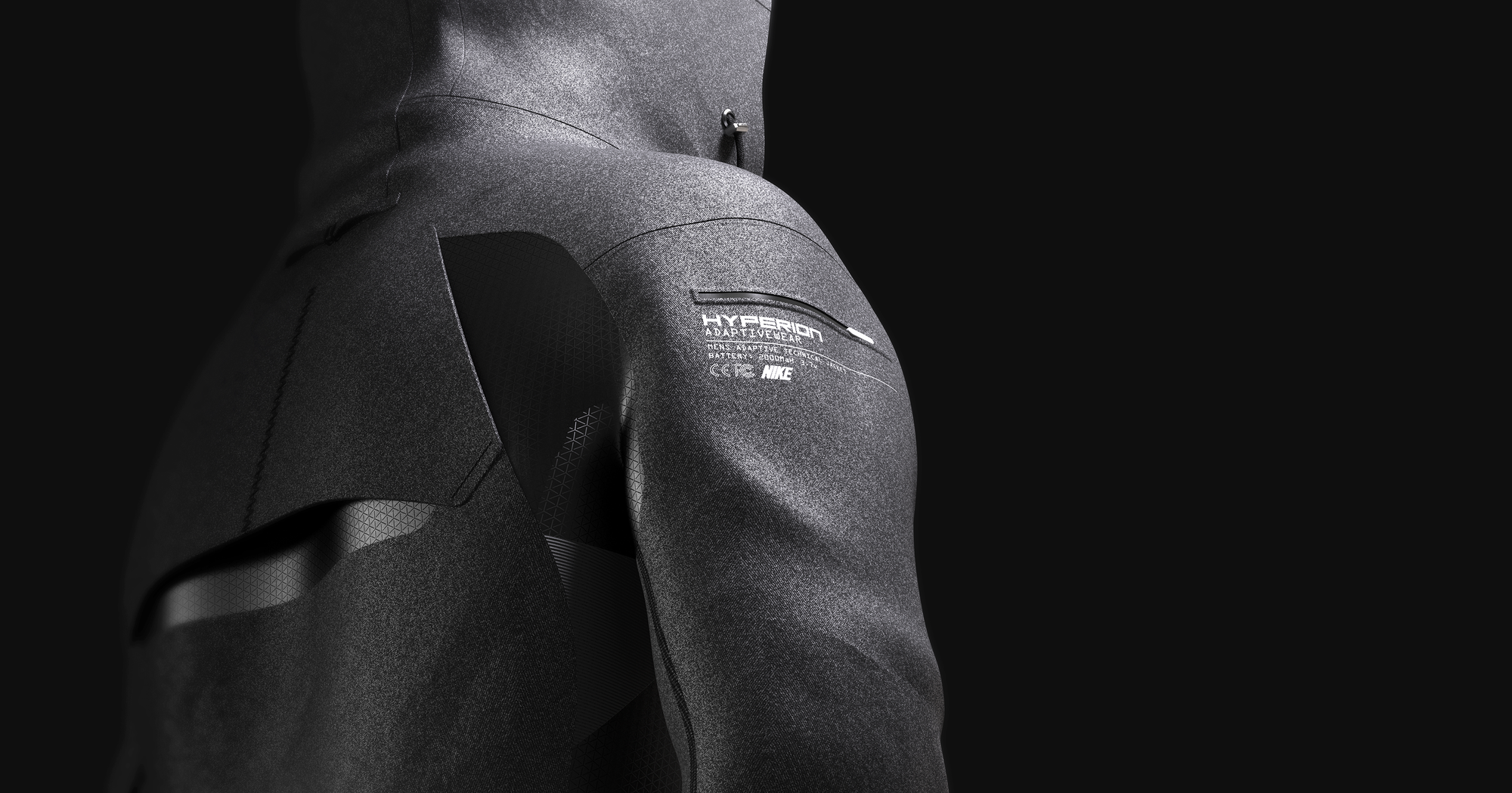
Nike Advanced Training Jacket Concept
A concept for a Nike training jacket by designer Joseph Cooper: a close-fitting panelled shell with mapped zones and bonded seams. A sportswear design study.
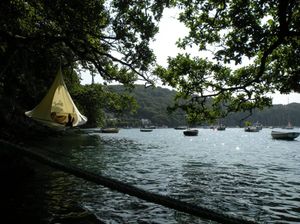
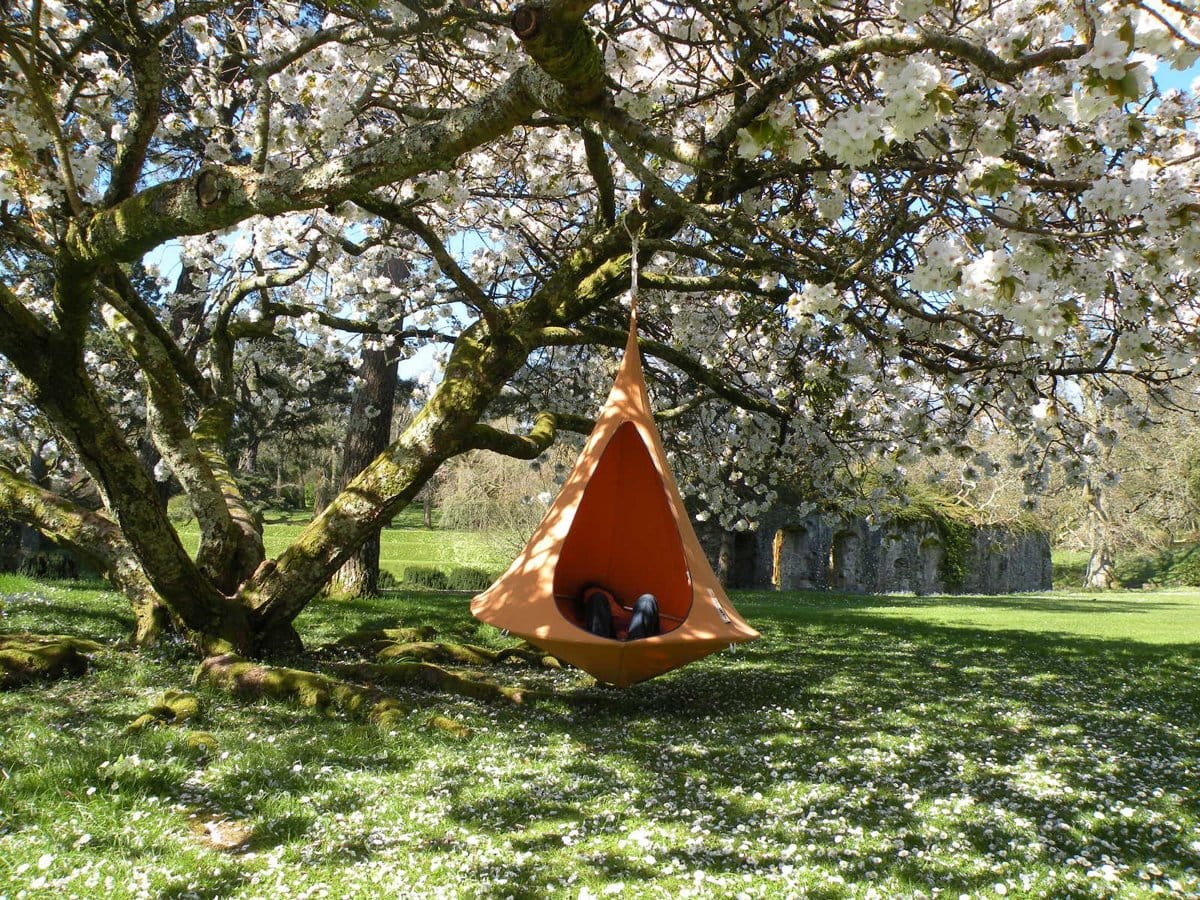
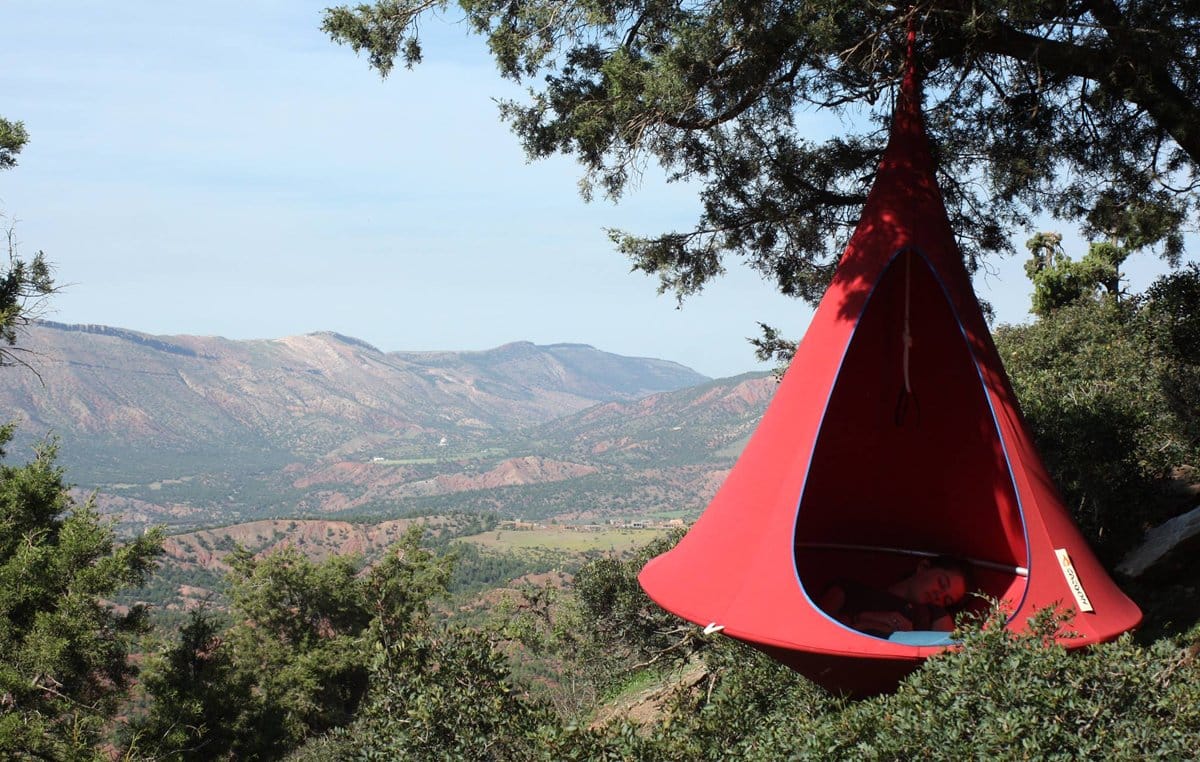
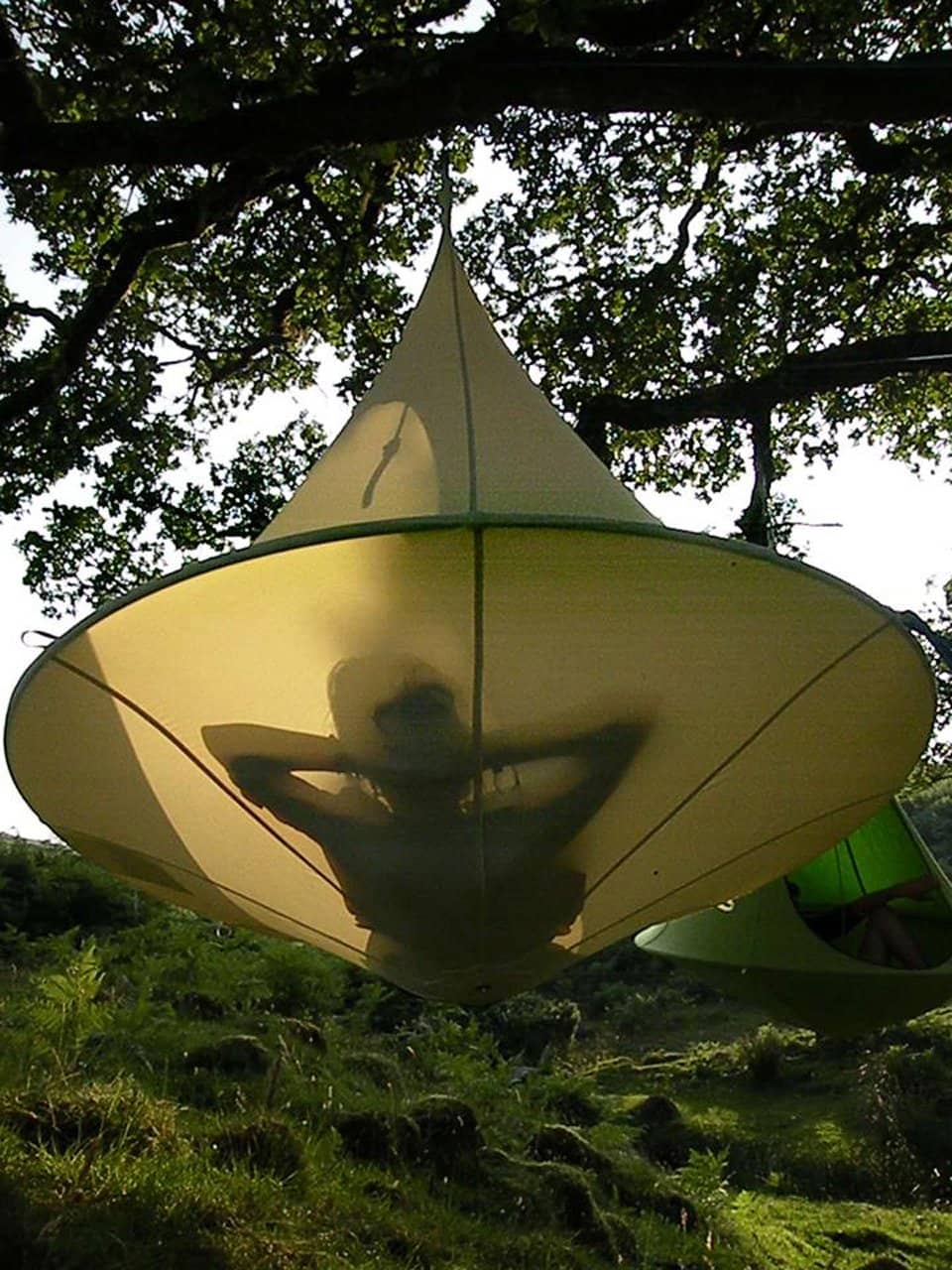
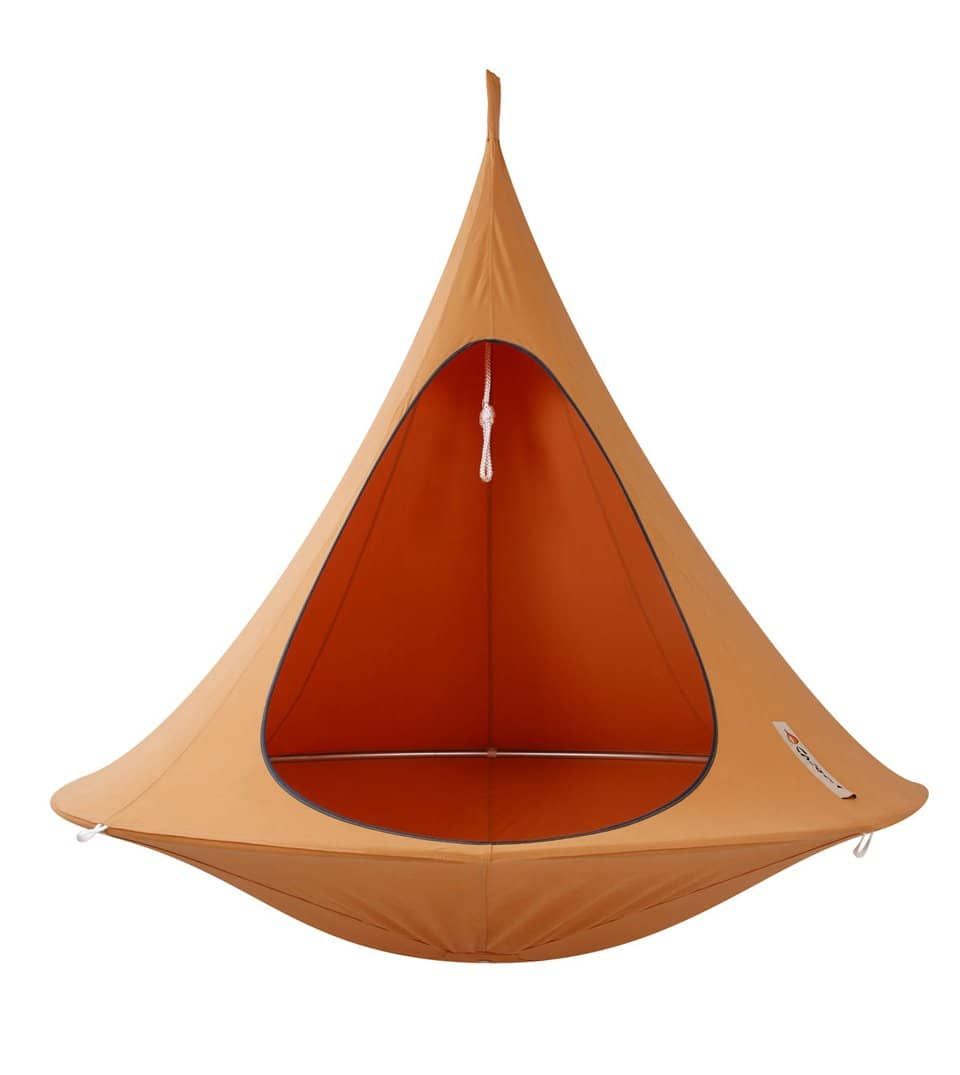
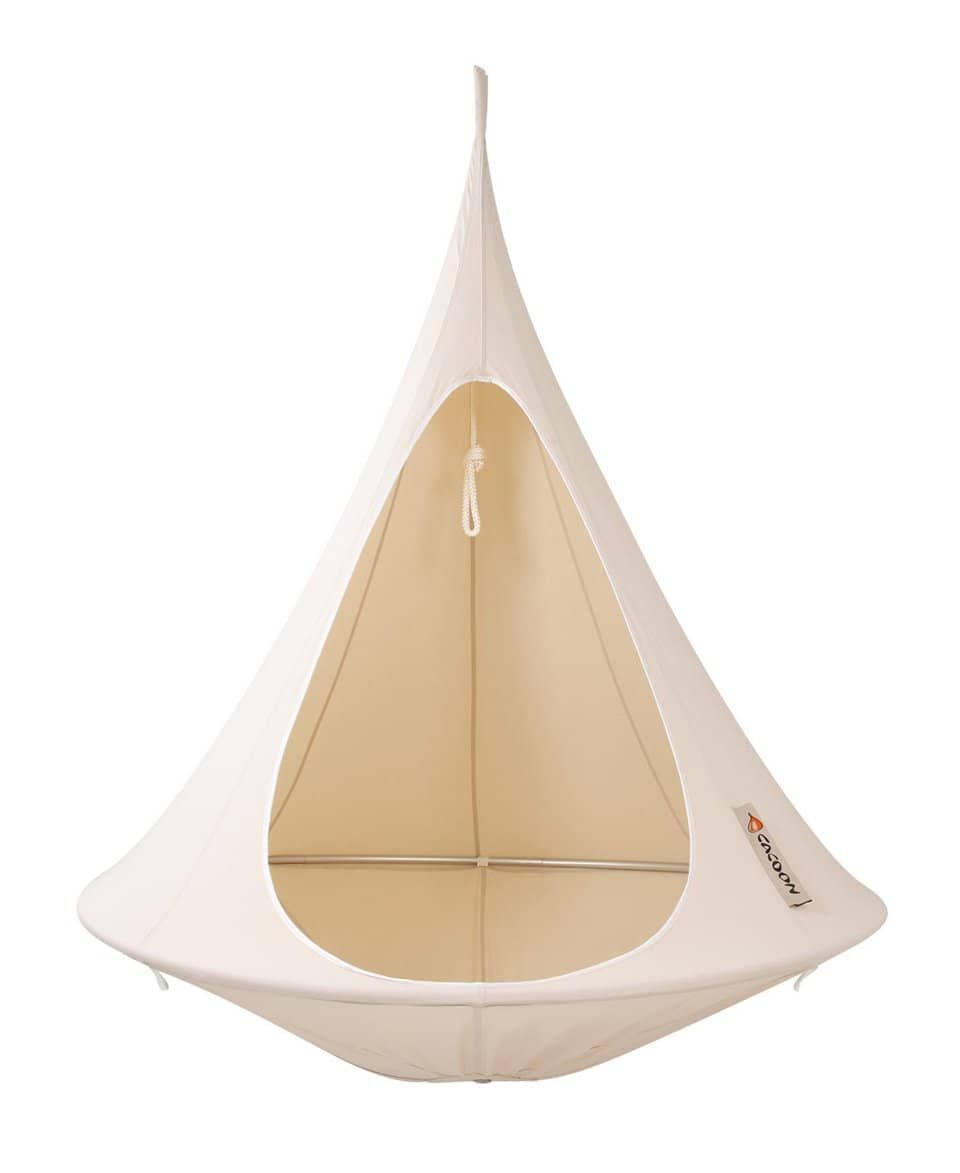
Cacoon Hanging Chair
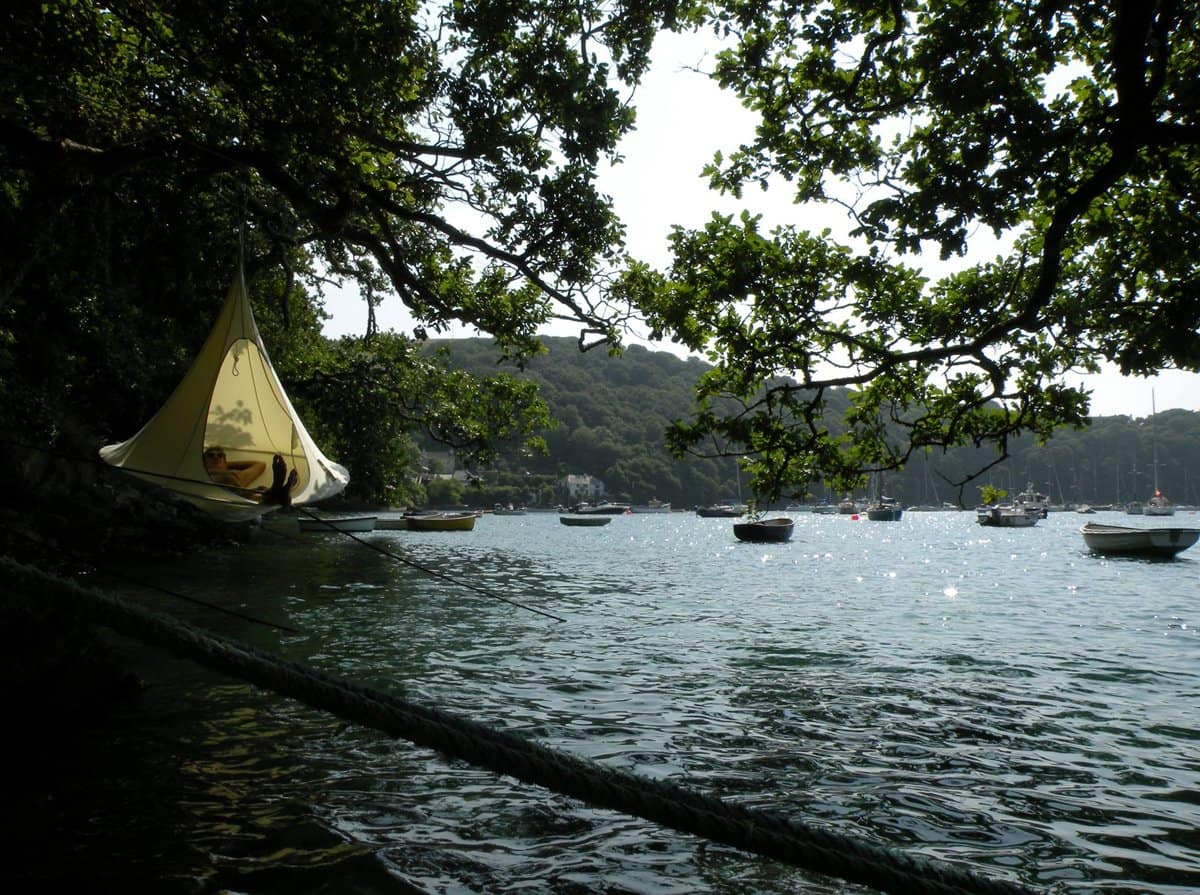
The Cacoon Hanging Chair is constructed with robust engineering to support a weight of up to 200kg or 440lbs. This product was designed in the UK by the collaborative effort of Nick and Sarah, a husband and wife team.
UNDERCOVER ss2011 "UNDERMAN" Collection
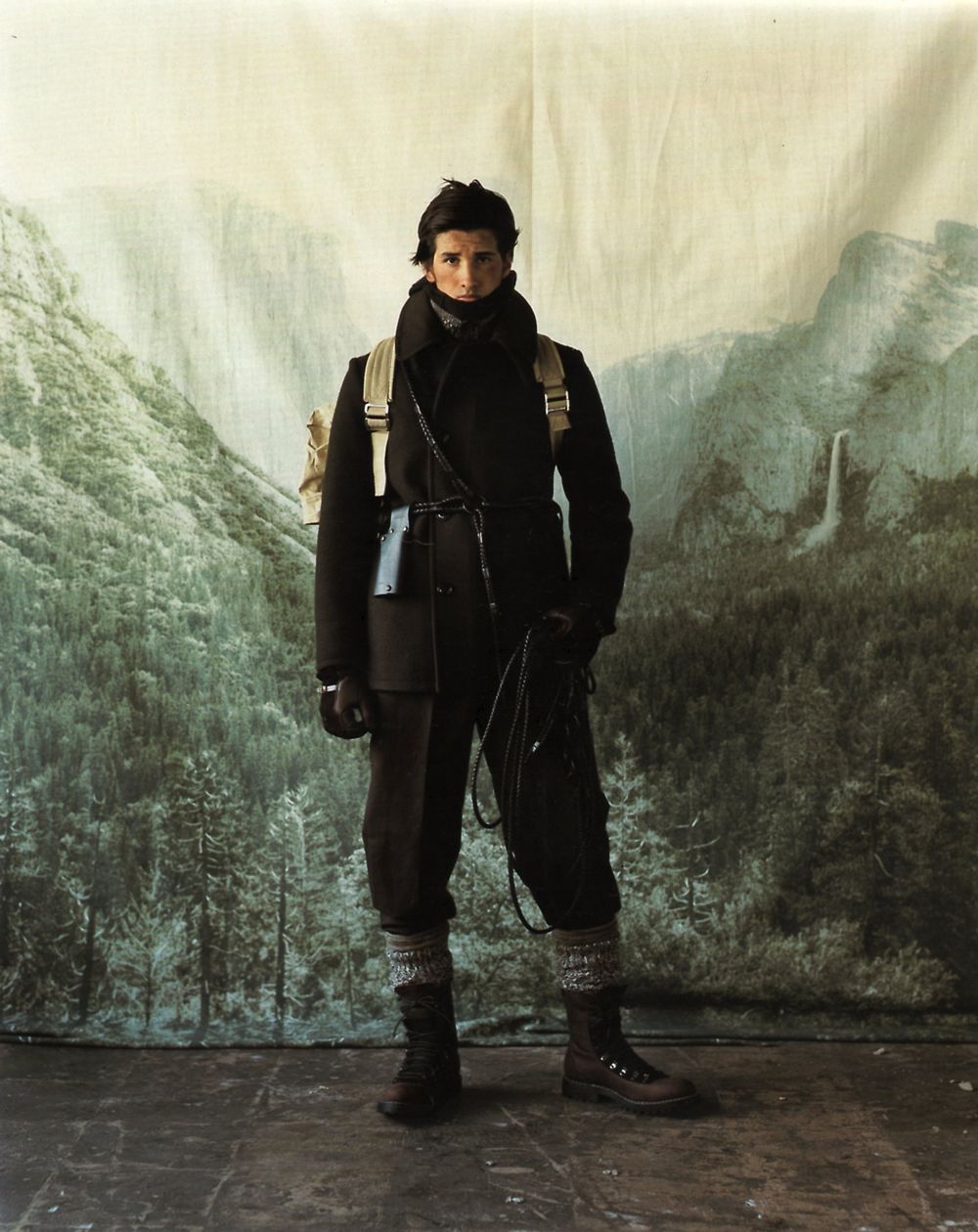
Man of Moods ss2016 Collection
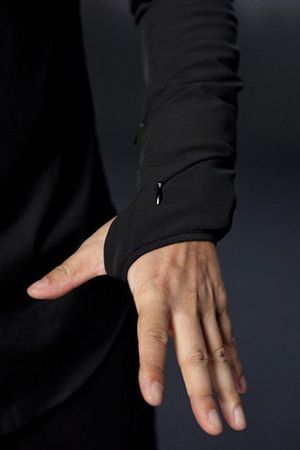
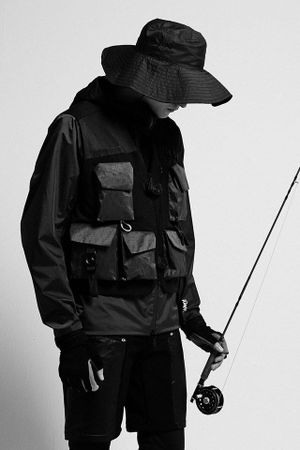
Utilitarian-inspired Japanese fashion brand Man of Moods presents a selection of shots exhibiting a 2016 spring/summer collection titled “Mountain of Moods.” Featuring the brand’s usual blend of sleek lines and practical engineering, “Mountain of Moods” will be unveiled at House Gallery Space in Tokyo on September 15. With photography from Teppei Hoshida and styling by Tomoyuki Sasaki.
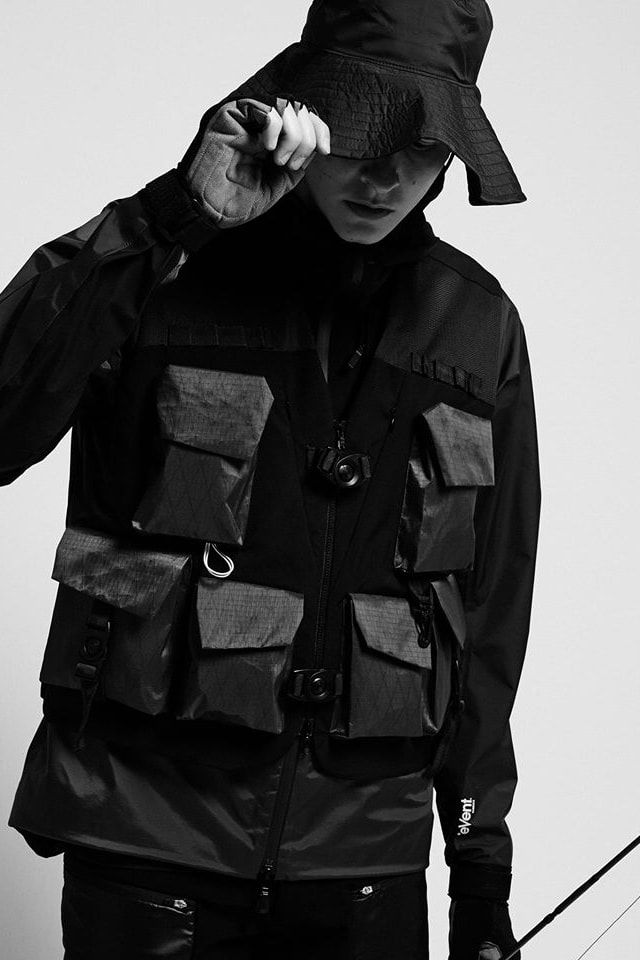
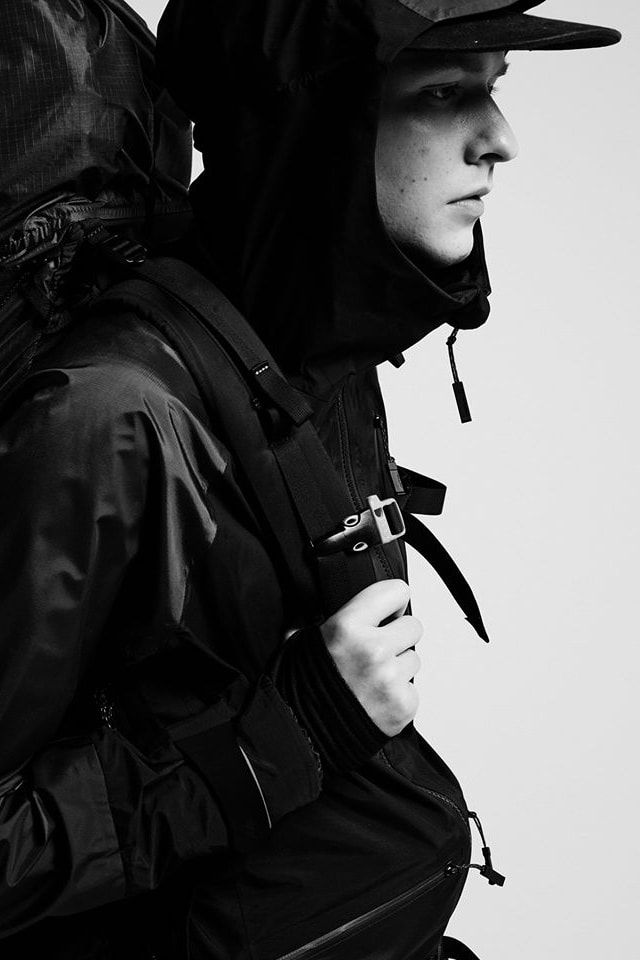
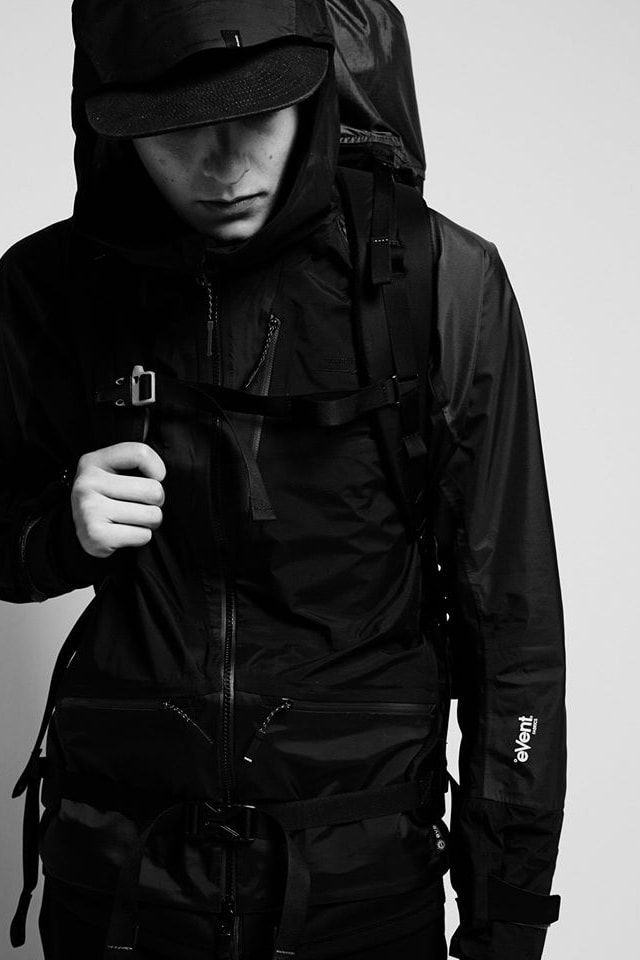
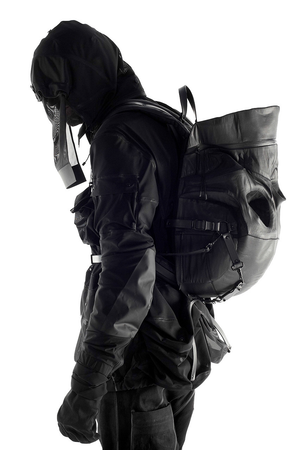
Aitor Throup 2013 “New Object Research” Collection
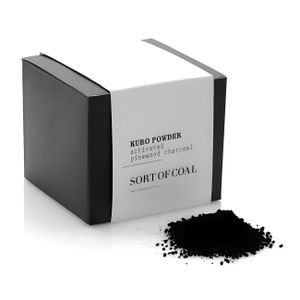
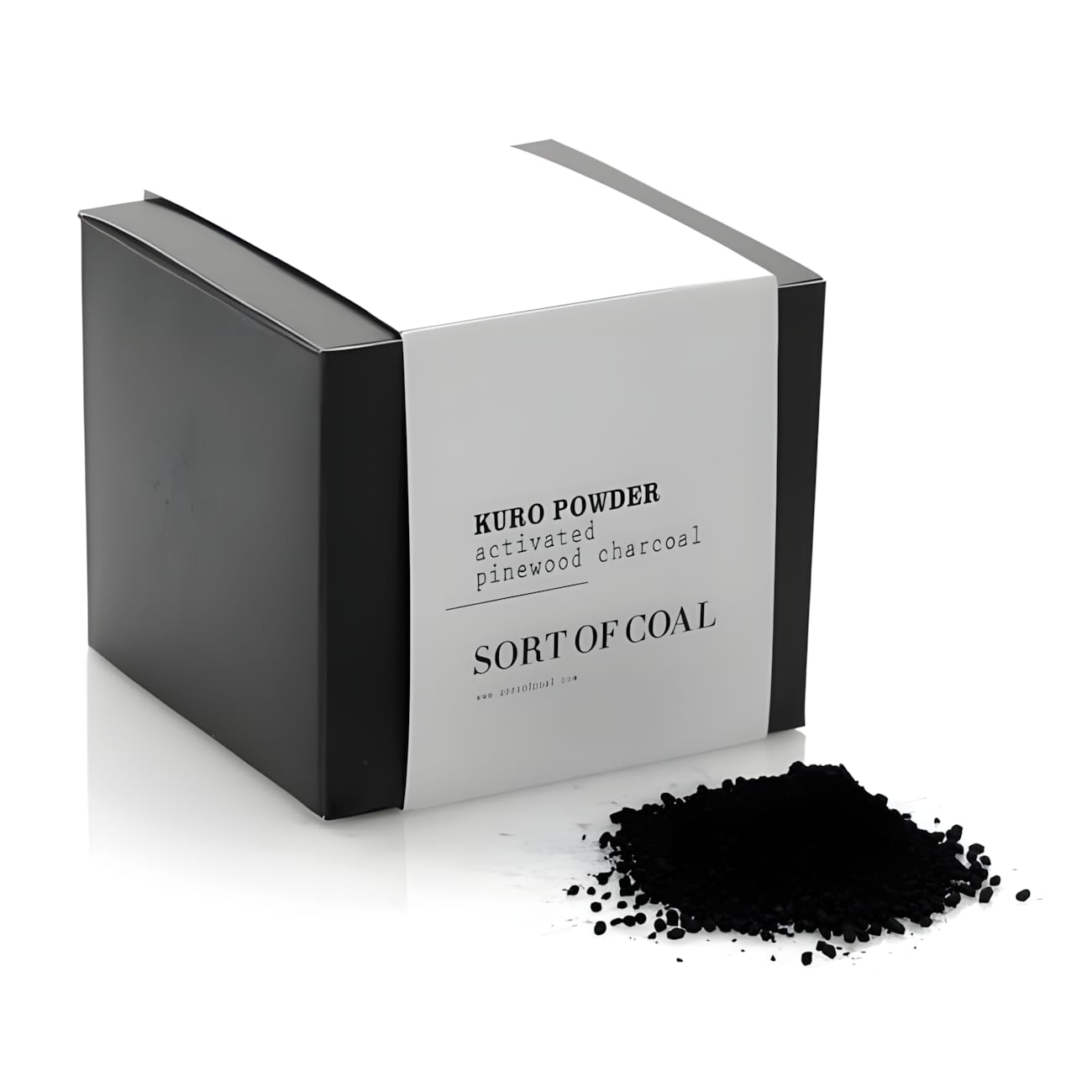
Sort of Coal — Edible Kuro Charcoal Powder
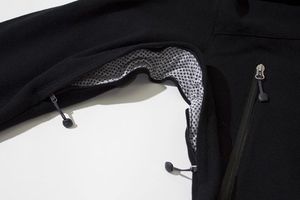
nanamica x The North Face Purple Label
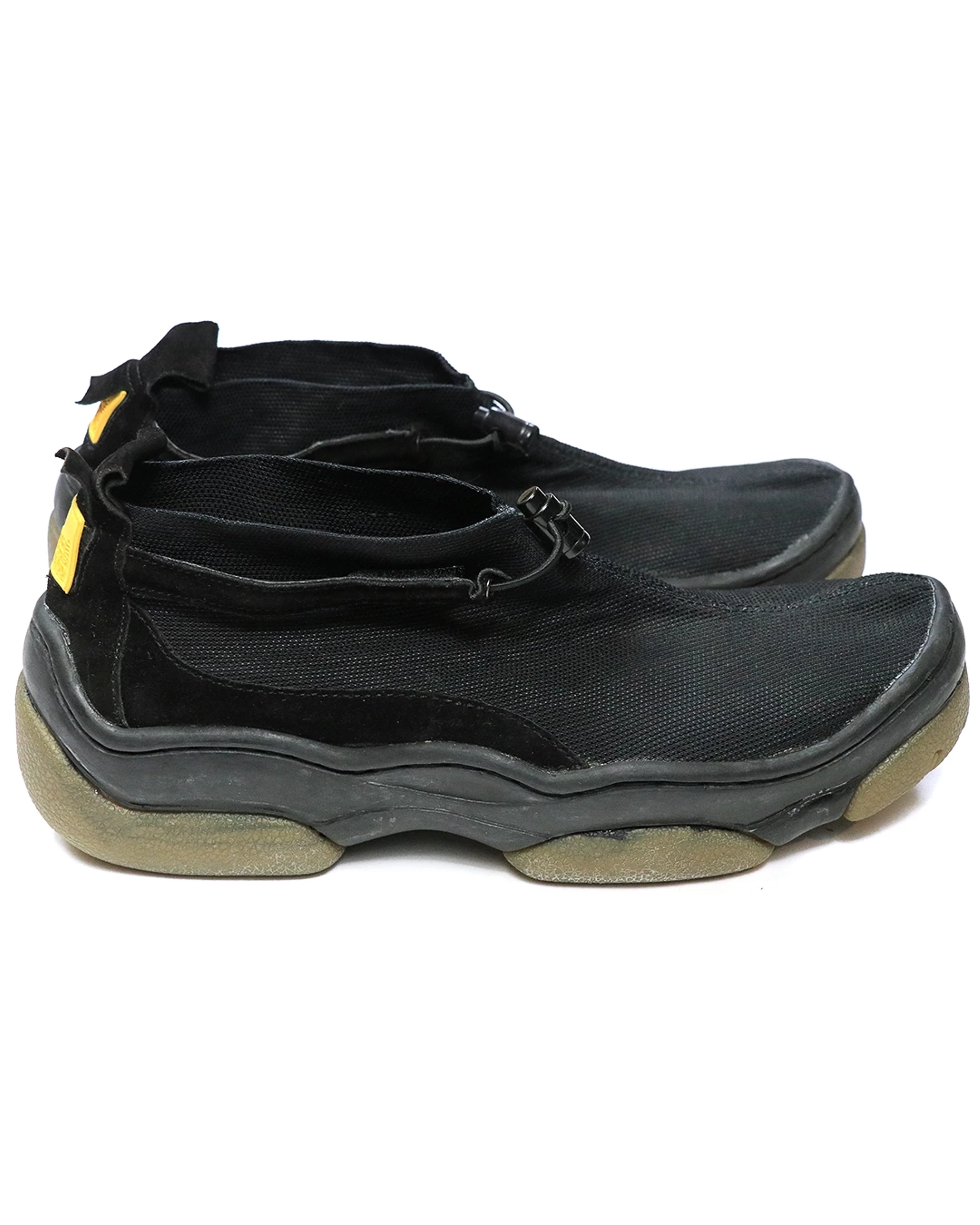
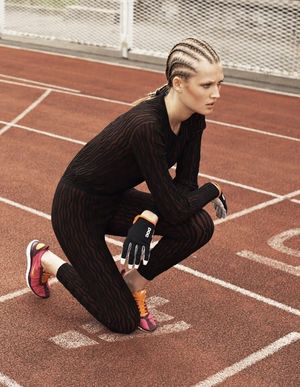
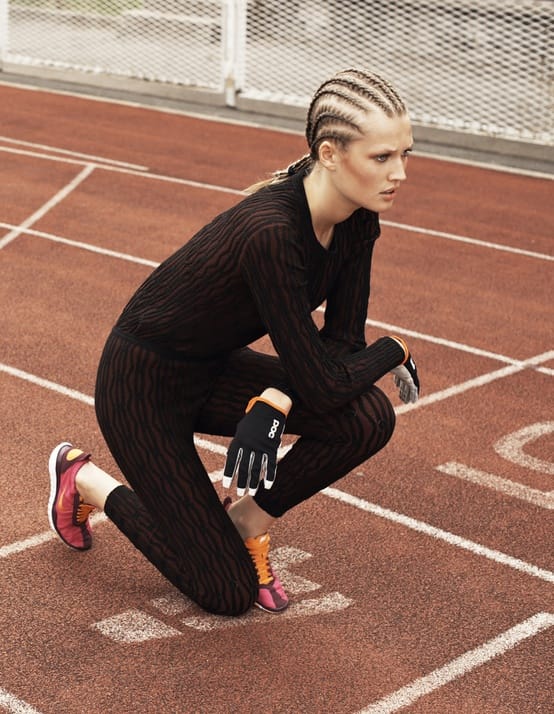
Toni Garrn by Philip Gay, Just Do It, Interview Germany 2012
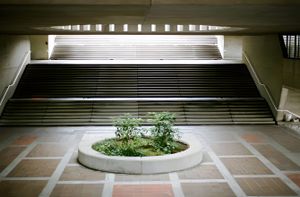
Urbastyle Bench Paris 1 — La Défense

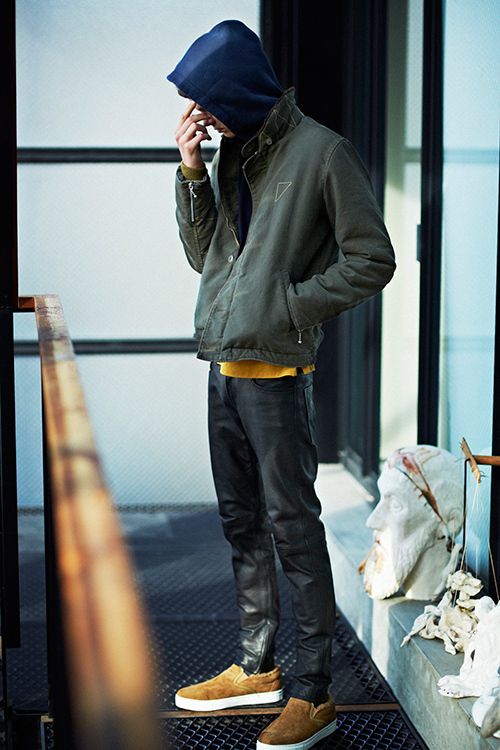
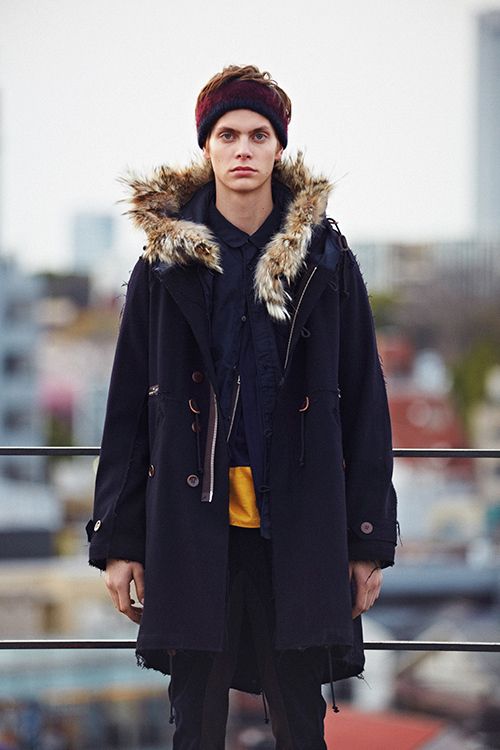
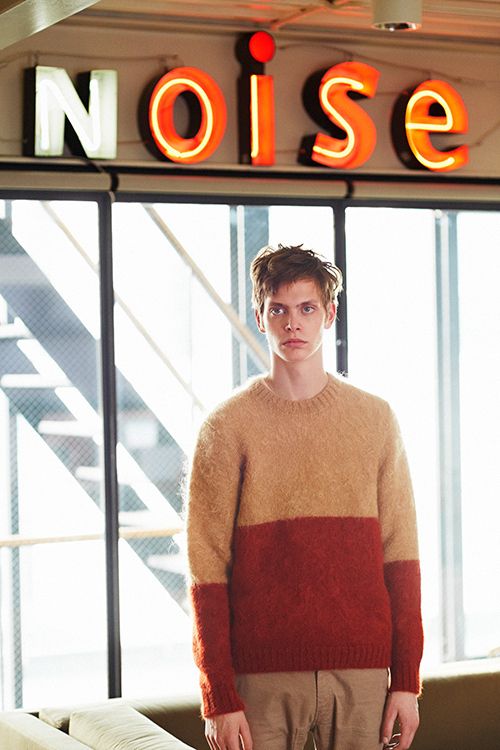
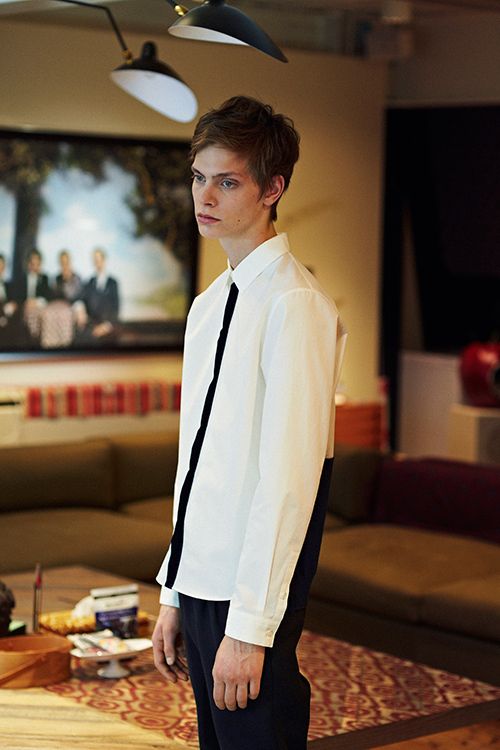
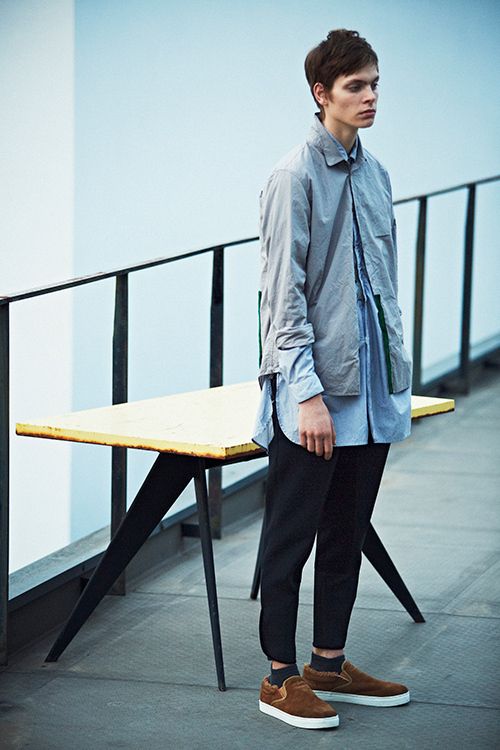
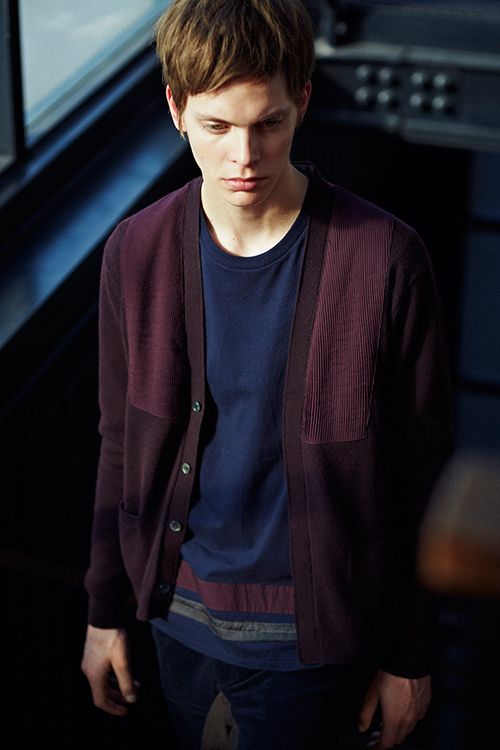
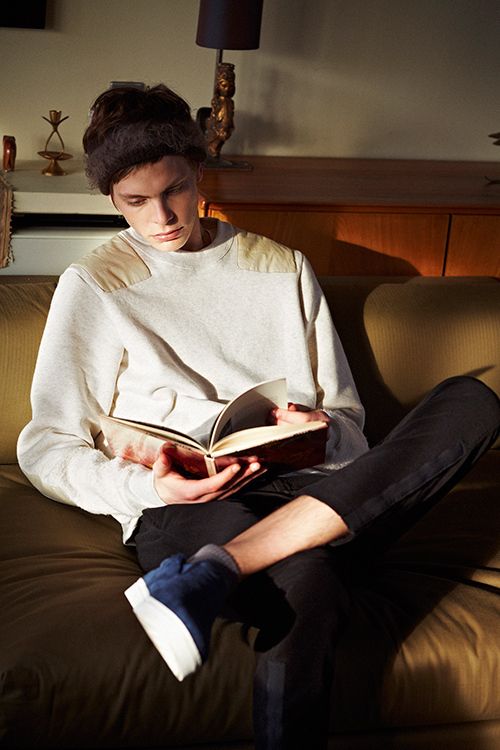
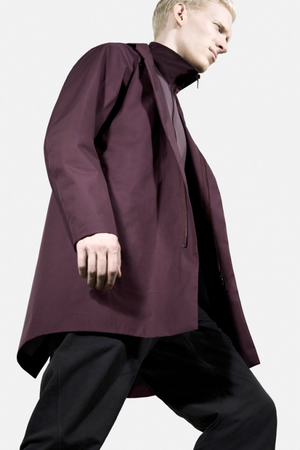
Arc’teryx Veilance ss2013 lookbook
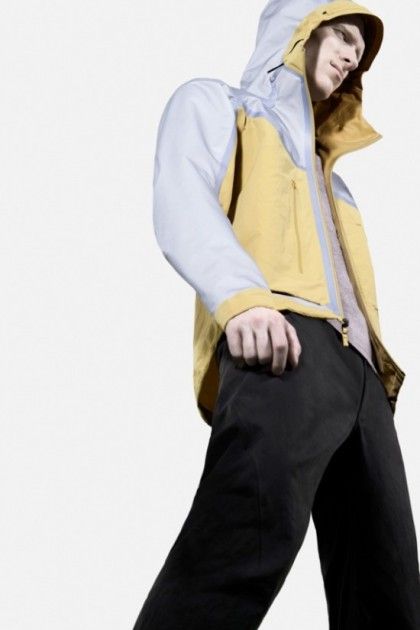
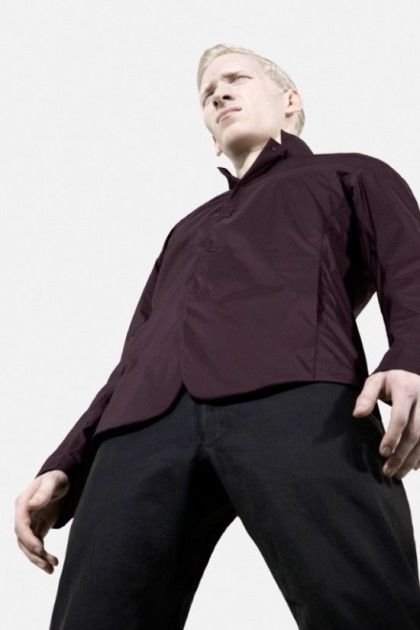
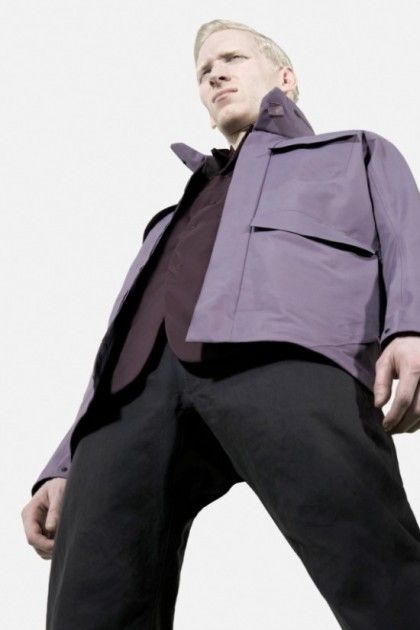
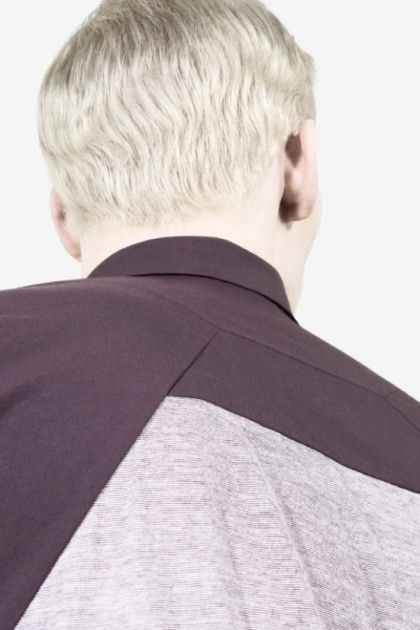
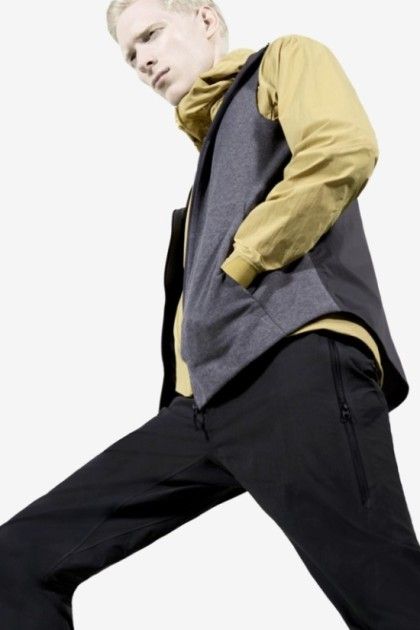
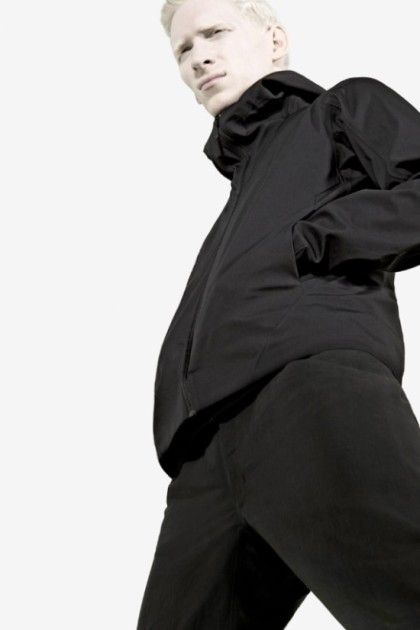
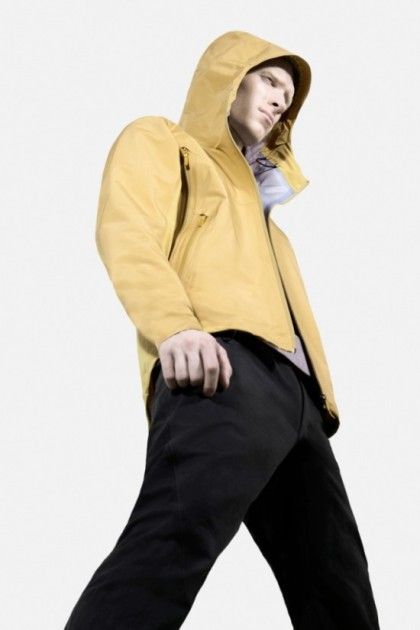
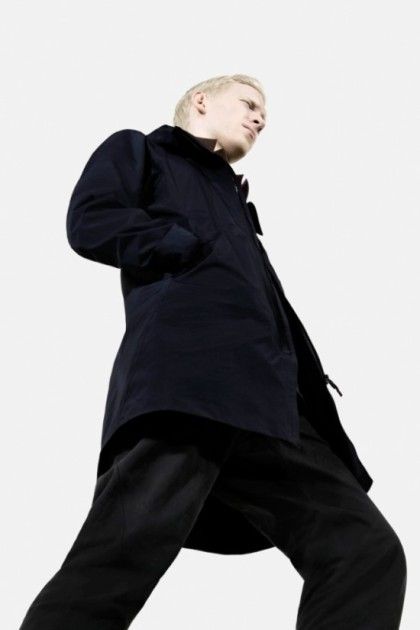
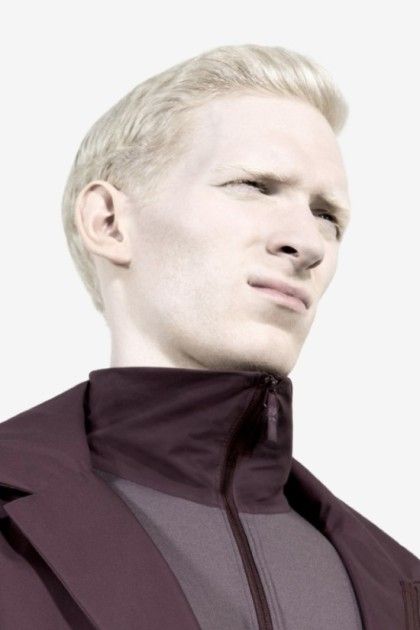
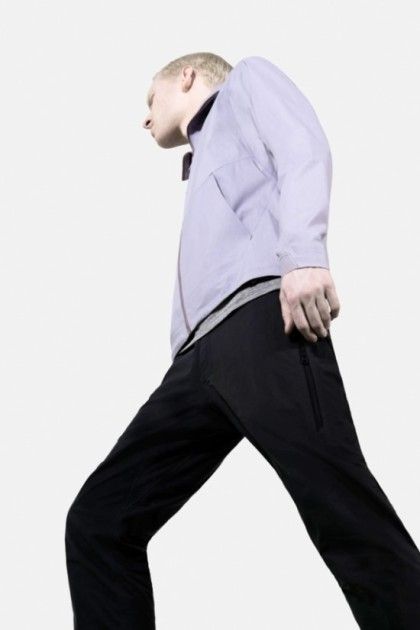
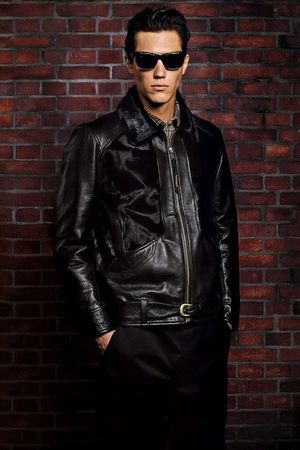
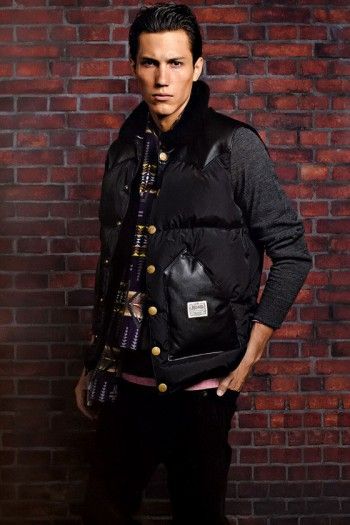
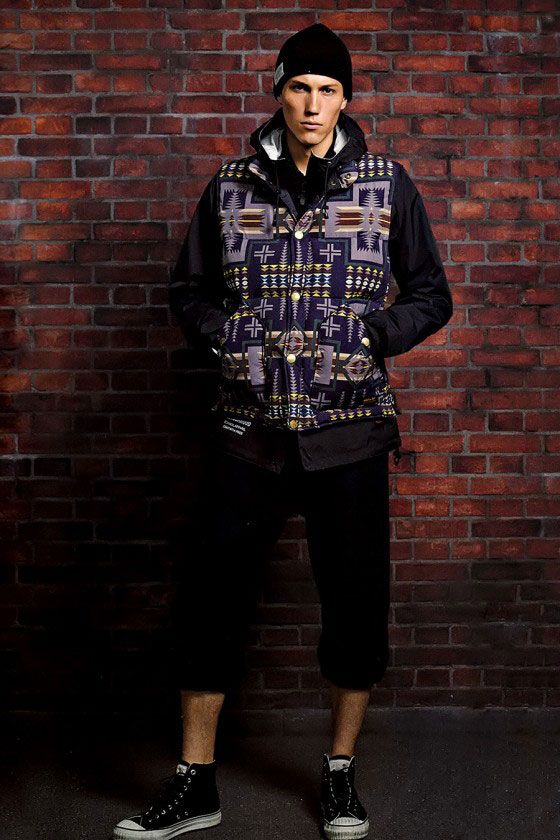
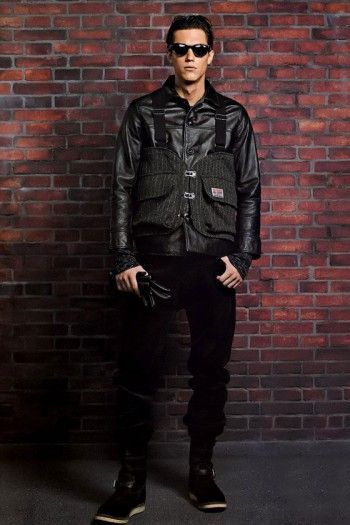
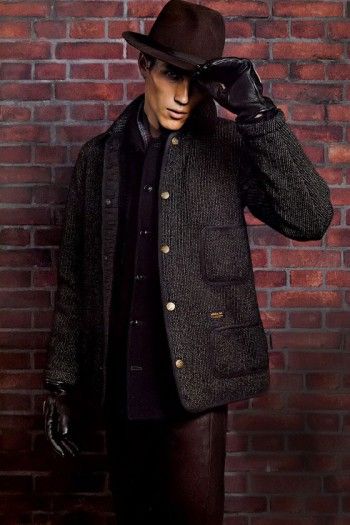
NEIGHBORHOOD 2013 Autumn/Winter Lookbook by SENSE Magazine
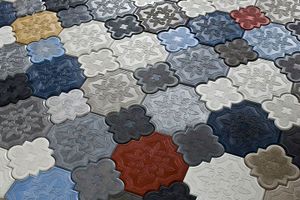
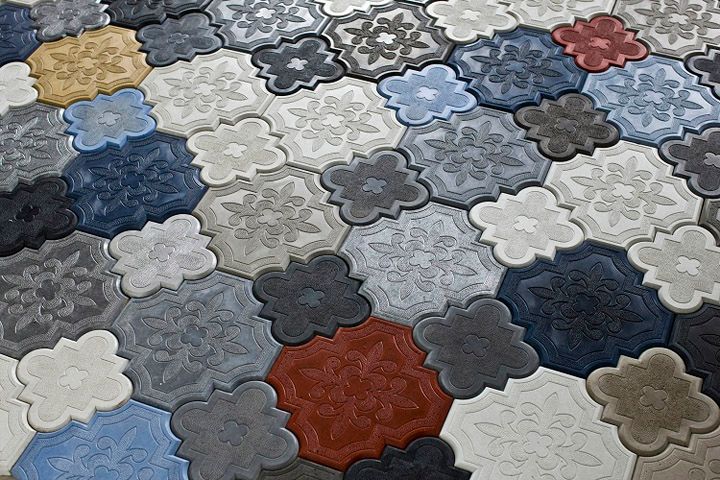
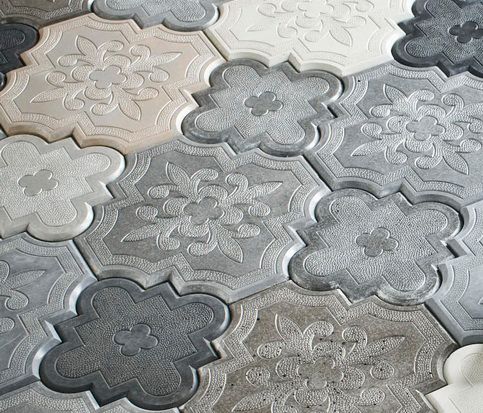
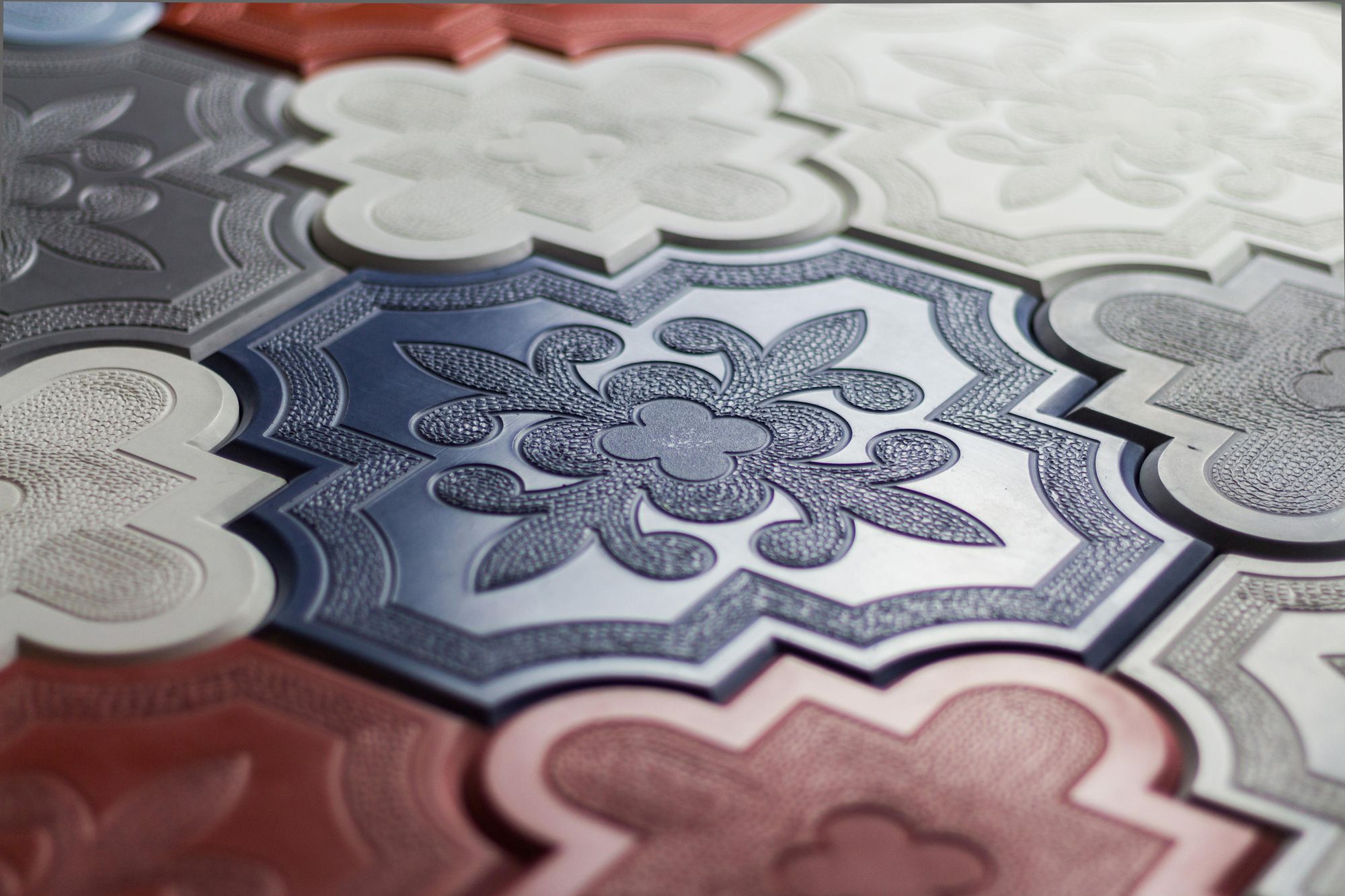
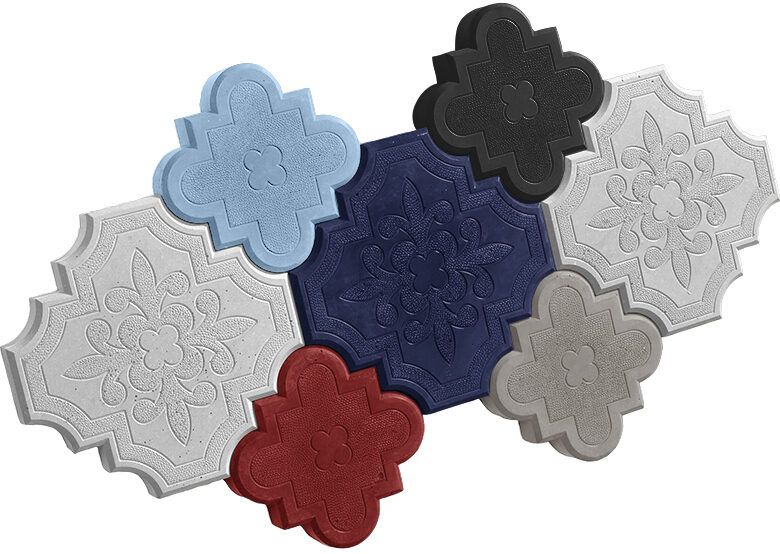
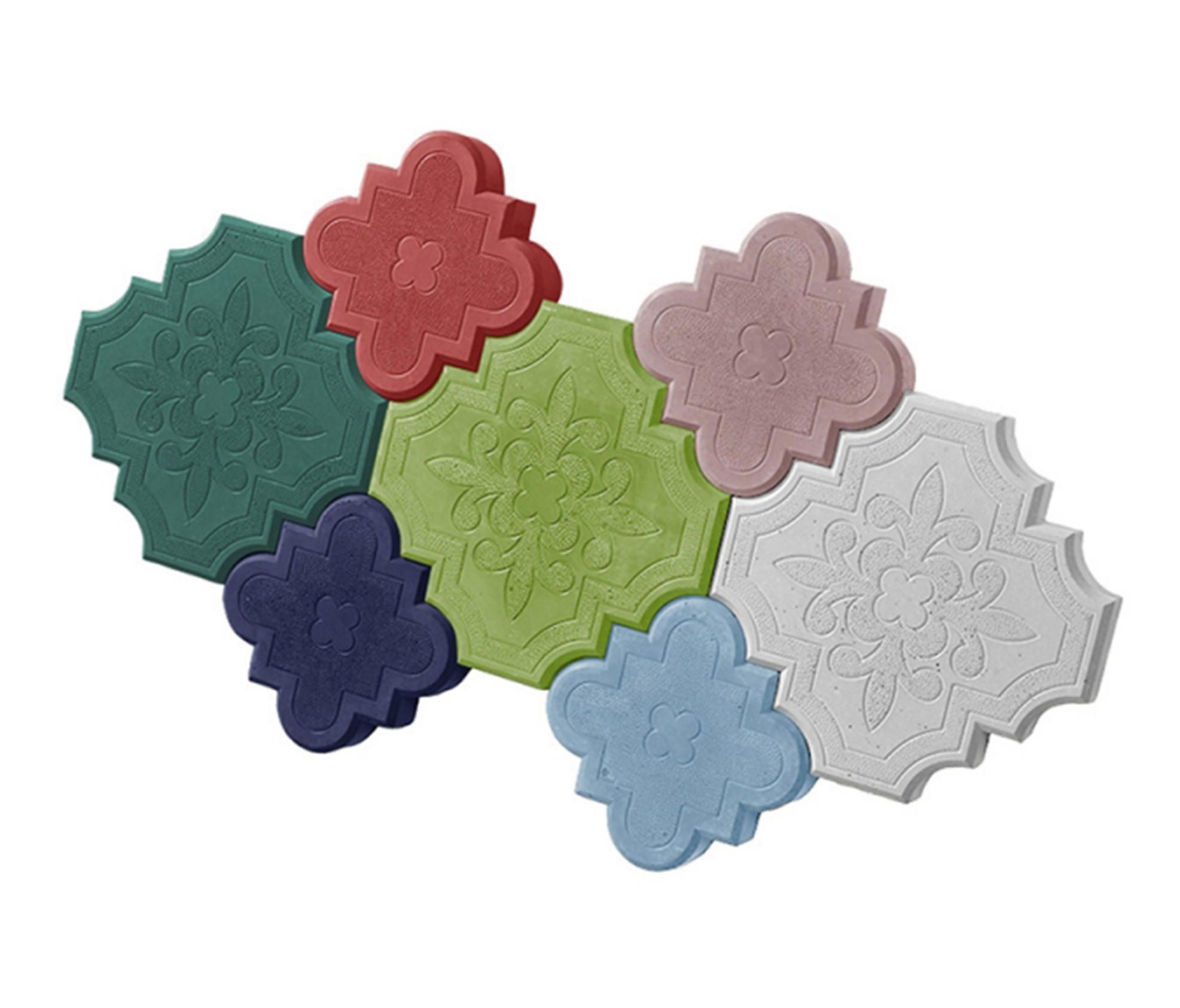
IVANKA Concrete Flaster Concrete Tiles
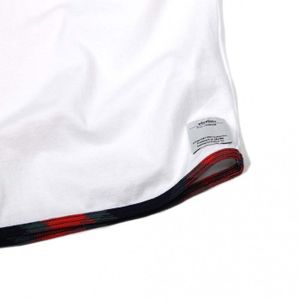
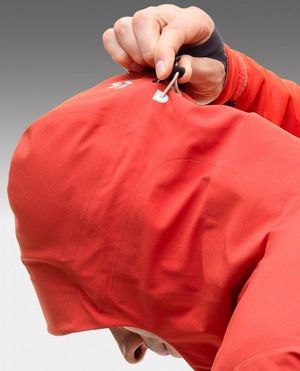
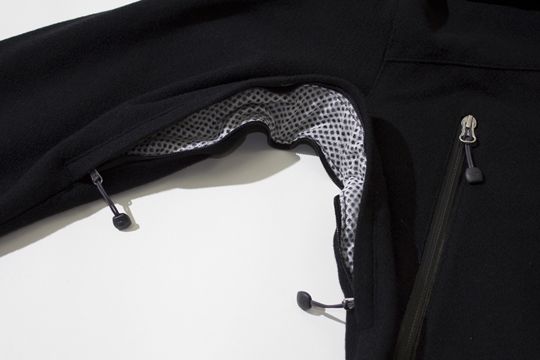
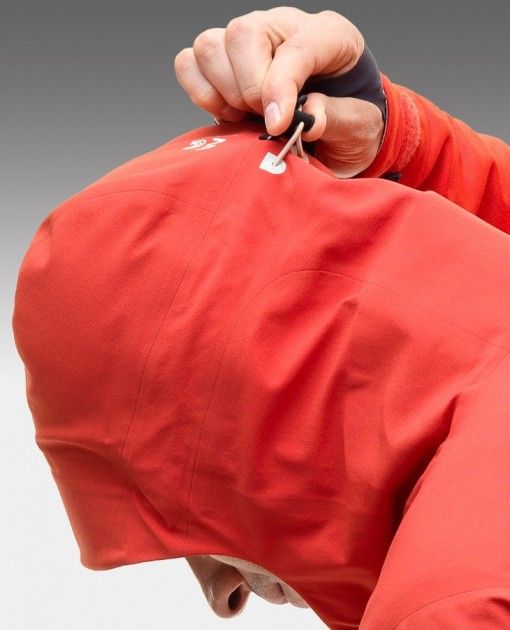
laser cut elastic drawstring holes
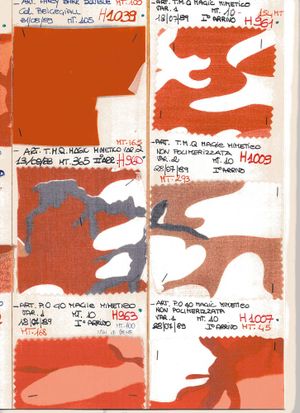
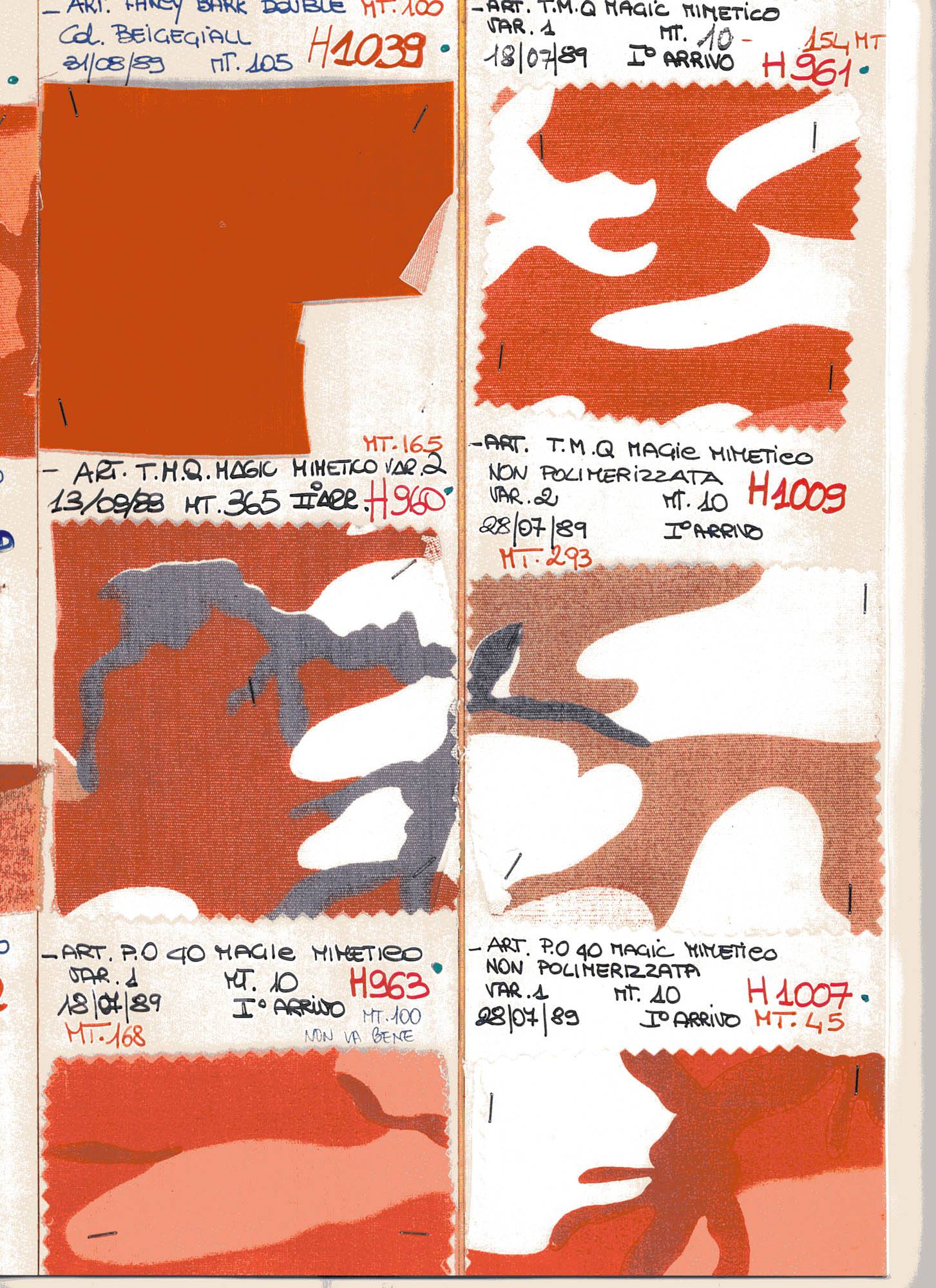
Fisarmonica with colour variants of Ice Jacket camouflage 1989
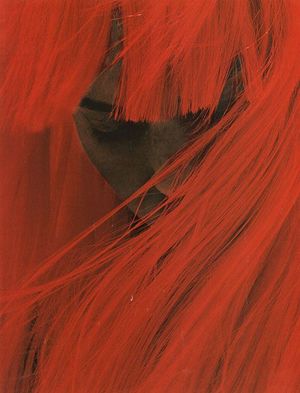
Angela Lindvall photographed by Mert & Marcus, 2002
Angela Lindvall POP (F/W 2002) ph. Mert & Marcus
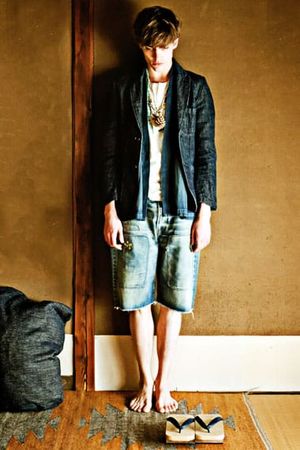
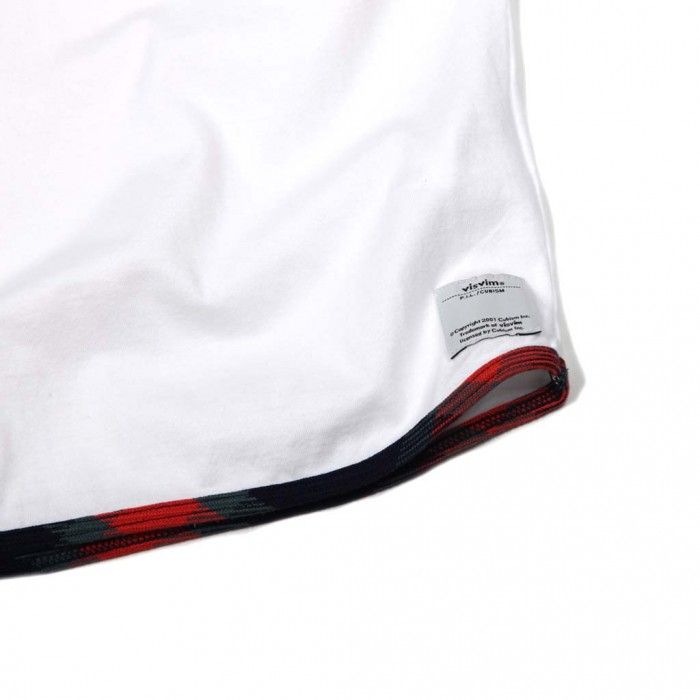
SENSE Magazine visvim Spring Summer 2012
A page from 'TEXT in visvim', the visvim Spring/Summer 2012 feature in Japan's SENSE Magazine (March 2012). Naturally dyed, hand-constructed pieces from Hiroki Nakamura.
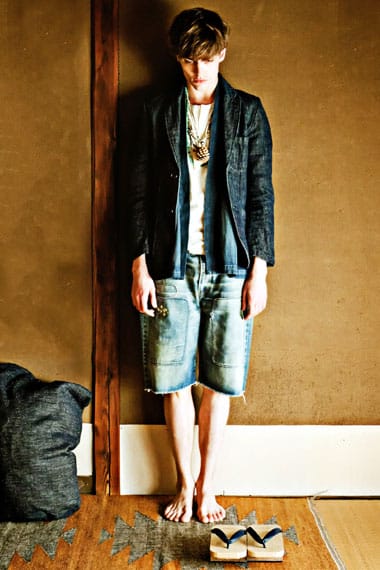
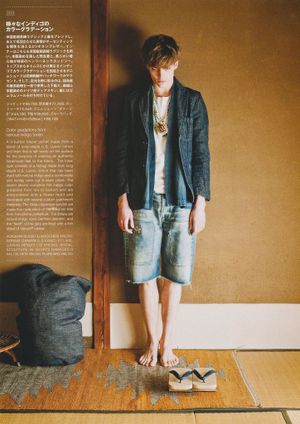
SENSE March 2012 the TEXT in VISVIM 2012 Spring Summer
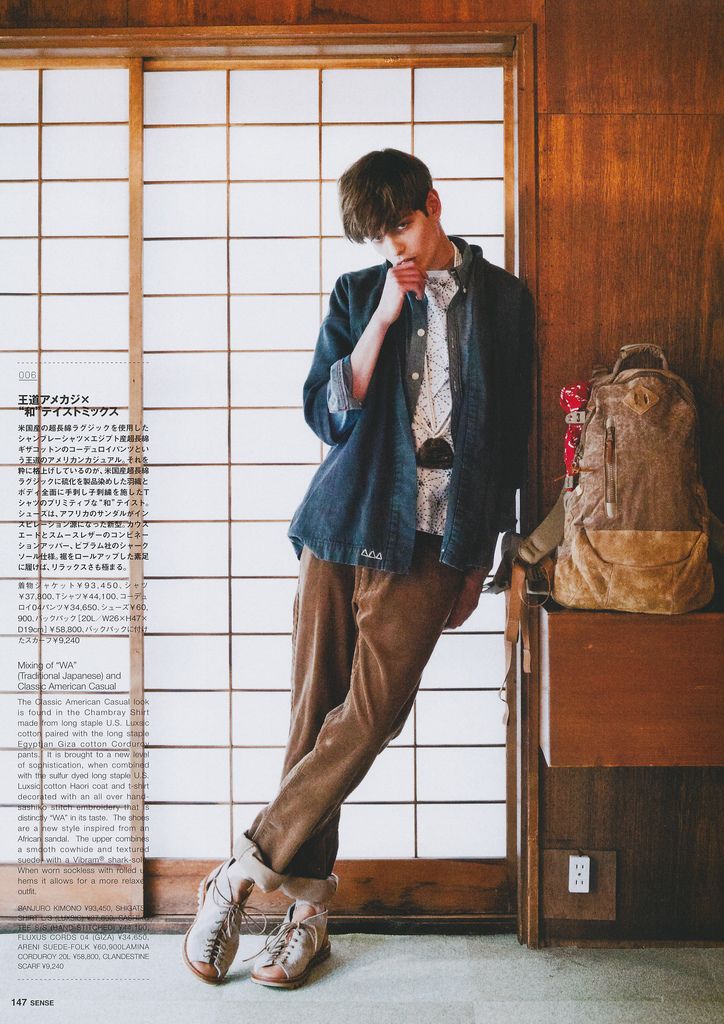
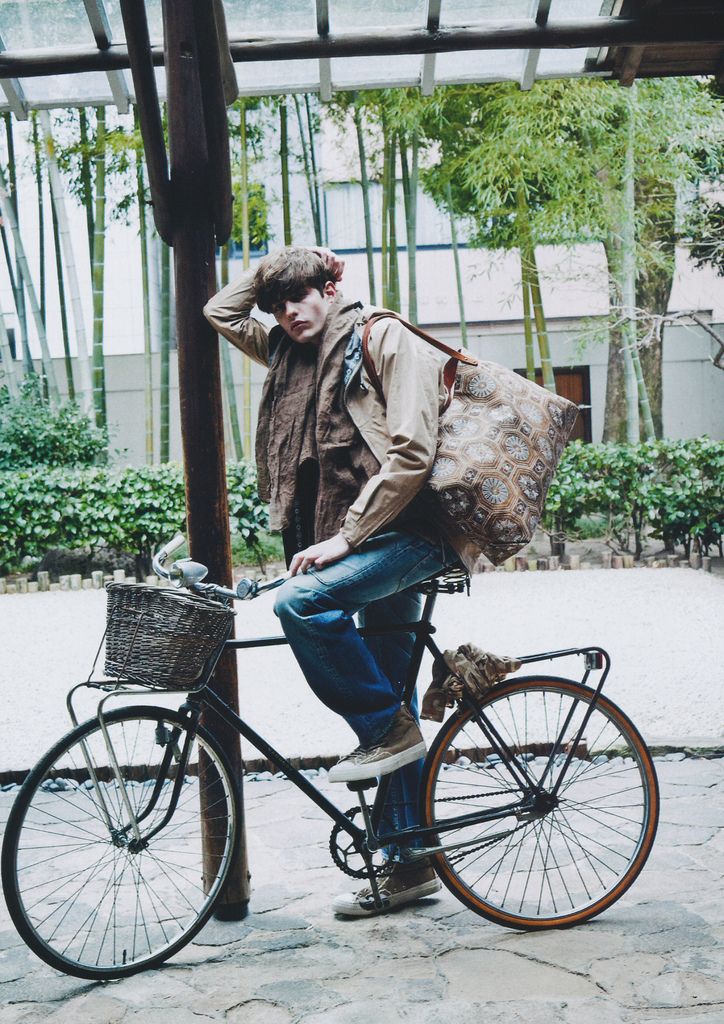
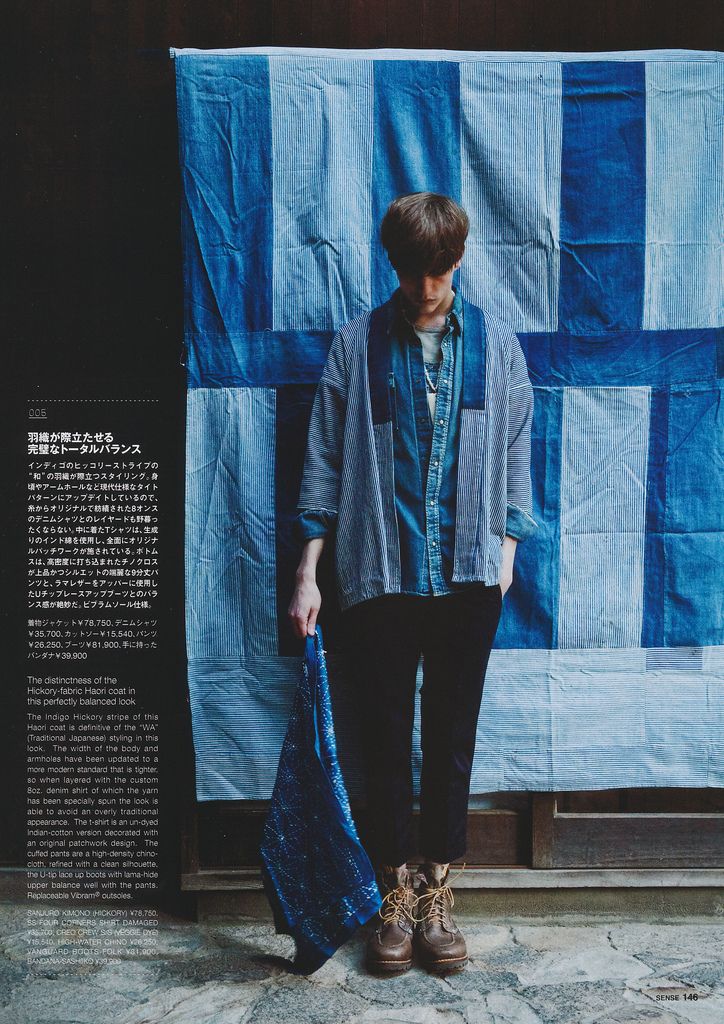
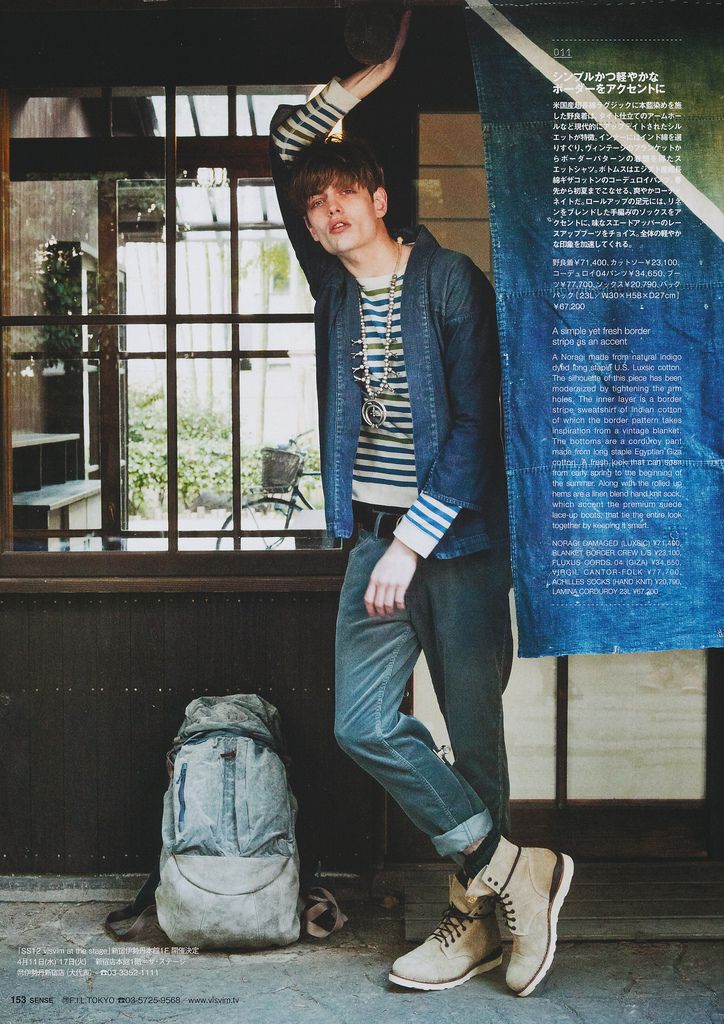
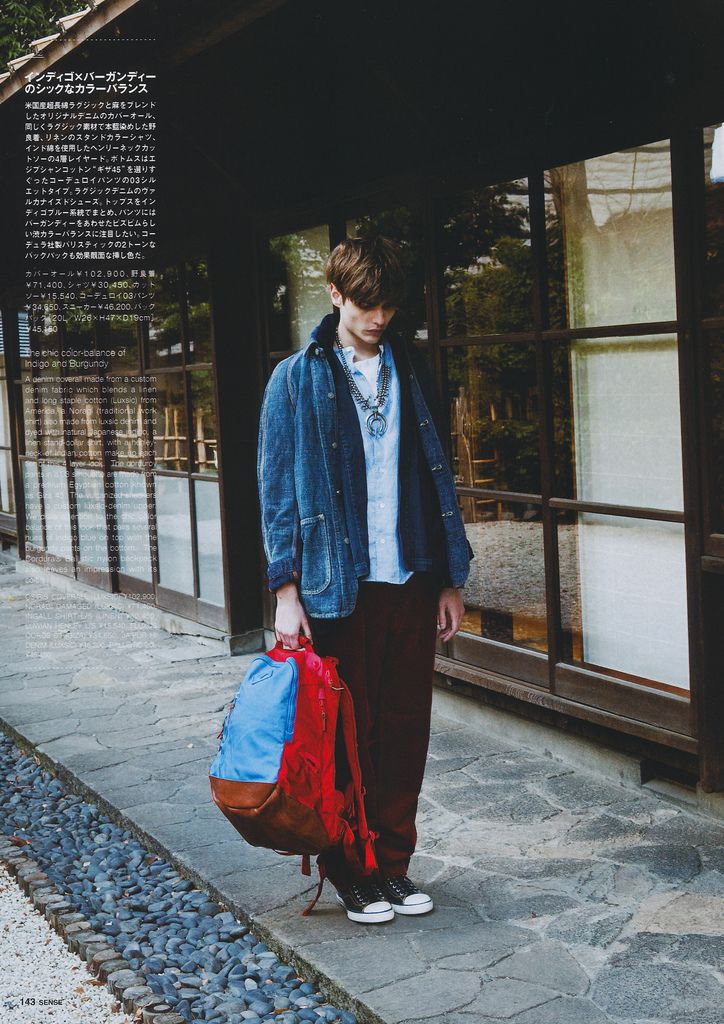
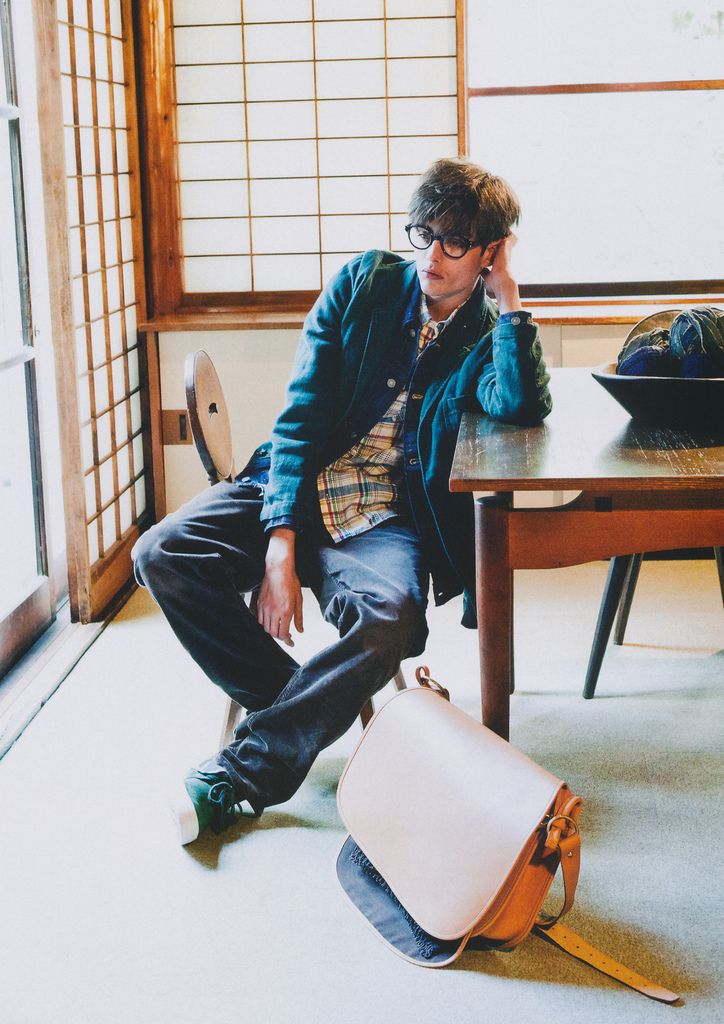
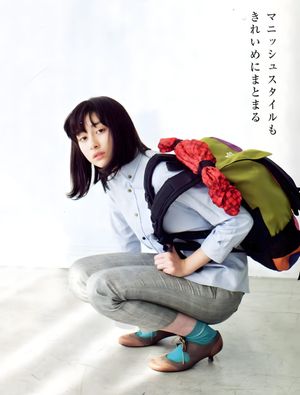
Akari Hayami — Japanese Fashion Magazine Editorial
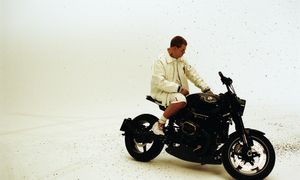
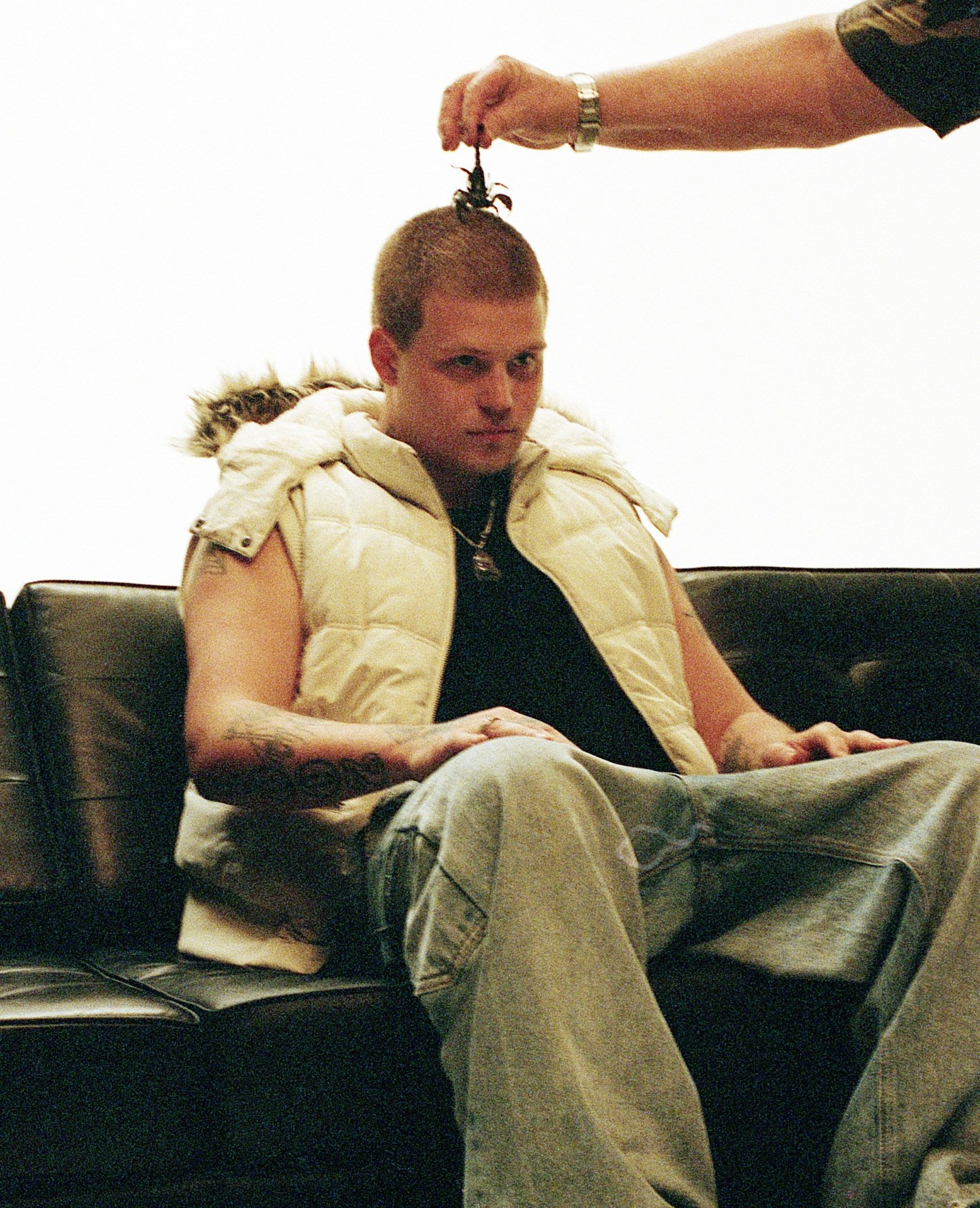
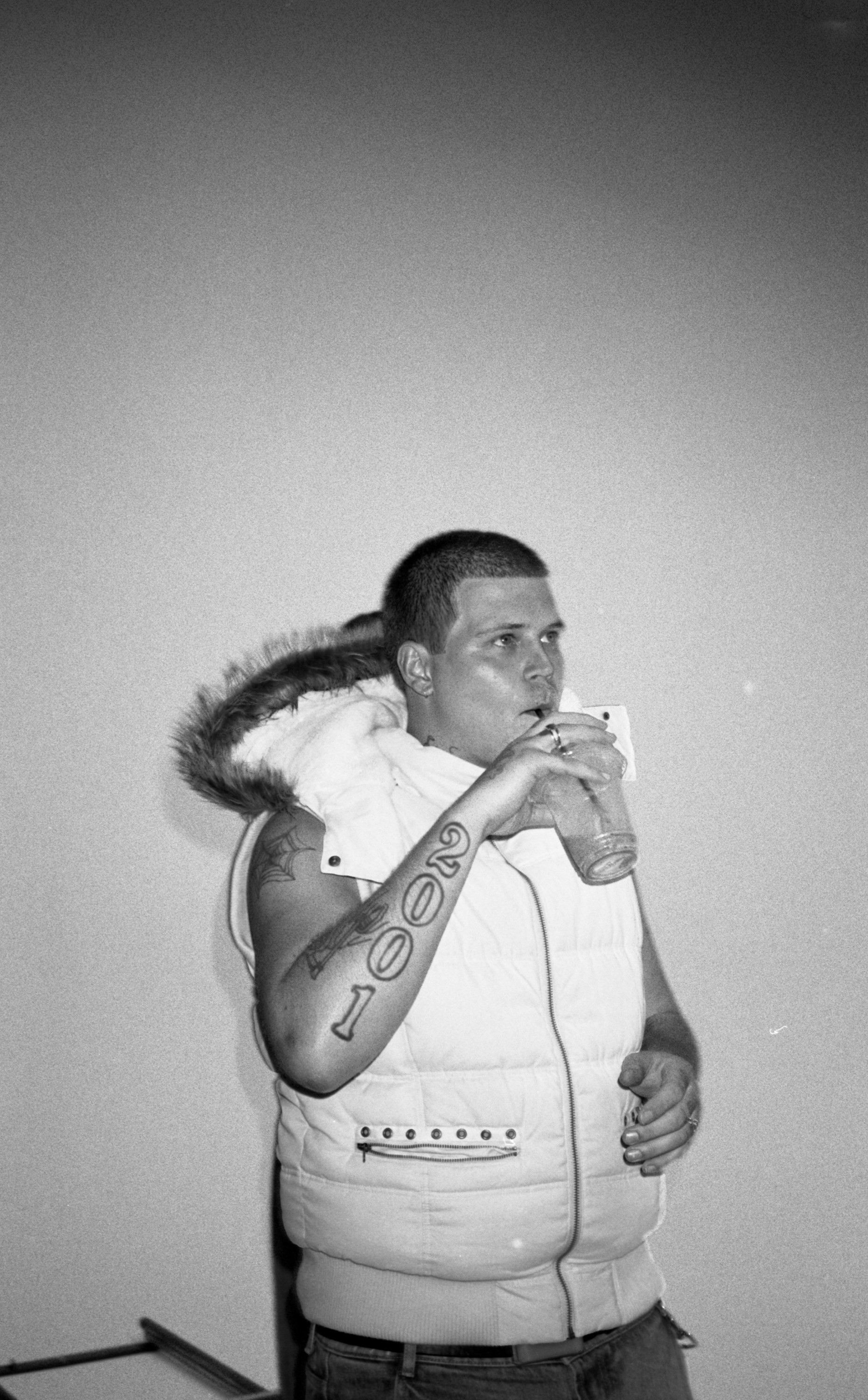
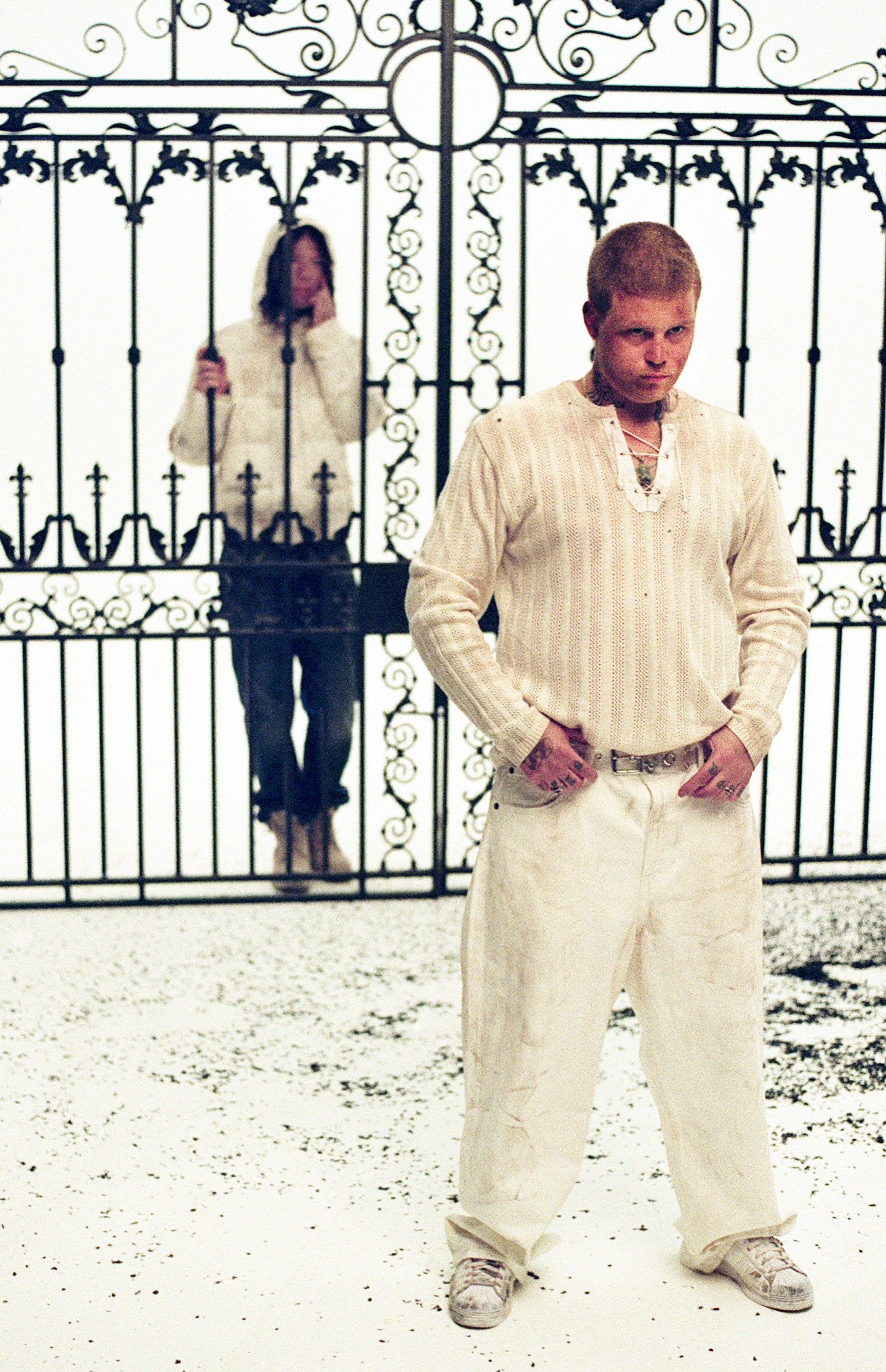
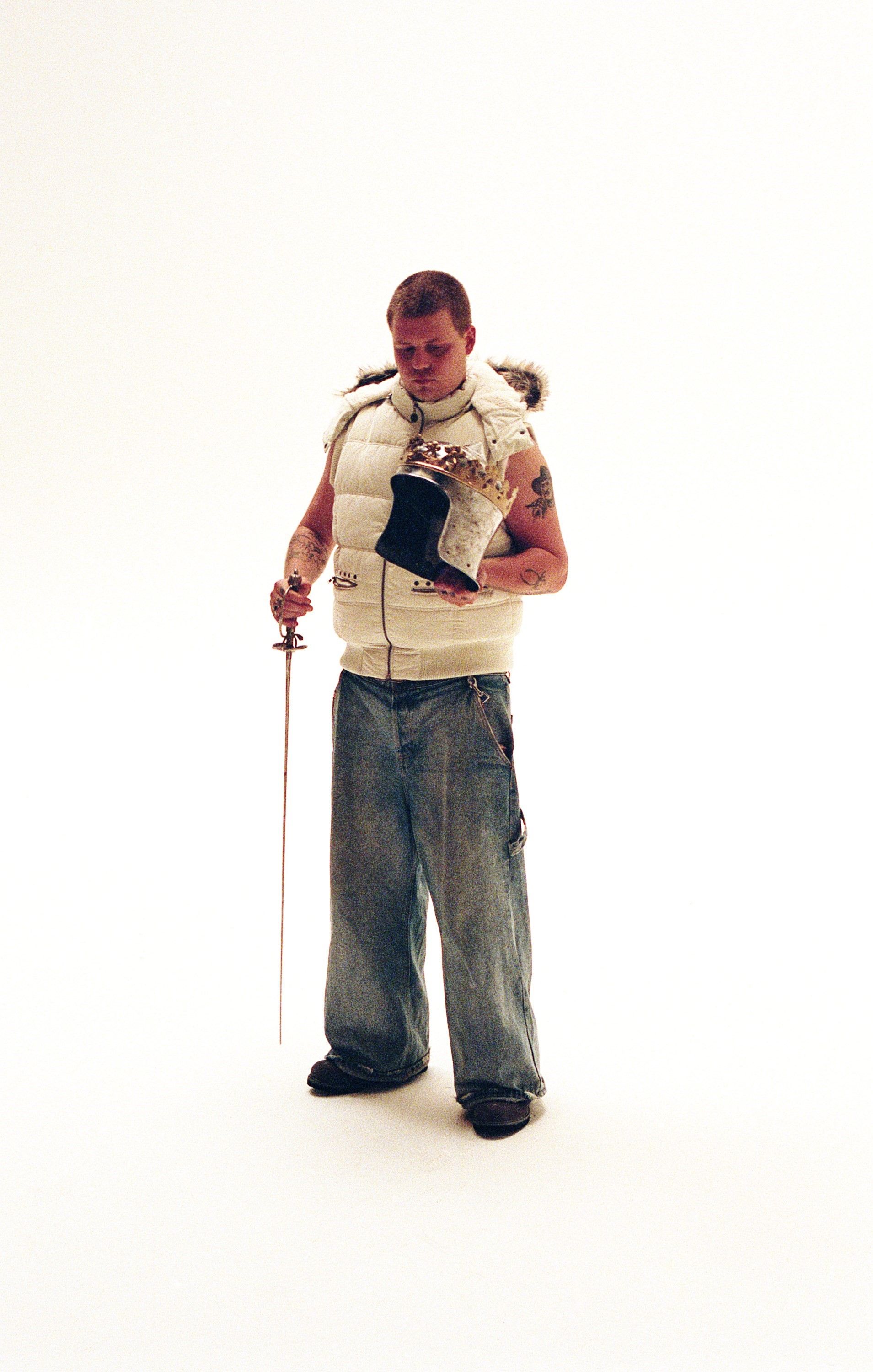
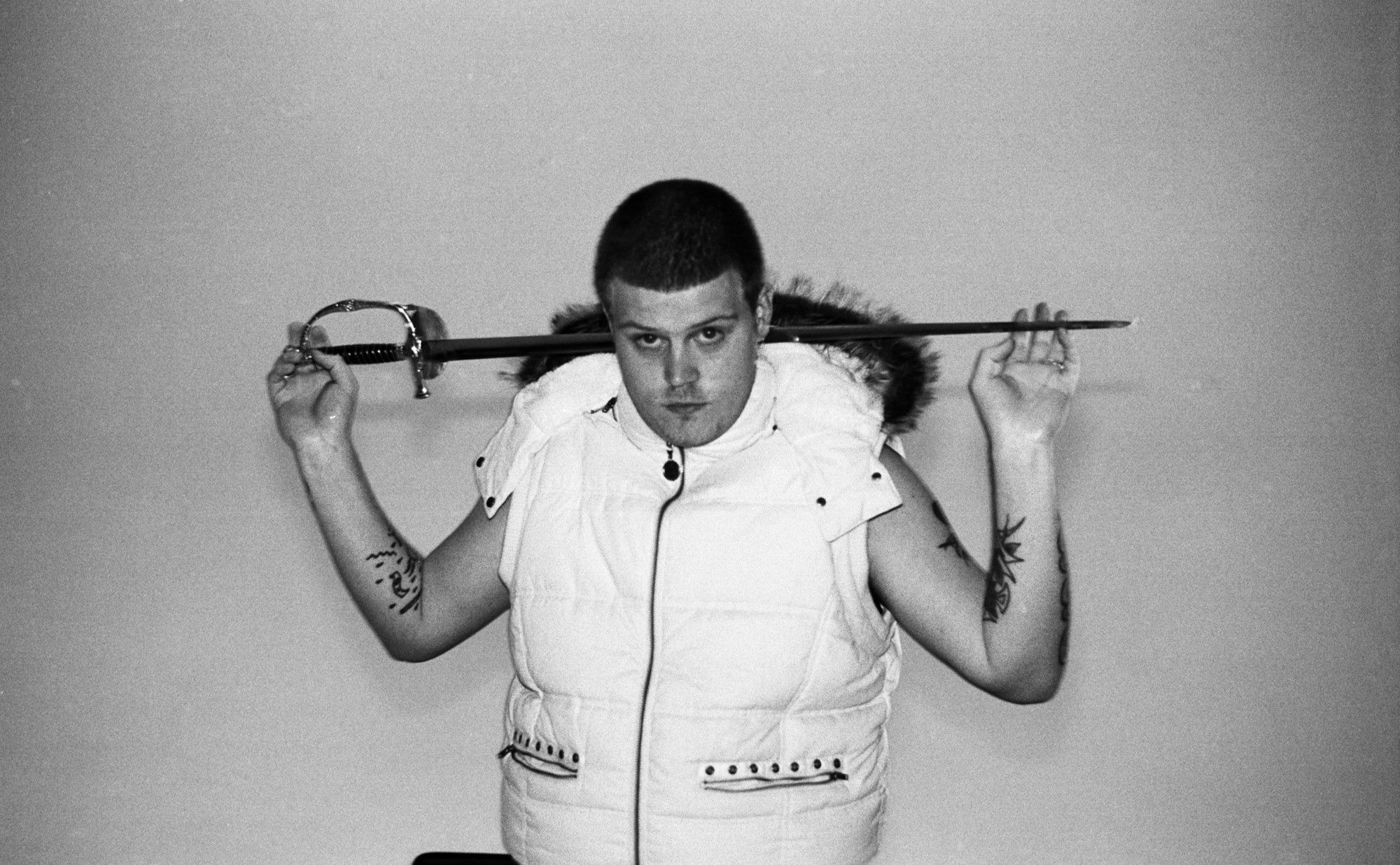
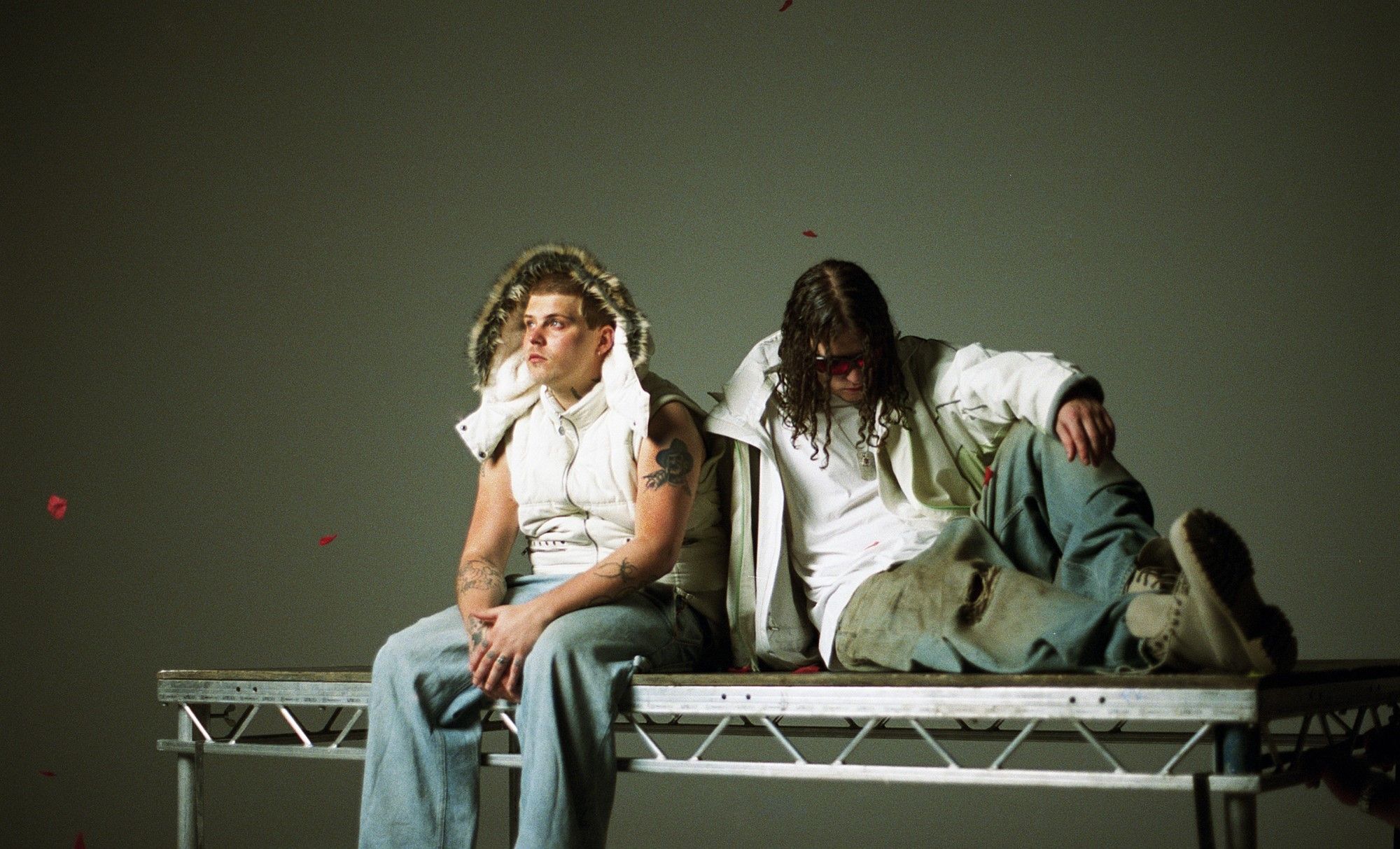
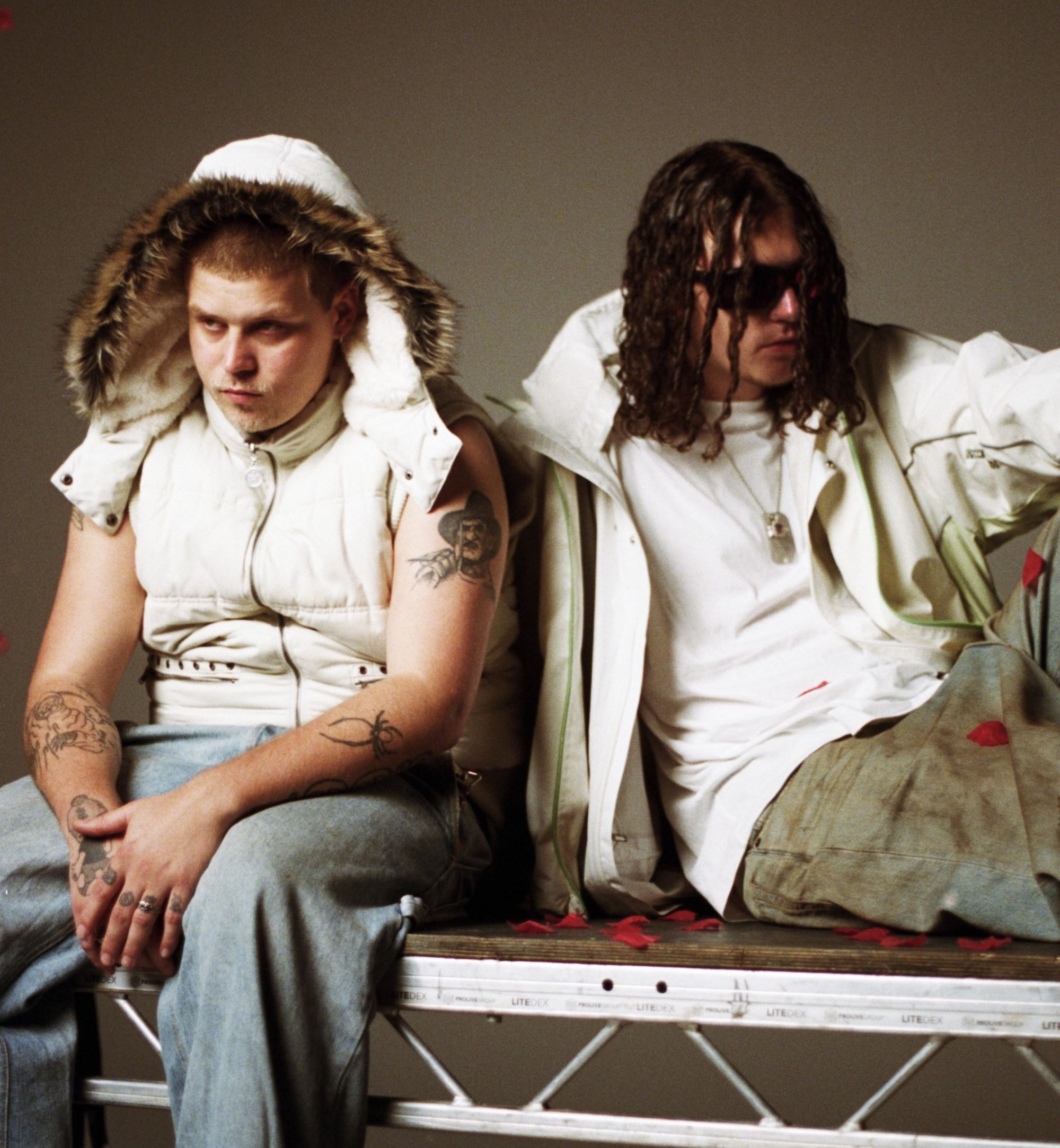
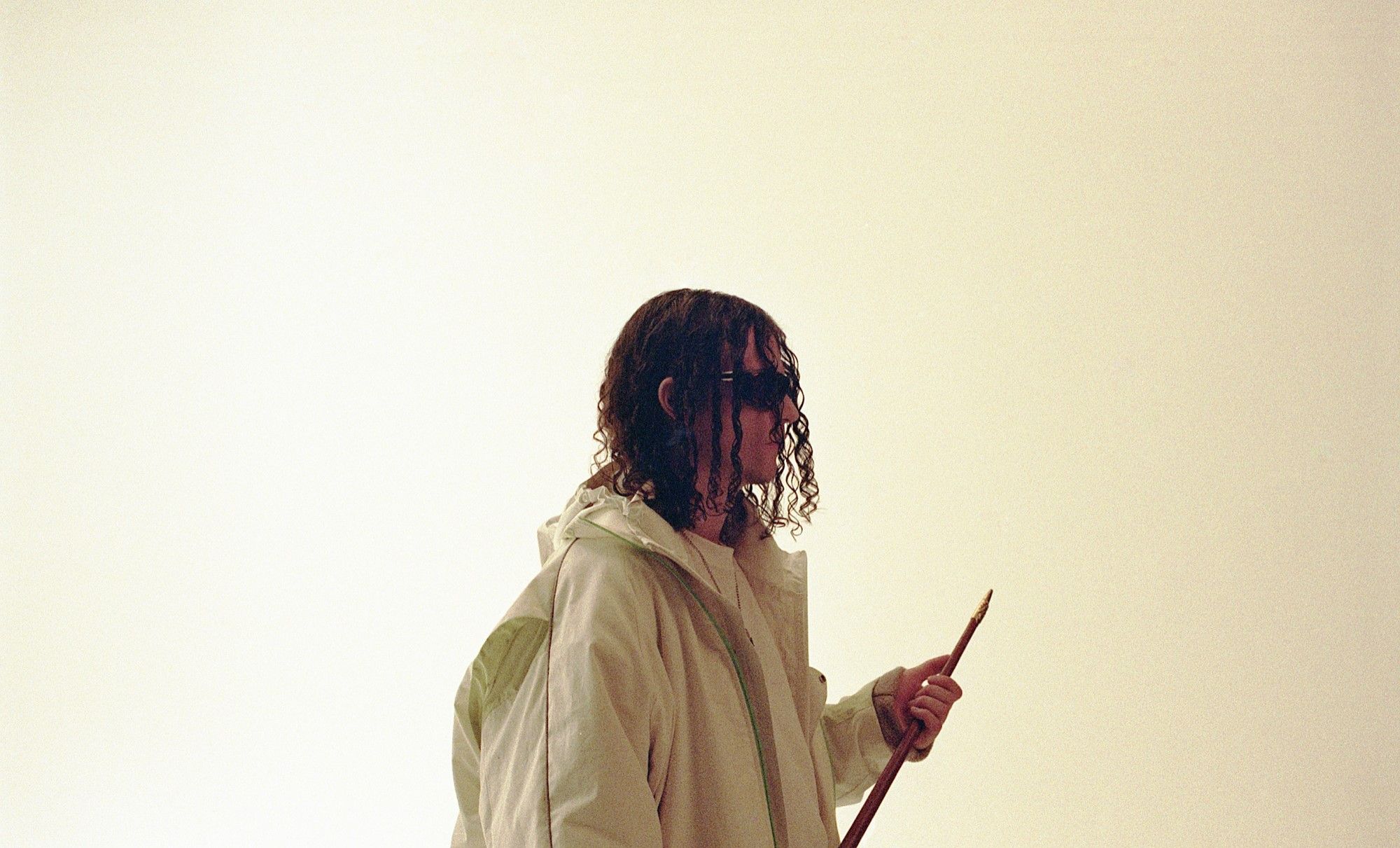
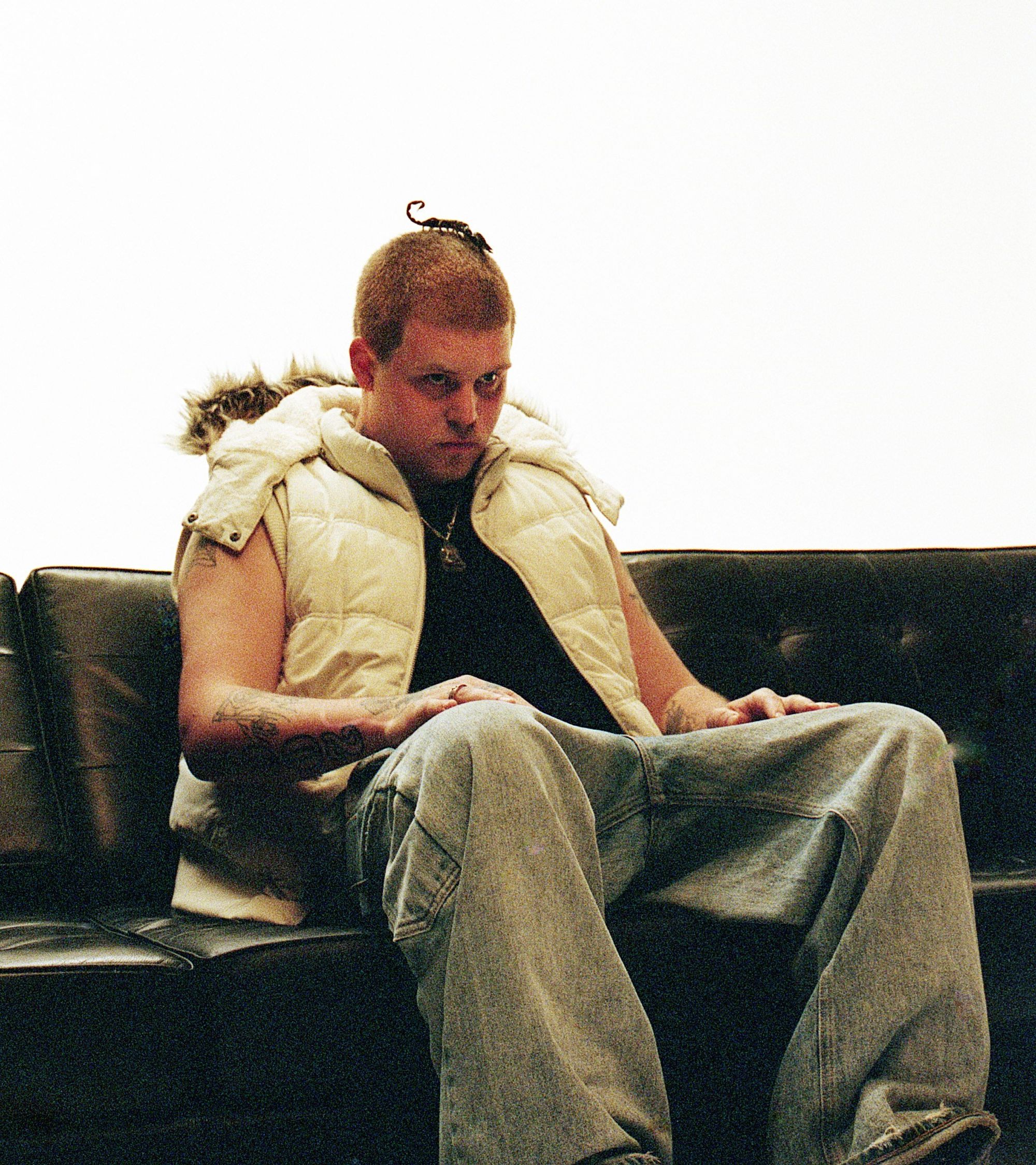
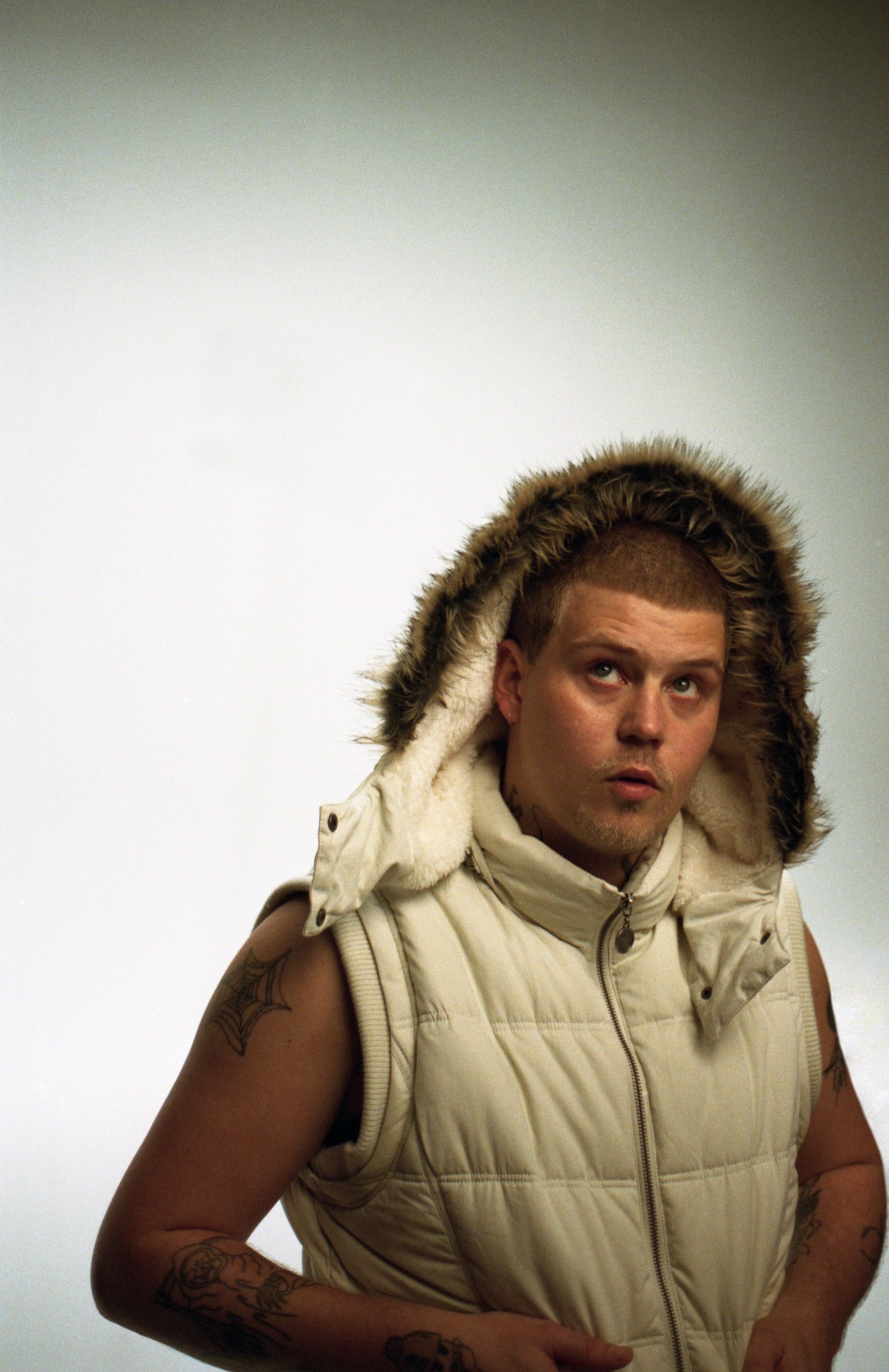
Yung Lean & Bladee Victorious music video by Aidan Zamiri
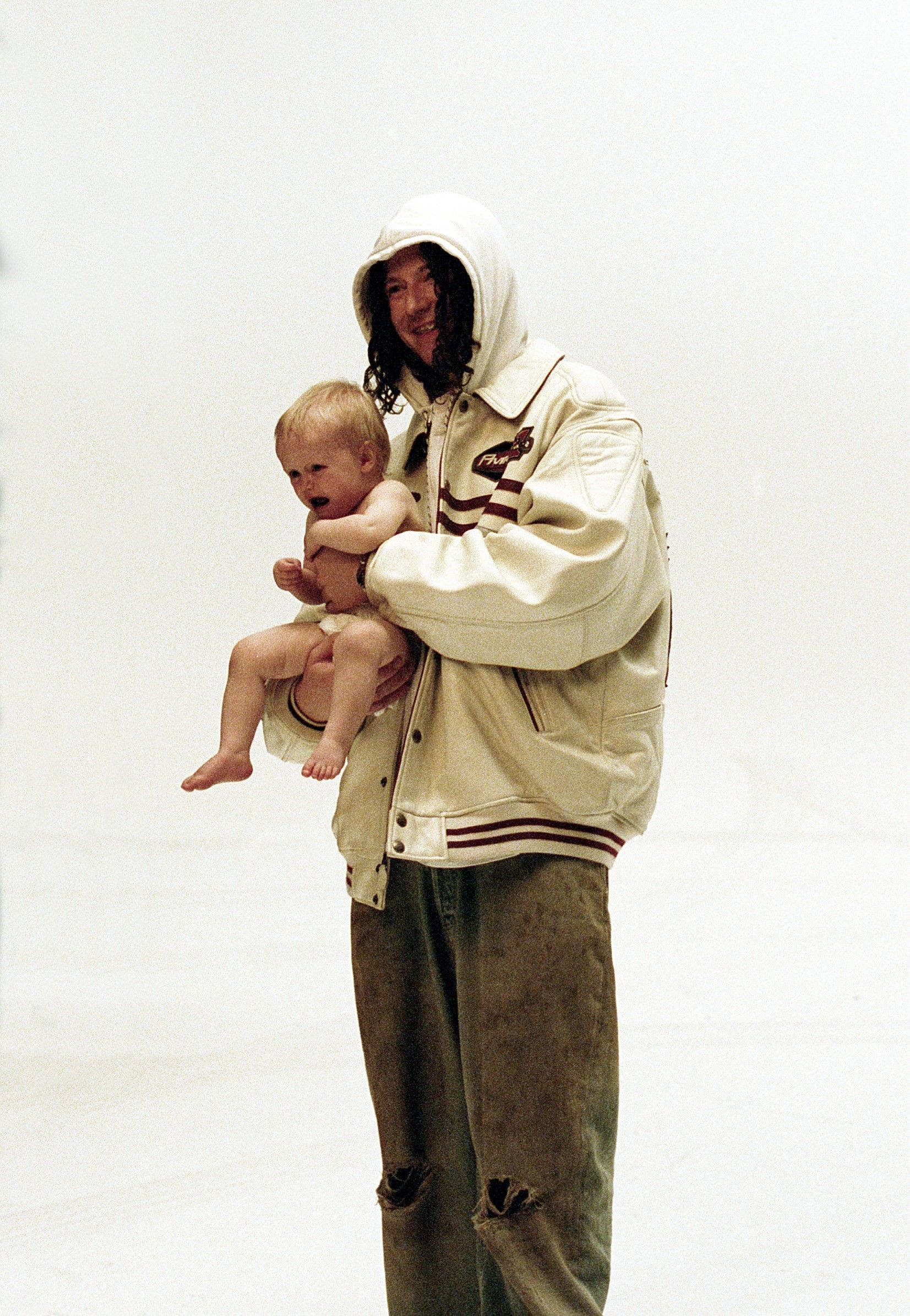
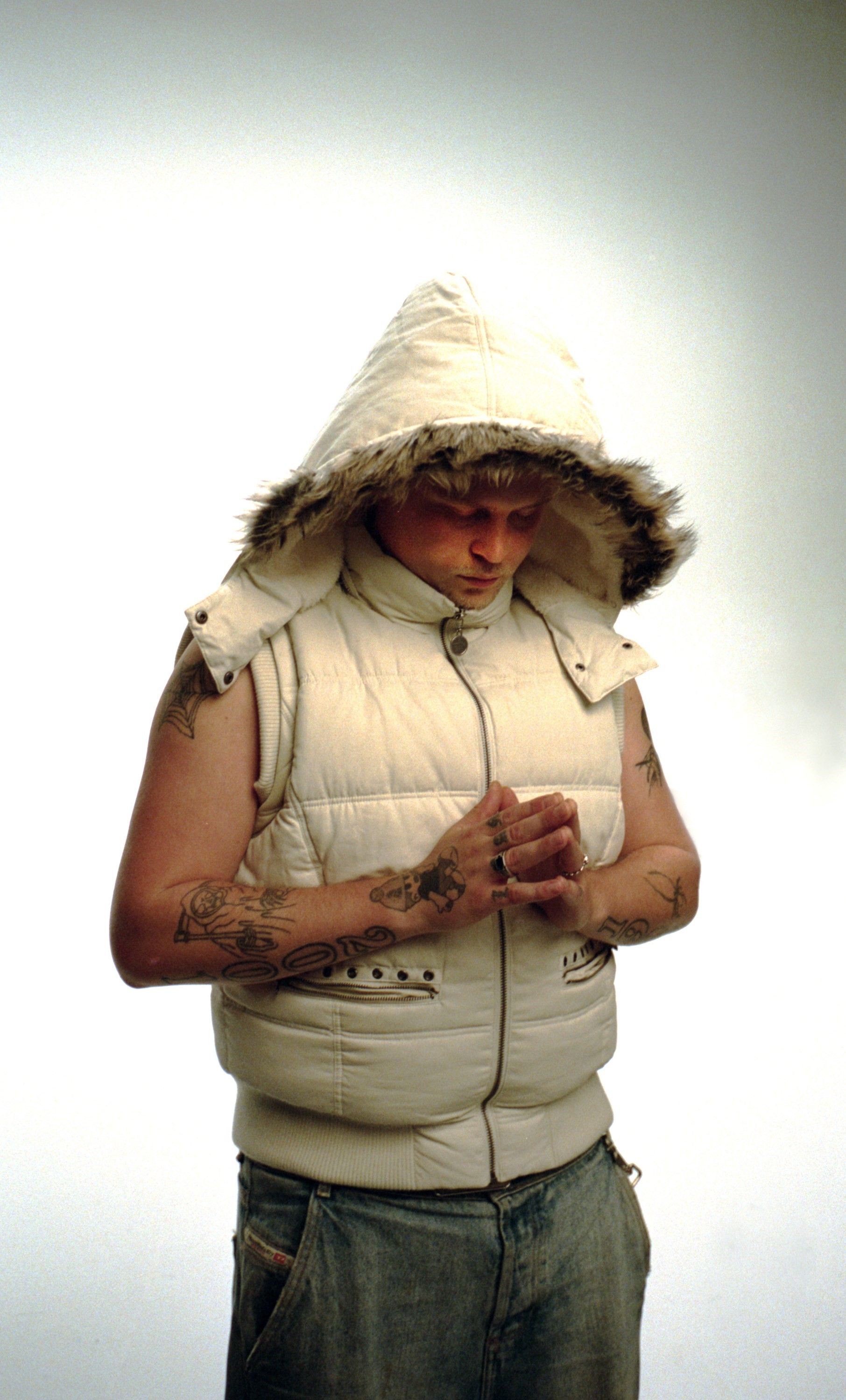
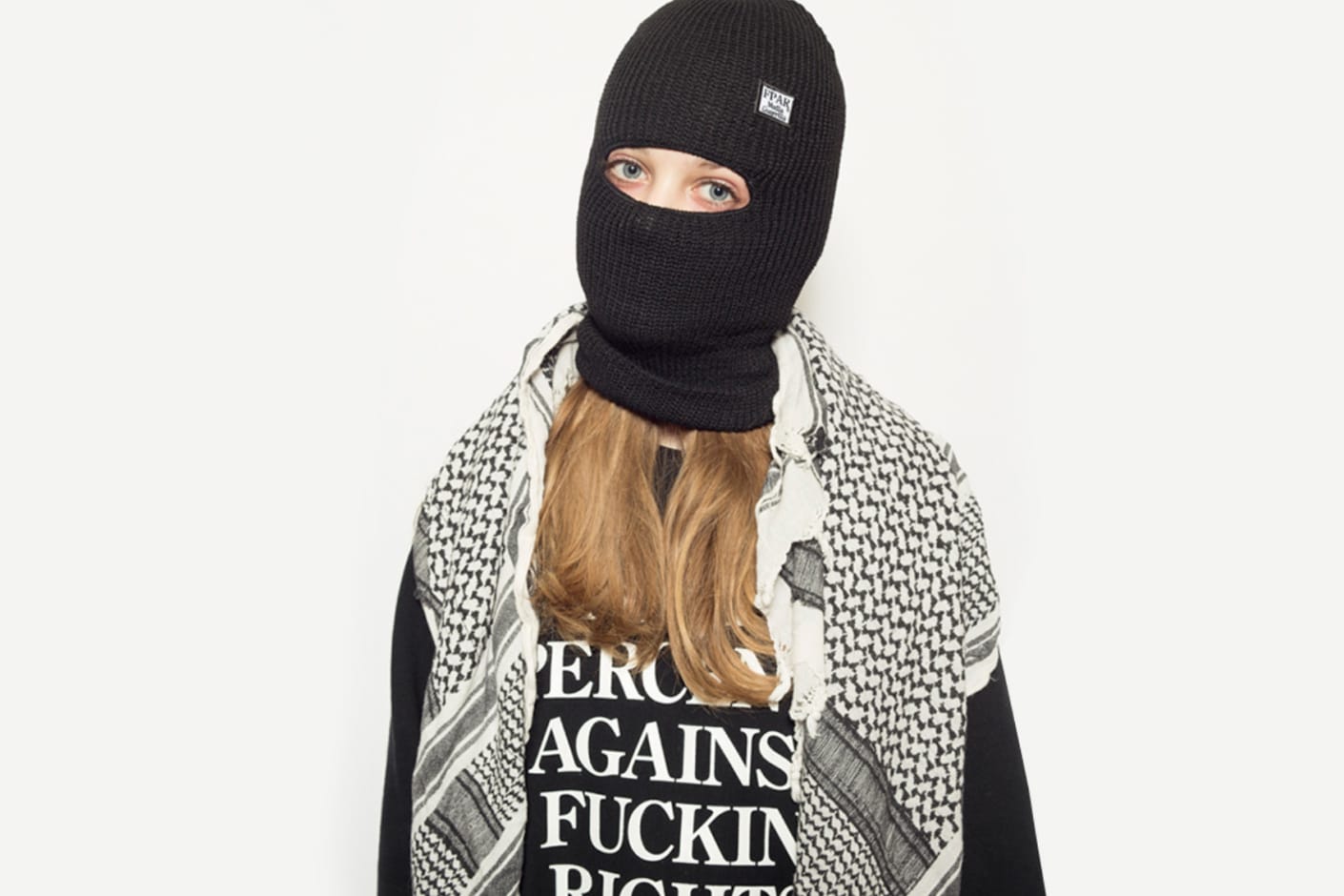
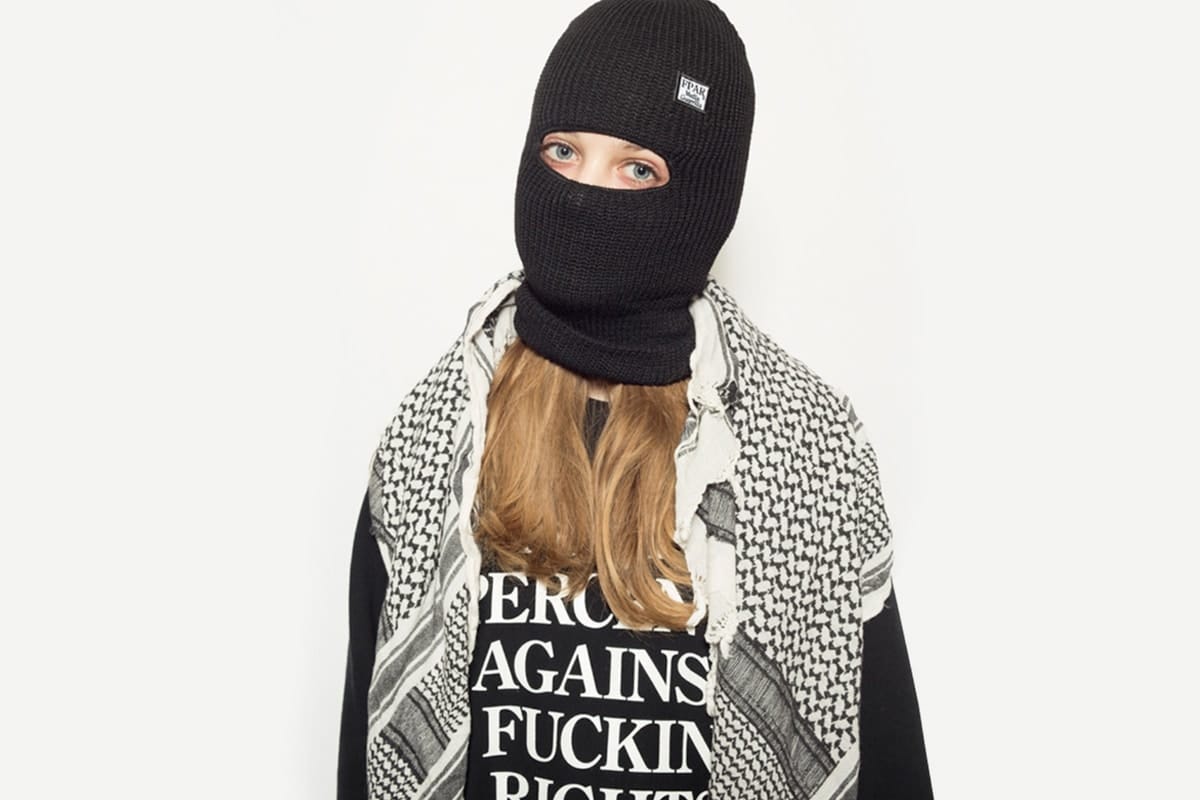
Forty Percents Against Rights
FORTY PERCENTS AGAINST RIGHTS (FPAR), a Japanese label by Tetsu Nishiyama, who also runs WTAPS and ran the 1990s FPAR. Message-based graphics with military- and workwear-derived cuts; it opened its own online store in 2013.
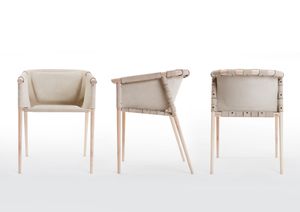
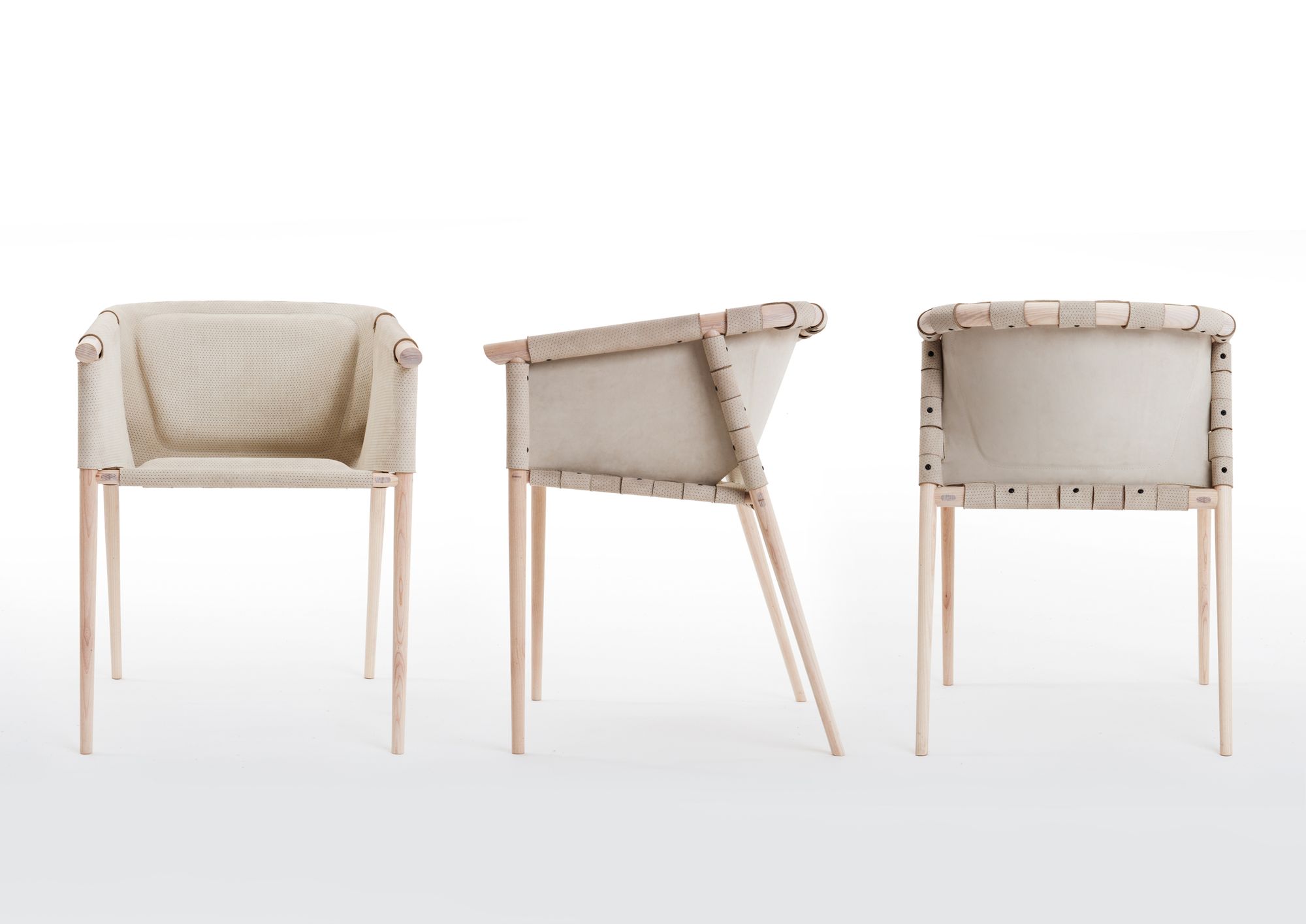
Cargo Chair by Benjamin Hubert
The Cargo Chair, manufactured by portuguese brand De La Espada, designed by Benjamin Hubert
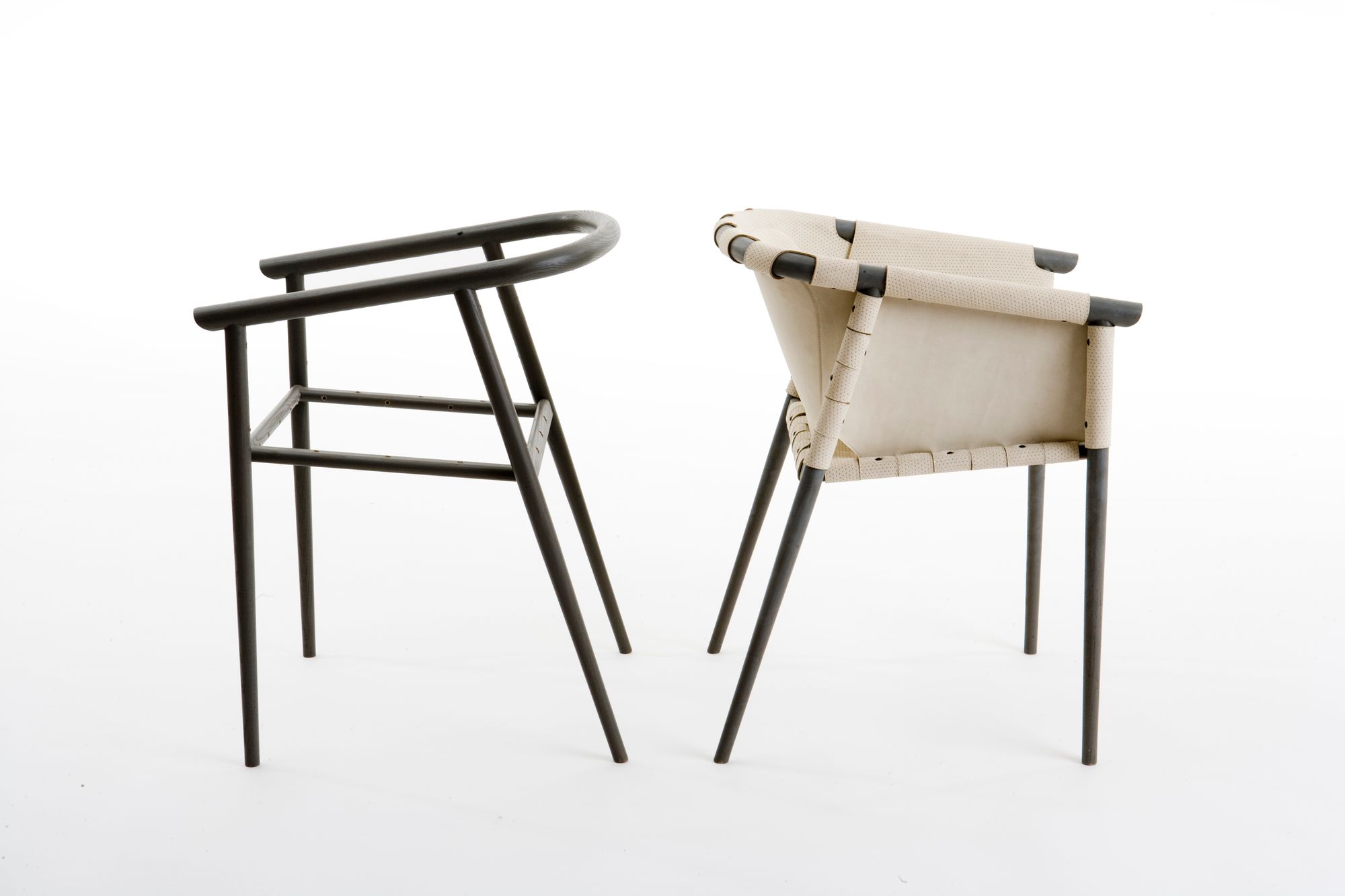
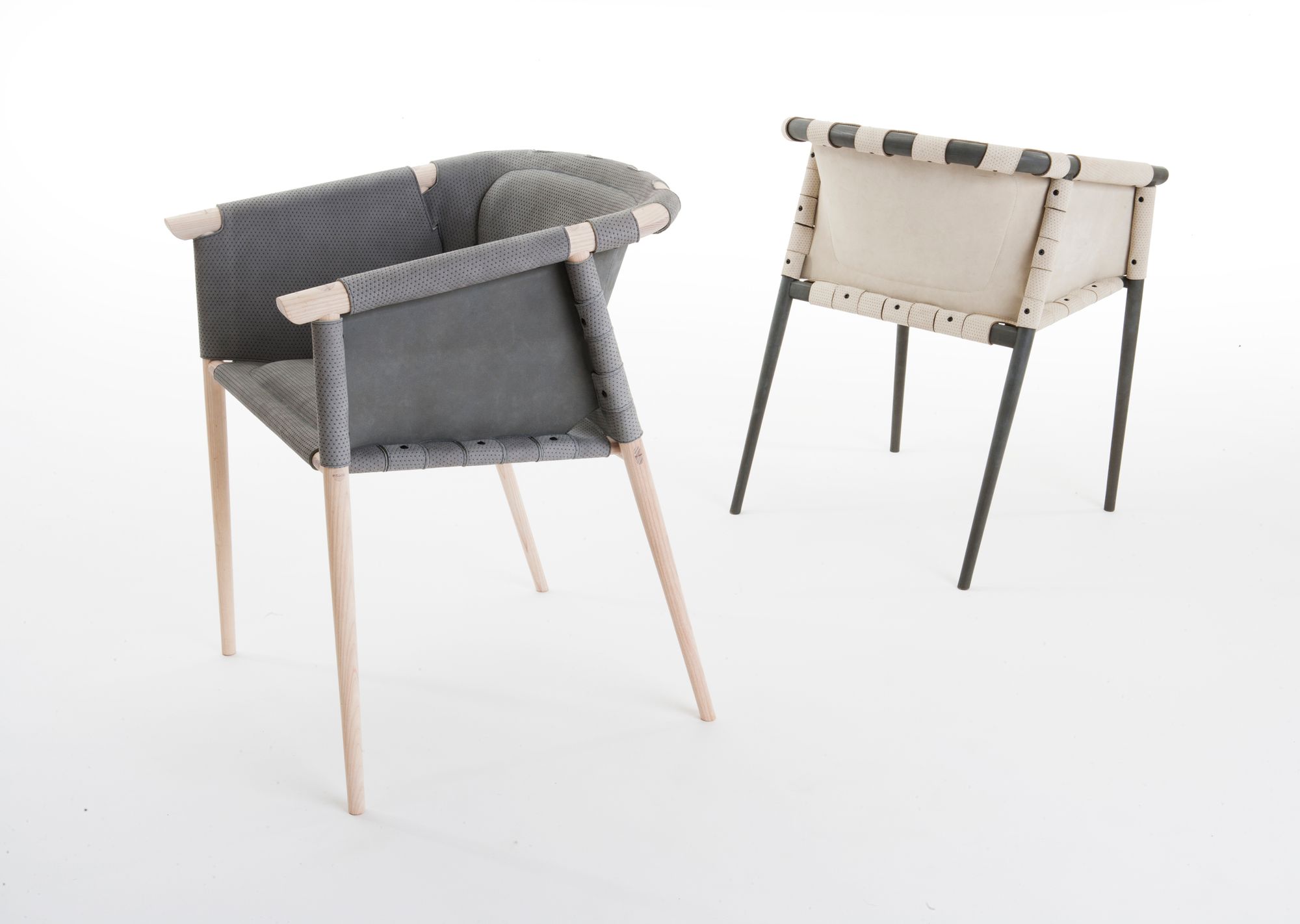
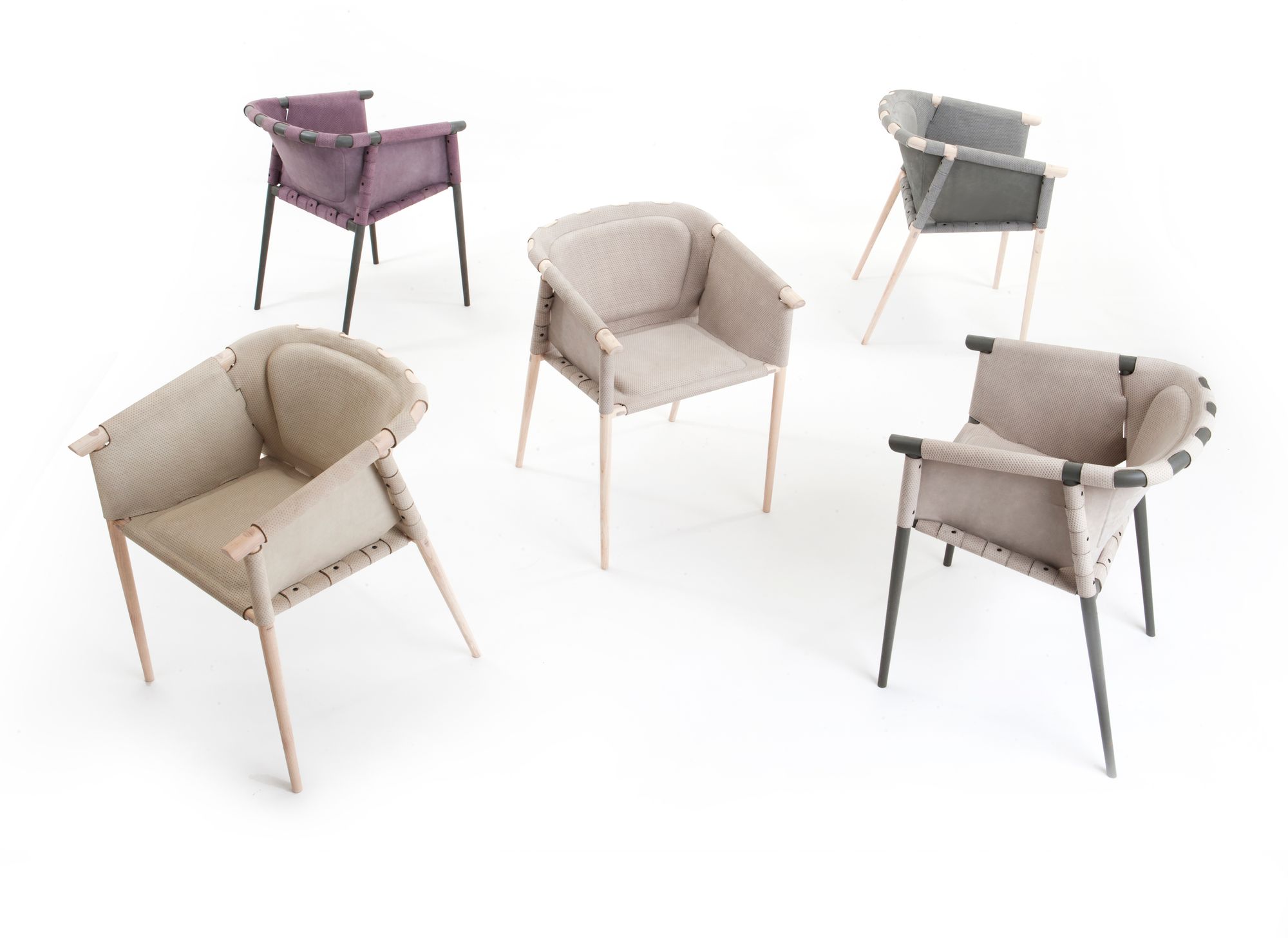
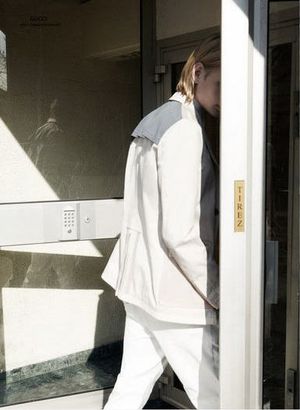
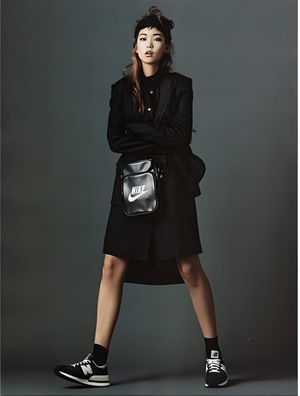
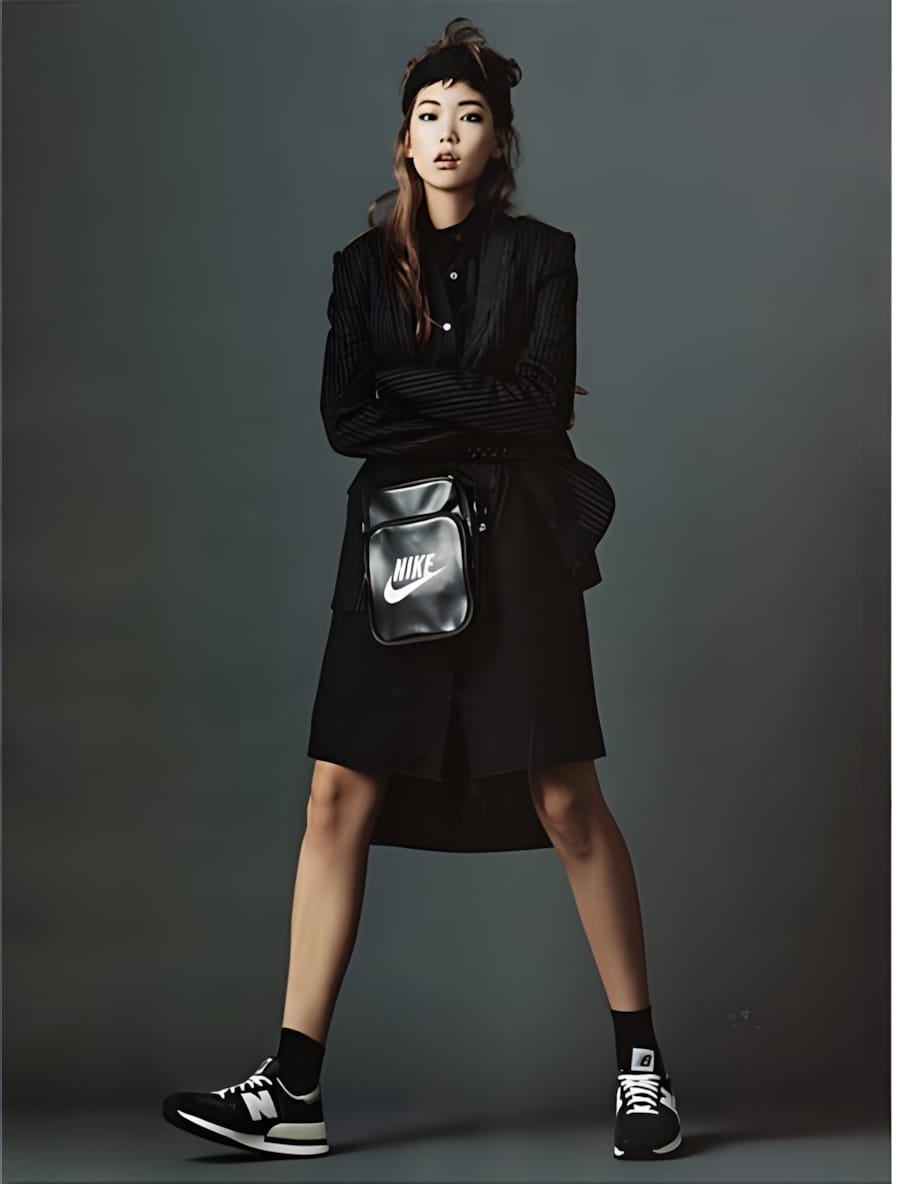
Nike Heritage Shoulder Bag Editorial
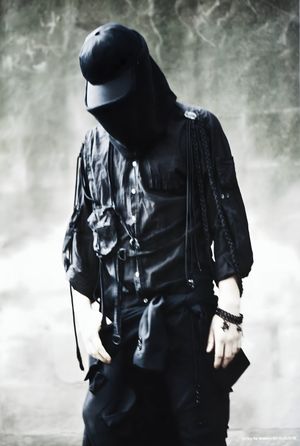
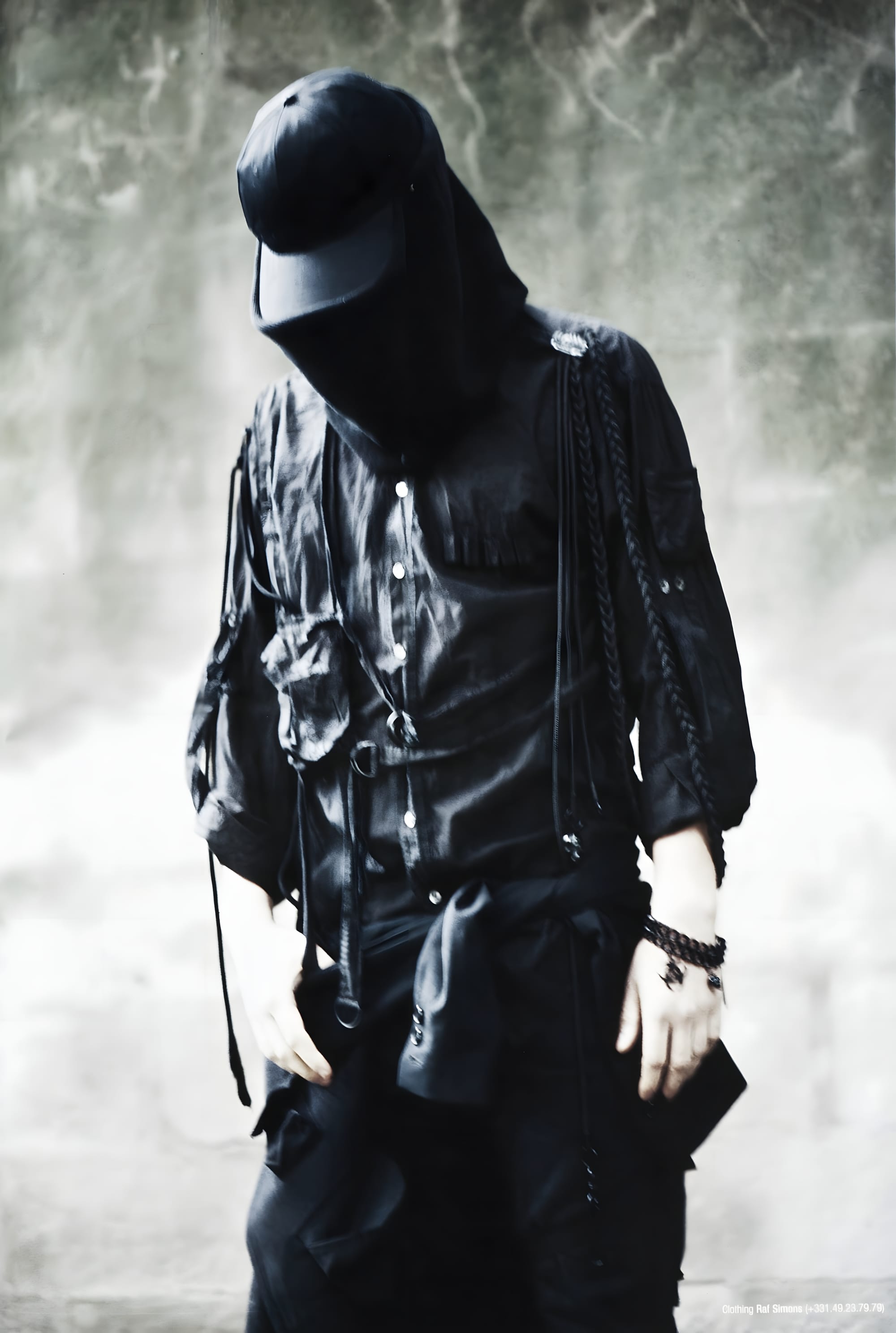
Raf Simons Menswear Lookbook — Photography by David Armstrong
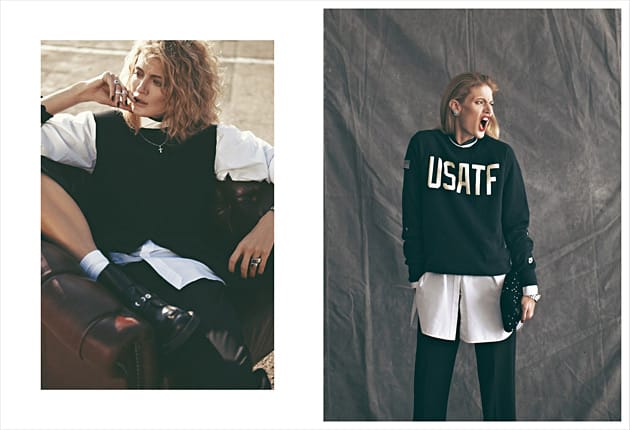
Adidas Performance Tank Top and Leggings — Black Activewear Editorial
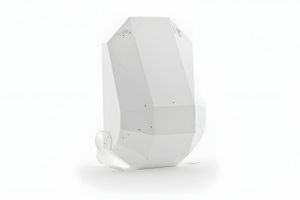
SOLID GRAY Polymer Hard-Shell Backpack in White
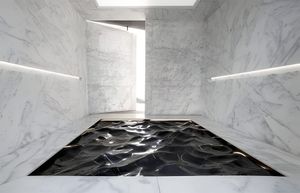
Mathieu Lehanneur — Liquid Marble Series
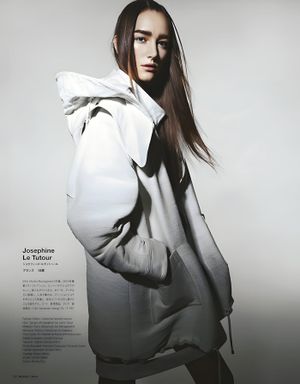
Joséphine Le Tutour in Alexander Wang — Numéro Tokyo July/August 2013
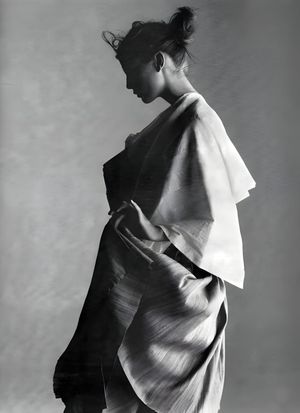
Yohji Yamamoto Editorial — Sculptural Wrap and Pleated Drape
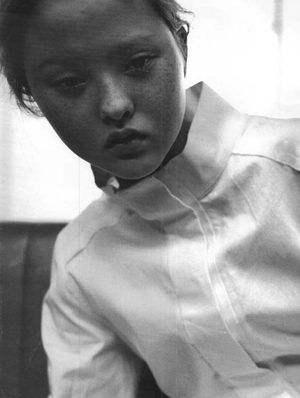
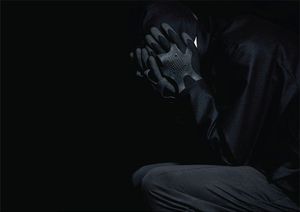
Cottweiler aw2013
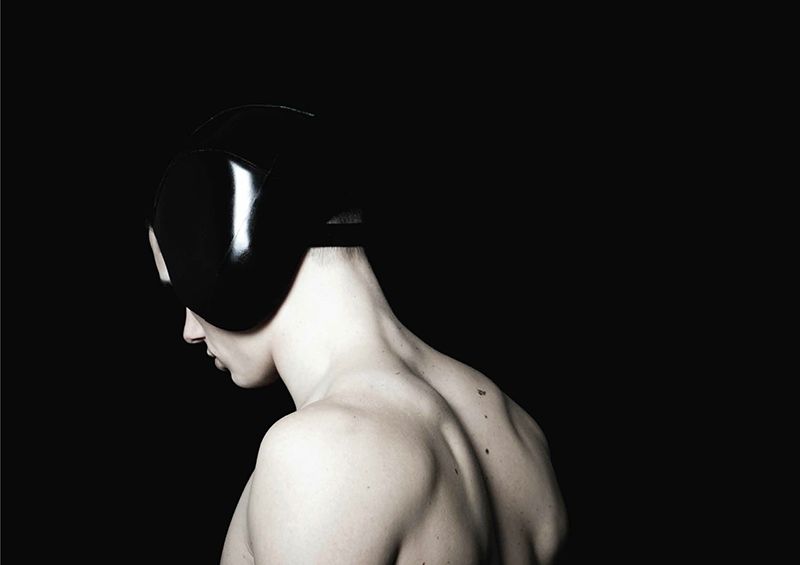
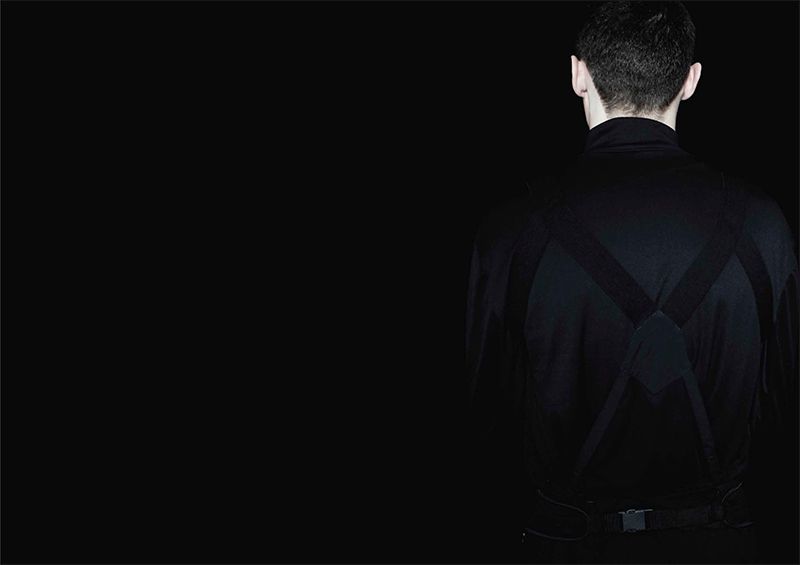
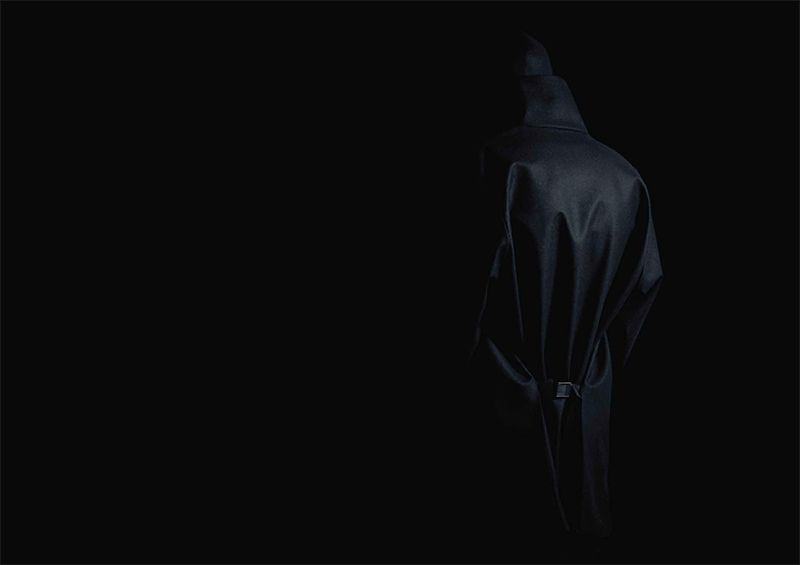
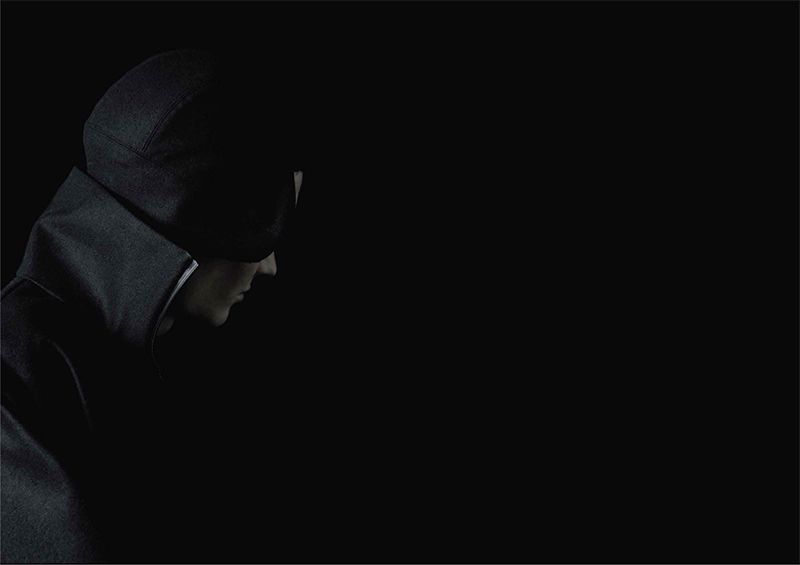
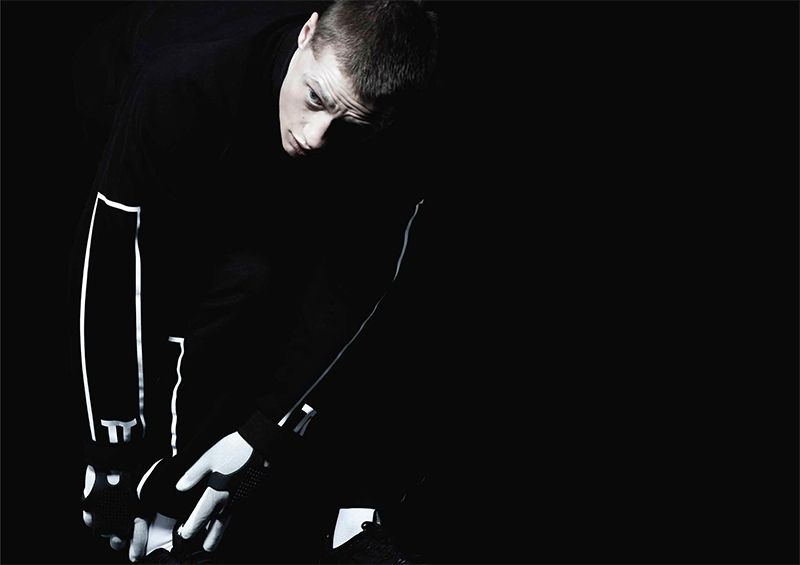
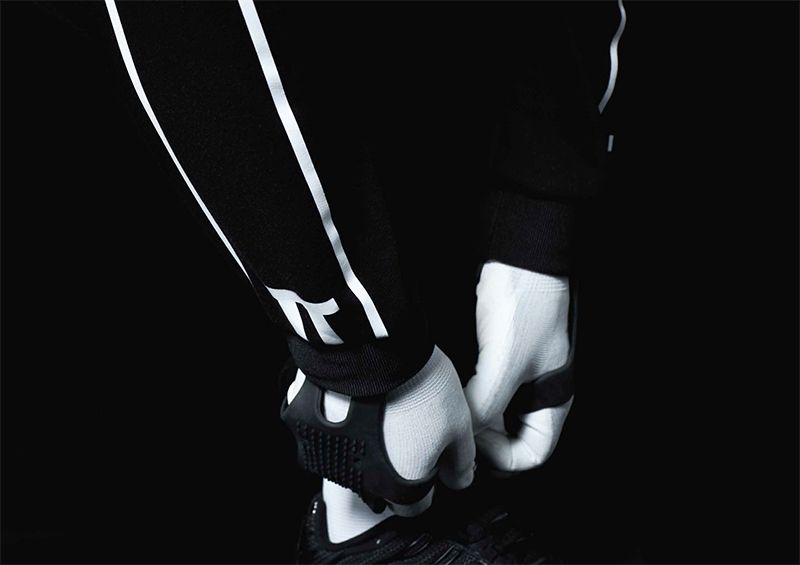
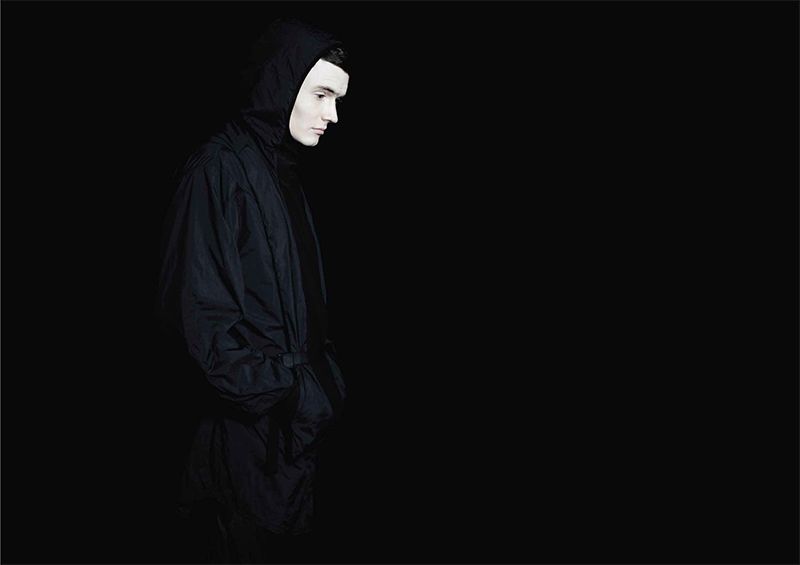
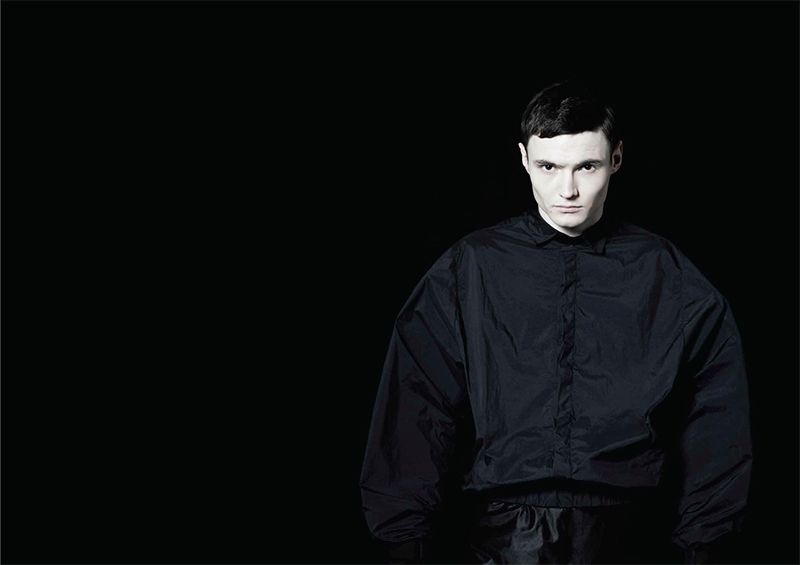
Credits:
Photography: Aline &Jacqueline Tappia Reynaud
Stylist: Lorenzo Posocco
Models: Charlie & Robin
Hair: Sophie Harris
Make-up: Jasmin Laura Rosso
Assistant: James Rg Neville
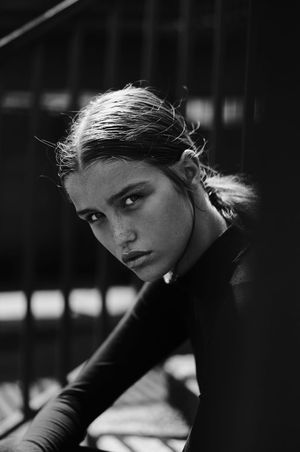
Unseen Luna by Ash Kingston
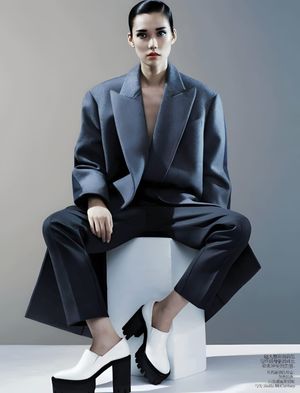
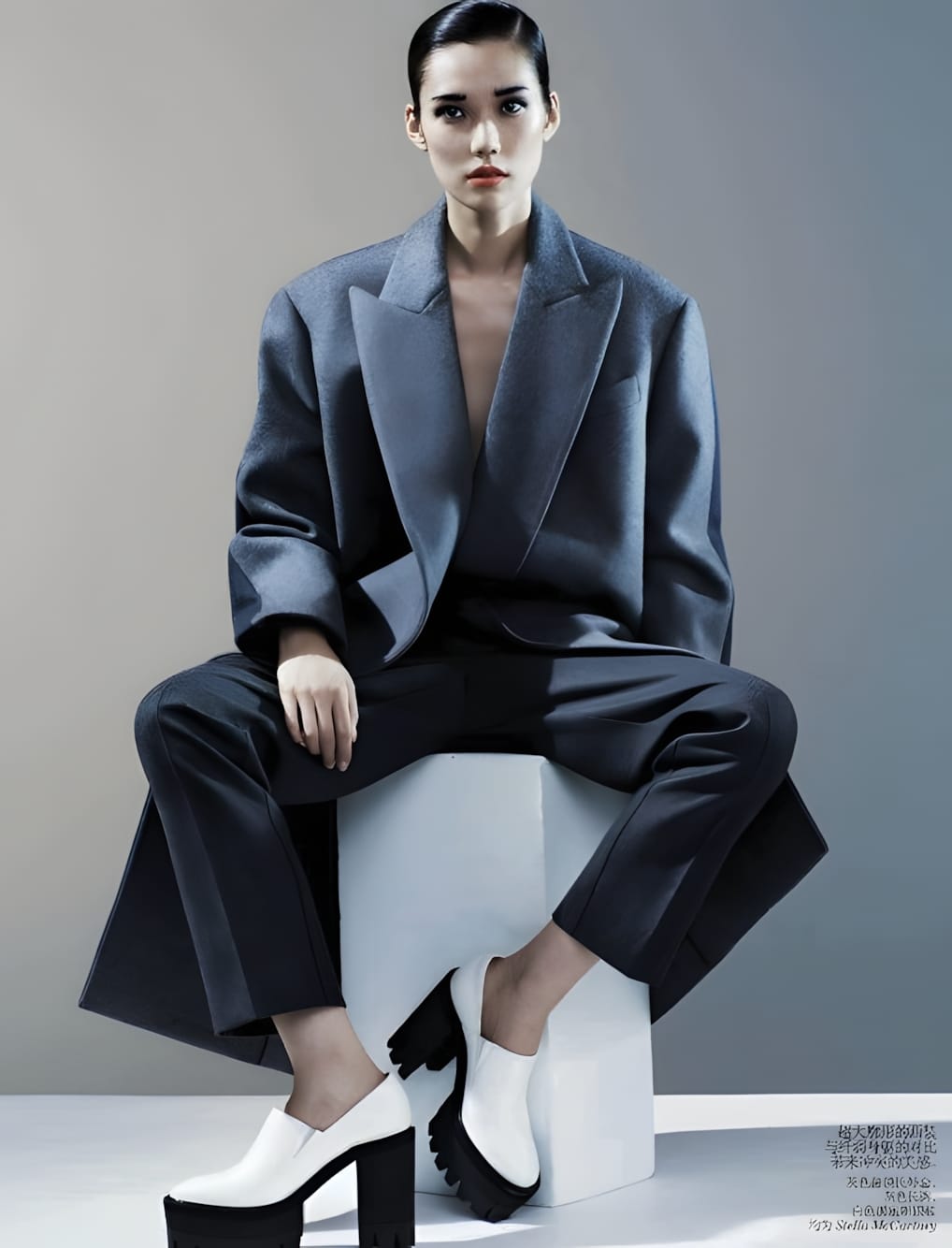
Tao Okamoto by Josh Olins for Vogue China August 2013
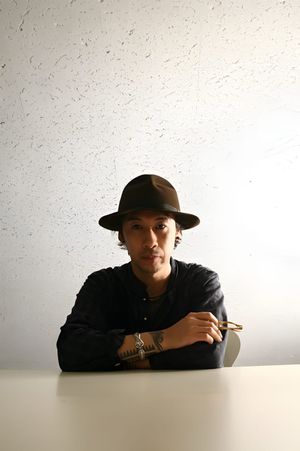
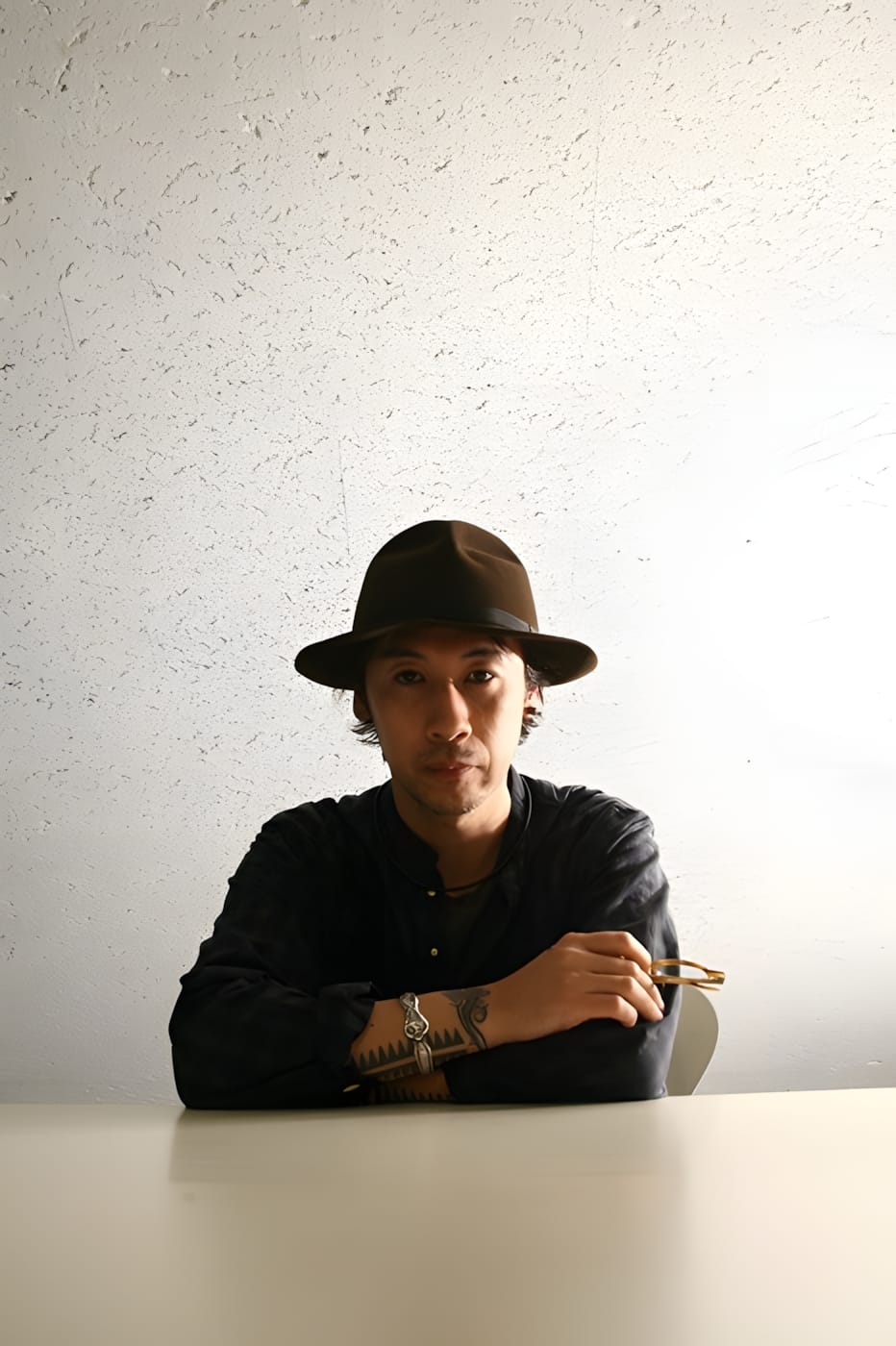
Jun Takahashi — Undercover Designer Portrait, Dazed June 2013
Interview with Jun Takahashi on Undercover AW13
Q: After two years away from the Paris catwalks, why was now the right time to show a runway collection?
A: After the earthquake disaster, we Japanese were spiritually in the worst state. It’s been two years since then and everyone is hoping to improve the present situation. I am one of them. I chose to have a runway show in Paris in order to restore myself. I thought it would work because going back to the runway was one of the things I had been hoping to do.
Q: Talking of the scar that Japan’s earthquake left on you, did it creatively affect your AW13 collection?
A: I was craving for creation, and that resulted in those one-off dresses. Two years ago, mentally and financially I wasn’t able to create such things. Those one-off pieces are my original works and made intuitively by myself. I am the only one who could make them. They are sacred works to me. I guess I like things where you can feel human warmth.
Q: Why did you call the show ‘Anatomicouture’? Was your intention to expose the inner bones of the garments?
A: It is a mentality of exposing the inner self, corresponding to my desire to reveal my creation and what’s going on in my head.
Q: Despite the skeleton and organ motifs, the collection is beautiful and seductive – does this come back to your interest in the contrast between ugly and beautiful?
A: Ugliness and beauty co-exist in human mentality. I always want to express those emotions.
Q: The AW13 show had the feel of punk performance art – why did you stage it like theatre?
A: Because the theme of this collection is related to human emotions, I thought my theme could be conveyed much better with such staging effects that would move people’s hearts. That’s why I used songs by Cat Power and James Blake. All the songs are great and meaningful and helped me convey what I wanted to express through the lyrics of songs too.
Q: When did your love of fashion start, and how did that lead to Undercover?
A: When I was little I loved drawing and had a twisted personality. I was so into punk during my high school years. My interest in fashion arose when I was around 15 years old and I was hoping to become a designer. At 18, I entered Bunka Fashion College. I was questioning about learning ‘design’ from teachers who were much older than me. So I told myself that I would learn only techniques in the school, nothing else.
Q: Undercover was considered part of a new wave of Japanese designers. How did your approach differ from the likes of Rei Kawakubo and Yohji Yamamoto?
A: I am not sure if Undercover is part of a new wave and I don’t really care. But Rei influenced me a lot on things like breaking stereotypes.
Q: You and your friend Hiroshi Fujiwara collected vintage Seditionaries pieces and published a book about them, and you even appeared in a show of Vivienne Westwood’s designs in Tokyo in 1990. Can you describe the impact punk made on you and explain why it still resonates today?
A: To me, punk means a spirit that questions and abolishes conventional ideas. That is my fundamental principle. You can apply the principle to fashion design. It depends on each season, but I instil punk interpretation into my designs in many ways – for example, by fusing two contradicting elements or applying techniques that are generally considered taboo.
Q: You recently designed lines for Uniqlo and Nike – how did you enjoy those two experiences? Did they feed back into your work with Undercover?
A: The Uniqlo and Nike collaborations are totally different types of designs from that of Undercover. Therefore the collaborations didn’t really affect my work with Undercover. But for my career as a designer, both collaborations became good experiences. Working with Uniqlo gave me the opportunity to learn about the creation of mass products and newly standard items that are totally different from designing avant-garde pieces. As for the collaboration with Nike, I am very satisfied both as a designer and as a runner with the fact that I have been able to create products which integrate necessary functions for running with fashion-design aesthetics, which had often perhaps been missing in the existing sportswear.
Q: You’ve talked in the past of the difficulties with keeping up with the six-month cycle of fashion shows, and skipped showing in Paris for a couple of seasons – how are you currently finding working within the fashion calendar?
A: Right now, I’ve come to the conclusion that the six-month cycle is appropriate. Themes of each Undercover collection vary by season. If we could spend more than six months on a collection, and if we continue to work with the same theme for a year, it would be difficult to keep up the tension towards the theme and I am afraid that the freshness would be lost.
Q: AW13 got a great response. Will we be seeing you back on the runway next season?
A: I could strongly feel that a lot of people were waiting for Undercover and I was very thankful about it. I will be back on the runway next season.
Q: Next year will mark the 20th since you began showing as Undercover. How do you feel you’ve evolved in that time?
A: I went through many phases and experienced many things. There was a time we faced various troubles, or we jumped into things just by force of circumstances. But nothing was wasted. I am responsible for all success and failure of Undercover. I will go forward without being ashamed of the paths I’ve chosen.
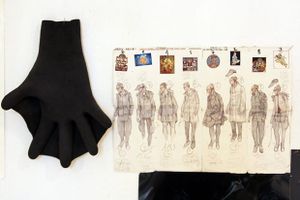
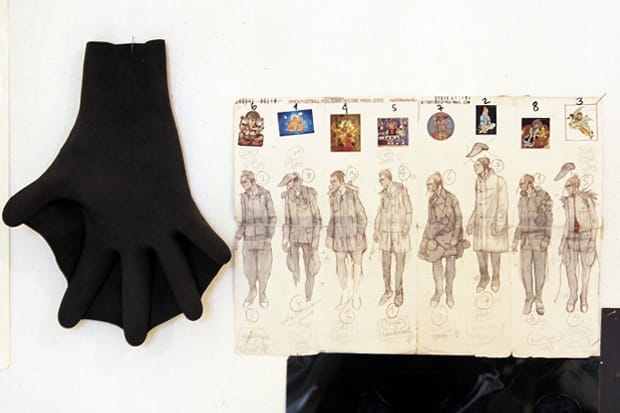
Aitor Throup
Work by Aitor Throup, a British artist and designer who develops clothing and figures through drawing. His ink-and-wash figures include the project 'When Football Hooligans Become Hindu Gods'.
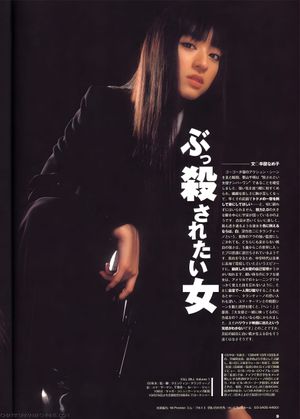
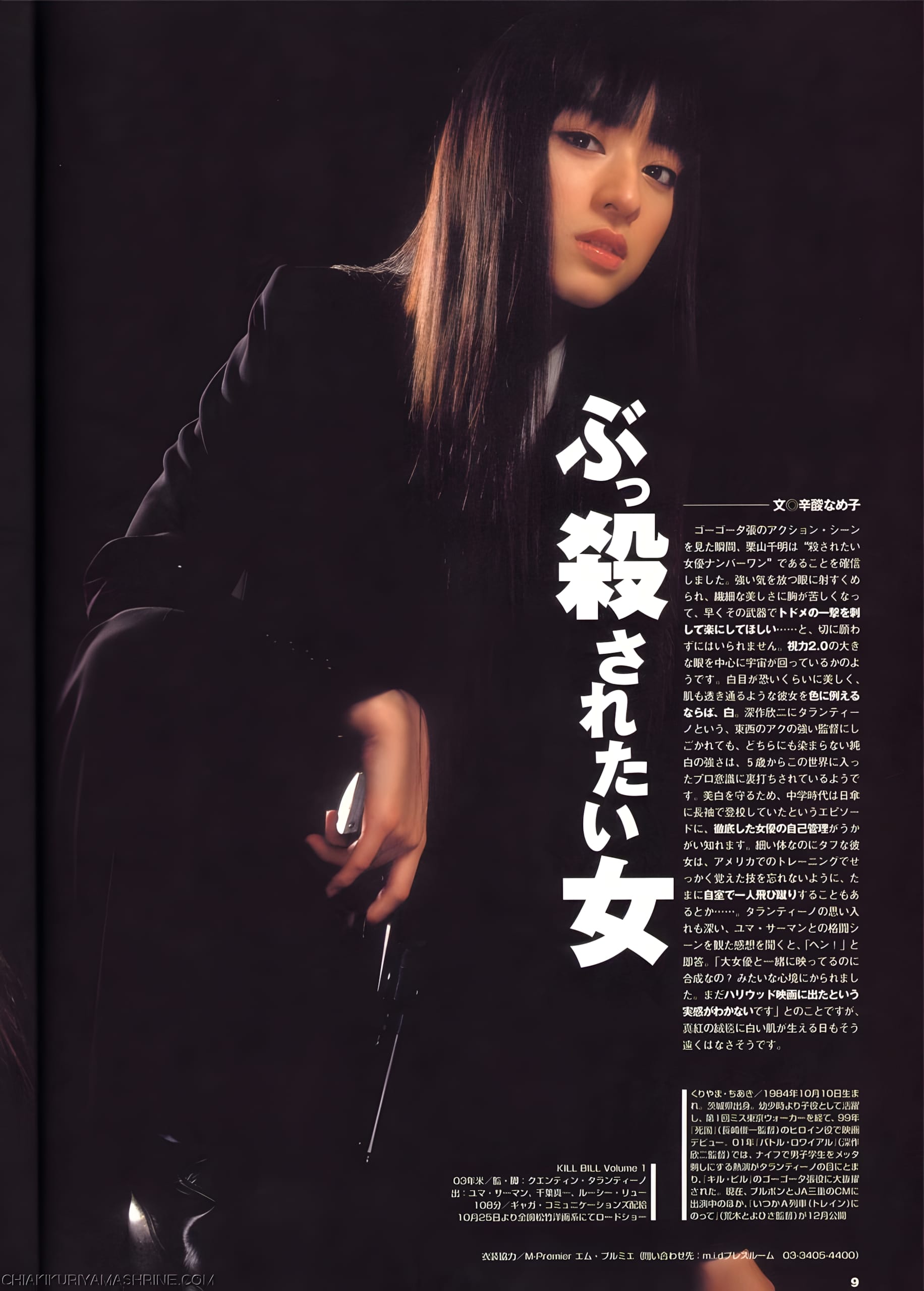
Chiaki Kuriyama — Kill Bill Volume 1 Japanese Magazine Feature
Hanna Putz — Friends of Friends Portrait by Thomas Lohr
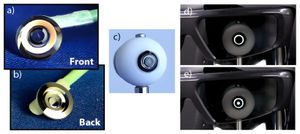
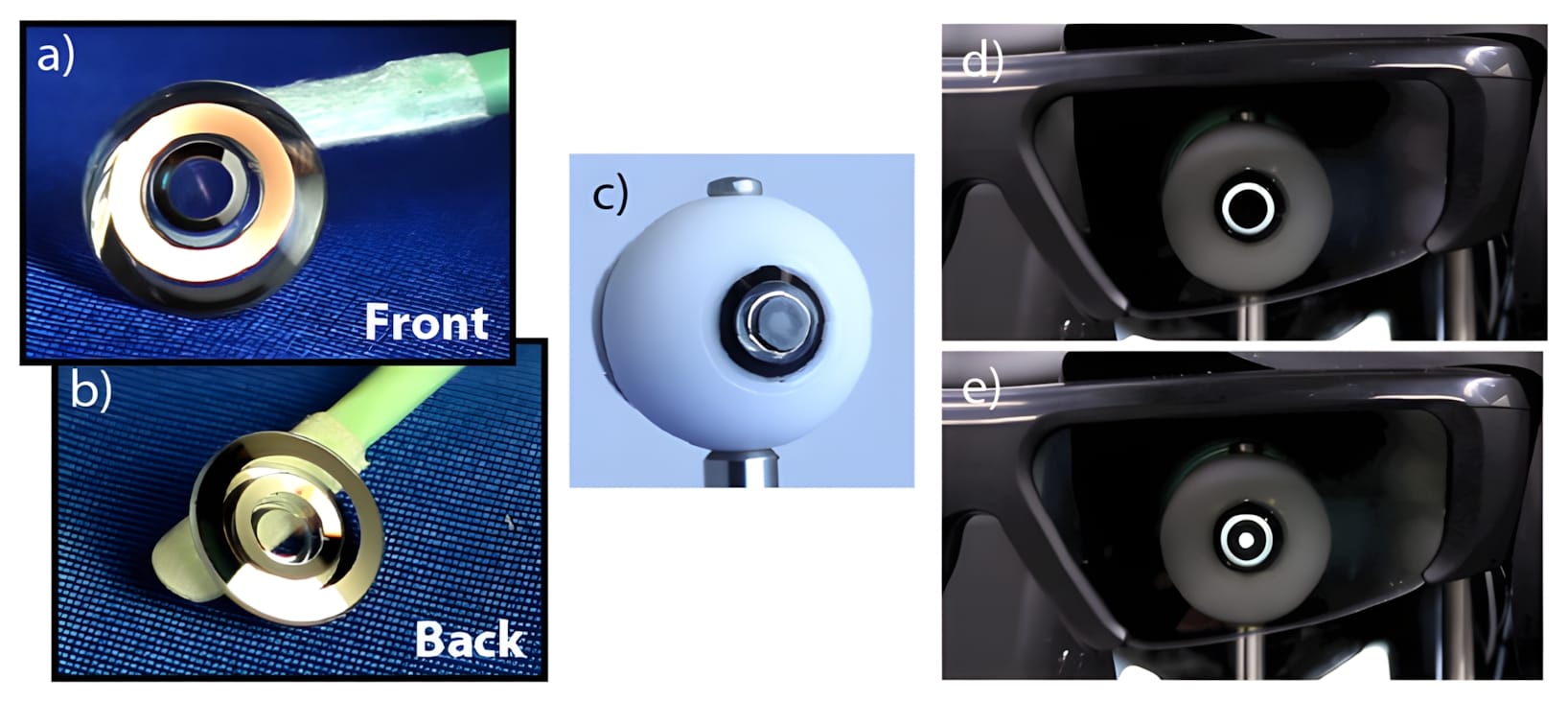
Switchable Telescopic Contact Lens — 2.8× Magnification Research Prototype
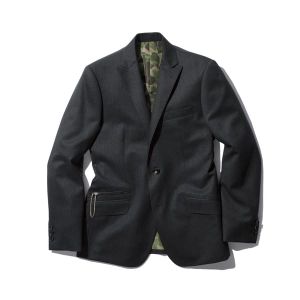
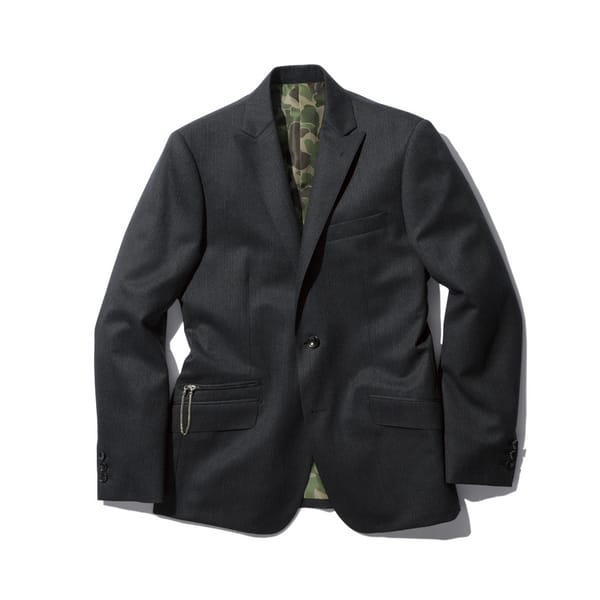
Dark Suit — N.Hoolywood or Gareth Pugh Fashion Editorial
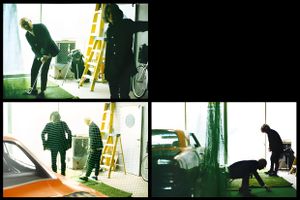
Undercoverism Fall/Winter 2012 Honeyee Editorial
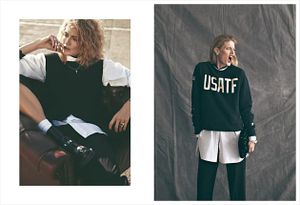
Michelle Buswell by Koray Birand, Harper's Bazaar Turkey 2012
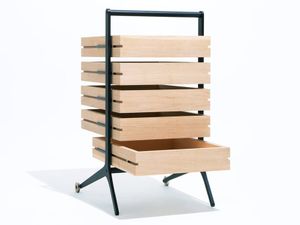
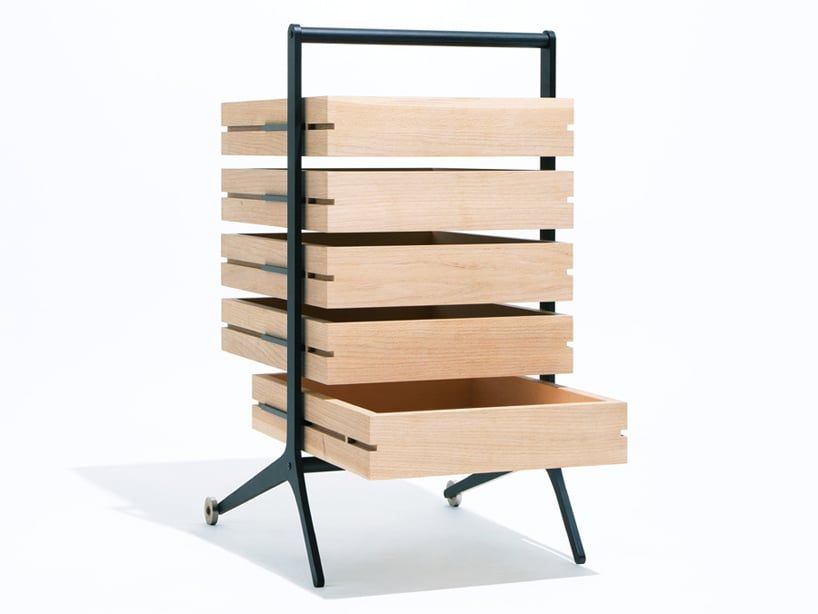
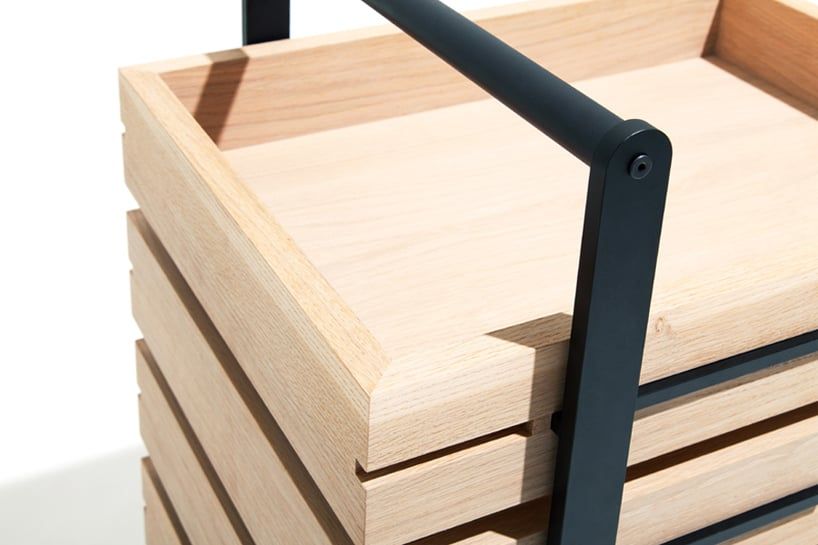
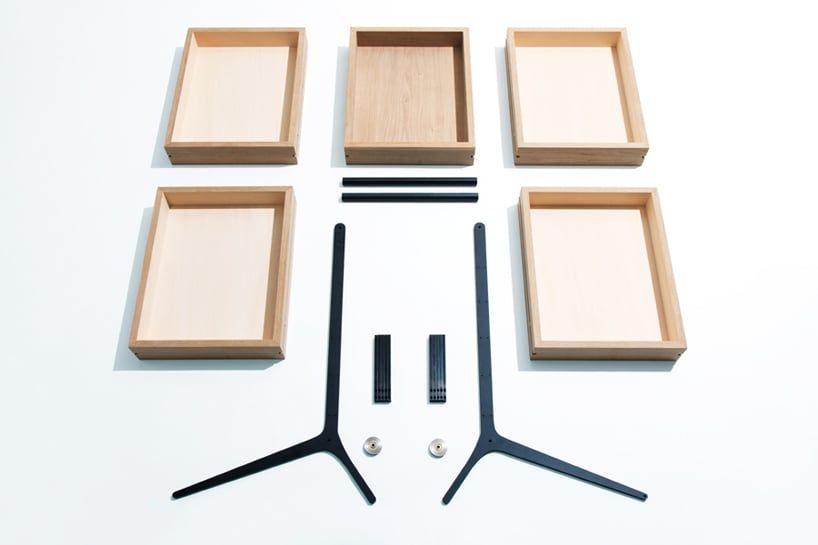
Keiji Ashizawa _ Bon Drawer
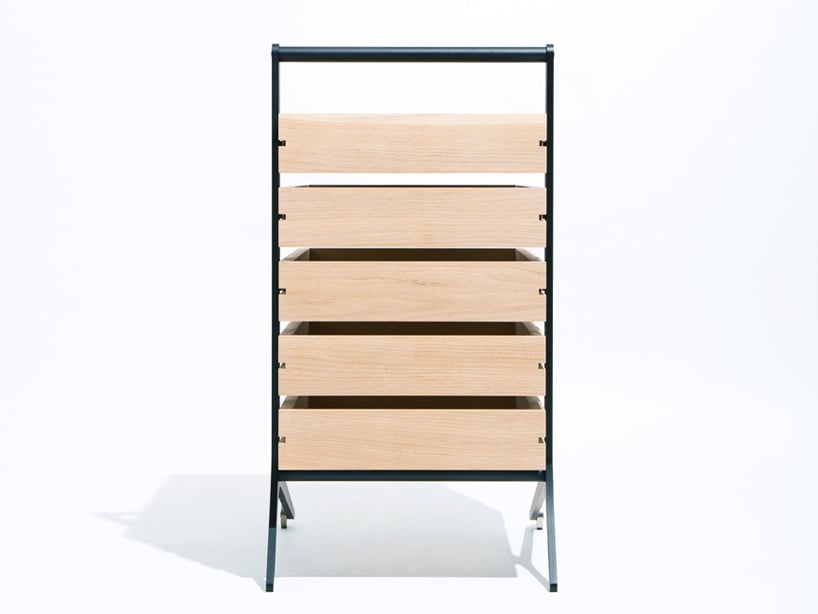
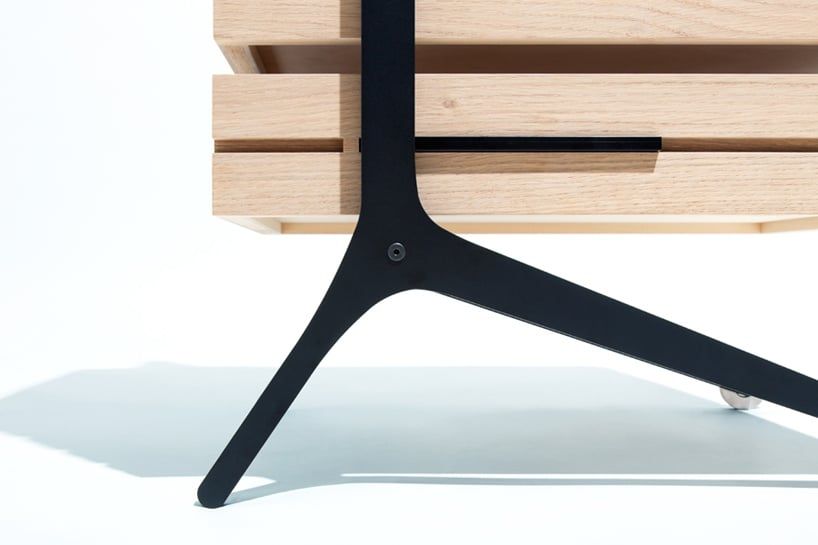
"Bon Drawer" is a set of stacked oak veneer boxes which sit within a light metal frame on wheels, making the storage unit easy to move around. designed by keiji ashizawa, the furniture piece’s five trays can each be fully removed from the structure to become display boxes, revealing and offering easier access to the objects inside.
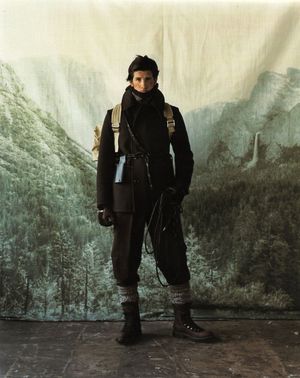
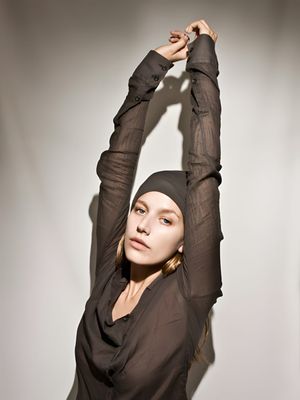
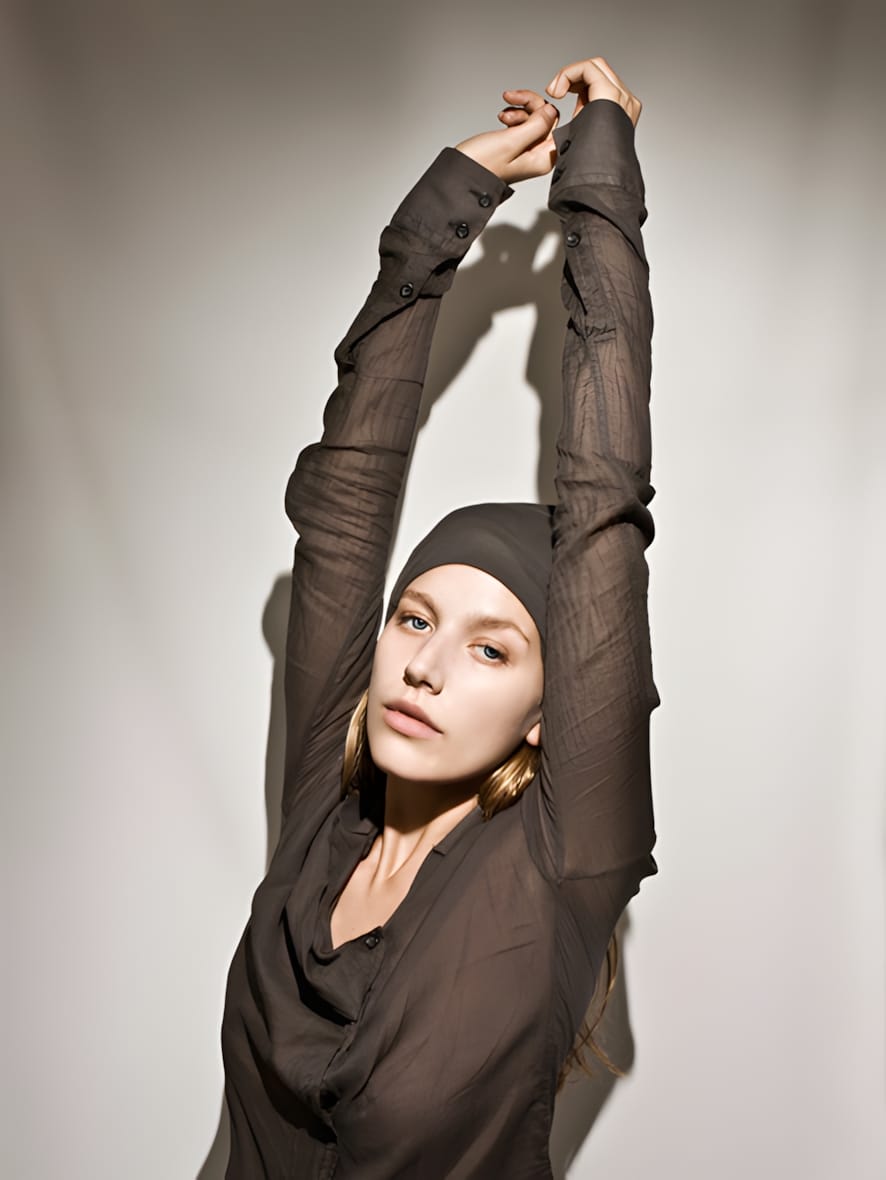
Loro Piana Womenswear Editorial — Dark Khaki Sheer Shirt and Turban
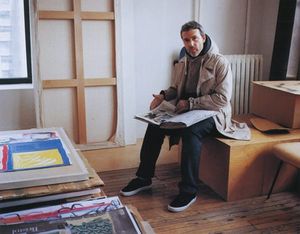
Engineered Garments Fall Winter 2011, HUgE Magazine
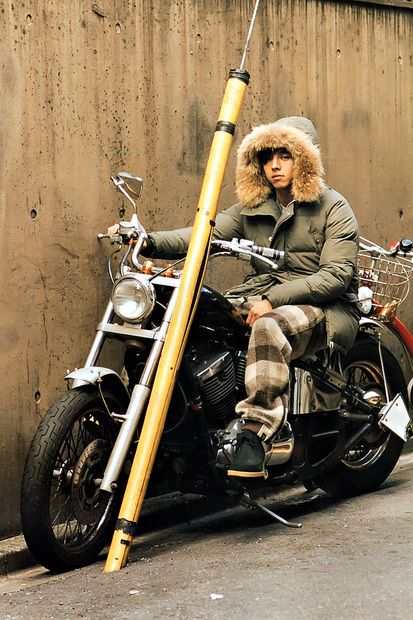
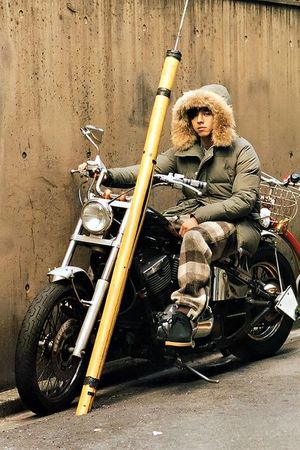
Men's Street Editorial Portrait — Monochrome
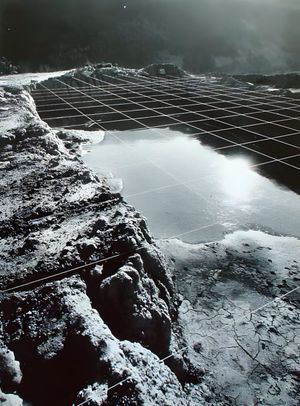
Ettore Sottsass — Metaphors (Metafore) 1972–1979
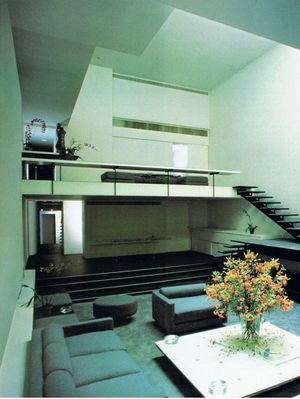
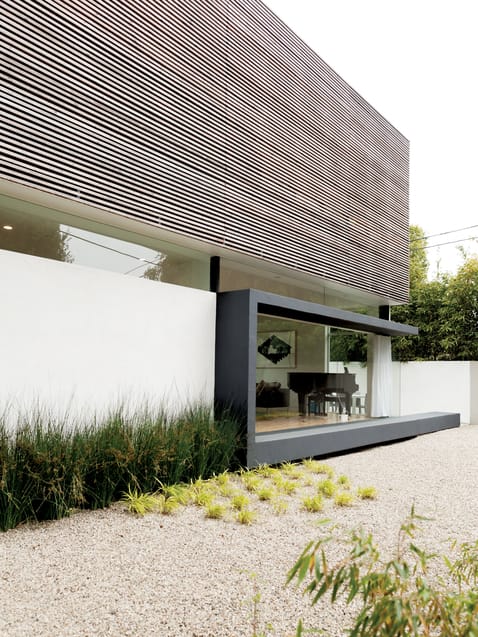
L House by Lee and Mundwiler
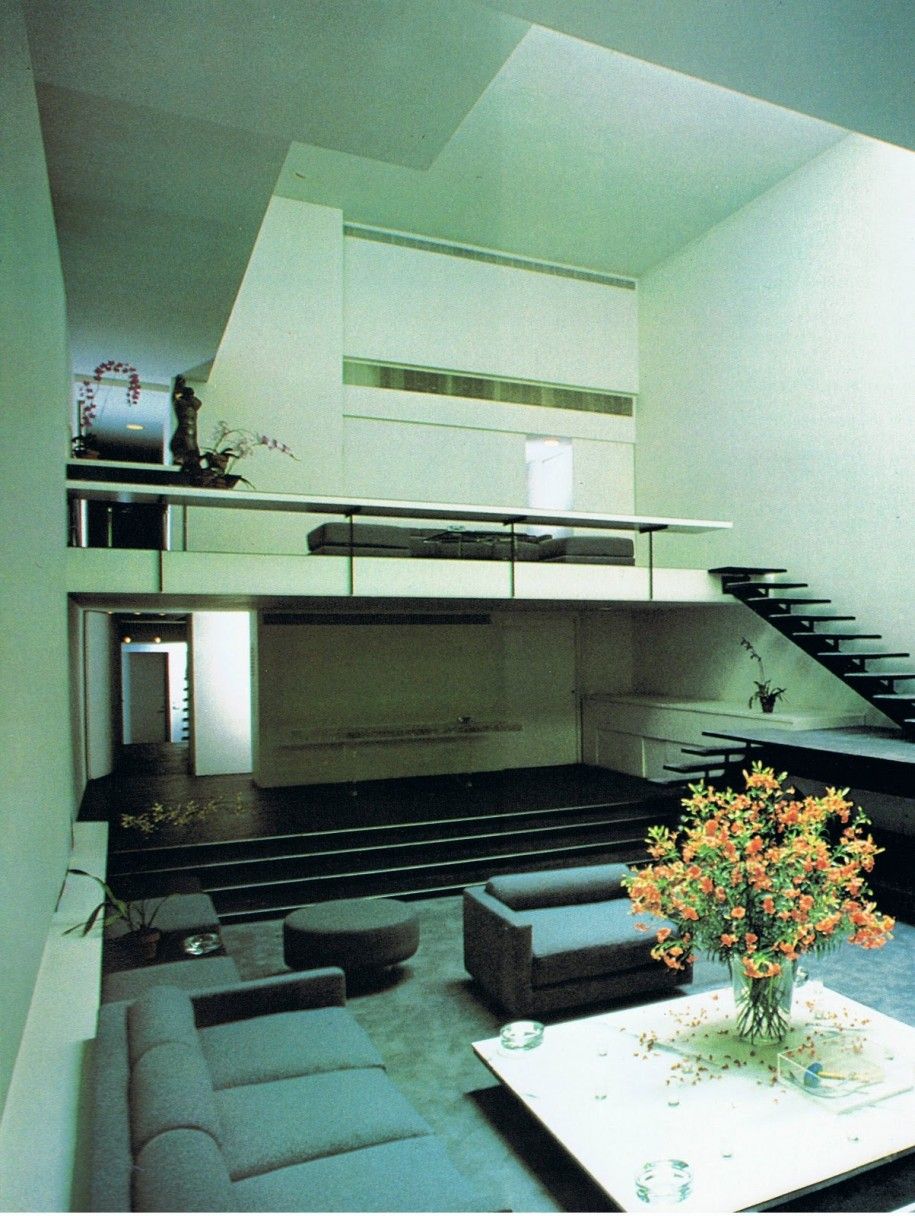
A residence by Lee + Mundwiler Architects, organised as a folded, ribbon-like volume that wraps living spaces around a courtyard, with an angular exterior of clean planes.
Todd McLellan — Things Come Apart
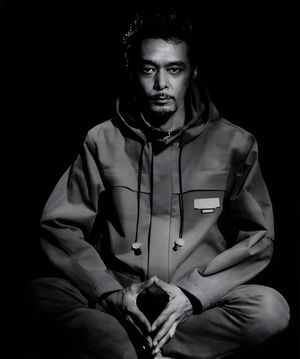
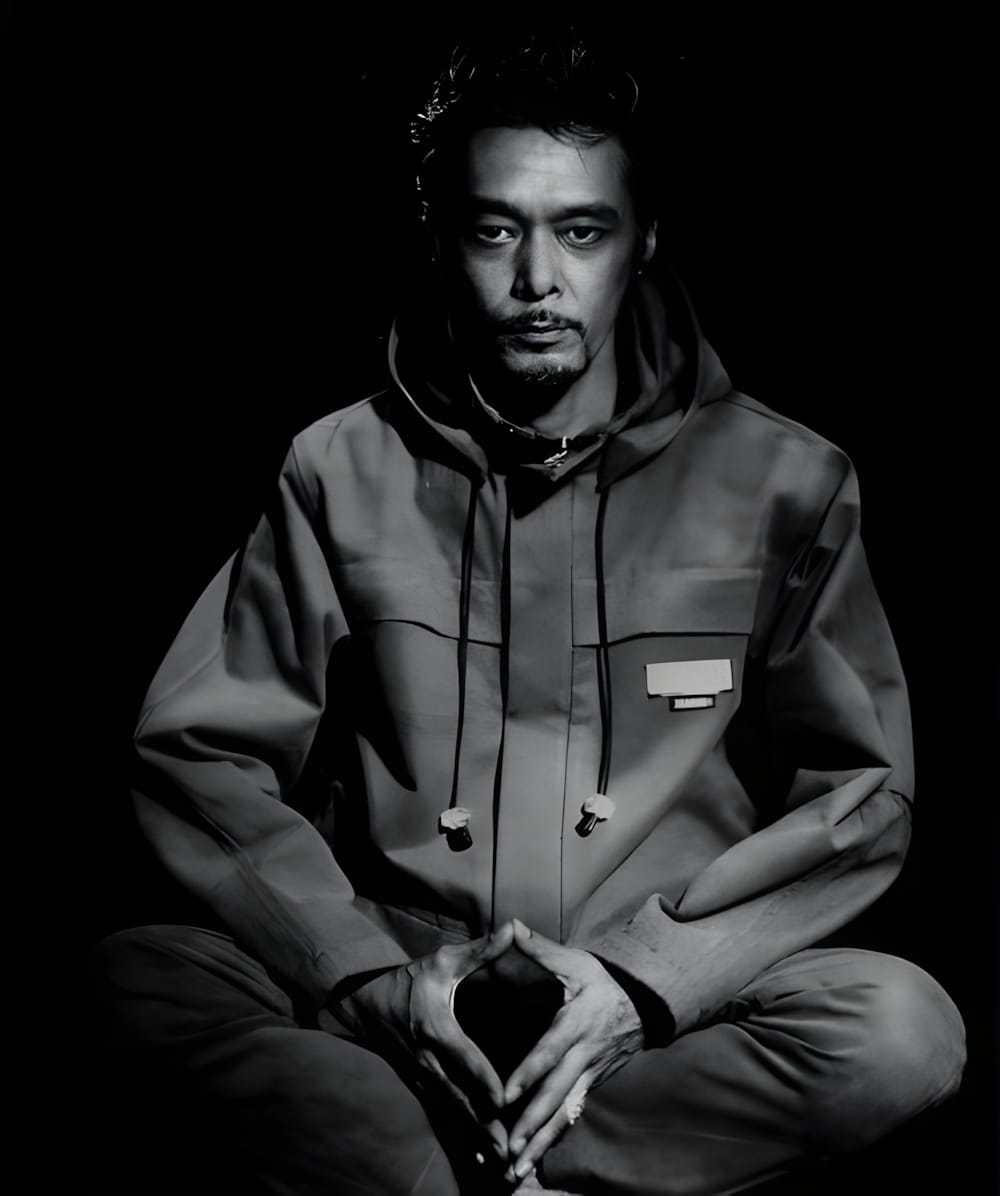
DJ Krush Portrait
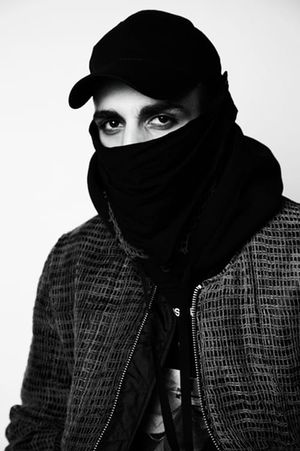
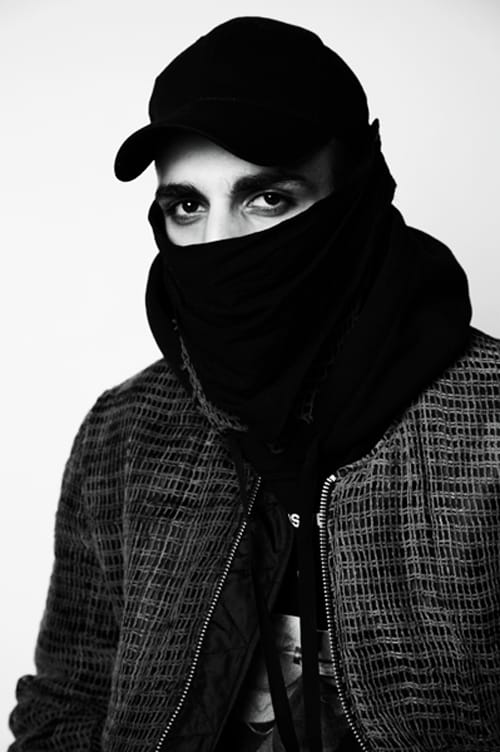
Masked Portrait — Aitor Throup × Dover Street Market
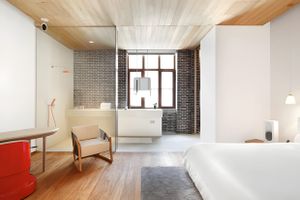
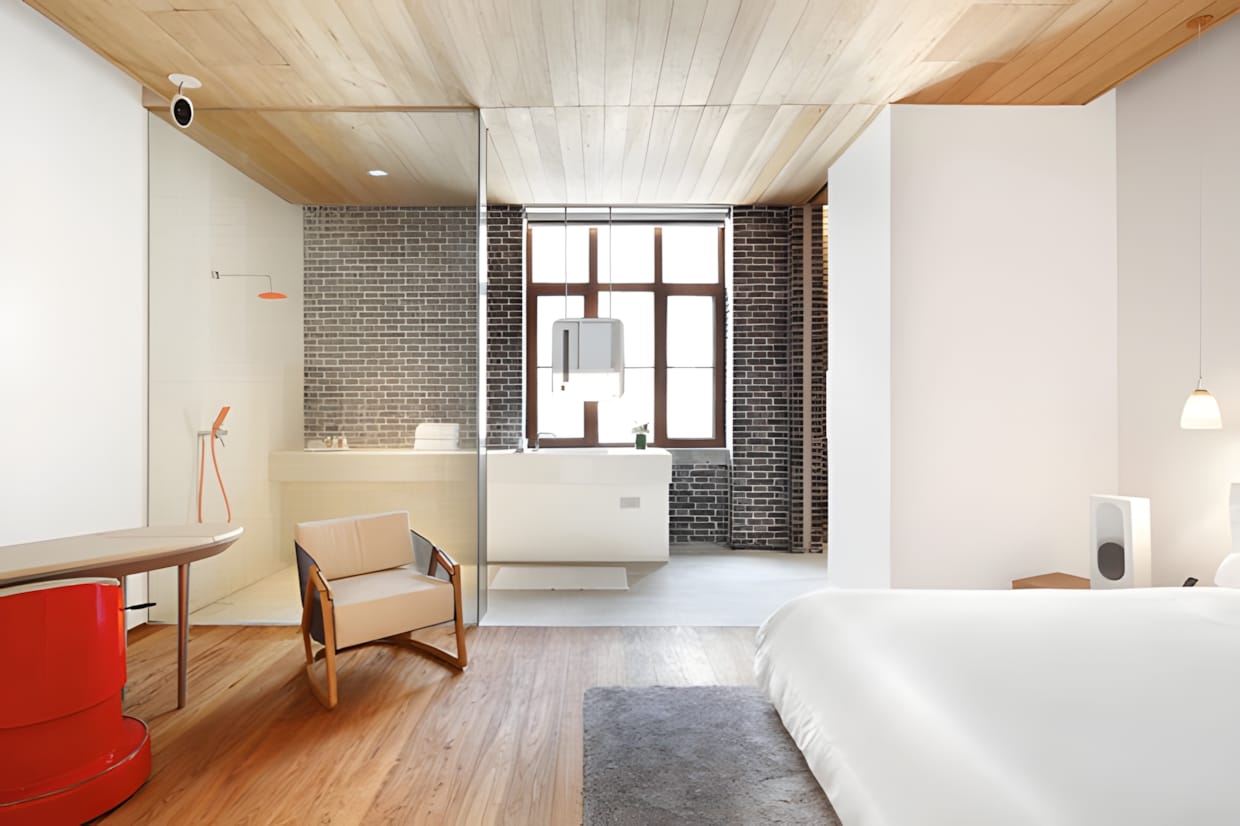
Swatch Art Peace Hotel — Shanghai
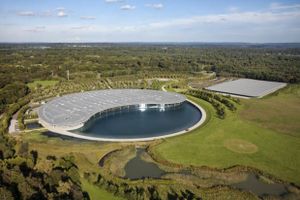
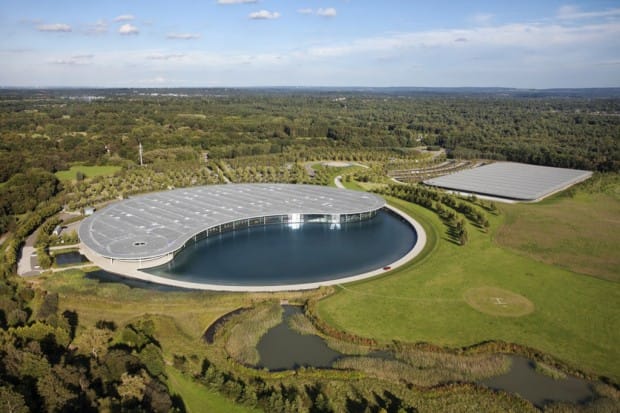
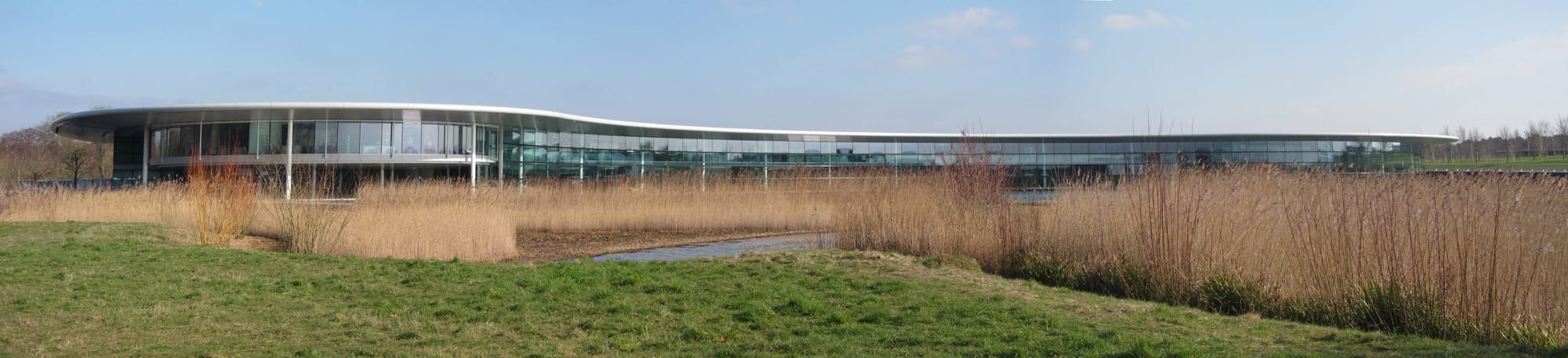
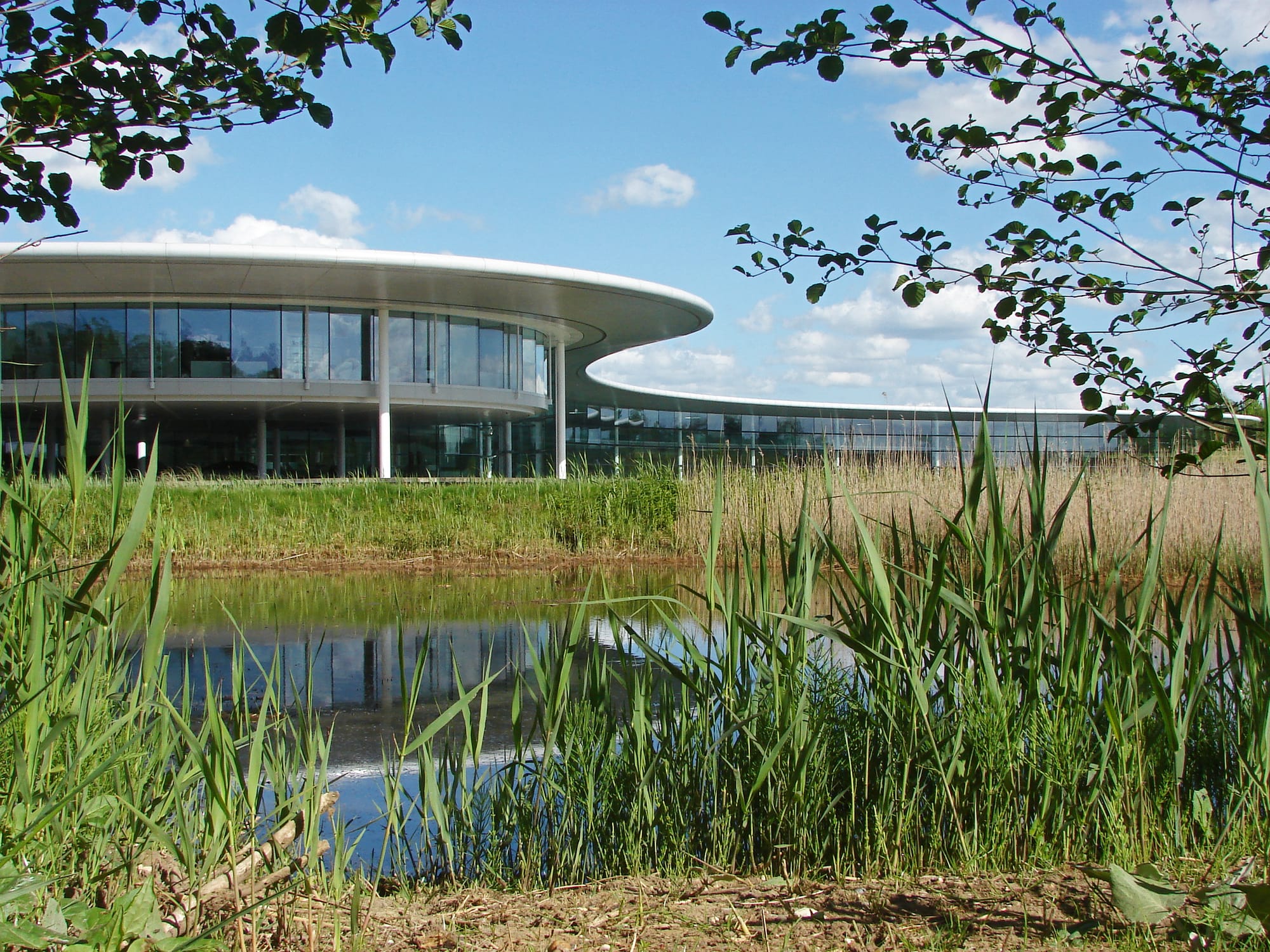
McLaren Technology Centre
The McLaren Technology Centre in Woking, Surrey, headquarters of the McLaren Group, by Foster + Partners, completed 2004. In plan it is a semicircle completed by a lake, which feeds the building's cooling and wind-tunnel systems. A continuous curved glass wall fronts a grid of exposed structure and services. The adjacent McLaren Production Centre shares its language.
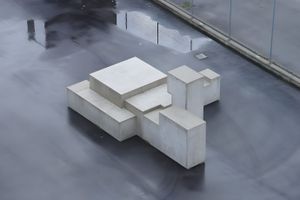
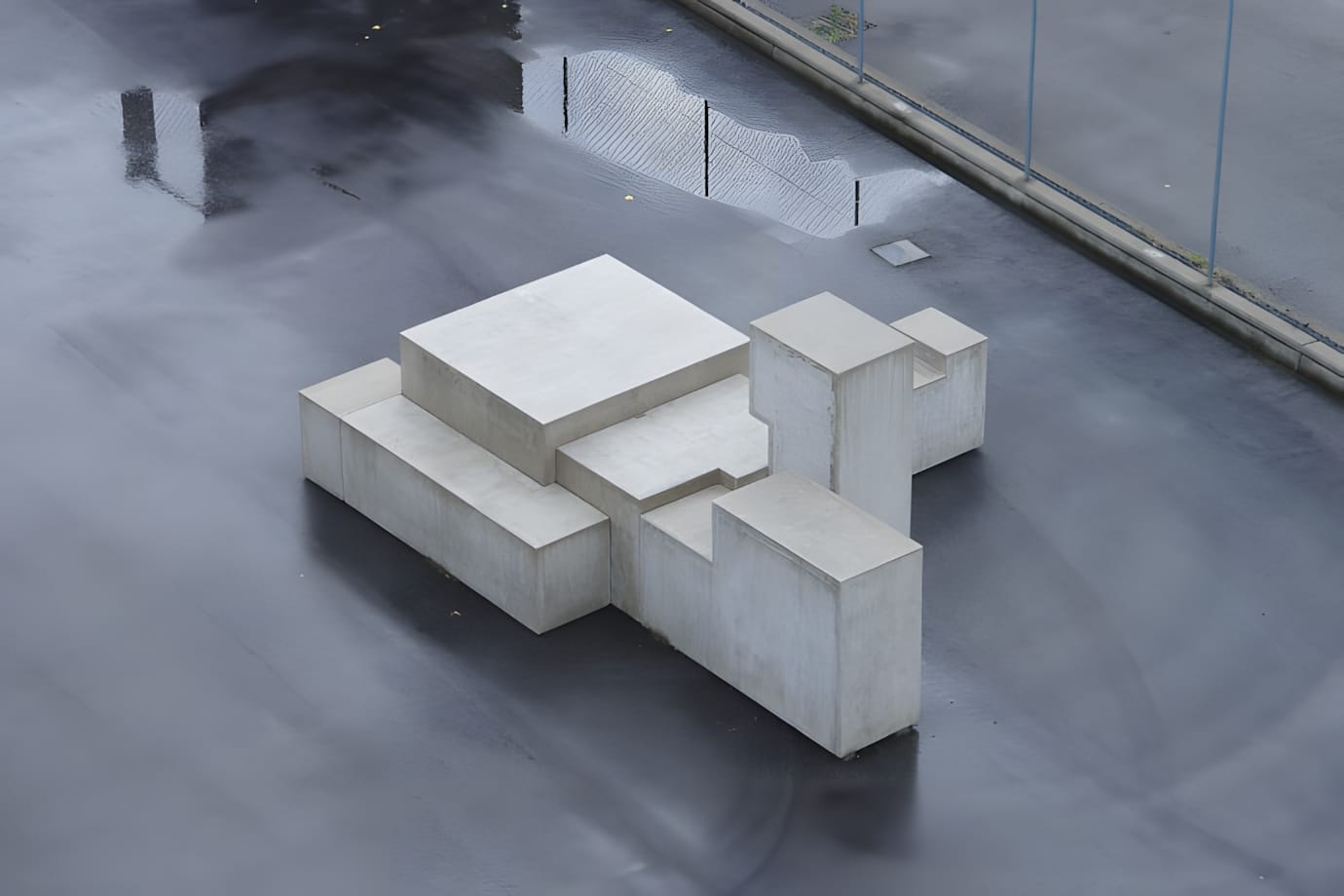
Concrete Brutalist Sculpture — Stepped Block Form
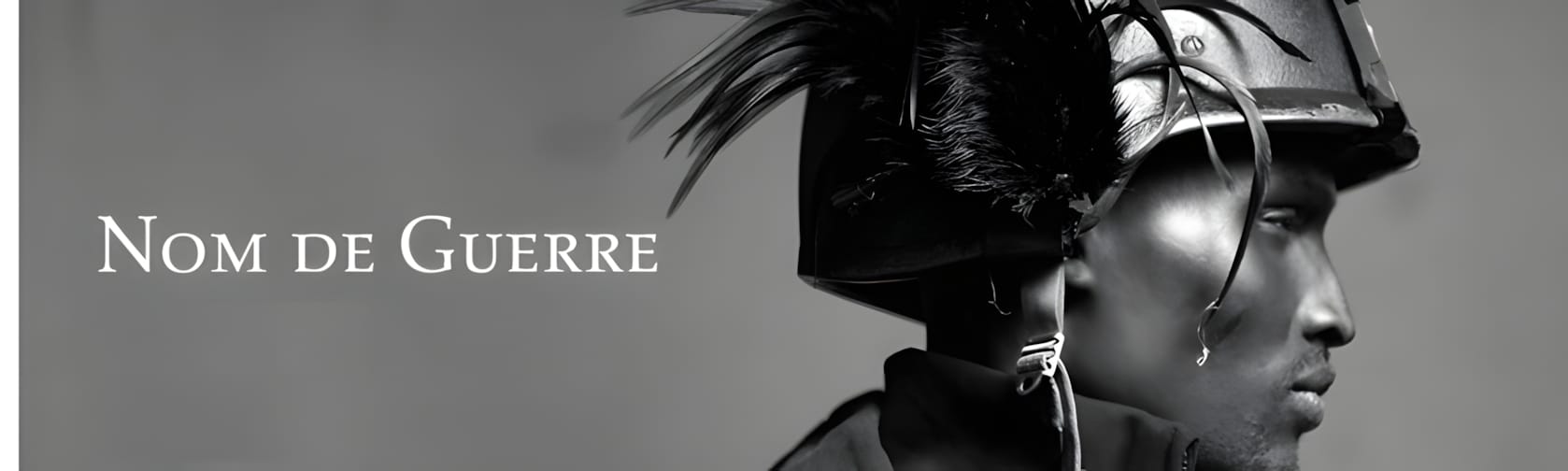
Nom de Guerre Brand Campaign — Military Helmet Portrait
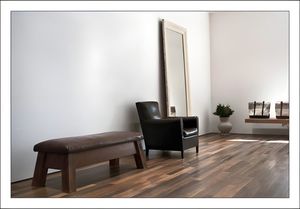
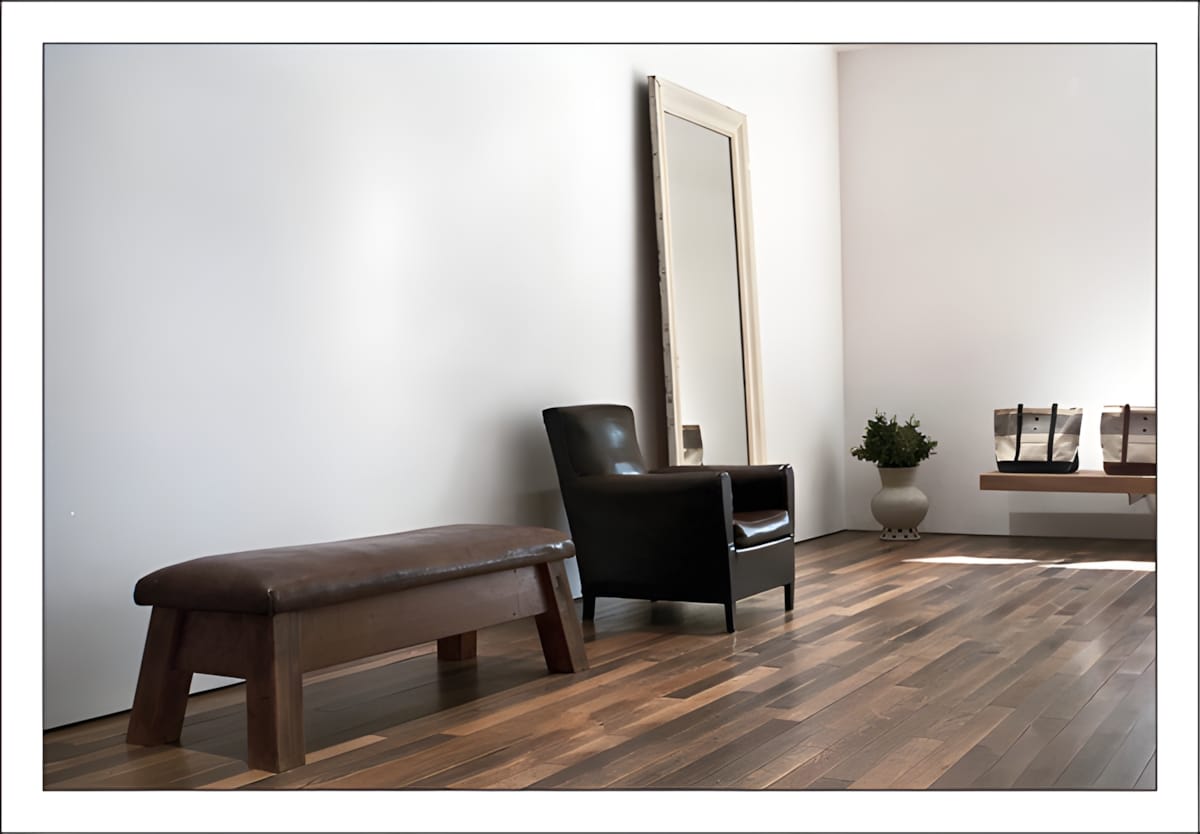
visvim F.I.L. Sendai Store Interior
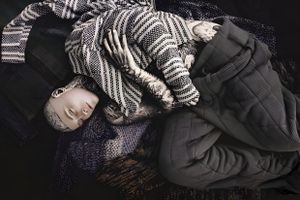
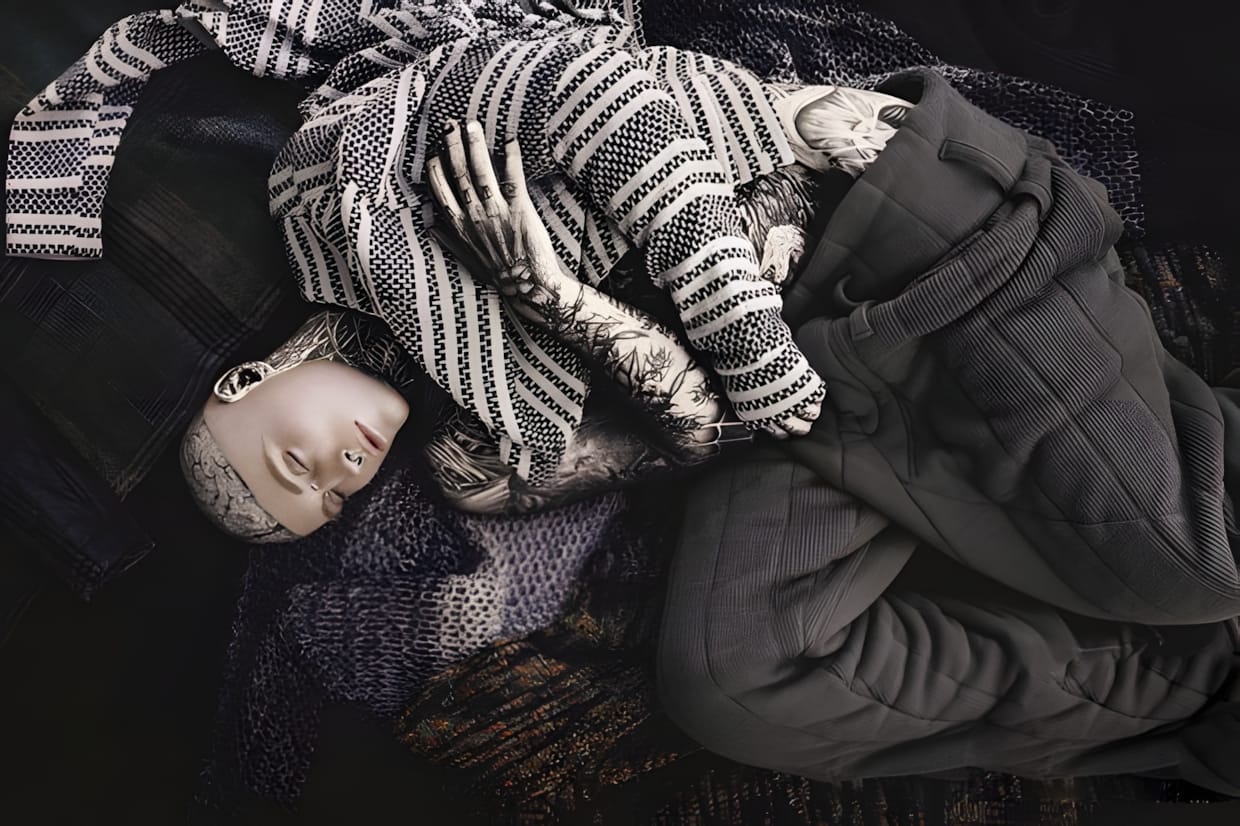
Rick Genest for Schon! Magazine Issue 14 — Undercover Editorial by Matthew Lyn
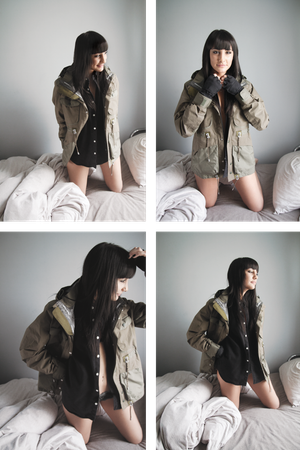
I Wish They Made This for Girls
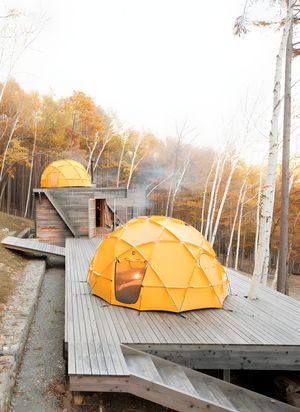
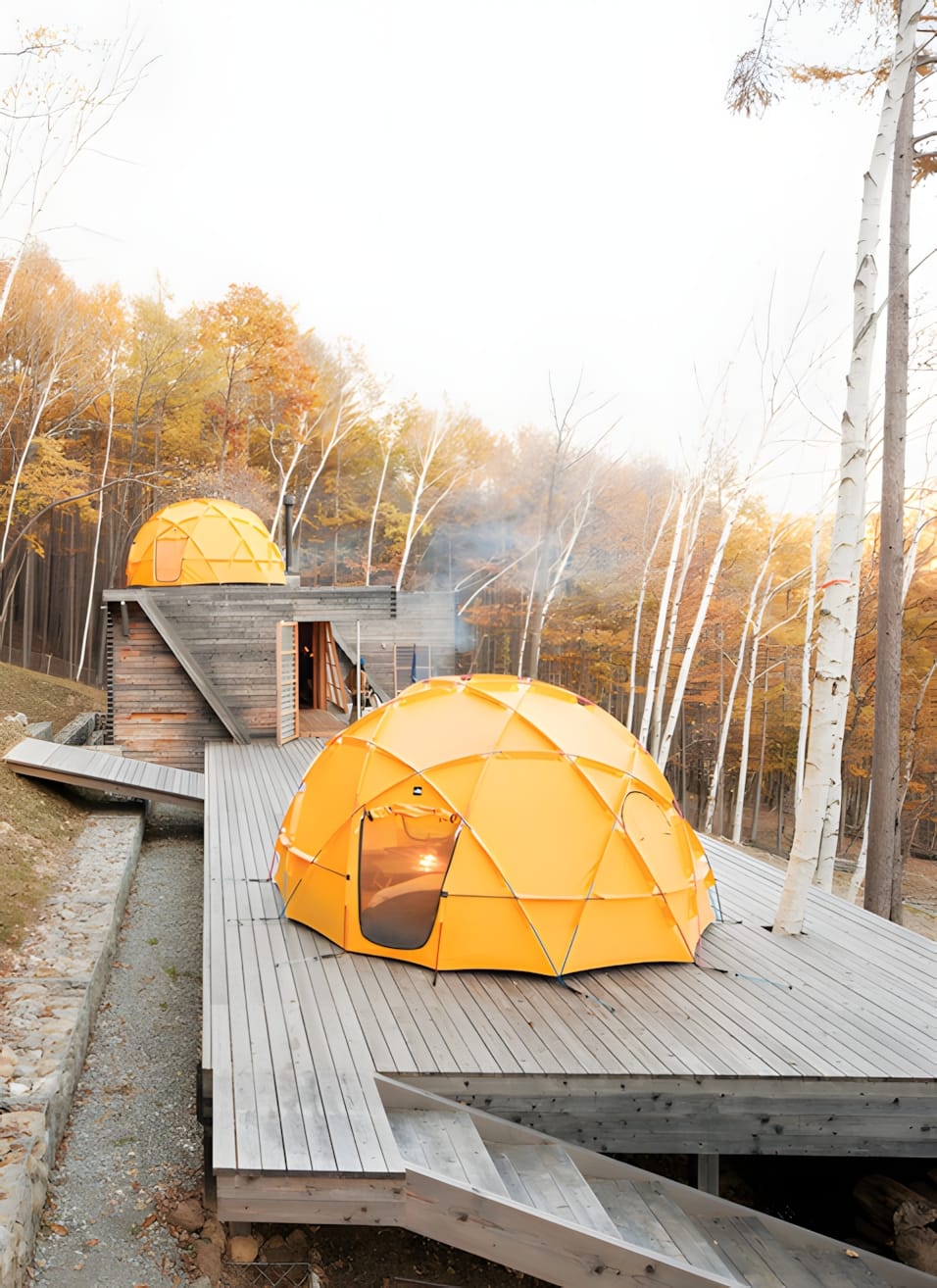
Weekend Retreat Tokyo by Shin Ohori / General Design Co.
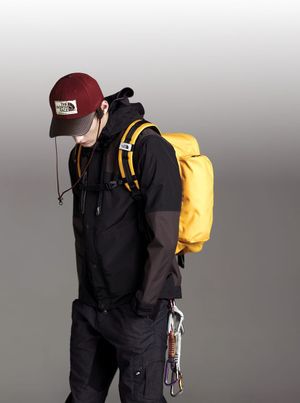
The North Face Fall Winter 2011 Lookbook
A look from The North Face's Fall/Winter 2011 lookbook, with model Robbie Wadge. Layered shells, fleece and insulated pieces from the mountaineering line, styled for the city.